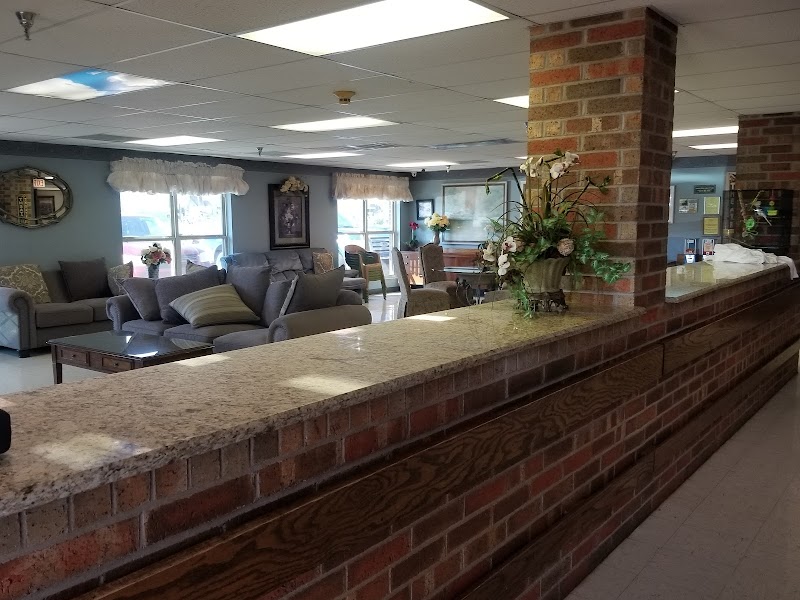
Merkel Nursing Center

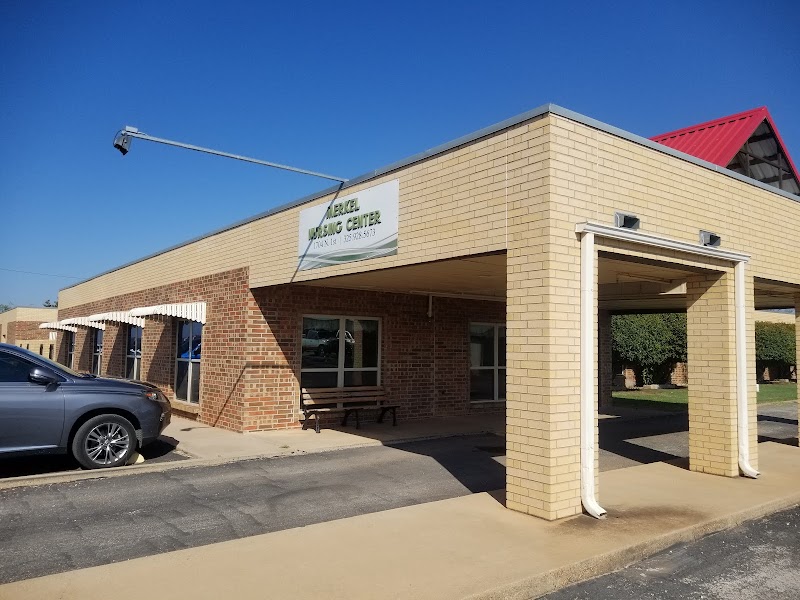
1704 N 1ST, Merkel, TX 79536 (325) 928-5673
For profit - Limited Liability company 65 Beds Independent Data: November 2025
Trust Grade
20/100
#1049 of 1168 in TX
Last Inspection: July 2024

Within standard 12-15 month inspection cycle. Federal law requires annual inspections.

Overview

Merkel Nursing Center has received a Trust Grade of F, indicating significant concerns about the quality of care provided. They rank #1049 out of 1168 facilities in Texas, placing them in the bottom half, and #10 out of 12 in Taylor County, meaning there are only two facilities considered worse locally. The situation appears to be worsening, with the number of issues increasing from 9 in 2023 to 26 in 2024. While staffing received an average rating of 3 out of 5 stars, with a turnover rate of 61%, which is higher than the Texas average, they do have decent RN coverage that may help catch potential problems. However, the facility has troubling fines totaling $123,592, indicating serious compliance issues. Specific incidents include failure to maintain required quality assurance meetings, lack of proper food safety practices in the kitchen, and not informing residents' physicians about significant changes in their health conditions, all of which could jeopardize resident safety and well-being.
Trust Score
F
20/100
In Texas
#1049/1168
Bottom 11%
Safety Record
Moderate
Needs review
Inspections
Getting Worse
9 → 26 violations
Staff Stability
⚠ Watch
61% turnover. Above average. Higher turnover means staff may not know residents' routines.
Penalties
○ Average
$123,592 in fines. Higher than 66% of Texas facilities. Some compliance issues.
Skilled Nurses
⚠ Watch
Each resident gets only 29 minutes of Registered Nurse (RN) attention daily — below average for Texas. Fewer RN minutes means fewer trained eyes watching for problems.
Violations
⚠ Watch
37 deficiencies on record. Higher than average. Multiple issues found across inspections.
★☆☆☆☆
1.0
Overall Rating
★★★☆☆
3.0
Staff Levels
★★☆☆☆
2.0
Care Quality
★☆☆☆☆
1.0
Inspection Score
Stable
2023: 9 issues
2024: 26 issues

The Good

  • Full Sprinkler Coverage · Fire safety systems throughout facility
  • No fines on record

Facility shows strength in fire safety.

The Bad

1-Star Overall Rating

Below Texas average (2.8)

Significant quality concerns identified by CMS

Staff Turnover: 61%

15pts above Texas avg (46%)

Frequent staff changes - ask about care continuity

Federal Fines: $123,592

Well above median ($33,413)

Significant penalties indicating serious issues

Staff turnover is elevated (61%)

13 points above Texas average of 48%

The Ugly 37 deficiencies on record

Dec 2024 1 deficiency
CONCERN (D) 📢 Someone Reported This

A family member, employee, or ombudsman was alarmed enough to file a formal complaint

Potential for Harm - no one hurt, but risky conditions existed

Infection Control (Tag F0880)

Could have caused harm · This affected 1 resident

**NOTE- TERMS IN BRACKETS HAVE BEEN EDITED TO PROTECT CONFIDENTIALITY** Based on observation, interview and record review the facility failed to establish and maintain an infection prevention and cont...

Read full inspector narrative →
**NOTE- TERMS IN BRACKETS HAVE BEEN EDITED TO PROTECT CONFIDENTIALITY** Based on observation, interview and record review the facility failed to establish and maintain an infection prevention and control program designed to provide a safe, sanitary, and comfortable environment and to help prevent the development and transmission of communicable diseases and infections for 1 of 6 residents (Resident #1) reviewed for infection control practices. CNA A and Nursing Aid B failed to perform proper hand hygiene and change gloves while providing incontinence care to Resident #1. This failure could place residents at risk for the spread of infection. The findings include: Record review of Resident #1's admission Record, dated 12/13/2024, revealed a [AGE] year-old female with an admission date of 03/02/2018. Resident #1 had a primary diagnosis which included Vascular Dementia (problems with reasoning, planning, judgment, memory, and other thought processes caused by brain damage from impaired blood flow to your brain). Record review of Resident #1's Quarterly MDS, dated [DATE], revealed she was dependent for toileting hygiene in Section GG. Record review of Resident #1's Comprehensive Care Plan, dated as last revised on 09/08/2024, revealed: Focus: The resident has incontinence related to her dementia, decreased mobility. She has become incontinent, no longer able to toilet or request assist (progressive dementia). Interventions: Provide peri care after each incontinent episode. In an observation of incontinence care performed by CNA A and Nursing Aid B for Resident #1 on 12/12/2024 at 1:35 PM, revealed CNA A and Nursing Aid B performed hand hygiene and donned gloves. They removed Resident #1's brief which was soiled with feces. CNA A wiped the resident's urethral area and cleaned her buttocks and anal area. A new brief was placed on the resident. CNA A and Nursing Aid B did not perform hand hygiene and don new gloves before they placed a new brief on Resident # 2. In an interview on 12/12/2024 at 1:40 PM, CNA A and Nursing Aid B said they should have performed hand hygiene and put on new gloves before they placed the clean brief on the resident. They said they were nervous and forgot. CNA A said the failure to complete hand hygiene and put on new gloves between dirty to clean could possibly lead to infection. In an interview on 12/12/2024 at 1:45 PM, the ADON said the DON was not at the facility. He said it was his expectation that hand hygiene was performed and gloves should be donned between the dirty and clean. The ADON said failure to perform hand hygiene and don new gloves from dirty to clean could lead to infection. Record review of the facility policy Infection Control Guidelines for All Nursing Procedures, dated as last revised August 2012, revealed the following [in part]: Purpose: to provide guidelines for general infection control while caring for residents. General Guidelines: 3. Employees must wash hands for ten (10) to fifteen (15) seconds using antimicrobial or non-antimicrobial soap and water under the following conditions: c. After contact with blood, bodily fluids, secretions, mucous membranes, or non-intact skin. d. After removing gloves.
Oct 2024 6 deficiencies
CONCERN (D) 📢 Someone Reported This

A family member, employee, or ombudsman was alarmed enough to file a formal complaint

Potential for Harm - no one hurt, but risky conditions existed

Deficiency F0655 (Tag F0655)

Could have caused harm · This affected 1 resident

**NOTE- TERMS IN BRACKETS HAVE BEEN EDITED TO PROTECT CONFIDENTIALITY** Based on interviews and records reviews, the facility failed to develop and implement a baseline care plan for each resident tha...

Read full inspector narrative →
**NOTE- TERMS IN BRACKETS HAVE BEEN EDITED TO PROTECT CONFIDENTIALITY** Based on interviews and records reviews, the facility failed to develop and implement a baseline care plan for each resident that included the instructions needed to provide effective and person-centered care of the resident that meet professional standards of quality care for 1 (Resident #10) of 3 residents reviewed for baseline care plans. The facility failed to ensure Resident #10 had a baseline care plan developed within 48-hours after admission with goals, services, and interventions. This failure could place newly admitted residents at risk of not receiving the care and services needed to promote good health and continuity of services. The findings included: Record review of Resident #10's Facesheet, dated 10/15/2024, revealed Resident #10 was a [AGE] year-old female, with an admission date of 06/11/2024. Diagnoses included Hypothyroidism (underactive thyroid), Depression (mood disorder that can affect how a person feels, thinks, and behaves), Insomnia (trouble falling asleep), and Essential hypertension (high blood pressure that was multifactorial and does not have one distinct cause). Record review of Resident #10's Quarterly MDS, dated [DATE], revealed Resident #10's BIMS score was 13, which indicated intact cognitive response. Section E - Behavior, E0100 - potential indicators of psychosis, indicated Resident #10 had no indicators of hallucinations or delusions, and E0200 Behavior Symptom - presence & frequency, revealed Resident #10 exhibited no physical, verbal, or behavioral symptoms toward others. Record review of Resident #10's clinical records revealed there was no Baseline Care Plan or Comprehensive Care Plan in the facility's electronic health record system. During an interview on 10/15/2024 at 1:10 p.m., the ADON said the admitting nurse would be responsible for the baseline care plan. Record review of the current Employee Roster, dated 10/09/2024, revealed LVN N, who admitted Resident #10 was no longer employed at the facility. During an interview on 10/16/2024 at 1:08 p.m., the Administrator said his expectation was for baseline care plans to be completed upon admission with the first 48 hours. The Administrator said the development Baseline Care Plan was the responsibility of the nursing staff and should be monitored by the DON. The Administrator said the negative outcome of not having a Baseline Care Plan would be improper care. Record review of the facility's policy, Care Plans - Baseline, dated 12/2016, revealed a baseline plan of care to meet the resident's immediate needs shall be developed for each resident within forty-eight (48) hours of admission. The interdisciplinary Team will review the healthcare practitioner's orders and implement a baseline care plan to meet the resident's immediate needs.
CONCERN (D) 📢 Someone Reported This

A family member, employee, or ombudsman was alarmed enough to file a formal complaint

Potential for Harm - no one hurt, but risky conditions existed

Deficiency F0657 (Tag F0657)

Could have caused harm · This affected 1 resident

**NOTE- TERMS IN BRACKETS HAVE BEEN EDITED TO PROTECT CONFIDENTIALITY** Based on observations, interviews, and records reviews, the facility failed to ensure that the comprehensive care plans were rev...

Read full inspector narrative →
**NOTE- TERMS IN BRACKETS HAVE BEEN EDITED TO PROTECT CONFIDENTIALITY** Based on observations, interviews, and records reviews, the facility failed to ensure that the comprehensive care plans were reviewed and revised by the interdisciplinary team after each assessment for 1 (Resident #3) of 3 residents reviewed for care plan revision. Resident #3's comprehensive care plan was not reviewed or revised after Resident #3 fell and sustained a lower, left leg fracture. This failure could place residents at risk for inadequate care. The findings included: Record review of Resident #3's Facesheet, dated 10/10/2024, revealed Resident #3 was an [AGE] year-old female, with an admission date into the facility of 05/30/2024. Diagnoses included Unspecified Dementia (chronic condition that causes a gradual decline in cognitive abilities, such as thinking, remembering, and reasoning) and Unspecified Severity, without behavioral disturbance, psychotic disturbance, mood disturbance, and anxiety). Record review of Resident #3's Quarterly Minimum Data Set (MDS), dated [DATE], revealed Resident #3's BIMS score was 11, which indicated moderate cognitive impairment. Section J1700 - Fall History on admission and Section J1900 - Number of Fall Since admission were blank. Record review of Resident #3's Care Plan, dated 09/18/2024, revealed Resident #3 was Moderate, risk for falls due to weakness. A goal was identified as Resident #3 would be free from falls. Interventions were to ensure call light was within reach and encourage use, follow facility fall protocol, and Resident #3 would use half rails while in bed. Record review of Resident #3's Fall Incident Report, dated 09/20/2024, revealed Resident #3 had fallen in the bathroom and was noted with swelling to her left ankle. Resident #3 was able to ambulate without assistance. Record review of Resident #3's Progress Note, dated 09/20/2024, documented by LVN B, revealed Resident #3 was found as she sat on the bathroom floor with swelling to her left ankle and voiced pain. LVN B documented the DON was notified and Resident #3 was transported to the ER at 2:35 a.m. LVN B documented at 6:50 a.m., Resident #3 returned from the hospital with a left leg fracture in the fibula. Record review of Resident #3's emergency room discharge instructions, dated [DATE], revealed Resident #3's had a clinical impression of a fibula fracture to left leg. Further review revealed to follow-up with regular doctor to get a referral for a specialist visit and to return to the emergency room immediately for further or worsening problems. During an interview on 10/11/2024 at 8:40 a.m., Resident #3 said she fell and broke her ankle. Resident #3 said she lost her balance when she was in the bathroom. Resident #3 said she fell when she tried to get water for her denture cup. During an interview on 10/15/2024 at 3:30 p.m., the Facility Owner said the responsibility for updating and reviewing the care plans after a significant change in condition was the administrator and DONs. The Facility Owner said the administrator and DON knew that interventions to prevent falls should have been in the care plan to address the resident's needs and to prevent further injuries. The Facility Owner said without intervention, the situation could become serious and was surprised the DON did not update the care plans as required. During an interview on 10/16/2024 at 1:08 p.m., the Administrator said his expectation was for care plans to be updated when there was a change in condition. The Administrator said Resident #3's change in condition and a fall with fracture or serious injury would be a reason to review the care plan and interventions and update the care plan if needed. The Administrator said the negative outcome would be improper care. The Administrator said the responsibility was for the DON to review and revise the care plans with the IDT and he was responsible to monitor the nursing staff. Record review of the facility's policy, Change in a Resident's Condition or Status, dated 05/2017, revealed: A significant change of condition is a major decline or improvement in the resident's status that: - will not normally resolve itself without intervention by staff or implementing standard disease-related interventions; - impacts more than one area of the resident's health status; - requires interdisciplinary review and/or revision of the care plan. Record review of the facility's policy, Comprehensive Care Plans, dated 10/2022, revealed: The comprehensive care plan will be reviewed and revised by the interdisciplinary team after each comprehensive assessment and change in condition.
CONCERN (E) 📢 Someone Reported This

A family member, employee, or ombudsman was alarmed enough to file a formal complaint

Potential for Harm - no one hurt, but risky conditions existed

Notification of Changes (Tag F0580)

Could have caused harm · This affected multiple residents

**NOTE- TERMS IN BRACKETS HAVE BEEN EDITED TO PROTECT CONFIDENTIALITY** Based on observations, interviews, and records reviews, the facility failed to immediately inform the resident; consult with the...

Read full inspector narrative →
**NOTE- TERMS IN BRACKETS HAVE BEEN EDITED TO PROTECT CONFIDENTIALITY** Based on observations, interviews, and records reviews, the facility failed to immediately inform the resident; consult with the resident's physician; and notify, consistent with his or her authority, the resident representative(s) when there is a significant change in the resident's physical, mental, or psychosocial status for 1 (Resident #10) of 3 residents reviewed for change of condition. The facility failed to notify Resident #10's physician after Resident #10's change in condition did not improve after she returned from the hospital. This failure could place residents at risk of not having their change of condition communicated to their physician, delay of treatment, and a decline in the residents' health and well-being. The findings include: Record review of Resident #10's Facesheet, dated 10/15/2024, revealed Resident #10 was a [AGE] year-old female, with an admission date into the facility of 06/11/2024. Diagnoses included Hypothyroidism (underactive thyroid), Depression (mood disorder that can affect how a person feels, thinks, and behaves), Insomnia (trouble falling asleep), and Essential hypertension (high blood pressure that was multifactorial and does not have one distinct cause). Record review of Resident #10's Quarterly Minimum Data Set (MDS), dated [DATE], revealed Resident #10's BIMS score was 13, which indicated intact cognitive response. Section E - Behavior, E0100 - potential indicators of psychosis, indicated Resident #10 had no indicators of hallucinations or delusions, and E0200 Behavior Symptom - presence & frequency, revealed Resident #10 exhibited no physical, verbal, or behavioral symptoms toward others. Record review of Resident #10's clinical records revealed there was no Care Plan in the facility's electronic health record system. Record review of Resident #10's admission document from the emergency room at the hospital, dated 10/09/2024, revealed Resident #10 was seen at the ER at 7:35 p.m. transported by family. Resident #10 presented with complaint of difficulty sleeping and family was concerned of UTI due to reported confusion, decreased appetite, and acting different. Family reported symptoms began around Sunday (10/06/2024). Record review of Resident #10's hospital Physician's Progress Note, dated 10/10/2024, revealed Resident #10 was treated with IV antibiotics for the diagnosis of Urinary tract infection and Resident #10 tolerated the IV antibiotic treatment well with no visual hallucinations and no pain of any kind reported. Record review of Resident #10's hospital Discharge summary, dated [DATE], revealed Resident #10's discharge diagnoses were E. coli Urinary tract infection, and dizziness and visual hallucinations, resolved. Reviewed revealed Resident #10 was, up in the recliner having lunch. She denied HA/CP/SOB. No further visual hallucinations. No pain of any kind reported. She was dc' ed back to her facility in stable condition. Record review of Resident #10's hospital discharge document, dated 10/11/2024, revealed Resident #10 was discharged to return to the nursing facility and to call the doctor if Resident #10 experienced worsening symptoms. Record review of Resident #10's Progress Notes, dated 10/11/2024 indicated the following: At 4:45 p.m., documented by LVN A, revealed Resident #10 returned to the facility and was readmitted to the facility. LVN A documented Resident #10 stated, to other nurse that she felt like people were shunning her. At 11:28 p.m., documented by LVN A, revealed Resident #10 refused to take her 10:00 p.m. medication and Resident #10 stated she was not going to take them. LVN A documented Resident #10 did come out of her room and ambulated in the hallway. Resident #10 exhibited paranoia, did not trust anyone, and thought people were shunning her. Further review revealed there was no evidence LVN A notified the physician or nurse practitioner of the resident's behaviors. Record review of Resident #10's Progress Notes, dated 10/12/2024 indicated the following: At 5:11 a.m., documented by LVN B, revealed Resident #10 reused to take her morning medication and called 911 three (3) times and asked the policemen to come get her and take Resident #10 home. Further review revealed there was no evidence LVN B notified the physician or nurse practitioner of the resident's behaviors. At 7:49 a.m., documented by LVN A, revealed Resident #10 refused to take her morning medication and refused to eat breakfast. LVN A documented, Resident #10 was confused, stating she was going to the doctor today and the ER. Hard to redirect. Resident #10 had some of her personal belongings packed. Further review revealed there was no evidence LVN A notified the physician or nurse practitioner of the resident's behaviors. Record review of Resident #10's Progress Notes, dated 10/13/2024 at 10:07 p.m., documented by LVN C, revealed Resident #10 called her family member to report Resident #10 was saying she was located at the courthouse in a different city and was not aware of what Resident #10 was being charged with. LVN C documented Resident #10's family did not know what was going on with Resident #10 or what to do with her, because this was not their family member. Further review revealed there was no evidence LVN C notified the physician or nurse practitioner of the resident's behaviors. Record review of Resident #10's Progress Notes, dated 10/14/2024 at 6:24 a.m., documented by LVN D, revealed Resident #10 called 911 twice and the dispatcher called the facility back on a wellness check. LVN D documented Resident #10 was hard to redirect and reorient to time, place, and situation. LVN D documented Resident #10 refused morning medication and change of condition was not a new onset for the shift and appeared to be ongoing. LVN D documented Resident #10 appeared to have some episodes of unsteadiness on her feet during ambulation. Record review of Resident #10's Progress Notes, dated 10/15/2024 at 10:37 a.m., documented by LVN E, revealed Resident #10 was very paranoid and refused meds. Further revealed LVN E documented family member was notified, and an order was received from nurse practitioner to attempt to obtain a urine sample. During an observation and interview on 10/15/2024 at 2:35 p.m., Resident #10 was observed in her room, fully dressed as she sat on the chair on her mobility walker. Resident #10 had a bag of clothing on her lap and another bag on her bed. Resident #10 identified herself and when asked if she had been in the hospital recently, Resident #10 replied, I am in the hospital. During an observation and attempted interview on 10/16/2024 at 4:05 a.m., Resident #10 was observed in her room as she sat in her recliner, fully dressed. Resident #10 was observed as she put her shoes on. Attempted to interview Resident #10 but she did not respond to conversation as she looked around the room. During an interview on 10/16/2024 at 4:19 a.m., LVN B said Resident #10 had not slept during the night, been fully dressed, and sat in her recliner or was up rearranging her belongings. LVN B said Resident #10 was confused and told LVN B she was at the hospital and asked LVN B when Resident #10 would be going home. LVN B said when Resident #10 was admitted into the facility she was very social and very active. LVN B said Resident #10 showed symptoms of confusion on 10/07/2024 approximately. LVN B said the doctor was aware of Resident #10's change of condition before she went to the hospital to be treated for a UTI. LVN B said the symptoms of paranoia should have been documented in Resident #10's clinical record and the doctor should have been contacted at that time the behavior was observed. During an interview and observation on 10/16/2024 at 5:58 a.m., LVN A said between 10/11/2024 and 10/15/2024, Resident #10 displayed non-compliant behaviors of refusing medication, confusion, and change of condition. LVN A said due to Resident #10's behaviors, she would have notified the doctor and the documentation should be in her progress notes. LVN A said she usually texted the nurse practitioner. After LVN A reviewed the progress notes, LVN A said she could not see that she documented that the nurse practitioner or doctor was contacted. LVN A said she would have deleted any texts off her phone and there was no other documentation that the doctor or nurse practitioner was contacted. During an interview on 10/16/2024 at 10:49 a.m., Physician F said he was not notified of Resident #10's change of condition before or after hospitalization, but the facility may have contacted the nurse practitioner. Physician F said he was not informed of Resident #10 displayed symptoms of confusion, calling 911, not eating, refusing meds, and not sleeping. Physician F said he or the nurse practitioner should had been contacted within 24 to 48 hours after Resident #10 returned from the hospital if symptoms had not resolved. Physician F said this could have been a sign that the treatment from the hospital was not effective. During an interview on 10/16/2024 at 11:54 a.m., Nurse Practitioner G said she had not been notified by the facility of Resident #10's change in condition since she had been discharged from the hospital. Nurse Practitioner G said she did not realize Resident #10 had not improved and continued to have symptoms such as calling 911, paranoia, refusing her meds, and refusing to eat. Nurse Practitioner G said the facility notified her on 10/08/2024 prior to Resident #10's hospitalization and reported confusion. Nurse Practitioner G said at that time, she ordered a urine sample to rule out a UTI. Nurse Practitioner G said she was also notified when Resident #10 was admitted into the hospital on [DATE] but had not been notified since that date. Nurse Practitioner G said she was notified the day before, 10/15/2024, by the nurse that worked evenings and was informed Resident #10 was confused and questioned about a UA but was not informed Resident #10 was refusing meds, not eating, calling 911, or not sleeping. During an interview on 10/16/2024 at 1:08 p.m., the Administrator said he was aware Resident #10 had a UTI. The Administrator said his expectation when a resident had a change of condition and displayed behaviors the same as Resident #10 would be to immediately contact the physician or nurse practitioner. The Administrator said the fact that the doctors were not notified was concerning and could cause unnecessary harm to the residents. The Administrator said he was ultimately responsible for monitoring and ensuring the doctor was notified. The Administrator said he supervised the nursing staff, and the process would be to go up the chain of command from the nurse, ADON, DON, to himself. Record review of the facility's policy, Change in a Resident's Condition or Status, dated 05/2017, revealed the facility shall promptly notify the resident, his or her Attending Physician or physician on call when there had been a(an): - accident or incident involving the resident; - discovery of injuries of unknown origin; - adverse reaction to medication; - significant change in the resident's physical/emotional/mental condition; - need to alter the resident's medical treatment significantly; - need to transfer the resident to a hospital/treatment center Record review of the facility's policy, Resident Rights, dated 12/2016, revealed federal and state laws guarantee certain basic rights to all residents of this facility. These rights include the resident's right to: - communication with and access to people and services, both inside and outside the facility; - be notified of his or her medical condition and of any changes in his or her condition; - be informed of, and participate in, his or her care planning and treatment; - choose an attending physician and participate in decision-making regarding his or her care.
CONCERN (E) 📢 Someone Reported This

A family member, employee, or ombudsman was alarmed enough to file a formal complaint

Potential for Harm - no one hurt, but risky conditions existed

Comprehensive Care Plan (Tag F0656)

Could have caused harm · This affected multiple residents

**NOTE- TERMS IN BRACKETS HAVE BEEN EDITED TO PROTECT CONFIDENTIALITY** Based on observations, interviews, and records reviews, the facility failed to develop and implement a comprehensive person-cent...

Read full inspector narrative →
**NOTE- TERMS IN BRACKETS HAVE BEEN EDITED TO PROTECT CONFIDENTIALITY** Based on observations, interviews, and records reviews, the facility failed to develop and implement a comprehensive person-centered care plan for each resident that includes measurable objectives and timeframes to meet a resident's medical, nursing, and mental and psychosocial needs that are identified in the comprehensive assessment and describes services that are to be furnished to attain or maintain the resident's highest practicable physical, mental, and psychosocial well-being for 3 (Resident #6, Resident #7, and Resident #10) of 7 residents reviewed for care plan accuracy, in that: Resident #6 and Resident #7 did not have a care plan that addressed smoking, and for Resident #10, the facility failed to develop a comprehensive care plan as required. This failure could place residents at risk of receiving care that is substandard, unable to meet their needs, or cause injury or harm. The findings included: Resident #6 Record review of Resident #6's Facesheet, dated 10/10/2024, revealed Resident #6 was a [AGE] year-old female, with an admission date into the facility of 12/21/2022. Diagnoses included Unspecified Dementia (chronic condition that causes a gradual decline in cognitive abilities, such as thinking, remembering, and reasoning), Unspecified Severity, without behavioral disturbance, psychotic disturbance, mood disturbance, or anxiety). Record review of Resident #6's Quarterly Minimum Data Set (MDS), dated [DATE], revealed Resident #6's BIMS score was 13, which indicated intact cognitive response. Further review of MDS revealed smoking status was not completed. Record review of Resident #6's Smoking Safety Screen, dated 07/05/2024, revealed Resident #6 was a smoker who smoked 10 plus cigarettes per day at multiple times per day. Review of the assessment revealed Resident #6 did not have the ability to light her own cigarette and needed the facility to store her smoking paraphernalia. Further review revealed the IDT decided Resident #6 was safe to smoke with supervision. Record review of Resident #6's Care Plan, dated 09/06/2024, revealed the plan did not contain a focus, goal, or interventions to address Resident #6's smoking deficit. During an observation on 10/09/2024 at 11:17 a.m., Resident #6 was present in the smoking area. The ADON was present and supervised Resident #6 smoking. During an interview on 10/09/2024 at 11:29 a.m., Resident #6 said she was a smoker and smoked during designated smoke breaks on the patio every day. Resident #7 Record review of Resident #7's Facesheet, dated 10/10/2024, revealed Resident #7 was a [AGE] year-old female, with an admission date into the facility of 03/08/2022. Diagnoses included Psychotic disorder (severe mental illness that causes a person to have abnormal perceptions and thinking, and to lose touch with reality) with delusions due to known physiological condition, Acute atopic conjunctivitis, bilateral (a rare chronic eye condition that causes inflammation of the eyelids and conjunctiva [thin, clear membrane that protects the eye]), Unspecified Dementia (chronic condition that causes a gradual decline in cognitive abilities, such as thinking, remembering, and reasoning), and Unspecified Severity, without behavioral disturbance, psychotic disturbance, mood disturbance, or anxiety). Record review of Resident #7's Quarterly Minimum Data Set (MDS), dated [DATE], revealed Resident #7's BIMS score of 06, which indicated a severe cognitive impact response. Further review of MDS revealed smoking status was not completed. Record review of Resident #7's Smoking Safety Screen, dated 03/16/2024, revealed Resident #7 was a smoker who smoked 5 to 10 cigarettes at multiple times per day. Review of the assessment revealed Resident #7 did not have the ability to light her own cigarette and identified a cognitive loss. Further review revealed the IDT decided Resident #7 needed to have cigarettes and lighter stored from her for safety reasons and was safe to smoke with supervision. Record review of Resident #7's Care Plan, dated 09/22/2024, revealed the plan did not contain a focus, goal, or interventions to address Resident #6's smoking deficit. During an observation on 10/09/2024 at 11:17 a.m., Resident #7 was outside in the designated smoking area as she sat in her wheelchair and smoked. Resident #7 had her purse in her lap and held a cigarette. Resident #7 sat by the ashtray and put her ashes in the ashtray appropriately. During an interview on 10/09/2024 at 11:29 a.m., Resident #7 said she was a smoker but only smoked in the mornings during break. Record review of Resident #10's Facesheet, dated 10/15/2024, revealed Resident #10 was a [AGE] year-old female, with an admission date of 06/11/2024. Diagnoses included Depression (mood disorder that can affect how a person feels, thinks, and behaves), Insomnia (trouble falling asleep), and Essential hypertension (high blood pressure that was multifactorial and does not have one distinct cause). Record review of Resident #10's Quarterly Minimum Data Set (MDS), dated [DATE], revealed Resident #10's BIMS score was 13, which indicated intact cognitive response. Section E - Behavior, E0100 - potential indicators of psychosis, indicated Resident #10 had no indicators of hallucinations or delusions, and E0200 Behavior Symptom - presence & frequency, revealed Resident #10 exhibited no physical, verbal, or behavioral symptoms toward others. Record review of Resident #10's clinical records revealed there was no Care Plan in the facility's electronic health record system. During an interview on 10/14/2024 at 11:43 a.m., the DON said she was responsible for updating the comprehensive care plans. The DON said when she started her position on 06/25/2024, the care plans were a mess and she was updating the residents' care plan as each plan came up for renewal. The DON said she convened the IDT and added information to the care plan as needed. The DON said she had not reviewed and revised the care plans for Resident #6 and Resident #7. The DON said she was not sure why Resident #10 did not have a care plan in her clinical records. During an interview on 10/16/2024 at 1:08 p.m., the Administrator said he had expectations of communication among staff in multiple ways but mainly through care plans. The Administrator said he expected the care plan to contain the required information to meet the needs of each resident. The Administrator said he was ultimately responsible for the content of the care plans because he supervised the nursing staff. The Administrator said needed information not in the care plan or no care plan at all could lead to improper care and showed a lack of training. Record review of the facility's policy, Comprehensive Care Plans, dated 10/2022, revealed it was the policy of the facility to develop and implement a comprehensive person-centered plan for each resident, consistent with resident rights, that included measurable objectives and timeframes to meet a resident's medical, nursing, and mental and psychosocial needs that were identified in the resident's comprehensive assessment. The comprehensive care plan would describe the services to be furnished to attain or maintain the resident's highest practicable physical, mental, and psychosocial well-being. The comprehensive care plan would be reviewed and revised by the interdisciplinary team after each comprehensive assessment and change in condition.
CONCERN (E) 📢 Someone Reported This

A family member, employee, or ombudsman was alarmed enough to file a formal complaint

Potential for Harm - no one hurt, but risky conditions existed

Medical Records (Tag F0842)

Could have caused harm · This affected multiple residents

**NOTE- TERMS IN BRACKETS HAVE BEEN EDITED TO PROTECT CONFIDENTIALITY** Based on interviews and records reviews, the facility failed to maintain medical records on each resident that are complete and ...

Read full inspector narrative →
**NOTE- TERMS IN BRACKETS HAVE BEEN EDITED TO PROTECT CONFIDENTIALITY** Based on interviews and records reviews, the facility failed to maintain medical records on each resident that are complete and accurately documented, in accordance with accepted professional standards and practices for 3 (Resident #5, Resident #6, and Resident #7) of 3 residents reviewed for smoking assessments. The facility failed to completely and accurately document quarterly smoking assessments for Resident #5, Resident #6, and Resident #7 per facility smoking policy. This failure could place residents at risk of having incomplete and inaccurate records, which could lead to miscommunication and interruption of services. The findings included: Resident #5 Record review of Resident #5 Facesheet, dated 10/09/2024, revealed Resident #5 was a [AGE] year-old female, with an admission date into the facility of 12/17/2014. Diagnoses included Unspecified Dementia (chronic condition that causes a gradual decline in cognitive abilities, such as thinking, remembering, and reasoning), Unspecified Severity, without behavioral disturbance, psychotic disturbance, mood disturbance, or anxiety), and schizoaffective disorder (chronic mental illness that causes a person to experience symptoms of both schizophrenia and a mood disorder), unspecified. Record review of Resident #5's Annual Minimum Data Set (MDS), dated [DATE], revealed Resident #5's BIMS score was a 10, which indicated moderate cognitive impairment. Section J1300 - Current Tobacco Use was checked yes, which indicated Resident #5 used smoked. Record review of Resident #5's Smoking Safety Screen, dated 04/26/2024, revealed Resident #5 was a smoker who smoked 1 to 2 cigarettes per day in the afternoons. Revealed Resident #5 had dexterity and vision problems. Review of assessment revealed Resident #5 did not have the ability to light her own cigarette and needed the facility to store her smoking paraphernalia. Review revealed the IDT decided Resident #5 required staff present at all times while smoking and was safe to smoke with supervision. Further review revealed here were no other smoking safety screens in the clinical record. Record review of Resident #5's Care Plan, dated 09/22/2024, revealed Resident #5 was a smoker and Resident #5's goal was to not smoke without supervision. Interventions included staff supervision when Resident #5 smoke, to monitor for cigarette burns on skin and clothing, and educate Resident #5 on the risks of smoking and the facility's smoking policy. During an interview on 10/09/2024 at 11:05 a.m., Resident #5 said she was a smoker and smoked on a daily basis. During an observation on 10/09/2024 at 11:17 a.m., Resident #5 exited the facility and entered the designated smoking area outside the dining room area. ADON handed Resident #5 a cigarette and placed the lighter to the end of the cigarette and lit it. Resident #5 sat in her wheelchair and smoked. Resident #6 Record review of Resident #6's Facesheet, dated 10/10/2024, revealed Resident #6 was a [AGE] year-old female, with an admission date into the facility of 12/21/2022. Diagnoses included Unspecified Dementia (chronic condition that causes a gradual decline in cognitive abilities, such as thinking, remembering, and reasoning), Unspecified Severity, without behavioral disturbance, psychotic disturbance, mood disturbance, or anxiety, and Chronic Obstructive Pulmonary Disease (common lung disease that causes breathing problems and restricted airflow) with acute exacerbation (flare-up, symptoms become much more severe). Record review of Resident #6's Quarterly Minimum Data Set (MDS), dated [DATE], revealed Resident #6's BIMS score was 13, which indicated intact cognitive response. Section J1300 - Current Tobacco Use was not included in the assessment. Record review of Resident #6's Smoking Safety Screen, dated 07/05/2024, revealed Resident #6 was a smoker who smoked 10 plus cigarettes per day at multiple times per day. Review of assessment revealed Resident #6 did not have the ability to light her own cigarette and needed the facility to store her smoking paraphernalia. Review revealed the IDT decided Resident #6 was safe to smoke with supervision. Further review revealed here were no other smoking safety screens in the clinical record. Record review of Resident #6's Care Plan, dated 09/06/2024, revealed the plan did not contain a focus, goal, or interventions to address Resident #6's smoking deficit. During an observation on 10/09/2024 at 11:17 a.m., Resident #6 was present in the smoking area. ADON was present and supervised residents who smoked. Resident #6 sat in her wheelchair while she smoked. During an interview on 10/09/2024 at 11:29 a.m., Resident #6 said she was a smoker and smoked during designated smoke breaks on the patio every day. Resident #7 Record review of Resident #7's Facesheet, dated 10/10/2024, revealed Resident #7 was a [AGE] year-old female, with an admission date into the facility of 03/08/2022. Diagnoses included Psychotic disorder (severe mental illness that causes a person to have abnormal perceptions and thinking, and to lose touch with reality) with delusions due to known physiological condition, Acute atopic conjunctivitis, bilateral (a rare chronic eye condition that causes inflammation of the eyelids and conjunctiva [thin, clear membrane that protects the eye]), Unspecified Dementia (chronic condition that causes a gradual decline in cognitive abilities, such as thinking, remembering, and reasoning), and Unspecified Severity, without behavioral disturbance, psychotic disturbance, mood disturbance, or anxiety). Record review of Resident #7's Quarterly Minimum Data Set (MDS), dated [DATE], revealed Resident #7's BIMS score of 06, which indicated a severe cognitive impact response. Section J1300 - Current Tobacco Use was not included in the assessment. Record review of Resident #7's Smoking Safety Screen, dated 03/16/2024, revealed Resident #7 was a smoker who smoked 5 to 10 cigarettes at multiple times per day. Review of assessment revealed Resident #7 did not have the ability to light her own cigarette and identified a cognitive loss. Review revealed the IDT decided Resident #7 needed to have cigarettes and lighter stored from her for safety reasons and was safe to smoke with supervision. Section J1300 - Current Tobacco Use was not included in the assessment. Further review revealed here were no other smoking safety screens in the clinical record. Record review of Resident #7's Care Plan, dated 09/22/2024, revealed the plan did not contain a focus, goal, or interventions to address Resident #6's smoking deficit. During an observation on 10/09/2024 at 11:17 a.m., Resident #7 was outside in the designated smoking area as she sat in her wheelchair and smoked. Resident #7 had her purse in her lap and held a cigarette. Resident #7 sat by the ashtray and put her ashes in the ashtray appropriately. During an interview on 10/09/2024 at 11:29 a.m., Resident #7 said she was a smoker but only smoked in the mornings during break. During an interview on 10/14/2024 at 11:43 a.m., the DON said she was responsible for updating the smoking assessments. The DON said when she started her position on 06/25/2024, the resident assessments for smoking were behind and she was responsible to update the assessments. The DON said the smoking assessments were due quarterly and she was aware that assessments were overdue. The DON said she was unable to complete the assessments in a timely manner. During an interview on 10/16/2024 at 1:08 p.m., the Administrator said smoking assessments were completed by the nursing staff and oversight was the responsibility of the DON. The Administrator said the negative outcome of not completing the smoking assessments quarterly, as required, would be putting the residents at risk of harm. Record review of the facility's policy, Smoking Policy, Residents, dated 07/2017, revealed the facility shall establish and maintain safe resident smoking practices - The resident's ability to smoke safely will be re-evaluated quarterly, upon a significant change (physical or cognitive) and as determined by the staff.
CONCERN (E) 📢 Someone Reported This

A family member, employee, or ombudsman was alarmed enough to file a formal complaint

Potential for Harm - no one hurt, but risky conditions existed

Smoking Policies (Tag F0926)

Could have caused harm · This affected multiple residents

Based on observations, interviews, and records reviews, the facility failed to implement and follow their own established smoking policy for 1 of 1 smoking area reviewed for smoking. The facility fail...

Read full inspector narrative →
Based on observations, interviews, and records reviews, the facility failed to implement and follow their own established smoking policy for 1 of 1 smoking area reviewed for smoking. The facility failed to follow their policy on smoking on 10/09/2024 when a red, labeled, self-enclosed, covered smoking receptacle in the designated smoking area was observed to contain plastic trash items and was lined with a clear, plastic trashcan liner. This failure could place residents at risk of injury, burns, and an unsafe smoking environment. The findings included: During an observation on 10/09/2024 at 9:45 a.m., the designated outside smoking area had a red, metal container, approximately four (4) feet tall, that had a round cover over the top. A silver side panel pushed inwards to allow cigarettes to be put inside. The metal container was labeled, Flammable Ash Only. When the panel was pushed inwards, a Cheez-it package, and an aluminum soda can were observed. When the lid and outside covering of the container was removed, the container was observed to be lined with a clear, plastic trash liner. At the bottom of the container were several empty cigarette packages, multiple used cigarette butts, a plastic soda bottle, a green aluminum can, and a small, clear trash bag filled with approximately 50 cigarette butts inside. During an interview on 10/16/2024 at 1:08 p.m., the Administrator said he was not aware trash was put in the flammable only cigarette butt container in the designated smoking area until he was notified by the investigator. The Administrator said he was very concerned the container had trash items put in it and that the container was lined with a plastic trash bag. The Administrator said the issue was a fire hazard that could cause burns and harm to residents and staff. During an interview on 10/17/2024 at 2:10 p.m., the Environmental Supervisor said he had been at the facility for four (4) years. The Environmental Supervisor said he was responsible to an extent to monitor the smoking area. The Environmental Supervisor said the housekeeper removed and clean the ashtrays in the designated area. The Environmental Supervisor said he knew the cigarette butts were required to be put in enclosed can after smoking and he would be responsible for ensuring that the red can was clean of trash and non-flammable. The Environmental Supervisor said the trash in the designated smoking container could be a fire hazard, but the staff and resident did not use the receptacle to put used cigarette butts in it. The Environmental Supervisor said he was not sure what the regulations were in the area of smoking containers and had not read or was familiar with the facility's smoking policy. The Environmental Supervisor said the housekeepers were responsible to make sure the butts were out prior to putting them into a trash bag twice a week. Record review of the facility's policy, Smoking Policy, Residents, dated 07/2017, revealed the facility shall establish and maintain safe resident smoking practices - Metal containers, with self-closing cover devices, are available in smoking areas. Ashtrays are emptied only into designated receptacles.
Jul 2024 19 deficiencies
CONCERN (D) 📢 Someone Reported This

A family member, employee, or ombudsman was alarmed enough to file a formal complaint

Potential for Harm - no one hurt, but risky conditions existed

Deficiency F0558 (Tag F0558)

Could have caused harm · This affected 1 resident

**NOTE- TERMS IN BRACKETS HAVE BEEN EDITED TO PROTECT CONFIDENTIALITY** Based on observation, interview, and record review the facility failed to provide services with reasonable accommodation of need...

Read full inspector narrative →
**NOTE- TERMS IN BRACKETS HAVE BEEN EDITED TO PROTECT CONFIDENTIALITY** Based on observation, interview, and record review the facility failed to provide services with reasonable accommodation of needs for 1 (Resident #19) of 15 residents reviewed for resident call system. The facility failed to provide a working communication system on 07/29/2024 that was easily at reach and that would allow Resident #19 the ability to safely call for staff for assistance. This failure could place residents at risk of not having a means of directly contacting caregivers in an emergency or when they need support for daily living. The findings included: Record review of Resident #19's face sheet dated 07/31/2024, revealed: an [AGE] year-old-male admitted on [DATE], with the following diagnosis blindness to the right and left eye, pulmonary embolism, Type 2 Diabetes, and dizziness. Record review of Resident #19's Annual MDS dated [DATE] revealed: Section B- Hearing, Speech, and Vision revealed Resident #19's vision was severely impaired (no vision or sees only light); Section C- Cognitive Patterns revealed Resident #19 had a BIMS score of 9(meaning moderately cognitively impaired). Record review of Resident #19's Care Plan dated 05/28/2024 revealed Resident #19 was visibly impaired, had a history of falls and the call light should have been placed in reach. During an observation and interview on 07/29/2024 at 2:40 PM, Resident #19 was sitting in his recliner, in his room, and the call light was not in reach. The call light was laying on the floor behind his he recliner, out of reach. Resident #19 stated he would use his call light when he needed assistance. Resident #19 attempted to locate his call light and stated it was not where he could reach it and could not find the call light. Resident #19 stated he was blind and if the staff had not placed the call light in reach he could not see where the call light was placed. During an interview on 07/31/2024 at 3:51 PM, the DON stated her expectation was call lights should have been placed in a location where residents were able to reach. The DON stated not having the call light in reach could have affected residents by the residents not able to call for assistance and could have tried to get up and had a fall. The DON stated Resident #19 had falls in the past and that he needed the call light placed in reach because he was blind. The DON stated what led to failure was staff not paying attention. The DON stated all staff were responsible to ensure call lights were in reach when a resident's room. The DON stated herself and the ADON were responsible for monitoring, and they monitored when they were out walking the halls. Record review of facility policy titled, Quality of Life- Accommodation of Needs dated August 2009 revealed: Providing access to assistive devices . Installing longer cords or providing remote controlled overhead or task lighting so that they are easily accessible.
CONCERN (D) 📢 Someone Reported This

A family member, employee, or ombudsman was alarmed enough to file a formal complaint

Potential for Harm - no one hurt, but risky conditions existed

Abuse Prevention Policies (Tag F0607)

Could have caused harm · This affected 1 resident

**NOTE- TERMS IN BRACKETS HAVE BEEN EDITED TO PROTECT CONFIDENTIALITY** Based on interview and record review, the facility failed to develop and implement written policies and procedures to prohibit a...

Read full inspector narrative →
**NOTE- TERMS IN BRACKETS HAVE BEEN EDITED TO PROTECT CONFIDENTIALITY** Based on interview and record review, the facility failed to develop and implement written policies and procedures to prohibit and prevent abuse and neglect for 1 of 1 staff (NA B) reviewed for Resident Abuse . The facility failed to suspend staff named as AP or remove staff named as AP from direct care position during resident abuse investigation . This deficient practice could place residents at risk for abuse and neglect. The findings were: Record review of the Resident #20's face sheet dated 07/31/2024 revealed she was a [AGE] year-old female admitted to the facility on [DATE] with diagnoses to include: hemiplegia and hemiparesis following cerebral infarction affecting right dominant side (right sided weakness following stroke) and vascular dementia (memory deficit from blood flow issues). Record review of Resident #20's annual MDS dated [DATE] revealed: BIMS score of 07 which indicated severe cognitive impairment. Further review of the MDS Section E - Behavior revealed no hallucinations or delusions and did not exhibit any rejections of care or evaluations. MDS Section GG - Functional Abilities and Goals revealed Resident #20 needed substantial assistance with rolling left and right, sitting to lying, and lying to sitting. She required wheelchair for mobility. Record review of Resident #20's care plan dated 07/31/2024 revealed Resident #20 had Focus: self-care performance deficit; Goal: she will maintain current level of function; Interventions / Tasks: bed mobility: she is able to mobilize herself date initiated 05/22/2023. Record review of grievances with facility investigation dated 07/24/2024 revealed on 7/23/2024 no time the Ombudsman demanded that NA B be banned from two resident's rooms and that we should fire him. On 07/23/2024 at approximately 11:00 p.m., NA B was told to not go into certain resident rooms per the D.O.N. request. On 07/24/2024 at approximately 9:00 a.m., the ADMN was informed of the Ombudsman's comments the previous day by the D.O.N. during the morning meeting. A formal investigation was started immediately . Record review of facility document titled Timecard Report dated 07/31/2024 revealed NA B clocked in on 07/23/2024 at 5:54 p.m. and clocked out on 07/24/2024 at 6:12 a.m. During an interview on 07/29/2024 at 10:41 a.m., Resident #20 stated that NA B had been rough with her when turning her over. She stated he grabbed her legs during turning her over and she stated there was no justification for him to turn her. She stated she told staff about what happened but could not name staff that she had reported it to. She stated NA B had entered her room one time since then and she did not want him in her room. During a confidential group meeting on 07/30/2024 at 10:00 a.m., a resident stated that NA B was very rude, rough and she refused to have him care for her. During an interview on 07/30/2024 at 10:52 a.m., the Ombudsman stated on 07/23/2024 it was reported to her by two residents NA B had been rough with them and they did not want him caring for them anymore. She stated she reported the allegation to the DON and demanded for the DON to not allow NA B back into those resident's rooms. She stated that she left facility and one of the residents called her after she had gotten home to report NA B had come into her room again. She stated she reported him entering that resident's room to the DON by phone. During an interview on 07/31/2024 at 08:54 a.m., the DON stated she had been trained on abuse. She stated examples of abuse included yelling at residents, being rude to residents, and being rough with residents. The DON stated the ADMN was the abuse coordinator and she denied being afraid to report abuse to him. She stated on 07/23/2024 the Ombudsman reported allegations that residents had made stating NA B had been rough with them. She stated she felt the Ombudsman was pushy and should not demanded that NA B not be allowed in certain rooms. She stated that she did direct for NA B not to go into those resident's rooms, but he did continue to work that night. She stated the Ombudsman did speak to her on the phone later threatening to come back to the facility because one of the residents had stated that NA B entered her room after first discussion had occurred. The DON reported she participated in investigation of abuse allegation by interviewing residents and assessing resident's skin for bruising. She stated she did not see any bruises and did not observe any behavioral changes in residents. The DON stated she felt the investigation revealed some residents preferred a female nurse aid and there were no indications that abuse occurred . During an interview on 07/31/2024 at 10:21 a.m., the ADMN stated he expected staff named as AP in abuse allegation to be suspended until investigation completed. He verified that NA B was not suspended on 07/23/2024. The ADMN stated the DON should have suspended NA B and reported abuse allegation to him at the time that it was made. He stated he completed his investigation on 07/24/2024 and it showed no abuse occurred. He stated that NA B was allowed to work after the investigation. He stated NA B was moved from night shifts to the day shifts so that management could evaluate his interactions with residents more closely. He stated all supervisors monitored that staff followed abuse policy. The ADMN stated he felt the DON did not report and suspend NA B at the time it was reported due to intimidation by Ombudsman. He stated not following policy could put residents at risk for being abused, injured, or neglected. Review of facility policy titled Abuse Investigations with no date revealed Employees of the facility who have been accused of resident abuse may be reassigned to nonresident care duties or suspended from duty until the results of the investigation have been reviewed by the Administrator. Review of facility policy titled Protection of Residents During Abuse Investigations with no date revealed During abuse investigations, residents will be protected from harm by the following measures: Employees accused of participating in the alleged abuse will be immediately reassigned to duties that do not involve resident contact or will be suspended without pay until the findings of the investigation have been reviewed by the administrator. Should the employee(s) be reassigned to non-resident care duties, such assignment will not be in any part of the building which the resident requests.
CONCERN (D) 📢 Someone Reported This

A family member, employee, or ombudsman was alarmed enough to file a formal complaint

Potential for Harm - no one hurt, but risky conditions existed

Pressure Ulcer Prevention (Tag F0686)

Could have caused harm · This affected 1 resident

**NOTE- TERMS IN BRACKETS HAVE BEEN EDITED TO PROTECT CONFIDENTIALITY** Based on interviews and record reviews the facility failed to ensure that residents receive care, consistent with professional s...

Read full inspector narrative →
**NOTE- TERMS IN BRACKETS HAVE BEEN EDITED TO PROTECT CONFIDENTIALITY** Based on interviews and record reviews the facility failed to ensure that residents receive care, consistent with professional standards of practice, to prevent pressure ulcers and do not develop pressure ulcers unless the individual's clinical condition demonstrates that they were unavoidable and prevent new ulcers from developing for 1 of 13 (Resident #20) residents reviewed for pressure ulcers. The facility failed to perform weekly skin assessments for Resident #20 who was assessed as being at risk for skin breakdown. These failures could place residents at risk of developing pressure ulcers, infections and worsening of wounds from delay in treatment. Findings include: Record review of the Resident #20's face sheet dated 07/31/2024 revealed she was a [AGE] year-old female admitted to the facility on [DATE] with diagnoses to include: hemiplegia and hemiparesis following cerebral infarction affecting right dominant side (right sided weakness following stroke), stage 2 pressure ulcer of other site (red discoloration of skin caused by pressure), cellulitis (skin infection) and vascular dementia (memory deficit from blood flow issues). Record review of Resident #20's annual MDS dated [DATE] revealed: BIMS score of 07 which indicated severe cognitive impairment. Further review of the MDS Section E - Behavior revealed no hallucinations or delusions and did not exhibit any rejections of care or evaluations. MDS Section GG - Functional Abilities and Goals revealed Resident #20 needed substantial assistance with rolling left and right, sitting to lying, and lying to sitting. She required wheelchair for mobility. Further review of the MDS Section M - Skin Conditions revealed resident is a risk of developing pressure ulcers but had no unhealed pressure ulcers at that time. Resident did have moisture associated skin damage. Skin treatments included application of ointments or medication and turning program. Record review of Resident #20's care plan dated 07/31/2024 revealed Resident #20 had Focus: potential for pressure ulcer development; Goal: she will have intact skin, free of redness, blisters, or discoloration; Interventions / Tasks: Assess / record / monitor wound healing at least weekly and as needed date initiated 05/22/2023 .Follow facility policies / protocols for the prevention / treatment of skin breakdown date initiated 05/22/2023. Record review of Resident #20's last Braden assessment dated [DATE] revealed Resident #20 had a quarterly Braden scale for predicting pressure score risk of 15.0 meaning resident at risk. Record review of Resident #20's last skin assessment dated [DATE] revealed no skin issues well hydrated. During an observation and interview on 07/29/2024 at 10:41 a.m., Resident #20 lying was in bed watching television. She stated she had wounds and facility staff were not doing anything for the wounds . During an interview on 07/31/2024 at 2:31 p.m., the ADON stated he expected for skin assessments to be performed by nurses weekly. He stated that Braden risk assessment would be indication of skin breakdown risk. He did not know why skin assessments had not been performed . During an interview on 07/31/2024 at 2:42 p.m., the DON stated she expected for skin assessments to be performed by nurses weekly. She stated she did not know why skin assessments had not been performed for Resident #20 and was not able to find any recent skin assessment for Resident #20. She stated she monitored that skin assessments were performed. She stated that nursing assistance would notify nurse if they observed any new skin issue, but missing skin assessments could lead to residents having skin breakdown. Review of facility policy titled Prevention of Pressure Ulcers / Injuries dated July 2017 revealed The purpose of this procedure is to provide information regarding identification of pressure ulcer / injury risk factors and interventions for specific risk factors .Assess the resident on admission (within eight hours) for existing pressure ulcer / injury risk factors. Repeat the risk assessment weekly and upon any changes in condition .Inspect the skin on a daily basis when performing or assisting with personal care or ADLs .Evaluate, report and document potential changes in the skin.
CONCERN (E) 📢 Someone Reported This

A family member, employee, or ombudsman was alarmed enough to file a formal complaint

Potential for Harm - no one hurt, but risky conditions existed

Resident Rights (Tag F0550)

Could have caused harm · This affected multiple residents

**NOTE- TERMS IN BRACKETS HAVE BEEN EDITED TO PROTECT CONFIDENTIALITY** Based on observation, interview, and record review, the facility failed to treat residents with respect, dignity, and care for e...

Read full inspector narrative →
**NOTE- TERMS IN BRACKETS HAVE BEEN EDITED TO PROTECT CONFIDENTIALITY** Based on observation, interview, and record review, the facility failed to treat residents with respect, dignity, and care for each resident in a manner that promotes maintenance or enhancement of his or her quality of life for 2 of 15 residents (Resident # 6 and Resident #18) reviewed for dignity. The facility failed to ensure staff treated Resident #6 and # 18 with dignity while assisting residents with their lunch meal. This failure could place residents at risk of a diminished quality of life and lead to loss of self-esteem, isolation, and weight loss. The findings included: Record review Resident #6's electronic face sheet dated 07/31/2024 revealed: a [AGE] year-old female admitted on [DATE] with the following diagnosies: Pressure Ulcer of right buttock stage II, Pressure ulcer of right heel stage III, chronic kidney disease stage 4 (severe stage of kidney damage), Chronic Pain, Essential Hypertension (high blood pressure), Unspecified Dementia, Encephalopathy (brain disease that alters brain function) unspecified, Gastroparesis (a condition that affects the stomach muscles and prevents proper stomach emptying), Muscle weakness (generalized). Record review Resident #6's Quarterly MDS dated [DATE], Section C Cognitive Patterns revealed Resident #6 had a BIMS score of 7 meaning resident had a moderately impaired cognitive status, Section GG Functional Abilities and Goals eating setup or clean-up assistance, toileting dependent, Section H Bladder and Bowel. Record review of Resident #18's electronic face sheet dated 07/31/2024 revealed: an [AGE] year-old male admitted on [DATE] with diagnoses that include Hypoglycemia (low blood sugar), Vascular dementia, Hypertension (high blood pressure), Dietary Zinc deficiency, Vitamin deficiency, Pain, Hypokalemia (low potassium). Record review of Resident #18's Quarterly MDS, dated [DATE] revealed: Section C cognitive Patterns revealed Resident #18' had a BIMS score of 00 meaning resident had severe cognitive impairment. Section GG Functional Abilities and Goals required partial/moderate assistance with eating. During an observation on 07/30/2024 at 12:10 PM, of the dining room, the DON was standing next to Resident # 6, who was seated in her wheelchair at the dining table. The DON was standing over resident and assisting Resident #6 with her noon meal. The AD was sitting next to Resident # 18 holding a spoonful of food, with her left hand, in front of Resident # 18. The AD was looking to her right, the opposite direction of Resident #18, talking with another employee. The AD was observed eating and drinking while assisting Resident #18. During an interview on 07/31/24 at 3:51 PM, the DON stated her expectation when staff assist residents with their meals was staff should have been sitting eye level with resident and staff should have given their attention to the resident. The DON stated staff should not have been having side bar conversations with other staff and should not have been having their own personal food or drink. The DON stated nursing staff should have been monitoring residents while they were other staff were assisting residents. The DON stated the effect on residents could have been a loss in dignity, impaired their meal intake and could have made the resident feel bad. The DON stated what led to failure was staff not being trained. The DON stated she knew better and should have taken the time to sit beside Resident #6. During an interview on 07/31/24 at 5:03 PM, the AD stated she had been trained by other nurse aides on assisting residents while residents ate. The AD stated she realized she had forgotten all she knew about assisting residents with meals. The AD stated she should have kept her focus on Resident #18. The AD stated she should have not been eating or talking with other staff while assisting resident with his meal. The AD stated the effect on the resident could have been the resident could have choked or aspirated on his food. The AD stated it could have made the Resident feel bad because she was not talking to them. The AD stated what led to failure was she was nervous and just forgot what she had been taught. Record review of the facility policy titled Assistance With Meals dated of July 2017 revealed: Policy Statement: Residents shall receive assistance with meals in a manner that meets the individual needs of each resident. Dining Room Residents .3. Residents who cannot feed themselves will be fed with attention to safety, comfort and dignity, for example: Not standing over residents while assisting them with meals; Keeping interactions with other staff to a minimum while assisting residents with meals
CONCERN (E) 📢 Someone Reported This

A family member, employee, or ombudsman was alarmed enough to file a formal complaint

Potential for Harm - no one hurt, but risky conditions existed

Comprehensive Care Plan (Tag F0656)

Could have caused harm · This affected multiple residents

**NOTE- TERMS IN BRACKETS HAVE BEEN EDITED TO PROTECT CONFIDENTIALITY** Based on interviews, and record reviews, the facility failed to develop and implement a comprehensive person- centered care plan...

Read full inspector narrative →
**NOTE- TERMS IN BRACKETS HAVE BEEN EDITED TO PROTECT CONFIDENTIALITY** Based on interviews, and record reviews, the facility failed to develop and implement a comprehensive person- centered care plan based on assessed needs with measurable objectives that have the ability to be evaluated or quantified to attain or maintain the resident's highest practicable physical, mental, and psychosocial well-being for 4 of 15 residents (Resident #16, #17, #19, #24) reviewed for comprehensive person-centered care plans. The facility failed to ensure Resident #16's Care plan incorporated Code status and PASRR status. The facility failed to ensure Resident #17's Care Plan incorporated measurable objectives or interventions for Tracheostomy Care or Feeding Tube. The facility failed to ensure Resident #19's Care plan incorporated interventions for falls. The facility failed to ensure Resident #24's Care Plan was updated after use of Bactrim (antibiotic) and UTI was resolved. This failure could place the residents at risk for decreased quality of life and not having their needs met. The findings include: Record review of Resident #16's electronic face sheet dated 07/31/2024 revealed: [AGE] year-old female admitted [DATE]. Resident #16's diagnoses include: Major depressive disorder, Moderate Intellectual Disabilities, Epilepsy (a disorder in which nerve cell activity in the brain is disturbed, causing seizures), obsessive compulsive disorder. Record review of Resident #16's annual MDS dated [DATE], Section C-Cognitive Patterns revealed Resident #16 had a BIMS score of 2 (severely impaired cognitive function ). Record review of Resident #16's Care Plan dated 05/24/2024 revealed: Focus: She is a FULL CODE per family 11.21.23. Her family has signed a DNR for her after an informative discussion. Goal: She will not receive life saving measures in the event of cardiopulmonary arrest. Interventions/Tasks: Code status verified by her family. Family aware they may change her code status at any time. Provide support as needed. They are supportive and participate in her care. Dated Initiated 05/16/2023. No evidence of updated goals and interventions related to PASSR II and HSP (habilitation service plan). Record review of Resident #16's Habilitation Service Plan, dated 06/07/2023 revealed Resident #16 required PASRR services. Record review of Resident #16's Physician orders dated 07/01/2024 revealed: DNR (do not resuscitate). Record review of Resident #17's electronic face sheet dated 07/31/2024 revealed a [AGE] year-old male admitted [DATE]. Diagnoses include Malignant neoplasm of Laryngeal Cartilage (throat cancer), Tracheostomy (opening into neck into windpipe) Status, Gastrostomy (opening in abdomen and into stomach used for nutritional support) Status, Dysphagia (difficulty swallowing). Record review of Resident #17's Quarterly MDS dated [DATE] Section C-Cognitive Patterns revealed Resident #17 had a BIMS score of 13 meaning Intact cognitive status. Section K Nutritional Approaches-Feeding tube PEG (percutaneous endoscopic gastrostomy tube). Record review of Resident #17's Care Plan dated 06/07/2024 revealed: Focus: He requires tube feeding related to dysphagia, swallowing problem. 2.28.22 Vital 1.5 200 mL bolus with 100 mL of flush before and after feeding. 4.22.22 formula changed to Peptamin 1.5 200 mL bolus with 100 mL water flush before and after feeding. 7.19.22 Decreased feeding to BID (two times a day) to promote oral food intake. Will monitor weight weekly. Goal: He will remain free of side effects or complications related to tube feeding. He will maintain adequate nutritional and hydration status and weight stable, no S/SX (signs and symptoms) of malnutrition or dehydration. He will be free from aspiration. Interventions/Tasks: G-tube replaced using 20 FR 10 mL catheter. Flushes well. Check for tube placement and gastric contents/residual volume per facility protocol and record. Hold feed if greater than 100 cc aspirate. He needs assistance with tube feeding and water flushes. See MD orders for current feeding orders. Provide local care to G-Tube site as ordered and monitor for S/SX of infection. Focus: 2.28.22 He was readmitted to facility after a vocal cord cancer recurrence. He has a chronic tracheostomy now. Goal: He will have clear and equal breath sounds bilaterally, no abnormal drainage or sign of infection. Interventions/Tasks: 3/23/23 per Dr. [NAME]: change trach tube (#6 Shiley) 4.14.23 new #6 Shiley trach placed per physician .Ensure trach ties are secured at all times. Monitor/document for restlessness, agitation, confusion, increased heart rate and slow heart rate. Use UNIVERSAL PRECAUTIONS as appropriate. Record review of Resident #17's Physician orders dated 07/01/2024 revealed: May cleanse peg tube site with sterile water and apply Benadryl cream PRN (as needed). Trach care: clean shiley trach by removing inner cannula and soaking/scrubbing in a mixture of sterile water and hydrogen peroxide. Dry thoroughly and reinsert inner cannula every day shift. Record review of Resident #19's electronic face sheet dated 07/31/2024 revealed: [AGE] year-old male admitted [DATE]. Diagnosis include Blindness right eye, Type II Diabetes Mellitus, Mild Cognitive Impairment, Dizziness and Giddiness, Pain, unspecified. Record review of Resident #19's annual MDS dated [DATE] Section C Cognitive Pattern revealed Resident #19 had a BIMS score of 9 meaning Moderate cognitive impairment, Section GG Functional Abilities and Goals Mobility Devices- Cane/crutch, Wheelchair Walk 10 feet: supervision or touching assistance. Record review of Resident #19's Care Plan dated 07/12/2024 revealed Focus: He is high risk for falls related to previous falls at home, history of dizziness, impaired mobility, impaired vision, and hearing. 11.4.20 Moderate risk (no falls, aware of limitations). 1.11.21 2 falls same day. Goal: He will be free of falls through the review date. Date initiated:02/11/2022, Revision on: 05/28/2024 Target Date: 07/28/2024. Interventions/Tasks: Anticipate and meet his needs. Be sure his call light is withing reach and encourage him to use it for assistance as needed. Follow facility fall protocol. He needs a safe environment with:(even floors free from spills and/or clutter; adequate, glare-free light; a working and reachable call light, the bed in low position at night half rails if ordered. Record review of Resident #24's electronic face sheet dated 07/31/2024 revealed: [AGE] year-old female who admitted on [DATE]. Diagnosis includes Psychotic disorder with delusions due to known physiological condition, Unspecified Dementia, Anxiety, Presence of right artificial hip joint, Depression, Pain, Chronic Obstructive Pulmonary disease. Record review of Resident #24's quarterly MDS dated [DATE] Section C Cognitive Patterns revealed Resident #24 had a BIMS score of 6 meaning Severe cognitive status. Record review of Resident #24's Care plan dated 06/14/2024 revealed: Focus: She has a Urinary Tract Infection related to: 5.14.22 UTI with E Coli. Bactrim DS 800-160 mg BID (two times a day) x 10 days. Goal: Her urinary tract infections will resolve without complications. Interventions/Tasks: Give antibiotic therapy as ordered. Monitor/document for side effects and effectiveness. Record review of Resident # 24's physician orders dated 07/01/2024 revealed: No current order for Bactrim DS. During an interview on 07/30/2024 at 4:25 PM, the DON stated Code status should be in the care plan. The DON stated interventions should be measurable and a statement of resident going to the doctor would not be an appropriate intervention. The DON stated she had only been here a month and she had a lot of work to do. The DON stated the Interventions were orders and progress notes. The DON stated the effect on the residents of care plan not being done correctly made staff not have a plan and to make sure a resident needs and wants are taken care of and possible receive substandard care. The DON stated the failure occurred due to previous staff not taking the time to update care plan correctly. Record review of facility's policy titled: Care Plans, Comprehensive Person-Centered dated Revised December 2016 Policy statement: A comprehensive, person-centered care plan that includes measurable objectives and timetables to meet the resident's physical, psychosocial, and functional needs is developed and implemented for each resident. Policy Interpretation and Implementation: 1. The Interdisciplinary Team (IDT), in conjunction with the resident and his/her family or legal representative, develops and implements a comprehensive, person-centered care plan for each resident. 2. The care plan interventions are derived from a thorough analysis of the information gathered as part of the comprehensive assessment. The comprehensive, person-centered care plan will: Include measurable objectives and timeframes. Describe the services that are to be furnished to attain or maintain the resident's highest practicable physical, mental and psychosocial well-being. Describe any specialized services to be provided as a result of PASRR recommendations. Reflect treatment goals, timetables, and objectives in measurable outcomes. m. Aid in preventing or reducing decline in the resident's functional status and/or functional levels; 11. Care plan interventions are chosen only after careful data gathering, proper sequencing of events, careful consideration of the relationship between the resident's problem areas and their causes, and relevant clinical decision making .
CONCERN (E) 📢 Someone Reported This

A family member, employee, or ombudsman was alarmed enough to file a formal complaint

Potential for Harm - no one hurt, but risky conditions existed

Accident Prevention (Tag F0689)

Could have caused harm · This affected multiple residents

**NOTE- TERMS IN BRACKETS HAVE BEEN EDITED TO PROTECT CONFIDENTIALITY** Based on observations, interviews, and record reviews, the facility failed to maintain an environment that was as free from acci...

Read full inspector narrative →
**NOTE- TERMS IN BRACKETS HAVE BEEN EDITED TO PROTECT CONFIDENTIALITY** Based on observations, interviews, and record reviews, the facility failed to maintain an environment that was as free from accident hazards as was possible for 2 of 3 (Back Hall and Front Hall) halls reviewed for accident hazards . The facility failed to ensure shampoo, wound cleanser, nail polish remover, shaving cream, disinfectant spray, and perineal and skin cleanser were locked in the Back Hall Shower room and not accessible to residents. The facility failed to ensure perineal and skin cleanser were locked in the Back Hall bathroom room and not accessible to residents. The facility failed to ensure bottle of shampoo was locked in the front hall bathroom and not accessible to the residents. These failures could place residents at risk of injury due to hazardous chemicals. Findings include: During an observation on [DATE] at 9:56 AM, the Back Hall Shower room door was propped open with a 1-gallon bottle of shampoo, there was a half of a 1-gallon bottle of perineal and skin cleanser, and cabinet that was unlocked filled with a bottle of wound cleanser, a can of disinfectant spray, a bottle of nail polish remover and several cans of shaving cream. The restroom on the back hall that was used by residents contained 3 1-gallon bottles of perineal and skin cleanser. During an observation on [DATE] at 9:25 AM, the restroom on the Front Hall, used by residents, contained a 1-gallon bottle of shampoo. During an interview on [DATE] at 9:42 AM, the ADMN stated his expectations were that shower rooms remain locked when not in use and that items which stated keep out of reach of children or external use only (Shampoos, perineal and skin cleanser, disinfectant spray, and wound cleanser) be locked and not accessible to residents. The ADMN stated these items should not be in bathrooms that was an area residents had access to. He stated if a resident was to access these items it could have caused a resident harm. The ADMN stated what led to failure was lack of staff education by the facility. During an interview on out [DATE] at 3:51 PM, the DON stated her expectation was items such as shampoo, perineal and skin cleanser, wound cleanser, nail polish remover, shaving cream, and disinfectant spray. The DON stated the effect on residents could have been a resident could have drunk them and gotten sick or died; slipped or fallen if they had leaked on the floor. The DON stated the nurses and aides should have been monitoring the supplies. The DON stated what led to the failure was staff not taking the time to lock the doors or pick the items and putting them back where they belonged. Record review of the facility policy titled Hazardous Areas, Devices and Equipment with the revised date of [DATE] revealed: All hazardous areas, devices and equipment in the facility will be identified and addressed appropriately to ensure resident safety and mitigate accident hazards to the extent possible. Policy Interpretation and Implementation: 1. As part of the facility's overall safety and accident prevention program, hazardous areas and objects in the resident environment will be identified and addressed by the Safety Committee .dentification of Hazards: 1. A hazard is defined as anything in the environment that has the potential to cause injury or illness. Examples of environmental hazards include, but are not limited to: Access to toxic chemicals .Interventions .6. The Safety Committee will recommend measures to ensure that vulnerable residents cannot access hazardous areas in the facility (locks, alarms, supervision, etc.).
CONCERN (E) 📢 Someone Reported This

A family member, employee, or ombudsman was alarmed enough to file a formal complaint

Potential for Harm - no one hurt, but risky conditions existed

Respiratory Care (Tag F0695)

Could have caused harm · This affected multiple residents

**NOTE- TERMS IN BRACKETS HAVE BEEN EDITED TO PROTECT CONFIDENTIALITY** Based on observations, interviews, and record reviews, the facility failed to ensure residents who needed respiratory care were ...

Read full inspector narrative →
**NOTE- TERMS IN BRACKETS HAVE BEEN EDITED TO PROTECT CONFIDENTIALITY** Based on observations, interviews, and record reviews, the facility failed to ensure residents who needed respiratory care were provided respiratory care consistent with professional standards of practice for 3 of 14 resident (Resident #2, Resident #14, and Resident #235's) reviewed for oxygen administration. The facility failed to ensure an Oxygen in Use sign was posted on the outside of Resident #2, Resident #14, and Resident #235's door. These deficient practices could place residents who received oxygen and treatments at risk of respiratory infection. The findings include: Record review of Resident # 2's face sheet dated 07/31/2024 revealed an [AGE] year-old male who was admitted to the facility on [DATE] with diagnoses which included cerebral palsy (group of disorders that affect movement, muscle tone, balance, and posture), paraplegia (paralysis of all or part of your trunk, legs, and pelvic organs), muscle wasting and atrophy (loss or thinning of your muscle tissue), and muscle weakness. Record review of Resident #2's quarterly MDS assessment dated [DATE] revealed: Section C (Cognitive Patterns) BIMS score of 12 meaning moderate cognitively impairment . During an observation on 07/29/2024 at 2:57 PM, Resident #2 was sitting in recliner wearing his oxygen. There was no Oxygen in Use sign on the door. Record review of Resident #14's face sheet dated 07/31/2024 revealed a [AGE] year-old female admitted on [DATE] with diagnoses which included heart disease, Chronic Obstructive Pulmonary Disease, and Dementia. Record review of Resident #14's Quarterly MDS dated [DATE] revealed: Section C-Cognitive Patterns BIMS score of 1 meaning severe cognitive impairment, Section O- Special Treatment, Procedures, and Programs revealed Resident #14 received oxygen therapy . Record review of Resident #14's physician orders revealed a start date of 1/25/2024 Oxygen 2-4 Liters per minute via nasal cannula continuous to keep SPO2 greater than 90%. During an observation on 07/29/2024 at 2:12 PM, Resident #14 was laying in her bed sleeping wearing her oxygen. There was no Oxygen in Use sign on the door. Record review of Resident #235's face sheet dated 07/17/2024 revealed a [AGE] year-old male admitted to the facility on [DATE] with diagnoses that included atherosclerotic heart disease (heart disease that effects blood flow by clogged arteries that could cause chest pain, shortness of breath, fatigue and confusion among other symptoms), and anxiety. Record review of Resident #235's entry MDS dated [DATE] did not reveal a cognitive assessment. During an observation on 07/30/24 at 11:50 AM, Resident #235 was sitting in room wearing his oxygen. There was no Oxygen in Use sign on the door. During an interview on 07/31/2024 at 3:51 PM, the DON stated residents who were using oxygen should have Oxygen in Use signs posted at the entrance of their doors. The DON stated the nurses should have been monitoring when they were passing medications. The DON stated the effect on residents not having the sings on their doors could have been visitors could not be aware of oxygen in use and could have put residents at risk . The DON stated what led to failure was lack of communication and oversight . Record review of facility policy titled Oxygen Administration dated 2010, revealed: Place an Oxygen in Use sign on the outside of the room entrance door.
CONCERN (E) 📢 Someone Reported This

A family member, employee, or ombudsman was alarmed enough to file a formal complaint

Potential for Harm - no one hurt, but risky conditions existed

Deficiency F0728 (Tag F0728)

Could have caused harm · This affected multiple residents

Based on interview and record review the facility failed to ensure 3 (NA B, NA C, and NA D) of 10 Nurses' Aides were not working in the facility longer than four months without being enrolled in or ha...

Read full inspector narrative →
Based on interview and record review the facility failed to ensure 3 (NA B, NA C, and NA D) of 10 Nurses' Aides were not working in the facility longer than four months without being enrolled in or having completed an approved training course. The facility failed to ensure NA B, NA C, and NA D were certified within the required time frame. This failure place residents at risk for receiving care from an individual whose skill level was not known. Findings include: Review of facilities employee files revealed: -NA B had a hire date of 1/30/2024 and worked full time, -NA C had a hire date of 9/15/2023 and worked full time, and -NA D had a hire date of 3/15/2024 and worked full time. During an interview on 07/31/2024 at 10:18 a.m., NA B stated he had been working at the facility since January. He stated that he had never been certified and was not attending training courses . During an interview on 07/31/2024 at 2:47 p.m., the DON stated that her expectation would be for the facility to have certified nurse assistants. She stated there had been no certified applicants and had only been able to hire NAs. She stated there was no local training programs that was cost effective stating that the closest program she knew of was in a different town and cost more than 900 dollars. She stated that she monitors staffing schedules and was aware that NAs were working without certification but did not know what else the facility could do. She was not sure if facility was able to start certified nurse aide program because they had lost that ability in the past. She stated no negative affect had occurred to residents since LVNs were supervising NAs and felt the NAs had enough supervision with the amount of nursing staff that worked. She stated that she expected for day shift to have 2 LVNS along with ADON and DON. Evening shift to have 1 LVN and night shift to have 1 LVN. Review of facility policy titled Orientation Program for Newly Hired Employees, Transfers, Volunteers dated January 2008 revealed All newly hired personnel / volunteers / transfers must attend a 10-hour orientation program within their first five (5) days of employment. (Note: The orientation program is not included in the basic 75-hour Nurse Aide Training Program.) Review of facility assessment tool dated 07/29/2024 revealed 23 residents needed 1-2 staff assistance for dressing and 5 residents were dependent on staff for dressing. 17 residents needed 1-2 staff assistance with bathing and 17 residents were dependent on staff for bathing. 19 residents needed 1-2 staff assistance with transfers and 6 residents were dependent on staff for transfers. 15 residents needed 1-2 staff assistance for eating and 3 residents were dependent on staff for eating. 7 residents needed 1-2 staff assistance for toileting and 19 residents were dependent on staff for toileting. Direct care staff 2:35 ratio Days (total licensed or certified), 1-2:35 ratio Evenings, and 1:35 ratio Nights.
CONCERN (E) 📢 Someone Reported This

A family member, employee, or ombudsman was alarmed enough to file a formal complaint

Potential for Harm - no one hurt, but risky conditions existed

Menu Adequacy (Tag F0803)

Could have caused harm · This affected multiple residents

**NOTE- TERMS IN BRACKETS HAVE BEEN EDITED TO PROTECT CONFIDENTIALITY** Based on observation, interview and record review, the facility failed to ensure the menu was followed for 1 of 2 (Residents #23...

Read full inspector narrative →
**NOTE- TERMS IN BRACKETS HAVE BEEN EDITED TO PROTECT CONFIDENTIALITY** Based on observation, interview and record review, the facility failed to ensure the menu was followed for 1 of 2 (Residents #235) residents who received a pureed meal reviewed during 2 of 2 lunch meals. The facility failed to ensure Resident #235, who received a pureed diet, was provided the food according to the menu, including a role on 07/29/2024 and mashed potatoes on 07/30/2024. This failure could place residents that eat food from the kitchen at risk of poor intake, chemical imbalance and/or weight loss. Findings included: Record review of Resident #235's face sheet dated 07/17/2024 revealed a [AGE] year-old male admitted to the facility on [DATE] with diagnoses that included atherosclerotic heart disease (heart disease that effects blood flow by clogged arteries that could cause chest pain, shortness of breath, fatigue and confusion among other symptoms), and anxiety. Record review of Resident #235's entry MDS dated [DATE] did not reveal cognitive assessment documented. Record review of Resident #235's physician orders revealed a start date of 07/17/2024 and Resident #235 had pureed diet. During an observation on 07/29/2024 at 10:15 AM of facility posted lunch menu in dining room dated 7/29/2024 revealed: BBQ Chicken, baked beans, coleslaw, and a roll. During an observation on 07/29/2024 at 12:30 PM puree meal lunch trays left the kitchen without a puree roll on each tray. During an observation and interview on 07/30/2024 at 11:50 AM Resident # 235 received a lunch tray that contained pureed hamburger steak with gravy, broccoli, roll and chocolate pie, Resident's tray did not contain mashed potatoes. Resident #235 stated he liked mashed potatoes and did not know why he did not have mashed potatoes on his tray. During an observation on 07/30/2024 at 11:55 AM, of facility posted lunch menu in dining room dated 7/30/2024 revealed: Pureed Hamburger Steak w/gravy, mashed potatoes, broccoli, and a roll. During an interview on 07/30/24 at 12:07 PM, the ADON stated the nurse should have checked trays prior to nurse aides passing the meal trays to residents. During an interview on 07/31/24 02:58 PM, the Dietician stated her expectation was that the puree diets receive what was on the menu. The Dietitian stated staff must have been in a hurry and/or nervous which led to food not being on the meal tray. The Dietitian stated the effect on residents who did not get all of the food items on the menu was they would have not received the calories they were supposed to get which have caused consequences for the residents. During an interview on 07/31/2024 at 3:51 PM, the DON stated resident who received puree meals should have received everything that was on the menu. The DON state the effect on residents could have been residents go hungry or could have weight loss. The DON stated the DM should be monitoring food to make sure residents get all food. The DON stated what led to failure of residents not receiving food that was on the menu was oversight by kitchen staff and nurses. Record review of facility policy titled, Menus dated October 2017 revealed: Menus meet the nutritional needs of residents in accordance with the recommended dietary allowances of the Food and Nutrition Board. Menus provide a variety of foods from the basic daily food groups and indicate standard portions at each meal.
CONCERN (E) 📢 Someone Reported This

A family member, employee, or ombudsman was alarmed enough to file a formal complaint

Potential for Harm - no one hurt, but risky conditions existed

Food Safety (Tag F0812)

Could have caused harm · This affected multiple residents

Based on observations, interviews, and record reviews, the facility failed to properly store, prepare, distribute, and serve food in accordance with professional standards for food service safety for ...

Read full inspector narrative →
Based on observations, interviews, and record reviews, the facility failed to properly store, prepare, distribute, and serve food in accordance with professional standards for food service safety for 1 of 1 kitchen reviewed. The facility failed to ensure that resident food was discarded when past expiration date. The facility failed to ensure ice scoops were stored covered. The facility failed to ensure items in refrigerator where food was stored were cleaned. The facility failed to ensure dinnerware was in good condition, without chips. These failures could place residents that eat out of the kitchen at risk for food borne illnesses. The findings included: During an observation on 07/29/24 at 9:45 AM of the kitchen revealed: 1. Two ice scoops were uncovered laying on the counter next to the ice machine. 2. An unopened bottle of buttermilk dated 7/16/24 in the refrigerator. 3. A tub contained 4 unopened bottles of wine, one bottle had spilled in the bucket, and there was a black substance in bottom of tub. 4. A chipped plate and chipped coffee cup were observed being served to residents. During an interview on 07/29/2024 at 9:45 AM, the DM stated the ice scoop should have been covered and should not have been laying on counter uncovered. The DM stated the expired buttermilk should not have been in the fridge. The DM stated the wine bottle must have spilled and staff had failed to clean the tub which led to mildew was growing in the tub. The DM stated the chipped dinnerware and the uncovered ice scoops could have caused cross contamination and cause residents to become ill. The DM stated what led to failures was oversight and/or got in hurry. The DM stated it was the cook's responsibility to ensure dinnerware were in good condition, the ice scoops were covered, but that she was ultimately responsible for monitoring. During an interview on 07/31/2024 at 2:58 PM, the Dietician stated food items should have been discarded if past their expiration date. The Dietician stated if residents were to eat food that had expired it could have made them ill. The Dietitian stated that food should not have been served on chipped cups or plates, that broken dinnerware should have been discarded. Record review of facility policy titled, Sanitation dated October 2008 revealed: Plasticware, China and glassware cannot be sanitized or are hazardous because of chips, cracks or loss of glaze shall be discarded. Record review of facility policy titled, Refrigerators and Freezers dated December 2014 revealed Supervisors will be responsible for ensuring food items in pantry, refrigerator, and freezers are not expired or past perish dates. Record Review of facility policy Proper Handling of Ice Scoop, undated revealed: Purpose: To establish guidelines for the safe and hygienic handling of ice scoops to prevent cross-contamination and maintain food safety standards .Scoop: This policy applies to all employees who handle ice scoops in the course of their duties . Ice Scoop Storage: Store the ice scoop in a designated, clean, labeled (ice only), and dry location. Avoid storing the ice scoop in or on the ice machine.
CONCERN (E) 📢 Someone Reported This

A family member, employee, or ombudsman was alarmed enough to file a formal complaint

Potential for Harm - no one hurt, but risky conditions existed

Infection Control (Tag F0880)

Could have caused harm · This affected multiple residents

Based on observations, interviews and record reviews, the facility failed to establish and maintain an infection prevention and control program designed to provide a safe, sanitary, and comfortable en...

Read full inspector narrative →
Based on observations, interviews and record reviews, the facility failed to establish and maintain an infection prevention and control program designed to provide a safe, sanitary, and comfortable environment and to help prevent the development and transmission of communicable diseases and infections for infection control procedures for 1 of 1 ice scoop reviewed for infection control. The facility failed to follow their Infection Control policy regarding CDC guidelines of performing hand hygiene when assisting residents with meals and one ice scoop laying on a counter in the kitchen not covered and one ice scoop laying on a cart uncovered at the nurses' station. This failure could place residents at risk of the spread of infections. Findings included: During an observation on 07/29/2024 at 09:45 AM, Ice scoop was laying on the counter in the kitchen not covered. During an observation on 07/29/2024 at 09:45 AM one ice scoop was laying on a cart beside ice chest at nurses' station. Ice scoop was not covered. During an interview on 07/29/2024 at 09:45 AM The DM stated the ice scoop should have been covered and should not have been laying out. The DM stated this could cause cross contamination and residents to become ill. The DM stated the failure was oversight and being in a hurry. The DM stated it was her responsibility to ensure this did not happen. Record Review of facility policy Proper Handling of Ice Scoop, undated revealed: Purpose: To establish guidelines for the safe and hygienic handling of ice scoop to prevent cross-contamination and maintain food safety standards. Scope: This policy applies to all employees who handle ice scoops in the course of their duties . .3. Ice Scoop Storage: Store the ice scoop in a designated, clean, labeled (ice only), and dry location. Avoid storing the ice scoop in or on the ice machine.
CONCERN (E) 📢 Someone Reported This

A family member, employee, or ombudsman was alarmed enough to file a formal complaint

Potential for Harm - no one hurt, but risky conditions existed

Deficiency F0909 (Tag F0909)

Could have caused harm · This affected multiple residents

**NOTE- TERMS IN BRACKETS HAVE BEEN EDITED TO PROTECT CONFIDENTIALITY** Based on observation, interview and record review, the facility failed to conduct regular inspections of all bed frames and bed ...

Read full inspector narrative →
**NOTE- TERMS IN BRACKETS HAVE BEEN EDITED TO PROTECT CONFIDENTIALITY** Based on observation, interview and record review, the facility failed to conduct regular inspections of all bed frames and bed rails as part of a regular maintenance program to identify areas of possible entrapment for 4 of 4 (Residents #2, #20, #30 and #235) residents reviewed for bed rails. The facility failed to assess bed rails for risk of entrapment for Residents #2, #20, #30 and #235's beds. This failure could place residents who have bed rails at risk for injury related to poor maintenance of the bed rails. The findings included: Resident #2 Record review of Resident # 2's face sheet dated 07/31/2024 revealed a [AGE] year-old male who was admitted to the facility on [DATE] with diagnoses which included cerebral palsy (group of disorders that affect movement, muscle tone, balance, and posture), paraplegia (paralysis of all or part of your trunk, legs, and pelvic organs), muscle wasting and atrophy (loss or thinning of your muscle tissue), and muscle weakness. Record review of Resident #2's quarterly MDS assessment dated [DATE] revealed: Section C (Cognitive Patterns) BIMS score of 12 meaning moderate cognitively impairment; Section GG (Functional Abilities) revealed Resident #2 needed substantial assistance for bed mobility (rolling left to right and going form sitting to lying). Record review of Resident #2's care plan dated 07/31/2024 revealed: intervention SIDE RAILS: half rails up for safety during care provision, to assist with bed mobility. Observe for injury or entrapment related to side rail use .date initiated 09/27/2023). During and observation and interview 07/29/2024 at 3:18 p.m. Resident #2 stated his bed rails were for bed mobility and denied any issue with bed rails. He was sitting in recliner in the room. Bed observed to have half rails in the up position. Resident #20 Record review of Resident #20's face sheet dated 07/31/2024 revealed a [AGE] year-old female who was admitted to the facility on [DATE] with diagnoses which included hemiplegia and hemiparesis following cerebral infarction affecting right dominant side (right sided weakness following stroke) and vascular dementia (memory deficit from blood flow issues). Record review of Resident #20's annual MDS dated [DATE] revealed: BIMS score of 07 which indicated severe cognitive impairment. Further review of the MDS Section GG - Functional Abilities and Goals revealed Resident #20 needed substantial assistance with rolling left and right, sitting to lying, and lying to sitting. Record review of Resident #20's care plan dated 07/31/2024 revealed intervention She needs a safe environment with: even floors free from spills and/or clutter; adequate, glare-free light; a working and reachable call light, the bed in low position at night; half rails, handrails on walls personal items within reach .date initiated 05/22/2023. During an observation and interview on 07/29/2024 at 10:41 a.m., Resident #20 was lying in bed that had half rails on both sides of bed. She stated the rails helped her move around in the bed and voiced no concerns with bed rails. Resident #30 Record review of Resident #30's face sheet dated 07/31/2024 revealed a [AGE] year-old male who was admitted to the facility on [DATE] with diagnoses which included disorders of bone density and structure in multiple sites (decrease in bone hardness and formation), difficulty in walking, lack of coordination, and limitation of activities due to disability. Record review of Resident #30's quarterly MDS dated [DATE] Section C (Cognitive Patterns) BIMS assessment revealed a score of 15 indicated moderately impaired and Section GG (Functional Status) revealed Resident #30 needed partial to moderate assistance with bed mobility (rolling left to right, sitting to lying, and lying to sitting). Record review of Resident #30's care plan dated 07/31/2024 revealed intervention BED MOBILITY: He requires assistance by 2 staff to turn and reposition in bed q 2hrs as necessary .date initiated 01/22/2023 .BED MOBILITY: He uses half rales and trapeze to maximize independence with turning and repositioning in bed .date initiated 01/22/2023. During an observation on 07/29/2024 at 2:48 p.m., Resident #30 had half rails present to bed. Resident #235 Record review of Resident #235's face sheet dated 07/17/2024 revealed a [AGE] year-old male admitted to the facility on [DATE] with diagnoses that included atherosclerotic heart disease (heart disease that effects blood flow by clogged arteries that could cause chest pain, shortness of breath, fatigue and confusion among other symptoms), and anxiety. Record review of Resident #235's entry MDS dated [DATE] did not reveal cognitive assessment or mobility assessment. During an observation on 07/29/2024 at 11:10 p.m. revealed Resident #235 had half bed rails on his bed that were in the raised position and resident was lying in the bed. During an interview on 07/31/2024 at 2:25 p.m., the Maintenance Supervisor stated he had worked at the facility for over 3 years. He stated he had never assessed bed frames, side rails, or mattresses for risk of entrapment. He stated he had not been given any tools to perform that assessment. He stated that he did install and remove bed rails when instructed. He was able to order bed rails separate from bed frame, but they come from the same supplier. He stated he was unsure of who else would perform bed inspections, but the ADON and DON may perform them. During an interview on 07/31/2024 at 2:31 p.m., the ADON stated he had not assessed the space between the mattress and side rails to reduce the risk for entrapment. He stated he did not know who was responsible for performing bed rail assessment. During an interview on 07/31/2024 at 2:42 p.m., the DON stated she had not performed bed assessment for risk of entrapment since she had started working at the facility in June of 2024. She stated she had performed bed rail assessments prior to working at this facility. She stated that beds should be inspected, and assessment documented. She stated she did not know why assessments had not been done. She stated not performing assessment could affect residents by placing them at risk of entrapment. During an interview on 07/31/2024 at 3:00 p.m., the ADMN stated IDT should perform bed rail assessments. He stated the members of the IDT included MS, ADON, DON, and ADMN. He stated poor training and poor oversite led to assessments not being performed. He stated he was who monitors assessments were performed. He stated not performing could place resident at risk of injuries. Record review of the facility policy titled Proper Use of Side Rails dated December 2016 revealed: An assessment will be made to determine the resident's symptoms, risk of entrapment and reason for using side rails. When used for mobility or transfer, an assessment will include a review of the resident's: a. Bed mobility; b. Ability to change positions, transfer to and from bed or chair, and to stand and toilet; c. Risk of entrapment from the use of side rails; and d. That the bed's dimensions are appropriate for the resident's size and weight .The resident will be checked periodically for safety relative to side rail use .If side rail use is appropriate, the facility will assess the space between the mattress and side rails to reduce the risk for entrapment (the amount of safe space may vary, depending on the type of bed and mattress being used) .Facility staff, in conjunction with the attending Physician, will assess and document the resident's risk for injury due to neurological disorders or other medical conditions. ?
CONCERN (F) 📢 Someone Reported This

A family member, employee, or ombudsman was alarmed enough to file a formal complaint

Potential for Harm - no one hurt, but risky conditions existed

Deficiency F0868 (Tag F0868)

Could have caused harm · This affected most or all residents

Based on interview and record review, the facility failed to maintain a quality assessment and assurance committee consisting at a minimum the required committee members for 7 of 7 meetings reviewed f...

Read full inspector narrative →
Based on interview and record review, the facility failed to maintain a quality assessment and assurance committee consisting at a minimum the required committee members for 7 of 7 meetings reviewed for QAPI. The facility did not ensure the MD, or a representative attended QAPI meetings in August 2023, October 2023, November 2023, December 2023, April 2024, May 2024, and June 2024. This failure could place residents at risk for quality deficiencies being unidentified, no appropriate plans of action developed and implemented, and no appropriate guidance developed. Findings included: Record review of sign in sheets for QAPI meetings in October 2023, November 2023, April 2024, May 2024, and June 2024 revealed no evidence that the MD attended QAPI meeting. During an interview on 07/30/2024 at 10:45a.m., the ADMN stated he was missing MD's signature on some of the QAPI meeting sign in sheets. He stated the MD does not attend the meetings in person or by phone and the ADMN would take the sign in sheets to MDs office after the meeting for signature. He stated he would go over the meeting with the MD, but that MD does not participate in meeting during the meetings. The ADMN stated that MD was a required member of QAPI meetings. During a follow up interview on 07/31/2024 at 3:05 p.m., the ADMN stated MD should be present during QAPI meetings. He stated poor execution on the facilities part with encouraging MD to attend and communicating with MD the significance of meetings was why the MD had not been present. The ADMN stated he was responsible for monitoring MD participate in QAPI meetings. The ADMN stated this failure could cause residents to receive improper care and treatment and the overall direction of direct care staff could be misled. Record review of facility policy titled, QAPI Plan dated 2017 revealed: We utilize online Performance Improvement tools to systematically monitor, analyze and improve performance to ensure positive resident outcomes and regulatory compliance. We recognize the value in healthcare is the appropriate balance between utilizing good measures, excellent care, professional services and cost .Our QAPI committee consists of a chairperson and seven sub-committees with representation from administration, the medical director, nursing, dietary, housekeeping, laundry, maintenance, health information management, activities, infection preventionist, staff development, therapy, human resources, and the business office. Record review of document titled QAA Committee Members without a date, revealed MD was a member of the committee.
MINOR (B) 📢 Someone Reported This

A family member, employee, or ombudsman was alarmed enough to file a formal complaint

Minor Issue - procedural, no safety impact

Staffing Information (Tag F0732)

Minor procedural issue · This affected multiple residents

Based upon observation, interview and record review, the facility failed to ensure staffing information was posted in a prominent place readily accessible to residents and visitors for 3 of 7 days rev...

Read full inspector narrative →
Based upon observation, interview and record review, the facility failed to ensure staffing information was posted in a prominent place readily accessible to residents and visitors for 3 of 7 days reviewed for nursing services and postings (7/29/24, 7/30/24, and 7/31/24) The facility failed to ensure daily staffing information was posted in a prominent place on 07/29/2024, 07/30/2024, and 07/31/2024 This failure could place residents, their families, and visitors at risk of not having access to information regarding staffing and facility census. Findings include: During an observation of postings in the facility on 07/29/2024 at 09:40 AM no daily nursing staffing posted at nurses' station or any other place in the facility . During an interview on 07/29/2024 at 03:01 PM, the DON stated staff had schedules on their phones that show all staff scheduled for that day. The DON stated if the public or families wanted to know what staff were working, they could ask a staff member and be told who was working. The DON stated daily staffing is not posted anywhere in the facility. The DON stated she did not feel this caused any harm to residents. The DON stated she did not know the daily staffing was a required posting. Record review of Facility Assessment Tool staffing plans (not dated): revealed Staff: Licensed Nurses (LN): RN, LPN, LVN providing direct care. Plan DON: 1 DON RN full-time days, 1 other RN weekends, 1 parttime RN, 1 LVN as Assistant DON/corporate nurse LVN, RN or LVN Charge Nurse: 1 RN or LVN for day/evening shift (1-2) 1 LVN night shift 1 RN for COVID management and weekend coverage .
MINOR (B) 📢 Someone Reported This

A family member, employee, or ombudsman was alarmed enough to file a formal complaint

Minor Issue - procedural, no safety impact

Deficiency F0941 (Tag F0941)

Minor procedural issue · This affected multiple residents

Based on interviews and record reviews, the facility failed to implement and maintain an effective communications training program for all new and existing staff for 3 of 9 (DON, NA B, NA D) direct ca...

Read full inspector narrative →
Based on interviews and record reviews, the facility failed to implement and maintain an effective communications training program for all new and existing staff for 3 of 9 (DON, NA B, NA D) direct care staff personnel files reviewed for training. The facility failed to train for Communications for the DON, NA B, and NA D during new hire orientation. These failures placed residents at risk for unmet needs due to untrained staff. Findings included: Record review of Personnel Files revealed: 1. DON hire date 06/25/2024 - had no communications training. 2. NA B hire date 01/30/2024 - had no communications training. 3. NA D hire date 03/15/2024 - had no communications training. During an interview on 07/30/2024 at 4:23 p.m., the OM stated she was not working at the time that new employees were onboarded and did not know why trainings were not performed. During an interview on 07/30/2024 at 4:43 p.m., the ADMN stated he expected for staff to have training on communications during onboarding process. He stated the facility needed an OM and had hired one during the times that these employees were hired. He stated the OM that was hired had their own ideas on how onboarding should be done and made inappropriate changes. He stated that he monitored employees were trained appropriately and had no knowledge that these employees had not received training until now. He stated the effect on residents could be staff not able to provide adequate care to residents that could cause injuries, accidents, and improper treatment. Record review of facility policy titled Orientation Program for Newly Hired Employees, Transfers, Volunteers dated January 2008 revealed An orientation program shall be conducted for all newly hired employees, transfers from other departments, and volunteers .An introduction to resident care procedures, which includes, but is not limited to: (1) A review of the facility's Nursing Services Policy and Procedure Manual; (2) A review of the facility's Nursing Assistant's Training Program; (3) A review of the facility's In-Service Training Program; (4) A review of the facility's infection control practices; and (5) A review of the facility's philosophy of care .Our orientation program is an in-depth review of our facility's policies and procedures. A checklist is used to record materials reviewed with each employee/transfer/volunteer . A written record will be maintained of each employee's/volunteer's individual orientation program.
MINOR (B) 📢 Someone Reported This

A family member, employee, or ombudsman was alarmed enough to file a formal complaint

Minor Issue - procedural, no safety impact

Deficiency F0944 (Tag F0944)

Minor procedural issue · This affected multiple residents

Based on record reviews and interviews, the facility failed to maintain a training program to ensure staff were trained for 3 of 16 (DON, NA B, NA D) reviewed for Quality Assurance and Performance Imp...

Read full inspector narrative →
Based on record reviews and interviews, the facility failed to maintain a training program to ensure staff were trained for 3 of 16 (DON, NA B, NA D) reviewed for Quality Assurance and Performance Improvement (QAPI) training. The facility failed to ensure the DON, NA B, and NA D were trained for QAPI upon hire. This failure placed residents at risk of at receiving care from incompetent/untrained staff. Findings included: Record review of Personnel Files revealed: 1. DON hire date 06/25/2024 - had no QAPI training. 2. NA B hire date 01/30/2024 - had no QAPI training. 3. NA D hire date 03/15/2024 - had no QAPI training. During an interview on 07/30/2024 at 4:23 p.m., the OM stated she was not working at the time that new employees were onboarded and did not know why trainings were not performed. During an interview on 07/30/2024 at 4:43 p.m., the ADMN stated he expected for staff to have training on communications during onboarding process. He stated the facility needed an OM and had hired one during the times that these employees were hired. He stated the OM that was hired had their own ideas on how onboarding should be done and made inappropriate changes. He stated that he monitored employees were trained appropriately and had no knowledge that these employees had not received training until now. He stated the effect on residents could be staff not able to provide adequate care to residents that could cause injuries, accidents, and improper treatment. Record review of facility policy titled Orientation Program for Newly Hired Employees, Transfers, Volunteers dated January 2008 revealed An orientation program shall be conducted for all newly hired employees, transfers from other departments, and volunteers .An introduction to resident care procedures, which includes, but is not limited to: (1) A review of the facility's Nursing Services Policy and Procedure Manual; (2) A review of the facility's Nursing Assistant's Training Program; (3) A review of the facility's In-Service Training Program; (4) A review of the facility's infection control practices; and (5) A review of the facility's philosophy of care .Our orientation program is an in-depth review of our facility's policies and procedures. A checklist is used to record materials reviewed with each employee/transfer/volunteer . A written record will be maintained of each employee's/volunteer's individual orientation program.
MINOR (B) 📢 Someone Reported This

A family member, employee, or ombudsman was alarmed enough to file a formal complaint

Minor Issue - procedural, no safety impact

Deficiency F0949 (Tag F0949)

Minor procedural issue · This affected multiple residents

Based on record reviews and interviews, the facility failed to maintain a training program to ensure staff were trained for 2 of 16 (DON, and NA D) reviewed for behavioral health training. The facilit...

Read full inspector narrative →
Based on record reviews and interviews, the facility failed to maintain a training program to ensure staff were trained for 2 of 16 (DON, and NA D) reviewed for behavioral health training. The facility failed to ensure the DON, and NA D upon hire were trained for Behavioral Health or an assessment tool to behavioral health. This failure could place residents at risk at receiving care from of incompetent/untrained staff. Findings included: Record review of Personnel Files revealed: 1. DON hire date 06/25/2024 - had no behavioral health training. 2. NA D hire date 03/15/2024 - had no behavioral health training. During an interview on 07/30/2024 at 4:23 p.m., the OM stated she was not working at the time that new employees were onboarded and did not know why trainings were not performed. During an interview on 07/30/2024 at 4:43 p.m., the ADMN stated he expected for staff to have training on communications during onboarding process. He stated the facility needed an OM and had hired one during the times that these employees were hired. He stated the OM that was hired had their own ideas on how onboarding should be done and made inappropriate changes. He stated that he monitored employees were trained appropriately and had no knowledge that these employees had not received training until now. He stated the effect on residents could be staff not able to provide adequate care to residents that could cause injuries, accidents, and improper treatment. Record review of facility policy titled Orientation Program for Newly Hired Employees, Transfers, Volunteers dated January 2008 revealed An orientation program shall be conducted for all newly hired employees, transfers from other departments, and volunteers .An introduction to resident care procedures, which includes, but is not limited to: (1) A review of the facility's Nursing Services Policy and Procedure Manual; (2) A review of the facility's Nursing Assistant's Training Program; (3) A review of the facility's In-Service Training Program; (4) A review of the facility's infection control practices; and (5) A review of the facility's philosophy of care .Our orientation program is an in-depth review of our facility's policies and procedures. A checklist is used to record materials reviewed with each employee/transfer/volunteer . A written record will be maintained of each employee's/volunteer's individual orientation program. Review of facility assessment tool dated 07/29/2024 revealed facility care for 1 resident with behavioral health needs. General care requirements of patient population included mental health and behavior with specific care of Manage the medical conditions and medication-related issues causing psychiatric symptoms and behavior, identify and implement interventions to help support individuals with issues such as dealing with anxiety, care of someone with cognitive impairment, care of individuals with depression, trauma/PTSD, other psychiatric diagnoses, intellectual or developmental disabilities.
MINOR (C) 📢 Someone Reported This

A family member, employee, or ombudsman was alarmed enough to file a formal complaint

Minor Issue - procedural, no safety impact

Deficiency F0576 (Tag F0576)

Minor procedural issue · This affected most or all residents

Based on interview and record review the facility failed to ensure had the had the right to send and receive mail, and to receive letters, packages and other materials delivered to the facility for th...

Read full inspector narrative →
Based on interview and record review the facility failed to ensure had the had the right to send and receive mail, and to receive letters, packages and other materials delivered to the facility for the resident through the means other than a postal service for 11 of 11 confidential resident group meeting reviewed for resident rights. The facility failed to ensure residents received mail on the weekend. This failure could affect residents by placing them at risk of not receiving mail in a timely manner that could result in residents experiencing diminished psychosocial well-being and quality of life. The findings included: During a confidential group interview on 07/30/2024 at 9:50 AM, the confidential residents stated they did not receive their mail on the weekend, because the OM did not work and she was the one who picked up the mail. During an interview on 7/31/2024 at 3:19 PM, the OM stated residents did not received mail on the weekends. The OM stated she was the only one who had a key to the post office box and would get mail Monday thru Friday . Record review of the facility policy titled Nursing Home Residents' Rights, undated, revealed: Residents of nursing homes have the rights that are guaranteed by the federal Nursing Home Reform Law. The law requires nursing homes to promote and protect the rights of each resident and stresses individual dignity and self-determination. Many states also include residents' rights in state law or regulation .Right of Access to: Individuals, services, community members, and activities inside and outside the facility.
MINOR (C) 📢 Someone Reported This

A family member, employee, or ombudsman was alarmed enough to file a formal complaint

Minor Issue - procedural, no safety impact

Deficiency F0680 (Tag F0680)

Minor procedural issue · This affected most or all residents

**NOTE- TERMS IN BRACKETS HAVE BEEN EDITED TO PROTECT CONFIDENTIALITY** Based on interview and record review the facility failed to have a provide an activities program directed by a qualified profess...

Read full inspector narrative →
**NOTE- TERMS IN BRACKETS HAVE BEEN EDITED TO PROTECT CONFIDENTIALITY** Based on interview and record review the facility failed to have a provide an activities program directed by a qualified professional for 1 of 1 activity directors (AD) reviewed for qualifications. The facility failed to ensure the AD was a qualified therapeutic recreation specialist or an activities professional that met state licensing requirements. This failure could place residents at risk for reduced quality of life due to lack of activities that were individualized to match the skills, abilities, and interests/preferences of each resident. The findings included: Review of the AD's employee file revealed the AD took the position on June 6, 2024, and no evidence of certification or training as a qualified therapeutic recreation specialist or an activities professional that met state licensing requirements. During an interview on 07/31/2024 at 10:40 a.m., the AD stated she did not have her Activity Director certification. She stated she had been working for the facility for about two months and had been waiting on paperwork from the facility to begin classes to complete AD certification. During an interview on 07/31/2024 at 3:06 p.m., the ADMN stated his expectation was for the AD to be certified. He stated the failure occurred due to poor oversite during the hiring process. He stated the OM monitors that staff are certified but ultimately it was his responsibility to monitor that staff have certifications. The ADMN stated residents may receive poor engagement and possible not have their social needs met because of the AD not having her certification. During a follow up interview on 07/31/2024 at 3:42 p.m., the ADMN stated the facility's [NAME] had been training current AD and stated that she had certification as a therapeutic recreation specialist but could not provide evidence of qualification at this time. Review of the facility's job description for Activity Director not dated showed no evidence of education requirements for activity director. During exit conference on 07/31/2024 at 7:10 p.m., the ADMN was not able to provide any additional documents.
Dec 2023 1 deficiency
CONCERN (E) 📢 Someone Reported This

A family member, employee, or ombudsman was alarmed enough to file a formal complaint

Potential for Harm - no one hurt, but risky conditions existed

Room Equipment (Tag F0908)

Could have caused harm · This affected multiple residents

Based on observation, interview, and record review the facility failed to maintain mechanical and electrical equipment in a safe operating condition for 7 (Resident #1, #2, #3, #4, #5, #6, and #7) of...

Read full inspector narrative →
Based on observation, interview, and record review the facility failed to maintain mechanical and electrical equipment in a safe operating condition for 7 (Resident #1, #2, #3, #4, #5, #6, and #7) of 7 rooms affected by mechanical failure. 1. The facility failed to repair heating to resident's room to properly maintain safe and comfortable temperature for residents in their rooms. This failure could place residents at risk of cold room temperatures. Findings included: In an observation and interview on 12/13/23 at 1:40 pm, Resident #1 stated the facility informed him that the heating unit for his room was out and the facility offered for him to relocate to another room in the facility that had heating. Resident #1 stated he thought the room temperature was fine and declined to move. An observation of the room temperature at time of survey was comfortable at 74 degrees. In an observation and interview on 12/13/23 at 1:55 pm, Resident #2 stated she was informed of the problem with the heating and the facility offered to move her to another room. Resident #2 stated she was fine and comfortable and declined to be relocated. An observation of Resident #2's room by the surveyor revealed that the room temperature was comfortable at 73 degrees. In an observation and interview on 12/13/23 at 2:05 pm, Resident #3 stated she does not get cold and declined to relocate to another room. An observation by the surveyor revealed that the room was comfortable at 73 degrees. In an observation and interview on 12/13/23 at 2:21 pm, Resident #4 stated the facility has offered her to relocate but she felt fine and comfortable. An observation by the surveyor revealed that the room was comfortable at 73 degrees. In an observation and interview on 12/13/23 at 2:38 pm, Resident #5 was not interview able. Resident #5's son was in the room. The son stated that he was informed of the heating problem by the facility Administrator over a week ago. Resident #5's son stated the room has been comfortable and did not see any need to move at this time. In an observation and interview on 12/13/23 at 2:43 pm, Resident #6 stated she felt fine and was comfortable. Resident stated she was visited by daughter each day. The resident does not recall being asked to move or that the heat was out. An observation by the surveyor revealed that the room was comfortable at 74 degrees. In an observation and interview on 12/13/23 at 2:55 pm, Resident #7 stated he was fine, and his room was comfortable, and he does not get cold at night. He stated he was asked if he wanted to move but declined. He has no problem with temperature. An observation by the surveyor revealed that the room was comfortable at 73 degrees. In an interview on 12/13/23 at 3:05 pm LVN A stated, she asks residents throughout the shift if they are ok or cold. She stated the facility has offered to move them into other single rooms temporarily, but the residents have declined. She stated it has not gotten cold in the rooms at this time, that it does feel fine, and that the heat from the hallway keeps them comfortable. In an interview on 12/13/23 at 3:10 pm CNA B stated, they have been monitoring and asking residents if the rooms are comfortable. She stated they can be moved if they get cold. CNA B stated the residents stated they were fine. In an interview on 12/13/23 at 3:15 pm CNA C stated, they were keeping track of temperatures in the rooms and asking residents if they are cold, we have extra blankets and can move them really easily if they want to move. In an interview on 12/13/23 at 3:30 pm, the Maintenance Director stated the heat loss only affected Resident #'s 1,2, 3, 4, 5, 6, and 7. The MD stated the facility has offered residents affected by heating loss to be moved to other rooms, but the residents felt comfortable and refused. The MD stated he has been checking the temperatures every hour to see if they are maintaining a temperature at 72 or over and documenting results. The MD stated the heating unit that is down provided heating and cooling for 9 rooms. 7 of the 9 rooms affected have residents and 2 are not being used. Record review of temperature log, temperatures of rooms affected by mechanical failure are taken once per hour. In an interview on 12/13/23 at 3:48 pm, the Administrator stated the heat affecting that section of the facility has been out for over a week. The Administrator stated they have empty rooms available and offered all 7-residents affected by heat loss to move but they declined. The Administrator stated the resident's rooms were checked for temperature throughout the day by the MD and nurses at night, to ensure the residents were comfortable. The Administrator stated the families of the residents were aware of the heating unit being down and that the facility has rooms they can relocate residents to if or when they wish. The Administrator stated the heating unit was non-repairable and needed to be replaced. At time of the survey, the Administrator stated that a new unit had not been installed. Record review of facility's Emergency Preparedness Plan did not include a risk assessment for heating or cooling loss due to equipment failure. Interview on 12/13/23 at 4:45 pm, the Administrator stated he has ordered a new heating and cooling unit.
Jun 2023 8 deficiencies
CONCERN (E) 📢 Someone Reported This

A family member, employee, or ombudsman was alarmed enough to file a formal complaint

Potential for Harm - no one hurt, but risky conditions existed

Deficiency F0558 (Tag F0558)

Could have caused harm · This affected multiple residents

**NOTE- TERMS IN BRACKETS HAVE BEEN EDITED TO PROTECT CONFIDENTIALITY** Based on observation, interview and record review, the facility failed to accommodate residents needs and preferences and accomm...

Read full inspector narrative →
**NOTE- TERMS IN BRACKETS HAVE BEEN EDITED TO PROTECT CONFIDENTIALITY** Based on observation, interview and record review, the facility failed to accommodate residents needs and preferences and accommodation of needs, for 2 (Resident #2, Resident #5) of 5 residents reviewed for dignity. The facility failed to ensure Resident #2 and Resident #5 call lights were within reach. This failure could place residents at risk of a diminished quality of life and lead to a loss of self-esteem and isolation. Findings included: Review of Resident #2's face sheet dated 06/08/2023 revealed a [AGE] year-old female admitted on [DATE] with following diagnosis: Dementia, Anxiety disorder, Major Depressive disorder, Psychotic Disorder with Delusions and Alzheimer's. Review of Resident #2's MDS dated [DATE] revealed: Section C -Cognitive Patterns BIMS score of 00, which indicated she had severe cognitive impairment). Section F: Functional Status revealed Resident #2 required extensive assistance with transfers and when out of bed did not ambulate on her on was in wheelchair. Review of Resident #2's most recent Care plan reviewed on 06/08/2023 revealed: Be sure her call light is within reach and encourage her to use it for assistance as needed. She needs prompt response to all requests for assistance. Review of Resident #5's face sheet revealed a [AGE] year-old female admitted on [DATE] with the following diagnosis Type 2 Diabetes, history of stroke, pressure ulcer of left buttocks, and Atrial Fibrillation (abnormal heart rhythm). Review of Resident #5's Quarterly MDS dated [DATE] revealed Section C: Cognitive Patterns revealed a BIMS score of 9, which indicated her cognition was moderately impaired; Section F:Functional Status revealed Resident #5 required extensive assistance with transfers and when out of bed did not ambulate on her on was in wheelchair. Review of Resident #5's most recent care plan reviewed on 06/08/2023 revealed, Be sure her call light is within reach and encourage her to use it for assistance as needed. She needs prompt response to all requests for assistance. Observation on 06/05/23 at 03:53 PM revealed Resident #2 was sitting in her recliner in her room and the call light was not attached to Resident #2's recliner, call light was laying on bedside table where resident was not able to reach. Observation on 06/06/23 at 3:16 PM revealed Resident #5 lying in her bed and the call light was lying in the floor behind the bed. During an interview on 06/06/23 at 3:21 PM the DON stated her expectation was call lights should have been answered in less than 3 minutes and call lights should be placed within reach. The DON stated call lights should not have been on the floor. During an interview on 06/06/23 at 3:24 PM NA H stated the call light should have been placed within reach, so the resident could have pulled it if needed. NA H stated residents not having access to call light could have resulted in the resident receiving an injury. During an interview on 06/08/23 at 5:59 PM the ADMN stated her expectation was staffs response to call lights should have been 3 minutes or less and that call lights should have been attached to where a resident was sitting or have been easily accessed. The ADMN stated the effect on residents could have had a negative impact on the residents' physical and emotional wellbeing. The ADMN stated residents could have fallen or have wet on themselves which could have led to skin rash or breakdown and dignity issues. The ADMN stated the charge nurses were supposed to monitor while out on floor. The ADMN stated lack of training led to failure of staff not answering call lights timely or placing call lights in appropriate location. Review of facility policy titled Answering the Call Light dated October 21, 2010, revealed: When a resident is in bed or confined to a chair be sure the call light is within easy reach of the resident. Answer the resident's call light as soon as possible.
CONCERN (E) 📢 Someone Reported This

A family member, employee, or ombudsman was alarmed enough to file a formal complaint

Potential for Harm - no one hurt, but risky conditions existed

Deficiency F0567 (Tag F0567)

Could have caused harm · This affected multiple residents

**NOTE- TERMS IN BRACKETS HAVE BEEN EDITED TO PROTECT CONFIDENTIALITY** Based on interview, and record review, the facility failed to manage the personal funds of the residents deposited with the faci...

Read full inspector narrative →
**NOTE- TERMS IN BRACKETS HAVE BEEN EDITED TO PROTECT CONFIDENTIALITY** Based on interview, and record review, the facility failed to manage the personal funds of the residents deposited with the facility for 2 (Residents #16 and Resident #29) of 12 residents reviewed with trust funds. The facility failed to ensure Residents #16 and Resident #29 had ready access to their personal funds on the weekends or if the BOM was not available. This failure could place residents whose funds are managed by the facility of not receiving funds deposited with the facility and not having their rights and preferences honored. Findings included: 1. Record review of electronic face sheet indicated Resident #16 was a [AGE] year-old female initially admitted to the facility on [DATE] with diagnoses which included urinary tract infection, muscle weakness, and anemia (low blood level). Record review of the Quarterly MDS assessment dated [DATE] indicated Resident #16 had a BIMS score of 07, which indicated her cognition was moderately impaired. During an interview on 06/08/2023 at 3:49 PM, Resident #16 stated she was only able to get her money from the BOM. She stated if the BOM was not working she is not able to get her money. She stated she had needed if before and was not able to get it. 2. Record review of electronic face sheet indicated Resident #29 was an [AGE] year-old female initially admitted to the facility 05/01/2021 with diagnoses which included chronic kidney disease, urinary tract infection, and arthritis. Record review of the Annual MDS assessment dated [DATE] indicated Resident #29 had a BIMS score of 11, which indicated her cognition was moderately impaired. During an interview on 06/06/2023 at 3:29 PM, Resident #29 stated no one was in the office and she was not able to get her money on the weekends. She stated if she needed money on a weekend, she was out of luck. During an interview on 06/07/2023 at 12:56 PM, the BOM stated residents could not get their money from their trust fund on the weekends. She was the only one who had access to their money, and she did not work weekends. She stated the residents were aware of that and they knew to ask on Friday if they were going to need any money. During an interview on 06/08/2023 at 5:44 PM, the Administrator stated residents could not get their money on the weekends and it had always been that way. She stated all residents knew they had to ask for money before the end of the day on Friday. She stated it was the residents right to be able to always have access to money. She stated she had not had any problems with that in the past. She stated the negative impact on the resident would be if they really needed or wanted something on the weekend, they would not be able to get it. The Administer stated the facility did not have a policy related to personal funds.
CONCERN (E) 📢 Someone Reported This

A family member, employee, or ombudsman was alarmed enough to file a formal complaint

Potential for Harm - no one hurt, but risky conditions existed

Deficiency F0711 (Tag F0711)

Could have caused harm · This affected multiple residents

**NOTE- TERMS IN BRACKETS HAVE BEEN EDITED TO PROTECT CONFIDENTIALITY** Based on interview and record review the facility failed to ensure the physician signed and dated all orders for 3 of 12 residen...

Read full inspector narrative →
**NOTE- TERMS IN BRACKETS HAVE BEEN EDITED TO PROTECT CONFIDENTIALITY** Based on interview and record review the facility failed to ensure the physician signed and dated all orders for 3 of 12 residents (Residents #14, #24, and #88) reviewed for complete and accurate medical records. The facility failed to obtain orders for bed rails for Residents #14, #24, and #88. This failure placed resident at risk for not receiving the appropriate physician ordered care. Findings Included: Record Review of the Resident #14's Face Sheet dated 06/08/2023, revealed she was a 91 yr. old Female, admitted to the facility on [DATE], with a diagnoses of Congestive heart Failure, open wounds, and skin conditions. Record Review of Resident #14's MDS, dated [DATE], Section C revealed a BIMS score of 09 (moderately impaired). Record Review of Resident #14's undated Care Plan, revealed, SIDE RAILS: (half rails) up for safety during care provision, to assist with bed mobility. Observe for injury or entrapment related to side rail use. Reposition (every 2 hours) and as necessary to avoid iinjury. Record Review of Resident # 14's orders revealed no order for side rails. During observation on 06/07/2023 at 2:33 PM, Resident #14 had half side rails on bed up on both sides. Record Review of the resident #24's Face Sheet dated 06/08/2023, revealed she was a 79 yr. old female, admitted to the facility on [DATE], with a diagnoses of Cerebral Infarction (stroke), Pressure Ulcers and High BP. Record Review of Resident #24's MDS, dated [DATE], Section C revealed a BIMS score of 05 (severe impairment). Record Review of Resident #24's Care Plan revealed Date Initiated: 10/01/2022 with a Revision on: 10/05/2022 revealed, SIDE RAILS: half rails up as per Dr.s order for safety during care provision, to assist with bed mobility. Observe for injury or entrapment related to side rail use. Reposition Q 2hrs and as necessary to avoid injury. Record Review of Resident #24's Orders revealed no order for side rails. During observation on 06/05/2023 at 3:13 PM, Resident #24 had half side rails on bed up on both sides. Record Review of the resident #88's Face Sheet dated 06/08/2023, revealed she was a 56 yr. old female, admitted to the facility on [DATE], with a diagnoses of Major Depressive Disorder, Moderate intellectual Disabilities, ADHD, and Degenerative Disease of Nervous System. Record Review of Resident #88's MDS, dated [DATE], Section C revealed a BIMS score of 07 (severe impairment). Record Review of Resident #88's undated Care Plan revealed, SIDE RAILS: (half rails) up for safety during care provision, to assist with bed mobility. Observe for injury or entrapment related to side rail use. Reposition (every 2 hours) and as necessary to avoid injury. Record Review of Resident # 88's Orders revealed no order for side rails. During observation of Resident #88 on 06/05/2023 at 3:53 PM, 2 half side rails on bed were up. During an interview on 06/28/2023 at 6:21 PM, the Admn stated there should be orders for bed rails. She stated the charge nurse was responsible for putting those orders into the residents electronic charting if a verbal order, with the DON monitoring and following up on the orders. The Admn also stated if bed rails were care planned there should have been an order. She stated the failure occurred when the last DON left and the current DON was hired. The Admn stated there were orders for everything the resident need including bed rails. During an interview on 06/28/2023 at 6:38 PM, the DON stated, bed rails should always have an order. She stated the nurses were responsible for putting orders into the residents electronic charting if a verbal order and should have been done so within the same shift if not immediately. She stated it was a process but that should have been the first thing that was done if an order was received. The DON stated she should have been monitoring and making sure those orders were put in place. She stated the process of documenting an order would have been the entered order in PCC (Electronic Charting), afterward to have written a progress note, once done, she would have looked in the risk management tab which would show her new orders placed and Care Planned. She stated that should be done daily. The DON stated the negative impact could have been a hazard, with a possibility of residents crawling over the rails and falling. She stated the failure occurred with communication and continuance of care through reports. She stated her expectations were to have the resident assessed, talk to the Dr. and notify family for consent of the bed rails if needed. Record review of facility policy Use of Restraints with a revised date of 04/2017 revealed: Policy Statement: Restraints shall only be used for the safety and well-being of the resident(s) and only after other alternatives have been tried unsuccessfully. Restraints shall only be used to treat the resident's medical symptoms(s) and never for the prevention of falls. Policy Interpretation and Implementation: 1. Physical Restraints are defined as any manual method or physical or mechanical device, material or equipment attached or adjacent to the resident's body that the individual cannot remove easily, which restricts freedom of movement or restricts normal access to one's body. 2. The definition of a restraint is based on the functional status of the resident and not the device. If the resident cannot remove any device in the same manner in which the staff applied it given that resident's physical condition (i.e., side rails are put back down, rather than climbed over)., and this restricts his/her typical ability to change position or place, that device is considered a restraint .4. Practices that inappropriately utilized equipment to prevent resident mobility are considered restraint and are not permitted, including: a. Using the balls to keep a resident from voluntarily getting out of bed has opposed to enhancing mobility while in bed; . .8. Treatment restraints may be used for the protection of the resident during treatment and diagnostic procedures with the resident and or representative has consented to the treatment for procedures the usual treatment restraint
CONCERN (E) 📢 Someone Reported This

A family member, employee, or ombudsman was alarmed enough to file a formal complaint

Potential for Harm - no one hurt, but risky conditions existed

Deficiency F0727 (Tag F0727)

Could have caused harm · This affected multiple residents

Based on record review and interviews, the facility failed to ensure the use of the services of a registered nurse for at least 8 consecutive hours a day, seven days a week for one of one facility. Th...

Read full inspector narrative →
Based on record review and interviews, the facility failed to ensure the use of the services of a registered nurse for at least 8 consecutive hours a day, seven days a week for one of one facility. The facility failed to provide evidence that a Registered Nurse (RN) worked 8 consecutive hours a day, seven days a week for 7 days of the FY 1 Quarter out of 4 Quarters. (11/05/2022, 11/06/2022, 11/12/2022, 11/13/2022, 12/03/2022, 12/04/2022, and 12/17/202) This failure placed the residents at risk for altered physical, mental, and psychological well-being due to decisions that would have required an RN to make in the management of the residents' healthcare needs and in managing and monitoring the direct care staff. Findings included: Record Review of facility's PBJ RN coverage report for FY Quarter #1 of 4 revealed: Days with no RN coverage: 11/05/2022, 11/06/2022, 11/12/2022, 11/13/2022, 12/03/2022, 12/04/2022, and 12/17/2022 In an interview on 06/08/2023 at 6:00 PM, the Admn stated her expectation was an RN to 8 hours a day 7 days week. She stated it was the Admn's responsibility to monitor and track. The Admn stated the failure could have been fewer incentives for RN's. She stated she also had not been able to find sufficient RNs that were willing to work and cover those specific areas needed. The Admn stated the negative effect on residents was possibly not having had specially trained nurses that could do the proper skills, assesses and procedures needed. During an interview on 06/08/2023 at 6:38 PM, the DON stated her expectation of RN Coverage, were the correct amount of coverage, being at least 8 hrs. a day minimum, every day of the week. She stated where there was no RN coverage for those days the facility was supposed to find someone within the facility staff or call Agency. During an interview on 06/08/2023 at 9:03 PM, the Admin, AIT, and DON, all stated there were no other documents before exiting of survey. Record review of facility policy of RN Coverage was not provided before exiting on 06/08/2023 at 9:03 PM
CONCERN (E) 📢 Someone Reported This

A family member, employee, or ombudsman was alarmed enough to file a formal complaint

Potential for Harm - no one hurt, but risky conditions existed

Deficiency F0761 (Tag F0761)

Could have caused harm · This affected multiple residents

Based on observations, interviews, and record review, the facility failed to store medications in a locked compartment for 1 of 2 (Medication Cart 1) reviewed for medication storage. The facility fai...

Read full inspector narrative →
Based on observations, interviews, and record review, the facility failed to store medications in a locked compartment for 1 of 2 (Medication Cart 1) reviewed for medication storage. The facility failed to keep medication cart 1 secured when not in use, leaving resident medication in a locked compartment when not being immediately used. The failure placed residents at risk of adverse actions caused by inadvertent medication consumption as well as drug diversion. Findings included: During an observation on 06/05/2023 at3:04 PM, the medication cart 1 was unlocked by RN-Q being left in the hallway facing outward toward the open hallway, while administering medications in a resident's room. During an interview on 06/05/2023 at 3:05 PM, RN-Q stated she was the nurse in charge with the cart being hers. She stated the cart contained OTC drugs, heart disease medication, BP medications, diabetes medications, ALZ medications, with narcotics being left under one lock and not two which she knew was in the facility policy. During an interview on 06/05/2023 at 03:25 PMRN-Q stated the negative impact could be that a resident and/or staff member could have had access to medications that were not theirs. She stated residents could overdose or get the wrong medication and/or been allergic to a medication. RN-Q stated, there also could have also been a possible drug diversion. During an interview on 06/05/2023 at 4:38 PM, the DON stated, the medication carts should have been locked, with no medications left out. She stated she honestly did not know why the failure occurred. The DON then stated she had not spoken to RN-Q. She stated her expectations were for staff to know how to correctly perform their in-services they had previously learned. She stated she needed to pull the policies to understand them herself. The DON stated she should have monitored her staff with returned demonstrations and check off's before being placed on the floor. She stated, she had assumed the RN's knew what to do and felt they should had learned that in nursing school. She stated, it was her as the DON to monitor her staff but was busy and could not always watch. During an observation on 06/07/2023 at 5:30 PM the medication cart #1, located in the dining room with multiple residents close by, was unlocked with medications on top of the cart. The medications included: 1. Trazadone 50mg 10 tablets, 2. Esomeprazole 11 capsules, and 3. Amiodarone 4 tabs. During an interview on 06/07/2023 at 5:35 PM, the Admn stated a nurse should never have left a cart unlocked as well as leaving medication on top of the cart. She stated she had previously instructed LVN-A not to leave the cart unlocked for any reason. She stated there were no excuses for that action, and that was totally unacceptable. During an interview on 06/07/2023 at 5:40 PM, LVN-A stated she was really nervous because the surveyors were asking her questions. She stated she should have never left her med cart unlocked because residents could get the wrong medications as well as be a drug diversion. Record review of facility policy Administering Medications with the revised date of 12/2012 revealed: . Policy Statement: .16. During administration medications, the medication cart will be kept closed and locked when out of sight of the medication nurse or aids. It may be kept in the doorway of the resident's room, with open doors facing inward and all other sides closed. No medications are kept on top of the cart. The cart must be clearly visible to the personnel administering medication, and all outward sides must be inaccessible to residents or others passing by personnel authorized to administer medications will not be permitted to prepare or administer medications until they have been oriented to the medication administration system used by the facility. 27. The Charge Nurse must accompany new nursing personnel on their medication rounds for a minimum of three (3) days to ensure established procedures are followed and proper resident identification method are learned. Record Review of facility policy Security of Medication Cart with the revised date of 04/2017 revealed: Policy Statement: The medication chart shall be secured during medication passes. Policy Interpretation and Implementation: 1. The nurse must secure the medication cart during the medication pass to prevent unauthorized entry. 2. The medication cart should be parked in the doorway of the resident's room hearing the medication test. The cart doors and drawers it should be facing the resident's room. 3. When it is not possible to park the medication card in the doorway, the cart should be parked in the hallway against the wall with doors and drawers facing the wall. The cart must be locked before the nurse enters the resident's room. 4. Medication cards must be securely locked at all times when out of the nurse's view. 5. When the medication cart is not being used, it must be locked and parked at the nurses' station or inside the medication room.
CONCERN (E) 📢 Someone Reported This

A family member, employee, or ombudsman was alarmed enough to file a formal complaint

Potential for Harm - no one hurt, but risky conditions existed

Food Safety (Tag F0812)

Could have caused harm · This affected multiple residents

Based on observations, interviews, and record reviews the facility failed to properly store, prepare, distribute, and serve food in accordance with professional standards for food service safety for 1...

Read full inspector narrative →
Based on observations, interviews, and record reviews the facility failed to properly store, prepare, distribute, and serve food in accordance with professional standards for food service safety for 1 of 1 kitchen reviewed. The facility failed to ensure that staff utilized proper personal hygiene practices. The facility failed to ensure foods were sealed and/or labeled properly in refrigerators and dry storage. These failures could place residents that eat out of the kitchen at risk for food borne illnesses. Findings included: Observation on 06/05/2023 between 10:00 AM and 11:15 AM revealed: Refrigerator 1. One opened bag of grated cheese with out an open date. 2. One opened package of brown sugar not sealed, exposed to air. 3. One opened package of ham without an open date. 4. One opened package of turkey without an open date. 5. One opened package of sliced cheese without an open date. Cook R was cutting pie without gloved hands and had whipped topping on his hands. During an interview on 06/05/2023 at 2:30 PM the DM stated her expectation was that staff wear gloves while preparing any food that was ready to eat, and that [NAME] R should have had gloves on while cutting and plating the pie. The DM stated effect on residents was cross contamination of food. The DM stated staff not thinking and being nervous were what led to the failure of not placing gloves on hands. The DM stated her expectation was that food items should have had an open date written on item and that food packages should have been sealed. The DM stated the effect on residents could have been residents received expired or not fresh food. The DM stated the weekend staff was new and that was what led to the failure. The DM stated she was responsible for monitoring. During an interview on 06/08/2023 at 5:59 PM the ADMN stated her expectation was that staff follow policy and should have worn gloves when touching prepared food to eat. The ADMN stated that food items should be sealed and be dated with a receive date and open date. The ADMN stated residents could have been affected by causing them to become sick. The ADMN stated it was the DM's responsibility to monitor staff. The ADMN stated what led to failure was staff being nervous because surveyors where in the kitchen watching, and the DM was new to position and was constantly had to retrain staff. Review of facility policy titled, Dietary Services- Food and Nutrition Services dated October 2017, revealed: Bare hand contact with food is prohibited. Gloves must be worn when handling food directly. Review of facility policy titled, Food Safety dated February 1, 1968, revealed: Food is to tightly wrapped or sealed and covered in clean containers. Opened food shall be labeled, dated and stored no more than 48 hours.
CONCERN (E) 📢 Someone Reported This

A family member, employee, or ombudsman was alarmed enough to file a formal complaint

Potential for Harm - no one hurt, but risky conditions existed

Deficiency F0868 (Tag F0868)

Could have caused harm · This affected multiple residents

Based on interview and record review, the facility failed to maintain a quality assessment and assurance committee consisting at a minimum the required committee members for 8 of 8 meetings (May 2022,...

Read full inspector narrative →
Based on interview and record review, the facility failed to maintain a quality assessment and assurance committee consisting at a minimum the required committee members for 8 of 8 meetings (May 2022, July 2022, August 2022, September 2022, October 2022, December 2022, February 2023, and April 2023) reviewed for QAPI. The facility did not ensure the MD, or a representative attended QAPI meetings in May 2022, July 2022, August 2022, September 2022, October 2022, December 2022, February 2023, and April 2023. The facility did not ensure the DON, or a representative attended QAPI meetings in July 2022, August 2022, and February 2023. This failure could place residents at risk for quality deficiencies being unidentified, no appropriate plans of action developed and implemented, and no appropriate guidance developed. Findings include: Record review of the facility's QAPI Committee sign-in-sheets for May 2022, July 2022, August 2022, September 2022, October 2022, December 2022, February 2023, and April 2023 indicated the MD or a representative did not sign in for the meetings. Record review of the facility's QAPI Committee sign-in-sheets for July 2022, August 2022, and February 2023 indicated the DON or a representative did not sign in for the meetings. During an interview on 06/08/2023 at 5:55 PM, the AIT stated QAPI was done every month but was only required every quarter. He stated the members that must be present included the Administrator, DON, MD BOM, AD, and EVS. He stated the DON was transitioning to a new DON and that was why the DON was not present. The ATI stated the ADON worked from home. The AIT stated since the facility transferred to a new MD in August 2022 it had been hard to get the MD to come to the facility. Record review of an undated form titled QAA Committee Information indicated the QAA Committee members were the Administrator, DON, ADON, BOM, DM, ECS, AD, MD. Record review of the facility's policy titled, SNF Quality Assurance Performance Improvement, dated 2017, revealed: . Our QAPI committee consists of a chairperson and seven sub-committees with representation from Administration, the Medical Director, Nursing, Dietary, Housekeeping, Laundry, Maintenance, Health Information Management, Activities, Infection, Preventionist, Staff, Development, Therapy, Human Resources, and the business office
CONCERN (E) 📢 Someone Reported This

A family member, employee, or ombudsman was alarmed enough to file a formal complaint

Potential for Harm - no one hurt, but risky conditions existed

Infection Control (Tag F0880)

Could have caused harm · This affected multiple residents

Based on observations, interviews and record reviews, the facility failed to maintain an infection prevention and control program designed to provide a safe, sanitary, and comfortable environment and ...

Read full inspector narrative →
Based on observations, interviews and record reviews, the facility failed to maintain an infection prevention and control program designed to provide a safe, sanitary, and comfortable environment and to help prevent the development and transmission of communicable diseases and infections for 1 of 3 (RN-Q) staff observed during medication administration. RN-Q placed her fingers inside the medication cup and the crushed the medication sleeve while preparing medication and without performing hand hygiene while administering medication. RN-Q did not sanitize the glucometer before or after use on a resident. RN-Q did not place lancet in the sharps box after use it on a resident. These failures placed residents of the facility at risk of infections from medication administration. Findings included: In an observation on 06/05/2023 at 3:30 PM of medication administration with RN-Q, she touched the inside of the medication cup with her bare hand touching the medication. After administering medication to the resident, RN-Q did not perform hand hygiene before continuing to prepare other residents' medications. She grabbed the medication from the pill cup with no hand hygiene before or after. In an observation on 06/05/2023 at 3:34 PM of medication administration with RN-Q placed a resident's medication in her bare hand to dispense to the resident. In an observation on 06/05/2023 at 4:04 PM RN-Q did not disinfect the glucometer or wash her hands before use of the glucometer. RN-Q placed a lancet in the resident's open trash can. RN-Q did not disinfect the glucometer after use, before returning it to the inside of medication cart. In an interview on 06/05/23 4:17 PM, RN-Q, stated she should have performed hand hygiene before she began preparing the medications for the residents. She stated she did not use clean technique by touching the pills numerous times with her bare hands and not using hand hygiene. She stated in not doing so, it could have cause contamination and was a likelihood of Cdiff, and/or VRE, especially in these residents. She stated she had training in nursing school but had not had any training or in-services from the facility on med administration. In an interview on 06/05/23 at 04:38 PM, the DON stated the insulin-glucometer was supposed to have been alcohol wiped before and after each use. She stated staff were supposed to throw the used lancets directly in the sharps container. The DON stated at any time medication was administered to residents staff should have never touched the medication with bare hands and their hands needed to be washed or sanitized with hand sanitizer after administration. The DON stated the policies revealed the medications were not supposed to be touched with ungloved hands. If using ABHR hands should have been washed after the 3rd use of ABHR, they should go do a full handwash. The DON stated she honestly did not know where the failure occurred and was unaware when RN-Q came on staff. She stated the failure also fell on her as she had not watched or checked her off on skills before placing her on the floor. Her expectations were for staff to know the in-services and stay informed on all facility policies. The DON stated she was supposed to have monitored RN-Q, and did so by walking through the hallways, and stated she was busy and could not always do so. She stated she had not checked her off previously on trainings or on skills, and had assumed her training in nursing school would suffice. Record review of facility policy labeled Glucometer Control Instruction Policy Signed by RN-Q dated 2-21-23 revealed: *Glucometers will be clean, even if it is a new machine, before and after each patient, with a disinfectant wipe and allowed to air dry. * Nurse will: wash hands Record review of facility policy labeled Handwashing/Hand Hygiene, with the revised date of 08/2019 revealed: Policy Statement: 2. All personnel shall follow the hand washing/hand hygiene procedures to help prevent the spread of infections to other personnel, residents, and visitors .7. Use of an alcohol-based hand rub containing at least 62% alcohol; or, alternatively, soap (antimicrobial or non-antimicrobial) and water for the following situations; .b. Before and after direct contact with residents; c. Before preparing or handling medications .k. After handling used dressings, contaminated equipment, etc.; . .9. The use of gloves does not replace hand washing/hand hygiene. Integration of glove use along with routine hand hygiene is recognized as the best practice for preventing healthcare associated infection. Record review of facility policy labeled Administering Medications with the revised date of 12/2012 revealed: Policy Statement: . .22. Staff shall follow established facility infection control procedures (e.g., handwashing, antiseptic technique, gloves, isolation precautions, etc.) for the administering of medications, as applicable. Record review of facility policy labeled Administering Oral Medications with the revised date of 10/2010 revealed: Purpose: The purpose of this procedure is to provide guidelines for the safe administration of oral medications . .Steps in the Procedure: 1. Wash your hands . .9. Prepare the correct dose of medication: . e. Pour tablets or capsules from a bottle. Or the desired number into the bottle cap and transfer to the medication cup. Do not touch the medication with your hands. Return extra capsule/tablets to the bottle. All medications to be given at the same time can be placed in the same cup accept those that require assessment prior to administration. f. Or unit dose tablet or capsule. Place packaged medication directly into the medication cup. Record review of facility policy labeled Cleaning and Disinfection of Resident/Care Items and Equipment with the revised date of 10/2018 revealed: Policy Statement: resident care equipment, including reusable items and durable medical equipment will be cleaned and disinfected according to current CDC recommendations for disinfection and the OSHA Bloodborne Pathogen Standard. Policy Interpretation and Implementation: 1. The following categories are used to distinguish the levels of sterilization/disinfection necessary for items used in resident care: . d. Reusable items are cleaned and disinfected or sterilized between residents (e.g.durable medical equipment) . .3. Durable medical equipment (DME) must be cleaned and disinfected before reuse by another resident.
Apr 2022 2 deficiencies
CONCERN (E)

Potential for Harm - no one hurt, but risky conditions existed

Infection Control (Tag F0880)

Could have caused harm · This affected multiple residents

**NOTE- TERMS IN BRACKETS HAVE BEEN EDITED TO PROTECT CONFIDENTIALITY** Based on observation, interview, and record review, the facility failed to maintain an infection prevention and control program ...

Read full inspector narrative →
**NOTE- TERMS IN BRACKETS HAVE BEEN EDITED TO PROTECT CONFIDENTIALITY** Based on observation, interview, and record review, the facility failed to maintain an infection prevention and control program designed to provide a safe, sanitary, and comfortable environment to help prevent the development and transmission of communicable diseases and infections for 2 residents (Resident #5 and Resident #25) of 2 residents reviewed for wound care and catheter care. The facility failed to ensure: a. DON performed wound care for Resident #5 in a manner to prevent cross contamination. b. CNAs E and F performed appropriate hand washing during personal care for Resident #25 in a manner to prevent cross contamination. c. CNA F provided catheter care for Resident #25 in a manner to prevent cross contamination. d. CNA E kept the urinary catheter bag below Resident #25's bladder and off the floor. e. CNA E appropriately handled used linens to prevent cross contamination; and f. Clean linens were not stored with barrels of trash and dirty linens. These failures could place resident's risk for cross contamination and the spread of infection. Finding included: Resident #5 Review of Resident #5's admission Record dated 4/19/22 documented he was a [AGE] year-old male admitted to the facility on [DATE] with diagnoses which included paralyzed on one side following a stroke, vascular dementia with behavioral disturbance, psychotic disorder with hallucinations and delusions due to know physiological condition, depression, anxiety, adult failure to thrive, non-pressure chronic ulcer of the left heel, diabetes, polyneuropathy, pain, hypertension, and heart disease. Review of Resident #5's Significant Change MDS assessment dated [DATE] documented: He scored a 1 of 15 on his mental status exam indicating severe cognitive impairment. He needed extensive assistance of one or two staff for all ADLs. He received scheduled, as needed, and non-medication interventions for pain. Pressure Ulcers or other skin conditions were not indicated. He received and antipsychotic and antianxiety medication for 7 of 7 days in the look back period and received an opiate medication 6 of 7 days in the look back time period. He did receive Hospice Services. Review of Resident #5's Care Plan, updated 3/19/22 documented: He has a potential for pressure ulcer development related to: incontinence impaired mobility, dementia, left hemiplegia, and foley catheter. 3/19/22 right heel has not resolved, still with dark eschar/necrosis noted. Continue with wound care as ordered. Identified interventions included: administer treatments as ordered and monitor for effectiveness. Review of Resident #5's Order Summary Report dated 4/19/22 documented: Dated 4/5/22 Right heel: Clean area with wound cleanser, apply a honey sheet. Cover with wet gauze. Apply heel pad and secure with retention dressing every day shift on Monday, Wednesday, and Friday. Observation on 04/20/22 at 9:38 AM revealed the DON prepared to provide wound care for Resident #5. The DON set up her wound care supplies with no hand washing and did not don gloves. She placed some wax paper sheet on the treatment cart with a tube of medi-honey, some gauze pads, a gauze roll, and medical tape she initialed. The DON pulled scissors out of pocket and retracting cloth measuring tape . The DON sprayed the gauze pads with wound cleaner and took 4 gloves out of a box. The DON entered Resident #5's room. She placed the wax paper on Resident #5's bed side table without cleaning it and donned gloves. She propped Resident #5's foot on a pillow, took off his heel protectors, and cut off the dirty bandage with the scissors that she pulled from her pocket. The DON changed gloves and soaked the soiled gauze off Resident #5's foot with wound cleanser and doffed her gloves and drug over the trash can. Resident #5's heel was covered in eschar. The DON realized she was out of gloves and left the room. The DON returned to the room, closed the door, and donned the gloves. She measured Resident #5's wound by placing the cloth measuring tape directly on the wound. The DON stated his wound measured 5.25 cm by 5.25 cm, but it was hard to tell because it was on his heel. The DON, wearing the gloves that touched the wound, grabbed the tube of medi-honey, spread it on her fingers and patted it directly onto the wound with her gloved hands. She changed gloves. The DON poured some sterile water onto a pad, wrung it out, and placed it directly on the wound bed. She added the heel protector dressing, she then rolled on the rolled gauze and adhered it with tape. She took off her gloves and threw them out . The DON placed the same heel protectors onto Resident #5's feet and doffed her gloves. The DON took the scissors, the cloth, retractable tape measure, and tube of medi-honey out of Resident #5's room. The DON wiped down the outside of the scissors, pulled the retractable tape measure out, and the tube of medi-honey and cleaned them. She put the scissors and table measure back in her pocket and washed her hands. Interview on 04/20/22 at 10:45 AM the DON stated she remembered the wound care. She recalled she put down the wax paper, grabbed the rolled dressing, the honey, got some gauze put some extra gauze and put some wound cleaner on the gauze and collected the heel pad. She said she took her supplies into the Resident #5's room and removed his heel protectors. She said she took the old dressing off with her scissors. She confirmed the scissors were in her pocket. She said she then soaked the previous honey sheet off Resident #5's heel. The DON said she cleaned Resident #5 wound with dressing, patted it dry, applied a thin layer of honey, put on the heel dressing, and wrapped the foot with the rolled gauze and secured it with tape. She said she threw away all the old supplies, took the supplies she needed, sanitized them, put them away and washed my hands. Surveyor walked the DON through the observation. She stated she did get the supplies out of the treatment cart. She stated she did spray the gauze pads with wound cleaner. She said she did not have gloves on. She stated she should have had gloves on. She stated she did put her supplies in the wax paper on the bed side table and she did not clean them. She stated she should have cleaned it. The DON said she kept her treatment scissors in her desk because they would disappear from the treatment cart. She stated her pocket was dirty. She stated she cleaned the tape measure between residents. The DON stated she did put tape directly on resident's wound. The DON was unaware there were paper rulers used to measure wounds to prevent cross contamination. She said she cross contaminated the wound when she touched the wound bed. The DON stated the facility was not out of applicators she just forgot to get all the supplies. She said she knew what she was supposed to do. The DON said she was supposed to use hand sanitizer between dirty and clean and if her hands were visibly soiled to wash them. She said it should have happened prior to touching the resident, in between removing the dressing, and putting on the new dressing. She stated surveyor was watching and she got nervous. Interview on 04/22/22 at 03:20 PM the Admin and AIT stated they were informed of wound care observation by the DON. The Administrator stated she was not aware the facility did not use the paper measuring tapes. She said if she knew that she would have brought some in from the sister facility. Resident #25 Review of Resident #25's admission Record dated 04/21/22 documented he was [AGE] years old and was originally admitted to the facility on [DATE] and readmitted on [DATE]. Diagnoses included early onset Alzheimer's disease, pseudobulbar affect (uncontrolled inappropriate laughing/crying), intermittent explosive disorder (sudden, uncontrolled onset of anger/violence), diabetes, unstaged pressure ulcer of sacrum, and history of UTI. Review of Resident #25's MDS assessment dated [DATE] documented he had a BIMS score of 2 out of 15, indicating severe cognitive impairment. He required extensive assistance of 2 or more people for ADLs. Review of Resident #25's care plan dated 7/12/21 included: o CATHETER: 7.12.21: He has a (16FR) (foley) catheter. Position catheter bag and tubing below the level of the bladder . On 04/20/22 at 11:50 AM CNA E and CNA F were observed performing peri-care, catheter care, Hoyer lift transfer, and linen change for Resident #25. They were just informed that Resident #25 had a doctor's appointment and needed to be ready to leave between 12:00 and 12:30 PM. Both CNAs donned gloves without prior handwashing. The CNAs wiped the resident's beard and hospital gown to remove debris from lunch. CNA E removed the top covers from the bed and Resident #25's hospital gown and threw them on the floor next to the dresser. CNA F removed the resident's brief, rolled it up and placed it on the lower corner of the bed. She cleaned his buttocks with a wipe. She used another wipe to clean around his catheter, wiping repeatedly in a circular motion around the meatus and catheter with one wipe. Without changing gloves, CNA F positioned a fresh brief under the resident. The CNAs rolled him side to side and secured the brief. They rolled him side to side to put on his pants. CNA E held the urinary catheter bag above the resident's bladder as they positioned the resident on the Hoyer lift sling. While transferring the resident into the Geri chair the catheter bag fell onto the floor. CNA E looked for somewhere on the Geri chair to attach the catheter bag. CNA F told her there was a place to attach it on the back of the Geri chair and told her to push the urinary bag under the chair. CNA E pushed the catheter bag on the floor towards the back of the Geri chair. The catheter tubing was not long enough to reach the back of the chair and CNA E pulled it back across the floor to the front of the chair. She hung the urinary bag on the side of the Geri chair. CNA E left the room and returned with a male urinal. She emptied approximately 275 cc from the catheter bag into the urinal. She left the room and returned with the emptied urinal. She placed the urinal on the floor next to the soiled linens. She changed gloves without washing her hands and pushed the resident from his room out to the nurses' station area. CNA F removed her gloves and washed her hands. She returned to her assigned unit. CNA E left and returned with a blanket and placed it over Resident #25. CNA E returned to Resident #25's room, picked up the linens from the floor, carried them (unbagged) in her arms and went to the small restroom across the hall and placed them in a barrel of dirty laundry. There was also a barrel of trash and a cart of clean linens in the restroom. The barrels and the cart blocked access to the toilet and the sink. CNA E took linens from the linen cart, returned to Resident #25's room and placed them on the bedside table. She went back into the restroom and returned with a cloth and wiped down Resident #25's mattress. She put the bottom sheet on the bed. She went back to the restroom and returned to the resident's room with a flat top sheet which she put on the bed. She went back to the restroom and pushed into the room past the barrels and cart to reach the sink and washed her hands. In an interview on 04/20/22 1:35 PM the DON described the procedures for peri-care in general, and specifically for male catheter care: Wash hands and don gloves. Wipe the outer peri area with clean wipes. Use clean wipes to swipe from the meatus, down the catheter tubing. She said it was not okay to backtrack with the same wipe because it was putting dirty right back onto clean. She said it was her expectation that any used items, i.e., briefs, wipes be placed in a plastic bag and not directly on the bed. She said used linens should not be put on the floor, they should be placed in a plastic bag. Wash hands and don new gloves between dirty and clean tasks. She said the urinary catheter bag should not be placed on the floor and should not be held above the bladder. She said this allows urine to flow from the catheter bag, back into the resident's bladder, which could cause UTIs. She said the CNAs should have washed their hands before providing care to Resident #25, during his care when their gloves potentially become soiled, i.e., between removing soiled brief, and applying new brief. The DON said the soiled linens should not be put on the floor; they should be placed in a plastic bag after removing them from the bed. She said the lack of handwashing and changing gloves may cause cross-contamination of germs. She said linens should never be put on the floor; they should be placed in a plastic bag. She said the trash and dirty linen barrels should not be stored together in the restroom with clean linens. She said these items should not be stored in the restroom. In an interview on 04/20/22 2:20 PM CNA F said she was assigned on the back hall. She said she washed her hands while on the back hall just prior to going to the front hall to help get Resident #25 ready to go to a doctor's appointment. She said they usually use a water bucket and cloths for pericare and catheter care, but they were in a rush to get him ready, so they used wipes instead. She said you use a different wipe for each swipe. She said it is her practice to roll up used linens and place them on a chair. If they are soiled, she puts them in a bag and takes them to the hopper and washes them out. She said they usually have a soiled linen barrel outside the room when doing incontinent care. She acknowledged placing the soiled brief and wipes on the lower corner of the bed instead of placing them in a plastic bag. She said catheter bags should be kept below the bladder and should not be on the floor. She said urinals should not be set on the floor. She said she didn't know why the dirty linen and trash barrels were stored in the bathroom with the cart of clean linens. She said the clean linens should be kept separate from the dirty barrels. She said they have residents that use that restroom. CNA F acknowledged the dirty linens and clean linens stored together were a source of cross contamination. She said the dirty linens needed to go to the laundry area and the dirty laundry bins should be kept outside the resident rooms when care was being provided. Review of the facility's policy and procedure on Standard Precautions, revised 12/2007 documented: Standard Precautions will be used in the care of all residents regardless of their diagnoses or suspected or confirmed infection status. Standard Precautions presume that all blood, body fluids, secretions, and excretions (except sweat), non-intact skin and mucous membranes may contain infectious agents. Standard Precautions shall apply to the care of all residents in all situations regardless of suspected or confirmed presence of infectious diseases. Standard precautions include the following practices: Hand Hygiene a. Hand hygiene refers to handwashing with soap (antimicrobial or non-anti-microbial) OR using alcohol-based hand rubs (gels, foams, rinses) that do not require access to water. b. Hands shall be washed with soap and water whenever visibly soiled with dirt, blood, or body fluids, or after direct or indirect contact with such, and before eating and after using the restroom. c. In the absence of visible soiling of hands, alcohol-based hand rubs are preferred for hand hygiene. d. Wash hands after removing gloves Gloves Change gloves, as necessary, during the care of a resident to prevent cross-contamination from one body site to another (when moving from a dirty site to a clean one. Remove gloves promptly after use, before touching non-contaminated items and environmental surfaces, and before going to another resident and wash hands immediately to avoid transfer of microorganisms to other residents or environments. Resident-care Equipment: Handle used resident-care equipment soiled with blood, body fluids, secretions, in a manner that prevents skin and mucous membrane exposure, contamination of clothing and transfer of other microorganisms to other residents and environments. Linen: Handle, transport and process used linens soiled with blood, body fluids, secretions, excretions in a manner that prevents skin and mucous membrane exposures, contamination of clothing, and avoids transfer of microorganisms to other residents and environments. Review of the facility's policy and procedure, Urinary Catheter Care, revised September 2014 included the following, in part: Infection Control 1. Use standard precautions when handling or manipulating the drainage system. 2. Maintain clean technique when handling or manipulating the catheter, tubing, or drainage bag. b. Be sure the catheter tubing and drainage bag are kept off the floor. Review of the facility's policy and procedure, Perineal Care, revised October 2010 included the following, in part: Steps in the Procedure 1. Place the equipment on the bedside stand. Arrange the supplies so they can be easily reached. 2. Wash and dry your hands thoroughly. 3. Fill the washbasin 1/2 full of warm water. 7. Put on gloves. 10. For a male resident: a. Wet washcloth and apply soap or skin cleansing agent. b. Wash perineal area starting with urethra and working outward. (Note: if the resident has an indwelling catheter, gently wash the juncture of the tubing from the urethra down the catheter about 3 inches. Gently rinse and dry the area.) 11. Discard disposable items into designated containers. 12. Remove gloves and discard into designated container. Wash and dry your hands thoroughly.
CONCERN (F)

Potential for Harm - no one hurt, but risky conditions existed

Food Safety (Tag F0812)

Could have caused harm · This affected most or all residents

Based on observation, interview and record review, the facility failed to store, prepare, distribute, and serve food in accordance with professional standards for food service safety in the facility's...

Read full inspector narrative →
Based on observation, interview and record review, the facility failed to store, prepare, distribute, and serve food in accordance with professional standards for food service safety in the facility's only kitchen. The facility failed to ensure: The staff used hand hygiene when indicated. Holding temperatures were taken of the meal prior to serving; Food was stored off the floor in the refrigerator and freezer areas; The freezer was maintained in a manner that protected the food integrity. The fan dripped icicles onto food boxes dripping onto/into resident food; These deficient practices could affect residents who received meals prepared from the kitchen at risk for food borne illness and cross contamination. Findings included: Observation on 4/19/22 at 11:20 a.m. of the facility's only kitchen revealed: The refrigerator had milk, heads of lettuce, a tube of hamburger meat in a cardboard box and a turkey breast in a box were on the floor; and a container of weenies and burgers left open to air. The freezer held water icicles had dripped from the fan and the ceiling onto cardboard (porous) food boxes; a box of bacon; and an unidentified box of food on the floor. The dry storage had a case of thickener containers on floor. Observation on 4/19/22 at 11:45 a.m. through 12:15 p.m. of the lunch meal preparation and serving revealed: Cook D donned gloves without washing her hands prior to ripping up bread for the puree meals. Cook D took the lasagna (noon meal) out of the oven and put it directly on the steam table but did not take temperatures prior to serving the noon meal. DA A washed her hands and turned off the faucet with her bare hands five times. DA A went to get a resident a drink in a travel cup. She filled the drink and placed a lid on the cup by pushing it down with her bare hands (touched the drinking surface) Interview on 4/19/22 at 12:01 p.m. [NAME] D stated the facility did not take temperatures of the meal b ecause they did not have a thermometer. She said the thermometers got thrown out or broken but she did not know where they were. [NAME] D stated the facility had a FSS, but she was currently out on medical leave. [NAME] D said the Assistant FSS was difficult to get equipment from. Interview on 4/19/22 at 12:15 p.m. DA A stated the proper way to wash hands was to turn on the water, soap hands, rinse, and turn off the faucet with a paper towel. DA A stated she did not remember if she did that during the meal service. When informed she did not, she said she did not know why she did not. Observation on 4/21/22 at 2:15 p.m. - through 3:00 p.m. revealed DA C washed his hands and turned off the faucet with his bare hands twice. Cook B washed her hands and turned off the faucet with her bare hands three times. There was a box of potatoes and a box of bananas on the floor by the back door. Observation on 4/21/22 at 4:45 p.m. through 5:30 p.m. revealed: Cook B took temperatures of the meal service with a thermometer. The turkey was at 140 degrees F. Cook B cleaned the thermometer by swirling it in a ½ inch of water and drying it with a paper towel five times. [NAME] B used a separate thermometer when the gravy she took the temperature of went too far up the thermometer to clean with the water and paper towel. She used a second thermometer and took two more temperatures and swirling the thermometer in water and drying it with a paper towel. Cook B was not sure what the holding temperatures were but said I'm sure it's plenty hot because I can feel the heat off it. She said if there was a temperature log it was in the office where she did not have access to it. [NAME] B stated the only thing in the cup of water was water, I figured it was a good way to clean it. She stated she took the food handler test but did not remember it. Cook B washed her hands and turned off the faucet with her bare hands. She made some residents a peanut butter and jelly sandwiches, but the sandwiches hung off the paper towel onto the bare countertop. Cook B served residents some sliced tomato wedges and pushed them on to her spoon with her gloved hands five times. She picked up a resident's hamburger and placed it directly on the resident's plate with her gloved hands. Cook B served the puree residents their bowl and stuck her gloved fingers into the resident's bowl (eating surface). Interview on 04/22/22 at 12:21 PM the Assistant FSS stated she was filling in for the FSS because the FSS was on medical leave. She stated she had been at this job for three months. She said she did not think she was responsible for overseeing other employees. She stated the kitchen was running ok at that time, but they could be doing a lot better. The Assistant FSS stated she did not feel the other cooks took her seriously because she had not been in the job very long. She said there was a temperature log for the food and the cook was responsible for keeping it. The Assistant FSS stated the expectation for washing hands was to wash 20 seconds, dry hands, and turn off with a paper towel. When asked who was monitoring that she stated I'm assuming it's supposed to be me but she could not just hover over them. She said temperatures of food were supposed to be above 145 degrees F and above. She said to take a temperature the staff were supposed to wipe it off with an alcohol swab after, she said the way [NAME] B cleaned the thermometer was not ok because it was just water and not cleaning the thermometer. She said it was not ok to serve food after touching it. The Assistant FSS said she did not know why food was on the floor, she said she went into the kitchen, after surveyor observations, and asked the same question. The Assistant Food Supervisor stated food deliveries happened on Mondays (4/18/22) and Thursdays (4/21/22). She said she did not understand why the freezer had icicles in it because when you opened the door it would snow. Interview 04/22/22 at 02:46 PM the Admin and AIT said the Assistant FSS was expected to cover for the FSS. They said the Assistant FSS was responsible for overseeing staff and making sure they did the job correctly. The AIT stated the process for washing hands was to turn on the faucet, use soap and water for 20 seconds and turn off the faucet with their elbow. He said it was not ok to touch the faucet with bare hands because of the potential for cross contamination. Review of the facility's policy and procedure on Preventing Foodborne Illness - Food Handling, revised July 2014 documented: Food will be stored, prepared, handled and served so the risk of foodborne illness is minimized. This facility recognizes that the critical factors implicated in foodborne illness are inadequate cooking and improper holding temperatures, and contaminated equipment. Potentially hazardous foods will be cooked to the appropriate internal temperature and held at those temperatures for the appropriate length of time to destroy food borne pathogenic microorganisms. Potentially hazardous food held in the danger zone (41 degrees F to 135 degrees F) for more than 4 hours (if being prepared from food at room temperature) or 6 hours (if cooked and then cooled) will be discarded. Review of the facility's policy and procedure on Preventing Food borne Illness - Employee Hygiene and Sanitary Practices, revised October 2008, documented: Food service employees shall follow appropriate hygiene and sanitary procedures to prevent the spread of foodborne illness. Employees must wash their hands: After personal body functions (i.e., toileting, blowing/wiping nose, coughing, sneezing, etc. Whenever entering or re-entering the kitchen. During food preparation, as often as necessary, to remove soil and contamination and to prevent cross contamination when changing tasks; Contact between food and bare (ungloved) hands is prohibited. Food service employees will be trained in the proper use of utensils such as tongs, gloves, deli paper and spatulas as tools to prevent food borne illness. Gloves are considered single-use items and must be discarded after completing the task for which they are used. The use of disposable gloves does not substitute for proper handwashing.
Understanding Severity Codes (click to expand)
Life-Threatening (Immediate Jeopardy)
J - Isolated K - Pattern L - Widespread
Actual Harm
G - Isolated H - Pattern I - Widespread
Potential for Harm
D - Isolated E - Pattern F - Widespread
No Harm (Minor)
A - Isolated B - Pattern C - Widespread

Questions to Ask on Your Visit

  • "Why is there high staff turnover? How do you retain staff?"
  • "Can I speak with families of current residents?"
  • "What's your RN coverage like on weekends and overnight?"

Our Honest Assessment

Strengths
  • • Licensed and certified facility. Meets minimum state requirements.
Concerns
  • • 37 deficiencies on record. Higher than average. Multiple issues found across inspections.
  • • $123,592 in fines. Extremely high, among the most fined facilities in Texas. Major compliance failures.
  • • Grade F (20/100). Below average facility with significant concerns.
  • • 61% turnover. Above average. Higher turnover means staff may not know residents' routines.
Bottom line: Trust Score of 20/100 indicates significant concerns. Thoroughly evaluate alternatives.

About This Facility

What is Merkel Nursing Center's CMS Rating?

CMS assigns Merkel Nursing Center an overall rating of 1 out of 5 stars, which is considered much below average nationally. Within Texas, this rating places the facility higher than 0% of the state's 100 nursing homes. A rating at this level reflects concerns identified through health inspections, staffing assessments, or quality measures that families should carefully consider.
How is Merkel Nursing Center Staffed?
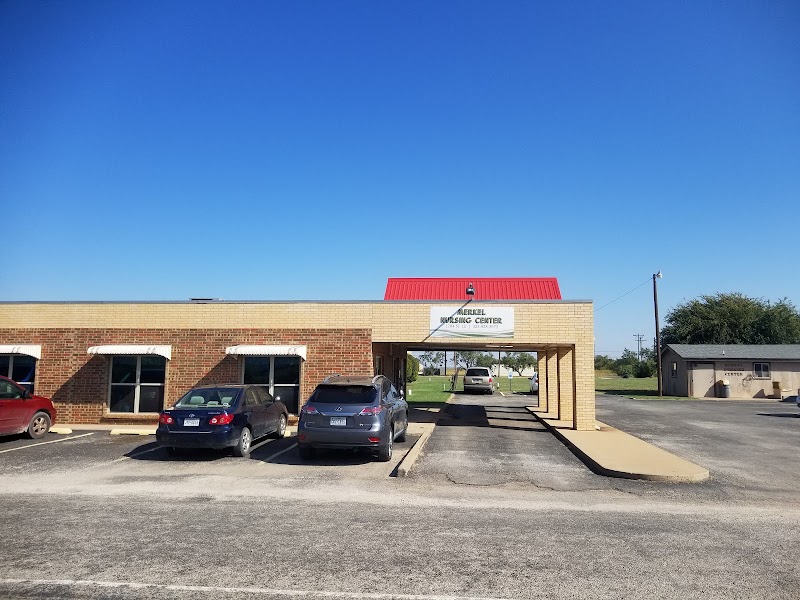
CMS rates Merkel Nursing Center's staffing level at 3 out of 5 stars, which is average compared to other nursing homes. Staff turnover is 61%, which is 15 percentage points above the Texas average of 46%. High turnover can affect care consistency as new staff learn residents' individual needs.

What Have Inspectors Found at Merkel Nursing Center?

State health inspectors documented 37 deficiencies at Merkel Nursing Center during 2022 to 2024. These included: 31 with potential for harm and 6 minor or isolated issues.

Who Owns and Operates Merkel Nursing Center?

Merkel Nursing Center is owned by a for-profit company. For-profit facilities operate as businesses with obligations to shareholders or private owners. The facility operates independently rather than as part of a larger chain. With 65 certified beds and approximately 29 residents (about 45% occupancy), it is a smaller facility located in Merkel, Texas.

How Does Merkel Nursing Center Compare to Other Texas Nursing Homes?

Compared to the 100 nursing homes in Texas, Merkel Nursing Center's overall rating (1 stars) is below the state average of 2.8, staff turnover (61%) is significantly higher than the state average of 46%, and health inspection rating (1 stars) is much below the national benchmark.

What Should Families Ask When Visiting Merkel Nursing Center?

Based on this facility's data, families visiting should ask: "How do you ensure continuity of care given staff turnover, and what is your staff retention strategy?" "Can I visit during a mealtime to observe dining assistance and food quality?" "How do you handle medical emergencies, and what is your hospital transfer rate?" "Can I speak with family members of current residents about their experience?" These questions are particularly relevant given the facility's high staff turnover rate.

Is Merkel Nursing Center Safe?

Based on CMS inspection data, Merkel Nursing Center has a clean safety record: no substantiated abuse findings (meaning no confirmed cases of resident harm), no Immediate Jeopardy citations (the most serious violation level indicating risk of serious injury or death), and is not on the Special Focus Facility watch list (a federal program monitoring the lowest-performing 1% of nursing homes). The facility has a 1-star overall rating and ranks #100 of 100 nursing homes in Texas. While no facility is perfect, families should still ask about staff-to-resident ratios and recent inspection results during their visit.

Do Nurses at Merkel Nursing Center Stick Around?

Staff turnover at Merkel Nursing Center is high. At 61%, the facility is 15 percentage points above the Texas average of 46%. High turnover means new staff may not know residents' individual needs, medications, or preferences. It can also be disorienting for residents, especially those with dementia who rely on familiar faces. Families should ask: What is causing the turnover? What retention programs are in place? How do you ensure care continuity during staff transitions?

Was Merkel Nursing Center Ever Fined?

Merkel Nursing Center has been fined $123,592 across 4 penalty actions. This is 3.6x the Texas average of $34,315. Fines at this level are uncommon and typically indicate a pattern of serious deficiencies, repeated violations, or failure to correct problems promptly. CMS reserves penalties of this magnitude for facilities that pose significant, documented risk to resident health or safety. Families should request specific documentation of what issues led to these fines and what systemic changes have been implemented.

Is Merkel Nursing Center on Any Federal Watch List?

Merkel Nursing Center is not on any federal watch list. The most significant is the Special Focus Facility (SFF) program, which identifies the bottom 1% of nursing homes nationally based on persistent, serious quality problems. Not being on this list means the facility has avoided the pattern of deficiencies that triggers enhanced federal oversight. This is a positive indicator, though families should still review the facility's inspection history directly.