Wood Memorial Nursing and Rehabilitation

320 Greenville Highway, Mineola, TX 75773 (903) 569-3852
For profit - Limited Liability company 115 Beds AVIR HEALTH GROUP Data: November 2025 2 Immediate Jeopardy citations
Trust Grade
19/100
#909 of 1168 in TX
Last Inspection: September 2024

Within standard 12-15 month inspection cycle. Federal law requires annual inspections.

Overview

Wood Memorial Nursing and Rehabilitation has received a Trust Grade of F, indicating significant concerns with their care standards. They rank #909 out of 1168 facilities in Texas, placing them in the bottom half, and #4 out of 5 in Wood County, meaning there is only one local option that performs better. The facility is experiencing a worsening trend, with issues increasing from 11 in 2024 to 14 in 2025. Staffing is a major concern, with a low rating of 2 out of 5 stars and a high turnover rate of 65%, which is significantly above the Texas average. Additionally, RN coverage is concerning, as they provide less RN support than 99% of Texas facilities, which can lead to missed medical needs for residents. Specific incidents raise red flags about the care provided. For example, a resident developed a urinary tract infection that went untreated, which resulted in hospitalization. In another case, the facility failed to notify a physician about a resident's concerning health changes, such as low blood pressure and fever, which could have led to serious complications. While the facility has average quality measures, these critical findings highlight serious deficiencies in care that families should consider when researching options.

Trust Score
F
19/100
In Texas
#909/1168
Bottom 23%
Safety Record
High Risk
Review needed
Inspections
Getting Worse
11 → 14 violations
Staff Stability
⚠ Watch
65% turnover. Above average. Higher turnover means staff may not know residents' routines.
Penalties
✓ Good
$17,017 in fines. Lower than most Texas facilities. Relatively clean record.
Skilled Nurses
⚠ Watch
Each resident gets only 6 minutes of Registered Nurse (RN) attention daily — below average for Texas. Fewer RN minutes means fewer trained eyes watching for problems.
Violations
⚠ Watch
54 deficiencies on record. Higher than average. Multiple issues found across inspections.
★★☆☆☆
2.0
Overall Rating
★★☆☆☆
2.0
Staff Levels
★★★☆☆
3.0
Care Quality
★★☆☆☆
2.0
Inspection Score
Stable
2024: 11 issues
2025: 14 issues

The Good

  • Full Sprinkler Coverage · Fire safety systems throughout facility
  • No fines on record

Facility shows strength in fire safety.

The Bad

2-Star Overall Rating

Below Texas average (2.8)

Below average - review inspection findings carefully

Staff Turnover: 65%

19pts above Texas avg (46%)

Frequent staff changes - ask about care continuity

Federal Fines: $17,017

Below median ($33,413)

Minor penalties assessed

Chain: AVIR HEALTH GROUP

Part of a multi-facility chain

Ask about local staffing decisions and management

Staff turnover is elevated (65%)

17 points above Texas average of 48%

The Ugly 54 deficiencies on record

2 life-threatening
Sept 2025 2 deficiencies
CONCERN (E) 📢 Someone Reported This

A family member, employee, or ombudsman was alarmed enough to file a formal complaint

Potential for Harm - no one hurt, but risky conditions existed

Accident Prevention (Tag F0689)

Could have caused harm · This affected multiple residents

Based on observation and interview the facility failed to ensure the resident environment remains as free of accident hazards as is possible for 1 of 1 secured unit living rooms observed. The facility...

Read full inspector narrative →
Based on observation and interview the facility failed to ensure the resident environment remains as free of accident hazards as is possible for 1 of 1 secured unit living rooms observed. The facility failed to ensure CNA D and LVN B did not have a blanket covering the overhead light in the secured unit living room on 9/18/25. This failure places residents at risk for a fire hazard and decreased quality of life.Findings Include:During an observation on 9/18/25 at 4:35 a.m. LVN B and CNA D were in the secured unit living room with a blanket covering the overhead light. LVN B was observed removing the blanket when the surveyor and a CNA walked into the secured unit living room. During an interview on 9/18/25 at 4:41 a.m. LVN B said covering the overhead light in the living room of the secured unit was not safe. LVN B said CNA D usually covered the overhead light in the secured unit dining room with a blanket. LVN B said a blanket covering a light could get too hot and catch fire. During an interview on 9/18/25 at 4:45 a.m. CNA D said she usually hung a blanket over the overhead light in the secured unit living room because the light could not be turned off and it shined directly into Resident #1's room. CNA D said the switch to the light in the secured unit living room did not work. CNA D said she kept Resident #1's door open so she could hear him because of his history of wandering. CNA D said she did not know if it was safe or not to cover the overhead light with a blanket. During an interview on 9/18/25 at 8:00 a.m. the Maintenance Director said the light switch in the living room of the secured unit was disconnected and not dysfunctional. The Maintenance Director said the light switch was disconnected before he had started at the facility, and it was disconnected to prevent staff from turning it off at night and sleeping while on the job. The Maintenance Director said staff should not be hanging a blanket over any light in the facility. The Maintenance Director said it was a fire hazard to hang a blanket or cloth over a light because light bulbs get hot and can catch the fabric on fire. During an interview on 9/18/25 at 8:22 a.m. the Administrator said he was not aware of the light switch in the living room of the secured unit being disconnected. The Administrator said staff should not cover lights with anything. The Administrator said covering lights with cloth was a fire hazard. During an interview on 9/18/25 at 9:29 a.m. the Administrator said the facility did not have a policy regarding covering lights with anything including cloth items.
CONCERN (E) 📢 Someone Reported This

A family member, employee, or ombudsman was alarmed enough to file a formal complaint

Potential for Harm - no one hurt, but risky conditions existed

Deficiency F0761 (Tag F0761)

Could have caused harm · This affected multiple residents

Based on observation, interview, and record review, in accordance with State and Federal laws, the facility failed to store all drugs and biologicals in locked compartments under proper temperature co...

Read full inspector narrative →
Based on observation, interview, and record review, in accordance with State and Federal laws, the facility failed to store all drugs and biologicals in locked compartments under proper temperature controls and permitted only authorized personnel to have access to the keys on 3 of 7 (Medication Cart #1, Medication Cart #2, and Medication Cart #3) medication carts reviewed for labeling and storage of medication. The facility did not ensure the Medication Cart #1 (medication cart for the secured unit), Medication Cart #2 (nurse's medication cart for the west side of the building) and Medication Cart #3 ((nurse's medication cart for the east side of the building) were secured and unable to be accessed by unauthorized personnel on 9/18/25. This failure could place residents at risk for not receiving drugs and biologicals as needed or a drug diversion.Findings include: 1. During an observation on 9/18/25 at 4:30 a.m. Medication Cart #1 was in of the hallway unsupervised and unlocked. A CNA was walking by Medication cart #1 pushing a resident in their wheelchair down the hallway. 2. During an observation on 9/18/25 at 4:32 a.m. Medication Cart #2 was in of the hallway unsupervised and unlocked. A resident was wheeling themselves in their wheelchair down the hallway past Medication Cart #2. During an interview on 9/18/25 at 4:42 a.m. LVN B said Medication Cart #1 was the med cart for the secured unit and Medication Cart #2 was the nurse's med cart for the west side of the building. LVN B said both med carts had medication in them. LVN B said he did not usually keep the medication carts unlocked. LVN B said the medication cart was unlocked because he had recently used them. LVN B said the importance of keeping medication carts locked was to prevent the loss of medications and to keep residents from getting into them. 2. During an observation on 9/18/25 at 4:36 a.m. Medication Cart #3 was unlocked. LVN A was walking down the hall away from Medication Cart #3 with his back to the med cart. During an interview on 9/18/25 at 4:48 a.m. LVN A said Medication Cart #3 was the nurse's med cart for the east side of the building. LVN A said Med Cart #3 was unlocked because he had been working out of the nurse's med cart, the med aide med cart, and the treatment cart. LVN A said he would lock Medication Cart #3 if the surveyor wanted him to. LVN A said Medication Cart #3 was in his sight. LVN A said the importance of keeping the medication cart locked was so someone did not get into them and take medications. LVN A said Medication Cart #3 had PRN medication in it. 3. During an observation on 9/18/25 at 6:50 a.m. Medication Cart #1 was unlocked in hallway of secured unit with 2 residents sitting in wheelchairs on either side of the med cart. During an interview on 9/18/25 at 6:52 am LVN C said she had left Medication Cart #1 unlocked while trying to get residents' blood pressures so she could pass medication prior to breakfast. LVN C said sometimes she did leave her med cart unlocked. LVN C said the importance in ensuring medication cart were locked was to prevent residents from getting medication out of the medication cart and taking a medication, they were not prescribed. During an interview on 9/18/25 at 8:22 a.m. the Administrator said medication carts should be locked when staff are not getting something out of them. The Administrator said the importance of keeping medication carts locked was to prevent residents from getting in them and taking medication not prescribed to them and to prevent staff from being able to get in the carts and steal medications. During an interview on 9/18/25 at 8:52 a.m. the ADON said medication carts should not be unlocked unless the staff member assigned to that particular cart is actively getting medications out of it or standing directly in front of the medication cart. The ADON said the importance of ensuring medications cart were locked was to prevent anyone else accessing the medications, cream, insulins, etc. that are store on the cart. Record review of the facility's Medication Storage in the Facility policy dated 6/1/22 indicated, Medications and biologicals are stored safely, securely, and properly, following manufacture's recommendations or those of the supplier. The medication supply is accessible only to licensed nursing personnel, pharmacy personnel, or staff members lawfully authorized to administer medications.Medication rooms, carts, and medication supplies are locked when not attended by persons with authorized access.
Aug 2025 4 deficiencies
CONCERN (D) 📢 Someone Reported This

A family member, employee, or ombudsman was alarmed enough to file a formal complaint

Potential for Harm - no one hurt, but risky conditions existed

Notification of Changes (Tag F0580)

Could have caused harm · This affected 1 resident

**NOTE- TERMS IN BRACKETS HAVE BEEN EDITED TO PROTECT CONFIDENTIALITY** Based on observation, interview and record review the facility failed to consult with the resident's physician when there was a ...

Read full inspector narrative →
**NOTE- TERMS IN BRACKETS HAVE BEEN EDITED TO PROTECT CONFIDENTIALITY** Based on observation, interview and record review the facility failed to consult with the resident's physician when there was a significant change in the resident's physical and mental status that was, a deterioration in health, mental, or psychosocial status in either life-threatening conditions or clinical complications) 1 of 13 (Resident #2) residents reviewed for notification of change. The facility did not notify the physician of Resident #2's weeping edema (a condition where fluid leaks from the skin), redness, and blister to her right leg. LVN B or D had not notified the physician or NP to obtain an order for an ace wrap or notify them of the swelling and weeping to Resident #2's right leg on 08/29/2025. The facility did not ensure physician orders were obtained for treatment of Resident #'2's swollen and weeping leg or application of dressings prior to applying dressings to Resident #2's leg. This failure could place residents at risk for not receiving care and services to meet resident needs.Findings included: Record review of the face sheet dated 8/29/25 indicated Resident #2 was a [AGE] year-old female admitted to the facility on [DATE] with diagnoses including edema (swelling that occurs when fluid builds up on the body's tissues), hypertension (elevated blood pressure), and congestive heart failure (a chronic condition in which the heart does not pump blood as good as it should with symptoms including swollen legs). Record review of the MDS dated [DATE] indicated Resident #2 was admitted to the facility on [DATE]. Record review of the base line care plan dated 8/20/25 indicated Resident #2's needs, risks, strengths, and goals would be identified for the first 48 hours. Record review of Resident #2's orders dated 7/29/25 through 8/29/25 indicated she did not have an order for wound care or a dressing to be applied to her right leg. During an observation and interview on 8/29/25 at 10:12 a.m. Resident #2 was observed with a nonstick dressing to her right shin and wrap gauze down around her ankle. Resident #2's right leg was observed to be swollen with redness from approximately mid shin to her ankle. Resident #2 said a nurse (name unknown) had put the dressing and gauze on her leg due to a weeping blister on her shin. Resident #2 said another nurse (name unknown) after she first admitted to the facility (date unknown) had wrapped her leg with an ace bandage to catch the weeping due to her leg weeping and getting her sheets wet. During an interview on 8/29/25 at 10:36 a.m. the Physician said he was unsure whether he had been contacted regarding Resident #2's leg weeping or need for a dressing. The Physician said his NP usually takes daily calls from nursing facilities. The Physician said he was taking the calls at this time due to his NP being out of the country. The Physician said if he had been contacted regarding swelling to a resident's leg, he probably would have added a diuretic medication (a medication that increases urine production and sodium excretion to treat fluid buildup). The Physician asked the surveyor to have the DON look at Resident #2's leg and call him. During an observation and interview on 8/29/25 on 10:45 a.m. the surveyor observed Resident #2's right leg with the DON. The DON said she was not aware a dressing had been put on Resident #2's right leg. The DON removed the dressing and assessed Resident #2's right leg. The DON said Resident #2's right leg was red and swollen. The DON said she was aware that LVN B had previously wrapped Resident #2's right leg with an ace wrap due to swelling and weeping. The DON said LVN B had not notified the physician or NP to obtain an order for the ace wrap or to notify them of the swelling and weeping to Resident #2's right leg. The DON said the LVN C, had been the nurse who had discovered and reported to the ADON that Resident #2's right leg was wrapped with an ace wrap. During an interview on 8/29/25 at 10:50 a.m. LVN D said she was working on 8/28/25 and Resident #2 came to her after dinner and showed her what appeared to be a burst blister with drainage to her right leg. LVN D said she applied a non-stick dressing to the area and wrapped it with wrap gauze. LVN D said she had intentions to but never notified the physician or obtained an order for the dressing. During an interview on 8/29/25 at 10:55 a.m. the DON said she expected staff to notify the physician of changes in condition including skin conditions, swelling, or weeping. During an interview attempt on 8/29/25 at 12:16 p.m. LVN B did not answer the phone and her voicemail was full. During an interview on 8/29/25 at 2:06 p.m. the DON the importance of notifying the physician of a change in condition was to get the appropriate diagnosis and treatment for a resident. Record review of the facility's Change in a Resident's Condition or Status policy last revised 6/2025 indicated, Our facility promptly notifies the resident, his or her attending physician, healthcare provider, and the resident representative of changes in the resident's medical/mental condition and/or status. The nurse will notify the resident's attending physician, healthcare provider, or physician on call when there had been a(an):.b. discovery of injuries of unknown origin.d. significant change in the resident's physical/emotional/mental condition; e. need to alter the resident's medical treatment significantly.Except in medical emergencies, notifications will be made within twenty-four hours of a change occurring in the resident's medical/mental condition or status.
CONCERN (D) 📢 Someone Reported This

A family member, employee, or ombudsman was alarmed enough to file a formal complaint

Potential for Harm - no one hurt, but risky conditions existed

Quality of Care (Tag F0684)

Could have caused harm · This affected 1 resident

**NOTE- TERMS IN BRACKETS HAVE BEEN EDITED TO PROTECT CONFIDENTIALITY** Based on observation, interview and record review, the facility failed to ensure residents receive treatment and care in accorda...

Read full inspector narrative →
**NOTE- TERMS IN BRACKETS HAVE BEEN EDITED TO PROTECT CONFIDENTIALITY** Based on observation, interview and record review, the facility failed to ensure residents receive treatment and care in accordance with professional standards of practice and the comprehensive person-centered care plan for 1 of 13 (Resident #2) residents reviewed for quality of care. The facility did not notify the physician of Resident #2's weeping edema (a condition where fluid leaks from the skin), redness, and blister to her right leg. The facility did not ensure physician orders were obtained for treatment of Resident #'2's swollen and weeping leg or application of dressings prior to applying dressings to Resident #2's leg. These failures could place residents at risk for not receiving care and services to meet resident needs and decreased quality of life. Findings included: Record review of the face sheet dated 8/29/25 indicated Resident #2 was a [AGE] year-old female admitted to the facility on [DATE] with diagnoses including edema (swelling that occurs when fluid builds up on the body's tissues), hypertension (elevated blood pressure), and congestive heart failure (a chronic condition in which the heart does not pump blood as good as it should with symptoms including swollen legs). Record review of the MDS dated [DATE] indicated Resident #2 was admitted to the facility on [DATE]. Record review of the base line care plan dated 8/20/25 indicated Resident #2's needs, risks, strengths, and goals would be identified for the first 48 hours. Record review of Resident #2's orders dated 7/29/25 through 8/29/25 indicated she did not have an order for wound care or a dressing to be applied to her right leg. During an observation and interview on 8/29/25 at 10:12 a.m. Resident #2 was observed with a nonstick dressing to her right shin and wrap gauze down around her ankle. Resident #2's right leg was observed to be swollen with redness from approximately mid shin to her ankle. Resident #2 said a nurse (name unknown) had put the dressing and gauze on her leg due to a weeping blister on her shin. Resident #2 said another nurse (name unknown) after she first admitted to the facility (date unknown) had wrapped her leg with an ace bandage to catch the weeping due to her leg weeping and getting her sheets wet. During an interview on 8/29/25 at 10:36 a.m. the Physician said he was unsure whether he had been contacted regarding Resident #2's leg weeping or need for a dressing. The Physician said his NP usually takes daily calls from nursing facilities. The Physician said he was taking the calls at this time due to his NP being out of the country. The Physician said if he had been contacted regarding swelling to a resident's leg, he probably would have added a diuretic medication (a medication that increases urine production and sodium excretion to treat fluid buildup). The Physician asked the surveyor to have the DON look at Resident #2's leg and call him. During an observation and interview on 8/29/25 on 10:45 a.m. the surveyor observed Resident #2's right leg with the DON. The DON said she was not aware a dressing had been put on Resident #2's right leg. The DON removed the dressing and assessed Resident #2's right leg. The DON said Resident #2's right leg was red and swollen. The DON said she was aware that LVN B had previously wrapped Resident #2's right leg with an ace wrap due to swelling and weeping. The DON said LVN B had not notified the physician or NP to obtain an order for the ace wrap or to notify them of the swelling and weeping to Resident #2's right leg. The DON said the LVN C, had been the nurse who had discovered and reported to the ADON that Resident #2's right leg was wrapped with an ace wrap. During an interview on 8/29/25 at 10:50 a.m. LVN D said she was working on 8/28/25 and Resident #2 came to her after dinner and showed her what appeared to be a burst blister with drainage to her right leg. LVN D said she applied a non-stick dressing to the area and wrapped it with wrap gauze. LVN D said she had intentions to but never notified the physician or obtained an order for the dressing. During an interview on 8/29/25 at 10:55 a.m. the DON said she expected staff to notify the physician of changes in condition including skin conditions, swelling, or weeping. During an interview attempt on 8/29/25 at 12:16 p.m. LVN B did not answer the phone and her voicemail was full. During an interview on 8/29/25 at 2:06 p.m. the DON the importance of notifying the physician of a change in condition was to get the appropriate diagnosis and treatment for a resident. Record review of the facility's Change in a Resident's Condition or Status policy last revised 6/2025 indicated, Our facility promptly notifies the resident, his or her attending physician, healthcare provider, and the resident representative of changes in the resident's medical/mental condition and/or status. The nurse will notify the resident's attending physician, healthcare provider, or physician on call when there had been a(an):.b. discovery of injuries of unknown origin.d. significant change in the resident's physical/emotional/mental condition; e. need to alter the resident's medical treatment significantly.Except in medical emergencies, notifications will be made within twenty-four hours of a change occurring in the resident's medical/mental condition or status.
CONCERN (E) 📢 Someone Reported This

A family member, employee, or ombudsman was alarmed enough to file a formal complaint

Potential for Harm - no one hurt, but risky conditions existed

Deficiency F0605 (Tag F0605)

Could have caused harm · This affected multiple residents

**NOTE- TERMS IN BRACKETS HAVE BEEN EDITED TO PROTECT CONFIDENTIALITY** Based on interview and record review the facility failed to ensure residents were free from any physical or chemical restraints ...

Read full inspector narrative →
**NOTE- TERMS IN BRACKETS HAVE BEEN EDITED TO PROTECT CONFIDENTIALITY** Based on interview and record review the facility failed to ensure residents were free from any physical or chemical restraints imposed for purposes of discipline or convenience and not required to treat the resident's medical symptoms 1 of 13 (Resident #1) residents reviewed for restraints. The facility failed to ensure Resident #1 was administered her Xanax (medication used to treat anxiety) every 8 hours as needed per the physician's orders instead of Resident #1 having it administered in less than 8 hours on several dates in July 2025 by LVN A and LVN B to keep Resident #1 quiet. This failure could place residents who receive psychotropic medications at risk of not receiving the intended therapeutic benefit of the medications.Findings included: Record review of the face sheet dated 8/29/25 indicated Resident #1 was a [AGE] year-old female admitted to the facility on [DATE] with diagnoses including anxiety, dementia, muscle weakness, lack of coordination, and restlessness and agitation. Record review of the entry MDS dated [DATE] indicated Resident #1 usually understood others and was usually understood by others. The MDS indicated Resident #1 had a BIMS of 09 and was moderately cognitively impaired. Record review of the care plan revised on 8/14/25 indicated Resident #1 was at risk for variations in mood related to impaired cognition, major depressive disorder, anxiety, and schizoaffective disorder bipolar type (a mental health condition that combines symptoms of schizophrenia (a disorder that affects a person's ability to think, feel, and behave clearly) and bipolar disorder (a disorder associated with episodes of mood swings). Record review of the order history dated 7/29/25 through 8/29/25 indicated Resident #1 had an order for a Xanax 1mg every 8 hours as needed starting 3/26/25. Record review of the narcotic count sheet for Resident #1's Xanax 1mg indicated Resident #1 was administered the Xanax in less than 8 hours on the following dates: 7/17/25 administered at 4:00 a.m. by an unknown nurse and again at 8:00 a.m. by LVN B. 7/21/25 administered at 9:30 a.m. by LVN B and again at 2:30 p.m. by LVN B. 7/22/25 administered at 8:45 a.m. by LVN B and again at 2:30 p.m. by LVN B. 7/27/25 administered at 10:15 a.m. by LVN B and again at 4:15 p.m. by LVN B. 7/28/25 administered at 4:00 a.m. by the AON and again at 10:15 a.m. by LVN B. 7/29/25 administered at 8:16 a.m. by LVN A and again at 3:00 p.m. by LVN A. 7/31/25 administered at 2:00 p.m.by LVN A and again at 6:00 p.m. by LVN A. Record review of the MAR indicated Resident #1's Xanax administration was not documented on 7/17/25, 7/21/25, 7/22/25, 7/27/25, or 7/31/25. The MAR indicated Resident #1's Xanax administration was only documented on 7/28/25 at 4:00 a.m. and 7/29/25 at 8:17 a.m. During an interview on 8/29/25 at 8:44 a.m. the ADON said LVN A was no longer employed at the facility. During an interview on 8/29/25 at 8:45 am LVN B said she had administered Resident #1's Xanax in less than the ordered 8 hours because giving Resident #1 her as needed Xanax was LVN B's answer to Resident #1's behaviors. LVN B said she felt like she needed to keep Resident #1 quiet when she was having behaviors of yelling out. LVN B said she has since learned there are other ways to handle resident behaviors. LVN B said she should have been documenting the as needed Xanax administration on the MAR. LVN B said she was getting better about documenting as needed medication administration on residents' MARs. During an interview on 8/29/25 at 2:06 pm the DON said she expected the nurses to assess and document assessment prior to administering as needed medication. The DON said she expected the nurses to administer as needed medication as ordered and in at least the minimum time frame ordered if needed. The DON said as needed medication do not fall in the hour before hour after parameters that scheduled medication can be given. The DON said as needed medication effectiveness should be documented and if a nurse determines the medication was not being effective within the time frames it is ordered, then she expected them (staff) to notify the physician, and not give the medication earlier than ordered. The DON said the importance of following the physician's orders and administering as needed medications as ordered was not to overmedicate the resident and be able to signify if a medication was effective within the parameters ordered. The DON said she expected all medications including as needed medications to be documented in the EMR. The DON said the importance of documenting in the EMR was that was the official documentation indicating a medication had been administered and it allowed other nurses to know when a resident least had a medication and the medications effectiveness. Record review of the facility's Medication Administration-General Guidelines policy dated 6/1/22 indicated, Medications are administered as prescribed in accordance with good nursing principles and practices and only by persons legally authorized to do so.A. Preparation.4. Five Rights- right resident, right drug, right dose, right route, and right time, are applied for each medication being administered .5. The medication administration record (MAR) is always employed during medication administration.B. Administration.2. Medications are administered in accordance with written orders of the prescriber.
CONCERN (E) 📢 Someone Reported This

A family member, employee, or ombudsman was alarmed enough to file a formal complaint

Potential for Harm - no one hurt, but risky conditions existed

Deficiency F0729 (Tag F0729)

Could have caused harm · This affected multiple residents

**NOTE- TERMS IN BRACKETS HAVE BEEN EDITED TO PROTECT CONFIDENTIALITY** Based on interview and record reviews, the facility failed to ensure registry verification was received that the individual had ...

Read full inspector narrative →
**NOTE- TERMS IN BRACKETS HAVE BEEN EDITED TO PROTECT CONFIDENTIALITY** Based on interview and record reviews, the facility failed to ensure registry verification was received that the individual had met competency evaluation requirements before they were allowed to work as a nurse aide for 1 of 4 (CNA E) employees reviewed for registry verification. The facility failed to ensure CNA E had a current nurse aide certification while employed at the facility and actively providing care for residents from [DATE] through [DATE]. CNA E certificate expired on [DATE]. This failure placed residents at risk for decreased quality of care. Findings included:Record review of CNA E's employee file indicated her nurse aide certification was issued on [DATE] and would expire on [DATE]. The employee file indicated CNA E's initial nurse aide certification was issued on [DATE]. The employee file indicated she applied to the facility on [DATE] and was available for work on [DATE]. The employee application indicated her nurse aide certification would expire on [DATE]. Record review of CNA E's time sheets from [DATE] through [DATE] indicated other than 4 days of PTO, she had taken CNA E had worked her normal full-time shift at the facility. During an interview on [DATE] at 11:50 a.m. the BOM said CNA E's nurse aide certification expired on [DATE]. The BOM said when LVN C brought it to her attention that CNA E had an expired nurse aide certification she pulled the certification in TULIP and saw it had been renewed on [DATE]. The BOM said she did not know how many if any days CNA E had worked with an expired nurse aide certification or why CNA E did not renew her nurse aide certification by [DATE]. The BOM said she did not know how LVN C was aware of CNA E's expired nurse aide certification or what date she was notified on. During an interview on [DATE] at 12:35 p.m. the Administrator said he had not been aware CNA E had been working with an expired nurse aide certification until she told them. The Administrator said the facility and corporate do monitor for expired or expiring license and certifications, but CNA E had not showed up on any of their lists. The Administrator said CNA E told them she had not renewed her certification because she did not know how to work TULIP. During an interview on [DATE] at 12:41 p.m. CNA E said her nurse aide certification was expired for several months without her realizing it because she thought the facility would renew it for her like her previous facility did. CNA E said when she realized her nurse aide certification was expired due to her working nights, she had not gone up to the facility to have them assist her with the renewal paperwork. CNA E said there was really no excuse for her nurse aide certification being expired for so long. During an interview on [DATE] at 2:25 p.m. the Administrator said the facility did not have a policy regarding nurse aide certification renewal/expirations/registry. The Administrator said the facility did have an annual employee checklist that was supposed to be completed on all employees annually.
May 2025 2 deficiencies
CONCERN (D) 📢 Someone Reported This

A family member, employee, or ombudsman was alarmed enough to file a formal complaint

Potential for Harm - no one hurt, but risky conditions existed

Deficiency F0602 (Tag F0602)

Could have caused harm · This affected 1 resident

**NOTE- TERMS IN BRACKETS HAVE BEEN EDITED TO PROTECT CONFIDENTIALITY** Based interviews and record review, the facility failed to ensure each resident was free from misappropriation of resident prope...

Read full inspector narrative →
**NOTE- TERMS IN BRACKETS HAVE BEEN EDITED TO PROTECT CONFIDENTIALITY** Based interviews and record review, the facility failed to ensure each resident was free from misappropriation of resident property for 2 of 3 residents (Resident #2 and Resident #3), reviewed for drug diversion. The facility failed to prevent the misappropriation of Resident #2 and Resident #3's hydrocodone-acetaminophen 5-325 mg (formerly known under the brand name Norco, this combination medication containing 5 mg of hydrocodone [an opioid analgesic] and 325 mg of acetaminophen [also known as Tylenol] is used to treat pain). This failure could place residents at risk for not receiving their prescribed medications, unrelieved pain, and decreased quality of life. Findings include: 1.Record review of Resident #2's face sheet dated 5/8/25 indicated he was [AGE] years old, admitted to the facility on [DATE] with diagnoses including, Herpes viral vesicular dermatitis (a painful skin infection caused by the Herpes Simplex Virus); myelopathy (neurological deficits and pain stemming from damage or injury to the spinal cord, often resulting from compression or other forms of injury); peripheral vascular disease (a circulatory condition where blood vessels outside the heart and brain narrow, block, or spasm, restricting blood flow which can cause pain) and unspecified pain. Record review of the MDS dated [DATE] indicated Resident #2 usually made himself understood. The MDS indicated Resident #2 had mildly impaired cognitive ability (BIMS of 9). The MDS indicated Resident #2 required extensive assistance with bed mobility, transfers, and toilet use. Record review of the care plan dated 3/31/25 indicated Resident #2 had chronic pain. The care plan interventions included administer prescribed medications as ordered by the physician. Record review of the active physician order with a start date of 3/21/25 detailed Resident #2 was to be administered hydrocodone-acetaminophen 5-325 mg 1 tablet every four hours as needed for moderate to severe pain. During an observation and interview on 5/8/25 at 1:55 p.m., Resident #2 sat in his wheelchair in his room. Resident #2 said his pain had been well managed since she had been at the facility and no complaints. Resident #2 said the pain medication the facility administered him for pain was effective. Resident #2 said he was not in any pain at the time of the interview and observation. 2.Record review of the face sheet for Resident #3 dated 5/8/25, indicated she was [AGE] years old, admitted to the facility on [DATE] with diagnoses including cirrhosis of the liver (chronic liver disease where scar tissue replaces healthy liver tissue, impairing the liver's ability to function normally, an often painful condition), muscle spasm, chronic pain, and polyneuropathy (a painful condition where damage or dysfunction affects multiple peripheral nerves throughout the body). Record review of the MDS dated [DATE], indicated Resident #3 made herself understood and understood others. The MDs indicated she had intact cognitive function (BIMS of 15). The MDS indicated Resident #3 required extensive assistance with showering, dressing the lower body, and personal hygiene. The MDS indicated Resident #3 frequently experienced pain during the 5 day look back period which occasionally made it difficult for her to sleep at night, rarely or not at all interfered with rehabilitation services, and occasionally interfered with day to day activities. Record review of the care plan dated 4/4/25 indicated Resident #3 experienced chronic pain in her back and both legs. The car plan interventions included, administer prescribed medications as ordered by the physician. Record review of the active physician order with a start date of 4/7/25 detailed Resident #3 was to be administered hydrocodone-acetaminophen 5-325 mg 1 tablet every six hours as needed for pain. During an observation and interview on 5/7/25 at 1:00 p.m., Resident #3 sat smiling in her wheelchair. Resident #3 said her pain had been well managed since she had been at the facility and no complaints. Resident #3 said sometimes she would have increase in pain after therapy but added the pain medication the facility administered her for pain was effective. Resident #3 said she was not in any pain at the time of the interview and observation. Record review of the provider investigation report (PIR) dated 4/23/25 detailed that LVN A discovered on 4/15/25 at approximately 9:00 pm that Resident #2 had 29 tablets of hydrocodone/acetaminophen 5-325 mg replaced with extra strength Tylenol and Resident #3 had 7 tablets of hydrocodone/acetaminophen 5-325 mg replaced with extra strength Tylenol. The provider investigation report detailed that the narcotic sheets and pill bottles were confiscated and locked up, medication cart and medication room audits were performed by the DON and no other issues were identified. Pain assessments for all residents were completed on the hall on which Resident #2 and Resident #3 resided with no adverse findings. The pharmacy consultant was notified and also performed medication cart and medication room audits with no additional issues identified. The extra strength Tylenol was replaced with the prescribed hydrocodone/acetaminophen 5-325 mg. The provider investigation report detailed the facility identified six nurses who had access to the locked medication cart from which the pills were taken. Those nurses provided witness statements. The nurses that had access to the cart on Wednesday the 14th and Thursday the 15th were drug tested. Of those nurses LVN A tested positive. Her results were sent for additional testing as she provided evidence she (LVN A) had a prescription for the medication herself. (The additional testing was to determine if the medication in her system was outside of the prescribe range). The local police department, state agency resident physician and medical director were notified. Record review of the signed witness statement dated 4/17/25 signed by LVN A detailed that she worked the evening shift of 4/15/25. The statement detailed that at approximately 8:30 p.m., Resident #3 asked for a pain pill and a muscle relaxer. LVN A retrieved the bottle of hydrocodone/acetaminophen Resident #3 had brought from home with her upon her admission to the facility. LVN A detailed that when she opened the bottle to dispense 1 tablet she noticed the medication did not appear to be Hydrocodone/acetaminophen but looked more like Tylenol. LVN A detailed she used pill identifier to confirm her suspicion and the pills were Tylenol. LVN A said she knew one other resident also took Hydrocodone/acetaminophen from a pill bottle that had been sent with him form another nursing facility, so she checked that resident's (Resident #2's) medication as well, and found that it too was Tylenol. An interview with LVN A was attempted on 5/5/25 at approximately 10:00 a.m. and 5/8/25 at 10:58 a.m., detailed messages were left on her voicemail each time. No return call was received. Record review of the police report date 4/16/25 detailed that the officer responded to call at the facility in reference to theft of pills. The officer reported he spoke the DON and the administrator who informed him LVN had found that hydrocodone pills were missing and had been replaced with extra strength Tylenol. The reported detailed that the DON explained both residents had admitted to the facility with the pill bottles and that the pills had been counted and returned to the bottles on their admission. The report detailed that the DON reported she could not be sure the bottles had hydrocodone in the bottles when the residents arrived to the facility. The report detailed the Administrator wished to file charges in the manner . An interview with the police officer that took the police report was attempted on 5/8/25 at 2:20 p.m. the dispatcher took the investigators information and indicated she would have the officer return the call, no return call was received. During an interview on 5/8/25 at 2:00 p.m., the DON said the facility tested nurses with access to the carts for the 48 hours prior to discovery of the event as neither resident reported increased or unrelieved pain so it was thought the switch had happened recently. In addition, when all the findings were presented to the corporate office the instruction they (the DON and Administrator) received was to test nurses for the past 48 hours with access to the cart. The DON said LVN A tested positive but reported she had a prescription for the medication. The DON said the decision was made to send the sample to an outside lab to perform additional testing to see if the levels in her sample indicated levels above the prescribed amount. However, the results from that lab were inconclusive. The DON explained apparently in the transport of the sample to the lab the requisition slip was separated from the specimen so the lab refused to run the test. The DON said LVN A had been suspended pending the investigation and was phoned and told the results were inconclusive and she would be allowed to return to work. The DON said however, LVN A no called no showed and has not returned. The DON said LVN A not returning to work was suspicious but they could not substantiate she had swapped the pills. The DON said we really could not say when the swap occurred. The DON said going forward they will not accept pills bottles/administer controlled substances from pill bottles. The DON said in the event the pills are provided to the facility they will be sent to the pharmacy for verification and placed in blister packs (a blister pack is a type of packaging where a product [often a pill] is encased in a plastic bubble attached to a card. The primary purpose of a blister pack is to protect the product, offer a clear display for consumers, and sometimes provide tamper-evident features). The DON said if a controlled medication for pain is needed while this process takes place the medications will be administered from the facilities emergency kit. During an interview on 5/8/25 at 2:50 p.m., the Administrator said misappropriation had occurred and while he suspected LVN A he did not know for certain. The Administrator said the facility performed and in-services and going forward no pill bottles would be accepted. He said if a resident came from home or another facility with the pain pills in bottles the pills would be sent to the pharmacy for verification and the pills would be placed in blister packs. Review of the facility policy and procedure titled Abuse, Neglect and Exploitation, revised October of 2023, stated The facility will provide protection for the health welfare and rights of each resident .prohibit and prevent the .misappropriation of resident property. Review of the facility policy and procedure titled Controlled Substances, dated 6/1/22, stated 9. Upon receipt the nurse receiving the medication and the individual delivering the medication verify the name, dose, and quantity of each controlled substance being delivered . The policy and procedure did not address receiving pills in bottles and those pills being verified by pharmacy consultant and placed in blister packs.
CONCERN (D) 📢 Someone Reported This

A family member, employee, or ombudsman was alarmed enough to file a formal complaint

Potential for Harm - no one hurt, but risky conditions existed

Medical Records (Tag F0842)

Could have caused harm · This affected 1 resident

**NOTE- TERMS IN BRACKETS HAVE BEEN EDITED TO PROTECT CONFIDENTIALITY** Based on interview and record review the facility failed to ensure, in accordance with accepted professional standards and pract...

Read full inspector narrative →
**NOTE- TERMS IN BRACKETS HAVE BEEN EDITED TO PROTECT CONFIDENTIALITY** Based on interview and record review the facility failed to ensure, in accordance with accepted professional standards and practices, medical record maintained for each resident were complete and accurately documented for 1 of 4 residents (Resident #1) reviewed for resident records. The facility failed to ensure accurate documentation was documented for Resident #1's wound care on 3/21/25 when the DON (who did not perform the wound care) edited LVN B's (the nurse that performed the wound care) progress note for Resident #1 five days after the wound care (3/26/25). This failure could place residents at risk for delayed interventions, appropriate interventions, health complications and decreased quality of life. Findings include: Record review of Resident #1's face sheet dated 5/8/25 indicated Resident #1 was [AGE] years old, admitted to the facility on [DATE] with diagnoses including non-pressure chronic ulcer of buttock with fat layer exposed, unspecified skin changes, and history of cellulitis (a common bacterial infection of the skin and underlying tissues). Record review of the MDS dated [DATE] indicated Resident #1 made herself understood and usually understood others. The MDS indicated Resident #1 had moderate cognitive impairment (BIMS of 12). The MDS indicated Resident #1 was dependent on staff for toileting, showering, and lower body dressing. The MDS also indicated Resident #1 required substantial assistance for dressing the upper body and personal hygiene. The MDS indicated she had a surgical wound. Record review of the care plan revised on 4/15/25 indicated Resident #1 had an open area to the left hip and was a surgical sight. The care plan interventions included treat area per physician order, cleanse area to left hip with normal saline, pat dry, apply calcium alginate and cover with a dry dressing. During an interview and observation on 5/5/25 at 12:08 p.m., Resident #1 said she received her wound care daily and had no complaints with the care she received. Resident #1 said she had already received wound care for the day. Resident #1 said she had not missed any days of wound care to her knowledge. Record review of the nursing note dated 3/21/25 written by LVN B stated changed dressing to left hip. Previous dressing was dated 3/18/25. Tolerated well. The note was edited by the DON on 3/26/25 and read Changed dressing to left hip. Tolerated well. During an interview on 5/5/25 at 1:00 p.m., LVN B said her note read the previous dressing was dated 3/18/25 because that was the date on the dressing when she went to perform the daily dressing change on 3/21/25. LVN B said she did not know why the DON had changed her note. During an interview on 5/8/25 at 2:00 p.m., the DON said she edited the note because it was a red flag and suggested Resident #1 had not received daily wound care. The DON said she had not performed the wound care herself. The DON said she suspected LVN B had falsified the note to cause trouble. The DON said she should not have changed the note but should have talked to LVN B and documented her concerns but should not have changed the note. The DON said she should have handled it differently. During an interview on 5/8/25 the Administrator said he expected resident records to be complete and accurate. Record review of the facility policy and procedure, revised April 2012 title Guidelines for charting and Documentation stated .the purpose of charting and documentation is to provide: 1. A complete account of the resident's care, treatment, response to the care, signs, symptoms, etc., and the progress of the resident's care .a legal record that protects the resident the care providers and the facility .General rules .2. Be concise, accurate and complete .
Apr 2025 6 deficiencies
CONCERN (D) 📢 Someone Reported This

A family member, employee, or ombudsman was alarmed enough to file a formal complaint

Potential for Harm - no one hurt, but risky conditions existed

Deficiency F0552 (Tag F0552)

Could have caused harm · This affected 1 resident

**NOTE- TERMS IN BRACKETS HAVE BEEN EDITED TO PROTECT CONFIDENTIALITY** Based on interview and record review the facility failed to ensure the residents had the right to be informed, in advance, by th...

Read full inspector narrative →
**NOTE- TERMS IN BRACKETS HAVE BEEN EDITED TO PROTECT CONFIDENTIALITY** Based on interview and record review the facility failed to ensure the residents had the right to be informed, in advance, by the physician or other practitioner or professional, of the risks and benefits of proposed care, of treatment and treatment alternatives or treatment options and to choose the alternative or options he or she preferred for 1 of 13 residents (Resident #13) reviewed for resident rights. The facility failed to get written consent from Resident #13 on the HHSC form 3713 for having Seroquel (antipsychotic medication) prescribed. This failure could place residents at risk for receiving unnecessary antipsychotic medications without informed consent. Findings included: Record review of Resident #13's face sheet dated 04/08/25, indicated a [AGE] year-old female who admitted to initially admitted to the facility on [DATE] and readmitted on [DATE]. Resident #13 had diagnoses of personality disorder (mental health condition that involves long-lasting, disruptive patterns of thinking, behavior, mood and relating to others), bipolar disorder (a disorder associated with episodes of mood swings ranging from depressive lows to manic highs), major depression (mental health disorder characterized by persistently depressed mood or loss of interest in activities, causing significant impairment in daily life), and anxiety. Record review of Resident #13's quarterly MDS assessment dated [DATE], indicated she was able to be understood and understood others. Resident #13 had a BIMS score of 14, which indicated her cognition was intact. The MDS assessment indicated Resident #13 had taken an antipsychotic medication during the last 7 days of the look back period. Record review of Resident #13's comprehensive care plan revised 04/08/25, indicated Resident #13 was at risk for adverse consequences related to receiving antipsychotic medication (Seroquel) for treatment of bipolar disorder. The care plan interventions indicated to administer medications as prescribed by her physician, monitor resident's behaviors and response to medication. Record review of Resident #13's physician order report dated 03/09/25-04/09/25, indicated Resident #13 had the following orders: Seroquel (quetiapine) 300mg one tablet at bedtime for bipolar disorder with a start date of 06/11/24. Seroquel (quetiapine) 150mg one tablet by mouth once a day for bipolar disorder with a start date of 11/15/24. Record review of Resident #13's medication administration record dated 04/01/25-04/10/25 indicated she had received Seroquel 150mg one tablet daily in the morning and Seroquel 300mg one tablet daily at bedtime. Record review of Resident #13's Consent for Antipsychotic or Neuroleptic Medication Treatment (Form 3713) dated 12/02/24, indicated Resident #13 was taking Seroquel for Bipolar Disorder. Resident #13 did not sign the consent acknowledging the consent to the prescribed antipsychotic medication. During an interview on 04/08/25 at 10:06 AM, Resident #13 said she was aware she was receiving Seroquel. Resident #13 said she consented to taking Seroquel but unable to recall if she signed a consent. During an interview on 04/09/25 at 2:33 PM, the ADON said Resident #13 should have signed the consent when the medication was ordered. The ADON said Resident #13 was her own responsible party and was aware she was taking Seroquel. The ADON said the consent should be signed by Resident #13 acknowledging the risks and benefits of the medication. The ADON said the DON and herself were responsible for ensuring the proper consents were completed. The ADON said failure to obtain a signed consent indicated Resident #13 did not know the risks of taking Seroquel and if something were to happen, she did not give consent to take it. During an interview on 04/09/25 at 2:49 PM, the Administrator said he expected all antipsychotic medication consents to be completed accurately. He said Resident #13 should have had a signed consent for her Seroquel indicating she was aware of the side effects. He said the DON or designee were responsible for ensuring the consent was completed accurately. Record review of the facility's policy Psychoactive Medications dated July 2024, indicated . Residents are not given psychotropic medications unless the drug is necessary to treat a specific condition, as diagnosed and documented in the clinical record, and the medication is beneficial to the resident, as demonstrated by monitoring and documentation of the resident's response to the medication . 9. Consent must be obtained from the resident or resident representative prior to administering a psychotropic medication (excluding an emergency). a. A consent form for antipsychotic/neuroleptic medication utilizing Texas form 3713 must be completed and signed by the resident or resident representative. Consent must be obtained in writing .
CONCERN (D) 📢 Someone Reported This

A family member, employee, or ombudsman was alarmed enough to file a formal complaint

Potential for Harm - no one hurt, but risky conditions existed

Grievances (Tag F0585)

Could have caused harm · This affected 1 resident

**NOTE- TERMS IN BRACKETS HAVE BEEN EDITED TO PROTECT CONFIDENTIALITY** Based on interview and record review, the facility failed to ensure prompt efforts were made to resolve grievances for 2 of 18 r...

Read full inspector narrative →
**NOTE- TERMS IN BRACKETS HAVE BEEN EDITED TO PROTECT CONFIDENTIALITY** Based on interview and record review, the facility failed to ensure prompt efforts were made to resolve grievances for 2 of 18 residents (Resident #3 and Resident #13) reviewed for grievances. 1. The facility did not ensure a grievance was filed for Resident #3's underwear that was part of the facility fire. 2. The facility did not ensure a grievance was filed for Resident #13's missing pants. These failures could place residents at risk for grievances not being addressed or resolved promptly. Findings included: 1. Record review of a face sheet dated 04/09/2025 indicated Resident #3 was a [AGE] year-old male initially admitted to the facility on [DATE] and re-admitted on 04/08//2024 with diagnoses which included dementia unspecified severity without behavioral disturbance, psychotic disturbance, mood disturbance (loss of memory, language, problem solving and other thinking abilities that were severe enough to interfere with daily life without behaviors), and anxiety and chronic obstructive pulmonary disease (chronic inflammatory lung condition that affects the respiratory system). Record review of the Quarterly MDS assessment dated [DATE] indicated Resident #3 understood others and was understood. The MDS assessment indicated Resident #3 had a BIMS score of 15, which indicated his cognition was intact. The MDS assessment indicated Resident #3 was independent for eating, required setup or clean-up assistance with toileting, dressing, and personal hygiene and partial to moderate assistance with showering/bathing self. During an interview on 04/08/2025 at 11:28 AM, Resident #3 said there had been a fire in the laundry department and all his underwear had been destroyed. Resident #3 said he had 3 sets left but was unable to report how many underwear he lost. Resident #3 said he had asked several of the CNAs, nurses, and the laundry about his underwear being destroyed and nobody knows nothing. 2. Record review of Resident #13's face sheet dated 04/08/25, indicated a [AGE] year-old female who admitted to initially admitted to the facility on [DATE] and readmitted on [DATE]. Resident #13 had diagnoses of personality disorder (mental health condition that involves long-lasting, disruptive patterns of thinking, behavior, mood and relating to others), bipolar disorder (a disorder associated with episodes of mood swings ranging from depressive lows to manic highs), major depression (mental health disorder characterized by persistently depressed mood or loss of interest in activities, causing significant impairment in daily life), and anxiety. Record review of Resident #13's Quarterly MDS assessment dated [DATE], indicated she was understood and understood others. The MDS assessment indicated Resident #13 had a BIMS score of 14, which indicated her cognition was intact. During an interview on 04/08/2025 at 10:06 AM, Resident #13 said she had lost her $40 pants and had been missing them for a while. Resident #13 said she reported it to the Administrator, and he did not do anything. Resident #13 said her pants had not been found or replaced. During an interview on 04/09/2025 at 3:12 PM, Laundry Aide H said she was aware Resident #3 lost some underwear in the fire. Laundry Aide H said when clothing was missing, she wrote down the item and went to look for it in the residents' rooms. Laundry Aide H said if the item was not located, she would notify the Administrator. Laundry Aide H said she had notified her manager about the clothes that were lost in the fire. She said there was not a lot of clothes lost because she had delivered majority of the clothes prior to the fire, but she knew Resident #3's underwear were not delivered. Laundry Aide H said most of the items lost in the fire were socks and underwear. Laundry Aide H said it was important for the residents clothing to be returned to them because it belonged to them, and it could be something personal to them that they really wanted. She said the facility was their home and it is where they stayed every day and they needed to feel safe and be happy where they were living. During an interview on 04/09/2025 at 3:29 PM, Laundry Aide K said Resident #3 had told her he had lost some boxers in the fire. Laundry Aide K said the boxers had not been replaced, and she did not know if the clothes that were lost in the fire were going to be replaced. Laundry Aide K said if clothing was reported as missing by the residents to her, she would look for the clothes and if she could not find it, she would let the resident know she had not found the clothes. Laundry Aide K said she was not told if something was not found she needed to report it. Laundry Aide K said it was important for the residents clothing to be returned to them because that was the only thing they had, and they could not go to the store and get more. During an interview on 04/09/2025 at 3:33 PM, the Housekeeping/Laundry Supervisor said there were not that many clothes that were lost in the fire. The Housekeeping/Laundry Supervisor said when the fire occurred the only thing in the laundry were the dirties. The Housekeeping/Laundry Supervisor said she was aware some of the clothes were burned, but not all of it. The Housekeeping/Laundry Supervisor said Resident #3 lost some underwear. The Housekeeping/Laundry Supervisor said nobody had her to write a grievance, but she believed one was done. The Housekeeping/Laundry Supervisor said Resident #13 had been missing some sky blue pants for months, and they had searched everywhere for the pants, and she had no idea where they went. The Housekeeping/Laundry Supervisor said she had not been told to write a grievance when clothes were reported missing to her. The Housekeeping/Laundry Supervisor said if she received a grievance that clothes were missing, she would go look for it and if she was unable to find it in the laundry she would check the residents' rooms. The Housekeeping/Laundry Supervisor said she notified the Administrator, the nurses and the CNAs when clothing was missing. The Housekeeping/Laundry Supervisor said it was important for the residents clothing to be returned to them because it could affect them financially and emotionally. During an interview on 04/10/2025 at 11:14 AM, the Administrator said there were no clothes in the laundry when the fire happened. The Administrator said nobody had reported to him Resident #3 was missing underwear. The Administrator said if clothes were reported missing the Housekeeping/Laundry Supervisor would be notified and a search would be conducted to see if the clothes was in another resident's room. If the item was not found immediately a grievance would be completed. Any of the staff could complete a grievance for missing clothes. The Administrator said the staff should be aware they can complete a grievance. The Administrator said the Social Worker was responsible for the grievances. The Administrator said Resident #13 had not reported to him that she was missing any pants. The Administrator said it was important for a grievance to be filed for missing clothing because the residents could get upset and it would affect their psychological well-being. During an interview on 04/15/2025 at 11:37 AM, the Social Worker said she was responsible for the grievances. The Social Worker said if she was made aware of a grievance, she wrote it up. The Social Worker said after a grievance was written, she put it on her log, and notified the department head the grievance belonged to. The Social Worker said for missing clothes the grievance went to the Housekeeping/Laundry Supervisor. The Social Worker said she kept a copy of the grievances to follow up on them. The Social Worker said the problem was when things were not conveyed to her and any of the staff could write a grievance, but it did not happen. The Social Worker said she was not told about Resident #3's underwear or Resident #13's pants. The Social Worker said any grievance was important to be addressed for the resident's peace of mind for them to know that they were taken seriously. The Social Worker said it was important for the residents' clothes to be returned to them because it was theirs and it could make the residents upset. Record review of the grievances from September 2024-April 2025 did not indicate any grievances for Resident #3 or Resident #13. Record review of the facility's policy titled, Grievances, Recording and Investigating, revised 01/12/2023, indicated, All grievances filed with the facility will be investigated and corrective actions will be taken to resolve the grievance(s). 1. The facility will make information on how to file a grievance available to residents, family, and staff .The Administrator or designee will record and maintain all grievances in the Grievance Log. 5. The Resident Grievance Form will be filed with the Administrator or designee and the resolution will be identified within three (3) working days of the concern. 6. The resident, or person acting on behalf of the resident, will be informed of the findings of the investigation, as well as any corrective actions recommended, within 3 working days of the filing of the grievance .
CONCERN (D) 📢 Someone Reported This

A family member, employee, or ombudsman was alarmed enough to file a formal complaint

Potential for Harm - no one hurt, but risky conditions existed

ADL Care (Tag F0677)

Could have caused harm · This affected 1 resident

**NOTE- TERMS IN BRACKETS HAVE BEEN EDITED TO PROTECT CONFIDENTIALITY** Based on observation, interview, and record review, the facility failed to ensure a resident who is unable to carry out activiti...

Read full inspector narrative →
**NOTE- TERMS IN BRACKETS HAVE BEEN EDITED TO PROTECT CONFIDENTIALITY** Based on observation, interview, and record review, the facility failed to ensure a resident who is unable to carry out activities of daily living receives the necessary services to maintain grooming and personal hygiene for 1 of 10 residents reviewed for ADLs. (Resident #35) The facility failed to ensure Resident #12 received his shower as scheduled. This failure could place residents at risk of not receiving services/care, decreased quality of life, and decreased self-esteem. Findings included: Record review of Resident #12's face sheet dated 04/10/25, indicated an [AGE] year-old male who initially admitted to the facility on [DATE] and readmitted on [DATE]. Resident #12 had diagnoses of myocardial infarction (heart attack), essential hypertension (high blood pressure), muscle weakness, and chronic obstructive pulmonary disease (a group of lung diseases that block airflow and make it difficult to breathe). Record review of Resident #12's quarterly MDS assessment dated [DATE], indicated he was able to make himself understood and understood others. The MDS assessment indicated Resident #12 had a BIMS score of 15, which indicated his cognition was intact. Resident #12 did not refuse care and was independent with showers/baths. Record review of Resident #12's comprehensive care plan revised 04/09/25 indicated he had an ADL function/rehabilitation potential, at risk for further decline, and a failure to have needs met related to ADL self-performance deficit. The care plan interventions indicated he required bathing/hygiene assist x 1. The care plan also indicated Resident #12 needed assistance with ADLs with interventions he preferred to have his bath/shower on Tuesday, Thursday, Saturday by hall aide between 6:00 AM- 6:00 PM. Record review Resident #12's point of history report dated 04/01/25-04/09/25, indicated Resident #12 preferred to have his showers/baths on Tuesday, Thursday, Saturday between 6:00 AM - 6:00 PM. The report revealed the following: 04/01/25 shower was not provided. 04/02/25 shower completed at 3:26 AM by CNA DD. 04/03/25 shower completed at 2:31 AM by CNA Y. 04/04/25 shower completed at 2:05 PM by CNA CC. 04/05/25 shower completed at 2:20 AM by CNA AA, 4:31 PM by CNA BB and 10:03 PM by CNA Z. 04/06/25 shower completed at 8:23 AM and 8:21 PM by CNA Z. 04/07/25 shower completed at 11:39 AM by CNA D and 11:01 PM by CNA Y. 04/08/25 shower completed at 11:45 AM by CNA D. During an observation and interview on 04/08/25 at 10:30 AM Resident #12 was in his bed. He said he had not received a shower in over a week. He said his showers were scheduled for Tuesday, Thursday, Saturday. He said it made him feel bad not receiving his showers regularly. During an interview on 04/09/25 at 11:35 AM, Resident #12 said he did not receive a shower yesterday (04/08/25). During an interview 04/09/25 at 11:43 AM, CNA D said she worked from 6a-6p on 04/08/25 and was assigned to Resident #12. CNA D said she did not give Resident #12 a shower on 04/08/25 because she did not have time. CNA D said she was busy answering call lights and residents needing this or that. CNA D said the last time she saw resident receive a shower was on Thursday of last week (04/03/25). CNA D said the CNAs were responsible for ensuring the residents received their showers as scheduled. She said failure to provide showers would place the residents at risk for skin breakdown and health issues. During an interview on 04/09/25 at 1:11 PM, CNA E said Resident #12's showers were scheduled on Tuesday, Thursday, and Saturday. CNA E said Resident #12 did not refuse his showers. CNA E said Resident #12 was usually assigned to her. CNA E said the last time she remembered Resident #12 receiving a shower was on Tuesday of last week (04/01/25). CNA E said she was off for a week after that. CNA E said CNAs and nurses were responsible for ensuring the residents received their showers as scheduled. She said failure to provide showers would place the residents at risk for wounds and infections. During an interview on 04/09/25 at 2:33 PM, the ADON said the shower documentation comes up daily for the aides to document and they were consistently telling them to please read what they were documenting. The ADON said the point of care documentation was monitored daily during their morning meeting and for the most part was accurate. The ADON said she has reminded the nurses to document any refusals . The ADON said Resident #12 was not one who refused his showers. The ADON said the CNAs were responsible for ensuring the residents received their showers as scheduled. She said failure to provide showers would place the residents at risk for skin issues. During an interview on 04/09/24 at 2:49 PM, the Administrator said he expected showers/baths to be provided as per the resident's preference. He said the charge nurse, DON or designee were responsible for ensuring the residents received their showers/baths. The Administrator said failure to provide showers/baths placed the resident at risk for smells. Record review of the facility's policy Bath, Shower/Tub revised February 2018, indicated . The purposes of this procedure are to promote cleanliness, provide comfort to the resident and to observe the condition of the resident's skin . Record review of the facility's policy Activities of daily Living, ADLs, Supporting revised March 2018, indicated . Residents will provided with care, treatment and services as appropriate to maintain or improve their ability to carry out activities of daily living (ADLs). Residents who are unable to carry out activities of daily living independently will receive the services necessary to maintain good nutrition, grooming and personal and oral hygiene . 2. Appropriate care and services will be provided for residents who are unable to carry out ADLs independently, with the consent of the resident and in accordance with the plan of care, including appropriate support and assistance with: a. Hygiene (bathing, dressing, grooming, and oral care) .
CONCERN (E) 📢 Someone Reported This

A family member, employee, or ombudsman was alarmed enough to file a formal complaint

Potential for Harm - no one hurt, but risky conditions existed

Safe Environment (Tag F0584)

Could have caused harm · This affected multiple residents

Based on observation, interview, and record review, the facility failed to provide a safe, clean, and comfortable homelike environment for 1 of 2 shower rooms (B hall) reviewed for homelike environmen...

Read full inspector narrative →
Based on observation, interview, and record review, the facility failed to provide a safe, clean, and comfortable homelike environment for 1 of 2 shower rooms (B hall) reviewed for homelike environment. The facility failed to ensure the shower room on B hall did not have black grime buildup on the walls and missing tiles on the floor. This failure could place the residents at risk for a decreased quality of life, an uncomfortable, unhomelike environment due to unsanitary conditions. Findings included: During an observation and interview on 04/09/2025 at 4:04 PM, an observation of the shower room on B hall revealed the shower was missing tiles on the floor, the walls of the shower room had thick black gunk on them. LVN A said it looked like the shower room had not been cleaned. LVN A said housekeeping should be cleaning the shower, but she had not seen them clean it recently. LVN A said it was important for the shower to be clean for hygiene purposes and cleanliness, and the tile missing could result in mildew. During an observation on 04/10/2025 at 8:38 AM, the shower on B hall had black gunk on the walls, a pink stain on the floor, and tiles on the shower floor were missing. During an interview on 04/10/2025 at 8:42 AM, CNA F said housekeeping was responsible for cleaning the showers. CNA F said he had seen one of the housekeepers cleaning the shower on B hall yesterday (04/09/2025). CNA F said the tile on the shower floor had been missing for about 40-45 days. CNA F said he did not know if the missing tile had been logged on the maintenance log for it to be repaired. CNA F said it was important for the shower to be clean for infection control and to prevent cross contamination. CNA F said it was important for the missing tile to be repaired because it could cut somebody, cause the shower chair to get stuck, and cause an accident. During an interview on 04/10/2025 at 8:48 AM, the Maintenance Director said he was aware that the shower on B hall had missing tiles on the floor, and it had been going on for a few months. The Maintenance Director said the repair was the next one in line to be done. The Maintenance Director said it was important for the shower room not to have missing tiles because nobody wanted a nasty shower, and it could cause a slight injury to the residents. During an interview on 04/10/2025 at 10:39 AM, Housekeeper L said she was not responsible for cleaning the shower on B hall. Housekeeper L said one of the other housekeepers was responsible, but she did not know who. Housekeeper L said the CNAs were responsible for cleaning the shower when they did their showers, and then the housekeeper cleaned it. During an interview on 04/10/2025 at 10:42 AM, the Housekeeping/Laundry Supervisor said the showers should be cleaned every day by the housekeepers. The Housekeeping/Laundry Supervisor said she was aware of the shower room on B hall having the black gunk on the walls. The Housekeeping/Laundry Supervisor said they had to scrub the walls to get them clean, but then every couple of days it would come back. The Housekeeping/Laundry Supervisor said Housekeeper M was responsible for cleaning the shower on B hall. The Housekeeping/Laundry Supervisor said it was important for the showers to be clean because it can end up with germ buildup and infection could go through the roof and everybody will start getting sick. During an interview on 04/10/2025 at 10:51 AM, Housekeeper M said the showers should be cleaned every week. Housekeeper M said when she scrubbed the shower walls most of the black build up came off. Housekeeper M said the last time she cleaned the shower on B hall was Monday (04/07/2025). Housekeeper M said she had notified her supervisor about having difficulty removing the black build up on the walls of the shower. Housekeeper M said she had noticed the missing tiles on the floor of the shower but had not reported it to anybody because sometimes she got busy and forgot about it. Housekeeper M said it was important for the shower to be clean for the residents because it could make them sick if it was dirty. Housekeeper M said the missing tiles on the floor of the shower could cause the residents to fall. During an interview on 04/10/2025 at 11:22 AM, the Administrator said he was made aware of the condition of the shower on B hall that morning (the morning of 04/10/2025). The Administrator said housekeeping was responsible for cleaning the showers. The Administrator said the showers should be cleaned daily by housekeeping and then a deep clean was completed weekly by the Housekeeping/Laundry Supervisor. The Administrator said the shower room should be clean for cleanliness and because they did not want to deal with dirt, and it could affect the resident's psychological well-being. The Administrator said the shower missing tiles on the floor should be repaired because it was just a bumpy ride for the shower chair in or out, and it needed to look good. Record review of the Maintenance Log Work Order requests for the months of May 2024 through the Month of March 2025 did not indicate a work order for the shower on B hall. There were no work orders for the month of April 2025. Record review of the facility's policy titled, Resident Rights, revised February 2021, indicated, Federal and state laws guarantee certain basic rights to all residents of this facility. These rights include the resident's right to: a. a dignified existence; b. be treated with respect, kindness, and dignity .
CONCERN (E) 📢 Someone Reported This

A family member, employee, or ombudsman was alarmed enough to file a formal complaint

Potential for Harm - no one hurt, but risky conditions existed

Free from Abuse/Neglect (Tag F0600)

Could have caused harm · This affected multiple residents

**NOTE- TERMS IN BRACKETS HAVE BEEN EDITED TO PROTECT CONFIDENTIALITY** 8. Record review of a face sheet dated 04/09/2025 indicated Resident #6 was a [AGE] year-old male initially admitted to the faci...

Read full inspector narrative →
**NOTE- TERMS IN BRACKETS HAVE BEEN EDITED TO PROTECT CONFIDENTIALITY** 8. Record review of a face sheet dated 04/09/2025 indicated Resident #6 was a [AGE] year-old male initially admitted to the facility on [DATE] and re-admitted on [DATE] with diagnoses which included diffuse traumatic brain injury with loss of consciousness (injury to the brain which results in loss of consciousness), bipolar disorder (a disorder associated with episodes of mood swings ranging from depression lows to manic highs), and schizophrenia (mental disorder characterized by delusions, hallucinations, disorganized thoughts, speech and behavior). Record review of the Comprehensive MDS assessment dated [DATE] indicated Resident #6 was understood and understood others. The MDS assessment indicated Resident #6 had a BIMS of 15, which indicated his cognition was intact. The MDS assessment indicated Resident #6 required substantial/maximal assistance with personal hygiene, supervision with bathing/showering, and he was independent with eating, toileting and dressing. The MDS assessment indicated Resident #6 did not exhibit physical or verbal behavioral symptoms towards others. Record review of Resident #6's Physician Order Report dated 03/09/2025-04/09/2025 indicated, May provide psychiatric and psychological services with a start date of 08/03/2023. Risperidone (used to treat mood disorders) 2 mg twice a day with a start date of 02/03/2023. Bupropion hydrochloride (used to treat depression) 100 mg twice a day with a start date of 10/10/2024. Lorazepam (medication used to treat anxiety) 0.5 mg twice a day. Record review of Resident #6's care plan revised 02/07/2025 indicated resident was struck on the head by another male resident during an argument with a goal of resident will be free from harm over the next 90 days and approaches for an assessment, neurological checks (evaluation to detect impairments in the nervous system), and a social worker consult. Record review of Resident #6's progress note dated 01/01/2025 indicated, This nurse heard screaming/cursing coming from Resident #9's room. Upon entering room noted Resident #6 sitting in wheelchair at the foot of bed and Resident #5 near the head of Resident #9's bed. As Resident #9 was resting in her bed. Both men were shouting/cursing at each other. CNA E came through bathroom and escorted Resident #5 out of room and into hallway. Resident #6 exited room in wheelchair upon entering hallway Resident#5 came from behind and hit Resident #6 3 times. Once in the left temple, then on left side of jaw, and again left back of head. Several staff members broke men apart. Resident #6 then self-propelled wheelchair to his friend's room. This nurse and another nurse, LVN P assessed Resident #6 with no visible injuries noted: No swelling, no broken skin, and no bleeding noted. Resident #6 did not hit Resident #5 at any time. Neuros initiated. Resident #6 refusing to go to ER for evaluation. Denies pain. Will continue to observe and provide care signed by LVN A. 9. Record review of a face sheet dated 04/09/2025 indicated Resident #5 was a [AGE] year-old male initially admitted to the facility on [DATE] and re-admitted on [DATE] with diagnoses which included traumatic cerebral edema with loss of consciousness (swelling of the brain), bipolar disorder (a disorder associated with episodes of mood swings ranging from depression lows to manic highs), and schizoaffective disorder bipolar type (a condition that can make you feel detached from reality and can affect our mood). Record review of the Comprehensive MDS assessment dated [DATE] indicated Resident #5 was usually understood and usually understood others. The MDS assessment indicated Resident #5 had a BIMS score of 12, which indicated his cognition was moderately impaired. The MDS assessment indicated Resident #5 required supervision or touching assistance with showering/bathing, setup or clean-up assistance with eating, oral and personal hygiene, and was independent with dressing and toileting. The MDS assessment indicated Resident #5 did not exhibit physical or verbal behavioral symptoms towards others. Record review of Resident #5's Physician Order Report dated 03/09/2025-04/09/2025 indicated, May provide psychological and psychiatric services with a start date of 08/03/2023. Seroquel (medication used to treat mood disorders) 50 mg twice a day with a start date of 02/03/2023. Risperdal (medication used to treat mood disorders) 0.5 mg once a day with a start date of 04/17/2024. Record review of Resident #5's care plan revised 03/13/2025 indicated he was involved in a verbal argument with another resident, became angry, and hit the other residents on the head 3 times. The goal for Resident #5 was for him to refrain from acts of aggression towards others over the next 90 days, and the approaches included for an assessment, for psych to assess, and for the social worker to assess. Record review of Resident #5's progress notes dated 01/01/2025 indicated, This nurse heard screaming/cursing coming from Resident #9's room. Upon entering room noted Resident #6 sitting in wheelchair at the foot of bed and Resident #5 near the head of Resident #9's bed. As Resident #9 was resting in her bed. Both men were shouting/cursing at each other. CNA E came through bathroom and escorted Resident #5 out of room and into hallway. Resident #6 exited room in wheelchair upon entering hallway Resident#5 came from behind and hit Resident #6 3 times. Once in the left temple, then on left side of jaw, and again left back of head. Several staff members broke men apart. Resident #6 then self-propelled wheelchair to his friend's room. This nurse and another nurse, LVN P assessed Resident #6 with no visible injuries noted: No swelling, no broken skin, and no bleeding noted. Resident #6 did not hit Resident #5 at any time. Neuros initiated. Resident #6 refusing to go to ER for evaluation. Denies pain. Will continue to observe and provide care. Altercation occurred between this resident and another male resident. RP, NP, Administrator and DON notified. Police notified. Self- report filed with HHSC. Signed by the DON. Spoke to patient about going via EMS to hospital for a psych evaluation. Patient stated he would refuse to go even after talking to him about the benefits of him going. NP contacted. Received telephone order to give Ativan 1mg po NOW then do every 15 minute checks until a psych eval can be done. Signed by LVN V. Record review of the Provider Investigation Report incident date 01/01/2025 indicated, Resident #5 and Resident #6 were vising another resident when verbal altercation occurred then physical altercation with Resident #5 striking Resident #6 in the back of the head twice and once in the left temple area. The Police Department contacted, no charges were filed, and officer told Resident #5 to go pray about the situation. Resident #6 states it wasn't nothing he didn't hit me hard and we have talked since he is apologetic, we are still bro's Residents separated, physician notified, no new orders for Resident #6, Resident #5 order for Ativan. Resident placed on Q15 minute checks, no other issues, families notified, Safe surveys conducted, no other issues identified, Psychological referral sent, Neurological Checks performed nothing noted. LVN P did skin assessment, nothing noted, Social Services did emotional assessment no signs or symptoms or adverse effects. Interview with Resident #5 and Resident #6 both say it was nothing and it was stupid, Therefore we are unconfirming the allegation of abuse. Record review completed of Resident #5's psychological and psychiatry referral dated 01/02/2025. Record review completed of Resident #5's every 15-minute checks dated 01/01/2025-01/03-2025. Record review completed of the neurological checks completed for Resident #6 dated 01/01/2025-01/02/2025. Record review of Safe Surveys completed January 2025 with no issues. Record review completed of the in-service sign in sheet with topic, Abuse, regarding the Abuse Prevention Program, instructor the Administrator, dated 01/08/2025, indicated 15 staff signatures. During an interview on 04/08/2025 at 3:49 PM, Resident #5 said he had got into it with Resident #6, and he did not even know why. Resident #5 said he told Resident #6 what wrong with your friend, and Resident #6 told him what's going on with my friend. Resident #5 said they started fussing and fighting, and then CNA E (he thought was her name) grabbed him and took him to the other side of the bathroom. Resident #5 said he then went on the other side and started swinging. Resident #5 said he was mad, and CNA E was trying to calm him down, and he started crying. Resident #5 said he was taken to his room, and he got on his knees and started praying. Resident #5 said the police went to him and asked if he was okay. Resident #5 said he hit Resident #6, but he did not remember where he hit him. Resident #5 said he just remembered he swung at Resident #6. Resident #5 said Resident #6 was mad. Resident #5 said everything was all right and they have been cool. During an interview on 04/08/2025 at 5:55 PM, LVN A said Resident #5 was in Resident #9's room and Resident #6 had gone into the room, and then she heard a bunch of screaming and hollering and the CNAs and MA (she could not remember their names) went in through the other room (residents' rooms are connected by a shared bathroom) to get Resident #5. Resident #5 was removed from Resident #9's room through the shared bathroom. LVN A said she was trying to calm down Resident #6, and Resident #6 exited the room. When Resident #6 exited the room into the hallway, Resident #5 came up from behind and hit Resident #6 on his face. LVN A said CNA F attempted to break the residents up and was thrown and fell, and then the residents were separated. LVN A said Resident #6 did not have any injuries, and he was actually kind of laughing about it. LVN A said Resident #6 did not have any redness to his face or anything. LVN A said she notified the DON, ADON, and the Administrator. LVN A said neurological checks were conducted on Resident #6 and there were no abnormalities. LVN A said Resident #6 refused to go to the ER for evaluation. LVN A said Resident #5 and Resident #6 had not been in any altercations before, and they had not been involved in more altercations. LVN A was able to correctly identify the types of abuse, what steps to take if she witnessed abuse, and the abuse coordinator. During an interview on 04/08/2025 at 6:02 PM, Resident #6 said, everything is alright, and did not want to answer any further questions. During an interview on 04/08/2025 at6:04 PM, MA B said Resident #5 and Resident #6 were in Resident #9's room, and they were cursing. MA B said CNA E went into the room from the bathroom to get Resident #5 out of the room, and on his way out of the room Resident #5 picked up a pillow and threw it at Resident #6. MA B said Resident #5 was dragging both of them as they were trying to separate the residents. MA B said Resident #5 managed to get away from them and hit Resident #6 twice as hard as he could, and they were trying to break them up. MA B said there was a lot of cursing but Resident #6 did not retaliate. MA B said she had never seen Resident #5 act like that. MA B said she had not seen any injuries to Resident #6. MA B was able to correctly identify the types of abuse, what steps to take if abuse was witnessed, and who to report to. During an interview on 04/09/2025 at 1:04 PM, CNA E said she heard Resident #5 screaming in Resident #9's room, and Resident #5 and Resident #6 started getting heated. CNA E said they were screaming at each other, and they tried to separate them. CNA E said Resident #9 was not involved in the altercation. CNA E said the place where Resident #5 was standing in the room was close to the bathroom, so they pulled Resident # 5 out of the room through the bathroom to the hallway. CNA E said she thought they had gotten them separated when she brought Resident #5 out of the room, but Resident #5 ran away from her and MA B and hit Resident #6. CNA E said they got Resident #5 away and the police arrived. CNA E said Resident #5 hit Resident #6 on his left shoulder. CNA E said from the angle she was at it appeared to be Resident #6's shoulder. CNA E said CNA G, CNA F, LVN A, LVN P, and the ADON were the staff that attempted to intervene during the altercation. During an interview on 04/09/2025 at 1:22 PM, CNA F said he heard a lot of shouting, so he went to check, and it was Resident #5 and Resident #6 arguing. CNA F said it started inside the room and then continued into the hallway. CNA F said he tried to intervene and get in the middle of Resident #5 and Resident #6, but he got knocked down and was unable to intervene. CNA F said Resident #5 hit Resident #6 on the side of his head. CNA F said every month they were in-serviced on abuse. CNA F was able to correctly identify abuse, what to do if he witnessed abuse, and who to report to. During an interview on 04/09/2025 at 1:40 PM, CNA G said she heard Resident #5 and Resident #6 arguing in Resident #9's room. CNA G said she went in the room and separated them. CNA G said she got in front of Resident #6 and Resident #5 threw a pillow at Resident #6. CNA G said someone took Resident #5 through the bathroom and out of the room, and then she got Resident #6 out of the room into the hallway. Resident #5 came out of the other door and went and punched Resident #6. CNA G said when Resident #5 and Resident #6 were in the hallway CNA F tried to separate them, but he got knocked down. Resident #5 punched Resident #6 in the jaw. CNA G said she did not see any redness, bleeding, or any injuries. Resident #6 did not complain of pain. Resident #6 said Resident #5 hit like a wuss. CNA G said that was the first time she had seen Resident #5 do anything like that. CNA G said the ADON called the police. CNA G was able to identify the types of abuse, what to do if she witnessed abuse, and who to report to. 10. Record review of an undated face sheet indicated Resident #14 was a [AGE] year-old female initially admitted to the facility on [DATE] and re-admitted on [DATE] with diagnoses which included focal traumatic brain injury (injury to the brain) and schizoaffective disorder bipolar type (a condition that can make you feel detached from reality with mood swings). Record review of the Comprehensive MDS assessment dated [DATE] indicated Resident #14 was usually understood and usually understood others. The MDS assessment indicated Resident #14 had a BIMS score of 15, which indicated her cognition was intact. The MDS assessment indicated Resident #14 required substantial/maximal assistance with showering/bathing, dressing, and personal hygiene. The MDS assessment indicated Resident #14 did not exhibit physical or verbal behavioral symptoms towards others. Record review of Resident #14's care plan with a problem date of 12/08/2024 indicated Resident was propelling her wheelchair down the hallway and ran into a male resident who was sitting in his wheelchair at the nurse's station. She did not apologize to him. Instead, she told the other resident to get out of her way and laughed about running into his wheelchair. The goal was for the resident to refrain from aggressive behavior over the next 90 days. The approach was the resident was redirected by staff, resident with chronic behavioral issues, psychological services and NP notified of incident and medications were reviewed staff to continue to redirect as needed. Record review of Resident #14's orders dated 03/15/2025-04/15/2025 indicated, May provide psychological services and may provide psychiatric services with a start date of 08/03/2023. Lorazepam (anxiety medication) 0.5 mg every 8 hours with a start date of 10/03/2024. Fluoxetine (medication for depression) 20 mg 2 capsules once a day with a start date of 10/10/2024. Seroquel (medication to treat mood disorders) 150 mg take twice a day with a start date of 12/18/2024. Depakote sprinkles (used to treat mood disorders) 625 mg twice a day with a start date of 01/23/2025. 11. Record review of a face sheet dated 04/09/2025 indicated Resident #3 was a [AGE] year-old male initially admitted to the facility on [DATE] and re-admitted on 04/08//2024 with diagnoses which included dementia unspecified severity without behavioral disturbance, psychotic disturbance, mood disturbance (loss of memory, language, problem solving and other thinking abilities that were severe enough to interfere with daily life without behaviors), and anxiety and chronic obstructive pulmonary disease (chronic inflammatory lung condition that affects the respiratory system). Record review of the Quarterly MDS assessment dated [DATE] indicated Resident #3 understood others and was understood. The MDS assessment indicated Resident #3 had a BIMS score of 15, which indicated his cognition was intact. The MDS assessment indicated Resident #3 was independent for eating, required setup or clean-up assistance with toileting, dressing, and personal hygiene and partial to moderate assistance with showering/bathing self. The MDS assessment indicated Resident #3 did not exhibit physical or verbal behavioral symptoms towards others. Record review of Resident #3's Physician Order Report dated 03/09/2025-04/09/2025 indicated, May provide psychological and psychiatric services with a start date of 08/03/2023. Record review of Resident #3's care plan revised 04/08/2025 indicated he was involved in an altercation with another male resident, lost his temper, and hit the resident. Resident #3's right hand was bruised and swollen. The goal for Resident #3 was for him to be free of altercations with other resident and for his injured right had to be healed within the next 90 days. The approach for Resident #3 was for the resident to be assisted back to his room for assessment, an x-ray of his right hand was done to rule out fracture, and resident was referred to social services to discuss incident. Record review of Resident #3's progress notes indicated, 12/08/2024 5:47 PM Resident #3 was in the hall and Resident #14 ran over the patient with her wheelchair then laughed about it. She went down to cafeteria and Resident #3 came down there and she started screaming and cussing at him and then Resident #4 started screaming and cussing at him. Resident #4 then proceeded to spit in Resident #3's face and call him a bitch twice and Resident #3 then struck the patient in the back of the head causing a knot. Neuro and vitals were normal. Resident #4 stated he was not hurt. We assessed him and did first aid. Resident #3 then assessed, and he stated he was fine. We separated the two and then I called the DON to inform her so that she could take appropriate measures since this was an altercation. She stated she would contact administrator signed by LVN U. 12/09/2024 5:45 AM bruising noted to right hand from altercation with another resident signed by LVN W. 12/09/2024 8:00 AM bruising to right hand from previous altercation new order for x-ray of the right hand, resident denies any pain/discomfort signed by LVN P. 12/10/2024 12:31 PM, x-ray of right hand is negative for fracture signed by DON. Record review of Resident #3's x-ray of his right hand dated 12/9/2024 indicated no acute fracture or dislocation. 12. Record review of a face sheet dated 04/10/2025 indicated Resident # 4 was a [AGE] year-old male initially admitted to the facility on [DATE] and re-admitted on [DATE] with diagnoses which included hemiplegia and hemiparesis following cerebral infarction affecting left non-dominant side (weakness and paralysis of one site of the body following a stroke). Record review of the Comprehensive MDS assessment dated [DATE] indicated Resident #4 was understood and understood others. The MDS assessment indicated #4 had a BIMS score of 15, which indicated his cognition was intact. The MDS assessment indicated Resident #4 required setup or clean-up assistance with eating and substantial/maximal assistance with toileting, showering/bathing, and personal hygiene. The MDS assessment indicated Resident #4 did not exhibit physical or verbal behavioral symptoms towards others. Record review of Resident #4's care plan revised 01/30/2025 indicated he was in an altercation with another male resident in the dining room. The goal for Resident #4 was for him to refrain from altercations with other residents over the next 90 days. The approach was residents separated, resident assessed and received redirection by nurse, staff to continue to supervise and redirect as needed, and notified psychological services and the NP of the incident. Record review of Resident #4's Physician Order Report dated 03/09/2025-04/09/2025 indicated, Psychiatric and psychological services to evaluate and treat as needed with a start date of 03/25/2021. Record review of Resident #4's progress notes indicated, 12/08/2024 5:39 PM, An altercation occurred in the dining room when resident accused another male resident of running his wheelchair over his friend's foot. He called the other male resident a punk ass bitch and spat in his face twice. The other resident responded by hitting him on the back of his head. Residents were separated and assessed for injury. NP and RP notified. Administrator notified. Signed by the DON. 12/09/2024 5:47 AM, Resident awake, alert. Raised bump noted to back of residents head from altercation with another resident. Denies pain or discomfort signed by the DON. Record review of the Provider Investigation Report dated 12/08/2024 indicated, Resident #14 was wheeling her wheelchair backwards down the hall too fast and ran her wheelchair into Resident #3, Resident #3 asked Resident #14 to slow down, Resident #14 got mad then went and told Resident #4 that Resident #3 ran over her foot, Resident #4 then approached Resident #3 in the dining room and cursed him and spit in his face twice, resident #3 retaliated by hitting Resident #4 in the back of the head. The residents were separated charge nurse did skin assessment on Resident #3 and Resident #4. Resident #4 had a knot on back of head, said he wasn't hurt. Neuros were normal, Resident #3 also stated he wasn't hurt but had some delayed bruising to right hand. The facility is unconfirming the allegation of abuse. Record review of Safe Surveys completed December 2024 indicated no issues. Record review of an in-service sign in sheet with the topic Abuse, regarding the Abuse Prevention Program, instructor the Administrator, date in-service initiated 12/13/2024 indicated 13 staff signatures. During an interview on 04/08/2025 at 11:17 AM, LVN U said Resident #14 backs her wheelchair everywhere she went (travels in reverse), and the day of the incident between Resident #3 and Resident #4 (12/08/2024) Resident #14 came flying down the hall and hit Resident #3. Resident #14 started cussing at Resident #3, and Resident #3 told her she need to stop because she ran over people. Resident #14 ended up going to the dining room, and then Resident #3 went to dining room to get coffee. Resident #14 had told Resident #4 what had happened with Resident #3. Resident #4 confronted Resident #3 and started cussing at him. LVN U said she did not witness when Resident #3 hit Resident #4, but she had assessed the residents after the incident. LVN U said she tried to deescalate and tell Resident #14 she needed to watch where she was going. LVN U said she told Resident #3 they would educate Resident #14 on going down the hall. LVN U said Resident #14 always went in reverse, but she was better about being more careful because it had caused so many issues. LVN U said Resident #14 had behaviors and they were working on her behaviors with the psychiatrist that went to visit her, and they had adjusted her medication. LVN U said Resident #4 had a bump to the back of his head after the incident, and Resident #3's hand was swollen. LVN U said they had obtained an x-ray of Resident #3's hand and the x-ray was negative. LVN U said the following day after the incident Resident #3 and Resident #4 were chit chatting like nothing had happened. During an interview on 04/08/2025 at 11:28 AM, Resident #3 said he and Resident #4 had an argument. Resident #3 said Resident #4 spit in my face and I hit him. Resident #3 said they had apologized to each other and we are good now. Resident #3 said he felt safe in the facility. Resident #3 said after he hit Resident #4 his knuckles had swollen up and were bruised a little bit, but they were fine now. Resident #3 said that he was aware Resident #4 did not have any injuries. During an interview on 04/08/2025 at 3:23 PM, Resident #4 said he had gotten into an argument with Resident #3 because he was trying to take up for Resident #14. Resident #4 said Resident #3 came up from behind me from nowhere and hit me on my head 5-6 times, but he didn't hit me hard. Resident #4 denied any injuries. Resident #4 said they were fine now, and they talked every day. During an interview on 04/08/2025 at 3:30 PM, Resident #14 said Resident #3 said to Resident #4 I'm going to kick your ass. Resident #14 said she did not remember everything that happened. Resident #14 said sometimes she accidentally ran into people while she was in her wheelchair. During an interview on 04/09/2025 at 8:54 AM, the Regional Nurse Consultant said the DON would not be at the facility and she would not be available for interview. During an attempted phone interview on 04/09/2025 at 08:59 AM, LVN V did not answer the phone. During an attempted phone interview on 04/09/2025 at 09:01 AM, LVN P did not answer the phone. During an interview on 04/09/2025 at 2:04 PM, the Social Worker said she was not in the facility when the incident between Resident #5 and Resident #6 happened, and she had not witnessed the incident between Resident #3 and Resident #4. The Social Worker said she had done emotional assessments on the residents after the incidents and there were no issues. The Social Worker said after a resident was involved in any incidents, she checked on them to make sure they were ok, and made referrals as needed. The Social Worker said Resident #5 was already receiving psychological services, but she had sent a referral for him to be seen again. During an interview on 04/09/2025 at 2:28 PM, the ADON said when Resident #5 and Resident #6 got into an altercation she was notified by the staff and when she was going down the hallway there were staff already there and Resident #5 was coming out of the room into the hallway and went and hit Resident #6. The ADON said Resident #5 hit Resident #6 on the face, but she could not remember on what side. The ADON said the police were called and Resident #6 did not want to file charges. The ADON said Resident #5 and Resident #6 did not have a history of aggression. The ADON said she was not in the facility when the altercation between Resident #3 and Resident #4 occurred. The ADON said Resident #3 and Resident #4 did not have a history of aggression. The ADON said they provided ongoing education to the staff on what abuse and neglect was, and if they had any doubts, they should notify a supervisor. The ADON said the Administrator was the abuse coordinator. The ADON said when allegations of abuse were made the staff was suspended, questioned, and the incident investigated. The ADON said the staff was educated to be proactive to prevent resident to resident altercations by redirecting the residents and keeping them busy. The ADON said if a resident did not get along with another resident, they kept them separated and respected the residents likes and dislikes. During an attempted phone interview on 04/10/2025 at 10:31 AM, LVN P did not answer the phone. During an attempted phone interview on 04/10/2025 at 10:36 AM, LVN V did not answer the phone. During an interview on 04/10/2025 at 11:01 AM, the Administrator said when Resident #3 and Resident #4 were in an altercation, Resident #3 had delayed bruising to his right hand and Resident # 4 had a knot on the back of his head. The Administrator said the residents were separated and placed within eyesight and the family and physician was notified. The Administrator said he reported it to the state and psychological services was contacted. The Administrator said Resident #5 hit Resident #6, but there were no injuries. The Administrator said the residents were separated and Resident #5 was placed on 15 minutes checks and a referral to psychological services was made for evaluation. The Administrator said when a resident to resident altercation occurred they separated the residents and put them on checks and with any type of abuse they did safe surveys with the residents, depending on the resident they referred to psychological services for the doctor to review, in-services were conducted, the appropriate parties were notified, they investigated, took it for the quality assessment and assurance to review, they assessed for injuries and if staff were involved staff was suspended. Record review of the facility's policy titled, Abuse Prevention Program, revised 01/09/2023, indicated Our residents have the right to be free from abuse, neglect, misappropriation of resident property and exploitation. This includes but was not limited to freedom from corporal punishment, involuntary seclusion, verbal, mental, sexual, or physical abuse, and physical or chemical restraint not required to treat the resident's symptoms. Record review of the facility's policy titled, Abuse, Neglect, and Exploitation, revised 10/2023, indicated, .The facility will implement policies and procedures to prevent and prohibit all types of abuse, neglect, misappropriation of resident property, and exploitation that achieves .The identification, ongoing assessment, care planning for appropriate interventions, and monitoring of residents with needs and behaviors which might lead to conflict or neglect; E. Ensuring the health and safety of each resident regarding visitors such as family members or resident representatives, friends, or other individuals subject to the resident's right to deny or withdraw consent at any time and to reasonable clinical and safety restrictions .The facility will have written procedures to assist staff in identifying the different types of abuse - mental/verbal abuse, sexual abuse, physical abuse, and the deprivation by an individual of goods and services. This includes staff to resident abuse and certain resident to resident altercations .Possible indicators of abuse include but are not limited to 1. Resident, staff, or family report of abuse .Verbal abuse of a resid[TRUNCATED]
CONCERN (E) 📢 Someone Reported This

A family member, employee, or ombudsman was alarmed enough to file a formal complaint

Potential for Harm - no one hurt, but risky conditions existed

Deficiency F0925 (Tag F0925)

Could have caused harm · This affected multiple residents

**NOTE- TERMS IN BRACKETS HAVE BEEN EDITED TO PROTECT CONFIDENTIALITY** Based on interview and record review, the facility failed to maintain an effective pest control program to keep the facility fre...

Read full inspector narrative →
**NOTE- TERMS IN BRACKETS HAVE BEEN EDITED TO PROTECT CONFIDENTIALITY** Based on interview and record review, the facility failed to maintain an effective pest control program to keep the facility free from pests for 4 of 18 (Resident #3 Resident #4, Resident #9 and Resident #14) residents reviewed for pest control. The facility did not maintain an effective pest control program to ensure the facility was free of roaches and water bugs. This failure could place residents at risk for an unsanitary environment and a decreased quality of life. Findings included: 1. Record review of a face sheet dated 04/09/2025 indicated Resident #3 was a [AGE] year-old male initially admitted to the facility on [DATE] and re-admitted on 04/08//2024 with diagnoses which included dementia unspecified severity without behavioral disturbance, psychotic disturbance, mood disturbance (loss of memory, language, problem solving and other thinking abilities that were severe enough to interfere with daily life without behaviors), and anxiety and chronic obstructive pulmonary disease (chronic inflammatory lung condition that affects the respiratory system). Record review of the Quarterly MDS assessment dated [DATE] indicated Resident #3 understood others and was understood. The MDS assessment indicated Resident #3 had a BIMS score of 15, which indicated his cognition was intact. During an interview on 04/08/2025 at 11:28 AM, Resident #3 said there were roaches and water bugs in the dining room and rooms. Resident #3 said the last time he had seen them was about 2 days ago. Resident #3 said he saw the roaches and water bugs in the mornings around 6 am by the area where the coffee was served in the dining room when he went and turned the lights on. Resident #3 said he had reported it to the housekeepers, the CNAs, and the nurses. Resident #3 said they told him they would report it and get it taken care of. 2. Record review of a face sheet dated 04/10/2025 indicated Resident # 4 was a [AGE] year-old male initially admitted to the facility on [DATE] and re-admitted on [DATE] with diagnoses which included hemiplegia and hemiparesis following cerebral infarction affecting left non-dominant side (weakness and paralysis of one site of the body following a stroke). Record review of the Comprehensive MDS assessment dated [DATE] indicated Resident #4 was understood and understood others. The MDS assessment indicated #4 had a BIMS score of 15, which indicated his cognition was intact. During an interview on 04/08/2025 at 3:23 PM, Resident #4 said there were huge water bugs and a lot of cockroaches everywhere and in the dining room by the coffee. Resident #4 said he had to be careful when he went to get coffee to make sure there was not a roach in his cup. 3. Record review of an undated face sheet indicated Resident #14 was a [AGE] year-old female initially admitted to the facility on [DATE] and re-admitted on [DATE] with diagnoses which included focal traumatic brain injury (injury to the brain) and schizoaffective disorder bipolar type (a condition that can make you feel detached from reality with mood swings). Record review of the Comprehensive MDS assessment dated [DATE] indicated Resident #14 was usually understood and usually understood others. The MDS assessment indicated Resident #14 had a BIMS score of 15, which indicated her cognition was intact. During an interview on 04/08/2025 at 3:30 PM, Resident #14 said she had seen water bugs and roaches in her room, and she had reported it to the staff. 4. Record review of Resident #9's face sheet dated 04/08/2025, indicated a [AGE] year-old female who initially admitted to the facility on [DATE] with diagnoses of cerebral ischemia (insufficient blood flow to the brain), dementia (memory loss), major depression (mental health disorder characterized by persistently depressed mood or loss of interest in activities, causing significant impairment in daily life), and anxiety. Record review of Resident #9's annual MDS assessment dated [DATE], indicated she was usually understood and usually understood others. The MDS assessment indicated Resident #9 had a BIMS score of 12, which indicated her cognition was moderately impaired. During an interview on 04/08/2025 at 3:40 PM, Resident #9 said when she turned the light on in her room and bathroom the big bugs come out. Resident #9 said the staff were aware of the bugs in her room. During an interview on 04/09/2025 at 1:04 PM, CNA E said she had noticed roaches in the shower room about 2 weeks ago. During an interview on 04/09/2025 at 1:22 PM, CNA F said there were gigantic water bugs and house roaches everywhere. CNA F said they got on the ceilings and the residents complained about them. CNA F said he had seen some today (04/09/2025). CNA F said he did not log it in the pest control binder but he verbally told the Maintenance Director. During an interview on 04/10/2025 at 8:48 AM, the Maintenance Director said the staff was supposed to write in the pest control binder if they saw anything. The Maintenance Director said he had told the staff to write in the binder, but when he went to check the binders the staff also verbally told him. The Maintenance Director said the staff reported to him that they saw water bugs, but for a while he had not hear anything about roaches. The Maintenance Director said he did not have all the visits from the pest control, but there were binders on the east and west side of the building where the pest control person signed when he went to the facility. The Maintenance Director said it was important for there not to be any roaches or water bugs because nobody wanted the bugs, and it was important for the quality of life of the residents. During an interview on 04/10/2025 at 9:37 AM, the Pest Control Technician said he last visited the facility on 03/26/2025 and was going to the facility twice a month. The Pest Control Technician said the facility had American roaches and water bugs, and they were coming out of the plumbing areas in the residents' rooms. He said the kitchen had German roaches, but the German roaches were almost resolved. During an interview on 04/10/2025 at 10:51 AM, Housekeeper M said she saw roaches on the unit today (04/10/2025), and she had reported it to her supervisor. Housekeeper M said it was important for there not to be any roaches because they could get in the residents' clothes or get in the bed with them. During an interview on 04/10/2025 at 11:18 AM, the Administrator said they had switched pest control companies in December 2024, and the pest control company had been perfect. The Administrator said he was not aware that the residents and staff were still seeing roaches and water bugs. The Administrator said he expected for the staff to document in the pest control book if they saw any roaches and water bugs so the facility could be treated accordingly. The Administrator said the facility staff were responsible for monitoring for any pests, and they should be documenting in the pest control books. The Administrator said having roaches and water bugs could affect the residents because it was nasty and dirty. Record review of the east and west pest control binders for the building did not indicate any facility staff entries for pests sighted. Record review of the facility's policy titled, Pest Control, revised May 2008, indicated, Our facility shall maintain an effective pest control program .Maintenance services assist, when appropriate and necessary, in providing pest control services .
Sept 2024 9 deficiencies
CONCERN (D)

Potential for Harm - no one hurt, but risky conditions existed

Deficiency F0552 (Tag F0552)

Could have caused harm · This affected 1 resident

**NOTE- TERMS IN BRACKETS HAVE BEEN EDITED TO PROTECT CONFIDENTIALITY** Based on interview and record review the facility failed to ensure the residents or responsible party had the right to be inform...

Read full inspector narrative →
**NOTE- TERMS IN BRACKETS HAVE BEEN EDITED TO PROTECT CONFIDENTIALITY** Based on interview and record review the facility failed to ensure the residents or responsible party had the right to be informed of and participate in his or her treatment which included, the right to be informed in advance, by the physician or other practitioner or other professional, of the risks and benefits of proposed care, treatment, and treatment alternatives or treatment options to choose the alternative or option he or she preferred for 1 of 4 residents (Resident #74) reviewed for psychoactive medications. The facility failed to ensure LVN B obtained informed consent based on the information of the benefits and risks for Resident #74 before administering Klonopin (Clonazepam), a medication used to treat anxiety on 08/28/24. This failure could place residents at risk of receiving medications they had not consented to, experiencing potential adverse reactions, and a potential decline in physical and mental health status. Findings included: Record review of Resident #74's face sheet, dated 09/11/24 indicated a [AGE] year-old female who was admitted to the facility on [DATE] and re-admitted on [DATE] with the diagnoses which included Dementia (a general term for loss of memory, language, problem-solving and other thinking abilities that are severe enough to interfere with daily life), anxiety (a general term for loss of memory, language, problem-solving and other thinking abilities that are severe enough to interfere with daily life), and depression (sadness). Record review of Resident #74's quarterly MDS assessment, dated 08/06/24 indicated Resident #74 was sometimes understood and was sometimes understood by others. Resident #74 had short and long-term memory loss which indicated she was cognitively impaired. The MDS indicated Resident #74 required total or extensive help with toileting bed mobility, dressing, transfers, personal hygiene, and supervision with eating. The MDS indicated she took antianxiety medication during the 7-day look-back period. Record review of Resident #74's physician order dated 08/24/24 reflected Klonopin (Clonazepam) 1MG, give 1 tablet by mouth 3 times a day for anxiety. Record review of Resident #74's medication administration record dated from 08/28/24 through 09/11/24 revealed Resident#74 received Klonopin (Clonazepam) 1MG, by mouth 3 times a day for anxiety. Record review of Resident #74's care plan dated 08/12/24 indicated she required antianxiety medication. The intervention of the care plan indicated staff would give medication as ordered. Staff would monitor for drug use effectiveness, adverse consequences, mood, and response to medication. Record review of Resident #74's consent for the use of psychotropic medication, Klonopin (Clonazepam) 1MG for anxiety was not documented in her chart from 08/28/24 through 09/11/24. During an interview on 09/11/24 at 2:07 p.m., LVN B said consent(s) were obtained to notify the resident or the responsible party of their orders and to verify it was okay to give. She said consent(s) should have been obtained for all psychotropic medication before being given. She said she was the nurse who took the order for Resident #74's increase in Klonopin. LVN B said she did not notify the family because the resident was already on this medication, and it was an increase. LVN B said she was not aware of how the previous consent was written. During attempted interviews on 09/11/24 at 2:20 p.m., Resident #74's RP did not answer the telephone. Resident #74 could not answer when asked about her medications. During an interview on 09/11/24 at 3:47 p.m., the ADON said the nurse who received the order was responsible for getting the consent. The ADON said the consent for psychotropic medications should have been completed before the resident received the medication. The ADON said she and the DON usually reviewed all new orders and consents as part of the morning meeting process for all psychotropic medication. The. The ADON said it was important to get consent because these types of medications could alter the mind and could cause other risks. During an interview on 09/11/24 at 4:11 p.m., the DON said when they receive an order for a psychoactive medication, they should inform the resident or RP. She said if the resident or RP refused the medication, they would notify the doctor. She said once the consent had been signed then they could give the medication. She said the signed consent should have been scanned into the resident's electronic medical records. The DON said she and the ADON oversaw this process. She said failure to get consent even if an increase in medication could cause family not to be aware of their loved ones' care. During an interview on 09/11/24 at 4:48 p.m., the Administrator said consent should be done to inform families or residents of the risks and/or benefits of a medication. The Administrator said the ADON, and the DON oversaw this process. Record review of the facility's policy titled, Psychoactive Medications, dated July 2024 reflected Policy: Residents are not given psychotropic medications unless the drug is necessary to treat a specific condition, as diagnosed and documented in the clinical record, and the medication is beneficial to the resident, as demonstrated by monitoring and documentation of the resident's response to the medication. Definition: A psychotropic drug is any drug that affects brain activities associated with mental processes and behavior. Psychotropic drugs include but are not limited to the following categories: antipsychotics, antidepressants, anti-anxiety, and hypnotics. Guidelines: 1. The attending physician and/or psychiatric provider will assume leadership in medication management by developing, monitoring, and modifying the medication regimen in collaboration with residents, their families or representatives, the interdisciplinary team, and other professionals.3. Residents and/or representatives shall be educated on the risks and benefits of psychotropic drug use, as well as alternative treatments/non-pharmacological interventions.
CONCERN (D)

Potential for Harm - no one hurt, but risky conditions existed

Deficiency F0657 (Tag F0657)

Could have caused harm · This affected 1 resident

**NOTE- TERMS IN BRACKETS HAVE BEEN EDITED TO PROTECT CONFIDENTIALITY** Based on observation, interview, and record review, the facility failed to ensure each resident's person-centered comprehensive ...

Read full inspector narrative →
**NOTE- TERMS IN BRACKETS HAVE BEEN EDITED TO PROTECT CONFIDENTIALITY** Based on observation, interview, and record review, the facility failed to ensure each resident's person-centered comprehensive care plan was reviewed and revised by the interdisciplinary team after each assessment for 1 of 21 residents (Residents # 46), reviewed for care plans. The facility failed to revise Resident #46's care plan after he fell on [DATE], 07/12/2024, and 08/25/2024. This failure could affect residents of the facility by not addressing their physical, mental, and psychosocial needs for each to attain or maintain their highest practicable physical, mental, and psychosocial outcome. Findings included: Record review of Resident #46's face sheet dated 09/11/24, indicated an [AGE] year-old male who admitted to the facility on [DATE] and readmitted [DATE]. Resident #46 had diagnoses of anxiety, unspecified psychosis (mental disorder characterized by disconnection from reality), depression (persistent depressed mood), and Alzheimer's disease (progressive disease that destroys memory and other mental functions). Record review of Resident #46's quarterly MDS assessment dated [DATE], indicated he was rarely/never understood and rarely/never understood others. The MDS assessment indicated Resident #46 had short-term and long-term memory problems. The MDS assessment indicated Resident #46 required substantial/maximal assistance with oral hygiene, toileting, dressing, personal hygiene, sit to stand, chair/bed-to-chair, toilet transfer, and tub/shower transfer. Resident #46 was totally dependent with showers. The MDS indicated Resident #46 had 2 falls with no injuries and 1 fall with injury since prior MDS assessment . Record review of Resident #46's comprehensive care plan edited on 09/09/24, indicated Resident #46 had a history of falling related to memory deficits including Alzheimer's disease, history of stroke, and encephalopathy (brain disease that alters brain function and structure). The care plan interventions dated 06/14/24, indicated to give resident verbal reminders not to ambulate/transfer without assistance, keep bed in lowest position with brakes locked, keep call light in reach at all times, and keep personal items and frequently used items within reach. The care plan did not indicate the interventions implemented after Resident #46's falls on 07/09/2024, 07/12/2024, and 08/25/2024. Record review of Resident #46's event report dated 07/09/24, indicated Resident #46 was found on the floor in a seated position in his room. The report indicated Resident #46 sustained a laceration on his left elbow and right hand. The report indicated the interventions taken was to continue padded floor mat. Record review of Resident #46's event report dated 07/12/24, indicated Resident #46 was found on the floor in a lying position on the side of the bed with no injuries observed. The report indicated the interventions taken had other-assessment checked. The report indicated under outcome on interventions had no interventions used. Record review of Resident #46's event report dated 08/25/24, indicated Resident #46 had a witnessed fall in the day room with no injures observed. The event report indicated Resident #46 slid to the floor when the aide was attempting to transfer Resident #46 to his wheelchair. The report indicated the interventions taken had other-assessment checked. Under outcome on interventions, had no interventions used. During an observation on 09/09/24 at 11:38 AM, Resident #46 was sitting in the recliner in the living room of the secure unit. During an observation on 09/10/24 at 8:18 AM, Resident #46 was sitting in the recliner in the living room of the secure unit. During an interview on 09/11/24 at 10:38 AM, LVN K said Resident #46 had the following interventions in place: low bed, fall mat by his bed and was monitor regularly. LVN K said since she was an agency nurse, she did not update the residents care plans. LVN K said the interventions should be on the resident's care plan for staff to know what was put in place to decrease Resident #46's falls. During an interview 09/11/24 at 2:04 PM on the ADON said the interventions put in place for Resident #46 were the following: low bed, fall mat, when out of bed resident in common area, nonskid socks or appropriate footwear, call light within reach and anticipate needs . The ADON said she was responsible for updating the care plans. The ADON said she expected the nurses to put an intervention in place when a resident had a fall until someone in management arrived at the facility. The ADON said by not updating Resident #46's care plan with the interventions put in place would place Resident #46 at risk for continued falls. During an interview on 09/11/24 at 2:22 PM, the DON said the interventions put in place for Resident #46 were the following: therapy screen, medication review, low bed, and fall mat. The DON said she expected Resident #46's fall interventions to be updated in Resident #46's care plan. The DON said failure to update the care plan would cause the staff not have the latest information and place Resident #46 for continued falls. The DON said the ADON and herself were responsible for updating the care plans. During an interview on 09/11/24 at 3:00 PM, the Administrator said he expected the care plans to be updated as needed so staff was aware of the treatment plan. The Administrator said the DON or designee were responsible for ensuring the care plans were updated. The Administrator said failure to update Resident #46's care plan would place Resident #46 at risk for continued falls as staff would be unaware of the interventions put in place to decrease him from falling. Record review of the facility's policy Comprehensive Care Plans revised 01/26/24, reflected . The comprehensive care plan will be reviewed and revised by the interdisciplinary team after each comprehensive and quarterly assessment. The comprehensive care plan will include measurable objective and timeframes to meet the residents needs as identified in the resident comprehensive assessment .
CONCERN (D)

Potential for Harm - no one hurt, but risky conditions existed

ADL Care (Tag F0677)

Could have caused harm · This affected 1 resident

**NOTE- TERMS IN BRACKETS HAVE BEEN EDITED TO PROTECT CONFIDENTIALITY** Based on observation, interview and record review the facility failed to ensure residents who were unable to carry out activitie...

Read full inspector narrative →
**NOTE- TERMS IN BRACKETS HAVE BEEN EDITED TO PROTECT CONFIDENTIALITY** Based on observation, interview and record review the facility failed to ensure residents who were unable to carry out activities of daily living received the necessary services to maintain good nutrition, grooming, and personal and oral hygiene for 1 of 21 residents (Resident #59) reviewed for ADL (activities of daily living) care. The facility failed to provide facial hair removal/shaving for dependent female Resident #59 on 09/09/2024. This failure could place residents at risk of not receiving care and services to meet their needs. Findings include: Record review of the face sheet, dated 09/11/2024, revealed Resident #59 was a [AGE] year-old female who was admitted to the facility on [DATE] with diagnoses which included Encephalopathy unspecified (damage or disease that effects the brain), Schizophrenia, unspecified, (affects how people think, feel and behave. It may result in a mix of hallucinations, delusions, and disorganized thinking and behavior. Hallucinations involve seeing things or hearing voices that aren't observed by others), bipolar disorder, unspecified (mental health condition that causes extreme mood swings). Record view of the MDS, dated [DATE], revealed Resident # 59 had a BIMS of 13 (mildly impaired). Resident #59 required moderate assistance of one person for dressing, bathing, and personal hygiene ADLs. The MDS revealed Resident #59 did not reject care or evaluation. Record review of care plan, with a revision date of 07/06/2024, indicated Resident # 59 has an ADL self-care performance deficit. Care plan goals included maintain current level of function in bed mobility, transfers, eating, dressing, toilet use and personal hygiene. The care plan interventions include, Resident # 59 requires extensive assist of one staff. During an observation on 09/09/2024 at 9:15 a.m. Resident # 59 was observed with chin hair approximately 3-4 (cm) in length. Resident # 59 stated the chin hair made her feel bad and wanted it removed. During an observation on 09/10/2024 at 8:13 a.m. Resident # 59 was observed with chin hair approximately 3-4 (cm) in length. During an observation on 09/11/2024 at 8:30 a.m. Resident # 59 was observed with chin hair approximately 3-4 (cm) in length. During an interview on 09/11/2024 at 1:12 p.m. CNA F stated he did not notice Resident # 59's had hair on her chin. CNA F stated he would offer to groom them during their shower. CNA F stated the importance of removing Resident #59's chin hair was because she was a woman, and it could make her feel self-conscience. During an interview on 09/11/2024 at 1:21 p.m. with LVN B stated she noticed hair on Resident # 59 chin. LVN B stated she would ask Resident #59 if she wanted it removed. LVN B stated the importance was dignity. LVN B stated the harm to the resident was another resident could make fun of her. During an interview on 09/11/2024 at 1:56 p.m. the ADON stated CNAs are responsible for facial hair removal during showers. The ADON stated it was important for the resident's dignity. The ADON stated Resident # 59's facial hair could negatively affect her daily living. The ADON stated she would have an in-service with the CNAs. During an interview on 09/11/2024 at 2:05 p.m. with DON stated CNAs were expected to do the task of facial hair removal and this should be offered during shower time. The DON stated it was her responsibility to monitor the CNAs, however all of management do daily rounds to monitor. The DON stated the importance of removing facial hair was dignity and could affect Resident # 59's self-esteem. The DON stated she would do an assessment and follow up with Resident # 59. During an interview on 09/11/2024 at 2:20 p.m. the Administrator stated he expected the CNAs to ensure female residents don't have hair on their chin. The Administrator stated it was the responsibility of the nurses to monitor the CNAs. The Administrator stated he would do daily rounds to look at each resident. The Administrator stated it was important for Resident #59's emotional wellbeing if she did not want facial hair. Record review of the facility's policy titled Activities of Daily Living dated 3/2018, Appropriate care and services would be provided for residents who are unable to carry out ADLs independently, with the consent of the resident and in accordance with the plan of care, including appropriate support and assistance with: a. Hygiene (bathing, dressing, grooming, and oral care)
CONCERN (D)

Potential for Harm - no one hurt, but risky conditions existed

Laboratory Services (Tag F0770)

Could have caused harm · This affected 1 resident

**NOTE- TERMS IN BRACKETS HAVE BEEN EDITED TO PROTECT CONFIDENTIALITY** Based on interview and record review, the facility failed to ensure laboratory services were obtained to meet the needs of 1 of ...

Read full inspector narrative →
**NOTE- TERMS IN BRACKETS HAVE BEEN EDITED TO PROTECT CONFIDENTIALITY** Based on interview and record review, the facility failed to ensure laboratory services were obtained to meet the needs of 1 of 21 residents reviewed for laboratory services (Residents #46). The facility failed to obtain ordered Depakote level (level obtained to ensure medication is in therapeutic range) for Resident #46. This failure could place residents at risk of not receiving timely diagnoses, treatment, and services to meet their needs. Findings included: Record review of Resident #46's face sheet dated 09/11/24, indicated an [AGE] year-old male who admitted to the facility on [DATE] and readmitted [DATE]. Resident #46 had diagnoses of anxiety, unspecified psychosis (mental disorder characterized by disconnection from reality), depression (persistent depressed mood), and Alzheimer's disease (progressive disease that destroys memory and other mental functions). Record review of Resident #46's quarterly MDS assessment dated [DATE], indicated he was rarely/never understood and rarely/never understood others. The MDS assessment indicated Resident #46 had short-term and long-term memory problems. The MDS assessment indicated Resident #46 required substantial/maximal assistance with oral hygiene, toileting, dressing, personal hygiene, sit to stand, chair/bed-to-chair, toilet transfer, and tub/shower transfer. Resident #46 was totally dependent with showers. Record review of Resident #46's lab result dated 06/25/24, indicated Resident #46's level was 36.0 which indicated the level was low. Record review of Resident #46's lab order dated 07/25/24 indicated Depakote level once with a start date of 07/29/24. Record review of Resident #46's progress note dated 07/25/24 at 11:56 AM, signed by the ADON, indicated [nurse practitioner's name] with [the psychiatric company] in facility; new order reduce Depakote 125mg to 3 tabs twice a daily and draw Depakote level on Monday 07/29/24 . Record review of Resident #46's lab result dated 08/30/24, indicated Resident #46's level was 36.9 which indicated the level was low. Record review of Resident #46 physician order report dated 08/11/24-09/11/24, indicated Resident #46 had an order for Depakote Sprinkles 125mg give 4 capsules twice a day for unspecified psychosis with a start date of 08/26/24. Record review of Resident #46's medication administration dated 08/11/24-09/11/24, indicated Resident #46 received Depakote sprinkles 125mg 4 capsules twice a day since it was increased on 08/26/24. Record review of Resident #46's electronic medical record on 09/11/24, did not reveal a lab result for Depakote level dated 07/29/24. During an interview on 09/11/24 at 02:04 PM, the ADON said she could not find the Depakote level that was ordered for 07/29/24. The ADON said could not find a lab requisition for 07/29/24 either. The ADON said Resident #46 did not have history of seizures and medication was given for a mood disorder. The ADON said when the nurse practitioner rounded, the orders were given to her, and she would instruct the nurses what needed to be completed. The ADON said Resident #46's Depakote level was checked for toxicity. The ADON said Resident #46 was not toxic in June or in August. The ADON said it was her responsibility to have ensured Resident #46's lab was obtained on 07/29/24 as ordered. The ADON said by not obtaining the lab as ordered Resident #46 was at risk for missed labs and toxicity. During an interview on 09/11/23 at 2:22 PM, the DON said she expected the labs to be obtained as ordered. The DON said Resident #46 was on Depakote for behavioral reasons, not for seizures and his lab was obtained to check for toxicity. The DON said the root cause of the problem was inconsistent nurse staffing since they had been using agency to staff nurse positions. The DON said she was ultimately responsible for ensuring the labs were obtained as ordered. The DON said they checked orders daily and was unsure how Resident #46's lab order was missed. The DON said they had a tracking tool they used and the ADON pulled the lab results every morning. During an interview on 09/16/24 at 03:00 PM, the Administrator said he expected the labs to be obtained as ordered unless they could not be obtained. The Administrator said not obtaining the lab as ordered placed Resident #46 at risk for toxicity. The Administrator said nursing was responsible for ensuring all labs were obtained as ordered. The Administrator said the nurse that obtained the order was responsible for completing the lab requisition. Record review of the facility's policy Lab and Diagnostic Test Results- Clinical Protocol revised September 2012, indicated . 1. The physician will identify, and order diagnostic and lab testing based on diagnosis and monitoring needs. The staff will process test requisitions and arrange for tests .
CONCERN (E)

Potential for Harm - no one hurt, but risky conditions existed

Safe Environment (Tag F0584)

Could have caused harm · This affected multiple residents

Based on observation, interviews and record review, the facility failed to ensure residents had the right to a clean, comfortable, and homelike environment, which included but not limited to receiving...

Read full inspector narrative →
Based on observation, interviews and record review, the facility failed to ensure residents had the right to a clean, comfortable, and homelike environment, which included but not limited to receiving treatment and supports for daily living safety, clean bed and bath linens for 1 of 1 facility reviewed for resident rights. The facility failed to ensure clean towels and wash rags were available for use on 09/11/24. This failure could place residents at risk for an uncomfortable, unhomelike environment, and a diminished quality of life. Findings included: During an observation on 09/11/24 at 10:42 AM revealed the clean linen closet on hall B had only gowns and pillowcases. There were no fitted sheets, flat sheets, towels or wash rags available for use. During an observation on 09/11/24 at 10:43 AM revealed the hall B clean linen cart only had 3 pillowcases available for use. There were no bed linens, towels or wash rags available for use. During an interview on 09/11/24 at 10:44 AM, CNA H said depending on the time they had to wait for clean linen to get back to them. CNA H said everything they had had been used that morning and they had to wait until sometime after lunch to get clean linen back. CNA H said she made it work in order to complete daily tasks. CNA H said the residents were not at risk of not receiving a shower as they will somehow make sure they got one. CNA H said they had not had any issues getting resident's clothes back. CNA H said if they did not have enough linen, she would personally go to the laundry to see what the issue was to fix it. During an observation on 09/11/24 at 10:49 AM revealed the clean linen cart on west A hall had only 3 fitted sheets and 2 gowns. There were no towels or wash rags available for use. During an observation on 09/11/24 at 10:50 AM revealed the clean linen cart on east A hall only had 5 flat sheets, 3 incontinent pads, and 3 socks. There were no clean towels or wash rags available for use. During an observation on 09/11/24 at 10:52 AM revealed the clean linen cart on hall C had only 4 flat sheets. There were no clean towels, wash rags, flat sheets, or pillowcases available for use. During an observation on 09/11/24 at 11:00 AM revealed the clean linen cart in the secured unit of the facility had plenty of bed linen and gowns and only 5 towels and 8 wash rags. During an observation on 09/11/24 at starting at 4:02 PM, there were no towels or wash rags noted in the clean linen closets or the clean linen carts for hall A west, hall A east, hall B and hall C. There were only 3 towels and 3 wash rags noted in clean linen cart located in the secure unit. Therefore, only 3 towels and 3 wash rags were available for use for the entire facility for the rest of the day and night. During an observation and interview on 09/11/24 at 4:10 PM, the Housekeeping/Laundry Supervisor said the laundry staff for the day had clocked out at 3 PM. She said there was no one scheduled for the rest of the day to complete the laundry. The Housekeeping/Laundry Supervisor said she observed the laundry staff deliver clean linen to the linen closets before they left for the day. She said the aides were hiding linen in the resident's rooms and closets. The Housekeeping/Laundry Supervisor said she ordered bath linen monthly sometimes twice a month. She said the aides tend to throw them away or they were destroyed. The Housekeeping/Laundry Supervisor said she had her hands tied and could not do anything because of the laundry PPD only allowed her 1.4 employees a day or 10.92 hours for a census of 78. The Housekeeping/Laundry Supervisor said she was responsible for ensuring the facility had clean linens available for use and failure to have any could place the residents at risk for not receiving their showers or baths. The laundry was observed and there were only 2 clean towels available on the clean side. There were 13 bags of dirty linen on the floor on the dirty side as well as a large bin 3 feet wide of dirty clothes piled approximately 3 feet tall, and a pile of dirty clothes/linen on the floor next to the washer that was approximately 2 feet tall x 2 feet wide. During an interview on 09/11/24 at 4:26 PM, the Administrator said he expected the facility to have towels and wash cloths available for use and failure to provide any clean towels or wash rags placed the residents at risk for not obtaining their showers as assigned or requested. The Administrator said it was the Housekeeping/Laundry Supervisor who was responsible of making sure there was clean towels and wash rags available for use. Record review of the facility's policy Supplies and Equipment, Environmental Services revised February 2009, indicated . Housekeeping/laundry department supplies, and equipment shall be readily available do that department personnel can perform necessary tasks. 1. Equipment must be ready for use at all times of the day and night to serve the residents' needs. Care should be exercised in the handling and in the use of our equipment to prevent damage or breakage .
CONCERN (E)

Potential for Harm - no one hurt, but risky conditions existed

Grievances (Tag F0585)

Could have caused harm · This affected multiple residents

**NOTE- TERMS IN BRACKETS HAVE BEEN EDITED TO PROTECT CONFIDENTIALITY** Based on interview and record review, the facility failed to ensure prompt efforts were made to resolve grievances for 4 of 4 re...

Read full inspector narrative →
**NOTE- TERMS IN BRACKETS HAVE BEEN EDITED TO PROTECT CONFIDENTIALITY** Based on interview and record review, the facility failed to ensure prompt efforts were made to resolve grievances for 4 of 4 residents (Resident #'s 10, 46, 73, and 182 ) reviewed for grievances. The facility failed to appropriately resolve Resident #46, Resident #182, Resident #73 and Resident #10's grievances when issues with missing clothing from continued from May 2024 to September 2024. This failure could place residents at risk for grievances not being addressed or resolved promptly. Findings included: Record review of Resident #46's face sheet dated 09/11/24, indicated an [AGE] year-old male who admitted to the facility on [DATE] and readmitted [DATE]. Resident #46 had diagnoses of anxiety, unspecified psychosis (mental disorder characterized by disconnection from reality), depression (persistent depressed mood), and Alzheimer's disease (progressive disease that destroys memory and other mental functions). Record review of Resident #46's quarterly MDS assessment dated [DATE], indicated he was rarely/never understood and rarely/never understood others. The MDS assessment indicated Resident #46 had short-term and long-term memory problems. The MDS assessment indicated Resident #46 required substantial/maximal assistance with oral hygiene, toileting, dressing, personal hygiene, sit to stand, chair/bed-to-chair, toilet transfer, and tub/shower transfer. Resident #46 was totally dependent with showers. The MDS assessment indicated Resident #46 was always incontinent of bowel and bladder. Record review of Resident #46's comprehensive care plan dated 06/12/24, indicated Resident #46 was incontinent of bowel and bladder. The care plan interventions indicated to provide incontinence care after each incontinent episode. During an interview on 09/09/24 at 2:45 PM, Resident's # 46's family member said their major concern with the facility was the residents clothing coming up missing. Resident #46's family member said Resident #46 had lost 4 wardrobes of clothes since he admitted to the facility. Resident #46's family member said he had reported it the someone in the office but unable to recall who. Resident #46's family member said he stopped telling the staff since they never find the stuff. Resident #46's family member said when the facility called him regarding Resident #46 not having any more clothes, he just usually went to the store and bought him more. Resident #46's family member said it was getting costly trying to replace all the missing clothing. Record review of the grievance file on 09/10/24 did not indicate a grievance was completed for Resident #46's missing clothing in the last 12 months. During an interview on 09/11/24 at 9:51 AM, LVN K said she had not received a grievance on Resident #46 missing clothing. LVN K said if she received a complaint of missing clothing, she would try to locate the missing items. If she could not locate them, she would report it the DON or Administrator. Record review of Resident #73's face sheet dated 09/11/24, indicated a [AGE] year-old male who admitted to the facility admitted to the facility on [DATE] with diagnoses which included dementia (memory loss) with agitation, anxiety, schizoaffective disorder, bipolar type (a mental health disorder characterized by symptoms of both schizophrenia (hallucination and delusions) and mood disorder), and essential hypertension (high blood pressure). Record review of Resident #73's quarterly MDS assessment dated [DATE], indicated Resident #73 rarely/never understood made himself understood and rarely/never understood others. The MDS assessment indicated Resident #73 had short-term and long-term memory problems. The MDS assessment indicated Resident #73 required substantial/maximal assistance with oral hygiene, toileting, showering, dressing, and personal hygiene. The MDS assessment indicated Resident #73 was always incontinent of bowel and bladder. Record review of Resident #73's comprehensive care plan dated 05/10/24, indicated Resident #73 was incontinent of bowel and bladder. The care plan interventions indicated to provide incontinence care after each incontinent episode. Record review of Resident #73's grievance form dated 07/08/24, indicated [resident's family member] stated that she had to go home to get her husband more clothes. She does not want laundry to wash his clothes anymore as he does not get them back. The grievance official follow-up documented by the Housekeeper/Laundry Supervisor indicated, At the time we were 18 bags behind went to laundry mat to catch up. The grievance form indicated the grievance was resolved on 07/7/24. The grievance form did not indicate if Resident #73's clothes was found and returned to him. During an interview on 09/11/24 at 9:13 AM, Resident #73's family member said she visited her husband weekly. Resident #73's family member said she would ask the staff when she did not see his clothing. Resident #73's family member said the staff would tell her it was in the laundry. Resident #73's family member said she would go purchase more clothing for her husband and the next time she visited his clothing was not there. Resident #73 said staff told her once the washing machine was broken. Resident #73's family member said her husband was a person and wanted him in his clothes and not a gown. Resident #73 said she spoke to the Administrator and when she came back 2 weeks later and most of his clothes was back. Resident #73's family member said she informed the facility staff she would do Resident's #73's laundry as she could not afford to keep buying him more clothes. Record review of Resident #182's face sheet dated 09/11/24 indicated a [AGE] year-old male who admitted to the facility on [DATE] and discharged on 07/18/24. Resident #182 had diagnoses of Alzheimer's disease (a group of symptoms that affects memory, thinking and interferes with daily life), ventricular fibrillation (an abnormal heart rhythm in which the ventricles of the heart quiver), and osteoarthritis (degenerative joint disease that results from breakdown of joint cartilage and underlying bone). Record review of Resident #182's quarterly MDS assessment dated [DATE], indicated Resident #182 was rarely/never understood and rarely/never understood others. The MDS assessment indicated Resident #182 had short-term and long-term memory problems. The MDS assessment indicated Resident #182 was dependent on staff with eating, oral hygiene, toileting, showering, lower body dressing, and personal hygiene. The MDS assessment indicated he was always incontinent of bowel and bladder. Record review of Resident #182's comprehensive care plan dated 07/05/24, indicated Resident #182 was incontinent of bowel and bladder. The care plan interventions indicated to provide incontinence care after each incontinent episode. Record review of Resident #182's grievance form dated 05/29/24, indicated Resident 183'2 family member complained of Resident #182's missing clothes- warmups (4); other t-shirts, some solid, some print; 2 blankets, fleece; socks-dark colored gray and Resident #182 being asleep on mattress with no sheets. The grievance from under follow-up documented by the Housekeeping/Laundry Supervisor indicated Laundry extremely backed up due to washer down/1 employee down and power out due to storms. The grievance report indicated the date resolved was 05/29/24. The grievance report did not indicate if Resident #182's missing personal items were found and returned to him. During an interview on 09/11/24 at 9:38 AM, Resident 182's family member said Resident #182 had since passed away. Resident #182 said at the time of Resident #182's passing he was still missing clothes. Resident #182's family member said her only request was for the residents clothing to be washed and replaced in a timely manner. Resident #182's family member said she had spoken to the Administrator regarding Resident 182's missing clothes. Resident #182's family member said the facility staff tried to locate his missing clothes and at one point had asked them to bring more clothing. Resident #182's family said they decided to do Resident #182's laundry so his clothing would not come up missing. During an interview on 09/10/24 at 9:42 AM, the Housekeeping/Laundry Supervisor said she was responsible for all facility laundry. The Housekeeping/Laundry Supervisor said she had received complaints of missing laundry. She said sometimes they were unable to find the missing clothing, but the family and residents have been understanding. The Housekeeping/Laundry Supervisor said sometimes clothes had been taken when a resident passed away since some residents shared closets with their roommates. The Housekeeping/Laundry Supervisor said she had her hands tied and could not do anything because of the laundry PPD only allowed her 1.4 employees a day or 10.92 hours for a census of 78. The Housekeeping/Laundry supervisor said she had only one employee in the laundry for an 8-hour shift and was unable to keep up with the laundry. During an interview on 09/11/24 at 1:50 PM, the SW said she handled the grievances. She said when she received a grievance, she gave it to the supervisor of that department to handle it. The SW said she had not received a grievance on Resident #46 but had received grievances on Resident #73 and Resident #182. The SW said Resident #73's and Resident #182's grievances did not indicate if their missing items were found so the grievance was not resolved. The SW said there had been issues with the laundry about being backed up and backed up and have not been able to keep up for a while. The SW said it was her responsibility for ensuring the grievance was resolved. The SW said she expected the laundry to have at least a 2 day turn around, but more than 2 days was unacceptable. During an interview on 09/11/24 at 2:22 PM, the DON said the SW was responsible for overseeing the grievances. The DON said once a grievance was received, they had to reach a resolution within 72 hours and the resident or family member was notified of the findings. The DON said they had issues with the delay in laundry. The DON said she had not received a grievance on Resident #46's missing clothes. The DON said Resident #73's and Resident #182's grievances did not indicate if the clothes were found. The DON said since there were continued complaints of clothing missing the grievances were not resolved. During an interview on 09/11/24 at 3:00 PM, the Administrator said he had not received a grievance on Resident #46's missing clothes. The Administrator said Resident #73's and Resident #182's grievances were resolved. The Administrator said when they received a grievance about missing clothes, they search the building and if clothing was not found they would replace them. The Administrator said the grievance form should have had if the clothing was found and returned to the resident. Record review of Resident #10's face sheet, dated 09/11/24 indicated she was a [AGE] year-old female admitted to the facility on [DATE] and re-admitted on [DATE] with diagnoses which included Schizophrenia (a chronic mental illness that affects a person's thoughts, feelings, and behaviors), Diabetes (a chronic disease that occurs when the body doesn't produce enough insulin or can't use insulin properly, resulting in high blood sugar levels), and Depression (sadness). Record review of Resident 10's quarterly MDS assessment, dated 08/09/24, indicated Resident #10 was usually understood and was usually understood by others. Resident #10 had a BIMS score of 15 indicating she was cognitively intact. The MDS indicated Resident #10 required total or extensive assistance with her ADLs and set-up with eating. The MDS indicated she was incontinent of bowel and bladder. Record review of Resident 10's comprehensive care plan dated 08/16/24 indicated Resident #10 was incontinent of bowel and bladder. The intervention was for staff to provide incontinent care after each incontinent episode. During an interview on 09/10/24 at 9:13 a.m., Resident #10 said she had been missing her clothes and they had not been replaced. She said she was missing several pairs of pants and shirts. She said her mother was aware and was going to replace them. Record review of the grievances for February 2024 through September 2024 did not indicate a grievance for Resident #10's shirts or pants. During an interview on 09/10/24 at 2:55 p.m., the SW said any staff could take a grievance. She said once she received the grievance, she would give it to the department that needed to oversee the grievance. She said then she would bring the grievances to morning meetings and follow up on any grievances. She said once the department returned the grievance, she placed it in her book. She said she did not look over the grievance but assumed once the grievance was given to her it was resolved She looked at the form and said the ADM was supposed to fill out the bottom, but he had not on the grievances we looked at. She said she did not remember any grievance on Resident #10. During a phone interview on 09/11/24 at 9:22 a.m., the RP of Resident #10 who said she was missing about 21 pairs of pants and 22 tops. She said she came to the facility after Resident #10 called her and looked in her closet and her clothes were missing. She said she came and talked with the Administrator, and he said he would look for them. She said that was about 3 weeks ago and had not heard back from them. She said she was also missing about 20 pairs of socks. She said they had been putting Resident #10 in her roommate's clothes because she did not have any in her closet. She said all of Resident #10's clothes and socks were marked with her name. During an interview on 09/11/24 at 10:15 a.m., the Administrator said any staff or family member could fill out a grievance. He said staff were aware of the grievance and they could hand one to a family member after hours and place it in the grievance box outside of his office. He said when a grievance was taken, they gave it to the SW, and she would then give it to the department in which the grievance was concerned. He said he was not aware of Resident #10 missing any clothes or family coming to talk with him about the missing clothes. During an interview on 09/11/24 at 4:48 p.m., the DON said the SW was the person who managed the grievance, and the Administrator was the overseer. She said she was not aware of Resident #10's missing clothes. During an interview on 09/11/24 at 4:48 p.m., the Administrator said he did not remember talking to Resident #10's family about her missing clothes. He said he was ensuring the grievance had been resolved by signing the bottom of the grievance form. Record review of the facility's policy Resident Rights revised February 2021 reflected . 1. Federal and state laws guarantee certain basic rights to all residents of this facility. These rights include the residents right to . u. voice grievances to the facility, or other agency that hears grievances, without discrimination or reprisal and without fear of discrimination or reprisal; 4. have the facility respond to his or her grievances . Record review of the facility's policy Grievances, Recording and investigating revised 01/12/23, reflected . All grievances filed with the facility will be investigated and corrective actions will be taken to resolve the grievance(s) . 2. The Administrator or designee will assign the responsibility of investigating the grievance . 6. The resident, or person acting on behalf of the resident, will be informed of the findings of the investigation, as well as any corrective actions recommended, within 3 working days of the filing of the grievance .
CONCERN (E)

Potential for Harm - no one hurt, but risky conditions existed

Food Safety (Tag F0812)

Could have caused harm · This affected multiple residents

**NOTE- TERMS IN BRACKETS HAVE BEEN EDITED TO PROTECT CONFIDENTIALITY** Based on observation, interview, and record review, the facility failed to store, prepare, distribute and serve food in accordan...

Read full inspector narrative →
**NOTE- TERMS IN BRACKETS HAVE BEEN EDITED TO PROTECT CONFIDENTIALITY** Based on observation, interview, and record review, the facility failed to store, prepare, distribute and serve food in accordance with professional standards for food service safety in (1 of 1) kitchen reviewed for dietary services, in that: 1) The facility failed to label and date all food items. 2) Dietary staff failed to dispose of expired foods items. 3) Dietary Staff failed to effectively reseal, label and date frozen food items. These failures could place residents at risk for food contamination and foodborne illness. The findings included: During observations with [NAME] E on 09/10/24 beginning at 9:39 am, the following observations were made in the kitchen Refrigerator (1 of 1): -(1) 128 fluid ounce bottle of white vinegar had an open date of 10/26/23 and expiration date of 3/3/24. (expired) -(1) gallon of tartar sauce had an open date of 5/24/24 and no expiration date. -(1) gallon of tartar sauce had an open date of 6/20/24 and no expiration date. -(1) sandwich bag of shredded carrots was not labeled, had no preparation date and no expiration date. -(1) gallon size bag of thawed bacon had a preparation date of 9/4/24. (expired) During observations with [NAME] E on 09/10/24 beginning at 9:51 am, the following observations were made in the kitchen walk-in refrigerator (1 of 1): -(1) pitcher of tomato juice had a preparation date of 8/28/24. (Expired) During observations with the [NAME] E on 09/10/24 beginning at 9:56 am, the following observations were made in the kitchen walk-in freezer (1 of 1): (1) unopened clear package of frozen chicken, had no label, no receive date and no expiration date. (1) clear package of frozen bread sticks, had no label, no open date, no receive date and no expiration date. (1) clear package of frozen French fries was not sealed and not labeled. (1) unopened clear package of frozen French fries was not labeled. (1) frozen bag of pepperoni was not sealed. (1) frozen bag of tater tots was not sealed. (5) unopened bags of red potato wedges was not labeled. (22) frozen bags of prepared fresh peas was not labeled, had no preparation date and no expiration date. During observations with the [NAME] E on 09/10/24 beginning at 10:01 am, the following observations were made in the kitchen side by side refrigerator (1 of 1): (1) frozen box of 216 count biscuits was not sealed. During an interview on 9/11/24 at 9:44 a.m., [NAME] E stated she had been a cook at the facility for 5 years. [NAME] E stated she normally worked 5am to 1pm shift. [NAME] E stated her last in-service on labeling, dating and disposing of expired foods was conducted last month by the Dietary Manager. [NAME] E stated all staff were responsible for disposing expired foods. [NAME] E stated it was the dietary staff responsibility to check the refrigerator and freezer daily for labeling, dating and resealing freezer and refrigerated food items. [NAME] E stated the Dietary Manager conducted daily walk-thrus in the kitchen. [NAME] E stated in the past the Dietary Manager had found expired food items in the kitchen. [NAME] E stated the Dietary Manager was really strict on cleanliness. [NAME] E stated that she was unaware of the expired food items, the improperly sealed freezer items, and the unlabeled food found in both the freezer and refrigerator in the kitchen. [NAME] E stated the Dietary Manager oversaw her. [NAME] E stated, It was important to discard expired food items so the patients could not get the expired foods. During an interview on 9/11/24 at 9:57 a.m., the Dietary Manager stated she had been the Dietary Manager for 8 years at the facility. The Dietary Manager stated she worked the 6 a.m. to 3 p.m. shift. The Dietary Manager stated she pop in and out of the kitchen on weekends. The Dietary Manager stated she completed in-service on food storage, menu and substitutions and on personal items in the freezer. The Dietary Manager stated she conducted Monday thru Friday walk thrus. The Dietary Manager indicated that she was unaware of the expired food items, the improperly sealed freezer items, and the unlabeled food found in the freezer and refrigerator in the kitchen. The Dietary Manager stated the Administrator oversaw her. The Dietary Manager stated, It was important to ensure food was discarded because the expired food could grow bacteria and staff has to really monitor when to discard expired foods. During an interview on 9/11/24 at 10:06 a.m., the Administrator stated he had been the administrator since 5/20/23. The Administrator stated he conducted walk-thrus in the kitchen on every blue moon. The Administrator stated he should conduct walk thrus in the kitchen once a week but did not conduct weekly walk thrus in the kitchen. The Administrator stated his last walk thru was conducted at the end of the month August 2024. The Administrator stated that he was unaware of the expired food items, improperly sealed freezer items, and unlabeled food in the freezer and refrigerator until these issues were identified by the surveyor. The Administrator stated he oversaw the Dietary Manager. The Administrator stated, It was important to ensure staff were discarding expired foods to ensure the residents did not get bad food. Record Review of the facility's Dietary policy titled Food Storage dated 2018, indicated, 2. Refrigerators: (d) Date, label and tightly seal all refrigerated [NAME] s using clean, nonabsorbent, covered containers that are approved for food storage; (e) Use all leftovers within'72 hours, Discard items that are over 72 hours. Record Review of FDA Food code dated 2022 indicated, 3-602.11 Food Labels. (A) FOOD PACKAGED in a FOOD ESTABLISHMENT, shall be labeled as specified in LAW, including 21 CFR 101 - Food labeling, and 9 CFR 317 Labeling, marking devices, and containers. (B) Label information shall include: (1) The common name of the FOOD, or absent a common name, an adequately descriptive identity statement; (2) If made from two or more ingredients, a list of ingredients and sub-ingredients in descending order of predominance by weight, including a declaration of artificial colors, artificial flavors and chemical preservatives, if contained in the FOOD; (3) An accurate declaration of the net quantity of contents. (4) The name and place of business of the manufacturer, [NAME], or distributor; and (5) The name of the FOOD source for each MAJOR FOOD ALLERGEN contained in the FOOD unless the FOOD source is already part of the common or usual name of the respective ingredient. (6) Except as exempted in the Federal Food, Drug, and Cosmetic Act § 403(q)(3) - (5), nutrition labeling as specified in 21 CFR 101 - Food Labeling and 9 CFR 317 Subpart B Nutrition Labeling. (7) For any salmonid FISH containing canthaxanthin or astaxanthin as a COLOR ADDITIVE, the labeling of the bulk FISH container, including a list of ingredients, displayed on the retail container or by other written means, such as a counter card, that discloses the use of canthaxanthin or astaxanthin. Commercially processed food Open and hold cold (B) Except as specified in (E) - (G) of this section, refrigerated, READY-TO-EAT TIME/TEMPERATURE CONTROL FOR SAFETY FOOD prepared and PACKAGED by a FOOD PROCESSING PLANT shall be clearly marked, at the time the original container is opened in a FOOD ESTABLISHMENT and if the FOOD is held for more than 24 hours, to indicate the date or day by which the FOOD shall be consumed on the FDA Food Code 2022 Chapter 3. Food Chapter 3 - 29 PREMISES, sold, or discarded, based on the temperature and time combinations specified in (A) of this section and: (1) The day the original container is opened in the FOOD ESTABLISHMENT shall be counted as Day 1; (2) The day or date marked by the FOOD ESTABLISHMENT may not exceed a manufacturer's use-by date if the manufacturer determined the use-by date based on FOOD safety. (C) A refrigerated, READY-TO-EAT TIME/TEMPERATURE CONTROL FOR SAFETY FOOD ingredient or a portion of a refrigerated, READY-TO-EAT, TIME/TEMPERATURE CONTROL FOR SAFETY FOOD that is subsequently combined with additional ingredients or portions of FOOD shall retain the date marking of the earliest-prepared or first-prepared ingredient. (D) A date marking system that meets the criteria stated in (A) and (B) of this section may include: (1) Using a method approved by the regulatory authority for refrigerated, ready-to-eat time/temperature control for safety food that is frequently rewrapped, such as lunchmeat or a roast, or for which date marking is impractical, such as soft serve mix or milk in a dispensing machine; (2) Marking the date or day of preparation, with a procedure to discard the food on or before the last date or day by which the food must be consumed on the premises, sold, or discarded as specified under (A) of this section; (3) Marking the date or day the original container is opened in a food establishment, with a procedure to discard the food on or before the last date or day by which the food must be consumed on the premises, sold, or discarded as specified under (B) of this section; or (4) Using calendar dates, days of the week, color-coded marks, or other effective marking methods, provided that the marking system is disclosed to the REGULATORY AUTHORITY upon request.
CONCERN (E)

Potential for Harm - no one hurt, but risky conditions existed

Deficiency F0849 (Tag F0849)

Could have caused harm · This affected multiple residents

**NOTE- TERMS IN BRACKETS HAVE BEEN EDITED TO PROTECT CONFIDENTIALITY** 3. Record review of Resident #15's face sheet dated 09/11/24, indicated a [AGE] year-old female who admitted to the facility on ...

Read full inspector narrative →
**NOTE- TERMS IN BRACKETS HAVE BEEN EDITED TO PROTECT CONFIDENTIALITY** 3. Record review of Resident #15's face sheet dated 09/11/24, indicated a [AGE] year-old female who admitted to the facility on [DATE] with diagnoses which included dementia (memory loss) with agitation, senile degeneration of brain (mental deterioration), essential hypertension (high blood pressure), and glaucoma (a group of eye condition that causes blindness). Record review of Resident #15's annual MDS assessment dated [DATE], indicated Resident #15 was rarely/never understood and rarely/never understood others. The MDS assessment indicated Resident #15 had short-term and long-term memory problems. The MDS assessment indicated Resident #15 received hospice care. The MDS assessment did not indicate Resident #15 received an antidepressant medication. Record review of Resident #15's comprehensive care plan dated 11/04/22, indicated Resident #15 had elected hospice care [hospice company] for terminal diagnosis of senile degeneration of brain. The care plan interventions indicated to coordinate care with hospice team and the hospice team to visit and perform care per schedule. Record review of Resident #15's hospice medication profile dated 02/27/24-04/26/24, indicated Resident #15 had the following orders that were not on her facility physician order summary report: *Escitalopram 5mg give on tablet for depression with a start date of 11/04/22. Record review of Resident #15's hospice care plan dated 05/16/24, indicated coordination of care needed to increase patient quality of care and quality of life. The care plan interventions included the social worker to communicate with facility staff, hospice team, patient and patient's family regarding patient status, care plans, family dynamics, and end of life issues. Record review of Resident #15's facility's physician order report dated 08/11/24-09/11/24, indicated Resident #15 had an order to admit to [hospice company] with diagnosis of senile degeneration of the brain with a start date of 05/07/24. The order report did not indicate Resident #15 had an order for escitalopram. Record review of Resident #15's hospice binder on 09/10/24 at 03:18 PM, indicated the following items: *Hospice medication profile dated 02/27/24-04/26/24 *Written certification dated 04/27/24-06/25/24 * Hospice IDG meeting dated 05/16/24. There was no election of hospice benefit form, the most recent plan of care or the most recent hospice medication profile noted in Resident #15's hospice binder or electronic medical record. Record review of Resident #15's order history report dated 05/01/24-09/11-24, indicated Resident #15's escitalopram was discontinued on 06/07/24. Record review of Resident #15's medication administration record dated 08/12/24- 09/11/24, indicated Resident #15 did not have orders for escitalopram or had received any. During an interview on 09/10/24, at 03:42 PM, the Hospice DON said Resident #15 had been on their hospice services since 11/03/22. The Hospice DON said updated hospice documents were brought to the facility every 2 weeks and placed in the hospice binder. The Hospice DON said the resident's care plan and updated medication were brought to the facility every 2 weeks and the hospice recertifications were brought to the facility every 60 days. The Hospice DON said Resident #15 was recertified for hospice services on 08/22/24. The Hospice DON said she printed Resident #15's hospice documents on 08/22/24 for the Hospice RN Case Manager to pick up the next morning but since the Hospice RN Case Manager was off last week the documents were not picked up. The Hospice DON said since the hospice documents were not updated, the Hospice RN Case Manager had probably not brought the documents to the facility. The Hospice DON said the Hospice RN Case Manager was responsible for ensuring the documents were brought to the facility every 2 weeks. The Hospice DON said failure to provide the facility with the most recent hospice documents was lack of coordination of care. The Hospice DON said they completed spot checks randomly at facilities to ensure the hospice documents were being updated. An attempted phone interview call was placed on 09/10/24 at 3:53 PM to Resident #15's Hospice RN Case Manager and was unsuccessful. During an interview on 09/11/24 at 02:22 PM, the DON said she expected Resident #15's most recent hospice documents to be at the facility for coordination of care. The DON said the hospice documents were a communication tool and failure to have the most recent was a lack of coordination of care with the hospice company. The DON said they did not have a full-time medical person at the facility. The DON said it was the hospice company providing the service to the resident and the facility's medical person's responsibility of ensuring the most recent hospice documents were being brought to the facility. During an interview on 09/11/23 at 03:00 PM, the Administrator said he expected the resident's hospice documents to be brought to the facility according to their hospice contract. The Administrator said failure to bring the most updated hospice documents to the facility was a lack of coordination of care with the hospice company. The Administrator said the hospice company was responsible for bringing the most recent documents to the facility and the DON was responsible for ensuring those documents were being brought. Record review of the facility's policy Hospice Program revised July 2017, indicated the facility was responsible for the following . obtaining the following information from the hospice: . 1) the most recent hospice plan of care specific to each resident; 2) hospice election form; 3) Physician certification and recertification of the terminal illness specific to each resident; . 6) Hospice medication information specific to each resident, 7) Hospice physician and attending physician (if any) orders specific to each resident . Based on interview and record review, the facility failed to collaborate with hospice representatives and coordinate the hospice care planning process for each resident receiving hospice services, to ensure the quality of care for the resident, ensuring communication with the hospice medical director, the resident's attending physician, and others participating in the provision of care for 3 of 4 residents (Resident #27, Resident #35, and Resident # 15) reviewed for hospice services. The facility failed to maintain Resident #27's, Resident #35's, and Resident #15's hospice binder containing information related to hospice services provided for the resident such as the most recent plan of care, hospice election form, physician recertification, and hospice medication profile. These deficient practices could place residents who receive hospice services at risk of receiving inadequate end-of-life care due to a lack of documentation, coordination of care, and communication of resident needs. The findings included: 1. Record review of Resident #27's face sheet, dated 09/11/24 indicated he was a [AGE] year-old female admitted to the facility on [DATE] and re-admitted on [DATE] with diagnoses which included Anxiety (a feeling of fear, dread, and uneasiness), dementia (the loss of cognitive functioning - thinking, remembering, and reasoning), hypertension (high blood pressure), and Depression(sadness). Record review of Resident 27's significant change in status MDS assessment, dated 08/22/24, indicated Resident #27 was sometimes understood and was sometimes understood by others. Resident #27 had short and long-term memory loss indicating she was cognitively impaired. The MDS indicated Resident #27 required total or extensive assistance with her ADLs. The MDS indicated she was receiving hospice service. Record review of Resident 27's Physician order dated 08/22/24 revealed Resident #27 was admitted to hospice with a diagnosis of Alzheimer's Disease (a type of dementia). Record review of Resident #27's comprehensive care plan, dated 09/04/24, revealed Resident #27 was admitted to hospice for a diagnosis of Alzheimer's Disease. The intervention was for staff and hospice to communicate the resident's needs and work together to meet her needs while following the physician's orders. Record review of Resident #27's hospice binder did not have the Physician certification of the terminal illness, care plan, medication list, or Hospice election form. During an interview on 09/10/24 at 2:42 p.m., LVN E looked for Resident #27's binder and only saw a folder which contained a sign-out sheet for her visits. LVN E said she did not look at the hospice folder because they had all the information she needed on her computer. She said the hospice company was responsible for the upkeep of their folders or binders. She said hospice should have all the information for the resident such as meds and plan of care in the resident's folders or binders. During a phone interview on 09/11/24 at 8:57 a.m., the Hospice RN L said they recently acquired Resident #27 on their service. She said the only thing Resident #27 had at the facility was a folder that contained a sign-in sheet when a staff member came to visit. She said she had planned to drop the binder off at the facility before now, but she had not. She said the folder should contain her certification to be on hospice, her medication list, and her plan of care. She said they had an IDT meeting on 08/29/24. She said they meet every 2 weeks. She said she did not know who was responsible for getting the bi-weekly notes, etc., to the facility. She said it must be the office because she had never brought any paperwork to the facility once admitted . She said it was important to have the binders at the facility to help the facility know why the resident was admitted and to ensure we were providing the care she needed. She said she would drop off her binder today (09/11/24). 2.Record review of Resident #35's face sheet, dated 09/11/24 indicated she was an [AGE] year-old female admitted to the facility on [DATE] and readmitted on [DATE] with diagnoses which included Congestive heart failure (CHF), or heart failure, (a long-term condition in which your heart can't pump blood well enough to meet your body's needs), and anxiety (an emotion that can feel like a state of inner turmoil, dread, or uneasiness). Record review of Resident 35's annual MDS assessment, dated 07/12/24, indicated Resident #35 was understood and usually understood by others. Resident #35 BIMS score was a 15 indicating she was cognitively intact. The MDS indicated Resident #35 required assistance with his ADLs. The MDS indicated he was receiving hospice service. Record review of Resident 35's Physician order dated 04/05/24 revealed Resident #35 was admitted to hospice with a diagnosis of CHF. Record review of Resident #35's comprehensive care plan, the revision date of 07/18/24, revealed Resident #35 was admitted to hospice for a diagnosis of CHF. The intervention was for staff to treat the resident per physician orders and include the resident and her RP with any changes to her orders. Orientate the resident to her surroundings as much as possible and administer pain medications as ordered. Record review of Resident #35's hospice binder contained a recertification of terminal illness dated 07/22/23, the last IDT meeting and medication list was dated 07/19/24. Record review of Resident 35's Physician order per the facility dated 08/07/24 revealed Resident #35 had an order to cleanse stage 3 pressure wound to the left ischium with normal saline or wound cleanser, pat dry, apply collagen to the wound bed, apply calcium alginate, cover with silicone bordering dressing daily. The hospice medication list did not have this order. Record review of Resident 35's Physician order per the facility dated 09/06/24 revealed Resident #35 had an order to cleanse the wound to the left hip with normal saline or wound cleanser, pat dry, gently fill with packing strip, and cover with dry dressing daily. The hospice medication list did not have this order. During a phone interview on 09/11/24 at 10:38 a.m., the DON of [the hospice company] called and said the facility should have access to all their resident's EMRs. She said if the facility had its binders, the following information should be included: the legal information, plan of care, IDT meetings held every 2 weeks, and a sign-in sheet for the aides, the chaplain, and the nurses. She said the case manager was responsible for ensuring the paperwork was sent to the facility following the IDT meeting or any new certifications or changes. She said she had been employed with the hospice company a little over a month and had not had a chance to check with each nursing facility to see their process. She said she would have someone bring the updated paperwork to the facility today (09/11/24). During an interview on 09/11/24 at 1:34 p.m., LVN A said hospice usually brings the binders when they admit. The binders should contain the DNR, meds covered by hospice, a face sheet, and a sign-in sheet so we would know who had visited the resident. She looked through Resident #27's folder and did not see any information except a sign-in sheet. She said those things were important to have in the resident's binder because they provided easy access to meds, code status, and who had visited the resident. LVN A looked through Resident #35's binder and saw the last IDG meeting and orders were dated 7/19/24. She said she was not aware of any other place Resident #35's information could be except in her binder. She said the hospice companies were responsible for updating their binders. During an interview on 09/11/24 at 3:47 p.m., the ADON said the hospice companies were responsible for ensuring the hospice documents were being brought to the facility and were the most recent. The ADON said not having the most updated hospice documents at the facility could cause a resident to miss certain orders or treatments. During an interview on 09/11/24 at 4:11 p.m., the DON said she expected the hospice documents to be at the facility with the most recent plan of care and current medication orders. The DON said the failure to ensure those documents were at the facility was due to a lack of communication with the facility and the hospice companies. She said she was not aware of any hospice EMR access. The DON said it was the responsibility of the hospice company to ensure their documents were being brought to the facility timely and then it was the facility's responsibility to ensure that was being completed. The DON said there had not been any monitoring in place to ensure the hospice documents were being brought to the facility. She said the hospice binders help with medication changes and correlate care. During an interview on 09/11/24 at 4:48 p.m., the Administrator said it was the facility's responsibility to ensure all hospice documents were up to date. He said the ADON and DON were the overseers of the process. He said the books should be updated because they reflect the care the resident should be receiving. The Administrator said not having the most updated hospice documents including the plan of care with the current medication record, could cause the hospice company to send the wrong medication. Therefore, the residents could receive the wrong medication and cause a medication error.
CONCERN (E)

Potential for Harm - no one hurt, but risky conditions existed

Infection Control (Tag F0880)

Could have caused harm · This affected multiple residents

**NOTE- TERMS IN BRACKETS HAVE BEEN EDITED TO PROTECT CONFIDENTIALITY** 4.Record review of face sheet, dated 09/11/2024, revealed Resident #77 was an [AGE] year-old female who admitted to the facility...

Read full inspector narrative →
**NOTE- TERMS IN BRACKETS HAVE BEEN EDITED TO PROTECT CONFIDENTIALITY** 4.Record review of face sheet, dated 09/11/2024, revealed Resident #77 was an [AGE] year-old female who admitted to the facility on [DATE] with diagnoses of pressure ulcer of sacral region (skin injury that occurs in the sacral region of the body, near the lower back and spine), neuromuscular dysfunction of bladder ( occurs when nervous system or brain cannot properly communicate with the bladder), type 2 diabetes mellitus without complications ( characterized by high levels of sugar in the blood), Record review of Quarterly MDS assessment, dated 06/10/2024, indicated Resident #77 had a BIMS score of 15, indicating Resident #77 was cognitively intact and understood others as well as being understood. The MDS revealed Resident #77 had indwelling catheter. The MDS revealed Resident #77 had no behaviors or rejection of care during the look-back period. The MDS revealed Resident #77 required supervision with a one-person assistance for dressing, toilet use, and personal hygiene. Record review of comprehensive care plan, last revised on 07/11/2024, revealed Resident #77 had an indwelling catheter. Care plan goals included, resident will have catheter care managed appropriately as evidenced by not exhibiting signs of infection or urethral trauma, The care plan interventions included catheter care per physician orders, keep catheter system closed as much as possible, manipulate tubing as little as possible during care, position bag below level of bladder, use catheter strap. During an observation on 09/09/2024 at 1:52 p.m., Resident #77 bed was positioned low to the floor and the catheter bag was lying on the floor. During an observation on 09/10/2024 at 9:09 a.m., Resident #77 bed was positioned low to the floor and the catheter bag was lying on the floor. During an observation on 09/11/2024 at 9:36 a.m., CNA F stated it was the CNAs responsibility to make sure the catheter bag was placed correctly on the bed rail. CNA F stated it was important to prevent bacteria from going up the tubing. CNA F stated the risk to the resident was infection. During an interview 09/11/2024 at 10:40 a.m., LVN G stated all the staff was responsible for ensuring Resident #77 catheter [NAME] was not lying on the floor. LVN G stated it was important to keep the catheter bag off the floor to prevent cross contamination. LVN G stated the risk to Resident #77 was infection. During an interview on 09/11/2024 at 1:56 p.m., the ADON stated it was the nursing staff's responsibility to ensure the catheter was not lying on the floor. The ADON stated it was important to keep the catheter bag off the floor because it was an infection issue. The ADON stated she would monitor daily and make adjustment to Resident #77 bed, so the catheter was not on the floor. The ADON stated the failure could be cross-contamination and infection. During an interview on 09/11/2024 at 2:05 p.m., the DON stated she expected the nursing staff to ensure Resident #77 catheter bag was not lying on the floor. The DON stated it was important to keep the catheter bag off the floor to prevent infection. The DON stated she would hold an in-service and monitor daily. During an interview on 09/11/2024 at 2;.20, the Administrator stated he expected the CNAs to ensure Resident # 77 catheter bag was not lying on the floor. The Administrator stated it was important for infection control. The Administrator stated he would monitor by doing daily Angel rounds. 5. During an observation on 09/11/2024 at 1:00 p.m., linen cart sitting on hall C with cover was open. During an interview on 09/11/2024 at 1:10 p.m., CNA D stated the linen cart cover should be closed. CNA D stated it was important to keep the cover closed so the residents could not contaminate the supplies on the cart. CNA D stated the failure was cross contamination. During an interview on 09/11/2024 at 1:28 p.m., LVN A stated the linen cart cover should be closed. LVN A stated the charge nurse was responsible for ensuring the CNAs keep the cover closed. LVN A stated it was important to keep cover closed to keep supplies free from bacteria and germs. LVN A stated the failure was infection control. During an interview on 09/11/2024 at 1:56 p.m., the ADON stated she expected the staff to close the cover to the linen cart when not being used because that was part of infection control. The ADON stated it was her responsibility to monitor. The ADON stated it was important to keep the cover closed for infection control. The ADON stated she would in-service so staff would know to keep the cover closed. During an interview on 09/11/2024 at 2:05 p.m., the DON stated it was the CNAs responsibility to close the cover to the linen cart. The DON stated it was important to close the linen cart cover to keep the supplies free of germs. The DON stated she would in-service the staff and make daily rounds to monitor. During an interview on 09/11/2024 at 2:20, the Administrator stated he expects the staff to close the linen cart cover. The Administrator stated it was the responsibility of the nurse to monitor that the CNAs were closing the cover. The Administrator stated it was important to close the cover for infection control. The Administrator he would monitor during morning rounds. Record review of the facility policy titled, Handwashing/Hand Hygiene, dated 1/20/23 indicated, Policy Statement: This facility considers hand hygiene the primary means to prevent the spread of infections. Policy Interpretation and Implementation: 1. All personnel shall follow the handwashing/hand hygiene procedures to help prevent the spread of infections to other personnel, residents, and visitors. 5. Hand hygiene must be performed prior to donning and after doffing gloves. 6. Hand hygiene is the final step after removing and disposing of personal protective equipment. Record review of the facility policy titled, Perineal Care, dated 1/20/23 indicated, Policy Statement: Perineal Care is providing cleanliness and comfort to the resident, preventing infections, skin irritation, and to observe the resident's skin condition. The following equipment and supplies needed included but are not limited to the following: 3. Personal protective equipment (e.g., gowns, gloves, mask, etc., as needed). Steps in the Procedure 1. Introduce self to resident and explain care that will be provided. 3. Perform hand hygiene and don gloves. 4. Arrange the supplies so they can be easily reached. 12. Remove gloves and discard into designated container. 13. Perform Hand Hygiene. 14. Reposition the bed covers. Make the resident comfortable. 15. Place the call light within easy reach of the resident. 16. Perform Hand Hygiene. Record review of the facility policy titled, Enhanced Barrier Precautions, dated 04/01/24 indicated, Policy Statement: It is the policy of this facility to implement enhanced barrier precautions for the prevention of transmission of multidrug-resistance organisms. Policy Interpretation and Implementation: 1. Prompt recognition of need: A. All staff receive training on enhanced barrier precautions upon hire and at least annually and are expected to comply with all designated precautions.2. Initiation of Enhanced Barrier Precautions: b. An order for enhanced barrier precautions will be obtained for residents with any of the following: I. Wounds (e.g., chronic wounds such as pressure ulcers, diabetic foot ulcers, unhealed surgical wounds, and chronic venous stasis ulcers) and/or indwelling medical devices (e.g., central lines, urinary catheters, feeding tubes, tracheostomy/ventilator tubes) even if the resident is not known to be infected or colonized with an MDRO.3. Implementation of Enhanced Barrier Precautions: a. Make gowns and gloves available immediately near or outside of the resident's room. Note: face protection may also be needed if performing an activity with a risk of splash or spray (i.e., wound irrigation, tracheostomy care).4. High-contact resident care activities include: a. Dressing; e. Changing linens; f. Changing briefs or assisting with toileting; g. Device care or use: central lines, urinary catheters, feeding tubes, tracheostomy/ventilator tubes; and h. Wound care: any skin opening requiring a dressing.9. Enhanced barrier precautions should be used for the duration of the affected resident's stay in the facility or until the resolution of the wound or discontinuation of the indwelling medical device that placed them at higher risk. Record review of the facility's policy Laundry and Bedding, Soiled revised April 2020, indicated . Soiled laundry/bedding shall be handled, transported, and processed according to best practices for infection prevention and control. 1. All laundry is handled as potentially contaminated unit it is properly bagged and labeled for appropriate processing. A. soiled laundry and bedding (e.g., personal clothing, uniforms, scrub suits, gowns, bed sheets, blankets, pillows, towels, etc.) contaminated with blood or other potentially infectious materials is handled as little as possible and within a minimum of agitation . Record review of the facility's undated policy titled Indwelling Catheter Use and Removal securement of the catheter to facilitate flow of urine, prevention of kinks in the tubing and position below the bladder Record review of the facility's policy titled Infection Prevention and Control Program date 07/2024 A system for handling, storing, processing and transporting linens so as to prevent the spread of infection 3. During an observation and interview on 09/10/24 at 09:42 AM the facility's laundry room was observed. There was an office chair in the clean side of the facility's laundry room that had clean clothes piled on top and there were multiple clean items touching the floor. On the side of the laundry room that had the dirty linen, there was a stack of dirty bed linen, bath linen and resident clothing that was approximately 3 feet in height by 3 feet wide and was sitting directly on the floor in front of the washing machine. The Housekeeping/Laundry Supervisor said the clothes were not supposed to be touching the floor due to infection control. The Housekeeping Supervisor said it was her responsibility in ensuring the clothes was maintained off the floor. The Housekeeping/Laundry Supervisor said not properly storing clean and dirty linen placed residents at risk for infection. During an interview on 09/11/24 at 02:04 PM, the ADON said clean clothes touching the floor was not considered clean. The ADON said dirty clothes on the floor was an infection control issue. The ADON said the Housekeeping/Laundry Supervisor was responsible for ensuring infection control was maintained in the laundry room. During an interview on 09/11/24 at 02:22 PM, the DON said clean clothes touching the floor and dirty clothes on the floor was an infection control issue. The DON said mold and mildew ruins the resident's clothes and harbor bacteria and smells. The DON said it was the Housekeeping/Laundry Supervisor's responsibility infection control was maintained in the laundry room. During an interview on 09/11/24 at 03:00 PM, the Administrator said clean clothing touching the floor in the laundry room was an infection control issue. The Administrator said he did not see an issue if there were dirty linen/clothes on the dirty side as that area of the laundry was considered dirty. The Administrator said the laundry aide, or the Housekeeping/Laundry Supervisor were responsible for ensuring there were no clothes touching the floor and maintaining infection control. Based on observation, interview, and record review, the facility failed to establish and maintain an infection prevention and control program designed to provide a safe, sanitary, and comfortable environment and to help prevent the development and transmission of communicable diseases and infections for 3 of 4 (Resident #35, Resident #60 and Resident #77) and 1 of 1 laundry room reviewed for infection control practices. 1. The facility failed to ensure the ADON and CNA D wore proper PPE when providing incontinent care and wound care to Resident #35 who was on enhanced barrier precautions (EBP) refers to an infection control intervention designed to reduce transmission of multidrug-resistant organisms that employ targeted gown and gloves use during high contact resident care activities. 2. The facility failed to ensure CNA C properly cleaned the genital area, changed gloves, and used hand hygiene before going from dirty to clean while providing incontinent care for Resident #60. 3.The facility failed to properly store the resident's clean clothes in the laundry room. 4. The facility failed to properly store dirty bed linen, bath linen and residents personal clothing in the laundry room. 5. The facility failed to ensure Resident #77's catheter bag was not lying on the floor. 6. The facility failed to ensure the clean linen cart was covered. These deficient practices could place residents at risk for infection due to improper care practices. Findings included: 1.Record review of Resident #35's face sheet, dated 09/11/24 indicated she was an [AGE] year-old female admitted to the facility on [DATE] and readmitted on [DATE] with diagnoses which included pressure wounds (areas of damaged skin and tissue caused by sustained pressure that reduces blood flow to vulnerable areas of the body), Congestive heart failure(CHF), or heart failure, (a long-term condition in which your heart can't pump blood well enough to meet your body's needs), and anxiety (an emotion that can feel like a state of inner turmoil, dread, or uneasiness). Record review of Resident 35's annual MDS assessment, dated 07/12/24, indicated Resident #35 was understood and usually understood by others. Resident #35 BIMS score was a 15 indicating she was cognitively intact. The MDS indicated Resident #35 required assistance with his ADLs. The MDS indicated he was receiving hospice service. Record review of Resident 35's Physician order dated 04/10/24 revealed Resident #35 had an order to cleanse the wound to the sacrum with normal saline or wound cleaner, pat dry, apply collagen to the wound bed, apply calcium alginate, and cover with padded silicone bordered dressing. Record review of Resident 35's Physician order dated 09/06/24 revealed Resident #35 had an order to cleanse the wound to the left hip with normal saline or wound cleanser, pat dry, gently fill with packing strip, and cover with dry dressing daily. Record review of Resident #35's comprehensive care plan, the revision date of 07/18/24, revealed Resident #35 was on enhanced barrier precautions. The intervention was for staff to wear PPE during high-contact patient care. Record review of Resident #35's comprehensive care plan, the revision date of 07/18/24, revealed Resident #35 had a stage 4 ulcer to her sacrum. The interventions were for staff to administer vitamins, multivitamins, vitamin C, Pro-stat, and minerals. Apply dressing per physician orders, minimize skin exposure to moisture, encourage water, and turn and reposition frequently. During an observation on 09/09/24 at 3:08 p.m., An enhanced barrier sign was noted on Resident #35's door. During an observation on 09/11/24 at 11:41 a.m., the ADON and CNA D were providing wound care to Resident #35 without the PPE gown needed for enhanced barrier precautions. During an observation on 09/11/24 at 11:52 a.m., CNA D was providing Resident #35 with incontinent care and did not have on her PPE gown needed for enhanced barrier precautions. During an interview on 09/11/24 at 11:53 a.m., the ADON said did not wear the proper PPE while doing wound care for Resident #35. She said she knew she was supposed to wear it but forgot. She said they were supposed to wear PPE to protect the residents and staff from spreading infection. She said she did an in-service on enhanced barrier precaution yesterday (09/10/24). She said she could not believe she did not wear the required PPE. During an interview on 09/11/24 at 12:02 p.m., CNA- D said she was supposed to wear gloves and a gown when providing Resident #35 with incontinent care and when she helped the nurse with wound care. She said PPE was supposed to be worn to protect the residents and staff. 2.Record review of Resident #60's face sheet, dated 09/11/24, indicated Resident #60 was a [AGE] year-old female who was admitted to the facility on [DATE] and re-admitted on [DATE]. Resident #60 had diagnoses which included Cerebral Palsy (a group of disorders that affect a person's ability to move, balance, and posture), anxiety (an emotion that can feel like a state of inner turmoil, dread, or uneasiness), and depression(sadness). Record review of Resident #60's quarterly MDS assessment, dated 07/25/24, indicated Resident #60 usually understood and usually understood others. Resident #60's BIMS score was 12, which indicated she was moderately cognitively impaired. Resident #60 required total assistance with toileting, limited assistance with personal hygiene, transfer, dressing, bed mobility, and extensive assistance with eating. The MDS indicated she was occasionally incontinent of bowel and bladder. Record review of Resident #60's comprehensive care plan, dated 08/01/24, indicated Resident #60 experienced bowel and bladder incontinence related to Cerebral palsy and impaired mobility. The interventions were for staff to provide incontinent care after each incontinent episode and report any skin breakdown. During an observation on 09/11/24 at 11:22 a.m., CNA C was performing incontinent care on Resident #60. CNA C explained what she was going to do. She applied her gloves, wiped the genital area twice with the same wipe, and then changed her gloves without hand hygiene. She then turned the resident #60 over and wiped her buttock. CNA C used the same dirty gloves she wiped her buttocks with and put on Resident #60's clean pants. During an interview on 09/11/24 at 12:06 p.m., CNA C said she did not realize she wiped more than one time while providing incontinent care for Resident #60. She said she should have wiped it one time, discarded the wipe, and got a new one. She said she did not hand hygiene when she applied new gloves and she did not change her gloves when going from dirty to clean. She said she was supposed to wipe only once and hand hygiene when going from dirty to clean to prevent infection control issues. During an interview on 09/11/24 at 3:47 p.m., the ADON said she expected staff to wear the proper PPE needed for the enhanced barrier. She said she knew she and CNA D should have worn gowns and gloves when doing wound care and assisting with incontinent care, but she forgot. She said it was important to wear PPE to protect the residents and staff from spreading infection. She said when performing incontinent care, she expected staff to wipe front to back and change gloves from clean to dirty to prevent the spread of infection. During an interview on 09/11/24 at 4:11 p.m., the DON said staff were supposed to wear PPE for enhanced barrier residents that had been identified as susceptible to infection such as residents with gastric tubes, Foley catheters, and wounds. She said staff were supposed to wear PPE to protect the residents and staff. She said the identified resident should have a sign placed on their door reading enhanced barrier and a cart hanging on the door with the supplies in it. She said she was the infection preventionist and was responsible for training on infection control. She said they have had several in-services on enhanced barriers and incontinent care and expected staff to follow the policy. She said she and the ADON were responsible for ensuring staff was following the policy. The DON said she expected the staff to wear PPE, remove their gloves from dirty to clean, and handwash in between. The DON said failure to properly clean hands, wear contaminated gloves, and not wear PPE with enhanced residents, could cause infection. During an interview on 09/11/24 at 4:48 p.m., the Administrator said he expected staff to perform incontinent care correctly. He said staff should clean their hands between dirty to clean. He said if a resident required enhanced barrier precautions, he expected staff to wear the proper PPE. He said the DON and ADON were the overseers of nursing. He said failure to wear PPE or provide handwashing could spread infection.
Jul 2024 2 deficiencies
CONCERN (D) 📢 Someone Reported This

A family member, employee, or ombudsman was alarmed enough to file a formal complaint

Potential for Harm - no one hurt, but risky conditions existed

Safe Environment (Tag F0584)

Could have caused harm · This affected 1 resident

**NOTE- TERMS IN BRACKETS HAVE BEEN EDITED TO PROTECT CONFIDENTIALITY** Based on observation, interview, and record review, the facility failed to provide a safe, clean, and comfortable homelike envir...

Read full inspector narrative →
**NOTE- TERMS IN BRACKETS HAVE BEEN EDITED TO PROTECT CONFIDENTIALITY** Based on observation, interview, and record review, the facility failed to provide a safe, clean, and comfortable homelike environment for 1 of 3 bathrooms reviewed for physical environment. The facility failed to ensure Resident #1's bathroom was clean and free of odors. This failure could place residents at risk for a decreased quality of life and an unsanitary environment. The findings included: Record review of the face sheet, dated 07/23/24, revealed Resident #1 was a [AGE] year-old male who admitted to the facility on [DATE] with a diagnosis of cerebral infarction (stroke). Record review of the quarterly MDS assessment, dated 06/28/2024, revealed Resident #1 had clear speech and was understood by others. The MDS revealed Resident #1 was able to understand others. The MDS revealed Resident #1 had a BIMS score of 15, which indicated no cognitive impairment. The MDS revealed Resident #1 had no behaviors or refusal of care. The MDS revealed Resident #1 usually required setup or clean-up assistance with a toilet transfer. The MDS revealed Resident #1 was continent of bowel and bladder. Record review of the comprehensive care plan, edited 07/06/2024, revealed Resident #1 had a problem with ADLs and required assistance with toileting. During an observation and interview on 07/22/2024 at 10:43 AM, Resident #1's bathroom door had numerous small, brown, dried stains. The floor in front of the door was sticky, as the surveyor's shoes were sticking to the ground. Resident #1 granted permission for the surveyor to view his bathroom. Resident #1 stated You can look in there but it's probably dirty. Upon entrance to the bathroom, there was a strong urine odor. The toilet had a gray bedside commode frame that was over the toilet seat. The gray bedside commode frame and toilet seat underneath had brown substances that looked like dried poop splatters. The brown substances covered the back of the toilet bowl, the sides of the toilet, the walls beside the toilet, the floor in front of the toilet, and covering the seat and frame of the bedside commode frame over the toilet. The inside of the toilet bowel was stained a grayish brown and the water was a light yellow-brown color. There was a pair of green pants in the corner of the bathroom floor. Resident #1 stated his bathroom stayed dirty most of the time. Resident #1 stated it was nasty. During an observation and interview on 07/22/2024 at 1:23 PM, Resident #1's bathroom door had numerous small, brown, dried stains. The floor in front of the door was sticky, as the surveyor's shoes were sticking to the ground. Resident #1 granted permission for the surveyor to view his bathroom. Upon entrance to the bathroom, there was a strong urine odor. The toilet had a gray bedside commode frame that was over the toilet seat. The gray bedside commode frame and toilet seat underneath had brown substances that looked like dried poop splatters. The brown substances covered the back of the toilet bowl, the sides of the toilet, the walls beside the toilet, the floor in front of the toilet, and covering the seat and frame of the bedside commode frame over the toilet. The inside of the toilet bowel was stained a grayish brown and the water was a light yellow-brown color. There was a pair of green pants in the corner of the bathroom floor. Resident #1 stated no one had been in to clean his bathroom. Resident #1 stated it bothered him and he did not want to use it. Resident #1 stated there were several toilets further down the hallway that were cleaner. During an observation on 07/23/2024 at 8:46 AM, Resident #1's bathroom door had numerous small, brown, dried stains. The floor in front of the door was sticky, as the surveyor's shoes were sticking to the ground. Upon entrance to the bathroom, there was a strong urine odor. The toilet had a gray bedside commode frame that was over the toilet seat. The gray bedside commode frame and toilet seat underneath had brown substances that looked like dried poop splatters. The brown substances covered the back of the toilet bowl, the sides of the toilet, the walls beside the toilet, the floor in front of the toilet, and covering the seat and frame of the bedside commode frame over the toilet. The inside of the toilet bowel was stained a grayish brown and the water was a light yellow-brown color. There was a pair of green pants in the corner of the bathroom floor. During an interview on 07/23/2024 beginning at 8:49 AM, Housekeeper A stated she had worked 07/22/2024 and 07/23/2024 as a housekeeper on Resident #1's hallway. Housekeeper A stated when she worked as a housekeeper, she was supposed to clean every room and every bathroom. During an interview on 07/23/2024 beginning at 8:50 AM, the Housekeeping Supervisor stated Resident #1's bathroom was unacceptable and unsanitary. The Housekeeping Supervisor stated she expected the housekeeping staff to clean every room, every day, including the bathroom. The Housekeeping Supervisor stated she was responsible for monitoring to ensure the rooms and bathrooms were cleaned, but she was short staffed and had been working in laundry. The Housekeeping Supervisor stated it was important to ensure the bathrooms were cleaned every day for the health of the residents. The Housekeeping Supervisor stated it was important to ensure the residents had a sanitary environment. During an interview on 07/23/2024 beginning at 8:56 AM, Housekeeper A stated Resident #1's bathroom always looked dirty. Housekeeper A stated she cleaned Resident #1's bathroom on 07/22/2024 at approximately 10:40 - 10:45 AM. Housekeeper A stated she only cleaned the bathroom once a day. Housekeeper A stated she was not responsible for making sure the dirty clothing was picked up, that was a CNA's responsibility. Housekeeper A stated it was important to ensure the bathrooms were adequately cleaned because it was nasty and unsanitary. Housekeeper A stated the residents should have had a clean space. During an interview on 07/25/2024 beginning at 5:13 PM, the Administrator stated he expected the housekeepers to clean each room and bathroom daily. The Administrator stated Resident #1's bathroom should had been cleaned on 07/22/24 by the housekeeping staff. The Administrator stated department heads were responsible for monitoring to ensure the cleaning was completed each day. The Administrator stated it was important to ensure the bathroom was cleaned every day to maintain a sanitary environment. Record review of the Homelike Environment policy, dated February 2021, revealed The facility staff and management maximizes, to the extent possible, the characteristics of the facility that reflect a personalized, homelike setting. These characteristics include clean, sanitary, and orderly environment .pleasant natural scents .
CONCERN (D) 📢 Someone Reported This

A family member, employee, or ombudsman was alarmed enough to file a formal complaint

Potential for Harm - no one hurt, but risky conditions existed

Deficiency F0925 (Tag F0925)

Could have caused harm · This affected 1 resident

**NOTE- TERMS IN BRACKETS HAVE BEEN EDITED TO PROTECT CONFIDENTIALITY** Based on observations, interviews, and record review the facility failed to maintain an effective pest control program so that f...

Read full inspector narrative →
**NOTE- TERMS IN BRACKETS HAVE BEEN EDITED TO PROTECT CONFIDENTIALITY** Based on observations, interviews, and record review the facility failed to maintain an effective pest control program so that facility is free of pests and rodents for the 1 of 3 bathroom's reviewed for pests. The facility did not maintain an effective pest control program to ensure the facility was free of roaches in Resident #2's bathroom on C Hall. These findings could place residents at risk for an unsanitary environment and a decreased quality of life. The findings included: Record review of the face sheet, dated 07/23/2024, revealed Resident #2 was a [AGE] year-old male who admitted to the facility on [DATE] with diagnosis of bipolar disorder (a mental illness that causes unusual shifts in a person's mood, energy, activity levels, and concentration). Record review of the admission MDS assessment, dated 06/28/2024, revealed Resident #2 had clear speech and was understood by others. The MDS revealed Resident #2 was able to understand others. The MDS revealed Resident #2 had a BIMS score of 13, which indicated no cognitive impairment. The MDS revealed Resident #2 had no behaviors or refusal of care. Record review of the comprehensive care plan, created 07/09/2024, revealed Resident #2 had a limited ability to maintain grooming and personal hygiene related to bipolar disorder. The care plan's goal was for Resident #2 to groom self with assistance as needed. Record review of the work order, dated 02/21/2024, revealed Roaches are extra bad in the kitchen. The work order had a check for in progress and was initialed and signed on 02/21/2024. Record review of the pest control log, between May 2024 and July 2024, revealed the following: 05/06/2024 - Roaches in med cart, hallways, patient rooms, C-hall. 05/07/2024 6:00 AM - 6:00 PM - RM [ROOM NUMBER], RM [ROOM NUMBER], RM [ROOM NUMBER], shower room - roaches. 05/22/2024 - building closets, halls, etc. - roaches. 06/10/2024 - the whole building - roaches everywhere. 06/12/2024 - C-Hall - roaches. 06/14/2024 - West/east - roaches. 06/15/2024 - in rooms C-Hall - roaches. 06/22/2024 - in rooms - roaches/water bugs. 06/27/2024 - kitchen - roaches. 07/13/2024 - patients rooms Hall C - roaches. Record review of the Pest Control company workorder, dated 05/08/2024, revealed the Pest Control Technician was at the facility and documented the following: Interior service today. Applied perimeter treatment to all entryway doors. Treated full kitchen. No pest activity was observed. Treated nurses' stations through bugs. All of the exterior doors need door sweeps, and that will mitigate the roach access into the building. Record review of the Pest Control company workorder, dated 05/16/2024, revealed the Pest Control Technician was at the facility and documented the following: Exterior service today. Applied water soluble granular to full exterior perimeter. Could not apply liquid due to rain in the forecast. But if you guys need anything, feel free to reach out. Record review of the Pest Control company workorder, dated 06/12/2024, revealed the Pest Control Technician was at the facility and documented the following: Sprayed full interior perimeter of kitchen. Applied perimeter treatment to all doorways leading to the exterior. No pest activity was observed upon inspection but if you guys need anything, feel free to reach out. Record review of the Pest Control company workorder, dated 06/26/2024, revealed the Pest Control Technician was at the facility and documented the following: Applied granular to full exterior perimeter. Treated full exterior perimeter along foundation line. Cleaned and rebated rodent bait stations as needed. No pest activity was observed. Record review of the Pest Control company workorder, dated 07/08/2024, revealed the Pest Control Technician was at the facility and documented the following: Sprayed full interior perimeter of kitchen. Treated all doorways leading to exterior. Treated around nurses' stations. No pest activity was observed. Record review of the Pest Control company workorder, dated 07/18/2024, revealed the Pest Control Technician was at the facility and documented the following: Exterior service today. Applied water soluble granular to full exterior perimeter. Did not treat with liquid due to rain in the forecast. Clean and rebated rodent bait stations as needed. Other than that, you guys should be good to go, but if you need anything, feel free to reach out. During an observation and interview on 07/22/2024 beginning at 1:15 PM, Resident #2 stated he had noticed roaches in his room and bathroom since he admitted to the facility. Resident #2 stated when the facility staff were notified, he was told yeah, the new owner's do not keep it very clean. Resident #2 stated the staff were nice, but the roaches were terrible. Resident #2 granted permission to view his bathroom. No roaches were observed in Resident #2's bathroom. Resident #2 stated there were no roaches now, but they were still terrible. During an observation on 07/23/2024 at 8:42 AM, there were 2 small, brown roaches in Resident #2's bathroom. One roach was coming toward the door from the toilet and the other roach was on the floor near the trashcan. During an interview on 07/23/2024 beginning at 4:22 PM, the Pest Control Technician stated the facility had a history of roach activity in the kitchen area. The Pest Control Technician stated he was unaware of any roach activity in the hallways or resident rooms. The Pest Control Technician stated the facility's services were for twice monthly. The Pest Control Technician stated during the first visit of the month he treated the exterior, and the second visit he treated the interior. The Pest Control Technician stated during the normal monthly visits he did not treat hallways or resident room. The Pest Control Technician stated he only treated the doors leading to the exterior. The Pest Control Technician stated he normally checked in with the Maintenance Supervisor or Administrator during his visits to see if any concerns needed to be addressed. The Pest Control Technician stated he did have a log at the facility, but it was hard to find most of the time and had not had access to it the last few months. The Pest Control Technician stated the Maintenance Supervisor, or the Administrator had not made him aware of the roach sightings down the hallways and inside the resident's room. The Pest Control Technician stated selective and special treatment were only completed on request. The Pest Control Technician stated the facility has had a problem with American roaches for a while. The Pest Control Technician stated he believed the roaches were coming in through the walls. The Pest Control Technician stated failure to treat or spray for the roaches could have caused a population spike. The Pest Control Technician stated if cleaning was not conducted regularly and properly or food debris was left out then it could have promoted a population growth, which could have caused a health hazard for the residents. The Pest Control Technician stated in severe cases, if the facility was left untreated, it could have caused breathing issues. During an interview on 07/23/2024 beginning at 5:08 PM, the Maintenance Supervisor stated he was unaware of any complaints regarding roaches at the facility. The Maintenance Supervisor stated he and the Pest Control Technician looked at the pest control logs often. The Maintenance Supervisor stated the main purpose of the log was to make the Pest Control Technician of any pest sightings. The Maintenance Supervisor stated he monitored and followed up with the Pest Control Technician to ensure he was looking at the logs. The Maintenance Supervisor stated he was unaware the Pest Control Technician had no access to the pest control logs. The Maintenance Supervisor stated he had not made the Pest Control Technician aware of the roach sightings because he was unaware of the sightings. The Maintenance Supervisor stated it was important to ensure pest control was maintained because it could have led to an infestation. The Maintenance Supervisor stated infestations were not good for the residents. The Maintenance Supervisor stated he did not know why it was not good for the residents. During an interview on 07/23/2024 beginning at 5:13 PM, the Administrator stated he was unaware of any complaints of roaches in the facility. The Administrator stated all staff were responsible for monitoring to ensure there were no bugs or roaches in the facility. The Administrator stated he expected the pest control logs to be reviewed by the Pest Control Technician during his visits. The Administrator stated it was important to ensure pest control was maintained so there were no bugs in the resident's home. The Administrator stated we would not have wanted bugs in our home, so the residents should not have had any in their home. Record review of the Pest Control policy, revised May 2008, revealed this facility maintains an on-going pest control program to ensure that the building is kept free of insects and rodents .maintenance services assist, when appropriate and necessary, in providing pest control services .
Aug 2023 17 deficiencies 2 IJ (1 affecting multiple)
CRITICAL (J)

Immediate Jeopardy (IJ) - the most serious Medicare violation

Notification of Changes (Tag F0580)

Someone could have died · This affected 1 resident

**NOTE- TERMS IN BRACKETS HAVE BEEN EDITED TO PROTECT CONFIDENTIALITY** Based on interview and record review the facility failed to consult with the resident's physician when there was a significant c...

Read full inspector narrative →
**NOTE- TERMS IN BRACKETS HAVE BEEN EDITED TO PROTECT CONFIDENTIALITY** Based on interview and record review the facility failed to consult with the resident's physician when there was a significant change in the resident's physical and mental status that is, a deterioration in health, mental, or psychosocial status in either life-threatening conditions or clinical complications for 1 of 6 (Resident#55) residents reviewed for notification of change of condition. The facility failed to consult with the physician when Resident #55 who had a low blood pressure reading, malaise (general feelings of discomfort, illness), fever, and weakness. The facility failed to consult Resident #55's physician of the urinalysis results and obtain a treatment. An IJ was identified on 8/09/2023. The IJ template was provided to the facility on 8/09/2023 at 1:24 p.m. While the IJ was removed on 8/09/2023, the facility remained out of compliance at a scope of isolated and a severity level of actual harm because all staff had not been trained on notification of changes and evaluate the effectiveness of the corrective systems. This failure could place residents at risk for not receiving services to meet the resident's medical needs, and treatment of infections leading to sepsis and even death. Findings included: Record review of an undated face sheet indicated Resident #55 was a [AGE] year-old female who admitted on [DATE] and readmitted on [DATE] with the diagnoses of acute and chronic respiratory failure (a serious condition that makes it difficult to breath on your own), extended spectrum beta lactamase (ESBL) resistance (an enzyme that makes bacteria resistant to antibiotics), heart failure (when the heart muscle does not pump blood as well as it should). Record review of a Quarterly MDS dated [DATE] indicated Resident #55 understood others and was understood by others. Resident #55's BIMS score was 15, and she had no cognitive problems. The MDS indicated Resident #55 had not displayed rejection of care. The MDS indicated Resident #55 required supervision of one staff for toileting and personal hygiene. The MDS indicated Resident #55 did not have an indwelling foley catheter, had occasional urinary incontinence, and frequent bowel incontinence. The MDS indicated in the Active Diagnoses Section I indicated Resident #55 had septicemia (a life-threatening condition that arises when the body's response attacks the body's own tissue and organs) and MDRO {(multidrug-resistant organism) when a drug that could normally be used to treat an infection does not work to treat the organism causing the infection, the organism is called resistant}. The MDS indicated Resident #55 received 4 days of antibiotic therapy during the assessment period of 7 days. The MDS also indicated Resident #55 received intravenous antibiotic medications and was isolated for an active infection. Record review of a progress note dated 7/02/2023 at 3:58 p.m., the treatment nurse notified the nurse practitioner of Resident #55's complaint of pain and frequency with urination. The note indicated the nurse practitioner ordered a urinalysis with a culture and sensitivity, and a referral to a urologist for chronic urinary tract infections. Record review of a urinalysis dated as collected on 7/02/2023 at 7:30 p.m., and received by the laboratory on 7/03/2023 at 7:22 a.m. and resulted on 7/03/2023 at 10:15 a.m., indicated Resident #55 had slightly cloudy urine, abnormal amount of glucose (sugars in the urine), anormal amount of blood, the presence of leukocyte esterase (test to determine white blood cells in the urine), and the urine was positive for catalase bacteria {(used to differentiate staphylococci (catalase-positive) or streptococci (catalase-negative) the enzyme, catalase, produced by bacteria that respire using oxygen, and protects them from the toxic by-products of oxygen metabolism. The laboratory results had no documented evidence the physician was notified, or the physician signed as reviewed. Record review of a urine culture collected on 7/02/2023 7:30 p.m., received by the laboratory on 7/03/2023 at 11:00 a.m., and resulted on 7/05/2023 at 2:14 p.m., indicated Resident #55 had >100,000 Escherichia Coli (high range) and a low range of 10,000 - 50,000 Streptococcus Agalactiae pathogens in the sample. The report indicated under the heading of Antibiotic Notes that Resident #55 had ESBL (extended spectrum beta-lactamase) detected. The note indicated these organisms tend to be uniformly resistant. The laboratory results had no documented evidence the physician was notified, or the physician signed as reviewed. Record review of the 24-hour report dated 7/03/2023 did not list Resident #55 as having a change of condition. Record review of the 24-hour report dated 7/04/2023 did not list Resident #55 as having a change of condition. Record review of the 24-hour report dated 7/05/2023 indicated Resident #55 as a FYI (for your information) awaiting final results of the urinalysis. Record review of the 24-hour report dated 7/06/2023 indicated Resident #55 as a FYI (for your information) awaiting results of the urinalysis. Record review of the progress notes dated 7/03/2023- 7/05/2023 revealed there was no documentation of Resident #55's condition, no mention of the urinalysis, or the urine culture. Record review of a progress note dated 7/06/2023 by LVN T (no longer employed) documented she faxed the initial urinalysis to the nurse practitioner, but she was waiting on the culture and sensitivity. Record review of a progress note dated 7/06/2023 at 8:29 p.m., indicated the DON notified the nurse practitioner of Resident #55's blood sugar readings but failed to mention the urine culture results. Record review of a progress note dated 7/07/2023 at 9:07 p.m., indicated an agency nurse documented she completed a communication form for Resident #55 regarding the ordered urology consult due to frequent urinary tract infections. Record review of the 24-hour report dated 7/08/2023 indicated Resident #55 needed a urology and dermatology consult and was on Diflucan. Record review of a progress note dated 7/08/2023, an agency nurse indicated Resident #55 was to start Diflucan for yeasty rash to her skin folds. Record review of the 24-hour report dated 7/09/2023 (night shift) indicated Resident #55 needed the urinalysis picked up on Monday. Record review of the 24-hour report dated 7/09/2023 indicated Resident #55 needed a urology and dermatology appointment. Record review of a progress note dated 7/09/2023 indicated the initial dose of Diflucan 100 milligrams by mouth for a rash to Resident #55's skin folds was administered. During an interview on 8/09/2023 at 9:21 a.m., Resident #55 said she felt ill during the time of her urinary tract infection. Resident #55 said she had not seen a urologist since her discharge from the hospital, and she was unaware of any appointment that might had been scheduled. During an interview on 8/09/2023 at 9:35 a.m., the DON said she was unaware of Resident #55's urinalysis results with ESBL and the non-treatment of the infection. The DON said she would have to get with the ADON infection preventionist who was responsible for the infection control program. During an interview on 8/09/2023 at 9:40 a.m., the nurse practitioner for Resident #55 indicated her usual practice when she received faxed laboratory results would be to order one dose of the medication Fosfoamycin (a one dose treatment for urinary tract infections) 3 grams. The nurse practitioner said she writes her orders on the laboratory results and will return the fax to the facility for implementation. During an interview on 8/09/2023 at 9:51 a.m., the Infection Preventionist ADON said when a resident had ESBL in their urine she would place the resident on contact isolation. The ADON said she was unaware Resident #55 never received treatment for her UTI. The ADON said she was new to her position; she had been out and has had little opportunity to have instruction on her current position. During an interview on 8/09/2023 at 10:13 a.m., the physician for Resident #55 said mostly the facility would consult his nurse practitioner first. The physician said if he had been consulted, he would have prescribed an antibiotic therapy regimen. The physician said the risk when a urinary tract infection not treated was septicemia (life-threatening complication of an infection) and even death. The physician indicated he expected the nurse practitioner or himself to be notified of changes of condition. During an interview on 8/09/2023 at 12:00 p.m., the nurse practitioner for Resident #55 said after reviewing her records she had not been notified of the culture results from Resident #55's urinalysis. The nurse practitioner said she was notified of the yeast infection under Resident #55's abdominal folds thus ordering the Diflucan for the treatment. The nurse practitioner said she expected to be notified when the culture returned and when any changes of condition. Record review of the 24-hour report dated 7/10/2023 (night shift) indicated Resident #55 was on day 2 of 7 Diflucan for rash to skin folds. The report indicated Resident #55 complained of not feeling well, slight temperature, administered Tylenol Record review of the 24-hour report dated 7/10/2023 (day shift) indicated Resident #55 was on day 2 of 7 on Diflucan for a UTI, as needed analgesics for fever and pain was provided, and required an appointment with urology and dermatology. Record review of a progress note dated 7/10/2023 at 12:39 p.m., indicated LVN F had notified the ADON, DON, and facility team aware of the need for Resident #55 to be scheduled for a urology and dermatology appointment. Record review of a progress note dated 7/10/2023 at 12:39 p.m., indicated LVN F had notified the ADON, DON, and facility team aware of the need for Resident #55 to be scheduled for a urology and dermatology appointment. Record review of a progress note dated 7/10/2023 at 1:55 a.m., the agency nurse documented Resident #55 got up to go to the restroom and turned on the call light and indicated she was not feeling well. The agency nurse documented Resident #55's vital signs were 111/44 heart rate 97, respirations 20 and temperature 100.5. The agency nurse asked Resident #55 if she had gotten up too fast due to her diastolic blood pressure reading of 44. The progress note indicated the agency nurse administered Tylenol 325 milligrams two tablets by mouth for increased temperature, and generalized discomfort. The note indicated Resident #55 was encouraged to use the call light for assistance due to not feeling well. The note did not indicate if Resident #55's physician was notified. Record review of a progress note dated 7/10/2023 at 4:42 p.m., the agency nurse documented Resident #55's systolic blood pressure was 44 and not the diastolic blood pressure in the previous note. The note did not indicate the physician was notified of either result of a diastolic blood pressure reading of 44 or a systolic blood pressure reading of 44. Record review of an Infection Progress note dated 7/10/2023 at 12:40 p.m., LVN F documented Resident #55 was being monitored for an active urinary infection. The note indicated Resident #55 had received standard transmission-based precautions for a urinary tract infection. Resident #55 was receiving antibiotics of Diflucan for 7 days. The Infection Progress note indicated Resident #55 had experienced fever, was encouraged fluids, and administered fever reducing medications. The infection progress note did not indicate Resident #55's physician was notified. Record review of the 24-hour report dated 7/11/2023 did not indicate Resident #55 was sent to the emergency room or was admitted to the hospital. Record review of an Infection Progress note dated 7/11/2023 at 3:20 a.m., an agency nurse documented Resident #55 was monitored for an active infection. The note indicated Resident #55 was on standard precautions, due to her urinary tract infection. The note indicated Resident #55 was receiving antibiotic therapy Diflucan and today was day 3 of the treatment. The note indicated Resident #55 was experiencing new or increased urinary urgency, increased assistance with her ADL's and malaise, and weakness. The note indicated the agency nurse provided a breathing treatment and encouraged fluids. The note did not indicate Resident #55's physician was notified. Record review of a progress note dated 7/11/2023 at 4:16 a.m., indicated the agency nurse documented at 4:00 a.m., Resident #55 continued to have malaise and subjective complaints of weakness. The progress note indicated Resident #55's blood sugars were fluctuating. The progress note did not indicate the agency nurse notified Resident #55's physician. Record review of a progress note dated 7/11/2023 at 7:28 a.m., LVN F completed an assessment of Resident #55, and the assessment revealed a blood pressure of 144/60, heart rate of 83, oxygen saturation on room air was 90, and a temperature was 103.8 Fahrenheit, respirations 24 and pain was 3 out of 10. The note indicated Resident #55 was being treated with Diflucan. LVN F called the physician and Resident #55 was sent to the local emergency department for further care. Record review of a history and physical dated 7/11/2023 at 12:02 p.m., the hospitalist indicated Resident #55 had both lower extremities had cellulitis (a common bacterial skin infection that causes redness, swelling, and pain in the infected area of the skin), fever, acute bladder infection, and acute kidney injury likely due to infection. The note indicated the history of the present illness was Resident #55 had a urinary tract infection but was not prescribed any antibiotics nor was she scheduled to see the urologist. The physical examination indicated Resident #55 had to both lower legs up to the mid shin redness, scaling skin, warmth, no discharge, and no erosions lesions. Resident #55 had a bright red rash under both breasts and under her belly with a foul odor, no erosions, no discharge, and mild warmth. Record review of a urine culture collected on 7/11/2023 and resulted on 7/13/2023 indicated Resident #55 had >100,000 ESBL Escherichia coli. The urine culture laboratory report reviewed had no orders written on the form or any indication a prescribing physician or nurse practitioner signed indicating the results had been reviewed and/or prescribed treatment. Record review of a progress note dated 7/16/2023 at 3:37 p.m., indicated the admitting hospital called LVN F for discharge report. The progress note dated Resident #55 had a yeast rash and was treated for ESBL. Record review of a hospital transfer report dated 7/16/2023 at 3:11 p.m., indicated Resident #55 was admitted on [DATE] and discharged on 7/16/2023 with the active problems of acute kidney injury, acute cystitis with hematuria (inflammation of the bladder with bleeding) secondary to ESBL E. coli Record review of a comprehensive care plan edited on 7/18/2023 did not indicate Resident #55 had a history of ESBL resistance urinary tract infections requiring prompt interventions to prevent worsening of the infection and spreading the contagious infection. Record review of the July 2023 infection control tracking and trending log indicated the facility had 6 urinary tract infections and 2 skin infections logged. The logged treatments reviewed for Resident #55 were 7/10/2023 Diflucan (antifungal medication) 100 milligrams one by mouth daily for 6 days. After hospitalizations Resident #55 received on 7/17/2023 Fosfomycin 3 grams by mouth for one dose. Resident #55 has received Linezolid (antibiotic therapy used as a last resort to fight bacterial infection that have been resistant to other antibiotics) 600 milligrams twice daily from 7/17/2023 - 7/22/2023. Record review of a Guidelines to Notifying Physicians of Clinical Problems policy dated 2005 and revised September 2017 indicated these guidelines are intended to help ensure that 1) medical care problems are communicated to the medical staff in a timely, efficient, and effective manner and that 2) all significant changes in resident status are assessed and documented in the medical record. The immediate and non-immediate problems listed below are not meant to be all-inclusive. The charge nurse or supervisor should contact the attending physician if a clinical situation appears to require immediate discussion and management . Immediate Notification (Acute) Problems: The following symptoms, signs, and laboratory values (which are not all-inclusive) should prompt immediate notification of the physician after an appropriate nursing evaluation. Immediate implies that the physician should be notified as soon as possible, either by phone pager, text messaging, or other means. These situations include: 1. Witnessed cardiac or respiratory arrest for individuals who have full code status. 2. Rapid decline or continued instability (for example, markedly fluctuating vital signs), unless the individual is receiving palliative care and has declined workup or treatment. 3. The following symptom A. Sudden in onset or a marked change (for example, much more severe or frequent) compared to usual (baseline) status, and are B. Unrelieved by measures which have already been prescribed and/or attempted. 4. The following signs: The following list of physical signs is not meant to be all-inclusive. Depending on the situation, other physical findings may warrant physician notification. A. Changes in vital signs. Follow these general guidelines: a. Temperature greater than 101 degrees rectally b. Respiratory rate greater than 28 per minute or lower rate with respiratory distress c. Pulse greater than 110 or less than 55 per minute d. Blood pressure greater than 210 or less than 90 systolic; or greater than 120 diastolic. Record review of a Change in a Resident's Condition or Status policy dated 4/20/2023 indicated the facility would promptly notify the resident, his or her attending physician, health care provider and the resident representative of changes in the resident's medical/mental condition and/or status (changes in the level of care, billing/payments, resident rights, etc.) Policy Interpretation and Implementation: 1. The nurse will notify the resident's attending physician, health care provider or physician on call when there has been a (an): a. Accident or incident involving the resident b. Discovery of injuries of an unknown source. c. Adverse reaction to medication d. Significant change in the resident's physical/emotional/mental condition e. Need to alter the resident's medical treatment significantly f. Refusal of treatment or medications g. Need to transfer the resident to a hospital or treatment center h. Discharge against medical advice i. Specific instruction to notify the physician of changes in the resident's condition. 2. A significant change of condition is a major decline or improvement in the resident's status that: a. Will not normally resolve itself without intervention by staff or by implementing standard disease related clinical interventions b. Impacts more than one area of the resident's health status c. Requires interdisciplinary review and/or revision to the car plan d. Ultimately is based on the judgement of the clinical staff and the guidelines outline in the Resident Assessment Instrument. Review of https://www.hopkinsmedicine.org/health/conditions-and-diseases/septicemia accessed on 8/14/2023: Septicemia, or sepsis, is the clinical name for blood poisoning by bacteria. It is the body's most extreme response to an infection. Sepsis that progresses to septic shock has a death rate as high as 50%, depending on the type of organism involved. Sepsis is a medical emergency and needs urgent medical treatment. Without treatment, sepsis can quickly lead to tissue damage, organ failure, and death. An infection can happen to anyone, but there are certain risk factors that put people at higher risk for developing sepsis. These include people with: Chronic medical conditions such as diabetes, cancer, lung disease, immune system disorders, and kidney disease Weak immune systems Community-acquired pneumonia A previous hospitalization (especially hospitalization for an infection) Also, at risk are: Children younger than 1 year of age Adults aged 65 and older These infections are most often associated with sepsis: Lung infections (pneumonia) Urinary tract infections Skin infections Infections in the intestines or gut These 3 germs most frequently develop into sepsis are: Staphylococcus aureus (staph) Escherichia coli (E. coli) Some types of Streptococci The following are the most common symptoms of sepsis. However, each person may experience symptoms differently. People with sepsis often develop a hemorrhagic rash-a cluster of tiny blood spots that look like pinpricks in the skin. If untreated, these gradually get bigger and begin to look like fresh bruises. These bruises then join to form larger areas of purple skin damage and discoloration. Sepsis develops very quickly. The person rapidly becomes very ill, and may: Lose interest in food and surroundings Become feverish Have a high heart rate Become nauseated Vomit Become sensitive to light Complain of extreme pain or discomfort Feel cold, with cool hands and feet Become lethargic, anxious, confused, or agitated Experience a coma and sometimes death Those who become ill more slowly may also develop some of the signs of meningitis. The symptoms of sepsis may look like other conditions or medical problems. Always see your healthcare provider for a diagnosis. The diagnose sepsis, your healthcare provider will look for a variety of physical finding such as low blood pressure, fever, increased heart rate, and increased breathing rate. Your provider will also do a variety of lab tests that check for signs of infection and organ damage. Since some sepsis symptoms (such as fever and trouble breathing) can often be seen in other conditions, sepsis can be hard to diagnose in its initial stages. Specific treatment for sepsis will be determined by your healthcare provider based on: Your age, overall health, and medical history Extent of the condition Your tolerance for specific medicines, procedures, or therapies Expectations for the course of the condition Your opinion or preference Sepsis is a life-threatening emergency that needs immediate medical attention. People with sepsis are hospitalized and treatment is started as quickly as possible. Treatment includes antibiotics, managing blood flow to organs, and treating the source of the infection. Many people need oxygen and IV (intravenous) fluids to help get blood flow and oxygen to the organs. Depending on the person, help with breathing with a ventilator or kidney dialysis may be needed. Surgery is sometimes used to remove tissue damaged by the infection. Review of https://www.heart.org/en/health-topics/high-blood-pressure/the-facts-about-high-blood-pressure/low-blood-pressure-when-blood-pressure-is-too-low accessed on 8/14/2023: Within certain limits, the lower your blood pressure reading is, the better. While there is no specific number at which day-to-day blood pressure is considered too low, a reading of less than 90/60 mm Hg is considered hypotension. Hypotension is the term for blood pressure that is too low. The condition is benign as long as none of the symptoms showing lack of oxygen are present. Most health care professionals will only consider chronically low blood pressure as dangerous if it causes noticeable signs and symptoms, such as: Confusion Dizziness or lightheadedness Nausea Fainting Fatigue Neck or back pain Headache Blurred vision Heart palpitations, or feelings that your heart is skipping a beat, fluttering, or beating too hard or too fast Low blood pressure can occur with: Severe infection (septic shock): Septic shock can occur when bacteria leave the original site of an infection, most often in the lungs, abdomen, or urinary tract, and enter the bloodstream. The bacteria then produce toxins that affect blood vessels, leading to a profound and life-threatening decline in blood pressure. The Administrator was notified on 8/09/2023 at 1:24 p.m. that an Immediate Jeopardy situation was identified due to the above failure. The Administrator was provided the Immediate Jeopardy template on 8/09/2023 at 1:29 p.m. The facility's Plan of Removal was accepted on 8/09/2023 at 3:06 p.m. and included: Resident #55's physician has been notified of abnormal UA results, change in condition (low diastolic blood pressure), temperature of being at 100.5, and new/increase of urine urgency, increase in ADL assistance, malaise, and weakness. Resident #55 has been referred to a Urologist. Resident #55's physician does not wish to treat Resident #55 as of 8/09/2023 for ESBL and does not recommend precautions at this time History of ESBL in the urine and history of UTI added to Resident #55's care plan. Audit conducted of all resident's labs. Any abnormal results will be communicated with the resident's physician. MD's orders will then be followed. Any identified residents with abnormal labs care plans will be updated to reflect the current condition/problem. Any labs indicating infections requiring precautions will follow MD's orders. Director of Nursing, Assistant Director of Nursing, and/or Designee will review all progress notes for previous 30 days to identify any change in conditions and will notify the MD. MD's orders will then be followed. All LVNs and RNs will be in-serviced over: Physician Notification Change in Condition Lab and Diagnostic Test Results- Clinical Protocol Key Takeaway for staff When to notify the physician, what to notify the physician regarding (change in conditions, abnormal labs, abnormal vital signs, abnormal radiology results, sudden loss of consciousness, more than minimal bleeding, seizure activity, stroke/heart attack like symptoms), reviewing labs and notifying MD and Director of Nursing of abnormal results. All LVNs and RNs will be educated prior to working their next shift. The facility management completed an Ad Hoc QAPI performed with Medical Director reviewing the IJ template for 580- Physician Notification and the plan of removal. Will follow MD's recommendations Record review of implementation of the Plan of Removal on 8/09/2023: Record review of the lab audit completed today for the last 30 days completed. The lab audit indicated 1 laboratory was draw on 8/09/2023. Record review of the Ad hoc meeting reviewed for 8/09/2023. Record review of Resident #55's care plan updated on 8/09/2023 to reflect a history of ESBL of the urine. Review of a attestation pages done and indicated progress notes were reviewed for change of condition from the last 30 days. On 8/09/2023 the surveyors confirmed the facility implemented their plan of removal sufficiently to remove the Immediate Jeopardy (IJ) by: Verification the Medical Director was notified of the Immediate Jeopardy. During interviews on 8/09/2023 at 3:30 p.m. - 6:00 p.m., of Licensed Nurses (LVN A, LVN B, LVN C, ADON N, ADON O, LVN T, LVN P, LVN U, and LVN P) were performed. During the interviews all licensed nurses were able to correctly identify a change on condition, when to notify the physician of a residents change of condition including abnormal laboratory results. On 8/09/2023 at 6:15 p.m., the Administrator was notified the Immediate Jeopardy was removed; however, the facility remained out of compliance at actual harm with a scope identified as isolated due to the facility's need to complete in-service training and evaluate the effectiveness of the corrective systems.
CRITICAL (K)

Immediate Jeopardy (IJ) - the most serious Medicare violation

Quality of Care (Tag F0684)

Someone could have died · This affected multiple residents

**NOTE- TERMS IN BRACKETS HAVE BEEN EDITED TO PROTECT CONFIDENTIALITY** Based on interview and record review, the facility failed to ensure that residents receive treatment and care in accordance with...

Read full inspector narrative →
**NOTE- TERMS IN BRACKETS HAVE BEEN EDITED TO PROTECT CONFIDENTIALITY** Based on interview and record review, the facility failed to ensure that residents receive treatment and care in accordance with professional standards of practice for 1 of 6 (Resident #55) reviewed for quality of care. The facility failed to obtain treatment for Resident #55's urinary tract infection thus leading to Resident #55's hospitalization. An IJ was identified on 8/09/2023. The IJ template was provided to the facility on 8/09/2023 at 1:24 p.m. While the IJ was removed on 8/09/2023, the facility remained out of compliance at a scope of pattern and a severity level of actual harm because all staff had not been trained on notification of changes and evaluate the effectiveness of the corrective systems. This failure could place residents at an increased risk for exacerbation of infections, septicemia, and even death. Findings included: Record review of an undated face sheet indicated Resident #55 was a [AGE] year-old female who admitted on [DATE] and readmitted on [DATE] with the diagnoses of acute and chronic respiratory failure (a serious condition that makes it difficult to breath on your own), extended spectrum beta lactamase (ESBL) resistance (an enzyme that makes bacteria resistant to antibiotics), heart failure (when the heart muscle does not pump blood as well as it should). Record review of a Quarterly MDS dated [DATE] indicated Resident #55 understood others and was understood by others. Resident #55's BIMS score was 15, and she had no cognitive problems. The MDS indicated Resident #55 had not displayed rejection of care. The MDS indicated Resident #55 required supervision of one staff for toileting and personal hygiene. The MDS indicated Resident #55 did not have an indwelling foley catheter, had occasional urinary incontinence, and frequent bowel incontinence. The MDS indicated in the Active Diagnoses Section I indicated Resident #55 had septicemia (a life-threatening condition that arises when the body's response attacks the body's own tissue and organs) and MDRO {(multidrug-resistant organism) when a drug that could normally be used to treat an infection does not work to treat the organism causing the infection, the organism is called resistant}. The MDS indicated Resident #55 received 4 days of antibiotic therapy during the assessment period of 7 days. The MDS also indicated Resident #55 received intravenous antibiotic medications and was isolated for an active infection. Record review of a progress note dated 7/02/2023 at 3:58 p.m., the treatment nurse notified the nurse practitioner of Resident #55's complaint of pain and frequency with urination. The note indicated the nurse practitioner ordered a urinalysis with a culture and sensitivity, and a referral to a urologist for chronic urinary tract infections. Record review of a urinalysis dated as collected on 7/02/2023 at 7:30 p.m., and received by the laboratory on 7/03/2023 at 7:22 a.m. and resulted on 7/03/2023 at 10:15 a.m., indicated Resident #55 had slightly cloudy urine, abnormal amount of glucose (sugars in the urine), anormal amount of blood, the presence of leukocyte esterase (test to determine white blood cells in the urine), and the urine was positive for catalase bacteria {(used to differentiate staphylococci (catalase-positive) or streptococci (catalase-negative) the enzyme, catalase, produced by bacteria that respire using oxygen, and protects them from the toxic by-products of oxygen metabolism. The laboratory results had no documented evidence the physician was notified, or the physician signed as reviewed. Record review of a urine culture collected on 7/02/2023 7:30 p.m., received by the laboratory on 7/03/2023 at 11:00 a.m., and resulted on 7/05/2023 at 2:14 p.m., indicated Resident #55 had >100,000 Escherichia Coli (high range) and a low range of 10,000 - 50,000 Streptococcus Agalactiae pathogens in the sample. The report indicated under the heading of Antibiotic Notes that Resident #55 had ESBL (extended spectrum beta-lactamase) detected. The note indicated these organisms tend to be uniformly resistant. The laboratory results had no documented evidence the physician was notified, or the physician signed as reviewed. Record review of the 24-hour report dated 7/03/2023 did not list Resident #55 as having a change of condition. Record review of the 24-hour report dated 7/04/2023 did not list Resident #55 as having a change of condition. Record review of the 24-hour report dated 7/05/2023 indicated Resident #55 as a FYI (for your information) awaiting final results of the urinalysis. Record review of the 24-hour report dated 7/06/2023 indicated Resident #55 as a FYI (for your information) awaiting results of the urinalysis. Record review of the progress notes dated 7/03/2023- 7/05/2023 revealed there was no documentation of Resident #55's condition, no mention of the urinalysis, or the urine culture. Record review of a progress note dated 7/06/2023 by LVN T (no longer employed) documented she faxed the initial urinalysis to the nurse practitioner, but she was waiting on the culture and sensitivity. Record review of a progress note dated 7/06/2023 at 8:29 p.m., indicated the DON notified the nurse practitioner of Resident #55's blood sugar readings but failed to mention the urine culture results. Record review of a progress note dated 7/07/2023 at 9:07 p.m., indicated an agency nurse documented she completed a communication form for Resident #55 regarding the ordered urology consult due to frequent urinary tract infections. Record review of the 24-hour report dated 7/08/2023 indicated Resident #55 needed a urology and dermatology consult and was on Diflucan. Record review of a progress note dated 7/08/2023, an agency nurse indicated Resident #55 was to start Diflucan for yeasty rash to her skin folds. Record review of the 24-hour report dated 7/09/2023 (night shift) indicated Resident #55 needed the urinalysis picked up on Monday. Record review of the 24-hour report dated 7/09/2023 indicated Resident #55 needed a urology and dermatology appointment. Record review of a progress note dated 7/09/2023 indicated the initial dose of Diflucan 100 milligrams by mouth for a rash to Resident #55's skin folds was administered. During an interview on 8/09/2023 at 9:21 a.m., Resident #55 said she felt ill during the time of her urinary tract infection. Resident #55 said she had not seen a urologist since her discharge from the hospital, and she was unaware of any appointment that might had been scheduled. During an interview on 8/09/2023 at 9:35 a.m., the DON said she was unaware of Resident #55's urinalysis results with ESBL and the non-treatment of the infection. The DON said she would have to get with the ADON infection preventionist who was responsible for the infection control program. During an interview on 8/09/2023 at 9:40 a.m., the nurse practitioner for Resident #55 indicated her usual practice when she received faxed laboratory results would be to order one dose of the medication Fosfoamycin (a one dose treatment for urinary tract infections) 3 grams. The nurse practitioner said she writes her orders on the laboratory results and will return the fax to the facility for implementation. During an interview on 8/09/2023 at 9:51 a.m., the Infection Preventionist ADON said when a resident had ESBL in their urine she would place the resident on contact isolation. The ADON said she was unaware Resident #55 never received treatment for her UTI. The ADON said she was new to her position; she had been out and has had little opportunity to have instruction on her current position. During an interview on 8/09/2023 at 10:13 a.m., the physician for Resident #55 said mostly the facility would consult his nurse practitioner first. The physician said if he had been consulted, he would have prescribed an antibiotic therapy regimen. The physician said the risk when a urinary tract infection not treated was septicemia (life-threatening complication of an infection) and even death. The physician indicated he expected the nurse practitioner or himself to be notified of changes of condition. During an interview on 8/09/2023 at 12:00 p.m., the nurse practitioner for Resident #55 said after reviewing her records she had not been notified of the culture results from Resident #55's urinalysis. The nurse practitioner said she was notified of the yeast infection under Resident #55's abdominal folds thus ordering the Diflucan for the treatment. The nurse practitioner said she expected to be notified when the culture returned and when any changes of condition. Record review of the 24-hour report dated 7/10/2023 (night shift) indicated Resident #55 was on day 2 of 7 Diflucan for rash to skin folds. The report indicated Resident #55 complained of not feeling well, slight temperature, administered Tylenol Record review of the 24-hour report dated 7/10/2023 (day shift) indicated Resident #55 was on day 2 of 7 on Diflucan for a UTI, as needed analgesics for fever and pain was provided, and required an appointment with urology and dermatology. Record review of a progress note dated 7/10/2023 at 12:39 p.m., indicated LVN F had notified the ADON, DON, and facility team aware of the need for Resident #55 to be scheduled for a urology and dermatology appointment. Record review of a progress note dated 7/10/2023 at 12:39 p.m., indicated LVN F had notified the ADON, DON, and facility team aware of the need for Resident #55 to be scheduled for a urology and dermatology appointment. Record review of a progress note dated 7/10/2023 at 1:55 a.m., the agency nurse documented Resident #55 got up to go to the restroom and turned on the call light and indicated she was not feeling well. The agency nurse documented Resident #55's vital signs were 111/44 heart rate 97, respirations 20 and temperature 100.5. The agency nurse asked Resident #55 if she had gotten up too fast due to her diastolic blood pressure reading of 44. The progress note indicated the agency nurse administered Tylenol 325 milligrams two tablets by mouth for increased temperature, and generalized discomfort. The note indicated Resident #55 was encouraged to use the call light for assistance due to not feeling well. The note did not indicate if Resident #55's physician was notified. Record review of a progress note dated 7/10/2023 at 4:42 p.m., the agency nurse documented Resident #55's systolic blood pressure was 44 and not the diastolic blood pressure in the previous note. The note did not indicate the physician was notified of either result of a diastolic blood pressure reading of 44 or a systolic blood pressure reading of 44. Record review of an Infection Progress note dated 7/10/2023 at 12:40 p.m., LVN F documented Resident #55 was being monitored for an active urinary infection. The note indicated Resident #55 had received standard transmission-based precautions for a urinary tract infection. Resident #55 was receiving antibiotics of Diflucan for 7 days. The Infection Progress note indicated Resident #55 had experienced fever, was encouraged fluids, and administered fever reducing medications. The infection progress note did not indicate Resident #55's physician was notified. Record review of the 24-hour report dated 7/11/2023 did not indicate Resident #55 was sent to the emergency room or was admitted to the hospital. Record review of an Infection Progress note dated 7/11/2023 at 3:20 a.m., an agency nurse documented Resident #55 was monitored for an active infection. The note indicated Resident #55 was on standard precautions, due to her urinary tract infection. The note indicated Resident #55 was receiving antibiotic therapy Diflucan and today was day 3 of the treatment. The note indicated Resident #55 was experiencing new or increased urinary urgency, increased assistance with her ADL's and malaise, and weakness. The note indicated the agency nurse provided a breathing treatment and encouraged fluids. The note did not indicate Resident #55's physician was notified. Record review of a progress note dated 7/11/2023 at 4:16 a.m., indicated the agency nurse documented at 4:00 a.m., Resident #55 continued to have malaise and subjective complaints of weakness. The progress note indicated Resident #55's blood sugars were fluctuating. The progress note did not indicate the agency nurse notified Resident #55's physician. Record review of a progress note dated 7/11/2023 at 7:28 a.m., LVN F completed an assessment of Resident #55, and the assessment revealed a blood pressure of 144/60, heart rate of 83, oxygen saturation on room air was 90, and a temperature was 103.8 Fahrenheit, respirations 24 and pain was 3 out of 10. The note indicated Resident #55 was being treated with Diflucan. LVN F called the physician and Resident #55 was sent to the local emergency department for further care. Record review of a history and physical dated 7/11/2023 at 12:02 p.m., the hospitalist indicated Resident #55 had both lower extremities had cellulitis (a common bacterial skin infection that causes redness, swelling, and pain in the infected area of the skin), fever, acute bladder infection, and acute kidney injury likely due to infection. The note indicated the history of the present illness was Resident #55 had a urinary tract infection but was not prescribed any antibiotics nor was she scheduled to see the urologist. The physical examination indicated Resident #55 had to both lower legs up to the mid shin redness, scaling skin, warmth, no discharge, and no erosions lesions. Resident #55 had a bright red rash under both breasts and under her belly with a foul odor, no erosions, no discharge, and mild warmth. Record review of a urine culture collected on 7/11/2023 and resulted on 7/13/2023 indicated Resident #55 had >100,000 ESBL Escherichia coli. The urine culture laboratory report reviewed had no orders written on the form or any indication a prescribing physician or nurse practitioner signed indicating the results had been reviewed and/or prescribed treatment. Record review of a progress note dated 7/16/2023 at 3:37 p.m., indicated the admitting hospital called LVN F for discharge report. The progress note dated Resident #55 had a yeast rash and was treated for ESBL. Record review of a hospital transfer report dated 7/16/2023 at 3:11 p.m., indicated Resident #55 was admitted on [DATE] and discharged on 7/16/2023 with the active problems of acute kidney injury, acute cystitis with hematuria (inflammation of the bladder with bleeding) secondary to ESBL E. coli Record review of a comprehensive care plan edited on 7/18/2023 did not indicate Resident #55 had a history of ESBL resistance urinary tract infections requiring prompt interventions to prevent worsening of the infection and spreading the contagious infection. Record review of the July 2023 infection control tracking and trending log indicated the facility had 6 urinary tract infections and 2 skin infections logged. The logged treatments reviewed for Resident #55 were 7/10/2023 Diflucan (antifungal medication) 100 milligrams one by mouth daily for 6 days. After hospitalizations Resident #55 received on 7/17/2023 Fosfomycin 3 grams by mouth for one dose. Resident #55 has received Linezolid (antibiotic therapy used as a last resort to fight bacterial infection that have been resistant to other antibiotics) 600 milligrams twice daily from 7/17/2023 - 7/22/2023. Record review of a Guidelines to Notifying Physicians of Clinical Problems policy dated 2005 and revised September 2017 indicated these guidelines are intended to help ensure that 1) medical care problems are communicated to the medical staff in a timely, efficient, and effective manner and that 2) all significant changes in resident status are assessed and documented in the medical record. The immediate and non-immediate problems listed below are not meant to be all-inclusive. The charge nurse or supervisor should contact the attending physician if a clinical situation appears to require immediate discussion and management . Immediate Notification (Acute) Problems: The following symptoms, signs, and laboratory values (which are not all-inclusive) should prompt immediate notification of the physician after an appropriate nursing evaluation. Immediate implies that the physician should be notified as soon as possible, either by phone pager, text messaging, or other means. These situations include: 1. Witnessed cardiac or respiratory arrest for individuals who have full code status. 2. Rapid decline or continued instability (for example, markedly fluctuating vital signs), unless the individual is receiving palliative care and has declined workup or treatment. 3. The following symptom A. Sudden in onset or a marked change (for example, much more severe or frequent) compared to usual (baseline) status, and are B. Unrelieved by measures which have already been prescribed and/or attempted. 4. The following signs: The following list of physical signs is not meant to be all-inclusive. Depending on the situation, other physical findings may warrant physician notification. A. Changes in vital signs. Follow these general guidelines: a. Temperature greater than 101 degrees rectally b. Respiratory rate greater than 28 per minute or lower rate with respiratory distress c. Pulse greater than 110 or less than 55 per minute d. Blood pressure greater than 210 or less than 90 systolic; or greater than 120 diastolic. Record review of a Change in a Resident's Condition or Status policy dated 4/20/2023 indicated the facility would promptly notify the resident, his or her attending physician, health care provider and the resident representative of changes in the resident's medical/mental condition and/or status (changes in the level of care, billing/payments, resident rights, etc.) Policy Interpretation and Implementation: 1. The nurse will notify the resident's attending physician, health care provider or physician on call when there has been a (an): a. Accident or incident involving the resident b. Discovery of injuries of an unknown source. c. Adverse reaction to medication d. Significant change in the resident's physical/emotional/mental condition e. Need to alter the resident's medical treatment significantly f. Refusal of treatment or medications g. Need to transfer the resident to a hospital or treatment center h. Discharge against medical advice i. Specific instruction to notify the physician of changes in the resident's condition. 2. A significant change of condition is a major decline or improvement in the resident's status that: a. Will not normally resolve itself without intervention by staff or by implementing standard disease related clinical interventions b. Impacts more than one area of the resident's health status c. Requires interdisciplinary review and/or revision to the car plan d. Ultimately is based on the judgement of the clinical staff and the guidelines outline in the Resident Assessment Instrument. Review of https://www.hopkinsmedicine.org/health/conditions-and-diseases/septicemia accessed on 8/14/2023: Septicemia, or sepsis, is the clinical name for blood poisoning by bacteria. It is the body's most extreme response to an infection. Sepsis that progresses to septic shock has a death rate as high as 50%, depending on the type of organism involved. Sepsis is a medical emergency and needs urgent medical treatment. Without treatment, sepsis can quickly lead to tissue damage, organ failure, and death. An infection can happen to anyone, but there are certain risk factors that put people at higher risk for developing sepsis. These include people with: Chronic medical conditions such as diabetes, cancer, lung disease, immune system disorders, and kidney disease Weak immune systems Community-acquired pneumonia A previous hospitalization (especially hospitalization for an infection) Also, at risk are: Children younger than 1 year of age Adults aged 65 and older These infections are most often associated with sepsis: Lung infections (pneumonia) Urinary tract infections Skin infections Infections in the intestines or gut These 3 germs most frequently develop into sepsis are: Staphylococcus aureus (staph) Escherichia coli (E. coli) Some types of Streptococci The following are the most common symptoms of sepsis. However, each person may experience symptoms differently. People with sepsis often develop a hemorrhagic rash-a cluster of tiny blood spots that look like pinpricks in the skin. If untreated, these gradually get bigger and begin to look like fresh bruises. These bruises then join to form larger areas of purple skin damage and discoloration. Sepsis develops very quickly. The person rapidly becomes very ill, and may: Lose interest in food and surroundings Become feverish Have a high heart rate Become nauseated Vomit Become sensitive to light Complain of extreme pain or discomfort Feel cold, with cool hands and feet Become lethargic, anxious, confused, or agitated Experience a coma and sometimes death Those who become ill more slowly may also develop some of the signs of meningitis. The symptoms of sepsis may look like other conditions or medical problems. Always see your healthcare provider for a diagnosis. The diagnose sepsis, your healthcare provider will look for a variety of physical finding such as low blood pressure, fever, increased heart rate, and increased breathing rate. Your provider will also do a variety of lab tests that check for signs of infection and organ damage. Since some sepsis symptoms (such as fever and trouble breathing) can often be seen in other conditions, sepsis can be hard to diagnose in its initial stages. Specific treatment for sepsis will be determined by your healthcare provider based on: Your age, overall health, and medical history Extent of the condition Your tolerance for specific medicines, procedures, or therapies Expectations for the course of the condition Your opinion or preference Sepsis is a life-threatening emergency that needs immediate medical attention. People with sepsis are hospitalized and treatment is started as quickly as possible. Treatment includes antibiotics, managing blood flow to organs, and treating the source of the infection. Many people need oxygen and IV (intravenous) fluids to help get blood flow and oxygen to the organs. Depending on the person, help with breathing with a ventilator or kidney dialysis may be needed. Surgery is sometimes used to remove tissue damaged by the infection. Review of https://www.heart.org/en/health-topics/high-blood-pressure/the-facts-about-high-blood-pressure/low-blood-pressure-when-blood-pressure-is-too-low accessed on 8/14/2023: Within certain limits, the lower your blood pressure reading is, the better. While there is no specific number at which day-to-day blood pressure is considered too low, a reading of less than 90/60 mm Hg is considered hypotension. Hypotension is the term for blood pressure that is too low. The condition is benign as long as none of the symptoms showing lack of oxygen are present. Most health care professionals will only consider chronically low blood pressure as dangerous if it causes noticeable signs and symptoms, such as: Confusion Dizziness or lightheadedness Nausea Fainting Fatigue Neck or back pain Headache Blurred vision Heart palpitations, or feelings that your heart is skipping a beat, fluttering, or beating too hard or too fast Low blood pressure can occur with: Severe infection (septic shock): Septic shock can occur when bacteria leave the original site of an infection, most often in the lungs, abdomen, or urinary tract, and enter the bloodstream. The bacteria then produce toxins that affect blood vessels, leading to a profound and life-threatening decline in blood pressure. The Administrator was notified on 8/09/2023 at 1:24 p.m. that an Immediate Jeopardy situation was identified due to the above failure. The Administrator was provided the Immediate Jeopardy template on 8/09/2023 at 1:29 p.m. The facility's Plan of Removal was accepted on 8/09/2023 at 3:06 p.m. and included: Resident #55's physician has been notified of abnormal UA results, change in condition (low diastolic blood pressure), temperature of being at 100.5, and new/increase of urine urgency, increase in ADL assistance, malaise, and weakness. Resident #55 has been referred to a Urologist. Resident #55's physician does not wish to treat Resident #55 as of 8/09/2023 for ESBL and does not recommend precautions at this time History of ESBL in the urine and history of UTI added to Resident #55's care plan. Audit conducted of all resident's labs. Any abnormal results will be communicated with the resident's physician. MD's orders will then be followed. Any identified residents with abnormal labs care plans will be updated to reflect the current condition/problem. Any labs indicating infections requiring precautions will follow MD's orders. Director of Nursing, Assistant Director of Nursing, and/or Designee will review all progress notes for previous 30 days to identify any change in conditions and will notify the MD. MD's orders will then be followed. All LVNs and RNs will be in-serviced over: Physician Notification Change in Condition Lab and Diagnostic Test Results- Clinical Protocol Key Takeaway for staff When to notify the physician, what to notify the physician regarding (change in conditions, abnormal labs, abnormal vital signs, abnormal radiology results, sudden loss of consciousness, more than minimal bleeding, seizure activity, stroke/heart attack like symptoms), reviewing labs and notifying MD and Director of Nursing of abnormal results. All LVNs and RNs will be educated prior to working their next shift. The facility management completed an Ad Hoc QAPI performed with Medical Director reviewing the IJ template for 580- Physician Notification and the plan of removal. Will follow MD's recommendations Record review of implementation of the Plan of Removal on 8/09/2023: Record review of the lab audit completed today for the last 30 days completed. The lab audit indicated 1 laboratory was draw on 8/09/2023 as a result of the audit. Record review of the Ad hoc meeting reviewed for 8/09/2023. Record review of Resident #55's care plan updated on 8/09/2023 to reflect a history of ESBL of the urine. Review of a attestation pages done and indicated progress notes were reviewed for change of condition from the last 30 days. On 8/09/2023 the surveyors confirmed the facility implemented their plan of removal sufficiently to remove the Immediate Jeopardy (IJ) by: Verification the Medical Director was notified of the Immediate Jeopardy. During interviews on 8/09/2023 at 3:30 p.m. - 6:00 p.m., of Licensed Nurses (LVN A, LVN B, LVN C, ADON N, ADON O, LVN T, LVN P, LVN U, and LVN P) were performed. During the interviews all licensed nurses were able to correctly identify a change on condition, when to notify the physician of a residents change of condition including abnormal laboratory results. On 8/09/2023 at 6:15 p.m., the Administrator was notified the Immediate Jeopardy was removed; however, the facility remained out of compliance at actual harm with a scope identified as pattern due to the facility's need to complete in-service training and evaluate the effectiveness of the corrective systems.
CONCERN (D)

Potential for Harm - no one hurt, but risky conditions existed

Deficiency F0565 (Tag F0565)

Could have caused harm · This affected 1 resident

Based on observation, interview, and record review, the facility failed to provide a private space for residents' monthly council meetings for 9 of 9 confidential residents reviewed for resident counc...

Read full inspector narrative →
Based on observation, interview, and record review, the facility failed to provide a private space for residents' monthly council meetings for 9 of 9 confidential residents reviewed for resident council. The facility did not provide a private space for resident council meeting. This failure could place residents, who attended resident council meetings, at risk of not being able to voice concerns due to a lack of privacy. Findings include: During an observation on 08/08/2023 at 3:05 p.m., CNA M, LVN C, Treatment Nurse, Social Worker, and the DON disturbed the resident council meeting that was held in the dining room by walking in and out of the side door that was connected to the dining room. During a confidential group interview on 08/08/2023 at 3:15 p.m., nine residents stated the resident council meetings were held monthly in the dining room. Residents stated staff disturbed the meetings by going in and out of the side door of the dining room or dietary staff coming in and out of the kitchen. Residents stated they would like a more private place for more privacy and the ability to hear one another. When asked if they have expressed this to anyone in the facility, they said, No. During an interview on 08/10/2023 at 9:31 a.m., the Activity Director stated organizing and providing a location for the resident council to meet was part of her responsibility. The Activity Director stated she was aware that the meeting should be held in a private area. The Activity Director stated monthly meetings had always been distracted by staff going in and out of the side door that was connected to the dining area or dietary staff coming in and out of the kitchen. The Activity Director stated she did not know why she had not said anything to the Administrator. The Activity Director stated the risk associated with the facility not providing a private place to have a resident council meeting would be residents not able to express their feelings without been concerned about retaliation from staff and residents. During an interview on 08/10/2023 at 11:48 a.m., the Administrator stated he was aware that a private space should be available for resident council meeting. The Administrator stated he would be developing a plan to ensure privacy. The Administrator stated he attended a resident council meeting in either June or July and it was not an issue. The Administrator stated it was important for residents to have a private area for meetings so they would have a safe ground to express their concerns freely. The Administrator stated the risk associated with the facility not providing a private place to have a resident council meeting would be fear of retaliation. Record review of the facility's policy titled Resident Council last revised on 02/2021, indicated The facility supports residents' rights to organize and participate in the resident council 3. The resident council group is provided with space, privacy, and support to conduct meetings
CONCERN (D)

Potential for Harm - no one hurt, but risky conditions existed

Safe Environment (Tag F0584)

Could have caused harm · This affected 1 resident

**NOTE- TERMS IN BRACKETS HAVE BEEN EDITED TO PROTECT CONFIDENTIALITY** Based on observation, interview, and record review, the facility failed to provide a safe, functional, sanitary, and comfortable...

Read full inspector narrative →
**NOTE- TERMS IN BRACKETS HAVE BEEN EDITED TO PROTECT CONFIDENTIALITY** Based on observation, interview, and record review, the facility failed to provide a safe, functional, sanitary, and comfortable environment for 1 of 1 (Resident #42) residents' bathrooms reviewed for environment. 1. The facility failed to ensure Resident #42 did not a have sticky floor near the toilet in the bathroom. This failure could place residents at risk of an unsafe or uncomfortable environment and a decrease in quality of life and self-worth. Findings included: Record review of Resident #42's face sheet dated 08/10/23 indicated that he was a 66year old male who admitted to the facility on [DATE] with the diagnoses of schizophrenia (mental disorder), respiratory disease, depression, hallucinations, and chronic obstructive pulmonary disease (lung disease). Record review of Resident #42's MDS dated [DATE] indicated that he had a BIMS score of 10 which indicated he had moderately impaired cognition. The MDS also indicated that Resident #42 required supervision with all ADLs. Record review of Resident #42's care plan last updated 06/01/23 indicated he had moderately impaired vision with a goal of not experiencing any negative consequences of vision loss as evidenced by remaining physically safe and participating in social and self-care activities. The care plan also indicated resident required assistance of 1 person for bathing and grooming. During an observation and interview on 08/07/23 at 10:21 AM Resident #42 said the housekeeping staff did not completely mop his floors when they cleaned. The bathroom had visible sprinkle of clear, sticky substance on the floor at the time and made a sticky noise when walked on. During an observation and interview on 08/08/23 at 09:04 AM Resident #42 was lying in bed watching his television. He continued to talk about his bathroom floor being sticky and he did not like using it that way. The bathroom had sticky substance on the floor and made a sticky noise when walked on. During an interview on 08/11/23 at 08:57 AM, the DON said she expected the bathrooms to be cleaned daily. She said the floors should not be spotted nor sticky substance on them when the residents use them. The DON said the housekeepers were responsible for keeping the floors clean and the department heads as well if housekeeping staff were not available. During an interview on 08/11/23 at 09:03 AM, Housekeeper X said she cleans the floors in the morning. She said it was a hazard to the resident if the floor was wet or sticky and she could possibly go in more to ensure its clean. She said the floors and bathroom was always dirty when she came into Resident #42's room. She said she thought she should check the room more often since the men use the bathroom all day. She said it was not fair to any resident to use a dirty bathroom. During an interview on 08/11/23 at 10:07 AM, the Administrator said the bathroom for Resident #42 should be mopped daily and as needed depending on the resident's ability to use the toilet. He said the resident had the right to use a clean bathroom and that the housekeeping should have mopped more frequently. Record review of the facility's policy titled; Homelike Environment revised February 2021 indicated Policy Statement Residents are provided with a safe, clean, comfortable, and homelike environment and encouraged to use their personal belongings to the extent possible. Policy Interpretation and Implementation 1. Staff provides person-centered care that emphasizes the residents' comfort, independence and personal needs and preferences. 2. The facility staff and management maximizes, to the extent possible, the characteristics of the facility that reflects a personalized, homelike setting. These characteristics include: a. Clean, sanitary, and orderly environment .
CONCERN (D)

Potential for Harm - no one hurt, but risky conditions existed

Investigate Abuse (Tag F0610)

Could have caused harm · This affected 1 resident

**NOTE- TERMS IN BRACKETS HAVE BEEN EDITED TO PROTECT CONFIDENTIALITY** Based on interview and record review, the facility failed to ensure all alleged violations of abuse and neglect were thoroughly ...

Read full inspector narrative →
**NOTE- TERMS IN BRACKETS HAVE BEEN EDITED TO PROTECT CONFIDENTIALITY** Based on interview and record review, the facility failed to ensure all alleged violations of abuse and neglect were thoroughly investigated for 1 of 3 residents (Resident #37) reviewed for abuse and neglect. The facility did not thoroughly investigate when Resident #37 had a bruise of unknown origin on his left cheek. This failure could place residents at risk for abuse and neglect. Findings included: Record review of the facility policy for Abuse prevention Program dated 01/09/23, indicated, Policy Statement 1. The Administrator is responsible for the overall coordination and implementation of our Center's abuse prevention program policies and procedures in accordance with the Elder Justice Act. 1.Our residents have the right to be free from abuse, neglect, misappropriation of resident property and exploitation. This includes but is not limited to freedom from corporal punishment, involuntary seclusion, verbal, mental, sexual, or physical abuse, and physical or chemical restraint not required to treat the resident's symptoms. 4. Identify and assess all incidents of abuse.5. Our Center will not condone any form of resident abuse or neglect. To aid in abuse prevention, all personnel are to report any signs and symptoms of abuse/neglect to their supervisor and to the Abuse Prevention Coordinator immediately.7. All reports of resident abuse, neglect, exploitation, misappropriation of resident property, mistreatment and/or injuries of unknown source (abuse) shall be promptly reported to local, state, and federal agencies (as defined by current regulations) and thoroughly investigated by Center management. Findings of abuse investigations will also be reported. Investigation: Role of the Administrator: The Administrator has the overall responsibility for the coordination and implementation of our Center's abuse prevention program policies and procedures. The Administrator is the Abuse Prevention Coordinator. In the absence of the Administrator the Director of Nursing will serve in this capacity. The Administrator will ensure that a complete and thorough investigation occurs. Record review of Resident #37's face sheet, dated 08/10/23, indicated Resident #37 was an [AGE] year-old male admitted to the facility on [DATE] and re-admitted [DATE] with diagnoses which included dementia (impaired ability to remember, think, or make decisions that interferes with doing everyday activities),stroke (lack of adequate blood supply to brain cells deprives them of oxygen and vital nutrients which can cause parts of the brain to die off), anxiety(a feeling of fear, dread, and uneasiness) and Depression (a mood disorder that causes a persistent feeling of sadness and loss of interest and can interfere with your daily living). Record review of Resident #37's quarterly MDS assessment, dated 05/10/23, indicated Resident #37 was usually understood and usually understood others. Resident #37's BIMs score was 03, which indicated he was cognitively severely impaired. Resident #37 required total assist with toileting and bathing, extensive assistance with transfer, dressing, bed mobility, personal hygiene, and limited assist with eating. The MDS did not indicate any physical, verbal, or other behavior symptoms towards self or others. Record review of Resident #37's nurses note dated 07/20/23 at 5:48 p.m., charted by LVN F indicated, CNA alerted this nurse after she assisted Resident #37 with shaving his facial hair, she noted a bruise to his left cheek. Bruise was black and oblong in shape. Resident #37 shook his head to indicate no when asked if bruising was causing pain or discomfort. Resident #37 was unable to identify how he obtained a bruise or when it was obtained. Will continue to monitor. Record review of Resident #37's physician orders, dated 07/01/23 thru 07/31/23, did not revealed any orders for monitoring bruise to left cheek. Record review of Resident #37's physician orders, dated 08/01/23 thru 08/31/23, did not revealed any orders for monitoring bruise to left cheek. Record review of Resident #37's skin assessment dated [DATE] charted by LVN F indicated a 3.0X1.5cm black bruise to left cheek Record review of Resident #37's skin assessment dated [DATE] charted by LVN N indicated a 3.0X0.5cm purple bruise to left cheek. Record review of Resident #37's skin assessment dated [DATE] charted by LVN N indicated bruise to left cheek resolved. Record review of Resident #37's comprehensive care plan, dated 07/20/23 and edited 08/10/23, indicated Resident #37 had a bruise to his left cheek. Charge nurse noted a bruise when assisting resident with shaving. The interventions of the care plan were for staff to monitor bruise and report any changes in decline to the physician. During an interview on 08/10/23 at 8:49 a.m., Resident #37 was sitting up in the living area in his wheelchair; he did not respond when asked about his previous bruising to his face. During an interview on 08/10/23 at 9:00a.m., the DON said she was aware of Resident #37's bruise on his face and would provide the information to the surveyor. During a phone interview on 08/10/23 at 9:28a.m., LVN F said CNA M was shaving Resident #37 when she reported he had a bruise to his left cheek on 07/20/23. LVN F said she assessed his face and questioned Resident #37 about his bruise, but he was unable to say how or when the bruise occurred. LVN F said she did not report the bruise to the administrator or the DON. LVN F said she only reported the bruise to the on-coming nurse because the bruise was identified at 5:48pm and her shift ended at 6:00pm. LVN F said she did not think of his bruise as abuse at the time of her assessment. LVN F said after being questioned by surveyor, she should have investigated more or at least reported the bruise to the administrator for further investigating. During a phone interview on 08/10/23 at 9:39a.m., CNA M said she was shaving Resident #37 when she noted a bruise to his left cheek on 07/20/23. CNA M said she immediately reported the bruise to her charge nurse LVN F. CNA M said she was unaware of how Resident #37 obtained the bruise. She said she had taken care of Resident #37 all day on 07/20/23 and did not notice the bruise until she shaved him. CNA M said Resident #37 had not been combative or had any other behaviors prior to her noticing the bruise on 07/20/23. CNA M said she was aware who the abuse coordinator was but did not report the bruise to the administrator. During an interview on 08/10/23 at 11:00a.m., the DON said Resident #37 obtained his bruise because he was combative, and they had notified the doctor and he received an increase in one of his medications because of his behavior. Surveyor informed DON of the conversation with LVN F and CNA M and she said she would further investigate. During an interview on 08/10/23 at 5:45p.m., LVN D said she worked 6am-6pm on 07/21/23 but could not remember a bruise to Resident #37's face. She read her nurses note from 07/21/23 indicating a medication for behaviors but could not remember why or what behaviors Resident #37 was exhibiting. During an interview on 08/10/23 at 6:00 p.m., LVN L said she was the routine charge nurse on the secure unit where Resident #37 resides from 6pm-6am. She said she was unaware of Resident #37's bruise to his face from 07/20/23. LVN L said she did not remember receiving in report about a bruise to Resident #37's face or cheek. LVN L pulled the 24-hour report sheet from 07/20/23 and it did not indicate any bruise to Resident #37's face or cheek. LVN L pulled the 24-hour sheet from 07/21/23 and it did not indicate any bruise to Resident #37's face/cheek but indicated a new medication was initiated. During an interview on 08/11/23 at 7:56 a.m., the ADON said she was unsure about Resident #37's bruise. She said she had been out a lot last month dealing with personal issues. The ADON said when they have an allegation of abuse, they would report it to the administrator, and he would determine if the event should be reported or not. The ADON said if they determine they have a reportable event she was responsible to reviews all the documentation to ensure it was completed. The ADON said they have done several in-services on abuse, and they were thinking about doing more on dementia training. During an interview on 08/11/23 at 8:47 a.m., LVN N said she was the treatment nurse, and she assessed the bruise on Resident #37's left cheek on 08/01/23. LVN N said the bruise was a very thin line located between his nose and mouth. LVN N said she was not aware if Resident #37's bruise had been reported or not to the administrator or DON because she was not aware when it was identified. LVN N said she was not aware how Resident #37 acquired the bruise but resolved the bruise yesterday (08/10/23). During an interview on 08/11/23 at 9:35 a.m., The DON said once an event or allegation was made and the administrator decided to report to HHS, they started the investigation process by interviewing the complaint or resident, the perpetrator (if any), any witnesses, current working employees and any other employee who might have information regarding the allegation. The DON said she was responsible to look at the resident's chart to make sure all documentation and notification were done, check the resident's BIMS score (to see if they could tell what happen or not) review the care plan, review their medications and in-service on abuse and neglect. She said the SW would complete safe rounds with other residents to see if they felt safe. The DON said she believed the staff had a lack of communication with Resident #37. She said she should have investigated further to see if the allegations should had been reported or not. She said they did not follow the process for investigation for Resident #37. The DON said failure to report or investigate could lead to further abuse concerns. During an interview on 08/11/23 at 10:37a.m., the administrator said when there was an event or allegation of abuse or neglect, staff were supposed to notify him or the DON if he was unavailable. He said injuries of unknown origin should be reported within 2 hours. The administrator said they should follow state guidelines when reporting. He said he should report and then begin the investigation process. The administrator said it was his responsibility to report any abuse in the allotted time frame. The administrator said he was unaware of Resident #37's injury of unknow origin that occurred on 07/20/23 but reviewed the documentation in his chart along with surveyor and said he would report to HHS. The administrator said because this incident was not reported to him, then it was not thoroughly investigated.
CONCERN (D)

Potential for Harm - no one hurt, but risky conditions existed

Comprehensive Care Plan (Tag F0656)

Could have caused harm · This affected 1 resident

**NOTE- TERMS IN BRACKETS HAVE BEEN EDITED TO PROTECT CONFIDENTIALITY** Based on interview, and record review the facility failed to implement a person-centered care plan to meet resident's medical, n...

Read full inspector narrative →
**NOTE- TERMS IN BRACKETS HAVE BEEN EDITED TO PROTECT CONFIDENTIALITY** Based on interview, and record review the facility failed to implement a person-centered care plan to meet resident's medical, nursing, mental, and psychosocial needs identified in the comprehensive assessment for 1 of 25 residents (Resident # 55) reviewed for care plans. The facility failed to care plan Resident #55's need for contact isolation related to a contagious urinary tract infection with ESBL from July 5, 2023 - July 11, 2023. This failure could place residents at risk for injuries, inaccurate care plans and decreased quality of care. Findings included: Record review of an undated face sheet indicated Resident #55 was a [AGE] year-old female who admitted on [DATE] and readmitted on [DATE] with the diagnosis of acute and chronic respiratory failure (a serious condition that makes it difficult to breath on your own), and diabetes. Record review of a Quarterly MDS dated [DATE] indicated Resident #55 understood others and was understood by others. Resident #55's BIMS was 15, and she had no cognitive problems. Record review of a comprehensive care plan dated 7/17/2023 and resolved on 7/25/2023 indicated Resident #55 had a diagnosis of ESBL and was placed on contact isolation during the antibiotic treatment time. Record review indicated this comprehensive care plan was implemented after Resident #55 returned from the hospital. Record review of a urinalysis dated as collected on 7/02/2023 at 7:30 p.m., and received by the laboratory on 7/03/2023 at 7:22 a.m. and resulted on 7/03/2023 at 10:15 a.m., indicated Resident #55 had slightly cloudy urine, abnormal amount of glucose (sugars in the urine), anormal amount of blood, the presence of leukocyte esterase (test to determine white blood cells in the urine), and the urine was positive for catalase bacteria {(used to differentiate staphylococci (catalase-positive) or streptococci (catalase-negative) the enzyme, catalase, produced by bacteria that respire using oxygen, and protects them from the toxic by-products of oxygen metabolism. Record review of a urine culture collected on 7/02/2023 7:30 p.m., received by the laboratory on 7/03/2023 at 11:00 a.m., and resulted on 7/05/2023 at 2:14 p.m., indicated Resident #55 had >100,000 Escherichia Coli (high range) and a low range of 10,000 - 50,000 Streptococcus Agalactiae pathogens in the sample. The report indicated under the heading of Antibiotic Notes that Resident #55 had ESBL (extended spectrum beta-lactamase) detected. The note indicated these organisms tend to be uniformly resistant. During an interview on 8/09/2023 at 9:51 a.m., the ADON/LVN O indicated as the infection preventionist she was responsible for placing Resident #55 on contact isolation due to the contagious infection ESBL. ADON/LVN O also indicated she would have updated the care plan when the resident was placed on antibiotic therapy. During an interview on 8/11/2023 at 9:13 a.m., the Administrator said he was unsure who updated the care plans. The Administrator believed the nursing management team updated the care plans. The Administrator said when the care plan was not updated the direct care staff would not know the care required. The Administrator said the care plan should have indicated Resident #55 required contact isolation. During an interview on 8/11/2023 at 10:23 a.m., the DON said acute changes in the resident's care plan should be updated with acute changes in the morning meetings with nursing management. The DON said the care plan should be accessed as necessary to determine the changes in a resident's care needs. The DON said Resident #55's care plan should have reflected she required contact isolation for ESBL. The DON said she was responsible for ensuring the care plans were completed timely. Record review of a Care Plans, Comprehensive Person-Centered policy and procedure dated December 2020 indicated a comprehensive care plan that includes measurable objectives and timetables to meet the resident's physical, psychosocial, and functional needs is developed and implemented for each resident. The services provided or arranged by the facility, as outline by the comprehensive care plan, are provided by qualified persons, are culturally-competent and traumatic informed 8 g. Incorporate identified problem areas; m. Aid in preventing or reducing decline in the resident's functional status and or functional levels .O. Reflect currently recognized standards of practice for problem areas and conditions.
CONCERN (D)

Potential for Harm - no one hurt, but risky conditions existed

ADL Care (Tag F0677)

Could have caused harm · This affected 1 resident

**NOTE- TERMS IN BRACKETS HAVE BEEN EDITED TO PROTECT CONFIDENTIALITY** Based on observation, interview, and record review, the facility failed to ensure a resident who was unable to carry out activit...

Read full inspector narrative →
**NOTE- TERMS IN BRACKETS HAVE BEEN EDITED TO PROTECT CONFIDENTIALITY** Based on observation, interview, and record review, the facility failed to ensure a resident who was unable to carry out activities of daily living received services to maintain grooming and personal hygiene for 1 of 3 (Resident #69) residents reviewed for ADLs. The facility failed to ensure Resident #69's fingernails were clean and free from a brown colored material. This failure cold place residents at risk for not receiving services/care and decreased quality of life. Findings included: Record review of an undated face sheet indicated Resident #69 was an [AGE] year-old male who admitted on [DATE] with the diagnose of dementia. Record review of the admission MDS dated [DATE] indicated Resident #69 understood others and was understood. The MDS indicated Resident #69's BIMS score was 4 indicating severe cognitive impairment. The MDS indicated Resident #69 had inattention and disorganized thinking. The MDS indicated Resident #69 had not rejected care during the assessment period. The MDS indicated Resident #69 required limited assistance of one staff with personal hygiene and no bathing activity was performed during the assessment period. Record review of the comprehensive care plan dated 7/01/2023 did not address Resident #69's need for assistance with his ADL care. During an observation on 8/07/2023 at 12:00 p.m. - 12:35 p.m., Resident #69 was eating his noon meal. Resident #69 had dark brown material underneath his fingernails on both hands. During an observation on 8/08/2023 at 9:58 a.m., Resident # 69 had brown material underneath his fingernails on both hands. During an interview on 8/10/2023 at 2:17 p.m., LVN D said CNAs were responsible for cleaning fingernails. LVN D said she would expect fingernails to be cleaned anytime the nails were dirty. LVN D was unaware Resident #69's fingernails were dirty. LVN D said residents were at risk for nail infections with dirty fingernails. During an observation and interview on 8/10/2023 at 4:25 p.m., after viewing Resident #69's fingernails CNA G agreed he had brown material underneath his fingernails. CNA G said fingernail care was provided during showers. CNA G said she had not provided Resident #69 with a shower today. CNA G said CNAs were responsible for personal hygiene and bathing. CNA G further said she was unable to provide any of the resident's on the secured unit with a shower or nail care today because of not having anyone to leave on the secured unit with the residents. CNA G said the hospitality aide was not allowed to be alone on the secured unit and the shower was located on the outside of the secured unit. Record review of the Point of Care History (CNA documentation) indicated from Resident #69's bathing activity was: *8/01/2023 Activity did not occur *8/02/2023 Activity did not occur *8/03/2023 Activity did not occur *8/04/2023 physical help was limited to transfer *8/05/2023 Activity did not occur *8/06/2023 Activity did not occur *8/07/2023 physical help with bathing *8/08/2023 Activity did not occur *8/09/2023 Activity did not occur *8/10/2023 Activity did not occur During an interview on 8/11/2023 at 9:01 a.m., the Administrator said he expected resident's fingernails to be cleaned. The Administrator said the nurses and CNAs were responsible for the ADL care. The Administrator said quality of life rounds were made by management to identify care issues. The Administrator said nail infections could occur from dirty fingernails. ring an interview on 8/11/23 at 10:04 a.m., the DON said she expected nail care to be addressed on shower days. The DON said the CNAs provided nail care and could clean nails but not clip them if the resident was a diabetic. The DON said without proper personal hygiene a resident was at risk for body odors, risk for infections, and could suffer a dignity issue. The DON said she was not aware Resident #69 had dirty nails. Record review of an Activities of Daily Living (ADLs), Supporting policy dated March 2018 indicated Residents will be provided with care, treatment, and services as appropriate to maintain or improve their ability to carry out activities of daily living (ADLs). Residents who are unable to carry out activities of daily living independently will receive the services necessary to maintain good nutrition, grooming, and personal and oral hygiene . 2. Appropriate care and services will be provided for residents who are unable to carry out ADLs independently, with the consent of the resident and in accordance with the plan of care, including appropriate support and assistance with: a. Hygiene (bathing, dressing, grooming, and oral care); .
CONCERN (D)

Potential for Harm - no one hurt, but risky conditions existed

Deficiency F0685 (Tag F0685)

Could have caused harm · This affected 1 resident

**NOTE- TERMS IN BRACKETS HAVE BEEN EDITED TO PROTECT CONFIDENTIALITY** Based on observation, interviews, and record reviews, the facility failed to ensure residents received proper treatment and assi...

Read full inspector narrative →
**NOTE- TERMS IN BRACKETS HAVE BEEN EDITED TO PROTECT CONFIDENTIALITY** Based on observation, interviews, and record reviews, the facility failed to ensure residents received proper treatment and assistive devices to maintain or enhance vision abilities for 1 of 1 resident reviewed for vision services. (Resident #55). The facility failed to schedule Resident #55 for a consult for cataract surgery. This failure could affect resident in need of referrals for vision evaluations and place them at risk of not receiving necessary treatment and services. Findings included: Record review of an undated face sheet indicated Resident #55 was a [AGE] year-old female who admitted on [DATE] and readmitted on [DATE] with the diagnoses of acute and chronic respiratory failure (a serious condition that makes it difficult to breath on your own), diabetes, and diabetic complications of diabetic cataract. Record review of a Quarterly MDS dated [DATE] indicated Resident #55 understood others and was understood by others. Resident #55's BIMS was 15, and she had no cognitive problems. The MDS indicated Resident #55 had impaired vision limiting vision to identification of objects, but she was unable to read the newspaper. Record review of the comprehensive care plan dated 7/18/2023 indicated Resident #55 had cataracts to both eyes. The goal of the care plan was Resident #55 would not experience any negative consequences of vision loss. The interventions included to assess effects of vision loss on Resident #55's functional status, remind not to transfer or ambulate without assistance, and provide an environment free of clutter. The care plan did not provide the intervention to provide the consult for cataract surgery. Record review of a vision examination dated 5/25/2023 indicated Resident #55 had vision acuity to the right eye of 20/70 and to the left eye was 20/200. The exam indicated Resident #55 had a cortical cataract to the right and left eyes. The eye exam form in the section of Orders revealed to schedule with a named local eye center for cataract surgery evaluation for both eyes. During an observation and interview on 8/07/2023 at 10:15 a.m., Resident #55 said she had an eye exam about 2 months ago. Resident #55 said the eye doctor said she needed cataract surgery and she complained of her vision to the left eye more than the right eye. During an interview on 8/09/2023 at 9:23 a.m., the BOM said she was responsible for scheduling appointments and keeping the calendar current with appointments. The BOM said sometimes the nurse may schedule an appointment, residents discharge and have prearranged appointments, and sometimes she was provided with communications to make appointments. The BOM said difficulties do arise when making appointments with payor sources. The BOM manager said she believed this had been the issue with Resident #55 even though she had no documentation of her efforts to schedule any appointments for Resident #55. During an interview on 8/09/2023 at 9:30 a.m., the SW said she was unaware Resident #55 required a consult for cataract surgery and therefore had not made an appointment. The SW said she does not make appointments for outside consults. During an interview on 8/11/2023 at 9:13 a.m., the Administrator said the SW was responsible for scheduling hearing and vision appointments. The Administrator said the SW missed the referral for Resident #55. The Administrator said Resident #55 could have further vision complications related to a missed referral. During an interview on 8/11/2023 at 10:27 a.m., the DON said any ancillary service I need a copy of the care provided and any referrals. The DON said the referral for cataract surgery for Resident #55 was a failure on their part. The DON said Resident #55 could have a decline in vision. A vision referral policy and procedure was requested but not provided. The DON said the SW should not make clinical judgements on appointments and she would assume making clinical appointments.
CONCERN (D) 📢 Someone Reported This

A family member, employee, or ombudsman was alarmed enough to file a formal complaint

Potential for Harm - no one hurt, but risky conditions existed

Accident Prevention (Tag F0689)

Could have caused harm · This affected 1 resident

**NOTE- TERMS IN BRACKETS HAVE BEEN EDITED TO PROTECT CONFIDENTIALITY** 4). Record review of Resident #63's face sheet dated 08/10/23 indicated that he was a 52year old male who admitted to the facili...

Read full inspector narrative →
**NOTE- TERMS IN BRACKETS HAVE BEEN EDITED TO PROTECT CONFIDENTIALITY** 4). Record review of Resident #63's face sheet dated 08/10/23 indicated that he was a 52year old male who admitted to the facility on [DATE] with the diagnoses of Amyotropic lateral sclerosis (nervous system disease that affects the nerves in brain and spinal cord), neurocognitive disorder (decreased mental function), depression, and chronic obstructive pulmonary disease (lung disease). Record review of Resident #63's MDS dated [DATE] indicated he was rarely or never understood and had long-term and short-term memory problems. The MDS also indicated that he required supervision with 1 person for bed mobility, transfers, dressing, eating, grooming, toileting, and personal hygiene, and extensive assistance of 1 person for bathing. Record review of Resident #63's care plan last edited 07/19/23 indicated he had self-care deficits related to impaired cognition, impaired mobility, and impaired balance. Resident #63's approaches included he required assistance of 1 staff member for dressing and grooming. 5). Record review of Resident #54's face sheet dated 08/10/23 indicated that he was a 76year old male who admitted to the facility on [DATE] with the diagnoses of Cerebral infarction (stroke caused by disrupted blood flow to the brain), chronic obstructive pulmonary disease (lung disease), bipolar disorder (mental disorder that includes periods of depression and elevated moods), and high blood pressure. Record review of Resident #54's MDS dated [DATE] indicated he had a BIMS score of 13 which indicated he was cognitively intact. The MDS also indicated that Resident #54 required limited assistance from 1 person for personal hygiene, supervision for bed mobility, transfers, eating, and toileting, and extensive assistance from 1 person for bathing. Record review of Resident #54's care plan last edited on 07/07/23 indicated had a problem with ADL function with an approach to have assistance of 1 person for dressing and grooming. 6). Record review of Resident #42's face sheet dated 08/10/23 indicated that he was a 66year old male who admitted to the facility on [DATE] with the diagnoses of schizophrenia (mental disorder), respiratory disease, depression, hallucinations, and chronic obstructive pulmonary disease (lung disease). Record review of Resident #42's MDS dated [DATE] indicated that he had a BIMS score of 10 which indicated he had moderately impaired cognition. The MDS also indicated that Resident #42 required supervision with all ADLs. Record review of Resident #42's care plan last updated 06/01/23 indicated he had moderately impaired vision with a goal of not experiencing any negative consequences of vision loss as evidenced by remaining physically safe and participating in social and self-care activities. The care plan also indicated resident required assistance of 1 person for bathing and grooming. During an observation on 08/07/23 at 10:21 AM the bathroom shared by Residents #63, #54, and #42 had 3 green and black razors and 1 blue razor laying on the back of the sink. During an observation on 08/08/23 at 08:59AM the bathroom shared by Residents #63, #54, and #42 had 3 green and black razors and 1 blue razor laying on the back of the sink. During an observation and interview on 08/10/23 at 2:28 PM, CNA S walked into the bathroom shared by Residents #63, #54, and #42. The bathroom had 3 green and black razors and 2 blue razors on the back of the sink. CNA S said she was not aware that the razors were in the bathroom. She said the razors should have been stored in the locked cabinet in the shower room if they were new and disposed of in the sharps containers if they were used. CNA S removed the razors and disposed them. CNA S said all staff were responsible for ensuring razors were not left out in bathrooms in residents' reach. She said the failure could allow a resident to have gotten the razors and cut themselves. During an interview on 08/10/23 at 2:34 PM, LVN A said no razors were supposed to be left in resident rooms. She said they should be kept in the storage and after use disposed of. LVN A said anyone could have been responsible for removing the razors and them not being removed could have caused injuries or cuts to any residents. During an interview on 08/10/23 at 2:39 PM, Housekeeper W said she had cleaned the bathroom shared by Residents #63, #54, and #42 on the morning of 08/10/23 and no razors were noticed on the sink. She said she would have removed them if they were there. She said 08/10/23 was her first day to work on the hall the week of 08/07/23-08/10/23. Housekeeper W said razors being left in resident rooms could have allowed residents to get them and cut themselves. During an interview on 08/10/23 at 3:20 PM, the Housekeeping Supervisor said she expected her housekeeping staff to be aware of hazardous items such as razors when they were cleaning the rooms. She said they should have notified nursing staff if found because the resident could have picked the razors up and caused cuts or injuries. During an interview on 08/11/23 at 08:32 AM, the ADON said that all staff were responsible for ensuring no razors or hazardous items were left out in residents' room. She said she was unsure if Resident #63's family member shaved him or hospice that came to visit. The ADON said razors should be disposed in the sharps if used and locked in storage if new. She said with the staff not removing the razors from the rooms the residents could have cut themselves. During an interview on 08/11/23 at 08:52 AM, the DON said her expectations of razors and hazardous items was for the razors to be placed in sharp containers if used and if not used the razors should have been kept in the supply room. The DON said all staff were supposed to make rounds and they should have been aware of things like basins, urinals or hazardous items left out and to dispose them. The DON said the failure could have caused residents to cut themselves and cause infection. During an interview on 08/11/23 at 09:00 AM, Housekeeper X said she went into resident rooms once a day unless she was called to come back for a mess. She said there were razors on the back of the sink in Residents' #63, #54, and #42 bathroom on 08/07/23, 08/08/23, and 08/09/23. She said she did not think razors should have been left on the sink. Housekeeper X said with the razors being left the residents could have cut themselves on accident or cut themselves shaving. She said she didn't think she had to remove the razors from the sink because the razors were always in the residents' bathrooms. During an interview on 08/11/23 at 10:01 AM, the Administrator said he expected the residents who were cognitive could have razors under lock and key. He said if the residents were not cognitive, they should not have had razors in the room. The Administrator said all aides, nurses, med aides, and department heads and housekeeping were responsible for ensuring the razors were not in Residents' #63, #54, and #42 rooms. He said the failure of not removing the razors could have caused a resident to have gotten the razors and caused cuts or skin tears related to the razors. During an interview on 8/10/23 at 3:25 p.m., the Regional Survey Resource said they had no policy for Accidents and/or Supervision Based on observation, interview, and record review, the facility failed to ensure the resident environment remained as free of accident hazards as possible, and each resident received adequate supervision to prevent accidents for 5 of 28 residents (Resident #'s 11, 33, 42, 54 and 63). The facility failed to ensure a safe environment to prevent accidents and hazards when Resident #33 hit Resident #11, put her hand in Resident #63's shorts, and served other residents drinks, including Resident #62 who was on thickened liquids. The facility failed to ensure a safe environment to prevent accidents and hazards for Residents #63 and #54, and #42, with the razors in the bathroom not stored securely. This failure could place residents at risk for injury. Findings included: 1). Record review of the physician's orders dated 7/7/23 - 8/7/23 indicated Resident #33 admitted [DATE], was a [AGE] year old female with diagnoses that included: Seizures (interruption in the normal connections between nerve cells in the brain), Major Depressive Disorder (persistently depressed mood or loss of interest in activities causing impairment in daily life), Developmental disorders of speech and language (communication disorder that interferes with learning, understanding, and using language), Schizophrenia (affects a person's ability to think, feel, and behave clearly), anxiety (intensive, excessive, and persistent worry and fear about everyday situations), and dementia (decline in cognitive abilities that impacts a person's ability to do everyday activities; problems with memory, thinking and behavior). Record review of the quarterly MDS dated [DATE] indicated Resident #33 had unclear speech, rarely understood others, and was rarely understood by others. The MDS indicated she had short- and long-term memory problems with inattention and disorganized thinking that fluctuated in severity. The MDS indicated she had physical behavior symptoms 4-6 days of 7, verbal behavior symptoms 1-3 of 7 days, and other behavior 1-3 of the 7 days of the look back period. She required the set-up assistance only for transfer and bed mobility. Record review of the care plan dated 7/20/23 indicated Resident #33 had behavioral symptoms and hit a female resident on the arm. Residents were separated and Resident #33 was removed from the facility and sent to inpatient psychiatric care for evaluation and treatment, (7/26/23). The care plan (10/18/22) indicated she wandered and did things for other residents such as push them about the facility, gets their coffee/drinks, attempts to assist her family member out of bed and grabbed her by the arms, cleaned napkins off tables after meals. Resident #33 (5/19/22) exhibited aggressive behaviors at times with a history of verbal and physical abuse towards others. Physical aggression toward another resident on 2/5/23 ad 3/27/23. Sent to psychiatric setting 3/8/23 and 7/9/23. Observed sitting in main living area with her hand up male residents shorts. readmission to facility 4/6/23. Added Zyprexa and discontinued Paxil and Depakote. The care plan indicated she was MI/IDD PASRR positive. She received antidepressant medication and had a diagnosis of depression with risk for mood alterations. The care plan indicated she had cognitive loss with dementia and developmental disabilities. She had a history of inappropriate sexual behaviors, impaired decision making, poor impulse control, decreased awareness of socially appropriate behaviors and boundaries. Risk for sexually inappropriate behaviors. 2). Record review of the physician's orders dated 7/7/23 - 8/7/23 indicated Resident #63 admitted [DATE], was a [AGE] year old male with diagnoses that included: ALS, Amyotrophic lateral sclerosis (A nervous system disease that weakens muscles and impacts physical function), frontotemporal neurocognitive disorder (damage to neurons iin the frontal and temporal lobes of the brain, sometimes called frontotemporal dementia), depression (negative affects how you think, feel, and act), dysphagia (difficulty swallowing), Strange and inexplicable behavior (cannot explain why the behavior happens), and chronic pain (persistent pain lasting weeks to years). Record review of the quarterly MDS dated [DATE] indicated Resident #63 had unclear speech, sometimes understood others, and was rarely understood. He had short- and long-term memory problems with inattention and disorganized thinking that fluctuated in severity. The MDS indicated he had not had behaviors in the 7 days look back period. He required supervision but no set up or physical help from staff for bed mobility or transfer. Record review of the care plan dated 7/25/23 indicated Resident #63 was under the care of hospice for ALS, had difficulty swallowing and was on a puree diet with honey thickened liquids, wandered and wore a wander guard for safety. The care plan indicated he required supervision for transfers and had chronic pain. The care plan indicated he had difficulty making himself understood related to impaired cognition and unclear speech. 3).Record review of the physician's orders dated 7/7/23 - 8/7/23 indicated Resident #11 admitted [DATE], was an [AGE] year old female with diagnoses that included: COPD (Chronic Obstructive Pulmonary Disease, a type of progressive lung disease characterized by shortness of breath and a cough), hypertension (the force of the blood against the arteries is too high), Dementia with behaviors (cognitive decline that includes impairment of memory and judgement with including agitation and verbal and/or physical aggression), and cognitive communication deficit (difficulty with thinking and how someone uses language). Record review of the quarterly MDS dated [DATE] indicated Resident #11 had unclear speech, was rarely understood by others and rarely understood others. She had short- and long-term memory problems with inattention and disorganized thinking that fluctuated in severity. The MDS did not indicate any behaviors in the 7-day lookback period. Resident #11 required the limited assistance of 1 staff for bed mobility and transfer. Record review of the care plan dated 7/20/23 indicated Resident #11 indicated she was hit on the arm by another resident while sitting in the dining room. The care plan indicated she wandered and was a fall risk. She required set up for transfers. The care plan indicated she had difficulty communicating due to impaired cognition and short- and long-term memory loss. She became agitated with her family member at times. During an interview on 8/7/23 at 10:51 a.m., CNA R said Resident #33 hit Resident #11 on the arm on 7/20/23 and they were separated because of that. She said she will get mad and hit staff at times. She said she did not know about Resident #33 putting her hand in Resident #63s' shorts but had heard about it. She said she had not ever seen her be sexual with anyone. She said heard that Resident #33 and Resident #11 fuss and fight. During an interview on 8/7/23 at 10:55 a.m., Resident #33 walked up to this surveyor, and surveyor attempted to interview her. She said yes to everything and was not interviewable. Her speech was difficult to understand. When surveyor asked if she hit Resident #11 she said Mimi and made a motion with her hand. When surveyor tried to get up she put her hand on the top of the surveyor's shoulder to prevent her from getting up. She was smiling and talking. Surveyor told her she needed to get up and she moved her hand. During an observation on 08/07/23 at 12:14 p.m., Resident #33 was in the dining room waiting on her lunch. She was visiting with others and waving at this surveyor. She had her glasses on. Resident #33 gave Resident #63 a cup of coffee. A staff member got the coffee, thickened it, and gave it back to Resident #63. During a phone interview on 8/08/23 at 8:33 a.m., the family member of Resident #63 said Resident #33 hit Resident #11. She said she was standing away and did not know what precipitated it. She said she saw Resident #33 pull her Resident #11 out of her wheelchair hit Resident #11's upper left arm 2-3 times. She said she did not remember if it was with her fist or an open hand. She said staff intervened and separated Resident #33 and #11. She said she saw all of that from a distance. She said Resident #33 had hit her family member on the arm one weekend when her family member was pushing Resident #63's wheelchair away from her. During an observation on 8/08/23 at 9:28 a.m., Resident #33 was assisting residents in the dining room with their drinks and whatever they wanted. During a phone interview on 8/8/23 at 10:40 a.m., Family Member BB, brother of Resident #33 and son of Resident #11 said it was usually Resident #11 that hit Resident #33 then Resident #33 yells and people look. Then Resident #33 hits her back and that was what everyone saw. He said he was pleased with their care. He said Resident #33 and Resident #11 have hit at or hit each other and acted this way all their lives. During an interview on 8/08/23 at 3:09 p.m., the BOM said she did not see Resident #33 hit Resident #11. She said Family Member BB told her about it. She said she quickly went toward the residents to check, and Resident #11 had a cup or something in her hand and Resident #33 grabbed it out of her hand. She said she and the SW separated the residents. She said a nurse checked Resident #11 after that. She said Resident #33 had been to the behavioral hospital recently because of her behaviors. She said she had not ever seen Resident #33 hit anyone because she was in her office all day but had heard about it. She said she did not know what triggered Resident #33 to hit but she was confused. She said Resident #33 would get aggravated with Resident #11. She said she had not seen or heard of Resident #11 ever hitting Resident #33. During an interview and record review on 8/08/23 at 3:59 p.m., the SW said she did an emotional assessment on Resident #11 after Resident #33 hit her on the arm on 7/21/23. Surveyor reviewed SW assessment. She said she did not see it happen. She said she assisted the BOM to separate Resident #33 and Resident #11. She said she called 911 to get Resident #33. She said that was when Resident #33 ended up at a psychiatric behavioral center and it was her 4th trip to behavioral since November of 2022. She said her assessment of Resident #11 indicated no residual effects from being hit by Resident #33. She said she observed her after the incident and saw no problems. She said if she had noticed problems, she would have intervened by getting the nurse, calling an ambulance or whatever the situation called for. She said as far as Resident #33 putting her hand in Resident #63's shorts (on 7/9/23) it did not say she had her hand on his private parts. She said the report was not clear. She said she did not see it and you could have your hand in someone's shorts and not be by their private areas. She said the ombudsman was helping with alternate placement for Resident #33. She said Family Member BB had not really wanted to separate Resident #33 and Resident #11, but was still deciding. Record review on 8/8/23 of the last 6 months of incident reports for Resident #33 revealed: 5/7/23 Sitting on the floor, hitting, and kicking staff. No injuries. Attempted to go into a male resident's room. Interventions ineffective. Interventions were not described in the incident report. 6/17/23 Hitting and biting staff. Nurse slapped and bitten on right forearm. Interventions ineffective. Interventions described was Unredirectable. 7/9/23 Observed sitting in main living areas with her hand up a male resident's shorts. No injuries. Interventions effective. 7/20/23 Hit another resident. No injuries. Interventions effective. Resident sent to ER for evaluation and treatment. Record review of the progress notes for Resident #33 from 5/5/23 to 8/11/23 indicated: 5/7/23 Resident #33 attempting to go into male residents room, CMA tried to redirect Resident #33 and told her she was not allowed to go into the male residents room. Resident #33 sat down on the floor in the hallway next to the male residents room yelling No! No! CMA helped resident to stand back up and at that time Resident #33 became aggressive, hitting CMA multiple times. This nurse told Resident #33 she knew she was supposed to keep a distance between herself and another resident. Again, she yelled No! No! and Resident #33 became aggressive to the nurse by hitting. Resident #33 then sat down in the floor again, laid on her back and began kicking the nurse. Resident #33 continued to refuse to get out of the floor and scooted herself backwards into the lobby then stood up and sat on a couch by the door . 6/5/23 Resident #33 was pushing a wheelchair behind another resident. Nurse attempted to redirect resident explaining to her that she was not allowed to push other residents. Resident #33 began yelling No! No! at the nurse. Nurse asked Resident #33 to let go of the wheelchair so she could assist the other resident to her room. Resident #33 was mad and following the nurse and resident down the hallway, opened a clean linen closet and got 2 wash cloths. A male resident was coming down the hallway and the nurse redirected the male to the lobby. Resident #33 started screaming No! and walked to wall outside her door and ripped the name plate off the wall then went into her room and slammed the door . Referral sent to [Name] Behavioral Health Hospital. 6/6/23 Resident #33 was approved to be admitted [Name] Behavioral Hospital. Resident left the facility to be cleared by ER and then to the Behavior Hospital. 6/14/23 Resident #33 arrived back to the facility from the behavioral hospital. 6/17/23 As residents were in the dining room eating supper, Resident #33 began removing plates and tablecloths off of the tables while residents were still at the tables. Nurse attempted to redirect her to stop clearing tables while residents were eating. Resident #33 screamed No! No! then grabbed the condiment holder off the table. CMA tried to get the condiment holder away and Resident #33 saw in the floor swinging the condiment holder at her. CMA removed condiment holder from Resident #33 and Resident #33 slapped the nurse on the arm. Resident #33 went to her room and the nurse calmly attempted to explain that her behavior was not acceptable and when she was asked to stop doing something she needed to stop. Resident #33 slapped the nurse on the face and yanked her to the floor and bit her leaving teeth marks. 7/9/23 Resident #33 was observed in the main living area seated beside a male resident with her hand up his shorts. Residents were immediately separated and redirected to their individual rooms. 7/20/23 Resident #33 hit Resident #11, Resident #11 and was transferred to the ER (Emergency Room) due to aggressive behavior. 7/31/23 Resident #33 returned from the behavioral hospital. 8/5/23 Resident #33 has been very non cooperative with staff. Every time she has been redirected; she had made remarks that she does not have to. She was redirected several times at lunch for pushing people in wheelchairs out and said, I do what I want. She was redirected from taking plates off tables before residents were through eating. Resident #33 was giving coffee to a resident that was not supposed to have it. Resident #33 then gave the same resident a Dr. Pepper and Family Member CC took it away from him before he could open it because she knew he was not supposed to have it. Resident #33 lashed out and hit her Family Member CC on the arm . During an observation on 8/09/23 at 8:48 a.m., Resident #33 was in the lobby sitting on the sofa watching TV. During an interview on 8/09/23 at 10:02 a.m., LVN A said when she saw Resident #33 on 7/9/23, she had one hand on Resident #11's wheelchair and one hand up Resident #63's shorts. She said her hand was not in the middle over his private parts but on the leg, and her hand was not moving. She said Resident #63 did not appear to be aroused. She said Resident #63 appeared not to notice. She said she got LVN D, another LVN and she assisted her to separate Resident #33 and Resident #63. She said she assessed Resident #63, and he had no injuries and did not realize anything had happened. She said Resident #33 had a history of being overly friendly to men, but she had not known of her doing something like putting her hand in a resident's shorts before that day. During an interview on 8/09/23 at 10:25 a.m., LVN E said she assessed Resident #11 after Resident #33 had hit her. She said there were no injuries and Resident #11 was not upset. She said Resident #11 had dementia, was confused, and did not seem to know it had happened. She said redirecting Resident #33 works. She said she had worked on Resident #33's floor about 3 months and had not ever had a problem with her. She said sometimes it was about the way you approached her. She said sometimes Resident #33 would sit in the floor and kind of have a fit. During an interview on 08/09/23 at 11:22 a.m., LVN D said she did not see Resident #33's hand in Resident #63's shorts but did help to separate the residents. She said she had not seen Resident #33 do anything like that before. During an interview on 8/09/23 at 11:38 a.m., CNA S said Resident #33 was moved to a different hall because she and Resident #11 kept fighting. She said she had seen Resident #33 be aggressive with Resident #11 but had never seen her hit her or anyone else. She said Resident #33 said Resident #11 would hit her. She said she had not heard her make sexual comments but had heard she had a sexual history of that. During an interview on 8/09/23 at 12:08 p.m., ADON O said Resident #33 had a history of sexual behavior, but she had not seen her physically do anything. She said she was redirectable at times but sometimes she would sit in the floor and would be combative with staff. During an interview on 8/10/23 at 11:10 a.m., LVN A said she did not see Resident #33 hit Family Member CC LVN A said Family Member AA told her Resident #33 was being nice and trying to hand Resident #63 a drink (thin liquid). LVN A said Family Member AA said her Family Member CC grabbed the cup from Resident #33's hand so she could get it thickened before Resident #63 drank it and Resident #33 hit her (Family Member CC) on the right upper arm. LVN A said she then took Resident #33 to her nurse, LVN D. She said LVN D told Resident #33 she could not hit. LVN A said Family Member AA showed her 3 times how Resident #33 had hit her Family Member CC and it was more of a pat. She said the Family Member CC said she was fine, and she saw no injury, or bruise. She said she immediately notified the DON and Administrator by text. She said she, the Administrator, and the DON talked on the phone and then they talked with LVN D. She said she was not asked to write an incident report but did not know if they asked LVN D to. She said neither the DON or Administrator told her to call the police and she did not because there was no injury or no distress. She said there did not seem to be a reason to call the police. She said when Family Member AA told her about it, it was more of a Oh, by the way rather than an emergent thing. LVN A said there was now a problem with Resident #33 hitting visitors. She said she was not aware she had hit a visitor before that, but she had hit Resident #11. LVN A said Resident #33 had moved to a room away from Resident #11 a while back because of that. During an interview on 8/10/23 at 11:35 p.m., ADON O said she heard about Resident #33 hitting a resident's Family Member CC. She said she did not know if the police were called. She said she was not at the facility when it had happened. She said she did not know if an incident report had been done. She said it was possible visitors were in danger of being hit by Resident #33. ADON O said Resident #33 was usually aggravated about something before she hit someone. She said she was not sure what should have been done. During an interview on 8/10/23 at 11:40 a.m., the DON said she was aware Resident #33 had hit a visitor. She said LVN A texted her Saturday (8/5/23) at 2:45 p.m. and told her she had separated Resident #33 from Family Member AA and Family Member CC and was trying to reach the Administrator. She said she told LVN A she would try to get hold of the Administrator. She said LVN A reported to her Resident #33 tried to offer Resident #63 a drink that was a thin liquid and he required thickened liquids. Family Member CC then tried to stop him from getting the drink and Resident #33 swatted the Family Member CC on her arm. She said LVN A asked her if they needed to send Resident #33 out to the hospital, but she told her to keep Resident #33 away from Family Member AA and Family Member CC. The DON said she reported to the Administrator Resident #33's behavior was managed and she had been redirected. She said the police were not called. She said there was a potential that Resident #33 could hit another visitor because she had hit Resident #11 twice. She said Resident #33 had a childlike mentality. She said now she feels that maybe they should have called the police. She said she had seen and spoken to Family member AA several times since 8/5/23 she had not expressed any concerns to her about Resident #33 hitting Family Member CC. The DON said Resident #33 had been sent out to a behavioral hospital numerous times and feels like maybe alternate placement may be the answer. She said she was a potential danger to hit others now. She said there was not an incident report done on this, but it was in the progress notes. She said it was her responsibility to remove Resident #33 from the visitor's. She said it was her responsibility to prevent Resident #33 from giving thin liquids to Resident #63 and to notify the Administrator of the event. She said she needed to act immediately to keep visitors safe. She said she would discuss with the Administrator what they needed to do. She said maybe they needed 1 on 1 supervision with her until they could find alternate placement. During an interview on 8/10/23 at 1:29 p.m., the DON said they increased supervision for Resident #33, but nothing was documented. She said she and the Administrator had spoken regarding the situation with Resident #33 and they were having a meeting with Family Member BB this afternoon to see about sending her to another nursing facility. During an interview on 8/10/23 at 2:10 p.m., the DON said Family Member BB was currently at the facility meeting with the Administrator regarding the issues with Resident #33. During an interview on 8/10/23 at 2:58 p.m., the Administrator said he had done 3 self-reports regarding Resident #33 in the last 8 weeks. He said she had recently come back from a psychiatric hospital stay in the last few weeks. He said since then she had hit a resident's granddaughter and the nurse had called her brother. He said Family Member BB came to the facility and intervened. He said once Resident #33 calmed down she was fine. He said the reason Resident #33 hit Family Member CC was because Resident #33 was handing Resident #63, a drink that was a thin liquid and Family Member CC took the drink because he cannot have thin liquids. He said due to her childlike behavior she hit Family Member CC because she took the drink. He said there was no reason to call the police since there was no injury, no distress and basically 2 children involved. He said to protect visitors and residents they have increased supervision for Resident #33. He said he spoke with her Family Member BB today and he had agreed to move Resident #33 to a smaller, less stimulating facility. He said he was responsible for making sure residents and visitors were safe. He said he was going to in-service staff regarding Resident #33 giving residents drinks. During an interview on 8/10/23 at 3:25 p.m., the Regional Survey Resource said they had no policy for Accidents and/or Supervision. During an interview and record review on 8/10/23 at 3:40 p.m., the DON provided an in-service that indicated All staff to ensure Resident #33 did not provide food or drinks to other residents, especially Resident #63. She said all staff currently at the facility had been in-serviced and the oncoming shifts would be as well. During an interview on 8/10/23 at 4:00 p.m., the Regional Nurse said they had an impromptu care plan meeting today for Resident #33. She said Resident #33 had been seen by Psychiatric [Name] yesterday but the note had not been uploaded yet She said Resident #33 was going to
CONCERN (D)

Potential for Harm - no one hurt, but risky conditions existed

Respiratory Care (Tag F0695)

Could have caused harm · This affected 1 resident

**NOTE- TERMS IN BRACKETS HAVE BEEN EDITED TO PROTECT CONFIDENTIALITY** Based on observation, interview, and record review the facility failed to ensure that respiratory care was provided consistently...

Read full inspector narrative →
**NOTE- TERMS IN BRACKETS HAVE BEEN EDITED TO PROTECT CONFIDENTIALITY** Based on observation, interview, and record review the facility failed to ensure that respiratory care was provided consistently with professional standards of practice for 1 of 4 residents reviewed for respiratory care. (Resident #22) The facility failed to ensure Resident #22's CPAP (continuous positive airway pressure) had the correct setting to ensure proper respiratory exchange. This failure could place residents at risk for shortness of breath and increased sleep apnea. Findings included: Record review of an undated face sheet indicated Resident #22 was a [AGE] year-old female who admitted on [DATE] and readmitted on [DATE] with the diagnoses of chronic obstructive pulmonary disease (a chronic inflammatory lung disease that causes obstructed airflow from the lungs), and heart failure. Record review of the physician orders dated 8/01/2023 - 8/31/2023 indicated the physician for Resident #22 had ordered on 6/29/2023 CPAP: apply at hour of sleep via a face mask. Record review of the comprehensive care plan dated 6/22/2023 indicated Resident #22 required oxygen therapy with the goal to not exhibit signs of hypoxia (low of oxygen level), restlessness, nasal flaring, elevated blood pressure, increased respirations, and increased pulse. The interventions included administer oxygen at 3 liters via nasal cannula, keep the room cool and free of irritants, monitor for signs of low oxygen levels, and monitor her oxygen saturation. The care plan did not mention the use of the CPAP. Record review of the admission MDS dated [DATE] indicated Resident #22 was understood and could understand. The MDS indicated Resident #22's BIMS score was 15 indicating she had no memory or cognition deficits. The MDS in the section of Respiratory Treatments oxygen therapy and BiPAP/CPAP was marked. During an observation on 8/08/2023 at 9:15 a.m., Resident #22 was asleep in her recliner and was using her CPAP. During an observation and interview on 8/10/2023 at 1:00 p.m., Resident #22 was sitting in her wheelchair in her room. Resident #22 had her oxygen on at this time. Resident #22 indicated she had brought her CPAP machine from home and used the machine every night for her sleep apnea. During an interview on 8/10/2023 at 1:15 p.m., LVN D said she was aware Resident #22 had a CPAP machine. LVN D reviewed the physician's orders and validated there were no ordered settings. LVN D said without the proper settings she was unsure of Resident #22's CPAP settings. LVN D said nursing needed to know the setting to ensure Resident #22 received the correct oxygenation while she slept. During an interview on 8/11/2023 at 9:13 a.m., the Administrator said a CPAP required clear and concise orders. The Administrator further said without clear and concise orders an error in a resident's care could occur. The Administrator said management were responsible and should review all orders and clarify the orders. The Administrator further said even the physician and the nurse practitioner should have reviewed the order. During an interview on 8/11/2023 at 10:16 a.m., the DON said it was imperative the physician's orders were transcribed in the system accurately. The DON said there was a potential for adverse reactions when the CPAP order was not transcribed accurately and fully. Record review of a Medication Orders policy dated November 2014 indicated the purpose of his procedure was to establish uniform guidelines in the receiving and recording of medication orders .3. Oxygen orders-when recording oxygen, the specify the rate of flow, route, and rationale 6. Treatment orders-when recording treatment orders, specify the treatment, frequency, and duration of the treatment. Record review of https://pubmed.ncbi.nlm.nih.gov accessed on 8/16/2023 read: Continuous positive airway pressure (CPAP) is a type of positive airway pressure, where the air flow is introduced into the airways to maintain a continuous pressure to constantly stent the airways open, in people who are breathing spontaneously. Positive end-expiratory pressure (PEEP) is the pressure in the alveoli above atmospheric pressure at the end of expiration. CPAP is a way of delivering PEEP but also maintains the set pressure throughout the respiratory cycle, during both inspiration and expiration. It is measured in centimeters of water pressure (cm H2O). CPAP differs from bilevel positive airway pressure (BiPAP) where the pressure delivered differs based on whether the patient is inhaling or exhaling. These pressures are known as inspiratory positive airway pressure (IPAP) and expiratory positive airway pressure (EPAP). In CPAP no additional pressure above the set level is provided, and patients are required to initiate all of their breaths. The application of CPAP maintains PEEP, can decrease atelectasis, increases the surface area of the alveolus, improves V/Q matching, and hence, improves oxygenation. It can also indirectly aid in ventilation, although CPAP alone is often inadequate for supporting ventilation, which requires additional pressure support during inspiration (IPAP on BiPAP) for non-invasive ventilation. Airway collapse can occur from various causes, and CPAP is used to maintain airway patency in many of these instances. Airway collapse is typically seen in adults and children who have breathing problems such as obstructive sleep apnea (OSA), which is a cessation or pause in breathing while asleep. OSA may arise from a variety of causes such as obesity, hypotonia, adenotonsillar hypertrophy, among others.[2] . Patients inhale air is inhaled through the nose, and the air travels through the nasopharynx, oropharynx, into the larynx, trachea, bronchi, bronchioles, and finally, to the alveoli. Sometimes, portions of the respiratory tract can be occluded by excess tissue, tonsillar overgrowth, the poor tone of the musculature, fatty excess, secretions among others. The forced air delivered by CPAP helps to keep the airways patent and prevents collapse.[2] . It is used in hypoxic respiratory failure associated with congestive heart failure in which it augments the cardiac output and improves V/Q matching . In an out of hospital setting, at first CPAP patients should be monitored in a sleep lab where the optimal pressure is often determined by a technologist manually titrating settings to minimize apnea. A sleep doctor or pulmonologist can help find the most comfortable mask, trial a humidifier chamber in the machine, or use a different CPAP machine that allows multiple or auto-adjusting pressure settings. Auto-titrating CPAP machines use computer algorithms and pressure transducer sensors to determine the ideal pressure to eliminate apneic events . It is a commonly used mode of PEEP delivery in the hospital setting. It is also commonly used in the outpatient or home environment to treat sleep apnea.[8] Benefits of starting CPAP treatment include better sleep quality, reduction or elimination of snoring, and less daytime sleepiness. People report better concentration and memory and improved cognitive function. It can also improve pulmonary hypertension and lower blood pressure. CPAP can be used safely safe for all ages, including children. CPAP helps in achieving better V/Q matching and ensures maintenance of functional residual capacity. CPAP is not associated with adverse effects of invasive mechanical ventilation like excessive use of sedation and side effects of positive pressure ventilation (volutrauma and barotrauma). In the inpatient setting, it should be monitored very closely with vital signs, blood gases, and clinical profile. If there is any sign of deterioration mechanical ventilation should be considered .
CONCERN (D)

Potential for Harm - no one hurt, but risky conditions existed

Pharmacy Services (Tag F0755)

Could have caused harm · This affected 1 resident

**NOTE- TERMS IN BRACKETS HAVE BEEN EDITED TO PROTECT CONFIDENTIALITY** Based on interview, observation, and record review, the facility failed to provide pharmaceutical services, including procedures...

Read full inspector narrative →
**NOTE- TERMS IN BRACKETS HAVE BEEN EDITED TO PROTECT CONFIDENTIALITY** Based on interview, observation, and record review, the facility failed to provide pharmaceutical services, including procedures that assure the accurate acquiring, receiving, dispensing, and administering of all drugs and biologicals, to meet the needs of each resident for 1 of 25 residents (Resident #122) and 1 of 3 medication carts (C Hall) reviewed for pharmacy services. The facility did not remove expired medications from C Hall nurse cart. The facility failed to administer Resident #122's prescribed sodium chloride tablets. These failures could place residents at risk for not receiving the therapeutic benefit of medications or adverse reactions to medications. Findings included: 1. During an observation on 08/10/2023 at 8:11 a.m., C Hall nurse cart was observed with LVN A present. Inside the medication cart, there was 1 insulin lispro Kwik pen (a product used to lower blood sugar) with expiration date 07/17/2023. During an interview on 08/10/2023 at 9:24 a.m., LVN A stated the nurse was responsible for checking the cart for expired medications. LVN A stated the insulin should have been discarded after 07/17/2023. LVN A stated the process for checking for expired medications was to go through drawer by drawer one item at a time weekly. LVN A stated the last time she looked for expired medications was 07/04/2023. LVN A stated this failure could cause an adverse reaction or less potent effect. During an interview on 08/10/2023 at 10:17 a.m., the DON stated the nurse that was administering the insulin should have checked the expiration date before administering the medication. The DON stated that the medication expired on 7/17/23 and should have been pulled off the cart, placed in drug destruction and a new unopened pen should have been replaced. The DON stated she was responsible for training staff on medication disposal/removal/storage. The DON stated the pharmacy consultant also provided education regarding expiration dates and drug destruction. The DON stated she expected all medications to be checked for expiration dates prior to administration to the resident also the whole cart should be checked on a monthly basis in a preparation for drug destruction with the pharmacy consultant. The DON stated the clinical nurse managers which included the DON/ADON, and wound care nurse had the responsibility of making random rounds to ensure compliance. The DON stated the last checked was done on 08/03/2023. The DON stated she did a 1 on 1 in service with the nurses and medication aides at their individual cart for cart audit. The DON stated she did not have any documented written in services or education regarding monitoring for expiration dates. The DON stated it was important to ensure expired medications were discarded to prevent medication errors and ensure efficacy of medication treatment . During an interview on 08/10/2023 at 11:48 a.m., the Administrator stated he expected expired medications not to be on the cart. The Administrator stated nurses or medication aides were responsible for ensuring expired medications were discarded. The Administrator stated it was important to ensure expired medications were discarded to ensure the resident was getting the normal potency. The Administrator stated this failure could cause a resident not to get the proper amount of insulin required to keep their blood sugar stable. 2. Record review of an undated face sheet indicated Resident #122 was a [AGE] year-old male who admitted on [DATE] hyponatremia (low sodium), chronic pain, and anxiety. Record review of the comprehensive care plan dated 8/07/2023 revealed it was not completed due to Resident #122 being newly admitted . Record review of the admission MDS revealed it was not completed due to Resident #122 being a new admission. Record review of a laboratory report dated 8/03/2023 indicated Resident #122's sodium level was 130.1 with the normal range of 136.0 - 145.0. Record review of a progress note dated 8/04/2023 at 4:04 p.m., LVN N documented she received Resident #122's laboratory level results of 130 sodium level. LVN N obtained a new order for Sodium chloride 1 gram by mouth twice daily by the nurse practitioner. Record review of a physician's order dated 8/04/2023 with an end date of 8/04/2023 indicated Resident #122 was ordered sodium chloride 1 gram/1000 milligrams twice daily. Record review of the Medication Administration History record dated 8/01/2023 - 8/10/2023 indicated Resident #122 received sodium chloride 1 gram on 8/04/2023 at 7:00 p.m. - 10:00 p.m. shift. The medication administration record indicated Resident #122 had not received the sodium chloride on 8/5/2023, 8/06/20023, 8/07/2023, and 8/08/2023. Record review of the progress notes dated 8/05/2023 - 8/08/2023 indicated no documentation was completed for the monitoring of the sodium administration or signs and symptoms of low sodium. Record review of the consolidated physician's orders dated 7/01/2023 - 8/31/2023 indicated Resident #122 had a physician's order for Sodium chloride tablets 1,000 milligrams 1 tablet twice a day for diagnosis of hyponatremia (low sodium). Record review of a laboratory reported dated 8/07/2023 indicated Resident #122's sodium level was 131.8 with the normal range of 136.0 - 145.0. Record review of the progress note dated 8/09/2023 at 9:57 a.m., LVN N documented Resident #122's sodium level was 131.8 on 8/07/2023. LVN N had charted Resident #122's nurse practitioner had ordered the Sodium chloride to be increased to 1 gram three times daily. During an interview on 8/09/2023 at 5:21 p.m., LVN N said Resident #122's sodium levels continued to be low, and Resident #122's previous physician's order was sodium tablets twice a day. LVN N said the nurse practitioner for Resident #122 had increased the sodium tablets to three times a day today. After surveyor intervention LVN N reviewed the medication administration record for Resident #122 and called the nurse practitioner back informing him Resident #122 had only received 1 dose of the ordered sodium chloride. Record review of a Safety Events-Medication Error report dated 8/09/2023 at 5:39 p.m., indicated the DON documented a medication error occurred by LVN F when she made a transcription error and entered Resident #122's sodium chloride 1 gram twice daily with an incorrect ending date. The medication error report indicated Resident #122 missed doses of the sodium chloride. The notes of the medication error report indicated LVN F entered the medication ordered incorrectly, therefore after the physician was notified the sodium chloride order was decreased back to the previously ordered sodium chloride 1 gram twice daily instead of three times daily. During an interview on 8/11/2023 at 9:13 a.m., the Administrator said the medication error should have been caught by the nurse managers reviewing the orders during the morning management meetings. The Administrator said the ADONs, and the DON were responsible for ensuring the orders were transcribed correctly. The Administrator said when a resident had not received their correct dose of medication the resident would not reach the therapeutic level for effectiveness. During an interview on 8/11/2023 at 10:20 a.m., The DON said she expected orders to be entered in the computer correctly. The DON said Resident #122's sodium chloride was restarted, and another laboratory result will be collected. The DON said Resident #122's sodium level remained lower than the normal range. The DON said Resident #122 could begin to show symptoms of low sodium levels. Record review of a Medication Orders policy dated November 2014 indicated the purpose of his procedure was to establish uniform guidelines in the receiving and recording of medication orders Recording Orders 1. Medication orders-when recording orders for medications, specify the type, route, dosage, frequency and strength of the medication ordered The policy failed to indicate the duration of use. Record review of the facility's policy titled Administering Medications last revised on 04/2019, indicated, 12. The expiration/beyond use date on the medication label is checked prior to administering Record review of https://www.mayoclinic.org/diseases-conditions/hyponatremia/symptoms-causes accessed on 8/16/2023 Hyponatremia occurs when the concentration of sodium in your blood is abnormally low. Sodium is an electrolyte, and it helps regulate the amount of water that's in and around your cells. In hyponatremia, one or more factors - ranging from an underlying medical condition to drinking too much water - cause the sodium in your body to become diluted. When this happens, your body's water levels rise, and your cells begin to swell. This swelling can cause many health problems, from mild to life-threatening. Hyponatremia treatment is aimed at resolving the underlying condition. Depending on the cause of hyponatremia, you may simply need to cut back on how much you drink. In other cases of hyponatremia, you may need intravenous electrolyte solutions and medications. Hyponatremia signs and symptoms may include: Nausea and vomiting Headache Confusion Loss of energy, drowsiness, and fatigue Restlessness and irritability Muscle weakness, spasms, or cramps Seizures Coma Resident #122 FTag Initiation 08/10/23 09:36 AM Sodium doses missed. He received his dose on 8/4 but then not on 8/5; 8/6; 8/7; 8/8;
CONCERN (D)

Potential for Harm - no one hurt, but risky conditions existed

Medication Errors (Tag F0758)

Could have caused harm · This affected 1 resident

**NOTE- TERMS IN BRACKETS HAVE BEEN EDITED TO PROTECT CONFIDENTIALITY** Based on observation, interview, and record review the facility failed to ensure psychotropic medications were not given unless ...

Read full inspector narrative →
**NOTE- TERMS IN BRACKETS HAVE BEEN EDITED TO PROTECT CONFIDENTIALITY** Based on observation, interview, and record review the facility failed to ensure psychotropic medications were not given unless the medication was necessary to treat a specific condition as diagnosed and documented in the clinical record for 1 of 5 residents reviewed for unnecessary medications. (Resident #23) The facility failed to have an appropriate diagnosis or adequate indication for the use of Resident #23's Seroquel (antipsychotic medication used to treat certain mental/mood disorders such as schizophrenia, and bipolar disorder). This failure could place residents at risk of receiving unnecessary psychotropic medications with possible medication side effects, adverse consequences, decreased quality of life and dependence on unnecessary medications. Findings included: Record review of Resident #23's face sheet, dated 08/11/23, indicated Resident #23 was a [AGE] year-old male admitted to the facility on [DATE] with diagnoses which included Dementia (impaired ability to remember, think, or make decisions that interferes with doing everyday activities), Pick's(type of dementia that affects parts of the brain that control emotions, behavior, personality, and language) and Depression (a mood disorder that causes a persistent feeling of sadness and loss of interest and can interfere with your daily living). Record review of Resident #23's physician orders, dated 02/20/23, revealed an order for Seroquel 12.5 mg to be given daily for a diagnosis of depression. Record review of Resident #23's quarterly MDS assessment, dated 07/20/23, indicated Resident #23 was rarely understood and rarely understood others. Resident #23 had severely impaired cognitive skills for daily decision making. The MDS did not indicate any physical, verbal, or other behavior symptoms towards self or others. Resident #23 required total assist with toilet use and bathing, extensive assistance with dressing and personal hygiene, limited assist with bed mobility, transfers and eating. The MDS indicated Resident #23 received an antipsychotic medication during the 7 days look back period. Record review of Resident #23's comprehensive care plan, dated 07/21/23, indicated Resident #23 had psychotropic drug use of Seroquel. The interventions of the care plan were for staff to refer to social worker, have a gradual dose reduction, monitor side effects, and target behavior. During an observation on 08/10/23 at 7:48a.m., Resident #23 was up in his wheelchair propelling self about secure unit. Resident #23 observed opening doors to other resident's rooms, knocking on walls and doors. Resident #23 was unaware of his surroundings and exit seeking. During an observation and interview on 08/10/23 at 6:44 p.m., LVN L said she was aware Resident #23 took of Seroquel but was not aware of specific diagnosis. She looked at Resident #23's Medication administration record and said it was given for diagnosis of depression. LVN L said Seroquel was not usually given for depression. LVN N said Seroquel was usually given for psychotic diagnosis. She said this could be an unnecessary medication and could lead to increase in falls or adverse side effects. During an interview on 08/11/23 at 7:56a.m., the ADON said she was unaware why Resident #23 was on Seroquel but thought it was because of his behaviors. She said she knew the DON said they needed to review diagnosis for medication, but she had been out a lot last month and only in the ADON position for about 3 months. The ADON she had not had the chance to review all residents' medications. She said she knew they had a new psychological service starting and hopefully they will review Resident #23's medication and make some changes. The ADON said failure to make sure residents had the proper diagnosis could lead to them receiving the wrong medication. During an interview on 08/11/23 at 9:35a.m., the DON said Resident #23 was on Seroquel for his aggressive behavior. She said she had been employed 3 months and working on getting each system in order. The DON said Seroquel was not usually given for depression but for psychotic issues. She said they have just started a new contract with psychological services and hopefully once they review Resident #23 medications, he would have the proper diagnosis for Seroquel or have some medication changes. The DON said Resident #23 was due this month for his 6-month review of Seroquel from the pharmacy consultant and maybe she will make some recommendations. The DON said failure to have correct medication could lead to side effects from the wrong medication. During an interview on 08/11/23 at 10:33a.m., the administrator said he was not a nurse and not sure if Resident #23 should be on Seroquel or not. He said the ADON/DON should be following up to ensure each resident had the proper diagnosis for each medication. He said he could only imagine if Resident #23 were on this type of medication and not needed it could lead to a decline in his overall condition. Record review of the facility pharmacist book did not reveal any recommendation for Resident #23 regarding Seroquel. Record review of the facility policy for Medication Management, dated 1/22, indicated, Policy Statement: Each resident's drug regimen was reviewed to ensure it is free from unnecessary drugs. The interdisciplinary team reviews the resident's medication regimen for efficacy and actual or potential medication-related problems on an ongoing basis and with consideration of resident preferences. Additional specific guidelines were applied to Psychotropic drugs which are defined as any drug that affects brain activities associated with mental processes and behavior. This includes but are not limited to: Antipsychotics. The intent of this requirement is that: each resident's entire drug/medication regimen is managed and monitored to promote or maintain the resident's highest practicable mental. physical, and psychosocial wellbeing. b. Determination of Indication for Medication Use The clinical record must reflect the following: Whether there is an adequate indication for use for the medication (e.g., a psychotropic medication is not administered unless the medication is used to treat a specific condition).
CONCERN (D)

Potential for Harm - no one hurt, but risky conditions existed

Deficiency F0761 (Tag F0761)

Could have caused harm · This affected 1 resident

Based on observation, interview, and record review the facility failed to ensure, in accordance with State and Federal laws, all drugs and biologicals were stored in locked compartments under proper t...

Read full inspector narrative →
Based on observation, interview, and record review the facility failed to ensure, in accordance with State and Federal laws, all drugs and biologicals were stored in locked compartments under proper temperature controls and permitted only authorized personnel to have access to the keys for 2 of 3 medication carts (medication and nurse carts) reviewed for storage of medications. The facility failed to ensure Hall C medication cart and Hall A, B, and D nurses' cart was secured and unable to be accessed by unauthorized personnel. This failure could place residents at risk of medication misuse and diversion. Findings include: 1. During an observation on 08/08/2023 at 9:20 a.m., LVN P was preparing to give Resident #20's medications. LVN P gathered Resident #20 medications, a cup of water and closed the cart. LVN P then entered the room of Resident #20 and left Hall C medication cart unlocked, and out of sight, while administering Resident #20's medications. During an interview on 08/09/2023 at 11:30 a.m., LVN P stated the medication cart should be locked anytime she walked away from it, or out of her sight. LVN P stated she forgot to lock the cart because the surveyor was present. LVN P stated it was important to keep the medication locked at all times for privacy and safety. 2. During an observation on 08/09/23 at 12:03 p.m., LVN D was preparing to give Resident #40 insulin (a product used to lower blood sugar). LVN D drew the insulin in the syringe, gathered an alcohol pad and closed the cart. LVN D then entered the room of Resident #40 and left the Hall A, B, and D nurse's cart unlocked, and out of sight, while administering Resident #40's insulin. During an interview on 08/09/2023 at 4:29 p.m., LVN D stated she thought she had locked the cart prior to entering Resident #40's room. LVN D stated the cart should always be locked when the nurse was not present. LVN D stated this failure could give anyone access to resident medications. LVN D stated this failure could potentially put others at risk for allergic reaction, respiratory distress overdose or drug diversion. During an interview on 08/10/2023 at 10:17 a.m., the DON stated the medication carts should always be locked when the nurses or med aides was not present at the cart. The DON stated the staff that was using the cart that had the keys has the responsibility to ensure the cart was secured at all times. The DON stated the clinical nurse managers which included the DON/ADON, and wound care nurse had the responsibility of making random rounds to ensure compliance. The DON stated the last round was made at approximately 8:30 a.m. on 8/10/23. The DON stated it was important to keep the medication carts locked because anyone including the residents would be able to open the cart and removed the medication inside and possibly consume them. During an interview on 08/10/2023 at 11:48 a.m., the Administrator stated he expected medication carts to be locked when unattended. The Administrator stated this failure could cause an adverse reaction. Record review of the facility's policy titled Administering Medications last revised on 04/2019, indicated, 16. During administration of medications, the medication cart is kept closed and locked when out of sight of the medication nurse or aide. It may be kept in the doorway of the resident's room, with open drawers facing inward and all other sides closed. No medications are kept on top of the cart. The cart must be clearly visible to the personnel administering medications, and all outward sides must be inaccessible to residents or others passing by .
CONCERN (D)

Potential for Harm - no one hurt, but risky conditions existed

Laboratory Services (Tag F0770)

Could have caused harm · This affected 1 resident

**NOTE- TERMS IN BRACKETS HAVE BEEN EDITED TO PROTECT CONFIDENTIALITY** Based on interview and record review, the facility failed to ensure laboratory services were obtained to meet the needs of 2 of ...

Read full inspector narrative →
**NOTE- TERMS IN BRACKETS HAVE BEEN EDITED TO PROTECT CONFIDENTIALITY** Based on interview and record review, the facility failed to ensure laboratory services were obtained to meet the needs of 2 of 28 residents reviewed for laboratory services (Residents #'s 41 and 10). The facility failed to obtain ordered CBC (Complete Blood Count), CMP (Complete Metabolic Panel), B12/Folate, Stool Culture, Vitamin D, Lipids, TSH (Thyroid Stimulating Hormone, and FER (Ferritin) levels for Resident #41. The facility failed to obtain ordered A1C for Resident #10. These failures could place residents at risk of not receiving timely diagnoses, treatment, and services to meet their needs. Findings included: 1.Record review of the physician's orders dated 7/9/23 - 8/9/23 indicated Resident #41 was an [AGE] year old female that admitted [DATE] with diagnoses that included: Acute Myocardial Infarction (heart attack, a blood clot blocks blood flow to the heart), Dementia (cognitive impairment characterized by memory loss and impaired judgement, Atrial fibrillation (rapid and irregular beating of the heart), Cardiac Arrhythmia (electrical impulses in the heart do not work properly), Pneumonia (inflammatory condition of the lungs with a variable severity), Generalized anxiety disorder (severe, ongoing anxiety that interferes with daily activities), Vitamin D deficiency (Vitamin D level below normal), and hypertension (high blood pressure, the force of blood against the arteries is too high). Record review of the quarterly MDS dated [DATE] indicated Resident #41 had clear speech, understood others, and was understood by others. The MDS indicated she had a BIMS score of 8, indicating moderately impaired cognition. Record review of the care plan dated 6/28/23 indicated Resident #41 had returned from the hospital with a diagnosis of Acute Myocardial Infarction and had hyperlipidemia (high levels of fat in the blood) related to heart disease. The care plan indicated she had a risk for complications related to cardiac dysrhythmias. She had a memory recall problem related to dementia. Resident #41 was at risk for dehydration due to diuretic use. Record review of the physician's orders for Resident #41 indicated: 7/3/23 B12/Folate; Ferritin (FER); Stool Culture; UA/UC; Vitamin D; [Diagnosis: Vitamin D deficiency, unspecified]. Once a day on the 26th of every 12th month. 7/3/23 Complete Blood Count (CBC); Comprehensive Metabolic Panel (CMP); [Diagnosis: Essential (primary) hypertension]. Once a day on the 26th of every 3rd month. 7/3/23 Lipid Panel; Thyroid Stimulating Hormone (TSH); [Diagnosis: Generalized Muscle Weakness]. Once a day on the 26th of every 6th month. Record review of Resident #41's medical file revealed no evidence that these labs were done. 2.Record review of the physician's orders dated 7/10/23 - 8/10/23 indicated Resident #10 was a [AGE] year old female that admitted [DATE] with diagnoses that included: Traumatic Brain Injury (brain dysfunction caused by an outside source, usually a violent blow to the head), Diabetes Mellitis type 2 (a chronic condition affecting the way the body processes sugar, the body either does not produce enough insulin or resists insulin), Chronic pain (persistent pain), and hypokalemia (a blood level that is below normal for potassium). Record review of the quarterly MDS dated [DATE] indicated Resident #10 had clear speech, usually understood others, and was usually understood by others. The MDS indicated she had a BIMS score of 14 indicating she was cognitively intact. Record review of the care plan dated 6/29/23 indicated Resident #10 had Type 2 Diabetes Mellitus and required a therapeutic diet for diabetes. The care plan indicated she had pain, anxiety, and a traumatic brain injury. Record review of the physicians orders for Resident #10 indicated: 7/3/23 Hemoglobin A1C (HgbA1C); Special Instructions: March/June/September/December [Diagnosis: Type 2 Diabetes Mellitis without complications] Once a day on the 3rd of every 3rd month. Record review of Resident #10's medical fine revealed no evidence that these labs were done. During an interview on 08/08/23 at 2:44 p.m., the DON said she could not find the labs for Resident #41. She said she could not find her labs ordered on 7/3/23. She said she did not think they had been done. During an interview on 08/09/23 at 10:25 a.m., LVN E said the process to obtain labs on a resident was the MD gave the order to the nurse, then the nurse would put a lab requisition in the lab book at the nurse's station. She said the lab would go to the facility the following morning and see the requisition in the lab book. LVN said the lab would see the requisition and pull the lab. She said if it was a stat lab the nurse needed to call the lab so they so they would come on the weekend. She said the lab comes to the facility Monday through Friday about 3:00 a.m. She said the nurse would then document she received the lab order and put it in the progress notes. LVN said the nurse would also document the new order on the 24-hour report. She said the lab should be followed up by the morning shift the following day by checking the lab book and making sure the labs were completed. During an interview on 8/09/23 at 11:22 a.m., LVN D said the process for labs was the nurse would get the order from the MD, put the order in the computer, do a lab requisition and put it in the lab book. She said lab would do it next morning. She said if it was a STAT lab, the nurse would have to call the lab. She said to make sure the lab was done it was put on the 24-hour report until it was completed. She said she would know a lab was collected when she looked in the requisition book and saw that the lab person had signed it and indicated the date it was collected. She said there were risks with residents not getting ordered labs, but the risks would be based on the circumstances of the resident's health and illnesses. She said a resident may could get sick, depending on that residents' diagnoses, illnesses and how they were doing. She said labs should be done when the MD ordered them. During an interview on 8/09/23 at 11:52 a.m., the Corporate Nurse said the labs ordered for Resident #41 on 7/3/23 were not done but they were going to be done. She said they were going to be done today. During an interview on 08/09/23 at 12:00 p.m., the DON said she began a lab audit on 7/3/23. She said they had 2 MD's and both of those MD's had standing lab orders. She said Resident #41's MD had standing orders that were to be done a week after admitting. She said in doing her audit she put in the standing orders for Resident #41. The DON said that was why it indicated she had taken the orders. She said during her audit she was putting in the standing orders that had been missed. She said Resident #41's MD told her to remove the stool sample and the UA from his standing orders during their last QAPI meeting. She said Resident #41 got her UA, but did not get the labs for the CBC, CMP, B12/folate, Ferritin, stool culture, TSH, lipids, and Vitamin D. She said she had a PIP for labs. During an interview on 08/09/23 at 12:08 p.m., ADON O said the DON had been working on a lab audit. She said when a nurse took an order for labs it should be put as an order in the computer and a lab requisition should be put in the lab book that was at each nurse's station. She said the ordered labs should be put on the 24-hour report and stay on the 24-hour report until they were completed. She said if a STAT lab was ordered then the nurse had to call the lab to make sure they were coming to collect the lab. She said Resident #41 could have had health problems from not getting her labs, depending on the circumstances. The ADON said she could have had blood in her stool, a thyroid problem, an infection, and many other different things. During an interview and record review on 8/09/23 at 1:07 p.m., the DON provided a PIP for labs. She also provided a statement she had written. The PIP was dated 7/3/23. She said the standing orders were not on some of the resident's orders, so she had inputted them in the computer. She said she had added standing orders per whichever MD the resident had. She said ADON O was out for 3 weeks, so she was not able to do the lab requisitions or put them in the lab book. She said she did not do the requisitions or put them in the lab book. She said she did not delegate another staff to do the lab requisitions and put them in the lab book. She said there were no requisitions in the lab book regarding her audit. She said they also lost a few staff around that time. She showed this surveyor the 24-hour reports dated 7/2/23-7/14/23. The 24-hour reports dated 7/2/23 through 7/14/23 did not indicate anything regarding the labs for Resident #41. She said the 24-hour reports did not indicate the labs for Resident #41. Record review of the written statement provided by the DON indicated: As the new Director of Nursing at[facility name], I identified a system failure regarding labs. My first objective was to review all residents to ensure 1) standing labs were ordered, drawn, and reviewed by MD/NP and 2) medications requiring las were being monitored. I notified my administrator, nurse consultant, pharmacy consultant and medical director of my findings. I obtained the company policy for Labs and initiated a PIP form. I contacted both physician's and obtained the current standing orders for labs. I printed a resident list by physician to identify which labs each resident required. I also reviewed current med lists for each resident to identify medications requiring labs. I ran a Matrix report of lab orders to begin my audit. I began my audit with Dr. [Name] residents. My plan of correction was to 1) DON to correct and/or input correct lab orders 2) ADON/designee to complete lab requisitions to begin collections. It was during this time that the ADON .was on leave for approximately 3 weeks. I assumed staffing responsibilities until she returned. Also, during this time, we lost two full time nurses . The lab PIP is still in progress, and I have a set date to have it completed by 8/31/23. The document was signed by the DON and dated 8/9/23. The DON provided her PIP dated 7/3/23 that indicated: Topic Identified: Labs Data Collection Method: Record Review Identified Problem/Need: Labs to be obtained, reviewed, and followed per policy Root Cause Analysis, Trends and, or Patterns: Lab audit with identified concerns Baseline: Strict adherence to lab audit. Record review of the lab audit indicated all target dates were blank. During an interview and record review on 08/09/23 at 3:18 p.m. the DON said none of the labs on her PIP had been completed. She said it was a PIP in progress and the labs would be done by 8/31/23. During an interview on 8/09/23 at 5:29 p.m., LVN C said to ensure labs were done per the MD orders, the nurse would put the lab orders in the computer, then fills out a lab requisition sheet. She said then the nurse would put the requisition(s) in the lab book at the nurse's station so the lab would see them the next morning. She said nurse's had to look through the lab book to make sure the labs were done. LVN C said that the lab tech would leave a copy of the lab requisition with their initials in the lab requisition book and that was how they knew the lab was done. She said the new lab orders were also put on the 24-hour report. The labs and the resident's name would stay on the 24-hour report until the labs were completed and the MD notified. She said the MD would initial and indicate no new orders or the MD would call with new orders. She said she was not aware of any labs that had been missed or not done. She said it was the responsibility of all nurses to ensure the labs were done. LVN C said all nurses should check for labs daily by checking the lab requisition book to make sure all labs were done. She said the nurses should also check the lab website to look for any lab results. She said there was a danger for a resident not having labs done depending on the circumstances of the resident's health. She said the MD ordered the labs for a reason and the MD believed the labs were necessary if he ordered them. During a phone interview on 8/09/23 at 5:50 p.m., the MD for Resident #41 said the ordered labs should have been done for Resident #41. He said he gave the orders for a reason, and they needed to be done and should have been done. He said the new staff were supposed to be checking to make sure the orders were followed, and the labs were completed. The MD said they needed to do the ordered labs (B12/Folate, Ferritin, Stool Culture, Vitamin D, CBC, CMP, lipid panel, and TSH) if they have not already. He said he gave those orders for a reason, and he would not know if there was a problem until the labs were back for him to review. During an interview on 8/09/23 at 6:05 p.m., LVN B said the nurse for the resident was responsible for making sure they got their ordered labs. She said the MD gave the order, then the nurse filled out the lab requisition and put it in the lab book at the nurse's station. She said that way the nurse knows the lab will get it the next morning. LVN B said the nurse could check the lab book the next day to make sure the lab was done. She said she would put the lab orders on the 24- hour report and document it in the progress notes. She said new lab orders were supposed to stay on the 24-hour report until the results came back. She said lab results would usually come by fax, but the lab would call if it was a critical result. She said it was the responsibility of the nurse, ADON, and DON to make sure the labs were completed. LVN B said ordered labs were important and if a resident did not get them their condition could get worse. She said labs were needed to establish if everything was okay and to check for certain medication levels. She said a resident could get sick and you might not know it without the labs. During an interview on 8/10/23 at 11:40 a.m. the DON said the labs were her responsibility. She said because the ADON was out at that time the lab requisitions were not done. She said she did not do the lab requisitions and did not delegate anyone else to do them, so the labs were not completed when she did her audit. She said she had to put her PIP on hold. She said the dangers of residents not getting their labs was they would not be able to manage the disease process or find new problems. During an interview on 8/10/23 at 1:20 p.m., the Regional Nurse said Resident #10 had not had an A1C per the MD order dated 7/3/23. She said she could not find a lab for an A1C at all for Resident #10. During a phone interview on 8/10/23 at 2:32 p.m., the MD for Resident #10 said he did not keep records of A1C or any labs for the nursing home residents because they were kept at the facility. He said he did not know when the last lab A1C was obtained for Resident #10. He said the A1C gave an average blood sugar for 3 months. He said it was not dangerous for her not to have the A1C, but it was nice to have because it gave him a guide as to how to treat her diabetes. During an interview on 8/10/23 at 2:38 p.m., the Regional Nurse said Resident #10 was having an A1C lab drawn today. During an interview on 8/10/23 at 2:58 p.m. the Administrator said whether it was standing labs or routine labs, it was the responsibility of the DON to make sure they were done. He said if it was a STAT lab or a new order for a lab it was up to the nurse taking the order to make sure it was done. The Administrator said he did not agree with the DON putting the PIP on hold when ADON O was out. He said she should have delegated doing the lab requisitions to someone else or done them herself so the labs would have been done. He said risks of residents not getting their labs would depend on the circumstances of the resident's health, what labs were ordered, and what the labs were needed for. During an interview on 8/10/23 at 4:00 p.m., the Regional Nurse said obtaining labs was the responsibility of the DON and ADON. She said the DON should have delegated the lab requisitions to someone else when the ADON was out so they would have been done. An undated Laboratory Guidelines Policy provided by the Regional Nurse on 8/11/23 indicated: Laboratory Guidelines Purpose: To enable prompt communication between the laboratory, facility staff, and physician on all laboratory work drawn on residents in the facility, and to ensure residents receive appropriate interventions as justified by any abnormal lab values, e.g., panic levels .immediately. Lab work is ordered by physician for all medications that justify lab work for dosage scrutiny. .Lab will be drawn per physician orders .
CONCERN (E) 📢 Someone Reported This

A family member, employee, or ombudsman was alarmed enough to file a formal complaint

Potential for Harm - no one hurt, but risky conditions existed

Abuse Prevention Policies (Tag F0607)

Could have caused harm · This affected multiple residents

**NOTE- TERMS IN BRACKETS HAVE BEEN EDITED TO PROTECT CONFIDENTIALITY** Based on observation, interview and record review, the facility failed to develop and implement written policies and procedures ...

Read full inspector narrative →
**NOTE- TERMS IN BRACKETS HAVE BEEN EDITED TO PROTECT CONFIDENTIALITY** Based on observation, interview and record review, the facility failed to develop and implement written policies and procedures that prohibit mistreatment, neglect, and abuse of residents and establish policies and procedures to report and investigate such allegations, for 3 of 11 residents (Resident's #37, #49 and #69) reviewed for abuse. 1.The facility did not implement policy on reporting abuse for bruise of unknown origin for Resident #37 to the abuse coordinator (Administrator). 2.The facility did not implement policy on reporting abuse timely for Resident #49 and Resident #69. These failures could place the residents at increased risk for abuse and neglect. The findings included: Record review of the facility policy for Abuse Prevention Program dated 01/09/23, indicated, Policy Statement:1. The Administrator is responsible for the overall coordination and implementation of our Center's abuse prevention program policies and procedures in accordance with the Elder Justice Act. 2. Our residents have the right to be free from abuse, neglect, misappropriation of resident property and exploitation. This includes but was not limited to freedom from corporal punishment, involuntary seclusion, verbal, mental, sexual, or physical abuse, and physical or chemical restraint not required to treat the resident's symptoms. 4. Identify and assess all incidents of abuse.5. Our Center will not condone any form of resident abuse or neglect. To aid in abuse prevention, all personnel are to report any signs and symptoms of abuse/neglect to their supervisor and to the Abuse Prevention Coordinator immediately.7. All reports of resident abuse, neglect, exploitation, misappropriation of resident property, mistreatment and/or injuries of unknown source (abuse) shall be promptly reported to local, state, and federal agencies (as defined by current regulations) and thoroughly investigated by Center management. Findings of abuse investigations will also be reported. The Administrator will ensure that a complete and thorough investigation occurs timely. 1.Record review of Resident #37's face sheet, dated 08/10/23, indicated Resident #37 was an [AGE] year-old male admitted to the facility on [DATE] and re-admitted [DATE] with diagnoses which included dementia (impaired ability to remember, think, or make decisions that interferes with doing everyday activities),stroke (lack of adequate blood supply to brain cells deprives them of oxygen and vital nutrients which can cause parts of the brain to die off), anxiety(a feeling of fear, dread, and uneasiness) and Depression (a mood disorder that causes a persistent feeling of sadness and loss of interest and can interfere with your daily living). Record review of Resident #37's quarterly MDS assessment, dated 05/10/23, indicated Resident #37 was usually understood and usually understood others. Resident #37's BIMS score was 03, which indicated he was cognitively severely impaired. Resident #37 required total assist with toileting and bathing, extensive assistance with transfer, dressing, bed mobility, personal hygiene, and limited assist with eating. The MDS did not indicate any physical, verbal, or other behavior symptoms towards self or others. Record review of Resident #37's nurses note dated 07/20/23 at 5:48 p.m., charted by LVN F indicated, CNA alerted this nurse after she assisted Resident #37 with shaving his facial hair, she noted a bruise to his left cheek. Bruise was black and oblong in shape. Resident #37 shook his head to indicate no when asked if bruising was causing pain or discomfort. Resident #37 was unable to identify how he obtained a bruise or when it was obtained. Will continue to monitor. Record review of Resident #37's physician orders, dated 07/01/23 thru 07/31/23, did not revealed any orders for monitoring bruise to left cheek. Record review of Resident #37's physician orders, dated 08/01/23 thru 08/31/23, did not revealed any orders for monitoring bruise to left cheek. Record review of Resident #37's skin assessment dated [DATE] charted by LVN F indicated a 3.0X1.5cm black bruise to left cheek Record review of Resident #37's skin assessment dated [DATE] charted by LVN N indicated a 3.0X0.5cm purple bruise to left cheek. Record review of Resident #37's skin assessment dated [DATE] charted by LVN N indicated bruise to left cheek resolved. Record review of Resident #37's comprehensive care plan, dated 07/20/23 and edited 08/10/23, indicated Resident #37 had a bruise to his left cheek. Charge nurse noted a bruise when assisting resident with shaving. The interventions of the care plan were for staff to monitor bruise and report any changes in decline to the physician. During an observation and interview on 08/10/23 at 8:49 a.m., Resident #37 was sitting up in the living area in his wheelchair with no bruising noted to his face. Resident #37 did not respond when asked about previous bruising to his face. During an interview on 08/10/23 at 9:00a.m., the DON said she was aware of Resident #37's bruise on his face and would provide the information to the surveyor. During a phone interview on 08/10/23 at 9:28a.m., LVN F said CNA M was shaving Resident #37 when she reported he had a bruise to his left cheek. LVN F said she assessed his face and questioned Resident #37 about his bruise, but he was unable to say how or when the bruise occurred. LVN F said she did not report the bruise to the administrator or the DON. LVN F said she only reported the bruise to the on-coming nurse because the bruise was identified at 5:48pm and her shift ended at 6:00pm. LVN F said she did not think of his bruise as abuse at the time of her assessment. LVN F said after being questioned by surveyor, she should have investigated more or at least reported the bruise to the administrator for further investigating. During a phone interview on 08/10/23 at 9:39a.m., CNA M said she was shaving Resident #37 when she noted a bruise to his left cheek. CNA M said she immediately reported the bruise to her charge nurse LVN F. CNA M said she was unaware of how Resident #37 obtained the bruise. She said she had taken care of Resident #37 all day on 07/20/23 and did not notice the bruise until she shaved him. CNA M said Resident #37 had not been combative or had any other behaviors prior to her noticing the bruise on 07/20/23. CNA M said she was aware who the abuse coordinator was but did not report the bruise to the administrator. During an interview on 08/10/23 at 11:00a.m., the DON said Resident #37 obtained his bruise because he was combative, and they had notified the doctor and he received an increase in one of his medications because of his behavior. Surveyor informed DON of the conversation with LVN F and CNA M and she said she would further investigate. During an interview on 08/10/23 at 5:45p.m., LVN D said she worked 6am-6pm on 07/21/23 but could not remember a bruise to Resident # 37's face. She read her nurses note from 07/21/23 indicating a medication for behaviors but could not remember why or what behaviors Resident #37 was exhibiting. During an interview on 08/10/23 at 6:00 p.m., LVN L said she was the routine charge nurse from 6pm-6am on the secure unit where Resident #37 resides. She said she was unaware of Resident#37's bruise to his face from 07/20/23. LVN L said she did not remember receiving in report about a bruise to Resident #37's face or cheek. LVN L pulled the 24-hour report sheet from 07/20/23 and it did not indicate any bruise to Resident #37's face or cheek. LVN L pulled the 24-hour sheet from 07/21/23 and it did not indicate any bruise to Resident #37's face/cheek but indicated a new medication was initiated. During an interview on 08/11/23 at 7:56 a.m., the ADON said she was unsure about Resident #37's bruise. She said she had been out a lot last month dealing with personal issues. The ADON said when they have an allegation of abuse, they would report it to the administrator, and he would determine if the event should be reported or not. The ADON said if they determine they have a reportable event she was responsible to review all the documentation to ensure it was completed. The ADON said they have done several in-services on abuse, and they were thinking about doing more on dementia training. During an interview on 08/11/23 at 8:47 a.m., LVN N said she was the treatment nurse, and she assessed the bruise on Resident #37's left cheek on 08/01/23. LVN N said the bruise was a very thin line located between his nose and mouth. LVN N said she was not aware if Resident #37's bruise had been reported or not to the administrator or DON because she was not aware when it was identified. LVN N said she was not aware how Resident #37 acquired the bruise but resolved the bruise yesterday (08/10/23). 2.Record review of Resident #49's face sheet, dated 08/10/23, indicated Resident #49 was an [AGE] year-old female admitted to the facility on [DATE] and readmitted on [DATE] with diagnoses which included Alzheimer's (a brain disease that causes a slow decline in memory, thinking and reasoning skills), high blood pressure, heart failure (condition that develops when your heart doesn't pump enough blood for your body's needs.) and depression (a mood disorder that causes a persistent feeling of sadness and loss of interest and can interfere with your daily living). Record review of Resident #49's quarterly MDS assessment, dated 06/20/23, indicated Resident #49 was rarely understood and rarely understood others. Resident #49 had severely impaired cognitive skills for daily decision making. The MDS did not indicate any physical, verbal, or other behavior symptoms towards self or others. Resident #49 required extensive assistance with toilet use, dressing, bathing, and personal hygiene, limited assist with transfers and eating and supervision with bed mobility. Record review of Resident #49's physician orders, dated 08/10/23, revealed an order for monitoring bruise to left eye until resolved and monitor tip of nose until resolved. Record review of Resident #49's comprehensive care plan, dated 08/10/23, indicated Resident #49 had a bruise on her nose and the side of her left eye. The interventions of the care plan were for staff to monitor bruises and assess for pain. During an observation and interview on 08/10/23 at 10:04a.m., revealed Resident #49 walking in the unit with a bruise to her left eye and tip of her nose. Resident #49 was unable to say what happened. During an interview on 08/10/23 at 10:06a.m., CNA G said she noticed the bruise on Resident #49 this morning (08/10/23) before breakfast and reported to LVN D. CNA G said she was unaware of how Resident #49 obtained the bruise to her nose and left eye. CNA G said she assisted in the unit yesterday (8/09/23) for supper and did not notice the bruise on Resident #49. During an interview on 08/10/23 at 10:09 a.m., LVN D she said she was made aware by the treatment nurse today (08/10/23) of Resident #49's bruise to the tip of her nose and left eye. LVN D said she had assessed the area but had not reported to the administrator or DON. LVN D said she thinks Resident #49 hit something. She said she did not believe it was abuse but had not investigated further. During an interview on 08/10/23 at 10:17a.m., LVN N said HA H reported a bruise on Resident #49 on yesterday (08/09/23). She said she went to assess Resident #49's bruises and then reported the bruises to LVN D and the administrator. LVN N said she was not aware what happened after she reported to LVN D and the administrator because she had completed her shift. She said she went to look this morning (08/10/23) at Resident #49's chart and saw nothing was documented about the bruises, so she was inputting the incident report and had notified the family member. LVN N said she had notified the cooperate nurse about Resident #49's bruises this morning (08/10/23). During an interview on 08/10/23 at 10:25 a.m., the administrator said on yesterday (08/09/23) around 6:30pm, he was notified of a resident who had a bruise to her face. The administrator said LVN N was going to assess the resident and he never heard back. He said the cooperate nurse notified him of a possible reportable on Resident #49 today (08/10/23) about 3-5 minutes ago and he was printing the sheet to report to HHS. The administrator said he had not reported the bruises on yesterday because he was not sure if it needed to be reported because he was waiting to hear back from her family member. The administrator said the family member visited daily and he might be aware of how the bruises occurred. The administrator said he did not want to report abuse if he did not need to report abuse. During a phone interview on 08/10/23 at 10:37 a.m., CNA K said she worked the night shift on (08/09/23) and she said about 6:45pm, she saw a bruise on Resident #49's left side of face and nose on her first rounds. She said she went to get the other CNA working with her to verify the bruise. She said she went to tell LVN L. CNA K said LVN L told her to report to bruise on Resident #49 to the administrator. CNA K said before she could tell the administrator LVN N came out of his office and said she was headed to assess Resident #49's bruise. CNA K said LVN N did assess Resident #49's bruise to her left side of face and tip of her nose. CNA K said LVN N said she was unaware of what happened to Resident #49's face or nose and then she left the unit. CNA K said she did not go back to the administrator because she thought LVN N was going to report her findings to him. During an interview on 08/10/23 at 11:23 a.m., HA H said she came to work about 11:15am yesterday (08/09/23) when she noticed a bruise to Resident #49's left eye and tip of her nose. She said she reported the bruises on Resident #49 to the treatment nurse LVN N shortly afterwards because she was the skin nurse. HA H said she was unaware of what happened after she reported Resident #49's bruises to LVN N. HA H said she gave report to the oncoming aides about the bruise. She said she did not tell LVN D her charge nurse only the treatment nurse LVN N. During an interview on 08/10/23 at 12:30p.m., LVN N said HA H did report Resident #49's bruises to her but she could not remember the timeframe. LVN N said she was extremely busy on yesterday (08/09/23) but felt she went to assess Resident #49's bruises shortly after they were reported to her. She said after she assessed Resident #49 bruises, she reported it to the administrator and LVN D. During an attempted phone interview on 08/10/23 at 3:02p.m., message left for CNA Y. During an interview on 08/11/23 at 9:35a.m., the DON said she was aware of Resident #49's bruises to her left eye and tip of her nose about 6:00pm on Wednesday (08/09/23). She said she was in the administrator's office when 2 unidentified CNAs came into the room to report Resident #49 had bruises to her left eye and tip of her nose. She said LVN N went to assess Resident #49's bruises. She said she then reported to the administrator. The DON said they did not discuss anything else about the bruise until the following morning (08/10/23). She said the administrator did a self-report on Resident #49's bruises. The DON said she believed the failure for both reportable events was lack of communication between staff. She said this survey process has enlightened her and made her realize how the staff needs more education on reporting and ways to improve on investigating for the well-being of the residents. During an interview on 08/11/23 at 10:37a.m., the administrator said when there was an event or allegation of abuse or neglect, staff were supposed to notify him or the DON if he was unavailable. He said injuries of unknown origin should be reported within 2 hours. The administrator said they should follow state guidelines when reporting. He said he should report and then begin the investigation process. The administrator said it was his responsibility to report any abuse in the allotted time frame. The administrator said he was unaware of Resident #37's injury of unknow origin that occurred on 07/20/23 but reviewed the documentation in his chart and said he would report to HHS. 3) Record review of an undated face sheet indicated Resident #69 was an [AGE] year-old male who admitted on [DATE] with the diagnoses of dementia (memory loss), restlessness, and agitation. Record review of the comprehensive care plan created on 7/26/2023 but started on 7/19/2023 indicated Resident #69 had behavioral symptoms. The goal of the care plan was Resident #69 would be safe from harm with the interventions of adjusting staffing in the memory care unit, providing activities, redirect and separate as needed, psychological consult, and medication review. Record review of an admission MDS dated [DATE] indicated Resident #69 understood and could understand others. The MDS indicated Resident #69's BIMS score was 4 indicating severe cognitive impairment. The MDS indicated he had inattention and disorganized thinking. The MDS indicated Resident #69 had no physical or verbal behavioral symptoms directed toward others. Record review of a physical therapy encounter note dated 6/26/2023 12:30 p.m., indicated Resident #69 was found to be seated on the couch inside the secured unit. Resident #69 then stated to the therapist he had just gotten into a fight with a man. The therapist indicated she reported the concern to the nurse aide present. Record review of a progress note dated 6/26/2023 at 3:18 p.m., ADON/LVN N indicated Resident #37 had blood on his hands. The ADON/LVN N wrote she cleansed and assessed the skin tears to both first knuckles, then applied steri-strips. Record review of an occupational therapy note dated 6/26/2023 at 3:33 p.m., indicated she found Resident #37 sitting in the lobby demonstrating increased distress. The therapist documented upon initiation of the session Resident #37 was found to have two bleeding wounds to his hands. The note indicated the therapist notified the nurse and she cleaned the wounds and applied a Band-Aid. The therapist documented due to the patient's increased emotional distress she ended the session and reported his behaviors to the nurse. Record review of an employee memorandum dated 7/05/2023 indicated the physical therapist assistant was suspendedpending the completion of the investigation related to her documentation revealing Resident #69 had just gotten into a fight with a man. The memorandum indicated she had not reported this to the abuse coordinator. The employee comments indicated the physical therapist assistant said she was unaware a resident-to-resident altercation had to be reported to the abuse coordinator. Record review of an incident report dated 7/03/2023 indicated the DON documented Resident #69 had an event on 7/03/2023 at 11:30 a.m., where he received a skin tear to his left pinky finger knuckle. The report indicated a head-to-toe assessment was completed and Resident #69 was found to have bruising to left under eye was yellow and purple in color with a little hard area. The incident report indicated Resident #69's physician, and responsible party were notified on 7/03/2023. Record review of an incident report dated 6/26/2023 as the event date, with a recorded date of 7/10/2023 indicated the DON wrote Resident #37 had a skin tear to his first knuckles on both hands. The incident report indicated Resident #37's wounds had increased redness, edema, and discharge indicating the wound was not healing. The incident report indicated a treatment was obtained but the note indicated the physician was not notified. Record review of a witness statement dated 7/05/2023 indicated the Director of Rehabilitation reported the physical therapist assistant and the occupation therapist assistant had reported to the LVN Z Resident #69 and Resident #37 had wound care performed on their hands. The witness statement indicated the Director of Rehabilitation was instructed by the Administrator to provide an employee disciplinary action for failure to report to the physical therapist assistant. Record review of an abuse prevention in-service regarding reporting was conducted on 7/06/2023. The signatures indicated the ADON/LVN N and LVN D both signed the form. Record review of safe surveys were performed on 7/07/2023 and indicated on the secured unit the residents felt safe, treated well, and felt they could tell staff they needed help. Multiple attempts to phone LVN Z 8/09/2023-8/11/2023 without success. LVN Z had answered the phone once but declined to speak to this surveyor. During an interview on 8/10/2023 at 3:25 p.m., the physical therapist assistant said Resident #69 was sitting on the couch when she entered the secured unit to provide his therapy. The physical therapist assistant said she saw blood on Resident #69's fingers. The physical therapist assistant said she asked the secured unit staff about the blood on his fingers and was told the issue was addressed. The physical therapist assistant said her treatment was on 6/26/2023 right after lunch but before 1:30 p.m. The physical therapist assistant said she reported the skin tear on Resident #69 to LVN Z who no longer is employed at the facility. During an interview on 8/11/2023 at 9:13 a.m., the Administrator said the resident-to-resident altercation had occurred on 6/26/2023 but was reported late due to him not finding out of the altercation timely. The Administrator said he was responsible for ensuring the employees knew what was reportable. The Administrator said he had since provided more education to the staff regarding reporting. The Administrator said he monitors for abuse by making daily rounds, reviewing incident and accident reports, and he listens for interactions between staff and residents and residents and residents. During an interview on 8/11/2023 at 10:12 a.m., the DON said the facility policy indicated when there was an injury of unknown origin it must be reported to the State in 2 hours. She said their expectation was the reporting to occur immediately, so the Administrator can report timely. The DON said education of abuse was on-going. The DON said she expected the nursing staff to report to clinical management immediately. The DON said it was imperative for the notes, and events to be reviewed in the morning meeting.
CONCERN (E)

Potential for Harm - no one hurt, but risky conditions existed

Report Alleged Abuse (Tag F0609)

Could have caused harm · This affected multiple residents

**NOTE- TERMS IN BRACKETS HAVE BEEN EDITED TO PROTECT CONFIDENTIALITY** Based on observation, interview, and record review the facility failed to ensure that all alleged violations involving abuse, ne...

Read full inspector narrative →
**NOTE- TERMS IN BRACKETS HAVE BEEN EDITED TO PROTECT CONFIDENTIALITY** Based on observation, interview, and record review the facility failed to ensure that all alleged violations involving abuse, neglect, exploitation, or mistreatment, including injuries of unknown source were reported immediately, but no later than 2 hours after the allegation was made, for 3 of 3 residents (Resident #37, Resident #49 and Resident #69) reviewed for abuse and neglect. 1. The facility failed to report Resident #37's left cheek bruise, an injury of unknown origin, timely to HHS. 2.The facility failed to report Resident #49's bruised eye and nose, an injury of unknown origin, timely to HHS. 3.The facility failed to report Resident #69 and Resident #37 resident -to-resident altercation timely to HHS. These failures could place the residents at increased risk for further potential abuse due to unreported and uninvestigated allegations of abuse and neglect. Findings included: 1.Record review of Resident #37's face sheet, dated 08/10/23, indicated Resident #37 was an [AGE] year-old male admitted to the facility on [DATE] and re-admitted [DATE] with diagnoses which included dementia (impaired ability to remember, think, or make decisions that interferes with doing everyday activities),stroke (lack of adequate blood supply to brain cells deprives them of oxygen and vital nutrients which can cause parts of the brain to die off), anxiety(a feeling of fear, dread, and uneasiness) and Depression (a mood disorder that causes a persistent feeling of sadness and loss of interest and can interfere with your daily living). Record review of Resident #37's quarterly MDS assessment, dated 05/10/23, indicated Resident #37 was usually understood and usually understood others. Resident #37's BIMs score was 03, which indicated he was cognitively severely impaired. Resident #37 required total assist with toileting and bathing, extensive assistance with transfer, dressing, bed mobility, personal hygiene, and limited assist with eating. The MDS did not indicate any physical, verbal, or other behavior symptoms towards self or others. Record review of Resident #37's nurses note dated 07/20/23 at 5:48 p.m., charted by LVN F indicated, CNA alerted this nurse after she assisted Resident #37 with shaving his facial hair, she noted a bruise to his left cheek. Bruise was black and oblong in shape. Resident #37 shook his head to indicate no when asked if bruising was causing pain or discomfort. Resident #37 was unable to identify how he obtained a bruise or when it was obtained. Will continue to monitor. Record review of Resident #37's physician orders, dated 07/01/23 thru 07/31/23, did not revealed any orders for monitoring bruise to left cheek. Record review of Resident #37's physician orders, dated 08/01/23 thru 08/31/23, did not revealed any orders for monitoring bruise to left cheek. Record review of Resident #37's skin assessment dated [DATE] charted by LVN F indicated a 3.0X1.5cm black bruise to left cheek Record review of Resident #37's skin assessment dated [DATE] charted by LVN N indicated a 3.0X0.5cm purple bruise to left cheek. Record review of Resident #37's skin assessment dated [DATE] charted by LVN N indicated bruise to left cheek resolved. Record review of Resident #37's comprehensive care plan, dated 07/20/23 and edited 08/10/23, indicated Resident #37 had a bruise to his left cheek. Charge nurse noted a bruise when assisting resident with shaving. The interventions of the care plan were for staff to monitor bruise and report any changes in decline to the physician. During an observation and interview on 08/10/23 at 8:49 a.m., Resident #37 was sitting up in the living area in his wheelchair with no bruising noted to his face. Resident #37 did not respond when asked about previous bruising to his face. During an interview on 08/10/23 at 9:00a.m., the DON said she was aware of Resident #37's bruise on his face and would provide the information to the surveyor. During a phone interview on 08/10/23 at 9:28a.m., LVN F said CNA M was shaving Resident #37 when she reported he had a bruise to his left cheek. LVN F said she assessed his face and questioned Resident #37 about his bruise, but he was unable to say how or when the bruise occurred. LVN F said she did not report the bruise to the administrator or the DON. LVN F said she only reported the bruise to the on-coming nurse because the bruise was identified at 5:48pm and her shift ended at 6:00pm. LVN F said she did not think of his bruise as abuse at the time of her assessment. LVN F said after being questioned by surveyor, she should have investigated more or at least reported the bruise to the administrator for further investigating. During a phone interview on 08/10/23 at 9:39a.m., CNA M said she was shaving Resident #37 when she noted a bruise to his left cheek. CNA M said she immediately reported the bruise to her charge nurse LVN F. CNA M said she was unaware of how Resident #37 obtained the bruise. She said she had taken care of Resident #37 all day on 07/20/23 and did not notice the bruise until she shaved him. CNA M said Resident #37 had not been combative or had any other behaviors prior to her noticing the bruise on 07/20/23. CNA M said she was aware who the abuse coordinator was but did not report the bruise to the administrator. During an interview on 08/10/23 at 11:00a.m., the DON said Resident #37 obtained his bruise because he was combative, and they had notified the doctor and he received an increase in one of his medications because of his behavior. Surveyor informed DON of the conversation with LVN F and CNA M and she said she would further investigate. During an interview on 08/10/23 at 5:45p.m., LVN D said she worked 6am-6pm on 07/21/23 but could not remember a bruise to Resident # 37's face. She read her nurses note from 07/21/23 indicating a medication for behaviors but could not remember why or what behaviors Resident #37 was exhibiting. During an interview on 08/10/23 at 6:00 p.m., LVN L said she was the 6pm-6am charge nurse for Resident #37. She said she was unaware of Resident#37's bruise to his face from 07/20/23. LVN L said she did not remember receiving in report about a bruise to Resident #37's face or cheek. LVN L pulled the 24-hour report sheet from 07/20/23 and it did not indicate any bruise to Resident #37's face or cheek. LVN L pulled the 24-hour sheet from 07/21/23 and it did not indicate any bruise to Resident #37's face/cheek but indicated a new medication was initiated. During an interview on 08/11/23 at 7:56 a.m., the ADON said she was unsure about Resident #37's bruise. She said she had been out a lot last month dealing with personal issues. The ADON said when they have an allegation of abuse, they would report it to the administrator, and he would determine if the event should be reported or not. The ADON said if they determine they have a reportable event she was responsible to reviews all the documentation to ensure it was completed. The ADON said they have done several in-services on abuse, and they were thinking about doing more on dementia training. During an interview on 08/11/23 at 8:47 a.m., LVN N said she was the treatment nurse, and she assessed the bruise on Resident #37's left cheek. LVN N said the bruise was a very thin line located between his nose and mouth. LVN N said she was not aware if Resident #37's bruise had been reported or not to the administrator or DON because she was not aware when it was identified. LVN N said she was not aware how Resident #37 acquired the bruise but resolved the bruise yesterday (08/10/23). Record review of Resident #37 HHS report #443349 dated 08/11/23 reported at 8:26 p.m. 2.Record review of Resident #49's face sheet, dated 08/10/23, indicated Resident #49 was an [AGE] year-old female admitted to the facility on [DATE] and readmitted on [DATE] with diagnoses which included Alzheimer's (a brain disease that causes a slow decline in memory, thinking and reasoning skills), high blood pressure, heart failure (condition that develops when your heart doesn't pump enough blood for your body's needs.) and depression (a mood disorder that causes a persistent feeling of sadness and loss of interest and can interfere with your daily living). Record review of Resident #49's quarterly MDS assessment, dated 06/20/23, indicated Resident #49 was rarely understood and rarely understood others. Resident #49's had severely impaired cognitive skills for daily decision making. The MDS did not indicate any physical, verbal, or other behavior symptoms towards self or others. Resident #49 required extensive assistance with toilet use, dressing, bathing, and personal hygiene, limited assist with transfers and eating and supervision with bed mobility. Record review of Resident #49's physician orders, dated 08/10/23, revealed an order for monitoring bruise to left eye until resolved and monitor tip of nose until resolved. Record review of Resident #49's comprehensive care plan, dated 08/10/23, indicated Resident #49 had a bruise on her nose and the side of her left eye. The interventions of the care plan were for staff to monitor bruises and assess for pain. During an observation and interview on 08/10/23 at 10:04a.m., observed Resident #49 walking in the unit with a bruise to her left eye and tip of her nose. Resident #49 was unable to say what happened. During an interview on 08/10/23 at 10:06a.m., CNA G said she noticed the bruise this morning (08/10/23) before breakfast and reported to LVN D. CNA G said she was unaware of how Resident #49 obtained the bruise to her nose and left eye. CNA G said she assisted in the unit yesterday (8/09/23) for supper and did not notice the bruise on Resident #49. During an interview on 08/10/23 at 10:09 a.m., LVN D she said she was made aware by the treatment nurse today (08/10/23) of Resident #49's bruise to the tip of her nose and left eye. LVN D said she had assessed the area but had not reported to the administrator or DON. LVN D said she thinks Resident #49 hit something. She said she did not believe it was abuse but had not investigated further. During an interview on 08/10/23 at 10:17a.m., LVN N said HA H reported a bruise on Resident #49 on yesterday (08/09/23). She said she went to assess Resident #49's bruises and then reported the bruises to LVN D and the administrator. LVN N said she was not aware what happened after she reported to LVN D and the administrator because she had completed her shift. She said she went to look this morning (08/10/23) at Resident #49's chart and saw nothing was documented about the bruises, so she was inputting the incident report and had notified the family member. LVN N said she had notified the cooperate nurse about Resident #49's bruises this morning (08/10/23). During an interview on 08/10/23 at 10:25 a.m., the administrator said on yesterday (08/09/23) around 6:30pm, he was notified of a resident who had a bruise to her face. The administrator said LVN N was going to assess the resident and he never heard back. He said the cooperate nurse notified him of a possible reportable on Resident #49 today (08/10/23) about 3-5 minutes ago and he was printing the sheet to report to HHS. The administrator said he had not reported the bruises on yesterday because he was not sure if it needed to be reported because he was waiting to hear back from her husband. The administrator said the husband visited daily and he might be aware of how the bruises occurred. The administrator said he did not want to report abuse if he did not need to report abuse. During a phone interview on 08/10/23 at 10:37 a.m., CNA K said she worked the night shift on (08/09/23) and she said about 6:45pm she saw a bruise on Resident #49's left side of face and nose on her first rounds. She said she went to get the other CNA working with her to verify the bruise. She said she went to tell LVN L. CNA K said LVN L told her to report to bruise on Resident #49 to the administrator. CNA K said before she could tell the administrator LVN N came out of his office and said she was headed to assess Resident #49's bruise. CNA K said LVN N did assess Resident #49's bruise to her left side of face and tip of her nose. CNA K said LVN N said she was unaware of what happen to Resident #49's face or nose and then she left the unit. CAN K said she did not go back to the administrator because she thought LVN N was going to report her findings to him. During an interview on 08/10/23 at 11:23 a.m., HA H said she came to work about 11:15am yesterday (08/09/23) when she noticed a bruise to Resident #49's left eye and tip of her nose. She said she reported the bruises on Resident #49 to the treatment nurse LVN N shortly afterwards because she was the skin nurse. HA H said she was unaware of what happened after she reported Resident #49's bruises to LVN N. HA H said she gave report to the oncoming aides about the bruise. She said she did not tell LVN D her charge nurse only the treatment nurse LVN N. During an interview on 08/10/23 at 12:30p.m., LVN N said HA H did report Resident #49's bruises to her but she could not remember the timeframe. LVN N said she was extremely busy on yesterday (08/09/23) but felt she went to assess Resident #49's bruises shortly after they were reported to her. She said after she assessed Resident #49 bruises, she reported it to the administrator and LVN D. During an attempted phone interview on 08/10/23 at 3:02p.m., message left for CNA Y. During an interview on 08/11/23 at 9:35 a.m., The DON said in general if an event occurs or an allegation of abuse was made it should be reported immediately or within 2 hours to HHS. The DON said once an allegation was made, they started the investigation process by interviewing the complaint or resident, the perpetrator (if any), any witnesses, current working employees and any other employee who might have information regarding the allegation. The DON said she was responsible to look at the resident's chart to make sure all documentation and notification were done, check the resident's BIMS score (to see if they could tell what happen or not) review the care plan, review their medications and in-service on abuse and neglect. She said the SW would complete safe rounds with other residents to see if they felt safe. The DON said she believed the staff had a lack of communication between shift to shift with Resident #37 and Resident #49. She said she should have investigated further to see if the allegations should had been reported or not on both residents. The DON said failure to report or investigate could lead to further abuse concerns. During an interview on 08/11/23 at 10:37a.m., the administrator said when there was an event or allegation of abuse or neglect, staff were supposed to notify him or the DON if he was unavailable. He said injuries of unknown origin should be reported within 2 hours. The administrator said they should follow state guidelines when reporting. He said he should report and then begin the investigation process. The administrator said it was his responsibility to report any abuse in the allotted time frame. The administrator said he spoke to Resident #49's husband and he was unaware how she obtained the bruises. He said the husband said the bruises were present on his visit but could not remember the timeframe he visited. The administrator said he was unaware of Resident #37's injury of unknow origin that occurred on 07/20/23 but reviewed the documentation in his chart along with surveyor and said he would report to HHS. He said investigating alleged allegations created a safe environment and prevented the allegation from continuing. Record review of Resident #49 HHS report #442880 dated 08/10/23 reported at 11:53a.m.
CONCERN (E)

Potential for Harm - no one hurt, but risky conditions existed

Deficiency F0726 (Tag F0726)

Could have caused harm · This affected multiple residents

Based on observation, interview, and record review, the facility failed to ensure that licensed staff were able to demonstrate the specific competencies and skill sets necessary to care for resident's...

Read full inspector narrative →
Based on observation, interview, and record review, the facility failed to ensure that licensed staff were able to demonstrate the specific competencies and skill sets necessary to care for resident's needs for 3 of 4 licensed staff (LVN D, LVN F, ADON/LVN O). The facility failed to ensure that LVN D, LVN F, and ADON/LVN O, who were charge nurses for a resident with a central venous line catheter, were competent in providing medication administration via the central venous line catheter (a catheter placed in a large vein up near the heart). This failure had the potential to affect residents by placing them at an increased and unnecessary risk of exposure to staff who lack the appropriate skills competencies to provide care that is safe and capable of minimizing accidents from procedural errors, infections, and errors in medication administration. Findings included: Record review of the personnel file revealed there were no competencies for ADON/LVN O . Record review of the in-service records dated 2023 did not reveal any in-services provided or skills check off on central venous line catheters. During an interview on 8/07/2023 at 11:45 a.m., the DON was asked to provide the survey team with the skills check offs for nursing related to IV therapy. During an interview on 8/08/2023 at 9:20 a.m., the DON was informed the survey team had yet to receive the nursing competencies related to IV therapy. During an interview on 8/10/2023 at 2:17 p.m., LVN D said she had been employed three months at the facility but had not had IV certification training even though she had been administering medications via a central line to a resident today. During an interview on 8/11/2023 at 10:32 a.m., ADON/LVN O said she had administered medications today to the resident with a central venous catheter. ADON LVN O said she had an in-service today on administering medication via a central venous catheter line by the DON. ADON LVN O said she was unaware of what the licensing board of nursing for the State of Texas indicated was in the scope of her practice and requirements for administering IV medications. Record review of an email dated 8/11/2023 at 8:15 a.m., the DON emailed the pharmacy related to IV training. The response included an online IV training program information. During an interview on 8/11/2023 at 10:38 a.m., the DON said she was unaware of the State of Texas stance on LVNs administering medications via a central venous line catheter. The DON said she had one nurse the treatment nurse who had provided proof of the IV certification. The DON said she and the one nurse would provide all the IV medication administrations for the current resident having the central venous catheter. The DON said the without proper knowledge of administration of medications via the central line residents could have adverse effects. The DON said she was responsible for ensuring the nursing staff had the education needed to provide the care to the residents. Record review of a Competency of Nursing Staff policy dated May 2019 indicated all nursing staff must meet the specific competency requirements of their respective licensure and certification requirements defined by State law. 2. In addition, licensed nurses and nursing assistants employed by the facility will: a. participates in a facility-specific, competency-based staff development and training program; and b. demonstrate specific competencies and skills sets deemed necessary to care for the needs of residents identified through resident assessments and described in the plans of care. Record review of www.bon.texas.gov/practice_bon_position_statements_content.asp accessed on 8/15/2023: It is the opinion of the Board that the LVN shall not engage in IV therapy related to either peripheral or central venous catheters, including venipuncture, administration of IV fluids, and/or administration of IV push medications, until successful completion of a validation course that instructs the LVN in the knowledge and skills applicable to the LVN's IV therapy practice.
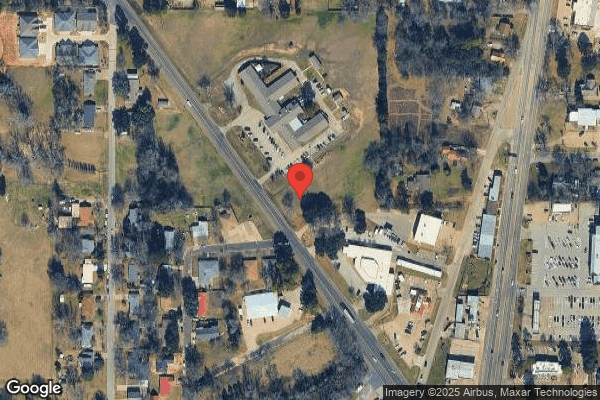
Jul 2023 1 deficiency
CONCERN (F) 📢 Someone Reported This

A family member, employee, or ombudsman was alarmed enough to file a formal complaint

Potential for Harm - no one hurt, but risky conditions existed

Deficiency F0727 (Tag F0727)

Could have caused harm · This affected most or all residents

Based on interview and record review, the facility failed to use the services of a RN for at least 8 consecutive hours a day, 7 days a week for 3 of 3 months reviewed for RN coverage. (May 2023, June ...

Read full inspector narrative →
Based on interview and record review, the facility failed to use the services of a RN for at least 8 consecutive hours a day, 7 days a week for 3 of 3 months reviewed for RN coverage. (May 2023, June 2023, and July 2023) The facility did not have the required 8 consecutive hours of RN coverage during the months of May 2023 (3 days), June 2023 (2 days), and July 2023 (4 days). This failure could place residents at risk for not having their nursing care and medical needs met. Findings included: Record review of the May 2023 time sheets indicated no RN worked on Saturday 05/13/23, Sunday 05/14/2023, and Sunday 05/28/2023. Record review of the June 2023 time sheets indicated no RN worked on Saturday 06/10/2023 and Sunday 06/11/2023. Record review of the July 2023 time sheets indicated no RN worked on Saturday 07/15/2023, Sunday 07/16/2023, Saturday 07/22/2023, and Sunday 07/23/2023. During an interview on Saturday, 07/29/2023 at 08:50 AM with Nurse A, she said there was no RN scheduled for the day but that the DON was available by phone if needed. During an interview on 07/29/2023 at 10:30 AM with the DON and Admin, the DON she said she was aware that she did not always have RN coverage in the facility. She said she was the only RN currently employed at the facility. The DON also said that she does not use the time clock to record her hours in the facility. When asked for evidence to support her presence in the facility on the days she worked, the DON said she had none. During the exit conference on 07/29/2023 at 03:30 PM with the Admin and DON, the Admin said the DON was a salaried employee and salaried personnel do not clock their time worked in the time clock.
May 2023 4 deficiencies
CONCERN (D) 📢 Someone Reported This

A family member, employee, or ombudsman was alarmed enough to file a formal complaint

Potential for Harm - no one hurt, but risky conditions existed

Deficiency F0679 (Tag F0679)

Could have caused harm · This affected 1 resident

**NOTE- TERMS IN BRACKETS HAVE BEEN EDITED TO PROTECT CONFIDENTIALITY** Based on observation, interview, and record review, the facility failed to provide an ongoing program of activities in accordanc...

Read full inspector narrative →
**NOTE- TERMS IN BRACKETS HAVE BEEN EDITED TO PROTECT CONFIDENTIALITY** Based on observation, interview, and record review, the facility failed to provide an ongoing program of activities in accordance with the comprehensive assessment to meet the interests and the physical, mental, and psychosocial well-being for 3 of 11 residents reviewed for reviewed for activities. (Resident #'s 4, 5, and 6) The facility failed to provide consistent, and scheduled activities in the secured unit for Resident #'s 4, 5, and 6. These failures could place residents at risk for not having activities to meet their interests or needs and a decline in their physical, mental, and psychosocial wellbeing. Findings included: 1. Record review of Resident #4's face sheet dated 05/26/2023 indicated he was a [AGE] year-old male who initially admitted to the facility on [DATE] and readmitted on [DATE] with the diagnoses of dementia (disease affecting memory), stroke, and high blood pressure. Record review of Resident #4's most recent quarterly MDS dated [DATE] indicated he was understood by others and was able to understands others. The MDS indicated Resident #4 had severe cognitive impairment. The MDS section for mood Resident #4 did not demonstrate little interest or pleasure in doing things, trouble concentrating or feeling down, depressed, or hopeless. Record review of Resident #4's comprehensive care plan dated 12/17/2021 and updated on 05/08/2023 indicated Resident #4 required assistance with activities related to impaired mobility and impaired cognition. The goal was Resident #4 would attend one activity a week. Resident #4's interventions included to introduce to the activities offered and consult with family and friends concerning activities prior to admission . 2. Record review of Resident #5's face sheet dated 05/26/2023 indicated he was a [AGE] year-old female who male admitted to the facility on [DATE] and readmitted on [DATE] with the diagnoses of anxiety, stroke, and blindness. Record review of Resident #5's quarterly MDS dated [DATE] indicated he was usually understood by others, and he usually understands others . The MDS indicated Resident #5 had severely impaired cognition. The MDS section, Resident Mood, indicated Resident #5 had not exhibited little interest or pleasure in doing things. Record review of Resident #5's comprehensive care plan dated 10/06/2021 and updated on 04/21/2023 indicated he had an activities deficit problem with a goal of attendance to 1 activity per week with the intervention of introduce to activities offered . 3. Record review of Resident #5's face sheet dated 05/26/2023 indicated she was a [AGE] year-old female who was= admitted to the facility on [DATE] and readmitted on [DATE] with the diagnoses of chest pain, kidney failure, and high blood pressure. Record review of Resident #5's quarterly MDS dated [DATE] indicated she was usually understood by others, and she usually understands others. The MDS indicated Resident #5 had moderate cognitive impairment. The section of, Resident Mood Interview, indicated Resident #5 had not exhibited little interest or pleasure doing things. Record review of Resident #5's comprehensive care plan dated 05/27/2021 and updated 04/21/2023 indicated she had an activity deficit, and her goal was to attend 1 activity per week. The interventions included introduce to activities offered and evaluate time awake and readiness for activity . Record review of the activity calendar posted in the day room of the secured unit dated May 2023 indicated on 05/24/2023 at 10:00 a.m. funny mad libs was scheduled, 10:30 a.m. horseshoes was scheduled, and nails would be done at 2:00 p.m. During an observation on 05/24/2023 at 10:22 a.m., revealed there was 10 residents sitting in the main dining room not on the secured unit but only 4 independent residents were participating in the horseshoe activity, and the activity director was not in the activity area during this observation. During an observation and interview on the secured unit on 05/24/2023 at 10:49 a.m., revealed the activity of horseshoes was not being provided. CNA H said the secured unit does not have a horseshoe game and she was not able to conduct activities because she was the only staff member onin the unit . During an observation on 05/24/2023 at 1:55 p.m. through 2:06 p.m., revealed Resident #'s 4, 5, and 6 were sitting in the day room. The secured unit did not have an activity of nails being provided . Resident #'s 4, 5, and 6 was sitting in the day room area. Record review of the activity calendar dated 05/25/2023 indicated 10:00 a.m. coffee and news were scheduled, 10:30 a.m. Bingo/dominos was scheduled, and 2:00 p.m. resident council was scheduled. During an observation and interview on 05/25/2023 at 10:12 a.m. - 10:30 a.m., revealed there was not an activity occurring including the scheduled activity of coffee and news or bingo. CNA H said she did not provide coffee and the news or bingo at the scheduled times. CNA H said she was the only staff member in the secured unit and did not have the time to conduct the activities . CNA H said she was unable to manage the activity program on the unit and provide care to the residents. During an interview on 05/25/2023 at 3:26 p.m., the AD said she had been in her position since February 2023. The AD said she was not responsible for the activities on the secured unit . The AD said she does take the activity calendar to the secured unit and the staff distribute the calendars. The AD said the activities were hard to complete with one AD. The AD said it had been in the making to hire her an assistance since she started in February, but one was not provided yet. The AD said she had not completed activity assessments on Resident #4, 5, and 6. During an interview on 05/25/2023 at 3:42 p.m., the Administrator said he was responsible for oversight of the AD. The Administrator said the AD was responsible for the secured unit's activity program. The Administrator said activities keep the resident's mind busy. The Administrator said he was unaware the AD believed others were responsible for the secured units scheduled activities. Record review of an Activity policy revised November 2021 indicated Activity programs designed to meet the needs of each resident are available on a daily basis. 1. Our activity programs are designed to encourage maximum individual participation and are geared to resident's individual needs. G. At least 4 group activities are offered per day Monday through Friday.
CONCERN (E) 📢 Someone Reported This

A family member, employee, or ombudsman was alarmed enough to file a formal complaint

Potential for Harm - no one hurt, but risky conditions existed

Abuse Prevention Policies (Tag F0607)

Could have caused harm · This affected multiple residents

**NOTE- TERMS IN BRACKETS HAVE BEEN EDITED TO PROTECT CONFIDENTIALITY** Based on observation, interview and record review, the facility failed to develop and implement written policies and procedures ...

Read full inspector narrative →
**NOTE- TERMS IN BRACKETS HAVE BEEN EDITED TO PROTECT CONFIDENTIALITY** Based on observation, interview and record review, the facility failed to develop and implement written policies and procedures that prohibit mistreatment, neglect, and abuse of residents and misappropriation of resident property and establish policies and procedures to report and investigate such allegations, for 7 of 24 residents (Resident #'s 1, 2, 3, 7, 8, 9, 10) reviewed for abuse. The facility failed to suspend NA F immediately on 12/27/22, pending investigation after an abuse allegation was made involving Resident #3 and NA F. The facility failed to report Resident #3's abuse allegation on 12/27/22 within 2 hours to HHSC. The facility failed to report Resident #3's abuse allegation investigation results to HHSC. The facility abuse coordinator failed to investigate an incident when Resident #2 had an unwitnessed fall on 10/06/2022 and sustained a shoulder fracture. The facility failed to report Resident #1's frostbite on fingers of both his hands in a timely manner to HHSC. The facility failed to report Resident # 7 and #9's resident to resident altercation within 2 hours to HHSC. The facility failed to report Resident #8 and Resident #10's resident to resident altercation on 3/24/23 within 2 hours to HHSC. These failures could cause residents to be abused and neglected. Findings included: Record review of the facility's policy Abuse Prevention Program revised on 01/09/23, indicated .Our residents have the right to be free from abuse, neglect, misappropriation of resident property and exploitation. This includes but is not limited to freedom from corporal punishment, involuntary seclusion, verbal, mental, sexual, or physical abuse and physical or chemical restraint not required to treat the resident's symptoms .5. Our center will not condone any form of resident abuse or neglect. To aid in abuse prevention, all personnel are to report any signs and symptoms of abuse/neglect to their supervisor and to the Abuse Prevention Coordinator immediately .6. Our center will protect resident from harm, reprisal, discrimination, or coercion during investigations of abuse allegations .7. All reports of resident abuse, neglect, exploitation, misappropriation of resident property, mistreatment, and/or injuries of unknown source (abuse) shall be promptly reported to local, state, and federal agencies (as defined by current regulations) and thoroughly investigated by Center management. Findings of abuse investigations will also be reported .The Administrator will suspend immediately any employee who has been accused of resident abuse, pending the outcome of the investigation .An alleged violation of abuse, neglect, exploitation, or mistreatment (including injuries of unknown source and misappropriation of resident property) will be reported immediately, but no later than (2) hours if the alleged violation involves abuse OR has resulted in serious bodily injury; or Twenty-four (24) hours if the alleged violation does not involve abuse AND has not resulted in serious bodily injury. The Administrator, or his/her designee, will provide the appropriate agencies or individuals listed above with a written report of the findings of the investigation within the state requirement. (Usually 5 business days). Review of the Abuse Prevention Policy , revised on 01/09/23, provided by the Regional Nurse on 5/25/23 indicated: Investigation 1. The Administrator is responsible for the overall coordination and implementation of our Center's abuse prevention program policies and procedures. The Administrator is the Abuse Prevention Coordinator. In the absence of the Administrator the Director of Nursing will serve in this capacity. 2.The Administrator has the authority to delegate coordination and implementation of various components of these policies and procedures to other individuals within the Center . 3. If an incident or suspected incident of resident abuse, mistreatment, neglect or injury of unknown source is reported, the Administrator will assign the investigation to an appropriate individual . 4. The Administrator will provide any supporting documents relative to the alleged incident to the person in charge of the investigation. 5. The Administrator will keep the resident and his/her representative informed of the progress of the investigation. 6. The Administrator will suspend immediately any employee who has been accused of resident abuse, pending the outcome of the investigation. 7. The Administrator will ensure that any further potential abuse, neglect, exploitation or mistreatment is prevented. 8. The Administrator will inform the resident and his/her representative of the status of the investigation and measures taken to protect the safely and privacy of the resident. Role of the Investigator: 1. The individual conducting the investigation will, at a minimum a. Review the completed documentation forms; b. Review the resident's medical record to determine events leading up to the incident. c. Interview the person(s) reporting the incident; d. Interview any witnesses to the incident; e. Interview the resident (as medically appropriate); f. Interview the resident's Attending Physician as needed to determine the resident's current level of cognitive function and medical condition; g. Interview staff members (on all shifts) who have had contact with the resident during the period of the alleged incident; h. Interview the resident's roommate, family members, and visitors; i. Interview other residents to whom the accused employee provides care or services; and j. Review all events leading up to the alleged incident . 4. Upon the conclusion of the investigation, the investigator will record the results of the investigation on approved documentation forms and provide the completed documentation to the Administrator. Cause Identification: 1. The staff, with the physician's input as needed, will investigate alleged abuse and neglect to clarify what happened and identify possible causes. 2. The physician will provide as needed, adequate documentation regarding significant negative outcomes that have resulted from a resident's underlying medical illnesses or conditions, despite appropriate care. 1. Record review of Resident #3's face sheet dated 05/24/23, indicated a [AGE] year-old female who initially admitted to the facility on [DATE] and readmitted on [DATE] with diagnoses which included chronic kidney disease, stage 5 (kidneys are failing or close to failing), diabetes mellitus type 2 (condition that affects the way the body processes blood sugar), anxiety (intense, excessive, and persistent worry about everyday situations), and bipolar disorder (mental illness that causes unusual shifts in a person's mood, energy, activity levels, and concentration). Record review of Resident #3's quarterly MDS assessment dated [DATE], indicated she was able to make herself understood and understood others. Resident #3 had a BIMS score of 9, which indicated her cognition was moderately impaired. Resident #3 required extensive assistance with bed mobility, dressing, and eating. Resident #3 was totally dependent on staff with toileting, personal hygiene, and bathing. The MDS indicated Resident #3 had no behaviors or rejected care. Record review of Resident #3's comprehensive care plan dated 04/12/23 indicated she had a history of resisting and refusing care. The care plan also indicated Resident #3 was verbally and physically aggressive towards staff at times during care and yelled and cursed at others. The care plan interventions indicated if the resident became combative, aggressive, or refused care, provide for safety, offer alternative time for care, back away, seek assistance as needed and notify the nurse of behaviors or refusals. Record review of the intake investigation worksheet for Resident #3, indicated the date received by HHSC was 12/30/22. The investigation worksheet indicated the date and time of incident was on 12/27/22 at 6:30 AM. The date the facility first learned of the incident was on 12/27/22 at 8:30 AM, which indicated it was not reported within 2 hours. The worksheet indicated on 12/27/22 LVN E was providing care in Resident #3's room, and NA F was also in the room providing care to the resident. Resident #3 was being verbally aggressive towards NA F and was cursing at him. NA F left the room but then returned and said to her Fuck you, Bitch and exited the room again. LVN E notified the previous ADON, LVN G, at approximately 8:30 AM on 12/27/22. The ADON went to the previous DON's office where she found NA F and LVN E reporting to the DON. NA F told her he had said something that he should not have. No actions were taken at that time. The Administrator did not learn of the event until the night of 12/29/22. LVN E provided the statement on 12/30/22 which was then therefore reported to HHSC on 12/30/22. Record review of NA F's personnel file on 05/24/23 at 2:23 PM, did not reveal any disciplinary action forms. During an interview on 05/24/23, Resident #3 said all the staff at the facility were nice to her. During an interview on 05/25/23 at 08:39 AM, LVN E said she was the nurse working on 12/27/22 and the one that reported NA F. LVN E said Resident #3 wanted to get up that day and NA F told the resident she could wait until that evening to get her up. LVN E said Resident #3 did not agree with NA F and Resident #3 said F you and F everybody. LVN E said she was in Resident #3's room when NA F came back in the room and told Resident #3 Fuck you, bitch. LVN E said she waited for the ADON to arrive to the facility as she would get to the facility early. LVN E said she told LVN G, NA F cussed Resident #3 out. LVN E said when the DON arrived at the facility, she asked her if she knew about the incident and the DON told her that NA F had said he would not do it again. LVN E said a few days later the Administrator called her and told her she was writing her up since she did not report the incident to the Administrator (abuse coordinator). LVN E said she had thought that it was taken care of when she reported it to the ADON and DON. LVN E said NA F was not suspended on 12/27/22 that she could recall. LVN E said she was in-serviced on abuse and neglect and timely reporting incidents to the abuse coordinator. During an interview on 05/25/23 at 10:21 AM, LVN G said she was one of the previous ADONs. LVN G said LVN E told her around 8:30 AM on 12/27/22, that NA F had cursed at Resident #3. LVN G said she went to the DON's office right after it was reported to her, and NA F walked in and told the DON about the incident himself. LVN G said they reported the incident to the Administrator on 12/27/22. LVN G said once the DON and the Administrator were involved, they took over and she was not able to recall if they had suspended the aide on 12/27/22. A phone call was made on 05/25/23 at 10:41 AM to the previous DON with no response. During an interview on 05/25/23 at 11:14 AM, the previous Administrator said it was not reported to her immediately and was unable to recall the timeframe the incident was brought to her attention. The Administrator said she did not remember the day or time it was reported to her. The Administrator said the day it was reported to her , she was told NA F walked into the Resident #3's room and called her a bitch and walked out of the room. The Administrator said during the investigation NA F went to the nurse and the DON and told on himself. The Administrator said NA F was not suspended after the incident until she became aware of the incident and suspended him. The Administrator said NA F did not return to work and was terminated. The Administrator said she had expected LVN E and the ADON to have reported the incident to her immediately. She said the ADON, LVN E and the DON received disciplinary action or education for not reporting timely. The Administrator said she did not report within 2 hours because the ADON, LVN E and the DON failed to notify her when the incident occurred. The Administrator said she knew she needed to notify HHSC within 2 hours of an abuse allegation. The Administrator said by not reporting timely the activity could continue and NA F could have hurt other people. Record review of NA F's time sheet for 12/27/22 indicated he worked from 6am-6pm with a break from 1:00 PM- 1:30 PM . Record review of NA F's time sheet for 12/31/22 indicated he worked from 6:14 AM- 12:16 PM. Record review of HHSC reporting system on 05/25/23 revealed the facility failed to report the investigation results for Resident #3 abuse allegation. No provider investigation report was found. During an interview on 05/25/23 at 3:02 PM, the current DON said, regarding the abuse allegation, she would have suspended NA F immediately pending investigation or fired him. The DON said she would have notified the Administrator immediately. The DON said by not suspending NA F he could have continued to verbally abuse other residents. The DON said by not reporting immediately and waiting 3 days to report, the incident was considered being reported late. The DON said an abuse allegation should be reported to HHSC within 2 hours. The DON said the Administrator was responsible for reporting the abuse allegation, but she could also report if he was unavailable. During an interview on 05/25/23 at 3:23 PM, the Clinical Lead RN said she expected the previous DON to have reported the abuse allegation to the Administrator immediately. The Clinical Lead RN said she expected NA F to have been suspended immediately pending investigation. The Clinical Lead RN said by not suspending NA F placed other residents at risk for abuse. The Clinical Lead RN said the findings of the investigation should have been sent to HHSC within 5 days . The Clinical Lead RN said the previous management staff should have done a self-report on 12/27/22, when the incident occurred and reported within 2 hours. 2.Record review of the physician's orders dated May 2023 indicated Resident #1 was a [AGE] year-old male that admitted [DATE]. His diagnoses included: Vascular dementia (causes memory loss), behavioral disturbance ( can be agitation, verbal or physical aggression, emotional distress, pacing, or delusions), mood disturbance (marked disruptions in emotions), function deficit following a stroke (dysfunction of the brain due to a disturbance of blood flow resulting in cognitive impairment), Major Depressive Disorder, recurrent, severe, with psychotic disturbance (a mental disorder in which a person with depression along with loss of touch with reality), and Superficial Frostbite of the right and left hand (The second stage of frostbite requiring medical treatment. If treated there should not be major damage.) Record review of Resident #1's care plan revised on 5/16/23, problem start date 12/22/22 indicated Resident #1 was at risk for elopement. He was observed outside on the premises ground on 12/22/22 at 6:15 p.m. The care plan indicated Resident #1 had auditory hallucinations that told him to open the door and go help others that were on skateboards and hurt. Resident opened the back door and went outside causing him to fall. The care plan interventions initiated on 12/22/22 included staff to observe resident when out of his room for wandering in/out of other rooms, wandering to unauthorized areas and to provide redirection as needed; and placed wander guard (a device that goes on the ankle alerting if a resident was close to an exit door) to Resident #1's ankle, psych services evaluated Resident #1, and labs were ordered. Additional interventions included if Resident #1 attempted to wander, attempt to redirect, and offer a distraction (food, activities, call family). The care plan indicated if Resident #1 became agitated and continued to wander to seek assistance and continue to observe him. The care plan indicated Resident #1 was at risk for adverse consequences related to psychotropic drug use and at risk for behavioral disturbances related to Schizoaffective Disorder (a mental disorder characterized by abnormal thought processes and an unstable mood). The care plan indicated he had cognitive loss and dementia with impaired short- and long-term memory. The care plan indicated he required the assistance of one staff for ambulation or transfers. The care plan indicated Resident #1 was at risk for falls due to unsteady gait, decreased balance, medications, poor safety awareness, diagnosis of Cerebral Infarction (disrupted blood flow to the brain), weakness, and seizures. The care plan did not indicate there were any previous attempts of elopement or wandering prior to 12/22/22. Record review of the quarterly MDS dated [DATE] indicated Resident #1 had unclear speech, usually understood others, and was usually understood by others. The MDS indicated he had a BIMS score of 11 (moderately impaired cognition). He required limited assistance of one staff for bed mobility and the supervision of one staff for transfer. The MDS indicated he did not wander. Record review of the quarterly MDS dated [DATE] indicated Resident #1 had unclear speech, usually understood others, and was usually understood by others. The MDS indicated he had a BIMS score of 11 (moderately impaired cognition). He required the assistance of one staff for bed mobility and transfer. The MDS indicated he did not wander. Record review of an Elopement Evaluation dated 8/31/22 indicated an Elopement Care Plan was not initiated due to Resident #1 had never attempted or verbalized to leave or wander. Record review of the Progress Notes dated 10/11/22 through 12/21/22 did not indicate Resident #1 had wandered, attempted to leave, or verbalized he wanted to leave the facility. The first documented verbalization of wanting to leave the facility was 12/22/22 at 5:05 p.m. Record review of an incident report dated 12/22/22 indicated a CNA reported to nurses Resident #1 was on his back just outside B-hall door. Resident #1 was alert and oriented and asking for help. Blood was noted on his hands and some on his wheelchair. A wound was noted to right hand 2nd finger. Resident #1 denied pain or discomfort and had no distress. Resident #1 said he was cold. The day nurse cleaned Resident #1's hand and noted skin was missing on the 2nd finger. The report indicated Resident #1's NP was notified and a new order was received for Resident #1 to be transferred to the ER for evaluation. Record review of Tulip (HHSC reporting site) indicated the incident occurred on 12/22/22 at 6:15 p.m., the facility first learned of the incident on 12/22/22 at 6:15 p.m., and the facility reported the incident to the state agency on 12/27/22 at 1:55 p.m. Record review of the provider investigation indicated the incident occurred on 12/22/22 at 6:15 p.m., the facility first learned of the incident on 12/22/22 at 6:15 p.m., and the facility reported the incident to the state agency on 12/27/22 at 1:55 p.m. Record review of the hospital visit on 12/22/22 indicated Resident #1 was discharged back to the facility 12/23/22 with a diagnosis of avulsion (layers of skin torn away) to his finger. Record review of a progress note completed by the ADON dated 12/23/22 at 2:50 p.m. indicated Resident #1 had blisters (bubbles) noted to his fingers, no complaints of pain verbalized, the MD was notified, and new order was received to send Resident #1 to ER for assessment. Record review of the hospital visit dated 12/23/22 indicated Resident #1 was discharged back to the facility with diagnosis of superficial frostbite of right and left hand. Resident #1 was prescribed Silvadene to fingertips and returned to the facility on [DATE]. During an observation on 5/24/23 at 10:02 a.m., the exit door at the end of B-hall (door Resident #1 went out on 12/22/23) was working properly. This surveyor pushed on the door, it began beeping loudly, opened after 15 seconds, and continued to beep loudly until a staff put in a code. During an interview on 5/24/23 at 10:12 a.m., RN B said she had been at the facility about 2 months. She said Resident #1 was still at the facility. She said he had schizophrenia and did not really speak but would nod his head. She said Resident #1 was not a smoker and had not tried to go outside since she had been here. During an observation and interview on 5/24/23 at 11:10 a.m., Resident #1 was in his room in bed with water at bedside. He said in December 2022, he went outside and fell. He said he was in his wheelchair when he went outside. He said he was outside for 9 minutes and staff went to get him. He said he did not have on a coat but had on pants and a top, shoes, and socks. He said he did not know why he went outside. He said he did not smoke, so that was not the reason. He said it was hard to get out of the door, but he went out of it in his wheelchair. He said he felt safe at the facility. He said he had an ankle monitor for a while but did not have it anymore. Record review of a statement from LVN D indicated on 12/22/22 A CNA came to the desk asking for a nurse. She and LVN H followed the CNA outside to find Resident #1 on the left side of the building on his back with his wheelchair upright. He was asking for help. Blood was observed to both hands. Resident assisted up with her and 2 other staff. Resident had stated he was cold. Deep abrasion to right hand 2nd finger with all fingers purple in color. Placed warm towel to both hands in order to warm hands. Notified provider and administrator. Received order to send to ER. Last time seeing resident before finding him was approx. 17:30 (5:30 p.m.) During an interview on 5/24/23 at 2:33 p.m., the Corporate Nurse said something happened with the door on B-hall. She said maintenance would explain it. She said the door had an egress after 15 seconds and should be beeping if someone was pushing on it. She said when they checked the door after the incident with Resident #1 on 12/22/22, it did not beep/alarm when they tried to push for egress. She said it opened after 15 seconds, but there was no beep/alarm. During an interview on 5/24/23 at 2:49 p.m., the Maintenance Supervisor brought his computer showing this surveyor the all doors had been checked 12/20/22-12/24/22 on a screen on his computer. The indicator that the door was working properly was Pass. He said he checked all the doors daily at about 8:00 a.m. and documented it. He said [Company] came to fix the door and said the alarm buzzer was faulty and they replaced it. During an interview and record review on 5/24/23 at 4:04 p.m., the Maintenance Supervisor provided receipt from [Company] Services dated 12/29/23. The record indicated, Service call on 12/29/23 due to back door issues on far hallway not alarming with egress activation. Completely rewire along with replacing the egress timer. Tested door egress multiple times and door is properly working. 1 Seco-Alarm SA-025EQ Delayed Egress Timer. The receipt indicated the total bill was $1315.63. During an interview on 5/25/23 at 7:56 a.m., CNA J said on the day Resident #1 went out the back door he was in his room most of the day. She said they put an ankle monitor on him after that night (12/22/22) he went outside. She said he had not tried to exit before that night. She said she was not aware he fell and did not know he was mad that day. During a phone interview on 5/25/23 at 8:19 a.m., LVN K said she thought LVN D was the nurse for Resident #1 on 12/22/23. She said she was not his nurse when that he went out the back door and fell. She said she was surprised Resident #1 tried to get out of the building because he had never tried to exit before that. She said he would try to get up on his own at times, but she was shocked he went out of the building. She said he did not try to get out again after that night (12/22/22). During an interview on 5/25/23 at 9:16 a.m., the Regional Nurse said they did not call in the incident for Resident #1 on the 12/23/22. She said corporate had a meeting about it sometime after 12/23/22 and then they decided to call it in to the state authority. She said they did elopement assessments on everyone in the building after Resident #1 went out B-hall door. The Regional Nurse said they put an ankle monitor on Resident #1 when he got back from the ER on [DATE]. The administrator was present and said the ankle monitor on Resident #1 operated off of a different system than the door alarm so it would have alarmed. During an interview on 5/25/23 at 9:52 a.m., LVN L said she had worked at the facility for 2 years. She said she had just left when Resident #1 went out the back door. She said she just heard about it. She said he had not tried to leave since 12/22/22. She said he did not exit seek prior to 12/22/22. During a phone interview on 5/25/23 at 10:17 a.m., LVN H said on the evening of 12/22/22 she was getting report from LVN D when they were told Resident #1 was outside. LVN H said that was approximately 6:05 p.m. She said LVN D was the day nurse, and she was going to be the evening/night nurse. She said when he came back from the ER the first time, his fingers did not show frostbite, were not discolored and had no blisters. She said he had an avulsion on his finger. She said the ER said he did not have frostbite. She said he went back to the ER later 1-3 days later. She said she did not remember what date because it was not on her shift. She said it was the next ER visit that was when he was found to have frostbite. She said he was not exit seeking prior to 12/22/22, but she was told by LVN D he had made a statement to that effect in report on 12/22/22. During a phone interview on 5/25/23 at 10:38 a.m., LVN D said she was giving report 12/22/22 about 5:45 p.m. to 6:00 p.m. to LVN H. She said they were told that Resident #1 was outside. She said Resident #1 mentioned wanting to leave around 5:00 p.m. on 12/22/22. She said she went to his room talked with him, redirected him and he calmed down and did not mention it again. She said he was not physically trying to leave or going to doors. He was in bed in his room. She said he was not wandering. She said he was just talking and once redirected he was fine. LVN D said she did not realize if the door was pushed, it would open in 15 seconds and beep/alarm. She said she figured the aide let him out accidentally when she went to the trash because it was the same door. She said she thought a CNA went out the door to the right and Resident #1 got out before the door latched and went left to where he was found. She said she did not hear a beep and did not know the door had to be repaired with new wiring. She said the most he could have been outside, the absolute most was 20 minutes. She said it was very cold that day. During a phone interview on 5/25/23 at 11:17 a.m., the prior ADON that worked at the facility when Resident #1 was found outside said she sent Resident #1 back to the ER on [DATE] after the NP looked at his fingers and said he needed to go. She said she reported this to the administrator (administrator at that time.) She then said she could not talk anymore, and she had to go. During a phone interview on 5/25/23 at 11:26 a.m., the prior Administrator/Abuse Coordinator (at the time Resident #1 was found outside) said Resident #1 incident when he was found outside should have been reported within 2 hours. She said she did not report in it 2 hours. She said she called her Regional Director on 12/22/22 and was told her he did not go off property and he chose to go outside as was his right. She said he told her he did not elope, he was still on the property and it did not need to be reported to the State Authority. She said he went to the ER on [DATE] and came back with an avulsion on his finger. She said he went back to the ER [DATE] and came back with a diagnosis of frostbite on his fingers. She said she knew it was her decision and her license. She said a couple of days later the Regional Nurse told her she had to report it. She said she called the Regional Director back, and they had changed their mind and told her to report it. She said she did not remember what day that was. She said that was one of the reasons she was not working for this facility anymore. She said she was wrong not to report it to the state authority on 12/23/22 within 2 hours when he got frostbite. She said she should have gone with her gut instinct and reported it. During an interview on 5/25/23 at 1:33 p.m., the Regional Nurse said she realized the reportable for Resident #1 was not called in timely and said it had to do with them all discussing it and not realizing they needed to call it into the State Authority until 12/27/22. During an interview on 5/25/23 at 2:25 p.m., the Clinical Leader said she was not working at the facility when Resident #1's incident happened on 12/22/22. She said the incident should have been reported to the HHSC within 2 hours on 12/23/22 when he got the diagnosis of frostbite. She said it was against the regulations not to report it within 2 hours. During an interview on 5/25/23 at 2:35 p.m., the DON said regarding reporting an incident she would report it as soon as a resident had an unknown injury. She said she did not work at the facility at the time of Resident #1's incident. She said in the case of Resident #1 she would have reported it on 12/23/22 within 2 hours when he came back with the diagnosis of frostbite. She said it was better to be safe than sorry when it came to reporting. During an interview on 5/25/23 at 2:50 p.m., the Administrator said he was not the Administrator at the time Resident #1's incident on 12/22/22 - 12/23/22. He said he would have reported the incident to the state authority on 12/22/22 within 2 hours of his injury. He said it was a violation if you did not report it in a timely manner. On 5/25/23 at 2:18 p.m., the previous DON was attempted to be interviewed but was unable to be reached. 3. Record Review of physician's orders dated May 2023 indicated Resident #2 was a [AGE] year-old female admitted to the facility on [DATE]. She had diagnoses that included: Alzheimer's Disease (a disease causing problems remembering that gets progressively worse), Seizures (a burst of uncontrolled electrical activity between brain cells that causes temporary abnormalities in muscle tone or movements, or states of awareness), nondisplaced fracture of upper end of right humerus (broken bone in the upper arm), and Vascular Dementia (causes memory loss). Record review of the quarterly MDS dated [DATE] indicated Resident #2 had clear speech, rarely understood others and was rarely understood by others. She had short- and long-term memory problems, along with inattention and disorganized thinking that fluctuated in severity. Section J1700 of the MDS indicated Resident #2 had a fall with a fracture in the last 6 months. Record review of the Care Plan dated 3/19/23 indicated Resident #2 had a fall with injury, fracture to her right shoulder that was nondisplaced, a black eye and raised area on her right forehead. She was at risk for falls due to weakness, unsteady gait, and psychotropic medication use. She ambulated without assistance. The Care Plan indicated she refused care, was combative at times, and required the assistance of one staff for ambulation and transfers. Resident #2 was at risk for falling. She had a memory recall problem related to Alzheimer's Disease. Record review of an Event Report dated 10/6/22 at 5:11 p.m., indicated Resident #2 was found on the floor in[TRUNCATED]
CONCERN (E) 📢 Someone Reported This

A family member, employee, or ombudsman was alarmed enough to file a formal complaint

Potential for Harm - no one hurt, but risky conditions existed

Report Alleged Abuse (Tag F0609)

Could have caused harm · This affected multiple residents

**NOTE- TERMS IN BRACKETS HAVE BEEN EDITED TO PROTECT CONFIDENTIALITY** 2. Record review of Resident #3's face sheet dated 05/24/23, indicated a [AGE] year-old female who initially admitted to the fac...

Read full inspector narrative →
**NOTE- TERMS IN BRACKETS HAVE BEEN EDITED TO PROTECT CONFIDENTIALITY** 2. Record review of Resident #3's face sheet dated 05/24/23, indicated a [AGE] year-old female who initially admitted to the facility on [DATE] and readmitted on [DATE] with diagnoses which included chronic kidney disease, stage 5 (kidneys are failing or close to failing), diabetes mellitus type 2 (condition that affects the way the body processes blood sugar), anxiety (intense, excessive, and persistent worry about everyday situations), and bipolar disorder (mental illness that causes unusual shifts in a person's mood, energy, activity levels, and concentration). Record review of Resident #3's quarterly MDS assessment dated [DATE], indicated she was able to make herself understood and understood others. Resident #3's had a BIMS score of 9, which indicated her cognition was moderately impaired. Resident #3 required extensive assistance with bed mobility, dressing, and eating. Resident #3 was totally dependent on staff with toileting, personal hygiene, and bathing. The MDS indicated Resident #3 had no behaviors or rejected care. Record review of Resident #3's comprehensive care plan dated 04/12/23 indicated she had a history of resisting and refusing care. The care plan also indicated Resident #3 was verbally and physically aggressive toward staff at times during care and yelled and cursed at others. The care plan interventions indicated if resident becomes combative, aggressive, or refused care, provide for safety, offer alternative time for care, back away, seek assistance as needed and notify nurse of behaviors or refusals. Record review of the intake investigation worksheet for Resident #3, indicated the date received by HHSC was 12/30/22. The investigation worksheet indicated the date and time of incident was on 12/27/22 at 6:30 AM. The date the facility first learned of the incident was on 12/27/22 at 8:30 AM, which indicated it was not reported within 2 hours. The worksheet indicated on 12/27/22 LVN E was providing care in Resident #3's room, and NA F was also in the room providing care to the resident. Resident #3 was being verbally aggressive towards NA F and was cursing at him. NA F left the room but then returned and said to her Fuck you, Bitch and exited the room again. LVN E notified the previous ADON, LVN G, at approximately 8:30 AM on 12/27/22. The ADON went to the previous DON's office where she found NA F and LVN E reporting to the DON. NA F told her he had said something that he should not have. No actions were taken at that time. The Administrator did not learn of the event until the night of 12/29/22. LVN E provided the statement on 12/30/22 which was then therefore reported to HHSC on 12/30/22. Record review of the facility's documents regarding Resident #3's abuse allegation provided by the Clinical Lead RN, revealed NA F's statement, the previous DON's statement, the previous Administrator's statement, LVN E's witness statement and disciplinary forms for the DON and LVN E. During an interview on 05/25/23 at 08:39 AM, LVN E said she waited for the ADON to arrive to the facility as she would get to the facility early. LVN E said she told LVN G, NA F cussed Resident #3 out. LVN E said when the DON arrived at the facility, she asked her if she knew about the incident and the DON told her that NA F had said he would not do it again. LVN E said a few days later the Administrator called her and told her she was writing her up since she did not report the incident to the Administrator (abuse coordinator). LVN E said she had thought that it was taken care of when she reported it to the ADON and DON. LVN E said she was in-serviced on abuse and neglect and timely reporting incidents to the abuse coordinator. A phone call was made on 05/25/23 at 10:41 AM to the previous DON with no response. During an interview on 05/25/23 at 11:14 AM, the previous Administrator said it was not reported to her immediately and was unable to recall the timeframe the incident was brought to her attention. The Administrator said she did not remember the day or time it was reported to her. The Administrator said the day it was reported to her , she was told NA F walked into the Resident #3's room and called her a bitch and walked out of the room. The Administrator said during the investigation NA F went to the nurse and the DON and told on himself. The Administrator said NA F was not suspended after the incident until she became aware of the incident and suspended him. The Administrator said NA F did not return to work and was terminated. The Administrator said she had expected LVN E and the ADON to have reported the incident to her immediately. She said the ADON, LVN E and the DON received disciplinary action or education for not reporting timely. The Administrator said she did not report within 2 hours because the ADON, LVN E and the DON failed to notify her when the incident occurred. The Administrator said she knew she needed to notify HHSC within 2 hours of an abuse allegation. The Administrator said by not reporting timely the activity could continue and NA F could have hurt other people. Record review of HHSC reporting system on 05/25/23 revealed the facility failed to report the investigation results for Resident #3 abuse allegation. No provider investigation report was found. During an interview on 05/25/23 at 3:02 PM, the current DON said, regarding the abuse allegation, she would have suspended NA F immediately pending investigation or fired him. The DON said she would have notified the Administrator immediately. The DON said by not suspending NA F he could have continued to verbally abuse other residents. The DON said by not reporting immediately and waiting 3 days to report, the incident was considered being reported late. The DON said an abuse allegation should be reported to HHSC within 2 hours. The DON said the Administrator was responsible for reporting the abuse allegation, but she could also report if he was unavailable. During an interview on 05/25/23 at 3:23 PM, the Clinical Lead RN said she had expected the previous DON to have reported the allegation of abuse immediately and it be reported to HHSC within 2 hours on the day the allegation of abuse occurred. The Clinical Lead RN said the previous Administrator was terminated in January 2023 and was responsible for ensuring the results of the investigation were uploaded within 5 days to HHSC. Based on interview and record review the facility failed to ensure that all alleged violations involving abuse, neglect, exploitation or mistreatment, including injuries of unknown source and misappropriation of resident property, were reported immediately, but not later than 2 hours after the allegation was made, if the events that caused the allegation involved abuse or resulted in serious bodily injury, or not later than 24-hours if the events that caused the allegation did not involve abuse and did not result in serious bodily injury, to the administrator of the facility and to other officials (which included the State Survey Agency and Adult Protective Services where state law provides for jurisdiction in long-term care facilities) in accordance with State Law through established procedures for 3 of 25 residents (Resident #'s 1, 3, and 8, ) reviewed for abuse and neglect. 1.The facility failed to report Resident #1's superficial frostbite on fingers of both his hands in a timely manner to HHSC. 2. The facility failed to report Resident #3's abuse allegation within 2 hours to HHSC. 3.The facility failed to report Resident #3's abuse allegation investigation results to HHSC. This failure could place residents at risk for further potential abuse. Findings included: 1.Record review of the physician's orders dated May 2023 indicated Resident #1 was a [AGE] year-old male that admitted [DATE]. His diagnoses included: Vascular dementia (causes memory loss), behavioral disturbance ( can be agitation, verbal or physical aggression, emotional distress, pacing, or delusions), mood disturbance (marked disruptions in emotions), function deficit following a stroke (dysfunction of the brain due to a disturbance of blood flow resulting in cognitive impairment), Major Depressive Disorder, recurrent, severe, with psychotic disturbance (a mental disorder in which a person with depression along with loss of touch with reality), and Superficial Frostbite of the right and left hand (The second stage of frostbite requiring medical treatment. If treated there should not be major damage.) Record review of Resident #1's care plan revised on 5/16/23, problem start date 12/22/22 indicated Resident #1 was at risk for elopement. He was observed outside on the premises ground on 12/22/22 at 6:15 p.m. The care plan indicated Resident #1 had auditory hallucinations that told him to open the door and go help others that were on skateboards and hurt. Resident opened the back door and went outside causing him to fall. The care plan interventions initiated on 12/22/22 included staff to observe resident when out of his room for wandering in/out of other rooms, wandering to unauthorized areas and to provide redirection as needed; and placed wander guard (a device that goes on the ankle alerting if a resident was close to an exit door) to Resident #1's ankle, psych services evaluated Resident #1, and labs were ordered. Additional interventions included if Resident #1 attempted to wander, attempt to redirect, and offer a distraction (food, activities, call family). The care plan indicated if Resident #1 became agitated and continued to wander to seek assistance and continue to observe him. The care plan indicated Resident #1 was at risk for adverse consequences related to psychotropic drug use and at risk for behavioral disturbances related to Schizoaffective Disorder (a mental disorder characterized by abnormal thought processes and an unstable mood). The care plan indicated he had cognitive loss and dementia with impaired short- and long-term memory. The care plan indicated he required the assistance of one staff for ambulation or transfers. The care plan indicated Resident #1 was at risk for falls due to unsteady gait, decreased balance, medications, poor safety awareness, diagnosis of Cerebral Infarction (disrupted blood flow to the brain), weakness, and seizures. The care plan did not indicate there were any previous attempts of elopement or wandering prior to 12/22/22. Record review of the quarterly MDS dated [DATE] indicated Resident #1 had unclear speech, usually understood others, and was usually understood by others. The MDS indicated he had a BIMS score of 11 (moderately impaired cognition). He required limited assistance of one staff for bed mobility and the supervision of one staff for transfer. The MDS indicated he did not wander. Record review of the quarterly MDS dated [DATE] indicated Resident #1 had unclear speech, usually understood others, and was usually understood by others. The MDS indicated he had a BIMS score of 11 (moderately impaired cognition). He required the assistance of one staff for bed mobility and transfer. The MDS indicated he did not wander. Record review of an Elopement Evaluation dated 8/31/22 indicated an Elopement Care Plan was not initiated due to Resident #1 had never attempted or verbalized to leave or wander. Record review of the Progress Notes dated 10/11/22 through 12/21/22 did not indicate Resident #1 had wandered, attempted to leave, or verbalized he wanted to leave the facility. The first documented verbalization of wanting to leave the facility was 12/22/22 at 5:05 p.m. Record review of an incident report dated 12/22/22 indicated a CNA reported to nurses Resident #1 was on his back just outside B-hall door. Resident #1 was alert and oriented and asking for help. Blood was noted on his hands and some on his wheelchair. A wound was noted to right hand 2nd finger. Resident #1 denied pain or discomfort and had no distress. Resident #1 said he was cold. The day nurse cleaned Resident #1's hand and noted skin was missing on the 2nd finger. The report indicated Resident #1's NP was notified and a new order was received for Resident #1 to be transferred to the ER for evaluation. Record review of Tulip (HHSC reporting site) indicated the incident occurred on 12/22/22 at 6:15 p.m., the facility first learned of the incident on 12/22/22 at 6:15 p.m., and the facility reported the incident to the state agency on 12/27/22 at 1:55 p.m. Record review of the provider investigation indicated the incident occurred on 12/22/22 at 6:15 p.m., the facility first learned of the incident on 12/22/22 at 6:15 p.m., and the facility reported the incident to the state agency on 12/27/22 at 1:55 p.m. Record review of the hospital visit on 12/22/22 indicated Resident #1 was discharged back to the facility 12/23/22 with a diagnosis of avulsion (layers of skin torn away) to his finger. Record review of a progress note completed by the ADON dated 12/23/22 at 2:50 p.m. indicated Resident #1 had blisters (bubbles) noted to his fingers, no complaints of pain verbalized, the MD was notified, and new order was received to send Resident #1 to ER for assessment. Record review of the hospital visit dated 12/23/22 indicated Resident #1 was discharged back to the facility with diagnosis of superficial frostbite of right and left hand. Resident #1 was prescribed Silvadene to fingertips and returned to the facility on [DATE]. During an observation on 5/24/23 at 10:02 a.m., the exit door at the end of B-hall (door Resident #1 went out on 12/22/23) was working properly. This surveyor pushed on the door, it began beeping loudly, opened after 15 seconds, and continued to beep loudly until a staff put in a code. During an interview on 5/24/23 at 10:12 a.m., RN B said she had been at the facility about 2 months. She said Resident #1 was still at the facility. She said he had schizophrenia and did not really speak but would nod his head. She said Resident #1 was not a smoker and had not tried to go outside since she had been here. During an observation and interview on 5/24/23 at 11:10 a.m., Resident #1 was in his room in bed with water at bedside. He said in December 2022, he went outside and fell. He said he was in his wheelchair when he went outside. He said he was outside for 9 minutes and staff went to get him. He said he did not have on a coat but had on pants and a top, shoes, and socks. He said he did not know why he went outside. He said he did not smoke, so that was not the reason. He said it was hard to get out of the door, but he went out of it in his wheelchair. He said he felt safe at the facility. He said he had an ankle monitor for a while but did not have it anymore. Record review of a statement from LVN D indicated on 12/22/22 A CNA came to the desk asking for a nurse. She and LVN H followed the CNA outside to find Resident #1 on the left side of the building on his back with his wheelchair upright. He was asking for help. Blood was observed to both hands. Resident assisted up with her and 2 other staff. Resident had stated he was cold. Deep abrasion to right hand 2nd finger with all fingers purple in color. Placed warm towel to both hands in order to warm hands. Notified provider and administrator. Received order to send to ER. Last time seeing resident before finding him was approx. 17:30 (5:30 p.m.) During an interview on 5/24/23 at 2:33 p.m., the Corporate Nurse said something happened with the door on B-hall. She said maintenance would explain it. She said the door had an egress after 15 seconds and should be beeping if someone was pushing on it. She said when they checked the door after the incident with Resident #1 on 12/22/22, it did not beep/alarm when they tried to push for egress. She said it opened after 15 seconds, but there was no beep/alarm. During an interview on 5/24/23 at 2:49 p.m., the Maintenance Supervisor brought his computer showing this surveyor the all doors had been checked 12/20/22-12/24/22 on a screen on his computer. The indicator that the door was working properly was Pass. He said he checked all the doors daily at about 8:00 a.m. and documented it. He said [Company] came to fix the door and said the alarm buzzer was faulty and they replaced it. During an interview and record review on 5/24/23 at 4:04 p.m., the Maintenance Supervisor provided receipt from [Company] Services dated 12/29/23. The record indicated, Service call on 12/29/23 due to back door issues on far hallway not alarming with egress activation. Completely rewire along with replacing the egress timer. Tested door egress multiple times and door is properly working. 1 Seco-Alarm SA-025EQ Delayed Egress Timer. The receipt indicated the total bill was $1315.63. During an interview on 5/25/23 at 7:56 a.m., CNA J said on the day Resident #1 went out the back door he was in his room most of the day. She said they put an ankle monitor on him after that night (12/22/22) he went outside. She said he had not tried to exit before that night. She said she was not aware he fell and did not know he was mad that day. During a phone interview on 5/25/23 at 8:19 a.m., LVN K said she thought LVN D was the nurse for Resident #1 on 12/22/23. She said she was not his nurse when that he went out the back door and fell. She said she was surprised Resident #1 tried to get out of the building because he had never tried to exit before that. She said he would try to get up on his own at times, but she was shocked he went out of the building. She said he did not try to get out again after that night (12/22/22). During an interview on 5/25/23 at 9:16 a.m., the Regional Nurse said they did not call in the incident for Resident #1 on the 12/23/22. She said corporate had a meeting about it sometime after 12/23/22 and then they decided to call it in to the state authority. She said they did elopement assessments on everyone in the building after Resident #1 went out B-hall door. The Regional Nurse said they put an ankle monitor on Resident #1 when he got back from the ER on [DATE]. The administrator was present and said the ankle monitor on Resident #1 operated off of a different system than the door alarm so it would have alarmed. During an interview on 5/25/23 at 9:52 a.m., LVN L said she had worked at the facility for 2 years. She said she had just left when Resident #1 went out the back door. She said she just heard about it. She said he had not tried to leave since 12/22/22. She said he did not exit seek prior to 12/22/22. During a phone interview on 5/25/23 at 10:17 a.m., LVN H said on the evening of 12/22/22 she was getting report from LVN D when they were told Resident #1 was outside. LVN H said that was approximately 6:05 p.m. She said LVN D was the day nurse, and she was going to be the evening/night nurse. She said when he came back from the ER the first time, his fingers did not show frostbite, were not discolored and had no blisters. She said he had an avulsion on his finger. She said the ER said he did not have frostbite. She said he went back to the ER later 1-3 days later. She said she did not remember what date because it was not on her shift. She said it was the next ER visit that was when he was found to have frostbite. She said he was not exit seeking prior to 12/22/22, but she was told by LVN D he had made a statement to that effect in report on 12/22/22. During a phone interview on 5/25/23 at 10:38 a.m., LVN D said she was giving report 12/22/22 about 5:45 p.m. to 6:00 p.m. to LVN H. She said they were told that Resident #1 was outside. She said Resident #1 mentioned wanting to leave around 5:00 p.m. on 12/22/22. She said she went to his room talked with him, redirected him and he calmed down and did not mention it again. She said he was not physically trying to leave or going to doors. He was in bed in his room. She said he was not wandering. She said he was just talking and once redirected he was fine. LVN D said she did not realize if the door was pushed, it would open in 15 seconds and beep/alarm. She said she figured the aide let him out accidentally when she went to the trash because it was the same door. She said she thought a CNA went out the door to the right and Resident #1 got out before the door latched and went left to where he was found. She said she did not hear a beep and did not know the door had to be repaired with new wiring. She said the most he could have been outside, the absolute most was 20 minutes. She said it was very cold that day. During a phone interview on 5/25/23 at 11:17 a.m., the prior ADON that worked at the facility when Resident #1 was found outside said she sent Resident #1 back to the ER on [DATE] after the NP looked at his fingers and said he needed to go. She said she reported this to the administrator (administrator at that time.) She then said she could not talk anymore, and she had to go. During a phone interview on 5/25/23 at 11:26 a.m., the prior Administrator/Abuse Coordinator (at the time Resident #1 was found outside) said Resident #1 incident when he was found outside should have been reported within 2 hours. She said she did not report in it 2 hours. She said she called her Regional Director on 12/22/22 and was told her he did not go off property and he chose to go outside as was his right. She said he told her he did not elope, he was still on the property and it did not need to be reported to the State Authority. She said he went to the ER on [DATE] and came back with an avulsion on his finger. She said he went back to the ER [DATE] and came back with a diagnosis of frostbite on his fingers. She said she knew it was her decision and her license. She said a couple of days later the Regional Nurse told her she had to report it. She said she called the Regional Director back, and they had changed their mind and told her to report it. She said she did not remember what day that was. She said that was one of the reasons she was not working for this facility anymore. She said she was wrong not to report it to the state authority on 12/23/22 within 2 hours when he got frostbite. She said she should have gone with her gut instinct and reported it. During an interview on 5/25/23 at 1:33 p.m., the Regional Nurse said she realized the reportable for Resident #1 was not called in timely and said it had to do with them all discussing it and not realizing they needed to call it into the State Authority until 12/27/22. During an interview on 5/25/23 at 2:25 p.m., the Clinical Leader said she was not working at the facility when Resident #1's incident happened on 12/22/22. She said the incident should have been reported to the HHSC within 2 hours on 12/23/22 when he got the diagnosis of frostbite. She said it was against the regulations not to report it within 2 hours. During an interview on 5/25/23 at 2:35 p.m., the DON said regarding reporting an incident she would report it as soon as a resident had an unknown injury. She said she did not work at the facility at the time of Resident #1's incident. She said in the case of Resident #1 she would have reported it on 12/23/22 within 2 hours when he came back with the diagnosis of frostbite. She said it was better to be safe than sorry when it came to reporting. During an interview on 5/25/23 at 2:50 p.m., the Administrator said he was not the Administrator at the time Resident #1's incident on 12/22/22 - 12/23/22. He said he would have reported the incident to the state authority on 12/22/22 within 2 hours of his injury. He said it was a violation if you did not report it in a timely manner. On 5/25/23 at 2:18 p.m., the previous DON was attempted to be interviewed but was unable to be reached.
MINOR (C) 📢 Someone Reported This

A family member, employee, or ombudsman was alarmed enough to file a formal complaint

Minor Issue - procedural, no safety impact

Deficiency F0582 (Tag F0582)

Minor procedural issue · This affected most or all residents

**NOTE- TERMS IN BRACKETS HAVE BEEN EDITED TO PROTECT CONFIDENTIALITY** Based on interview and record review the facility failed to ensure they refunded all refunds due within 30 days from the residen...

Read full inspector narrative →
**NOTE- TERMS IN BRACKETS HAVE BEEN EDITED TO PROTECT CONFIDENTIALITY** Based on interview and record review the facility failed to ensure they refunded all refunds due within 30 days from the resident's date of discharge from the facility for 1 of 2 residents reviewed for trust fund (Resident #11). The facility failed to reimburse $6,094.00 to Resident #11's estate within 30 days when he had discharged on 02/24/23 and the check had not been mailed on 05/24/2023. This failure could place unnecessary hardship on residents or residents' families. Findings included: Record review of Resident #11's face sheet dated 05/25/23 indicated he was a 79year old male who admitted to the facility on [DATE] with diagnosis of senile degeneration of the brain, respiratory disease, pain, and anxiety, and discharged from the facility on 02/24/23. Resident #11's face sheet indicated he had a family that was his responsible party. Record review of Resident #11's statement with balance due to be returned, dated 04/25/23 indicated that he discharged from the facility on 02/24/23 and the balance the facility owed him was $6,094.00 in the month of February 2023. During an interview on 05/24/23 at 11:00 AM Resident #11's responsible party said she was never reimbursed after he discharged on 02/24/23 from the facility and she needed the money. She said she had called the facility several times to check but continued to be ignored. She said all of the staff had changed since he discharged . During an interview on 05/25/2023 at 10:00 AM the HR Specialist said she did not refund Resident #11's money when he discharged from the facility. She said corporate handled the refund checks, but she agreed that Resident #11 should have had a refund by 05/25/23. The HR Specialist stated he should have had a refund within 30 days of discharge and corporate was notified by her upon discharge. During a phone interview on 05/25/23 at 10:18 AM the Regional Accounts Receivable Manager said that Resident #11 should have had a refund within 30 days of his discharge date . She said she missed it related to the company changing collection programs in January 2023. She said she was going to call Resident #11's family member and verify their address and cut a check to be sent by FEDEX on 05/25/23 and she was going to return the surveyors call. During a phone interview on 05/25/23 at 11:01 AM the HR Specialist said the refund of $6,094.00 had been cut and sent out by FEDEX to be delivered on 05/26/23. She refused to answer the question about how it could have affected Resident #11 or his family. She said she had called Resident #11's family and apologized for not sending the payment within 30 days of discharge date of 02/24/23. During an interview on 05/25/23 at 3:10PM the Administrator said money should have been refunded to Resident #11 and his family within 30 days of discharge and corporate was responsible for ensuring it was completed. He said he was not familiar with the regulation without research and the harm to the resident and family would have depended on the family situation to know if it would have caused an issue. Record review of the policy Resident Refund Policy revised on 04/01/2022 indicated, Policy Statement Any funds on deposit with the center shall be refunded and the resident's account must be resolved within 30 days of the credit being generated. Policy Interpretation and Implementation 1. The Accounts Receivable Specialist is responsible for reviewing all resident refund requests and supporting documentation 2. The Accounts Receivable Specialist is responsible for submitting refunds monthly
Mar 2023 1 deficiency
CONCERN (D) 📢 Someone Reported This

A family member, employee, or ombudsman was alarmed enough to file a formal complaint

Potential for Harm - no one hurt, but risky conditions existed

Transfer Notice (Tag F0623)

Could have caused harm · This affected 1 resident

**NOTE- TERMS IN BRACKETS HAVE BEEN EDITED TO PROTECT CONFIDENTIALITY** Based on interview and record review, the facility failed to provide 30-day notice to the resident and the resident's representa...

Read full inspector narrative →
**NOTE- TERMS IN BRACKETS HAVE BEEN EDITED TO PROTECT CONFIDENTIALITY** Based on interview and record review, the facility failed to provide 30-day notice to the resident and the resident's representative(s) of the transfer or discharge and the reasons for the move in writing and in a language and manner they understand before the resident was discharged for 1 of 1 (Resident #1) reviewed for Discharge Rights. -The facility did not provide a written discharge notice to Resident #1 or their representative prior to discharging the resident, not allowing the 30-day advance notice. The facility discharged Resident #1 to an inpatient behavioral hospital. This failure could place residents who are transferred or discharged from the facility, at risk for not receiving care and services to meet their needs upon discharge. Findings included: Record review of Resident #1's face sheet printed on 3/31/23 indicated Resident #1 was a [AGE] year-old female who admitted on [DATE] and readmitted on [DATE] with diagnoses including legal blindness, intellectual disabilities, single episode of major depressive disorder with psychotic features, insomnia (persistent problems falling and staying asleep), dementia, and a mild neurocognitive disorder due to known physiological condition with behavioral disturbances (some decreased mental function, but able to stay independent and do daily tasks). Resident #1 was on the secured locked unit and discharged on 3/05/23 to an acute care hospital. During an interview via phone on 3/31/23 at 12:15 p.m., The Ombudsman said she had received several calls from the case worker at the behavioral hospital requesting her assistance and complaining that facility was doing an improper discharge by not allowing Resident #1 to return. The Ombudsman said the case worker told her the facility did not assess the resident; they just issued an immediate discharge notice. During an interview on 3/31/23 at 12:53 p.m., NA B said Resident #1 was currently out of the building due to behaviors. She said Resident #1 was blind and would often see shadows. She described Resident #1 as being mildly combative and would push, slap hands away or curse during patient care and during showers. NA B said Resident #1 was not an issue, would just have to approach and talk with Resident #1 differently and she would be okay. NA B said she was staff on duty the day of the incident when Resident #1 was sent out, she said Resident #1 hit her not sure if it was intentional but they way Resident #1 was moving her arms and hands she was hit, NA B said she notified LVN D. NA B said majority of the other residents on the secured locked unit also had behaviors, and that was why they was on the secured locked unit. During an interview on 3/31/23 at 1:05 p.m., NA C said she was very familiar with Resident #1 and felt she was not different from the other residents. NA C described Resident #1 as a resident who loved to eat, she did not care to interact with other residents, liked to be by herself, and did not like to be touched. NA C said she had no issue with Resident #1, but if a staff who was not familiar with Resident #1 did not know how to handle or talk to Resident #1 then they would easily trigger Resident #1, for example: staff must explain/tell Resident #1 first what they were about to do before touching her, if a staff was not aware to do that, then that would trigger Resident #1. NA C said she was easily able to redirect Resident #1 and did not understand why Resident #1 was discharged . During an interview on 3/31/23 at 1:15 p.m., LVN D was the charge nurse for the secured unit, she said she was very familiar with Resident #1 and described Resident #1 as always being cooperative and never gave her trouble. She said Resident #1 did not cause a lot of problems and she had never seen Resident #1 being combative, nor had she been hit by Resident #1. LVN D said there was a couple of other residents on the secured locked unit that have kicked her in the knees and gave her trouble giving meds and she would described as being combative, but Resident #1 was not one of those residents. LVN D said when handling any of the residents on the secured locked unit you must talk and explain everything. LVN D said Resident #1 was not a problem and did not know why she was discharged . During an interview on 3/31/23 1:57 p.m., the SW said she was responsible for assisting residents by making arrangements for discharge such as with arranging home health services and with getting durable medical equipment, or by finding alternative placement. SW said she did not assist Resident #1 with finding placement or with getting services in place, because Resident #1 was considered Medicaid Pending, and by Resident #1 being Medicaid Pending meaning no payor source then no other nursing facility will accept her making Resident #1 hard to place, so SW said she did not bother trying because she already knew that with Resident #1 having no payor source she was limited with finding alternative placement. The SW said she felt the facility made a mistake admitting Resident #1 due to her prior behaviors. The SW said she did not assist Resident #1 with discharge planning and was told by the administrator that a discharge notice was issued to Resident #1. SW said she spoke with a case manager from the behavioral hospital at least three- or four-times regarding Resident #1 was ready to discharge back to facility. SW said she told behavioral hospital that ADPS would be going to assess Resident #1 to see if facility could accommodate Resident #1's needs. The SW said she attempted at least once to contact the behavioral hospital, but operator would request a code, and she did not have a code. SW said she never requested a code from behavioral hospital case manager during their previous conversations. The facility progress note dated 3/1/23 indicated a SW referral for alternate placement opportunities to best meet Resident #1 needs, Surveyor asked SW what alternate placement or referrals she attempted, and SW said she had not seen note. SW said no referrals was ever made, because she was not aware until Surveyor told her. SW said due to Resident #1 did not have a payor source and was Medicaid pending then no facilities would take her, Resident #1's only placement options would be to discharge to an acute hospital or to a behavioral hospital. During an interview on 3/31/23 at 2:24 p.m., The Administrator said she spoke with facility's ombudsman, and she was told if facility did an assessment first, prior to issuing a discharge notice, then they did not have to wait 30 days if they put could not meet her needs. The Administrator said the facility could not keep Resident #1 safe because she would hit herself , she would lay on the floor, or she would hit/kick staff. The administrator said the ADPS who is like a marketer delivered Resident #1 the discharge notice. She said the ADPS did an assessment and issued a discharge notice. During an interview via phone on 3/31/23 at 3:18 p.m., Resident #1's family member said the behavioral hospital is the one who informed her the facility was discharging Resident #1. She said the facility contacted her regarding everything else but did not notify her they were discharging Resident #1, nor did she receive a discharge notice from facility. Resident #1's family member said she was confused and did not know what to do, she said the facility was wrong for not finding Resident #1 an alternate place to go. She said the behavioral hospital told her the facility was refusing to take Resident #1 back. Resident #1's family member said she wanted Resident #1 to return to facility and allow time for Resident #1 to get alternative placement. During an interview via phone on 3/31/23 at 3:39 p.m., ADPS (Area Director of Patient's Services) said she was informed by facility to print a discharge letter she received by email and to deliver the discharge notice to Resident #1. She said that was her first time issuing a discharge notice, and she was comfortable nor familiar with issuing a discharge notice. ADPS said she did not assess Resident #1 prior to issuing the discharge notice, because she did not have a code to visit resident. ADPS said she wrote Resident #1's name on the envelope and left the discharge notice with the front desk staff. ADPS said facility did not tell her that she must complete an assessment on Resident #1 to see if facility could accommodate Resident #1's needs in order to serve a discharge notice. During an interview on 3/31/23 at 4:25 p.m., BOM said she typed Resident #1's discharge letter at the administrator's request. She said she typically write discharge notices due to nonpayment and this incident was her first time writing a discharge letter for not being able to meet needs. BOM said the facility's ombudsman was visiting, facility asked ombudsman how to go about with issuing a discharge notice, BOM said the ombudsman told them they had to first, assess Resident #1 to see if they can accommodate her needs and if they determined from assessment that facility could not meet her needs, then facility could issue a discharge letter effective immediately. BOM said prior to assessing Resident #1, she gave the Ombudsman a copy of Resident #1's discharge notice at that time. BOM said Resident #1's representative was not giving a discharge notice. BOM said she just put no able to meet needs she said she was not a nurse so she could not specifically identify needs not met. During an interview on 3/31/23 at 5:55 p.m., Administrator said the BOM wrote the discharge notice per her request and emailed her a copy. She said she reviewed Resident #1's discharge notice and sent the notice to the ADPS to deliver to Resident #1. The administrator said the discharge notice did not specify residents needs not met and was not sure if Resident #1 representative was provided a discharge notice. She said she was not aware an assessment had not been done prior to Resident #1 being issued a discharge notice. Surveyor asked Administrator if Resident #1 could return, since an assessment had not been completed prior to facility serving Resident #1 a discharge notice allowing Resident #1 a proper 30-day notice, the Administrator replied no Resident #1 still could not return. During an interview via phone on 04/3/23 at 12:39 p.m., The Ombudsman said she was not aware facility did not complete an assessment prior to serving Resident #1 an immediate discharge notice. The Ombudsman said facility was not allowed to issue an immediate discharge notice without doing an assessment first. She said Resident #1's family member contacted her, and she was in the process of assisting the family member with doing an appeal. She said the behavioral hospital case manager gave Resident #1's family member her contact information. The ombudsman said she have contacted the behavioral hospital several times and each time she was able to speak with the staff regarding Resident #1 and she never had to provide a code. The Ombudsman said she was onsite at the facility and they handed her a copy of Resident #1's discharge notice prior to the facility doing an assessment and serving Resident #1 a discharge notice. Record review of Resident #1's clinical record from 8/2022 to 3/31/2023 had no documentation by a physician specifying the necessity to discharge Resident #1 for her welfare, what specific needs could not be met by the facility. Record review of Resident #1's care plan last reviewed/revised 3/30/23 indicated Resident/family long term goal is to remain in facility due to dementia and blindness. Approach: discuss with resident and family as indicated and requested about alternative community living such as independent living communities and assisted living facilities; Discussed with resident and family need for continued stay. Also indicated Resident #1 had a diagnosis of dementia, legally blind, psychosis and requires placement on secure unit due to history of leaving facility without staff or family. Has decreased safety awareness. Approach: if resident appears agitated/combative, remove other resident form area, if possible, redirect resident to calmer setting, do not argue with them, provide for safety, seek assistance as needed. Observe for/record and notify MD and RP of change in mental status. Also indicated Resident #1 is legally blind and had been blind since she was 18 months old. Can see dark and lighter shade. Approach: Announce and introduce self before touching to prevent startling. Explain all care/procedures prior to performing care. Approach her from front as able. Also indicated Resident #1 had a diagnosis of intellectual disability and psychosis. Exhibits behaviors of hitting, resisting care, yelling, cussing. Approach: approach in a calm manner, introduce self, explain procedure/care to be provided. Provide reassurance as needed and do not rush. If interventions were not effective notify doctor. If resident became agitated/combative, provide for safety, back away, seek assistance, reapproach when calm. Also indicated Resident #1 had a history of resisting/refusing care. Could become verbally/physically aggressive towards staff at times during care. Resident #1 refused for hair around her mouth above her lip and on chin to be removed. Resident #1 yells out and cuss. On 10/4/22 staff reports resident was hitting self in face with fist. Approach: If notice Resident #1 hitting self-redirect and encourage not to hit self. Monitor for bruises/injury, document behavior. Explain reason/need for medications/care and risk due to refusal, why behavior is inappropriate. Implement appropriate interventions, document, and notify doctor and responsible party if interventions are not effective. Introduce self to resident, explain all care to be provided. Use simple direct communication, 1-2 step instructions, offer 1-2 item choices as needed. Record review of Quarterly MDS dated [DATE] indicated Resident #1 made her needs known and understood others. in section E_ Behaviors: Resident #1 did not have indicators of psychosis and had 1-3 days of behavioral symptoms not directed towards others and wandering. Resident #1 required extensive assistance with most ADLs Record review of undated notice of involuntary transfer or discharge letter indicated Resident #1 was the resident and listed as the representative. Representative's address section was blank, date of notice section was blank and effective date of transfer or discharge section was blank. Reason for discharge: This discharge or transfer is necessary for your welfare because your needs can not be met in this facility, as documented in your clinical record by your physician. On the date of transfer or discharge, you will be relocated to the following location: Information regarding behavioral hospital located out of state was listed. Exhibit A Preparation and Discharge Planning: Pursuant to the notice of involuntary transfer of discharge and opportunity for appeal provided to you on 3/24/23, you are to be discharged from this facility effective 3/24/23. To prepare you for your pending discharge, the facility will assist you in preparation for your discharge. 1) Reason for discharge: Facility can not meet the needs of this resident. 2) Location to which you will be discharged : Name of behavioral hospital. Discharge Summary: 1) Summary of resident's overall stay at the facility - Available on request. 3) Post discharge Plan of care: N/A. The discharge notice had no documentation by a physician specifying the necessity to discharge the resident for her welfare, what specific needs could not be met by the facility, and what attempts had been made to meet the needs or services of the resident that would be available at the receiving facility to meet the resident's needs. Record review of Resident #1's progress note indicated the following: On 3/15/23 - SW contacted the behavioral hospital; Receptionist would not provide information regarding Resident #1 with a code. On 3/5/23 at 2:15pm - Facility notified Resident #1's daughter of transfer. On 3/5/23 at 1:40pm - Facility called 911 for transport and was sent out. On 3/5/23 at 1:28pm - Resident #1 was combative towards residents and staff. Resident #1 is kicking, biting, and hitting the staff members including hitting a NA in the eye and kicking the nurse in the knee continuously. Attempted to kick nurse in the face also. A staff was notified, and she determined that Resident #1 a danger to others and to send Resident to a hospital that had psych beds. On 3/4/23 at 12:56am - No distress or physically hitting herself at this time. On 3/3/23 at 1:32am - Resident #1 was observed punching herself in the face repeatedly; PRN anxiety medication was given. Resident #1 began slapping herself in the face repeatedly. Staff monitored the resident one-on-one. On 3/1/23 at 9:50am - Resident screamed throughout the night, was scratching herself. 1:1 care provided when Resident #1 has agitation and attempts self-harm. Repeat verbiage and yells out for Jack constantly and keeps other residents from being able to rest during the day and at night. SW referral required to determined alternate placement opportunities to best meet Resident #1 needs. Record review behavioral hospital progress note dated 3/23/23 indicated the behavioral hospital Contacted Resident #1s nursing home to inform them of Resident #1 discharge date and to ensure transportation. Spoke to social worker, in which she informed that the nursing home was sending an admissions coordinator, to come assess Resident #1 to see if the nursing home could meet her level of care. Behavioral hospital was made aware that admission coordinator had not been to assess Resident #1. The SW stated, Well I am telling you what I have been told. We are unable to take her back until she has been assessed to see if we can accommodate her needs. The SW was asked if the 30-day notice letter had been sent to the family and/or patient, which she reported, I don't do those things, so I don't know. The SW was made aware that it is a federal law to give the family and/or resident 30 days notice if they are unwilling to keep a resident under their care. As of 3/23/23 no one from the nursing home, had been by to assess Resident #1. Record review of revised transfer or discharge notice dated March 2021 indicated Resident and/or representatives are notified in writing, and in a language and format they understand, at least thirty (30) days prior to a transfer or discharge. Policy Interpretation and Implementation: 2. Residents are permitted to stay in the facility and not be transferred or discharged unless: a. the transfer is necessary for the resident's welfare and the resident's needs cannot be met in the facility. b. the transfer or discharge is appropriate because the resident's health has improved sufficiently so the resident no longer needs the services provided by the facility. 3. Except as specified below, the resident and his or her representative are given a thirty (30)-day advance written notice of an impending transfer or discharge from this facility. 4. Under the following circumstances, the notice is given as soon as it is practicable but before the transfer or discharge: a. The safety of individuals in the facility would be endangered; b. The health of individuals in the facility would be endangered; c. The resident's health improves sufficiently to allow a more immediate transfer or discharge; d. An immediate transfer or discharge is required by the resident's urgent medical needs; and/or e. The resident has not resided in the facility for thirty (30) days. 5. The resident and representative are notified in writing of the following information: a. The specific reason for the transfer or discharge; b. The effective date of the transfer or discharge; c. The location to which the resident is being transferred or discharged ; 7. Residents have the right to appeal a facility-initiated transfer or discharge through the state agency that handles appeals. a. If a resident chooses to appeal a discharge, the facility will not discharge residents while the appeal is pending. b. If a resident's initial Medicaid application is denied but appealed, this suspends non-payment status while the appeal is pending. 8. The reasons for the transfer or discharge are documented in the resident's medical record.
Jun 2022 6 deficiencies
CONCERN (D)

Potential for Harm - no one hurt, but risky conditions existed

Resident Rights (Tag F0550)

Could have caused harm · This affected 1 resident

**NOTE- TERMS IN BRACKETS HAVE BEEN EDITED TO PROTECT CONFIDENTIALITY** Based on observation, interview and record review, the facility failed to ensure each resident was treated with respect, dignity...

Read full inspector narrative →
**NOTE- TERMS IN BRACKETS HAVE BEEN EDITED TO PROTECT CONFIDENTIALITY** Based on observation, interview and record review, the facility failed to ensure each resident was treated with respect, dignity, and care in a manner and in an environment, that promoted maintenance or enhancement of his or her quality of life, recognizing each resident's individuality for 1 of 18 residents (Resident #41) reviewed for dignity. 1. The facility failed to treat Resident #41 with respect or dignity when medications were administered through his PEG tube and privacy was not provided. 2. The facility failed to ensure staff knocked prior to entering a resident's room. These failures could place residents at risk of feeling uncomfortable, increased anxiety and could decrease the residents' self-esteem and/or quality of life. Findings include: Record review of Resident #41's face sheet, dated 06/30/22, revealed a [AGE] year-old-male admitted to the facility on [DATE] and re-admitted [DATE]. Resident #41 had diagnoses which included other Pneumonia (an infection that inflames the air sacs in one or both lungs), Cerebral Palsy (disorders that affect a person's ability to move and maintain balance and posture), and gastrostomy status (an opening into the stomach from the abdominal wall, made surgically for the introduction of food). Record review of Resident #41's MDS Quarterly Assessment, dated 05/07/22, indicated Resident #41 made himself sometimes understood and understood others. The assessment of Brief interview for Mental screening tool to assist with identifying a resident's current cognition status was not indicated. The MDS indicated Resident #41 required extensive assistance with bed mobility, transfers, personal hygiene, bathing and total assist with eating and toileting. The MDS indicated Resident #41 had a diagnosis of Gastrostomy (artificial opening to stomach) status. Record review of Resident #41's care plan, dated 05/09/22, revealed the facility had not documented the use of a privacy curtain when providing care to the resident. During an observation and interview on 06/27/22 at 10:58 a.m., LVN F did not knock before entering Resident #41's room, utilize a privacy curtain, or closed the door when administering medication through his peg tube. The roommate was present in the room during the medication administration. LVN F said failure to knock on the door, pull the curtain or closed the door were a violation of Resident # 41's privacy. During an observation and interview on 06/28/22 at 10:34 a.m., LVN A did not close the door to Resident # 41's room when administering medication through his peg tube. LVN A said she knew the door should have been closed to provide privacy related to dignity but forgot. During an interview 06/28/22 at 11:00 a.m., Resident #41 was not able to answer yes or no related to nurse leaving door open while giving him his medication through his peg tube. During an interview on 06/29/22 at 8:53 a.m., CNA D said she would close the curtain and door for privacy when providing care to a resident. CNA D said if she did not it would be a privacy or dignity issue. During an interview on 06/29/22 at 8:57 a.m., CMA E said before she entered a resident room, she would knock on door, introduce herself and tell them what she would be doing then pull the curtain to provide privacy. CMA E said she would do this for dignity and privacy issues because you never knew who might walk in or they may have a roommate. During an interview on 06/29/22 at 2:26 p.m., the DON said resident's doors should be closed and/or privacy curtain pulled when care was provided. The DON said he expected nurses to provide privacy to the residents. The DON said not being given privacy could cause anxiety or make residents uncomfortable. During an interview on 06/29/22 at 2:29 p.m., the ADM said he expected staff to follow the policy and procedure set forth on how to do medication pass with gastrostomy tubes. The ADM said he expected administration nurses to make sure floor nurses followed the protocol set forth when passing medication. The ADM said he wanted staff to maintain dignity and privacy when doing anything that involved care because he did not want their dignity or privacy to be affected. Record review of the facility policy titled, Dignity, revised February 2021, indicated, staff are expected to knock and request permission before entering resident's rooms staff are to promote, maintain and protect resident's privacy .during treatment procedures. Staff are expected to treat cognitively impaired residents with dignity and sensitivity . Refer to CMS 2567, F550 exit date 6/29/22 for evidence of the licensure violation.
CONCERN (D)

Potential for Harm - no one hurt, but risky conditions existed

Assessment Accuracy (Tag F0641)

Could have caused harm · This affected 1 resident

**NOTE- TERMS IN BRACKETS HAVE BEEN EDITED TO PROTECT CONFIDENTIALITY** Based on interview and record review, the facility failed to ensure assessments accurately reflected the resident's status for 1...

Read full inspector narrative →
**NOTE- TERMS IN BRACKETS HAVE BEEN EDITED TO PROTECT CONFIDENTIALITY** Based on interview and record review, the facility failed to ensure assessments accurately reflected the resident's status for 1 of 21 (Resident #84) residents reviewed for assessments. The facility failed ensure Resident #84's MDS assessment accurately reflected he was discharged with return anticipated. This failure could place residents at risk for a decreased quality of care due to inaccuracy of assessments. Findings Include: 1. Record review of consolidated physician orders dated [DATE] indicated Resident #84 was an [AGE] year-old male, admitted on [DATE] with diagnoses including abnormal finding of lung field, pneumonia (infection that inflames air sacs in one or both lungs), cognitive communication deficit, dementia, hypertension (elevated blood pressure), heart failure, chronic kidney disease stage 3 (kidney function has been cut by half), and lack of coordination. Record review of the most comprehensive MDS dated [DATE] indicated Resident #84 usually understood others and made himself understood. The MDS indicated Resident #84 had a BIMS score of 09, which indicated he was moderately cognitively impaired. The MDS indicated Resident #84 required supervision with bed mobility, transfers, dressing, eating, toileting, and personal hygiene. Record review of the care plan last revised [DATE] indicated Resident #84 had a cardiac (relating to the heart) diagnosis with interventions including assess heart rate, blood pressure, and respirations, monitor edema, and monitor endurance/complications. Record review of the MDS dated , [DATE], indicated Resident #84 had a death in the facility. Record review of the nursing progress note dated [DATE] written by the ADON indicated Resident #84 was transferred to the Emergency Department via EMS (emergency medical services) due to decreased blood pressure, increased heart rate, and apnea (temporary stopping breathing). Record review of the hospital records dated [DATE] indicated Resident #84 was admitted to the hospital on [DATE] with a primary diagnosis of acute congestive heart failure (sudden, life-threatening condition that occurs when the heart can no longer do its job). The hospital medical records indicated Resident #84 expired on [DATE]. The hospital medical records indicated Resident #84's discharge diagnoses included cardiac arrest (sudden, unexpected loss of heart function), respiratory arrest (a sickness caused by apnea or respiratory dysfunction severe enough it would not sustain the body), pulseless electrical activity (unresponsive and lack of a palpable pulse), and acute congestive heart failure. During an interview on [DATE] at 11:04 a.m. the ADON said Resident #84 had passed away in the hospital. During an interview on [DATE] at 11:52 a.m. LVN H said the facility did not have a MDS Coordinator. LVN H said the MDS Coordinator had recently quit within the last week. LVN H said the Corporate MDS Nurse had been completing the facility's MDS's. During an interview on [DATE] at 12:55 p.m. the ADON said it was the Administrator and Corporate's Responsibility to ensure MDS accuracy. During an interview on [DATE] at 1:05 p.m. the DON said he was unsure of how an MDS should be coded for a resident who was sent to the hospital and expired in the hospital. The DON said he thought a resident discharged to the hospital should be coded as discharge with return anticipated in the MDS. The DON said Resident #84 absolutely should not have been coded as death in facility. During an interview on [DATE] at 1:49 p.m. the Administrator said it was the responsibility of the MDS Coordinator and Nursing Department to ensure the MDS was coded accurately. The Administrator said if a resident discharged to the hospital, he would expect the MDS to be coded as discharge with return anticipated. The Administrator said if Resident #84 was discharged to the hospital, expired in the hospital, and the MDS was coded death in facility then the MDS would have been inaccurate. Record review of the facility's Certifying Accuracy of the Resident Assessment policy revised [DATE] indicated, .The information captured on the assessment reflects the status of the resident during the observation period for the assessment .The Resident Assessment Coordinator is responsible for ensuring that an MDS assessment has been completed for each resident. Each assessment is coordinated and certified as completed by the Resident Assessment Coordinator .
CONCERN (D)

Potential for Harm - no one hurt, but risky conditions existed

ADL Care (Tag F0677)

Could have caused harm · This affected 1 resident

**NOTE- TERMS IN BRACKETS HAVE BEEN EDITED TO PROTECT CONFIDENTIALITY** Based on observation, interview and record review the facility failed to ensure residents who were unable to carry out activitie...

Read full inspector narrative →
**NOTE- TERMS IN BRACKETS HAVE BEEN EDITED TO PROTECT CONFIDENTIALITY** Based on observation, interview and record review the facility failed to ensure residents who were unable to carry out activities of daily living received the necessary services to maintain good nutrition, grooming, and personal hygiene and oral hygiene were provided for 1 of 20 residents (Resident #47) reviewed for ADLs. The facility failed to provide hygiene and grooming for Resident #47. This failure could place residents at risk of not receiving services/care and a decreased quality of life. Findings include: Record review of Resident #47's face sheet indicated an [AGE] year-old female who was admitted to the facility on [DATE]. Resident #47 had diagnoses which included Alzheimer's Disease (progressive disease that destroys memory and mental functions), unspecified, Dementia (affects memory loss judgment and decision making) in other diseases classified elsewhere without behavioral disturbance. She also had a diagnosis of anxiety disorder due to known physiological condition and cognitive communication deficit . Record review of the CNA/TNA bath and shower documentation sheet, dated 6/20/2022, revealed there was nothing checked in regard to nail trimming, shaving, skin concern areas but it was signed by staff . The CNA/RA bath and shower documentation sheet, dated 6/3/2022, indicated no skin condition noted and the resident received a bed bath at 6:30 PM; there were shaded in markings which indicated facial hair was shaved, fingernails, trimmed, and toenail trimmed all marked no. The CNA/RA bath and shower documentation sheet, dated 5/30/2022, indicated there was no foul odor and there were shaded in markings which indicated facial hair shaved, fingernails, trimmed, and toenail trimmed all marked no. These were the only shower documentation records provided by the facility for Resident #47 for the past two months. Record review of the quarterly MDS, dated [DATE], indicated Resident #47 sometimes understood and was sometimes understood. The MDS indicated Resident #47's BIMS (brief interview minimum score) was 5, which indicated severe cognitive impairment. The MDS indicated Resident #47 required extensive assistance of one staff with toileting, personal hygiene, dressing, and bed mobility. She required set up assistance only with eating and ADL did not occur for transfer, walk in room, walk in corridor, and locomotion on and off unit. The MDS indicated Resident #47 had functionable limitations of range of motion to lower extremity of her body. Record review of the comprehensive care plan, dated 5/19/2022, indicated Resident #47 had a complaint of acute pain related to intertrochanteric fracture of the right femur, subsequent encounter for closed fracture with routine healing. The goal of the care plan was Resident #47 will verbalize relief of pain . Record review of miscellaneous tasks, in the electronic chart, indicated Resident #47 said she preferred her bath/shower on MWF by Hall CNA from 6PM - 6AM. She preferred to shower once a day. During interview and observation on 6/28/2022 at 9:06 AM with Resident #47, she said she had been a resident in the facility for about a year. She was observed in bed resting. She said she received good care from staff and if she needed them, she could pull her call light. She said she had to receive assistance with all tasks due to her mobility. Observation revealed chin hairs and half an inch in length fingernails with dirt underneath. Resident stated she did want the chin hairs removed but she had not said anything to nursing staff . She said she liked her nails and the length they were but that she would like them cleaned underneath . She said she did ask one of the CNAs but she does not recall which one. Resident did appear clean and did not have an odor. During interview on 6/29/2022 at 3:01 PM with CNA J said he had been employed at the facility for six years in the same capacity. He said he worked the day shift from 6AM-6PM. He said his primary duties were to assist with showers, grooming, and other ADLs . He said they used a paper skin assessment and then charted in the Matrix if the resident refused. He said his residents rarely refused because they had a schedule. He said showers were scheduled the same days just different shifts. For example, they may have eight showers on shift and the next shift may have the same or more depending on challenges in the day. He said he had residents refuse to be shaved and they charted that and asked during shower days. He said some residents were MWf and some are TThSat . During interview on 6/29/2022 at 3:17 PM with LVN A revealed she had been employed at facility for just over five years in the same capacity. She said her current was is 6AM-6PM. She said she currently responded for residents on Hall C but had worked other areas throughout the facility. She said some of her duties were to monitor health status, fill in for medication aid, g-tubes, and assess over call for residents. She said she also followed up with CNA's regarding ADLS and if there was a refusal of any, she would talk to them and get them to cooperate. She said a progress note was made about the refusal in the Matrix , which is the facility's electronic charting system. She said she would try again at a later time to get them to allow ADLs if she thought they may be in a better mood. She said if anyone was diabetic, the nurses were the only persons allowed to trim their nails and feet , according to facility's policy. She said a shower sheet should indicate a residents refusal. She said Resident #47 was one female resident who refused to be shaved. During interview on 6/29/2022 at 3:52 PM with the Administrator, he said he had been the administrator at the facility for a year and half. He said he had been working in long term care as an administrator for the past 15 years. He said he was the abuse coordinator for the facility. He stated his expectations as the administrator for nursing staff was to follow policy and procedures as written . He said that he has never been asked by a surveyor what his expectation was for nursing staff. He said there was not a separate policy for male and female residents regarding grooming, it was more generalized. He said he would expect nursing staff to handle grooming according to policy and procedures as written . During interview on 6/29/2022 at 4:17 PM with the DON, he said he had been in LTC for about 10 years off and on. He said he had been the DON at the facility for about three months. He said he oversaw the daily nursing responsibilities. He said there was only a gender-neutral policy on grooming and the corporate nurse told him it was best not to have one as it could be considered discriminatory to use pronouns. He said his expectation of nursing staff was to accommodate the residents' preferences. He said some residents had shower and grooming done on either Monday, Wednesday, and Friday or Tuesday, Thursday, and Saturday. He said this would be the time for the resident to receive grooming like removal of facial hair. He said he had no knowledge of any female residents who refused facial hair to be removed
CONCERN (D)

Potential for Harm - no one hurt, but risky conditions existed

Infection Control (Tag F0880)

Could have caused harm · This affected 1 resident

**NOTE- TERMS IN BRACKETS HAVE BEEN EDITED TO PROTECT CONFIDENTIALITY** Based on observation, interview, and record review the facility failed to ensure an infection prevention and control program des...

Read full inspector narrative →
**NOTE- TERMS IN BRACKETS HAVE BEEN EDITED TO PROTECT CONFIDENTIALITY** Based on observation, interview, and record review the facility failed to ensure an infection prevention and control program designed to provide a safe, and sanitary and comfortable environment and to help prevent the development and transmission of communicable diseases and infections for 1 of 18 residents (Resident #8) reviewed for infection control (Resident #8). The facility failed to ensure suction equipment including collection canisters, tubing, and yankauers (oral suctioning tube) were emptied, cleaned, and dated after each use for 1 resident (Resident #8) observed for suctioning. This failure could place residents at risk of infection, worsening infection, and a decreased quality of life. Findings include: Record review of Resident #8's, undated, face sheet undated indicated that resident was an 89-year- old male who was admitted to the facility on [DATE]. Resident #8 and had diagnoses which included Encephalopathy (a brain disease that alters brain function), Dysphasia (loss of ability to speak or understand), Gastrostomy status (presence of a tube in stomach for nutrition) and Chronic Obstructive Pulmonary disease (disease of the lungs). Record review of the Quarterly MDS, dated [DATE], indicated that Resident #8 was severely impaired for daily decision making, and never/rarely made decisions. The MDS indicated that Resident #8 has had total dependence for transferring, eating, toileting, bathing, and locomotion. Record review of the Order History List dated [DATE]-[DATE], indicated Resident #8 had an order for may suction as needed for excessive secretions dated [DATE]. Record review of the comprehensive care plan, last revised [DATE], indicated that Resident #8 had a feeding tube related to NPO (nothing by mouth status) and had potential for complications related to pneumonia. The care plan approach was to follow the principles of infection control and universal/standard precautions. The care plan problem with a start date of [DATE] indicated that Resident #8 had a problem with activities of daily living with a goal to achieve maximum functional mobility and required 2 staff assistance with toileting, bathing, dressing, and transfers. The care plan problem started [DATE] indicated that Resident #8 was being monitored for an active respiratory infection with a goal that it will resolve. During an observation on [DATE] at 10:41 AM revealed Resident #8 was in a low bed with a fall mat beside with a suction canister sitting on the night-stand 3/4 the way full of brown stained liquid with dark brown sediment in the bottom. There was also a yankauer (used to suction the mouth) connected to the suction canister that was on the floor with no dates or bag covering it. During an observation on [DATE] at 08:34 AM revealed Resident #8 was in the low bed. The Suction machine remained dirty with stained brown liquid and dark sediment in the bottom. The yankauer continued to be on floor un-bagged. There was a white frothy substance on the resident's lips. During an observation on [DATE] at 09:25 AM revealed the housekeeper had just finished cleaning Resident #8's room and exited, and the wet floor wet with sign was still in place. Resident #8's Yankauer continued to be on the floor un-bagged and the canister continued to be dirty with no bag nor dates. During an observation on [DATE] at 02:09 PM revealed Resident #8's suction canister continued to be dirty with ¾ way full brown stained liquid and dark sediment in the bottom and the yankauer continued to be on the floor beside the dresser un-bagged. During an observation on [DATE] at 08:30 AM revealed Resident #8 was not in his room. Resident #8's bed had been stripped of all the sheets and blankets. Resident #8's yankauer remained on the floor beside the dresser un-bagged. Resident #8's suction canister remained dirty with brown stained water and debridebris in the bottom. The Oxygen tubing was also on the floor. During an interview with on [DATE] at 08:35 AM, LVN A said that Resident #8 had passed away expired on the morning of [DATE] at 3 AM. LVN A said she could not tell mestate how long it had been that the canister had not been changed out. She said last week she wanted to change the suction canister and yankauer, but the facility did not have the canisters she needed. LVN A said the supply closet for the suction and all nursing supplies were on the other side beside the shower room. LVN A said by looking at the condition of the canister, lid, and yankauer on the floor, she should have changed the canister and yankauer. She said that using a dirty yankauer and canister could cause infection if used for a resident . LVN A said she had not used the suction machine for Resident #8. During an interview with the ADON on [DATE] at 09:20 AM revealed she was very short with answering questions . ADON said the only resident who used suction was Resident #8 and he died expired on the night shift of [DATE] . She then said that the suction setup for replacement could be found in storage . During observation and interview on [DATE] at 09:25 AM revealed the ADON had walked outside to an outside supply building and retrieved a box located under other boxes. When she opened the box, there was a new suction machine that was sent with a full setup inside. The ADON was asked if the charge nurses on the floor would know to find this out here? ADON said no, the charge nurse would not know thatthat the box was out in the storage. She then said the only reason she knew it was there was because she saw it one day, while looking for something else . The ADON then walked down to the same supply room and attempted to find the supplies for the suction set up. All supplies were found to change out a suction setup in the supply room, except the yankauers. During an interview on [DATE] at 09:29 AM, the ADON said they did not have a schedule to change out the suction canister . The ADON said she did expect the nurses to change out the suction supplies after use, or if it was dirty. She said that using the dirty suction and yankauer could cause the resident to have a worsening infection. During an interview on [DATE] at 02:28 PM with the DON, he said the charge nurses are were responsible for ensuring that the tubing and canisters are were changed out. He said usually the night shift changes changed out the oxygen and suction supplies on Sunday night. He expected the nurses to change it out if the canister was dirty or if the yankauer was contaminated. The DON said that not changing the supplies out when contaminated or dirty could cause respiratory infections. During a telephone interview on [DATE] at 07:54 AM, LVN I said that she had worked with Resident #8 on the night shift of [DATE]. LVN I said that she checked on resident after the CNAs provided incontinent care. She said that Resident #8 was in bed and had a white frothy substance around his mouth. She said she had cleaned Resident #8's mouth. LVN I said she did not have to use the suction canister or yankauer. She said she never noticed the canister was dirty or the yankauer on the floor. LVN I said that she would not use a dirty canister nor yankauer. She would change the supplies out if needed. Record review of the Infection Prevention and Control Program policy, revised [DATE], indicated, An infection prevention and control program (IPCP) is established and maintained to provide a safe, sanitary, and comfortable environment and to help prevent development and transmission of communicable diseases and infection .Policy Interpretation and Implementation 1. The infection prevention and control program is developed to address facility specific infection control needs and requirements identified in the facility assessment and the infection control risk assessment .3. The infection prevention and control program is a facility-wide effort involving all disciplines and individuals and is an integral part of quality assurance and performance improvement program. 4. The elements od the infection prevention and control program consist of coordination/oversight, policies/procedures, surveillance, data analysis, antibiotic stewardship, outbreak management, prevention of infection, and employee health and safety .11. Prevention of infection a. Important facets of infection include: 1. Identifying possible infections .3. Staff education and ensuring they adhere to proper techniques and procedures; . Record review of the Policy for Suctioning the Upper Airway (Oral Pharyngeal Suctioning), revised [DATE], indicated, Purpose .The purpose of this procedure is to clear the upper airway of mucous secretions and prevent development of respiratory distress .Steps in procedure: 1. Provide for resident privacy .9. Fill cup or basin with 100cc water .18. Clear catheter and tubing of secretions by suctioning water from basin .26. Empty and rinse collection container if necessary or as indicated by facility protocol. 27. Place catheter in a clean, dry area .
CONCERN (D)

Potential for Harm - no one hurt, but risky conditions existed

Safe Environment (Tag F0921)

Could have caused harm · This affected 1 resident

Based on observation, interview and record review the facility failed to provide a safe, functional, sanitary, and comfortable environment for residents, staff, and the public for 1 of 12 rooms (Resid...

Read full inspector narrative →
Based on observation, interview and record review the facility failed to provide a safe, functional, sanitary, and comfortable environment for residents, staff, and the public for 1 of 12 rooms (Resident #76) reviewed for environment. The facility failed to replace or repair a window in Resident #76's room. This deficient practice could place residents at-risk for an accident and injury, due to an unsafe environment. Findings include: During observation on 6/27/2022 at 9:56 AM, Resident #76's room had a splintered broken glass in window near bed A. The window had clear tape on it to cover the broken areas. The blinds on the window were in need of repair. During observation on 06/27/22 at 03:31 PM, revealed Resident #76, was in bed asleep. During observation and attempted interview on 6/28/2022 at 9:51 AM with Resident #76, revealed he said he did not break the window in his room and he has not touched it. During interview on 06/28/22 at 09:44 AM with the Maintenance Supervisor, he said he had been employed at the facility for five years and had been a supervisor for about one year. He said he was the only maintenance person on staff at the facility. He said he often received some assistance from housekeeping staff. He said there was a maintenance logbook at both nurses' stations and staff were supposed to enter written requests in those, but they did not always do so. He said he often received verbal requests from staff in passing as he made rounds on the halls. He said he was aware of the window in Resident #76's room and he was the person that taped the window . He said he did not recall exactly how long it has been broken but he thought about a month. He said he obtained two quotes and another company was supposed to come out to the facility today(6/28/22) or tomorrow (6/29/22). He reviewed the logs and noted there was no documentation to show staff ever made a written request about the window. He said that he thought the incident occurred on a weekend and the resident that caused it passed away. He said he was not entirely sure. He said he took the glass out of the pictures on the locked as well after this incident. During interview on 6/29/2022 at 3:33 PM, LVN B said she was a mobile clinical support nurse from corporate. She said she has been on assignment at this facility since March 2022. She said if there was a maintenance concern, she would inform one of the core staff to contact the maintenance director or she would see him and stop and inform him at this time. She said he would come and assess the concern at that time. She said there was a maintenance log, but they, meaning nursing staff, would also chart if there was a major concern, or the patient complained. She said she was not aware of the broken window in any of the residents' rooms. She had no concerns that any residents would break a window on the locked unit. During interview on 6/29/2022 at 3:40 PM CNA K said she had been employed at the facility for 17 years. She worked on the locked unit and works 6a-6p shift. She said the maintenance man did rounds through the building and when he came to the locked unit, she would inform him of what was needed verbally. She said he would take care of it. She said she would also notify the charge nurse. She said she was aware of the broken window but unsure of how or when it got broken. She said the resident in that room did have behavioral concerns, but not rage or combative to break anything. She said she had not had seen any cuts or injuries on this resident to show he might have broken the window . During interview on 6/29/2022 at 3:52 PM, Nurse Assistant (NA) L said she had been employed at the facility for one year. She said there was a logbook for maintenance requests, but she usually informed him, meaning maintenance staff, v erbally when there was a need on the unit. She said the log was maintained at the nurses' station. She said she was not aware of what happened to the window in the resident's room, but she did notice it was broken . She said because she saw the window had tape on it, she knew it believed that someone had already reported. She said it had been taped up. She said she did not think the resident broke the window, and she had not seen any cuts on him that would explain such an act. During interview on 6/29/2022 at 3:52 PM, the Administrator said he had been the Administrator at the facility for a year and half. He said his expectations for maintenance and housekeeping was to follow policy and procedures as written . He said he was aware of a broken window on Hall C that the resident had broken twice . He said he was not aware of a broken window in the locked unit. He said he would have to get with the maintenance supervisor, about the window. He said the risk to residents on the locked unit was great but that he had very little concerns since he did recall any residents who would elope through a window. He said some of the risks to residents with the broken window were insects can get, it could be opened by a resident, the residents could potentially cut themselves, and an overall safety concern. He said if the window had been covered the risk would be mitigated. He said he would ensure maintenance covered the window today. He said he was aware maintenance had obtained two quotes for the repair on the window on Hall C. The Administrator said he would be the final say on the cost to repair any windows, but he requested the Maintenance Supervisor obtain two quotes. He said this cost would not need to go through corporate for approval . The window will be repaired once another quote is obtained to compare costs. During interview on 6/29/2022 at 4:17 PM, the DON said he had been the DON at the facility for about three months. He said maintenance requests were supposed to be entered on a log that was in a binder at both nurses' stations, but they were usually given to the maintenance supervisor verbally. He said staff should utilize the maintenance log, but he was aware they were not. He said documentation was something he was working on with staff since being hired as the DON. He said having the log would keep everyone accountable since there was only one maintenance person on staff. He said he was aware a resident on Hall C broke his window and this had happened twice . He said he was not aware of a broken window on the locked unit. The DON said he would ask the maintenance supervisor about the window. During interview on 7/6/2022 at 6:52 PM with LVN I, she said she was a mobile clinic nurse from corporate. She has been at the facility since March 2022. She works the locked unit as well as over the building. She said regarding the broken window in one of the resident's rooms on the locked unit, she was not aware of it. She said if she had maintenance requests, she passed them on the day shift to whomever relieved her since they would see him on duty during their shift. Record review of the facility maintenance log did not have entries related to Resident #76's room. The last entry in one log was in January 2022 and December 2021 for the other . There was no entry to reflect the broken window. Review of grievance logs did not reflect any concerns noted about a broken window. Review of incident reports did not reflect any notes about a broken window on the locked unit. Record review of estimates on window repair obtained on 6/28/2022 and window repair obtained on 6/17/2022 .The estimate dated 6/28/2022 only showed an amount and maintenance supervisor said that the company will have to come back out and measure. He did not provide details on when they would return. The estimate dated 6/17/2022 reflects an amount and measurements for both windows. Record review of the facility policy, Homelike Environment, revised 2/21 indicated .Residents are provided with a safe, clean, comfortable, and homelike environment .
CONCERN (E)

Potential for Harm - no one hurt, but risky conditions existed

Deficiency F0761 (Tag F0761)

Could have caused harm · This affected multiple residents

**NOTE- TERMS IN BRACKETS HAVE BEEN EDITED TO PROTECT CONFIDENTIALITY** 2. During an observation and interview on 06/28/22 at 9:01 a.m., of the [NAME] Wing medication room with LVN B, revealed a blist...

Read full inspector narrative →
**NOTE- TERMS IN BRACKETS HAVE BEEN EDITED TO PROTECT CONFIDENTIALITY** 2. During an observation and interview on 06/28/22 at 9:01 a.m., of the [NAME] Wing medication room with LVN B, revealed a blister pack of Benzonatate cap 100 mg, with expiration date of 02/3/22 with twelve pills remaining, Ondansetron HCL 4mg with expiration date of 02/3/22 with seventeen pills remaining and ABH gel 1mg/25mg/2mg in locked box with expiration date of 03/2/22 with twenty-eight gel pens remaining. LVN B said they were expired and should have been destroyed and failure to destroy medication on time could lead to staff given expired medication that may not be effective. During an observation and interview on 06/28/22 at 9:22 a.m., on East Wing medication room with LVN A, noted a blister pack of Carvedilol 12.5 mg with expiration date of 05/2/22 with thirty tablets remaining and combination medication of Morphine and Diazepam 1.25 mg in lock box with expiration date of 06/11/22 with twelve suppositories remaining. LVN A said the med aides checked the medication rooms and carts daily for any expired meds but any nurse could check for expired medications. LVN A said these medications were expired and failure to check for expired medication could cause expired medication to be given. During an interview on 06/29/22 at 1:49 p.m., CMA C said she checked the medication room and cart on east wing nightly for expired medication. CMA C said if a resident was given an expired medication it could cause an adverse reaction. During an interview on 06/29/22 at 2:11 p.m., the DON said he and the ADON did spot checks periodically of the medication rooms and carts. The DON said he had not been checking the lock box in the medications rooms but would start. The DON said the pharmacy consultant audited the medication rooms and carts for expired medication during their monthly visit at the facility. The DON said failure to check medication for expired dates could lead to a resident receiving an expired medication that may not be effective. During an interview on 06/29/22 at 2:20 p.m., the ADON said the medication aides were supposed to check the medication rooms and carts daily. The ADON said the DON and herself did spot checks periodically of the medication rooms and carts, and then the pharmacy consultant checked the medications rooms and carts on her visits monthly. The ADON said if a resident received a medication that had expired, they may not be getting an effective dose of medication. During an interview on 06/29/22 at 2:33 p.m., the ADM said he expected staff to follow policy and procedure on destruction of medication and administration nursing to follow up as needed. The ADM said if a resident received an expired medication it would not be as effective. Record review of the facility policy titled, Discontinued Medication, revised April 2007, indicated, staff shall destroy discontinued medication or shall return to the dispensing pharmacy in accordance with facility policy. Record review of the facility policy titled, Storage of Medications, revised November 2020 revealed .The nursing staff is responsible for maintaining medication storage and preparation area in a clean, safe and sanitary manner. Record review of facility policy titled, Self-Administration of Medications revised February 2021 indicated, the interdisciplinary team assess each residents' cognitive and physical abilities to determine whether self-administration medication is safe and clinically appropriate for the resident .Self-administered medication are stored in a safe and secure place, which is not accessible by other residents. Refer to CMS 2567, F761 exit date 6/29/22 for evidence of the licensure violation. Based on observations, interviews, and record reviews the facility failed store all drugs and biologicals in locked compartments under proper temperature controls and permit only authorized personnel to have access to the keys for 1 of 18 (Resident #63) residents reviewed for medication storage, and the facility failed to ensure drugs and biologicals used in the facility were labeled in accordance with currently accepted professional principles, and included the appropriate accessory and cautionary instructions, and the expiration date when applicable in 2 of 2 medication rooms reviewed for medication storage. The facility did not ensure Resident #63's medication was kept in a secured location. Resident #63 had Aspirin 81mg at his bedside. The facility did not ensure Ondansetron HCL 4mg ( used to treat nausea) was disposed of by the expiration date of 02/3/22 The facility did not ensure Benzonatate cap 100 mg, (used to treat cough) was disposed of by the expiration date of 02/3/22 The facility did not ensure Ondansetron HCL 4mg (used treat nausea) was disposed of by the expiration date of 02/3/22 The facility did not ensure Ativan/Benadryl/Haloperidol gel 1mg/25mg/2mg (used to treat nausea and vomiting) was disposed of by the expiration date of 03/2/22 The facility did not ensure Carvedilol 12.5 mg (used to treat high blood pressure) was disposed of by the expiration date of 05/2/22 The facility did not ensure Morphine and Diazepam 1.25mg (used to treat both respiratory depression and analgesic action of morphine) was disposed of by the expiration date of 06/11/22 These failures could place residents at risk for adverse effects of medication, medications not providing therapeutic effect, and harm. Findings include: 1. Record review of the consolidated physician orders dated 6/29/22 indicated Resident #63 was a [AGE] year-old male, admitted on [DATE] with diagnoses including schizoaffective disorder (a combination of symptoms of schizophrenia and mood disorder, muscle wasting, diabetes, and thrombosis of the atrium (blood clot in the atrium of the heart). The physician orders indicated on 5/11/22 Resident #63 received an order for Aspirin 81mg (milligram) by mouth daily. Record review of the comprehensive MDS dated [DATE] indicated Resident #63 made himself understood and understood others. The MDS indicated Resident #63 had a BIMS score of 15, which indicated he was cognitively intact. The MDS indicated Resident #63 required supervision with bed mobility, transfers, personal hygiene, dressing, eating, and toileting. Record review of the comprehensive care plan revised on 6/22/22 indicated Resident #63 had chest pain related to history of myocardial infarction (heart attack) with interventions including break tasks into small manageable sub-tasks and schedule care to allow for adequate rest periods. The care plan did not indicate Resident #63's Aspirin 81mg order or associated risks. Record review of the Medication Administration Record (MAR) dated 6/1/22 through 6/29/22 indicated the facility administered Resident #63's Aspirin 81mg daily without any missed doses. During an observation and interview on 6/27/22 at 9:32 a.m. Resident #63 had a bottle of Aspirin 81mg on his bedside table. Resident #63 said he had the Aspirin in his briefcase when he came to the facility and took it out. Resident #63 said a doctor had put him on the Aspirin but was not able to recall why. Resident #63 said he had not been taking the Aspirin because the facility had been giving him Tylenol. During an observation on 6/27/22 at 12:53 p.m. Resident #63 had a bottle of Aspirin 81mg on bedside table During an observation on 06/28/22 at 8:11 a.m. Resident #63 had a bottle of Aspirin 81mg on bedside table During an observation on 06/28/22 at 12:54 p.m. Resident #63 had a bottle of Aspirin 81mg on bedside table During an interview on 6/29/22 at 9:22 a.m. MA E said she worked at the facility for 22 years. MA E said she usually worked 6:00 a.m-2:00 p.m. on B Hall. MA E said residents should not have medications at the bedside. MA E said if residents had medications at the bedside the facility could not ensure what medications they were taking and the medications at the bedside could counter react with what the physician had ordered. MA E said if she saw medications at the bedside, she should report it to her charge nurse. MA E said she had administered medications to Resident #63 on 6/27/22, 6/28/22, and 6/29/22. MA E said she had administered his medications at the bedside. MA E said she did not see the bottle of Aspirin 81mg on his bedside table. MA E said he should not have had the Aspirin 81mg on the bedside table. During an interview on 6/29/22 at 9:25 a.m. LVN G said she was a Mobile Clinic Nurse and had worked in the facility since May. LVN G said she worked the 6:00 a.m.-6:00 p.m. shift. LVN G said she had worked as the charge nurse on B Hall on 6/27/22, 6/28/22, and 6/29/22. LVN G said residents should not have medications at their bedside. LVN G said residents having medications at the bedside could lead to overdose or residents confusing what needed to be taken and when. LVN G said she had provided care to Resident #63 in his room all three days (6/27/22, 6/28/22, and 6/29/22). LVN G said she did not notice the bottle of Aspirin 81mg at his bedside. LVN G said if medications were found at the bedside the nurse should remove the medication and report the medications to the ADON and DON. During an interview on 6/29/22 at 12:55 p.m. The ADON said residents were not allowed to have medications at the bedside. The ADON said it was important for residents not to keep medications at the bedside to prevent overdose or duplication of medications. The ADON said it was the responsibility of the charge nurses and MAs to ensure residents did not have medications at the bedside. The ADON said the facility did not have a process in place for management to ensure residents did not have medications at the bedside. During an interview on 6/29/22 at 1:05 p.m. the DON said the facility did not have any residents on a self-medication program. The DON said it was important for residents not to have medications at the bedside to prevent other residents from accessing them. The DON said they had not performed any self-medication assessments on any resident since January 2022. The DON said it was the responsibility of the charge nurses, MA's, and CNAs to ensure residents did not have medications at the bedside. During an interview on 6/29/22 at 1:49 p.m. The Administrator said residents should not have medications at the bedside unless they had a self-medication assessment. The Administrator said residents should not have medications at bedside for safety purposes to ensure they took the proper medications and the proper amount of medications. The Administrator said it was the responsibility of the nursing department to ensure residents did not have medications at the bedside.
Understanding Severity Codes (click to expand)
Life-Threatening (Immediate Jeopardy)
J - Isolated K - Pattern L - Widespread
Actual Harm
G - Isolated H - Pattern I - Widespread
Potential for Harm
D - Isolated E - Pattern F - Widespread
No Harm (Minor)
A - Isolated B - Pattern C - Widespread

Questions to Ask on Your Visit

  • "What changes have you made since the serious inspection findings?"
  • "Why is there high staff turnover? How do you retain staff?"
  • "Can I speak with families of current residents?"
  • "What's your RN coverage like on weekends and overnight?"

Our Honest Assessment

Strengths
  • • Licensed and certified facility. Meets minimum state requirements.
Concerns
  • • Multiple safety concerns identified: 2 life-threatening violation(s). Review inspection reports carefully.
  • • 54 deficiencies on record, including 2 critical (life-threatening) violations. These warrant careful review before choosing this facility.
  • • $17,017 in fines. Above average for Texas. Some compliance problems on record.
  • • Grade F (19/100). Below average facility with significant concerns.
Bottom line: Trust Score of 19/100 indicates significant concerns. Thoroughly evaluate alternatives.

About This Facility

What is Wood Memorial Nursing And Rehabilitation's CMS Rating?

CMS assigns Wood Memorial Nursing and Rehabilitation an overall rating of 2 out of 5 stars, which is considered below average nationally. Within Texas, this rating places the facility higher than 0% of the state's 100 nursing homes. A rating at this level reflects concerns identified through health inspections, staffing assessments, or quality measures that families should carefully consider.

How is Wood Memorial Nursing And Rehabilitation Staffed?

CMS rates Wood Memorial Nursing and Rehabilitation's staffing level at 2 out of 5 stars, which is below average compared to other nursing homes. Staff turnover is 65%, which is 19 percentage points above the Texas average of 46%. High turnover can affect care consistency as new staff learn residents' individual needs.

What Have Inspectors Found at Wood Memorial Nursing And Rehabilitation?

State health inspectors documented 54 deficiencies at Wood Memorial Nursing and Rehabilitation during 2022 to 2025. These included: 2 Immediate Jeopardy (the most serious level, indicating potential for serious harm or death), 51 with potential for harm, and 1 minor or isolated issues. Immediate Jeopardy findings are rare and represent the most serious regulatory concerns. They require immediate corrective action.

Who Owns and Operates Wood Memorial Nursing And Rehabilitation?

Wood Memorial Nursing and Rehabilitation is owned by a for-profit company. For-profit facilities operate as businesses with obligations to shareholders or private owners. The facility is operated by AVIR HEALTH GROUP, a chain that manages multiple nursing homes. With 115 certified beds and approximately 71 residents (about 62% occupancy), it is a mid-sized facility located in Mineola, Texas.

How Does Wood Memorial Nursing And Rehabilitation Compare to Other Texas Nursing Homes?

Compared to the 100 nursing homes in Texas, Wood Memorial Nursing and Rehabilitation's overall rating (2 stars) is below the state average of 2.8, staff turnover (65%) is significantly higher than the state average of 46%, and health inspection rating (2 stars) is below the national benchmark.

What Should Families Ask When Visiting Wood Memorial Nursing And Rehabilitation?

Based on this facility's data, families visiting should ask: "What changes have been made since the serious inspection findings, and how are you preventing similar issues?" "How do you ensure continuity of care given staff turnover, and what is your staff retention strategy?" "Can you walk me through typical staffing levels on day, evening, and night shifts?" "Can I visit during a mealtime to observe dining assistance and food quality?" These questions are particularly relevant given the facility's Immediate Jeopardy citations, the facility's high staff turnover rate, and the below-average staffing rating.

Is Wood Memorial Nursing And Rehabilitation Safe?

Based on CMS inspection data, Wood Memorial Nursing and Rehabilitation has documented safety concerns. Inspectors have issued 2 Immediate Jeopardy citations (the most serious violation level indicating risk of serious injury or death). The facility has a 2-star overall rating and ranks #100 of 100 nursing homes in Texas. Families considering this facility should ask detailed questions about what corrective actions have been taken since these incidents.

Do Nurses at Wood Memorial Nursing And Rehabilitation Stick Around?

Staff turnover at Wood Memorial Nursing and Rehabilitation is high. At 65%, the facility is 19 percentage points above the Texas average of 46%. High turnover means new staff may not know residents' individual needs, medications, or preferences. It can also be disorienting for residents, especially those with dementia who rely on familiar faces. Families should ask: What is causing the turnover? What retention programs are in place? How do you ensure care continuity during staff transitions?

Was Wood Memorial Nursing And Rehabilitation Ever Fined?

Wood Memorial Nursing and Rehabilitation has been fined $17,017 across 1 penalty action. This is below the Texas average of $33,249. While any fine indicates a compliance issue, fines under $50,000 are relatively common and typically reflect isolated problems that were subsequently corrected. Families should ask what specific issues led to these fines and confirm they've been resolved.

Is Wood Memorial Nursing And Rehabilitation on Any Federal Watch List?

Wood Memorial Nursing and Rehabilitation is not on any federal watch list. The most significant is the Special Focus Facility (SFF) program, which identifies the bottom 1% of nursing homes nationally based on persistent, serious quality problems. Not being on this list means the facility has avoided the pattern of deficiencies that triggers enhanced federal oversight. This is a positive indicator, though families should still review the facility's inspection history directly.