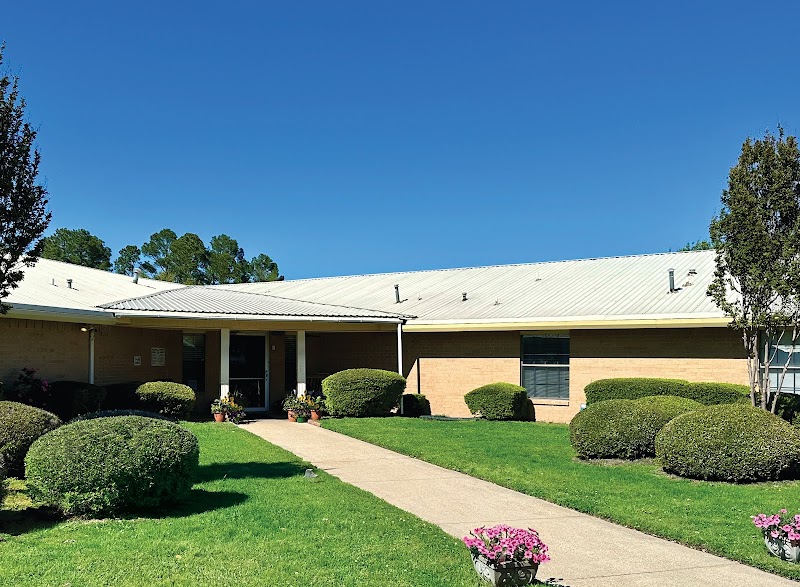
CARADAY OF QUITMAN

1026 E GOODE ST, QUITMAN, TX 75783 (903) 763-2284
For profit - Limited Liability company 156 Beds CARADAY HEALTHCARE Data: November 2025 2 Immediate Jeopardy citations
Trust Grade
36/100
#203 of 1168 in TX
Last Inspection: March 2025

Within standard 12-15 month inspection cycle. Federal law requires annual inspections.

Overview

Caraday of Quitman has a Trust Grade of F, indicating significant concerns about the facility's quality of care. It ranks #1 out of 5 in Wood County, suggesting it is the best option locally, but its overall position in Texas at #203 out of 1168 places it in the top half. The facility is showing signs of improvement, having reduced its issues from 17 in 2024 to just 2 in 2025. However, staffing is a weakness, with a low rating of 2 out of 5 stars and a high turnover rate of 68%, which is concerning compared to the Texas average of 50%. Recent inspector findings revealed critical safety issues, such as a resident falling from a wheelchair due to improper securing, and another resident leaving the facility unnoticed after a change in their mental status, which raises serious concerns about supervision and safety protocols. While the facility has some strengths, particularly in its overall health inspection rating of 4 out of 5, these significant weaknesses should be carefully considered by families researching care options.

Trust Score
F
36/100
In Texas
#203/1168
Top 17%
Safety Record
High Risk
Review needed
Inspections
Getting Better
17 → 2 violations
Staff Stability
⚠ Watch
68% turnover. Above average. Higher turnover means staff may not know residents' routines.
Penalties
✓ Good
$39,049 in fines. Lower than most Texas facilities. Relatively clean record.
Skilled Nurses
⚠ Watch
Each resident gets only 14 minutes of Registered Nurse (RN) attention daily — below average for Texas. Fewer RN minutes means fewer trained eyes watching for problems.
Violations
⚠ Watch
24 deficiencies on record. Higher than average. Multiple issues found across inspections.
★★★★☆
4.0
Overall Rating
★★☆☆☆
2.0
Staff Levels
★★★☆☆
3.0
Care Quality
★★★★☆
4.0
Inspection Score
Stable
2024: 17 issues
2025: 2 issues

The Good

  • Full Sprinkler Coverage · Fire safety systems throughout facility
  • No fines on record

Facility shows strength in fire safety.

The Bad

Staff Turnover: 68%

21pts above Texas avg (46%)

Frequent staff changes - ask about care continuity

Federal Fines: $39,049

Above median ($33,413)

Moderate penalties - review what triggered them

Chain: CARADAY HEALTHCARE

Part of a multi-facility chain

Ask about local staffing decisions and management

Staff turnover is elevated (68%)

20 points above Texas average of 48%

The Ugly 24 deficiencies on record

2 life-threatening
Mar 2025 2 deficiencies
CONCERN (D)

Potential for Harm - no one hurt, but risky conditions existed

Comprehensive Care Plan (Tag F0656)

Could have caused harm · This affected 1 resident

**NOTE- TERMS IN BRACKETS HAVE BEEN EDITED TO PROTECT CONFIDENTIALITY** Based on record review and interview, the facility failed to develop and implement a comprehensive person-centered care plan for...

Read full inspector narrative →
**NOTE- TERMS IN BRACKETS HAVE BEEN EDITED TO PROTECT CONFIDENTIALITY** Based on record review and interview, the facility failed to develop and implement a comprehensive person-centered care plan for each resident that included measurable objectives and timetables to meet residents highest practicable physical, mental, and psychosocial needs for 1 of 17 residents reviewed for care plans, (Resident #4). Resident #4 was not have a care planned for her DNR (a medical order instructing healthcare providers not to perform CPR or other resuscitative measures if a patient's heart or breathing stops). Her care plan indicated she was a full code. This failure could place residents at risk of not receiving the care required to meet their physical, mental, and psychosocial needs for each to attain or maintain their highest practicable physical, mental, and psychosocial outcome. Findings included: Record review of the undated face sheet indicated Resident #4 was a [AGE] year-old female that admitted [DATE] and readmitted [DATE]. The face sheet indicated she had diagnoses that included: cerebral infarction (blood flow to the brain is interrupted, causing tissue to die), heart failure (the heart does not pump blood as well as it should), and vascular dementia with behaviors (blood flow disruptions to the brain causing changes in behavior and mood including depression, agitation, and anger, along with difficulties in thinking, memory, and daily activities.) Record review of the physician's orders dated [DATE] for Resident #4 indicated: [DATE] DNR Record review of the quarterly MDS dated [DATE] indicated Resident #4 had unclear speech, rarely understood others, and was rarely understood. The MDS indicated she had short- and long-term memory problems. Record review of the Care Plan dated [DATE] indicated Resident #4 had impaired cognitive function with impaired thought processes related to dementia. The care plan indicated she was a Full Code status with an initiated date of [DATE] and a revision date of [DATE]. Record review of an OOH-DNR dated [DATE] indicated Resident #4 was a DNR. During an interview on [DATE] at 9:50 AM, LVN B looked in the electronic health record for Resident #4. LVN B said Resident #4 was a DNR. He looked at her care plan and said it indicated she was a full code and that was wrong. He said the care plan should indicate she was a DNR. He said the care plan should have been updated when Resident #4 got the DNR order and signed the OOH-DNR. During an interview on [DATE] at 9:55 AM, the ADON checked Resident #4's electronic chart and said Resident #4 was a DNR. She looked at the care plan and said the care plan indicated she was a DNR and had been updated today ([DATE]). The ADON was shown Resident #4's care plan from earlier today that indicated she was a full code. The ADON said a full code was wrong for Resident #4. She said the care plan for Resident #4 should have been updated on [DATE] when she got the order for the DNR and the OOH-DNR. During an interview on [DATE] at 10:28 AM, the MDS nurse looked at Resident 4's electronic chart and said she was a DNR. She looked at the care plan and said her care plan had been updated to a DNR today, [DATE]. She said she only worked 2 days per week. She said if the care plan indicated a full-code, it was wrong. She said the care plan should have indicated a DNR from the date Resident #4 got the DNR, ([DATE]). She said she was responsible for the mistake and should have caught it. She said the SW usually updated advance directives. She said she usually found out about a change from the DON or SW verbally or by email. The MDS nurse did not remember anyone telling her or sending an email indicating Resident #4 got a DNR on [DATE]. During an interview on [DATE] at 10:33 AM, the SW said she worked 2 days per week. She said if she had assisted with an advance directive, she would have care planned it. She said the DON or ADON would usually notify her if there was a change in a resident's advance directive. She said she did not know Resident #4 had gotten a DNR. She said she was responsible for making sure the advance directive was correct in the care plan. She said she did not work [DATE] and no one notified her of the change from a full code to a DNR. She said the person that assisted with the advance directive, the DON or ADON, should have let her know about a change. She said the DON would double check care plans to make sure they were correct. During an interview on [DATE] at 12:52 PM, the DON said she agreed that when surveyors entered the building the care plan for Resident #4 indicated a full code and that was wrong. She said she corrected the care plan on [DATE]. She said the care plan should have been changed to a DNR as soon as Resident #4 became a DNR on [DATE]. She said the person responsible for making sure the care plan was correct was her. She said she, the MDS nurse, and the SW worked on the care plans and somehow Resident #4's DNR got missed. She said there was not really a risk to the resident if the care plan was wrong because the book on the crash cart was correct and when her electronic record was pulled up it indicated Resident #4 was a DNR. She said in the event of a code (resident stopped breathing) nurses would not go to the care plan to check her status because they used the book on the crash cart which indicated she was a DNR. During an interview on [DATE] at 1:04 PM, the ADM said Resident #4's care plan should have been updated on [DATE], when she got the DNR. He said there was really not a risk to the resident, but the care plan documentation was incorrect. He said the crash cart book had her DNR correctly identified, and her electronic chart showed she was a DNR. He said if a resident coded, the nurses would look at the crash cart book which indicated she was a DNR. He said the final responsibility for the care plan being correct was the DON. Record review of a Care Plans, Comprehensive, Person Centered policy with a revised date of [DATE], provided by the ADM indicated: Policy Statement A comprehensive, person-centered care plan that includes measurable objectives and timetables to meet the resident's physical, psychosocial and functional needs is developed and implemented for each resident . 13. Assessments of residents are ongoing and care plans are r revised as information about the residents and the residents' conditions change. 14. The Interdisciplinary Team must review and update the care plan: a. When there has been a significant change in the resident's condition; b. When the desired outcome is not met .
CONCERN (E) 📢 Someone Reported This

A family member, employee, or ombudsman was alarmed enough to file a formal complaint

Potential for Harm - no one hurt, but risky conditions existed

Food Safety (Tag F0812)

Could have caused harm · This affected multiple residents

Based on observation, interviews, and record review, the facility failed to store, prepare, distribute, and serve food in accordance with professional standards for food service safety in the facility...

Read full inspector narrative →
Based on observation, interviews, and record review, the facility failed to store, prepare, distribute, and serve food in accordance with professional standards for food service safety in the facility's only kitchen reviewed for food safety requirements. 1. The facility failed to ensure foods stored in the kitchen walk-in refrigerator were thrown away when expired. 2. The facility failed to ensure foods stored in the kitchen walk-in freezer were thrown away when expired. 3. The facility failed to ensure a mixing bowl with a pink and white substance was labeled and dated. 4. The facility failed to properly store raw meat in the kitchen walk-in refrigerator. These failures could place residents at risk of foodborne illness and food contamination. Findings included: During an observation on 03/17/25 at 09:08 AM, an initial tour of the kitchen was conducted. The following items were observed: 1) 1 mixer bowl half-full of a white and pink frozen substance in the freezer. It was not covered, labeled or dated. 2) 1 container labeled peas in the freezer, dated 02/26/25, expiration date of 02/28/25. 3) 1 container labeled pinto beans in the freezer, dated 03/06/25, expiration date of 03/09/25. 4) 1 container labeled cottage cheese in the refrigerator, expiration date of 02/21/25. 5) 1 pan of raw bacon found in the refrigerator. The pan was on the top shelf of the refrigerator above bags of bread and cooked meat on the shelf. During an interview on 03/17/25 at 9:15AM, [NAME] A said that she was not sure why the items were in the freezer and refrigerators. She pulled the items out of the freezer and refrigerator and threw them away. She also moved the raw bacon to the bottom shelf. During an interview on 03/19/25 at 12:47 PM, the Dietary Manager said she expected the expired foods to be thrown away when they were found. She said she expected the raw meat to be kept on the bottom shelf. She said everyone that worked in the kitchen was responsible for throwing out the expired food. She said she usually checked the kitchen Monday and Friday mornings for expired foods. she was not working on 03/17/25 and was unable to check the kitchen. During an interview on 03/19/25 at 01:44 PM, the Administrator said his expectation was that food be labeled and dated and raw meat should have been on the bottom shelf. He said the risk was foodborne illness. Record review of the Facility's policy, Food Storage, dated 2018, stated: Policy: To ensure that all food served by the facility is of good quality and safe for consumption, all food will be stored according to the state, federal and US Food Codes and HACCP guidelines . .Procedure: . .2. Refrigerators . .d. Date, label and tightly seal all refrigerated foods using clean, nonabsorbent, covered containers that are approved for food storage. e. Use all leftovers within 72 hours. Discard items that are over 72 hours old. f. Store raw meats and eggs on the bottom shelf to prevent contamination of other foods. To avoid cross-contamination, store raw or uncooked food and produce away from and below prepared or ready-to-eat food . .3. Freezers . .e. Store frozen foods in moisture-proof wrap or containers that are labeled and dated .
Oct 2024 1 deficiency 1 IJ
CRITICAL (J) 📢 Someone Reported This

A family member, employee, or ombudsman was alarmed enough to file a formal complaint

Immediate Jeopardy (IJ) - the most serious Medicare violation

Accident Prevention (Tag F0689)

Someone could have died · This affected 1 resident

**NOTE- TERMS IN BRACKETS HAVE BEEN EDITED TO PROTECT CONFIDENTIALITY** Based on observations, interviews and record review the facility failed to ensure each resident received adequate supervision an...

Read full inspector narrative →
**NOTE- TERMS IN BRACKETS HAVE BEEN EDITED TO PROTECT CONFIDENTIALITY** Based on observations, interviews and record review the facility failed to ensure each resident received adequate supervision and assistance devices to prevent accidents for 1 of 5 residents (Resident #1) reviewed for accidents. The facility failed to ensure Resident #1 was properly secured in his wheelchair during transport, in which Resident #1 fell forward onto his hands and knees when CNA A hit the brakes on 08/20/2024. The noncompliance was identified as past noncompliance IJ. The noncompliance began on 08/20/2024 and ended on 08/21/2024. The facility had corrected the noncompliance before the survey began. This failure could place residents at risk for injury/death from a vehicle accident and decreased quality of life. Findings Include: Record review of the face sheet dated 10/02/2024, indicated Resident #1 was an [AGE] year-old male admitted to the facility on [DATE] and discharged from the facility on 08/27/2024, with diagnoses including pneumonia, unspecified organism (pneumonia caused by an organism, that was not specified) left bundle-branch block, unspecified (a heart condition that occurs when the electrical impulse that controls the heartbeat was disrupted), emphysema, unspecified (a progressive chronic lung condition in which the tiny air sacs (alveoli) are damaged or destroyed). Record review of the MDS assessment, dated 08/23/2024, revealed Resident # 1 had a BIMS score of 15, indicating resident #1 was cognitively intact. The MDS indicated Resident #1 required supervision only with bed mobility, and transfers. Record review of the care plan dated 09/03/2024, intervention: indicated Resident #1 was independent to transfer, encourage the resident to participate in exercise, physical activity for strengthening and improved mobility between surfaces. Ensure that the resident was wearing appropriate footwear and describe correct client footwear when ambulating or mobilizing in wheelchair. During an attempted interview on 1/012024 at 10;59 a.m., surveyor place a call to Resident # 1 with no answer and no return call. During an interview and observation on 10/01/2024 at 1:48 p.m., the Administrator stated he was trained by the Maintenance Supervisor by watching a video and demonstration of skills. The Administrator demonstrated how to correctly load and secure a resident in a wheelchair into the facility's van for transportation. During an interview and observation on 10/01/2024 at 2:30 p.m. the Maintenance Supervisor stated he was responsible for training new staff who would be doing transportation. The Maintenance Supervisor said he was trained by the corporate office. The Maintenance Supervisor said he watched videos and performed demonstrations to become trained. The Maintenance Supervisor said when he trains a new transportation aide, they watched the required videos and then performed safety demonstrations on securing residents who were in wheelchairs and who ambulate, using the lift, securing loose items, and driving the facility van. The Maintenance Supervisor demonstrated how to correctly load and secure a resident in a wheelchair into the facility's van for transportation. During an interview on 10/01/2024 at 3:02 p.m., CNA A stated she worked for a sister facility for several years but had been helping that facility for a couple of weeks when the incident happened. CNA A stated she picked up Resident #1 from the hospital and was on her way back to the facility. CNA A stated she came over a hill and a truck was stopped in the middle of the road. CNA A stated she hit the brakes and Resident #1 fell out of his wheelchair onto his hands and knees. CNA A stated Resident # 1's wheelchair was locked in, but she did not put the shoulder strap on because she did not think it would reach across him. CNA A stated she was terminated from both facilities for neglect. During an interview on 10/01/2024 at 3:20 p.m., the ADON stated she was notified on 08/20/2024 at 1:53p.m. by CNA A of the incident. The ADON stated she was informed Resident #1 had a scrape on his knee and a skin tear to his finger. The ADON stated following the phone call, she notified the DON and the Administrator of the incident. During an interview on 10/02/2024 at 12:50 p.m., the DON stated she was notified by the ADON of the incident. The DON stated when assessing Resident #1 he stated he was not wearing a seatbelt until after the incident. The DON stated Resident #1 had an abrasion to the right knee, and a bruise and skin tear on left hand. During an interview on 10/02/2024 at 1:25 p.m. the Administrator stated he and the Maintenance Supervisor were the only staff currently doing transportations. The Administrator stated only one resident in a wheelchair should be transported due to the van only being equipped to safely secure one wheelchair. The Administrator stated CNA A was terminated after an investigation was conducted. Record review of a facility's undated policy Vehicle Transportation and Safety of Residents indicated secure down all wheelchairs using the secure strap equipment. Always secure the strap to the frame of the wheelchair not the armrest or wheels. Place seatbelt around all residents including those in wheelchairs The facility's course of action prior to surveyor entrance included: Record review of the provider investigation report dated 08/20/2024 indicated Resident #1 was being transported by the facility van from the hospital to the facility when the transportation aide made a sudden stop and Resident # 1 fell out of his wheelchair. The provider investigation report indicated Resident #1 had an abrasion to the right knee, bruise and skin tear on left hand. X-rays were immediately ordered with results of no break, fracture or dislocation to the bruised area. The provider investigation report indicated CNA A was found negligent in her actions when failing to properly secure Resident #1in his wheelchair and was terminated following the investigation by the facility. Record review of an in-service dated 08/20/2024, topic: Abuse, and Neglect, description: all suspected, alleged, or actual abuse was to be reported immediately to the Abuse Coordinator, who was the Administrator. If for some reason staff are unable to reach the Abuse Coordinator, they are to notify he Director of Nurses. The in-service was signed by 31 employees. Record review of an in-service dated 08/21/2024 indicated the Administrator had been in-serviced on Vehicle Transportation and Safety of Residents, and hands on demonstration. Record review of a QAPI sign in sheet dated 08/22/2024 was signed by: Medical Director Administrator DON ADON Administrative Social Services Dietary Manager Record review of an in-service dated 08/27/2024 indicated the Maintenance Supervisor had been in-serviced on Vehicle Transportation and Safety of Residents, and hands on demonstration. The noncompliance was identified as past noncompliance IJ. The noncompliance began on 08/20/2024 and ended on 08/21/2024. The facility had corrected the noncompliance before the survey began.
Apr 2024 2 deficiencies 1 IJ
CRITICAL (J) 📢 Someone Reported This

A family member, employee, or ombudsman was alarmed enough to file a formal complaint

Immediate Jeopardy (IJ) - the most serious Medicare violation

Accident Prevention (Tag F0689)

Someone could have died · This affected 1 resident

**NOTE- TERMS IN BRACKETS HAVE BEEN EDITED TO PROTECT CONFIDENTIALITY** Based on observation, interview, and record review, the facility failed to ensure that the resident environment remained as free...

Read full inspector narrative →
**NOTE- TERMS IN BRACKETS HAVE BEEN EDITED TO PROTECT CONFIDENTIALITY** Based on observation, interview, and record review, the facility failed to ensure that the resident environment remained as free of accident hazards as possible and provide supervision to prevent avoidable accidents for 1 of 3 residents (Resident #1) reviewed for quality of care. The facility failed to ensure Resident #1 was adequately supervised after she had a change in mental status and told staff she was leaving the facility, which resulted in her leaving the facility in her wheelchair and going two buildings down the street (on the same side of the road approximately 800 feet) away from the facility on 03/17/2024 without the facility staff's knowledge. An IJ was identified on 04/01/2024. The IJ began on 03/17/2024 and removed on 03/17/2024. While the IJ was removed on 03/17/2024, the facility remained out of compliance at a scope of isolated and a severity level of no actual harm because all staff had not been trained on monitoring after a change in condition. This failure could place residents at risk of potential accidents, injuries, harm or death. Findings included: Record review of a face sheet dated 03/20/2024 indicated Resident #1 was a [AGE] year-old female initially admitted to the facility on [DATE] and re-admitted on [DATE] with diagnoses which included unspecified dementia, unspecified severity, without behavioral disturbance, psychotic disturbance, mood disturbance, and anxiety (loss of memory, language, problem solving and other thinking abilities that were severe enough to interfere with daily life), and chronic obstructive pulmonary disease (chronic inflammatory lung disease that causes obstructed airflow from the lungs). Record review of Resident #1's Quarterly MDS assessment dated [DATE] indicated Resident #1 made herself understood and understood others. Resident #1 had a BIMs score of 15, which indicated she was cognitively intact. The MDS assessment indicated Resident #1 did not exhibit wandering. The MDS assessment indicated Resident #1 required partial/moderate assistance with toileting hygiene, upper/lower body dressing, personal hygiene and transfers. The MDS assessment indicated Resident #1 used a manual wheelchair. Record review of Resident #1's care plan with a target date of 04/25/24 indicated she required assist of 1 person with transfers, dressing, toileting, personal hygiene, and limited assistance with toileting. The care plan did not indicate resident wandered, had a history of wandering or elopement. Resident #1's care plan indicated Resident #1 had an actual fall with interventions to complete fall documentation packet per facility protocol, wear nonskid footwear with all transfers, ask for assistance from staff, monitor for changes in condition and document and report to MD/NP. Record review of Resident #1's Wandering Risk Scale dated 01/10/2024 indicated Resident #1 could move without assistance while in a wheelchair, had no history of wandering, and had no reported episodes of wandering in the past 6 months. Resident #1 was at low risk for wandering. Record review of Resident #1's After Visit Summary from the ER visit date 03/16/2024 indicated the discharge diagnoses included a urinary tract infection. The After Visit Summary indicated instructions x-rays showed a nondisplaced tibial plateau fracture (fracture occurs around the knee joint) and possible compression fractures to the spine to apply ice for 20 minutes every 2 hours while awake to the areas that were sore and wear the knee brace and do not put full weight on the knee brace to use a wheelchair. The Physician's Orders indicated see ER discharge instructions, non-weight bearing to right knee, and ice back and knee for 20 minutes every 2 hours while awake. Record review of the Order Summary Report with active orders as of 03/19/2024 indicated Resident #1 had an order for place ice pack to back and right knee for 20 minutes every 2 hours related to pain every 2 hours as needed for pain and swelling while awake with a start date of 03/17/2024. The Order Summary Report did not indicate orders for non-weight bearing to the right knee or for the knee brace to right lower leg. Record review of the Neurological Assessments (tool used to assess neurological status) dated from 03/12/2024-03/17/2024 indicated they were completed per facility protocol. On 03/17/2024 Resident #1 was on 8-hour checks with the last 8 hour check completed at 11:30 AM. Record review of Resident #1's progress notes indicated: 03/16/2024 at 5:18 PM, .Resident #1 was showing signs and symptoms of confusion. NP notified and was given referral to have psych evaluation. Signed by LVN A. 03/16/2024 at 9:00 PM, Was called to resident's room due to CNA on duty overheard resident state oh oh I am falling. When this nurse entered the room, the resident was sitting on the floor propping self-up with both arms. Denies hitting head. Stated she fell forward while attempting to pick up glasses off the floor. Denies any pain and discomfort. Range of motion to upper and lower extremities within the normal limits. No abnormal alignments noted to upper or lower extremities. Assisted resident off the floor. Initiated fall protocol. Notified NP on call for the physician, who ordered resident to be sent out to the local hospital for further evaluation due to this being her second fall in 3 days. Signed by LVN B 03/17/2024 at 3:35 PM, received a phone call from a [NAME] that a person in a wheelchair was rolling down the street. Nurse ran to vehicle and rushed to resident's aide. No visible injuries were observed. Resident alert and oriented. Resident refused to get into vehicle with nurse and to return to facility. Resident continued attempt to enter road as nurse held wheelchair to keep her safely in parking lot. Resident's safety maintained. Resident stated, I'm leaving and going to the gas station. Nurse called 911, upon arrival, resident agreed to go to the hospital via EMS. Resident remained alert and oriented while being question by EMS, transferred to gurney with 1 person assist. Signed by LVN A. During an interview on 03/20/2024 at 11:25 AM, LVN A said she was in the middle of administering medications when she heard the facility phone ring, and it was a citizen that was driving down the road. LVN A said the citizen told her they thought one of the facility's residents was wheeling down the road. LVN A said she immediately notified the other nurse she was leaving to get the resident. LVN A said she called the DON when she got in the car to go get the resident. LVN A said she found Resident #1 two buildings away from the facility (on the same side of the road approximately 800 feet away from the facility). LVN A said she could not convince Resident #1 to return to the facility with her because she was insisting on going across the road to the gas station. LVN A said she asked the DON what to do and was told to call 911. LVN A said when EMS arrived, Resident #1 agreed to go to the ER with them, and Resident #1 remained hospitalized . LVN A said she did not know when Resident #1 left the facility, but she had just seen her 5-10 minutes prior to receiving the phone call that there was a resident in a wheelchair on the road. LVN A said she knew she had seen her 5-10 minutes prior because Resident #1 had requested assistance with getting her purse, and she had assisted her with that. LVN A said recently Resident #1 had been confused probably since Friday or Saturday (03/15/2024 or 03/16/2024) due to a UTI that was diagnosed from an ER visit Resident #1 had on 03/16/2024. LVN A said Resident #1 was able to respond appropriately when asked the place and time, but she was having some confusion. LVN A said Resident #1 was able to transfer herself and was able to wheel herself around manually in her wheelchair. LVN A said Resident #1 had not tried to elope from the facility before. LVN A said in the past Resident #1 had been allowed to sign herself out of the facility. LVN A said the day Resident #1 eloped she had not signed herself out. LVN A said she received a call from the ER after Resident #1 arrived at the ER on [DATE] from her elopement. LVN A said she was told by the ER that Resident #1 had fractures to her back and to her right knee, but they were old fractures. LVN A said she had not received that information from LVN B in report, after Resident #1 returned to the facility from her ER visit on 03/16/2024. LVN A said she did not know if the ER had sent discharge paperwork with Resident #1 when she discharged from the ER on [DATE]. During an interview on 03/20/2024 at 11:52 AM, the Administrator said he received a call from the DON around 2:25 PM on Sunday 03/17/2024, reporting someone in the community had called the nurse on duty to report a resident in a wheelchair on the road, and the nurse had gone to get the resident. The Administrator said he was told the nurse attempted to have the resident return to the facility for safety reasons, but the resident refused, 911 was called, and the resident was taken by EMS to the hospital where she remained hospitalized . The Administrator said Resident #1 had no history of wandering or any previous incidents of elopement. The Administrator said the front and back doors stay unlocked. The Administrator said they did not have any residents who wandered, and if they had a resident that wandered, they would have to be put on one-on-one supervision until they could send them to a different facility where their needs could be met because the facility was not equipped to care for residents that were at risk for wandering/elopement. The Administrator said according to the location where Resident #1 was found she was probably out of the facility for approximately 5-7 minutes. During an interview on 03/20/2024 at 12:44 AM, the DON said prior to Resident #1's elopement from the facility, LVN A had notified her Resident #1 was not herself. The DON said resident #1 was usually alert and oriented, but on Thursday (03/14/2024) Resident #1 was noticed to have a change in her cognition. Resident #1 was sent out to the hospital on [DATE] due to having abnormal movements to her body that she could not control. The DON said Resident #1 did not have a history of elopement and she did not display exit seeking behaviors. The DON said the front door was locked from the outside but not from the inside. The DON said the true front door was used as a back door and the back door was used as the front door. The DON said the back door (used as the front door) was kept unlocked during the day, and then the night shift locked it at 9 PM and around when it was time for shift change at 6 AM the door was unlocked. The DON said they did not have any residents that wandered. The DON said LVN A had called her when she was on her way to find Resident #1, and she stayed on the phone with her to provide assistance. The DON said Resident #1 did not want to return to the facility because she insisted on going to the gas station across the street. The DON said she instructed LVN A to tell Resident #1 she would take her, but Resident #1 refused. The DON said LVN A then called for EMS services, and Resident #1 was taken to the ER, and was admitted to the hospital and was still hospitalized . During an interview on 03/20/2024 at 1:08 PM, Anonymous Staff Member #1 said on Sunday (03/17/24) Resident #1 had told everybody she was going to leave the facility. Anonymous Staff Member #1 said they could tell Resident #1 was mad. Anonymous Staff Member #1 said Resident #1 told them LVN B had told her she did not want to watch her when she returned from the ER Saturday (03/16/2024) night. Anonymous Staff Member #1 said Resident #1 told them because of that she was leaving the facility. Anonymous Staff Member #1 said they reported it to LVN A, and Resident #1 had reported it to LVN A as well. Anonymous Staff Member #1 said they were not aware when Resident #1 left the facility. Anonymous Staff Member #1 said the last time they had seen Resident # 1 was after lunch when they picked up her lunch tray. Anonymous Staff Member #1 said Resident #1 smoked, and she went to her smoke breaks and had never attempted to leave the facility. During an observation on 03/20/2024 at 2:00 PM, the gas station Resident #1 was attempting to go to was on the opposite side of the road from the facility. For Resident #1 to get to the gas station she would have had to wheel herself across the 4-lane state highway with a speed limit of 50 miles per hour. During an interview at the hospital on [DATE] at 2:09 PM, Resident #1 was alert and oriented to person and place, but Resident #1 had confusion. Resident #1 was asked a question and started her response according to the question that was asked, but then veered off topic. During the interview Resident #1 asked surveyor to verify which city she was currently in. Resident #1 had a brace on her right lower extremity. Resident #1 said she had injured her right leg after a fall at the facility. Resident #1 said she wheeled herself out of the facility and made it two buildings down from the facility before they came and got her. Resident #1 stated she was trying to get to the gas station. Resident #1 said she left because the head night nurse, the night she had a fall, told her she needed to go, and she did not want her at the facility. Resident #1 said she told LVN A before she left that she wanted to leave the facility because LVN B did not want her at the facility. Resident #1 said LVN A had told her she could not leave the facility. Resident #1 said she thought she was out of the facility for a couple of hours. During an interview with Hospital RN C on 03/20/2024 at 2:33 PM, Hospital RN C said Resident #1's current mental status was altered. Hospital RN C said Resident #1 was alert and oriented to person and place and could remember some things, but when she started having a conversation with her, she could tell she was confused. Hospital RN C said Resident #1 was admitted to the hospital with a diagnosis of altered mental status, and the doctors were still trying to figure out the cause for her altered mental status and there was no discharge date at that time. During an interview on 03/20/2024 at 3:35 PM, LVN A said Resident #1 had not mentioned to her that LVN B told her she did not want to watch her. LVN A said Resident #1 did not mention to her wanting to leave the facility due to this. LVN A said Resident #1 asked her for her purse and told her I have to leave this team of teenage girls. LVN A said she asked Resident #1 for clarification and Resident #1 repeated the same thing. LVN A said that's how she knew Resident #1 was confused. LVN A said the CNAs and herself were rounding more frequently on Resident #1 due to her confusion. During an interview on 03/20/2024 at 3:56 PM, LVN B said she would not tell Resident #1 that she did not want to take care of her. LVN B said when she sent Resident #1 to the ER Saturday evening (03/16/2024) after she fell, initially Resident #1 did not want to go to be evaluated by the ER, but she was able to convince her to go. LVN B said when Resident #1 returned from her ER visit on 03/16/2024 she noticed she had a knee brace on. LVN B said she was not told in the report she received from the ER the evening of 03/16/2024 that Resident #1 had fractures to her back or right knee. During an interview on 03/20/2024 at 5:22 PM, LVN A said all the staff were responsible for monitoring the residents to ensure they knew where they were and to ensure their safety. LVN A said it was important to provide adequate supervision to the residents to know who was in the facility and where they were. LVN A said Resident #1 was confused at the time of her elopement and it was not safe for her to be out of the facility on her own, and she could have gotten hit by a car. During an interview on 03/20/2024 at 6:05 PM, the DON said all of the staff were responsible for ensuring residents were supervised to prevent accidents and hazards. The DON said they ensured the residents were supervised by rounding on them frequently and encouraging them to participate in the activities at the facility. The DON said she felt like the staff was providing more supervision to Resident #1 due to her confusion. The DON said she was not notified about Resident #1's fractures, and she had asked LVN B if she was aware and LVN B had told her no. During an interview on 03/20/2024 at 6:24 PM, the Administrator said all staff were responsible for supervising/monitoring the residents. The Administrator said he expected the staff to monitor the residents closely if they noticed an onset of confusion. The Administrator said Resident #1's elopement from the facility placed her and other residents at risk for accidents or injury. During an interview on 03/29/2024 at 8:52 AM, LVN A said one of the CNAs was saying Resident #1 told her she was leaving the facility. LVN A said she thought she would address it when Resident #1 told her she was leaving because she was able to go out on pass if she wanted to, she could not keep her at the facility. LVN A said she was monitoring Resident #1 closely not because she said she was leaving, but because she had a fall. LVN A said Saturday, before Resident #1 eloped she was having confusion that evening. LVN A said they were doing neuro checks on Resident #1 per the facility protocol due to her falls. LVN A said she had charted she was alert because even though Resident #1 had confusion, she was alert and oriented to person and place. LVN A said she did not think there was a place on the neuro checks to document the confusion. During an interview on 03/29/2024 at 10:51 AM, the DON said if the nurse was aware Resident #1 was saying she wanted to leave the facility, she should have notified her, the NP and should have increased supervision to every 15-minute checks on paper (15 minute checks were not performed prior to Resident #1's elopement). The DON said if the residents had any change in condition the nurses should document it in the electronic health record, place it on the 24-hour report to communicate it to the other nurses, monitor the resident closely, notify the MD and notify her. During an interview with the Medical Director on 03/29/2024 at 11:55 AM, he said the staff was updating him on Resident #1's changes. The Medical Director said he had given the staff instructions to monitor her closely and to monitor her mental status, and to send her back to the ER if she was still having issues. The Medial Director said Resident #1 was her own representative and she did not normally wander. The Medical Director said Resident #1 had days where she was very lucid and answering questions appropriately and then there were episodes when she was not able to make decisions appropriately. The Medical Director said from what he recalled from the ER she was alert and oriented and answering question, but she was having paranoia. The Medical Director said if Resident #1 had told the staff she wanted to leave the facility they should have increased supervision on her. The Medical Director said from what he understood the staff was monitoring Resident #1 closely, they just were not documenting throughout the day. During an interview on 04/01/2024 at 12:40 PM, the Administrator said Resident #1 had returned from the hospital on [DATE]. The Administrator said Resident #1 was on 15-minute checks upon her return from the hospital until they could determine if it was safe for Resident #1 to remain in the facility or what the next steps would be for her safety. Record review of 33 Wandering Risk Scale assessments indicated no residents were at high risk for elopement. Record review of the facility's policy revised March 2022, titled, Wandering and Elopements, indicated, The facility will identify residents who are at risk of unsafe wandering and strive to prevent harm while maintaining the least restrictive environment for residents .
CONCERN (D) 📢 Someone Reported This

A family member, employee, or ombudsman was alarmed enough to file a formal complaint

Potential for Harm - no one hurt, but risky conditions existed

Deficiency F0635 (Tag F0635)

Could have caused harm · This affected 1 resident

**NOTE- TERMS IN BRACKETS HAVE BEEN EDITED TO PROTECT CONFIDENTIALITY** Based on observation, interview, and record review, the facility failed to have physician orders for the resident's immediate ca...

Read full inspector narrative →
**NOTE- TERMS IN BRACKETS HAVE BEEN EDITED TO PROTECT CONFIDENTIALITY** Based on observation, interview, and record review, the facility failed to have physician orders for the resident's immediate care for 1 of 3 residents (Resident #1) reviewed for admission physician orders. The facility failed to ensure Resident #1 had a physician order to wear her knee brace and to not bear weight on her right knee. This failure could place residents at risk for not receiving appropriate care, treatment, and services. Findings included: Record review of a face sheet dated 03/20/2024 indicated Resident #1 was a [AGE] year-old female initially admitted to the facility on [DATE] and re-admitted on [DATE] with diagnoses which included unspecified dementia, unspecified severity, without behavioral disturbance, psychotic disturbance, mood disturbance, and anxiety (loss of memory, language, problem solving and other thinking abilities that were severe enough to interfere with daily life), and wedge compression fracture of T11-T12 vertebra, subsequent encounter for fracture with delayed healing (fracture of the spine with delayed healing), chronic obstructive pulmonary disease (chronic inflammatory lung disease that causes obstructed airflow from the lungs). Record review of Resident #1's Quarterly MDS assessment dated [DATE] indicated Resident #1 was understood and understood others. Resident #1 had a BIMs score of 15, which indicated she was cognitively intact. The MDS assessment indicated Resident #1 did not exhibit wandering. The MDS assessment indicated Resident #1 required partial/moderate assistance with toileting hygiene, upper/lower body dressing, personal hygiene and transfers. The MDS assessment indicated Resident #1 used a manual wheelchair. Record review of Resident #1's care plan with a target date of 04/25/24 indicated she required assistance of 1 person with transfers, dressing, toileting, personal hygiene, and limited assistance with toileting. Resident #1's care plan indicated Resident #1 had an actual fall with interventions to complete fall documentation packet per facility protocol, wear nonskid footwear with all transfers, ask for assistance from staff, monitor for changes in condition and document and report to MD/NP. Record review of Resident #1's After Visit Summary from the ER visit dated 03/16/2024 indicated instructions x-rays showed a nondisplaced tibial plateau fracture (fracture occurs around the knee joint) and possible compression fractures to the spine to apply ice for 20 minutes every 2 hours while awake to the areas that were sore and wear the knee brace and do not put full weight on the knee brace to use a wheelchair. The Physician's Orders indicated see ER discharge instructions, non-weight bearing to right knee, and ice back and knee for 20 minutes every 2 hours while awake. Record review of the Order Summary Report with active orders as of 03/19/2024 indicated Resident #1 had an order for place ice pack to back and right knee for 20 minutes every 2 hours related to pain every 2 hours as needed for pain and swelling while awake with a start date of 03/17/2024. The Order Summary Report did not indicate orders for non-weight bearing to the right knee or for the knee brace to right lower leg. During an interview on 03/20/2024 at 11:25 AM, LVN A said she received a call from the ER after Resident #1 arrived at the ER on [DATE] from her elopement. LVN A said she was told by the ER that Resident #1 had fractures to her back and to her right knee, but they were old fractures. LVN A said she had not received that information from LVN B in report, after Resident #1 returned to the facility from her ER visit (the previous night) on 03/16/2024. LVN A said she did not know if the ER had sent discharge paperwork with Resident #1 when she discharged from the ER (the night before) on 03/16/2024. During an observation and interview at the hospital on [DATE] at 2:09 PM, Resident #1 had a brace on her right lower extremity. Resident #1 was alert and oriented to person and place but had confusion. Resident #1 said she had injured her right leg after a fall at the facility. During an interview on 03/20/2024 at 3:56 PM, LVN B said when Resident #1 returned from her ER visit on 03/16/2024 she noticed she had a knee brace on. LVN B said she was not told in the report she received from the ER the evening of 03/16/2024 that Resident #1 had fractures to her back or right knee. LVN B said the ER had sent paperwork after Resident #1's ER visit, but she had not seen the instructions or the orders for the knee brace or non-weight bearing status. LVN B said it was an error on her part and she should have looked over the discharge paperwork more thoroughly. LVN B said she should have let the other nurses, DON, ADON, and doctor know that Resident #1 had come back with fractures, and she should have put in the orders into the electronic health record. LVN B said when a resident admitted or re-admitted the nurse that received the discharge orders was responsible for putting them into the computer. LVN B said it was important for the orders to be put in the electronic health record to ensure the doctor's orders were followed and the resident's received the treatments they needed. During an interview on 03/20/2024 at 6:05 PM, the DON said the nurse on duty when the resident arrives to the building was responsible for putting the physician's order into the electronic health record. The DON said Monday-Friday before 5 PM she reviewed the admissions and ER records, after 5 PM on Friday the weekend RN should review the admissions orders, and depending on the time of admission over the weekend if the DON reviewed them on Monday or the weekend RN reviewed them. The DON said even though the RN over the weekend reviewed orders she also reviewed them on Mondays. The DON said she was not notified about Resident #1's fractures, and she had asked LVN B if she was aware and LVN B had told her no. The DON said LVN B should have reviewed the ER records from 03/16/2024 not only for new orders or medication changes, but also for other orders and diagnoses, and if she needed clarification, she should have called the ER. The DON said it was important for new orders to be put in the electronic health record so orders and diagnoses did not get missed and the treatment plans did not get missed. During an interview on 03/20/2024 at 6:24 PM, the Administrator said the charge nurses were responsible for putting in orders upon a resident's admission, and he expected for the nurses to review records for new orders and to follow the physician's orders to ensure the residents received the care they required. Record review of the facility's undated Morning Meeting-Administrative/Clinical Stand-up, indicated, .During Morning Meeting (work concurrently to review PCC (point click care electronic medical record system), then discuss the areas listed below) . Run Order Summary Report select Order Date Range and include yesterday's date (include weekend on Monday), review active and discontinued orders to confirm they are entered correctly . discuss any critical events, accidents/incidents that occurred since morning meeting that require immediate action or notification .
Feb 2024 12 deficiencies
CONCERN (D)

Potential for Harm - no one hurt, but risky conditions existed

Deficiency F0552 (Tag F0552)

Could have caused harm · This affected 1 resident

**NOTE- TERMS IN BRACKETS HAVE BEEN EDITED TO PROTECT CONFIDENTIALITY** Based on interview and record review the facility failed to ensure residents had the right to be informed of, and participate in...

Read full inspector narrative →
**NOTE- TERMS IN BRACKETS HAVE BEEN EDITED TO PROTECT CONFIDENTIALITY** Based on interview and record review the facility failed to ensure residents had the right to be informed of, and participate in, his or her treatment which included, the right to be informed in advance, by the physician or other practitioner or other professional, of the risks and benefits of proposed care, treatment and treatment alternatives or treatment options to choose the alternative or option he or she preferred for 1 of 4 residents (Resident #58) reviewed for psychoactive medications. The facility failed to obtain an informed consent based on the information of the benefits and risks for Resident #58 prior to administering Seroquel, an antipsychotic, used to treat schizophrenia, bipolar disorder, and depression. This failure could place residents at risk for receiving medications they had not consented to, experiencing potential adverse reactions, and a potential decline in physical and mental health status. Findings included: Record review of Resident #58's face sheet, dated 02/07/2024, indicated an [AGE] year-old female who was admitted to the facility on [DATE] with the diagnoses which included acute respiratory failure with hypoxia (not enough oxygen in your blood), Metabolic encephalopathy (a problem in the brain caused by a chemical imbalance in the blood), chronic obstructive pulmonary disease (no air flow for breathing), myocardial infarction (heart attack), urinary tract infection, dementia (a group of thinking and social symptoms that interferes with daily functioning). Record review of Resident #58's admission MDS assessment, dated 02/02/24, indicated Resident #58 was understood and usually understood others. Resident #58's BIMS score was 15, which indicated she was cognitively intact. The MDS did not indicate Resident #58 rejected care or had behavior problems. The MDS indicated Resident #58 required supervision with toileting bed mobility, dressing, personal hygiene, transfers, and set up assistance for eating. Record review of Resident #58's medication administration recordorder summary rreport, dated 02/07/2024, indicated the resident had an order, dated 01/30/2024, for Seroquel Oral Tablet 25 MG (Quetiapine Fumarate). Give 1 tablet by mouth at bedtime for antipsychotic. Record review of Resident #58's medication administration record, dated 02/07/2024, indicated the resident had received Seroquel Oral Tablet 25 MG (Quetiapine Fumarate). Give 1 tablet by mouth at bedtime for antipsychotic for the last 67days (01/30/24 - 02/07/24. Record review of the baseline care plan dated 01/31/2024 indicated, Resident #58 used antipsychotic medications related to inability to sleep and depression. The intervention of the care plan indicated staff would give medication as ordered, staff would monitor for side effects, staff would monitor for behavior, pharmacy consultant would monitor for reduction needs as needed. Educate the resident/family/caregivers about risks, benefits, and the side effects and/or toxic symptoms. Record review of Resident #58's consents for use of psychotropic medication, Seroquel was not documented in her chart. During an interview on 02/07/2024 at 2:12 p.m., LVN D said consents should be obtained for all psychotropic medication prior to being given. LVN D said Resident #58 was given, Seroquel for sleep but did not know her consent was not done until mentioned by the State Surveyor. LVN D said the consent was usually obtained during the admission process by the charge nurse. LVN D said psychotropic medications could change a resident's demeanor and this was why their responsible party should be aware of all medications and the possible side effects from the medications. During an interview on 02/07/2024 at 2:26 p.m., the ADON said Resident #58 took Seroquel for sleeping purposes. The ADON said the consent for psychotropic medications was completed prior to the resident receiving the medication unless the resident came into the facility already taking the medication. The ADON said if the resident were already taking the psychotropic medication, the facility would obtain the consent as soon as possible. The ADON said they normally got consents for all psychotropic medication because these types of medications could alter the mind and could cause other risks. The ADON said the nurse who received the order was responsible for getting the consents. The ADON said it was important for the family to know about potential side effects and what medication their loved ones were taking. The ADON said failure to get consent could lead to a side effect and the family would not know why. During an interview on 02/07/2024 at 3:03 p.m., the DON said consents should be signed prior to medication being administered. The DON said one reason consents were obtain was to inform the family about the risk and benefits prior to receiving medications. The DON said the charge nurse who received the order was responsible to obtain consents and the ADON confirmed receipt of consent as well as herself. The DON said the pharmacist when at facility would also look for consents. The DON said failure to obtain consents could cause families not to have a choice about resident's care. During an interview on 02/07/2024 at 03:50 p.m., the Administrator said consents should be done to inform families of risk and/or benefits of medication or a choice to decline. The Administrator said the ADON, and the DON was in charge of this process. The Administrator said failure to get consents could lead to families not having a voice in resident care. During an interview on 02/07/2024 at 4:00 p.m., Resident #58 said she takes a lot of medicine after the heart attacks and was unsure of all the names. During an attempted telephone interview on 02/07/2024 at 04:30 p.m. Resident #58's Responsible Party was unable to reach. Left a message and requested call back. During an attempted telephone interview on 02/07/2024 at 05:30 p.m. Resident #58's Responsible Party was unable to be reached. Left a message and requested call back. Record review of the facility's undated policy titled; Psychotropic Medication Use did not address consents for Psychotropic Medications.
CONCERN (D)

Potential for Harm - no one hurt, but risky conditions existed

Safe Environment (Tag F0584)

Could have caused harm · This affected 1 resident

Based on observations, interviews, and record reviews the facility failed to provide a safe, clean, comfortable, and homelike environment for the front lobby, and 1 of 4 halls ( hall 800) reviewed for...

Read full inspector narrative →
Based on observations, interviews, and record reviews the facility failed to provide a safe, clean, comfortable, and homelike environment for the front lobby, and 1 of 4 halls ( hall 800) reviewed for a clean and homelike environment. The facility failed to ensure the lobby and hall 800 were without odors. This failure could place residents at risk of infections and living in an uncomfortable environment leading to a decreased quality of life. Findings included: During an observation on 02/05/24 at 10:08 a.m., Hall 800 and the front lobby smelled of strong urine. During an observation on 02/06/24 at 8:14 a.m., Hall 800 and the front lobby smelled of strong urine. During an interview on 02/07/24 at 8:54 a.m., LVN E said she had noticed an odor on hall 800 for an unknown amount of time but all staff were aware to try to keep the odor down as much as possible. She said Resident #13 often urinated on himself and staff was supposed to help him every 2 hours to the bathroom. She said the staff was supposed to monitor his room for any urine on the floor and in the bathroom. She said Resident #13's bathroom smelled of urine and she noticed the strong urine smell as soon as she walked toward hall 800. During an interview on 02/07/24 at 9:10 a.m., CNA C said she had worked at the facility a long time. She said hall 800 smelled like urine because Resident #13 was incontinent, and he would often urinate on the floor. She said they attempted to toilet him every 2 hours but sometimes he would say he did not have to go and shortly afterward he would urinate on the floor or himself. She said some days were worse than others and staff would want to close all the doors because of the strong urine odor. She said Resident #13 had been on hall 800 for an unknown amount of time. During an interview on 02/07/24 at 9:41 a.m., housekeeper F said she noticed Hall 800 smelling of urine and did not like the smell. She said she had told her supervisor and she instructed her to use a deodorizer and peroxide. She said she asked about remodeling Resident #13's whole room but did not know the decision and could not remember how long ago that was. During an interview on 02/07/24 at 3:12 p.m. the Housekeeping Supervisor said she was aware of the odor on hall 800 and in the lobby area. She said the smell of urine came mostly from Resident #13. She said all the administration staff was aware because they had talked about it in the morning meeting. She said she had ordered an odorized with an apple scent because the one they had was not doing the job. She said they needed to remove the tile in his bathroom because she believed his urine had gone into the cracks. She said if she were to visit, she would turn around because of the smell or have a negative feeling about the facility and the care they provide. During an interview on 02/07/24 at 4:03 p.m., the ADON said she knew about the odor on hall 800 and lobby area. She said Resident #13 often urinated anywhere. She said housekeeping cleaned his room and he received his showers. She said the facility might be able to resurface his tile but she was not aware of any plans. She said she did not like the smell of urine in the resident's home. During an interview on 02/07/24 at 5:49 p.m., the DON said she was aware of the odors in the lobby and Resident #13's room. She said the housekeepers try to clean the facility thoroughly. She said Resident #13's urinates everywhere so they must watch him closely. She said all staff took a part in ensuring the facility was clean and odor-free. She said she wanted this home to be free from odors as much as possible. During an interview on 02/07/24 at 6:11 p.m., the Administrator said he was aware of the odors and that housekeeping staff was trying to clean it more. He said they were cleaning the rooms more often. He said he had discussed with the housekeeper that they might need to work a little better. He said he would not like to live with urine odor in his house. Record review of facility policy titled, Homelike Environment, revised February 2021, indicated, Policy statement: Residents are provided with a safe, clean, comfortable, and homelike environment and encouraged to use their personal belongings to the extent possible. Policy: 2. The community team members and management maximize, to the extent possible, the characteristics of the community that reflect a personalized, home-like setting. These characteristics include a. clean, sanitary, and orderly environment; f. pleasant, neutral scents .
CONCERN (D)

Potential for Harm - no one hurt, but risky conditions existed

Deficiency F0655 (Tag F0655)

Could have caused harm · This affected 1 resident

**NOTE- TERMS IN BRACKETS HAVE BEEN EDITED TO PROTECT CONFIDENTIALITY** Based on interviews and record review the facility failed to develop the baseline care plan within 48 hours of admission for 1 o...

Read full inspector narrative →
**NOTE- TERMS IN BRACKETS HAVE BEEN EDITED TO PROTECT CONFIDENTIALITY** Based on interviews and record review the facility failed to develop the baseline care plan within 48 hours of admission for 1 of 3 residents (Resident #85) reviewed for baseline care plans. The facility failed to ensure Resident #85 had a baseline care plan completed within 48 hours of admission that included the use of a sling for the diagnosis of displaced fracture of shaft of left clavicle (shoulder). This failure could affect residents by not addressing their physical, mental, and psychosocial needs for each resident to attain or maintain their highest practicable physical, mental, and psychosocial outcome. Findings included: Record review of Resident #85's face sheet, dated 02/07/2024 indicated Resident #85 was a [AGE] year-old female admitted to the facility on [DATE] with diagnoses which included sepsis (life threatening complications of an infection), acute cystitis (burning, pain upon urination), metabolic encephalopathy (a problem in the brain caused by chemical imbalance in the blood), acute kidney failure (a condition when the kidneys cannot filter), displaced fracture of shaft of left clavicle (fracture of left shoulder), chronic obstructive pulmonary disease (limited breathing airflow). Record review of Resident #85's admission MDS assessment - Resident Assessment and Care Screening, dated 02/02/2024, indicated Resident #85's MDS had not been completed. Record review of Resident #85's admission and Baseline Care plan with an initiated date of 02/03/2024 did not address displaced fracture of shaft of left clavicle (fracture of left shoulder) and sling. Record review of Resident #85's Order Summary Report dated 02/07/2024 did not indicate she had an order for a sling related to her displaced fracture of shaft of left clavicle (fracture of left shoulder). During an interview on 02/07/2024 at 2:12 p.m., LVN D said the admitting nurse was responsible for completing the baseline care plan. LVN D said the baseline care plan should be completed within 48 hours of admission. LVN D said she was not aware Resident #85's's baseline care plan was not completed. LVN D said it was important for the care plan to be completed appropriately to address the resident's needs to ensure continuity of care between staff especially since the facility was using agency staff. LVN D said agency staff did know the residents and their daily care routines. LVN D said she learned of Resident #85 requiring a sling because the previous nurse told her about it. LVN D said she had not verified the information in Resident #85's care plans regarding the use of the sling. During an interview on 02/07/2024 at 2:26 p.m., the ADON said she was responsible for ensuring the baseline care plans were completed. The ADON said she did not know how she had missed that Resident #85's baseline care plan was not completed to include use of the sling. The ADON said it was important to complete the baseline care plan because all the staff needed to know how to take care of the residents. During an interview on 02/07/2024 at 3:03 p.m., the DON said she was responsible for overseeing the baseline care plans. The DON said the baseline care plans should be completed within 48 hours of admission. The DON said she had missed Resident #85's baseline care plan not being completed. The DON said it was important for the baseline care plan to be completed within 48 hours of admission for continuity of care. During an interview on 02/07/2024 at 3:50 p.m., the Administrator said the DON and the ADON were responsible for overseeing that the baseline care plans were completed within 48 hours of admission. The Administrator said he expected for the baseline care plan to be completed within 48 hours of admission, and for it to be signed by the RN. The Administrator said it was important for the baseline care plan to be completed within 48 hours of admission because it was a state and federal requirement. The Administrator stated it was important for the baseline care plans to be completed timely, so the staff would know how to take care of the residents. Record review of the facility's policy titled, Care Plan-Baseline, last revised December 2016, indicated, . a baseline plan of care to meet the resident's immediate health and safety needs was developed for each resident within 48 hours of admission .
CONCERN (D)

Potential for Harm - no one hurt, but risky conditions existed

Comprehensive Care Plan (Tag F0656)

Could have caused harm · This affected 1 resident

**NOTE- TERMS IN BRACKETS HAVE BEEN EDITED TO PROTECT CONFIDENTIALITY** 2.Record review of Resident #24's face sheet, indicated she was a [AGE] year-old female admitted to the facility on [DATE] and r...

Read full inspector narrative →
**NOTE- TERMS IN BRACKETS HAVE BEEN EDITED TO PROTECT CONFIDENTIALITY** 2.Record review of Resident #24's face sheet, indicated she was a [AGE] year-old female admitted to the facility on [DATE] and re-admitted on [DATE] with diagnoses which included PTSD (intense, disturbing thoughts and feelings related to their experience that lasted long after the traumatic event has ended), Depression( a mood disorder that causes a persistent feeling of sadness and loss of interest), and anxiety (persistent and excessive worry that interferes with daily activities). Record review of Resident #24's quarterly MDS assessment, dated 11/14/23, indicated Resident #24 was understood and understood by others. The MDS assessment indicated he had a BIMS score of 13 indicating cognitively intact. The MDS indicated she had trouble concentrating on things and felt depressed and hopeless. Resident #24 required supervision with bathing, dressing, bed mobility, personal hygiene, toileting, and eating. Record review of Resident #24's comprehensive care plan, dated 11/14/23, did not indicate Resident #24's diagnosis of PTSD, goals, intervention, or triggers. During an interview on 02/07/24 at 8:21 a.m., Resident #24 said she had PTSD and she said it was because of the death of her dad. Resident #24 became silent and then said she tries to stay around people but when she was alone or felt isolated it brought up the memories. She said she was on medication and seeing psychiatric services and then went silent again. During an interview on 02/07/24 at 8:44 a.m., LVN D said she worked both halls and was not aware of any resident who had PTSD. During an interview on 02/07/24 at 10:02 a.m., the MDS coordinator said she was aware Resident #24 had a diagnosis of PTSD and was receiving psychiatric services at the facility. She said she was not aware of her triggers but felt they needed to be on her care plan so that staff would know how to help her if she had an episode. She said she and the DON were responsible for care plans. She said care plans were done so staff would know how to care for residents. During an interview on 02/07/24 at 4:03 p.m., the ADON said care plans were a team effort. She said she was aware Resident #24 had PTSD but was not aware of why she had PTSD or her triggers. She said it was important to know her triggers to prevent or minimize them. She said she was not aware of why her PTSD was not care planned but knew it should have been care planned. She said a resident care plan was done to let staff know about the kind of care to provide. During an interview on 02/07/24 at 5:49 p.m., the DON said she was not aware of Resident #24's triggers. She said Resident #24 did not talk about her traumatic events. She said she had never asked her about what caused her to have PTSD. She said the only thing she knew was Resident #24 complained about not sleeping well at night. She said they should have addressed her diagnosis of PTSD, her triggers, and something about her goals and interventions such as psychiatric services or allowing her to express her feelings. During an interview on 02/07/24 at 6:11 p.m., the Administrator said all disciplinaries work together to complete a resident's care plan. He said the DON was the overseer. He said Resident #24 should have the diagnosis of PTSD and things to help her listed on her care plan. He said care plans were generated to provide each resident with the best care. Record review of the facility policy titled, Care Plan Comprehensive Person-Centered, revised December 2016, indicated, Policy statement: A comprehensive, person-centered care plan that includes measurable objectives and timetables to meet the resident's physical, psychosocial and functional needs is developed and implemented for each resident. Policy: #1. The Interdisciplinary Team (IDT), in conjunction with the resident and his/her family or legal representative, develops and implements a comprehensive, person-centered care plan for each resident. #8. The comprehensive, person-centered care plan will: a. Include measurable objectives and timeframes; b. Describe the services that are to be furnished to attain or maintain the resident's highest practicable physical, mental, and psychosocial well-being; g. Incorporate identified problem areas; h. Incorporate risk factors associated with identified problems k. Reflect treatment goals, timetables, and objectives in measurable outcomes; m. Aid in preventing or reducing decline in the resident's functional status and/or functional levels . #12. The comprehensive, person-centered care plan is developed within seven (7) days of the completion of the required comprehensive assessment (MDS). Record review of the facility policy titled, Trauma-Informed and Culturally Competent Care, revised August 2022, indicated, The purpose: To guide staff in providing care that is culturally competent and trauma-informed in accordance with professional standards of practice and to address the needs of trauma survivors by minimizing triggers and/or re-traumatization . Resident Care Planning #1. Develop individualized care plans that address past trauma in collaboration with the resident and family, as appropriate. #2. Identify and decrease exposure to triggers that may re-traumatize the resident. #3. Recognize the relationship between past trauma and current health concerns (e.g., substance abuse, eating disorders, anxiety and depression). #4. Develop individualized care plans that incorporate language needs, culture, cultural preferences, norms, and values. Based on observation, interview and record review, the facility failed to develop and implement a comprehensive person-centered care plan for each resident that includes measurable objectives and timeframes to meet a resident's medical, nursing, and mental and psychosocial needs for 2 of 15 residents reviewed for comprehensive care plans (Resident #31 and Resident #24). 1. The facility failed to ensure Resident #31's care plan accurately reflected the use of a sling. 1a. The facility failed to have a physician order for Resident #31's sling to her right arm. 2. The facility failed to ensure Resident #24's care plan reflected she had PTSD (post-traumatic stress disorder that develops in some people who have experienced a shocking, scary, or dangerous event) and her triggers. These failures placed residents at risk of not having their individual care needs met, which could cause a decline in physical health, psychosocial health, and quality of care. Findings included: 1.Record review of Resident #31's face sheet dated 02/07/24 indicated she was a [AGE] year-old female who admitted to the facility on [DATE] with the diagnoses displaced fracture of the lateral end of right clavicle, depression, seizure disorder, high blood pressure, and cerebral cysts (fluid like sacs on the brain). Record review of Resident #31's admission MDS dated [DATE] indicated she had a BIMS score of 10 which indicated moderately impaired cognition. The MDS also indicated that Resident #31 required moderate assistance from staff for bathing, toileting, maximum assistance with transfers, and setup with eating. Record review of the order summary report dated 02/07/24 did not indicate an order for Resident #31's sling to be in place for her fracture. Record review of the care plan dated 02/07/24 after surveyor intervention indicated resident had potential for acute/chronic pain related to fracture of right clavicle and resident was supposed to wear sling. During an observation on 02/05/24 at 11:23 a.m. Resident #31 had a sling on her right arm. During an observation on 02/06/24 at 9:20 a.m. Resident #31 was in her wheelchair sitting in her room with sling on right arm. During an observation and interview on 02/07/24 at 12:58 p.m. Resident #31 was sitting in her wheelchair in the doorway to her room with sling on her right arm. Resident said she was instructed by her doctor to have the sling on her right arm. Resident #31 said she was supposed to wear the sling on her right arm for about 3 months and then schedule a surgery, she thought but was not sure, but she said she wore it every day. During an interview on 02/07/24 at 1:04 p.m., LVN E said she was unsure of the orders for Resident #31's sling. LVN E said Resident #31 had follow up appointments, but the doctor had not said exactly when the sling was to be removed. LVN E said usually when a resident required a sling, a physician order would be put it in place. LVN E said she was going to call therapy and call the orthopedic doctor to confirm the order for use of the sling. LVN E said the diagnosis for her fracture and her use of the sling should have been on her care plan. LVN E said any nurse who admits the resident can input a care plan and the RN ensured all problems and interventions were included in the resident's care plan. She said the failure could cause new nurses or agency nurses who came in to work to be unaware of resident diagnosis of the fractured right clavicle and how and when she should have been using the sling. During an interview on 02/07/24 at 1:36 p.m. the DON said Resident #31 should have had an order for the sling in place. The DON said the diagnosis and the use of the sling should have been included in Resident #31's care plan. She said every nurse was responsible for inputting care plans and the weekend supervisor, DON, ADON, and MDS ensure acute care plans were in place. The DON said it was important for the diagnosis and the use of the sling to have been placed on the care plan so nurses will know how to properly care for the resident. During an interview on 02/07/24 at 1:44 p.m. the ADON said she was unaware of how long Resident #31's sling was supposed to be in place, but she was trying to find out. She said there should have been an order in place if resident was using a sling and the charge nurse was responsible for ensuring the orders were in the computer and the ADON and DON followed up on the orders. She said it was important for the diagnosis and use of the sling to be on the care plan to ensure the resident was being cared for correctly and to determine if she should have had the sling or not. During an interview on 02/07/24 at 3:49 p.m. the Administrator said he expected the diagnosis and use of the sling will be placed in the care plan as well as orders to have been in place for the use of the sling. The Administrator said the nursing staff were responsible for ensuring orders for the sling was input and the ADON and DON should have followed up ensure the order was in place and the sling was on Resident #31's care plan. The failure placed an agency staff or a new nurse at risk of not being aware of the resident's need for the sling and what it was being used for.
CONCERN (D)

Potential for Harm - no one hurt, but risky conditions existed

Accident Prevention (Tag F0689)

Could have caused harm · This affected 1 resident

**NOTE- TERMS IN BRACKETS HAVE BEEN EDITED TO PROTECT CONFIDENTIALITY** Based on observation, interview, and record review the facility failed to ensure the resident environment remained as free of ac...

Read full inspector narrative →
**NOTE- TERMS IN BRACKETS HAVE BEEN EDITED TO PROTECT CONFIDENTIALITY** Based on observation, interview, and record review the facility failed to ensure the resident environment remained as free of accident hazards as possible and each resident received adequate supervision to prevent accidents for 1 of 4 halls (Hall 800) and 1 of 3 shower rooms (Hall 800) reviewed for accidents and supervision. 1. The facility failed to ensure water was at a safe temperature for hall 800. 2. The facility failed to ensure Hall 800 shower room was securely closed and free from hazardous liquid. These failures could place residents at risk of falls, entrapment, burns, or injury. Findings Include: During an observation on 02/05/24 at 10:16 a.m., revealed room [ROOM NUMBER] on hall 800 water in the bathroom sink felt hot to the surveyor's hand. During an observation on 02/05/24 at 10:18 a.m., revealed room [ROOM NUMBER] on hall 800 water in the bathroom sink felt hot to the surveyor's hand. During an observation on 02/05/24 at 10:28 a.m., revealed room [ROOM NUMBER] on hall 800 water in the bathroom sink felt hot to the surveyor's hand. During an observation on 02/05/24 at 10:25 a.m., revealed room [ROOM NUMBER] on hall 800 water in the bathroom sink felt hot to the surveyor's hand. During an observation and interview on 02/05/24 at 10:31 a.m., revealed room [ROOM NUMBER] water was hot in the bathroom. Resident # 24 said her water was hot, but she knew how to adjust the water by turning on both the hot and cold faucets. She said the staff (unknown) was aware the water was hot. During an observation and interview on 02/05/24 at 10:39 a.m., the Housekeeping Supervisor went into room [ROOM NUMBER] on hall 800 and tested the water with her hands, within seconds said the water was getting hot, and after a minute said the water was very hot. She said she usually wore gloves when cleaning and never noticed the water being that hot but could see it being too hot for a resident. During an interview on 02/05/24 at 11:03 a.m., the Maintenance Supervisor said he had adjusted the water (unknown time ago) due to complaints about the water in the shower room being too cold. He said he would check the water temperature in the rooms on hall 800. During an interview on 02/05/24 at 11:10 a.m., CNA A tested the water with her hands in room [ROOM NUMBER] on hall 800 and she said the water was extremely hot and her fingertips were burning in less than a minute. She said she gave showers on her assigned workdays and had not had any residents complain to her about the shower water being too cold or too hot. She said she was not aware of anyone getting burnt by the hot water. During an observation on 02/05/24 at 11:12 a.m., the Maintenance Supervisor tested the water temperature with a thermometer in room [ROOM NUMBER] and it read 130. During an interview and observation on 02/05/24 at 11:13 a.m., the Maintenance Supervisor tested the water temperature with a thermometer in room [ROOM NUMBER] and it read 127. He said he did not know why the temperature was so hot. He said he had checked the water temperature last week and had no issues. He said he would pull his TELS (a system used for services to help with day-to-day maintenance work). He said he was not aware of anyone getting burnt by the hot water. He said it was not hot when he tested the water last week. A policy for water temperature was requested but not provided. During an interview on 02/05/24 at 11:23 a.m., Resident # 15 located in room [ROOM NUMBER] on hall 800 said her bathroom water was hot but she knew to turn on the cold water, so it was not much of a deal to her. Record review of the facility incidents report log dated 02/05/24 did not reveal any concerns regarding burns. Record review of TELS revealed water temperatures were tested on [DATE] and were in normal range. During an interview on 02/07/24 at 8:44 a.m., LVN D said she had worked at this facility for about 6 years as the 6-2 nurse. She said she had heard the water was hot on yesterday (02/06/24) but had not had any complaints about the hot water before. She said she usually turned on both water faucets (hot and cold) and the water temperature was good for her. During an interview on 02/07/24 at 8:54 a.m., LVN E said she had been at the facility for about a year. She said she had not received any complaint from residents about the water being too hot. She said she usually turned on both faucets (hot and cold) when she washed her hands. Record review of Resident #29's face sheet, indicated he was a [AGE] year-old male admitted to the facility on [DATE] with diagnoses which included dementia (the loss of cognitive functioning - thinking, remembering, and reasoning), chronic obstructive pulmonary disease {COPD}( a chronic inflammatory lung disease that causes obstructed airflow from the lungs), and Diabetes Mellitus (a group of diseases that affect how the body uses blood sugar (glucose). Record review of Resident #29's quarterly MDS assessment, dated 01/26/24, indicated Resident #29 was usually understood and usually understood by others. The MDS assessment indicated he had a BIMS score of 11 indicating moderately impaired cognition. Resident #29 required, extensive assistance with bathing, limited assistance with dressing, bed mobility, and set-up assistance with personal hygiene, toileting, and eating. Record review of Resident #29's comprehensive care plan, dated 10/18/23, indicated Resident #29 required ADL's self-care related to weakness and confusion at times. The intervention of the care plan was for staff to assist with bathing. During an observation and interview on 02/05/24 at 10:13 a.m., revealed the shower room door on hall 800 had a key inside the door and the door was able to open without having to unlock the door. The shower room had 2 spray bottles with yellow solution in them sitting on the side rail. The bottle read keep out of reach of children. After the surveyor had walked out of the shower room and partially down hall 800 hallway, Resident #29 walked into the shower room on hall 800. While in the shower room Resident, #29 was attempting to get out as evidenced by the knob turning backward and forward and Resident #29 banging on the door. Resident #29 opened the door and said he was looking for staff so he could receive his shower. He said the door would not open at first, but he was able to get the door opened. During an interview on 02/05/24 at 10:20 a.m., CNA A opened the shower door on hall 800 without using the key to push another resident into the shower. During an interview on 02/05/24 at 11:10 a.m., CNA A said she left the key in the shower room door on hall 800. She said she was only gone a few minutes to get another resident for their shower. She said she was aware she left the chemicals out and the door opened. She said she would usually remove the key from the door and put the chemical up in the locked cabinet after she had completed her showers for the day or went to lunch. She said she was not aware Resident #29 had gone into the shower room and had some difficulty getting out of the shower room door. She said she could see the potential of him getting the chemical since she did leave the door open, and the chemicals were out. She said the chemicals could be hazardous. During an interview on 02/07/24 at 8:44 a.m., LVN D said the shower doors should be locked to prevent residents from wandering into the shower room, she said she had never seen a resident wander into the shower room but there was a potential. She said the shower room contained chemicals that could be harmful to the residents. During an interview on 02/07/24 at 8:54 a.m., LVN E said they had 3 shower rooms in the facility but only one had been used the most on hall 800. She said she did not expect the shower room door to be unlocked when not in use. She said she expected for the chemicals to be put up in the locked cabinet in the shower room. She said if the shower room door were left open any resident could go in, get locked behind the door, drink the chemicals, or spray themselves in the face with the chemicals. During an interview on 02/07/24 at 4:03 p.m., the ADON said she heard about the hot water issues only after the surveyor mentioned it to the maintenance supervisor. She said she had not had anyone say anything about the water being hot. She said a water temperature of 130 was too hot and could cause injury to a resident. She said the maintenance supervisor was responsible for checking the water temperatures and the Administrator was the overseer. She said the shower room doors should be locked when not in use. She said she expected the shower doors locked and the chemicals to be locked up for the safety of the residents. During an interview on 02/07/24 at 5:49 p.m., the DON said the maintenance supervisor should be assessing the water temperatures weekly. She said she had not had any complaints about the water being too hot but had heard the water was cold in the shower room at times. She said a water temperature of 130 was not safe and could have been a potential for burns and injury. She said the Administrator was the overseer of maintenance. The DON said the shower room doors were supposed to be closed when not in use. She said everyone was responsible for ensuring they were closed. She said the chemicals should not be left out but should be secured in the cabinet. She said with the shower door being unlocked and opened and the chemicals left out it could be a risk for injury related to the chemicals and the potential for falls because the floor could have been wet. A policy for accident prevention was requested but not provided. During an interview on 02/07/24 at 06:11 p.m., the Administrator said the maintenance supervisor checked the water temperatures weekly. He said the water temperature was checked on 01/29/24 and had no issues. He said a water temperature of 130 was not safe and could cause burns. He said after the maintenance supervisor was aware of the water temperatures, he took immediate action to adjust the temperature and then called in a plumber. He said the water temperature issue was resolved on 02/06/24. He said he usually reviewed TELS monthly. He said it would be in red if the maintenance supervisor had not completed TELS weekly and it was not. The Administrator said he expected the shower doors to be closed when not in use. He said he expected the shower doors to be locked and the chemicals to be locked up for safety. Record review of the contracted plumber receipt dated 02/07/24 revealed they replaced the single-handle shower cartridge and trim kit. Adjusted the mixing value to correct the water temperature to 106 degrees. Record review of the facility policy titled, Hazard Material, did not indicate anything about the storage of hazardous material. Record review of the MSDS titled, Safety Data Sheet, dated 02/11/21 on Peroxide Multi Surface Cleaner and Disinfectant, indicated Conditions for safe storage: Keep out of reach of children. Store in safe suitable labeled containers. During an email on 02/08/24 at 1:16 p.m., the DON indicated she could not locate a policy on accidents and incidents or safe water temperature.
CONCERN (D)

Potential for Harm - no one hurt, but risky conditions existed

Respiratory Care (Tag F0695)

Could have caused harm · This affected 1 resident

**NOTE- TERMS IN BRACKETS HAVE BEEN EDITED TO PROTECT CONFIDENTIALITY** Based on observation, interview, and record review the facility failed to ensure that residents requiring respiratory care were ...

Read full inspector narrative →
**NOTE- TERMS IN BRACKETS HAVE BEEN EDITED TO PROTECT CONFIDENTIALITY** Based on observation, interview, and record review the facility failed to ensure that residents requiring respiratory care were provided such care, consistent with professional standards of practice for 1 of 4 (Resident #25) who were reviewed for respiratory care. 1. The facility failed to ensure Resident #25 had an oxygen sign placed on her door. 2. The facility failed to ensure Resident #25's nasal cannula tubing was dated and, in a bag, when not used. These failures could place residents who receive respiratory care at risk of developing respiratory complications and a decreased quality of care. The findings included: Record review of Resident #25's face sheet, indicated she was a [AGE] year-old female admitted to the facility on [DATE] and re-admitted on [DATE] with diagnoses which included dementia (the loss of cognitive functioning - thinking, remembering, and reasoning), chronic obstructive pulmonary disease {COPD}(a chronic inflammatory lung disease that causes obstructed airflow from the lungs), and Depression (sadness). Record review of Resident #25's quarterly MDS assessment, dated 01/26/24, indicated Resident #25 understood and understood others. The MDS assessment indicated she had a BIMS score of 15 indicating intact cognition. Resident #25 required, extensive assistance with bathing, limited assistance with toileting, dressing, bed mobility, and set-up assistance with personal hygiene, and eating. The MDS indicated she required oxygen. Record review of Resident #25's physician's order dated 09/26/22 indicated Oxygen at 2 l/m to 5 l/m per nasal cannula every shift. Record review of Resident #25's physician's order dated 09/26/22 indicated change, date, and bag oxygen tubing every Sunday night. Record review of Resident #25's comprehensive care plan, dated 10/12/22, indicated Resident #25 required oxygen therapy related to Ineffective gas exchange. The intervention of the care plan was for staff to provide oxygen as ordered. During an observation on 02/05/24 at 10:22 a.m., Resident #25 was in her bed with the head bed up. She had oxygen on at 2lvia n/c (liters per nasal cannula). The oxygen tubing was not dated, and no oxygen sign was noted outside her door. During an observation on 02/06/24 at 09:07 a.m., Resident #25 was sitting up on the side of her bed eating breakfast. She had oxygen on at 2lvia n/c. The oxygen tubing was not dated, and no oxygen sign was noted outside her door. During an interview on 02/07/24 at 4:03 p.m., the ADON said oxygen tubing should be changed and dated weekly on Sunday nights. She said oxygen tubing should be bagged when not in use. She said oxygen signs should be hung on each resident who required oxygen for their safety. She said oxygen tubing should be dated and, in a bag, when not in use for infection control issues. During an observation and interview on 02/07/24 at 5:41 p.m., LVN B went into Resident #25's room and noted oxygen tubing on the floor and oxygen tubing not dated. She said the oxygen tubing should be dated weekly on Sunday nights and the oxygen should be bagged when not in use. She said it could lead to infection control issues. She said she would apply new oxygen tubing and date it. During an interview on 02/07/24 at 5:49 p.m., the DON said the charge nurses were responsible for ensuring the oxygen tubing was changed and dated weekly on Sunday nights. She said oxygen tubing should not be on the floor. She said when oxygen was not used it should be in a bag. She said the ADON did oxygen checks on Monday morning because they were due to be changed on Sunday nights. She said oxygen signs should be placed on residents who required oxygen to alert staff and visitors of potential hazards. She said oxygen tubing should be changed and dated for infection control purposes. During an interview on 02/07/24 at 06:11 p.m., the Administrator said he was not clinical and did not know all the requirements. He said he would not expect the tubing to be on the floor for the cleanliness and safety of the resident Record review of the facility policy titled, Oxygen Administration, indicated The purpose of this procedure is to provide guidelines for safe oxygen administration. General Guideline #1 Oxygen therapy is administered by way of an oxygen mask and nasal cannula. Steps in procedure: I. Place an Oxygen in Use sign on the outside of the room entrance door .
CONCERN (D)

Potential for Harm - no one hurt, but risky conditions existed

Deficiency F0699 (Tag F0699)

Could have caused harm · This affected 1 resident

**NOTE- TERMS IN BRACKETS HAVE BEEN EDITED TO PROTECT CONFIDENTIALITY** Based on interviews and record reviews, the facility failed to ensure that residents who were trauma survivors received cultural...

Read full inspector narrative →
**NOTE- TERMS IN BRACKETS HAVE BEEN EDITED TO PROTECT CONFIDENTIALITY** Based on interviews and record reviews, the facility failed to ensure that residents who were trauma survivors received culturally competent, trauma-informed care in accordance with professional standards of practice and accounting for residents' experiences and preferences in order to eliminate or mitigate triggers that may cause re-traumatization of the resident for 1 of 6 residents (Resident #24) reviewed for trauma-informed care. The facility did not ensure Resident #24's trauma screening was completed upon admission to the facility. This failure could put residents at an increased risk for severe psychological distress due to re-traumatization. Findings included: Record review of Resident #24's face sheet, indicated she was a [AGE] year-old female admitted to the facility on [DATE] and re-admitted on [DATE] with diagnoses which included PTSD (intense, disturbing thoughts and feelings related to their experience that lasted long after the traumatic event has ended), Depression( a mood disorder that causes a persistent feeling of sadness and loss of interest), and anxiety (persistent and excessive worry that interferes with daily activities). Record review of Resident #24's quarterly MDS assessment, dated 11/14/23, indicated Resident #24 was understood and understood by others. The MDS assessment indicated he had a BIMS score of 13 indicating cognitively intact. The MDS indicated she had trouble concentrating on things and felt depressed and hopeless. Resident #24 required supervision with bathing, dressing, bed mobility, personal hygiene, toileting, and eating. Record review of Resident #24's comprehensive care plan, dated 11/14/23, did not indicate Resident #24's diagnosis of PTSD and/or her triggers. Record review of the facility's EMR (electronic medical records) on 02/06/24 revealed Resident #24's trauma assessment was not in there. During an interview on 02/06/24 at 5:00 p.m., the Social Worker said she started working at the facility sometime in June of 23. She said she was responsible for doing trauma assessments on all new admissions. During an interview on 02/07/24 at 8:21 a.m., Resident #24 said she had PTSD and she said it was because of the death of her dad. Resident #13 became silent and then said she tries to stay around people but when she was alone or felt isolated it brought up the memories. She said she was on medication and seeing psychiatric services and then went silent again. During an interview on 02/07/24 at 10:15 a.m., the Social Worker reviewed Resident #24's EMR and could not locate a trauma assessment. She said since she started working at the facility, she had completed all trauma screens on all new admits. She said Resident #24 came before she started working at the facility and she did not realize a trauma assessment had not been completed. She said she was unaware of who was responsible for completing the trauma assessments before she started working at the facility. The Social Worker said without these assessments the staff would not be familiar with the resident's triggers and what to implement to prevent the triggers. During an interview on 02/07/24 at 4:03 p.m., the ADON said the social worker did the trauma assessments. She said they should be done on admission. She said she did not know why Resident #24's trauma assessment was not done. She said looking back they were without a social worker for some time or it could have been a computer system error where the trauma assessment did not populate but she could not say why it was missed. She said she and the DON reviewed UDAs(User-Defined Assessments that eliminate paper assessments and put the information in residents' Electronic Health Records) the following morning but missed the trauma assessment. She said the trauma assessments should be completed to know whether a resident had a history of past trauma. During an interview on 02/07/24 at 5:49 p.m., the DON said the social worker was responsible for the trauma assessments. She said she was not aware Resident #24 did not have a trauma assessment done on admission. She said trauma assessments were supposed to trigger in their EMR system. She said trauma assessments were done to see if a resident had a traumatic event in their past and what might trigger them in some way. She said the purpose of the trauma assessments was to prevent any triggers or bad experiences the resident might have had. During an interview on 02/07/24 at 06:11 p.m., the Administrator said he was not aware of their policy on trauma assessment but said the social worker completed them. He said trauma assessments were done to make sure the staff was aware of any traumatic events a resident might have experienced and to try not to bring up any stressful events. Record review of the facility policy titled, Trauma-Informed and Culturally Competent Care, revised August 2022, indicated, The purpose: To guide staff in providing care that culturally competent and trauma-informed in accordance with professional standards of practice and to address the needs of trauma survivors by minimizing triggers and/or re-traumatization. Resident Screening #1. Perform universal screening of residents, which includes a brief, non-specialized identification of possible exposure to traumatic events. #2. Utilize screening tools and methods that are facility-approved, competently delivered, culturally relevant, and sensitive. #3. Screening may include information such as: a. trauma history, including type, severity, and duration; b. depression, trauma-related or dissociative symptoms; c. risk for safety (self or others); d. concerns with sleep or intrusive experiences; e. behavioral, interpersonal, or developmental concerns; and #4 Utilize initial screening to identify the need for further assessment and care. Resident Assessment: #1. Assessment involves an in-depth process of evaluating the presence of symptoms, their relationship to trauma, as well as the identification of triggers. #2. Utilize licensed and trained clinicians who have been designated by the facility to conduct trauma assessments. #3. Use assessment tools that are facility-approved and specific to the resident population.
CONCERN (D)

Potential for Harm - no one hurt, but risky conditions existed

Deficiency F0761 (Tag F0761)

Could have caused harm · This affected 1 resident

**NOTE- TERMS IN BRACKETS HAVE BEEN EDITED TO PROTECT CONFIDENTIALITY** Based on observation, interview, and record review, the facility failed store all drugs and biologicals in locked compartments u...

Read full inspector narrative →
**NOTE- TERMS IN BRACKETS HAVE BEEN EDITED TO PROTECT CONFIDENTIALITY** Based on observation, interview, and record review, the facility failed store all drugs and biologicals in locked compartments under proper temperature controls for 1 of 15 residents reviewed in sample (Resident #21). The facility failed to ensure Resident #21's Ziploc bag with 2 Vitamin D(cholecalciferol) 1000units(25mcg) tablets and 1 bottle of benzocaine topical anesthetic spray 20% were stored and locked in an area not accessible to other staff, residents, or visitors. This failure could place residents at risk of injury. Findings included: Record review of Resident #21's face sheet dated 02/07/24 indicated she was an [AGE] year-old female who admitted to the facility on [DATE] and readmitted on [DATE] with the diagnoses of Parkinson's disease(chronic degenerative disorder of the central nervous system), myocardial infarction(heart attack), kidney failure, high blood pressure, and gastrostomy tube(medical device used to provide nutrition for people who cannot obtain nutrition by mouth). Record review of Resident # 21's significant change MDS dated [DATE] indicated that she had a BIMS score of 15 which indicated that she was cognitively intact. The MDS also indicated that Resident #21 required total assistance from a staff for eating, toileting, bed mobility, and transfers. Record review of Resident # 21's order summary report dated 02/07/24 indicated she had an order for: Cholecalciferol Tablet 1000 units. Give 2 tablets via G-tube one time a day for supplement. Record review of Resident # 21's order summary report dated 02/07/24 did not indicate an order for Benzocaine spray 20%. During an observation and interview on 02/05/24 at 10:00 a.m. Resident #21 was in her bed. The resident had a Ziploc bag with 2 Cholecalciferol Vitamin D 25mcg tabs and a bottle of Benzocaine topical spray 20% in a basin on her nightstand. She woke up and said she had been here about 3 weeks but was unsure of what was in her basin. During an observation on 02/06/24 at 09:21 a.m. a Ziploc bag with 2 Cholecalciferol Vitamin D 25mcg tabs and a bottle of Benzocaine topical spray 20% continued to be in the basin at Resident #21's bedside. During an observation and interview on 02/07/24 at 01:18 p.m. a Ziploc bag with 2 Cholecalciferol Vitamin D 25mcg tabs and a bottle of Benzocaine topical spray 20% continued to be in a basin on Resident #21's nightstand and LVN E said Resident #21 should not have had any medications in the basin. LVN E said Resident #21 did not have an order for the bottle of benzocaine spray 20% but resident had an order for the cholecalciferol tablets found in the basin. LVN E said she thought the medications were left in her basin from the hospital. LVN E said the CNAs and the admitting nurse should have checked the belongings when resident admitted to the facility, but everyone was responsible for ensuring medications were not left in residents' rooms. LVN E said the failure of not ensuring the medications were in Resident #21's basin placed a risk for residents who wander the facility to be able to get a hold of the medications and take them or Resident #21 could have gotten confused and misused the medications. She said Resident #21 had not been evaluated to be able to self-medicate. During an interview on 02/07/24 at 01:47 p.m. the ADON said no medications should have been at the bedside and she felt Resident #21 may have readmitted to the facility with the medications in the basin. The ADON said the admitting nurse should have checked to ensure the medications were not in there when resident returned from the hospital. The ADON said medications should not have been left out because it placed a risk for residents who had dementia or wander to get the medications and take them. During an interview on 02/07/24 at 02:03 p.m. the DON said she was not aware of the medications in Resident #21's room but there was an assessment for residents to keep meds at bedside and Resident #21 was not one of the residents assessed and she should not have meds in her room. The DON said the medications should have been locked in the med room or the nurse's cart. The DON said the failure placed Resident #21 at risk of using the medications incorrectly, resident taking medications with the side effects not being monitored, and risk for other residents in the facility ingesting the medication. During an interview on 02/07/24 at 03:53 p.m. the Administrator said all medications should be kept in a secure container whether it be locked in the medication cart or the medication room. He said all nursing staff were responsible for ensuring medications were not in rooms. The Administrator said the staff performing the room rounds once a week were responsible for ensuring there were no medications in residents' rooms as well. He said he expected the nurse on duty to have checked Resident #21's belongings for medications and other items that residents could not have in their rooms. The Administrator said the failure placed a risk for the medications to improperly be mixed with other medications Resident #21 was currently taking. He said it also placed a risk of other residents or visitors getting and taking the medications. Record review of the undated policy for Delivery, Receipt, and Storage of Medication indicated: 6.3 Storage of Medication The facility should ensure that only authorized facility staff should have access to the medication storage areas. Authorized facility staff should include nursing staff and those authorized to administer medications.
CONCERN (D)

Potential for Harm - no one hurt, but risky conditions existed

Deficiency F0849 (Tag F0849)

Could have caused harm · This affected 1 resident

**NOTE- TERMS IN BRACKETS HAVE BEEN EDITED TO PROTECT CONFIDENTIALITY** Based on interview and record review, the facility failed to collaborate with hospice representatives and coordinate the hospice...

Read full inspector narrative →
**NOTE- TERMS IN BRACKETS HAVE BEEN EDITED TO PROTECT CONFIDENTIALITY** Based on interview and record review, the facility failed to collaborate with hospice representatives and coordinate the hospice care planning process for each resident receiving hospice services, to ensure quality of care for the resident, ensuring communication with the hospice medical director, the resident's attending physician, and others participating in the provision of care for 1 of 3 residents (Resident #20) reviewed for hospice services. The facility did not ensure Resident #20's hospice records were a part of their records in the facility. This could place residents who receive hospice services at-risk of receiving inadequate end-of-life care due to a lack of documentation, coordination of care and communication of resident needs. The findings were: Record review of a face sheet dated 02/07/2024, indicated Resident #20 was a [AGE] year-old female initially admitted to the facility on [DATE], and readmitted on [DATE], with diagnoses which included Alzheimer's Disease (a progressive disease that destroys memory and other important mental function), Dementia (a group of thinking and social symptoms that interferes with daily functioning), Hypothyroidism (a condition where the thyroid gland does not produce enough of the thyroid hormone), Type I Diabetes (a lifelong condition where the pancreas makes little or no insulin, which leads to high blood sugar level), Bipolar (a disorder associated with episodes of mood swings ranging from depressive lows to manic highs). Record review of the Quarterly MDS assessment dated [DATE], indicated Resident #20 was usually understood and usually understood others. The MDS assessment indicated Resident #20 had a BIMS score of 5, which indicated her cognition was severely impaired. The MDS assessment indicated Resident #20 received hospice services while a resident at the facility. Record review of the care plan with date initiated 05/31/2023, indicated Resident #20 had a terminal prognosis related to Alzheimer's with a goal of dignity and the Resident #20 will remain comfortable and pain free through the review date. Interventions included to assist with ADL's and provide comfort measures as needed, monitor for decreased appetite, weight loss, skin break down, and nausea and vomiting and report to Hospice. Record review of the order summary report dated 02/07/2023 indicated Resident #20 had an order to admit to hospice under the diagnosis of Alzheimer's on 11/28/2023. Record review of Resident #20's electronic health record did not reveal any hospice related records to include: (a) the most recent hospice plan of care; (b) the hospice election form; (c) physician certification and recertification of the terminal illness; (d) hospice medication information; (e) hospice physician orders; and (f) any progress notes from any hospice visits. During an interview on 02/06/2024 at 2:33 p.m., LVN D said the residents hospice records were kept in a binder at the nurse's station. LVN D said Resident #20 did not have a binder with her hospice records in it. LVN D said she would let the DON know the notes were not in the facility and contact the hospice to have them bring the hospice records to the facility. During an interview on 02/07/2024 at 02:26 p.m., the ADON said the resident's hospice records were kept in a hospice binder. The ADON said the nurses should be making sure the hospice records were in the facility. The ADON said she was not aware Resident #20's hospice records were not in the facility before 02/07/2024. The ADON said it was important for the hospice records to be in the facility to make sure the care was matching and had continuity of care, but the staff was so good to communicate daily with the resident, resident's family, the hospice aides and nursing staff regardless of the notes were in the facility or not. During an interview on 02/07/24 at 3:01 p.m., the DON said the hospice residents had hospice binders containing all the hospice records. The DON said the charge nurses were responsible for making sure the hospice records were in the facility. The DON said she did not know why Resident #20's hospice records were not in the facility. The DON said it was important for the residents' hospice records to be in the facility to be able to work in collaboration with the hospice and so all the staff would be on the same page with the residents' plan of care. During an interview on 02/07/2023 at 03:26 p.m., LVN D said the residents' hospice records were kept in binders. LVN D said she had not noticed Resident #20 did not have a hospice binder with her hospice records. LVN D said the charge nurse was responsible for ensuring the hospice records were in the facility. LVN D said it was important to have the residents' hospice records, so the facility staff knew what was going on and the hospice staff knew what was going on. During an interview on 02/07/2023 at 03:50 p.m., the Administrator said nursing management was ultimately responsible for making sure the residents hospice records were in the facility. The Administrator said the nurses should have requested the hospice records from the hospice provider prior to surveyor intervention. The Administrator said it was important for the facility to have the residents' hospice records for coordination of care. Record review of the Hospice and Long Term Care Facility Agreement, with an effective date of September 20, 2021, indicated, . Each Party shall allow reasonable access to the records of the other party in order to carry out their respective rights, duties, and obligations under this agreement. Insofar as Plans of Care, clinical records notes, meeting minutes IDG/IDT records, orders, reassessments and updates to the Plans of Care and similar documents have been integrated by Hospice and Provider, each party shall retain a copy of such records . Record review of the facility's Nursing Policy and Procedure, Palliative Care, with an effective date of 05/2017, did not address obtaining the residents hospice records.
CONCERN (D) 📢 Someone Reported This

A family member, employee, or ombudsman was alarmed enough to file a formal complaint

Potential for Harm - no one hurt, but risky conditions existed

Infection Control (Tag F0880)

Could have caused harm · This affected 1 resident

**NOTE- TERMS IN BRACKETS HAVE BEEN EDITED TO PROTECT CONFIDENTIALITY** Based on observation, interview, and record review, the facility failed to maintain an infection prevention and control program ...

Read full inspector narrative →
**NOTE- TERMS IN BRACKETS HAVE BEEN EDITED TO PROTECT CONFIDENTIALITY** Based on observation, interview, and record review, the facility failed to maintain an infection prevention and control program designed to provide a safe, sanitary, and comfortable environment and to help prevent the development and transmission of communicable diseases and infections for 1 of 3 residents (Resident #12) reviewed for infection control practices. The facility failed to ensure LVN G performed hand hygiene between glove changes while providing wound care to Resident #12. This failure could place residents and staff at risk for cross contamination and the spread of infection. Findings included: Record review of Resident #12's face sheet dated 02/07/24 indicated she was an [AGE] year-old female who admitted to the facility on [DATE] with the diagnoses cerebral palsy (a congenital disorder of abnormal movement, muscle tone, or posture), high blood pressure, cognitive communication deficit (difficulty with thinking and use of language), urinary tract infection, and depression. Record review of Resident #12's annual MDS dated [DATE] indicated she had a BIMS score of 15 which indicated she was cognitively intact. The MDS also indicated she required limited assistance with transfers, bed mobility, and dressing, extensive assistance with toileting and total assistance with bathing. Record review of Resident #12's care plan revised on 07/25/23 indicated she had an abrasion to her right ankle with interventions to administer treatment as ordered per physician. Record review of Resident #12's care plan revised on 11/27/23 indicated she had an open area to her left shoulder due to her bra strap with interventions to provide treatment per protocol or current order. Record review of the clinical proficiencies (skills assessments) required upon hire and annually dated 08/22/23 indicated LVN G was competent with handwashing and wound care skills. During an observation on 02/06/24 at 09:35 a.m. LVN G provided wound care to Resident #12's left clavicle and right ankle. During the procedure for both wounds LVN G changed her gloves after removing the old dressings, after cleaning the wounds, and after applying the new dressings, but failed to provide hand hygiene between the glove changes. During an interview on 02/06/24 at 09:50 a.m. LVN said she should have used hand sanitizer between each glove change. She said the failure placed the reside at risk for cross contamination. She said she just forgot to bring her hand sanitizer in the room. During an interview on 02/07/24 at 01:50 p.m. the ADON said while providing wound care she expected nurses to wash hands before the procedure, apply gloves and provide hand hygiene between glove changes. The ADON said risk to the resident was cross contamination. The ADON said she was responsible for checking nursing skills upon hire and annually and if they had a problem, they would perform skills check offs as needed. During an interview on 02/07/24 at 02:06 p.m. the DON said the nurses were expected to use hand hygiene or hand sanitizer between glove changes to help eliminate cross contamination. The DON said nurse competencies were completed upon hire, annually and then if they have any issues or concerns. She said the ADON was responsible for completing the skills checks. During an interview on 02/07/24 at 03:56 p.m. the Administrator said he expected the nursing staff to use hand sanitizer between gloves and be capable of recognizing mistakes being made. He said the failure placed residents at risk for infection or uncleanliness. Record review of the Handwashing/Hand hygiene policy indicated: Policy Statement This facility considers hand hygiene the primary means to prevent the spread of infection. Policy Interpretation and Implementation 1. All personnel shall be trained .2. All personnel shall follow the handwashing/hygiene procedures to help prevent the spread of infections to other personnel, residents, and visitors. 3. Hand hygiene products and supplies (sinks, soap, towel, alcohol-based hand rub etc.) shall be readily accessible and convenient for staff use to encourage compliance .7 Use an alcohol-based hand rub .m. after removing gloves .
CONCERN (D)

Potential for Harm - no one hurt, but risky conditions existed

Smoking Policies (Tag F0926)

Could have caused harm · This affected 1 resident

**NOTE- TERMS IN BRACKETS HAVE BEEN EDITED TO PROTECT CONFIDENTIALITY** Based on observation, interview, and record review, the facility failed to follow their own established smoking policy for 2 of ...

Read full inspector narrative →
**NOTE- TERMS IN BRACKETS HAVE BEEN EDITED TO PROTECT CONFIDENTIALITY** Based on observation, interview, and record review, the facility failed to follow their own established smoking policy for 2 of 4 residents (Resident #13 and Resident #85) reviewed for smoking. 1.The facility failed to follow the policy on smoking by not completing a smoking screen assessment quarterly on Resident #13. 2. The facility failed to follow the policy on smoking by not completing a smoking screen on admission for Resident #85 These failures could place residents at risk of unsafe smoking and injury. Findings included: 1.Record review of Resident #13's face sheet dated 01/25/24 indicated Resident #13 was an [AGE] year-old male admitted to the facility on [DATE] and re-admitted on [DATE] with diagnoses which included Alzheimer's, stroke, and COPD. Record review of Resident #13's Omnibus Budget Reconciliation Act (OBRA)MDS assessment, dated 12/25/23, indicated Resident #13 understood and usually understood. Resident #13's BIMS score was 09, which indicated he was moderately cognitively impaired. Resident #13 required limited assistance with dressing, toileting, personal hygiene, transfer, eating, and bed mobility. Record review of Resident #13's comprehensive care plan dated 06/13/23 indicated Resident #13 was a supervised smoker per facility policy. The interventions of the care plan were for staff to instruct Resident #13 about the facility policy on smoking and tobacco use: locations, times, and any safety concerns. Record review of Resident #13's Smoking Screen Assessment, which was last dated 07/15/23, revealed he required supervision for smoking. During an observation on 02/06/24 at 10:30 a.m., Resident #13 was outside smoking with staff. During an interview on 02/07/24 at 4:03 p.m., the ADON said the social worker was responsible for the smoking assessments. She said Resident #13 was a smoker and required supervision while smoking. She said she was unaware of his last smoking assessment but investigated their EMR system and said the last one was dated 07/23/23. She said she was not aware the smoking assessments were not being completed. She said that the smoking assessment was not triggering in the computer hardware system therefore the social worker was not aware they needed to be completed. She said smoking assessments were done to ensure residents who smoked were safe. During an interview on 02/07/24 at 5:49 p.m., the DON said the nurses were responsible for doing the smoking assessments. She said a smoking assessment should be done on admission and then quarterly. She said she was not aware Resident #13's smoking assessment had not been updated since 7/23/23. She said they do a smoking assessment to make sure the residents who smoked were safe and to avoid any injuries. During an interview on 02/07/24 at 6:11 p.m., the Administrator said the nurses and the social worker were both responsible for completing the smoking assessments. He said he knew the smoking assessment should have been done on admission and quarterly. He said the ADON/DON should be ensuring the smoking assessment was completed. He said the smoking assessments were done to make sure the residents were safe. 2.Record review of Resident #85's face sheet, dated 02/07/2024 indicated Resident #85 was a [AGE] year-old female admitted to the facility on [DATE] with diagnoses which included sepsis (life threatening complications of an infection), acute cystitis (burning, pain upon urination), metabolic encephalopathy (a problem in the brain caused by chemical imbalance in the blood), acute kidney failure (a condition when the kidneys cannot filter), displaced fracture of shaft of left clavicle (fracture of left shoulder), chronic obstructive pulmonary disease (limited breathing airflow). Record review of Resident #85's MDS assessment - Resident Assessment and Care Screening, dated 02/02/2024, indicated Resident #85's MDS had not been completed. Record review of Resident #85's comprehensive care plan, dated 02/03/24 indicated Resident #85 was a smoker per facility policy. The interventions of the care plan were for staff to provide Resident #85 instruction about smoking or tobacco use risks and hazards about tobacco use cessation aids that are available, instruct on facility policy on smoking and tobacco use, locations, times, safety concerns, observes clothing and skins for signs of cigarette burns. During an interview on 02/05/2024 at 03:30 p.m., Resident #85 said she had not been out to smoke since early this morning, and she needed a cigarette. During an interview on 02/05/2024 at 03:45 p.m., the DON said Resident #85 was with the doctor and missed the last cigarette smoke break. Record review of Resident #85's electronic medical record on 02/05/2024 at 03:45 p.m., indicated a Smoking Screen Assessment had not been completed. During an interview on 02/06/2024 at 10:35 a.m., LVN D said Resident #85 denied a smoke break at this time. LVN D said she had brought Resident #85 out to smoke on 02/05/2024 at 10:30 a.m. During an interview on 02/06/2024 at p.m., LVN D said the nurses were responsible for completing the smoking screen assessment on admission, quarterly, or any changes. LVN D said the charge nurse doing the admission was responsible for completing the smoking admission assessment at the time of admission. She said she was not aware the smoking assessment for Resident #85 had not been completed on 02/05/2024. LVN D said if smoking assessments were not completed residents were at risk of being burned. During an interview on 02/07/2024 at 3:03 p.m., the DON said the charge nurse doing the admission was responsible for doing the smoking assessments, but any staff could do a smoking assessment as well. The DON said every Monday she always verified and checked new admissions for oxygen signs and smoking assessments. She said since the smoking assessment was not done it could place the residents at risk for burns. During an interview on 02/07/2024 at 3:50 p.m., the Administrator said he ultimately expected the nursing management staff to ensure smoking assessments were completed per the facility's smoking policy. He said if the smoking assessment were not being done then it could potentially place a resident at risk for injury. Record review of the facility Policy titled Smoking Guidelines: Residents, Team Members, and Visitors, not dated, indicated, General Guidelines . A resident will be evaluated upon admission to determine if he or she is a smoker or non-smoker. A resident ability to smoke safetly will be updated quarterly,any significant change in condition(physical or cognition) and as determined by staff . If a smoker, the evaluation will include: . Ability to smoke safely with or without supervision (per a completed Safe Smoking)
CONCERN (D)

Potential for Harm - no one hurt, but risky conditions existed

Deficiency F0940 (Tag F0940)

Could have caused harm · This affected 1 resident

Based on interview and record review, the facility failed to develop, implement, and maintain annually an effective training program for existing staff, consistent with their expected roles for 3 of 2...

Read full inspector narrative →
Based on interview and record review, the facility failed to develop, implement, and maintain annually an effective training program for existing staff, consistent with their expected roles for 3 of 22 employees (Dietician, Housekeeping Supervisor, and Activity Director) reviewed for required annual trainings. The facility failed to ensure the Dietician and Housekeeping Supervisor received required restraint and the Activity Director received HIV training annually. This failure could place residents at risk for inappropriate restraints and exposure to HIV. Findings included: Record review of the employee files indicated there was no required annual restraint training completed for the following staff: *Dietician hired on 09/20/2022 *Housekeeping Supervisor hired on 10/20/2021 Record review of the employee files indicated there was no required annual HIV training completed for the following staff: *Activity Director hired on 08/01/2021 During an interview on 02/07/2024 at 06:30 p.m., the Human Resource Specialist stated she expected all staff to have the required trainings. The Human Resource Specialist stated by not having the annual required training on HIV and restraints, the staff would not have the proper education to properly care for those residents. The Human Resource Specialist stated she was responsible for ensuring the required trainings were completed along with the nurse managers. During an interview on 01/11/2024 at 6:58 p.m., the Administrator stated he expected the staff to receive HIV and restraint training upon hire and annually on their anniversary. The Administrator stated it was the Human Resource Specialist's responsibility for ensuring training was done. The Administrator stated the training was important because it updated the staff on how to protect themselves and others on the spread of HIV and staff would be able identify if someone had a restraint or not to restraint a resident. The Administrator stated by not having the proper training the staff would not be able to properly care for those residents. Record review of the facility's policy titled Required Trainings for Nursing Facility Staff dated December 2, 2023, indicated, In addition, each facility must also develop, implement and maintain effective programs of orientation, training, and continuing in-service education to develop the skills of its staff, including all new and existing staff; individuals providing services under a contractual arrangement; and volunteers, consistent with their expected roles.
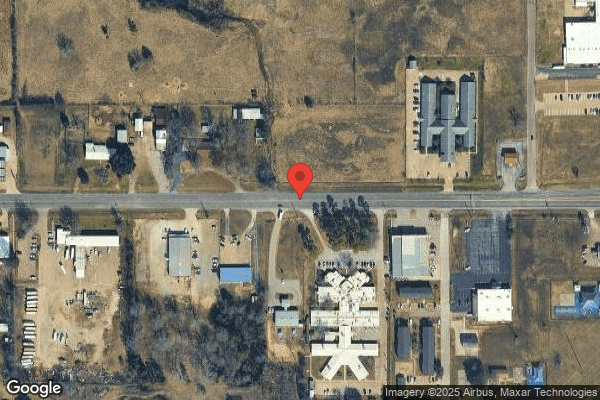
Jan 2024 2 deficiencies
CONCERN (D) 📢 Someone Reported This

A family member, employee, or ombudsman was alarmed enough to file a formal complaint

Potential for Harm - no one hurt, but risky conditions existed

Comprehensive Care Plan (Tag F0656)

Could have caused harm · This affected 1 resident

**NOTE- TERMS IN BRACKETS HAVE BEEN EDITED TO PROTECT CONFIDENTIALITY** Based on interview and record review, the facility failed to develop and implement a comprehensive person-centered care plan to ...

Read full inspector narrative →
**NOTE- TERMS IN BRACKETS HAVE BEEN EDITED TO PROTECT CONFIDENTIALITY** Based on interview and record review, the facility failed to develop and implement a comprehensive person-centered care plan to meet each resident's medical, nursing, mental and psychosocial needs for 1 of 5 residents reviewed for care plans. (Resident #1) The facility failed to implement the comprehensive person-centered care plan for Resident #1 by not having a fall mat beside the bed when the resident fell. This failure could place residents at risk of not having individual needs met, a decreased quality of life, and cause residents not to receive needed services. Findings include: Record review of a face sheet dated 12/28/23 revealed Resident #1 was [AGE] years old and was admitted on [DATE] with diagnoses including chronic obstructive pulmonary disease (chronic lung disease), heart failure, and anxiety. Record review of the most recent MDS dated [DATE] indicated Resident #1 had a BIMS score of 10 which indicated moderate cognitive impairment. The MDS indicated Resident #1 was dependent on staff for assistance with ADLs. The MDS indicated Resident #1 had not had any falls since admission . Record review of a care plan last revised on 12/21/23 indicated Resident #1 was at risk for falls related to multiple previous falls. There was an intervention for a fall mat while in bed. Record review of a video dated 12/19/23 at 10:00 p.m., revealed Resident #1 was in bed. She fell out of the bed onto the floor. There was not a fall mat beside the bed . Record review of a Progress Note dated 12/19/23 at 11:36 p.m. indicated, upon entering room resident onb floor next to be on lt (left) side, wrapped in blanket which helped cusion resident. 2cm (centimeter) X 3 cm s/t (skin tear) noted to lt (left) elbow, cleaned and steri/stripps applied as well as non-stick dressing. Neuro vs (vital signs) wnl (within normal limits). Placed in bed and call light in easy reach, bed in low position. Message left on (responsible party's) phone . Record review of a Progress Note dated 12/20/23 at 9:26 a.m. indicated, knot and bruise observed on tope left side of scalp r/t (related to) fall, rsd (resident) denies pain, VS (vital signs) stable) at last neuro check .hospice nurse .stated no new orders at this time. Record review of a staff Assignment Sheet dated 12/19/23 indicated the staff for the 6 p.m. to 6 a.m. shift were LVN A, CNA B, and CNA C. On 12/28/23 at 11:30 a.m., a call was attempted to LVN A. There was no answer. The mailbox was full. A detailed text message was sent requesting a return call. On 12/28/23 at 12:59 p.m., a second call was attempted to LVN A. There was no answer. The mailbox was full. A detailed text message was sent requesting a return call. No call was received prior to exit. On 12/28/23 at 1:38 p.m., a call was attempted to CNA B. There was no answer. The call went straight to voicemail. A detailed message was left, requesting a return call. On 12/28/23 at 1:40 p.m., a call was attempted to CNA C. The call went straight to voicemail. The voicemail box was full. On 1/02/24 at 10:46 a.m., a call was attempted to CNA B. There was no answer. The call went straight to voicemail. A detailed message was left, requesting a return call. No return call was received prior to exit. On 01/02/24 at 10:47 a.m., a call was attempted to CNA C. The call went straight to voicemail. The voicemail box was full. No return call was received prior to exit. During an interview on 01/02/24 at 11:06 a.m., the Administrator said he had reached out to CNA B and CNA C and was unable to reach them. He said they had worked the previous night shift and he would continue to reach out to them. During an interview on 01/02/24 at 11:25 a.m., the DON said she would have expected for the care plan to have been followed by staff. She said she would have expected for there to have been a fall mat beside the bed of Resident #1 when she fell. She said not having a fall mat or other fall interventions to have not been implemented appropriately could lead to injury . During an interview on 01/02/24 at 11:45 a.m., the Administrator said he would have expected for there to have been a fall mat beside the bed of Resident #1 when she fell out of bed. He said fall preventions not being in place could cause fall injuries to be more significant. Review of a Care Plans, Comprehensive Person-Centered facility policy dated December 2016 indicated, .A comprehensive, person-centered care plan that includes measurable objectives and timetables to meet the resident's physical, psychosocial and functional needs is developed and implemented for each resident .
CONCERN (D) 📢 Someone Reported This

A family member, employee, or ombudsman was alarmed enough to file a formal complaint

Potential for Harm - no one hurt, but risky conditions existed

Medical Records (Tag F0842)

Could have caused harm · This affected 1 resident

**NOTE- TERMS IN BRACKETS HAVE BEEN EDITED TO PROTECT CONFIDENTIALITY** Based on interview and record review the facility failed to in accordance with accepted professional standards and practices, ma...

Read full inspector narrative →
**NOTE- TERMS IN BRACKETS HAVE BEEN EDITED TO PROTECT CONFIDENTIALITY** Based on interview and record review the facility failed to in accordance with accepted professional standards and practices, maintain medical records on each resident that was accurately documented for 1 of 5 residents (Resident #1) reviewed for accuracy of medical records. The facility failed to ensure LVN A did not falsify Neurological Assessments for Resident #1. This failure could place residents at risk for inaccurate assessments and monitoring. Findings include: Record review of a face sheet dated 12/28/23 revealed Resident #1 was [AGE] years old and was admitted on [DATE] with diagnoses including chronic obstructive pulmonary disease (chronic lung disease), heart failure, and anxiety. Record review of the most recent MDS dated [DATE] indicated Resident #1 had a BIMS score of 10 which indicated moderate cognitive impairment. The MDS indicated Resident #1 was dependent on staff for assistance with ADLs. Record review of a care plan last revised on 12/21/23 indicated Resident #1 was at risk for falls related to multiple previous falls and had actual falls. There was an intervention to, Monitor for changes in condition, document and report to MD/NP; localized swelling, c/o (complaints of) pain, increased lethargy, abnormal neuro vital signs . Record review of Neurological assessment dated [DATE] - 12/20/23 indicated LVN A completed neurological assessments on Resident #1 on 12/19/23 at 10:30 p.m., 10:45 p.m., 11:00 p.m., 11:15 p.m., 11:45 p.m. and on 12/20/23 at 12:15 a.m., 1:15 a.m., 2:15 a.m., 3:15 a.m., 04:15 a.m. and 05:15 a.m. Record review of a Progress Note dated 12/19/23 at 11:36 p.m. indicated, upon entering room resident onb floor next to be on lt (left) side, wrapped in blanket which helped cusion resident. 2cm (centimeter) X 3 cm s/t (skin tear) noted to lt (left) elbow, cleaned and steri/stripps applied as well as non-stick dressing. Neuro vs (vital signs) wnl (within normal limits). Placed in bed and call light in easy reach, bed in low position. Message left on (responsible party's) phone . Record review of a Progress Note dated 12/20/23 at 9:26 a.m. indicated, knot and bruise observed on tope left side of scalp r/t (related to) fall, rsd (resident) denies pain, VS (vital signs) stable) at last neuro check .hospice nurse .stated no new orders at this time. Record review of a video dated 12/19/23 at 10:00 p.m., revealed Resident #1 was in bed. She fell out of the bed onto the floor. There was not a fall mat beside the bed. The resident said to staff that she hit her head. Record review of a Provider Investigation Report dated 12/28/23 and concerning Resident #1 indicated, .staff was witnessed on camera in resident room to not perform neuro checks periodically after resident had an unwitnessed fall in her room. Resident assessment was performed after the fall with family alleging that the nurse did not continue to monitor her condition over time . The nurse was identified as LVN A. The LVN was suspended immediately pending investigation. The report indicated the resident fell on [DATE]. The report indicated, .The nurse in question wrote a statement confirming that the nurse did not perform neuro evaluations correctly . The investigation findings were confirmed. The report indicated, .Nurse was terminated after conclusion of investigation for failure to document neuro checks as required . Record review of an undated handwritten statement signed by LVN A indicated, Called to room by CNA's. Resident on floor next to bed wrapped in blanket .I did fill out a neuro VS. (vital sign) sheet at end of shift, but did not turn it in. The break in protocol was not doing neuro VS. I just did not have the time .I apologize for the break in protocol. On 12/28/23 at 11:30 a.m., a call was attempted to LVN A. There was no answer. The mailbox was full. A detailed text message was sent requesting a return call. On 12/28/23 at 12:59 p.m., a second was call attempted to LVN A. There was no answer. The mailbox was full. A detailed text message was sent requesting a return call. No call was received prior to exit. During an interview on 01/02/24 at 11:25 a.m., the DON said she would have expected for LVN A to have completed neurological checks per protocol for Resident #1. She said LVN A did admit that he falsified the neurological assessments he did chart. She said falsifying documentation could lead to a change in condition not being noticed. She said the Neurological Assessment sheet filled in by LVN A was left on a clipboard at the nurse's station . During an interview on 01/02/04 at 11:45 a.m., the Administrator said LVN A did admit to falsifying the neuro assessment documentation. He said he would have expected LVN A to have completed neuro checks on Resident #1 and to have accurately documented them. He said LVN A said he did do the first set of neurological checks, but he made up the rest of the documentation. He said after LVN A confessed to falsifying the documentation, he was terminated immediately for resident safety. He said a nurse falsifying documentation he would be afraid something clinically might not be recognized. He said there could be an adverse reaction. Review of an Assessing Falls and Their Causes facility policy dated April 2022 indicated, .if a resident has just fallen or is observed on the floor without a witness to the even, evaluate for possible injury to the head .observe for delayed complications of a fall .and will document findings in the medical record . Review of a Charting and Documentation facility policy dated July 2017 indicated, .Documentation in the medical record will be objective (not opinionated or speculative), complete, and accurate .
Nov 2023 1 deficiency
CONCERN (D) 📢 Someone Reported This

A family member, employee, or ombudsman was alarmed enough to file a formal complaint

Potential for Harm - no one hurt, but risky conditions existed

Deficiency F0825 (Tag F0825)

Could have caused harm · This affected 1 resident

**NOTE- TERMS IN BRACKETS HAVE BEEN EDITED TO PROTECT CONFIDENTIALITY** Based on interview, and record review the facility failed to provide specialized rehabilitative services for 1 of 4 residents re...

Read full inspector narrative →
**NOTE- TERMS IN BRACKETS HAVE BEEN EDITED TO PROTECT CONFIDENTIALITY** Based on interview, and record review the facility failed to provide specialized rehabilitative services for 1 of 4 residents reviewed for specialized rehabilitative services. (Resident #1) The facility failed to ensure Resident #1 received speech therapy per the PASRR Comprehensive Service Plan January 2023 to March of 2023. This failure could place residents who require specialized rehabilitative services at risk of decline in health status and a decreased quality of life. Findings included: Record review of a face sheet dated 11/28/2023 indicated Resident #1 was an [AGE] year-old female who had a initial admit date of 01/16/2014 readmission to the facility on [DATE]. Her diagnoses included cerebral palsy (a group of disorders that affect movement, muscle tone, balance, and posture), hypertension (high blood pressure), and depressive disorder. Record review on 11/28/2023 of Resident #1's Order Summary dated 11/28/2023 indicated no order for speech therapy. Record review of the MDS dated [DATE] indicated Resident #1 was understood and understood others. The MDS indicated a BIMS score of 15 which indicated cognitively intact. The MDS indicated Resident #1 required limited assistance from staff for activities of daily living. The MDS did not indicate Resident #1 was receiving speech therapy. Record review of a care plan revised on 07/07/2023 indicated Resident #1 had cerebral palsy (muscle weakness or partial paralysis on one side of the body that can affect the arms, legs, and facial muscle). The Care Plan did not indicate/address speech therapy. Record review of the MDS - Resident Assessment and Care Screening Nursing Home Quarterly dated 09/08/2023 Record review on 11/28/2023 of Resident #1's electronic health record indicated no speech therapy notes for January 2023 through March of 2023. Record review on 11/29/2023 of PASRR (Pre-admission and Resident Review) Comprehensive Service Plan dated 01/17/2023 indicated a continuation of speech therapy services. Record review of the PASSAR Nursing Facility Specialized Services (NFSS) (a request for therapy services) with the assessment date of 03/09/2023 for speech therapy submitted on 03/21/2023. The facility was unable to provide any previous NFSS form. During an interview on 11/29/2023 at 11:39 AM., with the Director of Rehabilitation Therapy said Resident #1 should have continued speech therapy services on or about 1/17/2023 per the Interdisciplinary Team meeting. The Director of Rehabilitation Therapy said she was not able to locate any speech therapy notes or authorizations from January - March of 2023. The Director of Rehabilitation Therapy said she had become employed with the facility approximately two months ago. The Director of Rehabilitation Therapy stated she would not be able to explain why these services were not given appropriately. The Director of Rehabilitation Therapy said Resident #1 should have been getting services because she was PASSAR positive. The Director of Rehabilitation Therapy stated it was her job to ensure the authorization request was completed for the rehabilitation services. The Director of Rehabilitation Therapy said when the facility did not have a therapist, she would request a therapist from a sister facility to fulfill the need. The Director of Rehabilitation Therapy stated the importance in providing the services timely was to prevent decline in resident status and to promote a healthy outcome for the residents. During an interview on 11/29/2023 at 12:15 PM., the DON said she was not able to locate any speech therapy evaluation, notes or authorizations/orders during January 2023 to March of 2023. The DON said Resident #1 should have received continued speech therapy services on or about 1/17/2023 per the Interdisciplinary Team meeting. The DON stated the facility did not have a speech therapist during January 2023 to March of 2023. The DON said the Director of Rehabilitation Services should have contracted out these services to prevent the resident from going without therapy which could have resulted in a decline of health status. During an interview on 11/29/2023 at 03:15 PM., the Administrator said he expected the Director of Rehabilitation Therapy to complete authorization requests for rehabilitation services. During January 2023 to March of 2023, the facility had several changes in the Director of Rehabilitation Therapy, and because of this Resident#1's speech therapy referral must have fallen through the cracks. The Administrator said was without a speech therapist during January 2023 to March of 2023 also. The Administrator said he expected the facility to communicate that need to a sister facility and/or borrow/contract a speech therapist to prevent any decline of residents. Review of Requests for Therapy Services policy with a revised date of April 2007 did not address speech therapy referrals after the PASSAR recommendations.
Dec 2022 4 deficiencies
CONCERN (D)

Potential for Harm - no one hurt, but risky conditions existed

Notification of Changes (Tag F0580)

Could have caused harm · This affected 1 resident

**NOTE- TERMS IN BRACKETS HAVE BEEN EDITED TO PROTECT CONFIDENTIALITY** Based on interview and record review, the facility failed to immediately consult with the resident's physician when there was a ...

Read full inspector narrative →
**NOTE- TERMS IN BRACKETS HAVE BEEN EDITED TO PROTECT CONFIDENTIALITY** Based on interview and record review, the facility failed to immediately consult with the resident's physician when there was a significant change in the resident's skin condition for one (Resident #9) of 20 residents reviewed for changes in condition. The facility failed to inform and/or consult medical director about a new pressure injury identified on 11/26/22 for Resident #9. This failure could place residents at risk of not receiving appropriate care and interventions for care. The finding include: Record review of an admission Record for Resident # 9 dated 12/14/22 indicated she admitted on [DATE] and was [AGE] years old with diagnoses of Urinary tract infection, A-Fibrillation (is an irregular and often very rapid heart rhythm (arrhythmia) that can lead to blood clots in the heart), Dementia, and hypertension. Record review of Resident #9's care plan initiated on 11/11/22 revealed, Problem: Resident #9 has the potential for impairment to skin integrity. Goal: Will maintain clean and intact skin. Intervention: Educate resident and family of causative factors and measures to prevent skin injury. Record review of an admission MDS Assessment Section B dated 11/13/22 indicated Resident #9 understands and understood others. The MDS Section C indicated Resident # 9 had a BIMS (brief interview for mental status) score of 09 which indicated Resident # 9 was moderately impaired. The assessment Section E indicated Resident # 9 did not reject care necessary to achieve the resident's goals for health or well-being and exhibited no behaviors. The MDS section G indicated Resident #9 required limited assist with bed mobility, extensive assist with dressing, toileting, personal hygiene, and set up for eating. The MDS indicated, bathing did not occur over last seven days. The MDS Section M did not indicate any skin issues. Record review of Resident #9's Skin assessment dated [DATE] and 11/24/22 did not indicate any skin issues. No skin assessment was noted for 11/26/22 when nurse place orders for wound to sacrum. Skin assessment dated [DATE] revealed a sacrum pressure ulcer stage 2 with no measurements. Skin assessment dated [DATE] revealed a stage 2 pressure ulcer to the sacrum measuring 0.5cm(centimeters) X0.3cm X0.1cm. Record review of Braden scale for predicting Pressure score risk done on 11/17/22 revealed a score of 16 indicating, Resident #9 was at risk of developing a pressure injury. Record review of Resident #9's progress notes did not reveal any notification to the physician about the new wound identified by charge nurse on 11/26/22 until 12/02/22 at the IDT (Interdisciplinary team) meeting. During a phone interview on 12/14/22 at 1:50p.m., LVN C said she did not measure, do a skin assessment, or notify the doctor about the new identified pressure ulcer on 11/26/22. LVN C said she did not notify the physician because she used the physician standing orders (written protocol that authorize designated members of the healthcare team to complete certain task without having to obtain a physician order). When asked where this surveyor could find the standard orders LVN C indicated she did not have any standing orders, but this is what the physician would usually say. LVN C said she should have measured, documented, and notified the doctor, but she did not. During an interview on 12/14/22 at 2:00p.m., the DON said she became aware of the new skin issue on 11/28/22 and she notified the doctor but did not chart about the notification. The DON said she thought she had charted about notifying the physician but upon review of the nurse notes revealed she did not. The DON said she could not prove she notified the physician because there was no documentation. The DON said the nurse who charted on the new orders should have documented about the wound, completed a skin assessment, an incident report and notified the doctor. The DON said she or the ADON should have followed up and made sure all the above protocols were followed. The DON said failure to follow the policy could results in wound deterioration. During an interview on 12/14/22 at 2:14p.m., the administrator said he did not know the correct clinical process for skin, but the DON was responsible to make sure the skin process was followed. The ADM said failure to follow the policy could lead to a resident's skin injury to worsen or even develop new skin issues. Record review of policy Change in resident status/condition revised February 2021 indicated, Our community promptly notifies the resident, his or her attending physician, and the resident representative of changes in the resident's medical/mental condition and/or status. #8 The nurse will record in the resident's medical record information relative to changes in the resident's medical/mental condition or status.
CONCERN (D)

Potential for Harm - no one hurt, but risky conditions existed

Deficiency F0655 (Tag F0655)

Could have caused harm · This affected 1 resident

**NOTE- TERMS IN BRACKETS HAVE BEEN EDITED TO PROTECT CONFIDENTIALITY** Based on interview, and record review, the facility failed to develop and implement a baseline care plan withing 48 hours of adm...

Read full inspector narrative →
**NOTE- TERMS IN BRACKETS HAVE BEEN EDITED TO PROTECT CONFIDENTIALITY** Based on interview, and record review, the facility failed to develop and implement a baseline care plan withing 48 hours of admission that included the instructions need to provide effective and person-centered care of the resident that meets professional standards of quality of care for 1 (Resident #84) of 4 (new admits) newly admitted residents reviewed for baseline care plans. The facility failed to ensure Resident #84's baseline care plan was completed timely and included his pressure injury care. This failure could place newly admitted residents at risk of receiving inadequate care and services. Findings included: Record review of a face sheet dated 12/13/2022 indicated Resident #84 was [AGE] years old, admitted on [DATE] with the diagnosis of Covid-19, pneumonia, heart attack, and respiratory failure. The face sheet did not reveal Resident #84 had a pressure injury. Record review of the physician orders dated 12/09/22 12/13/2022 indicated Resident #84 Did not have a wound care ordered for his pressure injury until 12/12/2022. received oxygen at 2-4 liters per a nasal cannula to keep his oxygen saturation at greater than 92%. Record review of the Admission/re-admission Evaluation which includes the baseline care plan for Resident #84 revealed the assessment was started on 12/09/22 at 4:45 p.m. by LVN A and was closed on 12/12/2022 at 3:26 p.m. by the ADON. Record review of an admission Assessment/Baseline Care Plan Summary indicated the effective date was 12/09/22 and the created date was on 12/12/2022 at 3:26 p.m. by the ADON. The admission Assessment/Baseline Care Plan Summary indicated Resident #84 was totally dependent for personal hygiene, toileting, eating, dressing, transfers, and required extensive assistance with bed mobility. The Assessment indicated Resident #84's skin turgor, skin color, were normal and the temperature was warm and dry. The admission Assessment/Baseline Care plan Summary narrative did not mention his pressure injury to his coccyx (tailbone). During an interview on 12/13/2022 at 1:45 p.m., the ADON indicated she had completed Resident #84's assessment and assessed his skin on 12/12/2022. The ADON indicated Resident #84's sacral(lower back above the tailbone) wound measured 1.5 x 3.0 and was a stage 2 wound. The ADON said the receiving nurse should input the physician's orders including wound care orders, and initial assessment. The ADON indicated then she would sign off on the baseline care plan generated from the initial admission assessment. The ADON indicated the reason the admission assessment and baseline care plan were not completed until 12/12/2022 was a mystery to her. During an interview on 12/14/2022 at 10:10 a.m., LVN A indicated she received Resident #84 during the start of the evening meal service time. LVN A indicated she opened the Resident #84's admission assessment and completed the areas down to the skin assessment. LVN A indicated she did not complete the skin assessment nor the remaining assessments with the baseline care plan. LVN A indicated she passed the task off to LVN B for him to resume and complete Resident #84's assessment and baseline care plan. LVN A indicated Resident #84's wound could worsen without the baseline care plan and admission assessment completion. LVN A indicated she made LVN B aware of the need to complete Resident #84's assessment and baseline care plan. LVN B did not return the phone call for an interview. During an interview on 12/14/22 at 2:30 p.m., the DON indicated the ADON finished Resident #84's admission assessment, including the skin assessment, and baseline care plan on 12/12/2022. The DON indicated the admission assessment generates the baseline care plan. The DON indicated since the admission assessment was not completed for Resident #84 the baseline care plan was not generated until 12/12/2022. The DON indicated the baseline care plan then did reflect the stage 2 to his coccyx. The DON indicated normally after an admission the ADON and DON review the assessment on the next day. The DON indicated Resident #84 admitted late on a Friday 12/09/2022 when she was off and his follow up did not occur until Monday 12/12/2022. The DON indicated LVN A or LVN B could have informed the weekend RN of the need to review the new admission and the baseline care plan including the initiation of wound care. The DON indicated there was no process in place for the weekend RN to complete the baseline care plan until now. During an interview on 12/14/2022 at 2:48 p.m., the Administrator indicated he trusted the DON and ADON to ensure the admission assessments and baseline care plans were completed timely. The Administrator indicated the DON and ADON were responsible for ensuring the baseline care plan was completed within the 48 hour timeframe. The Administrator indicated every morning there was a nurse meeting, then after the nurse meeting there was a morning meeting. The Administrator indicated during the morning meeting he learns of the new admission and the needs of the resident at that time. The Administrator indicated he was ill last week and was not present in the facility. The Administrator indicated not completing the assessments and baseline care plans could have negative outcomes for the resident. The Administrator in this case indicated Resident #84's wound could get worse. Record review of the Care Planning policy and procedure dated March 2022 indicated the interdisciplinary team was responsible for the development of resident care plans. 1. Resident care plans were developed according to the timeframes and criteria established by Regulatory reference number 483.21 (a) Baseline Care Plans, which states baseline care plans must be developed within 48 hours of a resident's admission.
CONCERN (D)

Potential for Harm - no one hurt, but risky conditions existed

Pressure Ulcer Prevention (Tag F0686)

Could have caused harm · This affected 1 resident

**NOTE- TERMS IN BRACKETS HAVE BEEN EDITED TO PROTECT CONFIDENTIALITY** Based on observation, interview and record review the facility failed to ensure a resident with pressure ulcers received necessa...

Read full inspector narrative →
**NOTE- TERMS IN BRACKETS HAVE BEEN EDITED TO PROTECT CONFIDENTIALITY** Based on observation, interview and record review the facility failed to ensure a resident with pressure ulcers received necessary treatment and services, consistent with professional standards of practice, to promote healing, prevent infection, and prevent new ulcers from developing for 1 out of 4 residents reviewed for pressure ulcers. (Resident #84) The facility failed to ensure Resident #84 had a wound care treatment for the stage 2 wound to his coccyx from when he admitted to the facility on [DATE] until 12/12/2022. The facility failed to prevent Resident #84 from acquiring two more pressure injury wounds. This failure could place residents at risk of complications which include worsening of existing wounds, development of new wounds, and infection. Findings include: Record review of a face sheet dated 12/13/2022 indicated Resident #84 was [AGE] years old, admitted on [DATE] with the diagnosis of Covid-19, pneumonia, heart attack, and respiratory failure. Record review of a Braden Scale for Predicting Pressure Sore Risk indicated on 12/09/22 Resident #84's score was a 16 indicating Resident #84 was at risk for pressure injuries. Record review of Resident #84's Admission/re-admission Evaluation assessment indicated the assessment was opened by LVN A on 12/09/2022 at 4:45 p.m., and completed and closed by the ADON on 12/12/2022 at 3:26 p.m. The assessment indicated Resident #84 had a wound to his sacrum (low back above the tailbone) measuring 1.5 cm long x 3.0 cm wide x 0.1 cm deep and was a stage 2. Record review of Resident #84's comprehensive care plan dated 12/12/2022 indicated Resident #84 had potential/actual impairment to the skin integrity of the coccyx related to pressure. The goal of the care plan indicated Resident #84 would not have complications related to the stage 2 of the coccyx. The interventions included follow the facility protocol for the treatment of injury, monitor and document location, size, and treatment of skin injury, and weekly treatment documentation to include measurements of each area of skin breakdown, width, length depth type of tissue and exudate and any other notable changes or observation. Record review of Resident #84's skilled nurse note documented on 12/11/2022 at 1:44 a.m., did not reveal any skin conditions such as pressure ulcers, or a dressing change was needed. The entire section of Skin Integrity was left blank. Record review of Resident #84's consolidated physician orders dated 12/13/2022 indicated an order was obtained on 12/12/2022 for a coccyx wound. The physician's order was to cleanse the coccyx with normal saline/wound cleanser, pat dry, apply collagen flakes and secure with a dry dressing daily and as needed for soiling and displacement. The physician's orders did not indicate an order for wound care was provided or initiated prior to 12/12/2022. During an observation on 12/12/2022 at 10:05 a.m., Resident #84 was lying in bed positioned on his back. Resident #84's bed surface was an inflatable waffle mattress over the top of his pressure redistributing mattress. The waffle type mattress was firm and not alternating pressure relief. Resident #84 was not resting on a low air loss mattress. During an observation and interview on 12/13/2022 at 1:25 p.m., LVN C indicated she oversaw Resident #84's care for the last two days. LVN C indicated this was the first time she had seen Resident #84's wound. Resident #84 was lying on his left side facing the wall. Resident #84 did not have a dressing covering his coccyx wound. Resident #84's wound had an area of eschar (black, dead tissue) appearing to the center of the wound bed and the remaining surface of the wound bed was a maroon color according LVN C's verbal assessment. The tissue surrounding the wound was red in color and extending into the intergluteal cleft (between the buttocks). The wound was located on the coccyx not the sacrum. Resident #84 had two open areas one on the right buttock and one on the left buttock. LVN C indicated she was unaware of the two new areas. LVN C indicated she was unaware Resident #84 had a wound prior to 12/13/2022. The Sacrum and Coccyx (spineuniverse.com) accessed on 12/20/2022: The sacrum and coccyx are unlike other bones in your spinal column. The sacrum, sometimes called the sacral vertebra or sacral spine (S1), is a large, flat triangular shaped bone nested between the hip bones and positioned below the last lumbar vertebra (L5). The coccyx, commonly known as the tailbone, is below the sacrum. Individually, the sacrum and coccyx are composed of smaller bones that fuse (grow into a solid bone mass) together by age [AGE]. The sacrum is made up of 5 fused vertebrae (S1-S5) and 3 to 5 small bones fuse creating the coccyx. Both structures are weight-bearing and integral to functions such as walking, standing and sitting. During an interview on 12/13/2022 at 1:45 p.m., the ADON indicated Resident #84's admission assessment was not completed by the admitting nurses. The ADON indicated she measured the wound on 12/12/2022 because the admission assessment was not completed including the skin assessment. The ADON indicated Resident #84's coccyx wound measured 1.5 x 3.0 and was a stage 2. The ADON indicated the two new buttock wounds were not present on 12/12/2022 when she completed the assessment. Record review of a progress note created by the ADON dated 12/13/22 at 3:34 p.m., indicated the right buttock wound measured 0.5 cm x 0.5 cm x less than 0.1 cm and the left buttock wound measured 1.0 x 1.0 x less than 0.1. The note did not mention a measurement for the coccyx wound. Record review of Resident #84's physician orders indicated on 12/14/2022 had new orders initiated for the left buttock and right buttock wounds. The orders included to cleanse with normal saline/wound cleanser, pat dry, apply collagen flakes and secure with a dry dressing daily and as needed if soiled or displaced. During an interview on 12/14/22 at 2:30 p.m., the DON indicated the admission assessment was completed by the ADON, including the wound measurements on 12/12/2022. The DON indicated the ADON obtained wound orders on 12/12/2022 for Resident #84's pressure ulcer to his coccyx. The DON said normally the new admissions would have been reviewed by the DON and ADON on the next day to ensure the assessment was completed, and the wound had treatment orders. The DON indicated Resident #84 admitted on a Friday 12/09/2022 in the evening, therefore the assessment was not reviewed until Monday 12/12/2022. The DON indicated the weekend nurse was unaware of the new admission. The DON stated she was aware Resident #84 had no wound care orders or the assessment until Monday 12/12/2022. The DON indicated she was not aware of the waffle mattress overlay on Resident #84's bed. The DON indicated this type of a mattress was not used for pressure reduction or prevention in the facility. Record review of a Pressure Ulcer/Skin Breakdown-Clinical Protocol policy dated April 2018 revealed: 1. The nursing team member and practitioner will assess and document an individual's significant risk factors for developing pressure ulcers; for example, immobility, recent weight loss and a history of pressure ulcer. 2. In addition, the nurse shall describe and document/report the following: a. Full assessment of pressure sore including location, stage, length, width, and depth, presence of exudates or necrotic tissue, b. pain assessment c. Resident's mobility status d. Current treatments, including support surfaces; and all active diagnoses. 3. The team member and practitioner will examine the skin of newly admitted residents for evidence of existing pressure ulcers or other skin conditions. Treatment and Management: 1. The physician will order pertinent wound treatments, including pressure reduction surfaces, wound cleansing and debridement approaches, dressings, and application of topical agents. Pressure Injury - StatPearls - NCBI Bookshelf (nih.gov) accessed 12/15/2022: Pressure injuries are formed when pressure causes localized damage to underling skin and soft tissue. These skin and soft tissue injuries remain a significant problem within hospitals and long-term care facilities and results in decreased quality of life and high costs for both the patient and our health care system. To avoid the high morbidity and mortality associated with these pressure injuries, they must be promptly diagnosed and treated Pressure injuries are defined as localized damage to the skin as well as underlying soft tissue, usually occurring over a bony prominence or related to medical devices. Pressure injuries of the skin and soft tissue are formed when the pressure above a certain threshold causes prolonged tissue ischemia, eventually leading to necrosis. Injury from reperfusion is also a contributing factor, as the return of blood supply after a period of ischemia can cause the formation of reactive oxygen species triggering an inflammatory response. In patients positioned at an incline, internal structures such as bone and muscle are displaced downward due to gravity, which can lead to tissue hypoxia as blood vessels are distorted or flattened.[1] A staging system should be used to assess all pressure injuries. At this time, there is a lack of a universal classification system for pressure injuries, but the National Pressure Injury Advisory Panel staging system is widely used as listed below [1][2]: stage 1: non-blanchable erythema of intact skin and erythema remains for greater than one hour after relief of pressure stage 2: partial-thickness loss of skin with exposed dermis stage 3: full-thickness loss of skin tissue; subcutaneous skin and muscle may be visible stage 4: full-thickness loss of skin tissue; tendons, bone, and joints may be visible unstageable: full-thickness loss of skin tissue that is obscured by eschar or slough deep tissue: skin that is persistently non-blanchable, with maroon or purple discoloration
CONCERN (D)

Potential for Harm - no one hurt, but risky conditions existed

Accident Prevention (Tag F0689)

Could have caused harm · This affected 1 resident

Based on observation, and interview, and record review, the facility failed to ensure adequate monitoring of oxygen storage to prevent accidents or hazards with 1 of 1 oxygen storage room. The facilit...

Read full inspector narrative →
Based on observation, and interview, and record review, the facility failed to ensure adequate monitoring of oxygen storage to prevent accidents or hazards with 1 of 1 oxygen storage room. The facility failed to ensure 4 oxygen cylinders were secured in the oxygen storage closet. This failure could place residents at risk for injury. Findings included: During an observation on 12/12/2022 at 10:23 a.m., the oxygen storage closet had 4 oxygen cylinders free-standing without being stored in the oxygen holding rack. The oxygen holding rack had ample room to store the free-standing oxygen cylinders. During an observation, and interview on 12/14/2022 at 10:05 a.m., the ADON indicated there were 4 free-standing oxygen tanks in the oxygen storage room. The ADON indicated the oxygen cylinders should be stored in the available rack. During an interview on 12/14/2022 at 2:30 p.m., the DON indicated the oxygen cylinders should be stored in the oxygen storage rack for safety. The DON indicated the oxygen could be knocked over, explode, and become a fire hazard. The DON indicated nursing and maintenance were responsible for oxygen storage. During an interview on 12/14/2022 at 2:48 p.m., the Administrator indicated all staff who entered the oxygen storage room was responsible for the appropriate storage of the oxygen. The Administrator indicated the oxygen cylinders could fall over and explode but he believed this was highly unlikely. Record review of Oxygen Safety policy and procedure dated May 2011 indicated all personnel must learn methods of oxygen safety and must report conditions that could result in a potential hazard. 1. Oxygen safety was the responsibility of all personnel, residents, visitors, and the general public. 2. Whoever identifies a hazard, or other conditions that could develop into a hazard, must report the situation to the department director or Maintenance Director as soon as practical. The following safety precautions must be followed in the facility at all times: f. Store oxygen cylinders in racks with chains, sturdy portable carts, or approved stands. 5. The facility will train personnel on oxygen safety methods.
Understanding Severity Codes (click to expand)
Life-Threatening (Immediate Jeopardy)
J - Isolated K - Pattern L - Widespread
Actual Harm
G - Isolated H - Pattern I - Widespread
Potential for Harm
D - Isolated E - Pattern F - Widespread
No Harm (Minor)
A - Isolated B - Pattern C - Widespread

Questions to Ask on Your Visit

  • "What changes have you made since the serious inspection findings?"
  • "Why is there high staff turnover? How do you retain staff?"
  • "Can I speak with families of current residents?"
  • "What's your RN coverage like on weekends and overnight?"

Our Honest Assessment

Strengths
  • • Licensed and certified facility. Meets minimum state requirements.
Concerns
  • • Multiple safety concerns identified: 2 life-threatening violation(s), $39,049 in fines. Review inspection reports carefully.
  • • 24 deficiencies on record, including 2 critical (life-threatening) violations. These warrant careful review before choosing this facility.
  • • $39,049 in fines. Higher than 94% of Texas facilities, suggesting repeated compliance issues.
  • • Grade F (36/100). Below average facility with significant concerns.
Bottom line: Trust Score of 36/100 indicates significant concerns. Thoroughly evaluate alternatives.

About This Facility

What is Caraday Of Quitman's CMS Rating?

CMS assigns CARADAY OF QUITMAN an overall rating of 4 out of 5 stars, which is considered above average nationally. Within Texas, this rating places the facility higher than 99% of the state's 100 nursing homes. This rating reflects solid performance across the metrics CMS uses to evaluate nursing home quality.

How is Caraday Of Quitman Staffed?

CMS rates CARADAY OF QUITMAN's staffing level at 2 out of 5 stars, which is below average compared to other nursing homes. Staff turnover is 68%, which is 21 percentage points above the Texas average of 46%. High turnover can affect care consistency as new staff learn residents' individual needs.

What Have Inspectors Found at Caraday Of Quitman?

State health inspectors documented 24 deficiencies at CARADAY OF QUITMAN during 2022 to 2025. These included: 2 Immediate Jeopardy (the most serious level, indicating potential for serious harm or death) and 22 with potential for harm. Immediate Jeopardy findings are rare and represent the most serious regulatory concerns. They require immediate corrective action.

Who Owns and Operates Caraday Of Quitman?

CARADAY OF QUITMAN is owned by a for-profit company. For-profit facilities operate as businesses with obligations to shareholders or private owners. The facility is operated by CARADAY HEALTHCARE, a chain that manages multiple nursing homes. With 156 certified beds and approximately 36 residents (about 23% occupancy), it is a mid-sized facility located in QUITMAN, Texas.

How Does Caraday Of Quitman Compare to Other Texas Nursing Homes?

Compared to the 100 nursing homes in Texas, CARADAY OF QUITMAN's overall rating (4 stars) is above the state average of 2.8, staff turnover (68%) is significantly higher than the state average of 46%, and health inspection rating (4 stars) is above the national benchmark.

What Should Families Ask When Visiting Caraday Of Quitman?

Based on this facility's data, families visiting should ask: "What changes have been made since the serious inspection findings, and how are you preventing similar issues?" "How do you ensure continuity of care given staff turnover, and what is your staff retention strategy?" "Can you walk me through typical staffing levels on day, evening, and night shifts?" "Can I visit during a mealtime to observe dining assistance and food quality?" These questions are particularly relevant given the facility's Immediate Jeopardy citations, the facility's high staff turnover rate, and the below-average staffing rating.

Is Caraday Of Quitman Safe?

Based on CMS inspection data, CARADAY OF QUITMAN has documented safety concerns. Inspectors have issued 2 Immediate Jeopardy citations (the most serious violation level indicating risk of serious injury or death). The facility has a 4-star overall rating and ranks #1 of 100 nursing homes in Texas. Families considering this facility should ask detailed questions about what corrective actions have been taken since these incidents.

Do Nurses at Caraday Of Quitman Stick Around?

Staff turnover at CARADAY OF QUITMAN is high. At 68%, the facility is 21 percentage points above the Texas average of 46%. High turnover means new staff may not know residents' individual needs, medications, or preferences. It can also be disorienting for residents, especially those with dementia who rely on familiar faces. Families should ask: What is causing the turnover? What retention programs are in place? How do you ensure care continuity during staff transitions?

Was Caraday Of Quitman Ever Fined?

CARADAY OF QUITMAN has been fined $39,049 across 2 penalty actions. The Texas average is $33,469. While any fine indicates a compliance issue, fines under $50,000 are relatively common and typically reflect isolated problems that were subsequently corrected. Families should ask what specific issues led to these fines and confirm they've been resolved.

Is Caraday Of Quitman on Any Federal Watch List?

CARADAY OF QUITMAN is not on any federal watch list. The most significant is the Special Focus Facility (SFF) program, which identifies the bottom 1% of nursing homes nationally based on persistent, serious quality problems. Not being on this list means the facility has avoided the pattern of deficiencies that triggers enhanced federal oversight. This is a positive indicator, though families should still review the facility's inspection history directly.