Mission Valley Nursing and Transitional Care
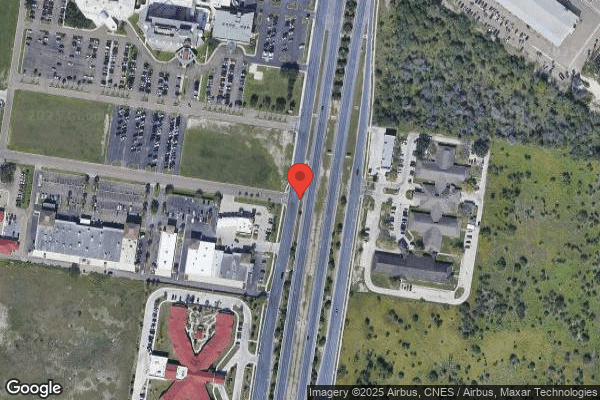

1200 S Bryan Rd, Mission, TX 78572 (855) 687-8282
Non profit - Corporation 120 Beds WELLSENTIAL HEALTH Data: November 2025 2 Immediate Jeopardy citations
Trust Grade
49/100
#529 of 1168 in TX
Last Inspection: November 2024

Within standard 12-15 month inspection cycle. Federal law requires annual inspections.

Overview

Mission Valley Nursing and Transitional Care has received a Trust Grade of D, indicating it is below average and has some concerning issues. It ranks #529 out of 1168 facilities in Texas, placing it in the top half, and #12 out of 22 in Hidalgo County, meaning only one local option is better. Unfortunately, the facility's trend is worsening, with reported issues increasing from 1 in 2024 to 2 in 2025. While staffing turnover is relatively low at 25%, which is a positive sign, the overall staffing rating is only 2 out of 5 stars, suggesting that staffing is a weak point. Additionally, there are no fines recorded, which is a good sign; however, the nursing home has faced serious incidents. For example, a resident fell due to inadequate assistance during personal care, resulting in hospitalization and ultimately passing away, highlighting significant safety concerns. Another incident involved a failure to create individual care plans for residents, which could jeopardize their proper care and safety. Overall, while there are some strengths like low turnover and no fines, the facility has critical weaknesses in care planning and supervision that families should consider carefully.
Trust Score
D
49/100
In Texas
#529/1168
Top 45%
Safety Record
High Risk
Review needed
Inspections
Getting Worse
1 → 2 violations
Staff Stability
✓ Good
25% annual turnover. Excellent stability, 23 points below Texas's 48% average. Staff who stay learn residents' needs.
Penalties
✓ Good
No fines on record. Clean compliance history, better than most Texas facilities.
Skilled Nurses
⚠ Watch
Each resident gets only 27 minutes of Registered Nurse (RN) attention daily — below average for Texas. Fewer RN minutes means fewer trained eyes watching for problems.
Violations
⚠ Watch
12 deficiencies on record. Higher than average. Multiple issues found across inspections.
★★★☆☆
3.0
Overall Rating
★★☆☆☆
2.0
Staff Levels
★★★★★
5.0
Care Quality
★★☆☆☆
2.0
Inspection Score
Stable
2024: 1 issues
2025: 2 issues

The Good

  • 5-Star Quality Measures · Strong clinical quality outcomes
  • Low Staff Turnover (25%) · Staff stability means consistent care
  • Full Sprinkler Coverage · Fire safety systems throughout facility
  • No fines on record
  • Staff turnover is low (25%)

    23 points below Texas average of 48%

Facility shows strength in quality measures, staff retention, fire safety.

The Bad

3-Star Overall Rating

Near Texas average (2.8)

Meets federal standards, typical of most facilities

Chain: WELLSENTIAL HEALTH

Part of a multi-facility chain

Ask about local staffing decisions and management

The Ugly 12 deficiencies on record

2 life-threatening
Aug 2025 2 deficiencies 2 IJ
CRITICAL (J) 📢 Someone Reported This

A family member, employee, or ombudsman was alarmed enough to file a formal complaint

Immediate Jeopardy (IJ) - the most serious Medicare violation

Comprehensive Care Plan (Tag F0656)

Someone could have died · This affected 1 resident

**NOTE- TERMS IN BRACKETS HAVE BEEN EDITED TO PROTECT CONFIDENTIALITY** Based on interview and record review, the facility failed to develop and implement a comprehensive person-centered care plan tha...

Read full inspector narrative →
**NOTE- TERMS IN BRACKETS HAVE BEEN EDITED TO PROTECT CONFIDENTIALITY** Based on interview and record review, the facility failed to develop and implement a comprehensive person-centered care plan that described the services to be provided to attain or maintain the residents' highest practicable physical, mental, and psychosocial needs, for 1 of 4 residents (Resident #1) reviewed for care plans in that: The facility failed to ensure an individualized care plan to address Resident #1's level of assistance that was required for ADLs by a 1 or 2 person assist. The CNA made the determination to provide perineal care by herself, resulting in Resident #1 to fall and was discharged to the hospital on [DATE]. An Immediate Jeopardy was identified on 08/22/2025. The Immediate Jeopardy template was provided to the facility on [DATE] at 12:20 p.m. While the Immediate Jeopardy was removed on 08/23/2025 at 3:30 p.m. The facility remained out of compliance at a scope of isolation and a severity of not actual harm with potential for more than the minimal harm that was not an immediate jeopardy because of the facility's need for continued monitoring of implemented procedures. This failure could place residents at risk of injuries and their individual medical, physical and psychosocial needs not being met. The findings were: Record review of Resident#1 electronic admission record dated 08/21/2025, revealed a [AGE] year-old female with an admission date of 12/11/2022 and an original admission date of 04/09/2021. Resident #1's pertinent diagnosis included Dementia, Cerebral Vascular Accident (stroke) with right sided weakness, epilepsy (seizures), Heart Failure, and Atrial Fibrillation (irregular heartbeat). Record review of Resident #1's comprehensive MDS dated [DATE], revealed a BIMS score of 02, indicating severe cognitive impairment. Resident #1 was noted in section GG- Functional Abilities coded as a 03 (Partial/moderate assistance - Helper does LESS THAN HALF the effort. Helper lifts, holds, or supports trunk or limbs, but provides less than half the effort) for self-care tasks and transfers. Resident #1 was noted to be bowel and bladder always incontinent. Record review of Resident #1's comprehensive care plan dated 05/22/2025, revealed Resident#1 had an ADL self-care performance deficit related to CVA with hemiplegia, Dementia. Interventions: BED MOBILITY: The resident requires (extensive assistance) by (1-2) staff to turn and reposition in bed daily and as necessary. Care needs may vary. TOILET USE: The resident requires extensive assistance by 1-2 staff for toileting. Care needs may vary. Record review of Resident #1's narrative of the incident dated 08/20/2025, revealed the resident was receiving perineal care from CNA A. As CNA A turned to dispose of the soiled brief in the trash can at bedside, the resident rolled over onto the floor mat at bedside. Charge nurse was immediately notified and performed a head-to-toe assessment prior to bed transfer. Resident #1 was initially able to communicate and stated she had right sided shoulder pain. Family and NP were informed. Neuro checks were initiated, and a change of condition with AMS was noted approximately 20 minutes into the neuro checks, 911 call was activated and resident was transferred to hospital.In an interview on 08/21/2025 at 11:06 a.m., CNA A stated that she was the one who determined if the resident would be a one or two person assist. She stated that she would determine this by seeing if the resident was cooperative and followed commands, prior to starting the task. If they were, then she would proceed with doing the task on her own. If they do not want to cooperate and assist, then she would get another staff member to assist. She stated that the Kardex (summary of a patients care plan and needs during their shift) had Resident #1 as a 1-2 person assist. CNA A stated that she normally does Resident #1's perineal care on her own.In an interview on 08/21/2025 at 11:43 a.m., CNA C stated that she was familiar with Resident #1's care and that she would normally do perineal care on her own. She stated that she looked in the computer Kardex to see if the resident would be a one person or two person assist. If the resident was a 1-2 person assist, then she determined if she could do it on her own or if she would need assistance. She would determine this after she talked to the resident and informed them of the task. If the resident was cooperative then she would continue to do the task on her own. If she saw that they were not, then she would get another person to assist. In an interview on 08/21/2025 at 12:30 p.m., LVN B stated that Resident #1 was a 1-2 person assist depended on the task. She stated Resident #1 was a one person assist the day of the incident, 08/20/2025, because she was cooperative. LVN B stated that the CNAs that provided the care would determine if the patient cooperated. The CNAs were more hands-on with them. Then they would report to her that they were transferred well. In an interview on 08/22/2025 at 2:25 p.m., CNA G stated that she worked at the facility for about ten months. She stated that she was familiar with Resident #1's care. She stated that Resident #1 would assist with moving her around in the bed, she followed commands. CNA G stated that she would know if a resident was a one or two person assist by looking in the computer, the Kardex. She stated that if showed 1-2 person assist, then she would determine if the resident was going to be a one or two person by seeing if the resident had been cooperative and followed commands. If not cooperative and were sleepy, then she would get someone to assist. She stated it depended on the state that the resident was in, but she would make that decision if she would need the extra help. She would document afterwards when she had time, if the task was done with a one or two person assist.In an interview on 08/25/2025 at 1:56 p.m., RN D stated that she and the MDS nurse were responsible for completing the care plans. She stated that when a resident was admitted , she performed a head-to-toe assessment. They gather all that information, and she communicated this with the CNAs. She would then talk to MDS and formulated everything on the care plan. RN D stated that it was important for the care plans to be person centered for each resident for their safety and the safety of the staff. She stated that they could have something general for everybody. The staff or resident can hurt themselves if it was supposed to be a 2 person and was done by a 1 person. She stated that it was important for the care plan to be individualized with their specific needs for safety and to prevent accidents. In an interview on 08/22/2025 at 10:39 a.m., MDS E, stated that she coded Resident #1 as 03. Partial/moderate assistance - Helper does LESS THAN HALF the effort. Helper lifts, holds, or supports trunk or limbs, but provides less than half the effort under the Functional Abilities was because the patient could be 1 or 2 person assist. She stated the patients in the morning could be extensive and, in the evening, they could be total assist. It all depended on what they needed at that moment. The CNA and the charge nurse would be the ones who determined the level of assistance. MDS E stated that changes in condition were communicated every day in the IDT morning meeting. She stated that they were responsible for care planning. In a follow up interview on 08/25/2025 at 2:20 p.m., MDS E, stated that person centered care plan meant it was an individualized care plan with their specific needs based on the patient's diagnoses, their functions, limitations, goals, and their preferences. It focused on them as a whole. MDS E stated that the process for care planning was if it was an admission, the nurse would go assess the patient. The initial baseline care plan would be started. She stated once that was closed, it imported to the system. In the morning meetings, they go over our patients and make any changes to the care plan that were needed. She stated she would then have 14 days to complete the comprehensive. If any changes were made in their 24-hour reports, they reviewed them in the morning meetings. MDS E stated that it was important for the care plans to be person centered for each resident because nobody was the same, everybody has different limitations. She stated, What can work for someone, does not work for others; they all have different preferences. The negative outcome of the care plan not being individualized with their specific needs and being a 1 -2 assist would be that incidents can happen. The care of the patient can be at risk and the safety of both the patient and staff. In an interview on 08/21/2025 at 2:44 p.m., the DON stated that the MDS nurses formulated the care plan, but it was a team collaboration. She stated the therapist, charge nurses, ADON, and she were all involved. It was a holistic approach from the staff if a resident would be a one or two person; it takes a team. She stated the 1-2 person assist depended on the time of the day. In the morning, Resident #1 does well, she followed commands. There were other moments that she might need two person assist, this would be when Resident #1 was more tired or fatigued towards the end of the day. The CNAs would not begin care on their own if they knew she needed a two person assist. In a follow up interview on 08/25/2025 at 2:35 p.m., the DON stated the charge nurse was responsible for starting the care plan. She stated that a head to touch assessment was done upon admission. This was considered a mini care plan. She stated the nurse and MDS nurse can update and change interventions. The DON stated that it was important for the care plans to be person centered for each resident because every patient was different. She stated every care plan needed to be specific to that patient's needs. The DON stated the negative outcome of not having an individualized care plan would be that the patient or the staff could get hurt. Record review of facility's policy for Comprehensive Care Plans date implemented 10/24/2022 revealed: It is the policy of this facility to develop and implement a comprehensive person-centered care plan for each resident, consistent with resident rights, that includes measurable objectives and timeframes to meet a resident's medical, nursing, and mental and psychosocial needs that are identified in the resident's comprehensive assessment.Policy Explanation and Compliance Guidelines: 3.The comprehensive care plan will describe, at a minimum, the following:f. Resident specific interventions that reflect the residents needs and preferences and align with the residents cultural identify, as identified.8. Qualified staff responsible for carrying out interventions specified in the care plan will be notified of their roles and responsibilities for carrying out the interventions, initially and when changes are made. An Immediate Jeopardy was identified on 08/22/2025. The Immediate Jeopardy template was provided to the facility on [DATE] at 12:20 p.m. The Immediate Jeopardy template was provided to administrator. The following Plan of Removal was accepted on 08/23/2025 at 10:50 a.m.: PLAN OF REMOVALDate: 08/22/2025Issue:F 656 Comprehensive Patient Centered Care Plan The facility failed to develop and implement a comprehensive specific person-centered care plan for each resident to ensure adequate staff is provided to meet the needs of residents that require increased supervision.Actions Taken:For those Identified: Resident #1 was discharged from the facility and admitted to the hospital on [DATE].To Identify Other Residents: On 8/22/25, the MDS Nurses completed 100% review of residents to assess level of supervision required. Based on the assessment the Plan of Care was updated as needed to reflect the level supervision required. The level of ADL assistance is clarified to one (1) or two (2) person assist. The updated level of ADL assistance is reflected in the Point of Care nurse aide task list.The Interdisciplinary Team (IDT) i.e. MDS nurse, Director of Nursing, Director of Rehab, Social Services, Activities, Dietary will determine the initial level of ADL assistance based on admission Assessments. The IDT will no less than quarterly assess and update the level of ADL assistance required and update the Plan of Care, Kardex and Point of Care nurse aide tasks. The charge nurse will continuously evaluate the resident's status to determine whether the current level of assistance remains appropriate.The charge nurse will review the 24h report during the change of shift to identify any changes in conditions were identified for any resident. The nurse will review the level of assistance required and determine if this remains appropriate. If the charge nurse determines that a higher level of assistance is required, the nurse will arrange for additional support to meet the resident's need and communicate this change to the nurse aide. If a permanent change in level of assistance is identified this will be reflected in the Point of Care nurse aide task listing.The nurse will report any changes in level of assistance during the Clinical Morning MeetingMonday-Friday with the Interdisciplinary Team present. The IDT will further assess to determine if the change in level of assistance is permanent. lf this is determined in the positive the Plan of Care, Kardex and tasks will be updated to reflect the change.Education / System Change:Effective immediately on 8/22/25, the Administrator/ DON and/ or designee began reeducation to 100% of direct care staff on the following:o Abuse, Neglect & Exploitationo Fall Preventiono Safe Handling of Residentso Perineal Careo Turning and Repositioningo Process for Level of Assistance Required Effective immediately on 8/22/25, the Administrator/ DON and/ or designee beganreeducation to 100% of non- direct staff on the following: Abuse, Neglect & Exploitation The completion date of education of direct care staff will be 8/22/25, in person or via telephone. Those that were not scheduled on 8/22/2025 will have the education completed prior to accepting assignment for their next scheduled work. Any direct care staff not re­ educated in person or via phone today (8/22/2025), will be removed from providing care until education is provided. Verification of 100% of direct care staff education will be verified by the Director of Nursing/ designee. On 8/22/25, an Ad Hoc QAPI meeting was held with the Medical Director, facility Administrator, Director of Nursing, and the Regional Clinical Specialist to review the IJ Template and the Plan for Removal. Monitoring: Beginning 8/22/25, and going forward, the Director of Nursing/designee will review the 24 Hour Report to identify residents who may have had a change in condition that may require increased level of supervision in facility Clinical Morning Meeting, attended Monday-Friday. The Director of Nursing/designee will ensure that the residents' Plan of Care and Kardex is updated to reflect the change in level of supervision and the Point of Care nurse aide task list is updated. The DON/designee will conduct daily observations for all shifts for 5 days, then 5 days on random shifts to ensure the level of ADL assist is being followed as care planned. DON/designee will complete weekend rotations on random shifts to ensure the level of ADL assist is be followed as care planned. Administrator and DON will monitor compliance with the facility process implemented. The Director of Nursing will monitor to ensure the process is in place daily (Monday-Friday) for three months. Trends will be presented and discussed in the monthly QAPI meeting for three months. Monitoring: Started on 08/23/2025 at 11:00 a.m. and included: Record review of an In-Service with subject of Fall Prevention, initiated date 08/22/2025, indicated that working staff signed the in-service record on 08/22/2025 and 08/23/2025. Record review of an In-Service with subject of Safe Resident Handling/Transfers, dated 08/22/2025, indicated that working staff signed the in-service record on 08/22/2025 and 08/23/2025. Record review of an In-Service with subject of Turning and Repositioning, dated 08/22/2025, indicated that working staff signed the in-service record on 08/22/2025 and 08/23/2025. Record review of an In-Service with subject of Perineal Care, dated 08/22/2025, indicated that working staff signed the in-service record on 08/22/2025 and 08/23/2025. Record review of an In-Service with subject of ADLs, dated 08/22/2025, indicated that working staff signed the in-service record on 08/22/2025 and 08/23/2025. Record review of an In-Service with subject of Abuse, Neglect, and Exploitation, dated 08/22/2025, indicated that working staff signed the in-service record on 08/22/2025 and 08/23/2025. Record review of the Process for Level of Assistance Required dated 08/23/2025 revealed, The staff providing direct care to residents must be aware of the level of assistance required by the resident. The nurse will assess the patient's current condition and overall needs and provide direction to the nurse aide regarding the appropriate level of supervision require to ensure safe and effective care. The nurse will continuously evaluate the patient's status to determine whether the current level of assistance remains suitable. If the patient exhibits signs of agitation, fatigue, or any indication of a change in conditions (note: this is not an exhaustive list), the nurse will promptly inform the nurse aide. If it is determined by the nurse that a higher level of assistance is necessary, the nurse will arrange for additional support to meet the patient needs and communicate this change to the nurse aide accordingly. The aide will refer to the Kardex daily, or as needed, and follow any special instructions provided by the nurse to confirm the appropriate level of care for tasks such as Activities of Daily Living (ADLs). If a permanent change in the patients required level of assistance is identified, the Plan of Care will be updated accordingly, and the changes will be reflected in the Kardex. At no time will the nurse aide unilaterally determine the level of assistance required by the resident. The nurse will have the sole responsibility to assess and determine the level of assistance required by the resident. Record Review of the QAPI meeting was held on 08/22/2025 QAPI documentation reviewed. During interviews on 08/23/2025 at 11:29 a.m. - 08/23/2025 at 2:09 p.m., 8 CNAs indicated they were all knowledgeable of the expectation that at no time would they determine the level of assistance required by the resident. They stated that the nurses would have the sole responsibility to assess and determine the level of assistance required by the resident. The CNAs stated that the level of assistance would be reflected in the residents Kardex. They were to refer to the Kardex daily, or as needed, and if they had any questions then they would ask the nurse to confirm the appropriate level of care for tasks such as ADLs. During interviews on 08/23/2025 at 1:26 p.m. - 08/23/2025 at 2:44 p.m., 5 LVNs and 1 RN indicated they were aware of the expectations to review the 24-hour report during the change of shift and identify any changes in conditions the residents might have. They would review the level of assistance required and determine if this remains appropriate. If they determine that a higher level of assistance was required, they will arrange for additional support to meet the residents needs and communicate the change to the nurse aides. If the change were permanent in the level of assistance, then it would be reflected in the point of care nurse aide task listing. They would report any changes in level of assistance during the clinical morning meeting with the IDT team present. They were knowledgeable of the process for the determination of level of assistance required and having reeducation of the following policies and procedure- Abuse, neglect, and exploitation, Falls, Safe Handling of residents, Turning and reposition, and Perineal care. In an interview on 08/23/2025 at 3:00 p.m., MDS F stated that they completed 100% reviews of the residents to assess level of supervision required. She stated that the Plan of Care was updated to reflect the level of supervision required, based on the assessment. MDS F stated that there were about 75% of care plans that had 1-2 person assist for the level of ADL assistance and were clarified to reflect either one or two person assist. She stated the updated level of ADL assistance was reflected in the Point of Care nurse aide task list.On 08/23/25 at 12:33 an Observation of peri care revealed CNAs reviewed the cardex before providing the care to verify the level of assistance required by the resident. On 08/23/25 from 1:26 p.m., to 1:42 p.m., two observations were done for two LVNs reviewing care plans to make sure the care plans were updated to reflect a one or two person assist. Record review of six care plans and 6 cardex were reviewed to verify that the information was the same in both records.The Administrator was informed that the Immediate Jeopardy was removed on 8/23/2025 at 3:30 p.m., however, the facility remained out of compliance at a severity of no actual harm with potential for more than minimal harm that is not an immediate jeopardy and a scope of isolated due to the facility need to evaluate the effectiveness of the corrected system.
CRITICAL (J) 📢 Someone Reported This

A family member, employee, or ombudsman was alarmed enough to file a formal complaint

Immediate Jeopardy (IJ) - the most serious Medicare violation

Accident Prevention (Tag F0689)

Someone could have died · This affected 1 resident

**NOTE- TERMS IN BRACKETS HAVE BEEN EDITED TO PROTECT CONFIDENTIALITY** Based on interview and record review, the facility failed to ensure adequate supervision was provided for 1 of 4 residents (Resi...

Read full inspector narrative →
**NOTE- TERMS IN BRACKETS HAVE BEEN EDITED TO PROTECT CONFIDENTIALITY** Based on interview and record review, the facility failed to ensure adequate supervision was provided for 1 of 4 residents (Resident #1) reviewed for accidents and supervision. The facility failed to ensure Resident #1 was provided with adequate supervision and assistance while provided incontinent care on 08/20/25. Resident#1 suffered a fall that resulted in a subdural hematoma (a collection of blood that forms on the surface of the brain, between the brain and its outermost protective covering). Resident#1 was discharged to hospital on [DATE] and passed away on 08/21/25. The facility did not have consistent procedures for floor staff to establish level of need for residents requiring 1-2 person assist for ADLs. An Immediate Jeopardy was identified on 08/22/2025. The Immediate Jeopardy template was provided to the facility on [DATE] at 5:37 p.m. While the Immediate Jeopardy was removed on 08/23/2025 at 3:30 p.m. The facility remained out of compliance at a scope of isolation and a severity of harm with potential for more than the minimal harm that was not an immediate jeopardy because of the facility's need for continued monitoring of implemented procedures. This failure could prevent residents from receiving appropriate supervision which could lead to resident sustaining serious injury, harm, or death. Findings included: Record review of Resident#1 electronic admission record dated 08/21/2025, revealed a [AGE] year-old female with an admission date of 12/11/2022 and an original admission date of 04/09/2021. Resident #1's pertinent diagnosis included Dementia, Cerebral Vascular Accident (stroke) with right sided weakness, epilepsy (seizures), Heart Failure, and Atrial Fibrillation (irregular heartbeat). Record review of Resident #1's Comprehensive MDS dated [DATE], revealed a BIMS score of 02, indicating severe cognitive impairment. Resident #1 was noted in section GG- Functional Abilities coded as a 03 (Partial/moderate assistance - Helper does LESS THAN HALF the effort. Helper lifts, holds, or supports trunk or limbs, but provides less than half the effort) for self-care tasks and transfers. Resident #1 was noted to be bowel and bladder always incontinent. Record review of Resident #1's comprehensive care plan dated 05/22/2025, revealed Resident#1 had an ADL self-care performance deficit related to CVA with hemiplegia, Dementia. Interventions: BED MOBILITY: The resident requires (extensive assistance) by (1-2) staff to turn and reposition in bed daily and as necessary. Care needs may vary. TOILET USE: The resident requires extensive assistance by 1-2 staff for toileting. Care needs may vary. Record review of Resident #1' s Order Summary Report revealed Apixaban (anticoagulant) tablet 2.5 mg for A Fib and Keppra (anticonvulsant) tablet 500 mg for Seizures. Record review of Resident #1's narrative of the incident dated 08/20/2025, revealed the resident was receiving perineal care from CNA A. As CNA A turned to dispose of the soiled brief in the trash can at bedside, the resident rolled over onto the floor mat at bedside. Charge nurse was immediately notified and performed a head-to-toe assessment prior to bed transfer. Resident #1 was initially able to communicate and stated she had right sided shoulder pain. Family and NP were informed. Neuro checks were initiated, and a change of condition with AMS was noted approximately 20 minutes into the neuro checks, 911 call was activated and resident was transferred to hospital. Record review of Resident #1's Final report from the Hospital revealed Resident #1 suffered a subdural hematoma (a collection of blood that forms on the surface of the brain, between the brain and its outermost protective covering) secondary to anticoagulant therapy and recent fall with head injury. In an interview on 08/21/2025 at 11:06am, CNA A stated the incident happened around 10:45ish but not before 11am. She stated she went in and notified Resident #1 that she would be doing perineal care. She then proceeded to clean her. She turned her on the right side. She then removed the dirty brief and as she turned halfway to throw it away in the trash can that was beside her, Resident#1 did a quick movement and fell. She was not able to grab her because it happened so quickly. She notified charge nurse immediately. In an interview on 08/21/2025 at 12:30pm LVN B stated that she was called by CNA A to go to Resident #1's room. Resident #1 was awake, alert, and responsive. No visible injuries noted. She stated Resident #1 answered yes when asked if rolled off the bed. Resident#1 was immediately assessed for injuries, no visible injuries were noted. LVN B stated Resident #1 complained of pain to the right-side right shoulder, no swelling or redness noted to affected area. Neuro checks initiated. She stated the NP and RP were notified. LVN B stated Resident #1 was a 1-2 person assist depended on the task. She stated Resident #1 was a one person assist the day of the incident, 08/20/2025. LVN B stated that the CNAs that provided the care would determine if the patient cooperated. The CNAs were more hands-on with them. Then they would report to her if they were transferred well. In an interview on 08/21/2025 at 2:44 p.m., the DON stated she was at the facility at the time of the incident. She stated she was informed about the incident right away. She stated she did her own head to toe assessment. The DON stated Resident #1 was initially responding, then she had a decline. She stated everything happened fast, within minutes. The DON stated that she was familiar with her care and the staff were as well. She stated Resident #1 had been there for a while. The CNA had worked with her for a long time. The DON stated that because Resident #1 was doing so well yesterday morning, 08/20/2025, that was why CNA A provided care alone at that moment. In a follow up interview on 08/22/2025 at 10:44 a.m., the DON stated that the charge nurse did daily rounds first thing at the beginning of their shifts. She stated the charge nurse would determine if the resident would be a one or two person assist and verbally communicated this with the CNAs. Record review of the facility's policy dated 02/19/2025 titled Turning and Repositioning revealed: Policy Explanation and Compliance Guidelines:2. Turning and repositioning is a primary responsibility of nursing assistants. However, all nursing staff are expected to assist with turning and repositioning. 3. Turning and positioning includes using both side lying and back positions, alternating from the right, back, and left side.5. Use the appropriate number of staff to perform the tasks safely. Record review of the facility's policy dated 02/19/2025 titled Safe Resident Handling/Transfers Policy revealed: Policy: It is the policy of this facility to ensure that residents are handled and transferred safely to prevent or minimize risks for injury and provide and promote a safe, secure and comfortable experience for the resident while keeping the employees safe in accordance with current standards and guidelines. Compliance Guidelines: 1. The interdisciplinary team or designee will evaluate and assess ach residents' individual mobility needs, taking into account other factors as well, such as weight and cognitive status. 13. Staff members are expected to maintain compliance with safe handling/transfer practices. Record review of the facility's policy dated 08/15/2022 titled Fall Prevention Program Policy revealed: Policy: Each resident will be assessed for fall risk and will receive care and services in accordance with their individualized level of risk to minimize the likelihood of falls. An Immediate Jeopardy was identified on 08/22/2025. The Immediate Jeopardy template was provided to the facility on [DATE] at 5:37 p.m. The Immediate Jeopardy template was provided to administrator. The following Plan of Removal was accepted on 08/23/2025 at 10:50 a.m.: PLAN OF REMOVALDate: 08/22/2025Issue: F689: Free of Accident Hazards/Supervision/Devices: 483.25(d)(2)The facility failed to develop and implement processes and procedures to ensure adequate staff is provided to meet the needs of residents that require increased supervision, and that staff provide this supervision were trained and familiar with the resident's supervision needs.Actions Taken:For those Identified: Resident #1 was discharged from the facility and admitted to the hospital on [DATE].To Identify Other Residents: On 8/22/25, the MDS Nurses completed 100% review of residents to assess level of supervision required. Based on the assessment the Plan of Care was updated as needed to reflect the level supervision required. The level of ADL assistance is clarified to one (1) or two (2) person assist. The updated level of ADL assistance is reflected in the Point of Care nurse aide task list.The Interdisciplinary Team (IDT) i.e. MDS nurse, Director of Nursing, Director of Rehab, Social Services, Activities, Dietary will determine the initial level of ADL assistance based on admission Assessments. The IDT will no less than quarterly assess and update the level of ADL assistance required and update the Plan of Care, Kardex and Point of Care nurse aide tasks. The charge nurse will continuously evaluate the resident's status to determine whether the current level of assistance remains appropriate.The charge nurse will review the 24h report during the change of shift to identify any changes in conditions were identified for any resident. The nurse will review the level of assistance required and determine if this remains appropriate. If the charge nurse determines that a higher level of assistance is required, the nurse will arrange for additional support to meet the resident's need and communicate this change to the nurse aide. If a permanent change in level of assistance is identified this will be reflected in the Point of Care nurse aide task listing.The nurse will report any changes in level of assistance during the Clinical Morning Meeting. Monday-Friday with the Interdisciplinary Team present. The IDT will further assess to determine if the change in level of assistance is permanent. lf this is determined in the positive the Plan of Care, Kardex and tasks will be updated to reflect the change.Education / System Change: Effective immediately on 8/22/25, the Administrator/ DON and/ or designee began reeducation to 100% of direct care staff on the following:o Abuse, Neglect & Exploitationo Fall Preventiono Safe Handling of Residentso Perinea! Careo Turning and Repositioningo Process for Level of Assistance Required Effective immediately on 8/22/25, the Administrator/ DON and/ or designee beganreeducation to 100% of non- direct staff on the following: Abuse, Neglect & Exploitation The completion date of education of direct care staff will be 8/22/25, in person or via telephone. Those that were not scheduled on 8/22/2025 will have the education completed prior to accepting assignment for their next scheduled work. Any direct care staff not re­ educated in person or via phone today (8/22/2025), will be removed from providing care until education is provided. Verification of 100% of direct care staff education will be verified by the Director of Nursing/ designee. On 8/22/25, an Ad Hoc QAPI meeting was held with the Medical Director, facility Administrator, Director of Nursing, and the Regional Clinical Specialist to review the IJ Template and the Plan for Removal. Monitoring: Beginning 8/22/25, and going forward, the Director of Nursing/designee will review the 24 Hour Report to identify residents who may have had a change in condition that may require increased level of supervision in facility Clinical Morning Meeting, attended Monday-Friday. The Director of Nursing/designee will ensure that the residents' Plan of Care and Kardex is updated to reflect the change in level of supervision and the Point of Care nurse aide task list is updated. The DON/designee will conduct daily observations for all shifts for 5 days, then 5 days on random shifts to ensure the level of ADL assist is being followed as care planned. DON/designee will complete weekend rotations on random shifts to ensure the level of ADL assist is be followed as care planned. Administrator and DON will monitor compliance with the facility process implemented. The Director of Nursing will monitor to ensure the process is in place daily (Monday-Friday) for three months. Trends will be presented and discussed in the monthly QAPI meeting for three months. Monitoring: Started on 08/23/2025 at 11:00 a.m. and included: Record review of an In-Service with subject of Turning and Repositioning, dated 08/22/2025, indicated that working staff signed the in-service record on 08/22/2025 and 08/23/2025. Record review of an In-Service with subject of Safe Resident Handling/Transfers, dated 08/22/2025, indicated that working staff signed the in-service record on 08/22/2025 and 08/23/2025. Record review of an In-Service with subject of Fall Prevention, initiated date 08/22/2025, indicated that working staff signed the in-service record on 08/22/2025 and 08/23/2025. Record review of an In-Service with subject of Perineal Care, dated 08/22/2025, indicated that working staff signed the in-service record on 08/22/2025 and 08/23/2025. Record review of an In-Service with subject of ADLs, dated 08/22/2025, indicated that working staff signed the in-service record on 08/22/2025 and 08/23/2025. Record review of an In-Service with subject of Abuse, Neglect, and Exploitation, dated 08/22/2025, indicated that working staff signed the in-service record on 08/22/2025 and 08/23/2025. Record review of the Process for Level of Assistance Required dated 08/23/2025 revealed, The staff providing direct care to residents must be aware of the level of assistance required by the resident. The nurse will assess the patient's current condition and overall needs and provide direction to the nurse aide regarding the appropriate level of supervision require to ensure safe and effective care. The nurse will continuously evaluate the patient's status to determine whether the current level of assistance remains suitable. If the patient exhibits signs of agitation, fatigue, or any indication of a change in conditions (note: this is not an exhaustive list), the nurse will promptly inform the nurse aide. If it is determined by the nurse that a higher level of assistance is necessary, the nurse will arrange for additional support to meet the patient needs and communicate this change to the nurse aide accordingly. The aide will refer to the Kardex daily, or as needed, and follow any special instructions provided by the nurse to confirm the appropriate level of care for tasks such as Activities of Daily Living (ADLs). If a permanent change in the patients required level of assistance is identified, the Plan of Care will be updated accordingly, and the changes will be reflected in the Kardex. At no time will the nurse aide unilaterally determine the level of assistance required by the resident. The nurse will have the sole responsibility to assess and determine the level of assistance required by the resident. Record Review of the QAPI meeting was held on 08/22/2025 QAPI documentation reviewed. During interviews on 08/23/2025 at 11:29 a.m. - 08/23/2025 at 2:09 p.m., 8 CNAs were all knowledgeable of the of the expectation that at no time would they determine the level of assistance required by the resident. They stated that the nurses will have the sole responsibility to assess and determine the level of assistance required by the resident. The CNAs stated that the level of assistance would be reflected in the residents Kardex. They were to refer to the Kardex daily, or as needed, and if they had any questions then they would ask the nurse to confirm the appropriate level of care for tasks such as ADLs. During interviews on 08/23/2025 at 1:26 p.m. - 08/23/2025 at 2:44 p.m., 5 LVNs and 1 RN were aware of the expectations to review the 24-hour report during the change of shift and identify any changes in conditions the residents might have. They will review the level of assistance required and determine if this remains appropriate. If they determine that a higher level of assistance was required, they would arrange for additional support to meet the residents needs and communicate the change to the nurse aides. If the change were permanent in the level of assistance, then it would be reflected in the point of care nurse aide task listing. They would report any changes in level of assistance during the clinical morning meeting with the IDT team present. They were knowledgeable of the process for the determination of level of assistance required and having reeducation of the following policies and procedure- Abuse, neglect, and exploitation, Falls, Safe Handling of residents, Turning and reposition, and Perineal care. In an interview on 08/23/2025 at 3:00 p.m., MDS F stated that they completed 100% reviews of the residents to assess level of supervision required. She stated that the Plan of Care was updated to reflect the level of supervision required, based on the assessment. MDS F stated that there were about 75% of care plans that had 1-2 person assist for the level of ADL assistance and were clarified to reflect either a one or two person assist. She stated the updated level of ADL assistance was reflected in the Point of Care nurse aide task list. On 08/23/25 at 12:33 an Observation of peri care revealed CNAs reviewed the cardex before providing the care to verify the level of assistance required by the resident. On 08/23/25 from 1:26 p.m., to 1:42 p.m., two observations were done for two LVNs reviewing care plans to make sure the care plans were updated to reflect a one or two person assist. Record review of six care plans and 6 cardex were reviewed to verify that the information was the same in both records.The Administrator was informed that the Immediate Jeopardy was removed on 8/23/2025 at 3:30 p.m., however, the facility remained out of compliance at a severity of no actual harm with potential for more than minimal harm that is not an immediate jeopardy and a scope of isolated due to the facility need to evaluate the effectiveness of the corrected system.
Nov 2024 1 deficiency
CONCERN (D)

Potential for Harm - no one hurt, but risky conditions existed

Infection Control (Tag F0880)

Could have caused harm · This affected 1 resident

**NOTE- TERMS IN BRACKETS HAVE BEEN EDITED TO PROTECT CONFIDENTIALITY** Based observations, interviews, and record review, the facility failed to maintain an Infection Prevention and Control Program d...

Read full inspector narrative →
**NOTE- TERMS IN BRACKETS HAVE BEEN EDITED TO PROTECT CONFIDENTIALITY** Based observations, interviews, and record review, the facility failed to maintain an Infection Prevention and Control Program designed to provide a safe, sanitary, and comfortable environment and to help prevent the development and transmission of communicable diseases and infections for 1 (Resident #115) of 3 residents observed for Infection Control. CNA A failed to follow proper hand hygiene and cleansing of perineal area while providing incontinent care to Resident #115. These failures could place the residents at risk of cross-contamination and development of infections. Findings included: Review of Resident #115's Face Sheet, dated 11/14/2024, reflected that the resident was an [AGE] year-old male admitted on [DATE]. Resident #115 was diagnosed with urinary tract infection, benign prostatic hyperplasia (the prostate gland grows in size due to overgrowth in cells) with lower urinary tract symptoms, and need for assistance with personal care. Review of Resident #115's admission MDS Assessment, dated 07/21/2024, reflected that Resident #115 had a BIMs score of 10 which suggested moderate impairment of cognition. Resident #115's admission MDS Assessment indicated that the resident was incontinent for bowel and bladder. Review of Resident #115's Comprehensive Care Plan, dated 07/16/2024, reflected that Resident #115 required (dependent assist) for toileting hygiene. Observation on 11/14/24 at 4:05 PM revealed during incontinent care of Resident # 115, after CNA A placed resident in comfortable position, she removed her gloves and applied clean gloves. CNA A did not sanitize between glove changes. CNA A retracted the foreskin of the penis, wiped half circle to tip of the penis, then crumpled and re-wiped the same area using the same wipe. CNA A then wiped the opposite half circle to tip of the penis and re-wiped using same wipe. She did not use one wipe per swipe. She then replaced the foreskin, CNA A then proceeded to clean the catheter tubing from the urethra outward for about three inches of tubing, then wiped again using the same wipe. She did not use one wipe per swipe. CNA A then finished cleaning the scrotum and outward to the thighs properly. She then assisted Resident #115 to his left side to begin cleaning the buttocks area. CNA A did not remove gloves, sanitize hands, and apply clean gloves after cleansing front genitalia and prior to touching Resident #115 to assist him to his left side. In an interview with CNA A on 11/13/24 at 4:40 pm CNA A said she didn't recall doing anything incorrect when performing incontinence care with Resident #115. She said she must sanitize her hands every time she changed her gloves. She said she knew when the state was here, they need to be very strict with hand hygiene. She then said, she always performed hand hygiene per protocols. She said she did not remember the last time the facility assessed her skills for incontinent care or foley care. She said she knew every time she changed her gloves, she must sanitize her hands, but she just got confused. CNA A said at every in-service or training for infection control, they train them on when to wash their hands and when to gown up. She did not remember when the last infection control in-service was done, but they go over infection control daily. In an interview with CNA B on 11/24/25 at 1:22 pm she said the last infection control in-service she received was about 2 weeks ago. She said hand hygiene must be performed before entering a resident's room, between glove changes and as needed. She said they must remove gloves, sanitize hands, and apply clean gloves. She said when providing incontinent care to a resident, they must use one wipe per swipe when cleaning both the front and back areas. She said they must change gloves and sanitize hands after cleaning the front area and before continuing with the rest of the incontinent care. In an interview with CNA C on 11/14/24 at 1:42 pm she said she did not remember when the last infection control in-service was. She said they go over hand hygiene and PPE. She said hand hygiene must be done every time they provide care to a resident. She said they perform hand hygiene before entering a resident's room and when leaving a resident's room. She said they must sanitize hands between glove changes. She said when performing incontinent care on a resident, they must use one wipe per swipe. She said they must change gloves and sanitize hands when moving from front to back. She said they completed an incontinent care check off at hire and periodically by one of the ADONs. In an interview with LVN D on 11/14/24 at 1:53 pm he said the last infection control training he completed was also about one month ago. He said they go over hand hygiene, PPE, and contact precautions. He said they performed hygiene before and after care with a resident. He said they must complete hand hygiene between glove changes. He said when performing incontinent care, they must use one wipe per swipe. He said he tried to ensure the CNAs were performing correctly. In an interview LVN E on 11/14/24 at 2:25 pm she said she was one of the ADONs who conducted in-services for staff. She said for infection control in-services they go over new policy on enhanced barrier precautions (EBP), hand hygiene and incontinent care. She said the staff were told perform hand hygiene before performing resident care, when going in and out of resident's rooms and between glove changes. She said staff were instructed to use one wipe per swipe, not to fold or roll, when incontinent care was provided to residents. In an interview with the DON on 11/14/24 at 5:05 pm, she said one of the ADONs does the monthly hand hygiene and PPE in-services as well as skills checklist for incontinent care and foley care. The DON said all staff must perform hand hygiene between glove changes. She said when performing incontinence care on a resident, staff must use one wipe per swipe. The DON also said staff must change gloves and perform hand hygiene when peri care was completed and before touching a resident. She said if they did not, it would cause cross contamination. Review of the facility's Infection Control Policy implemented 5/13/23 revealed, Policy: This facility has established and maintains an infection prevention and control program designed to provide a safe, sanitary, and comfortable environment and to help prevent the development and transmission of communicable diseases and infections as per accepted national standards and guidelines. Policy Explanation and Compliance Guidelines: . 4. Standard Precautions: a. All staff shall assume that all residents are potentially infected or colonized with an organism that could be transmitted during the course of providing resident care services. b. Hand hygiene shall be performed in accordance with our facility's established hand hygiene procedures. c. All staff shall use personal protective equipment (PPE) according to established facility policy governing the use of PPE. Review of the facility's Hand Hygiene policy implemented 10/24/22 revealed, Policy: All staff will perform proper hand hygiene procedures to prevent the spread of infection to other personnel, residents, and visitors. This applies to all staff working in all locations within the facility. Definitions: Hand hygiene is a general term for cleaning your hands by handwashing with soap and water or the use of an antiseptic hand rub, also known as alcohol-based hand rub (ABHR). Policy Explanation and Compliance Guidelines: 1. Staff will perform hand hygiene when indicated, using proper technique consistent with accepted standards of practice. 2. Hand hygiene is indicated and will be performed under the conditions listed in, but not limited to, the attached hand hygiene table. 6. Additional considerations: a. The use of gloves does not replace hand hygiene. If your task requires gloves, perform hand hygiene prior to donning gloves, and immediately after removing gloves. Policy for Incontinent Care requested on 11/13/2024 at 5:30 pm and the Administrator provided a copy of pages from Lippincott Nursing Procedures, 11th Edition. The Administrator said they follow Lippincott Nursing Procedures. Review of documents revealed, When caring for a patient with an indwelling urinary catheter, follow infection-prevention practices, such as performing hand hygiene, . Implementation: Gather the equipment and supplies at the patient's bedside. .Advise the patient to remind staff members to perform hand hygiene before and after handling the catheter if they fail to do so. Perform hand hygiene. Put on gloves and other personal protective equipment, as needed, to comply with standard precautions. Reviewed Incontinent Care Proficiency Checklist provided by Administrator for CNA A dated 8/30/24. The checklist revealed the following: .Put on gloves. Use more than one washcloth, if needed . Wash hands before performing peri care. Use hand gel between glove changes. If heavily soiled, wash hands with soap and water. Wash hands after cleaning the resident and before touching clean linens. Wash hands after peri care is completed and before leaving the room. Wash hands any time you are unsure if you touched something dirty.
Sept 2023 3 deficiencies
CONCERN (D) 📢 Someone Reported This

A family member, employee, or ombudsman was alarmed enough to file a formal complaint

Potential for Harm - no one hurt, but risky conditions existed

Investigate Abuse (Tag F0610)

Could have caused harm · This affected 1 resident

**NOTE- TERMS IN BRACKETS HAVE BEEN EDITED TO PROTECT CONFIDENTIALITY** Based on observation, interview, and record review the facility failed to ensure that all alleged violations involving exploitat...

Read full inspector narrative →
**NOTE- TERMS IN BRACKETS HAVE BEEN EDITED TO PROTECT CONFIDENTIALITY** Based on observation, interview, and record review the facility failed to ensure that all alleged violations involving exploitation were thoroughly investigated and results reported of all investigations to the State Survey Agency, within 5 working days of the incident for 1 (Resident #49) of 5 residents reviewed for exploitation. The facility Abuse Coordinator/Administrator failed to thoroughly investigate a reported allegation of exploitation of Resident #49 by CNA A. This failure could place residents at risk of exploitation. Findings included: Record review of Resident #49's face sheet indicated she was a [AGE] year-old female admitted to the facility on [DATE]. Her diagnosis included spinal stenosis (lumbar and thoracic region), paraplegia, type 2 diabetes, hyperlipidemia, morbid (severe) obesity. Record review of Resident #49's Quarterly Minimum Data assessment dated [DATE], revealed Resident #49's Brief Interview for Mental Status score was 13 (cognitively intact). Resident #49 required extensive assistance for bed mobility, dressing, locomotion on/off unit, and personal hygiene. Record review of Resident #49's Comprehensive Care Plan initiated 06/26/23 revealed she had little, or no activity involvement related to immobility preferring to spend most of her time in her room. Observation of Resident #49 on 09/06/23 at 9:15 a.m., revealed Resident #49 was in her room lying in bed. She was awake, alert and in her own personal clothing. Room was clean and well lit. During an interview on 09/06/23 at 09:21 a.m., Resident #49 said sometime in 03/2023, while CNA A was in her room providing care, she complained about having money issues. Resident #49 said she does not remember the reason CNA A needed the money, but she said she offered to help with her with $40. Resident #49 said she told CNA A she could pay her back in payments and she agreed. Resident #49 said the next day CNA A paid her back $20. Resident #49 said she voluntarily loaned her the $40. out of the kindness of her heart. Resident #49 said after making 1 payment of $20. CNA A had not made any other payments until 2 months ago (did not remember the exact month or day) Resident #49 said CNA A sent the remaining $20. with another CNA (last name unknown). She said she had not told anyone of the loan she made to CNA A but had a strange feeling someone had recorded their conversation. Resident #49 said she did not have any ill feelings towards CNA A saying it was just money and wanted to help her out. Resident #49 said about two months ago, the administrator, the social worker and ADON 1 went to her room to ask about the loan she had made to CNA A. Resident #49 said the administrator asked if it was true, she had loaned CNA A money and why. Resident #49 said the administrator told her she was not supposed to be lending staff money and told her not do it again. Resident #49 said she had not seen CNA A in two months because she was transferred to another hall. During an interview on 09/06/2023 at 1:30 p.m., CNA A said sometime in March 2023, while in Resident #49's room she noticed bottles of perfume on Resident #49's dresser. She said Resident #49 said her sister brought them and were for sale. CNA A told Resident #49 she was interested in buying two bottles of perfume for a total of $200. Resident #49 agreed and told her she could pay her back in payments. CNA A said she told Resident #49 she would make a $20.00 to $25.00 payment each time she got paid, so she agreed. CNA A said she kept her word and made bi-weekly payments until she paid off the entire balance (sometime in 06/2023). She said she would give Resident #49 the money for her to give to her sister. CNA A said sometime in 07/ 2023, Resident #49 told her she still owed her sister $60.00. CNA A said she told Resident #49 she had already paid her $200. She said Resident #49 insisted CNA A owed her money and that she was going to talk to her sister about it. CNA A said sometime in mid-August 2023 the administrator approached her and asked her if she owed Resident #49 money. CNA A said she told the administrator she had purchased two bottles of perfumes from Resident #49's sister back in 03/2023 but had already finished paying her back. CNA A said she told the administrator Resident #49 was saying she still owed her money but was not true. CNA A said she was counseled, in-serviced on resident rights and was moved to a different hall. CNA A said the administrator reminded her not to be buying anything from residents. CNA A said the administrator reminded her if she was offered a gift, it must be less than $25.00 and it must be shared with all staff. CNA A said the administrator told her she was going to conduct her own investigation into the matter. CNA A said 3 days after she was counseled, she asked the administrator what the outcome of her investigation was and was told by the administrator the investigation was complete and closed but did not give her any details. CNA A said has not had any contact with Resident #49 since August 2023. CNA A said she had been trained in resident rights when she was hired and said I made a mistake in buying the perfume bottles from Resident #49. She said, I learned my lesson and it was a big error on my part. CNA A said she did not feel she was doing anything wrong because she bought the perfumes from Resident #49's sister and not the resident. During an interview on 09/06/2023 at 2:00 p.m., Resident #49 was asked about the perfume bottles. She said her sister came to visit her and brought her one bottle of perfume. Resident #49 said her sister expected her to pay her back. She said she left the perfume bottle on her bedside table and when CNA A came into her room and asked if she was selling the perfume. Resident #49 said she told CNA A she would sell it to her for $120.00 and CNA A agreed to buy it from her. Resident #49 said she agreed to sell the bottle of perfume to CNA A because she did not have the money to pay her sister back. Resident #49 said CNA A paid her the $120.00 on her next payday (not sure of date). Resident #49 said the administrator wanted to make it seem like the money CNA A owed her was for the perfume, but it was not. Resident #49 said she loaned CNA A the $40.00 after she purchased and paid off the perfume. During an interview on 09/06/2023 at 2:07 p.m. The Social Worker said Resident #49 was saying something about a CNA I don't remember the name of the cna's name The Social Worker said the information received was third party and did not remember the details but said it was about money being owed to Resident #49. The Social Worker said during a care plan meeting The administrator, ADON 2 and himself met with Resident #49 to discuss the allegations. The social worker said it was not really care planned as the facility uses the word care plan loosely he said it was not an official care plan meeting they had but an informal meeting. The social worker though he had taken some notes regarding the meeting with Resident #49, after about 5 minutes, the social worker said he was not able to find any notes saying he must have forgotten take any notes. He said the administrator had done all the talking. The social worker said he does not speak Spanish and did not remember any details of the meeting but did say it was determined Resident #49 did not lend money to CNA A. Interview on 09/06/2023 at 2:30 p.m., The administrator said she was approached by CNA B (former employee) that while she was providing care to Resident #49, she made an outcry about CNA A owing her money. The administrator said she immediately got together with, ADON 1, and the social worker all went to talk to Resident #49. The administrator said she asked, Resident #49, I understand you told CNA B, one of our CNA's (CNA A) owed you money (between $30.00-$60.00) The administrator said Resident #49's response was CNA A said she needed money, and I offered to help her out. The administrator said after meeting with Resident #49, she brought CNA A to her office and advised her there was an allegation of her owing money to a resident. The administrator said CNA A immediately asked, are talking about Resident #49. She said CNA A told her Resident #49's sister sells perfumes and had brought perfume bottles to Resident #49 for her to sell. She said CNA A confessed to buying 2 bottles and offered sell them to other CNA's at the facility. CNA A said she purchased 2 bottles and the transaction had taken place in Resident #49's room. The administrator said she got upset with CNA A and told her that could be considered exploitation/solicitation and said she would be conducting her own investigation into the matter. The administrator said she went back to Resident #49 and told her CNA A had said the money owed was for a perfume bottle and not a loan. She said the resident agreed. The administrator said she in-serviced CNA A on the topic of resident rights/solicitation and transferred CNA A to a different hall just in case Resident #49's memory was triggered if she saw her again. The administrator said Resident #49 wanted to make money as she believes prior to being admitted to the facility Resident #49 used to sell at local flea markets. The administrator said she did not remember the exact date of the allegation or when she conducted her own investigation. During an interview via phone on 09/06/2023 at 3:30 p.m., CNA #2 said she was busy and would call back after 5:00 p.m. Interview via phone on 09/06/2023 at 5: 15 p.m., CNA B (former employee) called back and said she was no longer employed at facility but remembered the incident. She said Resident #49 was alleging CNA A was exploiting her. She said Resident #49 said the first time she loaned CNA A money was $100.00 and claimed there were two other times for a total of $500.00. She said Resident #49 was told by CNA A she needed the money to bail her son out of jail, pay her light bill, and fix her truck. She said Resident #49 told her CNA A had been making payments but still owed her money. She said she recorded Resident #49 while she was telling her about CNA A because she knew the administrator would not believe her because CNA A had been working at the facility longer than her. CNA B said she only recorded Resident #49's voice and did it without knowledge/consent. I immediately told my supervisor, ADON 2 and asked him what I needed to do. He said, let us go to the administrator's office to let her know. Once we were in the administrator's office, I advised the administrator what Resident #49 had told me. CNA B said the administrator told her she did not need to do a statement because she was going to do it. CNA B said that was a mistake she made of not writing her own statement within her own words because I do not know what she wrote or even if she made a statement. CNA B said the only thing the administrator did was to move CNA A to a different hall. CNA B said the weekend before she reported the incident to the administrator Resident #49 told me to call CNA A to her room and I did. CNA B said she went to assist another resident right across Resident #49's room and overheard CNA A yelling at Resident #49 telling her No te vas hacer [NAME] con el dinero que te estoy pagando, ya [NAME] de pagarte y no te [NAME] a seguir pagando (you are not going to get rich with the money I'm paying you, I already finished paying you and I don't plan on paying you anymore). CNA B said she could hear CNA A yelling at Resident #49 from across the hall. CNA B said there were nurses out in the hall, but no one went to check on Resident #49. CNA B said she had advised the administrator. she had recorded the conversation between Resident #49 and herself and she said yes. CNA B said the administrator was surprised to know she had a recording and asked to her if she could listen to the recording. After listening to the recording CNA B said the administrator questioned her saying she did not hear any names being mentioned and did not believe the voice in the recording belonged to Resident #49. Interview on 09/07/2023 at 9:43 a.m., ADON B said he recalled CNA B came to him with an allegation regarding money owed to Resident #49. He said he did not remember the exact date but said he immediately escorted CNA B to the administrator/abuse coordinator to inform her of the situation. He said he does not know what the outcome was since he let the administrator manage the situation. Interview on 09/07/2023 at 3:30 p.m. During resident council meeting, Resident #2, Resident #3, Resident #4, and Resident #5 were interviewed regarding staff asking them for money or voicing they had money issues, and all said they had not experienced any staff members asking them for money or voicing they had money issues. Interview via phone on 09/07/2023 at 4:20 p.m. CNA C (former employee) said she was the person CNA A asked to give the remaining $20.00 to Resident #49. According to her, CNA A told her Resident #49 had loaned her $40.00 and still owed her $20.00. She said CNA A sent her $20.00 via cash app and she in turn gave Resident #49, $20.00 in cash. As per CNA C she said Resident #49, later told her she had voluntarily loaned CNA A $40.00 because she had voiced, she was having money issues. CNA C said she personally knows of staff members who have purchased perfume bottles from Resident #49's sister. She said Resident #49 keeps the perfume bottles in her room and collects the money for her sister. Interview via phone on 09/08/2023 at 8:05 AM, Resident #49's sister said she has never sold any perfume bottles in the facility. She said she did take a couple perfume bottles to Resident #49 but were bottles she had requested for her grandchildren but has never told Resident #49 to sell them to staff at the facility. Interview on 09/08/2023 at 8:30 am., ADON A said she remembers meeting with Resident #49, the administrator, and the social worker to discuss about a CNA owing her money. She said she does not speak Spanish, so she did not know the outcome of the meeting. Interview on 09/08/2023 at 2:04 p.m., The administrator said she had investigated the possible exploitation allegation (selling perfumes/loan) which involved Resident #49 and CNA A. She said she had only spoken to CNA A, CNA B (former employee who reported the allegation) and Resident #49. The administrator said she did not request a written statement from CNA B when she informed her of the alleged allegation of exploitation, the administrator said no. The administrator said just recently she was told by her management they no longer needed a written statement from the person making an allegation. She said she was told she just needed to write a summary of what they were alleging. The administrator said she did not have a written summary of what CNA B had alleged. The administrator said there are time in which she does request a written statement from the person making allegations and sometimes she doesn't. The administrator was not able to say under what circumstances she does request a written statement. The administrator said had not interviewed other staff members and/or staff to see if they had purchased any perfumes from Resident #49 and/or her sister and she said no. The administrator said by not conducting a thorough investigation, Resident #49 could negatively be affected by it could worry the resident by thinking staff owes her money. She said she in-serviced all staff members on Abuse, Neglect, and exploitation on 07/18-20/2023. Record review of Complaint/Grievance Follow-Up Report dated 07/12/2023 (completed by the administrator) revealed Receipt of Concern/Grievance: Name of person contacted: The social worker The nature of the complaint: Resident is alleging a CNA (CNA A) owes her money Documentation of facility follow-up: date: 0712/23, Name of person notified: The social worker, Comments: Care Plan will be held. Resolution of concern/grievance: Date received: 07/12/2023 Date of notification: 07/12/2023 Person notified of resolution: Resident #49 Final resolution: ADON, SW, & Admin spoke to resident about money owed. Resident denied giving or receiving money. Stated her sister was the one selling perfumes. Resident was encouraged to speak to any of us about any further incidents. Resident was in good spirits. Record review of Employee Counseling Report dated 07/12/2023 completed by the Administrator. Verbal Warning Level two Offenses: accepting gifts from residents or visitors/buying or purchasing gifts from visitors. Other offenses: Violation of any other policy or procedure contained in Employee's Manuall: Resident Rights/Solicitation Incident Description: A resident told a CNA, that CNA A owed her money from a personal loan. Upon investigation, it was determined that (she) CNA A had bought a perfume from the resident's sister but had paid the sister directly. CNA A should not be conducting transactions with visitors, family members or residents. Record review of the facility's Employee's Handbook revised 02/2019 #6-solicitation revealed: #6-Solicitation No employee shall solicit for any cause or organization during his or her working time or during the working time of the employee or employees at whom such activity is directed. No employee shall distribute, circulate, or post any printed material in work areas at any time, or during his or her working time or during the working time of the employee or employees at whom such activity is directed. Work areas include resident care areas, resident waiting areas, resident lobby areas, nurse's stations, resident corridor, and in any areas where medical services are provided. Under no circumstances will non-employees be permitted to solicit or to distribute written material for any purpose or Employer property. Record review of the facility's policy on abuse, neglect and exploitation implemented on 08/15/2022 revealed: Policy: It is the policy of this facility to provide protections for the health, welfare, and rights of each resident by developing and implementing written policies and procedures that prohibit and prevent abuse, neglect, exploitation, and misappropriations of resident property. Policy Explanation and Compliance Guidelines: 1. The facility will develop and implement written policies and procedures that: a. Prohibit and prevent abuse, neglect and exploitation of residents and misappropriation of property; b. Establish policies and procedures to investigate any such allegations; and c. Include training for new and existing staff on activities that constitute abuse, neglect exploitation, and misappropriate of resident property, reporting procedures, and dementia management and resident abuse prevention; 2. The facility will designate and Abuse Prevention Coordinator in the facility who is responsible for reporting allegations or suspected abuse, neglect, or exploitation to the state survey and other officials in accordance with state law. The components of the facility abuse prohibition plan are discussed herein: II. Employee Training A. New employees will be educated on abuse, neglect, exploitation, and misappropriation of resident property during initial orientation. B. Existing staff will receive annual education through planned in-services and as needed. III. Prevention of Abuse, Neglect and Exploitation The facility will implement policies and procedures to prevent and prohibit all types of abuse, neglect, misappropriation of resident property, and exploitation that achieves: B. Identifying, correcting, and intervening in situations in which abuse, neglect, exploitation, and/or misappropriation of resident property is more likely to occur with the deployment of trained and qualified registered, licensed, and certified staff on each shift in sufficient numbers to meet the needs of the residents, and assure that the staff assigned have knowledge of the individual residents' care needs and behavioral symptoms. V. Investigation of Alleged Abuse, Neglect and Exploitation A. An immediate investigation is warranted when suspicion of abuse, neglect or exploitation, or reports of abuse, neglect or exploitation occur. B. Written procedures for investigations include: Investigating different types of alleged violations. Identifying and interviewing all involved persons, including the alleged victim, alleged perpetrator, witnesses, and other who might have knowledge of the allegations. Focusing the investigation on determining if abuse, neglect, exploitation, and/or mistreatment has occurred, the extent, and cause; and Providing complete and thorough documentation of the investigation. A. The administrator will follow up the government agencies, during business hours, to confirm the initial report was received, and to report the results of the investigation when final within 5 working days of the incident, as required by state agencies.
CONCERN (D)

Potential for Harm - no one hurt, but risky conditions existed

Comprehensive Care Plan (Tag F0656)

Could have caused harm · This affected 1 resident

**NOTE- TERMS IN BRACKETS HAVE BEEN EDITED TO PROTECT CONFIDENTIALITY** Based on observation, interviews and record reviews, the facility failed to develop and implement a comprehensive person-centere...

Read full inspector narrative →
**NOTE- TERMS IN BRACKETS HAVE BEEN EDITED TO PROTECT CONFIDENTIALITY** Based on observation, interviews and record reviews, the facility failed to develop and implement a comprehensive person-centered care plan for each resident, consistent with the resident rights, that include measurable objectives and timeframes to meet a resident's medical, nursing, and mental and psychosocial needs that are identified in the comprehensive assessment for one of eight residents (Resident #48) reviewed for comprehensive care plans, in that: Resident #48's last fall was not reflected in her comprehensive care plan. This failure could place residents at risk for not receiving necessary care and services. The findings were: Record review of Resident #48's admission record dated 09/07/23 reflected she was re-admitted to the facility on [DATE] with diagnoses of hemiplegia and hemiparesis (weakness of one entire side of the body) ,epilepsy (condition with recurring seizures), and dementia (decline in cognitive abilities). Record review of Resident #48's quarterly MDS assessment dated [DATE] reflected indicated Resident #48 had severe cognitive impairment and a fall since admission or re-entry, with no injury Record review of Resident #48's comprehensive care plan initiated on 04/12/21 and revised on 01/09/23 reflected is at high risk for falls r/t unsteadiness, other lack of coordination weakness, history of falls with interventions that included to ensure floor mats in place. Resident had an actual fall, unwitnessed with no injury, as per resident, she had rolled over from bed. This care plan was dataed 04/06/23. Interventions included to ensure bed to lowest position for safety with floor mats in place, dated 04/05/23. Record review of the Incident Report dated 08/02/23 for Resident #48 reflected Resident #48 Was noted sitting on floor on top of the pad, on the right side of the bed, bed was at lowest position. Resident unable to give description. No injuries observed at time of incident. Observation and interview on 09/05/23 at 2:12 pm with Resident #48 revealed Resident #48 was in low bed, awake, with call lights in her hand and floor mats on each side of bed. Resident #48 was not able to respond to greeting from surveyor due to cognitive impairment. Interview on 09/07/23 at 3:00 pm with MDS/LVN D revealed as an IDT staff collaborate information to determine what could be done as a preventive for falls. MDS/LVN D said the resident's care plans were updated for falls as they occurred and added new interventions as needed to help prevent further falls. The MDS /LVN D said the IDT reviewed incident reports during their morning meetings to ensure if there was a need to update care plans. MDS/LVN D said she should have updated Resident #48's care plans in the concern area of falls. MDS/LVN D said it was her responsibility to update Resident #48's care plans to include the last unwitnessed fall on 08/02/23. Interview on 09/07/23 at 3:33 pm with CNA E revealed Resident #48 tried to get up from bed without calling for help and was very forgetful. Interview on 09/08/23 at 9:46 am with ADON 1 revealed all nurses had access to the care plans. ADON 1 said staff had meetings every morning with the IDT group and they reviewed falls, behaviors, etc. to determine if a care plan needed to be updated or revised. Interview on 09/08/23 at 9:53 am with the DON revealed all staff had access to care plans in their computers. Resident #48 had a fall on 08/03/23 that had not been care planned or new interventions added to prevent further falls. The DON said the IDT met as a group to determine if care plans needed to be updated or revised. The last fall for Resident #48 had not been care planned to add a new intervention. The DON stated it was his responsibility to ensure care plans were updated or revised as needed. Record review of the facility policy titled Fall Prevention Program dated 08/15/22 reflected Each resident will be assessed for fall risk and will receive care and services in accordance with their individualized level of risk to minimize the likelihood of falls. Each resident's risk factors, and environmental hazards will be evaluated when developing the resident's comprehensive plan of care. When any resident experiences a fall, the facility will review the resident's care plan and update as indicated.
CONCERN (D)

Potential for Harm - no one hurt, but risky conditions existed

Safe Environment (Tag F0921)

Could have caused harm · This affected 1 resident

Based on observation, and interview, the facility failed to provide a safe, functional, sanitary, and comfortable environment for residents, staff, and the public for 1 of 1 kitchen reviewed in that; ...

Read full inspector narrative →
Based on observation, and interview, the facility failed to provide a safe, functional, sanitary, and comfortable environment for residents, staff, and the public for 1 of 1 kitchen reviewed in that; Air conditioner vent near the food preparation area had condensation that was dripping a clear liquid onto the floor Air conditioner vent had brown stains around the edges and in the middle Ceiling tiles (2) adjacent to the air condition vent had brown stains This failure could place staff at risk of injury while preparing meals for residents. Findings included: During an observation of the kitchen on 09/07/2023 at 10:53 a.m., surveyor observed a clear liquid was dripping from the air condition vent near where food is prepared onto the floor. Upon further observation, there were brown stains on the vent and ceiling tiles adjacent to the air conditioner vent. During an interview on 09/07/2023 at 10:55 a.m., Dietary Manager said he had not noticed any clear liquid dripping from the air conditioner vent in the past and claimed it was the first day it happened. He said he would be putting in a work order for the maintenance department to fix it. During an interview on 09/08/2023 at 3:00 p.m., The administrator said the dietary manager advised her of an air conditioner vent in the kitchen that had a clear liquid dripping onto the floor. She said she had placed a work order for it to be fixed. The administrator said the facility did not have a policy related to workorders but stated if management staff need to enter a workorder they utilize a computer software program called TELS. If a non-management staff need to enter a workorder they utilize the kiosks located throughout the facility. She said all facility staff members have access to entering a workorder if something needs to be repaired. The administrator said she has access to verify pending workorders and how long it took the maintenance department to fix the problem. She said the facility also gets a weekly report from their headquarters indicating workorders still pending after 1 week.
Jan 2023 2 deficiencies
CONCERN (D) 📢 Someone Reported This

A family member, employee, or ombudsman was alarmed enough to file a formal complaint

Potential for Harm - no one hurt, but risky conditions existed

Deficiency F0660 (Tag F0660)

Could have caused harm · This affected 1 resident

**NOTE- TERMS IN BRACKETS HAVE BEEN EDITED TO PROTECT CONFIDENTIALITY** Based on interview and record review the facility failed to develop and implement an effective discharge planning process that f...

Read full inspector narrative →
**NOTE- TERMS IN BRACKETS HAVE BEEN EDITED TO PROTECT CONFIDENTIALITY** Based on interview and record review the facility failed to develop and implement an effective discharge planning process that focused on the resident's discharge goals, the preparation of residents to be active partners and effectively transition them to post-discharge care, and the reduction of factors leading to preventable readmissions for 1 of 6 residents (Resident # 1) reviewed for discharge planning. The facility failed to arrange home health care services for Resident #1 prior to discharge from facility. This failure could place residents at risk of not receiving care and services to meet their needs upon discharge. Findings included: Record review of Resident #1's face sheet, dated 1/10/23, revealed an admission date of 12/13/2022 and was discharged on 01/01/23 with diagnoses that included type 2 diabetes mellitus with unspecified complications (a chronic condition that affects the way the body processed blood sugar), peripheral vascular disease, unspecified (narrowed blood vessels reduce blood flow to the limbs), traumatic arthropathy, right knee (injury to the joint at caused bleeding, swelling and or distention of the joint, the injury results in joint disease), and primary osteoarthritis, right shoulder (cartilage within a joint begins to break down and the underlying bone begins to change). Record review of Resident #1's 5-day MDS assessment dated [DATE] revealed the resident's BIMS score was 15 suggesting the patient was cognitively intact. Record review of Resident #1's 5-day MDS assessment dated [DATE] revealed the resident required extensive assist with locomotion, transfers, bed mobility and ADLS, including dressing, toileting, and personal hygiene. Resident #1 required total assist for bathing and had documented impaired range of motion of bilateral upper extremities and bilateral lateral extremities. Record review of Resident #1's care plan, with a start date of 12/21/22 and a revision date of 1/09/23 revealed no care plan for discharge planning. Record review of Resident #1's physicians orders revealed an order for occupational therapy 5 times a week for 8 weeks with a start date of 12/14/22 and end date of 1/01/23. Record review of Resident #1's physicians orders revealed an order for physical therapy 5 times a week for 8 weeks with a start date of 12/14/22 and end date of 1/09/23. Record review of Resident #1's physicians orders revealed an order to cleanse left and right knee surgical incision with ns/pat dry apply 50% betadine mix with 50% ns LEAVE OPEN TO AIR directions of one time a day for surgical wound with a start date of 12/20/22 and end date of 01/01/23 Record review of Resident #1's referrals revealed a referral for occupational therapy, physical therapy and wound care signed by Resident #1's physician and faxed on 12/29/22 to a home health care company. During an interview with Resident #1 on 1/10/23 at 8:48 am, he stated the facility told him they would arrange home health services for him, and had been discharged from facility to his home on [DATE] and stated as of 01/10/23 has not yet received home health care services. Resident #1 stated he was notified via phone call by the facility on 01/09/23 that the facility was sending his information to different home health companies to set up services. Resident #1 stated he required therapy services in order to walk again. Resident #1 stated he felt he had declined since not receiving home health services and stated he felt weaker and stated the situation has been very stressful for him. Resident #1 stated his wife has been helping him with all the care he required at home but stated he needed assistance because his wife could only do so much and is unable to pick up Resident #1. During an interview with Home Health Intake Specialist B on 01/10/23 at 9:15 am, she stated she reached out to the facility's Social Worker on 12/29/22 at 11:17am and left a voicemail stating Resident #1 would not be accepted due to capacity issues and stated referral would need to be redirected. She stated the facility's social worker called her close to New Year's Eve weekend around 12/30/22 and asked her if she would be redirecting the referral or if he would have to do it. During an interview with the Social Worker on 01/10/23 at 12:25 pm, he stated he had not received a call from the home health company making him aware of Resident #1 not being accepted on 12/29/22 and stated he did not speak to them on 12/30/22. Record review of the Social Workers voicemail with the Administrator and Social Worker present revealed a voicemail was left by Home Health Intake Specialist B on 12/29/22 at 11:18AM stating they were unable to accept Resident #1 due to capacity issue. During an interview with the Social Worker on 01/09/23 at 2:28 pm, he stated he did not verify that Resident #1 had been accepted to home health services before he was discharged from facility 01/01/23. During an interview with the Social Worker on 01/10/23 at 1:25pm stated he was responsible for discharge planning, including arranging home health and DME services. The Social Worker stated verifying if a resident was accepted to such services was usually' part of arranging a resident's post care. The Social Worker was unable to produce proof of Resident #1 being accepted by home health company for services and stated he had just been made aware of Resident #1 not being accepted to home health services on 01/10/23 at 1:00 pm after reviewing his voicemails. The Social Worker stated not arranging care for Residents who were discharged could negatively impact them because they don't get the therapy they need and could return to acute care. During an interview with the DON on 1/10/23 at 4:30 pm, he stated Resident #1 was receiving wound care at facility for a stage 2 hospital acquired wound and some surgical site. The DON stated Resident #1 was receiving occupational therapy and physical therapy services at the facility. The DON stated Resident #1 required assistance in almost everything. The DON stated the social worker was ultimately in charge of the discharge by getting all the recommendations and acquiring services for the residents. The DON stated the Social Worker verbalized Resident #1 was a go for discharge but stated he had not received anything stating Resident #1 was accepted to home health services. The DON stated upcoming discharged and what is needed for these discharges are reviewed daily during their morning meeting. The DON stated he heads the clinical meeting and look as far forward as 10 days for future discharges. Record review of Transfer and Discharge (including AMA) policy with an implementation date of 10/13/22 revealed in section 14. Anticipated Transfers or Discharges -resident initiated discharged ., the following verbiage, d. Assist with transportation arrangements to the new facility or any other arrangements as needed.
CONCERN (E) 📢 Someone Reported This

A family member, employee, or ombudsman was alarmed enough to file a formal complaint

Potential for Harm - no one hurt, but risky conditions existed

Comprehensive Care Plan (Tag F0656)

Could have caused harm · This affected multiple residents

**NOTE- TERMS IN BRACKETS HAVE BEEN EDITED TO PROTECT CONFIDENTIALITY** Based on interview and record review, the facility failed to develop and implement a comprehensive person-centered care plan tha...

Read full inspector narrative →
**NOTE- TERMS IN BRACKETS HAVE BEEN EDITED TO PROTECT CONFIDENTIALITY** Based on interview and record review, the facility failed to develop and implement a comprehensive person-centered care plan that includes measurable objectives and time frames to meet a resident's medical and nursing needs for 4 of 6 residents (Resident #1, Resident #2, Resident #3, Resident #6) reviewed for care plans in that: 1. Resident #1's, Resident #2's, Resident #3's, and Resident #6's comprehensive person-centered care plan did not address the resident's discharge plan. This failure could place residents at risk of their needs not being addressed and met with receiving appropriate care and services which could result in safety issues and decline in physical and psycho-social well-being. The findings were: Record review of Resident #1's face sheet, dated 1/10/23, revealed an admission date of 12/13/2022 with diagnoses that included type 2 diabetes mellitus with unspecified complications (a chronic condition that affects the way the body processed blood sugar), peripheral vascular disease, unspecified (narrowed blood vessels reduce blood flow to the limbs), traumatic arthropathy, right knee (injury to the joint at caused bleeding, swelling and or distention of the joint, the injury results in joint disease), and primary osteoarthritis, right shoulder (cartilage within a joint begins to break down and the underlying bone begins to change). Record review of Resident #1's 5-day MDS assessment dated [DATE] revealed the resident's BIMS score was 15 suggesting the patient was cognitively intact. Record review of Resident #1's care plan, with a start date of 12/21/22 and a revision date of 1/09/23 revealed no care plan for discharge planning. Record review of Resident #2's face sheet, dated 1/10/23, revealed an admission date of 11/25/2022 with diagnoses that included type 2 diabetes mellitus without complications (a chronic condition that affects the way the body processed blood sugar), heart failure (heart doesn't pump blood as well as it should), displaced intertrochanteric fracture of right femur, subsequent encounter for closed fracture with routine healing (hip fracture between the trochanters), unspecified atrial fibrillation (an irregular, often rapid heart rate that commonly causes poor blood flow). Record review of Resident #2's interim MDS assessment dated [DATE] revealed the resident's BIMS score was 15 suggesting the patient was cognitively intact. Record review of Resident #2's care plan, with a revision date of 12/28/22 revealed no care plan for discharge planning. Record review of Resident #3's face sheet, dated 1/10/23, revealed an admission date of 12/01/2022 with diagnoses that included displaced fracture of lower epiphysis (separation) of right femur, subsequent encounter for closed fracture with routine healing (Break in thigh bone). Acute kidney failure (condition where the kidneys suddenly can't filter waster from the blood), cardiomegaly (enlarged heart), and essential (primary) hypertension (high blood pressure). Record review of Resident #3's 5-day MDS assessment dated [DATE] revealed the resident's BIMS score was 15 suggesting the patient was cognitively intact. Record review of Resident #3's care plan, with a completion date of 12/28/22 revealed no care plan for discharge planning. Record review of Resident #6's face sheet, dated 1/10/23, revealed an admission date of 11/14/2022 with diagnoses that included effusion, right knee (fluid accumulation), aphasia (language disorder that affects a person's ability to communicate), type 2 diabetes mellitus without complications (a chronic condition that affects the way the body processed blood sugar), hypothyroidism, unspecified (thyroid gland does not produce enough thyroid hormone). Record review of Resident #6's 5-day discharge MDS assessment dated [DATE] revealed the resident's BIMS score was 11 suggesting the patient was moderately cognitively impaired. Record review of Resident #6's care plan, with an initiation date of 11/15/22 and revision date of 01/04/23 revealed no care plan for discharge planning. During an interview on 01/10/23 at 3:54 p.m., the Care Management Specialist LVN A stated she was an MDS nurse. The Care Management Specialist LVN A stated social services should have care planned if a resident was planned to go home or stay long term but stated ultimately us, MDS nurses look over the care plan and have the final responsibility. The Care Management Specialist LVN A stated resident care plans should reflect residents wishes for discharge. The care Management Specialist LVN A reviewed care plans for Resident #1, Resident #2, Resident #3 and Resident #6 and stated none of the reviewed care plans included discharge plans. The Care Management Specialist LVN A reviewed the facility's care plan policy and stated their policy was not followed. The Care Management Specialist LVN A stated not including discharge plans on a resident's care could have negative consequence such as missing services. During an interview on 01/10/23 at 5:08 p.m., The DON stated the MDS assessment would trigger areas of concern that would be included in the decision making of a resident's care plan. The DON reviewed care plans for Resident #1, Resident #2, Resident #3 and Resident #6 and stated none of the reviewed care plans included discharge plans. The DON stated discharge planning was not included because they addressed what was triggered through the MDS assessment and stated the MDS doesn't have a section for it but stated they were able to go to a specific care plan and create their own. The DON stated the assessment nurses were responsible because they completed the entire care plan. The DON stated their policy stated discharge planning should be on the care plan and stated he didn't think their policy was followed because they didn't have the discharge plan included on the resident care plans. The DON stated, I could not tell you a specific negative outcome. In an interview on 01/10/2023 at 5:38pm The Social Worker indicated to the best of his knowledge MDS is responsible for adding discharge planning information to resident care plans. The Social Worker stated he had never added discharge planning to a resident ' s care plan but has been encouraged to add or remove discharge planning to resident care plans. Record review of the facility policy and procedure titled, Comprehensive care plans, with an implemented date of 10/24/22 revealed in section Policy Explanation and Compliance Guidelines:, 3. The comprehensive care plan will describe, at minimum, the following:, d. The residents' goals for admission, desired outcomes, and preferences for future discharge. And e. discharge plans, as appropriate.
Jun 2022 4 deficiencies
CONCERN (D)

Potential for Harm - no one hurt, but risky conditions existed

Deficiency F0657 (Tag F0657)

Could have caused harm · This affected 1 resident

**NOTE- TERMS IN BRACKETS HAVE BEEN EDITED TO PROTECT CONFIDENTIALITY** Based on observation, interview, and record review the facility failed to review and revise the person-centered comprehensive ca...

Read full inspector narrative →
**NOTE- TERMS IN BRACKETS HAVE BEEN EDITED TO PROTECT CONFIDENTIALITY** Based on observation, interview, and record review the facility failed to review and revise the person-centered comprehensive care plan to reflect the resident's current status, for one (Resident #11) of 9 residents reviewed for care plans. Resident #11's care plan was not updated to reflect the upsize change of the Foley catheter from 18 French to 22 French when resident returned from the hospital in March 2022. This failure could place the resident at risk for not receiving appropriate size catheter to meet his current needs which could place residents with Foley catheters at risk for errors in care and treatment. The findings included: Resident #11's Face Sheet dated 06/21/22 documented a [AGE] year-old male admitted to the facility on [DATE]. Diagnoses included stroke, prostate cancer, dementia, chronic kidney disease, obstructive and reflux uropathy (when urine cannot flow due to some type of obstruction), atrial fibrillation (an irregular, often rapid heartbeat that commonly causes poor blood flow), heart failure, and hypertension (high blood pressure). Review of Resident #11's Care Plan updated 05/18/22 revealed resident's care plan did not include the update in catheter size from 18 French to 22 French after discharge from the hospital and readmission to the facility on [DATE]. An 18 French catheter size was documented on the care plan on 06/21/22. Review of Resident #11's MDS dated [DATE], revealed a Brief Interview of Mental Status score of 02, had an indwelling catheter, and frequently incontinent of bowel. Resident required extensive assistance with one-person physical assist with toileting. Review of Resident #11's Urology Consult from the emergency room dated 03/19/22 documented His (Resident #11) catheter was upsized to a 22 French three-way Foley catheter in the emergency department . Review of Resident #11's Order Summary Report dated 06/23/22 revealed: -Foley Catheter: Change 18F with 30ml bulb as needed for patency, dislodgement, and leaking Obstructive Uropathy Phone Discontinued 03/19/2022 03/19/2022 -Foley Catheter: Change 22F with 30ml bulb as needed for patency, dislodgement, and leaking Obstructive Uropathy Verbal Active 06/21/2022 06/21/2022 Observation on 06/21/22 at 10:11 a.m., with ADON A to check size of Resident #11's Foley catheter (F/C). On observation, Resident #11 had a 30mL/22 Fr (color purple) F/C. In an interview on 06/21/22 at 10:18 a.m., ADON A stated, Please, tell me that the F/C matches the order. The F/C definitely has to match the order. I have to investigate why a bigger F/C was inserted. There has to be a reason they put in a 22 and I need to find the reason why. I will look into it and if the foley needs to be changed, I will change it. In an interview on 06/21/22 at 10:24 a.m., DON stated, The doctor's order and what the resident has should always match. Doctor's order shows an 18 Fr catheter ordered and resident is using a 22 FR. The thing with (Resident #11) is he has a chronic problem with urinary and is being seen by a urologist. I will find out if the orders had been changed, but not updated. In an interview on 06/21/22 at 10:28 a.m., ADON A stated, In the 24 hour report it has 22 FR for (Resident #11), but the orders were not updated and the care plan has not been updated. ADON A stated he believes there was probably a change in orders, but the orders were not updated and he is looking in to it to find out why. In an interview on 06/21/22 at 11:39 a.m., ADON A stated he spoke with the nurse (LVN B) and he stated resident came back from the hospital on [DATE] with a 22 FR foley catheter with an order. Orders were confirmed by doctor to the upgrade from an 18 Fr to a 22 Fr. ADON stated the orders were not updated in the computer or on the care plan. For some reason the updates were overlooked. In a telephone interview on 06/23/22 at 08:58 a.m., LVN B stated he was the one who admitted (Resident #11) from the hospital. LVN B stated he was the one who sent him out and then readmitted (Resident #11). LVN B stated he documented the difference in Foley size from 18 to 22 when he did the readmission. LVN B stated he also verified the order with the doctor. LVN B stated the resident's Foley has been changed every month since March when the resident was readmitted and a 22 has been used. LVN B stated it is the admitting nurse's responsibility to put the doctor's orders in the computer. LVN B stated, I don't know how the doctor's orders showed an 18 French. LVN B stated the admitting nurse updates the Care Plan on admission. LVN B said, If the orders were not followed, we would not be in compliance. I cannot answer those questions on what could happen. I can only tell you how I work. If you check my documentation, I always used a 22 French. In an interview on 06/23/22 at 09:53 a.m., ADON A stated, Updating the doctor's orders is the admitting nurse's responsibility. It was LVN B's responsibility to update the orders for (Resident #11). The admitting nurse is responsible for updating the baseline care plan on admission or readmission. At the morning meeting when a resident is readmitted , MDS is responsible for updating the care plan. If I am here when a resident is readmitted , I check and make sure everything was done. With (Resident #11), the order was not updated so MDS did not know to update the care plan to reflect the change in Foley Catheter size 22 French. Review of the facility's Care Planning policy updated December 2017, revealed: A comprehensive, person-centered care plan is developed and implemented for each resident to meet the resident's physical, psychosocial and functional needs. A baseline plan of care to meet the resident's immediate needs shall be developed for each resident within forty-eight (48) hours of admission. A comprehensive care plan for each resident is developed within seven (7) days of completion of the resident assessment (MDS).
CONCERN (D)

Potential for Harm - no one hurt, but risky conditions existed

Deficiency F0658 (Tag F0658)

Could have caused harm · This affected 1 resident

**NOTE- TERMS IN BRACKETS HAVE BEEN EDITED TO PROTECT CONFIDENTIALITY** Based on observation, interview, and record review, the facility failed to ensure that residents received treatment and care in ...

Read full inspector narrative →
**NOTE- TERMS IN BRACKETS HAVE BEEN EDITED TO PROTECT CONFIDENTIALITY** Based on observation, interview, and record review, the facility failed to ensure that residents received treatment and care in accordance with professional standards of practice and the comprehensive person-centered care plan, for two residents (Resident#8 and #103) of ten residents reviewed for quality of care, in that: 1) Facility's nurse applied to a previous peg-tube site (Percutaneous endoscopic gastrostomy is a medical procedure in which a tube is passed into a patient's stomach through the abdominal wall, most commonly to provide a means of feeding when oral intake is not adequate) a tropical treatment (zinc oxide) on Resident #8's stoma (peg-tube site) without a physician's order. 2) The facility failed to consult with Resident #103's physician to retrieve an order for the monitoring, care, and maintenance of an (IV) intravenous medical device. The facility failed to label and document Resident #103's IV with the date of insertion and daily assessment. These failures could place residents at risk for decreased function and not attaining the highest practicable well-being. The findings were: 1.Record review of Resident #8's Physician Order Summary report dated 06/22/2022 revealed Resident #8 was a [AGE] year-old female who was admitted to facility on 11/12/2020 with diagnoses that included: Hypertension (High pressure in the arteries; vessels that carry blood from the heart to the rest of the body) and Major Depressive Disorder and Dysphagia (A condition with difficulty in swallowing food or liquid. This may interfere in a person's ability to eat and drink.) Record review of Physician Orders for Resident #8 did not include orders for zinc oxide. Record review of Resident #8's Quarterly MDS dated [DATE] revealed Resident #8 had a score of 5 (severely impaired) out of 15 for brief interview of mental status. Resident #8 required extensive assistance for activities of daily living and had a feeding tube. Record review of Resident #8's comprehensive care plan date initiated 10/26/20 revealed: -10/23/2020 Resident #8 requires tube feeding due to dysphagia (Inability to write; characterized by illegible handwriting and trouble transcribing thoughts), pleasure feeding -pureed with honey thicken liquids Record review of Resident #8's MARs dated 06/01/22 revealed: -Cleanse old peg site stoma with normal solution/pat dry apply zinc oxide one time a day for monitoring for 1 Week. Start Date 06/01/2022. Record review revealed last day of treatment was 06/07/22. In an interview on 06/20/22 at 11:51 a.m., Resident #8 said the area in which she use to have her peg-tube was irritated. Resident showed the umbilical area, and it was noticed that the area in which the peg-tube use to be was covered was a thick white ointment. In an interview on 06/22/22 at 09:00 a.m., LVN G said Resident #8 was alert, and able to communicate her needs. He said Resident #8 speech was slow, however staff was able to understand her. He said on 06/20/22 during his morning shift, Resident #8 requested an ointment for her old peg-tube site. He said because Resident #8 could get upset or agitated if she did not get the ointment , he proceeded to apply zinc oxide. He said he was aware that Resident #8 had no physician orders for zinc oxide, however because Resident #8 had previously received zinc oxide, he knew that there were no side effects or negative outcomes. LVN G said he should have called Resident #8's physician for an order for zinc oxide. He said he was trained that no treatments or medications could be given to a resident without a physician order. In an observation by surveyor and interview on 06/21/22 at 10:01 a.m., with ADON E in Resident #8's room revealed Resident #8 was seated in her wheelchair. Resident #8 said that on 06/20/22 a male nurse applied an ointment to where her peg-tube use to be. Surveyor observed that Resident #8 had some residues of a white ointment on the old peg-tube area. In an interview on 06/21/22 at 09:49 a.m., LVN K said Resident #8's peg-tube was removed some time ago. He said Resident #8 had a zinc oxide treatment for the peg-tube area, however the treatment was discontinued at the beginning of June 2022. LVN K said Resident #8 frequently asked for a nurse to provide treatment (zinc oxide) for the previous peg-tube area, however there was no order for it. In an interview on 06/21/22 at 10:22 a.m. the Treatment nurse said only nurses had access to zinc oxide. He said he had not provided an ointment treatment to Resident #8. He said Resident #8 frequently asked to apply zinc oxide to the area where the peg-tube use to be, however there was no order. In an interview on 06/21/22 at 10:32 a.m. LVN K said the CNAs did not have access to zinc oxide. He said if a resident required zinc oxide ointment the nurse would have to apply it. In an interview on 06/22/22 at 09:09 a.m., ADON E said resident's treatments and medications needed to have a physician's orders. She said no treatments including zinc oxide should be given without a physician's order. She said Resident #8's physician was called on 06/21/22 and gave and order as needed order for zinc oxide. In an interview on 06/22/22 at 10:55 a.m., DON said a physician order was needed for treatments and medications, including zinc oxide. He said Resident #8 had previous order for zinc oxide, however it was discontinued the first days of June 2022. DON said Resident #8 did not have an order for zinc oxide when LVN G provided the ointment treatment on 06/20/22. Record review of facility's policy for Physician Services dated 06/2009 revealed: The medical care of each resident should be under the supervision of a Licensed Physician Record review of facility's Charge Nurse job description not dated revealed: Essential functions: Administers medications as prescribed. 2.Record review of Resident #103's admission Record dated 06/22/22, revealed Resident #103 was a [AGE] year-old female who was admitted to the facility on [DATE], diagnoses included: Type 2 diabetes mellitus with hyperglycemia (a disorder in which the body has high sugar levels for prolonged periods of time), dementia without behavioral disturbance (a group of symptoms that affects memory, thinking and interferes with daily life), and anemia (deficiency of healthy red blood cells in blood). Record review of Resident #103's admission MDS, dated [DATE], revealed Resident #103: -was usually understood -was usually able to understand others -received IV medications while a resident of the facility and within the last 14 days Record review of Resident #103's care plan, date initiated 06/13/22, and revised on 06/20/22, revealed Resident #103 had IV medications (Venofer) r/t anemia Interventions included: Monitor/document/report PRN s/sx of infection at the site: drainage, inflammation, swelling, redness, warmth. -Monitor/document/report PRN s/sx of leaking at the IV site: Edema at the insertion site, taut, shiny or stretched skin, whitening/blanching or coolness of the skin, slowing or stopping of the infusion, leaking of IV fluid out of the insertion site. Record review of Resident #103's Administration Report, revealed : Start date 06/13/22 Venofer Solution (Iron Sucrose) Use 200mg intravenously one time a day every Mon, Wed, Fri for anemia until 06/18/22 07:59 give with 250ml bag of ns X 3 days. Run over 30 mins. The medication was administered on 06/13/22, 06/15/22, and 06/17/22. There was no orders for monitoring or care of an IV catheter. Record review of Resident #103's Order Summary Report, dated 06/20/22, revealed no orders for monitoring or care of an IV catheter. Record review of Resident #103's nurses note revealed completed by LVN J: 06/13/22 at 6:03 PM Inserted a 22 gauge to left FA, patient tolerated well, no s/s of infection noted, tolerated venofer IV Called Dr. [name] office and as per [name] NP, send out to Er, if we are not able to control bleeding site looks good at this time, no s/s of infection noted, draining small amount due to pressure dressing, PT put on hold for today as per Granddaughter she wants us to hold asa in am. Observation on 06/20/22 at 10:06 AM revealed Resident #103 laying in bed with her eyes closed and FM I at bedside. Unable to interview Resident #103, she was not easily arousable. Resident #103 had an IV site to her left forearm; no date of insertion was visible. There was redness noted around the IV site and swelling to Resident #103's left arm. The IV was not in use. Observation and interview on 06/20/22 at 11:27 AM with LVN H, observed Resident #103's IV site. LVN H said it was not dated, and informed FM I that the IV was infiltrated, and would need to be taken off. LVN H said Resident #103's chart did not indicate when it was last changed, but it was inserted on 06/07/22. LVN H said she was unaware Resident #103 had an IV, since it did not pop up on her MAR. LVN H said whenever there is an order for an IV, then other orders are added under the batch orders. LVN H said batch orders are like a protocol, where the orders indicate to monitor the site, flush the IV site, and will say how often to change the IV. LVN H said those orders are not on Resident #103's chart. In an interview with LVN H on 06/20/22 at 12:07 PM, she said when she mentioned infiltrated, she meant the IV site (skin around the area of entry) was red around the IV and it was warm to touch. LVN H said she is not sure if the IV site was being monitored or not. In an interview with the DON on 06/20/22 at 12:56 PM, he said the IV site should have the start date. DON said there are orders when a resident has an IV, that indicate to monitor for pain redness, anything unusual and to check for patency. In an interview with the DON on 06/20/22 at 3:05 PM, he said the orders to monitor the IV site were missed. DON said he and the ADON check the orders in the morning meeting. DON said he did not know what happened with this order, and how the batch orders were missing. DON said that nursing 101 says if it is not documented then it is not done. DON said he has started in-servicing nurses, regarding IV insertion and care. DON said there should be the other part of the batch orders, and the IV site labeled and dated. DON said the batch orders, help monitor for swelling and redness to the IV site. In an interview with LVN J on 06/21/22 at 9:18 AM, she said she entered the order for the iron medication for Resident #103. LVN J said it was mentioned to her she did not enter the batch orders to flush the IV site. LVN J said she did see the IV site and flushed it over, in the morning, over the weekend, and did not notice anything unusual to the IV site. LVN J said the daughter of Resident #103 did go up to her Sunday around 5ish PM and notified her Resident #103 was voicing the IV was bothering her, but she did not go back to re-assess it. LVN J said the IV line is flushed to maintain the line, and so the line does not get infiltrated. LVN J staff are to monitor for redness and discomfort to the IV site. LVN J said she was trained when she first started working In an interview with FM I on 06/21/22 at 2:23 PM, she said she was with Resident #103 on Sunday. FM I said Resident #103 was complaining of pain to the IV site, and it was red around the IV site. FM I said she informed a nurse in front but does not remember who it was. FM I said she does not know if anyone went by to look at it, since she leaves to eat at different times during the day. Record review of a sample order of batch orders for an IV site (undated) included: -Change peripheral IV site and dressing as needed for infiltration -Flush peripheral IV site with 10ml of NS after each medication administered for IV patency maintenance -Flush peripheral IV line with 10ml of NS before each medication administered for IV patency -Flush peripheral IV site with 10ml of NS every shift for IV patency maintenance -Monitor peripheral IV site for redness, tenderness, edema, excessive bleeding and any other abnormalities. Notify MD as needed every shift. Record review of facility policy, titled Catheter Insertion and Care, revised July 2016 revealed: -label on dressing should include date and time of dressing placement, initials, gauze size, and length of catheter.
CONCERN (D)

Potential for Harm - no one hurt, but risky conditions existed

Medical Records (Tag F0842)

Could have caused harm · This affected 1 resident

**NOTE- TERMS IN BRACKETS HAVE BEEN EDITED TO PROTECT CONFIDENTIALITY** Based on observation, interview and record review the facility nursing staff failed to maintain medical records on each resident...

Read full inspector narrative →
**NOTE- TERMS IN BRACKETS HAVE BEEN EDITED TO PROTECT CONFIDENTIALITY** Based on observation, interview and record review the facility nursing staff failed to maintain medical records on each resident that were complete and accurately documented, for one Resident (Resident #11) of 8 residents reviewed for medical records, in that: LVN B did not update physician's orders for Resident #11's upsize in catheter when Resident #11 returned from the hospital on [DATE]. This failure could place residents with Foley catheters at risk for errors in care and treatment. The findings were: Resident #11's Face Sheet dated 06/21/22 documented a [AGE] year-old male admitted to the facility on [DATE]. Diagnoses included stroke, prostate cancer, dementia, chronic kidney disease, obstructive and reflux uropathy (when urine cannot flow due to some type of obstruction), atrial fibrillation (an irregular, often rapid heartbeat that commonly causes poor blood flow), heart failure, and hypertension (high blood pressure). Review of Resident #11's Care Plan updated 05/18/22 revealed resident's care plan did not include the update in catheter size from 18 French to 22 French after discharge from the hospital and readmission to the facility on [DATE]. An 18 French catheter size was documented on the care plan on 06/21/22. Review of Resident #11's MDS dated [DATE], revealed a Brief Interview of Mental Status score of 02, had an indwelling catheter, and frequently incontinent of bowel. Resident required extensive assistance with one-person physical assist with toileting. Review of Resident #11's 06/21/2022 electronic Physician Orders dated 3/19/2022 revealed Foley Catheter: Change 18F with 30mL bulb as needed for patency, dislodgement, and leaking. Obstructive Uropathy Review of Resident #11's Urology Consult from the emergency room dated 03/19/22 documented His (Resident #11) catheter was upsized to a 22 French three-way Foley catheter in the emergency department . On observation 06/21/22 at 10:11 a.m., with ADON A to check F/C size for Resident #11, revealed 30mL/22 Fr (purple in color). In an interview on 06/21/22 at 10:18 a.m., ADON stated, Please, tell me that the F/C matches the order. The F/C definitely has to match the order. I have to investigate why a bigger F/C was inserted. There has to be a reason they put in a 22 and I need to find the reason why. I will look into it and if the foley needs to be changed, I will change it. In an interview on 06/21/22 at 10:24 a.m., DON stated what the doctor's order and the what the resident has should always match. Doctor's order shows an 18 Fr catheter ordered and resident is using a 22 FR. DON stated, The thing with Resident #11, is he has a chronic problem with urinary and is being seen by a urologist. DON stated he would find out if the orders had been changed, but not updated. DON found the orders had not been updated on PCC. In an interview on 06/21/22 at 10:28 a.m., ADON A stated, In the 24 hour report it has 22 FR for (Resident #11), but the orders were not updated and the care plan had not been updated. I believe that there was probably a change in orders, but the orders were not updated. I am looking in to it to find out why. In an interview on 06/21/22 at 11:39 a.m., ADON A stated he spoke with the nurse who said the resident came back from the hospital on [DATE] with a 22 FR foley catheter with an order. ADON A stated the orders were confirmed by doctor to the upgrade from an 18 Fr to a 22 Fr when Resident #11 was readmitted to the facility. ADON A stated the orders were not updated in the computer or on the care plan. For some reason the updates were overlooked. ADON A stated corrections had already been done. In a telephone interview on 06/23/22 at 08:58 a.m., LVN B stated he was the one who sent him (Resident #11) out and then readmitted (Resident #11). LVN B stated he documented the difference in Foley size from 18 to 22 when he did the readmission. LVN B stated he also verified the order with the doctor. LVN B stated (Resident #11)'s Foley has been changed every month since March when the resident was readmitted and a 22 has been used. LVN B stated it is the admitting nurse's responsibility to put the doctor's orders in the computer. LVN B stated, I don't know how the doctor's orders showed an 18 French. LVN B stated the admitting nurse updates the Care Plan on admission. LVN B stated, If the orders were not followed, we would not be in compliance. I cannot answer those questions on what could happen (if the orders were not updated or followed). I can only tell you how I work. If you check my documentation, I always used a 22 French. In an interview on 06/23/22 at 09:53 a.m., ADON A stated updating the doctor's orders is the admitting nurse's responsibility. It was (LVN B)'s responsibility to update the orders for (Resident #11). The admitting nurse is responsible for updating the baseline care plan on admission or readmission. At the morning meeting when a resident is readmitted , MDS is responsible for updating the care plan. ADON A stated with (Resident #11), the order was not updated so MDS did not know to update the care plan to reflect the change in Foley Catheter size 22 French. Record review of the Facility's policy Prescriber Medication Orders dated 10/01/2019 revealed: 3.C. Written Transfer Orders, (sent with a resident by a hospital or other health care facility) b. If the order is unsigned or signed by another prescriber or the date is other than the date of admission, the receiving nurse verifies the order with the current attending physician before medications are administered. The nurse documents verification on the admission order record by entering the time, date, and signature. d. The nurse transcribes the order to the physician order sheet and MAR documents on the admission form that the orders were noted.
CONCERN (D)

Potential for Harm - no one hurt, but risky conditions existed

Infection Control (Tag F0880)

Could have caused harm · This affected 1 resident

**NOTE- TERMS IN BRACKETS HAVE BEEN EDITED TO PROTECT CONFIDENTIALITY** Based on observation, interview and record review the facility failed to establish and maintain an infection prevention and cont...

Read full inspector narrative →
**NOTE- TERMS IN BRACKETS HAVE BEEN EDITED TO PROTECT CONFIDENTIALITY** Based on observation, interview and record review the facility failed to establish and maintain an infection prevention and control program, designed to provide a safe, sanitary, and comfortable environment and to help prevent the development and transmission of communicable diseases and infections, for one of two residents (Resident #48) reviewed during incontinent care for infection control, in that: CNA C did not change gloves or use hand sanitizer at any time during incontinent care for Resident #48, when going from dirty to clean, increasing the risk for infection, cross-contamination or disease transmission. This failure could place residents at risk for infections and cross- contamination. The findings included: Record review of Resident #48's Face sheet dated 6/22/22, documented a [AGE] year-old male, admitted on [DATE]. Diagnoses included stroke affecting left side, chronic obstructive pulmonary disease (COPD)(lung disease that blocks airflow and makes it difficult to breath), chronic kidney disease, functional quadriplegia (the complete inability to move due to severe disability or frailty caused by another medical condition without physical injury or damage to the spinal cord), feeding tube, lung cancer, Stage 2 pressure ulcer (sore has broken through the top layer of the skin and part of the layer below) to right hip, and unstageable pressure ulcer (full thickness tissue loss in which the base of the ulcer is covered by dead tissue [yellow, tan, gray, green or brown] and/or falling away of dead skin [tan, brown or black] in the wound bed) to left hip. Record review of Resident #48's Quarterly MDS, dated [DATE], revealed a Brief Interview of Mental Status score of 03 (0-7: severely impaired cognition), and always incontinent of bowel and bladder. Resident required extensive assistance with two-person physical assist with toileting. During observation of Resident #48's incontinent care on 06/22/22 at 09:43 a.m., CNA C washed her hands before providing incontinent care and put on clean gloves. CNA C did not remove her gloves during incontinent care going from dirty to clean throughout incontinent care. CNA C removed her gloves after providing incontinent care on Resident #48. In an interview on 06/22/22 at 09:54 a.m., CNA C stated she is to change her gloves before and after changing the resident. CNA C stated that if she did not change her gloves when needed, it would be an infection risk. CNA C stated she did not change her gloves during peri-care. In an interview on 06/22/22 at 09:54 a.m., CNA D stated if gloves are not change during peri-care, infection could occur. In an interview on 06/22/22 at 10:01 a.m., ADON E stated gloves are supposed to be changed when going from dirty to clean while doing peri-care. If gloves are not changed when going from dirty to clean, contamination and infection could occur. CNAs are trained on hire and every year and every few months (on incontinent care). It depends on who does the CNA training. It's a combination of nursing (staff who provide the training). In an interview on 06/22/22 at 10:06 a.m., LVN F stated, During peri-care gloves are changed after you complete the front and then after cleaning the back and after the task is over. Contamination/cross-contamination can occur if you don't change your gloves when you are supposed to. In an interview on 06/22/22 at 10:08 a.m., DON stated, Gloves are supposed to be changed during peri-care if the gloves get dirty or the pass is dirty (going from dirty to clean). When putting on new gloves, hand sanitizer is used before putting on clean gloves. Annual checks for CNAs are done in January or February. Contamination could lead to possible infection. It goes against the Infection Control rule. Review of the facility's Handwashing/Hand Hygiene Policy (Infection Control Manual Regency Integrated Health Services [Revised January 2018]) revealed: This facility considers hand hygiene the primary means to prevent the spread of infections. 7. The use of gloves does not replace hand washing/hand hygiene. Healthcare Providers | Hand Hygiene | CDC Glove Use (https://www.cdc.gov/handhygiene/providers/index.html) When and How to Wear Gloves - Wear gloves, according to Standard Precautions, when it can be reasonably anticipated that contact with blood or other potentially infectious materials, mucous membranes, non-intact skin, potentially contaminated skin or contaminated equipment could occur. - Gloves are not a substitute for hand hygiene. - If your task requires gloves, perform hand hygiene prior to donning gloves, before touching the patient or the patient environment. - Perform hand hygiene immediately after removing gloves. - Change gloves and perform hand hygiene during patient care, if - gloves become damaged, - gloves become visibly soiled with blood or body fluids following a task, - moving from work on a soiled body site to a clean body site on the same patient or if another clinical indication for hand hygiene occurs. - Never wear the same pair of gloves in the care of more than one patient. - Carefully remove gloves to prevent hand contamination.
Understanding Severity Codes (click to expand)
Life-Threatening (Immediate Jeopardy)
J - Isolated K - Pattern L - Widespread
Actual Harm
G - Isolated H - Pattern I - Widespread
Potential for Harm
D - Isolated E - Pattern F - Widespread
No Harm (Minor)
A - Isolated B - Pattern C - Widespread

Questions to Ask on Your Visit

  • "What changes have you made since the serious inspection findings?"
  • "Can I speak with families of current residents?"
  • "What's your RN coverage like on weekends and overnight?"

Our Honest Assessment

Strengths
  • • No fines on record. Clean compliance history, better than most Texas facilities.
  • • 25% annual turnover. Excellent stability, 23 points below Texas's 48% average. Staff who stay learn residents' needs.
Concerns
  • • Multiple safety concerns identified: 2 life-threatening violation(s). Review inspection reports carefully.
  • • 12 deficiencies on record, including 2 critical (life-threatening) violations. These warrant careful review before choosing this facility.
  • • Grade D (49/100). Below average facility with significant concerns.
Bottom line: Trust Score of 49/100 indicates significant concerns. Thoroughly evaluate alternatives.

About This Facility

What is Mission Valley Nursing And Transitional Care's CMS Rating?

CMS assigns Mission Valley Nursing and Transitional Care an overall rating of 3 out of 5 stars, which is considered average nationally. Within Texas, this rating places the facility higher than 99% of the state's 100 nursing homes. This mid-range rating indicates the facility meets federal standards but may have areas for improvement.
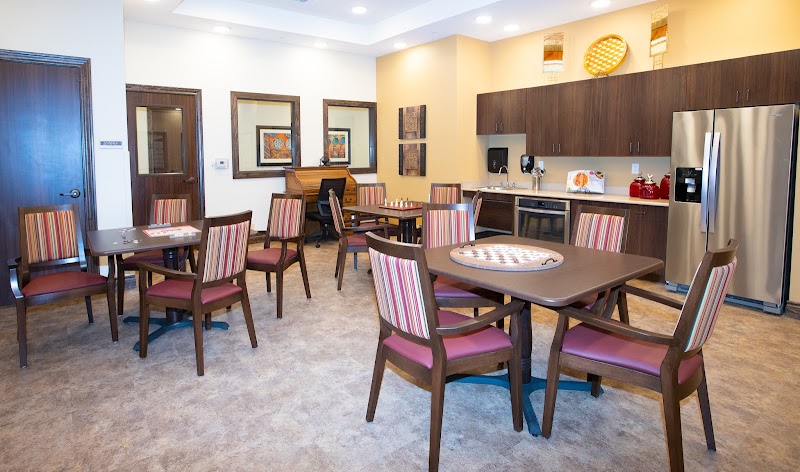
How is Mission Valley Nursing And Transitional Care Staffed?

CMS rates Mission Valley Nursing and Transitional Care's staffing level at 2 out of 5 stars, which is below average compared to other nursing homes. Staff turnover is 25%, compared to the Texas average of 46%. This relatively stable workforce can support continuity of care.

What Have Inspectors Found at Mission Valley Nursing And Transitional Care?

State health inspectors documented 12 deficiencies at Mission Valley Nursing and Transitional Care during 2022 to 2025. These included: 2 Immediate Jeopardy (the most serious level, indicating potential for serious harm or death) and 10 with potential for harm. Immediate Jeopardy findings are rare and represent the most serious regulatory concerns. They require immediate corrective action.
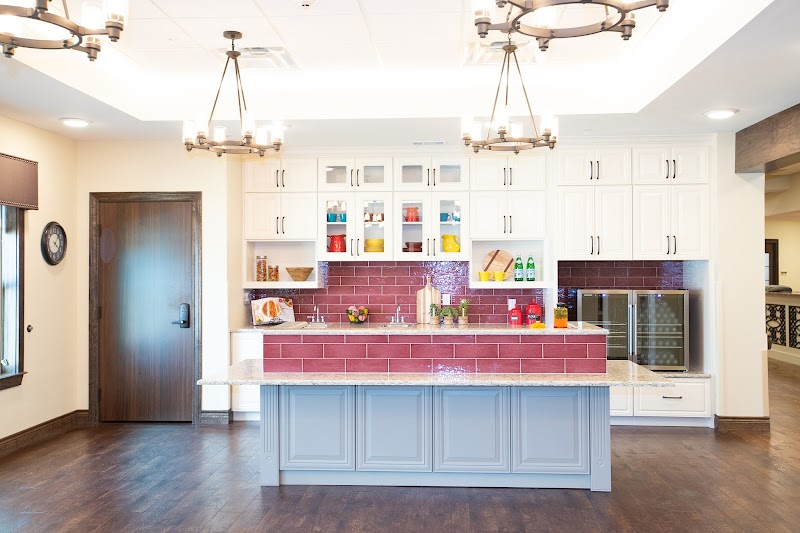
Who Owns and Operates Mission Valley Nursing And Transitional Care?

Mission Valley Nursing and Transitional Care is owned by a non-profit organization. Non-profit facilities reinvest revenue into operations rather than distributing to shareholders. The facility is operated by WELLSENTIAL HEALTH, a chain that manages multiple nursing homes. With 120 certified beds and approximately 116 residents (about 97% occupancy), it is a mid-sized facility located in Mission, Texas.

How Does Mission Valley Nursing And Transitional Care Compare to Other Texas Nursing Homes?

Compared to the 100 nursing homes in Texas, Mission Valley Nursing and Transitional Care's overall rating (3 stars) is above the state average of 2.8, staff turnover (25%) is significantly lower than the state average of 46%, and health inspection rating (2 stars) is below the national benchmark.

What Should Families Ask When Visiting Mission Valley Nursing And Transitional Care?

Based on this facility's data, families visiting should ask: "What changes have been made since the serious inspection findings, and how are you preventing similar issues?" "Can you walk me through typical staffing levels on day, evening, and night shifts?" "Can I visit during a mealtime to observe dining assistance and food quality?" "How do you handle medical emergencies, and what is your hospital transfer rate?" These questions are particularly relevant given the facility's Immediate Jeopardy citations and the below-average staffing rating.

Is Mission Valley Nursing And Transitional Care Safe?

Based on CMS inspection data, Mission Valley Nursing and Transitional Care has documented safety concerns. Inspectors have issued 2 Immediate Jeopardy citations (the most serious violation level indicating risk of serious injury or death). The facility has a 3-star overall rating and ranks #1 of 100 nursing homes in Texas. Families considering this facility should ask detailed questions about what corrective actions have been taken since these incidents.

Do Nurses at Mission Valley Nursing And Transitional Care Stick Around?

Staff at Mission Valley Nursing and Transitional Care tend to stick around. With a turnover rate of 25%, the facility is 20 percentage points below the Texas average of 46%. Low turnover is a positive sign. It means caregivers have time to learn each resident's needs, medications, and personal preferences. Consistent staff also notice subtle changes in a resident's condition more quickly.

Was Mission Valley Nursing And Transitional Care Ever Fined?

Mission Valley Nursing and Transitional Care has no federal fines on record. CMS issues fines when nursing homes fail to meet care standards or don't correct problems found during inspections. The absence of fines suggests the facility has either maintained compliance or corrected any issues before penalties were assessed. This is a positive indicator, though families should still review recent inspection reports for the full picture.

Is Mission Valley Nursing And Transitional Care on Any Federal Watch List?

Mission Valley Nursing and Transitional Care is not on any federal watch list. The most significant is the Special Focus Facility (SFF) program, which identifies the bottom 1% of nursing homes nationally based on persistent, serious quality problems. Not being on this list means the facility has avoided the pattern of deficiencies that triggers enhanced federal oversight. This is a positive indicator, though families should still review the facility's inspection history directly.