MUNDAY NURSING CENTER
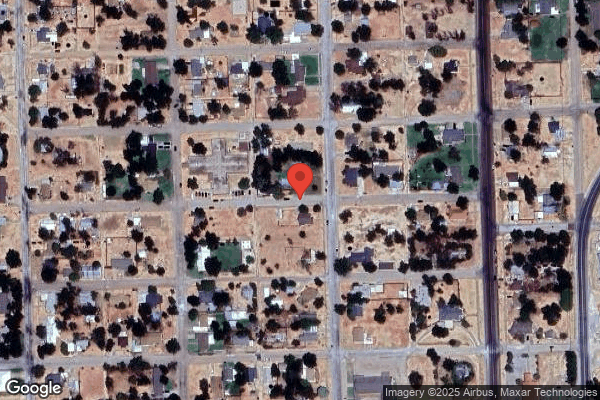
421 WEST F ST, MUNDAY, TX 76371 (940) 422-4541
Government - Hospital district 61 Beds Independent Data: November 2025
Trust Grade
95/100
#100 of 1168 in TX
Last Inspection: June 2025

Inspected within the last 6 months. Data reflects current conditions.

Overview

Munday Nursing Center has received a Trust Grade of A+, indicating it is an elite facility with top-tier standards for care. It ranks #100 out of 1,168 nursing homes in Texas, placing it in the top half and #1 out of 2 in Knox County, meaning it is the best option locally. The facility is improving, as it has reduced its issues from 6 in 2024 to 4 in 2025. Staffing is a strong point, with a turnover rate of only 21%, significantly lower than the Texas average, although RN coverage is average. While there have been no fines, some concerning incidents were found, including improper food storage which could lead to contamination risks, a lack of available grievance procedures for residents, and inadequate care plans for some residents, which could affect their individual care needs.

Trust Score
A+
95/100
In Texas
#100/1168
Top 8%
Safety Record
Low Risk
No red flags
Inspections
Getting Better
6 → 4 violations
Staff Stability
✓ Good
21% annual turnover. Excellent stability, 27 points below Texas's 48% average. Staff who stay learn residents' needs.
Penalties
✓ Good
No fines on record. Clean compliance history, better than most Texas facilities.
Skilled Nurses
⚠ Watch
Each resident gets only 24 minutes of Registered Nurse (RN) attention daily — below average for Texas. Fewer RN minutes means fewer trained eyes watching for problems.
Violations
⚠ Watch
12 deficiencies on record. Higher than average. Multiple issues found across inspections.
★★★★★
5.0
Overall Rating
★★★★☆
4.0
Staff Levels
★★★★★
5.0
Care Quality
★★★★☆
4.0
Inspection Score
Stable
2024: 6 issues
2025: 4 issues

The Good

  • 4-Star Staffing Rating · Above-average nurse staffing levels
  • 5-Star Quality Measures · Strong clinical quality outcomes
  • Low Staff Turnover (21%) · Staff stability means consistent care
  • Full Sprinkler Coverage · Fire safety systems throughout facility
  • No fines on record
  • Staff turnover is low (21%)

    27 points below Texas average of 48%

Facility shows strength in staffing levels, quality measures, staff retention, fire safety.

The Bad

No Significant Concerns Identified

This facility shows no red flags. Among Texas's 100 nursing homes, only 1% achieve this.

The Ugly 12 deficiencies on record

Jun 2025 4 deficiencies
CONCERN (E)

Potential for Harm - no one hurt, but risky conditions existed

Grievances (Tag F0585)

Could have caused harm · This affected multiple residents

Based on observation, interview, and record review, the facility failed to make information available to resident's and their representatives on filing grievances or concerns for 6 of 8 confidential r...

Read full inspector narrative →
Based on observation, interview, and record review, the facility failed to make information available to resident's and their representatives on filing grievances or concerns for 6 of 8 confidential residents reviewed for grievances. The facility failed to ensure 6 of 8 confidential residents were provided, through postings in prominent locations; the Grievance Procedure, access to Grievance forms, information regarding who the facility Grievance officer was with their contact information, and accommodations to file an anonymous Grievance. The facility failed to include all areas per the regulation in their Grievance Procedures policy, to include the following: This failure could place the residents at risk of unresolved Grievances and decreased quality of life. Findings include: During a confidential interview on 06/25/2025 at 1:30 PM with the resident council, 6 confidential residents stated they did not know how to file a formal Grievance. The residents stated they did not have access to Grievance forms, and they did not know where Grievance forms were kept. The residents stated they were not aware of who their Grievance Officer was, nor the process to resolve Grievances. They stated they had never seen a posting in the facility pertaining to Grievances. Residents in Resident Council stated they did not know how to file anonymous Grievances, and they were not aware they had the option to file a formal complaint anonymously. Six of the eight residents in attendance had been residing at the facility for 6 months or longer. Observation of prominent postings on 06/25/2025 at 2:30 PM; the facility did not have instructions regarding the Grievance procedure with any of their prominent postings. Grievance forms were not readily available to residents in the facility, and there were no accommodations to submit a Grievance anonymously. During an interview on 06/25/2025 at 3:00 PM the AD stated the facility did not have a posting providing information about filing a Grievance. The AD stated there were no forms available for residents to file a grievance on their own or anonymously The AD stated complaints were recorded during resident council meetings and provided to the ADM for review and resolution. The AD stated she was not aware of individual forms the facility had to file official grievances. During an interview on 06/26/2025 at 9:30 AM the AD stated the ADM was the facility's Grievance coordinator. The AD stated complaints were taken by any facility staff, and reported to the ADM for resolution, as necessary. The AD stated she had never had a resident request to file an official Grievance or to file an anonymous Grievance. The AD stated she was not aware a Grievance could be recorded by a resident via a Grievance form. The AD stated residents were advised of their right to file complaints during Resident Council meetings, but they did not discuss Grievances specifically. The AD stated Grievances were resolved by each Department head, and the ADM followed up to ensure they were able to address complaints timely. The AD stated, if a resident was unable to file a Grievance or of the resident wanted to file an anonymous Grievance, and they were unable to, this could have placed the resident at risk of psychosocial harm. The AD stated a resident might not express their concerns if they were unable to file anonymous Grievances. The AD stated if a resident could not file a Grievance, the resident's concerns may have gone unheard and unresolved. During an interview on 06/26/2025 at 10:30 AM the ADM stated she was the Grievance Officer for the facility, and she was responsible for ensuring Grievances were resolved. The ADM stated all grievances were reported to her by facility staff, but grievance forms were not recorded individually. The ADM stated blank grievance forms were not accessible to residents since they were recorded digitally by the ADM. The ADM stated Grievances were communicated to each department head to ensure resolution, and the ADM followed up to ensure Grievances were resolved as soon as possible. The ADM stated residents were informed of their right to file a Grievance upon admission. The ADM stated, although there was no procedure in place currently that allowed residents to obtain a Grievance form on their own or to file it anonymously, she would ensure a process was set up as soon as possible. The ADM stated it was important for a resident to be able to file a Grievance anonymously because the resident may fear retaliation upon filing a Grievance. The ADM stated if a resident was unable to file a Grievance and/or wanted to file anonymous Grievances and they were unable to, the resident's right to voice their feelings and option could have been taken from them, and the resident may have not felt seen or heard. Record review of the facility Social Services Department Policy and Procedures Manual (Section: 7. Resident Rights, Subject: SS-705: Grievance Procedures), Effective 12/97, revealed the following documentation: POLICY: Residents and their families have the right to file a complaint without fear of reprisal. Purpose: Residents' rights should be protected when voicing complaints to maximize the quality of life for each individual and to promote customer satisfaction with facility care and services. Director's role: The social services director is responsible for the following: establishing a mechanism for all associates to communicate resident or family complaints to the designated staff so that all complaints will be documented and timely response developed and implemented. Social services The social services staff is responsible for the following: maintaining a system to keep records (file, log, copy of complaint registration forms, etc.) of all complaints reported which contains the date of report, circumstances, specifics of investigation, action taken, and follow-up with the complainant
CONCERN (E)

Potential for Harm - no one hurt, but risky conditions existed

Comprehensive Care Plan (Tag F0656)

Could have caused harm · This affected multiple residents

**NOTE- TERMS IN BRACKETS HAVE BEEN EDITED TO PROTECT CONFIDENTIALITY** Based on interviews, and record review, the facility failed to develop and implement a comprehensive person-centered care plan f...

Read full inspector narrative →
**NOTE- TERMS IN BRACKETS HAVE BEEN EDITED TO PROTECT CONFIDENTIALITY** Based on interviews, and record review, the facility failed to develop and implement a comprehensive person-centered care plan for each resident, consistent with the resident rights, that included measurable objectives and timeframes to meet a resident's medical, nursing, mental, and psychosocial needs that were identified in the comprehensive assessment for 3 of 14 residents (Residents #1, #4, #42) reviewed for care plans. The facility failed to develop an accurate, consistent, and completed care plan for Residents #1, #4 and #42 in regard to the residents being placed on hospice services. This failure could place residents at risk of not receiving the care required to meet their individualized needs. Findings included: Resident #1 Record review of the face sheet revealed Resident #1 was admitted to the facility on [DATE], with a readmission on [DATE]. Resident #1 was an [AGE] year-old female with diagnoses that included the following: Unspecified dementia (the specific type -like Alzheimer's or vascular dementia - cannot be determined or is not specified due to insufficient information or complexity) and unspecified macular degeneration (age-related macular degeneration where the specific stage or type - wet or dry - is not clearly defined). Record review of Resident #1's annual MDS assessment, dated 07/10/25, revealed Staff assessment of Resident #1 cognitive status was severely impaired - never/rarely made decisions. Record review of Resident #1's physician's order, dated 06/25/25, revealed an order: Admit to [hospice] Dx: Heart Failure with a start date of 06/09/22. Record review of the current care plan for Resident #1, date last reviewed on 06/18/25, revealed no care areas for hospice services at the facility. Resident #4 Record review of the face sheet revealed Resident #4 was admitted to the facility on [DATE]. Resident #4 was an [AGE] year-old female with the diagnoses that included the following: Vascular dementia with agitation (people become less able to interpret their environment and control or express their feelings), hypertension (condition in which the force of the blood against the artery wall is too high), and atrial fibrillation (the heart's upper chambers -called the atria - beat chaotically and irregularly). Record review of Resident #4's Annual MDS dated [DATE], revealed Resident #4 was unable to complete interview for mental status. Staff assessment for mental status revealed that Resident #4 has a short term and long term memory problem. Resident #4's cognitive skills for daily decision making was severely impaired. MDS reveals that resident has a condition or chronic disease that may result in a life expectancy of less than six months. Special treatments, procedures and programs reveals Resident #4 was receiving hospice care. Record review of Resident #4's current physician orders revealed an order dated 09/26/2022 to admit Resident #4 to hospice for the diagnosis of hypertensive heart disease. Record review of Resident #4's progress notes from dates of 05/02/2025 to 06/05/2025 did not reflect any notes related to hospice. Record review of Resident #4's care plan with date initiated 04/16/2024, with a revision date of 04/16/2024 with a focus area that Resident #4 triggered for mood problem related to feeling tired, no energy, sleeping a lot. Resident #4 was declining overall, hospice services in place at this time. Interventions included: administer medications and monitor for side effects, assist Resident #4, family, and caregivers to identify strengths and positive coping skills, educate Resident #4, family, and caregivers regarding expectations of treatments, Resident #4 needs time to talk during interactions, monitor and record mood to determine if problems seem to be related to external causes, monitor and report to MD as needed for acute episode feelings or sadness; loss of pleasure and interest in activities, feelings of worthlessness or guilt; change in appetite or eating habits; change in sleep patterns, monitor and report to MD as needed for mood patterns of depression, anxiety, and sad mood, provide Resident #4 with a program of activities that is meaningful and of interest. There was no focus area of Resident #4 being admitted to hospice for terminal diagnosis. Resident #42 Record review of face sheet revealed Resident #42 was admitted to the facility on [DATE]. Resident #42 was a [AGE] year-old female with diagnoses that included schizoaffective disorder - bipolar type (bouts of mania and sometimes depression), and unspecified dementia (the specific type like - Alzheimer's or vascular dementia - cannot be determined or is not specified due to insufficient information or complexity). Record review of Resident #42's admission MDS revealed Resident #42 had a BIMS score of 8, which indicated a moderate cognitive impairment. Record review of physician order dated 04/04/2025 at 7:40 AM revealed a verbal order to refer Resident #42 to hospice per POA's request. Confirmed by the DON. Record review of nursing progress note for Resident #42, dated 04/04/2025 revealed that Resident #42 had been admitted under the services of hospice with the diagnosis of senile degeneration of the brain. Record review of Resident #42 care plan that was initiated on 01/07/2025 did not address Resident #42's admission to hospice. During an interview on 06/25/2025 at 7:35 AM the ADON voiced that the DON does the care plans. During an interview on 06/26/25 at 11:08 AM, the Adm stated the DON was responsible for ensuring the resident's care plans were complete. The Adm stated she expected hospice services to be an area that was care planned in a resident's chart. The Adm stated the DON was trained on completing care plans and she did not know why hospice services was not care planned for some residents. The Adm stated the residents had a risk of not receiving adequate care related to the care plan. During an interview on 06/26/2025 at 12:24 PM, the DON stated care plans should reflect the resident, stating that she put any concerns, or potential concerns, the current diagnoses, and medications. DON voiced that hospice should be on the care plan and that they normally put hospice on the care plan. DON stated they had care plan meetings with hospice. Care plans are gone over and updated during the care plan meetings. DON was notified that three residents reviewed, did not have hospice on the care plan. DON voiced, Really? We normally do. DON stated she did not know how those were missed, stating, there is no excuse. Record review of the facility's policy titled, Care Plans, Comprehensive Person-Centered 2001 Med-Pass, Inc. with a revision December 2016i. reflected the following: Policy: A comprehensive, person-centered care plan that includes measurable objectives and timetables to meet the resident's physical, psychosocial and functional needs is developed and implemented for each resident. Policy Interpretation and Implementation: 1. The Interdisciplinary Team (IDT), in conjunction with the resident and his/her family or legal representative, develops and implements a comprehensive, person-centered care plan for each resident. 13. Assessments of residents are ongoing, and care plans are revised as information about the residents' conditions change.
CONCERN (E)

Potential for Harm - no one hurt, but risky conditions existed

Food Safety (Tag F0812)

Could have caused harm · This affected multiple residents

Based on observation, interview, and record review, the facility failed to store, prepare, distribute, and serve food in accordance with professional standards for food service safety in 1 of 1 kitche...

Read full inspector narrative →
Based on observation, interview, and record review, the facility failed to store, prepare, distribute, and serve food in accordance with professional standards for food service safety in 1 of 1 kitchen (Kitchen A) reviewed for dietary services. 1) The DM failed to clean the food thermometer each time before placing in a food item. 2) [NAME] A failed to serve a cold food in the proper temperature for serving, below 41 degrees Fahrenheit (F). These failures could place residents at risk for food contamination and foodborne illness. The findings include: Observation on 06/24/25 at 11:49 AM during the food temping process for the noon meal, the DM placed a dial food thermometer in the puree macaroni salad without cleaning the probe first. The DM then placed the dial food thermometer in an ice bath for calibration and the thermometer was then placed in the puree sandwich without cleaning the probe first. The DM then cleaned the dial food thermometer with an alcohol prep pad and was then placed back in the ice bath. The DM then placed the dial food thermometer back in the puree macaroni salad from the ice bath without cleaning the probe first. Interview on 06/25/25 at 9:55 AM, the DM stated she has been trained on cleaning the thermometer probe each time before placing in a food item. The DM stated she was nervous and frustrated during the food temping process for the noon meal yesterday, and that was why the thermometer probe did not get cleaned each time before placing in a food item. The DM stated the risks to the residents was cross-contamination and the residents could get sick. Observation on 06/25/25 at 10:45 AM, a medium to large square container covered tightly with aluminum foil was noted sitting in a big bowl on a bed of ice. [NAME] A stated the container in the big bowl was full of potato salad for the noon meal. Surveyor asked for the temperature of the potato salad. The foil was removed and steam was noted coming from the potato salad and the temperature read 154 F. Observation on 06/25/25 at 11:50 AM, the DM took the temperature of 1 of 3 smaller, more shallow containers of potato salad sitting on a bed of ice and lightly covered with foil and the temperature was 97.4 F. The DM stated she would continue attempting to rapidly cool the potato salad to serve at the noon meal. Observation on 06/25/25 at 12:15 PM, potato salad was observed on the resident's plates eating in the dining room. Interview on 06/25/25 at 12:17 PM, [NAME] A stated the potato salad was last temped at 70 F in the center and 36 F on the outside of the container. Interview on 06/25/25 at 12:18 PM, the DM stated she had advised [NAME] A to not serve the potato salad until the temperature was below 41 F. The DM stated she got busy putting away a food delivery and did not know [NAME] A had served the potato salad. Interview on 06/26/25 at 10:01 AM, [NAME] A stated she had been trained on the proper food temperatures for cold and hot foods to be served at. [NAME] A stated she had been trained that a food temperature of 70 F in the middle was too hot for cold foods. [NAME] A stated she was worried about feeding all residents their whole meal at one time and she did not want them to have to wait for the potato salad. [NAME] A stated the residents had a risk for food borne pathogens and they could get sick if they were served food that was not at the proper temperature. Interview on 06/26/25 at 10:09 AM, the DM stated the staff are trained on the proper serving temperatures for cold and hot foods. The DM stated the staff are trained on cooling foods and she thinks everyone was nervous and that was why the potato salad was served when it was not at the proper temperature of 40 F or lower. The DM stated the potato salad was usually provided to the facility in bags that the kitchen puts together. The DM stated the potato salad bags were not in this grocery order so the kitchen made potato salad from ingredients they had in the kitchen. The DM stated that was why the potato salad was very hot at first. The DM stated the residents had a risk of possibly getting sick with food-poisoning. Interview on 06/25/25 at 11:08 AM, the Adm stated she expected the kitchen staff to clean the thermometer probes each time before use with alcohol prep pads. The Adm stated she expected cold foods to be served in the proper temperatures and hot foods to be served in the proper temperatures. The Adm stated the kitchen staff had been recently trained on food temperatures. The Adm stated she did not know why the kitchen staff served the potato salad before it was fully cooled. The Adm stated the training was a verbal training and she did not have a physical copy of the training provided. The Adm stated the risks to the residents was food borne illness. Record review of the facility policy titled, Food Temperatures, with a revised date of 11/27/06 reflected the following: Policy: It is the policy of this facility to heat or chill foods to the proper temperature and to maintain proper Hot and Cold Food temperatures throughout holding and service. Proper technique will be used to maintain foods at desired temperature (hot and cold) to preserve food quality, safety and palatability. Fundamental Information: All potentially hazardous foods must be brought to a safe internal temperature before serving. 1. Proper Cooling: All cooked foods must be cooled rapidly to below 40F to slow bacterial multiplication. It is recommended that hot foods be cooled from 140F to 70F within 2 hours and from 70F to 40F within an additional 4 hours . Procedure: .Designated staff will take and record temperatures of all potentially hazardous hot and cold foods prior to the beginning of meal service. Temperatures will be obtained by placing a clean, sanitized and calibrated thermometer in the center pard of the food . Corrective action will be taken for improper temperatures. Cold Holding: Cold foods will be held or stored in refrigeration or freezer units, or ice baths to maintain internal temperature of 41F or below.
CONCERN (E)

Potential for Harm - no one hurt, but risky conditions existed

Deficiency F0813 (Tag F0813)

Could have caused harm · This affected multiple residents

**NOTE- TERMS IN BRACKETS HAVE BEEN EDITED TO PROTECT CONFIDENTIALITY** Based on observation, interview, and record review, the facility failed to maintain and ensure safe and sanitary storage of resi...

Read full inspector narrative →
**NOTE- TERMS IN BRACKETS HAVE BEEN EDITED TO PROTECT CONFIDENTIALITY** Based on observation, interview, and record review, the facility failed to maintain and ensure safe and sanitary storage of residents' food items for 7 of 7 residents rooms reviewed for food safety (room [ROOM NUMBER], #5, #9, #11, #29, #31, and #32) in that: The refrigerator located in room [ROOM NUMBER], #5, #9, #11, #29, #31, and #32 were not being monitored for internal temperature and expiration/used by dates. These failures could place residents at risk for food borne illnesses. Findings include: During an observation on 06/24/2025 at 09:52 AM, Resident room [ROOM NUMBER] contained a personal refrigerator. The refrigerator contained perishable food items such as ice cream. The expiration date on the individual ice cream was not legible, as the ink was smeared. The freezer portion of the refrigerator had a large amount of frost build up. The refrigerator also contained bottles of water and cans of soda. During an observation on 06/24/2025 at 09:58 AM, Resident room [ROOM NUMBER] contained a personal refrigerator. The refrigerator contained perishable food items such as undated jars of jams/jellies and bottles of iced tea. During an observation on 06/24/2025 at 11:05 AM, Resident room [ROOM NUMBER] contained a personal refrigerator. The refrigerator did not contain a thermometer. There was not a log present indicating the refrigerator's daily temperatures. The refrigerator contained perishable food items such as tarter sauce, Ensure supplement drinks and sodas. During an observation on 06/24/2025 at 11:21 AM, Resident room [ROOM NUMBER] contained a personal refrigerator. The refrigerator contained perishable food items such as undated guacamole, yogurt, packaged fruit cups, and fresh fruit. During an observation on 06/24/2025 at 11:24 AM, Resident room [ROOM NUMBER] contained a personal refrigerator. The refrigerator did not contain a thermometer. There was not a log present indicating the refrigerator's daily temperatures. The refrigerator contained perishable food items such as sodas, apple juice, Boost supplement drinks, and cheese. During an observation on 06/24/2025 at 11:27 AM, Resident room [ROOM NUMBER] contained a personal refrigerator. The refrigerator contained perishable food items such as jelly and sodas. During an observation on 06/25/2025 at 10:05 AM, Resident room [ROOM NUMBER] contained a personal refrigerator. The refrigerator contained perishable food items such as condiments, sodas, and bottles of waters. During an interview on 06/26/2025 at 10:30 AM, the ADM stated the housekeeping staff were responsible for cleaning the residents' personal refrigerators once a month and ensuring each refrigerator was working properly. The ADM stated the facility did not have a specific policy pertaining to a resident's personal refrigerator. The ADM stated the facility did not have a policy stating a resident's personal refrigerator should have a thermometer. The ADM stated the housekeeping staff were not responsible for checking temperatures of the residents' personal refrigerators. The ADM stated there was not another way the facility monitored a resident's personal refrigerator to ensure it maintained a safe temperature for perishable foods. The ADM stated the facility did not have a log to verify residents' refrigerators were being maintained. The ADM stated any spoiled or expired food should have been thrown away by the housekeeping staff monthly. The ADM stated food could have also become expired throughout the month, and it would not have been discarded unless the resident threw it out. The ADM stated the facility relied on the resident or family to ensure a resident's personal refrigerator was maintained and perishable foods were discarded when they expired. The ADM state if a resident's family was not available to maintain the resident's refrigerator, and the resident was unable to maintain their own refrigerator, the resident didn't usually have a personal refrigerator. She stated housekeeping staff would have made monthly checks when they cleaned the personal refrigerators. The ADM stated the facility did not have a specific system in place to ensure a resident's personal refrigerator was being maintained other than the housekeeping staff cleaning the personal refrigerators monthly. The ADM stated she planned to develop and implement a facility policy specific to a resident's personal refrigerator as soon as possible. The ADM stated she also planned to implement a system to track cleaning and maintenance of residents' personal refrigerators as soon as possible. The ADM stated it was important to ensure a resident's personal refrigerator was working properly to prevent food borne illness. The ADM stated the residents could have been at risk of consuming spoiled food and/or drinks if the refrigerators were not cleaned and checked adequately. The ADM stated this could have resulted in residents becoming sick. During an interview on 06/26/2025 at 11:00 AM, the HKS said housekeeping was responsible for cleaning the residents' refrigerators at least monthly. The HKS was unable to state what temperature the residents' refrigerators were supposed to maintain and stated housekeeping staff did not check the temperature of refrigerators. HKS stated housekeeping staff were responsible for throwing away any expired food from the residents' personal refrigerator on a monthly basis. The HKS stated she was not aware what happened with a resident's expired food, throughout the month, as housekeeping staff were only responsible for cleaning residents' personal refrigerators once a month. The HKS stated there was not a log for each residents' refrigerator for the housekeeping staff to track when refrigerators were checked or cleaned. The HKS stated it was her expectation that housekeeping staff were cleaning each resident's personal refrigerators as needed. She stated there was no way for her to document this was being done. The HKS stated residents were at risk of eating expired or spoiled food if their refrigerators were not checked by staff to ensure they were working properly or if staff did not throw away expired food. Record review of the facility's policy titled Foods Brought by Family/Visitors, revised July 2017, revealed: Policy Statement: Food brought to the facility by visitors and family is permitted. Facility staff will strive to balance resident choice and a homelike environment with the nutritional and safety needs of residents. Policy Interpretation and Implementation: 4. Family/visitors are asked to prepare and transport food using safe food handling practices, including: a. Safe cooling and reheating processes; b. Holding temperatures; c. Preventing cross-contamination with raw or undercooked foods; d. Hand hygiene. 5. All personnel involved in preparing, handling, serving or assisting the resident with meals or snacks will be trained in safe food handling practices. 8. The nursing staff will discard perishable foods on or before the use by date. 9. The nursing and/or food service staff will discard any foods prepared for the resident that show obvious signs of potential foodborne danger (for example, mold growth, foul odor, past due package expiration dates).
May 2024 6 deficiencies
CONCERN (D)

Potential for Harm - no one hurt, but risky conditions existed

Deficiency F0552 (Tag F0552)

Could have caused harm · This affected 1 resident

**NOTE- TERMS IN BRACKETS HAVE BEEN EDITED TO PROTECT CONFIDENTIALITY** Based on interviews and record reviews the facility failed to ensure the residents had the right to participate in, his or her t...

Read full inspector narrative →
**NOTE- TERMS IN BRACKETS HAVE BEEN EDITED TO PROTECT CONFIDENTIALITY** Based on interviews and record reviews the facility failed to ensure the residents had the right to participate in, his or her treatment which included the right to be informed in advance, by the physician or other practitioner or professional, of the risks and benefits of proposed care, of treatment and treatment alternatives or treatment options and to choose the alternative or option he or she preferred, for 1 of 15 residents (Residents #1) reviewed for resident rights. The facility failed to obtain a signed informed consent based on information of the benefits, risks, and options available for Residents #1 prior to administering Celexa, Lorazepam, and Seroquel, psychotropic medications, (a psychoactive drug taken to exert an effect on the chemical make-up of the brain and nervous system). This failure could place residents at risk of receiving medications without their prior knowledge or consent, or that of their responsible party or being aware of the benefits and risks of the medications prescribed. Findings included: Record review of Resident #1's face sheet, dated 05/15/24, revealed a [AGE] year-old-female was admitted to the facility on [DATE] with diagnoses to include anxiety disorder (fears that are strong enough to interfere with daily life), muscle weakness, insomnia (trouble sleeping), pain, and difficulty walking. Record review of comprehensive MDS assessment dated [DATE] revealed Resident #1 was rarely to never understood. The MDS revealed Resident #1 had a BIMS score of 00 which indicated the resident's cognition was severely impaired. Record Review of Section N0415 indicate Resident #1 was taking antidepressants, antipsychotics, and antianxiety medications. Record review of a care plan for Resident #1 dated 06/14/23 revealed a focus area of depression: Resident will take antidepressant medication as prescribed to assist with this area of concern. Record review of Resident #1's order summary report dated 05/15/24 revealed the following orders: Celexa 10mg 2 tablets by mouth once a day as related to depression and explosive disorder dated 1/25/23. Lorazepam 1mg give by mouth twice a day related to anxiety dated 03/22/23. Seroquel 25mg give 1 tablet by mouth at bedtime related to hallucinations. Record review of Resident #1's electronic medical record of scanned consents on 5/15/24 revealed a consent for Seroquel and a consent for Lorazepam; however, these consents were not signed by the resident or the resident's representative. These consents stated verbal consent per phone; however, there was no date, time, or a name of the residents' representative providing verbal consent. During an interview on 05/16/24 at 12:10PM with the DON, she verified both consents for Resident #1 for Seroquel and Lorazepam do not indicate who provided verbal consent for either medication, no time for the verbal consent, and no date for the verbal consent. The DON stated she understood the need for the name of the resident representative who provided the consent as well as the time and date the verbal consent was received. She stated all staff had been trained on obtaining consents. She stated the nurses are responsible for obtaining consent for medications when they receive the order. She stated the potential negative outcome could be medications being distributed against the residents' or family wishes. During an interview on 5/16/24 at 12:28PM, the ADM stated the admitting nurse or the nurse receiving the order for the psychotropic medication is responsible for obtaining the consent for the psychotropic medication from the resident or their responsible party on the same day it is received from the physician. The ADM stated the consent should have been obtained prior to the residents being given psychotropic medications. The ADM stated the nurses have all been trained on medication consents. The ADM stated a potential negative outcome to the residents was the resident would receive a medication without consent. Policy Interpretation and Implementation: Policy was not provided prior to the exit date of 5/16/2024 at 1:15pm. The Policy for Informed Consent was requested by this surveyor from the ADM on 5/16/2024 at 12:28pm.
CONCERN (D)

Potential for Harm - no one hurt, but risky conditions existed

Deficiency F0578 (Tag F0578)

Could have caused harm · This affected 1 resident

**NOTE- TERMS IN BRACKETS HAVE BEEN EDITED TO PROTECT CONFIDENTIALITY** Based on interview and record review, the facility failed to ensure all residents had the right to formulate an advance directiv...

Read full inspector narrative →
**NOTE- TERMS IN BRACKETS HAVE BEEN EDITED TO PROTECT CONFIDENTIALITY** Based on interview and record review, the facility failed to ensure all residents had the right to formulate an advance directive for 3 of 15 residents (Residents #5, #13, and #30) reviewed for advanced directives, in that: Residents #5, #13, and #30 were listed as a DNR (Do Not Resuscitate) but had Out-of-Hospital Do Not Resuscitate (OOH-DNR) forms that were incorrectly filled out or missing required information. These failures could place residents at risk for not having their end of life wishes honored and incomplete records. Findings included: Resident #5 Record review of Resident #5's current undated face sheet revealed an [AGE] year-old-female who was admitted to the facility on [DATE] with a primary diagnosis of dementia. Additionally, the advance directive was listed as OOH-DNR. Record review of Resident #5's physician order summary dated [DATE] revealed physician orders listed as do not resuscitate, dated [DATE]. Record review of Resident #5's care plan dated [DATE] revealed a care plan goal for OOH-DNR. Record review of Resident #5's OOH-DNR form dated [DATE] revealed it was completed by the Resident, contained two witnesses, Physician's Statement, and signed by a physician. However, the form was incomplete as it did not contain the date for the physician's signature. Resident #13 Record review of Resident #13's face sheet, dated [DATE], revealed a [AGE] year-old-female was admitted to the facility on [DATE] with diagnoses to include degeneration of the brain (decline and death of brain cells), major depressive disorder (mental health condition that causes a persistently low or depressed mood and loss of interest in activities) and lack of coordination (poor muscle control). The face sheet also revealed under the advance directive section - DNR-Do Not Resuscitate. Record review of Resident #13's physician order summary dated [DATE] revealed the following order: DNR-Do Not Resuscitate dated [DATE]. Record review of Resident #13's care plan, dated [DATE], revealed care plan for DNR. Record review of Resident #13's Out of Hospital Do Not Resuscitate form dated [DATE] revealed there was no date associated with the physician's signature and revealed missing guardian/agent/proxy/relative signature on the signature lines required at the bottom of the Out of Hospital Do Not Resuscitate. Resident #30 Record review of Resident #30's face sheet, dated [DATE], revealed an [AGE] year-old-male was admitted to the facility on [DATE] with diagnoses to include unspecified dementia (loss of cognitive skills and functioning), cellulitis of right lower limb (infection), and neuromuscular dysfunction of bladder (loss of bladder control). The face sheet also revealed under the advance directive section - OOH-DNR. Record review of Resident #30's physician order summary dated [DATE] revealed the following order: OOH-DNR dated [DATE]. Record review of Resident #30's care plan, last reviewed on [DATE], revealed a care area for OOH-DNR. Record review of Resident #30's OOH-DNR form, signed by Resident #30 on [DATE], revealed there was no printed name or license number associated with the physician's signature that was dated [DATE]. During an interview on [DATE] at 12:10PM with the DON, she stated OOH DNR was not valid if it's not filled out correctly. She stated the social worker was usually the one who obtained the OOH DNR and then she reviews them. She verified missing information on OOH DNR for Residents #5, #13, and #30. She stated there was no system for monitoring OOH DNR for accuracy. She stated the reason the DNR's were not complete was human error. She stated the potential negative outcome could be a resident's end of life wishes may not be followed. During an interview on [DATE] at 12:28PM with the ADM, she stated the OOH DNR was not valid if not filled out correctly. She stated the social worker was responsible for making sure the OOH DNR was completed accurately. She stated they do not have a system in place to monitor OOH DNR for accuracy. She stated she should be reviewing OOH DNRs for accuracy. She verified missing information on OOH DNR for Residents #5, #13 and #30. She stated she does not know why the information was missing. She stated the potential negative outcome was a resident's end of life wishes may not be honored. She stated she had been trained on how to complete OOH DNR and her expectations were for them to be filled out completely and be correct. The Social Worker was not interviewed as she was out of the office and not reachable by phone. Record review of the Social Services Policies and Procedures Advanced Directives (Revised [DATE]) revealed the following: Policy Residents have the right to execute an advance directive specifying how decisions about the resident's care will be made. Advance Directives include written instructions about care and treatment and include such documents as Directive to Physician, Power of Attorney for Health Care, OOH DNR, and instructions for no CPR. INSTRUCTIONS FOR ISSUING AN OOH-DNR ORDER PURPOSE Section A - If an adult person is competent and at least [AGE] years of age, he/she will sign and date the Order in Section A. Section B - If an adult person is incompetent or otherwise mentally or physically incapable of communication and has either a legal guardian, agent in a medical power of attorney, or proxy in a directive to physicians, the guardian, agent, or proxy may execute the OOH-DNR Order by signing and dating it in Section B. In addition, the OOH-DNR Order must be signed and dated by two competent adult witnesses, who have witnessed either the competent adult person making his/her signature in section A, or authorized declarant making his/her signature in either sections B, C, or E, and if applicable, have witnessed a competent adult person making an OOH-DNR Order by nonwritten communication to the attending physician, who must sign in Section D and also the physician's statement section. Optionally, a competent adult person or authorized declarant may sign the OOH-DNR Order in the presence of a notary public. However, a notary cannot acknowledge witnessing the issuance of an OOH-DNR in a nonwritten manner, which must be observed and only can be acknowledged by two qualified witnesses. Witness or notary signatures are not required when two physicians execute the OOH-DNR Order in section F. The original or a copy of a fully and properly completed OOH-DNR Order or the presence of an OOH-DNR device on a person is sufficient evidence of the existence of the original OOH-DNR Order and either one shall be honored by responding health care professionals. Record review of the facility's policy titled Advance Directives, undated revealed no information regarding the OOH DNR.
CONCERN (D)

Potential for Harm - no one hurt, but risky conditions existed

Infection Control (Tag F0880)

Could have caused harm · This affected 1 resident

**NOTE- TERMS IN BRACKETS HAVE BEEN EDITED TO PROTECT CONFIDENTIALITY** Based on observation, interview and record review the facility failed to maintain an infection prevention and control program de...

Read full inspector narrative →
**NOTE- TERMS IN BRACKETS HAVE BEEN EDITED TO PROTECT CONFIDENTIALITY** Based on observation, interview and record review the facility failed to maintain an infection prevention and control program designed to provide a safe, sanitary and comfortable environment and to help prevent the development and transmission of communicable diseases and infections for 1 of 16 residents (Resident #30) and 1 of 3 staff (CNA A ) reviewed for infection control. 1. CNA A failed to change gloves when providing incontinent care for Resident #30. This failure could place residents at risk for spread of infection and cross contamination. Findings include: 1. Record review of Resident #30's face sheet, dated 05/16/24, revealed an [AGE] year-old male admitted to the facility on [DATE] with diagnoses to include: unspecified dementia (loss of intellectual functioning), major depressive disorder (persistent low or depressed mood), neuromuscular dysfunction of bladder, (lack of bladder control due to brain or nerve problems), hypertension (elevated blood pressure), atherosclerotic heart disease (damage to the heart's major vessels), congestive heart failure (chronic condition where the heart doesn't pump as well as it should). Record review of Resident #30's MDS Annual assessment dated [DATE] revealed resident has a BIMS score of 09, indicating resident is moderately cognitively impaired. MDS section H revealed Resident #30 has an indwelling catheter and is frequently incontinent of bowel. Record review of Resident #30's care plan dated 05/02/24 revealed resident has an indwelling catheter, is incontinent of bowel and requires assistance with catheter care and incontinent care. During an observation of incontinent care on 05/15/24 at 10:35 AM for Resident #30, CNA A washed his hands and closed the door to the room. LVN A was present to provide assistance in turning the resident and was also observed to wash her hands and don gloves. CNA A donned gloves and explained the procedure to the resident. The resident gave verbal permission for the surveyor to observe care. CNA A removed the resident's brief and performed male incontinent care and catheter care using incontinent wipes. CNA A rolled the resident to his left side, with the assistance of LVN A, and cleaned the scrotum and buttocks with wipes. CNA A removed the dirty brief and incontinent wipes and placed them in the trash. CNA A picked up a clean brief and placed it on the resident. CNA A then pulled the sheet back up over the resident and used the pull cord on the over-bed light to dim the lighting. There was Nno observation of CNA A changing gloves/performing hand hygiene during the procedure. During an interview on 05/15/24 at 10:47 AM, CNA A stated he did not remove gloves or sanitize hands between performing dirty and clean aspects of incontinent care. He said the proper time to remove gloves is after performing incontinent care and before applying a clean brief or between any dirty and clean portions of incontinent care. CNA A stated he did not know why he failed to change his gloves and that he was nervous during the observation. He stated, I even put an extra set of gloves on the table, then forgot. He stated he has been trained on proper hand hygiene by in-servicing from the DON and the administrator and through annual computer training and skills checks. CNA A stated a potential negative outcome for failure to change gloves during incontinent care would be that the resident could get an infection. During an interview on 05/16/24 at 10:05 AM, The ADM stated her expectation of staff is to always follow policy. She stated staff have been trained by herself and the DON through periodic skills checks, in-servicing and annual computer-based training. The ADM stated a potential negative outcome of failure to change gloves and perform hand hygiene before, during and after incontinent care is illness. During an interview on 05/16/24 at 11:15 AM, DON stated gloves should be changed between clean and dirty aspects of incontinent care. The DON stated staff are trained by in-services done monthly and as needed, as well as through periodic skills checks done by herself or the administrator. She stated staff are also trained through annual computer-based training. The DON stated a potential negative outcome of failure to change gloves and perform hand hygiene before, during and after incontinent care would be infection. Record review of the facility's policy titled Handwashing/Hand Hygiene revised August of 2015 revealed: Policy Statement: This facility considers hand hygiene the primary means to prevent the spread of infections. Policy Interpretation and Implementation: 2. All personnel shall follow the hand washing/hand hygiene procedures to help prevent the spread of infections to other personnel, residents and visitors. 7. Use an alcohol-based hand rub containing at least 62% alcohol; Or, alternatively, soap (antimicrobial or non-antimicrobial) and water for the following situations: b. Before and after direct contact with residents; h. Before moving from a contaminated body site to a clean body site during resident care; i. After contact with a resident'sce intact skin; m. After removing gloves; 8. Hand hygiene is the final step after removing and disposing of personal protective equipment. 9. The use of gloves does not replace hand washing/hand hygiene. Integration of glove use along with routine hand hygiene is recognized as the best practice for preventing healthcare associated infections.
CONCERN (E)

Potential for Harm - no one hurt, but risky conditions existed

Deficiency F0645 (Tag F0645)

Could have caused harm · This affected multiple residents

**NOTE- TERMS IN BRACKETS HAVE BEEN EDITED TO PROTECT CONFIDENTIALITY** Based on interviews and record review, the facility failed to ensure all Pre-admission Screening and Resident Review (PASRR) Lev...

Read full inspector narrative →
**NOTE- TERMS IN BRACKETS HAVE BEEN EDITED TO PROTECT CONFIDENTIALITY** Based on interviews and record review, the facility failed to ensure all Pre-admission Screening and Resident Review (PASRR) Level I residents with mental illness were provided with a PASRR Evaluation assessment for 4 of 40 residents (Residents #7, #17, #19, and #23) reviewed for PASRR screening, in that: Residents #7, #17, #19, and #23 did not have an accurate PASRR Level 1 assessment when they have a diagnosis of mental illness. These failures could place residents with an inaccurate PASRR Level 1 and no PASRR Level 2 Evaluation at risk for not receiving care and services to meet their needs. The findings were as follows: Resident #7: Record review of Resident #7's electronic face sheet dated 5/15/2024 revealed an [AGE] year-old female, admitted to the facility on [DATE]. The face sheet indicated, under Diagnosis Information, a diagnosis of Major Depressive Disorder. Record review of Resident #7's Quarterly MDS assessment dated [DATE], revealed under Section C Cognitive Patterns, a BIMS score of 10 indicating the resident was moderately, cognitively impaired. Record review of Resident #7's most recent care plan, undated, revealed a diagnosis of Major Depressive Disorder. Resident #7's care plan indicated a focus area for psychoactive medications and indicated Resident #7 was prescribed Ativan and Elavil for anxiety and depression to assist with this area of need. This focus area began on 9/5/2023. Record review of Physician order summary for Resident #7, dated 5/14/2024, revealed, under pharmacy, Resident #7 was prescribed Ativan 1 mg, at bedtime, related to anxiety disorder and Zoloft 25 mg, once a day, related to Life Management Difficulty. Record review of Resident #7's PL1 form dated 1/7/2019 revealed under section C0100 Mental Illness an answer of NO, indicating the resident does not have a mental illness. Resident #17: Record review of Resident #17's electronic face sheet, dated 5/15/2024, revealed a [AGE] year-old female, admitted to the facility on [DATE]. The face sheet listed under Diagnosis Information a diagnosis of Major Depressive Disorder. Record review of Resident #17's Quarterly MDS assessment, dated 10/1/2023, revealed under Section C Cognitive Patterns, a BIMS score of 10 indicating the resident was moderately, cognitively impaired. Record review of Resident #17's most recent care plan, dated 5/13/2024, revealed a diagnosis of Major Depressive Disorder. Resident #17's care plan had focus areas of anxiety, depression, and mood. This focus area began on 8/10/2022. Record review of Physician order summary for Resident #17, dated 5/14/2024, revealed, under pharmacy, Resident #17 was prescribed Zoloft 100mg, 1.5 tablet, at bedtime, related to Major Depressive Disorder. Record review of Resident #17's PL1 form, dated 7/29/2022, revealed under section C0100 Mental Illness an answer of NO, indicating the resident does not have a mental illness. Resident #19: Record review of Resident #19's electronic face sheet dated 5/15/2024 revealed an [AGE] year-old female, admitted to the facility on [DATE]. The face sheet listed, under Diagnosis Information, a diagnosis of Major Depressive Disorder. Record review of Resident #19's Quarterly MDS assessment dated [DATE], revealed, under section I Active Diagnoses, a diagnosis of Major Depressive Disorder. Additionally, under Section C Cognitive Patterns, the MDS revealed a BIMS score of 10 indicating the resident was moderately, cognitively impaired. Record review of Resident #19's most recent care plan, undated, revealed a focus area and diagnosis of Major Depressive Disorder. This problem started 9/27/2023. Resident #19 was prescribed Cymbalta 30mg once a day to assist with this area of need. Record review of Physician progress notes for Resident #19 dated 5/15/2024 revealed, under current medications, Resident #19 was prescribed Cymbalta 30mg once a day for depression. Record review of Resident #19's PL1 form dated 9/10/2021 revealed, under section C0100 Mental Illness, an answer of NO, indicating the resident does not have a mental illness. Resident #23 Record review of Resident #23's electronic face sheet dated 5/15/2024 revealed a [AGE] year-old female most recently admitted to the facility on [DATE]. The face sheet listed, under Diagnosis Information, a diagnosis of Major Depressive Disorder. Record review of Resident #23's Annual MDS assessment dated [DATE], revealed, under section I Active Diagnoses, a diagnosis of Major Depressive Disorder. Additionally, under Section C Cognitive Patterns, the MDS revealed a BIMS score of 10 indicating the resident was moderately cognitively impaired. Record review of Resident #23's most recent care plan, undated, revealed a focus area and diagnosis of Major Depressive Disorder. This problem started 2/19/2024. Record review of Physicians orders for Resident #23 dated 5/15/2024 revealed Resident #23 was prescribed Xanax 0.5 mg three times a day to assist with anxiety. Record review of Resident #23's PL1 form dated 8/25/2022 revealed under section C0100 Mental Illness an answer of NO, indicating the resident does not have a mental illness. During an interview conducted on 5/16/2024 at 10:30 AM with the ADM and DON, it was verified Residents #7, #17, #19, and #23, had a diagnosis of mental illness. It was verified with the DON, Residents #7, #17, #19, and #23 did not have PASRR 2 Evaluations as their PASRR 1's were negative. The ADM stated the purpose of the PASRR 1 was to identify Residents who required additional services. She stated if the PASRR 1 is positive, the PASRR 1 should be referred to the local mental health authority for completion of a PASRR 2 Evaluation. The ADM and DON stated the DON is responsible for entering the PASRR 1 into the system, and she would be responsible for ensuring they are accurate by comparing them to medical records. The ADM and the DON stated they were not aware a diagnosis of Major Depressive Disorder would require a positive PASRR 1. The DON stated the potential harm if a resident with a diagnosis of a mental illness had a negative PASRR 1, and no subsequent level PASRR 2 evaluation was, the residents could potentially go without services. The DON confirmed this and stated the Resident could miss out on necessary services. Record review of facility policy, titled, Preadmission Screening and Resident Review (PASRR) Policy Revised July 2023: The facility policy for PASARR states all applicants admitted to a Medicaid-certified nursing facility are evaluated for mental health prior to admissions and offered the most appropriate setting for their needs. If the PASARR level one screening indicated the individual may have an Intellectual Disability or a Mental Illness diagnosis the facility will confer with local mental health providers to complete a PASARR level two screening. Following the completion of the level two screening a care plan will be developed by the facility to meet the needs of a resident with an Intellectual Disability or a Mental Illness diagnosis.
CONCERN (E)

Potential for Harm - no one hurt, but risky conditions existed

Comprehensive Care Plan (Tag F0656)

Could have caused harm · This affected multiple residents

**NOTE- TERMS IN BRACKETS HAVE BEEN EDITED TO PROTECT CONFIDENTIALITY** Based on observation, record review and interview, the facility failed to develop a comprehensive care plan that includes measur...

Read full inspector narrative →
**NOTE- TERMS IN BRACKETS HAVE BEEN EDITED TO PROTECT CONFIDENTIALITY** Based on observation, record review and interview, the facility failed to develop a comprehensive care plan that includes measurable objectives and timeframes to meet a resident's medical, nursing, mental, and psychosocial needs for 4 of 15 residents (Residents #11, #13, #14, and #23) reviewed for care plans as follows: The facility failed to develop a care plan for vision for Resident #11. The facility failed to develop a care plan for smoking and psychotropic medications for Resident #13. The facility failed to develop a care plan for advanced directives for Resident #14. The facility failed to develop a care plan for smoking for Resident #23. These failures could place residents at risk of not receiving the care required to meet their physical, mental, and psychosocial needs to attain or maintain their highest practicable physical, mental, and psychosocial outcome. Findings include: Resident #11 Record review of the admission record for Resident #11 dated 05/15/24 revealed an [AGE] year-old female who was admitted to the facility on [DATE] with the following diagnoses: inappropriate sinus tachycardia (heart problems), major depressive disorder (mood disorder), and type 2 diabetes mellitus (problems with blood sugar). Record review of the comprehensive MDS assessment dated [DATE] revealed that Resident #11 was understood and had a BIMS score of 10 indicating that the resident's cognition was moderately impaired. Section V Care Areas triggered revealed: 3. Visual Function was checked with the remarks vision declining. Record review of the current care plan for Resident #11, undated, revealed there was no focus area for Visual function. Resident #13 Record review of Resident #13's face sheet, dated 05/15/24, revealed a [AGE] year-old-female was admitted to the facility on [DATE] with diagnoses to include degeneration of the brain (decline and death of brain cells), major depressive disorder (mental health condition that causes a persistently low or depressed mood and loss of interest in activities) and lack of coordination (poor muscle control). Record review of Resident #13's physician order summary dated 05/15/24 revealed the following order: Cymbalta 30 milligrams one capsule a day in the morning related to Major Depressive Disorder. Record review Resident #13's of comprehensive MDS assessment dated [DATE] revealed the following: Section C - Cognitive Patterns - C0500. BIMS Summary Score= 06 which was rated as severely cognitively impaired (not alert and oriented to time, place, and person). Section I- Active Diagnosis- I5800. Depression (conditions associated with lowering of a person's mood). Section N- Medications-N0415 indicates the resident is taking an antidepressant (medications used to improve mood). MDS does not indicate the resident is a smoker. Record review of the facility's undated list of active smokers, provided on 5/14/24 revealed Resident #13's name. Record Review of Resident #13's Care Plan dated 02/24/24 revealed the care plan did not address smoking. In addition, the care plan did not indicate the resident is prescribed an anti-depressant. Observation on 05/14/24 at 2:15 PM, Surveyor witnessed Resident #13 smoking. Resident #14 Record review of the admission record for Resident #14, dated 05/14/24 revealed a [AGE] year-old male who was admitted to the facility on [DATE] with the following diagnoses: hypertensive heart disease (heart disease), primary generalized osteo arthritis (bone and joint disease), and muscle weakness. Record review of the comprehensive MDS assessment dated [DATE] revealed that Resident #14 was understood and had a BIMS score of 04 indicating that the resident's cognition was severely impaired. Record review of the order summary report for Resident #14, dated 05/14/24, revealed the following order: OOH-DNR (Out of Hospital-Do No Resuscitate) with a start date of 02/14/24. Record review of the current care plan for Resident #14, last reviewed on 03/26/24, revealed there was no specific care plan regarding advanced directives. Resident #23 Record review of the admission record for Resident #23, dated 05/16/24 revealed a [AGE] year-old female who was admitted to the facility on [DATE] and readmitted on [DATE] with the following diagnoses: chronic obstructive pulmonary disease (lung disease), dementia (loss of cognitive thinking and skills), and gastro-esophageal reflux disease (stomach problems). Record review of the comprehensive MDS assessment dated [DATE] revealed that Resident #23 was understood and had a BIMS score of 10 indicating that the resident's cognition was moderately impaired. The MDS further revealed Resident #23 currently used tobacco. Record review of the facility document regarding residents who smoked at the facility revealed Resident #23's name was listed. Record review of the current care plan for Resident #23, undated, revealed there was no specific care plan regarding smoking. During an interview on 05/16/24 at 10:47 AM, the DON stated the SW and her were responsible for completing the care plans at the facility. The DON stated she did not know why Resident #11 was missing a care plan for vision, Resident #13 was missing a care plan for the Cymbalta (mood medication) she was taking or for smoking, Resident #14 was missing a care plan for his DNR status, or why Resident #23 was missing a care plan for smoking. The DON stated she care plans for the nursing areas and the SW care plans for the other areas. The DON stated the care areas for the residents may not have transferred over when they switched from paper to electronic charting. The DON stated she was responsible for ensuring care plans were complete. The DON stated she last did an audit on the care plans back in January 2024 but was unsure the exact date. The DON was asked about a potential negative outcome for the residents having missing care plans and she stated it was important for the nurses to know the correct information. During an interview on 05/16/24 at 11:10 AM, the ADM stated the care plans reflected the resident and how they were expected to care for them. The ADM stated the DON was responsible for ensuring the care plans were completed. The ADM stated she did not know why the care areas were missing for some residents and stated they may have been missed when the facility transferred from paper to electronic. The ADM stated the potential negative outcome to the residents was not everyone would be aware of their needs. During a phone interview on 05/16/24 at 11:58 AM, the SW stated she completed the care plan with the DON. The SW stated she did not know why Resident's #11, #13, #14, and #23 were missing care areas. The SW stated she did not know that smoking was an area that needed to be care planned. The SW stated she audits the care plans during their quarterly assessments. The SW stated the potential negative outcome to the residents was they could be neglected for care. Record review of the facility policy titled, Care Plans, Comprehensive Person-Centered, with a revised date of December 2016, reflected the following: Policy Statement: A comprehensive, person-centered care plan that includes measurable objectives and timetables to meet the resident's physical, psychosocial and functional needs is developed and implemented for each resident. Policy Interpretation and Implementation: .2. The care plan interventions are derived from a thorough analysis of the information gathered as part of the comprehensive assessment . 8. The comprehensive, person-centered care plan will: b. Describe the services that are to be furnished to attain or maintain the resident's highest practicable physical, mental, and psychosocial well being; g. Incorporate identified problem areas; h. Incorporate risk factors associated with identified problems; m. Aid in preventing or reducing decline in the resident's functional status and/or functional levels; o. Reflect currently recognized standards of practice for problem areas and conditions
CONCERN (F)

Potential for Harm - no one hurt, but risky conditions existed

Food Safety (Tag F0812)

Could have caused harm · This affected most or all residents

Based on observation, interview, and record review, the facility failed to store, prepare, distribute, and serve food in accordance with professional standards for food service safety in 1 of 1 kitche...

Read full inspector narrative →
Based on observation, interview, and record review, the facility failed to store, prepare, distribute, and serve food in accordance with professional standards for food service safety in 1 of 1 kitchen reviewed for dietary services. The facility failed to ensure foods were labelled and dated. These failures could place residents at risk for food-borne diseases and food contamination. The findings included: - The following observation was made during a kitchen tour on 05/14/24 that began at 09:41 AM and concluded at 10:56 AM: - Dirty and sticky doors of 2 freezers and 1 refrigerator. - Undated and unlabeled hot dogs inside the freezer. - Undated and unlabeled Baloney inside the freezer. - Undated and unlabeled Ham inside the freezer. - Undated and unlabeled Fish inside the freezer. - Undated and unlabeled Pancakes inside the freezer. - Undated and unlabeled Hamburger Patties inside the freezer. - Undated and unlabeled Garlic Sticks inside the freezer. - Undated and unlabeled Mixed Vegetables inside the freezer. - Undated and unlabeled Omelets inside the freezer. - Undated and unlabeled Chicken thighs inside the freezer. - Undated and unlabeled Macaroni & Cheese inside the freezer. - Undated and unlabeled Onion rings inside the freezer. - Undated and unlabeled French fries inside the freezer. Interview on 05/16/24 at 10:45 AM, the Dietary Manager stated all the dietary staff were responsible for ensuring food items were labelled and dated. The Dietary Manager stated it was so difficult writing on the zip lock bags and there was not enough space to put the food items inside the freezers from the container boxes. The Dietary Manager stated she was responsible for ensuring/monitoring food items were labelled and dated. The Dietary Manager stated that every staff was trained upon hire,. The Dietary Manager stated the potential negative outcomes to the residents with unlabeled and undated food items, could cause food-borne diseases since no one knows how long the food has been stored. The Dietary Manger stated that she does not have any policy for food storage/labelling, rather the ADM had the policy. Interview on 05/16/24 at 10:56 AM, the ADM stated typically, whoever was unloading the truck, mostly the Dietary Manager or the kitchen staffs or sometimes herself, were responsible for labelling and dating of the food items. The ADM stated the Dietary Manager was responsible for making sure food items were properly labelled and dated. The ADM stated kitchen staff members have all been trained on labelling/dating of food items upon hiring. The ADM stated in the past, the food comes in frozen and wet, so the marker does not work on them, and they lack enough space inside the freezer. The ADM stated the potential negative outcomes to the residents with unlabeled/undated food, could cause food-borne diseases. The ADM stated that they do have a policy on food storage. Record review of the facility policy and procedure titled, Storage of Frozen & Refrigerated Foods, dated 08/29/2005, reviewed date 12/04/2006, reflected the following: Policy: All Refrigerated and Frozen items will contain proper labeling of at least the common name of the product and dated. Items to be stored in the Refrigerator upon delivery are to be dated to delivery date and expiration date - 7 days following delivery date. The only exception to expiration dating is items containing an expiration date from the manufacturer, ex. Milk. Freezer units should be kept between minus10 degrees to zero degrees Fahrenheit .
Mar 2023 2 deficiencies
CONCERN (D)

Potential for Harm - no one hurt, but risky conditions existed

Food Safety (Tag F0812)

Could have caused harm · This affected 1 resident

Based on observation, interview and record review, the facility failed to store, prepare, distribute, and serve food in accordance with professional standards for food service safety for residents who...

Read full inspector narrative →
Based on observation, interview and record review, the facility failed to store, prepare, distribute, and serve food in accordance with professional standards for food service safety for residents who consumed food orally from 1 of 1 facility kitchen in that: Perishable ready to eat foods were held beyond safe use dates (boiled eggs). These failures could place residents at risk of foodborne illness. The findings include: The following kitchen observation were made beginning on 03/21/23 at 9:30 AM and concluding at 10:15 AM: Observed two bags of boiled eggs dated 3/2 in the top shelf of the refrigerator. During an interview with the DM on 03/21/23 at 02:37 PM she stated the eggs could be stored in refrigerator for one month. During an interview with the DM on 03/22/23 at 09:50 AM she stated she had thrown the boiled eggs out because they can only be stored or 7 days. During an interview with the DM on 03/23/23 at 08:30 AM she stated perishable foods without an expiration date can only be stored for 7 days. She stated it is everyone's responsibility to monitor perishable foods stored in refrigerator and throw out after 7 days. She stated all staff have been trained to date food stored in refrigerator and throw out after 7 days. She stated the potential negative outcome for storing foods longer than 7 days could be bacteria can grow and make the residents sick. During an interview with the Admin on 03/23/23 at 08:49 AM she stated perishable foods stored in the refrigerator can only be stored for 7 days. She stated it is everyone responsibility to monitor the food in the refrigerator and the DM should be following up. She stated the potential negative outcome of storing foods past 7 days could be food borne illness and the residents could become ill. Record review of a policy provided by facility titled Storage of Frozen and Refrigerated Foods with a revised dated 12/4/2006. Policy: Potentially hazardous foods will be refrigerated or frozen using proper procedures. Procedure: 9. Refrigerate foods in shallow containers to speed the cooling process. Label to date placed in the refrigerator, time, expiration or use by date. Once a product has been opened the date opened shall be written on the product and use by date is 7 days from date opened. Food prepared in the building and properly cooled will be dated as to the date prepared and use by date which will be 7 days from the date prepared. 12. Manufactured refrigerated items such as cooked eggs, cheese, lunch meat, when opened are to be placed in a sealed container, labeled to opened date and use by date (7days).
CONCERN (E)

Potential for Harm - no one hurt, but risky conditions existed

Medication Errors (Tag F0758)

Could have caused harm · This affected multiple residents

**NOTE- TERMS IN BRACKETS HAVE BEEN EDITED TO PROTECT CONFIDENTIALITY** Based on interview and record review, the facility failed to ensure PRN orders for psychotropic drugs were limited to 14 days un...

Read full inspector narrative →
**NOTE- TERMS IN BRACKETS HAVE BEEN EDITED TO PROTECT CONFIDENTIALITY** Based on interview and record review, the facility failed to ensure PRN orders for psychotropic drugs were limited to 14 days unless the attending physician or prescribing practitioner believed, and documented, that it was appropriate for the PRN order to be extended beyond 14 days, in that two of seven residents (Resident #1 and Resident #47) continued to receive psychotropic medications PRN for more than 14 days without a physician addressing the continued use of the medication: - Resident #1 continued to have a PRN order for Lorazepam 1mg after 14 days without an evaluation by the physician for continued treatment. - Resident #33 continued to have a PRN order for Xanax 0.5mg after 14 days without an evaluation by the physician for continued treatment. This failure could result in residents receiving psychotropic and antipsychotic medications when contraindicated and could also result in residents experiencing adverse drug reactions. The findings include: Record review of Resident #1's face sheet, dated 3/21/23, revealed a [AGE] year-old female admitted to the facility on [DATE] and readmitted on [DATE] with the following diagnoses: dislocation left hip, anxiety, muscle weakness and pain. Record review of Resident #1's physician orders, dated 2/27/23, revealed an order for Lorazepam 1mg 1 tablet by mouth every 4 hours as needed for anxiety with a start date of 10/11/22. Record review of Resident #1's quarterly MDS, dated [DATE], revealed Section N - Medication Section N0410 - Medications Received: B - Antianxiety - Given 7 out of 7 days. Record review of Resident #1's MAR from March 2023 revealed Lorazepam 1mg give 1 tablet by mouth every 4 hrs. as needed for anxiety was administered on 3/1/23, 3/17/23 and 3/18/23. Record review of the pharmacy consultant book from January 2023 to March 2023 revealed no pharmacy recommendations related to Resident #1's PRN Lorazepam. Record review of Resident #33's face sheet, dated 3/23/23, revealed an [AGE] year-old female admitted to the facility on [DATE] with the following diagnoses: Parkinson's disease (brain disorder) and benign neoplasm of meninges (brain tumor) Record review of Resident #33's physician orders, dated 2/27/23, revealed an order for Alprazolam (Xanax) 0.5mg 1 tablet by mouth PRN every 8 hours as needed for anxiety with a start date of 11/15/22 and no end date. Record review of Resident #33's quarterly MDS, dated [DATE], revealed Section N - Medication Section N0410 - Medications Received: B - Antianxiety - Given 7 out of 7 days. Record review of Resident #47's MAR from March 2023 revealed Alprazolam 0.5mg 1 tab PO PRN was currently ordered with a start date of 11/15/22 and an indefinite end date. Record review of the pharmacy consultant book from January 2023 to March 2023 revealed no pharmacy recommendations related to Resident #33's PRN Alprazolam. Interview on 3/22/23 at 1:00 PM, the DON stated that she was responsible for ensuring PRN antipsychotic medications were not extended beyond 14 days. The DON stated that both residents were on hospice services and the orders were just looked over. The DON stated the residents had an increased risk for sedation and over-medication due to an extended PRN antipsychotic medication order. Interview on 3/23/23 at 8:47 AM, the Admin stated it was the responsibility of the DON to check on PRN psychotropic medications. The Admin stated she does not know how this failure occurred and believes the orders were overlooked due to the residents being on hospice. The Admin stated that the residents were at risk of over sedation related to the psychotropic PRN medications. Record review of facility policy titled, Antipsychotic Medication Use with a revised date of December 2016 reflected the following: Policy Statement: Antipsychotic medications may be considered for residents with dementia but only after medical, physical, functional, psychological, emotional psychiatric, social and environmental causes of behavioral symptoms have been identified and addressed. Antipsychotic medications will be prescribed at the lowest possible dosage for the shortest period of time and are subject to gradual dose reduction and re-review. Policy Interpretation and Implementation: .13. Residents will not receive PRN doses of psychotropic medications unless that medication is necessary to treat a specific condition that is documented in the clinical record. 14. The need to continue PRN orders for psychotropic medications beyond 14 days requires that the practitioner document the rationale for the extended order. The duration of the PRN order will be indicated in the order. 15. PRN orders for antipsychotic medications will not be renewed beyond 14 days unless the healthcare practitioner has evaluated the resident for the appropriateness of that medication Resident #1 Unnecessary Meds, Psychotropic Meds, and Med Regimen Review
Understanding Severity Codes (click to expand)
Life-Threatening (Immediate Jeopardy)
J - Isolated K - Pattern L - Widespread
Actual Harm
G - Isolated H - Pattern I - Widespread
Potential for Harm
D - Isolated E - Pattern F - Widespread
No Harm (Minor)
A - Isolated B - Pattern C - Widespread

Questions to Ask on Your Visit

  • "Can I speak with families of current residents?"
  • "What's your RN coverage like on weekends and overnight?"

Our Honest Assessment

Strengths
  • • Grade A+ (95/100). Above average facility, better than most options in Texas.
  • • No major safety red flags. No abuse findings, life-threatening violations, or SFF status.
  • • No fines on record. Clean compliance history, better than most Texas facilities.
  • • 21% annual turnover. Excellent stability, 27 points below Texas's 48% average. Staff who stay learn residents' needs.
Concerns
  • • 12 deficiencies on record. Higher than average. Multiple issues found across inspections.
Bottom line: Generally positive indicators. Standard due diligence and a personal visit recommended.

About This Facility

What is Munday Nursing Center's CMS Rating?

CMS assigns MUNDAY NURSING CENTER an overall rating of 5 out of 5 stars, which is considered much above average nationally. Within Texas, this rating places the facility higher than 99% of the state's 100 nursing homes. This rating reflects solid performance across the metrics CMS uses to evaluate nursing home quality.

How is Munday Nursing Center Staffed?

CMS rates MUNDAY NURSING CENTER's staffing level at 4 out of 5 stars, which is above average compared to other nursing homes. Staff turnover is 21%, compared to the Texas average of 46%. This relatively stable workforce can support continuity of care.

What Have Inspectors Found at Munday Nursing Center?

State health inspectors documented 12 deficiencies at MUNDAY NURSING CENTER during 2023 to 2025. These included: 12 with potential for harm.

Who Owns and Operates Munday Nursing Center?

MUNDAY NURSING CENTER is owned by a government entity. Government-operated facilities are typically run by state, county, or municipal agencies. The facility operates independently rather than as part of a larger chain. With 61 certified beds and approximately 38 residents (about 62% occupancy), it is a smaller facility located in MUNDAY, Texas.

How Does Munday Nursing Center Compare to Other Texas Nursing Homes?

Compared to the 100 nursing homes in Texas, MUNDAY NURSING CENTER's overall rating (5 stars) is above the state average of 2.8, staff turnover (21%) is significantly lower than the state average of 46%, and health inspection rating (4 stars) is above the national benchmark.

What Should Families Ask When Visiting Munday Nursing Center?

Based on this facility's data, families visiting should ask: "Can I visit during a mealtime to observe dining assistance and food quality?" "How do you handle medical emergencies, and what is your hospital transfer rate?" "Can I speak with family members of current residents about their experience?"

Is Munday Nursing Center Safe?

Based on CMS inspection data, MUNDAY NURSING CENTER has a clean safety record: no substantiated abuse findings (meaning no confirmed cases of resident harm), no Immediate Jeopardy citations (the most serious violation level indicating risk of serious injury or death), and is not on the Special Focus Facility watch list (a federal program monitoring the lowest-performing 1% of nursing homes). The facility has a 5-star overall rating and ranks #1 of 100 nursing homes in Texas. While no facility is perfect, families should still ask about staff-to-resident ratios and recent inspection results during their visit.

Do Nurses at Munday Nursing Center Stick Around?

Staff at MUNDAY NURSING CENTER tend to stick around. With a turnover rate of 21%, the facility is 24 percentage points below the Texas average of 46%. Low turnover is a positive sign. It means caregivers have time to learn each resident's needs, medications, and personal preferences. Consistent staff also notice subtle changes in a resident's condition more quickly.

Was Munday Nursing Center Ever Fined?

MUNDAY NURSING CENTER has no federal fines on record. CMS issues fines when nursing homes fail to meet care standards or don't correct problems found during inspections. The absence of fines suggests the facility has either maintained compliance or corrected any issues before penalties were assessed. This is a positive indicator, though families should still review recent inspection reports for the full picture.

Is Munday Nursing Center on Any Federal Watch List?

MUNDAY NURSING CENTER is not on any federal watch list. The most significant is the Special Focus Facility (SFF) program, which identifies the bottom 1% of nursing homes nationally based on persistent, serious quality problems. Not being on this list means the facility has avoided the pattern of deficiencies that triggers enhanced federal oversight. This is a positive indicator, though families should still review the facility's inspection history directly.