DEERINGS NURSING AND REHABILITATION LP
1020 N COUNTY RD WEST, ODESSA, TX 79763 (432) 332-0371
For profit - Corporation 109 Beds CREATIVE SOLUTIONS IN HEALTHCARE Data: November 2025
Trust Grade
23/100
#695 of 1168 in TX
Last Inspection: March 2025

Within standard 12-15 month inspection cycle. Federal law requires annual inspections.

Overview

Deerings Nursing and Rehabilitation LP has received a Trust Grade of F, indicating significant concerns about the facility's overall care quality. Ranking #695 out of 1168 nursing homes in Texas places it in the bottom half, and #3 out of 6 in Ector County suggests there are only two local options that are better. The facility's trend is stable, with 6 issues reported in both 2024 and 2025, highlighting ongoing problems without improvement. Staffing is a notable weakness, rated only 1 out of 5 stars, with a high turnover rate of 67%, compared to the Texas average of 50%. On the positive side, the facility boasts good RN coverage, exceeding 92% of Texas facilities, which can help catch potential problems. However, specific incidents of concern include verbal abuse towards residents by staff members and failures in food safety practices, such as serving expired food, which could put residents at risk for foodborne illnesses. Overall, while there are some strengths in RN coverage, the high turnover and serious incidents raise red flags for families considering this facility.

Trust Score
F
23/100
In Texas
#695/1168
Bottom 41%
Safety Record
High Risk
Review needed
Inspections
Holding Steady
6 → 6 violations
Staff Stability
⚠ Watch
67% turnover. Above average. Higher turnover means staff may not know residents' routines.
Penalties
✓ Good
$8,278 in fines. Lower than most Texas facilities. Relatively clean record.
Skilled Nurses
○ Average
Each resident gets 34 minutes of Registered Nurse (RN) attention daily — about average for Texas. RNs are the most trained staff who monitor for health changes.
Violations
⚠ Watch
29 deficiencies on record. Higher than average. Multiple issues found across inspections.
★★☆☆☆
2.0
Overall Rating
★☆☆☆☆
1.0
Staff Levels
★★★★★
5.0
Care Quality
★★☆☆☆
2.0
Inspection Score
Stable
2024: 6 issues
2025: 6 issues

The Good

  • 5-Star Quality Measures · Strong clinical quality outcomes
  • Full Sprinkler Coverage · Fire safety systems throughout facility
  • No fines on record

Facility shows strength in quality measures, fire safety.

The Bad

2-Star Overall Rating

Below Texas average (2.8)

Below average - review inspection findings carefully

Staff Turnover: 67%

20pts above Texas avg (46%)

Frequent staff changes - ask about care continuity

Federal Fines: $8,278

Below median ($33,413)

Minor penalties assessed

Chain: CREATIVE SOLUTIONS IN HEALTHCARE

Part of a multi-facility chain

Ask about local staffing decisions and management

Staff turnover is elevated (67%)

19 points above Texas average of 48%

The Ugly 29 deficiencies on record

1 actual harm
Jun 2025 1 deficiency
CONCERN (D) 📢 Someone Reported This

A family member, employee, or ombudsman was alarmed enough to file a formal complaint

Potential for Harm - no one hurt, but risky conditions existed

Resident Rights (Tag F0550)

Could have caused harm · This affected 1 resident

**NOTE- TERMS IN BRACKETS HAVE BEEN EDITED TO PROTECT CONFIDENTIALITY** Based on observation, interview, and record review the facility failed treat each resident with respect and dignity in a manner ...

Read full inspector narrative →
**NOTE- TERMS IN BRACKETS HAVE BEEN EDITED TO PROTECT CONFIDENTIALITY** Based on observation, interview, and record review the facility failed treat each resident with respect and dignity in a manner and in an environment that promotes maintenance or enhancement of his or her quality of life, recognizing each resident's individuality for two of five residents (Residents #5 and #7) reviewed for treatment with respect and dignity. CNA A and HA B stood while feeding Residents # 5 and #7. RN C was on her phone while monitoring the dining room with residents present. HA B was texting while feeding Resident #5. This failure placed residents at risk of feeling embarrassed, infantilized, dehumanized, or stigmatized due to their need for assisted dining. Findings included: Record review of Resident #5's admission Record, dated 6/13/25, revealed he was a [AGE] year-old male admitted to the facility on [DATE] with diagnoses including Parkinson's Disease (progressive neurological disorder causing tremors, stiffness, and slow movement). Record review of Resident #5's Annual MDS Assessment, dated 3/27/25, revealed: (the updated MDS was in progress) He had a mental status score of 3 of 15 (indicating severe cognitive impairment), He needed supervision while eating. Record review of Resident #7's admission Record, dated 6/13/25, revealed he was a [AGE] year-old male admitted to the facility on [DATE] with diagnoses including multiple sclerosis (a progressive central nervous system disease affecting the brain and spinal cord causing muscle weakness, balance issues and cognitive issues). Record review of Resident #7's Quarterly MDS Assessment, dated 4/10/25, revealed: He had a mental status score of 10 of 15 (indicating moderate cognitive impairment) He needed substantial or maximal assistance with eating. Record review of Resident #7's care plan, updated 2/15/24, revealed: Resident #7 had an ADL Self Care Performance Deficit. Identified interventions included: The resident required to be fed. Observation on 6/12/25 at beginning at 12:07 p.m. of the lunch meal revealed: there were 27 residents present. At 12:08 p.m. Resident #7 was served a meal of a sandwich; CNA A fed him standing up. There was a chair immediately behind CNA A, she kicked the chair out of way when CNA walked around Resident #7 to get extra napkins. At 12:23 p.m., HA B stood while feeding Resident #5. HA B had no interaction with Resident #5. She held a roll up to Resident #5's mouth while Resident #5 took bite after continuous bite. Eventually the Administrator promoted HA B to sit. After sitting, HA B's phone went off and she held it under the table while answering it. HA B got up and walked away from Resident #5 to answer the phone without saying a word to him and returned. An observation at 12:44 p.m. on 6/12/25 revealed RN C stood to the side of the room scrolling on her phone while she was supposed to be monitoring the dining room. Interview on 6/12/25 at 1:09 p.m. CNA A stated she worked at the facility off and on for three years, but this was her second day back. CNA A stated she was trained to sit while feeding residents and talk to them at eye level and talk to them so you could if there were any choking issues instead of standing like I was and it's more comfortable for the residents. CNA A stated she usually sat while feeding residents but she just wanted to stand on 6/12/25. Observation on 6/12/25 at 3:23 p.m. revealed RN C behind the nurse's station scrolling on social media. Interview on 6/12/25 at 5:01 p.m. HA B stated she was trained to feed residents sitting down. HA B did not know the reason. HA B said the reason she stood was because it was more work to sit to feed Resident #5. HA B said she did not talk to Resident #5 because her English was very limited. Interview on 6/12/25 at 5:58 p.m. the DON stated her expectation for feeding residents was that aides sat down at eye level because it was patient centered care. The DON said the staff were not to have phones out, staff were to have all their attention on the resident. The DON stated she monitored for that when she was in the dining room. The DON stated she told CNA A to sit down at lunch. The DON said she felt the aides were not giving the residents the attention they needed when they were not sitting. The DON stated giving unrestricted bites while the staff was on the phone was not ok because residents needed to be taking one bite at a time. The DON stated nurses were responsible for monitoring for cell phone use while in the dining room. The DON stated she had in-serviced staff on phone use and every time she caught staff on phones she did an in-service. The DON said she did not notice RN C on the phone during lunch and said she was not doing a good job of monitoring if she was on the phone. The DON stated nurses were allowed to be on the phone if they were trying to get a hold of the doctor. The DON stated they were not supposed to be on social media because that took away from their job. Interview on 6/12/25 at 6:39 p.m. the Regional RN stated the corporate expectation was staff sit down and assist residents who needed help eating. The Regional RN said this was supposed to be monitored by the charge nurse and administrative staff routinely. The Regional RN stated routinely meant any time they passed by, there was no set number of times the staff needed to check. The Regional RN said it was in the employee handbook to not be on the phone. The Regional RN stated they told staff to step outside if they needed to take a phone call and it was not ok to be at the table and on the phone at the same time because it sent the message the phone was more important. The Regional RN said he would be upset if he was the resident. Interview on 6/13/25 at 1:11 p.m. a random resident interview stated they were the only person who noticed staff were on their phones all the time. The resident said they were afraid to approach staff when staff were on their phone because they did not want to interrupt the staff and ask for what the resident needed. Record review of the facility's Guidelines for Dining Room Etiquette, undated, revealed: Do not carry on conversations with coworkers that do not pertain to residents and their dining experience, do not shout across the dining room or elevate your voice. Do not use a cell phone while assisting residents in the dining room. Try to keep the dining room [NAME] and minimize noise. If you assist residents by feeding them, make sure that you are sitting at eye level with them, not standing over them. Record review of the Employee Handbook, undated, revealed: Personal Communication devices: use of personal communication devices during scheduled work hours is not permitted at the facility. Record review of the facility's policy and procedure on Resident's Rights, revised 11/28/16, revealed. The resident has a right to a dignified existence, self-determination and communication with and access to persons and services inside and outside the facility, including: A facility must treat each resident with respect and dignity and care for each resident in a manner and in an environment that promotes or maintenance or enhancement of his or her quality of life, recognizing each member's individuality.
Mar 2025 3 deficiencies
CONCERN (D)

Potential for Harm - no one hurt, but risky conditions existed

Deficiency F0805 (Tag F0805)

Could have caused harm · This affected 1 resident

**NOTE- TERMS IN BRACKETS HAVE BEEN EDITED TO PROTECT CONFIDENTIALITY** Based on observation, interview and record review the facility failed to ensure each resident was provided food prepared in a fo...

Read full inspector narrative →
**NOTE- TERMS IN BRACKETS HAVE BEEN EDITED TO PROTECT CONFIDENTIALITY** Based on observation, interview and record review the facility failed to ensure each resident was provided food prepared in a form designed to meet individual needs for 1 of 1 resident (Residents #213) reviewed for pureed diets. The facility failed to prepare the pureed diet to the consistency required for Resident #213. This failure could place residents at risk of not having nutritional needs met by consuming foods that could cause choking and decreased meal intakes. Findings include: Record review of Resident #213's facility face sheet, dated March 20, 2025 revealed Resident #213 was a [AGE] year-old female admitted to the facility on [DATE]. Her Medical diagnoses included cerebral infarction (lack of blood flow to an area of the brain, leading to brain cell death), dementia, type II diabetes mellitus. Record review of Resident #213's admission MDS (Minimum Data Set) assessment, dated March 8, 2025, revealed resident was to have a mechanically altered diet. Resident's Brief Interview for Mental Status was not conducted as the resident is rarely or never understood. Record review of Resident #213's care plan, dated March 5, 2025, revealed an intervention of offer a diet as ordered by the physician. Record review of Resident #213's physician order summary report, dated March 20, 2025 revealed a diet order of regular diet with pureed texture and nectar consistency fluids. Ordered initiated 03/19/2025. During an observation on 03/18/2025 at 11:50 am and 03/19/2025 at 11:45 am the puree tray was observed to be runny and water-like, and not a smooth, pudding-like consistency. During an interview with [NAME] G, who prepared the pureed tray, on 03 /19/25 at 12:00 PM she stated that she was trained by videos for puree texture. She stated that the food needs to be smooth. [NAME] G did not know the puree should have been thicker. During an interview with the Dietitian on 3/20/2025 at 11:10 am she stated that the puree dishes should have a smooth pudding like consistency and should stay on the spoon when scooped and turned over. She stated that the kitchen can make the consistency thinner if it was ordered by a doctor, but it should not be runny or a water-like consistency. During an interview with the DM on 03/20/25 at 1:31 PM revealed that she was not checking the consistency of the puree but did have a communication sheet from the nursing staff to make the resident's puree thinner. The DM was unable to produce communication sheet. Record review of the facility's policy titled Consistency Modification dated 2012 revealed in part, 3. The desired consistency for blended foods is that of applesauce to mashed potatoes.
CONCERN (E)

Potential for Harm - no one hurt, but risky conditions existed

Food Safety (Tag F0812)

Could have caused harm · This affected multiple residents

Based on observation, interview and record review, the facility failed to store, prepare, distribute, and serve food in accordance with professional standards for food safety in the facility's only ki...

Read full inspector narrative →
Based on observation, interview and record review, the facility failed to store, prepare, distribute, and serve food in accordance with professional standards for food safety in the facility's only kitchen. 1. The facility failed to ensure food items in the facility's only dry storage were dated and sealed appropriately. 2. The facility failed to ensure food items in the facility's only walk in freezer were dated and stored appropriately. 3. The facility failed to ensure food items in the facility's only walk in refrigerator were thrown out after use by date, and ensure items were labeled and dated appropriately. 4. The facility failed to ensure personal food items were not stored in the facility's only walk in refrigerator. 5. The facility failed to ensure items were not stored on the ground of the dry food storage. 6. The facility failed to check temperatures of food items prior to serving food. These failures could place residents at risk for food-borne illness, and food contamination. Findings include: Observations of the facility's kitchen's only dry storage on 03/18/25 at 10:22 AM revealed the following items were not sealed or dated, items found stored on the floord of the dry food storage: - A stack of four tin containers which each had what appeared to be pie crust in them open and undated. - One box of thermal cups was found stored between two food racks on the ground. Observations of the facility's kitchen's only walk in fridge on 03/18/25 at 10:30AM revealed the following items were not dated or passed the use by date: - One bottle of sparkling water with no resident label. Staff was later seen drinking this drink. - A container labeled Potato Salad with a use by date of 03/16/2025 - A container labeled apple jelly: with a use by date of 03/16/2025 - A container with no label or date contained a bag with what appeared to be a red sauce. - A container with a label of strawberries with no use by date but an open date of 1/30/2025. Observations of the facility's kitchen's only walk in freezer on 03/18/25 at 10:40AM revealed the following items were not labeled, dated, or properly covered: - Three uncovered single serve containers of an orange frozen substance next to a container of Orange Flavored Sorbet Observation of lunch meal service on 3/18/2025 and 3/19/2025 revealed no temperatures were taken prior to serving meals. During an interview on 3/19/2025 at 12:30 pm with [NAME] G stated that she was unaware that she needed to take temperatures prior to serving food. [NAME] G stated that she checks the temperatures when cooking to ensure the food items were cooked to safe temperatures. During an interview on 03/20/25 at 1:31 PM with the DM, she stated she was unaware of the items not being stored properly in the dry food storage or refrigerator. The DM stated that she did remove the Orange Sorbet from the freezer when she saw that they were not covered. The DM stated she has tried to teach the staff that the walk-in fridge was not for personal use but the previous manager allowed it so it has been hard to break the habit. The DM stated the staff should be labeling everything that was opened with an open date and use by date. The DM stated that every item that was opened should be placed into a sealable container. The DM stated that the previous manager did not have the staff take temperatures prior to serving meals only when the items were cooked to ensure that items reached safe temperatures. Record review of the facility policy titled storage refrigerators dated 2012 stated in part 5. Food must be covered when stored, with a date label identifying what is in the container. Record review of the facility policy titled Dry storage and Supplies dated 2012 stated in part b. all food and supplies are to be stored six (6) inches above the flood on surfaces which facilitate thorough cleaning. And 4. Open packages of food are stored in closed container with tight covers and dated as to when opened. Record review of the facility policy titled Daily food temperature control dated 2012 stated in part We will assure that food is served at a safe temperature. Temperatures of all hot and cold food shall be taken prior to every meal service and recorded on the temperature log.
CONCERN (E)

Potential for Harm - no one hurt, but risky conditions existed

Infection Control (Tag F0880)

Could have caused harm · This affected multiple residents

**NOTE- TERMS IN BRACKETS HAVE BEEN EDITED TO PROTECT CONFIDENTIALITY** Based on observation, interview, and record review the facility failed to establish and maintain an infection prevention and con...

Read full inspector narrative →
**NOTE- TERMS IN BRACKETS HAVE BEEN EDITED TO PROTECT CONFIDENTIALITY** Based on observation, interview, and record review the facility failed to establish and maintain an infection prevention and control program designed to provide a safe, sanitary, and comfortable environment and to help prevent the development and transmission of communicable diseases and infections for 2 (Resident #57 and Resident #214) of 16 residents reviewed for infection prevention and control. The ADON failed to wear PPE when performing wound care for Resident #57 who was on EBP for an indwelling catheter and a Stage 3 pressure ulcer on his coccyx (area at the base of the spine). CNA A and NA B failed to wear PPE when providing incontinent care for Resident #214 who required EBP for a Stage 4 pressure ulcer to her sacrum (lower back between the hip bones). These failures could put residents at risk of acquiring infections, secondary infections, and communicable diseases. Findings include: Record review of Resident #57's facility face sheet, dated 3/19/25, revealed he was a [AGE] year-old male admitted to the facility on [DATE]. His medical diagnoses included obstructive and reflux uropathy (condition where urine flow is blocked leading to backflow of urine into the kidneys) and stage 3 pressure ulcer to the coccyx. Record review of Resident #57's admission MDS Assessment, dated 2/13/25, revealed one stage 3 pressure ulcer that was present on admission to the facility and the presence of an indwelling urinary catheter. Record review of Resident #57's care plan, initiated 2/11/25 and revised 3/18/25, revealed a focus that Resident #57 was on Enhanced Barrier Precautions (EBP) related to an open wound and indwelling catheter. During observation on 3/19/25 at 2:45 pm, the ADON failed to apply all required PPE - he only wore gloves - while performing wound care to the wound on Resident #57's coccyx in compliance with the facility's EBP policy. Record review of Resident #214's facility face sheet, dated 3/20/25, revealed she was a [AGE] year-old female admitted to the facility on [DATE]. Her medical diagnoses included hepatic encephalopathy (brain dysfunction caused by liver dysfunction), hypertension (High blood pressure), pressure ulcer of sacral region stage 4, functional quadriplegia (complete immobility due to severe disability), Record review of Resident #214's admission MDS assessment, dated 3/7/25, revealed resident was dependent with incontinent care. Record review of Resident #214's care plan, dated 3/5/25, revealed a focus that Resident #214 was on enhanced barrier precautions related to open wound. During observation on 3/18/25 at 4:23 PM of incontinent care for Resident #214 revealed CNA A and NA B did not apply the required personal protective equipment (PPE) - they wore gloves only - to comply with enhanced barrier precautions (EBP) as ordered. In an interview on 3/18/25 at 4:40 PM with CNA A and NA B both stated that they did not realize the resident had a wound and they were unaware they needed the EBP. In an interview on 3/19/25 at 3:00 pm the ADON stated that he was aware that Resident #57 was on EBP, and he forgot to apply PPE. He stated he had no excuse as the facility's infection preventionist and the person responsible for ensuring EBP was done properly, and that he just overlooked the PPE cart at the bedside. In an interview on 3/20/25 at 02:30 PM with the DON stated that EBP should be worn during high contact activities including incontinent care for residents who have wounds, extra lines, tubes or catheters. She stated that the ADON should have worn gloves and a gown during Resident #57's wound care and that CNA A and NA B should have worn gloves and gown during incontinent care. The DON stated that staff should hand sanitize or wash hands between glove changes. The DON stated that the staff should change gloves between clean and dirty tasks. Review of facility policy Enhanced Barrier Precautions dated 4/1/24 revealed, in part: EBP are used in conjunction with standard precautions and expand the use of PPE to donning of gown and gloves during high-contact resident care activities that provide opportunities for transfer of MDROs (multidrug resistant organisms) to staff hands and clothing. EBP are indicated for residents with any of the following .wounds and/or indwelling medical devices even if the resident is not known to be infected or colonized with an MDRO. Record review of the facility's policy titled Infection Control Plan dated 2019 indicated in part: Infection control - the facility will establish and maintain an infection control program designed to provide a safe, sanitary and comfortable environment and to help prevent the development and transmission of disease and infection. Infection control program - the facility will establish an infection control program under which it - investigates controls and prevents infections in the facility. At least annually and on an as needed basis the facility will conduct a facility wide assessment to determine the resources needed to maintain an efficient and up to date infection control program. The facility will require staff to wash their hands after each direct resident contact for which hand washing is indicated by accepted professional practice. Implement hand hygiene (Hand washing) practices consistent with accepted standards of practice to reduce the spread of infections and prevent cross-contamination. Record review of the facility's policy titled Fundamentals of infection control precautions dated 3/2023 indicated in part: A variety of infection control measure are used for decreasing the risk of transmission of microorganisms in the facility. These measures make up the fundamentals of infection control precautions. Hand hygiene continues to be the primary means of preventing the transmission of infection. The following is a list of some situations that require hand hygiene. Before and after assisting a resident with personal care, before and after changing a dressing, upon and after coming in contact with a resident's intact skin, after handling soiled or used dressings, after removing gloves. Gloving - gloves are worn for three important reasons- to provide protective barrier and prevent cross contamination of the hands when touching blood, body fluids, secretions, excretion, mucous membranes and nonintact skin. Wearing gloves does not replace the need for hand washing because gloves may have small inapparent defects or be torn during use and hands can become contaminated during removal of gloves, failure to change gloves between resident contacts is an infection control hazard. Resident #214 Bladder and Bowel Incontinence
Feb 2025 2 deficiencies 1 Harm
SERIOUS (G) 📢 Someone Reported This

A family member, employee, or ombudsman was alarmed enough to file a formal complaint

Actual Harm - a resident was hurt due to facility failures

Free from Abuse/Neglect (Tag F0600)

A resident was harmed · This affected 1 resident

**NOTE- TERMS IN BRACKETS HAVE BEEN EDITED TO PROTECT CONFIDENTIALITY** Based on interview and record review, the facility failed to ensure residents were free from abuse for 3 of 6 residents (Residen...

Read full inspector narrative →
**NOTE- TERMS IN BRACKETS HAVE BEEN EDITED TO PROTECT CONFIDENTIALITY** Based on interview and record review, the facility failed to ensure residents were free from abuse for 3 of 6 residents (Residents #1, #2, #3) reviewed for resident abuse. This was determined to be past noncompliance due to the facility having implementedsctions that corrected the non compliance to the beginning of the inspection. The facility failed to prevent verbal abuse against Resident #3 by LVN B. The facility failed to prevent verbal abuse against Resident #1 by the dietary manager. The facility failed to prevent verbal abuse against Resident #2 by CNA A. These failures could place residents at risk of physical harm, mental anguish, and/or emotional distress. These failures could place residents at risk of physical harm, mental anguish, and/or emotional distress. This was determined to be past noncompliance due to the facility having implemented actions that corrected the non compliance to the beginning of the inspection. The findings were: Review of Resident #3's admission Record dated 2/14/25 revealed he was a [AGE] year-old male admitted to the facility on [DATE] with diagnoses which included anxiety disorder, Intermittent explosive disorder ( a mental and behavioral disorder characterized by explosive outbursts of anger or violence, often to the point of rage that are disproportionate to the situation at hand), bipolar disorder ( mood swings of highs and lows), and chronic pain syndrome. Review of Resident #3's Quarterly MDS assessment dated [DATE] revealed he scored an 8 on his mental status exam (indicating moderate cognitive impairment), he had verbal behaviors directed toward others and behaviors not directed toward others on a daily basis, he usually understood others and his vision was highly impaired. He used a walker and a wheelchair for mobility, and he required moderate assistance with personal hygiene and was able to toilet himself. Record review of Resident #3's care plan reflected: Resident has potential to demonstrate verbally abusive behaviors. r/t intermittent explosive behaviors. Goal: Resident will verbalize understanding of need to control, verbally abusive behavior through the review date. Date Initiated: 09/06/2024 revision on: 09/18/2024 Interventions included: Analyze of key times, places, circumstances, triggers, and what de-escalates behavior and document date Initiated: 09/06/2024, flu with psych services as indicated date Initiated 01/07/2025, Give resident as many choices as possible about care and activities date Initiated: 09/06/2024, Notify the charge nurse of any abusive behaviors Date Initiated: 09/06/2024. When the resident becomes agitated Intervene before agitation escalates; Guide away from source of distress; Engage calmly in conversation. During an interview on 2/11/25 at 6:07 PM to 6:26 PM, The visitor stated while she was at the facility on January 13, 2025, she witnessed LVN B verbally abuse Resident #3. Resident #3 was standing at the back of nurse's station when LVN B rose from her chair. She came from behind the nurse's station yelling at the resident and told him not to talk to the staff that way. The visitor stated she was sitting across from the nurse's station on the couch against the west wall. She stated she did not hear Resident #3 say anything, but she could tell he had spoken to the staff. She stated she could hear LVN B very clearly when she yelled at him that he had been to the bathroom earlier and pointed her finger in his face and told him to go down the hall to the bathroom where he been earlier. The visitor stated she heard Resident #3 say he could not remember where he had gone to the bathroom. He stated he needed to go to the bathroom again. The visitor stated LVN continued to scold him as she walked him to the shower room. The resident was apologetic and hanging his head down and told her he just needed to go to the bathroom, and he could not go in his room because the toilet was leaking. She took him in to the shower room and immediately returned to the nurse's station. The visitor stated she heard someone tell the resident that they were going to move him to another room because the toilet in his room was not working. She stated she approached the nurse's station and told LVN B that she had spoken to Resident #3 in an abusive manner. She stated LVN B stated, I was redirecting him, and it was not abuse. Go ahead and report me if you want to. The visitor stated she reported the incident to the Interim administrator the next day and filed a report with the HHSC complaint hotline . In an interview with CNA C at 5:00 PM on 2/11/25 she stated she had been inserviced on abuse and neglect. She stated she had not witnessed any staff member treat a resident in an abusive manner. She stated she loved the residents and would report abuse immediately to the administrator. She stated abuse could be verbal, physical, or mental. In an interview with CNA D on 2/13/25 at 4:00 PM she stated she did not hear an altercation between LVN B and Resident #3 on 1/13/25. She stated she had never heard seen any staff member speak to a resident in an abusive manner. She stated she was last inserviced on abuse and neglect on 1/23/25 . She stated abuse could be verbal, physical, or mental. Interview with CNA E at 12:00 PM on 2/13/25 she stated she knew that abuse could be verbal, physical, or mental. She stated abuse could be withholding care from a resident. She stated she had never witnessed a coworker be abusive toward a resident and that she would report immediately to the administrator or DON. During an interview on 02/14/25 at 10:00 AM, Resident #3 stated he did not remember any staff member speaking to him in an abusive manner. He stated he felt safe in the facility and kept repeating he did not want to get anyone in trouble. During an interview on 02/13/25 at 4:45 PM, the Administrator who was also the facility abuse coordinator stated LVN B was terminated at the conclusion of her investigation due to violating resident rights and unbecoming conduct for a company employee. She stated she felt the 3 incidents of alleged abuse had occurred because the facility several different administrators in the past year and staff were not trained properly. She stated the Administrator, the DON and the Human Resource manager were responsible for training employees on abuse and neglect. During an interview on 2/14/25 at 1:00 PM the Corporate Regional manager of the facility stated she monitors the facility closely to ensure residents are free from abuse and neglect. She said her monitoring includes reviewing all incidents that were reported by the facility, visiting with the ombudsman and residents of the facility and conduct onsite visits with the facility staff to ensure that the residents were protected from abuse and neglect. Record review of Resident #1's Face Sheet (admission Record) dated 2/14/25 indicated a [AGE] year-old female admitted to the facility on [DATE]. Resident #1's medical history included adult-onset diabetes ( a condition in which there is too much sugar in the blood), end stage renal disease (a condition in which the kidneys cannot filter wastes from the blood), chronic kidney disease (longstanding disease of the kidneys leading to renal failure), dependence on renal dialysis (a medical procedure that removes waste products and excess fluid from the blood when the kidneys are no longer able to do so), protein calorie malnutrition ( a nutritional state in which reduced availability of nutrients leads to changes in body composition and describes a condition that results in mild to severe undernutrition). Record review of Resident #1's Optional State MDS assessment dated [DATE] reflected the resident had a BIMS score of 15 which indicated she was cognitively intact. The MDS assessment indicated Resident #1 displayed no behaviors. The assessment also indicated Resident #1 used a wheelchair for mobility, was independent with transfers and bed mobility, eating and did not have significant wt loss. Record review of Resident # 1's care plan reflected a problem which was initiated on 1/24/25. It stated that Resident #1 had a history of making false accusations. Interventions included were: Have a witness Present when giving resident money and remind resident in a calm manner. There were no other interventions listed and both were initiated on 1/24/25. During an interview on 2/13/25 at 10:58 AM, the Activity Director stated she was in the dining room on 1/23/25 at 2:00 PM when Resident #1 had returned from dialysis. She stated Resident #1 was upset and angry because her lunch tray had not been saved for her until she returned from dialysis. She stated Resident #1 was cursing and the Dietary Manager confronted Resident #1 in the Activity Directors doorway of her office and asked Resident #1 What the F-K is your problem screaming at my staff? The Activity Director stated the Dietary manager also told Resident #1 she knew Resident #1 had thrown the staff under the bus by complaining to the Ombudsman about the dietary staff. The Activity Director stated Resident #1 immediately said: I'm sorry, I'm sorry to the Dietary Manager, and the Dietary manager told the Resident that she needed to apologize to her staff. During an interview on 2/14/25 at 11:00 AM, Resident #1 stated she vaguely remembered the incident with the Dietary Manager. Resident #1 said she remembered that her and the Dietary Manager were both angry, but she stated sometimes she did not remember things well because of her dialysis and kidney disease. She stated she remembered she was so upset because the dietary staff did not save her anything to eat. He stated that the dietary manager had been terminated due to the incident and she felt safe in the facility at the time of the interview. She stated if she had concerns with abuse to herself or other residents, she would report it to the administrator or the DON. Attempted to interview the Dietary Manager by phone on 2/14/25 at 11:30 AM but was unable to reach her by phone or leave a message. During an interview on 2/13/25 at 3:45 PM the administrator stated the Activity Director did not report to witnessing abuse or had suspicions of abuse toward Resident #1 by the Dietary Manager when she witnessed the confrontation between the Dietary Manage and Resident #1. She stated her expectation was any suspicion of abuse or allegations of abuse be reported to her immediately. She stated an Inservice on abuse and neglect was given to all staff on 1/23/25 and again on 1/24/25. All staff attended. Review of Resident #2's admission Record dated 2/13/25 revealed he was a [AGE] year-old male admitted to the facility on [DATE] with diagnoses which included major depressive disorder recurrent ( a common condition and serious mental health condition that is characterized by persistent low mood, loss of interest, and other symptoms that significantly interfere with daily life ), psychotic disorder (a mental illness characterized by a disconnection from reality), dementia with behavioral disorder ( a general term for loss of memory, language, problem-solving, and other thinking abilities that are severe enough with daily life and inappropriate social interactions) , and pain in unspecified joint. Review of Resident #2's Annual MDS assessment dated [DATE] revealed he scored a 3 on his mental status exam (indicating severe cognitive impairment), he had verbal behaviors directed toward others 1-3 days during the 14 days look back period, moderate assistance with eating, was dependent with adl's, and used a wheelchair for mobility. Record review of Resident # 2's care plan reflected a problem: Resident #2 yells out, cursing at staff. He takes medication for intermittent explosive disorder. Goal resident #2 will have less than 20 episodes a day of yelling out. Interventions included: Resident #2 will be redirected when yelling, Resident #2 o Resident has been noted with yelling out 'help, help'. When doing so please provide resident with polite encouragement on using call-light appropriately to not disturb other residents. Dated revised 2/15/24 and initiated on 2/15/24. A record review of inservices reflected an inservice on 1/13/25 on the facility's abuse and neglect policy and procedure and was attended by CNA A. An inservice on abuse and neglect was also held on 1/15/25 after the incident with CNA A and attended by 35 facility staff including CNA's, Nurses, Dietary staff, H/R Manager, housekeeping staff, Business Office Manager and the Activity director. Record review of the facility investigation 5-day report revealed the incident occurred on 1/15/25 at 5:00 PM and was reported to HHSC at 9:15 PM on 1/15/25. The perpetrator was immediately suspended and terminated at the conclusion of the investigation. During an interview on 2/13/25 at 2:30 PM, the HR Manager said on 1/15/25 at 5:30 PM, she was in her office and heard someone yelling at Resident # 2 to Shut up! She stated she heard it a second time as she was getting up from her desk to see what was going on. She stated she saw CNA A in the hallway and heard her scream loudly at Resident #2. She stated she immediately reported it to the AIT who reported it to the interim administrator. During an interview on 2/13/25 at 3:45 PM, the administrator stated she had zero tolerance for abuse. She stated an Inservice on abuse and neglect was completed on 1/15/25 with all staff and CNA A was terminated. She stated the dietary manager was suspended immediately when the allegation of abuse was reported, and she was fired at the completion of her investigation which revealed the dietary manager did confront the resident and speak to her in a disrespectful manner and violated the corporate code of conduct. Review of the facility policy titled Abuse/Neglect dated 3/29/18, revealed, in part: Residents should not be subjected to abuse by anyone, including, but not limited to, facility staff, other residents, consultants or volunteers, staff of other agencies serving the resident, family members or legal guardians, or other individuals. Abuse is the willful infliction of injury, unreasonable confinement, intimidation, or punishment with resulting physical harm, pain or mental anguish. Willful, as used in this definition of abuse, means the individual must have acted deliberately, not that the individual must have intended to inflict injury or harm. Verbal abuse is any use of oral, written or gestured language that willfully includes disparaging and derogatory terms to residents, or within their hearing distance, regardless of their age, ability to comprehend, or disability. Mental abuse includes, but is not limited to, humiliation, harassment, threats of punishment or deprivation.
CONCERN (D) 📢 Someone Reported This

A family member, employee, or ombudsman was alarmed enough to file a formal complaint

Potential for Harm - no one hurt, but risky conditions existed

Report Alleged Abuse (Tag F0609)

Could have caused harm · This affected 1 resident

**NOTE- TERMS IN BRACKETS HAVE BEEN EDITED TO PROTECT CONFIDENTIALITY** Based on interview, and record review the facility failed to ensure all alleged violations involving abuse are reported immediat...

Read full inspector narrative →
**NOTE- TERMS IN BRACKETS HAVE BEEN EDITED TO PROTECT CONFIDENTIALITY** Based on interview, and record review the facility failed to ensure all alleged violations involving abuse are reported immediately to the Administrator of the facility for 1 of 6 residents (Resident #1) reviewed for abuse. 1. The Activity director failed to immediately report her suspicions of abuse when she heard the Dietary Manager use profanity directed toward Resident # 1. This failure could affect any resident and contribute to further abuse or neglect This was determined to be past noncompliance due to the facility having implemented actions that corrected the non compliance to the beginning of the inspection. Findings included: Review of facility policy titled Abuse/Neglect dated revised 9/9/24, revealed, in part: Residents should not be subjected to abuse by anyone, including, but not limited to, facility staff, other residents, consultants or volunteers, staff of other agencies serving the resident, family members or legal guardians, or other individuals. Abuse is the willful infliction of injury, unreasonable confinement, intimidation, or punishment with resulting physical harm, pain or mental anguish. Willful, as used in this definition of abuse, means the individual must have acted deliberately, not that the individual must have intended to inflict injury or harm. Verbal abuse is any use of oral, written or gestured language that willfully includes disparaging and derogatory terms to residents, or within their hearing distance, regardless of their age, ability to comprehend, or disability. Mental abuse includes, but is not limited to, humiliation, harassment, threats of punishment or deprivation. Record review of Resident #1's Face Sheet (admission Record) dated 2/14/25 indicated a [AGE] year-old female admitted to the facility on [DATE]. Resident #1's medical history included adult-onset diabetes ( a condition in which there is too much sugar in the blood), end stage renal disease (a condition in which the kidneys cannot filter wastes from the blood), chronic kidney disease (longstanding disease of the kidneys leading to renal failure), dependence on renal dialysis (a medical procedure that removes waste products and excess fluid from the blood when the kidneys are no longer able to do so), protein calorie malnutrition ( a nutritional state in which reduced availability of nutrients leads to changes in body composition and describes a condition that results in mild to severe undernutrition). Record review of Resident #1's Optional State MDS assessment dated [DATE] reflected the resident had a BIMS score of 15 which indicated she was cognitively intact. The MDS assessment indicated Resident #1 displayed no behaviors. The assessment also indicated Resident #1 used a wheelchair for mobility, was independent with transfers and bed mobility, eating and did not have significant wt loss. Record review of Resident # 1's care plan reflected a problem which was initiated on 1/24/25. It stated that Resident #1 had a history of making false accusations. Interventions included were: Have a witness Present when giving resident money and remind resident in a calm manner. There were no other interventions listed and both were initiated on 1/24/25. Record review of the facility's investigation worksheet dated received on 1/24/25 and the provider 5-day and investigation report dated 1/30/25 documented the incident occurred on 1/22/25 at 2:00 PM and was reported to regulatory services by the Regional Nurse on 1/23/25. During an interview on 2/13/25 at 10:58 AM, the Activity Director stated she was in the dining room on 1/23/25 at 2:00 PM. She stated resident #1 had returned from dialysis and had come into the dining room. She stated Resident #1 was upset and angry because her lunch tray had not been saved for her until she returned from dialysis. She stated Resident #1 was cursing. The Dietary Manager confronted Resident #1 in the Activity Directors office doorway and asked her: What the F-K is your problem screaming at my staff? The Activity Director stated the Dietary manager told Resident #1 she knew Resident # 1 had thrown the staff under the bus by complaining to the Ombudsman about them not doing their jobs. The Activity Director stated Resident #1 immediately said: I'm sorry, I'm sorry to the Dietary Manager, The Dietary manager told Resident #1 that she needed to apologize to her staff for cursing. The Activity Director stated she did not report it to the Administrator until 1/24/25. She stated she stated she did not realize she should have reported the incident immediately. She stated she started in July of 2024, and she had an in-service on abuse during orientation, but she did not remember anything about how soon it should be reported. She stated she had been inserviced and counseled after the incident by the interim administrator. During an interview on 2/14/25 at 11:00 AM, Resident #1 stated she vaguely remembered the incident with the Dietary Manager. Resident #1 said she remembered that she and the Dietary Manager were both angry, but she stated sometimes she did not remember things well because of her dialysis and kidney disease. She stated she remembered she was so upset because the dietary staff did not save her anything to eat. She stated that the dietary manager had been terminated due to the incident and she felt safe in the facility at the time of the interview. She stated she stated if she had concerns with abuse to herself or other residents, she would report it to the administrator or the DON. Attempted to interview the Dietary Manager by phone on 2/14/25 at 11:30 AM but was unable to reach her by phone or leave a message. During an interview on 2/13/24 at 3:45 PM, the administrator stated the Activity Director did not report witnessing abuse or had suspicions of abuse toward Resident #1 by the Dietary Manager when she witnessed the confrontation between the Dietary Manage and Resident #1. She stated her expectation was that suspicion of abuse or allegations of abuse be reported to her immediately. She stated an Inservice on abuse and neglect, and Resident Rights had been started on 1/23/25 and 1/24/25 and completed by all staff on immediate reporting of allegations of suspected abuse or neglect and resident rights. She stated it was her responsibility to monitor complaints and concerns by residents and ensure the facility was doing all that was within their control to prevent occurrences of abuse and neglect. She stated the dietary manager was suspended immediately when she when the allegation of abuse was reported, and she was fired at the completion of her investigation which revealed the dietary manager did confront the resident and speak to her in a disrespectful manner and violated the corporate code of conduct.
Feb 2024 6 deficiencies
CONCERN (D) 📢 Someone Reported This

A family member, employee, or ombudsman was alarmed enough to file a formal complaint

Potential for Harm - no one hurt, but risky conditions existed

Free from Abuse/Neglect (Tag F0600)

Could have caused harm · This affected 1 resident

**NOTE- TERMS IN BRACKETS HAVE BEEN EDITED TO PROTECT CONFIDENTIALITY** Based on interview and record review, the facility failed to ensure residents were free from abuse for 2 of 6 residents (Residen...

Read full inspector narrative →
**NOTE- TERMS IN BRACKETS HAVE BEEN EDITED TO PROTECT CONFIDENTIALITY** Based on interview and record review, the facility failed to ensure residents were free from abuse for 2 of 6 residents (Resident #31 and #48) reviewed for resident abuse. The facility failed to prevent verbal abuse against Resident #31 and Resident #48 by CNA C. This failure could place residents at risk of physical harm, mental anguish, and/or emotional distress. The findings were: Review of Resident #31's admission Record revealed he was a [AGE] year-old male originally admitted to the facility on [DATE] with diagnoses which included Type 2 Diabetes with diabetic retinopathy (damage to the blood vessels in the tissue at the back of the eye) and macular edema (swelling in part of the retina caused by excess fluid from damaged blood vessels), end stage renal disease (condition in which a person's kidneys cease functioning on a permanent basis) with dependence on renal dialysis, high blood pressure, major depressive disorder, and anxiety disorder. Review of Resident #31's Quarterly MDS assessment dated [DATE] revealed he had severely impaired vision, he scored a 15 on his mental status exam (indicating no cognitive impairment), he had no reported behaviors, required only supervision for ADLs, used a wheelchair or walker for mobility, received dialysis, and was a smoker. Review of Resident #31's Care Plan revision date 02/14/24 revealed: Focus - Resident has a history of making false accusations about staff and other residents. Family states he had a history of false accusations at home. (Date initiated 12/20/23, revision 02/14/24). Goal - Resident will have reduced or absence of false accusation over the next 90 days (Date initiated 12/20/23). Interventions - Evaluate the resident's ability to understand behavior and the consequences of that behavior; Listen/talk to the resident - see if they will tell you why they do the behavior; Staff will investigate all accusations foe verification of truth (Date initiated 12/20/23). Review of Resident #48's admission Record revealed she was a [AGE] year-old female admitted to the facility on [DATE] with diagnoses which included cardiomyopathy (enlargement of the heart muscle), chronic kidney disease, chronic obstructive pulmonary disease, and mild cognitive impairment. Review of Resident #48's Quarterly MDS assessment dated [DATE] revealed she scored a 9 on her mental status exam (indicating moderate cognitive impairment), she had no reported behaviors, she required only supervision for all ADLs, and used a wheelchair for mobility. In a resident council interview on 02/13/24 at 2:13 PM Resident #31 stated that CNA C frequently came to work smelling like marijuana. Ten of the twelve residents present (including Resident #48 who was sitting next to Residnet #31) for the meeting agreed with Resident #31. In an interview on 02/14/24 at 8:08 AM Resident #31, stated that he had gone to speak with the Activity Director that morning about an issue he had regarding retaliation from CNA C and was told by the Activity Director that CNA C was caught listening to the resident council meeting held by the surveyor the previous day (02/13/24). Resident #31 stated that in the dining room last night (02/13/24) he and Resident #48 both witnessed CNA C make comments like he doesn't care if he gets fired and he hates being around all these snitches and then stated that he was going to come to work smelling like marijuana on Friday (02/16/24) and see who rats him out. The comments were made last night after CNA C slammed Resident #31's meal tray on the table. He stated he did not feel comfortable eating his food after that because he was worried that CNA C might have spit in the food or something, so he did not have dinner. In an interview on 02/14/24 at 10:11 AM the Activity Director confirmed that she did catch CNA C listening at the door during the surveyor-led resident council meeting yesterday (02/13/24) and had to ask him to leave the area because the meeting was confidential for the residents. She also stated that the residents had complained to her about CNA C in the past and that the Administrator had been doing coaching with him. She stated that Resident #31 told her that morning that CNA C had retaliated against him (Resident #31) and Resident #48 because of what had been said at the meeting with the surveyor, when he slammed dinner trays and made comments about people ratting on him and that he (CNA C) did not like snitches. In an interview on 02/14/24 at 2:00 PM CNA C came into the conference room and stated he wanted to clear himself of some allegations that had been said about him. CNA C stated he had started working at the facility since April 2023 but had been terminated for a little while due to something against policy but had been re-hired within a week or so. CNA C stated that one of the residents present during the resident council meeting told him that Resident #31 had made false allegations such as him smelling like marijuana when coming to the facility which was not true. CNA C stated he had just talked to the Administrator and the DON, and they had suspended him because of the allegations. CNA C denied he had ever mentioned that he better not hear the resident's snitching on him or any type of snitching in general. CNA C stated he did look through the dining room door yesterday (02/13/24) while the resident council was going on, but he was not sure what was going on. CNA C stated he was not standing at the dining room door listening in to hear what was being discussed at the resident council meeting, he said that he was just checking in on the residents. In an interview on 02/15/24 at 9:15 AM the Activity Director stated that she had personally witnessed CNA C arrive at work smelling like marijuana as well as returning from break smelling like it . She stated she had not reported CNA C to the Administrator but she did plan to. She stated several residents had complained to her about it, but none had reported it to the Administrator or filed a grievance until Resident #31. She stated that she told the residents to immediately go to the DON or Administrator to report their concerns so that the issues could be investigated right then. She stated that when Resident #31 told her that CNA C had been slamming the dinner trays and making comments about snitches, she immediately took him to the Administrator to report his concerns. In an interview on 02/15/24 at 9:39 AM Resident #48 stated that at dinner on 2/13/24, CNA C came into the dining room and was slamming the dinner trays on the table she shared with Resident #31 and saying that he did not want to be around all these snitches . She confirmed that Resident #31 refused to eat his meal that night because he was afraid that CNA C had spit in the food. She admitted to being startled by the trays being slammed on the table and the way CNA C was speaking about snitches. In an interview on 2/15/24 at 5:11 PM the Social Worker stated that on 2/14/24, the Administrator asked her to speak to Resident #31 to get a statement about CNA C retaliating for what was said during about him the resident council meeting. She stated that Resident #31 told her that at dinner the previous night (2/13/24) CNA C slammed his (Resident #31) tray down on the table and said something about how are you going to rat a cuz out. Resident #31 also told the Social Worker that the Activity Director caught CNA C listening at the door during the resident council and that during dinner while he made comments about snitches CNA C had repeated things word for word that Resident #31 had said during the meeting. Resident #31 told the Social Worker that he was afraid to eat his meal that night because he thought CNA C might have spit in it. Resident #31 told her that CNA C always talks all big and bad and that he felt like if he came back up to the facility, he would come looking for him. She stated there had been complaints about CNA C before, but for him being lazy or speaking too informally to the residents. She stated that Resident #31 had brought his concerns about CNA C coming to work smelling like marijuana to the administration last week and they had started looking into it but he had not filed a grievance on it. She stated she had never received a complaint of a resident feeling threatened or afraid of CNA C before. In an interview on 2/15/24 at 5:46 PM the DON stated that she would consider retaliation going after someone that said something about you or told on you for something. She stated that it was abuse. The DON stated that there was no facility in-service specifically regarding retaliation that she was aware of but she believed there might be training on the online learning platform the facility used and in the employee handbook. She stated she was made aware of the situation regarding Resident #31 and CNA C by the Administrator, and they immediately asked the Social Worker to speak with Resident #31. She stated that she and the Administrator spoke to CNA C and he denied slamming the dinner trays on the table and making any comments about snitches to or around Resident #31 and Resident #48. The DON stated CNA C was immediately suspended on 2/14/24, pending an investigation of the retaliation allegation and had been terminated earlier that afternoon (2/15/24). In an interview on 02/15/24 at 6:26 PM the Administrator stated that retaliation was getting back at someone for reporting an event that was considered an infraction. He stated that for the residents of the facility, retaliation was a violation of resident rights and a form of abuse. He stated he believed that the facility handled the situation with CNA C according to the facility's policy and procedures as the employee in question was terminated and placed on the no rehire list. When asked why he believed CNA C would have felt comfortable acting in a retaliatory manor towards a resident he stated that he felt CNA C was trying to scare the resident into not saying anything about his actions and that the facility would not do anything because they had invested money into him by sending him to CNA school. Review of facility policy titled Abuse/Neglect dated 3/29/18, revealed, in part: Residents should not be subjected to abuse by anyone, including, but not limited to, facility staff, other residents, consultants or volunteers, staff of other agencies serving the resident, family members or legal guardians, or other individuals. Abuse is the willful infliction of injury, unreasonable confinement, intimidation, or punishment with resulting physical harm, pain or mental anguish. Willful, as used in this definition of abuse, means the individual must have acted deliberately, not that the individual must have intended to inflict injury or harm. Verbal abuse is any use of oral, written or gestured language that willfully includes disparaging and derogatory terms to residents, or within their hearing distance, regardless of their age, ability to comprehend, or disability. Mental abuse includes, but is not limited to, humiliation, harassment, threats of punishment or deprivation.
CONCERN (D) 📢 Someone Reported This

A family member, employee, or ombudsman was alarmed enough to file a formal complaint

Potential for Harm - no one hurt, but risky conditions existed

Deficiency F0761 (Tag F0761)

Could have caused harm · This affected 1 resident

**NOTE- TERMS IN BRACKETS HAVE BEEN EDITED TO PROTECT CONFIDENTIALITY** Based on observation, interview, and record review, the facility failed to ensure all controlled drugs and biologicals were stor...

Read full inspector narrative →
**NOTE- TERMS IN BRACKETS HAVE BEEN EDITED TO PROTECT CONFIDENTIALITY** Based on observation, interview, and record review, the facility failed to ensure all controlled drugs and biologicals were stored in separately locked and permanently affixed compartments for 1 of 2 medication rooms (Med room [ROOM NUMBER]) reviewed for labeling/storage of drugs and biologicals. The facility failed to ensure controlled drugs were stored and separately locked and in permanently affixed compartments. These failures could place the residents at risk of drug diversion and access to medications. Findings included: Observation of the facility Med room [ROOM NUMBER] with LVN B on 02/13/2024 at 02:20 pm revealed a narcotic lock box in the unlocked medication refrigerator. The narcotic lock box was not secured to the fridge and was unlocked. The box contained three boxes of lorazepam 2mg/ml. With one box of lorazepam 2mg/mL in the fridge outside of the unlocked box. An interview with LVN B on 02/13/2024 at 02:25 pm, he stated he was unsure why the lock box was not secured and locked. He agreed the controlled drugs needed to be in a permanently affixed compartment and locked to prevent drug diversion . The box did have a chain affixed to the box but was not attached to the refrigerator. An interview with the DON on 02/15/24 at 10:32 am, the DON stated that the narcotic box should be permanently affixed and locked to prevent controlled drug diversion. The DON had no reason the lock box would not be properly locked or affixed. A review of the facility policy titled Storage and Documentation of Schedule II Controlled Medications , reflected in part, All Schedule II controlled medications will be stored under double lock and checked for accountability at each change of shift .
CONCERN (E) 📢 Someone Reported This

A family member, employee, or ombudsman was alarmed enough to file a formal complaint

Potential for Harm - no one hurt, but risky conditions existed

Incontinence Care (Tag F0690)

Could have caused harm · This affected multiple residents

**NOTE- TERMS IN BRACKETS HAVE BEEN EDITED TO PROTECT CONFIDENTIALITY** Based on observations, interview and record review the facility failed to residents who are incontinent of bladder received appr...

Read full inspector narrative →
**NOTE- TERMS IN BRACKETS HAVE BEEN EDITED TO PROTECT CONFIDENTIALITY** Based on observations, interview and record review the facility failed to residents who are incontinent of bladder received appropriate treatment to prevent urinary tract infections for 2 of 3 residents (Residents #6 and #25) by 1 of 3 nurse aide staff (NA A) reviewed for incontinence care. NA A failed to change her gloves after they became contaminated during incontinent care while assisting Residents #6 and #25. NA A failed to wash or sanitize her hands prior to putting on gloves and after removing them during incontinent care while assisting Residents #6 and #25 These failures could place residents at risk for not receiving nursing services by adequately trained and certified aides and could result in a decline in health and infection. Finding include: RESIDENT #6 Record review of Resident #6's admission record dated 02/14/24 indicated she was admitted to the facility on [DATE] with diagnoses of metabolic encephalopathy (brain problems resulting in memory loss and confusion), dementia (memory loss and judgement impairment), absence of right and left leg, Diabetes mellitus 2, and chronic kidney disease (kidney damage that affects filtering of blood). She was [AGE] years of age. Record review of Resident #6's care plan revised date 12/20/23 indicated in part: Focus: The resident has bladder incontinence. Goals: The resident will remain free from skin breakdown due to incontinence and brief use through the review date. Interventions: Staff will apply barrier cream after each incontinent episode. Incontinent care as indicated and apply moisture barrier after each episode. Provide pericare after each incontinent episode. Record review of Resident #6's MDS dated [DATE] indicated in part: Urinary and Bowel continence = Always incontinent. During an observation on 02/14/24 at 10:15 AM NA A performed incontinent care for Resident #6. NA A entered the room and put on some gloves without first washing her hands and proceeded to perform the incontinent care. NA A used the bed control to place the resident on a flat position. NA A pulled Resident #6's brief down from the front and the resident was noted to be wet from urine. NA A wiped the peri area from dirty to clean (back to front) with wet wipes instead of clean to dirty (front to back ). Resident #6 rolled herself to her right side and NA A wiped the residents bottom with wet wipes. NA A removed the wet brief, opened a container of ointment, and applied the ointment to the residents bottom while still wearing the same gloves. While still wearing the same gloves, NA A fastened a clean brief to Resident #6 and then removed her soiled gloves. NA A then left the resident's room without sanitizing or washing her hands. RESIDENT #25 Record review of Resident #25's admission record dated 02/15/24 indicated she was admitted to the facility on [DATE] with diagnoses of rheumatoid arthritis, contractures (a condition of shortening and hardening of muscles, tendons, or other tissue, often leading to deformity and rigidity of joints) to right and left hand. She was [AGE] years of age. Record review of Resident #25's care plan revised date 02/13/24 indicated in part: Focus: Resident has bladder incontinence. Resident has bowel incontinence. Goals: Resident will remain free from skin breakdown due to incontinence and brief use through the review date. Interventions: INCONTINENT care as indicated and apply moisture barrier after each episode. Provide pericare after each incontinent episode. Record review of Resident #25's MDS dated [DATE] indicated in part: Urinary and Bowel continence = Always incontinent. During an observation 02/14/24 at 09:34 AM revealed NA A performed incontinent care for Resident #25. NA A put some gloves on and proceeded to undo the resident's brief. The resident's brief was noted to be wet from urine. NA A then took some wet wipes and wiped the resident's vagina from front to back. NA A then turned the resident on her right side and wiped the resident buttocks and rectal area with a back to front motion going towards the vaginal area. While still wearing the same gloves, NA A took a container of cream and applied it to the residents peri-area. While still wearing the same gloves NA A grabbed the bed rail and then fastened the new brief on Resident #25. NA A then removed her gloves and put on a new pair of gloves without washing her hands or applying hand sanitizer. NA A then proceeded to help dress the resident and transferred the resident from her bed to her wheelchair with a mechanical lift. During an interview on 02/15/24 at 02:00 PM NA A said she had worked at the facility for approximately one and a half years as a NA. NA A said whenever she performed incontinent care, she would clean from front to back. NA A said she was supposed to wipe from front to back during the incontinent care but that she had messed up and wiped back to front when she had cleaned Residents #6 and #25. NA A said she should have washed her hands or used hand sanitizer prior to putting on clean gloves. NA A said she should have changed her gloves before she applied the new brief on the residents. NA A said if she wiped from back to front it could lead to infections such as UTI's or cross contamination. NA A said she had gotten nervous and forgot to wash her hands and wipe from front to back during the incontinent care. NA A said she had received training on incontinent care as indicated on the NA proficiency audit. During an interview on 02/15/24 at 02:40 PM the DON said the expectation was for staff to wipe from front to back during incontinent care so that they did not containment the clean area or vagina as it could lead to an infection. The DON said staff were expected to change their gloves when going from dirty to clean to prevent contamination of the clean areas. The DON said staff were supposed to use hand sanitizer or wash their hands in between glove changes. The DON said a NA proficiency was done upon hire and on a yearly basis. The DON said the proficiency was done by the ADON or herself but the ADON was not here today. The DON said the failure probably occurred because the NA got nervous and forgot the correct steps during the incontinent care. During an interview on 02/15/24 at 03:14 PM the Administrator said it was expected for NAs to wipe from front to back during incontinent care. The Administrator said the NA's were expected to wash or use hand sanitizer prior to putting on clean gloves on in between glove change. The Administrator said staff were expected to change their gloves once they became contaminated to prevent cross contamination. The Administrator said he believed the failure occurred because the staff got nervous and felt the pressure of being observed by the state surveyor and forgot the correct steps. Record review of NA A's NA proficiency audit dated 09/18/2023 indicated in part: Skills hand washing = S, Perineal care: female = S. Infection control awareness = S. (S = Satisfactory). Conducted by ADON on 09/18/23. Record review of the facility's document titled Phase 2 competencies for aides-Perineal care/incontinent care female undated indicated in part: Purpose: To clean the female perineum without contaminating the urethral area with germs from the rectal area. Emphasizing clean to dirty. Beginning steps - wash hands - wear gloves and follow standard precautions. Put on clean gloves before washing perineal area. Obtain a disposable wipe. Wash genital area, start at the inside of the vagina and work outward moving from front to back and using a clean wipe for each stroke. Dry genital area moving from front to back with towel. After washing genital area turn to side then wipe rectal area moving from front to back using a clean area of washcloth for each stroke. Dispose of used wipes and brief in the plastic trash bag. Avoid contact between your clothing and used items. After disposing of used linen and placing used equipment in designated storage area, remove and dispose of gloves (without contaminating self) into waste container and wash hands.
CONCERN (E) 📢 Someone Reported This

A family member, employee, or ombudsman was alarmed enough to file a formal complaint

Potential for Harm - no one hurt, but risky conditions existed

Pharmacy Services (Tag F0755)

Could have caused harm · This affected multiple residents

Based on observation, interview and record review the facility failed to provide pharmaceutical services, including procedures that ensure the accurate administering of all drugs to meet the needs of ...

Read full inspector narrative →
Based on observation, interview and record review the facility failed to provide pharmaceutical services, including procedures that ensure the accurate administering of all drugs to meet the needs of the residents, for 2 of 9 Residents (Resident #42, Resident #25) inspected for medication reconciliation and failed to ensure medications were documented when given. LVN B did not document the administration of a controlled medication on the individual controlled medication records after administering medication for Resident #42 and Resident #25. This failure could place residents at risk of under dose, overdose, and drug diversion. The findings were : During an observation and record review on 02/13/2024 at 02:20 PM the medication cart was inspected with the LVN B. The controlled medication count was incorrect for two residents (Residents #42 and #25). Resident #42's blister pack of APAP/ Codeine 300-60 MG contained 12 pills and the corresponding medication sheet indicated there were 13 pills left. Resident #25's blister pack of APAP/ Codeine 300-60 MG contained 18 pills and the corresponding medication sheet indicated there were 19 pills left . During an interview with LVN B on 02/13/2024 at 02:30 PM, LVN B stated he wasn't sure why the narcotic sheet was incorrect and must have forgotten to sign out the medications. LVN B stated the process of giving medications included signing out the narcotics if they were popped out of the blister pack. LVN B stated there was a medication reconciliation at the end of the shift with the oncoming nurse. LVN B stated that he had not had his count be wrong before . Interview with the DON on 02/15/24 at 10:32 am revealed if a nurse is giving a PRN narcotic medication the narcotic should be signed out of the narcotic sign out sheet if the medication is taken out of the blister pack. The DON stated there were no issues with narcotic counts in the past. Record review of the facility's policy titled Storage and Documentation of Schedule II Controlled Medications , reflected in part, Disposition of controlled substances is maintained on the sheet supplied by the pharmacy with each Schedule II controlled substance and the controlled substances in scheduled III and IV provided by in counters. Entries are to be made in pen each time a controlled substance is used. The nurse administering the medication will record the following information: Date and time drug is administered, amount of drug administered, remaining balance of drug, and signature of nurse administering drug.
CONCERN (E) 📢 Someone Reported This

A family member, employee, or ombudsman was alarmed enough to file a formal complaint

Potential for Harm - no one hurt, but risky conditions existed

Infection Control (Tag F0880)

Could have caused harm · This affected multiple residents

**NOTE- TERMS IN BRACKETS HAVE BEEN EDITED TO PROTECT CONFIDENTIALITY** Based on observation, interview and record review the facility failed to maintain an infection prevention and control program de...

Read full inspector narrative →
**NOTE- TERMS IN BRACKETS HAVE BEEN EDITED TO PROTECT CONFIDENTIALITY** Based on observation, interview and record review the facility failed to maintain an infection prevention and control program designed to provide a safe, sanitary, and comfortable environment and to help prevent the development and transmission of communicable diseases and infections for 2 of 3 residents (Resident #6 and Resident #25) reviewed for infection control. CNA A failed to change her gloves after they became contaminated during incontinent care while assisting Residents #6 and #25. CNA A failed to wash or sanitize her hands prior to putting on gloves and after removing them during incontinent care while assisting Residents #6 and #25 This failure could place resident's at risk for cross contamination and the spread of infection. Finding include: RESIDENT #6 Record review of Resident #6's admission record dated 02/14/24 indicated she was admitted to the facility on [DATE] with diagnoses of metabolic encephalopathy (brain problems resulting in memory loss and confusion), dementia (memory loss and judgement impairment), absence of right and left leg, Diabetes mellitus 2, and chronic kidney disease (kidney damage that affects filtering of blood). She was [AGE] years of age. Record review of Resident #6's care plan revised date 12/20/23 indicated in part: Focus: The resident has bladder incontinence. Goals: The resident will remain free from skin breakdown due to incontinence and brief use through the review date. Interventions: Staff will apply barrier cream after each incontinent episode. Incontinent care as indicated and apply moisture barrier after each episode. Provide pericare after each incontinent episode. Record review of Resident #6's MDS dated [DATE] indicated in part: Urinary and Bowel continence = Always incontinent. During an observation on 02/14/24 at 10:15 AM revealed CNA A performed incontinent care for Resident #6. CNA A entered the room and put on some gloves without first washing her hands and proceeded to perform the incontinent care. CNA A used the bed control to place the resident on a flat position. CNA A pulled Resident #6's brief down from the front and the resident was noted to be wet from urine. CNA A wiped the peri area from dirty to clean (back to front) with wet wipes instead of clean to dirty (front to back ). Resident #6 rolled herself to her right side and CNA A wiped the residents bottom with wet wipes. CNA A removed the wet brief, opened a container of ointment, and applied the ointment to the residents bottom while still wearing the same gloves. While still wearing the same gloves, CNA A fastened a clean brief to Resident #6 and then removed her soiled gloves. CNA A then left the resident's room without sanitizing or washing her hands. RESIDENT #25 Record review of Resident #25's admission record dated 02/15/24 indicated she was admitted to the facility on [DATE] with diagnoses of rheumatoid arthritis, contractures (a condition of shortening and hardening of muscles, tendons, or other tissue, often leading to deformity and rigidity of joints) to right and left hand. She was [AGE] years of age. Record review of Resident #25's care plan revised date 02/13/24 indicated in part: Focus: Resident has bladder incontinence. Resident has bowel incontinence. Goals: Resident will remain free from skin breakdown due to incontinence and brief use through the review date. Interventions: INCONTINENT care as indicated and apply moisture barrier after each episode. Provide pericare after each incontinent episode. Record review of Resident #25's MDS dated [DATE] indicated in part: Urinary and Bowel continence = Always incontinent. During an observation 02/14/24 at 09:34 AM revealed CNA A performed incontinent care for Resident #25. CNA A put some gloves on and proceeded to undo the resident's brief. The resident's brief was noted to be wet from urine. CNA A then took some wet wipes and wiped the resident's vagina from front to back. CNA A then turned the resident on her right side and wiped the resident buttocks and rectal area with a back to front motion going towards the vaginal area. While still wearing the same gloves, CNA A took a container of cream and applied it to the residents peri-area. While still wearing the same gloves CNA A grabbed the bed rail and then fastened the new brief on Resident #25. CNA A then removed her gloves and put on a new pair of gloves without washing her hands or applying hand sanitizer. CNA A then proceeded to help dress the resident and transferred the resident from her bed to her wheelchair with a mechanical lift. During an interview on 02/15/24 at 02:00 PM CNA A said she had worked at the facility for approximately one and a half years as a CNA. CNA A said whenever she performed incontinent care, she would clean from front to back. CNA A said she was supposed to wipe from front to back during the incontinent care but that she had messed up and wiped back to front when she had cleaned Residents #6 and #25. CNA A said she should have washed her hands or used hand sanitizer prior to putting on clean gloves. CNA A said she should have changed her gloves before she applied the new brief on the residents. CNA A said if she wiped from back to front it could lead to infections such as UTI's or cross contamination. CNA A said she had gotten nervous and forgot to wash her hands and wipe from front to back during the incontinent care. CNA A said she had received training on incontinent care as indicated on the CNA proficiency audit. During an interview on 02/15/24 at 02:40 PM the DON said the expectation was for staff to wipe from front to back during incontinent care so that they did not containment the clean area or vagina as it could lead to an infection. The DON said staff were expected to change their gloves when going from dirty to clean to prevent contamination of the clean areas. The DON said staff were supposed to use hand sanitizer or wash their hands in between glove changes. The DON said a CNA proficiency was done upon hire and on a yearly basis. The DON said the proficiency was done by the ADON or herself but the ADON was not here today. The DON said the failure probably occurred because the CNA got nervous and forgot the correct steps during the incontinent care. During an interview on 02/15/24 at 03:14 PM the Administrator said it was expected for CNAs to wipe from front to back during incontinent care. The Administrator said the CNA's were expected to wash or use hand sanitizer prior to putting on clean gloves on in between glove change. The Administrator said staff were expected to change their gloves once they became contaminated to prevent cross contamination. The Administrator said he believed the failure occurred because the staff got nervous and felt the pressure of being observed by the state surveyor and forgot the correct steps. Record review of the facility's document titled Phase 2 competencies for aides-Perineal care/incontinent care female undated indicated in part: Purpose: To clean the female perineum without contaminating the urethral area with germs from the rectal area. Emphasizing clean to dirty. Beginning steps - wash hands - wear gloves and follow standard precautions. Put on clean gloves before washing perineal area. Obtain a disposable wipe. Wash genital area, start at the inside of the vagina and work outward moving from front to back and using a clean wipe for each stroke. Dry genital area moving from front to back with towel. After washing genital area turn to side then wipe rectal area moving from front to back using a clean area of washcloth for each stroke. Dispose of used wipes and brief in the plastic trash bag. Avoid contact between your clothing and used items. After disposing of used linen and placing used equipment in designated storage area, remove and dispose of gloves (without contaminating self) into waste container and wash hands. Record review of the facility document titled Fundamentals of infection control precautions dated 03/2023 indicated in part: A variety of infection control measures are used for decreasing the risk of transmission of microorganisms in the facility. These measures make up the fundamental of infection control precautions. Gloves are worn for three important reasons, to provide protective barrier and prevent gross contamination of the hand when touching blood, body fluids, secretions, excretions, mucous membranes and non-intact skin. The wearing of gloves in specified circumstances will reduce the risk of exposure to bloodborne pathogens and is mandatory for all employees. To reduce the likelihood that hands of personnel contaminated with microorganisms from a resident or a fomite can transmit these microorganisms to another resident, in this situation, gloves must be changed between resident contact, and hands washed after gloves are removed. Wearing gloves does not replace the need for hand washing because gloves may have a small inapparent defects or be torn during use and hands can become contaminated during removal of gloves. Failure to change gloves between resident contacts is an infection control hazard.
CONCERN (F) 📢 Someone Reported This

A family member, employee, or ombudsman was alarmed enough to file a formal complaint

Potential for Harm - no one hurt, but risky conditions existed

Food Safety (Tag F0812)

Could have caused harm · This affected most or all residents

Based on observation, interview and record review the facility failed to store, prepare, distribute, and serve food in accordance with professional standards for food service safety in 1 of 1 kitchen ...

Read full inspector narrative →
Based on observation, interview and record review the facility failed to store, prepare, distribute, and serve food in accordance with professional standards for food service safety in 1 of 1 kitchen reviewed for kitchen sanitation. The facility failed to ensure that expired foods were discarded. This failure could affect residents who received meals prepared meals from the kitchen at risk for food borne illness and cross-contamination. The findings included: Observation on 02/13/24 at 09:45 AM, of the dry storage pantry revealed: 1-128-ounce bottle of lemon juice expired 2/1/24. 1-128-ounce bottle of enchilada sauce expired 4/7/23. 1-24-ounce bag of powdered orange drink mixes expired 2/1/24. 1-20 ounce opened bag of vanilla wafers expired 2/10/24. In an interview and observation on 12/13/24 at 09:45 AM, the Dietary Manager was informed of the expired food items found during the initial inspection of the kitchen. The Dietary Manager took the items to discard them. The Dietary Manager stated kitchen staff was responsible for discarding expired items. The Dietary Manager stated that she was ultimately responsible for ensuring expired foods are discarded. Review of facility policy dated 03/22 titled Food Storage, revealed in part: All stock must be rotated with each new order received. Rotating stock is essential to assure the freshness and highest quality of foods. .c. Date marking will be visible on all high-risk food to indicate the date by which a ready-to-eat, TCS food should be consumed, sold, or discarded. .f. All foods should be covered, labeled, and dated. All foods will be checked to assure that foods (including leftovers) will be consumed by their safe use by dates, or frozen (where applicable), or discarded.
Dec 2023 2 deficiencies
CONCERN (D) 📢 Someone Reported This

A family member, employee, or ombudsman was alarmed enough to file a formal complaint

Potential for Harm - no one hurt, but risky conditions existed

Notification of Changes (Tag F0580)

Could have caused harm · This affected 1 resident

**NOTE- TERMS IN BRACKETS HAVE BEEN EDITED TO PROTECT CONFIDENTIALITY** Based on interview and record review, the facility failed to inform the resident/RP of a significant change in the resident's ph...

Read full inspector narrative →
**NOTE- TERMS IN BRACKETS HAVE BEEN EDITED TO PROTECT CONFIDENTIALITY** Based on interview and record review, the facility failed to inform the resident/RP of a significant change in the resident's physical status or a need to alter treatment for one (Resident #5) of 10 residents reviewed for resident and RP rights. The facility failed to notify Resident #5's RP of coccyx pressure wound worsened post hospital visit. This failure could place residents at risk for health information not being communicated in order for treatment decisions to be made. Findings include: Record review of Resident #5's face sheet dated 12/15/23 revealed a [AGE] year old female who was admitted to the facility on [DATE] with diagnoses of pressure ulcer of sacral region (the portion of your spine between your lower back and tailbone) unstageable (one cannot determine the extent of injury as the whole wound bed cannot be visualized because it is fully or al partially covered with slough or eschar) and type 2 diabetes mellitus (the body either doesn't produce enough insulin, or it resists insulin) with hyperglycemia(high blood sugar), and unspecified protein- calorie malnutrition (a nutritional status in which reduced availability of nutrients leads to changes in body composition and function). Record review of Resident #5's quarterly MDS assessment dated [DATE] revealed a BIMS of 03, she was severely cognitive impaired and had an unstageable pressure ulcer. Record review of Resident #5's weekly ulcer assessment dated [DATE] revealed a coccyx (a triangular arrangement of bone that makes up the final segment of the vertebral column and represents the vestigial tail) unstageable pressure ulcer that measured 6.5 cm in length, 6.5 cm in width, and 0.1 in depth. Eschar, black, brown or tan adhered to the wound. Record review of Resident #5's progress note dated 09/08/23 revealed [Resident #5] was transferred to a hospital on [DATE] 10:30 PM related to Family wants to revoke palliative care and send to ER for hospital admittance. Record review of Resident #5's readmission nurses note dated 09/21/23 revealed reason for visit request from family, revoked palliative care and DNR . Resident #5 arrived to facility via EMS and was accompanied by family. Record review of Resident #5's weekly ulcer assessment dated [DATE] revealed a coccyx unstageable pressure ulcer that measured 7.5 cm in length, 12.5 cm in width, and 0 for depth. Reason for no depth was marked as superficial. Eschar, black, brown or tan adhered to the wound. During interview on 12/15/23 at 9:57 am, Resident #5's RP stated she was not aware of Resident #5 coccyx wound had gotten significantly bigger. Resident #5's RP stated she was made aware of Resident #5 coccyx wound on 12/08/23 by a family member who had gone to visit Resident #5 at the hospital. Resident #5 RP stated she had called the DON asking questions and was told Resident #5's coccyx wound had gotten bigger after her return from the previous hospitalization. During interview on 12/15/32 at 11:11 am, the DON stated Resident #5 had a hospitalization in September per family request to revoke palliative care services. The DON stated when Resident #5 returned from that hospitalization in 9/21/23 her coccyx wound had gotten bigger, and the charge nurse should had reported that to the Resident #5's RP. The DON stated family had accompanied Resident #5 when she returned on 09/21/23 to the facility but was not sure if Resident #5's RP had been notified of the worsening coccyx pressure ulcer. The DON stated the charge nurses were responsible of notifying residents' RP of any changes to the resident. During an interview on 12/15/23 at 11:49 am, RN A stated she had worked the day Resident #5 returned from her last hospitalization and had seen her coccyx pressure ulcer had gotten bigger. RN A stated family was present upon Resident #5 readmission and they had seen her coccyx wound at bedside. RN A stated she did not document that in Resident #5 electronic records and had no documentation to show Resident #5's RP was made aware of Resident #5's coccyx wound worsening post hospitalization. Record review of Family Notification policy dated 2003 revealed in part Objective: To keep families informed. Procedure: The family will be notified of any resident change, i.e., health problem, new interest through: telephone call, verbal exchange when family member is in the facility, or regular report. Record review of Resident Rights policy undated revealed in part A facility must treat each resident with respect and dignity and care for each resident in a manner and in an environment that promotes maintenance or enhancement of his or her quality of life, recognizing each resident's individuality. The facility must protect and promote the rights of the resident. Exercise of rights: 3. In the case of a resident who has not been adjudged incompetent by the state court, the resident has the right to designate a representative, in accordance with State law and any legal surrogate so designated may exercise the resident's rights to the extent provided by state law. The same-sex spouse of a resident must be afforded treatment equal to that afforded to an opposite-sex spouse if the marriage was valid in the jurisdiction in which it was celebrated. The resident representative has the right to exercise the resident's rights to the extent those rights are delegated to the resident representative; b. The resident retains the right to exercise those rights not delegated to a resident representative, including the right to revoke a delegation of rights, except as limited by State law; 4. The facility must treat the decisions of a resident representative as the decisions of the resident to the extent required by the court or delegated by the resident, in accordance with applicable law. Planning and implementing care: 3. The facility shall inform the resident of the right to participate in his or her treatment and shall support the resident in this right. The planning process must-- a. Facilitate the inclusion of the resident and/or resident representative; b. Include an assessment of the resident's strengths and needs; c. Incorporate the president's personal and cultural preferences in developing goals of care.
CONCERN (D) 📢 Someone Reported This

A family member, employee, or ombudsman was alarmed enough to file a formal complaint

Potential for Harm - no one hurt, but risky conditions existed

Medical Records (Tag F0842)

Could have caused harm · This affected 1 resident

**NOTE- TERMS IN BRACKETS HAVE BEEN EDITED TO PROTECT CONFIDENTIALITY** Based on observations, interviews, and record reviews the facility failed to ensure medical records, in accordance with accepted...

Read full inspector narrative →
**NOTE- TERMS IN BRACKETS HAVE BEEN EDITED TO PROTECT CONFIDENTIALITY** Based on observations, interviews, and record reviews the facility failed to ensure medical records, in accordance with accepted professional standards and practices, were maintained on each resident that were accurately documented for 1 of 10 residents (Resident #6) reviewed for medical records. The facility failed to ensure Resident #6's electronic records accurately documented emesis assessment. This failure could place residents at risk of not receiving potential needed services. Findings include: Record review of Resident #6's face sheet dated 12/15/23 revealed a [AGE] year old female who was re-admitted to the facility on [DATE] with diagnoses of dementia (group of conditions characterized by impairment of at least two brain functions, such as memory loss and judgment), acute on chronic congestive heart failure (long-term condition that happens when your heart can't pump blood well enough to give your body a normal supply), peptic ulcer (sore that develops on the lining of the esophagus, stomach, or small intestine), and ataxia (degenerative disease of the nervous system). Record review of Resident #6's history and physical dated 10/31/23 revealed diagnose of chronic deep vein thrombosis (blood clot in a deep vein, usually in the legs). Record review of Resident #6's quarterly MDS assessment dated [DATE] revealed a BIMS score of 04, she was severely cognitive impaired. Record review of Resident #6's electronic records revealed no emesis (vomiting) assessment completed on 12/11/23. Record review of Resident #6's TARS dated December 2023 revealed Zofran Oral Tablet 8 MG (nausea medication) was administered on 12/11/23 at 2:12 pm by RN A. During interview on 12/15/23 at 11:49 am, RN A stated she worked on 12/11/23 and was the nurse responsible for Resident #6. RN A stated that morning Resident #6 received a shower in the morning and appeared well. RN A stated at around 2 pm, CNA B had reported to her that Resident #6 had an emesis and was not feeling well. RN A stated she went to assess Resident #6 and saw emesis on her that was clear in color, could not remember the amount she noted, and had taken her vitals that were within normal range. RN A sated Resident #6 complained of nausea and administered Zofran shortly after. RN A stated she re-assessed Resident #6 around 3 pm and she appeared well, had stated she felt better. RN A stated she did not document her assessment for Resident #6 that day and did not give reason for failure. RN A stated risks included lack of monitoring that could result and not identifying a change in condition. On 12/15/23 at 2:28 pm, Surveyor called CNA B there was no answer and left a voicemail to return call. CNA B did not return call by date and time of exit. During interview on 12/15/23 at 3:26 pm, the DON stated she was aware of Resident #6 emesis on 12/11/23. The DON stated RN A had reported to her Resident #6 had an emesis and was provided Zofran as ordered. The DON stated she had not checked the progress notes but was expected for the nurses do document all assessments on electronic records. The DON stated she was responsible for ensuring documentation was accurate and would check weekly and had not noticed Resident #6 had missing documentation. The DON stated risks included inaccurate records that could affect the monitoring the resident may require and failure to identify a change in condition. Record review of Documentation policy dated May 2015 revealed in part Documentation is the recording of all information, both objective and subjective, in the clinical record of an individual resident. It includes observations, investigations, and communications of the resident involving care and treatments. It has legal requirements regarding accuracy and completeness, legibility and timing. Special forms in the clinical record are utilized in nursing documentation, such as assessment, care plan, nursing progress notes, flow sheets, medication sheets, incident reports, and summary sheets (daily, weekly, monthly, discharge). Documentation also occurs in the clinical software Point Click Care (PCC). All documentation and clinical records are confidential and can be released only with signed permission of the resident or legal representative. Goal: 1. The facility will maintain complete and accurate documentation for each resident on all appropriate clinical record sheets. Procedure: 6. Document completed assessments in a timely manner and per policy. 7. Complete documentation in narrative nursing notes as needed in a timely manner. Each entry will be dated and timed. Each entry will be signed with proper signature and title.
Nov 2023 5 deficiencies
CONCERN (D) 📢 Someone Reported This

A family member, employee, or ombudsman was alarmed enough to file a formal complaint

Potential for Harm - no one hurt, but risky conditions existed

Resident Rights (Tag F0550)

Could have caused harm · This affected 1 resident

**NOTE- TERMS IN BRACKETS HAVE BEEN EDITED TO PROTECT CONFIDENTIALITY** Based on observation, interview and record review, the facility failed to treat each resident with respect and dignity and care ...

Read full inspector narrative →
**NOTE- TERMS IN BRACKETS HAVE BEEN EDITED TO PROTECT CONFIDENTIALITY** Based on observation, interview and record review, the facility failed to treat each resident with respect and dignity and care for each resident in a manner and in an environment that promotes maintenance or enhancement of his or her quality of life, recognizing each resident's individuality for 1 of 3 residents (Resident #4) reviewed for care of assessments. The facility failed to perform an assessment for safety and use of a motorized wheelchair for Resident #4. This failure could place residents at risk of diminished quality of life. Findings included: Record review of Resident #4's face sheet dated 11/01/23 revealed admission on [DATE] to the facility. Record review of Resident #4's history and physical dated 04/04/23 revealed a [AGE] year-old female diagnosed with paraplegia (paralysis of the legs and lower body) due to spinal cord injury. Record review of Resident #4's quarterly MDS dated [DATE] revealed a cognition (the mental action or process of acquiring knowledge and understanding through thought, experience, and the senses) to be able to recall information at a BIMS of 15. Resident #4 was not marked to have behaviors. Resident #4 had functional limitations in range of motion to lower extremity to both side of her body needing a wheelchair (manual or electric) and used a motorized wheelchair. Resident #4 was diagnosed with paraplegia (paralysis of the legs and lower body) and Parkinson's disease. Record review of Resident #4's care plan dated 09/27/23 revealed Resident #4 had paraplegia, required assistance with activities of daily living and locomotion as required. Interventions were for physical therapy, occupational therapy, and speech therapy to evaluate and treat as ordered. Record review of Resident #4's letter of evaluation from the physical therapist dated 10/27/23 revealed [Resident #4] had been noted to have decreased safety awareness while operating her power wheelchair within the facility. Staff members have reported resident running into walls. There had been at least two residents whose feet [Resident #4] ran into while she was driving her power wheelchair. Resident #4 was educated on safety precautions and was advised to use manual wheelchair as this time due to safety reasons. Record review of Resident #4's electric wheelchair safety assessment dated [DATE] revealed Resident #4 was admitted to the facility with a manual wheelchair. Power wheelchair came later and was given to the patient initially without therapy's safety assessment. Resident #4 was lacking (demonstrating of understanding of safety precautions, safely maneuver of the chair in and out of obstacles and around corners, stop in the chair command, checking for clearance before backing the wheelchair up or turning the wheelchair) in the areas indicated on page one due to medical/physical restrictions and would be referred to therapy for evaluation and treatment if appropriate. During an interview on 10/31/23 at 4:19 PM with the Physical Therapist and Director of Rehabilitation, the Physical Therapist stated when Resident #4 was admitted to the facility the resident was using a manual wheelchair. The Physical Therapist stated the facility had Resident #4's motorized wheelchair shipped from another facility. The Physical Therapist stated a couple of week ago, but did not know the exact date, it was shipped. The Physical Therapist stated Resident #4 had not had a motorized wheelchair assessment conducted when she received her motorized wheelchair a couple of weeks ago. The Physical Therapist stated he had conducted an assessment on Resident #4 in which he only used interviews to formulate (to express in precise form; state definitely or systematically) an assessment for Resident #4. The Physical Therapist stated he had completed the assessment on 10/27/23. The Physical Therapist stated the protocol for conducting an assessment for a motorized wheelchair included the use of obstacles to see how the resident maneuvered around cones with their motorized wheelchair and how well they did with instructions. The Physical Therapist stated he also used interviews in aiding in the assessment. The Physical Therapist stated he did not follow protocol in conducting the obstacle portion of the assessment for Resident #4 on 10/27/23 in which he stated was incomplete. The Physical Therapist stated it was because with the interviews he thought the resident was unsafe and based on immediate course of action. The Physical Therapist stated he normally did not do a motorized assessment with just interviews. The Physical Therapist did not indicate why he did the assessment like that. The Physical Therapist stated it was expected for the facility to notify the therapy department whenever a resident with a motorized wheelchair comes into the facility or has a change of condition that requires a motorized wheelchair. The Physical Therapist stated conducting the motorized assessment was to ensure the safety of the resident. The Physical Therapist stated the risk of not conducting a motorized assessment could be residents getting their feet ran over. The Director of Rehabilitation stated she observed Resident #4 using the motorized wheelchair pretty good but did not indicate when the observation occurred. The Director of Rehabilitation stated the motorized wheelchair assessment was a partial assessment. The Physical Therapist stated due to the assessment being partial, the facility should have not taken away Resident #4's motorized wheelchair on 10/27/23 and given her manual wheelchair which she did not want. The Physical Therapist stated the resident not having her motorized wheelchair was a violation of her rights. During an observation on 11/01/23 at 9:00 AM, revealed Resident #4 was in manual wheelchair moving through the hallway. During an interview on 11/01/23 at 1:52 PM, the Administrator stated when Resident #4 was admitted to the facility, she did not have her motorized wheelchair and the facility paid to have the motorized wheelchair shipped over. The Administrator stated when she received (did not indicate when the motorized wheelchair arrived to the facility) the motorized wheelchair the facility did not conduct a motorized wheelchair assessment for the resident to evaluate if she was safe to operate and use the motorized wheelchair. The Administrator stated the motorized wheelchair was taken on 10/27/23 (did not indicate who took the motorized wheelchair) and she was given a manual wheelchair until the motorized wheelchair assessment was conducted for safety of the resident. During an observation and interview on 11/01/23 at 2:40 PM, revealed Resident #4 was using her motorized wheelchair in the hallway near the nurse's station closest to the front entrance. Resident #4 stated she was not assessed when she received her motorized wheelchair. Resident #4 stated the facility took (did not indicate who took her motorized wheelchair) her motorized wheelchair and told her she needed to be assessed for it and could not understand why she was not assessed when she received her motorized wheelchair. Resident #4 stated they took the motorized wheelchair away but had assessed her last Friday (10/27/23) and today (11/01/23) the therapy department finished the assessment with an obstacle course. Resident #4 stated she was told she did great by the Physical Therapist and was educated on the safety and use of the motorized wheelchair. Record review of the facility's electric or motorized wheelchair policy dated 02/27/15 revealed resident's owning/using an electric wheelchair will be assessed on admission, quarterly and upon change of condition for their ability to guide/drive the wheelchair. If the resident was found to be unsafe to himself, others, and or property they will receive instructions on safety and proper operation of the chair by facility staff or therapy. Record review of the facility resident rights did not have a date revealed the right to be informed, in advance, of the care to be furnished and type of care giver or professional that will be furnish care. The right to retain and use personal possessions, including furnishings, and clothing, as space permits, unless to do so would infringe upon the rights or health and safety of others.
CONCERN (D) 📢 Someone Reported This

A family member, employee, or ombudsman was alarmed enough to file a formal complaint

Potential for Harm - no one hurt, but risky conditions existed

Comprehensive Care Plan (Tag F0656)

Could have caused harm · This affected 1 resident

**NOTE- TERMS IN BRACKETS HAVE BEEN EDITED TO PROTECT CONFIDENTIALITY** Based on observation, interview, and record review, the facility failed to follow an implemented comprehensive person-centered c...

Read full inspector narrative →
**NOTE- TERMS IN BRACKETS HAVE BEEN EDITED TO PROTECT CONFIDENTIALITY** Based on observation, interview, and record review, the facility failed to follow an implemented comprehensive person-centered care plan that included measurable objectives and time frames to meet the residents medical and nursing needs to attain or maintain the residents highest practicable physical, mental, and psychosocial well-being for 1 of 6 residents (Resident #2) reviewed for care plans in that: The facility failed to follow and implement a comprehensive person-centered care plan for Resident #1 in which the resident had a cigarette lighter in his room. This failure could place residents in the facility at risk of not receiving the necessary care or services and having personalized plans followed that address their needs. Findings include: Record review of Resident #2's face sheet dated 10/31/23 revealed admission to the facility on [DATE] to the facility. Record review of Resident #2's history and physical dated 07/03/23 revealed a [AGE] year-old male diagnosed with acquired immunodeficiency syndrome. Record review of Resident #2's quarterly MDS dated [DATE] revealed a BIMS of 15, to be able to recall information. Resident #2's activities of daily living was supervision with set up only for eating. Resident #2 was diagnosed with cerebrovascular accident (a stroke) and seizure disorder. Record review of Resident #2's care plan dated 07/12/23 revealed no smoking materials or igniter's will be stored in the resident's rooms. During an observation and interview on 10/31/23 at 5:04 PM, revealed Resident #2 had a cigarette pack on his bed. Resident #2 stated he had his lighter and all smokers smoked outside of the facility. Resident #2 stated the facility allowed the residents to keep their lighters and cigarettes. During an interview on 11/01/23 at 7:54 AM, the Administrator stated some facility residents may keep their cigarettes in their rooms but have to turn in the lighters. The Administrator stated if a resident's care plan stated not to have lighters in their rooms, then the facility staff had to follow the care plan. The Administrator stated not following a care plan for a resident that should have lighters in their room could result in fire or the resident lightening up the cigarette. During an interview on 11/01/23 at 8:52 AM, the DON stated the facility residents could have their cigarettes in their rooms but not the lighters. The DON stated nursing staff had to follow a resident's care plan. The DON stated not following Resident #2's care plan could result in fire. the During an interview on 11/01/23 at 10:52 AM, the MDS Coordinator stated that comprehensive care plans made sure the resident got what they needed and identified problems areas as well as good ones. The MDS Coordinator stated it was expected for nursing staff to follow the care plans. The MDS Coordinator stated that was how the facility made sure they are meeting the resident's needs. The MDS Coordinator stated she did not know if there was a risk of not following the care plan. The MDS Coordinator stated as per the facility smoking policy there was a risk of the residents having their lighters in their rooms of fires, harming themselves and others. Record review of the facility smoking policy dated 11/01/17 revealed if the facility identified that the resident needed assistance/supervision and or additional protective devices for smoking, the facility included that s information in the resident's care plan, and reviewed and revised the plan periodically as needed. Record review of the facility resident care plan policy not dated revealed the plan of care provides us with a profile of the needs of each resident, identifies the role of each service in meeting these needs, and the supporting measures each service will use to accomplish these goals. Record review of the facility comprehensive care planning policy not dated revealed the facility will develop and implement a comprehensive person-centered care plan for each resident, consistent with the resident rights that includes measurable objectives and timeframes to meet a resident's medical, nursing, and mental and psychological needs that are identified in the comprehensive assessment.
CONCERN (D) 📢 Someone Reported This

A family member, employee, or ombudsman was alarmed enough to file a formal complaint

Potential for Harm - no one hurt, but risky conditions existed

Respiratory Care (Tag F0695)

Could have caused harm · This affected 1 resident

**NOTE- TERMS IN BRACKETS HAVE BEEN EDITED TO PROTECT CONFIDENTIALITY** Based on observation, interview, and record review the facility failed to ensure that a resident who needs respiratory care is p...

Read full inspector narrative →
**NOTE- TERMS IN BRACKETS HAVE BEEN EDITED TO PROTECT CONFIDENTIALITY** Based on observation, interview, and record review the facility failed to ensure that a resident who needs respiratory care is provided such care, consistent with professional standards of practice for 1 (Resident #1) of 2 residents observed for oxygen management. The facility failed to ensure Resident #1 had a physician's order for oxygen use. The facility failed to ensure Resident #1 had an oxygen sign posted outside of her bedroom. These failures could place residents on oxygen therapy at risk of receiving incorrect or inadequate oxygen support, decline in health, and may be exposed to potential flammability. Findings included: Record review of Resident #1's face sheet dated 10/31/23 revealed admission on [DATE] and readmission on [DATE] to the facility. Record review of Resident #1's history and physical dated 05/04/23 revealed a [AGE] year-old female diagnosed with chronic obstructive pulmonary disease (a group of diseases that cause airflow blockage and breathing-related problems). Record review of Resident #1's MDS dated [DATE] revealed a BIMS of 5, this interview was to see how much the resident could recalled information. Resident #1 was diagnosed with Parkinson's Disease (a brain disorder that causes unintended or uncontrollable movements, such as shaking, stiffness, and difficulty with balance and coordination) and chronic obstructive pulmonary disease (a group of diseases that cause airflow blockage and breathing-related problems). The MDS did not indicate Resident #1 was on oxygen therapy. Record review of Resident #1's care plan dated 07/20/20 revealed Resident #1 had impaired gas exchange related to chronic obstructive pulmonary disease and to give oxygen therapy as ordered by the physician. Record review of Resident #1's physician's order recapitulation was reviewed on 10/31/23 revealing no new orders for oxygen use. During an observation on 10/31/23 at 4:55 PM, revealed Resident #1's room had a black colored concentrator in the room that was not being used. Resident #1 was in the room, lying down on her bed watching television. Resident #1 had no signs of respiratory distress. Observation at 4:56 PM revealed there was no oxygen sign posted outside of Resident #1's room. During an interview on 10/31/23 at 4:58 PM, Resident #1 stated she had oxygen and only used it when she needed it due to not being able to breathe. During an interview on 11/01/23 at 8:52 AM, the DON stated residents on oxygen required an oxygen sign posted outside of the resident's' room. The DON stated the oxygen signs let everyone know that there was oxygen in use in the room. The DON stated there was no risk of not having an oxygen sign posted outside of the residents' rooms who used oxygen. The DON stated Resident #1 does not use oxygen and had an incident earlier in the day yesterday (10/31/23) that required the use of oxygen as the resident had a fall. The DON stated Resident #1 should have had a doctor's order for the use of oxygen. The DON confirmed that Resident #1 had no doctor's order for oxygen use. The DON stated it was the responsibility of the nurses to make sure the orders are placed. The DON stated there was a risk for not placing orders but did not indicate what it was. Observation and interview on 11/01/23 at 8:31 AM, revealed the Administrator viewed the concentrator inside of Resident #1's room and that there was no oxygen sign posted outside of Resident #1's room. The Administrator stated if residents were using oxygen, then an oxygen sign had to be posted outside of their rooms. The Administrator stated the risk of not having an oxygen sign posted was flammability. During an interview on 11/01/23 at 1:35 PM, the Administrator stated the facility did not have a physician's orders policy. Record review of the facility oxygen administration policy dated 02/13/07 revealed to place a no smoking signs in the area when oxygen was administered and stored. The policy did not address orders for oxygen.
CONCERN (D) 📢 Someone Reported This

A family member, employee, or ombudsman was alarmed enough to file a formal complaint

Potential for Harm - no one hurt, but risky conditions existed

Deficiency F0761 (Tag F0761)

Could have caused harm · This affected 1 resident

**NOTE- TERMS IN BRACKETS HAVE BEEN EDITED TO PROTECT CONFIDENTIALITY** Based on observation, interview and record review, the facility failed to store all drugs in locked compartments for 1 resident ...

Read full inspector narrative →
**NOTE- TERMS IN BRACKETS HAVE BEEN EDITED TO PROTECT CONFIDENTIALITY** Based on observation, interview and record review, the facility failed to store all drugs in locked compartments for 1 resident (Residents #2) of 4 reviewed for medication administration in that: - Resident #2 had medication in a medication cup that he saved in his room to have tested to see if it was his correct medication in his drawer. This failure could result in a decline in health due to incorrect medication administration and inaccurate count of controlled medications. Findings included: Record review of Resident #2's face sheet dated 10/31/23 revealed admission on [DATE] to the facility. Record review of Resident #2's history and physical dated 07/03/23 revealed a [AGE] year-old male diagnosed with acquired immunodeficiency syndrome. Record review of Resident #2's quarterly MDS dated [DATE] revealed a BIMS of 15 to be able to recall information. Resident #2's activities of daily living was supervision with set up only for eating. Resident #2 was diagnosed with cerebrovascular accident (a stroke) and seizure disorder. Record review of Resident #2's care plan dated 07/31/23 revealed Resident #2 used anti-anxiety medications (xanax). Give anti-anxiety medications ordered by physician. Monitor/document side effects and effectiveness. Resident had schizoaffective bipolar (bipolar disorder primarily causes extreme mood shifts, whereas schizophrenia causes delusions and hallucinations) type with delirium (a mental state in which you are confused, disoriented, and not able to think or remember clearly) due to physiologic condition (something that is normal, that is due neither to anything pathologic nor significant in terms of causing illness). Administer medications as ordered and monitor/document for side effects and effectiveness. Record review of Resident #2's physician's order recapitulation dated 07/12/23 indicated alprazolam oral tablet 0.25 MG (for anxiety), 1 tablet by mouth two times a day, Emtricitabine-Tenofovir (the prevention and treatment of HIV infection in adults) oral by mouth one time a day for HIV. Record review of Resident #2's administration report dated 10/31/23 for the month of October 2023 revealed Resident #2 had taken all his ordered medications everyday expect Alprazolam (anxiety medication) which was not marked down for one day (10/19/23). During an interview on 11/01/23 at 8:31 AM, the Administrator stated it was expected for nursing staff to witness the residents taking their medications. The Administrator stated it was an agreement between the facility and Resident #2 to leave the medication (crushed with apple sauce) on the nightstand until the resident was ready to take it. The Administrator did not indicate the risk of not observing the medication being taken by the resident. The Administrator stated they did not know Resident #2 had medication in his room. During an interview on 11/01/23 at 8:33 AM, the Medication Aide stated anytime a resident was given their medications the nurse or medication aide had to stay there and make sure the resident took the medication unless they refused. The Medication Aide stated the risk would be the resident pocketing the medication, overdosing on the medication, or they could bottom out (to have reached the lowest point in a continuously changing situation and to be about to improve). The Medication Aide stated if the risk for a resident on HIV medication and not taking it could cause the viral load to go back up. During an interview on 11/01/23 at 8:52 AM, the DON stated it was expected for the nursing and medication aide that when given residents' medication that they stay there to ensure the resident took it or refused it. The DON stated the risk of leaving the medication and not ensuring the resident took it was the resident could save it, someone else could grab it and take it. The DON stated she did not know if there was a risk if Resident #2 did not take his HIV medication. During an observation and interview on 11/01/123 at 8:57 AM, revealed Resident #2 showed a medication cup with yellowish material inside the cup. It had a tiny rock size material that was mixed and was not a lot. Resident #2 stated the nursing staff had left the medication cup on his nightstand and had left his room. Resident #2 did not indicate what day this happened on. Resident #2 stated he started taking his medication when he noticed it tasted weird and decided to keep it to have someone test it. Resident #2 stated normally he would receive his medication crushed and mixed in apple sauce. Resident #2 could not remember when that medication was from. During an interview on 11/01/23 at 9:50 AM, Resident #2 stated that it was an agreement between the facility and him to leave the medication on the nightstand. Resident #2 stated the nursing staff crushed the medication and mixed it was apple sauce but the cup he had did not taste right. Resident #2 stated he did not like the nursing staff who gave it to him, and the nursing staff did not come back to check on him to see if he had taken it. During an observation and interview on 11/01/23 at 10:14 AM with LVN C revealed LVN C was observed getting Resident #2's medication out and crushing it. It was then mixed with apple sauce. LVN C was seen going into Resident #2's room in which he was given his medication with LVN C standing there half in the room making sure Resident #2 took his medication. LVN C stated he had to make sure that all residents receiving medication were seen taking or refusing their medication. LVN C stated it was expected of the nurses and medication aides to stay there while the residents were taking their medications. LVN C stated there could be a risk if staff didn't visually see the resident taking the medication. LVN C stated the risk could be anything. Record review of the facility's medication administration policy dated 10/25/17 revealed medications were to be poured, administered and charted by the same licensed person.
CONCERN (E) 📢 Someone Reported This

A family member, employee, or ombudsman was alarmed enough to file a formal complaint

Potential for Harm - no one hurt, but risky conditions existed

Accident Prevention (Tag F0689)

Could have caused harm · This affected multiple residents

**NOTE- TERMS IN BRACKETS HAVE BEEN EDITED TO PROTECT CONFIDENTIALITY** Based on the observations, interviews, and record reviews, the facility failed to ensure that the residents environment remained...

Read full inspector narrative →
**NOTE- TERMS IN BRACKETS HAVE BEEN EDITED TO PROTECT CONFIDENTIALITY** Based on the observations, interviews, and record reviews, the facility failed to ensure that the residents environment remained free of accidents hazards as was possible and each resident receives adequate supervision to prevent accidents for 1 (Resident #2) of 6 residents reviewed for cigarette lighters and 1 (Resident #1) of 3 residents reviewed for elopement accidents. - The facility failed to ensure Resident #2 had his cigarette lighter in his room. - The facility changed the door pad locks and failed to test them which led to Resident #1 having an elopement. This failure could place residents at risk of fire and elopements. Findings include: Resident #2 Record review of Resident #2 face sheet dated 10/31/23 revealed admission on [DATE] to the facility. Record review of Resident #2's history and physical dated 07/03/23 revealed a [AGE] year-old male diagnosed with acquired immunodeficiency syndrome. Record review of Resident #2's quarterly MDS dated [DATE] revealed a BIMS of 15 to be able to recall information. Resident #2's activities of daily living was supervision with set up only for eating. Resident #2 was diagnosed with cerebrovascular accident (a stroke) and seizure disorder. During an observation and interview on 10/31/23 at 5:04 PM Resident #2 had cigarette pack on his bed. Resident #2 stated he had his lighter and all smokers smoked outside of the facility. Resident #2 stated the facility allowed the residents to keep their lighters and cigarettes. During an interview on 11/01/23 at 7:40 AM, revealed Resident #3 was outside in the smoking area and stated the responsible residents were allowed to have and keep their lighters. Resident #3 stated it was okay with the facility staff. During an interview on 11/01/23 at 7:54 AM, the Administrator stated that residents may smoke by themselves with no supervision as they were cognitively (the mental processes that take place in the brain, including thinking, attention, language, learning, memory and perception) able to do so. The Administrator stated the facility residents who smoked had to request the lighter as they are not allowed to have the lighters in their rooms. The Administrator stated there was a risk if the residents had their lighters in their rooms. The Administrator stated anytime the facility staff are aware that the residents have lighters they do ask for them. The Administrator stated that the risk was potentially the resident smoking in the room or lightening a fire. During an observation and interview on 11/01/23 at 8:00 AM, the Administrator was seen going up and down hallways 400 and 300 with a list of smokers. Once the Administrator had gone through the list, he came back with 4 lighters in hand that residents had given him. Observation on 11/01/23 at 8:20 AM with the Administrator revealed at the nurse's station that an orange tackle box (a box designed for fishing equipment) contained cigarettes but no lighters. LVN A stated the residents had the lighters. During an interview on 11/01/23 at 8:52 AM, the DON stated the residents could have their cigarettes in their rooms but not the lighters. The DON stated the risk of having the lighters in their rooms could be smoking in their rooms, fire, and flammability for oxygen. On 11/01/23 at 8:30 AM the Administrator was asked for the resident admission packet smoker notification sheets for those who smoke but did not receive them. Record review of the facility smoking policy dated 11/01/17 revealed matches, lighters or other ignition sources for smoking are not permitted to be kept or stored in a resident's room. Record review of the facility resident admission packet smoker notification sheet dated 11/01/17 revealed it was imperative that matches, lighters, and other sources of ignition for smoking be given to the charge nurses or one of the department heads at the nursing center. Under no circumstances can these items be kept in your room. Resident #1 Record review of Resident #1's face sheet dated 10/31/23 revealed admission on [DATE] and readmission on [DATE] to the facility. Record review of Resident #1's history and physical dated 05/04/23 revealed a [AGE] year-old female diagnosed with dementia (the loss of cognitive functioning - thinking, remembering, and reasoning - to such an extent that it interferes with a person's daily life and activities), Alzheimer disease (a brain disorder that slowly destroys memory and thinking skills, and eventually, the ability to carry out the simplest tasks), and schizoaffective disorder (a mental illness that can affect your thoughts, mood and behavior). Record review of Resident #1's MDS dated [DATE] revealed a BIMS of 5, this interview was to see how much the resident could recalled information. Resident #1 was diagnosed with Parkinson's Disease (a brain disorder that causes unintended or uncontrollable movements, such as shaking, stiffness, and difficulty with balance and coordination). Record review of Resident #1's care plan dated 07/20/20 revealed at risk for wandering. Distract resident from wandering by offering pleasant diversions, structed activities, food, conversation, television, book. Identify pattern of wandering: Is wandering purposeful, aimless, or escapist? Is resident looking for something? Does it indicate the need for more exercise? Intervene as appropriate. If the resident was exit seeking, stay with the resident and notify the charge nurses by calling out, sending another staff member, call system, etc. Record review of Resident #1's elopement assessment dated [DATE] revealed a score of 7 on resident wanting to leave the facility. Resident #1 understood and verbalized acceptance of need for nursing home care. No previous attempts to leave own residence/facility. Record review of Resident #1's progress notes dated 10/26/23 written at 6:31 PM revealed at 8:58 PM Resident #1 was noticed to be in the parking lot by the bushes, when coming to lobby the door alarms were sounding, resident was ambulating with rollator, wander guard in place, upon approaching resident she was mildly hesitant to return to building, but able to be redirected. When ask how she got out stated she held the hand bar down till opening. Placed resident on one-to-one watch, no injuries noted. Notified Administrator, DON, NP, and family. Record review of Resident #1's elopement nurses note 12-hour dated 10/27/23 revealed Resident #1 was placed on one to one, wander alarm bracelet, keypad door exit, scheduled medication. During an interview on 10/31/23 at 4:58 PM, Resident #1 stated she felt the walls were closing in and wanted to take a breather. Resident #1 stated she went out through the front entrance door of the facility while she had her wander guard on. Resident #1 stated she had no injuries and wanted to get away for a while. During an interview on 11/01/23 at 10:05 AM, the Maintenance Director stated he changed the door pad system at the front entrance of the facility on 10/26/23 and it lost power. The Maintenance Director stated he was not trained on the door pad system. The Maintenance Director stated if staff were trained on the secure care system, then there would have not been a risk. The Maintenance Director stated they did not test the wander guards when they re-set the system on 10/26/23. The Maintenance Director stated the wander guards were tested weekly. The Maintenance Director stated he had called the systems technician on 11/01/23 to re-inspect the system. The Maintenance Director stated the DON tested Resident #1's wander guard when the facility gave it to her on 10/11/23. The Maintenance Director stated Resident #1 was wearing her wander guard when she left the faciity on [DATE] when the door pad lost power. During an Interview on 11/01/23 at 10:32 AM, the Administrator stated that the door pad codes are changed every so often and when the Maintenance Director had changed the door pad system on 10/26/23 when something went wrong with the system. The Administrator stated the Maintenance Director was not trained on the door pad system and should have been properly trained on the secure care system. The Administrator stated the wander guard was not tested after the door pad codes were changed to ensure they were working properly. During an interview on 11/01/23 at 3:49 PM, the Administrator stated Resident #1 was last seen in the facility at 9:06 PM by CNA D. The Administrator stated at 9:41 PM when CNA D was clocking out, he exited the front door and saw Resident #1. The Administrator stated at 10:17 PM Resident #1 was assessed by nursing and found not to have any injuries. The Administrator stated nursing staff checked on residents every 2 hours. The Administrator stated Resident #1 was placed on one to one and remained in the lobby area until the door pad was fixed. The Administrator stated the wander guards were tested every month. The Administrator stated Resident #1 received a wander guard on 10/11/23 that was tested before being placed on her. The Administrator stated that had been the first time Resident #1 had eloped. The Administrator stated they conducted elopement drills every month. The Administrator stated the facility had two other residents who had wander guards on. The Administrator stated since the one to one staff member was at the front door with Resident #1 there was no need for any interventions to be placed on the other two residents with wander guards on. Record review of the facility Task(s) testing sheets from 09/01-10/31/23 revealed that the wander guards and the secure care system were checked every week to ensure they were working. Record review of secure care installation manual 135DE system dated 07/01/10 revealed it was the responsibility to assure that any person who might be installing, setting up, testing, maintaining or repairing the secure care system knows the contents of and has access to the products manuals and has successfully completed secure care technical training. Secure Care does not authorize and strongly recommends against, any installation or field replacement of software, parts, or products by untrained contractors or facility staff. Such work can be hazardous, can render the system ineffective. Regardless of how secure cares software parts or products are obtained, they should not be installed, set-up, tested, supported, maintained or repaired by any person who has not satisfactorily completed that technical training (a qualified service technician). The manual had a section II Testing for wander guard. Record review of secure care 430KHz wander guard dated 04/13/22 revealed the secure care must be installed, set-up, tested, supported, operated, maintained, repaired and used only in accordance with all manuals and instructions (including the user, installation, technical and other manuals) issued by secure care. IT was your responsibility to assure that any person who might be installing, setting-up, testing, supporting, maintain or repairing the secure care system knows the contents of and has access to the product manuals and had successfully completed secure care technical training.
Aug 2023 1 deficiency
MINOR (C) 📢 Someone Reported This

A family member, employee, or ombudsman was alarmed enough to file a formal complaint

Minor Issue - procedural, no safety impact

Staffing Information (Tag F0732)

Minor procedural issue · This affected most or all residents

Based on observation, interview, and record review the facility failed to ensure the daily nurse staffing data were posted in a prominent place readily accessible to residents and visitors for three d...

Read full inspector narrative →
Based on observation, interview, and record review the facility failed to ensure the daily nurse staffing data were posted in a prominent place readily accessible to residents and visitors for three days (8/15/23, 8/16/23, 8/17/23) reviewed for nurse staffing information. The facility failed to post and maintain the required staffing information for dates of August 10th through August 17th, 2023. These failures could place residents, their families, and facility visitors at risk of not having access to information regarding staffing data and facility census. Findings included: During an observation on 08/15/2023 at 2:12 p.m., the public access nursing station posting revealed daily staffing sheet posting information dated 08/09/2023. The current date and information on staff scheduled and total hours worked were not posted. During an interview on 08/15/2023 at 3:05 p.m., DON said that the nursing staffing posting should be done daily at the beginning of the morning shift. DON said ADON or designee was responsible for the posting in a prominent place. DON said she did not know why this task was not done. Record review of the facility copies of the nurse staffing information for a year to date leading up to 08/09/23 but could not supply copies for 08/09/23 through 08/17/23. The facility did not provide a policy on nursing staff postings prior to exit .
Aug 2023 2 deficiencies
CONCERN (D) 📢 Someone Reported This

A family member, employee, or ombudsman was alarmed enough to file a formal complaint

Potential for Harm - no one hurt, but risky conditions existed

Safe Environment (Tag F0584)

Could have caused harm · This affected 1 resident

**NOTE- TERMS IN BRACKETS HAVE BEEN EDITED TO PROTECT CONFIDENTIALITY** Based on observation, interview, and record review the facility failed to provide a safe, clean, comfortable, and homelike envir...

Read full inspector narrative →
**NOTE- TERMS IN BRACKETS HAVE BEEN EDITED TO PROTECT CONFIDENTIALITY** Based on observation, interview, and record review the facility failed to provide a safe, clean, comfortable, and homelike environment, allowing the resident to use his or her personal belongings to the extent possible for 1 of 5 (Resident #4) residents reviewed for assistive devices. The facility failed to maintain Resident #4 wheelchair, tears noted on arms rest and back and the wheels had accumulated dirt. This failure could place residents at risk for diminished quality of life and at risk of skin issues and discomfort due to the lack of well-kept wheelchairs. Findings included: Record review of Resident #4's face sheet dated 8/2/23 revealed an [AGE] year-old male who was admitted on [DATE] with diagnoses of dementia and legal blindness. Record review of Resident #4's quarterly MDS assessment dated [DATE] revealed a BIMS score of 14, he was cognitively intact. Functional Status section revealed he used a wheelchair. During observation and interview on 8/2/23 at 9:28 am, Resident #4 was in bed with blanket over head. Wheelchair was at bedside, tears noted on arms rest and back. The wheelchair wheels had accumulated dirt on both sides and on the footrest. Resident #4 was alert and oriented to person, place, time and event. Resident #4 stated he did not want a new chair because it still works fine, surveyor explained condition of wheelchair and stated he would like to have it clean. Resident #4 stated he was not aware of the wheelchair condition, stated he was blind and could not recall if staff had ever told him they would clean his wheelchair. During interview on 8/2/23 at 11:40 am, the ADON stated she had gone to see Resident #4 and asked him if he wanted a new chair, and he told her no; she offered to have it cleaned and stated Resident #4 had agreed. The ADON stated she noticed the wheelchair was dirty and had stains. The ADON did not have reason for the wheelchair being dirty. The ADON stated maintenance and CNAs were responsible for maintaining wheelchair clean. During interview on 8/2/23 at 3:30 pm, Regional Compliance Nurse stated Maintenance department oversees the wheelchairs' function status and CNAs were responsible of maintaining wheelchair clean. Regional Compliance Nurse stated it was his expectation for all residents' wheelchairs and assistive devices to be always clean. Regional Compliance Nurse stated night shift aides were the ones responsible of cleaning the resident's equipment as needed. Regional Compliance Nurse stated if wheelchairs were very dirty could place residents at risk of infection control due to sanitary concerns and dignity issue. Regional Compliance Nurse did not have answer for Resident #4 wheelchair not being clean. Regional Compliance Nurse stated the facility did not have a homelike environment policy. During interview on 8/2/23 at 3:54 pm, Administrator stated CNAs and housekeeping were responsible of ensuring residents equipment were always maintained clean. Administrator stated it was his expectation that wheelchairs were kept clean and maintained in good condition. Administrator stated department heads would oversee the residents need and equipment condition during champion rounds that were completed daily . Administrator stated he did not have an answer for Resident #4 wheelchair being dirty. Administrator stated risks were dignity concerns and potential infection control due to not been sanitary.
CONCERN (D) 📢 Someone Reported This

A family member, employee, or ombudsman was alarmed enough to file a formal complaint

Potential for Harm - no one hurt, but risky conditions existed

ADL Care (Tag F0677)

Could have caused harm · This affected 1 resident

**NOTE- TERMS IN BRACKETS HAVE BEEN EDITED TO PROTECT CONFIDENTIALITY** Based on observation, interview, and record review the facility failed to ensure a resident who is unable to carry out activitie...

Read full inspector narrative →
**NOTE- TERMS IN BRACKETS HAVE BEEN EDITED TO PROTECT CONFIDENTIALITY** Based on observation, interview, and record review the facility failed to ensure a resident who is unable to carry out activities of daily living receives the necessary services to maintain good grooming for 1 of 5 (Resident #1) residents reviewed for nail care. The facility failed to ensure Resident #1 had her fingernails trimmed and clean. This failure could place residents who were dependent on staff for ADL care at risk for loss of dignity, risk of infections, and decreased quality of life. Findings include: Record review of Resident #1's face sheet dated 8/2/23 revealed a [AGE] year-old female who was admitted on [DATE] with diagnoses of type 2 diabetes and aphasia (loss of ability to understand or express speech, caused by brain damage). Record review of Resident #1's admission MDS assessment dated [DATE] revealed a BIMS score of 0, she was severely cognitive impaired and required extensive care with personal hygiene. Record review of Resident #1's care plan dated 8/1/23 revealed focus area for ADL self-care performance deficit with interventions for bathing that reflected check nail length, trim, and clean on bath day, as necessary. During observation on 8/2/23 at 9:21 am, Resident #1 was alert and oriented to person and place, she was difficult to understand due to aphagia. Resident #1 was sitting in reclining chair, was well groomed but fingernails on both hands were long and had unidentified brown substance under nails. Resident #1 placed left hand fingers against her lips. During observation and interview on 8/2/23 at 12:52 pm, CNA A stated Resident #1 had recently returned from the hospital and required extensive assistance with ADL care. CNA A stated all residents received showers every other day and nail care was provided as needed during shower. CNA A stated Resident #1 fingernails were long and could use a trim, she also stated Resident #1 fingernails were dirty underneath. CNA A did not have answer for Resident #1 fingernails being long and dirty. CNA A stated she received training on ADL care upon hire and annually. CNA A stated long fingernails with dirt under placed Resident #1 at risk of infection because she tends to put her fingers in her mouth and injury because she sometimes does scratch herself. During interview on 8/2/23 at 3:30 pm, the Regional Compliance Nurse stated CNAs were responsible of providing nail care to residents as needed during scheduled bath. Regional Compliance Nurse stated CNAs received ADL training upon hire and yearly competency check off. Regional Compliance Nurse stated it was his expectation that all residents received proper nail care as needed, to be clean and trimmed. Regional Compliance Nurse did not have answer for Resident #1 fingernails being long and dirty. Regional Compliance Nurse stated risks included infection control if she were to place hands in her mouth, injury if she scratched self that could also result in infection to open skin. During interview on 8/2/23 at 3:54 pm., Administrator stated it was expected for CNAs to provide nail care to maintain residents' good appearance. Administrator stated risks included infection due to dirt under nails and was not dignifying because it was probably not a resident's choice to look that way. Record review of Nail Care policy dated 2003 revealed Nail management is the regular care of the toenails and fingernails to promote cleanliness, and skin integrity of tissues, to prevent infection, and injury from scratching by fingernails or pressure of shoe on toenails. It includes cleansing, trimming, smoothing, and cuticle care and usually done during the bath. Goals: nail care will be performed regularly and safely.
Dec 2022 7 deficiencies
CONCERN (D)

Potential for Harm - no one hurt, but risky conditions existed

Deficiency F0552 (Tag F0552)

Could have caused harm · This affected 1 resident

**NOTE- TERMS IN BRACKETS HAVE BEEN EDITED TO PROTECT CONFIDENTIALITY** Based on interviews and record reviews the facility failed to ensure the resident's had the right to be informed of the risks, a...

Read full inspector narrative →
**NOTE- TERMS IN BRACKETS HAVE BEEN EDITED TO PROTECT CONFIDENTIALITY** Based on interviews and record reviews the facility failed to ensure the resident's had the right to be informed of the risks, and participate in, his or her treatment which included the right to be informed in advance, by the physician or other practitioner or professional, of the risks and benefits of proposed care, of treatment and treatment alternatives or treatment options and to choose the alternative or option he or she preferred, for 1 of 2 residents (Resident #24) reviewed for resident rights . The facility failed to obtain informed consent based on information of the benefits, risks, and options available from Resident #24 prior to administering Aripiprazole, an anti-psychotic medication used to treat schizophrenia (disorder that affects a person's ability to think, feel, and behave clearly), bipolar disorder (disorder associated with episodes of mood swings), and irritability associated with autistic disorder (developmental disability caused by differences in the brain). This failure could place residents at risk of receiving medications without their prior knowledge or consent, or that of their responsible party. Findings include: Record review of Record review of Resident #24's face sheet revealed admission date of 12/16/2021 with diagnoses of Type 2 Diabetes Mellitus, bipolar disorder (disorder associated with episodes of mood swings), and anxiety disorder (a mental health disorder characterized by feelings of worry, anxiety and fear, strong enough to interfere with ones' daily activities). She was [AGE] years of age. Record review of Resident #24's care plan indicated, in part: Focus: resident has diagnosis of bipolar disorder with psychotic features. Goal: diagnosis will not impact residents' ability to communicate or negatively impact her quality of life. Intervention: Administer Aripiprazole as ordered; monitor side effects and report to MD; if resident has mood swings, anger outbursts, aggressive behaviors, or agitation, please do not argue with resident. Use calm approach, inform resident who you are and what you are doing before starting task. Allow resident to have as much control as possible. Record review of Resident #24's admission MDS, dated [DATE], indicated he had a BIMS score of 10, which indicated he was cognitively moderately impaired. The MDS also indicated Resident #24 was receiving antipsychotic medications. Record review of Resident #24's care plan indicated, in part: Focus: resident has diagnosis of bipolar disorder with psychotic features. Goal: diagnosis will not impact residents ability to communicate or negatively impact her quality of life. Intervention: Administer Aripiprazole as ordered; monitor side effects and report to MD; if resident has mood swings, anger outbursts, aggressive behaviors, or agitation, please do not argue with resident. Use calm approach, inform resident who you are and what you are doing before starting task. Allow resident to have as much control as possible. Record review of Resident #24's medication profile dated 03/17/2022 indicated in part: Aripiprazole 5mg, give one tablet by mouth one time a day related to bipolar disorder. Record review of Resident #24's clinical records revealed the consent on file was signed by DON, but not signed by resident prior to the facility administering Aripiprazole 5 mg once daily by mouth for bipolar disorder with a start date of 03/17/22. Interview on 12/14/2022 at 4:05PM DON stated If Abilify order wasn't signed, I must have skipped that part, I missed it. I will get her to sign it now. Record review of the facility's policy revised 02/01/2007, titled Resident Rights and Consent to Receive Psychotropic Medications indicated, in part: Consent must be obtained before the medication may be started. The attempt to receive this consent must be documented. Consents may be obtained by residents or their legal representatives being given required information on the medication and the resident or the legal representatives giving the facility consent as indicated by signing the psychotropic consent form.
CONCERN (D)

Potential for Harm - no one hurt, but risky conditions existed

Safe Environment (Tag F0584)

Could have caused harm · This affected 1 resident

**NOTE- TERMS IN BRACKETS HAVE BEEN EDITED TO PROTECT CONFIDENTIALITY** Based on observation, interview, and record review the facility failed to provide a safe, clean, comfortable, and homelike envir...

Read full inspector narrative →
**NOTE- TERMS IN BRACKETS HAVE BEEN EDITED TO PROTECT CONFIDENTIALITY** Based on observation, interview, and record review the facility failed to provide a safe, clean, comfortable, and homelike environment; housekeeping and maintenance services necessary to maintain a sanitary, orderly, and comfortable interior for one of four hallways (Hall 300). On Hall 300, there were two handrails that were cracked, exposing sharp, jagged edges of hard plastic. These failures could place residents at risk for a diminished quality of life and a diminished clean, safe, and homelike environment. Findings include: During an observation on 12/12/2022, 12/13/22, 12/14/22, and 12/15/22 of Hall 300 revealed the handrail outside of room [ROOM NUMBER], had a 5-inch crack in a semi-circular shape, which exposed a sharp edge of hard plastic. The handrail across the hall, outside of room [ROOM NUMBER], had an 8-inch crack which exposed two sharp pointy areas in the hard plastic. During an interview on 12/15/2022 at 10:04 AM, Resident #35 stated that he resided on 300 hall. Resident #35 stated that the broken areas in the handrails occurred the same week that they were installed. Resident #35 stated that staff is aware. During an interview on 12/14/22 at 10:53 AM with NCNA A stated that she noticed the siderails were broken at least a week ago. NCNA A is unsure if maintenance is aware. During an interview, record review and observation on 12/15/2022 at 11:05 AM with Administrator, stated that corporate had replaced all handrails 2 months ago, and now they are hard plastic. Administrator observed the broken areas and ran his hand across the cracks and stated those are sharp. Administrator stated that he will ensure the maintenance staff replaces or repairs the broken handrails as soon as possible. Record review of the facility's Homelike Environment policy & procedure reflected the following: Residents are provided with aa safe, clean, comfortable, and homelike environment and encouraged to use their personal belongings to the extent possible. Record review of the facility's Maintenance job description dated 2014 reflected the following: Ensure the facility physical plant and equipment is maintained in safe and efficient working order.
CONCERN (D) 📢 Someone Reported This

A family member, employee, or ombudsman was alarmed enough to file a formal complaint

Potential for Harm - no one hurt, but risky conditions existed

Infection Control (Tag F0880)

Could have caused harm · This affected 1 resident

**NOTE- TERMS IN BRACKETS HAVE BEEN EDITED TO PROTECT CONFIDENTIALITY** Based on observation, interview, and record review, the facility failed to maintain an infection prevention and control program ...

Read full inspector narrative →
**NOTE- TERMS IN BRACKETS HAVE BEEN EDITED TO PROTECT CONFIDENTIALITY** Based on observation, interview, and record review, the facility failed to maintain an infection prevention and control program designed to provide a safe, sanitary, and comfortable environment to help prevent the development and transmission of communicable diseases and infections for 1 (Resident #26) of 3 residents reviewed for infection control. NCNA A failed to wash her hands and change her gloves after they became contaminated during incontinent care while assisting Resident #26. This failure could place resident's risk for cross contamination and the spread of infection. Finding include: Record review of Resident #26's admission record dated 12/15/22 indicated he was admitted to the facility on [DATE] with diagnoses of dementia and pain in unspecified joint. He was [AGE] years of age. Record review of Resident #26's care plan dated 08/02/22 indicated in part: Focus: The resident has bowel incontinence. The resident has bladder incontinence r/t unable to always recognize urge due to Dementia. Goal: The resident will not have any complications r/t bowel incontinence. Interventions: Provide pericare after each incontinent episode. Record review of Resident #26's MDS dated [DATE] indicated in part: BIMS = 03 indicating resident had severe impairment. Urinary continence = Occasionally incontinent. Bowel continence = Frequently incontinent. During an observation on 12/12/22 at 08:38 AM NCNA A performed incontinent care for Resident #26. The NCNA pushed the resident on his wheelchair into his room, closed the door and then put on a pair of gloves without first washing her hands or using hand sanitizer. NCNA A removed the resident's brief and wiped his rectal area with wet wipes as he had-had a bowel movement. The NCNA's gloves came in contact with the fecal matter so she wiped her glove with a wipe and proceeded to wipe the resident's rectal area again. While wearing the same gloves, NCNA A removed the soiled brief and then applied the new clean brief to Resident #26. While still wearing the same gloves, NCNA A opened the closet door, took some pants and assisted Resident #26 with putting them on and then pulled the blankets over him. During an interview on 12/13/22 at 03:44 PM NCNA A said she had washed her hands prior to arriving at the resident's room. NCNA A said she should have washed her hands or used hand sanitizer before putting on gloves since she had touched several things before, she assisted Resident #26. NCNA A said she should have changed her gloves before she touched the new brief, touched the closet door, touched the pants and covered the resident. NCNA A said she knew she was supposed to change her gloves once they became contaminated but go nervous and forgot. NCNA said if she did not change her gloves when needed that could cause infections and cross contamination. NCNA A said she had received training on proper incontinent care procedures but she got nervous and was the reason she forgot the steps. During an interview on 12/14/22 at 04:30 PM the DON said staff were expected to wash their hands before performing resident care. The DON said the staff had to wash their hands because who knows what they could have touched prior to performing the care and could lead to cross contamination. The DON was made aware by the surveyor of the incontinent care performed by NCNA A. The DON said NCNA should have washed her hands prior to putting gloves on and she should have changed her gloves after she performed the incontinent care. The DON said if the staff did not wash their hands or change their gloves as needed that could lead to cross contamination. The DON said they conducted in-services on incontinent care to include hand washing. The DON said they would do sample random staff and ask them to demonstrate infection control procedures such as incontinent care and hand washing. The DON said she believed the failure occurred because the aide got nervous and forgot her steps. During an interview on 12/15/22 at 11:44 AM the Administrator was made aware by the surveyor of the incontinent care performed by NCNA A. The Administrator said he was not a clinician and not sure how to answer that question. The Administrator said staff were expected to use infection control procedures to prevent cross contamination. The Administrator said the DON and the ADON trained the staff on infection control procedures. Record review of the facility document titled Fundamentals of infection control precautions dated 2019 indicated in part: A variety of infection control measures are used for decreasing the risk of transmission of microorganisms in the facility. These measures make up the fundamental of infection control precautions. Wearing gloves does not replace the need for hand washing because gloves may have a small inapparent defects or be torn during use and hands can become contaminated during removal of gloves. Failure to change gloves between resident contacts is an infection control hazard. Record review of the facility document titled Perineal Care dated 05/11/2022 indicated in part: This procedure aims to maintain the resident dignity and self-worth and reduce embarrassment by proving cleanliness and comfort to the resident, preventing infections and skin irritation and observing the resident's skin condition. Prepare: Assemble equipment and supplies, perform hand hygiene, gently perform perineal care, wiping from clean, urethral area to dirty, rectal area to avoid contaminating the urethral area clean to dirty. If heavily soiled use an incontinence pad, brief, towel or wipes to remove soiling from front to back prior to performing perineal care. Doffing (removing) and discarding of gloves are required if visibly soiled, always perform hand hygiene before and after glove use.
CONCERN (E)

Potential for Harm - no one hurt, but risky conditions existed

Deficiency F0583 (Tag F0583)

Could have caused harm · This affected multiple residents

**NOTE- TERMS IN BRACKETS HAVE BEEN EDITED TO PROTECT CONFIDENTIALITY** Based on observation, interview and record review the facility failed to respect the resident's right to personal privacy during...

Read full inspector narrative →
**NOTE- TERMS IN BRACKETS HAVE BEEN EDITED TO PROTECT CONFIDENTIALITY** Based on observation, interview and record review the facility failed to respect the resident's right to personal privacy during care, for 1 of 4 residents (Resident #24) reviewed for privacy, in that: NA G and CNA H failed to provide privacy for Resident #24 when Resident #24 was undressed from the waist down. This failure could place residents at risk for embarrassment, poor self-esteem, and unmet needs. The findings were: Review of Resident #24's admission Record, dated 12/13/22, revealed she was a [AGE] year-old female admitted to the facility on [DATE] with diagnoses which included postural lordosis (lack of core strength) and stroke. Review of Resident #24's care plan, initiated 10/16/20, revealed Focus: Resident # 24 had hemiplegia (paralysis on one side) related to stroke. The goal was Resident #24 would remain free of complications or discomfort related to hemiplegia. Identified interventions included: assist with ADL's/Mobility as needed. Review of Resident #24's quarterly MDS, dated [DATE], revealed She scored a 10 of 15 on her mental status exam (indicating moderate cognitive impairment); Needed extensive assistance of two people for transfers; Had range of motion impairment of one of the lower extremities; And used a wheelchair. Observation on 12/12/22 at 8:58 AM showed Resident #24 was being transferred to a shower chair to be taken for a shower. The chair was at the foot of the bed in front of the door to the room. NA G forgot to pull the curtain between Resident #24 and her roommate (who was present). CNA H took off the blanket covering Resident #24 revealing she was naked from the waist down. While transferring Resident #25, NA G ran into the roommate and said we should have pulled the curtain. CNA H pulled the curtain halfway down the room but was unable to pull the curtain to the door because of the position of the chair Resident #24 was being transfer to impeded the curtain. Through the entire transfer, Resident #24's vaginal area was uncovered and could have been exposed if someone opened the door. The confidential resident council interview on 12/13/22 at 9:51 a.m., 10 alert, lucid residents said the staff did not pull the curtain when providing care. One resident said it bothered them if their roommate was in the room and they did not want anyone walking into their room at the time they got dressed. One resident said the staff did not pull the curtain even when the residents were taking showers. The resident stated it bothered them because staff were constantly opening the door to ask about something. Interview on 12/14/22 at 4:03 p.m. the DON stated her expectation about privacy was the blinds be closed, door and curtain shut. In any situation where the resident could be exposed. Review of the facility's policy and procedure on Resident Rights, undated, revealed: We believe each resident has a right to a dignified existence, self-determination, and communication with and access to persons and services inside and outside our facility. We protect and promote the following rights of each resident: Each resident is treated with consideration, respect, and full recognition of his/her dignity and individuality, including privacy in treatment and in care for personal needs.
CONCERN (E) 📢 Someone Reported This

A family member, employee, or ombudsman was alarmed enough to file a formal complaint

Potential for Harm - no one hurt, but risky conditions existed

Accident Prevention (Tag F0689)

Could have caused harm · This affected multiple residents

**NOTE- TERMS IN BRACKETS HAVE BEEN EDITED TO PROTECT CONFIDENTIALITY** Based on observation, interview and record review, the facility failed to ensure each resident received adequate supervision and...

Read full inspector narrative →
**NOTE- TERMS IN BRACKETS HAVE BEEN EDITED TO PROTECT CONFIDENTIALITY** Based on observation, interview and record review, the facility failed to ensure each resident received adequate supervision and assistance devices to prevent accidents for 3 of 4 residents (Resident #15, #24 and #26) reviewed for transfers in that: 1. The transport aid wheeled Resident #15 down the ramp while Resident #15 was facing forward. 2. CNA H did not stabilize Resident #24 while being transferred on the mechanical lift. 3. NCNA A transferred Resident #26 from his wheelchair to the bed by grabbing him under his armpits. These failures could put residents at risk of accidents and serious injuries which could result in a reduced quality of life. Findings included: 1. Review of Resident #15's admission Record, dated [DATE], revealed he was a [AGE] year-old male admitted to the facility on [DATE] with diagnoses which included a below the knee amputation on the left side. Review of Resident #15's care plan, initiated [DATE], revealed: Focus - Resident #15 is at risk for falls related to gait/balance problems, unaware of safety needs. Identified goals included: Resident will be free of falls through the review date (initiated [DATE]) and the resident will not sustain serious injury through the review dated (revised [DATE]) Review of Resident #15's quarterly MDS dated [DATE] revealed: He scored a 12 of 15 on his mental status exam (indicating he was cognitively intact); He was only able to stabilize when standing with staff assistance; He had range of motion impairment on both sides; He used a wheelchair; He had one fall in the previous assessment period with no injury. Review of Resident #15's incident/accident history revealed he slid out of his wheelchair on [DATE]. (Sliding out of the wheelchair indicates a possible lack of core strength) During an observation on [DATE] at 9:30 AM revealed the transport aid wheeled Resident #15 down the ramp while Resident #15 was facing forward. She pulled Resident #15 out the door facing forward and stated, you can tell I do this a lot by myself, huh? During an interview on [DATE] at 10:57 AM PT I said the safest way to transport a resident down a ramp was backwards. PT I stated it was very likely a resident would slide out of the wheelchair if done face first. During an interview on [DATE] at 11:09 AM the DON said she thought the slope on the ramp was possibly 30 degrees. She said she expected the staff to go down the ramp and hold onto the resident tightly. The DON said she thought going face-first down a ramp was ok because if going backward the staff could trip. She said there was a chance of the resident sliding out of the wheelchair but said staff were not allowed to pull residents backwards. During an interview on [DATE] at 11:18 a.m. the Maintenance Director said he was unsure of the grade of the ramp, but staff were to pull residents backwards. During an interview on [DATE] at 11:21 AM the Administrator looked at the ramp and stated the grade was maybe 30 degrees he guessed. He said he would think staff would transport residents down the slope backwards. He stated he did not think the facility had a policy on transporting residents down ramps. During an interview on [DATE] at 11:24 AM the Corporate RN said he had not paid that much attention to the back door ramp, but the expectation was staff be taking the resident down backwards in a wheelchair so they do not flop down. He said it was the only way the staff could control the speed and slope of how fast the resident went down. He said he did not think the corporation had a policy for it. 2. Review of Resident #24's admission Record, dated [DATE], revealed she was a [AGE] year-old female admitted to the facility on [DATE] with diagnoses which included postural lordosis (lack of core strength) and stroke. Review of Resident #24's care plan, initiated [DATE], revealed Focus: Resident # 24 had hemiplegia (paralysis on one side) related to stroke. The goal was Resident #24 would remain free of complications or discomfort related to hemiplegia. Identified interventions included: assist with ADL's/Mobility as needed. Review of Resident #24's quarterly MDS, dated [DATE], revealed she scored a 10 of 15 on her mental status exam (indicating moderate cognitive impairment); Needed extensive assistance of two people for transfers; Had range of motion impairment of one of the lower extremities; And used a wheelchair. During an observation on [DATE] at 8:58 AM revealed: NA G and CNA H preparing to complete a mechanical lift transfer for Resident #24. Resident 24 was already in the sling. NA H and CNA G hooked Resident #24 to the mechanical lift. NA H operated the lift, lifting Resident #24 from the bed and moved her across the room to the foot of the bed, to the shower chair. CNA H did not stabilize Resident #24. The shower chair's wheels were unlocked. CNA H lifted the front two wheels off the floor, braced the chair against her body, and guided Resident #24 down to the tilted shower chair. During an interview on [DATE] at 4:03 PM the DON said when using a mechanical lift her expectation was there was always two people. She stated one staff member was to move the machine while the other staff member stabilized the resident and positioned the resident correctly. She said she did in-services and would get on the floor to ensure they were doing it correctly; if the staff were not doing it correctly, she would then talk them through it verbally. The DON was informed of the transfer observation and said the unlocked shower chair wheels were not safe and they should have been locked. She sighed when told the wheels were off the ground. The DON said when staff used the mechanical lift there should always be 2 staff members present. The DON said the staff placed the resident on the lift sling, then one staff raised the resident, maneuvered the lift while the other staff steadied the lift and help with lowering the resident safely into the chair. During an interview on [DATE] at 10:57 PT I stated a safe mechanical lift transfer was when there was two people present. He stated there needed to be two people in the room, someone to hold the lift and the other to guide the sling while the other operated the lift. PT I said he had not talked or trained the staff about safe transfers. He said it was within his scope to be able to train the staff. Review of the facility's policy and procedure, undated, on Hydraulic Lift revealed: The hydraulic lift is a mechanical device used to transfer a resident from and to the bed and chair. It is reserved for those who are paralyzed, obese, or too weak to transfer without complete assistance. The number of staff to provide assistance with the transfer should be determined by the manufacturer recommendations. Goals: the resident will achieve safe transfer to bed or chair via mechanical lift device; the caregiver will demonstrate safe and correct transfer of the resident to the bed or chair via the hydraulic lift. Procedure: Place the chair next to the head of the bed with the front facing the foot. Arrange the furniture in the room to accommodate the lift. Lock the wheelchair. Move the lift away from the bed while holding the knees with one hand to guide the movement of the resident in the sling and steadily into the chair until the proper position has been achieved. Guide the resident to the chair and steady the chair to receive the resident. 3. Record review of Resident #26's admission record dated [DATE] indicated he was admitted to the facility on [DATE] with diagnoses of dementia and pain in unspecified joint. He was [AGE] years of age. Record review of Resident #26's care plan dated [DATE] indicated in part: Focus: The resident is risk for falls r/t Confusion , Gait/balance problems, Incontinence, Unaware of safety needs , Vision/hearing problems. Goal: The resident will be free of falls through the review date. Interventions: Staff x 2 to assist with transfers. Record review of Resident #26's MDS dated [DATE] indicated in part: BIMS = 03 indicating resident had severe impairment. Functional status - Transfer how resident moves between surfaces including to or from: bed, chair, wheelchair, standing position = 3. Extensive assistance, staff provide weight-bearing support and two plus persons physical assist. During an observation and interview on [DATE] at 08:38 AM NCNA A assisted Resident #26 from his wheelchair to his bed by taking him from under his armpits. During the transfer the resident's legs were bent as well as his feet. The NCNA said Resident #26 used to be able to help more with the transfer as she struggled to transfer the resident. During an interview on [DATE] at 03:44 PM NCNA A said she believed Resident #26 was a one-person transfer according to their CNA charting. NCNA A said she could have done better when she transferred Resident #26 form the wheelchair to his bed. NCNA A said she should have used a gait belt to safely transfer the resident. NCNA A said they did have some gait belts but she had forgotten to use one. NCNA A said the resident could be injured if they were not transferred safely. During an interview on [DATE] at 04:38 PM the DON said if staff performed a one-person manual transfer, they were supposed to hug the resident to transfer them. The DON was made aware of the transfer performed by NCNA A. The DON said the NCNA A should have placed her hands and arms around the resident and not taken him from under his armpits as this could cause pain or injury to the resident. The DON said they had stopped using gait belts and only physical therapy used them to walk the residents. The DON said she, the ADON and the charge nurses randomly monitored the aides to make sure they were performing correct transfer techniques. The DON was made aware by the surveyor that their policy indicated staff were supposed to use a gait belt for transfers. The DON said they were going to work on that and see what they could do about using the gait belts. The DON said if the staff did not perform the transfers correctly that could lead to resident getting bruises and injuries. During an interview on [DATE] at 10:57 AM PT I said if a resident was transferred by staff hugging them it was not safe as it could cause a fracture to the resident's ribs or could lead to staff dropping the resident. PT I said he did not recommend for residents to be transferred without the use of a gait belt. During an interview on [DATE] at 11:42 AM the Administrator was made aware by the surveyor of how NCNA A transferred Resident #26 without the use of a gait belt. The Administrator said he was not a clinician and not sure how to answer that question. The Administrator said staff were expected to follow the care plan and if it indicated Resident #26 was a 2 person transfer then the resident should have been transferred that way. The Administrator said he was aware of the staff not using a gait belt and that they were going to work on what to do next. Review of the facility's policy titled Moving a resident bed to chair/chair to bed and dated 2003 indicated in part: The purposes of this procedure are to allow the resident to be out of his or her bed as much as possible and to provide for safe transferring of the resident. If moving a resident from chair to bed: Place the chair so that it touches the side of the bed and faces the foot of the bed. Position a gait belt around the resident's waist and clasp it. Make sure it is tight enough that only a slight hand movement will guide the patient but not so tight that you cannot firmly grasp the belt without making the patient uncomfortable. If the resident requires two person (one on each side) should grasp the gait belt and gently stand and turn the resident and sit him or her in the chair.
CONCERN (E)

Potential for Harm - no one hurt, but risky conditions existed

Menu Adequacy (Tag F0803)

Could have caused harm · This affected multiple residents

Based on observation, interview and record review, the facility failed to ensure the menu was followed for 1 of 1 lunch meals reviewed for menus and nutritional adequacy on in that: 1. The kitchen st...

Read full inspector narrative →
Based on observation, interview and record review, the facility failed to ensure the menu was followed for 1 of 1 lunch meals reviewed for menus and nutritional adequacy on in that: 1. The kitchen staff used milk and thickener to extend the puree meal servings 2. The kitchen staff failed to ensure mechanically altered foods were up to an adequate temperature prior to serving These failures could place residents who eat regular, mechanically altered, or puree foods at risk of not having their nutritional needs met. Findings included: Observation on 12/13/22 at 11:15PM revealed [NAME] E took the regular texture pork lion out of the oven and picked three slices and put it into a pan and placed it in the preparation area, she went into the refrigerator and got out milk and bullion. [NAME] E put the three slices of pork lion into the food processor and added bullion and unmeasured milk into the pan. [NAME] E liquified the puree and then added an unmeasured amount of thickener to it. She placed the slurry into a pan and then placed the pan onto the stove to reheat Cook E took temperatures of the pureed food. When the sweet potato slurry registered 146 degrees F, she placed it on the steam table. When the hominy salad registered 146 degrees F, she placed it on the steam table. When the bread registered 145 degrees F, she placed it on the steam table. When the pork registered 151 degrees F, she placed it on the steam table. Interview on 12/14/22 at 02:07 PM [NAME] E stated she thought the meal preparation was chaotic. She stated her training for preparing puree diets was under another cook. She said she measured the milk in her head as she poured. She said she thought thickener worked instantly and was not aware it needed to be measured. She stated she would not eat pork with milk, and she did not know why she made the pork with the milk. [NAME] E said that was the way she trained. [NAME] E said she was trained to stretch the portion sizes on the puree that way. [NAME] E said she would not rinse and reuse a pot. She said she did not have the dishwasher wash the food processor set up because she did not think the dishwasher would get her the set up right way Interview on 12/14/22 at 2:36 PM the DM said she trained staff by watching them and correcting as it went. She stated she taught them how to take temperatures. The DM stated she monitored how much the staff needed to get for the puree diets and a little extra. She stated the dish needed to be thickened with the right base - if it was chicken, it needed a chicken base and so on. The DM said when the staff made the puree it should be thick and not liquified. The DM stated she would not eat pork and milk mixed and the lunch meal should have been made with ham base. The DM confirmed the facility did have a Dietician who did check the kitchen sanitization, but she did not watch food preparation or services, nor did she get a food test tray. Interview on 12/14/22 at 3:16 PM the Administrator was informed of the observations made during food preparation and service. He stated milk and pork was probably not his preferred way to make the dish. Review of the facility's Recipe for Pork Lion, undated, revealed: Measure the number of servings using the regular prepared recipe portion. Drain well the minimize the use of thickener to obtain appropriate consistency. Place in a blender or food processor. Add liquid if needed (example: reserved liquid, broth, juice, milk, gravy or sauce) to assist with the pureeing. Puree with a blender or food processor until smooth. If needed, gradually add thickener. Follow manufacturer instructions for amount of commercial thickener. Review of the Hand Mixing chart for Thickened Beverages with the thickener the facility used, undated, revealed, it did not cover how much thickener to added in food. Add thickener to liquid while stirring. Stir for 10 - 20 seconds. For bulk quantities (1 quart or larger) a longer stir time of 30 seconds is recommended or use a blender. Liquid will thicken in 1 - 4 minutes.
CONCERN (F)

Potential for Harm - no one hurt, but risky conditions existed

Food Safety (Tag F0812)

Could have caused harm · This affected most or all residents

**NOTE- TERMS IN BRACKETS HAVE BEEN EDITED TO PROTECT CONFIDENTIALITY** Based on observation, interview and record review, the facility failed to store, prepare, distribute, and serve food in accordan...

Read full inspector narrative →
**NOTE- TERMS IN BRACKETS HAVE BEEN EDITED TO PROTECT CONFIDENTIALITY** Based on observation, interview and record review, the facility failed to store, prepare, distribute, and serve food in accordance with professional standards for food service safety in the facility's only kitchen reviewed for kitchen sanitation, in that: 1. Food preparation equipment and/or preparation area was washed and sanitized between the preparation of separate dishes. 2. Staff did not ensure food registered an appropriate temperature prior to serving. 3. Staff did not handle food in a manner that prevented cross contamination. 4. Staff did not wash their hands in a manner that prevented cross contamination. 5. Food preparation equipment had food debris on it. These deficient practices could place residents who receive meals prepared from the kitchen and served by facility staff at risk for food borne illness and cross contamination. The findings included: Observation on 12/12/22 between 7:03 a.m. 7:31 a.m. during the initial tour of the kitchen and breakfast serving revealed DA C was already in the process of serving breakfast. DA C washed her hands and turned off the faucet with her bare hands. DA C put on a pair of gloves and pulled the next tray off the serving line; she put a scoop of scrambled eggs on the plate then with her gloved hands picked up a piece of sausage and then toast. DA C repeated this process until all hall trays were completed. The [NAME] had food particles on the lip of the [NAME]. Observation on 12/13/22 between 1:30 PM and 1:55 PM revealed: DA D washed her hands and turned off the faucet with her bare hands. The toaster was not in active use and had an accumulation of crumbs around it and the on the drawers next to it. Cook F wiped down the prep table with a cloth moistened with water and no sanitizer, she threw the used towel into the sanitizer bucket; she then washed her hands with her bare hands. DA D rinsed her hands and did not use soap. Observation on 12/15/22 between 11:00 AM and 12:05 PM revealed: Cook E put gloves on her hands and began to scrape rolls off a pan and place them in bags for the carts. [NAME] E washed her hands and turned off the faucet with her bare hands. [NAME] E then took 2 rolls with her bare hands and placed it in the pan for the puree bread with one more slice of regular bread. Cook E did not clean the food processor, blade or spatula between making the puree pork lion, hominy salad, bread, and sweet potato. She rinsed the set up with water between dishes at the food preparation sink but did not use soap or sanitizer. Cook E took temperatures of the pureed food. When the sweet potato slurry registered 146 degrees F, she placed it on the steam table. When the hominy salad registered 146 degrees F, she placed it on the steam table. When the bread registered 145 degrees F, she placed it on the steam table. When the pork registered 151 degrees F, she placed it on the steam table. DA C then washed her hands and turned it off with her bare hands and got ready to serve plates. Interview on 12/14/22 at 02:07 PM [NAME] E stated she thought the meal preparation was chaotic. She stated her training for preparing puree diets was under another cook. She said she measured the milk in her head as she poured. She said she thought thickener worked instantly and was not aware it needed to be measured. [NAME] E agreed she would not rinse and reuse a pot. She said she did not have the dishwasher wash the food processor set up because she did not think the dishwasher would get her the set up right way. She said her last Inservice on hand washing was when she was trained and the expectation was to scrub with soap for 45 seconds, rinse, dry hands, and close the faucet with a paper towel. She said she did wash her hands correctly in the beginning of the observation. [NAME] E said even with gloves they were not supposed to be serving food with only their gloved hands and she did not know why she did not use a spatula for the rolls. Interview on 12/14/22 at 2:36 PM the DM said she trained staff by watching them and correcting as it went. She stated it started with hand washing and then went to reading diet cards and setting up trays. She stated she taught them how to take temperatures. She stated in her observation of the kitchen she thought the staff could wash their hands a little more and needed a refresher on taking temperatures. She stated her expectation for hand washing was to be completed between tasks and when they took off their gloves and before serving food. The DM said her expectation was staff turn off the faucet with a paper towel. She said she in-serviced the staff on handwashing approximately six months prior. The DM stated she monitored how much the staff needed to get for the puree diets and a little extra. The DM stated her expectation for dishwashing was for it to be rinsed appropriately and then sent through the dishwasher. The DM stated the expectation for food handling was no gloves on raw or prepared food. The DM stated [NAME] E should have used a spatula for getting the rolls out of the pan. The DM stated all the staff had the basic food handling course and knew they should have used tongs if they were using their hands. The DM stated just using the gloves caused cross contamination. The DM confirmed the facility did have a Dietician who did check the kitchen sanitization, but she did not watch food preparation or services, nor did she get a food test tray. Interview on 12/14/22 at 3:16 PM the Administrator was informed of the observations made during food preparation and service. He agreed the food processor needed to be washed between dishes. Review of the facility's Recipe for Pork Lion, undated, revealed: Reheat to an internal temperature of equal to or greater than 165 degrees F held for 15 seconds. Review of the facility's policy and procedure on Hand Washing, undated, revealed: we will ensure proper handwashing procedures are utilized. Employees are to frequently perform hand washing as outlined. The hand washing technique is as follows: Turn on water, adjusting to warm temperature and forceful flow. Wet hands Deliver soap in palm Lather up soap. Dry hands and arms with paper towel, the turn off the faucets with the paper towel. Review of the facility's policy and procedure on Equipment Sanitization, undated, revealed: We will provide clean and sanitized equipment for food preparation. The facility will clean all food service equipment in a sanitary manner. Equipment must be thoroughly sanitized between use in different food preparation tasks for examples salad preparation, raw meat cutting, and cooked meat cutting. Pots and Pans: manual dishwashing of pots, pans and equipment: three compartment sinks should be used. Effective concentration of a suitable detergent shall be used. All equipment and utensils shall be sanitized by one of the following methods: Immersion for at least one half-minute in a clean, hot water at a temperature of at least 180 degrees F. Immersion for a period of at least one minute in a sanitizing solution containing: at least 50 pp. of available chlorine at temperature not less than 75 degrees F. Review of in-service dated on Food Processor Cleaning, dated 11/17/22, revealed: The food processor is to be cleaned after each use and air dried. This included the base and bottom.
Understanding Severity Codes (click to expand)
Life-Threatening (Immediate Jeopardy)
J - Isolated K - Pattern L - Widespread
Actual Harm
G - Isolated H - Pattern I - Widespread
Potential for Harm
D - Isolated E - Pattern F - Widespread
No Harm (Minor)
A - Isolated B - Pattern C - Widespread

Questions to Ask on Your Visit

  • "What safeguards are in place to prevent abuse and neglect?"
  • "Why is there high staff turnover? How do you retain staff?"
  • "Can I speak with families of current residents?"
  • "What's your RN coverage like on weekends and overnight?"

Our Honest Assessment

Strengths
  • • Licensed and certified facility. Meets minimum state requirements.
Concerns
  • • Multiple safety concerns identified: Federal abuse finding, 1 harm violation(s). Review inspection reports carefully.
  • • 29 deficiencies on record, including 1 serious (caused harm) violation. Ask about corrective actions taken.
  • • Grade F (23/100). Below average facility with significant concerns.
  • • 67% turnover. Above average. Higher turnover means staff may not know residents' routines.
Bottom line: This facility has a substantiated abuse finding. Extreme caution advised. Explore alternatives.

About This Facility

What is Deerings Nursing And Rehabilitation Lp's CMS Rating?

CMS assigns DEERINGS NURSING AND REHABILITATION LP an overall rating of 2 out of 5 stars, which is considered below average nationally. Within Texas, this rating places the facility higher than 0% of the state's 100 nursing homes. A rating at this level reflects concerns identified through health inspections, staffing assessments, or quality measures that families should carefully consider.
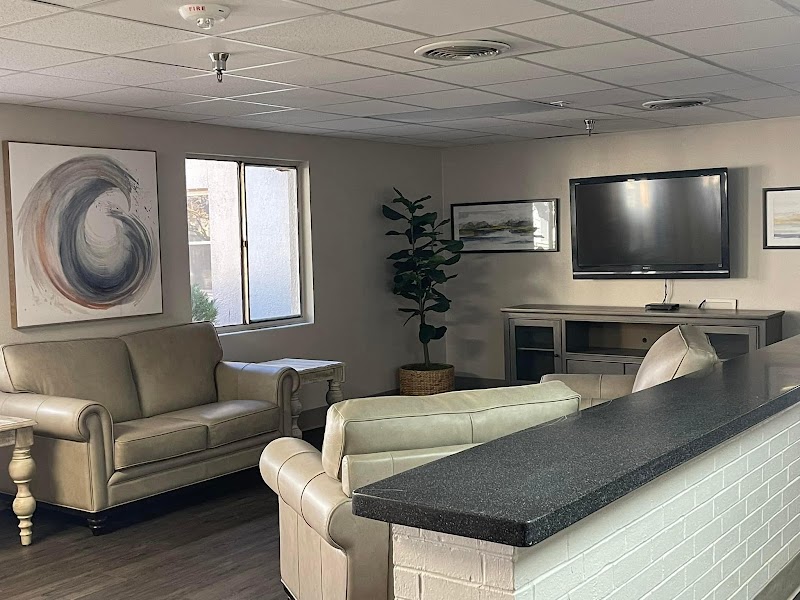
How is Deerings Nursing And Rehabilitation Lp Staffed?

CMS rates DEERINGS NURSING AND REHABILITATION LP's staffing level at 1 out of 5 stars, which is much below average compared to other nursing homes. Staff turnover is 67%, which is 20 percentage points above the Texas average of 46%. High turnover can affect care consistency as new staff learn residents' individual needs. RN turnover specifically is 62%, which is notably high. RNs provide skilled clinical oversight, so turnover in this role can affect medical care quality.

What Have Inspectors Found at Deerings Nursing And Rehabilitation Lp?

State health inspectors documented 29 deficiencies at DEERINGS NURSING AND REHABILITATION LP during 2022 to 2025. These included: 1 that caused actual resident harm, 27 with potential for harm, and 1 minor or isolated issues. Deficiencies causing actual harm indicate documented cases where residents experienced negative health consequences.
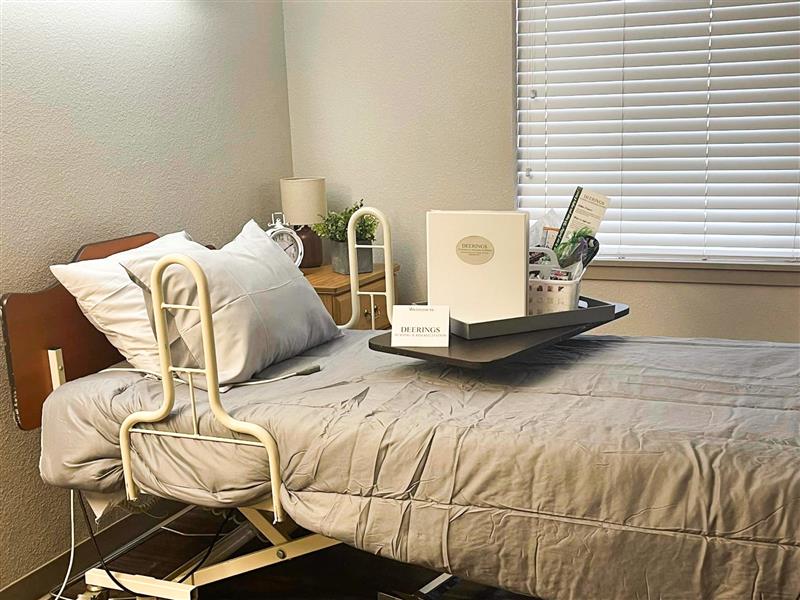
Who Owns and Operates Deerings Nursing And Rehabilitation Lp?

DEERINGS NURSING AND REHABILITATION LP is owned by a for-profit company. For-profit facilities operate as businesses with obligations to shareholders or private owners. The facility is operated by CREATIVE SOLUTIONS IN HEALTHCARE, a chain that manages multiple nursing homes. With 109 certified beds and approximately 57 residents (about 52% occupancy), it is a mid-sized facility located in ODESSA, Texas.
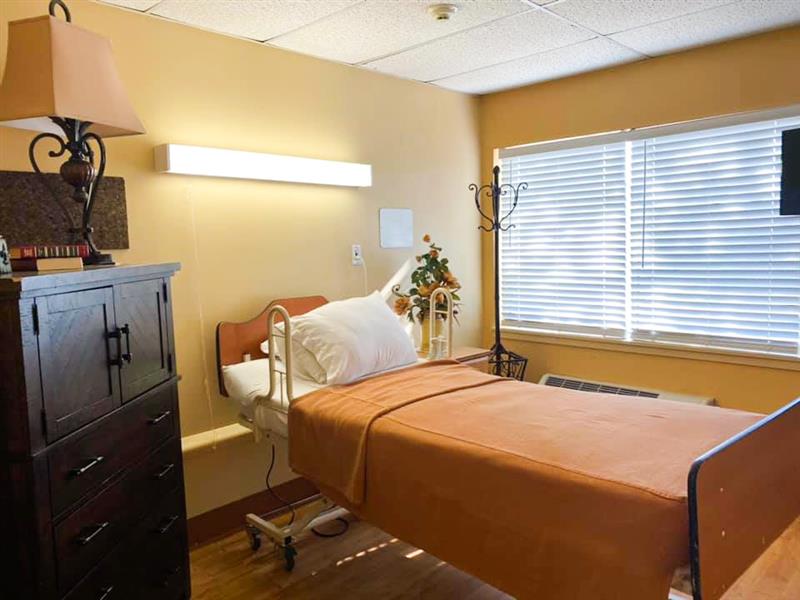
How Does Deerings Nursing And Rehabilitation Lp Compare to Other Texas Nursing Homes?

Compared to the 100 nursing homes in Texas, DEERINGS NURSING AND REHABILITATION LP's overall rating (2 stars) is below the state average of 2.8, staff turnover (67%) is significantly higher than the state average of 46%, and health inspection rating (2 stars) is below the national benchmark.

What Should Families Ask When Visiting Deerings Nursing And Rehabilitation Lp?

Based on this facility's data, families visiting should ask: "What safeguards and monitoring systems are in place to protect residents from abuse or neglect?" "How do you ensure continuity of care given staff turnover, and what is your staff retention strategy?" "Can you walk me through typical staffing levels on day, evening, and night shifts?" "Can I visit during a mealtime to observe dining assistance and food quality?" These questions are particularly relevant given the substantiated abuse finding on record, the facility's high staff turnover rate, and the below-average staffing rating.

Is Deerings Nursing And Rehabilitation Lp Safe?

Based on CMS inspection data, DEERINGS NURSING AND REHABILITATION LP has documented safety concerns. The facility has 1 substantiated abuse finding (meaning confirmed case of resident harm by staff or other residents). The facility has a 2-star overall rating and ranks #100 of 100 nursing homes in Texas. Families considering this facility should ask detailed questions about what corrective actions have been taken since these incidents.

Do Nurses at Deerings Nursing And Rehabilitation Lp Stick Around?

Staff turnover at DEERINGS NURSING AND REHABILITATION LP is high. At 67%, the facility is 20 percentage points above the Texas average of 46%. Registered Nurse turnover is particularly concerning at 62%. RNs handle complex medical decisions and coordinate care — frequent RN changes can directly impact care quality. High turnover means new staff may not know residents' individual needs, medications, or preferences. It can also be disorienting for residents, especially those with dementia who rely on familiar faces. Families should ask: What is causing the turnover? What retention programs are in place? How do you ensure care continuity during staff transitions?

Was Deerings Nursing And Rehabilitation Lp Ever Fined?

DEERINGS NURSING AND REHABILITATION LP has been fined $8,278 across 1 penalty action. This is below the Texas average of $33,162. While any fine indicates a compliance issue, fines under $50,000 are relatively common and typically reflect isolated problems that were subsequently corrected. Families should ask what specific issues led to these fines and confirm they've been resolved.

Is Deerings Nursing And Rehabilitation Lp on Any Federal Watch List?

DEERINGS NURSING AND REHABILITATION LP is not on any federal watch list. The most significant is the Special Focus Facility (SFF) program, which identifies the bottom 1% of nursing homes nationally based on persistent, serious quality problems. Not being on this list means the facility has avoided the pattern of deficiencies that triggers enhanced federal oversight. This is a positive indicator, though families should still review the facility's inspection history directly.