Focused Care at Odessa
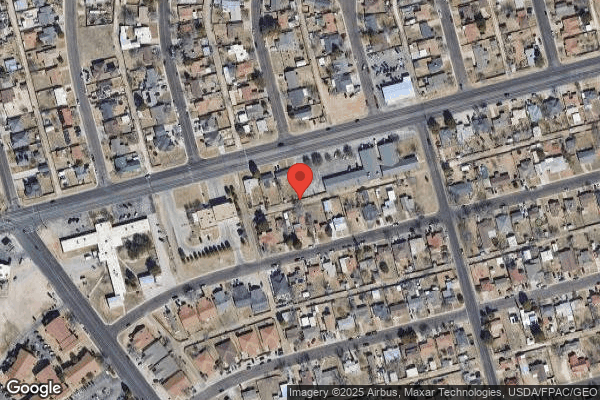

2443 W 16th St, Odessa, TX 79763 (432) 333-2904
For profit - Corporation 75 Beds FOCUSED POST ACUTE CARE PARTNERS Data: November 2025
Trust Grade
45/100
#716 of 1168 in TX
Last Inspection: October 2024

Within standard 12-15 month inspection cycle. Federal law requires annual inspections.

Overview

Families considering Focused Care at Odessa should note that the facility has a Trust Grade of D, indicating below-average care with some significant concerns. Ranking #716 out of 1168 in Texas places it in the bottom half of facilities, and #4 out of 6 in Ector County suggests limited options for better care nearby. The facility's performance has been stable, with 7 reported issues in both 2024 and 2025, but the staffing rating is poor at 1 out of 5 stars, indicating challenges in maintaining consistent staff. While the facility has no fines on record, which is a positive aspect, there have been serious concerns, including a failure to ensure adequate supervision for residents, leading to potential fall risks, and issues with food safety standards that could impact residents' health. Overall, while there are some strengths, such as the absence of fines, the facility's weaknesses in staffing and safety measures raise significant red flags for families.
Trust Score
D
45/100
In Texas
#716/1168
Bottom 39%
Safety Record
Moderate
Needs review
Inspections
Holding Steady
7 → 7 violations
Staff Stability
⚠ Watch
48% turnover. Above average. Higher turnover means staff may not know residents' routines.
Penalties
✓ Good
No fines on record. Clean compliance history, better than most Texas facilities.
Skilled Nurses
⚠ Watch
Each resident gets only 19 minutes of Registered Nurse (RN) attention daily — below average for Texas. Fewer RN minutes means fewer trained eyes watching for problems.
Violations
⚠ Watch
21 deficiencies on record. Higher than average. Multiple issues found across inspections.
★★☆☆☆
2.0
Overall Rating
★☆☆☆☆
1.0
Staff Levels
★★★★☆
4.0
Care Quality
★★★☆☆
3.0
Inspection Score
Stable
2024: 7 issues
2025: 7 issues

The Good

  • 4-Star Quality Measures · Strong clinical quality outcomes
  • Full Sprinkler Coverage · Fire safety systems throughout facility
  • No fines on record

Facility shows strength in quality measures, fire safety.

The Bad

2-Star Overall Rating

Below Texas average (2.8)

Below average - review inspection findings carefully

Staff Turnover: 48%

Near Texas avg (46%)

Higher turnover may affect care consistency

Chain: FOCUSED POST ACUTE CARE PARTNERS

Part of a multi-facility chain

Ask about local staffing decisions and management

The Ugly 21 deficiencies on record

1 actual harm
May 2025 7 deficiencies 1 Harm
SERIOUS (G) 📢 Someone Reported This

A family member, employee, or ombudsman was alarmed enough to file a formal complaint

Actual Harm - a resident was hurt due to facility failures

Accident Prevention (Tag F0689)

A resident was harmed · This affected 1 resident

**NOTE- TERMS IN BRACKETS HAVE BEEN EDITED TO PROTECT CONFIDENTIALITY** Based on observation, interview, and record review the facility failed to ensure that residents environment remained as free of ...

Read full inspector narrative →
**NOTE- TERMS IN BRACKETS HAVE BEEN EDITED TO PROTECT CONFIDENTIALITY** Based on observation, interview, and record review the facility failed to ensure that residents environment remained as free of accidents and hazards as possible, and each resident received adequate supervision to prevent accidents for 1 (Resident #7) of 5 residents reviewed for transfers. The facility failed to ensure Resident #7 had floor mat at bedside when in bed to prevent falls with injury that occurred on 05/12/2025. This failure could place residents at risk for falls or injuries. Findings included: Record review of Resident #7's face sheet dated 5/14/25 revealed a [AGE] year-old male who was admitted to the facility on [DATE] with diagnoses that included: cerebrovascular disease, meaning he has problems with blood flow in the brain, which can lead to strokes or damage to brain tissue; seizures, which are sudden episodes of uncontrolled electrical activity in the brain that can cause shaking or confusion; psychotic disorder caused by a medical condition, meaning he may have false beliefs or see things that aren't real due to brain-related illness; substance dependence in remission, indicating a past drug or alcohol problem that is currently under control; generalized anxiety disorder, which causes ongoing and excessive worry, and major depressive disorder, a condition involving long-lasting and severe sadness; unspecified lack of coordination, meaning he struggles with balance and movement control; generalized muscle weakness makes it harder for him to move, stand, or walk; rhabdomyolysis, a serious muscle condition where broken-down muscle fibers can damage the kidneys; mild cognitive impairment affects his memory and thinking skills, though not severely enough to be classified as dementia; stroke caused by a blood clot in the brain, which may have resulted in weakness or confusion; muscle wasting in both lower legs, meaning he has lost muscle tissue, making his legs weaker and thinner; lack of coordination, indicating further difficulties with controlled movements and balance. Record review of Resident #7's annual MDS assessment dated [DATE] revealed a no BIMS score (indicative of severe cognition impairment) noted and his was triggered for falls. Record review of Resident #7's care plan dated 5/7/25 revealed a focus area for history of falls that included interventions for low bed to decrease incidents of falls, fall mat at bedside when in bed. Record review of Resident #7's progress note dated 5/2/25 written by LVN B revealed [Resident #7] fell out of bed, landing on fall mat but got a 5cm laceration/bump to left forehead that is tender to touch. Cleansed laceration and pat dry, placed steri-strips. Denies any other c/o pain or discomfort. [Resident #7] moves leftt upper and lower ext. WNL. VS-123/61, 63, 18, 97.5, 97% on RA. Assisted back to bed x3 staff. Physician, DCO, ADCO, and Admin notified. Placed call to family, no answer, unable to leave message. Record review of Resident #7's local hospital Discharge summary dated [DATE] revealed diagnoses of traumatic hematoma of forehead and neck pain. No nre orders were noted and only instruction provided was to follow up with physician within 2-4 days. Record review of Resident #7's CT Cervical Spine without contrast dated 5/2/25 revealed Clinical Information: Patient evaluated due to trauma. Findings: No fracture, dislocation, or prevertebral soft tissue swelling. Mild osteopenia (low bone density). Diffuse degenerative changes throughout cervical spine. Impression: No fracture or dislocation. Degenerative spinal changes, especially at C5-C6, with narrowing in several nerve pathways (foramina) and central canal. Diffuse skeletal wear and tear. No major changes compared to the last scan on December 20, 2023. Record review of Resident #7's CT Brain/Head without contrast dated 5/2/25 revealed Clinical Information: Patient evaluated for trauma-related concerns. Findings: Moderate-sized anterior subcutaneous hematoma on the left of midline. No acute intracranial abnormalities (no stroke, fluid collection, mass, midline shift, or bleeding). Calcified changes in skull arteries. Mild generalized brain volume loss for age. Chronic small vessel ischemic disease. Old strokes noted in left frontoparietal region and right premotor frontal cortex. Small old infarcts seen in the left basal ganglia. Impression: Moderate anterior subcutaneous hematoma (left of midline). No acute intracranial abnormality. Mild generalized volume loss (age-related). Chronic ischemic changes consistent with age. During an observation and interview on 5/13/25 at 8:57 am, Resident #7 was observed to have a black eye and a hematoma on his left eyebrow . He was AOx2 and stated he had fallen in the facility but could not recall when or where the fall occurred. He reported that he was trying to go to the restroom when he fell. It was noted that his bed was at lowest position and no floor mat was noted at bedside. During an interview on 5/13/25 at 10:43 am, CNA A stated that Resident #7 had been moved to his current room the previous day, with the transfer occurring on Monday (5/12/25). CNA A stated that Resident #7 was a fall risk and should have had a floor mat placed at the bedside. She stated she was unsure why the mat had not been placed and stated she had reported the issue to the nurse, who stated she was looking for it. During an interview on 5/13/25 at 1:32 pm, LVN B stated that Resident #7 fell during her shift at approximately 10:30 AM. LVN B stated she was notified by CNAs while at the nurse ' s station. LVN B stated that upon arriving, she found Resident #7 on the floor mat, with his head off the mat and the left side of his face on the floor. LVN B stated the fall was unwitnessed. LVN B stated Resident #7 sustained a laceration to the left forehead. LVN B stated Resident #7 reported pain to the head and later stated his neck was hurting. LVN B stated Resident #7 is on aspirin and Eliquis. LVN B stated she assessed Resident #7, checked his vitals, turned him on the mat, asked about pain, and assisted him back to bed. LVN B stated neuro checks were initiated. LVN B stated she reported the fall to the DCO and ADCO and faxed a report to the physician. LVN B stated no new orders were received. LVN B stated Resident #7 was eventually sent out to the hospital the same day and returned after her shift without sutures or new orders. During an interview on 5/13/25 at 2:31 pm, CNA C stated she had just completed changing and repositioning Resident #7, placing the bed in a low position with the fall mat in place on day of the incident (5/2/25). CNA C stated that while conducting rounds, she heard Resident #7 calling for help. CNA C stated that upon responding, she found Resident #7 on his stomach, with his left side and face on the floor and his head partially under the bed frame. CNA C stated she lifted the bed and spoke to Resident #7 while calling for additional assistance. CNA C stated she notified the nurse, LVN B, that Resident #7 was bleeding from the head. CNA C stated she extended his legs out with permission from LVN B. CNA C stated she noted visible swelling and a bulge at the injury site. CNA C stated the CNAs transferred Resident #7 to bed with LVN B ' s direction. CNA C stated Resident #7 did not initially express pain but later began verbalizing head pain. During an interview on 5/13/25 at 3:07 pm, the ADCO stated that fall prevention measures included keeping the bed in the lowest position, placing a fall mat at the bedside, and ensuring the call light was within reach. The ADCO stated that charge nurses and aides conducted routine rounds, and department heads completed morning room checks. The ADCO stated that failure to have floor mat at bedside, Resident #7 was at risk for injury related to falls. During an interview on 5/13/25 at 4:23 pm, the DCO stated that the facility's fall prevention measures included bed positioning, floor mats, and accessible call lights. The DCO stated that staff completed regular rounds and room checks to ensure fall preventions were followed and stated that Resident #7 was at risk for fall-related injury due to not having floor mat at bedside. The DCO stated staff received training regarding fall precautions on a daily basis. DCO stated that Resident #7 was a known frequent faller. DCO stated that fall precautions in place included use of a low bed, floor mat, and frequent rounding by CNAs, housekeeping, and nurses. DCO stated the mat is placed when Resident #7 is in bed. DCO stated she walks the halls daily to ensure fall prevention practices are being followed. DCO stated she attempts to review fall precautions at least monthly. DCO stated the identified risk was injury related to falls. DCO stated Resident #7 was moved to a different hallway where a bed was available closer to the nurses station for increased monitoring. During an interview on 5/13/25 at 5:56 pm, Dr. stated he had been notified about Resident #7 ' s fall on May 2, 2025, by fax, phone call, or text, though he was unable to recall the exact method due to the volume of communications from the facility. Dr. stated that when a resident falls, the standard protocol is to assess whether they are stable. Dr. stated that if the bleeding has stopped and the resident remains conscious, the recommendation is typically to monitor. Dr. stated that if the resident is unconscious or the bleeding is persistent, immediate transfer to the hospital is warranted. Dr. stated that Resident #7 sustained a laceration to the head and had complained of pain. Dr. stated steri-strips were reportedly changed three times prior to Resident #7 being sent out. Dr. stated that in cases involving anticoagulant use, such as Eliquis, taken the morning of the fall, a resident with worsening or significant pain would generally be expected to be transferred within a few hours. Dr. stated that judgment is based on the presence or absence of concerning symptoms at the time. Dr. stated that Resident #7 underwent CT scans of the brain and cervical spine while at the hospital. Dr. stated the brain scan showed a subcutaneous hematoma without evidence of intracranial bleeding. Dr. stated the cervical spine scan did not show fractures or dislocation but did show chronic osteoarthritis, which may contribute to balance issues. Dr. stated laboratory results did not indicate anemia, infection, or kidney dysfunction, and Keppra levels were not in the toxic range. Dr. stated that Resident #7 is at high risk for falls and should be monitored closely. Dr. stated that floor mats can sometimes help but may also pose a tripping hazard depending on the resident ' s behavior. Dr. stated the use of such interventions should be evaluated individually. Dr. stated that there were no serious findings from the hospital evaluation and that the injuries appeared to be superficial, with no immediate complications identified. During an interview on 5/14/25 at 11:27 am, The Administrator stated she received a report that Resident #7 was being provided a new mattress because the previous one was soiled. The Administrator stated all staff to include CNAs, nurses, and management were responsible for ensuring fall prevention measures were in place and followed during their daily rounds. The Administrator stated all staff received training on fall prevention at least monthly by the DOC. The Administrator stated potential risk for not having floor mat at bedside when in bed could be fall with injury. Record review of the facility's Incident and Accident policy dated 03/01/2017 revealed 11. A fall prevention program will be initiated. The program will be reviewed with any subsequent falls. All programs will be documented in the plan of care and updated with each new fall.
CONCERN (D) 📢 Someone Reported This

A family member, employee, or ombudsman was alarmed enough to file a formal complaint

Potential for Harm - no one hurt, but risky conditions existed

Report Alleged Abuse (Tag F0609)

Could have caused harm · This affected 1 resident

**NOTE- TERMS IN BRACKETS HAVE BEEN EDITED TO PROTECT CONFIDENTIALITY** Based on interview and record review the facility failed to report an alleged violation of injury of unknown origin immediately ...

Read full inspector narrative →
**NOTE- TERMS IN BRACKETS HAVE BEEN EDITED TO PROTECT CONFIDENTIALITY** Based on interview and record review the facility failed to report an alleged violation of injury of unknown origin immediately to the administrator of the facility and to other officials (including to state survey agency) in accordance with State law and according to their policy for 1 (Resident # 3 ) of 2 residents reviewed for allegations of abuse. The facility failed to report Resident #3 's allegation of abuse related to LNV C's alleged withholding of medication to State Office. This failure could place all residents at risk for abuse and/or neglect by not immediately reporting allegations of abuse to the proper authorities at the facility. Findings Include: Record review of Resident #3's face sheet dated 5/14/25 revealed a [AGE] year-old male who was admitted to the facility on [DATE] with diagnoses of generalized anxiety, schizophrenia, and bipolar disorder. Record review of Resident #3's quarterly MDS assessment dated [DATE] revealed a BIMS score of 14, indicating his cognition was intact. Record review of Resident #3's care plan dated 3/19/25 revealed a focus area for resident has a behavior problem r/t low frustration tolerance, bipolar disorder, Schizophrenia with interventions that included Intervene as necessary to protect the rights and safety of others. Approach/Speak in a calm manner. Divert attention. Remove from situation and take to alternate location as needed. Record review of LVN C's facility's Disciplinary Action Record dated 3/25/25 revealed nurse observed speaking loud and harshly to [Resident #4]. [Resident #3] complained as well. It was a verbal warning signed by ADCO and team member signature was blank. During an interview on 5/13/25 at 11:10 am, Resident #3, who was AOx4, stated that he felt he was abused when LVN C had not wanted to administer his medication after he returned from the hospital and missed his evening dose. Resident #3 stated that he was asking for an inhaler, as he knew it was scheduled, though he could not recall experiencing symptoms at the time. Resident #3 stated that LVN C had told him it was past the scheduled hour window. Resident #3 stated that he contacted the administrator and reported that he felt abused because of the situation . Resident #3 stated that he was later informed the facility had reached out and was waiting for the physician's approval, and that he received the inhaler shortly after. Resident #3 stated that LVN C was written up but refused to sign the corrective action. Resident #3 stated the facility responded by removing LVN C from his direct care, and that he felt safe afterward. During an interview on 5/13/25 at 2:14 pm, LVN C stated that the facility had recently reassigned care on that hall from himself to another nurse due to Resident #3's repeated complaints and the facility's efforts to accommodate his preferences. LVN C stated an instance when Resident #3 returned from the hospital and requested medication that was scheduled for a later time. LVN C stated that Resident #3 became upset and agitated. LVN C stated that the medication in question was a breathing treatment, which required clearance from the doctor, and that Resident #3 was not presenting with respiratory symptoms. LVN C stated that the treatment was administered after his shift, during shift change. During an interview on 5/13/25 at 3:07 pm, the ADCO stated that she had not received recent complaints regarding LVN C. The ADCO stated that there was a past incident involving Resident #4 and LVN C, which resulted in a corrective action/write-up that was not signed by LVN C. The ADCO stated she had not been present during the incident and referred such matters to administrative leadership. The ADCO stated that a few staff had commented on LVN C's harsh tone. She stated that LVN C was removed from Resident #3's care following the incident. During an interview on 5/13/25 at 4:23 pm, the DCO stated there had been an incident involving LVN C and Resident #3. The DCO stated the issue stemmed from an argument regarding medication administration after Resident #3 returned late from the hospital and requested his 7 or 8 p.m. medication, which LVN C allegedly had declined to administer. The DCO stated that the Administrator had notified her of the incident in which she texted the nurse practitioner regarding the matter to get further instruction. The DCO stated that LVN C was removed from caring for Resident #3 following the incident. The DCO stated that no complaints had been received about LVN C using inappropriate language. The DCO stated he was not suspended and that the action taken was a write-up for speaking loudly and harshly to the resident. The DCO stated she could not speak to administrative decisions and that further details would be handled by leadership. During an interview on 5/14/25 at 11:27 am, the Administrator stated that no recent complaints had been received regarding LVN C. She stated she had instructed LVN C to stop caring for Resident #3 after observing tension and hearing from Resident #3 that LVN C was not performing his duties. She stated that Resident #3 had texted and called her around 10:00-10:20 p.m. to report that LVN C refused to give him his high inhaler medication. She stated that she determined LVN C's shift had already ended and the medication window had been scheduled for 5:00 p.m. She stated that LVN C had explained the missed dose and told Resident #3 about the situation. She stated that she planned for the DCO to follow up with the physician. She stated that she did not consider the incident to be abuse and that Resident #3 later apologized. She stated that the incident was not reported as abuse because there were no staff corroborations and she concluded that it was a misunderstanding, influenced by Resident #3's history of misusing the term abuse. She stated that she did not suspend LVN C, as the incident occurred after his shift ended, and the intervention of removing him from Resident #3's care was completed prior to his next scheduled shift. Record review of the facility's Abuse policy dated 01/01/2023 revealed All events that involve an allegation of abuse or involve a suspicious serious bodily injury of unknown origin must be reported immediately or not later than 2 hours of alleged violation.
CONCERN (D) 📢 Someone Reported This

A family member, employee, or ombudsman was alarmed enough to file a formal complaint

Potential for Harm - no one hurt, but risky conditions existed

Deficiency F0679 (Tag F0679)

Could have caused harm · This affected 1 resident

**NOTE- TERMS IN BRACKETS HAVE BEEN EDITED TO PROTECT CONFIDENTIALITY** Based on observation, interview, and record review the facility failed to ensure all residents were provided, based on the prefe...

Read full inspector narrative →
**NOTE- TERMS IN BRACKETS HAVE BEEN EDITED TO PROTECT CONFIDENTIALITY** Based on observation, interview, and record review the facility failed to ensure all residents were provided, based on the preferences of each resident, an ongoing program to support residents in their choice of activities, both facility sponsored activities and individual activities, designed to meet the interests and support the physical, mental, and psychosocial well-being of each resident for 1 of 5 (Resident #4) residents reviewed for activities. The facility failed to provide regular, individualized activities to Resident #4. This failure placed residents at risk of decreased physical, mental, and psychosocial well-being. Findings included: Record review of Resident #4's face sheet dated 5/13/25 revealed a [AGE] year-old male who was admitted to the facility on [DATE] with diagnoses that included: contracture of an unspecified joint (a joint that has become stiff and difficult to move) and contracture of muscle, unspecified site (a tightening of muscles that limits movement); generalized muscle weakness (overall reduced strength throughout the body) and muscle wasting and atrophy, multiple sites (loss of muscle tissue in several areas, leading to weakness); other lack of coordination (trouble controlling body movements), scoliosis (an abnormal curve of the spine), and reduced mobility (difficulty walking or moving around independently); encephalopathy (a type of brain dysfunction caused by another illness or imbalance in the body), unspecified lack of coordination (difficulty moving smoothly due to problems in the brain or nervous system), and dysphagia in the oropharyngeal phase and unspecified (trouble swallowing food or liquids); profound intellectual disabilities (significant limitations in mental functioning and daily living skills), epilepsy, unspecified (a seizure disorder), cerebral palsy (a condition that affects muscle movement and coordination, often from birth), and hemiplegia, unspecified side (paralysis on one side of the body, though the side is not specified). Record review of Resident #4's quarterly MDS assessment dated [DATE] revealed no BIMS score was noted but was marked as moderately impaired under the cognitive skills for daily decision making. Record review of Resident #4's care plan dated 10/16/24 revealed a focus area for attend activities of choice with interventions that included provide in room activities as needed and required. During an observation on 5/13/25 at 8:56 am, Resident #4 was observed in bed, nonverbal, and staring at the door. During an observation on 5/13/25 at 9:16 am, Resident #4 remained in bed, nonverbal, and was staring at the ceiling. During an observation on 5/13/25 at 10:41 am, Resident #4 was still in bed in the same position, continuing to stare at the ceiling. During an interview on 5/13/25 at 10:43 am, CNA A stated that Resident #4 was nonverbal. CNA A stated Resident #4 typically did not leave his room. She stated that she was not aware of any in-room activities provided to him and had only observed him in bed. She stated that Resident #4 had not been provided with any items for engagement and stated that activity provision was the responsibility of the activities staff. During an interview on 5/14/25 at 12:42 pm, the Activities Director stated that Resident #4 did not have in-room activities provided and was unable to clarify the reason. She stated that Resident #4 did not have a radio or similar form of entertainment while in bed. She expressed uncertainty regarding the potential risks of limited stimulation and stated that she was not familiar with Resident #4's cognitive level. The Activities Director stated he enjoys listening to music and had not thought about getting him a stereo for his room to enjoy. During an interview on 5/14/25 at 12:46 pm, the Administrator stated that Resident #4 participated in facility activities and was frequently out of bed. She stated that he attended events such as holiday parties for Mother's Day and St. Patrick's Day. She stated that the Activities Director provided in-room engagement such as hand painting and other creative tasks at bedside. Record review of the facility's Life Enrichment Activity Guidelines dated 04/2020 revealed The community will provide, based on the comprehensive assessment and care plan and the preferences of each resident, an ongoing program to support residents in their choice of activities, both facility-sponsored group and individual activities and independent activities .
CONCERN (D) 📢 Someone Reported This

A family member, employee, or ombudsman was alarmed enough to file a formal complaint

Potential for Harm - no one hurt, but risky conditions existed

Tube Feeding (Tag F0693)

Could have caused harm · This affected 1 resident

**NOTE- TERMS IN BRACKETS HAVE BEEN EDITED TO PROTECT CONFIDENTIALITY** Based on observation, interview, and record review the facility failed to ensure a resident, who was fed by enteral means, recei...

Read full inspector narrative →
**NOTE- TERMS IN BRACKETS HAVE BEEN EDITED TO PROTECT CONFIDENTIALITY** Based on observation, interview, and record review the facility failed to ensure a resident, who was fed by enteral means, received the appropriate treatment and services to restore, if possible, oral eating skills and to prevent complications of enteral feeding including but not limited to aspiration pneumonia, diarrhea, vomiting, dehydration, metabolic abnormalities, and nasal-pharyngeal ulcers for 1 of 3 residents (Resident #6) reviewed for enteral feeding. The facility failed to ensure Resident #6's head of bed was maintained at 30 degrees elevated while receiving continuous feeding. This failure could place residents at risk of aspiration (when food or liquid goes into the lungs or airway). Findings included: Record review of Resident #6's face sheet dated 5/13/25 revealed a [AGE] year-old female who was admitted to the facility on [DATE] with diagnoses that included: seizures, including those caused by fever, and has episodes of uncontrolled body shaking without a clearly identified cause; poor coordination, which affects her ability to move steadily and may lead to clumsiness or difficulty walking; aphasia, a condition that impacts her ability to speak and comprehend language, often linked to brain damage; anxiety and psychosis, which can include confusion, hallucinations, or delusions, along with schizoaffective disorder, a condition involving both mood swings and symptoms similar to schizophrenia; gastronomy status, she receives nutrition through a feeding tube placed directly int her stomach. Record review of Resident #6's annual MDS assessment dated [DATE] revealed she did not have a BIMS score but her cognitive skills for daily decision was marked as severely impaired. The nutritional status was marked as her receiving feeding tube. Record review of Resident #6's care plan was dated 5/8/25 revealed a focus area for requires tube feedings related to dysphagia/swallowing problem with interventions that included resident needs the HOB elevated 45 degrees during and thirty minutes after tube feed. Record review of Resident #6's physician order dated 4/18/2018 revealed elevate head of bed at least 30 degrees while administering formula/water/ medications and for at least 30 minutes following administration continuous. During an observation on 5/13/25 at 9:10 am, Resident #6 was observed in bed with the head of bed elevated to 30 degrees, she was nonverbal. However, she was positioned halfway down the mattress with her torso and upper body lying flat. A continuous tube feeding was noted at 32 ml/hr. No signs of distress were observed. During an interview on 5/13/25 at 9:30 am, LVN B stated that Resident #6 had told her she was elevated at approximately 10 degrees. LVN B stated that the resident was elevated to mid-rails to prevent her from falling. She stated that the resident could not get out of bed but was able to turn. She stated there was a risk of aspiration but believed the current elevation was sufficient given the resident's fall risk. She stated that CNAs and nursing staff were responsible during rounds. She could not recall the last time she received training specific to G-tube monitoring related to positioning. During an interview on 5/13/25 at 3:07 pm, the ADCO stated that facility policy requires residents with G-tubes to remain at approximately a 45-degree angle with the head elevated to reduce the risk of aspiration. She stated that this responsibility falls on aides and nurses, and that compliance is reviewed twice a year during rounds. During an interview on 5/13/25 at 4:23 pm, the DCO stated that Resident #6 was on continuous tube feeding and should not be laid flat. She stated that aides and charge nurses were responsible for maintaining the resident's elevation at a minimum of 45 degrees, ensuring that both the head and upper body were elevated, not just the bed. She stated that the resident had a tendency to slide down in bed and should be repositioned regularly to maintain proper alignment . She stated that the risk associated with improper positioning was aspiration and added that training on this topic had not been provided recently. During an interview on 5/14/25 at 11:27 am, the Administrator stated that some residents, including Resident #6, tend to slide down in bed despite repositioning efforts. She stated that residents should still be repositioned at least every two hours. She stated that this task can be performed by CNAs, nurses, or administrative staff. She also stated that training on positioning is included in monthly town hall meetings. Record review of the facility's Administration of Medications via Enteral policy dated 04/2020 revealed there is no direct mention in the provided policy text of residents needing to be positioned at a 30- or 45-degree angle during enteral medication administration or feeding.
CONCERN (D) 📢 Someone Reported This

A family member, employee, or ombudsman was alarmed enough to file a formal complaint

Potential for Harm - no one hurt, but risky conditions existed

Medical Records (Tag F0842)

Could have caused harm · This affected 1 resident

**NOTE- TERMS IN BRACKETS HAVE BEEN EDITED TO PROTECT CONFIDENTIALITY** Based on observation, interview, and record review the facility failed to maintain medical records on each resident that are acc...

Read full inspector narrative →
**NOTE- TERMS IN BRACKETS HAVE BEEN EDITED TO PROTECT CONFIDENTIALITY** Based on observation, interview, and record review the facility failed to maintain medical records on each resident that are accurately documented for 1 (Resident #7) of 6 residents reviewed for accuracy of records. The facility failed to ensure LVN C documented Resident #7's return from the hospital. This failure could have placed residents at risk for inaccurate medical records. Findings included: Record review of Resident #7's face sheet dated 5/14/25 revealed a [AGE] year-old male who was admitted to the facility on [DATE] with diagnoses that included: cerebrovascular disease, meaning he has problems with blood flow in the brain, which can lead to strokes or damage to brain tissue; seizures, which are sudden episodes of uncontrolled electrical activity in the brain that can cause shaking or confusion; psychotic disorder caused by a medical condition, meaning he may have false beliefs or see things that aren't real due to brain-related illness; substance dependence in remission, indicating a past drug or alcohol problem that is currently under control; generalized anxiety disorder, which causes ongoing and excessive worry, and major depressive disorder, a condition involving long-lasting and severe sadness; unspecified lack of coordination, meaning he struggles with balance and movement control; generalized muscle weakness makes it harder for him to move, stand, or walk; rhabdomyolysis, a serious muscle condition where broken-down muscle fibers can damage the kidneys; mild cognitive impairment affects his memory and thinking skills, though not severely enough to be classified as dementia; stroke caused by a blood clot in the brain, which may have resulted in weakness or confusion; muscle wasting in both lower legs, meaning he has lost muscle tissue, making his legs weaker and thinner; lack of coordination, indicating further difficulties with controlled movements and balance. Record review of Resident #7's annual MDS assessment dated [DATE] revealed a no BIMS score noted. Record review of Resident #7's care plan dated 5/7/25 revealed a focus area for history of falls that included interventions for low bed to decrease incidents of falls, fall mat at bedside when in bed. Record review of Resident #7's progress note dated 5/2/25 written by LVN B revealed Res. fell out of bed, landing on fall mat but got a 5cm laceration/bump to Lt forehead that is tender to touch. Cleansed laceration and pat dry, placed steri-strips. Denies any other c/o pain or discomfort. Res. moves Lt upper and lower ext. WNL. VS-123/61,63,18,97.5,97% ORA. Assisted back to bed x3 staff. Physician, DCO, ADCO, Admin notified. Record review of Resident #7's progress notes revealed no documentation regarding Resident #7 return from the hospital. During an observation and interview on 5/13/25 at 8:57 am, Resident #7 was observed to have a black eye and a hematoma on his left eyebrow. He was AOx2 and stated he had fallen in the facility but could not recall when or where the fall occurred. He reported that he was trying to go to the restroom when he fell. It was noted that his bed was at lowest position and no floor mat was noted at bedside. During an interview on 5/13/25 at 1:32 pm, LVN B stated that Resident #7 fell during her shift at approximately 10:30 a.m. LVN B stated she was notified by CNAs while at the nurse's station. LVN B stated that upon arrival, she found Resident #7 on the floor mat with his head off the mat and the left side of his face on the floor. LVN B stated the fall was unwitnessed. LVN B stated Resident #7 sustained a laceration to the left forehead. LVN B stated he reported head pain and later stated his neck was hurting. LVN B stated he was on aspirin and Eliquis. LVN B stated she assessed Resident #7, checked vitals, turned him on the mat, asked about pain, and assisted him back to bed. LVN B stated she initiated neuro checks. LVN B stated she reported the fall to the DON, ADON, and faxed a report to the physician. LVN B stated no new orders were received. LVN B stated she attempted to notify the resident's family member , who typically did not answer and did not respond that day. LVN B stated she created the fall note at 1:18 p.m. LVN B stated Resident #7 was sent to the hospital the same day and returned after her shift without sutures or new orders. During an interview on 5/13/25 at 2:14 pm, LVN C stated he was not present during the fall, which occurred during the morning shift. LVN C stated Resident #7 returned during his shift. LVN C stated he was with another patient and did not receive a report or verbal notification of the resident's return. LVN C stated the resident was brought in with paperwork and had a bandage over his eye. LVN C stated Resident #7 denied pain. LVN C stated he was supposed to complete a readmission assessment but likely did not due to a busy shift and communication issues. LVN C stated he understood the expectation was to complete the assessment and that potential risk for lack of documentation could be information being overlooked during high workload periods. During an interview on 5/13/25 at 3:07 pm, the ADCO stated there was no documentation of return time, new orders, or vitals for Resident #7. The ADCO stated staff were required to document these elements. The ADCO stated training was provided monthly and as needed. The ADCO stated leadership reviewed 24-hour reports and compared them with shift reports daily. The ADCO stated some nurses needed improvement, which could impact continuity of care. During an interview on 5/13/25 at 4:23 pm, The DCO stated nurses were expected to document upon a resident's return from the hospital, including any new orders and interventions performed at the hospital. The DCO stated she referred to the 24-hour report process. The DCO stated LVN C failed to chart when Resident #7 returned, and she noticed this the day of the interview. The DCO stated the risk of failing to document was that staff would not be aware of the resident's current condition. The DCO stated quarterly training was conducted to reinforce documentation expectations. The DCO stated the facility did not have a policy on accuracy of documentation. During an interview on 5/14/25 at 11:27 am, the Administrator stated staff were expected to document events as they occurred. The Administrator stated the Director of Clinical Operations had access to the 24-hour report and was expected to ensure follow-through and monitoring. The Administrator stated failure to document accurately could impact continuity of care.
CONCERN (E) 📢 Someone Reported This

A family member, employee, or ombudsman was alarmed enough to file a formal complaint

Potential for Harm - no one hurt, but risky conditions existed

PASARR Coordination (Tag F0644)

Could have caused harm · This affected multiple residents

**NOTE- TERMS IN BRACKETS HAVE BEEN EDITED TO PROTECT CONFIDENTIALITY** Based on interviews, and record review, the facility failed to incorporate recommendations from a PASRR (Preadmission Screening ...

Read full inspector narrative →
**NOTE- TERMS IN BRACKETS HAVE BEEN EDITED TO PROTECT CONFIDENTIALITY** Based on interviews, and record review, the facility failed to incorporate recommendations from a PASRR (Preadmission Screening and Resident Review) evaluation report into a resident assessment, care planning, and transition of care for 1 (Resident #4) of 3 residents reviewed for PASRR services. The facility failed to submit a complete and accurate request for NFSS in the LTC online portal within 20 days after the IDT meeting. This failure could place residents who were PASRR positive at risk of not getting the PASARR services for a better quality of life and could lead to a decline in health. Findings included: Record review of Resident #4's face sheet dated 5/13/25 revealed a [AGE] year-old male who was admitted to the facility on [DATE] with diagnoses that included: contracture of an unspecified joint (a joint that has become stiff and difficult to move) and contracture of muscle, unspecified site (a tightening of muscles that limits movement); generalized muscle weakness (overall reduced strength throughout the body) and muscle wasting and atrophy, multiple sites (loss of muscle tissue in several areas, leading to weakness); other lack of coordination (trouble controlling body movements), scoliosis (an abnormal curve of the spine), and reduced mobility (difficulty walking or moving around independently); encephalopathy (a type of brain dysfunction caused by another illness or imbalance in the body), unspecified lack of coordination (difficulty moving smoothly due to problems in the brain or nervous system), and dysphagia in the oropharyngeal phase and unspecified (trouble swallowing food or liquids); profound intellectual disabilities (significant limitations in mental functioning and daily living skills), epilepsy, unspecified (a seizure disorder), cerebral palsy (a condition that affects muscle movement and coordination, often from birth), and hemiplegia, unspecified side (paralysis on one side of the body, though the side is not specified). Record review of Resident #4's quarterly MDS assessment dated [DATE] revealed no BIMS score was noted but was marked as moderately impaired under the cognitive skills for daily decision making. Record review of Resident #4's PASRR Level 1 Screening Summary dated 10/16/24 revealed a positive response for a known or suspected diagnosis of intellectual disability. Record review of Resident #4's PASRR Evaluation dated 10/17/24 revealed he was identified as having an intellectual disability and requires specialized services. Record review of Resident #4's PCSP dated 1/22/25 revealed IDT meeting was held on 01/22/2025. Attendees included the resident, the PASRR habilitation coordinator, a social worker, PTA, RD/PTA, and nursing facility representatives. The following NFSS were identified and confirmed: Durable Medical Equipment. The Comments summary revealed the resident will continue PASRR habilitation coordination services. The family expressed interest in obtaining a CMWC and mattress, which were delayed pending Medicaid activation. The Local Authority for IDD confirmed the selected specialized services. During an interview on 5/14/25 at 10:18 am, the CRC stated Resident #4 was admitted on [DATE]. The CRC stated he did not have access to all PCSPs on his end, only the most recent dated 5/5/25. The CRC stated an initial care plan meeting was held with participation from himself, rehabilitation, the director, activities, dietary, and the local PASRR Coordinator, along with Resident #4 and their family. The CRC stated the local PASRR Coordinator offered services including assistance from the State of Texas such as gate assistive devices, a car seat, and other miscellaneous items. The CRC stated the facility provided input regarding Resident #4's low-income status and explained that the current wheelchair had been used for an extended period. The CRC stated a customized wheelchair was offered and accepted by Resident #4 and their family. The CRC stated he contacted the local PASRR Coordinator by phone, and she agreed to send the January PCSP, as it was not accessible to him. The CRC stated the local PASRR Coordinator informed him that the January PCSP was pending due to Medicaid status, which had remained pending since admission. The CRC stated the wheelchair request remained pending and under state review. The CRC stated the PCSP must align with the completion of an NFSS form, which must be submitted by the administrator, physician, and director of rehabilitation. During an interview on 5/14/25 at 10:41 am, the DOR stated the NFSS for Resident #4 was initially submitted on 4/25/25 but was declined because an assessment was not associated with the submission. The DOR stated the physician's signature date could not precede the therapist's signature. The DOR stated the NFSS was resubmitted on 4/30/25 and was currently pending receipt and under state review. The DOR stated she was previously unaware of this status and understood that the state has up to 20 days to complete review. The DOR stated she was uncertain what type of wheelchair Resident #4 was currently using but confirmed it did not meet his needs. During an interview on 5/14/25 at 11:27 am, the Administrator stated she was familiar with the PASRR process and that the NFSS is completed by the DOR and should be submitted within two weeks. The Administrator stated that during the transition period in January, only four therapists were available, and some submissions may have been overlooked. The Administrator stated the current full-time DOR, began employment last month and had been addressing pending submissions. Record review of the facility's PASRR policy dated 11/2023 revealed Follow Texas PASRR Policy for all mandatory meetings and care coordination including any changes that may require a change in resident's PASRR status. Record review of state agency website https://www.hhs.texas.gov/regulations/forms/2000-2999/form-2362-receipt-certification-a-qualified-rehabilitation-professional revealed: Requesting Habilitative Services: A speech, occupational or physical therapist may request habilitative therapies (physical, occupational or speech therapy) for a PASRR-positive person for up to 6 months at a time. Requests for Authorization of Specialized Services for Residents of Nursing Facilities Requesting Authorization of Habilitative Physical, Occupational or Speech Therapy. To request Habilitative therapies, nursing facility providers must submit a Nursing Facility Specialized Service (NFSS) form on the Texas Medicaid and Healthcare Partnership (TMHP) Long Term Care (LTC) Online Portal. Additionally, each request must be accompanied by corresponding signature sheets or other attachments. A licensed therapist must complete and submit the following for each type of habilitative therapy service requested. New Request: New (Submit initial assessment). An initial therapy assessment completed by a licensed therapist is required. The service request must include a treatment plan. PASRR NF Specialized Services (NFSS) - Therapy Signature Page (for Therapist, Referring Physician and Nursing Facility Administrator signatures).
CONCERN (E) 📢 Someone Reported This

A family member, employee, or ombudsman was alarmed enough to file a formal complaint

Potential for Harm - no one hurt, but risky conditions existed

Infection Control (Tag F0880)

Could have caused harm · This affected multiple residents

**NOTE- TERMS IN BRACKETS HAVE BEEN EDITED TO PROTECT CONFIDENTIALITY** Based on observation, interview, and record review the facility failed to maintain an infection prevention and control program d...

Read full inspector narrative →
**NOTE- TERMS IN BRACKETS HAVE BEEN EDITED TO PROTECT CONFIDENTIALITY** Based on observation, interview, and record review the facility failed to maintain an infection prevention and control program designed to provide a safe, sanitary, and comfortable environment and to help prevent the development and transmission of communicable diseases and infections for 1 of 3 (Resident #6) residents reviewed for infection control. The facility failed to ensure Resident #6 had a contact isolation on her door alerting visitors she was in isolation related to shingles. This failure could place residents at risk of cross contamination which could result infections or illness. Findings include: Record review of Resident #6's face sheet dated 5/13/25 revealed a [AGE] year-old female who was admitted to the facility on [DATE] with diagnoses that included: seizures, including those caused by fever, and has episodes of uncontrolled body shaking without a clearly identified cause; poor coordination, which affects her ability to move steadily and may lead to clumsiness or difficulty walking; aphasia, a condition that impacts her ability to speak and comprehend language, often linked to brain damage; anxiety and psychosis, which can include confusion, hallucinations, or delusions, along with schizoaffective disorder, a condition involving both mood swings and symptoms similar to schizophrenia. Record review of Resident #6's annual MDS assessment dated [DATE] revealed she did not have a BIMS score but her cognitive skills for daily decision was marked as severely impaired. Record review of Resident #6's care plan dated 5/8/25 revealed a focus area for current skin concerns: rash to left and middle forehead; identified as shingles 5/8/25 - placed on isolation. Record review of Resident #6's physician order dated 5/8/25 revealed Valtrex oral tablet 1GM, give 1 tablet via peg-tube two times a day for shingles. Record review of Resident #6's progress note dated 5/8/25 written by DCO revealed [Resident #6] moved to isolation at this time. During an observation on 5/13/25 at 9:10 am, Resident #6 was noted to have PPE located outside of her room, but there was no signage posted indicating that she was under isolation precautions. During an interview on 5/13/25 at 9:30 am, LVN B stated that Resident #6 had been placed in isolation the previous week due to blisters on her forehead, which were identified as shingles. She stated that the resident was under contact precautions but there was no sign posted at the door to alert visitors or staff. She stated that she had noticed the missing signage but had not reported it to anyone. She stated that nursing administration would have been responsible for ensuring signage was posted. She stated that the lack of signage posed a risk, as visitors could unknowingly enter the room without PPE, potentially exposing themselves to infection. She stated that lab technicians and X-ray staff typically arrived in the early morning and reported to the charge nurse, who would then escort them to the resident's room. During an interview on 5/13/25 at 3:07 pm, the ADCO stated that she served as the infection preventionist nurse and that Resident #6 had been on contact isolation for shingles since the previous Thursday. She stated that there should have been signage on the door and noted that the resident had been moved late Thursday. She stated that she had not yet completed rounds in that area. She stated that the absence of signage posed a risk of transmission and cross-contamination. During an interview on 5/13/25 at 4:23 pm, the DCO stated that Resident #6 was on isolation precautions for shingles and should have had appropriate signage and PPE setup outside her room. She stated that the ADCO was responsible for ensuring that isolation precautions were implemented. She stated that all direct care staff were expected to follow enhanced barrier precautions, including the use of gowns and gloves during activities such as dressing and perineal care. She identified the risk as potential transmission of infection. During an interview on 5/14/25 at 11:27 am, the Administrator stated that Resident #6 was in isolation for shingles. She stated that signage was posted on the door and that PPE was in place. She stated that the ADCO was responsible for monitoring compliance with isolation protocols. She stated that infection control training was conducted upon hire, monthly, and as needed. She identified contact transmission as the main risk .
Oct 2024 6 deficiencies
CONCERN (D)

Potential for Harm - no one hurt, but risky conditions existed

Comprehensive Care Plan (Tag F0656)

Could have caused harm · This affected 1 resident

**NOTE- TERMS IN BRACKETS HAVE BEEN EDITED TO PROTECT CONFIDENTIALITY** Based on observation, interview and record review, the facility failed to develop and implement a comprehensive, person-centered...

Read full inspector narrative →
**NOTE- TERMS IN BRACKETS HAVE BEEN EDITED TO PROTECT CONFIDENTIALITY** Based on observation, interview and record review, the facility failed to develop and implement a comprehensive, person-centered care plan for each resident that included measurable objectives and time frames to meet, attain, and/or maintain the resident's highest practicable physical, mental, and psychosocial well-being for 1 of 5 residents (Resident #17) reviewed for care plans in that: The facility failed to ensure there was a care plan in place for Resident #17's ankle enabler. This failure could affect residents by placing them at risk of not receiving individualized care and services to meet their needs. The findings included: Review of Resident #17's admission Record dated 10/2/24 revealed he was a was a [AGE] year-old male admitted to the facility on [DATE] with diagnoses that included stroke, hemiplegia of the right side, and convulsions. Review of Resident #17's Quarterly MDS assessment dated [DATE] revealed: He had a mental status score of 3 of 15 (indicating severe cognitive impairment). He was identified as having no range of motion impairment and he used a wheelchair. He received 232 minutes of occupational therapy. Review of Resident #17's Order Summary dated 10/2/24 revealed no order for any type of enabler. Review of Resident #17's care plan initiated 6/12/23 revealed: The resident has limited physical mobility related to weakness. Goal: the resident will demonstrate the appropriated use of wheelchair to increase mobility through the review date. Identified interventions included: - PT/OT evaluation and treatment as per MD orders initiated 6/12/23. - Resident has one-sided weakness initiated 6/12/23. - Locomotion: Resident uses wheelchair for locomotion on and off unit. Requires limited to extensive staff assistance to propel. Initiated 6/12/24, revised 9/4/24. Alteration in mobility related to inability to ambulate, generalized weakness, inability to turn and reposition self, status post hemiplegia right dominant side. Goal: Resident will maintain current mobility status throughout the review date. Identified interventions included: - PT/OT to evaluate and treat as indicated -Assess resident's potential for Restorative Program as needed -Identify and address underlying cause of impaired mobility. -Provide appropriate level of assistance to promote safety of resident. -Instruct resident to use handrails in corridor. -Monitor resident's gait and assist as necessary. -Provide assistive devices as required -Modify environment as needed to enhance mobility -Encourage resident to participate in ambulation and praise. There was no care plan for the use of a device to the ankle. Observation on 10/1/24 at 1:41 p.m. revealed Resident #17 was in the lobby with his right leg secured to the foot-rest pole with a gait belt. Resident #17 requested a nurse to look at his contracted arm. LVN H came and repositioned the arm, LVN H came and repositioned the arm and did not ask Resident #17 if he needed his right leg repositioned. Observation on 10/2/24 at 9:42 a.m. revealed Resident #17 was up in his wheelchair in the lobby with his right leg secured to the wheelchair with a gait belt. Observation on 10/2/24 at 12:13 p.m. revealed Resident #17 was up in his wheelchair in the dining room with his right leg secured to the wheelchair with a gait belt. Observation on 10/2/24 at 1:25 p.m. revealed Resident #17 up in his wheelchair in the lobby with his leg secured to the wheelchair with a gait belt. In an interview on 10/2/24 at 2:54 p.m. PT D stated Resident #17 was currently on OT and most days he was already out of bed when therapy came and got him. PT D stated Resident #17 had hemiparesis (Paralysis) on the right side of the body. PT D stated therapists put the gait belt on Resident #17's leg while transporting him to the gym but immediately took it off when they arrived at the gym. PT D stated they (therapy) secured Resident #17's leg to the foot pedal because Resident #17's foot would fall off and cause him pain. PT D said Resident #17 was not supposed to have the belt around his leg when he was not in therapy, and he (PT D) never issued an order saying the aides could use the belt to secure Resident #17's leg in transport. PT D stated maybe the aides did not know Resident #17 was not supposed to use it when not in therapy because Resident #17 would ask for it. PT D stated he had never assessed Resident #17 for the use of the belt. In an interview on 10/3/24 at 5:36 p.m. the MDS Coordinator stated he was not aware the gait belt was being used on Resident #17's leg. The MDS Coordinator said he care planned it on 10/2/24 because no one made him aware of the belt used around his leg. Review of the facility's policy and procedure on Comprehensive Care Plan, effective 1/20/21, revealed: Every resident will have an individualized interdisciplinary plan of care in place. A The interdisciplinary Team will continue to develop the plan in conjunction with the RAI (MDS 3.0) CAAs, completed and conducting Comprehensive Care Plan Meeting and Reviews by day 21 after Admission. The Care Plan is revised every quarter, significant change of condition, Annual or as the resident condition changes on an individualized basis. The Care Plan process is an ongoing review process. The Resident's Care Plan will include participation from residents' representatives, external partners PASSR, Hospice, Therapy, Clinicians, and not as all-inclusive. Procedure: The Interdisciplinary Team will review the healthcare practitioner's notes and orders (e.g. dietary needs, medications, routine treatments etc.) and implement a Comprehensive Care Plan to meet the residents' immediate care needs.
CONCERN (D) 📢 Someone Reported This

A family member, employee, or ombudsman was alarmed enough to file a formal complaint

Potential for Harm - no one hurt, but risky conditions existed

Respiratory Care (Tag F0695)

Could have caused harm · This affected 1 resident

**NOTE- TERMS IN BRACKETS HAVE BEEN EDITED TO PROTECT CONFIDENTIALITY** Based on observation, interview, and record review, the facility failed to ensure that a resident who needs respiratory care is ...

Read full inspector narrative →
**NOTE- TERMS IN BRACKETS HAVE BEEN EDITED TO PROTECT CONFIDENTIALITY** Based on observation, interview, and record review, the facility failed to ensure that a resident who needs respiratory care is provided such care, consistent with professional standards of practice for 2 (Resident #20, Resident #41) of 6 residents observed for oxygen management. The facility failed to ensure Oxygen was ordered for both Resident #20 and Resident #41. This failure could place residents at risk of not receiving appropriate respiratory care. The findings were: Resident #41 Record review of Resident #41's admission record dated 10/02/2024 indicated the resident was a [AGE] year-old female who was admitted to the facility on [DATE]. The admission record revealed the resident had diagnoses that includes end stage renal disease, Type 2 diabetes mellitus, muscle weakness, and heart failure. Record review of Resident #41's MDS dated [DATE] revealed a BIMS score of 15 indicating resident was cognitively intact. There was no indication of oxygen use in the MDS. Record Review of residents #41's order summary dated 10/02/24 revealed no orders for Oxygen Interview on 10/02/24 at 09:44 AM with Resident #41 revealed that the resident wears oxygen occasionally when she feels short of breath. Observation during interview noted there is oxygen concentrator on the wall. Resident #20 Record review of Resident #20's admission record dated 10/02/2024 indicated the resident was a [AGE] year-old female who was admitted to the facility on [DATE]. The admission record revealed the resident had diagnoses that include muscle weakness, reduced mobility, type 2 diabetes mellitus, morbid obesity, obstructive sleep apnea and cellulitis. Record review of Resident #20's MDS dated [DATE] revealed BIMS score of 15 indicating resident was cognitively intact. The MDS revealed under respiratory treatments= Oxygen therapy - while a resident . Record Review of residents #20's order summary dated 10/02/24 revealed no orders for Oxygen Interview on 10/01/24 at 10:47 AM with Resident #20 revealed that she does wear oxygen when she feels like she needs it. Observation during interview noted there is oxygen concentrator on the wall. Interview on 10/03/24 at 02:39 PM with the DON revealed she was aware that these two residents were on oxygen and was not sure why there were no orders for these residents. The DON stated she was typically the person who supplies the oxygen tubing. The DON states since there was not an order there will not be a care plan in place for oxygen.
CONCERN (E)

Potential for Harm - no one hurt, but risky conditions existed

Resident Rights (Tag F0550)

Could have caused harm · This affected multiple residents

Based on observation, interview, and record review the facility failed to treat residents with respect, dignity and care for each resident in a manner that promotes maintenance or enhancement of his o...

Read full inspector narrative →
Based on observation, interview, and record review the facility failed to treat residents with respect, dignity and care for each resident in a manner that promotes maintenance or enhancement of his or her quality of life for 13 of 13 residents in the confidential group interview. Staff used cell phones in residents' presence causing residents to feel disrespected and ignored. Staff had residents sit at assigned seating in the dining room. Staff labeled resident's clothing in large print over their clothing. These failures could result in a diminished quality of life for the identified residents and could affect additional residents by causing a loss of self-esteem and increased isolation. The findings included: Observations on 10/1/24 at 10:06 a.m. during initial rounds revealed Resident #9 (unsampled) was in a wheelchair in his room. His t-shirt was labeled in black marker about 2 inches wide. In an interview on 10/1/24 at 10:47 a.m. Laundry Aide I said sometimes family members labeled the shirts and sometimes the housekeepers had to do it. Laundry Aid I said they would go up and down the hall and find out who an unlabeled piece of laundry belonged to and label it. Laundry Aide I confirmed they would always label it 1 -2 inches big and on the front of the shirt. In an anonymous interview on 10/1/24 at 11:30 a.m. a resident said the CNAs just sat in the halls playing on their phone. The resident said it was an open secret and there was no use complaining about it. Observation on 10/1/24 at 11:50 a.m. revealed Resident #12 happily sitting at the center table in the dining room. CNA G moved Resident #12 from the center table to a corner table where he was facing the corner while telling him why don't we move you to another table? CNA G then moved a second resident. In a second anonymous interview on 10/1/24 at 2:10 p.m., the resident asked to speak with surveyor. The resident stated the nurses were nice, but the CNAs were on their phones all the time and they (the aides) could be using that time making sure the residents were ok and not wet. The resident said it felt like the aides were ignoring them. During the confidential resident council meeting on 10/2/24 at 10:00 a.m. 8 alert, lucid residents stated the staff were on their phone while residents were either waiting for care or receiving care. One resident stated they had to wait 40 minutes for care, and they already had a rash on their bottom. The residents were in 100% agreement the staff were on personal calls that could take hours. One resident said the evening shift was worse than the day shift. When asked how long it took for the call light to be answered, one resident responded, it's like getting to the center of a tootsie roll pop, no one knows. The residents when asked if there was one thing that could be changed said they would like the staff off the phones because the staff were like zombies when they were on them. The other residents said they would like to be treated like adults and not on house arrest. Interview on 10/2/24 at 1:27 p.m. LVN F stated some aides were on their phones more than others and they had seen the aides on the phone in the dining room. LVN F had seen aides on the phone in the resident rooms. Observation on 10/2/24 at 2:00 p.m. revealed residents on their smoke break, there was one staff present texting on their phone not paying attention to the residents. Interview on 10/2/24 at 4:55 p.m. LVN C stated he saw aide on the phone all the time. LVN C stated he told the aides to get off the phone, but they got right back on the phone and what was he supposed to do then? In an interview on 10/3/24 at 4:53 the DM stated there was assigned seating, but the residents had been sitting in those seats forever. In an interview on 10/3/24 at 4:58 p.m. with the DON and ADON, the DON said the last time she had assigned seating was grade school probably. The ADON said we do have assigned seating, it had to be changing because we have had some changes, the only residents who were really assigned were the residents at the feeder table because they needed to be there (residents needing assistance with eating). The DON said that was how the trays came out and the nurses did not want the residents waiting a long time for the residents at a table to wait for their food. The ADON said she made the seating chart. The DON said the staff cell phone use was a constant battle and she talked to the staff when she saw it. The DON said the staff did use their cell phones when they were clocking in and clocking out, but the staff should not be using the phone in the middle of providing care. The DON said she would feel bad if she was receiving care while someone was on the phone while providing care. The ADON stated they asked families to label clothing for the residents when they brought it in. The ADON said if the clothes were not labeled the staff would label it, but some did get missed. The DON held her fingers apart approximately 1.5 - 2 inches apart and said that was how big the labeling was. When held against her name tag, the name tag was approximately half the size as what the resident's label was. The DON said if helped keep her clothes from getting lost she would not mind. Review of the Nursing Facility Resident Rights posted in the facility revealed: Residents had the resident to be treated with dignity, courtesy, consideration, and respect.
CONCERN (E)

Potential for Harm - no one hurt, but risky conditions existed

Accident Prevention (Tag F0689)

Could have caused harm · This affected multiple residents

**NOTE- TERMS IN BRACKETS HAVE BEEN EDITED TO PROTECT CONFIDENTIALITY** Based on observation, interview and record review, the facility failed to ensure each resident received adequate supervision and...

Read full inspector narrative →
**NOTE- TERMS IN BRACKETS HAVE BEEN EDITED TO PROTECT CONFIDENTIALITY** Based on observation, interview and record review, the facility failed to ensure each resident received adequate supervision and assistance devices to prevent accidents for 3 of 5 residents (Residents #17, #18 and #51) reviewed for transfers and supervision in that: Nursing staff and Resident #17's doctor were not aware Resident #17 had his right leg secured to his footrest with a gait belt. CNA A transferred Resident #18 from his bed to his wheelchair by taking him from his under arms. CNA G and CNA H transferred Resident #51 from his wheelchair to his bed taking him from under his arms and by the back of his pants. These failures could put residents at risk of accidents and serious injuries which could result in a reduced quality of life. Findings included: Resident #17 Review of Resident #17's admission Record dated 10/2/24 revealed he was a [AGE] year-old male admitted to the facility on [DATE] with diagnoses that included stroke, hemiplegia of the right side, and convulsions. Review of Resident #17's Quarterly MDS assessment dated [DATE] revealed: He had a mental status score of 3 of 15 (indicating severe cognitive impairment) He was identified as having no range of motion impairment and he used a wheelchair. He received 232 minutes of occupational therapy. Review of Resident #17's Order Summary dated 10/2/24 revealed no order for any type of enabler. Review of Resident #17's care plan initiated 6/12/23 revealed: The resident has limited physical mobility related to weakness. Goal: the resident will demonstrate the appropriated use of wheelchair to increase mobility through the review date. Identified interventions included: PT/OT evaluation and treatment as per MD orders initiated 6/12/23. Resident has one-sided weakness initiated 6/12/23. Locomotion: Resident uses wheelchair for locomotion on and off unit. Requires limited to extensive staff assistance to propel. Initiated 6/12/24, revised 9/4/24. Alteration in mobility related to inability to ambulate, generalized weakness, inability to turn and reposition self, status post hemiplegia right dominant side. Goal: Resident will maintain current mobility status throughout the review date. Identified interventions included: -PT/OT to evaluate and treat as indicated -Assess resident's potential for Restorative Program as needed -Identify and address underlying cause of impaired mobility. -Provide appropriate level of assistance to promote safety of resident. -Instruct resident to use handrails in corridor. -Monitor resident's gait and assist as necessary. -Provide assistive devices as required -Modify environment as needed to enhance mobility -Encourage resident to participate in ambulation and praise. There was no care plan for the use of a device to the ankle. Observation on 10/1/24 at 1:41 p.m. revealed Resident #17 in the lobby with his right leg secured to the foot-rest pole with a gait belt. Resident #17 requested a nurse to look at his contracted arm. LVN H came and repositioned the arm and did not ask Resident #17 if he needed his right leg repositioned. Observation on 10/2/24 at 9:42 a.m. revealed Resident #17 was up in his wheelchair in the lobby with his right leg secured to the wheelchair with a gait belt. Observation on 10/2/24 at 12:13 p.m. revealed Resident #17 was up in his wheelchair in the dining room with his right leg secured to the wheelchair with a gait belt. Observation on 10/2/24 at 1:25 p.m. revealed Resident #17 up in his wheelchair in the lobby with his right leg secured to the wheelchair with a gait belt. In an interview and observation on 10/2/24 at 2:34 p.m. LVN C stated he did not know anything about Resident #17 having a gait belt around his ankle (securing right leg to wheelchair). LVN C went to Resident #17's room to check. Aides were preparing to transfer Resident #17 from his wheelchair into his bed. LVN C observed that Resident #17 did have the right leg secured to the wheelchair footrest with a gait belt. LVN C stated there was no way Resident #17 could take the belt off and took the belt away from the aides. In an interview on 10/2/24 at 2:39 p.m. PT D stated the therapy department had found Resident #17 out of bed with the gait belt around his leg (securing right leg to wheelchair footrest) when he was not in therapy. PT D stated Resident #17 should not have it on unless he was being transported from point A to point B because it could cause pressure. In an interview on 10/2/24 at 2:41 p.m. the DON stated Resident #17 had redness to the bilateral lower legs. The DON stated she did not know anything about a gait belt around Resident #17's right leg. LVN C explained to the DON his observation of Resident #17 with the gait belt around the wheelchair and he (LVN C) was sure it was therapy that applied the gait belt. The DON stated therapy should be taking the belt on and off (with transport). LVN C explained Resident #17's leg bowed out so his foot would fall off the foot pedal during transport. In an interview on 10/2/24 at 2:54 p.m. PT D stated Resident #17 was currently on OT and most days he was already out of bed when therapy came and got him. PT D stated Resident #17 had hemiparesis (Paralysis) on the right side of the body. PT D stated therapists put the gait belt on Resident #17's leg while transporting him to the gym but immediately took it off when they arrived at the gym. PT D stated they (therapy) secured Resident #17's leg to the foot pedal because Resident #17's foot would fall off and cause him pain. PT D said Resident #17 was not supposed to have the belt around his leg when he was not in therapy, and he (PT D) never issued an order saying the aides could use the belt to secure Resident #17's leg in transport. PT D stated maybe the aides did not know Resident #17 was not supposed to use it when not in therapy because Resident #17 would ask for it. PT D stated he had never assessed Resident #17 for the use of the belt. In an interview on 10/3/243 at 8:55 a.m. the DON stated they put a cradle on Resident #17's wheelchair yesterday (10/2/24) to hold his leg in place better than the belt and ordered him a bigger wheelchair. The DON stated what she found out was therapy started using the belt in transport and the CNAs kept going with it. The DON said the aides told her therapy told them to use it and everyone just went along with it. The DON said Resident #17 could not move his leg voluntarily. The DON repeated Resident #17's foot would not stay on the wheelchair footrest without the assistance of something securing the leg. The DON stated the facility initially tried a pillow and the pillow did not work. The DON said the facility could try a bigger wheelchair because that would make for a wider foot base and the facility talked about a foot board yesterday but the facility did not have one right now. The DON stated the gait belt was the first thing tried. The DON said there was no monitoring because the nurses did not know it was there either because therapy did not communicate it needed to be used or the aide just saw it and thought it was a good idea. In an interview on 10/3/24 at 9:33 a.m. Resident #17's doctor stated he did not give an order for Resident #17's leg to be secured to a wheelchair the Doctor would not give an order like that. The Doctor stated the facility did not tell him Resident #17's leg was being secured and he did not know how long that had been going on. The Doctor said when he saw Resident #17, he was usually and bed. In an interview on 10/3/24 at 9:46 a.m. Resident #17 stated he was much more comfortable with the leg cradle the facility provided. Resident #17 was unable to say how long the staff used the belt. In an interview on 10/3/24 at 10:19 a.m. Resident #17's Responsible Party stated Resident #17 had the belt to keep his leg on the wheelchair. The Responsible Party stated Resident #17 had it a little longer than a month. The Responsible Part was not sure if the nurses were aware if Resident #17 had it. In an interview on 10/3/24 at 10:38 a.m. PT D said he was aware of Resident #17's history of convulsions but Resident #17 never had one at the facility. PT D said Resident #17 had the belt for his leg for approximately 2 months, it started when Resident #17 was in physical therapy. PT D said they usually did therapy with Resident #17 after lunch when he was awake so if any observations were in the morning the aides put it on. PT D said Resident #17 did not have therapy on 10/2/24. PT D said he never told the aides to put the belt on Resident #17 and had provided no in-services on how to do it. In an interview on 10/3/24 at 11:04 a.m. CNA E stated Resident #17 had the belt for months (was unable to recall exact time). CNA E stated she received no training to put it on and therapy never instructed the aides to put it on. In an interview on 10/3/24 at 10:58 a.m. the Treatment Nurse confirmed Resident #17 had skin tears to his legs. The Treatment nurse stated that she was not able to determine how skin tears occurred. The Treatment Nurse stated she never saw Resident #17 with the belt on because she did the treatments when he was already in bed. In an interview on 10/3/24 at 11:08 LVN F stated she did not know anything about a gait belt to Resident #17's leg. LVN F said she repositioned Resident #17's arm on 10/1/24 and did not notice the belt on Resident #17's leg and monitored the dining room [ROOM NUMBER]/2/24 and did not notice the belt on his leg. LVN F stated she knew the aides got Resident #17 up on 10/2/24. RESIDENT #51 Review of Resident #51's admission Record dated 10/2/24 revealed he was a [AGE] year-old male admitted to the facility on [DATE] with diagnoses including brain cancer, esophageal cancer, muscle weakness, and repeated falls. Review of Resident #51's admission MDS, dated [DATE], revealed: He had a mental status score of 14 of 15 (indicating he was cognitively intact) He used a wheelchair. He needed partial/moderate assistance for chair-to-bed transfers. He was on hospice care. Review of Resident #51's Care Plan revealed: Resident had and ADL self-care performance deficit related to disease process Terminal Prognosis. The identified goal was: The resident will maintain current level of function through the review date. Identified interventions included: Transfer: The resident required limited staff assistance with transferring. Initiated on 9/13/24. Observation on 10/1/24 revealed CNA G and CNA H placed Resident #51's wheelchair at a 90-degree angle to the bed and locked the wheelchair. Then both aides hooked their arms under Resident #51's arms and grabbed the waistband of his pants. Resident #51 dangled while the aide pivoted and placed Resident #51 in bed. In an interview on 10/2/24 at 2:05 p.m. CNA H stated she remembered CNA G was on the other side of Resident #51. CNA H said they hooked their arms under Resident #51 and put him to bed. CNA H stated that was how they were trained to do transfers. CNA H stated Resident #51 said Resident #51 was able to bear weight, but he was feeling weak on 10/1/24. CNA H said they held Resident #51 by the pants because when he was dead weight, he pulled everyone down. CNA H said she did not know why they did not use a gait belt with Resident #51 because it would be safer. CNA H said the aides had to get the belts from therapy and there was only one resident who had a gait belt on the hall 24/7. RESIDENT #18 Record review of Resident #18's admission record dated 10/01/24 indicated he was admitted to the facility on [DATE] with diagnoses of dementia, unsteadiness on feet, reduced mobility and muscle weakness. He was [AGE] years of age. Record review of Resident #18's MDS dated [DATE] indicated in part: BIMS score = 03 indicating resident had severe impairment. (Chair/bed-to-chair transfer: 02 Substantial/maximal assistance = Helper does more than half the effort. Helper lifts or holds trunk or limbs and provides more than half the effort). (Sit to stand: The ability to come to a standing position from sitting in a chair, wheelchair, or on the side of the bed. 01. Dependent - Helper does all of the effort. Resident does none of the effort to complete the activity or the assistance of 2 or more helpers is required for the resident to complete the activity). Record review of Resident #18's care plan revised 09/25/2024 indicated in part: Focus: I have an ADL self-care performance deficit r/t impaired mobility & poor safety awareness. GOAL: The resident will maintain current level of function through the review date. Interventions: The resident is dependent on staff for assistance with transferring. During an observation on 10/01/24 at 03:34 PM CNA A transferred Resident #18 from his bed to his wheelchair by herself. CNA A took Resident #18 from underneath his armpits and moved him into his wheelchair. During the transfer Resident #18 was unable to bear any weight. During an interview on 10/02/24 at 02:46 PM CNA A said the way she knew the transfer status of any resident was by asking the resident, seeing if a resident had a mechanical lift sling under them or by asking the nurse. CNA A said they had gait belts and that they used them sometimes for transfers. CNA A said the way she transferred Resident #18 was not necessarily safe and that it was kind of difficult as he did not help with the transfer. CNA A said that at times it took 2 aides to transfer the resident but had not thought about getting help. CNA A said if she transferred Resident #18 by herself and not use a gait belt, she could injure the resident such as dropping him. During an interview on 10/03/24 at 04:20 PM the DON was made aware of the observation of how CNA A transferred Resident #18 from his bed to his wheelchair . The DON said the transfer status was in the CNAs care plan also known as the [NAME] which was located in the CNAs computer system and all the CNAs had access to that. The DON provided a copy of the [NAME] but it was not clear on the transfer status for Resident #18. The DON said the [NAME] just indicated the resident is dependent on staff for assistance with transferring but was not specific as to how many staff to assist or how. The DON said CNA A should have used a gait belt for the transfer or gotten help. The DON said if the CNA transferred Resident #18 by herself and by his armpits there was a chance the resident and the staff member could be injured. The DON said the staff had competencies done on transfers as well and were done by the ADON. The DON said the failure probably occurred because CNA A had gotten nervous. During an interview on 10/03/24 at 04:24 PM the ADON said she performed competency checks to include transfers. The ADON said the competency was on the use of the mechanical lift but not necessarily on gait belts or staff conducting transfers by themselves. The ADON said they would have to conduct training on gait belt use. The ADON provided a copy of the competency for CNA A. During an interview on 10/03/24 at 05:28 PM the Administrator was made aware of the transfer of Resident #18 and Resident #51 performed by the CNAs. The Administrator said the CNAs should have known to use a gait belt and also to know where to check for the transfer status of each resident. The Administrator said if the CNAs did not perform the transfer safely it could result on the resident and staff getting injured. The Administrator said they would have to conduct more training. Record review of Resident #18's and Resident #51's [NAME] dated 10/03/2024 indicated in part: Transferring: The resident is dependent on staff for assistance with transferring. (Note: The [NAME] did not specify how to transfer the resident). Record review of the facility's policy titled Safe lifting and movement of residents dated 07/2017 indicated in part: In order to protect the safety and well-being of staff and residents, and to promote quality care, this facility uses appropriate techniques and devices to lift and move residents. Resident safety, dignity, comfort and medical condition will be incorporated into goals and decisions regarding the safe lifting and moving of residents. Manual lifting of residents shall be eliminated when feasible. Staff responsible for direct resident care will be trained in the use of manual (gait/transfer belts, lateral boards) and mechanical lifting devices.
CONCERN (E) 📢 Someone Reported This

A family member, employee, or ombudsman was alarmed enough to file a formal complaint

Potential for Harm - no one hurt, but risky conditions existed

Infection Control (Tag F0880)

Could have caused harm · This affected multiple residents

**NOTE- TERMS IN BRACKETS HAVE BEEN EDITED TO PROTECT CONFIDENTIALITY** Based on observation, interview, and record review, the facility failed to maintain an infection prevention and control program ...

Read full inspector narrative →
**NOTE- TERMS IN BRACKETS HAVE BEEN EDITED TO PROTECT CONFIDENTIALITY** Based on observation, interview, and record review, the facility failed to maintain an infection prevention and control program designed to provide a safe, sanitary, and comfortable environment to help prevent the development and transmission of communicable diseases and infections for 3 (Resident #18, Resident #41 and Resident #20) of 6 residents reviewed for incontinent care in that: CNA A failed to change her gloves after they became contaminated and wash or sanitize her hands in between glove change while assisting Resident #18 with incontinent care. CNA B failed to change their gloves after they became contaminated while assisting Resident #41 and Resident #20 with incontinent care. These failures could place resident's risk for cross contamination and the spread of infection. Finding included: RESIDENT #18 Record review of Resident #18's admission record dated 10/01/24 indicated he was admitted to the facility on [DATE] with diagnoses of dementia, unsteadiness on feet, reduced mobility, and muscle weakness. He was [AGE] years of age. Record review of Resident #18's care plan revised 09/25/2024 indicated in part: Focus: I am incontinent of bladder and bowel incontinence and at risk for skin breakdown. GOAL: I will remain clean, dry, and odor free with no occurrence of skin breakdown throughout the review date. Interventions: Monitor for incontinence Q2H/PRN (every 2 hours/as needed), change promptly and apply protective skin barrier. Record review of Resident #18's MDS dated [DATE] indicated in part: BIMS = 03 indicating resident had severe impairment. Bladder and bowel: Urinary continence = Frequently incontinent. Bowel continence = Frequently incontinent. During an observation on 10/01/24 at 03:20 PM CNA A performed incontinent care for Resident #18. CNA A washed her hands and put on a pair of new gloves then closed the door. CNA A undid Resident #18's brief and performed peri-care to the resident's penis and scrotum area. CNA A then turned the resident on his right side and wiped the resident's rectal area. Resident #18 was noted to have a bowel movement. After CNA A wiped the bowel movement from the resident's rectal area, she then proceeded to touch the resident's arms and hands to reposition him while wearing the same gloves that she had wiped the resident's bowel movement. While still wearing the same gloves CNA A took a clean brief and fastened to Resident #18. While still wearing the same gloves CNA A removed the linen from the bed and then removed her gloves. CNA A then put on a pair of new gloves without first washing or sanitizing her hands. During an interview on 10/02/24 at 02:44 PM CNA A said she was supposed to wash her hands in between glove changes to prevent the spread of infections. CNA A said she was supposed to change her gloves after they became contaminated to prevent the spread of germs. CNA A said she should have changed her gloves before she placed the new brief on Resident #18 since she had just wiped the resident's bowel movement. CNA A said she should have washed her hands in between glove changes since not doing that could lead to cross contamination. CNA A said she had received training on when to change her gloves and wash her hands and that she knew that but had gotten nervous when being observed and forgotten her steps. CNA A said if she did not change her gloves and wash her hands at the appropriate times then that could possibly lead to infections. During an interview on 10/03/24 at 04:12 PM the DON was made aware of the observation of incontinent care performed by CNA A on Resident #18. The DON said the CNA should have changed her gloves before she touched the new brief and the resident. The DON said CNA A should have also washed or sanitized her hands when she changed her gloves. The DON said if the CNA did not change her gloves and washed or sanitized her hands that could lead to cross contamination and the spread of germs. The DON said the failure probably occurred because CNA A got nervous. The DON said the CNAs received training and competency checks. The DON said CNA A had recently received a competency check and had done fine. The DON said she monitored the CNAs by conducting competency checks which were done by the ADON. The DON said they would have to conduct more training. During an interview on 10/03/24 at 04:16 PM the ADON was made aware of the observation of incontinent care performed by CNA A. The ADON said the CNA should have changed her gloves after she performed the peri-care and also should have washed her hands in between glove change. The ADON said she had conducted competency checks to include CNA A and she had passed. The ADON said they would have to conduct more training. During an interview on 10/03/24 at 05:32 PM the Administrator was made aware of the incontinent care performed by CNA A on Resident #18. The Administrator said the CNA should have changed her gloves once they became contaminated to prevent the spread of germs. The Administrator said CNA A should have washed or sanitized her hands in between glove changes. The Administrator said if the CNA did not change her gloves or washed her hands in between glove changes that could lead to cross contamination. The Administrator said the failure probably occurred because the CNA got nervous since the CNA knew the correct procedures. Resident #20 Record review of Resident #20's admission record dated 10/02/2024 indicated the resident was a [AGE] year-old female who was admitted to the facility on [DATE]. The admission record revealed the resident has diagnoses that include muscle weakness, reduced mobility, type 2 diabetes mellitus, morbid obesity, and cellulitis. Record review of Resident #20's care plan revealed a focus of I have an ADL self-care performance deficit r/t (Related to) disease processes. Impaired balance, Limited Mobility. Interventions include The resident is dependent on staff for assistance with toileting. Record review of Resident #20's MDS revealed BIMS score = 15 indicating resident was cognitively intact. Bladder and bowel: Bowel continence = Frequently incontinent Observation on 10/01/24 at 11:32 AM revealed CNA B performing incontinent care for Resident #20. CNA B donned a gown and gloves prior to entering the resident's room. CNA B unlatched the resident's brief and began wiping the resident's bottom removing bowel movement. CNA B with the same gloves removed the old draw sheet under the resident, placed a new draw sheet then placed a new brief under the resident. Resident #41 Record review of Resident #41's admission record dated 10/02/2024 indicated the resident was a [AGE] year-old female who was admitted to the facility on [DATE]. The admission record revealed the resident has diagnosed that includes end stage renal disease, Type 2 diabetes mellitus, muscle weakness, and heart failure. Record review of Resident #41's care plan revealed a focus of The resident has frequent bladder incontinence and is at risk for skin breakdown r/t incontinence of urine. Goal includes The resident will remain free from skin breakdown due to incontinence and brief use through the review date. Record review of Resident #41's MDS revealed BIMS score = 15 indicating resident is cognitively intact. Bladder and bowel: urinary continence = frequently incontinent, Bowel continence = Frequently incontinent. Observation on 10/02/24 at 09:45 AM revealed CNA B performing incontinent care for Resident #41. Resident #41 stood up for CNA B. CNA B removed the resident's brief, wiped the resident's bottom removing bowel movement, without changing gloves CNA B placed barrier cream to the resident's bottom, with the same gloves CNA B placed the new brief on the resident and helped pull the resident's pants up. Interview with CNA B on 10/02/24 at 02:01 PM regarding not changing gloves during incontinent care. CNA B states she only ever changes her gloves if they were visibly soiled. CNA B stated she did not think what she was doing was wrong. CNA B acknowledged after explanation of cross contamination that not changing gloves between dirty and clean practices could cause cross contamination. CNA B states she was not sure what the facility policy stated. Record review of the facility's nursing services competency evaluation dated 09/24/2024 indicated in part: Peri/Incontinent care. Wash hands, Apply disposable gloves. Remove soiled clothing or brief, remove gloves clean hands (may use gel) apply new gloves. Clean starting at waist band from center of abdomen and clean outwards from middle to side. Clean the inner thighs from inner to outer area of legs. Use separate section of cloth/wipe for each individual stroke, remove gloves, place soiled items in plastic bag clean hands (may use gel) and apply clean gloves. Record review of the facility's policy titled Hand hygiene dated 10/24/2022 indicated in part: Hand hygiene is used to prevent the spread of pathogens in healthcare settings. Hand hygiene is a general term that describes hand washing using soap and water or the use of an alcohol-based hand rub (ABHR) to destroy harmful pathogens, such as bacteria or viruses, on the hands. You should always perform hand hygiene: Before applying and after removing personal protective equipment (e.g. gloves). Record review of the facility's policy titled Infection Control and dated 10/25/2022 indicated in part: This communities' infection control policies and practices are intended to facilitate maintaining a safe, sanitary and comfortable environment and to help prevent and manage transmission of diseases and infections. This communities' infection control policies and practices apply equally to all personnel, consultants, contractors, residents, visitors, volunteers, works and the public alike, regardless of race, color, creed, national origin, religion, age, sex, handicap, marital or veteran status or payor source. The objective of our infection control policies and practices are to: prevent, detect, investigate and control infections in the community. Maintain a safe, sanitary and comfortable environment for personnel, residents, visitors and the public. All personnel will be trained on our infection control policies and practices upon hire and periodically thereafter including where and how to find and use pertinent procedures and equipment related to infection control. The depth of employee training shall be appropriate to the degree of direct resident contact and job responsibilities.
CONCERN (F)

Potential for Harm - no one hurt, but risky conditions existed

Food Safety (Tag F0812)

Could have caused harm · This affected most or all residents

Based on observation, interview and record review, the facility failed to store, prepare, distribute, and serve food in accordance with professional standards for food service safety in the facility's...

Read full inspector narrative →
Based on observation, interview and record review, the facility failed to store, prepare, distribute, and serve food in accordance with professional standards for food service safety in the facility's only kitchen. The facility failed to ensure: Food that was beginning to rot (discoloration and had rotten smell) was discarded. Staff knew how to check the sanitizer level in the dishwasher. Staff knew how to wash their hands. Food was dated per the facility's policy. Food was not stored on the floor. The dry storage and refrigerator were clear of debris and food under the shelves. These failures could affect residents who received meals prepared from the kitchen at risk for food borne illness and cross contamination. Findings included: Initial observation on 10/1/24 beginning at 9:05 a.m. of the facility's only kitchen revealed: The refrigerator revealed: the bananas in the refrigerator were simultaneously green and brown and the sandwich snacks were not dated. The dry storage revealed: food debris including an apple were under the shelves; 13 boxes of canned goods were on the floor; a box of rotting potatoes on the shelf that were slimy. At that time, The DM said the night shift was responsible for putting up the cans and sweeping under the shelves. She said she had spoken to the night shift about this before. The DM stated she did not know how old the potatoes were because the box was not dated. In an interview on 10/1/24 at 9:20 a.m. DA J and DA K stated potatoes going bad had had been like that since they were hired. They said they cut off the bad parts and did the best they could. Observation and interview of the walk-in freezer revealed food debris, including 2 whole hashbrown cakes, under the shelves. At the time of the observation, the DM stated it was not ok, and it had been a while since she had been out to check the walk-in freezer and she had to rearrange the shelves. At the end of the initial kitchen on 10/1/24 observation DA K washed her hands and then turned off the faucet with her bare hands. Observation and interview on 10/1/24 at 1:26 p.m. DA J said he worked at the facility since February and had no training on how to test the sanitizer level on the dish machine, but he was happy to try. DA J ran the dish washer and tested the sanitizer level with the test strips that should be used on the three-compartment sink. At that point the DM took over. The DM said DA J was using the wrong test strips. The DM got the right test strips, and the dish machine was within the right parameters. In an interview on 10/3/24 at 4:24 p.m. the DM stated the facility's policy on dating was everything was to be dated when it was received. The DM said it was policy things were dated when they were cooked, labeled what they were and when they expired. The DM said she did some investigation and said the rotten potatoes were 3.5 weeks old. The DM said she did not know how the bananas were both green and brown at the same time, but it came off the truck that way, but the dietary staff would peel them for the residents and if they were bad the banana would be thrown away. The DM said the afternoon shift was responsible for putting up food when it came in off the truck every night. The DM said the expectation for washing hands was to wet hands, soap, wash up to wrist, rinse, dry with paper towel, use a new paper towel and turn off the faucet with a new paper towel. The DM said she felt the DAs were good about doing that when she was in the kitchen. The DM said she said she did handwashing proficiencies at the end of August. The DM said she thought DA J was trained on the dishwasher when he was at another facility. The DM said DA J was using the test strips that were up on the testing area. Review of the facility's policy and procedure on Preparation of Foods, effective date 4/20/22, revealed: Food is to be prepared by methods that conserve nutritive value, flavor and appearance. Review of the facility's policy and procedure on Food Storage, effective date 1/2018, revealed: All food purchased will be wholesome, manufactured, processed, and prepared in compliance with all State, Federal, and local laws and regulations. Food will be handled in a safe and sanitary method to prevent contamination and food-borne illness. Process: Foods are stored at least 6 inches off the floor. Separate raw animal foods, such as eggs, fish, meat, and poultry from ready to eat foods such as produce. Cooked and ready to eat foods are stored above raw foods (including shell eggs) in the refrigerator to prevent cross-contamination. Review of the facility's Cleaning Schedule (undated) revealed: Daily/After Each Use Cleaning Schedule Log: Floor, Freezers. Review of In-service dated 7/17/24 revealed the DM in serviced the dietary staff on handwashing.
Apr 2024 1 deficiency
CONCERN (D) 📢 Someone Reported This

A family member, employee, or ombudsman was alarmed enough to file a formal complaint

Potential for Harm - no one hurt, but risky conditions existed

Quality of Care (Tag F0684)

Could have caused harm · This affected 1 resident

**NOTE- TERMS IN BRACKETS HAVE BEEN EDITED TO PROTECT CONFIDENTIALITY** Based on observation, record review and interviews the facility failed to ensure 1 of 6 residents (Resident #1) received necessa...

Read full inspector narrative →
**NOTE- TERMS IN BRACKETS HAVE BEEN EDITED TO PROTECT CONFIDENTIALITY** Based on observation, record review and interviews the facility failed to ensure 1 of 6 residents (Resident #1) received necessary treatment and services, consistent with professional standards of practice, to promote wound healing, prevent infection and prevent new ulcers from developing. The facility failed to ensure Resident #1's four wound dressings were dated and initialed per facility policy. This deficient practice could affect residents who received pressure ulcer preventative treatments and place them at risk for skin breakdown, infection, pain, and a decline in health. The findings include: Record review of Resident #1's face sheet, dated 04/11/24, revealed an [AGE] year-old male, admitted to the facility on [DATE]. Diagnoses included Urinary Tract Infection (bladder infection), Type 2 Diabetes Mellitus with Hyperglycemia (high blood sugar), and Congestive Heart Failure (the heart cannot supply enough blood to meet your body's needs). Record review of Resident #1's Order Summary Report, dated 04/11/24, revealed a physician order: Treatment to skin tears to bilateral elbows and shoulders - Cleanse with normal saline and 4x4 and pat dry, apply dressing daily and PRN, one time a day for wound healing. Record review of Resident #1's Care Plan, dated as revised on 04/07/24, revealed the care plan: Focus: Resident has current skin conditions: 1. Abrasions to rear bilateral shoulders. 2. Skin tears to bilateral elbows. Interventions: 1. Perform treatments per MD orders. 2. Monitor areas for increased breakdown. In an observation and skin assessment of Resident #1, on 04/11/24 at 1:25 pm, with the ADON and CNA A, revealed Resident #1 had bandages on his right and left elbows and on his right and left rear shoulders. The bandages were not dated or initialed. The resident was not interviewable. In an interview on 04/12/24 at 9:10 am, the DON said Resident #1's four wound dressings should have been dated and initialed by the nurse performing the wound care per facility policy. She did not know why the dressings were not dated or initialed, stating she would have to in-service her nurses. The DON said a potential negative outcome would be you wouldn't know when it was last changed and who changed it. Record review of the facility policy Skin Management: Prevention and Treatment of Wounds, effective 11/01/19, revealed the following [in part]: Policy: The purpose of this procedure is for prevention and treatment of skin breakdown such as pressure injures, diabetic ulcers, arterial ulcers, and skin wounds. Procedure: 4. Treatment: Wound care dressings are dated and initialed.
Aug 2023 4 deficiencies
CONCERN (D)

Potential for Harm - no one hurt, but risky conditions existed

Quality of Care (Tag F0684)

Could have caused harm · This affected 1 resident

**NOTE- TERMS IN BRACKETS HAVE BEEN EDITED TO PROTECT CONFIDENTIALITY** Based on observation, interview, and record review, the facility failed to ensure residents received treatment and care in accor...

Read full inspector narrative →
**NOTE- TERMS IN BRACKETS HAVE BEEN EDITED TO PROTECT CONFIDENTIALITY** Based on observation, interview, and record review, the facility failed to ensure residents received treatment and care in accordance with professional standards of practice, the comprehensive person-centered care plan, and the resident's choices for 1 (Resident #11) of 12 residents reviewed for quality of care. The facility failed to document or communicate that the resident was removing his tube feedings during feeding times. This resulted in Resident #11 not receiving his full recommendation of prescribed formula. This failure placed residents at risk of decline and weight loss. Findings included: Review of Resident #11's admission Record, dated 08/29/23, revealed the resident was an [AGE] year-old male who initially admitted to the facility on [DATE] with diagnoses including dementia, moderate protein calorie malnutrition, Type 2 Diabetes, and Gastrostomy status (feeding tube). Review of Resident #11's admission MDS assessment, dated 07/22/23, revealed: He had a mental status of 7 of 15 (this indicated severe cognitive impairment) He received 51% or more of his nutrition and hydration through a feeding tube. Review of Resident #11's Care Plan, revised on 08/15/23, revealed: Problem: The resident requires tube feeding PEG TUBE related to Dysphagia, swallowing problem. Interventions included: the resident was dependent with tube feeding and water flushes. See doctor orders for current feeding orders; discuss with the resident/family/caregivers any concerns about tube feeding, advantages, disadvantages, potential complications to evaluate quarterly and as needed. Monitor caloric intake, estimate needs. Make recommendations for changes to tube feeding as needed. There was no care plan addressing Resident #11 disconnecting himself from the feeding pump. Review of Resident #11's Order Summary Report for 8/27/23 revealed orders for: Nothing by mouth diet beginning 8/2/23 related to Gastrostomy Status. Formula 1.5 at 50 ml/hr. over 22 hours and 50 ml/hr water flushes every shift for nutrition beginning 8/1/23. In an interview on 08/27/23 at 03:00 pm, Resident #11's family said the Resident #11 disconnected himself from the tube feedings to use the rest room and did not reconnect himself after. Observation on 08/27/23 at 03:30 pm revealed staff cleaning Resident #11's room due to tube feeding formula on the floor. In an interview on 08/28/23 at 04:40 PM. CNA F stated Resident #11 disconnected the feeding tube all the time. CNA F stated Resident 311 constantly removed the feeding tube to go to the restroom or just to walk around. CNA E stated Resident #11 disconnected himself since he was admitted . RN G said Resident #11's family told her that Resident #11 used to disconnect himself at home a lot. RN G stated after Resident #11 disconnected himself from the feeding pump Resident #11 would normally leave the tube from the pump with the feeding formula on the bed. RN G stated she talked to the family about Resident #11 disconnecting from the pump but did not communicate the issue to anyone at the facility. In an interview on 08/29/23 at 10:35 AM, CNA F stated when she saw Resident #11 not connected to the feeding pump, she told the nurse so the nurse could hook Resident #11 back up to the pump. Review of the facility's job descriptions for Charge Nurse, undated, revealed: Essential Functions: Maintains acceptable standards of patient care. Identifies problems and guides personnel to their solution. Assess for and notifies physician and other appropriate parties of changes in condition. Uses assessment information to develop a care plan before the end of duty time that communicates enough information for incoming personnel to adequately care for the patient. Review of the in-service completed 3/10/23 by the DON revealed: all new orders, new admits, changes of conditions etc. must be documented on. Review of the facility's policy titled Quality of Life-Dignity, revised August 2009, revealed: Policy statement: Each resident shall be cared for in a manner that promotes and enhances quality of life, dignity, respect and individuality.
CONCERN (D)

Potential for Harm - no one hurt, but risky conditions existed

Infection Control (Tag F0880)

Could have caused harm · This affected 1 resident

**NOTE- TERMS IN BRACKETS HAVE BEEN EDITED TO PROTECT CONFIDENTIALITY** Based on observation, interview, and record review the facility failed to maintain an infection control program designed to prev...

Read full inspector narrative →
**NOTE- TERMS IN BRACKETS HAVE BEEN EDITED TO PROTECT CONFIDENTIALITY** Based on observation, interview, and record review the facility failed to maintain an infection control program designed to prevent the development and transmission of infections for 2 of 4 residents (Resident #16 and #61) reviewed for infection control. 1.CNA C failed to perform hand hygiene appropriately while providing incontinent care for Resident #16. 2.CNA D failed to perform hand hygiene appropriately while providing incontinent care for Resident #61. These failures could place residents at risk for transmission of diseases and organisms. The findings included: Review of Resident #16's Resident Face Sheet dated 08/29/23 revealed he was a [AGE] year-old male admitted to the facility on [DATE] with diagnoses including Type 2 diabetes mellitus, hypertension (high blood pressure), peripheral vascular disease (circulatory condition where narrowed blood vessels reduce blood flow to the limbs), chronic atrial fibrillation (irregular heart rate caused by poor blood flow), stage 3 kidney disease (mild to moderate). Review of Resident #16's Quarterly MDS, dated [DATE], revealed: Resident had BIMS score of 15, which suggested resident was cognitively intact. He required extensive to total assistance of two or more staff for all ADLs. He was occasionally incontinent of bowel and bladder. He had an amputation of right leg below the knee and uses a wheelchair. Review of Resident #16s Care Plan, dated 06/08/23, revealed: Problem: resident is incontinent and at risk for skin breakdown related to Diabetes Mellitus, Fragile Skin, Immobility, Incontinence, Physical Impairment Goal: will remain clean, dry, and odor free with no occurrence of skin breakdown throughout the review date. Interventions: Monitor for incontinence every 2 hours or as needed, change promptly and apply protective skin barrier; monitor for s/s of skin break down and report abnormal findings to physician, assess for causes of incontinence, labs as ordered by MD, encourage fluid intake within dietary limits, monitor for s/s of infection and notify physician. Review of Resident #61's Resident Face Sheet dated 08/29/23 revealed he was a [AGE] year-old male admitted to the facility on [DATE] with diagnoses including Type 2 diabetes mellitus, hypertension (high blood pressure), chronic atrial fibrillation (irregular heart rate caused by poor blood flow), ischemic cardiomyopathy (hearts decreased ability to pump blood properly), dementia (progressive loss of intellectual functioning) Review of Resident #61's admission MDS, dated [DATE], revealed: Resident had BIMS score of 11, which suggested resident was moderately cognitively intact. He required assistance of one staff for all ADLs. He was frequently incontinent of bowel and bladder. He uses a wheelchair. Review of Resident #16s Care Plan, dated 06/08/23, revealed: Problem: I am at risk for Skin Breakdown related to: Diabetes Mellitus, Incontinence Goal: will remain clean, dry, and odor free with no occurrence of skin breakdown throughout the review date. Interventions: Monitor for incontinence every 2 hours or as needed, change promptly and apply protective skin barrier; monitor for s/s of skin break down and report abnormal findings to physician, assess for causes of incontinence, labs as ordered by MD, encourage fluid intake within dietary limits, monitor for s/s of infection and notify physician. Observation on 08/27/23 at 11:24 AM of Resident #16's incontinent care, CNA C pulled curtain for privacy, donned gloves. Residents soiled brief was pulled down in front, and front perineal area was wiped clean with wet wipes. CNA C disposed of wet wipes in trash can. Resident turned to right side, with assistance of CNA C. Residents buttocks were wiped with wet wipes until free of bowel movement. CNA C disposed of wet wipes in trash can. Soiled brief and sheet were removed and placed in bag. CNA C placed a clean brief placed under resident, resident rolled to back, brief was secured. CNA C placed a pillow under residents leg and pulled blanket up to cover legs. CNA C doffed gloves but did not use hand sanitizer or wash hands after doffing gloves. Observation 08/28/23 at 11:45 AM of Resident #61's incontinent care, CNA C and CNA D donned gloves. CNA C wiped patients groin area with three wet wipes and placed the soiled wipe directly onto the resident's bed. CNA D assisted resident to his right side. CNA D wiped residents buttocks clean with wet wipes which she disposed of in the trash can, CNA D removed soiled brief and disposed of it in the trash can. CNA D placed clean brief under the resident, secured the brief and helped pull residents pants back up. CNA C then picked up the case of wipes and moved them to foot of bed. Both CNA's then doffed soiled gloves and assisted resident into the wheelchair. CNA C and CNA D did not use hand sanitizer or wash hands after doffing gloves. During an interview on 08/29/23 at 3:10PM with ADON/ Infection Preventionist, stated that her expectations for staff is to wash hands before all resident care. Staff should knock on door, introduce themselves, wash hands, don gloves. Staff should then provide incontinent care, then doff gloves. Staff should wash hands, don new gloves prior to applying new brief. All staff should be washing hands before they leave the room. The ADON was informed of the observation and stated the facility did proficiency checks on hire and quarterly. Review of the facility's staff skills competencies on incontinent care, dated 06/13, revealed: 1. Prepare for process, obtain supplies, and wash hands. 2. Prepare work area 3. Wash hands 4. Remove soiled brief and place in bag. 5. Doff gloves, wash hands, don new gloves. 6. Clean the resident, doff gloves and place soiled items in bag. 7. Wash hands and don new gloves. 8. Position clean brief under resident, apply barrier cream. 9. Doff gloves, wash hands, position resident for comfort 10. lower bed and place call light in reach, wash hands. Review of the facility's policy titled; Hand Hygiene revised on 10/24/2022. Policy statement reads: Hand hygiene is used to prevent the spread of pathogens in healthcare settings. Hand hygiene is a general term that describes hand washing using soap and water or the use of an alcohol-based hand rub to destroy harmful pathogens, such as bacteria and viruses, on the hands. 1. You should always perform hand hygiene before providing any type of care. 2.You must perform hand hygiene after contact with bodily fluids, such as urine. The following procedures are the recommendations from CDC's new hand hygiene guidelines. Indications for hand hygiene include: -Anytime you remove protective gloves or PPE. -Before or after treating a cut or a wound. -Between performing different procedures on the same resident. Note: wearing gloves does not replace the need for hand hygiene
CONCERN (E)

Potential for Harm - no one hurt, but risky conditions existed

Comprehensive Care Plan (Tag F0656)

Could have caused harm · This affected multiple residents

**NOTE- TERMS IN BRACKETS HAVE BEEN EDITED TO PROTECT CONFIDENTIALITY** Based on interview and record review, the facility failed to develop and implement a comprehensive, person-centered care plan fo...

Read full inspector narrative →
**NOTE- TERMS IN BRACKETS HAVE BEEN EDITED TO PROTECT CONFIDENTIALITY** Based on interview and record review, the facility failed to develop and implement a comprehensive, person-centered care plan for each resident that included measurable objectives and time frames to meet, attain, and/or maintain the resident's highest practicable physical, mental, and psychosocial well-being for 4 of 12 residents (Residents #4, #8, #11, #57) reviewed for care plans in that: 1. The facility failed to ensure Resident #4 had a care plan in place to address her cognitive status or pain management. 2. The facility failed to ensure Resident #8 had a care plan in place to address her delirium or the decline in her behavioral status. 3. The facility failed to ensure Resident #11 had a care plan in place to address his ADL status. 4. The facility failed to ensure Resident #57 had a care plan in place to address his use of hospice services. This failure could affect residents by placing them at risk of not receiving individualized care and services to meet their needs. The findings included the following: Review of Resident #4's admission Record, date 8/28/23, revealed she was an [AGE] year-old female admitted to the facility on [DATE] with diagnoses including stroke. Review of Resident #4's Quarterly MDS assessment, dated 8/7/23, revealed She scored a 9 of 15 on her mental status exam indicating moderate cognitive impairment. She received scheduled pain medication. Review of Resident #4's Order Summary Report, dated 8/28/23, revealed orders for Gabapentin 100 mg for pain beginning 5/10/23. Review of Resident #4's Care Plan, last updated 6/12/23, revealed no care plan addressing her cognitive needs or pain status. Review of Resident #8's admission Record, dated 8/29/23, revealed She was a [AGE] year-old female admitted to the facility on [DATE] with diagnoses including Acute Respiratory Failure with Hypoxia (condition in which there is not enough oxygen in the tissues of the body), dementia without behavior disturbance, heart attack, and depression. Review of Resident #8's Significant Change MDS Assessment, dated 8/16/23, revealed: Resident #8 had a mental status of 0 of 15 (indicating severe cognitive impairment) and signs and symptoms of delirium including inattention, disorganized thinking, and altered levels of consciousness. Resident #8 had a decline in behavior, but the behavior was not indicated. Review of Resident #8's care plan, last updated 8/27/23, revealed no care plan for delirium or the decline in behavioral symptoms. Review of Resident #11's admission Record, dated 08/29/23, revealed the resident was an [AGE] year-old male who initially admitted to the facility on [DATE] with diagnoses including dementia, moderate protein calorie malnutrition, Type 2 Diabetes, and Gastrostomy status. Review of Resident #11's admission MDS Assessment, dated 7/31/23, revealed: He had a cognitive score of 7 of 15 (indicating he was severely cognitively impaired) He needed extensive assistance of two staff for transfers, locomotion, dressing, toileting, and personal hygiene. Review of Resident #11's care plan revealed no care plan for his ADL status. Review of Resident #57's admission Record, dated 08/29/23, revealed he was a [AGE] year-old male, admitted to the facility 07/26/23, with diagnoses which included Type 2 Diabetes Mellitus, major depressive disorder with psychotic symptoms, hypertension (high blood pressure), benign prostatic hyperplasia (enlargement of the prostate that can cause difficulty with urination), and chronic obstructive pulmonary disease (lung disease that blocks airflow). Review of Resident #57's admission MDS Assessment, dated 08/07/23, revealed: He scored a 14 on his mental status exam (indicating no cognitive impairment). Section O indicated he received hospice services while he was a resident of the facility. Review of Resident #57's Comprehensive Care Plan, revised 08/28/23, revealed no care plan for hospice services. Interview on 8/29/23 at 4:11 p.m. the MDS Coordinator, she stated she did the care plans for every resident. The MDS Coordinator said things that needed to be care plan was almost everything. The MDS Coordinator elaborated and stated resident allergies, communication, diagnoses, smoking. The MDS Coordinator stated she would expect to see a care plan on dialysis. The MDS Coordinator stated a care plan on delusions would depend on the resident's diagnosis and the issue might be under dementia care. She said a care plan on cognitive status would depend on the resident's mental status ability. The MDS Coordinator stated she care planed physical or verbal behaviors separately from dementia. The MDS Coordinator stated she should have done a care plan for pain if the resident took scheduled pain medication; she said she would do a care plan for Gabapentin. The MDS Coordinator stated she would do a care plan for hospice. She reviewed Resident #57's care plan and said she did not see a care plan for hospice. The MDS Coordinator stated she was informed of resident changes during morning meeting. She stated that when Resident #57 was admitted to the facility, he was already on hospice services and when she was made aware that he had no order for hospice, she stated it had been overlooked. The MDS Coordinator explained her process was on Mondays, she would pull the previous 72-hour reports and review them and on the weekdays, she would pull the 24-hour report. The MDS Coordinator said if the nurses were not documenting everything, she had no way to know if there were changes. Interview on 8/29/23 at 5:16 p.m. the DON, she stated her expectation on care plans was that everything be care planned to include falls, behaviors, if the resident took a psychoactive medication, code status, diet, if they were long or short-term residents. The DON stated everything should be care planned and it spelled out how to take care of the resident. The DON said she would expect a care plan on pain to include what medication, where the pain was, and interventions to relieve the pain. The DON stated she would expect a care plan on oxygen to include liters per minute, the range of oxygen to be used, what parameters the resident needed to stay in. the DON said her expectation for a hospice care plan would include which hospice agency the resident was with, why they were on hospice, division of labor and the resident's code status. Review of facility policy Comprehensive Care Plan, last revised 04/25/21, revealed, in part: The Interdisciplinary Team will review the healthcare practitioner's notes and orders (e.g., dietary needs, medications, routine treatments, etc.) and implement a Comprehensive Care Plan to meet the residents' immediate needs including but not limited to: a. Initial goals based on an admission include GG Section Discharge goals b. Physician orders c. Dietary orders d. Therapy services e. Social services f. PASRR recommendation, if applicable g. Skin prevention h. Fall prevention i. Pain management j. Advance Directives k. Immunizations (Flu/PA/COVID-19) l. Psychosocial Mood State/Adjustment to Placement/PASRR Needs as indicated m. Specific Care Plan on the main reason for admission to the community, i.e., dementia, ORIF, CHF, etcetera. Resident #4 FTag Initiation Resident #41 FTag Initiation
CONCERN (E) 📢 Someone Reported This

A family member, employee, or ombudsman was alarmed enough to file a formal complaint

Potential for Harm - no one hurt, but risky conditions existed

Deficiency F0761 (Tag F0761)

Could have caused harm · This affected multiple residents

**NOTE- TERMS IN BRACKETS HAVE BEEN EDITED TO PROTECT CONFIDENTIALITY** Based on observation, interview, and record review, the facility failed to store all drugs and biologicals in locked compartment...

Read full inspector narrative →
**NOTE- TERMS IN BRACKETS HAVE BEEN EDITED TO PROTECT CONFIDENTIALITY** Based on observation, interview, and record review, the facility failed to store all drugs and biologicals in locked compartments for 4 of 4 medication carts at the nurses station reviewed for medication storage in that: 1. The facility failed to ensure LVA A secured the medication carts when they were left unattended. 2. The facility failed to ensure LVN B secured the treatment cart when it was left unattended. These failures could place residents at risk for drug diversion or accidental ingestion. Findings included: During an observation on [DATE] at 11:00 AM 4 medication carts and a treatment cart were all seen unlocked and unattended at the nurses station. Inside the cart were several medication packets and pill bottles, wound care supplies and scissors. During an observation on [DATE] at 11:50 AM, the treatment cart was seen unlocked and unattended for approximately 7 minutes. The DON walked by twice and failed to notice the unlocked unattended cart. Inside the cart were several medications, ointments, and scissors During an interview on [DATE] at 11:05 AM, LVN A said that she was monitoring them from the nurses desk and had just walked away for a short time. LVN A stated that she worked at facility for 10 years and was aware that the med carts and treatment carts should be locked at all times. During an interview on [DATE] at 12:00 PM, the DON stated that staff probably left the carts open for convenience. DON stated that staff knew better and took advantage of the fact that it was a Sunday and she was not in the facility. During an interview on [DATE] at 03:00 PM, LVN B stated that he pushed the lock button but didn't notice that it did not lock. LVN B statedthat he was nervous because he was being observed for wound care. During an interview on [DATE] at 3:30 PM, the ADON, stated that all department heads round the halls daily and they are aware that medication/treatment carts should always be locked. If they find an unlocked medication/treatment cart, they lock it and notify us. The ADON stated full time staff is usually good about it, but our PRN staff are not. ADOn stated that she has constantly reminded staff and provided training and in-services. During an interview on [DATE] at 5:16 PM the DON stated she monitored carts. The DON said she monitored the contents of the carts to make sure they were dated as necessary and not expired. The DON said she did check carts to see if they were locked. The DON said she checked them as she walked by. When informed of the [DATE] observation of her walking by the unlocked, unattended treatment cart, the DON covered her face with her hands and stated I did. The DON said the carts were easier to check when they were at the nurse's station. The DON was told all the medication carts were unlocked and unattended on [DATE] at entrance. The DON stated I thought it was just one cart, not all of them. Record review of the facility policy titled storage of medications revised 08/2020 indicated in part: medications and biologicals are store safely, securely, and properly. The medication supply is accessible only to licensed nursing personnel, pharmacy personnel, or staff members lawfully authorized to administer medications. Only licensed nurses, pharmacy personnel, and those lawfully authorized to administer medications (such as medication aids) are permitted to access medications. Medication rooms, carts, and medication supplies are locked when they are not attended by persons with authorized access.
Jun 2022 3 deficiencies
CONCERN (E)

Potential for Harm - no one hurt, but risky conditions existed

Menu Adequacy (Tag F0803)

Could have caused harm · This affected multiple residents

Based on observation, interview and record review, the facility failed to ensure that menus were followed and the meals served met the nutritional needs of residents, as evidenced by: Pureed recipes ...

Read full inspector narrative →
Based on observation, interview and record review, the facility failed to ensure that menus were followed and the meals served met the nutritional needs of residents, as evidenced by: Pureed recipes were not prepared as directed by the recipe. [NAME] A failed to follow the recipe for pureed enchiladas by using milk and used too much thickener when making the refried beans. These failures placed 3 residents at risk for a decline in health status due to inadequate or inappropriate nutritional intake. Findings include: Observation on 6/21/22 at 10:30 AM showed [NAME] A making the puree diets. [NAME] A stated there were 3 residents on a puree diet so she needed to make 3 portion sizes. [NAME] A put 6 enchiladas in the food processor (regular portion size). She put a little bit of water in it then instructed DA C to get her some milk. DA C gave [NAME] A the gallon of milk and [NAME] A added the milk to the enchiladas . She continued to run the food processor until the food was of a smooth but runny consistency. [NAME] A washed the food processor. [NAME] A took 4 heaping ½ cups of refried beans into the food processor. She used milk to thin the puree beans. [NAME] A added ¼ c of thickener (an extra helping of refried beans), covered the food with foil and placed it in the convection oven. Interview on 06/22/22 at 8:49 AM [NAME] B stated the process for doing a puree diet was to count the servings out like a regular plate and add some butter for taste. She stated if a spoon stood up in the pureed food then it was thick enough. She said she used hot water to thin down food. [NAME] B said the facility had recipes which listed what they needed to use. She said she did not know why anyone would use milk on anything but desert . Interview on 6/22/22 at 8:55 AM the FSS stated the recipe showed what liquid the cooks were to use while pureeing food. She stated she trained the staff to make a smooth consistency so it stayed as a scoop on the plate and it was not runny. She said she did not like to use thickener because it had no nutritional value. The FSS said she instructed the staff to use a base of the appropriate broth and some butter to give the puree more taste. She said she wanted the cooks to taste the puree plates but admitted not all of them did. She said she did not know why [NAME] A used milk to thin down the enchiladas. The FSS stated the enchiladas were beef so she would expect beef broth to be used. The FSS stated [NAME] A had been at the facility long enough to know what the expectation was but she was determined to do what she was going to do as soon as the FSS was not standing over her. The FSS stated she felt the ¼ c of thickener in the refried beans was excessive and did not know why milk was used . Interview on 6/22/22 at 9:43 AM the Administrators said ewww if he would like enchiladas mixed with milk. He stated there were other things that could be put in the enchiladas - beef broth or water, even tomato or enchilada sauce. He said we'll in-service on that. The Administrator stated he was not trained in dietary services and even he knew that much. Review of the recipe on Chicken Enchiladas, undated, documented to thin down the meal to a puree texture, water was to be used and to top with additional sauce if desired. Review of the recipe on Refried Beans, undated, documented to use water to thin down the portions until smooth. Review of in-services documented: Dated 3/15/22 documented pureed food should be consistent of firm mechanical soft, consistent be fine (texture) and follow your recipes on this diet. [NAME] A signed the in-service. Dated 4/21/22 identifying mechanical soft versus pureed meals and plate guards. [NAME] A signed the in-service. Review of the facility's Policy and Procedure on Pureed Diets, dated 2012, documented: the pureed diet is designed for individuals who have difficulty in swallowing or who cannot chew foods of the Dental Soft consistency. General Principals and Guidelines: The Pureed Diet follows the Regular Diet with alterations in the consistency of foods to a pureed consistency as needed. All foods are prepared in a food processor or blender, with the exception of those foods which are normally in a soft, moist, and smooth state (such as pudding, ice cream, mashed potatoes, oatmeal, etc.) Additional liquid is added in the form of broth, gravy, vegetable or fruit juices or milk to achieve the appropriate consistency (puddings, smooth mashed potatoes). Water is not usually used in making pureed food except when indicated in the recipe.
CONCERN (E)

Potential for Harm - no one hurt, but risky conditions existed

Deficiency F0925 (Tag F0925)

Could have caused harm · This affected multiple residents

**NOTE- TERMS IN BRACKETS HAVE BEEN EDITED TO PROTECT CONFIDENTIALITY** Based on observation, interview, and record review, the facility failed to maintain an effective pest control program to keep th...

Read full inspector narrative →
**NOTE- TERMS IN BRACKETS HAVE BEEN EDITED TO PROTECT CONFIDENTIALITY** Based on observation, interview, and record review, the facility failed to maintain an effective pest control program to keep the facility free of pests throughout the whole facility. The facility failed to maintain an effective pest control program to treat flies throughout facility. This failure could affect all residents by placing them at risk for the potential spread of infection, cross-contamination, food-borne illnesses, and decreased quality of life. Findings included: Observation on 06/20/22 at 11:57 AM Resident #2 had an extendable fly swatter in the dining room. Three flies were seen flying around the resident and her table mates. Observation on 6/20/22 at 12:12 PM revealed staff shooing away flies from the trays of dependent residents. Observation of the kitchen on 06/21/22 10:30 AM revealed 3 flies flying around the kitchen, landing on the eating surfaces of the uncovered glasses. During an observation and interview on 06/22/2022 at 08:38 AM revealed one fly on Resident #1's bedspread. The observation also revealed Resident #1 waving her hands to remove the flies and her stating She doesn't have a fly swatter for the flies, they are a nuisance facility doesn't do anything about it. Record review of Resident #1's face sheet indicated she was admitted to the facility on [DATE] with diagnoses of paralysis following stroke affecting her right-hand dominant side. She was [AGE] years of age. Record review of Resident #1's MDS dated [DATE] indicated the resident had a BIMS of 15 (minimally impaired at a low level). During an interview on 06/22/2022 at 09:00 AM Resident #7 stated I don't have a fly swatter yet, but I need one. I'm not sure why there are so many flies. Record review of Resident #7's face sheet indicated he was admitted to the facility on [DATE] with diagnoses of paranoid schizophrenia. He was [AGE] years of age. Record review of Resident #7's MDS dated [DATE] indicated the resident had a BIMS of 15 (minimally impaired at a low level). During an observation and interview on 06/22/2022 at 9:05 AM Resident #5 stated I killed a fly. The fly was observed on the floor. There was a purple fly swatter on the bedside table. Resident #6 who was Resident #5's roommate said there were always pesky flies in their room. Record review of Resident #5's face sheet indicated he was admitted to the facility on [DATE] with diagnoses of dementia, history of falling. He was [AGE] years of age. Record review of Resident #5's MDS dated [DATE] indicated the resident had a BIMS of 10 (minimally impaired at a low level). Record review of Resident #6's face sheet indicated she was admitted to the facility on [DATE] with diagnoses of Stage 3 Kidney Disease, Congestive heart failure. She was [AGE] years of age. Record review of Resident #6's MDS dated [DATE] indicated the resident had a BIMS of 9 (minimally impaired at a low level). During an observation on 06/22/2022 at 10:08 AM there was one live fly on the floor in front of the nurses station. Two live flies landed on the surveyors laptop in hall 1. During the confidential resident council meeting on 6/21/22 at 9:54 AM, Six alert and oriented residents said that the flies were bad. Residents stated we have to do something about that, it's nerve wracking, used to have an Ecolab Fly Light by the back door and we have fly swatters, but flies are worse right now because of the heat, this extreme dry heat. Resident #6 had a fly crawling across her eyelid and eyelashes, she needed to have the surveyor's assistance to remove the fly. Resident #6 said it was not comfortable to have a fly across her face. During an interview on 06/21/22 at 04:03 PM the DON stated that Pest Control has come out monthly and as needed. They spray for ants, roaches, water bugs, and that's pretty much it. Flies have become a problem with the back door opening and closing all day. I don't know if they treat for flies as well. We used to have a fly light by door. During an observation and interview on 06/21/22 at 04:06 PM of the facility revealed no fly light by door. The DON stated, I don't have any idea how long the light has not been there, last year we hung traps, it worked. During an interview on 06/22/22 at 08:52 AM [NAME] B and DA D stated that flies are bad, been really bad for the last month or so. During a telephone interview on 6/22/22 at 1:20 PM with the Senior Commercial Accounts Manager at the pest control company used by the facility stated typically the spray insecticides do not work on flies. Fogs are also temporary and do not last long. The most effective for flies are Fly Lights. Fly Lights attract the flies to the interior of light and they get stuck on the stick pad until they die. Flies come in waves and the Fly Lights stop them in their tracks, so they don't get too far into the facility. A review of the facility billing invoice from the pest control dated 5/28/22 indicated that service was conducted at the facility on 2/24/22, 3/29/22, 4/29/22 and 5/28/22. Services provided include inspected/treated common areas, inspected/treated guest rooms, inspected/treated kitchen for pest activity, inspected/treated restrooms. Active ingredient is Deltamethrin 4.75%. Application Method is general surface spray. Application Equipment is Compressed sprayer. Target Pests include American Roaches and Ants. Location is Common areas. Record Review of the Pest Control policy dated 2001 Revised May 2008 which revealed that Our facility shall maintain an effective pest control program. Policy Interpretation and implementation: 1. This facility maintains an on-going pest control program to ensure that the building is kept free of insects and rodents. 2. Pest control are provided by _________. 3. Windows are screened at all times. 4. Only approved FDA and EPA insecticides and rodenticides are permitted in the facility and all such supplies are stored away from food storage areas. 5. Garbage and trash are not permitted to accumulate and are removed from the facility daily. 6. Maintenance services assist, when appropriate and necessary, in providing pest control services.
MINOR (C)

Minor Issue - procedural, no safety impact

Deficiency F0577 (Tag F0577)

Minor procedural issue · This affected most or all residents

Based on observation, interview, and record review, the facility failed to make the most recent survey results available for examination in a place readily accessible to residents and the public in th...

Read full inspector narrative →
Based on observation, interview, and record review, the facility failed to make the most recent survey results available for examination in a place readily accessible to residents and the public in the facility. The facility did not make available the most recent survey results. The facility failed to post a notice of the areas of the facility that are prominent and accessible to the public. This failure could affect residents, resident family members, resident representatives, and members of the public by placing them at risk of a lack of awareness of facility survey and investigation results. Findings included: During the confidential resident council meeting on 06/21/22 at 09:54 AM, 6 alert, lucid residents stated they did not know where the facility postings or State Survey Results were kept. One of the resident's stated she would be interested in seeing the results. During an observation on 06/21/22 beginning at 02:50 PM the front lobby, all facility hallways and dining room did not reveal a posted notice of facility survey results nor the survey results. During an interview and observation on 06/21/22 at 02:55 PM the DON said they used to have a survey book readily available in the area by the front entrance but did not know what happened to it. The DON looked behind the nurses station and found the survey book located on the shelf where the resident's medical records were located. The DON said they would place the survey book in the front area where the residents and visitors could have access to it. During an interview on 06/22/22 at 02:14 PM the Administrator said his first day on the job was this past Monday 06/20/2022. He said he had not had a chance to notice the survey book was not posted but that they had already posted it by the front office area. Record review of the facility's policy titled Resident rights dated 12/2016 indicated in part: Employees shall treat all residents with kindness, respect and dignity. Federal and state laws guarantee certain basic rights to all residents of this facility. These rights include the resident's rights to: Examine survey results.
Understanding Severity Codes (click to expand)
Life-Threatening (Immediate Jeopardy)
J - Isolated K - Pattern L - Widespread
Actual Harm
G - Isolated H - Pattern I - Widespread
Potential for Harm
D - Isolated E - Pattern F - Widespread
No Harm (Minor)
A - Isolated B - Pattern C - Widespread

Questions to Ask on Your Visit

  • "Can I speak with families of current residents?"
  • "What's your RN coverage like on weekends and overnight?"

Our Honest Assessment

Strengths
  • • No fines on record. Clean compliance history, better than most Texas facilities.
Concerns
  • • 21 deficiencies on record, including 1 serious (caused harm) violation. Ask about corrective actions taken.
  • • Grade D (45/100). Below average facility with significant concerns.
Bottom line: Trust Score of 45/100 indicates significant concerns. Thoroughly evaluate alternatives.

About This Facility

What is Focused Care At Odessa's CMS Rating?

CMS assigns Focused Care at Odessa an overall rating of 2 out of 5 stars, which is considered below average nationally. Within Texas, this rating places the facility higher than 0% of the state's 100 nursing homes. A rating at this level reflects concerns identified through health inspections, staffing assessments, or quality measures that families should carefully consider.
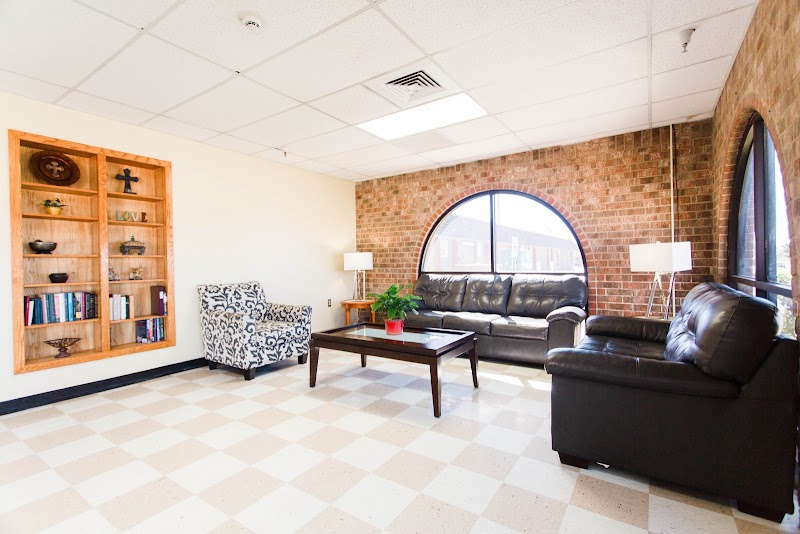
How is Focused Care At Odessa Staffed?

CMS rates Focused Care at Odessa's staffing level at 1 out of 5 stars, which is much below average compared to other nursing homes. Staff turnover is 48%, compared to the Texas average of 46%.

What Have Inspectors Found at Focused Care At Odessa?

State health inspectors documented 21 deficiencies at Focused Care at Odessa during 2022 to 2025. These included: 1 that caused actual resident harm, 19 with potential for harm, and 1 minor or isolated issues. Deficiencies causing actual harm indicate documented cases where residents experienced negative health consequences.
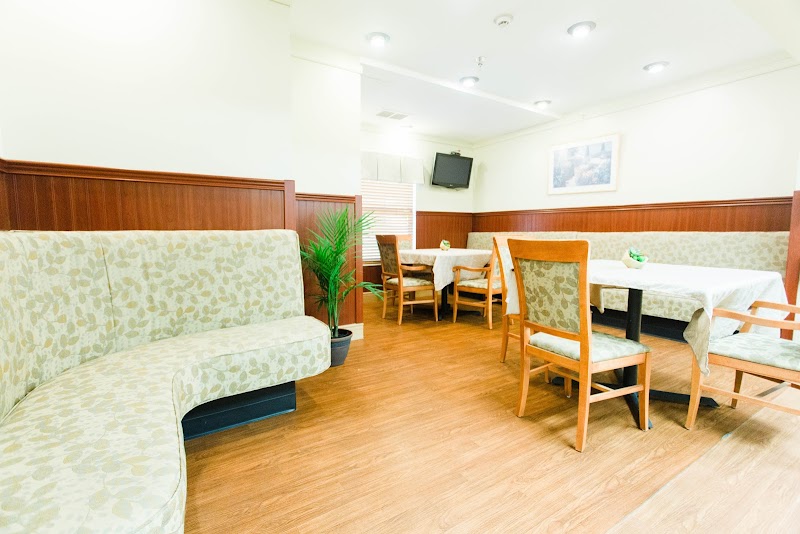
Who Owns and Operates Focused Care At Odessa?

Focused Care at Odessa is owned by a for-profit company. For-profit facilities operate as businesses with obligations to shareholders or private owners. The facility is operated by FOCUSED POST ACUTE CARE PARTNERS, a chain that manages multiple nursing homes. With 75 certified beds and approximately 54 residents (about 72% occupancy), it is a smaller facility located in Odessa, Texas.

How Does Focused Care At Odessa Compare to Other Texas Nursing Homes?

Compared to the 100 nursing homes in Texas, Focused Care at Odessa's overall rating (2 stars) is below the state average of 2.8, staff turnover (48%) is near the state average of 46%, and health inspection rating (3 stars) is at the national benchmark.

What Should Families Ask When Visiting Focused Care At Odessa?

Based on this facility's data, families visiting should ask: "Can you walk me through typical staffing levels on day, evening, and night shifts?" "Can I visit during a mealtime to observe dining assistance and food quality?" "How do you handle medical emergencies, and what is your hospital transfer rate?" "Can I speak with family members of current residents about their experience?" These questions are particularly relevant given the below-average staffing rating.

Is Focused Care At Odessa Safe?

Based on CMS inspection data, Focused Care at Odessa has a clean safety record: no substantiated abuse findings (meaning no confirmed cases of resident harm), no Immediate Jeopardy citations (the most serious violation level indicating risk of serious injury or death), and is not on the Special Focus Facility watch list (a federal program monitoring the lowest-performing 1% of nursing homes). The facility has a 2-star overall rating and ranks #100 of 100 nursing homes in Texas. While no facility is perfect, families should still ask about staff-to-resident ratios and recent inspection results during their visit.

Do Nurses at Focused Care At Odessa Stick Around?

Focused Care at Odessa has a staff turnover rate of 48%, which is about average for Texas nursing homes (state average: 46%). Moderate turnover is common in nursing homes, but families should still ask about staff tenure and how the facility maintains care continuity when employees leave.

Was Focused Care At Odessa Ever Fined?

Focused Care at Odessa has no federal fines on record. CMS issues fines when nursing homes fail to meet care standards or don't correct problems found during inspections. The absence of fines suggests the facility has either maintained compliance or corrected any issues before penalties were assessed. This is a positive indicator, though families should still review recent inspection reports for the full picture.

Is Focused Care At Odessa on Any Federal Watch List?

Focused Care at Odessa is not on any federal watch list. The most significant is the Special Focus Facility (SFF) program, which identifies the bottom 1% of nursing homes nationally based on persistent, serious quality problems. Not being on this list means the facility has avoided the pattern of deficiencies that triggers enhanced federal oversight. This is a positive indicator, though families should still review the facility's inspection history directly.