


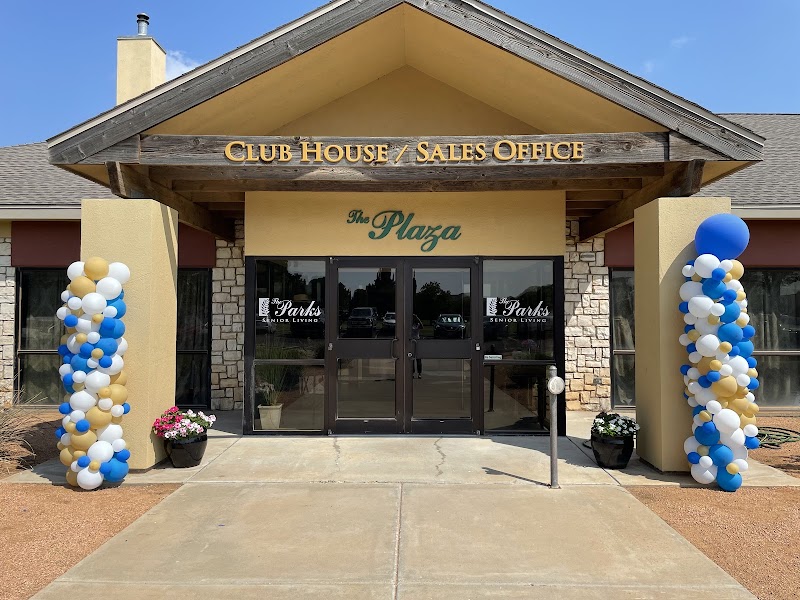

PARKS HEALTH CENTER

111 PARKS VILLAGE DR, ODESSA, TX 79765 (432) 563-5707
For profit - Limited Liability company 90 Beds CROSS HEALTHCARE MANAGEMENT Data: November 2025
Trust Grade
58/100
#542 of 1168 in TX
Last Inspection: October 2024

Within standard 12-15 month inspection cycle. Federal law requires annual inspections.

Overview

Parks Health Center in Odessa, Texas has a Trust Grade of C, which means it is average and sits in the middle of the pack compared to other nursing homes. It ranks #542 out of 1,168 facilities in Texas, placing it in the top half, and is the best option among the six facilities in Ector County. However, the facility's trend is concerning as it is worsening, with issues increasing from three in 2023 to seven in 2024. Staffing is a significant weakness, with a poor rating of 1 out of 5 and a high turnover rate of 67%, which is above the state average of 50%. There are also specific incidents of concern, such as the facility failing to serve breakfast and lunch on time, which could impact residents' well-being. Additionally, there were serious food safety violations in the kitchen, including improper food storage and a lack of hygiene during meal preparations, which could lead to foodborne illnesses. Finally, there were issues with expired medications not being disposed of properly, putting residents at risk of receiving ineffective treatment. Overall, while there are some strengths, such as a decent health inspection rating, the facility has significant areas that need improvement.

Trust Score
C
58/100
In Texas
#542/1168
Top 46%
Safety Record
Low Risk
No red flags
Inspections
Getting Worse
3 → 7 violations
Staff Stability
⚠ Watch
67% turnover. Above average. Higher turnover means staff may not know residents' routines.
Penalties
✓ Good
$5,163 in fines. Lower than most Texas facilities. Relatively clean record.
Skilled Nurses
⚠ Watch
Each resident gets only 16 minutes of Registered Nurse (RN) attention daily — below average for Texas. Fewer RN minutes means fewer trained eyes watching for problems.
Violations
⚠ Watch
15 deficiencies on record. Higher than average. Multiple issues found across inspections.
★★★☆☆
3.0
Overall Rating
★☆☆☆☆
1.0
Staff Levels
★★★☆☆
3.0
Care Quality
★★★★☆
4.0
Inspection Score
Stable
2023: 3 issues
2024: 7 issues

The Good

  • Full Sprinkler Coverage · Fire safety systems throughout facility
  • No fines on record

Facility shows strength in fire safety.

The Bad

3-Star Overall Rating

Near Texas average (2.8)

Meets federal standards, typical of most facilities

Staff Turnover: 67%

20pts above Texas avg (46%)

Frequent staff changes - ask about care continuity

Federal Fines: $5,163

Below median ($33,413)

Minor penalties assessed

Chain: CROSS HEALTHCARE MANAGEMENT

Part of a multi-facility chain

Ask about local staffing decisions and management

Staff turnover is elevated (67%)

19 points above Texas average of 48%

The Ugly 15 deficiencies on record

Oct 2024 7 deficiencies
CONCERN (D) 📢 Someone Reported This

A family member, employee, or ombudsman was alarmed enough to file a formal complaint

Potential for Harm - no one hurt, but risky conditions existed

Deficiency F0761 (Tag F0761)

Could have caused harm · This affected 1 resident

**NOTE- TERMS IN BRACKETS HAVE BEEN EDITED TO PROTECT CONFIDENTIALITY** Based on observation, interview, and record review the facility failed to ensure that medications were secure and inaccessible t...

Read full inspector narrative →
**NOTE- TERMS IN BRACKETS HAVE BEEN EDITED TO PROTECT CONFIDENTIALITY** Based on observation, interview, and record review the facility failed to ensure that medications were secure and inaccessible to unauthorized staff and residents and ensure medications were dated when opened for 1 of 3 nurses' carts (cart for hall 100), 1 of 4 medication carts (cart used for hall 100) and for 1 of 2 medication rooms (Medication room on hall 100) and disposed of when expired and for 1 of 7 residents reviewed Residents (Residents #13) of three residents observed for drug storage in that: The nurses' and medication carts were left unlocked and unsupervised. The medication room had an opened and undated vial of Tuberculin (TB) medication in the refrigerator. The facility failed to ensure Resident #13's 3 vials of breathing treatments were secured. These failures could cause access, loss, diversion, or accidental ingestion of medications and place residents at risk of receiving medications that were expired and not produce the desired effect. The findings included: During an observation and interview on [DATE] at 07:00 AM the nurse cart and medication cart on hall 100 were observed to be unlocked and unattended. Inside the cart were several medications that included over the counter bottles and several blister packs of prescribed medications. The CNAs that were passing by said they did not know who had left the carts unlocked and continued to walk by. After about 15 minutes LVN A was seen walking towards the carts and locking them. During an interview on [DATE] at 07:30 AM LVN A said she was supposed to lock the medication carts whenever she stepped away. LVN A said she had counted the medications with the night nurse, so she was in charge of both the nursing and medication carts, and it was her that had left the carts unlocked and unsupervised. LVN A said she had gotten distracted when one of the CNAs' called for her and she left the carts unlocked to go check what the CNA needed. LVN A said the carts were supposed to be kept locked so that no unauthorized people could get into it. LVN A said if the carts were left unlocked and unsupervised that could lead to drug diversions or someone could take the medications that they shouldn't and get the insulin pens. During an interview on [DATE] at 03:27 PM the DON said it was expected for the nursing staff to lock their carts when they were away from them. The DON said if the carts were left unlocked and unattended a resident could get the medications from the cart and accidentally ingest them or unauthorized staff could take some of the medications which lead to a drug diversion. The DON said the failure probably occurred because the nurse stepped away and forgot to lock the carts. The DON said they monitored the carts to make sure they were locked by conducting rounds. During an interview on [DATE] at 04:34 PM the Administrator said the nursing staff was supposed to lock the carts when they were not being used. The Administrator said if the carts were left unlocked then there were possibilities of drug diversions. The Administrator said the failure probably occurred because the nurse had walked away from the carts and had forgotten to lock them. Record review of the facility policy titled Medication labeling and storage and dated 02/2023 indicated in part: Only authorized personnel have access to keys. The nursing staff is responsible for maintaining medication storage and preparation areas in a clean, safe and sanitary manner. Compartments containing medications and biologicals are locked when not in use, and trays or carts used to transport such items are not left unattended if open or otherwise potentially available to others. Resident #13 Review of Resident #13's admission Record, dated [DATE], revealed he was a [AGE] year-old male admitted to the facility on [DATE] with diagnoses including congestive heart failure (the heart does not pump blood as well as it should). Review of Resident #13's Initial MDS Assessment, dated [DATE], revealed: He scored a 15 of 15 on his mental status exam (indicating he was cognitively intact). Active Diagnosis included Heart Failure and hypertension. Respiratory treatments = Oxygen therapy. Review of Resident #13's Care Plan revealed the following care area: *Revised on [DATE] Resident #13 had Congestive Combined Heart failure. The goal was the resident will be free of peripheral edema (swelling to the legs and hands) through the review date. Identified goals included: Give cardiac medications as ordered. Monitor Vital Signs, notify Medical Doctor of significant abnormalities, *Initiated [DATE] The Resident had hypertension related to Congestive Heart Failure. The identified goal was the resident will remain free of complications related to hypertension through the review date. Identified interventions included: Give anti-hypertensive medications as ordered, monitor for side effects such as orthostatic hypotension and increased heart rate (Tachycardia) and effectiveness. Review of Resident #13's Order Summary Report, dated [DATE], revealed orders: Ipratropium-Albuterol Solution 0.5-2.5 (mg/mL)3 ML inhale every 4 hours every 4 hours as needed for shortness of breath or wheezing via nebulizer. Start date[DATE] Observation and interview on [DATE] at 10:00 a.m. revealed Resident #13 was out of his room. A Small Volume Nebulizer (breathing treatment) machine on Resident #13's bedside table. On top of it were three vials of a liquid in a tube with do not inject and for inhalation only on the tube. Surveyor asked the charge nurse to identify the tubes. LVN A looked at them and stated, those aren't supposed to be there. LVN A identified the tubes as breathing treatments and quickly added I didn't leave those there. In an interview on [DATE] at 3:11 p.m. the DON stated her expectation for storage of medication was they be secured at all times. The DON stated breathing treatments should be stored in the nurse's medication cart. The DON stated the Charge Nurses were responsible for ensuring medications were put up in the medication carts. The DON said the chances of three vials of breathing treatments being left on the bedside table were that someone could easily ingest it, or it could be given to someone else. The DON looked up the side effects and stated allergic reactions by drinking the breathing treatment included increased blood pressure, muscle cramps or difficulty breathing. The DON said she was not aware of any residents who had orders to be able to self-administer medications. The DON stated Resident #13 would probably be able to physically and mentally, but his breathing treatments were as needed. The DON looked at Resident #13's Treatment Administration Record and stated Resident #13 got a breathing treatment the morning of [DATE] at 1:28 a.m. The DON stated the facility had 4 wanderers, none who lived on Resident #13's hallway. The DON said each room had a manager who did rounds. The DON looked and stated the Administrator was assigned to Resident #13's room. In an interview on [DATE] at 3:38 p.m. the Administrator stated he was manager who did rounds. He stated he was in Resident #13's room on [DATE] and totally missed it, the breathing treatment left in the room. EXPIRED TB VIAL During an observation and interview on [DATE] at 04:58 PM the medication room was inspected with the ADON present. Inside the refrigerator was a TB vial that had been opened but no open date was found on the vial or the box container. The ADON said the nurses were supposed to date the TB vial whenever they opened it. The ADON said they did periodically inspections of the medication room for expired and undated medications. The ADON said there was not a specific person assigned to do the inspection of the medication room. The ADON said if a nurse used the undated TB vial solution, the test could result in a false negative or a false positive result as the solution could be expired but the nurse would be unable to know if the solution was still good or not due to no open date. The TB box container indicated Once entered, vial should be discarded after 30 days. During an interview on [DATE] at 03:18 PM the DON was said it was expected for the nurses to date TB vials as soon as they opened them. The DON said if a nurse performed a TB test on someone and the TB solution might had been expired it could lead to false readings. The DON said she expected for the nurses to remove the undated opened TB vials and have them replaced with a new one. The DON said she monitored the medication room as needed to check for expired or undated medications. The DON said that from now on they would have someone assigned to check the carts and medication rooms. The DON believed the failure occurred because the nurses failed to date the TB vial when they opened it. During an interview on [DATE] at 04:25 PM the Administrator said it was expected for the nurses to date the TB vials as soon as they opened them. The Administrator said the failure probably occurred because the nurse failed to date the TB vial when they opened it. The Administrator said if the nurses used the undated TB it could lead to ineffective results. Record review of the facility policy titled Medication labeling and storage and dated 02/2023 indicated in part: . The nursing staff is responsible for maintaining medication storage . If the facility has discontinued, outdated, or deteriorated medications or biologicals, the dispensing pharmacy is contacted for instructions regarding returning of destroying these items. Medication labeling - The medication label includes at a minimum: Expiration date when applicable. Multi-dose vials that have been opened or accessed (e.g., needle puncture) are dated and discarded within 28 days unless the manufacturer specifies a shorter or longer date for the open vial. Record review of the facility policy titled Insulin Administration and dated 09/2014 indicated in part: Purpose. To provide guidelines for the safe administration of insulin to residents with diabetes. Check expiration date if drawing from an opened multi-dose vial. If opening a new vial, record expiration date and time on vial (follow manufacturer recommendations for expiration after opening). Record review of the facility policy titled Storage of medications and dated 11/2020 indicated in part: The facility stores all drugs and biologicals in a safe, secure and orderly manner. Drugs and biologicals used in the facility are stored in locked compartments under proper temperature, light and humidity controls. Only persons authorized to prepare and administer medications have access to locked medications. Compartments containing drugs and biologicals are locked when not in use. Unlocked medication carts are not left unattended.
CONCERN (D)

Potential for Harm - no one hurt, but risky conditions existed

Deficiency F0805 (Tag F0805)

Could have caused harm · This affected 1 resident

**NOTE- TERMS IN BRACKETS HAVE BEEN EDITED TO PROTECT CONFIDENTIALITY** Based on observation, interviews, and record reviews, the facility failed to ensure food was prepared in a form designed to meet...

Read full inspector narrative →
**NOTE- TERMS IN BRACKETS HAVE BEEN EDITED TO PROTECT CONFIDENTIALITY** Based on observation, interviews, and record reviews, the facility failed to ensure food was prepared in a form designed to meet individual needs for three of three residents (Residents #1, #37, #42) reviewed for food meeting residents' needs, in that: The DM did not puree eggs and ham to a puree consistency as required for Residents #1, #37, #42 who were ordered a pureed diet. This deficient practice could affect residents who received pureed meals from the kitchen by contributing to choking, poor intake, and/or weight loss. The findings included: Resident #1 Record review of Resident #1's admission record revealed Resident #1 was a [AGE] year-old female with an admission date of 06/30/2022. Resident #1 had medical diagnosis of Dysphagia (Difficulty in swallowing). Record review of Resident #1's Annual Minimum Data Set (MDS) dated [DATE] revealed Resident #1's Brief Interview for Mental Status (BIMs) score of 03 indicating she was severely impaired cognitively. In Section GG - Functional Abilities and Goals Resident #1 was indicated as dependent in eating. Record review of Resident #1's order summary revealed an order for a regular diet Pureed texture, thin consistency, large protein portions with breakfast and lunch related to dysphagia, and Nurse to supervise that aids are assisting resident with feeding before meals for weight loss. Record review of Resident #1's Care plan dated 10/17/24 revealed The resident is on a pureed regular diet with goals and interventions of The resident will have adequate nutrition and fluid intake through the next review date. Dietary Manager to monitor and discuss for food preferences. Resident #37 Record review of Resident #37's admission record revealed Resident #37was a [AGE] year-old female with an admission date of 07/15/2024. Resident #37 had medical diagnosis of Dysphagia (Difficulty in swallowing),. Record review of Resident #37's Annual Minimum Data Set (MDS) dated 9.18.2024 revealed Resident #37's Brief Interview for Mental Status (BIMs) score of 12 indicating she is cognitively intact. In Section GG - Functional Abilities and Goals Resident #37 is indicated as needing supervision or touching assistance in eating. Record review of Resident #37's order summary revealed an order for a Regular diet Pureed texture, Thin consistency. Record review of Resident #37's Care plan dated 10/17/24 revealed The resident has an ADL self-care performance deficit r/t Musculoskeletal impairment with goals and interventions of The resident will improve current level of function in ADLs through the review date. EATING: The resident requires set up and clean up from staff for meals. Resident #42 Record review of Resident #42's admission record revealed Resident #42 is a [AGE] year-old female with an admission date of 03/29/2021. Resident #42 had medical diagnosis of Dysphagia (Difficulty in swallowing. Record review of Resident #42's Annual Minimum Data Set (MDS) dated 9.12.2024 revealed Resident #1's Brief Interview for Mental Status (BIMs) was not scored because the resident is rarely or never understood. In Section GG - Functional Abilities and Goals Resident #42 is indicated as needing supervision or touching assistance in eating. Record review of Resident #42's order summary revealed an order for a Regular diet Pureed texture, Thin consistency ordered on 09/26/24. Record review of Resident #42's Care plan dated 06/11/24 revealed The resident is on a regular diet with goals and interventions of The resident will have adequate nutrition and fluid intake through the next review date. Dietary Manager to monitor and discuss for food preferences. Observation on 10/15/24 at 8:26 a.m. the three resident's were eating meal trays that were severed labeled as puree. The puree trays revealed the ham had the consistency of a mechanical soft diet with gravy on top and served with regular consistency eggs. Further observation revealed the only difference from the puree trays and the regular and mechanical tray was the puree food was served with gravy. In an interview on 10/15/24 at 8:34 a.m. LVN A stated the mechanical soft tray, and the puree tray did look the same. LVN A stated no one on the puree diets had problems swallowing the mechanical soft breakfast meat. LVN A stated there were three residents with a puree diet. In an interview on 10/16/24 at 3:10 pm the Dietary Manager (DM) was shown a picture of the puree tray that was served and stated she did not think the food appeared to be puree texture and appeared closer to mechanical soft. The DM stated she was unsure why the tray was approved by nursing staff who was supposed to check trays. The DM stated she will ensure there was a training on proper meal textures and checking trays. In an interview on 10/16/24 at 3:24 pm [NAME] F stated she thought the blender was not working this morning, so she attempted to puree the meat by smashing the meat down to a smoother consistency and added milk to the eggs to make them softer in consistency. [NAME] F stated she had the lid to the blender misaligned and it was working properly. [NAME] F stated that she thought the puree was soft enough to be safe. In an interview on 10/16/24 at 3:40 pm DON was shown a picture puree breakfast tray and stated she did not think the food appeared to be mechanical soft in texture. DON stated the nursing staff and the staff who are assisting in feeding the residents should all know the difference in diet textures. DON stated she was unsure why the kitchen served this as puree. DON stated often times the resident family members will bring food to these residents that are on puree, and they will cut them into small pieces and the residents are able to eat them. DON stated this may be why the staff felt comfortable feeding that tray to the puree resident. DON stated the staff still should follow diet orders. DON stated she was not aware of any of the residents choking or aspirating due to food texture. DON stated she will ensure there was an in-service done on appropriate diet consistencies. Review of In-service with the topic being Hall trays and dining room dated 10/02/2024 reveals objective that states in part The nurse at all meals should verify tickets. The diet orders should match the meal is served. Review of the facilities policy titled Food and Nutritional Services dated October 2017 the policy statement is Each resident is provided with a nourishing, palatable, well-balanced diet that meets his or her daily nutritional and special dietary needs, taking into consideration the preferences of each resident. Under policy interpretation and implementation sections 7 states food and nutritional services staff will inspect food trays to ensure that the correct mail is provided to each resident, the food appears palatable and attractive, and is served at a safe and appetizing temperature. (Subsection a) If an incorrect meal is provided to a resident, or a meal does not appear palatable, nursing staff with report it to the Food Service Manager so that a new food tray can be issued.
CONCERN (E) 📢 Someone Reported This

A family member, employee, or ombudsman was alarmed enough to file a formal complaint

Potential for Harm - no one hurt, but risky conditions existed

Pharmacy Services (Tag F0755)

Could have caused harm · This affected multiple residents

**NOTE- TERMS IN BRACKETS HAVE BEEN EDITED TO PROTECT CONFIDENTIALITY** Based on observation, interview, and record review the facility failed to provide pharmaceutical services, including procedures ...

Read full inspector narrative →
**NOTE- TERMS IN BRACKETS HAVE BEEN EDITED TO PROTECT CONFIDENTIALITY** Based on observation, interview, and record review the facility failed to provide pharmaceutical services, including procedures that ensure the accurate administering of all drugs to meet the needs of the residents and failed to ensure medications were disposed of when expired for 1 of 3 nurses carts inspected for medication storage. The nurse cart for used for halls one and three had four insulin pens and one insulin vial that had expired as indicated by the manufacturer's recommendations. This failure could place residents at risk of receiving medications that were expired and not produce the desired effect. The findings were: During an observation and interview on [DATE] at 11:32 AM the nurse medication cart for halls 1 and 3 was inspected with LVN E. On the top drawer of the cart were several insulin pens and one insulin vial. Five of the insulins observed had open dates of [DATE], [DATE], [DATE], [DATE] and [DATE] written on them. The insulin pens indicated Use within 28 days after initial dosage on their label. The insulin vial indicated Discard unused portion 28 days after first opening on the vial's box. LVN E said she had the nurse cart assigned to her today but had not noticed the insulins had expired. LVN E said she probably had not noticed that because she had not had to administer any of them recently. LVN E said it was each nurse's responsibility to date the insulin pens or vials whenever they opened them. LVN E said she did not recall being the one that had opened any of the insulin pens or vial. LVN E said if that insulin was administered to a resident, then it could possibly lead to the insulin not being as effective due to it being expired. LVN E said she would remove those insulins from the cart. During an interview on [DATE] at 03:18 PM the DON was said it was expected for the nurses to date the insulin pens and insulin vials as soon as they opened them. The DON said if an expired insulin was administered it could possibly lead to it not being as effective. The DON said she expected for the nurses to remove the expired insulins and have them replaced with a new one. The DON said she monitored the nurse carts and medication room as needed to check for expired or undated medications. The DON said that from now on they would have someone assigned to check the carts and medication rooms. The DON believed the failure occurred because the nurses failed to remove the insulins from the cart once they were expired. During an interview on [DATE] at 04:25 PM the Administrator said it was expected for the nurses to date the insulins as soon as they opened them. The Administrator said the failure probably occurred because the nurses had not removed the expired insulins. The Administrator said if the nurses used the expired insulin it could lead to ineffective results. Record review of the facility policy titled Medication labeling and storage and dated 02/2023 indicated in part: . The nursing staff is responsible for maintaining medication storage . If the facility has discontinued, outdated, or deteriorated medications or biologicals, the dispensing pharmacy is contacted for instructions regarding returning of destroying these items. Medication labeling - The medication label includes at a minimum: Expiration date when applicable. Multi-dose vials that have been opened or accessed (e.g., needle puncture) are dated and discarded within 28 days unless the manufacturer specifies a shorter or longer date for the open vial. Record review of the facility policy titled Insulin Administration and dated 09/2014 indicated in part: Purpose. To provide guidelines for the safe administration of insulin to residents with diabetes. Check expiration date if drawing from an opened multi-dose vial. If opening a new vial, record expiration date and time on vial (follow manufacturer recommendations for expiration after opening).
CONCERN (E) 📢 Someone Reported This

A family member, employee, or ombudsman was alarmed enough to file a formal complaint

Potential for Harm - no one hurt, but risky conditions existed

Food Safety (Tag F0812)

Could have caused harm · This affected multiple residents

Based on observation and interview the facility failed to store, prepare, distribute, and serve food in accordance with professional standards for food safety in the facility's only kitchen. The facil...

Read full inspector narrative →
Based on observation and interview the facility failed to store, prepare, distribute, and serve food in accordance with professional standards for food safety in the facility's only kitchen. The facility failed to ensure food items in the facility's only kitchen were stored and sealed appropriately. These failures could place residents at risk for food-borne illness, and food contamination. Findings include: Observations of the facilities only kitchen on 10/15/24 at 07:00 AM revealed One clear plastic tote, with no lid, that had approximately six different bags of cereal outside of the dry food storage on a rack with clean kitchen utensils. The bags were partly rolled but not sealed. Interview with the Dietary Manager (DM) on 10/16/2024 at 3:10 pm revealed she was aware the staff were keeping the cereal on the clean utensils rack. DM stated she had removed a dry foods rack recently and the staff would put the bow of cereal on this utensil rack because it was closer. DM stated any food items should be labled and dated with the open date. DM stated she had told staff that all food needs to be in the dry food storage. The DM stated the staff would forget to take the box back into the dry food storage. DM stated this was a risk for cross contamination and will educate the staff on the importance of keeping all dry foods in the dry food storage. No policy was available.
CONCERN (E) 📢 Someone Reported This

A family member, employee, or ombudsman was alarmed enough to file a formal complaint

Potential for Harm - no one hurt, but risky conditions existed

Medical Records (Tag F0842)

Could have caused harm · This affected multiple residents

**NOTE- TERMS IN BRACKETS HAVE BEEN EDITED TO PROTECT CONFIDENTIALITY** Based on interview, and record review, the facility failed to ensure in accordance with professional standards of practices, the...

Read full inspector narrative →
**NOTE- TERMS IN BRACKETS HAVE BEEN EDITED TO PROTECT CONFIDENTIALITY** Based on interview, and record review, the facility failed to ensure in accordance with professional standards of practices, the medical records on each resident were accurately documented for 2 of 7 residents (Residents #13 and #23) reviewed for accurate medical records. The facility failed to document the pulse of the resident's when the physician's orders documented hold parameters for Residents #13 and #23. This failure placed facility residents at risk for incorrect medication administrations due to misinformation by incomplete and inaccurate medical record. The findings included: Resident #13 Review of Resident #13's admission Record, dated 10/16/24, revealed he was a [AGE] year-old male admitted to the facility on [DATE] with diagnoses including congestive heart failure (the heart does not pump blood as well as it should). Review of Resident #13's Initial MDS Assessment, dated 7/19/24, revealed: He scored a 15 of 15 on his mental status exam (indicating he was cognitively intact). Active Diagnosis included Heart Failure and hypertension. Review of Resident #13's Care Plan revealed the following care areas: *Revised on 8/7/24 Resident #13 had Congestive Combined Heart failure. The goal was the resident will be free of peripheral edema (swelling to the legs and hands) through the review date. Identified goals included: Give cardiac medications as ordered. Monitor Vital Signs, notify Medical Doctor of significant abnormalities, *Initiated 8/7/24 The Resident had hypertension related to Congestive Heart Failure. The identified goal was the resident will remain free of complications related to hypertension through the review date. Identified interventions included: Give anti-hypertensive medications as ordered, monitor for side effects such as orthostatic hypotension and increased heart rate (Tachycardia) and effectiveness. Review of Resident #13's Order Summary Report, dated 10/16/24, revealed orders: Metoprolol Succinate 50 mg Give 1 tablet by mouth one time a day for hypertension, hold for blood pressure less than 110/60 and pulse less than 60. Start date 7/18/24. Review of Resident #13's October 2024 Medication Administration Record(MAR) revealed a row for the blood pressure but no row for the pulse outcomes to be documented. In an interview on 10/16/24 at 4:35 p.m. the DON read Resident #13's order for the Metoprolol including the hold for pulse less than 60. The DON said she did not see a row for the pulse on the MAR. The DON stated she did not know if the staff were holding the medication if the pulse was below 60. The DON stated the ADON put the order in July 2024 and she would talk to her. The DON said she guessed nobody checked for these kinds of errors. The DON said she did not know why the pharmacist did not catch the error because she saw recommendation on blood pressure medications in his recommendations. The DON said she did not know why this was not caught. The DON said she was still new and still working on getting things where she wanted things to be and would do an audit the night of 10/16/24. The DON said the blood pressure cuff took the pulse so she would hope the staff were catching it. Resident #23 Review of Resident #23's admission Record, dated 10/17/24, revealed he was an [AGE] year-old male admitted to the facility on [DATE] with diagnosis which included hypertension (high blood pressure), atrial fibrillation (irregular heartbeat, usually fast). Review of Resident #23's Quarterly MDS Assessment, dated 8/1/24, revealed: He scored a 14 of 15 on his mental status exam (indicating he was cognitively intact) Active Diagnoses included coronary heart disease (reduced blood flow to heart) and Hypertension. Review of Resident #23's Care Plan documented the following care areas: Revised on 10/12/22 Resident #23 had coronary heart disease related to Atherosclerosis (buildup of plaque in the veins). The Goal was Resident #23 would be free from signs and symptoms of complications of cardiac (heart) problems through the review date. Identified interventions included: Give all cardiac medications as ordered by the physician. Monitor and document side effects. Report adverse reactions to Medical Doctor as needed. Revised on 4/18/24 Resident #23 had history of Hypertension. The Goal was Resident #23 would remain free of complications related to hypertension through the review date. Identified interventions included: Give anti-hypertensive medications as ordered. Monitor for side effects such as orthostatic hypotension (blood pressure drops when standing) and increased heart rate and effectiveness. Obtain blood pressure readings as per physician's orders. Take blood pressure readings under the same conditions each time. For example, resident is sitting, use right arm. Notify physician of any significant abnormalities. Revised on 10/12/22 Resident #23 is at risk for complications related to Atrial Fibrillation/Flutter. The Goal was Resident #23 would exhibit minimal to no complications related to Atrial Fibrillation/Flutter on an ongoing basis thru the next review date. Identified Goals included: Administer medications as per physician's orders, monitor for effectiveness, Check the resident's vital signs as per physician's orders. Review of Resident #23's Order Summary Report, dated 10/17/24, revealed orders: *Amlodipine Besylate Tablet 5mg Give 1 tablet by mouth one time a day for hypertension, hold if Systolic Blood Pressure < 100. Start Dated 4/4/2024. *Metoprolol Tartrate 25 mg Give 1 tablet by mouth two times a day for hypertension related to Atrial Fibrillation, Hypertension. Hold if Blood Pressure Less than 110/60 or pulse < 60 beats per minute. Start date 3/30/23. Review of Resident #23's October 2024 Medication Administration Record revealed the following:*There was no row for the blood pressure reading for the Amlodipine Besylate Tablet 5mg event though it was checked as given 10/1/24 through 10/16/24. *There was no row for the pulse in the Metoprolol Succinate ER 25mg 0800 even thought it was checked as given 10/1/24 through 10/8. *There was no row for the blood pressure nor the pulse on the 1700 (5 p.m.) row even thought it was checked as given 10/9/24, 10/10/24, 10/12/24 through 10/16/24. In an interview on 10/17/24 at 1:08 p.m. the DON stated the results of the parameter audit was over 20 residents who did not have a row for the pulse parameter on the Medication Administration Record. The DON reminded the surveyor, the blood pressure cuff took the pulse of the resident, so the pulse was taken it just was not documented. Review of a letter written by the resident's doctor / Medical Director, dated 10/17/24, revealed: With all hypertensive medications, blood pressure and pulse needs to be monitored and within parameters set by MD. Although both need to be checked, blood pressure is the more critical value. While the pulse was not documented, while the staff check blood pressure the pulse is also taken by the machine. Review of the facility's policy and procedure on Charting and Documentation, revised July 2017, revealed: All services provided to the resident, progress toward the service plan goals, or any changes in the resident's medical, physical, or psychosocial condition, shall be documented in the resident's medical record. The medical record should facilitate communication between the interdisciplinary team regarding the resident's condition and response to care. Policy Interpretation and Implementation The following information is to be documented in the resident medical record: Objective observations; Medications administered; Treatments or services performed;
CONCERN (E) 📢 Someone Reported This

A family member, employee, or ombudsman was alarmed enough to file a formal complaint

Potential for Harm - no one hurt, but risky conditions existed

Infection Control (Tag F0880)

Could have caused harm · This affected multiple residents

**NOTE- TERMS IN BRACKETS HAVE BEEN EDITED TO PROTECT CONFIDENTIALITY** Based on observation, interview, and record review, the facility failed to maintain an infection prevention and control program ...

Read full inspector narrative →
**NOTE- TERMS IN BRACKETS HAVE BEEN EDITED TO PROTECT CONFIDENTIALITY** Based on observation, interview, and record review, the facility failed to maintain an infection prevention and control program designed to provide a safe, sanitary, and comfortable environment to help prevent the development and transmission of communicable diseases and infections for 3 (Resident #2, #12 and#66) of 5 residents reviewed for infection control. CNA B failed to change her gloves when going from dirty to clean during peri-care and assisting Resident #12 with her ADLs. CNA B failed to wash her hands after she was finished assisting Resident #12 with personal care and before going on to assist someone else. CNA C failed to wash her hands prior to putting gloves on and assisting Resident #2 with personal care. CNA C failed to change her gloves when going from dirty to clean during peri-care and assisting Resident #2 with her ADLs. LVN D failed to use PPE during wound care performed for Resident #66 as the resident was on EBP precautions. This failure could place residents at risk for cross contamination and the spread of infection. Finding include: Resident #12 Record review of Resident #12's admission record dated 10/16/24 indicated she was admitted to the facility on [DATE] with a diagnosis overactive bladder. She was [AGE] years of age. Record review of Resident #12's care plan dated 06/11/2024 indicated in part: Problem: The resident is incontinent of bowel and bladder. Goal: The resident will remain free from skin breakdown due to incontinence and brief use through the review date An intervention was to Clean peri-area with each incontinence episode. Record review of Resident #12's MDS dated [DATE] indicated in part: BIMS = 6 indicating the resident had severe impairment. Urinary continence = Always incontinent. Bowel continence = Always incontinent . During an observation on 10/15/24 at 09:30 AM CNA B entered the room and after she had washed her hands she put on a pair of new gloves. CNA B undid the resident's brief and with some wet wipes wiped Resident #12's vaginal area. CNA B then turned the resident on her side and wiped the resident's rectal area. CNA B then went to the resident's closet and took some clothes and helped the resident get dressed while she still wore the same gloves that she had performed the peri-care on the resident. While CNA B still wore the same gloves, she assisted Resident #12 to the side of the bed and transferred her to her wheelchair with the sit to stand lift and then removed her gloves. After CNA B assisted Resident #12's she left to throw the trash and then went into another resident's room, and without first sanitizing or washing her hands first she put on a pair of gloves and proceeded to assist another resident. During an interview on 10/15/24 at 11:40 AM CNA B said she had forgotten to change her gloves after she cleaned Resident #12's vaginal and rectal area. CNA B said she should have washed or sanitized her hands before putting on the new pair of gloves. CNA B said she just plain forgot to do those steps. CNA B said she had been trained on handwashing and glove changing. CNA B said if she did not wash her hands or change her gloves at the appropriate time then it could lead to the spread of germs to the residents and other facility staff. Resident #2 Record review of Resident #2's admission record dated 10/16/24 indicated she was admitted to the facility on [DATE] with diagnoses of lack of coordination, stroke, and muscle weakness. She was [AGE] years of age. Record review of Resident #2's care plan dated 04/06/2022 indicated in part: Problem: The resident has New Onset bladder/bowel incontinence r/t Impaired Mobility d/t Right Fibula Fracture. Goal: The resident will remain free from skin breakdown due to incontinence and brief use through the review date. Interventions were to check resident every 2 hours and PRN as required for incontinence. Wash, rinse, and dry perineum. Change clothing PRN after incontinence episodes. Record review of Resident #2's MDS dated [DATE] indicated in part: BIMS = 9 indicating the resident was moderately impaired. Urinary continence = Always incontinent. Bowel continence = Always incontinent . During an observation on 10/15/24 at 10:05 AM CNA C entered the resident's room and proceeded to put on a pair of gloves without first washing or sanitizing her hands. CNA C then undid Resident 2's brief and wiped the resident's vaginal area with some wet wipes. CNA C then turned the resident on her side and wiped the resident's rectal area with some wet wipes and then removed the soiled brief. While wearing the same gloves, CNA C took a clean brief and fastened it to the resident. CNA C then assisted Resident #2 to the side of the bed and then with a sit to stand lift transferred the resident to her wheelchair while still wearing the same gloves. During an interview on 10/15/24 at 11:07 AM CNA C said she forgot to wash or sanitize her hands prior to putting on gloves before she assisted Resident #2. CNA C said that she should have changed her gloves and washed her hands before she took the new brief and fastened it to the resident. CNA C said she had not washed her hands or changed her gloves because she had gotten nervous as she was being observed during the personal care of the resident. CNA C said if she did not wash her hands or changed her gloves when needed that could lead to the spread of infections which could affect the residents. During an interview on 10/17/24 at 03:24 PM the DON said it was expected for the CNAs to wash their hands before they performed personal care for any of the residents. The DON said the CNAs were supposed to change their gloves once before they went from dirty to clean. The DON said after the CNA wiped the resident's peri-area they were expected to have removed their gloves, sanitized, or washed their hands, and then put on the new gloves. The DON said if the CNAs did not do those procedures that could lead to cross contamination. The DON said she was the infection preventionist and that staff had been trained on infection control procedures. The DON said they monitored the staff by having conducting rounds and the CNAs received proficiency checks. The DON said the failure probably occurred because the staff got nervous and forgot the steps. During an interview on 10/17/24 at 04:30 PM the Administrator said the CNAs should have washed their hands and changed their gloves at the appropriate times. The Administrator said if the CNAs did not perform these steps, then it could lead to the spread of infections. Resident #66 Record review of 's admission record dated 10/16/24 indicated she was admitted to the facility on [DATE] with diagnoses of stroke, muscle weakness and dementia. She was [AGE] years of age. Record review of Resident #66's care plan dated 09/17/2024 indicated in part: Problem: Risk for infection-EBP Enhanced Barrier Precaution at all times. The resident has a Stage 4 pressure ulcer Goal: Resident will show no s/s of infections through the next review. Resident's area will remain free of infection Interventions: Initiate the appropriate EBP isolation precautions. Staff is to wear PPE's for all contact with resident as long as the resident is on EBP precautions, for things such as dressing, changing linens, transfers, providing hygiene, wound care, device care (or use), bathing or showering, changing briefs or assisting with toileting. Staff to follow standard precautions, including proper hand washing techniques, dining, and doffing PPE's to minimize microorganism transmission. Resident needs weekly evaluation of wound healing. Record review of Resident #66's MDS dated [DATE] indicated in part: Cognitive Skills for Daily Decision Making indicated the resident was Severely impaired. Determination of Pressure Ulcer/Injury Risk = Resident has a pressure ulcer/injury, a scar over bony prominence, or a non-removable dressing/device. Does this resident have one or more unhealed pressure ulcers/injuries? Yes. Record review of Resident #66's order summary report dated 10/02/24 indicated in part: C *coccyx stage 4 clean with wound wash or normal saline pat dry with gauze, sprinkle crushed 500 mg Flagyl tablet (antibiotic medication) on wound bed apply collagen powder and alginate cover with bordered gauze dressing. Change if soiled or bandage falls off. Everyday shift for wound management. Order date 10/15/24. *Right and left heel blister apply betadine cover with foam heel protector. Everyday shift for preventative Order date 10/02/24. *PPE required for high resident contact care activities. EBP are indicated for residents with any of the following: Infection or colonization with a CDC targeted MDRO when Contact Precautions do not otherwise apply; or Wounds and/or indwelling medical devices even if the resident is not known to be infected or colonized with a MDRO. every shift. Order date 09/09/24. During an observation on 10/16/24 at 11:42 AM LVN D prepared the supplies on her treatment cart, placed them on a tray and then entered the resident's room. On the resident's door there was a sign that indicated Stop - enhanced barrier precautions everyone must clean their hands, including before entering and when leaving the room. Providers and staff must also: Wear gloves and a gown for the following high-contact resident care activities. Wound care: any skin opening requiring a dressing. There was a new a plastic wrapped gown observed on the wall as we entered the resident's room. LVN D entered the room, washed her hands, and put on some gloves then proceeded to perform the wound care. LVN D proceeded and removed the dressing from the resident's coccyx area where the wound was located and performed the wound care to that area and to the resident's heels as well. LVN D only used on pair of gloves during the entire procedure and never put on a gown as indicated on the sign on the door. During an interview on 10/16/24 at 12:04 PM LVN D said that EBP meant that staff was required to wear PPE when they assisted a resident that had things such as catheters and IVs in them. LVN D said she should have used PPE when she performed the wound care for Resident #66 but that she had just forgotten to. LVN D said since she had not applied the EBP when she performed the wound care, she could have transferred whatever infections that resident had to others or introduced some form of infection unto the resident. LVN D said she was aware of the EBP procedure as she had already been trained on the method and when it had to be applied. During an interview on 10/17/24 at 03:22 PM the DON said she had expected for LVN D to have worn PPE when she performed the wound care for Resident #66 since the resident was on EBP precautions. The DON said LVN D had been trained on the use of EBP and when to use it. The DON said the way they monitored staff used EBP when required was by getting them trained and monitored the staff following the procedures. The DON said the failure probably occurred because the LVN got nervous and forgot to put on the gown before she performed the wound care. The DON said if the LVN did not wore PPE it could lead to the spread of infections. During an interview on 10/17/24 at 04:30 PM the Administrator said the LVN was expected to use PPE during the wound care as indicated by EBP procedures. The Administrator said he was not sure why the nurse had not worn the PPE, but they were supposed to, to prevent the spread of infections. Record review of the facility's policy titled Perineal Care and dated 02/2018 indicated in part: Purpose - The purposes of this procedure are to provide cleanliness and comfort to the resident, to prevent infections and skin irritation, and to observe the resident's skin condition. Wash and dry your hands thoroughly. Put on gloves Wash the rectal area thoroughly wiping from the base of the labia towards and extending over the buttocks. Remove gloves and discard into designated container. Wash and dry your hands thoroughly. Record review of the facility's policy titled Handwashing/Hand Hygiene and dated 10/2023 indicated in part: Policy statement - This facility considers hand hygiene the primary means to prevent the spread of healthcare-associated infections. All personnel are trained and regularly in-serviced on the importance of hand hygiene in the preventing the transmission of healthcare-associated infections. All personnel are expected to adhere to hand hygiene policies and practices to help prevent the spread of infections to other personnel, residents, and visitors. Indications for hand hygiene - immediately before touching a resident; after contact with blood, body fluids or contaminated surfaces; after touching a resident; after touching the resident's environment; before moving from work on a soiled body site to a clean body site on the same resident and immediately after glove removal. Single use disposable gloves should be used when anticipating contact with blood or body fluids and when in contact with a resident or the equipment or environment of a resident who is on contact precautions. The use of gloves does not replace hand washing/hand hygiene. Record review of the facility's policy titled Enhanced Barrier Precautions and dated 08/2022 indicated in part: Policy statement. Enhanced Barrier Precautions (EBPs) are utilized to prevent the spread of multi-drug resistant organisms (MDROs) to residents. Enhanced Barrier Precautions (EBPs) are used as an infection prevention and control intervention to reduce the spread of multi-drug resistant organisms (MDROs) to residents. EBPs employ targeted gown and glove use during high contact resident care activities when contact precautions do not otherwise apply. Gloves and gown are applied prior to performing the high contact resident care activity (as opposed to before entering the room). Examples of high-contact resident care activities requiring the use of gown and gloves for EBPs include: Wound care (any skin opening requiring a dressing). EBPs are indicated for residents with wounds and/or indwelling medical devices regardless of MDRO colonization.
CONCERN (F) 📢 Someone Reported This

A family member, employee, or ombudsman was alarmed enough to file a formal complaint

Potential for Harm - no one hurt, but risky conditions existed

Deficiency F0809 (Tag F0809)

Could have caused harm · This affected most or all residents

**NOTE- TERMS IN BRACKETS HAVE BEEN EDITED TO PROTECT CONFIDENTIALITY** Based on observation, interview, and record review, the facility failed to provide daily meals at regular times for 2 of 2 meals...

Read full inspector narrative →
**NOTE- TERMS IN BRACKETS HAVE BEEN EDITED TO PROTECT CONFIDENTIALITY** Based on observation, interview, and record review, the facility failed to provide daily meals at regular times for 2 of 2 meals (breakfast and lunch) observed for timely meal service. The facility failed to serve the breakfast and lunch meals on 10/15/24, at the specific times posted. This failure could place residents at risk of increased hunger, thirst, frustration, and decreased feelings of self-worth. Findings included: Observation on 10/15/24 at 8:26 a.m. revealed the last resident meal tray in the dining room was served. Observation of the kitchen on 10/15/24 from 11:42 am to 2:30 pm revealed the first lunch tray was plated at 12:10 pm and the last tray at was plated at 2:10 pm to be served to the resident. Record review of the Posted Mealtimes outside the dining room revealed: *Breakfast 7:30 AM Hall Carts 4 - 7 AM Hall Carts 3 - 7:10 AM Hall Carts 2 - 7:15 AM Hall Carts 1- 7:20 AM *Lunch 12:30 Hall Cart 4 - 12:00 PM Hall Cart 3 - 12:15 PM Hall Cart 2 - 12:10 PM Hall Cart 1 - 12:20 PM *Dinner 5:30 Hall Carts 4 5:00 PM Hall Cart 3 5:10 PM Hall Cart 4 5:15 PM Hall Cart 1 5:20 PM During the Confidential Resident Council Meeting on 10/16/24 at 9:51 AM seven, alert lucid residents stated that meals were not always on time. The resident said they had to wait up to 2 hours for a meal because the kitchen also had to cook for the attached Assisted Living. The residents said it happened about once a month. The residents stated it was usually lunch that it happened at and you never knew what time lunch would come out. In an interview on 10/16/24 at 3:10 pm Dietary Manager (DM) stated [NAME] F does not typically cook breakfast, but the morning cook called off. DM stated [NAME] F was off all day because she was normally helping with lunch running the fryer. DM stated she does not think lunch has ever been this late especially since they had moved the mealtimes. DM stated they had moved the mealtimes to allow nursing staff to be available to check meal trays. DM stated they do have four staff for the kitchen hired and in training. DM stated this should allow more staff to cover if someone called off. DM stated she was unavailable to help [NAME] F as she was busy with other things. In an interview on 10/16/24 at 3:24 pm [NAME] F stated she does not normally cook for breakfast and lunch and was thrown off because of it. [NAME] F stated food was not typically late but has never been this late. [NAME] F stated she was the person who normally runs the [NAME] and helped with cooking the trays that are off the alternative menu. [NAME] F stated they were just short staffed because of the other cook called in and the process normally ran smoother than it did. Review of the facilities policy titled Food and Nutritional Services dated October 2017 the policy statement is Each resident is provided with a nourishing, palatable, well-balanced diet that meets his or her daily nutritional and special dietary needs, taking into consideration the preferences of each resident. Under policy interpretation and implementation section three states Meals and/or nutritional supplements will be provided within 45 minutes of either resident request of scheduled meal time, and in accordance with resident's medication requirements. Review of In-service with the topic being Hall trays and dining room dated 10/02/2024 reveals objective that states in part All meals should be passed in a timely manner.
Sept 2023 2 deficiencies
CONCERN (D) 📢 Someone Reported This

A family member, employee, or ombudsman was alarmed enough to file a formal complaint

Potential for Harm - no one hurt, but risky conditions existed

Comprehensive Care Plan (Tag F0656)

Could have caused harm · This affected 1 resident

**NOTE- TERMS IN BRACKETS HAVE BEEN EDITED TO PROTECT CONFIDENTIALITY** Based on interview and record review the facility failed to develop and implement a comprehensive, person-centered care plan for...

Read full inspector narrative →
**NOTE- TERMS IN BRACKETS HAVE BEEN EDITED TO PROTECT CONFIDENTIALITY** Based on interview and record review the facility failed to develop and implement a comprehensive, person-centered care plan for each resident, consistent with resident rights, that included measurable objectives and time frames to meet a resident's medical, nursing, and mental and psychosocial needs that were identified in the comprehensive assessment for 1 of 8 residents (Residents #128) reviewed for care plans. The facility failed to ensure Resident #128 had a care plan in place to address urinary tract infection. This failure could place residents at risk of not receiving individualized care and services to meet their needs. The findings included: Record review of Resident #128's Care Plan, last revised 9/11/23, revealed no care plan for urinary tract infection Record review of Resident #128's Quarterly MDS, dated [DATE], revealed: She had a mental status score of 15 out of 15, which indicated no cognitive impairment. She had no signs or symptoms of delirium. She required extensive assistance with bed mobility, dressing, toileting and personal hygiene, limited assistance with transfers and supervision for all other ADLs. She was occasionally incontinent of bladder. Record review of Resident #128's admission Record, dated 09/14/2,3 revealed: The resident was a [AGE] year-old female who was originally admitted to the facility on [DATE]. Her admission diagnoses included urinary tract infection (infection of the urinary system), hypotension (low blood pressure), and acute kidney failure (kidneys no longer filtering waste, causing bloods chemical makeup to be out of balance). Record review of Resident #128' Order Summary, dated 9/9/23, revealed the following orders: Admit to skilled care for urinary tract infection. Interview on 9/14/23 at 11:35 AM, the DON stated the new MDS nurse had only been hired a week ago and that was why some care plans were not up to date. The DON stated that she should have caught it on admission. Record review of the facility policy Care Plans, Comprehensive Person-Centered, revision date 3/20/2022 revealed in part: 1. The interdisciplinary team (IDT), in conjunction with the resident and his/her family or legal representative, develops and implements a comprehensive, person-centered care plan for each resident. 2. The comprehensive, person-centered care plan is developed within seven (7) days of the completion of the required MDS assessment (Admission, Annual or Significant Change in Status), and no more than 21 days after admission. 3. The care plan interventions are derived from a thorough analysis of the information gathered as part of the comprehensive assessment. 4. Each resident's comprehensive person-centered care plan is consistent with the resident's rights to participate in the development and implementation of his or her plan of care . 7. The comprehensive, person-centered care plan: a. includes measurable objectives and timeframes; b. describes the services that are to be furnished to attain or maintain the resident's highest practicable physical, mental, and psychosocial well-being, including: (1) services that would otherwise be provided for the above, but are not provided due to the resident exercising his or her rights, including the right to refuse treatment
CONCERN (E) 📢 Someone Reported This

A family member, employee, or ombudsman was alarmed enough to file a formal complaint

Potential for Harm - no one hurt, but risky conditions existed

Pharmacy Services (Tag F0755)

Could have caused harm · This affected multiple residents

**NOTE- TERMS IN BRACKETS HAVE BEEN EDITED TO PROTECT CONFIDENTIALITY** Based on observation, interview and record review the facility failed to provide pharmaceutical services, including procedures t...

Read full inspector narrative →
**NOTE- TERMS IN BRACKETS HAVE BEEN EDITED TO PROTECT CONFIDENTIALITY** Based on observation, interview and record review the facility failed to provide pharmaceutical services, including procedures that assure the accurate acquiring, receiving, dispensing, and administering of all drugs and biologicals, to meet the needs of each resident for 2 of 4 Medication Carts and 1 of 2 Medication Storage Rooms reviewed for pharmacy services. 1. The facility failed to ensure Medication Cart #1 did not include expired Melatonin 1 mg tablets, Pepcid AC 10 mg tablets, Vitamin D3 capsule, Mag Oxide 400 mg tablets, and Timolol Maleate eyedrops. 2. The facility failed to ensure Medication Cart #2 did not include expired Med Honey Gel 15 ml tubes, Iodoform Packing Strips, and Benzoin Tincture Sterile Applicators. 3. The facility failed to ensure the Medication Storage Room did not contain expired Pneumovax 23 Polyvalent Vaccines 0.5 ml single-use syringes. These failures could place residents at risk of not receiving the therapeutic benefit of medications, adverse reactions to medications and worsening of symptoms of diseases. Findings Include: In an observation on [DATE] at 9:25 AM, inventory of the Medication Room with LVN C revealed: - ten single-use injection syringes of Pneumovax 23 Polyvalent Vaccine, expired [DATE] In an observation on [DATE] at 10:00 AM, inventory of Medication Cart #1 with LVN A revealed: - one bottle (approximately 90 tablets) of Melatonin 1 mg, expired 06/23 - one bottle (approximately 90 tablets) Pepcid AC 10 mg, expired 08/23 - one bottle (approximately 110 tablets) Vitamin D3 125 mcg/5000 IU, expired 06/23 - one bottle (approximately 120 tablets) of Mag Oxide 400 mg, expired 07/23 - one bottle (5ml) of Timolol Maleate 0.5% solution, expired 04/23 In an observation on [DATE] at 10:20 AM, inventory of Medication Cart #2 with LVN A revealed: - two tubes of Med Honey Gel 0.5 fluid ounces (15ml), expired [DATE] - one container of Iodoform Packing Strip ¼ x 5 yards, expired [DATE] - one package Benzoin Tincture Sterile Applicator, expired [DATE] In an interview on [DATE] at 9:25 AM, LVN C stated the Central Supply or the nurses checked the medication storage room for expired meds. She also stated the CMA also checked the medication storage room for expired meds. In an interview on [DATE] at 10:20 AM, LVN B stated the nurses checked the medication carts daily for expired meds. LVN B stated they checked dates on everything they opened. In an interview on [DATE] at 1:30 PM, the DON stated the facility just had a mock survey last month and she did not know why there were expired meds. She stated the eyedrops belonged to a patient's family. The DON stated the med aids were supposed to check the med storage rooms the beginning of each month and put anything in the destruction area that was expired or expiring that month. Record review of the facility policy titled Storage of Medications, with a revision date of [DATE], read in part: Drug containers that have missing, incomplete, improper, or incorrect labels are returned to the pharmacy for proper labeling before storing. Discontinued, outdated, or deteriorated drugs or biologicals are returned to the dispensing pharmacy or destroyed.
Jan 2023 1 deficiency
CONCERN (D) 📢 Someone Reported This

A family member, employee, or ombudsman was alarmed enough to file a formal complaint

Potential for Harm - no one hurt, but risky conditions existed

Infection Control (Tag F0880)

Could have caused harm · This affected 1 resident

**NOTE- TERMS IN BRACKETS HAVE BEEN EDITED TO PROTECT CONFIDENTIALITY** Based on observations, interviews, and record reviews, the facility failed to establish and maintain an infection prevention and...

Read full inspector narrative →
**NOTE- TERMS IN BRACKETS HAVE BEEN EDITED TO PROTECT CONFIDENTIALITY** Based on observations, interviews, and record reviews, the facility failed to establish and maintain an infection prevention and control program designed to provide a safe, sanitary, and comfortable environment and to help prevent the development and transmission of communicable diseases for 1(Resident #1) of 2 residents reviewed for infection control practice CNA A and CNA B failed to perform hand hygiene and change gloves while providing incontinence care for Resident #1. These failures placed residents at risk for the spread of infection. Findings included: Review of Resident #1's Face Sheet, dated 01/04/22, revealed Resident #1 was a 78- year-old male admitted to the facility on [DATE] with overactive bladder, cellulitis, benign prostatic hyperplasia, muscle weakness and Parkinson disease. Review of Resident #1's MDS Assessment, dated 12/24/22, revealed she required extensive assistance with most activity of daily living (ADLs) and one-person assist. Resident #1's MDS reflected he was always incontinent of bowel and bladder. Review of Resident #1's Care Plan dated 12/23/22, revealed Resident #1 was care planned for risk or urinary retention and urethral obstruction related to benign prostatic hyperplasia. Observation of Incontinent Care on 01/04/23 for Resident #1 beginning at 1:46 p.m. revealed CNA A and CNA B washed their hands before the start of care for Resident #1. Both CNAs donned gloves. CNA A and CNA B removed the Resident #1's brief which was completely soiled with urine and fecal matter. CNA A wiped the resident from front to back. CNA A was observed not washing her hands, changing gloves, or performing hand hygiene, CNA A proceeded to retrieve Resident #1's clean brief. She placed the clean brief on the Resident #1 and fastened it. Meanwhile, CNA B was assisting CNA A to provide care to Resident #1. She repositioned the resident touching the perineal area. CNA D used the same soiled gloves to fasten the clean brief to the resident. CNA A and CNA B doffed their gloves. Both washed their hands before exiting Resident #1's room. Interview on 01/04/23 at 1:58p.m with CNA A she said she has been employed in the facility for 2 years and received infection control training in May 2022. CNAA stated cross contamination meant mixing clean with dirty. CNAA acknowledged she should have washed hands and changed gloves before retrieving the clean brief and fastening to Resident #1. She said Resident #1 could get sick for not changing gloves. Interview on 01/04/23 at 2:05 p.m. with CNAB revealed she had been employed at the facility for 8 months. She stated cross contamination was not washing hands or changing gloves. CNAA acknowledged she should have changed her gloves and washed her hands before assisting in repositioning and fastening Resident #1's clean brief. Interview on 01/04/22 at 3:2 0p.m., DON acknowledged she was aware of some of the concerns raised about infection control. She said staff were expected to wash hands before any care was provided and changed gloves at appropriate times. DON explained the facility staff receive yearly training on infection control and periodically check on staff if they see issue with the practice. She said LVN B was responsible for infection control and monitors staff. Review of the facility's Handwashing and Hand hygiene policy revised August 2015 reflected, This facility considers hand hygiene the primary means to prevent the spread of infections. The policy interpretation and implementation include the following: 1) All personnel shall be trained and regularly in-serviced on the importance of hand hygiene in preventing the transmission of healthcare-associated infection. 2) All personnel shall follow the handwashing/hand hygiene procedure to help prevent the spread of infections to other personnel, residents, and visitors . 3) Wash hands with soap (antimicrobial or non-antimicrobial) and water for the following situations: a) When hands are visibly soiled; and b) After contact with a resident with infectious diarrhea including, but not limited to infections caused by norovirus, salmonella, shigella and C. difficile.
Aug 2022 5 deficiencies
CONCERN (D)

Potential for Harm - no one hurt, but risky conditions existed

Deficiency F0558 (Tag F0558)

Could have caused harm · This affected 1 resident

**NOTE- TERMS IN BRACKETS HAVE BEEN EDITED TO PROTECT CONFIDENTIALITY** Based on observations, interviews and record review, the facility failed to ensure residents receive services in the facility wi...

Read full inspector narrative →
**NOTE- TERMS IN BRACKETS HAVE BEEN EDITED TO PROTECT CONFIDENTIALITY** Based on observations, interviews and record review, the facility failed to ensure residents receive services in the facility with reasonable accommodation of resident needs and for 1 of 68 residents (Resident #36) reviewed for call lights. The facility failed to have a call light within reach for Resident #36. This failure could place residents at risk for a delay in care and services, increased falls, excessive wait times, pain, and a decreased quality of life. Findings included: Record review of Resident #36's face sheet revealed the resident was admitted to the facility on [DATE] with diagnoses including Pyogenic Arthritis (painful infection of joint), Systolic Congestive Heart Failure (heart does not pump blood effectively), Stage 3 Chronic Kidney Disease, History of Falling, Generalized muscle Weakness. Record review of Resident #36's care plan, revised 07/14/2022, revealed, Focus: High risk for falls related to gait/balance problems and previous falls. Goal: to be free from falls. Interventions: Call light within reach of resident and encourage resident to use the call light for assistance; resident needs prompt response to all requests for assistance; resident needs a safe environment with a working and reachable call light. Record review of Resident #36's MDS, dated [DATE], revealed a BIMS score of 3 which indicated severe cognitive impairment. Further review revealed the resident required extensive assistance from one or more staff members to perform activities of daily living. Observation on 08/08/2022 at 10:30 AM revealed Resident #36's call light cord was wrapped around the left siderail of residents bed and was not within the resident's reach. Resident #36 was sitting in wheelchair in front of his television. During an interview on 08/08/2022 at 10:30 AM with Resident #36, resident states that he cannot use the call light when it's tied up to the arm rails of bed and I am not in bed, I can't reach it. During an interview on 08/08/2022 at 11:00 AM with LVN D, she stated that it is the CNA's responsibility and her responsibility to make sure that the call light is within reach of resident for safety reasons. During an interview on 08/11/22 at 01:00 PM, the DON stated that Resident #36 had been to therapy that morning. DON stated the therapist failed to ensure that call light was within reach of resident. DON stated that she will do an in-service on call lights as soon as possible. Record review of the Answering the Call Light Policies and Procedures dated 2001, revised March 2021 revealed that the purpose of this procedure is to ensure timely responses to the residents requests and needs. When the resident is in bed or confined to a chair be sure the call light is within easy reach of the resident.
CONCERN (D)

Potential for Harm - no one hurt, but risky conditions existed

Pharmacy Services (Tag F0755)

Could have caused harm · This affected 1 resident

**NOTE- TERMS IN BRACKETS HAVE BEEN EDITED TO PROTECT CONFIDENTIALITY** Based on observation, interview, and record review, the facility failed to provide pharmaceutical services including procedures ...

Read full inspector narrative →
**NOTE- TERMS IN BRACKETS HAVE BEEN EDITED TO PROTECT CONFIDENTIALITY** Based on observation, interview, and record review, the facility failed to provide pharmaceutical services including procedures that assure the accurate administering of all drugs and biologicals, to meet the needs of 1 of 14 residents reviewed for pharmacy services. (Resident # 31) CMA B failed to administer scheduled medications to Resident #31 during medication administration observation. These failures could place residents at risk of under dose and not produce the desired effect. Findings included: Record review of Resident #31's admission record dated 08/11/22 indicated she was admitted to the facility on [DATE] with diagnoses which included urinary tract infection and muscle weakness. She was [AGE] years of age. Record review of Resident #31's care plan dated 07/11/22 indicated in part: Problem: Resident has history of a Urinary Tract Infection. Goal: Resident's urinary tract infection will resolve without complications by the review date. Interventions/tasks: Give antibiotic therapy as ordered. Monitor/document for side effects and effectiveness. Record review of Resident #31's order summary report dated 08/11/2022 indicted in part: Bactrim DS Tablet 800-160 MG (Sulfamethoxazole-Trimethoprim) (Antibiotic), Give 1 tablet by mouth two times a day for UTI for 10 Days. Order date 08/08/2022. During an observation on 08/09/22 at 03:55 PM CMA B administered the following medications by mouth to Resident #31. Divalproex 500mg x1 (medication for seizures), Eliquis 5mg x1 (prevents blood clots), Gabapentin 300mg x1 (treats nerve pain), Keppra 750mg x1 (medication for seizures). Bactrim DS Tablet 800-160 MG (antibiotic) was not administered . During an interview on 08/10/22 at 3:22 PM CMA B said she did not recall seeing the Bactrim order for Resident #31 so she did not administer the medication yesterday 08/09/22. CMA B said she had administered the Bactrim this morning but had not given the 2 doses yesterday because she had not seen the order on her computer. During an interview on 08/11/22 at 02:48 PM the DON was made aware of the observation of the medication that was omitted for Resident #31. The DON said the CMA was expected to administer the medications as ordered and that the CMA probably got nervous and failed to administer it. The DON said they had done an in-service training with the CMA and had added more antibiotic medication days to make up for the missed dose. During an interview on 08/11/22 at 02:50 PM the Administrator was made aware of the observation of the medication that was omitted for Resident #31. The Administrator said the CMA was expected to administer the medications as ordered and that the CMA probably got nervous and failed to administer it. The Administrator said they had done an in-service training with the CMA and had added more antibiotic medication days to make up for the missed dose. Record review of the facility's policy titled Administering medications and dated April 2019 indicated in part: Medications are administered in a safe and timely manner and as prescribed. The Director of Nurses supervises and directs all personnel who administer medications and/or have related functions. Medications are administered in accordance with prescribed orders including any required time frame.
CONCERN (D)

Potential for Harm - no one hurt, but risky conditions existed

Infection Control (Tag F0880)

Could have caused harm · This affected 1 resident

**NOTE- TERMS IN BRACKETS HAVE BEEN EDITED TO PROTECT CONFIDENTIALITY** Based on observation, interview, and record review, the facility failed to maintain an infection prevention and control program ...

Read full inspector narrative →
**NOTE- TERMS IN BRACKETS HAVE BEEN EDITED TO PROTECT CONFIDENTIALITY** Based on observation, interview, and record review, the facility failed to maintain an infection prevention and control program designed to provide a safe, sanitary, and comfortable environment to help prevent the development and transmission of communicable diseases and infections for one (Resident #10) of 3 residents reviewed for infection control. The facility failed to ensure CNA A changed her gloves after they became contaminated during incontinent care while assisting Resident #10. This failure could place resident's risk for cross contamination and the spread of infection. Finding include: Record review of Resident #10's admission record dated 08/10/22 indicated he was admitted to the facility on [DATE] with diagnoses which included Alzheimer's disease and muscle weakness. He was [AGE] years of age. Record review of Resident #10's MDS dated [DATE] indicated in part: Bladder and Bowel: Urinary Continence =. 2. Frequently incontinent. Bowel Continence = 2. Frequently incontinent. Record review of Resident #10's care plan dated 03/08/22 indicated in part: Problem: Resident is frequently incontinent of bladder and bowel. Goal: Resident will remain free from skin breakdown due to incontinence and brief use. Interventions/tasks: Clean peri-area with each incontinence episode. During an observation on 08/09/22 at 10:10 AM CNA A performed incontinent care for Resident #10. CNA A entered the resident's room washed her hands and donned gloves. Resident #10 was laying in his bed awake and alert. CNA A asked the resident to stand up and then proceeded to remove the resident's pull up. The resident had a small amount of bowel movement on his bottom and the pull up. CNA A took some wet wipes and wiped the resident's bottom then also wiped the resident front peri-area. During the wiping the residents bottom and peri-area came in contact with the CNA's gloves. While still wearing the same gloves, CNA A proceeded to apply a clean brief on the resident. During an interview on 08/09/22 at 10:40 AM CNA A said she should have changed her gloves once they became contaminated during the incontinent care she performed on Resident #10. CNA A said there was a chance of leading to cross contamination by possibly spreading bowel movements with the soiled gloves if she did not change them before applying the clean brief. CNA A said they received ongoing training on hand washing and changing gloves . During an interview on 08/11/22 at 2:40 PM the DON was made aware of the observation of incontinent care performed by CNA A. The DON said when staff performed incontinent care they were expected to change their gloves prior to proceeding to applying the clean brief. The DON said if the staff did not change their gloves that could possibly lead to cross contamination. The DON said she believed the failure occurred because the CNA got nervous and forgot to change her gloves. The DON said the staff received several trainings regarding hand washing and performing incontinent care. During an interview on 08/11/22 at 2:42 PM the Administrator was made aware of the observation of incontinent care performed by CNA A. The Administrator said he agreed with the DON's statement that when staff performed incontinent care they were expected to change their gloves prior to applying the clean brief. The Administrator said if the staff did not change their gloves that could possibly lead to cross contamination. The Administrator said he believed the failure occurred because the CNA got nervous and forgot to change her gloves. The Administrator said the staff received several trainings regarding hand washing and performing incontinent care. Record review of the facility's policy titled Perineal Care and dated February 2018 indicated in part: The purpose of this procedure is to provide cleanliness and comfort to the resident, to prevent infections and skin irritation and to observe the resident's skin condition. Preparation - review the resident's care plan to assess for any special needs of the resident. For male resident: wash perineal area starting with urethra and working outward, continue to wash perineal area including the penis, scrotum and inner thighs, wash and rinse the rectal area thoroughly, including the area under the scrotum, the anus and the buttocks, dry area thoroughly, discard disposable items into designated containers, remove gloves and discard into designated container, wash and dry your hands thoroughly, reposition the bed covers make the resident comfortable. Record review of the facility's policy titled Handwashing/hand hygiene and dated August 2019 indicated in part: This facility considers hand hygiene the primary means to prevent the spread of infections. Use an alcohol=based hand rub containing at least 62% alcohol; or alternatively, soap (antimicrobial or non-antimicrobial) and water for the following situations: Before moving from a contaminated body site to a clean body site during resident care, after contact with blood or bodily fluids, Hand hygiene is the final step after removing and disposing or personal protective equipment. The use of gloves does not replace hand washing/hand hygiene.
CONCERN (E)

Potential for Harm - no one hurt, but risky conditions existed

Respiratory Care (Tag F0695)

Could have caused harm · This affected multiple residents

**NOTE- TERMS IN BRACKETS HAVE BEEN EDITED TO PROTECT CONFIDENTIALITY** Based on observations, interview, and record review the facility failed to ensure that 2 (Resident #60 and Resident #33) of 19 r...

Read full inspector narrative →
**NOTE- TERMS IN BRACKETS HAVE BEEN EDITED TO PROTECT CONFIDENTIALITY** Based on observations, interview, and record review the facility failed to ensure that 2 (Resident #60 and Resident #33) of 19 residents reviewed for respiratory care was provided care consistent with professional standards of practice in that: Resident # 60's oxygen nasal cannula tubing and water was not changed, labeled and dated and stored according to the facility's policy. Resident # 33's nasal cannula tubing was not changed, labeled and dated and stored according to the facility's policy. This deficient practice could affect 19 residents who received oxygen treatments and result in respiratory infection. Findings include: Record review of Resident #60's face sheet revealed admission date of 07/04/2019 with diagnoses of Chronic Obstructive Pulmonary Disease with Acute Exacerbation, Acute Respiratory Failure with Hypoxia (absence of enough oxygen in the tissues to sustain bodily functions), Acute Respiratory Failure with Hypercapnia, Shortness of Breath, Wheezing, Solitary Pulmonary Nodule. She was [AGE] years of age. Record review of Resident #60's care plan dated 06/06/22 indicated, in part: Focus: Altered respiratory status/ difficulty breathing related to hypoxia. Goal: no complications related to shortness of breath. Interventions: O2 concentrator with oxygen via nasal cannula at 2-4 liters per minute every 12 hours, as needed, humidified. Record review of Resident #60's medication profile dated 08/31/2022 indicated in part: Oxygen at 2-4 Liter per minute via nasal cannula as needed to maintain oxygen saturations 92% or greater. Record review of MDS dated [DATE] indicated, in part, that Oxygen is required. Record review of Resident #33's face sheet revealed admission date of 11/07/2021 with diagnoses of Unspecified Atrial Fibrillation, Anxiety Disorder, Age-related Physical Debility. She was [AGE] years of age. Record review of Resident #33's care plan dated 05/23/2022 indicated, in part: Focus: Shortness of breath related to Anxiety. Goal: will maintain normal breathing pattern as evidenced by normal skin color, regular respiratory rate/pattern. Interventions: Oxygen concentrator in room and has order for oxygen to be set at 2 liters per minute via nasal cannula as needed to maintain saturations over 90%. Record review of Resident #33's medication profile dated 03/15/2022 indicated in part: Oxygen at 2 liters per minute every 4 hours as needed related to age- related physical debility and hypoxemia (low level of oxygen in blood). Record review of MDS dated [DATE] indicated, in part, that Oxygen is required. During an interview and observation on 08/09/2022 at 4:30 PM of Resident #60's oxygen tubing revealed the water bottle and oxygen tubing connected to oxygen concentrator were dated 07/29/2022 with black marker, showing last date changed. The used nasal cannula was in residents unmade bed. Interview with LVN D stated that tubing is supposed to be changed every Sunday on night shift by the nurse. LVN D stated she will change the tubing and water immediately. During an interview and observation on 08/10/22 02:20 PM of Resident #33 oxygen tubing revealed it to be on the floor, disconnected from the oxygen concentrator, with no dates on tubing. CNA E stated that Resident #33 does not use the oxygen and proceeded to pick up the soiled tubing, rolled up the soiled tubing and placed the soiled tubing on the handle of the concentrator. LVN C stated that tubing should be in a plastic bag and plugged into the machine when not in use. LVN C stated that the tubing on the floor can get bacteria and cause the resident an infection. During an interview with DON on 08/10/2022 at 11:10 AM, the DON stated that oxygen tubing and water should be changed every Sunday night by nurse on duty. DON stated that the Resident #60 does not like staff entering her room at night. DON stated that night shift nurse failed to change the tubing and failed to communicate with day shift about the failure to change tubing. Record review of the facility's policy dated 2001, revised November 2011, titled Respiratory Therapy- Prevention of Infection indicated, in part: The purpose of this procedure is to guide prevention of infection associated with respiratory therapy tasks and equipment among residents and staff. Change the oxygen cannula and tubing every seven days. Keep the oxygen cannula and tubing used PRN in a plastic bag when not in use. [NAME] bottle with date and initials upon opening.
CONCERN (F)

Potential for Harm - no one hurt, but risky conditions existed

Food Safety (Tag F0812)

Could have caused harm · This affected most or all residents

Based on observation, interview and record review the facility failed to store, prepare, distribute, and serve food in accordance with professional standards for food service safety for 1 of 1 kitchen...

Read full inspector narrative →
Based on observation, interview and record review the facility failed to store, prepare, distribute, and serve food in accordance with professional standards for food service safety for 1 of 1 kitchen reviewed in that: - The facility failed to label, date, and properly seal food items. - The facility failed to discard rancid food items. - The facility's kitchen staff failed to practice proper hand hygiene during meal preparations. - The facility failed to maintain the appropriate sanitizing solution in the red sanitizing bucket. - The facility failed to clean/sanitize countertop preparation areas after each use during meal service. These deficient practices could place residents who received meals prepared from the kitchen and placed them at risk for food borne illness and cross-contamination. Findings include: Observation on 08/08/22 at 09:20 AM during an initial tour of the kitchen revealed the following: Dietary Manager L and Dining Service Lead J pull their mask down below their mouth when speaking, fully exposing their mouth and nose, touching surfaces in the kitchen and did not use hand sanitizer or wash their hands. Observation at 08/08/22 at 09:30 AM of the facility's refrigerator revealed: - Eight hardboiled eggs wrapped in cellophane, no date, and no label. -One gallon size container of Catalina dressing, spillage all over the outside with mold. - One foil sheet size pan of cut lettuce, not properly covered, no date. Observation at 08/08/22 at 09:40 AM of the facility's pantry revealed: - One pack of seasoning open not sealed correctly, not labeled or dated. Observation at 08/08/22 at 09:55 AM of the facility's freezer revealed: - One sheet of chocolate cake not labeled or sealed. - One clear bag of steak fingers not labeled or dated. - Cutting board on prep counter with several squash sliced, unattended and uncovered. Observed on 08/08/22 10:10 AM DA #G, mask was pulled down below her mouth as she licks her fingers to separate the menus while standing in front of the service line, she sees this surveyor and pulls up mask and continues with taping the menus to the shelf of service line, did not wash or sanitize her hands. Observation/Interview on 08/08/22 at 10:12 AM accompanied by the Dietician revealed there was no available red buckets filled with sanitizer solution. Dietician verbalized there was no sanitizer in the red buckets to sanitize countertops. Observation on 08/08/22 at 10:25 AM of Sous Chef #M, touching his earpiece with gloved hand and then continues to cut squash without hand sanitizing, washing hands or changing gloves. Interview/Observation on 08/08/22 at 11:40 AM accompanied with DM # L verbalized chocolate cake dessert in pan not properly wrapped, dated, or labeled, steak fingers in the freezer should be dated and labeled. The DM #L acknowledged chocolate cake desert should be sealed, dated, and labeled. He also verbalized steak fingers should be dated and labeled. DM#L verbalized dressing should have been discarded, He acknowledged serving these foods to the residents could have caused them to get a food borne illness. DM #L verbalized Sous Chef #M should have washed his hands before continuing with food prep. He said the sink is by the dishwasher and the staff should be washing their hands to prevent the food from being contaminated and causing infection to the residents. Observation on 08/10/22 01:20 PM with DA#F, demonstrated hand washing, turned water on, soaped hands washed for 10 seconds, rinsed hands, turned water off, then dried her hands. Interview on 08/10/22 01:25 PM with DM #L, and Dining Services Lead #J. Dining Services Lead #J verbalized DM #L and Dietician #K had been doing all the in-services, but she was going to start helping them. DM #L verbalized he and the Dietician #K is responsible along with Dining Services Lead #J for monitoring staff regarding hand washing/infection control. DM #L verbalized staff should have mask on correctly at all times and if they touch their mask, they should be washing their hands. Dining Services Lead #J verbalized the residents can get really sick if the food becomes contaminated, even result in death. Interview on 08/11/22 at 10:45 AM with DM#L verbalized red sanitation buckets should be filled with sanitizer solution in the morning to sanitize the counter tops before and after prep. DM#L verbalized non-sanitized counter tops can contaminate the food, which could cause infection to the residents, and could result in death. DM#L verbalized that himself, Sous Chef #M and Dining Services Lead # J are responsible to monitor staff, but ultimately, himself and Dietician #K are responsible to monitor the staff and do the In-services. Interview on 08/11/22 at 2:15 PM Interview with Administrator and Cross Healthcare, Administrator verbalized turn warm water on, wet hands, soap and scrub >30 seconds, rinse, dry with paper towel, throw away in trash, new paper towel and turn off faucet. Administrator verbalized DM#L is responsible for monitoring kitchen staff are correctly washing their hands, when to wash their hands, and wearing their masks correctly, then Myself, dietician, and ICP are responsible for monitoring DM#L of his duties. Administrator verbalized not washing hands properly could cause food borne illness and harm to the residents. administrator verbalized the DM #L, is responsible for making sure kitchen staff are sanitizing the countertops, using the red buckets, and sanitizing solution. Administrator verbalized not sanitizing the counter tops again, could cause food borne illness and harm to the residents. Administrator explained the DM#L is responsible for doing a walk through in the kitchen making sure food in the freezer, pantry, and refrigerator are stored, labeled, and dated correctly and throwing away expired foods. Administrator verbalized himself, the dietician and ICP are responsible for monitoring kitchen staff of their duties, he verbalized he does a walk through every week to 2 weeks along with Dietician, and ICP/ADON. Administrator verbalized himself, the DON, and ADON, are all certified for Infection Control Preventionists. Record review of the facility's policy titled, Hand Washing, dated 12/01/11 read in part .The consultant dietician will monitor each facility to ensure that good hand washing practices are followed. Employees will be in-serviced as needed. The following guidelines should be used to ensure adequate sanitation practices are in place. 3. Hand Washing steps as followed: a. Wet hands and exposed arms with hot water at least 100 F. b. Apply soap. c. Scrub hands, exposed arms, and fingernails for a minimum of twenty seconds being sure to apply a vigorous friction. d. Rinse hands and exposed arms thoroughly under hot running water. e. Dry hands and arms with paper towel. f. Turn off faucet with the paper towel to avoid contaminating hands and discard towel . Record review of the facility's policy titled, Food Storage, dated 12/01/11 read in part . The consultant dietician will monitor the storage of foods to ensure that all food served by the facility is of good quality and safe for consumption. All food will be stored according to the state Federal Food Codes. The following guidelines should be followed: 1. Dry Storage rooms d. To ensure freshness, opened and bulk items are stored in tightly covered containers. All containers are labeled and dated. 2. Refrigerators e. All refrigerated foods are dated, labeled and tightly sealed, include leftovers, use clean, nonabsorbent, covered containers, that are approved for food storage. All leftovers are used within 48 hours. Items that are over 48 hours old discarded. 3. Freezers e. Frozen foods are stored in moisture-proof wrap or containers that are labeled and dated . Record review of the facility's policy titled, Food Preparation & Handling, dated 12/01/11 read in part .The consultant dietician will monitor the preparation and handling of food items to ensure that all food served by the facility is of good quality and safe for consumption according to the state and Federal Food Codes and HACCP guidelines. The following guidelines should be followed: 1. General Guidelines a. Clean, sanitized surfaces, equipment and utensils are used. b. Hands are properly washed before beginning food preparation . Record review of the facility's In-service titled, Cleaning vs Sanitizing, not dated, read in part . When to clean and sanitize: Everything in your operation must be kept clean, but any surface that comes in contact with food must be cleaned and sanitized . Each time you use them When you are interrupted during a task When you begin working with a different type of food As often as possible, but at least every four hours if items are in constant use .
Understanding Severity Codes (click to expand)
Life-Threatening (Immediate Jeopardy)
J - Isolated K - Pattern L - Widespread
Actual Harm
G - Isolated H - Pattern I - Widespread
Potential for Harm
D - Isolated E - Pattern F - Widespread
No Harm (Minor)
A - Isolated B - Pattern C - Widespread

Questions to Ask on Your Visit

  • "Why is there high staff turnover? How do you retain staff?"
  • "Can I speak with families of current residents?"
  • "What's your RN coverage like on weekends and overnight?"

Our Honest Assessment

Strengths
  • • No major safety red flags. No abuse findings, life-threatening violations, or SFF status.
Concerns
  • • 15 deficiencies on record. Higher than average. Multiple issues found across inspections.
  • • Grade C (58/100). Below average facility with significant concerns.
  • • 67% turnover. Above average. Higher turnover means staff may not know residents' routines.
Bottom line: Mixed indicators with Trust Score of 58/100. Visit in person and ask pointed questions.

About This Facility

What is Parks's CMS Rating?

CMS assigns PARKS HEALTH CENTER an overall rating of 3 out of 5 stars, which is considered average nationally. Within Texas, this rating places the facility higher than 99% of the state's 100 nursing homes. This mid-range rating indicates the facility meets federal standards but may have areas for improvement.

How is Parks Staffed?

CMS rates PARKS HEALTH CENTER's staffing level at 1 out of 5 stars, which is much below average compared to other nursing homes. Staff turnover is 67%, which is 20 percentage points above the Texas average of 46%. High turnover can affect care consistency as new staff learn residents' individual needs. RN turnover specifically is 67%, which is notably high. RNs provide skilled clinical oversight, so turnover in this role can affect medical care quality.

What Have Inspectors Found at Parks?

State health inspectors documented 15 deficiencies at PARKS HEALTH CENTER during 2022 to 2024. These included: 15 with potential for harm.

Who Owns and Operates Parks?

PARKS HEALTH CENTER is owned by a for-profit company. For-profit facilities operate as businesses with obligations to shareholders or private owners. The facility is operated by CROSS HEALTHCARE MANAGEMENT, a chain that manages multiple nursing homes. With 90 certified beds and approximately 64 residents (about 71% occupancy), it is a smaller facility located in ODESSA, Texas.

How Does Parks Compare to Other Texas Nursing Homes?

Compared to the 100 nursing homes in Texas, PARKS HEALTH CENTER's overall rating (3 stars) is above the state average of 2.8, staff turnover (67%) is significantly higher than the state average of 46%, and health inspection rating (4 stars) is above the national benchmark.

What Should Families Ask When Visiting Parks?

Based on this facility's data, families visiting should ask: "How do you ensure continuity of care given staff turnover, and what is your staff retention strategy?" "Can you walk me through typical staffing levels on day, evening, and night shifts?" "Can I visit during a mealtime to observe dining assistance and food quality?" "How do you handle medical emergencies, and what is your hospital transfer rate?" These questions are particularly relevant given the facility's high staff turnover rate and the below-average staffing rating.

Is Parks Safe?

Based on CMS inspection data, PARKS HEALTH CENTER has a clean safety record: no substantiated abuse findings (meaning no confirmed cases of resident harm), no Immediate Jeopardy citations (the most serious violation level indicating risk of serious injury or death), and is not on the Special Focus Facility watch list (a federal program monitoring the lowest-performing 1% of nursing homes). The facility has a 3-star overall rating and ranks #1 of 100 nursing homes in Texas. While no facility is perfect, families should still ask about staff-to-resident ratios and recent inspection results during their visit.

Do Nurses at Parks Stick Around?

Staff turnover at PARKS HEALTH CENTER is high. At 67%, the facility is 20 percentage points above the Texas average of 46%. Registered Nurse turnover is particularly concerning at 67%. RNs handle complex medical decisions and coordinate care — frequent RN changes can directly impact care quality. High turnover means new staff may not know residents' individual needs, medications, or preferences. It can also be disorienting for residents, especially those with dementia who rely on familiar faces. Families should ask: What is causing the turnover? What retention programs are in place? How do you ensure care continuity during staff transitions?

Was Parks Ever Fined?

PARKS HEALTH CENTER has been fined $5,163 across 1 penalty action. This is below the Texas average of $33,130. While any fine indicates a compliance issue, fines under $50,000 are relatively common and typically reflect isolated problems that were subsequently corrected. Families should ask what specific issues led to these fines and confirm they've been resolved.

Is Parks on Any Federal Watch List?

PARKS HEALTH CENTER is not on any federal watch list. The most significant is the Special Focus Facility (SFF) program, which identifies the bottom 1% of nursing homes nationally based on persistent, serious quality problems. Not being on this list means the facility has avoided the pattern of deficiencies that triggers enhanced federal oversight. This is a positive indicator, though families should still review the facility's inspection history directly.