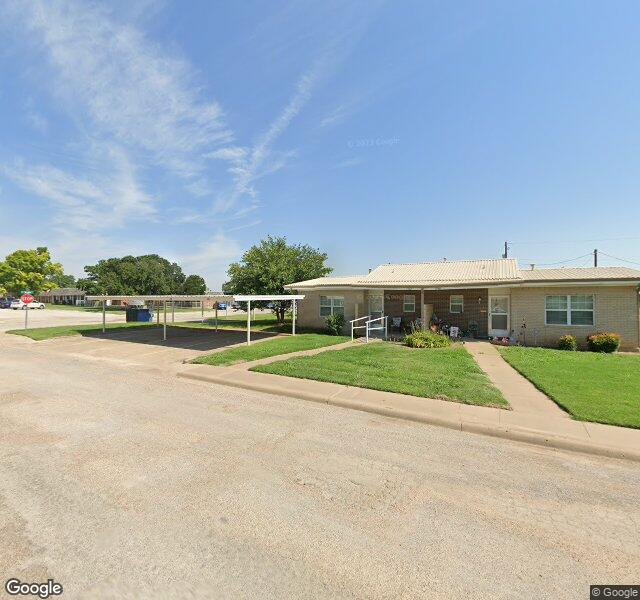
CONCERN
(D)
Potential for Harm - no one hurt, but risky conditions existed
PASARR Coordination
(Tag F0644)
Could have caused harm · This affected 1 resident
**NOTE- TERMS IN BRACKETS HAVE BEEN EDITED TO PROTECT CONFIDENTIALITY** Based on observation, interview and record review, the facility failed to coordinate the assessment of one Resident, (Resident #...
Read full inspector narrative →
**NOTE- TERMS IN BRACKETS HAVE BEEN EDITED TO PROTECT CONFIDENTIALITY** Based on observation, interview and record review, the facility failed to coordinate the assessment of one Resident, (Resident #7) of three residents with the pre-admission screening and resident review (PASRR) program, of resident assessments reviewed for PASRR evaluations.
The facility did not identify Resident #7 as having mental illness with a primary diagnosis of dementia that would require a PASRR 1012 form or a new PL1 form.
This failure could affect residents with psychiatric diagnoses who may not be evaluated for PASRR services and place them at risk of not receiving services for care and treatment.
The findings were:
Review of Resident #7's Face Sheet and Orders dated 08/04/2023 revealed he a was a [AGE] year-old male who was admitted to the facility on [DATE]. Resident #7's diagnoses included: dementia (thought process that interferes with daily function), delusional disorder (altered reality), psychotic mood disorder (mental condition that causes you to lose touch with reality, main symptoms are delusions and hallucinations), delirium (confused thinking and reduced awareness of surroundings), psychotic disturbance (psychosis, altered thinking) and mood disturbance (altered mood).
Review of Resident #7's's Physician Orders dated 08/04/2023 revealed a psych service consult on 07/15/2023 for an order of RisperDAL Oral Tablet 0.5 MG (Risperidone) Give 0.5mg by mouth in the morning related to delusion disorder; start date 07/15/2023 and RisperDAL Oral Tablet 0.5 MG (Risperidone) Give 1.5mg by mouth at bedtime related to delusional disorder; start date 07/15/2023.
Review of admission Minimum Data Set (MDS) dated [DATE] revealed Resident #7 could usually understand others and was usually understood by others; had a severe cognitive impairment with a BIMS (Brief Interview for Mental Status) score of 14. (Cognitively intact). No mood or behavior concerns were indicated.
Review of Resident #7's Care Plan dated 08/02/2023 revealed the following:
Focus: The resident uses psychotropic medications Risperdal for diagnosis of delusional disorder
Goal: The resident will be/remain free of drug related complications, including movement disorder, discomfort, hypotension, gait disturbance, constipation/impaction or cognitive/behavioral impairment through review date.
Review of Resident #7's PASRR Level One Screening Forms dated 05/23/2023, (after the resident's admission into the facility) was completed by the MDS Coordinator revealed Resident #7 had no diagnosis of mental illness, intellectual disability, or developmental disability. The MDS-LVN updated and resubmitted the form in the online portal to reflect that the was positive for mental illness on 08/01/2023.
Review of Resident #7's records revealed there was not a 1012 form (dementia/Alzheimer's) completed .
In an interview on 08/01/2023 at 10:30 AM with the MDS coordinator revealed that the resident should have had a yes for mental illness with his PL1 form. She stated that she did not complete one due to him having dementia as a primary diagnosis. When asked if she completed a 1012 PASRR form, she said that she had never even heard of that form. She stated that she had not been trained on the forms. She said by not accurately showing the residents mental illness through PASRR, it could cause the resident to not receive PASRR services .
On 08/04/2023 a copy of the facilities policy and procedures titled: Preadmission screening for MI dated 02/2017 revealed the following:
1. Verify resident/patient has had a Level I MR/MI screen and it is filed in the
medical record. Screen is completed on State specific/mandated form.
2. Verify that the appropriate State-designated agency is contacted for any
resident/patient requiring a MI/MR Level II screen:
o Admission
o Significant Change
o Upon diagnosis of an MI/MR previously unknown or undetermined
CONCERN
(D)
Potential for Harm - no one hurt, but risky conditions existed
Respiratory Care
(Tag F0695)
Could have caused harm · This affected 1 resident
**NOTE- TERMS IN BRACKETS HAVE BEEN EDITED TO PROTECT CONFIDENTIALITY** Based on observation, interview, and record review the facility failed to ensure that a resident who needs respiratory care was ...
Read full inspector narrative →
**NOTE- TERMS IN BRACKETS HAVE BEEN EDITED TO PROTECT CONFIDENTIALITY** Based on observation, interview, and record review the facility failed to ensure that a resident who needs respiratory care was provided such care, consistent with professional standards of practice for 1 2 of 4 residents (Resident #11 and Resident #17) reviewed for respiratory orders in that:
Resident #11 did not have her oxygen flow rate set at 2 liters per continuously as ordered by her physician.
Resident #17 had her nebulizer mask that was not bagged and left lying on her nightstand uncovered.
This these deficient practices could affect the residents who used oxygen and nebulizer treatments and could result in residents receiving incorrect or inadequate respiratory support and could result in a decline in health.
The findings were:
Resident #11
An observation and interview of Resident #11 on 08/01/2023 at 10 AM revealed Resident #11 sitting in her recliner with her light out and her feet and legs elevated in her chair had her O2 nasal cannula in her nostrils. and Tthe O2 tubing was dated, but the oxygen concentrator was not turned on. Respirations were even and unlabored. The resident denied shortness of breath. She stated she wore her oxygen continuously. She stated she did not realize her oxygen was not turned on.
Review of Resident #11's face sheet revealed Resident #11 was a [AGE] year-old female who was admitted to the facility on [DATE] with a diagnosis diagnoses of heart failure, chronic respiratory failure, chronic obstructive pulmonary disease (, a group of lung diseases that block air flow and make it difficult to breath), bipolar disorder (a mental dis order characterized by mood swings resulting depressive lows and manic highs), and anxiety.
Review of Resident #11's Annual MDS assessment dated [DATE] revealed the following: Section C revealed a BIMS score of 05 (severe cognitive impairment). Section O revealed: Oxygen in use while in the facility.
Record review of Resident #11's care plan last revised on 02/09/2022 revealed the following: Focus- The resident has Oxygen therapy and is on 2 liters per minute via nasal canula routinely.
Review of rResident #11's Consolidated Physician's Orders revealed dated 08/04/2023 revealed orders for oxygen 2 liters per minute via nasal cannula continuously.
An interview and with the DON on 08/1/23 at 11:30 AM revealed that that the charge nurse was the one who was responsible for monitoring the resident's oxygen.
In an interview and observation on 8/1/23 at 10:10 AM LVN #A stated the resident's oxygen should be on continuously and it must have been accidently turned off when she was assisted up in her chair. She checked the plug and set the oxygen at 2 liters per minute. She stated the failure to have the oxygen on for an extended period could result in respiratory distress.
Resident #17
An observation and interview of Resident #17 on 08/01/2023 at 9:28 AM revealed that this resident was lying in bed watching TV with her nebulizer mask sitting beside her on the nightstand uncovered. She revealed that she had just had a breathing treatment that morning and that when the breathing treatment was completed, she would set the mask on the nightstand. She stated that it was usually uncovered because she just sets it there. She stated that the nurse that gave her the breathing treatment had already left for the day.
Review of Resident #17's face sheet revealed Resident #17 was [AGE] year-old female who was initially admitted to the facility 01/17/2023 with a re-admit date of 06/06/2023 with a diagnoses diagnosis of heart failure (heart does not pump blood adequately), asthma (disease where the airway becomes inflamed), chronic obstruction pulmonary disease (lung disease that blocks airflow and makes it difficult to breathe, dependence of supplemental oxygen (must have oxygen to survive breathe), and abnormal finding in the lung field (lungs are not properly functioning).
Review of Resident #17's Quarterly MDS assessment dated [DATE] revealed the following: Section C revealed a BIMS score of 10 (moderately impaired). Section J revealed: Shortness of breath with exertion and while lying flat. Section O revealed: Oxygen in use while in the facility.
Record review of Resident #17's care plan dated 08/03/2023 revealed the following:
Problem- Asthma
Approach- Give nebulizer treatments and oxygen therapy as ordered. Give medications as ordered. Monitor/document side effects and effectiveness.
Review of resident #17 Physician's Orders revealed dated 08/24/2023 revealed the following orders for nebulizer treatments:
Ipratropium-Albuterol Inhalation Solution 0.5-2.5 (3) MG/3ML (Ipratropium-Albuterol) 3 ml inhale orally every 6 hours as needed for shortness of breath.
Ipratropium-Albuterol Inhalation Solution 0.5-2.5 (3) MG/3ML (Ipratropium-Albuterol) 1 vial inhale orally three times a day related to Asthma.
An interview with the DON on 08/03/2023 at 3:30 revealed that she was the one who was responsible for all the nursing staff in the building. She was unsure who left the mask uncovered on the resident's nightstand, but that she was going to in-service and re-educate her staff. She revealed that failing to cover a mask could result in a respiratory infection. She said that all staff members know and have been trained that mask are to be covered at all times when not in use.
A review of the facility policy titled Medication Administration on Nebulizers dated January 2013 revealed the following:
After treatment is complete- Store the dry nebulizer in a storage bag labeled with resident/patient's name and date.
8. If the resident refused the procedure, the reason(s) why and the intervention taken.
9. The signature and title of the person recording the data.
Reporting
1. Notify the supervisor if the resident refuses the procedure.
2. Report other information in accordance with facility policy and professional standards of practice.
A copy of the facility policy was requested to the DON covering Oxygen Administration and not provided at the time of exit .
CONCERN
(D)
Potential for Harm - no one hurt, but risky conditions existed
Pharmacy Services
(Tag F0755)
Could have caused harm · This affected 1 resident
Based on observation, interview, and record review facility failed to maintain an accurate record of the disposition of all controlled drugs and failed to destroy medications for destruction in that:
...
Read full inspector narrative →
Based on observation, interview, and record review facility failed to maintain an accurate record of the disposition of all controlled drugs and failed to destroy medications for destruction in that:
DON failed to count and sign off on the medication sheets before they were put in storage for destruction.
The facility failed to do a final count for the following controlled medications- Hydrocodone-Acetaminophen 10-325 (QTY 23), Clonazepam 0.5 MG (QTY 8), Hydrocodone-Acetaminophen 5-325MG (QTY 40)
These failures could place the residents at risk of losing their medications in a drug diversion which could result in delayed healing.
Findings Include:
During an observation and interview on 08/03/2023 at 1:25 PM with the DON, revealed 3 controlled medication packs which contained Hydrocodone-Acetaminophen 10-325 (QTY 23), Clonazepam 0.5 MG (QTY 8), Hydrocodone-Acetaminophen 5-325MG (QTY 40) in the Controlled Substance cabinet in the DON's office was a cabinet that they put discontinue controlled medications that were set to be destroyed. The DON revealed that she was given the medication the day before but did not have time to do a count before it was given to her by the prior nurse. She stated that the medications were a controlled medication and that there should always be two signatures on the pack, one from the nurse passing the medication and another signature for the nurse that is receiving the medication. She stated that it is their policy to complete and do a final count (which to have 2 nurses count the medication) and that she always does, but she just got busy. She stated that this could place the residents at risk of losing their medications by a drug diversion.
Record review of the facility's policy entitled; Storage of Controlled Substances revised August 2020 revealed the following:
At each shift change, or when keys are transferred, a physical inventory of all controlled substances, including refrigerated items, is conducted by two licensed personnel, and is documented.
CONCERN
(D)
Potential for Harm - no one hurt, but risky conditions existed
Deficiency F0761
(Tag F0761)
Could have caused harm · This affected 1 resident
Based on observations and interviews the facility failed to ensure drugs and biological used in the facility were labeled in accordance with currently accepted professional principles, and include the...
Read full inspector narrative →
Based on observations and interviews the facility failed to ensure drugs and biological used in the facility were labeled in accordance with currently accepted professional principles, and include the appropriate accessory cautionary instructions, and the expiration date when applicable for 1 of 1 medication rooms.
The Medication Room had expired and discontinued medication and biologicals.
This failure could the residents who resided in the facility at risk of receiving expired medications
Findings included:
During an observation on 08/01/2023 at 10:41 AM, the medication room cabinet contained a box of Albuterol Sulfate Inhalation Aerosol prescribed to Resident #33 . The medications had been dispensed on 04/25/2022 with a discard by date of 04/25/2023.
During an interview on 08/01/2023 at 11:00 AM with the DON, revealed that it was expired, and it should have been thrown out when they did their weekly audit of the medications . She revealed that she was responsible for ensuring it was completed. She revealed that they must have just missed it. She stated that this failure could place the residents at risk for receiving expired meds. She said she was responsible for ensuring that it was completed and that there were no expired medications.
On 08/04/2023 the policy covering expired medications was requested to the Administrator but was not available at the time of exit.
CONCERN
(D)
Potential for Harm - no one hurt, but risky conditions existed
Deficiency F0801
(Tag F0801)
Could have caused harm · This affected 1 resident
Based on interview and record review, the facility failed to employ sufficient staff with the appropriate competencies, and skills set to conduct the functions of the food and nutrition service for 1 ...
Read full inspector narrative →
Based on interview and record review, the facility failed to employ sufficient staff with the appropriate competencies, and skills set to conduct the functions of the food and nutrition service for 1 of 1 (DM) reviewed for qualified dietary staff.
The facility failed to ensure the facility's DM met the requirements for a certified dietary manager.
This failure could place residents at risk of not having their nutritional needs met and place them at risk for food born illnesses.
Findings included:
Record review of the DM's employee file revealed a hire date o 02/10/2016 There was no documented evidence of a Dietary Manager Certificate found in the file.
In an interview on 8/03/2023 at 10:30M the DM stated she did not have her dietary manager certification. She stated she did not think it was still a requirement for the dietary manager to be certified . She stated she did have a current food handlers' certificate.
In an interview on 08/03/2023 at 2:00 PM the administrator stated she had been employed at the facility for 4 months, she stated it was her expectation that the Dietary Manager would have completed a food service manager's course and have a current certification as a Dietary manager. She stated the failure could result in the resident's not having their nutritional needs met and place them at risk for foodborne illness.
Review of the Job description of the Dietary Manager dated effective 11/2022 revealed in part:
Job summary - Manage the operations of the dietary department to include staffing, food ordering and preparation, food delivering and clean up, in accordance with facility policies, physician orders, care plans, and appropriate regulations.
Sanitation - Ensure that dietary work areas are maintained in a clean and sanitary manner. Ensure food storage rooms, preparation areas, etc. are maintained in a clean safe and sanitary manner.
Review of the U.S. Food and Drug Administration Food Code Chapter 2---102.11, dated 12/2022 stated the following in part:
Based on the inherent risks related to food operation during inspection and on request the person in charge shall demonstrate to the regulatory authority knowledge of foodborne disease, prevention, application of the hazard analysis, and critical control point analysis. The person in charge will demonstrate this knowledge by complying with the food code and having no violations of priority items during the current inspection, being a certified food production manager who has shown proficiency of required information through passing a test that is part of an accredited program.
CONCERN
(E)
Potential for Harm - no one hurt, but risky conditions existed
Deficiency F0637
(Tag F0637)
Could have caused harm · This affected multiple residents
**NOTE- TERMS IN BRACKETS HAVE BEEN EDITED TO PROTECT CONFIDENTIALITY** Based on interviews and record reviews, the facility failed to complete a comprehensive assessment within 14 days after a signif...
Read full inspector narrative →
**NOTE- TERMS IN BRACKETS HAVE BEEN EDITED TO PROTECT CONFIDENTIALITY** Based on interviews and record reviews, the facility failed to complete a comprehensive assessment within 14 days after a significant change in the physical condition for 3 of 7 residents (Residents #11, #26 and #27) whose records were reviewed for assessments after significant change.
The facility failed to complete a comprehensive MDS assessment after Resident #11 and Resident #27 had a significant weight loss.
The facility failed to complete a comprehensive MDS assessment after Resident #26 returned from the hospital and had a significant decline.
These failures placed residents at risk of having assessment that do not reflect significant changes in their conditions and need for additional care/treatment.
The findings included:
Resident #11
Review of Resident #11's face sheet revealed Resident #11 was a [AGE] year-old female who was admitted to the facility on [DATE] with a diagnoses of heart failure, chronic respiratory failure, chronic obstructive pulmonary disease (a group of lung diseases that block air flow and make it difficult to breath), bipolar disorder (a mental disorder characterized by mood swings resulting depressive lows and manic highs), and anxiety.
Record review of Resident #11's MDS schedule reflected an Annual MDS dated [DATE]; there was not a significant change assessment documented.
Record review of the facility monthly weight report revealed Resident #11 weighed 139.8 in March 2023, 125.2 in April 2023, and 131.1 in May 2023 , which indicated the resident had lost 14.6 pounds in 30 days .
Record review of Resident 11's MDS dated [DATE] Section K revealed the resident had not had a significant weight gain or loss in 30 or 180 days.
Record review of Resident #11's care plan revealed that Resident #11 had a nutritional problem or potential nutritional problem R/T dysphagia (difficulty swallowing). Date Initiated: 05/01/2023. Goal: The resident will comply with recommended diet for weight reduction daily through review date. Interventions included: The resident will comply with recommended diet for weight reduction daily through review date. Provide and serve diet as ordered.
Resident #26
Review of Resident ##26's Face Sheet generated 08/04/2023, reflected Resident #8 was an [AGE] year-old male who was initially admitted to the facility on [DATE], with a readmission date of 05/29/2023. The resident had the following diagnoses: fracture of the left femur (broken femur), thrombocytopenia (low levels of platelets in the blood), tachycardia (fast heart rate), Orthopedic after care (care of orthopedic surgery).
Review of Resident #26's MDS Schedule reflected the last assessment as a 5-Day assessment completed on 06/04/2023, there was not a significant change assessment documented.
Review of Resident #26's MDS revealed in the following:
Sections I (Diagnosis)- Fractures and other Multiple Trauma and Hip Fracture.
Section J- Did the resident have a fall any time in the last month prior to admission/entry or reentry? Yes
Did the resident have any fracture related to a fall in the 6 months prior to admission/entry or reentry? Yes
Did the resident have major surgery during the 100 days prior to admission? Yes
Did the resident have a major surgical procedure during the prior inpatient hospital stay that requires active care during the SNF stay? Yes
Other Orthopedic Surgery- Repair fractures of the pelvis, hip, leg, knee, or ankle (not foot).
Interview with the MDS-LVN on 08/03/2023 at 11:52 AM concerning Resident #26 revealed that the resident was sent to the hospital on [DATE] for a fall with major injury. She revealed that he came back into the building, and she did not complete a Significant Change MDS. She revealed that he did have a decline and that she should have completed a Significant Change. She revealed that he returned back into the facility on [DATE] after orthopedic surgery, which required orthopedic aftercare. She said that she would be completing a modification on the MDS to correct her mistake. She revealed that this error could result in the resident's decline not being captured or care planned correctly. This failure would then result in a comprehensive care plan not being completed, which could cause the resident to not receive the care that would trigger from a Significant Change assessment.
Resident #27
Review of Resident #27's face sheet, dated 08/04/23, revealed a [AGE] year-old female who was admitted to the facility on [DATE]. The face sheet diagnoses list included: arthritis right knee (primary); Parkinson's disease; major depressive disorder (a mood disorder that causes a feeling of constant sadness), recurrent with psychotic (a mental disorder that causes a disconnection from reality) symptoms; and hypertension. (High blood pressure)
Review of Resident #27's MDS Schedule reflected the last assessment as a Quarterly assessment dated [DATE] on 06/04/2023/2023; there was not a significant change assessment documented.
Record review of Resident #27's Quarterly MDS dated [DATE] Section K revealed the resident did not have a significant weight loss or gain in 30 days or 180 days.
Record review of the facility monthly weight report revealed Resident #27 weighed 128.9 in May 2023, 117.1 in June 2023, and 112.5 in July of 2023 which would be a 16-pound total loss in a 3-month period indicating the need for a significant change in condition assessment to be completed.
In an interview on 08/03/2023 at 2:30 PM the MDS-LVN stated she was the nurse responsible for doing MDS assessments and she was responsible for the accuracy of those assessments. She stated the facility followed the RAI manual for their policy on completion of the MDS. She stated she used information that was in the resident electronic chart to obtain her information. She stated an inaccuracy on the residents MDS could lead to the resident not receiving necessary care and services and result in a decline in the resident's health. She agreed that significant weight loss or gain would indicate a significant change in the resident's condition.
Interview with the DON on 08/03/2023 at 3:00 PM revealed that it was the ADON (who was the past MDS coordinator) responsibility to make sure the assessments are completed accurately. She stated that this failure could cause her to miss care areas that would trigger on a significant change assessment.
The facility's policy and procedure for Resident Assessments and/or Significant Changes was not provided at the time of exit.
CONCERN
(E)
Potential for Harm - no one hurt, but risky conditions existed
Assessment Accuracy
(Tag F0641)
Could have caused harm · This affected multiple residents
**NOTE- TERMS IN BRACKETS HAVE BEEN EDITED TO PROTECT CONFIDENTIALITY** Based on interview, and record review the facility failed to complete an assessment that accurately reflected the resident's sta...
Read full inspector narrative →
**NOTE- TERMS IN BRACKETS HAVE BEEN EDITED TO PROTECT CONFIDENTIALITY** Based on interview, and record review the facility failed to complete an assessment that accurately reflected the resident's status for 6 of 17 residents (Residents #'s 11, 16, 27, 29, 35, and 36) whose records were reviewed for MDS accuracy, in that:
The facility failed to ensure Resident #11's most recent Annual MDS Assessment reflected a significant weight loss.
The facility failed to ensure Resident #16's reflected the usage of a wheelchair harness under restraints.
The facility failed to ensure Resident #27's Quarterly MDS accurately reflected her significant weight loss.
The facility failed to ensure Resident #29's MDS documented the last attempt for a GDR.
The facility failed to ensure Resident #35's MDS accurately reflected her weight loss.
The facility failed to ensure Resident #36's admission MDS accurately reflected his mood status.
These failures by the facility placed residents at risk of not receiving the care and services to meet their needs.
Findings included:
Resident #11
Review of Resident #11's face sheet revealed Resident #11 was a [AGE] year-old female who was admitted to the facility on [DATE] with a diagnoses of heart failure, chronic respiratory failure, chronic obstructive pulmonary disease (a group of lung diseases that block air flow and make it difficult to breath), bipolar disorder (a mental disorder characterized by mood swings resulting depressive lows and manic highs), and anxiety.
Record review of Resident #11's Annual MDS dated [DATE] Section K revealed the resident did not have a significant weight loss or gain.
Record review of the facility monthly weight report revealed Resident #11 weighed 139.8 in March 2023, 125.2 in April 2023, and 131.1 in May 2023 .
Record review of Resident #11's care plan revealed that Resident #11 had a nutritional problem or potential nutritional problem R/T dysphagia (difficulty swallowing). Date Initiated: 05/01/2023. Goal: The resident will comply with recommended diet for weight reduction daily through review date. Interventions included: The resident will comply with recommended diet for weight reduction daily through review date. Provide and serve diet as ordered.
Resident #16
Review of Resident #16's face sheet revealed Resident #16 was a [AGE] year-old male who was admitted to the facility on [DATE] with a diagnosis of Cerebral Palsy (damage to the developing brain before birth), epilepsy (seizure disorder) and developmental disorder (serious impairment in different areas originating from childhood).
Record review of Resident #16's Quarterly MDS dated [DATE] Section P revealed the resident did not have a trunk restraint. Section P on the MDS describes physical restraints are any manual method or physical or mechanical device, material or equipment attached or adjacent to the resident's body that the individual cannot remove easily which restricts freedom of movement or normal access to one's body.
Record review of Resident #16's current care plan revealed the following areas:
Focus: Resident is at risk of falling due to disease process related to Cerebral Palsy.
Goal: Restraints used to prevent the resident from falls, will be minimized/eliminated by the review date.
Focus: The resident uses physical restraints of an abdominal chair vest while in his wheelchair and seatbelt related to confusion and disease process. Resident cannot sit up om his own.
Goal: The resident will remain free of complications related to restraint use, including contractures, skin breakdown, altered mental status, isolation, or withdrawal through review date
Goal: Resident has Local Authority services due to being PASRR positive.
Interventions: Resident received a custom manual wheelchair and abdominal chair vest and seatbelt due to the disease process and not being able to sit up on his own.
Review of Resident's #16's Device Evaluation dated 03/31/2023 revealed the following:
Condition/Circumstances for device- Reduces fall risk
Identify type of device to be implemented: Restraints on wheelchair
Review of Resident's #16's Device information and consent revealed the following:
Physical restraints are any manual method, or physical or mechanical device, material or equipment attached or adjacent to the resident's body that the individual cannot remove easily which restricts freedom of movement or normal access to one's body. Restraint use signed off on 04/01/2022.
Resident #27
Review of Resident #27's face sheet, dated 08/04/23, revealed a [AGE] year-old female who was admitted to the facility on [DATE]. The face sheet diagnoses list included: arthritis right knee (primary); Parkinson's disease ; major depressive disorder, recurrent with psychotic symptoms; and hypertension.
Record review of Resident #27's Quarterly MDS dated [DATE] Section K revealed the resident did not have a significant weight loss or gain
Record review of the facility monthly weight report revealed Resident #27 weighed 128.9 in May 2023, 117.1 in June 2023, and 112.5 in July of 2023 which would be a 16-pound total loss in a 3-month period.
Record review of Resident #27's care plan revealed the care plan was last revised on 5/16/23 and there was no weight loss or potential for weight loss care planned.
Record review of Resident #29's admission record revealed a [AGE] year-old female admitted on [DATE] with the following diagnoses: schizoaffective disorder (a combination of schizophrenia (disorder that affects a person's ability to think, feel and behave correctly) and mood disorder); unspecified psychosis (severe mental condition in which thought and emotion are so affected that contact is lost with external reality).
Record review of Resident #29's Monthly Medication Regimen Review Note to Attending Physician, dated 3/27/23 revealed a GDR was recommended and the physician declined to make an attempt.
Resident #29
Record review of Resident #29's Quarterly MDS dated [DATE], revealed Section N0450, C. Date of last attempted GDR: did not have a date of the last attempted GDR documented and Section N0450, E. Date physician documented GDR as clinically contraindicated: as 06-03-2022 .
In an interview on 08/04/23 02:30 PM with the MDS Coordinator concerning Resident #29's latest MDS not having the correct date for the last GDR attempt that was done. The MDS Coordinator said that she did not know that one was done because that information was not shared with her. She stated due to her not knowing she was not able to put the most recent date into the MDS .
Resident #35
Review of Resident #35's face sheet, dated 08/04/23, revealed an [AGE] year-old female, admitted to the facility on [DATE]. Diagnosis included: senile degeneration of the brain (primary); moderate dementia with behavioral disturbance; repeated falls; fracture of left femur; protein calorie malnutrition, anemia; dysphagia (difficulty swallowing); dehydration; and arteriosclerotic heart disease (hardening of the arteries).
Record review of Resident #35's Significant Change MDS dated [DATE] Section K revealed the resident weighed 116 pounds and did not have a significant weight loss.
Record review of the facility monthly weight report revealed Resident #35 weighed 108.2 in May 2023, 115.7 in June 2023, and 98.3 in July 2023.
Resident #36
Record review of Resident #36's Face Sheet, dated 08/04/23, revealed resident was an [AGE] year-old male, who was initially admitted to the facility on [DATE] and readmitted on [DATE]. diagnoses included: hypertensive heart disease (primary) metabolic encephalopathy; vascular dementia, unspecified severity with anxiety; delusional disorder; unspecified convulsions, fecal incontinence; and urinary incontinence.
Review of Resident #36's admission MDS dated [DATE], section D0200 Mood revealed Resident #36 had no thoughts of harming himself or feelings of hopelessness. He had a BIMS score of 10 (moderate cognitive impairment) and had no behaviors.
Resident #36 review of psychoactive drug consent form dated, 7/11/23 revealed he had Haldol (an antipsychotic drug) ordered IM on 7/12/23 for behaviors of aggression, delusions, and hallucinations.
Review of Resident #36's care plan revealed resident took Seroquel (an antipsychotic) for a delusional disorder /record occurrence of for target behavior symptoms such as spacing,
wandering, disrobing, inappropriate response to verbal communication, violence/aggression towards staff/others and document .
In an interview on 08/02/2023 at 12:05 PM with the MDS-LVN concerning Resident #16, she revealed that she believed she should have coded him as having a restraint on Section P, but she was told by a prior regional consultant (who is no longer employed), that she should not code it as being a restraint. She revealed that she completed an observation of the resident and that he was unable to release the restraint on his own. She revealed that he was not able to take the restraint off. She stated that she uses the RAI manual as a guideline for what to code and not code. She stated this failure could place the resident at risk of receiving an inaccurate assessment which could lead to the resident not receiving necessary care and services and result in a decline in the resident's health.
In an interview on 08/02/2023 at 3:30 PM with the DON concerning Resident #16, she revealed that the resident was not able to release the wheelchair harness on his own. She said that they completed observations, obtained consent and orders, and care planned the wheelchair harness. She stated that the trunk restraint was used to prevent the resident from falling as stated in the care plan. She was unsure why it was coded on the MDS as not being a restraint.
In an interview on 08/03/2023 at 2:30 PM the MDS-LVN stated she was the nurse responsible for doing MDS assessments and she was responsible for the accuracy of those assessments. She stated the facility followed the RAI manual for their policy on completion of the MDS. She stated she used information that was in the resident electronic chart to obtain her information. She stated an inaccuracy on the residents MDS could lead to the resident not receiving necessary care and services and result in a decline in the resident's health.
In an interview on 08/04/2023 at 02:30 PM with the MDS Coordinator concerning Resident #29's latest MDS not having the correct date for the last GDR attempt that was done. The MDS Coordinator said that she did not know that one was done because that information was not shared with her. Due to her not knowing she was not able to put the most recent date into the MDS .
Review of CMS'S RAI Version 3.0 Manual version 1.17.1 dated October 2019 revealed:
The RAI process has multiple regulatory requirements. Federal regulations at 42 CFR 483.20 (b)(1)(xviii), (g), and (h) require that
(1) the assessment accurately reflects the resident's status
(2) a registered nurse conducts or coordinates each assessment with the appropriate participation of health professionals
(3) the assessment process includes direct observation, as well as communication with the resident and direct care staff on all shifts.
CONCERN
(E)
Potential for Harm - no one hurt, but risky conditions existed
Deficiency F0655
(Tag F0655)
Could have caused harm · This affected multiple residents
**NOTE- TERMS IN BRACKETS HAVE BEEN EDITED TO PROTECT CONFIDENTIALITY** Based on interview and record review, the facility failed to develop and implement a base line care plan for each resident that ...
Read full inspector narrative →
**NOTE- TERMS IN BRACKETS HAVE BEEN EDITED TO PROTECT CONFIDENTIALITY** Based on interview and record review, the facility failed to develop and implement a base line care plan for each resident that included the instructions needed to provide effective and person-centered care of the resident within 48 hours of the resident's admission for 6 of 15 residents (Resident #s 7, 16, 26, 27, 35 and 36) whose records were reviewed for baseline careplans, in that:
1. Resident #7 did not have a base line care plan developed and implemented or reviewed by an RN following admission to the facility on [DATE].
2. Resident #16 did not have a base line care plan developed and implemented or reviewed by an RN following admission to the facility on [DATE].
3. Resident #26 did not have a base line care plan developed and implemented or reviewed by an RN following admission to the facility on [DATE].
4. Resident #27 did not have a base line care plan developed and implemented following admission to the facility on [DATE].
5. Resident #35 did not have a base line care plan developed and implemented or reviewed by an RN following admission to the facility on [DATE].
6. Resident #36 did not have a base line care plan developed and implemented or reviewed by an RN following admission to the facility on [DATE].
This failure could place the residents at risk for not receiving care and services required to meet their individual needs from the date and time they were admitted to the facility.
The findings included:
Resident #7
Record review of Resident #7's Face Sheet, dated 08/04/23, revealed resident was an a [AGE] year-old male, who was initially admitted to the facility on [DATE]. Diagnosis diagnoses included: dementia (thought process that interferes with daily function), delusional disorder (altered reality), psychotic mood disorder (mental condition that causes you to lose touch with reality, main symptoms are delusions and hallucinations), delirium (confused thinking and reduced awareness of surroundings), psychotic disturbance (psychosis, altered thinking) and mood disturbance (altered mood).
Review of Resident #7's clinical record revealed a baseline care plan had not been completed following the resident's initial admission to the facility on [DATE]. The comprehensive care plan was dated as initiated 08/02/23.
Resident #16
Record review of Resident #16's Face Sheet, dated 08/04/23, revealed resident was an a [AGE] year-old male, who was initially admitted to the facility on [DATE]. Diagnosis diagnoses included: Cerebral Palsy (damage to the developing brain before birth), epilepsy (seizure disorder) and developmental disorder (serious impairment in different areas originating from childhood).
Review of Resident #16's clinical record revealed a baseline care plan had not been completed following the resident's initial admission to the facility on [DATE]. The comprehensive care plan was dated as initiated 04/04/22.
Resident #26
Review of Resident #26's face sheet, dated 05/29/23, revealed a [AGE] year-old male who was admitted to the facility on [DATE] and readmitted on [DATE]. The face sheet diagnoses list included: Fracture of left femur (break in femur), hypertension (high blood pressure), tachycardia (high heart rate) and thrombocytopenia (low blood platelet).
Review of Resident #26's clinical record revealed a base line care plan had not been completed following her admission into the facility on [DATE]. The comprehensive care plan was dated as initiated 07/13/23.
Resident #27
Review of Resident #27's face sheet, dated 08/04/23, revealed a [AGE] year-old female who was admitted to the facility on [DATE]. The face sheet diagnoses list included: arthritis right knee (primary); Parkinson's disease; major depressive disorder, recurrent with psychotic symptoms; and hypertension.
Review of Resident #28's clinical record revealed a base line care plan had not been completed following her admission into the facility on [DATE]. The comprehensive care plan was dated as initiated 02/15/23.
Resident #35
Review of Resident #36's face sheet, dated 08/04/23, revealed an [AGE] year-old female, admitted to the facility on [DATE]. Diagnosis diagnoses included: senile degeneration of the brain (primary); moderate dementia with behavioral disturbance; repeated falls; fracture of left femur; protein calorie malnutrition, anemia; dysphagia (difficulty swallowing); dehydration; and arteriosclerotic heart disease (hardening of the arteries).
Review of Resident #36's clinical record revealed a base line care plan had not been completed following her initial admission into the facility on [DATE]. The comprehensive care plan was dated as initiated 08/03/23.
Resident #36
Record review of Resident #36's Face Sheet, dated 08/04/23, revealed resident was an [AGE] year-old male, who was initially admitted to the facility on [DATE] and readmitted on [DATE]. Diagnosis diagnoses included: hypertensive heart disease (primary) metabolic encephalopathy (decline in brain function due to liver disease); vascular dementia (brain damage due to multiple strokes) , unspecified severity with anxiety; delusional disorder (disorder where reality is not accurate); unspecified convulsions (seizures), fecal incontinence; and urinary incontinence.
Review of Resident #36's clinical record revealed a baseline care plan had not been completed following the resident's initial admission to the facility on [DATE] or after her readmission on [DATE]. The comprehensive care plan was dated as initiated 08/03/23.
In an Iinterview with the MDS coordinator and DON on 08/03/23 they stated the form titled Baseline care plan in the Resident's EMR's were not a care plan. They both revealed that staff such as CNA's do not have access to the care plan assessments that are completed. They were only assessments that were meant to obtain information to complete the baseline care plan. They stated the failure places residents at risk for not getting needed care. The DON revealed that an LVN completes them, but she is responsible for reviewing them upon completion. She revealed that she had not been doing that for all of the residents.
Review of the facility's policy and procedure titled Care Plan development dated - Preliminary, dated 8/15, revealed the following [in part]:
Policy Statement
An interim care plan will be developed within 24 hours of admission. To assure
resident's immediate needs are met this care plan will be initiated by nursing or
designed and developed further as needed until the comprehensive plan is complete.
This may include but not limited to the following:
o Risk for falls.
o Pain
o Activity of daily living needs or strengths.
o Skin condition
o Incontinence
o Mood and/or Behaviors
CONCERN
(E)
Potential for Harm - no one hurt, but risky conditions existed
Deficiency F0657
(Tag F0657)
Could have caused harm · This affected multiple residents
**NOTE- TERMS IN BRACKETS HAVE BEEN EDITED TO PROTECT CONFIDENTIALITY** Based on interview and record review, the facility failed to complete a comprehensive care plan within 7 days after completion o...
Read full inspector narrative →
**NOTE- TERMS IN BRACKETS HAVE BEEN EDITED TO PROTECT CONFIDENTIALITY** Based on interview and record review, the facility failed to complete a comprehensive care plan within 7 days after completion of the comprehensive assessment for 9 of 15 residents (Resident #7, Resident #11, Resident #16, Resident 18, Resident #22, Resident #26, Resident #27, Resident #35, and Resident #36) whose records were reviewed for assessments and care plans timing., as well as having an IDT team present at the care conference.
The facility failed to ensure that Resident #7, Resident #11, Resident #16, Resident #18, Resident #19, Resident #22, Resident #26, Resident #35, and Resident #36 had care plan developed and updated within 7 days following the completion of the MDS as well as having an Intradisciplinary Team present at the care conference.
This failure could place residents at risk of not have having their care plans completed accurately and timely and having the appropriate staff involved in the decision making for their care
Findings included:
Resident #7-
Record review of Resident #7's face sheet revealed resident was a [AGE] year-old male who was admitted to the facility 05/22/2023. Resident #7 had diagnoses which included Delusional Disorder (mental illness in which a person has delusions), hypertension (high blood pressure), Atrial fibrillation (irregular often rapid heart rate), dementia (decline in cognitive abilities), repeated falls and psychotic disorder (mind cannot determine what is real or not real).
Record review of Resident #7's admission MDS assessment, dated 05/28/2023, revealed the following: Section C revealed the resident had a BIMS score of 14 (cognitively intact).
Record review of Resident #7's electronic Care Conference record revealed he did not have a care plan until 08/02/2023.
Resident #11
Review of Resident #11's face sheet revealed Resident #11 was a [AGE] year-old female who was admitted to the facility on [DATE] with a diagnosis diagnoses of heart failure, chronic respiratory failure, chronic obstructive pulmonary disease (a group of lung diseases that block air flow and make it difficult to breath), bipolar disorder (a mental disorder characterized by mood swings resulting depressive lows and manic highs), and anxiety.
Record review of Resident #11's Annual MDS assessment, dated 04/08/2023, revealed the following: Section C revealed the resident had a BIMS score of 5 (severe cognitive impairment).
Record review of Resident #11's Care Conference notes revealed he did not have a care conference completed and signed 7 days after the 04/08/2023 MDS.
Record review of Resident #11's Quarterly MDS assessment, dated 07/09/2023, revealed the following: Section C revealed the resident had a BIMS score of 7 (severe cognitive impairment).
Record review of Resident #11's Care Conference notes revealed he did not have a care conference completed and signed 7 days after the 07/09/2023 MDS.
Resident #16-
Record review of Resident #16's face sheet revealed resident was a [AGE] year-old male who was admitted to the facility on [DATE] with a diagnosis diagnoses of Cerebral Palsy (damage to the developing brain before birth), epilepsy (seizure disorder) and developmental disorder (serious impairment in different areas originating from childhood).
Record review of Resident #16's Quarterly MDS assessment, dated 10/22/2023, revealed the following: Section C revealed the resident had a BIMS score of 99 (unable to answer questions).
Record review of Resident #16's Care Conference notes revealed he did not have a care conference completed and signed 7 days after the 10/22/2023 MDS .
Record review of Resident #16's Quarterly MDS assessment, dated 01/14/2023, revealed the following: Section C revealed the resident had a BIMS score of 99 (unable to answer questions).
Record review of Resident #16's Care Conference notes revealed he did not have a care conference completed and signed 7 days after the 01/24/2023 MDS.
Record review of Resident #16's Annual MDS assessment, dated 04/14/2023, revealed the following: Section C revealed the resident had a BIMS score of 99 (unable to answer questions).
Record review of Resident #16's Comprehensive Care Conference notes, dated 04/21/2023, revealed he did not have a care plan completed and signed until 08/02/2023
Record review of Resident #16's Quarterly MDS assessment, dated 07/15/2023, revealed the following: Section C revealed the resident had a BIMS score of 99 (unable to answer questions).
Record review of Resident #16's Care Conference notes, dated 07/20/2023, did not have a care plan completed and signed until 08/02/2023
Resident #18-
Review of Resident #18's face sheet revealed Resident #18 was a [AGE] year-old male who was admitted to the facility on [DATE] with a diagnosis diagnoses of diabetes, fracture of right femur, chronic respiratory failure , urinary tract infection, altered mental status and history of falls
Record review of Resident #18's Annual MDS assessment, dated 05/17/2023, revealed the following: Section C revealed the resident had a BIMS score of 12 (moderate cognitive impairment).
Record review of Resident #18's Care Conference notes revealed he did not have a care conference completed and signed 7 days after the 05/18/2023 MDS. The care plan was not revised and completed until 08/02/23
Record review of Resident #18's Quarterly MDS assessment, dated 05/13/2023, revealed the following: Section C revealed the resident had a BIMS score of 12 (moderate cognitive impairment5
Record review of Resident #18's Care Conference notes revealed did not have a care conference completed and signed 7 days after the 05/17/2023 MDS.
Resident #22-
Record review of Resident #22's face sheet revealed resident was a [AGE] year-old female who was admitted to the facility 01/30/2020 and a readmit date of 12/09/2022. Resident #26 had diagnoses which included Parkinson's (disorder of the central nervous system that affects movement causing tremors), Bipolar (mental disorder that results in mood swings), Hypertension (high blood pressure), Major Depressive Disorder (depression that last more than 2 weeks).
Record review of Resident #22's Quarterly MDS assessment, dated 09/21/2022, revealed the following: Section C revealed the resident had a BIMS score of 06 (severe cognitive impairment).
Record review of Resident #22's Care Conference notes revealed he did not have a care conference completed and signed 7 days after the 09/21/2022 MDS.
Record review of Resident #22's Quarterly MDS assessment, dated 12/16/2022, revealed the following: Section C revealed the resident had a BIMS score of 06 (severe cognitive impairment).
Record review of Resident #22's Care Conference notes revealed he did not have a care conference completed and signed 7 days after the 12/26/2022 MDS.
Record review of Resident #22's Annual Change MDS assessment, dated 01/19/2023, revealed the following: Section C revealed the resident had a BIMS score of 06 (severe cognitive impairment).
Record review of Resident #22's Care Conference notes revealed he did not have a care conference completed and signed 7 days after the 01/19/2023 MDS
Record review of Resident #22's Quarterly MDS assessment, dated 04/21/2023, revealed the following: Section C revealed the resident had a BIMS score of 06 (severe cognitive impairment).
Record review of Resident #22's Care Conference notes, dated 04/21/2023, revealed he did not have a care plan completed and signed until 08/02/2023
Record review of Resident #22's Significant Change MDS assessment, dated 05/25/2023, revealed the following: Section C revealed the resident had a BIMS score of 06 (severe cognitive impairment).
Record review of Resident #22's Care Conference notes revealed he did not have a care conference completed and signed 7 days after the 05/25/2023 MDS.
Resident #26-
Record review of Resident #26's face sheet revealed resident was a [AGE] year-old male who was admitted to the facility 02/28/2018 and a readmit date of 05/29/2023. Resident #26 had diagnoses which included fracture of the left femur (broken femur), thrombocytopenia (low levels of platelets in the blood), tachycardia (fast heart rate), Orthopedic after care (care of orthopedic surgery).
Record review of Resident #26's Quarterly MDS assessment, dated 10/14/2022, revealed the following: Section C revealed the resident had a BIMS score of 07 (severe impairment).
Record review of Resident #26's Care Conference notes, dated 10/28/2022, revealed he did not have a care plan completed and signed until 11/10/2022.
Record review of Resident #26's Annual MDS assessment, dated 01/12/2023, revealed the following: Section C revealed the resident had a BIMS score of 07 (severe impairment).
Record review of Resident #22's Care Conference notes revealed he did not have a care conference completed and signed 7 days after the 01/12/2023 MDS.
Record review of Resident #26's Quarterly MDS assessment, dated 03/01/2023, revealed the following: Section C revealed the resident had a BIMS score of 07 (severe impairment).
Record review of Resident #22's Care Conference notes revealed he did not have a care conference completed and signed 7 days after the 03/01/2023 MDS.
Record review of Resident #26's Quarterly (later modified to a Significant Change) MDS assessment, dated 06/04/2023, revealed the following: Section C revealed the resident had a BIMS score of 10 (moderate impairment).
Record review of Resident #26's Care Conference notes, dated 07/13/2023, revealed he did not have a care plan completed and signed until 05/02/2023
Resident #27
Review of Resident #27's face sheet, dated 08/04/23, revealed a [AGE] year-old female who was admitted to the facility on [DATE]. The face sheet diagnoses list included: arthritis right knee (primary); Parkinson's disease (a neurological disorder affecting movement; major depressive disorder (severe recurring feelings of sadness and despair), recurrent with psychotic symptoms; (mental disorder that is exhibited by disconnection with reality) and hypertension (high blood pressure).
Record review of Resident #27's admission MDS assessment, dated 01/19/2023, revealed the following: Section C revealed the resident had a BIMS score of 99 (resident unable to answer questions).
Record review of Resident #27's care conference notes revealed there was not a care plan completed until 08/02/2023.
Resident #35-
Review of Resident #35's face sheet, dated 08/04/23, revealed an [AGE] year-old female, admitted to the facility on [DATE]. Diagnosis diagonses included: senile degeneration of the brain (decreased brain function), moderate dementia (memory loss) with behavioral disturbance; repeated falls; fracture of left femur ; protein calorie malnutrition (inadequate nutrition), anemia; dysphagia (difficulty swallowing); dehydration; and arteriosclerotic heart disease (hardening of the arteries).
Record review of Resident #35's Significant Change MDS dated [DATE] Section C revealed the resident had a BIMS score of 3 (severe cognitive) impairment.
Resident Record review of Resident #35's care conference notes revealed there was not a care plan completed until 08/03/2023.
Resident #36
Record review of Resident #36's Face Sheet, dated 08/04/23, revealed resident was an [AGE] year-old male, who was initially admitted to the facility on [DATE] and readmitted on [DATE]. Diagnosis diagnoses included: hypertensive heart disease (changes in the chambers of the heart and coronary arteries as a result of chronic high blood pressure) metabolic encephalopathy (chemical imbalance of the blood that can result in delirium); vascular dementia (a common form of dementia caused by impaired blood supply to the brain), with anxiety; delusional disorder; unspecified convulsions (seizures) fecal incontinence; and urinary incontinence.
Record review of Resident #36's admission MDS assessment, dated 0723/2023, revealed the following: Section C revealed the resident had a BIMS score of 10 (resident unable to answer questions).
Record review of Resident #36's care conference notes revealed there was not a care plan completed until 08/02/2023.
In an interview on 08/04/2023 at 9:00 AM, the DON revealed that she was not responsible for the care plans, the MDS-LVN was after completion of the MDS assessment. She revealed that even though they were not completed timely and in full, she still ensured that she had been monitoring the residents and they had received the care.
In an interview on 08/04/2023 at 10:30 AM, the MDS-LVN coordinator revealed that she was unsure how long she had to complete a care plan or a comprehensive care plan, she said she thought it was 30 days. When asked why the care plans were all completed late, she said that she just got behind and was not sure how to really do them. She said she had not been trained adequately on care plans and that the entire building was completed that way. When asked what way, she said that she would complete them when she could. She said that the IDT meeting was completed when they were able to do them. She said she stayed up the night before and went through and updated and completed the entire buildings care plan. She said every resident was not completed correctly and she could see where they were not signed, or it shows they were not completed. She revealed that none of them were done accurately and timely. She said this failure would place the residents at risk for inaccurate care plans and assessments which could cause a quality-of-care issue. She revealed that even though the care plans were not completed correctly. She stated that purpose of the care plan was to help staff members know how to care for the residents and meet their needs.
Record review of the facility's policy titled: Care Plan Development dated 08/2015 revealed the following:
Care Plan Development-
An individualized, comprehensive care plan using the results of the RAI/MDS assessment,
resident/family/legal representative and interdisciplinary input will be developed for each
resident in the facility within 21 days of admission or 7 days after the completion date of a
comprehensive MDS assessment and describe the services that are to be furnished to attain or maintain the resident's highest practicable physical, mental, and psychosocial well-being. The care plan will include measurable objectives, interventions, goals, and timetables. The
care plan will be reviewed and revised on an as needed basis and at least every 92 days.
The comprehensive care plan is developed by the interdisciplinary team with input
from the resident/family/legal guardian and information derived from the MDS/CAA
assessment. The resident and or family/legal guardian have the right to decline
participation in the development of the care plan or decline treatment. The
declination will be documented in the medical chart. A summary of the resident's care
plan and a copy of any advanced directives shall accompany each resident discharged ,
or transferred to another facility, or shall be forwarded to the receiving facility as soon
as possible consistent with good medical practice.
3. Comprehensive care plans are designed to:
o Include identified resident needs and strengths.
o Include risk factors associated with needs
o Build upon resident strengths and abilities.
o Indicate goals and objectives that are measurable and obtainable and
are derived from information supplied by resident/family/legal
guardian and MDS data.
o The care plan will be reviewed and revised as needed when a
significant change in condition is noted, when outcomes were not
achieved or when outcomes are completed, and at least every 92
days.
o Distinguish team members responsible for each component of care
o The interdisciplinary team includes but not limited to:
a. Attending Physician.
b. RN, LPN, CNA.
c. Dietary Manager/Registered Dietician.
d. Activity/Recreational Director.
e. Therapist (OT, PT, ST)
f. Social Worker
g. Director of Nursing
h. Consultants
I. Others as necessary to meet the needs of the resident.
CONCERN
(E)
Potential for Harm - no one hurt, but risky conditions existed
Infection Control
(Tag F0880)
Could have caused harm · This affected multiple residents
**NOTE- TERMS IN BRACKETS HAVE BEEN EDITED TO PROTECT CONFIDENTIALITY** Based on observations, interview and record review, the facility failed to provide a safe, sanitary, and comfortable environment...
Read full inspector narrative →
**NOTE- TERMS IN BRACKETS HAVE BEEN EDITED TO PROTECT CONFIDENTIALITY** Based on observations, interview and record review, the facility failed to provide a safe, sanitary, and comfortable environment and to help prevent the development and transmission of communicable diseases and infections for 1 (Resident #22) of two residents reviewed for infection control techniques in that:
1. CNA B did not wash her hands or conduct any hand hygiene practices after passing our trays, touching her hair and assisting other residents before feeding Resident #22.
This deficient practice could affect residents and could result in cross contamination and infections.
The findings were:
Record review of Resident #22's face sheet revealed resident was a [AGE] year-old female who was admitted to the facility 01/30/2020 and a readmit date of 12/09/2022. Resident #22 had diagnoses which included Parkinson's (disorder of the central nervous system that affects movement causing tremors), Bipolar (mental disorder that results in mood swings), Hypertension (high blood pressure), Major Depressive Disorder (depression that last more than 2 weeks).
Record review of Resident #22's Significant Change MDS assessment, dated 05/25/2023, revealed the following:
Section C revealed the resident had a BIMS score of 06 (severe cognitive impairment).
Section K revealed a mechanically altered diet.
Record review of Resident #22's Care Conference completed and dated 08/02/2023 revealed the following:
Focus: The resident has a swallowing problem related to coughing or choking during meals or swallowing medications.
Goal: The resident will have clear lungs, no signs and symptoms of aspiration through the review
date.
Observation and Interview on 08/01/2023 beginning at 12:23 PM revealed CNA A assisting Resident #22 in the dining hall. She passed trays, uncovered drinks, applied aprons and helped with assisting residents with feeding. After completing these tasks, she did not perform hand hygiene, but went directly to feeding Resident #22. She repeated this pattern multiple times, while touching her face, phone, and hair. When asked what the policy was on hand hygiene, she replied that should always perform hand hygiene in between feeding residents and after touching anything else. During an interview at this time, she revealed that she had been trained on proper hand washing but had just got distracted and this was a one-time mistake. She revealed that this failure could cause the resident's to be subjected to cross-contamination of germs, which could lead to an infection control issue. She immediately went and performed hand hygiene.
Review of facility policy and procedure on Infection Control was not received at the time of exit
CONCERN
(F)
📢 Someone Reported This
A family member, employee, or ombudsman was alarmed enough to file a formal complaint
Potential for Harm - no one hurt, but risky conditions existed
Food Safety
(Tag F0812)
Could have caused harm · This affected most or all residents
**NOTE- TERMS IN BRACKETS HAVE BEEN EDITED TO PROTECT CONFIDENTIALITY** Based on observation, interview, and record review, the facility failed to store, prepare, distribute, and serve food in accorda...
Read full inspector narrative →
**NOTE- TERMS IN BRACKETS HAVE BEEN EDITED TO PROTECT CONFIDENTIALITY** Based on observation, interview, and record review, the facility failed to store, prepare, distribute, and serve food in accordance with professional standards for food service safety for 1 of 1 kitchen in that:
1.
The range was soiled with a built up, sticky grease like substance.
2.
There were soiled wet towels and food crumbs on the floor.
3.
There were dead crickets in standing water in the drain underneath the dishwasher an in the clean handwashing sink.
4.
The commercial refrigerator contained one half of a watermelon covered in saran wrap and not dated, an opened block of butter was open to the refrigerator air and not dated or covered by an airtight container, an open plastic container of brown gravy dated 7/20, ½ water melon not dated and covered with saran wrap and an undated zip lock baggie of cut onions.
5.
The Dietary Manager touched meat with her bare hand and placed it on the steam table with the meat served to residents
6.
Metal piping directly above range and over vent hood covered in grease and brown dust lint like material, and a heavy black residue was noted along the corners and crevices of the dishwashing machine.
7.
Employees hair and beard restraints did not cover their facial or head hair.
The facility's failure placed residents at risk for foodborne illness, compromised nutritional health status, and being served food items that may not be fresh, taste stale, or be contaminated
Findings included:
Observations during the initial tour of the facility kitchen on 08/01/23, starting at 9:10 AM, revealed the following:
-
the floors in the kitchen dishwashing food preparation area had towels on the floor and standing water underneath the dishwashing sink drain.
-
They were dead crickets floating in the standing water.
-
Food crumbs were observed throughout the kitchen area on the floors and counter.
-
a heavy black appearing residue was noted along the corners of the dishwashing machine.
-
Food crumbs were observed under the sink, oven, and preparation areas.
-
Observation on 08/01/2023 at 9:30 AM revealed the following:
-
refrigerator unit contained 1 plastic container of opened brown gravy dated 07/20/23,
-
one open block of butter in an unsealed wrapping and not dated, or covered by an airtight container,
-
½ of a watermelon covered with saran wrap and not dated.
-
cut onions in a zip lock bag with no date.
In an interview 08/01/2023 at 9:40 AM the Dietary Manager stated the crickets were a problem all over town. The bug man said there is nothing that can be done about them. She stated the food items should be dated. She stated she does not have a cleaning list. She stated she used to make a cleaning schedule, but it did not do any good because her employees will not do the cleaning. She stated she was responsible for monitoring the kitchens cleanliness and ensuring foods were dated when opened. She stated her employees need to be written up, but the old administrator would not do anything about it. She stated an unclean kitchen and undated food could cause foodborne illness.
Observation on 08/02/2023 at 10:00 AM revealed the floors appeared to be in the same condition and appeared to be remain unclean with food remaining from the previous day.
Observation and interview on 8/02/2023 at 11:45 AM, during the lunch meal preparation, the Dietary Manager dropped a cooked chicken fried chicken patty on the counter and picked it up with her bare hand and placed it in the food holding tray with the remainder of the cooked chicken fried chicken., After the surveyor asked the Dietary Manger if she picked up the chicken from the warming tray with her bare hand, she stated Yes, I guess I did and picked it up with clean tongs and placed it on a plate on the counter by the stove . She stated she should not have picked the chicken up and placed it on the steam table with the rest of the prepared chicken because it could spread germs
Observation 0n on 8/03/2023 at 11:50 AM revealed the burner knobs on the gas stove had a sticky, greasy residue. The [NAME] that ran along the wall directly over the oven on the wall had a greasy, thick dusty, residue behind the stove. There was a large commercial fan on the floor blowing toward the gas stove and steamer table during meal service.
During an interview and observation on 8/3/23 @ 3:00 PM with the facility administrator present revealed 2 bearded male dietary employees were observed to have on baseball caps and no hair restraint. There, The beard restraints did not cover their facial hair. The Administrator stated it was her expectation that the beard restraints and hair restraints should be in place and cover the hair on the scalp and face. The administrator went into the kitchen and instructed kitchen employees in the necessity of wearing hair nets and beard restraints to avoid contamination of food and spread of foodborne pathogens.
Review of the facility's Dietary Policy and Procedure Manual, revealed the following [in part]:
The food service area shall be maintained in a clean and sanitary manner.
All kitchens, kitchen areas and dining areas shall be kept clean, free from litter and rubbish and protected from rodents, roaches, flies, and other insects
Kitchen and dining room surfaces not in contact with food shall be cleaned on a regular schedule and frequently enough to prevent accumulation of grime.
The Food Services Manager will be responsible for scheduling staff for regular cleaning of kitchen and dining areas. Food service staff will be trained to maintain cleanliness throughout their work areas during all tasks, and to clean after each task before proceeding to the next assignment.
Review of the Job description of the Dietary Manager dated effective 11/2022 revealed in part:
Job summary - Manage the operations of the dietary department to include staffing, food ordering and preparation, food delivering and clean up, in accordance with facility policies, physician orders, care plans, and appropriate regulations.
Sanitation - Ensure that dietary work areas are maintained in a clean and sanitary manner. Ensure food storage rooms, preparation areas, etc. are maintained in a clean safe and sanitary manner.
Review of the U.S. Food and Drug Administration, 2022 Food Code, reflected: Review of The Food and Drug Administration Food Code 2022 specified [in part]:
Chapter 3 Food
3-202.15 Package Integrity.
FOOD packages shall be in good condition and protect the integrity of the
contents so that the FOOD is not exposed to ADULTERATION or potential
contaminants.
Chapter 4 Equipment, Utensils, and Linens
4-602.13 Nonfood-Contact Surfaces.
The presence of food debris or dirt on nonfood contact surfaces may provide a suitable
environment for the growth of microorganisms which employees may inadvertently
transfer to food. If these areas are not kept clean, they may also provide harborage for
insects, rodents, and other pests.
Cleanability 4-202.11 Food-Contact Surfaces. (A) Multiuse FOOD-CONTACT SURFACES shall be: (1) SMOOTH; Pf (2) Free of breaks, open seams, cracks, chips, inclusions, pits, and similar imperfections; Pf (3) Free of sharp internal angles, corners, and crevices; Pf (4) Finished to have SMOOTH welds and joints
Food storage/labelling
3-501.17 Ready-to-Eat food prepared and held in a FOOD ESTABLISHMENT for more than 24 hours shall be clearly marked to indicate the date or day by which the FOOD shall be consumed on the PREMISES, sold, or discarded when held at a temperature of 5ºC (41ºF) or less for a maximum of 7 days. The day of preparation shall be counted as Day 1. 3-701.11 Food that has been contaminated by an employee with their hands, or bodily discharges shall be discarded. 3.305.11 Food shall be protected from contamination by storing the food in a clean dry location, where it is no exposed to dust or other contaminants
Chapter 6 Maintenance and Operations - Controlling Pests
The premises shall be maintained free of insects, rodents, and other pests The presence of insects, rodents, and other pests, shall be controlled to eliminate their presence on the premises.
Dead or trapped birds, insects' rodents, and other pests shall be removed from control devices and the premises at a frequency does not prevent their accumulation, decomposition, or the attraction of other pests.