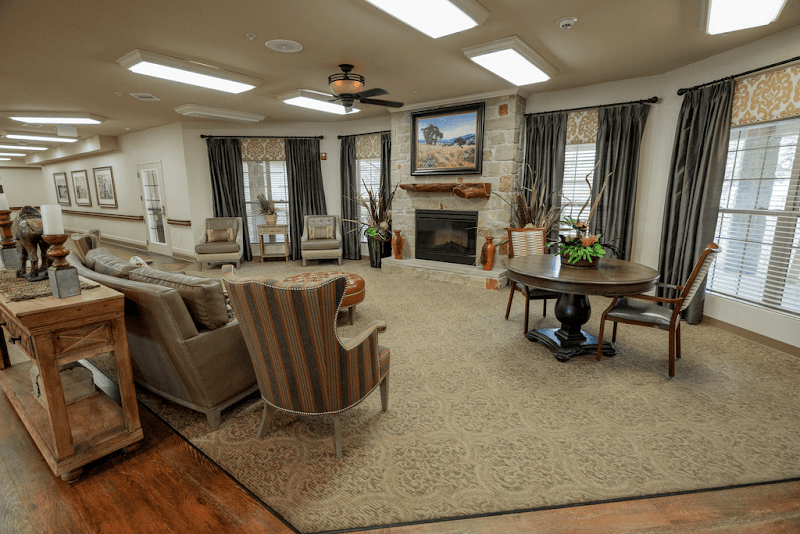
LAS ALTURAS DE PENITAS

414 LIBERTY BLVD., PENITAS, TX 78576 (210) 828-5686
For profit - Limited Liability company 130 Beds TOUCHSTONE COMMUNITIES Data: November 2025 5 Immediate Jeopardy citations
Trust Grade
0/100
#1024 of 1168 in TX
Last Inspection: March 2025

Within standard 12-15 month inspection cycle. Federal law requires annual inspections.

Overview

Las Alturas de Penitas has a Trust Grade of F, indicating significant concerns and a poor reputation among nursing homes. It ranks #1024 out of 1168 facilities in Texas, placing it in the bottom half, and #21 out of 22 in Hidalgo County, meaning there is only one local option that is better. The facility's situation is worsening, with the number of reported issues increasing from 2 in 2024 to 6 in 2025. Staffing is a concern, with a low RN coverage rate compared to 78% of Texas facilities, despite a low staff turnover rate of 0%, which is well below the state average. The facility has incurred $166,236 in fines, higher than 87% of Texas facilities, suggesting repeated compliance issues. Specific incidents include a failure to monitor a resident's health condition for nine hours, a significant weight loss in a resident without appropriate intervention, and inadequate supervision leading to repeated falls for two residents, all of which could endanger residents' health and safety. While there are some positive aspects, such as low staff turnover, the overall picture raises serious concerns for families considering this facility for their loved ones.

Trust Score
F
0/100
In Texas
#1024/1168
Bottom 13%
Safety Record
High Risk
Review needed
Inspections
Getting Worse
2 → 6 violations
Staff Stability
○ Average
Turnover data not reported for this facility.
Penalties
⚠ Watch
$166,236 in fines. Higher than 98% of Texas facilities. Major compliance failures.
Skilled Nurses
⚠ Watch
Each resident gets only 15 minutes of Registered Nurse (RN) attention daily — below average for Texas. Fewer RN minutes means fewer trained eyes watching for problems.
Violations
⚠ Watch
14 deficiencies on record. Higher than average. Multiple issues found across inspections.
★☆☆☆☆
1.0
Overall Rating
★☆☆☆☆
1.0
Staff Levels
★★★★☆
4.0
Care Quality
★☆☆☆☆
1.0
Inspection Score
Stable
2024: 2 issues
2025: 6 issues

The Good

  • 4-Star Quality Measures · Strong clinical quality outcomes
  • Full Sprinkler Coverage · Fire safety systems throughout facility
  • No fines on record

Facility shows strength in quality measures, fire safety.

The Bad

1-Star Overall Rating

Below Texas average (2.8)

Significant quality concerns identified by CMS

Federal Fines: $166,236

Well above median ($33,413)

Significant penalties indicating serious issues

Chain: TOUCHSTONE COMMUNITIES

Part of a multi-facility chain

Ask about local staffing decisions and management

The Ugly 14 deficiencies on record

5 life-threatening
Mar 2025 2 deficiencies
CONCERN (D)

Potential for Harm - no one hurt, but risky conditions existed

Respiratory Care (Tag F0695)

Could have caused harm · This affected 1 resident

**NOTE- TERMS IN BRACKETS HAVE BEEN EDITED TO PROTECT CONFIDENTIALITY** Based on observations, interviews, and record review, the facility failed to ensure that a resident who needed respiratory care ...

Read full inspector narrative →
**NOTE- TERMS IN BRACKETS HAVE BEEN EDITED TO PROTECT CONFIDENTIALITY** Based on observations, interviews, and record review, the facility failed to ensure that a resident who needed respiratory care was provided such care, consistent with professional standards of practice for 1 of 6 residents (Resident #22) reviewed for respiratory care. The facility failed to ensure Resident #22's oxygen was administered at 2 lmp instead of 2.5 lpm via nasal cannula as ordered by physician. This failure could place resident(s) at risk of developing respiratory complications and having a decreased quality of care. The findings included: Record review of Resident #22's admission record, dated 03/10/25, reflected an [AGE] year-old male admitted to facility on 11/04/22 and had a readmission date on 09/09/23. His relevant diagnoses included dementia (a decline in mental ability that interferes with daily life, memory loss, thinking abilities, and behavioral changes), Alzheimer's disease (a progressive disease that destroys memory and other important mental functions), and hypoxemia (a condition where the blood oxygen levels are lower than normal). Record review of Resident #22's quarterly MDS dated [DATE] reflected he had a BIMS score of 0, which indicated his cognition was severely impaired. Record review of Resident #22's quarterly care plan dated 03/05/25 reflected he was on oxygen therapy related to ineffective gas exchange (date initiated: 12/05/23). Part of his interventions were to administer oxygen at 2 lpm prn for signs and symptoms of shortness of breath and comfort (date initiated: 12/05/23). Record review of Resident #22's order summary report reflected an oxygen order at 2 lpm prn via nasal canula to maintain O2 saturation (the percentage of oxygen carried by red blood cells in the blood), effective 01/02/25 with no end date. An observation on 03/10/25 at 10:45 a.m., Resident #22 was observed lying asleep in bed. He was being administered oxygen via nasal canula and his concentrator was set at 2.5 lpm. Resident #22 was not in distress. An observation and interview on 03/10/25 at 10:47 a.m., LVN F was witnessed as she checked Resident #22's oxygen setting and said his concentrator was set at 2.5 lpm. She was observed as she checked Resident #22's electronic medical record and said he had an oxygen order for 2 lpm prn. LVN F said her shift on 03/10/25 had started at 6 am and she had checked on Resident #22 at least twice since her shift started. She said it was her responsibility to ensure the oxygen setting was set at the correct setting. LVN F said a possible negative outcome for Resident #22 being administered 2.5 lpm instead of 2 lpm could be oxygen toxicity (too much oxygen). An interview on 03/11/25 at 9:45 a.m., the DON said Resident #22 had an oxygen order for 2 lpm prn. She said nursing staff were responsible to ensure residents oxygen setting was set according to their order. The DON said a possible negative outcome for Resident #22 not administered the ordered lpm of oxygen would be that the facility would not offer the appropriate oxygen the resident needed. Record review of facility's Oxygen Administration policy dated 03/14/19 and revised in January 2023 reflected: Compliance Guidelines: A resident receives oxygen therapy when there is an order by a physician. The resident's disease, physical condition, and age will help determine the most appropriate method of administration and should be reflected in the physician order. 3. Obtain physician order for oxygen administration. Order should include the following: a) Oxygen source to be used (concentrator, mask, etc.) b) Method of delivery (cannula, mask etc.) c) Flow rate of delivery d) Oxygen saturation monitoring parameters, if indicated.
CONCERN (D)

Potential for Harm - no one hurt, but risky conditions existed

Infection Control (Tag F0880)

Could have caused harm · This affected 1 resident

**NOTE- TERMS IN BRACKETS HAVE BEEN EDITED TO PROTECT CONFIDENTIALITY** Based on observation, record review, and interview, the facility failed to establish and maintain an infection prevention and co...

Read full inspector narrative →
**NOTE- TERMS IN BRACKETS HAVE BEEN EDITED TO PROTECT CONFIDENTIALITY** Based on observation, record review, and interview, the facility failed to establish and maintain an infection prevention and control program, designed to provide a safe, sanitary, and comfortable environment and to help prevent the development and transmission of communicable diseases and infections, for 2 (Resident #36 and Resident # 78) out of 4. 1. LVN A did not perform hand hygiene for 20 seconds or longer after medication administration to Resident #36. 2. The facility failed to prevent Resident#78's urinary catheter bag/tubing from touching the floor. These failures could place residents at risk for infection through cross contamination of pathogens. The findings included: 1. Record review of Resident # 36's face sheet dated 3/11/2025 reflected a [AGE] year-old male with an admission date of 10/24/2024. Diagnoses included Pressure ulcer of unspecified buttock stage 2, Chronic Obstructive Pulmonary Disease (a group of lung conditions that cause long-term damage to the airways and lungs, leading to breathing difficulties), Gastrostomy Status (whether a person has an artificial opening in their stomach (a gastrostomy) for feeding, medication, or drainage). Record review of Resident #36's care plan dated 10/24/2024 reflected Resident #36 had a feeding tube related to Dysphagia (Difficulty swallowing foods or liquid). Record review of Resident #36's MDS dated [DATE] reflected a BIMS of 3 (Severe cognitive impairment) and feeding tube while a resident. During an observation of medication administration for Resident #36 on 03/11/2025 at 9:30 AM LVN A after medication administration was performed, LVN A performed hand hygiene for approximately 13 seconds. In an interview on 3/11/2025 at 9:50 AM, LVN A stated hand washing should be at least 20 seconds to prevent the spread of germs to residents and others. LVN A said that the 20 seconds started when she opened the faucet until she closed the faucet. 2. Record review of Resident #78's face sheet dated 3/10/2025 reflected a [AGE] year-old-female with an original admission date of 10/30/2024. Diagnoses included neuromuscular dysfunction of bladder (occurs when the nerves that control bladder function are damaged or disrupted, leading to problems with bladder storage and emptying). Record review of Resident #78's care plan dated 10/31/2024 reflected resident had indwelling foley catheter related to neurogenic bladder. Record review of Resident #78's MDS dated [DATE] reflected a BIM score of 99 (severe cognitive impairment) and had an indwelling catheter. During a rounding observation for Resident #78 on 03/10/25 at 10:08 AM, the foley bag was lying on the floor. During an Interview on 03/10/25 at 10:36 AM, CNA D stated that was important to foley bag from touching the floor because the resident could get an infection. CNA D stated that Resident #78's the foley bag was supposed to be attached to the bed frame, and she stated that was not attached properly and fell to the floor. During an interview on 3/10/25 at 10:45 AM, LVN B stated that the foley bag should have been hanging. LVN B stated that the foley bag being on the floor would put the resident at risk of infection and staff or visitors could trip with the tubbing. In an interview on 03/5/25 at 05:20 PM, the ADON stated effective hand washing was at least 20 seconds or greater was important to prevent the spread of infection to residents, staff, and visitors. ADON stated that the foley bag should not touch the floor to prevent any infections. ADON stated that the foley bag could get contaminated and could introduce an infection or it could get a leak. In an interview on 03/5/25 at 05:35 PM, the DON stated hand washing should be 20 seconds or greater to prevent the spread of bacteria to residents and other surfaces. DON stated that the foley bag should not been on the floor because this puts the resident on high risk for infection. Record review of Hand Hygiene policy dated 2019 stated: Policy Statement This facility considers hand hygiene the primary means to prevent the spread of infection Record review of Infection Prevention and Control Program implemented on 3/13/2019 stated: The infection prevention and control program is a facility-wide effort involving all disciplines and individuals and is an integral part of the quality assurance and performance improvement program. The elements of infection prevention and control program consist of coordination/oversight, guidance/procedures, surveillance, data analysis, antibiotic stewardship, outbreak management, prevention of infection, and employee health and safety. Record Review of the Centers for Disease Control and Prevention (CDC) Handwashing Guidelines: How to Wash Your Hands: Wet your hands with clean, running water (warm or cold). Apply soap and lather your hands by rubbing them together. Scrub all surfaces of your hands, including between your fingers, under your nails, and the backs of your hands. Continue scrubbing for at least 20 seconds. Rinse your hands well under clean, running water. Dry your hands using a clean, disposable towel or air dryer. Record review of Routine Resident Care implemented on 2/14/2019 stated: Residents should receive the necessary assistance to maintain good grooming, personal/oral hygiene and safety. Steps are taken to provide that a resident's capacity for self-performance of these activities does not diminish unless circumstances of the resident's clinical condition demonstrate the decline is unavoidable. Care is taken to maintain resident safety at all times. Residents who utilize medical devices with/without tubing should have the device and/or tubing properly secured. Staff should ensure that the device/tubing is properly attached to the bed/char/wheelchair/assistive device in order to prevent/minimize risk for injury. Staff should handle the device/tubing with caution, adhering to all safety measures during patient care encounters, when the resident is mobile such as when out of bed, ambulating or when utilizing an assistive device such as a wheelchair in order to prevent accidental tugging or dislodging.
Feb 2025 4 deficiencies 1 IJ
CRITICAL (J) 📢 Someone Reported This

A family member, employee, or ombudsman was alarmed enough to file a formal complaint

Immediate Jeopardy (IJ) - the most serious Medicare violation

Free from Abuse/Neglect (Tag F0600)

Someone could have died · This affected 1 resident

**NOTE- TERMS IN BRACKETS HAVE BEEN EDITED TO PROTECT CONFIDENTIALITY** Based on interview and record reviews the facility failed to ensure the residents had the right to be free from abuse, neglect, ...

Read full inspector narrative →
**NOTE- TERMS IN BRACKETS HAVE BEEN EDITED TO PROTECT CONFIDENTIALITY** Based on interview and record reviews the facility failed to ensure the residents had the right to be free from abuse, neglect, misappropriation of resident property, and exploitation for 3 of 3 residents (Resident #24, Resident #25 and Resident #26) reviewed for abuse. 1. The facility failed to ensure Resident #26 did not inappropriately touch Resident #25 in the groin area, over his clothing, on 02/10/24 . 2. The facility failed to ensure Resident #26 did not inappropriately touch Resident #24 in the breast area on 04/16/24. An Immediate Jeopardy (IJ) situation was identified on 01/30/25. While the IJ was removed on 01/31/25 at 2:09 p.m., the facility remained out of compliance at a scope of isolated with a potential for more than minimal harm, due to the facility's need to evaluate the effectiveness of the corrective systems . These failures could place residents at risk of emotional distress, fear, decreased quality of life and further abuse. The findings were: Record review of Resident #26's admission Record, dated 04/18/24, revealed a [AGE] year-old male with admission dated of 03/04/23. Resident #26 had diagnoses which included Cerebral Infraction (stroke), Cognitive Communication Deficit (difficulty with listening, speaking, reading, social communication) Unspecified Dementia (decline in person's ability to do every day activities), Unspecified Severity, without Behavioral Disturbance, Psychotic Disturbance (severe mental health disorder), Mood Disturbance and Anxiety. Record review of Resident #26's quarterly MDS, dated [DATE], revealed Resident #26's had a BIMS of 13, which indicated his cognition was intact. Resident #26 had impairment on one side and mobility devices used was a wheelchair. Record review of Resident #26's Quarterly care plan, dated 05/22/2 4, reflected no interventions after an inappropriate touching incident with Resident #25 that occurred on 02/10/24. Interventions for an incident with Resident #24 reflected room change and closely monitoring during acute phase. Record review of Resident #25's admission Record, dated 01/08/25, revealed a [AGE] year-old male who had an original admission date of 07/28/23. Resident #25 had diagnoses which included Bipolar Disorder (mental health condition of extreme changes in mood and behavior), Other Obsessive-Compulsive Disorder (repetitive behavior), Moderate Intellectual Disability (difficulty with learning & problem solving), and Unsteadiness on Feet. Record review of Resident#25's quarterly MDS, dated [DATE], revealed Resident#25 had a BIMS of 0, which indicated severely impaired cognition. Resident #25 was able to ambulate without any assistive devices. Record review of the facility's Provider Investigation Report, dated 02/10/24, revealed an incident between Resident #25 and Resident #26. Resident #26 was observed inappropriately touching Resident #25 by the Dietary Aide on 02/10/24. Further review revealed Dietary Aide wrote in a witness statement, not dated, that when she was clocking in from her break she had seen Resident #26 sitting down next to resident #25 and he had put his hand on Resident #25's penis area. The date of the incident involving Resident #25 and Resident #26 was on 02/10/24. The report stated Resident #26 was placed on 1:1 observation for 72 hours, lab orders for UA, and facility staff were in serviced on abuse, neglect and safe surveys were conducted for residents. Record review of Resident #24's admission Record, dated 04/16/24, revealed an [AGE] year-old female with an admission date of 07/09/21. Resident #24 had diagnoses which included Unspecified Dementia (decline in person's ability to do every day activities), Unspecified Severity, without Behavioral Disturbance, Psychotic Disturbance (severe mental health disorder), Mood Disturbance and Anxiety, Hemiplegia (severe weakness on one side of the body) and Hemiparesis (mild weakness on one side of the body) following Cerebral Infraction (stroke) affecting left non-dominant side, and Other lack of coordination. Record review of Resident #24's Quarterly MDS record, dated 10/28/24, revealed Resident#24 had a BIMS of 0, which indicated severely impaired cognition. Resident #24's mobility devices used was a wheelchair. Record review of the facility's Provider Investigation Report, dated 04/16/24, revealed an incident which included Resident #24 and Resident #26. Resident #26 was observed by CNA V inappropriately touching Resident #24's breast area in the dining room. The report also revealed Resident #26 was discharged to a behavioral hospital due to this incident and returned to the facility 4 days later. In an interview on 01/07/25 at 2:07 p.m. LVN P said CNA V told her that she had seen Resident #26 sitting next to Resident #24 in the dining area during lunch and she saw him touch Resident #24's breast area. In an interview on 01/08/25 at 2:14 p.m. CNA J said Resident #26 usually would eat his meals in the dining room. She said he also liked to participate in activities. In an interview on 01/28/25 at 4:40 p.m., the ADON said after the incident between Resident #24 and Resident #26, Resident #26 was placed on 1:1 monitoring for 72 hours and was evaluated by the psychiatric nurse practitioner. The ADON also said he was not given any follow up orders to monitor inappropriate behaviors for Resident #26 after either incidents occurred with both Resident #24 and Resident #25. The ADON also said staff were in serviced on ANE after the incident. In an interview on 01/28/25 at 5:32 p.m., CNA L said he worked with Resident #26 after both incidents but was not told to keep an eye on him for behaviors with other residents. In an interview on 01/28/25 at 6:15 p.m., LVN P said after the incident with Resident #24 and Resident #26 the only interventions she knew of was the room change for Resident #26 and the close monitoring for 72 hours after the incident. In an interview on 01/29/25 at 6:50 p.m., LVN M said she did not recall being told about an incident which involved Resident #26 and Resident #24 and Resident #25. She said she did not recall being told about his behaviors or to monitor Resident #26 or behaviors with other residents. In an interview on 01/28/25 at 6:33 p.m., the DON said she started working at the facility in April of 2024 and was not aware of the first incident in February which involved Resident #25 and Resident #26. She said she wasn't sure what interventions were in place . She said when the incident happened with Resident #24 and Resident #26, Resident #26 was placed on critical monitoring every 15 minutes. He was being checked on by staff and documented and was then sent to a behavioral hospital for evaluation . Also done was a room change. He was moved to a different hall. The DON said once Resident #26 returned from the behavioral hospital there was no other interventions . In an interview on 01/30/25 at 2:50 p.m., the Administrator A said she was not yet employed at the facility at the time of either incidents. She said she was made aware once she became the Administrator in May 2024 and no concerns on Resident #26's behavior with other residents was brought to her attention since those incidents. Record review of the facility's policy titled Abuse Guidance: Preventing, Identifying and Reporting, revised date January 2024, reflected: Compliance Guidelines: Every resident has the right to be free from abuse, neglect, misappropriation of resident property, and exploitation. Residents should not be subjected to abuse by anyone, including, but not limited to, community team members, other residents, consultants, or volunteers, staff of other agencies serving the resident, family members or legal guardians, friends or other individuals. This was determined to be an Immediate Jeopardy (IJ) on 01/30/2025 at 5:30 p.m. The Administrator was notified. The Administrator was provided with the IJ template on 01/30/2025 at 5:30 p.m. The following Plan of Removal submitted by the facility was accepted on 01/31/25 at 2:09 p.m. It was determined these failures placed Resident #24 and Resident #25 in an IJ situation on 04/16/24. Corrective Action: Residents #24 and #25 were reassessed and monitored following the alleged inappropriate touch incidents. There were no negative outcomes identified. Following both alleged incidents Resident #26 was reassessed and continued to be monitored by nursing as per usual practice and placed on close monitoring efforts of 1:1 and Q 15 minutes monitoring. There were no negative outcomes identified. IDT and community's leadership will coordinate and collaborate with the PCP/Medical Provider and Mental Health Provider to discuss Resident #26 current status, risks and potential need for relocation to a facility or setting more appropriate to meet his needs and maintain the safety of others who reside within our community. Plan of care and [NAME] will be updated. Facility will re-educate team members related to on-going process for monitoring resident and the expectation to report to the nurse/DNS /Administrator any behaviors that pose risk to others. Identification: All residents with cognitive impairment have the potential to be affected by the alleged deficient practice. DNS/ADNS /IDT conducted a review of all current residents identified with behaviors that may affect others, such as inappropriate touch or sexual related behaviors in order to validate that appropriate interventions are in place and noted on the [NAME] . Date Completed: Administrator/Social Worker conducted rounds interviewing staff and other interviewable residents in order to identify any concerns with Abuse, Neglect and Exploitation . Date Completed: Systematic Changes: Administrator/DNS were in-serviced by the [NAME] President of Operations/Director of Clinical Operations regarding the facility's expected process for: o 1. Identifying residents at risk for behavioral concerns that may cause physical and/or emotional harm. o 2. Identifying, Preventing, Protecting against and Reporting ANE. o 3. Tx HHSC Provider Letter regarding reportable incidents. o 4. Updating the plan of care, ensuring that appropriate interventions are in place. o 5. Ensure that appropriate interventions are noted on the plan of care as well as the [NAME]. o 6. Educating staff on the intervention such as specific monitoring efforts such as Q15 minutes and 1:1 monitoring. Administrator/DNS / Designee to conduct retraining for all team members prior to assuming their next shift regarding: o 1. Identifying residents at risk for behavioral concerns that may cause physical and/or emotional harm. o 2. Identifying, Preventing, Protecting against and Reporting ANE. o 3. Tx HHSC Provider Letter regarding reportable incidents. o 4. Updating the plan of care, ensuring that appropriate interventions are in place. o 5. Ensure that appropriate interventions are noted on the plan of care as well as the [NAME]. o 6. Educating staff on the intervention such as specific monitoring efforts such as Q15mins and 1:1 monitoring. o 7. Educated the nursing team (RN/LVN/CMA /CNA) regarding the importance of reviewing the [NAME] so that they are aware of the level of care needed and the interventions to be implemented during their assigned shift. o 8. RAI process to include but not limited to completion of a resident centered comprehensive care plan on each resident regarding services to attain or maintain the resident's highest practical level of physical, mental, and psychosocial well-being. Date Completed: Additionally, all newly hired staff will receive the above education as outlined during their orientation, prior to assuming their work assignment. Monitoring of the POR included the following: Observation on 01/31/25 at 3:45 p.m. revealed Resident #26 in his room with CNA O outside his room. Observation on 02/01/25 at 11:30 a.m. revealed Resident #26 in his room with CNA O outside his room. Interviews with facility staff were conducted from 01/30/25 at 1:30 p.m. through 02/01/25 at 11:25 a.m. A Total number of staff included: 14 CNA's, 9 LVN's, 1 Housekeeping, 1 CMA, 1 RN. Interviews revealed that staff were able to voice how to identify abuse neglect and exploitation as well as residents with inappropriate behaviors. Staff were also able to voice knowledge of 1:1 monitoring of residents with behaviors. Staff also were able to identify the process of documenting and reviewing the electronic system in place to check for residents new or existing behaviors. Based on observations, interviews and record review there were no other residents identified with behaviors similar to Resident #26. Scheduled shifts: 6:00 a.m. to 2:00 p.m., 2:00 p.m. to 10:00 p.m., 10:00 p.m. to 6 a.m., 10:00 a.m. to 5:00 p.m. CNA E 6:00 a.m. to 2:00 p.m. Housekeeping F 9:00 a.m. to 5:00 p.m. CNA G 2:00 p.m. to 10:00 p.m. CNA H 2:00 p.m. to 10:00 p.m. CNA I 6:00 a.m. to 2:00 p.m. CNA J 6:00 a.m. to 2:00 p.m. LVN K 2:00 p.m. to 10:00 p.m. CNA L 6:00 a.m. to 2:00 p.m. CNA M 10:00 p.m. to 6:00 a.m. CNA N 10:00 p.m. to 6:00 a.m. LVN Q 10:00 p.m. to 6:00 a.m. LVN O 2:00 p.m. to 10:00 p.m. LVN R 6:00 a.m. to 2:00 p.m. LVN S 8:00 a.m. to 5:00 p.m. LVN T 6:00 a.m. to 2:00 p.m. CMA U 6:00 a.m. to 2:00 p.m. CNA V 6:00 a.m. to 2:00 p.m. CNA W 6:00 a.m. to 2:00 p.m. CNA X 2:00 p.m. to 10:00 p.m. LVN Y 8:00 a.m. to 5:00 p.m. CNA Z 2:00 p.m. to 10:00 p.m. LVN AA 2:00 p.m. to 10:00 p.m. CNA BB 2:00 p.m. to 10:00 p.m. LVN CC 6:00 a.m. to 2:00 p.m. Content: -Identifying, Preventing, Protecting against and reporting abuse and neglect of all residents -Monitoring and observing residents for inappropriate or any other behaviors -Knowledge of 1:1 observation of residents for behaviors -Reviewing the facility's electronic system set in place to document residents level of care needed and the interventions to be implemented . The Administrator was informed the Immediate Jeopardy was removed on 01/31/25 at 2:09 p.m. the facility remained out of compliance at a severity level of no actual harm with the potential for more than minimal harm that is not immediate and a scope of isolated due to the facility's need to evaluate the effectiveness of the corrective systems that were put into place.
CONCERN (D) 📢 Someone Reported This

A family member, employee, or ombudsman was alarmed enough to file a formal complaint

Potential for Harm - no one hurt, but risky conditions existed

Report Alleged Abuse (Tag F0609)

Could have caused harm · This affected 1 resident

**NOTE- TERMS IN BRACKETS HAVE BEEN EDITED TO PROTECT CONFIDENTIALITY** Based on interview and record review the facility failed to ensure that all alleged violations involving abuse, neglect, exploit...

Read full inspector narrative →
**NOTE- TERMS IN BRACKETS HAVE BEEN EDITED TO PROTECT CONFIDENTIALITY** Based on interview and record review the facility failed to ensure that all alleged violations involving abuse, neglect, exploitation or mistreatment, including injuries of unknown source and misappropriation of resident property, were reported immediately, but no later than 2 hours after the allegation was made, if the events that caused the allegation involved abuse or resulted in serious bodily injury, to the administrator of the facility and to other officials, including to the State Survey Agency, in accordance with State law through established procedures for three of three residents (Resident#24, Resident#25, and Resident#26) reviewed for reporting abuse. The facility failed to report two separate incidents of resident-to-resident abuse to the state agency within the given time frame. This failure could place residents at increased risk for potential abuse. The findings were: 1. Record review of Resident #26's admission Record, dated 04/18/24, revealed a [AGE] year-old male with admission date of 03/04/23. Resident #26 had diagnoses which included Cerebral Infraction (stroke), Cognitive Communication Deficit (difficulty with listening, speaking, reading, social communication) Unspecified Dementia (decline in person's ability to do every day activities), Unspecified Severity, without Behavioral Disturbance, Psychotic Disturbance (severe mental health disorder), Mood Disturbance and Anxiety. Record review of Resident #26's quarterly MDS, dated [DATE], revealed Resident #26's had a BIMS of 14, which indicated his cognition was intact, also noted under functional limitation range of motion, impairment on one side and mobility devices used was a wheelchair. Record review of Resident #25's admission Record, dated 01/08/25, revealed a [AGE] year-old male with an original admission date of 07/28/23. Resident #25 had diagnoses which included Bipolar Disorder (mental health condition of extreme changes in mood and behavior), Mild, Other Obsessive-Compulsive Disorder (repetitive behavior), Moderate Intellectual Disability (difficulty with learning & problem solving), and Unsteadiness on Feet. Record review of Resident#25's quarterly MDS, dated [DATE], revealed Resident#25 had a BIMS of 0, which indicated severely impaired cognition. Resident #25 was able to ambulate without any assistive devices. Record review of facility's Provider Investigation Report, dated 02/10/24, revealed an incident between Resident #25 and Resident #26. Resident #26 was observed inappropriately touching Resident #25 by the Dietary Aide on 02/10/24. The date of the incident involving Resident #25 and Resident #26 was on 02/10/24 and time of incident was at 4:00 p.m. The date the incident was reported to HHSC was 02/10/24 at 9:45 p.m. 2. Record review of Resident #24's admission Record, dated 04/16/24, revealed an [AGE] year-old female with an admission date of 07/09/21. Resident #24 had diagnoses which included Unspecified Dementia (decline in person's ability to do every day activities), Unspecified Severity, without Behavioral Disturbance, Psychotic Disturbance (severe mental health disorder), Mood Disturbance and Anxiety, Hemiplegia (severe weakness on one side of the body) and Hemiparesis (mild weakness on one side of the body) following Cerebral Infraction (stroke) affecting left non-dominant side, and Other lack of coordination. Record review of Resident #24's Quarterly MDS record, dated 10/28/24, revealed Resident#24 had a BIMS of 0, which indicated severely impaired cognition. Resident #24 used a wheelchair as a mobility device. Record review of facility's Provider Investigation Report, dated 04/16/24, revealed an incident involving Resident #24 and Resident #26. Resident #26 was observed by CNA V inappropriately touching Resident #24 in the dining room. The report also revealed the date of the incident was on 04/16/24 and time of incident was at 2:00 p.m. The date the incident was reported to HHSC was 04/16/24 at 6:30 p.m. In an interview on 01/08/25 at 2:10 p.m., LVN P said when CNA V told her she saw Resident #26 inappropriately touching Resident #24, she immediately assessed Resident #24 and reported it to the DON and the Administrator. LVN P said she received in services on abuse, neglect and exploitation and was told abuse and neglect allegations must be reported immediately within two hours to the DON and the Administrator. In an interview on 01/08/25 at 4:47 p.m., the DON said the abuse incident which involved Resident #26 inappropriately touching Resident #24 was immediately reported to the Administrator. She said she could not recall the time. She said it was within 2 hours that it happened because she knew that was the time frame, they had to report it to the State. The DON said they were in serviced frequently on Abuse and Neglect and was told it needed to be reported immediately to her and the Administrator. She said the facility could get cited if they did not report these types of allegations immediately. The DON said the Administrator at the time of this incident was no longer employed at the facility. In an interview on 01/08/25 at 4:49 p.m., the DON said she was not employed at the facility at the time of the incident between Resident #25 and Resident #26. Record review of the facility's policy titled Abuse Guidance: Preventing, Identifying and Reporting revision date January 2024 reflected: Seven Elements of ANE: - Reporting/Response- All alleged/suspected violations and all substantiated incidents of abuse will be promptly reported to appropriate state agencies and other entities are individuals as may be required by law and per the current state/federal reporting requirements. .
CONCERN (D) 📢 Someone Reported This

A family member, employee, or ombudsman was alarmed enough to file a formal complaint

Potential for Harm - no one hurt, but risky conditions existed

Comprehensive Care Plan (Tag F0656)

Could have caused harm · This affected 1 resident

**NOTE- TERMS IN BRACKETS HAVE BEEN EDITED TO PROTECT CONFIDENTIALITY** Based on interview and record review the facility failed to develop and implement a comprehensive person-centered care plan for ...

Read full inspector narrative →
**NOTE- TERMS IN BRACKETS HAVE BEEN EDITED TO PROTECT CONFIDENTIALITY** Based on interview and record review the facility failed to develop and implement a comprehensive person-centered care plan for each resident, consistent with the resident rights set forth, that included measurable objectives and timeframes to meet the resident's medical, nursing, and mental and psychosocial needs that were identified in the comprehensive assessment for one of three residents (Resident#26) reviewed for comprehensive person centered care plan . The facility failed to ensure Resident #26's care plan reflected the need for interventions for monitoring inappropriate behaviors with residents after 2 separate incidents of inappropriate behavior with 2 Residents (Resident #24 and Resident #25) had occurred . This failure could place residents in the facility at risk of not being provided with the necessary care or services and implementing personalized plans developed to address their specific needs. The findings were : 1. Record review of Resident #26's admission Record, dated 04/18/24, revealed a [AGE] year-old male had an admission date of 03/04/23. Resident #26 had diagnoses which included Cerebral Infraction (stroke), Cognitive Communication Deficit (difficulty with listening, speaking, reading, social communication) Unspecified Dementia (decline in person's ability to do every day activities), Unspecified Severity, without Behavioral Disturbance, Psychotic Disturbance (severe mental health disorder), Mood Disturbance and Anxiety. Record review of Resident #26's quarterly MDS, dated [DATE], revealed Resident #26's had a BIMS of 13, which indicated his cognition was intact, no behaviors were documented, and also noted under functional limitation range of motion, impairment on one side and mobility devices used was a wheelchair. Record review of Resident #26's Quarterly care plan, dated 05/22/25, reflected interventions after an inappropriate touching incident with Resident #25 which occurred on 02/10/24. Interventions for the incident with Resident #24 reflected close monitoring as needed. 2. Record review of Resident #25's admission Record, dated 01/08/25, revealed a [AGE] year-old male with an original admission date of 07/28/23. Resident #25 had diagnoses which included Bipolar Disorder (mental health condition of extreme changes in mood and behavior), Other Obsessive-Compulsive Disorder (repetitive behavior), Moderate Intellectual Disability (difficulty with learning & problem solving), and Unsteadiness on Feet. Record review of Resident#25's quarterly MDS, dated [DATE], revealed Resident#25 had a BIMS of 0, which indicated severely impaired cognition. Resident #25 was able to ambulate without any assistive devices. Record review of the facility's Provider Investigation Report, dated 02/10/24, revealed an incident between Resident #25 and Resident #26. Resident #26 was observed inappropriately touching Resident #25 by the Dietary Aide on 02/10/24. The date of the incident involving Resident #25 and Resident #26 was on 02/10/24. The report stated Resident #26 was placed on 1:1 observation for 72 hours, lab orders for UA, and facility staff were in serviced on abuse, neglect and safe surveys were conducted for residents. 3. Record review of Resident #24's admission Record, dated 04/16/24, revealed an [AGE] year-old female with an admission date of 07/09/21. Resident #24 had diagnoses which included Unspecified Dementia (decline in person's ability to do every day activities), Unspecified Severity, without Behavioral Disturbance, Psychotic Disturbance (severe mental health disorder), Mood Disturbance and Anxiety, Hemiplegia (severe weakness on one side of the body) and Hemiparesis (mild weakness on one side of the body) following Cerebral Infraction (stroke, blood flow to brain is interrupted) affecting left non-dominant side, and Other lack of coordination. Record review of Resident #24's Quarterly MDS record, dated 10/28/24, revealed Resident#24 had a BIMS of 0, which indicated severely impaired cognition Resident #24's used a wheelchair as a mobility device . Record review of the facility's Provider Investigation Report, dated 04/16/24, revealed an incident involving Resident #24 and Resident #26. Resident #26 was observed by CNA V inappropriately touching Resident #24's breast area in the dining room. The report also revealed Resident #26 was discharged to a behavioral hospital due to this incident and returned to the facility 4 days later. In an interview on 01/31/25 at 11:50 a.m., RN X said either he, or any nurse on the floor or the DON could update a care plan. He said he just started working 2 months ago and was not present at the time of the 2 incidents involving Resident #26. RN X said care plans needed to be updated anytime there was a change in a resident's condition, or a change in medication. He said if a care plan was not updated the residents needs could be overlooked and the resident may not receive the care they needed. In an interview on 01/31/25 at 12:15 p.m., the ADON said care plans needed to be updated anytime any changes happened with a resident or new admissions. He said resident changes were discussed in morning meetings to make sure the care plan was appropriate for the resident, if they needed interventions, it should be put on there. He said Resident #26's admission to the behavioral hospital should have been care planned and he did not know why it was not. He said this needed to be done because they could miss out on something that should have been done with the resident risking health and safety. He also said updating the care plan was important because it was connected with the facility's online system which could be viewed by nurses and CNA's so they were aware of any changes to the resident. In an interview on 02/01/25 at 10:40 a.m., the DON said Resident #26's care plan should have been updated after the 2 incidents of inappropriate behaviors. She said nurses, and administration are able to update care plans as needed. She also said there should have been specific interventions documented for his behaviors. She said not updating his care plan failed to prevent or protect other residents . Record review of the facility's Care Plans Guidelines, revised January 2023, reflected: Guidelines: Care Plans .The care plan should be initiated upon admission . The care plan should be updated and reviewed at least quarterly thereafter, then annually and with significant changes in conditions as defined in the RAI manual. Additional updates to the care plan should be done as indicated. The care plan should be prepared, reviewed, and updated in accordance with the RAI guidance on a routine cadence (admission, quarterly, annually and with significant change.) Additionally, the care plan should be modified as appropriate and on an as needed basis as per RAI instructions.
CONCERN (D) 📢 Someone Reported This

A family member, employee, or ombudsman was alarmed enough to file a formal complaint

Potential for Harm - no one hurt, but risky conditions existed

Accident Prevention (Tag F0689)

Could have caused harm · This affected 1 resident

**NOTE- TERMS IN BRACKETS HAVE BEEN EDITED TO PROTECT CONFIDENTIALITY** Based on interviews and record review, the facility failed to ensure residents remained free from accidents, hazards and each re...

Read full inspector narrative →
**NOTE- TERMS IN BRACKETS HAVE BEEN EDITED TO PROTECT CONFIDENTIALITY** Based on interviews and record review, the facility failed to ensure residents remained free from accidents, hazards and each resident received adequate supervision and assistance when being transferred for 1 of residents (Resident #1) reviewed for accidents and hazards, CNA A failed to transfer Resident #1 using two employees as required by his care plan. This deficient practice has the potential to affect all residents in the building who require assistance with transfers by 2 staff members by causing resident injuries, such as falls, fractures, and even death. Findings included: Record review of Resident #1's Face Sheet dated 12/31/24 documented a [AGE] year-old male was admitted to the facility on [DATE] with the following diagnoses: dementia (a general term for a group of brain disorders that cause a gradual decline in cognitive abilities, memory, and behavior), muscle weakness (a condition where a muscle is unable to contract properly, resulting in a loss of strength), unspecified lack of coordination (uncoordinated movement is due to a muscle control problem that causes an inability to coordinate movements). Resident #1's Care Plan, dated 11/27/24, documented Transfers: Resident #1 required assistance for transfers by two staff due to poor physical functioning. -Resident #1's quarterly MDS resident assessment, dated 12/3/24, documented Resident #1 needed substantial/maximal assistance with transfers from chair to bed and from bed to chair. During an observation on 12/31/2024 at 11:05am of bed to wheelchair (w/c) transfer of Resident #1, revealed, CNA A failed to transfer Resident #1 using two employees as required by his care plan. The transfer continued and Resident #1 was lifted off the bed by CNA A. CNA A had to place their arm under Resident #1's underarms to transfer the resident to his wheelchair. During transfer, Resident #1's legs were shaking while pivoting. During an interview on 12/31/24 at 11:30am, CNA A said that she did not know Resident #1 was a two person assist. CNA A said that she thought he was a one person assist. CNA A said that she checked on the Point Click System (electronic medical records) every week to know which residents needed a one person assist, two persons assist, or mechanical lift for transfers. CNA A said that the 300 hall residents were the ones for short term stay and that she checked frequently. CNA said that if she did not follow the plan of care, the resident or herself could be harmed. During an interview on 12/31/24 at 11:45am, CNA B said that the plan of care was accessible to all CNAs in the Point Click Care system. CNA B said that in the plan of care staff could find how many people were needed to assist each resident. CNA B said if they did not follow the plan of care the residents could sustain an injury, fall, or fracture. CNA B said that the last inservice on transfers was two weeks ago. During an interview on 12/31/24 at 1:10pm, LVN C said that CNAs were able to access the plan of care of each resident to check the assistance level each resident required. LVN C said that CNAs and charge nurses were supposed to follow the plan of care of each resident. LVN C said that if they did not follow the plan of care it could cause a fall, fracture, or harm to Resident #1 or to staff. LVN C said that the last inservice on transfers was the last week of December. During an interview on 12/31/24 at 1:20pm, LVN D said that all staff could check the plan of care of each resident in the Point Click Care system. LVN D said that by not following the plan of care residents or staff could get injured. LVN D said that the last inservice on transfers was on 12/27/24. During an interview on 12/31/24 at 2:12pm, the ADON said all CNAs had access to the resident's plan of care and staff should follow it. The ADON said if they did not follow the plan of care it could put residents at high risk for injury and to prevent any injury to residents and staff. The ADON said that staff was in-serviced on transfers every month. During an interview on 12/31/24 at 2:32pm, the DON said staff should follow the plan of care of each resident to do the proper transfer. The DON said that both the resident and the staff could get injured if they failed to follow the plan of care. The DON said that the last inservice on transfers was done last week. Record review of the facility policy titled, Resident Handling/Transfers, implemented date December 1, 2021, revealed the following: It is the policy of this community to ensure that patients/residents are handed and transferred safely to prevent or minimize risk for injury and provide and promote a safe, secure and comfortable experience for the patient/resident while keeping the team members safe in accordance with current standards and guidelines. Lifting and transferring will be performed according to the individualized plan of care.
Jan 2024 2 deficiencies 2 IJ (2 affecting multiple)
CRITICAL (K) 📢 Someone Reported This

A family member, employee, or ombudsman was alarmed enough to file a formal complaint

Immediate Jeopardy (IJ) - the most serious Medicare violation

Quality of Care (Tag F0684)

Someone could have died · This affected multiple residents

**NOTE- TERMS IN BRACKETS HAVE BEEN EDITED TO PROTECT CONFIDENTIALITY** Based on observation, interview and record review, the facility staff failed to ensure residents received treatment and care in ...

Read full inspector narrative →
**NOTE- TERMS IN BRACKETS HAVE BEEN EDITED TO PROTECT CONFIDENTIALITY** Based on observation, interview and record review, the facility staff failed to ensure residents received treatment and care in accordance with professional standards of practice for 1 of 9 residents (Resident #1) reviewed for quality of care. The facility failed to identify a chnge in condtion for 9 hour for Resident #1, across 2 shifts on 01/14.24. An Immediate Jeopardy (IJ) situation was identified on 01/23/24. While the Immediate Jeopardy was removed on 01/26/24 at 10:36 am, the facility remained out of compliance at a scope of pattern with no actual harm that is immediate, due to the facility's need to evaluate the effectiveness of the corrective systems. This failure could place residents at increased risk of decline in physical health. Findings include: Record Review of Resident #1's admission record dated 01/19/24 reflected Resident #1 was a [AGE] year-old male who was admitted to the facility on [DATE]. Resident #1 had diagnose which included of parkinson's disease (chronic degenerative disorder of the central nervous system), dementia (decline in cognitive abilities), hemiplegia (paralysis of one side of the body), benign prostatic hyperplasia with lower urinary tract symptoms (prostate enlargement) and COVID-19 (coronavirus 2019). Record review of the quarterly MDS dated [DATE] reflected Resident #1 had severe cognitive impairment, had no weight loss of 5% or more in the last month or loss of 10% or more in the last six months, and required extensive assistance by one person for eating. Record review of Resident #1's care plans, revised on 11/18/23 reflected Resident #1 was at risk for nutritional deficits and/or dehydration risks related to the disease process, dementia and parkinson's disease. Goals for focus area reflected Resident #1's weights would remain stable within plus or minus four pounds, target date 01/11/24 by the Dietary Manager. Interventions included. -to ask resident or his RP what he liked to eat and drink, initiated 09/19/23. -provide meals, snacks and fluids as ordered, initiated 09/19/23. -RD to evaluate and make recommendations PRN, initiated 09/19/23. -Weigh monthly and PRN. Notify MD of significant weight changes noted, initiated 09/19/23. -RD to evaluate and make diet changes recommendations, revised 11/18/23. -Offer an alternate meal or supplement if he ate less than 50% of food at each meal, revised on 11/18/23. -adaptive equipment as needed, initiated 09/28/23. -report to any nurse any difficulty swallowing, holding food in mouth, prolonged swallowing time, repeated swallows per bite, coughing, throat clearing, drooling, pocketing food in mouth, shortness of breath, chocking, labored respirations, revised on 11/18/23. Record review of Resident #1's weight log reflected the following. 08/16/23 154.0 pounds standing 09/06/23 151.0 pounds in wheelchair 10/10/23 153.0 pounds in wheelchair 11/06/23 153.0 pounds in wheelchair 11/11/23 126.0 pounds with Hoyer lift 12/12/23 154.0 pounds in wheelchair 01/08/24 152.0 pounds in wheelchair Record review of Resident #1's meal intakes log reflected between 12/21/23 to 01/11/24. -Resident #1 ate 25% or less for eleven meals provided. -Resident #1 ate 51% to 75% for ten meals. -Resident #1 ate 76% to 100% for ten meals provided. - Resident #1 refused meals for five meals provided. Record review of the progress notes dated 01/05/24 at 1:00 pm reflected Resident #1 presented with fever temperature of 103.1 degrees Fahrenheit, signed by the DON. A change in condition was documented. Primary Care Provider responded to administer Tylenol prn. Resident#1's weight was 154 pounds. Record review of the progress notes, dated 01/05/24 reflected the facility nurse practitioner examined Resident #1 due to testing COVID-19 positive, new orders were provided, signed by LVN K. Record review of the progress notes dated 01/07/24 at 1:29 pm reflected resident in no distress, consumed 70% of breakfast meal, including a strawberry shake and 80% of lunch meal, no further concerns noted, signed by LVN L. Record review of the progress notes dated 01/08/24 at 11:29 am reflected resident continues isolation precautions, ate 45% of breakfast meal, signed by LVN C. Record review of the progress notes dated 01/09/24 at 10:42 am reflected a change in condition due to altered mental status, with fever 97.9 degrees, decreased or unable to eat or drink, weight was 154 pounds, signed by the DON. Record review of the progress noted dated 01/09/24 at 8:00 pm reflected a chest x-ray done with no radiographic evident of acute disease). No new order, signed by the facility nurse practitioner. Record review of the progress notes dated 01/10/24 at 4:17 pm reflected new orders given by the facility nurse practitioner Dextrose-NaCI Solution 5-0.45% 75 ml/hr due to COVID-19 and decreased oral intake, signed by LVN F. Record review of the progress notes dated 01/10/24 at 5:45 pm reflected the resident had orders for bolus IV fluids but kept removing peripheral line. Notified facility nurse practitioner and received order to discontinue order for Dextrose. Will continue to monitor and notify physician if any complications arise, signed by RN M. Record review of the progress notes dated 01/11/20 at 5:50 pm reflected resident maintained afebrile (not feverish) during nightshift, temperature was 97.7, looks lethargic and refused feedings, signed by LVN N. Record review of the progress notes dated 01/12/24 at 4:27 pm reflected notified nurse practitioner about recent weight of 28 pound weight loss due to no appetite. New order from nurse practitioner to start on Mirtazapine 15 mg by mouth daily, house shake with meals three times a day for 60 days and biweekly weights to be obtained on Monday and Friday. signed by RN I. Record review of the progress notes dated 01/12/24 at 5:07 pm reflected result for COVID-19 was negative. Resident to come off droplet precautions as of 01/13/24, signed by RN I. Record review of the progress notes dated 01/13/24 at 6:15 pm reflected the nurse made aware resident refused medication administration, signed by MA O. Record review of the progress notes dated 01/14/24 at 3:00 am reflected resident noted with what looked like muscle spasms or tremors, appearing slightly agitated, signed by LVN Q. Record review of the progress notes dated 01/14/24 at 5:00 am reflected the resident noted with minor shaking, appearing calm, continues to make eye contact with verbal stimuli but continues to not respond, resident alert times three, signed by LVN Q. Record review of the progress notes dated 01/14/24 at 10:33 am reflected a change of condition for abnormal vital signs, low/high blood pressure, heart rate, respiratory rate and weight change and shortness of breath, signed by the DON. Record review of the progress notes dated 01/14/24 at 12:07 pm reflected resident noted with labored breathing, tremors, and excessive sweating. New order to send patient to the hospital for hypoxia (absence of oxygen), post COVID, signed by LVN C. Record review of the progress notes dated 01/14/24 at 9:31 pm reflected the resident admitted to the hospital for severe sepsis, pneumonia, dehydration, and COVID-19 virus infection, signed by RN M. Record review of the hospital records dated 01/15/24 reflected Resident #1 was admitted to the hospital with diagnoses which included severe sepsis (suspected infection with systematic manifestations) severe hypernatremia (high sodium in blood), metabolic encephalopathy (a condition in which brain function is disturbed due to different diseases or toxins in the body), pneumonia (infection in the lungs that causes inflammation, fluid or pus in the air sacs), leukocytosis (a sign of an inflammatory response), COVID-19 virus infection, lactic acidosis (body produces too much lactic acid), UTI, dehydration, AKI and elevated troponin (a protein that appears elevated in the blood only when the heart muscle is damaged). Resident #1 was admitted to the Intensive Care Unit. Record review of the physician orders for Resident #1 dated 01/14/24 reflected the following: -regular diet, mechanical soft ground meat texture, thin/regular consistency, start date 08/24/23. -house shake with meals for recent weight loss for 60 days, start date, 01/12/24. -biweekly weight one a day every 2 weeks on Monday and Friday, start date, 01/15/24. -mirtazapine Oral tablet 15 mg, give one tablet by mouth once a day for appetite stimulant, start date 01/13/24. Record review of the MARs dated January 2024 for Resident #1 reflected the following: -Mirtazapine Oral Tablet 15 mg give one tablet by mouth one time a day for Appetite Stimulant, start date 01/13/24, was administered on 01/13/24 and once on 01/14/24. -House shake with meals for recent weight loss for 60 days, start date 01/12/24, was administered on one meal on 01/12/24, three meals on 01/13/24 and on three meals on 01/14/24. Record review of the Registered Dietitian Nutrition assessment dated [DATE], for Resident #1 reflected resident's weight was 154 pounds, 6.1 height and intake of meals was 51-75% of meals and 25-50% of supplements. Resident #1 was not at risk for malnutrition, signed by the Dietitian. Record review of the Dietary Manager Nutrition Tool for Resident #1 dated 11/18/23, reflected the resident's weight was 153 pounds and was 6.1 height. His appetite had not changed, and he had not experienced any weight loss. Care plan indicated a focus area for Resident #1 was at risk for nutritional deficits and/or dehydration risks r/t disease process/dementia, signed by the Dietary Manager. Record review of the Dietary Manager Nutrition Tool dated 01/11/24 reflected the resident's weight was 152 pounds and resident' height was 61 inches (5 feet .08 inches), had no changes in weight and his appetite had not changed. Focus area in care plan remained the same with no new interventions. Interview on 01/19/24 at 10:45 am with the Dietary Manager revealed she had reviewed the weights for Resident #1 in the clinical chart and they reflected he weighed 152 pounds on 01/11/24. The Dietary Manager completed her Nutrition Assessment form and completed this form with the data she saw on the clinical record. Later in the morning meeting that was held, she was informed Resident #1 had lost 28 pounds based on the correct weight of 126 poounds that should have been recorded in Resident #1's clinical chart. The Dietary Manager said she did not enter the weights into the resident's clinical because the DON or an assigned nurse would enter the weights provided by the staff who weighed the residents. The Dietary Manager said she had not reviewed the meal intakes documented by the staff that provided Resident #1 his meals because she overlooked that procedure. Interview on 01/19/24 at 4:37 pm with RN A revealed staff followed their guidelines and policies for weight management. Resident #1 was in isolation for COVID-19 from 01/05/24 to 01/12/24. Staff reported to charge nurses Resident #1 had low appetite and was refusing meals. The charge nurses provided Resident #1 house shakes during the dates he was in isolation because the CNAs were reporting to charge nurse Resident #1 was only eating 25% or less or refusing to eat. RN A said no other action was taken to address Resident #1's low appetite or refusal to eat, only house shakes. On 01/11/24, Resident #1 was re-weighted as per the facility nurse practitioner and the weight recorded of 152 pounds on his clinical chart was incorrect, from 152 pounds to 126 pounds. An IDT meeting was held, and new action was taken for the 28 pounds weight loss for Resident #1. Interview on 01/19/24 at 5:20 pm with the DON revealed Resident #1's weight loss had not been identified until an IDT meeting on 01/11/24 when Resident #1's Nurse Practitioner R decided to have Resident #1 be weighed. The Restorative Aide S would weigh all the residents monthly and as needed and would document the monthly weights on a pre-recorded log report with all the resident's names and three or four previously monthly weights. Restorative Aide S would log all the monthly weights into this log and would turn it to the DON. The DON would input the weights or have a designated staff enter the weights into the residents' clinical records. If nurses or Nurse Practitioner R needed a resident to be re-weighed, they would ask the Aide S to weigh the resident and Aide would write the weight on a piece of paper and text the DON with the results and the DON would enter the resident's weight on a piece of paper. The DON said Restorative Aide S gave to her the last monthly weight log to her and she inputted the data into the residents' clinical charts. Only the nurses and herself could input the weights into the residents' clinical charts, in the weights and vital section. The DON said she had not corrected Resident #1's weight on 01/08/24 in his clinical chart because she had forgotten to do so. The correct weight should have been 126 pounds. Interview on 01/19/24 at 5:32 pm with LVN C revealed staff reported to her Resident #1 refused some meals or was ating less than 25% on some meals. The staff were instructed to document in the meal intake for Resident #1 as needed. LVN C said she would provide a house shake to Resident #1 herself or have the CNAs provide the house shake to the resident. Resident #1 started to eat less than 25% or refused some meals during the time he was admitted to the isolation room when he was diagnosed with COVID-19. LVN C said she had not reported the weight loss to the DON or document in her progress notes that Resident #1 was not eating as normal. LVN C said she did not visibly observe Resident #1 had lost the significant weight loss of 28 pounds while he was in isolation from 01/05/24 to 01/13/24. Interview on 01/19/24 at 6:33 am with LVN D revealed Resident #1 had not wanted to eat or take his medications while the resident was in isolation. The resident looked very thin when he entered isolation on 01/05/24. LVN D said she would mix the medications with pudding so the resident would take his medications. LVN D said she did not document in the progress notes staff had reported he was not eating or eating less than 25% of his meals. LVN D said when she came back after being off for a few days, she did not notice Resident #1 had lost a significant amount of weight. Interview on 01/19/24 at 6:39 pm with CNA J revealed she worked the afternoon shift in Resident #1's hall. CNA J said she assisted Resident #1 with his meals before and during his isolation. Resident #1 ate his meals as he was also assisted by his RP. Resident #1 began to eat less or refused to eat while he was in isolation. CNA J said she documented his refusal to eat or less than 25% in his clinical chart and to the charge nurse. Interview on 01/20/24 at 9:51 am with the Dietitian Consultant revealed she would come into the facility once a month or as needed to review the resident's nutrition program. The Dietitian Consultant stated she reviewed Resident #1's weights and nutrition reports. She stated she was at the facility in December 2023 to review Resident #1's nutrition reports and found no evidence of concerns. Staff at the facility including the DON, ADON, charge nurses or Dietary Manager would document in the resident's clinical chart any concerns regarding nutrition, and she had access to the information on each resident's nutrition concerns that would trigger into the computer for each resident in the facility. The Dietitian Consultant said she would not review the charts for concerns until she came into the facility to review monthly weights. The Dietitian Consultant said she came to the facility on [DATE] and when she was verbally informed by the DON Resident #1 had sustained a significant weight loss while he was in isolation due to COVID. She was also informed that Resident #1 was admitted to the hospital on [DATE]. The Dietitian Consultant stated the resident was started on house shakes when he started to eat less or refused to eat. New orders by the Nurse Practitioner were implemented to address Resident #1's weight loss as identified on 01/11/24. The Dietitian Consultant said she had not been notified of Resident #1's weight loss until she came to the facility on [DATE] and found the alert in the resident's clinical chart on computer. Interview on 01/20/254 at 10:09 am with CNA E revealed she worked from 6 am to 2 pm. CNA E said she would assist Resident #1 with his meals before and during when he was placed in isolation. CNA E said Resident #1 started to eat less than 25% or refused to eat his meals. She said she would report this information to the charge nurse, LVN F. LVN F would give her house shake to feed to the resident and sometimes LVN F would help feed the house shake to the resident. CNA E said she documented in the resident's chart the resident refused to eat or ate less than 25%. CNA E said the resident refused to drink fluids while he was in isolation. Interview on 01/20/24 at 10:18 am with CNA G said she noticed Resident #1 was losing weight while he was in isolation. CNA G said she reported to LVN C and LVN F that resident was eating less than 25% and refused meals, not drinking fluids. CNA G said she also documented the resident's meal intakes. LVN C and LVN F would go and see Resident #1 and feed him house shakes or give her the house shakes to feed the resident. Interview on 01/20/24 at 11:30 am with CNA H revealed she weighed the residents in the facility after Restorative Aide S left at beginning of the month. Attempts to contact aide were unsuccessful. CNA H said she was trained on weighing residents by three different methods, the resident standing on scale, seated in a wheelchair and with a Hoyer lift. CNA H said she would weigh the residents monthly or as requested. When weighing the residents monthly, she would get the weight log from the DON and record the resident's weights and return to the DON. If a request was made to weigh the resident as needed, she said she would write the result on a piece of paper, and when done weighing the resident she would text the DON or call her on the phone and report the result of the resident's weight results. Interview on 01/20/24 at 12:05 pm with LVN F revealed staff reported to her Resident #1 refused meals or ate less than 25% while resident was in isolation due COVID. LVN F said she provided Resident #1 with house shakes and IV fluids as per the Nurse Practitioner R. LVN F said she did notice Resident #1 was losing weight while he was in isolation. LVN F said she did not document the information into the progress notes or anywhere else. LVN F said she knew Nurse Practitioner R had been to see Resident #1 since 01/02/24. LVN F said the IDT knew Resident #1 was not eating, and they met every morning to discuss concerns with residents. Interview on 01/20/24 at 12:14 pm with RN I revealed she was the Clinical Education and IP and in December 2023 she was assigned to hall 100 as the Nurse Manager. Resident #1 was in hall 100. RN I said she was in charge of managing the floor charge nurses. RN I said she was out on leave from 12/28/23 to 01/09/24. On 01/09/24 she was informed Resident #1 was not eating well and had poor appetite. The charge nurses reported to her, the resident was started on IV fluids as ordered by the Nurse Practitioner R on 01/10/24 and they were also feeding the resident house shakes. RN I said she did not notice Resident #1 had lost significant weight while he was in isolation. On 01/11/24 staff was informed Resident #1 had lost 28 pounds in less than a month while he was in isolation. RN I said she had not documented in the progress notes or any other place in his clinical records resident was not eating or eating less than 25% or drinking fluids. RN I said she had not made any recommendations to address the low appetite. Interview on 01/20/24 at 12:35 pm with Nurse Practitioner R revealed Resident #1 became her resident in the facility on 01/02/24. She would go see the resident daily and check on how he was doing. On 01/05/24 Resident #1 was admitted to isolation due to COVID. Nurse Practitioner R said she reviewed she was informed that Resident #1 was not eating his meals or refusing to eat or drink fluids while he was in isolation. Nurse Practitioner R said she had not noticed Resident #1 had lost significant weight until 01/118/24 during an IDT meeting when she reviewed his weight chart and saw Resident #1 weighed 152 pounds. She did not think the resident had that much weight on him and she asked staff to re-weigh the resident. Nurse Practitioner R said she also wanted to verify his height because his medical records stated he was 6.1 and she did not think this was correct. Nurse Practitioner R said she contacted Resident #1's RP and she verified by the resident's driver license he was 5.6 inches tall, not 6.1. The Nurse Practitioner said she then started Resident #1 on house shakes, biweekly weights and mirtazapine, an appetite stimulant. Interview on 01/20/24 at 2:53 pm with the Dietitian Consultant revealed the Nutrition Tool form used by the facility did not indicate the IBW for the residents. The Dietitian Consultant said based on the resident's height, his IBW was 140 pounds. Interview on 01/20/24 at 4:38 pm with the DON revealed staff reported to charge nurses Resident #1 was not eating or drinking fluids. The charge nurses administered house shakes to address that Resident #1 was not eating as normal. The charge nurses did not document in clinical chart and in progress notes that he was consistently not eating or less than 25% while he was in isolation. During the IDT meeting on 01/11/24, the Nurse Practitioner R asked to re-weigh Resident #1. The weight documented on 01/08/24 was incorrectly made by Restorative Aide S. When the resident was weighed again on 01/11/24, it was discovered Resident #1 weighed 126 pounds. The Restorative Aide S had most likely incorrectly weighed Resident #1 on 01/08/24. Resident #1's weight should have been 126 pounds on 01/08/24. Resident #1 lost 28 pounds from 12/12/24 of 154 pounds to 01/11/24 of 126 pounds. The Nurse Practitioner R provided care to Resident #1 as of 01/02/24 and did not notice a significant weight loss of 28 pounds in less than one month. The charge nurses did not document in clinical chart, in progress notes Resident #1 was consistently refusing to eat or drink fluids. The DON said a review of residents in isolation with COVID at the same time as Resident #1 revealed their weights were correct for the date of 01/08/24 when they were re-weighed on 01/11/24. Interview on 01/22/24 at 10:10 am with Nurse Practitioner R revealed Resident #1's significant weight loss could have a negative effect on Resident #1's overall health status. Interview on 01/24/24 at 9:45 am with the DON revealed she did not have a step-by-step policy and procedure on weighing residents with the three methods, standing, on wheelchair and on Hoyer lift. This was determined to be an Immediate Jeopardy (IJ) on 01/23/24 12:13 pm. The Administrator was notified. The Administrator was provided with IJ template on 01/23/24 at 12:13 pm. The following Plan of Removal submitted by the facility was accepted on 01/24/24. Plan of Removal: Corrective Action: Resident #1 was noted with a change in condition on 01-05-24 related to Covid Dx. Nursing re-assessed resident and notified the NP of resident's status on 01-05-24. New orders were provided. The Charge Nurse assessed Resident #1, on 01-14-24 and notified NP and orders were received to send resident to the hospital for evaluation and treatment. Identification: Residents who are noted with cognitive impairment, dependency on others, and changes in condition with weight loss have the potential to be affected by the alleged deficient practice. Residents will be re-weighed to confirm current weight is accurate. Initiated: 1/23/24 Completed: 1/24/23 Any Residents noted with weight variance and or significant weight loss will be promptly assessed, PCP/NP/Dietitian/ RP will be notified, and interventions initiated. Initiated: 01/23/24 Completed: 1/24/24 Systematic Changes: Regional Nurse conducted re-education with DNS and nursing administration related to the proper process for obtaining, evaluating, and documenting resident weights to include that identified changes in conditions, weight loss and poor appetite or eating are promptly communicated to the NP/PCP/Dietician and RP. Notifications will be via phone and documented in the EHR. Process for collecting weight, obtaining necessary re-weights for any weight loss of more than 3 lbs. to confirm the variance. Process for monitoring PO intake alerts for residents eating less than 25% of meals to offer substitute. Process for IDT collaboration to ensure that all weight variances (loss) are addressed, and the plan of care has been reviewed or updated in order to meet the resident's needs. Process for DNS/Designee to review all identified weight loss to ensure that the weights are inputted accurately into the EHR. Also, to ensure that appropriate documentation is in place. Initiated: 1/23/24 Completed: 1/13/24 DNS/Designee conducted re-education with all nursing staff prior to resuming scheduled shift, related to the proper process for obtaining, evaluating, and documenting resident weights to include that identified changes in conditions, weight loss and poor appetite or eating are promptly communicated to the NP/PCP/Dietician and RP. Notifications will be via phone and documented in the EHR. Process for collecting weight, obtaining necessary re-weights for any weight loss of more than 3 lbs. to confirm the variance. Process for monitoring PO intake alerts for residents eating less than 25% of meals to offer substitute. Process for IDT collaboration to ensure that all weight variances (loss) are addressed, and the plan of care has been reviewed or updated in order to meet the resident's needs. Process for DNS/Designee to review all identified weight loss to ensure that the weights are inputted accurately into the EHR. Also, to ensure that appropriate documentation is in place. Initiated: 1/23/24 Completed: 1/25/24 Director of Nursing/Assistant Director of Nursing/Designee conducted skills validations of obtaining accurate weights to those team members identified and assigned weight collection responsibility. Initiated: 1/23/24 Completed: 1/24/24 ADNS/Designee will be assigned the weight system and be responsible for documenting weights in the EHR. Lead CNA/designee will use Weight Entry Report print out form from EHR to document weights and provide to ADNS/designee for data entry into EHR. Weight Variance Report will be printed monthly after weights being entered into EHR to confirm any significant weight losses/percentages. DNS/ADNS/Designee will notify Dietician/NP/PCP of significant weight loss and initiate any interventions ordered. Residents with significant weight loss will continue to be monitored for percentage of daily meal intake and appropriate notifications and nursing/MD interventions initiated. Charge Nurses will review alerts in PCC for residents eating less than 25% of meals and appropriate action taken. Dietary Manager will review alerts in PCC for residents eating less than 25% of meals and appropriate action taken. Ad-Hoc QAPI/QAPI meeting will be conducted with community's Administrator/IDT and Medical Director to review the plan developed related to weight management system and oversight necessary to reach and maintain system compliance. Initiated 1/23/24 Completed: 1/24/24 Monitoring: During morning meeting, ADNS/DNS/Designee will monitor PO intake alerts for residents eating less than 25% of meals and appropriate action taken. ADNS/Designee will conduct random weight rounds 1 x week x 3 months consisting of return demonstration observation of the action of weighing residents. Maintenance Supervisor/Designee will calibrate scales 1x a month and as needed. DNS/Designee will monitor resident's PO intake alerts daily for any resident eating less than 25% to ensure appropriate interventions. DNS/Designee will conduct weekly random audits of resident weights and verify that follow up is complete for any variances. This audit process will take place over the next 3 months. Findings will be reported to the Administrator and reviewed with the QAPI committee identifying system compliance or need for further education and clinical oversight. The state surveyor confirmed the facility's Plan of Removal had been implemneted sufficiently to remove the Immediate Jeopardy that included: Verification: Interview on 01/25/24 at 3:00 pm with the DON revealed all the residents had been re-weighed on 01/23/24. The results of all residents were compared to the weights recorded on 01/08/24 and four residents (Resident # 5, Resident #6, Resident #7, and Resident #8 ) were found to have significant weight variances (loss). The DON said orders from doctors were received, for weekly weights for four weeks, a COC was completed, residents seen by the Dietitian Consultant, PA was called to approved recommendations, RPs were notified, and care plans were updated for the four residents that were found to have lost significant weight loss on 01/23/24. The following staff (from different shifts) were interviewed on 1/25/24 and revealed they were able to verbalize and/or perform procedures and were trained on 01/24/24 regarding proper obtaining, evaluating and documenting weight loss and changes in condition. All staff were aware and verbalized the procedures per the facility's policy and procedures. 1:05 PM - CNA U (6A-2P shift) 1:15 PM - CNA V (6A-2P shift) 1:27 PM - CAN DD (6A-2P shift) 1:35 PM - CNA EE (6A-2P shift) 2:00 PM - CAN FF (2P-10P shift) 2:13 PM - CNA GG (2P-10P shift) 2:22 PM - CNA HH (2P-10P shift) 2:28 PM - CNA II (10P-6A shift) 2:33 PM - CNA JJ(10P-6A shift 2:48 PM - LVN W (7P-7A shift) 3:20 PM - LVN Q (11P-7A shift) 3:32 PM- LVN X (7P-7A shift) 3:40 PM -LVN T (7A-3P shift) 3:56 PM -RN A (Weekend/PRN shift) 4:10 PM -LVN C (7A-3P shift) 4:29 PM -LVN AA (7A-3P shift) 4:40 PM -RN K (7P-7A shift) 4:57 PM - LVN Z (3P-11P shift) Record review of Resident #5 's clinical chart reflected Resident #5 had sustained a weight loss of 21 pounds from 01/08/24 to 01/23/24. Record review of Resident #6's clinical chart reflected Resident #6 had sustained a weight loss of 23 pounds from 01/08/24 to 01/23/24. Record review of Resident #7's clinical chart reflected Resident #7 had sustained a weight loss of 14 pounds from 01/08/24 to 01/23/24. Record review of Resident #8's clinical chart reflected Resident #8 had sustained a weight loss of 18 pounds from 01/08/24 to 01/23/24. Record review of the facility policy titled Nutrition and Weight Measurement dated January 2023, reflected The community ensures that each resident maintains acceptable parameters of nutritional status, bodyweight, and protein levels, unless the resident's clinical condition demonstrates that doing so is not possible. The community should collect a once-a-month weight, unless otherwise specified and the weight will be reviewed to determine the need for appropriate intervention. The following suggested parameters for evaluating significance of unplanned and undesired weight loss during varying time intervals. -1 month-Greater than 5%. -3 months-Greater than 7.5%. -6 months-Greater than 10%. The Administrator was informed the Immediate Jeopardy was removed on 01/26/24 at 10:36 am pm. The facility remained out of compliance at a severity level of no actual harm and a scope of pattern due to the facility's need to evaluate the effectiveness of the corrective systems that were put into place.
CRITICAL (K) 📢 Someone Reported This

A family member, employee, or ombudsman was alarmed enough to file a formal complaint

Immediate Jeopardy (IJ) - the most serious Medicare violation

Deficiency F0692 (Tag F0692)

Someone could have died · This affected multiple residents

**NOTE- TERMS IN BRACKETS HAVE BEEN EDITED TO PROTECT CONFIDENTIALITY** Based on observation, interview, and record review, the facility failed to ensure acceptable parameters of nutritional status, s...

Read full inspector narrative →
**NOTE- TERMS IN BRACKETS HAVE BEEN EDITED TO PROTECT CONFIDENTIALITY** Based on observation, interview, and record review, the facility failed to ensure acceptable parameters of nutritional status, such as usual body weight or desirable body weight range and electrolyte balance,unless the resident's clinical condition demonstrated that this was not possible, or resident preferences indicate otherwise for one of nine residents reviewed for nutrition. The facility failed to ensure Resident #1 did not sustain a significant weight loss of 18.18% in a 30-day period. An Immediate Jeopardy (IJ) situation was identified on 01/23/24. While the Immediate Jeopardy was removed on 01/26/24 at 10:36 am, the facility remained out of compliance at a scope of pattern with no actual harm that is immediate, due to the facility's need to evaluate the effectiveness of the corrective systems. This failure could place residents at increased risk of decline in physical health. Findings include: Record Review of Resident #1's admission record dated 01/19/24 reflected Resident #1 was a [AGE] year-old male who was admitted to the facility on [DATE]. Resident #1 had diagnose which included of parkinson's disease (chronic degenerative disorder of the central nervous system), dementia (decline in cognitive abilities), hemiplegia (paralysis of one side of the body), benign prostatic hyperplasia with lower urinary tract symptoms (prostate enlargement) and COVID-19 (coronavirus 2019). Record review of the quarterly MDS dated [DATE] reflected Resident #1 had severe cognitive impairment, had no weight loss of 5% or more in the last month or loss of 10% or more in the last six months, and required extensive assistance by one person for eating. Record review of Resident #1's care plans, revised on 11/18/23 reflected Resident #1 was at risk for nutritional deficits and/or dehydration risks related to the disease process, dementia and parkinson's disease. Goals for focus area reflected Resident #1's weights would remain stable within plus or minus four pounds, target date 01/11/24 by the Dietary Manager. Interventions included. -to ask resident or his RP what he liked to eat and drink, initiated 09/19/23. -provide meals, snacks and fluids as ordered, initiated 09/19/23. -RD to evaluate and make recommendations PRN, initiated 09/19/23. -Weigh monthly and PRN. Notify MD of significant weight changes noted, initiated 09/19/23. -RD to evaluate and make diet changes recommendations, revised 11/18/23. -Offer an alternate meal or supplement if he ate less than 50% of food at each meal, revised on 11/18/23. -adaptive equipment as needed, initiated 09/28/23. -report to any nurse any difficulty swallowing, holding food in mouth, prolonged swallowing time, repeated swallows per bite, coughing, throat clearing, drooling, pocketing food in mouth, shortness of breath, chocking, labored respirations, revised on 11/18/23. Record review of Resident #1's weight log reflected the following. 08/16/23 154.0 pounds standing 09/06/23 151.0 pounds in wheelchair 10/10/23 153.0 pounds in wheelchair 11/06/23 153.0 pounds in wheelchair 11/11/23 126.0 pounds with Hoyer lift 12/12/23 154.0 pounds in wheelchair 01/08/24 152.0 pounds in wheelchair Record review of Resident #1's meal intakes log reflected between 12/21/23 to 01/11/24. -Resident #1 ate 25% or less for eleven meals provided. -Resident #1 ate 51% to 75% for ten meals. -Resident #1 ate 76% to 100% for ten meals provided. - Resident #1 refused meals for five meals provided. Record review of the progress notes dated 01/05/24 at 1:00 pm reflected Resident #1 presented with fever temperature of 103.1 degrees Fahrenheit, signed by the DON. A change in condition was documented. Primary Care Provider responded to administer Tylenol prn. Resident#1's weight was 154 pounds. Record review of the progress notes, dated 01/05/24 reflected the facility nurse practitioner examined Resident #1 due to testing COVID-19 positive, new orders were provided, signed by LVN K. Record review of the progress notes dated 01/07/24 at 1:29 pm reflected resident in no distress, consumed 70% of breakfast meal, including a strawberry shake and 80% of lunch meal, no further concerns noted, signed by LVN L. Record review of the progress notes dated 01/08/24 at 11:29 am reflected resident continues isolation precautions, ate 45% of breakfast meal, signed by LVN C. Record review of the progress notes dated 01/09/24 at 10:42 am reflected a change in condition due to altered mental status, with fever 97.9 degrees, decreased or unable to eat or drink, weight was 154 pounds, signed by the DON. Record review of the progress noted dated 01/09/24 at 8:00 pm reflected a chest x-ray done with no radiographic evident of acute disease). No new order, signed by the facility nurse practitioner. Record review of the progress notes dated 01/10/24 at 4:17 pm reflected new orders given by the facility nurse practitioner Dextrose-NaCI Solution 5-0.45% 75 ml/hr due to COVID-19 and decreased oral intake, signed by LVN F. Record review of the progress notes dated 01/10/24 at 5:45 pm reflected the resident had orders for bolus IV fluids but kept removing peripheral line. Notified facility nurse practitioner and received order to discontinue order for Dextrose. Will continue to monitor and notify physician if any complications arise, signed by RN M. Record review of the progress notes dated 01/11/20 at 5:50 pm reflected resident maintained afebrile (not feverish) during nightshift, temperature was 97.7, looks lethargic and refused feedings, signed by LVN N. Record review of the progress notes dated 01/12/24 at 4:27 pm reflected notified nurse practitioner about recent weight of 28 pound weight loss due to no appetite. New order from nurse practitioner to start on Mirtazapine 15 mg by mouth daily, house shake with meals three times a day for 60 days and biweekly weights to be obtained on Monday and Friday. signed by RN I. Record review of the progress notes dated 01/12/24 at 5:07 pm reflected result for COVID-19 was negative. Resident to come off droplet precautions as of 01/13/24, signed by RN I. Record review of the progress notes dated 01/13/24 at 6:15 pm reflected the nurse made aware resident refused medication administration, signed by MA O. Record review of the progress notes dated 01/14/24 at 3:00 am reflected resident noted with what looked like muscle spasms or tremors, appearing slightly agitated, signed by LVN Q. Record review of the progress notes dated 01/14/24 at 5:00 am reflected the resident noted with minor shaking, appearing calm, continues to make eye contact with verbal stimuli but continues to not respond, resident alert times three, signed by LVN Q. Record review of the progress notes dated 01/14/24 at 10:33 am reflected a change of condition for abnormal vital signs, low/high blood pressure, heart rate, respiratory rate and weight change and shortness of breath, signed by the DON. Record review of the progress notes dated 01/14/24 at 12:07 pm reflected resident noted with labored breathing, tremors, and excessive sweating. New order to send patient to the hospital for hypoxia (absence of oxygen), post COVID, signed by LVN C. Record review of the progress notes dated 01/14/24 at 9:31 pm reflected the resident admitted to the hospital for severe sepsis, pneumonia, dehydration, and COVID-19 virus infection, signed by RN M. Record review of the hospital records dated 01/15/24 reflected Resident #1 was admitted to the hospital with diagnoses which included severe sepsis (suspected infection with systematic manifestations) severe hypernatremia (high sodium in blood), metabolic encephalopathy (a condition in which brain function is disturbed due to different diseases or toxins in the body), pneumonia (infection in the lungs that causes inflammation, fluid or pus in the air sacs), leukocytosis (a sign of an inflammatory response), COVID-19 virus infection, lactic acidosis (body produces too much lactic acid), UTI, dehydration, AKI and elevated troponin (a protein that appears elevated in the blood only when the heart muscle is damaged). Resident #1 was admitted to the Intensive Care Unit. Record review of the physician orders for Resident #1 dated 01/14/24 reflected the following: -regular diet, mechanical soft ground meat texture, thin/regular consistency, start date 08/24/23. -house shake with meals for recent weight loss for 60 days, start date, 01/12/24. -biweekly weight one a day every 2 weeks on Monday and Friday, start date, 01/15/24. -mirtazapine Oral tablet 15 mg, give one tablet by mouth once a day for appetite stimulant, start date 01/13/24. Record review of the MARs dated January 2024 for Resident #1 reflected the following: -Mirtazapine Oral Tablet 15 mg give one tablet by mouth one time a day for Appetite Stimulant, start date 01/13/24, was administered on 01/13/24 and once on 01/14/24. -House shake with meals for recent weight loss for 60 days, start date 01/12/24, was administered on one meal on 01/12/24, three meals on 01/13/24 and on three meals on 01/14/24. Record review of the Registered Dietitian Nutrition assessment dated [DATE], for Resident #1 reflected resident's weight was 154 pounds, 6.1 height and intake of meals was 51-75% of meals and 25-50% of supplements. Resident #1 was not at risk for malnutrition, signed by the Dietitian. Record review of the Dietary Manager Nutrition Tool for Resident #1 dated 11/18/23, reflected the resident's weight was 153 pounds and was 6.1 height. His appetite had not changed, and he had not experienced any weight loss. Care plan indicated a focus area for Resident #1 was at risk for nutritional deficits and/or dehydration risks r/t disease process/dementia, signed by the Dietary Manager. Record review of the Dietary Manager Nutrition Tool dated 01/11/24 reflected the resident's weight was 152 pounds and resident' height was 61 inches (5 feet .08 inches), had no changes in weight and his appetite had not changed. Focus area in care plan remained the same with no new interventions. Interview on 01/19/24 at 10:45 am with the Dietary Manager revealed she had reviewed the weights for Resident #1 in the clinical chart and they reflected he weighed 152 pounds on 01/11/24. The Dietary Manager completed her Nutrition Assessment form and completed this form with the data she saw on the clinical record. Later in the morning meeting that was held, she was informed Resident #1 had lost 28 pounds based on the correct weight of 126 poounds that should have been recorded in Resident #1's clinical chart. The Dietary Manager said she did not enter the weights into the resident's clinical because the DON or an assigned nurse would enter the weights provided by the staff who weighed the residents. The Dietary Manager said she had not reviewed the meal intakes documented by the staff that provided Resident #1 his meals because she overlooked that procedure. Interview on 01/19/24 at 4:37 pm with RN A revealed staff followed their guidelines and policies for weight management. Resident #1 was in isolation for COVID-19 from 01/05/24 to 01/12/24. Staff reported to charge nurses Resident #1 had low appetite and was refusing meals. The charge nurses provided Resident #1 house shakes during the dates he was in isolation because the CNAs were reporting to charge nurse Resident #1 was only eating 25% or less or refusing to eat. RN A said no other action was taken to address Resident #1's low appetite or refusal to eat, only house shakes. On 01/11/24, Resident #1 was re-weighted as per the facility nurse practitioner and the weight recorded of 152 pounds on his clinical chart was incorrect, from 152 pounds to 126 pounds. An IDT meeting was held, and new action was taken for the 28 pounds weight loss for Resident #1. Interview on 01/19/24 at 5:20 pm with the DON revealed Resident #1's weight loss had not been identified until an IDT meeting on 01/11/24 when Resident #1's Nurse Practitioner R decided to have Resident #1 be weighed. The Restorative Aide S would weigh all the residents monthly and as needed and would document the monthly weights on a pre-recorded log report with all the resident's names and three or four previously monthly weights. Restorative Aide S would log all the monthly weights into this log and would turn it to the DON. The DON would input the weights or have a designated staff enter the weights into the residents' clinical records. If nurses or Nurse Practitioner R needed a resident to be re-weighed, they would ask the Aide S to weigh the resident and Aide would write the weight on a piece of paper and text the DON with the results and the DON would enter the resident's weight on a piece of paper. The DON said Restorative Aide S gave to her the last monthly weight log to her and she inputted the data into the residents' clinical charts. Only the nurses and herself could input the weights into the residents' clinical charts, in the weights and vital section. The DON said she had not corrected Resident #1's weight on 01/08/24 in his clinical chart because she had forgotten to do so. The correct weight should have been 126 pounds. Interview on 01/19/24 at 5:32 pm with LVN C revealed staff reported to her Resident #1 refused some meals or was ating less than 25% on some meals. The staff were instructed to document in the meal intake for Resident #1 as needed. LVN C said she would provide a house shake to Resident #1 herself or have the CNAs provide the house shake to the resident. Resident #1 started to eat less than 25% or refused some meals during the time he was admitted to the isolation room when he was diagnosed with COVID-19. LVN C said she had not reported the weight loss to the DON or document in her progress notes that Resident #1 was not eating as normal. LVN C said she did not visibly observe Resident #1 had lost the significant weight loss of 28 pounds while he was in isolation from 01/05/24 to 01/13/24. Interview on 01/19/24 at 6:33 am with LVN D revealed Resident #1 had not wanted to eat or take his medications while the resident was in isolation. The resident looked very thin when he entered isolation on 01/05/24. LVN D said she would mix the medications with pudding so the resident would take his medications. LVN D said she did not document in the progress notes staff had reported he was not eating or eating less than 25% of his meals. LVN D said when she came back after being off for a few days, she did not notice Resident #1 had lost a significant amount of weight. Interview on 01/19/24 at 6:39 pm with CNA J revealed she worked the afternoon shift in Resident #1's hall. CNA J said she assisted Resident #1 with his meals before and during his isolation. Resident #1 ate his meals as he was also assisted by his RP. Resident #1 began to eat less or refused to eat while he was in isolation. CNA J said she documented his refusal to eat or less than 25% in his clinical chart and to the charge nurse. Interview on 01/20/24 at 9:51 am with the Dietitian Consultant revealed she would come into the facility once a month or as needed to review the resident's nutrition program. The Dietitian Consultant stated she reviewed Resident #1's weights and nutrition reports. She stated she was at the facility in December 2023 to review Resident #1's nutrition reports and found no evidence of concerns. Staff at the facility including the DON, ADON, charge nurses or Dietary Manager would document in the resident's clinical chart any concerns regarding nutrition, and she had access to the information on each resident's nutrition concerns that would trigger into the computer for each resident in the facility. The Dietitian Consultant said she would not review the charts for concerns until she came into the facility to review monthly weights. The Dietitian Consultant said she came to the facility on [DATE] and when she was verbally informed by the DON Resident #1 had sustained a significant weight loss while he was in isolation due to COVID. She was also informed that Resident #1 was admitted to the hospital on [DATE]. The Dietitian Consultant stated the resident was started on house shakes when he started to eat less or refused to eat. New orders by the Nurse Practitioner were implemented to address Resident #1's weight loss as identified on 01/11/24. The Dietitian Consultant said she had not been notified of Resident #1's weight loss until she came to the facility on [DATE] and found the alert in the resident's clinical chart on computer. Interview on 01/20/254 at 10:09 am with CNA E revealed she worked from 6 am to 2 pm. CNA E said she would assist Resident #1 with his meals before and during when he was placed in isolation. CNA E said Resident #1 started to eat less than 25% or refused to eat his meals. She said she would report this information to the charge nurse, LVN F. LVN F would give her house shake to feed to the resident and sometimes LVN F would help feed the house shake to the resident. CNA E said she documented in the resident's chart the resident refused to eat or ate less than 25%. CNA E said the resident refused to drink fluids while he was in isolation. Interview on 01/20/24 at 10:18 am with CNA G said she noticed Resident #1 was losing weight while he was in isolation. CNA G said she reported to LVN C and LVN F that resident was eating less than 25% and refused meals, not drinking fluids. CNA G said she also documented the resident's meal intakes. LVN C and LVN F would go and see Resident #1 and feed him house shakes or give her the house shakes to feed the resident. Interview on 01/20/24 at 11:30 am with CNA H revealed she weighed the residents in the facility after Restorative Aide S left at beginning of the month. Attempts to contact aide were unsuccessful. CNA H said she was trained on weighing residents by three different methods, the resident standing on scale, seated in a wheelchair and with a Hoyer lift. CNA H said she would weigh the residents monthly or as requested. When weighing the residents monthly, she would get the weight log from the DON and record the resident's weights and return to the DON. If a request was made to weigh the resident as needed, she said she would write the result on a piece of paper, and when done weighing the resident she would text the DON or call her on the phone and report the result of the resident's weight results. Interview on 01/20/24 at 12:05 pm with LVN F revealed staff reported to her Resident #1 refused meals or ate less than 25% while resident was in isolation due COVID. LVN F said she provided Resident #1 with house shakes and IV fluids as per the Nurse Practitioner R. LVN F said she did notice Resident #1 was losing weight while he was in isolation. LVN F said she did not document the information into the progress notes or anywhere else. LVN F said she knew Nurse Practitioner R had been to see Resident #1 since 01/02/24. LVN F said the IDT knew Resident #1 was not eating, and they met every morning to discuss concerns with residents. Interview on 01/20/24 at 12:14 pm with RN I revealed she was the Clinical Education and IP and in December 2023 she was assigned to hall 100 as the Nurse Manager. Resident #1 was in hall 100. RN I said she was in charge of managing the floor charge nurses. RN I said she was out on leave from 12/28/23 to 01/09/24. On 01/09/24 she was informed Resident #1 was not eating well and had poor appetite. The charge nurses reported to her, the resident was started on IV fluids as ordered by the Nurse Practitioner R on 01/10/24 and they were also feeding the resident house shakes. RN I said she did not notice Resident #1 had lost significant weight while he was in isolation. On 01/11/24 staff was informed Resident #1 had lost 28 pounds in less than a month while he was in isolation. RN I said she had not documented in the progress notes or any other place in his clinical records resident was not eating or eating less than 25% or drinking fluids. RN I said she had not made any recommendations to address the low appetite. Interview on 01/20/24 at 12:35 pm with Nurse Practitioner R revealed Resident #1 became her resident in the facility on 01/02/24. She would go see the resident daily and check on how he was doing. On 01/05/24 Resident #1 was admitted to isolation due to COVID. Nurse Practitioner R said she reviewed she was informed that Resident #1 was not eating his meals or refusing to eat or drink fluids while he was in isolation. Nurse Practitioner R said she had not noticed Resident #1 had lost significant weight until 01/118/24 during an IDT meeting when she reviewed his weight chart and saw Resident #1 weighed 152 pounds. She did not think the resident had that much weight on him and she asked staff to re-weigh the resident. Nurse Practitioner R said she also wanted to verify his height because his medical records stated he was 6.1 and she did not think this was correct. Nurse Practitioner R said she contacted Resident #1's RP and she verified by the resident's driver license he was 5.6 inches tall, not 6.1. The Nurse Practitioner said she then started Resident #1 on house shakes, biweekly weights and mirtazapine, an appetite stimulant. Interview on 01/20/24 at 2:53 pm with the Dietitian Consultant revealed the Nutrition Tool form used by the facility did not indicate the IBW for the residents. The Dietitian Consultant said based on the resident's height, his IBW was 140 pounds. Interview on 01/20/24 at 4:38 pm with the DON revealed staff reported to charge nurses Resident #1 was not eating or drinking fluids. The charge nurses administered house shakes to address that Resident #1 was not eating as normal. The charge nurses did not document in clinical chart and in progress notes that he was consistently not eating or less than 25% while he was in isolation. During the IDT meeting on 01/11/24, the Nurse Practitioner R asked to re-weigh Resident #1. The weight documented on 01/08/24 was incorrectly made by Restorative Aide S. When the resident was weighed again on 01/11/24, it was discovered Resident #1 weighed 126 pounds. The Restorative Aide S had most likely incorrectly weighed Resident #1 on 01/08/24. Resident #1's weight should have been 126 pounds on 01/08/24. Resident #1 lost 28 pounds from 12/12/24 of 154 pounds to 01/11/24 of 126 pounds. The Nurse Practitioner R provided care to Resident #1 as of 01/02/24 and did not notice a significant weight loss of 28 pounds in less than one month. The charge nurses did not document in clinical chart, in progress notes Resident #1 was consistently refusing to eat or drink fluids. The DON said a review of residents in isolation with COVID at the same time as Resident #1 revealed their weights were correct for the date of 01/08/24 when they were re-weighed on 01/11/24. Interview on 01/22/24 at 10:10 am with Nurse Practitioner R revealed Resident #1's significant weight loss could have a negative effect on Resident #1's overall health status. Interview on 01/24/24 at 9:45 am with the DON revealed she did not have a step-by-step policy and procedure on weighing residents with the three methods, standing, on wheelchair and on Hoyer lift. This was determined to be an Immediate Jeopardy (IJ) on 01/23/24 12:13 pm. The Administrator was notified. The Administrator was provided with IJ template on 01/23/24 at 12:13 pm. The following Plan of Removal submitted by the facility was accepted on 01/24/24. Plan of Removal: Corrective Action: Resident#1. was noted with a change in condition on 01-05-24 related to Covid Dx. Nursing re-assessed resident and notified the NP of resident's status on 01-05-24. New orders were provided. The Charge Nurse assessed Resident #1, on 01-14-24 and notified NP and orders were received to send resident to the hospital for evaluation and treatment. Identification: Residents who are noted with cognitive impairment, dependency on others, and changes in condition with weight loss have the potential to be affected by the alleged deficient practice. Residents will be re-weighed to confirm current weight is accurate. Initiated: 1/23/24 Completed: 1/24/23 Any Residents noted with weight variance and or significant weight loss will be promptly assessed, PCP/NP/Dietitian/ RP will be notified, and interventions initiated. Initiated: 01/23/24 Completed: 1/24/24 Systematic Changes: Regional Nurse conducted re-education with DNS and nursing administration related to the proper process for obtaining, evaluating, and documenting resident weights to include that identified changes in conditions, weight loss and poor appetite or eating are promptly communicated to the NP/PCP/Dietician and RP. Notifications will be via phone and documented in the EHR. Process for collecting weight, obtaining necessary re-weights for any weight loss of more than 3 lbs. to confirm the variance. Process for monitoring PO intake alerts for residents eating less than 25% of meals to offer substitute. Process for IDT collaboration to ensure that all weight variances (loss) are addressed, and the plan of care has been reviewed or updated in order to meet the resident's needs. Process for DNS/Designee to review all identified weight loss to ensure that the weights are inputted accurately into the EHR. Also, to ensure that appropriate documentation is in place. Initiated: 1/23/24 Completed: 1/13/24 DNS/Designee conducted re-education with all nursing staff prior to resuming scheduled shift, related to the proper process for obtaining, evaluating, and documenting resident weights to include that identified changes in conditions, weight loss and poor appetite or eating are promptly communicated to the NP/PCP/Dietician and RP. Notifications will be via phone and documented in the EHR. Process for collecting weight, obtaining necessary re-weights for any weight loss of more than 3 lbs. to confirm the variance. Process for monitoring PO intake alerts for residents eating less than 25% of meals to offer substitute. Process for IDT collaboration to ensure that all weight variances (loss) are addressed, and the plan of care has been reviewed or updated in order to meet the resident's needs. Process for DNS/Designee to review all identified weight loss to ensure that the weights are inputted accurately into the EHR. Also, to ensure that appropriate documentation is in place. Initiated: 1/23/24 Completed: 1/25/24 Director of Nursing/Assistant Director of Nursing/Designee conducted skills validations of obtaining accurate weights to those team members identified and assigned weight collection responsibility. Initiated: 1/23/24 Completed: 1/24/24 ADNS/Designee will be assigned the weight system and be responsible for documenting weights in the EHR. Lead CNA/designee will use Weight Entry Report print out form from EHR to document weights and provide to ADNS/designee for data entry into EHR. Weight Variance Report will be printed monthly after weights being entered into EHR to confirm any significant weight losses/percentages. DNS/ADNS/Designee will notify Dietician/NP/PCP of significant weight loss and initiate any interventions ordered. Residents with significant weight loss will continue to be monitored for percentage of daily meal intake and appropriate notifications and nursing/MD interventions initiated. Charge Nurses will review alerts in PCC for residents eating less than 25% of meals and appropriate action taken. Dietary Manager will review alerts in PCC for residents eating less than 25% of meals and appropriate action taken. Ad-Hoc QAPI/QAPI meeting will be conducted with community's Administrator/IDT and Medical Director to review the plan developed related to weight management system and oversight necessary to reach and maintain system compliance. Initiated 1/23/24 Completed: 1/24/24 Monitoring: During morning meeting, ADNS/DNS/Designee will monitor PO intake alerts for residents eating less than 25% of meals and appropriate action taken. ADNS/Designee will conduct random weight rounds 1 x week x 3 months consisting of return demonstration observation of the action of weighing residents. Maintenance Supervisor/Designee will calibrate scales 1x a month and as needed. DNS/Designee will monitor resident's PO intake alerts daily for any resident eating less than 25% to ensure appropriate interventions. DNS/Designee will conduct weekly random audits of resident weights and verify that follow up is complete for any variances. This audit process will take place over the next 3 months. Findings will be reported to the Administrator and reviewed with the QAPI committee identifying system compliance or need for further education and clinical oversight. The state surveyor confirmed the facility's Plan of Removal had been implemneted sufficiently to remove the Immediate Jeopardy that included: Verification: Interview on 01/25/24 at 3:00 pm with the DON revealed all the residents had been re-weighed on 01/23/24. The results of all residents were compared to the weights recorded on 01/08/24 and four residents (Resident # 5, Resident #6, Resident #7, and Resident #8 ) were found to have significant weight variances (loss). The DON said orders from doctors were received, for weekly weights for four weeks, a COC was completed, residents seen by the Dietitian Consultant, PA was called to approved recommendations, RPs were notified, and care plans were updated for the four residents that were found to have lost significant weight loss on 01/23/24. The following staff (from different shifts) were interviewed on 1/25/24 and revealed they were able to verbalize and/or perform procedures and were trained on 01/24/24 regarding proper obtaining, evaluating and documenting weight loss and changes in condition. All staff were aware and verbalized the procedures per the facility's policy and procedures. 1:05 PM - CNA U (6A-2P shift) 1:15 PM - CNA V (6A-2P shift) 1:27 PM - CAN DD (6A-2P shift) 1:35 PM - CNA EE (6A-2P shift) 2:00 PM - CAN FF (2P-10P shift) 2:13 PM - CNA GG (2P-10P shift) 2:22 PM - CNA HH (2P-10P shift) 2:28 PM - CNA II (10P-6A shift) 2:33 PM - CNA JJ(10P-6A shift 2:48 PM - LVN W (7P-7A shift) 3:20 PM - LVN Q (11P-7A shift) 3:32 PM- LVN X (7P-7A shift) 3:40 PM -LVN T (7A-3P shift) 3:56 PM -RN A (Weekend/PRN shift) 4:10 PM -LVN C (7A-3P shift) 4:29 PM -LVN AA (7A-3P shift) 4:40 PM -RN K (7P-7A shift) 4:57 PM - LVN Z (3P-11P shift) Record review of Resident #5 's clinical chart reflected Resident #5 had sustained a weight loss of 21 pounds from 01/08/24 to 01/23/24. Record review of Resident #6's clinical chart reflected Resident #6 had sustained a weight loss of 23 pounds from 01/08/24 to 01/23/24. Record review of Resident #7's clinical chart reflected Resident #7 had sustained a weight loss of 14 pounds from 01/08/24 to 01/23/24. Record review of Resident #8's clinical chart reflected Resident #8 had sustained a weight loss of 18 pounds from 01/08/24 to 01/23/24. Record review of the facility policy titled Nutrition and Weight Measurement dated January 2023, reflected The community ensures that each resident maintains acceptable parameters of nutritional status, bodyweight, and protein levels, unless the resident's clinical condition demonstrates that doing so is not possible. The community should collect a once-a-month weight, unless otherwise specified and the weight will be reviewed to determine the need for appropriate intervention. The following suggested parameters for evaluating significance of unplanned and undesired weight loss during varying time intervals. -1 month-Greater than 5%. -3 months-Greater than 7.5%. -6 months-Greater than 10%. The Administrator was informed the Immediate Jeopardy was removed on 01/26/24 at 10:36 am pm. The facility remained out of compliance at a severity level of no actual harm and a scope of pattern due to the facility's need to evaluate the effectiveness of the corrective systems that were put into place.
Dec 2023 3 deficiencies 1 IJ (1 affecting multiple)
CRITICAL (K) 📢 Someone Reported This

A family member, employee, or ombudsman was alarmed enough to file a formal complaint

Immediate Jeopardy (IJ) - the most serious Medicare violation

Accident Prevention (Tag F0689)

Someone could have died · This affected multiple residents

**NOTE- TERMS IN BRACKETS HAVE BEEN EDITED TO PROTECT CONFIDENTIALITY** Based on observation, interview, and record review, the facility failed to ensure that each resident received adequate supervisi...

Read full inspector narrative →
**NOTE- TERMS IN BRACKETS HAVE BEEN EDITED TO PROTECT CONFIDENTIALITY** Based on observation, interview, and record review, the facility failed to ensure that each resident received adequate supervision / interventions for 2 residents (Resident #1 and Resident #99) of 5 residents reviewed for supervision / interventions, in that The facility failed to ensure Resident #1, and Resident #99 received supervision and interventions to prevent Resident #1 and Resident #99 from repeated falls with injuries. An Immediate Jeopardy was identified on 12/15/23. The Immediate Jeopardy template was provided to the facility Administrator on 12/15/23 at 04:35 p.m. While the Immediate Jeopardy was removed on 12/18/23 at 04:45 p.m., the facility remained out of compliance at a severity level of actual harm that is not immediate and a scope of pattern due to the facility's need to evaluate the effectiveness of the corrective systems that were put into place. This failure could place residents at risk for accidents and injury. Findings included: Record review of Resident #1's admission Record dated 11/19/23 revealed a [AGE] year old female with an admission date of 10/28/22 and diagnoses which included: Alzheimer's disease (a progressive mental deterioration of the brain), dementia (a condition characterized by progressive or persistent loss of intellectual functioning, especially with impairment of memory and abstract thinking, and often with personality change, resulting from organic disease of the brain), hypertension (high blood pressure), type 2 diabetes, and heart disease. Record review of Resident #1's Medicare 5 Day MDS assessment dated [DATE] revealed he required extensive assistance with 2+ person physical assistance for bed mobility, transfers, and personal hygiene. Resident #1 required extensive assistance with 1-person physical assistance for locomotion on unit and dressing and required limited assistance with 2+ person assist for toileting. Resident #1 was always incontinent of bowel and bladder. Resident #1 had a BIMS of 04 (suggests severe cognitive impairment). Record review of Resident #1's Care Plan dated 10/13/23 revealed she had actual falls and history of falls while attempting to self-transfers on 8/28/23,10/19/23,10/20/23,10/24/23, and 11/13/23. Interventions initiated on 11/13/23 included fall mats and a head helmet. Resident #1 was at risk for falls related to confusion, gait/balance problems, incontinence, and overactive bladder with interventions initiated on 06/06/2023 included anticipate and meet the resident's needs. Care Plan also revealed Resident #1 had impaired thought processes related to Alzheimer's disease and dementia with an intervention to ask yes/no questions in order to determine the resident's needs and to cue, reorient and supervise as needed with an initiated date of 06/06/23. Record review of Progress Notes dated 12/03/2022 at 07:00 p.m., revealed CNA advised the LVN P about resident's fall. As LVN P entered Resident #1's room and noted Resident #1 lying on the floor guarding her left side. LVN P wrote, No notable displacement noted; resident voices pain to the left hip; resident stated she was ambulating out of the restroom without her assistive device when she fell onto the floor landing on her left side. CNA and LVN P transferred Resident #1 into bed; resident crying in distress. Written by LVN P. Record review of Progress Notes dated 12/03/2022 at 11:23 p.m., revealed LVN O called emergency room to get update status of Resident #1. Unit clerk reported Resident #1 was admitted for a left hip fracture. Written by LVN O. Record review of Progress Notes dated 12/07/2022 at 10:59 p.m., revealed Resident #1 was readmitted from hospital with diagnosis of left hip fracture with left hip replacement. Written by LVN N. Record review of Progress Notes dated Effective Date: 08/26/2023 at 03:00 a.m., Resident #1 was found on the floor in her room as CNA C was going to go provide routine morning care. CNA C immediately notified SN on patient's status. Resident states she was going to the bathroom and got tangled up within her blanket causing her to fall. Resident #1 landed next to her bed in a right lateral position. RN F completed a full body assessment on resident and obtained vital signs. Resident #1 was able to move all extremities upon command. Resident #1 complained of pain to her right arm, right hip, and right leg. Resident denies hitting her head. RP, DON, and NP notified regarding incident. Pending call back from NP. Written by RN F. Record review of Progress Notes dated 08/26/2023 at 04:00 a.m., revealed, NP gave the following T.O.R.B. (Telephone Order Read Back): 1.) STAT X-rays of cervical spine, thoracic, pelvis, right shoulder, and elbow 2 views 2.) Arrange for floor mats to side of bed. 3.) Neuro checks 4.) Toradol 15mg IM (intramuscular) x 3 days PRN (as needed) for moderate pain. RP: notified. ORDERS CARRIED OUT ACCORDINGLY. Written by RN F. Record review of Progress Notes dated 08/26/2023 at 06:46 a.m., revealed Resident #1 had a fall 08/26/23 at 03:00 a.m. Resident #1 voiced pain scale 8/10. Resident #1 noted with right leg rotated outwards and shorter than left leg, LVN D reported to FNP. LVN D pending response. DON made aware. Written by LVN D. Record review of Progress Notes dated 08/26/2023 at 06:54 a.m., revealed Resident #1 voiced she was self-transferring to her wheelchair and had blankets tangled on her legs and stumbled to the floor. Written by LVN D. Record review of Progress Notes dated 08/31/2023 at 09:58 p.m., revealed Resident #1 was re-admitted from hospital at 06:00 p.m., 08/31/2023, with the primary diagnosis of status post fall right hip fracture on 08/27/23. Written by LVN M. Record review of Progress Notes dated 08/26/2023 at 10:02 a.m., revealed family requesting Resident #1 be send out to hospital for evaluation status post fall. Written by LVN D. Record review of Progress Notes dated 10/19/2023 at 07:20 a.m., revealed Resident #1 on the floor. LVN D entered Resident #1's room and noted Resident #1 sitting on the floor on the left side of the bed. Resident #1 was alert voiced she was going to sit on the edge of the bed and sat to close to the edge of the bed sliding off. Written by LVN D. Record review of Progress Notes dated 10/20/2023 at 12:19 p.m., revealed Resident #1 had a fall on 10/19/23, Pt noted with no distress and no noted injuries. Resident #1 denied pain. Written by LVN D. Record review of Progress Notes dated 10/20/2023 at 11:46 p.m., revealed Resident #1 had fall 10/20/23 at 09:45 p.m. Resident #1 stated she wanted to get out of bed. Resident #1 was able to move all extremities upon command, no head injuries visible, Resident #1 denied hitting her head and denied any pain at the time. Written by LVN M. Record review of Progress Notes dated 10/24/2023 at 5:40 p.m., revealed Resident #1 had a fall, 10/24/23, at 05:00 p.m. Resident #1 stated she hit her head, no visible injuries visible, Resident #1 stated she had pain 5/10 pain to lower extremities. Written by LVN M. Record review of Progress Notes dated 10/29/2023 at 11:45 p.m., revealed CNA K and CNA L reported to RN F Resident #1 was noted with an injury. RN F completed a full head to toe assessment and confirmed that resident had a moderate size bruise to left anterior foot with +1 edema and an elongated bruise to right anterior foot . Resident unable to voice how injuries were obtained due to mental status of confusion. Written by RN F. Record review of Progress Notes dated 11/13/2023 at 05:45 a.m., revealed Resident #1 had a witnessed fall at 04:48 a.m., revealed Resident #1 had a laceration (cut) to her left side of forehead and a bump to the back of her head. Written by LVN J. Record review of Progress Notes dated 11/13/2023 12:00 p.m., revealed Resident #1 returned from emergency room. Resident #1 had forehead lacerations (cut) with 4 stitches. Resident #1 had CT of the head results with no injury. Record review of Progress Notes dated 11/13/2023 at 02:26 p.m., revealed Resident #1 back from hospital, noted with laceration to side of left eyebrow with 4 sutures noted, unable to remove all blood due to resident complaining of pain, floor nurse aware. Written by LVN I. Record review of Progress Notes dated 11/16/2023 at 03:39 p.m., revealed LVN H was called to Resident #1's room. She was on the floor after a fall. Resident #1 was found on the floor sitting position, Resident #1 stated she leaned forward to pick up her shoe from the floor and she fell forward. LVN H assessed Resident #1. Pain assessed reports pain to right knee, hematoma (bruising) noted, no open skin, resident with bump to frontal lobe area. Written by LVN H. Record review of Progress Notes dated 11/16/2023 at 07:47 p.m., revealed RN F notified NP regarding skull x-ray. With unremarkable skull, no fracture. No new orders received. Written by RN F. Record review of Progress Notes dated 11/19/2023 at 12:23 p.m., revealed eMAR-Medication Administration Note Acetaminophen-Codeine Tablet 300-30 MG Give 1 tablet by mouth every 6 hours as needed for Mild / Moderate Pain pt voiced pain to rt great toe, noted with skin discoloration will notify MD. Written by LVN E. Record review of Progress Notes dated 11/26/2023 at 08:37 a.m., revealed eMAR (electronic Medication Administration Record) -Medication Administration Note Resident #1 to continue on Augmentin Oral Tablet 500-125 MG Give 1 tablet by mouth two times a day for Infected traumatic left forehead laceration site for 7 Days until 12/1/23. Written by LVN K. Record review of Progress Notes dated 11/27/2023 at 08:45 a.m., revealed Resident #1 noted with left hand 4th digit finger swollen and discoloration, resident able to move finger, denies pain at the moment. NP made aware. Observation and interview on 11/18/23 at 11:11 a.m., revealed Resident #1 lying in bed with head of bed inclined. Resident #1 with bruising to her forehead from temple to temple. Resident with stitches vertically beside outer edge of left eyebrow. Bruising to hands and arms. Resident #1 stated she fell. She stated she went face forward when she fell. Resident #1 stated her left forehead where the stitches were, still hurt, but it was ok. Resident #1 would change the subject whenever she was asked about the fall or the bruising. Observation and interview on 11/20/23 at 01:46 p.m., Resident #1 was lying in bed with head of bed inclined. Resident #1 was wearing a helmet on her head. FM at bedside. FM stated it was the first time he had visited in about two weeks and he brought Resident #1 penne noodles with spaghetti sauce. FM stated Resident #1 had fallen at some point and received stitches and after that they noticed bruises on her feet. FM lifted the blankets to show surveyor Resident #1's feet which were both darkly discolored on the tops and down to the toes. Resident #1 was smiling, talking, and eating. Resident #1 did not use a utensil to eat even though there was a fork on the bedside table. Resident #1 was picking up pasta with her fingers. In an interview on 11/22/23 at 11:19 a.m., RN F stated she completed the first assessment after Resident #1's fall on 08/26/23 at 03:00 a.m. RN F stated when she entered the room, Resident #1 was on the floor with her quilt between her legs. RN F stated she completed a full body assessment, looking for injury, redness, ROM (range of motion), movement, and pain. RN F stated it was a head to toe assessment. RN F stated she assessed the Resident #1 on the floor to make sure there were no injuries that would be made worse on movement. RN F stated she would ask Resident #1 if she could move her arms and resident would move her arms. RN F stated she asked if Resident #1 could move her legs with the resident moving her legs up and down and side to side midway. RN F stated Resident #1 complained of pain. RN F stated Resident #1 said her pain level when moving her right leg was a 5/10. RN F stated she notified NP. RN F stated she did not observe Resident #1's right leg outward or shorter. She said when oncoming nurse told her about the assessment she had done with the finding of resident's outward rotation of right leg and it being shorter, RN F stated she went to observe Resident #1's right leg. RN F stated it (Resident #1's right leg) was not that way when she did her first/initial assessment. RN F stated if she had noted resident's right leg rotated outward and shorter, she would have communicated with the doctor that the resident needed to go out to the hospital, and he would have given an order and told the RN where to send the resident. In an interview on 11/22/23 at 12:23 p.m., CNA Q stated back in August 2023, she heard Resident #1 yelling and found her on the floor. CNA Q stated she got the RN F. CNA Q stated Resident #1 was crying and crying. CNA Q stated RN F went in to assess the Resident #1, but she did not know what the RN F did. CNA Q stated the Resident #1 was crying her leg was hurting. CNA Q stated they put Resident #1 in bed and then RN F assessed her. CNA Q stated the last time she saw Resident #1, she was in bed asleep. CNA Q stated she cannot remember the last time she changed (incontinent care) Resident #1. CNA Q stated Resident #1 urinates a lot. CNA Q stated Resident #1 lately does not get up to go to the bathroom. CNA Q stated Resident #1 was changed (incontinent care), before and after she fell. CNA Q stated she could not remember the time she changed her, but they changed her after she fell. CNA Q stated Resident #1 was still in pain crying when they changed her. CNA Q stated at the end of shift, they do walking rounds with the oncoming shift. CNA Q said she would have told the oncoming shift the resident had fallen and was in a lot of pain. CNA Q stated she could not remember who the oncoming CNA was. Telephone interview on 11/22/23 at 02:15 p.m., LVN D stated Resident #1 had a fall the morning of 08/26/23 around 3:00 a.m. or 4:00 a.m. LVN D stated she assessed Resident #1 and noted her leg was turned out. LVN D stated she notified the NP, but he did not respond. LVN D stated she gave Resident #1 an injection of Toradol because Resident #1 was in pain. LVN D stated she later went to check on Resident #1's pain level to see if the Toradol was effective. Resident #1 was eating a McDonald's sandwich with FM eating and laughing. LVN D stated she made family aware of the doctor not responding yet and the family requested the resident be sent out to the hospital. LVN D stated she thought she sent resident out to the hospital before the doctor responded, but she cannot remember. LVN D stated if a resident is in physical distress she can send them out right away, but the resident was eating and laughing. LVN D stated when she first assessed Resident #1, Resident #1 was in pain and her leg was rotated outward, LVN D stated she medicated and after assessing later Resident #1 was much better. LVN D stated she does not remember if she spoke about her assessment with the outgoing nurse. LVN D stated she attempted to notify the NP. She stated the NP is the one they usually notify if there is an emergency. LVN D stated when she saw Resident #1's leg rotated outward and shorter, she suspected a fracture, but could not determine that without the x-ray. In a telephone interview on 11/22/23 at 03:25 p.m., the NP stated Resident #1 had other falls and also the one in December when she broke her left hip. The NP stated Resident #1 has osteoporosis, but he could not say that is why her right hip fractured on 08/26/23. He stated he cannot remember exactly what happened on 08/26/23. The NP stated it would be possible for the night nurse not to see the difference with the leg during the initial assessment, but then with the resident to have incontinent care done and repositioning of the CNAs, the leg (fracture) to shift. The NP stated that if he could not be reached, the nurses are to call the Medical Director. The NP stated nurses can send residents out to the hospital on their own discretion if it were an emergent situation. The NP stated a possible hip fracture is an emergent situation. Record review of Resident #99's face sheet reflected she was an [AGE] year-old female who was admitted on [DATE] with relevant diagnosis of dementia (general loss of memory, language, problem-solving and other thinking abilities that are severe enough to interfere with daily life), anxiety, fracture of lower end radius, osteoarthritis, hyperlipidemia (a condition of which there are high levels of fat particles in the blood), depression, disorders of bone density, unsteadiness on feet, weakness, muscle weakness, lack of coordination, low blood pressure, and need for assistance with personal care. Record review of Resident # 99's comprehensive MDS dated [DATE] reflected: BIMS score of 99 (suggest severe cognitive impairment) Unclear speech (slurred or mumbled words), usually understood (difficulty communicating some words or finishing thoughts but is able if prompted or given time, usually understands (misses some part/intent of message but comprehends most conversation), adequate vision (see's fine detail, such as regular print in newspapers/books) Assistance in activities of daily living Resident #99 required extensive assistance with a 1 person assist in bed mobility, transfer, locomotion off unit (areas set aside for dining, activities, or treatments), toilet use and personal hygiene. Functional limitations in range of motion, Resident #99 had no impairment in upper extremity (shoulder, elbow, wrist hand) and lower extremity (hip, knee, ankle, foot) Prognosis of life expectancy of less than 6 months Record review of Resident #99's comprehensive care plan 11/14/2023 reflected Focus: Resident #99 was a fall risk related to general body weakness and Dementia. Resident #99 scoots to the front of wheelchair and attempted to slide down, she self-transferred without assistance and leaned forward to touch feet, propelled in wheelchair for long periods of time, refused rest periods and had poor safety awareness, refused to wear padded helmet, and removed it when placed on her head. Resident was monitored 1 to 1 due to her not wearing helmet. Goal: will not experience any significant injuries associated with falls through next review date. Date initiated 10/10/23, revision on 10/22/23. Interventions/Tasks: anticipate & meet needs & keep call bell within reach as indicated; date initiated/created 09/19/23, revised on 10/22/23 bed at appropriate height when unattended, date initiated/created 09/19/23; revised on 10/22/23 educate on importance of wearing non-slippery shoes when standing, walking, or moving in wheelchair; date initiated/created 09/19/23 keep commonly used items close to resident for easy access; date initiated/created 09/19/23, revised on 09/23/23 refer to therapy for screen and/or eval as indicated; date initiated 10/09/23, date created 10/09/23, revised on 10/22/23 anti-tippers on back of wheelchair as indicated; date initiated 10/09/23, date created 10/10/23, revised on 10/22/23 bed locked to lowest position; date initiated 10/19/23, date created 10/22/23 drop seat to wheelchair as indicated; date initiated/created 10/13/23, revised 10/22/23 labs: date initiated 10/24/23, date created 11/06/23 medication adjust; date initiated 09/20/23, date created 09/21/23 padded prn helmet to be worn when up to wheelchair as needed; date initiated 10/12/23, created on 10/10/23, revised on 10/22/23 routine rounds to help with safety checks by all team members; date initiated 10/19/23, created on 10/22/23, revised on 10/22/23 Record review of facility's fall incident log reflected Resident #99 had the following falls: 09/20/23, 10/06/23, 10/09/23, 10/12/23, 10/15/23, 10/19/23, 10/20/23, 10/24/23, 11/04/23, 11/16/23, 11/30/23, 12/02/23, and 12/05/23. Record review of Resident #99's progress notes reflected the following falls: 1. 09/20/23 at 23:18 cna staff witnessed resident sitting in wheelchair and sliding down to floor from wheelchair. SN attended to resident in tv room, resident noted sitting on floor with back against wheelchair. Resident denied any pain at this time. Resident assisted to wheelchair with assistance from cna staff. Resident noted with discoloration/bruising to bilateral lower extremities due to hitting legs on wheelchair footrest. Written by LVN A. 2. 10/06/23 at 15:04 resident sustained fall while getting up from wheelchair to ambulate without assistance tripped with wheelchair footrest and landed on left lateral position. Resident hit head when landed on floor, is not on any anticoagulants at this time. No loss of conscience, upon head-to-toe assessment eyes equal perrla, no hematoma to head noted, no discoloration noted, no apparent injuries sustained, no wounds or bleeding noted, no limb deformity with full range of motion to all extremities. Written by LVN B. 3. 10/09/23 at 14:03 SN called to living/sitting room area. Resident found lying back on floor, wheelchair next to resident. Resident positioned in a sitting position on floor. Head to toe assessment made. No skin tears or discolorations noted at the moment. Hematoma noted to back of head. Resident repositioned back to wheelchair where administration of Tylenol 2 (325 mg) to alleviate any pain or discomfort. Resident brought to nurses station with SN. NP made aware of situation. New order start neuro checks, padded helmet, consult with psych for diagnosis of dementia and frequent falls. PT, OT, ST to eval and treat. Send to emergency room due to fall, occipital head hematoma, dementia. 10/09/23 at 20:57- Resident returned from hospital, CT of head was negative. Written by LVN C. 4. 10/12/23 at 21:33 resident self-propelling in wheelchair around nurses station area. SN heard loud noise upon turning around noted resident laying on the floor in a prone position. Upon head-to-toe assessment resident with large hematoma to front left side of head. No other abnormalities noted. No loss of consciousness, resident alert and oriented. NP made aware. New order resident to have padded helmet PRN when in wheelchair, apply ice pack to head contusion 10 minutes three times a day for 2 days. 10/13/23 at 13:02- resident status post fall 10/12/23 upon assessment resident's hematoma to left side of head subside. Purple discoloration and swelling to left eye. Resident denies pain or discomfort to left eye. Voiced pain 3/10 to hematoma. No other abnormalities noted. Written by LVN B. 5. 10/15/23 at 11:43 SN called to living room area by staff. Upon arriving resident noted to laying on right side on floor, next to wheelchair. Resident was not wearing padded helmet at the moment, resident taken it off before fall. Resident repositioned to sitting position on floor. Head to toe assessment made, small hematoma noted to right side of head. Skin discoloration noted to right knee on right side. Resident able to voice out in pain at the moment. Resident complained of pain to right arm. Resident alert and oriented x1. Pupils are round and in equal size. Resident able to move all extremities, pupils equally constrict to light being directed to eyes. NP made aware of situation, new order given to start neuro checks, cervical spine x-ray, right shoulder x-ray, right elbow x-ray due to fall/pain. Written by LVN C. 6. 10/19/23 at 10:03 resident was found on floor by cna. CNA reported to nurse. Nurse performed a head-to-toe assessment. Resident with range of motion to all extremities, able to ambulate with assistance. No evidence of trauma noted. Skin normal color. Resident voiced pain to lower extremities. NP was notified, will start neuro checks. Will continue to monitor for changes. 10/19/23 at 00:55-NP ordered pelvis x-ray. X-ray results were no fractures. Written by LVN D. 7. 10/20/23 at 02:30 SN was notified by cna that resident experienced a fall with cna in 200 hall nurses station. Resident had slid off wheelchair and landed on her left hip on the floor. The fall was witnessed. Resident did not have helmet in place due to her removing it prior. Assessed body head to toe, no new findings appeared. Asked resident if she had any pain, resident denied and stated she just felt tired. Written by LVN E. 8. 10/24/23 at 20:56 late entry- I was made aware by cna that resident had a fall 10/24/23 at 20:56, upon arrival resident was laying supine in the floor, wheelchair with locks in place, resident states wanting to get the chair in front of her. Resident states hitting her head. Full body assessment on resident and obtained vitals. Resident moves all extremities upon command with no difficulty, hand grasp equal and strong, no head injuries visible, no lacerations upon assessment and denies any pain at this time. NP informed, new orders received neuro checks, and labs, pain medication administered. Written by LVN I. 9. 11/04/23 at 17:03 SN received report that resident was ambulating lost balance and tried to reach for wheelchair as fell to the floor landing on her buttock. Skin assessment no open skin, no cuts, scrapes or bruising noted. Resident complained of pain to right knee. SN coordinated care with NP, spoke with RP aware of resident's condition and stated she has a history of arthritis to knees. Acetaminophen 325 mg given for prn pain per prn orders. Plan of care ongoing. 11/04/2023 at 18:38 orders received from NP, x ray to right knee and start diclofenac gel 1 % to bilateral knee x 7 days dx pain. Orders received and carried out. 11/07/2023 at 10:05 Right knee X ray results relayed to NP with no apparent abnormalities. No new orders at the moment. Written by LVN 10. 11/16/23 at 16:58 SN notified by cna staff, resident had an unwitnessed fall in living area. Resident assisted to room. Full body assessment completed PT noted with closed hematoma to right back of head measuring 2cm x 1.5 cm. No other injuries noted at this time. Resident alert per usual mental status. Able to move all extremities, eyes noted perrla. SN administered Tylenol 325 mg PRN per MD order due to resident complaining of headache. Apply ice pack to hematoma x 15 minutes. SN place call to NP to make him aware of order given as follows neuro checks, apply padded helmet when out of bed, fall precautions, labs. 11. 11/30/23 at 19:20 sn call to resident room, resident found on the floor, sitting down, resident was trying to get up from the floor. Resident stated she sat down on the edge of bed and then slid off the bed. DN assisted resident x 3 staff member to wheelchair. Head to toe assessment, resident alert able to make needs known. No skin tears, no trace of edema/swollen, skin intact no discolorations noted to upper or lower extremities chest or torse or back area. Orders received to continue to monitor and do post fall protocol, floor mat place on resident room. Written by LVN F. 12. 12/02/23 at 18:55 notified by resident suffered a fall in room. Resident alert and oriented x 2 within her baseline cognition. No loss of consciousness. Per resident was attempting to ambulate to use toilet and fell to floor. Resident had previously been assisted to toilet by staff prior to her going to bed. No call light noted on time of fall. Assessment noted resident with contusion to right side of forehead. Resident able to move all extremities without difficulties, no facial grimacing notes that would indicate pain. Denies any discomfort to extremities/hip area. Resident voiced pain to head. Provided Tylenol. 12/02/23 at 22:17 received call from ER RN stated resident will be discharged back to facility all diagnostics normal. Written by LVN G. 13. 12/05/23 at 07:23 At approximately 0200, one of my cna's was assisting another male resident in feeding. The other cna was assisting myself while giving another resident a bolus feeding, due to him trying to hit me. After the cna assisted me, she went room by room to check on resident. In doing so, she found Resident #99 bedside on mat. The helmet that was previously put on her was on opposite of resident. Resident was found sitting up, with skin tear to the lip and a lump mid forehead. Resident stated, she was going to work. Vitals within range. Pain level at 5. Administered 650 mg of acetaminophen. EMS was called to transport resident to hospital. 12/05/23 at 08:20-resident arrived via EMS stretcher. As per Xray fracture to nose. Written by LVN H. Observation on 12/05/2023 at 3:00 p.m., Resident #99 was observed sitting on her wheelchair at the nurse's station. Both eyes were swollen, closed, bruised (purplish and blackish in color). She had swelling to the right side of her forehead. She was dressed in her own personal clothing, non-verbal and was not wearing a padded helmet. Interview on 12/05/2023 at 3:05 p.m., ADON A said he was watching Resident #99 due to a sustained fall on 12/05/2023. He said she was sent to hospital and was diagnosed with a fractured nose and hematoma to right side of forehead. He said Resent #99 now required 1 to 1 monitoring due to her wanting to get up from wheelchair. He said she refused to wear her helmet and was non-compliant. ADON A said Resident # 99 is non-verbal. Interview on 12/08/2023 at 1:45 p.m., CNA J said the night of 12/05/2023 she worked the 200's hall. She said at about 2:00 a.m., her co-worker CNA K told her she had heard a loud noise that sounded like a cup had fallen towards the back of the hall and for her to go check on the residents. CNA J said she started with room [ROOM NUMBER] and then went to check on room [ROOM NUMBER] that is when she found Resident #99 sitting next to the floor mat. She said Resident #99 was not wearing her padded helmet. She said she saw the helmet on the opposite side of the bed lying on the floor. She said she immediately yelled for assistance and LVN H and CNA K went in to assist. She said Resident #99 was not bleeding but did notice her nose did not look normal and her eyes were swollen. She said LVN H performed a head-to-toe assessment. She said Resident #99 was placed back in bed that's when Resident #99 started complaining of nose pain. CNA J said after Resident #99 was place back in bed she left the room. Interview on 12/08/2023 at 2:03 p.m., CNA K said the night of 12/05/2023 she had gone to check on Resident #99 twice and resident was asleep in bed, wearing her helmet, bed set to lowest position and call light was within reach. She said while she was feeding another resident, she heard a loud noise that sounded like something had fallen and I asked my co-worker, CNA J to go check to see what had happened. She said soon after CNA J yelled out for help and that is when she and LVN H went in Resident #99's room to assist. She said Resident #99 had a bump on her head, and they way she looked was pretty bad. She said her forehe[TRUNCATED]
CONCERN (D) 📢 Someone Reported This

A family member, employee, or ombudsman was alarmed enough to file a formal complaint

Potential for Harm - no one hurt, but risky conditions existed

Report Alleged Abuse (Tag F0609)

Could have caused harm · This affected 1 resident

**NOTE- TERMS IN BRACKETS HAVE BEEN EDITED TO PROTECT CONFIDENTIALITY** Based on observation, interview and record review, the facility failed to ensure that all alleged violations involving abuse, ne...

Read full inspector narrative →
**NOTE- TERMS IN BRACKETS HAVE BEEN EDITED TO PROTECT CONFIDENTIALITY** Based on observation, interview and record review, the facility failed to ensure that all alleged violations involving abuse, neglect, or mistreatment, including injuries of unknown source were reported immediately to the State Survey Agency, within two hours, if the events that cause the allegation involve abuse or result in serious injury, or not later than 24 hours if the events that cause the allegation do not involve abuse and do not result in serious injury for 1 resident (Resident #1) of 3 residents reviewed for abuse/neglect, The facility did not report the allegation of resident abuse to the State Survey Agency within the allotted time frame for Resident #1 who had unwitnessed falls and/or falls withinjury on 12/03/22 (left hip fracture) and 08/26/23 (right hip fracture). The facility did not report the allegation of resident abuse to the State Survey Agency within the allotted time frame for Resident #1 who had dark discoloration to both feet tops to her toes (Injury of Unknown Origin). The facility did not report the allegation of resident abuse to the State Survey Agency within the allotted time frame for Resident #1 who had a resident-to-resident altercation on 04/18/23. This failure, of not reporting falls with major injury or injury of unknown origin, could place all residents at risk for injuries, abuse, and/or neglect . Findings included: Record review of Resident #1's admission Record dated 11/19/23 revealed a [AGE] year old female with an admission date of 10/28/22 and diagnoses which included: Alzheimer's disease (a progressive mental deterioration of the brain), dementia (a condition characterized by progressive or persistent loss of intellectual functioning, especially with impairment of memory and abstract thinking, and often with personality change, resulting from organic disease of the brain), hypertension (high blood pressure), type 2 diabetes, and heart disease. Record review of Resident #1's Medicare 5 Day MDS assessment dated [DATE] revealed he required extensive assistance with 2+ person physical assistance for bed mobility, transfers, and personal hygiene. Resident #1 required extensive assistance with 1-person physical assistance for locomotion on unit and dressing and required limited assistance with 2+ person assist for toileting. Resident #1 was always incontinent of bowel and bladder. Resident #1 had a BIMS of 04 (suggests severe cognitive impairment). Record review of Resident #1's Care Plan dated 10/13/23 revealed she had actual falls and history of falls while attempting to self-transfers on 8/28/23,10/19/23,10/20/23,10/24/23, and 11/13/23. Interventions initiated on 11/13/23 included fall mats and a head helmet. Resident #1 was at risk for falls related to confusion, gait/balance problems, incontinence, and overactive bladder with interventions initiated on 06/06/2023 included anticipate and meet the resident's needs. Care Plan also revealed Resident #1 had impaired thought processes related to Alzheimer's disease and dementia with an intervention to ask yes/no questions in order to determine the resident's needs and to cue, reorient and supervise as needed. Record review of Progress Notes dated 12/03/2022 at 07:00 p.m., revealed CNA advised the LVN P about resident's fall. As LVN P entered Resident #1's room and noted Resident #1 lying on the floor guarding her left side. LVN P wrote, No notable displacement noted; resident voices pain to the left hip; resident stated she was ambulating out of the restroom without her assistive device when she fell onto the floor landing on her left side. CNA and LVN P transferred Resident #1 into bed; resident crying in distress. Written by LVN P. Record review of Progress Notes dated 12/03/2022 at 11:23 p.m., revealed LVN O called emergency room to get update status of Resident #1. Unit clerk reported Resident #1 was admitted for a left hip fracture. Written by LVN O. Record review of Progress Notes dated 12/07/2022 at 10:59 p.m., revealed Resident #1 was readmitted from hospital with diagnosis of left hip fracture with left hip replacement. Written by LVN N. Record review of Progress Notes dated 04/18/2023 at 02:30 p.m., revealed Resident #1 got hit by another Resident #3 with an open hand to her left side of head. Prior to the physical altercation both Residents were sitting quietly in the hallway, when Resident #1 felt someone hit her. LVN R notified RP and NP with new orders for neuro checks. Written by LVN R. Record review of Progress Notes dated Effective Date: 08/26/2023 at 03:00 a.m., Resident #1 was found on the floor in her room as CNA C was going to go provide routine morning care. CNA C immediately notified SN on patient's status. Resident states she was going to the bathroom and got tangled up within her blanket causing her to fall. Resident #1 landed next to her bed in a right lateral position. RN F completed a full body assessment on resident and obtained vital signs. Resident #1 was able to move all extremities upon command. Resident #1 complained of pain to her right arm, right hip, and right leg. Resident denies hitting her head. RP, DON, and NP notified regarding incident. Pending call back from NP. Written by RN F. Record review of Progress Notes dated 08/26/2023 at 04:00 a.m., revealed, NP gave the following T.O.R.B. (Telephone Order Read Back): 1.) STAT X-rays of cervical spine, thoracic, pelvis, right shoulder, and elbow 2 views 2.) Arrange for floor mats to side of bed. 3.) Neuro checks 4.) Toradol 15mg IM x 3 days PRN (as needed) for moderate pain. RP: notified. ORDERS CARRIED OUT ACCORDINGLY. Written by RN F. Record review of Progress Notes dated 08/26/2023 at 06:46 a.m., revealed Resident #1 had a fall 08/26/23 at 03:00 a.m. Resident #1 voiced pain scale 8/10. Resident #1 noted with right leg rotated outwards and shorter than left leg, LVN D reported to FNP. LVN D pending response. DON made aware. Written by LVN D. Record review of Progress Notes dated 08/26/2023 at 06:54 a.m., revealed Resident #1 voiced she was self-transferring to her wheelchair and had blankets tangled on her legs and stumbled to the floor. Written by LVN D. Record review of Progress Notes dated 08/31/2023 at 09:58 p.m., revealed Resident #1 was re-admitted from hospital at 06:00 p.m., 08.31.2023, with the primary diagnosis of status post fall right hip fracture on 08/27/23. Written by LVN M. Record review of Progress Notes dated 08/26/2023 at 10:02 a.m., revealed family requesting Resident #1 be send out to hospital for evaluation status post fall. Written by LVN D. Record review of Progress Notes dated 10/19/2023 at 07:20 a.m., revealed Resident #1 on the floor. LVN D entered Resident #1's room and noted Resident #1 sitting on the floor on the left side of the bed. Resident #1 was alert voiced she was going to sit on the edge of the bed and sat to close to the edge of the bed sliding off. Written by LVN D. Record review of Progress Notes dated 10/20/2023 at 12:19 p.m., revealed Resident #1 had a fall on 10/19/23, Pt noted with no distress and no noted injuries. Resident #1 denied pain. Written by LVN D. Record review of Progress Notes dated 10/20/2023 at 11:46 p.m., revealed Resident #1 had fall 10/20/23 at 09:45 p.m. Resident #1 stated she wanted to get out of bed. Resident #1 was able to move all extremities upon command, no head injuries visible, Resident #1 denied hitting her head and denied any pain at the time. Written by LVN M. Record review of Progress Notes dated 10/24/2023 at 5:40 p.m., revealed Resident #1 had a fall, 10/24/23, at 05:00 p.m. Resident #1 stated she hit her head, no visible injuries visible, Resident #1 stated she had pain 5/10 pain to lower extremities. Written by LVN M. Record review of Progress Notes dated 10/29/2023 at 11:45 p.m., revealed CNA K and CNA L reported to RN F Resident #1 was noted with an injury. RN F completed a full head to toe assessment and confirmed that resident had a moderate size bruise to left anterior foot with +1 edema and an elongated bruise to right anterior foot . Resident unable to voice how injuries were obtained due to mental status of confusion. Written by RN F. Record review of Progress Notes dated 11/13/2023 at 05:45 a.m., revealed Resident #1 had a witnessed fall at 04:48 a.m., revealed Resident #1 had a laceration (cut) to her left side of forehead and a bump to the back of her head. Written by LVN J. Record review of Progress Notes dated 11/13/2023 12:00 p.m., revealed Resident #1 returned from emergency room. Resident #1 had forehead lacerations (cut) with 4 stitches. Resident #1 had CT of the head results with no injury. Record review of Progress Notes dated 11/13/2023 at 02:26 p.m., revealed Resident #1 back from hospital, noted with laceration to side of left eyebrow with 4 sutures noted, unable to remove all blood due to resident complaining of pain, floor nurse aware. Written by LVN I. Record review of Progress Notes dated 11/16/2023 at 03:39 p.m., revealed LVN H was called to Resident #1's room. She was on the floor after a fall. Resident #1 was found on the floor sitting position, Resident #1 stated she leaned forward to pick up her shoe from the floor and she fell forward. LVN H assessed Resident #1. Pain assessed reports pain to right knee, hematoma (bruising) noted, no open skin, resident with bump to frontal lobe area. Written by LVN H. Record review of Progress Notes dated 11/16/2023 at 07:47 p.m., revealed RN F notified NP regarding skull x-ray. With unremarkable skull, no fracture. No new orders received. Written by RN F. Record review of Progress Notes dated 11/26/2023 at 08:37 a.m., revealed eMAR-Medication Administration Note Resident #1 to continue on Augmentin Oral Tablet 500-125 MG Give 1 tablet by mouth two times a day for Infected traumatic left forehead laceration site for 7 Days until 12/1/23. Written by LVN K. Observation and interview on 11/18/23 at 11:11 a.m., revealed Resident #1 lying in bed with head of bed inclined. Resident #1 with bruising to her forehead from temple to temple. Resident with stitches vertically beside outer edge of left eyebrow. Bruising to hands and arms. Resident #1 stated she fell. She stated she went face forward when she fell. Resident #1 stated her left forehead where the stitches were, still hurt, but it was ok. Resident #1 would change the subject whenever she was asked about the fall or the bruising. Observation and interview on 11/20/23 at 01:46 p.m., Resident #1 was lying in bed with head of bed inclined. Resident #1 was wearing a helmet on her head. FM at bedside. FM stated it was the first time he had visited in about two weeks and he brought Resident #1 penne noodles with spaghetti sauce. FM stated Resident #1 had fallen at some point and received stitches. He said after that they noticed bruises on her feet. FM lifted blankets to show surveyor Resident #1's feet which were both darkly discolored on the tops and down to the toes. Resident #1 was smiling, talking, and eating. Resident #1 did not use a utensil to eat even though there was a fork on the bedside table. Resident #1 was picking up pasta with her fingers. In an interview on 11/21/23 at 04:23 p.m., the DON stated she had been the DON at the facility for a little over two years. The DON went to Progress Notes for Resident #1 to 12/03/22, where Resident #1 fell and fractured her left hip. The DON stated she could not remember if incident was reported to State. The DON stated a reportable was a major injury, injury of unknown origins. The DON stated she was tired and could not remember off-hand what was reportable. The DON stated allegations of abuse and neglect were reportable. The DON stated Resident #1 was able to tell how the left hip fracture happened. The DON stated she assumed that that was the reason it was not reported if it was not reported. The DON stated with resident-to-resident altercations, BIMS scores are also viewed, a higher BIMS score they are able to know what happened. The DON stated they would go through the guidelines to see if it met the criteria. The DON stated the unwitnessed fall on 01/26/23 , Resident #1 was able to tell what happened so it was not reportable. The DON stated the incident on 08/26/23, where Resident #1 had a right hip fracture, was not reportable. The DON stated resident was able to say what happened so it was not reportable. The DON stated incident on 10/29/23 with Resident #1 with bruising to her feet was possibly reportable. The DON could not say whether it was reported or not because she did not have that information in front of her. The DON stated the incident on 11/13/23 (laceration to forehead with stitches), was witnessed so it was not reportable. In an interview on 11/22/23 at 11:19 a.m., RN F stated she completed the first assessment after Resident #1's fall on 08/26/23 at 03:00 a.m. RN F stated when she entered the room, Resident #1 was on the floor with her quilt between her legs. RN F stated she completed a full body assessment, looking for injury, redness, ROM (range of motion), movement, and pain. RN F stated it was a head to toe assessment. RN F stated she assessed the Resident #1 on the floor to make sure there were no injuries that would be made worse on movement. RN F stated she would ask Resident #1 if she could move her arms and resident would move her arms. RN F stated she asked if Resident #1 could move her legs with the resident moving her legs up and down and side to side midway. RN F stated Resident #1 complained of pain. RN F stated Resident #1 said her pain level when moving her right leg was a 5/10. RN F stated she notified the NP. RN F stated she did not observe Resident #1's right leg outward or shorter. She said when the oncoming nurse told her about the assessment she had done with the finding of resident's outward rotation of right leg and it being shorter, RN F stated she went to observe Resident #1's right leg. RN F stated it (Resident #1's right leg) was not that way when she did her first/initial assessment. RN F stated if she had noted resident's right leg rotated outward and shorter, she would have communicated with the doctor that the resident needed to go out to the hospital, and he would have given an order and told the RN where to send the resident. In an interview on 11/22/23 at 12:23 p.m., CNA Q stated back in August 2023, she heard Resident #1 yelling and found her on the floor. CNA Q stated she got the RN F. CNA Q stated Resident #1 was crying and crying. CNA Q stated RN F went in to assess the Resident #1, but she did not know what RN F did. CNA Q stated the Resident #1 was crying her leg was hurting. CNA Q stated they put Resident #1 in bed and then RN F assessed her. CNA Q stated the last time she saw Resident #1, she was in bed asleep. CNA Q stated she cannot remember the last time she changed (incontinent care) Resident #1. CNA Q stated Resident #1 urinates a lot. CNA Q stated Resident #1 lately does not get up to go to the bathroom. CNA Q stated Resident #1 was changed (incontinent care) Resident #1 before and after she fell. CNA Q stated she could not remember the time she changed her, but they changed her after she fell. CNA Q stated Resident #1 was still in pain crying when they changed her. CNA Q stated at the end of shift, they do walking rounds with the oncoming shift. CNA Q said she would have told the oncoming shift the resident had fallen and was in a lot of pain. CNA Q stated she could not remember who the oncoming CNA was. Telephone interview on 11/22/23 at 02:15 p.m., LVN D stated Resident #1 had a fall the morning of 08/26/23 around 3:00 a.m. or 4:00 a.m. LVN D stated she assessed Resident #1 and noted her leg was turned out. LVN D stated she notified the NP, but he did not respond. LVN D stated she gave Resident #1 an injection of Toradol because Resident #1 was in pain. LVN D stated she later went to check on Resident #1's pain level to see if the Toradol was effective. Resident #1 was eating a McDonald's sandwich with FM eating and laughing. LVN D stated she made family aware of doctor not responding yet and family requested resident be sent out to the hospital. LVN D stated she thought she sent the resident out to the hospital before the doctor responded, but she cannot remember. LVN D stated if a resident is in physical distress she can send them out right away, but the resident was eating and laughing. LVN D stated when she first assessed Resident #1, Resident #1 was in pain and her leg was rotated outward, LVN D stated she medicated and after assessing later Resident #1 was much better. LVN D stated she does not remember if she spoke about her assessment with the outgoing nurse. LVN D stated she attempted to notify NP. She stated NP is the one they usually notify if there is an emergency. LVN D stated when she saw Resident #1's leg rotated outward and shorter, she suspected a fracture, but could not determine that without the x-ray. In a telephone interview on 11/22/23 at 03:25 p.m., the NP stated Resident #1 had other falls and also the one in December when she broke her left hip. The NP stated Resident #1 has osteoporosis (brittle bones), but he could not say that is why her right hip fractured on 08/26/23. He stated he cannot remember exactly what happened on 08/26/23. The NP stated it would be possible for the night nurse not to see the difference with the leg during the initial assessment, but then with the resident to have incontinent care done and repositioning of the CNAs, the leg (fracture) to shift. The NP stated that if he could not be reached, the nurses are to call the Medical Director. The NP stated nurses can send residents out to the hospital on their own discretion if it were an emergent situation. The NP stated a possible hip fracture is an emergent situation. In an interview on 11/22/23 at 03:51 p.m., the Administrator stated abuse, neglect, injury of unknown origin, resident to resident with intent, things that are a suspicious injury, misappropriation of property, drug diversion are reportable. The Administrator stated she is the Abuse Coordinator. The Administrator stated she and the DON sit down and discuss incidents and compare to the chart to see if an incident is reportable. The Administrator stated she is the one who writes the reports. The Administrator stated if there is a fall and the resident was sent out to the hospital and the resident could say how they fell, she would make the determination if it were reportable. The Administrator stated Resident #1's fall on 12/3/22 was not a reportable because the resident was able to tell what happened and did not meet the criteria. On 01/26/23 when Resident #1 fell with a hematoma (bruise) to right eye, the Administrator stated the resident was able to tell what happened and did not meet the criteria. On 4/18/23, the resident-to-resident altercation where Resident #1 was the victim, the Administrator stated she did not report that incident because there was not intent. Resident #3 does not remember it (hitting Resident #1). On 08/26/23, Resident #1's fall with right hip fracture, Administrator stated she did not report the incident because resident was able to tell what happened. The Administrator stated Resident #1 was able to tell what happened, the team medicated for pain, the team notified the doctor, when family requested Resident #1 be sent to hospital, the team sent Resident #1 to the hospital. The Administrator stated it was not an injury of unknown origin and therefore not reportable. On 10/29/23 bruising to bilateral feet, the Administrator stated Resident #1 had discoloration to both feet, the NP was notified, the NP ordered cream, the NP saw Resident #1, Resident #1 denied anyone hurting her, Resident #1 wears really, really tight shoes, Resident #1 has circulation problems and they are being addressed. On 11/13/23, Resident #1's fall with laceration to left forehead, the Administrator stated CNAs went into Resident #1's room, Resident #1 was sitting on the side of her bed, and Resident #1 swung at CNAs falling and hitting her head. Resident #1 was sent out and received stitches. The Administrator stated it was not a reportable per State guidelines. The Administrator stated Resident #1's cognition changes throughout the day. Her BIMS fluctuates throughout the day. The Administrator states she does not always go with the BIMS because she talks to the residents all the time. The Administrator stated she is a nurse and uses her judgment. Review of facility's Abuse Guidance: Preventing, Identifying and Reporting dated February 2017 Reviewed/Revised 10/2022, revealed: Compliance Guidelines: Every resident has the right to be free from abuse, neglect, misappropriation of resident property, and exploitation. Residents should not be subjected to abuse by anyone, including, but not limited to, community team members, other residents, consultants, or volunteers, staff of other agencies servicing the resident, family members or legal guardians, friends, or other individuals. Reporting Allegations or Suspicions of Abuse Allegations of incidents of or suspicions of abuse or neglect are reportable to state and local authorities. Should resident to resident abuse be suspected or alleged, the community will evaluate the accusation and determine if the resident-to-resident incident meets the criteria of abuse as per federal and state guidance. Report any alleged or suspicions of abuse to HHSC by telephone reporting or via TULIP reporting within the designated time frames in accordance with HHSC's PL 19-17 (Replaces PL 17-18). -are reported immediately, -but not later than 2 hours after the allegation is made, if the events that cause the allegation involve abuse or result in serious bodily injury, -or not later than 24 hours if the events that cause the allegation do not involve abuse and do not result in serious bodily injury . Resident-to-resident altercation should be reviewed as a potential situation of abuse, as per HHSC's PL 19-17 (Replaces PL 17-18). Definitions: 'Injuries of unknown source' - An injury should be classified as an 'injury of unknown source' when all the following criteria are met: -The source of the injury was not observed by any person; and -The source of the injury could not be explained by the resident; and -The injury is suspicious because of the extent of the injury or the location of the injury (e.g., the injury is in an area not generally vulnerable to trauma) or the number of injuries observed at one particular point in tie or the incidence of injuries over time. 'Serious bodily injury' is defined in section 2011(19) of the Act and means an injury involving extreme physical pain, substantial risk of death, protracted loss or impairment of the function of a bodily member, organ, or mental faculty, or requiring medical intervention such as surgery, hospitalization, or physical rehabilitation (see section 2011(19)(A) of the Act). 'Willful,' is defined at 483.5 in the definition of 'abuse,' and 'means the individual should have acted deliberately, not that the individual should have intended to inflict injury or harm.'
CONCERN (D)

Potential for Harm - no one hurt, but risky conditions existed

Deficiency F0760 (Tag F0760)

Could have caused harm · This affected 1 resident

**NOTE- TERMS IN BRACKETS HAVE BEEN EDITED TO PROTECT CONFIDENTIALITY** Based on observations, interviews and record reviews, the facility failed to ensure residents were free of any significant medic...

Read full inspector narrative →
**NOTE- TERMS IN BRACKETS HAVE BEEN EDITED TO PROTECT CONFIDENTIALITY** Based on observations, interviews and record reviews, the facility failed to ensure residents were free of any significant medication errors for 1 (Resident #45) of 5 residents reviewed for medication administration. Resident #45 had Metoprolol (a medication for high blood pressure) administered outside the parameters as ordered by the physician. This deficient practice could place residents who receive blood pressure medications at an increased risk for complications such as decreased blood pressure, decrease pulse, an exacerbation of symptoms and disease process, and potential hospitalization. Findings include: Record review of Resident #45's electronic face sheet revealed an [AGE] year-old male admitted on [DATE] with diagnoses that included, but were not limited to, Essential Hypertension (high blood pressure), Atherosclerotic (hardening of the arteries) Heart Disease, Unspecified Dementia, Hypothyroidism (underactive thyroid), Muscle Weakness Generalized, Age Related Physical Debility, Unspecified Lack of Coordination. Record review of Resident #45's quarterly MDS assessment, dated 10/30/2023 revealed, in part, that his speech was clear, he was understood and understood others. He had a BIMS score of 15 out of 15, which indicated his cognition was intact. He was partial/moderate assistance and supervision with some of his activities of daily living. He was occasionally incontinent of bladder and occasionally incontinent of bowel. Record review of Resident #45's comprehensive care plan, dated 12/01/2023, revealed, in part: Focus [Resident #45] has hypertension, date initiated 08/05/2021. Intervention .Give anti-hypertensive mediations as ordered . date initiated 08/05/2021. Record review of Resident #45's order summary report, dated 08/04/2021, revealed, in part, that Resident #45 started Metoprolol Tartate 50mg tablets, give 1 tablet by mouth two times a day for Hypertension (high blood pressure) Hold if BP is less than 110/60 or Pulse is less than 60, with a start date of 08/05/2021. Observation: Medication Administration for Resident #45 on 12/07/23 at 8:16am. MA L, knocked on the door prior to going into room. She explained to the Resident #45 what she was planning on doing and moved curtain for privacy. She disinfected working area on cart and gathered supplies. She proceeded to use hand sanitizer. She checked blood pressure using an electronic wrist cuff on Resident #45 left wrist. BP 87/53 P54, this blood pressure reading is considered low and blood pressure medication should have been held. She then looked at the surveyor and stated that she will hold blood pressure medication. She read eMAR and pulled out medication from drawer individually one at a time. One of the medications was the blood pressure medication, Metoprolol tartrate tablet 50mg. She locked medication cart. Sanitized hands. She placed all the medication cups in front of resident on bedside table to include the Metoprolol tablet. When resident reached out to grab the first medication cup, the surveyor asked to speak to MA L outside the room. MA L then proceeded to pick up all the medication cups and brought them out with her. During an interview on 12/07/2023 at 8:20am with MA L stated she did not know what she had done wrong during the administration of medications with Resident #45. The surveyor asked her of Residents #45 blood pressure reading, and at this point she stated that she completely forgot. She stated the negative outcome if Resident #45 would have swallowed the pill, would be that his blood pressure would go down. During an interview on12/07/2023 at 8:29am ADON NN stated the negative outcome of giving Resident #45 the Metoprolol medication with his low blood pressure reading would be that his blood pressure will definitely go down. She will then have to get MD orders and do an assessment immediately as well. Stated she has not had any medication administration error issues with MA L. She stated medication aides should notify nurse on the floor of blood pressure reading that are out of parameters. All managers and DON review eMARs on a daily basis. She stated they had an in service on medication administration last week but is not sure of exact date since she just came back from maternity leave. In service for medication error was also completed around the same week. During an interview on 12/07/2023 at 8:48am LVN OO stated she was Resident #45's nurse. She stated the negative outcome of resident taking the blood pressure pill with that low of a blood pressure reading would drop his blood pressure even more. Stated if Resident #45 would have swallowed the Metoprolol pill, she would assess residents' vitals and blood pressure. She would contact MD and explain the situation. If resident declined fast, then it would be an emergency and he would have to be sent out. During an interview on 12/07/2023 at 3:06pm DON stated that the administration of Metoprolol starts with monitoring residents blood pressure and follow MD parameters order. She checked Resident #45 Metoprolol order and stated that order shows to hold Metoprolol Tartrate 50mg tabs if blood pressure is less than 110/60 or pulse is less than 60 beats per minute. She stated she would not administer Metoprolol to Resident #45 if his blood pressure reading was 87/53 54 and pulse reading was 54. She would not give it because obviously the effect of high blood pressure medication would be to decrease his blood pressure. She stated that it was advised for blood pressure readings to be retaken to make sure it is accurate. The negative outcome of giving the Metoprolol with this low reading, is that it would decrease Resident #45's blood pressure, possible signs and symptoms of hypotension. Record review of facility provided policy titled, Medication Administration last review date January 2023, reflected: Resident medications are administered in an accurate, safe, timely, and sanitary manner. 2. a. The nurse/medication aide shall be responsible to read and follow precautionary or instructions on prescription . 5. If applicable and/or prescribed, take vital signs or tests prior to administration of the dose.
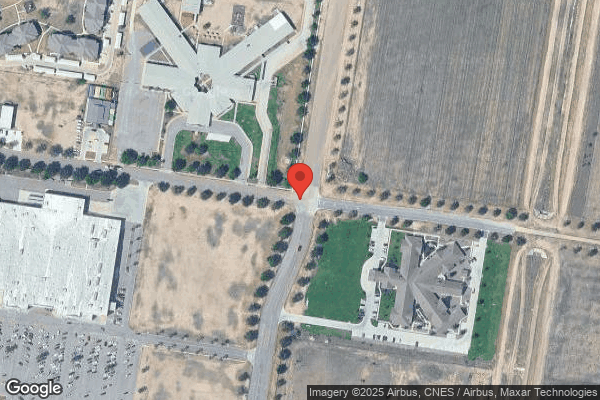
Oct 2023 1 deficiency 1 IJ
CRITICAL (J) 📢 Someone Reported This

A family member, employee, or ombudsman was alarmed enough to file a formal complaint

Immediate Jeopardy (IJ) - the most serious Medicare violation

Accident Prevention (Tag F0689)

Someone could have died · This affected 1 resident

**NOTE- TERMS IN BRACKETS HAVE BEEN EDITED TO PROTECT CONFIDENTIALITY** Based on interview, and record review, the facility failed to ensure services were provided with adequate use of assistive devic...

Read full inspector narrative →
**NOTE- TERMS IN BRACKETS HAVE BEEN EDITED TO PROTECT CONFIDENTIALITY** Based on interview, and record review, the facility failed to ensure services were provided with adequate use of assistive devices to prevent accidents for 1 of 5 residents, Resident #5 (R #5) reviewed for accidents. The facility failed to ensure staff were adequately trained in the use of mechanical lifts needed for resident transfers. CNA C and NAIT D did not ensure mechanical lift sling was properly attached to the lift's hooking mechanism when transferring R #5, resulting in sling releasing from hook and R #5 landing face first on the floor, which caused R #5 to sustain a mild right temporal subdural acute hematoma, interhemispheric subdural hematoma, bilateral nasal bone fractures, left medial orbital fracture, forehead/nasal bridge lacerations, and 9 stitches (8 on top of his left eye and 1 on his nose bridge). This failure could lead to the injury of residents that are transferred with a mechanical lift. An Immediate Jeopardy was identified on 09/28/23. The Immediate Jeopardy template was provided to the facility Administrator on 09/28/23 at 5:10 PM. While the Immediate Jeopardy was removed on 10/03/23 at 2:06 PM, the facility remained out of compliance at a severity level of actual harm that is not immediate and a scope of isolated due to the facility's need to evaluate the effectiveness of the corrective systems that were put into place. The findings included: Record review of R#5's admission record reflected he was a [AGE] year-old male admitted on [DATE]. R #5's diagnosis included: Parkinson's disease, Dementia, and muscle weakness. Record review of the quarterly MDS dated [DATE] reflected R #5's required total dependence with two-person physical assist for bed mobility and transfers. Record review of R #5's care plan dated 09/27/23 reflected R#5 requires transfer X 2 staff assistance to transfer with mechanical lift and was totally dependent on staff for transferring. Date initiated: 01/19/23. Total lift sling size noted as medium/yellow (125-200 pounds). Date initiated: 09/26/23. Pain management as ordered by MD. Date initiated: 09/24/23. Record review of R #5's transfer/lift status dated 09/25/23 reflected the most recent weight was on 09/06/23 and R #5 weighed 135 pounds. R #5's plan of care was noted as two-person assistance with lift and sling size: medium/yellow (125-200 pounds) due to self-care deficit due to diagnosis. Review of video captured on audio visual equipment supplied by FM 1 showed: On 09/23/23 at 6:42 AM. CNA C and NAIT D were assisting R#5 out of bed. During the transfer, NAIT D proceeded initiate sling placement under R#5 while CNA C left the immediate area to retrieve a wheelchair and bring it to area where mechanical lift was occurring. NAIT D did not verify placement of the sling loops or sling under resident and proceeded to engage the mechanical lift. Once R#5's bottom was off the bed enough, NAIT D started to swing resident towards the wheelchair. At the 0:54 second mark of video footage, the upper right loop can be seen dropping from hook, and R#5 being sent to the floor face first. CNA C then runs out of room to get assistance while NAIT D stays at R#5's side while on the floor. The sling shown on the video was all blue in color. It was unclear in the video, if the sling had a purple trim, but was clearly the incorrect sling as it was not grey with red trim (R #5's current sling size needed on 09/23/23). Record review of photographs supplied by FM 1 on 09/26/23 reflected Photo #1- R #5 with open laceration above left eyebrow and bruising around. Photo #2- R #5 with lacerations above left eyebrow and on nose of bridge with stitches. Bruising also noted to both eyes, nose, and left cheek bone dark purple in color. Photographs are not dated or timestamped. FM 1 indicated photographs were taken on 09/23/23 when R #5 was in the hospital. Record review of the hospital records dated 09/23/23 reflected R #5 fell from a lift while being transferred from bed to chair at about 7 AM. R #5 sustained a mild right temporal subdural acute hematoma (internal brain bleed), interhemispheric subdural hematoma (brain bleed between the two hemispheres of the brain), bilateral nasal bone fractures, left medial orbital (eye) fracture, forehead/nasal bridge lacerations, and 9 stitches (8 on top of his left eye and 1 on his nose bridge). Interview with FM 1 on 09/26/23 at 9:00 AM. FM 1 said the family was informed that R #5 fell off the lift machine. FM 1 said FM 1 have cameras in R #5's room. FM 1 said in the video, the staff put R #5 on the sling, but the staff must have not put it on right. FM 1 said when R #5 was being lifted to the chair, the sling snapped off the lift. FM 1 said FM 1 is not sure what happened or how the sling came off. FM 1 said the staff must have not clipped it on correctly. FM 1 said R #5 ended up falling face first to the floor from about 5 feet up. FM 1 said R #5 is heard grunting. FM 1 said one staff went to get a nurse or help. FM 1 said the other staff stayed with R #5. FM 1 said FM 1 was not sure who the staff were. FM 1 said R #5 was in the hospital and FM 1 took photos of R #5's face. FM 1 said R #5 had a cut on top of his left eye which required stitches. FM 1 said R #5 also had an internal bleed. FM 1 said R #5 was discharged back to the facility. Observation of R #5 on 09/26/23 at 1:30 PM. R #5's room was clean, free of odors, and had a homelike environment. R #5 appeared with good personal hygiene and was not in distress. R #5 had bruising to left eye area and bruising to his nose. R #5 had 8 stitches to his left eyebrow and 1 stitch to the bridge of his nose. Call light was within reach. Bedside fall mat beside bed on left side. Right side of bed was against the wall. Bed had grey infant bedside rails on both sides. Staff and resident interactions were appropriate. Staff knocked on the door before entering and provided privacy. No other concerns noted. Interview with CNA A on 09/26/23 at 1:55 PM. CNA A said some staff are not as experienced, so they really do not know how to use the lift properly. CNA A said CNA A did not really know the specifics of how to use the lift, until now, because they did the in-service recently on the lift, after R #5 had the incident. CNA A said CNA A had not been in-serviced or trained on how to use the lift until now. CNA A said she was not working during the incident with R #5 on 09/23/23. Interview with CNA C on 09/26/23 at 3:20 PM. CNA C said CNA C worked on 09/23/23 when R #5 fell off the lift at around 6:40-6:50 AM. CNA C said CNA C assisted another resident and NAIT D went to get the lift. CNA C said NAIT D began putting R #5 into the sling and hooked R #5 onto the lift. CNA C said she went to the restroom to get R #5's wheelchair. CNA C said NAIT D raised the lift as CNA C brought the wheelchair. CNA C said NAIT D moved the lift and R #5 fell. CNA C said NAIT D had said that she clipped R #5 in right. CNA C said CNA C ran to ask for help and NAIT D stayed with R #5. CNA C said CNA C ran to the nurse's station to call the nurses. CNA C said the nurses went to R #5's room. CNA C said NAIT D stayed with R #5 the whole time. CNA C said CNA C went to get stuff that the nurses needed. CNA C said the nurses called for the ambulance right away. CNA C said R #5 had a cut on his eyebrow. CNA C said the nurses applied pressure to the cut and took care of R #5 until EMS arrived. CNA C said the ambulance took R #5 to the hospital. CNA C said NAIT D was ascertained that NAIT D put R #5 correctly on the lift. CNA C said NAIT D had hooked R #5 onto the lift while CNA C got the chair out to have the wheelchair ready. CNA C said that was when NAIT D turned the lift and R #5 fell. CNA C said CNA C has been working since March 2022. CNA C said when CNA C started working at the facility, CNA C was trained on the lift. CNA C said CNA C did not remember being trained again after that initial training. CNA C said R #5 was a two-person assist with the lift. CNA C said one staff operates and moves the lift, and the other staff should be holding the feet. CNA C said she did not think to hold R #5's feet. CNA C said CNA C did not think that NAIT D would not hook R #5 on correctly. CNA C said CNA C went for the wheelchair instead of holding R #5's feet. CNA C said either way, CNA C would not have been able to hold R #5 up because R #5 is a big man and CNA C is only 5 feet. CNA C said the sling was not torn. CNA C said CNA C does not know how the sling came off the lift. CNA C said they did trainings on the transfers before this incident happened, but she does not remember if the training included the lift. CNA C said she had stopped working and returned to work in May or June 2023. CNA C said she did not work for about 2 or 3 months before returning. CNA C said she does not remember if she received training on the lift after she returned in May or June 2023. CNA C said DCE, and DON do the trainings. CNA C said they sign their name on a sheet to indicate they received and understood the training. CNA C said after the incident with R #5, she did an in-service on the lift and transfers. CNA C said this was after the incident. CNA C said CNA C did not think that the trainings they had provided before this incident were enough. CNA C said DON and the ADM told her she was suspended and to go home. CNA C said they did not say when CNA C could return to work. CNA C said this type of incident had never happened before where a resident fell off the lift. CNA C said CNA C could not believe it and could not explain how R #5 fell. Interview with NAIT D on 09/26/23 at 3:45 PM. NAIT D said NAIT D worked on 09/23/23 when R #5 fell off the lift. NAIT D said her shift had just started at 6 AM. NAIT D said CNA C assisted another resident then got R #5's wheelchair from the restroom. NAIT D said NAIT D assisted R #5 onto the sling and then clipped the sling onto the lift. NAIT D said this was around 6:40 AM. NAIT D said there are 4 clips that need to be hooked onto the lift. NAIT D said NAIT D was sure the clips were secured. NAIT D said the straps were on the same colors on both sides as well. NAIT D said NAIT D lifted R #5 from the bed with the lift. NAIT D said when NAIT D turned the lift, the clip came off, NAIT D heard CNA C say, be careful, and R #5 fell to the floor. NAIT D said there was no time for NAIT D to try to catch R #5 as it all happened very fast. NAIT D said NAIT D stayed with R #5 and CNA C ran for help. NAIT D said NAIT D was talking to R #5, asking R #5 if he was pain, and R #5 was moaning/grunting. NAIT D said CNA C called the nurses. NAIT D said the nurses went to the room and assessed R #5. NAIT D said the nurses called 911 right away. NAIT D said NAIT D stayed in the room until EMS arrived and took R #5. NAIT D said R #5 had a cut and was bleeding. NAIT D said the nurses cleaned the cut and applied pressure to stop the bleeding. NAIT D said NAIT D has worked at the facility since May 2023. NAIT D said when NAIT D started working, she was trained over several things. NAIT D said NAIT D does not recall if the lift was included in those trainings. NAIT D said about every 2 weeks or frequently, they do trainings over everything. NAIT D said after the incident, she did the training again on transfers and the lift. NAIT D said DCE did the training. NAIT D said she signed the sheet that she was trained. NAIT D said NAIT D was sure everything was clipped on correctly. NAIT D said usually, the other staff should be holding the feet to move the resident. NAIT D said CNA C was getting the wheelchair from the restroom. NAIT D said maybe if CNA C was holding R #5's feet, R #5 would have fallen on top of CNA C. NAIT D said CNA C would not have been able to catch R #5 because R #5 was heavy, and CNA C was a short, small lady. NAIT D said maybe R #5 would have fallen on CNA C instead of the floor. NAIT D said ADM and DON explained to them that they had to be suspended. NAIT D said this has not happened to NAIT D before. Interview with RN A on 09/26/23 at 4:15 PM. RN A said RN A worked on 09/23/23 when R #5 fell off the lift. RN A said RN A had just received report from the previous shift when CNA C went to the nurse's station and said CNA C needed help with R #5. RN A said RN A ran to R #5's room. RN A said RN A saw R #5 on the floor, laying on his side, and R #5 was bleeding from a cut on top of his left eyebrow. RN A said RN A did not recall if CNA C said what happened and RN A was focused on R #5. RN A said there was another staff in the room, but RN A did not know that staff's name. RN A said RN A applied pressure to R #5's cut and gave administered Tylenol for pain. RN A said there were other nurses in the room that assisted but does not recall who. RN A said 911 was immediately called and RN A stayed with R #5 until EMS arrived. RN A said R #5's vitals were normal, and neuro-checks were also initiated. RN A said between RN A and the other staff, they did notify the family, the doctor, and the DON. RN A said once EMS arrived, EMS staff moved R #5 to the stretcher and transported R #5 to the hospital. RN A said RN A called the hospital to give the hospital nurse report. RN A said R #5 only had the cut above his eyebrow. RN A said R #5 did not have any other visible injuries at that time when R #5 was taken to the hospital. RN A said after the incident, all the staff were re-trained on the lift. RN A said RN A was working part time and had not been working at this facility for a few months because RN A was working on becoming an RN from an LVN. RN A said the facility might have done a training on the lift during the time RN A was not working, but RN A had not received a training on the lift since RN A returned to work. RN A said the DON is the one that usually does those trainings. RN A said on 09/23/23, the facility started doing trainings with everyone on the lift. RN A said RN A was trained on the lift on 09/23/23. RN A said RN A has worked at the facility since March 2023 and R #5 has always required a two-person assist with the lift since RN A has been working here. RN A said for the lift, usually one person moves the lift and the other is with the resident when the resident is on the sling to ensure the resident is safe. RN A said it should be two people to put the sling under the resident, two people to clip the sling on, and two people for the entire process of using the lift. RN A said there are also different slings for different weights. RN A said RN A did not know what happened or how R #5 fell off the lift. RN A said RN A did not see or was not informed that the sling was torn or that the lift was not working. RN A said the lift was not broken and when the staff checked the lift after the incident, the lift/sling were in good working condition. Interview with LVN A on 09/27/23 at 11:10 AM. LVN A said she worked on 09/23/23 when R #5 fell off the lift. LVN A said it was early in the morning between 6:40-6:50 AM. LVN A said CNA C went to the nurse's station and said CNA C needed help. LVN A said it was herself and RN A. LVN A said they went to R #5's room. LVN A said HR informed LVN A that R #5 had a fall, so LVN A grabbed the blood pressure cuff, the pulse oximeter, and the thermometer to check R #5's vitals. LVN A said RN A was assigned to R #5 but when there is an emergency, all the nurses assist. LVN A said when she entered R #5's room, LVN A noted that R #5 on his left side, with a puddle of blood underneath R #5's head. LVN A said RN A had already called 911. LVN A said LVN A took R #5's vitals and the vitals were normal. LVN A said LVN A asked LVN B to get some gauze. LVN A said they applied pressure with the gauze to stop the bleeding which was coming from a laceration above R #5's eyebrow. LVN A said R #5 also had a hematoma on R #5's left cheek bone. LVN A said they applied pressure and ice. LVN A said R #5 had a very small laceration to the top of R #5's nose. LVN A said LVN A stayed in the room and tried not to move R #5 because of the severity of R #5's injury. LVN A said they waited for EMS to arrive. LVN A said LVN B administered Tylenol because R #5 was moaning and was in noticeable pain. LVN A said once EMS arrived, EMS transferred R #5 to the stretcher and transported R #5 to the hospital. LVN A said RN A had notified the doctor, the family, and the DON. LVN A said there was another staff helping CNA C, but LVN A did not know her name. LVN A said LVN A asked CNA C and the other staff what happened, and they said that the sling just came off, but they could not say exactly how. LVN A said when R #5 was still on the floor, the lift was towards his feet and the sling was still hanging from the lift. LVN A said one of the hooks from the sling was completely off the lift, but the sling was not torn. LVN A said one of the hooks came off. LVN A said LVN A works full time and before this incident, LVN A does not recall the facility doing trainings for the lift. LVN A said LVN A has been working at the facility since May 2023 and was not trained on the lift when LVN A first started. LVN A said LVN A, and all the staff were trained on the lift and how to transfer the resident from the bed to the wheelchair and the wheelchair to the bed with the lift. LVN A said each sling holds a different weight. LVN A said R #5 does require a certain sling color, but LVN A does not recall which color. LVN A said that is something that they can look up in PCC. LVN A said there should always be two people for the lift. LVN A said one person works the machine and the other is supposed to help with the resident, ensuring the resident does not hit the machine and that the resident is not freely hanging. LVN A said when the lift is raises the resident, it becomes kind of like a swing, so at that point the other staff should make sure the resident is secured and not just hanging around, guiding the resident to the chair. LVN A said this was covered in the recent training on 09/23/23 after the incident. LVN A said R #5 has always required a two-person assist with the lift for transfers. Interview with LVN B on 09/27/23 at 11:25 AM. LVN B said LVN B worked on 09/23/23 when R #5 fell off the lift. LVN B said LVN A told LVN B that R #5 had a fall and LVN A was running to R #5's room with the blood pressure machine. LVN B said LVN B went to R #5's room to assist. LVN B said LVN A and RN A were already assessing R #5 when LVN B arrived at the room. LVN B said LVN B could see blood to R #5's face and on top of R #5's eye. LVN B said they did not want to move R #5 much because R #5 had a fall, and they did not know the extent of R #5's injuries. LVN B said LVN B went to get gauze and LVN A applied pressure to R #5's cut. LVN B said RN A had called 911. LVN B said LVN B assisted with printing out the documents needed for the hospital transport. LVN B said EMS arrived and EMS moved R #5 onto the stretcher. LVN B said CNA C and NAIT D were the ones assisting R #5 when the incident happened. LVN B said LVN B spoke to CNA C and NAIT D afterwards, and CNA and NAIT D had no clue of how R #5 fell. LVN B said one of them, LVN B does not remember which one, told LVN B it tore. LVN B said LVN B went back to check the lift which still had the sling on it, and LVN B was able to see that the 3 of the 4 hooks were still connected. LVN B said the sling was not torn, but the hook probably just came off. LVN B said nothing was torn or broken. LVN B said LVN B has worked at the facility since April 2023 and LVN B was not trained on the lift when she started. LVN B said LVN B did not recall being trained on the lift before this incident. LVN B said LVN B works full time, and sometimes when LVN B is off, the facility does trainings, but LVN B will make up the trainings later. LVN B said LVN B does not recall missing any trainings on the lift. LVN B said after the incident, all staff were trained on the lift. LVN B said the facility does do a lot of trainings, on different topics such as the gait belt, but not the lift specifically. LVN B said R #5 has always been that type of transfer, two-person with the lift. LVN B said there are not that many residents that use the lift. LVN B said usually it's always the CNAs that do those transfers, but whenever they are busy LVN B will go assist to do the transfer. LVN B said the facility did do trainings right after the incident on 09/23/23. LVN B said the trainings covered lift and transfers. LVN B said the staff were informed of how to do the entire process. LVN B said when LVN B was in school, LVN B was taught how to use the lift machine, so that is how LVN B would know how to use the lift before this incident even though LVN B had not been trained at this facility. LVN B said this had not happened before where a resident fell off the lift like this. Interview with ADM on 09/27/23 at 1:00 PM. ADM said ADM was the abuse/neglect coordinator and ADM trains staff on abuse and neglect mostly. ADM said DON and DCE would train and re-educate staff on transfers, anything to do with the care of residents or anything clinical. Interview with DON on 09/27/23 at 2:40 PM. DON said staff are trained upon being hired and staff go through a checklist to ensure the staff have received all training including training on the lift. DON said training is also ongoing and education is never ending. DON said the lift must be always used with two staff members. DON said the last training on the lift before the incident on 09/23/23 was on 07/24/23. DON said CNA C and NAIT D were trained on 07/24/23. DON said there is a competency assessment used for the lift to ensure staff understand the training. DON said the staff do not do a return demonstration, but the staff sign the roster that they understood the training and information being taught. DON said DON was immediately informed of the incident on 09/23/23 with R #5. DON said the staff followed the protocol for falls by notifying the nurse, providing medical attention, notifying the doctor, family, and DON. DON said CNA C and NAIT D could not explain how R #5 fell off the sling. DON said CNA C and NAIT D had effectively transferred R #5 all the time before this. DON said besides the laceration on top of R #5's eye, R #5 did have other injuries. DON said R #5 had a mild right temporal subdural acute hematoma, interhemispheric subdural hematoma, bilateral nasal bone fractures, left medial orbital fracture, and lacerations. DON said R #5 required 8 stitches to R #5's eyebrow and 1 stitch to R #5's nose. DON said CNA C and NAIT D were in-serviced on transfers and the lift on 09/23/23 before being suspended. DON said on 09/23/23, the facility also began in-services and re-educated all nursing staff on how to use the lift. DON said the lift used on 09/23/23 was removed from the floor. The lift was observed in DON's office. DON said the lift was not broken and it was in good working condition. DON said no issues had been reported with the lift/sling. DON said R #5 used to use a red sling because of R #5 was on average 135 pounds and within that weight limit (75-150 pounds). DON said R #5's transfer status was reviewed on 09/23/23 after the incident because the team did audits on all residents that require the lift. DON said the team decided R #5 should use a yellow sling (125-200 pounds) because R #5 has contractures and R #5 is tall, and the bigger sling provides extra room for R #5 to keep R #5's close to R #5's body. DON said on 09/23/23, R #5 would need the red sling. DON said the slings are grey and have the different color on the trimming only. DON said the sling used on 09/23/23 was not torn. DON said an all-blue sling would be an extra-large sling (275-500 pounds). DON said DON cannot say that using a sling too large for the resident would have caused R #5 to fall off the sling. DON said once the lift raises, the resident hangs in the sling, which causes the sling to sort of envelope the resident inside, thus, a bigger sling would not cause the resident to fall off. Interview with HR on 09/27/23 at 4:00 PM. HR said HR worked on 09/23/23 when R #5 fell off the lift. HR said HR was in the hall when HR saw the nurses running to R #5's room. HR said HR went to the room and saw R #5 on the floor. HR said HR could not see R #5's injury right away since the nurses were surrounding him. HR said HR could hear R #5 moaning. HR said HR saw R #5 had a cut on R #5's eyebrow and a bump on his cheek. HR said CNA C and NAIT D were in the room. HR said CNA C and NAIT D could not explain how R #5 fell off the lift, and CNA C and NAIT D were puzzled because they said they put R #5 correctly on the lift. HR said HR stayed in the room until EMS arrived. HR said EMS transported R #5 to the hospital and HR went back to HR's office. Interview with DON on 09/28/23 at 11:15 AM. DON said the sling used on 09/23/23 was the sling observed at this time (all-blue sling with purple trim). DON said the sling was removed from the floor after the incident on 09/23/23. DON said the sling used was meant to be used in the shower because it has holes (more of a mesh material). DON said those slings were not supposed to be used anymore as that sling was for a previously used lift. DON said DON was not sure why that sling was on the floor, but it was not the sling to be used with the current lift. DON said the sling was a different brand and was not a sling for the brand of lifts the facility currently use. DON said DON was unsure of how this sling was still on the floor and DON was unsure of who would be responsible for removing discontinued slings/equipment. DON said corporate sends new equipment, but the facility has always had these same lifts since DON has been working here (since June 2021), a few months after the facility first opened. DON said DON will find out the weight limits for this specific sling. DON said the sling was not meant to be used for the lift. DON said staff are trained to ensure the proper sling was used for the specific lift. DON said that is part of the competency assessment checklist. DON said the only thing that the team thinks might have happened on 09/23/23 is that the hook was not all the way into the lift mechanism. DON said the team believes the hook was stuck in between the mechanism and when the lift raised the resident the hook snapped out of it. DON said now the facility has instructed the staff to tug on the straps on ensure the hooks are on correctly. DON said that was not part of the staff's training before. Interview with RA E on 09/28/23 at 12:15 PM. RA E said RA E has worked here for 2 years and the facility has always had the same lifts. RA E was shown the all-blue sling that was used on 09/23/23. RA E said that was a shower sling because it is mesh, but that is not a sling they use at this facility. RA E said RA E did not know why this sling was on the floor. RA E exhibited the current slings used with the current lifts in the facility. RA E said the hooks for the current slings are a little thinner and more flexible so the hooks would go into the lift mechanism easier. RA E said the shower sling is too thick and would probably not work on the lift. RA E said the staff must follow what they are trained on, and the staff is trained how to use the correct sling with the correct lift. Interview with DOM on 10/02/23 at 4:10 PM. DOM said DOM inspects the lifts every month. DOM said there had been no issues or reports that the lift/slings were not working properly or that they had been broken/torn. DOM said DOM has worked at the facility for 2 years and the brand for the lifts/slings has never changed, at least since DOM started working. DOM said DOM will now be inspecting the slings/lifts every week until DOM was instructed to go back to once a month. DOM said all staff were informed/trained to inspect the slings/lifts and if something was not in good condition, the staff must take the sling/lift to DON and do not leave it on the floor. Observation of R#5 on 10/03/23 at 11:35 AM of a transfer with mechanical lift. CNA P and CNA Q followed the proper steps noted on the competency assessment for using a mechanical lift machine. CNAs checked the POC, ensured correct sling (grey with yellow trim) was brought to the room along with the lift, explained to R #5 the care provided, CNAs performed hand hygiene, provided privacy to R #5, communicated as they placed sling under R #5, hooked R #5 to lift, secured sling, lifted R #5 a few inches, ensured sling was secure by tugging on hooks, moved lift while CNAs guided R #5, placed the wheelchair in between the lift's legs, lowered R #5 to wheelchair, ensured R #5 head and extremities did not hit the lift, unhooked the sling from the lift and communicated to unhook same sides, moved the lift away ensuring R #5 was not hit, tucked in the sling under R #5, ensured R #5 was safe and comfortable, and removed the lift from the room to disinfect. CNAs communicated throughout the entire process, with each other as well as with R #5. CNAs also put on the breaks/took off the breaks as needed for the lift/wheelchair throughout the process. No further concerns were noted upon observation. Interview with DON on 10/03/23 at 1:17 PM. DON said the POR was followed and completed. DON said all nursing staff were re-trained on safe transfers, safe movement/repositioning, abuse/neglect, infection control, privacy, and fall prevention. DON said all staff were also re-educated on how to look up information in the system of communication in PCC that documents individualized resident care needs to verify the sling needed and other information regarding the resident's specific care needs. DON said all staff had the hands-on training and had to do a return demonstration before the competency was checked off to ensure staff knew how to carry out the process. DON said were trained to inspect the sling/lift before using it to make sure the equipment is in good working condition. DON said the staff were trained that the lift must be used with two staff and the two staff should be engaged during the entire process. DON said the focus of the transfer should be the resident's safety throughout the whole process. DON said the trainings began on 09/23/23 and were completed on 09/29/23. DON said the facility will be doing random spot checks every Monday, Wednesday, and Saturday for at least 3 months and then after, to ensure staff are following their trainings. DON said the spot checks will be documented in the monitoring log which they started doing yesterday, 10/02/23. DON said DON and DCE will be training new hired staff and the staff will need to do the competency assessment with return demonstration. DON said the risk management reports, progress notes, and 24-hour reports will be reviewed on a 24-hour basis, during the morning meetings. DON said DCE works on the weekends and DCE would take care of reviewing those documents on the weekends. DON said DON did view the video of the incident on 09/23/23 with R #5. DON said the staff were not paying attention and were not focused on the task. DON said if the staff had paid attention to what they were doing then all of this would have been avoided. DON said the staff should have been working together, both applying the sling, both close to each other, engaging the resident, engaging with each other, having the wheelchair close by before starting the process, and making sure the sling was applied well to the hooks. DON said the staff were not communicating with each other on what they were doing. DON said if staff were not properly trained, then that would place the residents at risk of injuries or incidents like this fall on 09/23/23. Interview with ADM on 10/03/23 at 2:15 PM. ADM said the team completed all trainings required with all staff. ADM said everything in the POR was completed and followed. ADM said DON has conducted spot check observations and has noted no concerns. ADM said DON, DCE, and clinical staff will be training new staff who will be required to do a return demonstration and ensure the staff are competent before working the floor. ADM said every morning, the team will review the risk management reports, progress notes, and 24-hour reports. ADM said on 09/23/23, ADM was immediately notified by R #5's FM 1. ADM said FM 1 always reaches out to ADM if there are any issues. ADM said FM 1 showed R #5 the video of the incident and that is why ADM implemented a plan right away because what ADM saw was not good. ADM said the lift[TRUNCATED]
Sept 2022 2 deficiencies
CONCERN (D)

Potential for Harm - no one hurt, but risky conditions existed

Respiratory Care (Tag F0695)

Could have caused harm · This affected 1 resident

**NOTE- TERMS IN BRACKETS HAVE BEEN EDITED TO PROTECT CONFIDENTIALITY** Based on observation, interview, and record review the facility failed to ensure residents who need respiratory care are provide...

Read full inspector narrative →
**NOTE- TERMS IN BRACKETS HAVE BEEN EDITED TO PROTECT CONFIDENTIALITY** Based on observation, interview, and record review the facility failed to ensure residents who need respiratory care are provided and consistent with professional standards of practice and the resident's care plan for 1 (Resident #10) of 2 resident reviewed for oxygen use, in that, Resident #10 received oxygen at 5 Liters Per Minute trach collar instead of 2 LPM as per physician's order. This deficient practice could place residents receiving respiratory care and services at risk of respiratory complications. The findings included: Record review of Resident #10's admission Record, dated 09/13/22, revealed Resident #10 was a [AGE] year old female, who was admitted to the facility on [DATE], diagnoses included: Acute respiratory failure (breathing is affected) with hypercapnia (too much carbon dioxide in the bloodstream, usually caused by inadequate respiration), and tracheostomy status (incision into the trachea that forms a permanent or temporary opening). Record review of Resident #10's Quarterly MDS, dated [DATE], revealed Resident #10: -was rarely/never understood, -was rarely/never able to understand others -used oxygen therapy -had an active diagnoses of tracheostomy status Record review of Resident #10's Care plan revealed: Date Initiated: 05/25/22, revised on 06/21/22 Tracheostomy r/t impaired breathing mechanics secondary to traumatic brain injury An intervention was to give humidified oxygen as prescribed. Record review of Resident #10's Order Summary Report, dated 09/13/22 revealed: Cool aerosol at 2 liters FiO2 via trach-collar every shift In an observation and interview on 09/11/22 at 9:32AM, revealed Resident #10 laying in bed, with her head of bed elevated. Resident #10 had a tracheostomy, and oxygen running at 5LPM. Resident #10 did not respond to surveyor. In an observation and interview on 09/11/22 at 9:42AM, LVN B said Resident #10 has an order for oxygen at 2LPM. LVN B said Resident #10 was currently set at 5LPM, but she was not sure who increased the oxygen. LVN B said Resident #10 has an order to increase oxygen if needed, but it was not reported to her, that Resident #10's oxygen had been increased. Record review of Resident #10's Order Summary Report dated 09/13/22, revealed there was no order to increase oxygen as needed. In an interview on 09/12/22 at 2:03PM, the DON said Resident #10 was not able to move on her own, but does have reflexes. The DON said the doctor was the one responsible for adjusting the oxygen order, and the nurses are the only ones that will adjust the oxygen. The DON said Resident #10 had an order for 2LPM, and there was no PRN order to increase the oxygen. Record review of facility's policy, Oxygen Administration, implemented 03/14/19, and revised on 01/2022, revealed: A resident receives oxygen therapy when there is an order by a physician.
CONCERN (D)

Potential for Harm - no one hurt, but risky conditions existed

Deficiency F0761 (Tag F0761)

Could have caused harm · This affected 1 resident

**NOTE- TERMS IN BRACKETS HAVE BEEN EDITED TO PROTECT CONFIDENTIALITY** Based on observation, interview and record review the facility failed to ensure, in accordance with State and Federal laws, all ...

Read full inspector narrative →
**NOTE- TERMS IN BRACKETS HAVE BEEN EDITED TO PROTECT CONFIDENTIALITY** Based on observation, interview and record review the facility failed to ensure, in accordance with State and Federal laws, all drugs and biologicals were stored in locked compartments under proper temperature controls, and permitted only authorized personnel to have access to the keys for 1 of 1 medication refrigerators reviewed for medication storage. The facility failed to ensure the medication room had a permanently affixed lock box inside the medication refrigerator. This failure could place residents at risk of drug diversion. Findings include: During an observation and interview on 09/13/22 at 8:23 a.m., accompanied by LVN A, revealed a refrigerator in the locked medication room. Inside the refrigerator, there was a lock box that was attached to the refrigerator shelving with a snap clip cord. The lock box was not permanently attached. LVN A said that is where the narcotics are kept. In an interview and observation on 09/13/22 at 8:30 AM, with the DON, DON opened the narcotic box, revealing 3 bottles of Lorazepam (narcotic medication used to relieve anxiety, treat seizure disorders, or help with sleeping problems). The DON was able to remove the snap clip cord from the refrigerator shelf. DON said she thought the cord could not be removed. In an interview on 09/13/22 at 9:43 AM, DON said anyone can just take the lock box if it is not permanently attached. Record review of the facility's policy, titled, Pharmacy Services: Provisions of Medications and Biologicals, dated [DATE], and revised on November 2021, revealed: Storage of medications and biologicals Controlled medications (Schedule II of the Comprehensive Drug Abuse Prevention and Control Act of 1976) and other medications subject to abuse are stored in separately locked, permanently affixed compartments: -Compartments include drawers, cabinets, rooms, refrigerators, carts, and boxes:
Understanding Severity Codes (click to expand)
Life-Threatening (Immediate Jeopardy)
J - Isolated K - Pattern L - Widespread
Actual Harm
G - Isolated H - Pattern I - Widespread
Potential for Harm
D - Isolated E - Pattern F - Widespread
No Harm (Minor)
A - Isolated B - Pattern C - Widespread

Questions to Ask on Your Visit

  • "What changes have you made since the serious inspection findings?"
  • "What safeguards are in place to prevent abuse and neglect?"
  • "Can I speak with families of current residents?"
  • "What's your RN coverage like on weekends and overnight?"

Our Honest Assessment

Strengths
  • • Licensed and certified facility. Meets minimum state requirements.
Concerns
  • • Multiple safety concerns identified: Federal abuse finding, 5 life-threatening violation(s), $166,236 in fines. Review inspection reports carefully.
  • • 14 deficiencies on record, including 5 critical (life-threatening) violations. These warrant careful review before choosing this facility.
  • • $166,236 in fines. Extremely high, among the most fined facilities in Texas. Major compliance failures.
  • • Grade F (0/100). Below average facility with significant concerns.
Bottom line: This facility has a substantiated abuse finding. Extreme caution advised. Explore alternatives.

About This Facility

What is Las Alturas De Penitas's CMS Rating?

CMS assigns LAS ALTURAS DE PENITAS an overall rating of 1 out of 5 stars, which is considered much below average nationally. Within Texas, this rating places the facility higher than 0% of the state's 100 nursing homes. A rating at this level reflects concerns identified through health inspections, staffing assessments, or quality measures that families should carefully consider.

How is Las Alturas De Penitas Staffed?

CMS rates LAS ALTURAS DE PENITAS's staffing level at 1 out of 5 stars, which is much below average compared to other nursing homes.

What Have Inspectors Found at Las Alturas De Penitas?

State health inspectors documented 14 deficiencies at LAS ALTURAS DE PENITAS during 2022 to 2025. These included: 5 Immediate Jeopardy (the most serious level, indicating potential for serious harm or death) and 9 with potential for harm. Immediate Jeopardy findings are rare and represent the most serious regulatory concerns. They require immediate corrective action.

Who Owns and Operates Las Alturas De Penitas?

LAS ALTURAS DE PENITAS is owned by a for-profit company. For-profit facilities operate as businesses with obligations to shareholders or private owners. The facility is operated by TOUCHSTONE COMMUNITIES, a chain that manages multiple nursing homes. With 130 certified beds and approximately 89 residents (about 68% occupancy), it is a mid-sized facility located in PENITAS, Texas.

How Does Las Alturas De Penitas Compare to Other Texas Nursing Homes?

Compared to the 100 nursing homes in Texas, LAS ALTURAS DE PENITAS's overall rating (1 stars) is below the state average of 2.8 and health inspection rating (1 stars) is much below the national benchmark.

What Should Families Ask When Visiting Las Alturas De Penitas?

Based on this facility's data, families visiting should ask: "What changes have been made since the serious inspection findings, and how are you preventing similar issues?" "What safeguards and monitoring systems are in place to protect residents from abuse or neglect?" "Can you walk me through typical staffing levels on day, evening, and night shifts?" "Can I visit during a mealtime to observe dining assistance and food quality?" These questions are particularly relevant given the facility's Immediate Jeopardy citations, the substantiated abuse finding on record, and the below-average staffing rating.

Is Las Alturas De Penitas Safe?

Based on CMS inspection data, LAS ALTURAS DE PENITAS has documented safety concerns. The facility has 1 substantiated abuse finding (meaning confirmed case of resident harm by staff or other residents). Inspectors have issued 5 Immediate Jeopardy citations (the most serious violation level indicating risk of serious injury or death). The facility has a 1-star overall rating and ranks #100 of 100 nursing homes in Texas. Families considering this facility should ask detailed questions about what corrective actions have been taken since these incidents.

Do Nurses at Las Alturas De Penitas Stick Around?

LAS ALTURAS DE PENITAS has not reported staff turnover data to CMS. Staff turnover matters because consistent caregivers learn residents' individual needs, medications, and preferences. When staff frequently change, this institutional knowledge is lost. Families should ask the facility directly about their staff retention rates and average employee tenure.

Was Las Alturas De Penitas Ever Fined?

LAS ALTURAS DE PENITAS has been fined $166,236 across 4 penalty actions. This is 4.8x the Texas average of $34,741. Fines at this level are uncommon and typically indicate a pattern of serious deficiencies, repeated violations, or failure to correct problems promptly. CMS reserves penalties of this magnitude for facilities that pose significant, documented risk to resident health or safety. Families should request specific documentation of what issues led to these fines and what systemic changes have been implemented.

Is Las Alturas De Penitas on Any Federal Watch List?

LAS ALTURAS DE PENITAS is not on any federal watch list. The most significant is the Special Focus Facility (SFF) program, which identifies the bottom 1% of nursing homes nationally based on persistent, serious quality problems. Not being on this list means the facility has avoided the pattern of deficiencies that triggers enhanced federal oversight. This is a positive indicator, though families should still review the facility's inspection history directly.