Colonial Manor Advanced Rehab & Healthcare

1100 W Minnesota Rd, Pharr, TX 78577 (956) 686-2243
For profit - Limited Liability company 123 Beds HAMILTON COUNTY HOSPITAL DISTRICT Data: November 2025 5 Immediate Jeopardy citations
Trust Grade
0/100
#958 of 1168 in TX
Last Inspection: April 2025

Within standard 12-15 month inspection cycle. Federal law requires annual inspections.

Overview

Colonial Manor Advanced Rehab & Healthcare has received a Trust Grade of F, indicating significant concerns about the quality of care provided, which is poor. It ranks #958 out of 1168 facilities in Texas, placing it in the bottom half, and #20 out of 22 in Hidalgo County, meaning there are very few local options that are worse. The facility is reportedly improving, having reduced its number of issues from 13 in 2024 to 7 in 2025, but it still faces serious staffing challenges with a rating of only 1 out of 5 stars and a concerning RN coverage lower than 94% of Texas facilities. Specific incidents include a resident being transferred without the required assistance, leading to a fall and subsequent hospitalization, and a critical medication error where a resident received the wrong dosage of morphine, which could have serious health implications. While there are some positive notes, such as a lower staff turnover rate of 43%, the overall findings raise serious red flags for families considering this facility for their loved ones.

Trust Score
F
0/100
In Texas
#958/1168
Bottom 18%
Safety Record
High Risk
Review needed
Inspections
Getting Better
13 → 7 violations
Staff Stability
○ Average
43% turnover. Near Texas's 48% average. Typical for the industry.
Penalties
✓ Good
$86,122 in fines. Lower than most Texas facilities. Relatively clean record.
Skilled Nurses
⚠ Watch
Each resident gets only 10 minutes of Registered Nurse (RN) attention daily — below average for Texas. Fewer RN minutes means fewer trained eyes watching for problems.
Violations
⚠ Watch
37 deficiencies on record. Higher than average. Multiple issues found across inspections.
★☆☆☆☆
1.0
Overall Rating
★☆☆☆☆
1.0
Staff Levels
★★★★☆
4.0
Care Quality
★★☆☆☆
2.0
Inspection Score
Stable
2024: 13 issues
2025: 7 issues

The Good

  • 4-Star Quality Measures · Strong clinical quality outcomes
  • Full Sprinkler Coverage · Fire safety systems throughout facility
  • No fines on record
  • Staff turnover below average (43%)

    5 points below Texas average of 48%

Facility shows strength in quality measures, fire safety.

The Bad

1-Star Overall Rating

Below Texas average (2.8)

Significant quality concerns identified by CMS

Staff Turnover: 43%

Near Texas avg (46%)

Typical for the industry

Federal Fines: $86,122

Well above median ($33,413)

Moderate penalties - review what triggered them

Chain: HAMILTON COUNTY HOSPITAL DISTRICT

Part of a multi-facility chain

Ask about local staffing decisions and management

The Ugly 37 deficiencies on record

5 life-threatening 1 actual harm
Jul 2025 2 deficiencies 1 IJ
CRITICAL (J) 📢 Someone Reported This

A family member, employee, or ombudsman was alarmed enough to file a formal complaint

Immediate Jeopardy (IJ) - the most serious Medicare violation

Accident Prevention (Tag F0689)

Someone could have died · This affected 1 resident

**NOTE- TERMS IN BRACKETS HAVE BEEN EDITED TO PROTECT CONFIDENTIALITY** Based on observations, interviews, and record review the facility failed to ensure adequate supervision was provided to prevent ...

Read full inspector narrative →
**NOTE- TERMS IN BRACKETS HAVE BEEN EDITED TO PROTECT CONFIDENTIALITY** Based on observations, interviews, and record review the facility failed to ensure adequate supervision was provided to prevent accidents for 1 of 4 residents (Resident #1) reviewed for supervision.CNA A did not follow 2-person assist as stated on Resident #1's care plan when providing incontinent care and repositioning on two separate occasions on [DATE] at around 12:00am and 1:00am. On [DATE] at 3:30am CNA A found Resident #1 on the floor. Resident #1 was sent to the hospital and later expired on [DATE].An IJ was identified on [DATE]. The IJ template was provided to the facility on [DATE] at 3:51pm. While the IJ was removed on [DATE], the facility remained out of compliance at a scope of isolated and a severity level of no actual harm with potential for more than minimal harm due to the facility continuing to monitor the implementation and effectiveness of their Plan of Removal. These deficient practices could affect residents who require 2-person assist by placing them at risk of injuries and not receiving the appropriate level of assistance and care. The findings included: Record review of Resident #1's face sheet, dated [DATE], revealed the resident was an [AGE] year-old female who was initially admitted to the facility on [DATE] with diagnoses that included: cerebral infarction (blocked blood flow to brain causing brain tissues damage), hemiplegia (paralysis or severe weakness to one side of body) and hemiparesis (weakness to one side of body) following unspecified cerebrovascular disease (conditions that affect blood flow to brain) affecting left non-dominant side. Cognitive communication deficit (difficulties in communication could be from cognitive impairment), vascular dementia (decline in thinking skills caused by conditions that block or reduce blood flow to brain), unspecified severity, without behavioral disturbance, psychotic disturbance, mood disturbance, and anxiety. Record review of Resident #1's quarterly MDS assessment, dated [DATE], revealed Resident #1 was rarely/never understood and indicated a BIMS should not be conducted. Resident #1 was coded as dependent for rolling left and right and toileting/hygiene. Record review of Resident #1's care plan with a closed date of [DATE] reflected Resident #1 was bed bound and required total x2 assist (2-person assistance) for bed mobility and toileting. Record review of Resident #1's task care record reflected CNA A turned and repositioned Resident #1 at 1:13 am on [DATE]. Record review of Resident #1's task care record reflected CNA A checked off that Resident #1 had a small bowel movement at 1:13 am on [DATE]. Observation of facility surveillance footage of Resident #1's hallway on [DATE] revealed CNA A had entered or exited Resident #1's room approximately 4 times between 12:00am and 3:26am for no more than roughly one minute at a time on video footage that was able to be reviewed without any instances of skipped footage. The video surveillance would at times skip forward and miss seconds to a minute of footage, 1 of the 4 times identified did not show CNA A entering Resident #1's room when the footage skipped roughly 45 seconds from 3:23am to 3:24am where CNA A was then seen exiting Resident #1's room. LVN B was noted to have entered Resident #1's room at 1:19am and exited by 1:20am. At 3:27am CNA A was seen on video footage taking an item from a linen cart into Resident #1's room, CNA A remained in Resident #1's room until approximately 3:39am a total of about 12 minutes when he then exited the room and proceed down the hall to the nurse's station and briefly spoke with LVN B and C before he was noted returning down Resident #1's hall. At time of CNA A seen walking back down the hall video surveillance then skipped forward about a minute to 3:41am where CNA A was seen entering Resident #1's room for about 10 seconds and then exited and proceeded down hall way to nurses station to call LVN B and C when all 3 staff members went to Resident #1's room, prior to this time, CNA A was not seen entering Resident #1's room with any other staff member.During an interview with Administrator on [DATE] at around 6:00pm stated the time stamp on the video surveillance footage was 10 minutes ahead or 10 minutes behind. During an interview on [DATE] at 6:18pm with LVN B who stated she called EMS at 3:32am as per the time stamp of the call on her phone, when compared to the video footage time stamp LVN B is seen running back to the nurse's station to make call at 3:42am indicating the time stamp on the video surveillance was 10 minutes ahead. Record review of Resident #1's nursing notes dated [DATE] at 3:45am written by LVN B stated an aide had reported they found Resident #1 on the floor and saw blood, LVN B and other charge nurse (LVN C) went to assess and identified a laceration to scalp and active bleeding, pressure was applied to stop bleeding until the paramedics arrived, vitals were taken, 3rd party on call service was called, hospice and responsible party for Resident #1 were made aware. Resident #1 received order to be sent out to emergency room. Record review of Resident #1's physician orders reflected an order dated [DATE] at 3:45am for her to be transferred to the emergency department. Record review of Resident #1 hospital records date [DATE] at 5:34am stated Resident #1 had a 12 cm scalp laceration to the right head extending from the forehead to the parietal region. Record review of Resident #1 hospital records reflected Resident #1 expired at the hospital on [DATE] at 10:34am. Record review of CNA A's undated statement about Resident #1 reflected he found Resident #1 on the floor while rounding between rooms and stated the last time he had changed her was around 12:00am when he changed her by himself. During an interview with CNA A on [DATE] at 2:58pm stated he worked on [DATE] and entered his shift about 10 minutes till 12:00am and worked until 6:00am. CNA A stated on [DATE] he worked with Resident #1. CNA A stated he entered Resident #1's room after 12:00am at some time close to 1:00am and stated at that time he checked if resident was wet or dry. CNA A stated she was dry and he repositioned her from supine (laying on back facing up) to her side and facing towards the door, CNA A stated he placed a wedge on Resident #1's back, used a blanket as a posey in the front of her body that had been placed under the fitted sheet, and placed a pillow between her legs. CNA A stated the air mattress Resident #1 had in place was working appropriately on [DATE]. CNA A stated he only moved her that one time when he repositioned her. CNA A stated he repositioned Resident #1 by himself and stated she should have been a 2 person assist and stated he did not use 2 people because he was not sure and stated he had done it on his own previously. CNA A stated he then went to check on Resident #1 at 3:30am and found her on the floor. CNA A stated he remembered entering Resident #1's room around 3:27am but stated he did not recall being in there for 13 minutes when checking her. CNA A stated he did have a linen cart with sheets and stated he may have taken some linen into Residents #1's room but he did not recall what time that was at. CNA A stated he did not recall going into Resident #1's room for 13 minutes or taking in linen to her room prior to finding her on the floor. CNA A denied Resident #1 falling while changing, repositioning or moving Resident #1. During a follow up interview with CNA A on [DATE] at 5:21pm stated Resident #1 was non verbal and mostly moaned or groaned and was unable to move herself. CNA A clarified that he had worked with Resident #1 on his own before with only 1 person assistance an stated nurses who he was unable to recall had seen him do so and had not told him anything. CNA A stated on [DATE] there were 2 other nurses and 2 other aides available to assist but he did not ask anyone for help. CNA A stated he had previously been trained and knew where to find a residents assistance level in their POC and Kardex and stated he did not know Resident #1 was a 2 person assist until later and thought she was a 1 person assist because he had provided 1 person assist in the past and no one had said much. CNA A stated he should have asked and checked the Resident #1's assistance levels. CNA A stated he had previously been trained prior to Resident #1's fall on Resident #1 being a 2 person assist. CNA A stated then stated that he had worked Resident #1 twice on [DATE], the first time around 12:00am when he repositioned her and checked if she was dry and then later around 1:00am he stated he thought that he had changed her. CNA A stated he took roughly 20 seconds to a minute to change Resident #1. CNA A stated he went to go see how Resident #1 was at around 3:00am or 3:30am when he found Resident #1 on the floor and went to call the nurses. CNA A stated Resident #1 was bleeding from her head and appeared in pain because she was grimacing. CNA A stated the facility policy was to use 2 people if a resident required 2 person assist, CNA A stated he did not follow the facility policy In this situation. CNA A stated using 1 person assist when a resident required 2 could negatively impact a resident because it would put a resident at risk for fall. During an interview with LVN B on [DATE] at 12:54pm LVN B stated she worked on [DATE] from 6:00pm till 6:00am and was the nurse for Resident #1 and worked with CNA A. LVN B stated CNA A did not ask her for any help and stated she did not assist CNA A with any care for Resident #1 on [DATE]. LVN B stated she went into Resident #1's room around 1:00am and to turn off her TV. LVN B stated at that time Resident #1 was positioned in the middle of the bed facing the door with a low bed. LVN B stated she did not see Resident #1 again until CNA A notified her that Resident #1 was on the floor at around 3:30am. LVN B stated CNA A told her he had just exited from resident room from across the hall when he entered Resident #1's room and saw her on the floor. LVN B stated Resident #1 was not verbal and only groaned. LVN B stated when she entered Resident #1's room she was on the floor flat on her back with the bed in a low position and the air mattress functioning and set appropriately. LVN B stated Resident #1 had a puddle of blood around her head and a cut. LVN B stated LVN C stayed to render help and LVN B ran to call 911 and get the paperwork ready. LVN B stated CNA A had stated he changed Resident #1 at around midnight by himself. LVN B stated Resident #1 required 2-person assistance and was unable to move on her own and would not have been able to roll herself off the bed. During a follow up interview with LVN B on [DATE] at 6:18pm stated she notified the administrator of Resident #1 fall and laceration at 3:50am after emergency medical services had taken her. LVN B stated she notified the Administrator that CNA A found Resident #1 On the floor during a round, and she had a laceration and was bleeding and was being sent to the hospital. LVN B clarified that the cut she saw on Resident #1 was on her forehead. LVN B stated the facility policy stated they had to provide 2-person assist If the residents required it. LVN B stated CNA A did not follow the facility policy in this situation. LVN B stated using 1 person assist for residents who required 2 could negatively impact residents due to residents potentially falling if there was no staff on the other side of the bed to catch them. During an interview with LVN C on [DATE] at 11:45am stated Resident #1 was not her resident on [DATE] during her shift from 6:00pm - 6:00am. LVN C stated CNA A had said he changed Resident #1 at least once prior to the fall but stated he did not say at what time. LVN B stated CNA A stated he had changed Resident #1 by himself. LVN B stated he did not help CNA A with Resident #1 on [DATE]. LVN B stated CNA A notified her and another nurse that he had seen Resident #1's feet on the floor and realized she was not on the bed and then went to notify them. During a follow up interview with LVN C on [DATE] at 7:02pm stated when she was notified of Resident #1 was found on the floor she was in supine position (on her back) and there was a pool of blood and she saw an injury to her head on the right side and looked like her skin pulled back and placed pressure on her head while LVN B called 911 and the notifications. LVN C stated Resident #1 was awake and conscious. During an interview with the Administrator on [DATE] at around 8:07pm stated the DON was on leave and out of the country and did not currently have cell phone service to receive calls. The Administrator said that on [DATE] at around 3:30am CNA A found Resident#1 on the floor while completing his round and notified LVN B and C. The Administrator stated through the facility investigation which included an interview and statement from CNA A, the facility identified that CNA A did not have any assistance from other staff when he provided care to Resident #1. The Administrator stated Resident #1 required 2 person assistance for all ADLs, bed mobility, repositioning and when being changed and was not able to move herself. As per Administrator CNA A stated he knew Resident #1 was a 2 person assist and stated he had been trained on the POC (plan of care) but still decided to provide care by himself and said he could do it himself. The Administrator stated there were 2 other aides and 2 other nurses that were available to assist CNA A during that shift at that station and in total 10 other staff in the facility that could have helped. The Administrator stated CNA A stated at around 1:00AM or 1:15am on [DATE] he went into resident #1's room to provide incontinent care and reposition Resident #1 and left her in the center of the bed facing the door. The Administrator stated CNA A had been previously trained over the POC and Kardex and where to find residents levels of assistance. The Administrator stated CNA A did not mentioned anything about dropping Resident #1 or working with her when she fell. The Administrator all staff including CNA A had been trained previously to Resident #1 requiring 2 person assistance. The Administrator stated she was thinking Resident #1's fall occurred due to body alignment and stated she was thinking Resident #1 was possibly not centered in the bed. The Administrator stated the facilities policy regarding following a resident's plan of care when they required 2 person assist and stated therapy evaluation will determine if a residents were 1 or 2 person and in return the plan of care will show the level of care needed and if staff did not follow the plan of care for safety then it was an immediate termination for the staff member. The Administrator stated CNA A did not follow this policy in this situation. The Administrator providing residents who required 2 person assistance with only 1 person assistance could impact residents safety and cause injury. During an interview on [DATE] at 5:50pm the Administrator stated she was the abuse coordinator and responsible for reporting any incident or allegation of abuse, neglect or exploitation to state agencies. The Administrator stated she completed annual training over reporting requirements along with going over provider letters or trainings from an online training program the facility used and stated staff was trained over abuse and neglect frequently and stated that training was provided to her by the Regional Director of Operations and to the staff by the DON or one of the ADONs. The Administrator confirmed that Resident #1 was found on the floor with a laceration to her head on [DATE] and was unable to explain what happened and was not witnessed and required to be sent out to the hospital for treatment. The Administrator stated she received a text from LVN B on [DATE] at around 3:40am or 3:50am that stated Resident #1 had an unwitnessed fall, laceration with active bleeding with first aide rendered, notifications made to a 3rd party on call service used by facility, 911 activated, doctor and responsible part of Resident #1 were notified. The Administrator stated she did see the message about 5am. The Administrator stated around 12:00pm on [DATE] she was notified by family of Resident #1 that she had expired. The Administrator stated incidents like this was to be reported with 2 hours to HHSC and she stated she reported when she found out that Resident #2 had expired and stated she did not report with into two hours of her unwitnessed fall because the severity of the laceration was not said and the incident report was not alarming or suspicious. The Administrator stated to ensure staff provided her with sufficient information and assessment of resident's incidents to allow her to determine reporting timeline she would ask questions, review the incident report and reach out for any updates on residents at the hospital. The Administrator stated the facility policy for reporting allegations and incidents abuse, neglect and exploitation referred to a provider letter but was unable to state which provider letter aside from stating it was the most recent one. The Administrator stated she did follow the facility policy in this situation and stated not appropriately reporting allegation or incidents of abuse, neglect and exploitation could negatively impact residents because their safety can be impacted and their residents safety was their priority. Record Review of a document titled, Termination Form and dated [DATE] reflected CNA A's termination date as [DATE].Record review of facility Inservice training report dated [DATE] that stated staff must review all assigned plans of care to assure appropriate staff was in place prior to rendering care and staff had to be able to demonstrate how to access the plan of care, how to reach and what it meant and the importance of being complaint. Review of sign in attendance documentation reflected CNA A had completed this Inservice. Record review of facility ADL care policy provided and with an origination date of [DATE] did not mention any verbiage related to following resident care plan when 2-person assistance is required. During an interview on [DATE] at 4:18pm the Administrator stated she reached out to cooperate and was told that their ADL policy was the care plan policy. Record review of facility Inservice training report dated [DATE] that covered allegations of abuse, neglect and exploitation to be reported immediately and no later than 2 hours and other incidents that are reportable to be reported immediately but not later than 24 hours to HHSC. Review of sign in attendance sheet for Inservice reflected the Administrator had completed this Inservice. Record review of facility policy titled, Policy and Procedure: Abuse, Neglect and Exploitation with an revised date of [DATE] stated under section, IV. Identification of Abuse, Neglect, and Exploitation.B. Possible indicators of abuse include, but are not limited to.3. Physical injury of a resident, of unknown source.8. Failure to provide care needs such as comfort, safety, feeding, bathing, dressing turning & repositioning VII. Reporting/Response A. The facility reports abuse and abuse allegations that include:1. Reporting allegations involving staff to-resident abuse, resident-to resident altercations involving allegations of abuse, injuries of unknown source, misappropriation of resident property exploitation, and mistreatment.2. Reporting of all alleged violations to the Administrator, state agency, adult protective services and to all other required agencies (e.g., law enforcement when applicable) within specified timeframes:a. Immediately, but not later than 2 hours after the allegation is made, if the events that cause the allegation involves Abuse (with or without bodily injury)b. An Incident that results in serious bodily injury and that involves any of the following: Neglect Exploitation Mistreatment Injuries of unknown source Misappropriation of resident propertyC. Not later than 24 hours after the incident occurs or is suspected. An incident that does not result in serious bodily injury but that involves any of the following: Neglect Exploitation A missing resident Misappropriation of resident property Drug thief Fire Emergency situation that pose a threat to resident health and safety A death under unusual circumstances Communicable disease situation that pose a threat to resident health and safety. This was determined to be an Immediate Jeopardy (IJ) on [DATE] at 3:51pm. The administrator was notified. The Administrator was provided with the IJ template on [DATE] at 5:46pm The following Plan of Removal (POR) submitted by the facility was accepted on [DATE] at 1:25 pm: Tag Cited: F-689Issue Cited: Free of Accidents/Hazards/Supervision#5 1. Immediate Action Taken On [DATE] Resident #1 had an unwitnessed fall sustained a laceration @ 0330am, first aid rendered was sent to the hospital Facility initiated investigation Reported to Texas Health and Human Services Intake#1021508, physician and RP, [local police department] CNA A suspended on 7/7 and terminated [DATE]. 2. Identification of Residents Affected or Likely to be Affected: On [DATE] the DON/Designee completed an audit on all residents identified as two person-assist; 64 resident were identified in the facility. On [DATE] the DON/Designee completed an audit on all residents identified with air mattress, 46 residents were identified in the facility 3. Actions to Prevent Occurrence/Recurrence: DON reviewed staffing levels on [DATE] to ensure adequate staffing; no changes required DON/designee conducted audit on [DATE] @6:00pm reviewed all residents requiring two-person assist; point of care and care plan reviewed for accuracy DON/designee conducted audit on [DATE] @6:00pm identified all residents on air mattress, and review orders against setting for accuracy. On [DATE] DON/designee in-service all staff on Abuse/Neglect Policy completed on [DATE] by 5:00pm, Any new hires by the facility will receive education upon hire. On [DATE] DON/designee in-service all staff on Fall Management completed on [DATE] by 5:00pm, Any new hires by the facility will receive education upon hire. On [DATE] DON/designee in-service all direct care staff on resident Point of Care completed on [DATE]. Any new hires by the facility will receive education upon hire. On [DATE] DON/designee Performed two-person skill validation with return demonstration on all direct care staff, completed on [DATE]. Any new hires by the facility will receive skill validation training Charge nurses with monitoring tool will monitor the point of care for ADL assistance and ensure the CNAs are adhering to the residents' point of care every shift to ensure the designated level of care for each resident is accurate per point of care. Any discrepancies will be corrected immediately, reported to the DON/designee and re-education as needed. S Charge nurse will print out Kardex daily and review with CNAS Charge nurse will conduct walking rounds with CNA and acknowledge S Documented on monitoring sheet, any discrepancies will be reported immediately to DON/ADON DON/designee will review charge nurse monitoring form daily 5 times a week. All findings will be reviewed in morning meeting with IDT and revisions to plan may be made as necessary. DON/designee will do monitoring in random shifts for 3 residents 5x week to ensure the designated level of care for each resident is accurate per point of care. Ad Hoc QAPI conducted on [DATE] @ 2:00pm with Medical Director to review and discuss plan to sustain compliance. 0n [DATE] at 7:30 pm the facility's Administrator notified the Medical Director regarding the Immediate Jeopardy's the facility received related to resident free of accident/hazards/supervision and review plan to sustain compliance. Date Facility Asserts Likelihood for Serious Harm No Longer Exists: ______[DATE]__________ The state surveyor confirmed the facility's Plan of Removal had been implemented sufficiently to remove the Immediate Jeopardy that included: Record Review on [DATE] of facilities immediate actions taken in response to Resident #1's fall reflected LVN B documented Resident #1's fall on a nursing note dated [DATE] which included her being notified of fall, how Resident #1 presented when observed by nurse, vitals, notifications made and orders received. Note dated [DATE] from an on call provider reflected Resident #1's fall and their orders to send Resident #1 out to the emergency department. A post fall evaluation was completed in response to Resident #1's fall with an effective date of [DATE]. Facility initiated neuro checks on [DATE] at 3:30am. Facility generated incident report dated [DATE] that included summary of Resident #1's incident, immediate actions taken, pain scale which reflected a pain level of 7, and the notifications made. Facility initiated investigation into incident that included staff statements, resident skin assessments, and report made to HHSC, police department was contacted however report for incident was not yet completed. Documentation of termination of CNA A's employment reviewed and reflected he was terminated on [DATE]. Record review of staffing list for [DATE] was signed as reviewed by ADON D and identified a total of 2 nurses and 3 aides working on station 1 where Resident #1 was located and 3 nurses and 3 aides working in station 2 for a total of 11 staff that were scheduled and worked on [DATE] at time of Resident #1's fall. Record review of facility audit that identified a total of 64 residents who required 2 person assistance was signed as verified on [DATE]. Record review of facility audit of residents with air mattress included review of order listing report document with list of residents with mattress orders in place with a date of [DATE]. A total of 46 resident were noted to be identified with air mattress orders in place. Record review of staff training dated from [DATE] to [DATE] reflected staff had been trained over abuse and neglect, fall management, POC, with nursing staff completing a 2 person skills validation with return demonstration. On [DATE] and [DATE] a total of 10 aides, 8 LVNs, from all shifts 1 ADON and Administrator were interviewed with all staff stating they had recently received training with in the past few day that covered the abuse and neglect policy that included what to report and who to report, the kinds of abuse and the timeline for reporting and fall management that included how to prevent falls, what to do when they occur, who to notify and incident reports, use of wedges, bolsters, mats and low beds and using 2 persons. Staff had been trained over the plan of care and where to find it and how to where to find resident assistant levels and identify how many staff are required for assistance. Nursing staff had also completed a 2 person skill validation that required them to reposition and move a resident in bed with use of 2 people and be checked off by leadership staff. Staff were aware of new procedure of charg e nurses reviewing resident Kardex with aides at start of all shifts and complete walking rounds with the aides to ensure they understand the level of assistance required for residents care. Nursing staff was aware of aides signing on the Kardex to indicate they understood and charge nurses filling out the monitoring sheet that also included if aides required more education and notifying the DON or an ADON if a any discrepancies were noted. to All staff interviewed were able to recall training and procedures they were educated on. ADON E along with charge nurses were aware of review of monitoring sheets daily during the morning meetings, with ADON E stating her and ADON D were to separately monitoring 3 residents 5 times a week on a random shift to ensure residents level of care is accurate. Record review and observation completed by survey reflected 6 sampled residents, Residents #2, #3, #4, #5, #6 and #7 had information on their care plan and Kardex indicating their level of care (2 person assistance) and had orders in place for air mattress which were observed to be on appropriate setting when compared to orders that were in place. The Administrator was informed the Immediate Jeopardy (IJ) was removed on [DATE] at 7:59pm. The facility remained out of compliance at a severity level of actual harm and a scope of isolated due to the facility's need to evaluate the effectiveness of the corrective systems that were put into place.
CONCERN (D) 📢 Someone Reported This

A family member, employee, or ombudsman was alarmed enough to file a formal complaint

Potential for Harm - no one hurt, but risky conditions existed

Report Alleged Abuse (Tag F0609)

Could have caused harm · This affected 1 resident

**NOTE- TERMS IN BRACKETS HAVE BEEN EDITED TO PROTECT CONFIDENTIALITY** Based on observation, interview and record review the facility failed to ensure all alleged violations involving abuse, neglect,...

Read full inspector narrative →
**NOTE- TERMS IN BRACKETS HAVE BEEN EDITED TO PROTECT CONFIDENTIALITY** Based on observation, interview and record review the facility failed to ensure all alleged violations involving abuse, neglect, exploitation or mistreatment, including injuries of unknown source and misappropriation of resident property were reported immediately, but not later than 2 hours after the allegation was made, if the alleged violation involved abuse or resulted in serious bodily injury, to the administrator of the facility and to other officials (which included to the State Survey Agency) in accordance with State law through established procedures for 1 of 4 residents (Resident #1) reviewed for reporting injuries of unknown origin. The facility failed to report within 2 hours to Health and Human Services Commission when Resident #1 was found on the floor on [DATE] at 3:30am with a laceration to forehead that the resident was unable to explain and was not witnessed and required her to be sent to the hospital. This failure could place residents at risk for undetected abuse, neglect and/or decline in feelings of safety and well-being. The findings included: Record review of Resident #1's face sheet, dated [DATE], revealed the resident was an [AGE] year-old female who was initially admitted to the facility on [DATE] with diagnoses that included: cerebral infarction (blocked blood flow to brain causing brain tissues damage), hemiplegia (paralysis or severe weakness to one side of body) and hemiparesis (weakness to one side of body) following unspecified cerebrovascular disease (conditions that affect blood flow to brain) affecting left non-dominant side. Cognitive communication deficit (difficulties in communication could be from cognitive impairment), vascular dementia (decline in thinking skills caused by conditions that block or reduce blood flow to brain), unspecified severity, without behavioral disturbance, psychotic disturbance, mood disturbance, and anxiety. Record review of Resident #1's quarterly MDS assessment, dated [DATE], revealed Resident #1 was rarely/never understood and indicated a BIMS should not be conducted. Resident #1 was coded as dependent for rolling left and right and toileting/hygiene. Record review of Resident #1's care plan with a closed date of [DATE] reflected Resident #1 was bed bound and required total x2 assist (2-person assistance) for bed mobility and toileting. Record review of Resident #1's task care record reflected CNA A turned and repositioned Resident #1 at 1:13 am on [DATE]. Record review of Resident #1's task care record reflected CNA A checked off that Resident #1 had a small bowel movement at 1:13 am on [DATE]. Observation of facility surveillance footage of Resident #1's hallway on [DATE] revealed CNA A had entered or exited Resident #1's room approximately 4 times between 12:00am and 3:26am for no more than roughly one minute at a time on video footage that was able to be reviewed without any instances of skipped footage. The video surveillance would at times skip forward and miss seconds to a minute of footage, 1 of the 4 times identified did not show CNA A entering Resident #1's room when the footage skipped roughly 45 seconds from 3:23am to 3:24am where CNA A was then seen exiting Resident #1's room. LVN B was noted to have entered Resident #1's room at 1:19am and exited by 1:20am. At 3:27am CNA A was seen on video footage taking an item from a linen cart into Resident #1's room, CNA A remained in Resident #1's room until approximately 3:39am a total of about 12 minutes when he then exited the room and proceed down the hall to the nurse's station and briefly spoke with LVN B and C before he was noted returning down Resident #1's hall. At time of CNA A seen walking back down the hall video surveillance then skipped forward about a minute to 3:41am where CNA A was seen entering Resident #1's room for about 10 seconds and then exited and proceeded down hall way to nurses station to call LVN B and C when all 3 staff members went to Resident #1's room, prior to this time, CNA A was not seen entering Resident #1's room with any other staff member. During an interview with Administrator on [DATE] at around 6:00pm stated the time stamp on the video surveillance footage was 10 minutes ahead or 10 minutes behind. During an interview on [DATE] at 6:18pm with LVN B who stated she called EMS at 3:32am as per the time stamp of the call on her phone, when compared to the video footage time stamp LVN B is seen running back to the nurse's station to make call at 3:42am indicating the time stamp on the video surveillance was 10 minutes ahead. Record review of Resident #1's nursing notes dated [DATE] at 3:45am written by LVN B stated an aide had reported they found Resident #1 on the floor and saw blood, LVN B and other charge nurse (LVN C) went to assess and identified a laceration to scalp and active bleeding, pressure was applied to stop bleeding until the paramedics arrived, vitals were taken, 3rd party on call service was called, hospice and responsible party for Resident #1 were made aware. Resident #1 received order to be sent out to emergency room. Record review of Resident #1's physician orders reflected an order dated [DATE] at 3:45AM for her to be transferred to the emergency department. Record review of Resident #1 hospital records date [DATE] at 5:34M stated Resident #1 had a 12 cm scalp laceration to the right head extending from the forehead to the parietal region. Record review of Resident #1 hospital records reflected Resident #1 expired at the hospital on [DATE] at 10:34am. Record Review of TULIP (HHSC online incident reporting application) on [DATE] at 9:00am revealed the facility made a self-reported related to Resident #1's fall on [DATE] at 2:58pm, more than 2 hours after the fall had occurred on [DATE] at 3:30am. Record review of CNA A's undated statement about Resident #1 reflected he found Resident #1 on the floor while rounding between rooms and stated the last time he had changed her was around 12:00AM when he changed her (Resident #1) by himself. During an interview with CNA A on [DATE] at 2:58pm stated he worked on [DATE] and entered his shift about 10 minutes till 12:00am and worked until 6:00am. CNA A stated on [DATE] he worked with Resident #1. CNA A stated he entered Resident #1's room after 12:00am at some time close to 1:00am and stated at that time he checked if resident was wet or dry. CNA A stated she was dry and he repositioned her from supine (laying on back facing up) to her side and facing towards the door, CNA A stated he placed a wedge on Resident #1's back, used a blanket as a posey in the front of her body that had been placed under the fitted sheet, and placed a pillow between her legs. CNA A stated the air mattress Resident #1 had in place was working appropriately on [DATE]. CNA A stated he only moved her that one time when he repositioned her. CNA A stated he repositioned Resident #1 by himself and stated she should have been a 2 person assist and stated he did not use 2 people because he was not sure and stated he had done it on his own previously. CNA A stated he then went to check on Resident #1 at 3:30am and found her on the floor. CNA A stated he remembered entering Resident #1's room around 3:27am but stated he did not recall being in there for 13 minutes when checking her. CNA A stated he did have a linen cart with sheets and stated he may have taken some linen into Residents #1's room but he did not recall what time that was at. CNA A stated he did not recall going into Resident #1's room for 13 minutes or taking in linen to her room prior to finding her on the floor. CNA A denied Resident #1 falling while changing, repositioning or moving Resident #1. During a follow up interview with CNA A on [DATE] at 5:21pm stated Resident #1 was non verbal and mostly moaned or groaned and was unable to move herself. CNA A clarified that he had worked with Resident #1 on his own before with only 1 person assistance an stated nurses who he was unable to recall had seen him do so and had not told him anything. CNA A stated on [DATE] there were 2 other nurses and 2 other aides available to assist but he did not ask anyone for help. CNA A stated he had previously been trained and knew where to find a residents assistance level in their POC and Kardex and stated he did not know Resident #1 was a 2 person assist until later and thought she was a 1 person assist because he had provided 1 person assist in the past and no one had said much. CNA A stated he should have asked and checked the Resident #1's assistance levels. CNA A stated he had previously been trained prior to Resident #1's fall on Resident #1 being a 2 person assist. CNA A stated then stated that he had worked Resident #1 twice on [DATE], the first time around 12:00am when he repositioned her and checked if she was dry and then later around 1:00am he stated he thought that he had changed her. CNA A stated he took roughly 20 seconds to a minute to change Resident #1. CNA A stated he went to go see how Resident #1 was at around 3:00am or 3:30am when he found Resident #1 on the floor and went to call the nurses. CNA A stated Resident #1 was bleeding from her head and appeared in pain because she was grimacing. CNA A stated the facility policy was to use 2 people if a resident required 2 person assist, CNA A stated he did not follow the facility policy In this situation. CNA A stated using 1 person assist when a resident required 2 could negatively impact a resident because it would put a resident at risk for fall. During an interview with LVN B on [DATE] at 12:54pm LVN B stated she worked on [DATE] from 6:00pm till 6:00am and was the nurse for Resident #1 and worked with CNA A. LVN B stated CNA A did not ask her for any help and stated she did not assist CNA A with any care for Resident #1 on [DATE]. LVN B stated she went into Resident #1's room around 1:00am and to turn off her TV. LVN B stated at that time Resident #1 was positioned in the middle of the bed facing the door with a low bed. LVN B stated she did not see Resident #1 again until CNA A notified her that Resident #1 was on the floor at around 3:30am. LVN B stated CNA A told her he had just exited from resident room from across the hall when he entered Resident #1's room and saw her on the floor. LVN B stated Resident #1 was not verbal and only groaned. LVN B stated when she entered Resident #1's room she was on the floor flat on her back with the bed in a low position and the air mattress functioning and set appropriately. LVN B stated Resident #1 had a puddle of blood around her head and a cut. LVN B stated LVN C stayed to render help and LVN B ran to call 911 and get the paperwork ready. LVN B stated CNA A had stated he changed Resident #1 at around midnight by himself. LVN B stated Resident #1 required 2-person assistance and was unable to move on her own and would not have been able to roll herself off the bed. During a follow up interview with LVN B on [DATE] at 6:18pm stated she notified the administrator of Resident #1 fall and laceration at 3:50am after emergency medical services had taken her. LVN B stated she notified the Administrator that CNA A found Resident #1 On the floor during a round, and she had a laceration and was bleeding and was being sent to the hospital. LVN B stated the Administrator responded to her text at 3:51am. LVN B clarified that the cut she saw on Resident #1 was on her forehead. LVN B stated the facility policy stated they had to provide 2-person assist If the residents required it. LVN B stated CNA A did not follow the facility policy in this situation. LVN B stated using 1 person assist for residents who required 2 could negatively impact residents due to residents potentially falling if there was no staff on the other side of the bed to catch them. During an interview with LVN C on [DATE] at 11:45am she stated Resident #1 was not her resident on [DATE] during her shift from 6:00pm - 6:00am. LVN C stated CNA A had said he changed Resident #1 at least once prior to the fall but stated he did not say at what time. LVN B stated CNA A stated he had changed Resident #1 by himself. LVN B stated he did not help CNA A with Resident #1 on [DATE]. LVN B stated CNA A notified her and another nurse that he had seen Resident #1's feet on the floor and realized she was not on the bed and then went to notify them. During a follow up interview with LVN C on [DATE] at 7:02pm she stated when she was notified of Resident #1 was found on the floor she was in supine position (on her back) and there was a pool of blood and she saw an injury to her head on the right side and looked like her skin pulled back and placed pressure on her head while LVN B called 911 and the notifications. LVN C stated Resident #1 was awake and conscious. During an interview with the Administrator on [DATE] at around 8:07pm she stated the DON was on leave and out of the country and did not currently have cell phone service to receive calls. During an interview with the Administrator on [DATE] at around 8:07pm she stated on [DATE] at around 3:30am CNA A found Resident#1 on the floor while completing his round and notified LVN B and C. The Administrator stated through their investigation, interview and statement from CNA A they identified that CNA A did not have any assistance from other staff when he provided care to Resident #1. The Administrator stated Resident #1 required 2 person assistance for all ADLs, bed mobility, repositioning and when being changed and was not able to move herself. As per Administrator CNA A stated he knew Resident #1 was a 2 person assist and stated he had been trained on the POC (plan of care) but still decided to provide care by himself and said he could do it himself. The Administrator stated there were 2 other aides and 2 other nurses that were available to assist CNA A during that shift at that station and in total 10 other staff in the facility that could have helped. The Administrator stated CNA A stated at around 1:00AM or 1:15am on [DATE] he went into resident #1's room to provide incontinent care and reposition Resident #1 and left her in the center of the bed facing the door. The Administrator stated CNA A had been previously trained over the POC and Kardex and where to find residents levels of assistance. The Administrator stated CNA A did not mentioned anything about dropping Resident #1 or working with her when she fell. The Administrator all staff including CNA A had been trained previously to Resident #1's on Resident #1 requiring 2 person assistance. The Administrator stated she was thinking Resident #1's fall occurred due to body alignment and stated she was thinking Resident #1 was possibly not centered in the bed. The Administrator stated the facilities policy regarding following a residents plan of care when they required 2 person assisted stated therapy evaluation will determine if a resident is 1 or 2 person and in return the plan of care will show the level of care needed and if staff did not follow the plan of care for safety then it was an immediate termination for the staff member. The Administrator stated CNA A did not follow this policy in this situation. The Administrator providing residents who required 2 person assistance with only 1 person assistance could impact residents safety and cause injury. During an interview on [DATE] at 5:50pm with the Administrator she stated she was the abuse coordinator and responsible for reporting any incident or allegation of abuse, neglect or exploitation to state agencies. The Administrator stated she completed annual training over reporting requirements along with going over provider letters a trainings from an online training program the facility used and stated staff was trained over abuse and neglect frequently and stated that training was provided to her by the Regional Director of Operations and to the staff by the DON or one of the ADONs. The Administrator confirmed that Resident #1 was found on the floor with a laceration to her head on [DATE] and was unable to explain what happened and was not witnessed and required to be sent out to the hospital for treatment. The Administrator stated she received a text from LVN B on [DATE] at around 3:40am or 3:50am that stated Resident #1 had an unwitnessed fall, laceration with active bleeding with first aide rendered, notifications made to a 3rd party on call service used by facility, 911 activated, doctor and responsible part of Resident #1 were notified. The Administrator stated she did see the message until about 5am. The Administrator stated around 12:00pm on [DATE] she was notified by family of Resident #1 that she had expired. The Administrator stated incidents like this was to be reported with 2-hours to HHSC and she stated she reported when she found out that Resident #2 had expired and stated she did not report with into two hours of her unwitnessed fall because the severity of the laceration was not said, and the incident report was not alarming or suspicious. The Administrator stated to ensure staff provided her with sufficient information and assessment of resident's incidents to allow her to determine reporting timeline she would ask questions, review the incident report and reach out for any updates on residents at the hospital. The Administrator stated the facility policy for reporting allegations and incidents abuse, neglect and exploitation referred to a provider letter but was unable to state which provider letter aside from stating it was the most recent one. The Administrator stated she did follow the facility policy in this situation and stated not appropriately reporting allegation or incidents of abuse, neglect and exploitation could negatively impact residents because their safety can be impacted, and their resident's safety was their priority. Record review of facility Inservice training report dated [DATE] that covered allegations of abuse, neglect and exploitation to be reported immediately and no later than 2 hours and other incidents that are reportable to be reported immediately but not later than 24 hours to HHSC. Review of sign in attendance sheet for Inservice reflected the Administrator had completed this Inservice. Record review of facility policy titled, Policy and Procedure: Abuse, Neglect and Exploitation with an revised date of [DATE] stated under section, IV. Identification of Abuse, Neglect, and Exploitation.B. Possible indicators of abuse include, but are not limited to.3. Physical injury of a resident, of unknown source.8. Failure to provide care needs such as comfort, safety, feeding, bathing, dressing turning & repositioning VII. Reporting/Response A. The facility reports abuse and abuse allegations that include:1. Reporting allegations involving staff to-resident abuse, resident-to resident altercations involving allegations of abuse, injuries of unknown source, misappropriation of resident property exploitation, and mistreatment.2. Reporting of all alleged violations to the Administrator, state agency, adult protective services and to all other required agencies (e.g., law enforcement when applicable) within specified timeframes:a. Immediately, but not later than 2 hours after the allegation is made, if the events that cause the allegation involves Abuse (with or without bodily injury)b. An Incident that results in serious bodily injury and that involves any of the following: Neglect Exploitation Mistreatment Injuries of unknown source Misappropriation of resident propertyC. Not later than 24 hours after the incident occurs or is suspected. An incident that does not result in serious bodily injury but that involves any of the following: Neglect Exploitation A missing resident Misappropriation of resident property Drug thief Fire Emergency situation that pose a threat to resident health and safety A death under unusual circumstances Communicable disease situation that pose a threat to resident health and safety
Apr 2025 4 deficiencies
CONCERN (D)

Potential for Harm - no one hurt, but risky conditions existed

Deficiency F0558 (Tag F0558)

Could have caused harm · This affected 1 resident

**NOTE- TERMS IN BRACKETS HAVE BEEN EDITED TO PROTECT CONFIDENTIALITY** Based on observation, interview, and record review, the facility failed to ensure residents received services in the facility wi...

Read full inspector narrative →
**NOTE- TERMS IN BRACKETS HAVE BEEN EDITED TO PROTECT CONFIDENTIALITY** Based on observation, interview, and record review, the facility failed to ensure residents received services in the facility with reasonable accommodation of each resident's needs, for one Resident (Resident #71), of twenty-four residents reviewed for call light access. Resident #71's call light was placed out of reach of Resident #71 while in bed. This failure could place residents on at risk for not being able to call for assistance from staff. The findings were: Record review of Resident #71's admission Record, dated 04/22/25, revealed Resident #71 was [AGE] year-old hospice resident and was admitted to the facility on [DATE]. Resident #71's diagnoses included encephalopathy (any disease or disorder of the brain, specifically one that causes dysfunction), dementia (a group of thinking and social symptoms that interferes with daily functioning), cerebral infarction (stroke), type 2 diabetes mellitus (happens when the body cannot use insulin correctly and sugar builds up in the blood), and congestive heart failure (a condition where the heart cannot pump enough blood to meet the body's needs). Record review of Resident #71's Quarterly MDS assessment, dated 02/25/25, revealed Resident #71: -was understood by others, -was able to understand others, -BIMS was 03 which means he had severe cognitive impairment, -Bed mobility was partial/moderate assistance with 1 person assist -Eating was partial/moderate assistance with 1 person assist -Shower/bath dependent with 2 person assist -Toileting was partial/moderate assistance with 1 person assist -Toilet transfer was not attempted due to medical issue or safety concerns -Transfers were total assistance with 2 person with Hoyer Lift, and -was frequently incontinent of bowel and bladder. Record review of Resident #71's care plan, dated 04/15/25 and revised 04/22/25, revealed: FOCUS: o Behavioral Problem: Resident #71 has a behavior problem as evidenced by: exiting his room, and sitting in wheelchair with no clothing on. Resident crawling on floor, yelling and screaming, arguing with room mate and using foul language. Throws call light on floor Date Initiated: 09/13/2023 Revision on: 04/22/2025 GOALS: o The resident's behavior will not interfere with the delivery of care or services, or result in harm to self or others through the next review date. Date Initiated: 09/13/2023 Revision on: 01/17/2025 INTERVENTIONS/TASKS: o Administer medications as ordered. Monitor and document for effectiveness and potential adverse side effects. Date Initiated: 09/13/2023 CN SW o Monitor behavior episodes and attempt to determine underlying cause. Consider location, time of day, persons involved, and situations. Document behaviors and interventions in behavior log. Date Initiated: 09/13/2023 CN o Assess and anticipate resident's needs: food, thirst, toileting needs, comfort level, body positioning, pain, etc. Date Initiated: 09/13/2023 CN C.N.A. o Give a clear explanation of daily care activities prior to and as they occur during each contact. Encourage as much participation and interaction by the resident as possible. Date Initiated: 09/13/2023 CN C.N.A. o When resident becomes agitated intervene before the agitation escalates by guiding away from source of distress, engaging calmly in conversation, or attempting to other interventions. If response is aggressive then approach at a later time after ensuring the safety of the resident and nearby residents. Date Initiated: 09/13/2023 CN C.N.A. o Intervene as necessary to protect the rights and safety of others. Remove resident to an alternate location when needed to protect the rights and safety of others. Date Initiated: 09/13/2023 CN C.N.A. In an observation and interview on 04/22/25 at 09:37 AM Resident #71's call light was seen on the floor at the left side of his bed. Resident stated they had not given him a call light yet. He said he has not had one. In an interview on 04/22/25 at 09:46 AM CNA A stated the call lights were supposed to be within the resident's reach. CNA A stated if the resident did not have the call light within reach, the resident would not be able to call for help if they needed it. In an interview on 04/24/25 at 10:35 AM CNA E stated the resident's call light needs to be within the resident's reach in case they need something. CNA E stated if the call light were not within reach, the resident could fall, or something could happen, and the CNAs would not know. CNA E stated anything could happen. 04/24/0 2:31 PM The DON stated the call light needed to be within the resident's reach while in bed otherwise the resident would not be able to get help when they needed it, and their needs may not be met in a timely manner. The DON stated the CNAs rounded every two hours or as needed. The DON stated the charge nurse, LVNs, Quality of Life (department heads), and she were the ones who monitor the CNAs. In an interview on 04/24/25 at 03:16 PM The administrator stated the resident's call light was to be within reach of the resident while they were in bed or if the resident had a preference for it to be somewhere else, it would be care planned. She said if the call light were not in reach, the resident's needs may not be met. Record review of the facility's policy on, Call Light/Bell Response, dated 08/11/13 revealed: Purpose: To provide an audio and, or visual system to alert staff when patient assistance is needed. Guideline: -Place call light/bell within patient's reach regardless of patient location such as: *in bed *on commode *unaccompanied in sitting area
CONCERN (D)

Potential for Harm - no one hurt, but risky conditions existed

Assessment Accuracy (Tag F0641)

Could have caused harm · This affected 1 resident

**NOTE- TERMS IN BRACKETS HAVE BEEN EDITED TO PROTECT CONFIDENTIALITY** Based on interviews, and record review the facility failed to ensure the assessment accurately reflected the resident's status f...

Read full inspector narrative →
**NOTE- TERMS IN BRACKETS HAVE BEEN EDITED TO PROTECT CONFIDENTIALITY** Based on interviews, and record review the facility failed to ensure the assessment accurately reflected the resident's status for 1 (Resident #79) of 6 residents reviewed for accuracy of assessments. The facility failed to identify Resident #79 was receiving Dialysis on his Quarterly MDS assessment dated [DATE]. This failure could place residents at risk for receiving inadequate care and services based on inaccurate assessments. The findings included: Record review of Resident #79's admission record dated 03/05/25 reflected a [AGE] year-old female admitted to the facility on [DATE] with diagnoses of Dependence on Renal Dialysis, End Stage Renal Disease (a long-term condition where the kidneys gradually lose their ability to filter waste products from the blood), and Type 2 Diabetes Mellitus (a disease that occurs when your blood glucose, also called blood sugar, was too high). Record review of Resident #79's Quarterly MDS dated [DATE] revealed: BIMS score of 03 indicating Resident #79 was severely cognitively impaired. Section O0110 - Special treatments, Procedures, and Programs - section J2, Hemodialysis b. While a Resident, was not checked. Record review of Resident #79's comprehensive care plan revised on 04/01/25 revealed Resident #79 receives Dialysis r/t renal failure with interventions to check shunt site for bleeding if bleeding was present notify the physician. Check dialysis shunt for thrill and bruit (high blood flow sound) every shift for hemodialysis. Observe the resident upon return from dialysis. Notify the physician of any abnormal findings. Monitor/document/report to physician any signs or symptoms of infection at the access site such as redness, swelling, warmth, pain, or purulent (pus) drainage. In an interview on 04/24/25 at 2:06 p.m. MDS C stated that it was important for the MDS assessment to be accurate to make sure they pinpoint care levels that were needed to portray that to the staff and for continuity of care. She stated that MDS G was the one responsible for completing Resident #79's MDS assessment dated [DATE]. The negative outcome for not completing the MDS assessment accurately would be incorrect reporting to the state of the care to the patient. In an interview on 4/24/25 at 2:12 p.m. with MDS G she stated that she was responsible for completing the quarterly MDS assessment for Resident #79 and she did not mark Dialysis on the MDS. She stated it was an oversight. She stated that it was important for Resident #79's MDS assessment to be completed accurately for reimbursement purposes and for the facility to know how to take care of the patient. MDS G also stated that the state and federal personnel need this information to know what was going on with the patient. In an interview on 04/24/2025 at 02:32 p.m. the DON stated that MDS C and MDS G were responsible for completing the MDS assessments. She stated that it was important for the MDS assessments to be completed accurately because it reflects the level of care the residents require. This information gets communicated with the IDT when a resident has an access port and that they were on dialysis. The MDS generates the care plan, and they communicate with the team the plan of care. The DON stated that she and MDS G oversee the MDS. The negative outcome for not being accurately completed was that it was a form of communicating the level of care the patient needs. She stated that the staff was able to give the appropriate care since it was care planned. Record review of the CMS's RAI Version 3.0 Manual dated October 2024, revealed section: O0110: Special Treatments, Procedures, and Programs Check all of the following treatments, procedures, and programs that were performed- a. On Admission, b. While a Resident, c. At Discharge Check all that apply. Other J1. Dialysis J2. Hemodialysis J3. Peritoneal dialysis Code Peritoneal or renal dialysis which occurs at the nursing home or at another facility .
CONCERN (D)

Potential for Harm - no one hurt, but risky conditions existed

Respiratory Care (Tag F0695)

Could have caused harm · This affected 1 resident

**NOTE- TERMS IN BRACKETS HAVE BEEN EDITED TO PROTECT CONFIDENTIALITY** Based on observation, interview and record review, the facility failed to ensure that residents who needed respiratory care were...

Read full inspector narrative →
**NOTE- TERMS IN BRACKETS HAVE BEEN EDITED TO PROTECT CONFIDENTIALITY** Based on observation, interview and record review, the facility failed to ensure that residents who needed respiratory care were provided such care consistent with professional standards of practice, the comprehensive person-centered care plan, and the resident's goals and preferences for 1 of 5 (Resident #22) residents reviewed for respiratory care. The facility failed to ensure Resident #22's oxygen was administered at the correct setting of 2 liters per minute on 04/22/2025 as ordered by the physician. This deficient practice could place residents who receive respiratory care at an increased risk of developing respiratory complications and a decreased quality of care. The findings included: Record review of Resident #22's admission record dated 04/22/2025 reflected an [AGE] year-old female with an admission date of 10/01/2019. Pertinent diagnoses included Shortness of Breath, Muscle Wasting and Atrophy (loss of muscle tissue), Alzheimer's Disease (a brain disorder that slowly destroys memory and thinking skills), Dementia, Dysphagia (difficulty swallowing), and Type 2 Diabetes Mellitus. Record review of Resident #22's MDS quarterly assessment, dated 04/09/2025 reflected oxygen therapy. Resident #22's BIMS score of 09, indicated she was moderately cognitively impaired. Record review of Resident #22's person-centered care plan, revised date 02/09/2024 reflected Resident #22 used oxygen therapy routinely and is at risk for ineffective gas exchange related to shortness of breath. Intervention included Administer oxygen therapy per physician's orders. Record review of Resident #22's physician order summary, dated 04/22/2025, reflected oxygen at 2 L/min via nasal cannula continuous every shift. During an observation of Resident #22 on 04/22/2025 at 10:05 a.m. the oxygen level on the oxygen concentration machine was at 1.5L/min via nasal cannula. Observed Resident #22 in bed with head of the bed slightly elevated. No signs of respiratory distress noted. In an interview on 04/22/2025 at 10:05 a.m. LVN E, stated she was the nurse for Resident #22. LVN E verified that the O2 setting was set at 1.5L/min. She stated the setting was supposed to be at 2L/min. LVN E stated that she checked Resident #22's oxygen setting this morning when she checked her blood sugar, and it was correct. She stated her shift started at 6:00 a.m. LVN E stated that she does a second check at around 11:00-11:30 a.m. LVN E stated the negative outcome to keeping Resident# 22's oxygen setting at 1.5L/min was that her oxygen levels can be low. In an interview on 04/22/2025 at 4:18 p.m. the DON, stated that the charge nurse and the ADONs were responsible for checking the resident's oxygen setting. The DON stated they were to follow oxygen settings on physician orders. The DON stated the nurse should check the oxygen setting each shift at the beginning and end of shift. She stated that training was provided for oxygen administration annually. The DON stated that the negative outcome to keeping Resident#22's oxygen setting at 1.5L/min was that she can go into respiratory distress. In an interview on 04/25/2025 at 4:10 p.m. ADON F stated the charge nurses, the managers, and herself were responsible for checking the resident's oxygen setting. She stated she did not check it today due to working the floor as a medication aide. ADON F stated the charge nurses were to check the oxygen setting each shift and every time they go into the room throughout the day. She stated they were to follow oxygen settings that were on the eMAR. ADON F stated the negative outcome to keeping Resident#22's oxygen setting at 1.5L/min was that her oxygen level would drop, and she would get short of breath. Record review of the facility's policy subject titled, Oxygen Administration, dated 09/12/2014, revealed, Policy: To describe methods for delivering oxygen to improve tissue oxygenation. Procedure: Verify Physician Order. Record review of the facility's policy subject titled, Following Physician Orders, dated 09/28/2021, revealed, Policy: The policy provides guidance on receiving and following physician orders.
CONCERN (D)

Potential for Harm - no one hurt, but risky conditions existed

Infection Control (Tag F0880)

Could have caused harm · This affected 1 resident

**NOTE- TERMS IN BRACKETS HAVE BEEN EDITED TO PROTECT CONFIDENTIALITY** Based on observation, interview, and record review the facility failed to establish and maintain an infection prevention and con...

Read full inspector narrative →
**NOTE- TERMS IN BRACKETS HAVE BEEN EDITED TO PROTECT CONFIDENTIALITY** Based on observation, interview, and record review the facility failed to establish and maintain an infection prevention and control program, designed to provide a safe, sanitary, and comfortable environment and to help prevent the development and transmission of communicable diseases and infections, for one resident (Resident #37) of 1 observed for incontinent care, in that: CNA A did not use one wipe per swipe on the penile area during incontinent care on Resident #37. This failure could place residents at risk for infections and cross contamination. The findings included: Record review of Resident #37's admission Record, dated 04/22/25, revealed Resident #37 was 87 years-old hospice resident and was admitted to the facility on [DATE]. Resident #37's diagnoses included type 2 diabetes mellitus (happens when the body cannot use insulin correctly and sugar builds up in the blood), Chronic Obstructive Pulmonary Disease (a group of lung diseases that cause airflow obstruction and breathing problems), atrial fibrillation (irregular and often rapid heartbeat, where the heart ' s upper chambers beat chaotically and out of sync with the lower chambers), congestive heart failure (a condition where the heart cannot pump enough blood to meet the body ' s needs), and dementia (a group of thinking and social symptoms that interferes with daily functioning). Record review of Resident #37's Quarterly MDS assessment, dated 04/14/25, revealed Resident #37: -was usually understood by others, -was sometimes able to understand others, -BIMS was 03 which means he was severely cognitively impaired, and -was always incontinent of bowel and bladder. Record review of Resident 37's care plan, dated 04/15/25, revealed: FOCUS: · Incontinence: Resident #37 is incontinent of bowel/bladder related to weakness, dementia, BPH (a condition in which the prostate gland, located below the bladder in men, enlarges without being cancer. The enlargement can compress the urethra, leading to urinary symptoms such as difficulty urinating, frequent urination, and a weak urine stream) Date Initiated: 04/07/2024 Revision on: 05/29/2024 GOALS: · The resident will be clean and odor free through next review date. Date Initiated: 04/07/2024 Revision on: 04/18/2024 Target Date: 06/30/2025 INTERVENTIONS/TASKS: · INCONTINENT: Check frequently for wetness and soiling, and change as needed. Date Initiated: 04/07/2024 C.N.A. CN · Briefs or incontinence products as needed for protection. Apply barrier cream to skin after incontinent episodes. Date Initiated: 04/07/2024 C.N.A. CN · Monitor for and report to MD s/sx UTI: pain, burning, blood tinged urine, cloudiness, no output, deepening of urine color, increased pulse, increased temp, urinary frequency, foul smelling urine, fever, chills, altered mental status, change in behavior, change in eating patterns. Date Initiated: 04/07/2024 ADON CN · Weekly skin checks to monitor for redness, circulatory problems, breakdown, or other skin concerns. Report any new skin conditions to the physician. Date Initiated: 04/07/2024 CN Observation on 04/22/25 at 10:03 AM of CNA A and CNA B performed incontinent care on Resident #37. During incontinent care, CNA A used 1 wipe wiping downward on shaft three times with same wipe. CNA A used 1 wipe 3 times on scrotum. In an interview on 04/22/25 at 10:20 AM CNA A stated she should use one wipe and throw it away when doing incontinent care. CNA A stated she thought she had. CNA A stated cross-contamination could happen if she used the wipe more than once. CNA A stated had been in-serviced on incontinent care two or three weeks ago. CNA stated the incontinent care in-service included the check-off. In an interview on 04/22/25 at 10:35 AM the MDS C stated CNAs should use one wipe per swipe because contamination can occur if this was not happening. The MDS C stated infection or cross-contamination can occur when CNAs do not change gloves and wash hands. The MDS C stated the ADONs and the DON do the in-services on incontinent care. The MDS C stated she was not in charge of check-offs but she thought the last in-servicing included a check-off. In an interview on 04/23/25 at 09:42 AM LVN D stated during incontinent care, a wipe should be used only once - one wipe one swipe. LVN D stated if a wipe were used more than once, it would be an infection control issue. In an interview on 04/24/25 at 10:35 AM CNA E stated a wipe should be used one time and thrown away during incontinent care. She stated if a wipe was used more than one time, infection control or cross-contamination could happen. She said they were in-serviced once a month on incontinent care and also checked-off once a month with the DON checking them off on the skill. In an interview on 04/24/25 at 2:31 PM The DON stated during incontinent care 1 wipe should be used at a time. The DON stated if a wipe were used more than once, there was a risk for cross-contamination and infection. She said the nurses and CNAs are in-serviced on incontinent care monthly or every 60 days or as the need arises with concerns or grievances. The DON stated either she or the ADONs gave the in-services. The DON stated the charge nurse, LVNs, Quality of Life (department heads), and she were the ones who monitor the CNAs. In an interview on 04/24/25 at 03:16 PM The administrator stated during incontinent care a wipe was to be used only once and if it were used more, there was a risk of infection. The administrator said incontinent care in-services were held quarterly and as needed. She said two weeks ago in-services on incontinent care were done with return demonstration. She said it was the DON and ADONs who held the in-services. Review of the facility's Incontinent Care policy dated 04/17/14 with last revision 02/14/20 revealed: Policy: To outline a procedure for cleansing the perineum and buttocks after an incontinence episode. Policy Explanation and Compliance Guidelines: 11. Cleanse peri-area and buttocks with cleansing agent wiping from front of perineum toward rectum. Turn patient side to side to cleanse entire affected area, as needed. Rinse with water, if needed or per incontinent product manufacturer ' s instructions. (Policy did not include 1 wipe 1 swipe during incontinent care)
Mar 2025 1 deficiency
CONCERN (D) 📢 Someone Reported This

A family member, employee, or ombudsman was alarmed enough to file a formal complaint

Potential for Harm - no one hurt, but risky conditions existed

Infection Control (Tag F0880)

Could have caused harm · This affected 1 resident

**NOTE- TERMS IN BRACKETS HAVE BEEN EDITED TO PROTECT CONFIDENTIALITY** Based on observation, interview, and record review the facility failed to establish and maintain an infection prevention and con...

Read full inspector narrative →
**NOTE- TERMS IN BRACKETS HAVE BEEN EDITED TO PROTECT CONFIDENTIALITY** Based on observation, interview, and record review the facility failed to establish and maintain an infection prevention and control program, designed to provide a safe, sanitary, and comfortable environment and to help prevent the development and transmission of communicable diseases and infections, for one resident (Resident #1) of 1 observed for incontinent care, in that: CNA A did not use one wipe per swipe on the buttock area during incontinent care on Resident #1. This failure could place residents at risk for infections and cross contamination. The findings included: Record review of Resident #1's Face Sheet dated 03/18/25, reflected a [AGE] year old female admitted to the facility on [DATE], with diagnoses that included nontraumatic intracerebral hemorrhage (bleeding into the substance of the brain in the absence of trauma or surgery), anoxic brain damage (damage or death of brain cells due to lack of oxygen), spastic quadriplegic cerebral palsy (a movement disorder where the muscles of all four limbs are stiff). Record review of Resident #1's Quarterly MDS dated [DATE], revealed Resident #1's cognitive status was severely impaired, she was totally dependent with two-person assistance for bed mobility, dressing, toilet use, and personal hygiene. Record review of Resident #1's Care Plan dated 01/30/25, revealed, FOCUS: o Incontinence: I Resident #1 is incontinent of bowel/bladder related to Activity Intolerance Date Initiated: 09/03/2019 Revision on: 09/03/2019 GOAL: o I Resident #1 will remain free from skin breakdown due to incontinence and brief use through next review date. Date Initiated: 09/03/2019 Revision on: 06/13/2022 Target Date: 01/28/2025 o I Resident #1 will be clean and odor free through next review date. Date Initiated: 09/03/2019 Revision on: 06/13/2022 Target Date: 01/28/2025 INTERVENTIONS/TASKS: o INCONTINENT: Check frequently for wetness and soiling, and change as needed. Date Initiated: 09/03/2019 Revision on: 06/04/2021 C.N.A. CN o Briefs or incontinence products as needed for protection. Observation on 03/20/25 at 02:10 pm, CNA A and CNA B performed incontinent care on Resident #1. During incontinent care, CNA A wiped buttock area with one wipe per swipe four times. With fifth wipe, CNA A used wipe to wipe buttock five times with same wipe front to back. With wipes six and seven, CNA A used one wipe per swipe. CNA A removed gloves, used hand sanitizer, and put on new gloves. In an interview on 03/20/25 at 02:31 pm, CNA A stated when wiping during incontinent care, she was not sure how many times she could wipe with one wipe. CNA A stated cross-contamination could happen when she used a wipe more than once during incontinent care. CNA A stated they were in-serviced all the time on incontinent care. She said the last time they were in-serviced had been 4 or 5 days ago. In an interview on 03/20/25 02:35 pm, CNA B stated they were to use one wipe per swipe otherwise they could cause cross contamination. CNA B stated when they were in-serviced, they were also checked off on incontinent care. CNA B stated they were checked off on incontinent care either 4 or 5 days ago and they were checked off annually. In an interview on 03/20/25 at 03:45 pm, ADON D stated she would sometimes complete the in-service with CNAs. ADON D stated in-services for incontinent care were PRN, if there were incidents or allegations. ADON D stated check offs on incontinent care were done on hire, quarterly, and PRN. ADON D stated during incontinent care, one wipe was used once and thrown away. ADON D stated if a wipe were used more than once that would be cross contaminating. In an interview on 03/20/25 at 04:35 pm, the DON stated she and the ADONs held the in- services for the CNAs. The DON stated CNAs had check offs every quarter and as needed for incontinent care. DON stated either she or her ADONs complete the check offs for CNAs. The DON stated during incontinent care a wipe was used once (per swipe). The DON stated cross contamination can happen if a wipe was used more than once. Review of the facility's Infection Prevention and Control policy dated 10/24/22 with last revision 11/06/24 revealed: Policy: This facility has established and maintains an infection prevention and control program designed to provide a safe, sanitary, and comfortable environment and to help prevent the development and transmission of communicable diseases and infections as per accepted national standards and guidelines. Policy Explanation and Compliance Guidelines: 2. All staff are responsible for following all policies and procedures related to the program.
Jun 2024 2 deficiencies
CONCERN (D) 📢 Someone Reported This

A family member, employee, or ombudsman was alarmed enough to file a formal complaint

Potential for Harm - no one hurt, but risky conditions existed

Infection Control (Tag F0880)

Could have caused harm · This affected 1 resident

**NOTE- TERMS IN BRACKETS HAVE BEEN EDITED TO PROTECT CONFIDENTIALITY** Based on observation, record review, and interview, the facility failed to establish and maintain an infection prevention and co...

Read full inspector narrative →
**NOTE- TERMS IN BRACKETS HAVE BEEN EDITED TO PROTECT CONFIDENTIALITY** Based on observation, record review, and interview, the facility failed to establish and maintain an infection prevention and control program, designed to provide a safe, sanitary, and comfortable environment and to help prevent the development and transmission of communicable diseases and infections, for 3 of 6 Residents (Resident #2 and Resident #5 and Resident #6) that were reviewed for infection control and transmission-based precautions policies and practices, in that: 1. CNA C failed to don the appropriate PPE before he entered Resident #2's room. These failures could place residents at risk for infection through cross-contamination of pathogens and infectious diseases. The findings include: 1. Record review of Resident #2's face sheet, dated 06/10/24, revealed the resident was a [AGE] year-old female who was admitted to the facility on [DATE] with diagnoses that included: COVID-19 (Contagious respiratory disease caused by severe acute respiratory syndrome coronavirus 2), type 2 diabetes mellitus with hyperglycemia (high levels of sugar in blood), enteroinvasive escherichia coli infection (type of pathogenic bacteria that can cause profuse diarrhea and high fever), chronic kidney disease (longstanding disease of the kidneys leading to renal failure). Record review of Resident #2's state optional Minimum Data Set assessment, dated 05/04/24, revealed Resident #2 had a BIMS score of 15, indicating she was cognitively intact. Record review of Resident #2's care plan, retrieved on 06/10/24 revealed Resident #2 had a focus of, Resident #2 has a dx of COVID 19 and is a risk for: with an initiation date of 06/09/23 and a revision date on 06/06/24 and an intervention of Isolation: droplet/contact precautions as ordered with an initiation date of 06/06/24. Record review of Resident #2's physician's orders, retrieved on 06/10/24, revealed orders for 1. Resident requires transmission-based precautions of droplet Covid infection. Resident is in private room by herself because of active infection and all meals, activities, rehab and other services being done in room. With a start date of 06/03/24 and was still active on 06/10/24. Record review of Resident #2's SBAR 06/03/24 and completed by LVN A stated, Resident with positive COVID test result. that started on 06/03/24. Observation of Resident #2's signage posted on the outside of her door on 06/06/24 at 5:47pm revealed resident was on droplet precautions. During an interview with Resident #2 on 06/06/24 at 6:13pm CNA C was observed walking into Resident #2's room to deliver a meal tray. CNA C was observed to be wearing an N95 mask, eye protection and a gown but was not wearing gloves. CNA C disposed of PPE, performed hand hygiene, and exited the room. During an interview with CNA C on 06/06/24 at 6:16pm he stated he had entered Resident #2's room to deliver a meal tray and was not wearing gloves. He stated he did not usually have to wear gloves if he was just dropping of meal trays and then asked if he should be wearing gloves for these types of situations. During a follow up interview with CNA C on 06/10/24 at 5:21pm he stated he worked on 06/06/24 with Resident #2 who was on droplet isolation for COVID at that time. CNA C stated when he entered Resident #2's room on 06/06/24 to deliver a meal tray he was only wearing a gown, N95 and face shield. CNA C stated he was not wearing gloves when he entered Resident #2's room because he had an understanding from other facilities that he did not have to wear gloves if he did not have contact with the resident. CNA C stated he should not have entered Resident #2's room without gloves and stated he should have worn gloves because it was important for him to not get infected or infect someone else. CNA C stated all PPE including gloves were available and stated when entering a COVID positive residents' room who was on droplet isolation the appropriate PPE he needed to wear was a face shield or goggles, N95 mask, a gown, and gloves. CNA C stated the appropriate PPE should be worn when entering a COVID positive residents' room on droplet isolation in order to not infect himself or others. CNA C stated he had been trained on using the appropriate PPE on 06/07/24 by ADON B. CNA C sated nurses and facility leadership staff ensured staff were using the appropriate PPE by checking on staff, and making sure PPE was restocked when needed. CNA C stated he had not reviewed the facility policy regarding what PPE was to be worn when entering a droplet isolation room and stated he had not followed the policy because he followed what he was told at a different facility and stated he had since learned what PPE needed to be worn. CNA C stated not wearing the appropriate PPE in a droplet isolation room with COVID positive residents could negatively impact residents because they were sick and fragile, and they could get worse if staff did not protect themselves or the residents. Record review of staff Inservice dated 06/02/24 that covered COVID-19 infection control, hand washing, donning/doffing PPE and how COVID spreads stated, staff to don/doff PPE on all pts (patients) in quarantine isolation. And included a visual of how to don/doff PPE which included gown, mask or respirator, goggles or face shield and gloves. Inservice was presented by the Administrator to staff which included CNA C. During an interview with the DON who was also the ICP on 06/10/24 at 6:38pm she stated Residents #2 was on droplet isolation on 06/06/24 and stated it was not okay for CNA C to have entered Resident #2's room without gloves. The DON stated managers had trained their staff upon hire and every quarter over PPE, posted signage and what PPE to use when coming into contact with a resident in order to be proactive to prevent any outbreaks or infection to the residents. The DON stated Residents #5 and #6 were on droplet isolation on 06/10/24 and stated the best practice when Housekeeper D was done cleaning a resident's room was to doff her PPE, wash her hands and then go to the cart. The DON stated if Housekeeper D was going to reenter a resident room she should have on her PPE that would include a visor, mask, gown and gloves. The DON stated if Housekeeper D was going to wash her hands she would put on the gloves after she washed her hands. The DON stated they had all PPE available. The DON stated appropriate PPE should be worn in order to protect the residents and prevent further transmission and contain isolation. The DON stated their facility policy stated to wear the same PPE she had mentioned previously such as a visor, masks, gown, and gloves. The DON stated nurses and facility leadership ensure the appropriate PPE is being worn by staff by completing, rounding, spot checks, performing frequent audits to ensure they are tracking and trending infections and providing education. The DON stated the goal was for staff to be compliant and stated they did not want to spread it and wanted to adhere to their policies. The DON stated the stricter and more consistent their infection control measures the more they were collectively working towards ensuring the spread decreased. Record review of facility policy titled, Novel Coronavirus Prevention and Response with a reviewed/revised date of 01/01/24, included a section titled, 8. Procedure when COVID-19 is suspected or confirmed: .Implement standard, contact, and droplet precautions. Wear gloves, gowns, goggles/face shields and a NIOSH - approved N95 or equivalent or higher-level respirator upon entering a room and when caring for the residents.
CONCERN (E) 📢 Someone Reported This

A family member, employee, or ombudsman was alarmed enough to file a formal complaint

Potential for Harm - no one hurt, but risky conditions existed

Medical Records (Tag F0842)

Could have caused harm · This affected multiple residents

**NOTE- TERMS IN BRACKETS HAVE BEEN EDITED TO PROTECT CONFIDENTIALITY** Based on interview and record review, the facility failed to maintain clinical records in accordance with accepted professional ...

Read full inspector narrative →
**NOTE- TERMS IN BRACKETS HAVE BEEN EDITED TO PROTECT CONFIDENTIALITY** Based on interview and record review, the facility failed to maintain clinical records in accordance with accepted professional standards and practices that are complete and accurately documented for 2 of 4 Residents (Resident #2, Resident #3) reviewed for medical records accuracy, in that: 1.Resident #2's June 2024 Medication Administration Record documentation record was incomplete. Staff did not document or sign off on the administration of physician ordered insulin. 2.Resident #3's June 2024 Medication Administration Record documentation record was incomplete. Staff did not document or sign off on the administration of physician ordered insulin. This deficient practice could affect residents whose records are maintained by the facility and could place them at risk for errors in care, and treatment. The findings included: 1. Record review of Resident #2's face sheet, dated 06/10/24, revealed the resident was a [AGE] year-old female who was admitted to the facility on [DATE] with diagnoses that included: COVID-19 (Contagious respiratory disease caused by severe acute respiratory syndrome coronavirus 2), type 2 diabetes mellitus with hyperglycemia (high levels of sugar in blood), enteroinvasive escherichia coli infection (type of pathogenic bacteria that can cause profuse diarrhea and high fever), chronic kidney disease (longstanding disease of the kidneys leading to renal failure). Record review of Resident #2's state optional Minimum Data Set assessment, dated 05/04/24, revealed Resident #2 had a BIMS score of 15, indicating she was cognitively intact. Record review of Resident #2's care plan, retrieved on 06/10/24 revealed Resident #2 had a focus of, Resident #2 had a diagnosis of diabetes and is at risk of unstable blood sugars and abnormal lab results with an initiation date of 08/08/19 and an intervention of Administer sliding scale insulin if ordered. For any blood sugars not within the acceptable parameters as dictated by the physician, document and notify the physician with an initiation date of 08/08/19. Record review of Resident #2's physician's orders, retrieved on 06/10/24, revealed orders for 1. NovoLOG FlexPen Solution Pen-injector 100 UNIT/ML (Insulin Aspart) with directions to Inject as per sliding scale: if 200 - 250 = 2 UNITS; 251 - 300 = 4 UNITS; 301 - 350 = 6 UNITS; 351 - 400 = 8 UNITS >400 ADMINISTER 10 UNITS AND NOTIFY MD, subcutaneously (under the skin) before meals and at bedtime related to TYPE 2 DIABETES MELLITUS WITH HYPERGLYCEMIA with a start date of 06/27/23, order was active as of 06/10/24. 2. NovoLOG FlexPen Subcutaneous Solution Pen-injector 100 UNIT/ML (Insulin Aspart) with directions to Inject 8 unit subcutaneously before meals for DM with a start date of 06/23/2023, order was active as of 06/10/24. 3. Lantus SoloStar Subcutaneous Solution Pen-injector 100 UNIT/ML (Insulin Glargine) with directions to Inject 18 unit subcutaneously two times a day related to TYPE 2 DIABETES MELLITUS WITH HYPERGLYCEMIA with a start date of 05/29/2024, order was active as of 06/10/24. Record review of Resident #2's Medication Administration Record for June 2024 revealed 3 unsigned sections on 06/03/24 at the scheduled time of 4:00pm, for the following physician orders. 1. NovoLOG FlexPen Solution Pen-injector 100 UNIT/ML (Insulin Aspart) with directions to Inject as per sliding scale: if 200 - 250 = 2 UNITS; 251 - 300 = 4 UNITS; 301 - 350 = 6 UNITS; 351 - 400 = 8 UNITS >400 ADMINISTER 10 UNITS AND NOTIFY MD, subcutaneously before meals and at bedtime related to TYPE 2 DIABETES MELLITUS WITH HYPERGLYCEMIA with a with a start date of 06/27/23, order was active as of 06/10/24. 2. NovoLOG FlexPen Subcutaneous Solution Pen-injector 100 UNIT/ML (Insulin Aspart) with directions to Inject 8 unit subcutaneously before meals for DM with a start date of 06/23/2023, order was active as of 06/10/24. 3. Lantus SoloStar Subcutaneous Solution Pen-injector 100 UNIT/ML (Insulin Glargine) with directions to Inject 18 unit subcutaneously two times a day related to TYPE 2 DIABETES MELLITUS WITH HYPERGLYCEMIA with a start date of 05/29/2024, order was active as of 06/10/24. 2. Record review of Resident #3's face sheet, dated 06/10/24, revealed the resident was a [AGE] year-old female who was admitted to the facility on [DATE] with diagnoses that included: COVID-19 (Contagious respiratory disease caused by severe acute respiratory syndrome coronavirus 2), diabetes mellitus due to underlying condition with hyperglycemia (high levels of sugar in blood), hypertension (Blood pressure that is higher than normal), end stage renal disease (kidneys no longer work as they should to meet your body's needs). Record review of Resident #3's state optional Minimum Data Set assessment, dated 05/10/24, revealed Resident #3 had a BIMS score of 13, indicating she was cognitively intact. Record review of Resident #3's care plan, retrieved on 06/10/24 revealed Resident #3 had a focus of, Resident #3 has a diagnosis of diabetes and is at risk of unstable blood sugars and abnormal lab results with an initiation date of 09/17/19 and an intervention of Administer sliding scale insulin if ordered. For any blood sugars not within the acceptable parameters as dictated by the physician, document and notify the physician with an initiation date of 09/17/19. Record review of Resident #3's physician's orders, retrieved on 06/10/24, revealed orders for 1. Fiasp FlexTouch Subcutaneous Solution Pen-injector 100 UNIT/ML (Insulin Aspart (with Niacinamide)) with directions to Inject subcutaneously before meals and at bed time for DM. Record review of Resident #3's Medication Administration Record for June 2024 revealed an unsigned section on 06/03/24 at the scheduled time of 4:00pm, for the following physician orders. 1. Fiasp FlexTouch Subcutaneous Solution Pen-injector 100 UNIT/ML (Insulin Aspart (with Niacinamide)) with directions to Inject as per sliding scale: if 150 - 199 = 1 unit; 200 - 249 = 2 units; 250 - 299 = 3 units; 300 - 349 = 4 units call md if >350 or <70. Subcutaneously before meals and at bed time for DM. During an interview with LVN A on 06/07/24 at 5:45pm she stated she worked with Resident #2 and #3 on 06/03/24 and stated she took blood sugar readings and provided insulin to both Resident #2 and #3 at their scheduled time of 4:00pm before dinner. LVN A stated she documented blood sugars and insulin administration in her journal on 06/03/24 and had not transferred it into the resident's electronic chart. LVN A provided her journal with documentation and stated she should have transferred her documentation into the resident's electronic charts. LVN A stated medication administration should be documented because it showed proof it was given. LVN A stated she had been trained on documentation of medication administered with the last month. LVN A stated not completing documentation of administered medication could negatively impact residents because someone else may come in and think it had not been given. During an interview with Resident #2 on 06/10/24 at 3:02pm she stated she did not know who LVN A was but stated she had received all her insulin and blood sugar checks in the past week and stated on 06/03/24 she received all her blood sugar checks and all her insulin as ordered. During an interview with Resident #3 on 06/10/24 at 3:07pm she stated she knew who LVN A was and stated on 06/03/24 she checked her blood sugar and provided her with insulin before dinner. Resident #3 stated she had not missed any blood sugar checks or insulin. During a follow up interview and record review with LVN A on 06/10/24 at 5:02pm she stated she was responsible for signing off on the MAR for Resident #2 and #3 on 06/03/24 at their 4:00pm scheduled times. LVN A reviewed Resident #2 and #3's June MAR and confirmed there were 3 blank and unsigned sections for Resident #2's insulin administration and 1 blank and unsigned section for Resident #3's insulin on 06/03/24. LVN A stated a blank on the MAR meant there was not proof it was given. LVN A stated she had not signed it because she had forgotten. LVN A stated her DON and ADON B had provided her with her previous training over documentation. LVN A stated the facility policy for medication administration documentation was to document as you administered. LVN A stated in this situation she had not followed the facility policy. LVN A stated she was not sure how resident charts were monitored to ensure staff was completing accurate documentation and stated she imagined they audited and double checked the documentation, but she was not sure who did. During an interview and record review with the DON on 06/10/24 at 6:38pm she stated LVN A worked on 06/03/24 with Resident #2 and #3 and was responsible for signing off on the MAR at their 4:00pm scheduled time. The DON reviewed Resident #2 and #3's June MAR and confirmed there were 3 blank and unsigned sections for Resident #2's insulin administration and 1 blank and unsigned section for Resident #3's insulin on 06/03/24. The DON stated a blank on the MAR meant documentation was missed. The DON stated the MAR should have been documented and was not because LVN A was new to working on that station and was previously using a MAR that was all on one sheet and was now having to use an insulin MAR and was not well versed. The DON stated LVN A had taken blood sugar checks and provided insulin and had documented it on her paper but not on the residents' MAR. The DON stated staff should document medication administered for accuracy, compliance, and so other staff members or physicians could refer to it. The DON stated she had provided staff with training over documentation of administered medication within the last 3 months. The DON stated the facility policy for medication administration stated to document after providing medication and stated LVN A did follow the facility's policy because she had documented on paper but stated the MAR and transcription part of it was not followed. The DON stated to ensure accurate documentation was completed she and ADON B would pull a report every morning and would review it during morning meetings to identify if anyone had missed documentation and for what reason. The DON stated negative outcomes on the residents depended on the medication error and what the medication was. Record review of facility Inservice dated 04/30/24 that covered medication/treatment administration and documentation guidelines was presented by the DON to staff, which included LVN A. Record review of facility policy titled, Medication-Treatment Administration and Documentation Guidelines with an implementation date of 02/02/14 and a review date of 02/10/20 included verbiage stating, 5. Document initials and/or signature for medications and treatments administered on the MAR or TAR immediately following administration.
Feb 2024 8 deficiencies 1 Harm
SERIOUS (G)

Actual Harm - a resident was hurt due to facility failures

Accident Prevention (Tag F0689)

A resident was harmed · This affected 1 resident

**NOTE- TERMS IN BRACKETS HAVE BEEN EDITED TO PROTECT CONFIDENTIALITY** Based on interview, record review, and observation, the facility failed to ensure each resident received adequate supervision an...

Read full inspector narrative →
**NOTE- TERMS IN BRACKETS HAVE BEEN EDITED TO PROTECT CONFIDENTIALITY** Based on interview, record review, and observation, the facility failed to ensure each resident received adequate supervision and assistive devices to prevent accidents for 1 of 6 resident (Resident #51) reviewed for accidents. The facility did not provide supervision to prevent Resident #51's from sustaining multiple falls in the facility. This failure could place residents with a history of falls at risk for additional falls and injuries. The findings included: Record review of Resident #51's admission record dated, 8/15/2023, revealed he was an [AGE] year old male, with an initial date of 6/17/2019, and had the following diagnosis: multiple fractures of ribs to the right side with routine healing a laceration without foreign body of left forearm, unspecified fracture of first lumbar vertebra (the five bones in your lower back) with routine healing, a wedge compression fracture of second lumbar vertebra with routine healing, an abnormality of gait and mobility, a lack of coordination, age-related physical debility, unsteadiness on his feet, muscle wasting and atrophy, and a cognitive communication deficit. Record review of Resident #51's significant change MDS assessment dated [DATE], revealed Resident #51 had a BIMS score of 00 which indicated his cognition was not intact and he had unclear speech. He was sometimes understood and he could sometimes understand others. He required 1 person assistance for all ADLs, with extensive assistance for dressing, toilet use and personal hygiene. He required limited assistance with bed mobility and supervision for transfers, walking in room, walking in corridor, locomotion on the unit, locomotion off the unit, and for eating. Record review of Resident #51's Comprehensive Care Plan initiated 5/4/2020 and revised 12/13/2023 revealed: Focus: Resident #51 had a high risk for falls related to cognitive impairment, He had gait/balance problems. He was non-redirectable at times and insisted on not sitting down or using a wheelchair. Resident was non-compliant with the use of call light. He had a history of a fall with multiple rib fractures & compression fracture to the spine. He had impulsive behaviors. Date initiated: 5/4/2020. Interventions included: Anticipated and met the resident's needs. Placed items frequently used by the resident within easy reach when in the room. Educated the resident/family/caregivers about safety reminders and what to do if a fall occurs. Completed a fall risk screening upon admission and quarterly to identify risk factors. Placed the resident's call light within reach and encouraged the resident to use it for assistance as needed. Goal revised 8/14/2023 s/p fall: risk for falls and injury will be minimized through the next review date of 1/11/2024. Dates revised with interventions: 9/7/2023 - Helmet to aid with injuries prevention. 9/28/2023 - Redirected to compliance with medical equipment for safety precaution. 10/25/2023 - Educated and redirected resident to use assistive devices. 11/1/2023 - Assisted with toileting q 2h and prn. 11/28/2023 - Therapy evaluated and treated, educated and reoriented to call for assistance. 12/12/2023 - Fall precautions wer placed at all times. 12/13/2023 - MD ordered Neuro checks and resident was redirected as needed. 2/13/2024 - Helmet was on at all times to aid with injuries prevention. Safety checks completed q 1 hrs. to monitor whereabouts due to fall risks. 2/15/2024 - Floor mats were placed next to bed Record review of Resident #51's orders dated 8/24/2023 revealed the resident was placed on Hospice care for DX: Other Specified Degenerative Disease of Nervous System. Record Reviewed of Incident/accident log: Falls on the following dates: 9/1/23, 9/3/23, 9/12/23, 9/19/23, 9/25/23, 10/16/23, 10/25/23, 11/11/23, 11/26/23, 12/7/23, 12/12/23, 12/18/23, 12/21/23, 12/25/23 x 3, and 12/27/23. Record review of Resident #51's fall incident dated 09/01/2023 at 05:49 - location: 202-A. Description: A loud noise heard from the nurse's station. Resident #51 found on bathroom floor in room. Resident able to stand up with assistance. Resident able to answer questions clearly and follow commands. Resident had redness to the forehead and abrasion to right forearm. Resident able to move all four extremities. Resident alert and oriented at the time of fall and during head-to-toe assessment. Resident stated that he fell but unable to explain how or if he hit any extremities during the incident. Reported no pain or discomfort throughout body. Vitals taken. RP was made aware of resident incident. Hospice nurse notified. Hospice PCP notified. 911 contacted. Transportation arranged. DHR ER contacted to give report. DON notified of fall. Resident refused treatment/transportation multiple times when EMS arrived at facility. Hospice nurse/PCP aware of refusal and pending eval. RP attempted to be contacted regarding refusal but no response - pending callback. Neuro checks were started. Post fall assessment recommendations: 9/1/23 - refer to rehab to screen and follow up with recommendations. Fall precautions at all times. All items within reach. Handle care gently and unhurried. Non-skid shoes or socks to aid with ambulation. CNA x 1 to assist with ADLs. Helmet to aid with safety. Keep close to nurse's station. Record review of Resident #51's fall incident dated 09/5/2023 at 21:39 - location: 202-A. Description: CNA reported that resident fell while walking to bed. CNA stated resident tripped over his own feet and fell. Resident found on floor laying on left side in front of bed near dresser. Resident able to move all four extremities. Reports no pain or discomfort at the time. Resident had abrasion to the back of the scalp - no active bleeding to the areas. Resident alert and oriented. Resident able to follow commands. Pupils equal, round and reactive to light and accomodation present. Resident stated that he fell and unable to explain why or how incident occurred. No pain to head or other extremities reported. Complete head to toe assessment done. Vital signs taken. 911 contacted. Hospice nurse notified. RP aware. DON aware. ER contacted for report. Resident refused transfer to hospital when EMS arrived. Post Fall assessment recommendations: 9/5/23-Monitor closely. Refer to rehab to screen and follow up with recommendations. Call light within his reach. Handle care gently and unhurried. Keep close to nurses' station when out of bed. Non-skid shoes or socks to aid with ambulation. Record review of Resident #51's fall incident dated 09/12/2023 at 19:20 - location: 202-A. Description: Resident found on floor in room in front of closet near ac unit. Resident alert and oriented. Resident reopened previous scalp abrasion. No active bleeding. Wound cleaned. Resident was grabbing something from the closet and fell back. No pain or discomfort during shift. Complete head to toe done. Vitals obtained. Hospice nurse, hospice PCP notified of incident. Resident refused transfer to hospital for treatment/eval. No pain or discomfort notified. RP notified of incident/refusal of hospital transfer. Orders implemented and neuro checks started. Safety precautions implemented. Call light left within reach. Resident educated on use of helmet when ambulating. Post Fall assessment recommendations: 9/12/23 - Refer to rehab to screen and follow up with recommendations. Monitor closely. Call light within his reach. Non-skid shoes or socks to aid with ambulation. Keep close to nurse's station when out of bed. Fall precautions at all times. Record review of Resident #51's fall incident dated 09/19/2023 at 13:30 - location: 202-A. Description: A bang was heard at the nurse station from the resident's room. Resident was lying on the floor to the left side next to the doorway. Appeared resident pushed his bedside table outside of his door and when heading back he lost his balance. Red mark noted to the top of the head, left side. Hospice made aware and nurse will come to assess. RP was notified. Soft helmet that was placed earlier was removed by resident. Resident unable to give description. Denied pain. Neuro checks initiated. ROM to all extremities. Post Fall assessment recommendations: 9/13/23 - Refer to rehab to screen and follow up with recommendations. Monitor closely. Call light withing his reach. Handle care gently and unhurried. [NAME] withing his reach. Keep close to nurses' station when out of bed. Encourage resident to wear helmet. Non-skid shoes or socks to aid with ambulation. Record review of Resident #51's fall incident dated 09/25/2023 at 04:58 - location: 202-A. Description: Resident seen walking with unsteady gait via walker. Resident found in restroom on knees next to toilet holding the bathroom rails. Resident with skin tear to left forearm and two small line impressions on forehead where head was against wall. Resident able to move all four extremities. Resident stated that he was using the bathroom and fell over. Did not hit head and does not report pain or discomfort. Vital signs taken. Complete head to toe done, hospice notified, orders implemented. TAO applied to skin tear as ordered, neuro checks started. RP attempted to be notified multiple times and pending call back. Resident seen walking around facility post fall with walker. No complaints with helmet and continues to remove. Post Fall assessment recommendations: 9/25/23-Refer to rehab to screen and follow up with recommendations. Monitor closely. [NAME] within his reach. Non-skid shoes or socks to aid with ambulation. Encourage resident to use call light for assist and change position slowly. Encourage resident to wear helmet. Record review of Resident #51's fall incident dated 10/16/2023 at 14:43 - location: 202-A. Description: A noise was heard from the nurse station. Resident was found lying on the floor in front of the closet. Resident was noted with unsteady balance and gait, uses a walker, and has a helmet for safety but does not always leave in place. ROM to all extremities. Resident unable to give description of incident. Neuro checks initiated. RP, hospice, and NP made aware of the incident. Post Fall assessment recommendations: 10/16/23 - Refer to rehab to screen and follow up with recommendations. Monitor closely. Handle care gently and unhurried. Call light within his reach. Non-skid shoes or socks to aid with ambulation. Helmet at all times. Fall precautions at all times. Record review of Resident #51's fall incident dated 10/25/2023 at 05:48 - location: 202-A. Description: Resident was seen standing near his bed without walker, near the window. I was walking pass his room and saw him lose balance and fall to the floor landing on his butt and right elbow. Resident did not hit his head during the fall. Resident able to move all four extremities with no abnormalities noted. No bruising skin tears, or other abnormalities noted during head-to-toe assessment. Resident able to come to standing position. Resident stated that he fell back. Resident denies pain with movement. Resident denies hitting head. Stated he only hit his butt and right elbow. Completed head to toe done. Vitals taken. Hospice Nurse notified. RP attempted to be called, voicemail left, pending call back. DON notified. Post fall assessment recommendations: Assess and follow up recommendations. Monitor closely. Call light within reach. Helmet on at all times. Fall precautions at all times. Encourage resident to use non-skid shoes or socks to aid with ambulation. Keep close to nurse's station when out of bed. Record review of Resident #51's fall incident dated 11/11/2023 at 20:40 - location: 202-A. Description: Resident found on the floor in room near his bed with walker on his back side. Resident was sitting up with pants semi down. Resident alert and oriented x 2, able to follow simple commands. Resident moves upper and lower extremities with no abnormalities determined. Small skin tear to left thumb noted. Call light left within reach and safety precautions implemented. Neuro checks implemented. Resident continues to use walker around facility/room. Non-compliant with use of helmet. Resident stated that he fell back and hit the floor. Complete head to toe done, vitals taken. Hospice nurse notified and pending assessment to be done in the morning. RP attempted to be contacted but no response - pending call back. Voice mail left. Post fall assessment recommendations: 11/11/23-Refer to rehab to screen and follow up with recommendations. Monitor closely. Handle care safely and unhurried. Call light within reach. Non-skid socks or shoes to aid ambulation. Fall precautions at all times. Record review of Resident #51's fall incident dated 11/26//2023 at 07:09 - location: 202-A. Description: Resident sitting on his buttocks beside the bed. Noted resident with skin tear to back of head. Has ROM to all 4 extremities. Assisted up and back to bed. Wound care nurse informed along with nurse at hospice and stated that she will send a nurse to assess him today. Left message for RP. DON made aware along with PCP. Resident unable to give description. Denies pain. Neuro checks initiated. Post fall assessment recommendations: 11/26/23-Refer to rehab to screen and follow up with recommendations. Monitor closely. Call light within his reach. Handle care gently and unhurried. Non-skid shoes or socks to aid with ambulation. Fall precautions at all times. Record review of Resident #51's fall incident dated 12/7/2023 at 11:05 - location: 202-A. Description: Resident was up ambulating and standing in his doorway without his walker and the soft helmet the aides had just placed on him. [NAME] given to resident and reminded to use, then aide notified resident had a fall with a laceration to back of head. Pressure was applied until the bleeding stopped. Resident on floor turning himself back and forth. Resident unable to give description. 911 initiated and hospice made aware. Resident complaining of pain to head. ROM to all extremities with no pain verbalized. DON and RP made aware of incident and that resident being sent to ER. Report called in and transported out of building at 11:20. Post fall assessment recommendations: 12/7/23-Refer to rehab to screen and follow up with recommendations. Monitor closely. Call light within his reach. Handle care gently and unhurried. Non-skid shoes or socks to aid with ambulation. Fall precautions at all ties. Keep close to nurses' station when out of bed. Record review of Resident #51's fall incident dated 12/12/2023 at 20:16 - location: 202-A. Description: Resident had an un-witnessed fall and was found by the fish tanks. Resident had a small head abrasion to the back of the head. Resident found lying on his back side with walker next to him. Resident able to move upper and lower extremities with no pain or discomfort. No abnormalities noted. Head to toe completed. Pupils equal, round and reactive to light and accomodation present. Minor bleeding from abrasion noted. Hospice nurse notified and came to evaluate resident. No new orders given at this tie. Resident offered pain medication but refused. Resident able to voice needs. Alert to person and place with some confusion. Resident placed back into bed. Neuro checks implemented. Pending call back from RP. DON notified via phone. Post fall assessment recommendations: 12/12/23-Refer to rehab to screen and follow up with recommendation. Monitor closely. Call light within his reach. Handle care gently and unhurried. [NAME] within his reach. Non-skid shoes or socks to aid with ambulation. Keep close to nurse's station when out of bed. Record review of Resident #51's fall incident dated 12/18/2023 at 18:56 - location: 202-A. Description: Loud nose heard from nurse's station. SN went to resident room and resident was found on restroom floor near toilet with walker next to resident. Resident was alert and oriented to person and place. Resident table to stand up and sit on wheelchair. Resident able to move upper and lower extremities with full ROM. Redness noted to the left backside of resident's head. No skin tear, abrasion, pain or discomfort reported to the area by resident. Resident refused to be placed in bed. Resident's helmet placed again but resident removed helmet as soon as SN walked away. Completed head to toe. Vitals taken. Full ROM in upper and lower extremities. RP made aware. Hospice nurse RN aware and will come to evaluate resident later today. Neuro checks implemented. Post fall assessment recommendations: 12/18/23 - Referred to rehab to screen and follow u with recommendations. Non-skid shoes or socks to aid with ambulation. Keep close to nurse's station when out of bed. Fall precautions at all times. Helmet on at all times. Record review of Resident #51's fall incident dated 12/21/2023 at 18:50 - location: 202-A. Description: Resident was found on the floor on his back in the hallway. Resident was wearing soft helmet and was using his walker while ambulating. Small pool of blood was noted on the floor behind back of his head. Resident had sutures intact to the back of his head due to previous unwitnessed fall. No new injuries noted. ROM to all extremities without difficulty or pain. Resident was unable to give description. Head to toe assessment completed. VS were within parameters. There was a small amount of bleeding to the back of his head. Resident transferred to his wheelchair used 3 persons for safety. Resident then placed in bed. No new injuries noted. Resident was instructed to use his call light for assistance if he was going to get out of bed. Resident nodded his head yes. Hospice was notified. Spoke to RN/DON and stated she will come by to see him. PR notified. ADON/DON notified. Neuro checks started for 72 hr. Low bed for safety. Call light placed withing reach and continued monitoring. Post fall assessment recommendations: 12/21/23-Referred to rehab to screen and followed up with recommendations. Monitored closely. Fall precautions placed at all times. Call light withing his reach. Non-skid or socks to aid with ambulation. Helmet used while out of bed. Kept close to nurses' station when out of bed. Record review of Resident #51's fall incident dated 12/25/2023 at 08:45 - location: 202-A. Description: Heard patient yell and something hit the wall. Walked into patient room and saw that patient was laying on the floor. Shoulder noted up against the wall and body laying sideways. Stated that his right wrist was hurting and denied hitting head. Resident unable to give description. Called for assistance. CNA was able to assist with getting patient off the floor. Resident placed in wheelchair and assessed. Hospice was called and a message was left of patient falling and requested a call back. Family member called and advised of incident. Resident with intact staples to back of right head. No bleeding/cuts or swelling noted at the time. Post fall assessment recommendations: 12/25/23- Medication changes: Added Temazepam. Refer to rehab to screen and follow up with recommendations. Handle care gently and unhurried. Helmet while out of bed. Non-skid shoes or socks to aid with ambulation. Record review of Resident #51's fall incident dated 12/27/2023 at 05:00 - location: 202-A. Description: SN heard loud noise from room. SN proceeded quickly. Pt found sitting on floor in between chair, walker, and bed. Resident unable to give description. SN assess - with pupils equal, round and reactive to light and accomodating. No changes in level of consciousness, no s/s of pain or discomfort. No injury or redness/swelling noted. Patient assisted back into bed with two people. Post fall assessment recommendations: 12/27/23-Refered to rehab to screen and follow up with recommendations Monitored closely. Call light placed within his reach. Handled care gently and unhurried. Non-skid shoes or socks to aid with ambulation. Encouraged resident to use call light for assistance. Helmet on while out of bed. Observation on 02/13/24 at 03:00 PM. Resident # 51 in bed awake with head of bed elevated, bed in low position and floor mats to both side of bed. Call light in reach to left side of bed. Room and restroom free of clutter. Resident did not respond to any of my questions. No side rails. No injuries noted. Resident would not respond to any questions. In an interview on 2/14/24 at 10:00 AM with LVN/ADON G, she said she could not recall specific falls, but interventions were done with hospice. Staff had called family to see if they could come spend more time with resident. Resident was checked on every 2 hours. He did not like to be out of his room. Fall precautions included bed low position and floor mats since resident did not get up and walk as much on his own anymore. LVN/ADON G said they would get him up to the wheelchair when resident allowed. In an interview on 02/16/24 at 02:30 PM with DON, she said resident #51 had a history of stroke. He was very impulsive. He walked with a walker. Resident #51 was on hospice and they communicated with them regarding resident interventions and non-compliance. Since changing medication from Temazepam to Trazadone HCl Oral Tablet 100 MG at bedtime for insomnia, he was not as impulsive anymore. They did q 1 hr. checks to monitor and see if Resident #51 was wearing his helmet, because Resident #51 was not compliant. Last fall was on 12/27. The DON said they have completed the following interventions: Hospice, Med intervention, rehab, helmet, toileting because he was always going to closet/bathroom looking for items. They were constantly reassessing to see if Resident #51's needed any changes to his interventions. She said that they do monthly trainings, quarterly trainings and post-incident retrainings for falls. She stated that is ongoing. To monitor she stated that she did rounding at least 4-5 times a day, monitored staff interaction with residents, asked for feedback from ADONs in morning meetings and obtained resident feedback for any concerns. She also obtained information during IDT meetings. To prevent from falls from happening again, the DON stated that when nurses called her to inform her of a fall, she looked at the resident's POC to see what may have caused the fall. Based on that information, it may determine if she looked at other interventions. She opened up POC at the morning meetings, to see if they maxed out all interventions, looked for alternatives like getting the family involved, or move closer to the nurses. The DON stated that the Nurse Practitioner completed rounds Monday through Friday and made sure to assess residents if the Primary Care physician was not at the facility that day. She stated they also have an on call 3rd eye MD that will assess the residents if needed. In an interview on 2/17/24 at 9:31 AM, CNA E said he did rounds for resident #51 every 2 hrs. The first round was completed when CNA E arrived at facility. Resident was given extensive care. Resident was incontinent, and he became agitated easily. Resident #51 used to get up and be in the hallway a lot. Resident was a fall risk. Resident #51 stayed near him and walks with resident to the room. Resident has not had a fall while under his care. In an interview on 02/17/24 at 10:00 AM, the DON said if a fall happened, the protocol for fall management would be completed. Nursing would do their assessments and protocols of neuro checks. The immediate need would have been met. In an interview on 2/17/24 at 10:22 AM, CNA F said resident #51 required 2-person care. Resident had a helmet due to falls. CNA F said she checked on Resident #51 frequently, like every 20 minutes just to ensure he was ok. The staff had been doing hourly checks on Resident #51 for a couple months. CNA F said Resident #51's previous falls were not hard falls - there were no injuries, but staff always made sure not to move resident until the nurse checked him. Record Review of the facility's Fall Management System Policy dated 2/19/2021 reflected: It is the policy of this facility that each resident will be assessed to determine his/her risk for falls, and a plan of care implemented based on the resident's assessed needs. Procedure includes: D. Documentation requirements for residents sustaining a fall 1. A licensed nurse will complete an Incident/Accident Report after each fall . 2. The licensed nurse will document the fall . 3. The licensed nurse will assess and document the condition of the resident at least once pre shift for at least 72 hrs post fall. 4. Documention in the nurs'es notes and/or care plan will reflect interventions attempted. 5. Un-witnessed falls are considered potential head injury and required completion of neurochecks. 6. The Resident Fall Tracking log is to reflect each fall individually of each resident . E. Investigation and follow-up of accidents involving falls. 1. The licensed nurse will initiate the Incident/Accident investigation immediately after each fall utiziing the Investigation Follow-up guideline. 2. Interventions will be implemented in an attempt to prevent the resident from sustaining further falls. Based on the investigation results, the licensed nurse will initiate intervention measures as soon as practicable (e.g., placing a chair alarm, removing obstacles out of path to B/R, placing resident on a low bed, ect.). 6. Falls are reported per Federal and State guidelines. Record review of of incident reports dated 9/1/2023 to 12/27/2023 showed documentation required under procedures and investigation and follow-up were completed.
CONCERN (D)

Potential for Harm - no one hurt, but risky conditions existed

Report Alleged Abuse (Tag F0609)

Could have caused harm · This affected 1 resident

**NOTE- TERMS IN BRACKETS HAVE BEEN EDITED TO PROTECT CONFIDENTIALITY** Based on interview and record review, the facility failed to ensure that all alleged violations involving neglect, were reported...

Read full inspector narrative →
**NOTE- TERMS IN BRACKETS HAVE BEEN EDITED TO PROTECT CONFIDENTIALITY** Based on interview and record review, the facility failed to ensure that all alleged violations involving neglect, were reported immediately to the State Survey Agency, not later than 24 hours if the events that cause the allegation do not involve abuse and do not result in serious bodily injury, for for 1 of 6 residents (Resident #39) reviewed for abuse/neglect. The facility did not report Resident #39's had an unwitnessed fall on 01/27/24. Resident #39's lying on the floor next to the toilet and her head in the bathroom shower. This failure could place all residents at increased risk for potential abuse to unreported allegations of abuse and neglect. The findings included: Record review of Resident #39's file reflected an [AGE] year-old female, with an original admission date of 01/17/2022. Her diagnoses included: Osteoporosis (bones become weak and brittle) left knee, history of falling, contusion (a bruise from the result of a direct blow or impact, such as a fall) of other part of head, fall on same level, hypertension (high blood pressure), dementia (condition characterized by progressive or persistent loss of intellectual functioning, especially with impairment of memory and abstract thinking, and often with personality change), cognitive communication deficit (difficulties with thinking and how someone uses language). Record review of Resident #39's quarterly MDS assessment dated [DATE] reflected Resident #39 had a BIMS score of 12/15 (cognitively intact, mildly impaired) and required supervision or touching assistance for toilet transfer (getting on and off the toilet). Resident #39 had no falls since admission. Record review of Resident #39's Care Plan dated 01/22/2024 reflected there were no falls documented. 01/27/24 at 09:51 a.m., SBAR written by RN M: Resident lost balance while attempted to pull pants up after using bathroom. She is needing more assistance in her ADL's and needing more redirection. Resident noted with hematoma to left eyebrow. Third eye and PCP were notified and gave new orders to send to ER. Review of Resident #39's Progress Note on 01/27/24 at 10:25 a.m., written by RN M: Note Text: SN was notified by CNA of resident found on bathroom floor. Resident was laying on floor next to the toilet with head in the bathroom shower. Resident states she did not know how she fell and was sitting on toilet prior to her fall. SN assessed V/S and blood sugar. V/S are 137/76, P 88, RR 20, O2 97%, blood sugar is 78. Skin assessment was completed and found to have a hematoma to left eyebrow. No other skin abnormalities were found. ROM was tested and resident was able to move all extremities with no complaints of pain. SN educated resident to use call light whenever in need of assistance in the bathroom. Review of Resident #39's Progress Note on 01/27/24 at 12:45 p.m., written by RN M: RN N from DHR notified SN of resident returning to facility. RN reported CT pelvis, CT head and brain were negative for fractures. Chest X-ray was completed and found no abnormalities. Diagnosis soft tissue swelling. RP and PCP notified. In an observation and interview on 02/17/24 09:17 a.m., Resident #39 was sitting in hallway in her wheelchair. Resident #39 had dark discoloration under left eye. Resident stated she fell (Resident #39 had undocumented falls on 02/02/24 and 02/09/24), but she is better, and it no longer hurts. In an interview on 02/17/24 at 03:36 p.m., the DON stated they documented actual falls in the care plan with an intervention. The DON made aware Resident #39's unwitnessed fall on 01/27/24 was not reported. The DON stated she would look into it. In an interview on 02/17/24 at 07:52 p.m. the DON stated Resident #39 fell in the bathroom, but the RN (RN M) was outside the door. The DON stated the SBAR showed that the resident fell when she was trying to pull up her pants. The Administrator stated resident is in a private room, she fell, and there could be no abuse because she was in a private room. Policy and Procedures: Abuse, Neglect, and Exploitation Policy date implemented, 10/24/2022 reflects: -Policy Explanation and Compliance Guidelines: 2. The facility's Abuse Prevention Coordinator is responsible for reporting allegations or suspected abuse, neglect, or exploitation to the state survey agency and other officials in accordance with the law. VII: Reporting/Response A. The facility reports abuse and neglect allegations that include: 1.Reporting allegations involving staff to resident abuse, resident to resident altercations, injuries of unknown source, misappropriation of resident property/exploitation, and mistreatment. 2. Reporting of all alleged violations to the Administrator, state agency, adult protective services, and to all other required agencies within specified timeframes. a. Immediately, but not later than 2 hours after the allegation is made, if the events that cause the allegation involve abuse or result in serious bodily injury, or b. Not later than 24 hours if the events that cause the allegation do not involve abuse and do not result in serious bodily injury
CONCERN (D)

Potential for Harm - no one hurt, but risky conditions existed

Incontinence Care (Tag F0690)

Could have caused harm · This affected 1 resident

**NOTE- TERMS IN BRACKETS HAVE BEEN EDITED TO PROTECT CONFIDENTIALITY** Based on observations, interviews, and record reviews, the facility failed to ensure incontinent bladder residents received appr...

Read full inspector narrative →
**NOTE- TERMS IN BRACKETS HAVE BEEN EDITED TO PROTECT CONFIDENTIALITY** Based on observations, interviews, and record reviews, the facility failed to ensure incontinent bladder residents received appropriate treatment and services to prevent urinary tract infections and restore continence to the extent possible for 1 of 6 residents (Resident #85) reviewed for quality of care, in that: The facility failed to ensure Resident #85's indwelling catheter was not pulled or tugged on during incontinent care that would cause pain or discomfort. This failure could place residents at risk for discomfort, urethral trauma (injury to the duct in which urine is transported out of the body from the bladder), and urinary tract infections due to improper care. The findings were: 1. Record review of Resident #85's face sheet, dated 02/17/24, revealed a [AGE] year-old male admitted on [DATE] with diagnoses that included: End stage renal disease (or kidney failure, occurs when the kidneys can no longer support the body's needs), dialysis (a procedure to remove waste products and excess fluid from the blood when the kidneys stop working properly), functional quadriplegia (complete immobility due to severe disability or frailty caused by another medical condition), dementia (condition characterized by progressive or persistent loss of intellectual functioning, especially with impairment of memory and abstract thinking, and often with personality change), (Stage III pressure ulcer to left buttock (full thickness tissue loss), neuromuscular dysfunction of the bladder (a number of urinary conditions in people who lack bladder control [NAME] to a brain, spinal cord or nerve problem). Record review of Resident # 85's Medicare 5-Day MDS assessment, dated 11/13/23, revealed a BIMS score of 00 suggesting severe cognitive impairment. According to the MDS, Resident #85 had an indwelling catheter and was always incontinent of bowel. Record review of Resident #85's care plan, dated 01/08/24, revealed the resident's care plan addressed the resident's urinary catheter with the following: FOCUS: o Urinary Catheter: Resident #85 has a urinary catheter and is at risk for urinary tract infections and injury. Urinary catheter related to: neurogenic bladder, BPH, urinary retention Date Initiated: 11/21/2023 Revision on: 01/21/2024 GOALS: o Resident #85 will be/remain free from catheter-related trauma and complications through next review date. Date Initiated: 11/21/2023 Target Date: 04/07/2024 INTERVENTIONS/TASKS: o Monitor for and report to the physician any signs or symptoms of a urinary tract infection such as pelvic pain, burning with urination, blood tinged urine, cloudiness, no output, deepening of urine color, increased pulse, urinary frequency, foul smelling urine, fever, chills, altered mental status, changes in behavior, or changes in eating patterns. Date Initiated: 11/21/2023 CN o Monitor and document output. Date Initiated: 12/12/2023 C.N.A. CN o Monitor for pain and discomfort due to the presence of a urinary catheter. Date Initiated: 12/12/2023 C.N.A. CN o Provide urinary catheter care per facility practice. Date Initiated: 12/12/2023 C.N.A. CN o Use a stabilizer or securement device to keep the urinary catheter securely in place. Date Initiated: 12/12/2023 CN C.N.A. o Position catheter bag and tubing below the level of the bladder. Date Initiated: 12/12/2023 C.N.A. CN o Position catheter tubing to prevent kinks. Date Initiated: 12/12/2023 C.N.A. CN o Privacy bag over the drainage bag. Date Initiated: 12/12/2023 CN C.N.A. During incontinent care observation for Resident #85, on 02/17/24 at 10:22 a.m., CNA A wiped Resident #85's catheter tubing from head of penis down tube, pulling on tubing and not stabilizing penis. Resident #85 grimaced. CNA A did not hold penis while wiping catheter tubing. CNA A wiped head of penis down shaft. In an interview on 02/17/24 at 10:51 a.m., CNA A stated she thought she had stabilized Resident #85's penis and tubing while cleaning the catheter tubing. CNA A stated injury could happen, or the catheter could be pulled out if she did not stabilize the tubing or penis. CNA A stated training on incontinent care occured as necessary and every month or two months. In an interview on 02/17/24 at 03:17 p.m., CNA C stated when cleaning the catheter tubing on a male, the penis has to be held and the catheter tubing by the penis has to be held because the tubing cannot be pulled. CNA C stated incontinent care training was done every two months for all the CNAs. In an interview on 02/17/24 at 03:36 p.m., the DON stated catheter tubing was to be cleaned during incontinent care from the vagina or penis outward. The DON acknowledged surveyor notifying of CNA pulling on the catheter tubing during incontinent care with the Resident #85 grimacing. The DON stated, I will look into it. Catheter care policy was not requested nor obtained by surveyor.
CONCERN (D)

Potential for Harm - no one hurt, but risky conditions existed

Respiratory Care (Tag F0695)

Could have caused harm · This affected 1 resident

**NOTE- TERMS IN BRACKETS HAVE BEEN EDITED TO PROTECT CONFIDENTIALITY** Based on observation, interview and record review, the facility failed to ensure that a resident who needs respiratory care was ...

Read full inspector narrative →
**NOTE- TERMS IN BRACKETS HAVE BEEN EDITED TO PROTECT CONFIDENTIALITY** Based on observation, interview and record review, the facility failed to ensure that a resident who needs respiratory care was provided with professional standards of practice for 1 of 3 residents (Resident # 103) reviewed for quality of care in that: Resident #103's oxygen was administered at 2.5 Liters Per Minute instead of 3 Liters Per Minute via trach mask as ordered by physician. This failure could place residents who receive respiratory care at risk of developing respiratory complications and a decreased qualify of care. The findings included: Record review of Resident #103's face sheet dated 02/17/24, reflected he was a [AGE] year-old male who was initially admitted on [DATE]. Resident #103's relevant diagnoses were generalized epilepsy, quadriplegia (form of paralysis that affects all four limbs plus torso), diabetes, meningitis, hydrocephalus (excess fluid build-up in fluid-containing cavities of the brain), hypertension, acute respiratory failure, tracheostomy ( a hole that surgeons make through the front of the neck and into the windpipe), and chronic obstructive pulmonary disease (chronic inflammatory lung disease that causes obstructive airflow from the lungs). Record review of Resident #103's annual MDS assessment dated [DATE] reflected his BIMS score was not answered which indicated his cognition was severely impaired. Record review of Resident #103's comprehensive care plan dated 02/09/24 reflected Focus: Respiratory Status: Impaired [resident #103] has risk hypoxia. Interventions: Provide oxygen therapy as ordered by the physician. Focus: Tracheostomy status is related to respiratory failure, COPD, SOB. Interventions: monitor O2 sat per MD order. Record review of Resident #103's physician order summary, dated 01/29/2024, reflected O2 at 3 LMP via trach mask every shift, secure with trach tie. In an observation on 02/13/24 at 9:15 a.m., revealed Resident #103 was lying in bed asleep, he had a trach, feeding tube and oxygen in place. His bed was set to the lowest position, head elevated, floor mats in place, and extra trach at bedside. Resident #103's oxygen level on the oxygen concentration machine was 2.5 lpm. An interview on 02/14/24 at 03:25 p.m., LVN J, revealed this surveyor escorted LVN J to Resident #103's room. LVN J kneeled down and assessed the oxygen concentrator setting and stated the oxygen concentrator was set at 2.5 liters per hour. Resident did not appear to be in distress. LVN J then went over to her laptop and verified the order in her computer for Resident #103 and verified his oxygen level order was ordered at 3 liters per hour. LVN J said she was not sure why it was set to 2.5 liters. She said she checked Resident #103's orders for any changes and was not able to find any. LVN J said nursing staff round every 2 hours and that included checking oxygen levels for those residents who were on oxygen. She said had had checked Resident #103's oxygen level one time since she started her shift but did not notice any discrepancies. LVN J was not able to say what negative effects Resident #103 could sustain if O2 order was not followed. An interview on 02/15/24 at 10:28 a.m., NP I, said Resident #103 would not have any negative effects by having his oxygen level at 2.5 lpm. NP I said if [Resident #103] were to be in respiratory distress, ½ liter of oxygen would not make a difference but the facility should always follow Resident #103's physician order. An interview on 02/16/2024 at 9:20 a.m., the DON was not able to say what if any negative effects Resident #103 might have been caused if his oxygen level was set at 2.5 lpm instead of 3 lpm as ordered. Record review of the facility's Oxygen Administration policy and procedure dated 01/05/20 revealed Policy: To describe methods for delivering oxygen to improve tissue oxygenation .Procedure: 1. Verify physician order .
CONCERN (D)

Potential for Harm - no one hurt, but risky conditions existed

Medication Errors (Tag F0758)

Could have caused harm · This affected 1 resident

**NOTE- TERMS IN BRACKETS HAVE BEEN EDITED TO PROTECT CONFIDENTIALITY** Based on record review and interviews, the facility failed to ensure residents were given psychotropic medications to treat spec...

Read full inspector narrative →
**NOTE- TERMS IN BRACKETS HAVE BEEN EDITED TO PROTECT CONFIDENTIALITY** Based on record review and interviews, the facility failed to ensure residents were given psychotropic medications to treat specific diagnoses for 1 (Resident #22) of 5 Residents, reviewed for pharmacy services in that: The facility failed to ensure that Resident #22 did not receive an antipsychotic (Risperdal/risperidone) that was not necessary to treat Vascular Dementia. This failure could affect residents who received medications in the facility and put them at risk for adverse consequences such as impairment or decline in an individual's mental or physical condition or functional or psychosocial status. The findings included: Record review of Resident #22's face sheet reflected an [AGE] year-old female with an admission date of 01/24/2024 and original admission date of 05/21/2014. Her diagnosis were Vascular Dementia, Parkinson's, Acute Kidney Failure, Dysphagia (difficulty swallowing), Type 2 Diabetes Mellitus, Bipolar disorder, Cerebrovascular Disease (a group of conditions that affect blood flow in the brain) , Atherosclerotic Heart Disease (thickening or hardening of the arteries), Alzheimer's Disease, Hyperlipidemia (high cholesterol), and Hypothyroidism (underactive thyroid gland). Record review of Resident #22's quarterly MDS assessment, dated 01/02/24 a BIMS score of 08, indicating Resident #22 was moderately cognitive impairment. Record review of Resident #22's comprehensive person-centered care plan, date revised 09/19/2023 reflected Focus Resident #22 uses antipsychotic and antidepressant meds for bipolar, as well as depression. Antianxiety for anxiety. Intervention Administer medications as ordered. Monitor/record/report to MD prn side effects and adverse reactions of psychoactive medications: Record review of Resident #22's physician orders dated 01/24/2024 reflected an order for Risperdal oral tablet 0.5mg (an antipsychotic medication used to treat schizophrenia and bipolar disorder) that reflected Give 1 tablet by mouth at bedtime related to Vascular Dementia . Interview on 02/16/24 at 09:16 AM with LVN F, stated the nurse receiving resident as a new admission transcribed medication orders into the facility's electronic health records system. She stated she was the admitting nurse for Resident #22. She stated Risperdal is used for diagnosis of labial moods, bipolar, and schizophrenia. LVN F checked Risperdal order for Resident #22 in her computer and verified Risperdal had a diagnosis of vascular dementia. This surveyor asked if this was an acceptable diagnosis for Risperdal, LVN F stated she would have to check to see what diagnosis can be used for that antipsychotic medication. This surveyor asked what would happen if Risperdal was administered to a resident who does not have a psychotic diagnosis, LVN F stated she does not think they would order that medication for someone who does not need it. Attempted a call on 02/16/24 at 10:00 AM with the pharmacy consultant. There was no answer, left voicemail. Interview on 02/16/24 at 03:31 PM with the DON stated that the nurse doing the admission was the one that transcribes the medication orders into facility's electronic health records system. If that nurse is falling behind in her work, then she will assist. She stated that the nurses and the ADONs will validate the medication orders for accuracy and timeframe. She stated that NP H sees Resident #22. She stated that they had taken her off Risperdal in the past, she did ok but then her aggression came back. The DON stated Risperdal is an antipsychotic medication, so it is used for diagnosis of Huntington, schizophrenia, and Tourette's. She stated when she talked to psychiatrist, NP H, if a resident has any of the following acute psychosis, psychotic episodes, and/or delusions then they need to be on antipsychotics. This surveyor asked what diagnosis was indicated for Risperdal for Resident #22. She responded with, I need to go back and look at her medical records. She stated NP H has it on her note to see justification of why she would need to be on Risperdal. The DON stated they cannot administer medication without a doctor's order. The pharmacist comes in monthly and let's doctor know that there is or there isn't an appropriate diagnosis. They check the residents' symptoms and if the benefit outweighs the risks, then they continue or if they might try alternatives. Interview on 02/16/24 04:45 PM with Nurse Practitioner H via phone stated that Resident #22 has long history of mental illness. She stated that every time she took Resident #22 off Risperdal or if she tried to decrease it, Resident#22 can be very aggressive. NP H stated she does not put Vascular Dementia as a diagnosis for Risperdal. She does not believe that she wrote that prescription because she knows better. She stated sometimes facilities had new staff and maybe they do not know what they are doing when transcribing information. This surveyor asked what the negative outcome would be if Risperdal was prescribed to a resident with Vascular Dementia, NP H stated that Risperdal was usually given for delusions or bipolar, and/or schizophrenia. Interview on 02/17/24 at 04:08 PM with ADON G revealed the nurses who are doing the admission are the ones that transcribe the medication orders into the facility's electronic health records system and if they are falling behind on their work, then she will assist. ADON G stated she reviews the medication orders in the facility's electronic health records system to make sure they were entered correctly as they come in. She stated she reviews that the medication orders were transcribed properly. ADON G stated if an order was an antipsychotic then she will make sure they have consents. She stated Risperdal was an antipsychotic and the diagnosis it was indicated for are bipolar and schizophrenia. ADON G stated if Risperdal has a diagnosis of Dementia, then she will notify doctor and whatever psychiatrist they are seeing and will let them know. This surveyor asked if the diagnosis of Dementia was adequate for Risperdal, but she stated that she was not sure. She stated that she just transcribed the diagnosis that the doctor writes. She stated Risperdal has adverse reaction, so they make sure they monitor the residents. This surveyor asked what the negative outcome of administering Risperdal to a resident with Dementia, she stated they follow doctors' orders. Record review of the facility's Unnecessary Drugs-Without Adequate Indication for Use policy, dated 10/18/2023, revealed Policy: It is the facility's policy that each resident's drug regimen is managed and monitored to promote or maintain the resident highest practicable mental, physical, and psychosocial well-being free from unnecessary drugs. Definitions: Indication for use is the identified, documented clinical rationale for administering a medication that is based upon an assessment of the resident's condition and therapeutic goals and is consistent with manufacturers recommendations and/or clinical practice guidelines, clinical standards of practice, medication referenced, clinical studies, or evidence-based review articles that are published in medial and/or pharmacy journals. Policy Explanation and Compliance Guidelines: 2. The attending physician will assume leadership in medication management by developing, monitoring, and modifying the education regimen in collaboration . c. Indication and clinical need for medication 3. Documentation will be provided in the resident's medical record to show adequate indications for the medications use and the diagnosed condition for which it was prescribed.
CONCERN (D)

Potential for Harm - no one hurt, but risky conditions existed

Food Safety (Tag F0812)

Could have caused harm · This affected 1 resident

Based on observation, interview, and record review, the facility failed to store, prepare, distribute, and serve food in accordance with professional standards or food service safety for 1 of 1 kitche...

Read full inspector narrative →
Based on observation, interview, and record review, the facility failed to store, prepare, distribute, and serve food in accordance with professional standards or food service safety for 1 of 1 kitchen reviewed for sanitation in that: 1. The facility failed to ensure equipment was clean and sanitized 2. The facility failed to maintain cleanliness of the floor in the kitchen These failures could place residents at risk of foodborne illnesses. The findings included: An observation of the kitchen on 02/13/2024 at 8:45 a.m. revealed the floor behind the stove, oven, and fryer had debris behind it. The kitchen's hand washing sinks had a whitish substance adhered to the faucets, and backsplash. The seal around the strainers had a rusty color. The faucets spout had a whitish, and brownish substance around it. The fryer had a white substance adhered to the side and front panels. The oven had a whitish substance adhered the front and side panels. The oven doors had a thick brown substance adhered to them. The paper towel dispenser had a thick brown film on top and on the front panel. The kitchen floor grout had a thick black substance adhered to it. The kitchen floor had several broken tiles. The corner edges of the floor bed had a black substance adhered to it. In an interview on 02/15/2024 at 11:20 a.m., the Dietary Manager said the floors had been cleaned two weeks ago. She said kitchen staff were responsible for cleaning their areas including the kitchen floor. Dietary Manger said her staff have experienced a hard time removing the black substance from the floor grout and floor bed because they only use a regular mop. She said, I guess we are going to have to scrub the floor and the floor beds with a brush because the black substance does not come off with a regular mop. She said the ovens were cleaned every other Saturday. She said she had a daily, monthly and a week-end cleaning schedule that she kept in her office. The Dietary Manager said she is responsible for inspecting the area her staff cleans to ensure it was done correctly. The Dietary Manager said she understood the kitchen needed a more thorough cleaning and would be working on it as soon as possible. She was not able to say how not having a sanitary kitchen could negatively affect the residents. In an interview on 02/16/24 at 9:05 a.m., Dietary Aide K said each staff member were responsible for cleaning their area throughout their shift and at the end of their shift. She said the Dietary Manager has a weekly cleaning schedule they follow. She said throughout the day she would be responsible to clean the counters where she prepped the food and the floors. She said she would clean the floors by first sweeping and them mopping them with water and a special chemical. Dietary Aide K said if a regular mop did not remove all the stains from the floor she would not scrub it. Dietary Aide K said the Dietary Manager would conduct daily inspections to ensure the cleaning was done correctly. In an interview on 02/16/24 at 9:15 a.m., [NAME] L said she was responsible for cleaning the steamer, oven, stove, fryer, and puree area at the end of her shift. [NAME] L said the dietary manager has a daily, weekly, and monthly cleaning schedule which included all kitchen staff. She said the ovens were cleaned every other Saturday and the fryer was cleaned one time a week. [NAME] L said she also cleaned the floor in her area by sweeping and mopping with water and a chemical. She said the grease stains on the walls, floor beds, and equipment panels was cleaned by hand. She said, they are hard to clean and even though I tried the grease does not come off. [NAME] L said the dietary manager would conduct daily inspections to ensure the cleaning was done correctly. In an interview on 02/16/24 at 9:32 a.m., the Dietary Manger said she conducted an in-service on all kitchen staff on the topic of sanitation annually. In an interview on 02/16/24 at 9:45 a.m., the Administrator said the Dietary Manager was responsible to ensure the kitchen was maintained in a sanitary condition. The Administrator said there was no negative effects on the residents since the grime and hard water only affected the appearance of the appliances and not the quality of food. The administrator said she was going to ensure the kitchen was cleaned as soon as possible. Record review of kitchen staff In-Service Program Attendance Record reflected their annual training on the topic of cleaning schedules was conducted on 02/01/24. All kitchen staff were present. Record review of facility's Food and Nutrition Services Policy and Procedure Manual (Equipment Cleaning Procedures) dated 10/2005 and revised on 12/13//2017 revealed: Policy: It is the policy of this facility that all dietary equipment and the environment are cleaned and sanitized in a manner that meets local (if applicable), state, and federal regulations. Fundamental Information: Cleaning is the practice of removing soil and dirt with an approved cleaning agent. A warm detergent should be used to remove soil and dirt. For areas that accumulate grease it may be advisable to use a degreaser and warm water for cleaning. Procedure: 4. The Director of Food and Nutrition Service may keep maintenance/cleaning schedule of major equipment to ensure that all equipment is clean and in proper working condition. 9. Splashes and spills will be removed (cleaned and sanitized) from surfaces as soon as they occur. 16. Scrub or use brush to remove heavy soil.
CONCERN (D)

Potential for Harm - no one hurt, but risky conditions existed

Medical Records (Tag F0842)

Could have caused harm · This affected 1 resident

**NOTE- TERMS IN BRACKETS HAVE BEEN EDITED TO PROTECT CONFIDENTIALITY** Based on interview, and record review, the facility failed to ensure medical records were accurately documented, for one Residen...

Read full inspector narrative →
**NOTE- TERMS IN BRACKETS HAVE BEEN EDITED TO PROTECT CONFIDENTIALITY** Based on interview, and record review, the facility failed to ensure medical records were accurately documented, for one Resident (Resident #39) of six residents reviewed for accuracy of medical records. The facility failed to document Resident #39's falls in the Progress Notes. This failure could place all residents with falls at risk of not receiving adequate care and services. The findings were: Record review of Resident #39's admission Record file reflected an [AGE] year-old female, with an original admission date of 01/17/2022. Her diagnoses included: Osteoporosis (bones become weak and brittle) left knee, history of falling, contusion (a bruise from the result of a direct blow or impact, such as a fall) of other part of head, fall on same level, hypertension (high blood pressure), dementia (condition characterized by progressive or persistent loss of intellectual functioning, especially with impairment of memory and abstract thinking, and often with personality change), cognitive communication deficit (difficulties with thinking and how someone uses language). Record review of Resident #39's quarterly MDS assessment dated [DATE] reflected Resident #39 had a BIMS score of 12/15 (cognitively intact, mildly impaired ) and required supervision or touching assistance for toilet transfer (getting on and off the toilet). Record review of Resident #39's Care Plan dated 01/22/2024 reflected there were no falls documented. Review of facility''s incident/accident reports dated February 2024 revealed Resident #39's had a fall on 02/02/24 and 02/09/24. In an interview on 02/17/24 at 07:52 p.m., the DON stated Resident #39's fall on 01/27/24 was documented. The DON acknowledged the falls on 02/02/24 and 02/09/24 were not documented in the progress notes, but the falls were on the incident/accident log. Record review of facility's Clinical Documentation Guideline revised 03/25/14, revealed: Policy: The patient's clinical record provides a record of the health status, including observations, measurements, history, and prognosis and serves as the primary document describing healthcare services provided to the patient. Fundamental Information The clinical record is used by healthcare team to record, preserve and communicate the patient's progress and current treatment. Documentation Clinical record progress notes, physician orders, flow records.
CONCERN (E)

Potential for Harm - no one hurt, but risky conditions existed

Infection Control (Tag F0880)

Could have caused harm · This affected multiple residents

**NOTE- TERMS IN BRACKETS HAVE BEEN EDITED TO PROTECT CONFIDENTIALITY** Based on observation, interview, and record review, the facility failed to establish an infection prevention and control program...

Read full inspector narrative →
**NOTE- TERMS IN BRACKETS HAVE BEEN EDITED TO PROTECT CONFIDENTIALITY** Based on observation, interview, and record review, the facility failed to establish an infection prevention and control program designed to provide a safe, sanitary, and comfortable environment and to help prevent the development and transmission of communicable diseases and infections, for two residents (Resident #85 and Resident #91) of four residents observed for infection control issues, in that: 1. The CNA A and CNA B did not wash their hands for a minimum of 20 seconds while performing incontinent care on Resident #85. 2. The CNA D removed her dirty gloves and applied clean gloves without sanitizing hands between glove changes while performing incontinent care on Resident #91. These deficient practices could place residents at-risk for infection due to improper care practices. The findings were: 1. Record review of Resident #85's admission Record, dated 02/17/24, revealed a [AGE] year-old male admitted on [DATE] with diagnoses that included: End stage renal disease (or kidney failure, occurs when the kidneys can no longer support the body's needs), dialysis (a procedure to remove waste products and excess fluid from the blood when the kidneys stop working properly), functional quadriplegia (complete immobility due to severe disability or frailty caused by another medical condition), dementia (condition characterized by progressive or persistent loss of intellectual functioning, especially with impairment of memory and abstract thinking, and often with personality change), (Stage III pressure ulcer to left buttock (full thickness tissue loss), neuromuscular dysfunction of the bladder (a number of urinary conditions in people who lack bladder control [NAME] to a brain, spinal cord or nerve problem). Record review of Resident #85's Medicare 5-Day MDS, dated [DATE], revealed a BIMS of 00 suggests severe cognitive impairment, and under section H Bowel and Bladder, indwelling catheter was selected and always incontinent of bowel. Record review of Resident #85's care plan, dated 01/08/24, revealed the resident's care plan addressed the resident's urinary catheter with interventions. During an incontinent care observation for R#85, on 02/17/24 at 10:22 a.m., the CNAs knocked on door before entering R#85's room. CNA A washed hands for 17 seconds and put on new gloves prior to incontinent care. CNA A used one wipe per swipe front to back motion on rectal area and buttock. CNA A tucked brief under R#85's right hip. CNA A removed gloves, washed hands with water only, for 5 seconds, and put on new gloves. CNA A and CNA B repositioned resident higher up in bed. CNA A removed gloves, used hand sanitizer, and put on new gloves. CNA B removed gloves, did not use hand sanitizer, and put on new gloves. CNA B covered resident with sheet. CNA A removed trash from room throwing it away in bathroom trash. CNA B lowered bed and raised head of bed. CNA B removed gloves. CNA A removed gloves and took away bag of dirty linen and trash outside the door. CNA A washed hands for 12 seconds. CNA B washed hands for 16 seconds. In an interview on 02/17/24 at 10:51 a.m., CNA A stated she was supposed to wash her hands for 20-30 seconds. CNA A stated if she did not wash her hands for 20-30 seconds, there was a risk of infection. CNA A stated training on incontinent care occurred as necessary and every month or two months. In an interview on 02/17/24 at 10:55 a.m., CNA B stated she used hand sanitizer every time she changed her gloves. CNA B stated she had missed one time of using hand sanitizer when changing her gloves. CNA B stated contamination can happen if she did not use hand sanitizer when she changed her gloves. CNA B stated she received training on incontinent care and hand hygiene at least once a month. In an interview on 02/17/24 at 03:36 p.m., DON ICP stated handwashing time was a minimum of 20 seconds. DON stated she would look into it. 2. Record review of Resident #91's electronic face sheet dated 02/16/2024 revealed the resident was an [AGE] year-old female admitted to the facility on [DATE]. Her diagnosis included Alzheimer's Disease, Dysphagia (difficulty swallowing), Hyperlipidemia (high cholesterol), Dementia, Depression, Essential Hypertension (high blood pressure), Chronic Ischemic Heart Disease, Foot Drop, Muscle wasting and Atrophy, Cognitive Communication Deficit. Record review of Resident #91's quarterly MDS assessment, dated 01/03/2024 a BIMS score of 06, indicating Resident #91's cognition was severely impaired. Resident #91's bowels was always incontinent. Record review of Resident #91's comprehensive person-centered care plan, date revised on 12/19/2023, reflected Focus [Resident #91] was incontinent of bowel/bladder related to Alzheimer's, Dementia. Intervention [Resident #91] INCONTINENT; check frequently for wetness and soiling and change as needed. Briefs or incontinence products as needed for protection. Apply barrier cream to skin after incontinent episodes as needed. Observation of Resident #91 on 02/15/24 at 2:03 PM revealed CNA D applied gloves and cleaned Resident #91's perineal area of feces, CNA D removed her dirty gloves and applied clean gloves without sanitizing hands between glove changes. After CNA D applied barrier cream to Resident #91's buttocks and anus area with her gloved hand, CNA D removed her gloves and applied clean gloves without sanitizing hands prior to applying clean gloves. Interview on 02/15/24 at 12:14 PM with CNA D, stated she changed gloves to do all care correctly. She stated the negative outcome of not using hand sanitizer in between glove changes was contamination. CNA D stated in service on infection control-hand hygiene was done about a month ago. Interview on 02/15/24 at 12:20 PM with LVN E, stated she constantly monitored CNAs. She stated the use of hand sanitizer in between glove changes was important for infection control. LVN E stated the negative outcome of not sanitizing hands in between glove changes was the resident can be prone for infection. She stated if she witnesses a CNA not sanitizing hands in between glove changes, she will immediately talk to the CNA and notify DON. She stated facility was constantly giving in-services on infection control. The most recent was done last week. Interview on 02/15/24 at 12:58 PM with the DON, revealed the procedure for hand hygiene between glove changes was that staff has been trained to remove gloves, wash hands for 20 seconds dry and put gloves back on. She stated the ADON and herself are in charge of doing skill check offs. She stated in-services for infection control-hand hygiene are done if not every month, then every 6 weeks; especially with COVID 19 outbreaks. The DON stated the most recent in-service for infection control hand hygiene was done about a week and a half ago. She stated the negative outcome if they do not do this process was that they want to make sure they keep residents safe, give them the best quality of life by preventing infection, and cross contamination. Record review of CNA D, Validation Checklist: Hand Hygiene dated 01/11/24 indicated she performed hand hygiene procedures in accordance with the facility's standard of practice. Record review of CNA D's Hand Hygiene Video/Policy Review Test dated 01/11/24 indicated CNA D took and passed her posttest that included Hand hygiene should be completed before the following: contact with residents, putting on gloves, inserting or manipulating a device. Hand hygiene should be completed after the following: contact with resident skin, bodily fluids ., removing gloves . Record review of facility's Hand Hygiene implemented 11/12/2017, revealed: Policy: Staff involved in direct resident contact will perform proper hand hygiene procedures to prevent the spread of infection to other personnel, residents, and visitors. Policy Explanation and Compliance Guidelines: 1. Hand hygiene is a general term that applies to either handwashing or the use of an antiseptic hand rub, also known as alcohol-based hand rub (ABHR). 2. Staff will perform hand hygiene when indicated, using proper technique consistent with accepted standards of practice. 3. Hand hygiene is indicated and will be performed under the conditions listed in, but not limited to, the attached hand hygiene table. 4. Hand hygiene technique when using an alcohol-based hand rub: a. Apply a palmful of product to palm of one hand and rub hands together. b. Cover all surfaces with the product until hands feel dry. c. This should take about 20 seconds. 5. Hand hygiene technique when using soap and water: a. Wet hands with water. b. Apply enough soap to cover all hand surfaces. c. Rub hands together vigorously for at least 20 seconds, covering all surfaces of the hands and fingers. Based on observation, interview, and record review, the facility failed to establish an infection prevention and control program designed to provide a safe, sanitary, and comfortable environment and to help prevent the development and transmission of communicable diseases and infections, for two residents (Resident #85 and Resident #91) of four residents observed for infection control issues, in that: 1. The CNA A and CNA B did not wash their hands for a minimum of 20 seconds while performing incontinent care on Resident #85. 2. The CNA D removed her dirty gloves and applied clean gloves without sanitizing hands between glove changes while performing incontinet care on Resident #91. These deficient practices could place residents at-risk for infection due to improper care practices. The findings were: 1. Record review of Resident #85's admission Record, dated 02/17/24, revealed a [AGE] year-old male admitted on [DATE] with diagnoses that included: End stage renal disease (or kidney failure, occurs when the kidneys can no longer support the body's needs), dialysis (a procedure to remove waste products and excess fluid from the blood when the kidneys stop working properly), functional quadriplegia (complete immobility due to severe disability or frailty caused by another medical condition), dementia (condition characterized by progressive or persistent loss of intellectual functioning, especially with impairment of memory and abstract thinking, and often with personality change), (Stage III pressure ulcer to left buttock (full thickness tissue loss), neuromuscular dysfunction of the bladder (a number of urinary conditions in people who lack bladder control [NAME] to a brain, spinal cord or nerve problem). Record review of Resident #85's Medicare 5-Day MDS, dated [DATE], revealed a BIMS of 00 suggests severe cognitive impairment, and under section H Bowel and Bladder, indwelling catheter was selected and always incontinent of bowel. Record review of Resident #85's care plan, dated 01/08/24, revealed the resident's care plan addressed the resident's urinary catheter with interventions. During an incontinent care observation for R#85, on 02/17/24 at 10:22 a.m., the CNAs knocked on door before entering R#85's room. CNA A washed hands for 17 seconds and put on new gloves prior to incontinent care. CNA A used one wipe per swipe front to back motion on rectal area and buttock. CNA A tucked brief under R#85's right hip. CNA A removed gloves, washed hands with water only, for 5 seconds, and put on new gloves. CNA A and CNA B repositioned resident higher up in bed. CNA A removed gloves, used hand sanitizer, and put on new gloves. CNA B removed gloves, did not use hand sanitizer, and put on new gloves. CNA B covered resident with sheet. CNA A removed trash from room throwing it away in bathroom trash. CNA B lowered bed and raised head of bed. CNA B removed gloves. CNA A removed gloves and took away bag of dirty linen and trash outside the door. CNA A washed hands for 12 seconds. CNA B washed hands for 16 seconds. In an interview on 02/17/24 at 10:51 a.m., CNA A stated she was supposed to wash her hands for 20-30 seconds. CNA A stated if she did not wash her hands for 20-30 seconds, there was a risk of infection. CNA A stated training on incontinent care occurred as necessary and every month or two months. In an interview on 02/17/24 at 10:55 a.m., CNA B stated she used hand sanitizer every time she changed her gloves. CNA B stated she had missed one time of using hand sanitizer when changing her gloves. CNA B stated contamination can happen if she did not use hand sanitizer when she changed her gloves. CNA B stated she received training on incontinent care and hand hygiene at least once a month. In an interview on 02/17/24 at 03:36 p.m., DON ICP stated handwashing time was a minimum of 20 seconds. DON stated she would look into it. 2. Record review of Resident #91's electronic face sheet dated 02/16/2024 revealed the resident was an [AGE] year-old female admitted to the facility on [DATE]. Her diagnosis included Alzheimer's Disease, Dysphagia (difficulty swallowing), Hyperlipidemia (high cholesterol), Dementia, Depression, Essential Hypertension (high blood pressure), Chronic Ischemic Heart Disease, Foot Drop, Muscle wasting and Atrophy, Cognitive Communication Deficit. Record review of Resident #91's quarterly MDS assessment, dated 01/03/2024 a BIMS score of 06, indicating Resident #91's cognition was severely impaired. Resident #91's bowels was always incontinent. Record review of Resident #91's comprehensive person-centered care plan, date revised on 12/19/2023, reflected Focus [Resident #91] was incontinent of bowel/bladder related to Alzheimer's, Dementia. Intervention [Resident #91] INCONTINENT; check frequently for wetness and soiling and change as needed. Briefs or incontinence products as needed for protection. Apply barrier cream to skin after incontinent episodes as needed. Observation of Resident #91 on 02/15/24 at 2:03 PM revealed CNA D applied gloves and cleaned Resident #91's perineal area of feces, CNA D removed her dirty gloves and applied clean gloves without sanitizing hands between glove changes. After CNA D applied barrier cream to Resident #91's buttocks and anus area with her gloved hand, CNA D removed her gloves and applied clean gloves without sanitizing hands prior to applying clean gloves. Interview on 02/15/24 at 12:14 PM with CNA D, stated she changed gloves to do all care correctly. She stated the negative outcome of not using hand sanitizer in between glove changes was contamination. CNA D stated in service on infection control-hand hygiene was done about a month ago. Interview on 02/15/24 at 12:20 PM with LVN E, stated she constantly monitored CNAs. She stated the use of hand sanitizer in between glove changes was important for infection control. LVN E stated the negative outcome of not sanitizing hands in between glove changes was the resident can be prone for infection. She stated if she witnesses a CNA not sanitizing hands in between glove changes, she will immediately talk to the CNA and notify DON. She stated facility was constantly giving in-services on infection control. The most recent was done last week. Interview on 02/15/24 at 12:58 PM with the DON, revealed the procedure for hand hygiene between glove changes was that staff has been trained to remove gloves, wash hands for 20 seconds dry and put gloves back on. She stated the ADON and herself are in charge of doing skill check offs. She stated in-services for infection control-hand hygiene are done if not every month, then every 6 weeks; especially with COVID 19 outbreaks. The DON stated the most recent in-service for infection control hand hygiene was done about a week and a half ago. She stated the negative outcome if they do not do this process was that they want to make sure they keep residents safe, give them the best quality of life by preventing infection, and cross contamination. Record review of CNA D, Validation Checklist: Hand Hygiene dated 01/11/24 indicated she performed hand hygiene procedures in accordance with the facility's standard of practice. Record review of CNA D's Hand Hygiene Video/Policy Review Test dated 01/11/24 indicated CNA D took and passed her posttest that included Hand hygiene should be completed before the following: contact with residents, putting on gloves, inserting or manipulating a device. Hand hygiene should be completed after the following: contact with resident skin, bodily fluids ., removing gloves . Record review of facility's Hand Hygiene implemented 11/12/2017, revealed: Policy: Staff involved in direct resident contact will perform proper hand hygiene procedures to prevent the spread of infection to other personnel, residents, and visitors. Policy Explanation and Compliance Guidelines: 1. Hand hygiene is a general term that applies to either handwashing or the use of an antiseptic hand rub, also known as alcohol-based hand rub (ABHR). 2. Staff will perform hand hygiene when indicated, using proper technique consistent with accepted standards of practice. 3. Hand hygiene is indicated and will be performed under the conditions listed in, but not limited to, the attached hand hygiene table. 4. Hand hygiene technique when using an alcohol-based hand rub: a. Apply a palmful of product to palm of one hand and rub hands together. b. Cover all surfaces with the product until hands feel dry. c. This should take about 20 seconds. 5. Hand hygiene technique when using soap and water: a. Wet hands with water. b. Apply enough soap to cover all hand surfaces. c. Rub hands together vigorously for at least 20 seconds, covering all surfaces of the hands and fingers.
Feb 2024 1 deficiency
CONCERN (E) 📢 Someone Reported This

A family member, employee, or ombudsman was alarmed enough to file a formal complaint

Potential for Harm - no one hurt, but risky conditions existed

Deficiency F0698 (Tag F0698)

Could have caused harm · This affected multiple residents

**NOTE- TERMS IN BRACKETS HAVE BEEN EDITED TO PROTECT CONFIDENTIALITY** Based on interview and record review the facility failed to ensure residents who require dialysis receive such services, consis...

Read full inspector narrative →
**NOTE- TERMS IN BRACKETS HAVE BEEN EDITED TO PROTECT CONFIDENTIALITY** Based on interview and record review the facility failed to ensure residents who require dialysis receive such services, consistent with professional standards of practice, the comprehensive person -centered care plan, and the residents' goals and preferences, for 4 of 5 residents (R #2, R #3, R #4, R #5) reviewed for care plans, in that: The facility did not follow R #2, R #3, R #4, and R #5's care plans which indicated to obtain monthly labs from dialysis center and place in the resident's chart every day shift every 30 days. The facility failed to obtain the labs for the following months: September 2023-January 2024 for R #2, November 2020-November 2023 and January 2024 for R #3, July 2023 and August 2023 for R #4, January 2023-April 2023, and June 2023-December 2023 for R #5. This failure could place residents at risk of not receiving the care and services as indicated in the comprehensive care plans. The findings included: Record review of R #2's face sheet reflected an [AGE] year-old female with original admission date of 11/16/21. Her diagnosis included: end stage renal disease, hypertensive retinopathy (damage to the retina and retinal circulation due to high blood pressure), unspecified abnormalities of gait and mobility, presence of cardiac pacemaker, anemia in chronic kidney disease, muscle wasting and atrophy, type 2 diabetes, dementia, and dependence on renal dialysis. Record review of R #2's MDS assessment dated [DATE] reflected a BIMS score of 15 (cognitively intact). Special treatments, procedures, and programs indicated R #2 received dialysis while a resident of this facility and within the last 14 days. R #2 was still currently a resident. Record review of R #2's care plan dated 02/07/24 reflected R #2 received dialysis related to renal failure and was at risk for the potential complications of dialysis. Dialysis 3 times a week. Interventions included: obtain monthly labs from dialysis center and place in chart. Date initiated: 03/03/22. Revision on: 04/28/22. Record review of R #2's order summary dated 02/07/24 reflected R #2 had an order to obtain monthly labs from dialysis center and place in chart every day shift every 30 days. Latest order start date of: 09/16/23. Record review of R #2's chart reflected no labs from dialysis were found in R #2's chart in the EMR or physical chart for the months of September 2023 through January 2024. Record review of R #3's face sheet reflected a [AGE] year-old female with original admission date of 07/29/19. Her diagnosis included: end stage renal disease, hypertensive retinopathy (damage to the retina and retinal circulation due to high blood pressure), unspecified abnormalities of gait and mobility, unspecified cirrhosis of liver, type 2 diabetes, heart disease, hypertension, edema, and dependence on renal dialysis. Record review of R #3's MDS assessment dated [DATE] reflected a BIMS score of 15 (cognitively intact). Special treatments, procedures, and programs indicated R #3 received dialysis while a resident of this facility and within the last 14 days. R #3 was still currently a resident Record review of R #3's care plan dated 02/07/24 reflected R #3 received dialysis related to renal failure and was at risk for the potential complications of dialysis. Dialysis 3 times a week. Interventions included: obtain monthly labs from dialysis center and place in chart. Date initiated: not specified. Record review of R #3's order summary dated 02/07/24 reflected R #3 had an order to obtain monthly labs from dialysis center and place in chart every day shift every 30 days. Latest order start date of: 11/12/20. Record review of R #3's dialysis labs dated 12/16/23 reflected labs received from dialysis for December 2023. No other labs from dialysis were found in R #3's chart in the EMR or the physical chart for the months of November 2020 through November 2023, and January 2024. Record review of R #4's face sheet reflected a [AGE] year-old male with original admission date of 06/01/23. His diagnosis included: encephalopathy (a disease that affects brain structure or function), heart disease, unspecified cirrhosis of liver, generalized anxiety disorder, muscle wasting and atrophy, type 2 diabetes, hypertension, end stage renal disease, and dependence on renal dialysis. Record review of R #4's MDS assessment dated [DATE] reflected a BIMS score of 15 (cognitively intact). Special treatments, procedures, and programs indicated R #4 received dialysis while a resident of this facility and within the last 14 days. R #4 was still currently a resident Record review of R #4's care plan dated 02/07/24 reflected R #4 received dialysis related to renal failure and was at risk for the potential complications of dialysis. Dialysis 3 times a week. Interventions included: obtain monthly labs from dialysis center and place in chart. Date initiated: not specified. Record review of R #4's order summary dated 02/07/24 reflected R #4 had an order to obtain monthly labs from dialysis center and place in chart every day shift every 30 days. Latest order start date of: 01/19/24. R #4 had several prior orders to obtain monthly labs from dialysis center and place in chart. Most orders were less than a month from start to end dates, however, there was an order with start date of 07/23/23 and end date of 09/07/23. Record review of R #4's chart reflected no labs from dialysis were found in R #4's chart for any ordered timeframe in the EMR or physical chart for the months of July 2023 and August 2023. Record review of R #5's face sheet reflected a [AGE] year-old female with original admission date of 10/15/22. Her diagnosis included: acute pulmonary edema, hypotension, pleural effusion (excess fluid in the space between the lungs and the chest wall), hypovolemic shock (losing too much blood or fluid from your body), muscle weakness, anemia in chronic kidney disease, hypertension, unspecified cirrhosis of liver, end stage renal disease, edema, and dependence on renal dialysis. Record review of R #5's MDS assessment dated [DATE] reflected a BIMS score of 6 (cognitively severely impaired). Special treatments, procedures, and programs indicated R #5 received dialysis while a resident of this facility and within the last 14 days. R #5 was still currently a resident . Record review of R #5's care plan dated 02/07/24 reflected R #5 received dialysis related to renal failure and was at risk for the potential complications of dialysis. Dialysis 3 times a week. Interventions included: obtain monthly labs from dialysis center and place in chart. Date initiated: 11/13/22. Record review of R #5's order summary dated 02/07/24 reflected R #5 had an order to obtain monthly labs from dialysis center and place in chart every day shift every 30 days. Latest order start date of: 12/30/22. End date of: 01/16/24. Record review of R #5's dialysis labs dated 01/16/24 reflected labs were received from dialysis. Labs from the dialysis center were found for December 2022, May 2023, and January 2024. No other labs from dialysis found in R #5's chart in the EMR or physical chart for the months of January 2023 through April 2023, and June 2023 through December 2023. Interview with LVN A on 02/08/24 at 2:00 PM. LVN A said for those residents that have the order to obtain monthly labs from the dialysis center, the facility must obtain the labs and place them in the resident's chart. LVN A said if the dialysis center faxes the labs to them, then the medical records department scans the labs into the EMR. LVN A said sometimes the dialysis center does not send them the labs, and they must call to follow up on the information. LVN A said if the labs were not in the EMR, the labs could be in the physical charts. Interview with LVN B on 02/08/24 at 2:25 PM. LVN B said she did not know why the monthly labs were not uploaded for R #4 and R #5. LVN B said if the care plan and order said to obtain the monthly labs and place in chart, then that was what they were supposed to do. Interview with LVN C on 02/08/24 at 3:00 PM. LVN C said if there was an order, then it needs to be followed. LVN C said R #3 had the order to obtain monthly labs from the dialysis center since 2020 and R #2 since May 2023. LVN C said the orders and care plans should have been followed. Interview with DON on 02/09/24 at 2:45 PM. DON said if there was an order for something, then it should be monitored and documented as ordered. DON said the facility does their own routine labs, depending on the order for each resident. DON said there have been no negative outcomes from not obtaining the monthly labs from the dialysis center and placing the labs in the chart for R #2, R #3, R #4, and R #5. DON said the facility does the routine labs for all residents, including R #2, R #3, R #4, and R#5, and would be able to monitor and address any changes, needs, concerns. DON said the residents would not be placed at risk of a negative outcome, however, if there was an order and it was in the care plan, then it needed to be done. DON said she was not sure why the labs were not being obtained from the dialysis center as ordered and care planned for each resident. DON said she began a training with the staff to ensure everyone was on the same page regarding orders being followed and carried out accurately. Interview with ADM on 02/09/24 at 3:55 PM ADM said they looked at the monthly labs and she knows that not all the labs were obtained from the dialysis centers. ADM said they began an in-service with staff to follow up with monthly labs and ensure the orders/care plans are followed. ADM said if the dialysis company does not send the labs, then staff will make sure they are following up on that. ADM said dialysis does their own monthly labs, but the facility does their own routine labs for all residents, including R #2, R #3, R #4, and R #5. Record review of Care Plans and Care Area Assessments Policy Origination date: 01/21/15. Revision date: 05/06/16. Guideline: it is the intent of the facility is to meet and abide by all State and Federal regulations that pertain to resident care plans and subsequent Care Area Assessments completion.
Jan 2024 2 deficiencies
CONCERN (D) 📢 Someone Reported This

A family member, employee, or ombudsman was alarmed enough to file a formal complaint

Potential for Harm - no one hurt, but risky conditions existed

Report Alleged Abuse (Tag F0609)

Could have caused harm · This affected 1 resident

**NOTE- TERMS IN BRACKETS HAVE BEEN EDITED TO PROTECT CONFIDENTIALITY** Based on observation, interview and record review, the facility failed to ensure that all alleged violations involving abuse, ne...

Read full inspector narrative →
**NOTE- TERMS IN BRACKETS HAVE BEEN EDITED TO PROTECT CONFIDENTIALITY** Based on observation, interview and record review, the facility failed to ensure that all alleged violations involving abuse, neglect, or mistreatment, including injuries of unknown source were reported immediately to the State Survey Agency, within two hours, if the events that cause the allegation involve abuse or result in serious injury, or not later than 24 hours if the events that cause the allegation do not involve abuse and do not result in serious bodily injury for 1 resident (Resident #1) of 3 residents reviewed for abuse/neglect, The facility did not report the allegation of resident abuse to the State Survey Agency within the allotted time frame for Resident #1 who had been administered CBD and THC oil by FM I. This failure could place all residents at increased risk for potential abuse due to unreported allegations of abuse and neglect. The findings included: Record review of Resident #1's face sheet dated 01/10/2024 reflected she was a [AGE] year-old female who was admitted to facility on 11/17/2023, relevant diagnoses were cerebral infarction (disrupted blood flow to the brain), congestive heart failure (when the heart does not pump blood as well as it should), tracheostomy (a hole that surgeons make through the front of the neck and into the windpipe) , gastrostomy (an opening into the stomach from the abdominal wall for introduction of food), acute respiratory failure, and cognitive communication deficit. Resident #1's RP was FM I. Record review of Resident #1's quarterly MDS dated [DATE] reflected her ability to hear was moderate difficult, had no speech clarity, rarely/never made herself understood and rarely/never understood. Resident #1's BIMS score was left blank. Resident #1 was impaired on both upper and lower extremities, was a 2 person assist for all ADL's. Record review of Resident #1's progress notes by NP C dated 12/20/2023 at 3:22 p.m., revealed NP C had an extensive discussion with FM I at bedside. They were wishing to start CBD in which they have CBD supplementation at bedside. I advised the FM against giving her CBD since it may interact with her other medications. Record review of Resident #1's progress notes dated 01/09/2024 at 1:30 p.m., revealed in part NP D was informed regarding medication error relating to RP administered CBD and THC oil from home to resident without MD orders. NP D gave orders to send Resident #1 to the ER for further evaluation and to rule out any drug interactions. Record review of Resident #1's progress notes dated 01/09/2024 at 2:30 p.m., revealed in part FM I stated to nurse I just gave her a dose of CBD and THC, we have been doing this for weeks to calm her down and help her sleep. Nurse immediately assessed patient, vitals WNL. No SOB noted. No visible or measurable signs of pain or discomfort noted. Eyes appeared glazed. Resident body language normal as per baseline. Record review of Resident #1's progress notes dated 01/09/2024 at 8:26 p.m. revealed in part Report received from DHR ER RN, nurse states that resident's urine drug screen returned positive for THC. Case opened with poison control. An interview on 01/10/2024 at 10:15 a.m. The complainant K said Resident #1 was seen at the ER department on 01/09/2024 because FM I admitting to facility nurse, he had administered several drops of CBD and THC oil to Resident #1 sublingually. The complainant K said she spoke with facility's LVN A who said Resident #1's FM I admitted having given CBD and THC oil to her. She said LVN A told her as soon as they found out, NP was notified, and Resident #1 was sent to the ER to be evaluated. She said facility's LVN A advised Resident #1's FM admitted having given Resident #1 CBD and THC oil for 2 weeks. She was not sure how often wound give the CBD and THC oil to Resident #1. The complainant K said ER department called Poison Control and were told to monitor Resident #1 for six hours and was later released with no adverse effects to the CBD and THC oil. An observation on 01/10/2024 at 2:10 p.m., Resident #1 was asleep in her bed, floor mats in place and bed set to the lowest position. She had a feeding tube, trach, and oxygen via trach. Resident #1 did not have a roommate and room was had a homelike environment. An interview on 01/10/2024 at 2:15 p.m. FM J said FM I was Resident #1's RP. She on 01/09/2024 she received a call from FM I to let her know Resident #1 was being sent to the hospital to be evaluated. She said when she arrived at the hospital, ER staff told her Resident #1 had tested positive for THC. She said she was not surprised as she, her father and 2 siblings had already discussed and agreed to administer CBD and THC to Resident #1 several weeks back. She said FM 1 had spoken with NP C and asked if it was ok for him to prescribe CBD and THC oil to Resident #1. She said NP C said he would not prescribe or consent to giving Resident #1 CBD or THC oil. FM J said they still opted to still give Resident #1 CBD and THC oil without NP and/or facility's consent in order help Resident #1's anxiety and help her sleep better. FM J said she did not know how long FM I had been administering CBD and THC to Resident #1 but said it was being given to her sublingually. An interview on 01/10/2024 at 3:45 p.m., LVN B said she had been verbally in-serviced by the DON on 01/10/2024 to continue monitoring Resident #1 for any side effects of the CBD and THC oil that was given to her on 01/09/2024. LVN B said she was in-serviced by the DON if FM I came to visit Resident #1, his visit needed to be monitored. LVN B said so far, Resident #1 has had no side effect to the CBD and THC oil she received on 01/09/2024. An interview on 01/10/2024 at 4:15 p.m., the DON said on 01/09/2024 Resident #1's FM I told LVN A he had been just given her CBD and THC oil. She said called NP D who gave orders for Resident #1 to be sent to the ER to be evaluated. She said when Resident #1 returned back from the ER, she searched the room but nothing else was found. The DON said she spoke with FM I on 01/10/2024 and advised him the facility was not going to tolerate him giving Resident #1 medication that was not prescribed and that it was against policy. She said FM I understood and agreed to stop and to follow the facility's rules. The DON said they will be having a care plan meeting on 01/11/2024 and have already started conducting in-service with staff on the topics of patient safety, patient rights and monitoring visitors. The DON said for now, the precautions they have set in place is staff to inform her or the Administrator if FM I comes to the facility that way, they could monitor him. The DON said she had no knowledge Resident #1's FM I was thinking of administering her CBD or THC. She said if she had known, she would have held an IDT meeting with the family and would have care planned his intentions. The DON said she had not seen NP C's documentation on 12/20/2023 related to the conversation NP C had with FM I wanting to start Resident #1 on CBD until 01/10/2024. The DON said the NP C failed to verbally notify her or the administrator. An interview on 01/10/2024 at 4:34 p.m., the Administrator said she had been informed by LVN A Resident #1's FM I had been giving her CBD and THC oil. She said she was not sure how the oils were being administered to Resident #1. She said NP was called and he recommended Resident #1 was sent to the ER to be evaluated. The Administrator said the only negative outcome was Resident #1 tested positive for THC. She said they would be having a care plan meeting on 01/11/2024 and in-servicing staff and educating family. She said they also called NP to visit Resident #1 but is not sure if had already come. The Administrator said the precautions they had in place after Resident #1 came back from the ER was to monitor FM I if he comes to the facility and monitor Resident for any side effects of the CBD and THC oil. She said if FM I showed up, they would have a staff member nearby to monitor the visit. She said she was still conducting her investigation. A phone interview on 01/10/2024 at 5:00 p.m., NP D said he was advised by the facility that Resident #1's FM I had given her CBD and THC oil on 01/09/2024. He said he gave orders for her to be sent out to the ER to be evaluated. NP D said Resident #1 did not suffer any negative outcome due to her being given CBD and THC oil. A phone interview on 01/11/2024 at 9:30 a.m., NP C said she had a lengthy discussion with Resident #1's FM 1 at bedside regarding FM I interest in starting her on CBD and he had even showed it to her. NP C said she was not sure if FM I had the CBD in his pocket or it was in Resident #1's drawer. NP C said FM I told her he had not administered CBD to her yet because he wanted her consent. NP said she told FM I she did not recommend CBD for Resident #1 because of the side effects. NP said she told FM I he was not supposed to be administering medication that was not prescribed to Resident#1. NP C said she did not inform the facility's DON or Administrator about the conversation she had with FM I but did document it on Resident #1's record on PCC. NP said Resident #1 did not sustain any negative effect to her being given CBD and THC on 01/09/2024. An interview on 01/11/2024 at 10:00 a.m., the DON said NP C did not inform her or the Administrator of the conversation she had with Resident #1's FM I. The DON said she was not sure when NP C had entered her notes on PCC of the conversation, she had with FM I. The DON said the process the facility has to make sure they capture any change of condition, new orders, or recommendations by an NP/MD was through their 24-hour report. She said she and the ADON's will review the 24-hour report on a daily basis. The DON said the NP C's progress notes for 12/20/2023 at 03:22 p.m., was not flagged because for that visit NP C did not make any new orders, there was no change of condition and no recommendations; therefore, it was not read by herself or the ADON. An interview on 01/11/2024 at 10:13 a.m., LVN A said FM I had told her the family was interested on the idea of giving CBD to Resident #1 sometime in December 2023. She said FM I had voiced to her they were doing their own research and looking at the benefits of CBD. She said she advised FM I to discuss his idea with NP C before he gave it to Resident #1. She said she did not document it on PCC because it was just a conversation, and he had agreed to not do it. She said was aware the family had spoken with NP C soon after and was curious of her response, so she asked her ADON. She said her ADON read NP C's progress notes and told her NP C had said no to CBD. On the 01/09/2024, she said she walked into Resident #1's room and was setting up the supplies to change her milk and started talking to the FM I. She said that is when he told me I just dosed her and she asked what he meant by that, and he said he said had just given Resident #1 CBD and TCH. She said he told her, and he had been doing it at least 2 weeks to help sleep and keep her calm. She said the only thing she noticed different about Resident #1 was her eyes were glazed so I assumed she was getting the effects of what FM I had administered to her. She said she immediately assessed Resident #1, notified ADON, DON, Administrator and NP. She said she received orders to send Resident I to the ER to be evaluated. She said Resident #1 vitals were within range and was not showing signs of distress. An interview on 01/11/2024 at 10:45 a.m., ADON said she did not have any knowledge Resident #1's family interest in giving her CBD. She said she had not read NP C's progress notes from 12/20/23 at 15:22 and did not inform any nursing staff of NP C's progress notes. She said the first time she heard of Resident #1's incident with CBD was 01/09/2024. ADON said all ADON's, and DON review the 24-hour report on a daily basis. She said that is where are able to see any change of conditions, new orders, and/or recommendations. ADON said the 24-hour report only gives a snip it and does not show the entire notes. A Phone interview on 01/11/24 at 1:18 p.m., CNA E said she had been verbally in-serviced by DON on 01/09/2024 that she needed to be extra vigilant when she went into Resident #1's room. She said the DON was referring to any medication brought from home or anything strange and if FM I came to visit Resident #1, she needed to immediately inform her charge nurse and to monitor his visit. In an interview on 01/11/2024 at 1:44 p.m., CNA F, said the DON had in-serviced to her on 01/10/2024 about keeping an eye on the FM I to inform let charge nurse know who came in and what time they arrived. She said she was also told that whenever she would go into Resident #1's room she needed to be extra vigilant and if she saw anything suspicious to go tell the charge nurse immediately. In an interview on 01/11/2024 at 12:47 p.m., CNA G said she had been advised by the DON she needed to be extra vigilant when she went into Resident #1's room. She said she the DON told her if she saw any medication from home to tell her charge nurse immediately. She said she also needed to let her charge nurse if she saw FM I, visit Resident #1. In an interview on 01/11/2024 at 1:30 p.m., CNA H said she was told by the DON on 01/11/2024 (first time in Resident #1's hall in 2 weeks) to be on the lookout for any drugs and to be more observant when she would go into Resident #1's room. She said she was told if she saw FM I go into Resident #1's room she needed to let her charge nurse know immediately. In an interview on 01/12/2024 at 11:00 am, the Administrator said she had not reported the incident to the stated because she treated the incident as a medication error. Record review of facility's policy on Abuse, Neglect and Exploitation dated 10/24/2022 reflected: Policy: It is the policy of this facility to provide protections for the health, welfare, and rights of each resident by developing and implementing written policies and procedures that prohibit and prevent abuse, neglect, exploitation, and misappropriation a resident property. VII. Reporting/Response: 2. Reporting all alleged violations to the administrator, state agency, adult Protective Services and To all other required agencies (e.g., law enforcement when applicable) within specific time frames: a) Immediately, but no later than two hours after the allegation is made, if the events that cause the allegation involve abuse or result in serious bodily injury, or b) Not later than 24 hours if the events that cause the allegation do not involve abuse and do not result in serious bodily injury.
CONCERN (D) 📢 Someone Reported This

A family member, employee, or ombudsman was alarmed enough to file a formal complaint

Potential for Harm - no one hurt, but risky conditions existed

Quality of Care (Tag F0684)

Could have caused harm · This affected 1 resident

**NOTE- TERMS IN BRACKETS HAVE BEEN EDITED TO PROTECT CONFIDENTIALITY** Based on observation, interview, and record review, the facility failed to ensure that residents received treatment and care in ...

Read full inspector narrative →
**NOTE- TERMS IN BRACKETS HAVE BEEN EDITED TO PROTECT CONFIDENTIALITY** Based on observation, interview, and record review, the facility failed to ensure that residents received treatment and care in accordance with professional standards of practice, the comprehensive person-centered care plan, and the residents' choices for one (Resident #1) of three residents reviewed for quality of care. The facility failed to review Resident #1's progress notes after NP C documented on progress notes on 12/20/23 that FM I was interested in administering CBD to Resident #1. This failure could place residents at risk of experiencing unmanaged pain, a decreased quality of life, and hospitalization. The findings included: Record review of Resident #1's face sheet dated 01/10/2024 reflected she was a [AGE] year-old female who was admitted to facility on 11/17/2023, relevant diagnoses were cerebral infarction (disrupted blood flow to the brain), congestive heart failure (when the heart does not pump blood as well as it should), tracheostomy (a hole that surgeons make through the front of the neck and into the windpipe) , gastrostomy (an opening into the stomach from the abdominal wall for introduction of food), acute respiratory failure, and cognitive communication deficit. Resident #1's RP was FM I. Record review of Resident #1's quarterly MDS assessment dated [DATE] reflected her ability to hear was moderate difficult, had no speech clarity, rarely/never made herself understood and rarely/never understood. Resident #1's BIMS score was left blank. Resident #1 was impaired on both upper and lower extremities and, was a 2 person assist for all ADL's. Record review of Resident #1's progress notes by NP C dated 12/20/2023 at 3:22 p.m., revealed NP C had an extensive discussion with FM I at bedside. They were wishing to start CBD in which they have CBD supplementation at bedside. I advised the FM I against giving her CBD since it may interact with her other medications. Record review of Resident #1's progress notes dated 01/09/2024 at 1:30 p.m., revealed in part NP D was informed regarding medication error related to the RP administered CBD and THC oil from home to resident without MD orders. NP D gave orders to send Resident #1 to the ER for further evaluation and to rule out any drug interactions. Record review of Resident #1's progress notes dated 01/09/2024 at 2:30 p.m., revealed in part FM I stated to nurse I just gave her a dose of CBD and THC, we have been doing this for weeks to calm her down and help her sleep. LVN A immediately assessed patient, vitals WNL. No SOB noted. No visible or measurable signs of pain or discomfort noted. Eyes appeared glazed. Resident body language normal as per baseline. Record review of Resident #1's progress notes dated 01/09/2024 at 8:26 p.m. revealed in part Report received from DHR ER RN, nurse states that resident's urine drug screen returned positive for THC. Case opened with poison control. In an interview on 01/10/2024 at 10:15 a.m., the SW said Resident #1 was seen at the ER department on 01/09/2024 because FM I admitting to facility nurse, he had administered several drops of CBD and THC oil to Resident #1 sublingually. The SW said she spoke with facility's LVN A who said Resident #1's FM admitted having given CBD and THC oil to her. She said LVN A told her as soon as they found out, NP was notified, and Resident #1 was sent to the ER to be evaluated. She said facility's LVN A advised Resident #1's FM admitted having given Resident #1 CBD and THC oil for 2 weeks. She was not sure how often wound give the CBD and THC oil to Resident #1. The SW said ER department called Poison Control and were told to monitor Resident #1 for six hours and was later released with no adverse effects from the CBD and THC oil. In an observation on 01/10/2024 at 2:10 p.m., Resident #1 was asleep in her bed, floor mats in place, and bed set to the lowest position. She had a feeding tube, trach, and oxygen via trach. Resident #1 did not have a roommate and room had a homelike environment. In an interview on 01/10/2024 at 2:10 p.m., Resident #1 was not able to answer any questions regarding incident on 01/09/2024. In an interview on 01/10/2024 at 2:15 p.m. FM J said FM I was Resident #1's RP. She stated she received a call from FM I on 01/09/24 to let her know Resident #1 was being sent to the hospital to be evaluated. She said when she arrived at the hospital, ER staff told her Resident #1 had tested positive for THC. She said she was not surprised as she and her family had already discussed and agreed to administer CBD and THC to Resident #1 several weeks back. She said FM I had spoken with NP C and asked if it was ok for him to prescribe CBD and THC oil to Resident #1. She said NP C said he would not prescribe or consent to giving Resident #1 CBD or THC oil. FM J said they opted to still give Resident #1 CBD and THC oil without NP and/or facility's consent in to order help Resident #1's anxiety and help her sleep better. FM J said she did not know how long FM I had been administering CBD and THC to Resident #1 but said it was being given to her sublingually. In an interview on 01/10/2024 at 3:45 p.m., LVN B said she had been verbally in-serviced by the DON on 01/10/2024 to continue monitoring Resident #1 for any side effects of the CBD and THC oil that was given to her on 01/09/2024. LVN B said she was in-serviced by the DON if FM I came to visit Resident #1, his visit needed to be monitored. LVN B said so far, Resident #1 has had no side effects from the CBD and THC oil she received on 01/09/2024. In an interview on 01/10/2024 at 4:15 p.m., the DON said on 01/09/2024 Resident #1's FM I told LVN A he had just given her CBD and THC oil. She said she called NP D who gave orders for Resident #1 to be sent to the ER to be evaluated. She said when Resident #1 returned back from the ER, she searched the room but nothing else was found. The DON said she spoke with FM I on 01/10/2024 and advised him the facility was not going to tolerate him giving Resident #1 medication that was not prescribed and that it was against policy. She said FM I understood and agreed to stop and to follow the facility's rules. The DON said they will be having a care plan meeting on 01/11/2024 and have already started conducting in-services with staff on the topics of patient safety, patient rights and monitoring visitors. The DON said for now, the precautions they have set in place was staff were to inform her or the Administrator if FM I came to the facility that way, they could monitor him. The DON said she had no knowledge Resident #1's FM I was thinking of administering her CBD or THC. She said if she had known, she would have held an IDT meeting with the family and would have care planned his intentions. The DON said she had not seen NP C's documentation on 12/20/2023 related to the conversation NP C had with FM I wanting to start Resident #1 on CBD until 01/10/2024. The DON said the NP C failed to verbally notify her or the administrator. The DON said she and her ADONs review the 24-hour report on a daily basis. She explained the 24-hour report captures any new order, change of condition, and/or new recommendation documented by NP/MD. The DON said NP C did document any new order, change of condition, and/or new recommendation for Resident #1 on 12/20/23, therefore; NP's progress note was not read. She said say if someone was supposed to be reviewing progress notes. In an interview on 01/10/2024 at 4:34 p.m., the Administrator said she had been informed by LVN A Resident #1's FM I had been giving her CBD and THC oil. She said she was not sure how the oils were being administered to Resident #1. She said NP was called and he recommended Resident #1 was to be sent to the ER to be evaluated. The Administrator said the only negative outcome was Resident #1 tested positive for THC. She said they would be having a care plan meeting on 01/11/2024 and in-servicing staff and educating family. She said they also called NP to visit Resident #1 but was not sure if had already come. The Administrator said the precautions they had in place after Resident #1 came back from the ER was to monitor FM I if he comes to the facility and monitor Resident for any side effects of the CBD and THC oil. She said if FM I showed up, they would have a staff member nearby to monitor the visit. She said she was still conducting her investigation. The Administrator said no one reviews the progress notes if there are no change of conditions, new orders, or recommendations. In a phone interview on 01/10/2024 at 5:00 p.m., NP D said he was advised by the facility that Resident #1's FM I had given her CBD and THC oil on 01/09/2024. He said he gave orders for her to be sent out to the ER to be evaluated. NP D said Resident #1 did not suffer any negative outcome due to her being given CBD and THC oil. In a phone interview on 01/11/2024 at 9:30 a.m., NP C said she had a lengthy discussion with Resident #1's FM I at bedside regarding FM I's interest in starting her on CBD and he had even showed it to her. NP C said she was not sure if FM I had the CBD in his pocket or it was in Resident #1's drawer. NP C said FM I told her he had not administered CBD to her yet because he wanted her consent. NP said she told FM I she did not recommend CBD for Resident #1 because of the side effects. NP said she told FM I he was not supposed to be administering medication that was not prescribed to Resident #1. NP C said FM I voiced understanding and said he would not administer CBD to Resident #1 but his body language said otherwise. NP C explained even though FM I verbally agreed to not give CBD to Resident #1 his body language was on the defensive side because he was not getting the answer he wanted. NP C said she did not inform the facility's DON or the Administrator about the conversation she had with FM I but did document it on Resident #1's record on PCC and thought it would be reviewed by the facility. NP said Resident #1 did not sustain any negative effect to her being given CBD and THC on 01/09/2024. In an interview on 01/11/2024 at 10:00 a.m., the DON said NP C did not inform her or the Administrator of the conversation she had with Resident #1's FM I. The DON said she was not sure when NP C had entered her notes on PCC of the conversation, she had with FM I. The DON said the process the facility has to make sure they capture any change of condition, new orders, or recommendations by an NP/MD was through their 24-hour report. She said she and the ADON's will review the 24-hour report on a daily basis. The DON said the NP C's progress notes for 12/20/2023 at 03:22 p.m., were not flagged because for that visit NP C did not make any new orders, there was no change of condition, and no recommendations. Therefore, it was not read by herself or the ADON. In an interview on 01/11/2024 at 10:13 a.m., LVN A said FM I had told her the family was interested in the idea of giving CBD to Resident #1 sometime in December 2023. She said FM I had voiced to her they were doing their own research and looking at the benefits of CBD. She said she advised FM I to discuss his idea with NP C before he gave it to Resident #1. She said she did not document it on PCC because it was just a conversation, and he had agreed to not do it. She said she was aware the family had spoken with NP C soon after and was curious of her response, so she asked her ADON. She said her ADON read NP C's progress notes and told her NP C had said no to CBD. On the 01/09/2024, she said she walked into Resident #1's room and was setting up the supplies to change her milk and started talking to FM I. She said that was when he told me I just dosed her and she asked what he meant by that, and he said he had just given Resident #1 CBD and THC. She said he told her he had been doing it at least 2 weeks to help her sleep and keep her calm. She said the only thing she noticed different about Resident #1 was her eyes were glazed so I assumed she was getting the effects of what FM I had administered to her. She said she immediately assessed Resident #1, notified the ADON, the DON, the Administrator, and the NP. She said she received orders to send Resident #1 to the ER to be evaluated. She said Resident #1's vitals were within range, and she was not showing signs of distress. In an interview on 01/11/2024 at 10:45 a.m., the ADON said she did not have any knowledge about Resident #1's family showing interest in giving her CBD. She said she had not read NP C's progress notes from 12/20/23 at 15:22 and did not inform any nursing staff of NP C's progress notes. She said the first time she heard of Resident #1's incident with CBD was 01/09/2024. The ADON said all ADON's, and the DON review the 24-hour report daily. She said that was where they were able to see any change of conditions, new orders, and/or recommendations. The ADON said the 24-hour report only gives a snip it and does not show the entire note. In a Phone interview on 01/11/24 at 1:18 p.m., CNA E said she had been verbally in-serviced by the DON on 01/09/2024 that she needed to be extra vigilant when she went into Resident #1's room. She said the DON was referring to any medication brought from home or anything strange and if FM I came to visit Resident #1, she needed to immediately inform her charge nurse and to monitor his visit. In an interview on 01/11/2024 at 1:44 p.m., CNA F said the DON had in-serviced her on 01/10/2024 about keeping an eye on FM I to inform the charge nurse who came in and what time they arrived. She said she was also told that whenever she would go into Resident #1's room she needed to be extra vigilant and if she saw anything suspicious to go tell the charge nurse immediately. In an interview on 01/11/2024 at 12:47 p.m., CNA G said she had been advised by the DON she needed to be extra vigilant when she went into Resident #1's room. She said the DON told her if she saw any medication from home to tell her charge nurse immediately. She said she also needed to let the charge nurse if she saw FM I visit Resident #1. In an interview on 01/11/2024 at 1:30 p.m., CNA H said she was told by the DON on 01/11/2024 to be on the lookout for any drugs and to be more observant when she would go into Resident #1's room. She said she was told if she saw FM I go into Resident #1's room she needed to let her charge nurse know immediately. In an interview on 01/12/2024 at 11:00 am, the Administrator said the facility had no policy regarding the communication process between the facility and the resident's NP/MD. She said moving forward, they will be meeting with all the NP's and MD's who visit the facility in the near future to establish communication guidelines. She said they need to make sure the NP's and MD's understand she needs to know what is going on in her facility.
Sept 2023 1 deficiency
CONCERN (D) 📢 Someone Reported This

A family member, employee, or ombudsman was alarmed enough to file a formal complaint

Potential for Harm - no one hurt, but risky conditions existed

Deficiency F0658 (Tag F0658)

Could have caused harm · This affected 1 resident

**NOTE- TERMS IN BRACKETS HAVE BEEN EDITED TO PROTECT CONFIDENTIALITY** Based on observation, interview and record review, the facility failed to ensure services provided, met professional standard of...

Read full inspector narrative →
**NOTE- TERMS IN BRACKETS HAVE BEEN EDITED TO PROTECT CONFIDENTIALITY** Based on observation, interview and record review, the facility failed to ensure services provided, met professional standard of quality for 1 (Resident #1) of 5 residents reviewed for professional standards. The facility failed to implement Resident #1's physician's order for treatment of her right arm blisters. This failure could place residents at risk of not receiving the care and services ordered by the physician and a decline in health status. Findings included: Review of Resident #1's face sheet dated 09/11/23 reflected a [AGE] year-old female who was initially admitted to the facility on [DATE] with diagnoses including quadriplegia (paralysis of all four limbs), other skin changes, type 2 diabetes mellitus without complications (high blood sugar), essential (primary) hypertension (high blood pressure), pressure ulcer of sacral region, stage 4 (skin injury near the lower back and spine), personal history of transient ischemic attack (stroke that only last a few minutes/Interruption of blood supply to brain), and cerebral infarction (disrupted blood flow to brain) without residual deficits. Review of Resident #1's quarterly MDS assessment dated [DATE], reflected a BIMS was not completed for Resident#1 due to Resident #1 being rarely/never understood. Resident #1's MDS revealed her speech pattern was best described as no speech-absence of spoken words. Resident #1's MDS identified her to be at risk of developing pressure ulcers/injuries. Review of Resident #1's care plan retrieved on 09/15/23 revealed a focus of Pressure Ulcer Risk: (Resident #1) has the potential for the development of a pressure ulcer. With an initiated date of 05/11/23 and an intervention to Provide wound care per physician's order. Keep dressing clean, dry, and intact. Replace the dressing as needed for soiling. With an initiated date of 05/11/23 Record review of FNP A's note dated as signed on 08/02/23 from her visit with Resident #1 on 07/24/23 revealed she saw and examined Resident#1 at bed side and the wound care nurse was present at time of visit. A section titled Plan stated, Multiple blisters to the right arm, cleanse with wound cleanser, pat dry, apply skin prep to affected rea, cover with gauze and secure with tape, daily. Record review of FNP A's note dated as signed on 08/11/23 from her visit with Resident #1 on 07/31/23 mentioned Resident #1's arm blister to her right arm and stated there were no signs on infection or other abnormalities noted at that time. Record review of Resident 1#'s July MAR (medication administration record) and TAR (treatment administration record) revealed no order present for Resident #1's right arm blisters. Record review of Physician B's notes dated as signed on 08/23/23 from his visit with Resident #1 on 08/08/23 mentioned Resident #1's arm blister to her right arm and stated there were no signs on infection or other abnormalities noted at that time. Record review of Resident #1's wound history document dated 09/14/23 revealed Resident #1 was evaluated by the Wound Care Nurse on 08/14/23 and observations stated, RES (resident) NOTED WITH SCATTERED BLISTERS TO RT (right) ARM MD/RP (medical doctor/responsible party) AWARE TX (treatment) IN PLACE WILL CONT (continue) TO MONITOR AND TX PENDING APPT (appointment) WITH DERMATOLOGY. Date first observed stated 08/14/23. Review of Resident #1's physician orders dated 08/14/23 revealed an order to CLEANSE RT (right) ARM SCATTERED BLISTER SITE WITH W/C (wound cleanser) PAT DRY WITH 4X4 APPLY SKIN PREP LOTA (leave open to air) DAILY. Record review of Resident 1#'s August MAR and TAR (revealed order to CLEANSE RT ARM SCATTERED BLISTER SITE WITH W/C PAT DRY WITH 4X4 APPLY SKIN PREP LOTA DAILY every day shift for BLISTERS with a start date of 08/15/23. Treatment was signed as completed daily. On 09/14/23 at 9:41am Physician B was called via telephone for an interview however phone call was not answered, and voicemail was not returned. During an interview with FNP A on 09/14/23 at 10:31am she stated when she rounded at the facility she would round with the wound care nurse, FNP A stated that she would give verbal orders to the wound care nurse when rounding and would also include the orders in her notes that were then sent to the facility. FNP A stated the specific instructions under the section plan in her notes would be a wound order. FNP A was not sure why orders were not input regarding Resident #1's right arm blisters until 08/14/23. FNP A stated not implementing and following orders could cause wounds to get worse and start declining. During an interview with FNP A on 09/15/23 at 8:49am she stated Resident #1's arm blisters were stable from 07/24/23 until her last visit on 07/31/23. FNP A stated Resident #1's blisters would come and go, stating she would get a couple new ones and then they would dry out. FNP A stated they wanted to send her to dermatologist. FNP A stated she was sure if she had verbalized the orders when she rounded on 07/24/23 stating she discussed everything as they were rounding. During an interview with the Treatment Nurse and record review on 09/15/23 at 1:00pm he stated he was responsible for providing wound care to the residents. The Treatment Nurse stated he was the one who typically rounded with the doctor and stated if FNP A came in on 07/24/23 and if he worked then he more than likely rounded with her. The Treatment Nurse stated when he had rounded with FNP A or the doctor they would provide both verbal and written orders and stated verbal orders should be implemented immediately. The Treatment Nurse stated he did not recall receiving verbal orders from FNP A on 07/24/23. The Treatment Nurse stated FNP A did send over notes after rounding and stated the instructions under plan section of the notes are considered orders. The Treatment Nurse reviewed and confirmed that instruction for Resident #1's arm blisters were under the plan section on FNP A's notes from her visit on 07/24/23. The Treatment Nurse stated he was responsible for reviewing those notes and inputting the orders. The Treatment Nurse stated he received a copy of FNP A's notes on 08/02/23 and stated the orders should have been put in on 08/03/23 or on 07/24/23 if he had gotten a verbal order. The Treatment Nurse stated he did not recall seeing instructions for Resident #1's arm blisters, he stated typically the wounds are numbered such as wound 1 or wound 5 and had instructions to follow, he stated the instructions for Resident #1's arm blister on FNP A's notes were not titled the same way as other wound instructions. The Treatment Nurse stated he first put in orders for Resident #1's arm blisters on 08/14/23, when asked why it took so many days to finally get those orders In he stated it was because PA C (physician assistant) was aware of situation and the Treatment Nurse stated there was not much you could have done for those kinds of blisters, The Treatment Nurse stated he had been monitoring the blisters and stated they were not consistent because they would come and go. The Treatment Nurse stated between 07/24/23 and 08/14/23 he would use soap and water on Resident #1's arm blisters. The Treatment Nurse stated in this case he had not followed the facility policy because he did not see the order and did not follow it. The Treatment Nurse stated between 07/24/23 to 08/14/23 he could not say there was any negative impact on Resident #1 and stated Resident #1's arm blisters remained stable with no signs on infection. During an interview with the DON and record review on 09/15/23 at 2:38pm she stated the Treatment Nurse was responsible for wound care Monday - Friday. The DON stated she reviewed both the eMAR (electronic medication administration record) and the schedule and confirmed the Treatment Nurse worked on 07/24/23. The DON stated the Treatment Nurse rounded with FNP A on 07/24/23 and stated according to progress note they did see Resident #1. The DON stated when rounding with wound care the physicians will give verbal orders. The DON was unsure if FNP A verbalized orders to the Treatment Nurse on 07/24/23, she stated that during her interview with the Treatment Nurse he told her that he had not heard anything about Resident #1's arm blisters. The DON stated the notes completed by the physician after rounding are sent back to the facility and stated the instruction under the plan section of those notes are considered orders. The DON reviewed and confirmed that instruction for Resident #1's arm blisters were under the plan section on FNP A's notes from her visit on 07/24/23.The DON stated the Treatment Nurse was responsible for reviewing these notes and inputting the orders and stated the facility received FNP A's note on 08/02/23. The DON stated she did not recall reading FNP A's notes herself. The DON stated technically the order should have been implemented on 08/02/23 and stated in order to find out why it was not implemented on 08/02/23 she would have to find out if the Treatment Nurse received copy of those notes or find out who got the copy. The DON stated based on documentation the Treatment Nurse first identified blisters on Resident #1's arm on 08/14/23 which was when the orders were also first input for treatment of Resident #1's arm blisters. The DON stated she needed to check with the Treatment Nurse to see why there was a delay in inputting the orders. The DON stated she did not know if Resident #1 was receiving skin prep between 07/24/23 and 08/14/23, the DON stated Resident #1 was being showered and clean and blister were open to air. The DON stated based off the facility policy the orders for Resident #1's arm blisters should have been put in and implemented when staff were either verbally or made aware or when the physician notes are reviewed, the DON stated she could not confirm if the Treatment Nurse was verbally made aware of orders because she was not there as a witness. The DON stated she ensured physician orders are implemented as ordered by printing and reviewing telephone orders from their system and reviewing that they are correct and to ensure they are in compliance, the DON stated this was done during her morning clinical meeting. The DON stated she also goes through the resident charts to make sure that everything was transcribed. The DON stated not implementing physician orders could cause a delay in treatment and there could be a potential for worsening of the condition or delay in progress. The DON stated for Resident #1 the doctor was seeing her and was being reevaluated and there was no indication that she sustained a negative outcome from that time frame (07/24/23-08/14/23). The DON stated from 7/24/23-08/14/23 Resident #1 had no signs of infection and stated her arm blisters remained stable. Record review of the facility's policy titled, Following Physician Orders with an implementation date of 09/28/21 stated, 2. For consulting physician/practitioner orders received in writing or via fax, the nurse in a timely manner will: a. Document the order by entering the order and the time, date, and signature on the physician order sheet. B. Follow facility procedures for verbal or telephone orders including noting the order, submitting to pharmacy, and transcribing to medication or treatment administration record
Aug 2023 12 deficiencies 4 IJ
CRITICAL (J) 📢 Someone Reported This

A family member, employee, or ombudsman was alarmed enough to file a formal complaint

Immediate Jeopardy (IJ) - the most serious Medicare violation

Notification of Changes (Tag F0580)

Someone could have died · This affected 1 resident

**NOTE- TERMS IN BRACKETS HAVE BEEN EDITED TO PROTECT CONFIDENTIALITY** Based on interviews and record review, the facility failed to immediately consult with the resident's physician of a significant...

Read full inspector narrative →
**NOTE- TERMS IN BRACKETS HAVE BEEN EDITED TO PROTECT CONFIDENTIALITY** Based on interviews and record review, the facility failed to immediately consult with the resident's physician of a significant change in the resident's physical, mental, or psychosocial status due to medication error for one (Resident #7) of three residents reviewed for resident rights. The facility failed to notify Resident #7's physician in a timely manner when Resident #7 was administered 1 ml of Morphine Sulfate (concentrate) Oral Solution 100 MG/5ML (Morphine Sulfate) instead physician's order of 0.1ml morphine sulfate on 01/10/2023. An Immediate Jeopardy was identified on 08/11/2023. The Immediate Jeopardy template was provided to the facility Administrator on 08/11/2023 at 7:23 PM. While the Immediate Jeopardy was removed on 08/13/2023 at 6:54 p.m., the facility remained out of compliance at a scope of isolated and severity level of actual harm because of the facility's need to complete in-servicing and monitoring interventions. This failure could place residents at risk of not receiving appropriate care and interventions and/or death. The finding included: Record review of Resident #7's admission Record dated 12/12/2022 indicated Resident #7 was an [AGE] year-old female and was admitted to facility on 09/28/2022 with the following diagnosis: of encephalopathy (a broad term for any brain disease that alters brain function or structure), COVID-19, lobar pneumonia (acute exudative inflammation of the entire lobe), generalized anxiety disorder (severe, ongoing anxiety that interferes with daily activities), gastro-esophageal reflux disease without esophagitis (a type of Gerd that does not involve inflammation of the esophagus), spinal stenosis, cervical region (narrowing of the spinal canal), dependence on supplemental oxygen, depression, acute respiratory failure with hypercapnia, type 2 diabetes mellitus without complications, hyperlipidemia (elevated levels of lipids like cholesterol and triglycerides in the blood), chronic pain syndrome, hypertension, chronic ischemic heart disease ( heart problems caused by narrowed heart arteries), peripheral vascular disease, constipation, secondary kyphosis (fracture in one or more vertebral bodies) spondylosis (age related wear and tear of the spinal disks), adult failure to thrive, and history of falls. Record review of Resident #7's MDS assessment, dated 12/15/2022 indicated: -BIMS score was 15 (cognitively status independent, decisions consistent/reasonable) -Coded as being under hospice care -required limited assistance with one person assist with bed mobility, transfer, walk-in corridor, walk-in-room, and toilet use -required supervised with one person assist for locomotion on unit, locomotion off unit, dressing and personal hygiene -was independent with setup help only for feeding -history of falls prior to admission/entry or re-entry Record review of Resident #7's comprehensive care plan dated 09/29/2022 revealed: Resident #7 was under hospice Focus: Resident #7 has a terminal illness and is receiving hospice or palliative care. During the end-of-life process weight loss, skin breakdown, dehydration, fecal impaction, and the gradual o or rapid loss of the ability to move may be unavoidable. Date initiated: 01/08/2023 Goal: Dignity will be maintained, and the resident will be kept comfortable and pain free within one hour of interventions through the next review. Date initiated: 01/08/2023 Interventions: Coordinate with hospice to ensure the resident's spiritual, emotional, intellectual, physical, and social needs are met. Date initiated 01/08/2023; Assist with ADL's and provide comfort measures as needed. Date initiated 01/08/2023; Monitor for abnormal weight loss, poor appetite, and skin breakdown. Report abnormals to the physician as noted. Date initiated 01/08/2023; Monitor for signs and symptoms of increased pain, discomfort-give medications and treatments as ordered and monitor for relief. Date initiated 01/08/2023. Record review of Resident #7's comprehensive care plan dated 09/29/2022 revealed Morphine Sulphate (concentrate) Oral Solution 100 mg/5 ml (morphine sulfate) was not care planned. Record review of Resident #7's eMAR for January 2023 revealed: Morphine Sulfate (concentrate) Oral Solution 100 mg/5ML (morphine Sulphate) Give 0.1 ml by mouth every 1 hours as needed for severe pain 7-10. Start date-01/09/2023 16:01 and discontinue date-01/11/2023 08:22. Further review of eMAR indicated Resident #7 did not receive Morphine Sulfate (concentrate) Oral Solution 100 mg/5ML (morphine sulfate) from January 09, 2023, through January 11, 2023. Physician order viewed under orders. Record review of Resident #7's progress note dated 01/09/2023 at 16:04 (04:04 p.m.) revealed Note: This order is outside of the recommended dose or frequency. Morphine Sulfate (Concentrate) Oral Solution 100 MG/5ML Give 0.1 ml by mouth every 1 hours as needed for Severe Pain 7-10 Pain. Record review of Resident #7's progress note dated 01/10/2023 at 14:00 (04:00 p.m.) revealed eMAR Medication Administration Note: Duplicate Order - Note Text: Morphine Sulfate (Concentrate) Oral Solution 100 MG/5ML Give 0.1 ml by mouth every 1 hours as needed for Severe Pain 7-10 Pain Record review of Resident #7's progress note date 01/10/2023 at 18:47 revealed eMAR Medication Administration Note: Duplicate Order - Note Text: Morphine Sulfate (Concentrate) Oral Solution 100 MG/5ML Give 0.1 ml by mouth every 1 hours as needed for Severe Pain 7-10 Pain Both progress notes dated 01/10/2023 at 14:00 and 18:47 had been struck off. Record review of Resident #7's comprehensive care plan and progress notes indicated no notes from facility why Resident #7 was sent to the hospital. Record review of the hospital records for Resident #7, dated 01/10/2023 at 18:23 (06:23 p.m.) revealed the following: Patient is an 87 y/o (year old) F (female) with PMH (past medical history) of DM (diabetes mellitus), CVD (cardiovascular disease) with no residual effect per son who presents as trauma admission s/p (status post) unwitnessed GLF (ground level fall) at 17:00 on 01/10/2023. Per family member patient lives in a nursing facility and had a fall from her wheelchair as she was trying to get up. No LOC (loss of consciousness). Patient at baseline is non ambulatory; uses a wheelchair. On presentation, patient difficult to awaken, sternal rub elicits limited response. History limited due to patient's status; patient family member present at bedside is also unclear of history. Physical Examination: General: minimally responsive; open eyes minimally after sternal rub. Eye: unable to examine HENT: V shaped laceration on the left side of forehead Respiratory: Lungs are clear to auscultation, respirations are non-labored Cardiovascular: Normal rate, regular rhythm, good pulse equal in all extremities Gastrointestinal: soft, non-tender, non-distended Musculoskeletal: unable to examine Integumentary: decubitus ulcer in sacral area and heal, present on admission Neurologic: minimally responsive to sternal rub Cognition and Speech: unable to examine Psychiatric: unable to examine. Impression and Plan Patient non arousable initially on exam. Head CT on arrival shows 0.4 subdural hematoma, repeat CT head recommended in the AM. Hospital [NAME]: Heat CT (cat scan) on arrival shows 0.4 mm subdural hematoma. Dr. consulted recommended repeat CT (cat scan) head the following morning which was stable with 4 mm subdural hematoma. No intervention per neurosurgery. Patient is complaining of neck pain with history of cervical stenosis, previous workup negative for acute cardiac pathology. Patient's family requested application to new SNF (skilled nursing facility), during her stay patient had no acute events. Patient is ready for discharge. Operative Report: Consent: signed by patient Location: forehead Preparation and technique: 3 sutures placed Interview on 08/10/2023 at 5:55 p.m. via telephone with LVN A, revealed on 01/10/2023 at about 4:00 p.m. Staff F came to the nurse's station where she was and advised her Resident #7 was requesting pain medication due to having neck pain. Staff E said she told Staff F Resident #7 had recently been prescribed Morphine for pain. LVN A said she and RN A walked over to Resident #7's room because she wanted to make sure Resident #7 was alert and I just wanted to observe her to make sure she was in pain. LVN A said she had been in Resident #7's room a short time before and she did not complain of any pain. Upon entering Resident #7's room, Resident #7 was observed sitting in her wheelchair next to her bed. LVN A said Resident #7 did complain of neck pain and requested pain medication. At that time LVN A said she and RN A went outside to the hall and unlocked the med cart and pulled the Morphine box out and compared the label on the box with the order which indicated to give 0.1 ml as needed for pain every 1 hour. LVN A said after she and RN A verified the name, dosage, and route she went back to Resident #7's room to transfer her to bed while RN A stayed in the hall preparing the medication. LVN A said she transferred Resident #7 back to bed and advised her not to get up and if she needed anything to make sure to press the call light. Soon after that RN A came into Resident #7's room and administered Morphine. LVN A said RN A held up the syringe, showed it to her, and asked if it was ok to administer the Morphine, LVN A said, I didn't physically look at the syringe, but I said yes, and RN A administered the Morphine orally. LVN A said we both left back to the nurse's station and immediately RN A said she thought she had given Resident #7 the wrong dose of Morphine. At that point, LVN A replied, what do you mean RN A repeated I gave Resident #7 the wrong dose. LVN A said she immediately walked over to the med cart unlocked it and pulled the Morphine box out of the narc box to check the syringe. LVN A said after Morphine was given to a resident #7, the syringe was placed in a red plastic bag and placed back in the manufacture's box along with the Morphine. LVN A said when she checked the manufacture's box the syringe was not there. LVN A asked RN A where she had left the syringe and her response was I think I left it in Resident #7's room. LVN A said she went to Resident #7's room and found the syringe in a plastic bag on top of the dresser. At that point, RN A picked up the syringe and pointed to the 1.0 ml and told LVN A that's how much I gave her. LVN A said the facility has no protocol on how to manage medication errors, she said what she did after learning of the medication error was what she learned in nursing school. LVN A said she had been working at this facility for about 5 years and was trained on medication pass when hired. LVN A said she immediately went to check on Resident #7 and found her to be alert, not in respiratory distress and still lying-in bed. LVN A said, I don't remember if RN F or I notified hospice nurse, DON, and family member but they were notified immediately of the medication error. LVN A said I went to check on Resident #7 couple more times, I checked her breathing and was not in distress and was alert. LVN A said she does not remember the exact times she checked on Resident #7's saying, it's been a while. LVN A said between 5:30 p.m. and 5:45 p.m., a CNA was walking by Resident #7's room and noticed her laying on her left side on the floor. CNA called for help and LVN A ran to assist her. LVN A said Resident #7 was right by the door laying on her left side, bleeding from her forehead and had a bump on top of her scalp. LVN A said Resident #7 told her she managed to get out of bed, sit herself on her wheelchair when she tried reaching for something and fell. LVN A said she asked Resident #7 why she had gotten out of bed, and she replied, you know I'm stubborn. LVN A said she called Resident #7's doctor to inform of fall and was given instruction to send Resident #7 to the hospital to be evaluated. LVN A was asked if she notified Resident #7's doctor of the morphine dose error and she said yes adding I also notified the hospital when I called to let them know we were sending Resident #7 to the ER due to the fall. LVN A said Resident #7 was sent to the hospital due to the fall and not to the Morphine medication error. LVN A said Resident #7 had a history of falling and had received stiches on her head before due to the falls she had sustained since being admitted . LVN A said she made an incident report related to the medication error and the fall Resident #7 sustained on 01/10/2023. Surveyor asked LVN A how a medication error of Morphine negatively affect Resident #7 she replied to the most serious side effect could be respiratory distress. LVN A said the next day (01/11/2023) the DON and Administrator provided both she and RN A an in-service training on medication errors, were counseled individually and suspended for 3 days pending an investigation. Surveyor asked LVN A if RN A had given an explanation as to why she gave the wrong dose and she said RN A told her that in her previous job it was customary to give 1.0 of morphine so she figured it was the same at this facility. Interview via telephone on 08/11/2023 at 9:40 a.m., Primary Care physician (PCP) said he was not informed of Resident #7's morphine medication error. He said he wanted to make sure we understood this was the first time he was informed. The PCP said if he had been informed of the morphine medication error that would have unleashed a whole new protocol. Surveyor asked what he would have instructed the nurse to do, he replied, there would have been two possible responses. If resident was not experiencing respiratory distress, pulse was within range, she was cognitively aware, and heart rate was not abnormal, I would have instructed the nurse to observe the resident continuously (he did not say how long because everyone is different), resident did not need to be sent to the hospital because at that point because resident was stable. If the resident were experiencing respiratory distress, pulse was not within range, was not cognitively aware, and heart rate was abnormal, he would have instructed the nurse to administer Narcan and sent to hospital immediately. The PCP said Resident #7 received 10 times her prescribed order of morphine. PCP said 1.0 is the max dose of morphine and not deadly for a hospice resident because eventually they will require a higher dose. The PCP said Resident #7 still needed to be monitored for any adverse effect. Interview via telephone on 08/11/2023 at 10:30 a.m., The Hospice DON said Resident #7 was placed on hospice due to respiratory failure. The Hospice DON said facility called hospice at 09:32 p.m. on 01/10/2023. to inform them Resident#7 suffered a fall and sent to the hospital due to sustaining a hematoma to her forehead. The Hospice DON said on 01/11/2023 at 11:15 a.m. Facility's DON called them and advised of the morphine medication error. The Hospice DON said facility's DON said the syringes that came in the manufacture's box of the morphine medication did not have numbers only lines and that could have caused RN A to administer the wrong dosage of morphine to Resident #7. The Hospice DON said the medication/syringe was delivered by the pharmacy and it was considered a multi-use syringe. The Hospice DON said as a correction plan the hospice company delivered 10 to 15 syringes with numbers to avoid another medication error. The Hospice DON said if the facility had called immediately after the morphine medication error, she would have sent the hospice RN to the facility to assess Resident #7. The Hospice DON said she would have also instructed hospice RN to check her level of consciousness more frequent, her vitals for hypertension and fall precautions for at least 2 hours after medication error. The Hospice DON said Narcan would have been ordered depending how Resident #7 looked. Interview via telephone on 08/11/2023 at 11:00 a.m. The Hospice DON called back to say she had spoken to the previous acting hospice DON (at time of incident) who had clarified the first-time facility's DON had reported morphine medication error was on 01/11/2023. The Hospice DON also verified they had notified Resident #7's primary physician of her fall on 01/10/2023 at 9:30 p.m. Interview on 08/11/2023 at 11:15 a.m., LVN A said she had struck out Morphine entry on progress notes at 18:47 on PCC because she was not the one who had administered the morphine to Resident #7. Interview via telephone on 08/11/2023 at 12:50 p.m., RN A said on January 10, 2023, at approximately 4:00 p.m. while working under the supervision of Staff E (as it was her first day on the floor since being hired) she walked into Resident #7's room to check on her. RN A said Resident #7 complained of neck pain and requested pain medication. She immediately went looking for LVN A and found her in the nurse's station. She informed LVN A Resident #7 was requesting pain medication due to neck pain. RN A said she was told by LVN A Resident #7 was under hospice care and had a PRN (as needed) order of Morphine. RN A said she proceeded to the medication cart to prepare the syringe with the morphine solution. RN A said after she prepared the syringe with the morphine solution, she went looking for LVN A. RN A said she found LVN A in the medication storage room and appeared to be talking to someone on the phone because she had an ear pod in one ear. RN A said she signaled LVN A though the glass window to come out. RN A said LVN A opened the door without coming out and at that time they both checked the Morphine order with the label, name, dose, route, and I showed her the syringe with the morphine solution, and she nodded yes, she gave me a thumbs up. RN A said she then proceeded to Resident #7's room to administer the morphine. RN A said she first educated Resident #7 on the medication she was going to receive and transferred her back to her bed and administered the Morphine oral solution. RN A said she went to check on Resident #7 after 30 minutes or 1 hour (was not sure on the time) and Resident #7 was good, being her normal self. RN A said, we did our thing throughout our shift and around 5 or 6 p.m. LVN A calls out for help because Resident #7 had fallen and had a wound on her forehead. RN A said she stayed with Resident #7 while LVN A went to call 911. RN A said Resident was found between her bed and bathroom. RN A said she discovered the morphine medication error at about 6:30 p.m. when she was looking back at the eMAR and discovered I have given more than I should. RN A said she immediately informed LVN A but does not remember what her response was. RN A said, I texted DON at 6:31 p.m. telling her LVN A and I wanted to meet with her tomorrow to review possible med error. RN A said she texted DON because it was after working hours and DON was no longer at facility. As per RN A, DON responded back via text at 7:00 p.m. telling her Yes, please do so. RN A said Resident #7 had already been discharged to the hospital by the time she discovered the morphine medication error. RN A said sometime before the end of her shift LVN A told her We could have fixed it RN A reply to LVN A was there's no fixing, I gave what I gave. Surveyor asked RN A if she knew what LVN A meant by that and she said, to put 0.1 ml in the narc sheet even though I had given 1.0 ml of morphine. RN A said the next morning, DON met with both and them together and individually. She said they also had a general training with all nurses to make sure all nurses were doing their job. RN A said she received training on how to read eMAR and was not sure on the topics of other trainings received after med error incident. She said she and LVN A were suspended pending the outcome of the investigation. Surveyor asked RN A how Resident #7 could have been negatively impacted by receiving 1.0 ml of morphine sulfate instead of the ordered 0.1 ml, she said her breathing distress and high blood pressure. Staff F said 1.0 ml of morphine sulfate was appropriate for hospice patients but there must have been a reason Resident # 7's doctor had prescribed 0.1 ml of morphine sulfate. RN A said she decided to voluntarily quit her job as a registered nurse at the facility because she was told by someone LVN A had written a statement saying she had never shown her the syringe. RN A said she believed they would take LVN's statement over her since she had just been hired. RN A also said it was not a healthy environment and did not feel comfortable working at the facility. LVN A said she took a picture of the syringe used to administer the morphine sulphate to Resident #7 Interview via telephone on 08/11/2023 at 11:20 a.m. The Medical Director said he was informed of Resident #7's medication error by the facility's nurse on duty (did not have nurse's name) on 01/11/2023 and was not sure of the time either. The Medical Director said he and the rest of the QAPI team discussed medication error on 02/23/2023. The Medical Director said during the meeting they checked narcotic orders for all residents. The Medical Director was asked how Morphine medication error could negatively impacted Resident #7 and his response was she could have suffered neurological sedation, respiratory depression or excessive sedation but added Resident #7 did not have any negative effects. The Medical Director said if Resident #7 had suffered any side effects he would have ordered Narcan and sent to the hospital immediately. The Medical Director emphasized he was available to the facility 24/7 and facility did not notify him immediately. Interview on 08/11/2023 at 3:00 p.m., The DON said she expects all her nurses to inform her immediately in case of a medication error. She said if she was not at facility (after working hours) she expects a call from them immediately. The DON said she will ask the nurse what medication was given, the dosage and the correct dosage and depending on what they tell her, she would instruct them to either monitor or send to hospital. The DON said she immediately notifies resident's primary physician, family representative, medical director, and administrator of the medication error. The DON said after resident was cared for, she would complete the medication error report, start an investigation, re-educate staff and report to HHSC. The DON said the medication error was discovered after Resident #7 was discharged to the hospital due to sustaining an unwitnessed fall. The DON said Resident #7 had a history of falls and was non-compliant. The DON said she notified Resident # 7's primary doctor and hospice immediately of the fall but was not sure if she informed them of the medication error on the same day. The DON said the fall or medication error was not care planned because Resident #7 did not go back to facility after being discharged from hospital. Interview on 08/11/2023 at 3:30 p.m., The Administrator said facility's policy regarding medication error was for the nurses to let the DON know immediately after discovering a medication error was occurred. The Administrator said depending on how the resident was feeling, DON will instruct of appropriate action. The Administrator said it was the DON's responsibility to inform her of any medication errors immediately after being notified of one. The Administrator was asked how a morphine medication error could negatively affect Resident #7; her response was I don't know how to answer that question. Observation on 08/11/2023 at 1:41 p.m. RN A texted picture to surveyor and it showed a thin syringe with 4 lines (0.25 ml, 0.50 ml, 0.75 ml, and 1 ml). Record review of print out facility provided revealed five residents who were currently receiving Morphine. Record review sample audit conducted by DON showed five resident who were currently receiving Morphine. Record review of facility's policy Notification of Changes dated 01/10/2020 revealed: policy To provide guidance on when to communicate acute changes in status to MD, NP, and/responsible party. The facility will immediately inform the resident: consult with the resident's physician; and if known, notify the resident's legal representative or appropriate family member(s) of the following: An accident resulting in injury to the resident that potentially requires physician intervention a significant change in the physical, mental or psychosocial status of the resident The need to significantly alter the resident's treatment The facility documents resident assessment(s), interventions, physician and family notification(s) on SBAR, Nurses Progress Notes, or Telephone Order Form (physician/family notice) as appropriate INTERACT IV may be used as a resource for evaluating resident change of condition for physician notification a. Immediate Physician Notification-the physician is notified immediately and should respond timely (within minutes), the Medical Director will be contacted before the resident will be sent for emergency room evaluation. b. Non-Immediate Physician Notification-the physician is notified and there should be a return call within the same day (worsening of symptoms use Immediate Physician Notification steps) The Administrator was informed the Immediate Jeopardy was removed on 08/13/2023 at 6:54 p.m. The facility remained out of compliance at a severity level of 4 and a scope of J due to the facility's need to evaluate the effectiveness of the corrective systems that were put into place. 1. Immediate Action Taken On 1/10/2023 resident # 7 was sent to the hospital and never returned to the facility. On 8/11/2023 DON/Designee completed an audit of all residents receiving Morphine in the center to verify that correct dose of Morphine was entered into the computer. This will be completed at 10:00 pm on 8/11/2023. On 8/11/2023 DON/Designee completed rounds on all residents to verify that a physician's notification was completed if a resident was identified with a change of condition. No residents were identified On 8/11/2023 DON/Designee started education with all licensed nurses on: o Policy on Medication Administration Guidelines that provide directions on the process of verifying labels for accuracy, verifying administration accuracy, verifying a focused assessment, administering the medication according to the physician's orders. This will be completed by 10:00 pm on 8/11/2023, and no licensed nurse will be allowed to work until they have received this education. o Policy on Preventing/Detecting adverse consequences and Medications errors that provides directions to license nurses on immediate actions to take for a signification medication related error or adverse consequence: License nurse will notify the attending physician promptly of any significant error or adverse consequence License Nurse will Immplement (that is how it was written on POR) orders as directed by physician, and the resident is monitored closely for 24 to 72 hours or as directed. License Nurse will Communicate with other across shifts as indicated to alert staff of the need to monitor resident License Nurse will Complete an Incident report or Medication error form License Nurse to Report significant error to the DON DON will report significant error to Consultant Pharmacist This will be completed by 3:00 pm on 8/12/2023, and no licensed nurse will be allowed to work until they have received this education. The DON/Designee will be responsible for ensuring all license nurses understand and follow the guidelines for a significant error or adverse consequence. o Policy on Notification Change of Condition that provides directions on notifying family and physician when a change in a resident's conditions occurs. This will be completed by 10:00 pm on 8/11/2023, and no licensed nurse will be allowed to work until they have received this education. o A skills competency on Medication Administration will be completed for all license nurses, validating proficiency in Medication Administration to validate medication administration competency and action to take if a significant error occurs. The DON/Designee will be responsible to ensure all license nurses are proficient in Medication Administration. This will be completed by 10:00 pm on 8/11/2023, and no licensed nurse will be allowed to work until they have received this education. 2. Identification of Residents Affected or Likely to be Affected: On 8/11/2023 DON/Designee started an audit review of all residents with new orders for the past 7 days to verify that correct dose of medications was entered into the computer correctly and no significant error occurred. This will be completed by 10:00 am on 8/12/203. 3. Actions to Prevent Occurrence/Recurrence: The DON/Designee daily will review all new medication orders during the morning meeting to verify all orders were entered correctly x 30 days. The DON/Designee daily will review the 24-hour report daily x 30 days to verify that any resident with a change of condition has physician and family notification. The DON/Designee will do random skills validation reviews with licensed nurses to verify medication administration competency and knowledge on what steps to take if a significant error occurs. The DON/Designee will be responsible to ensure all licenses nurses are proficient in Medication administration. On 8/11/2023 at 8:15pm the facility's Administrator notified the Medical Director regarding the Immediate Jeopardy's the facility received related to residents free from significant medication error and Notification in change of condition and reviewed plan to sustain compliance. Verification: Started on 08/14/2023 at 8:30 a.m. and included: The following observations, record reviews and interviews were conducted by the survey team to ensure licensed staff's understanding of in-service trainings received between 08/11/2023 and 08/13/2023: Observation on 08/16/2023, LVN C was observed during med pass by survey team, no discrepancies were observed. Observation on 08/16/2023, LVN D was observed during med pass by survey team, no discrepancies were observed. Observation on 08/16/2023, LVN D was observed during med pass by survey team, no discrepancies were observed. Observation on 08/16/2023, RN B was observed during med pass by survey team, no discrepancies were observed. Record review of the licensed nurses In-Service Program Attendance Record for the following topic Medication Administration Guidelines conducted by DON. 23 LVN's and 7 RN's were in-serviced between 08/11/2023 and 08/14/2023. Record review of the licensed nurses In-Service Program Attendance Record for the following [TRUNCATED]
CRITICAL (J) 📢 Someone Reported This

A family member, employee, or ombudsman was alarmed enough to file a formal complaint

Immediate Jeopardy (IJ) - the most serious Medicare violation

Accident Prevention (Tag F0689)

Someone could have died · This affected 1 resident

**NOTE- TERMS IN BRACKETS HAVE BEEN EDITED TO PROTECT CONFIDENTIALITY** Based on observation, interview and record review the facility failed to ensure adequate supervision and assistive devices to pr...

Read full inspector narrative →
**NOTE- TERMS IN BRACKETS HAVE BEEN EDITED TO PROTECT CONFIDENTIALITY** Based on observation, interview and record review the facility failed to ensure adequate supervision and assistive devices to prevent accidents for 1 resident (R#4) of 7 residents reviewed for accidents, in that: Registered Nurse (RN E) and Certified Nurse Assistant (CNA D) failed to use a mechanical lift to transfer R#4 resulting in R#4 sustaining a left femoral fracture. The non-compliance was identified as Past Non-Compliance. The Immediate Jeopardy (IJ) began on 03/03/2023 and ended on 03/09/2023. The facility corrected the non-compliance before the investigation began. Past Non-Compliance form sent to Administrator on 8/11/2023 at 7:23 PM. This failure could lead to the injury of residents that are transferred with a mechanical lift. The findings included: Record review of R #4's file reflected an [AGE] year-old female, with an original admission date of 02/09/2022. Diagnoses included: Osteoporosis (bones become weak and brittle), fracture of lower end of left femur (upper leg), Myalgia (muscle pain), fracture of left tibia (one of the two bones that connects the knee with the ankle bones), fracture of upper end of left humerus (upper arm), history of falling, Major Depressive Disorder, Epilepsy (disturbed nerve cell activity in the brain), Hemiplegia (paralysis of one side of the body), muscle wasting and atrophy, and muscle weakness. Record review of R #4's MDS assessment dated [DATE] reflected R#4 had a BIMS score of 15 (cognitively intact), required extensive assistance (resident involved in activity, staff provide weight-bearing support) with bed mobility, dressing, toilet use, and personal hygiene. The MDS also reflected R #4 required total dependence (full staff performance every time during entire 7-day period) with transfers (how resident moves between surfaces including to or from: bed, chair, wheelchair, standing position). R #4 required a two-person physical assist for bed mobility, transfer, dressing, toilet use, and personal hygiene. Record review of R #4's Care Plan dated 06/26/2023 reflected R #4 sustained alteration in musculoskeletal status related to left hand contracture-hemiplegia, left humerus fracture, left tibia fracture, and left femur fracture. R #4's care plan also reflected R #4 required total assistance x 2 with mechanical lift for transfers. Record Review reflected a progress note documented by RN E indicated on 03/03/2023 RN E and CNA D transferred R #4 from her wheelchair to the bed at approximately 5:54 PM. RN E and CNA D transferred R #4 without a mechanical lift. At the time of the transfer R #4 complained of pain to her left leg. An order for an x-ray was obtained. Further review of R #4 nurse's notes documented by RN F on 03/03/2023 at 8:30 PM reflected R #4 complained of pain and was sent out to the hospital for an x-ray approximately 2 hours later. The hospital x-ray revealed a distal fracture (break in the bone just above the knee) of the left femur. Record review of a progress note documented by RN F dated 03/04/2023 at 3:44 AM indicated R #4 stated she did not fall at any time. She stated that during the day shift, when she was being transferred from the bed, the mechanical lift was not working and that an attempt was made to transfer her. That was when she felt pain to her left lower extremity and immediately the attempt to transfer her was stopped. Nurse Practitioner was informed. Record review of the facility investigation dated 03/11/2023 revealed CNA D and RN E conducted a manual transfer due to the mechanical lift not operating. CNA D informed RN E of the mechanical lift not working, and RN E decided to do a manual transfer with CNA D. R #4 complained of pain to her left lag. RN F notified the doctor. X-ray results showed no fracture. R #4 continued to complain of pain. RN F notified the doctor. New order to send R #4 to the emergency room for evaluation and treatment. R #4 returned to the facility with no fracture and no hospital paperwork. RN F contacted the hospital and RN F was told R #4 had a left femoral fracture. New orders for pain medication. The Administrator interviewed R #4. R #4 stated she did not fall. R #4 stated she did not feel the incident was intentional and she gets good care at the facility. Investigation findings: Unfounded. Provider action taken post-investigation: RN E and CNA D were terminated. In-serviced all staff on abuse, neglect, fall management, Hoyer transfer, and plan of care. Transfer skill review. Interview with R #4 on 08/08/2023 at 11:45 AM revealed RN E and CNA D transferred her without using the mechanical lift, resulting in pain to her left leg when her left leg got stuck under her right leg during the transfer. She was checked by the nurse, sent to the hospital, and was diagnosed with a fracture. Interview with RN F (incoming shift nurse on 03/03/2023) on 08/10/2023 at 10:30 AM revealed R #4 was transferred by RN E and CNA D without a mechanical lift. RN F said he was not working when the transfer was done as he came into his shift after. RN F said he was working when R #4 was complaining of pain and R #4 was sent out the hospital due to pain to her left leg. It was determined R #4 obtained a fracture to her left leg. RN F said he recalled RN E being in a hurry to leave the facility during their shift change. RN F said the facility did trainings after this incident on how to properly use the mechanical lift. RN F said whenever there is an incident, the facility also does trainings on abuse/neglect, resident rights, and fall prevention, which the facility also did in this case. Interview with the Maintenance Supervisor on 08/10/2023 at 1:15 PM revealed the facility had a total of four mechanical lifts used for transfers. He added that the lifts were serviced every 3 months by the medical equipment provider. Maintenance Supervisor said there had not been any inoperable lifts or issues reported during the month of March 2023. Interview with the DON on 08/10/2023 at 3:40 PM revealed RN E and CNA D transferred R #4 without a mechanical lift, resulting in a femoral fracture to her left leg. The DON indicated that both staff were feeling pressured because at the time of transfer, R #4 was crying and wanting to get into bed, although the sling for the lift was not positioned well. The DON said CNA D and RN E did not use the lift because of the sling, not because the lift was not working, or the battery was not charged. The DON added that if there was any issue with the mechanical lift, whether it was the battery, lift, or sling, staff should get another mechanical lift, and not transfer the resident manually. The DON said staff should have followed R #4's care plan which indicated that she required a two-person transfer with the mechanical lift. The DON said R #4 had Osteopenia and brittle bones. The DON said failing to use the mechanical lift, placed R #4 at risk of obtaining injuries such as fractures, which was what ended up happening. The DON said all staff had been re-educated on the proper usage of mechanical lifts and transfers, on abuse/neglect, fall management, and resident rights. Interview with the Administrator on 08/11/2023 at 11:45 AM revealed RN E and CNA D transferred R #4 without a mechanical lift, resulting in a left femoral fracture. The Administrator said staff were trained on how to properly transfer residents. The Administrator said staff are trained when they are hired, annually, quarterly, and as needed. The Administrator said all staff were trained again after this incident with R #4. The Administrator added that there were several mechanical lifts, batteries, and extra slings that can be used at any time throughout the facility. The Administrator said the staff should have taken steps to follow R #4's care plan. The Administrator said RN E and CNA D were both terminated due to poor performance during the incident. The Administrator said to prevent an incident like that from reoccurring, they re-trained and re-educated all staff. The Administrator said staff have been in-serviced on mechanical lifts, transfers, resident rights, abuse/neglect, and fall management. The Administrator said they completed the in-services with all staff to ensure they knew where the batteries were located, how to properly use the sling, and the lift. The Administrator said the skills review for all staff were completed where staff demonstrated how to complete the skills. The Administrator said there have not been any similar situations or issues happen since then. Record Review of the Transfer of Residents Policy dated, 05/2012 revealed: -Transfers are defined as the act of moving a resident from one surface to another. The goal is to ensure the safety of the resident when moving from one place to another, to prevent injuries to the resident. Record Review of the Mechanical Lift Policy dated, 04/24/2014 revealed: -To move immobile residents from whom manual transfer poses potential for a resident injury. The following observations, interviews and record reviews were conducted by the survey team to ensure the Past Non-Compliance was corrected by 03/09/2023: -The following interviews were conducted by the Survey Team on 08/09/2023 and 08/10/2023: 2 CNA's, 2 LVN's, and 1 RN. -Staff acknowledged understanding of the topics they were in-serviced regarding the mechanical lift. -In-services reflect 57 staff were trained on the mechanical lift from 03/04/2023-03/09/2023. -Interviews with the DON, Administrator, and record review of the employee files reflected that CNA D and RN E were terminated due to poor performance during the incident with R #4. -On 08/17/2023, CNA N and CNA O were observed during a transfer with a mechanical lift. No discrepancies were noted. Interview with R #5 on 08/08/23 at 2:00 PM revealed she was doing fine. When asked if she had any issues with her care, R #5 shook her head no. When asked if she had any complaints or concerns, R #5 shook her head no. Other baseline questions were asked. However, R #5 would mumble or was clearly not understood. Interview with CNA A on 08/09/2023 at 1:55 PM revealed CNA A worked and transferred R #4 on the morning of 03/03/2023. CNA A said the mechanical lift was working on the morning of 03/03/2023 without issue. CNA A said if the mechanical lift was not working properly due to the battery or other reason, the staff should not do the transfer without the lift. CNA A said they should look for another battery or another lift. CNA A said R #4 required a two-person transfer with the mechanical lift. CNA A said the facility did trainings on how to use the lift properly, abuse/neglect, fall management, and rights. CNA A said the trainings are completed constantly, but the trainings were also completed after R #4 was injured. Interview with LVN C on 08/09/2023 at 3:00 PM revealed LVN C worked on 03/04/2023 when R #4 was requesting a police report be made for her injury. LVN C said she had informed the nurse and the nurse indicated to go ahead and call the police. LVN C said an officer came out to the facility and spoke to R #4 regarding her fracture. LVN C said she was not working on 03/03/2023 when R #4 got injured. LVN C said R #4 has always been a two person transfer with the mechanical lift. LVN C said the battery for the lift is charged in the supply room. LVN C said it is up to everyone to ensure the battery is charged. LVN C said there are extra lifts in the facility. LVN C said the facility did do trainings for abuse/neglect, rights, fall management, and how to use the lift properly. LVN C said the DON also did a skills review. LVN C said the trainings are done constantly but they were also done after R #4 was injured. Interview with LVN G on 08/10/2023 at 2:05 PM revealed LVN G said the extra battery for the lift is charging in the supply room next to the nurse's station. LVN G said when staff are hired, they are shown where the battery is kept. LVN G said if the lift is not working or if the battery is not charged, then the staff should tell the resident to wait a moment. LVN G said the staff can either look for another lift, change the battery, or charge the current battery a bit to use the lift. LVN G said the staff should not do the transfer without the lift if the resident requires it as they need to follow the care plan. LVN G said the facility constantly do trainings, but they were also done after R #4 was injured on 03/03/2023. LVN G said the trainings were on abuse/neglect, rights, fall management, and how to use the lift properly. LVN G said they were told about the extra batteries, extra slings, and how to ensure the lift is working before trying to use it. Interview with CNA H on 08/10/2023 at 2:35 PM revealed CNA H said R #4 requires the two-person transfer with the mechanical lift. CNA H said whenever she is going to use the mechanical lift, she ensures is has battery and that it is in good condition to use. CNA H said there is an extra battery in the supply room by the nurse's station. CNA H said if the mechanical lift is not working, the staff should look for another one. CNA H said the facility constantly does trainings with them to ensure they know how to do transfers or about abuse/neglect. CNA H said the DON did a training to review their skills after R #4 got hurt on 03/03/2023. CNA H said the DON also did trainings on abuse/neglect, rights, fall management, and how to use the lift properly. In an observation with R #17 on 08/10/23 at 5:35 PM. CNA N and CNA O knocked on the door, closed the door and washed their hands. CNA N closed the blinds. The CNAs explained to R #17 what they were going to do. CNA O turned him to place sling under his right side. CNA N turned him to place the sling under his left side. The CNAs kept asking R #17 if he is okay throughout process. CNA N moved the Hoyer lift into position and put on the brakes. CNA N lowered the mechanical lift. The CNAs connected the clips into place. CNA N lifted the mechanical lift using the remote. The CNAs comforted R #17 throughout, ensuring him he was okay. The CNAs moved the mechanical lift over with R #17 in the sling. The CNAs positioned the lift in front of the wheelchair and put the brakes on the lift. CNA N lowered the sling. The CNAs ensured R #17's feet, body, and wheelchair were in good position as the sling was lowered to the wheelchair. The CNAs unhooked the sling. CNA N moved the lift away. CNA O moved R #17 in the wheelchair and positioned him in front of the television. CNA O informed R #17 that it would be time for dinner soon. In an interview with R #17 on 08/10/23 at 5:46 PM, R #17 was asked what his name was and how was he doing. R #17 did not respond. R #17 was asked other baseline questions, but he did not respond. Record review reflected that from 03/04/2023-03/09/2023 all staff were in-serviced and re-educated on the proper usage of the mechanical lift, mechanical transfers-staff to use 2-person assist for mechanical transfers, staff to audit the mechanical lift prior to moving the machine, assure battery was charged, slings were matching, intact, and not torn. If the battery was not charged, staff were to find a new charged battery promptly. Plan of care-staff to follow the resident's plan of care at all times. The facility also in-serviced and re-educated all staff on resident rights, abuse/neglect, and fall management. A skills review was also completed for transfers including performance criteria of: properly cleaned hands prior to procedure, explained procedure to resident and encouraged resident to participate, provided for privacy as appropriate, used transfer device specified by care plan (Hoyer, slid board, etc.), used gait belt and obtained assistance as indicated by care plan, locked brakes or stabilized chair if not equipped with brakes, safely transferred resident using proper body mechanics, and type of transfer observed (chair to bed, bed to chair, chair to commode). Record review on 08/11/23 reflected there were 34 residents in the facility that use a mechanical lift, including R#4, R #5, and R #17. Record Review of Employee files reflected: RN E - Acknowledgement of abuse neglect and exploitation on 05/21/2021 Date of hire for RN E - 05/27/2021 CNA D - Acknowledgement of abuse neglect and exploitation 01/11/2023 Facility trainings done on 01/11/2023 for CNA D included: Reporting abuse, neglect and misappropriation of belongings, and Residents rights and responsibilities. Date of hire for CNA D - 01/13/2023
CRITICAL (J) 📢 Someone Reported This

A family member, employee, or ombudsman was alarmed enough to file a formal complaint

Immediate Jeopardy (IJ) - the most serious Medicare violation

Pharmacy Services (Tag F0755)

Someone could have died · This affected 1 resident

**NOTE- TERMS IN BRACKETS HAVE BEEN EDITED TO PROTECT CONFIDENTIALITY** Based on interview and record review the facility failed to ensure drug records are in order and that an account of all controll...

Read full inspector narrative →
**NOTE- TERMS IN BRACKETS HAVE BEEN EDITED TO PROTECT CONFIDENTIALITY** Based on interview and record review the facility failed to ensure drug records are in order and that an account of all controlled drugs is maintained and periodically reconciled for 3 of 3 residents (Resident #8, Resident #9, and Resident # 10) being reviewed for pharmacy services. Facility did not ensure that narcotics were reconciled as being given from the resident's eMAR to the resident's narcotic reconciliation form on medication cart. This failure could place residents at risk of not receiving their narcotic medications and drug diversion. An Immediate Jeopardy was identified on 08/13/2023. The Immediate Jeopardy template was provided to the facility on [DATE] at 6:54 p.m. While the Immediate Jeopardy was removed on 08/17/2023 at 2:30 p.m., the facility remained out of compliance at no actual harm but potential for more than minimal harm due to no evidence of actual harm to any resident, because of the facility's need to complete in-servicing and auditing interventions. The findings included: Record review of Resident #8's admission Record indicated Resident #8 was an [AGE] year-old male admitted on [DATE] with the following diagnosis: Dementia with no behavioral disturbance, sequelae of cerebral infarction (residual effects or conditions produced after acute phase of an illness or injury has ended), other instability left wrist, chronic venous insufficiency (improper functioning of the vein valves in the leg, causing swelling and skin changes), presence of aortocoronary bypass graft (a surgical procedure used to treat coronary heart disease), dysphagia (difficulty swallowing), oropharyngeal phase (malignant cells form in the tissues of the oropharynx) nondisplaced fracture of the lateral epicondyle of left humerus, contracture left hand, vascular dementia (brain damaged caused by multiple strokes), psychotic disturbance, mood disturbance and anxiety, dysphasia following cerebral infarction, presence of automatic cardiac defibrillator, Unspecified atrial fibrillation (an irregular, often rapid heart rate that commonly causes poor blood flow), hemiparesis (muscle weakness or partial paralysis on one side of the body that can affect the arms, legs, and facial muscles), bipolar disorder, presence of cardiac pacemaker, epilepsy, and epileptic syndrome. Record review of Resident #8's MDS assessment, dated May 09, 2023, revealed: BIMS-left blank (severe impairment) requires extensive assistance with a two person assist with bed mobility requires limited assistance with a two person assist with transfer, dressing, eating and personal hygiene Record review of Resident #8's comprehensive care plan dated 03/08/2023 revealed: Focus: Resident #8 has a terminal illness and is receiving hospice or palliative care. Goal: Dignity will be maintained, and the resident will be kept comfortable and pain free within one hour of interventions through next review. Date initiated: 03/08/2023/Target date: 05/21/2023. Interventions: Monitor signs and symptoms of increased pain, discomfort-give medications and treat as ordered and monitor for relief. Record review of Resident #9's admission Record indicated Resident #9 is a [AGE] year old female, admitted on [DATE] with the following diagnosis: fracture of unspecified part of neck of right femur, osteoarthritis, scoliosis in thoracic region, acute kidney failure, history of falls, dementia without behavioral disturbance, psychotic disturbance, mood disturbance, anxiety, diverticulosis of large intestine, age-related physical debility, need for assistance with personal care, muscle wasting and atrophy, lack of coordination, personal history of covid-19, dysphagia (difficulty swallowing), alternating exotropia (outward turning eyes), edema, constipation, seasonal allergic rhinitis, major depressive disorder, hypertension, hypokalemia (low potassium), hyperlipidemia (elevated levels of lipids), anemia, hypothyroidism, gastro-esophageal reflux disease without esophagitis, presence of intraocular lens, vitreous membranes and strands, right eye. Record review of Resident #9's MDS record dated 07/18/2023 revealed: BIMS: 12 (cognitively intact) Requires extensive assistance with a two person assist for bed mobility Requires extensive assistance with a one person assist for dressing, toilet use, personal hygiene Record review of Resident #8's eMAR schedule for February 2023 revealed: Morphine Sulfate Oral Solution 20 MG/5ML (Morphine Sulfate), give 0.25 ml via G-tube every hour of sob (shortness of breath) and or severe pain. Start date: 02/03/2023 at 0945 D/C 08/12/2023 Record review of Resident #8's eMAR schedule for March-August 2023 revealed: Morphine Sulfate (concentrate) Oral Solution 20 MG/ML (morphine sulfate) give 0.25 ml sublingually every 1 hours as needed for SOB (shortness of breath)/Severe Pain 7-10. Record review of Resident #8's orders for Lorazepam Oral Concentrate 2 MG/ML, give 2 MG/ML every 4 hours as needed for anxiety (sublingual). Record review of Resident #8's eMAR schedule for March 24,2023-June 12, 2023, revealed: Lorazepam Oral Concentrate 2 MG/ML. Give 1m by mouth every 4 hours as needed for anxiety, give sublingual. Record review of Resident #8's Controlled Substance Record of Administration (NARC sheet) and eMAR (electronic medication administration record) revealed: Record review of Resident #8's eMAR schedule for March 24,2023-June 12, 2023, revealed: Lorazepam Oral Concentrate 2 MG/ML. Give 1m by mouth every 4 hours as needed for anxiety, give sublingual. Record review of Resident #8's Controlled Substance Record of Administration (NARC sheet) and EMAR revealed: April 2023, 8 doses of Lorazepam 2 mg/ml were signed off on the Controlled Substance Record of Administration (NARC Sheet) and 15 were signed off on eMAR. May 2023, 4 doses of Lorazepam 2 mg/ml were signed off on the Controlled Substance Record of Administration (NARC Sheet) and 4 were signed off on eMAR. June 2023, 6 doses of Lorazepam 2 mg/ml were signed off on the Controlled Substance Record of Administration (NARC Sheet) and 3 were signed off on eMAR. From February 3, 2023, to August 12, 2023, 38 doses Morphine Sulfate (concentrate) Oral Solution 20 MG/ML (morphine sulfate) were signed off on the Controlled Substance Record of Administration (NARC sheet) while only 16 doses of Morphine Sulfate (concentrate) Oral Solution 20 MG/ML (morphine sulfate) were signed off on the Electronic Medication Administration Record (eMAR). From June 2023 to July 12, 2023, 8 doses of Morphine Sulfate (concentrate) Oral Solution 20 MG/ML (morphine sulfate) were signed off on Resident #9's Controlled Substance Record of Administration (NARC Sheet) while only 2 doses were signed off her Electronic Medication Administration Record (eMAR). Interview on 08/12/2023 at 10:30 p.m., DON and ADON were asked to reconcile Resident #8's order of Morphine Sulfate (concentrate) Oral Solution 20 MG/ML (morphine sulfate) with his Controlled Substance Record of Administration with his record of Electronic Medication Administration Record (eMAR) in front of surveyor. Both DON and ADON confirmed 38 doses of Morphine Sulfate (concentrate) Oral Solution 20 MG/ML (morphine sulfate) were signed off on his Controlled Substance Record of Administration and only 16 doses were signed off on his Electronic Medication Administration Record (eMAR). Surveyor asked why the discrepancies and DON replied, I need to check with my nurses. Record review of Resident #9's eMAR schedule for June-July 2023 revealed: Morphine Sulfate (concentrate) Solution 20 MG/ML-give 0.25 ml sublingually every 4 hours as needed for Pain/SOB (shortness of breath). Start date-04/12/2023-Discontinue date-07/21/2023. Interview on 08/12/2023 at 10:40 p.m., DON and ADON were asked to reconcile Resident #9's order of Morphine Sulfate (concentrate) Oral Solution 20 MG/ML (morphine sulfate) with her Controlled Substance Record of Administration with her record of Electronic Medication Administration Record (eMAR) in front of surveyor. Both DON and ADON confirmed 8 doses of Morphine Sulfate (concentrate) Oral Solution 20 MG/ML (morphine sulfate) while only 2 doses were signed off her Electronic Medication Administration Record (eMAR). Surveyor asked why the discrepancies and DON replied, I need to check with my nurses. Record review of Resident #10's admission Record dated 8/13/23 reflected [AGE] year-old male with an admission date of 7/7/23 and with diagnoses of Malignant Neoplasm of Vertebral Column (cancerous tumor of Spinal column), Malignant Neoplasm of Liver (cancerous tumor of liver) Not specified as Primary or Secondary, Malignant Neoplasm (cancerous tumor) Unspecified Part of Unspecified Bronchus or Lung, Malignant Neoplasm(cancerous tumor) of Pelvic Bones, Sacrum (triangular bone between hipbones of the pelvis in lower back) & Coccyx (small triangular bone at bottom of spinal column), Malignant Neoplasm(cancerous tumor) of Bone & Articular Cartilage (living tissue that lines the bony surface of joints) Unspecified, and Unspecified Cirrhosis (damage where healthy cells are replaced by scar tissue) of Liver. Record review of Resident #10's Clinical Physician Orders dated 8/11/23 reflected he had orders for -Oxycodone HCI Oral Tablet 10 MG 0.5 by mouth every 1 hour as needed start date: 7/7/23, d/c (discontinue) date: 7/12/23 -Oxycodone HCI Oral Tablet 10 MG 0.5 by mouth every 1 hour as needed start date: 7/15/23, d/c (discontinue) date: 7/21/23 -Oxycodone HCI Oral Tablet 10 MG .05 by mouth every 1 hour as needed start date: 7/10/23, d/c (discontinue) date: 7/14/23 -Oxycodone HCI Oral Tablet 10 MG give 10 MG by mouth every 1 hour as needed start date: 7/22/23, d/c (discontinue) date: 7/24/23 -Oxycodone HCI Oral Tablet 10 MG give 10 MG by mouth every 1 hour as needed start date: 7/21/23, d/c (discontinue) date: 7/21/23 -Record review of Resident #10's EMAR reflected on 7/10/23 at 0529 dose of oxycodone HCI oral concentrate 10 MG/0.5 ML .25 ml given by mouth. Record review of Resident #10's Controlled Substance Record of Administration reflected on 7/10/23 at 0530 and again at 2315 dose of oxycodone HCI oral concentrate 10 MG/0.5 ML .25 ml given by mouth. -Record review of Resident #10's EMAR reflected on 7/11/23 at 2342 dose of oxycodone HCI oral concentrate 10 MG/0.5 ML .25 ml given by mouth. Record review of Resident #10's Controlled Substance Record of Administration reflected on 7/11/23 at 0530 and again at 2342 dose of oxycodone HCI oral concentrate 10 MG/0.5 ML .25 ml given by mouth. -Record review of Resident #10's EMAR reflected on 7/12/23 at 2359 dose of oxycodone HCI oral concentrate 10 MG/0.5 ML .25 ml given by mouth. Record review of Resident #10's Controlled Substance Record of Administration reflected on 7/12/23 at 0109, 0402, and 2359 dose of oxycodone HCI oral concentrate 10 MG/0.5 ML .25 ml given by mouth. -Record review of Resident #10's EMAR reflected on 7/15/23 no dose of oxycodone HCI oral concentrate 10 MG/0.5 ML .25 ml given by mouth Record review of Resident #10's Controlled Substance Record of Administration reflected on 7/15/23 at 2320 dose of oxycodone HCI oral concentrate 10 MG/0.5 ML .25 ml given by mouth. -Record review of Resident #10's EMAR reflected on 7/17/23 10:31, 12:09 dose of oxycodone HCI oral concentrate 10 MG/0.5 ML .25 ml given by mouth. Record review of Resident #10's Controlled Substance Record of Administration reflected on 7/17/23 at 11:00, 12:00, 1400 dose of oxycodone HCI oral concentrate 10 MG/0.5 ML .25 ml given by mouth. -Record review of Resident #10's EMAR reflected on 7/19/23 1149 dose of oxycodone HCI oral concentrate 10 MG/0.5 ML .25 ml given by mouth. Record review of Resident #10's Controlled Substance Record of Administration reflected on 7/19/23 at 1149, 1430 dose of oxycodone HCI oral concentrate 10 MG/0.5 ML .25 ml given by mouth. -Record review of Resident #10's EMAR reflected on 7/22/23 0845 dose of oxycodone HCI oral concentrate 10 MG/0.5 ML .25 ml given by mouth. Record review of Resident #10's Controlled Substance Record of Administration reflected on 7/22/23 at 8:45 and 9:45 dose of oxycodone HCI oral concentrate 10 MG/0.5 ML .25 ml given by mouth. In an interview on 8/14/23 at 11:43 a.m. LVN M stated she does not recall it was human error and she did not have an excuse for not documenting on the EMAR of Resident #10's narcotic dosage. She said she knew she is supposed to document on both the EMAR and the narcotic sheet. In an interview on 8/14/23 at 1:21 p.m. LVN W stated she corrected her error and let the hospice nurse know. She said she filled out medication error paperwork when she failed to document on EMAR the dosage of narcotic given to Resident #10. She said she knew the procedure but was maybe in a rush that day. She could not remember. Record review of facility's policy on Drug Diversion Guideline dated 02/23/2017 revealed: The following recommendations are designed to reduce and limit drug diversions: Signing the narcotic shift count sheet means you are accepting responsibility for the controlled substances. Therefore, do not sign unless you are certain that all the controlled substances are present and have not been alternated/tempered with or altered in any way. Document usage both on MAR and narcotic count sheet as soon as possible after administration of medication Document administration of PRN's controlled substances on the MAR's including dose, date, time, route and effectiveness of medication Notify the DON and/or pharmacy consultant immediately in the event of suspected drug tampering or diversion Reporting Drug diversions or potential drug diversions are reported immediately to Administrator, DON, Pharmacy, State Agency, and Police for investigation. Record review of facility's policy on Clinical Document Guidelines dated 03/25/2014 revealed: Policy The patients clinical record provides a record of the health status, including observations, measurements, history and prognosis and serves as a primary document describing health care services provided to the patient Fundamental Information The clinical record is used by healthcare team to record, preserve and communicate the patient's progress and current treatment Procedure Clinical document entries should be objective, factual information and communication that pertain to the care of the patient for i.e., patient centered Clinical document entry should contain the month, day, year and the time the narrative is written Entries are signed by the person writing the narrative and include the first initial, last name and the title or credentials of the author Each healthcare team member must document his or her own clinical record entries An Immediate Jeopardy was identified on 08/13/2023. The Immediate Jeopardy template was provided to the facility on [DATE] at 6:54 p.m. A plan of removal was accepted on 08/13/2023 at 6:54 p.m. and indicated the following: 1. Immediate Action Taken A. DON/Designee completed a resident Pain assessment on resident #8, and #9, verified that these 2 residents did not have a negative outcome due to license nurse failure to either initial the E-MAR after the medication administration, or failure to sign out for the medication on the Narcotic controlled count sheet. Resident # 10 was discharged from the facility on 7/22/2023. This was completed on 8/13/2023 at 7:45 pm. B. On 8/13/2023 DON/Designee began education with all licensed nurses On Clinical Practice Guidelines Medication and Documentation with emphasis on: Administer the medication according to the physician order. Document initials and/or signature for medications and treatments administered on the E- MAR immediately following administration. When a controlled medication is administered the licensed nurse obtains the medication from the locked area. The licensed nurse administering the medication immediately enters the following information on the accountability record when removing the dose from controlled storage; date and time of administration, amount administered, signature of the nurse administering the dose. (Also document controlled medication dose administrated on the E-MAR) Strike out initials for those medication or treatment that were not administered and document reason for the non -administration in the clinical record. When a dose of a controlled medication is removed from the container for administration but refused or not given, the medication must be destroyed with two nurse witness. Both nurses sign the accountability record on the line representing the dose. Document PRN medication and treatment administration on the E-MAR along with the reason immediately following administration. Document effectiveness of the intervention on the E-MAR as indicated Review each E-MAR after each medication administration is completed and prior to the end of the shift to validate documentation is completed and supports services provided according to physician orders. Document omission or held medication on the 24- Hour Report Complete a Medication Error Report for medication administration discrepancies Provide a summary of medication administration issues to on-coming charge nurse during shift-to-shift report This education will be completed on 8/14/2023 by 10:00am and no licensed nurse will be able to work until this education has been completed. The DON/Designee will be responsible to ensure this education is completed and all licensed nurses understands bullet points above related to providing accurate administration and documentation of medication. 2. Identification of Residents Affected or Likely to be Affected: A. On 8/13/2023 DON/Designee identified all resident who receive a controlled medication and completed an audit to ensure that if a resident received a controlled medication, it was signed out on the Narcotic controlled count sheet, and that it was initialed on the E-MAR as given and that both the match. B. For discrepancies identified from the audit; the DON/Designee will complete a Medication Error Report for each identified issue, with immediate notification to Physician and Hospice provider if applicable. This will be completed on 8/14/2023 by 10:00 am. 3.Actions to Prevent Occurrence/Recurrence: A. DON/Designee will use The QAPI Narcotic Monitoring form daily x 30 day to ensure that all Controlled substances are reconciled with the E-MAR: It is signed out for on the Controlled Narcotic Count sheet, that it is initialed on the E-MAR at the time of administration There is documenting for omission or held medication on the 24- Hour Report There is a completed Medication Error Report for medication administration discrepancies If a dose of a controlled medication is removed from the container for administration but refused or not given, the medication was destroyed with two nurse witness. Both nurses sign the accountability record on the line representing the dose. On 8/13/2023 the facility's Administrator notified the Medical Director regarding the Immediate Jeopardy the facility received related to Pharmacy Services and reviewed plan to sustain compliance. Verification: Started on 08/15/2023 at 2:35 and included: The following observations, record reviews and interviews were conducted by the survey team to ensure licensed staff's understanding of in-service trainings received between 08/11/2023 and 08/13/2023: Observation on 08/16/2023, LVN C was observed during med pass by survey team, no discrepancies were observed. Observation on 08/16/2023, LVN D was observed during med pass by survey team, no discrepancies were observed. Observation on 08/16/2023, LVN D was observed during med pass by survey team, no discrepancies were observed. Observation on 08/16/2023, RN B was observed during med pass by survey team, no discrepancies were observed. Record review of the licensed nurses In-Service Program Attendance Record for the following topic Medication Administration Guidelines conducted by DON. 23 LVN's and 7 RN's were in-serviced between 08/11/2023 and 08/14/2023. Record review of the licensed nurses In-Service Program Attendance Record for the following topic Preventing and detecting adverse consequences and medication errors conducted by DON. 23 LVN's and 7 RNs were in-serviced between 08/11/2023 and 08/13/2023. Record review of the licensed nurses In-Service Program Attendance Record for the following topic Notification Change of Condition conducted by DON 23 LVN's and 7 RN's were in-serviced between 08/11/2023 and 08/14/2023. Interviews on 08/15/2023 between 8:00 am and 5:00 pm, the survey team interviewed 28 licensed staff (23 LVN's and 5 RN's), all 28 licensed staff verbalized understanding of what they learned during in-services they received between 08/11/2023 and 08/13/2023. Interview on 08/15/2023 at 9:30 a.m., LVN D was able to verbalize understanding of the following in-services received: Medication Administration Guidelines, Preventing and detecting adverse consequences and medication errors, and Notification Change of Condition. Interview on 08/15/2023 at 9:45 a.m., RN B was able to verbalize understanding of the following in-services received: Medication Administration Guidelines, Preventing and detecting adverse consequences and medication errors, and Notification Change of Condition. Interview on 08/15/2023 at 10:00 a.m., RN F was able to verbalize understanding of the following in-services received: Medication Administration Guidelines, Preventing and detecting adverse consequences and medication errors, and Notification Change of Condition. Interview via telephone on 08/15/2023 at 11:55 a.m., LVN M was able to verbalize understanding of the following in-services received: Medication Administration Guidelines, Preventing and detecting adverse consequences and medication errors, and Notification Change of Condition. Interview on 08/15/2023 at 3:15 p.m., LVN C was able to verbalize understanding of the following in-services received: Medication Administration Guidelines, Preventing and detecting adverse consequences and medication errors, and Notification Change of Condition. Record review of facility audits of eMAR's and Narcotic sheets of all residents receiving controlled substance medications were provided to Survey Team. Discrepancies discovered during the audit were reported to resident, resident's PCP, HHSC, police and noted on their progress notes. Record review of progress notes dated 08/15/2023 at 5:28 for Resident #8 revealed: Nurse informed primary care physician regarding Morphine eMAR missed documentation error which occurred on 2/4/23, 4/15/23, 4/24/23, 4/30/23, 5/16/23, 6/7/23, 6/11/23, 6/12/23, 6/24/23, 7/29/23, 8/5/23, 8/6/23, 8/7/23, 8/8/23, 8/9/23, 8/10/23, 8/12/23, 8/13/23. Resident sustained no negative outcome related to error. MD gave no new order r/t medication error. Nurse also informed RP of same. All due care rendered. No distress noted. Call light w/in reach. Created by ADON 1 Record review of progress notes dated 08/15/2023 at 5:41 p.m. for Resident #8 revealed: Nurse informed primary care physician regarding Lorazepam eMAR missed documentation error which occurred on 4/27/23, 5/2/23, 05/03/23, 6/11/23, 6/12/23. Resident sustained no negative outcome related to error. MD gave no new order r/t medication error. Nurse informed RP of same. All due care rendered. No distress noted. Call light w/I reach. Created by ADON 1 Record review of progress notes dated 08/15/2023 at 5:14 for Resident #9 revealed: Nurse informed primary care physician regarding Morphine eMAR missed documentation error which occurred on 6/10/23. Resident sustained no negative outcome related to error. MD gave no new order r/t medication error. Nurse also informed RP of same. All due care rendered. No distress noted. Call light w/in reach. Created by ADON 1 Record review of progress notes dated 08/15/2023 at 5:46 for Resident #2 revealed: Nurse informed doctor regarding Ativan eMAR missed documentation error which occurred on 10/27/2022, 01/17/2023, 06/06/2023. Resident sustained no negative outcome related to error. MD gave no new order r/t medication error. Nurse informed RP of same. All due care rendered. No distress noted. Call light w/I reach. Created by DON. Record review of progress notes dated 08/15/2023 at 05:46 for Resident #3 revealed: Nurse informed doctor regarding Tramadol eMAR documentation error which occurred on 05/18/23, 05/19/2023, 05/20/23. Resident sustained no negative outcome related to error. MD gave no new order r/t medication error. Nurse informed RP of same. All due care rendered. No distress noted. Call light w/in reach. Created by DON. Record review of progress notes dated 08/15/2023 at 05:22 for Resident #5 revealed: Nurse informed doctor regarding Tylenol # 3 eMAR missed documentation error which occurred on 04/19/23, 04/15/23, 04/16/23, 04/17/23, 05/2/23, 05/2/23, 05/4/23,06/05/23. Resident sustained no negative outcome related to error. MD gave no new orders r/t medication error. All due care rendered. No distress noted. Call light w/in reach. Record review of progress notes dated 08/15/2023 at 05:20 for Resident #6 revealed: Nurse informed doctor regarding Lyrica eMAR missed documentation error which occurred on 08/13/23 which time on narcotic sheet and eMAR did not completely match. Resident sustained no negative outcome related to error. MD gave no new order r/t medication error. Nurse informed resident of same. All due care rendered. No distress noted. Call light w/in reach. Created by DON Record review of progress notes dated 08/15/23 at 5:24 for Resident #11 revealed: Nurse informed doctor regarding Tramadol medication error, RX ordered was completed but Resident continues to receive Tramadol without MD ordered on the following dates: 12/24/22, 12/25/22, 12/26/22, 12/27/22, 12/28/22, 12/29/22, 12/30/22, 12/31/22, 01/01/23, 01/02/23, 01/03/23, 01/04/23, 01/05/23, 01/06/23, 01/07/23, 01/08/23, 01/09/23, 01/10/23, 01/11/23, 01/12/23, 01/13/,23, 01/14/23, 01/15/23, 01/16/23, 01/17/23, 01/21/23, 01/23/23, 01/25/23, 01/26/23. Resident sustained no negative outcome related to error. MD gave no new order r/t medication error. Nurse informed RP of same. All due care rendered. No distress noted. Call light w/in reach. Created by DON. Record review of progress notes dated 08/15/2023 at 5:35 for Resident # 13 revealed: Nurse informed doctor regarding Tramadol eMAR missed documentation error which occurred on 07/17/23, 07/23/23, 08/07/23. Resident sustained no negative outcome related to error. MD gave no new order r/t medication error. Nurse informed RP of same. All due care rendered. No distress noted. Call light w/in reach. Created by DON Interview on 08/17/2023 at 10:56 a.m., DON said facility does have a policy in place regarding medication administration. DON was asked how often she would conduct audits to make sure the Controlled Substance Record of Administration and eMAR coincided with each other, her response was daily. She said she would conduct random daily audits whenever she passed by a medication cart, whenever she would see a nurse administering medication or during care plan meetings. She said she would go over the eMAR and the Controlled Substance Record of Administration to make sure all doses were documented. DON said eMAR system was implemented one year ago and all staff were trained on how to use it. Surveyor asked DON if she conducted daily random audits of the eMAR and the Controlled Substance Record of Administration how could she have missed so many entries for Resident #8 and Resident #9, her response was she would have to check with the nurses to see what happened. Administrator was also present during the interview but did not participate in the interview. DON said she would have to get with her Regional Nurse to see if a new policy needed to be drafted related to documentation of medication. Interview on 08/17/2023 at 11:45 a.m., DON said regarding drug diversion/missed documentation, I cannot personally answer but make sure we are complying. She said she does random (daily) audits on eMAR and Narc sheets to make sure they coincide. If there is an issue with the nurses not documenting on eMAR then that is on them because they have been trained 100 % by the facility and are board certified by the state of Texas. She said she cannot answer for those nurses that are not following policy. DON said her safety net is she conducts daily random audits and before 08/17/2023 she had not found any discrepancies during those daily random audits. DON said it was not until the Immediate Jeopardy was identified when she and ADON conducted 100% audits on all resident's eMAR, and Controlled Substance Record of Administration and discrepancies were identified. DON said facility has nurses that are not complying with their policy of documenting on eMAR, and it has been reported to the state as non-compliance. DON said police has also been notified. Administrator was present but did not participate in the interview. The DON said she had trained all licensed staff in the above trainings. She said she will be conducting daily reviews of all new medication orders during the morning meetings to verify all orders were entered correctly for 30 days. She/designee will review the 24-hour report daily for 30 days to verify that any resident with a change of condition has physician and family notification. The DON/designee will do random skill validation review with licensed nurses to verify medication administration competency and knowledge on what steps to take if a significant error occurs. The DON said she or designee will be responsible to ensure all licensed nurses were proficient in Medication Administration. Interview on 08/17/2023 at 12:40 p.m., Administrator said she has reported all discrepancies found in the above audits to the state and police. She said she will make sure DON/designee follow up on the conditions listed above for the next 30 days. Administrator said DON/designee will use the QAPI Narcotic form for 30 days to ensure all controlled substance are reconciled with the eMAR. The Immediate Jeopardy was removed on 08/17/2023 at 2:30 p.m.
CRITICAL (J) 📢 Someone Reported This

A family member, employee, or ombudsman was alarmed enough to file a formal complaint

Immediate Jeopardy (IJ) - the most serious Medicare violation

Deficiency F0760 (Tag F0760)

Someone could have died · This affected 1 resident

**NOTE- TERMS IN BRACKETS HAVE BEEN EDITED TO PROTECT CONFIDENTIALITY** Based on interviews and record review the facility failed to ensure residents were free of significant medication errors for 1 (...

Read full inspector narrative →
**NOTE- TERMS IN BRACKETS HAVE BEEN EDITED TO PROTECT CONFIDENTIALITY** Based on interviews and record review the facility failed to ensure residents were free of significant medication errors for 1 (Resident #7) of 3 residents reviewed for medication errors in that: The facility did not follow physician's orders for Resident #7 when Resident #7 was administered 1 ml of Morphine Sulfate (concentrate) Oral Solution 100 MG/5ML (Morphine Sulfate) instead physician's order of 0.1ml morphine sulfate. An Immediate Jeopardy was identified on 08/11/2023. The Immediate Jeopardy template was provided to the facility on [DATE] at 7:23 PM. While the Immediate Jeopardy was removed on 08/13/2023 at 6:54 p.m., the facility remained out of compliance at a scope of isolated and severity level of actual harm because all staff had not been trained on residents free of significant medication error. The failure could place residents at risk for complications and possible death from receiving the wrong or excessive dosage of medication. The findings included: Record review of Resident #7's admission Record dated 12/12/2022 indicated Resident #7 was an [AGE] year-old female and was admitted to facility on 09/28/2022 with the following diagnoses: of encephalopathy (a broad term for any brain disease that alters brain function or structure), COVID-19, lobar pneumonia (acute exudative inflammation of the entire lobe), generalized anxiety disorder (severe, ongoing anxiety that interferes with daily activities), gastro-esophageal reflux disease without esophagitis (a type of Gerd that does not involve inflammation of the esophagus), spinal stenosis, cervical region (narrowing of the spinal canal), dependence on supplemental oxygen, depression, acute respiratory failure with hypercapnia, type 2 diabetes mellitus without complications, hyperlipidemia (elevated levels of lipids like cholesterol and triglycerides in the blood), chronic pain syndrome, hypertension, chronic ischemic heart disease ( heart problems caused by narrowed heart arteries), peripheral vascular disease, constipation, secondary kyphosis (fracture in one or more vertebral bodies) spondylosis (age related wear and tear of the spinal disks), adult failure to thrive, and history of falls. Record review of Resident #7's MDS assessment, dated 12/15/2022 indicated: -BIMS score was 15 (cognitively status independent, decisions consistent/reasonable) -coded as being under hospice -required limited assistance with one person assist with bed mobility, transfer, walk-in corridor, walk-in-room, and toilet use -required supervised with one person assist for locomotion on unit, locomotion off unit, dressing and personal hygiene -was independent with setup help only for feeding -history of falls prior to admission/entry or re-entry Record review of Resident #7's comprehensive care plan dated 09/29/2022 revealed: Resident #7 was under hospice Focus: Resident #7 has a terminal illness and is receiving hospice or palliative care. During the end-of-life process weight loss, skin breakdown, dehydration, fecal impaction, and the gradual o or rapid loss of the ability to move may be unavoidable. Date initiated: 01/08/2023 Goal: Dignity will be maintained, and the resident will be kept comfortable and pain free within one hour of interventions through the next review. Date initiated: 01/08/2023 Interventions: Coordinate with hospice to ensure the resident's spiritual, emotional, intellectual, physical, and social needs are met. Date initiated 01/08/2023; Assist with ADL's and provide comfort measures as needed. Date initiated 01/08/2023; Monitor for abnormal weight loss, poor appetite, and skin breakdown. Report abnormals to the physician as noted. Date initiated 01/08/2023; Monitor for signs and symptoms of increased pain, discomfort-give medications and treatments as ordered and monitor for relief. Date initiated 01/08/2023. Record review of Resident #7's comprehensive plan dated 09/29/2022 revealed Morphine Sulphate (concentrate) Oral Solution 100 mg/5 ml (morphine sulfate) was not care planned. Record review of Resident #7's eMAR for January 2023 revealed: Morphine Sulfate (concentrate) Oral Solution 100 mg/5ML (morphine Sulphate) Give 0.1 ml by mouth every 1 hours as needed for severe pain 7-10. Start date-01/09/2023 16:01 (04:01 p.m.) and discontinue date-01/11/2023 08:22. Further review of eMAR indicated Resident #7 did not receive Morphine Sulfate (concentrate) Oral Solution 100 mg/5ML (morphine sulfate) from January 09, 2023, through January 11, 2023. Physician's order was under orders on PCC. Record review of Resident #7's progress note dated 01/09/2023 at 16:04 (04:04 p.m.) revealed Note This order is outside of the recommended dose or frequency. Morphine Sulfate (Concentrate) Oral Solution 100 MG/5ML Give 0.1 ml by mouth every 1 hours as needed for Severe Pain 7-10 Pain. Record review of Resident #7's progress note dated 01/10/2023 at 14:00 (04:00 p.m.) revealed eMAR Medication Administration Note: Duplicate Order - Note Text: Morphine Sulfate (Concentrate) Oral Solution 100 MG/5ML Give 0.1 ml by mouth every 1 hours as needed for Severe Pain 7-10 Pain Record review of Resident #7's progress note date 01/10/2023 at 18:47 (06:47 p.m.) revealed eMAR Medication Administration Note: Duplicate Order - Note Text: Morphine Sulfate (Concentrate) Oral Solution 100 MG/5ML Give 0.1 ml by mouth every 1 hours as needed for Severe Pain 7-10 Pain Both progress notes dated 01/10/2023 at 14:00 (02:00 p.m.) and 18:47 (06:47 p.m.) had been stuck off. Record review of the hospital records dated 01/10/2023 at 18:23 (06:47 p.m.) revealed the following: Patient is an 87 y/o (year old) F (female) with PMH (past medical history) of DM (diabetes mellitus), CVD (cardiovascular disease) with no residual effect per son who presents as trauma admission s/p (status post) unwitnessed GLF (ground level fall) at 17:00 on 01/10/2023. Per family member, patient lives in a nursing facility and had a fall from her wheelchair as she was trying to get up. No LOC (loss of consciousness). Patient at baseline is non ambulatory; uses a wheelchair. On presentation, patient difficult to awaken, sternal rub elicits limited response. History limited due to patient's status; patient's family member present at bedside is also unclear of history. Physical Examination: General: minimally responsive; open eyes minimally after sternal rub. Eye: unable to examine HENT: V shaped laceration on the left side of forehead Respiratory: Lungs are clear to auscultation, respirations are non-labored Cardiovascular: Normal rate, regular rhythm, good pulse equal in all extremities Gastrointestinal: soft, non-tender, non-distended Musculoskeletal: unable to examine Integumentary: decubitus ulcer in sacral area and heal, present on admission Neurologic: minimally responsive to sternal rub Cognition and Speech: unable to examine Psychiatric: unable to examine. Impression and Plan Patient non arousable initially on exam. Head CT on arrival shows 0.4 subdural hematoma, repeat CT head recommended in the AM. Hospital Cause: Heat CT (cat scan) on arrival shows 0.4 mm subdural hematoma. Dr. consulted recommended repeat CT (cat scan) head the following morning which was stable with 4 mm subdural hematoma. No intervention per neurosurgery. Patient is complaining of neck pain with history of cervical stenosis, previous workup negative for acute cardiac pathology. Patient's family requested application to new SNF (skilled nursing facility), during her stay patient had no acute events. Patient is ready for discharge. Operative Report: Consent: signed by patient Location: forehead Preparation and technique: 3 sutures placed Interview on 08/10/2023 at 5:55 p.m. via telephone with LVN A revealed on 01/10/2023 at about 4:00 p.m. RN A came to the nurse's station where she was and advised her Resident #7 was requesting pain medication due to having neck pain. LVN A said she told RN A Resident #7 had recently been prescribed Morphine for pain. LVN A said she and RN A walked over to Resident #7's room because she wanted to make sure Resident #7 was alert and I just wanted to observe her to make sure she was in pain. LVN A said she had been in Resident #7's room a short time before and she did not complain of any pain. Upon entering Resident #7's room, Resident #7 was observed sitting in her wheelchair next to her bed. LVN A said Resident #7 did complain of neck pain and requested pain medication. At that time LVN A said she and RN A went outside to the hall and unlocked the med cart and pulled the Morphine box out and compared the label on the box with the order which indicated to give 0.1 ml as needed for pain every 1 hour. LVN A said after she and RN A verified the name, dosage, and route she went back to Resident #7's room to transfer her to bed while RN A stayed in the hall preparing the medication. LVN A said she transferred Resident #7 back to bed and advised her not to get up and if she needed anything to make sure to press the call light. Soon after that RN A came into Resident #7's room and administered Morphine. LVN A said RN A held up the syringe, showed it to her, and asked if it was ok to administer the Morphine, LVN A said, I didn't physically look at the syringe, but I said yes, and RN A administered the Morphine orally. LVN A said we both left back to the nurse's station and immediately RN A said she thought she had given Resident #7 the wrong dose of Morphine. At that point, LVN A replied, what do you mean RN A repeated I gave Resident #7 the wrong dose. LVN A said she immediately walked over to the med cart unlocked it and pulled the Morphine box out of the narc box to check the syringe. LVN A said after Morphine was given to a resident, the syringe was placed in a red plastic bag and placed back in the manufacture's box along with the Morphine. LVN A said when she checked the manufacture's box the syringe was not there. LVN A asked RN A where she had left the syringe and her response was I think I left it in Resident #7's room. LVN A said she went to Resident #7's room and found the syringe in a plastic bag on top of the dresser. At that point, RN A picked up the syringe and pointed to the 1.0 ml and told LVN A that's how much I gave her. LNV A said the facility has no protocol on how to manage medication errors, she said what she did after learning of the medication error what she learned in nursing school. LVN A said she immediately went to check on Resident #7 and found her to be alert, not in respiratory distress and still lying-in bed. LVN A said, I don't remember if RN A or I notified hospice nurse, DON, and family member but they were notified immediately of the medication error. LVN A said I went to check on Resident #7 a couple more times, she checked her breathing and was not in distress and was alert. LVN A said she does not remember the exact times she checked on Resident #7's saying, it's been a while. LVN A said between 5:30 p.m. and 5:45 p.m., a CNA was walking by Resident #7's room and noticed her laying on her left side on the floor. CNA called for help and LVN A ran to assist her. LVN A said Resident #7 was right by the door laying on her left side, bleeding from her forehead and had a bump on top of her scalp. LVN A said Resident #7 told her she managed to get out of bed, sit herself on her wheelchair when she tried reaching for something and fell. LVN A said she asked Resident #7 why she had gotten out of bed, and she replied, you know I'm stubborn. LVN A said she called Resident #7's doctor to inform of fall and was given instruction to send Resident #7 to the hospital to be evaluated. LVN A was asked if she notified Resident #7's doctor of the morphine dose error and she said yes adding I also notified the hospital when I called to let them know we were sending Resident #7 to the ER due to the fall. LVN A said Resident #7 was sent to the hospital due to the fall and not to the Morphine medication error. LVN A said Resident #7 had a history of falling and had received stiches on her head before due to the falls she had sustained since being admitted . LVN A said she made an incident report related to the medication error and the fall Resident #7 sustained on 01/10/2023. Surveyor asked LVN A how a medication error of Morphine negatively affect Resident #7 she replied to the most serious side effect could be respiratory distress. LVN A said the next day (01/11/2023) the DON and Administrator provided both she and RN A an in-service training on medication errors, were counseled individually and suspended for 3 days pending an investigation. Surveyor asked LVN A if RN A had given an explanation as to why she gave the wrong dose and she said RN A told her that in her previous job it was customary to give 1.0 of morphine so she figured it was the same at this facility. Interview via telephone on 08/11/2023 at 9:40 a.m., the PCP said he was not informed of Resident #7's morphine medication error. He said he wanted to make sure we understood this was the first time he was informed. The PCP said if he had been informed of the morphine medication error that would have unleashed a whole new protocol. Surveyor asked what he would have instructed the nurse to do, he replied, there would have been two possible responses. If resident was not experiencing respiratory distress, pulse was within range, she was cognitively aware, and heart rate was not abnormal, I would have instructed the nurse to observe the resident continuously (he did not say how long because everyone is different), resident did not need to be sent to the hospital because at that point because resident was stable. If the resident were experiencing respiratory distress, pulse was not within range, was not cognitively aware, and heart rate was abnormal, he would have instructed the nurse to administer Narcan and sent to hospital immediately. The PCP said Resident #7 received 10 times her prescribed order of morphine. The PCP said 1.0 is the max dose of morphine and not deadly for a hospice resident because eventually they will require a higher dose. The PCP said Resident #7 still needed to be monitored for any adverse effect. Interview via telephone on 08/11/2023 at 10:30 a.m., The Hospice DON said Resident #7 was placed on hospice due to respiratory failure. The Hospice DON said facility called hospice at 09:32 p.m. on 01/10/2023 to inform them Resident#7 suffered a fall and sent to the hospital due to sustaining a hematoma to her forehead. The Hospice DON said on 01/11/2023 at 11:15 a.m. Facility's DON called them and advised of the morphine medication error. The Hospice DON said facility's DON said the syringes that came in the manufacture's box of the morphine medication did not have numbers only lines and that could have caused the RN A to administer the wrong dosage of morphine to Resident #7. The Hospice DON said the medication/syringe was delivered by the pharmacy and it was considered a multi-use syringe. The Hospice DON said as a correction plan the hospice company delivered 10 to 15 syringes with numbers to avoid another medication error. The Hospice DON was asked if facility had called immediately, she would have sent their hospice RN to go to facility and assess Resident #7 at facility. The Hospice DON if the facility had notified them as soon as the medication error said she would have also instructed hospice RN to check her level of consciousness more frequent, her vitals for hypertension and fall precautions for at least 2 hours after medication error. The Hospice DON said Narcan would have been ordered depending how Resident #7 looked. Interview via telephone on 08/11/2023 at 11:00 a.m. The Hospice DON called back to say she had spoken to previous acting hospice DON (at time of incident) who had clarified the first-time facility's DON had reported morphine medication error was on 01/11/2023. The Hospice DON also verified they had notified Resident #7's primary physician of her fall on 01/10/2023 at 9:30 p.m. Interview on 08/11/2023 at 11:15 a.m., LVN A said she had struck out Morphine entry on progress notes at 18:47 on PCC because she was not the one who had administered the morphine to Resident #7. Interview via telephone on 08/11/2023 at 12:50 p.m., RN A said on January 10, 2023, at approximately 4:00 p.m. while working under the supervision of LVN A (as it was her first day on the floor since being hired) She walked into Resident #7's room to check on her. RN A said Resident #7 complained of neck pain and requested pain medication. She immediately went looking for LVN A and found her in the nurse's station. She informed LVN A Resident #7 was requesting pain medication due to neck pain. Staff F said she was told by LVNA Resident #7 was under hospice care and had a PRN (as needed) order of Morphine. RN A said she proceeded to the medication cart to prepare the syringe with the morphine solution. RN A said after she prepared the syringe with the morphine solution, she went looking for LVN A. RN A said she found LVN A in the medication storage room and appeared to be talking to someone on the phone because she had an ear pod in one ear. RN A said she signaled LVN A though the glass window to come out. RN A said LVN A opened the door without coming out and at that time they both checked the Morphine order with the label, name, dose, route, and I showed her the syringe with the morphine solution, and she nodded yes, she gave me a thumbs up. RN A said she then proceeded to Resident #7's room to administer the morphine. RN A said she first educated Resident #7 on the medication she was going to receive and transferred her back to her bed and administered the Morphine oral solution. RN A said she went to check on Resident #7 after 30 minutes or 1 hour (was not sure on the time) and Resident #7 was good being her normal self. RN A said, we did our thing throughout our shift and around 5 or 6 p.m. LVN A calls out for help because Resident #7 had fallen and had a wound on her forehead. RN A said she stayed with Resident #7 while LVN A went to call 911. LVN A said Resident was found between her bed and bathroom. RN A said she discovered the morphine medication error at about 6:30 p.m. when she was looking back at the eMAR and discovered I had given more than I should RN A said she immediately informed LVN A but does not remember what her response was. RN A said, I texted DON at 6:31 p.m. telling her LVN A and I wanted to meet with her tomorrow to review possible med error. RN A said she texted DON because it was after working hours for DON. As per RN A, DON responded back via text at 7:00 p.m. telling her Yes, please do so. RN A said Resident #7 had already been discharged to the hospital by the time she discovered the morphine medication error. RN A said sometime before the end of her shift LVN A told her We could have fixed it RN A reply to LVN A was there's no fixing, I gave what I gave. Surveyor asked RN A if she knew what RN A meant by that and she said, to put 0.1 ml in the narc sheet even though I had given 1.0 ml of morphine. RN A said the next morning, DON met with both and them together and individually. She said they also had a general training with all nurses to make sure all nurses were doing their job. RN A said she received training on how to read eMAR and was not sure on the topics of other trainings received after med error incident. She said she and LVN A were suspended pending the outcome of the investigation. Surveyor asked RN A how Resident #7 could have been negatively impacted by receiving 1.0 ml of morphine sulfate instead of the ordered 0.1 ml, she said her breathing distress and high blood pressure. Staff F said 1.0 ml of morphine sulfate is appropriate for hospice patients but there must have been a reason Resident # 7's doctor had prescribed 0.1 ml of morphine sulfate. RN A said she decided to voluntarily quit her job as a registered nurse at the facility because she was told by someone RN A had written a statement saying she had never shown her the syringe. RN A said she believed they would take LVN's statement over her since she had just been hired. RN A also said it was not a healthy environment and did not feel comfortable working at the facility. RN A said she took a picture of the syringe used to administer the morphine sulphate to Resident #7. Interview via telephone on 08/11/2023 at 11:20 a.m. The Medical Director said he was informed of Resident #7's medication error by the facility's nurse on duty (did not have nurse's name) on 01/11/2023 and was not sure of the time either. The Medical Director said he and the rest of the QAPI team discussed medication error on 02/23/2023. The Medical Director said during the meeting they checked narcotic orders for all residents. The Medical Director was asked how Morphine medication error could negatively impacted Resident #7 and his response was she could have suffered neurological sedation, respiratory depression or excessive sedation but added Resident #7 did not have any negative effects. The Medical Director said if Resident #7 had suffered any side effects he would have ordered Narcan and sent to the hospital immediately. The Medical Director emphasized he was available to the facility 24/7 and facility did not notify him immediately. Interview on 08/11/2023 at 3:00 p.m., The DON said she expects all her nurses to inform her immediately in case of a medication error. She said if she is not at facility (after working hours) she expects a call from them immediately. The DON said she would ask the nurse what medication was given, the dosage and the correct dosage and depending on what they would tell her, she would instruct them to either monitor or send to hospital. The DON said she immediately notifies resident's primary physician, family representative, medical director, and administrator of the medication error. The DON said after resident is cared for, she will complete the medication error report, start an investigation, re-educate staff and report to HHSC. The DON said the medication error was discovered after Resident #7 was discharged to the hospital due to sustaining an unwitnessed fall. The DON said Resident #7 had a history of falls and was non-compliant. The DON said she notified Resident # 7's primary doctor and hospice immediately of the fall but was not sure if she informed them of the medication error on the same day. The DON said the fall or medication error was not care planned because Resident #7 did not go back to facility after being discharged from hospital. Interview on 08/11/2023 at 3:30 p.m., The Administrator said facility's policy regarding medication error was for the nurses to let the DON know immediately after discovering a medication error was occurred. The Administrator said depending on how the resident was feeling, DON will instruct of appropriate action. The Administrator said it was the DON's responsibility to inform her of any medication errors immediately after being notified of one. The Administrator was asked how a morphine medication error could negatively affect Resident #7; her response was I don't know how to answer that question. Observation on 08/11/2023 at 1:41 p.m., RN A texted picture to surveyor and it showed a thin syringe with 4 lines (0.25 ml, 0.50 ml, 0.75 ml, and 1 ml). Record review of the facility policy titled Prevention of Medication Errors dated 05/30/2018 indicated: Anticipated Outcome Residents will be free of incidents related to medication Fundamental Information Medication error means the observed or identified preparation or administration of medications or biologicals which is not in accordance with the prescriber's order, manufacturer's specification or accepted professional standard and principals. Significant medication error: means one which caused the resident discomfort or jeopardizes his or her health and safety. Review MAR to identify medication to be administered Compare medication source (bubble pack, vial, etc.) with MAR to verify resident name, medication name, form, dose, route, and time. Administer medication as ordered with the appropriate amount of fluid or food. Sign MAR after administered. For those medications requiring vital signs, record the vital signs onto the MAR at the time of medication administration. If medication is a controlled substance, sign narcotic book and complete other standard of practice documentation Nurse /Medication Aide will be able to identify or have quick reference of action and common side effects of medication. Correct any medication discrepancies and report to director of nursing Staff education regarding risk of medication errors The Administrator was informed the Immediate Jeopardy was removed on 08/13/2023 at 6:54 p.m. The facility remained out of compliance at a severity level of 4 and a scope of J due to the facility's need to evaluate the effectiveness of the corrective systems that were put into place. 1. Immediate Action Taken On 1/10/2023 resident # 7 was sent to the hospital and never returned to the facility. On 8/11/2023 DON/Designee completed an audit of all residents receiving Morphine in the center to verify that correct dose of Morphine was entered into the computer. This will be completed at 10:00 pm on 8/11/2023. On 8/11/2023 DON/Designee completed rounds on all residents to verify that a physician's notification was completed if a resident was identified with a change of condition. No residents were identified On 8/11/2023 DON/Designee started education with all licensed nurses on: o Policy on Medication Administration Guidelines that provide directions on the process of verifying labels for accuracy, verifying administration accuracy, verifying a focused assessment, administering the medication according to the physician's orders. This will be completed by 10:00 pm on 8/11/2023, and no licensed nurse will be allowed to work until they have received this education. o Policy on Preventing/Detecting adverse consequences and Medications errors that provides directions to license nurses on immediate actions to take for a signification medication related error or adverse consequence: License nurse will notify the attending physician promptly of any significant error or adverse consequence License Nurse will Immplement (that is how it was written on POR) orders as directed by physician, and the resident is monitored closely for 24 to 72 hours or as directed. License Nurse will Communicate with other across shifts as indicated to alert staff of the need to monitor resident License Nurse will Complete an Incident report or Medication error form License Nurse to Report significant error to the DON DON will report significant error to Consultant Pharmacist This will be completed by 3:00 pm on 8/12/2023, and no licensed nurse will be allowed to work until they have received this education. The DON/Designee will be responsible for ensuring all license nurses understand and follow the guidelines for a significant error or adverse consequence. o Policy on Notification Change of Condition that provides directions on notifying family and physician when a change in a resident's conditions occurs. This will be completed by 10:00 pm on 8/11/2023, and no licensed nurse will be allowed to work until they have received this education. o A skills competency on Medication Administration will be completed for all license nurses, validating proficiency in Medication Administration to validate medication administration competency and action to take if a significant error occurs. The DON/Designee will be responsible to ensure all license nurses are proficient in Medication Administration. This will be completed by 10:00 pm on 8/11/2023, and no licensed nurse will be allowed to work until they have received this education. 2. Identification of Residents Affected or Likely to be Affected: On 8/11/2023 DON/Designee started an audit review of all residents with new orders for the past 7 days to verify that correct dose of medications was entered into the computer correctly and no significant error occurred. This will be completed by 10:00 am on 8/12/203. 3. Actions to Prevent Occurrence/Recurrence: The DON/Designee daily will review all new medication orders during the morning meeting to verify all orders were entered correctly x 30 days. The DON/Designee daily will review the 24-hour report daily x 30 days to verify that any resident with a change of condition has physician and family notification. The DON/Designee will do random skills validation reviews with licensed nurses to verify medication administration competency and knowledge on what steps to take if a significant error occurs. The DON/Designee will be responsible to ensure all licenses nurses are proficient in Medication administration. On 8/11/2023 at 8:15pm the facility's Administrator notified the Medical Director regarding the Immediate Jeopardy's the facility received related to residents free from significant medication error and Notification in change of condition and reviewed plan to sustain compliance. Verification: Started on 08/15/2023 at 2:35 and included: The following observations, record reviews and interviews were conducted by the survey team to ensure licensed staff's understanding of in-service trainings received between 08/11/2023 and 08/13/2023: Observation on 08/16/2023, LVN C was observed during med pass by survey team, no discrepancies were observed. Observation on 08/16/2023, LVN D was observed during med pass by survey team, no discrepancies were observed. Observation on 08/16/2023, LVN D was observed during med pass by survey team, no discrepancies were observed. Observation on 08/16/2023, RN B was observed during med pass by survey team, no discrepancies were observed. Record review of the licensed nurses In-Service Program Attendance Record for the following topic Medication Administration Guidelines conducted by DON. 23 LVN's and 7 RN's were in-serviced between 08/11/2023 and 08/14/2023. Record review of the licensed nurses In-Service Program Attendance Record for the following topic Preventing and detecting adverse consequences and medication errors conducted by DON. 23 LVN's and 7 RNs were in-serviced between 08/11/2023 and 08/13/2023. Record review of the licensed nurses In-Service Program Attendance Record for the following topic Notification Change of Condition conducted by DON 23 LVN's and 7 RN's were in-serviced between 08/11/2023 and 08/14/2023. Interviews on 08/15/2023 between 8:00 am and 5:00 pm, the survey team interviewed 28 licensed staff (23 LVN's and 5 RN's), all 28 licensed staff
CONCERN (D) 📢 Someone Reported This

A family member, employee, or ombudsman was alarmed enough to file a formal complaint

Potential for Harm - no one hurt, but risky conditions existed

Resident Rights (Tag F0550)

Could have caused harm · This affected 1 resident

**NOTE- TERMS IN BRACKETS HAVE BEEN EDITED TO PROTECT CONFIDENTIALITY** Based on observation, interview, and record review, the facility failed to ensure residents were treated with respect and dignit...

Read full inspector narrative →
**NOTE- TERMS IN BRACKETS HAVE BEEN EDITED TO PROTECT CONFIDENTIALITY** Based on observation, interview, and record review, the facility failed to ensure residents were treated with respect and dignity and care for each resident in a manner and in an environment, that promotes maintenance or enhancement of his or her quality of life, for one Resident (Resident #12) of eight residents reviewed for dignity issues. The facility failed to provide Resident #12's request with personal grooming for removal of facial hair. This failure could place residents at risk of feeling uncomfortable, disrespected and could decrease residents' self-esteem and/or quality of life. Findings included: Record review of Resident #12's admission record dated 08/09/23 reflected Resident #12 was a [AGE] year-old female and was re-admitted to the facility on [DATE]. Resident #12's diagnosis included dementia (loss of thinking ability), syncope and collapse (loss of consciousness), need for assistance for personal care, parkinson's (disorder of central nervous system), delusional disorder (mental illness), chronic kidney disease (gradual loss of kidney function) and dizziness and giddiness. Record review of Resident #12's significant change MDS, dated [DATE] reflected, -resident's cognitive status was moderately impaired. -was independent for transfers, bed mobility. -required limited assistance by one person for dressing. -required supervision for dressing, eating, toilet use and personal hygiene. Record review of Resident #12's care plans, initiated on 08/02/23 reflected Resident #12 had a Focused area for ADL Self Care Performance Deficit and is at risk for not having their needs met in a timely manner. Performance deficit is related to: Cognitive impairment, Activity intolerance, Impaired balance/impaired coordination, muscle weakness. Requires encouraging for bathing, dislikes showering and gets aggressive with staff when attempting to provide care, resident has hx of syncope (fainting) in shower, Date Initiated: 09/18/2019, Revision on: 3/27/2023. Interventions included Provide shower, oral care, hair care, and nail care per schedule and when needed. Date Initiated: 09/18/2019, Revision on: 01/03/2023. Record review of the ADL task for personal grooming for Resident #12 dated from 07/28/23 to 08/09/23 reflected Resident #12 had not refused personal grooming during those dates. Observation on 08/09/23 at 10:47 am revealed Resident #12 standing by her bed in her room, eating a snack. Observation revealed Resident #12 had approximately 30 hairs on her chin that were approximately one-eighth inch long. Resident #12 said she had just taken a shower. Resident #12 touched her chin hairs and said she always liked to have her chin hairs removed when she had been at home. Resident # 12 said she had asked staff to do this for her and no one had helped her remove her chin hairs. Interview on 08/09/23 at 10:50 am with CNA XX and CNA XZ revealed Resident #12 did not like staff to touch her face when they provided her with a shower. CNA XX and CNA XZ they had asked Resident #12 if they could remove her chin hairs and she would refuse to let them remove her facial hairs. CNA XX and CNA XZ said they were responsible to provide the resident with assistance with personal grooming that included face hair removal. Observation and interview on 08/09/23 at 10:55 am revealed CNA XX and CNA XZ ask Resident #12 if she would let them remove the hairs on her face and chin. Resident #12 replied she would like very much to have her chin hairs removed. Resident #12 said she had always been able to remove her facial hair when she was living at home. Resident #12 was observed sitting down while CNA XX and CNA XZ prepared to shave her facial hair using shaving cream and a razor from her upper lip and her chin. Resident #12 appeared very calm and quiet while staff shaved Resident #12's facial hairs. Interview on 8/09/23 at 11:00 am with LVN ZZ revealed that if any resident refuses any type of ADL care the CNAs must report the information to the charge nurse. LVN ZZ said none of the staff including CNA XX and CNA XZ had reported to her that Resident #12 refused to have staff provide her with personal grooming that included removal of her facial hair. LVN ZZ said had been Resident #12's charge nurse and she had not noticed Resident #12's excessive facial hair growth and did not know whether Resident #12 had refused that type of personal grooming. LVN ZZ said she would bring up the personal care issue to the CNAs. Observation and interview on 08/09/23 at 11:05 am revealed Resident #12 in her hallway appearing very happy she had facial hairs removed. Resident #12 said she didn't have a razor to do it herself. Resident #12 said she used to cover her chin with her hands when she was out of her room because she was uncomfortable with her chin hair. Interview on 08/09/23 at 2:20 pm with the DON revealed she knew Resident #12 refused to have staff assist Resident #12 with hair and showers. The DON said she did not know if Resident #12 refused to have her facial hairs removed. Interview on 08/15/23 at 3:17 pm with the Administrator revealed the DON, ADONs and the charge nurse were responsible to ensure the ADLs tasks were carried out. Record review of the facility policy titled Activities of Daily Living Care Guidelines revised on 02/10/20 reflected, Residents will receive essential services for activities of daily living to maintain good nutrition, grooming, and personal and oral hygiene. A resident who is unable to carry out activities of daily living will receive the necessary services to maintain good nutrition, grooming and personal and oral hygiene. Record review of the facility's policy titled Resident Rights revised on 02/20/21 reflected, Respect and dignity: The resident has a right to be treated with respect and dignity, including the right to reside and receive services in the facility with reasonable accommodation of needs and preferences.
CONCERN (D) 📢 Someone Reported This

A family member, employee, or ombudsman was alarmed enough to file a formal complaint

Potential for Harm - no one hurt, but risky conditions existed

Abuse Prevention Policies (Tag F0607)

Could have caused harm · This affected 1 resident

**NOTE- TERMS IN BRACKETS HAVE BEEN EDITED TO PROTECT CONFIDENTIALITY** Based on interview and record review, the facility failed to implement policies and procedures to prohibit abuse and neglect for...

Read full inspector narrative →
**NOTE- TERMS IN BRACKETS HAVE BEEN EDITED TO PROTECT CONFIDENTIALITY** Based on interview and record review, the facility failed to implement policies and procedures to prohibit abuse and neglect for 1 of 1 resident (R #4) reviewed for incident reporting. The facility failed to report an allegation of abuse for R #4 within the required time frame of the incident. This failure could place residents at risk of abuse, neglect, and not having incidents reported appropriately. The findings included: Record review of the Policy and Procedures: Abuse, Neglect, and Exploitation Policy date implemented, 10/24/2022 reflects: -Policy Explanation and Compliance Guidelines: 2. The facility's Abuse Prevention Coordinator is responsible for reporting allegations or suspected abuse, neglect, or exploitation to the state survey agency and other officials in accordance with the law. VII: Reporting/Response A. 2. Reporting of all alleged violations to the Administrator, state agency, adult protective services, and to all other required agencies within specified timeframes. a. Immediately, but not later than 2 hours after the allegation is made, if the events that cause the allegation involve abuse or result in serious bodily injury, or b. Not later than 24 hours if the events that cause the allegation do not involve abuse and do not result in serious bodily injury Record review of R#4's file reflected an [AGE] year-old female, with an original admission date of 02/09/2022. Her diagnoses included: Osteoporosis (bones become weak and brittle), history of fractures, history of falling, Major Depressive Disorder, Epilepsy (disturbed nerve cell activity in the brain), Hemiplegia (paralysis of one side of the body), muscle weakness, Mood Disorder, and Cognitive Communication Deficit (difficulties with thinking and how someone uses language). Record review of R #4's MDS assessment dated [DATE] reflected R#4 had a BIMS score of 15 (cognitively intact) and required a two-person physical assist for bed mobility, transfer, dressing, toilet use, and personal hygiene. Record review of R #4's Care Plan dated 06/26/2023 reflected R #4 sustained alteration in musculoskeletal status related to left hand contracture-hemiplegia, left humerus fracture, left tibia fracture, and left femur fracture. R #4's care plan also reflected R #4 required total assistance x 2 with mechanical lift for transfers. R #4 will maintain current level of cognitive function without a decline. Record Review of R #4's order entry dated 08/07/2023 reflected an arm x-ray ordered for one time only for 1 day at 11:42 AM. Ordered by NP. Further review of R #4's medical record noted x-ray results from 08/07/2023 (uploaded on 08/09/2023) reflected R #4's patient report. Two views of the left shoulder. History: Pain in left shoulder. Someone pulled on patient's arm. Findings: no acute fracture or discoloration. Electronically signed on 08/07/2023 at 5:27 PM. Handwritten note: relayed to NP. Gave no new orders. In an interview with R #4 on 08/10/2023 at 10:00 AM, R #4 said there was an x-ray done on her left arm because a few days ago, CNA L pulled on her arm during a brief change. It was CNA L and CNA M assisting her. R#4 said she does not need anyone pulling on her arm. R#4 said she told CNA L that he pulled her arm, but CNA L told R #4 that he did not. R #4 said she told CNA L to not pull her arm. R #4 said CNA L did stop and continued to assist CNA M. R #4 said she did not think CNA L pulled her arm trying to abuse R #4. R #4 said she currently does not have pain to her arm or shoulder. R #4 said she let the staff know about CNA L pulling her arm but does not remember who she told. In an interview with the DON on 08/10/2023 at 3:40 PM the DON was asked about the x-ray R #4 had on 08/07/2023. The DON said she was not working on that day and would need to ask the Administrator about that. In an interview with CNA L on 08/10/2023 at 5:50 PM, CNA L said he assisted CNA M to change R #4. CNA L said he did not pull R #4's arm, use force, grab R #4, or abuse R #4 in any way. In an interview with the Administrator on 08/11/2023 at 11:45 AM, the Administrator said that on 08/07/2023 the Administrator went to conduct rounds with R #4 and that was when R #4 informed the Administrator that R #4 did not like how CNA L moved her arm without letting her know first. The Administrator said a grievance was filed and CNA L was in-serviced on customer service, specifically how to inform the residents of the care that would be rendered beforehand. The Administrator said R #4 never stated that CNA L had pulled her arm. The Administrator said she was not aware of the x-ray results noting a statement that someone had pulled on R #4's arm until it was brought up to the DON. The Administrator indicated there was a miscommunication between the nurse and the x-ray technician and that must have been why that statement was on the x-ray results. The Administrator said she spoke to R #4 again on 08/10/2023 and R #4 repeated the same concern about CNA L not informing R #4 that CNA L would be moving her, not that R #4's arm was pulled. The Administrator indicated the incident was called in to HHSC yesterday, 08/10/2023. In an interview with CNA M on 08/15/2023 at 1:05 PM CNA M said that she asked CNA L to assist her in changing R #4. CNA M said she did not witness CNA L pull R #4's arm, grab R #4's arm, or touch any part of R #4's body. CNA M indicated they only moved R #4 using the bed sheet. CNA M said R #4 did not complain of pain that she recalls. CNA M said R #4 did want to speak to the nurse, so CNA M informed the nurse that was in charge at that time. In an interview with R #4 on 08/15/2023 at 1:35 PM R #4 said that the CNA L did not pull her arm with force. It was more that CNA L moved it suddenly. CNA L could have told R #4 that CNA L was going to move R #4's arm before simply moving it. CNA L had assisted the other CNA M to change R #4's brief and to reposition R #4's with the bed sheet. R #4's only complaint was that CNA L did not tell R #4 that CNA L would be moving R #4 arm, but R #4 did not feel CNA L was abusive towards R #4. In an interview with the Administrator on 08/15/2023 at 3:35 PM the Administrator said the Administrator was the abuse coordinator. The Administrator said when there is an allegation of abuse, the staff should notify the charge nurse, but they are also instructed to notify the Administrator and the DON. The Administrator said the facility has 2 hours to report it. The Administrator said as soon as the Administrator is aware, the Administrator calls it in to the state. The Administrator said the facility completes in-services on abuse/neglect and investigates the alleged incident. The Administrator said she did not become aware that there was an allegation that CNA L or someone had pulled R #4's arm until the x-ray results were brought to the Administrator's attention. The Administrator said the x-ray results are usually reviewed by the charge nurse who receives the x-ray results. The Administrator said the nurse informs the doctor and the doctor reviews the x-ray results. The Administrator said the nurse and the doctor talk about it to see if there needs to be new orders. The Administrator said the administration also talks about x-ray results during their morning meetings, but they would usually only review what the doctor ordered or what the doctor said. The Administrator said now, the administration will be reviewing the entirety of the x-ray results to prevent other issues like this where something was missed. The Administrator said the nurse that was working when the x-rays were taken was LVN I and LVN I told the Administrator that LVN I did not recall telling the x-ray technician that someone had pulled on R #4's arm. The Administrator said if an allegation of abuse like this is not reported, it can lead to the potential of the facility not investigating or finding out what happened. The Administrator said failing to report can also place the residents at risk of whatever the allegation was, for instance, in this case, place R #4 of getting her arm pulled again. The Administrator said every time the Administrator spoke to R #4, R #4 did not tell the Administrator that anyone had pulled R #4's arm or voiced an abuse allegation. In an interview with RN F on 08/15/2023 at 4:00 PM, RN F said he spoke to R #4 on 08/07/2023 after CNA L and CNA M had changed her brief. R #4 was angry that CNA L did not tell R #4 to get ready or that CNA L was going to move R #4's arm. RN F assessed R #4's arm. RN F said that R #4 said that CNA L had pulled R #4's arm. RN F said that R #4 said that CNA L then grabbed the draw sheet to assist CNA M to move her. RN F said he asked R #4 if she was in pain, and R #4 said no. R #4 was just visibly upset. RN F said he asked R #4 if she needed medical attention, and R #4 declined it. RN F said he asked R #4 twice if R #4 wanted to go to the hospital, but R #4 refused. RN F said R #4 was alert and R #4 told him R #4 just did not want CNA L to assist R #4 anymore. RN F spoke to CNA M who informed him that CNA L had not pulled R #4's arm and never touched R #4's body. RN F said CNA M told him CNA L only helped CNA M by moving R #4 with the draw sheet. RN F said he texted the Administrator and the DON to let them know. RN F said he texted them what R #4 had told him, that CNA L had pulled R #4's arm. RN F said he wanted to see what they wanted him to do. The Administrator and the DON did not respond to RN F right away. RN F said that it was shift change, and RN F told LVN I what happened just in case. R #4 was not complaining of pain at that time. RN F had texted the DON at 6:36 AM and the DON replied until an hour later. RN F verified he texted the DON exactly what R #4 had told RN F, that CNA L pulled her arm. RN F had also sent the Administrator the same text. The DON replied and asked RN F what he had done, but by that time RN F had already left the facility. RN F had told LVN I to keep an eye on it in case R #4 complained of pain. R #4 was her own responsible party, and R #4 was coherent, so it was R #4's decision not to get medical attention and that was R #4's right. R #4 had denied being in pain. RN F said the Administrator did not text RN F back or respond to RN F about this. RN F said the Administrator texted RN F days later about something else. In an interview with LVN I on 08/15/2023 at 4:15 PM, LVN I said she was the incoming day shift nurse on 08/07/2023. LVN I was informed by RN F that R #4 might require x-rays. LVN I does not recall obtaining orders for the x-ray from the doctor, but LVN I was there when the x-rays were done by the mobile x-ray company. R #4 was having some pain. LVN I indicated R #4 told her that when they were moving R #4 up in bed to position her better, CNA L was on the left side, which was R #4's weaker side. CNA L was on that side and touched R #4's arm. LVN I assumed during the reposition, CNA L touched R #4's arm. R #4 did verbalize to LVN I that the CNA L had pulled her arm. LVN I said when the x-ray technician went in, the technician did ask the reason for the x-rays. LVN I told the x-ray technician that it was for pain to R #4's left arm. LVN I did not say that someone pulled R #4's arm. LVN I said RN F would have been the one to order the x-rays. LVN I verified she was not working when the CNAs assisted R #4, during the incident in question. LVN I said she did not get the x-ray results. LVN I said the x-ray results come up in their electronic medical record system. LVN I said they can review the results once they have been uploaded. LVN I said the x-ray results are first faxed in. LVN I said they do not receive an imagine but a fax with the results. LVN I said the nurse goes over it with the doctor. LVN I said the doctor decides if any orders are needed. LVN I does not recall reviewing the x-ray results for R #4's arm with the doctor. LVN I did not inform the Administrator or the DON about R #4 saying that R #4's arm was pulled because RN F already knew about it. R #4 told LVN I that R #4's arm was pulled like CNA L moved R #4's arm too hard. In an interview with the DON on 08/17/2023 at 10:00 AM, the DON said the DON was notified on the morning of 08/07/2023 by RN F that R #4 was complaining of pain to R #4's left shoulder. The DON said RN F had sent her a text. The DON said RN F indicated that R #4 did not like the way that CNA L had repositioned R #4 and that R #4 did not feel comfortable with CNA L. The DON said she followed up with RN F and asked if RN F let the doctor know or what was done. The DON said the doctor ended up ordering an x-ray of R #4's shoulder since R #4 does have Osteoporosis and a history of fractures. The DON was not working when the x-ray was ordered. The DON said the Administrator spoke to R #4 on 08/07/2023. The DON said R #4 informed the Administrator that CNA L did not hurt R #4 or abuse her. The DON said R #4 wanted CNA L to let R #4 know that CNA L would be moving R #4, so that R #4 was not startled. The DON said RN F did not text or inform the DON that R #4 said R #4's arm was pulled by anyone. The DON said RN F indicated R #4's arm was hurting after CNA L had finished taking care of her. The DON said CNA M was also in the room with CNA L assisting R #4. The DON said the Administrator did speak to both CNAs and they stated CNA L did not pull R #4's arm. The DON said the Administrator did do an in-service with CNA L and re-educated him on how to work with R #4 and other residents in the manner of informing them when CNA L is going to move them or what CNA L is going to do while assisting the residents. The DON said RN F had relayed the information to LVN I. The DON said LVN I told the x-ray technician that R #4 said CNA L hurt R #4's arm. The DON said it was a miscommunication between LVN I and the x-ray worker. The DON said that is why it said on the x-ray results that someone had pulled R #4's arm. The DON verified the DON did not know about the allegation that someone had pulled R #4's arm until this investigator asked her about it on 08/10/2023. The DON said nobody, including the DON, had seen that the x-ray results indicated someone pulled R #4's arm. The DON said the charge nurse reviewed the x-rays along with the doctor. The DON said there was no fracture or injury found and there were no new orders. The DON said the mobile x-ray staff must have overheard the nurses or there was miscommunication. The DON said they have since then instructed the nurses to only speak of the facts. The DON said the nurse did not see the statement on the x-ray results where it said that someone had pulled R #4's arm. The DON said that was an outside vendor's (mobile x-ray staff) opinion, not one of the facility's staff members. The DON said the facility's policy for reporting abuse and neglect is to report it to the state within 2 hours, whether there is an injury or not, and for all allegations. The DON said if the policy is not followed, the perpetrator would still have access to the resident. The DON said the resident would be at risk for further allegation or for the allegation (arm being pulled or abuse) to continue to happen. The DON said they must follow the policy to ensure the facility removes the alleged person and investigates promptly. Record review of the facility investigation reflected date and time reported to HHSC was on 08/10/2023 at 7:14 PM. Further review revealed date and time of incident was on 08/07/2023 at 6:36 AM. Head to toe assessment and pain assessment completed on 08/07/2023 at 5:00 AM. No injury noted. Record review of R #4's progress notes reflected no nursing/progress notes for the alleged incident.
CONCERN (D) 📢 Someone Reported This

A family member, employee, or ombudsman was alarmed enough to file a formal complaint

Potential for Harm - no one hurt, but risky conditions existed

Report Alleged Abuse (Tag F0609)

Could have caused harm · This affected 1 resident

**NOTE- TERMS IN BRACKETS HAVE BEEN EDITED TO PROTECT CONFIDENTIALITY** Based on interview and record review, the facility failed to ensure that all alleged violations involving abuse, neglect, or mis...

Read full inspector narrative →
**NOTE- TERMS IN BRACKETS HAVE BEEN EDITED TO PROTECT CONFIDENTIALITY** Based on interview and record review, the facility failed to ensure that all alleged violations involving abuse, neglect, or mistreatment, were reported immediately to the State Survey Agency, within two hours if the events that cause the allegation involve abuse or result in serious bodily injury, or not later than 24 hours if the events that cause the allegation do not involve abuse and do not result in serious bodily injury, for 1 of 1 resident (R #4) reviewed for abuse/neglect. The facility did not report an allegation of resident abuse to the State Survey Agency within the allotted time frame. R #4 alleged CNA L pulled on R #4's arm during care. This failure could place all residents at increased risk for potential abuse to unreported allegations of abuse and neglect. The findings included: Record review of R#4's file reflected an [AGE] year-old female, with an original admission date of 02/09/2022. Her diagnoses included: Osteoporosis (bones become weak and brittle), history of fractures, history of falling, Major Depressive Disorder, Epilepsy (disturbed nerve cell activity in the brain), Hemiplegia (paralysis of one side of the body), muscle weakness, Mood Disorder, and Cognitive Communication Deficit (difficulties with thinking and how someone uses language). Record review of R #4's MDS assessment dated [DATE] reflected R#4 had a BIMS score of 15 (cognitively intact) and required a two-person physical assist for bed mobility, transfer, dressing, toilet use, and personal hygiene. Record review of R #4's Care Plan dated 06/26/2023 reflected R #4 sustained alteration in musculoskeletal status related to left hand contracture-hemiplegia, left humerus fracture, left tibia fracture, and left femur fracture. R #4's care plan also reflected R #4 required total assistance x 2 with mechanical lift for transfers. R #4 will maintain current level of cognitive function without a decline. Record Review of R #4's order entry dated 08/07/2023 reflected an arm x-ray ordered for one time only for 1 day at 11:42 AM. Ordered by NP. Further review of R #4's medical record noted x-ray results from 08/07/2023 (uploaded on 08/09/2023) reflected R #4's patient report. Two views of the left shoulder. History: Pain in left shoulder. Someone pulled on patient's arm. Findings: no acute fracture or discoloration. Electronically signed on 08/07/2023 at 5:27 PM. Handwritten note: relayed to NP. Gave no new orders. In an interview with R #4 on 08/10/2023 at 10:00 AM, R #4 said there was an x-ray done on her left arm because a few days ago, CNA L pulled on her arm during a brief change. It was CNA L and CNA M assisting her. R#4 said she does not need anyone pulling on her arm. R#4 said she told CNA L that he pulled her arm, but CNA L told R #4 that he did not. R #4 said she told CNA L to not pull her arm. R #4 said CNA L did stop and continued to assist CNA M. R #4 said she did not think CNA L pulled her arm trying to abuse R #4. R #4 said she currently does not have pain to her arm or shoulder. R #4 said she let the staff know about CNA L pulling her arm but does not remember who she told. In an interview with the DON on 08/10/2023 at 3:40 PM the DON was asked about the x-ray R #4 had on 08/07/2023. The DON said she was not working on that day and would need to ask the Administrator about that. In an interview with CNA L on 08/10/2023 at 5:50 PM, CNA L said he assisted CNA M to change R #4. CNA L said he did not pull R #4's arm, use force, grab R #4, or abuse R #4 in any way. In an interview with the Administrator on 08/11/2023 at 11:45 AM, the Administrator said that on 08/07/2023 the Administrator went to conduct rounds with R #4 and that was when R #4 informed the Administrator that R #4 did not like how CNA L moved her arm without letting her know first. The Administrator said a grievance was filed and CNA L was in-serviced on customer service, specifically how to inform the residents of the care that would be rendered beforehand. The Administrator said R #4 never stated that CNA L had pulled her arm. The Administrator said she was not aware of the x-ray results noting a statement that someone had pulled on R #4's arm until it was brought up to the DON. The Administrator indicated there was a miscommunication between the nurse and the x-ray technician and that must have been why that statement was on the x-ray results. The Administrator said she spoke to R #4 again on 08/10/2023 and R #4 repeated the same concern about CNA L not informing R #4 that CNA L would be moving her, not that R #4's arm was pulled. The Administrator indicated the incident was called in to HHSC yesterday, 08/10/2023. In an interview with CNA M on 08/15/2023 at 1:05 PM CNA M said that she asked CNA L to assist her in changing R #4. CNA M said she did not witness CNA L pull R #4's arm, grab R #4's arm, or touch any part of R #4's body. CNA M indicated they only moved R #4 using the bed sheet. CNA M said R #4 did not complain of pain that she recalls. CNA M said R #4 did want to speak to the nurse, so CNA M informed the nurse that was in charge at that time. In an interview with R #4 on 08/15/2023 at 1:35 PM R #4 said that the CNA L did not pull her arm with force. It was more that CNA L moved it suddenly. CNA L could have told R #4 that CNA L was going to move R #4's arm before simply moving it. CNA L had assisted the other CNA M to change R #4's brief and to reposition R #4's with the bed sheet. R #4's only complaint was that CNA L did not tell R #4 that CNA L would be moving R #4 arm, but R #4 did not feel CNA L was abusive towards R #4. In an interview with the Administrator on 08/15/2023 at 3:35 PM the Administrator said the Administrator was the abuse coordinator. The Administrator said when there is an allegation of abuse, the staff should notify the charge nurse, but they are also instructed to notify the Administrator and the DON. The Administrator said the facility has 2 hours to report it. The Administrator said as soon as the Administrator is aware, the Administrator calls it in to the state. The Administrator said the facility completes in-services on abuse/neglect and investigates the alleged incident. The Administrator said she did not become aware that there was an allegation that CNA L or someone had pulled R #4's arm until the x-ray results were brought to the Administrator's attention. The Administrator said the x-ray results are usually reviewed by the charge nurse who receives the x-ray results. The Administrator said the nurse informs the doctor and the doctor reviews the x-ray results. The Administrator said the nurse and the doctor talk about it to see if there needs to be new orders. The Administrator said the administration also talks about x-ray results during their morning meetings, but they would usually only review what the doctor ordered or what the doctor said. The Administrator said now, the administration will be reviewing the entirety of the x-ray results to prevent other issues like this where something was missed. The Administrator said the nurse that was working when the x-rays were taken was LVN I and LVN I told the Administrator that LVN I did not recall telling the x-ray technician that someone had pulled on R #4's arm. The Administrator said if an allegation of abuse like this is not reported, it can lead to the potential of the facility not investigating or finding out what happened. The Administrator said failing to report can also place the residents at risk of whatever the allegation was, for instance, in this case, place R #4 of getting her arm pulled again. The Administrator said every time the Administrator spoke to R #4, R #4 did not tell the Administrator that anyone had pulled R #4's arm or voiced an abuse allegation. In an interview with RN F on 08/15/2023 at 4:00 PM, RN F said he spoke to R #4 on 08/07/2023 after CNA L and CNA M had changed her brief. R #4 was angry that CNA L did not tell R #4 to get ready or that CNA L was going to move R #4's arm. RN F assessed R #4's arm. RN F said that R #4 said that CNA L had pulled R #4's arm. RN F said that R #4 said that CNA L then grabbed the draw sheet to assist CNA M to move her. RN F said he asked R #4 if she was in pain, and R #4 said no. R #4 was just visibly upset. RN F said he asked R #4 if she needed medical attention, and R #4 declined it. RN F said he asked R #4 twice if R #4 wanted to go to the hospital, but R #4 refused. RN F said R #4 was alert and R #4 told him R #4 just did not want CNA L to assist R #4 anymore. RN F spoke to CNA M who informed him that CNA L had not pulled R #4's arm and never touched R #4's body. RN F said CNA M told him CNA L only helped CNA M by moving R #4 with the draw sheet. RN F said he texted the Administrator and the DON to let them know. RN F said he texted them what R #4 had told him, that CNA L had pulled R #4's arm. RN F said he wanted to see what they wanted him to do. The Administrator and the DON did not respond to RN F right away. RN F said that it was shift change, and RN F told LVN I what happened just in case. R #4 was not complaining of pain at that time. RN F had texted the DON at 6:36 AM and the DON replied until an hour later. RN F verified he texted the DON exactly what R #4 had told RN F, that CNA L pulled her arm. RN F had also sent the Administrator the same text. The DON replied and asked RN F what he had done, but by that time RN F had already left the facility. RN F had told LVN I to keep an eye on it in case R #4 complained of pain. R #4 was her own responsible party, and R #4 was coherent, so it was R #4's decision not to get medical attention and that was R #4's right. R #4 had denied being in pain. RN F said the Administrator did not text RN F back or respond to RN F about this. RN F said the Administrator texted RN F days later about something else. In an interview with LVN I on 08/15/2023 at 4:15 PM, LVN I said she was the incoming day shift nurse on 08/07/2023. LVN I was informed by RN F that R #4 might require x-rays. LVN I does not recall obtaining orders for the x-ray from the doctor, but LVN I was there when the x-rays were done by the mobile x-ray company. R #4 was having some pain. LVN I indicated R #4 told her that when they were moving R #4 up in bed to position her better, CNA L was on the left side, which was R #4's weaker side. CNA L was on that side and touched R #4's arm. LVN I assumed during the reposition, CNA L touched R #4's arm. R #4 did verbalize to LVN I that the CNA L had pulled her arm. LVN I said when the x-ray technician went in, the technician did ask the reason for the x-rays. LVN I told the x-ray technician that it was for pain to R #4's left arm. LVN I did not say that someone pulled R #4's arm. LVN I said RN F would have been the one to order the x-rays. LVN I verified she was not working when the CNAs assisted R #4, during the incident in question. LVN I said she did not get the x-ray results. LVN I said the x-ray results come up in their electronic medical record system. LVN I said they can review the results once they have been uploaded. LVN I said the x-ray results are first faxed in. LVN I said they do not receive an imagine but a fax with the results. LVN I said the nurse goes over it with the doctor. LVN I said the doctor decides if any orders are needed. LVN I does not recall reviewing the x-ray results for R #4's arm with the doctor. LVN I did not inform the Administrator or the DON about R #4 saying that R #4's arm was pulled because RN F already knew about it. R #4 told LVN I that R #4's arm was pulled like CNA L moved R #4's arm too hard. In an interview with the DON on 08/17/2023 at 10:00 AM, the DON said the DON was notified on the morning of 08/07/2023 by RN F that R #4 was complaining of pain to R #4's left shoulder. The DON said RN F had sent her a text. The DON said RN F indicated that R #4 did not like the way that CNA L had repositioned R #4 and that R #4 did not feel comfortable with CNA L. The DON said she followed up with RN F and asked if RN F let the doctor know or what was done. The DON said the doctor ended up ordering an x-ray of R #4's shoulder since R #4 does have Osteoporosis and a history of fractures. The DON was not working when the x-ray was ordered. The DON said the Administrator spoke to R #4 on 08/07/2023. The DON said R #4 informed the Administrator that CNA L did not hurt R #4 or abuse her. The DON said R #4 wanted CNA L to let R #4 know that CNA L would be moving R #4, so that R #4 was not startled. The DON said RN F did not text or inform the DON that R #4 said R #4's arm was pulled by anyone. The DON said RN F indicated R #4's arm was hurting after CNA L had finished taking care of her. The DON said CNA M was also in the room with CNA L assisting R #4. The DON said the Administrator did speak to both CNAs and they stated CNA L did not pull R #4's arm. The DON said the Administrator did do an in-service with CNA L and re-educated him on how to work with R #4 and other residents in the manner of informing them when CNA L is going to move them or what CNA L is going to do while assisting the residents. The DON said RN F had relayed the information to LVN I. The DON said LVN I told the x-ray technician that R #4 said CNA L hurt R #4's arm. The DON said it was a miscommunication between LVN I and the x-ray worker. The DON said that is why it said on the x-ray results that someone had pulled R #4's arm. The DON verified the DON did not know about the allegation that someone had pulled R #4's arm until this investigator asked her about it on 08/10/2023. The DON said nobody, including the DON, had seen that the x-ray results indicated someone pulled R #4's arm. The DON said the charge nurse reviewed the x-rays along with the doctor. The DON said there was no fracture or injury found and there were no new orders. The DON said the mobile x-ray staff must have overheard the nurses or there was miscommunication. The DON said they have since then instructed the nurses to only speak of the facts. The DON said the nurse did not see the statement on the x-ray results where it said that someone had pulled R #4's arm. The DON said that was an outside vendor's (mobile x-ray staff) opinion, not one of the facility's staff members. The DON said the facility's policy for reporting abuse and neglect is to report it to the state within 2 hours, whether there is an injury or not, and for all allegations. The DON said if the policy is not followed, the perpetrator would still have access to the resident. The DON said the resident would be at risk for further allegation or for the allegation (arm being pulled or abuse) to continue to happen. The DON said they must follow the policy to ensure the facility removes the alleged person and investigates promptly. Record review of the facility investigation reflected date and time reported to HHSC was on 08/10/2023 at 7:14 PM. Further review revealed date and time of incident was on 08/07/2023 at 6:36 AM. Head to toe assessment and pain assessment completed on 08/07/2023 at 5:00 AM. No injury noted. Record review of R #4's progress notes reflected no nursing/progress notes for the alleged incident. Policy and Procedures: Abuse, Neglect, and Exploitation Policy date implemented, 10/24/2022 reflects -Policy Explanation and Compliance Guidelines: 2. The facility's Abuse Prevention Coordinator is responsible for reporting allegations or suspected abuse, neglect, or exploitation to the state survey agency and other officials in accordance with the law. VII: Reporting/Response B. 2. Reporting of all alleged violations to the Administrator, state agency, adult protective services, and to all other required agencies within specified timeframes. c. Immediately, but not later than 2 hours after the allegation is made, if the events that cause the allegation involve abuse or result in serious bodily injury, or d. Not later than 24 hours if the events that cause the allegation do not involve abuse and do not result in serious bodily injury
CONCERN (D) 📢 Someone Reported This

A family member, employee, or ombudsman was alarmed enough to file a formal complaint

Potential for Harm - no one hurt, but risky conditions existed

Deficiency F0657 (Tag F0657)

Could have caused harm · This affected 1 resident

**NOTE- TERMS IN BRACKETS HAVE BEEN EDITED TO PROTECT CONFIDENTIALITY** Based on observation, interviews and record reviews, the facility failed to review and revise comprehensive care plans for 1 (Re...

Read full inspector narrative →
**NOTE- TERMS IN BRACKETS HAVE BEEN EDITED TO PROTECT CONFIDENTIALITY** Based on observation, interviews and record reviews, the facility failed to review and revise comprehensive care plans for 1 (Resident #1) of 10 residents reviewed for comprehensive care plan revisions. The facility failed to review and revise Resident #1's comprehensive person-centered care plan for falls and transmission-based precautions. This failure could affect residents and place them at risk of not receiving appropriate interventions to meet their current needs. The findings were: Review of Resident #1's admission record, dated 08/09/2023, revealed she was a [AGE] year old female, admitted to the facility on [DATE], with diagnoses including, dementia, history of falling, fracture of right femur (leg bone), fracture of base of neck of right femur (hip), and hypertension (high blood pressure). Review of Resident #1's Significant Change in Status MDS assessment dated [DATE], revealed Resident #1 had a BIMS of 00 which indicated her cognition was severely impaired. Resident #1 had adequate hearing, unclear speech, and staff could usually understand her and she usually was able to understand others. Resident #1 required extensive assistance with two-person assist for bed mobility, dressing, and toileting, extensive assistance with one-person physical assist for personal hygiene, transfers had not occurred. Resident #1 was always incontinent of bladder and frequently incontinent of bowels. Resident #1 had a history of falls. Review of Resident #1's care plan dated 05/18/23, revealed: -Resident #1's care plan did not have falls documented for 01/25/23, 02/19/23, 03/21/23, 04/13/23, or 04/28/23. -Resident #1's care plan was not updated to include transmission-based precautions/isolation for an infection of the urine on 08/04/23. Record review of facility's incident/accident reports revealed; falls on 01/25/23 and 04/28/23 were on the incident/accident reports for those dates. Record review of Resident #'1's progress notes revealed; Falls on 02/19/23, 03/21/23, and 04/13/23 were documented on Progress Notes. Review of Resident #1's physician's orders dated 08/04/23, revealed Resident #1 was placed on Contact Isolation R/T (related to) Escherichia Coli/ ESBL (the most common bacteria found to cause UTIs/an enzyme that makes the germ that causes UTIs, harder to treat with antibiotics) to urine for 7 days. In an interview on 08/08/23 at 04:00 p.m., LVN ZZ stated signage on room [ROOM NUMBER] door (See nurse before entering room) was for ESBL to urine for the resident in A Bed (Resident #1). In an observation and interview on 08/12/23 at 04:14 p.m., Resident #1 lying in bed with two fall mats at bedside. Resident #1 stated she fell awhile back and was better now. Resident #1 stated she no longer hurts from the fall. In an interview on 08/12/23 at 08:12 p.m., the ADON stated when a CNA tells her a resident has fallen or if she witnesses a resident fall, she goes to assess the resident. The ADON stated if the patient was in pain, she does not move the resident. The ADON stated she would take vital signs and if there was no pain with ROM, they (staff) can transfer the resident to bed, chair, etc. The ADON stated if the resident was in pain, she would leave the resident where they were, notify the MD and transfer to ER for evaluation. The ADON stated if the resident was put back in bed, she would notify MD, RP and start 72-hour neuro checks, complete an incident report which goes under Risk Management. The ADON stated ADON, nurses and MDS were the ones who update Care Plans when there was a change in the resident's status, but falls were not listed on any resident's Care Plan (including Resident #1's Care Plan). The ADON stated residents' falls were under Risk Management. ADON stated surveyor did not have access to the Risk Management tab on PCC. The ADON did not know what or who was the CMM. In an interview on 08/14/23 at 04:20 p.m., the DON stated they did not need to put falls in the care plan because they changed the revision date and that was all that was needed. Record review of facility's Care Plan and CAAs (Care Area Assessments), revised 05/06/16, revealed: Purpose: The purpose of this guide is to ensure that an interdisciplinary (IDT) approach is utilized in addressing the Care Area Triggers (CATs) that were generated by the completion of the Minimum Data Set (MDS) in order to effectively address the Care Area Assessments (CAAs) and ultimately achieve the completion of an effective comprehensive plan of care for each resident. Procedure: -All admission and Significant Change care plans that are generated by the MDS-CAAs will be initiated by a Registered Nurse (RN) -All comprehensive care plans will be completed utilizing the Point Click Care electronic system. -All care plans will be kept in an area that is accessible by all staff. -The facility IDT members are responsible for addressing their assigned CAT/CAA triggered by the MDS at the time of MDS assessment. Case Mix Manager (CMM) or designee will be responsible for: 2. ADL Function 4. Falls 11. Pain Acute Care Plans As acute problems or changes to intervention or goals are identified, an appropriate care plan will be developed or modified by a Nursing staff member. Record review of facility's Fall Management Policy revised on 01/03/2017 revealed the following: Policy It is the policy of this facility that each resident will be assessed to determine his/her risk for falls, and a plan of care implemented based on the resident's assessed needs. Procedure D. Documentation requirements for residents sustaining a fall 1.A licensed nurse will complete an Incident/Accident Report after each fall. The Incident/Accident report is not part of the medical record and documentation is not to reflect that an incident report was completed. 2.The licensed nurse will document the fall on the nurses notes of the medical record. The documentation will reflect notifications to legal representatives and attending physician or their agent of the fall. 3.The licensed nurse will assess and document the condition of the resident at least once per shift for at least 72 hours post fall. 4.Documentation in the nurse's notes and/or care plan will reflect interventions attempted.
CONCERN (D) 📢 Someone Reported This

A family member, employee, or ombudsman was alarmed enough to file a formal complaint

Potential for Harm - no one hurt, but risky conditions existed

ADL Care (Tag F0677)

Could have caused harm · This affected 1 resident

**NOTE- TERMS IN BRACKETS HAVE BEEN EDITED TO PROTECT CONFIDENTIALITY** Based on observation, interview, and record review the facility failed to ensure residents unable to conduct activities of daily...

Read full inspector narrative →
**NOTE- TERMS IN BRACKETS HAVE BEEN EDITED TO PROTECT CONFIDENTIALITY** Based on observation, interview, and record review the facility failed to ensure residents unable to conduct activities of daily living (ADLs) received the necessary services to maintain good grooming and personal hygiene that promotes maintenance or enhancement of his or her quality of life, for one Resident (Resident #12) of eight residents reviewed for activities of daily living. The facility failed to provide Resident #12 with personal grooming for removal of facial hair. These failures could place residents at risk for poor hygiene, dignity issues and decreased quality of life. Findings included: Record review of Resident #12's admission record dated 08/09/23 reflected Resident #12 was a [AGE] year-old female and was re-admitted to the facility on [DATE]. Resident #12's diagnosis included dementia (loss of thinking ability), syncope and collapse (loss of consciousness), need for assistance for personal care, parkinson's (disorder of central nervous system), delusional disorder (mental illness), chronic kidney disease (gradual loss of kidney function) and dizziness and giddiness. Record review of Resident #12's significant change MDS, dated [DATE] reflected, -resident's cognitive status was moderately impaired. -was independent for transfers, bed mobility. -required limited assistance by one person for dressing. -required supervision for dressing, eating, toilet use and personal hygiene. Record review of Resident #12's care plans, initiated on 08/02/23 reflected Resident #12 had a Focused area for ADL Self Care Performance Deficit and is at risk for not having their needs met in a timely manner. Performance deficit is related to: Cognitive impairment, Activity intolerance, Impaired balance/impaired coordination, muscle weakness. Requires encouraging for bathing, dislikes showering and gets aggressive with staff when attempting to provide care, resident has hx of syncope (fainting) in shower, Date Initiated: 09/18/2019, Revision on: 3/27/2023. Interventions included Provide shower, oral care, hair care, and nail care per schedule and when needed. Date Initiated: 09/18/2019, Revision on: 01/03/2023. Record review of the ADL task for personal grooming for Resident #12 dated from 07/28/23 to 08/09/23 reflected Resident #12 had not refused personal grooming during those dates. Observation on 08/09/23 at 10:47 am revealed Resident #12 standing by her bed in her room, eating a snack. Observation revealed Resident #12 had approximately 30 hairs on her chin that were approximately one-eighth inch long. Resident #12 said she had just taken a shower. Resident #12 touched her chin hairs and said she always liked to have her chin hairs removed when she had been at home. Resident # 12 said she had asked staff to do this for her and no one had helped her remove her chin hairs. Interview on 08/09/23 at 10:50 am with CNA XX and CNA XZ revealed Resident #12 did not like staff to touch her face when they provided her with a shower. CNA XX and CNA XZ they had asked Resident #12 if they could remove her chin hairs and she would refuse to let them remove her facial hairs. CNA XX and CNA XZ said they were responsible to provide the resident with assistance with personal grooming that included face hair removal. Observation and interview on 08/09/23 at 10:55 am revealed CNA XX and CNA XZ ask Resident #12 if she would let them remove the hairs on her face and chin. Resident #12 replied she would like very much to have her chin hairs removed. Resident #12 said she had always been able to remove her facial hair when she was living at home. Resident #12 was observed sitting down while CNA XX and CNA XZ prepared to shave her facial hair using shaving cream and a razor from her upper lip and her chin. Resident #12 appeared very calm and quiet while staff shaved Resident #12's facial hairs. Interview on 8/09/23 at 11:00 am with LVN ZZ revealed that if any resident refuses any type of ADL care the CNAs must report the information to the charge nurse. LVN ZZ said none of the staff including CNA XX and CNA XZ had reported to her that Resident #12 refused to have staff provide her with personal grooming that included removal of her facial hair. LVN ZZ said had been Resident #12's charge nurse and she had not noticed Resident #12's excessive facial hair growth and did not know whether Resident #12 had refused that type of personal grooming. LVN ZZ said she would bring up the personal care issue to the CNAs. Observation and interview on 11:05 am revealed Resident #12 in her hallway appearing very happy she had facial hairs removed. Resident #12 said she didn't have a razor to do it herself. Resident #12 said she used to cover her chin with her hands when she was out of her room because she was uncomfortable with her chin hair. Interview on 08/09/23 at 2:20 pm with the DON revealed she knew Resident #12 refused to have staff assist Resident #12 with hair and showers. The DON said she did not know if Resident #12 refused to have her facial hairs removed. Interview on 08/15/23 at 3:17 pm with the Administrator revealed the DON, ADONs and the charge nurse were responsible to ensure the ADLs tasks were carried out. Record review of the facility policy titled Activities of Daily Living Care Guidelines revised on 02/10/20 reflected, Residents will receive essential services for activities of daily living to maintain good nutrition, grooming, and personal and oral hygiene. A resident who is unable to carry out activities of daily living will receive the necessary services to maintain good nutrition, grooming and personal and oral hygiene. Record review of the facility's policy titled Resident Rights revised on 02/20/21 reflected, Respect and dignity: The resident has a right to be treated with respect and dignity, including the right to reside and receive services in the facility with reasonable accommodation of needs and preferences.
CONCERN (D) 📢 Someone Reported This

A family member, employee, or ombudsman was alarmed enough to file a formal complaint

Potential for Harm - no one hurt, but risky conditions existed

Deficiency F0838 (Tag F0838)

Could have caused harm · This affected 1 resident

Based on interview and record review, the facility failed to conduct and document a facility-wide assessment to determine what resources were necessary to care for its residents competently during bot...

Read full inspector narrative →
Based on interview and record review, the facility failed to conduct and document a facility-wide assessment to determine what resources were necessary to care for its residents competently during both day-to-day operations and emergencies for one of one facilities. The facility did not have a designated seven-day food supply for emergencies for their census of 118 residents who were served from the facility kitchen and 104 staff. The facility's failure could place the resident population at risk for not having resources identified and available to provide the necessary care and services the residents required. The findings included: Interview and observation in the facility kitchen on 08/14/23 at 9:30 with the Dietary Manager revealed she did not have a designated 7-day food supply for emergencies for residents and staff. The Dietary Manager said she had several large cans of tomatoes, chili con carne, and beans that were designated for emergency food supply that were inventoried with the daily general food supply. The Dietary Manager said she had not made any calculations to determine how much was needed for a 7-day food supply for emergencies for the current census of residents and the total number of staff. Record review of the facility policy titled Disaster Plan Food Services dated 12/17/21 reflected the facility will keep adequate supply of emergency food, paper supplies, and water on hand to be able to provide food to all residents in the event of an emergency natural or manmade disaster. Inventory current emergency food supply to ensure adequate product is on hand. - Rotate and replenish stock levels to meet needs. Needs = census + staff + potential received residents and staff. -Must have 7 days supply of non-perishable foods on hand at all times, (or per state regulation, Texas requires 7 days). -order the foods 7 days ahead and keep rotated per menu. -Non-perishable foods are canned or dry foods. Interview on 08/15/23 at 4:30 pm with the Administrator revealed the Food Dietary Manager did not have an emergency 7-day food supply calculated and kept in inventory for emergencies. the Administrator revealed she was responsible to ensure the emergency 7-day food supply was calculated and stored for emergencies. Record review of the Facility Assessment, dated 2023 reflected Hazards/Risks identified were, -tornado, medium priority -hurricane, high priority -winter storms, medium priority -bomb threat, medium priority -active shooter, high priority -loss of power, high priority -SARS COVID-19 outbreak-high priority -fire-high priority -flooding, medium priority.
CONCERN (D) 📢 Someone Reported This

A family member, employee, or ombudsman was alarmed enough to file a formal complaint

Potential for Harm - no one hurt, but risky conditions existed

Medical Records (Tag F0842)

Could have caused harm · This affected 1 resident

**NOTE- TERMS IN BRACKETS HAVE BEEN EDITED TO PROTECT CONFIDENTIALITY** Based on interview, and record review, the facility failed to ensure medical records were accurately documented, for one Residen...

Read full inspector narrative →
**NOTE- TERMS IN BRACKETS HAVE BEEN EDITED TO PROTECT CONFIDENTIALITY** Based on interview, and record review, the facility failed to ensure medical records were accurately documented, for one Resident (Resident #1) of six residents reviewed for accuracy of medical records. The facility failed to document Resident #1's falls in the Progress Notes. This failure could place all residents with falls at risk of not receiving adequate care and services. The findings were: Review of Resident #1's admission record, dated 08/09/2023, revealed she was a [AGE] year old female, admitted to the facility on [DATE], with diagnoses including, dementia , history of falling, fracture of right femur (leg bone), fracture of base of neck of right femur (hip), and hypertension (high blood pressure). Review of Resident #1's Significant Change in Status MDS assessment dated [DATE], revealed Resident #1 had a BIMS of 00 which indicated cognition was severely impaired. Resident #1 had adequate hearing, unclear speech, and staff could usually understand her and she usually was able to understand others. Resident #1 required extensive assistance with two-person assist for bed mobility, dressing, and toileting, extensive assistance with on- person physical assist for personal hygiene, transfers had not occurred. Resident #1 was always incontinent of bladder and frequently incontinent of bowels. Review of Resident #1's care plan dated 05/18/23, revealed Resident #1 did not have falls reflected in the care plan. Review of facility's incident/accident reports dated January 2023 revealed Resident #1's fall on 01/25/23. Review of facility's incident/accident report dated April 2023 revealed Resident #1's fall on 04/28/23. In an interview on 08/12/23 at 08:12 p.m., the ADON stated they do not document falls under Progress Notes. The ADON stated when a fall occurred, the incident report went under Risk Management and the follow-ups go in the Progress Notes. Surveyor did not have access to Risk Management. In an interview on 08/14/23 at 04:20 p.m., the DON stated she would have to check with her nurses to see if they documented in Progress Notes when a resident fell. The DON stated the nurses would do an incident report for falls. Record review of facility's Clinical Documentation Guideline revised 03/25/14, revealed: Policy: The patient's clinical record provides a record of the health status, including observations, measurements, history, and prognosis and serves as the primary document describing healthcare services provided to the patient. Fundamental Information The clinical record is used by healthcare team to record, preserve and communicate the patient's progress and current treatment. Documentation Clinical record progress notes, physician orders, flow records. Record review of facility's Fall Management Policy revised on 01/03/2017 revealed the following: Policy It is the policy of this facility that each resident will be assessed to determine his/her risk for falls, and a plan of care implemented based on the resident's assessed needs. Procedure D. Documentation requirements for residents sustaining a fall 1.A licensed nurse will complete an Incident/Accident Report after each fall. The Incident/Accident report is not part of the medical record and documentation is not to reflect that an incident report was completed. 2.The licensed nurse will document the fall on the nurses notes of the medical record. The documentation will reflect notifications to legal representatives and attending physician or their agent of the fall. 3.The licensed nurse will assess and document the condition of the resident at least once per shift for at least 72 hours post fall. 4.Documentation in the nurse's notes and/or care plan will reflect interventions attempted.
CONCERN (D) 📢 Someone Reported This

A family member, employee, or ombudsman was alarmed enough to file a formal complaint

Potential for Harm - no one hurt, but risky conditions existed

Infection Control (Tag F0880)

Could have caused harm · This affected 1 resident

**NOTE- TERMS IN BRACKETS HAVE BEEN EDITED TO PROTECT CONFIDENTIALITY** Based on observation, interview, and record review, the facility failed to establish an infection prevention and control program...

Read full inspector narrative →
**NOTE- TERMS IN BRACKETS HAVE BEEN EDITED TO PROTECT CONFIDENTIALITY** Based on observation, interview, and record review, the facility failed to establish an infection prevention and control program designed to provide a safe, sanitary and comfortable environment and to help prevent the development and transmission of communicable diseases and infections, for one resident (Resident #1) of eight residents observed for infection control issues, in that: The facility did not have a Contact Isolation sign or PPE outside of Resident #1's door to prevent anyone from entering Resident #1's isolation room without donning Personal Protective Equipment (PPE). This failure could place residents and visitors in hall 300 at risk for infections. Findings included: Review of Resident #1's admission record, dated 08/09/2023, revealed she was a [AGE] year old female, admitted to the facility on [DATE], with diagnoses including, dementia , history of falling, fracture of right femur (leg bone), fracture of base of neck of right femur (hip), and hypertension (high blood pressure). Review of Resident #1's Significant Change in Status MDS assessment dated [DATE], revealed Resident #1 had a BIMS of 00 which indicated her cognition was severely impaired. Resident #1 had adequate hearing, unclear speech, and staff could usually understand her and she usually was able to understand others. Resident #1 required extensive assistance with two-person assist for bed mobility, dressing, and toileting, extensive assistance with one-person physical assist for personal hygiene, transfers had not occurred. Resident #1 was always incontinent of bladder and frequently incontinent of bowels. Review of Resident #1's physician's orders dated 08/04/23, revealed Resident #1 was placed on Contact Isolation R/T Escherichia Coli/ ESBL (the most common bacteria found to cause UTIs/an enzyme that makes the germ that causes UTIs, (harder to treat with antibiotics) to urine for 7 days. Review of Resident #1's care plan dated 05/18/23, revealed the care plan did not address isolation precautions. Observation on 08/08/23 at 03:55 p.m., revealed there was no sign on or beside Resident #1's door that indicated Resident #1 was on isolation precautions. There was no PPE outside of Resident #1's room. In an interview on 08/08/23 at 04:00 p.m., standing outside Resident #1's door, LVN ZZ stated signage on room [ROOM NUMBER] door (See nurse before entering room) was for ESBL to urine for the resident in A Bed (Resident #1). In an interview, standing by the door of room [ROOM NUMBER], on 08/08/23 at 04:00 p.m., LVN ZZ stated signage (see nurse before entering room) on room [ROOM NUMBER]'s door was for ESBL to urine for the resident in A Bed (Resident #1). LVN ZZ stated there was PPE hanging on the wall halfway down the hall of Resident #1's room. In an interview on 08/12/23 at 08:12 p.m., the ADON stated there now was a precaution sign on room [ROOM NUMBER]. The ADON stated when residents were on isolation precautions, there was always supposed to be a sign on their door and PPE outside their door. 08/14/23 04:20 PM the DON stated she would have to check Resident #1's orders and check with nurses to see what Resident #1 needed. The DON then walked away. On 08/09/23 04:05 PM the Surveyor requested policy on TBP from the DON. A policy on COVID-19 was received, not giving the information on TBP, signage or PPE.
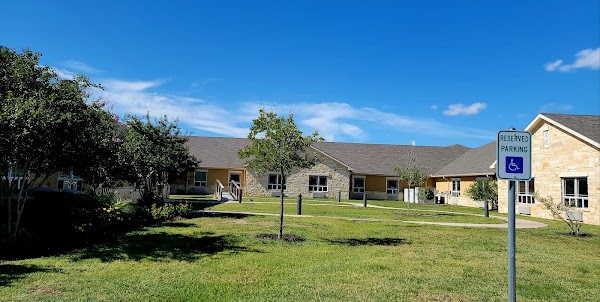
Dec 2022 4 deficiencies
CONCERN (D)

Potential for Harm - no one hurt, but risky conditions existed

Tube Feeding (Tag F0693)

Could have caused harm · This affected 1 resident

**NOTE- TERMS IN BRACKETS HAVE BEEN EDITED TO PROTECT CONFIDENTIALITY** Based on observation, interview, and record review the facility failed to ensure residents who are fed by enteral feeding receiv...

Read full inspector narrative →
**NOTE- TERMS IN BRACKETS HAVE BEEN EDITED TO PROTECT CONFIDENTIALITY** Based on observation, interview, and record review the facility failed to ensure residents who are fed by enteral feeding received the appropriate treatment and services to prevent potential complications for 1 (Resident #209) of 3 residents reviewed with feeding tubes. The facility did not ensure Resident #209's enteral feeding was not initialed, timed and name of formula and water bag for tube feeding was not labeled as required by facility policy and standard of care. This failure could place residents with feeding tubes at risk for dehydration or calorie deficiency. Findings included: Record review of the admission record for Resident # 209 dated 12/14/22 indicated Resident #209 was initially admitted on [DATE] and re-admitted on [DATE] with diagnosis that included heart failure, fistula of intestine (the connection of one intestine to another), acute kidney failure, acquired absence of right leg below knee, pressure ulcer sacral (upper middle portion of the pelvic region), stage 3, and elevated white blood cell count (results that show fighting an infection). Record review of Resident #209's admission MDS dated [DATE] indicated. -cognitive skills were severely impaired, -required extensive assistance by two persons for bed mobility and -required extensive assistance by one person for dressing and personal hygiene. -had functional limitation in range of motion on both sides of lower extremity (hip, knee, ankle, foot). -received 51% or more of total calories through tube feeding. Record review of Resident #209's Physician Orders dated 12/14/22 indicated an order; in the evening, start continous enteral feeding. Formula Jeviity at 55ml/hr cont via peg tube starting time at 1900 and run until 1210 ml delivered. Record review of care plan dated 11/13/22 indicated Resident #209 received continuous feedings per pump via G-tube (a tube inserted in through the belly that brings nutrition directly to stomach), due to dysphagia (difficulty in swallowing). During an observation on 12/13/22 at 10:41 am Resident #209 was lying in bed with G-tube feeding infusing at 55 ml/per hour. The feeding bag was labeled with the date of 12/12/22 with remaining amount of 200 ml. The feeding bag did not include the formula name, time it was placed and the initials of the staff who placed the feeding bag. The water bag had no labels of any kind, including the date, time and initials of the staff who placed the water bag for Resident #209. Interview on 12/13/22 at 10:39 am with LVN F revealed a staff member from the night shift had placed the new feeding bag and water bag. She said both bags should have been dated, name of formula, time it was placed and the initials of the staff member who placed it. LVN F said she did not see the feeding bag had the name of the formula which was Jevity 1.5 at 55ml/hr continuous, the time it was started or the initials of the staff who placed the feeding bag. The water bag for the feeding bag also did not have any labeled information that it required, date, time, and initials of the staff. LVN F said without a time on the feeding bag and water bag there would not be a way to ensure how much of the feeding or water had infused or how long the feeding had been hanging. Interview on 12/14/22 at 3:24 pm with LVN G revealed she had made a mistake of not labeling the feeding bag with the name of formula, the time or her initials and had forgotten to label the water bag with name, date, time, and her initials. LVN G said she should have completely labeled both the feeding bag and water bag because if not labeled properly, staff would not know the name of formula in bag, or time the bag should be changed or if the feeding had been dispensed on time as per orders. Interview on 12/15/22 at 3:20 pm with the DON revealed the formulas and water bags for feeding tubes should be labeled so staff will know the information needed to check the tubing or when it was started and by whom. Record review of the Nursing Policy and Procedure titled Feeding Tube Administration, Nutrition and Care dated 12/2012 indicated. Policy; Enteral feedings will be administered per physician order. Complications related to enteral feedings will be minimized through provision of proper care. Set up formula for gravity drip or pump administration. Complete the feeding container label.
CONCERN (D)

Potential for Harm - no one hurt, but risky conditions existed

Deficiency F0726 (Tag F0726)

Could have caused harm · This affected 1 resident

**NOTE- TERMS IN BRACKETS HAVE BEEN EDITED TO PROTECT CONFIDENTIALITY** Based on observation, interview, and record review, the facility failed to ensure the nurse aides were able to demonstrate compe...

Read full inspector narrative →
**NOTE- TERMS IN BRACKETS HAVE BEEN EDITED TO PROTECT CONFIDENTIALITY** Based on observation, interview, and record review, the facility failed to ensure the nurse aides were able to demonstrate competency in skills and techniques necessary to care for residents' needs as identified through residents assessments, and described in the care plan for one (Resident #13) of five residents reviewed for transfers, in that: Resident #13, who required assistance of two persons for transfers, sustained a fracture of the left tibia when transferred by CNA B alone. This failure could place residents at risk of serious injury when not providing the necessary number of staff required to meet residents' needs. The findings were: Record review of Resident #13's Physician's Orders dated December 2022 indicated Resident #13 was an [AGE] year-old female admitted to facility on 02/09/22 with the diagnoses of major depressive disorder (mental health disorder with persistent depressed mood or loss of interest in activities), recurrent severe without psychotic features (delusions or hallucinations), epilepsy (abnormal electrical brain activity), Insomnia (problems falling and staying asleep), essential (primary) hypertension, and hemiplegia and hemiparesis (muscle weakness or partial paralysis) following cerebral infarction (disrupted blood flow to the brain) affecting the left non-dominant side. Record review of the quarterly MDS assessment dated [DATE], indicated Resident #13 was: -was understood by others, -was usually able to understand others, -BIMS score is at a 13 - resident was cognitively intact, -was totally dependent for transfer of two or more persons and, -was not steady and able to balance during transitions and walking with staff assistance, -had limitation in range of motion to both sides of lower extremities. Record review of Resident #13's radiology report dated 11/24/22 indicated: IMPRESSIONS: 1. Osteopenia (loss of bone mineral density) 2. Deformity at the medial tibial condyle (a break or crack in the shin bone at the knee), which may represent an acute nondisplaced fracture (a fracture where the bone remains aligned). 3. Moderate osteoarthritis of left knee joint (deterioration of the flexible tissue of the knee). 4. Small joint effusion (too much fluid built up in a joint). Record review of Resident #13's care plan dated 08/10/22 indicated: Resident #13 has an ADL Self Care Performance Deficit and was at risk of not having her needs met in a timely manner. Performance deficit was related to muscle wasting, lack of coordination, debility, need for assistance with personal care, CVA hemiplegia. Transfers: total x2 (totally dependent on staff times two persons). Record review of Resident #13's progress note dated 11/24/22 revealed: As CNA was attempting to return resident to bed, resident began to descend to floor. With the assistance of CNA, resident was placed on floor. Resident stated that her leg gave out and was unable to place complete weight to support herself back into bed. Vitals assessed and within normal limits. No visible injures noted. Resident states she has pain to her leg, pain medication administered as ordered per EMAR (electronic Medication Administration Record). Attempted to notify RP but no answer, will try again later. Frequent rounding will continue to monitor current status. Record review of statement provided by Maintenance Manager indicated: I check the Hoyers every week and the technicians come every three months to check and test all of them. Up to now all of them are working properly and no problems noted, Observation on 12/13/22 at 3:01 pm revealed Resident #13 in bed in a semi-sitting position. Resident #13 had a pitcher of water and a bible on her over bed table. Resident #13 was awake and talking with the AD. The AD was giving resident an ice cream sandwich for a snack. In an interview on 12/13/22 at 3:03 pm, Resident #13 said the CNA B was going to transfer her from the wheelchair, but the mechanical lift was not available. Resident #13 said the CNA B told her she was going to transfer her without the lift. Resident said she told CNA B that she could not bear weight with her left leg. Resident said CNA B told her she could help her stand and asked Resident #13 to put her arm on her shoulder. Resident #13 said she stood, and her leg slipped out from under her and she fell to the floor. Resident #13 said she had left sided weakness due to a CVA. Resident #13 said she had a brace on her leg to keep from moving it, so the physical therapy staff need to come to her room to do the exercises for her right arm and right leg. Resident #13 showed surveyor her brace that kept her leg immobilized. In an interview on 12/13/22 at 3:26 pm, CNA C said Resident #13 was extensive assistance of two persons, resident could voice her needs, was alert and oriented times three but did have episodes of confusion. CNA C said Resident #13 was transferred with a mechanical lift. Resident #13 would be up to wheelchair during the morning shift and was in bed the rest of the day. In an interview on 12/14/22 at 1:22 PM, CNA B stated she had been employed three years at the facility. CNA B said it was around 2:00 PM when Resident #13 wanted to be transferred to her bed. CNA B said the lift was not working, so she changed the battery, but the lift still would not work. CAN B went and told the nurse the mechanical lift would not work so the nurse said she would help to transfer the resident to the bed. CNA B said Resident #13 told CNA B to transfer her to the bed and not to wait for the nurse. CNA told resident that she would not do the transfer on her own. CNA B said the other two CNAs in the unit could not go into the resident's room because Resident #13 had complained about them. CAN B said she went to look for the nurse but could not find her. Resident #13 insisted that CNA do it on her own and she would help her. CNA B said Resident #13 kept insisting and the nurse never arrived to assist with the transfer, so she went ahead and tried to transfer Resident #13 on her own. CNA said Resident could not assist with the transfer, so she tried sitting resident back to the chair, but resident refused to sit in the chair. CNA B said she assisted resident to the floor because she could not transfer her on her own. CNA sat Resident on the floor and went to find the nurse. The nurse told CNA that she forgot to go and assist with the transfer. The nurse went and observed resident but decided she could not assist CNA to transfer to the bed between the two. The nurse asked another nurse to assist them to do the transfer. CNA B said she made a mistake to transfer resident on her own. In an interview on 12/14/22 at 11:44 am, RN A said Resident #13 frequently cried and would accuse staff of doing things that did not happen. RN said she would go in with the CNA to assist with providing care to Resident #13 so she could be a witness if the resident made an allegation. RN A said Resident #13 was a two-person transfer because resident requested it. Resident was a mechanical lift transfer for about four months. Resident cannot transfer at all because she can't bear weight. RN A said CNA B had not gone in to provide care to Resident #13 since the incident. A lot of the CNAs are not allowed to go into her room because she had kicked them out for one reason or another. RN A said CNAs are usually told by the nurse what type of care the resident requires and RN thinks the CNA could also look in the shower book because it has information on the assistance required by the resident. In an interview on 12/15/22 09:38 am, LVN D said she had been employed for two months and had previously worked 14 years. LVN D said they would provide the CNAs an ADL form that described the care required for residents or if the CNA was new, they would shadow with another CNA that was familiar with the residents' care. The nurse could also inform the CNAs what the resident's ADL needs were. LVN D said if Resident #13 was a two-person transfer, then two people were needed to transfer and CNA B should have gotten someone else to help. If one CNA transfers a resident who is a two-person transfer, the resident could fall and/or be injured. In an interview on 12/15/22 at 10:25 am, the DON said she told CNA B that the nurse was there to assist, and that the mechanical lift was working. CNA B had worked with Resident #13 before, and she knew that Resident #13 was a two-person transfer. The DON said she talked with CNA B and told her that she should have waited for the nurse, gone to look for other staff or gone to get another Hoyer. The DON said she knew Resident #13 was insistent, but CNA B should have just stayed with resident until the nurse arrived or gone to get another mechanical lift. DON said the facility has three lifts. DON said they did a one-to-one in-service with CNA B. In an interview on 12/15/22 at 1:20 pm, the Administrator said they provided orientation to staff upon hire and monthly in-services regarding falls, transfers, dementia, and abuse/neglect. The Administrator said, upon admission, the facility would document the resident's diagnoses, and the reason why they needed skilled care and then develop the care plan. The Administrator said if a staff member did not follow the care plan, the DON/ADON would provide education and go through the skills check-off list. The Administrator said they would also provide a write-up and explain the need to follow the care plan for the safety of the resident. In an interview on 12/15/22 at 2:18 pm, the PT said Resident #13 was receiving occupational and speech therapy from August 16th through November 1st of this year. Resident #13 did not have any restrictions on weight bearing before the fall. The PT stated Resident #13 was non-weight bearing on the left leg after the fall. The PT said if a staff from the therapy department was doing the transfer, it could be a one-person transfer because they know techniques to use, but if it is a CNA then for the safety of the resident, they would recommend it be two persons performing the transfer. The facility provided an undated policy on Transfers of Residents that indicated: Transfers are defined as the act of moving a resident from one surface such as from bed to the wheelchair or from the wheelchair to the toilet. The goal is to ensure the safety of the resident when moving from one place to another, prevent injuries to the resident, to prevent injuries to staff member assisting the resident, and to enable the resident to be as independent during the transfer as possible. The facility did not provide any policies or procedures for two-person transfers.
CONCERN (D)

Potential for Harm - no one hurt, but risky conditions existed

Deficiency F0761 (Tag F0761)

Could have caused harm · This affected 1 resident

Based on observation, interview, and record review, the facility failed to ensure all drugs and biologicals used within the facility were labeled and stored in accordance with currently accepted profe...

Read full inspector narrative →
Based on observation, interview, and record review, the facility failed to ensure all drugs and biologicals used within the facility were labeled and stored in accordance with currently accepted professional standards, which included the appropriate cautionary instructions with the expiration date, for 2 of 6 medication storage locations (Nurse Medication Cart Hall 600 and Medication Station 1). 1. The facility failed to prevent Nurse Medication Cart #3 from containing four expired Monojet 1 milliliter (mL) Insulin Safety syringe permanent needles. 2. The facility failed to prevent Medication station #1 from containing two expired bottles of over-the-counter biological drugs. The facility's failure could place residents at risk of not receiving the benefit of medications, adverse reactions to medications, accidental dispensing of unidentified drugs, incorrect administration of medications, drug diversion, exposure to expired drugs, and/or accidental or intentional administration to the wrong resident. Findings included: During an observation on 12/14/22 at 01:25 p.m., of Medication cart 3 assigned to LVN A, located in hall 600, the following items were found: o In the left fourth drawer: four Monojet 1 milliliter insulin safety syringe Permanent needles 29 x 1/2 (0.33 millimeter x 1.3 centimeter) Reference 8881511110 Lot number 729819X with an expiration date of 08/31/2022. During an observation on 12/14/22 at 02:00 p.m., of Medication Station 1 accompanied by LVN B, the following items were identified: -Two bottles of daily vitamin + formula Iron high potency multivitamin supplement + iron 100 tablets Lot number 55996 with an expiration date of June 2022, in the left first drawer of the cabinets next to the sink along the wall. An interview with LVN A, on 12/14/22, at 01:25 PM, revealed that carts were inspected monthly for expired medication or supplies by management or the pharmacy. She explained she stocked supplies daily and inspected it for expired supplies. LVN acknowledged the risk of using expired supplies on residents. During an interview with LVN B, on 12/14/22 at 02:00 PM, she explained the biological drugs were overstock over-the-counter medications brought in by nurses or med aides from the med carts. When asked if nurses or med aides were to use the expired medications, she stated, they do use these medications for the carts, but they check the expiration dates before putting them back into the carts. During an interview on 12/15/22 at 02:30 PM with the DON, the DON was made aware of the medication labeling and storage findings and the statements made by the nurses. No further information was provided regarding medication storage at this time. During record review of the facility's Medication Storage policy dated 01/20/2021 quoted in part, It is the policy of this facility to ensure all medications housed on our premises will be stored, dated and labeled according to the manufacturer's recommendations and sufficient to ensure proper sanitation, temperature, light, ventilation, moisture control, segregation and security .Medication carts are routinely inspected for discontinued, outdated, defective, or deteriorated medications with work, illegible or missing labels. These medications are removed and destroyed in accordance with facility policy .Unused medications: The pharmacy and all medication rooms are routinely inspected by the consultant pharmacist for discontinued, outdated, defective or deteriorated medications with worn, illegible or missing labels. These medications are destroyed in accordance with the facility policy.
CONCERN (D)

Potential for Harm - no one hurt, but risky conditions existed

Infection Control (Tag F0880)

Could have caused harm · This affected 1 resident

Based on observation, interview, and record review, the facility failed to maintain an Infection prevention and control program designed to provide a safe, sanitary, and comfortable environment and to...

Read full inspector narrative →
Based on observation, interview, and record review, the facility failed to maintain an Infection prevention and control program designed to provide a safe, sanitary, and comfortable environment and to help prevent the development and transmission of communicable disease and infection for 1 of 2 residents (Resident #6) reviewed for infection control, in that: The facility failed to ensure CNA B cleansed the urinary tract of Resident #6 in a manner that promoted cleanliness and prevented infection while providing incontinent care. She failed to cleanse Resident #6 by spreading the labia with the fingers of her nondominant hand and cleansing in a single downward motion each side of the labia followed by cleansing the middle over the urinary meatus. This deficient practice could place residents at risk for infection. The findings include: Record review of Resident # 6's admission record, revealed an admission date 06/30/2021 with a primary diagnoses of non-traumatic intracerebral hemorrhage (non-traumatic internal bleeding of the brain), malnutrition (lack of sufficient nutrients in the body), age-related physical debility, muscle wasting and atrophy (loss of muscle leading to shrinking and weakening), lack of coordination, need for assistance with personal care, pain in unspecified joint, dementia (group of symptoms that affects memory, thinking and reasoning), major depressive disorder (persistent feeling of sadness and loss of interest), hemiplegia, unspecified affecting left nondominant side (paralysis of one side of the body). Record review of Resident # 6's Quarterly MDS (Minimum Data Set) assessment, dated 11/03/2022, revealed Resident # 6 had a BIMS (Brief Interview for Mental Status) score of 03, indicating severe cognitive impairment. Resident # 6 was indicated to always be dependent on toileting care and always incontinent of bowel and bladder. Record review of Resident # 6's care plan revealed a problem of incontinence .is incontinent of bowel/bladder related to limited mobility, dementia, with an intervention of Monitor for and report to MD (medical doctor) s/sx (signs and symptoms) UTI (urinary tract infection): pain, burning, blood tinged urine, cloudiness, no output, deepening of urine color, increased pulse, increased temp, urinary frequency, foul smelling urine, fever, chills, altered mental status, change in behavior, change in eating patterns. Observation on 12/15/22 at 09:45 a.m. while providing incontinent care for Resident #6, after briefly setting up for the procedure and explaining it to the Resident, CNA B donned new gloves. Resident #6 was then positioned in a supine position and draped with a towel. The soiled peri pad was tucked under Resident # 6's buttocks. Using disposable cleaning cloths, CNA B wipes across Resident #6's pubic area from left to right and again from right to left and downward in a motion of a 7 into the vagina area using one swipe each time. CNA B turns patient onto right side towards CNA H, removes old gloves, sanitized hands, and donned new gloves. CNA B wiped Resident # 6 from the posterior vaginal opening and anal area, she wiped from front to back using one wipe per swipe each time. CNA B removed the old peri pad and under pad and disposed them in a clear plastic trash bag. CNA B then placed a new under pad and peri pad and tucked them under the resident. CNA B removed gloves, sanitizes hands, donned new gloves, and linen used was placed in clear plastic bag. Resident # 6 was turned back to supine position and peri pad was pulled from under resident. Peri pad was fastened to resident. Resident #6 was repositioned in semi-Fowlers position with pillows under both of her heels, wedges placed on both sides of her body, and resident was then covered with blankets. CNA B removed gloves, sanitized hands, discarded trash bags in trash hamper and washed hands. In an interview with CNA B on 12/15/2022 at 09:55 a.m. CNA B explained in-services regarding incontinent care, were done two times a month or more often if something happens such as a complaint from a resident or a family member. When asked to review peri care technique, she explained, CNAs (certified nurse assistant) are instructed to wipe in form of a 7 across pubic area and then downward. In an interview with the DON on 12/15/22 at 01:30 p.m., the DON mentioned she was unaware of the peri-care technique that was being used by CNA B and agreed that the technique used at the time CNA B provided peri-care to Resident #6 was incorrect. She went on to explained that peri-care taught to CNAs at their facility depended on whether the resident was male or female and whether the resident had a foley catheter or not. She also mentioned that for female residents, CNAs were instructed to cleanse down each side of labia using one wipe and then in the vaginal area using one swipe. She stated that CNAs did not get in-serviced two times per month, but they were in-serviced upon hire, yearly or as needed. No further evidence was presented at this time. Review of CNA B's Nursing Peri-Care dated 11/07/22 revealed CNA B received competency for peri-care. Review of the facility's peri-care performance criteria for female residents quoted in part, Positions waterproof pad under buttocks or places bedpan under buttocks . helps to flex knees and spread legs apart. Notes limitation in positioning .Cleanses the upper thighs .cleanses labia majora, carefully among folds .Wipes in the direction from perineum to rectum (clean to dirty) .Separates labia with hand to expose urethral meatus . cleans in one direction, clean to dirty . Use separate section of cloth for each stroke. Review of the facility's nursing procedure manual titled Incontinence Care, dated 04/10/17, quoted in part, To outline a procedure for cleaning the perineum and buttocks after an incontinence episode .Procedure: if feces present, remove with toilet paper or disposable wipe by wiping from front of perineum toward rectum. Discard soiled materials and gloves Cleanse peri-area and buttocks with cleansing agent wiping from front of perineum toward rectum. Turn patient side to side to cleanse entire affected area, as needed. Rinse with water, If needed or per incontinent product manufacturer's instructions .Dry peri-area and buttocks from front to back. No other documentation for Incontinent or Peri-Care in-services for listed employees or requested Incontinent Care policies was provided upon at the time of exit on 12/15/22, at 05:30 p.m.
Understanding Severity Codes (click to expand)
Life-Threatening (Immediate Jeopardy)
J - Isolated K - Pattern L - Widespread
Actual Harm
G - Isolated H - Pattern I - Widespread
Potential for Harm
D - Isolated E - Pattern F - Widespread
No Harm (Minor)
A - Isolated B - Pattern C - Widespread

Questions to Ask on Your Visit

  • "What changes have you made since the serious inspection findings?"
  • "Can I speak with families of current residents?"
  • "What's your RN coverage like on weekends and overnight?"

Our Honest Assessment

Strengths
  • • 43% turnover. Below Texas's 48% average. Good staff retention means consistent care.
Concerns
  • • Multiple safety concerns identified: 5 life-threatening violation(s), 1 harm violation(s), $86,122 in fines. Review inspection reports carefully.
  • • 37 deficiencies on record, including 5 critical (life-threatening) violations. These warrant careful review before choosing this facility.
  • • $86,122 in fines. Extremely high, among the most fined facilities in Texas. Major compliance failures.
  • • Grade F (0/100). Below average facility with significant concerns.
Bottom line: This facility has 5 Immediate Jeopardy findings. Serious concerns require careful evaluation.

About This Facility

What is Colonial Manor Advanced Rehab & Healthcare's CMS Rating?

CMS assigns Colonial Manor Advanced Rehab & Healthcare an overall rating of 1 out of 5 stars, which is considered much below average nationally. Within Texas, this rating places the facility higher than 0% of the state's 100 nursing homes. A rating at this level reflects concerns identified through health inspections, staffing assessments, or quality measures that families should carefully consider.

How is Colonial Manor Advanced Rehab & Healthcare Staffed?

CMS rates Colonial Manor Advanced Rehab & Healthcare's staffing level at 1 out of 5 stars, which is much below average compared to other nursing homes. Staff turnover is 43%, compared to the Texas average of 46%. This relatively stable workforce can support continuity of care. RN turnover specifically is 62%, which is notably high. RNs provide skilled clinical oversight, so turnover in this role can affect medical care quality.

What Have Inspectors Found at Colonial Manor Advanced Rehab & Healthcare?

State health inspectors documented 37 deficiencies at Colonial Manor Advanced Rehab & Healthcare during 2022 to 2025. These included: 5 Immediate Jeopardy (the most serious level, indicating potential for serious harm or death), 1 that caused actual resident harm, and 31 with potential for harm. Immediate Jeopardy findings are rare and represent the most serious regulatory concerns. They require immediate corrective action.

Who Owns and Operates Colonial Manor Advanced Rehab & Healthcare?

Colonial Manor Advanced Rehab & Healthcare is owned by a for-profit company. For-profit facilities operate as businesses with obligations to shareholders or private owners. The facility is operated by HAMILTON COUNTY HOSPITAL DISTRICT, a chain that manages multiple nursing homes. With 123 certified beds and approximately 116 residents (about 94% occupancy), it is a mid-sized facility located in Pharr, Texas.

How Does Colonial Manor Advanced Rehab & Healthcare Compare to Other Texas Nursing Homes?

Compared to the 100 nursing homes in Texas, Colonial Manor Advanced Rehab & Healthcare's overall rating (1 stars) is below the state average of 2.8, staff turnover (43%) is near the state average of 46%, and health inspection rating (2 stars) is below the national benchmark.

What Should Families Ask When Visiting Colonial Manor Advanced Rehab & Healthcare?

Based on this facility's data, families visiting should ask: "What changes have been made since the serious inspection findings, and how are you preventing similar issues?" "Can you walk me through typical staffing levels on day, evening, and night shifts?" "Can I visit during a mealtime to observe dining assistance and food quality?" "How do you handle medical emergencies, and what is your hospital transfer rate?" These questions are particularly relevant given the facility's Immediate Jeopardy citations and the below-average staffing rating.

Is Colonial Manor Advanced Rehab & Healthcare Safe?

Based on CMS inspection data, Colonial Manor Advanced Rehab & Healthcare has documented safety concerns. Inspectors have issued 5 Immediate Jeopardy citations (the most serious violation level indicating risk of serious injury or death). The facility has a 1-star overall rating and ranks #100 of 100 nursing homes in Texas. Families considering this facility should ask detailed questions about what corrective actions have been taken since these incidents.

Do Nurses at Colonial Manor Advanced Rehab & Healthcare Stick Around?

Colonial Manor Advanced Rehab & Healthcare has a staff turnover rate of 43%, which is about average for Texas nursing homes (state average: 46%). Moderate turnover is common in nursing homes, but families should still ask about staff tenure and how the facility maintains care continuity when employees leave.

Was Colonial Manor Advanced Rehab & Healthcare Ever Fined?

Colonial Manor Advanced Rehab & Healthcare has been fined $86,122 across 4 penalty actions. This is above the Texas average of $33,940. Fines in this range indicate compliance issues significant enough for CMS to impose meaningful financial consequences. Common causes include delayed correction of deficiencies, repeat violations, or care failures affecting resident safety. Families should ask facility leadership what changes have been made since these penalties.

Is Colonial Manor Advanced Rehab & Healthcare on Any Federal Watch List?

Colonial Manor Advanced Rehab & Healthcare is not on any federal watch list. The most significant is the Special Focus Facility (SFF) program, which identifies the bottom 1% of nursing homes nationally based on persistent, serious quality problems. Not being on this list means the facility has avoided the pattern of deficiencies that triggers enhanced federal oversight. This is a positive indicator, though families should still review the facility's inspection history directly.