CEDAR RIDGE REHABILITATION AND HEALTHCARE CENTER
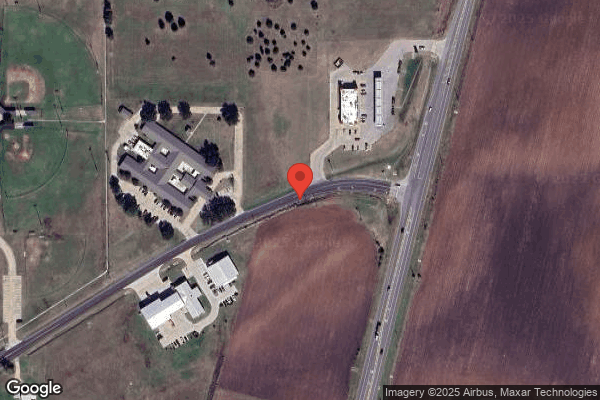
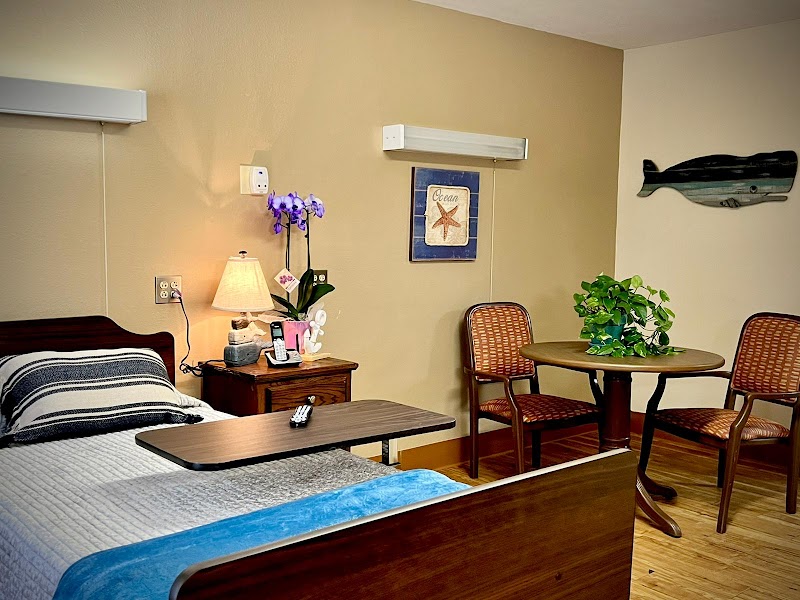
1700 N WASHINGTON, PILOT POINT, TX 76258 (940) 686-5556
For profit - Limited Liability company 108 Beds NEXION HEALTH Data: November 2025 1 Immediate Jeopardy citation
Trust Grade
46/100
#436 of 1168 in TX
Last Inspection: January 2025

Within standard 12-15 month inspection cycle. Federal law requires annual inspections.

Overview

Cedar Ridge Rehabilitation and Healthcare Center has a Trust Grade of D, indicating below-average performance with some concerning issues. They rank #436 out of 1,168 facilities in Texas, placing them in the top half, and #7 out of 18 in Denton County, meaning only a few local options are better. Unfortunately, the facility is worsening, with the number of reported issues increasing from 3 to 10 over the past year. Staffing is a relative strength, with a turnover rate of 45% that is below the Texas average, although RN coverage is concerning as it is less than 90% of state facilities. Notably, there was a critical incident where a resident with advanced Alzheimer's was not properly supervised, resulting in a serious fall and hip fracture, highlighting potential risks in resident care. Additionally, the facility has been criticized for not having a qualified Dietary Manager, which could impact the nutrition services provided to residents.

Trust Score
D
46/100
In Texas
#436/1168
Top 37%
Safety Record
High Risk
Review needed
Inspections
Getting Worse
3 → 10 violations
Staff Stability
⚠ Watch
45% turnover. Above average. Higher turnover means staff may not know residents' routines.
Penalties
✓ Good
$13,628 in fines. Lower than most Texas facilities. Relatively clean record.
Skilled Nurses
⚠ Watch
Each resident gets only 13 minutes of Registered Nurse (RN) attention daily — below average for Texas. Fewer RN minutes means fewer trained eyes watching for problems.
Violations
⚠ Watch
28 deficiencies on record. Higher than average. Multiple issues found across inspections.
★★★☆☆
3.0
Overall Rating
★★★☆☆
3.0
Staff Levels
★★★★☆
4.0
Care Quality
★★★☆☆
3.0
Inspection Score
Stable
2024: 3 issues
2025: 10 issues

The Good

  • 4-Star Quality Measures · Strong clinical quality outcomes
  • Full Sprinkler Coverage · Fire safety systems throughout facility
  • No fines on record

Facility shows strength in quality measures, fire safety.

The Bad

3-Star Overall Rating

Near Texas average (2.8)

Meets federal standards, typical of most facilities

Staff Turnover: 45%

Near Texas avg (46%)

Higher turnover may affect care consistency

Federal Fines: $13,628

Below median ($33,413)

Minor penalties assessed

Chain: NEXION HEALTH

Part of a multi-facility chain

Ask about local staffing decisions and management

The Ugly 28 deficiencies on record

1 life-threatening
Jun 2025 1 deficiency
CONCERN (D) 📢 Someone Reported This

A family member, employee, or ombudsman was alarmed enough to file a formal complaint

Potential for Harm - no one hurt, but risky conditions existed

Comprehensive Care Plan (Tag F0656)

Could have caused harm · This affected 1 resident

**NOTE- TERMS IN BRACKETS HAVE BEEN EDITED TO PROTECT CONFIDENTIALITY** Based on interviews and record review, the facility failed to develop and implement a comprehensive person-centered care plan fo...

Read full inspector narrative →
**NOTE- TERMS IN BRACKETS HAVE BEEN EDITED TO PROTECT CONFIDENTIALITY** Based on interviews and record review, the facility failed to develop and implement a comprehensive person-centered care plan for each resident, consistent with the resident rights set forth that included measurable objectives and timeframes to meet a resident's medical, nursing, and mental and psychosocial needs that were identified in the comprehensive assessment for a resident for one (Resident #1) of five residents reviewed for care plans. The facility failed to ensure Resident #1's care plan was updated to reflect a left heel wound on 06/01/2025. These failures could place the residents at risk of not receiving the necessary care and services needed. Findings included: Record review of Resident #1's Face Sheet, dated 06/18/2025, reflected an [AGE] year-old male who initially admitted to the facility 04/29/2025 and re-admitted on [DATE]. Resident #1 had diagnoses which included chronic kidney disease stage 3 (kidneys do not function properly), heart failure (heart does not pump effectively), and pneumonia (infection in lung). Resident #1 was discharged home on [DATE]. Record review of Resident #1's Quarterly MDS (tool used to assess health needs and functional capabilities) Assessment, dated 05/17/2025, reflected the resident had severe impairment in cognition with a BIMS (tool used to assess cognitive function) score of 06. Record review of Resident #1's Physician Order, dated 06/01/2025, reflected to apply xeroform (non-adherent wound dressing that promotes healing) and a bordered gauze dressing to the resident's left heel. Record review of Resident #1's Comprehensive Care Plan, dated 05/07/2025, did not reflect a left heel wound. During an interview on 06/20/2025 at 3:20 PM, the Administrator stated it was important to update care plans so everyone knew what care to provide the residents. He stated if they were not updated, the resident might not receive the appropriate care. During an interview on 06/20/25 at 3:59 PM, the Wound Care Nurse stated she was responsible for adding or updating any skin related resident care plan. She stated it was important to include all the resident's needs in the care plan to monitor progress and follow through with meeting the needs. During an interview on 6/20/2025 at 4:15 PM, the MDS Coordinator stated it was important to update care plans so staff knew how to take care of the residents. She stated the nurses, ADON, DON, and MDS Coordinator added and updated residents' care plans. She stated the wound care nurse added or updated a care plan for any skin issues. She stated it was important to care plan any skin issue because of the risk for infection. During an interview on 06/20/2025 at 4:50 PM, the DON stated it was important for each resident to have a personalized plan of care. She stated Resident #1's wound should have been included in his care plan. She stated resident care would not be consistent if the care plan was not personalized and updated to reflect the resident's needs. Record review of the facility's policy, Care Plan, Comprehensive Person-Centered, reviewed 06/02/2025, reflected A comprehensive person-centered care plan that includes measurable objectives and timetables to meet the resident's physical, psychosocial, and functional needs is developed and implemented for each resident . 13. Assessments of residents are ongoing and care plans are revised as information about the residents and the residents' conditions change.
Apr 2025 1 deficiency
CONCERN (D) 📢 Someone Reported This

A family member, employee, or ombudsman was alarmed enough to file a formal complaint

Potential for Harm - no one hurt, but risky conditions existed

Comprehensive Care Plan (Tag F0656)

Could have caused harm · This affected 1 resident

**NOTE- TERMS IN BRACKETS HAVE BEEN EDITED TO PROTECT CONFIDENTIALITY** Based on interviews, and record review, the facility failed to develop and implement a comprehensive person-centered care plan f...

Read full inspector narrative →
**NOTE- TERMS IN BRACKETS HAVE BEEN EDITED TO PROTECT CONFIDENTIALITY** Based on interviews, and record review, the facility failed to develop and implement a comprehensive person-centered care plan for each resident, consistent with the resident rights set forth that included measurable objectives and timeframes to meet a resident's medical, nursing, and mental and psychosocial needs that were identified in the comprehensive assessment for a resident for one (Resident #1) of four residents reviewed for Care Plans. The facility failed to ensure Resident #1's history of falls were care planned. This failure could place the resident at risk of not receiving the necessary care and services needed. Findings included: Record review of Resident #1's Face Sheet, dated 04/30/25, reflected she was an [AGE] year-old female admitted on [DATE]. Relevant diagnoses included muscle weakness, lack of coordination, and dizziness. Record review of Resident #1's Quarterly Minimum Data Set (MDS) assessment, dated 04/15/25, reflected she had a BIMS score of 10 (moderate impairment). Resident required extensive assisted with ADL care. Record review of the facility's incident report and Resident #1's progress notes on 04/30/25, reflected the resident had an unwitnessed fall on 03/14/25, which resulted in no injuries. Record review of Resident #1's Quarterly Care Plan, dated 11/19/24, did not reflect a care plan for the resident's history of falls. In an interview on 04/30/25 at 11:00 AM, the ADON stated Resident #1 had a fall in March 2025 and she was considered at high risk for falls. She stated the resident should have been care planned for falls, but it was not done. She stated the DON at the time should have care planned the fall risk. She stated the ADON, the MDS nurse, and the DON were responsible for ensuring the resident was care planned as a fall risk. She stated the risk of not care planning the fall risk was it could impact the resident not having the proper precautions in place. In an interview on 04/30/25 at 11:15 AM, the MDS nurse stated Resident #1 had a fall on 03/14/25. She was considered a fall risk and all the residents at the facility were considered a fall risk. She stated based on the neurological report completed on 03/14/25, the resident should have been care planned for falls, but she was not. She stated the ADON, the DON, and herself were responsible for ensuring the residents care plans were updated and this resident's care plan should have been updated by the DON at the time. She stated the DON was no longer at the facility. She stated the risk of not care planning her fall could result in missed care to the resident. Record review of the facility's policy, Care Plans and CAAs (Care Area Assessments) (05/06/16) revealed It is the intent of Advanced Health Care Solutions to meet and abide by all State and Federal regulations that pertain to resident care plans and subsequent Care Area Assessments (CAAs) completion. The purpose of this guide is to ensure that an interdisciplinary (IDT) approach is utilized in addressing the Care Area Triggers (CATs) that were generated by the completion of the Minimum Data Set (MDS) in order to effectively address the Care Area Assessments (CAAs) and ultimately achieve the completion of an effective comprehensive plan of care for each resident.
Jan 2025 8 deficiencies
CONCERN (D)

Potential for Harm - no one hurt, but risky conditions existed

Accident Prevention (Tag F0689)

Could have caused harm · This affected 1 resident

**NOTE- TERMS IN BRACKETS HAVE BEEN EDITED TO PROTECT CONFIDENTIALITY** Based on observations, interviews, and record review, the facility failed to ensure each residents environment remained as free ...

Read full inspector narrative →
**NOTE- TERMS IN BRACKETS HAVE BEEN EDITED TO PROTECT CONFIDENTIALITY** Based on observations, interviews, and record review, the facility failed to ensure each residents environment remained as free from accident hazards as possible for 1 (Resident #30) of 9 residents reviewed for environmental hazards. The facility failed to ensure Resident #30 did not have pointed scissors in his room on 01/14/2024. This failure could place the resident and other residents who came into the room at risk for injury. Review of Resident #30's Face Sheet, dated 01/16/25, reflected that resident was an [AGE] year-old male initially admitted on [DATE]. Resident #30 had a diagnosis of dysphagia (difficulty swallowing) following other cerebrovascular disease (condition that impacts blood vessels in the brain). Review of Resident #30's Quarterly MDS (tool to assess health and functional capabilities) Assessment, dated 01/13/2025, reflected that Resident #30 had impaired cognition with a BIMS score of 11. Section I did not reflect dementia or a mood disorder. Section I reflected Resident #30 had cognitive communication deficit and other abnormality of gait and mobility. Review of Resident #30's Comprehensive Care Plan, dated 12/06/2024, reflected Resident #30 had impaired thought processes. One intervention was COMMUNICATION: Use his preferred name. Identify yourself at each interaction. Face the resident when speaking and make eye contact. Reduce any distractions. Turn off TV, radio, close door etc. He understands consistent, simple, directive sentences. Provide the resident with necessary cues- stop and return if agitated. In an interview and observation on 01/14/25 at 09:40 AM, Resident #30 was lying in bed. Resident #30's wheelchair was parked close to the bed. Prior to leaving the room, surveyor bumped into the wheelchair and a pair of large scissors fell to the floor. The ends were not rounded. Resident #30's wheelchair had a piece of foam wrapped around the arms of the wheelchair. Resident #30 stated he kept the pair of scissors in the opening between the foam and arm of the wheelchair. Resident #30 stated at times he used the scissors to cut the sides of a soiled brief when he was in the restroom. The DON was in the hall at that time and notified of scissors in Resident #30's room. He stated he would take care of it. In an interview on 01/14/25 at 02:20 PM, RN G stated Resident #30 used the scissors to cut extra paper (old activity schedules) up for scratch paper. RN G pointed at a stack of letter size sheets that had been cut up into fourths for scratch paper. She stated the resident kept the scissors inside the foam piece that is wrapped around the arm of his wheelchair. While in the room, the resident agreed for RN G to assess his skin. RN G lowered his pants and assessed the skin around Resident #30's brief to ensure he had not caused any injury. Observation revealed there was no redness, scratches, or any injury on Resident #30's skin. RN G stated she had never heard Resident #30 used scissors to cut off his brief. RN G agreed an accident could result in the resident harming himself when using the scissors. In an interview on 01/14/25 at 02:28 PM, LVN E stated she had never heard Resident #30 used his scissors to cut the briefs on the sides to remove them. She stated she had thought it was ok for Resident #30 to use the scissors for activities. LVN E stated the scissors had been removed from the resident's room and given to her and she understood an accident could occur involving the resident or another resident who might have found the scissors. In an interview on 01/14/25 at 02:36 PM, the Activities Director stated she provided Resident #30 with a daily chronicle. She stated she had never seen him cutting the papers. The Activities Director stated she allowed residents to use scissors when she was observing them. She stated she made sure residents only used scissors with rounded edges. In an interview on 01/16/25 at 09:16 AM, the DON stated the facility did not have a policy about residents or family members bringing in personal items like scissors. The DON stated it posed a danger and was not safe for the resident to have the scissors in his room. He stated if staff sees something like that, it should be removed and documented. He stated it was important to educate family about the dangers and to care plan it. He said it was important for the resident to have rights, but there are other residents in the environment too. He stated it was important for staff to be diligent about safety awareness and any danger to residents and he will in-service them about it. The facility did not provide a policy about environmental hazards. In an interview on 01/16/25 at 09:16 AM, the DON stated there was not a facility policy regarding a resident or family member bringing sharp objects like scissors into a resident's room.
CONCERN (D) 📢 Someone Reported This

A family member, employee, or ombudsman was alarmed enough to file a formal complaint

Potential for Harm - no one hurt, but risky conditions existed

Infection Control (Tag F0880)

Could have caused harm · This affected 1 resident

**NOTE- TERMS IN BRACKETS HAVE BEEN EDITED TO PROTECT CONFIDENTIALITY** Based observation, interview and record review the facility failed to establish and maintain an infection prevention and control...

Read full inspector narrative →
**NOTE- TERMS IN BRACKETS HAVE BEEN EDITED TO PROTECT CONFIDENTIALITY** Based observation, interview and record review the facility failed to establish and maintain an infection prevention and control program designed to provide a safe, sanitary, and comfortable environment and to help prevent the development and transmission of communicable diseases and infections for two (Resident #36 and Resident #39) of eight residents reviewed for Infection Control. 1. The facility failed to ensure CNA A and CNA B changed their gloves and performed hand hygiene while providing incontinent care to Resident #36 on 01/14/2025. 2. The facility failed to ensure CNA B performed hand hygiene while providing incontinent care to Resident #39 on 01/14/2025. These failures could place residents at risk of cross-contamination and development of infections. Findings included: 1. Record review of Resident #36's Face Sheet, dated 01/16/2025, reflected a [AGE] year-old female who was admitted to the facility on [DATE]. Resident #36 was diagnosed with personal history of urinary tract infections and cerebrovascular disease (reduction of blood flow to the brain). Record review of Resident #36's Quarterly MDS Assessment, dated 12/03/2024, reflected the resident had moderate impairment in cognition with a BIMS score of 12. The Quarterly MDS Assessment indicated the resident was incontinent for bowel and bladder. Record review of Resident #36's Comprehensive Care Plan, dated 12/17/2024, reflected the resident had actual impairment to ski integrity related to wound to sacrum and one of the interventions was to provide incontinent care as needed. Observation on 01/14/2025 at 9:54 AM revealed CNA A and CNA B were about to do incontinent care to Resident #36. Both CNAs washed their hands before putting on their gloves. CNA A went the resident's right side, while CNA B went to the resident's left side. CNA B unfastened the brief and pushed it between the resident's thighs. CNA A placed the wipes and the brief beside the resident's right leg. After placing the wipes and the brief beside the resident's right leg, CNA A put a plastic bag on the trash can. After putting the plastic bag on the trash can, CNA A proceeded with incontinent care without changing her gloves. CNA A cleaned the perineal (area between the legs) area using the front to back technique. After cleaning the perineal area, both CNAs assisted the resident to roll to her left side. CNA A cleaned the resident's bottom. After cleaning the resident's bottom, CNA A took the brief that was placed beside the resident's right leg and placed it under Resident #36. She did not change her gloves after cleaning the resident's bottom and before touching the new brief. The resident was rolled back, both CNA A fixed the brief. CNA B helped in fixing the brief. She did not change her gloves when she touched the soiled brief at the beginning of incontinent care. In an interview with CNA A on 01/14/2025 at 10:15 AM, CNA A stated she was not aware she did not change her gloves after placing a plastic bag on the trash can. Said she should have changed her gloves and sanitized her hands after touching the trash can because the trash was not only presumed dirty but was dirty. Said she also should have changed her gloves and sanitized her hands after cleaning the resident's bottom and before touching the new brief because whatever germs that she touched from the soiled bottom and soiled brief would eventually transfer to the new brief. Said her actions could cause transfer of germs and infection. She said she needed to be mindful with how she did incontinent care. In an interview with CNA B on 01/14/2025 at 10:47 AM, CNA B stated she assisted CNA A with incontinent care for Resident #36. She said she unfastened the soiled brief and tucked it between the thighs of the resident. She said she also helped in fixing the brief when CNA A was done cleaning the resident. She said because she touched the soiled brief, she should have changed her gloves before touching the new brief because her gloves were already considered soiled. She said the resident could have urinary tract infection because the new brief would be considered dirty. 2. Record review of Resident #39's Face Sheet, dated 01/16/2025, reflected a [AGE] year-old male who was admitted to the facility on [DATE]. Resident #39 was diagnosed with cerebral infarction (stroke). Record review of Resident #39's Comprehensive MDS Assessment, dated 11/25/2024, reflected the resident had a moderate impairment in cognition with a BIMS score of 08. The Comprehensive MDS Assessment indicated the resident was always incontinent for bladder and bowel. Record review of Resident #39's Comprehensive Care Plan, dated 11/24/2024, reflected the resident had incontinence and one of the interventions was to provide pericare after each incontinent episode. Observation on 01/14/2025 at 10:32 AM revealed CNA B was about to do incontinent care for Resident #39. She washed her hands before putting on a pair of gloves. When she was about to prepare the brief and the wipes, she realized there was no wipes inside the room. She said she would go out to get some wipes. When CNA B returned inside the room, she put on a pair of gloves and proceeded with incontinent care. She did not wash her hands again or sanitize her hands before doing incontinent care. In an interview with CNA B on 01/14/2025 at 10:47 AM, CNA B stated she washed her hands when she first entered Resident #39's room. She said after washing her hands, she realized she did not have any wipes to use that was why she went out of the room. She said when she went back inside the room, she should have washed her hands again because she touched the door knobs and other things when she went out of the room. She said her hands were deemed dirty again when she touched the door knob and other things. She said hand washing was important to prevent infection. In an interview with the DON on 01/15/2025 at 11:03 AM, the DON stated hand hygiene was the most effective way to prevent cross contamination and infection. The DON said the staff should have washed her hands again when she went back into the room because the staff touched something else when she went out of the room. He said gloves should be changed after touching the trash can and the soiled brief to prevent transfer of microorganisms to any clean items. He said the rule of the thumb was, when you were in doubt, wash the hands and change the gloves. he said the expectations were staff would wash their hands before incontinent care and staff would wound change their gloves before touching anything clean. He said he would do and in-service about hand hygiene and infection control and would randomly monitor the staff doing direct care. He said the issue would also be included in their IDT meeting so everybody would know the issue and discuss the measures that could be implemented. In an interview with LVN C on 01/15/2025 at 11:20 AM, LVN C stated hands hygiene was included in all the procedures of any care. He said the staff should do hand hygiene before and after any care like incontinent care. He said gloves should be changed after touching the trash can and after cleaning the residents' bottom to prevent cross contamination and development of infection. He said he would remind the CNAs on his hall to wash their hands and change their gloves as appropriate. In an interview with the Administrator on 01/15/2025 at 11:39 AM, the Administrator stated not washing the hands before any care, not changing the gloves from soiled to clean could contribute to cross contamination and infection. She said the expectation was for the staff to follow the policy and procedures pertaining to infection control. She said she would coordinate with the DON on how to handle the issue about infection control and hand hygiene. Review of facility policy, Handwashing-Hand Hygiene Policy and Procedures revised 10-2020 revealed Policy Statement: This facility considers hand hygiene the primary means to prevent the spread of infections . 7. Use an alcohol-based hand rub . f. Before donning sterile gloves . h. Before moving from a contaminated body site to a clean body site during resident care . j. After contact with blood or bodily fluids . k. After handling used dressings, contaminated equipment, etc. Applying and removing Gloves . 1. Perform hand hygiene before and after applying non-sterile gloves. Review of facility policy, Perineal Care revised 04/16/2024 revealed Purpose: The purposes of this procedure are to provide cleanliness and comfort to the resident, to prevent infections and skin irritation . Steps in the Procedure . 2. Wash and apply gloves . For a female resident . b. wash perineal area . 10. Remove gloves . 11. Wash and dry hands thoroughly.
CONCERN (E) 📢 Someone Reported This

A family member, employee, or ombudsman was alarmed enough to file a formal complaint

Potential for Harm - no one hurt, but risky conditions existed

Deficiency F0558 (Tag F0558)

Could have caused harm · This affected multiple residents

**NOTE- TERMS IN BRACKETS HAVE BEEN EDITED TO PROTECT CONFIDENTIALITY** Based on observations, interviews, and record review the facility failed to ensure the right to reside and receive services in t...

Read full inspector narrative →
**NOTE- TERMS IN BRACKETS HAVE BEEN EDITED TO PROTECT CONFIDENTIALITY** Based on observations, interviews, and record review the facility failed to ensure the right to reside and receive services in the facility with reasonable accommodation of resident needs and preferences for three (Resident #29, Resident #73, and Resident #82) of eighteen residents reviewed for reasonable accommodation of needs. The facility failed to ensure the call light system in Resident #29, Resident #73, and Resident #82's rooms were in a position that was accessible to the resident on 01/14/2025. This failure could place the residents at risk of being unable to obtain assistance when needed and help in the event of an emergency. Findings included: Resident #29 Review of Resident #29's Face Sheet, dated 01/16/2025, reflected a [AGE] year-old female admitted on [DATE]. Resident #29 was diagnosed with muscle weakness and gait abnormalities. Review of Resident #29's Quarterly MDS Assessment, dated 12/24/2024, reflected the resident had a severe impairment in cognition with a BIMS score of 00. The Quarterly MDS Assessment indicated that Resident #29 was dependent to staff for toileting hygiene, shower, dressing, and personal hygiene. Review of Resident #29's Comprehensive Care Plan, dated 11/18/2024, reflected the resident had an ADL self-care performance deficit and interventions included provide extensive assist for dressing, bed mobility, personal hygiene, and toilet use. Observation on 01/14/2025 at 9:40 AM revealed Resident #29 was in her bed, with her eyes closed. It was observed that the resident's call light was on the floor at the foot of the bed. Observation and interview on 01/14/2025 at 2:03 PM revealed resident #29 was in her bed, awake. When asked about what she used when she needed to call the staff, the resident did not answer. Resident #73 Review of Resident #73's Face Sheet, dated 01/16/2025, reflected a [AGE] year-old male admitted on [DATE]. Resident #73 was diagnosed with muscle weakness and lack of coordination. Review of Resident #73's Quarterly MDS Assessment, dated 10/28/2024, reflected the resident had a severe impairment in cognition with a BIMS score of 05. The Quarterly MDS Assessment indicated that Resident #73 required maximal assistance for toileting hygiene, dressing, bed mobility, and transfer. Review of Resident #73's Comprehensive Care Plan, dated 01/14/2025, reflected the resident had an ADL self-care performance deficit and interventions included provide maximal assistance for toileting hygiene, dressing, bed mobility, and transfer. Observation and interview with Resident #73 on 01/14/2025 at 9:45 AM revealed the resident in his bed, awake. It was observed the resident's call light was on the floor and stuck between the bed and the wall. When asked about his call light, the resident just shrugged his shoulders. Observation and interview with CNA A on 01/14/2025 at 10:15 AM, CNA A stated call lights were important for the residents because that was how they called the staff if they needed something or if they needed assistance. She said without the call lights, the residents might be upset or might fall if they tried to do things by themselves. She said the call lights were for independent and dependent residents. She went inside Resident's #29's room and pulled the call light from the floor and put it beside the resident. CNA A then went inside Resident # 73's room and saw the call light was stuck between the wall and the bed. She pulled the call light and put it beside the resident. She said she did not notice the call lights were not with Resident #29 and Resident #73 during her morning round that. Resident #82 Review of Resident #82's Face Sheet, dated 01/16/2025, reflected a [AGE] year-old male admitted on [DATE]. Resident #82 was diagnosed with muscle weakness and lack of coordination. Review of Resident #82's Quarterly MDS Assessment, dated 11/27/2024, reflected the resident had a moderate impairment in cognition with a BIMS score of 08. The Quarterly MDS Assessment indicated that Resident #82 required maximal assistance for toileting hygiene, shower, dressing, and personal hygiene. Review of Resident #82's Comprehensive Care Plan, dated 01/14/2025, reflected the resident had an ADL self-care performance deficit and interventions included provide maximal assistance for toileting hygiene, shower, dressing, and personal hygiene. Observation and interview with Resident #82 on 01/14/2025 at 9:34 AM revealed the resident was in his wheelchair, awake. It was observed that the resident's call light was hanging by the wall and coiled around where the call light was connected. He said he was transferred to the room the night before because his roommate tested positive for COVID-19. He said the staff did not place the call light near him. He said he could not reach the call light that was on the wall. He said he needed to go out of his room so he could call a staff because he needed something. Observation and interview with CNA B on 01/14/2025 at 10:20 AM, CNA B stated call lights should be with the residents at all times so they could call the staff when they needed something. She said the residents might fall trying to get the call light or trying to do some activities that needed assistance. she went inside Resident #82's room and saw the call light on the wall. She pulled the call light on the wall and placed it where the resident could reach it. She said she did not notice the call light was not with the resident during her morning rounds. In an interview with the DON on 01/15/2025 at 11:03 AM, the DON stated call lights were inside the residents' rooms for a reason. He said the residents used the call lights to call for assistance, a glass of water, pain medication, or because they needed to be changed. The DON said without the call lights, the residents would not be able to tell the staff what they needed and eventually their needs would not be met. The DON added when the residents could not reach their call lights, unfavorable incidents, like falls, could happen. The DON said all the staff were responsible for the call lights. The DON said the expectation was for the staff to scan the resident's room when they do their rounds and ensure the call lights were within reach of the residents before they leave the room. The DON said he would educate the staff about the importance of call lights for the residents and would include the issue on their IDT meeting. In an interview with LVN C on 01/15/2025 at 11:20 AM, LVN C stated call light should be with the residents at all times, whether independent or dependent. He said he was also responsible in checking if the call lights were with Resident #29, #73, and #82 because he was the nurse in-charged for their care. He said without the call lights, their needs would not be met. He said he would do his round and check if the call lights were with the residents. In an interview with the Administrator on 01/15/2025 at 11:39 AM, the Administrator stated call lights should be within the reach of the residents at all times. She said for some residents, the call light was their sense of protection that if something happened to them, they would be able to call the staff for help. She said the residents also use the call lights if they needed to be changed or they needed a pain medication. the Administrator said the residents might fall trying to get up and get what they needed. She said everybody was responsible in making sure the call lights were with the residents, whether the resident was independent or not. She said she would collaborate with the DON about the issue regarding call lights. Record review of facility's policy Resident Call System reviewed 03/28/2023 revealed Policy: Residents are provided with a means to call staff for assistance through a communication system that directly calls a staff member or a centralized workstation . Policy Interpretation and Implementation . 1. Each resident is provided with a means to call staff directly for assistance from his/her bed, from toileting/bathing facilities and from the floor.
CONCERN (E)

Potential for Harm - no one hurt, but risky conditions existed

Safe Environment (Tag F0584)

Could have caused harm · This affected multiple residents

**NOTE- TERMS IN BRACKETS HAVE BEEN EDITED TO PROTECT CONFIDENTIALITY** Based on observations, interviews, and record review the facility failed to provide a safe, clean, comfortable, and homelike env...

Read full inspector narrative →
**NOTE- TERMS IN BRACKETS HAVE BEEN EDITED TO PROTECT CONFIDENTIALITY** Based on observations, interviews, and record review the facility failed to provide a safe, clean, comfortable, and homelike environment including but not limited to receiving treatment and supports for daily living safely for 6 (Rooms #1, #2, #3, #4, #5, and #6) of 10 resident rooms and the hallway floors reviewed for cleanliness and sanitization. The facility failed to ensure that Resident Rooms #1, #2, #3, #4, #5, and #6 were thoroughly cleaned and sanitized. This deficient practice could place residents at risk of living in an unclean and unsanitary environment which could lead to a decreased quality of life. Findings included: An observation on 01/14/25 at 10:35 AM of the Resident room [ROOM NUMBER] reflected the air condition unit had vents filled with black and brown dirt-like debris. An observation on 01/14/25 at 10:39 AM of the Resident room [ROOM NUMBER] reflected the air condition unit had vents filled with black and brown dirt-like debris. The bottom of the bedside table had red stains on it. An observation on 01/14/25 at 10:42 AM of the Resident room [ROOM NUMBER] reflected the air condition unit had vents filled with black and brown dirt-like debris. An observation on 01/14/25 at 10:47 AM of the Resident room [ROOM NUMBER] reflected the air condition unit had vents filled with black and brown dirt-like debris. Inside the mini fridge revealed hairbrushes, a towel, and two sandwiches wrapped in white napkins. An observation on 01/14/25 at 10:50 AM of the Resident room [ROOM NUMBER] reflected the air condition unit had vents filled with black and brown dirt-like debris. An observation on 01/14/25 at 10:53 AM of the Resident room [ROOM NUMBER] reflected the air condition unit had vents filled with black and brown dirt-like debris. In an interview on 01/15/25 at 02:05 PM, the Administrator was shown pictures of the concerns observed in Resident Rooms #1, #2, #3, #4, #5, and #6. She stated housekeeping was responsible for cleaning the outside of the air condition units in the resident rooms. She stated she would consider purchasing hand vacuums to assist with removing the dirt particles between the outer vents. She stated the risk of the area not being addressed could impact residents' respiratory system. In an interview on 01/16/25 at 10:10 AM, Housekeeper L stated she had been at the facility 1 year. She was shown pictures of the concerns observed in Resident Rooms #1, #2, #3, #4, #5, and #6. She stated housekeeping was responsible for cleaning the outside of the air condition units in the resident rooms. She stated she had a challenging time removing the dirt particles from between the vents, but she would meet with the house keeping supervisor to see how the units could be clean more thoroughly. She stated the risk of the air condition units not being thoroughly cleaned could impact residents' health. In an interview on 01/16/25 at 10:19 AM, Housekeeping Supervisor stated she had been at the facility nearly 3 years. She was shown pictures of the concerns observed in Resident Rooms #1, #2, #3, #4, #5, and #6. She stated she had met with the Administrator on 01/15/25 to solve how to clean the air condition units better. She stated the risk to the residents having the dirty air condition unit could impact their health. Review of the facility's policy on Homelike Environment (February 2021) revealed Residents are provided with a safe, clean, comfortable and homelike environment and encouraged to use their personal belongings to the extent possible. 2. The facility staff and management maximizes, to the extent possible, the characteristics of the facility that reflect a personalized, homelike setting. These characteristics include: a. clean, sanitary and orderly environment;
CONCERN (E)

Potential for Harm - no one hurt, but risky conditions existed

Deficiency F0604 (Tag F0604)

Could have caused harm · This affected multiple residents

**NOTE- TERMS IN BRACKETS HAVE BEEN EDITED TO PROTECT CONFIDENTIALITY** Based on observations, interviews, and record reviews, the facility failed to ensure that residents' bed was free from any physi...

Read full inspector narrative →
**NOTE- TERMS IN BRACKETS HAVE BEEN EDITED TO PROTECT CONFIDENTIALITY** Based on observations, interviews, and record reviews, the facility failed to ensure that residents' bed was free from any physical or chemical restraints imposed for purposes of discipline or convenience for 4 (Resident #1, #5, #25, and #29) of 5 residents reviewed for physical restraints, The facility failed to obtain physician orders or a physician assessment as of 01/16/25 for Residents #1, #5, #25, and #29, for the usage of a scoop mattress prior to installing the mattress to assist in fall prevention. This failure could prevent residents from having an environment that was free from any physical or chemical restraints. Findings included: Resident #1 Record review of Resident #1's Face Sheet, dated 01/16/25, reflected he was a [AGE] year-old male admitted on [DATE]. Relevant diagnoses included restlessness and irritation, and cerebral palsy (movement disorder). Record review of Resident #1's Quarterly Minimum Data Set (MDS) assessment dated [DATE] reflected, he had a Brief Interview for Mental Status (BIMS) score of 00, (severe cognitive impairment) and for ADL care it reflected for transfers, toileting, and bathing and the resident was totally dependent for assistance. Record review of Resident #1's physician's orders, dated 01/14/25, reflected no physician's orders for a scoop or bolster mattress. Record review of Resident #1's Comprehensive Care plan, dated 01/15/25, reflected air mattress with boosters as an intervention for fall prevention. Resident #5 Record review of Resident #5's Face Sheet, dated 01/16/25, reflected she was a [AGE] year-old female admitted on [DATE]. Relevant diagnoses included repeated falls, muscle weakness, and lack of coordination. Record review of Resident #5's Quarterly Minimum Data Set (MDS) assessment dated [DATE] reflected, she had a Brief Interview for Mental Status (BIMS) score of 04, (severe cognitive impairment) and for ADL care it reflected for transfers, toileting, and bathing and the resident was totally dependent for assistance. Record review of Resident #5's physician's orders, dated 01/15/25, reflected no physician's orders for a scoop or bolster mattress. Record review of Resident #5's Comprehensive Care plan, dated 0/18/24, reflected no scoop or bolster mattress as an intervention for fall prevention. Resident #25 Record review of Resident #25's Face Sheet, dated 01/16/25, reflected he was a [AGE] year-old male admitted on [DATE]. Relevant diagnoses included repeated adult failure to thrive, muscle weakness, and lack of coordination. Record review of Resident #25's Quarterly Minimum Data Set (MDS) assessment dated [DATE] reflected, she had a Brief Interview for Mental Status (BIMS) score of 06, (severe cognitive impairment) and for ADL care it reflected for transfers, toileting, and bathing and the resident was totally dependent for assistance. Record review of Resident #25's physician's orders, dated 01/15/25, reflected no physician's orders for a scoop or bolster mattress. Record review of Resident #25's Comprehensive Care plan, dated 0/18/24, reflected no scoop or bolster mattress as an intervention for fall prevention. Resident #29 Record review of Resident #29's Face Sheet, dated 01/16/25, reflected he was a [AGE] year-old female admitted on [DATE]. Relevant diagnoses included seizures, muscle weakness, and lack of coordination. Record review of Resident #29's Quarterly Minimum Data Set (MDS) assessment dated [DATE] reflected, she had a Brief Interview for Mental Status (BIMS) score of 00, (severe cognitive impairment) and for ADL care it reflected for transfers, toileting, and bathing and the resident was totally dependent for assistance. Record review of Resident #29's physician's orders, dated 01/14/25, reflected no physician's orders for a scoop or bolster mattress. Record review of Resident #29's Comprehensive Care plan, dated 0/18/24, reflected a scoop mattress as an intervention for fall prevention. Observations on 01/14/25 from 10:00 AM to 11:00 AM, revealed Residents #1, #5, #25, and #29 had a scoop or bolster mattress on their bed, which restricted their movement in bed. In an interview on 01/15/25 at 10:00 AM, LVN D and the DON were asked if Residents #1, #5, #25, and #29 had physicians' orders for a bolster and scoop mattress, and the DON stated he was not sure, but he would check. After checking, he stated the residents did not have physicians' orders, which would be required for the residents to have a scoop or bolster mattress. The DON stated the physician would need to complete an assessment to ensure that the scoop or bolster mattress would not injure or restrain the resident. The facility's policy Physical Restraints and Involuntary Seclusion (03/2023) reflected Patients/Residents have the right to be free from any physical restraint imposed for purposes of discipline or convenience and when not required to treat the patient's/resident's medical condition. Patients/Residents have the right to function at their highest practicable level in the least restrictive environment possible.
CONCERN (E) 📢 Someone Reported This

A family member, employee, or ombudsman was alarmed enough to file a formal complaint

Potential for Harm - no one hurt, but risky conditions existed

Comprehensive Care Plan (Tag F0656)

Could have caused harm · This affected multiple residents

**NOTE- TERMS IN BRACKETS HAVE BEEN EDITED TO PROTECT CONFIDENTIALITY** Based on observations, interviews, and record review, the facility failed to develop and implement a comprehensive person-center...

Read full inspector narrative →
**NOTE- TERMS IN BRACKETS HAVE BEEN EDITED TO PROTECT CONFIDENTIALITY** Based on observations, interviews, and record review, the facility failed to develop and implement a comprehensive person-centered care plan for each resident, consistent with the resident rights set forth that included measurable objectives and timeframes to meet a resident's medical, nursing, and mental and psychosocial needs that were identified in the comprehensive assessment for a resident for three (Resident #36, Resident #68, and Resident #79) of fifteen residents reviewed for Care Plans. 1. The facility failed to ensure Resident #36's care plan for catheter, dated 12/17/2024, had appropriate interventions. 2. The facility failed to ensure Resident #68's care plan for catheter, dated 10/02/2024, had appropriate interventions. 3. The facility failed to ensure Resident #79's care plan for catheter, dated 01/09/2025, had appropriate interventions. These failures could place the residents at risk of not receiving the necessary care and services needed. Findings included: 1. Record review of Resident #36's Face Sheet, dated 01/16/2025, reflected a [AGE] year-old female who was admitted to the facility on [DATE]. Resident #36 was diagnosed with infection to surgical site to sacrum. Record review of Resident #36's Quarterly MDS Assessment, dated 12/03/2024, reflected the resident had moderate impairment in cognition with a BIMS score of 12. The Comprehensive MDS Assessment indicated the resident had skin problem to her surgical wound and had an indwelling catheter (device to drain the urine from the urinary bladder to a collection bag). Record review of Resident #36's Comprehensive Care Plan, dated 12/17/2024, reflected Resident #36's care plan for indwelling catheter related to skin breakdown on sacrum had only one intervention listed. The only intervention indicated was to check for kinks each shift. Record review of Resident #36's Physician Order, dated 09/05/2024, reflected Foley Catheter Care Q Shift and PRN. In an interview with Resident #36 on 01/14/2025 at 1:36 PM, Resident #36 stated she had a catheter but was removed the day before because she was having abdominal pain. She said she had the catheter because of her wound in her bottom. In an interview with the Wound Care Nurse on 01/15/2025 at 8:51 AM, the Wound Care Nurse stated Resident #36 had a wound to her sacrum that was present during her admission. She said she had a catheter to facilitate healing of the wound. 2. Record review of Resident #68's Face Sheet, dated 01/16/2025, reflected a [AGE] year-old male who was admitted to the facility on [DATE]. Resident #68 was diagnosed with urinary retention (the urinary bladder does not empty completely). Record review of Resident #68's Quarterly MDS Assessment, dated 01/03/2025, reflected the resident had moderate impairment in cognition with a BIMS score of 11. The Quarterly MDS Assessment indicated the resident had an indwelling catheter. Record review of Resident #68's Comprehensive Care Plan, dated 10/02/2024, reflected Resident #68's care plan for indwelling catheter related to urinary retentions had only one intervention listed. The only intervention indicated was to monitor, record, and report signs and symptoms of urinary tract infection. Record review of Resident #68's Physician Order, dated 10/02/2024, reflected Foley Catheter Care Q Shift and PRN. Observation and interview with Resident #68 on 01/14/2025 at 11:05 AM revealed the resident was sitting in his recliner, awake. It was observed that he had a catheter hanging on his walker. He said he had the catheter because he had an issue with his bladder. Observation and interview with the MDS Coordinator on 01/15/2025 at 9:34 AM, the MDS Coordinator stated care plans were done so the staff would know the care needed by the residents. she said if a resident had a catheter, there should be a care plan for catheter. She said the care plan was comprised of problem areas, the goals, and the interventions. She said the interventions should address the underlying problem of the residents. She opened Resident #36's profile and saw the resident had orders for her catheter and was triggered in the MDS for indwelling catheter. When she opened the resident's care plan, she saw the indwelling catheter was listed as one of the problem list. She also saw that there was only one intervention listed. She said there should be more interventions listed like check for trauma, monitor for signs and symptoms of urinary tract infection related to the catheter, check for signs and symptoms of discomfort, monitor the color of the urine, and cover with privacy bag. After looking at Resident #36's care plan, she opened Resident #68's care plan and saw the same thing. She said she would update the care plans for both residents and would input the interventions for indwelling catheter. In an interview with the DON on 01/15/2025 at 11:03 AM, the DON stated every resident needed a thorough care plan to ensure the residents received the care needed. The DON said the care plan should be in place so the staff providing care would be on the same page and without the care plan, there could be confusion with the care of the residents. The DON said the care plan should reflect the resident's problem lists, the goals, and the interventions. He said a care plan would not be a care plan without appropriate interventions. He said, with indwelling catheters, staff should monitor for urinary tract infection, discomfort, distension of the bladder, cloudiness of the urine, and if there were blood in the urine. He said with only one intervention could be considered an incomplete care plan. He said the expectation was every care plan would be resident-centered and complete. He said he would coordinate with the MDS Coordinator to audit to the care plans of the residents. In an interview with the Administrator on 01/15/2025 at 11:39 AM, the Administrator stated all the care plans of the residents should have all the interventions needed by the residents. She said without the care plan, the staff would not know and understand what kind of care to provide. The Administrator concluded that the expectation was for the staff to ensure that the residents' care plan were complete and individualized. She said he would coordinate with the DON to make sure all the residents were care planned. 3. Record review of Resident #79's Face Sheet, dated 01/16/2025, reflected an [AGE] year-old male who was admitted to the facility on [DATE]. Resident #79 was diagnosed with urinary retention. Record review of Resident #79's Comprehensive MDS Assessment, dated 01/02/2025, reflected the resident had moderate impairment in cognition with a BIMS score of 08. The Comprehensive MDS Assessment indicated the resident had an indwelling catheter. Record review of Resident #79's Comprehensive Care Plan, dated 01/09/2025, reflected Resident #79's care plan for indwelling catheter related to history of malignant neoplasm of the prostate had only one intervention listed. The only intervention indicated was to monitor for signs and symptoms of discomfort on urination and frequency. Record review of Resident #79's Physician Order, dated 12/29/2024, reflected Foley Catheter Care Q Shift and PRN. Observation and interview with Resident #79 on 01/16/2025 at 9:02 AM revealed the resident was in the dining area finishing his breakfast. It was observed that the resident had a catheter leg bag secured to the right leg. When asked how long he had the catheter, the resident did not reply. In an interview with LVN D on 01/16/2025 at 9:12 AM, LVN D stated Resident #79 had a catheter because he had an issue with his prostate. She said before he goes out of his room, they would replace his catheter with leg strap because the resident had the tendency to drag his catheter. In an interview with the MDS Nurse on 01/16/2025 at 9:43 AM revealed the MDS Coordinator was advised that Resident #79 also only had one intervention for his indwelling catheter. She said she would check on it and update it accordingly. Record review of facility's policy, Care Plans, Comprehensive Person-Centered reviewed Jan. 2023 revealed Policy Statement: A comprehensive, person-centered care plan . is developed and implemented for each resident . 10. Identifying problem areas and their causes, and developing interventions that are targeted and meaningful . 11. Care plan interventions are chosen only after careful data gathering . a. When possible, interventions address the underlying source(s) of the problem area(s).
CONCERN (E) 📢 Someone Reported This

A family member, employee, or ombudsman was alarmed enough to file a formal complaint

Potential for Harm - no one hurt, but risky conditions existed

Respiratory Care (Tag F0695)

Could have caused harm · This affected multiple residents

**NOTE- TERMS IN BRACKETS HAVE BEEN EDITED TO PROTECT CONFIDENTIALITY** Based on observation, interview, and record review the facility failed to ensure that residents, who needed respiratory care, we...

Read full inspector narrative →
**NOTE- TERMS IN BRACKETS HAVE BEEN EDITED TO PROTECT CONFIDENTIALITY** Based on observation, interview, and record review the facility failed to ensure that residents, who needed respiratory care, were provided such care consistent with professional standards of practice, the comprehensive person-centered care plan, and the residents' goals and preferences for 4 (Resident #16, #28, #40, and #38) of 14 residents reviewed for Respiratory Care. 1. The facility failed to ensure Resident #16's breathing mask for her nebulizer (machine that turns liquid medication into a mist breathed directly into the lungs) was properly stored when not in use on 01/14/2025. 2. The facility failed to ensure that Resident #28's nasal cannula (flexible tube used to deliver oxygen to the nose through two prongs) was properly stored when not in use on 01/14/2025. 3. The facility failed to ensure that Resident #40's nasal cannula was properly stored when not in use on 01/14/2025. 4. The facility failed to ensure that Resident #38's nebulizer mask (medication is inhaled through) was properly stored when not in use on 01/14/2025. These failures could place residents at risk for respiratory infection and not having their respiratory needs met. Findings included: 1. Record review of Resident #16's Face Sheet, dated 01/16/2025, reflected an [AGE] year-old female who was admitted to the facility on [DATE]. Resident #16 was diagnosed with anemia (low blood cells). Record review of Resident #16's Comprehensive MDS Assessment, dated 11/24/2024, reflected the resident had a score of 99 on her BIMS summary score suggesting that the resident was not able to complete the interview to determine the BIMS score. The Comprehensive MDS Assessment indicated the resident had anemia. Record review of Resident #16's Comprehensive Care Plan, dated 11/04/2024, reflected the resident tested positive for COVID on 01/25/2022 and one of the interventions was to observe for signs and symptoms of respiratory issues. Record review of Resident #16's Physician Orders, dated 11/02/2024, reflected Ipratropium-Albuterol Inhalation Solution 0.5-2.5 (3) MG/3ML 1 vial inhale orally every 4 hours as needed for SOB ONE VIAL Q 4-7 HOURS. An observation on 01/14/2025 at 9:20 AM revealed Resident #16 was in her bed, awake. A nebulizer machine was observed beside the room's sink. Beside the nebulizer machine was a breathing mask that was not bagged. The part of the breathing mask that would touch the face when using was touching a bottle of sanitizer. Resident #16 did not respond when asked how long she had been using the breathing mask. In an interview with LVN C on 01/14/2025 at 11:33 AM, LVN C stated he was not sure for whom the breathing mask was. He opened the profiles of both residents occupying the room. He said the breathing mask was for Resident #16. He said the order was to administer as needed. He went inside the room and saw the unbagged breathing mask beside the room's sink. He said he did not notice during his rounds that the breathing mask was not inside a bag. He said it should be bagged to prevent cross contamination. He said the issue was not if the resident was using it or not, the breathing mask should be bagged. LVN C went to the storage room and took a new breathing mask and a plastic bag. In an interview with the DON on 01/15/2024 at 11:03 AM, the DON stated the breathing mask was supposed to be in a bag when the resident was not using it to prevent cross contamination and worsening of respiratory issues the resident might already had. He said the expectation was for the staff to be mindful and make sure the breathing was bagged when the resident was not using it. He said it did not matter if the order was daily or as needed, the breathing mask must be in a bag or do not leave a breathing mask inside the room and just get one if needed by the resident. He said he would conduct an in-service about respiratory care. In an interview with the Administrator on 01/15/2025 at 11:39 AM, the Administrator stated everything the residents were using should be kept clean to prevent infection. She said she would coordinate with the DON to educate and re-educate the nursing staff to bag the breathing mask if not in use. She said the DON will also in-service the staff about the respiratory care issue. 2. Review of Resident #28's Face Sheet, dated 01/16/2025, reflected the resident was a [AGE] year-old female admitted on [DATE]. Resident #28 had a diagnosis of chronic obstructive pulmonary disease (a chronic inflammatory lung disease that causes obstructed airflow from the lungs). Review of Resident #28's Quarterly MDS Assessment, dated 07/05/2024, reflected resident had a moderate impairment in cognition with a BIMS score of 08. The Quarterly MDS Assessment indicated the resident was on oxygen therapy while a resident of the facility. Review of Resident #28's Comprehensive Care Plan, dated 10/22/2024, reflected resident has oxygen therapy r/t ineffective gas exchange. Interventions included For residents who should be ambulatory, provide extension tubing or portable oxygen apparatus. Give medications as ordered by physician. Monitor/document side effects and effectiveness. Review of Resident #28's Physician Order, dated 04/24/2024, reflected O2 at 2 liters per minute via nasal cannula continuously. May titrate to 3-4 LPM to keep O2 sat >90% every shift. An observation on 01/14/2025 at 09:52 AM revealed Resident #28 lying in bed with her eyes closed. Resident #28's wheelchair was next to the bed with a portable oxygen cannister on the back of the wheelchair. Resident #28 was receiving oxygen at 2 LPM (rate of oxygen flow) via the nasal cannula tubing connected to the oxygen cannister on the wheelchair. The resident's oxygen concentrator was next to the head of the bed. The oxygen tubing connected to the concentrator was on the floor between the concentrator and the nightstand. The tubing was not bagged. 3. Review of Resident #40's Face Sheet, dated 01/16/25, reflected Resident #40 was a [AGE] year-old female admitted on [DATE]. Resident #40 had a diagnosis of chronic obstructive pulmonary disease. Review of Resident #40's Physician Orders, dated 09/09/24, reflected O2 at 2 liters per minute via nasal cannula PRN. May titrate to 2-4 LPM to keep 02 sats >92% as needed for Shortness of Breath, Wheezing, 02 sat less than 90%. Obtain vital signs BID two times a day document vs q shift. Review of Resident #40's Quarterly MDS Assessment, dated 11/01/2024, reflected resident had a moderate impairment in cognition with a BIMS score of 08. Section I reflected resident was treated for chronic obstructive pulmonary disease. Review of Resident #40's Comprehensive Care Plan, dated 11/02/2024, reflected resident has oxygen therapy. O2 at 2 liters per minute via nasal cannula PRN. May titrate to 3-4 LPM to keep O2 sats >90%. One intervention was monitor for s/sx of respiratory distress and report to MD PRN: Respirations, Pulse oximetry, Increased heart rate. An observation on 01/14/25 at 10:04 AM revealed an oxygen concentrator in Resident #40's room. The concentrator was next to a cabinet with drawers. Oxygen tubing was connected to the concentrator and placed in the top drawer of the cabinet. The oxygen tubing was not bagged. 4. Review of Resident #38's Face Sheet, dated 01/16/25, reflected Resident #38 was a [AGE] year-old male. Resident #38 admitted on [DATE] with asthma (chronic lung disease causing the airway to narrow and can make breathing difficult) and shortness of breath. Review of Resident #38's Quarterly MDS Assessment, dated 11/25/24, reflected Resident #38 had intact cognition with a BIMS score of 15. Section I reflected Resident #38 was treated for asthma and shortness of breath. Review of Resident #38's Comprehensive Care Plan, dated 10/23/24, reflected the resident has unspecified asthma. One intervention was to give nebulizer treatments as ordered. An observation on 01/14/25 at 8:45 am revealed a nebulizer on Resident #38's nightstand. The nebulizer mask was connected to the nebulizer and the mask was placed on top of the nebulizer. It was not stored in a bag. In an interview on 01/14/25 at 09:55 AM, LVN D stated the oxygen tubing should have been bagged to prevent contamination. She removed the tubing and stated she was going to get new oxygen tubing. In an interview on 1/14/25 at 09:58 AM, CNA F stated the oxygen tubing should have been stored in a bag to keep it clean. In an interview on 01/14/25 at 10:35 AM, the DON stated the oxygen tubing and nebulizer masks should have been stored in bags when not used to prevent contamination. The DON stated he was going to follow up with the nurses to be sure those were corrected. During an interview on 01/14/25 at 10:42 AM, LVN E stated all respiratory items should have been bagged when not in use to prevent contamination and infection. In an interview on 01/16/24 at 10:45 AM, the ADON stated respiratory items were to be stored in bags when residents were not using them. She stated she tells the nurses if oxygen tubing is found on the floor, throw it away and get new tubing. She said her expectation is for all oxygen tubing and nebulizer masks to be stored in bags at all times when not in use by a resident. She stated this was an important measure to prevent contamination of these items. After record review of the facility's policy for Oxygen Administration on 01/16/2025 at 10:44 AM, a policy for bagging the nasal cannula and breathing mask was verbally requested on 01/16/2025 at 10:54 AM but was not provided prior to exit.
CONCERN (E)

Potential for Harm - no one hurt, but risky conditions existed

Food Safety (Tag F0812)

Could have caused harm · This affected multiple residents

Based on observation, interviews, and record reviews the facility failed to ensure food was stored, prepared, distributed, and served in accordance with professional standards for food service safety ...

Read full inspector narrative →
Based on observation, interviews, and record reviews the facility failed to ensure food was stored, prepared, distributed, and served in accordance with professional standards for food service safety for the facility's only kitchen, reviewed for food storage, labeling, dating, and kitchen sanitation. 1. The facility failed to ensure staff were wearing the appropriate hair and beard coverings. 2. The facility failed to ensure the food stored in the refrigerator and freezer were labeled with the date the product was received from the vendor. 3. The facility failed to ensure that the sugar and flour bins were cleaned. 4. The facility failed to ensure the ice scoop in the facility kitchen was cleaned. 5. The facility failed to ensure the food in the dry storage area was labeled with the product was received from the vendor. 6. The facility failed to ensure the food stored in the freezer was properly sealed from air-borne contaminants. 7. The facility failed to ensure foods being transported to resident rooms and the memory care unit were properly concealed from air-borne contaminants. These failures could place residents at risk for cross contamination and other air-borne illnesses. Findings included: Observations on 01/14/25 from 9:16 AM to 9:25 AM in the facility's only kitchen reflected: The ice scoop, hanging in a blue plastic holder, had a brownish substance and white stains along the bottom of the holder. One large tray containing three 2- pound packages of bologna and one 2-pound package of ham, located in the refrigerator, did not have the date the product was received from the vendor. One large plastic container of raw, chopped up celery, located in the refrigerator, did not have a date the product was received from the vendor. One large bag or frozen okra, located in the freezer, had a large tear in the bag, exposing the food to airborne contaminants. One bag of frozen waffles, located in the freezer, had a large tear in the bag, exposing the food to airborne contaminants. One small bag of an unknown frozen food substance, located in the freezer, was not labeled and did not have the date the product was received from the vendor. Two large boxes of cookie dough, located in the freezer, had a large tear in the bag, exposing the food to airborne contaminants. Two large white storage bins, containing sugar and flour, had dark dirt-like stains on the outside of the containers and dark dirt-like stains within the opening and inside walls of the containers. Two packages of hamburger buns, containing 12 buns each, located in the dry storage area was not labeled with the date the product was received from the vendor. Two packages of large tortillas, located in the dry storage area were not labeled with the date the product was received from the vendor. In an observation and interview on 01/16/25 at 10:05 AM, the Dietary Manager was observed preparing food in the kitchen and he was not wearing a beard guard. The DM was observed to have a beard approximately ½ inch in length. The DM stated a beard covering should be worn to prevent hair from falling into the food. In an observation on 01/15/25 at 11:45 AM, [NAME] S was observed in the kitchen area placing food trays on the serving steam table, and had no head covering on his head. His hair was approximately 1/2 inch in length. He was asked where his hair covering was, and he proceeded to grab one and placed it on her head, before going back to plating the food. A dining observation on 01/15/24 at 12:39 PM revealed Kitchen Aide B transporting the food cart to the Memory Care Unit. There were two trays sitting on top of the cart and one of them included a bowl of uncovered desert. The other tray included a bowl of uncovered desert and a bowl of uncovered green beans. Two residents were observed walking up to, and then standing over the cart and looking at the trays, before staff redirected them. An observation and interview on 01/15/25 at 01:25 PM revealed three food test trays, that were being observed and tasted by the Surveyor, being removed from the food transfer cart, and all three-desert bowls were uncovered. The DM stated the bowls should have been covered during the transfer from the kitchen to the residents to avoid any food contamination. The DM stated he completed in-services on properly transporting food, food storage, and kitchen sanitation. In an interview on 01/15/25 at 01:35 PM, the DM stated that he had been the DM for nearly 3 months. He stated he had cleaned the sugar and flour bins twice since being at the facility. He stated that the ice scoop holder should have been cleaned after every shift at night. He was shown pictures of the concerns observed in the kitchen area. He stated that he thought it was being cleaned but it was not. He stated he needed to check behind them again. He stated the risk to the resident of not addressing the issues mentioned was residents could get food poison. He was made aware that [NAME] S was observed placing food on the steam table and he was not wearing a head covering. The DM stated [NAME] S should have been wearing a head covering to prevent food contamination. In an interview on 01/15/25 at 02:05 PM, the Administrator was shown pictures of the concerns observed in the facility's only kitchen. She stated she would follow up with the DM to address the concerns. She stated the concerns observed could result in residents experiencing food contamination. The Administrator was advised of the concern of food being transported to residents eating in their rooms and in the memory care unit without a cover, and she stated she would follow up with the DM to address the concerns. She stated the concerns observed could result in residents experiencing food contamination. An interview on 01/16/25 at 01:05 PM, Kitchen Aide B stated that she always transported the deserts desserts and other items that were in bowls, uncovered. She stated she never knew that it needed to be covered. She stated moving forward she would ensure all foods were covered properly when transporting food to residents. She stated the risk of not covering the food when transporting it, could result in germs being spread. Record Review of the facility's policy on Food Storage and Supplies dated October 2022, revealed, Foods shall be received and stored in a manner that complies with safe food handling practices. All foods stored in the refrigerator or freezer will be covered, labeled and dated (use by date). All items must be dated with the date that the food was delivered. The food service area shall be maintained in a clean and sanitary manner. All equipment, food contact surfaces and utensils shall be washed to remove or completely loosen soils by using the manual or mechanical means necessary and sanitized using hot water and/or chemical sanitizing solutions. Ice machines and ice storage containers will be drained, cleaned and sanitized per manufacturer's instructions and facility policy. Review of the U.S. Food and Drug Administration (FDA) Code (2022) revealed, PACKAGED FOOD shall be labeled as specified in LAW, including 21 CFR 101 FOOD Labeling, 9 CFR 317 Labeling, Marking Devices, and Containers, and 9 CFR 381 Subpart N Labeling and Containers, and as specified under § 3-202.18. FOOD shall be protected from contamination that may result from a factor or source not specified under Subparts 3-301 - 3-306.
Dec 2024 3 deficiencies
CONCERN (D) 📢 Someone Reported This

A family member, employee, or ombudsman was alarmed enough to file a formal complaint

Potential for Harm - no one hurt, but risky conditions existed

Deficiency F0583 (Tag F0583)

Could have caused harm · This affected 1 resident

**NOTE- TERMS IN BRACKETS HAVE BEEN EDITED TO PROTECT CONFIDENTIALITY** Based on observation, interview, and record review, the facility failed to secure confidential and personal medical records for ...

Read full inspector narrative →
**NOTE- TERMS IN BRACKETS HAVE BEEN EDITED TO PROTECT CONFIDENTIALITY** Based on observation, interview, and record review, the facility failed to secure confidential and personal medical records for two (Resident #1 and Resident #2) of two residents reviewed for privacy and confidentiality. 1. The facility failed to ensure RN A would close, lock, or minimize her laptop's monitor while administering medications to Resident #1 on 12/17/2024. 2. The facility failed to ensure RN A would close, lock, or minimize her laptop's monitor while providing wound care to Resident #2 on 12/17/2024. This failure could place the residents at risk of exposure of their personal and medical information to unauthorized individuals which could cause a loss of dignity. Findings included: 1. Record review of Resident #1's Face Sheet, dated 12/17/2024, reflected the resident was a [AGE] year-old male admitted on [DATE]. Resident #1 was diagnosed with neurocognitive disorder with Lewy bodies (a form of dementia) and hypertension. In an observation on 12/17/2024 at 9:30 PM revealed RN A was passing medications in the Memory Care Unit. She prepared Resident #1's medication and then went inside the resident's room. She left her computer open while administering Resident #1's medication. The computer screen displayed Resident #1's name, status, location, gender, date of birth , age, name of physician, latest vital signs, allergies, code status, emergency instructions, and three medications. the screen of the computer was facing the hallway. In an interview with RN A at 10:02 AM, RNA stated the monitor of her computer should be locked, minimized, closed every time a staff went somewhere. She said the purpose was to protect the health or personal information of the residents. She said another reason was to prevent access of unauthorized individuals. She said she usually close the screen of her computer everytime she would leave it unattended but did not know what happened that she forgot to close the monitor of the computer she was using. She said she left the monitor open and Resident #1's medications were visible. She said aside from the medications, some personal information about the resident could be seen. She said the information was confidential. 2. Review of Resident #2's Face Sheet, dated 12/17/2024, reflected the resident was a [AGE] year-old male admitted on [DATE]. Resident #1 was diagnosed with dementia. Observation on 12/17/2024 at 11:17 AM revealed RN A was about to perform wound care to Resident #2. She prepared the things needed and went inside Resident #2's room. She left the monitor of her computer open while providing wound care. The computer screen displayed Resident #2's name, status, location, gender, date of birth , age, name of physician, latest vital signs, allergies, code status, emergency instructions, and the order for wound care. The screen of the computer was facing the hallway. In an interview with RN A at 11:31 AM, RN A stated, she did it again. She said it was important that the medical records of the residents were protected as specified in HIPAA. She said only the authorized staff and the responsible party could had access to the information of the rsidents. She said she left the monitor open and the order for Resident #2's wound care. She said aside from the order for wound care, some personal information about the resident could be seen. She said the information was confidential and she was supposed to provide privacy for all residents under her care. In an interview with the ADON on 12/17/2024 at 12:15 PM, the ADON stated before leaving the medication cart unattended the staff should close the computer screen. She stated the staff should make sure the screen was not open and showing Resident #1's personal information and medications and Resident #2's personal information and order for wound care. She said the information was confidential and should not be seen by unauthorized individuals. She said some residents might be embarrassed that others would know they had hypertension or a wound to their face. She said she would collaborate with the DON about the issue on privacy and confidentiality. In an interview with the DON on 12/17/2024 at 12:29 PM, the DON stated personal and medical information about a resident should not be exposed for everybody to see. She said the health information of a resident should be protected and could not be shared without the permission of the resident or the resident's responsible party. She said all employees were expected to provide full privacy and confidentiality of information for all residents. The DON stated the failure to not protect the resident information could cause poor self-esteem and embarrassment for the resident. The DON stated she would start an in-service about privacy and confidentiality of the residents' information. In an interview with the Administrator on 12/17/2024 at 1:04 PM, the Administrator stated the staff must make sure the residents' information was not exposed because it was a violation of the residents privacy and confidentiality of the care they were receiving. She said the expectation was for all the staff to make sure the residents information and treatment were not visible to unauthorized individuals. She said she would collaborate with the DON to do an in-service about privacy and confidentiality. Record review of facility's policy, Resident Rights 2001 MED-PASS, Inc. revised February 2021 revealed Policy Statement: Employees shall treat all residents with kindness, respect, and dignity . Policy Interpretation and Implementation . 3. The unauthorized release, access, or disclosure of resident information is prohibited. All release, access, or disclosure of resident information must be in accordance with current laws governing privacy of information issues.
CONCERN (D) 📢 Someone Reported This

A family member, employee, or ombudsman was alarmed enough to file a formal complaint

Potential for Harm - no one hurt, but risky conditions existed

Deficiency F0761 (Tag F0761)

Could have caused harm · This affected 1 resident

Based on observations, interviews, and record review, the facility failed to ensure that one cart (wound care cart) of five carts observed was kept locked or under direct observation of authorized sta...

Read full inspector narrative →
Based on observations, interviews, and record review, the facility failed to ensure that one cart (wound care cart) of five carts observed was kept locked or under direct observation of authorized staff in an area where residents could access it. The facility failed to ensure that RN A locked her wound care cart before providing wound care on 12/17/2024. This failure could place the residents at risk of accessing/opening the cart causing accidental overdose or misuse of medications. Findings included: Observation on 12/17/2024 at 11:17 AM revealed RN A was about to perform wound care. She prepared the things needed and went inside the resident's room. She left the wound care cart unlocked. The drawers of the wound care cart were facing the hallway. The drawers contained different types of dressings, different sizes of dressings, wound cleansers, normal saline, ointments, gauze pads, bandages, tongue depressors, and tape measures. In an interview with RN A at 11:31 AM, RN A stated the cart should not be left open everytime care was provided. She said she forgot to lock her cart before going inside the resident's room because anybody could open it and could get anything from the cart and accidentally ingest it. She said even though it was a wound care cart, there were ointments inside that could cause adverse reactions. She said she would be mindful next time to always lock the cart everytime she would leave it unattended. In an interview with the ADON on 12/17/2024 at 12:15 PM, the ADON stated before leaving the wound care cart unattended, the staff should lock the cart to prevent untoward incidents. She said residents might be able to open it and access or ingest something that they were allergic to. She said, if it was a medication cart that was left unlocked, any resident, staff, or visitor could open it and get some medications. She medicines could be accidently ingested and children could mistake it for candies. She said leaving the cart unlocked was a serious incident and should be addressed immediately. She said she would collaborate with the DON about the issue on locking the cart. In an interview with the DON on 12/17/2024 at 12:29 PM, the DON stated any cart should always be locked when left unattended to prevent any residents from opening it and taking something from it. she said the wound care cart had wound cleanser and ointments that could accidentally drank or ingested that could result to allergic reactions. She said if the medication cart was left open, resident could take and ingest some pills, and could cause choking and accidental overdose. She said the expectation was the cart would be always locked and secured. The DON stated she would start an in-service about the importance of locking the cart. In an interview with the Administrator on 12/17/2024 at 1:04 PM, the Administrator stated should always be locked in protection of the residents. she said it could result to accidental ingestion and overdose, especially if nobody was monitoring the cart. She said the residents could also choke and nobody would know. She said the expectation was for the staff to make sure the carts were locked everytime they leave them. She said she would collaborate with the DON to do an in-service about locking the cart. Record review of facility policy, Storage of Medications 2001 MED-PASS, Inc. revised April 2019 revealed Policy Statement: The facility stores all drugs and biologicals in a safe, secure, and orderly manner . Policy Interpretation and Implementation . 9. Unlocked medication carts are not left unattended.
CONCERN (D) 📢 Someone Reported This

A family member, employee, or ombudsman was alarmed enough to file a formal complaint

Potential for Harm - no one hurt, but risky conditions existed

Infection Control (Tag F0880)

Could have caused harm · This affected 1 resident

**NOTE- TERMS IN BRACKETS HAVE BEEN EDITED TO PROTECT CONFIDENTIALITY** Based observations, interviews, and record review, the facility failed to maintain an Infection Prevention and Control Program d...

Read full inspector narrative →
**NOTE- TERMS IN BRACKETS HAVE BEEN EDITED TO PROTECT CONFIDENTIALITY** Based observations, interviews, and record review, the facility failed to maintain an Infection Prevention and Control Program designed to provide a safe, sanitary, and comfortable environment and to help prevent the development and transmission of communicable diseases and infections for one (Resident #3) of five residents reviewed for Infection Control. The facility failed to ensure that CNA B changed her gloves and performed hand hygiene while providing incontinent care to Resident #3 on 12/17/2024. These failures could place the residents at risk of cross-contamination and development of infections. Findings included: Record review of Resident #3's Face Sheet, dated 12/17/2024, reflected the resident was an [AGE] year-old female admitted on [DATE]. Resident #3 was diagnosed with chronic kidney disease. Record review of Resident #3's Comprehensive MDS Assessment, dated 12/01/2024, reflected the resident had a moderate impairment in cognition with BIMS score of 08. Resident #3's Comprehensive MDS Assessment indicated the resident was frequently incontinent for bowel and bladder. Record review of Resident #3's Comprehensive Care Plan, dated 10/27/2024, reflected the resident had an ADL self-care performance deficit and one of the interventions was provide assistance with toilet hygiene. Observation and interview with CNA B on 12/17/2024 at 10:33 AM revealed CNA B was about to provide incontinent care to Resident #3. CNA B entered the resident's room and put on a pair of gloves. She did not wash her hands before putting on the gloves. She pulled down the resident's pants, unfastened the brief, and pushed it between the resident's legs. CNA B then pulled the trash can near her. She did not change her gloves after touching the trash can. CNA B pulled some wipes and cleaned the resident's perineal area (area between the thighs) using the front to back technique. After cleaning the resident's perineal area, CNA B rolled the resident towards the wall, cleaned the resident's bottom, pulled the brief, and threw the brief in the trash can. After cleaning the resident's bottom, CNA B opened the resident's drawer and pulled a new brief. She did not change her gloves after cleaning the resident's bottom and before touching the new brief. She opened the brief and placed it under the resident. She rolled back the resident, fixed the brief, and fastened it on both sides. CNA B then pulled the resident's pants up. After pulling the pants up, she removed her gloves and washed her hands. She did not change her gloves throughout incontinent care. In an interview with CNA B on 12/17/2024 at 10:49 AM, CNA B stated hands should be washed before and after doing incontinent care. She said gloves should be changed after touching the trash can, after cleaning the resident's bottom, and before touching the new brief. She said she forgot to wash her hands before performing incontinent care. She also said she also forgot to change her gloves after touching the trash can and after cleaning the resident's bottom. She said her gloves were soiled when she touched the brief rendering the brief also soiled. She said her actions could result in cross contamination and infection. She said she knew the reasons why the staff needed to do hand hygiene and change the gloves, but forgot to do so. She said she had in-services about incontinent care and hand hygiene but failed to practice it. In an interview with the ADON on 12/17/2024 at 12:15 PM, the ADON stated the staff should do hand hygiene before and after incontinent care. She said gloves should be changed after touching the trash can, after cleaning the residents' bottom, and before touching the new brief. She said not performing hand hygiene and not changing the gloves could result in cross contamination and probable infections. She said whatever germs from the trash can and from the soiled bottom would be transferred to the brief. She said the expectation was for the staff to do hand hygiene before and after incontinent care and would change their gloves when transitioning from a dirty site to a clean site. She said the expectation was for the staff to be mindful when they performed incontinent care to prevent urinary tract infection. The ADON said she would collaborate with the DON to do in-services about infection control and hand hygiene. In an interview with the DON on 12/17/2024 at 12:29 PM, the DON stated hand hygiene was the most efficient way to prevent cross contamination and infection. She said staff should do hand hygiene before and after incontinent care. She also said the gloves should be changed after touching the soiled brief and after touching the trash to prevent transfer of microorganisms to any clean brief. She said the expectation was for the staff to perform hand hygiene before incontinent care and change their gloves when going from dirty to clean. She said she would do an in-service with all staff about infection control and hand hygiene. She said she would personally monitor them and would check on them randomly. In an interview with the Administrator on 12/17/2024 at 1:04 PM, the Administrator stated staff should wash their hands and change their gloves when needed to prevent transfer of germs and infection. She said the expectation was for the staff to follow the policy and procedures pertaining to infection control and hand hygiene. She said she would coordinate with the DON to do in-services about hand hygiene and infection control. Review of facility policy, Handwashing-Hand Hygiene Policy and Procedures Nexion revised 10-2020 revealed Policy Statement: This facility considers hand hygiene the primary means to prevent the spread of infections . 7. Use an alcohol-based hand rub . f. Before donning sterile gloves . h. Before moving from a contaminated body site to a clean body site during resident care . j. After contact with blood or bodily fluids . k. After handling used dressings, contaminated equipment, etc. Applying and removing Gloves . 1. Perform hand hygiene before and after applying non-sterile gloves. Review of facility policy, Perineal Care Nexion revised 04/16/2024 revealed Purpose: The purposes of this procedure are to provide cleanliness and comfort to the resident, to prevent infections and skin irritation . Steps in the Procedure . 2. Wash and apply gloves . For a female resident . b. wash perineal area . 10. Remove gloves . 11. Wash and dry hands thoroughly.
Nov 2023 8 deficiencies
CONCERN (D) 📢 Someone Reported This

A family member, employee, or ombudsman was alarmed enough to file a formal complaint

Potential for Harm - no one hurt, but risky conditions existed

ADL Care (Tag F0677)

Could have caused harm · This affected 1 resident

**NOTE- TERMS IN BRACKETS HAVE BEEN EDITED TO PROTECT CONFIDENTIALITY** Based on observation, interview, and record review, the facility failed to ensure a resident who was unable to carryout activiti...

Read full inspector narrative →
**NOTE- TERMS IN BRACKETS HAVE BEEN EDITED TO PROTECT CONFIDENTIALITY** Based on observation, interview, and record review, the facility failed to ensure a resident who was unable to carryout activities of daily living received services to maintain grooming and personal hygiene for 1 of 3 residents (Resident #8) reviewed for quality of life. The facility failed to provide Residents #8 with routine showers. These failures could place residents at risk for and a decreased quality of life. Findings included: 1. Record review of Resident #8's MDS assessment, dated 10/03/23, reflected she was a [AGE] year-old female who admitted to the facility on [DATE]. Her cognitive status was moderately impaired. Her diagnoses included heart failure, renal failure, diabetes, seizure disorder, obesity. Section G of the MDS which described care required for bathing was not completed. Record review of Resident #8's Care Plan, dated 07/09/22, reflected: The resident had an ADL self-care performance deficit related to activity intolerance, impaired balance, and limited mobility. Facility interventions included bathing/showering: The resident required extensive assistance of one staff to bathe/shower 3 times a week and as necessary. Record review of Resident #8's Point of Care ADL Category Report dated 11/02/23 - 11/28/23 indicated the resident received a total of 4 baths/showers. An observation on 11/28/23 at 11:37 AM with Resident #8 revealed she was lying in a bariatric bed. She appeared to be groomed. She was alert and oriented but would lose her train of thought. She said she had not been bathed in 2 weeks because the facility did not want to bathe her or were understaffed. She said she was supposed to be bathed on the 2:00 PM - 10:00 PM shift . An interview on 11/20/23 at 10:30 AM with CNA E for Resident #8 revealed she would often bathe the resident but sometimes Resident #8 was not bathed because staff would get confused with which shift was supposed to bathe her. An interview on 11/29/23 at 3:42 PM with the ADON for Resident #8 revealed the resident was supposed to be bathed on Tuesdays, Thursdays, and Saturdays and the resident would fluctuate on the day and evening shift. The ADON said according to her paper shower sheets, Resident #8 received a bath on: 11/2/23 - bath 11/4/23 - bath 11/7/23 - bath 11/9/23 - bath 11/11/23 - bath 11/14/23 - bath 11/16/23 - bath 11/18/23 - missed bath 11/21/23 - bath 11/23/23 - missed bath 11/25/23 - bath 11/29/23 - bath The ADON said there was no documentation to show the resident was bathed on 11/18/23 and 11/23/23 as scheduled. The ADON said the risk of not receiving baths/showers as scheduled was skin breakdown. Record review of the facility policy, Activities of Daily Living, not dated, reflected: Policy Statement Residents will be provided with care, treatment and services as appropriate to maintain or improve their ability to carry out activities of daily living.
CONCERN (D)

Potential for Harm - no one hurt, but risky conditions existed

Accident Prevention (Tag F0689)

Could have caused harm · This affected 1 resident

**NOTE- TERMS IN BRACKETS HAVE BEEN EDITED TO PROTECT CONFIDENTIALITY** Based on interviews and record reviews the facility failed to provide an environment that was free from accident and hazards to ...

Read full inspector narrative →
**NOTE- TERMS IN BRACKETS HAVE BEEN EDITED TO PROTECT CONFIDENTIALITY** Based on interviews and record reviews the facility failed to provide an environment that was free from accident and hazards to prevent accidents for 1 (Resident #10) of 6 residents reviewed for accidents free of hazards. The facility failed to ensure Resident #10 had a smoking assessment completed since admission to the facility on [DATE]. This failure placed the residents at risk of accidents and hazards. Findings Included: Record review of Resident #10's Face Sheet, dated 11/30/23, revealed she was an 89 -year-old female admitted on [DATE]. Relevant diagnoses included muscle wasting and atrophy, mild cognitive impairment, and lack of coordination. Record review of Resident #10's MDS dated [DATE] revealed the resident's BIM was 05 (Severe Cognitive Impairment). Record Review of the Resident #10's Care Plan dated 10/23/23 revealed the resident was care planned for being a smoker and an intervention included evaluating the resident for safe smoking. Record review on 11/29/30 for Resident #10's smoking assessment in the facility's system of records revealed no smoking assessment on file for the resident. On 11/29/23, a request was made for the facility to provide a smoking assessment for Resident #10 and one was provided showing a completion date of 11/29/23, which required the resident to wear a smoking apron. Interview on 11/30/23 at 12:11 PM with the ADON, she stated smoking assessments were done upon admission by the nurses and the MDS populated when they are due, but she did not recall the frequency of the smoking assessments. She was advised that Resident #10 did not have a smoking assessment on file. She stated she was not sure why the resident had no smoking assessment on file. She stated the charge nurse on duty at the time of the resident's admission should complete the assessment if the resident is identified as a smoker. She stated the risk of the resident not having a smoking assessment could result in resident harming herself. Interview with the Administrator on 11/30/23 at 03:33 PM, she stated she had been at the facility since June 2023. She stated that all residents identified as a smoker must have a smoking assessment completed upon admission into the facility. She stated she was aware Resident #10 was a smoker, but she did not think she really smoked much because of a change in her condition. She stated the charge nurse on duty was responsible for ensuring smoking assessments are completed if needed. She stated the risk of a smoking assessment not being completed could result in the resident injuring herself while attempting to smoke. Record review of facility policy on Smoking Assessments, dated 10/2022, It is the responsibility of the facility to provide a safe and hazard free environment for those residents having been assessed as being safe for facility smoking privileges.
CONCERN (D) 📢 Someone Reported This

A family member, employee, or ombudsman was alarmed enough to file a formal complaint

Potential for Harm - no one hurt, but risky conditions existed

Deficiency F0692 (Tag F0692)

Could have caused harm · This affected 1 resident

**NOTE- TERMS IN BRACKETS HAVE BEEN EDITED TO PROTECT CONFIDENTIALITY** Based on observation, interview and record review, the facility failed to ensure that residents maintained acceptable parameters...

Read full inspector narrative →
**NOTE- TERMS IN BRACKETS HAVE BEEN EDITED TO PROTECT CONFIDENTIALITY** Based on observation, interview and record review, the facility failed to ensure that residents maintained acceptable parameters of nutritional status, such as usual body weight or desirable body weight range for 1 of 6 residents (Resident #13) reviewed for nutrition and hydration. The facility failed to assess Residents #13's weight on a weekly basis per the resident's care plan and the resident experienced an 11% weight loss in a 3-month period. This failure could place resident at risk of experiencing a decline in health due to malnutrition. Findings included: Review of Resident #13's MDS assessment, dated 10/13/23, reflected she was a [AGE] year-old female, who admitted to the facility on [DATE]. Her cognitive status was severely impaired. The resident's diagnoses included anemia, osteoporosis, non-Alzheimer's dementia, and malnutrition. Her weight was 78 pounds and 63 inches tall. The resident was on a pureed diet. Record review of Resident #13's Care plan, revised 07/27/22, reflected the resident had unplanned/unexpected weight loss. Facility interventions included: Alert dietician if consumption is poor for more than 48 hours. Give the resident supplements as ordered. Alert nurse/ dietitian if not consuming on a routine basis. If weight decline persists, contactphysician and dietician immediately. Labs as ordered. Report results to physician and ensure dietician is aware. Monitor and evaluate any weight loss. Determine percentage lost and follow facility protocol for weight loss. Monitor and record food intake at each meal. Offer substitutes as requested or indicated. Weigh at same time of day and record: Weekly on Sundays at 8 am. Review of Resident #13's Physician's Orders dated 11/16/23 reflected: Ensure Clear or Boost Breeze 1 carton two times a day as available. Prostat (protein supplement) at bedtime, may add to nectar thick juice or water. Regular diet, Pureed texture, Nectar Thickened consistency. Record review of Resident #13's Weight Summary reflected: 11/21/23 72.0 lbs Mechanical Lift 11/14/23 72.0 lbs Mechanical Lift 11/8/23 75.4 lbs Wheelchair 11/7/23 72.0 lbs Mechanical Lift 10/24/23 73.0 lbs Mechanical Lift 10/6/23 77.8 lbs Wheelchair 09/5/23 81.0 lbs Wheelchair From 09/05/23 to 11/21/23 on the facility's system of records indicated the resident experienced a 11% weight loss in a 3-month period. Review of a Nutrition nurse notes for Resident #13 reflected: 11/10/2023 11:32 AM /Dietary Note Note Text: Nutrition Progress Note Current diet: Regular, puree textures, nectar thick liquids, large protein portions, additional bread portion. Avg. intake 50-75% of meals. Small spoon. Super cereal at breakfast, encourage 4-8 oz nutrients to limit TID, Arginaid (protein supplement) BID, Prostat 30ml TID, 30 ml HS, snacks BID. Medications: iron-vitamins, probiotic, vitamin C, zinc, multivitamin. Height: 63 inches, weight: 72 lbs 11/7/23, 75.4 lbs 11/8 , BMI 13.4. Significant weight loss of 7.4% for 1 month - October 2023 weight of 77.8 lbs, 9.7% 3 months - August 2023 weight of 79.8 lbs and 15.4% from 6 months - May 2023 weight of 85.2 lbs. Assisted with meals. Recommend: Trial ensure clear or boost breeze twice a day as available - milk free. Monitor weights for stability. Goal: Weight stable: +/- 1-3 lbs/month. Skin: healing/improvement. - Dietician An observation and interview on 11/28/23 at 11:22 AM of Resident #13 revealed she was lying in bed. She was severely thin. She was confused but able to say she was doing ok . An interview with CNA A on 11/20/23 at 9:53 am for Resident #13 revealed she would assist the resident with her meals. CNA A said she thought the resident was losing weight because some days she would not eat regularly, and she would spit out her food or choked on it. CNA A said the resident required supplements when she did not eat . An interview with the WCN on 11/29/23 at 2:46 PM for Resident #13 revealed the resident was difficult to feed. She said the resident had to be fed a certain way or she would throw up her food. She said staff had to be very careful with their spoon sizes. An interview with the ADON on 11/30/23 at 12:22 PM regarding Resident #13 revealed she did not know the resident's care plan indicated she was supposed to be weighed weekly . The ADON said the resident would eat 100% of what she was fed. The ADON said the resident was at risk for deterioration if her weight was not monitored carefully. An interview with the Dietician on 11/30/23 at 3:20 PM regarding Resident #13 revealed she said the resident was losing weight because she was of advanced age, had dementia, and required assistance with meals . The Dietician said she did not know why the resident was not being weighed weekly and that decision was up to the facility. Record review of the facility policy, Weight Management, reviewed on 01/17/23, reflect: Standard: The multidisciplinary team will strive to prevent, monitor, and intervene for undesirable weight loss for residents . Additionally, the interdisciplinary team will assure that below tasks are accomplished . Care Planning revisions . Ongoing follow-through on resident's status once the interventions have been implemented .
CONCERN (E) 📢 Someone Reported This

A family member, employee, or ombudsman was alarmed enough to file a formal complaint

Potential for Harm - no one hurt, but risky conditions existed

Safe Environment (Tag F0584)

Could have caused harm · This affected multiple residents

Based on observations, interviews, and record review the facility failed to provide a safe, clean, comfortable, and homelike environment including but not limited to receiving treatment and supports f...

Read full inspector narrative →
Based on observations, interviews, and record review the facility failed to provide a safe, clean, comfortable, and homelike environment including but not limited to receiving treatment and supports for daily living safely for areas in the facility for 13 (Resident #'s 1, 4, 7, 10, 11, 18, 19, 22, 37, 43, 54, 59, and 69) of 27 resident rooms observed for a safe, clean, comfortable, and homelike environment. The facility failed to ensure that Resident #'s 1, 4, 7, 10, 11, 18, 19, 22, 37, 43, 54, 59, and 69's rooms were cleaned, sanitized, and maintained. This deficient practice could place residents at risk of infections and living in an uncomfortable environment leading to a decreased quality of life. Findings included : Observation of Residents #37 and #54's room on 11/28/23 at 11:09 AM revealed the windowsill had a lot of dead gnat (too numerous to count) on the ledge on the windowsill. The top of the air-conditioned unit had dead gnats and dirt particles along the vents. The bathroom had a bag of trash sitting near a trash can and a bag of wipes were lying on the floor near the toilet. The toilet had dried brown stain matter in the front of the toilet. Behind one of the resident's beds near the wall, was thick white dirt particles on the floor. Observation of Residents #4 and #19's room on 11/28/23 at 11:14 AM revealed a dried up glue like substance near the resident's headboard. The wall along the resident's bed had light white stains and the wall was scraped and damaged. The residents' floor had a circular dried black stain near a fall mat. The bathroom had a bag of trash sitting near a trash can and a bag of wipes were lying on the floor near the toilet. The air-conditioned unit had black dirt particles along the vents. Observation of Residents #43 and #69's room on 11/28/23 at 11:19 AM revealed a dark brownish stain near the lower portion of the wall. The air-conditioned unit had black dirt particles and orange stains along the vents. The bathroom floor behind the toilet had thick grayish dirt stains and black dirt particles. Observation of Residents #1 and #7's room on 11/28/23 at 11:29 AM revealed the air-conditioned unit had black dirt particles along the vents. The bathroom floor behind the toilet had thick grayish dirt stains and black dirt particles. The floor behind the door into the room had dirt particles and food particles. The wall along the resident's bed had water and splash stains. Observation of Residents #10 and 18's room on 11/28/23 at 11:41 AM revealed the air-conditioned unit had black dirt particles along the vents. Observation of Resident #22's room on 11/28/23 at 11:47 AM revealed the bathroom floor under the sink had thick white dust all over the floor and bathroom cabinet walls. A corner of the bathroom floor, near the toilet, had thick white dusts that was about 2 feet in diameter. The room floor had thick white patches of dust under a chair, around a desk, and near a credenza. The wall near the resident's bed had black spill stains new the lower portion of the wall. There were three large white towels under the air-condition unit, which maintenance advised was due to a small leak under the unit. Observation of Resident #32's room on 11/28/23 at 11:56 AM revealed a lower wall in the corner of the resident's room had deep scrape marks and black drag marks along the wall. The wall also had black stains and marks sprayed all over the wall. Observation of Residents #11 and #26's room on 11/28/23 at 12:14 PM revealed the air-conditioned unit had black dirt particles along the vents. One of the nightstands had a stethoscope and blood pressure monitor sitting on the top of it. Observation of Resident #59's room on 11/28/23 at 12:20 PM revealed, the air-conditioned unit had black dirt particles along the vents. Interview on 11/30/21 at 01:54 PM with the Housekeeping Supervisor, she stated she had been at the facility for over a year. She stated she trained the staff to clean rooms by walking them through everything that needs to be cleaned in the room. She stated staff was to clean everything in the room including the air condition unit and sweep and mop the floor. She stated she checked the rooms and if anything is not done, she would contact the housekeeper to finish it. She stated she had no staffing concerns. She stated the handrails were cleaned every morning . She stated she had advised her staff that if the resident gave them any resistance in cleaning her room, they are to get her, and she would get a nurse involved to get the resident's room cleaned. She stated the risk of not cleaning the residents' rooms thoroughly could result in residents getting sick. Interview on 11/30/23 at 02:13 PM with Housekeeper L, she stated she had just started on 11/26/23. She stated she was trained to clean everything in the room. She stated the Housekeeping Supervisor trained her on what to clean for the first two days. She stated she had experience from previous cleaning jobs. She stated housekeeping are to clean the handrails at least every other day . She was shown pictures of the concerns observed in the residents' rooms and hallways and she stated they are to clean all the areas observed. She stated she had not had a resident on her hall that refused cleaning. She stated she cleans the 200 hall and split the 300 halls. She stated the risk of not cleaning the rooms thoroughly could result in residents getting sick. Interview on 11/30/23 at 03:33 PM with the Administrator, she stated she had been at the facility since June 2023. She stated they completed rounds, which consisted of the key leadership being assigned rooms to conduct daily observations. She stated key leadership consisted of her the DON, ADON, Social Worker, Activity Director, and Maintenance Director. She stated the observations consisted of leadership checking in with the residents see if there were any grievances, check for cleanliness of rooms, and check for any maintenance being required. She stated that that should be done every morning, and findings are discussed during morning meetings. She stated the risk of rooms not being clean could impact their health. Review of the facility's policy on Homelike Environment (February 2021) revealed Residents are provided with a safe, clean, comfortable and homelike environment and encouraged to use their personal belongings to the extent possible. 2. The facility staff and management maximizes, to the extent possible, the characteristics of the facility that reflect a personalized, homelike setting. These characteristics include: a. clean, sanitary and orderly environment
CONCERN (E)

Potential for Harm - no one hurt, but risky conditions existed

Food Safety (Tag F0812)

Could have caused harm · This affected multiple residents

Based on observation, interviews, and record reviews the facility failed to ensure food was stored, prepared, distributed and served in accordance with professional standards for food service safety f...

Read full inspector narrative →
Based on observation, interviews, and record reviews the facility failed to ensure food was stored, prepared, distributed and served in accordance with professional standards for food service safety for the facility's only kitchen reviewed for kitchen sanitation. The facility failed to ensure foods in the facility's dry storage area, refrigerators, and freezer were labeled ( labeled identifying items in the container) and dated ( the use by date was not documented) according to guidelines and in a sanitary manner. The facility failed to ensure damaged foods were discarded according to guidelines. These failures could place residents at risk for cross contamination and other air-borne illnesses. Findings included: Observations on 11/28/23 from 09:15 AM to 09:25 AM in the facility's only kitchen revealed: Six individually wrapped ham and cheese sandwiches were undated in the refrigerator. Five large pitchers of juices were unlabeled and undated in the refrigerator. One large, long tube of ground beef, in its original packaging, in the refrigerator and was undated . Seven small bowls of fruits (miscellaneous) in the refrigerator were exposed to foodborne illnesses, and undated. Four loaves of white bread located in the dry storage area were undated and there were no visible expiration dates. One 6.6 LB. can of spaghetti sauce had a large dent. Interview with the Dietary Manager on 11/30/23 at 02:05 PM, she stated she had been a cook at the facility before being promoted to Dietary Manager in March 2023. She stated she was not a certified Dietary Manager but had started a dietary manager college course in March 2023. She was advised of the finding in the facility's only kitchen of food not being proper labeled and dated, and cans with dents. She stated that everyone in the kitchen is responsible to ensure foods are labeled and dated appropriately. She stated they check for dented cans weekly and somehow missed the one can. She stated she would in-service her staff on the concerns to ensure that the concerns were corrected moving forward. She stated the risk of these concerns not being addressed could result in the residents getting sick . Interviews with the Administrator on 11/30/23 at 03:33 PM, she stated she had been at the facility since June 2023. She stated she had met with her Dietary Manager and was advised of the concerns observed in the kitchen. She stated she and the Dietary Manager had worked together to resolve a lot of the concerns previously observed in the kitchen in the past. She stated she was confident progress was being made and they would focus on the concerns reported. She stated the risk of not addressing the concerns could result in food contamination and residents getting sick. Record Review of the Facility's policy on Food Storage and Supplies dated October 2022, revealed Foods shall be received and stored in a manner that complies with safe food handling practices. All foods stored in the refrigerator or freezer will be covered, labeled and dated (use by date ). Review of the U.S. Food and Drug Administration (FDA) Code (2022) revealed, PACKAGED FOOD shall be labeled as specified in LAW, including 21 CFR 101 FOOD Labeling, 9 CFR 317 Labeling, Marking Devices, and Containers, and 9 CFR 381 Subpart N Labeling and Containers, and as specified under § 3-202.18. FOOD shall be protected from contamination that may result from a factor or source not specified under Subparts 3-301 - 3-306.
CONCERN (E) 📢 Someone Reported This

A family member, employee, or ombudsman was alarmed enough to file a formal complaint

Potential for Harm - no one hurt, but risky conditions existed

Deficiency F0849 (Tag F0849)

Could have caused harm · This affected multiple residents

**NOTE- TERMS IN BRACKETS HAVE BEEN EDITED TO PROTECT CONFIDENTIALITY** Based on interviews, and record reviews, the facility failed to obtain from hospice the most recent hospice plan of care specifi...

Read full inspector narrative →
**NOTE- TERMS IN BRACKETS HAVE BEEN EDITED TO PROTECT CONFIDENTIALITY** Based on interviews, and record reviews, the facility failed to obtain from hospice the most recent hospice plan of care specific to each patient needs for 1 of 3 residents (Resident #59) reviewed for hospice services. The facility failed to ensure Resident #59's hospice care was care planned. This failure could place residents at risk of needs not being met. Findings include : Record review of Resident #59's Face Sheet, dated 11/30/23, revealed he was a 93 -year-old male admitted on [DATE]. Relevant diagnoses included Permanent Atrial Fibrillation (irregular heartbeat), and Rheumatic Tricuspid Insufficiency (heart valve complications ). Record review of Resident #59's records in the facility's system of records indicated the resident was moved to hospice services on 10/12/23 . Review of Resident #59's Comprehensive Care Plan revised on 08/24/2023 reflected no care plan for hospice care. Interview on 11/30/23 at 11:45 AM with Social Services, she stated she that it was primarily the MDS Nurse's responsibility to enter data such as a resident receiving hospice care, and she was the backup. She stated that Resident #59 was on hospice, and he should have been care planned for it. She stated that they were still working on a process to ensure care plans are updated timely and appropriately. She stated the risk of the resident not being care planned for hospice could result in missed care. Interview on 11/30/23 at 12:11 PM with the ADON, she stated she had been the ADON for a year. She stated Resident #59 was receiving hospice care and it should be care planned. She stated that she was unsure how it was overlooked during their care plan meetings, and she stated that it was the responsibility of the MDS Nurse to update any changes to the care plan. She stated the risk of the resident not having the hospice services could result in the resident not receiving all of the care hospice provided. Interview on 11/30/23 at 01:00 PM with the MDS Nurse, she stated she was not aware that Resident #59 was on hospice and was just made aware of this on 11/29/23. She stated she did not know how the resident was overlooked. She stated they usually received communication from the business office that the resident had been placed into hospice and then they are notified, and the hospice is care planned. She stated she had updated the resident's care plan to reflect the hospice care. She stated the risk of the resident not having hospice services care planned it that the resident may miss out of services he should be receiving. Record review of facility's policy on Care Planning, dated January 2023, stated The Interdisciplinary Team (IDT), in conjunction with the resident and his/her family or legal representative, develops and implements a comprehensive, person-centered care plan for each resident.
CONCERN (E) 📢 Someone Reported This

A family member, employee, or ombudsman was alarmed enough to file a formal complaint

Potential for Harm - no one hurt, but risky conditions existed

Infection Control (Tag F0880)

Could have caused harm · This affected multiple residents

**NOTE- TERMS IN BRACKETS HAVE BEEN EDITED TO PROTECT CONFIDENTIALITY** Based observation, interview, and record review, the facility failed to maintain an Infection Prevention and Control Program des...

Read full inspector narrative →
**NOTE- TERMS IN BRACKETS HAVE BEEN EDITED TO PROTECT CONFIDENTIALITY** Based observation, interview, and record review, the facility failed to maintain an Infection Prevention and Control Program designed to provide a safe, sanitary, and comfortable environment and to help prevent the development and transmission of communicable diseases and infections for 2 (Resident #20 and Resident #39) of 4 residents reviewed for incontinence care. 1. The facility failed to ensure CNA B performed hand hygiene while providing incontinence care to Resident #20. 2. The facility failed to ensure CNA C performed hand hygiene while providing incontinence care to Resident #39. This failure could place residents at risk of cross-contamination resulting in infections. Findings include: 1. Review of Resident #20's MDS assessment, dated 09/14/23, reflected the resident was a [AGE] year old female admitted to the facility on [DATE]. Her cognitive status was severely impaired. She was always incontinent of bladder and bowel. Her diagnoses included diabetes and Alzheimer's disease. An observation and interview on 11/29/23 at 2:28 PM revealed CNA B was preparing to perform incontinence care for Resident #20. CNA B cleaned the peri-area that had stool, grabbed a new brief, turned the resident to her side, cleansed buttocks of stool, and put the new brief in place. The WCN was in the room and asked CNA B if she was going to perform hand hygiene and CNA B said yes, and washed her hands. CNA B said she did not perform hand hygiene because she was in a hurry and did not get to get all of her supplies needed for incontinence care beforehand. CNA B said hand hygiene was important to prevent infection. 2. Review of Resident #39's MDS assessment, dated 09/14/23, reflected she was an [AGE] year-old female who admitted to the facility on [DATE]. Her cognitive status was moderately impaired. She was frequently incontinent of bladder and bowel. Her diagnoses included heart failure, diabetes, and non-Alzheimer's dementia. An observation and interview on 11/30/23 at 01:09 PM with CNA C revealed she was prepared to perform incontinence care for Resident #39. CNA C cleaned the resident's peri-area, performed hand hygiene, and put on new gloves. The resident was rolled to her right side and CNA C cleansed urine off the resident's buttocks. CNA C did not perform hand hygiene. CNA C placed a new brief on the resident. CNA C said she did not realize she did not perform hand hygiene when going from dirty to clean but had been trained to. She said hand hygiene was important for infection control. An interview with the ADON on 11/29/23 at 3:33 PM regarding Resident #20 and Resident #39 revealed hand hygiene was supposed to be performed when going from a dirty area to a clean area and hand hygiene was important to prevent infections. Record review of the facility policy, Infection Prevention and Control Program, reviewed 2023, reflected: Policy Statement An infection prevention and control program (IPCP) is established and maintained to provide a safe, sanitary and comfortable environment and to help prevent the development and transmission of communicable diseases and infection . Employee Training on Infection Control . a. Standard precautions, including hand hygiene .
CONCERN (F)

Potential for Harm - no one hurt, but risky conditions existed

Deficiency F0801 (Tag F0801)

Could have caused harm · This affected most or all residents

Based on record reviews and interviews, the facility failed to employ a certified Dietary Manager or a qualified fulltime dietitian or other clinically qualified nutrition professional for the facilit...

Read full inspector narrative →
Based on record reviews and interviews, the facility failed to employ a certified Dietary Manager or a qualified fulltime dietitian or other clinically qualified nutrition professional for the facility's only kitchen. The facility failed to ensure the Dietary Manager met all required state guidelines or employed a full-time dietician, who also assisted in managing the facility kitchen's daily food and nutrition services. This failure could impact a resident's ability to receive acceptable and appropriated food and nutrition services. Findings include: Record review of the facility's documents for a Qualified Dietary Manager revealed the Dietary Manager had not completed qualified certification course that met the requirement of a qualified nutrition professional . The Dietary Manager and facility produced a college enrollment form for the Dietary Manager courses starting from 03/15/23 and completing on 06/20/24. Interview with the Dietary Manager on 11/30/23 at 02:05 PM, she stated she was a cook at the facility before being promoted to the Dietary Manager in March 2023. She stated she was very familiar with food storage and kitchen sanitation guidelines, and she always trained the kitchen staff on the guidelines as well. She stated she had started a Dietary Manager course in March 2023 and was scheduled to be completed in June 2024. She stated she was aware of the risks of the facility not having a qualified dietary manager could result in residents missing out on proper nutrition services. Interview with the Dietitian on 11/30/23 at 03:20 PM, she stated she had been contracted by the facility since 2020. She stated she was not involved in the management of the facility's only kitchen, and she visited the facility as least quarterly. Interview with the Administrator on 11/30/23 at 03:33 PM, she stated she had been at the facility since June 2023. She stated she was aware that the Dietary Manager was currently not a qualified dietary manager. She stated the facility had enrolled the Dietary Manager into a course to complete her certification and she was scheduled to be completed in June 2024. She stated she works closely with the Dietary Manager to ensure the kitchen was meeting all guidelines; however, she understood that the risk of the facility not having a qualified dietary manager could result in residents missing nutrition services and proper kitchen sanitation. The Administrator stated she had not documents related to qualified dietary manager requirements.
Sept 2023 3 deficiencies
CONCERN (D) 📢 Someone Reported This

A family member, employee, or ombudsman was alarmed enough to file a formal complaint

Potential for Harm - no one hurt, but risky conditions existed

ADL Care (Tag F0677)

Could have caused harm · This affected 1 resident

**NOTE- TERMS IN BRACKETS HAVE BEEN EDITED TO PROTECT CONFIDENTIALITY** Based on observation, interview and record review, the facility failed to ensure residents who were unable to carry out activiti...

Read full inspector narrative →
**NOTE- TERMS IN BRACKETS HAVE BEEN EDITED TO PROTECT CONFIDENTIALITY** Based on observation, interview and record review, the facility failed to ensure residents who were unable to carry out activities of daily living received necessary services to maintain good personal hygiene for 1 (Residents #2) of 4 residents reviewed for ADL's. 1. The facility failed to ensure Resident #2 was getting assistance with changing her brief and catheter care as needed. This failure had the potential to affect residents by placing them at risk for skin breakdown and a decline in their quality of life. Findings included: Review of Resident #2's MDS assessment, dated 08/22/23, reflected she was a [AGE] year-old-female who admitted to the facility on [DATE]. Her cognitive status was moderately impaired. Her diagnoses included morbid obesity and chronic obstructive pulmonary disease. She was always incontinent of bladder and bowel and had an indwelling catheter. Review of Resident #2's Physician's Orders, dated 09/13/23 reflected a new order (following Surveyor intervention) was written for: Change briefs every shift even if it's not wet or has bowel movement every shift. Additional orders included: 07-14-23 Foley Catheter Care every shift and as needed. Review of Resident #2's September 2023 MARs/TARs reflected the nurses had documented the catheter care was completed. Review of Resident #2's Care Plan, dated 08/17/21, reflected: The resident has bowel incontinence and prefers to be laying/sitting in bed when she has bowel elimination. Facility interventions included to check resident every two hours and assist with incontinent care as needed. There was no care plan for Foley catheter or catheter care. An observation and interview on 09/13/23 at 10:55 AM revealed Resident #2 was lying in a bariatric bed. She was awake, alert, and oriented. She had a Foley catheter with yellow-orange urine. She said she was not receiving catheter care or brief changes and went three days, 08/18/23-08/21/23 without a brief change. She said she was able to press her call light and ask for help, but the problem was that staff would not assist her. She said she did not know why staff would not assist her. An interview on 09/13/23 at 4:50 PM with LVN B revealed Resident #2 did not receive a brief change from 08/18/23 - 08/21/23. She said the resident was not receiving routine brief changes and to prove it, CNA D dated and timed Resident #2's brief for 08/18/23, 2:00-10:00 PM shift. LVN B said when she and CNA D returned to work on 08/21/23 for the 2:00 PM-10:00 PM shift; the resident still had a Foley catheter and the resident was still wearing the same brief. LVN B said Resident #2 reported that no one provided catheter care or a brief change for her 08/18/23-08/21/23. LVN B said she reported the incident to the DON. An interview on 09/13/23 at 5:15 PM with CNA D revealed on 08/18/23 at 9:45 PM she changed the brief for Resident #2. She said she put the date and time on the brief because the resident told her she was not receiving incontinence care. She said she came in to work on 08/21/23 at 2:00 PM and the resident was wearing the same brief. CNA D said she then changed the resident's brief. CNA D said she reported the incident to LVN B. CNA D said the resident continued to not receive brief changes , but she did not report it further because the DON was already aware. CNA D said there were many shifts when she came to work that the resident was incontinent and had been left that way. She said the resident was not receiving catheter care as ordered either. She said the staff would just peek in on her and did not know why they did not want to go into her room. An interview on 09/14/23 at 10:00 AM with the Administrator revealed she was aware Resident #2 did not receive a brief change from 08/18/23-08/21/23. She said the DON told her about it and had spoken to staff about it. The Administrator said she thought the resident had received catheter care during that time, just not a brief change. She said the resident was supposed to receive catheter care every shift and as needed. An interview on 09/14/23 at 11:35 AM with LVN E revealed she said she performed catheter care as ordered for Resident #2 on 08/18/23 - 08/21/23. She said she did not change the resident's brief because it was not soiled. She said the brief stayed clean and dry. She said she did not notice a date and time on the brief and that catheter care was ordered every shift and residents were supposed to receive a brief change, if it was soiled, every 2 hours. She said she did not know why the resident said she did not receive the catheter care. She said that she was not able to make sure the CNAs changed the resident's brief because she did not have time. She said there could be skin breakdown if a brief was not changed when soiled. An interview on 09/14/23 at 12:05 pm with CNA F revealed he worked with Resident #2 from 08/18/23-08/21/23. He said he did not remember if he gave the resident a brief change. He said he was supposed to change a resident's brief every two hours. He said he did not know if the nurses provided the resident with catheter care. An interview on 09/14/23 at 12:30 PM with LVN G revealed she was assigned to Resident #2 from 08/18/23-08/20/23 for the 10:00 PM - 6:00 AM shift. She said she documented providing catheter care but did not actually provide it. She said the resident refused the care. An interview on 09/14/23 at 12:35 PM with LVN H revealed she said she provided care to Resident #2 on 08/21/23 for the 6:00 AM-2:00 PM shift. She said she did the catheter care. She said a resident's brief was supposed to be changed every shift. She said she did not make sure the resident's brief was clean and dry, she usually would just check to make sure the resident was comfortable. An interview on 09/14/23 at 12:55 PM with the DON revealed she was aware Resident #2 did not receive brief changes from 08/18/23-08/21/23. She said she talked to 2 CNAs about it . She said the brief was supposed to be changed every shift even if it was not soiled. The DON said the nurses said they did the catheter care. The DON said she understood the CNA's point of view that the brief did not need to be changed if it was not soiled. The DON said she spoke to the resident and told her that her brief would be changed at least every shift. The DON said she did not know what the policy said about when a brief should be changed, and that skin breakdown could occur if a brief was not changed. Review of the Facility Policy, Catheter Care, Urinary, dated January 2023, reflected: Equipment and Supplies The following equipment and supplies will be necessary when performing this procedure: 1. Wash basin; 2. Soap and water; 3. Washcloth; 4. Towel; 5. Bed protector; and 6. Personal protective equipment (e.g., gowns, gloves, mask, etc., as needed). Steps in the Procedure 1. Place the clean equipment on the bedside stand or overbed table. Arrange the supplies so they can be easily reached. 2. Wash and dry your hands thoroughly. 3. Fill the wash basin one-half (1/2) full of warm water. Place the wash basin on the bedside stand within easy reach. 4. If the resident's physical or medical condition permits, assist the female resident into the dorsal recumbent position . 5. Put on gloves. 6. Place bed protector under resident. 7. Wash the resident's genitalia and perineum thoroughly with soap and water. Rinse the area well and towel dry. 8. Pour wash water down the commode. Flush the commode. 9. Place soiled linen into designated container. 10. Put on clean gloves. 11. Remove gloves and discard into the designated container. Wash and dry your hands thoroughly. 12. Provide privacy. Cover the resident with a sheet, exposing only the perineal area. 13. With nondominant hand separate the labia of the female resident or retract the foreskin of the uncircumcised male resident. Maintain the position of this hand throughout the procedure. 14. Assess the urethral meatus. 15. For a female resident: Use a washcloth with warm water and soap to cleanse the labia. Use one area of the washcloth for each downward, cleansing stroke. Change the position of the washcloth with each downward stroke. Next, change the position of the washcloth and cleanse around the urethral meatus. Do not allow the washcloth to drag on the resident's skin or bed linen. With a clean washcloth, rinse with warm water using the above technique . 17. Use a clean washcloth with warm water and soap to cleanse and rinse the catheter from insertion site to approximately four inches outward. 18. Secure catheter utilizing a leg band. 19. Check drainage tubing and bag to ensure that the catheter is draining properly. 20. Discard disposable items into designated containers. Remove gloves and discard into designated container. Wash and dry your hands thoroughly. 21. Reposition the bed covers. Make the resident comfortable. 22. Place the call light within easy reach of the resident . Review of the facility policy, Perineal Care, dated February 2023, reflected: Purpose The purposes of this procedure are to provide cleanliness and comfort to the resident, to prevent infections and skin irritation, and to observe the resident's skin condition . For a female resident: a. Wet washcloth and apply soap or skin cleansing agent. b. Wash perineal area, wiping from front to back. (1) Separate labia and wash area downward from front to back. (Note: If the resident has an indwelling catheter, gently wash the juncture of the tubing from the urethra down the catheter about three inches. Gently rinse and dry the area.) (2) Continue to wash the perineum moving from inside outward to the thighs. Rinse perineum thoroughly in same direction, using fresh water and a clean washcloth. (3) If the resident has an indwelling catheter, hold the tubing to one side and support the tubing against the leg to avoid traction or unnecessary movement of the catheter. (4) Gently dry perineum. c. Ask the resident to turn on her side with her top leg slightly bent, if able. d. Rinse wash cloth and apply soap or skin cleansing agent. e. Wash the rectal area thoroughly, wiping from the base of the labia towards and extending over the buttocks. f. Rinse and dry thoroughly.
CONCERN (D) 📢 Someone Reported This

A family member, employee, or ombudsman was alarmed enough to file a formal complaint

Potential for Harm - no one hurt, but risky conditions existed

Incontinence Care (Tag F0690)

Could have caused harm · This affected 1 resident

**NOTE- TERMS IN BRACKETS HAVE BEEN EDITED TO PROTECT CONFIDENTIALITY** Based on observation, interview and record review, the facility failed to ensure a resident who was incontinent of bladder recei...

Read full inspector narrative →
**NOTE- TERMS IN BRACKETS HAVE BEEN EDITED TO PROTECT CONFIDENTIALITY** Based on observation, interview and record review, the facility failed to ensure a resident who was incontinent of bladder receives appropriate treatment and services to prevent urinary tract infections and to restore continence to the extent possible for one (Resident #1) of three residents observed for infection control. CNA A failed to ensure Resident #1's Foley catheter did not pull or hang from the resident during incontinence care. This failure could place residents at risk for infection and or trauma at the catheter site. Findings included: Review of Resident #1's MDS, dated [DATE], reflected he was admitted on [DATE]. He was 72 years' old. He had a diagnosis of stroke. The resident was incontinent of urine and stool and had an indwelling catheter . An interview and observation on 09/13/23 at 11:55 AM with Resident #1 revealed he was lying in bed with his blanket pulled back. He was alert and able to answer questions. He was wearing a brief and was incontinent of a large amount of stool that was spilling from his brief. He said he was waiting for staff to come change him. He had a Foley catheter hanging off the bed frame of his bed. The Surveyor notified the staff that the resident was incontinent of stool. At 12:00 PM, CNA A entered Resident #1's room. CNA A drained cloudy, yellow urine from the Foley catheter into a urinal and dumped it into the toilet. CNA A unfastened the resident's brief and there was green stool all over it. CNA A used wipes to cleanse the resident's peri-area and catheter tubing. CNA A removed the Foley catheter bag from the bed frame and placed the Foley catheter bag on the floor. At 12:15 PM, CNA C entered the resident's room. CNA C performed hand hygiene and put on gloves. CNA A was still wearing her same gloves. The resident was turned onto his right side. The Foley catheter was not secured to his leg and was hanging from him over the side of the bed. CNA A and CNA C cleaned the resident's stool off his body. CNA C removed her gloves and put on new gloves. CNA A was still wearing the same gloves. The resident was rolled to his left side and the Foley catheter continued to hang from the resident and off the side of the bed. CNA A continued to clean the resident. The Foley catheter was cleaned and was in the penis. The penis meatus (area of the penis next to the urethra) was torn all the way down the penis shaft (old injury per ADON.) CNA A continued to clean the resident. The Surveyor asked the WCN, who had entered the room, if it was okay for the Foley bag to be hanging from the resident . The WCN said no and instructed CNA A to place the bag on the bed frame. CNA A moved to get a clean brief. CNA A put on the resident's clean brief. An interview on 09/13/23 at 1:20 PM with the ADON revealed during incontinence care, the Foley bag should stay at the end of the bed at bladder level so that it did not get pulled or kinked. An interview on 09/14/23 at 1:50 PM with CNA A and the ADON revealed CNA A was supposed to empty the Foley catheter bag and put it on the bed, so it did not stretch and hurt the resident. CNA A said that during care for Resident #1 she forgot to. CNA A and the ADON said they did not know why Resident #1 did not have a catheter leg strap on. Review of the facility's policy Catheter Care, Urinary revised January 2023, reflected, . Maintaining Unobstructed Urine Flow 1. Check the resident frequently to be sure he or she is not lying on the catheter and to keep the catheter and tubing free of kinks. 2. Unless specifically ordered, do not apply a clamp to the catheter. 3. The urinary drainage bag must be held or positioned lower than the bladder at all times to prevent the urine in the tubing and drainage bag from flowing back into the urinary bladder . Be sure the catheter tubing and drainage bag are kept off the floor . Ensure that the catheter remains secured with a leg strap to reduce friction and movement at the insertion site. (Note: Catheter tubing should be strapped to the resident's inner thigh.)
CONCERN (D) 📢 Someone Reported This

A family member, employee, or ombudsman was alarmed enough to file a formal complaint

Potential for Harm - no one hurt, but risky conditions existed

Infection Control (Tag F0880)

Could have caused harm · This affected 1 resident

**NOTE- TERMS IN BRACKETS HAVE BEEN EDITED TO PROTECT CONFIDENTIALITY** Based on observation, interview and record review, the facility failed to maintain an Infection Prevention and Control Program d...

Read full inspector narrative →
**NOTE- TERMS IN BRACKETS HAVE BEEN EDITED TO PROTECT CONFIDENTIALITY** Based on observation, interview and record review, the facility failed to maintain an Infection Prevention and Control Program designed to provide a safe, sanitary, and comfortable environment and to help prevent the development and transmission of communicable diseases and infections for one (Resident #1) of three residents observed for infection control. CNA A failed to perform hand hygiene and glove changes while providing incontinence care to Resident #1. This failure could place residents at risk for spread of infection through cross-contamination. Findings included: Review of Resident #1's MDS, dated [DATE], reflected he was admitted on [DATE]. He was 72 years' old. He had a diagnosis of stroke. An interview and observation on 09/13/23 at 11:55 AM with Resident #1 revealed he was lying in bed with his blanket pulled back. He was alert and able to answer questions. He was wearing a brief and was incontinent of a large amount of stool that was spilling from his brief. He said he was waiting for staff to come change him. His right hand was contracted and was lying in stool. He had a Foley catheter hanging off the bed frame of his bed. There was a stool covered napkin lying on top of his bedside table. The Surveyor notified the staff that the resident was incontinent of stool. At 12:00 PM, CNA A entered Resident #1's room. CNA A already had gloves on , picked up the stool soiled napkin and threw it in the trashcan. CNA A pulled the resident's grey blanket back, which had stool on it, picked it up, rolled it up and laid it on the bedside table. CNA A left the room and returned with a plastic bag and put the grey blanket in the plastic bag. CNA A drained the cloudy, yellow urine from the Foley catheter into a urinal and dumped it into the toilet. CNA A was still wearing the same gloves and did not perform hand hygiene. CNA A got a clean sweater from the closet and prepared supplies. CNA A put a liner in the trashcan and filled a basin with water. CNA A unfastened the resident's brief and there was green stool all over it. CNA A removed the resident's right hand from the stool. The resident had stool on his fingers. CNA A used wipes to cleanse the resident's peri-area and catheter tubing. CNA cleaned off stool from the right leg with wipes and the resident's right hand. CNA A removed the Foley catheter from the bed frame and placed the Foley catheter bag on the floor. At 12:15 PM, CNA C entered the resident's room. CNA C performed hand hygiene and put on gloves. CNA A was still wearing her same gloves. The resident was turned onto his right side. CNA A and CNA C cleaned the resident's stool off his body. CNA C removed her gloves and put on new gloves. CNA A was still wearing the same gloves. The resident was rolled to his left side. CNA A continued to clean the resident. The Foley catheter was cleaned and was in the penis. The penis meatus (area next to the urethra) was torn all the way down the penis shaft (old injury.) CNA A continued to clean the resident. CNA A still had not changed gloves or performed hand hygiene. The WCN entered the resident's room and started to put her wound care supplies on the bedside table that had the napkin and blanket with stool on it. The Surveyor intervened and told the WCN the table was soiled. The WCN cleansed the table. CNA A moved to get a clean brief. The Surveyor intervened and asked if CNA A was going to change gloves or perform hand hygiene. CNA A said that she already did, but the Surveyor never left the room and observed that she had not. CNA A removed her gloves and performed hand hygiene. CNA A put on new gloves. CNA A said it was important to perform hand hygiene and change gloves so that she did not get stool everywhere. CNA A put on the resident's clean brief. An interview on 09/13/23 at 1:20 PM with the ADON revealed staff was supposed to perform hand hygiene between each glove change. Review of the facility's policy Infection Prevention and Control Program revised January 2023, reflected, Policy Statement An infection prevention and control program (IPCP) is established and maintained to provide a safe, sanitary and comfortable environment and to help prevent the development and transmission of communicable diseases and infections. Review of the facility's policy Handwashing-Hand Hygiene Policy and Procedures revised October 2020 reflected: Policy Statement This facility considers hand hygiene the primary means to prevent the spread of infections . 6. Wash hands with soap (antimicrobial or non-antimicrobial) and water for the following situations: a. When hands are visibly soiled; and . 7. Use an alcohol-based hand rub containing at least 62% alcohol; or, alternatively, soap (antimicrobial or non-antimicrobial) and water for the following situations: a. Before and after coming on duty; b. Before and after direct contact with residents; c. Before preparing or handling medications; d. Before performing any non-surgical invasive procedures; e. Before and after handling an invasive device (e.g., urinary catheters, IV access sites); f. Before donning sterile gloves; g. Before handling clean or soiled dressings, gauze pads, etc.; h. Before moving from a contaminated body site to a clean body site during resident care; i. After contact with a resident's intact skin; j. After contact with blood or bodily fluids; k. After handling used dressings, contaminated equipment, etc.; l. After contact with objects (e.g., medical equipment) in the immediate vicinity of the resident; m. After removing gloves; n. Before and after entering isolation precaution settings; o. Before and after eating or handling food; p. Before and after assisting a resident with meals; and q. After personal use of the toilet or conducting your personal hygiene. 8. Hand hygiene is the final step after removing and disposing of personal protective equipment. 9. The use of gloves does not replace hand washing/hand hygiene. Integration of glove use along with routine 10. hand hygiene is recognized as the best practice for preventing healthcare-associated infections
Jul 2023 1 deficiency 1 IJ
CRITICAL (J) 📢 Someone Reported This

A family member, employee, or ombudsman was alarmed enough to file a formal complaint

Immediate Jeopardy (IJ) - the most serious Medicare violation

Accident Prevention (Tag F0689)

Someone could have died · This affected 1 resident

**NOTE- TERMS IN BRACKETS HAVE BEEN EDITED TO PROTECT CONFIDENTIALITY** Based on observation, interview and record review the facility failed to ensure each resident received adequate supervision and ...

Read full inspector narrative →
**NOTE- TERMS IN BRACKETS HAVE BEEN EDITED TO PROTECT CONFIDENTIALITY** Based on observation, interview and record review the facility failed to ensure each resident received adequate supervision and assistance to prevent accidents for one of six residents (Resident #1) reviewed for accidents and supervision. The facility failed to ensure CNA A provided appropriate supervision and care to Resident #1 who had advanced Alzheimer's and did not follow facility's Dementia Management Policy, subsequently CNA A redirected Resident #1 out of another resident's room inappropriately, which resulted in her falling backwards and sustaining a right femur (hip) fracture. Resident #1 required hospitalization and surgery to repair her hip fracture which increased her risk of heart attack, stroke, blood clot, pneumonia or death. The Noncompliance was identified as PNC. The IJ began on 06/21/23 at 6:40 PM and ended on 06/22/23 at 11:30 AM. The facility had corrected the noncompliance before the survey began. This failure could place all residents at risk of not getting adequately trained staff to provide appropriate care to them which could result in hospitalization and surgical procedures increasing the resident's risk of heart attack, stroke, blood clots, pneumonia or death. The findings include: Record review of Resident #1's Order Summary Report, dated 06/24/23, revealed an 86-year- old female who was admitted to the facility on [DATE] with diagnoses which included Hypertension, Edema (puffiness around body tissues) , Gastro-intestinal reflux disease (stomach acid), protein-calorie malnutrition (inadequate food intake), and Alzheimer's disease with late onset . Resident #1 had orders for house shake dated 12/06/22. Record review of Resident #1's Quarterly MDS Assessment, dated 05/24/23, revealed she had a BIMS score of 2, which indicated severe cognitive impairment. The MDS also indicated the resident walked with supervision, walk and turn was not steady but able to stabilize without staff assistance and no upper or lower impairments and no use of mobility devices. Record review of Resident #1's Care Plans, dated 03/08/22, revealed, I have been evaluated as a wandering risk related to decreased safety awareness, confusion and wandering behavior .Goal: I will remain free of injuries associated with wandering behaviors . Interventions: Check my location frequently, encourage me to participate in activities, engage me in diversional activities when indicated, I will be evaluated every quarter for placement on the memory care unit, observe me for signs/symptoms of agitation, pacing, repetitive verbalizations of wanting to leave/go home, restlessness, report increased behaviors to nurses for further interventions, provide re-orientation as needed, re-evaluate continued need for memory care unit quarterly and as needed .revised date 02/23/23 uses anti-depressant and anti-psychotic medications .dated 06/24/22 The resident is at high risk for fall related to confusion, gait/balance problems, vision/hearing problems, wandering, rejects care .revised date 03/15/22. The resident has impaired cognitive function/dementia or impaired thought processes related to Alzheimer's, Dementia, difficulty making decisions, impaired decision making, long-term memory loss, short term memory loss Record review of Resident #1's Hospital Discharge Summary revealed on 06/22/23 [Resident #1] admitted .with dementia presenting after a fall and found to have a femoral hip fracture [broken hip] .discharge diagnosis Right Intertrochanteric hip fracture S/P and on 06/22/23 [Resident #1] had an orthopedic procedure: Cephalomedullary (implant device) nailing of right intertrochanteric hip fracture and on 06/26/23 resident discharged the hospital with orders to follow-up with orthopedic Doctor in two weeks and OT/PT .Assessment/Plan dated 06/22/23 by Attending Doctor I discussed risk, benefits, and alternatives of surgical intervention in the form of Cephalomedullary nailing with patient's son. Specifically discussed the risk of bleeding, infection, wound issues, nonunion, malunion, stiffness, arthrosis, poor mobilization, and need for further procedures. I also discussed the medical complications associated with surgery including heart attack, stroke, blood clot, pneumonia, and even death Record review of Resident #1's Provider Investigation Report written by the Administrator, dated 06/22/23, revealed on 06/21/23 at 6:30 PM Resident #1 fell, at 6:45 PM the resident was assessed by LVN C, and at 7:30 PM the resident was treated by LVN C. Description of the allegation: The resident had a fall on 06/21/23 and was sent to the hospital for X-ray and evaluation. The hospital reported positive X-ray for femur fracture investigation revealed video surveillance and incorrect redirection provided by CNA A on duty. On 06/22/23 Resident #1's fall was reported to HHSC. Actions: allegedly resulted in this fall. Assessment: Head to toe assessment done, neuro checks initiated, assisted the resident to a wheelchair and to her bed. 2 tabs of ibuprofen 200 mg . given for pain. The Nurse reported right leg sensitive to touch. The resident was sent out via 911 for X-ray and further evaluation. The hospital X-ray reported positive for femur fracture via nurse to nurse report. Provider Response: All staff Inservice on approaches, activities and interventions in response to behaviors of people with Alzheimer's and Dementia, abuse and neglect Inservice initiated, complete skin assessment completed on all residents on unit, alleged perpetrator suspended, police report initiated. Were other parties notified: Family, MD and NP, Corporate Support Team and Ombudsman. On 06/24/23 Investigation completed by State Surveyors, terminated alleged perpetrator - CNA A terminated and second CNA B witness. Completed a robust QA plan as a response to this incident, posttest given with dementia training, continue approaches, activities and interventions in response to behaviors of people with Alzheimer's and dementia education with all new hires and agency staff prior to working. Findings: Confirmed. Observation on 06/24/23 of the video footage, dated 06/21/23 at 6:40 PM, revealed Resident #1 was already in another resident's room when CNA A and CNA B walked into the room with another resident. CNA A and CNA B were telling Resident #1 to leave and go to her own room. CNA A's tone when speaking to Resident #1 was very stern in his attempt to re-direct Resident #1 out of the other resident's room by saying You need to go right now .this is not your room what do you need to get. CNA A was then seen getting within inches in front of Resident #1 and his left hand touched Resident #1's upper forearm. CNA A took two to three steps forward which caused Resident #1 to walk backwards and caused her to fall to the floor on her buttocks and against the hall exit door. Interview on 06/24/23 at 11:51 am, Resident #1's Family Member stated he received a call on 06/21/23 around 6:30 pm or 7:00 pm to go to the facility, because Resident #1 fell. He stated when he arrived he was told Resident #1 was walking towards a door and stopped and turned around to go back into the room and fell backwards, He stated the Administrator stated they had video of CNA A grabbing Resident #1 trying to get her to leave another resident's room and she fell. He stated they sent Resident #1 to the hospital and put a rod in her leg and the Administrator said she terminated CNA A after they looked at the video. He stated the next day on 06/22/23, Resident #1 had surgery and the Doctor had to put a steel rod with pins into her hip bone. He stated Resident #1 was currently doing fine and was able to stand up and walk 4 or 5 steps before having to be laid back down. He stated the hospital was discharging Resident #1 soon He stated CNA A should not have put his hands on his mother. He stated Resident #1 had not fallen in the past, but this facility did not need to be open because the staff were not qualified to work at this facility. He stated before Resident #1 fell on [DATE], she used to walk without a problem and socialized with everyone. Interview on 06/24/23 at 1:53 PM, the Administrator stated after she received the video from 06/21/23 from a family member and could see CNA A and CNA B entered a resident's room, and they attempted to redirect Resident #1 but the manner with how CNA A redirected Resident #1 was not in this facility's policy and procedure. She stated CNA A's actions caused Resident #1 to fall because she saw CNA A's left hand grab Resident #1's right hand and he let go and he did not believe he pushed her but Resident #1 was walking backwards and he was still trying to redirect her. She stated it was hard to tell if he pushed Resident #1 and after review of the video, they suspended CNA A and CNA B as of today, 06/24/23, they decided to terminate the two CNA's. She stated CNA A was being terminated for allegation of neglect with not following the policy of dementia training. CNA B was still suspended during this investigation but due to her response during the incident and she was not considered and alleged perpetrator. She stated CNA B should have intervened despite providing care to another resident because she heard Resident #1 and CNA A's interactions and had she tried to intervene Resident #'1 may not have fallen. She stated currently Resident #1 was still at the hospital with a femur [hip] fracture. Interview by telephone on 06/24/23 at 5:02 PM, CNA A stated Resident #1's fall was an unfortunate accident that happened on 06/21/23 around 7:45 PM. He stated he and CNA B were trying to put another resident to bed but Resident #1 was in the room and as Resident #1 walked out of the door she turned around. He stated he told Resident #1 To please go, you need to leave then Resident #1 said, she needed to get her stuff first and he said he responded with, [Resident #1] this is not your room, your stuff is in your room. He stated Resident #1 kind of backed up then she came up to him with her hands and stumbled back and fell up against the exit door. He stated Resident #1 fell against the door then slide down to the floor, then LVN D came down to assess Resident #1. He stated they transferred her to her bed, then Resident #1's family member arrived at the facility, and they explained what happened about her falling. He stated Resident #1 left the facility during the 8:00 PM hour. He stated he's had dementia care training over the year and a month ago by the corporate office representative and his last abuse/neglect in-service training was within the last month. He stated he did not touch Resident #1 or push her and she kind of came at him and tripped back and fell to the doorway. He stated redirecting a resident he would say Come on let me show you where your room was by showing them family pictures and every case was different and varied. He stated the staff should never ever jerk on the residents, should use verbal cues and get other staff involved. He stated he was suspended since last Thursday, 06/22/23 until further notice after looking through everything. He stated the Administrator told him to go home and they would get back with him . Interview on 06/24/23 at 2:32 PM, LVN C stated he was the charge nurse on 6/21/23 and around 6:45 PM or 7:00 PM he heard Resident #1 screaming and noticed she was in a sitting up position at the end of the hallway and her back was against the wall, by the exit door and resident's room door. He stated he asked CNA A what happened and was told Resident #1 was going to go back to her room and stopped, saying she needed to get something out of the room then put her hands on CNA A. He stated CNA A said he did not push Resident #1. He stated he assessed Resident #1 and she had right leg pain and could tell she was in a lot of pain, level was a 9 or 10. He stated she could move the left leg then they transferred her to her room. He stated he called Resident #1's family member who said he would give the information to a second family member because he was too far away. He stated he called Resident #1's doctor and an order for Ibuprofen was ordered and x-ray then Resident #1 was given Ibuprofen and was calm. He stated the second family member arrived at the facility and the resident appeared to be calm and not in pain but was in pain to touch, of her right leg, and was waiting for the X-ray tech to arrive, but they were taking too long. He stated around 8:20 PM he called 911 and the paramedics came around 8:30 PM and at 8:40 PM Resident #1 left the facility. He stated Resident #1 walked without assistance but was very confused. Interview on 06/24/23 at 5:41 PM, the DON stated on 06/21/23 she received a text at 7:16 PM from LVN C that Resident #1 fell, and he was currently trying to find out what happened, and the resident's Doctor had been called and Resident #1's family member was at the facility. She stated LVN C said he was pending getting an X-ray and had given Resident #1 Ibuprofen, then she received a text that Resident #1 was sent to the hospital around 8:40 PM. She stated Resident #1 fell in the hallway outside of another resident's door. She stated after she reviewed the video from 06/21/23 she could hear CNA A's tone when talking to Resident #1 was not right and it was hard for her to tell where Resident #1 and CNA A hands were. She stated she tried to look very carefully and did see forward movement but was not sure if hands were up and it was difficult for her to see what was going on in the video. She stated just based off of what they saw was enough for CNA A's dismissal. She stated she could not see if CNA A hit or made contact or not with Resident #1 but saw forward movement and both of CNA A hands were up. Interview on 06/24/23 at 6:44 PM, the DON stated CNA A should have approached Resident #1 calmly with a soft voice and relaxed demeaner and hands open by his side to be invited into Resident #1's space. She stated if he had experienced combativeness from Resident #1, he should have stepped back, or he could have distracted the resident with activity and if he noticed she was aggravated he needed to remove what was aggravating the resident until the resident was calm. She stated the biggest problem was CNA A should have had a calm demeanor and tone of voice. She stated since Resident #1's fall incident they were monitoring the staff interactions with the residents three times weekly. She stated the Administrator was also doing spot checks to look at how the staff engaged with the residents and with their tones when speaking and redirecting the residents. She stated monitoring would also include if the residents looked fearful and if a problem were identified they would immediately take action by removing the Alleged Perpetrator and suspend and investigate it further. She stated she would be doing random monitoring of the staff interactions with the residents three times weekly which included the weekends by herself, the Administrator and the Weekend Supervisor. The noncompliance was identified as PNC. The IJ began on 06/21/23 at 6:40 PM to 06/22/23 at 11:30 AM. The Administrator was notified and provided with the IJ template on 07/12/23 at 3:06 PM. The facility had corrected the noncompliance before the survey began. Interview on 06/24/23 at 8:20 PM, the Administrator stated after they received notice from the hospital on [DATE] at 5:30 AM, about Resident #1's femur fracture, they requested the video footage from a family member and received it around 11:00 AM on 06/22/23 to review. She stated they suspended CNA A and CNA B on 06/22/23 around 11:30 AM and they had not returned to work since then and as of this day, 06/24/23, they were both terminated. Interview on 06/24/23 at 8:05 PM, the Corporate RDO (Regional Director of Operations) stated he reported this incident to HHSC around 7:00 PM on 6/22/23. Interview on 06/24/23 at 8:11 PM, the Administrator stated all staff which included CNA A were trained on 06/15/23 and 06/16/23 on Dementia care and Management, a week prior to this incident by their Corporate Educational liaison. She stated after Resident #1's fall, on 06/24/23, they in-serviced the staff on Dementia Care, Abuse and Neglect and had them complete comprehensive tests and continued to monitor the staff and did random checks weekly including the weekends of the staff for any discrepancies they needed to correct in their QA meetings and re-educate and remove staff if needed . Interviews on 06/24/23 between 12:32 PM to 3:58 PM, LVN C, CNA D, CNA E, LVN F, LVN G who worked the Weekend Shift stated they were re-trained on Dementia Care, Abuse/neglect and completed post-tests and discussed the techniques they used to re-direct the residents. Interviews on 07/12/23 between 12:20 PM to 3:33 PM, LVN H, LVN I, MA J, MA K, CNA L, LVN M, CNA N, CNA O, CNA P, CNA Q, CNA R, CNA S, LVN T who worked the Weekday shift revealed they were re-trained on Dementia Care and Abuse/neglect and completed post-tests and discussed the techniques they used to re-direct the residents. Record review of CNA A's training records revealed he was trained on abuse with a post test on 05/26/22, Dementia training 11/10/22 and his signatures were on the group trainings Dementia Basics/Sensory Changes/Behavior Management on 06/15/23, Memory Care Program Training on 04/26/23, Communicating with Non-Verbal and Dementia residents on 06/06/23. Record Review of CNA A's employee records were completed without any adverse actions noted until 06/22/23, a disciplinary Action Form revealed CNA A was suspended because The company is conducting an internal investigation in which I am Involved signed by CNA A. And on 06/24/23 another Disciplinary Action Form revealed, As part of our investigation related to intake #432324, CNA A will be terminated signed by Corporate RDO. Record review of CNA B's Employee Records were completed without any adverse actions noted until 06/22/23 a disciplinary Action Form revealed CNA B was suspended because the company is conducting an internal investigation in which I am Involved) . Record review of the, undated, staff roster revealed the facility had 81 employees. Record review of the In-service trainings dated 06/22/23, for all employee revealed 62 employee signatures on topic which included: approaches, activities and interventions in response to behaviors with Alzheimer's and Dementia - General - verbal anxiety - Repetitive calling out, yelling, screaming - verbal, abusive language - expression of display of sadness/depression - short attention span. Record review of the facility's Dementia policy, revised 06/22/23, revealed, Redirection: Introduce a favorite snack, introduce a favorite/familiar hobby/task, Introduce a meaningful activity, Introduce a change in environment or change or scenery (go to a quieter area, an area with familiar activity, or go outside, introduce an object, activity, prop, conversation, don't try to explain or reason, just talk and listen, don't try to correct .During redirection, always remember: Initiate the interaction by starting at a safe distance from the resident - remember sensory changes related to dementia affect all senses, including their field of vision. Approach the resident from the front (in their line of sight, but make sure to leave safe space so that resident doesn't become afraid or intimidated .never use any pushing/pulling motions, never raise you voice or use words that may seem harsh Record review of the facility's Fall Prevention Policy, dated Jan. 2023, revealed, Policy: All residents will be assessed for the risk of fall at the time of admission, on a quarterly basis, and upon significant change in condition thereafter .Definition: A fall can be defined as: when a resident is found on the floor .Procedure: 2. Residents identified at being at risk will have interventions identified in their plan of care to minimize falls The Noncompliance was identified as PNC. The IJ began on 06/21/23 at 6:40 PM and ended on 06/22/23 at 11:30 AM. The facility had corrected the noncompliance before the survey began. The facility failed to ensure CNA A provided appropriate supervision and care to Resident #1 who had advanced Alzheimer's and did not follow facility's Dementia Management Policy, subsequently CNA A redirected Resident #1 out of another resident's room inappropriately, which resulted in her falling backwards and sustaining a right femur (hip) fracture. Resident #1 required hospitalization and surgery to repair her hip fracture which increased her risk of heart attack, stroke, blood clot, pneumonia or death.
Sept 2022 3 deficiencies
CONCERN (D)

Potential for Harm - no one hurt, but risky conditions existed

Incontinence Care (Tag F0690)

Could have caused harm · This affected 1 resident

Based on observation, interview, and record review the facility failed to ensure a resident who was incontinent of bladder received appropriate treatment and services to prevent urinary tract infectio...

Read full inspector narrative →
Based on observation, interview, and record review the facility failed to ensure a resident who was incontinent of bladder received appropriate treatment and services to prevent urinary tract infections for two (CNA A and CNA B) of four staff and one (Resident #3) of two reviewed for incontinence care. The facility failed to ensure CNA A and CNA B provided appropriate perineal care for Resident #3 after an incontinent episode when they failed to clean the resident from front to back and did not complete hand hygiene during the procedure. This failure placed residents at risk for the development and/or worsening of urinary tract infections and skin breakdown. Findings include: Observation of incontinence care on 09/28/22 at 8:00AM with CNA A and CAN B entered Resident #3's room washed their hands and put on gloves. CNA B unfastened Resident #3's brief to reveal the resident had been incontinent of urine. CNA B then pushed the soiled brief down between the resident's legs toward his buttocks. CNA A and CNA B then rolled the resident onto his right side and CNA A pushed down the soiled brief and draw sheet under his right side. CNA A then cleaned his buttocks from front to back with a disposable wipe. CNA B obtained a clean brief with her dirty gloves and placed it under Resident #3. CNA A and CNA B then turned the resident onto his back and CNA B proceeded to wipe the resident's penis with a wet towel starting at the glans penis and moving down his penile shaft 3 times with the same towel in her right gloved hand and placed her left gloved hand on Resident #3's pubic area skin. She then placed a zinc ointment to the resident's pubic area and area thigh creases with her right gloved hand, doffed the glove on her right hand, and donned a clean glove without completing hand hygiene. CNA B then fastened the right side of the brief and turned the resident onto his right side. CNA A then applied zinc ointment to the resident's buttocks and area between his buttocks with her left gloved hand. CNA A then doffed her left glove and donned a clean glove without completing hand hygiene. The resident was then placed on his back and CNA A fastened the left side of his brief. CNA A and CNA B then started putting pants on Resident #3 and turned him onto his left side to pull his pants up. CNA B then removed the dirty brief and draw sheet from under Resident #3. The CNA scheduler was present during most of the incontinent care but left briefly to obtain the zinc ointment. In an interview with CNA A on 09/28/22 at 10:35 AM, she said after completing perineal care, she should have taken her gloves off, washed he hands, and donned new gloves. CNA A stated the reason new gloves should be changed after peri-care and before applying the clean brief was for infection control. In an interview with CNA B on 09/28/22 at 11:35 AM, CNA B said she was the assisting aide during the incontinent care for Resident #3. She said CNA A should have started by cleaning the front on Resident #3 not the buttocks first. She said she only doffed one glove during incontinent care because only one glove was dirty and the other was clean. In an interview on 09/29/22 at 10:30 AM, the CNA Scheduler said part of her job duties were to get the new hire CNAs checked-off on incontinent care before they work the floor. The CNA Scheduler said she completed competency check-off on CNA A about 2 weeks ago. The CNA Scheduler said she observed the incontinent care performed by CNA A and CNA B for Resident #3 on 09/28/22 and said the aides did not doff their dirty gloves and CNA A should have doffed her gloves after she cleaned Resident #3's buttocks and he had a smear of feces. In an interview on 09/29/22 at 3:28 PM, the DON said the procedure for perineal care was for aides to wash their hands, put on gloves, and start peri care starting from front to back. The DON said after peri-care was completed, and before placing the clean brief on the resident, the aides should doff their dirty gloves, complete hand hygiene, and don new gloves to prevent cross-contamination from dirty to clean. Review of the facility's policy, Perineal Care Policy and Procedure, dated revised 10/2020, reflected, The purposes of this procedure are to provide cleanliness and comfort to the resident, to prevent infections and skin irritations, and to observe the resident's skin condition . Use a wet washcloth to clean the perineal area. Wash from front to back . Wash buttocks and thighs thoroughly . Change gloves . Apply thin layer of barrier cream .
CONCERN (D)

Potential for Harm - no one hurt, but risky conditions existed

Respiratory Care (Tag F0695)

Could have caused harm · This affected 1 resident

**NOTE- TERMS IN BRACKETS HAVE BEEN EDITED TO PROTECT CONFIDENTIALITY** Based on observation, interview, and record review the facility failed to ensure residents who needed respiratory care were prov...

Read full inspector narrative →
**NOTE- TERMS IN BRACKETS HAVE BEEN EDITED TO PROTECT CONFIDENTIALITY** Based on observation, interview, and record review the facility failed to ensure residents who needed respiratory care were provided such care, consistent with professional standards of practice for 1 of 4 residents (Resident #69) reviewed for respiratory care in that: The facility failed to ensure Resident #69's physician order for oxygen use was followed. These deficient practices could affect residents who received oxygen therapy and could result in residents receiving incorrect or inadequate oxygen support and could result in a decline in health. The findings include: Review of Resident #69's MDS dated [DATE] reflected she was a [AGE] year-old female admitted to the facility on [DATE]. Her diagnoses included acute and chronic respiratory failure, congestive heart failure, obstructive sleep apnea, chronic obstructive pulmonary disease, and pulmonary hypertension. The MDS assessment indicated Resident #69 did not require oxygen or respiratory therapy. Review of Resident #69's care plan dated 09/20/22 reflected she had had COPD, Respiratory Failure, Obstructive sleep apnea and required O2 at 4 liters per minute via nasal cannula continuously. Review of Resident #69's order summary report dated 09/28/22 reflected an order on 06/11/22 for O2 at 4 liters per minute via nasal cannula continuously every shift for O2 sat >90% related to chronic respiratory failure. In an observation on 09/27/22 at 11:51 AM, Resident #69 was lying in bed with her eyes closed. She had on a NC and her oxygen concentrator was set to deliver 6 liters of O2 per minute. In an observation on 09/27/22 at 2:25 PM, Resident #69 was lying in bed and was awake and alert. She had on a NC and her oxygen concentrator was set to deliver 6 liters of O2 per minute. In an observation on 09/28/22 at 6:19 AM, Resident #69 was lying in bed with her eyes closed. She had on a NC and her oxygen concentrator was set to deliver 6 liters of O2 per minute. In an observation and interview on 09/28/22 at 10:35 AM, LVN C said she checked the oxygen settings for all the residents on oxygen daily and stated she had already checked the oxygen settings on that day, 09/28/22. LVN C was observed reviewing Resident #69's O2 orders which were for 4 liters of O2 via NC. LVN C then went to Resident #69's room and placed a pulse oximeter (device used to measure the oxygen level in blood) on Resident #69's finger and it read an O2 saturation of 98%. LVN C was then asked if she had looked at the resident's oxygen concentrator and she stated she had not noted the concentrator was set to deliver 6 liters per minute instead of the ordered 4 liters per minute. LVN C set the concentrator to deliver 4 liters per minute. LVN C then replaced the pulse oximeter onto Resident #69's finger and it read an oxygen saturation of 95%. LVN C said she honestly had not seen that Resident #69's oxygen setting was incorrect, and she was not told during nurse-to-nurse report that Resident #69's oxygen setting had been increased. LVN C said she should have checked the O2 settings because it could result in the resident getting too much or too little oxygen. In an interview on 09/29/22 at 3:28 PM, the DON stated nurses should check O2 settings when changing the oxygen tubing or when putting O2 on a resident to make sure they are on the right settings. Review of the facility's policy, Oxygen Administration dated revised 10/2010 reflected: The purpose of this procedure is to provide guidelines for safe oxygen administration Verify that there is a physician's order for this procedure. Review the physician's order or facility protocol for oxygen administration. Review the resident's care plan to assess for any special needs of the resident .
CONCERN (E)

Potential for Harm - no one hurt, but risky conditions existed

Pressure Ulcer Prevention (Tag F0686)

Could have caused harm · This affected multiple residents

**NOTE- TERMS IN BRACKETS HAVE BEEN EDITED TO PROTECT CONFIDENTIALITY** Based on observation, interview, and record review the facility failed to ensure a resident with pressure ulcers received care, ...

Read full inspector narrative →
**NOTE- TERMS IN BRACKETS HAVE BEEN EDITED TO PROTECT CONFIDENTIALITY** Based on observation, interview, and record review the facility failed to ensure a resident with pressure ulcers received care, consistent with professional standards of practice, to promote healing, prevent infection and prevent new ulcers from developing for 2 (Resident #3 and Resident #69) of 4 residents reviewed for pressure ulcers. The facility failed to ensure nursing staff provided pressure ulcer treatment as ordered by the physician to Resident #3 and when his wound dressing became dislodged. The facility failed to provide wound care per physician's orders for Resident #69's wound on coccyx which was identified on 7/24/22. These failures could place residents with pressure ulcers at risk developing new pressure ulcers, pain, and deterioration in existing pressure ulcers. Findings included: Review of Resident #3's MDS assessment dated [DATE] reflected he was a [AGE] year-old male admitted to the facility on [DATE]. His diagnoses included dementia and his BIMS score was a 6, indicating he had a severe cognitive impairment. Section M of the assessment reflected Resident #3 was at risk for the development of pressure wounds and had 2 unhealed Stage 3 pressure wounds. Skin and wound treatments included a pressure reducing device for his bed and chair, pressure wound care, and nutrition or hydration intervention to manage skin problems. Treatments did not include a turning/repositioning program. Review of Resident #3's care plans was initiated on 06/06/22 for stage 3 wounds to his right and left buttocks. Interventions included weekly treatment documentation to include measurement of each area of skin breakdown's width, length, depth, type of tissue and exudate, treatments as ordered, monitoring for signs or symptoms of infection, or worsening and report to MD, and treating for pain as needed prior to wound care. The care plan did not address the wound to Resident #3's coccyx. Review of Resident #3's September 2022 TAR reflected an order initiated on 06/06/22 for a stage 3 pressure wound to the right side of his coccyx which discontinued on 09/27/22 at 9:30 PM. Further review of the TAR indicated an order was entered 09/27/22 at 9:30 PM for a treatment to a stage 2 pressure wound to the right side of Resident #3's coccyx. There was not an order for a treatment to his coccyx. Review of Resident #3's wound assessments from 06/06/22 through 09/27/22 reflected the following pressure wounds: Coccyx: 1. 06/06/22- stage 3 pressure ulcer to Left side of coccyx-, stage 3 pressure ulcer to right side of coccyx. Date acquired 06/06/22/. 2. 06/13/22- stage 3 wound to right side of coccyx, healed wound to left side of coccyx. 3. 06/20/22- stage 3 pressure ulcer to right side of coccyx, length 0.7cm and width 0.3cm. 4. 06/27/22- stage 3 pressure ulcer to right side of coccyx, length 0.5cm and width 0.3cm. 5. 07/04/22- stage 3 pressure ulcer to right side of coccyx, length 0.5cm and width 0.2cm. 6. 07/11/22- stage 3 wound to right side of coccyx, length 0.3cm and width 0.2cm. 7. 07/18/22- stage 3 wound to right side of coccyx, length 0.5 and width 1.5 cm. 8. 07/25/22- stage 3 pressure ulcer to right side of coccyx, length 0.5cm and width 0.3cm. 9. 08/01/22- stage 3 pressure ulcer to right side of coccyx, length 1.5 and width 0.5cm. 10. 08/08/22- pressure wound to coccyx, length 2cm and width 1.5cm. 11. 08/16/22- stage 2 pressure wound coccyx, length 2.2cm and width 1.5cm. Date acquired 07/07/22. 12. 09/24/22- documented by LVN E. The wound was described as a stage 2 pressure wound to his coccyx, first acquired on 09/24/22, and the measurements were 2cm x 0.5cm x 0.1cm. An observation and interview on 09/28/22 at 8:00AM revealed CNA A and CAN B entered Resident #3's room to get the resident up for breakfast. During incontinent care, CNA A, CNA B, and the CNA Scheduler observed an open wound to Resident #3's coccyx without a dressing. The wound bed was pink and had a small amount of clear drainage. There was also a shearing skin injury to the residents' medial right buttocks adjacent to the coccyx. The CNA Scheduler stated she did not think the nurses had been covering the wound to Resident #3's coccyx and LVN C and LVN D had instructed the aides to place a barrier cream to Resident #3's wounds. The CNA Scheduler left the resident room and returned with a tube of zinc ointment. CNA A placed the zinc ointment on the resident's buttocks, including to his pressure wound on his coccyx and to a skin tear on his right buttocks lateral to his coccyx using a dirty glove which was previously used to clean the resident's buttocks during incontinent care. An observation on 09/28/22 from 8:00AM until 11:00AM revealed Resident #3 was placed in his wheelchair without a dressing covering his coccyx wound. In an interview on 09/28/22 at 10:00AM, LVN C said the treatment nurse was responsible for completing wound treatments. She said when the treatment nurse was not working, the floor nurses were responsible for completing wound treatments. LVN C said no one had told her Resident #3 had a wound to his coccyx or that it was uncovered. In an interview with CNA A on 09/28/22 at 10:35 AM, she said she did not tell any nurse about Resident #3's wound to his coccyx or that it was uncovered. In an interview with CNA B on 09/28/22 at 11:35 AM, CNA B said she did not tell a nurse about Resident #3's wound to his coccyx or that it was uncovered because it was a small wound not a real wound. In an interview on 09/29/22 at 10:30 AM, the CNA Scheduler said she notified the DON after breakfast on 09/28/22 that there was not a dressing on Resident #3's wound. In an interview on 09/28/22 at 10:40 AM, the DON said she was about to complete wound care for Resident #3. She said CNA A, CNA B, and the CNA Scheduler had notified her Resident #3 had a wound to his coccyx which was not covered. She said she asked them to notify her when they laid the resident in bed so that she could complete his wound care. In an observation on 09/28/22 at 11:00AM, Resident #3 was laid in bed and the DON completed wound care to his coccyx wound with MediHoney (a type of gel wound dressing) and covered the wound with an adhesive border dressing. The DON measured the wound and obtained as measurements: length 3cm, width 0.8cm, and depth 0.1cm Review of Resident #69's MDS dated [DATE] reflected she was a [AGE] year-old female admitted to the facility on [DATE]. Her diagnoses included muscle wasting and atrophy, cognitive communication deficit, morbid obesity, protein calorie malnutrition, and edema. Her BIMS score was 99 and indicated the resident was unable to complete the assessment. Resident was totally dependent for toilet use and required extensive assistance with personal hygiene, bed mobility, and transfers. Resident #69 was assessed as at risk for pressure ulcers but did not have any unhealed pressure ulcers. Review of Resident #69's undated care plans reflected she required extensive assistance by 2 staff for bed mobility, toileting, and transfers. She did not have a care plan for pressure wounds. Review of Resident #69's order summary report dated 09/28/22 reflected the following orders: 1. 07/24/22- clean coccyx with normal saline and pat dry then apply alginate and cover one time a day for wound change dressing daily and prn until healed 2. 07/24/22- clean right buttock with NS and pat dry. Apply hydrogel and cover change daily and PRN until healed one time a day for wound 3. 09/28/22- clean buttocks with NS apply barrier cream pat dry apply comfort foam border change every 3 days and PRN every 72 hours for wound care 4. 09/28/2022- clean coccyx stage II with NS apply barrier cream pat dry apply comfort foam border change every 3 days and PRN every 72 hours for wound care Review of Resident #69's September 2022 TARs reflected the ordered wound treatment to her coccyx and right buttocks was documented as completed on 09/03/22, 09/09/22, 09/11/22, 09/12/22, and 09/13/22. All other dates from 09/01/22 until 09/28/22 were blank. An observation on 09/29/22 at 2:10PM, revealed Resident #69 had one large dressing to both her buttocks and coccyx dated 09/29/22. The DON removed the dressing. Resident #69's bilateral buttocks were bright pink and excoriated. Her coccyx had an opening which measured length 0.8cm, width 0.2cm, and depth 0.1cm. In an interview on 09/29/22 at 3:11 PM, LVN E said she was the facility's treatment nurse and had worked at the facility for 3 weeks. LVN E said she was not wound care certified. LVN E said she had been working as a direct care nurse the majority of the time and had worked 16 hour shifts from 2PM to 6AM on 09/26/22, 09/27/22, and 09/28/22. LVN E said when she first started at the facility, she assessed Resident #3 and he did not have any wounds to his buttocks, coccyx, or sacrum. LVN E said on 09/24/22, a CNA told her Resident #3 had something on his bottom, and when she assessed, she noted some kind of maceration (moist skin) and when she completed a second skin assessment, the wound to Resident #3's coccyx had opened. LVN E said there was not a wound physician at the facility but there was a wound care specialist with whom she could complete telehealth visits with if she had a question about a wound or treatment. LVN E said if she was not at the facility, the floor nurses were supposed to do the wound care and they [were] aware of that. LVN E said she wound be notified by the CNAs if there were any new wounds that she needed to be treating but she was not sure if the CNAs told the floor nurses as well. LVN E said she should have discontinued the order for wound care to Resident #3's area to the right of his coccyx which was initiated on 06/06/22 when she assessed and noted the wound had healed. LVN E said Resident #69's buttocks were excoriated, but she did not have any open skin, or she was not told that her skin was open. LVN E said when she first started, she was briefed on several things that were behind and was going from unit to unit checking on all residents and she was trying her best to check as many people as [she] could. LVN E said she could not do her job because she was working as a direct care floor nurse, but even if the treatment nurse was not there, the orders needed to be followed because wounds could worsen if treatments were not provided as ordered. In an interview on 09/29/22 at 3:28 PM, the DON said she expected CNAs to notify a nurse if they saw a wound without a dressing because it could be a new wound or if there was an ordered dressing that needed to be applied. The DON said CNA A, CNA B, and the CNA Scheduler should have notified the nurse before placing Resident #3 in his wheelchair on 09/28/22 so the nurse could assess and complete the treatment, or the wound could get worse. The DON said ordered wound care for Resident #3 which was initiated on 06/06/22 should have been discontinued by either the treatment nurse or the floor nurse because the wound had healed and there was nothing to put it on. The DON said she was concerned nurses were documenting that treatment for Resident #3's wound to the right of his coccyx was being done when it was healed. The DON said LVN E started as the treatment nurse on 08/30/22 but she had been working the floor. The DON said when the treatment nurse was not present, each floor nurse was responsible for completing ordered wound care. The DON stated she completed wound care for Resident #3 on 09/28/22 and she noted a wound to his coccyx and shearing to his right buttocks. The DON said the reason for the discrepancy in documenting wounds to the right of Resident #3's coccyx and a wound to Resident #3's coccyx could be because different people could see different things and one person may see the wound as more to the right of the coccyx and another may see it more midline on the coccyx. The DON said the facility did not work with a wound physician, but they worked with a wound care consultant who was a PT and certified wound specialist, PT F. The DON said they would do telehealth visits with PT F and could show her the wounds with the iPad. The DON said they also asked PT F for advice on treatment but would get their treatment orders from the NP. Review of the facility's policy, .Skin Integrity Prevention and Treatment Program, dated revised 02/2022, reflected: Weekly assessments looking for new wounds- completed by a licensed nurse . If a new area is found . complete new wound evaluation/ assessment . Notify MD- obtain treatment orders . Referrals to therapy, dietician or other consultants as deemed necessary . Monitor weekly . Each identified skin issue/area is assessed weekly in electronic medical record. If treatment or interventions change or wound presentation is reclassified . update care plan . Review of the facility's policy, . Pressure Injury Prevention Program, dated revised 10/2022, reflected: . The following is a list of commonly used interventions to possibly prevent the development of pressure injuries . Frequent turning and repositioning .Keep resident clean and dry. Provide incontinent care as appropriate . If new area found . Assessment must include . Size. Location. Drainage amount . Wound bed description. Wound edge and surrounding tissue description . Review of the facility's policy, Perineal Care Policy and Procedure, dated revised 10/2020, reflected, The purposes of this procedure are to provide cleanliness and comfort to the resident, to prevent infections and skin irritations, and to observe the resident's skin condition . Report any red or open areas to nurse .
Understanding Severity Codes (click to expand)
Life-Threatening (Immediate Jeopardy)
J - Isolated K - Pattern L - Widespread
Actual Harm
G - Isolated H - Pattern I - Widespread
Potential for Harm
D - Isolated E - Pattern F - Widespread
No Harm (Minor)
A - Isolated B - Pattern C - Widespread

Questions to Ask on Your Visit

  • "What changes have you made since the serious inspection findings?"
  • "Can I speak with families of current residents?"
  • "What's your RN coverage like on weekends and overnight?"

Our Honest Assessment

Strengths
  • • Licensed and certified facility. Meets minimum state requirements.
Concerns
  • • Multiple safety concerns identified: 1 life-threatening violation(s). Review inspection reports carefully.
  • • 28 deficiencies on record, including 1 critical (life-threatening) violation. These warrant careful review before choosing this facility.
  • • $13,628 in fines. Above average for Texas. Some compliance problems on record.
  • • Grade D (46/100). Below average facility with significant concerns.
Bottom line: Trust Score of 46/100 indicates significant concerns. Thoroughly evaluate alternatives.

About This Facility

What is Cedar Ridge Rehabilitation And Healthcare Center's CMS Rating?

CMS assigns CEDAR RIDGE REHABILITATION AND HEALTHCARE CENTER an overall rating of 3 out of 5 stars, which is considered average nationally. Within Texas, this rating places the facility higher than 99% of the state's 100 nursing homes. This mid-range rating indicates the facility meets federal standards but may have areas for improvement.

How is Cedar Ridge Rehabilitation And Healthcare Center Staffed?

CMS rates CEDAR RIDGE REHABILITATION AND HEALTHCARE CENTER's staffing level at 3 out of 5 stars, which is average compared to other nursing homes. Staff turnover is 45%, compared to the Texas average of 46%. This relatively stable workforce can support continuity of care.

What Have Inspectors Found at Cedar Ridge Rehabilitation And Healthcare Center?

State health inspectors documented 28 deficiencies at CEDAR RIDGE REHABILITATION AND HEALTHCARE CENTER during 2022 to 2025. These included: 1 Immediate Jeopardy (the most serious level, indicating potential for serious harm or death) and 27 with potential for harm. Immediate Jeopardy findings are rare and represent the most serious regulatory concerns. They require immediate corrective action.
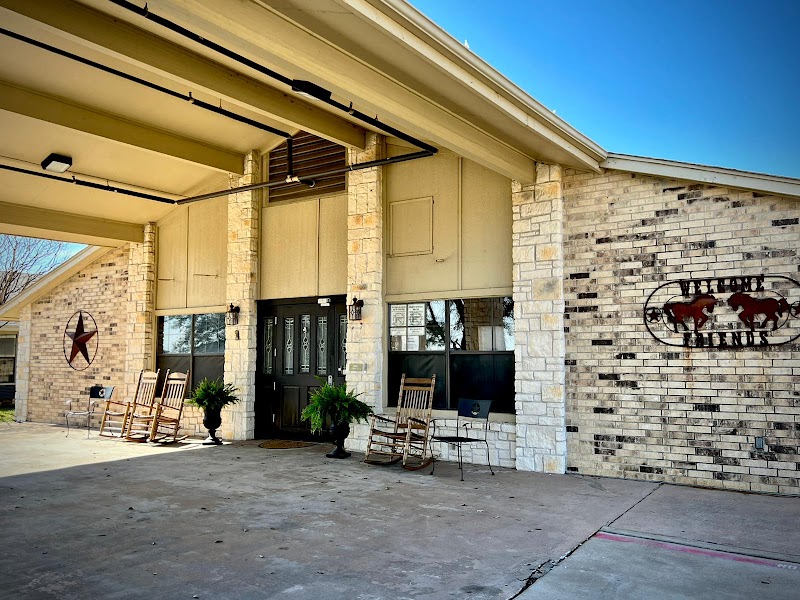
Who Owns and Operates Cedar Ridge Rehabilitation And Healthcare Center?

CEDAR RIDGE REHABILITATION AND HEALTHCARE CENTER is owned by a for-profit company. For-profit facilities operate as businesses with obligations to shareholders or private owners. The facility is operated by NEXION HEALTH, a chain that manages multiple nursing homes. With 108 certified beds and approximately 88 residents (about 81% occupancy), it is a mid-sized facility located in PILOT POINT, Texas.
How Does Cedar Ridge Rehabilitation And Healthcare Center Compare to Other Texas Nursing Homes?

Compared to the 100 nursing homes in Texas, CEDAR RIDGE REHABILITATION AND HEALTHCARE CENTER's overall rating (3 stars) is above the state average of 2.8, staff turnover (45%) is near the state average of 46%, and health inspection rating (3 stars) is at the national benchmark.

What Should Families Ask When Visiting Cedar Ridge Rehabilitation And Healthcare Center?

Based on this facility's data, families visiting should ask: "What changes have been made since the serious inspection findings, and how are you preventing similar issues?" "Can I visit during a mealtime to observe dining assistance and food quality?" "How do you handle medical emergencies, and what is your hospital transfer rate?" "Can I speak with family members of current residents about their experience?" These questions are particularly relevant given the facility's Immediate Jeopardy citations.

Is Cedar Ridge Rehabilitation And Healthcare Center Safe?

Based on CMS inspection data, CEDAR RIDGE REHABILITATION AND HEALTHCARE CENTER has documented safety concerns. Inspectors have issued 1 Immediate Jeopardy citation (the most serious violation level indicating risk of serious injury or death). The facility has a 3-star overall rating and ranks #1 of 100 nursing homes in Texas. Families considering this facility should ask detailed questions about what corrective actions have been taken since these incidents.

Do Nurses at Cedar Ridge Rehabilitation And Healthcare Center Stick Around?

CEDAR RIDGE REHABILITATION AND HEALTHCARE CENTER has a staff turnover rate of 45%, which is about average for Texas nursing homes (state average: 46%). Moderate turnover is common in nursing homes, but families should still ask about staff tenure and how the facility maintains care continuity when employees leave.

Was Cedar Ridge Rehabilitation And Healthcare Center Ever Fined?

CEDAR RIDGE REHABILITATION AND HEALTHCARE CENTER has been fined $13,628 across 1 penalty action. This is below the Texas average of $33,215. While any fine indicates a compliance issue, fines under $50,000 are relatively common and typically reflect isolated problems that were subsequently corrected. Families should ask what specific issues led to these fines and confirm they've been resolved.

Is Cedar Ridge Rehabilitation And Healthcare Center on Any Federal Watch List?

CEDAR RIDGE REHABILITATION AND HEALTHCARE CENTER is not on any federal watch list. The most significant is the Special Focus Facility (SFF) program, which identifies the bottom 1% of nursing homes nationally based on persistent, serious quality problems. Not being on this list means the facility has avoided the pattern of deficiencies that triggers enhanced federal oversight. This is a positive indicator, though families should still review the facility's inspection history directly.