CASCADES AT PORT ARTHUR
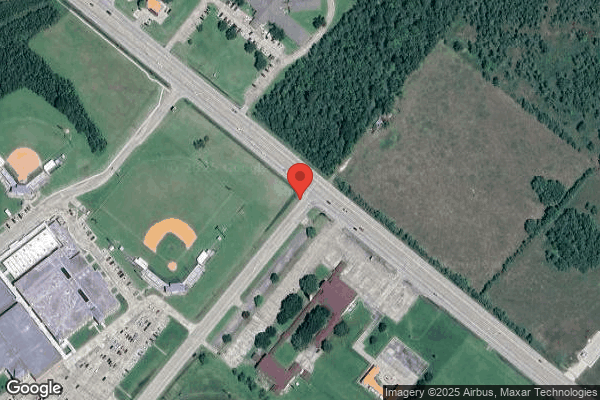
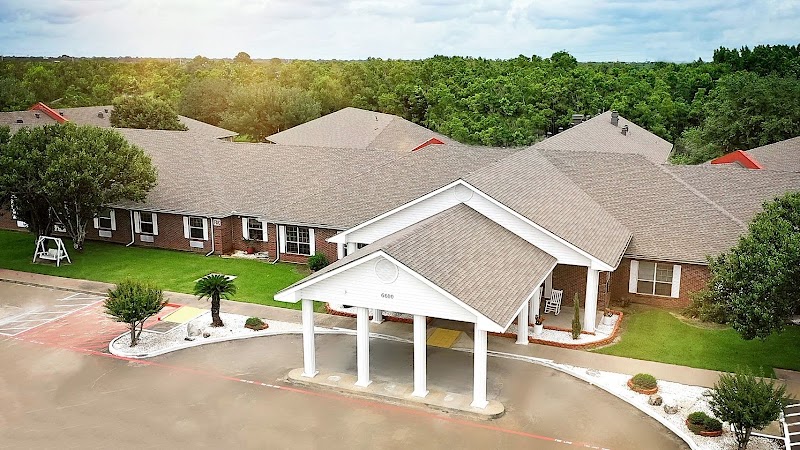
6600 NINTH AVE, PORT ARTHUR, TX 77642 (409) 962-5541
For profit - Corporation 150 Beds CASCADES HEALTHCARE Data: November 2025 10 Immediate Jeopardy citations
Trust Grade
0/100
#945 of 1168 in TX
Last Inspection: October 2024

Within standard 12-15 month inspection cycle. Federal law requires annual inspections.

Overview

Cascades at Port Arthur has received a Trust Grade of F, indicating significant concerns and poor overall conditions. It ranks #945 out of 1168 facilities in Texas, placing it in the bottom half, and #10 out of 14 in Jefferson County, meaning only a few local options are worse. The facility's performance trend is stable, with 6 reported issues each year from 2024 to 2025, but alarming staffing challenges are evident, with a 66% turnover rate that is higher than the Texas average. Additionally, it has faced severe fines totaling $365,561, which is concerning and suggests ongoing compliance problems. Notably, there have been critical incidents including a failure to administer important medications to residents, which led to serious health consequences, highlighting significant weaknesses in care delivery despite the facility having average quality measures.

Trust Score
F
0/100
In Texas
#945/1168
Bottom 20%
Safety Record
High Risk
Review needed
Inspections
Holding Steady
6 → 6 violations
Staff Stability
⚠ Watch
66% turnover. Above average. Higher turnover means staff may not know residents' routines.
Penalties
✓ Good
$365,561 in fines. Lower than most Texas facilities. Relatively clean record.
Skilled Nurses
⚠ Watch
Each resident gets only 17 minutes of Registered Nurse (RN) attention daily — below average for Texas. Fewer RN minutes means fewer trained eyes watching for problems.
Violations
⚠ Watch
38 deficiencies on record. Higher than average. Multiple issues found across inspections.
★☆☆☆☆
1.0
Overall Rating
★☆☆☆☆
1.0
Staff Levels
★★★☆☆
3.0
Care Quality
★☆☆☆☆
1.0
Inspection Score
Stable
2024: 6 issues
2025: 6 issues

The Good

  • Full Sprinkler Coverage · Fire safety systems throughout facility
  • No fines on record

Facility shows strength in fire safety.

The Bad

1-Star Overall Rating

Below Texas average (2.8)

Significant quality concerns identified by CMS

Staff Turnover: 66%

20pts above Texas avg (46%)

Frequent staff changes - ask about care continuity

Federal Fines: $365,561

Well above median ($33,413)

Significant penalties indicating serious issues

Chain: CASCADES HEALTHCARE

Part of a multi-facility chain

Ask about local staffing decisions and management

Staff turnover is elevated (66%)

18 points above Texas average of 48%

The Ugly 38 deficiencies on record

10 life-threatening 2 actual harm
Sept 2025 5 deficiencies 3 IJ
CRITICAL (J) 📢 Someone Reported This

A family member, employee, or ombudsman was alarmed enough to file a formal complaint

Immediate Jeopardy (IJ) - the most serious Medicare violation

Accident Prevention (Tag F0689)

Someone could have died · This affected 1 resident

**NOTE- TERMS IN BRACKETS HAVE BEEN EDITED TO PROTECT CONFIDENTIALITY** Based on observation, interview, and record review, the facility failed to ensure adequate supervision was provided for 1 of 7 r...

Read full inspector narrative →
**NOTE- TERMS IN BRACKETS HAVE BEEN EDITED TO PROTECT CONFIDENTIALITY** Based on observation, interview, and record review, the facility failed to ensure adequate supervision was provided for 1 of 7 residents reviewed for accidents and supervision. (Resident #1) The facility failed to ensure Resident#1 received adequate supervision to prevent elopement. Resident #1 eloped from the facility on 09/14/2025 and was located by facility staff approximately 50 feet off facility premises in a tall grassy area with rocks, uneven ground, and cut trees. An IJ was identified on 09/14/2025. The IJ template was provided to the facility on [DATE] at 4:10 p.m. While the IJ was removed on 09/19/2025, the facility remained out of compliance at a scope of isolated and a severity level of potential for more than minimal harm because all staff had not been trained on Elopement. This failure could prevent residents from receiving appropriate supervision which could lead to residents sustaining serious injury, harm, or death. Findings included: Record review of Resident #1's electronic facility face sheet dated 09/17/ 2025, indicated he was a [AGE] year-old male admitted to the facility on [DATE]. Diagnosis of cognitive communication deficit generalized anxiety disorder, unspecified symptoms and signs involving cognitive functions. Record review of Resident #1's quarterly MDS assessment, dated 08/10/2025 indicated a BIMS score of 06 indicating Resident #1 was severely cognitive impaired. Resident #1 ambulated independently with no mobilities devices needed. MDS indicated Resident #1 had behaviors related to rejecting care that typically occurred 1 to 3 days. Record review of Resident #1's care plan dated 08/22/2025 indicated he had a behavior problem (Delusions) related to impaired thought process and impaired cognition following Cerebrovascular accident (stroke). Interventions: Anticipate and meet the resident's needs and if reasonable, discuss the resident's behavior. Explain/reinforce why behavior is inappropriate and/or unacceptable to the resident. On 09/15/2025 the facility added a new focus to Resident #1 care plan indicating he is an elopement risk/wanderer related to his history of attempting to leave the facility unattended and exit seeking. Interventions: Send to the behavior hospital for evaluation and treat. Distract resident from wandering by offering pleasant diversions, structured activities, food, conversation, television, books. Monitor location every (15) min. Record review of Resident #1's Wandering Risk Scale dated 08/04/2025 indicated a score of 4- low risk. Record review of Resident #1's NSG: Additional admission Assessments (Braden, Morse, etc.) dated 08/05/2025 indicated a low wander risk. Record review of Resident #1's Wandering Risk Scale dated 09/15/2025 indicated a score of 15- high risk. Record review of Resident #1 nursing note dated 09/14/2025 at 5:24 p.m. indicated LVN A documented the following: Resident noted to be wandering the grounds of facility behind the building near a field with high grass. This nurse and other staff approached the resident to guide this resident back into the facility, Resident became belligerent and aggressive stating that he does not need to be in the nursing facility. The resident begins waving his arms and not allowing staff to hold his hands to guide him back into the building. This nurse explained to the resident it is very hot outdoors and dangerous temperatures to be wandering away from the facility. Resident did not want to hear what this nurse was saying but finally was able to get resident back in facility. Record review of LVN A nursing note dated 09/14/2025 at 6:30 p.m. indicated the following: Resident #1 was placed on 15-minute monitoring checks from the dates of 09/13/2025-09/14/2025 starting at 6:00 p.m. Record review of the fifteen-minute monitoring sheet indicated Resident #1's monitoring was initiated on 09/13/2025 at 6:00 a.m. by LVN A. - On the time slot for 10:45 a.m. - 11:45 a.m. there was no staff initials on the line to confirm Resident #1 was being monitored.- On the time slot for 6:00 p.m.- 11:45 a.m. there was a line from 6:00 p.m. to 11:45 a.m. stating no issues. - On the time slot for 7:45 p.m. stated no issues. - On the time slot for 11:00 p.m. stated no issues.- The monitoring sheets were dated for: 09/13/2025- 09/18/2025. Record review of Resident #1's witness statement completed on 09/19/2025, by LVN A indicated This nurse went to do 15 min check on Resident #1 at about 4:45 p.m. and noted resident was not in his room. I started looking around the halls and other staff did as well. Once nobody could find the resident in the building, several staff went outdoors to look for resident, I was walking down towards the (redacted) on 9th avenue by the fields. I looked by the ditches and trees; I did not see him. LVN A wrote in her statement that Resident #1 was walking back from the field where the ground was uneven and had tall grass. Once staff was able to get him back onto facility grounds and inside, he stated why am I here and he needs to go. Resident did state he does not need to be here, nor does he need to be evaluated for any behaviors. During an interview on 09/16/2025 at 4:00 p.m., the DON said Resident #1 had aggressive behaviors present on admission. On 09/13/2025 he chased staff, cussed at them, tried to hit them, and was very aggressive with staff. The DON said she initially planned to send Resident #1 to a behavioral hospital on [DATE] but decided to cancel the transfer because his behaviors calmed down some. The DON said she initiated 15-minute monitoring checks for Resident #1. The DON did not give specific instructions to staff on how to monitor, nor what behaviors to look for in Resident #1. The DON did not designate a staff member to monitor Resident #1 but said she expected nurses to complete the checks. Resident #1 eloped from the facility on 09/14/2025 while the 15-minute monitoring checks were still in place. The DON said she didn't know the exact location of Resident #1 but hoped he's in his room. The DON said the facility does not have wander guards or any keycodes on any of the doors inside the facility. The DON said the residents can go in and out of the facility freely. During interview on 09/17/2025 at 10:01 a.m. LVN A said she last laid eyes on Resident #1 09/14/2025 at 4:45 p.m. and did not locate him till 5:08 p.m. on 09/14/2025. LVN A said Resident #1 was off facility property. It had taken a minimum of 3 staff members to get him back into the building due to his cussing and combativeness. During interview on 09/17/2025 at 10:15 a.m. Resident #1 said he went out of an unlocked facility door because he did not want to be there. Resident #1 said if the door was locked, he would not have been able to get out of the facility. Resident #1 said he doesn't want to be at the facility and should not be there. During interview on 09/17/2025 at 10:53 a.m., LVN B said on 09/13/2025 Resident #1 came out of his room yelling at her and began chasing her down the hall and around the nurse's station. The LVN B was unable to say why or what triggered Resident #1's aggressive behavior episode. The LVN B said he balled his fist up and attempted to hit her and then began yelling at other staff at the nurse's station. LVN B said the DON and the Administrator were notified. She said the DON told her and LVN A to start 15-minute monitoring checks on Resident #1. The LVN B said the DON did not designate a staff member to oversee the 15-minute monitoring checks nor what behaviors they should be looking for while Resident #1 was on the 15-minute monitoring checks. During interview on 09/17/2025 at 11:05 a.m., LVN A said she started looking for Resident #1 on 09/14/2025 at 4:45 pm because the 15- minute monitoring check was due and noticed he was not in his room nor in the facility. She said she located Resident #1 off facility grounds near (YMCA- redacted) in an uneven ground field with high grass, and cut trees laid everywhere. During interview on 09/17/2025 at 11:53 a.m., LVN B said Resident #1 would attempt to elope again because he states he should not be here, he did not want to be here and wanted to leave. During interview on 09/17/2025 at 11:58 a.m., LVN A said Resident #1 would attempt to elope again because now he knows the laundry and front door are unlocked and knows how to exit the facility. She said there was no way she can monitor all her assigned residents, give medications, and monitor Resident #1 at the same time. LVN A said when she gave medications on hall 300, she was unable to complete the 15- minute monitor checks on Resident #1 all at the same time. She said she already missed the 12- noon 15-minute monitor check because she was doing medication pass on her second assigned hall (hall-300). LVN A said while she was on her hour lunch break there was not another nurse watching Resident #1. During interview on 09/17/2025 at 12:12 p.m., CNA C said on 09/13/2025 she was not made aware Resident #1 was on 15-mintute monitoring checks. CNA C said she did not see any staff checking on him during her shift on 09/13/2025 from 6 a.m.- 6 p.m. During interview on 09/17/2025 at 12:30 p.m., CNA D said Resident #1 was wandering inside the facility on 09/13/2025. She said once Resident #1 was located by staff he kept saying the city hired him to pick up all the cut down trees in the field. She said she was not made aware Resident #1 was on 15-mintute monitoring checks. During interview on 09/17/2025 at 12:45 p.m., the CNA Supervisor said on 09/13/2025 Resident #1 was very aggressive stating I don't want to f***ing be here. She said Resident #1 had been saying he did not want to be at the facility since admission. She said she reported Resident #1 behaviors to the DON. She said she was not made aware Resident #1 was on 15-mintute monitoring checks. During interview on 09/17/2025 at 2:40 p.m., the DON said Resident #1 was admitted with behaviors and was very confused. The DON said Resident #1's behavior was reported to her on 09/13/2025 approximately 11:30 a.m. The DON said she along with the Administrator made the decision to place Resident #1 on 15-mintue monitor checks. She said the 15-mintue monitor checks were supposed to start approximately at 11:30a.m. She said the corporate nurse agreed to place him on 15-mintue monitor checks. The DON said she expected the nurses to do 15-mintue monitor checks, know where Resident #1 was at, and report to her any changes. The DON said she was responsible for following up on the 15-mintue monitor checks to ensure they are completed accurately. She said a high elopement risk was someone saying they want to leave the facility and start having exit seeking behaviors. She said a low elopement risk was someone wandering around the facility but not exit seeking. The DON said LVN A notified the Physician about Resident #1s behavior on 09/13/2025. The DON was unable to provide documentation of the physician being notified because the nurse did not document her calling. The DON said they do not have an assigned staff member to sit at the receptionist desk. During interview on 09/17/2025 at 4:05 p.m., the Administrator said Resident #1 had no payor source and stated, who's going to pay for a 1:1 sitter? During observation on 09/17/2025 at 11:15 a.m. Resident #1 was in his room sitting on the bed. Resident #1 had no wander guard on. The facility does not have nor use the wander guard system. During an observation on 09/17/2025 at 11:18 a.m. indicated the facility was located on a busy commercial 4 lane road with a speed limit of 45 mph. LVN A walked outside of facility and showed surveyor where Resident #1 was found when he eloped. LVN A showed surveyor location approximately 50 feet off facility premises in a tall grassy area with rocks, uneven ground, and cut trees. During an observation on 09/17/2025 at 11:20 a.m. LVN B showed surveyor an exit door on hall 200 was not locked and had no keycode or alarming sound on door. She said Resident #1 could also go out of the entrance door of the facility. LVN B said both doors lead to were Resident #1 was located off facility premise. Record review of website www.wunderground.com accessed 09/17/2025 indicated the outside temperature at the time of the elopement 09/14/2025 was approximately 96 degrees.Record review of an Elopement Policy with revision date of March 2019, indicated, Policy: The facility will identify residents who are at risk of unsafe wandering and strive to prevent harm while maintaining the least restrictive environment for residents. 1. If identified as at risk for wandering, elopement, or other safety issues, the resident's care plan will include strategies and interventions to maintain the resident's safety. 3. If a resident is missing, initiate the elopement/missing resident emergency procedure:1. Determine if the resident is out on an authorized leave or pass;2. If the resident was not authorized to leave, initiate a search of the building(s) and premises; and3. If the resident is not located, notify the administrator and the director of nursing services, the resident's legal representative, the attending physician, law enforcement officials, and (as necessary) volunteer agencies (i.e., emergency management, rescue squads, etc.). 4. When the resident returns to the facility, the director of nursing services or charge nurse shall:1. examine the resident for injuries;2. contact the attending physician and report findings and conditions of the resident;3. notify the resident's legal representative (sponsor);4. notify search teams that the resident has been located; 5. complete and file an incident report; and document relevant information in the resident's medical record. The Administrator and DON were notified on 09/17/2025 at 4:10 p.m., that a noncompliance Immediate Jeopardy situation had been identified due to the above failures and were given a copy of the Immediate Jeopardy template and a Plan of Removal (POR) was requested. The facility's POR for the Immediate Jeopardy was accepted on 09/18/2025 at 6:34 a.m. and reflected the following: 1.Measures Put into Place/System Changes to remove the immediacy, and what date these actions occurred:Action: Resident #1 placed on 1:1 monitoring to be in place until Interdisciplinary team determines that monitoring can be decreased or alternate placement is found in a secure environment. The 1:1 will be 24 hours per day. Resident #1 will be within direct visual observation to ensure safety and immediate response. The person doing the 1:1 monitoring will only have that responsibility. Currently staff are signing up for 2-hour intervals and will not require a meal break. Staff will be required to document the 1:1 on the monitoring form.Person(s) Responsible: Director of Nursing, and/or Designee.Date: By 09/17/2025. Action: Facility audit of all residents to ensure a wander risk assessment was completed within the last quarter. Any resident who has not had a wandering assessment completed will have an updated one completed by 9/17/2025. Person(s) Responsible: Director of Nursing, and/or Designee Date: By 09/17/2025. Action: Ad-Hoc QAPI was conducted on 9/17/2025 with the Medical Director present by telephone. Person(s) Responsible: Administrator and Director of Nursing.Date: 09/17/2025. Action: Referrals to be sent for alternate placement.Person(s) Responsible: Director of Nursing or Assistant Director of Nursing.Date: 09/17/2025. Action: Education provided to the Director of Nursing on 9/17/25 related to interventions when a resident at risk for elopement expresses desires to elope, or an actual elopement occurs. Person(s) Responsible: Regional Nurse.Date: 09/17/2025. Action: Education to be initiated with all staff related to monitoring and safety of residents as well as appropriate steps to take when a resident expresses desire to leave or an actual elopement occurs. This training for all staff will be validated by completion of a post-training test, to be dated and signed by each staff member. Person(s) Responsible: Director of Nursing, and or/ Designee.Date:09/17/2025. Action: Residents requiring 1:1 monitoring or 15-minute checks will be relayed to staff on the daily assignment sheet.Person(s) Responsible: Updated by Nursing Management.Date: 09/17/2025. Action: Staff will be re-educated on the elopement policy and elopement drills will be performed by policy.Date: OngoingPerson(s) Responsible: Director of Nursing, and or/ Designee. Action: Education to be completed with all nursing staff working. Staff who did not receive the training will receive this training prior to their next shift and will not be allowed to provide direct resident care until they have completed the training.Person(s) Responsible: Director of Nursing, and or/ Designee.Date:09/17/2025. Action: Door chimes will be installed on the laundry door and front door to alert staff when someone is coming in or going out. The staff will re-direct any resident that has been deemed at risk for elopement.Date: To be completed by 09/18/2025 at 12:00 p.m. The facility's verification of the POR was as follows: During observation 09/17/2025 at 4:30 p.m. Resident #1 was placed on 1:1 monitoring with assigned staff. Resident #1 had a staff member outside of his room. During observation on 09/18/2025 at 10:00 a.m. door chimes were on the laundry door and front door. Door chimes sounded every time it was opened. Record review on 09/18/2025 of wander risk audit dated 09/17/2025 indicated a facility audit was conducted on all residents ensuring a wander risk assessment had been completed within the last quarter. Record review of the QAPI sign-in roster dated 09/17/2025 indicated an in-person attendance at the meeting from the Administrator, Assistant director of nursing, regional nurse, DON, and attendance by telephone from the Physician. Record review on 09/18/2025 at 10:00 a.m. of the DON training indicated the DON was trained 9/17/2025 on What is Elopement and Wandering and Elopements policy revised date: March 2019 and took a Elopement in Long- Term Care Quiz on 09/17/2025, by the Regional nurse. The Regional nurse educated the DON on the interventions when a resident at risk for elopement expresses desires to elope, or an actual elopement occurs. Record review on 09/18/2025 at 11:15 a.m. of an Employee In- service Record indicated 20 CNAs, 8 nurses (DON & ADON) included), 7 housekeepers, 2 dietary, 2 cooks, 2 admission staff, and 2 transport staff were educated on the elopement binder, residents at high risk for elopement, (interventions when a resident is exit seeking or attempting to elope.) communication of residents that are requiring 1:1 or 15 minute monitoring (will be indicated on the daily assignment sheet.) Record review on 09/18/2025 at 12:10 p.m. of A Mock elopement drill sign-in sheet and elopement drill observer checklist dated 09/18/2025 indicated 7 CNA's, 6 housekeepers, 1 transport staff, 5 nurses (DON & ADON included) 1 admissions staff, Administrator, and the MDS Coordinator participated in a mock elopement drill with Regional nurse, as the drill observer. Record review on 09/18/2025 2:00 p.m. of facility staff schedules dated 09/18/2025 indicated new rotate staff were all educated on the elopement policy, the elopement binder, and which residents are at high risk for elopement. All staff and took a post test on elopement. Record review of elopement assessments completed on 09/18/2025 reflected 75 assessments were completed. In an interview with the Maintenance Director on 09/18/2025 at 2:13 p.m. indicated he had received an in-service regarding elopement and learned how to identify exit seeking behaviors, look for missing residents, and redirecting exit seeking residents. took a post test on elopement. He said he added chimes to the laundry door and front door so everyone would know whose going in and out of the facility. In an interview with the Administrator on 09/18/2025 at 3:00 p.m., he stated he performed an education in-service with all department heads regarding elopement. He said he would follow up with the DON to ensure compliance with their elopement policy. In an interview with the Administrator on 09/18/2025 at 3:30 p.m., he said all residents who had positive elopement screenings had re-evaluations of their care plans. Staff interviews conducted on 09/18/2025 from 12:00 p.m. to 2:30 p.m., representing staff from (6:00 a.m.- 6:00 p.m.) and (6:00 p.m.- 6:00 a.m.) included: Administrator, DON,ADON, LVN A, LVN C, LVN D, LVN E, LVN F, LVN G, LVN H, LVN I, CNA Supervisor, OT #1, PT #1, LVN F, LVN G, LVN H, LVN J, LVN K, LVN L, LVN P, LVN O, Housekeeper AA, Housekeeper BB, Housekeeper CC, Housekeeper DD, Housekeeper EE, Housekeeper Supervisor, [NAME] FF, [NAME] GG, [NAME] HH, [NAME] LL, Dietary aide, Dietary Supervisor, Business Office Manager, Admissions Director, Activities Director, Maintenance Director, Transportation Director. All staff were able to identify what Elopement is, who to report any residents displaying exit seeking behaviors and steps for staff to take to de-escalate resident behaviors. Staff indicated they were to be aware of resident behaviors, monitor for exit seeking behaviors. Staff were able to state elopement risk factors, elopement prevention strategies, required staff response if an elopement occurs, and keys points to remember. All staff were able to identify the responsibilities for supervision and monitoring residents with any exit seeking behaviors. During these interviews, staff stated they had received in-service training about the facility's elopement policies and procedures, including the charge nurse's responsibility and ensure they checked the elopement binder to know who's at risk for elopement. The staff stated they felt confident in identifying exit seeking behaviors. Record review of the 1:1 monitoring document dated 09/17/2025 indicated the documentation was not completed accurately. The 1:1 monitoring document reflected the following:On the time slot for 10:45 a.m. - 11:45 a.m. there was no staff initials on the line to confirm Resident #1 was being monitored.- On the time slot for 6:00 p.m.- 11:45 a.m. there was a line from 6:00 p.m. to 11:45 a.m. stating no issues. - On the time slot for 7:45 p.m. stated no issues. - On the time slot for 11:00 p.m. stated no issues. During an interview on 09/17/2025 at 2:00 p.m. the DON said it was her responsibility to ensure the 1:1 monitoring sheet was being filled out accurately. Resident #1 was transferred to another facility 09/18/2025 at 5:15 p.m. An IJ was identified on 09/14/2025. The IJ template was provided to the facility on [DATE] at 4:10 p.m. While the IJ was removed on 09/19/2025, the facility remained out of compliance at a scope of isolated and a severity level of potential for more than minimal harm because all staff had not been trained on Elopement.
CRITICAL (J) 📢 Someone Reported This

A family member, employee, or ombudsman was alarmed enough to file a formal complaint

Immediate Jeopardy (IJ) - the most serious Medicare violation

Pharmacy Services (Tag F0755)

Someone could have died · This affected 1 resident

**NOTE- TERMS IN BRACKETS HAVE BEEN EDITED TO PROTECT CONFIDENTIALITY** Based on interview and record review, the facility failed to provide pharmaceutical services (the process of receiving and inter...

Read full inspector narrative →
**NOTE- TERMS IN BRACKETS HAVE BEEN EDITED TO PROTECT CONFIDENTIALITY** Based on interview and record review, the facility failed to provide pharmaceutical services (the process of receiving and interpreting prescriber's orders and to provide procedures that assure the accurate acquiring, receiving, dispensing, and administration of all drugs) to meet the needs of each resident for one (Resident #2) of four residents reviewed for pharmaceutical services.The facility failed to ensure Resident #2's hospital discharged medication regimen was accurately reviewed and implemented. Resident #2 was readmitted to the hospital with respiratory failure and COPD. The noncompliance was identified as past noncompliance (PNC). The IJ began on 02/07/2025 and ended on 02/10/2025. The facility had corrected the noncompliance before the state's investigation began.This failure could place residents at risk for not receiving medications as ordered by their physician or per manufacturer's directions. Findings included:Record review of Resident #2's PPS MDS assessment dated [DATE] indicated Resident #2 was a [AGE] year-old female admitted to the facility on [DATE] with diagnoses of hypertension (high blood pressure), COPD (a group of lung diseases that block airflow and make it difficult to breathe). The MDS also indicated a BIMS score of 14 (suggested no cognitive impairment).Record review of Resident #2's baseline care plan dated 02/07/2025 indicated Resident #2 used oxygen continuously due to COPD. Record review of Resident #2's hospital H&P dated 02/04/2025 (prior to facility admission) indicated Resident #2 was admitted to the hospital on [DATE] for complaints of a 2-3-week history of gradual worsening shortness of breath, cough, and wheezing. Resident #2 was hypoxic (an inadequate supply of oxygen o the body's tissues) and was placed on BIPAP (a non-invasive ventilation therapy that uses 2 different levels of air pressure to assist breathing). Record review of Resident #2's hospital Discharge summary dated [DATE] indicated 3 new medications upon discharge: -budesonide 0.5 mg/2 ml (breathing treatment) per nebulizer twice daily;-prednisone 20 mg(anti-inflammatory) by mouth before breakfast; and-levalbuterol HCL 0.63mg/3 ml (breathing treatment) every 6 hours via nebulizer. Additionally, Resident #2 was to continue previous home medications:-omeprazole 20 (reduces stomach acid) mg daily;-Levothyroxine 100 mcg (used to treat underactive thyroid) daily;-Memantine 10 mg (used to treat moderate to severe Alzheimer's) daily;-hydrochlorothiazide 12.5 mg (used to treat high blood pressure and fluid retention) daily;-Magnesium oxide 400 mg (supplement used to regulate muscle and nerve function) daily;-Duloxetine 30 mg (used to treat mood disorders and chronic pain) twice daily;-Ibuprofen 600 mg (anti0inflammatory) twice daily as needed;-losartan 25 mg (for blood pressure) daily; -atorvastatin 40 mg (used to reduce cholesterol levels) every evening; and -tramadol 50 mg (for pain) four times daily. Record review of Resident #2's admission orders and MAR dated 02/07/2025 indicated the facility ordered and administered 11 medications that were not Resident #2's discharge medications with multiple doses to Resident #2 from 02/07/25-02/10/25. Resident #2 was administered the following: *Amiodarone 200 mg 5 doses (blood pressure) -Plavix 75 mg 3 doses (blood thinner), -Eliquis 5 mg 5 doses (blood thinner), -Lexapro 5 mg 3 doses (anti-depressant), -Lasix 40 mg 3 doses (diuretic), -Metolazone 5 mg 3 doses (diuretic), - Gemtesa 75 mg 3 doses (for bladder spasms), -Valsartan 320 mg 3 doses (blood pressure) ,-Levothyroxine 137 mcg 2 doses(for thyroid - receives 100 mcg at home), -Docusate 100 mg 2 doses (stool softener) and,-Melatonin 5 mg 2 doses (helps sleep).Record review of Resident #2's nurses notes written by LVN P indicated Resident #2 experienced shortness of breath and anxiety within 72 hours of admission to facility, resulting in decreasing oxygen saturation levels and Resident #2 being transferred to hospital for evaluation. She was admitted to the hospital on [DATE] with an exacerbation of COPD and anxiety. Record review of a Medication Error form completed by the corporate nurse and dated 02/10/2025 for Resident #2 indicated the following: . Family brought to the facilities attention that the medications that [Resident #2] was receiving at the facility did not match their understanding of what medications the resident should be on. Upon investigation, it was discovered that the 2 pages (pages 33 and 34) of the hospital paperwork containing the discharge medications that the family brought to the facility with the resident had a different resident's name on them. This resulted in [Resident #2] being placed on the wrong medications from 2/7 through 2/10. During an interview on 09/17/2025 at 09:30 a.m., the regional nurse said Resident #2's family member came to the facility and had asked if Resident #2 had been given her breathing treatment over the weekend. The corporate nurse said upon review of Resident #2's medical record, she had noticed the diagnoses, and the medication list did not look right. Upon further reviewing, the corporate nurse said out of the 60+ pages, she found that the medication list provided by the discharging hospital had a different person's medication list and discovered the facility had inadvertently missed and had written the wrong medications for Resident #2. In addition, the 3 new medications upon discharge from hospital had been overlooked and were omitted. She said the staff nurses were in-serviced on medication errors, ensuring correct residents were listed on their discharge papers, verifying correctness of orders, etc. She said they did an audit of all admission within the 30 days prior and there were no new identifiable errors. She said they did QAPI and monitored all new admissions for 3 months with no errors. During a phone interview on 09/19/2025 at 10:45 a.m., Physician H, who was the attending physician for Resident #2's most recent hospital visit, said it was difficult to say if Resident #2 having received the wrong medications would have contributed to her hospital stay. He said it was very important for facilities to provide accurate medication lists when transferring residents to the hospital. During an interview on 09/19/2025 at 10:50 a.m., LVN E reported she completed Resident #2's admission Assessment, but denied transcription of the medication orders that were included in the discharge paperwork from the hospital. LVN E said she had noticed Resident #2 crying at times, and felt it was due to being a new admission to the facility. During a phone interview on 09/19/2025 at 11:00 a.m., NP J said he was employed as Physician K's NP (who was also the facility Medical Director). He said he had not seen Resident #2 while she was in the facility, and he recalled receiving a call from nursing staff saying Resident #2 was having shortness of breath. He said he gave orders to send to ER for evaluation. NP J said in his opinion, Resident #2's shortness of breath could have been contributed to having been administered the wrong medications, and added the error should have been caught on admission. He said he and physician attend monthly QA meetings at facility and he vaguely recalled the entire incident. During an interview on 09/19/2025 at 11:50 a.m., the DON said the admitting nurse was responsible for reconciling the medications with the physician, and the ADON was to ensure the medications were accurately transcribed. The DON said she was not employed at the facility at the time of this incident. She was hired one month later. The DON said the facility had a Standards of Care meeting weekly at which time new admissions, wounds, change in conditions were discussed and acted upon. The DON said this failure could negatively affect the residents as the wrong medications could cause harm, allergic reactions, or adverse reactions. She said her expectations were for nursing staff to make sure the correct resident's names and date of birth were on all paperwork from the hospital or physician offices. During an interview on 09/19/2025 at 12:20 p.m., the regional nurse said the staff had failed to transcribe and administer Resident #2's breathing treatments as prescribed upon discharge from hospital on [DATE]. She said staff failed to verify the names on Resident #2's discharge papers from the hospital. She said the admitting nurse was responsible for transcribing physician orders, and the ADON was responsible to ensure correctness. If a resident was admitted over the weekend, the orders were to be checked on the next workday. During a joint interview on 09/19/2025 at 12:55 p.m., LVN F said she had been employed at facility since April 2025. LVN F said she had been trained in admissions. She said anytime she would be expecting admission, she would request all discharge records prior to transfer. She said she would verify the resident's name, date of birth , and medications. She said upon arrival at the facility, a verification was made by asking residents their name and date of birth , or by looking at hospital bracelets, or verify if the family was present. LVN G agreed with LVN F comments and added when notifying physician of admission and verification of medications, she would also ensure the resident orders were complete as in route, frequency, rationale, and duration. LVN F said anytime medications were questioned, the physicians were quick to respond to calls made by nursing staff. LVN G said when notifying physician to verify medications, they name every medication to the physician. Review of facility policy titled Reconciliation of Medications on Admission, with a revision date of July 2017, indicated The purpose of this procedure is to ensure medication safety by accurately accounting for the resident's medications, routes, and dosages upon admission or readmission to the facility. Medication reconciliation helps to ensure that medications, routes and dosages have been accurately communicated to the Attending Physician and care team. Review the list carefully to determine if there are discrepancies/conflicts.The facility took the following actions to correct the noncompliance prior to the investigation:-Record review of an Employee In-service Record dated 02/10/2025 indicated the facility in-serviced the staff on verifying all information on new admissions as correct and with the correct residents' information. The in-service was conducted by LVN F with an audience of licensed staff. Seventeen licensed staff were in-serviced. - During an interview on 09/19/2025 at 11:50 a.m., the DON said nursing administration implemented for the ADON to perform daily medication checks with orders for newly ordered medications and new admissions during the morning meetings. -Record review of an audit of new admissions indicated the facility monitored 16 new admissions from 01/21/2025 through 02/10/2025 for accuracy 5 times/week for 4 weeks with no negative outcome. -During interviews throughout the investigation from 02/16/2025 at 08:30 a.m. through 02/22/2025 at 5:15 p.m., the licensed staff were aware to verify new medications or new admission residents' medications by calling the physician to verify. (ADON, LVN A, LVN B, LVN E, LVN F, LVN G, LVN H, LVN J, and LVN K) -Record review of 19 new resident admission's clinical record from 09/21/2025 -09/22/2025, revealed the Order Summary, discharge paperwork from recent hospital visits, MAR, history and physicals, etc. indicated no errors in transcribing orders or orders being overlooked. (Resident #s 2, 4, 5, 6, 7, 8, 9,10,11,12,13,14,15,16,17,18, 19, 20, and 21) The noncompliance was identified as past noncompliance (PNC). The IJ began on 02/07/2025 and ended on 02/10/2025. The facility had corrected the noncompliance before the state's investigation began.
CRITICAL (J) 📢 Someone Reported This

A family member, employee, or ombudsman was alarmed enough to file a formal complaint

Immediate Jeopardy (IJ) - the most serious Medicare violation

Deficiency F0760 (Tag F0760)

Someone could have died · This affected 1 resident

**NOTE- TERMS IN BRACKETS HAVE BEEN EDITED TO PROTECT CONFIDENTIALITY** Based on interview and record review, the facility failed to ensure residents were free of significant medication errors for 1 o...

Read full inspector narrative →
**NOTE- TERMS IN BRACKETS HAVE BEEN EDITED TO PROTECT CONFIDENTIALITY** Based on interview and record review, the facility failed to ensure residents were free of significant medication errors for 1 of 19 residents reviewed for significant medication errors. (Resident #2)The facility must ensure that its residents are free of any significant medication errors. Resident #2 received multiple doses of medications that were not prescribed to her to include 2 blood thinners and blood pressure medications. Also, Resident #2 did not receive prescribed breathing treatments and anti-inflammatory medications and was re-hospitalized with COPD.The noncompliance was identified as past noncompliance (PNC). The IJ began on 02/07/2025 and ended on 02/10/2025. The facility had corrected the noncompliance before the state's investigation began.This failure could place residents at risk for not receiving medications as ordered by their physician or per manufacturer's directions. Findings included:Record review of Resident #2's PPS MDS assessment dated [DATE] indicated Resident #2 was a [AGE] year-old female admitted to the facility on [DATE] with diagnoses of hypertension (high blood pressure), COPD (a group of lung diseases that block airflow and make it difficult to breathe). The MDS also indicated a BIMS score of 14 (suggested no cognitive impairment).Record review of Resident #2's baseline care plan dated 02/07/2025 indicated Resident #2 used oxygen continuously due to COPD.Record review of Resident #2's hospital H&P dated 02/04/2025 (prior to facility admission) indicated Resident #2 was admitted to the hospital on [DATE] for complaints of a 2-3-week history of gradual worsening shortness of breath, cough, and wheezing. Resident #2 was hypoxic (an inadequate supply of oxygen o the body's tissues) and was placed on BIPAP (a non-invasive ventilation therapy that uses 2 different levels of air pressure to assist breathing). Record review of Resident #2's hospital Discharge summary dated [DATE] indicated 3 new medications upon discharge: -budesonide 0.5 mg/2 ml (breathing treatment) per nebulizer twice daily;-prednisone 20 mg(anti-inflammatory) by mouth before breakfast; and-levalbuterol HCL 0.63mg/3 ml (breathing treatment) every 6 hours via nebulizer.Additionally, Resident #2 was to continue previous home medications:-omeprazole 20 (reduces stomach acid) mg daily;-Levothyroxine 100 mcg (used to treat underactive thyroid) daily;-Memantine 10 mg (used to treat moderate to severe Alzheimer's) daily;-hydrochlorothiazide 12.5 mg (used to treat high blood pressure and fluid retention) daily;-Magnesium oxide 400 mg (supplement used to regulate muscle and nerve function) daily;-Duloxetine 30 mg (used to treat mood disorders and chronic pain) twice daily;-Ibuprofen 600 mg (anti0inflammatory) twice daily as needed;-losartan 25 mg (for blood pressure) daily;-atorvastatin 40 mg (used to reduce cholesterol levels) every evening; and-tramadol 50 mg (for pain) four times daily. Record review of Resident #2's admission orders and MAR dated 02/07/2025 indicated the facility ordered and administered 11 medications that were not Resident #2's discharge medications with multiple doses to Resident #2 from 02/07/25-02/10/25. Resident #2 was administered the following: *Amiodarone 200 mg 5 doses (blood pressure) -Plavix 75 mg 3 doses (blood thinner),-Eliquis 5 mg 5 doses (blood thinner),-Lexapro 5 mg 3 doses (anti-depressant),-Lasix 40 mg 3 doses (diuretic), -Metolazone 5 mg 3 doses (diuretic),- Gemtesa 75 mg 3 doses (for bladder spasms),-Valsartan 320 mg 3 doses (blood pressure) ,-Levothyroxine 137 mcg 2 doses(for thyroid - receives 100 mcg at home),-Docusate 100 mg 2 doses (stool softener) and,-Melatonin 5 mg 2 doses (helps sleep).Record review of Resident #2's nurses notes written by LVN P indicated Resident #2 experienced shortness of breath and anxiety within 72 hours of admission to facility, resulting in decreasing oxygen saturation levels and Resident #2 being transferred to hospital for evaluation. She was admitted to the hospital on [DATE] with an exacerbation of COPD and anxiety. Record review of a Medication Error form completed by the corporate nurse and dated 02/10/2025 for Resident #2 indicated the following: . Family brought to the facilities attention that the medications that [Resident #2] was receiving at the facility did not match their understanding of what medications the resident should be on. Upon investigation, it was discovered that the 2 pages (pages 33 and 34) of the hospital paperwork containing the discharge medications that the family brought to the facility with the resident had a different resident's name on them. This resulted in [Resident #2] being placed on the wrong medications from 2/7 through 2/10. During an interview on 09/17/2025 at 09:30 a.m., the regional nurse said Resident #2's family member came to the facility and had asked if Resident #2 had been given her breathing treatment over the weekend. The corporate nurse said upon review of Resident #2's medical record, she had noticed the diagnoses, and the medication list did not look right. Upon further reviewing, the corporate nurse said out of the 60+ pages, she found that the medication list provided by the discharging hospital had a different person's medication list and discovered the facility had inadvertently missed and had written the wrong medications for Resident #2. In addition, the 3 new medications upon discharge from hospital had been overlooked and were omitted. She said the staff nurses were in-serviced on medication errors, ensuring correct residents were listed on their discharge papers, verifying correctness of orders, etc. She said they did an audit of all admission within the 30 days prior and there were no new identifiable errors. She said they did QAPI and monitored all new admissions for 3 months with no errors. During a phone interview on 09/19/2025 at 10:45 a.m., Physician H, who was the attending physician for Resident #2's most recent hospital visit, said it was difficult to say if Resident #2 having received the wrong medications would have contributed to her hospital stay. He said it was very important for facilities to provide accurate medication lists when transferring residents to the hospital.During an interview on 09/19/2025 at 10:50 a.m., LVN E reported she completed Resident #2's admission Assessment, but denied transcription of the medication orders that were included in the discharge paperwork from the hospital. LVN E said she had noticed Resident #2 crying at times, and felt it was due to being a new admission to the facility. During a phone interview on 09/19/2025 at 11:00 a.m., NP J said he was employed as Physician K's NP (who was also the facility Medical Director). He said he had not seen Resident #2 while she was in the facility, and he recalled receiving a call from nursing staff saying Resident #2 was having shortness of breath. He said he gave orders to send to ER for evaluation. NP J said in his opinion, Resident #2's shortness of breath could have been contributed to having been administered the wrong medications, and added the error should have been caught on admission. He said he and physician attend monthly QA meetings at facility and he vaguely recalled the entire incident.During an interview on 09/19/2025 at 11:50 a.m., the DON said the admitting nurse was responsible for reconciling the medications with the physician, and the ADON was to ensure the medications were accurately transcribed. The DON said she was not employed at the facility at the time of this incident. She was hired one month later. The DON said the facility had a Standards of Care meeting weekly at which time new admissions, wounds, change in conditions were discussed and acted upon. The DON said this failure could negatively affect the residents as the wrong medications could cause harm, allergic reactions, or adverse reactions. She said her expectations were for nursing staff to make sure the correct resident's names and date of birth were on all paperwork from the hospital or physician offices.During an interview on 09/19/2025 at 12:20 p.m., the regional nurse said the staff had failed to transcribe and administer Resident #2's breathing treatments as prescribed upon discharge from hospital on [DATE]. She said staff failed to verify the names on Resident #2's discharge papers from the hospital. She said the admitting nurse was responsible for transcribing physician orders, and the ADON was responsible to ensure correctness. If a resident was admitted over the weekend, the orders were to be checked on the next workday. During a joint interview on 09/19/2025 at 12:55 p.m., LVN F said she had been employed at facility since April 2025. LVN F said she had been trained in admissions. She said anytime she would be expecting admission, she would request all discharge records prior to transfer. She said she would verify the resident's name, date of birth , and medications. She said upon arrival at the facility, a verification was made by asking residents their name and date of birth , or by looking at hospital bracelets, or verify if the family was present. LVN G agreed with LVN F comments and added when notifying physician of admission and verification of medications, she would also ensure the resident orders were complete as in route, frequency, rationale, and duration. LVN F said anytime medications were questioned, the physicians were quick to respond to calls made by nursing staff. LVN G said when notifying physician to verify medications, they name every medication to the physician.Review of facility policy titled Reconciliation of Medications on Admission, with a revision date of July 2017, indicated The purpose of this procedure is to ensure medication safety by accurately accounting for the resident's medications, routes, and dosages upon admission or readmission to the facility. Medication reconciliation helps to ensure that medications, routes and dosages have been accurately communicated to the Attending Physician and care team. Review the list carefully to determine if there are discrepancies/conflicts.The facility took the following actions to correct the noncompliance prior to the investigation:-Record review of an Employee In-service Record dated 02/10/2025 indicated the facility in-serviced the staff on verifying all information on new admissions as correct and with the correct residents' information. The in-service was conducted by LVN F with an audience of licensed staff. Seventeen licensed staff were in-serviced. - During an interview on 09/19/2025 at 11:50 a.m., the DON said nursing administration implemented for the ADON to perform daily medication checks with orders for newly ordered medications and new admissions during the morning meetings. -Record review of an audit of new admissions indicated the facility monitored 16 new admissions from 01/21/2025 through 02/10/2025 for accuracy 5 times/week for 4 weeks with no negative outcome. -During interviews throughout the investigation from 02/16/2025 at 08:30 a.m. through 02/22/2025 at 5:15 p.m., the licensed staff were aware to verify new medications or new admission residents' medications by calling the physician to verify. (ADON, LVN A, LVN B, LVN E, LVN F, LVN G, LVN H, LVN J, and LVN K) -Record review of 19 new resident admission's clinical record from 09/21/2025 -09/22/2025, revealed the Order Summary, discharge paperwork from recent hospital visits, MAR, history and physicals, etc. indicated no errors in transcribing orders or orders being overlooked. (Resident #s 2, 4, 5, 6, 7, 8, 9,10,11,12,13,14,15,16,17,18, 19, 20, and 21) The noncompliance was identified as past noncompliance (PNC). The IJ began on 02/07/2025 and ended on 02/10/2025. The facility had corrected the noncompliance before the state's investigation began.
CONCERN (E) 📢 Someone Reported This

A family member, employee, or ombudsman was alarmed enough to file a formal complaint

Potential for Harm - no one hurt, but risky conditions existed

Deficiency F0761 (Tag F0761)

Could have caused harm · This affected multiple residents

Based on observation, interview, and record review, the facility failed to ensure all drugs and biological were stored in accordance with currently accepted professional principles for 1 of 3 medicati...

Read full inspector narrative →
Based on observation, interview, and record review, the facility failed to ensure all drugs and biological were stored in accordance with currently accepted professional principles for 1 of 3 medication carts (300 hall) reviewed for storage of medication and biologicals.The facility failed to ensure 4 tablets of Ondansetron 8mg (medication used for nausea and vomiting) expired 10/31/24, had been expired for 322 days, were removed from use. The facility failed to ensure 5 tablets of Clonidine 0.1mg (medication used for high blood pressure) expired 07/31/24, had been expired for 414 days, were removed from use.These failures could place residents at risk of adverse reactions to medications, misappropriation of medications, and not receiving therapeutic effects of medication.Findings included:Observation on 09/18/25 at 10:45 a.m. of the facility 300 Hall medication storage cart indicated in the second draw the following:- an individual medication card with 4 untouched tablets of Ondansetron 8mg with an expiration date of 10/31/24 and fill date of 11/06/23, the medication had been expired for 322 days and had not been removed from use in the medication cart. - an individual medication card with 5 tablets of Clonidine 0.1mg (medication used for high blood pressure) expired 07/31/24 and fill date 08/11/23, had been expired for 414 days, were removed from use.During an interview on 09/18/25 at 10:45 a.m. LVN A said the Ondansetron 8mg medication had been expired since 10/31/24 and she said 4 out of 10 tablets were left and 5 out of 30 tablets of Clonidine 0.1mg were left and had expired 07/31/24. LVN A said she was new and had started working with the facility about 3-4 days ago and this was her first day working by herself. LVN A said she was responsible for administering medication out of the 300-hall medication cart but had not given any of the expired Ondansetron or Clonidine. LVN A said she had been trained by the facility on medication storage, making sure meds are not expired before giving medication and keeping the cart stocked, free of expired medications and spills. LVN A said if residents were administered expired medications it could lead to medication poisoning or sickness. LVN A said she would remove the expired medications from the cart.During an interview on 09/18/25 at 1:10 p.m., the DON said there should be no expired medications inside the medication room or inside the medication carts. The DON said the Nurse working on the medication cart checked the medication cart every time they work on the medication cart. The DON said nurses are to check for expired medications and discharged residents' medication to be removed for disposal. The DON said she was responsible in ensuring that the nurses were checking the medication carts for removal and disposal of expired medications and she said was not sure how it got over looked. The DON said if the medication were not given for months then they could expire and be overlooked on the medication cart. She said the effects of expired medications could range from reduced effectiveness to unfavorable side effects.Record Review of the facility pharmacy monthly medication review for storage dates 7/2025 to 9/2025 indicated no evidence of expired medications on the medication carts needing removal.Record review of the facility undated policy titled Medication Storage reflected in part:. Policy: It is the policy of this facility to ensure all medications housed on our premises will be stored in the pharmacy and or medication rooms according to the manufacturer's recommendations and sufficient to ensure proper sanitation, temperature, light, ventilation, moisture control, segregation and security.5. Staff should observe proper storage and labeling requirements for all medications and vaccines during the performance of their daily task and should demonstrate safety in regards to the medication's integrity such duties should include but are not limited to: c. Remove any expired medications from active stock and discard medications according to facility policy.
CONCERN (E) 📢 Someone Reported This

A family member, employee, or ombudsman was alarmed enough to file a formal complaint

Potential for Harm - no one hurt, but risky conditions existed

Infection Control (Tag F0880)

Could have caused harm · This affected multiple residents

Based on observation, interview, and record review the facility failed to establish and maintain an infection prevention and control program designed to provide a safe, sanitary, and comfortable envir...

Read full inspector narrative →
Based on observation, interview, and record review the facility failed to establish and maintain an infection prevention and control program designed to provide a safe, sanitary, and comfortable environment and to help prevent the development and transmission of communicable diseases and infection control for 3 of 4 residents (Resident #3, Resident #4, Resident #5), and 2 of 2 therapists, (PT #1 and OT #2.) The facility failed ensure PT #1 and OT #1 used hygiene and wipe down therapy equipment between Resident's use. These failures could place residents at risk of cross-contamination and development of infections. Findings included: During observation on 09/21/2025 at 4:20 p.m. indicated while in the Physical therapy room, PT#1 touched 3 residents (Resident #3, Resident #4, Resident #5), gait belt, 2 walkers, and 3 residents (Resident #3, Resident #4, Resident #5) wheelchairs while wearing the same pair of used gloves. PT#1 did not take used gloves off nor use hand hygiene after working with residents and touching 2 walkers, and 3 residents (Resident #3, Resident #4, Resident #5) wheelchairs. During observation on 09/21/2025 at 4:28 p.m. PT#1 and OT#1 did not use hand hygiene before assisting a Resident #4 to a standing position from his wheelchair. During observation on 09/21/2025 at 4:38 p.m. PT#1 was working with a Resident #4 on the parallel bars. After the resident completed the exercise, PT#1 put Resident #3 on the parallel bars without disinfecting the parallel bars in-between resident use. During observation on 09/21/2025 at 4:45 p.m. OT#1 was physically working between Resident #4 and Resident #5 and did not use hand hygiene in between residents during their exercise. During observation 09/21/2025 at 4:50 p.m. PT#1 washed his hands then dried his hands with paper towels. PT#1 used the same paper towels he dried his hands with to wipe the visible sweat off his forehead then wiped his hands with the same paper towels. PT#1 did not perform hand hygiene before touching Resident #3 and Resident #4 after wiping his visible sweat off his forehead. During observation 09/21/2025 at 4:45 p.m. PT#1 had an open cut with flesh exposed on his index finger approximately 0.5 inches. PT#1 did not have a band-aid covering on his index finger while working with the resident's. During Interview on 09/21/2025 at 4:50 p.m. PT#1 said he was wearing gloves because one of the residents in therapy was very sweaty and he did not want the sweat to get into the open cut on his finger. PT#1 said he should have had his finger covered especially when working with the residents to prevent the risk of cross contamination. PT#1 said he should have used hand hygiene before and after resident contact to prevent infection. PT#1 said he should not have wiped his hands with used paper towels he used to wipe his sweat off with. PT#1 said he disinfected the used equipment only at the end the day not in-between residents. He said the only time he disinfected equipment during the day was if a Resident was in isolation. PT#1 said he was trained on infection control by hospitals but not by the facility nor by the DON. During Interview on 09/21/2025 at 5:05 p.m. OT#1 said he should have used hand hygiene before and after working with the resident. He said not using hand hygiene or disinfecting used equipment can potentially put staff and Residents at risk of passing and contracting infections. OT#1 said he has completed infection control modules from his contracting company but has not completed a skill check-off on infection control for the facility. During an observation and Interview on 09/21/2025 at 5:20 p.m. the DON said she was the infection control preventionist and has not trained the Rehabilitation department on infection control. The DON observed PT#1 open cut on index finger and said the cut should always be covered to prevent cross contamination. She said PT#1 should have discarded his used paper towels and rewashed his hands to prevent his body fluids getting on the residents. The DON said her expectation was for staff to disinfected used equipment in-between residents. During Interview on 09/22/2025 at 11:55 a.m. the Director of Rehabilitation said she had not completed skill check off's, trainings, nor education on infection control/ hand hygiene. She said most of her staff know to disinfect equipment. The Director of Rehabilitation said all equipment including the parallel bars should be disinfected after each use to prevent the spread of germs. She said the DON told her PT#1 should have had his index finger covered to prevent cross contamination. The Director of Rehab said she has not been in-serviced by the facility on infection control but has completed infection control computer modules. She said her expectation was for her staff to disinfect equipment after each use, wash hands before and after working with the residents. During interview 09/22/2025 at 3:38 p.m. indicated the Administrator said his expectation was for therapy to be in-serviced by the DON on infection control before working with Residents. He said he expected therapy to wash their hands before and after working with the residents and clean equipment between usage. Record review of [company] (online education) Certificate of Course Completion dated 04/25/2025 indicated The Director of Rehabilitation completed Infection Control Microlearning: Standard Precautions for Clinical and Nonclinical Staff. The brief course was an annual refresher training course on infection control. Record review of [company] (online education) Certificate of Course Completion dated 04/04/2025 indicated OT#1 completed Infection Control Microlearning: Standard Precautions for Clinical and Nonclinical Staff. The brief course was an annual refresher training course on infection control. Record review of [company] Certificate of Course Completion dated 9/22/2025 indicated PT#1 completed Personalized Learning: Understanding Infection Control. The brief course was an annual refresher training course on infection control. Record review of Infection Control policy dated: July 2019 indicated: Policy Statement: This facility's infection control policies and practices are intended to facilitate maintaining a safe, sanitary, and comfortable environment and to prevent and manage transmission of diseases and infections.1. This facility's infection control policies and practices apply equally to all personnel, consultants, contractors, residents, visitors, volunteer workers, and the general public alike, regardless of race, color, creed, national origin, religion, age, sex, handicap, marital or veteran status, or payor source.2. The objectives of our infection control policies and practices are tob. Maintain a safe, sanitary, and comfortable, environment for personnel, residents, visitors, and the general public.f. Provide guidelines for the safe cleaning and reprocessing of reusable resident- care equipment. 3. The Quality Assurance and Performance Improvement Committee, through the Infection Control Committee, shall oversee implementation of infection control policies and practices, and help department heads and managers ensure that they are implemented and followed. 4. All personnel will be trained on infection control policies and practices upon hire and periodically thereafter, including where and how to find and use pertinent procedures and equipment related to infection control. The depth of employee training shall be appropriate to the degree of direct resident contact and job responsibilities. 6. Inquiries concerning our infection control policies and facility practices should be referred to the Infection Preventionist of Director of Nursing Services.
Aug 2025 1 deficiency 1 IJ
CRITICAL (J) 📢 Someone Reported This

A family member, employee, or ombudsman was alarmed enough to file a formal complaint

Immediate Jeopardy (IJ) - the most serious Medicare violation

Free from Abuse/Neglect (Tag F0600)

Someone could have died · This affected 1 resident

**NOTE- TERMS IN BRACKETS HAVE BEEN EDITED TO PROTECT CONFIDENTIALITY** Based on observation, interview and record review the facility failed to ensure residents had the right to be free from abuse, n...

Read full inspector narrative →
**NOTE- TERMS IN BRACKETS HAVE BEEN EDITED TO PROTECT CONFIDENTIALITY** Based on observation, interview and record review the facility failed to ensure residents had the right to be free from abuse, neglect, misappropriation of resident property, and exploitation for 2 of 7 residents (Resident #1 and Resident #2) reviewed for abuse.The facility failed to ensure Resident #1 was free from resident to resident sexual abuse when Resident #2 touched her vaginal area inappropriately on 08/14/2025 and was witnessed by Resident #3.The noncompliance was identified as PNC. The IJ began on 08/14/2025 and ended on 08/14/2025. The facility had corrected the noncompliance before the survey began.This failure could place residents at risk for emotional distress, fear, decreased quality of care, and further abuse. Findings include:1. Record review of Resident #1's face sheet, dated 08/16/2025, indicated a [AGE] year-old female who was admitted to the facility on [DATE]. Resident #1 had diagnoses which included PTSD (a disorder in which a person has difficulty recovering after experiencing or witnessing a terrifying event), adjustment disorder with anxiety disorder (a mental health disorder characterized by feelings of worry, anxiety, or fear that are strong enough to interfere with one's daily activities), altered mental status (a disorder that affects a person's ability to think, feel, and behave clearly) and auditory and visual hallucinations (seeing and hearing things that are not there).Record review of Resident #1's annual MDS assessment, dated 06/21/2025, indicated she made herself understood and usually understood others. She had severe cognitive impairment, identified with a BIMS score of 4. She required supervision or touching assistance with most activities of daily living.Record review of Resident #1's care plan, dated 06/24/2024 and revised on 08/14/2025, indicated Resident #1 had increased risk for anxiety/acute stress reaction r/t unwanted sexual contact from another resident. She was not having any negative effects from history of anxiety/acute stress. Interventions included to encourage resident to verbalize feelings and provide safe and supportive environment. Social Services to provide counseling and provide emotional support in a private setting.Record review of Resident #1's facility incident report, dated 08/15/2025 at 12:08 p.m., documented in the Resident description section .he (Resident #2) came in here and told me to lie back and when I asked him for what and picked up my teddy bear to put in front of me. He (Resident #2) moved my bear out of the way and put it right the foot of the bed and did like this pushing her shoulder back and put his hand in there and I asked him what are you doing and he said you're going to like it and put his hand in there some more. Nursing description section read in part: .resident noted sitting with her feet dangling over the side of the bed leaning sideways to left towards the foot of her bed using her stuffed animal for support and another resident had his hand in her brief digitally penetrating her. Immediate action taken section read in part: . other resident removed from this resident's room resident educated on resident to resident incidents and was ensured of safety, head to toe assessment as well as pain assessment complete no abnormalities noted social worker, psych-counselor, NP and RP notified. Resident #1 was assessed, and no injuries were noted.Record review of Resident #1's social services notes, dated 08/14/2025 at 1:13 p.m., indicated social services was notified of an alleged incident of non-consensual sexual contact between Resident #1 and Resident #2. Upon interview, Resident #1 stated she was seated on her bed when fellow Resident #2, alleged perpetrator, entered her room sat beside her and placed his hands inside her brief despite her telling him to stop. She denied any vaginal penetration and expressed that she did not consent to the contact she reported feeling upset and surprised as she previously considered him Resident #2 a friend. Social services provided emotional support validated Resident #1's feelings and assured her that steps were being taken to ensure her safety. Resident #1 was informed that Resident #2 would be relocated and instructed her to notify staff immediately if he approaches her. Resident #1 verbalized understanding and agreed to report any further concerns. Social services coordinated with nursing, administration and the investigation team to ensure separation of residents. Witnesses' interviews, completion of body skin assessment and initiation of the formal investigation. Ongoing emotional support and monitoring will be provided.Record review of Resident #1's social services notes, dated 08/14/2025 at 1:40 p.m., indicated Resident #1 carries a diagnosis of dementia which impacts her judgement, impulse control and reliability of self-reported information due to her cognitive impairment, statements made by Resident #1 cannot be considered fully reliable without corroborating information. Social services will continue to monitor Resident #1 for safety, provide redirection as needed and collaborate with nursing and the interdisciplinary team to address ongoing behavioral concerns.Record review of Resident #1's social services notes, dated 08/15/2025 at 10:02 a.m., indicated social services met with Resident #1 to review and have her sign the grievance filed regarding the incident with another resident on 8/14/2025. The grievance and actions taken were explained to her and she expressed that she was pleased with how the matter was addressed Resident #1 was observed to be in good spirits when asked about her well-being following the incident she stated that she was fine. Upon inquiry regarding her relationship with Resident #2, Resident #1 denied being in a relationship she indicated that he had been pursuing her, but she reiterated she denies any desires only friendship. She stated one time before, me and the lady up the road went downstairs and when we came back he was laying in the other bed in my room. This statement demonstrates cognitive impairment as there is no downstairs or lady up the road and she has never had passes outside the facility. Resident #1 was engaged in conversation, understood the discussion regarding the grievance and continued to demonstrate cooperative and appropriate behavior throughout the interaction. Plan continue to monitor interactions with other residents, provide ongoing emotional support and education regarding boundaries and appropriate sexual behavior as needed.2. Record review of Resident #2's face sheet, dated 08/16/2025, indicated an [AGE] year-old male who was admitted to the facility on [DATE]. Resident #2 had diagnoses which included insomnia due to mental disorder (inability to fall asleep), adjustment disorder with anxiety disorder (a mental health disorder characterized by feelings of worry, anxiety, or fear that are strong enough to interfere with one's daily activities) and Major Depressive Disorder with severe psychotic symptoms (a severe form of depression where a person experiences symptoms of psychosis, such as hallucinations or delusions, often reflecting depressive themes of worthlessness or guilt). discharge date [DATE] at 6:34 p.m. to psychiatric hospital.Record review of Resident #2's quarterly MDS assessment, dated 05/06/2025, indicated he made himself understood and understood others. He had severe cognitive impairment, identified with a BIMS score of 06. He required partial/moderate assist with toileting, personal hygiene and bathing.Record review of Resident #2's care plan, dated 08/14/2025, indicated Resident #2 had potential sexually inappropriate with a resident related to impaired judgement. Intervention was admission to behavioral hospital for evaluation and admission. Place on 1:1 care until transported to behavioral hospital.Record review of Resident #2's facility incident report, dated 08/14/2025 at 12:08 p.m., the Resident description section read in part .when asked Resident #2 about the incident resident stated we are both grown adults, so it is not abnormal for two grown adults to enjoy these types of things, we were both enjoying it. Nursing description section read in part: Resident #2 noted in his wheelchair in another resident's room at her (Resident #1) bedside with his hands in her (Resident #1) brief digitally penetrating the resident (Resident #1). Immediate action taken section read in part: . Resident #2 removed from resident's (Resident #1) room and educated on resident-to-resident incidents, head to toe assessment as well as pain assessment completed no abnormal abnormalities noted. Social worker and psychology counselor made aware nurse practitioner and RP notified. Local Police Department notified 8/14/2025 at 1:23 p.m.Record review of Resident #2's progress notes, dated 08/14/2025 at 12:33 p.m., ( authored by LVN A) indicated Resident was in a female room resident (Resident #2) was sitting in his wheelchair with his fingers inside of the female (Resident #1) vagina going in and out of her vagina with his fingers another resident (Resident #3) was coming down the hall to see what the resident was doing and he called the staff to come down there. This nurse entered the room the female resident (Resident #1) was lying on the bed and the male resident (Resident #2) had his fingers in her vagina I told the resident (Resident #2) he can't be doing that he stated I don't see why not it's nothing wrong with that. This nurse escorted the resident (Resident #2) out the room this nurse and ADON and CNA interviewed the female resident (Resident #1) to ask her did she give the resident (Resident #2) permission to do that to her, she stated no she wanted him (Resident #2) to stop she (Resident #1) asked him (Resident #2) twice to stop and he (Resident #2) kept going and told her, she was going to like it. Notified DON, social worker, administrator and RP. Record review of Resident #2's progress note, dated 08/14/2025 at 12:36 p.m. and authored by ADON, indicated NP made aware of incident and gave the ok to send resident (Resident #2) out to the behavioral hospital.Record review of Resident #2's social services note, dated 08/14/2025, indicated interview investigation completed by social services Resident #2 acknowledged physical contact occurred describing it as consensual and mutually enjoyable. He (Resident #2) stated Resident #1 laid her head back and appeared to enjoy it and denied being told to stop he (Resident #2) expressed that if she (Resident #1) had told him to stop he would have done so immediately. Social services notes Resident #2 demonstrates lapses in memory which may impact the accuracy and consistency of his statements due to these cognitive limitations self-reported information should be interpreted with caution and corroborated with additional sources when possible. Social services will continue to monitor cognitive status collaborate with nursing and therapy staff and provide supportive interventions as appropriate.Record review of Resident #2's progress note, dated 08/14/2025 at 3:35 p.m. and authored by DON, indicated Resident #2 currently isolated on one to one sitting until behavior hospital is here to transport.3. Record review of Resident #3's face sheet, dated 08/16/2025, indicated a [AGE] year-old male admitted to the facility on [DATE]. Resident #3 had diagnoses which included insomnia (inability to fall asleep), anxiety disorder (a mental health disorder characterized by feelings of worry, anxiety, or fear that are strong enough to interfere with one's daily activities) and Major Depressive Disorder (a severe form of depression where a person experiences symptoms of reflecting depressive themes of worthlessness or guilt).Record review of Resident #3's quarterly MDS assessment, dated 07/17/2025, indicated he made himself understood and understood others. He had no cognitive impairment, identified with a BIMS score of 15. He required partial/moderate assist with toileting, personal hygiene and bathing.Record review of the facility's PIR (Provider Investigation Report), report to HHSC, dated 08/14/2025, incident category as abuse, Resident #2 with his hand touching Resident #1 in her brief, confirmed and signed by the Administrator. PIR indicated the incident occurred on 08/14/2025 at 12:08 p.m. in Resident #1 room.During an interview on 08/15/2025 at 2:00 p.m. with Resident #3 said he was the one who reported and saw what had happened to Resident #1. Resident #3 said he was rolling down the hall in his wheelchair around noon yesterday (08/14/2025) headed to the dining room for lunch. Resident #3 said he was looking from side to side both ways in rooms and when he got to Resident #1's room he saw Resident #2 pushing his fingers, going in and out of Resident #1's vagina area. Resident #3 said Resident #1 had no underwear on and Resident #2 was holding one leg of Resident #1 with his right hand and using his left hand going in and out of Resident #1's vagina. Resident #3 said he was angry because that could have been his mom or his grandmother. Resident #3 said he started yelling help help stop. Resident #3 said it looked like Resident #1 couldn't move and thought Resident #1 was saying no. Resident #3 said Resident #2 had a smile on his face that looked like an evil laugh. Resident #3 said LVN A arrived, got resident #2 by the wheelchair and took him completely off the hall. Resident #3 said he didn't know what happened after that, but he thought Resident #2 went to a behavior hospital because he hadn't seen him again since then. Resident #3 said Resident #2 usually sat out on the front porch and fed the birds. Resident #3 said he had no concerns of anyone harming him and if someone were too, he'd report it to the Administrator.During an observation and interview on 08/15/2025 at 2:00 p.m., Resident #1 she was sitting on the edge of her bed and said, it all went crazy as far as she was concerned, and she was ok with it. Resident #1 said Resident #2 tried but didn't get into her pants because her dad was a police officer and she knew how to handle men like that. Resident #1 said when Resident #2 stopped touching her vagina she asked him to start again because she did not want him to hurt that young girl. Resident #1 said the young girl was around the age of 12-[AGE] years old. She said Resident #2 only wanted to touch my body because it was so soft and so good. She said she was pregnant and did not want to mess her body up, so she just let Resident #2 touch her legs. Resident #1 stated she felt safe living at the facility and Resident #2 was a friend who was not dangerous. Resident #1 said if she was in danger or hurt she would report it to the office. Resident #1 said there were no witnesses to the incident because no one was on the porch.During an interview on 08/15/2025 at 09:30 a.m., the Administrator said he was the abuse coordinator and was responsible for investigating the incident that occurred yesterday (08/14/2025) between Resident #1 and Resident #2. The Administrator said Resident #2 was not in the facility and was sent to a behavioral hospital the same day of the incident. The Administrator said Residents #1 and #2 were not a couple or in a romantic relationship. The Administrator said Resident #2 liked to go outside and feed the birds and was often seen alone. The Administrator said Resident #3 witnessed the incident and alerted nursing staff and nursing staff immediately separated the two residents. Resident #2 was immediately taken to another hall for 1:1 and interviewed and cleaned up. The Administrator said Resident #2 was seen with his fingers inside of Resident #1's vagina by LVN A and CNA B. The Administrator said when Resident #1 was initially interviewed right after the incident she said she told Resident #2 no, and Resident #2 said Resident #1 did not tell him no or to stop so he thought she was enjoying it. The Administrator said the incident had been reported to the police and they had taken written statements from Residents #1, #2, #3 and LVN A, CNA B and ADON. The Administrator said he started the investigation and reported it to HHSC.During an interview on 08/15/2025 at 5:10 p.m., CNA B said she was also the CNA Supervisor which was like a lead CNA. CNA B said around 12 noon, on 8/14/2025, she was in the dining room passing trays and heard Resident #3 yelling for help. CNA B said when she got to Resident #1's room she saw Resident #1 lying on the bed with her head to the foot of the bed, legs opened and Resident #2 was in his wheelchair between Resident # 1's legs, his right hand on his wheelchair arm, his left hand was twisting inside of Resident #1's vagina. CNA B said Resident #1 looked scared, holding her teddy bear on her chest. CNA B said Resident #1 said she didn't want Resident #2 there. CNA B said this was her first time seeing Resident #2 do something like this and she had never seen Resident #2 naked but he liked to sleep naked. CNA B said she was shocked, Resident #2 was not perverted. CNA B said she saw Residents #1 and #2 talking before in the front foyer, but nothing sexual or romantic with each other or with any other female. CNA B said Resident #2 said he just wanted to make Resident #1 feel good because he knew he would feel good. CNA B said Resident #2 said Resident #1 didn't say he couldn't do it. CNA B said she didn't think Resident #2 knew Resident #1 was confused. CNA B said she and LVN A were the first to show up and that LVN A told Resident #2 to stop and he stopped. LVN A took Resident #2 out of Resident #1's room. CNA B said she really thought Resident #2 didn't think he was doing anything wrong; he was not confused and had his right mind. CNA B said she thought Resident #2 didn't know Resident #1 didn't want him to touch her vaginal area. CNA B said CNA C sat with Resident #2 until CNA D arrived to relieve him. CNA B said after LVN A removed Resident #2 from the room and interviewed Resident #1, she continued with her assignments she didn't know what happened after that. CNA B said she was in-serviced on abuse and neglect and on how to recognize consensual versus non-consensual touching and to report immediately to the Administrator who was the abuse coordinator.During an interview on 08/15/2025 at 5:10 p.m., CNA C said he worked the 2p-10p shift and sat 1:1 with Resident #2 from 2:30 p.m. to about 3:30 p.m. when CNA D arrived and took over the 1:1 until Resident #2 left the building. CNA C said Resident #2 was agitated because he couldn't go back to his hall. CNA C said he and Resident #2 were on hall 100. CNA C said he never worked with Resident #2 before, and Resident #2 kept saying I didn't do anything wrong. CNA C said Resident #2 said he felt like he was being prosecuted because he couldn't go to his room. CNA C said Resident #2 was usually quiet and not get into arguments. CNA C said CNA A instructed him to do 1:1 because of the incident and they were keeping Residents' #1 and #2 separated. CNA C said he washed the resident's hands. CNA C said he did not see the female resident. CNA C said he did not do any documentation because he only had him for an hour to 45 minutes and the Resident didn't go anywhere or do anything. CNA C said he was trained on abuse and neglect, to report immediately to the abuse coordinator who was the Administrator and how to identify signs and symptoms of inappropriate sexual behaviors such as crying, saying no or moving away and what it looks like when someone is consenting versus not consenting to sexual activity such as kissing back or touching back. CNA C said he would report all sexual behavior inappropriate and consenting and non-consenting to the DON and Administrator.During an interview on 08/15/2025 at 5:50 p.m., CNA D said she got to the facility about 3:00 p.m., because CNA B called and asked if she could sit 1:1 with Resident #2. CNA D said when she got to the facility around 3:00 p.m. CNA B told her it was for allegations of inappropriate behavior with Resident #2. CNA D said she didn't document anything because she stayed with Resident #2 the whole time on hall 100 because the residents were to be kept apart until he was transferred to a behavior hospital. CNA D said Resident #2 would say I did not do anything wrong. CNA D said she provided care for Resident #2 before, and she never saw him make any sexual advances towards Resident #1 or towards any other female resident. CNA D said she didn't think they were a couple because she never saw them together and Resident #1 needed constant redirection to where her room was because she had some confusion. CNA D said Resident #2 had very good understanding, but had said he and Resident #1 were in a relationship for a couple of months and in his mind he thought they were in a relationship. CNA D said she didn't think Resident #2 was a danger to anyone else. CNA D said she was in-serviced on and verbalized knowledge of abuse and neglect, resident to resident abuse, sexual encounters and how to recognize consensual and non-consensual sexual advances. CNA D said Resident #2 didn't understand why he had to leave but she overheard the Social Worker explaining to Resident #2 about it being protocol and precautions for both the resident's safety.During an interview on 08/16/2025 at 10:00 a.m., LVN A said Resident #3 alerted him to come to Resident #1's room and when she got to Resident #1's door, it was wide open, and she could see Resident #2 was in his wheelchair in front of Resident #1 who was lying in bed holding her teddy bear tight on her chest. LVN A said Resident #2 had his left hand, three fingers inside Resident #1's vagina moving in a back, forth and circle motion. LVN A said she could see the vaginal hair on Resident #1. LVN A said Resident #1 was lying there doing nothing with a blank stare on her face and it didn't look like Resident #1 was enjoying it. LVN A said Resident #2 looked like he enjoyed it because he had a smile on his face. LVN A said she separated the residents, escorted Resident #2 out of the room to get to safety and to get interviews. LVN A said Resident #2 told her as she was pushing him down to 100 hall, that they both were enjoying it. LVN C said she took Resident #2 to hall 100 to be on 1:1 with CNA C who was also a male. LVN C said she went back to Resident #1's room to assess and interview her with the ADON and CNA B. LVN A said she completed the assessment on Resident #1 and there was no bruising, no blood and no complaints of pain. LVN A said she assessed Resident #1 vaginal area and there was no blood or discharge, no bruising and no open areas. LVN A said Resident #1 said she told Resident #2 to stop twice. LVN A said Resident #2 was more alert than Resident #1. LVN A said she called both the residents RP and left a message for them to call back and notified the DON and the Administrator. LVN A said she was in-service on and was knowledgeable of abuse and neglect, abuse coordinator is the administrator, immediately report abuse and neglect, signs and symptoms on how to identify inappropriate sexual behaviors, how to redirect and residents' rights as it related to consensual and non-consensual sex or intimacy. LVN A said the Police were called and she was interviewed along with ADON, CNA B and the two residents involved.During an interview on 08/16/2025 at 4:08 p.m., the ADON said she was in the conference room and CNA B came and got her. The ADON said she did not see the actual act, but she was headed to the room. She said she saw LVN A was taking Resident #2 out of Resident #1's room by the wheelchair and Resident #2 was asking what's wrong saying he didn't do nothing wrong; we were two consenting adults. The ADON said Residents #1 and #2 were immediately separated. Resident #2 was taken to hall 100 to do 1:1 and she interviewed Resident #1 along with LVN A and CNA B. The ADON said when she saw Resident #1, she did not seem afraid and was not crying and said she did not give consent, he (Resident #2) came into her room and told her to lay back. The ADON said Resident #1 said she grabbed her baby which was a bear and put it on her lap and then he (Resident #2) asked her (Resident #1) to lay back again, and Resident #2 started touching her vaginal area. The ADON said Resident #1 said she wasn't OK with that, when Resident #2 first started touching her vaginal area and she didn't enjoy it at first but then later she said she did start to enjoy it. The ADON said Resident #1 also told her they were friends, and she was not OK at first with him digging in her brief. The ADON she said she interviewed Resident #2 within 10 minutes of the incident. She said Resident #2 told her Resident #1 was fine with him touching her vaginal area and Resident #1 didn't tell him to stop, he didn't ask her if he could touch her, they were two consenting adults, Resident #1 didn't stop me, he figured it was OK because she never told him no and Resident #2 said Resident #1 was his friend. The ADON said the assessment of the resident, the female resident, was done by LVN A and CNA B washed Resident #2's hands. The 1:1 sitter said Resident #1 said she wasn't hurt and didn't want to go to the hospital. They called the RP and at first they had to leave a message but then he showed up the next day and he was notified and didn't want to send Resident #1 to the hospital. The ADON said she called the doctor, and new orders were to send Resident #2 to the behavior hospital. The ADON said the Police were called and she was interviewed along with LVN A, CNA B and the two Residents involved. The facility implemented the following interventions prior to the state surveyors entrance:Interviews conducted on 08/16/2025 from 3:30 p.m. through 08/16/2025 at 5:30 p.m., with the following staff through various shifts (6a-6p, 6p-6a, 6a-2p, 2p-10p, and 10p-6a) the DON, the ADON, LVN A, CNA B, Dietary O, CNA C, CNA D, Admissions, BOM, HR, CNA E, Dietary F, CNA G, CNA H, laundry I, CNA J, Rehab K, CNA L, LVN M, Dietary N, Dietary P, LVN Q, CNA R, LVN S, CNA T, Laundry U, LVN V, CNA W, LVN Y, CNA Z, Rehab AA, LVN X, CNA BB, LVN CC, CNA DD, Housekeeper EE, CS FF, Housekeeper GG, and LVN HH the staff said they were trained on abuse/neglect, abuse reporting, resident rights on hire and at least annually. The staff said they were retrained following the incidents that occurred on 08/14/2025. They were able to voice what to do first such as separate the residents and get help as needed. They said they would report to the Administrator who was the abuse coordinator. They were able to identify different types of abuse (examples of verbal, sexual and physical). Staff said they were trained to be alert to intimate acts between residents and to report to the nurse or management immediately. Staff understood residents had rights to sexual expression if it was consensual and identify those with capacity to consent and to report all acts of sexual expressions to nursing management for review for safety of both residents.Record review indicated on 08/14/2025, the DON held an in-service on the following with 54 employees in attendance:-resident rights,-abuse, neglect, and abuse reporting, -alert to intimate acts between residents, - resident safety and both residents able to give consent, recognizing concerns and,-identifying sexual abuse and capacity to consent.Attendees included 15 licensed nurses, 18 CNAs, 3 rehabilitation staff, 7 dietary staff, 4 housekeepers, 1 SW, 1 laundry, and 5 office personnel.The noncompliance was identified as PNC. The IJ began on 08/14/2025 at 12:08 p.m. and ended on 08/14/2025 at 6:34 p.m. The facility had corrected the noncompliance before the survey began.
Oct 2024 4 deficiencies
CONCERN (D)

Potential for Harm - no one hurt, but risky conditions existed

Respiratory Care (Tag F0695)

Could have caused harm · This affected 1 resident

**NOTE- TERMS IN BRACKETS HAVE BEEN EDITED TO PROTECT CONFIDENTIALITY** Based on observation, interview, and record review, the facility failed to ensure that residents who needed respiratory care, in...

Read full inspector narrative →
**NOTE- TERMS IN BRACKETS HAVE BEEN EDITED TO PROTECT CONFIDENTIALITY** Based on observation, interview, and record review, the facility failed to ensure that residents who needed respiratory care, including tracheotomy care and tracheal suctioning, was provided such care, consistent with professional standards of practice, the comprehensive person-centered care plan, and the residents'' goals and preferences for 1 of 1 resident reviewed for tracheotomy care (Resident #284). The facility failed to ensure LVN A followed proper technique during tracheostomy care and suctioning for Resident #284. (Tracheostomy is a hole that surgeons make through the front of the neck and into the windpipe (trachea). A tracheostomy tube is placed into the hole to keep it open for breathing. The inner cannula fits inside the trach tube and acts as a liner that can be removed and cleaned to help prevent the build-up of mucus inside the trach tube. The inner cannula locks into place to prevent accidental removal). This failure could place residents with a tracheostomy requiring tracheostomy care at risk for respiratory distress, hospitalizations, and a decline in their quality of life. Findings included: Record review of Resident #284's face sheet dated 10/14/24 indicated she was a [AGE] year-old-female admitted on [DATE]. Resident #284 had a diagnosis of acute respiratory failure with hypoxia (occurs when the body doesn't have enough oxygen in its tissues). Resident #284 also had a diagnosies of a tracheostomy and was dependent on supplemental oxygen. Record review of Resident #284's BIMS form dated 10/14/24 indicated a BIMS score of 14 indicating she had intact cognition. Record review of Resident #284's care plan dated 10/14/24 indicated she had a tracheostomy related to respiratory failure and received tracheostomy care. Record review of Resident #284's Physician Orders dated 10/14/24 indicated to clean inner cannula every shift and as needed, change disposable inner cannula daily on 10-6 shift with size 6 1/2 replacement, tracheostomy care every shift and as needed, change outer tracheostomy dressing every shift, and change tracheostomy collar every shift. Record review of LVN A's education file indicated education on the following: Respiratory Competency Performance for Tracheostomy Care on 11/18/23 for trach care; and Tracheostomy Check Off List on 10/14/24 and an employee in-service for Trach Care. An Employee In-service Record, titled, Tracheal suctioning, humidification, and tracheostomy tube exchange on 10/14/24. During an observation and interview on 10/14/24 at 9:30 a.m., Resident #284 was lying in bed with a tracheostomy tube attached to her neck with oxygen delivered into the tracheostomy by a tracheostomy mask (soft plastic mask that fits over the tracheostomy in which oxygen is delivered) at 3 liters. She said she did not need to be suctioned very often, and the nurses cleaned the tracheostomy and changed it often. During an observation and interview on 10/14/24 at 1:38 p.m., LVN A said she had been educated on tracheostomy care, technique and infection control with a presentation and return demonstration. During tracheostomy care for Resident #284, LVN A pulled out the tracheostomy tube along with the inner cannula. She then laid both on the sterile drape. LVN A then attempted to insert a clean inner cannula without the tracheostomy tube in place. At this time LVN A realized her error and placed oxygen over the open stoma for Resident #284 to have continuous oxygen. The DON and the ADON entered Resident #284's room. The ADON reinserted Resident #284's tracheostomy tube and a new inner cannula with sterile gloves. Resident #284 was assessed by nursing staff. Resident #284 had even unlabored respirations and a pulse oximeter measurement of 97 percent oxygen level. During an interview on 10/14/24 at 2:00 pm, LVN A said she accidently pulled the tracheostomy tube and inner cannula out and panicked when she realized it. She said she had been educated and was aware of how to perform tracheostomy care. She said she did not know what happened. LVN A said she had been trained to only remove the inner cannula during tracheostomy care. She said the DON and the ADON were available should any staff need assistance with procedures or had any questions. She said the risk of improper tracheostomy care was a resident could become short of breath and have respiratory problems. During an interview on 10/14/24 at 3:00 p.m., the DON and the ADON said the nurse providing care for the resident was responsible for proper tracheostomy care. They said all the facility nurses were currently educated on proper tracheostomy care. The DON had scheduled a refresher training on tracheostomy care with a contract respiratory therapist on 10/14/24. The DON said she and the ADON were available to assist with any procedures or questions if needed. They said Resident #284's tracheal tube should not have been removed during tracheostomy care, only the inner cannula was to be changed during care. They said the risk to the resident of improper tracheostomy care was respiratory distress. The DON said her expectation was tracheostomy care to be provided correctly and the nurses to notify herself or the ADON if they were uncomfortable with any procedures and receive extra training. During an interview on 10/14/24 at 3:18 p.m., the Administrator said the nurses were responsible for providing tracheostomy care to the resident and had the ADON and the DON for backup assistance if needed. He said all facility staff nurses were educated on tracheostomy care and would receive refresher training. He said the tracheostomy tube and inner cannula were accidentally removed by LVN A. The Administrator said the risk of improper tracheostomy care was a potential infection issue. He said his expectation was for the nurses to perform to the best of their ability and perform quality tracheostomy care. Record review of a facility policy dated 07/19/22, titled, Tracheostomy Care Procedure indicated, .Trach care can help the patient breathe easier and can also prevent infection. 5. If the inner cannula is disposable, gently remove, and replace with a clean inner cannula. 7. When replacing trach ties, always leave one hand on the flange (part of the tracheostomy tube that attaches to the neck and stabilizes the tube) to ensure that the tracheostomy stays in the stoma (opening in the neck surgically created to allow air to reach the lungs).
CONCERN (E)

Potential for Harm - no one hurt, but risky conditions existed

Medication Errors (Tag F0758)

Could have caused harm · This affected multiple residents

**NOTE- TERMS IN BRACKETS HAVE BEEN EDITED TO PROTECT CONFIDENTIALITY** Based on observation, interview, and record review, the facility failed to ensure based on the comprehensive assessment of a res...

Read full inspector narrative →
**NOTE- TERMS IN BRACKETS HAVE BEEN EDITED TO PROTECT CONFIDENTIALITY** Based on observation, interview, and record review, the facility failed to ensure based on the comprehensive assessment of a resident, residents who use psychotropic drugs, behavioral interventions, unless clinically contraindicated, in an effort to discontinue these drugs for 1 of 21 residents (Resident #39); and PRN orders for psychotropic drugs are limited to 14 days unless the attending physician or prescribing practitioner believes that it is appropriate for the PRN order to be extended beyond 14 days, he or she should document their rationale in the resident's medical record and indicate the duration for the PRN order for 2 of 21 residents (Residents #55 and #61) all reviewed for unnecessary medications. The facility failed to monitor Resident #39 for behaviors and side effects of the antipsychotic (class of drugs that treat symptoms of psychosis and other mental health disorders) medication Seroquel. The facility did not have an appropriate indication for Resident #55's Ativan (antianxiety medication) and did not discontinue after 14 days or have the attending physician or prescribing practitioner's rationale in the resident's medical record and indicate the duration for the PRN order. The facility did not discontinue Resident #61's Ativan after 14 days or have the attending physician or prescribing practitioner's rationale in the resident's medical record and indicate the duration for the PRN order. These failures could place residents at risk for adverse consequences such as dizziness, drowsiness, oversedation, agitation, restlessness, and suicidal thoughts related to the use of psychotropic medications. Findings included: 1. Record review of a face sheet dated 10/15/24 indicated Resident #39 was a [AGE] year-old female admitted on [DATE] with diagnoses included psychosis (a mental disorder characterized by a disconnection from reality) and anxiety (a mental disorder characterized by feelings of worry or fear that are strong enough to interfere with one's daily activities). Record review of physician orders dated 10/15/24 indicated Resident #39 was prescribed Seroquel 25 mg daily for psychosis with a start date of 08/16/24. Record review of a care plan revised 09/26/24 indicated Resident #39 received an antipsychotic medication for psychosis with interventions of monitor for side effects and effectiveness every shift and monitor, document, and report adverse reactions. Record review of a quarterly MDS dated [DATE] indicated Resident #39 had a BIMS score of 13 indicating intact cognition. The MDS indicated Resident #39 had a diagnosis of anxiety and psychotic disorder and received antipsychotic medication during the 7 day look back period. Record review of a MAR dated October 2024 indicated Resident #39 received Seroquel 25 mg daily for psychosis from 10/01/24 to 10/15/24 with a start date if 08/16/24. Record review of the electronic record for Resident #39 from 03/04/24 to 10/16/24 indicated the nurses did not document monitoring of side effects or behaviors of the antipsychotic medication daily with medication administration. During an observation on 10/14/24 at 10:50 a.m., Resident #39 was lying in bed. She said she was treated well and received needed care. During an interview and record review on 10/16/24 at 11:10 a.m., LVN A said she was providing care for Resident #39 today. She said Resident #39's Seroquel should have been monitored for behaviors and side effects and was not. LVN A said the nurses providing care for the resident were responsible for adding the monitoring into the computer system. She said it was overlooked. LVN A said she was educated on monitoring antipsychotic medication for side effects and behaviors. She said the risk of a resident not monitored for behaviors and side effects for antipsychotic medication was a resident could have behaviors and side effects the nurses were unaware to watch for. She said she would add monitoring into the computer system now. 2. Record review of the October 2024 physician orders indicated Resident #55 had an order dated 03/10/24 for lorazepam (Ativan) 1mg every 4 hours as needed for anxiety with no stop date. He also had an order dated 04/24/24 for Seroquel 25mg two times a day for agitation/sundowning. Record review of a care plan dated 04/29/24 indicated Resident #55 used psychotropic medications (antipsychotic) related to behavior management (agitation/sundowning) with intervention to administer psychotropic medications as ordered by physician. Record review of the current MDS dated [DATE] indicated Resident #55 had severely impaired cognition; he had no behaviors; he had active diagnoses of dementia and Alzheimer's disease; and he was taking an antipsychotic medication but was not taking an antianxiety medication. Record review of a care plan dated 08/19/24 indicated Resident #55 used anti-anxiety medications related to anxiety with intervention to administer anti-anxiety medications as ordered by physician. Record review of a pharmacist recommendation dated 08/28/24 indicated the pharmacist wrote Resident #55 needed a consent for the Abilify. Record review of a pharmacist recommendation dated 09/22/24 indicated the pharmacist wrote Resident #55 needed a consent for the Abilify, needed an appropriate diagnosis for the Abilify, and the prn Ativan to discontinue or offer a benefit risk as to why the medication was to continue over 14 days. During an observation and interview on 10/14/24 at 10:01a.m. Resident #55 was in the bed. He was clean, neat, and had no odors. He was not able to answer questions appropriately. 3. Record review of the face sheet dated 10/16/24 indicated Resident #61 was an [AGE] year-old male admitted on [DATE]. His diagnoses included Alzheimer's disease, dementia, major depressive disorder, and adjustment issues. Record review of the October 2024 physician orders indicated Resident #61 had an order dated 08/15/24 for Ativan 0.5 MG every 4 hours as needed for anxiety. There was no stop date. Record review of the current MDS dated [DATE] indicated Resident #61 had severely impaired cognition; he had no behaviors; he had active diagnoses Alzheimer's disease, dementia, and depression; he had not taken any antipsychotic or antianxiety medications. Record review of a care plan dated 09/16/24 indicated Resident #61 used anti-anxiety medications related to adjustment issues with interventions including administer anti-anxiety medications as ordered by the physician. Record review of a pharmacist recommendation dated 08/28/24 indicated the pharmacist wrote Resident #61 needed to discontinue or offer a benefit risk as to why the medication was to continue over 14 days. Record review of the EMR from 08/28/24 through 10/16/24 for Resident #61 indicated there was no documentation of the physician or NP discontinuing or giving a reason for continuation. During an observation on 10/14/24 at 10:14 a.m. Resident #61 was in bed. He was clean, neat, and had no odors. He was calm and had no indication of agitation. During an interview on 10/16/24 at 12:35 p.m. the DON said she would fax the pharmacy recommendations over to the physicians and they would send them back. She said if she did not get one back she would talk with the physician when they came to the facility. She said the PRN medications were not to be continued without documentation from the physician or NP. During an interview on 10/16/24 at 11:15 a.m., the DON said the nurse providing care for the resident was responsible for adding the monitoring for side effects and behaviors into the computer system. She said Resident #39 should have been monitored for behaviors and side effects for Seroquel and was not. The DON said she and the ADON double checked for medication monitoring and Resident #39's Seroquel was overlooked. She said the nurses were educated on monitoring antipsychotic medication for behaviors and side effects. The DON said the risk of not monitoring a resident that received antipsychotic medication for behaviors and side effects was the staff could possibly miss a behavior or side effect caused by the medication. The DON said her expectation was all psychotropic medication monitored for behaviors and side effects as required. During an interview on 10/16/24 at 11:18 a.m., the ADON said the nurse providing care for the resident was responsible for adding monitoring for side effects and behaviors into the computer system. She said Resident #39 should have been monitored for behaviors and side effects for Seroquel and was not. The ADON said she and the DON double checked medication for monitoring of side effects and behaviors weekly by running reports to check for monitoring. She said Resident #39's Seroquel was overlooked. She said the nurses were educated on monitoring psychotropic medication for behaviors and side effects. The ADON said the risk of not monitoring a resident that received antipsychotic medication for behaviors and side effects was staff could possibly miss a behavior or side effect caused by the medication. During an interview on 10/16/24 at 11:44 a.m., the Administrator said the floor nurses were responsible for monitoring a resident receiving psychotropic medication for behaviors and side effects and the ADON and the DON double checked the computer system to ensure monitoring. He said it was overlooked. The Administrator said the risk of a psychotropic medication not monitored for behaviors and side effects was a potential missed change in condition for a resident. The Administrator said his expectation was a plan in place for GDR (gradual dose reduction) and a resident receive the highest quality of life that their condition allowed, and psychotropic meds monitored per policy. Record review of an undated facility policy, titled, Psychotropic Medication Informed Consent, Dose Reduction and Behavior Monitoring indicated, .1. An informed consent will be obtained for all facility residents utilizing psychotropic medication. An informed consent will be completed for each psychotropic medication class . 4. Psychotropic medication use and treatment goals, efficacy in addressing target symptoms/distressed behaviors and continued need, will be reviewed with the resident/responsible party quarterly and as needed to ensure ongoing understanding and consent. 7. Target behaviors/distressed behavior for which psychotropic medication/s have been ordered to address, will be monitored utilizing class specific monthly tracking flow sheet records. Record review of a facility's policy, dated July 2022, titled, Psychotropic Medication Use indicated: . Residents will not receive medications that are not clinically indicated to treat a specific condition. Psychotropic medication management includes: . adequate monitoring for efficacy and adverse consequences; and e. preventing, identifying, and responding to adverse consequences.
CONCERN (E)

Potential for Harm - no one hurt, but risky conditions existed

Medical Records (Tag F0842)

Could have caused harm · This affected multiple residents

**NOTE- TERMS IN BRACKETS HAVE BEEN EDITED TO PROTECT CONFIDENTIALITY** Based on observation, interview, and record review, the facility failed to ensure in accordance with professional standards of p...

Read full inspector narrative →
**NOTE- TERMS IN BRACKETS HAVE BEEN EDITED TO PROTECT CONFIDENTIALITY** Based on observation, interview, and record review, the facility failed to ensure in accordance with professional standards of practices, the medical records on each resident were accurately documented for 3 of 9 residents reviewed for accurate medical records. (Residents #15, #55, and #61) The facility did not ensure staff documented on the MARs medications were administered to Residents #15, #55, and #61. This failure could place residents at risk of not receiving care and services to meet their needs. Findings included: 1. Record review of October 2024 physician orders for Resident #15 indicated she was a [AGE] year-old female admitted on [DATE]. Her diagnoses included chronic obstructive pulmonary disease ((COPD) a lung disease that blocks airflow making it difficult to breathe), gastro-esophageal reflux disease ((GERD) stomach contents leak backward from the stomach into the esophagus (food pipe)), hyperlipidemia (abnormally high levels of fats (lipids) in the blood), hypertension (a condition in which the force of the blood against the artery walls is too high), anxiety (persistent and excessive worry that interferes with daily activities), protein-calorie malnutrition (a nutritional status in which reduced availability of nutrients leads to changes in body composition and function), and urinary tract infection ((UTI) an infection in the kidneys, ureters, bladder, or urethra). Record review of the current MDS dated [DATE] indicated Resident #15 had moderately impaired cognition; she required substantial/maximum assistance for toileting hygiene; she was always incontinent of bladder; she had active diagnoses including hypertension, hyperlipidemia, depression, anxiety, and COPD; and she received antidepressant and antianxiety. Record review of the current care plan revised 08/27/24 for Resident #15 indicated the following: * she had impaired cognitive function/dementia or impaired thought processes with interventions including administer medications as ordered; * she had coronary artery disease related to myocardial infarction with interventions including give medications for hypertension and give medications to control cholesterol level as ordered by the physician; * she had has hypertension with interventions including give anti-hypertensive medications as ordered; * she had an alteration in neurological (dizziness) related to vertigo and lack of coordination with medication of antiemetic with interventions including give medications as ordered; * she had COPD/Emphysema related to history of smoking with interventions including give aerosol or bronchodilators as ordered; * she had GERD and acid reflux related to hyperacidity with interventions including give medications as ordered; and * she had nausea and vomiting related to GERD and the use/side effects of medications with interventions including administer antiemetics as ordered. Further review of the October 2024 physician orders for Resident #15 indicated she had the following orders: * dated 10/03/24 for Nitrofurantoin (antibiotic) 100 mg give 1 capsule by mouth two times a day for UTI for 7 days; * dated 09/07/24 for Cefpodoxime Proxetil (antibiotic) 100 mg give 1 tablet by mouth two times a day for UTI for 14 Days; * dated 08/27/24 for Remeron (antidepressant) 15 mg (Mirtazapine) give 15 mg by mouth at bedtime for depression/appetite; * dated 02/22/24 for Atorvastatin (to treat hyperlipidemia) 20 mg give 1 tablet by mouth at bedtime for hyperlipidemia; * dated 02/23/24 for Pantoprazole (to treat GERD) Delayed Release 40 mg give 1 tablet by mouth one time a day for GERD; * dated 05/28/24 for Famotidine (to treat GERD) 20 mg give 1 tablet by mouth two times a day for acid reflux; * dated 02/22/24 for Fluticasone Propionate (to treat nasal congestion) Nasal Suspension 50 mcg/act 1 spray in each nostril two times a day for congestion; * dated 02/22/24 for Meclizine (antiemetic to treat nausea) 25 mg give 1 tablet by mouth two times a day for nausea; * dated 02/22/24 for Metoprolol Tartrate (antihypertensive) 25 mg give 1 tablet by mouth two times a day for hypertension; * dated 04/09/24 for buspirone (antianxiety)10 mg give 1 tablet by mouth three times a day for anxiety; * dated 02/22/24 for Ipratropium-Albuterol (asthma/COPD therapy) Solution 0.5-2.5 mg/3ml 1 vial inhale orally via nebulizer four times a day related to chronic obstructive pulmonary disease. During an observation and interview on 10/14/24 at 10:03 a.m. Resident #15 was in bed with the bed in low position and had an air mattress. She was clean, neat, and had no odors. She was not able to answer questions appropriately. Record review of the September 2024 MAR for Resident #15 indicated the following: * on 09/08 and 09/22, did not have documentation she received the 05:00 a.m. dose of Pantoprazole Sodium Delayed Release 40 mg. * on 09/07, did not have documentation she received the 05:00 p.m. dose of: Famotidine 20 mg; Fluticasone Propionate Nasal Suspension 50 mcg/act; Meclizine HCl 25 mg; Metoprolol Tartrate 25 mg; buspirone HCl 10 mg; and Ipratropium-Albuterol Solution 0.5-2.5 mg/3ml. * on 09/07, 09/17, 09/18, and 09/22, did not have documentation she received the 08:00 p.m. dose of Atorvastatin 20 mg. * on 09/07, 09/17, 09/18, and 09/22, did not have documentation she received the 09:00 p.m. dose of: Remeron 15 mg; Cefpodoxime Proxetil 100 mg; and Ipratropium-Albuterol Solution 0.5-2.5 mg/3ml. All of the entries were left blank. Record review of the October 2024 MAR for Resident #15 indicated the following: * on 10/09, did not have documentation she received the 05:00 a.m. dose of Pantoprazole Sodium Delayed Release 40 mg. * on 10/07, 10/08, and 10/11, did not have documentation she received the 08:00 p.m. dose of Atorvastatin Calcium 20 mg. * on 10/07 and 10/08, did not have documentation she received the 09:00 p.m. dose of Nitrofurantoin Macrocrystal Oral Capsule 100 mg; * on 10/07, 10/08, and 10/11, did not have documentation she received the 09:00 p.m. dose of Remeron 15 mg; and * on 10/04, 10/07, 10/08, and 10/11, did not have documentation she received the 09:00 p.m. dose of Ipratropium-Albuterol Solution 0.5-2.5 mg/3ml. All of the entries were left blank. 2. Record review of a face sheet dated 10/16/24 indicated Resident #55 was an [AGE] year-old male admitted on [DATE]. His diagnoses included dementia (loss of cognitive functioning), Alzheimer's disease (progressive disease that destroys memory and other important mental functions), and hypertensive heart disease without heart failure (caused by chronically high blood pressure). Record review of the current MDS dated [DATE] indicated Resident #55 had severely impaired cognition; he was dependent on staff for toileting hygiene; he was always incontinent of bladder; he had active diagnoses including hyperlipidemia, Alzheimer's disease, and dementia; and he received medications of antipsychotic and antidepressant. Record review of the current care plan for Resident #55 indicated he had a care plan: * revised on 04/29/24, he had hyperlipidemia with interventions including administer meds as ordered; * initiated on 10/14/24, he had a current acute infection and is on antibiotics: (UTI) with interventions including treatment(s) as ordered by MD/NP; * initiated on 07/22/24, he had a behavior problem such as making sexual comments at staff while self-pleasuring and placed on antidepressant with interventions including administer medications as ordered; * initiated on 01/29/24, he was physically aggressive touching staff inappropriately and hitting staff related to dementia with interventions including administer medications as ordered. Record review of the October 2024 physician orders for Resident #55 indicated he had the following orders: * dated 10/10/24 for Ciprofloxacin (antibiotic) 500 mg give 500 mg by mouth two times a day for UTI for 10 days; * dated 04/04/23 for Atorvastatin (to treat hyperlipidemia) calcium 20 mg give 1 tablet by mouth at bedtime related to hypertensive heart disease without heart failure; * dated 04/20/24 for Mirtazapine (antidepressant) 30 mg give 1 tablet by mouth at bedtime related to dementia; and * dated 04/25/24 for Seroquel (antipsychotic) 25 mg (Quetiapine Fumarate) give 25 mg by mouth two times a day for agitation/sundowning. During an observation and interview on 10/14/24 at 10:01a.m. Resident #55 was in the bed. He was clean, neat, and had no odors. He was not able to answer questions appropriately. Record review of the September 2024 MAR for Resident #55 indicated the following: * on 09/17, 09/18, and 09/22, did not have documentation he received the 08:00 p.m. dose of Atorvastatin Calcium 20 mg; and * on 09/17, 09/18, and 09/22, did not have documentation he received the 09:00 p.m. dose of: Remeron 15 mg; Seroquel Oral Tablet 25 mg. All of the entries were left blank. Record review of the October 2024 MAR for Resident #55 indicated the following: * on 10/07, 10/08, and 10/11, did not have documentation he received the 08:00 p.m. dose of Atorvastatin Calcium 20 mg; * on 10/07, 10/08, and 10/11, did not have documentation he received the 09:00 p.m. dose of: Mirtazapine 15 mg; Seroquel Oral Tablet 25 mg; and * on 10/11, did not have documentation he received the 09:00 p.m. dose of Ciprofloxacin 500 mg. All of the entries were left blank. 3. Record review of the face sheet dated 10/16/24 indicated Resident #61 was an [AGE] year-old male admitted on [DATE]. His diagnoses included Alzheimer's disease (progressive disease that destroys memory and other important mental functions), dementia (loss of cognitive functioning), major depressive disorder (mental illness that negatively affects how you feel, the way you think and how you act), hypertension (a condition in which the force of the blood against the artery walls is too high), and tremors (involuntary movements of the body). Record review of the current MDS dated [DATE] indicated Resident #61 had severely impaired cognition and he had active diagnoses including hypertension, Alzheimer's disease, dementia, and depression. Record review of the current care plan revised on 10/01/24 for Resident #61 indicated: * he had hypertension with interventions including give anti-hypertensive medications as ordered; * he had tremors and received anticonvulsant medication with interventions including give medications as ordered by the physician; * he had constipation related to decreased mobility with interventions including administer medications as ordered; * he had impaired cognitive function and impaired thought process related to Alzheimer's disease with interventions including administer medications as ordered; and * he had depression and received an anticonvulsant with interventions including administer medication as ordered by physician. Record review of the October 2024 physician orders for Resident #61 indicated he had the following orders: * dated 12/01/22 for Donepezil (to treat Alzheimer's disease) 10 mg give 10 mg by mouth at bedtime for Alzheimer; * dated 09/04/24 for Metoprolol Succinate (antihypertensive) Extended Release 25 mg give 1 tablet by mouth at bedtime for hypertension; * dated 11/07/22 for Docusate Sodium (stool softener) 100 mg give 1 capsule by mouth two times a day related to constipation; * dated 10/11/23 for Depakote (anticonvulsant) Delayed Release 125 mg (Divalproex Sodium) give 125 mg by mouth three times a day for depression; and * dated 10/10/23 for Primidone (anticonvulsant) 50 mg give 50 mg by mouth three times a day for tremors. During an observation on 10/14/24 at 10:14 a.m. Resident #61 was in bed. He was clean, neat, and had no odors. He was calm and had no indication of agitation. Record review of the September 2024 MAR for Resident #61 indicated the following: * on 09/28, did not have documentation he received the 01:00 p.m. dose of: Depakote Delayed Release 125 mg; Primidone 50 mg; and * on 09/17, 09/18, and 09/22, did not have documentation he received the 09:00 p.m. dose of: Donepezil 10 mg Metoprolol Succinate Extended Release 25 mg All of the entries were left blank. Record review of the October 2024 MAR for Resident #61 indicated the following: * on 10/07, 10/08, and 10/11, did not have documentation he received the 09:00 p.m. dose of: Donepezil 10 mg; and Metoprolol Succinate Extended Release 25 mg. All of the entries were left blank. During an interview on 10/16/24 at 12:30 p.m., the DON said she expected the nurses to document when they gave medications at the time they give the medications. She said missed documentation of medications could make it appear the resident did not receive their medications and could cause double dosing. During an interview on 10/16/24 at 12:45 p.m., the DON said she contacted the nurses for the night shift on the days of the missing medication documentation. She said RN C told her the hall was split between her and another nurse. She said RN C told her she gave her medications. During a phone interview on 10/16/24 at 12:55 p.m., RN C said had Residents #15, # 55, and #61 on the evenings of the missed medications. She said she may have forgotten to document that the medications were given but she did give them. She said missed documentation of medications could make it appear the resident did not receive their medications and could cause double dosing. Record review of a Charting and Documentation policy revised July 2017 indicated Policy Interpretation and Implementation: 3. Documentation in the medical record will be objective (not opinionated or speculative), complete, and accurate
CONCERN (F)

Potential for Harm - no one hurt, but risky conditions existed

Deficiency F0727 (Tag F0727)

Could have caused harm · This affected most or all residents

Based on interview and record review, the facility failed to use the services of a registered nurse for 8 at least consecutive hours 7 days a week for 1 of 4 quarters of 2023 (Quarter 1 - October 01, ...

Read full inspector narrative →
Based on interview and record review, the facility failed to use the services of a registered nurse for 8 at least consecutive hours 7 days a week for 1 of 4 quarters of 2023 (Quarter 1 - October 01, 2023, through December 31, 2023) PBJ reports reviewed for RN coverage. The facility did not have RN coverage for 10/07/2023, 11/11/2023, 11/12/23, 11/25/23, 12/03/23, 12/16/23, and 12/17/2023. This failure could place residents at risk of lack of nursing oversight and a higher level of care. Findings included: Record review of the CMS PBJ reports indicated: Quarter 1 2023 (October 01, 2023, through December 31, 2023) there were no RN hours on 10/07/23 (Saturday), 11/11/23 (Saturday), 11/12/23 (Sunday), 11/25/23 (Saturday), 12/03/23 (Sunday), 12/16/23 (Saturday), and 12/17/23 (Sunday). During an interview on 10/14/24 at 2:27 p.m., the Corporate Nurse said PBJ reports were submitted by the facility's corporate office. She said the facility did not have RN coverage for 10/07/23, 11/11/23, 11/12/23, 11/25/23, 12/03/23, 12/16/23, and 12/17/23. She said the possible negative outcome of not having an RN working 8 hours a day 7 days a week was the facility not having a supervisor present in the facility to oversee resident care. During an interview on 10/16/24 at 8:52 a.m., the DON said she could not provide any documentation of RN coverage for 10/07/23, 11/11/23, 11/12/23, 11/25/23, 12/03/23, 12/16/23, and 12/17/23. She said she was not working on those days because she was out on approved leave. During an interview on 10/16/24 at 9:15 a.m. the Administrator said there was not 8 hours of RN coverage for the days noted on the PBJ report. He said the facility had a difficult time hiring RNs due to being a rural area. He said the facility had contracted with a telehealth company that provided 24-hour RN consultation, and his Corporate Nurse (RN) was always available by phone. He said from October 2023 through December 2023 the facility was using agency RNs to provide the needed 8 hours of coverage, but they often did not show up for work. He said there was no possible negative outcome of not providing 8 consecutive hours of RN coverage daily because the nurses always had the Corporate Nurse and the telehealth RNs available. Record review of facility policy titled Departmental Supervision, Nursing, revised August 2022, indicated, . A registered nurse provides services at least eight (8) consecutive hours every 24 hours, seven (7) days a week. RNs may be scheduled more than eight (8) hours depending on the acuity needs of the resident.
Jun 2024 2 deficiencies 2 IJ (2 affecting multiple)
CRITICAL (K) 📢 Someone Reported This

A family member, employee, or ombudsman was alarmed enough to file a formal complaint

Immediate Jeopardy (IJ) - the most serious Medicare violation

Pharmacy Services (Tag F0755)

Someone could have died · This affected multiple residents

**NOTE- TERMS IN BRACKETS HAVE BEEN EDITED TO PROTECT CONFIDENTIALITY** Based on interview and record review the facility failed to provide pharmaceutical services, including procedures that assured t...

Read full inspector narrative →
**NOTE- TERMS IN BRACKETS HAVE BEEN EDITED TO PROTECT CONFIDENTIALITY** Based on interview and record review the facility failed to provide pharmaceutical services, including procedures that assured the accurate acquiring, receiving, dispensing, and administering of all drugs and biologicals to meet the needs of each resident for 1 of 10 residents (Resident #1) reviewed for pharmacy services. The facility failed to transcribe Resident #1's discharge orders dated 04/08/24 and failed to follow-up to ensure Resident #1's hospital discharge orders were implemented to include her Rivaroxaban (Xarelto-used to prevent blood clots). Resident #1 was not administered Rivaroxaban (Xarelto) for 38 days. Resident #1 was admitted to hospital on [DATE] and diagnosed Iliac artery occlusion (part of the body, usually leg or foot isn't getting enough oxygen-rich blood, a medical emergency). She was discharged on hospice care on 05/18/24 and passed away on 05/23/24 due to heart failure. An IJ was identified on 06/14/24 at 12:05 p.m. The IJ template was provided to the facility on [DATE] at 12:20 p.m. While the IJ was removed on 06/16/24, the facility remained out of compliance at a scope of pattern and a severity level of no actual harm with potential for more than minimal harm that is not immediate jeopardy due to the facility's need to complete in-service training and evaluate the effectiveness of the corrective systems. This failure could cause a delay in appropriate medical care and a worsening in symptoms, condition or illness up to and including death. The findings included: Record review of Resident #1's face sheet dated 06/13/2024 indicated she was a [AGE] year-old female admitted on [DATE]. Resident #1's diagnoses included chronic respiratory failure with hypoxia (not enough oxygen in the body's tissues), hypertension (high blood pressure), cardiac pacemaker, peripheral vascular disease (slow and progressive circulation disorder caused by narrowing, blockage or spasms in a blood vessel), hypertensive heart disease with heart failure, atherosclerotic heart disease of naïve coronary artery with unspecified angina pectoris (buildup of fats, cholesterol and other substances in and on artery wall with chest pain), and chronic atrial fibrillation (irregular heart beat). Record review of Resident #1's MDS assessment dated [DATE] indicated she was usually understood and usually understood others. She had severe cognitive impairment (BIMS score 7). The MDS indicated Resident #1 was not taking anticoagulants. Record review of Resident #1's hospital records dated 04/08/24 indicated Rivaroxaban (Xarelto) 15 mg was started on 04/05/24. Record review of Resident #1's Discharge Home Medication List dated 04/08/24 indicated Continue taking these medications . Rivaroxaban (Xarelto) 15 oral. Handwriting on this list by an unidentified staff indicated there was no documentation on the Discharge Home Medication List of the medication clarification. Record review of text message dated 04/11/24 at 11:42 a.m. sent by LVN E to NP A included Resident #1's Discharge Home Medication List indicated Resident #1's Discharge Home Medication List needed clarification of frequency. NP A texted back (time not visible) and responded she would be there in a bit. Record review of Resident #1's medication order summary dated 04/08/24 was reconciled on 04/11/24 without Xarelto by MD B. Record review of Resident #1's physician orders dated 06/13/24 indicated there was no Rivaroxaban (Xarelto) ordered, started, or discontinued. Record review of Resident #1's April 2024 MAR indicated there was no Xarelto administered. Record review of Resident #1s May 2024 MAR indicated there was no Xarelto administered. Record review of Resident #1's physician progress notes dated 04/09/24 at 5:15 p.m., completed by NP A indicated Chronic atrial fibrillation-Keep follow-up with cardiologist-currently not on Eliquis (blood thinner medicine that reduces blood clotting) or ASA (Aspirin, also known as acetylsalicylic acid). Will need to review hospital records to see if need to restart med. Rivaroxaban (Xarelto) was not included in the medication list. There was no order to discontinue the Rivaroxaban (Xarelto). MD B agreed with NP A's notes and signed as the responsible party on 04/12/24. Record review of Resident #1's physician progress notes dated 04/10/24 at 8:15 a.m., completed by NP E indicated Chronic atrial fibrillation-Keep follow-up with cardiologist-currently not on Eliquis or ASA. Will need to review hospital records to see if need to restart med. Rivaroxaban (Xarelto) was not included in the medication list. There was no order to discontinue the Rivaroxaban (Xarelto). Record review of Resident #1's physician progress notes dated 04/11/24 5:30 p.m., completed by NP A indicated Chronic atrial fibrillation-Keep follow-up with cardiologist-currently not on Eliquis or ASA. Will need to review hospital records to see if need to restart med. Rivaroxaban (Xarelto) was not included in the medication list. There was no order to discontinue the Rivaroxaban (Xarelto). Record review of Resident #1's physician progress notes dated 04/16/24 at 2:05 p.m., completed by NP A indicated Chronic atrial fibrillation-Keep follow-up with cardiologist-currently not on Eliquis or ASA. Will need to review hospital records to see if need to restart med. Rivaroxaban (Xarelto) was not included in the medication list. There was no order to discontinue the Rivaroxaban (Xarelto). Record review of Resident #1's physician progress notes dated 04/17/24 at 10:00 a.m., completed by NP A indicated Chronic atrial fibrillation-Keep follow-up with cardiologist-currently not on Eliquis or ASA. Will need to review hospital records to see if need to restart med. Rivaroxaban (Xarelto) was not included in the medication list. There was no order to discontinue the Rivaroxaban (Xarelto Record review of Resident #1's physician progress notes dated 04/18/24 at 4:09 p.m., completed by NP A indicated Chronic atrial fibrillation-Keep follow-up with cardiologist-currently not on Eliquis or ASA. Will need to review hospital records to see if need to restart med. Rivaroxaban (Xarelto) was not included in the medication list. There was no order to discontinue the Rivaroxaban (Xarelto). Record review of Resident #1's physician progress notes dated 04/23/24 9:15 a.m., completed by NP A indicated Chronic atrial fibrillation-Keep follow-up with cardiologist-currently not on Eliquis or ASA. Will need to review hospital records to see if need to restart med. Rivaroxaban (Xarelto) was not included in the medication list. There was no order to discontinue the Rivaroxaban (Xarelto). Record review of Resident #1's physician progress notes dated 04/25/24 4:04 p.m., completed by NP A indicated Chronic atrial fibrillation-Keep follow-up with cardiologist-currently not on Eliquis or ASA. Will need to review hospital records to see if need to restart med. Rivaroxaban (Xarelto) was not included in the medication list. There was no order to discontinue the Rivaroxaban (Xarelto). Record review of Resident #1's physician progress notes dated 04/30/24 at 3:54 p.m., completed by NP A indicated Chronic atrial fibrillation-Keep follow-up with cardiologist-currently not on Eliquis or ASA. Will need to review hospital records to see if need to restart med. Rivaroxaban (Xarelto) was not included in the medication list. There was no order to discontinue the Rivaroxaban (Xarelto). Record review of Resident #1's physician progress notes dated 05/16/24 at 5:00 p.m., completed by NP A indicated Complaint of discoloration of right foot. Skin: dark erythema to right foot.poor peripheral circulation . STAT arterial and venous doppler of RLE . Chronic atrial fibrillation-Keep follow-up with cardiologist-currently not on Eliquis or ASA. Will need to review hospital records to see if need to restart med. Rivaroxaban (Xarelto) was not included in the medication list. There was no order to discontinue the Rivaroxaban (Xarelto). Record review of Resident #1's Extremity Arteries Duplex-Bilateral Lower dated 05/16/24 indicated moderate to severe bilateral low extremity arterial atherosclerosis, occlusive disease in left distal femoral artery and bilateral posterior tibial arteries, and CT angiogram was recommended for further evaluation. Record review of Resident #1's Extremity Veins-Lower Bilateral dated 05/17/24 indicated no deep vein thrombosis was visualized in the left lower extremity. Reduced venous flow was visualized in the right posterior tibial vein and the partial venous thrombosis could not be excluded. The right peroneal vein was not visualized. Short term follow-up was suggested. Record review of Resident #1's progress note dated 05/17/24 at 10:56 a.m., completed by the DON, indicated Resident #1 was administered Eliquis 2.5 mg related to atherosclerotic heart disease of native coronary with unspecified angina pectoris. Record review of Resident #1's progress note dated 05/17/24 at 4:45 p.m., completed by LVN G indicated Resident #1 was transported to the hospital related to coffee ground emesis (vomit that looks like coffee grounds)). The DON and MD were notified. RP was at bedside. Record review of Resident #1's hospital records dated 05/17/24 indicated Resident #1's legs have become mottled and cool. She was diagnosed with Iliac artery occlusion (part of the body, usually leg or foot isn't getting enough oxygen-rich blood, a medical emergency). She was discharged on hospice care on 05/18/24. Record review of Resident #1's hospice records dated 05/23/24 indicated resident passed away on 05/23/24 of heart failure. During an interview on 06/13/24 at 12:30 p.m., the DON said the admitting nurse (LVN D) was supposed to call and reconcile Resident #1's medications with the MD or NP. She said she was not able to locate documentation or verification that the physician or NP was called to reconcile and verify Resident #1's medication upon admission on [DATE]. She said if Resident #1 did not receive her Xarelto as ordered, it could result in a blood clot. She said it was the facility's expectation the admitting nurse would reconcile medications with the physician or NP upon resident admission. She said the physician or NP were usually at the facility every Tuesday and Thursday and the medications should have been reconciled. She said she was not able to locate any documentation related to Resident #1's Xarelto. She said the hospital records were uploaded in Resident #1's EHR on 04/08/24 and available for the MD or NP to review. During an interview on 06/13/24 at 1:42 p.m., NP A said Resident #1 was not on Eliquis or ASA upon admission. She said the hospital records were not available for review when Resident #1 was admitted . She said she would not start a resident on a blood thinner if they were not already on the medication. She said Eliquis and Xarelto were similar medications and used for atrial fibrillation. She said the negative outcome of not receiving blood thinner could be blood clots, strokes, and heart attack. She said she never reviewed the hospital records. She said Resident #1 had a doppler on 5/16/24 due to mottling and coolness and discoloration to her right foot . She said the Doppler indicated some occlusion. She said she started Resident #1 on Eliquis on 05/17/24. She said Resident #1 was sent to the hospital on [DATE] due to vomiting. During an interview on 06/13/24 at 1:58 p.m., MD B said he believed NP A reviewed Resident #1's medications and Resident #1 was not on Xarelto. He said if Resident #1 was on Xarelto prior to admission and her cardiologist wanted her on Xarelto to prevent strokes then the Xarelto should have been continued. He said the process for medication reconciliation upon admission was the staff should call the NP or NP on call to review the medication discharge list. He said everyone was responsible, himself, the nurses, and the hospital at discharge for ensuring residents had the appropriate orders to meet their needs and maintain their safety. He said the negative outcome of not receiving the Xarelto as need could be blood clots, stroke, or heart attack. During an interview on 06/14/24 at 10:18 a.m., the DON said she was unable to locate the 24 hour reports and subsequent reviews of Resident #1's admission and medications. During an interview on 06/14/24 at 12:30 p.m., the administrator said he expected the facility nurses and attending MD and NP to ensure the residents received the care and medications they required. During an interview on 06/14/24 at 1:12 p.m., MD B said Resident #1's Xarelto was missed. He said he, his NPs, the facility administrator, DON, ADON held IDT meetings every Tuesday to review residents and their care. He said he did not know how the Xarelto was missed. During an interview on 06/15/24 at 2:30 p.m., the DON said NP A notes from 04-09-24 through 05/17/24 indicated Resident #1 required follow up on the Eliquis and ASA and cardiologist appointment. She said NP A never wrote orders for the Eliquis or ASA or cardiologist follow-up. During an interview on 06/17/24 at 11:54 a.m., MD F (Resident #1's cardiologist) said Resident #1 was on Xarelto and her condition was stable. He said the medication was prescribed for atrial fibrillation and the prevention of stroke. He said if the medication was not continued, most likely would have resulted in a pulmonary embolism (blood clot in the lung that creates a blockage) or a blood clot due to DVT. During an interview on 06/18/24 at 6:18 a.m., LVN C said he sent NP A a text with Resident #1's Discharge Home Medication List dated 04/08/24 that included Xarelto. He said the text indicated the medications needed frequency clarification. He said NP A texted back she would be at the facility. He said he did not speak to NP A about the medications and did not hear anything about the medications being reconciled. He said he did not document Resident #1's medications required clarification in the nurse notes. He said he was trained to document communication with the MD or NP in the progress notes. LVN C was no longer employed with the facility and was not available for an interview. Record review of the facility's Attending Physicians Responsibilities policy dated 2001 (revised 2014) indicated . Each attending Physician will be responsible for the following: 1. Accepting the responsibility for initial and subsequent resident care; . 5. Providing appropriate, timely medical orders; 6. Providing appropriate, timely, and pertinent documentation; .Accepting Responsibility for Resident Care: . 2. The Attending Physician will seek, provide, analyze information regarding a resident's current status, recent history, and medications and treatments to enable safe, effective continuing care and to support facility compliance with care standards. 4. The attending physician or a covering practitioner will authorize timely admission orders. Record review of the facility's Medication Reconciliation Policy dated 2001 (revised 2017) indicated The purpose of this procedure is to ensure medication safety by accurately accounting for the resident's medications, routes and dosages upon admission or readmission to the facility. Preparation 1. Gather the information needed to reconcile the medication list: 1. Discharge summary from referring facility; 2. admission order sheet; 3. All prescription and supplement information obtained from the resident/family during the medication history; and 4. Most recent medication administration record (MAR), if this is a readmission. 2. Find a quiet place that is free from distractions. General Guidelines 1. Medication reconciliation is the process of comparing pre-discharge medications to post-discharge medications by creating an accurate list of both prescription and over the counter medications that includes the drug name, dosage, frequency, route, and indication for use for the purpose of preventing unintended changes or omissions at transition points in care. 2. Medication reconciliation reduces medication errors and enhances resident safety by ensuring that the medications the resident needs and has been taking continue to be administered without interruption, in the correct dosages and routes, during the admission/transfer process. 3. Medication reconciliation helps to ensure that all medications, routes and dosages on the list are appropriate for the resident and his/her condition, and do not interact in a negative way with other medications/supplements on the list. 4. Medication reconciliation helps to ensure that medications, routes and dosages have been accurately communicated to the Attending Physician and care team. Steps in the Procedure 1. If a medication history has not been obtained from the resident or family, complete this first. Information from the medication history should include: 1. Prescription medications, including those taken only as needed; 2. Non-prescription/over-the-counter medications, including those taken only as needed; 3. Herbal or dietary supplements, including vitamins and minerals; 4. Patches, eye drops, creams, inhalers, shots, sample medications; 5. Dose, route, frequency and last dose taken for all items; and 6. Reason(s) for taking each medication/supplement. 2. Ask the resident to list all physicians and pharmacies from which he or she has obtained medications. 3. Using an approved medication reconciliation form or other record, list all medications from the medication history, the discharge summary, the previous MAR (if applicable), and the admitting orders (sources). 4. List the dose, route and frequency for all medications. 5. Review the list carefully to determine if there are discrepancies/conflicts. For example: 1. The dosage on the discharge summary does not match the dosage from the resident's previous MAR; 2. There is a potential medication interaction between a medication from the admitting orders and a supplement from the resident's medication history; or 3. There is a medication listed on the discharge summary for which there is no diagnosis or condition to support the use of the medication. 6. If there is a discrepancy or conflict in medications, dose, route or frequency, determine the most appropriate action to resolve the discrepancy. For example: 1. Contact the nurse from the referring facility; 2. Contact the physician from the referring facility; 3. Discuss with the resident or family; 4. Contact the resident's primary physician in the community; 5. Contact the resident's secondary physician(s) in the community; 6. Contact the community pharmacy used by the resident; or 7. Contact the admitting and/or Attending Physician. 7. Document findings and actions (see Documentation below). 8. When a resident is transferred to another facility, or within the organization, the reconciled medication list will be sent to the receiving care provider and the communication will be documented. Documentation 1. Document the medication discrepancy on the medication reconciliation form. 2. Document what actions were taken by the nurse to resolve the discrepancy. 3. If the discrepancy was unresolved, document how the discrepancy was communicated to the charge nurse, physician, pharmacy, and/or next shift. 4. If the discrepancy was resolved, document how the discrepancy was resolved. This was determined to be an Immediate Jeopardy (IJ) on 06/14/24. The Administrator, DON, and ADON were notified. The Administrator was provide with the IJ template on 06/14/24 at 12:20 p.m. The facility's plan of removal was accepted on 06/14/24 at 5:08 p.m. and included the following: Resident #1 was discharged to the hospital on 5/17/24 and no longer resides in the facility. A facility audit to be completed by the Director of Nursing/Designee by 6.15.24 at 7 pm of all residents that are currently admitted in the facility to assure that their most recent admission orders were correctly verified and transcribed into the EHR For any orders identified as not properly transcribed, the MD will be notified of the discrepancy and any new orders implemented. If a trend is established then we will QAPI the trend and in-service staff on root cause to prevent in the future. Facility will implement system changes requiring the admitting nurse to put in a progress note indicating that they have reviewed the admission orders with the MD. Facility will implement a system requiring the primary care physicians to put in a progress note indicating that they have reviewed and reconciled hospital discharge orders with admission orders within 72 hours of admission. PCP's will be made aware of the new system today on 6/14/2024. The DON/Administrator and, or designee will notify all facility PCPs of the new system. If the physician cannot reconcile the orders then the patient will be sent out to the hospital. In-services initiated by DON/Designee on 6.14.24 with licensed nursing staff present in facility related to verifying and transcribing medications at time of admission and notification of DON/ADON if unable to verify orders after 2 attempts within 4 hours. DON/ADON will then notify the medical director. All other licensed staff will be in-serviced prior to working next shift. Ad Hoc QAPI meeting completed with IDT and Medical Director on 6.14.24 at 3 pm Facilities Plan to ensure compliance quickly: Facility interventions were implemented to remove immediate jeopardy: A facility audit to be completed by the Director of Nursing/Designee by 6.15.24 by 7 pm of all residents that are currently admitted in the facility to assure that their most recent admission orders were correctly verified and transcribed into the EHR For any orders identified as not properly transcribed, the MD will be notified of the discrepancy and any new orders implemented. Education was completed with the administrative nursing team by the Regional Nurse Consultant related to completing chart audits of new admissions to assure that orders were transcribed correctly on 6.14.24. In-services initiated by DON/Designee on 6.14.24 with licensed nursing staff present in facility related to verifying and transcribing medications at time of admission and notification of DON/ADON if unable to verify orders after 2 attempts within 4 hours. DON/ADON will then notify the medical director. *Education to be completed with all nursing staff working by 6.14.24 at 6 PM either in person or via phone call. Staff who did not receive the training will receive this training prior to their next shift and will not be allowed to provide direct resident care until they have completed the trainings. On 06/16/24, the surveyor confirmed the facility implemented their plan of removal sufficiently to remove the Immediate Jeopardy (IJ) by: Record review of the facility audit completed by the Director of Nursing/Designee on 06/15/24 indicated of all current residents in the facility most recent admission orders were correctly verified and transcribed into the EHR. The MD was notified of any orders identified as not properly transcribed the MD and any new orders were implemented. There were no trends identified. Record review of in-services conducted by DON/Designee on 06/15/24 indicated licensed nursing staff were trained related to verifying and transcribing medications at time of admission and notification of DON/ADON if unable to verify orders after 2 attempts within 4 hours. The DON/ADON would then notify the medical director. All other licensed staff would be in-serviced prior to their working next shift. The admitting nurse would update the progress note to indicate they reviewed the admission orders with the MD/NP. All new admissions and re-admissions would have orders verified by the admitting physician. Facility nursing staff were to document the notification in the resident record and indicated if there were any medications the physician discontinued. Record review of an Ad Hoc QAPI meeting completed with IDT and Medical Director on 06/14/24 indicated the facility interventions implemented to remove immediate jeopardy included the DON and ADON were educated by the RNC to complete chart audits of new admissions to ensure orders were transcribed correctly. Record review of the resident census dated 06/16/24 indicated there was no new admissions to the facility. Interviews conducted on 06/15/24 from 9:00 a.m. to 11:15 a.m., included RN H and LVNs G, I, J, K, L, M, N, O, P, and Q, who worked all shifts (6:00 a.m.-6:00 p.m. and 6:00 p.m.-6:00 a.m.) indicated they were aware they were required to verify and transcribe medications at time of admission and notify of DON/ADON if they were unable to verify orders after 2 attempts within 4 hours. The nursing staff were able to verbalize ensuring residents who were admitted or readmitted to the facility had a medication reconciliation completed with the MD or NP and then documented in the progress notes. During an interview on 06/15/24 at 9:30 a.m., the DON said she and the ADON would review all new admits and charts to ensure the medications were reconciled and had orders as required. She said she would contact the NP or MD to address any issues and if she was not able to contact the MD or NP she would contact the medical director. She said the MD and NP visit notes would also be reviewed in the physician's portal to reconcile any medication or consult not ordered. She said all physicians and NPs were notified of the new system and if the physician was not able to reconcile the orders the resident would be sent out to the hospital. During an interview on 06/15/24 at 9:43 a.m., the ADON said she and the DON would review all new admits and charts to ensure the medications were reconciled and had orders as required. She said she would contact the NP or MD to address any issues and if she was not able to contact the MD or NP she would contact the medical director. She said the MD and NP visit notes would also be reviewed in the physician's portal to reconcile any medication or consult not ordered. An IJ was identified on 06/14/24. The IJ template was provided to the facility on [DATE] at 12:20 p.m. While the IJ was removed on 06/16/24 at 1:20 p.m., the facility remained out of compliance at a scope of pattern and a severity level of no actual harm with potential for more than minimal harm that is not immediate jeopardy due to the facility's need to complete in-service training and evaluate the effectiveness of the corrective systems.
CRITICAL (K) 📢 Someone Reported This

A family member, employee, or ombudsman was alarmed enough to file a formal complaint

Immediate Jeopardy (IJ) - the most serious Medicare violation

Deficiency F0760 (Tag F0760)

Someone could have died · This affected multiple residents

**NOTE- TERMS IN BRACKETS HAVE BEEN EDITED TO PROTECT CONFIDENTIALITY** Based on interview and record review the facility failed to ensure residents were free of any significant medication errors for ...

Read full inspector narrative →
**NOTE- TERMS IN BRACKETS HAVE BEEN EDITED TO PROTECT CONFIDENTIALITY** Based on interview and record review the facility failed to ensure residents were free of any significant medication errors for 1 of 10 residents (Resident #1) reviewed for medication errors. The facility failed to administer Resident #1's Rivaroxaban (Xarelto-used to prevent blood clots) for 38 days (04/09/24 through 05/17/24). Resident #1's hospital discharge orders were not implemented to include her Rivaroxaban (Xarelto). Resident #1 was admitted to hospital on [DATE] and diagnosed Iliac artery occlusion (part of the body, usually leg or foot isn't getting enough oxygen-rich blood, a medical emergency). She was discharged on hospice care on 05/18/24 and passed away on 05/23/24 due to heart failure. An IJ was identified on 06/14/24 at 12:05 p.m. The IJ template was provided to the facility on [DATE] at 12:20 p.m. While the IJ was removed on 06/16/24 at 1:20 p.m., the facility remained out of compliance at a scope of pattern and a severity level of no actual harm with potential for more than minimal harm that is not immediate jeopardy due to the facility's need to complete in-service training and evaluate the effectiveness of the corrective systems. These failures could place residents at risk of not receiving their medications as ordered, illness, hospitalizations, exacerbation of their disease processes, and death. Findings included: Record review of Resident #1's face sheet dated 06/13/2024 indicated she was a [AGE] year-old female admitted on [DATE]. Resident #1's diagnoses included chronic respiratory failure with hypoxia (not enough oxygen in the body's tissues), hypertension (high blood pressure), cardiac pacemaker, peripheral vascular disease (slow and progressive circulation disorder caused by narrowing, blockage or spasms in a blood vessel), hypertensive heart disease with heart failure, atherosclerotic heart disease of naïve coronary artery with unspecified angina pectoris (buildup of fats, cholesterol and other substances in and on artery wall with chest pain), and chronic atrial fibrillation (irregular heart beat). Record review of Resident #1's MDS assessment dated [DATE] indicated she was usually understood and usually understood others. She had severe cognitive impairment (BIMS score 7). The MDS indicated Resident #1 was not taking anticoagulants. Record review of Resident #1's Discharge Home Medication List dated 04/08/24 indicated Continue taking these medications . Rivaroxaban (Xarelto) 15 oral. An unidentified staff indicated the order needed clarification. There was no documentation on the Discharge Home Medication List of the medication clarification. Record review of Resident #1's hospital records dated 04/08/24 indicated Rivaroxaban (Xarelto) 15 mg was started on 04/05/24. Record review of Resident #1's physician orders dated 06/13/24 indicated there was no Rivaroxaban (Xarelto) ordered, started, or discontinued. Record review of Resident #1's April 2024 MAR indicated there was no Xarelto administered. Record review of Resident #1s May 2024 MAR indicated there was no Xarelto administered. Record review of Resident #1's physician progress notes dated 04/09/24 at 5:15 p.m., completed by NP A indicated Chronic atrial fibrillation-Keep follow-up with cardiologist-currently not on Eliquis (blood thinner medicine that reduces blood clotting) or ASA (Aspirin, also known as acetylsalicylic acid). Will need to review hospital records to see if need to restart med. Rivaroxaban (Xarelto) was not included in the medication list. There was no order to discontinue the Rivaroxaban (Xarelto). MD B agreed with NP A's notes and signed as the responsible party on 04/12/24. Record review of Resident #1's physician progress notes dated 05/16/24 at 5:00 p.m., completed by NP A indicated Complaint of discoloration of right foot. Skin: dark erythema to right foot.poor peripheral circulation . STAT arterial and venous doppler of RLE . Chronic atrial fibrillation-Keep follow-up with cardiologist-currently not on Eliquis or ASA. Will need to review hospital records to see if need to restart med. Rivaroxaban (Xarelto) was not included in the medication list. There was no order to discontinue the Rivaroxaban (Xarelto). Record review of Resident #1's Extremity Arteries Duplex-Bilateral Lower dated 05/16/24 indicated moderate to severe bilateral low extremity arterial atherosclerosis, occlusive disease in left distal femoral artery and bilateral posterior tibial arteries, and CT angiogram was recommended for further evaluation. Record review of Resident #1's Extremity Veins-Lower Bilateral dated 05/17/24 indicated no deep vein thrombosis was visualized in the left lower extremity. Reduced venous flow was visualized in the right posterior tibial vein and the partial venous thrombosis could not be excluded. The right peroneal vein was not visualized. Short term follow-up was suggested. Record review of Resident #1's progress note dated 05/17/24 at 10:56 a.m., completed by the DON, indicated Resident #1 was administered Eliquis 2.5 mg. related to atherosclerotic heart disease of native coronary with unspecified angina pectoris. Record review of Resident #1's progress note dated 05/17/24 at 4:45 p.m., completed by LVN G indicated Resident #1 was transported to the hospital related coffee ground emesis (vomit). The DON and MD were notified. RP was at bedside. Record review of Resident #1's hospital records dated 05/17/24 indicated Resident #1's legs had become mottled and cool. She was diagnosed Iliac artery occlusion (part of the body, usually leg or foot isn't getting enough oxygen-rich blood, a medical emergency). She was discharged on hospice care on 05/18/24. Record review of Resident #1's hospice records dated 05/23/24 indicated passed away on 05/23/24 of heart failure. During an interview on 06/13/24 at 12:30 p.m., the DON said the admitting nurse (LVN D) was supposed to call and reconcile Resident #1's medications with the MD or NP. She said she was not able to locate documentation or verification that the physician or NP was called to reconcile and verify Resident #1's medication upon admission on [DATE]. She said if Resident #1 did not receive her Xarelto as ordered, it could result in a blood clot. She said it was the facility's expectation the admitting nurse would reconcile medications with the physician or NP upon resident admission. She said the physician or NP were usually at the facility every Tuesday and Thursday and the medications should have been reconciled. She said she was not able to locate any documentation related to Resident #1's Xarelto. During an interview on 06/13/24 at 1:42 p.m., NP A said Resident #1 was not on Eliquis or ASA upon admission. She said the hospital records were not available for review when Resident #1 was admitted . She said she would not start a resident on a blood thinner if they were not already on the medication. She said Eliquis and Xarelto were similar medications and used for atrial fibrillation. She said the negative outcome of not receiving blood thinner could be blood clots, strokes, and heart attack. She said she never reviewed the hospital records. She said Resident #1 had a doppler on 5/16/24 due to mottling and coolness. She said the Doppler indicated some occlusion. She said she started Resident #1 on Eliquis on 05/17/24. She said Resident #1 was sent to the hospital on [DATE] due to vomiting. During an interview on 06/13/24 at 1:58 p.m., MD B said he believed NP A reviewed Resident #1's medications and Resident #1 was not on Xarelto. He said if Resident #1 was on Xarelto prior to admission and her cardiologist wanted her on Xarelto to prevent strokes then the Xarelto should have been continued. He said the process for medication reconciliation upon admission was the staff should call the NP or NP on call to review the medication discharge list. He said everyone was responsible, himself, the nurses, and the hospital at discharge for ensuring residents had the appropriate orders to meet their needs and maintain their safety. He said the negative outcome of not receiving the Xarelto as need could be blood clots, stroke, or heart attack. During an interview on 06/14/24 at 12:30 p.m., the administrator said he expected the facility nurses and attending MD and NP to ensure the residents received the care and medications they required. During an interview on 06/14/24 at 1:12 p.m., MD B said Resident #1's Xarelto was missed. He said he, his NPs, the facility administrator, DON, ADON held IDT meetings every Tuesday to review residents and their care. He said he did not know how the Xarelto was missed. During an interview on 06/15/24 at 2:30 p.m., the DON said NP A notes from 04-09-24 through 05/17/24 indicated Resident #1 required follow up on the Eliquis and ASA. She said NP A never wrote orders for the Eliquis or ASA or Xarelto. During an interview on 06/17/24 at 11:54 a.m., MD F (Resident #1's cardiologist) said Resident #1 was on Xarelto and her condition was stable. He said the medication was prescribed for atrial fibrillation and the prevention of stroke. He said if the medication was not continued, most likely would have resulted in a pulmonary embolism or a blood clot due to DVT. During an interview on 06/18/24 at 6:18 a.m., LVN C said he sent NP A a text with Resident #1's Discharge Home Medication List dated 04/08/24 that included Xarelto. He said the text indicated the medications needed frequency clarification. He said NP A texted back she would be at the facility. He said he did not speak to NP A about the medications and did not hear anything about the medications being reconciled. He said he did not document Resident #1's medications required clarification in the nurse notes. LVN C was no longer employed with the facility and was not available for an interview. Record review of the facility's Medication Therapy policy dated 2001 (revised 2007) indicated 1. Each resident's medication regimen shall include only those medications necessary to treat existing conditions and address significant risks. 2. Medication use shall be consistent with an individual's condition, prognosis, values, wishes, and responses to such treatments. 3. All medication orders will be supported by appropriate care processes and practices. Policy Interpretation and Implementation 1. The resident's clinical record must contain a written order for all prescription and over-the-counter medications taken by the resident. 2. All decisions related to medications shall include appropriate elements of the care process, such as: a. Adequately detailed assessment; b. Review of causes of symptoms; c. Consideration of the clinical relevance of symptoms and abnormal diagnostic test results; d. Principles of prescribing for the elderly; and e. Each resident's wishes, values, goals, condition, and prognosis. Record review of the facility's Attending Physicians Responsibilities policy dated 2001 (revised 2014) indicated . Each attending Physician will be responsible for the following: 1. Accepting the responsibility for initial and subsequent resident care; . 5. Providing appropriate, timely medical orders; 6. Providing appropriate, timely, and pertinent documentation; .Accepting Responsibility for Resident Care: . 2. The Attending Physician will seek, provide, analyze information regarding a resident's current status, recent history, and medications and treatments to enable safe, effective continuing care and to support facility compliance with care standards. 4. The attending physician or a covering practitioner will authorize timely admission orders. This was determined to be an Immediate Jeopardy (IJ) on 06/14/24. The Administrator, DON, and ADON were notified. The Administrator was provide with the IJ template on 06/14/24 at 12:20 p.m. The facility's plan of removal was accepted on 06/14/24 at 5:08 p.m. and included the following: Resident #1 was discharged to the hospital on 5/17 24 and no longer resides in the facility. A facility audit to be completed by the Director of Nursing/Designee by 6.15.24 at 7 pm of all residents that are currently admitted in the facility to assure that their most recent admission orders were correctly verified and transcribed into the EHR For any orders identified as not properly transcribed, the MD will be notified of the discrepancy and any new orders implemented. If a trend is established then we will QAPI the trend and in-service staff on root cause to prevent in the future. In-services initiated by DON/Designee on 6.14.24 with licensed nursing staff present in facility related to verifying and transcribing medications at time of admission and notification of DON/ADON if unable to verify orders after 2 attempts within 4 hours. DON/ADON will then notify the medical director - All other licensed staff will be in-serviced prior to working next shift. Ad Hoc QAPI meeting completed with IDT and Medical Director on 6.14.24 at 3 pm Facilities Plan to ensure compliance quickly: Facility interventions were implemented to remove immediate jeopardy: A facility audit to be completed by the Director of Nursing/Designee by 6.15.24 by 7 pm of all residents that are currently admitted in the facility to assure that their most recent admission orders were correctly verified and transcribed into the EHR For any orders identified as not properly transcribed, the MD will be notified of the discrepancy and any new orders implemented. Education was completed with the Administrative nursing team by the Regional Nurse Consultant related to completing chart audits of new admissions to assure that orders were transcribed correctly on 6.14.24. In-services initiated by DON/Designee on 6.14.24 with licensed nursing staff present in facility related to verifying and transcribing medications at time of admission and notification of DON if unable to verify orders after 2 attempts. DON/ADON will then notify the medical director. *Education to be completed with all nursing staff working by 6.14.24 at 6 PM either in person or via phone call. Staff who did not receive the training will receive this training prior to their next shift and will not be allowed to provide direct resident care until they have completed the trainings. On 06/16/24, the surveyor confirmed the facility implement their plan of removal sufficiently to remove the Immediate Jeopardy (IJ) by: Record review of the facility audit completed by the Director of Nursing/Designee on 06/15/24 indicated of all current residents in the facility most recent admission orders were correctly verified and transcribed into the HER. The MD was notified of any orders identified as not properly transcribed the MD and any new orders were implemented. There were no trends identified. Record review of in-services conducted by DON/Designee on 06/15/24 indicated licensed nursing staff were trained related to verifying and transcribing medications at time of admission and notification of DON/ADON if unable to verify orders after 2 attempts within 4 hours. The DON/ADON would then notify the medical director. All other licensed staff would be in-serviced prior to their working next shift. The admitting nurse would update the progress note to indicate they reviewed the admission orders with the MD/NP. All new admissions and re-admissions would have orders verified by the admitting physician. Facility nursing staff were to document the notification in the resident record and indicated if there were any medications the physician discontinued. Record review of an Ad Hoc QAPI meeting completed with IDT and Medical Director on 06/14/24 indicated the facility interventions implemented to remove immediate jeopardy included the DON and ADON were educated by the RNC to complete chart audits of new admissions to ensure orders were transcribed correctly. Record review of the resident census dated 06/16/24 indicated here were no new admissions to the facility. Interviews conducted on 06/15/24 from 9:00 a.m. to 11:15 a.m. and included RN H and LVNs G, I, J, K, L, M, N, O, P, and Q, who worked all shifts (6:00 a.m.-6:00 p.m. and 6:00 p.m. to 6:00 a.m.) indicated they were aware they were required to verify and transcribe medications at time of admission and notify of DON/ADON if they were unable to verify orders after 2 attempts within 4 hours. The nursing staff were able to verbalize ensuring residents who were admitted or readmitted to the facility had a medication reconciliation completed with the practitioner and documented in the progress notes. During an interview on 06/15/24 at 9:30 a.m., the DON said she and the ADON would review all new admits and charts to ensure the medications were reconciled and had orders as required. She said she would contact the NP or MD to address any issues and if she was not able to contact the MD or NP she would contact the medical director. She said the MD and NP visit notes would also be reviewed in the physician's portal to reconcile any medication or consult not ordered. She said all physicians and NPs were notified of the new system and if the physician was not able to reconcile the orders the resident would be sent out to the hospital. During an interview on 06/15/24 at 9:43 a.m., the ADON said she and the DON would review all new admits and charts to ensure the medications were reconciled and had orders as required. She said she would contact the NP or MD to address any issues and if she was not able to contact the MD or NP she would contact the medical director. She said the MD and NP visit notes would also be reviewed in the physician's portal to reconcile any medication or consult not ordered. On 06/16/24 at 1:20 p.m., the Administrator was informed the IJ was removed; however, the facility remained out of compliance at a scope of pattern and a severity level of no actual harm with potential for more than minimal harm that is not immediate jeopardy due to the facility's need to evaluate the effectiveness of the corrective systems.
Oct 2023 2 deficiencies 2 IJ (2 affecting multiple)
CRITICAL (K) 📢 Someone Reported This

A family member, employee, or ombudsman was alarmed enough to file a formal complaint

Immediate Jeopardy (IJ) - the most serious Medicare violation

Notification of Changes (Tag F0580)

Someone could have died · This affected multiple residents

**NOTE- TERMS IN BRACKETS HAVE BEEN EDITED TO PROTECT CONFIDENTIALITY** Based on observation, interview, and record review, the facility failed to immediately consult with the resident's physician whe...

Read full inspector narrative →
**NOTE- TERMS IN BRACKETS HAVE BEEN EDITED TO PROTECT CONFIDENTIALITY** Based on observation, interview, and record review, the facility failed to immediately consult with the resident's physician when there was a need to alter treatment significantly (that is, a need to discontinue an existing form of treatment due to adverse consequences, or to commence a new form of treatment); for 1 of 4 residents reviewed for notification. (Resident #1) The facility failed to consult with Resident #1's physician, when Resident #1's HIV (a virus that attacks the human immune system) medication Triumeq (a medication used to treat HIV; discontinuation or interruption of antiretroviral therapy (ART) may result in viral rebound, immune decompensation, and/or clinical progression) was not available for administration in August 2023 for 11 doses and September 2023 for 3 doses. An Immediate Jeopardy (IJ) situation was identified on 10/02/23 at 4:24 p.m. While the IJ was removed on 10/03/23 at 5:40 p.m., the facility remained out of compliance at a severity level of no actual harm that is not immediate jeopardy and a scope of a pattern due the facility's nned to evaluate the effectiveness of the corrective systems. This failure could place residents at risk of not receiving immediate corrective actions necessary for their health and could cause, or likely continue to cause, harm, impairment, or death. Findings included : Record review of physician's orders dated 10/02/23 indicated Resident #1 was an [AGE] year-old female re-admitted to the facility on [DATE]. Her diagnoses included HIV, diabetes (a disease in which the body's ability to produce or respond to the insulin hormone is impaired resulting in abnormal metabolism) and pneumonia (lung inflammation caused by bacterial or viral infection, in which the air sacs fill with pus and may become solid). The orders indicated the resident was to receive Triumeq (antiviral medications that prevents human immunodeficiency virus (HIV) from multiplying in your body) 600-50-300 mg one tablet every day for antiviral. Record review of the quarterly MDS dated [DATE] indicated Resident #1 was usually able to make herself understood, usually understood others, had moderately impaired cognitive skills and required supervision and set up for transfers and ambulation. She utilized a walker for mobility and had no impairment to upper and lower extremities. Record review of the care plan dated 08/21/23 indicated Resident #1 was at risk for infections related to HIV. The goal indicated the resident would not display any complications related to immunodeficiency. Interventions included to administer medications as ordered and monitor/document and report signs and symptoms. Record review of the August 2023 MAR for Resident #1 indicated the Triumeq medication was coded as follows: *on 08/04/23 the date was coded a 6 and indicated the resident was in the hospital documented by the DON, *on the following dates there was a code 9 on the date indicating other see progress note: 08/08/23 documented by LVN A, 08/09/23 documented by LVN A, 08/10:23 documented by agency staff, 08/12/23 documented by LVN A, 08/13/23 documented by LVN A, 08/14/23 documented by LVN A,08/15/23 documented by LVN A, 08/18/23 documented by LVN A, 08/19/23 documented by LVN A, 08/20/23 documented by LVN A and 08/21/23 documented by LVN A. *on 08/22/23, the date was coded a 6 and indicated the resident was in the hospital. Record review of the September 2023 MAR for Resident #1 indicated the Triumeq medication was coded as follows: *on 09/23/23 the date was coded a 1 and indicated the resident was absent from home without meds *on 9/24/23 the date was coded a 3 and indicated the resident was absent from home with meds *on 09/25/23, 9/26/23 documented by LVN E the date was coded a 9 and on 9/28/23 the date was coded a 9 documented by LVN B and indicated other see progress note Record review of the nurses' progress notes for Resident #1 indicated the following: *on 08/04/23 the resident was at the hospital. Resident #1 returned from hospital with a new antibiotic for pneumonia, *on 08/08/23 documented by LVN A, 08/09/23 documented by LVN A, 08/12/23 documented by LVN A, 08/13/23 documented by LVN A, 08/14/23 documented by LVN A, 08/15/23 documented by LVN A, 08/18/23 documented by LVN A, 08/19/23 documented by LVN A, 08/20/23 documented by LVN A and 08/21/23 documented by LVN A the Triumeq was on order, *on 08/10/23 signed by LVN D, the documentation for Triumeq did not indicate the medication was not administered, *on 08/22/23, the documentation indicated the resident was in the hospital. *on 09/01/23, documentation indicated the resident was readmitted from the LTAC hospital. *on 09/22/23 to 09/24/23, the resident was out of the facility with family *on 09/25/23 documented by LVN E, 09/26/23 documented by LVN E and 09/28/23 documented by LVN B, the documentation indicated the medication was not available. There was no documentation on the nurses' progress notes to indicate the physician was notified the Triumeq medication was not available or not administered. Record review of a LTAC hospital Interdisciplinary Notes for Resident #1 dated 08/23/23 indicated, History of Present Illness: The patient is an [AGE] year-old female who resides at a nursing home, who presented to the emergency room on [DATE] and was found to have urinary tract infection and pneumonia. She was prescribed Lovenox (a medication used to thin the blood) and Rocephin (an antibiotic to treat infection) and sent back to the nursing home, where she continued to have functional decline. The patient has had increased weakness and falls since her emergency room visit. The patient was transferred to LTAC on 08/21/2023 for continuation of antibiotic medical management of above symptoms and strengthening. The patient is currently not able to participate in activities of daily living and mobility as she was prior to her emergency room visit. A consult was performed by Physical Medicine and Rehabilitation physician, who determined the patient was suffering from exacerbation of her Parkinson's disease. The patient wants to come to acute inpatient rehabilitation for aggressive physical and occupational therapy. medication. An order dated 8/24/23 indicated Resident #1's Triumeq medication was ordered for administration. The order indicated the resident could use own home supply. There was no documentation to indicate the resident did not have the Triumeq available upon admission to the LTAC. During interview on 09/30 23 at 8:45 a.m., the DON said Resident #1 had gone out to the hospital on 08/0423 and returned the same day a diagnosis of pneumonia. She said when the resident returned, she was placed on skilled services. The Triumeq medication was a high-cost medication and was not covered on the insurance once the resident became skilled. She said as soon as the facility received the request for approval by the administrator, the approval was signed, faxed back and the resident received the medication. She said she was unaware the resident missed any doses of the Triumeq. During an observation, interview and record review on 09/30/23 at 12:51 a.m., LVN A said she was the nurse who worked Hall 300, where Resident #1 resided. During a record review of Resident #1's August 2023 MAR with LVN A, she said Resident #1 was out of her Triumeq medication on 08/08/23, 08/09/23, 08/12/23, 08/13/23, 08/14/23 08/15/23, 08/18/23, 08/19/23, 08/20/23 and 08/21/23 where she documented the code 9. She said the resident had gone to the hospital on 8/4/23 but returned the same day and was diagnosed with pneumonia. She said the resident was weak because of the diagnoses of pneumonia and did continue to get weaker and was sent out to the LTAC for rehabilitation services on 08/22/23. She said it was her responsibility to administer the medications on Hall 300. She said she should have notified the DON and the physician when the Triumeq medication was not available. She said she did not know why she did not notify them, but she did not. She said she remembered Resident #1 was out of the Triumeq but did not remember notifying the pharmacy it was out. Observation of the bottle of Resident #1's Triumeq 30 count in the medication cart indicated the bottle was ¾ full of medication. The bottle was dated 9/28/23. LVN A said it had been refilled on 9/28/23 and only a few pills had been administered out of the bottle. She said she should have notified the pharmacy when there were approximately 10 tablets left. LVN A said the possible negative outcome of not notifying the physician would be the resident's condition could worsen and the physician would not know the resident had missed her medication. During an interview on 9/30 23 at 1:20 p.m., the DON said she was unaware Resident #1 did not have the Triumeq medication for 11 days during August 2023. She said the Triumeq was to treat her diagnosis of HIV. She said she and the physician should have been notified the medication was not available. She said she and the physician required notification, so interventions could be put in place to have the medication available for administration to the resident. She denied the resident could suffer increased symptoms by not having the medication available and said the medication was to keep the resident's HIV undetectable. During an interview on 09/30/23 at 1:52 p.m., LVN B said she started orientation on Hall 300 on 09/27/23 last week. She said Resident #1's Triumeq was not available on Wednesday 09/27/23 and Thursday 9/28/23. She said she was in training and did medication pass with LVN C. She said she watched LVN C pass medications on Wednesday 09/27/23 and passed the medications herself on Thursday 09/28/23. She said LVN C told her the Triumeq was a medication that required approval from the administrator and it was not available. LVN B said if a medication was not available the physician should be notified. She said she did not notify the physician the medication was not available because she was in training and LVN B had faxed the pharmacy. She said the medication was for Resident #1's HIV. She said the possible negative outcome of not notifying the physician could be the physician would not be aware the resident did not receive the medication and the resident's HIV symptoms could exacerbate. During a confidential interview on 9/30/23 at 2:04 p.m., an individual said the facility did not have Resident #1's Triumeq medication available when the resident went out on pass 9/22/23 to 09/24/23. The individual said the ADON was notified the resident did not have her medication. During an interview on 09/30/23 at 2:22 p.m., the ADON said she was unaware Resident #1 did not have the Triumeq medication with her when she went out on pass 09/22/23 to 09/24/23. She denied staff had informed her the resident's medication was not available. She said Resident #1 should not miss a dose of the Triumeq medication and she was unaware that she did. She said staff should have called the pharmacy if the medication was not available. She said herself, the DON and the physician should be notified. During an interview on 09/30/23 at 2:34 p.m., an attempt was made to call LVN D, who documented a code 9 on the August 2023 MAR on 08/10/23, with no answer and the mailbox was full; unable to leave message for call back. During an interview on 09/30/23 at 2:48 p.m., the DON said she was unaware Resident #1 had not received the Triumeq until 09/28/23, when the administrator approved the medication for the pharmacy to refill it and he sent the approval to her, and she ordered the medication stat. She denied knowing the resident also did not have the medication in August 2023. She said she was unaware and did not notify the physician. During an interview and record review on 09/30/23 at 3:12 p.m., LVN C said she worked two days last week on Hall 300, Wednesday 09/27/23 and Thursday 9/28/23, training LVN B. She said Resident #1's medication Triumeq was not available for administration either day. She said she did mark the MAR on 09/27/23 with a check which indicated she had administered the Triumeq, but she did not administer the medication because it was not available. She said she ordered the medication on 9/21/23 and there were pills left in the bottle but when she came back on 9/27/23 there were none left. During an interview and record review of a pharmacy Long Term Care Reorder Form dated 09/21/23, LVN C said she ordered the Triumeq on 09/21/23 and faxed it to the pharmacy and did not receive the fax back until the next day and noticed it said the Triumeq did not have an active order. The pharmacy Long Term Care Reorder form dated 09/21/23 had the Triumeq order request circled and had a label indicating No active order. Please send new order. She said she faxed an order for the Triumeq back to the pharmacy on 9/22/23 and was off the next few days. LVN C then provided an order dated 09/22/23 that indicated the Triumeq was ordered. Written across the bottom of the order was Please Refill. She said when she returned to work on 09/27/23 the resident was out of the Triumeq medication, so she called the pharmacy and asked them why it was not in the facility. She said the pharmacy told her it was a high-cost medication and was not covered and they had faxed over a high- cost medication approval request to the administrator but did not receive an approval and the medication could not be refilled until it was approved. She said she did not remember if she reported what the pharmacy said. She said she did not notify Resident #1's physician that the resident did not have the medication available for administration. She said the physician should have been notified. She said the physician would not have known the resident was out of her medication and could not intervene to make sure she received it. During an interview on 09/30/23 at 3:45 p.m., LVN E, who worked Hall 300 on 9/25/23 and 9/26/23, said Resident #1's Triumeq medication was not available for administration. She said she did not usually work Hall 300 and was filling in, so she assumed someone had already ordered the medication and notified the physician. She said she did not notify the physician the medication was not available to administer. She said she told the ADON and the ADON told her to call the LTAC and make sure they did not have it. She said she knew LVN C had reordered the medication, but the pharmacy sent back the refill request saying it was a high-cost medication and had to be approved before it could be filled. During an interview on 09/30/23 at 3:48 p.m., the ADON said the facility had sent Resident #1's Triumeq medication with her to the LTAC hospital on [DATE] because the hospital called and said they could not provide the medication. She said when the resident returned on 09/01/23, the facility had to go pick the medication up from the LTAC because the hospital did not send it back with her . She said she was unaware the resident did not have the Triumeq medication for 11 days in August 2023 or the last week of September 2023. She said no one notified her on 09/25/23 or 09/26/23 that Resident #1 did not have the Triumeq medication available for administration. During an interview on 09/30/23 at 4:01 p.m., Pharmacist F said he pulled all of Resident #1's transactions off of the computer and the pharmacy had refilled Resident #1's Triumeq and had a signed receipt for 6/29/23 and 8/19/23, but did not find a signed receipt for July 2023. He said they had also sent 30 Triumeq tablets to the nursing facility on 09/28/23 . He said he had a note the pharmacy had communicated with the facility on 09/22/23 that the medication was a high dollar medication and could not be refilled without approval, but the Administrator , DON and ADON were out of the facility. He said the pharmacy then refaxed and emailed the information again on 9/25/23, 09/26/23, 09/27/23, and 09/28/23. He said the administrator signed the approval and returned it on 9/28/23 and it was refilled. Pharmacist F was asked why the facility would have possibly not had the Triumeq medication available in August 2023 and he said there was a refill request for the Triumeq from the facility on 07/05/23 but the medication had already been filled on 6/29/23 and it was too soon. He said there were no other communications found between the pharmacy and the facility regarding Resident #1's Triumeq medication requesting a refill for July 2023 and he did not have a signed receipt for July 2023. During an interview on 10/02/23 at 10:09 a.m., the Administrator said he did not receive an approval request from the pharmacy until 09/28/23 and he immediately sent it back that day with his approval to be filled stat and Resident #1 received the medication the same day. He said he checked his emails daily and did not receive an approval request from the pharmacy until 09/28/23. He said on 09/28/23 he explained to the family member of Resident #1 the Triumeq was not covered because the resident was on skilled services, and it required his approval. He said he was not aware the resident did not receive her medication in August 2023 or the last week of September 2023. He said the resident should receive her medication as ordered. He said he notified his medical director, and the medical director told him there would be no negative outcome of missing the Triumeq medication. During an interview and record review on 10/02/23 at 10:10 a.m., the DON provided a document, which she said was the July 2023 receipt for Resident #1's Triumeq. The top of the document had the words on order and Triumeq tablet cut in half indicating the page had been snipped. A pharmacy notes column indicated dispensed 7/26 updated to insurance-BA, 7/25 emailed facility-RR, 7/19 High $ emailed. There was no signature on the document. The DON said she did not have a signed receipt for the Triumeq for July 2023. During an interview on 10/02/23 at 11:15 a.m., the NP said she nor Resident #1's physician was notified the resident did not receive the doses of Triumeq in August 2023 and September 2023. She said the resident had to have the Triumeq medication or it would exacerbate her HIV if she did not receive it. She said it was herself that would need to be notified and she did not receive a call and the records did not indicate the facility called the office to report the resident had missed the Triumeq doses. She said the facility had her personal cell phone number to call her. She said the records indicated the office was notified on 08/21/23 of lab work for Resident #1 and the office was notified when the resident fell, but there were no notifications about the resident missing her Triumeq doses. The NP said her notes indicated a family member called and wanted her to go to hospital on 8/21/23 and a family member called the office on 09/28/23 to report the resident did not receive her Triumeq medication last week from 9/22/23 to 9/28/23. She said her nurse called the ADON on 09/28/23 and spoke with her about Resident #1 not receiving the medication. During an interview on 10/02/23 at 11:20 a.m., the ADON said no one from Resident #1's physician's office notified her that the resident's Triumeq medication was not available, and she was not aware of it. During an interview on 10/02/23 at 1:02 p.m., the DON said she realized the emails from the pharmacy, requesting approval for Resident #1's medications on 09/25/23, 09/26/23, 09/27/23 and 09/28/23, were going to the other box and not the in box of her emails. She said she had just looked and the emails from the pharmacy were in the other box, and she had not checked the other box for incoming emails. During an interview on 10/03/23 at 3:08 p.m., the MD said the ADM had called him either Saturday 9/30/23 or Sunday 10/01/23 and notified him Resident #1 did not receive her Triumeq medication. He said he had not previously been notified. He said it was his understanding that Resident #1 only missed 3 days of the Triumeq medication and that would not be a problem, but he did not understand the resident missed multiple doses in August 2023. He said approximately 15 doses could potentially cause a problem for the resident. Record review of https://www.drugs.com/triumeq.html, last updated June 9, 2022, accessed on 10/03/23 indicated: Triumeq contains a combination of abacavir, dolutegravir, and lamivudine. Abacavir, dolutegravir, and lamivudine are antiviral medications that prevents human immunodeficiency virus (HIV) from multiplying in your body. Triumeq is used to treat human immunodeficiency virus (HIV), the virus that can cause acquired immunodeficiency syndrome (AIDS). Take Triumeq exactly as prescribed by your doctor. Use all HIV medications as directed and read all medication guides you receive. Do not change your dose or stop using a medicine without your doctor's advice. Every person with HIV should remain under the care of a doctor. Usual Adult Dose for HIV Infection: 1 tablet orally once a day. Use: For the treatment of HIV-1 infection. Get your prescription refilled before you run out of medicine completely. If you miss several doses, you may have a dangerous or even fatal allergic reaction once you start taking this medication again. Record review of an Adverse Consequences and Medication Errors policy revised April 2014 indicated . Adverse consequences shall be reported to the Attending Physician and Pharmacist, and to federal agencies as appropriate. Record review of an Adverse Consequences and Medication Errors policy revised April 2014 indicated . Adverse consequences shall be reported to the Attending Physician and Pharmacist, and to federal agencies as appropriate. An Immediate Jeopardy (IJ) situation was identified on 10/02/23. The IJ template was provided to the Administrator on 10/02/23 at 4:30 p.m and the POR was requested. The facility's POR dated 10/02/23 and accepted on 10/03/23 at 3:00 p.m. indicated: [Resident #1] medication was ordered and received by the facility on 9/28/2023. Primary care physician notified of the identified missed doses of medication on 10/2/23. The Medical Director also notified. There were not consequences associated or directly correlated with missed doses of the resident's medication. A viral load test has been ordered STAT for the resident. A facility audit to be completed by the Director of Nursing/Designee by 10/2/2023 of all residents with missed doses of medication in the past 7 days to assure that the medication was not held due to unavailability. For any medication identified as not given due to not available, the MD will be notified, and pharmacy will be contacted if the medication continues to not be available in the facility. If trends established, then we will QAPI the trend and in-service staff on root cause to prevent in the future. No other issues have been identified. In-services initiated by DON/Designee on 9/30/23 with licensed nursing staff present in facility related to timely reordering of medications within one week of running out, contacting pharmacy when medication is not in facility, notification of MD and DON. All other licensed staff will be in-serviced prior to working the next shift. The regional nurse consultant in serviced the DON and Administrator on checking all email folders for notifications of high-cost medications or refills from the pharmacy. Ad Hoc QAPI meeting completed with IDT and Medical Director on 10/2/2023. Facilities Plan to ensure compliance quickly: Facility interventions were implemented to remove immediate jeopardy: Audit to be completed 10/2/23 by DON/Designee to identify any residents that did not receive medications due to availability, pharmacy was contacted, and MD notified. This audit included the med cart, med room and MARS. There were no other residents identified that missed doses due to medication unavailability. We did identify new admits on the weekend were at a risk due to pharmacy hours of operation and ordering cut off time at 6PM. These orders will be sent to the local pharmacy and then delivered to the facility. Education was completed with the administrative nursing team by the Regional Nurse Consultant related to supervision to prevent missed medication administrations on 9/30/23. This includes checking all eFax's, and fax machines at the nurse's station. In-services initiated by DON/Designee on 9/30/23 with licensed nursing staff present in facility related to timely reordering of medications within one week of running out, contacting pharmacy when medication is not in facility, notification of MD and DON. Staff will be responsible for contacting the MD/PCP for any missed doses. The DON and or designee will follow up in the morning clinical meeting to ensure compliance. LVN A has been given disciplinary action and trained one on one by the DON. This training to Licensed Nurses will be validated by completion of a post-training test, to be dated and signed by each nurse. *Education to be completed with all nursing staff working by 10/3/2023 at 2 PM either in person or via phone call. Staff who did not receive the training will receive this training prior to their next shift and will not be allowed to provide direct resident care until they have completed the training. On 10/03/23 the surveyor confirmed the facility implemented their plan of removal sufficiently to remove the Immediate Jeopardy (IJ) by: During observation on 09/30/23 at 12:51 p.m., Resident #1's Triumeq medication was dated 09/28/23 and available in the Hall 300 nurses' medication cart. During interviews on 10/03/23 from 3:18 p.m. to 3:28 p.m., Resident #1's NP and the MD said they were notified of Resident #1's missed doses of Triumeq. Record review of the audit tool completed by the DON indicated residents were identified that did not have their medications available. The medications were unavailable for 9 residents and the physicians were notified on 09/30/23, 10/02/23 and 10/03/23. No new orders were implemented. Record review of signed in-services to LVNs indicated the LVNs were trained on documenting missed doses of medications, who to notify, and notification of the physician with posttests taken and dated 10/02/23 and 10/03/23. Record review of in-services dated 09/30/23 to 10/03/23 indicated the LVNs were trained on supervision to prevent missed medication administration. Record review of the Regional Nurse Consultant's in-service to the DON and ADM dated 10/03/23 indicated the DON and ADM were trained to check all email folders for notifications of high cost medications or refills from the pharmacy. Record review of a counseling note dated 10/03/23 indicated LVN A was counseled on documentation, notification, and medications not being available. During an interview on 10/03/23 at 3:53 p.m., the DON was able to verbalize how to check emails for pharmacy notifications. During interviews on 10/03/23 from 4:20 p.m. to 5:20 p.m., three day shift LVNs, 3 evening shift LVNs and 2 night shift LVNs were able to verbalize the appropriate interventions to put in place to ensure the medications were available, refilled timely, weekend admits received their medications, the physician and DON were notified timely if medications were not available for administration and when to notify the pharmacy. On 10/03/23 at 5:40 p.m., the Administrator was informed the IJ was removed; however; the facility remained out of compliance at a severity level of no actual harm that is not immediate jeopardy and a scope of pattern due to the facility's need to evaluate the effectiveness of the corrective systems.
CRITICAL (K) 📢 Someone Reported This

A family member, employee, or ombudsman was alarmed enough to file a formal complaint

Immediate Jeopardy (IJ) - the most serious Medicare violation

Deficiency F0760 (Tag F0760)

Someone could have died · This affected multiple residents

**NOTE- TERMS IN BRACKETS HAVE BEEN EDITED TO PROTECT CONFIDENTIALITY** Based on observation, interview and record review the facility failed to ensure residents were free of significant medication er...

Read full inspector narrative →
**NOTE- TERMS IN BRACKETS HAVE BEEN EDITED TO PROTECT CONFIDENTIALITY** Based on observation, interview and record review the facility failed to ensure residents were free of significant medication errors for 1 of 4 residents reviewed for significant medication errors. (Resident #1) The facility failed to ensure Resident #1's HIV ([human immunodeficiency virus] a virus that attacks the human immune system) medication was available for administration in August 2023 for 11 doses and September 2023 for 3 doses. Resident #1 had a diagnosis of HIV. An Immediate Jeopardy (IJ) situation was identified on 10/02/23 at 4:24 p.m. While the IJ was removed on 10/03/23 at 5:40 p.m., the facility remained out of compliance at a severity level of no actual harm that is not immediate jeopardy at a scope of a pattern due to the facility's need to evaluate the effectiveness of the corrective systems. This failure could place residents at risk of harm, impairment, or death from not receiving a significant medication. Findings included: Record review of physician orders dated 10/02/23 indicated Resident #1 was an [AGE] year-old female re-admitted on [DATE]. Her diagnoses included HIV, diabetes (a disease in which the body's ability to produce or respond to the insulin hormone is impaired resulting in abnormal metabolism) and pneumonia (lung inflammation caused by bacterial or viral infection, in which the air sacs fill with pus and may become solid). The orders indicated the resident was to receive Triumeq (antiviral medications that prevents human immunodeficiency virus (HIV) from multiplying in your body) 600-50-300 mg one tablet every day for antiviral. Record review of a quarterly MDS dated [DATE] indicated Resident #1 was usually able to make herself understood, usually understood others, had moderately impaired cognitive skills and required supervision and set up for transfers and ambulation. She utilized a walker for mobility and had no impairment to upper and lower extremities. Record review of a care plan dated 08/21/23 indicated Resident #1 was at risk for infections related to HIV. The goal indicated the resident would not display any complications related to immunodeficiency. Interventions included to administer medications as ordered and monitor/document and report signs and symptoms. Record review of the August 2023 MAR for Resident #1 indicated the Triumeq medication was coded as follows: *on 08/04/23 the date was coded a 6 and indicated the resident was in the hospital documented by the DON, *on the following dates there was a code 9 on the date indicating other see progress note: 08/08/23 documented by LVN A, 08/09/23 documented by LVN A, 08/10:23 docuemnted by agency staff, 08/12/23 documented by LVN A , 08/13/23 documented by LVN A , 08/14/23 documented by LVN A,08/15/23 documented by LVN A, 08/18/23 documented by LVN A, 08/19/23 documented by LVN A , 08/20/23 documented by LVN A and 08/21/23 documented by LVN A. *on 08/22/23, the date was coded a 6 and indicated the resident was in the hospital documented by LVN G Record review of the September 2023 MAR for Resident #1 indicated the Triumeq medication was coded as follows: *on 09/23/23 the date was coded a 1 and indicated the resident was absent from home without meds., *on 9/24/23 the date was coded a 3 and indicated the resident was absent from home with meds, *on 09/25/23, 9/26/23 documented by LVN E the date was coded a 9 and on 9/28/23 the date was coded a 9 and documented by LVN B and indicated other see progress note. Record review of the nurses' progress notes for Resident #1 indicated the following: *on 08/04/23 the resident was at the hospital. Resident #1 returned from hospital with a new antibiotic for pneumonia, *on 08/08/23 documented by LVN A, 08/09/23 documented by LVN A, 08/12/23 documented by LVN A, 08/13/23 documented by LVN A, 08/14/23 documented by LVN A, 08/15/23 documented by LVN A, 08/18/23 documented by LVN A, 08/19/23 documented by LVN A, 08/20/23 documented by LVN A and 08/21/23 documented by LVN A the Triumeq was on order, *on 08/10/23 signed by LVN D, the documentation for Triumeq did not indicate the medication was not administered, *on 08/22/23, the documentation indicated the resident was in the hospital. *on 09/01/23, documentation indicated the resident was readmitted from the LTAC hospital. *on 09/22/23 to 09/24/23, the resident was out of the facility with family *on 09/25/23 documented by LVN E, 09/26/23 documented by LVN E and 09/28/23 documented by LVN B, the documentation indicated the medication was not available. There was no documentation on the nurses' progress notes to indicate the physician was notified the Triumeq medication was not available or not administered. Record review of a LTAC hospital Interdisciplinary Notes dated 08/23/23 indicated History of Present Ilness: The patient is an [AGE] year-old female who resides at a nursing home, who presented to the emergency room on [DATE] and was found to have urinary tract infection and pneumonia. She was prescribed Lovenox (a medication used to thin the blood) and Rocephin (an antibiotic medication used to treat infection) and sent back to the nursing home, where she continued to have functional decline. The patient has had increased weakness and falls since her emergency room visit. The patient was transferred to [LTAC] on 08/21/2023 for continuation of antibiotic medical management of above symptoms and strengthening. The patient is currently not able to participate in activities of daily living and mobility as she was prior to her emergency room visit. A consult was performed by Physical Medicine and Rehabilitation physician, who determined the patient was suffering from exacerbation of her Parkinson's disease. The patient wants to come to acute inpatient rehabilitation for aggressive physical and occupational therapy.medication. A LTAC order dated 8/24/23 indicated Resident #1's Triumeq medication was ordered for administration. The order indicated the resident could use own home supply. There was no documentation to indicate the resident did not have the Triumeq available upon admission to the LTAC. During interview on 09/30 23 at 8:45 a.m., the DON said Resident #1 was sent out to the hospital on 08/0423 and returned the same day a diagnosis of pneumonia. She said when the resident returned, she was placed on skilled services. The Triumeq medication was a high-cost medication and was not covered on the insurance once the resident became skilled. She said as soon as the facility received the request for approval for the Triumeq by the administrator, the approval was signed, faxed back and the resident received the medication. She said she was unaware the resident missed doses of the Triumeq. During an observation, interview, and record review on 09/30/23 at 12:51 a.m., LVN A said she was the nurse who worked Hall 300, where Resident #1 resided. During record review of Resident #1's August 2023 MAR with LVN A, she said Resident #1 was out of her Triumeq medication on 08/08/23, 08/09/23, 08/12/23, 08/13/23, 08/14/23 08/15/23, 08/18/23, 08/19/23, 08/20/23 and 08/21/23 where she documented the code 9. She said the resident had gone out to hospital on 8/4/23 but returned the same day and was diagnosed with pneumonia. She said the resident was weak because the diagnoses of pneumonia and did continue to get weaker and was sent out to the LTAC for rehabilitation services on 08/22/23. She said it was her responsibility to administer the medications on Hall 300. She said she should have notified the DON and the physician, when the Triumeq medication was not available. She said she did not know why she did not notify them, but she did not. She said she remembered Resident #1 was out of the Triumeq but did not remember notifying the pharmacy it was out. Observation of the bottle of Resident #1's Triumeq 30 count in the medication cart indicated the bottle was ¾ full of medication. The bottle was dated 9/28/23. LVN A said it had been refilled on 9/28/23 and only a few tablets had been administered out ot the bottle. She said she should have notified the pharmacy when there were approximately 10 tablets left. LVN A said the possible negative outcome of Resident #1 not receiving her medication would be the resident's HIV could worsen. During an interview on 9/30/23 at 1:20 p.m., the DON said she was unaware Resident #1 did not have the Triumeq medication for 11 days during August 2023. She said the Triumeq was to treat her diagnosis of HIV. She said she and the physician should have been notified the medication was not available. She said she expected the nurses to make sure the residents' medications were available for administration. She denied the resident could suffer increased symptoms by not having the medication available and said the medication was to keep the resident's HIV undetectable. During an interview on 09/30/23 at 1:52 p.m., LVN B said she started orientation on Hall 300 on 09/27/23 last week. She said Resident #1's Triumeq was not available on Wednesday 09/27/23 and Thursday 9/28/23. She said she was in training and did medication pass with LVN C. She said she watched LVN C pass medications on Wednesday 09/27/23 and passed the medications herself on Thursday 09/28/23. She said LVN C told her the Triumeq was a medication that required approval and it was not available. LVN B said if a medication was not available, the physician should be notified. She said she did not notify the physician the medication was not available because she was in training and LVN B had faxed the pharmacy. She said the medication was for Resident #1's HIV. She said the possible negative outcome if the resident did not receive the medication, would be the resident's HIV symptoms could exacerbate. During a confidential interview on 9/30/23 at 2:04 p.m., an individual said the facility did not have Resident #1's Triumeq medication available when the resident went out on pass 9/22/23 to 09/24/23. The individual said the ADON was notified the resident did not have her medication. During an interview on 09/30/23 at 2:22 p.m., the ADON said she was unaware Resident #1 did not have the Triumeq medication with her when she went out on pass 09/22/23 to 09/24/23. She denied staff had informed her the resident's medication was not available. She said Resident #1 should not miss a dose of the Triumeq medication because her HIV could worsen, and she was unaware that she missed doses. During an interview on 09/30/23 at 2:34 p.m., an attempted was made to call LVN D, who documented a code 9 on the August 2023 MAR on 08/10/23, with no answer and the mailbox was full; unable to leave message for call back. During an interview on 09/30/23 at 2:48 p.m., the DON said she was unaware Resident #1 had not received the Triumeq until 09/28/23, when the administrator approved the medication for the pharmacy to refill it and he sent the approval to her, and she ordered the medication stat. She denied knowing the resident also did not have the medication in August 2023. She said she was unaware and did not notify the physician. During an interview and record review on 09/30/23 at 3:12 p.m., LVN C said she worked two days last week on Hall 300, Wednesday 09/27/23 and Thursday 9/28/23, training LVN B. She said Resident #1's medication Triumeq was not available for administration either day. She said she did mark the MAR on 09/27/23 with a check which indicated she had administered the Triumeq, but she did not administer the medication because it was not available. She said she ordered the medication on 9/21/23 and there were pills left in the bottle but when she came back on 9/27/23 there were none left. During an interview and record review of a pharmacy Long Term Care Reorder Form dated 09/21/23, LVN C said she ordered the Triumeq on 09/21/23 and faxed it to the pharmacy and did not receive the fax back until the next day and noticed it said the Triumeq did not have an active order. The pharmacy Long Term Care Reorder form dated 09/21/23 had the Triumeq order request circled and had a label indicating No active order. Please send new order. She said she faxed an order for the Triumeq back to the pharmacy on 9/22/23 and was off the next few days. LVN C then provided an order dated 09/22/23 that indicated the Triumeq was ordered. Written across the bottom of the order was Please Refill. She said when she returned to work on 09/27/23 the resident was out of the Triumeq medication, so she called the pharmacy and asked them why it was not in the facility. She said the pharmacy told her it was a high-cost medication and was not covered and they had faxed over a high cost medication approval request to the administrator but did not receive an approval and the medication could not be refilled until it was approved. She said she did not remember if she reported what the pharmacy said. She said she did not notify Resident #1's physician that the resident did not have the medication available for administration. She said the physician should have been notified. She said the possible negative outcome of the resident not receiving her HIV medication could be the resident's HIV symptoms could worsen. During an interview on 09/30/23 at 3:45 p.m., LVN E, who worked Hall 300 on 9/25/23 and 9/26/23, said Resident #1's Triumeq medication was not available for administration. She said she did not usually work Hall 300 and was filling in, so she assumed someone had already ordered the medication and notified the physician. She said she did not notify the physician the medication was not available to administer. She said she told the ADON and the ADON told her to call the LTAC hospital and make sure they did not have it. She said she knew LVN C had reordered the medication, but the pharmacy sent back the refill request saying it was a high-cost medication and had to be approved before it could be filled. She said the resident's condition could get worse if she did not receive her medication as ordered. During an interview on 09/30/23 at 3:48 p.m., the ADON said the facility had sent Resident #1's Triumeq medication with her to the LTAC on 08/22/23 because the hospital called and said they could not provide the medication. She said when the resident returned on 09/01/23, the facility had to go pick the medication up from the LTAC because the hospital did not send it back with her. She said she was unaware the resident did not have the Triumeq medication for 11 days in August 2023 or the last week of September 2023. She said no one notified her on 09/25/23 or 09/26/23 that Resident #1 did not have the Triumeq medication available for administration. During an interview on 09/30/23 at 4:01 p.m., Pharmacist F said he pulled all of Resident #1's transactions offthe computer and the pharmacy had filled Resident #1's Triumeq and had a signed receipt for 6/29/23 and 8/19/23 but did not find a signed receipt for July 2023. He said they had also sent 30 Triumeq tablets on 09/28/23. He said he had a note that the pharmacy had communicated with the facility on 09/22/23 that the medication was a high dollar medication and could not be refilled without approval, but the administrator, DON and ADON were out of the facility. The pharmacy then refaxed and emailed the information again on 9/25/23, 09/26/23, 09/27/23, and 09/28/23. He said the administrator signed the approval and returned it on 9/28/23 and it was refilled. Pharmacist F was asked why the facility would have possibly not had the Triumeq medication available in August 2023 and he said there was a request from the facility on 07/05/23 for a refill but the medication had already been filled on 6/29/23 and it was too soon. He said there were no other communications found between the pharmacy and the facility regarding Resident #1's Triumeq medication requesting a refill for July 2023 and he did not have a signed receipt for July 2023. The During an interview on 10/02/23 at 10:09 a.m., the Administrator said he did not receive an approval request from the pharmacy until 09/28/23 and he immediately sent it back with his approval to be filled stat as soon as he received the request and Resident #1 received the medication the same day. He said he checked his emails daily and did not receive an approval request from the pharmacy until 09/28/23. He said on 09/28/23 he explained to the daughter of Resident #1 the Triumeq was not covered because the resident was on skilled services, and it required his approval. He said he was not aware the resident did not receive her medication in August 2023 or the last week of September 2023. He said the resident should receive her medication as ordered. He said he notified his medical director, and the medical director told him there would be no negative outcome of missing the Triumeq medication. During an interview and record review on 10/02/23 at 10:10 a.m., the DON provided a document, which she said was the July 2023 receipt for Resident #1's Triumeq. The top of the document had the words on order and Triumeq tablet cut in half indicating the page had been snipped. A pharmacy notes column indicated dispensed 7/26 updated to insurance-BA, 7/25 emailed facility-RR, 7/19 High $ emailed. There was no signature on the document and no year indicated on the document. The DON said she did not have a signed receipt for the Triumeq for July 2023. During an interview on 10/02/23 at 10:35 a.m., a phone call was initiated to the MD. The MD did not answer with a voice message left for callback. No call back was returned. During an interview on 10/02/23 at 11:15 a.m., the NP said she nor Resident #1's physician was notified the resident did not receive the doses of Triumeq in August 2023 and September 2023. She said the resident had to have the Triumeq medication or it would exacerbate her HIV if she did not receive it. She said it was herself that would need to be notified and she did not receive a call and the records did not indicate the facility called the office to report the resident had missed the Triumeq doses. She said the facility had her personal cell phone number to call her. She said the records indicated the office was notified on 08/21/23 of lab work for Resident #1 and the office was notified when the resident fell, but there were no notifications about the resident missing her Triumeq doses. The NP said her notes indicated a family member called and wanted her to go to hospital on 8/21/23 and a family member called the office on 09/28/23 to report the resident did not receive her Triumeq medication last week from 9/22/23 to 9/28/23. She said her nurse called the ADON on 09/28/23 and spoke with her about Resident #1 not receiving the medication. During an interview on 10/02/23 at 11:20 a.m., the ADON said no one from Resident #1's physician's office notified her that the resident's Triumeq medication was not available, and she was not aware of it. During an interview on 10/02/23 at 1:02 p.m., the DON said she realized the emails from the pharmacy, requesting approval for Resident #1's medications on 09/25/23, 09/26/23, 09/27/23 and 09/28/23, were going to the other box and not the in box of her emails. She said she had just looked and the emails from the pharmacy were in the other box and she had not checked the other box for incoming emails. During an interview on 10/03/23 at 3:08 p.m., the MD said the ADM had called him either Saturday 9/30/23 or Sunday 10/01/23 and notified him Resident #1 did not receive her Triumeq medication. He said he had not previously been notified. He said it was his understanding that Resident #1 only missed 3 days of the Triumeq medication and that would not be a problem, but he did not understand the resident missed multiple doses in August 2023. He said approximately 15 doses could potentially cause a problem for the resident. Record review of https://www.drugs.com/triumeq.html, updated June 9, 2022, accessed on 10/03/23 indicated: Triumeq contains a combination of abacavir, dolutegravir, and lamivudine. Abacavir, dolutegravir, and lamivudine are antiviral medications that prevents human immunodeficiency virus (HIV) from multiplying in your body. Triumeq is used to treat human immunodeficiency virus (HIV), the virus that can cause acquired immunodeficiency syndrome (AIDS). Take Triumeq exactly as prescribed by your doctor. Use all HIV medications as directed and read all medication guides you receive. Do not change your dose or stop using a medicine without your doctor's advice. Every person with HIV should remain under the care of a doctor. Usual Adult Dose for HIV Infection: 1 tablet orally once a day. Use: For the treatment of HIV-1 infection. Get your prescription refilled before you run out of medicine completely. If you miss several doses, you may have a dangerous or even fatal allergic reaction once you start taking this medication again. Record review of the Administering Medications policy revised April 2019 indicated: Medications are administered in a safe and timely manner. The Director of Nursing Services supervises and directs all personnel who administer medications and/or have related functions. Medications are administered in accordance with prescribed orders, including any required time frame. Medication errors are documented, reported and reviewed by the QAPI committee. Record review of the Pharmacy Services policy revised April 2019 indicated: Policy Statement: The facility shall accurately and safely provide or obtain pharmaceutical services, including the provision of routine and emergency medications and biologicals, and the services of a licensed consultant pharmacist. 2. The facility shall contract with a licensed consultant pharmacist to help it obtain and maintain timely and appropriate pharmacy services that support residents' needs, are consistent with current standards of practice, and meet state and federal requirements. Residents have sufficient supply of their prescribed medications and receive medications (routine, emergency or as needed) in a timely manner. Nursing staff communicate prescriber orders to the pharmacy and are responsible for contacting the pharmacy if a resident's medication is not available for administration. An Immediate Jeopardy (IJ) situation was identified on 10/02/23. The IJ template was provided to the Administrator on 10/02/23 at 4:30 p.m. The facility's POR dated 10/02/23 and accepted 10/03/23 at 3:00 p.m. indicated: Resident #1 medication was ordered and received by the facility on 9/28/2023. Primary care physician notified of the identified missed doses of medication on 10/2/23. The Medical Director also notified. There were not consequences associated or directly correlated with missed doses of the resident's medication. A viral load test has been ordered STAT for the resident. A facility audit to be completed by the Director of Nursing/Designee by 10/2/2023 of all residents with missed doses of medication in the past 7 days to assure that the medication was not held due to unavailability. For any medication identified as not given due to not available, the MD will be notified, and pharmacy will be contacted if the medication continues to not be available in the facility. If trends established, then we will QAPI the trend and in-service staff on root cause to prevent in the future. No other issues have been identified. In-services initiated by DON/Designee on 9/30/23 with licensed nursing staff present in facility related to timely reordering of medications within one week of running out, contacting pharmacy when medication is not in facility, notification of MD and DON. All other licensed staff will be in-serviced prior to working the next shift. The regional nurse consultant in serviced the DON and Administrator on checking all email folders for notifications of high-cost medications or refills from the pharmacy. Ad Hoc QAPI meeting completed with IDT and Medical Director on 10/2/2023. Facilities Plan to ensure compliance quickly: Facility interventions were implemented to remove immediate jeopardy: Audit to be completed 10/2/23 by DON/Designee to identify any residents that did not receive medications due to availability, pharmacy was contacted, and MD notified. This audit included the med cart, med room and MARS. There were no other residents identified that missed doses due to medication unavailability. We did identify new admits on the weekend were at a risk due to pharmacy hours of operation and ordering cut off time at 6PM. These orders will be sent to the local pharmacy and then delivered to the facility. Education was completed with the administrative nursing team by the Regional Nurse Consultant related to supervision to prevent missed medication administrations on 9/30/23. This includes checking all eFax's, and fax machines at the nurse's station. In-services initiated by DON/Designee on 9/30/23 with licensed nursing staff present in facility related to timely reordering of medications within one week of running out, contacting pharmacy when medication is not in facility, notification of MD and DON. Staff will be responsible for contacting the MD/PCP for any missed doses. The DON and or designee will follow up in the morning clinical meeting to ensure compliance. LVN A has been given disciplinary action and trained one on one by the DON. This training to Licensed Nurses will be validated by completion of a post-training test, to be dated and signed by each nurse. *Education to be completed with all nursing staff working by 10/3/2023 at 2 PM either in person or via phone call. Staff who did not receive the training will receive this training prior to their next shift and will not be allowed to provide direct resident care until they have completed the training. On 10/03/23 the surveyor confirmed the facility implemented their plan of removal sufficiently to remove the Immediate Jeopardy (IJ) by: During observation on 09/30/23 at 12:51 p.m., Resident #1's Triumeq medication was dated 09/28/23 and available in the Hall 300 nurses' medication cart. During interviews on 10/03/23 from 3:18 p.m. to 3:28 p.m., Resident #1's NP and the MD said they were notified of Resident #1's missed doses of Triumeq. Record review of the audit tool completed by the DON indicated residents were identified that did not have their medications available in the last 7 days. The medications were unavailable for 9 residents and the physician was notified on 09/30/23, 10/02/23 and 10/03/23. No new orders were implemented. Record review of signed in-services dated 10/02/23 and 10/03/23 to LVNs indicated the LVNs were trained on documenting missed doses of medications, who to notify, and notification of the physician with posttests taken and dated 10/02/23 and 10/03/23. Record review of in-services dated 09/30/23 to 10/03/23 indicated LVNs were trained on supervision to prevent missed medication administration. Record review of the regional nurse consultant's in-service to the DON and ADM dated 10/03/23 indicated the DON and ADM were trained to check all email folders for notifications of high-cost medications or refills from the pharmacy. Record review of a counseling note dated 10/03/23 indicated LVN A was counseled on documentation, notification, and medications not available. During an interview on 10/03/23 at 3:53 p.m., the DON was able to verbalize how to check emails for pharmacy notifications. During Interviews on 10/03/23 from 4:20 p.m. to 5:20 p.m., three day shift LVNs, 3 evening shift LVNs and 2 night shift LVNs were able to verbalize the appropriate interventions to put in place to ensure the medications were available, refilled timely, weekend admits received their medications, the physician and DON were notified timely if medications were not available for administration and when to notify the pharmacy. On 10/03/23 at 5:40 p.m., the Administrator was informed the IJ was removed; however, the facility remained out of compliance at a severity level of no actual harm that is not immediate jeopardy and a scope of pattern due to the facility's need to evaluate the effectiveness of the corrective systems.
Sept 2023 12 deficiencies
CONCERN (D) 📢 Someone Reported This

A family member, employee, or ombudsman was alarmed enough to file a formal complaint

Potential for Harm - no one hurt, but risky conditions existed

Deficiency F0558 (Tag F0558)

Could have caused harm · This affected 1 resident

**NOTE- TERMS IN BRACKETS HAVE BEEN EDITED TO PROTECT CONFIDENTIALITY** Based on observation, interview and record review, the facility failed to ensure residents received services with reasonable acc...

Read full inspector narrative →
**NOTE- TERMS IN BRACKETS HAVE BEEN EDITED TO PROTECT CONFIDENTIALITY** Based on observation, interview and record review, the facility failed to ensure residents received services with reasonable accommodation of the resident's needs and preferences for 1 of 19 (Resident #278) residents reviewed for call light placement. Resident #278, who required extensive assistance of 2 to transfer, did not have her call light in reach. This failure could place the residents at risk for not receiving the appropriate care and services to maintain their highest practicable well-being. Findings included: Record review of physician orders dated September 2023 indicated Resident #278, readmitted [DATE], was [AGE] years old with diagnoses of dementia (a condition characterized by progressive or persistent loss of intellectual functioning) and cerebral infarction (occurs because of disrupted blood flow to the brain due to problems with the blood vessels that supply it). Record review of a significant change MDS assessment dated [DATE] indicated Resident #278 had severely impaired cognition and minimal difficulty hearing. The resident required extensive assistance of 2 persons to transfer. A care plan updated 09/08/23 indicated Resident #278 had poor injury related to balance and confusion. Interventions did not include keeping call light within resident reach. During an observation on 09/11/23 at 9:30 a.m., Resident #278 was in bed with the bed in the lowest position. Fall mats were on both side of bed. The call light was looped and sitting on top of a desk approximately 2 feet from resident's bed. The call light was not in reach of Resident #278. During an interview on 09/11/23 at 9:35 a.m., LVN F said Resident #278 had declined in mobility since her hospitalization and readmission on [DATE]. She said the resident was able to use her call light and had been using it in previous days. She said the call light should be always kept within resident's reach. CNA C (who was also in the room) took the call light off of the desk and attached it to bed cover of the resident. She said staff were to keep resident call light within reach so they can call for help and for fall prevention. 27 During an interview on 09/12/23 at 9:35 a.m., the DON said her expectations were for the staff to place call lights within resident reach. The ADON said the facility had done in-service training for nursing staff about keeping call lights with reach of residents and fall prevention. During an interview on 09/13/23 at 10:20 a.m., the ADM said he expected call lights to be placed within resident reach. He said the facility had given numerous in-service trainings on placement of call lights. He said nursing staff were responsible for ensuring residents had call lights within reach and the DON was responsible for monitoring call light placement and nursing staff. He said possible negative outcome of not keeping call light within reach could be the resident is unable to call for assistance when needed. A facility policy titled Strategies for Reducing the Risk of Falls dated March 2018 stated in part to keep call light within reach.
CONCERN (D) 📢 Someone Reported This

A family member, employee, or ombudsman was alarmed enough to file a formal complaint

Potential for Harm - no one hurt, but risky conditions existed

PASARR Coordination (Tag F0644)

Could have caused harm · This affected 1 resident

**NOTE- TERMS IN BRACKETS HAVE BEEN EDITED TO PROTECT CONFIDENTIALITY** Based on interview and record review, the facility failed to ensure recommendations from PASARR evaluation were incorporated for...

Read full inspector narrative →
**NOTE- TERMS IN BRACKETS HAVE BEEN EDITED TO PROTECT CONFIDENTIALITY** Based on interview and record review, the facility failed to ensure recommendations from PASARR evaluation were incorporated for 1 of 7 residents reviewed for coordination of PASRR services. (Resident #38) Facility failed to provide specialized services for PASRR positive residents as agreed to during Resident #38's IDT meeting or provide information the services were no longer needed by the required timeframe. This failure could place the residents with intellectual and developmental disabilities at risk of not receiving specialized services that would enhance their highest level of functioning. Findings included: Record review of a face sheet printed on 09/30/23 indicated Resident #38 was a [AGE] year-old male who admitted on [DATE]. His diagnoses included spastic quadriplegic cerebral palsy, epilepsy, abnormal posture, fusion of lumbar region of spine, and schizoaffective disorder bipolar type. Record review of a PASRR Level 1 Screening dated 02/07/23 indicated Resident #38 had intellectual disability and developmental disability. Record review of a PASRR Evaluation dated 02/10/23 indicated Resident #38 did meet criteria for ID/DD. Record review of Resident #38's MDS dated [DATE] indicated he currently was considered by the state level II PASRR process to have serious mental illness and/or intellectual disability or a related condition with intellectual disability and other related condition marked and he had a BIMS score of 15 out of 15 indicating he was cognitively intact. Record review of Resident #38's care plan initiated 03/06/23 indicated the facility Interdisciplinary Team (IDT) has determined that the resident PASRR positive due to diagnoses of Cerebral Palsy and Intellectual Disability. Interventions included coordinate services with representative from the LMHA-Spindletop MHMR. Surveyor requested IDT meeting dated 02/16/23 and PSCP dated 02/22/23 from the MDS Nurse but was not provided. Record review of an email dated 06/26/23 at 04:46 p.m. from the PASRR Unit- Program Specialist IDD Services indicated: * the email was sent to the MDS Nurse and the ADM. * This email is to summarize our phone conversation regarding your facility's non-compliance with the requirements outlined in the Texas Administrative Code, Chapter 19, Subchapter BB, section §19.2704(i)(7)(A), which states your facility must initiate nursing facility specialized services within 20 business days after the date that the services are agreed to in the IDT meeting for the resident we spoke about. As discussed on the phone, you will need to submit a NFSS request form for PASRR Specialized Services for DME for orthotic device and Special Needs car seat by 6/30/23 * A complaint against your facility will be submitted to the Health and Human Services Commission Regulatory Division and a complaint investigation will be conducted because of one of the following: o If the IDD PASRR Unit does not receive the NFSS request for specialized services in the LTC Portal by the specified due date(s) documented in this email. o If a NFSS request is denied and the Nursing Facility did NOT complete a follow up request to ensure services were approved for the resident. o The facility did not request a Service Planning Team (SPT) meeting with the resident's LIDDA by the noted due date to document changes, remove/update the services from the resident's comprehensive care plan in the portal on the PCSP form. (This would need to be completed if the individual's Medicaid is not active, if the PASRR specialized services are no longer needed or the resident is refusing services) Record review of Resident #38's PCSP form Quarterly IDT/SPT Meeting dated 07/25/23 indicated in section A2900 Durable Medical Equipment: B) Orthotic device was coded (discontinued) and E) Special needs car seat or travel restraint was coded 4 (discontinued). Section A3200 Nursing Facility comments: New PSCP submitted due to new PL1 with added MI. Orthotic device and Special needs car seat discontinued due to family and resident stated no longer needed at this time. Also, unable to find DME provider that accepts PASRR Medicaid or that supplies specialized car seats. Record review of Resident #38's care plan revised on 07/24/23 indicated his specialized services were PT/OT/ST. During an interview 09/12/23 at 03:27 p.m. the MDS Nurse said she was responsible for following up with the PASRR services. She said it was important to follow up with the recommended services to help the resident. She said she did not submit the NFSS form because she was not able to locate a vendor for the items that were needed. She said once she submitted the form then she would 30 days to obtain the items needed. She said she tried contacting other facilities to find a vendor and could not find one. She said because of the difficulty they were having to find a vendor to provide the services Resident #38 was needing the resident's RP decided they did not take him out of the facility enough for them to have to have the car seat. She said she did not realize she had to have everything done by 06/30/23. She said she was not able to locate an email from the PASRR Unit Coordinator. During an interview on 09/12/23 at 03:39 p.m. the Corporate MDS Nurse said she did not realize they were to submit the NFSS form into the portal when they could not find a vendor to provide a specialized service. During an interview on 09/13/23 at 08:45 a.m., the ADM said he was not aware facility failed to provide specialized services for PASRR positive residents as agreed to during Resident #38's IDT meeting. He said had not received an email from the PASRR. During an interview on 09/13/23 at 08:45 a.m., the MDS nurse said when she spoke with the PASRR Unit IDD Program Specialist on the phone she told her there were two ways to address the DME with one being to submit the NFSS form and try to obtain the items or to have an IDT meeting to cancel the need for them. She said they had several meetings prior to the IDT meeting she provided the surveyor dated 07/25/23 and would provide copies. During the exit interview on 09/13/23 at 05:40 p.m. the facility ADM and DON was asked if they had any further information regarding the findings of the survey and they said they did not.
CONCERN (D) 📢 Someone Reported This

A family member, employee, or ombudsman was alarmed enough to file a formal complaint

Potential for Harm - no one hurt, but risky conditions existed

Deficiency F0655 (Tag F0655)

Could have caused harm · This affected 1 resident

**NOTE- TERMS IN BRACKETS HAVE BEEN EDITED TO PROTECT CONFIDENTIALITY** Based on interview and record review the facility failed to develop and implement a baseline care plan for each resident that in...

Read full inspector narrative →
**NOTE- TERMS IN BRACKETS HAVE BEEN EDITED TO PROTECT CONFIDENTIALITY** Based on interview and record review the facility failed to develop and implement a baseline care plan for each resident that included the minimum healthcare information necessary to properly care for a resident for 1 of 4 residents reviewed for baseline care plan. (Resident #73) The facility did not address Resident #73's PASRR in the baseline care plan. This failure could place newly admitted residents at risk of not having their individual, medical, functional, and psychosocial needs identified, appropriately addressed, and could cause physical or psychosocial decline in health. Findings included: Record review of a face sheet printed 09/13/23 indicated Resident #73 was a [AGE] year-old female admitted on [DATE]. Her diagnoses included cerebral palsy and mental disorder. Record review of a PASRR Level 1 Screening for Resident #73 indicated it was dated 08/14/23. Record review of a PASRR Evaluation (also known as a PASRR Level 2) for Resident #73 indicated it was dated 08/14/23. Record review of a baseline care plan for Resident #73 indicated 1. Resident Information: 2. PASRR Levels initiated: a. Level 1, b. Level 2, c. None The box for c. None was marked. During an interview on 09/13/23 at 02:50 p.m. the ADON said the charge nurses were to initiate the baseline care plan as part of the admission packet. She said the PASRR should have been marked for Level 1 and Level 2 for Resident #73. During an interview on 09/13/23 at 03:10 p.m. the DON said she ultimately was responsible for ensuring the baseline care plans were filled out correctly. She said she expected the baseline care plans to be filled out correctly. Surveyor requested a policy at this time. A policy for baseline care plans was not provided prior to exit.
CONCERN (D) 📢 Someone Reported This

A family member, employee, or ombudsman was alarmed enough to file a formal complaint

Potential for Harm - no one hurt, but risky conditions existed

ADL Care (Tag F0677)

Could have caused harm · This affected 1 resident

**NOTE- TERMS IN BRACKETS HAVE BEEN EDITED TO PROTECT CONFIDENTIALITY** Based on observation, interview and record review, the facility failed to ensure the resident who was unable to carry out activi...

Read full inspector narrative →
**NOTE- TERMS IN BRACKETS HAVE BEEN EDITED TO PROTECT CONFIDENTIALITY** Based on observation, interview and record review, the facility failed to ensure the resident who was unable to carry out activities of daily living received the necessary services to maintain good grooming and personal hygiene for 1 of 19 residents reviewed for ADL care. (Resident #61) The facility did not ensure Resident #61's fingernails were trimmed. This failure could place the residents at risk of not receiving the appropriate care and services to maintain their highest level of well-being. Findings included: Record review of the physician orders dated September 2023 indicated Resident #61, re-admitted on [DATE], was [AGE] years old with diagnoses of metabolic encephalopathy (alteration in consciousness due to brain dysfunction), lack of coordination and cognitive communication deficit. Record review of the MDS assessment dated [DATE] indicated Resident #61 had a BIMs score of 99 (score indicated resident was unable to complete the interview for mental status). The resident required total assistance of 2 persons for personal hygiene and had impairment to one side of the upper extremities. Record review of a care plan updated 5/18/23 indicated Resident #61 had a self-care performance deficit related to confusion, limited mobility and limited range of motion. The intervention for personal hygiene indicated the resident required total assistance of two staff for personal hygiene and oral care. During the following observations Resident #61's nails to her bilateral hands were approximately 1/2 past the tips of her fingers with jagged edges noted. The resident was not able to be interviewed: *on 09/11/23 at 11:25 a.m., *on 09/12/23 at 12:58 a.m., *on 09/13/23 at 9:05 a.m., and *on 09/14/23 at 9:14 a.m. During an observation on 09/11/23 at 11:25 a.m., CNA C entered the room and pulled the covers back to reveal Resident #61 had 1/2 long fingernails to both hands. The fingers to the right hand were contracted inward to the palm of the hand. There were no open areas to palm of the right hand. The CNA did not acknowledge the resident's nails were long. She said the resident was taken care of by CNA B and she only assisted the resident when she helped CNA B with care. During observation and interview on 09/13/23 at 9:05 a.m., LVN A entered the room and pulled the covers off of Resident #61 to reveal the resident's right hand contracted with fingernails approximately 1/2 past the tips of each finger. There were no open areas to the palm of the right hand. The fingernails to the left hand were also approximately ½ past the tips of each finger. The LVN said the resident's nails did need to be trimmed. She said the CNAs were responsible for ensuring the nails were trimmed. LVN A then told CNA B to get the clippers and trim Resident #61's fingernails. CNA B said she could not find the clippers. LVN A said the clippers were in central supply. LVN A said she should be monitoring the resident's ADL care needs when she did her initial daily rounds. She said she did not notice the resident's nails needed to be trimmed. The LVN said the possible negative outcome could be that the nails would cut into the resident's skin. During an interview on 09/13/23 at 9:08 a.m., CNA B said Resident #61's nails needed to be trimmed, but she could not find the nail clippers. She said she did not notice the resident's fingernails were long. She said it was her responsibility to check the resident's nails and clip them when needed. She said the possible negative outcome could be the fingernails would dig into the resident's skin and possibly cause infection. During an interview on 09/13/23 at 9:14 a.m., the DON said Resident #61's nails were too long and needed to be trimmed. She said the aide should be making sure all resident's nails were trimmed. She said the resident's nails could cut into the skin and cause infection. She said her expectations were for the residents' nails to be kept trimmed. During an interview on 09/13/23 at 11:34 a.m., the ADM said residents' nails should be trimmed routinely and as needed. He said his expectations were for the residents' fingernails to be trimmed routinely. Record review of an Activities of Daily Living (ADLs), Supporting policy revised March 2018, indicated: . Residents who are unable to carry out activities of daily living independently will receive the services necessary to maintain good nutrition, grooming and personal and oral hygiene.
CONCERN (D) 📢 Someone Reported This

A family member, employee, or ombudsman was alarmed enough to file a formal complaint

Potential for Harm - no one hurt, but risky conditions existed

Respiratory Care (Tag F0695)

Could have caused harm · This affected 1 resident

**NOTE- TERMS IN BRACKETS HAVE BEEN EDITED TO PROTECT CONFIDENTIALITY** Based on observation, interview, and record review, the facility failed to ensure respiratory care was provided according to pro...

Read full inspector narrative →
**NOTE- TERMS IN BRACKETS HAVE BEEN EDITED TO PROTECT CONFIDENTIALITY** Based on observation, interview, and record review, the facility failed to ensure respiratory care was provided according to professional standards of practice for 1 of 19 residents reviewed for respiratory care and services. (Resident #9) The facility did not provide Resident #9's oxygen with a clean filter. The filter was covered with a thick layer of white powdery substance. This failure could place residents who required respiratory care at risk of not receiving proper care and treatment and decreased quality of life. Findings included: Record review of a face sheet dated 09/11/23 indicated Resident #9 was a [AGE] year-old female readmitted on [DATE] with diagnoses including multiple sclerosis (a disease in which the immune system eats away at the protective covering of the nerves resulting in nerve damage disrupts communication between the brain and the body) and heart failure (a chronic condition in which the heart does not pump blood as well as it should). Record review of the physician orders dated 09/11/23 indicated Resident #9 had diagnoses including multiple sclerosis and heart failure. The orders indicated Resident #9 was prescribed oxygen at 2 liters per minute per nasal cannula (a device that delivers extra oxygen through a tube into a person's nose) every shift for hypoxia with a start date of 12/23/22. Record review of an annual MDS assessment dated [DATE] indicated Resident #9 had a BIMS score of 3 indicating severely impaired cognition and received oxygen during last 14 days. Resident #9 had diagnoses of multiple sclerosis and heart failure. Record review of the care plan revised 04/06/23 indicate Resident #9 had an altered respiratory status and breathing difficulty and received oxygen as ordered. Record review of a MAR dated 09/12/23 indicated Resident #9 received oxygen at 2 liters per minute per nasal cannula every shift for hypoxia from 09/01/23 to 09/12/23. During an observation and interview on 09/11/23 at 1:00 p.m., Resident #9 was lying in bed wearing oxygen at 2 liters per nasal cannula with a filter on the oxygen concentrator covered with a thick layer of white powdery substance. Resident #9 said she wears her oxygen when she was in bed. During an observation on 09/12/23 at 2:48 p.m., Resident #9 was lying in bed wearing oxygen at 2 liters per nasal cannula with a filter on the oxygen concentrator covered with a thick layer of white powdery substance. During an observation and interview on 09/12/23 at 2:49 p.m., LVN E said Resident #9 was her patient this week, she checked Resident #9's oxygen concentrator's filter and said it was dirty and should have been cleaned. She said she did not see it and did not think to clean it. LVN E said she had been here a month and 1/2 and never cleaned that filter and had not been in-serviced on cleaning filters and concentrators. LVN E said she was unsure of a backup to check the filters. LVN E said the risk was contamination to the resident by a dirty filter. During an interview on 09/12/23 at 3:00 p.m., the DON and ADON said the night shift nurse was responsible for changing the oxygen tubing and cleaning the oxygen concentrator filters and the day shift nurse was to double check and clean the oxygen concentrator filters. They said Resident #9's concentrator filter was just overlooked. They said the staff were in-serviced recently on cleaning the oxygen concentrator filters and changing the oxygen tubing weekly. They said Resident # 9's filter should have been changed and not left dirty. The DON said the risk was a resident not getting the proper amount of oxygen prescribed. During an interview on 09/13/23 at 2:55 p.m., the ADM said his expectation was oxygen concentrator filters be washed weekly with the oxygen tubing change. He said the nurses and CNAs were responsible for cleaning the oxygen concentrator filters and were in-serviced on it. The Administrator said the risk of a dirty filter was the oxygen concentrator may not work as efficiently as it should. Record review of an Employee In-service Record dated 09/13/23 indicated the filter on the back of the concentrators must be cleaned weekly with the night shift responsible and all shifts monitoring with LVN E's signature on it. Record review of a policy revised November 2011, titled, Departmental (Respiratory Therapy) - Prevention of Infection indicated, .9. Wash filters from oxygen concentrator every seven days with soap and water. Rinse and squeeze dry.
CONCERN (D) 📢 Someone Reported This

A family member, employee, or ombudsman was alarmed enough to file a formal complaint

Potential for Harm - no one hurt, but risky conditions existed

Deficiency F0727 (Tag F0727)

Could have caused harm · This affected 1 resident

Based on interview and record review, the facility failed to use the services of a registered nurse for at least 8 consecutive hours a day, 7 days a week for 9 of 9 months reviewed (January 2023 throu...

Read full inspector narrative →
Based on interview and record review, the facility failed to use the services of a registered nurse for at least 8 consecutive hours a day, 7 days a week for 9 of 9 months reviewed (January 2023 through September 2023) and failed to ensure the DON served as a charge nurse only when the facility had an average daily occupancy of 60 or fewer residents. * The facility did not have RN coverage for Saturdays (SA) and Sundays (SU) in January 2023, February 2023, March 2023, April 2023, May 2023, June 2023, July 2023, August 2023, and September 2023. * The facility did not have RN coverage for 8 consecutive hours in April 2023, May 2023, and August 2023. * The DON served as a CN in May 2023, June 2023, and August 2023 with census of greater than 60 residents. These failures could place residents at risk by leaving staff without supervisory coverage for RN specific nursing activities and for coordination of events such as an emergency care and disasters. Findings included: Record review of the CMS Payroll Based Journal report for the 2nd quarter of 2023 (January 1, 20232023, through March 31, 2023) indicated there were no RN hours for the following dates: 01/01/23, 01/28/23, 01/29/23; 02/18/23, 02/19/23, 02/26/23; 03/04/23, 03/05/23, and 03/26/23. Record review of the April 2023 RN time sheets indicated: * 1st (Sa)-RN H worked 7.68 hours * 2nd (Su)-RN H worked 7.97 hours * 8th (Sa)-No RN * 9th (Su)-RN H worked 7.83 hours * 15th (Sa)-No RN * 16th (Su)-No RN * 22nd (Sa)-No RN * 23rd (Su)-No RN * 29th (Sa)-No RN; and * 30th (Su)-No RN Record review of the April 2023 RN time sheets indicated: * 1st (Sa)-RN H worked 7.68 hours * 2nd (Su)-RN H worked 7.97 hours * 8th (Sa)-No RN * 9th (Su)-RN H worked 7.83 hours * 15th (Sa)-No RN * 16th (Su)-No RN * 22nd (Sa)-No RN * 23rd (Su)-No RN * 29th (Sa)-No RN * 30th (Su)-No RN Record review of the May 2023 RN time sheets indicated: * 6th (Sa)-RN H worked 7.73 hours * 7th (Su)-No RN * 21st (Su)-No RN * 27th (Sa)-No RN * 28th (Su)-No RN Record review of the June 2023 RN time sheets indicated: * 11th (Su)-No RN * 24th (Sa)-No RN * 25th (Su)-No RN Record review of the July 2023 RN time sheets indicated: * 1st (Sa)-No RN * 2nd (Su)-No RN * 8th (Sa)-No RN * 9th (Su)-No RN * 15th (Sa)-No RN * 16th (Su)-No RN * 22nd (Sa)-No RN * 23rd (Su)-No RN * 29th (Sa)-No RN * 30th (Su)-No RN Record review of the August 2023 RN time sheets indicated: * 6th (Su)-No RN * 12th (Sa)-No RN * 13th (Su)-No RN * 19th (Sa)-No RN * 26th (Sa)-RN J worked 6.0 hours * 27th (Su)-RN J worked 6.0 hours Record review of the Daily Assignment Schedule sheets indicated the DON worked as a CN on: * 05/20/23 6a-2p shift; * 06/03/23 2p-10p shift; * 06/07/23 2p-10p shift; * 06/10/23 2p-10p shift; * 06/14/23 2p-10p shift; * 06/15/23 2p-10p shift; * 08/04/23 6a-2p and 2p-10p shift; and * 08/05/23 6a-2p shift. Record review of a list of the census provided by facility on 09/13/23 indicated the following: * 05/20/23 the census was 86; * 06/03/23 the census was 82; * 06/07/23 the census was 81; * 06/10/23 the census was 84; * 06/14/23 the census was 82; * 06/15/23 the census was 82; * 08/04/23 the census was 74; and * 08/05/23 the census was 74. During an interview on 09/13/23 at 11:33 a.m. the ADM said the DON could serve as a CN any time in a nursing facility. He said he did not like to use agency nurses because it cost too much and they always say they are just agency nurses. During an interview on 09/13/23 at 11:50 a.m. the ADM said the DON could serve as a CN when the census was 60 or less or if there was an emergency. He said they did not have a nurse to work the floor at times so the DON worked it. During an interview on 09/13/23 at 03:10 p.m. the DON said she could serve as a CN when the census was 60 or less. She said she had covered as floor nurse at times when they were short because they did not use agency nurses. She said they had been short on RNs so she covered a lot on the weekends.
CONCERN (D) 📢 Someone Reported This

A family member, employee, or ombudsman was alarmed enough to file a formal complaint

Potential for Harm - no one hurt, but risky conditions existed

Deficiency F0757 (Tag F0757)

Could have caused harm · This affected 1 resident

**NOTE- TERMS IN BRACKETS HAVE BEEN EDITED TO PROTECT CONFIDENTIALITY** Based on observation, interview, and record review the facility failed to ensure psychotropic medications were not given unless ...

Read full inspector narrative →
**NOTE- TERMS IN BRACKETS HAVE BEEN EDITED TO PROTECT CONFIDENTIALITY** Based on observation, interview, and record review the facility failed to ensure psychotropic medications were not given unless the medication was necessary to treat a specific condition as diagnosed and documented in the clinical record for 1 of 5 residents reviewed for unnecessary medications. (Resident #71) The facility failed to have an appropriate diagnosis or adequate indication for the use of Resident #71's Seroquel (antipsychotic medication used to treat certain mental/mood disorders such as schizophrenia, and bipolar disorder). This failure could place residents at risk of receiving unnecessary psychotropic medications with possible medication side effects, adverse consequences, decreased quality of life and dependence on unnecessary medications. Findings included: Record review of a face sheet printed 09/13/23 indicated Resident #71 was a [AGE] year-old female admitted on [DATE]. Her diagnoses included schizophrenia (a mental disorder characterized by delusions, hallucinations, disorganized thoughts, speech, and behaviors) and depression (medical illness that negatively affects how you feel, the way you think, and how you act). Record review of the September 2023 physician orders indicated Resident #71 was to receive Seroquel (antipsychotic used to treat schizophrenia) for depression with start date of 05/04/23 and Cymbalta (antidepressant used to treat depression) for depression with start date of 05/04/23. Record review of Resident #71's care plan dated 05/23/23 indicated she used an antidepressant medication related to depression and she used an antipsychotic medication related to schizophrenia diagnosis. Record review of an MDS dated [DATE] indicated Resident #71 had moderately impaired cognition with a BIMS score of 10 out of 15, she had no behaviors, she had active diagnoses of depression and schizophrenia, and she received an antipsychotic and an antidepressant for the 7 days prior to the assessment. Record review of the September 2023 MAR indicated Resident #71 received Cymbalta daily for depression and Seroquel daily for depression. During an observation and interview on 09/11/23 at 09:32 a.m. Resident #71 was In bed. She was clean, neat, and had no odors. She said she was doing okay. During an interview on 09/13/23 at 03:10 p.m. the DON said an antipsychotic should be ordered for an appropriate diagnosis. She said Resident #71 had a diagnosis of schizophrenia so the Seroquel should be for the diagnosis of schizophrenia not depression. She said it was the nurse's responsibility to ensure the right diagnosis was with the right medication.
CONCERN (D) 📢 Someone Reported This

A family member, employee, or ombudsman was alarmed enough to file a formal complaint

Potential for Harm - no one hurt, but risky conditions existed

Medication Errors (Tag F0758)

Could have caused harm · This affected 1 resident

**NOTE- TERMS IN BRACKETS HAVE BEEN EDITED TO PROTECT CONFIDENTIALITY** Based on interview and record review the facility failed to ensure PRN orders for psychotropic drugs are limited to 14 days unle...

Read full inspector narrative →
**NOTE- TERMS IN BRACKETS HAVE BEEN EDITED TO PROTECT CONFIDENTIALITY** Based on interview and record review the facility failed to ensure PRN orders for psychotropic drugs are limited to 14 days unless the attending physician or prescribing practitioner believes that it is appropriate for the PRN order to be extended beyond 14 days, he or she should document their rationale in the resident's medical record and indicate the duration for the PRN order for 1 of 5 residents reviewed for PRN psychotropic medications. (Resident #22) The facility did not have an order to extend a prn order beyond 14 days, have physician documentation for rationale, or have documentation to indicate the duration for the PRN order for Resident #22. This failure could place residents at risk of decreased quality of life due to improper use of psychotropic medications. Findings included: Record review of the physician orders for September 2023 indicated Resident #22 was a [AGE] year-old female readmitted on [DATE]. Her diagnoses included anxiety disorder (persistent and excessive worry that interferes with daily activities). She had an order for alprazolam (antianxiety) 0.5mg twice daily prn anxiety with start date of 12/30/21. Record review of the Pharmacy Consultant reviews indicated for Resident # 22's alprazolam 0.5mg twice daily prn anxiety indicated: * on 02/22/23 Communication regarding psychoactive medication review to include alprazolam 0.5mg twice daily prn anxiety since 12/30/21 with Psych NP marking disagree and documented resident having hallucinations/delusions; * on 03/28/23 Pharmacist wrote refused to rewrite 02/22/23; * on 04/27/23 Pharmacist wrote refused to rewrite 02/22/23; * on 05/18/23 Pharmacist wrote refused to rewrite 02/22/23; * on 06/15/23 Pharmacist wrote refused to rewrite 02/22/23; * on 07/21/23 Pharmacist wrote refused to rewrite 02/22/23; and * on 08/24/23 Pharmacist wrote refused to rewrite 02/22/23. Record review of Resident #22's MARs indicated: * in March 2023 she received 7 doses of the prn alprazolam; * in April 2023 she received 9 doses of the prn alprazolam; * in May 2023 she received 5 doses of the prn alprazolam; * in June 2023 she received 14 doses of the prn alprazolam; * in July 2023 she received 14 doses of the prn alprazolam; * in August 2023 she received 9 doses of the prn alprazolam; and * in September 2023 she received 7 doses of the prn alprazolam. During an interview on 09/13/23 at 10:41 a.m. the Psych NP said she and psych physician did not write a prn alprazolam order unless it was an emergency, and it would only be for a onetime dose. She said Resident # 22's prn alprazolam order from 12/2021 would have been from the PCP . During an interview on 09/13/23 at 02:04 p.m. the ADON said any prn psychotropic medication order should be renewed every 14 days unless the physician documents the need for it to be longer. Surveyor requested a policy regarding prn psychotropic medications. A policy for prn psychotropic medications was not provided prior to exit.
CONCERN (D) 📢 Someone Reported This

A family member, employee, or ombudsman was alarmed enough to file a formal complaint

Potential for Harm - no one hurt, but risky conditions existed

Deficiency F0761 (Tag F0761)

Could have caused harm · This affected 1 resident

Based on observation, interview and record review, the facility failed to ensure medications were stored and labeled in accordance with currently accepted professional principles on 1 of 4 medication ...

Read full inspector narrative →
Based on observation, interview and record review, the facility failed to ensure medications were stored and labeled in accordance with currently accepted professional principles on 1 of 4 medication carts observed and a personal item was stored on 1 of 1 medication cart. (Hall 400 medication cart and the facility treatment cart) in that: *LVN B was not aware of loose pills and scattered debris in the bottom of the Hall 400 medication cart drawers. *LVN E left a personal cup in the bottom drawer of the medication cart. These failures could place residents at risk of misappropriation of drugs, not receiving prescribed drugs or contaminated medication. Findings included: During an observation and interview on 09/13/23 at 11:23 a.m., of the Hall 400 medication cart,15 whole and 3 broken loose medications and scattered debris from medication card pill packs were in the bottom of drawers containing resident's prescribed medication. LVN A said she was responsible for the Hall 400 medication cart. LVN A said she was not aware of the loose medications on her medication cart. She said the loose medications should not be on the cart, and the cart should be cleaned weekly and as needed. LVN A said she had not cleaned the cart today. She said she was unsure if anyone double checked the carts for cleanliness. LVN A said the medication cart was not cleaned today and the pills were overlooked. She said she was in-serviced on cleaning the medication cart weekly and as needed recently. LVN A said the risk was a patient could be given the incorrect medication or a patient not getting all the medications that were ordered for him. During an observation and interview on 09/13/23 at 11:58 a.m., in the treatment cart for all halls in the bottom drawer of the cart was a purple metal cup with a clear plastic lid with light brown liquid smeared inside the cup and lid. LVN E said she was responsible for the treatment cart, and she left the cup on it. LVN E said she was not supposed to put her cup in the treatment cart. She said she put it in the treatment cart until she brought the treatment cart back to the nurse's station. LVN E said she was in-serviced on treatment cart care, cleaning and not to put personal items including food and drinks on the treatment cart. She said the DON and ADON double checked the medication and treatment carts but was unsure how often. LVN E said the risk was cross contamination of medications and supplies. During an interview on 09/13/23 at 12:05 p.m., the DON and ADON said the medication and treatment carts should be cleaned monthly and wiped down daily. They said no loose pills or personal items should be left in the drawers of the medication and treatment carts and they should be cleaned. The ADON said the staff were in-serviced recently to clean the medication and treatment carts monthly and not keep food or drinks on the medication and treatment carts. The DON said the nurse using the cart was responsible for cleaning the medication or treatment cart. The DON said the backup was herself and the ADON to double check the charts monthly for cleanliness. The DON and ADON said the Hall 400 cart was just missed being cleaned. They said the risk was possible medications administered to the incorrect resident or residents do not receive medication that was ordered for them. They said the risk was cross contamination for drinks left on the treatment cart. The DON said her expectation was for all the medication and treatment carts to be cleaned, no trash, loose pills, and no personal items including food or drinks left in the carts. During an interview on 09/13/23 at 3:09 a.m., the ADM said his expectation was for medication and treatment carts to be kept in a clean and orderly condition. He said the nurse using the cart was responsible for it. The Administrator said best practice was to keep a clean and tidy medication/ treatment cart. Record review of an Employee In-service Record indicated, No food or drinks should be on the cart with LVN E's signature on it. Record review of a policy revised November 2020, titled, Storage of Medications indicated, . 2. Drugs and biologicals are stored in the packaging, containers, or other dispensing systems in which they are received. Only the issuing pharmacy is authorized to transfer medications between containers. 3. The nursing staff is responsible for maintaining medication storage and preparation areas in a clean, safe, and sanitary manner.
CONCERN (E) 📢 Someone Reported This

A family member, employee, or ombudsman was alarmed enough to file a formal complaint

Potential for Harm - no one hurt, but risky conditions existed

Deficiency F0583 (Tag F0583)

Could have caused harm · This affected multiple residents

Based on interview and record review, the facility failed to ensure the residents promptly received mail for 2 of 6 residents reviewed for resident rights. (Residents # 10 and #23). The facility did ...

Read full inspector narrative →
Based on interview and record review, the facility failed to ensure the residents promptly received mail for 2 of 6 residents reviewed for resident rights. (Residents # 10 and #23). The facility did not implement a system for delivering mail on Saturdays; resulting in Residents #10 and #21 not receiving mail delivered on Saturdays until Monday. This failure could place the residents at risk of a diminished quality of life. Findings included: During a group interview on 09/12/23 at 09:20 a.m., Residents # 10 and #23 said they did not receive their mail on Saturday. Resident #23 said her mail was received Monday through Friday, but she did not receive her mail on Saturday. Resident #10 said she received lots of mail and several times has had things come in on Saturday, it sits at the receptionist desk, and was not passed to the residents until Monday when the AD was at the facility. Residents #10 and #23 said they should not have to wait until Monday to get their mail. During an interview on 09/13/23 at 02:20 p.m., the AD said she worked Monday-Friday. She said during the week she receives the mail, sorts it, and hands it out to the residents. During an interview on 09/13/23 at 03:05 pm, the ADM said mail was delivered to the facility by the post office on Saturdays. He said mail was not being delivered to residents on the weekend at this time because they did not have a receptionist any longer. A policy was requested.
MINOR (C) 📢 Someone Reported This

A family member, employee, or ombudsman was alarmed enough to file a formal complaint

Minor Issue - procedural, no safety impact

Deficiency F0577 (Tag F0577)

Minor procedural issue · This affected most or all residents

Based on observation, interview, and record review, the facility failed to have the most recent survey of the facility posted in a place readily available to resident's, family members, and/or legal r...

Read full inspector narrative →
Based on observation, interview, and record review, the facility failed to have the most recent survey of the facility posted in a place readily available to resident's, family members, and/or legal representatives for 6 of 6 residents reviewed for survey results. (Residents #3, #10, #11, #23, #33, and #43) The facility did not have the most recent survey results available. This failure could place residents, family members, and legal representatives at risk of not being informed of survey results. Findings included: During a group interview on 09/12/23 at 09:20 a.m., Residents #3, #10, #11, #23, #33, and #43 said they did not know where to find the book with the survey results from HHSC visits. During an observation of the posted sign at the receptionist desk on 09/13/23 at 2:30 p.m., the sign indicated the survey book could be found in a blue book behind the nursing station of the facility. The sign was in small lettering. During an observation of the nursing station on 09/13/23 at 2:35 p.m., a blue book labeled Survey Results was found in the nursing station. Record review of the blue book labeled Survey Results indicated the results of HHSC visits for 2018, 2019, 2020, and 2021. There were no results for HHSC visits for 2022 or 2023. During an observation and interview on 09/13/23 at 2:50 p.m., the ADM said the survey book was located in the nursing station. After attempting to locate the survey book in the nursing station, the ADM said, I can't find it, I don't know where it went. He said anyone could go into the nursing station to obtain the book to look at the recent survey results.
MINOR (C) 📢 Someone Reported This

A family member, employee, or ombudsman was alarmed enough to file a formal complaint

Minor Issue - procedural, no safety impact

Staffing Information (Tag F0732)

Minor procedural issue · This affected most or all residents

Based on interview, and record review, the facility failed to ensure the posted daily staffing data was retained for 18 of 18 months reviewed for staffing postings. The facility did not have 18 months...

Read full inspector narrative →
Based on interview, and record review, the facility failed to ensure the posted daily staffing data was retained for 18 of 18 months reviewed for staffing postings. The facility did not have 18 months of staffing postings data. This failure could place residents, families, and visitors at risk of not having access to information regarding staffing data and facility census. Findings included: On 09/12/23 at 11:35 a.m. surveyor requested the posted daily staffing data fromthe HR staff for 05/20/23, 06/03/23, 06/07/23, 06/10/23, 06/14/23, 06/15/23, 08/04/23, and 08/05/23. During an interview on 09/13/23 at 03:10 p.m., the DON said she did not have the daily staffing postings for the dates the surveyor requested. She said she thought the MR staff kept them but was told they did not. She said she would throw them away when they were pulled from the posted area instead of keeping them in a book or on the computer, so she did not have the postings for the last 18 months. Surveyor requested a policy at this time. A policy for daily staffing postings was not provided prior to exit.
Aug 2023 3 deficiencies 2 Harm
SERIOUS (G) 📢 Someone Reported This

A family member, employee, or ombudsman was alarmed enough to file a formal complaint

Actual Harm - a resident was hurt due to facility failures

Comprehensive Care Plan (Tag F0656)

A resident was harmed · This affected 1 resident

**NOTE- TERMS IN BRACKETS HAVE BEEN EDITED TO PROTECT CONFIDENTIALITY** Based on observation, interview, and record review, the facility failed to develop and implement a comprehensive person-centered...

Read full inspector narrative →
**NOTE- TERMS IN BRACKETS HAVE BEEN EDITED TO PROTECT CONFIDENTIALITY** Based on observation, interview, and record review, the facility failed to develop and implement a comprehensive person-centered care plan for 1 of 5 residents (Resident #1) reviewed for care plans. The facility failed to ensure CNA A and OTA B used a mechanical lift when transferring Resident #1. This failure could place residents at risk of inadequate care and injury. The findings included: Record review of a face sheet dated 08/02/23 indicated Resident #1 was a [AGE] year-old female, admitted on [DATE], and her diagnoses included hemiplegia (paralysis of one side of the body) and hemiparesis (one-sided muscle weakness), cerebral infarction (disrupted blood flow to the brain due to problems with the blood vessels), morbid obesity, contracture (condition of shortening and hardening of muscles, tendons, or other tissue, often leading to deformity and rigidity of joints) of the right hand, lack of coordination, other specified disorders of bone density and structure of left lower leg, contracture of left knee, muscle wasting and atrophy (decrease in size and wasting of muscle tissue), and fracture of upper end of left tibia (the shinbone). Record review of an MDS assessment dated [DATE] indicated Resident #1 was able to make herself understood and understand others, had a BIMS of 11 (moderate cognitive impairment), and she required extensive assist of two staff for bed mobility, dressing, and personal hygiene. She had impaired range of motion of her upper and lower extremities. She utilized a wheelchair for mobility. Transfers were not performed. Record review of Resident #2's care plan dated 02/09/22 indicated she required the following: o BED MOBILITY: extensive assistance by 2 staff to turn and reposition in bed. Date Initiated: 02/09/2022 o TRANSFER: totally dependent on 2 staff for transferring using a mechanical lift. Date Initiated: 01/13/2023. Record review of a care plan dated 02/09/22 indicated Resident #1 had limited mobility related to CVA. Interventions included Resident #1 was non-weight bearing. Record review of the [NAME] (electronic care record) dated 08/02/23 indicated Resident #1 required two staff for bed mobility and transfers with a mechanical lift. Record review of an incident report dated 07/18/23 indicated CNA B reported Resident #1 complained of pain in the left leg after getting Resident #1 out of bed. Resident #1 was sitting in her wheelchair. OTA B and CNA A transferred Resident #1 to her bed. Resident #1 stated she had pain in the left leg and felt the pain during the transfer by OTA B and CNA A. Resident #1 was assessed and provided pain medication. The physician was notified and order for an x-ray was obtained. Record review of x-ray dated 07/18/23 indicated Resident #1 sustained an acute-appearing fracture of the proximal left tibia. There was mild displacement of the distal fragment. There was osteopenia (loss of bone mineral density that weakens bones). Record review of a progress noted dated 07/18/23 at 5:51 p.m., completed by LVN D indicated Resident #1 was sent to hospital for evaluation and treatment. Record review of progress note dated 07/19/23 at 2:05 a.m. indicated Resident #1 returned from the hospital. She was given Tylenol #3 for pain. She had on a left leg immobilizer. Resident #1 was to have a follow up appointment with her physician. Record review of staff in-service initiated on 06/27/23 indicated CNA A was trained on 07/13/23 to check the [NAME] (electronic care record) prior to start of shift to ensure proper assist to residents. CNA A's signature was on the in-service. Record review of the facility investigation indicated dated 07/23/23 CNA A was retrained on 07/21/23 on transfers (including gait belt and mechanical lift). CNA A's signature was on the in-service. Record review of facility investigation dated 07/25/23 indicated OTA B was educated on 07/21/23 that included Review of proper resources of patient diagnosis and current precautions/recommendations prior to initiation and completion of treatment and/or transfers,. Review, comprehension, and adherence to documented discipline specific plan of care. Practicing at the top of one's license . only addressing residents documented plan of care . During an observation and interview on 08/01/23 at 11:10 a.m., Resident #1 was lying in her bed. She had a brace on her left leg. When asked what happened to her leg, she said CNA A stood her up by her bed. She said she almost fell. She said her leg got tangled and twisted. She said she was in pain. She said CNA A and OTA B finally got her in her wheelchair. She said her left broke when she was stood up and turned to the wheelchair. She said she was usually lifted in a mechanical lift with two staff. She said she was not having surgery for her leg. She said the fracture was on left side that was paralyzed. She said it was painful but received pain medication. She said she was in pain before the fracture of her left leg and it was not worse pain. During an interview on 08/01/23 at 10:40 a.m. the DON said CNA A and OTA B transferred Resident #1 from her bed to her wheelchair without using a mechanical lift. She said Resident #1's leg was not positioned right and she complained of pain. She said Resident #1 was transferred back into her bed from her wheelchair by CNA A and OTA B without a mechanical lift. She said CNA A reported to LVN C that Resident #1's leg was swollen after Resident #1 was transferred back to her bed. She said LVN C assessed Resident #1 and notified the physician. She said the physician ordered x-rays. X-rays showed a fractured tibia. The DON said Resident #1 was sent to the hospital for evaluation and treatment. She said Resident #1 returned with no surgery and follow up with orthopedic. She said Resident #1 should have been transferred with a mechanical lift per her plan of care. She said it was the facility's expectation the staff follow the resident plan of care. During an interview on 08/02/23 at 11:01 a.m., CNA A said Resident #1 indicated she wanted to go to therapy. He said he asked her how she wanted to get up and Resident #1 said to slide her into her wheelchair. He said he was hesitant to do it and went to get some assistance. He said he saw OTA B in the hall pushing another resident to therapy and asked him for assistance. She said he asked OTA B if he should get a mechanical left and OTA B said we could transfer Resident #1 without a lift. He said Resident #1 was paralyzed on her left side. He said he got her seated on the bed and got her from seated position to standing position. He said her legs dragged a bit as OTA B assisted to transfer Resident #1 to the wheelchair. He said Resident #1's left leg was a bit twisted and OTA moved the leg and put it on the leg rest. He said Resident #1 indicated her leg hurt. CNA A said he indicated he was not going to touch Resident #1 again and OTA B said everything was good and Resident #1 told him not to touch her anymore and put him out of the room. He said LVN C came in the room and placed a pillow under Resident #1's foot on the foot rest. He said he brought Resident #1 to therapy and went out for a break He said he came back in from his break and was told Resident #1 was not on the therapy list and was pushed back to the nurse station. Resident #1 wanted to go back to bed. CNA A said OTA B came back to assist with putting Resident #1 back in bed. He said he and OTA B picked Resident #1 up from the wheelchair and transferred her back into the bed without a mechanical lift. He said Resident #1 was given a pain pill and still complained of pain. He said she looked at her left leg and it didn't look right so he got the nurse. He said two nurses came in and said Resident #1's leg looked swollen and ordered an x-ray. CNA A said he was trained on resident care and was aware he should have looked at the [NAME] prior to attempting to transfer Resident #1. He said he assumed the OTA B was the expert and knew what he was doing, so he did not question OTA B's okay to transfer without the mechanical left. He said he did not look at the [NAME] prior to transferring Resident #1. During an interview on 08/01/23 at 11:51 a.m., OTA B said he was escorting another resident to therapy when CNA A requested his assistance to transfer Resident #1 from her bed to her wheelchair. He said he stood by the left side of the wheelchair. He said CNA A did a sit to stand without a gait belt with max assist. He said CNA A should have used a gait belt with a sit to stand transfer. He said he made sure Resident #1's body got into the wheelchair. He said Resident #1 said her left leg was hurting. OTA B said he elevated Resident #1's left leg to the leg rest and left the room to take the other resident to therapy. He said 10-15 minutes later, CNA A brought Resident #1 to the therapy gym. He said she was asking for pain medication so he took her to the nurse station. He said 30 to 45 minutes later he was requested to assist with putting Resident #1 back in bed. OTA B said CNA A had Resident #1's right side and he had Resident #1's left side and they did a max transfer from the wheelchair to the bed. He said once Resident #1 was positioned, he left the room. He said if he had known Resident #1 required a mechanical lift, he would not have transferred without the lift. He said it appeared CNA A knew what he was doing and he was only helping. OTA B said if Resident #1 was non-weight bearing, sit to stand transfers should not be done. He said he believed Resident #1's leg was twisted and fractured during the sit to stand and transfer to the wheelchair. He said Resident #1 was complaining of pain before he lifted her foot from the floor and placed it on the footrest. During an interview on 08/03/23 at 10:54 a.m., the DON said it was the facility's expectation staff follow residents' plan of care for transfers. She said not following the plan of care for transfers could place residents at risk of injury. She said staff were monitored on a daily basis by charge nurses and supervisory staff. During an interview on 08/03/23 at 1:23 p.m., LVN C said CNA A reported Resident #1 complained of pain. She said she administered Resident #1's pain medication. She said Resident #1 came back from therapy and was put in bed by CNA and OTA B. She said CNA A reported Resident #1's leg hurt. LVN C said Resident #1's leg was swollen and she contacted the physician. She said she received new orders for an x-ray. She said staff were to follow residents' plan of care for transfers. She said she was not aware CNA A and OTA B had not followed Resident #1's plan of care for two-person transfer with a mechanical lift. She said she monitored the care staff during her shift while making rounds to ensure the staff were following resident care plans. Record review of the facility's care plan policy dated 10/24/22 indicated .Qualified staff responsible for carrying out interventions specified in the care plan will be notified of their roles and responsibilities for carrying out the interventions, initially and when changes are made.
SERIOUS (G) 📢 Someone Reported This

A family member, employee, or ombudsman was alarmed enough to file a formal complaint

Actual Harm - a resident was hurt due to facility failures

Accident Prevention (Tag F0689)

A resident was harmed · This affected 1 resident

**NOTE- TERMS IN BRACKETS HAVE BEEN EDITED TO PROTECT CONFIDENTIALITY** Based on observation, interview, and record review, the facility failed to ensure each resident received adequate assistance to ...

Read full inspector narrative →
**NOTE- TERMS IN BRACKETS HAVE BEEN EDITED TO PROTECT CONFIDENTIALITY** Based on observation, interview, and record review, the facility failed to ensure each resident received adequate assistance to prevent accidents for 1 of 5 residents (Resident #3) reviewed for accidents. The facility failed to ensure CNA A and OT B transferred Resident #1 from her bed to her wheelchair with a mechanical lift. Resident #1 sustained a fractured left tibia (the shinbone). This failure could place residents at risk of injuries. Findings included: Record review of a face sheet dated 08/02/23 indicated Resident #1 was a [AGE] year-old female, admitted on [DATE], and her diagnoses included hemiplegia (paralysis of one side of the body) and hemiparesis (one-sided muscle weakness), cerebral infarction (disrupted blood flow to the brain due to problems with the blood vessels), morbid obesity, contracture (condition of shortening and hardening of muscles, tendons, or other tissue, often leading to deformity and rigidity of joints) of the right hand, lack of coordination, other specified disorders of bone density and structure of left lower leg, contracture of left knee, muscle wasting and atrophy (decrease in size and wasting of muscle tissue), and fracture of upper end of left tibia (the shinbone). Record review of an MDS assessment dated [DATE] indicated Resident #1 was able to make herself understood and understand others, had a BIMS of 11 (moderate cognitive impairment), and she required extensive assist of two staff for bed mobility, dressing, and personal hygiene. She had impaired range of motion of her upper and lower extremities. She utilized a wheelchair for mobility. Transfers were not performed. Record review of Resident #2's care plan dated 02/09/22 indicated she required the following: o BED MOBILITY: extensive assistance by (2) staff to turn and reposition in bed. Date Initiated: 02/09/2022 o DRESSING: extensive assistance by 2 staff to dress. Date Initiated: 01/13/2023 o PERSONAL HYGIENE: extensive assistance by (2) staff with personal hygiene and oral care. Date Initiated: 02/09/2022 o BATHING/SHOWERING: totally dependent on 2 staff to provide CNA bath three times a week and as necessary. Date Initiated: 01/13/2023 o TOILET USE: total dependence by (2) staff for toileting. Date Initiated: 02/09/2022 o TRANSFER: totally dependent on 2 staff for transferring using a mechanical lift. Date Initiated: 01/13/2023. Record review of care plan dated 02/09/22 indicated Resident #1 had limited mobility related to CVA. Interventions included Resident #1 was non-weight bearing. Record review of the [NAME] (electronic care record) dated 08/02/23 indicated Resident #1 required two staff for bed mobility, dressing, toilet use, and transfers with a mechanical lift. Record review of an incident report dated 07/18/23 indicated CNA B reported Resident #1 complained of pain in the left leg after getting Resident #1 out of bed. Resident #1 was sitting in her wheelchair. OTA B and CNA A transferred Resident #1 to her bed. Resident #1 stated she had pain in the left leg and felt the pain during the transfer by OTA B and CNA A. Resident #1 was assessed and provided pain medication. The physician was notified and order for an x-ray was obtained. Record review of an x-ray dated 07/18/23 indicated Resident #1 sustained an acute-appearing fracture of the proximal left tibia. There was mild displacement of the distal fragment. There was osteopenia (loss of bone mineral density that weakens bones). Record review of a progress note dated 07/18/23 at 11:53 a.m., completed by LVN C indicated Resident #1 complained of leg pain. Left leg was swollen. PCP notified and verbal orders for x-rays obtained. Record review of a progress note dated 07/18/23 at 4:50 p.m., completed by LVN D indicated x-ray results indicated Resident #1 had a fracture of the left proximal tibia and mild displacement of the distal fragment. Results reported and faxed to the physician. Waiting for new orders. Record review of a progress noted dated 07/18/23 at 5:51 p.m., completed by LVN D indicated Resident #1 was sent to hospital for evaluation and treatment. Record review of progress note dated 07/19/23 at 2:05 a.m. indicated Resident #1 returned from the hospital. She was given Tylenol #3 for pain. She had on a left leg immobilizer. Resident #1 was to have a follow up appointment with her physician. Record review of a progress note dated 07/25/23 at 10:25 a.m., Resident #1 returned from follow-up appointment with orthopedic physician. No new orders. During an observation and interview on 08/01/23 at 11:10 a.m., Resident #1 was lying in her bed. She had a brace on her left leg. When asked what happened to her leg, she said CNA A stood her up by her bed. She said she almost fell. She said her leg got tangled and twisted. She said she was in pain. She said CNA A and OTA B finally got her in her wheelchair. She said her left broke when she was stood up and turned to the wheelchair. She said she was usually lifted in a mechanical lift with two staff. She said she was not having surgery for her leg. Resident #1 said the fracture was on left side that was paralyzed. She said it was painful but received pain medication. She said she was in pain before the fracture of her left leg and it was not worse pain. During an interview on 08/01/23 at 10:40 a.m. the DON said CNA A and OTA B transferred Resident #1 from her bed to her wheelchair. She said Resident #1's leg was not positioned right and she complained of pain. She said OTA B repositioned Resident #1's foot and she was taken to therapy by CNA A. She said therapy staff returned her to the nurse station due to not being scheduled. She said Resident #1 was given pain medication. She said Resident #1 was transferred back into her bed from her wheelchair but CNA A and OTA B. She said CNA A reported to LVN C that Resident #1's leg was swollen after Resident #1 was transferred back to her bed. She said LVN C assessed Resident #1 and notified the physician. She said the physician ordered x-rays. X-rays showed a fractured tibia. The DON said Resident #1 was sent to the hospital for evaluation and treatment. She said Resident #1 returned with no surgery and follow up with orthopedic. She said it was the facility's expectation the staff follow the resident plan of care. During an interview on 08/02/23 at 11:01 a.m., CNA A said Resident #1 indicated she wanted to go to therapy. He said he asked her how she wanted to get up and Resident #1 said to slide her into her wheelchair. He said he was hesitant to do it and went to get some assistance. He said he saw OTA B in the hall pushing another resident to therapy and asked him for assistance. She said he asked OTA B if he should get a mechanical left and OTA B said we could transfer Resident #1 without a lift. CNA A said Resident #1 was paralyzed on her left side. He said he got her seated on the bed and got her from seated position to standing position. He said her legs dragged a bit as OTA B assisted to transfer Resident #1 to the wheelchair. He said Resident #1's left leg was a bit twisted and OTA moved the leg and put it on the leg rest. He said Resident #1 indicated her leg hurt. CNA A said he indicated he was not going to touch Resident #1 again and OTA B said everything was good and Resident #1 told him not to touch her anymore and put him out of the room. CNA A said LVN C came in the room and placed a pillow under Resident #1's foot on the foot rest. He said he brought Resident #1 to therapy and went out for a break He said he came back in from his break and was told Resident #1 was not on the therapy list and was pushed back to the nurse station. Resident #1 wanted to go back to bed. He said OTA B came back to assist with putting Resident #1 back in bed. He said he and OTA B picked Resident #1 up from the wheelchair and transferred her back into the bed without a mechanical lift. He said Resident #1 was given a pain pill and still complained of pain. He said she looked at her left leg and it didn't look right so he got the nurse. CNA A said two nurses came in and said Resident #1's leg looked swollen and ordered an x-ray. He said he was trained on resident care and was aware he should have looked at the [NAME] prior to attempting to transfer Resident #1. He said he assumed the OTA B was the expert and knew what he was doing so he did not question OTA B's okay to transfer without the mechanical left. He said he did not look at the [NAME] prior to transferring Resident #1. During an interview on 08/01/23 at 11:51 a.m., OTA B said he was escorting another resident to therapy when CNA A requested his assistance to transfer Resident #1 from her bed to her wheelchair. He said he stood by the left side of the wheelchair. He said CNA A did a sit to stand without a gait belt with max assist. He said CNA A should have used a gait belt with a sit to stand transfer. He said he made sure Resident #1's Body got into the wheelchair. He said Resident #1 said her left leg was hurting. OTA B said he elevated Resident #1's left leg to the leg rest and left the room to take the other resident to therapy. He said 10-15 minutes later, CNA A brought Resident #1 to the therapy gym. He said she was asking for pain medication so he took her to the nurse station. He said 30 to 45 minutes later he was requested to assist with putting Resident #1 back in bed. He said CNA A had Resident #1's right side and he had Resident #1's left side and they did a max transfer from the wheelchair to the bed. OTA B said once Resident #1 was positioned he left the room. He said if he had known Resident #1 require a mechanical lift he would not have transferred without the lift. He said it appeared CNA A knew what he was doing and he was only helping. OTA B said if Resident #1 was non-weight bearing, sit to stand transfers should not be done. He said he believed Resident #1's leg was twisted and fractured during the sit to stand and transfer to the wheelchair. He said Resident #1 was complaining of pain before he lifted her foot from the floor and placed it on the footrest. During an interview on 08/03/23 at 1:23 p.m., LVN C said CNA A reported Resident #1 complained of pain. She said she administered Resident #1's pain medication. She said Resident #1 came back from therapy and was put in bed by CNA and OTA B. She said CNA A reported Resident #1's leg hurt. LVN C said Resident #1's leg was swollen and she contacted the physician. She said she received new orders for an x-ray. She said staff were to follow resident plan of care for transfers. LVN C said she was not aware CNA A and OTA B had not followed Resident #1's plan of care for two person transfer with a mechanical lift. She said she monitored the care staff during her shift while making rounds to ensure the staff were following resident care plans. During an interview on 08/03/23 at 10:54 a.m., the DON said it was the facility's expectation staff follow resident plan of care for transfers. She said not following plan of care for transfers could place residents at risk of injury. She said staff were monitored on a daily basis by charge nurses and supervisory staff. Record review of staff in-service initiated on 06/27/23 indicated CNA A was trained on 07/13/23 to check the [NAME] (electronic care record) prior to start of shift to ensure proper assist to residents. CNA A's signature was on the in-service. Record review of the facility investigation indicated dated 07/23/23 CNA A was retrained on 07/21/23 on transfers (including gait belt and mechanical lift). CNA A's signature was on the in-service. Record review of facility investigation dated 07/25/23 indicated OTA B was educated on 07/21/23 that included Review of proper resources of patient diagnosis and current precautions/recommendations prior to initiation and completion of treatment and/or transfers,. Review, comprehension, and adherence to documented discipline specific plan of care. Practicing at the top of one's license . only addressing residents documented plan of care . Record review of the facility policy Safety and Supervision of Residents dated 2001 (revised July 2023) indicated Our facility strives to make the environment free from accident hazards as possible. Resident safety and supervision and assistance to prevent accident are facility-wide priorities.3. The care team shall target interventions to reduce individual risks related to hazards in the environment, including adequate supervision and assistive devices.4. Implementing interventions to reduce accident risks and hazards shall include the following: a. communicating specific interventions to all relevant staff; d. ensuring interventions are implemented . Resident Risks and Environmental Hazards-1. Due to their complexity and scope, certain risk factors and environmental hazards are addressed in dedicated policies and procedures. These risk factors and environmental hazards include: .b. Safe Lifting and Movement of Residents .
CONCERN (D) 📢 Someone Reported This

A family member, employee, or ombudsman was alarmed enough to file a formal complaint

Potential for Harm - no one hurt, but risky conditions existed

Pressure Ulcer Prevention (Tag F0686)

Could have caused harm · This affected 1 resident

**NOTE- TERMS IN BRACKETS HAVE BEEN EDITED TO PROTECT CONFIDENTIALITY** Based on observation, interview, and record review, the facility failed to ensure that residents with pressure ulcers receive tr...

Read full inspector narrative →
**NOTE- TERMS IN BRACKETS HAVE BEEN EDITED TO PROTECT CONFIDENTIALITY** Based on observation, interview, and record review, the facility failed to ensure that residents with pressure ulcers receive treatment and care in accordance with the comprehensive assessments, professional standards of practice, the comprehensive person-centered care plan, and the residents' choices for 1 of 3 residents (Resident #2) reviewed for wound treatment. The facility failed to ensure Resident #2 received wound care as ordered. This failure could place residents at risk for inconsistent care resulting in the deterioration of existing wounds, a decline in health, pain, and hospitalization. Findings included: Record review off Resident #2's face sheet dated 08/02/23 indicated he was a [AGE] year old male, re-admitted on [DATE] (initial admission on [DATE]) and his diagnoses included functional quadriplegia (complete immobility due to severe physical disability or frailty), sepsis (a serious condition resulting from the presence of harmful microorganisms in the blood or other tissues and the body's response to their presence, potentially leading to the malfunctioning of various organs, shock, and death), local infection of the skin and subcutaneous tissue, pressure ulcer of other site stage 4, pressure ulcer of left hip unstageable, pressure ulcer of other site stage 3, pressure ulcer of right hip unstageable, pressure ulcer of right heel stage 1, and pressure induced deep tissue damage of left heel. Record review of an MDS assessment dated [DATE] indicated Resident #2 was able to make himself understood and to understand others, he had a BIMS score of 12 (no cognitive impairment). He had one stage 1 pressure injury, two stage 3 pressure injuries, two stage 4 pressure injuries, and one unstageable pressure injury that were present upon admission. Record review of care plan dated 07/06/23 Resident #2 had multiple pressure injuries. Interventions included implement wound care protocol. Record review of physician orders dated 08/02/23 indicated the following: HEEL: APPLY SKIN PREP AND LEAVE OPEN TO AIR DAILY every day shift for PREVENTING SKIN BREAKDOWN/PROMOTE WOUND HEALING **OFFLOAD HEELS WITH PILLOWS Phone Active 07/07/2023 07/08/2023 LEFT HIP (LATERAL): CLEANSE WITH NORMAL SALINE, PAT DRY WITH GAUZE, PACK WITH GAUZE SATURATED WITH NORMAL SALINE AND COVER WITH SILICONE BORDERED FOAM DRSG EVERY M/W/F + PRN as needed for PROMOTE WOUND HEALING Phone Active 07/07/2023 07/07/2023 LEFT HIP (LATERAL): CLEANSE WITH NORMAL SALINE, PAT DRY WITH GAUZE, PACK WITH GAUZE SATURATED WITH NORMAL SALINE AND COVER WITH SILICONE BORDERED FOAM DRSG EVERY M/W/F + PRN every day shift every Mon, Wed, Fri for PROMOTE WOUND HEALING Phone Active 07/07/2023 07/10/2023 LEFT KNEE (LATERAL): CLEANSE WITH NS/WOUND CLEANSER, PAT DRY WITH GAUZE, APPLY CALCIUM ALGINATE TO WOUND, AND COVER WITH SILICONE BORDERED FOAM DRSG EVERY M/W/F + PRN as needed for PROMOTE WOUND HEALING Phone Active 07/07/2023 07/07/2023 LEFT KNEE (LATERAL): CLEANSE WITH NS/WOUND CLEANSER, PAT DRY WITH GAUZE, APPLY CALCIUM ALGINATE TO WOUND, AND COVER WITH SILICONE BORDERED FOAM DRSG EVERY M/W/F + PRN every day shift every Mon, Wed, Fri Phone Active 07/07/2023 07/10/2023 LEFT SCAPULA: CLEANSE WITH NORMAL SALINE, PAT DRY WITH GAUZE, PACK WITH GAUZE SATURATED WITH NORMAL SALINE, AND COVER WITH SILICONE BORDERED FOAM DRSG EVERY M/W/F + PRN as needed for PROMOTE WOUND HEALING Phone Active 07/07/2023 07/07/2023 LEFT SCAPULA: CLEANSE WITH NORMAL SALINE, PAT DRY WITH GAUZE, PACK WITH GAUZE SATURATED WITH NORMAL SALINE, AND COVER WITH SILICONE BORDERED FOAM DRSG EVERY M/W/F + PRN every day shift every Mon, Wed, Fri for PROMOTE WOUND HEALING Phone Active 07/07/2023 07/10/2023. Record review of TAR dated July 2023 indicated Resident #2 did not receive wound care on 07/27/23 (date of re-admit), 07/28/23, 07/29/23, 07/30/23, and 07/31/23. Staff did not e-sign the TAR to indicate the wound care was completed. Record review of TAR dated August 2023 indicated Resident #2 did not receive wound care on 08/01/23. Staff did not e-sign the TAR to indicate the wound care was completed. Record review of progress notes in Resident #2's clinical records from 07/27/23 through 08/01/23 indicated there was no documentation of wound care completion. Record review of the Resident #2's skin assessment dated [DATE], completed by (unknown staff) indicated the following: Stage 4 Left scapula (shoulder blade) 8 cm X 6 cm x .5 cm Unstageable Left lateral hip 4 cm X 3.5 cm x 1.2 cm Stage 3 Left lateral knee 2 cm x 1.5 cm x .3 cm Stage 3 sacrum (large, triangular bone at the base of the spine) 2 cm x .08 cm x .2 cm Unstageable Right lateral hip 4 cm x 3.4 cm x .8 cm There were no heel wounds noted. During an interview on 08/02/23 at 1:11 p.m., Resident #2's family member said he (Resident #2) received wound care that day because the surveyors were in the facility. She said there was no wound care for the previous 5 days. Resident #2 said he had not received wound care since being re-admitted to the facility. Resident #2 said he was not repositioned and had only refused to be repositioned maybe twice. During an interview and record review on 08/02/23 at 1:28 p.m., LVN F said she had not completed Resident #2's wound care on 07/28/23 because she understood it was done by the TX nurse when she was in the facility. She said the TX nurse completed the wound care. She said she did not completed Resident #2's wound care on 07/27/23, 07/28/23, 07/31/23 or 08/01/23. Record review of the electronic record for Resident #2 indicated on the dashboard in bold red letters when the TX nurse was working on the floor and on weekends all nurses were responsible for checking the TAR tab and completing wound care TX daily. She said the electronic dashboard indicated she was responsible for performing the wound care when the TX nurse was working the hall. She said she had not noticed the large bold red note until now. LVN F stated not receiving wound care could cause the resident to get infection or wounds to worsen. She said she did not remember being trained and did not know she was supposed to do the wound care; she thought the wound care nurse was performing the wound care. She said she was not reminded to do the wound care. During an interview on 08/02/23 at 1:17 p.m., TX LVN E said she completed all treatments except on weekends or if she was working as a hall nurse. She said she had to work the hall on Thursday 07/27/23, Friday ;7/28/23, Monday 07/31/23, and Tuesday 08/01/23 and did not do the treatments for the facility on those days except for the hall she was working on. She said she started as the TX nurse on 02/23/23. She said there was an in-service the nurses signed about 1 or 2 months ago instructing them they were responsible for wound care when the TX nurse was working the hall. TX LVN E said the nurses would come on shift and initial the schedule and her name would be assigned a hall and not listed as working as TX nurse. She said she had reminded the nurses they would have to do the TX if she was working a hall. She said LVN F completed Resident #2's wound care today, 08/02/23. TX LVN E said the wound care NP comes to the facility weekly on Thursdays and had not assessed Resident #2 yet (since re-admit). An observation on 08/02/23 at 2:00 p.m. of Resident #2's wounds (with TX LVN E present) indicated the following: Right hip dressing dated 08/02/23- 2 cm x 1.5 cm x .5 cm deep, slough yellowish to wound bed Sacrum dressing dated 08/02/23-1 cm x 2.7 cm x .5 cm, slough to wound bed, deepest point is approximately .25 cm wide, Left lateral knee dressing dated 08/02/23-.8 cm x .9 cm x .4 cm deep, Left hip dressing dated 08/08/23-3 cm x 2.2 cm x. 6 cm deep, Left scapula dressing dated 08/02/23-4.4 cm x 6.5 cm x .4 cm , DTI left heel-2 cm x1 .7 cm, New-left lateral ankle .6 X .5 cm, and Right heel-3.5 x 2 cm. During an interview on 08/02/23 at 3:19 p.m., TX LVN E said she completed Resident #2's wound care on 07/27/23, when the resident returned from the hospital. When asked how she could have done the wound care with the dressing dated 06/22/23, she said she looked at the wound on 07/27/23 and replaced the old dressing over the wound until she could clarify the order with the physician. She said the physician ordered clean wound with wound cleaner, apply skin prep and leave open to air. She said she forgot and never went back and changed it after she received the order. She said the negative outcome of not changing the dressings as ordered was increased risk of infection and wound deterioration. During an interview on 08/03/23 at 10:42 a.m., the DON said Resident #2's treatments were not completed on his knee, hips, sacrum, or scapula on Monday, Wednesday, and Friday as ordered. She said his heels were not treated for 5 days after admission. She said the negative outcome could be risk of wound deterioration and infection. She said it was the facility's expectations all wound care be completed as ordered. LVN G was called on 08/03/23 at 10:45 a.m. and did not respond. Record review of a screen shot of the electronic record dated 06/02/23 (provided by the facility on 08/02/23) indicated When wound care nurse is working as a floor nurse: (and on weekends) All nurses are responsible for checking the TAR tab and completing wound care treatments daily. Record review of staff in-service dated 05/16/23 and 07/06/23 indicated LVN F was trained to complete wound care per orders and to check the TAR tab every shift when the TX nurse was working the hall or out of the facility. LVN F's signature was on the training. Record review of staff in-service dated 07/06/23 indicated LVN G was trained to completed wound care per orders and to check the TAR tab every shift when the TX nurse was working the hall or out of the facility. LVN G's signature was on the training. Record review of the facility's Pressure Ulcer/Skin Breakdown policy dated 2001 (revised April 2018) indicated . The physician will order pertinent wound treatments . Record review of the facility's Repositioning policy dated 2001 (revised May 2013) indicated . Repositioning is a common, effective intervention for preventing skin breakdown, promoting circulation, and providing pressure relief. Repositioning is critical for a resident who is immobile or dependent upon staff for repositioning.
Jun 2023 1 deficiency
CONCERN (D) 📢 Someone Reported This

A family member, employee, or ombudsman was alarmed enough to file a formal complaint

Potential for Harm - no one hurt, but risky conditions existed

Deficiency F0675 (Tag F0675)

Could have caused harm · This affected 1 resident

**NOTE- TERMS IN BRACKETS HAVE BEEN EDITED TO PROTECT CONFIDENTIALITY** Based on observation, interview, and record review, the facility failed to provide the necessary care and services to maintain t...

Read full inspector narrative →
**NOTE- TERMS IN BRACKETS HAVE BEEN EDITED TO PROTECT CONFIDENTIALITY** Based on observation, interview, and record review, the facility failed to provide the necessary care and services to maintain the highest practicable physical and psychosocial well-being consistent with the resident's comprehensive assessment and plan of care for 1 (Residents #1) of 5 residents reviewed for quality of life. The facility failed to ensure Resident #1, who was on a pureed diet, was sitting upright during his meal. This deficient practice could put residents at risk of choking and diminished quality of life. Findings included: Record review of face sheet dated 6/27/23 indicated Resident #1 was admitted [DATE], was [AGE] years old and had diagnoses including oropharyngeal phase dysphagia (a medical condition that causes a disruption or delay in swallowing) and dementia (a group of symptoms that affects memory, thinking and interferes with daily life). Record review of an MDS dated [DATE] indicated Resident #1 had severe cognitive impairment, required extensive assistance of one person for bed mobility, and limited assistance with eating. Record review of a care plan updated 6/27/23 indicated Resident #1 had a focus of diet restrictions due to dysphagia with interventions including to instruct resident to eat in an upright position . During an observation on 6/26/2023 at 12:57 p.m., Resident #1's bed was in the lowest position and flat. The Resident's pureed lunch plate was on a chair next to the bed. Resident #1 was propped on his left elbow eating his lunch. He was not able to answer questions appropriately. During an observation and interview on 6/26/23 at 1:02 p.m., LVN A said Resident #1 should have been positioned upright in his bed with the overbed table in front of him. CNA B walked in and said he did it; he said Resident #1 was a fall risk and thought it was safer to let him eat with the bed flat and lowered all the way down. He then raised the bed enough to get the over bed table in front of Resident #1 and positioned him upright so he could finish drinking his fluids. During an interview on 6/26/23 at 1:45 p.m., the DON said all residents should be positioned upright during meals to prevent choking. During an interview on 6/27/23 at 11:39 a.m., the SLP said Resident #1 should always be sitting upright, preferably at a 90-degree angle, when he was eating. She said he would pocket food (holding food in mouth without swallowing) and if lying down it could possibly block his airway. She said he was on a pureed diet, and she was not able to upgrade his diet due to the pocketing. Record review of the facility's policy Preparing the Resident for a Meal, revised September 2010 indicated 7. Unless otherwise indicated, residents whose meals are served in bed should be properly positioned by using wedges and pillows to achieve a nearly upright position. (Note: Having the resident in the sitting position, with the head slightly forward, will lessen the possibility of choking.)
May 2023 1 deficiency
CONCERN (D) 📢 Someone Reported This

A family member, employee, or ombudsman was alarmed enough to file a formal complaint

Potential for Harm - no one hurt, but risky conditions existed

Pharmacy Services (Tag F0755)

Could have caused harm · This affected 1 resident

**NOTE- TERMS IN BRACKETS HAVE BEEN EDITED TO PROTECT CONFIDENTIALITY** Based on observation, interview, and record review, the facility failed to provide pharmaceutical services to ensure the accurat...

Read full inspector narrative →
**NOTE- TERMS IN BRACKETS HAVE BEEN EDITED TO PROTECT CONFIDENTIALITY** Based on observation, interview, and record review, the facility failed to provide pharmaceutical services to ensure the accurate administration of medications for 1 of 8 residents (Resident #1) reviewed for medication administration. The facility failed to ensure Resident #1 received 4 applications of antifungal shampoo. This failure could place residents at risk of not receiving the therapeutic benefits of their medications. Findings included: Record review of a face sheet dated 05/08/23 indicated Resident #1 was a [AGE] year-old female admitted on [DATE] with diagnoses anxiety and chronic pain. Record review of an MDS assessment dated [DATE] indicated Resident #1 had moderate impaired cognition. She required supervision for personal hygiene. She required physical help for bathing. Record review of a care plan dated 01/25/23 (revised on 05/08/23) indicated Resident #1 had ADL self-care performance deficit related to confusion, impaired balance and pain. Interventions included: Bathing/Showering-Avoid scrubbing and pat dry sensitive skin. Wash hair with Ketoconazole Shampoo 2% (antifungal medication - treats fungal or yeast infections in skin) and apply to affected areas of skin prn. Record review of physician order dated 05/01/23, created by LVN A indicated Received a call from MD B with new order Ketoconazole (antifungal) 2% shampoo once a day X 5 then . Order summary: Ketoconazole Shampoo 2% Apply to scalp (shampoo) topically every day shift every 5 day(s) for scalp X 5 days then prn. Record review of MAR/TAR dated 05/23 indicated Ketoconazole Shampoo 2% Apply to scalp (shampoo) topically every day shift every 5 day(s) for scalp X 5 days then prn. Resident #1's hair was shampooed on 05/02/23 and 05/07/23. Resident #1's hair was not shampooed as ordered on 05/03/23, 05/04/23, 05/05/23, or 05/06/23. There was an X on 05/03/23, 05/04/23, 05/05/23, and 05/06/23 of the MAR/TAR. The next day Resident #1 was scheduled for her hair shampoo was 05/12/23. Record review of a skin assessment dated [DATE], completed by the ADON indicated Resident #1 continued to have raised crusty areas on the top of her scalp and on the back of her right hand. During an observation and interview on 05/08/23 at 10:15 a.m., Resident #1 shook her head no and touched her hair when asked if staff washed her hair. She shrugged her shoulders when asked when her hair was last washed. Observation of Resident #1's hair and visible scalp area did not show visible skin issues. Her hair appeared clean. During an interview and record review on 05/08/23 at 1:25 p.m., LVN A said she made an error when she input MD B's order for Resident #1's antifungal shampoo in the electronic record. She said she received a call from the pharmacy for clarification of the order and the shampoo bottle had the correct orders on the label. Record review of the shampoo bottle label indicated to shampoo Resident #1's hair for 5 days then prn. LVN A said she forgot to make the corrections in the electronic record. During an interview on 05/08/23 at 2:25 p.m., the DON said she and the ADON were responsible for reviewing all orders and the MAR. She said she was off and the ADON was to review the orders and MAR. The ADON said she should have reviewed Resident #1's physician orders and MAR but it was not done because she was working the floor. The DON said Resident #1's skin condition would take longer to heal if the medicated shampoo was not applied as ordered. Record review of the facility policy for Medication Orders revised 11/14 indicated: The purpose of this procedure is to establish uniform guidelines in the receiving and recording of medication orders. Recording Orders . 6. Treatment Orders-When recording treatment orders, specify the treatment, frequency, and duration of the treatment.
Apr 2023 5 deficiencies 2 IJ
CRITICAL (J) 📢 Someone Reported This

A family member, employee, or ombudsman was alarmed enough to file a formal complaint

Immediate Jeopardy (IJ) - the most serious Medicare violation

Free from Abuse/Neglect (Tag F0600)

Someone could have died · This affected 1 resident

**NOTE- TERMS IN BRACKETS HAVE BEEN EDITED TO PROTECT CONFIDENTIALITY** Based on observation, interview, and record review the facility failed to ensure the right to be free from abuse and neglect for...

Read full inspector narrative →
**NOTE- TERMS IN BRACKETS HAVE BEEN EDITED TO PROTECT CONFIDENTIALITY** Based on observation, interview, and record review the facility failed to ensure the right to be free from abuse and neglect for 2 of 11 residents (Resident #5 and #4) reviewed for abuse and neglect. 1. CNA C did not use 2 people during incontinent care as per care plan. Resident #5 rolled out of bed and sustained multiple fractures requiring surgical intervention. An Immediate Jeopardy (IJ) situation was identified on [DATE] at 11:38 a.m. While the IJ was removed on [DATE], the facility remained out of compliance at actual harm with a scope identified as an isolated due to the facility's need to evaluate the effectiveness of the corrective systems. 2. Resident #4 sustained a laceration to his left eyebrow and had blood in his mouth. Resident #4 indicated he fought with an unidentified staff. He was sent to the ER and received sutures. The facility identified the staff as CNA K. These failures could place residents at risk of abuse, physical harm, mental anguish, and emotional distress. Findings included: 1. Record review of face sheet dated [DATE], indicated Resident #5 was a [AGE] year-old female, admitted on [DATE] and her diagnoses included need for assistance with personal care, heart failure, fibromyalgia (a chronic (long-lasting) disorder that causes pain and tenderness throughout the body, as well as fatigue and trouble sleeping), long-term use of anticoagulants (prevent blood clots), anxiety, heredity and idiopathic neuropathy (inherited condition that causes numbness, tingling and muscle weakness in the limbs of unknown cause), seizures, hypertension (blood pressure that is higher than normal), end stage renal disease, cognitive communication deficit (difficulty with thinking and how someone uses language), lack of coordination, and muscle wasting and atrophy (partial or complete wasting away). Record review of MDS dated [DATE] indicated Resident #5 was able to express ideas and wants, was able to understand others, had moderate impaired cognition, required extensive physical assistance of 2+ persons for bed mobility (how a resident moves to and from lying position, turns side to side, and positions body while in bed). Record review of Resident #5's current care plan initiated [DATE] and revised on [DATE] indicated she required extensive assist by two staff to turn and reposition in bed, toileting, and personal hygiene. Record review of Kardex (electronic care needs) printed on [DATE] indicated Resident #5 required extensive assistance by two staff for bed mobility. Record review of an incident report dated [DATE], completed by LVN A indicated CNA C was providing incontinent care for Resident #5. CNA C stated Resident #5 rolled out of the bed. Resident #5 was lying on her buttocks on the floor with a pillow under her head. Heads to toe assessment initiated. Resident #5 was alert with clear speech, no change in orientation or LOC and moved all extremities freely. There were no visible injuries noted. Resident #5 stated her head and knees hurt. Resident #5 was given Tramadol. The DON, RP and Physician were notified. Resident #5 was sent to the hospital for evaluation and left the facility at 12:00 p.m. Record review of progress note dated [DATE] completed by LVN A, indicated CNA C was changing Resident #5 and she rolled out of the bed. Resident #5 was lying on her buttocks on the floor with a pillow under her head. Head to toe assessment initiated. Resident #5 was alert with clear speech, no change in orientation or LOC and moved all extremities freely. There were no visible injuries noted. Resident #5 stated her head and knees hurt. Resident #5 was given Tramadol. The DON, RP and Physician were notified. Resident #5 was sent to the hospital for evaluation and left the facility at 12:00 p.m. Record review of hospital records dated [DATE] indicated Resident #5 sustained numerous fractures including: right thigh-mildly displaced transverse fracture of the femur (thigh bone) metadiaphysis (the diaphysis (shaft or primary ossification centre), metaphysis (where the bone flares), right knee-minimally displaced transverse fracture of the femur distal metadiaphysis, and acute nondisplaced transverse fracture of the patella a flat, inverted triangular bone, situated on the front of the knee-joint proximal pole, left knee- acute comminuted displaced and angulated fracture of the tibia distal metadiaphysis, and left femur- acute comminuted displaced fracture of the distal left femur. (A displaced fracture means the pieces of bone moved so much that a gap formed around the fracture when the bone broke. Non-displaced fractures are broken bones, but the pieces were not moved far enough during the break to be out of alignment. Comminuted fractures are a more severe type of fracture because the bone breaks into several pieces. could have other damage with this type of fracture, due to the multiple bone shards). She also had a left lateral chest wall/axilla the space below the shoulder through which vessels and nerves enter and leave the upper arm; a person's armpit hematoma (A pool of clotted blood that forms in an organ, tissue, or body space). Her diagnoses included diffuse osteoporosis (a bone disease that develops when bone mineral density and bone mass decreases, or when the structure and strength of bone changes) and osteopenia (a condition that begins as you lose bone mass and your bones get weaker). Record review of hospital Discharge summary dated [DATE] indicated the fractures of Resident #5's left and right thigh bones were both repaired surgically. During an interview on [DATE] at 10:18 a.m., the Administrator said he did not consider the incident abuse or neglect or reportable because it was a witnessed fall. He said it was reported on [DATE] after the facility received a call from a family member alleging neglect. He said he did not know who made an allegation of neglect. He said there was no abuse or neglect. He said Resident #5 had osteoporosis that caused the injuries. During an interview on [DATE] at 2:47 p.m., LVN A said on [DATE] at 10:00 a.m. she was in the hall getting ready to go into a resident's room to check blood pressure. She said she saw CNA B come out of another resident's room. She said she heard CNA C scream for CNA B. She said CNA B said Resident #5 was on the floor. LVN A said she found Resident #5 lying on the floor on her back with a pillow under her head. She said CNA C said she was providing incontinent care and Resident #5 fell from the bed. She checked Resident #5 for injuries and there was no visible injuries. She said the aides brought the Hoyer and picked up Resident #5 from the floor and put her back in bed. She said at the time of the incident, Resident #5 complained of pain in her legs and she was given pain medication. LVN A said Resident #5's daughter came up the hall (who worked in laundry) and she was informed of what happened. She said a second daughter arrived and said Resident #5 needed to go to the hospital. She said she was waiting for a response from the physician to send Resident #5 to the hospital. She said Resident #5 was transported to the hospital at 12:00 p.m. She said Resident #5 was a 2-person assist for all ADLS. She said staff were supposed to follow the resident plan of care and what was indicated in the Kardex. She said if staff did not use 2-person assist when required it could result in injury or death of a resident. During an interview on [DATE] at 3:00 p.m. the DON said Resident #5's fall was reported to the Administrator on [DATE]. She said the Administrator said it was not reportable because it was a witnessed fall and not abuse. She said Resident #5 was a 2-person assist for care and transfers. She said CNA C said there were two staff at first but then changed her story and said she was the only aide to provide care for Resident #5 when she fell off the bed. She said staff were required to follow the resident plan of care and what was indicated in the Kardex. She said if staff did not use 2-person assist, it could result in serious injury or death of a resident. She said the nurses were expected to monitor the aides to ensure care was provided per the care plans. During an interview on [DATE] at 3:26 p.m., CNA C said on [DATE] at approximately 10:00 a.m., Resident #5 reported she had a BM and required care. She said she did not know what happened but maybe her (Resident #5) leg fell off the bed and then Resident #5 fell off the bed. She said she tried to catch Resident #5 and prevent the fall. She said Resident #5 landed on her knees. She said Resident #5 laid down on the floor and she put a pillow under Resident #5's head. CNA C said Resident #5's care plan and the Kardex indicated Resident #5 was a 1-person assist. She said she had just completed her orientation days. She said she was retrained on the Kardex the day after the fall. She said the DON said it was not her fault because the Kardex was not updated. During an interview on [DATE] at 3:45 p.m., the DON said she did not tell CNA C the fall was not her fault because the Kardex was not updated. She said the Kardex was populated by the care plan. She said Resident #5's care plan was in place from [DATE] and the Kardex was not changed. During an interview on [DATE] at 3:45 p.m., the Administrator said Resident #5's fall off the bed on [DATE] was not reported because it was a witnessed fall. He said he did not suspect abuse or neglect. He said he was not aware Resident #5 was a 2-person assist for ADLS. He said he was aware the DON and ADON conducted in-service training on abuse and neglect and staff assist of residents. He said he was aware CNA C was also re-trained on client care including abuse and neglect and bed mobility and the Kardex. He said CNA C was terminated on [DATE] for not calling and not showing for shifts. During an observation and interview on [DATE] at 9:15 a.m., Resident #5 was lying in bed. She said CNA C did not have a second staff with her while she provided care before she fell off the bed. She said CNA C had wiped her on her left side. She said she told CNA C she was falling but CNA C said she was not falling and she would not let her (Resident #5) fall. She said she kept rolling and looked down, saw the floor and fell on the floor. She said CNA C did not stop what she was doing to prevent her from falling off the bed to the floor. She said CNA C left her on the floor and looked nervous. She said CNA C left and came back with the nurse and the nurse asked what had happened. She said the facility staff used a Hoyer and picked her up off the floor. She said she was in a lot of pain and the nurse gave her a pain medication. She said she was sent to the hospital. Resident #5 said she had two broken legs and two broken kneecaps. She said she had pain before the fall but it was worse after she sustained the two broken legs and two broken kneecaps. She said she told the CNA C she should have a second staff but CNA C did not call for any staff to help her until after she fell on the floor. During an interview on [DATE] at 10:56 a.m., the Administrator said he did not know if all facility staff were trained on resident fall prevention and the number of staff required for ADL care after Resident #5 fell. He said the incident was mentioned in QAPI that they conducted training and continued to monitor the Kardex and do retraining. He said he did not recognize the incident as neglect because it was a witnessed fall. He said the same situation could happen again if the facility did not recognize abuse or neglect. During an interview on [DATE] at 12:52 p.m., CNA D said Resident #5 was a 2-person assist for ADLS. She said all staff were supposed to check the Kardex for a resident's level of care. She said she received retraining on [DATE] after the incident on the Kardex system and bed mobility prior to [DATE] and after the incident but could not recall the date. She said she did not sign the training but did recall the DON conducted the training. She said she could only chart in the Kardex and was not able to make changes on level of care. She said staff are supposed to follow the resident plan of care and what is indicated in the Kardex. She said if staff did not follow the Kardex for care needs the resident could have serious injuries or die. During an interview and record review on [DATE] at 1:04 p.m., the DON said they believed all staff were trained on [DATE] and [DATE] to check the Kardex for level of resident assistance required. She said she and the ADON monitored the care plans and Kardex weekly to ensure the level of staff assistance was correct. The ADON provided a list that indicated 16 facility nursing staff were not trained or did not sign the training. The DON said the same situation could occur if the facility staff did not recognize abuse or neglect. During an interview on [DATE] at 1:16 p.m., CNA E said Resident #5 was a 2-person assist for ADLS. She said the information was in the Kardex system and on her care plan. She said she was not in the facility when Resident #5 fell out of the bed. She said she had worked with Resident #5 and was aware she was always a 2-person assist. She said staff are supposed to follow the care needs in the Kardex. She said if staff did not follow the Kardex for care needs then residents could get seriously injured. During an interview on [DATE] at 1:22 p.m., CNA F said she was not working when Resident #5 fell out of the bed. She said Resident #5 was a 2-person assist for ADLS. She said Resident #5 was weak and paralyzed on her left side before the fall on [DATE]. She said Resident #5 was not able to use her legs. She said resident care information was in the Kardex system. She said she was retrained on the Kardex system and bed mobility after the incident. She said if staff did not follow the Kardex for care needs then residents could get seriously injured. During an interview on [DATE] at 1:32 p.m., CNA G said she had worked with Resident #5 in the past. She said Resident #5 was a 2-person assist for ADLS. She said the information was in the Kardex system. She said if staff did not follow the Kardex for care needs then residents could get seriously injured. During an interview on [DATE] at 1:38 p.m., CNA H said Resident #5 was a 2-person assist for ADLS. She said she received training after Resident #5 fell out of the bed on the Kardex system and bed mobility but forgot to sign. She said if staff did not follow the Kardex for care needs then residents could get seriously injured. During an interview on [DATE] at 2:45 p.m., the RNC said she received an anonymous call from a blocked number. She said she was told of Resident #5's fall. She said she looked at Resident #5's clinical record and the hospital record. She said she called the CNO who told her the incident was reportable. She said she called the Administrator and told him the incident was reportable. She said the Administrator wanted the COO to review the incident. She said the COO agreed the incident was reportable as an allegation of neglect. During an interview on [DATE] at 2:50 p.m., the DON said the incident of Resident #5's fall and injuries on [DATE] was neglect and reportable. During an interview on [DATE] at 2:50 p.m. the ADON said incident of Resident #5's fall and injuries on [DATE] was neglect and reportable. Record review of the facility's Abuse, Neglect, Exploitation and Misappropriation of Property Prohibition policy indicated: The administrator will ensure that the residents residing in the facility will remain free from verbal, sexual, physical, and mental abuse, corporal punishment, involuntary seclusion, neglect, and misappropriation of resident property.1. Abuse-The will infliction of injury, unreasonable confinement, intimidation or punishment with resulting harm, pain or mental anguish. This also included the deprivation by an individual, including caretaker, of goods or services that are necessary to attain or maintain physical, mental and psychosocial well-being. This presumes that instances of abuse of all residents, even those in a coma, caused physical harm, pain or mental anguish.7. Neglect- Failure to provide goods and services necessary to avoid physical harm, mental anguish or mental illness. Record review of the facility Resident Rights policy revised 02/21 indicated Employees shall treat all residents with kindness, respect, and dignity. Policy Interpretation and implementation 1. Federal Law state laws guarantee certain basic rights to all residents of this facility. These rights include the resident's right to: . c. be free from abuse, neglect, misappropriation of property, and exploitation; . The Administrator and the DON as notified of the Immediate Jeopardy on [DATE] at 11:48 a.m. and the Administrator was provided the Immediate Jeopardy template. The Administrator was asked to provide a Plan of Removal to address the Immediate Jeopardy. The Facility's Plan of Removal for Immediate Jeopardy was accepted on [DATE] at 12:35 p.m. and reflected the following: 1* It is the intent of the facility to ensure all residents are free from abuse, neglect, misappropriation of resident property, and exploitation. 2* Corrective Action Nursing administration will review care plans and Kardex's for all residents to ensure they match with the resident's level of assistance required. This process began [DATE] and will be complete by 10 AM on [DATE]. All areas of concerns have been addressed and all care plans match all Kardex's for all residents. All nursing staff will be in-service on where to find a resident's level of assistance in the Kardex. This training began on [DATE] and will be completed by 10AM on [DATE]. Staff will be in-service via in-person training or via phone training with nursing administration. All nursing staff will be in-service on abuse and neglect. This training began on [DATE] and will be completed by 10AM on [DATE]. Staff will be in-service via in-person training or via phone training with nursing administration. The in-service focuses on following the resident(s) plan of care to provide them goods/services and choosing to not do it or not knowing to check the Kardex/CP and then providing care could result in harm to a resident and this could be abuse/neglect. Staff Abuse/neglect also includes the deprivation by staff of goods or services that are necessary to attain or maintain physical, mental, and psychosocial well-being. In these cases, staff have the knowledge and ability to provide care and services, but choose not to do it, or acknowledge the request for assistance from the resident(s), which could result in care deficits to the resident. All current and new staff will be trained during in-service and initial orientation prior to working their first shift on where to find a resident's level of assistance. This will be documented on a skills check-off list and quiz. A 5-question quiz will be given to all staff that they must pass at a 100% rate demonstrating their retainment of Kardex knowledge. This will be completed by [DATE] at 12 PM. The Kardex showed that resident #5 was a 2 person assist. The C.N.A. received disciplinary action and was retrained by DON/ADON. Other nursing staff were retrained also on use of the Kardex. The administrator has been in-service by Regional Operations director on self-report guidelines as directed in the long-term care regulatory letter. This has been completed as of [DATE] 4:30 PM. 3* Identification of Others The facility recognizes that all residents have the potential to experience Neglect. An assessment to be completed by [DATE] of all facility residents' administrative nurses. Assessment will compare care plans to Kardex. The Abuse Coordinator/Designee will report any allegations of neglect to the State Survey Agency in accordance with self-report guidelines. In this incident, there was no immediate allegation of neglect, but suspicion as the resident's plan of care was not followed that resulted in the resident's serious bodily injuries during/from care. A facility record audit of residents Kardex and care plans will be completed by Director of Nursing/Designee by [DATE] 10 AM. 4* Plan to prevent from recurring Intervention for Neglect: DON/designee to evaluate care plan and Kardex for all residents and each new resident within 48 hrs. of admission and review and update as needed. Staff both existing and new will have a check-off sheet showing competencies on Kardex and levels of assistance prior to working the first shift. This is to be completed during orientation. Training Plan Initial Trainings: Facility to Initiate Training by [DATE] 3:30 PM from training materials provided by DON/ADON. This training will be done with all available staff working [DATE], and then staff who were unable to attend will be provided with the training prior to working their next scheduled shift by [DATE] 10AM via in person on telephone training. All current and new hires will be trained during in-service and initial orientation and documented on their skills check-off sheet. A 5-question quiz will be given to all staff that they must pass at a 100% rate demonstrating their retainment of Kardex knowledge. This will be completed by [DATE] at 12 PM. Previous falls have been investigated and there is no correlation related to lack of staff supervision. There are no similar situations. 5* Ongoing Monitoring Facility neglect rounds to be done by Abuse Coordinator/Designee to review sufficient staff are in place to provide resident care. This rounding will be done daily on all three shifts until the Immediate Jeopardy Conditions are resolved. Thereafter, facility audit rounds to be done on all three shifts (AM, PM, Night) weekly to ensure interventions are in place. Audit to be done weekly x 8 weeks and then reviewed by the QA Committee to determine frequency of future audits. Audit will be documented on a check-off sheet for staff. This check-off will ask staff to demonstrate Kardex knowledge during rounds. 6* QAPI In regard to immediacy, this POR will be reviewed in an ad Hoc QAPI meeting completed [DATE] by 9 PM. Follow up on training will be reviewed in routine QAPI for 3 months. Identified trends will be reviewed/ reported to the facility Quality Assurance Committee monthly and as needed until lesser frequency is deemed appropriate. On [DATE], the surveyors confirmed the facility implemented their plan of removal sufficiently to remove the Immediate Jeopardy (IJ) by: Observations, interviews, and record reviews were conducted on [DATE] from 12:35 p.m. through 3:10 p.m. and included 3 alert residents, nurses including 1 RN, 8 LVNs, and 16 CNAs, 1 NA, 1 RNA (who work all shifts), SW, ADON, and DON. Staff were able to identify residents' the care plans, the Kardex system and how to find level of resident care, and who the abuse coordinator was. Staff provided appropriate resident supervision and redirection. There were no observed concerns. Staff were able to discuss the required level of staff assistance for ADLs. Staff were able to demonstrate the use of the Kardex system for resident care needs. Staff were able to identify the Abuse Coordinator as the administrator. Staff indicated they were to report allegations of abuse and neglect immediately to the charge nurse or administrator and were able to give example of physical, verbal, sexual abuse and immediate intervention procedures. Kardex for 11 residents were reviewed to ensure they matched with the resident's level of assistance required. Care plans matched the Kardex. Facility audit for all residents indicated no issues or concerns and all care plans matched level of care in the Kardex. Review of staff training indicated nursing staff were in-serviced on where to find a resident's level of assistance in the Kardex. The training was completed on [DATE]. Staff who were unavailable and not in-serviced were on a list to receive training prior to their next scheduled shift. Staff were in-service on abuse and neglect. The training was completed on [DATE]. The 5-question quiz of Kardex knowledge given to all tested staff indicated all staff scored 100%. The Kardex showed that Resident #5 was a 2 person assist. CNA C received disciplinary action and was retrained by DON/ADON on [DATE]. The administrator was in-service on [DATE] by Regional Operations Director on self-report guidelines as directed in the long-term care regulatory letter. There were no additional allegations of neglect or abuse identified during the investigation. During an interview on [DATE] at 2:40 p.m., the Administrator said he recognized all allegations and suspicion of allegations of abuse and neglect were reportable. During an interview on [DATE] at 2:50 p.m., The DON said the audit of all residents' care plans and Kardex revealed no issues or concerns, She said she believed Resident #5's fall was reportable when it occurred because the staff member could continue to work with other residents and harm other residents. A facility record audit dated [DATE] of residents' Kardex and care plans revealed no issues or concerns. Staffing was reviewed for the previous two weeks and for [DATE]. There was no concerns noted. Five residents said they were not afraid during care or had complaints of their care. The facility Administrator and the DON were provided education on abuse/neglect and bed mobility on [DATE]. An Immediate Jeopardy (IJ) situation was identified on [DATE] at 11:38 a.m. While the IJ was removed on [DATE], the facility remained out of compliance at actual harm with a scope identified as an isolated due to the facility's need to evaluate the effectiveness of the corrective systems. On [DATE] at 3:12 p.m., the Administrator was informed the IJ was removed; however, the facility remained out of compliance at actual harm with a scope identified as isolated due to the facility's need to evaluate the effectiveness of the corrective systems. 2. Record review of face sheet dated [DATE] indicated Resident #4 was a [AGE] year-old male, admitted on [DATE], and his diagnoses included vascular dementia, diabetes, cognitive communication deficit, muscle weakness, muscle wasting and atrophy, and need for assistance with personal care. Record review of MDS dated [DATE] indicated Resident #4 was usually able to express ideas and wants and able to understand others, had severe cognitive impairment, and required extensive assist of 1 persons for bed mobility and toilet use, 2+ person for transfers and personal hygiene. He was incontinent of bladder and bowel. There were no noted behaviors. Record review of Resident #4's care plan indicated no care plans developed for aggression or behaviors. Record review of incident report dated [DATE] and completed by LVN J indicated CNA K came to the nurse station and reported the resident had blood on his forehead. LVN J observed Resident #4 lying in bed with an open wound over his left eye with dried blood around the wound. When Resident #4 was asked what happened, Resident #4 said he said he had a fight with a nurse. Resident #4 was transported to the hospital. Record review of Resident #4's hospital record dated [DATE] indicated Resident #4 said someone punched him.here for a fall according to (facility). Someone put Resident #4 back to bed, but no one knows who. Something happened last night that went unreported per EMS. 2 cm wound sutured with 4 sutures . Clinical impression: assault, facial laceration .SW was called to the ER to assist Resident #4 with possible NH abuse. Apparently the EMS staff advised LVN L that I (Resident #4) kicked a nurse and she hit me' . Communicating with Resident #4 is very difficult due to him being hard of hearing. The SW found Resident #4 to be awake and alert, just slow to respond. (In fact, he told the SW to please slow down. I might be old, but if I take my time I can get it all out. Resident #4 stated, I kicked my nurse and she hit me. I guess I made her mad. Resident #4 stated he was embarrassed that he kicked a woman and was remorseful for the event even occurring. Record review of the facility investigation dated [DATE] indicated LVN J said CNA K came to the nurse station on [DATE] 15 minutes prior to the end of shift and reported Resident #4 had blood on his forehead. CNA K left the facility the immediately after she reported the blood on Resident #4. LVN O (day shift nurse) assisted with assessment. Resident #4 was lying in bed neatly tucked in bed. LVN O stated it looked staged how neatly Resident #4 was tucked in. Resident #4 sustained a laceration to his left eye and hematoma. There appeared to be blood in his mouth. There was a large amount of fresh blood on the privacy curtain adjacent to Resident #4's bed. When asked what happened, Resident #4 said he got in a fight with the nurse. Resident #4 was sent to the hospital for evaluation and assessment. CNA K was the only aide to provide care for Resident #4 on the night shift. The Administrator received a call from the SW at the hospital who reported Resident #4's injuries seemed suspicious to the hospital staff and Resident #4 told the EMS staff he got in a fight with the nurse. SW N interviewed Resident #4 and asked what happened. Resident #4 said he got in a fight with a nurse and said he had kicked the nurse as she hurt him when she moved him and she did not like that he kicked her. Resident #4 was not able to give a name or description. He received sutures above his eye and returned to the facility the same day. The night nurse and all CNAs were suspended. It was noted Resident #4 refers to all staff as nurse and did not differentiate between aides and nurses. The administrator observed a large amount of blood on the privacy curtain. It was bright red and appeared fresh. CNA K was the only staff identified to provide care for Resident #4 on [DATE]. CNA K returned to the facility to give her statement. She appeared nervous and fidgeted during the interview. She had black bandages on the middle and ring finger of her right hand. The ADON noted scratches on the fingers. CNA K indicated she was right-handed. CNA K refused to remove the bandages. CNA K said she did not know what happened to Resident #4. CNA K changed her statement to reporting the incident to the nurse early in the shift and then changed it back to the end of her shift. She denied Resident #4 had a fall or if there was an argument or a scuffle. Progress note dated [DATE] indicated Resident #4 expired after testing positive for Covid-19 on [DATE] (unrelated to the abuse). The investigator attempted to call CNA K on [DATE] at 12:27 p.m. The person who answered the phone said no when the investigator asked to speak to CNA K and disconnected the call. The investigator left a text message at 12:31 p.m. for CNA K at the same number and received no response. Record review of CNA K's statement (undated) indicated she checked on Resident #4 and noticed dried up blood on his face and reported to the charge nurse. She checked on him a second time with CNA N, there was still blood on Resident #4 but she assumed LVN J had reported it. Record review of LVN O's statement dated [DATE] indicated she arrived at the facility on [DATE] at approximately 5:45 a.m. She started rounds and observed Resident #4 lying in bed with blood and hematoma noted above his left eye. Blood was also noted in Resident #4's mouth with no visual laceration noted to his mouth. Resident #4 was sent to the ER for evaluation and treatment. Record review of CNA M's statement
CRITICAL (J) 📢 Someone Reported This

A family member, employee, or ombudsman was alarmed enough to file a formal complaint

Immediate Jeopardy (IJ) - the most serious Medicare violation

Accident Prevention (Tag F0689)

Someone could have died · This affected 1 resident

**NOTE- TERMS IN BRACKETS HAVE BEEN EDITED TO PROTECT CONFIDENTIALITY** Based on observation, interview and record review, the facility failed to provide adequate supervision to prevent accidents for ...

Read full inspector narrative →
**NOTE- TERMS IN BRACKETS HAVE BEEN EDITED TO PROTECT CONFIDENTIALITY** Based on observation, interview and record review, the facility failed to provide adequate supervision to prevent accidents for 1 of 11 residents (Resident #5) reviewed for accidents. CNA C did not use 2 people during incontinent care as per care plan. Resident #5 rolled out of bed and sustained multiple fractures requiring surgical intervention. An Immediate Jeopardy (IJ) situation was identified on 04/12/23 at 11:38 a.m. While the IJ was removed on 04/13/23, the facility remained out of compliance at actual harm with a scope identified as an isolated due to the facility's need to evaluate the effectiveness of the corrective systems. This failure could place residents at risk for falls resulting in injury, pain, and hospitalization. Findings included: Record review of face sheet dated 04/11/23, indicated Resident #5 was a [AGE] year-old female, admitted on [DATE] and her diagnoses included need for assistance with personal care, heart failure, (fibromyalgia a chronic (long-lasting) disorder that causes pain and tenderness throughout the body, as well as fatigue and trouble sleeping), long-term use of anticoagulants (prevent blood clots), anxiety, heredity and idiopathic neuropathy (inherited condition that causes numbness, tingling and muscle weakness in the limbs of unknown cause), seizures, depression, hypertension (blood pressure that is higher than normal), end stage renal disease, cognitive communication deficit (difficulty with thinking and how someone uses language), lack of coordination, and muscle wasting and atrophy (partial or complete wasting away). Record review of MDS dated [DATE] indicated Resident #5 was able to express ideas and wants, was able to understand others, had moderate impaired cognition, required extensive physical assistance of 2+ persons for bed mobility (how a resident moves to and from lying position, turns side to side, and positions body while in bed). Record review of Resident #5's most current care plan initiated 05/26/22 and revised on 06/15/22 indicated she required extensive assist by two staff to turn and reposition in bed, toileting, and personal hygiene. Record review of [NAME] (electronic care needs) printed on 04/12/23 indicated Resident #5 required extensive assistance by two staff for bed mobility. During an observation and interview on 04/12/23 at 9:15 a.m., Resident #5 was lying in bed. She said CNA C did not have a second staff with her while she provided care before she fell off the bed. She said CNA C had wiped her on her left side. She said she told CNA C she was falling but CNA C said she was not falling and she would not let her (Resident #5) fall. She said she kept rolling and looked down, saw the floor and fell on the floor. She said CNA C did not stop what she was doing to prevent her from falling off the bed to the floor. She said CNA C left her on the floor and looked nervous. She said CNA C left and came back with the nurse and the nurse asked what had happened. She said the facility staff used a Hoyer and picked her up off the floor. She said she was in a lot of pain and the nurse gave her a pain medication. She said she was sent to the hospital. Resident #5 said she had two broken legs and two broken kneecaps. She said had pain before the fall but it was worse after she sustained the two broken legs and two broken kneecaps. She said she told the CNA C she should have a second staff but CNA C did not call for any staff to help her until after she fell on the floor. Record review of an incident report dated 01/16/23, completed by LVN A indicated CNA C was changing Resident #5 and CNA C stated Resident #5 rolled out of the bed. Resident #5 was lying on her buttocks on the floor with a pillow under her head. Head to toe assessment initiated. Resident #5 was alert with clear speech, no change in orientation or LOC and moved all extremities freely. There were no visible injuries noted. Resident #5 stated her head and knees hurt. Resident #5 was given Tramadol. The DON, RP and Physician were notified. Resident #5 was sent to the hospital for evaluation and left the facility at 12:00 p.m. LVN A did not indicate Resident #5 was a 2-person assist. Record review of progress note dated 01/16/23 completed by LVN A, indicated CNA C was changing Resident #5 and CNA C stated Resident #5 rolled out of the bed. Resident #5 was lying on her buttocks on the floor with a pillow under her head. Heads to toe assessment initiated. Resident #5 was alert with clear speech, no change in orientation or LOC and moved all extremities freely. There were no visible injuries noted. Resident #5 stated her head and knees hurt. Resident #5 was given Tramadol. The DON, RP and Physician were notified. Resident #5 was sent to the hospital for evaluation and left the facility at 12:00 p.m. Record review of hospital records dated 01/16/23 indicated Resident #5 had sustained numerous fractures including: right thigh-mildly displaced transverse fracture of the femur metadiaphysis, right knee- minimally displaced transverse fracture of the femur distal metadiaphysis, and acute nondisplaced transverse fracture of the patella proximal pole, left knee- acute comminuted displaced and angulated fracture of the tibia distal metadiaphysis, and left femur- acute comminuted displaced fracture of the distal left femur. (A displaced fracture means the pieces of bone moved so much that a gap formed around the fracture when the bone broke. Non-displaced fractures are still broken bones, but the pieces were not moved far enough during the break to be out of alignment. Comminuted fractures are a more severe type of fracture, because the bone breaks into several pieces. could have other damage with this type of fracture, due to the multiple bone shards). She also had a left lateral chest wall/axilla hematoma. Her diagnoses included diffuse osteoporosis and osteopenia. Record review of hospital Discharge summary dated [DATE] indicated Resident #5 bilateral femoral fractures were repaired surgically. During an interview on 04/11/23 at 10:18 a.m., the Administrator said he did not consider the incident abuse or neglect or reportable because it was a witnessed fall. He said it was reported on 01/28/23 after the facility received a call from a family member alleging neglect. He said he did not know who made an allegation of neglect. He said there was no abuse or neglect. He said Resident #5 had osteoporosis that caused the injuries. During an interview on 04/11/23 at 2:47 p.m., LVN A said she was in the hall getting ready to go into a resident's room to check blood pressure. She said she saw CNA B come out of another resident's room. She said she heard CNA C scream for CNA B. She said CNA B came to me and said Resident #5 was on the floor. LVN A said she found Resident #5 lying on the floor on her back with a pillow under her head. She said CNA C said she was providing incontinent care and Resident #5 fell from the bed. She checked Resident #5 for injuries and there was no visible injuries. She said the aides brought the Hoyer and picked up Resident #5 from the floor and put her back in bed. She said Resident #5 complained of pain in her legs and she was given pain medication. LVN A said Resident #5's daughter came up the hall (who worked in laundry) and she was informed of what happened. She said a second daughter arrived and said Resident #5 needed to go to the hospital. She said she was waiting for a response from the physician to send Resident #5 to the hospital. She said Resident #5 was transported to the hospital. She said Resident #5 was a 2-person assist for all ADLS. She said staff were supposed to follow the resident plan of care and what was indicated in the [NAME]. She said if staff did not use 2-person assist when required it could result in injury or death of a resident. During an interview on 04/11/23 at 3:00 p.m. the DON said Resident #5 was a 2-person assist for care and transfers. She said CNA C said there was two staff at first but then changed her story and said she was the only aide to provide care for Resident #5 when she fell off the bed. She said staff are required to follow the resident plan of care and what is indicated in the [NAME]. She said if staff did not use 2-person assist, it could result in serious injury or death of a resident. During an interview on 4/11/23 at 3:26 p.m., CNA C said on 01/16/23 at approximately 10:00 a.m., Resident #5 reported she had a BM and required care. She said she did not know what happened but maybe her (Resident #5) leg fell off the bed and then Resident #5 fell off the bed. She said she tried to catch Resident #5 and prevent the fall. She said Resident #5 landed on her knees. She said Resident #5 lay down on the floor and she put a pillow under Resident #5's head. CNA C said Resident #5's care plan and the [NAME] indicated Resident #5 was a 1-person assist. She said she had just completed her orientation days. She said she was retrained on the [NAME] the day after the fall. She said the DON said it was not her fault because the [NAME] was not updated. During an interview on 04/11/23 at 3:45 p.m., the DON said she did not tell CNA C the fall was not her fault because the [NAME] was not updated. She said the [NAME] was populated by the care plan. She said Resident #5's care plan was in place from 06/15/22 and the [NAME] was not changed. During an interview on 04/11/23 at 3:45 p.m., the Administrator said he was not aware Resident #5 was a 2-person assist for ADLS. He said he was aware The DON and ADON conducted in-service training on abuse and neglect and staff assist of residents. He said he was aware CNA C was also re-trained on client care including abuse and neglect and bed mobility and the [NAME]. During an interview on 04/12/23 at 10:56 a.m., the Administrator said he did not know if all facility staff were trained on resident fall prevention and the number of staff required for ADL care after Resident #5 fell. He said the incident was mentioned in QAPI that they conducted training and continued to monitor the [NAME] and do retraining. He said he did not recognize the incident as neglect because it was a witnessed fall. During an interview on 04/12/23 at 12:52 p.m., CNA D said Resident #5 was a 2-person assist for ADLS. She said all staff were supposed to check the [NAME] for a resident's level of care. She said she received retraining after the incident on the [NAME] system and bed mobility prior to 01/16/23 and after the incident but could not recall the date. She said she did not sign the training but did recall the DON conducted the training. She said she could only chart in the [NAME] and was not able to make changes on level of care. She said staff are supposed to follow the resident plan of care and what is indicated in the [NAME]. She said if staff did not follow the [NAME] for care needs the resident could have serious injuries or die. During record review and interview on 04/12/23 at 1:04 p.m., the DON said they believed all staff were re-trained to check the [NAME] for level of resident assistance required after Resident #5's fall. She said she and the ADON monitored the care plans and [NAME] weekly to ensure the level of staff assistance was correct. The ADON provided a list that indicated 16 facility nursing staff were not trained or did not sign the training. The DON said the same situation could occur if the facility staff did not recognize abuse or neglect. During an interview on 04/12/23 at 1:16 p.m., CNA E said Resident #5 was a 2-person assist for ADLS. She said the information was in the [NAME] system and on her care plan. She said she was not in the facility when Resident #5 fell out of the bed. She said she had worked with Resident #5 and was aware she was always a 2-person assist. She said staff are supposed to follow the care needs in the [NAME]. She said if staff did not follow the [NAME] for care needs then residents could get seriously injured. During an interview on 04/12/23 at 1:22 p.m., CNA F said she was not working when Resident #5 fell out of the bed. She said Resident #5 was a 2-person assist for ADLS before the fall. She said Resident #5 was weak on her left side. She said Resident #5 was not able to use her legs. She said resident care information was in the [NAME] system. She said she was retrained on the [NAME] system and bed mobility after the incident. She said if staff did not follow the [NAME] for care needs then residents could get seriously injured. During an interview on 04/12/23 at 1:32 p.m., CNA G said she had worked with Resident #5 in the past. She said Resident #5 was a 2-person assist for ADLS before her fall. She said the information was in the [NAME] system. She said if staff did not follow the [NAME] for care needs then residents could get seriously injured. During an interview on 04/12/23 at 1:38 p.m., CNA H said Resident #5 was a 2-person assist for ADLS. She said she received training after Resident #5 fell out of the bed on the [NAME] system and bed mobility but forgot to sign. She said if staff did not follow the [NAME] for care needs then residents could get seriously injured. Record review of the facility's Falls-Clinical Protocol revised 03/2018 indicated: .2. In addition, the nurse shall assess and document/report the following: .h. Precipitating factors, details on how fall occurred; . Falls Prevention-Potential Interventions - Nursing Measures . proper positioning . Record review of the facility's Abuse, Neglect, Exploitation and Misappropriation of Property Prohibition policy indicated : The administrator will ensure that the residents residing in the facility will remain free from verbal, sexual, physical, and mental abuse, corporal punishment, involuntary seclusion, neglect, and misappropriation of resident property.1. Abuse-The will infliction of injury, unreasonable confinement, intimidation or punishment with resulting harm, pain or mental anguish. This also included the deprivation by an individual, including caretaker, of goods or services that are necessary to attain or maintain physical, mental and psychosocial well-being. This presumes that instances of abuse of all residents, even those in a coma, caused physical harm, pain or mental anguish.7. Neglect- Failure to provide goods and services necessary to avoid physical harm, mental anguish or mental illness. An Immediate Jeopardy (IJ) situation was identified on 04/12/23 at 11:38 a.m. While the IJ was removed on 04/13/23, the facility remained out of compliance at actual harm with a scope identified as an isolated due to the facility's need to evaluate the effectiveness of the corrective systems. The Administrator and DON were notified of the Immediate Jeopardy on 04/12/23 at 11:48 a.m. and the Administrator was provided the Immediate Jeopardy template. The facility was asked to provide a Plan of Removal to address the Immediate Jeopardy. The Facility's Plan of Removal for Immediate Jeopardy was accepted on 04/13/23 at 12:35 p.m. and reflected the following: 1* It is the intent of the facility to ensure all residents are free from abuse, neglect, misappropriation of resident property, and exploitation. 2* Corrective Action Nursing administration will review care plans and [NAME]'s for all residents to ensure they match with the resident's level of assistance required. This process began 4/12/23 and will be complete by 10 AM on 4/13/23. All areas of concerns have been addressed and all care plans match all [NAME]'s for all residents. All nursing staff will be in-service on where to find a resident's level of assistance in the [NAME]. This training began on 4/12/23 and will be completed by 10AM on 4/13/23. Staff will be in-service via in-person training or via phone training with nursing administration. All nursing staff will be in-service on abuse and neglect. This training began on 4/12/23 and will be completed by 10AM on 4/13/23. Staff will be in-service via in-person training or via phone training with nursing administration. The in-service focuses on following the resident(s) plan of care to provide them goods/services and choosing to not do it or not knowing to check the [NAME]/CP and then providing care could result in harm to a resident and this could be abuse/neglect. Staff Abuse/neglect also includes the deprivation by staff of goods or services that are necessary to attain or maintain physical, mental, and psychosocial well-being. In these cases, staff have the knowledge and ability to provide care and services, but choose not to do it, or acknowledge the request for assistance from the resident(s), which could result in care deficits to the resident. All current and new staff will be trained during in-service and initial orientation prior to working their first shift on where to find a resident's level of assistance. This will be documented on a skills check-off list and quiz. A 5-question quiz will be given to all staff that they must pass at a 100% rate demonstrating their retainment of [NAME] knowledge. This will be completed by 4/13/23 at 12 PM. The [NAME] showed that resident #5 was a 2 person assist. The C.N.A. received disciplinary action and was retrained by DON/ADON. Other nursing staff were retrained also on use of the [NAME]. The administrator has been in-service by Regional Operations director on self-report guidelines as directed in the long-term care regulatory letter. This has been completed as of 4/12/23 4:30 PM. 3* Identification of Others The facility recognizes that all residents have the potential to experience Neglect. An assessment to be completed by 4/13/23 of all facility residents' administrative nurses. Assessment will compare care plans to [NAME]. The Abuse Coordinator/Designee will report any allegations of neglect to the State Survey Agency in accordance with self-report guidelines. In this incident, there was no immediate allegation of neglect, but suspicion as the resident's plan of care was not followed that resulted in the resident's serious bodily injuries during/from care. A facility record audit of residents [NAME] and care plans will be completed by Director of Nursing/Designee by 4/13/2023 10 AM. 4* Plan to prevent from recurring Intervention for Neglect: DON/designee to evaluate care plan and [NAME] for all residents and each new resident within 48 hrs. of admission and review and update as needed. Staff both existing and new will have a check-off sheet showing competencies on [NAME] and levels of assistance prior to working the first shift. This is to be completed during orientation. Training Plan Initial Trainings: Facility to Initiate Training by 4/12/2023 3:30 PM from training materials provided by DON/ADON. This training will be done with all available staff working 4/12/2023, and then staff who were unable to attend will be provided with the training prior to working their next scheduled shift by 4/13/23 10AM via in person on telephone training. All current and new hires will be trained during in-service and initial orientation and documented on their skills check-off sheet. A 5-question quiz will be given to all staff that they must pass at a 100% rate demonstrating their retainment of [NAME] knowledge. This will be completed by 4/13/23 at 12 PM. Previous falls have been investigated and there is no correlation related to lack of staff supervision. There are no similar situations. 5* Ongoing Monitoring Facility neglect rounds to be done by Abuse Coordinator/Designee to review sufficient staff are in place to provide resident care. This rounding will be done daily on all three shifts until the Immediate Jeopardy Conditions are resolved. Thereafter, facility audit rounds to be done on all three shifts (AM, PM, Night) weekly to ensure interventions are in place. Audit to be done weekly x 8 weeks and then reviewed by the QA Committee to determine frequency of future audits. Audit will be documented on a check-off sheet for staff. This check-off will ask staff to demonstrate [NAME] knowledge during rounds. 6* QAPI In regard to immediacy, this POR will be reviewed in an ad Hoc QAPI meeting completed 4/12/23 by 9 PM. Follow up on training will be reviewed in routine QAPI for 3 months. Identified trends will be reviewed/ reported to the facility Quality Assurance Committee monthly and as needed until lesser frequency is deemed appropriate. On 04/13/23, the surveyors confirmed the facility implemented their plan of removal sufficiently to remove the Immediate Jeopardy (IJ) by: Observations, interviews, and record reviews were conducted on 04/13/23 from 12:35 p.m. through 3:10 p.m. and included 3 alert residents, nurses including 1 RN, 8 LVNs, and 16 CNAs, 1 NA, 1 RNA (who work all shifts), SW, ADON, and DON. Staff were able to identify residents' the care plans, the [NAME] system and how to find level of resident care, and who the abuse coordinator was. Staff provided appropriate resident supervision and redirection. There were no observed concerns. Staff were able to discuss the required level of staff assistance for ADLs. Staff were able to demonstrate the use of the [NAME] system for resident care needs. Staff were able to identify the Abuse Coordinator as the administrator. Staff indicated they were to report allegations of abuse and neglect immediately to the charge nurse or administrator and were able to give example of physical, verbal, sexual abuse and immediate intervention procedures. [NAME] for 11 residents were reviewed to ensure they matched with the resident's level of assistance required. Care plans matched the [NAME]. Facility audit for all residents indicated no issues or concerns and all care plans matched level of care in the [NAME]. Nursing staff were in-serviced on where to find a resident's level of assistance in the [NAME]. The training was completed on 04/13/23. Staff who were unavailable and not in-serviced were on a list to receive training prior to their next scheduled shift. Staff were in-service on abuse and neglect. The training was completed on 04/13/23. Staff who were unavailable and not in-serviced were on a list to receive training prior to their next scheduled shift. The 5-question quiz of [NAME] knowledge given to all tested staff indicated all staff scored 100%. The [NAME] showed that resident #5 was a 2 person assist. CNA C received disciplinary action and was retrained by DON/ADON on 01/17/23. The administrator was in-service on 04/12/23 by Regional Operations Director on self-report guidelines as directed in the long-term care regulatory letter. There were no additional allegations of neglect or abuse identified during the investigation. During an interview on 04/13/23 at 2:40 p.m., the Administrator said he recognized all allegations and suspicion of allegations of abuse and neglect were reportable. During an interview on 04/13/23 at 2:50 p.m., The DON said the audit of all residents' care plans and [NAME] revealed no issues or concerns, She said she believed Resident #5's fall was reportable when it occurred because the staff member could continue to work with other residents and harm other residents. A facility record audit dated 04/13/23 of residents' [NAME] and care plans revealed no issues or concerns. Staffing was reviewed for the previous two weeks and for 01/16/23. There was no concerns noted. Five residents indicated they were afraid during care or had complaints of their care. The facility Administrator and the DON were provided education on abuse/neglect and bed mobility on 04/12/23. An Immediate Jeopardy (IJ) situation was identified on 04/12/23 at 11:38 a.m. While the IJ was removed on 04/13/23, the facility remained out of compliance at actual harm with a scope identified as an isolated due to the facility's need to evaluate the effectiveness of the corrective systems.
CONCERN (D) 📢 Someone Reported This

A family member, employee, or ombudsman was alarmed enough to file a formal complaint

Potential for Harm - no one hurt, but risky conditions existed

Report Alleged Abuse (Tag F0609)

Could have caused harm · This affected 1 resident

**NOTE- TERMS IN BRACKETS HAVE BEEN EDITED TO PROTECT CONFIDENTIALITY** Based on observation, interview and record review, the facility failed to ensure all alleged violations involving abuse, neglect...

Read full inspector narrative →
**NOTE- TERMS IN BRACKETS HAVE BEEN EDITED TO PROTECT CONFIDENTIALITY** Based on observation, interview and record review, the facility failed to ensure all alleged violations involving abuse, neglect, exploitation, or mistreatment were reported immediately, but not later than 2 hours after the allegation is made, if the events that cause the allegation involve abuse or result in serious bodily injury for 1 of 11 (Resident #5) residents reviewed for abuse and neglect. On 01/16/23, Resident #5 fell off the bed during incontinent care resulting in multiple fractures and required surgical intervention. CNA C did not use second staff to provide care for Resident #5. The facility did not report abuse and neglect until 01/28/23, 12 days later. This failure could place residents at risk of emotional, physical, and mental abuse. Findings included: Record review of face sheet dated 04/11/23, indicated Resident #5 was a [AGE] year-old female, admitted on [DATE] and her diagnoses included need for assistance with personal care, heart failure, fibromyalgia (a chronic (long-lasting) disorder that causes pain and tenderness throughout the body, as well as fatigue and trouble sleeping), long-term use of anticoagulants (prevent blood clots), anxiety, heredity and idiopathic neuropathy (inherited condition that causes numbness, tingling and muscle weakness in the limbs of unknown cause), seizures, hypertension (blood pressure that is higher than normal), end stage renal disease, cognitive communication deficit (difficulty with thinking and how someone uses language), lack of coordination, and muscle wasting and atrophy (partial or complete wasting away). Record review of MDS dated [DATE] indicated Resident #5 was able to express ideas and wants, was able to understand others, had moderate impaired cognition, required extensive physical assistance of 2+ persons for bed mobility (how a resident moves to and from lying position, turns side to side, and positions body while in bed). Record review of Resident #5's current care plan initiated 05/26/22 and revised on 06/15/22 indicated she required extensive assist by two staff to turn and reposition in bed, toileting, and personal hygiene. Record review of [NAME] (electronic care needs) printed on 04/12/23 indicated Resident #5 required extensive assistance by two staff for bed mobility. Record review of an incident report dated 01/16/23, completed by LVN A indicated CNA C was providing incontinent care for Resident #5. CNA C stated Resident #5 rolled out of the bed. Resident #5 was lying on her buttocks on the floor with a pillow under her head. Heads to toe assessment initiated. Resident #5 was alert with clear speech, no change in orientation or LOC and moved all extremities freely. There were no visible injuries noted. Resident #5 stated her head and knees hurt. Resident #5 was given Tramadol. The DON, RP and Physician were notified. Resident #5 was sent to the hospital for evaluation and left the facility at 12:00 p.m. Record review of progress note dated 01/16/23 completed by LVN A, indicated CNA C was changing Resident #5 and she rolled out of the bed. Resident #5 was lying on her buttocks on the floor with a pillow under her head. Head to toe assessment initiated. Resident #5 was alert with clear speech, no change in orientation or LOC and moved all extremities freely. There were no visible injuries noted. Resident #5 stated her head and knees hurt. Resident #5 was given Tramadol. The DON, RP and Physician were notified. Resident #5 was sent to the hospital for evaluation and left the facility at 12:00 p.m. Record review of hospital records dated 01/16/23 indicated Resident #5 sustained numerous fractures including: right thigh-mildly displaced transverse fracture of the femur (thigh bone) metadiaphysis (the diaphysis (shaft or primary ossification center), metaphysis (where the bone flares), right knee-minimally displaced transverse fracture of the femur distal metadiaphysis, and acute nondisplaced transverse fracture of the patella a flat, inverted triangular bone, situated on the front of the knee-joint proximal pole, left knee- acute comminuted displaced and angulated fracture of the tibia distal metadiaphysis, and left femur- acute comminuted displaced fracture of the distal left femur. (A displaced fracture means the pieces of bone moved so much that a gap formed around the fracture when the bone broke. Non-displaced fractures are broken bones, but the pieces were not moved far enough during the break to be out of alignment. Comminuted fractures are a more severe type of fracture because the bone breaks into several pieces. could have other damage with this type of fracture, due to the multiple bone shards). She also had a left lateral chest wall/axilla the space below the shoulder through which vessels and nerves enter and leave the upper arm; a person's armpit hematoma (A pool of clotted blood that forms in an organ, tissue, or body space). Her diagnoses included diffuse osteoporosis (a bone disease that develops when bone mineral density and bone mass decreases, or when the structure and strength of bone changes) and osteopenia (a condition that begins as you lose bone mass and your bones get weaker). Record review of hospital Discharge summary dated [DATE] indicated the fractures of Resident #5's left and right thigh bones were both repaired surgically. During an interview on 04/11/23 at 10:18 a.m., the Administrator said he did not consider the incident abuse or neglect or reportable because it was a witnessed fall. He said it was reported on 01/28/23 after the facility received a call from a family member alleging neglect. He said he did not know who made an allegation of neglect. He said there was no abuse or neglect. He said Resident #5 had osteoporosis that caused the injuries. During an interview on 04/11/23 at 2:47 p.m., LVN A said on 01/16/23 at 10:00 a.m. she was in the hall getting ready to go into a resident's room to check blood pressure. She said she saw CNA B come out of another resident's room. She said she heard CNA C scream for CNA B. She said CNA B said Resident #5 was on the floor. LVN A said she found Resident #5 lying on the floor on her back with a pillow under her head. She said CNA C said she was providing incontinent care and Resident #5 fell from the bed. She checked Resident #5 for injuries and there was no visible injuries. She said the aides brought the Hoyer and picked up Resident #5 from the floor and put her back in bed. She said at the time of the incident, Resident #5 complained of pain in her legs and she was given pain medication. LVN A said Resident #5's daughter came up the hall (who worked in laundry) and she was informed of what happened. She said a second daughter arrived and said Resident #5 needed to go to the hospital. She said she was waiting for a response from the physician to send Resident #5 to the hospital. She said Resident #5 was transported to the hospital at 12:00 p.m. She said Resident #5 was a 2-person assist for all ADLS. She said staff were supposed to follow the resident plan of care and what was indicated in the [NAME]. She said if staff did not use 2-person assist when required it could result in injury or death of a resident. During an interview on 04/11/23 at 3:00 p.m. the DON said Resident #5's fall was reported to the Administrator on 01/16/23. She said the Administrator said it was not reportable because it was a witnessed fall and not abuse. She said Resident #5 was a 2-person assist for care and transfers. She said CNA C said there were two staff at first but then changed her story and said she was the only aide to provide care for Resident #5 when she fell off the bed. She said staff were required to follow the resident plan of care and what was indicated in the [NAME]. She said if staff did not use 2-person assist, it could result in serious injury or death of a resident. She said the nurses were expected to monitor the aides to ensure care was provided per the care plans. During an interview on 4/11/23 at 3:26 p.m., CNA C said on 01/16/23 at approximately 10:00 a.m., Resident #5 reported she had a BM and required care. She said she did not know what happened but maybe her (Resident #5) leg fell off the bed and then Resident #5 fell off the bed. She said she tried to catch Resident #5 and prevent the fall. She said Resident #5 landed on her knees. She said Resident #5 laid down on the floor and she put a pillow under Resident #5's head. CNA C said Resident #5's care plan and the [NAME] indicated Resident #5 was a 1-person assist. She said she had just completed her orientation days. She said she was retrained on the [NAME] the day after the fall. She said the DON said it was not her fault because the [NAME] was not updated. During an interview on 04/11/23 at 3:45 p.m., the DON said she did not tell CNA C the fall was not her fault because the [NAME] was not updated. She said the [NAME] was populated by the care plan. She said Resident #5's care plan was in place from 06/15/22 and the [NAME] was not changed. During an interview on 04/11/23 at 3:45 p.m., the Administrator said Resident #5's fall off the bed on 01/16/23 was not reported because it was a witnessed fall. He said he did not suspect abuse or neglect. He said he was not aware Resident #5 was a 2-person assist for ADLS. He said he was aware the DON and ADON conducted in-service training on abuse and neglect and staff assist of residents. He said he was aware CNA C was also re-trained on client care including abuse and neglect and bed mobility and the [NAME]. He said CNA C was terminated on 01/24/23 for not calling and not showing for shifts. During observation and interview on 04/12/23 at 9:15 a.m., Resident #5 was lying in bed. She said CNA C did not have a second staff with her while she provided care before she fell off the bed. She said CNA C had wiped her on her left side. She said she told CNA C she was falling but CNA C said she was not falling and she would not let her (Resident #5) fall. She said she kept rolling and looked down, saw the floor and fell on the floor. She said CNA C did not stop what she was doing to prevent her from falling off the bed to the floor. She said CNA C left her on the floor and looked nervous. She said CNA C left and came back with the nurse and the nurse asked what had happened. She said the facility staff used a Hoyer and picked her up off the floor. She said she was in a lot of pain and the nurse gave her a pain medication. She said was sent to the hospital. She said she had two broken legs and two broken knee caps. She said her pain before the fall but it was worse after she sustained the two broken legs and two broken knee caps. She said she told the CNA C she should have a second staff but CNA C did not call for any staff to help her until after she fell on the floor. During an interview on 04/12/23 at 10:56 a.m., the Administrator said he did not recognize the incident as abuse or neglect because it was a witnessed fall. He said the same situation could happen again of the facility did not recognize abuse or neglect. During an interview on 04/12/23 at 1:04 p.m., the DON said the same situation of not reporting a reportable incident could occur if the facility staff did not recognize abuse or neglect. During an interview on 04/13/23 at 2:40 p.m., the Administrator said he recognized all allegations and suspicion of allegations of abuse and neglect were reportable. During an interview on 04/13/23 at 2:45 p.m., the RNC said she received an anonymous call from a blocked number. She said she was told of Resident #5's fall. She said she looked at Resident #5's clinical record and the hospital record. She said she called the CNO who told her the incident was reportable. She said she called the Administrator and told him the incident was reportable. She said the Administrator wanted the COO to review the incident. She said the COO agreed the incident was reportable as an allegation of neglect. During an interview on 04/13/23 at 2:50 p.m., the DON said the incident of Resident #5's fall and injuries on 01/16/23 was neglect and reportable. During an interview on 04/13/23 at 2:50 p.m. the ADON said incident of Resident #5's fall and injuries on 01/16/23 was neglect and reportable. Record review of the facility's Abuse, Neglect, Exploitation and Misappropriation of Property Prohibition policy revised 11/15 indicated : The administrator will ensure that the residents residing in the facility will remain free from verbal, sexual, physical, and mental abuse, corporal punishment, involuntary seclusion, neglect, and misappropriation of resident property.1. Abuse-The will infliction of injury, unreasonable confinement, intimidation or punishment with resulting harm, pain or mental anguish. This also included the deprivation by an individual, including caretaker, of goods or services that are necessary to attain or maintain physical, mental and psychosocial well-being. This presumes that instances of abuse of all residents, even those in a coma, caused physical harm, pain or mental anguish.7. Neglect- Failure to provide goods and services necessary to avoid physical harm, mental anguish or mental illness. Time Period for Reporting 1. Serious Bodily Injury - 2-hour Limit: If the events that caused the reasonable suspicion result in serious bodily injury to a resident, the covered individual (owner, operator, employee, manager, agent, or contractor) shall report the suspicion immediately to State Survey Agencies and Law Enforcement, but no later than 2 hours after forming the suspicion.
CONCERN (D) 📢 Someone Reported This

A family member, employee, or ombudsman was alarmed enough to file a formal complaint

Potential for Harm - no one hurt, but risky conditions existed

Investigate Abuse (Tag F0610)

Could have caused harm · This affected 1 resident

**NOTE- TERMS IN BRACKETS HAVE BEEN EDITED TO PROTECT CONFIDENTIALITY** Based on observation, interview, and record review, the facility failed to ensure all alleged violations of abuse and neglect we...

Read full inspector narrative →
**NOTE- TERMS IN BRACKETS HAVE BEEN EDITED TO PROTECT CONFIDENTIALITY** Based on observation, interview, and record review, the facility failed to ensure all alleged violations of abuse and neglect were thoroughly investigated for 1 of 11 residents (Resident #5) reviewed for investigation of incidents. The facility's investigation did not include interviews or statements from staff members (LVN A and CNA B ) who worked on the same day and shift with CNA C. The facility's investigation did not include a review of Resident #5's care needs (2-person assist). CNA C did not ensure a second staff assisted during incontinent care for Resident #5. Resident #5 fell off the bed during incontinent care resulting in multiple fractures and required surgical intervention. This failure could place the residents at risk for further abuse, neglect, exploitation and mistreatment. Findings included: Record review of face sheet dated 04/11/23, indicated Resident #5 was a [AGE] year-old female, admitted on [DATE] and her diagnoses included need for assistance with personal care, heart failure, (fibromyalgia a chronic (long-lasting) disorder that causes pain and tenderness throughout the body, as well as fatigue and trouble sleeping), long-term use of anticoagulants (prevent blood clots), anxiety, heredity and idiopathic neuropathy (inherited condition that causes numbness, tingling and muscle weakness in the limbs of unknown cause), seizures, depression, hypertension (blood pressure that is higher than normal), end stage renal disease, cognitive communication deficit (difficulty with thinking and how someone uses language), lack of coordination, and muscle wasting and atrophy (partial or complete wasting away). Record review of MDS dated [DATE] indicated Resident #5 was able to express ideas and wants, was able to understand others, had moderate impaired cognition, required extensive physical assistance of 2+ persons for bed mobility (how a resident moves to and from lying position, turns side to side, and positions body while in bed). Record review of Resident #5's care plan initiated 05/26/22 and revised on 06/15/22 indicated she required extensive assist by two staff to turn and reposition in bed, toileting, and personal hygiene. Record review of [NAME] (electronic care needs) printed on 04/12/23 indicated Resident #5 required extensive assistance by two staff for bed mobility. Record review of an incident report dated 01/16/23 indicated CNA C was changing Resident #5 and CNA C stated Resident #5 rolled out of the bed. Resident #5 was lying on her buttocks on the floor with a pillow under her head. Heads to toe assessment initiated. Resident #5 was alert with clear speech, no change in orientation or LOC and moved all extremities freely. There were no visible injuries noted. Resident #5 stated her head and knees hurt. Resident #5 was given Tramadol. The DON, RP and Physician were notified. Resident #5 was sent to the hospital for evaluation and left the facility at 12:00 p.m. The incident report did not include LVN A or CNA B's witness statements or a review of care needs. Record review of progress note dated 01/16/23 completed by LVN A, indicated CNA C was changing Resident #5 and CNA C stated Resident #5 rolled out of the bed. Resident #5 was lying on her buttocks on the floor with a pillow under her head. Heads to toe assessment initiated. Resident #5 was alert with clear speech, no change in orientation or LOC and moved all extremities freely. There were no visible injuries noted. Resident #5 stated her head and knees hurt. Resident #5 was given Tramadol. The DON, RP and Physician were notified. Resident #5 was sent to the hospital for evaluation and left the facility at 12:00 p.m. Record review of hospital records dated 01/16/23 indicated Resident #5 had sustained numerous fractures including: right thigh-mildly displaced transverse fracture of the femur metadiaphysis, right knee- minimally displaced transverse fracture of the femur distal metadiaphysis, and acute nondisplaced transverse fracture of the patella proximal pole, left knee- acute comminuted displaced and angulated fracture of the tibia distal metadiaphysis, and left femur- acute comminuted displaced fracture of the distal left femur. (A displaced fracture means the pieces of bone moved so much that a gap formed around the fracture when the bone broke. Non-displaced fractures are still broken bones, but the pieces were not moved far enough during the break to be out of alignment. Comminuted fractures are a more severe type of fracture, because the bone breaks into several pieces. could have other damage with this type of fracture, due to the multiple bone shards). She also had a left lateral chest wall/axilla hematoma. Her diagnoses included diffuse osteoporosis and osteopenia. Record review of hospital Discharge summary dated [DATE] indicated Resident #5 bilateral femoral fractures were repaired surgically. Record review of the facility's investigation for Resident #5 dated 02/03/23 indicated the incident category as neglect. The incident occurred on 01/16/23 at 10:00 a.m. The incident was reported on 01/28/23 at 10:58 a.m. Resident #5 was interviewable. She did not have a history of falls. CNA C was listed as a witness. The regional nurse received an anonymous call that stated the facility was neglectful in taking care of Resident #5 after her fall. The facility reported only due to family complaint. CNA C was changing Resident #5 and CNA C stated Resident #5 rolled out of the bed. The fall was witnessed during care. Staff acted quickly and correctly and Resident was sent out for further evaluation per Resident #5's physician. Hospital x-rays revealed multiple fractures due to severe osteoporosis. There was no neglect in the facility's response or care of the resident. Record review of the facility's investigation dated 02/03/23 indicated there were no statements from LVN A or CNA C available for review. During an interview on 04/11/23 at 10:18 a.m., the Administrator said he did not consider the incident abuse or neglect or reportable because it was a witnessed fall. He said it was reported on 01/28/23 after the facility received a call from a family member. He said he did not know who made an allegation of neglect. He said there was no abuse or neglect. He said Resident #5 had osteoporosis that caused the injuries. He said he was not able to locate any statements related to the investigation. During an interview on 04/11/23 at 2:47 p.m., LVN A said on 01/16/23 at 10:00 a.m. she was in the hall getting ready to go into a resident's room to check blood pressure. She said she saw CNA B come out of another resident's room. She said she heard CNA C scream for CNA B. She said CNA B came to me and said Resident #5 was on the floor. LVN A said she found Resident #5 lying on the floor on her back with a pillow under her head. She said CNA C said she was providing incontinent care and Resident #5 fell from the bed. She said checked Resident #5 for injuries and there was no visible injuries. She said the aides brought the Hoyer and they utilized the Hoyer and picked up Resident #5 from the floor and put her back in bed. She said Resident #5 complained of pain and she was given pain medication. LVN A said Resident #5's daughter was coming up the hall (who worked in laundry) and she was informed of what happened. She said a second daughter arrived and said Resident #5 needed to go to the hospital. She said Resident #5 was transported to the hospital. She said Resident #5 was a 2-person assist for all ADLS. She said staff are supposed to follow the resident plan of care and what is indicated in the [NAME]. She said if staff did not use 2-person assist when required it could result in injury or death of a resident. During an interview on 04/11/23 at 3:00 p.m. the DON said Resident #5's fall was reported to the Administrator on 01/16/23. She said the Administrator said it was not reportable and was not investigated initially because it was a witnessed fall and not abuse. She said Resident #5 was a 2-person assist for care and transfers. She said CNA C said there was two staff at first but then changed her story and said she was the only aide to provide care for Resident #5 when she fell off the bed. During an interview on 4/11/23 at 3:26 p.m., CNA C said on 01/16/23 at approximately 10:00 a.m., Resident #5 reported she had a BM and required care. She said she did not know what happened but maybe her (Resident #5) leg fell off the bed and then Resident #5 fell off the bed. She said she tried to catch Resident #5 and prevent the fall. She said Resident #5 landed on her knees. She said Resident #5 lay down on the floor and she put a pillow under Resident #5's head. CNA C said Resident #5's care plan and the [NAME] indicated Resident #5 was a 1-person assist. She said she had just completed her orientation days. She said she was retrained on the [NAME] the day after the fall. During an interview on 04/11/23 at 3:45 p.m., the Administrator said Resident #5's fall off the bed on 01/16/23 was not reported because it was a witnessed fall. He said he did not suspect abuse or neglect. He said he was not aware Resident #5 was a 2-person assist for ADLS. He said he was aware The DON and ADON conducted in-service training on abuse and neglect and staff assist of residents. He said he was aware CNA C was also re-trained on client care including abuse and neglect and bed mobility and the [NAME]. He said he was not able to locate statements or interviews for the investigation. During observation and interview on 04/12/23 at 9:15 a.m., Resident #5 was lying in bed. She said CNA C did not have a second staff with her while she provided care before she fell off the bed. She said CNA C had wiped her on her left side. She said she told CNA C she was falling but CNA C said she was not falling and she would not let her (Resident #5) fall. She said she kept rolling and looked down, saw the floor and fell on the floor. She said CNA C did not stop what she was doing to prevent her from falling off the bed to the floor. She said CNA C left her on the floor and looked nervous. She said CNA C left and came back with the nurse and the nurse asked what had happened. She said the facility staff used a Hoyer and picked her up off the floor. She said she was in a lot of pain and the nurse gave her a pain medication. She said was sent to the hospital. She said she had two broken legs and two broken knee caps. She said her pain before the fall but it was worse after she sustained the two broken legs and two broken knee caps. She said she told the CNA C she should have a second staff but CNA C did not call for any staff to help her until after she fell on the floor. Record review of the facility's Abuse, Neglect, Exploitation and Misappropriation of Property Prohibition policy revised 11/15 indicated : . Abuse-Allegation and Reporting .2. The facility must have evidence that all alleged violations are thoroughly investigated and must prevent further potential abuse while the investigation is in progress. The administrator will ensure that the residents residing in the facility will remain free from verbal, sexual, physical, and mental abuse, corporal punishment, involuntary seclusion, neglect, and misappropriation of resident property. Definitions of Abuse 1. Abuse-The will infliction of injury, unreasonable confinement, intimidation or punishment with resulting harm, pain or mental anguish. This also included the deprivation by an individual, including caretaker, of goods or services that are necessary to attain or maintain physical, mental and psychosocial well-being. This presumes that instances of abuse of all residents, even those in a coma, caused physical harm, pain or mental anguish.7. Neglect- Failure to provide goods and services necessary to avoid physical harm, mental anguish or mental illness.
CONCERN (D) 📢 Someone Reported This

A family member, employee, or ombudsman was alarmed enough to file a formal complaint

Potential for Harm - no one hurt, but risky conditions existed

Comprehensive Care Plan (Tag F0656)

Could have caused harm · This affected 1 resident

**NOTE- TERMS IN BRACKETS HAVE BEEN EDITED TO PROTECT CONFIDENTIALITY** Based on interview and record review, the facility failed to implement the written plan of care for 1 of 11 residents (Resident ...

Read full inspector narrative →
**NOTE- TERMS IN BRACKETS HAVE BEEN EDITED TO PROTECT CONFIDENTIALITY** Based on interview and record review, the facility failed to implement the written plan of care for 1 of 11 residents (Resident #5) reviewed for care needs. CNA C did not use a second staff to provide care per Resident #5's identified care needs. Resident #5 fell from her bed. Resident #5 sustained multiple fractures and required surgical intervention. This failure could place the residents at risk for not receiving required care and services. Findings included: Record review of face sheet dated 04/11/23, indicated Resident #5 was a [AGE] year-old female, admitted on [DATE] and her diagnoses included need for assistance with personal care, heart failure, (fibromyalgia a chronic (long-lasting) disorder that causes pain and tenderness throughout the body, as well as fatigue and trouble sleeping), long-term use of anticoagulants (prevent blood clots), anxiety, heredity and idiopathic neuropathy (inherited condition that causes numbness, tingling and muscle weakness in the limbs of unknown cause), seizures, depression, hypertension (blood pressure that is higher than normal), end stage renal disease, cognitive communication deficit (difficulty with thinking and how someone uses language), lack of coordination, and muscle wasting and atrophy (partial or complete wasting away). Record review of MDS dated [DATE] indicated Resident #5 was able to express ideas and wants, was able to understand others, had moderate impaired cognition, required extensive physical assistance of 2+ persons for bed mobility (how a resident moves to and from lying position, turns side to side, and positions body while in bed). Record review of Resident #5's care plan initiated 05/26/22 and revised on 06/15/22 indicated she required extensive assist by two staff to turn and reposition in bed, toileting, and personal hygiene. Record review of [NAME] (electronic care needs) printed on 04/12/23 indicated Resident #5 required extensive assistance by two staff for bed mobility. Record review of an incident report dated 01/16/23 indicated CNA C was changing Resident #5 and CNA C stated Resident #5 rolled out of the bed. Resident #5 was lying on her buttocks on the floor with a pillow under her head. Heads to toe assessment initiated. Resident #5 was alert with clear speech, no change in orientation or LOC and moved all extremities freely. There were no visible injuries noted. Resident #5 stated her head and knees hurt. Resident #5 was given Tramadol. The DON, RP and Physician were notified. Resident #5 was sent to the hospital for evaluation and left the facility at 12:00 p.m. Record review of progress note dated 01/16/23 completed by LVN A, indicated CNA C was changing Resident #5 and CNA C stated Resident #5 rolled out of the bed. Resident #5 was lying on her buttocks on the floor with a pillow under her head. Heads to toe assessment initiated. Resident #5 was alert with clear speech, no change in orientation or LOC and moved all extremities freely. There were no visible injuries noted. Resident #5 stated her head and knees hurt. Resident #5 was given Tramadol. The DON, RP and Physician were notified. Resident #5 was sent to the hospital for evaluation and left the facility at 12:00 p.m. Record review of hospital records dated 01/16/23 indicated Resident #5 had sustained numerous fractures including: right thigh-mildly displaced transverse fracture of the femur metadiaphysis, right knee- minimally displaced transverse fracture of the femur distal metadiaphysis, and acute nondisplaced transverse fracture of the patella proximal pole, left knee- acute comminuted displaced and angulated fracture of the tibia distal metadiaphysis, and left femur- acute comminuted displaced fracture of the distal left femur. (A displaced fracture means the pieces of bone moved so much that a gap formed around the fracture when the bone broke. Non-displaced fractures are still broken bones, but the pieces were not moved far enough during the break to be out of alignment. Comminuted fractures are a more severe type of fracture, because the bone breaks into several pieces. could have other damage with this type of fracture, due to the multiple bone shards). She also had a left lateral chest wall/axilla hematoma. Her diagnoses included diffuse osteoporosis and osteopenia. Record review of hospital Discharge summary dated [DATE] indicated Resident #5 bilateral femoral fractures were repaired surgically. During an interview on 04/11/23 at 2:47 p.m., LVN A said she was in the hall getting ready to go into a resident's room to check blood pressure. She said she saw CNA B come out of another resident's room. She said she heard CNA C scream for CNA B. She said CNA B came to me and said Resident #5 was on the floor. LVN A said she found Resident #5 lying on the floor on her back with a pillow under her head. She said CNA C said she was providing incontinent care and Resident #5 fell from the bed. She said checked Resident #5 for injuries and there was no visible injuries. She said the aides brought the Hoyer and they utilized the Hoyer and picked up Resident #5 from the floor and put her back in bed. She said Resident #5 complained of pain and she was given pain medication. She said Resident #5 was transported to the hospital. She said Resident #5 was a 2-person assist for all ADLS. She said staff are supposed to follow the resident plan of care and what is indicated in the [NAME]. During an interview on 04/11/23 at 3:00 p.m. the DON said Resident #5 was a 2-person assist for care and transfers. She said staff are required to follow the resident plan of care and what is indicated in the [NAME]. During an interview on 4/11/23 at 3:26 p.m., CNA C said on 01/16/23 at approximately 10:00 a.m., Resident #5 reported she had a BM and required care. She said she did not know what happened but maybe her (Resident #5) leg fell off the bed and then Resident #5 fell off the bed. She said she tried to catch Resident #5 and prevent the fall. She said Resident #5 landed on her knees. She said Resident #5 lay down on the floor and she put a pillow under Resident #5's head. CNA C said Resident #5's care plan and the [NAME] indicated Resident #5 was a 1-person assist. She said she had just completed her orientation days. She said she was retrained on the [NAME] the day after the fall. She said the DON said it was not her fault because the [NAME] was not updated. During an interview on 04/11/23 at 3:45 p.m., the DON said she did not tell CNA C the fall was not her fault because the [NAME] was not updated. She said the [NAME] was populated by the care plan. She said Resident #5's care plan was in place from 06/15/22 and the [NAME] was not changed. During an interview on 04/11/23 at 3:45 p.m., the Administrator said he was not aware Resident #5 was a 2-person assist for ADLS. He said he was aware The DON and ADON conducted in-service training on abuse and neglect and staff assist of residents. He said he was aware CNA C was also re-trained on client care including abuse and neglect and bed mobility and the [NAME]. During observation and interview on 04/12/23 at 9:15 a.m., Resident #5 was lying in bed. She said CNA C did not have a second staff with her while she provided care before she fell off the bed. She said CNA C had wiped her on her left side. She said she told CNA C she was falling but CNA C said she was not falling and she would not let her (Resident #5) fall. She said she kept rolling and looked down, saw the floor and fell on the floor. She said CNA C did not stop what she was doing to prevent her from falling off the bed to the floor. She said CNA C left her on the floor and looked nervous. She said CNA C left and came back with the nurse and the nurse asked what had happened. She said the facility staff used a Hoyer and picked her up off the floor. She said she was in a lot of pain and the nurse gave her a pain medication. She said was sent to the hospital. She said she had two broken legs and two broken knee caps. She said her pain before the fall but it was worse after she sustained the two broken legs and two broken knee caps. She said she told the CNA C she should have a second staff but CNA C did not call for any staff to help her until after she fell on the floor. During an interview on 04/12/23 at 12:52 p.m., CNA D said Resident #5 was a 2-person assist for ADLS. She said all staff were supposed to check the [NAME] for a resident's level of care. She said she received retraining after the incident on the [NAME] system and bed mobility prior to 01/16/23 and after the incident but could not recall the date. She said she did not sign the training but did recall the DON conducted the training. She said she could only chart in the [NAME] and was not able to make changes on level of care. She said staff are supposed to follow the resident plan of care and what is indicated in the [NAME]. During an interview on 04/12/23 at 1:16 p.m., CNA E said Resident #5 was a 2-person assist for ADLS. She said the information was in the [NAME] system and on her care plan. She said she was not in the facility when Resident #5 fell out of the bed. She said she had worked with Resident #5 and was aware she was always a 2-person assist. She said staff are supposed to follow the care needs in the [NAME]. During an interview on 04/12/23 at 1:22 p.m., CNA F said she was not working when Resident #5 fell out of the bed. She said Resident #5 was a 2-person assist for ADLS. She said Resident #5 was weak and paralyzed on her left side. She said Resident #5 was not able to use her legs. She said resident care information was in the [NAME] system. She said she was retrained on the [NAME] system and bed mobility after the incident. During an interview on 04/12/23 at 1:32 p.m., CNA G said she had worked with Resident #5 in the past. She said Resident #5 was a 2-person assist for ADLS. She said the information was in the [NAME] system. During an interview on 04/12/23 at 1:38 a.m., CNA H said Resident #5 was a 2-person assist for ADLS. She said she received training after Resident #5 fell out of the bed on the [NAME] system and bed mobility.
Aug 2022 2 deficiencies
CONCERN (E)

Potential for Harm - no one hurt, but risky conditions existed

Deficiency F0761 (Tag F0761)

Could have caused harm · This affected multiple residents

**NOTE- TERMS IN BRACKETS HAVE BEEN EDITED TO PROTECT CONFIDENTIALITY** Based on observation, interview and record review the facility failed to ensure all drugs and biologicals were stored in accorda...

Read full inspector narrative →
**NOTE- TERMS IN BRACKETS HAVE BEEN EDITED TO PROTECT CONFIDENTIALITY** Based on observation, interview and record review the facility failed to ensure all drugs and biologicals were stored in accordance with currently accepted professional principles in compartments and permitted only authorized personnel to have access to the prescribed medications for 2 of 18 residents (Resident #11 and Resident #21) reviewed for storage of medications. Resident #11 who had moderate intellectual disabilities had her morning medications left at bedside to consume unsupervised by authorized personnel. The facility failed to supervise and ensure Resident #21 consumed dispensed medications prescribed and dispensed as ordered. This failure could place residents at risk for consuming unsafe medications and having access to unauthorized medication. Findings included: 1. Record review of a care plan last revised 09/24/21 indicated Resident #11 required limited assistance with ADLs due to periods of confusion to ensure ADLs are completed safely. Record review of a quarterly MDS dated [DATE] indicated Resident #11 had intact cognitive skills for daily decision making and an active diagnosis of moderate intellectual disabilities and required supervision with all ADLs. Record review of face sheet and physician ' s orders dated August 2022 indicated Resident #11 was a [AGE] year-old female admitted to the facility 08/16/19 with diagnosis of moderate intellectual disabilities. Record review of medication administration record (MAR) dated August 2022 indicated on 08/08/22 at 9:00 AM, LVN B administered to Resident #11 the following medications: Anastrozole 1 mg one tablet (a medication given for breast cancer) Aspirin EC 81mg one tablet (for syncope/a condition caused by fall in blood pressure) Atenolol 50mg on tablet (for high blood pressure) Calcium-Vitamin D 600-200mg on tablet (for breast cancer) Glipizide 5mg one tablet (for diabetes) During an observation and interview on 08/08/22 at 10:10 am, Resident #11 was sitting on the edge of her bed. On her bedside table in front of her was a small, clear plastic cup usually used for medication administration. The cup contained 5 pills. Resident #11 said the pills were her morning medication and she just woke up and found them sitting there. She said she was about to take the medications. During an interview on 08/08/22 at 10:15 AM, LVN B said she left Resident #11 ' s morning medications at her bedside because the resident always gets testy with her and argued with her about taking her medications. LVN B said she had been leaving the medications at Resident #11 ' s bedside so she could take them later. She said Resident #11 was the only resident she leaves medication with, and she watches all other residents swallow their medication before leaving the resident. LVN B said she was intimidated by Resident #11 because she yelled at her and would stand up and move towards her when she asked her to take the medications in front of her. LVN B said that best practice was to wait until the resident swallowed the medication before leaving the room, but she was not going to argue with Resident #11. LVN B said she had worked at the facility for 4 months and DON and ADON were her direct supervisors. She said both DON and ADON had watched her do medication pass when she began working at the facility. During an interview on 08/10/22 at 10:05 AM, the DON said that LVN B had reported to her that surveyor had questioned her about leaving Resident #11 ' s medication at her bedside and not witnessing the resident take the medication. The DON said she expected facility nurses to witness the resident taking the medications and not leave them at the bedside. The DON said she had completed an in-service to all nurses working on 08/08/22 regarding nurses should wait until all medications are taken before leaving a resident ' s room. She said she had watched LVN B giving medications during her orientation, and she required no additional training at that time. She said LVN B had never reported to her that she felt intimidated by Resident #11, or the problem would have been addressed. DON said that the possible negative outcome of not watching a resident take their medication could be they might not receive the medications as ordered by their physician. During an interview on 08/10/22 at 1:01 PM, the Administrator said he expected nurses to stay with residents until they had taken their medications. He said he was aware that medication had been left at Resident #11 ' s bedside and the DON conducted an in-service regarding nurses staying with residents until medications were taken. 2. Record review of face sheet and physician ' s orders dated August 2022 indicated Resident #21 was an [AGE] year-old female admitted to the facility 05/09/22 with diagnosis of dementia and GERD (gastroesophageal reflux disease). Orders included Sucralfate Suspension 1 GM/10ML - Give 10 ml by mouth before meals and at bedtime for gastric protection. (Used to treat acid from the stomach that flows up into the esophagus) Record review of a care plan last revised 06/15/22 indicated Resident #21 required extensive assistance with ADLs due to impaired cognition to ensure ADLs are completed safely. Record review of a quarterly MDS dated [DATE] indicated Resident #21 lacked cognitive skills for daily decision making and had an active diagnosis of dementia and required extensive assistance with all ADLs. During an observation on 08/08/22 at 10:00 a.m., a 30 ml plastic medicine cup with 10 ml of pink liquid was found on the overbed table beside Resident #21 ' s bed. Resident #21 was sleeping. During an interview and record review at 10:05 a.m., LVN A said she had not noticed the medication cup in resident's room earlier. She said she had not prepared nor dispensed this medication to Resident #21 this morning. LVN A added she ' had been picking up medications left at bedside this morning from various resident rooms while performing her medication pass. When asked to elaborate by surveyor, she declined further details. Resident #21's EMR (electronic medical record) was reviewed with LVN A who determined contents of cup was sucralfate suspension and was dispensed on a previous shift. Resident #21 ' s Sucralfate Suspension 1 GM/10ML was not due again until before lunch and scheduled for 08/08/22 at 11:30 a.m. During an interview on 08/10/22 at 12:15 p.m., the DON said her expectations were for staff to administer medications once prepared and should not be left at bedside for any reason. Any medication not ingested by residents should be discarded and staff should document it in the electronic record. During an interview on 08/10/22 at 12:30 p.m., the administrator said staff should never leave medications unattended at resident bedside for any reason. If prepared medications are not taken, it should be discarded or returned to the cart. Medications left unattended have the potential for hazardous results including accidental ingestion by another resident. An undated Medication Administration-General Guidelines policy provided by facility indicated the following: Medications are administered as prescribed in accordance with good nursing principles and practices and only by persons legally authorized to do so. B. Administration.18) The resident is always observed after administration to ensure that the dose was completely ingested.
CONCERN (E)

Potential for Harm - no one hurt, but risky conditions existed

Infection Control (Tag F0880)

Could have caused harm · This affected multiple residents

**NOTE- TERMS IN BRACKETS HAVE BEEN EDITED TO PROTECT CONFIDENTIALITY** Based on observation, interview and record review, the facility failed to maintain an infection prevention and control program d...

Read full inspector narrative →
**NOTE- TERMS IN BRACKETS HAVE BEEN EDITED TO PROTECT CONFIDENTIALITY** Based on observation, interview and record review, the facility failed to maintain an infection prevention and control program designed to provide a safe, sanitary, and comfortable environment and to help prevent the development and transmission of communicable diseases and infections for 3 of 24 residents reviewed for infection control. (Resident #226, #220 and #224) Resident #226 was unvaccinated for Covid-19 admitted and was placed in a room with no special precautions. Residents #220 and #224 were not fully vaccinated for Covid-19 and was admitted without special precautions. This failure could place the residents, staff, and visitors at risk for the spread of infection. Findings included: 1. The admission face sheet with print date of 08/10/2022 indicated Resident #226 indicated he admitted on [DATE] was [AGE] years old with diagnosis of heart disease. Record review of physician orders for Resident #226 dated August 2022 indicated no evidence of orders for isolation precautions. Record review of vaccine record on 08/08/2022 indicated Resident #226 was not vaccinated for Covid. During an observation and interview on 08/08/2022 at 10:00 a.m., Resident #226 sitting in his room by himself and said he was here for therapy to get stronger. There was no sign on his door or isolation cart on the outside of his room to indicate any special precautions. During an observation on 08/09/2022 at 1:15 p.m., Resident #226's room had no sign on the door to indicate isolation and no isolation cart near the door. During an interview on 08/09/2022 at 1:30 p.m., DON and ADON/ICP said Resident #226 was in a warm isolation room and when they were informed of the Resident #226 not having a sign or isolation cart by his door on 08/08/2022 or 08/09/2022. DON and ADON/ICP said there was a sign on his door and maybe the sign fell off the door. During an observation and interview on 08/09/2022 at 1:35 p.m. DON, ADON/ICP went to Resident #226's room, and both said there was not a sign warning of precautions/ or an isolation cart outside of the room. DON said she would find out if someone had removed the isolation cart and she said maybe he removed the sign. ADON/ICP said the door should have a sign to indicate special precautions. She said without the sign staff or visitors would not know what precautions were in place. During an interview on 08/09/2022 at 1:45 p.m. LVN C said she was the charge nurse for Resident #226 and was responsible for his care and services. She said he was not on special precautions. LVN C said he was being closely monitored for signs and symptoms of Covid 19. She said no one had told her that he needed to be on isolation precautions. LVN C said she had been trained on Covid and the use of personal protective equipment. During an observation on 08/09/2022 at 2:15 p.m., DON and ADON /ICP nurse placed sign on Resident #226 door to indicate special precautions to enter room and placed an isolation cart which contained personal protective equipment outside of the room. During an observation on 08/09/2022 at 3:00 p.m. CNA (Certified Nurse Aide) D walked into Resident #226's room and walked over to the resident within 2 to 3 feet from Resident #226. CNA D asked Resident #226 if he wanted a shower, the CNA D did not have an isolation gown, gloves, or face shield on. CNA D was wearing a N-95 mask . CNA D came out into the hall and the CNA observed the sign on the door, and he said no one had told me and I didn't know. He said he had been trained in personal protective equipment and isolation precautions. 2. Record review of the admission face sheet with print date of 08/10/2022 for Resident #220 indicated she admitted on [DATE] was [AGE] years old with diagnoses of kidney failure. Record review of Resident #220's vaccine report indicated she had received her Covid Vaccines on 04/09/2021 and 04/28/2021 and the clinical record dated 08/04/2022 to 08/10/2022 contained no indication of being boosted or of having Covid during the last 90 days. Record review of physician orders for Resident #220 dated August 2022 indicated no evidence of orders for isolation precautions. During an interview on 08/10/2022 at 10:00 a.m., DON and ADON/ICP nurse said then Resident #220 should had been admitted placed in an isolation room with precautions. 3. Record review of the admission face sheet with print date of 08/10/2022 for Resident #224 indicated she admitted on [DATE] and was [AGE] years old with diagnoses of respiratory failure. Record review clinical record for Resident #224's vaccine report indicated she had received her 03/08/2021 [NAME] Covid vaccine and the contained no indication of being boosted or of having Covid during the last 90 days. The clinical record dated 08/05/2022 to 08/10/2022 contained no evidence of her being placed in isolation precautions. Record review of physician orders for Resident #224 dated August 2022 indicated no evidence of orders for isolation precautions. During an interview on 08/10/2022 at 10:00 a.m., DON and ADON said this Resident #224 was not boosted and should had been placed in isolation. They said if the residents were not placed in isolation precautions and if they developed Covid it could spread to other residents and staff. During an interview on 08/10/2022 at 1:00 p.m. DON and ADON/ICP said they follow the CDC guidance and said both are responsible to make sure the staff follow the CDC guidance with training and monitoring the staff to ensure newly admitted residents, who are not fully vaccinated and who require special infection control precautions are placed in isolation. The COVID-19 Response for Nursing Facilities dated 6/27/22 was obtained from the Internet on 08/10/2022 indicated CDC guidance indicated .New admissions, readmissions, and residents who have spent one or more nights away from the nursing facility are all considered residents with unknown COVID-19 status. All residents with unknown COVID-19 status must be quarantined per CDC guidance for long-term care facilities . Interim Infection Prevention and Control Recommendations to Prevent SARS-CoV-2 Spread in Nursing Homes | CDC was obtained from the Internet on 08/10/2022 indicated Residents with confirmed SARS-CoV-2 infection who have not met criteria to discontinue Transmission-Based Precautions should be placed in the designated COVID-19 care unit, regardless of vaccination status.In general, all residents who are not up to date with all recommended COVID-19 vaccine doses and are new admissions and readmissions should be placed in quarantine, even if they have a negative test upon admission, and should be tested as described in the testing section above; COVID-19 vaccination should also be offered.
Understanding Severity Codes (click to expand)
Life-Threatening (Immediate Jeopardy)
J - Isolated K - Pattern L - Widespread
Actual Harm
G - Isolated H - Pattern I - Widespread
Potential for Harm
D - Isolated E - Pattern F - Widespread
No Harm (Minor)
A - Isolated B - Pattern C - Widespread

Questions to Ask on Your Visit

  • "What changes have you made since the serious inspection findings?"
  • "What safeguards are in place to prevent abuse and neglect?"
  • "Why is there high staff turnover? How do you retain staff?"
  • "Can I speak with families of current residents?"
  • "What's your RN coverage like on weekends and overnight?"

Our Honest Assessment

Strengths
  • • Licensed and certified facility. Meets minimum state requirements.
Concerns
  • • Multiple safety concerns identified: Federal abuse finding, 10 life-threatening violation(s), Special Focus Facility, 2 harm violation(s), $365,561 in fines, Payment denial on record. Review inspection reports carefully.
  • • 38 deficiencies on record, including 10 critical (life-threatening) violations. These warrant careful review before choosing this facility.
  • • $365,561 in fines. Extremely high, among the most fined facilities in Texas. Major compliance failures.
  • • Grade F (0/100). Below average facility with significant concerns.
Bottom line: This facility has a substantiated abuse finding. Extreme caution advised. Explore alternatives.

About This Facility

What is Cascades At Port Arthur's CMS Rating?

CMS assigns CASCADES AT PORT ARTHUR an overall rating of 1 out of 5 stars, which is considered much below average nationally. Within Texas, this rating places the facility higher than 0% of the state's 100 nursing homes. A rating at this level reflects concerns identified through health inspections, staffing assessments, or quality measures that families should carefully consider.

How is Cascades At Port Arthur Staffed?

CMS rates CASCADES AT PORT ARTHUR's staffing level at 1 out of 5 stars, which is much below average compared to other nursing homes. Staff turnover is 66%, which is 20 percentage points above the Texas average of 46%. High turnover can affect care consistency as new staff learn residents' individual needs. RN turnover specifically is 100%, which is notably high. RNs provide skilled clinical oversight, so turnover in this role can affect medical care quality.

What Have Inspectors Found at Cascades At Port Arthur?

State health inspectors documented 38 deficiencies at CASCADES AT PORT ARTHUR during 2022 to 2025. These included: 10 Immediate Jeopardy (the most serious level, indicating potential for serious harm or death), 2 that caused actual resident harm, 24 with potential for harm, and 2 minor or isolated issues. Immediate Jeopardy findings are rare and represent the most serious regulatory concerns. They require immediate corrective action.
Who Owns and Operates Cascades At Port Arthur?

CASCADES AT PORT ARTHUR is owned by a for-profit company. For-profit facilities operate as businesses with obligations to shareholders or private owners. The facility is operated by CASCADES HEALTHCARE, a chain that manages multiple nursing homes. With 150 certified beds and approximately 71 residents (about 47% occupancy), it is a mid-sized facility located in PORT ARTHUR, Texas.
How Does Cascades At Port Arthur Compare to Other Texas Nursing Homes?

Compared to the 100 nursing homes in Texas, CASCADES AT PORT ARTHUR's overall rating (1 stars) is below the state average of 2.8, staff turnover (66%) is significantly higher than the state average of 46%, and health inspection rating (1 stars) is much below the national benchmark.

What Should Families Ask When Visiting Cascades At Port Arthur?

Based on this facility's data, families visiting should ask: "What changes have been made since the serious inspection findings, and how are you preventing similar issues?" "What safeguards and monitoring systems are in place to protect residents from abuse or neglect?" "How do you ensure continuity of care given staff turnover, and what is your staff retention strategy?" "Can you walk me through typical staffing levels on day, evening, and night shifts?" These questions are particularly relevant given the facility's Immediate Jeopardy citations, the substantiated abuse finding on record, the facility's high staff turnover rate, and the below-average staffing rating.

Is Cascades At Port Arthur Safe?

Based on CMS inspection data, CASCADES AT PORT ARTHUR has documented safety concerns. The facility has 1 substantiated abuse finding (meaning confirmed case of resident harm by staff or other residents). Inspectors have issued 10 Immediate Jeopardy citations (the most serious violation level indicating risk of serious injury or death). The facility is currently on the Special Focus Facility watch list (a federal program monitoring the lowest-performing 1% of nursing homes nationwide). The facility has a 1-star overall rating and ranks #100 of 100 nursing homes in Texas. Families considering this facility should ask detailed questions about what corrective actions have been taken since these incidents.

Do Nurses at Cascades At Port Arthur Stick Around?

Staff turnover at CASCADES AT PORT ARTHUR is high. At 66%, the facility is 20 percentage points above the Texas average of 46%. Registered Nurse turnover is particularly concerning at 100%. RNs handle complex medical decisions and coordinate care — frequent RN changes can directly impact care quality. High turnover means new staff may not know residents' individual needs, medications, or preferences. It can also be disorienting for residents, especially those with dementia who rely on familiar faces. Families should ask: What is causing the turnover? What retention programs are in place? How do you ensure care continuity during staff transitions?

Was Cascades At Port Arthur Ever Fined?

CASCADES AT PORT ARTHUR has been fined $365,561 across 8 penalty actions. This is 10.0x the Texas average of $36,734. Fines at this level are uncommon and typically indicate a pattern of serious deficiencies, repeated violations, or failure to correct problems promptly. CMS reserves penalties of this magnitude for facilities that pose significant, documented risk to resident health or safety. Families should request specific documentation of what issues led to these fines and what systemic changes have been implemented.

Is Cascades At Port Arthur on Any Federal Watch List?

CASCADES AT PORT ARTHUR is currently an SFF Candidate, meaning CMS has identified it as potentially qualifying for the Special Focus Facility watch list. SFF Candidates have a history of serious deficiencies but haven't yet reached the threshold for full SFF designation. The facility is being monitored more closely — if problems continue, it may be added to the official watch list. Families should ask what the facility is doing to address the issues that led to this status.