Cascades at Senior Rehab
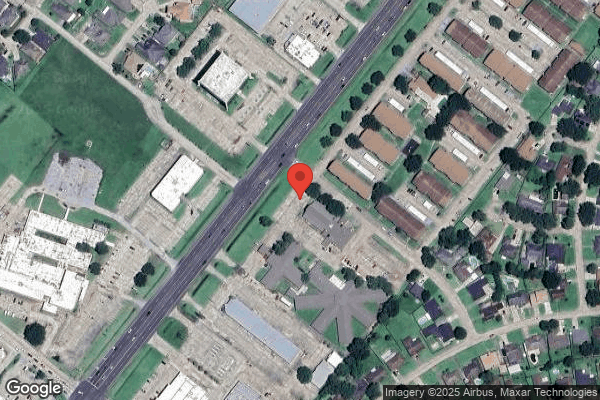
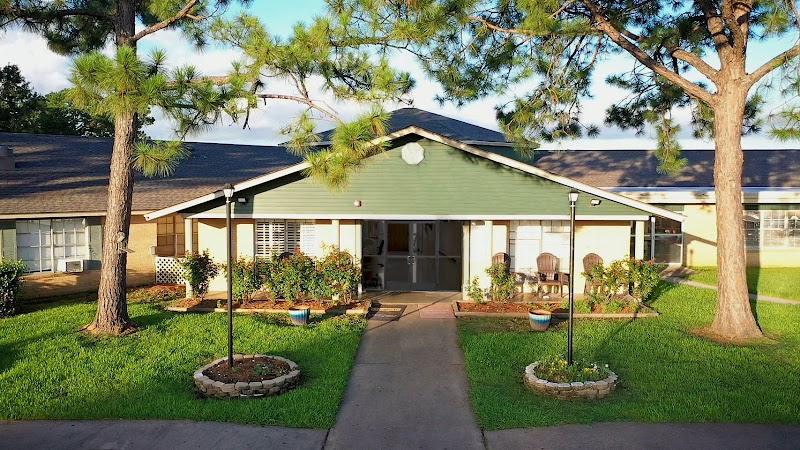
8825 Lamplighter Ln, Port Arthur, TX 77642 (409) 727-1651
For profit - Partnership 199 Beds CASCADES HEALTHCARE Data: November 2025 7 Immediate Jeopardy citations
Trust Grade
0/100
#686 of 1168 in TX
Last Inspection: June 2025

Inspected within the last 6 months. Data reflects current conditions.

Overview

Cascades at Senior Rehab in Port Arthur, Texas, has a Trust Grade of F, indicating poor performance with significant concerns about resident safety and care. Ranking #686 out of 1168 facilities in Texas places them in the bottom half, and #8 out of 14 in Jefferson County suggests limited better options nearby. The facility's trend is stable, with 15 reported issues remaining consistent over the past two years. Staffing receives a below-average rating of 2 out of 5 stars, with a 41% turnover rate that is better than the state average. However, the facility faces concerning fines of $365,631, which are higher than 92% of Texas facilities, pointing to repeated compliance issues. Specific incidents reported by inspectors reveal critical failures in resident safety, such as one resident being repeatedly abusive towards others without adequate supervision, leading to injuries. Additionally, there was an instance where a staff member physically assaulted a resident but continued to work in the facility without immediate reporting of the incident. Although the facility has high-quality measures rated 5 out of 5, the overall weaknesses in health inspection and staffing present significant challenges for families considering this nursing home.

Trust Score
F
0/100
In Texas
#686/1168
Bottom 42%
Safety Record
High Risk
Review needed
Inspections
Holding Steady
15 → 15 violations
Staff Stability
○ Average
41% turnover. Near Texas's 48% average. Typical for the industry.
Penalties
✓ Good
$365,631 in fines. Lower than most Texas facilities. Relatively clean record.
Skilled Nurses
⚠ Watch
Each resident gets only 9 minutes of Registered Nurse (RN) attention daily — below average for Texas. Fewer RN minutes means fewer trained eyes watching for problems.
Violations
⚠ Watch
50 deficiencies on record. Higher than average. Multiple issues found across inspections.
★★☆☆☆
2.0
Overall Rating
★★☆☆☆
2.0
Staff Levels
★★★★★
5.0
Care Quality
★☆☆☆☆
1.0
Inspection Score
Stable
2024: 15 issues
2025: 15 issues

The Good

  • 5-Star Quality Measures · Strong clinical quality outcomes
  • Full Sprinkler Coverage · Fire safety systems throughout facility
  • No fines on record
  • Staff turnover below average (41%)

    7 points below Texas average of 48%

Facility shows strength in quality measures, fire safety.

The Bad

2-Star Overall Rating

Below Texas average (2.8)

Below average - review inspection findings carefully

Staff Turnover: 41%

Near Texas avg (46%)

Typical for the industry

Federal Fines: $365,631

Well above median ($33,413)

Significant penalties indicating serious issues

Chain: CASCADES HEALTHCARE

Part of a multi-facility chain

Ask about local staffing decisions and management

The Ugly 50 deficiencies on record

7 life-threatening 2 actual harm
Jun 2025 10 deficiencies
CONCERN (D) 📢 Someone Reported This

A family member, employee, or ombudsman was alarmed enough to file a formal complaint

Potential for Harm - no one hurt, but risky conditions existed

Notification of Changes (Tag F0580)

Could have caused harm · This affected 1 resident

**NOTE- TERMS IN BRACKETS HAVE BEEN EDITED TO PROTECT CONFIDENTIALITY** Based on interview and record review, the facility failed to consult with the resident's physician when there was a need to alte...

Read full inspector narrative →
**NOTE- TERMS IN BRACKETS HAVE BEEN EDITED TO PROTECT CONFIDENTIALITY** Based on interview and record review, the facility failed to consult with the resident's physician when there was a need to alter treatment for 2 of 5 residents reviewed for physician notification. (Residents #46 and #317) 1. The facility failed to notify the physician of Resident #317 when an ordered UTI Panel specimen was not obtained. 2. The facility failed to notify the physician of Resident #46 when he missed 2 doses of Depakote a new medication prescribed for behaviors. These failures could place residents at risk of not receiving appropriate medical treatments, which could result in a decline in health. Findings included: 1. Record review of a face sheet dated indicated Resident #317 was a [AGE] year-old female admitted on [DATE]. Her diagnoses included pyelonephritis (a type of urinary tract infection that usually moves from your bladder to your kidneys), injuries of the head, and quadriplegia (a loss of motor function in all four limbs). Record review of physician order for May 2025 indicated Resident #317 dated 05/05/25 and start date of 05/29/25 for UTI Panel one time only. Record review of the Progress Notes for Resident #317 with an entry dated 5/5/2025 at 07:38 p.m. indicated the physician made rounds with new orders for Ambien (hypnotic) 10mg at bedtime, Macrodantin (antibiotic) 100mg four times a day for 10 days before kidney surgery, and obtain urine culture before the start of antibiotic. Record review of the May MAR indicated Resident #317 had a urine sample for a UTI Panel to be obtained dated 05/29/25. There was no documentation of the sample being collected on 05/29/25 or 05/30/25. She also had Macrodantin 100mg four times a day for 10 days with a start date of 05/30/25. The medication was initiated on 05/30/25. Record review of the Progress Notes for Resident #317 indicated there was no documentation on 05/29/25 or 05/30/25 of the urine specimen being obtained or the physician being notified it was not obtained. During an interview on 06/24/25 at 02:00 p.m. LVN F said she initiated Resident #317's ABT. She said she did not notice if the UTI specimen was obtained prior to initiating the ABT. She said the physician should have been notified if the specimen was not obtained. During an interview on 06/25/25 09:37 a.m. ADON L said the UTI Panel was not done prior to the initiation of the ABT. He said the physician was not notified until after the initiation of the medication. 06/25/25 12:45 PM the DON said the CN should have obtained the specimen as ordered on Resident #317 or the physician should have been notified at the time. 2. Record review of a face sheet dated 06/11/25 indicated Resident #46 was a [AGE] year-old male admitted on [DATE]. His diagnoses included traumatic brain injury (an injury to the brain caused by an outside force), bipolar disorder (mental disorder associated with episodes of mood swings ranging from depressive lows to manic highs), anxiety disorder (persistent and excessive worry that interferes with daily activities), major depressive disorder (mental health disorder characterized by persistently depressed mood or loss of interest in activities, causing significant impairment in daily life), and behavioral syndromes (consistent pattern of behaviors that are correlated and often observed across different situations). Record review of the Psychiatric Hospital discharge orders dated 06/24/25 indicated Resident #46 had a new order for Depakote 250mg twice daily for mood. Record review of the physician orders for June 2025 indicated Resident #46 had an order dated 06/24/25 with start date of 06/25/24 for Depakote Oral Tablet Delayed Release 250 MG (Divalproex Sodium) Give 250 mg by mouth two times a day for mood with Pending Confirmation. Record review of the Progress Notes with an entry dated 06/24/25 at 05:13 p.m. indicated LVN G documented Resident #46's provider was notified of return to facility and new order for Depakote. During an interview on 06/25/25 at 11:14 a.m. LVN H said she did not give the morning dose of Depakote since there was no area to document the medication on the MAR and she had not notified the physician of the missed dose. During an interview on 06/25/25 at 11:18 a.m. ADON L reviewed Resident #46's June 2025 Orders and Progress Notes since readmitted from the psychiatric hospital. He said the resident had an order for Depakote twice daily with Pending Confirmation on it. He said he did not understand why a start date of 06/25/25 when the resident would have been at the facility to receive his evening dose. He said there was no documentation of the physician being notified of the missed doses. During a phone interview on 06/25/25 at 11:21 a.m. LVN G indicated she had notified the physician's NP and conducted the medication reconciliation. She said she did not give the evening dose Depakote and did not notify the physician of the missed dose. During an interview on 06/25/25 at 02:15 p.m. the DON said she expected staff to notify the physician if they were unable to carry out an order. She said the negative outcome could be a delay in receiving care.
CONCERN (D)

Potential for Harm - no one hurt, but risky conditions existed

Assessment Accuracy (Tag F0641)

Could have caused harm · This affected 1 resident

**NOTE- TERMS IN BRACKETS HAVE BEEN EDITED TO PROTECT CONFIDENTIALITY** Based on observation, interview, and record review, the facility failed to ensure residents received an accurate assessment, ref...

Read full inspector narrative →
**NOTE- TERMS IN BRACKETS HAVE BEEN EDITED TO PROTECT CONFIDENTIALITY** Based on observation, interview, and record review, the facility failed to ensure residents received an accurate assessment, reflective of the resident's status for 1 of 23 residents reviewed for accuracy of assessments. (Resident #s 14) The facility did not accurately complete the MDS assessment to indicate Resident #14 did not have a restraint/ side rail. This failure could place the residents at risk of not receiving the appropriate care and services to maintain their highest level of well-being. Findings included: Record review of a face sheet dated 06/23/25 indicated Resident #14 was a [AGE] year-old female readmitted on [DATE]. Her diagnoses included dementia (group of thinking and social symptoms that interfere with daily function) and bipolar disorder (disorder associated with episodes of mood swings ranging from depressive lows to manic highs). Record review of the most recent quarterly MDS assessment dated [DATE] indicated Resident #14 was severely impaired of cognition and needed supervision for sit to lying, lying to sitting on the side of bed, sit to stand, and chair/ bed-to chair transfer. The assessment indicated Resident #14 had restraints and alarms of bed rails used less than daily during the last 7 days marked. Record review of Resident #14's care plans with a target date of 08/26/25 did not include a care plan for side rails. Record review of the physician's orders dated 06/23/25 indicated Resident #14 was not prescribed side rails or restraints. Record review of Resident #14's June 2025 MAR printed 06/23/25 indicated no side rails prescribed or received in June 2025. During an observation and interview on 06/24/25 at 10:47 a.m., Resident #14 was lying on her bed with no restraints and no side rails on her bed. She was confused but said yes to was she was treated well. During an interview on 06/24/25 at 2:16 p.m., LVN E said she was providing care for Resident #14 today. She said Resident #14 was not restrained and did not have side rails on her bed. LVN E said Resident #14 never had side rails on her bed. She said Resident #14 was on the secure unit of the facility and monitored 24 hours a day 7 days a week. During an interview on 06/25/25 at 9:34 a.m., the MDS Nurse said she was responsible for all MDSs completed in the facility. She said her back up was the Senior Director of Clinical Reimbursement. The MDS Nurse said she was educated on completion of MDS and accuracy. She said Resident #14 did not have a restraint or side rails on her bed. The MDS Nurse said it was an error on her part, she checked the box on the MDS by accident for side rails. The MDS nurse said there was no resident risk of Resident #14's MDS marked for side rails less than weekly, just an inaccurate MDS and not following regulations. During an interview on 06/25/25 10:48 a.m., the DON said the MDS Nurse was responsible for all MDSs completed in the facility, and she was educated on completion of MDSs. The DON said the backup was the Senior Director of Clinical Reimbursement. She said Resident #14 did not have side rails on her bed nor a restraint. The DON said the MDS should not have been marked for side rails. She said it was an oversight. The DON said there was no resident risk, it was just an inaccurate assessment. The DON said her expectation was all MDSs completed accurately and timely. During an interview on 06/25/25 at 10:57 a.m., the Administrator said the MDS nurse was responsible for all MDSs completed in the facility and she was educated on completion of MDSs. She said the Senior Director of Clinical Reimbursement was the back up. The Administrator said Resident #14's MDS marked for side rails was a typo and no risk to the resident. The Administrator said her expectation was for all MDSs completed accurately and timely. During an interview on 06/25/25 at 12:30 p.m., the DON said the facility did not have an MDS policy they followed the RAI. During an interview on 06/25/25 at 12:54 p.m., the Senior Director of Clinical Reimbursement said the MDS Nurse was responsible for all MDSs completed in the facility. She said she completed OIG audits (a systematic examination of government programs, operations or financial record to assess for compliance with laws and regulations) and completed quarterly audits of a randomly selected group of resident's MDSs to review and audit the MDS coding. She said she educated MDS nurses weekly about rotating MDS coding topics along with any trends identified in the audits. She said there was no resident risk since it was only the MDS that was incorrect, not the care plan or Kardex (a nursing documentation system that organized and summarizes key patient information to guide nursing care plans), and therefore did not impact the care provided to the resident. Record review of Long-Term Care Facility Resident Assessment Instrument 3.0 User's Manual dated October 2023 indicated, . P0100: Physical Restraints Physical restraints are any manual method or physical or mechanical device, material or equipment attached or adjacent to the resident's body that the individual cannot remove easily which restrict freedom of movement or normal access to one's body Coding: 1. Not used 2. Used less than daily 2. Used daily . Used in Bed . A. Bed rails . Bed rails include any combination of partial or full rails.
CONCERN (D)

Potential for Harm - no one hurt, but risky conditions existed

Deficiency F0645 (Tag F0645)

Could have caused harm · This affected 1 resident

**NOTE- TERMS IN BRACKETS HAVE BEEN EDITED TO PROTECT CONFIDENTIALITY** Based on interview and record review , the facility failed to accurately submit a PL1 (PASRR Level 1 Screening) screening when a...

Read full inspector narrative →
**NOTE- TERMS IN BRACKETS HAVE BEEN EDITED TO PROTECT CONFIDENTIALITY** Based on interview and record review , the facility failed to accurately submit a PL1 (PASRR Level 1 Screening) screening when a resident admitted with a diagnosis of Mental Illness, Intellectual Disability or Developmental Disability for 1 of 5 residents reviewed for PASRR screenings. (Resident # 29) The facility failed to submit a new PL1 screening when Resident #29 was readmitted from mental health hospital on [DATE] . This failure could place residents at risk of not receiving specialized services. Findings included: Record review of Resident #29's face sheet dated 06/25/25 was a [AGE] year-old-female admitted on [DATE] and readmitted on [DATE] . She had diagnoses of convulsions (uncontrolled jerking, loss of consciousness and other symptoms caused by abnormal electrical activity in the brain), and stroke. Record review of Resident #29's annual MDS dated [DATE] indicated she was not PASRR positive and had a BIMS score of 00 indicated severely impaired with cognition. The assessment indicated she had diagnoses of anxiety (feelings of worry and nervousness), schizophrenia (disorder that affects the thinking ability) and depression (persistent feelings of sadness). The assessment indicated Resident #29 received an antianxiety during last 7 days. Record review of Resident #29's quarterly MDS dated [DATE] indicated she had a BIMS score of 00; indicatinged severely impaired with cognition. Record review of Resident #29's care plan created on 05/28/24 indicated Resident #29 had a history of seizures and psychotropic medication for depression and anxiety with a goal to monitor for effectiveness of psychotropic medication. Record review of Resident #29's PL1 form dated 05/28/24, indicated she was positive for mental illness. There was no PASRR Level II Screening or Form 1012 (Mental Illness/Dementia Resident Review) found in the clinical record from the resident's readmission on [DATE] to 06/25/25. Record review of Resident #29's annual MDS dated [DATE] indicated she was not PASRR positive and had a BIMS score of 00 indicated severely impaired with cognition. The assessment indicated she had diagnoses of anxiety (feelings of worry and nervousness), schizophrenia (disorder that affects the thinking ability) and depression (persistent feelings of sadness). The assessment indicated Resident #29 received an antianxiety during last 7 days. During an interview on 06/25/25 at 11:15 a.m., the MDS nurse said she was responsible for all PASRR forms in the facility. She said Resident #29's PL1 was positive for mental illness, and she overlooked transmitting the PL 1 to the local mental health authority. The MDS nurse said Resident #29 would need a PASRR evaluation to be completed by the local mental health authority. The MDS nurse said the risk of a PL1 form being missed the resident could miss out on needed services. She said she had been trained and it was an oversight when Resident #29 was readmitted from the mental health hospital. During an interview on 06/25/25 at 11:25 a.m., the DON said the MDS nurse was responsible for all PASRR forms in the facility and was educated on completing PASRR forms correctly and timely. She said Resident #29 's PL1 form was overlooked. The DON said the risk of PASRR forms completed incorrectly or not transmitted was a resident could miss out on services if deemed PASRR positive. The DON said her expectation was all PASRR forms completed correctly and timely. She said the facility followed the RAI for their PASRR policy. Record review of the October 2023 Long-Term Care Facility Resident Assessment Instrument 3.0 User's Manual titled, A1500: Preadmission Screening and Resident Review (PASRR) Item Rationale Health-related Quality of Life indicated . o Individuals who have or are suspected to have MI or ID/DD or related conditions may not be admitted to a Medicaid-certified nursing facility unless approved through Level II PASRR determination. Those residents covered by Level II PASRR process may require certain care and services provided by the nursing home, and/or specialized services provided by the State.
CONCERN (D) 📢 Someone Reported This

A family member, employee, or ombudsman was alarmed enough to file a formal complaint

Potential for Harm - no one hurt, but risky conditions existed

Respiratory Care (Tag F0695)

Could have caused harm · This affected 1 resident

**NOTE- TERMS IN BRACKETS HAVE BEEN EDITED TO PROTECT CONFIDENTIALITY** Based on interview and record review the facility failed to ensure that a resident who needs respiratory care, including tracheo...

Read full inspector narrative →
**NOTE- TERMS IN BRACKETS HAVE BEEN EDITED TO PROTECT CONFIDENTIALITY** Based on interview and record review the facility failed to ensure that a resident who needs respiratory care, including tracheostomy care and tracheal suctioning, is provided such care, consistent with professional standards of practice, the comprehensive person-centered care plan, the residents' goals and preferences for 1 of 1 resident reviewed for tracheostomy care. (Resident #317) LVN A did not change Resident #317's outer tracheostomy cannula on 05/11/25 as listed on the May 2025 MAR. This failure could place residents with a tracheostomy at risk for infections to the tracheostomy site. Findings included: Record review of a face sheet dated indicated Resident #317 was a [AGE] year-old female admitted on [DATE]. Her diagnoses included injuries of the head, quadriplegia (a loss of motor function in all four limbs), and tracheostomy status (an opening in the neck in order to place a tube into a person's windpipe so they can breath). Record review of physician orders for May 2025 indicated Resident #317 had an order dated 04/11/2025 to change tracheostomy outer cannula every month one time a day the 11th every month. Record review of the May 2025 MAR indicated Resident #317 did not receive her tracheostomy outer cannula change on the day ordered or anytime during the month. During an interview on 06/24/25 02:10 p.m. ADON L said Resident #317's May 2025 MAR was blank on the day the tracheostomy outer cannula was to be changed and it was not documented on any other day of the month. He said he did not see where it was changed out on another day of the month. He said if it was not documented as being done then it was not done. During an interview on 06/25/25 at 12:45 p.m. the DON reviewed Resident #317's May 2025 MAR and said the tracheostomy outer cannula was blank on the 11th when it was to be changed. She said if it was not documented then it was not done. During an interview on 06/25/25 at 12:50 p.m. LVN A reviewed Resident #317's May 2025 MAR and said she was on duty on 05/11/25. She said she had been trained on tracheostomy care. She said she just may have forgotten to document on the MAR. She said if it was not documented as being done then it was not done. Record review of a Tracheostomy Care Policy and Procedure revised August 2013 indicated Purpose: The purpose of this procedure is to guide tracheostomy care and the cleaning of reusable tracheostomy cannulas General Guidelines: 4. Tracheostomy tubes should be changed as ordered and as needed (at least monthly) . During an interview on 06/25/25 at 02:15 p.m. the DON said she expected staff to provide the required tracheostomy care. She said the negative outcome could be infection. She said all nurses were trained on tracheostomy care upon hire and reviewed annually.
CONCERN (D)

Potential for Harm - no one hurt, but risky conditions existed

Pharmacy Services (Tag F0755)

Could have caused harm · This affected 1 resident

**NOTE- TERMS IN BRACKETS HAVE BEEN EDITED TO PROTECT CONFIDENTIALITY** Based on interviews and record reviews, the facility failed to provide pharmaceutical services including procedures that assure ...

Read full inspector narrative →
**NOTE- TERMS IN BRACKETS HAVE BEEN EDITED TO PROTECT CONFIDENTIALITY** Based on interviews and record reviews, the facility failed to provide pharmaceutical services including procedures that assure the accurate acquiring, receiving, dispensing, and administering of all drugs and biologicals to meet the needs of each resident for one (Resident #117) of seven residents and one of five medication carts(Hall 400 cart) reviewed for pharmacy services. The facility failed to ensure all of Resident #117's medications was administered as ordered by the physician resulting in the incorrect dose of Vitamin C administration. The facility failed to ensure three insulin pens of aspart insulin were removed from use. Aspart insulin (rapid acting insulin used to lower blood sugar), with open date of 04/25/25, had been expired for 31 days, open date of 05/19/25, had been expired for 9 days, and open date of 05/23/25, had been expired for 5 days. This failure could place residents at risk of not receiving medications as ordered by their physicians and exacerbations of their medical conditions. Findings included: Record review of Resident #117's face sheet dated 06/25/25 indicated a [AGE] year-old male admitted to the facility on [DATE] and initially admitted on [DATE]. His diagnoses included protein-calorie malnutrition (insufficient intake of protein and caloric-energy), abnormal findings in urine, allergic rhinitis (watery eyes sneezing associated with immune reaction to irritants), diabetes and cerebrovascular disease (decreased blood flow to brain). Record review of Resident #117's quarterly MDS dated [DATE] indicated he had a BIMS of 9 out of 15 indicating he had moderately impaired cognitive skills for daily decision making. Record review of Resident #117's active orders as of 05/08/25 included a physician order for asorbic acid tablet 500 mg give 2 tablet equal 1 gram by mouth one time a day for UTI. Date started was 06/28/24. Record review of Resident #117's June 2025 MAR/TAR revealed LVN C documented administration of asorbic acid tablet 500 mg tablet, 2 tablets on 06/24/25 in the morning at 9:00 a.m. Record review of Resident #117's undated care plan included: Focus - Resident #117 was at risk for iron deficiency anemia and Interventions - encourage intake of food high in iron, vitamin c and to give medications as ordered. Focus- Resident #117 has multiple complications and at risk for vitamin deficiency and Interventions - administer my vitamins per MD orders and monitor for effectiveness. In an interview on 06/23/25 at 2:00 PM, the DON stated Resident #117 received the vitamin c 500mg for preventative reasons for UTI. She said a pharmacy consultant comes in monthly and reviews medication administration, reports any errors and also provides training to the staff. The DON said she expects the staff to follow the orders as written and the order for Resident #117's vitamin c should have been 2 tablets to equal the full dose of 1 gram. The DON said Resident #117 was given the wrong dosage of medication. The DON said she expected her nurses to pass medications and do basic medication functions like following the 5 Rights of Medication Administration and notify the Physician for anything out of the ordinary. The DON said the risk to residents would be not receiving the correct therapeutic dosages of medications. During an observation on 06/24/25 at 8:45 a.m., LVN G prepared medications for Resident #117. LVN G sanitized her hands and placed the following medications into a medication cup: Amlodipine 10mg one tablet, buspirone 15 mg one tablet, metformin one tablet, sotalol 80mg one tablet, alfuzosin 10mg one tablet, vitamin c 500mg one tablet, cranberry 450mg 1 tablet, iron 324mg 1 tablet sertraline 50mg one tablet and hydrocodone 10/325mg two tablets. LVN G administered the medications to Resident #117 and he swallowed them without incident. During a phone interview on 06/25/25 at 1:43 p.m., LVN G said Resident #117 received vitamin c 500mg one tablet for supplementation. LVN G said the order was for vitamin c 500mg x 2 tablets. LVN G said she gave one tablet instead of two and stated it was her mistake, and just missed it. She said she checks the medication cart drawers for each medication to ensure she has everything needed. She said then she takes each medication container and dispenses the drug into cups while checking the order again before finally administering. LVN G did not see there would be any severe risk to Resident #117 when he did not receive the full dose and she thought she was following the orders at the time. She said it was a medication error and would report it to the DON right away and next time she will slow down and re-check what she is doing. During an observation and interview on 06/25/25 at 2:00 p.m., inventory of the Hall 400 Nurse Cart with LVN F indicated in the top draw, 3 insulin pens in use beyond the recommended time frame of use after opened. Observation on the medication cart insulin pens included: - one with open date of 04/25/25, had been expired for 31 days, - one open date of 05/19/25, had been expired for 9 days, - one open date of 05/23/25, had been expired for 5 days LVN F said nursing staff were expected to check their medication carts daily for expired medication and inappropriately labeled medication. LVN F said the insulin pens should have been removed from the medication cart 28 days from the opening date, but they were overlooked. She said she was providing care for residents on the 400 hall today, and had not given any insulin. LVN F said she was educated on medication storage and removal of insulin in use beyond the recommended time frame of use after opened. LVN F said the resident risk of insulin, in use beyond the recommended time frame of use after opened, was the medication may not be as effective. During an interview on 06/25/25 at 3:44 p.m., the DON said the nurses were responsible for the removal of insulin on the nurses' medication cart, 28 days after the open date. She said the pharmacy consultant checked random carts monthly for expired medication. She said the nurses were educated on removing expired medication off the nurse's medication cart during orientation, annually and on an as needed basis. The DON said insulin pens on 400 hall, in use beyond the recommended time frame of use after opened, were overlooked and should have been removed. She said the resident risk of insulin in use beyond the recommended time frame of use after opened was the medication may not be as potent as it should be. The DON said her expectation was all insulin removed, at the beyond use date, off the nurse's medication cart. Record Review of facility policy titled, Administering Medication revised dated April 2019 read in part: . Policy Statement: Medications are administered in a safe and timely manner, and as prescribed . 4. Medications are administered in accordance with prescriber orders, including any required time frame . 10. The individual administering the medication checks the label THREE (3) times to verify the right resident, right medication, right dosage, right time and right method (route) of administration before giving the medication . Record review of a facility policy titled, Medication Labeling and Storage revised February 2023 indicated, 3. If the facility has discontinued, outdated, or deteriorated medication or biologicals, the dispensing pharmacy is contacted for instructions regarding returning or destroying these items .
CONCERN (D)

Potential for Harm - no one hurt, but risky conditions existed

Deficiency F0757 (Tag F0757)

Could have caused harm · This affected 1 resident

**NOTE- TERMS IN BRACKETS HAVE BEEN EDITED TO PROTECT CONFIDENTIALITY** Based on interview and record review, the facility failed to ensure each resident's drug regimen was free of unnecessary medicat...

Read full inspector narrative →
**NOTE- TERMS IN BRACKETS HAVE BEEN EDITED TO PROTECT CONFIDENTIALITY** Based on interview and record review, the facility failed to ensure each resident's drug regimen was free of unnecessary medication for 1 of 23 residents reviewed for unnecessary medication. (Resident #22) The facility failed to hold two of Resident #22's blood pressure medications when the blood pressure and/or heart rate was outside the prescribed parameters. This failure could place the residents at risk for adverse consequences and decline in health. Findings included: Record review of Resident #22's face sheet reflected a [AGE] year-old female admitted on [DATE] with diagnosis of hypertension (high blood pressure). Record review of Resident #22's quarterly MDS assessment, dated 03/21/25, indicated a BIMS score of 13 indicating Resident #22 was cognitively intact. Hypertension was included as one of Resident #22's diagnoses. Record review of Resident #22's care plan dated 03/06/2025 indicated a diagnosis of hypertension. Interventions included Give anti-hypertensive medications as ordered. Record review of Resident #22's June 2025's physician orders indicated the following: 1. Metoprolol tartrate 25 mg. Give 1 tablet by mouth twice daily for hypertension. Hold if SBP below 100 or DBP below 60 or HR below 60; and 2. Hydralazine HCL 25 mg - give one tablet three times daily for hypertension. Hold if SBP below 110 or DBP below 60. Record review of Resident #22's June 2025 MAR indicated the following: 1. Metoprolol 25 mg BID - hold if SBP below 110 or DBP below 60 or HR below 60 On the following dates and times, Resident #22 received Metoprolol 25 mg when the vital signs were outside the prescribed parameters: - On 06/03/2025 at 8:00 p.m., the BP was 94/60; - On 06/08/2025 at 08:00 a.m., the BP was 98/64 and HR was 59; and - On 06/20/2025 at 08:00 a.m., the BP was 106/68. 2. Hydralazine 25 mg TID - hold if SBP below 110 or DBP below 60 On the following dates and times, Resident #22 received Hydralazine 25 mg when the vital signs were outside the prescribed parameters: On 06/03/2025 at 8:00 p.m., the BP was 94/60; On 06/08/2025 at 8:00 a.m., the BP was 98/64; and On 06/20/2025 at 2:00 p.m., the BP was 99/72. During an interview on 06/24/2025 at 2:00 p.m., the DON said her expectations was for all medications to be administered per physician orders including according to parameters. She added this failure could result in resident's blood pressure becoming lower, possibly cause fainting and injury, or resulting in fall with major injuries. During an interview on 06/24/2025 at 1:30 p.m., the administrator said her expectations were for all nursing staff and ADONs to monitor for accuracy of physician orders and any changes on their assigned units. During an interview on 06/24/2025 at 1:50 p.m., LVN A said it was an oversight administering the B/P medications to Resident #22. She said she should have held the medications as prescribed by the physician. She said if it was documented on the MAR, then it was given and should not have been. LVN A said it was a bad reflection on her nursing abilities as she had been educated and re-educated on administering medications with parameters. She said she needed to slow down more and focus on task at hand. A facility policy titled Administering Medications dated April 2019 indicated the following. Medications are administered in accordance with prescriber orders.
CONCERN (E)

Potential for Harm - no one hurt, but risky conditions existed

Safe Environment (Tag F0584)

Could have caused harm · This affected multiple residents

Based on observation, interview, and record review, the facility failed to provide a safe, clean, comfortable and homelike environment for residents, staff, and the public, for 2 of 4 shower rooms (Ha...

Read full inspector narrative →
Based on observation, interview, and record review, the facility failed to provide a safe, clean, comfortable and homelike environment for residents, staff, and the public, for 2 of 4 shower rooms (Hall 300 and Hall 400) reviewed for physical environment. Hall 300's shower room had two shower chairs soiled with brownish/black substance under seats and on frames. Hall 400's shower room had a shower bed and under the cushion with a thick black substance. This failure could lead to residents experiencing a diminished quality of life. Findings included: 1. During an observation and interview on 06/23/2025 at 10:45 a.m., two shower chairs were soiled with brown and black substances on the seat, under the seats and on frame. The wall in shower on the right side has area (approximately four 12 x 12 tile squares and approximately 4 x 6 baseboard) were soiled with black substance. LVN C said shower chairs should be cleaned before and after each use. She said the staff who provide the showers were responsible for cleaning between uses. During an observation and interview on 06/23/2025 at 11:00 a.m., the housekeeping supervisor and two housekeepers were in the shower room scrubbing soiled areas. The housekeeping supervisor said they clean the shower chairs when they are soiled, and the aides are to clean daily and before and after each use. During an interview on 06/23/2025 at 12:45 p.m., CNA D said the shower chairs were to be cleaned before and after each use. She said facility has cleaning disinfectant provided to use for cleaning. The chairs are to be cleaned top and bottom of seat as well as the frame. She said the cleaning solution was kept secured in locked storage in shower room and out of reach of residents. During an interview on 06/24/2025 at 2:20 p.m., the DON said her expectations were to clean shower chairs before and after each use. She said the aides were responsible for task. Management was responsible for following behind to ensure cleanliness of equipment. Housekeeping was responsible for cleaning shower stalls. During an interview on 06/25/2025 at 1:30 p.m., the administrator said the aides were expected to clean shower room and shower chairs after each resident was bathed. She said they are supplied with a cleaner as well as a disinfectant to use when scrubbing the shower chairs. The administrator said each shower room on the halls contained their own cleaning supplies which were stored under lock and key. 2. During an observation on 06/23/2025 at 1:40 p.m., Hall 400's shower room had a shower bed that had a cushion, and underneath was a thick black substance coated the full length of the white plastic stretcher part of the shower bed. During an observation and interview on 06/23/2025 at 1:50 p.m., LVN F looked at the shower bed in the shower on Hall 400 and looked under the cushion and said that needs to be cleaned. During an interview on 06/23/2025 at 2:00 p.m., CNA K said she might have used the shower bed last and said that was a couple of weeks ago. She said she cleaned the shower bed with soap and water, however, did not remove the cushion and did not clean the plastic under the cushion. Record review of the Cleaning and Disinfection of Resident-Care Items and Equipment Policy Statement dated September 2022 indicated Resident-care equipment, including reusable items and durable medical equipment will be cleaned and disinfected according to current CDC recommendations for disinfection and the OSHA Bloodborne Pathogens Standard. 5. Reusable items are cleaned and disinfected or sterilized between residents (e.g., stethoscopes, durable medical equipment). a. Single resident-use items are cleaned/disinfected between uses by a single resident and disposed of afterwards (e.g., bedpans, urinals). 6. Reusable resident care equipment is decontaminated and/or sterilized between residents according to manufacturers' instructions. 9. Durable medical equipment (DME) is cleaned and disinfected before reuse by another resident.
CONCERN (E) 📢 Someone Reported This

A family member, employee, or ombudsman was alarmed enough to file a formal complaint

Potential for Harm - no one hurt, but risky conditions existed

Free from Abuse/Neglect (Tag F0600)

Could have caused harm · This affected multiple residents

**NOTE- TERMS IN BRACKETS HAVE BEEN EDITED TO PROTECT CONFIDENTIALITY** Based on observation, interview, and record review, the facility failed to protect the residents' right to be free from verbal a...

Read full inspector narrative →
**NOTE- TERMS IN BRACKETS HAVE BEEN EDITED TO PROTECT CONFIDENTIALITY** Based on observation, interview, and record review, the facility failed to protect the residents' right to be free from verbal and physical abuse for 4 of 7 residents reviewed for abuse. (Residents #3, #9, #37, and #55) 1. The facility failed to ensure Resident #3 was free from physical abuse when Resident #61 rolled up in her wheelchair and slapped Resident #3 on the face on 05/28/25. 2. The facility failed to ensure Resident #9 was free from verbal abuse when Resident #46 cursed her and told her it was her fault her daughter died on [DATE]. 3. The facility failed to ensure Resident #37 was free from physical abuse when Resident #46 walked up to her, grabbed her by the wrists, and shook her on 06/11/25. 4. The facility failed to ensure Resident #55 was free from physical abuse when Resident #45 hit her on the arm when she backed into him with her wheelchair on 06/14/25. This failure could place residents at risk for emotional distress, fear, decreased quality of life and further abuse. Findings included: Resident #3 Record review of a face sheet dated 06/25/25 indicated Resident #3 was a [AGE] year-old female admitted on [DATE]. Her diagnoses included dementia (loss of cognitive functioning), intellectual disabilities (a condition that affects a person's ability to learn and function at an expected level), visual loss (partial or complete loss of the ability to see), and cognitive communication deficit (problem with communication that results from impaired cognition, as opposed to a problem affecting language and/or speech). Record review of the MDS dated [DATE] indicated Resident #3 had severely impaired cognition with a BIMS of 3 out of 15 and had no behaviors. Record review of the care plan reviewed on 06/23/25 indicated Resident #3 had impaired thought processes related to cognitive impairment AEB by her history or perceived physical aggression. The goal was she will remain free from actual harm of injury and verbalize feeling safe in her environment daily. Interventions included assess and document the resident's specific claims of physical aggression, conduct a head-to-toe assessment after each claim to rule out actual injury, consult psych services, and separate resident from other resident to ensure safety. Resident #61 Record review of a face sheet dated 06/25/25 indicated Resident #61 was a [AGE] year-old female admitted on [DATE]. Her diagnoses included schizophrenia (a mental disorder characterized variously by hallucinations (typically, hearing voices), delusions, disorganized thinking and behavior, and flat or inappropriate affect), cocaine abuse, hypertension (a condition in which the force of the blood against the artery walls is too high), cerebral infarction (lack of adequate blood supply to brain cells deprives them of oxygen and vital nutrients which can cause parts of the brain to die off), and vascular dementia (a type of loss of cognitive functioning caused by conditions that damage blood vessels and block blood flow to your brain). Record review of the MDS dated [DATE] indicated Resident #61 had severely impaired cognition with a BIMS of 2 out of 15 and had no behaviors. Record review of the care plan last reviewed on 05/05/25 indicated Resident #61 had a behavior problem related schizophrenia. The goal was she would have no evidence of behavior related to schizophrenia through the next 90 days. Interventions included administer medications as ordered, intervene as necessary to protect the rights and safety of others, remove from situation and take to alternate location as needed, monitor behavior episodes and attempt to determine underlying cause, and refer to psychiatric services for evaluation and treatment. 1. Record review of a Provider Investigation Report dated 06/04/25 indicated an incident categorized as Abuse occurred on 05/28/25. The incident involved Resident #3 and Resident #61. Resident #61 was ambulating around the nurse station in her wheelchair, rolled up to Resident #3, and slapped her in the face. An assessment was conducted on Resident #3 indicated she had no pain and there was no bruising or injuries to her face. Resident #61 was placed on 15-minute checks for 72 hours and was seen by the psychiatric services. Record review of Nurse Notes for Resident #3 indicated the following: * on 5/28/2025 at 08:52 p.m. at Resident #3 was sitting up in wheelchair. She had no signs or symptoms of acute distress. She had no signs or symptoms of facial discoloration, edema, warmth or open areas. * on 05/29/2025 at 11:33 a.m. Resident #3 was up in her wheelchair. She had no signs or symptoms of pain or discomfort, and no injuries were noted to her face. * on 05/30/2025 at 05:00 p.m. Resident #3 was up propelling herself around facility throughout shift. She had no signs or symptoms of distress. She denied pain or discomfort to face with no redness or swelling noted to her face. She was in a friendly mood. * on 05/31/2025 at10:20 a.m. Resident #3 was up in her wheelchair rolling around facility. She was cheerful and voiced no discomfort. * on 05/31/2025 at 04:36 p.m. Resident #3 was up propelling herself around facility throughout shift. She had no signs or symptoms of distress. She had a calm friendly mood. There was no redness or swelling noted to right cheek and she denied pain or discomfort. During an observation and interview on 06/23/25 at 09:45 a.m., Resident #3 was in bed. She indicated she was doing good. She indicated she had no issues. She was confused when asked about the incident involving Resident #61. She had no redness or bruising on her face. During an observation and interview on 06/23/25 at 10:25 a.m. Resident #61 was in bed. She was calm. She indicated she was doing fine. She indicated she could not recall the incident. During an interview on 06/23/25 at 01:15 p.m. LVN G said Resident #61 was fairly new and was adjusting. She said she had no issues of Resident #61 hitting anyone before or after the incident with Resident #3. She said residents were put on 15-minute checks and referred to psychiatric services if they had behaviors towards other residents. During an interview on 06/23/25 at 01:20 p.m. LVN C said Resident #3 would roam around the facility. She said she had not had any issues with the resident provoking any other resident. Resident #46 Record review of a face sheet dated 06/11/25 indicated Resident #46 was a [AGE] year-old male admitted on [DATE]. His diagnoses included traumatic brain injury (an injury to the brain caused by an outside force), bipolar disorder (mental disorder associated with episodes of mood swings ranging from depressive lows to manic highs), anxiety disorder (persistent and excessive worry that interferes with daily activities), major depressive disorder (mental health disorder characterized by persistently depressed mood or loss of interest in activities, causing significant impairment in daily life), and behavioral syndromes (consistent pattern of behaviors that are correlated and often observed across different situations). Record review of the MDS dated [DATE] indicated Resident #46 had intact cognition with a BIMS of 15 out of 15 and had verbal behavioral symptoms directed toward others occurred 1 to 3 days. Record review of the care plan last reviewed 03/26/25 indicated Resident #46 had potential to be verbally and physically aggressive to staff and other residents. The goal was he would demonstrate effective coping skills and not harm himself or another resident. Interventions included monitor/document/report as needed any signs or symptoms of resident posing danger to self and others, separate resident from other residents due to behaviors, and refer to behavior hospital for admission due to escalating behaviors. Resident #9 Record review of a face sheet dated 06/25/25 indicated Resident #9 was an [AGE] year-old female admitted on [DATE]. Her diagnoses included anxiety disorder (persistent and excessive worry that interferes with daily activities), depression (mental illness that negatively affects how you feel, the way you think and how you act), and diastolic congestive heart failure (a condition in which the heart's main pumping chamber (left ventricle) becomes stiff and unable to fill properly). Record review of physician orders for June 2025 indicated Resident #9 had no new orders for any medications. Record review of the MDS dated [DATE] indicated Resident #9 had intact cognition with a BIMS of 14 out of 15 and had no behaviors. Record review of the care plan last reviewed 05/28/25 indicated Resident #9 had no behaviors. 2. Record review of a Provider Investigation Report dated 06/23/25 indicated an incident categorized as Abuse occurred on 06/16/25. The incident involved Resident #9 and Resident #46. Resident #46 stood in front of Resident #9's walker in the smoke area and cursed her out. Resident #46 was placed on 15-minute checks for 72 hours and was sent to a psychiatric hospital for treatment of his escalation in behaviors. Record review of Nurse Notes for Resident #9 indicated an entry on 06/16/25 at 04:55 p.m. Resident #9 stated that she feels safe now, that she was just afraid when it happened. Record review of Social Services Notes for Resident #9 indicated an entry on 06/17/25 at 03:48 p.m. Resident #9 stated she was okay, and that the other resident did apologize to her the after the incident and they shook hands. She stated the incident did scare her, but she was okay and felt safe. During an observation and interview on 06/23/25 at 09:35 a.m. Resident #9 was sitting in bed working a word find puzzle. She said she was doing fine at this time. She said she did have an incident involving Resident #46. She said she was giving out candy and offered him a piece. She said she told him if he had a top denture, he would have to take it out because the candy would stick. She said he got up quickly and came to where she was sitting and started cursing at her. She said he also made the comment that the reason her daughter died was because of her. She started crying and said she had not seen him in a few days, but she was afraid of him at the time. She said she was sad about her daughter's death but was okay about the incident because he did apologize to her. Resident #37 Record review of a face sheet dated 06/25/25 indicated Resident #37 was a [AGE] year-old female admitted on [DATE]. Her diagnoses included bipolar disorder (mental disorder associated with episodes of mood swings ranging from depressive lows to manic highs). Record review of the MDS dated [DATE] indicated Resident #37 had moderately impaired cognition with a BIMS of 10 out of 15. She had behaviors of verbal behavioral symptoms occur 1 to 3 days and wandering occurred 1 to 3 days. Record review of the care plan last reviewed 05/05/25 indicated Resident #37 had behavior problem related to bipolar disorder. The goal was she would have no evidence of behavior problems through the next 90 days. Interventions included administer medications as ordered, explain/reinforce why behavior is inappropriate and/or unacceptable to the resident, and monitor behavior episodes and attempt to determine underlying cause. Record review of a face sheet dated 06/11/25 indicated Resident #46 was a [AGE] year-old male admitted on [DATE]. His diagnoses included traumatic brain injury (an injury to the brain caused by an outside force), bipolar disorder (mental disorder associated with episodes of mood swings ranging from depressive lows to manic highs), anxiety disorder (persistent and excessive worry that interferes with daily activities), major depressive disorder (mental health disorder characterized by persistently depressed mood or loss of interest in activities, causing significant impairment in daily life), and behavioral syndromes (consistent pattern of behaviors that are correlated and often observed across different situations). Record review of the MDS dated [DATE] indicated Resident #46 had intact cognition with a BIMS of 15 out of 15 and had verbal behavioral symptoms directed toward others occurred 1 to 3 days. Record review of the care plan last reviewed 03/26/25 indicated Resident #46 had potential to be verbally and physically aggressive to staff and other residents. The goal was he would demonstrate effective coping skills and not harm himself or another resident. Interventions included monitor/document/report as needed any signs or symptoms of resident posing danger to self and others, separate resident from other residents due to behaviors, and refer to behavior hospital for admission due to escalating behaviors. 3. Record review of a Provider Investigation Report dated 06/18/25 indicated an incident categorized as Abuse occurred on 06/11/25. The incident involved Resident #37 and Resident #46. Security camera footage showed Resident #46 was walking down the hall and saw Resident #37 standing in his doorway. He was hollering and using inappropriate language as he approached her. Staff were positioned between the residents but Resident #46 bypassed staff and forcefully grabbled Resident #37 by the wrists and appeared to shake her. Resident #37 was assessed, and she had no scratches or bruising noted and she had no pain. Resident #46 was placed on 15-minute checks for 72 hours and was seen by the psychiatric services. Record review of Nurse Notes for Resident #37 indicated: * on 06/12/25 at 05:40 p.m. Resident #37 was ambulating in hallway with no complaints of pain or discomfort. * on 06/13/25 at 01:42 p.m. Resident #37 was in her room watching TV. She had no distress and no complaints of pain. During an observation and interview on 06/23/25 at 10:30 a.m. Resident #37 was ambulating independently in the facility. She had no bruising to her wrists. She said she was fine and had an issue with one resident, but she had no further issues with him. During an observation and interview on 06/25/25 at 10:22 a.m. Resident #46 was sitting in his room in his recliner. He was calm. He said he was doing fine. He said he had a problem with his attitude and went to the hospital for a little while but was doing better now. He said he did not want to talk about the incidents. During an interview on 06/23/25 at 01:15 p.m. LVN G said Resident #37 was known for wandering into other resident rooms and Resident #46 kept groceries in his room that were visibly seen from the open door. She said he was always accusing others of trying to take his food he had in his room. Resident #55 Record review of a face sheet dated 06/25/25 indicated Resident #55 was a [AGE] year-old female admitted on [DATE]. Her diagnoses included hypertension (a condition in which the force of the blood against the artery walls is too high) and cerebral infarction (lack of adequate blood supply to brain cells deprives them of oxygen and vital nutrients which can cause parts of the brain to die off). Record review of the MDS dated [DATE] indicated Resident #55 had intact cognition with a BIMS of 15 out of 15 and she had verbal behavioral symptoms directed toward others 1 to 3 days. Record review of the care plan last reviewed 03/26/25 indicated Resident #55 rolled backward in her wheelchair and had a history of running into another resident accidentally. The goal was she would not roll into another resident while wheeling through the hall. The interventions included consult with DOR related to therapy/restorative evaluation to assist resident with moving forward in wheelchair for safety and educated resident that rolling backward in hallway can be a safety hazard and potentially injure self and/or other residents. Resident #45 Record review of a face sheet dated 06/25/25 indicated Resident #45 was a [AGE] year-old male admitted on [DATE]. His diagnoses included hypertension (a condition in which the force of the blood against the artery walls is too high) and cerebral infarction (lack of adequate blood supply to brain cells deprives them of oxygen and vital nutrients which can cause parts of the brain to die off). Record review of the MDS dated [DATE] indicated Resident #45 had intact cognition with a BIMS of 15 out of 15 and he had no behaviors. Record review of the care plan last reviewed 05/05/25 indicated Resident #45 had no behaviors. 4. Record review of a Provider Investigation Report dated 06/20/25 indicated an incident categorized as Abuse occurred on 06/14/25. The incident involved Resident #45 and Resident #55. Resident #55 while rolling backwards in her wheelchair down the hallway accidentally made contact with the right arm of Resident #45 that was hanging on the side of his wheelchair. Resident #45 struck Resident #55 on the back of her arm. Resident #55 denied any pain or injury. There was no bruising or visible injury noted upon assessment. Resident #45 was placed on 15-minute checks for 72 hours and was seen by the psychiatric services. Record review of Nurse Notes for Resident #55 indicated on 06/15/25 at 05:57 p.m. Resident #55 had no signs of redness, warmth, or swelling. She denied pain or discomfort. During an observation and interview on 06/23/25 at 09:55 a.m. Resident #45 propelling self in hallway. Interactions with other residents were appropriate at this time. He said he had an incident with Resident #55. He said she back into him and did not even try to apologize to him so he hit her. He said it was the second time she backed into him with the wheelchair so he hit her, punched her right in the arm. During an observation and interview on 06/23/25 at 09:58 a.m. Resident #55 said she was able to propel herself backwards better than forwards. She had no bruising to her right upper arm. She said she accidently bumped into Resident #45 and before she even had the chance to apologize to him he hauled off and punched her in the arm. She said she knows they had a talk with him and she thought her husband spoke with him too. She said her husband was not happy about him hitting her. During an interview on 06/23/25 at 01:10 p.m. LVN F said Resident #45 was seen by psychiatric services shortly after the incident. She said she had had no other issue with Resident #45 before or after the incident. During an interview on 06/23/25 at 01:22 p.m. LVN C said Resident #55 always rolled herself backwards with the wheelchair. She said she knew therapy was trying to work with her on propelling forward. She said the resident was not known for deliberately rolling into other residents. During an interview on 06/25/25 at 02:15 p.m. the DON said she expected staff to prevent residents from being abused. She said they could not control a resident's unexpected behaviors or reactions to other residents' actions. She said the resident with behaviors would be placed on 15-minute checks and a psychiatric review would be done. She said if it was needed the resident would be sent to the psychiatric hospital for treatment. During an interview on 06/25/25 at 02:20 p.m. the Administrator said they tried to do everything to prevent residents from being abused but they could not determine when a resident would have a behavior or reaction to another resident. She said the resident with behaviors would be placed on 15-minute checks and a psychiatric review would be done. She said if it was needed the resident would be sent to the psychiatric hospital for treatment. Record review of the Abuse, Neglect, Exploitation and Misappropriation Prevention Program policy revised April 2021 indicated the following: Policy Statement Residents have the right to be free from abuse, neglect, misappropriation of resident property and exploitation. This includes but is not limited to freedom from corporal punishment, involuntary seclusion, verbal, mental, sexual or physical abuse, and physical or chemical restraint not required to treat the resident's symptoms. Policy Interpretation and Implementation The resident abuse, neglect and exploitation prevention program consists of a facility-wide commitment and resource allocation to support the following objectives: 1. Protect residents from abuse, neglect, exploitation or misappropriation of property by anyone including, but not necessarily limited to: a. facility staff; b. other residents; c. consultants; d. volunteers; e. staff from other agencies; f. family members; g. legal representatives; h. friends; i. visitors; and/or j. any other individual
CONCERN (E) 📢 Someone Reported This

A family member, employee, or ombudsman was alarmed enough to file a formal complaint

Potential for Harm - no one hurt, but risky conditions existed

Deficiency F0658 (Tag F0658)

Could have caused harm · This affected multiple residents

**NOTE- TERMS IN BRACKETS HAVE BEEN EDITED TO PROTECT CONFIDENTIALITY** Based on interview and record review, the facility failed to ensure the services provided or arranged by the facility, as outlin...

Read full inspector narrative →
**NOTE- TERMS IN BRACKETS HAVE BEEN EDITED TO PROTECT CONFIDENTIALITY** Based on interview and record review, the facility failed to ensure the services provided or arranged by the facility, as outlined by the comprehensive care plan, meet professional standards of quality for 2 of 7 residents reviewed for following physician orders. (Residents #46 and #317) 1. The facility did not administer a new medication Depakote prescribed to Resident #46 for behaviors as ordered. 2. The facility did not obtain a urine specimen on Resident #317 for a UTI Panel prior to ABT administration as ordered. These failures could place the residents at risk of not having their individual needs met and of not receiving adequate care and medical interventions to maintain their health and prevent worsening health conditions. Findings included: 1. Record review of a face sheet dated 06/11/25 indicated Resident #46 was a [AGE] year-old male admitted on [DATE]. His diagnoses included traumatic brain injury (an injury to the brain caused by an outside force), bipolar disorder (mental disorder associated with episodes of mood swings ranging from depressive lows to manic highs), anxiety disorder (persistent and excessive worry that interferes with daily activities), major depressive disorder (mental health disorder characterized by persistently depressed mood or loss of interest in activities, causing significant impairment in daily life), and behavioral syndromes (consistent pattern of behaviors that are correlated and often observed across different situations). Record review of the Psychiatric Hospital discharge orders dated 06/24/25 indicated Resident #46 had a new order for Depakote 250mg twice daily for mood. Record review of the physician orders for June 2025 indicated Resident #46 had an order dated 06/24/25 with start date of 06/25/25 for Depakote Oral Tablet Delayed Release 250 mg (Divalproex Sodium) Give 250 mg by mouth two times a day for mood with Pending Confirmation. Record review of the Progress Notes with an entry dated 06/24/25 at 05:13 p.m. indicated LVN G documented Resident #46's provider was notified of return to facility and new order for Depakote. Record review of the June 2025 MAR indicated Resident #46 did not receive the evening dose of Depakote on 06/24/25 or the morning dose of Depakote on 06/25/25. During an interview on 06/25/25 at 11:14 a.m. LVN H said she did not give Resident #46 the morning dose of Depakote since there was no area to document the medication on the MAR. During an interview on 06/25/25 at 11:18 a.m. the ADON reviewed Resident #46's June 2025 Orders since readmitted from the psychiatric hospital and he said he had an order for Depakote twice daily with Pending Confirmation on it. He said he did not understand why a start date of 06/25/25 when the resident would have been at the facility to receive his evening dose. He said the resident should have received an evening dose on 06/24/25. He said the Depakote was available in the emergency medication supply. During a phone interview on 06/25/25 at 11:21 a.m. LVN G indicated she had notified the physician's NP and conducted the medication reconciliation. She said she did not give the evening dose Depakote on 06/24/25 and did not notify the physician of the missed dose. During an interview on 06/25/25 at 11:36 a.m. LVN H said Resident #46 did not have any Depakote on the cart this morning, so she ordered it from the pharmacy. She said the pharmacy said they had not received a request to fill the medication previously. During an interview on 06/25/25 at 02:15 p.m. the DON said she expected staff to follow the physician orders. She said the negative outcome could be a delay in receiving care. She said she expected staff to notify the physician if they were unable to carry out an order. She said the negative outcome could be a delay in receiving care. 2. Record review of a face sheet dated indicated Resident #317 was a [AGE] year-old female admitted on [DATE]. Her diagnoses included pyelonephritis (a type of urinary tract infection that usually moves from your bladder to your kidneys), injuries of the head, and quadriplegia (a loss of motor function in all four limbs). Record review of the physician orders for May 2025 indicated Resident #317 dated 05/05/25 and start date of 05/29/25 for UTI Panel one time only. Record review of the Progress Notes for Resident #317 with an entry dated 05/05/2025 at 07:38 p.m. indicated the physician made rounds with new orders for Ambien (hypnotic) 10mg at bedtime, Macrodantin (antibiotic) 100mg four times a day for 10 days before kidney surgery, and obtain urine culture before the start of antibiotic. Record review of the May MAR indicated Resident #317 had a UTI Panel to be obtained dated 05/29/25. There was no documentation of the sample being collected on 05/29/25 or 05/30/25. She also had Macrodantin 100 mg four times a day for 10 days with a start date of 05/30/25. The medication was initiated on 05/30/25. Record review of the Progress Notes for Resident #317 indicated there was no documentation on 05/29/25 or 05/30/25 of the UTI specimen being obtained. Record review of the EMR from 05/29/25 through 05/30/25 indicated there was no UTI Panel results under the Results tab and none scanned in under the Miscellaneous tab. During an interview on 06/24/25 at 02:00 p.m. LVN [NAME] said she initiated Resident #317's ABT. She said she did not notice if the UTI specimen was obtained prior to initiating the ABT. During an interview on 06/25/25 09:37 a.m. ADON L said the UTI Panel was not done prior to the initiation of the ABT and the physician was notified. Record review of a laboratory report dated 06/06/25 provided by ADON L indicated a UTI Panel specimen was obtained and processed on 06/06/25. During an interview on 06/25/25 at 12:45 p.m. the DON said the CN should have obtained the specimen as ordered by the physician on Resident #317. Record review of a Medication and Treatment Orders policy revised July 2016 and provided was not pertinent to the information needed.
CONCERN (E)

Potential for Harm - no one hurt, but risky conditions existed

Deficiency F0761 (Tag F0761)

Could have caused harm · This affected multiple residents

Based on observation, interview, and record review the facility failed to ensure in accordance with State and Federal laws, all drugs and biologicals were stored in locked compartments under proper te...

Read full inspector narrative →
Based on observation, interview, and record review the facility failed to ensure in accordance with State and Federal laws, all drugs and biologicals were stored in locked compartments under proper temperature controls, and permitted only authorized personnel to have access to the keys for 1 of 5 medication carts(400 Hall cart) and 1 of 1 treatment carts (Station 2 Nurse Cart) reviewed for medication storage. - The facility failed to ensure the medication treatment cart was locked when left unsecured and unsupervised at the main nurse station. - The facility failed to ensure Hall 400 Nurse Cart did not contain loose pills. - The facility failed to ensure an insulin pen of basaglar insulin (long acting insulin used to lower blood sugar) had a date as to when it was opened. These failures could place residents at risk of adverse reactions to medications, misappropriation of medications and not receiving therapeutic effects of medication. Findings include: During an observation and interview on 06/23/2025 at 09:00 a.m., the medication treatment cart was noted to be unsecured and unsupervised at the main nurse station. Located inside the unlocked medication treatment cart was the following items labeled as keep out of reach of children: -Mupirocin 2% ointment - treats bacterial skin infections. -Iodosorb Cadexomer Iodine Gel 10gm/0.35 oz - a gel applied to the skin to treat wet ulcers and wounds. This medication can kill bacteria, absorb exudate (pus), and clean out your wound so it can heal faster. Can be bought over-the-counter. -Zinc Oxide Ointment - used to treat and prevent diaper rash. Also used to protect skin from being irritated and wet. Iodine 10% swabs - used as a first aid antiseptic to prevent infection in minor cuts, scrapes and burns. -Hydrophilic Wound dressing pansement hydrophile - for the local management of pressure and venous stasis ulcers, superficial wounds, scrapes, burns, and partial-and-full thickness wounds. -16 oz bottle hydrogen peroxide - used as an oxidizer, bleaching agent, and antiseptic. -bottle of Dakin solution full strength - a dilute antiseptic solution containing bleach and other ingredients, traditionally used for cleaning wounds and preventing infection. - 8 oz bottle povidine-iodine 10% solution - an over-the-counter antiseptic solution used to treat and prevent skin infections. Antifungal powder - treats fungal or yeast infections in your skin. ADON B approached the medication treatment cart and reviewed the unsecured items with surveyor. She said the treatment cart should never be unlocked and unsupervised. She said anyone could pass by and take anything out at any time. ADON B said all the nursing staff were responsible for providing treatments to their assigned residents and whomever was last to use the cart should always lock when finished. She said the key to unlock treatment cart was kept in medication room. During an interview on 06/24/2025 at 2:00 p.m., the DON said licensed nursing staff perform the treatments to the residents they oversee. She said the keys to the treatment cart was kept in the medication room behind locked door. She said medication and treatment cart should be kept locked and always secured when not in use for safety purposes. She said the treatment carts should be always kept clean. The DON said the risk of treatment cart being left unlocked and unsupervised would be that any resident, staff, or visitors could open the drawers while passing by and retrieve harmful items including scissors or any treatment medications. During an observation and interview on 06/25/2025 at 7:45 a.m., the medication treatment cart was noted to be unsecured and unsupervised at the main nurse station and containing the same items as previously noted. ADON B approached surveyor as before and said the medication treatment cart was left unsupervised and unsecured and should not have been. She said she did not know who had used the treatment cart last, and whomever should have secured after use. During an observation and interview on 06/25/25 at 2:00 p.m., indicated inventory of the Hall 400 Nurse Cart with LVN F indicated had 4 loose pills and one basaglar insulin pin was used, did not have a date as to when it was opened. LVN F said nursing staff were expected to check their carts daily for inappropriately labeled medication or lose pills. She said all medications are were expected to be packaged in the original pharmacy packaging containing all the required pharmacy labels or in the OTC stock bottles to ensure patient safety. She said if mistakenly administered, unlabeled insulin usage or loose pills could place residents at risk of disastrous side effects since their identification was unknown; so they must be crushed and discarded in the sharp's container and the insulin had to be reordered. LVN F said she was educated on medication storage and keeping the medication cart clean of loose pills. During an interview on 06/25/25 at 3:44 p.m., the DON said the nurses were responsible for keeping medication carts clean, free of loose pills and label medication with date of when first opened. She said the pharmacy consultant checked random carts monthly for loose pills and medication labeling. She said the nurses were educated on keeping the medication carts clean and labeling insulins with first opened. The DON said having loose pills and usig insulin that was not labeled can lead to adverse reactions, infection from contamination or uncontrolled health conditions. Record review of a facility policy titled, Medication Labeling and Storage revised February 2023 indicated, 1. Medications and biologicals are stored in the packaging, containers or other dispensing systems in which they are received. Only the issuing pharmacy is authorized to transfer medications between containers. 2. The nursing staff is responsible for maintaining medication storage and preparation areas in a clean, safe, and sanitary manner . 4. Compartments (including, but not limited to, drawers, cabinets, rooms, refrigerators, carts, and boxes) containing medications and biologicals are locked when not in use, and trays or carts used to transport such items are not left unattended if open or otherwise potentially available to others .
Jun 2025 3 deficiencies 1 IJ
CRITICAL (J) 📢 Someone Reported This

A family member, employee, or ombudsman was alarmed enough to file a formal complaint

Immediate Jeopardy (IJ) - the most serious Medicare violation

Accident Prevention (Tag F0689)

Someone could have died · This affected 1 resident

**NOTE- TERMS IN BRACKETS HAVE BEEN EDITED TO PROTECT CONFIDENTIALITY** Based on observation, interview, and record review, the facility failed to ensure each resident received adequate supervision an...

Read full inspector narrative →
**NOTE- TERMS IN BRACKETS HAVE BEEN EDITED TO PROTECT CONFIDENTIALITY** Based on observation, interview, and record review, the facility failed to ensure each resident received adequate supervision and assistance devices to prevent accidents for 1 of 10 residents (Resident #1) reviewed for accidents and supervision. The facility failed to ensure adequate supervision for Resident #1 with two staff members for bed mobility during incontinent care to prevent a fall with injury on 9/19/2024 which resulted in Resident #1 having complaint of pain to the right knee. An x-ray was conducted on 09/19/2024 with the results of evidence of acute fracture of the right distal femur (bone in the upper leg) requiring hospitalization for surgical intervention. The non-compliance was identified as past non-compliance. The Immediate Jeopardy began on 09/19/2024 and ended on 09/24/2024. The facility had corrected the noncompliance before the survey began. This failure could place residents at risk for injury and harm due to the lack of supervision provided by the facility. Findings included: Record review of the face sheet for Resident #1 indicated she was initially admitted on [DATE], was [AGE] years old female with diagnoses of high blood pressure, Chronic Obstructive Pulmonary Disease, muscle weakness, muscle wasting, cerebral infarction (lack of adequate blood supply to brain cells deprives them of oxygen and vital nutrients which can cause parts of the brain to die off), dementia (loss of cognitive functioning), and morbid obesity. Record review of the MDS state optional assessment dated [DATE] indicated Resident #1 required 2 staff members for bed mobility. Her BIMS indicated she was cognitively intact with a score of 14. Record review of the quarterly MDS assessment dated [DATE] indicated Resident #1 was able to understand and make her needs known. She required substantial/maximal assistance with the helper doing more than half the effort. Her BIMS indicated she was cognitively intact with a score of 14. Record review of the care plan dated 12/28/2024 indicated Resident #1 had an ADL self-care performance deficit. Resident #1 required 2 staff for assistance with bed mobility, with start date of 08/16/2024. Record review of the physician's orders September 2024 for Resident #1 indicated she had an order for Acetaminophen Tablet 650 mg, give 1 tablet by mouth every 4 hours as needed for general discomfort related to right knee pain with start date of 08/24/2024. Record review of the Kardex (electronic care task utilized by care staff) dated 09/19/2024 indicated Resident #1 required 2 staff for bed mobility. Record review of the nurse progress notes for Resident #1 authored by LVN D indicated on 09/19/2024 at 07:45 a.m., CNA A had reported to LVN D that while getting things ready to change the resident and while waiting on help to change the resident, Resident #1 slid off the bed feet first, so she guided the resident to floor and informed nurse of the incident. The CN performed a head-to-toe assessment and the resident denied pain or hitting her head. Resident #1 was able to move all extremities. The CN provided care to a skin tear to the left toe and Resident #1 was assisted back to bed using a mechanical lift and 3 staff members. Record review of the MAR for September 2024 indicated Resident #1 received 3 doses of Tylenol 650 mg 1 tablets on 09/19/2024 at 8:14 a.m., 4:24 p.m., and 8:29 p.m. for pain and it was effective. Record review of the nurse progress note authored by LVN H for Resident #1 indicated on 09/19/2024 at 4:40 p.m. the resident had an x-ray of her right hip for pain. Record review of the nurse progress note authored by LVN X for Resident #1 indicated on 09/20/2024 at 11:19 a.m. the resident was admitted to local hospital for a closed distal right femur fracture (lower leg bone fracture that occurs without leaving any open wound in the skin) and surgery was scheduled for later that evening. Record review of an x-ray report dated 09/19/2024 indicated Resident #1 had evidence of an acute fracture of the right distal femur (bone in the upper leg) and diffuse osteopenia (a condition of lower-than-normal bone mineral density that may lead to a condition in which bones become weak and brittle) is present. Record review of the nurse progress note authored by LVN D for Resident #1 indicated on 09/20/2024 at 12:02 a.m. the facility received x-ray report which reflected an acute fracture (a break in a bone that occurs due to sudden, one-time injury, typically from direct impact or fall) of the distal femur (bone in the upper leg). Notified the on-call physician of the x-ray report and was ordered to send Resident #1 to the local ER for evaluation. Resident #1 transferred to local hospital via ambulance. Record review of the hospital records dated 09/20/2024 indicated Resident #1 had a distal femur fracture that required surgical intervention. On 09/24/2024 a right femur fluoroscopic (is a medical imaging procedure that uses several pulses (brief bursts) of an X-ray beam to show internal organs and tissues moving in real time on a computer screen) indicated a previous exam showed a fracture of the distal right femur extending into the right knee joint. There had been placement of a plate along the medial aspect (toward the middle or center) with multiple screws and alignment was normal. Impression revealed: Open reduction internal fixature (a surgical procedure used to repair severe bone fractures by realigning and stabilizing the broken bones with hardware such as plates and screws) of right femur fracture. Record review of the facility's investigation report dated 09/26/2024 indicated on 09/19/2024 Resident #1 had a fall from bed requiring head to toe assessment. Resident #1 assisted back to bed using Hoyer lift and 3 staff members. Resident #1 began to complain of hip and knee pain and mobile x-ray ordered. Resident #1's x-ray results showed an acute fracture of the distal femur (upper bone of leg). Resident #1 was transported via ambulance via stretcher to the local hospital related to acute fracture of the distal femur with surgical intervention scheduled for 09/20/2024. The investigation interviews led to CNA A admitting on 09/19/2024 she provided incontinent care alone to a Resident #1 which required 2 persons assistance for incontinent care resulting in Resident #1 falling and having a significant injury. CNA A was suspended and terminated related to this incident. Facility staff in-serviced on following Kardex for required assistance with each resident and on identifying abuse and neglect. Record review of the nurse progress notes authored by LVN X for Resident #1 indicated on 10/01/2024 at 1:19 p.m., the resident was back in facility after she was hospitalized at the local hospital for a right femur fracture with surgical intervention. Resident #1 had a surgical incision to right knee with 14 staples intact. Assist x 2 staff with all ADL's and transfers. Record review of the physician's orders October 2024 for Resident #1 indicated she had an order for Acetaminophen Tablet 650 mg, give 1 tablet by mouth every 4 hours as needed for general discomfort related to pain with start date of 08/24/2024 and Tramadol 50 mg, give 1 tablet every 8 hours as needed for pain with start date of 10/04/2024. Record review of the MAR for October 2024 indicated Resident #1 received 1 dose of Tylenol 650 mg 1 tablet on 10/01/2024, 10/02/2024, 10/03/2024, 10/04/2024, 10/05/2024, 10/06/2024, 10/10/2024, 10/15/2024, 10/18/2024, and 10/20/2024 for pain and it was effective, and she received 1 dose of Tramadol 50mg 1 tablet on 10/05/2024, 10/06/2024, 10/07/2024, 10/11/2024, 10/14/2024, 10/16/2024, 10/22/2024 and 10/27/2024 for pain and it was effective. Record review of the Kardex dated 10/01/2024 indicated Resident #1 required 2 staff for bed mobility. Record review of CNA A's personnel file indicated that she was terminated on 09/19/2024 for failing to follow safety protocols and notation showed the employee did not follow the facility's safety protocol with a two-person assistance to turn and reposition a resident in bed and the failure resulted in the resident having a significant injury. Record review of an in-service dated 09/20/2024 indicated nursing staff were retrained on the use of the Kardex system and the Kardex must be followed at all times. If the Kardex indicated that a resident required 2 people for transfer, bed mobility, etc., then staff must have 2 people assisting. Mechanical transfers must always be completed with 2 staff members, no exceptions. During an interview on 06/03/2025 at 9:30 a.m., Resident #1 said she did not remember much about the day she fell. She said she recalled having to go to the hospital and have surgery from a broken leg after the fall. During an interview on 06/03/2025 at 1:05 p.m., LVN H said Resident #1 had always been 2 staff with turning her and for her care. She said Resident #1 required a mechanical lift with 2 staff for transfers. LVN H said the Kardex, and care plan identified care needs and assistance required. During an interview on 06/03/2025 at 1:15 p.m., LVN C said when staff reposition Resident #1 they must use 2 staff. LVN C said the Kardex, and care plan identified care needs and assistance required. During an interview on 06/03/2025 at 1:30 p.m., CNA G said she knew to use 2 staff with Resident #1. She said when giving incontinent care or bed mobility and use a mechanical lift with 2 staff members for transfer out of bed. CNA G was able to correctly identify residents requiring 2 persons assist on her assigned hall and Kardex system to identify if resident required 1 or 2 persons assist. CNA G said if a resident requires a 2 persons assistance always find another staff member to help with care. During an interview on 06/03/2025 at 1:40 p.m., CNA F said she knew to use 2 staff with Resident #1. She said when giving incontinent care or bed mobility and use a mechanical lift with 2 staff members for transfer out of bed. CNA F was able to correctly identify residents requiring 2 persons assist on her assigned hall. CNA F said the Kardex identified care required and assistance needed. CNA F said if a resident requires a 2 persons assistance always find another staff member to help with care. During an observation on 06/03/2025 at 2:00 p.m., revealed CNA G and CNA F provided incontinent care to Resident #1 on her back and pulled her up in the bed and repositioned. Both staff were present the entire time care was provided, and supplies required were obtained prior to the start of care, and adequate assistance/supervision was provided from start to finish. During an interview on 06/03/2025 at 2:45 p.m., CNA A said she had been oriented about the Kardex system. CNA A said on 09/19/2024 she was making her last rounds around 4:30 - 5:00 a.m. alone and was going to provide incontinent care. She said while she was changing Resident #1's brief, she turned her over towards her and the resident rolled off the bed, landed on her feet but her knees buckled because she can't walk/hold her weight and she guided/assisted Resident #1 to the floor. She said Resident #1 was a 2 person assist with task but because the facility was always short staffed, she had to provide the care by herself. She said Resident #1 was a large lady and she should have had someone assist her while providing care. She said that the Kardex provided if the resident required 1 or 2 persons to assist with care and Resident #1 was a 2 person assist and she should have requested help or waited on help. She said, If care would not have been provided would have got in trouble and now got terminated for the incident. Record review of staffing schedule for nursing on 09/18/2024 indicated the 6:00 p.m. to 6:00 a.m. shift had 3 LVNs and 6 CNAs scheduled. An attempted telephone interview on 06/03/2025 at 3:45 p.m. with LVN D, was unsuccessful. During an interview on 06/03/2025 at 6:10 p.m., CNA Q said Resident #1 required 2 staff members for bed mobility and mechanical lift with 2 staff members for transfers. He said he looked at the Kardex and provided care as directed on the Kardex. During an interview on 06/03/2025 at 6:10 p.m., CNA R said Resident #1 required 2 staff members for bed mobility and mechanical lift with 2 staff members for transfers. She said she looked at the Kardex and provide care as directed on Kardex. CNA R was able to correctly identify residents requiring 2 persons assist on her assigned hall. During an interview on 06/03/2025 at 6:35 p.m., the ADON/LVN B said CNA A was terminated on 09/20/2024 due to failing to follow facility safety protocol. The ADON said all the nursing staff were retrained on the Kardex system to ensure all staff knew about the residents who needed 2 staff for bed mobility. The ADON said his expectation was for the staff to get help in turning the residents who required 2 staff members per Kardex or care plan. During interviews on 06/03/2025 at 8:00 a.m. to 7:00 p.m. and 06/04/2025 at 7:00 a.m. to 3:00 p.m., 14 CNAs (CNA F, CNA G, CNA K, CNA L, CNA M, CNA N, CNA O, CNA P, CNA Q, CNA R, CNA S, CNA U, CNA V and CNA Y), and 8 LVNs (ADON/LVN B, LVN C, LVN D, LVN E, LVN H, LVN J, LVN T and LVN W) revealed all the staff were retrained on the Kardex system and said the program indicated how many staff was required for eating, transfer, bed mobility and ambulation. During an interview on 06/04/2025 at 9:00 a.m., the Administrator said she expected the staff to use the Kardex system and get help when help was needed or required. The facility policy revised July 2017 titled Safe Lifting and movement of Residents indicated the Policy Statement In order to protect the safety and well-being of staff and residents, and to promote quality care, this facility uses appropriate techniques and devices to lift and move residents.1. Resident safety, dignity, comfort, and medical condition will be incorporated into goals and decisions regarding the safe lifting and moving of residents. 2. Manual lifting of residents shall be eliminated when feasible. 3. Nursing staff, in conjunction with the rehabilitation staff, shall assess individual residents' needs for transfer assistance on an ongoing basis. Staff will document resident transferring and lifting needs in the care plan. Such assessment shall include Resident's preferences for assistance; Resident's mobility (degree of dependency); Resident's size; Weight-bearing ability; Cognitive status; Whether the resident is usually cooperative with staff; and the resident's goals for rehabilitation, including restoring or maintaining functional abilities. 4. Staff responsible for direct resident care will be trained in the use of manual (gait/transfer belts, lateral boards) and mechanical lifting devices. 5. Mechanical lifting devices shall be used for heavy lifting, including lifting, and moving residents when necessary. 6. Only staff with documented training on the safe use and care of the machines and equipment used in this facility will be allowed to lift or move residents. 7. Staff will be observed for competency in using mechanical lifts and observed periodically for adherence to policies and procedures regarding use of equipment and safe lifting techniques. 8. Mechanical lifts shall be made readily available and accessible to staff 24 hours a day. Back-up battery packs on remote chargers shall be provided as needed so that lifts can be used 24 hours a day while batteries are being recharged . On 06/04/2025 at 10:28 a.m., the Administrator was informed of the Immediate Jeopardy. The non-compliance was identified as past non-compliance. The Immediate Jeopardy began on 09/19/2024 and ended on 09/24/2024. The facility had corrected the noncompliance before survey began.
CONCERN (D) 📢 Someone Reported This

A family member, employee, or ombudsman was alarmed enough to file a formal complaint

Potential for Harm - no one hurt, but risky conditions existed

Report Alleged Abuse (Tag F0609)

Could have caused harm · This affected 1 resident

**NOTE- TERMS IN BRACKETS HAVE BEEN EDITED TO PROTECT CONFIDENTIALITY** Based on interviews and record review, the facility failed to ensure that all alleged violations involving abuse, neglect, explo...

Read full inspector narrative →
**NOTE- TERMS IN BRACKETS HAVE BEEN EDITED TO PROTECT CONFIDENTIALITY** Based on interviews and record review, the facility failed to ensure that all alleged violations involving abuse, neglect, exploitation or mistreatment, including injuries of unknown source and misappropriation of resident property, were reported, immediately but not later than 2 hours after the allegation was made, if the events that caused the allegation involved abuse or bodily injury, to the administrator of the facility and to other officials, including the State Survey Agency in accordance with State law through established procedures for 1 of 10 residents (Resident #4) reviewed for reporting allegations of abuse. The admission Coordinator failed to ensure allegations of abuse were reported to the Abuse Coordinator immediately. Resident #4 reported allegations to the admission Coordinator on 05/26/25 that an un-named CNA was verbally aggressive, physically aggressive and he feared for his safety. This failure could place residents at risk of abuse, neglect, and exploitation. Findings included: Record review of Resident #4's face sheet dated 06/04/25 indicated he was a [AGE] year old male, admitted on [DATE] and his diagnoses included schizophrenia (mental health condition that affects how people think, feel, and behave), anxiety (excessive feelings of worry, fear, and apprehension, schizoaffective disorder (mental health condition that combines symptoms of schizophrenia such as hallucinations and delusion with mood disorder symptoms including depression and mania [abnormally elevated and extreme changes in mood or emotions]), cannabis (marijuana) use, and cocaine abuse. Record review of Resident #4's admission MDS dated [DATE] indicated he was admitted from hospital, he was able to make himself understood and understood others, and he was cognitively intact (BIMS-15). He had verbal behavior directed at others. Record review of Resident #4's care plan dated 05/19/25 (revised 05/28/25) indicated Resident #4 had a behavior problem related to schizoaffective disorder. Interventions included discuss behavior if reasonable and intervene as necessary to protect the rights and safety of others. Record review of Resident #4's care plan dated 06/02/25 indicated he had the potential to be verbally aggressive and make false accusations against staff members related to mental and emotional illness. Interventions included administer medications as ordered, assess coping skills and support system, assess understanding of the situation and allow time to express self and feeling, care in pairs when providing ADL care, monitor behavior and document attempted interventions, and psychiatric consult as indicated. Record review of Resident #4's progress note dated 05/26/25 at 1:05 a.m., completed by LVN T, indicated Resident #4 wanted a cigarette and was informed the smoke breaks were over. Resident #4 threw something against his door. There was a water pitcher, water, and ice on the floor. LVN T asked what was going on. Resident #4 said Get out of my room fat bitch and then CNA S entered the room, CNA S asked Resident #4 why he threw he water pitcher at the nurse. Resident #4 said he was angry about not getting a cigarette. Resident #4 called LVN T a fat bitch and CNA S asked him to stop. Resident #4 called CNA S a black motherfucker and took a lighter and lit a glove on fire and threw it at CNA S and said, I will light your ass up. LVN T attempted to retrieve the lighter and Resident #4 refused to give the nurse his lighter. Called and spoke to the DON and Administrator. Record review of Resident #4's progress note dated 05/26/25 at 12:10 p.m., competed by the DON indicated This nurse, accompanied by a witness, entered the resident's room to follow up regarding the earlier reported incident. The resident was questioned about the alleged behaviors. The resident denied possession of a lighter and denied throwing a lit glove at an employee or throwing two water pitchers. He stated that the water was already on the floor prior to the incident and alleged that staff attempted to take his cell phone to prevent him from contacting the police. (Named Police Department) was contacted and arrived on-site at approximately 10:15 AM in response to the incident. Case number: [number]. Officers reviewed the witness statement and spoke with the resident, who again denied the incident. Police advised that if staff wished to press charges, they would need to appear in person to provide a formal statement. Resident was educated that possession of a lighter is strictly prohibited in resident rooms per facility safety policies. The potential fire hazard and risk to self and others were explained. Resident verbalized understanding. Additionally, this nurse discussed with the resident the importance of maintaining respectful and appropriate behavior toward staff. The resident was reminded of the facility's expectations regarding respectful communication and interactions. Resident was encouraged to express concerns appropriately and informed that threatening or aggressive behavior will not be tolerated. Record review of a Grievance/Complaint Report dated 05/26/25 (there was no time noted), completed by the admission Coordinator, indicated Resident #4 alleged an unidentified CNA came into his room, was yelling and being aggressive, would not let him call the police, and yanked the phone out of his hand and he was worried about his safety. The Administrator and DON were designated to investigate on 05/27/25 at 9:30 a.m. Resident #4's care plan was reviewed and updated to reflect interventions. Record review of TULIP indicated the facility reported the allegation of abuse on 05/27/25 at 11:15 a.m. Record review of the facility investigation dated 06/04/25 indicated the incident occurred on 05/26/25 at 12:10 a.m. The allegation was reported to the admission Coordinator the morning of 05/26/25. The allegation of abuse was unconfirmed. Resident #4 refused to identify staff who was abusive or who attempted to take his phone. Record review of LVN T's statement dated 05/26/25 at 1:05 a.m. indicated Resident #4 wanted a cigarette and was informed the smoke breaks were over. Resident #4 threw something against his door. There was a water pitcher, water, and ice on the floor. Resident #4 LVN T asked what was going on. Resident #4 said Get out of my room fat bitch and then CNA S entered the room CNA S asked Resident #4 why he threw he water pitcher at the nurse. Resident #4 said he was angry about not getting a cigarette. Resident #4 called LVN T a fat bitch and CNA S asked him to stop. Resident #4 called CNA S a black motherfucker and took a lighter and lit a glove on fire and threw it at CNA s and said, I will light your ass up. LVN T attempted to retrieve the lighter and Resident #4 refused to give the nurse his lighter. Called and spoke to the DON and Administrator. During an interview on 06/04/25 at 9:40 a.m., the Administrator said Resident #4 made the allegation of abuse on 05/26/25 to the admission Coordinator. She said she did not know what time the allegation was made. She said she was made aware of the grievance on 05/27/25 and realized it was a reportable allegation and reported within two hours of being informed of the allegations. She said there was no staff identified because Resident #4 would only say it was a CNA and would not give a description. She said the risk of not reporting as required place residents at risk of further abuse. During an interview on 06/04/25 at 9:45 a.m., the admission Coordinator said she did not recall the time she received the allegation of verbal abuse from Resident #4. She said Resident #4 was involved with the police due to his behaviors and thought the grievance was in relation to his behaviors. She said Resident #4 would not identify or name the staff he accused. She was trained on abuse and reporting. She said all allegations were reportable to the Administrator immediately. During an interview on 06/04/25 at 10:00, Resident #4 said a CNA who was a young black male in his 30's took his phone. He said the CNA grabbed his wrist and would not let him call the police. He said he had dropped some water on the floor and the CNA took a blanket and wiped up the water. During an interview on 06/04/25 at 10:50 a.m., the DON said Resident #4 said they took his cell phone but Resident #4 did not have a cell phone. She said staff found the facility phone under his bed. She said Resident #4 would not identify or name any staff in his allegations. During an interview on 06/04/25 at 11:35 a.m., CNA S said he was completing care on another resident in another room and heard yelling. He said LVN T said Resident #4 had thrown his water pitcher and there was water and ice on the floor. He said he cleaned up the water with towels and blankets from the laundry cart. He said he had brought the facility phone for Resident #4 to use earlier in the shift. He said he did not grab Resident #4's wrist. He said Resident #4 called LVN T a fat bitch and CNA S a motherfucker. He said Resident #4 said he would fuck him up. CNA S denied yelling at or grabbing Resident #4. The surveyor called LVN T on 06/04/25 at 12:03 p.m. and left a voicemail message with contact information. LVN T did not respond during the investigation. Record review of the facility's Abuse, Neglect, Exploitation and Misappropriation Prevention Program dated 2001 (revised April 2012) indicated . 9. Investigate and report any allegations within timeframes required by federal requirements. Record review of the facility's Abuse, Exploitation or Misappropriation-Reporting and Investigating dated 2001 (revised September 2022) indicated All reports of resident abuse (including injuries of unknown origin), neglect, exploitation, or theft/misappropriation of resident property are reported to local, state, and federal agencies (as required by current regulations) and thoroughly investigated by facility management. Findings of all investigations are documented and reported. Policy Interpretation and Implementation Reporting Allegations to the Administrator and Authorities If resident abuse, neglect, exploitation, misappropriation of resident property or injury of unknown source is suspected, the suspicion must be reported immediately to the administrator and to other officials according to state law.
CONCERN (D) 📢 Someone Reported This

A family member, employee, or ombudsman was alarmed enough to file a formal complaint

Potential for Harm - no one hurt, but risky conditions existed

Infection Control (Tag F0880)

Could have caused harm · This affected 1 resident

**NOTE- TERMS IN BRACKETS HAVE BEEN EDITED TO PROTECT CONFIDENTIALITY** Based on observations, interviews, and record review, the facility failed to maintain an infection prevention and control progra...

Read full inspector narrative →
**NOTE- TERMS IN BRACKETS HAVE BEEN EDITED TO PROTECT CONFIDENTIALITY** Based on observations, interviews, and record review, the facility failed to maintain an infection prevention and control program designed to provide a safe, sanitary, and comfortable environment to help prevent the development and transmission of communicable diseases and infections for 2 out of 3 (Resident #2 and Resident #3) residents reviewed for enhanced barrier precautions (EBP) and the wound care process for infection control practices. LVN B failed to follow enhanced barrier precautions while providing wound care for Resident #3. The facility failed to ensure LVN C followed appropriate infection control during wound care treatment for Resident #2. The failures could place residents at risk for cross contamination and the spread of infection. The findings included: Record review of Resident #3's admission Record, dated 06/04/25, indicated she was an [AGE] year-old female admitted to the facility on [DATE] with diagnoses including migraine, essential hypertension, and local infection of the skin. Record review of Resident #3's Quarterly MDS Assessment, dated 05/12/25 indicated her BIMS score was 00, meaning she had severe cognitive impairment. Further review indicated under the section skin conditions; she was at risk of developing pressure ulcers/injuries but did not have one. It also indicated under the skin and ulcer/injury treatments section; pressure reducing device for bed, turning/repositioning program; nutrition, or hydration intervention to manage skin problems; applications of ointments/medications other than to feet; and application of dressings to feet. Record review of Resident #3's Care Plan, dated 05/05/2025, indicated: Resident #3 had a pressure injury: DTI (deep tissue injury) to right lateral (the side) ankle, revision 01/17/25. Resident #3 required enhanced barrier precautions due to DTI on right lateral ankle, revision 02/18/25. Record review of Resident #3's Order Summary Report, dated 06/04/25, indicated to clean the right lateral foot with wound cleanser or normal saline, pat dry, apply betadine-soaked gauze, and wrap with Kerlix. Change daily and as needed if dislodged, saturated, or soiled, one time a day, an active order with a start date of 03/23/25. Enhanced Barrier Precautions: Providers and staff must: Put on gown and gloves before room entry and providing high-contact care activities such as: bathing/showering, transferring residents, providing hygiene, changing bed linens, changing briefs, or assisting with toileting, caring for or using an indwelling medical, or performing wound care, two times a day, an active order with a start date of 01/14/25. During an observation on 06/03/25 at 6:30 p.m. of the LVN B providing wound care for Resident #3 indicated LVN B completed hand hygiene and cleansed table surfaces prior to wound care treatment. LVN B applied gloves, but no gown. The dressings were removed and were dated 06/02/25. LVN B cleansed the right lateral heel and the right lateral foot with wound cleanser, patted dry with gauze, applied betadine-soaked gauze, and wrapped the right foot with kerlix. LVN B cleansed table surfaces after wound care treatment and completed hand hygiene. Record review of Resident #2's admission Record, dated 06/04/25, indicated he was a [AGE] year-old male admitted to the facility on [DATE] with diagnoses including pressure ulcer of the left ankle, muscle spasm, and pain. Record review of Resident #2's Quarterly MDS Assessment, dated 05/12/25, indicated his BIMS score was 15, indicating he was cognitively intact. Further review indicated under the section skin conditions, the resident had one or more unhealed pressure ulcers/injuries. Record review of Resident #2's Care Plan, dated 05/28/25, indicated: Resident #2 had an actual impairment to skin integrity related to stage 3 pressure ulcer (full thickness skin loss) to the left lateral ankle, initiated 01/14/25. The resident had actual impairment to skin integrity of bilateral (both sides) heels related to prolonged moisture and pressure resulting in MASD (moisture associated skin damage). Record review of Resident #2's Order Summary Report, dated 06/04/25, indicated to cleanse the MASD to the left heel with normal saline or wound cleanser, pat dry, apply calcium alginate sheet to wound surface, and cover with a dry dressing. Change daily and PRN. One time a day, an active order with a start date of 06/04/25. Cleanse the MASD to the right heel with normal saline or wound cleanser, pat dry, apply calcium alginate sheet to wound surface, and cover with dry dressing. Change daily and PRN. One time a day, an active order with a start date of 06/04/25. During an observation on 06/04/25 at 1:30 p.m. of Resident #2's door revealed a sign for enhanced barrier precautions. LVN C placed on a gown and entered the room. She propped both of Resident #2's feet on top of one wound care boot. She then completed hand hygiene. She pulled gloves out of her scrub pockets and placed them on both of her hands. The wound care supplies were already on Resident #2's bedside table on top of wax paper. Both dressings on the heels were labeled 06/03/25 and initialed. LVN C removed both dressings and discarded and removed her gloves. No hand hygiene was completed. She reached into her scrub pockets, under her gown, and retrieved gloves, scissors, a marker, and a bottle of hand sanitizer. LVN C labeled both bandages using the marker and then completed hand hygiene. LVN C replaced her gloves and placed both new dressings on the resident. The wound cleanser was moved from the bed to the bedside table. LVN C proceeded to clean up the wound care supplies and to remove them and the trash. The wound cleanser was placed into the treatment cart drawer without cleaning it. LVN C removed her gown outside of the room. No hand hygiene was completed before leaving the room or immediately after leaving the room. During an interview with LVN B on 06/04/25 at 11:17 a.m., he stated he did not wear a gown during wound care on 06/03/25. LVN B stated he should have worn a gown during wound care with Resident #3. He stated not wearing a gown could harbor bacteria. During an interview with LVN C on 06/04/35 at 1:48 p.m., she stated PPE for enhanced barrier precautions were to be worn when a resident had an opening, such as a suprapubic catheter, colostomy (an opening that allows stool to leave the body), g-tube (tube inserted into the stomach), or an IV. LVN C stated anyone that completed patient care on a resident with any of the listed openings, should wear a gown and gloves. She stated that included nurses and CNAs. She stated staff knew when residents were on EBP due to signs on the door and bins with PPE outside of the room. She stated not wearing a gown or gloves could transmit infection. LVN C was interviewed regarding infection control and the wound care treatment process. LVN C stated she probably should have had scissors, gloves, and hand sanitizer on the table instead of pulling them out of her pockets from under the gown. She also should have cleaned the wound cleanser bottle before placing it directly into the treatment cart drawer. During an interview with LVN B on 06/04/25 at 2:03 p.m., he stated LVN C did not use correct technique. He stated all supplies to be used should be displayed on wax paper on the bedside table, after cleaning the table and completing hand hygiene. He stated, next gloves should be put on. Dressing #1 should be removed, hand hygiene completed, dressing #2 should be removed, and hand hygiene completed again. He stated, supplies should not be pulled from staff pockets, under the gown, with dirty hands. He stated the entire process needs to stay clean. He stated not following the correct process could cause harboring of bacteria. During an interview with LVN E on 06/04/25 at 2:15 p.m., she stated she was the Infection Preventionist and an ADON. LVN E stated, residents that were on EBP would have signs on the door and bins that consisted of gloves, gowns, and biohazard bags. She stated anyone that encountered the patient for transferring, changing the patient, and direct care should wear a gown and gloves. She stated EBP should be worn when wound care treatments were being administered. She stated all staff were responsible to wear EBP. She stated EBP was worn to prevent the spread of infection to and from staff and patients. LVN E stated when providing wound care, all supplies should be laid out on wax paper on top of the table after the table has been cleaned and hand hygiene had been completed. She stated gloves should be worn, one dressing should be removed, gloves removed, hand hygiene completed, gloves replaced, second dressing removed, gloves removed, and hand hygiene completed again. She stated, staff should not reach under the gown with dirty hands. She stated, it defeats the point of the gown. She stated she would not place the wound cleanser on the bed, it would be placed on the table. Her gloves would be replaced again, and the new dressings would be placed. She would remove all the supplies and trash. She would have cleaned the wound cleanser since it was placed on the bed. She would complete hand hygiene once again. She stated following infection control protocol, prevents spread of infection to and from staff and patients. Infection control in-services and infection control policy specific to EBP were requested on 06/04/25 and were not received prior to exit. Review of the facility's policy and procedure on Infection Prevention and Control Program, dated December 2023, indicated: Policy Statement: An infection prevention and control program (IPCP) are established and maintained to provide a safe, sanitary, and comfortable environment and to help prevent the development and transmission of communicable diseases and infections. .7. Prevention of Infection a. Important facets of infection prevention include: (1) identifying possible infections or potential complications of existing infections. (2) instituting measures to avoid complications or dissemination. (3) educating staff and ensuring that they adhere to proper techniques and procedures. (4) communicating the importance of standard precautions and respiratory hygiene to visitors and family members. (5) screening for possible significant pathogens. (6) immunizing residents and staff to try to prevent illness. (7) implementing appropriate enhanced barrier and transmission-based precautions when necessary; and (8) following established general and disease-specific guidelines such as those of the Centers for Disease Control (CDC) . Review of the CDC website, https:// www.cdc.gov/long-term-care-facilities/hcp/prevent-mdro/faqs.html, Titled Frequently Asked Questions (FAQs) about Enhanced Barrier Precautions in Nursing Homes | LTCFs | CDC, dated 06/28/24, indicated: .Enhanced Barrier Precautions involve gown and glove use during high-contact resident care activities for residents known to be colonized or infected .Enhanced Barrier Precautions require the use of gown and gloves only for high-contact resident care activities .
Feb 2025 2 deficiencies 1 IJ (1 affecting multiple)
CRITICAL (K) 📢 Someone Reported This

A family member, employee, or ombudsman was alarmed enough to file a formal complaint

Immediate Jeopardy (IJ) - the most serious Medicare violation

Free from Abuse/Neglect (Tag F0600)

Someone could have died · This affected multiple residents

**NOTE- TERMS IN BRACKETS HAVE BEEN EDITED TO PROTECT CONFIDENTIALITY** Based on observation, interview, and record review, the facility failed to ensure residents were free from abuse for 4 of 14 res...

Read full inspector narrative →
**NOTE- TERMS IN BRACKETS HAVE BEEN EDITED TO PROTECT CONFIDENTIALITY** Based on observation, interview, and record review, the facility failed to ensure residents were free from abuse for 4 of 14 residents (Resident #2, #3, #4 and #5) reviewed for abuse, neglect, and exploitation. The facility failed to ensure Resident #2, #3, #4, and #5 were free of abuse from Resident #1. -On 07/10/24 Res #1 hit Res #3's head. -On 07/21/24 Res #1 hit Res #2 in the TV room. -On 07/22/24 Res #1 pushed Res #2 in the TV room. Res #2 sustained a head injury and was sent out to the ER for treatment. -On 09/02/24 Res #4 alleged Res #1 hit her. -On 11/24/24 Res #1 punched Res #3 in the forehead and chest. -On 12/28/24, Res #1 hit Res #5 in the face in the dining room The facility did not review, update, or implement interventions to include adequate supervision and continued to leave Resident #1 alone and unsupervised with other residents. An Immediate Jeopardy (IJ) was identified on 02/26/25 at 2:00 p.m. The IJ template was provided to the facility on [DATE] at 2:15 p.m. While the IJ was removed on 02/27/25, the facility remained out of compliance at a scope of pattern and a severity level of no actual harm with potential for more than minimal harm that is not immediate jeopardy due to the facility continuing to monitor the implementation and effectiveness of their Plan of Removal. This failure could place residents at risk of physical abuse from other residents. Findings included: 1. Record review of Resident #1's face sheet dated 02/20/25 indicated she was a [AGE] year old female, admitted on [DATE], and her diagnoses included schizophrenia (chronic mental disorder), diabetes (a chronic disease that occurs either when the pancreas does not produce enough insulin or when the body cannot effectively use the insulin), convulsions (sudden, violent, irregular movement of a limb or of the body), latent syphilis (a stage of syphilis infection where the bacteria (Treponema pallidum) remains in the body without causing any noticeable symptoms), and OCD (unwanted thoughts and fears, or obsessions). Record review of Resident #1's annual MDS assessment dated [DATE] indicated she was admitted to the facility with a serious mental illness, she was able to make herself understood and understood others, and she had mild cognitive impairment (BIMS-9). Record review of Resident #1's care plan dated 04/09/24 indicated she sometimes displayed verbally aggressive behavior. Interventions included social services to evaluate and visit with me, activity staff to visit with me, provide diversional activities, and remove me from public area when behavior is disruptive and unacceptable. Interventions included discuss behavior, monitor behavior episodes, and attempt to determine underlying causes. The interventions did not include resident specific interventions or supervision to prevent resident physical aggression towards others. Record review of Resident #1's care plan dated 06/12/23 indicated Resident #1 had potential to be physically aggressive by resident to resident altercations related to history of harm to others. Interventions included administer medications as ordered, labs as ordered by physician, monitor, document, and report PRN any sign or symptom of resident posing danger to self and others, and nursing staff to notify abuse coordinator, police, Ombudsman, MD, RP and psych, and psychiatric/psychogeriatric consult as indicated. Interventions included discuss behavior, monitor behavior episodes, and attempt to determine underlying causes. The interventions did not include resident specific interventions or supervision to prevent resident physical aggression towards others. Record review of Resident #1's care plan dated 04/20/24 indicated Resident #1 had a behavior problem related to schizophrenia and OCD. Interventions included discuss behavior, monitor behavior episodes, and attempt to determine underlying causes. The interventions did not include resident specific interventions or supervision to prevent resident physical aggression towards others. Record review of progress note dated 07/10/24 at 10:00 a.m., completed by LVN B indicated she was sitting at the desk charting and heard a loud noise. LVN B heard HSK Z say Resident #1 hit Resident #3 in the back. Resident #1 and Resident #3 were standing at the double doors of the secure unit. Resident #3 was crying and there was some redness to her upper back. MD A, Administrator, Ombudsman, NP K, (named police department), and DON notified. LVN B did not indicate Resident #1's level of supervision implemented to protect other residents from further aggressive and physical behaviors. Record review of IDT progress note dated 07/16/24 completed by the DON for Physical Aggression that occurred on 07/10/24 indicated Resident #1 was still showing signs of aggression and was sent out to behavior hospital on [DATE]. The IDT note did not indicate Resident #1's level of supervision implemented to protect other residents from further aggressive and physical behaviors. Record review of facility investigation dated 07/17/24 indicated Resident #1 was discharged to behavioral hospital on [DATE]. The facility confirmed Resident #1 hit Resident #3. Psych notification ordered 15 minute monitoring and labs. Resident #1 remained on 15 minute monitoring and continued to show signs of aggression until discharged to behavior hospital. Staff were trained on abuse/neglect/exploitation on 07/10/24. Monitoring sheets dated 07/10/24-through 07/12/24 indicated Resident #1 was on 15 minute monitoring. The investigation did not indicate Resident #1's level of supervision implemented to protect other residents from further aggressive and physical behaviors. Record review of Resident #1's progress note dated 07/18/24 at 1:45 p.m., completed by LVN A indicated Resident #1 returned to the facility from the behavior hospital. LVN A did not indicate Resident #1's level of supervision implemented to protect other residents from further aggressive and physical behaviors. Record review of Resident #1's progress note date 07/19/24 at 12:48 p.m., completed by LVN B indicated Resident #1 refused to let her roommate use the bathroom in their shared room. Resident #1 told the CNA to fuck off when she told Resident #1 her food was in the room. Record review of Resident #1's progress note dated 07/21/24 at 9:12 a.m., completed by LVN B indicated at 6:15 a.m. LVN B was at the medication cart. Resident #1's roommate stated Resident #1 hit another resident in the chest. There was no redness or complaint of pain from the other resident. Resident #1 was separated from the other resident. Critical monitoring started. Message left for NP/MD. Administrator and DON notified. (named police department) notified. NP K and RP notified. LVN B did not indicate Resident #1's level of supervision implemented to protect other residents from further aggressive and physical behaviors. Record review of Resident #1's progress note dated 07/22/24 at 08:32 a.m., completed by LVN A indicated Resident #1 pushed another resident down in the TV room. Administrator, DON, (named police department), and Ombudsman notified. Resident #1 on 1-1 at this time. (named police department) arrived at 7:20 to talk to Resident #1. Resident refused to tell (named police department) what happened or why it happened. RP notified. Record review of Resident #1's IDT Behavior Health Review dated 07/23/24 indicated Resident #1 was sent to behavioral hospital on 7/10/24 and returned back to the facility on [DATE]. Resident #1 came back with no new orders. Labs drawn and received critical ammonia level. New orders for Lactulose 15 ml tid x 5 days. Educated staff on recognizing agitation and de-escalate behaviors. Interventions care planned for all events. Emergency care plan set up with family related to behaviors and possible discharge from the generation unit. Psych NP involved and received no medication change. 07/21/24 Resident #1 was placed on q 15 min behavioral monitoring due to behavioral and MD and psych notified. Psych stated they would see the resident on visit. 07/22/24- Resident #1 placed one to one and sent out to the behavioral related to physical aggression. There was no resident specific intervention implemented to prevent and protect other residents from Resident #1's aggression towards others. The note did not indicate Resident #1's level of supervision implemented to protect other residents from further aggressive and physical behaviors upon her return to the facility. Record review of the facility investigation dated 07/24/24 indicated Resident #1's roommate came to LVN B and said Resident #1 hit another resident in the chest. There was no redness or open areas noted to the other resident's chest and no complaint of pain. Residents were separated immediately. Psych was notified and Resident #1 was place on q 15 minute behavioral monitoring. Staff was inserviced on abuse and neglect and improving resident behavior. Behavior monitoring to continue for 72 hours post allegation with Q 15 min for first 24 hours. There were no specific interventions noted to prevent Resident #1's aggression toward others. The investigation did not indicate Resident #1's level of supervision implemented to protect other residents from further aggressive and physical behaviors. Record review of facility investigation dated 07/29/24 indicated Resident #1 was noted sitting in the television room on 07/22/24 when another resident reported to LVN A that Resident #1 had pushed Resident #2 to the floor. Residents were separated immediately. Resident #2 sustained a 1 inch laceration to the back of her head. Psych stated to do an q 15 min behavioral monitoring. Resident #1 placed on one on one and sent to behavioral hospital. Resident #2 sent out to medical center for evaluation and treatment Upon Resident #2 returned with 6 staples noted to the back of her head. In-services provided on abuse and neglect and notifying abuse coordinator/administrator with any allegation of abuse, neglect or misappropriation. In-service completed on behavior monitoring and interventions to use to dissuade physical altercation behaviors. Emergency care plan held with family. Behavior monitoring to continue for 72 hours post allegation with Q 15 min for the first 24 hours. There were no specific interventions noted to prevent Resident #1's aggression toward others. Record review of IDT Event Review dated 09/03/24 for Physical Aggression initiated on 09/02/24 indicated Resident #4 reported to the nurse that Resident #1 hit her on the back of the head while she was coming out of their shared room. There was no injury. Residents were immediately separated and place on behavior monitoring q-15 minute monitoring for 72 hours. Orders received to send Resident #1 to hospital for psych evaluation. Resident #1 transferred to another room. Psych NP visited on 09/03/24 and received order to send Resident #1 out to behavioral hospital. Resident returned from hospital and was transferred to behavior hospital. The note did not indicate Resident #1's level of supervision implemented to protect other residents from further aggressive and physical behaviors. Record review of Resident #1's progress note dated 11/24/24 at 11:25 a.m., completed by LVN B indicated LVN B was standing at the medication cart with her back turned away from the residents and heard a CNA shout no. CNA reported Resident #1 hit Resident #3 forehead and chest. The residents were separated. There were no injuries. Administrator, psych NP, family, RP, ombudsman, named police department and physician notified. Record review of facility investigation dated 11/29/24 indicated psych ordered 15 minute behavioral monitoring for 72 hours. The facility confirmed Resident #1 abused Resident #3. Record review of Resident #1's progress note dated 12/28/24 at 8:00 a.m., completed by LVN A indicated CNA was standing in the doorway monitoring residents in the dining room when she witnessed Resident #1 getting up from a table and went to another table and struck Resident #5 in the face. Staff separated residents. Resident #1 was on 1-1 monitoring. Administrator, DON, ADON, were notified immediately. (named police department) was called. Ombudsman was notified. On call was notified and gave new orders to send Resident #1 out for evaluation. Psych was called. Resident was transported to ER for evaluation. Record review of Resident #1's progress note dated 12/29/24 at 2:55 a.m., completed by LVN AA indicated Resident #1 returned to the facility. Resident RP and MD notified of Resident #1's return. Will continue to monitor resident for behaviors and all other concerns. LVN AA did not indicate Resident #1's level of supervision implemented to protect other residents from further aggressive and physical behaviors. Record review of IDT Event Review dated 01/03/25 for physical aggression initiated on 12/28/24 indicated Resident #1 was unable to say what happened or why. Resident #1 was sent to ER for evaluation. She returned with no new orders. Psych indicated discontinue 1-1 and begin 15-minute monitoring for 72 hours. Psych would see resident next facility visit. The note did not indicate Resident #1's level of supervision implemented to protect other residents from further aggressive and physical behaviors upon her return to the facility. Record review of the facility investigation dated 01/03/25 indicated Resident #1 and Resident #5 were in the dining room on 12/28/24 at 7:57 a.m. Resident #1 walked over to Resident #5 and struck him in the face. Residents were separated. Residents were assessed. There were no injuries. Resident #5 asked why Resident #1 hit him. Resident #1 was place on 15 minute monitoring and transferred to the ER for evaluation and treatment. Resident #5 did not provoke Resident #1. Staff were in-serviced on abuse and neglect. Staff were in-serviced on improving resident behaviors (resident-to resident altercations)-redirect any resident that is causing agitation towards another resident. Separate residents immediately before/after an altercation and monitor each resident. 2. Record review of Resident #2's face sheet dated 02/25/25 indicated she was a [AGE] year old female, admitted on [DATE], and her diagnosis included IDD (intellectual or developmental disorder), anxiety (a feeling of fear, dread, and uneasiness), diabetes (a chronic disease that occurs either when the pancreas does not produce enough insulin or when the body cannot effectively use the insulin), depression (mental health condition), and delirium due to known physiological condition (state of acute mental confusion and disorientation caused by an underlying medical condition). Record review of Resident #2's annual MDS dated [DATE] indicated was usually able to make herself understood and understood others, had severe cognitive impairment (BIMS-5), had verbal behavioral symptoms directed at others that put her at risk for physical illness or injury and significantly interfered with the resident's participation in activities or social interactions. She had wandering behaviors that significantly intruded on privacy or activities of others. Record review of Resident #2's care plan dated 12/14/23 indicated she was an elopement risk/wanderer related to a history of wandering. Interventions included admit to secure unit, identify pattern of wandering, and intervene as appropriate. Record review of an incident report dated 07/22/24 completed by LVN A indicated an un-named resident notified LVN A Resident #2 was pushed down by another resident. Resident #2 was crying and lying on the floor of the activity room. Resident #2 had bleeding and a 1 inch laceration to the back of her head. Resident #2 was sent to the ER for evaluation and treatment. Record review of Resident #2's hospital records dated 07/22/24 indicated she was admitted due to a fall caused by being pushed by another resident. She had a laceration to the back of her head. It was repaired with 6 staples. 3. Record review of Resident #3's face sheet dated 02/26/25 indicated she was a [AGE] year old female admitted on [DATE] and her diagnoses included schizoaffective disorder-bipolar type (a chronic mental health condition characterized primarily by symptoms of schizophrenia, such as hallucinations or delusions, and symptoms of a mood disorder, such as mania and depression), anxiety (a feeling of fear, dread, and uneasiness), cognitive communication deficit (problems with communication), and dementia (loss of cognitive functioning). Record review of Resident #3's annual MDS assessment dated [DATE] indicated she was sometimes able to make herself understood and usually understood others, and she had severe cognitive impairment (BIMS-00). Record review of Resident #3's care plan dated 07/30/21 indicated Resident #3 had cognitive impairment and required cues and redirecting. Interventions included repeating information, allowing time for response, and assist as needed with tasks. Record review of Resident #3's care plan indicated she had a history of inappropriate/disruptive behavior. Interventions included activities, administer medications, and monitor and document behavior. Record review of Resident #3's care plan dated 04/28/22 indicated she wandered aimlessly and significantly intruded on privacy and activities. Interventions included offering diversions, activities, food, conversation, television or books. Record review of progress note dated 07/10/24 at 4:15 p.m., completed by LVN B indicated she was charting at the desk in the hall and heard a loud noise. LVN B heard HSK Z say Resident #1 hit Resident #3 in the back. Both residents were standing at the secure unit double doors. There was some redness noted to Resident #3's upper back. Residents were separated for safety. 4. Record review of Resident #4's face sheet dated 02/26/24 indicated she was a [AGE] year old female admitted on [DATE] and her diagnoses included schizophrenia (mental health disorder), major depressive disorder (mood disorder), mild cognitive impairment (stage between normal aging and dementia), anxiety (a feeling of fear, dread, and uneasiness), and dementia (loss of cognitive functioning). Record review of Resident #4's quarterly MDS assessment dated [DATE] indicated she was able to make herself understood and understood others, and she had severe cognitive impairment (BIMS 6). Record review of Resident #4's care plan dated 09/20/24 indicated she had the potential for physical aggression. Interventions included critical behavior monitoring, separate resident from other resident, and intervene before agitation escalates. Record review of IDT Event Review dated 09/03/24-Physical Aggression Received on 09/02/24 indicated Resident #4 reported Resident #1 hit her on the back of the head. Residents were separated and assessed with no injuries or pain. Resident #4 stated she was o.k. and no distress was noted. Resident #4 was transferred to another room. 5. Record review of Resident #5's face sheet dated 02/26/25 indicated he was an [AGE] year old male, admitted on [DATE], and his diagnoses included dementia (loss of cognitive functioning and cognitive communication deficit (problems with communication). Record review of Resident #5's quarterly MDS assessment indicated he was able to make himself understood and understood others and had severe cognitive impairment (BIMS-3). Record review of Resident #5's care plan dated 07/19/23 indicated he had impaired cognition related to dementia. Interventions included cue, reorient and supervise as needed. During an observation on the secure unit on 02/20/25 at 11:00 a.m., Resident #1 was asleep in her room with the door closed. There were other residents observed walking in the hall, in their rooms, or in the TV room and dining room. There was no staff observed near Resident #1 or her room. During an interview on 02/20/24 at 11:30 a.m., CNA G said on 12/28/24, Resident #1 was leaving the dining room and then she turned around and hit Resident #5 in the face. She said she redirected Resident #1 to her room and called for the nurse. She said there was nothing happening at the time of the incident. She said there was no warning before Resident #1 hit Resident #5. She said there was no specific interventions to prevent Resident #1's aggression towards others. She said staff could only watch and intervene and separate before and after the aggression. During an interview on 02/20/25 at 1:12 p.m., CNA G said she was working on 07/22/24 when Resident #1 pushed Resident #2 to the floor in the TV room. She said she was not working the day before when Resident #1 hit Resident #2 and was not aware of the incident. She said she was not aware Resident #1 was being monitored. She said Resident #1 was no on 1-1 monitoring for behavior. She said she was busy with other resident care and LVN A was at the medication cart in the hallway. During an interview on 02/20/25 at 1:20 p.m., CNA H said she was assisting other residents in the shower and did not observe Resident #1 push or hit Resident #2 on 07/22/24. She said she was not aware Resident #1 was on 15 minute monitoring. She said after Resident #1 pushed Resident #2 the residents were separated. She said Resident #1 was in her own room after the incident. During an interview on 02/20/25 at 1:23 p.m., LVN A said the aides were taking care of the residents and as they got each resident ready for the day, each resident was brought to the TV room. She said Resident #1 was already in the TV room. She said she was busy passing medications and heard a bump and then Resident #4 said Resident #1 pushed Resident #2 to the floor. She said she went to the TV room and and separated the residents. She said Resident #1 refused to say what happened and refused to leave the TV room. She said one aide stayed with Resident #1 while they moved the other residents. She said Resident #2 had a 1 inch laceration to the back of her head and was sent out to the hospital. She said Resident #1 was on 15 minute monitoring that started from 07/21/24. She said Resident #1 eventually went to her room and and stayed in in her room until a referral and transfer to to a behavioral hospital on [DATE]. During an interview on 02/21/25 at 9:30 a.m., the DON said the facility had attempted to discharge Resident #1 to another facility but no facility would accept her due to her aggressive behaviors. She said Resident #1 resided on the secure unit. She said there was 1 nurse on shift (6a-6p and 6p-6a 7 days/week), 2 aides (6a-2p,2p-10p, and 10p-6a 7 days/week) and 1 activity staff/CNA (8a-5p Monday through Friday). She said said staff was increased to protect the residents from aggressive behavior. She said Resident #1 was assessed for any medical issues, removed and separated from other residents, and had psychiatric interventions after each behavior. She said Resident #1 was sent to the ER and then, if necessary, referrals were obtained to send her to a behavioral hospital. She said Resident #1 may have been on 1-1 prior to being sent out to the behavior hospital. She said if there was no additional signs of aggression or behaviors the monitoring was reduced. During an interview on 02/21/25 at 12:22 p.m., SW J said she was employed with the facility since December 2024 and had not attempted to find alternative placement for Resident #1. She said she was aware the previous SW had attempted to find alternative placement for Resident #1 but was not successful due to her behaviors. During an interview on 02/24/25 at 12:30 p.m., LVN C said the IDT discussed interventions for the incident that occurred on 07/22/24 when Resident #1 pushed Resident #2. She said there were no new specific interventions to protect other residents from Resident #1's aggression added to the care plan. She said she did not know why interventions were not added. She said she was responsible for adding the interventions to the care plan. She said the monitoring intervention was already in place. During an interview on 02/25/25 at 1:34 p.m., LVN B said there were no residents who were said they were afraid or acted as if they were afraid of Resident #1. She said staff have to watch and be on the look out for Resident #1 was she is walking past or by other residents because her aggression and behaviors were unpredictable. During an interview on 02/25/25 at 1:40 p.m., Activity Staff C said she was not aware of any residents or staff who were afraid of Resident #1. She said staff would attempt to keep Resident #1 separate from other residents to avoid aggressions. During an interview on 02/25/25 at 1:45 p.m., Resident #5 said he was not afraid of anyone. He said he did not get hit by anyone or remember anyone hitting him. During an interview on 02/25/24 at 3:48 p.m., NP F said it was her first psych visit with Resident #1 was on 12/23/24. And she was in the process of reviewing her medications for possible adjustments. She said it would be her expectations the facility would implement 1-1 after resident to resident aggression until the resident was calm then go to 15 minute monitoring. She said moods were not predicable and behaviors would happen. She said she did not know what interventions were available to prevent the behaviors. She said the resident may need a referral to a behavior hospital if the behavior was not caused by a medical issue. During an interview on 02/25/25 at 4:30 p.m. LVN B said staff knew to be aware of Resident #2 wandering around Resident #1 and to keep them separate. She said she was usually in the hall monitoring to keep residents away from resident #1. During an interview on 02/25/25 at 4:34 p.m., CNA I said Resident #1's behaviors were unpredictable. She said staff were aware of her behaviors and monitored other residents to keep them away from Resident #1. She said she was not aware of any specific interventions to prevent Resident #1's behaviors. She said she was standing in the hall on 11/24/24 and she saw Resident #1 used her right hand/fist and hit Resident #3 on her forehead and her chest. She said she told the charge nurse and the residents were separated. During an interview on 02/25/25 at 5:40 p.m., the DON said Resident #1 was not monitored every 15 minutes for behaviors upon her return from the behavior hospital. She said Resident #1 was monitored for 72 hours just as every new admission was monitored. She said there was no policy related to resident behavior monitoring. During an interview on 02/26/25 at 8:30 a.m., Resident #4 said she saw Resident #1 push Resident #2 in the TV room. She said Resident #2 fell and hit her head. She said Resident #2's head was bleeding. She said Resident #2 was not doing anything to Resident #1. She said there was no staff in the TV room. She said LVN A was in the hall with the medication cart. She said she told LVN A that Resident #1 pushed Resident #2 and the staff came running fast to take care of Resident #2. She said she did not know if any other residents were afraid of Resident #1 except Resident #2. She said Resident #2 would come and sit by her (Resident #4) if Resident #1 would be in the same room. During an observation on the secure unit on 02/26/25 at 9:00 a.m., Resident #1 was in her room, dressed and sitting on her bed. She said she was fine and had no complaints. There was no signs of distress or agitation. There were other residents observed walking in the hall, in their rooms, or in the TV room and dining room. There was no staff observed near Resident #1 or her room. During an interview on 02/26/25 at 9:10 a.m., LVN A said Resident #1 was in the TV room. She said Resident #2 walked into the TV room. She said she heard a loud noise from the TV room and then Resident #4 came and told her (LVN A) that Resident #1 had pushed Resident #2 to the floor. She said Resident #1's behaviors were unpredictable. She said at the time of the incident on 07/22/24, Resident #1 was on 15 minute monitoring from 07/21/24. During an interview on 02/26/25 at 10:00 a.m., the Administrator said Resident #1 was constantly redirected due to her behaviors. She said staff were aware they had to be attentive to Resident #1 due to her history of aggressive behaviors and her risk of aggressive behavior. She said the facility was doing everything possible to prevent behaviors including activities and medications changes. She said she was not aware Resident #1 was left alone in the TV room on 07/22/24. She said she was not going to say whether or not Resident #1 should have been left alone with other residents. During an interview on 02/26/25 at 10:15 a.m., LVN C said behavior interventions should be on Resident #1's care plan. She said the interventions should have included educating staff, redirection, and activities. She said resident specific interventions should be on the Kardex and available for all staff. During an interview on 02/26/25 at 10:20 p.m., the DON said Resident #1's was compulsive and her behaviors could not be anticipated. She said the facility had previously attempted to find alternate placement but was not successful due to her aggressive behavior. During an interview on 02/26/25 at 11:00 a.m., CNA G said she was not aware Resident #1 was being monitored for behaviors or that anyone should have been watching her on 07/22/24. She said other residents were at risk of Resident #1's aggressive behaviors because the behaviors were unpredictable. She said staff had to watch Resident #1 and keep her separate from other residents or keep other residents away from being too close to Resident #1. During an interview on 02/26/25 at 11:00 a.m. CNA H said she was not aware Resident #1 was being monitored for behaviors or that anyone should have been watching her on 07/22/24. She said Resident #1 had unpredictable aggressive behaviors. She said all residents had to be keep away from Resident #1 for their protection. During an interview on 02/26/25 at 11:00 a.m., LVN A said she was aware of Resident #1 being on 15 minute monitoring but was not aware of the reason for the monitoring. She said she would look to see where Resident #1 was and what she was doing and document on the sheet. She said on 07/22/24 after the incident, Resident #1 refused to say anything. She said Resident #2 said Sorry mama help. She said Resident #1's behaviors were unpredictable and all other residents on the secure unit were at risk from her aggressive behaviors. During an interview on 02/26/25 at 2:47 p.m., NP K (previous psychiatric provider) said Resident #1's behaviors were unpredictable and she was a danger to others. She said it was her opinion Resident #1 was not appropriately placed in the facility. She said she was aware the facility had attempted to find alternate facility placement and was not successful. She said Resident #1 really needed placement in a state facility. She said Resident #1's medications never really worked and were always being adjusted but nothing ever worked to prevent the unpredictable behaviors. Review of the facility's Abuse and Neglect Policy dated 04/2021 indicated Residents have the right to be free from abuse, neglect, misappropriation of resident property and exploitation. This includes but is not limited to freedom from corporal punishment, involuntary seclusion, verbal, mental, sexual or physical abuse, and physical or chemical restraint not required to treat the resident's symptoms. The resident abuse, neglect and exploitation prevention program consists of a facility-wide commitment and resource allocation to support the following objectives: 1. Protect residents from abuse, neglect, exploitation or misappropriation of property by anyone including, but not necessarily limited to: a. facility staff; b. other residents; . 2. Develop and implement policies and protocols to prevent and identify: a. abuse or mistreatment of residents; b. neglect of residents; and/or c. theft, exploitation or misappropriation of resident property. 10. Protect residents from any further harm during investigations. An Immediate Jeopardy/Immediate Threat was identified on 02/26/25 at 2:00 p.m.
CONCERN (D) 📢 Someone Reported This

A family member, employee, or ombudsman was alarmed enough to file a formal complaint

Potential for Harm - no one hurt, but risky conditions existed

Investigate Abuse (Tag F0610)

Could have caused harm · This affected 1 resident

**NOTE- TERMS IN BRACKETS HAVE BEEN EDITED TO PROTECT CONFIDENTIALITY** Based on interview and record review, the facility failed to investigate and report the findings of the investigation to the Sta...

Read full inspector narrative →
**NOTE- TERMS IN BRACKETS HAVE BEEN EDITED TO PROTECT CONFIDENTIALITY** Based on interview and record review, the facility failed to investigate and report the findings of the investigation to the State Survey Agency within 5 working days of the incident for 2 of 7 residents (Residents #6 and #7) reviewed for abuse. The facility failed to investigate and submit the results of their investigation within 5 days after Resident #6 slapped Resident #7 on 05/20/24. These failures could place residents at risk of abuse, physical harm, mental anguish and emotional distress. Findings included: 1. Record review of Resident #6's face sheet dated 02/20/25 indicated she was a [AGE] year old female admitted on [DATE] and her diagnoses included cerebral infarction (stroke), hemiplegia (paralysis of one side of the body) and hemiparesis (one-sided muscle weakness) affecting right dominant side, aphasia (a language disorder that prevents effective communication), anxiety (fear, dread and other symptoms that are out of proportion to the situation), and schizoaffective disorder (mental health condition). Record review of Resident #6's annual assessment dated [DATE] indicated she was rarely/never understood, sometimes understood others, had severe cognitive impairment (BIMS-00), and utilized a wheelchair for mobility. Record review of Resident #6's care plan dated 05/20/24 indicated Resident #4 was physically aggressive by hitting another resident in the dining room. Interventions included notify abuse coordinator, administer medications as ordered, assess and anticipate Resident #4's needs, and provide physical and verbal cues to alleviate anxiety. The care plan was resolved on 08/22/24. Record review of Resident #6's progress note dated 05/20/24 at 8:22 a.m., competed by LVN X indicated ST Y reported Resident #6 hit another resident on the arm in the dining room. Resident #6 unable to voice what happened. Residents separated and safe. Administrator W (previous administrator), RP, and DON informed. Physician notified and order obtained for CBC, CMP, and UA. Record review of Resident #6's progress note dated 05/20/24 at 10:02 a.m., completed by LVN X indicated Resident #6 was placed on 1-1 monitoring. Record review of Resident #6's progress note dated 05/20/24 at 4:36 p.m., completed by ADON M indicated Resident #6 was transferred to a behavioral hospital. 2. Record review of Resident #7's face sheet dated 02/20/25 indicated she was a [AGE] year old female admitted on [DATE] and her diagnoses included cerebral infarction (stroke) and depression (mental health condition). Record review of Resident #7's quarterly MDS assessment dated [DATE] indicated she was able to make herself understood and understood others, she was cognitively intact (BIMS-15), and she utilized a wheelchair for mobility. Record review of Resident #7's progress note dated 05/20/24 at 9:28 a.m., completed by LVN E, indicated she was informed Resident #7 was hit on the arm while in the dining room. LVN E noted left arm with active bleeding. Pressure was applied and sterile dressing applied. Administrator W (previous Administrator) was notified. MD notified and no new orders. Resident #7 reported she was hit by another resident because she thought she was blocking her wheelchair. Record review of ST Y's statement dated 05/20/25 indicated she was in the dining room on 05/20/24. She witnessed Resident #7 back away from her table and into a chair. Resident #6 and Resident #7 began having an exchange. Resident #7 and Resident #6 began yelling at one another and Resident #6 slapped and grabbed Resident #7's left arm. ST Y was on the way to separate the residents when the hitting happened. ST Y separated the residents and informed the nurse. Record review of the facility's investigation file indicated there was no completed investigation report available for review. Record review of TULIP on 02/20/25 indicated there was no completed investigation report available for review. During an interview on 02/2/25 at 11:30 a.m., Resident #6 said she was fine. When asked if she was afraid of any residents she smiled and shook her head no. During an interview on 02/21/25 at 11:45 a.m., Resident #7 said Resident #6 hit her arm and caused a scratch. She said it happened in the dining room. She said Resident #6 was upset she had bumped into her (wheelchair). She said it was an accident. She said she was not afraid of Resident #6. During an interview on 02/24/25 at 5:00 p.m., the Administrator said she was not able to locate the facility investigation report for intake #505773. She said there was no copy in the facility's hard file. The Administrator said Administrator W's (previous Administrator) provider investigation report should have been sent to HHSC no later than 5 working days after the incident or initial report. The Administrator said not investigating alleged abuse could place residents at risk for further abuse. Record review of the facility's Abuse, Neglect, Exploitation or Misappropriation - Reporting and Investigating dated 09/2022 indicated Policy Statement-All reports of resident abuse (including injuries of unknown origin), neglect, exploitation, or theft/misappropriation of resident property are reported to local, state and federal agencies (as required by current regulations) and thoroughly investigated by facility management. Findings of all investigations are documented and reported. Follow-Up Report . 1. Within five (5) business days of the incident, the administrator will provide a follow-up investigation report. 2. The follow-up investigation report will provide sufficient information to describe the results of the investigation, and indicate any corrective actions taken if the allegation was verified. 3. The follow-up investigation report will provide as much information as possible at the time of submission of the report. 4. The resident and/or representative are notified of the outcome immediately upon conclusion of the investigation.
May 2024 12 deficiencies
CONCERN (D) 📢 Someone Reported This

A family member, employee, or ombudsman was alarmed enough to file a formal complaint

Potential for Harm - no one hurt, but risky conditions existed

Notification of Changes (Tag F0580)

Could have caused harm · This affected 1 resident

**NOTE- TERMS IN BRACKETS HAVE BEEN EDITED TO PROTECT CONFIDENTIALITY** Based on observations, interviews, and record review, the facility failed to consult with the resident's physician when there wa...

Read full inspector narrative →
**NOTE- TERMS IN BRACKETS HAVE BEEN EDITED TO PROTECT CONFIDENTIALITY** Based on observations, interviews, and record review, the facility failed to consult with the resident's physician when there was a need to alter treatment for 2 of 24 residents (Residents #68 and #71) reviewed for notification of changes. The facility failed to ensure the physician was notified of a change in condition when Resident #68's blood pressure was SBP>160, and DBP>90. (Systolic blood pressure refers to the amount of pressure experienced by the arteries while the heart is beating. Diastolic blood pressure refers to the amount of pressure in the arteries while the heart is resting in between heartbeats) The facility failed to ensure the physician was consulted regarding holding Resident #71's medication when vital signs were outside the prescribed parameters. This failure could place residents at risk of not receiving appropriate medical treatments, which could result in severe illness or hospitalization. Findings included: 1. Record review of face sheet dated 05/15/24 indicated Resident #68 was a [AGE] year-old female admitted on [DATE] with diagnoses of stroke, schizoaffective disorder (combination mental health condition), and seizures. Record review of Resident #68's physician orders dated 05/15/24 included orders for: -clonidine tablet 0.1 mg (clonidine HCl) give 1 tablet by mouth every 4 hours as needed for blood pressure (systolic/diastolic - SBP/DBP) SBP>160 DBP>90; Record review of the quarterly MDS assessment dated [DATE] indicated Resident #68 with a BIMS score of 10 (moderate cognition impairment) and required moderate assistance from staff with toileting hygiene and showering. Record review of the care plan dated 04/20/24 indicated Resident #68 had hypertension and interventions included to give anti-hypertensive medications as ordered and to monitor for side effects such as orthostatic hypotension and increased heart rate (tachycardia) and effectiveness. Record review of Resident #68's MAR dated May 2024 indicated she was administered clonidine 0.1 mg for blood pressure results outside of the parameters. There was no mention of the physician being notified of the resident's BP being outside of the parameters on the following days listed: 05/01/24 BP was 125/94; 05/02/24 BP was 140/100; 05/04/24 BP was 156/110; 05/05/24 BP was 159/101; 05/08/24 BP was 138/99; 05/09/24 BP was 161/114; 05/13/24 BP was 173/114; 05/14/24 BP was 143/114; and 05/15/24 BP was 159/100. Record review of Resident #68's nurse's notes indicated no physician notification from May 1 to May 15. During an interview on 05/15/24 at 11:45 a.m., LVN N said Resident #68's physician was not notified of the resident's BPs being outside of the parameters on the days the resident was given clonidine in May. She said over the last 3 days, Resident #68 blood pressure was elevated every morning. She said she was responsible for calling the physician when a change happened and normally it would be placed on the 24-hour report. LVN N said she had not placed it on the 24-hour report for Resident #68. She said when the BP was being elevated for 3 days in a row the physician should have been notified in case, he wanted to change medication or doses. During an interview on 05/15/24 at 11:50 a.m., the DON said her expectation was for the nurse to notify the resident's physician when there was a change of condition or when the vital signs were not within normal limits. 2. Record review of physician orders dated May 2024 indicated Resident #71, admitted [DATE], was a [AGE] year-old female with a diagnosis including essential hypertension (high blood pressure). Resident #71 was prescribed metoprolol tartrate - give 12.5 mg by mouth twice daily for hypertension. Hold for SBP below 100 or DBP below 60 or pulse below 60. (Systolic blood pressure refers to the amount of pressure experienced by the arteries while the heart is beating. Diastolic blood pressure refers to the amount of pressure in the arteries while the heart is resting in between heartbeats) Record review of the quarterly MDS assessment dated [DATE] indicated Resident #71 had a BIMS score of 15 which indicated cognition was intact. She had a diagnosis of hypertension and heart failure. Review of Resident #71's care plan revised on 04/24/24 indicated the resident had diagnosis of hypertension. The interventions included give antihypertensive medication as ordered by physician and to monitor/document for side effects and effectiveness. Review of the May 2024 MAR indicated on the following dates and times, Resident #71's metoprolol tartrate 12.5 mg was held when the pulse was less than the prescribed parameters: 05/11/24 at 8:00 a.m., pulse was 48; 05/11/24 at 5:00 p.m., pulse was 46; 05/12/24 at 8:00 a.m., pulse was 52; 05/13/24 at 5:00 p.m., pulse was 50; and 05/14/24 at 8:00 a.m., pulse was 51. Review of Nurse Progress notes (05/02/24 - 05/15/24) gave no indication the physician had been consulted regarding Resident #71's metoprolol being held. During an interview on 05/15/24 at 11:45 a.m., LVN N said Resident #71's physician was not notified of the Metoprolol being held when the HR was outside of the parameters. She said nurses were responsible for calling the physician when a change happened and normally it would be placed on the 24-hour report . During an interview on 05/15/24 at 11:50 a.m., the DON said her expectation was for the nurse to notify the resident's physician when there was a change of condition or when the vital signs were not within normal limits. During an interview and record review on 05/15/24 at 1:15 p.m., ADON A reviewed Resident #71's May 2024 MAR and Nurse Progress notes with this surveyor. ADON A said the nurses documented the metoprolol on the electronic MAR as not administered on the above dates and times. He said his expectations were for the nurses to consult physicians when medications were held for 2 consecutive occasions. Review of Nurse Progress notes (05/02/24 - 05/15/24) gave no indication the physician had been consulted regarding Resident #71's metoprolol being held. This failure could place residents at risk of not receiving appropriate medical treatments, which could result in severe illness or hospitalization. The undated policy Medication Therapy indicated . The Physician will identify situations where medications should be tapered, discontinued, or changed to another medication, for example: . A). When a medication is being given in excessive doses, for excessive periods of time, without adequate monitoring, or in the absence of a valid clinical rationale. B) When the results of ongoing assessment, or the presence of clinically significant adverse consequences monitoring, suggest that a medication should be reduced or discontinued entirely
CONCERN (D) 📢 Someone Reported This

A family member, employee, or ombudsman was alarmed enough to file a formal complaint

Potential for Harm - no one hurt, but risky conditions existed

Free from Abuse/Neglect (Tag F0600)

Could have caused harm · This affected 1 resident

**NOTE- TERMS IN BRACKETS HAVE BEEN EDITED TO PROTECT CONFIDENTIALITY** Based on observation, interview and record review, the facility failed to ensure the rights of residents to be free from abuse o...

Read full inspector narrative →
**NOTE- TERMS IN BRACKETS HAVE BEEN EDITED TO PROTECT CONFIDENTIALITY** Based on observation, interview and record review, the facility failed to ensure the rights of residents to be free from abuse or neglect for 2 of 18 residents reviewed for abuse or neglect. (Residents #s 16 and 28) The facility failed to ensure Resident #16 was free from verbal abuse by a staff member. The facility failed to ensure Resident #28 was free from physical abuse when his roommate grabbed his arm causing redness. The failure could place residents at risk for abuse/neglect, humiliation, intimidation, fear, shame, agitation, and decreased quality of life. Findings included: 1. Record review of a face sheet dated 05/13/24 indicated Resident #16 was a [AGE] year-old female, admitted [DATE]. Her diagnosis included schizoaffective disorder. (A mental health disorder that is marked by a combination of schizophrenia symptoms such as hallucinations or delusions, and mood disorder symptoms, such as depression or mania) Review of a quarterly MDS assessment dated [DATE] indicated Resident #16 had a BIMS of 15 indicating cognition was intact. No behaviors were noted which affected others. Resident #16 was independent with dressing and personal hygiene. Record review of care plan dated 04/20/24 indicated Resident #16 was at risk for a behavior problem related to schizoaffective disorder. Interventions included caregivers to provide opportunity for positive interaction and attention and to stop and talk with her when passing by. Record review of Resident #16's Nurse Progress Notes indicated LVN Q documented incident 05/08/24 at 7:09 p.m. upon being notified by CNA C. During an interview on 05/14/24 at 2:00 p.m., Resident #16 said CNA D had cursed her and called her fat and stinky. She said she was trying to use the facility phone to call her family when CNA D unplugged the facility phone and would not let her use it and told her that she did not need to be calling anyone. Resident #16 said the aide was rude to her. She denied being afraid of staff or other residents in the facility. During a phone interview on 05/15/24 at 11:00 a.m., CNA C said she was in a resident's room when she heard loud voices. She looked out the door and CNA D was yelling at Resident #16 and telling her You're not going to use this damn phone to call nobody - do that shit in the daytime. Resident #16 told CNA D she could use the phone anytime and this was her home. CNA D said, you need to shower, you stinky bitch. She said she told CNA D that she could not talk to the resident like that, and asked her would she want someone talking to her mother like that? She said CNA D then said f . it and walked away. She said CNA D had disconnected the facility phone from the wall and would not let Resident #16 use the phone. CNA C said she then reconnected the facility phone and Resident #16 then called her family member. CNA C said she immediately reported the incident to the LVN Q. CNA C said the facility provided in-services following the incident with topics including abuse/neglect and reporting to abuse coordinator. During a phone interview on 05/15/24 at 12:00 p.m., CNA D said Resident #16 was holding a food pamphlet in her hand and wanted to use the facility phone. She said she told the resident it was too late to place a food order. She said Resident #16 then told her Don't worry about me or what I'm doing. CNA D said the resident started cursing her and said she was going to call 911. She said Resident #16 dialed 911 and yelled help me, help me and CNA D then hung up the phone and disconnected it from the wall so resident would not call 911. CNA D said she was suspended pending an investigation. State surveyor asked CNA D if the 911 operator returned a call after the hangup and she stated, well I'm not sure if she dialed 911 but I did see her dial a 9 and a 1 and she started yelling for help. During an interview on 05/15/24 at 11:25 a.m., the DON said she expected staff to contact the Abuse Coordinator or herself immediately for any suspected or actual abuse or neglect. She said any allegations of abuse/neglect were profoundly serious and were not to be taken lightly. The DON said she did not know why CNA D did not just let the resident use the phone in the first place. The DON suspended CNA D pending an investigation and then terminated the CNA on 05/10/24. She said the facility could not take a chance on the probability of a repeat incident such as this and felt best to terminate CNA D. During an interview on 05/15/24 at 1:30 p.m., the Administrator said her expectations were for the residents to be free of abuse of any kind in their home. The Administrator said following an investigation, the allegation of Abuse was confirmed. CNA D was terminated the following day. The Administrator said she had made a referral regarding CNA D's certificate. Record review of CNA D's personnel file indicated she was a rehire to the facility on [DATE]. Documentation included on-hire orientation training including abuse and neglect. Disciplinary action included suspension following this incident which CAN D declined to sign. During a phone interview on 5/16/24 at 2:00 p.m., LVN Q said CNA C informed him of verbal conflict between Resident #16 and CNA D on 05/08/24 at 9:50 p.m. He said he spoke with CNA D and Resident #16 immediately after CNA C told him of the incident. Resident #16 told him CNA D was mean to her and would not let her use the facility phone. Resident #16 said CNA D told her she was fat and stinky. LVN Q said Resident #16 was always nice and calm with no behaviors. CNA D was allowed to continue to work. LVN Q said CNA C was also on the secure unit with CNA D. He said CNA C attended Resident #16 throughout the shift while CNA D attended to other residents. He said he had training on abuse, neglect, and reporting timely. He said he wrote out a statement of the incident and stated,it totally slipped my mind to report to Abuse Coordinator until end of shift. 2. Record review of a face sheet dated 4/22/2024 indicated Resident #28 was an 85-years-old male, admitted to the facility on [DATE]. His diagnoses included Alzheimer's, dementia, and anxiety. Record review of an annual MDS assessment dated [DATE] indicated Resident #28 had a BIMS of 04 (severely impaired cognition) and no behaviors were noted which affected others. Resident #28 required substantial/maximal assistance with 1 staff member for transfer and grooming. Record review of the care plan for Resident #28 dated 05/02/24 indicated He received physical aggression- r/t his roommate having increased agitation. The goal indicated the bruise to his right arm would resolve over the next 90 days. The care plan interventions for Resident #28 included: * Abuse and Neglect In-services in place for Staff; o Complete head to toe assessment-initiated post incident; o Monitor/document/report PRN any s/sx of Pain; o Psychiatric consult as indicated; and o RP and Hospice notified. Record review of Resident #28's progress note dated 05/02/24 at 6:30 pm indicated LVN M charted that the SN heard Resident #28 call out, What are you doing? She entered the resident's room and observed Resident #28 lying in his bed and his roommate standing over him with his hands gripping this resident's right forearm. Staff x2 separated Resident #28 from the roommate without difficulty. Resident #28 was assessed and there was noted redness to his right forearm. During an observation and interview on 05/13/24 at 11:00 a.m., Resident # 28 's right arm had no visible injuries and he said he had never had problems with anyone here. Record review of a face sheet dated 05/14/24 indicated Resident #72 was a [AGE] year-old male, admitted to the facility on [DATE]. His diagnoses included Alzheimer's (progressive disease that destroys memory), dementia (loss of memory) and altered mental status ( change in brain function). Record review of an annual MDS assessment dated [DATE] indicated Resident #72 had a BIMS of 03 (severely impaired cognition), no behaviors were noted which affected others. Resident #72 required substantial/maximal assist with 1 staff for transfer and grooming. Record review care plan dated 05/02/24 indicated Resident #72 had limited physical mobility r/t weakness. Resident #72 was at times physically aggressive by being combative with staff, being non-compliant when re-directed, agitated, and grabbing his roommate's right forearm and leaning himself into the other resident's arm r/t dementia. Record review of a progress note dated 05/02/24 at 6:30 p.m., indicated Resident #72 was standing by his roommate's bed and had grabbed roommate's right arm and was leaning over roommate's right arm. The staff had to remove the hands of Resident #72 from gripping the roommate's right forearm and separated the residents. Record review of the resident roster dated 05/13/24 indicated Resident #72 was at a behavior hospital . During an interview on 05/14/24 at 9:43 a.m., the CNA L said Resident #72 was standing beside Resident #28's bed and tightly and aggressively holding Resident #28's forearm. She said we had to remove him from holding Resident #28's right forearm. During an interview on 05/14/24 at 9:45 a.m., LVN M said she and nurse aide separated the residents after Resident had called out what are you doing. She said Resident #72 had both of his hands on Resident #28's forearm. Resident #72 was leaning down on Resident #28's arm. LVN M said there was some redness to Resident #28's forearm near the wrist. She said I reported it to the ADON, and he monitored Resident 72 while she did the paperwork for transfer. During an interview on 5/15/24 at 10:15 a.m., ADON A said he monitored Resident #72 one on one and moved him to another room until he was sent to the local hospital. ADON A said when Resident #72 returned from the hospital orders were noted to place Resident #72 in private room without one-on-one monitoring. ADON A said the next day Resident #72 was sent to the behavioral hospital and he was still at the behavioral hospital being treated. He said there were indentations on Resident #28's forearm and redness but skin was intact. He said he instructed the nurse to report the incident to the abuse prevention coordinator. During an interview on 5/15/24 at 10:25 a.m., the DON said any allegation of abuse should be reported within 2 hours. She said the policy indicated resident abuse would need to be reported by the abuse coordinator. The DON said she felt this incident was an allegation of abuse and needed to be reported . Record review of the Abuse, Neglect, Exploitation and Misappropriation Prevention Program dated April 2021 indicated Policy Statement Residents have the right to be free from abuse, neglect, misappropriation of resident property and exploitation. This includes freedom from corporal punishment, involuntary seclusion, verbal, mental, sexual or physical abuse, and physical or chemical restraint not required to treat the resident's symptoms. Protect residents from abuse, neglect, exploitation or misappropriation of property by anyone including, but not necessarily limited to facility staff; other residents; consultants; volunteers; staff from other agencies; family members; legal representatives; friends; visitors; and/or any other individual. Develop and implement policies and protocols to prevent and identify abuse or mistreatment of residents; neglect of residents; and/or theft, exploitation or misappropriation of resident property. Record review of the facility's Abuse, Neglect, Exploitation or Misappropriation-Reporting and Investigating dated September 2022 indicated Policy Statement All reports of resident abuse (including injuries of unknown origin), neglect, exploitation, or theft/ misappropriation of resident property are reported to local, state, and federal agencies (as required by current regulation) and investigated thoroughly investigated by facility management. Findings of all investigations are documented and reported. 3. Immediately is defined as: a. within two hours of an allegation involving abuse or results in serious bodily injury or within 24 hours that does not involve abuse or results in serious bodily injury.
CONCERN (D) 📢 Someone Reported This

A family member, employee, or ombudsman was alarmed enough to file a formal complaint

Potential for Harm - no one hurt, but risky conditions existed

Abuse Prevention Policies (Tag F0607)

Could have caused harm · This affected 1 resident

**NOTE- TERMS IN BRACKETS HAVE BEEN EDITED TO PROTECT CONFIDENTIALITY** Based on interview and record review the facility failed to implement their written policies and procedures to prohibit and prev...

Read full inspector narrative →
**NOTE- TERMS IN BRACKETS HAVE BEEN EDITED TO PROTECT CONFIDENTIALITY** Based on interview and record review the facility failed to implement their written policies and procedures to prohibit and prevent abuse, neglect, and exploitation of residents and misappropriation of resident property for 3 of 18 residents (Resident #s 16, 28 and 72) reviewed for abuse. The facility failed to ensure Resident #16 was free from verbal abuse from CNA A. The facility failed to ensure Resident #28 was free from physical agression. The facility failed to ensure Resident #72 was free from physical aggression from Resident #72 who grabbed his arm while standing over him resulting in redness to his forearm. This failure could place residents at risk of abuse, physical harm, mental anguish, and emotional distress. Findings included: Record review of the Abuse, Neglect, Exploitation and Misappropriation Prevention Program dated April 2021 indicated Policy Statement Residents have the right to be free from abuse, neglect, misappropriation of resident property and exploitation. This includes freedom from corporal punishment, involuntary seclusion, verbal, mental, sexual or physical abuse, and physical or chemical restraint not required to treat the resident's symptoms. Protect residents from abuse, neglect, exploitation or misappropriation of property by anyone including, but not necessarily limited to facility staff; other residents; consultants; volunteers; staff from other agencies; family members; legal representatives; friends; visitors; and/or any other individual. Develop and implement policies and protocols to prevent and identify abuse or mistreatment of residents; neglect of residents; and/or theft, exploitation or misappropriation of resident property. Record review of the facility's Abuse, Neglect, Exploitation or Misappropriation-Reporting and Investigating dated September 2022 indicated Policy Statement All reports of resident abuse (including injuries of unknown origin), neglect, exploitation, or theft/ misappropriation of resident property are reported to local, state, and federal agencies (as required by current regulation) and investigated thoroughly investigated by facility management. Findings of all investigations are documented and reported. 3. Immediately is defined as: a. within two hours of an allegation involving abuse or results in serious bodily injury or within 24 hours that does not involve abuse or results in serious bodily injury. 1. Record review of a face sheet dated 05/13/24 indicated Resident #16 was a [AGE] year-old female, admitted [DATE]. Her diagnosis included schizoaffective disorder. (A mental health disorder that is marked by a combination of schizophrenia symptoms such as hallucinations or delusions, and mood disorder symptoms, such as depression or mania) Review of a quarterly MDS assessment dated [DATE] indicated Resident #16 had a BIMS of 15 and cognition was intact. No behaviors were noted which affected others. Resident #16 was independent with dressing and personal hygiene. Record review of care plan dated 04/20/24 indicated Resident #16 was at risk for a behavior problem related to schizoaffective disorder. Interventions included caregivers to provide opportunity for positive interaction and attention. Stop and talk with her when passing by. Record review of Resident #16's Nurse Progress Notes indicated LVN Q documented incident 05/09/24 at 9:09 p.m. upon being notified by CNA C. During an interview on 05/14/24 at 2:00 p.m., Resident #16 said CNA D had cursed her and called her fat and stinky. She said she was trying to use the facility phone to call her family and CNA D unplugged the facility phone and would not let her use it and told her that she did not need to be calling anyone. Resident #16 said the aide was rude to her. She denied being afraid of staff or other residents in the facility. During a phone interview on 05/15/24 at 11:00 a.m., CNA C said she was in a resident's room when she heard loud voices. She looked out the door and CNA D was yelling at Resident #16 and telling her You're not going to use this damn phone to call nobody - do that shit in the daytime. Resident #16 told CNA D she could use the phone anytime and this was her home. CNA D said, you need to shower, you stinky bitch. She said she told CNA D that she could not talk to the resident like that, and asked her would she want someone talking to her mother like that? She said CNA D then said f . it and walked away. She said CNA D had disconnected the facility phone from the wall and would not let Resident #16 use the phone. CNA C said she then reconnected the facility phone and Resident #16 then called her family member. CNA C said she immediately reported the incident to the LVN Q. CNA C said the facility provided in-services following the incident with topics including abuse/neglect and reporting to abuse coordinator. CNA C said the facility provided in-services following the incident with topics including abuse/neglect and reporting to abuse coordinator. During an interview on 05/15/24 at 11:25 a.m., the DON said she expected staff to contact the Abuse Coordinator or herself immediately for any suspected or actual abuse or neglect. She said any allegations of abuse/neglect were profoundly serious and were not to be taken lightly. The DON said she did not know why the aide did not just let the resident use the phone in the first place. The DON suspended CNA D pending an investigation and then was terminated. She said the facility could not take a chance on the probability of a repeat incident such as this and felt best to terminate CNA D. During a phone interview on 05/15/24 at 12:00 p.m., CNA D said Resident #16 was holding a food pamphlet in her hand and wanted to use the facility phone. She said she told the resident it was too late to place a food order. She said Resident #16 then told her Don't worry about me or what I'm doing. CNA D said the resident started cursing her and said she was going to call 911. She said Resident #16 dialed 911 and yelled help me, help me and CNA D then hung up the phone and disconnected it from the wall so resident would not call 911. CNA D said she was suspended pending an investigation. State surveyor asked CNA D if the 911 operator returned a call after the hangup and she stated, well I'm not sure if she dialed 911 but I did see her dial a 9 and a 1 and she started yelling for help. During an interview on 05/15/24 at 1:30 p.m., the Administrator said she was not notified by staff until the morning after the incident on 05/09/24 involving Resident #16 and CNA D. Her expectations were for staff to report any suspicion or actual allegations of abuse or neglect to her within 2 hours. During a phone interview on 5/16/24 at 2:00 p.m., LVN Q said CNA C informed him of verbal conflict between Resident #16 and CNA D. He said he spoke with CNA D and Resident #16 immediately after CNA C told him of the incident. Resident #16 told him CNA D was mean to her and would not let her use the facility phone. Resident #16 said CNA D told her she was fat and stinky. LVN Q said Resident #16 was always nice and calm with no behaviors. CNA D was allowed to continue to work. LVN Q said CNA C was also on the secure unit with CNA D. He said CNA C attended Resident #16 throughout the shift while CNA D attended to other residents. He said he had training on abuse, neglect, and reporting timely. He said he wrote out a statement of the incident and stated, it totally slipped my mind to report to Abuse Coordinator until end of shift. LVN Q said they were expected to report allegations of Abuse or Neglect within two hours of an incident. 2. Record review of a face sheet dated 4/22/2024 indicated Resident #28 was an 85-years-old male, admitted to the facility on [DATE]. His diagnoses included Alzheimer's (progressive disease that destroys memory), dementia (loss of memory), and anxiety (nervousness). Record review of an annual MDS assessment dated [DATE] indicated Resident #28 had a BIMS of 04 (severely impaired cognition) and no behaviors were noted which affected others. Resident #28 required substantial/maximal assistance with 1 staff member for transfer and grooming. Record review of the care plan for Resident #28 dated 05/02/24 indicated He received physical aggression- r/t his roommate having increased agitation. The goal indicated the bruise to his right arm would resolve over the next 90 days. The care plan interventions for Resident #28 included: * Abuse and Neglect In-services in place for Staff; o Complete head to toe assessment-initiated post incident; o Monitor/document/report as needed any signs /symptoms of Pain; o Psychiatric consult as indicated; and o Responsible Party and Hospice notified. Record review of Resident #28's progress note dated 05/2/24 at 6:30 pm LVN M charted SN heard Resident #28 call out What are you doing? She entered the resident's room and observed Resident #28 lying in his bed and his roommate from bed B standing over him with his hands gripping this resident's R forearm. Staff x2 separated resident from roommate in bed B without difficulty. Resident #28 was assessed and noted redness to R forearm. During an observation and interview on 05/13/24 at 11:00 a.m., Resident # 28 's right arm had no visible injuries and he said he had never had problems with anyone here. 3. Record review of a face sheet dated 05/14/24 indicated Resident #72 was a [AGE] year-old male, admitted to the facility on [DATE]. His diagnoses included Alzheimer's (progressive disease that destroys memory), dementia (loss of memory) and altered mental status ( change in brain function). Record review of an annual MDS assessment dated [DATE] indicated Resident #72 had a BIMS of 03 (severely impaired cognition), no behaviors were noted which affected others. Resident #72 required substantial/maximal assistance of 1 staff for transfer and grooming. Record review care plan dated 05/02/24 indicated Resident#72 had limited physical mobility r/t weakness. Resident #72 was noted to be physically aggressive by being combative with staff, being non-compliant when re-directed, agitated, and by grabbing his roommate's right forearm and leaning himself into the other resident's arm r/t dementia. Record review of the progress note dated 05/02/24 at 6:30 p.m., indicated Resident #72 was standing by his roommate's bed and he was grabbing the roommate's right arm and leaning over Resident #28's right arm with both hands. The staff had to remove Resident #72's hands from Resident #28's right forearm. Record review of the resident roster dated 05/13/24 indicated Resident #72 was discharge from the facility and transfer to the behavior hospital on [DATE]. During an interview on 05/13/24 at 2:00 p.m., the Administrator said when she got to work on 5/3/24, IDT discussed the incident r/t Resident #28 and Resident #72 and said the IDT felt it was not an allegation of abuse because both residents were not willful. She said the incident was reported on 05/03/24 at 9:44 a.m. The Administrator Administer said she was responsible for notifying the state of any allegations of abuse within 2 hrs. and she said she did not feel this was abuse. She said the decision to report or not report would need to be made before the two hours. During an interview on 5/15/24 at 10:25 a.m., the DON said any allegation of abuse should have been reported within 2 hours. She said the policy indicated resident abuse would need to be reported by the abuse coordinator. The DON said she felt this incident was an allegation of abuse and needed to be reported
CONCERN (D) 📢 Someone Reported This

A family member, employee, or ombudsman was alarmed enough to file a formal complaint

Potential for Harm - no one hurt, but risky conditions existed

Report Alleged Abuse (Tag F0609)

Could have caused harm · This affected 1 resident

**NOTE- TERMS IN BRACKETS HAVE BEEN EDITED TO PROTECT CONFIDENTIALITY** Based on interview and record review, the facility failed to ensure that all alleged violations involving abuse of residents wer...

Read full inspector narrative →
**NOTE- TERMS IN BRACKETS HAVE BEEN EDITED TO PROTECT CONFIDENTIALITY** Based on interview and record review, the facility failed to ensure that all alleged violations involving abuse of residents were reported immediately to the administrator and to HHSC within the 2-hour period for 3 of 18 residents (Resident #16, #28, and #72) reviewed for abuse. The facility failed to ensure allegations of resident-to-resident altercations and resident and staff altercations were reported immediately to the administrator and to the State Agency no later than 2 hours after the incident occurred or was suspected. The facility failed to report an allegation of verbal abuse to the administrator and to the State Agency within 2 hours when Resident #16 was involved in verbal altercation with CNA. The facility failed to report an allegation of physical abuse within 2 hours to the State Agency when Resident #72 grabbed Resident #28. This failure could place residents at risk of abuse, physical harm, mental anguish, and emotional distress. Findings included: 1. Record review of a face sheet dated 05/13/24 indicated Resident #16 was a [AGE] year-old female, admitted [DATE]. Her diagnosis included schizoaffective disorder. (A mental health disorder that is marked by a combination of schizophrenia symptoms such as hallucinations or delusions, and mood disorder symptoms, such as depression or mania) Review of a quarterly MDS assessment dated [DATE] indicated Resident #16 had a BIMS of 15 and cognition was intact. No behaviors were noted which affected others. Resident #16 was independent with dressing and personal hygiene. Record review of care plan dated 04/20/24 indicated Resident #16 was at risk for a behavior problem related to schizoaffective disorder. Interventions included caregivers to provide opportunity for positive interaction and attention. Stop and talk with her when passing by. During an interview on 05/14/24 at 2:00 p.m., Resident #16 said CNA D had cursed her and called her fat and stinky. She said she was trying to use the facility phone to call her family and CNA D unplugged the facility phone and would not let her use it and told her that she did not need to be calling anyone. Resident #16 said the aide was rude to her. She denied being afraid of staff or other residents in the facility. During a phone interview on 05/15/24 at 11:00 a.m., CNA C said she was in a resident's room when she heard loud voices. She looked out the door and CNA D was yelling at Resident #16 and telling her You're not going to use this damn phone to call nobody - do that shit in the daytime. Resident #16 told CNA D she could use the phone anytime and this was her home. CNA D said, you need to shower, you stinky bitch. She said she told CNA D that she could not talk to the resident like that, and asked her would she want someone talking to her mother like that? She said CNA D then said f . it and walked away. She said CNA D had disconnected the facility phone from the wall and would not let Resident #16 use the phone. CNA C said she then reconnected the facility phone and Resident #16 then called her family member. CNA C said she immediately reported to LVN Q following the incident. CNA C said the facility provided in-services following the incident with topics including abuse/neglect and reporting to abuse coordinator. During an interview on 05/15/24 at 11:25 a.m., the DON said she expected staff to contact the Abuse Coordinator or herself immediately for any suspected or actual abuse or neglect. She said any allegations of abuse/neglect were profoundly serious and were not to be taken lightly. The DON said she did not know why the aide did not just let the resident use the phone in the first place. The DON suspended CNA D pending an investigation and was then terminated on 05/10/24. She said the facility could not take a chance on the probability of a repeat incident such as this and felt best to terminate CNA D. During a phone interview on 05/15/24 at 12:00 p.m., CNA D said Resident #16 was holding a food pamphlet in her hand and wanted to use the facility phone. She said she told the resident it was too late to place a food order. She said Resident #16 then told her Don't worry about me or what I'm doing. CNA D said the resident started cursing her and said she was going to call 911. She said Resident #16 dialed 911 and yelled help me, help me and CNA D then hung up the phone and disconnected it from the wall so resident would not call 911. CNA D said she was suspended pending an investigation. State surveyor asked CNA D if the 911 operator returned a call after the hangup and she stated, well I'm not sure if she dialed 911 but I did see her dial a 9 and a 1 and she started yelling for help. During an interview on 05/15/24 at 1:30 p.m., the Administrator said her expectations were for the residents to be free of abuse of any kind in their home. She said she was not notified by staff until the morning after the incident. Her expectations were for staff to report any suspicion or actual allegations of abuse or neglect to her within 2 hours. The administrator said she promptly reported the incident to the State Office. During a phone interview on 05/16/24 at 2:00 p.m., LVN Q said on 05/09/24 at approximately 9:50 p.m., CNA C informed him of verbal conflict between Resident #16 and CNA D. He said he spoke with CNA D and Resident #16. Resident #16 told him CNA D was mean to her and would not let her use the facility phone. Resident #16 said CNA D told her she was fat and stinky. He said he wrote out a statement of the incident and stated, it totally slipped my mind to report to Abuse Coordinator until end of my shift the next morning. He said he had training on abuse, neglect, and reporting timely. CNA D was allowed to continue to work. LVN Q said CNA C was also on the secure unit with CNA D. He said CNA C attended Resident #16 throughout the shift while CNA D attended to other residents. 2. Record review of a face sheet dated 04/22/2024 indicated Resident #28 was an 85-years-old male, admitted to the facility on [DATE]. His diagnoses included Alzheimer's (progressive disease that destroys memory), dementia (loss of memory), and anxiety (nervousness). Record review of an annual MDS assessment dated [DATE] indicated Resident #28 had a BIMS of 04 (severely impaired cognition), no behaviors were noted which affected others. Resident #28 required substantial/maximal assistance with 1 staff for transfer and grooming. Record review of the care plan for Resident #28 dated 05/02/24 indicated He received physical aggression- r/t his roommate having increased agitation. The goal indicated the bruise to his right arm would resolve over the next 90 days. The care plan interventions for Resident #28 included: * Abuse and Neglect In-services in place for Staff; o Complete head to toe assessment-initiated post incident; o Monitor/document/report as needed any signs/symptoms of Pain; o Psychiatric consult as indicated; and o RP and Hospice notified. Record review of Resident #28's progress note dated 05/2/24 at 6:30 pm LVN M charted nurse heard Resident #28 call out What are you doing? She entered the resident's room and observed Resident #28 lying in his bed and his roommate from bed B standing over him with his hands gripping this resident's R forearm. Staff x2 separated resident from roommate in bed B without difficulty. Resident #28 was assessed and noted redness to R forearm. Record review of a face sheet dated 05/14/24 indicated Resident #72 was a [AGE] year-old male, admitted to the facility on [DATE]. His diagnoses included Alzheimer's (progressive disease that destroys memory), dementia (loss of memory) and altered mental status ( change in brain function). Record review of an annual MDS assessment dated [DATE] indicated Resident #72 had a BIMS of 03 (severely impaired cognition), no behaviors were noted which affected others. Resident #72 required substantial/maximal assist with 1 staff for transfer and grooming. Record review care plan dated 05/02/24 indicated Resident #72 had limited physical mobility r/t weakness. Resident #72 was physically aggressive by being combative with staff, being non-compliant when re-directed, agitated, and grabbing his roommate's right forearm and leaning himself into the other resident's arm r/t dementia. Record review of a progress note dated 05/02/24 indicated Resident #72 was standing by his roommate's bed and had grabbed roommate's right arm and was leaning over Resident's arm. Record review of the resident roster dated 05/13/24 indicated Resident #72 was at a behavior hospital. During an interview on 05/13/24 at 2:00 p.m., the Administrator said when she got to work on 5/3/24, IDT discussed the incident r/t Resident #28 and Resident #72 and said the IDT felt it was not an allegation of abuse because both residents were not willful. She said the incident was reported on 05/03/24 at 9:44 a.m. as soon as she knew about it . The Administrator Administer said she was responsible for notifying the state of any allegations of abuse within 2 hrs. and she said she did not feel this was abuse. She said the decision to report or not report would need to be made before the two hours. During an interview on 05/14/24 at 9:43 a.m., the CNA L said Resident #72 was standing beside Resident #28's bed and tightly and aggressively holding Resident #28's forearm. She said we had to remove him from holding Resident #28's right forearm. During an interview on 05/14/24 at 9:45 a.m., LVN M said she and CNA L separated the residents after Resident had called out what are you doing. She said Resident #72 had both of his hands on Resident #28's forearm. Resident #72 was leaning down on Resident #28's arm. LVN M said there was some redness to Resident #28's forearm near the wrist. She said I reported it to the ADON, and he monitored Resident 72 while she did the paperwork for transfer. During an interview on 5/15/24 at 10:15 a.m., ADON A said he monitored Resident #72 one on one and moved him to another room until he was sent to the local hospital . ADON A said when Resident #72 returned from the hospital orders were noted to place Resident #72 in private room without one-on-one monitoring. ADON A said the next day Resident #72 was sent to the behavioral hospital and he was still at the behavioral hospital being treated. He said there were indentations on Resident #28's forearm and redness but skin was intact. He said he instructed the nurse to report the incident to the abuse prevention coordinator (the Administrator). He said this was an allegation of abuse and should have been reporting in 2 hours. During an interview on 5/15/24 at 10:25 a.m., the DON said any allegation of abuse should be reported within 2 hours. She said the policy indicated resident abuse would need to be reported by the abuse coordinator. The DON said she felt this incident was an allegation of abuse and needed to be reported. Record review of the Abuse, Neglect, Exploitation and Misappropriation Prevention Program dated April 2021 indicated Policy Statement Residents have the right to be free from abuse, neglect, misappropriation of resident property and exploitation. This includes freedom from corporal punishment, involuntary seclusion, verbal, mental, sexual or physical abuse, and physical or chemical restraint not required to treat the resident's symptoms. Protect residents from abuse, neglect, exploitation or misappropriation of property by anyone including, but not necessarily limited to facility staff; other residents; consultants; volunteers; staff from other agencies; family members; legal representatives; friends; visitors; and/or any other individual. Develop and implement policies and protocols to prevent and identify abuse or mistreatment of residents; neglect of residents; and/or theft, exploitation or misappropriation of resident property. Record review of the facility's Abuse, Neglect, Exploitation or Misappropriation-Reporting and Investigating dated September 2022 indicated Policy Statement All reports of resident abuse (including injuries of unknown origin), neglect, exploitation, or theft/ misappropriation of resident property are reported to local, state, and federal agencies (as required by current regulation) and investigated thoroughly investigated by facility management. Findings of all investigations are documented and reported. 3. Immediately is defined as: a. within two hours of an allegation involving abuse or results in serious bodily injury or within 24 hours that does not involve abuse or results in serious bodily injury.
CONCERN (D) 📢 Someone Reported This

A family member, employee, or ombudsman was alarmed enough to file a formal complaint

Potential for Harm - no one hurt, but risky conditions existed

Assessment Accuracy (Tag F0641)

Could have caused harm · This affected 1 resident

**NOTE- TERMS IN BRACKETS HAVE BEEN EDITED TO PROTECT CONFIDENTIALITY** Based on observation, interview, and record review, the facility failed to ensure assessments accurately reflected the status fo...

Read full inspector narrative →
**NOTE- TERMS IN BRACKETS HAVE BEEN EDITED TO PROTECT CONFIDENTIALITY** Based on observation, interview, and record review, the facility failed to ensure assessments accurately reflected the status for 2 of 18 residents reviewed for assessments. (Residents #21 and #40). The facility failed to complete an accurate resident assessment for Resident #21. Resident #21's resident assessment did not indicate she received special treatments, procedures, and programs of tracheostomy care. The facility failed to complete an accurate resident assessment for Resident #40. Resident #40's resident assessment did not indicate he received special treatments, procedures, and programs of dialysis. This failure could place residents at risk of not having individual needs met and a decreased quality of life. Findings included: 1. Record review of a face sheet dated 05/14/24 indicated Resident #21 was a [AGE] year-old female readmitted on [DATE]. Her diagnoses included quadriplegia (a symptom of paralysis that affects all a person's limb and body from the neck down) and tracheotomy status (has a hole in your windpipe that a doctor makes to help you breathe that a tube is inserted into to keep it open to help you breathe). Record review of physician orders for May 2024 indicated Resident #21 had an order for tracheostomy (trach) care every shift per tracheotomy status two times a day with a start date of 07/25/23. Record review of a quarterly MDS dated [DATE] indicated Resident #21 usually understood but was rarely understood and had a diagnosis of tracheotomy status. The MDS was not marked for special treatment, procedures, and programs of tracheostomy care. Record review of a MAR dated March 2024 indicated Resident #21 received tracheotomy care twice a day from 03/01/24 to 03/31/24. Record review of a care plan revised 05/02/24 indicated Resident #21 has a tracheostomy with an intervention including provide trach care per order. Record review of a MAR dated 05/15/24 indicated Resident #21 received tracheostomy care twice a day from 05/01/24 to 05/14/24. During an observation on 05/13/24 at 9:53 a.m., Resident #21 was lying in bed with a tracheostomy and trach collar attached. During an interview on 05/15/24 at 9:35 a.m., the MDS nurse said she was responsible for all MDSs in the facility. She said she was educated on completing MDS for accuracy and re-educated a couple months ago on new changes on the MDS around March. She said Resident #21 had a trach and received trach care. She said it should have been captured on the MDS, but it was not. She said she missed it. She said she has no back up to double check her MDS. The MDS nurse said the risk of dialysis not documented on the MDS was it was not properly claimed on state and facility records but no risk to the resident. 2. Record review of a face sheet dated 05/13/24 indicated Resident #40 was a [AGE] year-old male readmitted on [DATE] with diagnoses including chronic kidney disease stage 4 (your kidneys are damaged severely and not working as well as they should to filer waste from your blood) and dependence on renal dialysis (the process of removing excess water and toxins from the blood in people whose kidneys can no longer perform naturally). Record review of a quarterly MDS assessment dated [DATE] indicated Resident #40 had a BIMS score of 5 indicating severely impaired of cognition and diagnosis of renal failure. The MDS was not marked for special treatment, procedures, and programs of dialysis. Record review of a care plan revised 05/06/24 indicated Resident #40 needed dialysis Tuesday, Thursday, and Saturday for renal failure. During an interview on 05/13/24 at 12:30 p.m., Resident #40 said he went to dialysis 3 days a week on Tuesday, Thursday, and Saturday. Resident #40 said he had no problems with dialysis. During an interview on 05/15/24 at 09:40 a.m., the Regional Reimbursement Coordinator said she signed the MDS to verify they were completed in time but not for accuracy. During an interview on 05/15/24 at 10:08 a.m., the DON said Resident #21 had a tracheostomy and received trach care every shift. She said the tracheostomy should have been documented on the MDS. The DON said Resident #40 received dialysis 3 days a week and it should have been documented on his MDS. She said the MDS nurse was responsible for all the facilities MDSs. The DON said the Regional Reimbursement Coordinator was responsible for being her back up. The DON said the documentation was overlooked. She said the MDS nurse was educated on completing MDSs accurately. The DON said the risk of the tracheostomy care and dialysis not documented on the MDS was not following facility policy and not accurately portraying the resident's status. She said her expectation was all MDS be completed correctly and timely. During an interview on 05/15/24 at 10:30 a.m., the Administrator said the MDS nurse was responsible for completing all MDS accurately in the facility. She said Resident #21's tracheostomy care and Resident #40's dialysis should have been captured on the MDS. The Administrator said the Regional Reimbursement Coordinator was responsible for being her back up. The Administrator said her expectation was accuracy for all MDS and the MDS nurse to coordinate with the nurses and CNAs and assess the resident before completing the MDS. The Administrator said the risk of not documenting tracheostomy care and dialysis was the facility missing out on revenue. During an interview on 05/15/24 at 3;30 p.m., the Regional Nurse Consultant said the facility followed the RAI (Resident Assessment Instrument) for a facility policy related to MDS. Record review of the, Long-Term Care Facility Resident Assessment Instrument 3.0 User's Manual, dated, October 2023, indicated, . Section O: Special treatments, procedures, and programs Intent: The intent of the items in this section is to identify any special treatments, procedures, and programs that the resident received or perform during the specified time periods. E1. Tracheostomy care . J. Dialysis . Health-related Quality of Life - The treatments, procedures, and programs listed in Item O01I0. Special Treatments, Procedures, and Programs, can have a profound effect on an individual's health status, self-image, dignity, and quality of life.
CONCERN (D) 📢 Someone Reported This

A family member, employee, or ombudsman was alarmed enough to file a formal complaint

Potential for Harm - no one hurt, but risky conditions existed

ADL Care (Tag F0677)

Could have caused harm · This affected 1 resident

**NOTE- TERMS IN BRACKETS HAVE BEEN EDITED TO PROTECT CONFIDENTIALITY** Based on observation, interview and record review, the facility failed to ensure residents who were unable to carry out activiti...

Read full inspector narrative →
**NOTE- TERMS IN BRACKETS HAVE BEEN EDITED TO PROTECT CONFIDENTIALITY** Based on observation, interview and record review, the facility failed to ensure residents who were unable to carry out activities of daily living received the necessary services to maintain grooming, and personal and oral hygiene for 1 of 18 residents reviewed for ADLs. (Resident #20) The facility failed to ensure Resident #20's fingernails were trimmed. The resident had contractures to the left upper fingers and thumb. This failure could place the residents at risk of not receiving the care and services to maintain their highest level of physical, mental and psycho-social well-being. Findings included: Record review of physician orders dated May 2024 indicated Resident #20, admitted [DATE], was [AGE] years old with diagnoses of hemiplegia/hemiparesis (a condition that causes paralysis or weakness on one side of the body) and a stroke. Record review of the most recent quarterly MDS dated [DATE] indicated Resident #20 had a BIMs of 5 (severe cognitive impairment), had a decrease in ROM to one side of his upper extremities and required partial/moderate assistance with upper body dressing and personal hygiene. The MDS assessment did not indicate the resident had behaviors or resisted care. Record review of a care plan revised 04/11/24 indicated Resident #20 had the potential for impaired skin integrity due to hemiplegia/hemiparesis and bowel/bladder incontinence. The interventions indicated to maintain or develop clean and intact skin, avoid scratching, and keep fingernails short. A care plan revised 04/11/24 indicated Resident #20 had ADL self-care performance deficits related to physical limitations. The interventions indicated the resident required limited assistance of one staff for personal hygiene and for staff to check nail length and trim and clean on bath day and as necessary. The care plans did not indicate the resident had behaviors or resisted care. During observation and interview on 05/13/24 at 9:22 a.m., Resident #20 was sitting in the wheelchair in his room. The resident's fingers to the left hand were contracted upward towards the bottom of the palm of his hand. The thumb was contracted inward and rested under the contracted fingers and between the third and fourth fingers of the left hand. The resident's fingernails were approximately ¼ inch past the tips of the fingers and thumbs on both hands. Resident #20 said he wanted his fingernails cut. He said the staff cut his fingernails ever so often but had not cut them for a while. During observations Resident #20's fingernails were approximately ¼ inch past the tips of the fingers and thumbs on both hands: *05/13/24 at 01:10 p.m. *05/14/24 at 9:12 a.m., *05/14/24 at 11:40 a.m.; and *05/15/24 09:22 a.m. During an observation and interview on 05/15/24 at 12:32 p.m., Resident #20 was in the dining room eating. The resident's nails were approximately 1/4 inch past the tips of each finger and thumb. CNA O said she worked on Hall 500, where the resident resided, but she was not assigned to him. She said the resident's nails were too long and needed to be trimmed. During an observation and interview on 05/15/24 at 12:36 p.m., Resident #20 was in the dining room eating. The resident's nails were approximately 1/4 inch past the tips of each finger and thumb. CNA P said Resident #20's nails were too long and needed to be cut. She said she was responsible to make sure the resident's nails were trimmed. She said the possible negative outcome would be his nails could possibly cut his skin. During an interview on 05/15/24 at 12:58 p.m., the DON said her expectations were for the staff to keep the resident's nails trimmed. She said the possible negative outcome would be Resident #20 could scratch himself or get a skin tear. Record review of an Activities of Daily Living (ADLs), Supporting policy revised March 2018 indicated: . Residents will be provided with care, treatment and services as appropriate to maintain or improve their ability to carry out activities of daily living (ADLs). Residents who are unable to carry out activities of daily living independently will receive the services necessary to maintain good nutrition, grooming and personal and oral hygiene. .
CONCERN (D) 📢 Someone Reported This

A family member, employee, or ombudsman was alarmed enough to file a formal complaint

Potential for Harm - no one hurt, but risky conditions existed

Deficiency F0688 (Tag F0688)

Could have caused harm · This affected 1 resident

**NOTE- TERMS IN BRACKETS HAVE BEEN EDITED TO PROTECT CONFIDENTIALITY** Based on observation, interview and record review, the facility failed to ensure residents with limited range of motion received...

Read full inspector narrative →
**NOTE- TERMS IN BRACKETS HAVE BEEN EDITED TO PROTECT CONFIDENTIALITY** Based on observation, interview and record review, the facility failed to ensure residents with limited range of motion received appropriate treatment and services to increase range of motion and/or to prevent further decrease in range of motion for 1 of 18 residents reviewed for range of motion. (Resident #20) The facility did not ensure Resident #20 had a splint to the left contracted hand as ordered. This failure could place the residents at risk of not receiving the appropriate care and services to maintain their highest level of well-being. Findings included: Record review of physician orders dated May 2024 indicated Resident #20, admitted [DATE], was [AGE] years old with diagnoses of hemiplegia/hemiparesis (a condition that causes paralysis or weakness on one side of the body) and stroke. The orders indicated the resident was to receive a resting hand splint for left and wrist to treat and correct contracture dated 03/12/24. The orders indicated the resident was ordered physical therapy on 9/8/23 and occupational therapy on 1/31/24. Record review of the most recent quarterly MDS dated [DATE] indicated Resident #20 had a BIMs of 5 (severe cognitive impairment) and had a decrease in ROM to one side of his upper extremities. The MDS assessment did not indicate the resident had behaviors or resisted care. Record review of a care plan revised 04/11/24 indicated Resident #20 had hemiplegia/hemiparesis following cerebral infarction affecting left non-dominant side. The goal indicated The resident will maintain optimal status and quality of life within limitations imposed by Hemiplegia/Hemiparesis through review date. There were no interventions to indicate the resident had splints. The care plans did not indicate Resident #20 had behaviors or resisted care. Record review of Resident #20's TARs dated April 2024 and May 2024 did not indicate the resident received a splint as treatment. The April 2024 and May 2024 TARs were blank and had no interventions in place for the resident. Record review of the electronic clinical record titled Therapy dated 5/15/24 indicated Resident #20 had no upcoming therapy appointments, did not have treatment diagnoses and had no therapy projections. During observation and interview on 05/13/24 at 9:22 a.m., Resident #20 was sitting in the wheelchair in his room. The resident's fingers to the left hand were contracted upward towards the bottom of the palm of his hand. The thumb was contracted inward and rested under the contracted fingers and between the third and fourth fingers of the left hand. The resident's fingernails were approximately ¼ inch past the tips of the fingers on both hands. Resident #20 said he wanted his fingernails cut. He said they cut his fingernails ever so often but had not cut them for a while . He said he had a splint they put in his hand sometimes, but they had not placed the splint in his hand today. He said his fingernails could cut into the resident's skin of the contracted hand. During the following observations, Resident #20 did not have a splint in his contracted left hand: *05/13/24 at 01:10 p.m. *05/14/24 at 9:12 a.m., *05/14/24 at 11:40 a.m.; and *05/15/24 09:22 a.m During observations, interview and record review on 05/15/24 at 12:12 p.m., Resident #20 was in the dining room eating. There was not a splint in the resident's left contracted hand. RA J said she performed ROM on 8 residents daily each month. She said the director of therapy would give her an assignment of 8 residents she needed to do ROM on each month. She said therapy did all the assessments and would then notify her of who needed to be seen. RA J said she had a restorative sheet for Resident #20 that OT had given her, but since they only saw 8 residents a month, he had not been seen for ROM yet. She then provided the Nursing Restorative Care Program form dated 3/29/24 for Resident #20. The form indicated . Perform left upper extremity splint care for 2 to 4 hours daily and PRN . During observation and interview on 05/15/24 at 12:22 p.m., Resident #20 was sitting at the dining table eating. There was not a splint in the resident's left contracted hand. The OTA K said he was responsible for ensuring the residents with contractures had the splints placed in their hands. He said he saw Resident #20 for restorative for his fingers in March 2024, when the order was written. He said Resident #20 received splint care for the left hand to wear at intervals during the day, for an hour or two hours at a time, to stretch out the contracted fingers. When asked if he knew how the order for the splint read, he said he did not. He said he would see the residents when they were placed on his schedule and would clean their contracted hands. He said unfortunately, he had to keep the splints in his office to prevent them from being taken. He said Resident #20 did not have a splint in his left hand and it was not in his room. He said the splint was in the therapy office. He said the possible negative outcome of Resident #20 not having the splint in his hand would be a decrease in his ROM to the contracted hand. During observation and interview on 05/15/24 at 12:40 p.m., Resident #20 was sitting at the dining table eating. There was not a splint in the resident's left contracted hand. The PTA/director of therapy said the orders were usually written that the resting hand splint may be in place, not that the splint would be in place at all times. The surveyor read the orders out loud to the director of therapy and she said she was not aware the order said the splint was to be on Resident # 20 period. She said she thought the orders said the resident may have the splint applied. She said the possible negative outcome of not having the splint in place could be an increase in contractures. She said Resident #20 did not have the splint on and should have the splint in place as ordered. During an interview on 05/15/24 at 12:58 p.m., the DON said her expectations were for the staff to follow the physician orders. She said the possible negative outcome would be Resident #20 could get further contractures and a decrease in ROM. Record review of a Range of Motion-General policy revised 10/16 indicated . A resident with a limited range of motion receives appropriate treatment and services to increase range of motion and/or to prevent further decrease in range of motion.
CONCERN (D) 📢 Someone Reported This

A family member, employee, or ombudsman was alarmed enough to file a formal complaint

Potential for Harm - no one hurt, but risky conditions existed

Respiratory Care (Tag F0695)

Could have caused harm · This affected 1 resident

**NOTE- TERMS IN BRACKETS HAVE BEEN EDITED TO PROTECT CONFIDENTIALITY** Based on observation, interview and record review, the facility failed to ensure that a resident who needed respiratory care, in...

Read full inspector narrative →
**NOTE- TERMS IN BRACKETS HAVE BEEN EDITED TO PROTECT CONFIDENTIALITY** Based on observation, interview and record review, the facility failed to ensure that a resident who needed respiratory care, including tracheostomy care and tracheal suctioning, was provided such care, consistent with professional standards of practice, the comprehensive person-centered care plan, the residents' goals and preferences for 1 of 18 residents reviewed for oxygen administration. (Resident #15) The facility failed to administer Resident #15's oxygen at 2 liters as ordered. This failure could place the residents at risk of not receiving the care and services to maintain their highest level of well-being. Findings included: Record review of physician orders dated May 2024 indicated Resident #15, readmitted [DATE], was [AGE] years old with diagnoses of atrial fibrillation (an irregular, often rapid heartbeat that commonly caused poor blood flow), morbid obesity and tobacco use. The order indicated the resident received oxygen at 2 liters nasal cannula continuously for shortness of breath active date 05/01/24. Record review of the most recent quarterly MDS assessment dated [DATE] indicated Resident #15 had a BIMs of 15 (cognitively intact), was dependent and/or maximum assist for ADL care, required a Hoyer lift to transfer, and was morbidly obese. The MDS was prior to the resident's order for oxygen and did not indicate the resident received oxygen. Record review of a care plan dated 05/03/24 indicated Resident #20 was short of breath related to CHF. A care plan dated 05/03/24 indicated the resident had oxygen due to sleep apnea. The interventions indicated to administer medications as ordered by the physician and administer oxygen as ordered. Record review of a MAR dated May 2024 indicated Resident #15 received oxygen at 2 liters nasal cannula continuously. During observation and interview on 05/13/24 at 10:14 a.m., Resident #15 was in the bed with oxygen in progress at 3 liters nasal cannula. The resident was morbidly obese. He said he was bedfast and was only able to get out of the bed by Hoyer lift and could not change the oxygen dosage. He said he was sent out to the hospital a few weeks ago for shortness of breath and returned to the facility on oxygen. During the following observations, Resident #15 had oxygen in progress at 3 liters nasal cannula: *05/13/24 at 1:32 p.m., *05/14/24 at 10:52 p.m., *05/14/24 at 1:50 p.m.; and *05/15/24 at 9:01 a.m. During observation, interview and record review on 05/15/24 at 9:12 a.m., During record review of Resident #15's electronic record, LVN S said the resident was ordered oxygen at 2 liters nasal cannula continuously. Upon entering the room, Resident #15 was lying in bed with oxygen in progress at 3 liters nasal cannula. LVN S said the oxygen was set at 3 liters and should be set at 2 liters nasal cannula. She said she was responsible for checking the oxygen to make sure the dosage was correct. She said the possible negative outcome of the oxygen not being set at the correct dose would be it could damage the resident's lungs . During observations and interview on 05/15/24 at 9:17 a.m., Resident #15 had oxygen in progress at 3 liters nasal cannula. ADON A said his expectations were for the nurses to check the orders with the dose the resident was receiving and ensure the resident was receiving the correct dose. He said the possible negative outcome could be the incorrect dose could affect the resident's breathing and cause carbon dioxide build up in the resident's lungs. He said Resident #15's oxygen should be set at 2 liters nasal cannula as ordered. During an interview on 05/15/24 at 9:25 a.m., the DON said her expectations were for the nurses to follow the orders and make sure Resident #15's oxygen was set on 2 liters as ordered. She said the possible negative outcome would be the resident could receive too much oxygen. Record review of the Oxygen Administration policy revised October 2010 indicated: The purpose of this procedure is to provide guidelines for safe oxygen administration. Preparation: 1. Verify that there is a physician's order for this procedure. Review the physician's orders or facility protocol for oxygen administration.
CONCERN (D) 📢 Someone Reported This

A family member, employee, or ombudsman was alarmed enough to file a formal complaint

Potential for Harm - no one hurt, but risky conditions existed

Pharmacy Services (Tag F0755)

Could have caused harm · This affected 1 resident

**NOTE- TERMS IN BRACKETS HAVE BEEN EDITED TO PROTECT CONFIDENTIALITY** Based on interview and record review, the facility failed to provide pharmaceutical services (including procedures that assure t...

Read full inspector narrative →
**NOTE- TERMS IN BRACKETS HAVE BEEN EDITED TO PROTECT CONFIDENTIALITY** Based on interview and record review, the facility failed to provide pharmaceutical services (including procedures that assure the accurate acquiring, receiving, dispensing, and administering of all drugs and biologicals) to meet the needs of each resident to ensure the accurate administration of medications for 1 of 18 residents reviewed for medication administration. (Resident #40) The facility did not document blood pressure (BP) or heart rate (HR) for Resident #40 on the MAR, before administering medications with orders that included instructions to hold for prescribed parameters. This failure could place residents with prescribed medication parameters at risk of not receiving the desired therapeutic effects of their medications. Findings included: Record review of a face sheet dated 05/13/24 indicated Resident #40 was a [AGE] year-old male readmitted on [DATE] with diagnosis including hypertension (high blood pressure). Record review of an, Employee In-Service Record,dated 03/04/24 indicated The DON inserviced the nurses on, . Administering Medication .Make sure all medicaion monitoring tools are in place ex {example} ( BS {blood sugar}, anticoagulant, BP monitoring) . Record review of a quarterly MDS assessment dated [DATE] indicated Resident #40 had a BIMS score of 5 indicating severely impaired of cognition and a diagnosis of hypertension. Record review of a care plan revised 04/10/24 indicated Resident #40 had hypertension and received antihypertension medication with interventions including to give antihypertensive medication as ordered, record use and side effects, and report to the physician as needed. Record review of physician orders dated 05/13/24 indicated Resident #40 was prescribed metoprolol tartrate 25 mg two times a day for hypertension, with parameters of hold for a SBP < 110, DBP < 60 or HR (heart rate) < 60 with a start date of 11/09/23. Record review of nurses notes dated 05/02/24 to 05/13/24 indicated Resident #40 did not have BP or HR documented with administration of metoprolol tartrate. During an interview on 05/13/24 at 12:30 p.m., Resident #40 said he was given BP medication, and the staff checked his BP before they gave it every time. Record review of the MAR dated May 1 - 14, 2024 indicated on the following dates at 9:00 a.m., and 2:00 p.m., Resident #40's metoprolol tartrate was given with no indication in the clinical record of BP or HR being obtained prior to administration of medications : *05/01/24, *05/02/24, *05/03/24, *05/04/24, *05/05/24, *05/06/24, *05/07/24, *05/08/24, *05/09/24, *05/10/24, *05/11/24, *05/12/24, *05/13/24; and *05/14/24 Record review of the MAR indicated LVN R administered Resident #40's metoprolol at 9:00 a.m., on: *05/01/24, *05/02/24, *05/06/24, *05/07/24, *05/10/24, During an interview and record review on 05/15/24 at 9:56 a.m., LVN R said she was providing care for Resident #40 today. She said she checked Resident #40's BP and HR before she gave his metoprolol at 9:00 a.m. today. She said there were prescribed parameters to hold the medication. She said after she reviewed Resident #40's clinical record there was no place to document the BP and HR. LVN R said she always checked a resident's BP and HR with all BP medication even if there were no prescribed parameters. LVN R said the BP and HR should have been documented with every medication administration of the metoprolol. She said it was overlooked. She said she would document the BP and HR in her nurses note and add the trigger for the system for BP and HR documentation for the metoprolol after surveyor intervention. She said it was the facility policy and all the nurses' responsibility to document BP and HR if orders had parameters for a medication they administer. LVN R said she was educated in medication administration and documentation of BP and HR for medications with prescribed parameters. LVN R said the risk of a blood pressure medication being given without the resident's BP and HR not documented was a nurse, being unaware of the resident's BP and HR, could give the medication and lower the resident's blood pressure. During an interview on 05/15/24 at 10:22 a.m., the DON, said Resident #40's BP and HR should have been documented with every administration of the metoprolol prescribed with parameters. She said the nurses were responsible for documentation of BP and HR with medication administration. The DON said ADON A was responsible for auditing charts and ensuring the BP and HR were triggered for documentation with medication administration. She said it was overlooked. She said when the staffing coordinator put the order in it was not triggered on the order for BP and HR documentashetion. The DON said she in-serviced the staff on 03/04/24 on medication administration including documentation of BP and HR for BP medication with parameters. The DON said the risk was a resident's BP lowered or side effects. The DON said her expectation was medication administration according to physician orders. She said she expected the nurses to put the orders in the computer system correctly with BP and HR triggered for medication with parameters and read the orders before medication administration. During an interview on 05/15/24 at 10:40 a.m., ADON A said Resident #40's metoprolol should have had BP and HR documentation with administration but was overlooked. He said the nurses were responsible for triggering the system for documentation of BP and HR with medication administration and he was responsible for auditing the charts to ensure it was triggered in the computer system. ADON A said he did not see it when he was auditing charts. He said the physician order was put in the system incorrectly. ADON A said the risk of not documenting the BP and HR with BP medication given when it should have been held was a risk a resident's BP could be lowered. During an interview on 05/15/24 at 10:43 a.m., the Staffing Coordinator said he only adjusted the times for medication administration and did not recheck the orders for accuracy. He said Resident #40's metoprolol with no documentation of BP and HR being triggered in the system was overlooked. He said ADON A was responsible for auditing the charts. He said he was educated on completing orders and triggering BP and HR for medications with parameters. He said the risk of not documenting BP and HR with blood pressure medication with prescribed parameters was a resident could have low blood pressure or dizziness. During an interview on 05/15/24 at 10:45 a.m., the Administrator said Resident #40's BP medication with parameters administration should have had the BP and HR documented with all medication administration. The Administrator said the risk of administration of a BP medication administered without documented BP and HR was adverse side effects and if the medication was not working and needed adjusting, staff would be unaware. Record review of the facility policy Administrating Medication revised April 2019 indicated . Medications are administered in a safe and timely manner, and as prescribed. 11. The following information is checked/verified for each resident prior to administering medications: . b. Vital signs, if necessary .
CONCERN (D) 📢 Someone Reported This

A family member, employee, or ombudsman was alarmed enough to file a formal complaint

Potential for Harm - no one hurt, but risky conditions existed

Deficiency F0757 (Tag F0757)

Could have caused harm · This affected 1 resident

**NOTE- TERMS IN BRACKETS HAVE BEEN EDITED TO PROTECT CONFIDENTIALITY** Based on interview and record review, the facility failed to ensure each resident's drug regimen was free from unnecessary drugs...

Read full inspector narrative →
**NOTE- TERMS IN BRACKETS HAVE BEEN EDITED TO PROTECT CONFIDENTIALITY** Based on interview and record review, the facility failed to ensure each resident's drug regimen was free from unnecessary drugs for 1 of 18 residents reviewed. (Resident #71) The facility did not hold Resident #71 metoprolol tartrate when the resident's heart rate was outside parameters set by the physician. This failure could place the residents at risk of adverse side effects from medications. Findings included: Record review of physician orders dated May 2024 indicated Resident #71, admitted [DATE], was a [AGE] year-old female with diagnosis including essential hypertension (high blood pressure). Resident #71 was prescribed Metoprolol Tartrate - give 12.5 mg by mouth twice daily for hypertension, hold for SBP below 100 or DBP below 60 or pulse below 60. Record review of the quarterly MDS assessment dated [DATE] indicated Resident #71 had a BIMS score of 15 which indicated cognition was intact. She had a diagnosis of hypertension and heart failure. Review of Resident #71's care plan revised on 04/24/24 indicated the resident had diagnosis of hypertension. The interventions included administer antihypertensive medication as ordered by physician and to monitor/document for side effects and effectiveness. Review of the May 2024 MAR indicated on the following dates at 8:00 a.m., Resident #71 was administered Metoprolol Tartrate 12.5 mg when the pulse was less than the prescribed parameters and should not have been: *05/3/24, pulse was 47; *05/9/24, pulse was 57; and *05/10/24, pulse was 52. During an interview and record review on 05/15/24 at 1:15 p.m., ADON A reviewed Resident #71's May 2024 MAR with surveyor. ADON A said the nurses charted the doses of metoprolol on the electronic MAR as administered and documented heart rates that were outside the prescribed parameters. He said his expectations were for the nurses to follow the physician's orders . He said administering antihypertensive medications when outside parameters could cause blood pressure and/or heart rate to become significantly lower. The undated policy Medication Therapy indicated . The Physician will identify situations where medications should be tapered, discontinued, or changed to another medication, for example: . A). When a medication is being given in excessive doses, for excessive periods of time, without adequate monitoring, or in the absence of a valid clinical rationale. B) When the results of ongoing assessment, or the presence of clinically significant adverse consequences monitoring, suggest that a medication should be reduced or discontinued entirely
MINOR (C) 📢 Someone Reported This

A family member, employee, or ombudsman was alarmed enough to file a formal complaint

Minor Issue - procedural, no safety impact

Social Worker (Tag F0850)

Minor procedural issue · This affected most or all residents

Based on interview and record review, the facility with more than 120 beds failed to employ a qualified social worker on a full-time basis for 1 of 1 facility reviewed for social worker qualifications...

Read full inspector narrative →
Based on interview and record review, the facility with more than 120 beds failed to employ a qualified social worker on a full-time basis for 1 of 1 facility reviewed for social worker qualifications. The facility failed to employ a qualified social worker full-time for all residents residing there. The facility was without a full-time SW for approximately 6 months (from November 2023 - present date, May 2024). This failure could place residents at risk of social service and psychosocial needs not being met. Findings included: During an interview on 05/13/24 at 10:10 a.m., the HR staff said the SW was only as needed and worked some weekends. She said the facility was still searching for a full time SW. During an interview on 05/14/24 10:45 a.m., the SW said she worked at this facility on weekends when she could. During an interview and record review of staff training and licensure on 05/15/24 at 12:45 p.m., the HR indicated the SW currently employed, worked as needed and did not work full time. She said the last time the facility had a full time SW was 11/02/23. During an interview on 05/15/24 at 1:00 p.m., the Administrator said the facility had tried to employee a full-time SW and placed ads but were still searching for one. She said the part time SW was monitoring the social services and the facility required full time because > 120 beds. Record review of Facility Summary Report, undated, revealed the facility had a total licensed capacity of 199 beds.
MINOR (C) 📢 Someone Reported This

A family member, employee, or ombudsman was alarmed enough to file a formal complaint

Minor Issue - procedural, no safety impact

Deficiency F0944 (Tag F0944)

Minor procedural issue · This affected most or all residents

Based on interview and record review, the facility failed to ensure Quality Assurance and Performance Improvement (QAPI) training that outlines and informs staff of the elements and goals of the facil...

Read full inspector narrative →
Based on interview and record review, the facility failed to ensure Quality Assurance and Performance Improvement (QAPI) training that outlines and informs staff of the elements and goals of the facility's QAPI program was provided for 8 of 23 staff (Dietary Supervisor, ADON W, LVN T, LVN U, Laundry Supervisor, CNA E, CNA X and CNA V) reviewed for training. The facility failed to ensure that Dietary Supervisor, ADON W, LVN T, LVN U, Laundry Supervisor, CNA E, CNA X and CNA V completed the QAPI training. This failure could place residents at risk for staff not being aware of the QAPI program injury or improper care due to a lack of training. The findings were: 1. Record review of the staff roster, undated, indicated Dietary Supervisor was hired on 09/14/22. Record review of the Dietary Supervisor's training record- undated, indicated no QAPI training from 09/14/22 to 05/15/24. 2. Record review of the staff roster, undated, indicated the ADON W was hired on 03/25/20. Record review of the ADON W's training record, undated, indicated no QAPI training from 03/25/20 to 05/15/24. 3. Record review of the staff roster, undated, indicated LVN T was hired on 09/22/17. Record review of LVN T's staff training record, undated, revealed no QAPI training from 09/22/17 to 05/15/24. 4. Record review of the staff roster, undated, indicated the LVN U was hired on 01/10/2017. Record review of LVN U 's training record, undated, indicated no QAPI training from 01/10/17 to 05/15/24. 5. Record review of the staff roster, undated, indicated Laundry Supervisor was hired on 04/25/15. Record review of Laundry Supervisor's training record, undated, indicated no QAPI training from 04/25/15 6. Record review of the staff roster, undated, indicated the CNA V was hired on 05/29/15. Record review of CNA V's training record, undated, indicated no QAPI training from 05/29/15 to 05/15/24. 7. Record review of the staff roster, undated, indicated CNA E was hired on 01/04/89. Record review of CNA E's training record, undated, indicated no QAPI training from 01/04/89 to 05/15/24. 8. Record review of the staff roster, undated, indicated CNA X was hired on 09/22/22. Record review of CNA X's training record, undated, indicated no QAPI training from 09/22/22 to 05/15/24. During an interview on 05/15/24 at 11:45 a.m., HR said she had not been informed of the new requirement for QAPI training. During an interview on 05/15/24 at 2:10 p.m., the Administrator said her expectation for the QAPI training would have been included in their computerized training system. She said she completed an in-service during orientation - on QAPI with the new hires since she was hired and expected all staff to be trained on QAPI as required. She said QAPI was for quality assurance.
Apr 2024 2 deficiencies
CONCERN (D) 📢 Someone Reported This

A family member, employee, or ombudsman was alarmed enough to file a formal complaint

Potential for Harm - no one hurt, but risky conditions existed

Deficiency F0740 (Tag F0740)

Could have caused harm · This affected 1 resident

**NOTE- TERMS IN BRACKETS HAVE BEEN EDITED TO PROTECT CONFIDENTIALITY** Based on observation, interview and record review, the facility failed to provide behavioral health services to attain or mainta...

Read full inspector narrative →
**NOTE- TERMS IN BRACKETS HAVE BEEN EDITED TO PROTECT CONFIDENTIALITY** Based on observation, interview and record review, the facility failed to provide behavioral health services to attain or maintain the highest practicable physical, mental, and psychosocial well-being for 1 of 6 residents (Resident #2) reviewed for behavioral health services. The facility failed to ensure Resident #2 received behavioral health services after returning to facility following an inpatient stay at behavioral health hospital for a resident-to-resident altercation with behavioral symptoms occurred. This failure could place residents at risk for not receiving behavioral health services and a decline in Quality of life. Findings Included: 1. Record review of Resident #2's face sheet dated 04/14/2024 indicated he was [AGE] years old, initially admitted on [DATE] and readmitted [DATE] after an admission to behavioral hospital following a resident-to-resident altercation. Resident #2 with newly onset (02/22/2024) diagnoses including Major Depressive Disorder (mental illness that negatively affects how you feel, the way you think and how you act), Impulse Disorder (a group of mental health disorders that involve problems with self-control), and Anxiety Disorder (persistent and excessive worry that interferes with daily activities). Record review of Resident #2's Quarterly MDS assessment dated [DATE] indicated he was cognitively intact, required moderate assistance for most ADLs, was occasionally incontinent of bowel and bladder, and had a right above the knee amputation and uses wheelchair for mobility. There were no behaviors, signs of delusions or rejection of care noted on the assessment. Record review of Resident #2's care plan dated 06/30/2023 and revised on 07/26/2023 indicated he had impaired cognitive function/dementia or impaired thought process related to cognitive communication deficit. Interventions included: Administer medications as ordered. Monitor/document for side effects and effectiveness: Cue, reorient and supervise as needed; engage the resident in simple, structured activities that avoid overly demanding tasks; Keep the resident's routine consistent and try to provide consistent care givers as much as possible in order to decrease confusion. Monitor/document/report PRN any changes in cognitive function, specifically changes in: decision making ability, memory, recall and general awareness, difficulty expressing self, difficulty understanding others, level of consciousness, mental status; present just one thought, idea, question or command at a time; and provide the resident with a homelike environment. No care plan indicating Resident #2's potential risk for aggression/behaviors. 2. Record review of Resident #3's face sheet dated 04/14/2024 indicated he was [AGE] years old, initially admitted on [DATE] with diagnoses including hemiplegia affecting left nondominant side (paralysis on left side), diabetes (chronic condition that affects the way the body processes blood sugar) and hypertension (condition in which the force of the blood against the artery walls is too high). Record review of Resident #3's Annual MDS assessment dated [DATE] indicated he was moderately impaired cognitively, required maximum assistance for most ADLs, was always incontinent of bowel and bladder, and uses wheelchair for mobility. There were no behaviors, signs of delusions or rejection of care noted on the assessment. Record review of resident #3's care plan dated 02/14/2024 indicated he had potential to be verbally aggressive, accused other resident of having his pajamas, curse words were exchanged between the two residents. Interventions included: analyze of key times, places, circumstances, triggers, and what de-escalates behavior and document; assess resident's understanding of the situation, allow time for the resident to express self and feelings towards the situation; may order labs to rule out urinary tract infection or any abnormal lab level; residents separated from one another; and when the resident becomes agitated: intervene before agitation escalates; guide away from source of distress; engage calmly in conversation; if response is aggressive, staff to walk calmly away, and approach later. Record review of Resident #2's physician order dated 04/16/2024 indicated resident was taking Melatonin 5mg by mouth once a day for insomnia started on 02/27/2024 and Trazadone 100 mg 1 tablet by mouth one time a day for major depressive disorder started on 03/05/2024. No orders for behavioral monitoring were noted. Record review of Resident #2's progress note dated 02/14/2024 indicated that Resident #2 had a disagreement with Resident #3 about clothing that he had in his room. Resident #3 claimed the clothes belonged to him. Both Resident #2 and Resident #3 exchanged curse words in dining area. Maintenance staff came and separated the two residents. Resident #2 turned around and rolled toward Resident #3 with a fork in his hand. Again, maintenance separated the two residents and took fork from Resident #2. MD and RP notified of incident. ADON called Administrator and was advised to send out Resident #2 for behavior evaluation. Behavior monitoring has been initiated and both residents are in their rooms. Record review of Resident #2's progress note dated 02/14/2024 indicated that during incident/altercation Resident #2 made verbal statement that he would get Resident #3 later. During 1:1 monitoring, Resident #2 was discovered to have a pair of scissors in his possession, and they were removed. Record review of Resident #2's progress note dated 02/14/2024 at 8:51 p.m. indicated that Resident #2 was transported to behavioral health facility for evaluation. Record review of Resident #2's behavioral health hospital records discharge paperwork indicated the discharge date of 02/23/2024 and follow up appointments included psychiatry services through nursing facility. Record review of Resident #2's progress note dated 02/23/2024 at 1:28 p.m. indicated that Resident #2 arrived back to facility from behavioral health facility. Resident #2 noted to be calm in his demeanor. Record review of Resident #2's electronic medical record did not reflect a psychiatric assessment or progress notes from 02/23/2024 to 04/16/2024 since his return to facility from behavior health hospital admission for aggressive behaviors. Record review of Resident #2's Task monitoring does not indicate that the facility has initiated behavior or mood monitoring since the resident-to-resident altercation on 02/14/2024 and/or since his return to facility on 02/23/2024. Record review of Resident #2's Social Workers psychosocial review dated 03/04/2024 indicated Assessment/ Observation - Mood: Pleasant and calm; Psychosocial Well-being: Resident was recently sent out to the behavior hospital due to an altercation with another resident. Resident is on facility psych services. Pt is a full code. Behavioral Concerns: Resident was admitted to behavioral hospital due to behaviors. During an observation on 04/10/2024 at 9:25 a.m., Resident #2 was sitting up in wheelchair in his room, listening to music and watching TV. No complaints at that time. During an interview on 04/10/2024 at 1:00 p.m., MNT B said that Resident #2 and Resident #3 were in the dining area on 02/14/2024 after lunch, and when he was passing by he heard the two residents having a verbal altercation and separated the two residents. He said when he turned around he noticed that Resident #2 had a fork in his hand and was rolling towards Resident #3 in an aggressive behavior., He said he removed the fork from Resident #2 before any physical contact was made and by that time several staff were present and Resident #2 and Resident #3 were taken to their rooms by staff and were monitored 1:1. MNT B said they were arguing over some pajama pants. Resident #3 thought that Resident #2 had his pajama pants. MNT B said he reported the incident to the CN, ADON, and Administrator immediately. MNT B said that during his time of employment at the facility he had not seen either Resident #2 or Resident #3 in an altercation or behave in that manner. MNT B said Resident #2 lost his cool because Resident #3 kept asking him and accusing him of stealing his pants. MNT B said that Resident #2 is usually very calm and quiet. During an interview on 04/15/2024 at 2:00 p.m., with MDS Coordinator, she said that she was aware of the altercation between Resident #2 and Resident #3. She said she was notified during a morning meeting or an IDT meeting. MDS Coordinator said Resident #2 should have been evaluated by psych services upon his return to the facility from behavioral health hospital and best practice would be for resident to be evaluated by psych services following altercation and return to facility. During an interview on 04/15/2024 at 2:15 p.m., with LVN C, she said that she was CN for Hall 400 and Hall 500 and was familiar with Resident #2 and Resident #3. She said she did not witness the altercation on 02/14/2024 because she was on break but it was reported to her and she was surprised that these two residents were involved especially Resident #2 because she had not witnessed him have any aggression or behavior during his stay at the facility. LVN C said she was assigned to provide 1:1 monitoring of Resident #2. She said that staff did find a pair of scissors on resident after the altercation, but he was very calm, ashamed, and appeared remorseful during the monitoring phase prior to transfer to behavioral health hospital. LVN C said he was calm and did not having any additional behaviors or aggression during monitoring. LVN C said that Resident #2 has not exhibited any aggression or behaviors during her shifts since he has returned from the behavioral hospital. During an interview on 04/10/2024 at 9:15 a.m., with Resident #3, he said that the altercation between him and Resident #2 was all a big mistake. He accused Resident #2 of having his pajamas and later found out that they were not his pajamas. Resident #3 said everything is good between him and Resident #2. He said they participate in activities together now. During an interview on 04/16/2024 at 10:00 a.m., with Resident #2, he said that he recalls the altercation between him and Resident #3. He said that he became irritated, agitated, and upset with Resident #3 because he kept accusing him of stealing his pajamas and he threatened to harm him. Resident #2 said that the treatment he received at the behavioral hospital helped him. He said he was remorseful for what he had done and that him and Resident #3 are now friends and participate in activities together. Resident #2 said that he gets upset and down at times because he lost his wife of 20 years last year. He said she lived at the facility also, but he is doing better now that he is getting rest and change in his medications. Resident #2 said he is pleased with the care provided by the facility and has no complaints. During an interview on 04/16/2024 at 1:00 p.m., the DON said Resident #2 had returned from behavior facility and has not had any aggression or behaviors but does acknowledge that Resident #2 should have received behavioral health services assessment with his readmission due to recent altered behavior. DON said that Resident #2 will be evaluated by behavioral health staff this week. DON said the resident not receiving a behavioral health assessment could potentially put resident at risk for having another altered behavior or put the resident's psychosocial well-being at risk. During an interview on 04/16/2024 at 11:15 a.m., the corporate nurse said Resident #2 returned to facility at his baseline behavior and behavioral hospital did not order resident to have psych services. Corporate nurse does acknowledge that best practice and for safety of other residents that Resident #2 should be assessed by behavioral health services for interventions if applicable. Record review of the facility's policy titled, Behavioral Assessment, Intervention and monitoring, dated revised March 2019, reflected, Policy Statement: The facility will provide and residents will receive behavioral health services as needed to attain or maintain the highest practicable physical, mental and psychosocial well-being in accordance with the comprehensive assessment and plan of care . Behavioral health services will be provided by qualified staff who have the competencies and skills necessary to provide appropriate services to the residents .
CONCERN (E) 📢 Someone Reported This

A family member, employee, or ombudsman was alarmed enough to file a formal complaint

Potential for Harm - no one hurt, but risky conditions existed

Medical Records (Tag F0842)

Could have caused harm · This affected multiple residents

**NOTE- TERMS IN BRACKETS HAVE BEEN EDITED TO PROTECT CONFIDENTIALITY** Based on observation, interview, and record review, the facility failed to maintain clinical records in accordance with accepted...

Read full inspector narrative →
**NOTE- TERMS IN BRACKETS HAVE BEEN EDITED TO PROTECT CONFIDENTIALITY** Based on observation, interview, and record review, the facility failed to maintain clinical records in accordance with accepted professional standards and practices that are complete and accurately documented for 4 of 12 residents (Resident #1, Resident #4, Resident #5, and Resident #6) reviewed for accuracy of medical records. The facility failed to document weekly wound assessment to Resident #1's inner left ankle trauma wound the week of 01/30/2024. The facility failed to document ordered wound care to Resident'#1's inner left ankle trauma wound on 01/25/2024, 02/02/2024, 02/08/2024, 03/29/2024 and 03/30/2024. The facility failed to document Resident #4, and Resident #5 wounds were assessed weekly, and care was performed as ordered. The facility failed to document weekly skin assessments to Resident #1, Resident #5, and Resident #6. This deficient practice could place residents at risk of having incomplete or inaccurate records and inadequate care. Findings included: 1. Record review of Resident #1's face sheet dated 4/16/2024 indicated he was [AGE] years old, initially admitted on [DATE] and readmitted [DATE], with diagnoses including diabetes mellitus (chronic condition that affects the way the body processes blood sugar), cerebral infarction (lack of adequate blood supply to brain cells deprives them of oxygen and vital nutrients which can cause parts of the brain to die off), severe protein-calorie malnutrition (a nutritional status in which reduced availability of nutrients leads to change in body composition and function), atherosclerotic heart disease (condition where the blood vessels become narrowed and hardened due to buildup of fats in the blood vessel wall), hypertension (condition in which the force of the blood against the artery walls is too high), anemia (condition that develops when your blood produces lower than normal amount of healthy red blood cells), and local infection of the skin and subcutaneous tissue. Record review of Resident #1's Quarterly MDS assessment dated [DATE] indicated he was cognitively intact, required supervision for showering/bathing and was independent with other ADLs, was continent of bowel and bladder, and had a trauma wound to left inner ankle. The skin and ulcer/injury treatments section indicated Resident #1 was not on turning/repositioning program and did not have nutrition or hydration interventions to manage skin problems. Record review of Resident #1's care plan dated 01/06/2022 and revised on 02/15/2024 indicated he had potential for actual impairment to skin related to diabetes mellitus type 2. Resident #1 had an actual impairment to skin integrity related to trauma wound to left medial (inner) ankle. Interventions included: Avoid scratching and keep hands and body parts from excessive moisture, keep fingernails short, educate resident/family/caregivers of causative factors and measures to prevent skin injury, encourage good nutrition and hydration in order to promote healthier skin, enhanced barrier precautions - providers and staff must: put on gown & gloves before room entry and providing high-contact care activities such as: changing bed linens, changing briefs, and performing wound care. Identify/document potential causative factors and eliminate/resolve where possible. The care plan did not address assessment, care, and treatment to Resident'#1's left ankle trauma wound. Record review of Resident #1's physician order dated 12/19/2023 indicated wound to left inner ankle: cleanse with normal saline, pat dry, paint with betadine and cover with dry dressing one time a day for wound management starting 12/20/2023. Record review of Resident #1's physician order dated 02/28/2024 indicated wound care: left inner ankle:, cleanse with normal saline, pat dry, apply triple antibiotic ointment, Calcium Alginate, and cover with dry dressing, one time a day for wound management starting 02/29/2024. Record review of Resident #1's physician order dated 04/10/2024 indicated wound: left inner ankle: cleanse with NS pat dry apply triple antibiotic ointment and cover with dry dressing one time a day every Tue, Thu, Sat for wound management starting 04/11/2024. Record review of Resident #1's TAR for January 2024 indicated the treatment order for left inner ankle dated 12/19/2023 was to begin on 12/20/2023 and continue daily. Staff did not e-sign the TAR to indicate the treatment to left inner ankle was completed on 01/25/2024. Record review of Resident #1's TAR for February 2024 indicated the treatment order for left inner ankle dated 12/19/2023 was to begin on 12/20/2023 and continue daily. Staff did not e-sign the TAR to indicate the treatment to left inner ankle was completed on 02/02/2024 and 02/08/2024. Record review of Resident #1's TAR for March 2024 indicated the treatment order for left inner ankle dated 02/28/2024 was to begin on 02/29/2024 and continue daily. Staff did not e-sign the TAR to indicate the treatment to left inner ankle was completed on 03/29/2024 and 03/30/2024. Record review of Resident #1's Nursing Weekly Wound Observation Tool dated 01/23/2024 indicated he had a trauma wound to his left medial malleolus (inner ankle), which was acquired during facility stay, was 1.6 cm x 1.0 cm x 0 cm with 100% scab, overall impression indicated worsening, draining small amount of serosanguinous (yellowish with small parts of blood) drainage with no odor. The surrounding skin was intact with erythema (redness), blanchable (goes away by pressing) to touch. Indicated no infection or inflammation present. Record review of Resident #1's Nursing Weekly Wound Observation Tool indicated no weekly wound observation had been completed for week of 1/30/2024. Record review of Resident #1's Nursing Weekly Skin Review/Assessment dated 12/31/2023 indicated he had no new skin integrity problems. Skin condition: Skin warm and dry to touch. Scab to left medial ankle remains unchanged, surrounding skin remains intact, no drainage noted at this time. There are no signs of any skin tears or skin lesions at this time. Skin is fair in color. Record review of Resident #1's Nursing Weekly Skin Review/Assessment indicated no nursing weekly skin reviews/assessments were completed for the month of January 2024. Record review of Resident #1's Nursing Weekly Skin Review/Assessment indicated he had no nursing weekly skin review/assessment for the week of 03/04/2024. Record review of Resident #1's Nursing Weekly Skin Review/Assessment indicated he had no nursing weekly skin review/assessment for the week of 04/01/2024. During an observation and interview on 4/11/2024 at 1:45 p.m., Resident #1 was lying in bed. LVN A washed and sanitized hands, prepared wound care supplies on tray outside of room, cup of normal saline, cup with triple antibiotic ointment, gauze sponges, q-tips, and dressing. LVN A entered room with prepared tray, cleansed bedside table with wipe, placed barrier, and sat down tray. LVN A entered resident's restroom and washed and dried hands, applied gloves and gown for enhanced barrier precautions, explained procedure to resident, removed a dressing off the resident's left inner ankle, with moderate amount of serosanguinous drainage on old dressing, placed old dressing in small red bag. There was an opening the size of a dime on the inner ankle boney area, with slough (dead/shedding) tissue covering 90% of the wound, pink tissue noted to bottom of open wound area, slight redness noted to peri (around) wound. LVN A cleansed wound with normal saline soaked gauze, and dried with clean dry gauze, disposed of soiled bandage in small red bag, and removed gloves and washed hands and donned new gloves, and applied triple antibiotic ointment to wound site with q-tip, covered wound with dated and initialed dry dressing. The resident winced when care was provided. LVN A disposed of used supplies in red bag, removed gloves and gown and disposed in trash and removed trash bag from room upon departure. LVN A washed and sanitized hands. LVN A said Resident #1's wound had been cultured and he had received a round of antibiotics due to culture results. LVN A said that the wound care doctor visits with Resident #1 weekly for wound evaluation and treatment orders. LVN A said he provided wound care to Resident #1's trauma wound to left ankle Monday -Friday when scheduled and in his absence. LVN A said CN performs wound care or if the dressing comes off. LVN A said either may provide care. LVN A said Resident #1 has had the wound to his ankle since December 2023, when he hit his ankle on the bedside table. LVN A said staff have been providing care to wound, resident has diabetes, and was slower to heal. During an interview on 04/11/2024 at 2:15 p.m., Resident #1 said that the staff was providing care to his wound on his left ankle daily he thinks but it changed recently to three times a week. Resident #1 said they have missed caring for his wound a few times, but it could have been because of him being out of his room or out of the facility. Resident #1 said he recently took antibiotics for his ankle wound, which was slow to heal because of his diabetes. Resident #1 said he recalls visiting with the wound doctor but does not think he visits weekly. 2. Record review of Resident #4's face sheet dated 4/10/2024 indicated he was 81years old, initially admitted on [DATE] with diagnoses including diabetes mellitus (chronic condition that affects the way the body processes blood sugar), hypertension (condition in which the force of the blood against the artery walls is too high), history of TIAs (short period of symptoms similar to those of a stroke), lack of coordination, muscle weakness, peripheral vascular disease (a blood circulation disorder that causes the blood vessels outside of the heart and brain to narrow, block, or spasm), adult failure to thrive, malnutrition (lack of proper nutrition, caused by not having enough to eat, not eating enough of the right things, or being unable to use the food that one does eat), and violent behaviors. Resident expired at the facility and was pronounced by hospice staff on 04/01/2024. Record review of Resident #4's Significant Change in status MDS assessment dated [DATE] indicated he was unable to complete the interview for BIMS, was able to make self-understood and understand others, required moderate to maximum assistance for ADLs and mobility, was always incontinent of bowel and bladder, and had a trauma wound to left inner ankle. The skin and ulcer/injury treatments section indicated Resident #4 was not on turning/repositioning program. Record review of Resident #4's care plan dated 02/07/2024 indicated Resident #4 had multiple pressure injuries. Interventions included implement wound care protocol, weekly visits with facility wound care provider, weekly skin checks, turn/reposition, low air loss mattress. Record review of Resident #4's physician order dated 12/09/2023 indicated wound treatment: apply betadine to discolored area to right hip daily, leave open to air one time a day for wound management starting date 12/10/2023 and ending date 01/01/2024. Record review of Resident #4's physician order dated 12/10/2023 indicated wound treatment: apply betadine to reddened area to left lateral (outer) heel daily, leave open to air one time a day for preventative starting date 12/11/2023 and ending date 01/01/2024. Record review of Resident #4's physician order dated 12/10/2023 indicated wound treatment: cleanse DTI (Deep Tissue Injury) to right heel with normal saline or wound cleanser, pat dry, apply betadine daily, leave open to air one time a day for wound management starting date 12/10/2023 and ending date 12/23/2023. Record review of Resident #4's physician order dated 01/15/2024 indicated wound treatment: sacrum (bony structure located at base of the lower back) cleanse with normal saline, pat dry, apply zinc cover with dry dressing daily and prn as needed for wound management and one time a day for Wound Management starting date 01/15/2024 and ending date 03/06/2024. Record review of Resident #4's physician order dated 02/14/2024 indicated wound treatment: left inner ankle cleanse with normal saline or wound cleanser pat dry, paint with betadine, leave open to air as needed for soiled or dislodged and one time a day for wound management starting date 02/14/2024 and ending date 03/27/2024. Record review of Resident #4's physician order dated 03/06/2024 indicated wound treatment: sacrum cleanse soap and water, apply barrier cream daily as needed for wound management and one time a day for wound management starting date 03/06/2024 and no ending date identified. Record review of Resident #4's physician order dated 03/06/2024 indicated wound treatment: L Heel Cleanse with normal saline or wound cleanser, pat dry, paint with betadine leave open to air, one time a day for wound management starting date 03/07/2024 and no ending date identified. Record review of Resident #4's physician order dated 03/06/2024 indicated wound treatment: R Heel Cleanse with normal saline or wound cleanser, pat dry, paint with betadine cover with pad, apply rolled gauze and secure as needed for Soiled or dislodged and one time a day every Tue, Thu, Sat for wound management starting date 03/06/2024 and no ending date identified. Record review of Resident #4's electronical medical records indicated no nursing weekly wound observation tool was completed for the week of 1/30/2024. Record review of Resident #4's TAR for December 2023 indicated the treatment order for right hip dated 12/11/2023 and continue daily until 01/01/2024. Staff did not e-sign the TAR to indicate the treatment was completed on 12/20/2023 and 12/22/2023 to right hip. Treatment order for left lateral heel dated 12/10/2023 and continue daily until 01/01/2024. Staff did not e-sign the TAR to indicate the treatment was completed on 12/20/2023 and 12/22/2023 to left lateral heel. Treatment order for right heel dated 12/10/2023 and continue daily until 12/23/2023. Staff did not e-sign the TAR to indicate the treatment was completed on 12/20/2023 and 12/22/2023 to right heel. Record review of Resident #4's TAR for January 2024 indicated the treatment order for sacrum dated 01/15/2024 was to begin on 01/16/2024 and continue daily until 03/06/2024. Staff did not e-sign the TAR to indicate the treatment was completed on 01/20/2024 and 01/25/2024 to sacrum. Record review of Resident #4's TAR for February 2024 indicated the treatment order for left inner ankle dated 02/14/2024 was to begin on 02/14/2024 and continue daily until 03/27/2024. Staff did not e-sign the TAR to indicate the treatment was completed on 02/17/2024, 02/18/2024. 02/24/2024, 02/25/2024, 02/28/2024 and 02/29/2024 to left inner ankle. Record review of Resident #4's TAR for March 2024 indicated the treatment order for left inner ankle dated 02/14/2024 was to begin on 02/14/2024 and continue daily until 03/27/2024. Staff did not e-sign the TAR to indicate the treatment was completed on 03/01/2024, 03/12/2024, 03/15/2024, 03/25/2024, and 03/27/2024 to left inner ankle. Treatment order for sacrum dated 03/06/2024 and continue daily. Staff did not e-sign the TAR to indicate the treatment was completed on 03/12/2024, 03/15/2024, 03/25/2024, 03/29/2024, 03/30/2024, and 03/31/2024 to sacrum. Treatment order for left heel dated 03/07/2024 and continue daily. Staff did not e-sign the TAR to indicate the treatment was completed on 03/12/2024, 03/15/2024, 03/25/2024, 03/29/2024, 03/30/2024, and 03/31/2024 to left heel. Treatment order for right heel dated 03/07/2024 and continue every Tues, Thurs, and Sat. Staff did not e-sign the TAR to indicate the treatment was completed on 03/12/2024 and 03/30/2024 to right heel. During an interview on 4/11/2024 at 02:40 p.m., LVN A said he was the facility treatment nurse. He said he was responsible for the wound care/treatment for all pressure ulcer, trauma wounds and surgical wounds Monday thru Friday and the charge nurses were responsible for wound care on the weekends. LVN A states that the CN provides simple wound care (skin tears, abrasions). LVN A said he currently performs all the skin assessments weekly on scheduled days. LVN A said that the charge nurses are responsible to provide wound care and skin assessments during his absence. LVN A said the wound care doctor visits the facility weekly and assesses residents assigned to his schedule. LVN A said he was usually the nurse that makes rounds with the wound care doctor during his facility visits. LVN A said that he remembers Resident #4, and he recalls providing wound care and skin assessments to Resident #4's multiple wounds. He said that Resident #4 had been a resident of the facility for years. He said at the end of last year Resident #4 stopped eating and drinking and seemed to have given up. LVN A said the facility, facility wound care doctor and attending MD/NP tried to intervene and provide needed care, but family decided to place Resident #4 on hospice services due to his declining status. LVN A said his wound deteriorated due to his decrease in nutritional intake and systems failing. LVN A said he provided wound care and skin assessments to Resident #4 as ordered when he was working. He said maybe he forgot to sign in the electronic medical record that treatment was provided and complete skin assessments. 3. Record review of Resident #5's face sheet dated 4/16/2024 indicated he was [AGE] years old, initially admitted on [DATE], with diagnoses including pressure ulcer of buttock stage 3 (wound caused from pressure involving full thickness tissue loss), morbid (severe) obesity due to excess calories (severely overweight), cognitive communication deficit (trouble reasoning and making decisions while communicating), contracture of muscle, dysphagia (difficulty swallowing), hemiplegia (paralysis of one side of body) and hemiparesis (weakness of one side of the body) following stoke. Record review of Resident #5's Quarterly MDS assessment dated [DATE] indicated he was cognitively intact, required maximum assistance with ADLs and mobility, and was always incontinent of bowel and bladder. The skin and ulcer/injury treatments section indicated Resident #5 was not on turning/repositioning program. Record review of Resident #5's care plan dated 02/16/2022 and revised on 04/12/2024 indicated he had actual impairment to skin integrity of the left buttocks, stage 3, Interventions included: Administer supplements as ordered, avoid scratching and keep hands and body parts from excessive moisture, keep fingernails short, cleanse pressure and dress pressure wound per order, educate resident/family/caregivers of causative factors and measures to prevent skin injury, encourage good nutrition and hydration in order to promote healthier skin, enhanced barrier precautions - providers and staff must: put on gown & gloves before room entry and providing high-contact care activities such as: changing bed linens, changing briefs, and performing wound care, identify/document potential causative factors and eliminate/resolve where possible, ensure air mattress is at appropriate settings, monitor/document location, size and treatment of skin injury, report abnormalities, failure to heal, sign and symptoms of infection, maceration (softening and breaking down of skin resulting from prolonged exposure to moisture), etc to MD, resident will have weekly visits with the wound care physician and weekly treatment documentation to include measurement of each area of skin breakdown's width, length, depth, type of tissue and exudate (drainage) and any other notable changes or observations. Record review of Resident #5's physician order dated 11/08/2023 indicated wound: Cleanse Stage 3 pressure wound to left buttock with wound cleanser, pat dry, cut calcium alginate into a strip and apply triple antibiotic ointment to calcium alginate and apply into wound tunneling at 6 o'clock and the remainder of calcium alginate onto wound bed, cover with dressing, change daily and PRN. one time a day for wound management starting date 11/09/2023 and ending date 04/10/2024. Record review of Resident #5's TAR for January 2024 indicated the treatment order for stage 3 left buttock pressure ulcer dated 11/09/2023 and continue daily until 04/10/2024. Staff did not e-sign the TAR to indicate the treatment was completed on 01/25/2024 to left buttock. Record review of Resident #5's TAR for February 2024 indicated the treatment order for stage 3 left buttock pressure ulcer dated 11/09/2023 and continue daily until 04/10/2024. Staff did not e-sign the TAR to indicate the treatment was completed on 02/02/2024 and 02/08/2024 to left buttock. Record review of Resident #5's TAR for March 2024 indicated the treatment order for stage 3 left buttock pressure ulcer dated 11/09/2023 and continue daily until 04/10/2024. Staff did not e-sign the TAR to indicate the treatment was completed on 03/28/2024 and 03/29/2024 to left buttock. Record review of Resident #5's electronical medical records indicated no nursing weekly wound observation tool was completed for the week of 1/30/2024. Record review of Resident #5's electronical medical records indicated no nursing weekly skin reviews/assessments was completed for the month of January 2024. Record review of Resident #5's electronical medical records indicated no nursing weekly skin reviews/assessments was completed week of 03/04/2024. Record review of Resident #5's electronical medical records indicated no nursing weekly skin reviews/assessments was completed week of 03/18/2024. Record review of Resident #5's electronical medical records indicated no nursing weekly skin reviews/assessments was completed week of 04/01/2024. Unable to observe Resident #5's pressure ulcer due to resident would not consent for the surveyor to observe wound care and wounds, provided a flexible schedule for observation and resident continued to deny allowing surveyor to observe. During an interview on 04/14/2024 at 2:15 p.m., Resident #5 said that the staff was providing care to his wound on his buttocks daily prior to getting him out of bed. Resident #5 says he guesses the staff assessed his wound before he applied dressing but was not sure, he said that staff does inform him of the progression of the wound. Resident #5 said he recalls visiting with the wound doctor but does not think he visits weekly. During a group interview on 04/15/2024 at 9:00 a.m., CNAs (CNA E, CNA F, CNA G, CNA H) providing care to Resident #5, said that treatment nurse or charge nurse provides care to Resident #5's wound to buttock prior to him getting out of bed, up to wheelchair. CNAs said that they know to notify the treatment nurse or charge nurse before getting him up each morning so wound care can be done because he does not like to be put back to bed after getting up for the day. CNAs said that wound care is provided daily, none recall days that wound care was missed or not performed by nurse. 4. Record review of Resident #6's face sheet dated 4/10/2024 indicated she was [AGE] years old, initially admitted on [DATE] and readmitted on [DATE], with diagnoses including neurocognitive disorder with lewy bodies (condition affecting the brain region involved in thinking, memory and movement), hypertension (condition in which the force of the blood against the artery walls is too high), protein-calorie malnutrition (a nutritional status in which reduced availability of nutrients leads to change in body composition and function), neuromuscular dysfunction of bladder (when a person lacks bladder control due to brain, spinal cord or nerve problems), Alzheimer's disease (progressive disease that destroys memory and other important mental functions), chronic diastolic heart failure (a condition in which the heart's main pumping chamber (left ventricle) becomes stiff and unable to fill properly) and history of falls. Record review of Resident #6's Quarterly MDS assessment dated [DATE] indicated she was severely impaired cognitively, required maximum to moderate assistance with ADLs and mobility, was frequently incontinent of bowel and resident had a catheter. The skin and ulcer/injury treatments section indicated Resident #6 was not on turning/repositioning program and did not have nutrition or hydration interventions to manage skin problems. Record review of Resident #6's care plan dated 11/17/2022 indicated she had potential for skin integrity related to intermittent incontinence, thin/fragile skin. Interventions included: Assist with transfers to prevent hitting extremities on surroundings, follow facility policies/protocols for the prevention/treatment of skin breakdown, and monitor nutritional status. Serve diet as ordered, monitor intake and record. Record review of Resident #6's electronical medical records indicated no nursing weekly skin reviews/assessments was completed for the month of January 2024. Record review of Resident #6's electronical medical records indicated no nursing weekly skin reviews/assessments was completed week of 03/04/2024. Record review of Resident #6's electronical medical records indicated no nursing weekly skin reviews/assessments was completed week of 03/18/2024. Record review of Resident #6's electronical medical records indicated no nursing weekly skin reviews/assessments was completed week of 04/01/2024. During an interview on 4/11/2024 at 02:40 p.m., LVN A said he was the facility treatment nurse. He said he was responsible for the wound care/treatment for all pressure ulcer, trauma wounds and surgical wounds Monday thru Friday and the charge nurses was responsible for wound care on the weekends. LVN A states that the CN provides simple wound care (skin tears, abrasions). LVN A said he currently performs all the skin assessments weekly on scheduled days. LVN A said that the charge nurses are responsible to provide wound care and skin assessments during his absence. LVN A said wound care doctor visits facility weekly and assesses residents assigned to his schedule. LVN A said that he has provided wound care to Resident #1, #4, #5 as ordered when he was the treatment nurse. LVN A said he does Resident #5's wound care prior to him getting up in his wheelchair each day. LVN A said CNAs and/ or CN helps him due to resident's size. LVN A said he must have forgot to sign that treatment was provided in the electronic medical record. LVN A said he performed the wound assessments on Resident # 1, #4, and #5 and skin assessments on Resident #1, #4, #5 and #6 but failed to document them in the electronic medical records. During an interview on 4/15/24 at 2:15 p.m. LVN C said that the treatment nurse provides wound care to pressure ulcers, surgical wounds, trauma wounds, usually all the wounds that are assessed by the facility wound care doctor, during the week. LVN C says that she provides the wound care when she works the weekends or if the treatment nurse was not there. LVN C says she reviews orders, collects supplies, uses enhanced barrier precautions now, and provide ordered care. She said the dressing should be dated and initialed, and the treatment should be signed off on the TAR. LVN C said if wound care was not signed off on the TAR it could not be proved the wound care was performed as ordered. LVN C said that the treatment nurse performed the weekly skin assessments for Resident #1, #4, #5, and #6. During an interview on 4/15/24 at 3:15 p.m. LVN D said that the treatment nurse performed the weekly skin assessments, and he provides wound care during the week. LVN D says that she provides the wound care when she works the weekends or if the treatment nurse not here. LVN D says she reviews orders, and provides wound care as ordered and the treatment should be signed off on the TAR. LVN D said that the treatment nurse performed the weekly skin assessments for Resident #1, #4, #5, and #6. During an interview on 4/16/2024 at 1:00 p.m., the DON said that during a quality monitoring survey in February 2024, a system failure had been identified that treatment nurse (LVN A) and other staff were not completing the wound and skin assessments weekly per facility policy. She said she began monitoring the skin and wound assessments daily to assure they were completed in the electronic medical record. She said that the electronic medical records system identifies all uncompleted tasks in red, and she was reviewing these daily. She said she has now identified during current survey that some of the skin and wound assessments assigned to treatment nurse (LVN A) had been deactivated and were not showing up on the uncompleted task report that she was reviewing. DON said that she had removed the access to deactivate tasks in the electronic medical record from all staff members except herself, corporate regional nurse and one back up management person. DON said that she will begin training staff and will be changing the weekly skin assessment task to the CN and assigning them on a shower/bath day so that CN can perform assessment during those times when applicable and will have assistance from CNA if needed. DON said that the weekly wound assessment will be assigned to the treatment nurse. DON said that skin assessments and wound care assessments should be completed weekly, and wound care should be provided as ordered and documented by facility staff on the TAR when completed. DON said these assessment and care not being provided could cause new development or worsening of existing wounds, pain, and infection. Review of the facility's policy Prevention of Pressure Injuries indicated Assess the resident on admission (within eight hours) for existing pressure injury risk factors. Repeat the risk assessment weekly and upon any changes in condition. In addition, each resident's skin should be assessed during direct care procedures for changes in skin integrity. Review of the facility policy Wound Care indicated The following information should be recorded in the resident's medical record: the type of wound care given; date and time the wound care was given; position in which the resident was placed; name and title of the individual performing the wound care; any change in the resident's condition; all assessment data (i.e., wound bed color, size, drainage, etc.) obtained when inspecting the wound; how the resident tolerated the procedure; any problems or complaints made by the resident related to the procedure; if the resident refused the treatment and the reason(s) why; and the signature and title of the person recording the data.
Mar 2024 1 deficiency 1 IJ
CRITICAL (J) 📢 Someone Reported This

A family member, employee, or ombudsman was alarmed enough to file a formal complaint

Immediate Jeopardy (IJ) - the most serious Medicare violation

Accident Prevention (Tag F0689)

Someone could have died · This affected 1 resident

**NOTE- TERMS IN BRACKETS HAVE BEEN EDITED TO PROTECT CONFIDENTIALITY** Based on interview and record review, the facility failed to provide adequate supervision to prevent accidents for 1 of 14 resid...

Read full inspector narrative →
**NOTE- TERMS IN BRACKETS HAVE BEEN EDITED TO PROTECT CONFIDENTIALITY** Based on interview and record review, the facility failed to provide adequate supervision to prevent accidents for 1 of 14 residents (Resident #1) reviewed for accidents. The facility failed to ensure CNA D had assistance from another staff member during incontinent care on 01/13/24 which resulted in Resident #1 rolling off the bed and being transferred to the hospital where she was diagnosed with a small left anterior frontal scalp hematoma. The noncompliance was identified as PNC. The Immediate Jeopardy began on 01/13/24 and ended on 01/15/24. The facility had corrected the noncompliance before the survey began. This failure could place residents at risk for falls resulting in injury, pain, and hospitalization. Findings included: Record review of Resident #1's face sheet dated 03/11/24 indicated she was a [AGE] year-old female admitted [DATE], and her diagnoses included quadriplegia (a symptom of paralysis that affects all a person's limbs and body from the neck down), gastrostomy (an opening into the stomach from the abdominal wall, made surgically for the introduction of food status, tracheostomy (a procedure to help air and oxygen reach the lungs by creating an opening into the trachea (windpipe) from outside the neck) status, and aphasia (loss of ability to understand or express speech, caused by brain damage). Record review of Resident #1's MDS assessment dated [DATE] indicated she was rarely/never understood, had severely impaired cognitive skills, and was totally dependent with two+ persons physical assist for bed mobility, transfers, and toilet use. Record review of Resident #1's care plan dated 05/23/22 (revised 05/09/23) indicated she was totally dependent on two staff for bed mobility, toilet-use, bathing/showering, dressing, and transfers. Record review of Resident #1's [NAME] (electronic care task utilized by care staff) dated 03/11/24 indicated she was totally dependent on two staff for bed mobility, toilet-use, bathing/showering, dressing, and transfers. Record review of Resident #1's progress note dated 01/13/24 at 10:30 p.m., completed by LVN C, indicated CNA D approached the nurse station and requested assistance with Resident #1. CNA D stated Resident #1 had fallen on the floor. Resident #1 was lying face up, awake and alert, and responded to stimuli. There was a hematoma on the left side of her forehead. The physician, family member, DON, and Administrator (abuse coordinator) were notified. Resident #1 was transported to the hospital for evaluation and treatment. Record review of Resident #1's progress note dated 01/14/24 at 3:04 a.m., completed by RN E indicated hospital reported Resident #1 was stable. CT results were pending. Record review of Resident #1's progress note dated 01/14/24 at 4:33 a.m., completed by RN E indicated the hospital reported Resident #1's CT showed no irregularities and would be transported back to the facility. Record review of Resident #1's progress note dated 01/14/24 at 5:40 a.m., completed by RN E indicated Resident #1 returned to the facility. She had a slightly raised area to the middle left side of her forehead. Record review of Resident #'s hospital CT record dated 01/14/24 indicated a small left anterior frontal scalp hematoma. Record review of the facility's investigation report dated 01/16/24 indicated on 01/13/24 at 10:30 p.m., CNA D provided incontinent care to Resident #1 by herself. CNA D attempted to reposition Resident #1 in her bed. Resident #1 rolled off the bed and fell on to the floor. Resident #1 sustained a small hematoma to the left side of her forehead. Resident #1 was transferred to the hospital for treatment. Resident #1 returned to the facility on [DATE]. At 5:40 a.m. Resident #1's CT dated 01/14/24 indicated no irregularities. During an interview on 03/11/24 at 10:30 a.m., the Administrator said CNA D was providing incontinent care to Resident #1 without a second staff on 01/13/24. She said Resident #1 fell off the bed and sustained a small hematoma to the left side of her forehead. She said there was no reason for CNA D to provide Resident #1's incontinent care without a second staff. She said the facility was not short staffed. She said CNA D did not request assist for any of the other CNA on shift or any of the nurses on shift. She said it was her expectation CNA D and all staff would follow the care guide on Resident #1's [NAME]. She said Resident #1 could have sustained a more serious injury. She said CNA D was suspended pending the facility's investigation. She said CNA D was trained during her orientation to provide care per Resident #1's [NAME] care guide. She said CNA D and all staff were retrained on following resident care guide on 01/14/24 and 01/15/24. During an interview on 03/11/24 at 12:18 p.m., CNA D said she provided incontinent care to Resident #1 without a second staff to assist on 01/13/24. She said she did not see any available CNA to ask for assistance. She said she did not ask any of the nurses for assistance. She said she went to reposition Resident #1 in the bed and Resident #1 rolled off the bed on to the floor. She said she went to the nurse station to report the fall and get assistance to put Resident #1 in bed. She said LVN C assessed Resident #1 and checked for injuries. She said Resident #1 had a small bump and bruise on her left forehead area. She said Resident #1 was crying. She said EMS arrived at the facility and transported Resident #1 to the hospital. She said she was trained on the [NAME] and resident care guide. She said she thought Resident #1 was a 1-person or a two-person assist. She said she was told by CNA E during her orientation that if she felt comfortable, she could do Resident #1's care by herself. She said she did not check the [NAME] to verify Resident #1's level of care or assistance required for ADLS. During an interview on 03/11/24 at 2:03 p.m., CNA F said she was retrained to follow the [NAME] resident care guide after Resident #1 fell off her bed on 01/13/24. She said she had performed Resident #1's incontinent care by herself and without staff second staff on previous occasions but Resident #1 had not fallen off the bed. She said CNA D did not ask other staff for assistance on 01/13/24. She said she did not know why CNA D had performed Resident #1's care without a second staff. She said CNA D said she was a new staff and did not feel comfortable without a second staff. She said there was other staff available to assist with Resident #1's care but CNA D had not asked anyone for assistance. During an interview on 03/13/24 at 10:30 a.m., the Administrator said all staff were trained on the [NAME] during orientation. She said the [NAME] was not specifically listed on the check-off list. She said it was added as a separate check off and skills packet to the orientation packet after Resident #1 fell from her bed on 01/13/24. During an interview on 03/13/24 at 10:30 a.m., the RNC said the facility started retraining staff on 01/14/24 and 01/15/24 to use the [NAME] to ensure they provide the required level of care for each resident. She said all staff were retrained and passed a test and were able to access the [NAME] and provide the required level of care. The surveyor attempted to contact LVN C for an interview on 03/11/24 1:29 p.m. She did not respond. The surveyor attempted to contact RN E for an interview on 03/11/24 at 1:31 p.m. She did not respond. Record review of the facility's Safety and Supervision of Residents policy dated 2001 (revised July 2017) indicated, Our facility strives to make the environment as free from accident hazards as possible. Resident safety and supervision and assistance to prevent accidents are facility-wide priorities. 4. Employees shall be trained on potential accident hazards and demonstrate competency on how to identify and report accident hazards, and try to prevent avoidable accidents. Individualized, Resident-Centered Approach to Safety 1. Our individualized, resident-centered approach to safety addresses safety and accident hazards for individual residents. 3. The care team shall target interventions to reduce individual risks related to hazards in the environment, including adequate supervision and assistive devices. Systems Approach to Safety 1. The facility-oriented and resident-oriented approaches to safety are used together to implement a systems approach to safety, which considers the hazards identified in the environment and individual resident risk factors, and then adjusts interventions accordingly. 2. Resident supervision is a core component of the systems approach to safety. The type and frequency of resident supervision is determined by the individual resident's assessed needs and identified hazards in the environment. On 03/13/24, the surveyor confirmed the facility implemented appropriate measures to ensure the safety of residents after the incident on 01/14/24-01/15/24 involving Resident #1 by: Observations of staff on 03/11/24 and 03/13/24 providing care indicated no observed concerns. During interviews on 03/11/24 from 9:30 a.m. through 4:00 p.m., and 03/13/24 from 9:30 a.m. through 2:20 p.m., 5 LVN's (on all shifts) 10 CNA's (on all shifts) and the ADON said they received training prior to the incident and after the incident on 01/13/24 from the DON and the RNC regarding resident abuse, neglect, rights and resident [NAME] care levels. The nursing staff verbalized understanding of the trainings and were able to give examples of resident [NAME] care levels, they would ask for assistance if required, they would report any non-compliance of care level to the Administrator, DON, or charge nurse. Interviews conducted on 03/11/24 and 03/13/24 with 3 residents who required 2 person assist with ADLS indicated they had no complaints or concerns with their care and always had two staff as required. They would report to the Administrator or the DON if staff attempted to provide care without a second staff. Record review of staff re-training dated 01/14/24 and 01/15/24 indicated all facility nursing staff were retrained on the residents' [NAME] and level of care and continued to 3/07/24 with new hires. The facility tested and competency assessed all nursing staff for [NAME] and level of care on 01/15/24. All nursing staff passed the test and check off skills for the [NAME] and resident care system. Record review of the auditing and monitoring of three random residents and staff conducted by the Administrator and DON weekly from 01/14/24 through 03/13/24 indicated no additional issues or concerns related to resident care were identified. The facility retrained CNA D on 01/18/24, related to the [NAME], level of care and 2-person required for bed mobility for the [NAME] system and to check for proper assist level. As of 03/13/24, the facility continued to randomly monitor 3 staff per week to ensure staff provide the required level of care. Record review of QAPI notes dated 01/2024 showed a meeting was held to discuss the incident with Resident #1 on 01/13/24. Members present included the Administrator, DON, Medical Director, MDS Coordinator, and ADON A and ADON B. The interventions and plan for correction included: retraining all CNAs and LVNs and new hires on 2-person assist and how to check the [NAME]. Record review of the staff in-services dated 01/14/24 through 01/15/24 included: 2-person assist and how to check the [NAME]. The noncompliance was identified as PNC. The Immediate Jeopardy began on 01/13/24 and ended on 01/15/24. The facility had corrected the noncompliance before the survey began.
Nov 2023 5 deficiencies 2 IJ (1 affecting multiple)
CRITICAL (J) 📢 Someone Reported This

A family member, employee, or ombudsman was alarmed enough to file a formal complaint

Immediate Jeopardy (IJ) - the most serious Medicare violation

Free from Abuse/Neglect (Tag F0600)

Someone could have died · This affected 1 resident

**NOTE- TERMS IN BRACKETS HAVE BEEN EDITED TO PROTECT CONFIDENTIALITY** Based on observation, interview, and record review, the facility failed to ensure residents the right to be free from abuse for ...

Read full inspector narrative →
**NOTE- TERMS IN BRACKETS HAVE BEEN EDITED TO PROTECT CONFIDENTIALITY** Based on observation, interview, and record review, the facility failed to ensure residents the right to be free from abuse for 2 of 27 residents (Resident #s 5 and 10) reviewed for abuse in that: 1. On 6/12/23, after LVN A was hit by Resident #5, LVN A assaulted Resident #5. She pushed Resident #5 hard against a wall, elbowed her in the face, and scratched her face. LVN A continued to work in the facility from the time of the incident (approximately 5:16 p.m.) until 9:11 p.m. on 06/12/23 and from 6 a.m. until 9:30 a.m. on 06/13/23. 2. On 7/24/23 CNA B restrained Resident #10 by the wrists, put her hands around Resident 10's neck, and was rough with her during care. CNA B worked from the time of the incident (approximately 5:16 p.m.) until 10:03 p.m. An Immediate Jeopardy (IJ) situation was identified on 10/31/23. The IJ template was provided to the facility on [DATE] at 2:32 p.m. While the IJ was removed on 11/02/23, the facility remained out of compliance at a scope of isolated and a severity level of actual harm due to the facility's need to evaluate the effectiveness of the corrective systems. These failures could place residents at risk of abuse, physical harm, mental anguish, and emotional distress. Findings included: 1. Record review of Resident #5's face sheet dated 10/27/23 indicated she was a [AGE] year-old female, admitted on [DATE], and her diagnoses included schizophrenia (a serious mental illness that affects how a person thinks, feels, and behaves) and latent syphilis a period when there are no visible signs or symptoms of syphilis; a multisystem chronic infection caused by treponema pallidum. It can cause psychiatric disorders including depression, mania, psychosis, personality changes, delirium and dementia). Record review of Resident #5's MDS dated [DATE] indicated she was able to make herself understood, sometimes understood others, and had moderate impaired cognition (BIMS score 7). She had hallucinations and delusions. She had physical and verbal behavioral symptoms directed at others every 1-3 days. She had other behavioral symptoms not directed at others every 1-3 days. She required supervision for all ADLS. Record review of Resident #5's care plan dated 06/12/23 (revised 07/06/23) indicated she had the potential to be physically aggressive related to a history of harm to others. Interventions included, assess and anticipate resident's needs and monitor/document, report PRN any signs or symptoms of Resident #5 posing danger to self and others. Record review of Resident #5's care plan dated 12/27/21 (revised 03/27/23) indicated Resident #5 sometimes displayed verbally aggressive behavior. Interventions included, do not argue, discuss options for appropriate channeling of anger, praise for demonstrating desired behavior, and talk with Resident #5 when her behavior was disruptive. Record review of the incident report dated 06/12/23 at 6:05 p.m., completed by LVN A, indicated Resident #5 went in the shower room and began taking other residents' clothing and snacks. LVN A asked for the clothing and Resident #5 got upset and began to use foul language. LVN A offered snacks provided by the facility and Resident #5 did not want the snacks. Resident #5 took several sodas from other resident's supply and went to her (Resident #5's) room. LVN A entered Resident #5's room, retrieved the soda and exited the room. During the narcotic count on 6/12/23 at 5:19 p.m. with LVN E, Resident #5 swung and hit LVN A and pulled her hair. CNA F and CNA G pulled Resident #5 off LVN A and lowered her (Resident #5) to the floor. Resident #5 noted to have scratches near left eye. No other injuries noted. Physician, ADON C, and Administrator H were notified. Record review of Resident #5's progress noted dated 06/13/23 at 10:53 a.m., completed by RNC I indicated Resident #5 was assessed with noted scratches/abrasions below right eye and 3 scratches to left eyelid. A police officer was at the facility to speak to Resident #5. Resident #5 indicated she was in a fight but was not able to give a reason. Record review of the facility's investigation dated 06/19/23, completed by Administrator H indicated On 06/12/23 at approximately 5:14 p.m., Resident #5 went into the shower room where extra snacks and clothes were stored and got several snacks, sodas, and clothes, which did not belong to her. LVN A attempted to retrieve the snacks from Resident #5 by offering alternates. Resident #5 declined the offer and went to her room. LVN A followed Resident #5 to her room. Resident #5 threw a trashcan at LVN A. LVN A entered Resident #5's room and retrieved the snacks. LVN A went to the nurse's desk and began med count with LVN E. Resident #5 walked past LVN A, went to the nurse's desk, picked up the phone, and acted as if she was talking to someone. After a few minutes, Resident #5 walked back to her bedroom. As she passed LVN A she swung and hit LVN A. LVN A then grabbed Resident #5's wrists and pushed Resident #5 up against the wall. Resident #5 began struggling and grabbed LVN A's hair. LVN E, CNA F and CNA G attempted to get Resident #5 to release LVN A's hair. Resident #5 went limp and CNA F, CNA G and LVN E lowered Resident #5 to the floor. During the struggle it does appear LVN A's elbow came into contact with Resident #5's face. The staff were finally able to separate LVN A and Resident #5. The facility finds this incident as confirmed due to the video. Video review documentation completed by Administrator H indicated 06/12/23 Camera is three hours off-everything occurred in the 1700 (5:00 p.m.) hour, but camera time shows 1500 (3:00 p.m.) 15:16:08 (actual real time 5:16 p.m.) LVN A walked from nurse station on Hall 100 to Resident #5's room. 15:16:17 (actual real time 5:16 p.m.) LVN A goes into Resident #5's room. 15:16:20 (actual real time 5:16 p.m.) LVN A backs out of Resident #5's room. 15:16:22 (actual real time 5:16 p.m.) Resident #5 grabs her trashcan and throws it at LVN A. 15:16:24 (actual real time 5:16 p.m.) LVN A goes back into Resident #5's room. 15:16:29 (actual real time 5:16 p.m.)LVN A come out of room, closes Resident #5's door and walks toward nurse station. Several staff and residents can be seen walking the hall and interacting. 15:17:30 (actual real time 5:17 p.m.) Resident #5 comes out of her room, carrying a dress, and walking toward the nurse's station. 15:17:42 (actual real time 5:17 p.m.)Resident #5 continues to walk out to the nurse's station. 15:17:54 (actual real time 5:17 p.m.) Resident #5 walks past LVN A, turns around, says something, and then walks to phone at the nurse's station. LVN A and LVN E continue counting meds. 15:18:06 (actual real time 5:18 p.m.) Resident #5 gets on the phone. 15:19:37 (actual real time 5:19 p.m.) Resident #5 hangs up the phone and begins walking back towards her room. 15:19:40 (actual real time 5:19 p.m.) Resident #5 walks past LVN A, swings at LVN A and hits LVN A. 15:19:42 (actual real time 5:19 p.m.) LVN A grabs Resident #5's hands, charges her, backs Resident #5 to the wall. 15:19:43 (actual real time 5:19 p.m.) Resident #5 crosses LVN A's arms in the struggle. 15:19:45 (actual real time 5:19 p.m.) Resident #5 and LVN A continue to struggle. Resident #5 has moved from the wall-her back is now to the camera. LVN E, CNA F, and CNA G attempt to separate Resident #5 and LVN A. 15:19:47 (actual real time 5:19 p.m.) Struggle continues, Resident #5 begins to go to the floor as the struggle continues. 15:19:48 (actual real time 5:19 p.m.) It appears as Resident #5 lands on the ground, LVN A's elbow made contact with Resident #5's face, LVN A's hand can be seen coming off Resident #5's face. 15:19:49 (actual real time 5:19 p.m.) It appears LVN A and Resident #5 are physically separate except for Resident #5's right hand, which is extended to LVN A. 15:19:51 (actual real time 5:19 p.m.) CNA in maroon scrubs picks LVN A up and separates her from Resident #5 who is on the floor on her back. The surveyor was unable to review the video during the investigation as it was not available. The facility requested a copy of the video from the police however it was not available prior to exit. During an interview on 10/26/23 at 3:35 p.m., Resident #5 did not recall an altercation with any staff. During an interview on 10/26/23 at 1:45 p.m. the Administrator indicated she was the Abuse Coordinator. She said all allegations of abuse were reportable as soon as possible to any supervisor such as the charge nurse, the DON, or ADON and herself (the administrator). During an interview on 10/27/23 at 10:27 a.m., Administrator H said she was the previous administrator of the facility and was the abuse coordinator. She said all staff were trained on abuse and neglect and reporting. She said the incident between LVN A and Resident #5 was not reported to the state on 06/12/23 because she was not aware of the abuse until she reviewed the video of the incident on 06/13/23. She said neither LVN A nor LVN E reported the incident as abuse. She said LVN E, CNA F, and CNA G did not report the incident between Resident #5 and LVN A as abuse. She said the video was reviewed with CNA F and CNA G and their recollection of the event and statements did not match the video. She said LVN A escalated the situation and should not have reacted the way she did with Resident #5. She said LVN A should have de-escalated the situation. She said LVN E, CNA F, and CNA G should have reported the incident immediately to the DON and (Administrator H). She said staff was retrained after the incident regarding residents with dementia. During an interview on 10/27/23 at 10:37 a.m., RNC I said the initial report on 06/12/23, by LVN A, was she was attacked by Resident #5. The incident was reported to the State Agency after she and Administrator H reviewed the video. She said the written statements from the staff did not match what was seen on the video. She said LVN A was interviewed but got upset and said she was only trying to defend herself. She said all staff were trained to work with residents with dementia on the unit. She said staff were retrained after the incident. During an interview on 10/27/23 at 11:38 a.m., CNA F said on 6/12/23 at approximately 5:15 p.m., Resident #5 went into the bathroom and took another resident's snacks and drinks. She said Resident #5 gave the snacks back when she was told the CNA would get her snacks from the machine, but she took the drinks to her room. She said LVN A went into Resident #5's room and retrieved the drinks. She said Resident #5 came out of her room, got on the phone and said, I am going to fuck up that bitch. She said she was helping another resident and then heard a loud noise and saw Resident #5 had LVN A's hair in her hand. She denied seeing LVN A hit Resident #5 on 06/12/23. During an interview on 10/27/23 at 12:25 p.m., LVN E said on 06/12/23 Resident #5 went into the shower room and took snacks and drinks that belonged to other residents. She said LVN A came on to start her shift at 6:00 p.m. She said LVN A went into Resident #5's room and retrieved the drinks. She said they began counting medications and she heard a noise and LVN A had Resident #5 pushed up and retrained against the wall and then she brought Resident #5 to the ground and was on top of her. She said she and CNA F and CNA G removed LVN A from the situation. She said Resident #5 had scratches and discoloration on her face. She said LVN A called and reported the incident. She said she was trained on behaviors and working with residents with dementia before and after the incident. She said all allegations or incidents of abuse were supposed to be reported to the Administrator immediately. She said she did not report the incident as abuse to the Administrator. She said she did not think of the incident as abuse when it happened. She said when she reviewed the video, the incident looked like LVN A assaulted Resident #5. She said all staff to resident and resident-to-resident abuse was reportable to the Administrator and DON immediately. The surveyor attempted to contact LVN A on 10/30/23 at 12:00 p.m. The cell number provided was not in service. During an interview on 11/06/23 at 12:45 p.m., CNA G said she saw LVN A walk out of Resident #5's room on 06/12/23. She said Resident #5 went to the phone and said she was going to call the law next time you (LVN A) put your hands on me. She said Resident #5 walked past LVN A and hit her face. She said LVN A pushed Resident #5 up against the wall and said, you got the wrong one. She said LVN A hit Resident #5 and then Resident #5 pulled LVN A's hair. She said their hands were hitting at each other. She said she and CNA F pulled LVN A and Resident #5 apart. She said Resident #5 went to her room. She said all allegations or incident of abuse were reportable to the charge nurse, DON, or Administrator immediately. She said she did not report the incident as abuse. She said she was trained prior to the incident and after the incident on dementia and behaviors. She said LVN A agitated Resident #5 instead of dealing with her in a calm manner. Record review of LVN A's personnel file included the following: Disciplinary Form dated 06/13/23- On 06/12/23, resident (Resident #5) walked past (LVN A), swung and hit (LVN A). (LVN A) pushes (Resident #5) back against the wall. A struggle ensued with (Resident #5) having hold of employee's (LVN A's) hair. Resident sustained scratches at the eye area. LVN A was suspended. Disciplinary Form dated 06/20/23- On 06/12/23, resident (Resident #5) walked past (LVN A) , swung and hit (LVN A). (LVN A) pushes (Resident #5) back against the wall. A struggle ensued with (Resident #5) having hold of employee's (LVN A's) hair. Resident sustained scratches at the eye area. Employee handbook, page 12 states abuse and/or neglect of residents is prohibited. LVN A was terminated on 06/20/23. LVN A was notified by phone. Record review of the police Offence Report dated 06/13/23 indicated that on 06/12/23 at 5:19 p.m. LVN A intentionally caused a disabled individual (Resident #5) bodily injury. 2. Record review of Resident #10's face sheet dated 11/01/23 indicated she was a [AGE] year old female, admitted on [DATE], and her diagnoses included schizoaffective disorder (a mental health disorder that is marked by a combination of schizophrenia symptoms, such as hallucinations or delusions, and mood disorder symptoms, such as depression or mania), bipolar type (episodes of mania and sometimes depression), homicidal ideations (thinking about, considering, or planning a homicide), suicidal ideations (suicidal thoughts or ideas), cerebral infarction (stroke), depression (a common and serious medical illness that negatively affects how you feel, the way you think and how you act), and anxiety (a feeling of fear, dread, and uneasiness). Record review of Resident #10's MDS dated [DATE] indicated she was sometimes able to make herself understood, was usually able to understand others, was able to recall the location of her room and that she was in a nursing home, had severely impaired cognitive skills for daily decision making, had no behaviors, required supervision and limited assist for most ADLS, and used a walker for mobility. Record review of Resident #10's care plan dated 03/27/23 indicated Resident #10 had a history of physical aggression of pulling a staff member's hair related to poor impulse control. Interventions included assess and anticipate resident's needs. Record review of an incident report dated 07/25/23 completed by LVN L indicated a CNA (unknown who) asked Resident #10 why did you scratch that girl last night? Resident #10 grabbed her own throat. The CNA asked, that girl grabbed you by the throat? Resident #10's roommate came out of the bathroom and stated, the staff was kind of abusive with her last night, like rough. The CNA asked, who the girl (Resident #10) scratched? Yeah, I could hear them from over here, the roommate stated. Resident #10 unable to explain verbally but grabbed her throat as if choking. Resident #10 was assessed with no injuries noted. Family and physician notified. Record review of the facility's investigation dated 07/28/23 indicated CNA B was suspended and terminated on 07/25/23. CNA B denied any wrongdoing but did state Resident #10 was agitated and scratched her face and she placed a firm grip on Resident #10's wrists to prevent from being hit. CNA B was terminated for placing a firm grip on Resident #10's wrist. During an interview on 10/30/23 at 12:11 p.m., CNA Z said she was passing by Resident #10's room on 07/24/23 sometime after the evening meal. She said Resident #10 motioned for her (CNA Z) to go into the room. CNA B was rough handling Resident #10 and she (CNA Z) told CNA B not to do that and that she would go and get someone. She said she told RN L something was going on and they walked back to Resident #10's room. She said CNA B was walking toward them and said Resident #10 had scratched her face. She said CNA B told ADON D Resident #10 scratched her face. She said ADON B said she would have to report the incident to the abuse coordinator. She said the incident occurred on 07/24/23 after the supper meal. She said LVN L should have reported the abuse to the administrator immediately. She said she was called to the facility on [DATE] to write a statement. The surveyor attempted to contact CNA B on 10/30/23 at 12:33 p.m. There was no answer, and a message was left with surveyor contact information. During an interview on 10/30/23 at 1:15 p.m., the DON said she became aware in morning report on 07/25/23 that Resident #10 was pointing and grabbing at her neck. She said the facility investigated and reported to the state when they were made aware of the incident. She said LVN L did not report the incident of CNA B rough handling Resident #10 on 07/24/23. She said the Administrator terminated CNA B on 07/25/23 due to grabbing Resident #10's wrists. During an interview on 10/30/23 at 1:15 p.m., ADON D said she was in the facility on 07/24/23 when she was made aware of Resident #10 scratching CNA B. She said she was not working when CNA B reported she was scratched. She said she was not aware of any abuse, so she did not report the incident to the DON or the Administrator immediately. During an interview on 10/30/23 at 1:20 p.m., the administrator said she terminated CNA B for grabbing Resident #10's wrists during care on 07/24/23. During an interview on 10/31/23 at 10:22 a.m., the surveyor asked Resident #10 if any staff had been mean or hurt her. Resident #10 placed her hands around her neck as if choking. When asked if she was o.k. and to give a thumbs up for yes or a thumbs down for no she indicated thumbs up. When asked if someone put their hands around her neck and to give thumbs up for yes or thumbs up for no, Resident #10 indicated thumbs up. When asked if she was afraid of any of the staff Resident #10 shook her head no. During an interview on 10/31/23 at 12:40 p.m., Resident #10's roommate said CNA B was rough with Resident #10 on 07/24/23. She said CNA B said oh, you trying to hit me? Better not hit me. She said she could hear Resident #10 and CNA B struggling and fighting. She said the privacy curtain was pulled and she could not see but she could hear what was going on. She said she heard CNA B leave the room and shut the door. She said CNA B was abusive to Resident #10. During an interview on 11/01/23 at 4:55 p.m., LVN L said she did not write up an incident report, call the DON, or the Administrator on 07/24/23 after CNA Z made her aware of CNA B being rough with Resident #10. She said CNA B came out of Resident #10's room and said Resident #10 scratched her. She said CNA B had a scratch under her left eye. She said she should have documented and reported immediately. She said she was trained to report abuse immediately to the administrator. Record review of the facility's Abuse, Neglect, Exploitation and Misappropriation Prevention Program dated 2001 (revised April 2021) indicated Residents have the right to be free from abuse, neglect, misappropriation of resident property and exploitation. This includes but is not limited to freedom from corporal punishment, involuntary seclusion, verbal, mental, sexual or physical abuse, and physical or chemical restraint not required to treat resident's symptoms.1. Protect residents from abuse, neglect, exploitation or misappropriation of property by anyone including, but not limited to: a. facility staff; b. other residents; .9. Investigate and report any allegations within the timeframes required by federal requirements. 10. Protect residents from any further harm during investigations. This was determined to be an Immediate Jeopardy (IJ) on 10/31/23 at 2:32 p.m. The Administrator was notified. The Administrator was provided the IJ template on 10/312/23 at 2:50 p.m. The Facility's Plan of Removal for Immediate Jeopardy was accepted on 11/02/23 at 6:30 a.m. and reflected the following: Immediate action: . A facility audit was completed by the DON/Designee on 11/1/223 of all incident reports and progress notes from 10/26/2023 to 10/31/2023 to determine if any other incidents occurred that required HHSC reporting. Other incidents prior to 10/26/23 had already been presented to state surveyor. One incident was identified to have occurred 10/31/23 that met guidelines for resident-to-resident abuse. Procedure for resident safety was followed, investigation initiated, and incident reported to HHSC within 2-hour reporting window. The facility reviewed the system for abuse identification and reporting. The facility created a plan of improvement to assure residents are free from abuse to address changes including education, daily chart reviews and IDT discussions. DON and/or Designee will review incident reports and progress notes 5 days weekly to assure that there are no incidents that could meet the qualifications of abuse and discuss any concerns with abuse coordinator immediately. In-services completed with Administrator by Regional Nurse Consultant on 11/1/23 at 2 pm related to recognizing possible abuse and neglect, abuse prevention and the administrator's responsibilities related to investigating and reporting to all required entities. Ad Hoc QAPI meeting completed with IDT, Regional Nurse Consultant and Medical Director on 10/29/2023. Facilities Plan to ensure compliance quickly: Facility interventions were implemented to remove immediate jeopardy: * In-services completed with Administrator by Regional Nurse Consultant on 11/1/23 at 2PM related to recognizing possible abuse and neglect, abuse prevention and the administrator's responsibilities related to investigating and reporting to all required entities. *In-services to include all staff initiated by DON/Designee on 10/31/23 related to abuse recognition, abuse reporting, employee responsibilities in reporting abuse and resident safety and working with residents with escalating behaviors. This training will be validated by completion of a post-training test, dated and signed by each employee. *Interviews initiated by DON/Designee 11/1/23 to include a sample of residents and staff to determine if any cases of unreported abuse or suspected abuse are identified. Education to be completed with all staff working 10/31/2023 by Regional Nurse Consultant. Staff who did not receive the training will receive this training by the DON and/or designee prior to their next shift and will not be allowed to provide direct resident care until they have completed the trainings. On 11/02/23 at 3:02 p.m., the surveyor confirmed the facility implemented their plan of removal sufficiently to remove the Immediate Jeopardy (IJ) by: During interviews conducted on 11/02/23 from 8:00 a.m. though 2:45 p.m. and included 6 LVNs, 12 CNAs, 4 housekeeping/laundry staff, 4 dietary staff, and 2 ADONs who worked all shifts. Staff were able to identify the Abuse Coordinator as the administrator. Staff indicated they were to report allegations of abuse and neglect immediately to the charge nurse or administrator and were able to give example of physical, verbal, sexual abuse and immediate intervention procedures. They were able to state immediate actions to take when an allegation was made and/or identified; such as immediately removing the alleged perpetrators from providing care to residents. Staff were educated on facility posting related to reporting abuse and were able to locate numbers for reporting and alternate methods of reporting abuse such as department supervisors and/ or charge nurses. Record review of the facility monitoring system (implemented on 10/28/23) indicated the facility audited progress notes and incident reports daily. During an interview on 11/02/23 at 2:11. p.m., the Administrator and DON indicated the facility 24 Hour Report and Incident Reports would be reviewed in the morning clinical meeting attended by the Administrator and Director of Nursing to review for any allegations or instances of abuse and/ or neglect. The weekend manager on duty and weekend RN Supervisor would report any incidents or allegations to the DON and administrator immediately. During observations of staff and resident interactions on 11/02/23 from 8:00 a.m. though 2:45 p.m. indicated no evidence of abuse and residents did not appear afraid of staff. Record review of staff post tests were reviewed for accuracy and knowledge. No concerns noted. On 11/2/23 at 3:02 p.m., the Administrator was informed the IJ was removed; however, the facility remained out of compliance at actual harm with a scope identified as isolated due to the facility's need to evaluate the effectiveness of the corrective systems.
CRITICAL (K) 📢 Someone Reported This

A family member, employee, or ombudsman was alarmed enough to file a formal complaint

Immediate Jeopardy (IJ) - the most serious Medicare violation

Abuse Prevention Policies (Tag F0607)

Someone could have died · This affected multiple residents

**NOTE- TERMS IN BRACKETS HAVE BEEN EDITED TO PROTECT CONFIDENTIALITY** Based on observation, interview and record review the facility failed to implement their written policies and procedures to proh...

Read full inspector narrative →
**NOTE- TERMS IN BRACKETS HAVE BEEN EDITED TO PROTECT CONFIDENTIALITY** Based on observation, interview and record review the facility failed to implement their written policies and procedures to prohibit and prevent abuse, neglect, and exploitation of residents and misappropriation of resident property for 11 of 27 residents (Resident #s 1, 2, 3, 4, 5, 6, 7, 8, 9, 10, and 11) reviewed for abuse. The facility failed to ensure the abuse coordinator and/or designee implemented the facility policy to report immediately to HHSC withing two hours of an allegation or incident of alleged abuse: 1. The facility failed to report immediately to the abuse coordinator and failed to report to HHS on 6/12/23, after LVN A was hit by Resident #5, LVN A assaulted Resident #5. She pushed Resident #5 hard against a wall, elbowed her in the face, and scratched her face. LVN A continued to work in the facility from the time of the incident (approximately 5:16 p.m.) until 9:11 p.m. on 06/12/23 and from 6 a.m. until 9:30 a.m. on 06/13/23. 2. The facility failed to report immediately to the abuse coordinator and failed to report to HHS on 7/24/23, after CNA B restrained Resident #10 by the wrists, put her hands around Resident 10's neck, and was rough with her during care. CNA B worked from the time of the incident (approximately 5:16 p.m.) until 10:03 p.m. 3. The facility failed to report 7 incidents of resident-to-resident abuse between 06/21/23 and 10/22/23. On 6/21/23 Resident #5 hit Resident #4. On 7/15/23 Resident #8 hit Resident #4. On 8/12/23 Resident #9 was holding Resident #4's wrist in bed while standing over her, telling her to shut up. On 8/23/23 Resident #1 hit Resident #3. On 9/1/23, 9/13/23 Resident #1 hit Resident #2. On 10/22/23 Resident #6 hit Resident #7. 4. The facility failed to report injury of unknown origin on 09/22/23. Resident #11 was found with bruises on his neck. An Immediate Jeopardy (IJ) situation was identified on 10/31/23. The IJ template was provided to the facility on [DATE] at 2:32 p.m. While the IJ was removed on 11/02/23, the facility remained out of compliance at a scope of pattern and a severity level of actual harm due to the facility's need to evaluate the effectiveness of the corrective systems. These failures could place residents at risk of abuse, physical harm, mental anguish, and emotional distress. Findings included: Record review of the facility's Abuse, Neglect, Exploitation and Misappropriation Prevention Program dated 2001 (revised April 2021) indicated Residents have the right to be free from abuse, neglect, misappropriation of resident property and exploitation. This includes but is not limited to freedom from corporal punishment, involuntary seclusion, verbal, mental, sexual or physical abuse, and physical or chemical restraint not required to treat resident's symptoms.1. Protect residents from abuse, neglect, exploitation or misappropriation of property by anyone including, but not limited to: a. facility staff; b. other residents; .9. Investigate and report any allegations within the timeframes required by federal requirements. 10. Protect residents from any further harm during investigations. Record review of the facility's policy Abuse, neglect, Exploitation, or Misappropriation-reporting and Investigating dated 2001 (revised September 2022) indicated All reports of resident abuse (including injuries of unknown origin, neglect, exploitation, or theft/misappropriation of resident property are reported to local, state, and federal agencies (as required by current regulations) and thoroughly investigated by facility management. Reporting Allegations to the Administrator and Authorities 1. If resident abuse, neglect, exploitation, misappropriation of resident property or injury of unknown source is suspected, the suspicions must be reported immediately to the administrator and other officials according to state law. 2. The administrator or the individual making the allegation immediately reports his or her suspicion to the following persons or agencies: a. The state licensing/certification agency responsible for survey/licensing the facility; b. The local/state ombudsman, c. The resident's representative; . e. law enforcement officials; f. The resident's attending physician; and g. The facility medical director. 3. Immediately is defined as: a. within two hours of an allegation involving abuse or result in serious bodily injury; or b. within 24 hours of an allegation that does not involve abuse or serious bodily injury. 1. Record review of Resident #5's face sheet dated 10/27/23 indicated she was a [AGE] year old female, admitted on [DATE], and her diagnoses included schizophrenia (a serious mental illness that affects how a person thinks, feels, and behaves) and latent syphilis a period when there are no visible signs or symptoms of syphilis; a multisystem chronic infection caused by treponema pallidum. It can cause psychiatric disorders including depression, mania, psychosis, personality changes, delirium and dementia). Record review of Resident #5's MDS dated [DATE] indicated she was able to make herself understood, sometimes understood others, had moderate impaired cognition (BIMS score 7). She had hallucinations and delusions. She had physical and verbal behavioral symptoms directed at others every 1-3 days. She had had other behavioral symptoms not directed at others every 1-3 days. She required supervision for all ADLS. Record review of Resident #5's care plan dated 06/12/23 (revised 07/06/23) indicated she had the potential to be physically aggressive related to a history of harm to others. Interventions included assess and anticipate resident's needs and monitor/document, report PRN any signs or symptoms of Resident #5 posing danger to self and others. Record review of Resident #5's care plan dated 12/27/21 (revised 03/27/23) indicated Resident #5 sometimes displayed verbally aggressive behavior. Interventions included do not argue, discuss my options, praise for demonstrating desired behavior, and talk with Resident #5 when her behavior was disruptive. Record review of incident report dated 06/12/23 at 6:05 p.m., completed by LVN A, indicated Resident #5 went in the shower room and began taking other residents' clothing and snacks. LVN A asked for the clothing and Resident #5 got upset and began to use foul language. LVN A offered snacks provided by the facility and Resident #5 did not want the snacks. Resident #5 took several sodas from other resident's supply and went to her (Resident #5's) room. LVN A entered Resident #5's room, retrieved the soda and exited the room. During the narcotic count on 6/12/23 at 5:19 p.m. with LVN E, Resident #5 swung and hit LVN A and pulled her hair. CNA F and CNA G pulled Resident #5 off LVN A and lowered her (Resident #5) to the floor. Resident #5 noted to have scratches near left eye. No other injuries noted. Physician, ADON C, and Administrator H were notified. Record review of Resident #5's progress noted dated 06/13/23 at 10:53 a.m., completed by RNC I indicated Resident #5 was assessed with noted scratches/abrasions below right eye and 3 scratches to left eyelid. A police officer was at the facility to speak to Resident #5. Resident #5 indicated she was in a fight but was not able to give a reason. Record review of the facility's investigation dated 06/19/23 indicated On 06/12/23 at approximately 5:14 p.m., Resident #5 went into the shower room where extra snacks and clothes were stored and got several snacks, sodas, and clothes, which did not belong to her. LVN A attempted to retrieve the snacks from Resident #5 by offering alternates. Resident #5 declined the offer and went to her room. LVN A followed Resident #5 to her room. Resident #5 threw a trashcan at LVN A. LVN A entered Resident #5's room and retrieved the snacks. LVN A went to the nurse's desk and began med count with LVN E. Resident #5 walked past LVN A, went to the nurse's desk, picked up the phone, and acted as if she was talking to someone. After a few minutes, Resident #5 walked back to her bedroom. As she passed LVN A she swung and hit LVN A. LVN A then grabbed Resident #5's wrists and pushed Resident #5 up against the wall. Resident #5 began struggling and grabbed LVN A's hair. LVN E, CNA F and CNA G attempted to get Resident #5 to release LVN A's hair. Resident #5 went limp and CNA F, CNA G and LVN E lowered Resident #5 to the floor. During the struggle it does appear LVN A's elbow came into contact with Resident #5's face. The staff were finally able to separate LVN A and Resident #5. The facility finds this incident as confirmed due to the video. Video review documentation completed by Administrator H indicated 06/12/23 Camera is three hours off-everything occurred in the 1700 (5:00 p.m.) hour, but camera time shows 1500 (3:00 p.m.) 15:16:08 (actual real time 5:16 p.m.) LVN A walked from nurse station on Hall 100 to Resident #5's room. 15:16:17 (actual real time 5:16 p.m.) LVN A goes into Resident #5's room. 15:16:20 (actual real time 5:16 p.m.) LVN A backs out of Resident #5's room. 15:16:22 (actual real time 5:16 p.m.) Resident #5 grabs her trashcan and throws it at LVN A. 15:16:24 (actual real time 5:16 p.m.) LVN A goes back into Resident #5's room. 15:16:29 (actual real time 5:16 p.m.)LVN A come out of room, closes Resident #5's door and walks toward nurse station. Several staff and residents can be seen walking the hall and interacting. 15:17:30 (actual real time 5:17 p.m.) Resident #5 comes out of her room, carrying a dress, and walking toward the nurse's station. 15:17:42 (actual real time 5:17 p.m.)Resident #5 continues to walk out to the nurse's station. 15:17:54 (actual real time 5:17 p.m.) Resident #5 walks past LVN A, turns around, says something, and then walks to phone at the nurse's station. LVN A and LVN E continue counting meds. 15:18:06 (actual real time 5:18 p.m.) Resident #5 gets on the phone. 15:19:37 (actual real time 5:19 p.m.) Resident #5 hangs up the phone and begins walking back towards her room. 15:19:40 (actual real time 5:19 p.m.) Resident #5 walks past LVN A, swings at LVN A and hits LVN A. 15:19:42 (actual real time 5:19 p.m.) LVN A grabs Resident #5's hands, charges her, backs Resident #5 to the wall. 15:19:43 (actual real time 5:19 p.m.) Resident #5 crosses LVN A's arms in the struggle. 15:19:45 (actual real time 5:19 p.m.) Resident #5 and LVN A continue to struggle. Resident #5 has moved from the wall-her back is now to the camera. LVN E, CNA F, and CNA G attempt to separate Resident #5 and LVN A. 15:19:47 (actual real time 5:19 p.m.) Struggle continues, Resident #5 begins to go to the floor as the struggle continues. 15:19:48 (actual real time 5:19 p.m.) It appears as Resident #5 lands on the ground, LVN A's elbow made contact with Resident #5's face, LVN A's hand can be seen coming off Resident #5's face. 15:19:49 (actual real time 5:19 p.m.) It appears LVN A and Resident #5 are physically separate except for Resident #5's right hand, which is extended to LVN A. 15:19:51 (actual real time 5:19 p.m.) CNA in maroon scrubs picks LVN A up and separates her from Resident #5 who is on the floor on her back. The surveyor was unable to review the video during the investigation as it was not available. The facility requested a copy of the video from the police however it was not available prior to exit. During an interview on 10/26/23 at 3:35 p.m., Resident #5 did not recall an altercation with any staff. During an interview on 10/26/23 at 1:45 p.m. the Administrator indicated she was the Abuse Coordinator. She said all allegations of abuse were reportable as soon as possible to any supervisor such as the charge nurse, the DON, or ADON and herself (the administrator). She said all allegations of abuse were reportable to the state within two hours. She said the reporting time was clarified by the quality monitors who were in the facility at the time of the surveyor's entrance. During an interview on 10/27/23 at 10:27 a.m., Administrator H said she was the previous administrator of the facility and was the abuse coordinator. She said all staff were trained on abuse and neglect and reporting. She said the incident between LVN A and Resident #5 was not reported to the state on 06/12/23 because she was not aware of the abuse until she reviewed the video of the incident on 06/13/23. She said neither LVN A nor LVN E reported the incident as abuse. She said LVN E, CNA F, and CNA G did not report the incident between Resident #5 and LVN A as abuse. She said the video was reviewed with CNA F and CNA G and their recollection of the event and statements did not match the video. She said LVN A escalated the situation and should not have reacted the way she did with Resident #5. She said LVN A should have de-escalated the situation. She said LVN E, CNA F, and CNA G should have reported the incident immediately to the DON and (Administrator H). She said all abuse allegations were reportable to the state within two hours. She said staff was retrained after the incident regarding residents with dementia. During an interview on 10/27/23 at 10:37 a.m., RNC I said the initial report on 6/12/23, by LVN A, was she was attacked by Resident #5. The incident was reported to the State Agency after she and Administrator H reviewed the video. She said the written statements from the staff did not match what was seen on the video. She said LVN A was interviewed but got upset and said she was only trying to defend herself. She said all staff were trained to work with residents with dementia on the unit. She said staff were retrained after the incident. She said all allegations of abuse were reportable to the state within two hours. During an interview on 10/27/23 at 11:38 a.m., CNA F said on 6/12/23 at approximately 5:15 p.m., Resident #5 went into the bathroom and took another resident's snacks and drinks. She said Resident #5 gave the snacks back when she was told the CNA would get her snacks from the machine, but she took the drinks to her room. She said LVN A went into Resident #5's room and retrieved the drinks. She said Resident #5 came out of her room, got on the phone and said I am going to fuck up that bitch. She said she was helping another resident and then heard a loud noise and saw Resident #5 had LVN A's hair in her hand. She denied seeing LVN A hit Resident #5. During an interview on 10/27/23 at 12:25 p.m., LVN E said on 06/12/23 Resident #5 went into the shower room and took snacks and drinks that belonged to other residents. She said LVN A came on to start her shift at 6:00 p.m. She said LVN A went into Resident #5's room and retrieved the drinks. She said they began counting medications and she heard a noise and LVN A had Resident #5 pushed up and retrained against the wall and then she brought Resident #5 to the ground and was on top of her. She said she and CNA F and CNA G removed LVN A from the situation. She said Resident #5 had scratches and discoloration on her face. She said LVN A called and reported the incident. She said she was trained on behaviors and working with residents with dementia before and after the incident. She said all allegations or incidents of abuse were supposed to be reported to the Administrator immediately. She said she did not report the incident as abuse to the Administrator. She said she did not think of the incident as abuse when it happened. She said when she reviewed the video, the incident looked like LVN A assaulted Resident #5. She said all staff to resident and resident to resident abuse was reportable to the Administrator and DON immediately. During an interview on 10/27/23 at 12:56 p.m., the DON said all allegations of abuse were reportable to the Administrator immediately. She said all allegations or incidents of abuse were reportable to the state within 2 hours. During an interview on 10/27/23 at 1:39 p.m., the Administrator said up until 10/26/23, allegations or incidents of abuse were reported to the state when it was malicious, willful, or had injury. The surveyor attempted to contact LVN A on 10/30/23 at 12:00 p.m. The cell number provided was not in service. During an interview on 11/06/23 at 12:45 p.m., CNA G said she saw LVN A walk out of Resident #5's room on 06/12/23. She said Resident #5 went to the phone and said she was going to call the law next time you (LVN A) put your hands on me. She said Resident #5 walked past LVN A and hit her face. She said LVN A pushed Resident #5 up against the wall and said you got the wrong one. She said LVN A hit Resident #5 and then Resident #5 pulled LVN A's hair. She said their hands were hitting at each other. She said she and CNA F pulled LVN A and Resident #5 apart. She said Resident #5 went to her room. She said all allegations or incident of abuse were reportable to the charge nurse, DON, or Administrator immediately. She said she did not report the incident as abuse. She said she did not think of the incident as abuse. She said she was trained prior to the incident and after the incident on dementia and behaviors. She said LVN A agitated Resident #5 instead of dealing with her in a calm manner. Record review of LVN A's personnel file included the following: Disciplinary Form dated 06/13/23- On 06/12/23, resident (Resident #5) walked past (LVN A), swung and hit (LVN A). (LVN A) pushes (Resident #5) back against the wall. A struggle ensued with (Resident #5) having hold of employee's (LVN A's) hair. Resident sustained scratches at the eye area. LVN A was suspended. Disciplinary Form dated 06/20/23- On 06/12/23, resident (Resident #5) walked past (LVN A) , swung and hit (LVN A). (LVN A) pushes (Resident #5) back against the wall. A struggle ensued with (Resident #5) having hold of employee's (LVN A's) hair. Resident sustained scratches at the eye area. Employee handbook, page 12 states abuse and/or neglect of residents is prohibited. LVN A was terminated on 06/20/23. LVN A was notified by phone. Record review of the police Offence Report dated 06/13/23 indicated that on 06/12/23 at 5:19 p.m. LVN A intentionally caused a disabled individual (Resident #5) bodily injury. 2. Record review of Resident #10's face sheet dated 11/01/23 indicated she was a [AGE] year old female, admitted on [DATE], and her diagnoses included schizoaffective disorder (a mental health disorder that is marked by a combination of schizophrenia symptoms, such as hallucinations or delusions, and mood disorder symptoms, such as depression or mania), bipolar type (episodes of mania and sometimes depression), homicidal ideations (thinking about, considering, or planning. a homicide), suicidal ideations (suicidal thoughts or ideas), cerebral infarction (stroke), depression (a common and serious medical illness that negatively affects how you feel, the way you think and how you act), and anxiety (a feeling of fear, dread, and uneasiness). Record review of Resident #10's MDS dated [DATE] indicated she was sometimes able to make herself understood, was usually able to understand others, was able to recall the location of her room and that she was in a nursing home, had severely impaired cognitive skills for daily decision making, had no behaviors, required supervision and limited assist for most ADLS, and used a walker for mobility. Record review of Resident #10's care plan dated 03/27/23 indicated Resident #10 had a history of physical aggression of pulling a staff member's hair related to poor impulse control. Interventions included assess and anticipate resident's needs. Record review of an incident report dated 07/25/23 completed by LVN L indicated a CNA (unknown who) asked Resident #10 why did you scratch that girl last night? Resident #10 grabbed her own throat. The CNA asked, that girl grabbed you by the throat? Resident #10's roommate came out of the bathroom and stated the staff was kind of abusive with her last night, like rough. The CNA asked, who the girl (Resident #10) scratched? Yeah, I could hear them from over here, the roommate stated. Resident #10 unable to explain verbally but grabbed her throat as if choking. Resident #10 was assessed with no injuries noted. Family and physician notified. Record review of the facility's investigation dated 07/28/23 indicated CNA B was suspended and terminated on 07/25/23. CNA B denied any wrongdoing but did state Resident #10 was agitated and scratched her face and she placed a firm grip on Resident #10's wrists to prevent from being hit. CNA B was terminated for placing a firm grip on Resident #10's wrists. During an interview on 10/30/23 at 12:11 p.m., CNA Z said she was passing by Resident #10's room on 07/24/23 sometime after the evening meal. She said Resident #10 motioned for her (CNA Z) to go into the room. CNA B was rough handling Resident #10 and she told CNA B not to do that and that she would go and get someone. She said she told RN L something was going on and they walked back to Resident #10's room. She said CNA B was walking toward them and said Resident #10 had scratched her face. She said CNA B told ADON D Resident #10 scratched her face. She said ADON B said she would have to report the incident to the abuse coordinator. She said the incident occurred on 07/24/23 after the supper meal. She said LVN L should have reported the abuse to the administrator immediately. She said she was called to the facility on [DATE] to write a statement. The surveyor attempted to contact CNA B on 10/30/23 at 12:33 p.m. There was no answer and a message was left with surveyor contact information. During an interview on 10/30/23 at 1:15 p.m., the DON said she became aware in morning report on 07/25/23 that Resident #10 was pointing and grabbing at her neck. She said the facility investigated and reported to the state when they were made aware of the incident. She said LVN L did not report the incident of CNA B rough handling Resident #10 on 07/24/23. She said the Administrator terminated CNA B on 07/25/23 due to grabbing Resident #10's wrists. During an interview on 10/30/23 at 1:15 p.m., ADON D said she was in the facility on 07/24/23 when she was made aware of Resident #1 scratching CNA B. She said she was not working when CNA B reported she was scratched. She said she was not aware of any abuse, so she did not report the incident to the DON or the Administrator immediately. During an interview on 10/30/23 at 1:20 p.m., the administrator said she terminated CNA B for grabbing Resident #5's wrists during care on 07/24/23. During an interview on 10/31/23 at 10:22 a.m., the surveyor asked Resident #10 if any staff had been mean or hurt her. Resident #10 placed her hands around her neck as if choking. When asked if she was o.k. and to give a thumbs up for yes or a thumbs down for no she indicated thumbs up. When asked if someone put their hands around her neck and to give thumbs up for yes or thumbs up for no, Resident #10 indicated thumbs up. When asked if she was afraid of any of the staff Resident #10 shook her head no. During an interview on 10/31/23 at 11:46 a.m., the COO indicated he trained the Administrator on 10/27/23 regarding reporting abuse to the state as required. He said the prior training was after the most recent provider training when there was a team discussion and the CNO reviewed the provider meeting information. He said there was a lot of confusion because each state has different reporting requirements. He said as company, abuse was an area of focus and there has been a lot of training. He said all newly hired employees were provided information on abuse, abuse prevention and abuse reporting. He said it was the company's expectations the facility would follow the guidelines and resident to resident abuse was reported within two hours to the state as required. During an interview on 10/31/23 at 12:40 p.m., Resident #10's roommate said CNA B was rough with Resident #10. She said CNA B said oh, you trying to hit me? Better not hit me. She said she could hear Resident #10 and CNA B struggling and fighting. She said the privacy curtain was pulled and she could not see but she could hear what was going on. She said she heard CNA B leave the room and shut the door. She said CNA B was abusive to Resident #10. During an interview on 11/01/23 at 4:55 p.m., LVN L said she did not write up an incident report, call the DON, or the Administrator on 07/24/23 after CNA Z made her aware of CNA B being rough with Resident #10. She said CNA B came out of Resident #10's room and said Resident #10 scratched her. She said CNA B had a scratch under her left eye. She said she should have documented and reported immediately. She said she was trained to report abuse immediately to the administrator. 3. Record review of the incident report dated 06/21/23, completed by LVN J indicated during medication count Resident #4 was standing behind the nurses when Resident #5 became agitated and hit Resident #4 in the chest. Resident #4 was assessed with no injuries. Record review of incident report dated 07/15/23 and completed by LVN K indicated Resident #4 was standing at the TV trying to change the TV channels and Resident #8 slapped her arm and left an imprint. Resident #4 was assessed with no additional injuries. Resident #8 was removed from the area. Record review of incident report dated 08/12/23, completed by LVN O, indicated Resident #9 was standing over her roommate's bed (Resident #4) and holding her by the wrist and yelling I told you to shut up. Resident #9 was unable to explain what happened. Resident #9 has issues with communications and her words come out wrong. She was showing aggression through actions and cursing but her words did not make sense. Residents were immediately separated. Resident #9 was sent to ER for evaluation. Resident #4 had no injuries. Record review of incident report dated 08/23/23, completed by LVN P indicated Resident #1 hit Resident #3 on top of his head with his fist. Resident #3 was redirected and educated to not assault others. Resident #3 had redness on top of his head. Resident #3 received pain medication. Record review of an incident report dated 09/01/23, completed by LVN P, indicated Resident #1 hit Resident #2 on the forehead. There was no swelling and Resident #2 did not complain of pain. Record review of an incident report dated 09/13/22 completed by LVN Q indicated Resident #1 hit Resident #2 on the back of his head. Resident #2 was assessed and had no injuries. Resident #1 was removed from the area. Record review of incident report dated 10/22/23, completed by LVN, indicated Resident #6 was standing over Resident #7 (who was attempting to sleep. Resident #6 was turning Resident #7's light on and off. Resident #7 asked Resident #6 to stop turning his light on and off. Resident #7 hit Resident #6 in the chest. Resident #7 was moved to another room for his safety. The police and ambulance were called. Resident #6 was transferred to the hospital for a psychological evaluation. Resident #7 indicated he was hit. There were no observed injuries. Record review of Resident #1's face sheet dated 10/30/23 indicated Resident #1 was a [AGE] year old male, admitted on [DATE], and his diagnoses included dementia (impaired ability to remember, think, or make decisions that interferes with doing everyday activities), depression (a mood disorder that causes a persistent feeling of sadness and loss of interest), schizoaffective disorder (a mental health disorder that is marked by a combination of schizophrenia symptoms, such as hallucinations or delusions, and mood disorder symptoms, such as depression or mania), bipolar disorder (a brain disorder that causes changes in a person's mood, energy, and ability to function), and anxiety (a feeling of fear, dread, and uneasiness). Record review of Resident #1's MDS dated [DATE] indicated he was able to make himself understood and understood others. He had severe cognitive impairment (BIMS score 3), no behaviors, and required varying levels of assistance for ADLS. Record review of Resident #1's care plan dated 09/14/23 indicated Resident #1 had the potential to be physically aggressive related to dementia. Interventions included behavior monitoring and separating residents. Record review of Resident #2's face sheet dated 10/30/23 indicated he was a [AGE] year old male, admitted on [DATE], and his diagnoses included dementia (impaired ability to remember, think, or make decisions that interferes with doing everyday activities), schizoaffective disorder (a mental health disorder that is marked by a combination of schizophrenia symptoms, such as hallucinations or delusions, and mood disorder symptoms, such as depression or mania), and anxiety (a feeling of fear, dread, and uneasiness). Record review of Resident #2's MDS dated [DATE] indicated he was usually able to make himself understood and usually understood others. He had severe cognitive impairment (BIMS score of 5). He had no behaviors. He required various levels of assistance for all ADLS. Record review of Resident #2's care plan dated 03/02/22 indicated Resident #2 utilized psychotropic medications for behavioral management. Interventions included monitor for effectiveness. Record review of Resident #3's face sheet dated 11/9/23 indicated he was an [AGE] year old male, admitted on [DATE], and his diagnoses included metabolic encephalopathy (a problem in the brain caused by a chemical imbalance in the blood), Alzheimer's (a progressive disease beginning with mild memory loss and possibly leading to loss of the ability to carry on a conversation and respond to the environment), cognitive communication deficit (difficulty with thinking and how someone uses language), and schizoaffective disorder (a mental health disorder that is marked by a combination of schizophrenia symptoms, such as hallucinations or delusions, and mood disorder symptoms, such as depression or mania). Record review of Resident #3's MDS dated [DATE] indicated he was able to make himself understood and understood others. He had severe cognitive impairment (BIMS score of 6). He had no behaviors and required various levels of assist for all ADLS. Record review of Resident #3's care plan dated 02/10/22 indicated Resident #3 used antipsychotic medications related to paranoid personality disorder. Interventions included administer medications and monitor for effectiveness. Record review of Resident #4's face sheet indicated she was a [AGE] year-old female admitted on [DATE] and her diagnoses included dementia (impaired ability to remember, think, or make decisions that interferes with doing everyday activities), psychotic disorder with hallucinations, and cognitive communication deficit (difficulty with thinking and how someone uses language). Record review of Resident #4's MDS dated [DATE] indicated Resident #4 was sometimes able to make herself understood and understand others. She had a BIMS score of 00 (severe cognitive impairment). There were no behaviors noted. Record review of Resident #4's care plan dated 11/05/21 indicated Resident #4 had a history of displaying socially inappropriate/disruptive behavior. Interventions included monitor and document behaviors and remove from public area. Record review of Resident #6's face sheet indicated he was a [AGE] year old male, admitted on [DATE], and his diagnoses included frontal temporal neurocognitive disorder (the result of damage to neurons in the frontal and temporal lobes of the brain), alcohol induced persisting amnestic disorder (a mental disorder associated with chronic ethanol abuse and nutritional deficiencies characterized by short term memory loss, confabulati[TRUNCATED]
CONCERN (D) 📢 Someone Reported This

A family member, employee, or ombudsman was alarmed enough to file a formal complaint

Potential for Harm - no one hurt, but risky conditions existed

Medical Records (Tag F0842)

Could have caused harm · This affected 1 resident

**NOTE- TERMS IN BRACKETS HAVE BEEN EDITED TO PROTECT CONFIDENTIALITY** Based on observation, interview and record review the facility failed to ensure the medical record of each resident was accurate...

Read full inspector narrative →
**NOTE- TERMS IN BRACKETS HAVE BEEN EDITED TO PROTECT CONFIDENTIALITY** Based on observation, interview and record review the facility failed to ensure the medical record of each resident was accurately documented in accordance with accepted professional standards and practices for 1 of 27 residents (Resident #12) reviewed for medical records. The facility failed to ensure Resident #12's fall on 10/09/23 was documented. This failure could place residents at risk for delayed care and appropriate interventions. Findings included: Record review of Resident #12's face sheet dated 11/06/23 indicated he was an [AGE] year old male, admitted on [DATE], and his diagnoses included Alzheimer's (a brain disorder that slowly destroys memory and thinking skills and, eventually, the ability to carry out the simplest tasks), lack of coordination (uncoordinated movement is due to a muscle control problem that causes an inability to coordinate movements), dementia (impaired ability to remember, think, or make decisions that interferes with doing everyday activities), and anxiety (a feeling of fear, dread, and uneasiness). Record review of Resident #12's MDS dated [DATE] indicated he was able to make himself understood and was able to understand others. He had severe cognitive impairment (BIMS score 7). He required extensive physical assist of 2+ persons for transfers and bed mobility. Record review of Resident #12's care plan dated 06/29/22 (revised 10/10/22) indicated Resident #12 had unspecified lack of coordination and abnormal posture and was at high risk for falls. Interventions included answer call lights timely and document fall risk measures in care plan and update as needed. Observation of a video recording shown to the surveyor by Resident #12's roommate, dated 10/09/23 (after 1:00 a.m.) showed LVN W and CNA X picked Resident #12 up off the floor and placed him in bed. Resident #12's roommate gave permission to share the information of the video with the facility Administrator, DON and ADON. They viewed the video on 11/06/23 at 11:28 a.m. During an interview on 11/06/23 at 11:28 a.m., ADON A said he was not aware of Resident #12's fall. During an interview on 11/06/23 at 11:30 a.m., the DON said she was not aware of Resident #12's fall. During an interview on 11/06/23 at 11:32 a.m., the Administrator said she was not aware of Resident #12's fall. During an interview on 11/06/23 at 3:47 p.m., CNA X said Resident #12 was restless and kept putting his legs out and off the bed. She said she put his legs in the bed and she told him he needed to go to sleep. She said she continued making her rounds and found Resident #12 sitting on his fall mat. She said she called for LVN W to assist to pick him up and put him in bed. She said he was restless and would not stay in bed. She said he was put in his wheelchair and taken to the nurse station to prevent further falls. She said he had no injuries from the fall. During an interview on 11/06/23 at 4:00 p.m., LVN W said she was called to the room by CNA X on 10/09/23 and found Resident #12 sitting on his buttocks on the fall mat. She said he was assisted back to his bed. She said he had no injuries. She said she could not recall why she did not make a note or write an incident report. She said she must have been busy and forgot. She said she was trained on documenting accident and incidents and should have completed a progress note and incident report for Resident #12's fall. During an interview on 11/06/23 at 4:15 p.m., the DON said it was her expectations the facility nursing complete progress notes and incident/accident reports after every fall. She said resident care and fall interventions could be delayed if the proper documentation was not completed. Record review of the facility's policy on Falls-Clinical Protocol dated 2001 (revised March 2018) indicated . 5. The staff will evaluate, and document falls that occur while the individual is in the facility . Record review of the facility policy dated 2001 (revised July 2017) Accidents and Incidents - Investigating and Reporting All accidents or incidents involving residents, employees, visitors, vendors, etc., occurring on our premises shall be investigated and reported to the Administrator. 1. The Nurse Supervisor/Charge Nurse and/or the department director or supervisor shall promptly initiate and document investigation of the accident or incident. 2. The following data, as applicable, shall be included on the Report of Incident/Accident form: a. The date and time the accident or incident took place; b. The nature of the injury/illness (e.g., bruise, fall, nausea, etc.); c. The circumstances surrounding the accident or incident; d. Where the accident or incident took place; e. The name(s) of witnesses and their accounts of the accident or incident; f. The injured person's account of the accident or incident; g. The time the injured person's Attending Physician was notified, as well as the time the physician responded and his or her instructions; h. The date/time the injured person's family was notified and by whom; i. The condition of the injured person, including his/her vital signs; j. The disposition of the injured (i.e., transferred to hospital, put to bed, sent home, returned to work, etc.); k. Any corrective action taken; l. Follow-up information; m. Other pertinent data as necessary or required; and n. The signature and title of the person completing the report. 3. This facility is in compliance with current rules and regulations governing accidents and/or incidents involving a medical device. 4. This facility will adhere to the definitions in the Medical Device Reporting Act when filing the Food and Drug Administration MED-WATCH Forms (3500). 5. The Nurse Supervisor/Charge Nurse and/or the department director or supervisor shall complete a Report of Incident/Accident form and submit the original to the Director of Nursing Services within 24 hours of the incident or accident. 6. The Director of Nursing shall ensure that the Administrator receives a copy of the Report of Incident/ Accident form for each occurrence. 7. Incident/Accident reports will be reviewed by the Safety Committee for trends related to accident or safety hazards in the facility and to analyze any individual resident vulnerabilities.
CONCERN (E) 📢 Someone Reported This

A family member, employee, or ombudsman was alarmed enough to file a formal complaint

Potential for Harm - no one hurt, but risky conditions existed

Safe Environment (Tag F0584)

Could have caused harm · This affected multiple residents

Based on observation, interview, and record review, the facility failed to provide a safe, clean, and comfortable homelike environment for 12 of 12 resident rooms (Room #s 302, 304, 306, 307, 311, 401...

Read full inspector narrative →
Based on observation, interview, and record review, the facility failed to provide a safe, clean, and comfortable homelike environment for 12 of 12 resident rooms (Room #s 302, 304, 306, 307, 311, 401, 403, 406, 502, 503, 505, and 510) reviewed for physical environment. The facility failed to ensure the air conditioning units were clean in 12 residents' rooms. There was unknown black substance coating the vents. This failure could place the residents at risk for decreased quality of life and infection due to unsanitary conditions. Findings included: Observations on 10/26/23 from 2:00 p.m. through 5:00 p.m., 10/27/23 from 9:00 a.m. through 4:30 p.m., 10/30/23 8:15 a.m. through 4:30 a.m., 10/31/23 from 8:15 a.m. through 2:00 p.m., and 11/01/23 from 9:00 a.m. through 4:00 p.m. indicated there were 12 rooms (Room #s 302, 304, 306, 307, 311, 401, 403, 406, 502, 503, 505, and 510) with air conditioning units with an unknown black substance coating the vents. During an interview on 10/31/23 at 10:48 a.m. HSK Y said she did not know why the vents were not properly cleaned and would have them cleaned immediately. She said the air conditioning vents were wiped 1 or 2 times per month. She said she was not aware of any complaints related to the unknown black substance on the vents. During an interview on 11/07/23 at 10:04 a.m., the Administrator said it was her expectation the air conditioning units would be maintained and clean and free of the unknown black substance. She said she had taken over as the administrator 06/28/23 and was tackling the cleaning issues one at a time. She said she had just hired a new head of the maintenance department and he was in the process of cleaning all the vents and putting them on schedule to ensure they were cleaned and maintained as required. Record review of the Homelike Environment policy, last revised in February 2021, indicated, Residents are provided with a safe, clean, comfortable and homelike environment and encouraged to use their personal belongings to the extent possible .The facility staff and management maximizes, to the extent possible, the characteristics of the facility that reflect a personalized, homelike setting. These characteristics include: a. clean, sanitary and orderly environment .
CONCERN (E) 📢 Someone Reported This

A family member, employee, or ombudsman was alarmed enough to file a formal complaint

Potential for Harm - no one hurt, but risky conditions existed

Report Alleged Abuse (Tag F0609)

Could have caused harm · This affected multiple residents

**NOTE- TERMS IN BRACKETS HAVE BEEN EDITED TO PROTECT CONFIDENTIALITY** Based on observation, interview and record review, the facility failed to ensure that all alleged violations involving abuse, ne...

Read full inspector narrative →
**NOTE- TERMS IN BRACKETS HAVE BEEN EDITED TO PROTECT CONFIDENTIALITY** Based on observation, interview and record review, the facility failed to ensure that all alleged violations involving abuse, neglect, exploitation or mistreatment, including injuries of unknown source and misappropriation of resident property, were reported immediately, but not later than 2 hours after the allegation was made, if the events that caused the allegation involved abuse or resulted in serious bodily injury, to the administrator of the facility and to other officials (which included to the State Survey Agency and adult protective services where state law provides for jurisdiction in long-term care facilities) in accordance with State law through established procedures for 11 of 27 residents (Resident #s 1, 2, 3, 4, 5, 6, 7, 8, 9, 10, and 11) reviewed for abuse in that: 1. The facility failed to report to the state on 6/12/23, after LVN A was hit by Resident #5, LVN A assaulted Resident #5. She pushed Resident #5 hard against a wall, elbowed her in the face, and scratched her face. LVN A continued to work in the facility from the time of the incident (approximately 5:16 p.m.) until 9:11 p.m. on 06/12/23 and from 6 a.m. until 9:30 a.m. on 06/13/23. 2. The facility failed to report on 7/24/23 after CNA B restrained Resident #10 by the wrists, put her hands around Resident 10's neck, and was rough with her during care. CNA B worked from the time of the incident (approximately 5:16 p.m.) until 10:03 p.m. 3. The facility failed to report 7 incidents of resident-to-resident abuse between 06/21/23 and 10/22/23. On 6/21/23 Resident #5 hit Resident #4. On 7/15/23 Resident #8 hit Resident #4. On 8/12/23 Resident #9 was holding Resident #4's wrist in bed while standing over her, telling her to shut up. On 8/23/23 Resident #1 hit Resident #3. On 9/1/23, 9/13/23 Resident #1 hit Resident #2. On 10/22/23 Resident #6 hit Resident #7. 4. The facility failed to report injury of unknown origin on 09/22/23. Resident #11 was found with bruises on his neck. These failures could place residents at risk of abuse, physical harm, mental anguish, and emotional distress. Findings included: 1. Record review of Resident #5's face sheet dated 10/27/23 indicated she was a [AGE] year old female, admitted on [DATE], and her diagnoses included schizophrenia (a serious mental illness that affects how a person thinks, feels, and behaves) and latent syphilis a period when there are no visible signs or symptoms of syphilis; a multisystem chronic infection caused by treponema pallidum. It can cause psychiatric disorders including depression, mania, psychosis, personality changes, delirium and dementia). Record review of Resident #5's MDS dated [DATE] indicated she was able to make herself understood, sometimes understood others, had moderate impaired cognition (BIMS score 7). She had hallucinations and delusions. She had physical and verbal behavioral symptoms directed at others every 1-3 days. She had had other behavioral symptoms not directed at others every 1-3 days. She required supervision for all ADLS. Record review of Resident #5's care plan dated 06/12/23 (revised 07/06/23) indicated she had the potential to be physically aggressive related to a history of harm to others. Interventions included assess and anticipate resident's needs and monitor/document, report PRN any signs or symptoms of Resident #5 posing danger to self and others. Record review of Resident #5's care plan dated 12/27/21 (revised 03/27/23) indicated Resident #5 sometimes displayed verbally aggressive behavior. Interventions included do not argue, discuss my options, praise for demonstrating desired behavior, and talk with Resident #5 when her behavior was disruptive. Record review of incident report dated 06/12/23 at 6:05 p.m., completed by LVN A, indicated Resident #5 went in the shower room and began taking other residents' clothing and snacks. LVN A asked for the clothing and Resident #5 got upset and began to use foul language. LVN A offered snacks provided by the facility and Resident #5 did not want the snacks. Resident #5 took several sodas from other resident's supply and went to her (Resident #5's) room. LVN A entered Resident #5's room, retrieved the soda and exited the room. During the narcotic count on 6/12/23 at 5:19 p.m. with LVN E, Resident #5 swung and hit LVN A and pulled her hair. CNA F and CNA G pulled Resident #5 off LVN A and lowered her (Resident #5) to the floor. Resident #5 noted to have scratches near left eye. No other injuries noted. Physician, ADON C, and Administrator H were notified. Record review of Resident #5's progress noted dated 06/13/23 at 10:53 a.m., completed by RNC I indicated Resident #5 was assessed with noted scratches/abrasions below right eye and 3 scratches to left eyelid. A police officer was at the facility to speak to Resident #5. Resident #5 indicated she was in a fight but was not able to give a reason. Record review of the facility's investigation dated 06/19/23 indicated On 06/12/23 at approximately 5:14 p.m., Resident #5 went into the shower room where extra snacks and clothes were stored and got several snacks, sodas, and clothes, which did not belong to her. LVN A attempted to retrieve the snacks from Resident #5 by offering alternates. Resident #5 declined the offer and went to her room. LVN A followed Resident #5 to her room. Resident #5 threw a trashcan at LVN A. LVN A entered Resident #5's room and retrieved the snacks. LVN A went to the nurse's desk and began med count with LVN E. Resident #5 walked past LVN A, went to the nurse's desk, picked up the phone, and acted as if she was talking to someone. After a few minutes, Resident #5 walked back to her bedroom. As she passed LVN A she swung and hit LVN A. LVN A then grabbed Resident #5's wrists and pushed Resident #5 up against the wall. Resident #5 began struggling and grabbed LVN A's hair. LVN E, CNA F and CNA G attempted to get Resident #5 to release LVN A's hair. Resident #5 went limp and CNA F, CNA G and LVN E lowered Resident #5 to the floor. During the struggle it does appear LVN A's elbow came into contact with Resident #5's face. The staff were finally able to separate LVN A and Resident #5. The facility finds this incident as confirmed due to the video. Video review documentation completed by Administrator H indicated 06/12/23 Camera is three hours off-everything occurred in the 1700 (5:00 p.m.) hour, but camera time shows 1500 (3:00 p.m.) 15:16:08 (actual real time 5:16 p.m.) LVN A walked from nurse station on Hall 100 to Resident #5's room. 15:16:17 (actual real time 5:16 p.m.) LVN A goes into Resident #5's room. 15:16:20 (actual real time 5:16 p.m.) LVN A backs out of Resident #5's room. 15:16:22 (actual real time 5:16 p.m.) Resident #5 grabs her trashcan and throws it at LVN A. 15:16:24 (actual real time 5:16 p.m.) LVN A goes back into Resident #5's room. 15:16:29 (actual real time 5:16 p.m.)LVN A come out of room, closes Resident #5's door and walks toward nurse station. Several staff and residents can be seen walking the hall and interacting. 15:17:30 (actual real time 5:17 p.m.) Resident #5 comes out of her room, carrying a dress, and walking toward the nurse's station. 15:17:42 (actual real time 5:17 p.m.)Resident #5 continues to walk out to the nurse's station. 15:17:54 (actual real time 5:17 p.m.) Resident #5 walks past LVN A, turns around, says something, and then walks to phone at the nurse's station. LVN A and LVN E continue counting meds. 15:18:06 (actual real time 5:18 p.m.) Resident #5 gets on the phone. 15:19:37 (actual real time 5:19 p.m.) Resident #5 hangs up the phone and begins walking back towards her room. 15:19:40 (actual real time 5:19 p.m.) Resident #5 walks past LVN A, swings at LVN A and hits LVN A. 15:19:42 (actual real time 5:19 p.m.) LVN A grabs Resident #5's hands, charges her, backs Resident #5 to the wall. 15:19:43 (actual real time 5:19 p.m.) Resident #5 crosses LVN A's arms in the struggle. 15:19:45 (actual real time 5:19 p.m.) Resident #5 and LVN A continue to struggle. Resident #5 has moved from the wall-her back is now to the camera. LVN E, CNA F, and CNA G attempt to separate Resident #5 and LVN A. 15:19:47 (actual real time 5:19 p.m.) Struggle continues, Resident #5 begins to go to the floor as the struggle continues. 15:19:48 (actual real time 5:19 p.m.) It appears as Resident #5 lands on the ground, LVN A's elbow made contact with Resident #5's face, LVN A's hand can be seen coming off Resident #5's face. 15:19:49 (actual real time 5:19 p.m.) It appears LVN A and Resident #5 are physically separate except for Resident #5's right hand, which is extended to LVN A. 15:19:51 (actual real time 5:19 p.m.) CNA in maroon scrubs picks LVN A up and separates her from Resident #5 who is on the floor on her back. The surveyor was unable to review the video during the investigation as it was not available. The facility requested a copy of the video from the police however it was not available prior to exit. During an interview on 10/26/23 at 3:35 p.m., Resident #5 did not recall an altercation with any staff. During an interview on 10/26/23 at 1:45 p.m. the Administrator indicated she was the Abuse Coordinator. She said all allegations of abuse were reportable as soon as possible to any supervisor such as the charge nurse, the DON, or ADON and herself(the administrator). She said all allegations of abuse were reportable to the state within two hours. She said the reporting time was clarified by the quality monitors who were in the facility at the time of the surveyor's entrance. During an interview on 10/27/23 at 10:27 a.m., Administrator H said she was the previous administrator of the facility and was the abuse coordinator. She said all staff were trained on abuse and neglect and reporting. She said the incident between LVN A and Resident #5 was not reported to the state on 06/12/23 because she was not aware of the abuse until she reviewed the video of the incident on 06/13/23. She said neither LVN A nor LVN E reported the incident as abuse. She said LVN E, CNA F, and CNA G did not report the incident between Resident #5 and LVN A as abuse. She said the video was reviewed with CNA F and CNA G and their recollection of the event and statements did not match the video. She said LVN A escalated the situation and should not have reacted the way she did with Resident #5. She said LVN A should have de-escalated the situation. She said LVN E, CNA F, and CNA G should have reported the incident immediately to the DON and (Administrator H). She said all allegations of abuse were reportable to the state within two hours. She said the reporting time was clarified by the quality monitors who were in the facility at the time of the surveyor's entrance. She said staff was retrained after the incident regarding residents with dementia. During an interview on 10/27/23 at 10:37 a.m., RNC I said the initial report on 6/12/23, by LVN A, was she was attacked by Resident #5. The incident was reported to the State Agency after she and Administrator H reviewed the video. She said the written statements from the staff did not match what was seen on the video. She said LVN A was interviewed but got upset and said she was only trying to defend herself. She said all staff were trained to work with residents with dementia on the unit. She said staff were retrained after the incident. She said all allegations of abuse were reportable to the state within two hours. During an interview on 10/27/23 at 11:38 a.m., CNA F said on 6/12/23 at approximately 5:15 p.m., Resident #5 went into the bathroom and took another resident's snacks and drinks. She said Resident #5 gave the snacks back when she was told the CNA would get her snacks from the machine, but she took the drinks to her room. She said LVN A went into Resident #5's room and retrieved the drinks. She said Resident #5 came out of her room, got on the phone and said I am going to fuck up that bitch. She said she was helping another resident and then heard a loud noise and Resident #5 had LVN A's hair in her hand. She denied seeing LVN A hit Resident #5. During an interview on 10/27/23 at 12:25 p.m., LVN E said Resident #5 went into the shower room and took snacks and drinks that belonged to other residents. She said LVN A came on to start her shift at 6:00 p.m. She said LVN A went into Resident #5's room and retrieved the drinks. She said they began counting medications and she heard a noise and LVN A had Resident #5 pushed up and retrained against the wall and then she brought Resident #5 to the ground and was on top of her. She said she and CNA F and CNA G removed LVN A from the situation. She said Resident #5 had scratches and discoloration on her face. She said LVN A called and reported the incident. She said she was trained on behaviors and working with residents with dementia before and after the incident. She said all allegations or incidents of abuse were supposed to be reported to the Administrator immediately. She said she did not report the incident as abuse to the Administrator. She said she did not think of the incident as abuse when it happened. She said when she reviewed the video, the incident looked like LVN A assaulted Resident #5. She said all resident to resident abuse was reportable to the Administrator and DON immediately. During an interview on 10/27/23 at 12:56 p.m., the DON said all allegations of abuse were reportable to the Administrator immediately. She said all allegations or incidents of abuse were reportable to the state within 2 hours. During an interview on 10/27/23 at 1:39 p.m., the Administrator said up until 10/26/23, allegations or incidents of abuse were reported to the state when it was malicious, willful, or had injury. The surveyor attempted to contact LVN A on 10/30/23 at 12:00 p.m. The cell number provided was not in service. During an interview on 11/06/23 at 12:45 p.m., CNA G said she saw LVN A walk out of Resident #5's room on 06/12/23. She said Resident #5 went to the phone and said she was going to call the law next time you (LVN A) put your hands on me. She said Resident #5 walked past LVN A and hit her face. She said LVN A pushed Resident #5 up against the wall and said you got the wrong one. She said LVN A hit Resident #5 and then Resident #5 pulled LVN A's hair. She said their hands were hitting at each other. She said she and CNA F pulled LVN A and Resident #5 apart. She said Resident #5 went to her room. She said all allegations or incident of abuse were reportable to the charge nurse, DON, or Administrator immediately. She said she did not report the incident as abuse. She said she was trained prior to the incident and after the incident on dementia and behaviors. She said LVN A agitated Resident #5 instead of dealing with her in a calm manner. Record review of LVN A's personnel file included the following: Disciplinary Form dated 06/13/23- On 06/12/23, resident (Resident #5) walked past (LVN A), swung and hit (LVN A). (LVN A) pushes (Resident #5) back against the wall. A struggle ensued with (Resident #5) having hold of employee's (LVN A's) hair. Resident sustained scratches at the eye area. LVN A was suspended. Disciplinary Form dated 06/20/23- On 06/12/23, resident (Resident #5) walked past (LVN A) , swung and hit (LVN A). (LVN A) pushes (Resident #5) back against the wall. A struggle ensued with (Resident #5) having hold of employee's (LVN A's) hair. Resident sustained scratches at the eye area. Employee handbook, page 12 states abuse and/or neglect of residents is prohibited. LVN A was terminated on 06/20/23. LVN A was notified by phone. Record review of the police Offence Report dated 06/13/23 indicated that on 06/12/23 at 5:19 p.m. LVN A intentionally caused a disabled individual (Resident #5) bodily injury. 2. Record review of Resident #10's face sheet dated 11/01/23 indicated she was a [AGE] year old female, admitted on [DATE], and her diagnoses included schizoaffective disorder (a mental health disorder that is marked by a combination of schizophrenia symptoms, such as hallucinations or delusions, and mood disorder symptoms, such as depression or mania), bipolar type (episodes of mania and sometimes depression), homicidal ideations (thinking about, considering, or planning. a homicide), suicidal ideations (suicidal thoughts or ideas), cerebral infarction (stroke), depression (a common and serious medical illness that negatively affects how you feel, the way you think and how you act), and anxiety (a feeling of fear, dread, and uneasiness). Record review of Resident #10's MDS dated [DATE] indicated she was sometimes able to make herself understood, was usually able to understand others, was able to recall the location of her room and that she was in a nursing home, had severely impaired cognitive skills for daily decision making, had no behaviors, required supervision and limited assist for most ADLS, and used a walker for mobility. Record review of Resident #10's care plan dated 03/27/23 indicated Resident #10 had a history of physical aggression of pulling a staff member's hair related to poor impulse control. Interventions included assess and anticipate resident's needs. Record review of an incident report dated 07/25/23 completed by LVN L indicated a CNA (unknown who) asked Resident #10 why did you scratch that girl last night? Resident #10 grabbed her own throat. The CNA asked, that girl grabbed you by the throat? Resident #10's roommate came out of the bathroom and stated the staff was kind of abusive with her last night, like rough. The CNA asked, who the girl (Resident #10) scratched? Yeah, I could hear them from over here, the roommate stated. Resident #10 unable to explain verbally but grabbed her throat as if choking. Resident #10 was assessed with no injuries noted. Family and physician notified. Record review of the facility's investigation dated 07/28/23 indicated CNA B was suspended and terminated on 07/25 23. CNA B denied any wrongdoing but did state Resident #10 was agitated and scratched her face and she placed a firm grip on Resident #10's wrists to prevent from being hit. CNA B was terminated for placing a firm grip on Resident #10's wrist. During an interview on 10/30/23 at 12:11 p.m., CNA Z said she was passing by Resident #10's room on 07/24/23 sometime after the evening meal. She said Resident #10 motioned for her (CNA Z) to go into the room. CNA B was rough handling Resident #10 and she told CNA B not to do that and that she would go and get someone. She said she told RN L something was going on and they walked back to Resident #10's room. She said CNA B was walking toward them and said Resident #10 had scratched her face. She said CNA B told ADON D Resident #10 scratched her face. She said ADON B said she would have to report the incident to the abuse coordinator. She said the incident occurred on 07/24/23 after the supper meal. She said LVN L should have reported the abuse to the administrator immediately. She said she was called to the facility on [DATE] to write a statement. The surveyor attempted to contact CNA B on 10/30/23 at 12:33 p.m. There was no answer and a message was left with surveyor contact information. During an interview on 10/30/23 at 1:15 p.m., the DON said she became aware in morning report on 07/25/23 that Resident #10 was pointing and grabbing at her neck. She said the facility investigated and reported to the state when they were made aware of the incident. She said LVN L did not report the incident of CNA B rough handling Resident #10 on 07/24/23. She said the Administrator terminated CNA B on 07/25/23 due to grabbing Resident #10's wrists. During an interview on 10/30/23 at 1:15 p.m., ADON D said she was in the facility on 07/24/23 when she was made aware of Resident #1 scratching CNA B. She said she was not working when CNA B reported she was scratched. She said she was not aware of any abuse, so she did not report the incident to the DON or the Administrator immediately. During an interview on 10/30/23 at 1:20 p.m., the administrator said she terminated CNA B for grabbing Resident #5's wrists during care on 7/24/23. During an interview on 10/31/23 at 10:22 a.m., the surveyor asked Resident #10 if any staff had been mean or hurt her. Resident #10 placed her hands around her neck as if choking. When asked if she was o.k. and to give a thumbs up for yes or a thumbs down for no she indicated thumbs up. When asked if someone put their hands around her neck and to give thumbs up for yes or thumbs up for no, Resident #10 indicated thumbs up. When asked if she was afraid of any of the staff Resident #10 shook her head no. During an interview on 10/31/23 at 11:46 a.m., the COO indicated he trained the Administrator on 10/27/23 regarding reporting abuse to the state as required. He said the prior training was after the most recent provider training when there was a team discussion and the CNO reviewed the provider meeting information. He said there was a lot of confusion because each state has different reporting requirements. He said as a company, abuse was an area of focus and there has been a lot of training. He said all newly hired employees were provided information on abuse, abuse prevention and abuse reporting. He said it was the company's expectation the facility would follow the guidelines and resident to resident abuse was reported within two hours to the state as required. During an interview on 10/31/23 at 12:40 p.m., Resident #10's roommate said CNA B was rough with Resident #10. She said CNA B said oh, you trying to hit me? Better not hit me. She said she could hear Resident #10 and CNA B struggling and fighting. She said the privacy curtain was pulled and she could not see but she could hear what was going on. She said she heard CNA B leave the room and shut the door. She said CNA B was abusive to Resident #10. During an interview on 11/01/23 at 4:55 p.m., LVN L said she did not write up an incident report, call the DON, or the Administrator on 07/24/23 after CNA Z made her aware of CNA B being rough with Resident #10. She said CNA B came out of Resident #10's room and said Resident #10 scratched her. She said CNA B had a scratch under her left eye. She said she should have documented and reported immediately. She said she was trained to report abuse immediately to the administrator. 3. Record review of the incident report dated 06/21/23 and completed by LVN J indicated during medication count Resident #4 was standing behind the nurses when Resident #5 became agitated and hit Resident #4 in the chest. Resident #4 was assessed with no injuries. Record review of incident report dated 07/15/23 and completed by LVN K indicated Resident #4 was standing at the TV trying to change the TV channels and Resident #8 slapped her arm and left an imprint. Resident #4 was assessed with no additional injuries. Resident #8 was removed from the area. Record review of incident report dated 08/12/23, completed by LVN O, indicated Resident #8 was standing over her roommate's bed (Resident #4) and holding her by the wrist and yelling I told you to shut up. Resident #8 was unable to explain what happened. Resident #8 has issues with communications and her words come out wrong. She was showing aggression through actions and cursing but her words did not make sense. Residents were immediately separated. Resident #8 was sent to ER for evaluation. Resident #4 had no injuries. Record review of incident report dated 08/23/23, completed by LVN P indicated Resident #1 hit Resident #3 on top of his head with his fist. Resident #3 was redirected and educated to not assault others. Resident #3 had redness on top of his head. Resident #3 received pain medication. Record review of incident report dated 09/01/23, completed by LVN P, indicated Resident #1 hit Resident #2 on the forehead. There was no swelling and Resident #2 did not complain of pain. Record review of incident report dated 09/13/22 completed by LVN Q indicated Resident #1 hit Resident #2 on the back of his head. Resident #2 was assessed and had no injuries. Resident #1 was removed from the area. Record review of incident report dated 10/22/23, completed by LVN, indicated Resident #6 was standing over Resident #7 (who was attempting to sleep. Resident #6 was turning Resident #7's light on and off. Resident #7 asked Resident #6 to stop turning his light on and off. Resident #7 hit Resident #7 in the chest. Resident #7 was moved to another room for his safety. The police and ambulance were called. Resident #6 was transferred to the hospital for a psychological evaluation. Resident #7 indicated he was hit. There were no observed injuries. Record review of Resident #1's face sheet dated 10/30/23 indicated Resident #1 was a [AGE] year old male, admitted on [DATE], and his diagnoses included dementia (impaired ability to remember, think, or make decisions that interferes with doing everyday activities), depression (a mood disorder that causes a persistent feeling of sadness and loss of interest), schizoaffective disorder (a mental health disorder that is marked by a combination of schizophrenia symptoms, such as hallucinations or delusions, and mood disorder symptoms, such as depression or mania), bipolar disorder (a brain disorder that causes changes in a person's mood, energy, and ability to function), and anxiety (a feeling of fear, dread, and uneasiness). Record review of Resident #1's MDS dated [DATE] indicated he was able to make himself understood and understood others. He had severe cognitive impairment (BIMS score 3), no behaviors, and required varying levels of assistance for ADLS. Record review of Resident #1's care plan dated 09/14/23 indicated Resident #1 had the potential to be physically aggressive related to dementia. Interventions included behavior monitoring and separating residents. Record review of Resident #2's face sheet dated 10/30/23 indicated he was a [AGE] year old male, admitted on [DATE], and his diagnoses included dementia (impaired ability to remember, think, or make decisions that interferes with doing everyday activities), schizoaffective disorder (a mental health disorder that is marked by a combination of schizophrenia symptoms, such as hallucinations or delusions, and mood disorder symptoms, such as depression or mania), and anxiety (a feeling of fear, dread, and uneasiness). Record review of Resident #2's MDS dated [DATE] indicated he was usually able to make himself understood and usually understood others. He had severe cognitive impairment (BIMS score of 5). He had no behaviors. He required various levels of assistance for all ADLS. Record review of Resident #2's care plan dated 03/02/22 indicated Resident #2 utilized psychotropic medications for behavioral management. Interventions included monitor for effectiveness. Record review of Resident #3's face sheet dated 11/9/23 indicated he was an [AGE] year old male, admitted on [DATE], and his diagnoses included metabolic encephalopathy (a problem in the brain caused by a chemical imbalance in the blood), Alzheimer's (a progressive disease beginning with mild memory loss and possibly leading to loss of the ability to carry on a conversation and respond to the environment), cognitive communication deficit (difficulty with thinking and how someone uses language), and schizoaffective disorder (a mental health disorder that is marked by a combination of schizophrenia symptoms, such as hallucinations or delusions, and mood disorder symptoms, such as depression or mania). Record review of Resident #3's MDS dated [DATE] indicated he was able to make himself understood and understood others. He had severe cognitive impairment (BIMS score of 6). He had no behaviors and required various levels of assist for all ADLS. Record review of Resident #3's care plan dated 02/10/22 indicated Resident #3 used antipsychotic medications related to paranoid personality disorder. Interventions included administer medications and monitor for effectiveness. Record review of Resident #4's face sheet indicated she was a [AGE] year old female admitted on [DATE] and her diagnoses included dementia (impaired ability to remember, think, or make decisions that interferes with doing everyday activities), psychotic disorder with hallucinations, and cognitive communication deficit (difficulty with thinking and how someone uses language). Record review of Resident #4's MDS dated [DATE] indicated Resident #4 was sometimes able to make herself understood and understand others. She had a BIMS score of 00 (sever cognitive impairment). There were no behaviors noted. Record review of Resident #4's care plan dated 11/05/21 indicated Resident 4 had a history of displaying socially inappropriate/disruptive behavior. Interventions included monitor and document behaviors and remove from public area. Record review of Resident #6's face sheet indicated he was a [AGE] year old male, admitted on [DATE], and his diagnoses included frontal temporal neurocognitive disorder (the result of damage to neurons in the frontal and temporal lobes of the brain), alcohol induced persisting amnestic disorder (a mental disorder associated with chronic ethanol abuse and nutritional deficiencies characterized by short term memory loss, confabulations, and disturbances of attention), depression (a common mental health problem that involves a low mood and a loss of interest in activities), and anxiety (a feeling of fear, dread, and uneasiness). Record review of Resident #6's MDS dated [DATE], indicated he was able to make himself understood and understood others, was able to recall the location of his own room and that he was in a facility, and had severely impaired cognitive skills for daily decision making. There were no additional behaviors noted. Record review of Resident #6's care plan dated 03/10/23 indicated he had the potential to be physically aggressive related to a history of physically assaulting his roommate The care plan was revised on 10/22/23. Interventions included monitor and document behaviors PRN any signs or symptoms of resident posing danger to self or others (03/10/23) and resident immediately separated (10/22/23). Record review of Resident #7's face sheet dated 11/07/23 indicated Resident #7 was a [AGE] year old male, admitted on [DATE], and his diagnoses included Alzheimer's (a progressive disease beginning with mild memory loss and possibly leading to loss of the ability to carry on a conversation and respond to the environment), dementia (impaired ability to remember, think, or make decisions that interferes with doing everyday activities), and cognitive communication deficit (difficulty with thinking and how someone uses language). Record review of Resident #7's MDS dated [DATE] indicated he was able to make himself understood and understood others. He had severe cognitive impairment (BIMS score 3), and was totally dependent for most ADLS. There were no noted behaviors. Record review of Resident #7's care plan dated 09/22/23 indicated Resident #7 was at risk of impaired safety due to wandering related to Alzheimer's. Interventions included monitor for significant changes in behavior and psych consult as needed. Record review of Resident #8's face sheet dated 10/30/23 indicated she was a [AGE] year old female, admitted on [DATE], and her diagnoses included schizophrenia (a serious mental illness that affects how a person thinks, feels, and behaves), depression (a common mental health problem that involves a low mood and a loss of interest in activities), mild cognitive impairment of uncertain or unknown eti[TRUNCATED]
Sept 2023 2 deficiencies
CONCERN (D) 📢 Someone Reported This

A family member, employee, or ombudsman was alarmed enough to file a formal complaint

Potential for Harm - no one hurt, but risky conditions existed

Grievances (Tag F0585)

Could have caused harm · This affected 1 resident

**NOTE- TERMS IN BRACKETS HAVE BEEN EDITED TO PROTECT CONFIDENTIALITY** Based on interview and record review, the facility failed to ensure prompt efforts were made to resolve resident grievances for ...

Read full inspector narrative →
**NOTE- TERMS IN BRACKETS HAVE BEEN EDITED TO PROTECT CONFIDENTIALITY** Based on interview and record review, the facility failed to ensure prompt efforts were made to resolve resident grievances for 1 of 11 residents (Resident #1) reviewed for grievances. The facility did not immediately address concerns related to Resident #1's nutritional needs, feeding pump, possible weight loss, or room cleanliness. The facility did not address grievances from resident council meetings. This failure could place all residents at risk of unresolved grievances and decreased quality of life. Findings included: Record review of a face sheet dated 09/20/23 indicated Resident #1 was a [AGE] year old female admitted on [DATE] with the diagnoses head injury, aphasia (loss of ability to understand or express speech caused by brain damage), diabetes (a disease that occurs when blood glucose, also called blood sugar, is too high), pain, anemia (a low number of red blood cells), tracheostomy (a procedure to help air and oxygen reach the lungs by creating an opening into the trachea (windpipe) from outside the neck) status, gastrostomy (an opening into the stomach from the abdominal wall, made surgically for the introduction of food) status, and quadriplegia (a form of paralysis that affects all four limbs, plus the torso). Record review of an MDS assessment dated [DATE] dated 08/03/2023 indicated Resident #1 usually understand others, is not able to make her needs known, had severe cognitive impairment, and required total assist for all ADLS. Record review of a care plan dated 02/27/22 (revised 05/09/23) indicated Resident #1 had chronic episodes of diarrhea (loose, watery and possibly more-frequent bowel movements). Interventions included monitor for weight loss. Record review of a care plan dated 03/19/23 (revised 05/09/23) indicated Resident #1 had dehydration or potential for fluid deficit related to G-tube (gastrostomy tube (also called a G-tube) is a tube inserted through the belly that brings nutrition directly to the stomach). Interventions included monitor for recent or sudden weight loss. Record review of a care plan dated 03/22/23 (revised 08/09/23) indicated Resident #1 had the potential for nutritional problems related to dependence on enteral feedings and gastrostomy status. Intervention included monitor/record/and document to the MD PRN signs and symptoms of significant weight loss (lbs. in 1 week, > 5% in 1 month, and > 7.5 % in 3 months, and >10% in 6 months. Record review of a care plan dated 09/12/23 (revised 09/20/23) indicated Resident #1 had unplanned/unexpected weight loss related to gastrostomy status and ileus (non-mechanical decrease or stoppage of the flow of intestinal contents). Interventions included Glucerna 1.2 @ 90 ml/hr. and 80 ml/hr. SF punch flush x 20 hrs. from 1-7 a.m. via continuous pump, if weight decline persists, contact physician and dietician immediately, monitor and evaluate any with loss, determine percentage lost and follow facility protocol for weight loss, and weekly weights twice a week X 4 weeks to monitor for weight loss. Record review of Resident #1's weight records indicated 09/19/23 174.0 lbs., 09/15/23 174.0 lbs., 09/13/23 174.5 lbs., 09/07/23 173.5 lbs., and 08/07/23 181.7 lbs. Record review of a grievance dated 06/23/23 indicated Resident #1's trach care was not completed properly, the humidifier was not attached, and the room was not clean. Staff were educated on trach care and to turn on humidifier. The grievance was assigned by the DON. The assigned staff was not identified. Housekeeping was informed about the room and the room was cleaned on 06/23/23. The grievance was not signed until 08/30/23 by Resident #1's family member and indicated the tracheostomy care was improved and the humidifier was used. Record review of the facility grievances indicated the facility had not resolved a grievance dated as assigned by the DON on 08/02/23 related to Resident #1's pump not working correctly and there was no time and date on the feedings (formula bags). There was no assigned staff identified. There was no assigned staff identified. The findings indicated staff were turning off the pump and not turning the pump on in a timely manner. Staff was educated on 08/02/23 to turn the pump on timely. Staff were educated on 08/02/23 to put proper time and date on the feeding. The grievance was signed by a family member on 08/30/23 as not resolved and indicated the pump was not working from 07/03/23 and a second requested pump was not working. Record review of grievance completed by the DON on 08/25/23 for Resident #1 indicated the feeding pump was not working. The assigned staff was not identified. The DON documented the pump was functional but due to family request, the facility ordered a new feeding pump. The pump was delivered on 08/28/23 and in use as of 08/30/23. The grievance was resolved as family was notified the pump arrived and was in use and family was o.k. with new pump on 08/30/23 During an interview on 09/20/21 at 10:30 a.m., the administrator said she was not aware of any open grievances. During an interview on 09/20/23 at 2:48 p.m., ADON A said he did not write up any grievances related to Resident #1's family member's concerns of possible weight loss, nutritional status, or room cleanliness. He could not recall the exact dates the family member identified the concerns. He said all grievances were supposed to be addressed promptly. He said he was aware of the facility's grievance policy and all grievances should be documented and addressed per policy. During an interview on 09/20/23 at 4:00 p.m., the administrator said the grievance officer was the department head that was assigned to address the grievance. She said grievances were reviewed in the morning meetings. During an interview on 09/21/12 at 11:54 a.m., ADON B said she was not aware of any grievances related to Resident #1's family member's concerns of possible weight loss, nutritional concerns, or the pump not working correctly prior to the care plan meeting on 08/30/23. She said if someone brought her a grievance she would fill out the form and give it to the administrator. She said all grievances should have grievance form completed. She said all grievances should be investigated. During an interview on 09/21/23 at 12:34 p.m. the DON said she had not completed grievances related to Resident #1's family member's concern possible weight loss or nutritional status prior to the care plan meeting on 08/30/23. She said Resident #1 had not lost weight to trigger concerns. She could not recall the exact dates the family member identified the concerns. She said she did not recall any complaints of room cleanliness. She said she was not aware of any unaddressed grievances. During an interview on 09/21/23 at 1:28 p.m., CNA D said all complaints or grievances should be reported to the charge nurse or DON. She said she told LVN C of Resident #1's family member's concern for losing weight. She could not recall the exact date. She said Resident #1's family member also made a grievance about the cleanliness of the room. She said she could not recall if she told anyone or just cleaned up the room. During an interview on 09/21/23 at 1:48 p.m., a family member indicated she was concerned Resident #1 nutritional needs were not being met because the pump was not working as it should. She said she completed calculations and there was too much formula left in the bag. She said she brought her concerns to the facility beginning in June 2023. She said the facility did not complete any grievances until the end of August when she asked for the forms. She said she signed the forms as not addressed because the facility had not addressed her concerns. She said Resident #1 lost weight and the facility had not addressed her concerns until she demanded the facility send Resident #1 to the hospital to check for g-tube placement on 09/13/23. She said she reported Resident #1's room not being cleaned to the staff working in the room but could not recall the name of staff and the DON. She said on 08/02/23, 08/04/23, 08/05/23, 08/06/23, 08/07/23 there was feeding formula dried and splattered on the floor for multiple days in a row, the bathroom had feces on the floor, the staff (name unknown) wiped up the feces with a towel and no disinfectant, and the room was odorous. During an interview on 09/21/23 at 1:15 a.m., HSK G said all rooms were cleaned daily. She said the HSK staff are in the facility from 7:00 a.m. through 5:00 p.m. 7 days per week. She said if there was a need to clean the room after hours then the nurses and CNAs clean as needed. She said the staff have access to cleaning and disinfecting supplies at all times. She said she had not received any grievances related to resident rooms not being cleaned. She said she would address any grievance immediately and return her findings to the administrator. Record review of resident council meeting minutes dated 08/21/23 indicated the following: Issue-resident wanted shower anytime, not just on scheduled days, Action taken: management spoke with resident and resident stated she took her shower, educate resident that staff will accommodate showers, Person responsible: DON. Record review of the grievance log for August 2023 indicated there were no grievances submitted from the resident council meeting minutes dated 08/21/23. Record review of resident council meeting minutes dated 09/18/23 indicated the following: Issues-not getting showers, not returning water pitchers, and not getting smoking breaks at 6:30 p.m. and 8:30 p.m. Action taken: shower monitoring in place, mandatory meeting was held and staff were inserviced on 09/13/23, and will speak with staff about scheduled smoke time for the residents. Person responsible: DON. Record review of the grievance log for September 2023 indicated there were no grievances submitted from the resident council meeting minutes dated 09/18/23. During an interview on 09/20/23 at 11:17 a.m., an anonymous resident said the facility had not addressed grievances from the resident council. He said it there was no resolution and it basically did not do any good to say anything because the staff say they would do something and nothing changes. He said AD E took complaints/grievances during the meeting. During an interview on 09/21/123 at 4:32 p.m., AD E said she was aware of the grievance policy. She said she knew she should write up grievances brought forward during resident council meeting. She said she forgot to write up any grievances. She said grievances were not written up or given to the appropriate department head to address then the residents' grievances may not get addressed. Record review pf the facility's Grievances/Complaints, Recording and Investigating policy dated 2001 (revised April 2017) indicated All grievances and complaints filed with the facility will be investigated and corrective actions will be taken to resolve the grievance(s). 1. The administrator has assigned the responsibility of investigating grievances and complaints to the grievance officer, which can be any department head. 2. Upon receiving a grievance and complaint report, the grievance officer will begin an investigation into the allegations. 3. The department director(s) of any named employee(s) will be notified of the nature of the complaint and that an investigation is underway. 4. The investigation and report will include, as applicable: 1. the date and time of the alleged incident; 2. the circumstances surrounding the alleged incident; 3. the location of the alleged incident; 4. the names of any witnesses and their accounts of the alleged incident; 5. the resident's account of the alleged incident; 6. the employee's account of the alleged incident; 7. accounts of any other individuals involved (i.e., employee's supervisor, etc.); and 8. recommendations for corrective action. 5. The grievance officer will record and maintain all grievances and complaints on the Resident Grievance Complaint Log. The following information will be recorded and maintained in the log: 1. The date the grievance/complaint was received; 2. The name and room number of the resident filing the grievance/complaint (if available); 3. The name and relationship of the person filing the grievance/complaint on behalf of the resident (if available); 4. The date the alleged incident took place; 5. The name of the person(s) investigating the incident; 6. The date the resident, or interested party, was informed of the findings; and 7. The disposition of the grievance (i.e., resolved, dispute, etc.). 6. The Resident Grievance/Complaint Investigation Report Form will be filed with the administrator within five (5) working days of the incident. 7. The resident, or person acting on behalf of the resident, will be informed of the findings of the investigation, as well as any corrective actions recommended, within __10_____ working days of the filing of the grievance or complaint. 8. The grievance officer will coordinate actions with the appropriate state and federal agencies, depending on the nature of the allegations. All alleged violations of neglect, abuse and/or misappropriation of property will be reported and investigated under guidelines for reporting abuse, neglect and misappropriation of property, as per state law. 9. A copy of the Resident Grievance/Complaint Investigation Report Form must be attached to the Resident Grievance/Complaint Form and filed in the business office. 10. Copies of all reports must be signed and will be made available to the resident or person acting on behalf of the resident.
CONCERN (D) 📢 Someone Reported This

A family member, employee, or ombudsman was alarmed enough to file a formal complaint

Potential for Harm - no one hurt, but risky conditions existed

Accident Prevention (Tag F0689)

Could have caused harm · This affected 1 resident

Based on observation, interview, and record review, the facility failed to ensure the environment remained free of accident hazards for 1 of 1 unsecured chemical storage reviewed for environment. The...

Read full inspector narrative →
Based on observation, interview, and record review, the facility failed to ensure the environment remained free of accident hazards for 1 of 1 unsecured chemical storage reviewed for environment. The facility failed to ensure chemicals were in a secured location. This failure could place residents, staff and visitors at risk of living, working or being in an unsafe environment. Findings included: During an observation on 09/20/23 at 11:28 a.m., the housekeeping storage room door adjacent to the common TV area was left open and unlocked. There were residents watching TV and passing by the storage room on their way to other areas of the facility. Observation on 09/20/23 at 11:28 a.m. of the storage room contents indicated the following cleaning and chemical products: Glass cleaner, Disinfectant #1, Disinfectant #2 (concentrate), Non-acid bowl and bathroom disinfectant cleaner, and Drain Fly-Odor-Waste Control. Record review of the glass cleaner safety sheet dated 01/24/23 indicated it may be harmful if swallowed, may cause skin irritation, inhalation of vapors or mist may cause respiratory irritation, and keep out of reach of children. Record review of the disinfectant #1 safety sheet dated 07/02/23 indicated acute toxicity (oral and inhalation), harmful if swallowed or inhaled, causes severe burns and serious eye damage, and store locked up. Record review of the disinfectant #2's safety sheet dated 04/01/21 indicated it may cause skin corrosion/irritation or serious eye damage or irritation, harmful if swallowed, inhalation of vapors may cause respiratory irritation, and keep out of reach of children. Record review of the Non-Acid Bowl and Bathroom Cleaner label indicated keep out of reach of children. Record review of the Drain Fly-Odor-Waste Control label indicated keep out of reach of children. During an interview on 09/20/23 at 11:39 a.m. the administrator said the doors should be closed and locked. She said the door should closed and lock automatically. During an interview on 09/20/23 at 11:39 a.m., HSKS G said the storage room door should be kept locked and closed at all times due to chemicals that were kept in the storage room. During an interview on 09/20/23 at 2:36 p.m., HSKS G said the storage room door was fixed with an automatic door closer. She said the door did not have the device previously and staff were expected to pull the door shut and to ensure it was locked at all times. She said the staff did not report the door was not closing behind them when they left the storage room.
Jun 2023 5 deficiencies 2 IJ
CRITICAL (J) 📢 Someone Reported This

A family member, employee, or ombudsman was alarmed enough to file a formal complaint

Immediate Jeopardy (IJ) - the most serious Medicare violation

Notification of Changes (Tag F0580)

Someone could have died · This affected 1 resident

**NOTE- TERMS IN BRACKETS HAVE BEEN EDITED TO PROTECT CONFIDENTIALITY** Based on observation, interview and record review, the facility failed to immediately consult the physician with a significant c...

Read full inspector narrative →
**NOTE- TERMS IN BRACKETS HAVE BEEN EDITED TO PROTECT CONFIDENTIALITY** Based on observation, interview and record review, the facility failed to immediately consult the physician with a significant change in resident physical status (that is a deterioration in health, mental, or psychosocial status in either life-threatening conditions or clinical complications) for 1 of 17 residents (Resident #1) reviewed for change of condition. The facility failed to notify the MD or NP of Resident #1's abnormal lab and x-ray results that indicated dehydration, kidney failure, and possible pneumonia to obtain treatment interventions after a change of condition in a timely manner. The facility failed to notify the MD or NP of Resident #1 (who had a history of weight loss) refusing to eat. Resident #1 was admitted to hospital on [DATE] with diagnoses of altered mental status and pneumonia, placed on hospice services on 06/01/23, and expired on 06/04/23. An Immediate Jeopardy (IJ) situation was identified on 06/02/23 at 12:29 p.m. While the IJ was removed on 06/04/23 at 11:45 a.m., the facility remained out of compliance at a scope of isolated and actual harm that is not immediate jeopardy due to the facility's need to evaluate the effectiveness of the corrective systems. This failure placed residents at risk for delay of appropriate medical treatment and a worsening of a resident's condition, including death. Findings included: Record review of a face sheet dated 05/31/23 indicated Resident #1 was a [AGE] year-old male resident admitted to the facility on [DATE]. Resident #1's diagnoses included dementia (impaired ability to remember, think, or make decisions that interferes with doing everyday activities) with behaviors and agitation, diverticulitis (condition that affects the large intestine), depression (constant feeling of sadness and loss of interest), insomnia (a common sleep disorder that can make it hard to fall asleep), dysphagia (swallowing difficulties), cognitive communication deficit (difficulty with thinking and how someone uses language), severe protein-calorie malnutrition, and anemia (the body does not have enough healthy red blood cells). Record review of an MDS assessment dated [DATE] indicated Resident #1 was usually able to make himself understood and understand others, had BIMS score of 3 (severe cognitive impairment), required extensive/total physical assist of one staff for all ADLS, utilized a wheelchair for mobility, and was incontinent of bowel and bladder. Record review of a care plan dated 12/09/22 (revised 04/28/23), indicated Resident #1 had dehydration or potential fluid deficit related to dementia. Interventions included obtain and monitor lab/diagnostics work as ordered. Report results to MD and follow up as indicated. Monitor/document and report as needed any signs and symptoms of dehydration including fatigue and weight loss. Record review of a care plan dated 12/09/22 (revised 04/28/23), indicated Resident #1 had an alteration in gastrointestinal status related to diverticulitis in his intestine. Interventions included obtain and monitor lab/diagnostic work as ordered. Report results to MD and follow up as indicated. Record review of a care plan dated 12/09/22 (revised 04/28/23), indicated Resident #1 had a diagnoses of anemia. Interventions included obtain and monitor lab/diagnostic work as ordered. Report results to MD and follow up as indicated. Record review of a NP progress note dated 05/26/23, completed by NP D, indicated Resident #1 was positive for fatigue (staff reports resident has been very weak for one week and history of a fall) and unintentional weight loss. The NP progress note indicated Resident #1 was positive for not eating for a week. The NP progress note indicated Resident #1 had a normal respiratory rate and pattern with no distress and normal breath sounds with no rales, rhonchi, wheezes, or rubs. The NP progress note indicated Resident #1's vital signs were blood pressure 110/72, pulse 68 beats per minute, and respirations 20 breaths per minute. The NP progress note indicated Resident #1 was ordered CBC (complete blood count), BMP (basic metabolic panel, LFT (liver function test), TSH (thyroid stimulating hormone), Lipid panel (complete cholesterol test), and chest x-ray 2-views. Record review of Resident #1's physician orders dated 05/26/23 indicated CBC(complete blood count), BMP(basic metabolic panel, LFT(liver function test), TSH (thyroid stimulating hormone), Lipid panel (complete cholesterol test), and chest x-ray 2-views was ordered. Record review of progress note dated 05/26/23 at 2:35 p.m., completed by ADON B, indicated new orders per NP D included CBC, BMP, LFT, Lipid panel today, and chest x-ray 2 views. Diagnoses included HLD (hyperlipidemia-an imbalance of the cholesterol levels in the blood that can lead to serious heart conditions), weight loss, anorexia (decrease in appetite and/or food intake in old age). Record review of lab results dated 05/26/23 indicated the collection as 05/25/23 at 4:55 p.m. and reported on 05/26/23 at 10:21 p.m. -TSH-10.80 (high)-Reference range 0.40-4.50 -HCT (red blood cells)-45.3-Reference range 34.1-44.9-high -PLT (platelet)-80-Reference range 182-369-low -RDW (red cell distribution width)-17.2-Reference range 11.7-14.4 -high -Sodium-151-Reference range 136-145-high -Chloride-112-Reference range 98-107-high -BUN (blood urea nitrogen test reveals important information about how well kidneys are working)-71-Reference range 3-23-high -Creatinine-2.20-Reference range 0.60-1.20-high -Cholesterol-221.0-Reference range 0.0-199.0-high -Triglycerides-162-Reference range 40-149-high The report had no signature or date to indicate the report was reviewed. Record review of an x-ray report dated 05/26/23 for Resident #1 indicated diffuse opacity is seen in bilateral upper lungs. This is likely secondary to pulmonary edema (excessive fluid in the lungs), atelectasis (complete or partial collapse of a lung) and/or pneumonia (infection in the lungs). The report had no signature or date to indicate the report was reviewed. Record review of Resident #1's meal intake dated 05/27/23 indicated his intake was 0-25% for breakfast., refused lunch and 0-25% for supper. His meal intake on 05/28/23 was 0-25% for breakfast., 0-25 % for lunch and refused for supper. Record review of Resident #1's fluid intake dated 05/27/23 his fluid intake was 120 ml for breakfast, refused for lunch, and 120 ml for supper. His fluid intake for 05/28/23 was 120 ml for breakfast, 120 ml for lunch, and 0 ml for supper. Record review of a 24-hour shift report dated 05/26/23 indicated to increase fluids and protein QD for Resident #1. There was no information related to labs or the results for Resident #1. Record review of a 24-hour shift report dated 05/27/23 indicated continue to increase fluids and protein QD for Resident #1. There was no information related to labs or the results for Resident #1. Record review of a 24-hour shift report dated 05/28/23 indicated no information related to Resident #1. There was no information related to labs or the results for Resident #1. Record review of the fax confirmation page dated 05/28/23 at 4:04 p.m. indicated the fax for Resident #1's abnormal lab results and chest x-ray were not successfully sent to the specified recipient (was the wrong fax number). Record review of a progress note dated 05/29/23 at 10:30 a.m., completed by LVN E indicated she called the on-call number to report Resident #1's abnormal labs and x-ray. Record review of a progress note dated 05/29/23 (three days after the lab results had been reported to the facility) at 11:53 a.m., completed by LVN E indicated on-call NP Q ordered Resident #1 to be sent out for IV ABT and fluids. Record review of a progress note dated 05/29/23 at 6:27 p.m., completed by LVN E indicated Resident #1 was admitted to the hospital for hyperkalemia (high potassium), AMS, dehydration and pneumonia. Record review of hospital records dated 05/29/23 indicated Resident #1 was admitted for hyperkalemia, AMS, dehydration and pneumonia. During an observation and interview at the hospital on [DATE] at 3:11 p.m., Resident #1 was asleep and unresponsive in the hospital. LVN F said Resident #1 had been admitted to hospice services and was on comfort care. She said Resident #1's prognoses was poor. During an interview on 05/31/23 at 1:30 p.m., LVN E said on 5/29/23 ADON A asked her to follow up on the labs that were drawn on 05/26/23. She said she called the hospital to get the on-call number and called on-call NP Q. She said she told NP Q about Resident #1's lab results and the chest x-ray showing possible pneumonia. She said NP Q ordered Resident #1 to be sent to the hospital. LVN E said if abnormal lab results or x-rays were not addressed immediately there could be a delay of medical care. She said she was not aware of the percentage of food intake or lab results in the residents' dashboard of the electronic chart. During an interview on 06/02/23 at 12:57 p.m., LVN E said she was not aware of a dashboard for lab results. She said if lab results were critical the lab would call directly to the facility. She said if she did not check for results then she would not know lab results or x-ray results were available. She said the hospital said the on-call physician was NP Q. She said the labs and x-ray were done on a holiday weekend. She said Resident #1's family tried to feed him fast food and asked why the facility was sedating him. She said she told them he had not been sedated. She said they wanted her to force feed him. She said he drank ensure and liked it. During an interview on 06/02/23 at 3:00 p.m., ADON A said on 05/29/23 he found Resident #1's lab results had not been reviewed or addressed as they should have been on 05/26/23, when the results were sent to the facility. He said he asked LVN E on 05/29/23 to follow-up on the results. He said nursing staff should have notified the MD or on-call NP immediately of Resident #1's abnormal lab results and chest x-ray on 5/26/23. He said the nursing staff should have notified the MD or on-call NP of Resident #1 not eating or drinking adequate amounts. He said Resident #1 had delay of medical treatment and care due to the failure to notify the physician or NP. During an interview on 06/02/23 at 3:19 p.m., RN C said the MD should be notified if a resident has not eaten for two days. She said missed meals were documented in the kiosk (where CNAs document the residents' meal intake) and would trigger in the dashboard (in the electronic record). The nurses should have checked the dashboard for any alerts and notify the MD as needed. She said labs and lab results were supposed to be checked daily in the dashboard. She said the nurses were supposed to review, notify the MD, then check off the results as reviewed. During an interview on 06/03/23 at 2:14 p.m., Resident #1's roommate said Resident #1 would eat when LVN E fed him. He said he would mostly eat his breakfast then the tray would sit on the bedside table for a while until staff picked the tray up and take it from the room. During an interview on 06/03/23 at 2:17 p.m. LVN E said none of the aides had reported to her Resident #1 was not eating or drinking. During an interview on 06/03/23 at 2:34 p.m., CNA K said she assisted Resident #1 to eat his meals. She said she told LVN G Resident #1 would not open his mouth to eat and was drinking very little water or juice. She said he would sometimes eat oatmeal for breakfast with a lot of sugar. She said she tried to feed Resident #1 all meals and snacks on 5/27/23 and 5/28/23 but he would not eat. CNA K said she told the family Resident #1 would not eat. She said the family went to talk to the nurse. During an interview on 06/04/23 at 10:03 a.m., LVN R said she was not aware of the dashboard or Resident #1's abnormal lab results or chest x-ray. She said she was not told Resident #1 was not eating or drinking as he should. She said she was not aware of the alerts on Resident #1's dashboard. She said she did not notify the physician or NP of the abnormal results or that Resident #1 was not eating because she was not aware of the issues. During an interview on 06/04/23 at 10:30 a.m., RN C said the nurses should have been checking the dashboard and monitoring the labs and the results. She said management was not monitoring and there was no system in place when management was not in the facility on weekends. She said a delay of physician notification of abnormal lab results and chest x-rays could result in delay of medical care. She said the nurses should have notified the MD or the on-call NP about Resident #1 not eating. During an interview on 06/05/23 at 8:18 a.m., Resident #1's family member indicated he expired on 06/04/23. During an interview on 06/05/23 at 11:31 a.m., LVN G said NP D ordered labs and chest x-ray for Resident #1 on 05/26/23. She said she told NP D on Friday (05/26/23) that Resident #1 was not doing well and NP D went to see Resident #1 and ordered labs. LVN G said NP D asked her how many days Resident #1 had been like this and LVN G told NP D she could not say. She said she did not know to check the dashboard to see if the lab results were available for review. She said ADON B gave her the lab results and chest x-ray to report to MD H on Sunday 05/28/23. She said she called the hospital for the on-call number and was given a fax number. She said the hospital indicated they would notify the on-call NP to call the facility. She said the on-call NP never called the facility. She said she did not follow-up to call the on-call NP again. LVN G said she texted NP D, who was Resident #1's physician's NP and was not on-call. NP D told her did not see the text from LVN G until 05/30/23. She said she did not call the medical director. She said not reporting/communicating abnormal results could result in a further decline in resident health and delay medical care. She said she did not call the MD or the NP to report Resident #1 was not eating or drinking as he should. She said she should have reported Resident #1 not eating or drinking for two days as a change of condition to the MD or NP. During an interview on 06/05/23 at 1:50 p.m., ADON B said on 05/28/23 she found Resident #1's abnormal lab results and chest x-ray had not been reviewed. She said she asked LVN G to call the on-call NP and fax the results. She said she was not aware the on-call NP did not call back to the facility. She said she was not aware the fax was not sent successfully. She said there was a delay of medical intervention due to the abnormal labs and chest x-ray not being addressed timely. She said the staff should have followed up and communicated the results of the abnormal results with the physician or NP. During an interview on 06/05/23 at 1:55 p.m., NP D said the on-call physician or NP should have been informed of Resident #1's abnormal labs immediately. She said the facility nursing staff should have followed up with the on-call physician or NP if they did not receive a call back. She said she most likely would have ordered Resident #1 be sent to the hospital for fluids and ordered a second set of labs. During an interview on 06/06/23 at 1:09 p.m., the Medical Director said the facility nursing staff should have called the on-call number and followed up when the on-call NP did not call regarding Resident #1's abnormal results. He said the delay could result in further decline of health and delay of medical services. He said the facility staff should have called him (the medical Director) if they had not received a call back from the on-call NP. He said the delay of notification of abnormal results could result in a decline in health and even death. An attempted interview was made to contact MD H on 06/02/23 at 12:24 p.m. and on 06/06/22 at 12:52 p.m. MD H did not respond. Record review of the facility policy Change in Resident's Condition or Status dated 2001 (revised 02/2021) indicated Our facility promptly notifies the resident, his or her attending physician, and the resident representative of changes in the resident's medical/mental condition and/or status (e.g., changes in level of care, billing/payments, resident rights, etc.).3. Prior to notifying the physician or healthcare provide, the nurse will make detailed observations and gather relevant and pertinent information for the provider, including (for example) information prompted by the Interact SBAR Communication Form. Record review of the facility's Interact SBAR form dated 2014 indicated Laboratory Tests/Diagnostic Procedures (*report why the test or procedure was done) . Report immediately . Blood/urea/nitrogen (BUN) >60 mg/dl . X-ray new or suspected finding (e.g., fracture, pneumonia, CHF) . Appetite, Diminished -no oral intake 2 consecutive meals. This was determined to be an Immediate Jeopardy (IJ) on 06/02/23 at 12:29 p.m. The Administrator, Regional Nurse Consultant, and CNO were notified of the IJ and a plan of removal was requested. The Administrator was provided an Immediate Jeopardy template on 06/02/23 at 12:29 p.m. The following Plan of Removal was submitted and accepted on 06/03/23 at 7:02 p.m.: Action Taken to Address Immediate Jeopardy Condition: On 06/02/23, regional nurse consultant (RNC) and ADON conducted a 100% lab result audit from 05/02/2023 to current to ensure all labs ordered had been verified and carried out. The facility identified 12 labs, which were not sent to the physician and 4 labs waiting for physician response. Physicians were notified of any issues identified. All results were reviewed in an emergency/as needed (ad hoc) QAPI with IDT Team 06/02/23, which identified diagnostic testing results not reported to physician in timely manner and MD was not notified of change of condition, timely. Facility Plan to ensure compliance quickly. 1. Diagnostic testing policy & procedure and physician notification policy was reviewed by Regional Nurse Consultant (RNC) and ADONs on 06/02/2023 prior to initiating training for licensed nursing staff. All licensed nurses currently on shift, were in-service by Regional Nurse Consultant/designee 06/20/23 on: -Nurses are to monitor the dashboard throughout their shift for notifications of unreviewed lab and x-ray results. -If any unreviewed results are present nursing will address them with the resident's primary PCP. -Nurses are to document in the nurse's notes as well as any interventions that are ordered by the PCP.- RNC/ADON/designee in-serviced nurses on the policy regarding change of condition notification to the physician/responsible party by 06/03/23 at 6:15pm*. For example, if a resident is refusing to eat or drink on more than two consecutive occurrences. - RNC/ADON/designee in-serviced CNAs on documenting residents' intake in the POC by 06/03/23 at 6:15pm*. - RNC/ADON/designee in-serviced nurses by 06/03/23 at 6:15pm* to contact medical director if primary MD does not respond: -routine - within 24 hours -abnormal - within 24 hours -critical - within 2 hours - The Regional Nurse Consultant (RNC)/ADON/designee performed training to other licensed nurses prior to their shift on all the above items. This will be completed by 06/03/23 at 6:15pm*. - ADON/DON/designee was trained by the Regional Nurse Consultant on 06/02/23 on following up with nurses notifying the PCP of abnormal labs. A monitoring tool was developed where the ADON/DON/designee will track the abnormal labs 5 days a week in the clinical meeting and review for missing/late notifications to clinician/Responsible Party. -DON/designee will monitor all lab and x-ray results to assure PCP notification in timely manner 7 days a week for four weeks and results will be reviewed by the IDT team to determine if monitoring can be decreased. 2. Emergency/as needed (ad hoc) QAPI completed on 06/02/2023 at 1:50pm. MDS Coordinator, Regional Nurse Consultant, Administrator, Medical Director, Human Resource, ADON, Activity Director, Rehab Director, and Dietary Manager attended emergency/as needed (ad hoc) QAPI. 3. Licensed nurses present completed 4 question communication test on 06/02/23 to ensure comprehension of education provided. All licensed nurses will complete the test prior to returning to work. This will be completed by 06/03/23* at 6:15pm. 4. DON/ADON/designee will be monitoring all labs/x-rays, daily, to ensure they have been reviewed and PCP has been notified, effective 06/01/23. This process will be completed on weekends by the weekend supervisor/designee. -DON/designee will monitor all lab and x-ray results to assure PCP notification in timely manner 7 days a week for four weeks and results will be reviewed by the IDT team to determine if monitoring can be decreased. 5. Staff will not be able to work until they have been trained on reviewing the lab results process by completing the following in-services: -Nurses are to monitor the dashboard throughout their shift for notifications of unreviewed lab and x-ray results. -If any unreviewed results are present nursing will address them per facility protocol with the resident's primary PCP. -Nurses are to document in the nurse's notes and any interventions ordered by the PCP. -When there is a dashboard alert that a resident has eaten or drank less than usual, the nurse must assess the resident for change of condition and notify physician if warranted based on assessment. -Physician Notification of lab results, follow-up, or concerns. Nurses must notify MD/NP within 2 hours if lab order was unable to be carried out for any reason. In addition to notification of the MD, nurses must notify the Administrator and the DON/designee. -Nurses/staff who do not work after the 06/03/23 will be trained prior to their next shift. 6. All Processes will be in place by 06/03/23 at 6:15pm. On 06/04/23 at 11:45 a.m., the surveyor confirmed the facility implemented their plan of removal sufficiently to remove the Immediate Jeopardy (IJ) by: Record review of the facility's ad-hoc QAPI meeting minutes dated 06/02/23 (included the Medical Director) indicated the IJ failures were identified and discussed. Action plans for improvement were developed with monitoring and evaluating systems in place. Record review of the facility's chart audit dated 06/03/23, indicated the facility had completed 100% chart audit and notified the physicians of any changes or lab results as required. Record review of facility audit indicated 12 abnormal lab results with no physician notification. They were sent to physician for review and response. All results were reviewed by Ad HOC QAPI that included the medical director on 6/2/23. Record review of the facility's lab monitoring dated 06/01/23 through 06/05/23 indicated all lab results had been addressed. Record review indicated all nursing staff were in-serviced on the facility's policy for diagnostic testing and procedure and physician notification. Record review indicated the RNC/ADON/designee in-serviced nurses on the policy regarding change of condition notification. RNC/ADON/designee in-serviced CNAs on documenting residents' meal intake in the electronic record and reporting missed or refused meals immediately to the charge nurse. Record review of communication test results dated 06/02/23 and 06/03/23 indicated all nurses tested passed with a score of 100%. Interviews conducted on 06/04/23 from 9:00 a.m. through 11:40 a.m. with the interim DON, two ADONs, 2 RNs, and 10 LVNS, who worked all shifts, indicated they were trained and able to correctly state the protocols for physician notification when there was a change of condition or a need to alter treatment for a resident, report abnormal labs, clarification of verbal orders, ensuring the physician was made aware of the change of condition, and ensuring the physician received the lab results. They were knowledgeable and were aware to monitor the dashboard throughout their shift for notifications of unreviewed lab and x-ray results, any unreviewed results to address them with the resident's primary PCP, document in the progress notes and interventions that are ordered by the PCP. They were to contact medical director if primary MD does not respond for routine labs- within 24 hours, abnormal labs- within 24 hours, and critical labs- within 2 hours. They were aware if a dashboard alerted a resident had eaten or drank less than usual, the nurse must assess the resident for change of condition and notify physician as warranted based on assessment. They were aware they must notify MD/NP within 2 hours of lab orders not completed for any reason. They were aware they must also notify the Administrator and the DON/designee. They were aware the DON/designee would monitor for compliance. Interviews conducted with 7 CNAs from all shifts indicated they were aware to document correct intake in the electronic record and to notify the charge nurse after each meal if a resident is not eating or drinking. Record review of an in-service dated 06/02/23 indicated the interim DON and two ADONs were trained to follow up on lab results and physician notification with a new monitoring tool. Interviews conducted with the interim DON and two ADONs indicated they were responsible for ensuring all lab results were reviewed and followed up per the new monitoring tool. They would review the monitoring tool at clinical meeting Monday through Friday for missing/late notifications to clinician/Responsible Party. The interim DON/designee was aware to monitor all lab and x-ray results to assure PCP notification in timely manner 7 days a week for four weeks and results would be reviewed by the IDT team to determine if monitoring could be decreased. An Immediate Jeopardy (IJ) situation was identified on 06/02/23 at 12:29 p.m. While the IJ was removed on 06/04/23 at 11:45 a.m., the facility remained out of compliance at a scope of isolated and actual harm that is not immediate jeopardy due to the facility's need to evaluate the effectiveness of the corrective systems.
CRITICAL (J) 📢 Someone Reported This

A family member, employee, or ombudsman was alarmed enough to file a formal complaint

Immediate Jeopardy (IJ) - the most serious Medicare violation

Quality of Care (Tag F0684)

Someone could have died · This affected 1 resident

**NOTE- TERMS IN BRACKETS HAVE BEEN EDITED TO PROTECT CONFIDENTIALITY** Based on observation, interview and record review, the facility failed to ensure that residents received treatment and care in a...

Read full inspector narrative →
**NOTE- TERMS IN BRACKETS HAVE BEEN EDITED TO PROTECT CONFIDENTIALITY** Based on observation, interview and record review, the facility failed to ensure that residents received treatment and care in accordance with professional standards of practice and the comprehensive care plan for 1 of 17 residents (Resident #1) reviewed for quality of care. The facility failed to notify the MD or NP of Resident #1's abnormal lab and x-ray results that indicated dehydration, kidney failure, and possible pneumonia to obtain treatment interventions after a change of condition in a timely manner. The facility failed to notify the MD or NP of Resident #1 (who had a history of weight loss) refusing to eat. Resident #1 was admitted to hospital on [DATE] with diagnoses of altered mental status and pneumonia, placed on hospice services on 06/01/23, and expired on 06/04/23. An Immediate Jeopardy (IJ) situation was identified on 06/02/23 at 12:29 p.m. While the IJ was removed on 06/04/23 at 11:45 a.m., the facility remained out of compliance at a scope of isolated and actual harm that is not immediate jeopardy due to the facility's need to evaluate the effectiveness of the corrective systems. This failure placed residents at risk for delay of appropriate medical treatment and a worsening of a resident's condition, including death. Findings included: Record review of a face sheet dated 05/31/23 indicated Resident #1 was a [AGE] year-old male resident admitted to the facility on [DATE]. Resident #1's diagnoses included dementia (impaired ability to remember, think, or make decisions that interferes with doing everyday activities) with behaviors and agitation, diverticulitis (condition that affects the large intestine), depression (constant feeling of sadness and loss of interest), insomnia (a common sleep disorder that can make it hard to fall asleep), dysphagia (swallowing difficulties), cognitive communication deficit (difficulty with thinking and how someone uses language), severe protein-calorie malnutrition, and anemia (the body does not have enough healthy red blood cells). Record review of an MDS assessment dated [DATE] indicated Resident #1 was usually able to make himself understood and understand others, had BIMS score of 3 (severe cognitive impairment), required extensive/total physical assist of one staff for all ADLS, utilized a wheelchair for mobility, and was incontinent of bowel and bladder. Record review of a care plan dated 12/09/22 (revised 04/28/23), indicated Resident #1 had dehydration or potential fluid deficit related to dementia. Interventions included obtain and monitor lab/diagnostics work as ordered. Report results to MD and follow up as indicated. Monitor/document and report as needed any signs and symptoms of dehydration including fatigue and weight loss. Record review of a care plan dated 12/09/22 (revised 04/28/23), indicated Resident #1 had an alteration in gastrointestinal status related to diverticulitis in his intestine. Interventions included obtain and monitor lab/diagnostic work as ordered. Report results to MD and follow up as indicated. Record review of a care plan dated 12/09/22 (revised 04/28/23), indicated Resident #1 had a diagnoses of anemia. Interventions included obtain and monitor lab/diagnostic work as ordered. Report results to MD and follow up as indicated. Record review of a NP progress note dated 05/26/23, completed by NP D, indicated Resident #1 was positive for fatigue (staff reports resident has been very weak for one week and history of a fall) and unintentional weight loss. The NP progress note indicated Resident #1 was positive for not eating for a week. The NP progress note indicated Resident #1 had a normal respiratory rate and pattern with no distress and normal breath sounds with no rales, rhonchi, wheezes, or rubs. The NP progress note indicated Resident #1's vital signs were blood pressure 110/72, pulse 68 beats per minute, and respirations 20 breaths per minute. The NP progress note indicated Resident #1 was ordered CBC (complete blood count), BMP (basic metabolic panel, LFT (liver function test), TSH (thyroid stimulating hormone), Lipid panel (complete cholesterol test), and chest x-ray 2-views. Record review of Resident #1's physician orders dated 05/26/23 indicated CBC(complete blood count), BMP(basic metabolic panel, LFT(liver function test), TSH (thyroid stimulating hormone), Lipid panel (complete cholesterol test), and chest x-ray 2-views was ordered. Record review of progress note dated 05/26/23 at 2:35 p.m., completed by ADON B, indicated new orders per NP D included CBC, BMP, LFT, Lipid panel today, and chest x-ray 2 views. Diagnoses included HLD (hyperlipidemia-an imbalance of the cholesterol levels in the blood that can lead to serious heart conditions), weight loss, anorexia (decrease in appetite and/or food intake in old age). Record review of lab results dated 05/26/23 indicated the collection as 05/25/23 at 4:55 p.m. and reported on 05/26/23 at 10:21 p.m. -TSH-10.80 (high)-Reference range 0.40-4.50 -HCT (red blood cells)-45.3-Reference range 34.1-44.9-high -PLT (platelet)-80-Reference range 182-369-low -RDW (red cell distribution width)-17.2-Reference range 11.7-14.4 -high -Sodium-151-Reference range 136-145-high -Chloride-112-Reference range 98-107-high -BUN (blood urea nitrogen test reveals important information about how well kidneys are working)-71-Reference range 3-23-high -Creatinine-2.20-Reference range 0.60-1.20-high -Cholesterol-221.0-Reference range 0.0-199.0-high -Triglycerides-162-Reference range 40-149-high The report had no signature or date to indicate the report was reviewed. Record review of an x-ray report dated 05/26/23 for Resident #1 indicated diffuse opacity is seen in bilateral upper lungs. This is likely secondary to pulmonary edema (excessive fluid in the lungs), atelectasis (complete or partial collapse of a lung) and/or pneumonia (infection in the lungs). The report had no signature or date to indicate the report was reviewed. Record review of Resident #1's meal intake dated 05/27/23 indicated his intake was 0-25% for breakfast., refused lunch and 0-25% for supper. His meal intake on 05/28/23 was 0-25% for breakfast., 0-25 % for lunch and refused for supper. Record review of Resident #1's fluid intake dated 05/27/23 his fluid intake was 120 ml for breakfast, refused for lunch, and 120 ml for supper. His fluid intake for 05/28/23 was 120 ml for breakfast, 120 ml for lunch, and 0 ml for supper. Record review of a 24-hour shift report dated 05/26/23 indicated to increase fluids and protein QD for Resident #1. There was no information related to labs or the results for Resident #1. Record review of a 24-hour shift report dated 05/27/23 indicated continue to increase fluids and protein QD for Resident #1. There was no information related to labs or the results for Resident #1. Record review of a 24-hour shift report dated 05/28/23 indicated no information related to Resident #1. There was no information related to labs or the results for Resident #1. Record review of the fax confirmation page dated 05/28/23 at 4:04 p.m. indicated the fax for Resident #1's abnormal lab results and chest x-ray were not successfully sent to the specified recipient (was the wrong fax number). Record review of a progress note dated 05/29/23 at 10:30 a.m., completed by LVN E indicated she called the on-call number to report Resident #1's abnormal labs and x-ray. Record review of a progress note dated 05/29/23 (three days after the lab results had been reported to the facility) at 11:53 a.m., completed by LVN E indicated on-call NP Q ordered Resident #1 to be sent out for IV ABT and fluids. Record review of a progress note dated 05/29/23 at 6:27 p.m., completed by LVN E indicated Resident #1 was admitted to the hospital for hyperkalemia (high potassium), AMS, dehydration and pneumonia. Record review of hospital records dated 05/29/23 indicated Resident #1 was admitted for hyperkalemia, AMS, dehydration and pneumonia. During an observation and interview at the hospital on [DATE] at 3:11 p.m., Resident #1 was asleep and unresponsive in the hospital. LVN F said Resident #1 had been admitted to hospice services and was on comfort care. She said Resident #1's prognoses was poor. During an interview on 05/31/23 at 1:30 p.m., LVN E said on 5/29/23 ADON A asked her to follow up on the labs that were drawn on 05/26/23. She said she called the hospital to get the on-call number and called on-call NP Q. She said she told NP Q about Resident #1's lab results and the chest x-ray showing possible pneumonia. She said NP Q ordered Resident #1 to be sent to the hospital. LVN E said if abnormal lab results or x-rays were not addressed immediately there could be a delay of medical care. She said she was not aware of the percentage of food intake or lab results in the residents' dashboard of the electronic chart. During an interview on 06/02/23 at 12:57 p.m., LVN E said she was not aware of a dashboard for lab results. She said if lab results were critical the lab would call directly to the facility. She said if she did not check for results then she would not know lab results or x-ray results were available. She said the hospital said the on-call physician was NP Q. She said the labs and x-ray were done on a holiday weekend. She said Resident #1's family tried to feed him fast food and asked why the facility was sedating him. She said she told them he had not been sedated. She said they wanted her to force feed him. She said he drank ensure and liked it. During an interview on 06/02/23 at 3:00 p.m., ADON A said on 05/29/23 he found Resident #1's lab results had not been reviewed or addressed as they should have been on 05/26/23, when the results were sent to the facility. He said he asked LVN E on 05/29/23 to follow-up on the results. He said nursing staff should have notified the MD or on-call NP immediately of Resident #1's abnormal lab results and chest x-ray on 5/26/23. He said the nursing staff should have notified the MD or on-call NP of Resident #1 not eating or drinking adequate amounts. He said Resident #1 had delay of medical treatment and care due to the failure to notify the physician or NP. During an interview on 06/02/23 at 3:19 p.m., RN C said the MD should be notified if a resident has not eaten for two days. She said missed meals were documented in the kiosk (where CNAs document the residents' meal intake) and would trigger in the dashboard (in the electronic record). The nurses should have checked the dashboard for any alerts and notify the MD as needed. She said labs and lab results were supposed to be checked daily in the dashboard. She said the nurses were supposed to review, notify the MD, then check off the results as reviewed. During an interview on 06/03/23 at 2:14 p.m., Resident #1's roommate said Resident #1 would eat when LVN E fed him. He said he would mostly eat his breakfast then the tray would sit on the bedside table for a while until staff picked the tray up and take it from the room. During an interview on 06/03/23 at 2:17 p.m. LVN E said none of the aides had reported to her Resident #1 was not eating or drinking. During an interview on 06/03/23 at 2:34 p.m., CNA K said she assisted Resident #1 to eat his meals. She said she told LVN G Resident #1 would not open his mouth to eat and was drinking very little water or juice. She said he would sometimes eat oatmeal for breakfast with a lot of sugar. She said she tried to feed Resident #1 all meals and snacks on 5/27/23 and 5/28/23 but he would not eat. CNA K said she told the family Resident #1 would not eat. She said the family went to talk to the nurse. During an interview on 06/04/23 at 10:03 a.m., LVN R said she was not aware of the dashboard or Resident #1's abnormal lab results or chest x-ray. She said she was not told Resident #1 was not eating or drinking as he should. She said she was not aware of the alerts on Resident #1's dashboard. She said she did not notify the physician or NP of the abnormal results or that Resident #1 was not eating because she was not aware of the issues. During an interview on 06/04/23 at 10:30 a.m., RN C said the nurses should have been checking the dashboard and monitoring the labs and the results. She said management was not monitoring and there was no system in place when management was not in the facility on weekends. She said a delay of physician notification of abnormal lab results and chest x-rays could result in delay of medical care. She said the nurses should have notified the MD or the on-call NP about Resident #1 not eating. During an interview on 06/05/23 at 8:18 a.m., Resident #1's family member indicated he expired on 06/04/23. During an interview on 06/05/23 at 11:31 a.m., LVN G said NP D ordered labs and chest x-ray for Resident #1 on 05/26/23. She said she told NP D on Friday (05/26/23) that Resident #1 was not doing well and NP D went to see Resident #1 and ordered labs. LVN G said NP D asked her how many days Resident #1 had been like this and LVN G told NP D she could not say. She said she did not know to check the dashboard to see if the lab results were available for review. She said ADON B gave her the lab results and chest x-ray to report to MD H on Sunday 05/28/23. She said she called the hospital for the on-call number and was given a fax number. She said the hospital indicated they would notify the on-call NP to call the facility. She said the on-call NP never called the facility. She said she did not follow-up to call the on-call NP again. LVN G said she texted NP D, who was Resident #1's physician's NP and was not on-call. NP D told her did not see the text from LVN G until 05/30/23. She said she did not call the medical director. She said not reporting/communicating abnormal results could result in a further decline in resident health and delay medical care. She said she did not call the MD or the NP to report Resident #1 was not eating or drinking as he should. She said she should have reported Resident #1 not eating or drinking for two days as a change of condition to the MD or NP. During an interview on 06/05/23 at 1:50 p.m., ADON B said on 05/28/23 she found Resident #1's abnormal lab results and chest x-ray had not been reviewed. She said she asked LVN G to call the on-call NP and fax the results. She said she was not aware the on-call NP did not call back to the facility. She said she was not aware the fax was not sent successfully. She said there was a delay of medical intervention due to the abnormal labs and chest x-ray not being addressed timely. She said the staff should have followed up and communicated the results of the abnormal results with the physician or NP. During an interview on 06/05/23 at 1:55 p.m., NP D said the on-call physician or NP should have been informed of Resident #1's abnormal labs immediately. She said the facility nursing staff should have followed up with the on-call physician or NP if they did not receive a call back. She said she most likely would have ordered Resident #1 be sent to the hospital for fluids and ordered a second set of labs. During an interview on 06/06/23 at 1:09 p.m., the Medical Director said the facility nursing staff should have called the on-call number and followed up when the on-call NP did not call regarding Resident #1's abnormal results. He said the delay could result in further decline of health and delay of medical services. He said the facility staff should have called him (the medical Director) if they had not received a call back from the on-call NP. He said the delay of notification of abnormal results could result in a decline in health and even death. An attempted interview was made to contact MD H on 06/02/23 at 12:24 p.m. and on 06/06/22 at 12:52 p.m. MD H did not respond. Record review of the facility policy Change in Resident's Condition or Status dated 2001 (revised 02/2021) indicated Our facility promptly notifies the resident, his or her attending physician, and the resident representative of changes in the resident's medical/mental condition and/or status (e.g., changes in level of care, billing/payments, resident rights, etc.).3. Prior to notifying the physician or healthcare provide, the nurse will make detailed observations and gather relevant and pertinent information for the provider, including (for example) information prompted by the Interact SBAR Communication Form. Record review of the facility's Interact SBAR form dated 2014 indicated Laboratory Tests/Diagnostic Procedures (*report why the test or procedure was done) . Report immediately . Blood/urea/nitrogen (BUN) >60 mg/dl . X-ray new or suspected finding (e.g., fracture, pneumonia, CHF) . Appetite, Diminished -no oral intake 2 consecutive meals. This was determined to be an Immediate Jeopardy (IJ) on 06/02/23 at 12:29 p.m. The Administrator, Regional Nurse Consultant, and CNO were notified of the IJ and a plan of removal was requested. The Administrator was provided an Immediate Jeopardy template on 06/02/23 at 12:29 p.m. The following Plan of Removal was submitted and accepted on 06/03/23 at 7:02 p.m.: Action Taken to Address Immediate Jeopardy Condition: On 06/02/23, regional nurse consultant (RNC) and ADON conducted a 100% lab result audit from 05/02/2023 to current to ensure all labs ordered had been verified and carried out. The facility identified 12 labs, which were not sent to the physician and 4 labs waiting for physician response. Physicians were notified of any issues identified. All results were reviewed in an emergency/as needed (ad hoc) QAPI with IDT Team 06/02/23, which identified diagnostic testing results not reported to physician in timely manner and MD was not notified of change of condition, timely. Facility Plan to ensure compliance quickly. 1. Diagnostic testing policy & procedure and physician notification policy was reviewed by Regional Nurse Consultant (RNC) and ADONs on 06/02/2023 prior to initiating training for licensed nursing staff. All licensed nurses currently on shift, were in-service by Regional Nurse Consultant/designee 06/20/23 on: -Nurses are to monitor the dashboard throughout their shift for notifications of unreviewed lab and x-ray results. -If any unreviewed results are present nursing will address them with the resident's primary PCP. -Nurses are to document in the nurse's notes as well as any interventions that are ordered by the PCP.- RNC/ADON/designee in-serviced nurses on the policy regarding change of condition notification to the physician/responsible party by 06/03/23 at 6:15pm*. For example, if a resident is refusing to eat or drink on more than two consecutive occurrences. - RNC/ADON/designee in-serviced CNAs on documenting residents' intake in the POC by 06/03/23 at 6:15pm*. - RNC/ADON/designee in-serviced nurses by 06/03/23 at 6:15pm* to contact medical director if primary MD does not respond: -routine - within 24 hours -abnormal - within 24 hours -critical - within 2 hours - The Regional Nurse Consultant (RNC)/ADON/designee performed training to other licensed nurses prior to their shift on all the above items. This will be completed by 06/03/23 at 6:15pm*. - ADON/DON/designee was trained by the Regional Nurse Consultant on 06/02/23 on following up with nurses notifying the PCP of abnormal labs. A monitoring tool was developed where the ADON/DON/designee will track the abnormal labs 5 days a week in the clinical meeting and review for missing/late notifications to clinician/Responsible Party. -DON/designee will monitor all lab and x-ray results to assure PCP notification in timely manner 7 days a week for four weeks and results will be reviewed by the IDT team to determine if monitoring can be decreased. 2. Emergency/as needed (ad hoc) QAPI completed on 06/02/2023 at 1:50pm. MDS Coordinator, Regional Nurse Consultant, Administrator, Medical Director, Human Resource, ADON, Activity Director, Rehab Director, and Dietary Manager attended emergency/as needed (ad hoc) QAPI. 3. Licensed nurses present completed 4 question communication test on 06/02/23 to ensure comprehension of education provided. All licensed nurses will complete the test prior to returning to work. This will be completed by 06/03/23* at 6:15pm. 4. DON/ADON/designee will be monitoring all labs/x-rays, daily, to ensure they have been reviewed and PCP has been notified, effective 06/01/23. This process will be completed on weekends by the weekend supervisor/designee. -DON/designee will monitor all lab and x-ray results to assure PCP notification in timely manner 7 days a week for four weeks and results will be reviewed by the IDT team to determine if monitoring can be decreased. 5. Staff will not be able to work until they have been trained on reviewing the lab results process by completing the following in-services: -Nurses are to monitor the dashboard throughout their shift for notifications of unreviewed lab and x-ray results. -If any unreviewed results are present nursing will address them per facility protocol with the resident's primary PCP. -Nurses are to document in the nurse's notes and any interventions ordered by the PCP. -When there is a dashboard alert that a resident has eaten or drank less than usual, the nurse must assess the resident for change of condition and notify physician if warranted based on assessment. -Physician Notification of lab results, follow-up, or concerns. Nurses must notify MD/NP within 2 hours if lab order was unable to be carried out for any reason. In addition to notification of the MD, nurses must notify the Administrator and the DON/designee. -Nurses/staff who do not work after the 06/03/23 will be trained prior to their next shift. 6. All Processes will be in place by 06/03/23 at 6:15pm. On 06/04/23 at 11:45 a.m., the surveyor confirmed the facility implemented their plan of removal sufficiently to remove the Immediate Jeopardy (IJ) by: Record review of the facility's ad-hoc QAPI meeting minutes dated 06/02/23 (included the Medical Director) indicated the IJ failures were identified and discussed. Action plans for improvement were developed with monitoring and evaluating systems in place. Record review of the facility's chart audit dated 06/03/23, indicated the facility had completed 100% chart audit and notified the physicians of any changes or lab results as required. Record review of facility audit indicated 12 abnormal lab results with no physician notification. They were sent to physician for review and response. All results were reviewed by Ad HOC QAPI that included the medical director on 6/2/23. Record review of the facility's lab monitoring dated 06/01/23 through 06/05/23 indicated all lab results had been addressed. Record review indicated all nursing staff were in-serviced on the facility's policy for diagnostic testing and procedure and physician notification. Record review indicated the RNC/ADON/designee in-serviced nurses on the policy regarding change of condition notification. RNC/ADON/designee in-serviced CNAs on documenting residents' meal intake in the electronic record and reporting missed or refused meals immediately to the charge nurse. Record review of communication test results dated 06/02/23 and 06/03/23 indicated all nurses tested passed with a score of 100%. Interviews conducted on 06/04/23 from 9:00 a.m. through 11:40 a.m. with the interim DON, two ADONs, 2 RNs, and 10 LVNS, who worked all shifts, indicated they were trained and able to correctly state the protocols for physician notification when there was a change of condition or a need to alter treatment for a resident, report abnormal labs, clarification of verbal orders, ensuring the physician was made aware of the change of condition, and ensuring the physician received the lab results. They were knowledgeable and were aware to monitor the dashboard throughout their shift for notifications of unreviewed lab and x-ray results, any unreviewed results to address them with the resident's primary PCP, document in the progress notes and interventions that are ordered by the PCP. They were to contact medical director if primary MD does not respond for routine labs- within 24 hours, abnormal labs- within 24 hours, and critical labs- within 2 hours. They were aware if a dashboard alerted a resident had eaten or drank less than usual, the nurse must assess the resident for change of condition and notify physician as warranted based on assessment. They were aware they must notify MD/NP within 2 hours of lab orders not completed for any reason. They were aware they must also notify the Administrator and the DON/designee. They were aware the DON/designee would monitor for compliance. Interviews conducted with 7 CNAs from all shifts indicated they were aware to document correct intake in the electronic record and to notify the charge nurse after each meal if a resident is not eating or drinking. Record review of an in-service dated 06/02/23 indicated the interim DON and two ADONs were trained to follow up on lab results and physician notification with a new monitoring tool. Interviews conducted with the interim DON and two ADONs indicated they were responsible for ensuring all lab results were reviewed and followed up per the new monitoring tool. They would review the monitoring tool at clinical meeting Monday through Friday for missing/late notifications to clinician/Responsible Party. The interim DON/designee was aware to monitor all lab and x-ray results to assure PCP notification in timely manner 7 days a week for four weeks and results would be reviewed by the IDT team to determine if monitoring could be decreased. An Immediate Jeopardy (IJ) situation was identified on 06/02/23 at 12:29 p.m. While the IJ was removed on 06/04/23 at 11:45 a.m., the facility remained out of compliance at a scope of isolated and actual harm that is not immediate jeopardy due to the facility's need to evaluate the effectiveness of the corrective systems.
SERIOUS (G) 📢 Someone Reported This

A family member, employee, or ombudsman was alarmed enough to file a formal complaint

Actual Harm - a resident was hurt due to facility failures

Comprehensive Care Plan (Tag F0656)

A resident was harmed · This affected 1 resident

**NOTE- TERMS IN BRACKETS HAVE BEEN EDITED TO PROTECT CONFIDENTIALITY** Based on observation, interview, and record review, the facility failed to implement a comprehensive person-centered care plan f...

Read full inspector narrative →
**NOTE- TERMS IN BRACKETS HAVE BEEN EDITED TO PROTECT CONFIDENTIALITY** Based on observation, interview, and record review, the facility failed to implement a comprehensive person-centered care plan for 1 of 17 residents (Resident #2) reviewed for care plans. LVN G failed to follow the care plan and utilized untrained DS I and DS J who did not use a mechanical lift for repositioning Resident #2 in his wheelchair. DS I and DS J lifted and repositioned Resident #2 under his arms. Resident #2 sustained a broken right shoulder. This failure could place residents at risk of inadequate care and injury. Findings included: Record review of a face sheet dated 06/21/23 indicated Resident #2 was a [AGE] year-old male admitted on [DATE]. His diagnoses included cerebral infarction (stroke), morbid obesity (weight is more than 80 to 100 pounds above ideal body weight), contracture of muscle, hemiplegia (paralysis of one side of the body) and hemiparesis (weakness or the inability to move on one side of the body) following unspecified cerebral infarction affecting right dominant side, and age-related osteoporosis (bone disease that develops when bone mineral density and bone mass decreases, or when the structure and strength of bone changes). Record review of an MDS dated [DATE] indicated Resident #2 was able to make himself understood and understood others, had a BIMS of 15 (cognitively intact), required extensive and total physical assist of 2 or more staff for transfers. He had impaired ROM of one side upper extremities and both sides of lower extremities. He utilized a wheelchair for mobility. Record review of a care plan dated 02/10/22 (revised 04/28/23) indicated Resident #2 had ADL self-care performance deficit related to hemiplegia. Interventions included a mechanical lift and two staff for transfers. Record review of a care plan dated 05/04/23 indicated Resident #2 had a pathological fracture of the right humerus that was diagnosed after an assist with repositioning by 2 staff members in an event to prevent his sliding from his wheelchair. He has the potential for this type of injury related to his diagnoses of osteoporosis. Interventions included: staff in-service/demonstration of proper transfer and assist with repositioning technique for direct care staff and support injured area with pillows and immobilize part as appropriate. Record review of an x-ray report for Resident #2 dated 05/04/23 indicated an acute humeral (upper arm bone) neck fracture. Record review of an accident report dated 05/04/23 completed by LVN G indicated Resident #2 was sliding out of his wheelchair and needed assistance with being pulled up. Resident #2 was not able to move his right limbs. Staff tried several times and then grabbed him under the arm and pulled him up. An x-ray indicated a fracture to the right shoulder. Physician ordered transport to ER. Resident #2 stated to go on and pull him up. He did not care about how, just pull him up because he was sliding down to the floor. Progress note dated 05/04/23 at 3:31 p.m., completed by LVN G indicated Resident #2 complained of right shoulder pain. The physician was notified and ordered an x-ray. X-ray result indicated fractured right shoulder. Resident #2 was transported to the hospital for evaluation and treatment. Record review of hospital admission records dated 05/04/23 indicated Resident #2 presented to the emergency department after facility staff members pulled him up in his wheelchair. He felt a pop and a pain in his right shoulder. He was assessed and diagnosed with mildly impacted and minimally comminuted fracture of the proximal right humerus. He was placed in a right-side immobilizer and given pain control. During observation and interview on 06/02/23 at 8:59 a.m. Resident #2 was in his bed with a sling on his right arm and shoulder. Resident #2 said he was sliding out of his wheelchair (on 05/03/23) and LVN G asked two male dietary staff to reposition him in his wheelchair. He said the dietary staff tried to pull him up by the sling but they were not successful. He said they put their arms under each of his arms and pulled him up. He said he heard and felt his right shoulder pop. He said he did not say anything and asked for a Tylenol. He said he was in a lot of pain the day after (on 05/04/23) the staff pulled him up by his arms in his wheelchair. He said he was in more pain currently than he was before the incident. He said he heard the staff were not trained to pull him up in the wheelchair. He said it usually required 2 or 3 staff and the electronic lift to transfer and reposition him. During an interview on 06/02/23 at 11:00 a.m., RN C said LVN G should have directed trained staff to get the mechanical lift to reposition Resident #2 in his chair as per the care plan. During an interview on 06/02/23 at 3:29 p.m., LVN G said she observed Resident #2 was sliding out of his wheelchair on 05/03/23. She said she did not see any male nurses or aides so she asked two male dietary staff to pull Resident #2 up and reposition him in his wheelchair. She said he did not complain of pain and had no change in ROM. She said on 05/04/23 Resident #2 complained of shoulder pain. She said she notified the physician. She said the physician ordered an x-ray. The x-ray results indicated a right shoulder fracture. She said Resident #2 was sent to the hospital for evaluation and treatment. She said he returned to the facility with a sling and orders to follow-up with an orthopedic. She said she did not think of the dietary staff not being trained. She said she did not think of using the mechanical lift as she wanted to prevent Resident #2 from sliding out of the wheelchair. She said she should have asked trained care staff to reposition Resident #2 in his wheelchair. She said Resident #2's injury was caused due to untrained staff lifting him inappropriately. She said they did not follow the care plan and use the mechanical lift to transfer him. During an interview on 06/05/23 at 11:40 a.m. DS I said he was asked by LVN G to pull Resident #2 up in his chair. He said he tried to assist DS J and pulled on the sling but it did not work. He said Resident #2 said to pull him up by his arms. He said he grabbed under his arm on one side and DS J grabbed under the other. He said he could not recall what side he was on. He said Resident #2 did not complain of any pain. He said he did not know he was not supposed to assist to pull Resident #2 up in his chair. During an interview on 06/05/23 at 1:45 p.m. DS J said he was asked by LVN G to assist and pull Resident #2 up in his wheelchair. He said he was not able to pull him up with the pad. He said he got under Resident #2's arm and pulled him up. He could not recall what side he was on. He said Resident #2 did not complain of pain. He said he did not know he was not supposed to assist to pull Resident #2 up in his chair. Record review of the facility's Care plans, Comprehensive Person-Centered policy dated 2001 (revised March 2022) indicated A comprehensive, person-centered care plan that includes measurable objectives and timetables to meet the resident's physical, psychosocial and functional needs is developed and implemented for each resident. 1. The interdisciplinary team (IDT), in conjunction with the resident and his/her family or legal representative, develops and implements a comprehensive, person-centered care plan for each resident.
SERIOUS (G) 📢 Someone Reported This

A family member, employee, or ombudsman was alarmed enough to file a formal complaint

Actual Harm - a resident was hurt due to facility failures

Accident Prevention (Tag F0689)

A resident was harmed · This affected 1 resident

**NOTE- TERMS IN BRACKETS HAVE BEEN EDITED TO PROTECT CONFIDENTIALITY** Based on interview and record review, the facility failed to ensure each resident received adequate assistive devices to prevent...

Read full inspector narrative →
**NOTE- TERMS IN BRACKETS HAVE BEEN EDITED TO PROTECT CONFIDENTIALITY** Based on interview and record review, the facility failed to ensure each resident received adequate assistive devices to prevent accidents for 1 of 17 residents reviewed for accidents. (Resident #1) LVN G had untrained DS I and DS J to pull Resident #2 up and reposition him in his wheelchair. Staff did not use a mechanical lift as required to lift and reposition Resident #1, resulting in a fracture to his right shoulder. This failure could place residents at risk of injuries. Findings included: Record review of a face sheet dated 06/21/23 indicated Resident #2 was a [AGE] year-old male admitted on [DATE]. His diagnoses included cerebral infarction (stroke), morbid obesity (weight is more than 80 to 100 pounds above ideal body weight), contracture of muscle, hemiplegia (paralysis of one side of the body) and hemiparesis (weakness or the inability to move on one side of the body) following unspecified cerebral infarction affecting right dominant side, and age-related osteoporosis (bone disease that develops when bone mineral density and bone mass decreases, or when the structure and strength of bone changes). Record review of an MDS dated [DATE] indicated Resident #2 was able to make himself understood and understood others, had a BIMS of 15 (cognitively intact), required extensive and total physical assist of 2 or more staff for transfers. He had impaired ROM of one side upper extremities and both sides of lower extremities. He utilized a wheelchair for mobility. Record review of a care plan dated 02/10/22 (revised 04/28/23) indicated Resident #2 had ADL self-care performance deficit related to hemiplegia. Interventions included a mechanical lift and two staff for transfers. Record review of a care plan dated 05/04/23 indicated Resident #2 had a pathological fracture of the right humerus that was diagnosed after an assist with repositioning by 2 staff members in an event to prevent his sliding from his wheelchair. He has the potential for this type of injury related to his diagnoses of osteoporosis. Interventions included: staff in-service/demonstration of proper transfer and assist with repositioning technique for direct care staff and support injured area with pillows and immobilize part as appropriate. Record review of an x-ray report for Resident #2 dated 05/04/23 indicated an acute humeral (upper arm bone) neck fracture. Record review of an accident report dated 05/04/23 completed by LVN G indicated Resident #2 was sliding out of his wheelchair and needed assistance with being pulled up. Resident #2 was not able to move his right limbs. Staff tried several times and then grabbed him under the arm and pulled him up. An x-ray indicated a fracture to the right shoulder. Physician ordered transport to ER. Resident #2 stated to go on and pull him up. He did not care about how, just pull him up because he was sliding down to the floor. Record review of a progress note dated 05/04/23 at 3:31 p.m., completed by LVN G indicated Resident #2 complained of right shoulder pain. The physician was notified and ordered an x-ray. X-ray result indicated fractured right shoulder. Resident #2 was transported to the hospital for evaluation and treatment. Record review of hospital admission records dated 05/04/23 indicated Resident #2 presented to the emergency department after facility staff members pulled him up in his wheelchair. He felt a pop and a pain in his right shoulder. He was assessed and diagnosed with mildly impacted and minimally comminuted fracture of the proximal right humerus. He was placed in a right-side immobilizer and given pain control. During an interview on 06/02/23 at 8:59 a.m. Resident #2 said he was sliding out of his wheelchair and LVN G asked the dietary staff to reposition him in his wheelchair. He said they tried to pull him up by the sling but they were not successful. He said they put their arms under each of his arms and pulled him up. He said he heard and felt his right shoulder pop. He said he was in a lot of pain after the staff pulled him up by his arms in his wheelchair. He said he was in more pain currently than he was before the incident. He said he heard the staff were not trained to pull him up in the wheelchair. He said it usually required 2 or 3 staff and the mechanical lift to transfer and reposition him. He said it was the first time the dietary staff tried to reposition him. During an interview on 06/02/23 at 11:00 a.m., RN C said the staff should have utilized the mechanical lift and properly trained nurses and aides to reposition Resident #2 in his chair. RN C said there were nurse staff and aides who were trained and available to safely reposition Resident #2 with an electronic lift per the care plan. During an interview on 06/02/23 at 3:29 p.m., LVN G said she observed Resident #2 was sliding out of his wheelchair on 05/03/23. She said she did not see any male nurses or aides so she asked two male dietary staff to pull Resident #2 up and reposition him in his wheelchair. She said he did not complain of pain and had no change in ROM. She said on 05/04/23 Resident #2 complained of shoulder pain. She said she notified the physician. She said the physician ordered an x-ray. The x-ray results indicated a right shoulder fracture. She said Resident #2 was sent to the hospital for evaluation and treatment. She said he returned to the facility with a sling and orders to follow-up with an orthopedic. She said she did not think of the dietary staff not being trained. She said she did not think of using the mechanical lift as she wanted to prevent Resident #2 from sliding out of the wheelchair. She said she should have asked trained care staff to reposition Resident #2 in his wheelchair. She said Resident #2's injury was caused due to untrained staff lifting him inappropriately. During an interview on 06/05/23 at 11:40 a.m. DS I said he was asked by LVN G to pull Resident #2 up in his chair. He said he tried to assist DS J and pulled on the sling but it did not work. He said Resident #2 said to pull him up by his arms. He said he grabbed under his arm on one side and DS J grabbed under the other. He said he could not recall what side he was on. He said Resident #2 did not complain of any pain. He said he did not know he was not supposed to assist to pull Resident #2 up in his chair. During an interview on 06/05/23 at 1:45 p.m. DS J said he was asked by LVN G to assist and pull Resident #2 up in his wheelchair. He said he was not able to pull him up with the pad. He said he got under Resident #2's arm and pulled him up. He could not recall what side he was on. He said Resident #2 did not complain of pain. He said he did not know he was not supposed to assist to pull Resident #2 up in his chair. Record review of the facility's Safety and Supervision of Residents policy dated 2001 (revised July 2017) indicated Our facility strives to make environment as free from accident hazards as possible. Resident safety and supervision and assistance to prevent accidents are facility-wide priorities. 1. Our individualized, resident-centered approach to safety addresses safety and accident hazards for individual residents. 1. Due to their complexity and scope, certain resident risk factors and environment hazards are addressed in dedicated policies and procedures. These risk factors and environmental hazards include: .b. Safe Lifting and Movement of Residents; .
CONCERN (D) 📢 Someone Reported This

A family member, employee, or ombudsman was alarmed enough to file a formal complaint

Potential for Harm - no one hurt, but risky conditions existed

Deficiency F0727 (Tag F0727)

Could have caused harm · This affected 1 resident

Based on interview and record review, the facility failed to use the services of a registered nurse for at least 8 consecutive hours a day, 7 days a week for 5 days in May 2023. (05/08/23, 05/11/23, 0...

Read full inspector narrative →
Based on interview and record review, the facility failed to use the services of a registered nurse for at least 8 consecutive hours a day, 7 days a week for 5 days in May 2023. (05/08/23, 05/11/23, 05/17/23, 05/18/23, and 05/19/23) The facility did not have RN coverage for 5 days during the month of May 2023. This failure could place residents at risk by leaving staff without supervisory coverage for RN specific nursing activities and for coordination of events such as an emergency care and disasters. Findings included: Record review of the CMS Payroll Based Journal report indicated there was no RN coverage for 05/08/23, 05/17/23, 05/18/23, and 05/19/23. There was documentation completed by the Administrator indicated on 05/11/23 the scheduled RN called in and there was no RN coverage. Record review of text messages dated 05/17/23 provided by the Administrator on 06/06/23 indicated the RVPO was made aware of the need for RN coverage. During an interview on 06/06/23 at 1:30 p.m., the Administrator said she tried to get RN coverage after the previous DON's last day in the facility on 05/05/23. She said she requested to use agency coverage. She said the RVPO said she could not use agency staff. She said she contacted a sister facility and there was no RN available. The surveyor attempted to contact the RVPO on 06/06/23 at 1:55 p.m. and left a message with contact information. The RVPO did not respond. Record review of the facility's policy Staffing, Sufficient and Competent Nursing dated 2001 (revised August 2022) indicated Our facility provides sufficient numbers of nursing staff with the appropriate skills and competency necessary to provide nursing and related care and services for all residents in accordance with resident care plans and the facility assessment. 3. A registered nurse provides services at least eight (8) consecutive hours every 24 hours, seven (7) days a week.
Mar 2023 8 deficiencies
CONCERN (D) 📢 Someone Reported This

A family member, employee, or ombudsman was alarmed enough to file a formal complaint

Potential for Harm - no one hurt, but risky conditions existed

Abuse Prevention Policies (Tag F0607)

Could have caused harm · This affected 1 resident

**NOTE- TERMS IN BRACKETS HAVE BEEN EDITED TO PROTECT CONFIDENTIALITY** Based on interview and record review, the facility failed to develop and implement written policy to prhibit and prevent abuse, ...

Read full inspector narrative →
**NOTE- TERMS IN BRACKETS HAVE BEEN EDITED TO PROTECT CONFIDENTIALITY** Based on interview and record review, the facility failed to develop and implement written policy to prhibit and prevent abuse, neglect,and exploitation of resident and misappropriation of resident property for 1 of 19 residents (Resident #87) reviewed for abuse. The facility failed to implement facility's written abuse policy to ensure the Housekeeping Supervisor did not verbally abuse Resident #87. This failure could place residents at risk for psychosocial harm and a diminished quality of life. Findings included: Record review of the facility policy titled Abuse -Prohibiting Policy, revised 11/2015, indicated The Administrator will ensure that the residents residing in the facility will remain free from verbal . abuse, . and misappropriation of resident property. Reporting abuse any person who suspects abuse, neglect or misappropriation . may have occurred must immediately report the alleged violation to their immediate supervisor or the Administrator of the facility, State Survey Agencies and Law Enforcement , Record review of an admission record, dated 03/27/23, indicated Resident #87 was a [AGE] year-old female who was admitted to the facility on [DATE] with diagnoses of which included stroke, seizures, anxiety, and high blood pressure. Record review of physician's orders dated March 2023, indicated Resident #87 received Invega Sustenna (used to treat schizophrenia) Inject 1 dose intramuscularly one time a day with start date of 02/07/2023 and new diagnosis of schizophrenia (serious mental disorder that affects a person's ability to think, feel and behave clearly). Record review of the admission MDS assessment, dated 02/03/23, indicated Resident #87 was rarely or never understood with memory problems with short-term and long-term memory and impaired speech. She had diagnoses of which included stroke, bipolar (mental health condition that causes extreme mood swings) and schizophrenia. No verbal, physical or other behaviors were noted on the MDS. Record review of the care plan, dated 01/26/23, indicated Resident #87 was unable to voice needs related to impaired speech interventions included allow extra time and anticipate needs. Record Review of the nurse notes dated from 01/26/23 to 03/27/23, indicated no aggressive behaviors for Resident #87. Record review of the Provider Investigation Report dated 03/31 indicated the Housekeeping Supervisor cursed at Resident #87 on 03/26/23 at 11:00 a.m. and was an allegation of abuse. The facility found this incident as confirmed by the witness statements. Record review of CNA J's, undated, witness statement indicated Resident #87 barely pulled Housekeeping Supervisor's hair and the Housekeeping Supervisor asked the resident the fuck is wrong with you pulling my fucking hair like that. The statement indicated another resident's family witnessed the incident. Record review of the Family Member O's, email statement dated 03/27/23, indicated she had witnessed Resident #87 pulled the Housekeeping Supervisor's hair and The Housekeeping Supervisor said Damn why the hell would you pull my hair like that then as Resident #87 was grinning and walking off, the Housekeeping Supervisor asked the resident again the same question. Record review of CNA P 's, undated, witness statement indicated she was standing at the nurse's station on 03/26/23 when she heard the Housekeeping Supervisor say to Resident #87 What the fuck are you doing why did you pull my hair. During an observation on 3/27/23 at 9:00 a.m., Resident #87 was in the dining room, and she said she was ok. Her speech was very unclear and hard to understand. During an interview on 03/27/23 at 9:40 a.m., the Administrator said there had been an allegation of verbal abuse on Sunday 3/26/23 which involved Resident #87 and the Housekeeping Supervisor. During a phone interview on 03/28/23 at 10:20 a.m., the DM said she was the MOD (manager of the day) for last weekend (03/25/23-03/26/23). She said on Sunday 03/26/23 the Housekeeping Supervisor was talking to Family Member O (family member of an unnamed resident) at the south wing nurse's station. Resident #87 came up behind the Housekeeping Supervisor and pulled her hair lightly and the Housekeeper Supervisor asked Resident #87 what the fuck is wrong with you pulling my fucking hair like that. The DM said Resident #87 just turned around and walked away. The DM said she told the Housekeeping Supervisor we could not talk to residents like that. The DM said she reported the incident to RN K before noon. The DM said the weekend nurse, RN K said she would take care of this. During an interview on 03/28/23 at 12:15 p.m., CNA J said she worked on Sunday, 03/26/23, and witnessed the incident involving which involved Resident #87 and the Housekeeping Supervisor. She saw Resident #87 pull at the hair of the Housekeeping Supervisor. She said the housekeeping supervisor said, what the fuck and looked at Resident #87 and said, you pulled my mother fucking hair. CNA J said there were a couple of nurses at the station (unable to name them) and the DM sitting was sitting at the nurses' station when the incident occurred. She said she was trained on hire and annually that cursing at residents was verbal abuse. During an interview on 03/28/23 at 2:08 p.m., the Housekeeping Supervisor said Resident #87 yanked her hair and grabbed her hair. She said she asked Resident #87 Why did you do that? The Housekeeping Supervisor said she does did not normally grab my her hair. She said, I have never been accused of cursing a resident before. The Housekeeping Supervisor said, I might have said hell but not the f word. She denied cursing at the resident. The Housekeeping Supervisor said, I was never trained on abuse from this facility. She said, I was hired in November, and I might have signed training then, but I don't remember for sure what I signed. During an interview on 03/28/23 at 2:15 p.m., the DON said he was not notified of the incident involving which involved the Housekeeping Supervisor and Resident #87 during the weekend. He said all staff were trained on abuse on hire and retrained on abuse again since an allegation of verbal abuse occurred. During an interview on 03/29/23 at 10:30 a.m., RN K said she was the weekend RN last weekend. She said the DM reported an incident to her involving which involved the Housekeeping Supervisor around noon on Sunday 3/26/23. She said she thought the incident was between the staff-who was the Housekeeping Supervisor and her brother (an unnamed resident). RN K said if the family (staff) cursed at her brother (resident), it would be a reportable event, verbal abuse. She said the aides left for the day before she could question them. She said she did not report the incident to the Administrator, DON or ADON. She said now she understood the incident was between a Housekeeping Supervisor/ family member and Resident #87 and that should had have been reported to the abuse preventionist, the Administrator. RN K said all allegations of abuse would be reported to the Administrator and DON immediately now. During an interview on 03/29/23 at 11:15 a.m., the Administrator said the facility's investigation indicated the Housekeeping Supervisor cursed Resident #87 after the resident pulled the staff's hair. The Administrator said there were more witnesses saying the Housekeeping Supervisor cursed at the resident than witnesses saying it did not happen. The Administrator said the staff member remains remained suspended and would be terminated per facility's policy. During an interview on 03/29/23 at 11:18 a.m., ADON H and ADON M said cursing at the residents was verbal abuse and was required to be reported. They said the incident was not reported to them and should have been. Record review of the personnel file for the Housekeeping Supervisor indicated a hire date of 11/29/22 and pre-hire required checks were completed on hire and in-service on hire of abuse, neglect and misappropriation and the training indicated the staff member was trained per policy. There were no disciplinary slips in her file.
CONCERN (D) 📢 Someone Reported This

A family member, employee, or ombudsman was alarmed enough to file a formal complaint

Potential for Harm - no one hurt, but risky conditions existed

Report Alleged Abuse (Tag F0609)

Could have caused harm · This affected 1 resident

**NOTE- TERMS IN BRACKETS HAVE BEEN EDITED TO PROTECT CONFIDENTIALITY** Based on observation, interview, and record review, the facility failed to ensure that all alleged violations involving abuse, n...

Read full inspector narrative →
**NOTE- TERMS IN BRACKETS HAVE BEEN EDITED TO PROTECT CONFIDENTIALITY** Based on observation, interview, and record review, the facility failed to ensure that all alleged violations involving abuse, neglect, exploitation or mistreatment, which included injuries of unknown source and misappropriation of resident property, were reported immediately, but not later than 2 hours after the allegation was made, if the events that caused the allegation involved abuse or resulted in serious bodily injury to the administrator of the facility and to other officials, which included the State Survey Agency, in accordance with State law through established procedures for 2 of 19 residents (Residents # 87 and #37) reviewed for abuse, neglect, and exploitation. 1. The facility's abuse/neglect coordinator failed to report an allegation of verbal abuse that occurred on 3/26/23 to HHSC timely for Resident #87. 2. The facility failed to report a potential allegation of misappropriation of property that occurred on 3/25/23 to HHSC timely for Resident #37. These failures could place residents at risk for further potential abuse and misappropriation of property due to not reported and investigated allegations of abuse, neglect, and misappropriation of property within the allocated timeframes. Findings included: 1. Record review of an admission record, dated 03/27/23, indicated Resident #87 was a [AGE] year-old female who was admitted to the facility on [DATE] with diagnoses of which included stroke, seizures, anxiety and high blood pressure. Record review of physician's orders dated March 2023, indicated Resident #87 received Invega Sustenna (used to treat schizophrenia) Inject 1 dose intramuscularly one time a day with start date of 02/07/2023 and new diagnosis of schizophrenia (serious mental disorder that affects a person's ability to think, feel and behave clearly). Record review of the Provider Investigation Report, dated 03/31/23, indicated the incident occurred on 03/26/23 at 11:00 a.m. and was reported to HHSC at on 03/27/23 and the investigation findings were confirmed by the facility. Record review of the admission MDS assessment, dated 02/03/23, indicated Resident #87 was rarely or never understood with memory problems with short-term and long-term memory and impaired speech. She had diagnoses of which included stroke, bipolar (mental health condition that causes extreme mood swings) and schizophrenia. No verbal, physical or other behaviors were noted on the MDS. Record review of the care plan, dated 01/26/23, indicated Resident #87 was unable to voice needs related to impaired speech interventions included allow extra time and anticipate needs. During an observation during initial rounds on 3/27/23 at 9:00 a.m., Resident #87 was in the dining room, and she said she was ok. Her speech was very unclear and hard to understand. During an interview on 03/27/23 at 9:40 a.m., the Administrator said there had been an allegation of abuse on Sunday 3/26/23 involving which involved Resident #87 and the Housekeeping Supervisor. She said this was not reported to her until this morning on 03/27/23 and the alleged perpetrator was the House keeping Supervisor and was suspended pending the investigation. The Administrator said it should have been reported within 2 hours of the occurrence because it was an allegation of abuse. The Administrator said all staff are were responsible for reporting abuse immediately and had been trained on hire and annually before this incident. During a phone interview on 03/28/23 at 10:20 a.m., the DM said she was the MOD (manager of the day) for last weekend (03/25/23-03/26/23). She said on Sunday 03/26/23 the Housekeeping Supervisor was talking to Family Member O (family member of an unnamed resident) at the south wing nurse's station. Resident #87 came up behind the Housekeeping Supervisor and pulled her hair lightly and the Housekeeper Supervisor asked Resident #87 what the fuck is wrong with you pulling my fucking hair like that. The DM said Resident #87 just turned around and walked away. The DM said she told the Housekeeping Supervisor we could not talk to residents like that. The DM said she reported the incident to RN K before noon. The DM said the weekend nurse, RN K said she would take care of this. During an interview on 03/28/23 at 12:15 p.m., CNA J said she worked on Sunday 03/26/23 and witnessed the incident involving Resident #87 and the Housekeeping Supervisor. She saw Resident #87 pull at the hair of the Housekeeping Supervisor. She said the Housekeeping Supervisor said, what the fuck and looked at Resident #87 and said, you pulled my mother fucking hair. CNA J said there were a couple of nurses at the station (unable to name them) and the DM sitting was at the nurses' station when the incident occurred. She said she was trained on hire and annually that cursing at residents was verbal abuse. During an interview on 03/28/23 at 2:15 p.m., DON said he was not notified of the incident involving which involved the Housekeeping Supervisor and Resident #87 during the weekend. He said all staff were trained on abuse on hire and retrained on abuse again since an allegation of verbal abuse occurred. During an interview on 03/29/23 at 10:30 a.m., RN K said she was the weekend RN last weekend. She said the DM reported an incident to her involving which involved the Housekeeping Supervisor around noon on Sunday 3/26/23. She said she thought the incident was between the staff-who was the Housekeeping Supervisor and her brother (an unnamed resident). RN K said if the family (staff) cursed at her brother (resident), it would be a reportable event, verbal abuse. She said the aides left for the day before she could question them. She said she did not report the incident to the Administrator, DON or ADON. She said now she understood the incident was between a Housekeeping Supervisor/ family member and Resident #87 and that should had have been reported to the abuse preventionist, the Administrator. RN K said all allegations of abuse will should be reported to the Administrator and DON immediately now. 2. Record review of Resident #37's face sheet, dated 03/28/23, indicated Resident #37 was a [AGE] year-old female who was readmitted to the facility on [DATE] with diagnoses of which included COPD (involves constriction of the airways and difficulty or discomfort breathing) and chronic pain. Record review of Resident #37's physician orders, dated 03/28/23, indicated she was prescribed Morphine Sulfate solution 20 mg/ml and give 0.25 mg every 2 hours as needed for pain with a start dated of 02/16/23. Record review of Resident #37's admission MDS assessment, dated 02/26/23, indicated she had a BIMS score of 15, which indicated (cognitively intact cognition), diagnoses including included chronic pain and COPD, Experienced pain frequently and received an opioid class medication (pain medication including morphine) 7 of 7 days. Record review of an Individual Resident's Controlled Substance Record for Resident #37 indicated Resident's #37's morphine sulfate 100 mg/ 5 ml bottle contained 27 ml liquid on 3/25/23 at 8:47 a.m. signed by LVN F and on 3/25/23 indicated a corrected count of 20 ml signed by LVN G. A difference of 7 ml with no documentation of the 7 ml given. Record review of a facility incident report submitted on the Texas Unified Licensure Information Portal on 03/27/23 at 4:07 p.m. by the Administrator, indicated 7 ml of Resident #37's morphine was missing during the shift change medication cart count on 3/25/23 at approximately 6 PM. During an interview on 03/29/23 at 10:55 a.m., the DON said, he was not on call this past weekend and when LVN G called him Saturday 3/25/23 regarding the potential drug diversion incident, he referred her to ADON H. The DON said ADON H called him later that night and notified him of the possible drug diversion and he referred it back to ADON H due to being unable to do an investigation and unsure of the processes. The DON said the Administrator called him throughout the weekend, but the Administrator did not mention the incident. He said he was not made aware until Monday morning the Administrator was not notified of the incident. The DON said the staff received education on reporting suspected abuse/ neglect to the Administrator, ADON, and DON. He said the risk of not reporting timely was a nurse could have worked impaired, or a resident not received needed medication. During an interview on 03/29/23 at 11:15 a.m., ADON H said LVN G notified him by phone Saturday (03/25/23) night of the potential drug diversion. He said he told LVN G he was not on call and to notify the DON. ADON H said the DON called him later that night and he told the DON he was not aware of how to handle this incident. He said he told the DON he (the DON) was responsible for handling drug diversions. ADON H said the DON said they would handle it Monday morning. During an interview on 3/29/23 at 11:29 a.m., the Administrator said the incident of the possible drug diversion should have been reported to herself and the DON immediately within 24 hours. She said she was made aware of the incident on 3/27/23, Monday morning, and the incident occurred 3/25/23, in the evening. The Administrator said she reports reported incidents to HHSC. She said staff are were responsible for reporting incidents or suspected abuse/ neglect to her and the DON. She said her expectation was any potential drug diversion or abuse/ neglect be reported by the staff immediately to her. The Administrator said the ADON's should be on call so the DON could have time off. She said multiple mess ups occurred at the same time. The Administrator said the staff have received education on reporting suspected abuse/ neglect and the morning of 3/27/23, was the most recent reeducation. The Administrator said the risk of not reporting incidents timely could be more medication could be diverted, staff could risk an overdose and residents risked an overdose and a risk of staff not following regulations. Attempted phone interview on 03/29/23 at 10:50 a.m. with, LVN G was not successful. During an interview on 03/29/23 at 1:52 p.m., RN K said she was on call this weekend (03/25/23 and 03/26/23) and did not receive a call related to the incident of a possible drug diversion and did not know what happened. Record review of the facility policy titled Abuse -Prohibiting Policy, revised 11/2015, indicated The Administrator will ensure that the residents residing in the facility will remain free from verbal . abuse, . and misappropriation of resident property. Reporting abuse Any person who suspects abuse, neglect or misappropriation . may have occurred must immediately report the alleged violation to their immediate supervisor or the Administrator of the facility, State Survey Agencies and Law Enforcement.,
CONCERN (D) 📢 Someone Reported This

A family member, employee, or ombudsman was alarmed enough to file a formal complaint

Potential for Harm - no one hurt, but risky conditions existed

Assessment Accuracy (Tag F0641)

Could have caused harm · This affected 1 resident

**NOTE- TERMS IN BRACKETS HAVE BEEN EDITED TO PROTECT CONFIDENTIALITY** Based on observation, interview and record review, the facility failed to ensure assessments accurately reflected the residents ...

Read full inspector narrative →
**NOTE- TERMS IN BRACKETS HAVE BEEN EDITED TO PROTECT CONFIDENTIALITY** Based on observation, interview and record review, the facility failed to ensure assessments accurately reflected the residents status assure that each resident received an accurate assessment, reflective of the resident's status at the time of the assessment, by staff qualified to assess relevant care areas and who are knowledgeable about the resident's status for 2 of 19 residents (Residents #4 and #63) reviewed for accuracy of assessments. (Resident #4 and #63) 1. The facility failed to accurately assess Resident #4 for smoking. 2. The facility failed to accurately assess Resident #63 for PASRR positive. This These failures could place the residents at risk for not receiving the appropriate care and services to maintain the highest level of well-being. Findings included: 1. Record review of Resident #4's physician orders, dated March 2023, indicated Resident #4,the resident was admitted to the facility on [DATE] and, was 66- years -old male with diagnoses of which included cerebral infarction (damage to tissues in the brain due to a loss of oxygen) and left nondominant sided hemiplegia (paralysis of one side of the body). Record review of the most recentResident #4's comprehensive admission MDS assessment, dated 5/12/22, indicated Resident #4 had a BIMS score of 11, which indicated (indicating moderately impaired cognitive status) and the resident did not use tobacco. Record review of a Resident #4's care plan, updated 5/6/22, indicated Resident #4 used tobacco cigarettes. Record review of a Resident #4's smoking assessment, dated 5/2/22, indicated Resident #4 smoked and required set-up assistance to smoke. Record review of a Resident #4's smoking assessment, dated 1/27/23, indicated Resident #4 smoked and required set-up assistance to smoke. During an observation on 3/27/23 at 1:00 p.m., Resident #4 was smoking a cigarette in the designated smoking area with a staff member present. During an interview on 3/28/23 at 9:30 a.m., Resident #4 said he smoked. Resident #4 said he smoked all his life. During an interview on 3/28/23 at 1:40 p.m., the MDS Nurse said Resident #4 did smoke. The MDS Nurse reviewed the comprehensive MDS, dated [DATE], and said smoking was not indicated on the MDS. The MDS Nurse said smoking should have been coded on the 5/12/22 comprehensive MDS. The MDS Nurse said the possible negative outcome would be an incorrect MDS directed the care of the residents, so the resident might not receive the appropriate care. Record review of the RAI version 3.0 section J1300 indicated . Steps for Assessment: 1. Ask the resident if he or she used tobacco in any form in the last 7 day look back period. 2. If the resident states that he or she used tobacco in some form in the last 7 day look back period, code 1, yes. 2. Record review of Resident #63's physician orders, dated March 2023, indicated Resident #63 was, admitted to the facility on [DATE] and, was [AGE] years old male with a diagnosis of which included schizoaffective disorder (mental disorder with a combination of schizophrenia and mood disorder). Record review of the most recentResident #63's comprehensive annual MDS assessment, dated 12/29/22, indicated Resident #63 had a BIMS score of 11, which indicated (indicating moderately impaired cognitive status) and the resident was not PASRR positive. Record review of a Resident #63's care plan, updated 7/1/21, indicated Resident #63 was PASRR positive due to a diagnosis of schizoaffective disorder. Record review of a Resident #63's PASRR Evaluation, dated 1/10/22, indicated Resident #63 had a mental illness. Record review of a Resident #63's PASRR Comprehensive Service Plan, dated 3/9/21, indicated Resident #63 was PASRR positive for mental illness. During an interview on 3/28/23 at 1:40 p.m., the MDS Nurse said Resident #63 was PASRR positive. The MDS Nurse reviewed the comprehensive MDS, dated [DATE], and said PASRR positive was not indicated on the MDS. The MDS Nurse said PASRR positive should have been coded on the comprehensive MDS. The MDS Nurse said the possible negative outcome would be an incorrect MDS directed the care of the residents, so the resident might not receive the appropriate care. During an interview on 3/29/23 at 9:50 a.m., the DON said his expectations were for the resident's assessment to be completed correctly. He said the MDS Nurse was responsible for completing the MDS assessments. During an interview on 3/29/23 at 10:35 a.m., the Administrator said her expectations were for the resident's MDS assessment to be completed accurately. During an interview on 3/29/23 at 1:30 p.m., the DON said the MDS assessments were completed according to the RAI guidance. Record review of the RAI version 3.0 section A1500 indicated . Steps for Assessment: 1. Complete if A0310A = 01, 03, 04 or 05 (admission assessment, Annual assessment, SCSA, Significant Correction to Prior Comprehensive Assessment). 2. Review the Level I PASRR form to determine whether a Level II PASRR was required. 3. Review the PASRR report provided by the State if Level II screening was required. Coding Instructions: Code 0, no: and skip to A1550, Conditions Related to ID/DD Status, if any of the following apply: PASRR Level I screening did not result in a referral for Level II screening, or Level II screening determined that the resident does not have a serious mental illness and/or intellectual disability / developmental disability or related conditions, or PASRR screening is not required because the resident was admitted from a hospital after requiring acute inpatient care, is receiving services for the condition for which he or she received care in the hospital, and the attending physician has certified before admission that the resident is likely to require less than 30 days of nursing home care. CMS's RAI Version 3.0 Manual CH 3: MDS Items [A] October 2019 Page A-23 A1500: Preadmission Screening and Resident Review (PASRR) (cont.). Code 1, yes: if PASRR Level II screening determined that the resident has a serious mental illness and/or intellectual disability / developmental disability or related condition, and continue to A1510, Level II Preadmission Screening and Resident Review (PASRR) Conditions.
CONCERN (D) 📢 Someone Reported This

A family member, employee, or ombudsman was alarmed enough to file a formal complaint

Potential for Harm - no one hurt, but risky conditions existed

Comprehensive Care Plan (Tag F0656)

Could have caused harm · This affected 1 resident

**NOTE- TERMS IN BRACKETS HAVE BEEN EDITED TO PROTECT CONFIDENTIALITY** 2. Record review of Resident #41's Physician orders, dated March 2023, indicated Resident #41 was admitted to the facility on [D...

Read full inspector narrative →
**NOTE- TERMS IN BRACKETS HAVE BEEN EDITED TO PROTECT CONFIDENTIALITY** 2. Record review of Resident #41's Physician orders, dated March 2023, indicated Resident #41 was admitted to the facility on [DATE] and was [AGE] years old with a diagnosis which included hypertension (high blood pressure). An order was received on 03/11/23 for Lisinopril 5 mg - give one tablet by mouth daily for high blood pressure. Hold for SBP <110 or HR < 60. Record review of Resident #41's March 2023 MAR gave no indication of B/P being taken prior to administration of this daily medication. There was no designated slot for daily B/P recordings. Record review of the comprehensive care plan for Resident #41, dated revised on 03/19/23, indicated: Problem: Is at risk for complications/side effects of hypertension: .Interventions .Give antihypertensive medications as ordered. During an interview and record review on 03/29/23 at 10:45 a.m., LVN D said she took daily vital signs of residents with blood pressure medications containing parameters. Reviewed list of residents whose vitals had been taken for today. She stated she did not take Resident #41's B/P prior to administering the Lisinopril. Resident #41 was not on this list. Reviewed order for Lisinopril containing B/P parameters. She said she must have overlooked the order and did not follow the 7 rights of Medication Administration (right patient, right drug, right dose, right time, right route, right reason, and right documentation). She said the negative outcome could be that his B/P could drop too low if medication was given without checking. During an interview and record review on 03/29/23 at 11:22 a.m., with the DON and the Corporate Nurse. The DON said his expectations were for the medications to be administered as directed by the physician. He said without taking or documenting B/Ps, there would be no way to know if therapeutic or if the medication should be held. The Corporate Nurse said the nurse who inputs the order into the electronic record would need to add the parameters to the order so it would generate an area on the MAR to document. The DON and Corporate nurse reviewed the electronic record under B/P summary, however the B/Ps were not documented daily. The DON acknowledged B/P was not documented consistently and the recordings should be documented on the MAR for the medication. Record review of the facility's Administering Medications policy, revised April 2019, indicated: .11. The following information is checked/verified for each resident Prior to administering medications: a. Allergies to medications; and b. vital signs if necessary. Based on interview and record review, the facility failed to develop and implement a comprehensive person-centered care plan for each resident, consistent with the resident rights, that includes included measurable objectives and timeframes to meet a resident's medical, nursing, and mental and psychosocial needs that were identified in the comprehensive assessment for 2 of 19 residents (Residents #25 and #41) reviewed for comprehensive care plans. 1. The facility failed to ensure Resident #25 was care planned for Hospice services. 2. The facility failed to follow physician orders related to a blood pressure medication for Resident #41. These failures could place the residents at risk for not receiving the appropriate care and services to maintain their highest level of well-being. Findings included: 1. Record review of physician orders dated March 2023 indicated Resident #25, admitted [DATE], was [AGE] years old with diagnoses of hypertensive heart disease and a stroke. The resident was admitted to hospice services on 2/2/23. Record review of a significant change MDS dated [DATE] indicated Resident #25 was alert with a BIMs (brief interview of mental status) of 12 (score of 8 to 12 indicates mild cognitive impairment). The resident received hospice services. Record review of care plans revised 03/06/23 did not indicate Resident #25 received hospice services. During an interview on 03/27/23 at 1:47 p.m., LVN A said Resident #25 had been on hospice services about 2 months. She said the hospice aides came on Mondays, Wednesdays and Fridays to bathe the resident. During an interview on 03/28/23 at 2:56 p.m., the MDS nurse said Resident #25 was on hospice services and did not have a Hospice care plan. She said she was responsible to make sure care plans were completed. She said she must have missed including hospice on the resident's care plan. She said the possible negative outcome of not having a hospice care plan would be the direct care staff would not know the resident was on hospice services and would not know how to take care of the resident or who to contact for care concerns. She said she had worked at the facility for 4 years and had been trained by the prior owner's corporate staff. During an interview on 03/29/23 at 10:12 a.m., the DON said his expectations were for any identified concerns or services a resident may have, including hospice, should be care planned. He said changes and care needs were discussed every morning in the morning meeting, and the MDS nurse, who was responsible for the care plans, should be present and should be taking notes so she can capture issues that were priority for each resident. He said the possible negative outcome could be the resident would not get the treatment that was required. Record review of a Using the Care Plan policy revised August 2006 indicated: . The care plan shall be used in developing the resident's daily care routines and will be available to staff personnel who have responsibility for providing care or services to the resident.
CONCERN (D) 📢 Someone Reported This

A family member, employee, or ombudsman was alarmed enough to file a formal complaint

Potential for Harm - no one hurt, but risky conditions existed

Deficiency F0692 (Tag F0692)

Could have caused harm · This affected 1 resident

**NOTE- TERMS IN BRACKETS HAVE BEEN EDITED TO PROTECT CONFIDENTIALITY** Based on observation, interview and record review, the facility failed to ensure that a resident maintained acceptable parameter...

Read full inspector narrative →
**NOTE- TERMS IN BRACKETS HAVE BEEN EDITED TO PROTECT CONFIDENTIALITY** Based on observation, interview and record review, the facility failed to ensure that a resident maintained acceptable parameters of nutritional status, unless the residents clinical condition demonstrated that it was not possible or the residents' preferences indicated otherwise, based on a resident's comprehensive assessment for 1 of 19 residents (Resident #25) reviewed for weight loss. The facility failed to ensure Resident #25 received a health shake supplement as ordered for the noon meal on 03/28/23. This failure could place residents at risk of not receiving the appropriate care and services to maintain their highest level of well-being. Findings included: Record review of physician orders dated March 2023 indicated Resident #25, , admitted [DATE], was [AGE] years old with diagnoses of stroke, hemiplegia (paralysis to one side of the body), and dysphagia (difficulty swallowing). An order initiated on 3/15/23 indicated the resident was to have health shakes with meals. Record review of a significant change MDS dated [DATE] indicated Resident #25 was alert with a BIMs (brief interview of mental status) of 12 (score of 8 to 12 indicates mild cognitive impairment). The MDS assessment did not indicate the resident had unplanned weight loss. The MDS ARD (assessment reference dated) was prior to the resident's significant weight loss. Record review of care plans revised 03/06/23 indicated Resident #25 had a potential nutritional problem related to medication use, history of stroke, hemiplegia and depression. One of the interventions was to provide and serve diet, supplements as ordered. Record review of Resident #25's weight records indicated the weights were as follows: *On 03/22/2023, weight 140.6 Lbs; *On 03/15/2023, weight 144.0 Lbs; *On 03/08/2023, weight 149.6 Lbs; and *On 02/07/2023, weight 162.0 Lbs. During observation, interview, and record review on 03/27/23 at 12:47 p.m., CNA C was feeding Resident #25. There was a health shake on the resident's tray. The meal ticket indicated the resident was to receive a health shake. Resident #25 ate less than 25% of the meal. The resident drank the health shake. The CNA said the resident required assistance to eat because he could not move his right arm. During observation, interview, and record review on 03/28/23 at 9:04 a.m., CNA C was feeding Resident #25. The resident ate less than 25% of the meal. There was no health shake on the tray. The CNA said there was supposed to be a health shake on the tray. The resident's meal ticket indicated he was to receive a health shake. During an interview on 03/28/23 at 9:32 a.m., CNA C said the kitchen was out of house shakes. She said she asked the kitchen staff for a health shake to give to Resident #25, and they did not have one. She said the DM told her they were out of shakes. She said the kitchen was the only place she knew of where the health shakes were kept. During an interview on 03/28/23 at 9:38 a.m., the DM, when asked if there were any health shakes left in the kitchen, said there were not. She said they had run out. She said all health shakes came from the kitchen and they were not kept in the hall because they had to be kept in the freezer. She said she ordered 7 cases of 48 shakes to each box every week and the order she placed on 03/22/23, had not come in yet. When asked if she knew how many residents' orders for health shakes had, she said she did not. The DM said she had not calculated the number of health shakes she needed to order according to the number of residents who received health shakes. The DM said the possible negative outcome of not receiving the health shakes with meals as ordered would be the resident could continue to lose weight. During observations of the medication rooms and nutrition room and interview on 03/28/23 at 9:48 a.m., there was one undated health shake found in the nutrition room. The DM said the health shake was not good because it was not dated. During observations on 03/28/23 at 10:25 a.m. Resident #25 was weighed by Hoyer lift. The resident weighed 140.6 lbs. No weight loss was noted since the resident was last weighed on 03/22/23. During an interview on 03/28/23 at 10:41 a.m., the Dietitian said the resident refused meals at times and health shakes were ordered for the resident. She said she was informed the resident was drinking health shakes. She said her expectations were for the resident to receive health shakes and the orders to be implemented within 72 hours. After State Surveyor intervention, she said she gave the DM a recipe to make health shakes in case they ran out of the ordered health shakes in the future. She said the DM was making health shakes for the noon meal. During observation and interview on 03/28/23 at 11:06 a.m., CNA C said she did not receive a regular health shake or a homemade health shake to administer to Resident #25 for breakfast. There was not a health shake present in the resident's room. During an interview on 03/29/23 at 10:14 a.m., the DON said his expectation was for the resident to receive the health shakes as ordered. He said the DM was to make sure she had what was required for the residents. He said the administrative staff had a skin and weight meeting every week and the DM should have been tracking the residents who had lost weight and the number of residents who required health shakes. The possible negative outcome of not receiving the health shakes as ordered could be it could inhibit wound healing, or the resident could continue to lose weight. Record review of the list of residents with orders for health shakes indicated 32 residents had orders for health shakes. Sixteen residents had a health shake ordered one time a day and sixteen residents had a health shake ordered with meals (three times a day) to equal 448 shakes a week. Record review of the dietary purchase order sheets dated 03/1/23, 03/08/23, 03/15/23 and 03/22/23, indicated there were 7 cases (48 to each case) of health shakes ordered for each date to equal a total of 336 health shakes ordered each week. Record review of the facility policy, Snacks and Supplements, revised 06/2016 , indicated: .Supplements will be used to augment the diet of residents identified as at risk for deterioration of nutritional status where appropriate. The use of supplements requires a physician order.
CONCERN (D) 📢 Someone Reported This

A family member, employee, or ombudsman was alarmed enough to file a formal complaint

Potential for Harm - no one hurt, but risky conditions existed

Deficiency F0757 (Tag F0757)

Could have caused harm · This affected 1 resident

**NOTE- TERMS IN BRACKETS HAVE BEEN EDITED TO PROTECT CONFIDENTIALITY** Based on interview and record review, the facility failed to ensure, based on a comprehensive assessment of a resident, to ensur...

Read full inspector narrative →
**NOTE- TERMS IN BRACKETS HAVE BEEN EDITED TO PROTECT CONFIDENTIALITY** Based on interview and record review, the facility failed to ensure, based on a comprehensive assessment of a resident, to ensure residents' who used psychotropic drugs were adequately monitred and free from unnecessary drugs for 1 of 5 residents (Resident #48) whose records were reviewed for psychotropic drugsunnecessary medications. (Resident #48) The facility failed to monitor Resident #48 for side effects of antidepressant medication. This failure could place residents at risk for adverse drug reactions of psychotropic medications such as dizziness, fatigue and sleep disturbances. Findings included: Record review of a Resident #48's face sheet indicated Resident #48 was admitted to the facility on [DATE]., The resident was a [AGE] years old male with a diagnosis of which included major depressive disorder (a mood disorder that causes a persistent feeling of sadness and loss of interest). Record review of a Resident #48's quarterly MDS assessment, dated 2/14/23, indicated Resident #48 had a BIMS score of 4, (indicatingwhich indicated severely impaired cognitive status.) The resident had with diagnoses which included depression and received an antidepressant medication 7 of 7 days during the look back period. Record review of a Resident #48's care plan, updated 3/27/23, indicated Resident #48 received antidepressant medication with interventions which included monitor/ document side effects every shift. Record review of Resident #48's physician orders, dated March 2023, indicated Resident #48 had orders for remeron 15 mg daily for depression/appetite with a start date of 1/22/23 and sertraline 75 mg daily for depression with a start date of 12/21/22. The physician orders gave no indication of monitoring side effects of antidepressant medication. Record Review of the Resident #48's MAR, dated March 2023, indicated Resident #48 received remeron 15 mg every day from 3/1/23 to 3/27/23 and sertraline 75 mg every day from 3/1/23 to 3/27/23, with no monitoring for side effects for an antidepressant medication indicated. Record Review of the Resident #48's TAR, dated March 2023, gave no indication for Resident #48 for monitoring of side effects for an antidepressant medication. Record review of the Resident #48's electronic medical record for Resident #48 contained revealed no documentation of monitoring for side effects for remeron or sertraline. During an interview on 3/29/23 at 11:35 a.m., the DON reviewed Resident #48's electronic health record and said the side effect monitor for remeron and sertraline were not indicated on Resident #48's MAR. The DON said Resident #48 should be monitored for side effects of remeron and sertraline. The DON said his expectation was all residents who received psychotropic medications were monitored for side effects. The DON said the charge nurses were responsible for entering the side effects monitoring were monitored order when a psychotropic medication was ordered. The DON said the risk of not monitoring side effects of a resident receiving psychotropic medications could result in residents having adverse reactions to the medication the facility is was not aware of. During an interview on 3/29/23 at 12:45 p.m., the Administrator said her expectations were for the facility to follow the regulation for monitoring psychotropic medication, indicating psychotropic medications would be monitored for adverse drug reactions. Record review of A the facility policy Psychotropic Medication Use, policy dated July 2022, indicated . 2. Drugs in the following categories are considered psychotropic medications and are subject to . monitoring . requirements specific to psychotropic medications: . b. Anti-depressants . 3. Psychotropic medication management includes: . d. adequate monitoring for efficiency and adverse consequences; and e. preventing, identifying and responding to adverse consequences .
CONCERN (D) 📢 Someone Reported This

A family member, employee, or ombudsman was alarmed enough to file a formal complaint

Potential for Harm - no one hurt, but risky conditions existed

Food Safety (Tag F0812)

Could have caused harm · This affected 1 resident

Based on observation, interview, and record review the facility failed to store, prepare, distribute and serve prepare food in accordance with professional standards for food safety for one of one kit...

Read full inspector narrative →
Based on observation, interview, and record review the facility failed to store, prepare, distribute and serve prepare food in accordance with professional standards for food safety for one of one kitchen reviewed for food service safety. The facility failed to ensure Tray Aide B [dietary staff] prepared food wore a hair restraint while in the kitchen. This failure could place residents at risk of cross contamination. Findings included: During an observation on 03/27/23 at 8:23 a.m., Tray Aide B stood in front of the steam table without a hair restraint covering his hair, which was approximately ¼ inch long, where the cook was plating, uncovered, breakfast foods (scrambled eggs, bacon, oatmeal, and toast) and handing them to Tray Aide B to load on a cart for delivery to residents. During an observation and interview on 03/27/23 at 08:24 a.m., Tray Aide B said he was not wearing a hair restraint or head covering because he forgot to put it on this morning. He said he was supposed to wear one while in the kitchen. He said he had received training on covering his hair while working in the kitchen. He said he was running late this morning and forgot to cover his hair. He said possible a negative outcome for not wearing a hair restraint might be hair in the food. During an interview on 03/27/23 at 8:25 a.m., the Dietary Manager said she was Tray Aide B's direct supervisor and was present in the kitchen with him this morning but had not noticed he was not wearing a hair restraint. She said all staff who entered the kitchen must have their hair covered. She said a possible negative outcome of not wearing a hair restraint in the kitchen could be hair falling into the food being prepared. During an interview on 3/28/23 at 2:24 p.m., the Administrator said she expected all dietary staff to wear appropriate hair restraints to prevent hair from touching food and causing cross contamination. She stated wearing hair nets was part of safe food handling practices and the Dietary Manager monitored staff for compliance with wearing hair restraints. Record review of the facility policy Food Preparation and Service, last revised April 2019, indicated . Food and nutrition services staff wear hair restraints (hair net, hat, beard restraint, etc.) so that hair does not contact food. Record review of the Food Code US food and drug administration, dated 2022, indicated Hair Restraints .(A) Except as provided in (B) of this section, food employees shall wear hair restraints such as hats, hair coverings or nets, beard restraints, and clothing that covers body hair, that are designed and worn to effectively keep their hair from contacting exposed food; clean equipment, utensils, and linens; and unwrapped single service and single-use articles.
CONCERN (D) 📢 Someone Reported This

A family member, employee, or ombudsman was alarmed enough to file a formal complaint

Potential for Harm - no one hurt, but risky conditions existed

Smoking Policies (Tag F0926)

Could have caused harm · This affected 1 resident

Based on observation, interview, and record review the facility failed to implement established policies, in accordance with applicable Federal, State, and local laws and regulations, regarding smokin...

Read full inspector narrative →
Based on observation, interview, and record review the facility failed to implement established policies, in accordance with applicable Federal, State, and local laws and regulations, regarding smoking, smoking areas, and smoking safety that also took into account nonsmoking residents for 1 of 2 smoking areas (secured smoking area) reviewed for smoking safety. The facility failed to maintain the smoking area located outside the facility's secure unit. This failure could place smoking residents residing in the secure unit at risk of an unsafe smoking environment. Findings include: During an observation and interview on 03/27/2020 at 1:30 p.m., during smoke break outside the secure unit, revealed more than 100 partially smoked cigarettes covering the ground on both sides of a walkway where smokers sit to smoke. A metal ashtray was mounted in the smoking area that had a self-closing device so cigarette butts could be emptied into the depository below. The ashtray had cigarette butts piled on top of it leaving no room for any others to be added or cigarettes to be extinguished. Sticking in the middle of the cigarette butts was a flattened plastic water bottle that extended through the self-closing device revealing the bottom depository was filled with other cigarette butts. LVN D who was supervising the 2 smokers said she did not know who was responsible for emptying the ashtray or maintaining the smoking area. The two residents smoking and being supervised by the LVN finished their cigarettes, dropped them on the ground, and put them out using the bottom of their shoes. LVN said the ashtray was too full to use. During an interview on 03/27/23 at 1:40 p.m., CNA E said she didn't know who was responsible for emptying the ashtray or picking up trash in the smoking area. During an interview on 03/27/23 at 1:45 p.m., the Maintenance Assistant said he was responsible for emptying ashtrays and maintaining the cleanliness of the smoking areas. He said he checked them daily, emptied ashtrays, and picked up any trash or cigarette butts on the ground. He said he had not been checking the secure unit smoking area every day because there were only 2 or 3 smoking residents in the unit. During an interview on 03/27/23 at 1:50 p.m., the Administrator observed the secure unit smoking area and said the condition was unacceptable and she expected the area to be checked and cleaned daily by the maintenance department. She said the condition of the area could pose a safety hazard for residents as they may pick up and try to smoke or chew partially smoked cigarettes or the contents of the ashtray could catch on fire. The Administrator said she would have the area taken care of immediately and it would be done daily. She said maintenance staff were responsible for maintaining the smoking areas and they had been instructed on maintaining the areas. During an interview on 03/27/23 at 2:15 p.m., the Maintenance Director said she had only worked at the facility for a few months, and she was not sure she had ever given her assistant instruction on maintaining the 2 smoking areas. She said her assistant had now been instructed on checking and maintaining the secure unit smoking area daily. Record review of the Maintenance Assistant job description signed and dated by the Maintenance Assistant, on 08//11/22, did not specifically address maintenance of the smoking area. The job summary indicated, The maintenance assistant is responsible for helping the maintenance supervisor in managing the maintenance of the building, resident rooms, and grounds. Record review of the facility Smoking Policy, updated February 2023, indicated Purpose - To provide a safe and healthy living environment with respect for the health and well-being needs of each resident, staff member, and visitor The policy did not address maintenance of the smoking areas.
Understanding Severity Codes (click to expand)
Life-Threatening (Immediate Jeopardy)
J - Isolated K - Pattern L - Widespread
Actual Harm
G - Isolated H - Pattern I - Widespread
Potential for Harm
D - Isolated E - Pattern F - Widespread
No Harm (Minor)
A - Isolated B - Pattern C - Widespread

Questions to Ask on Your Visit

  • "What changes have you made since the serious inspection findings?"
  • "What safeguards are in place to prevent abuse and neglect?"
  • "Can I speak with families of current residents?"
  • "What's your RN coverage like on weekends and overnight?"

Our Honest Assessment

Strengths
  • • 41% turnover. Below Texas's 48% average. Good staff retention means consistent care.
Concerns
  • • Multiple safety concerns identified: Federal abuse finding, 7 life-threatening violation(s), 2 harm violation(s), $365,631 in fines, Payment denial on record. Review inspection reports carefully.
  • • 50 deficiencies on record, including 7 critical (life-threatening) violations. These warrant careful review before choosing this facility.
  • • $365,631 in fines. Extremely high, among the most fined facilities in Texas. Major compliance failures.
  • • Grade F (0/100). Below average facility with significant concerns.
Bottom line: This facility has a substantiated abuse finding. Extreme caution advised. Explore alternatives.

About This Facility

What is Cascades At Senior Rehab's CMS Rating?

CMS assigns Cascades at Senior Rehab an overall rating of 2 out of 5 stars, which is considered below average nationally. Within Texas, this rating places the facility higher than 0% of the state's 100 nursing homes. A rating at this level reflects concerns identified through health inspections, staffing assessments, or quality measures that families should carefully consider.

How is Cascades At Senior Rehab Staffed?

CMS rates Cascades at Senior Rehab's staffing level at 2 out of 5 stars, which is below average compared to other nursing homes. Staff turnover is 41%, compared to the Texas average of 46%. This relatively stable workforce can support continuity of care.

What Have Inspectors Found at Cascades At Senior Rehab?

State health inspectors documented 50 deficiencies at Cascades at Senior Rehab during 2023 to 2025. These included: 7 Immediate Jeopardy (the most serious level, indicating potential for serious harm or death), 2 that caused actual resident harm, 39 with potential for harm, and 2 minor or isolated issues. Immediate Jeopardy findings are rare and represent the most serious regulatory concerns. They require immediate corrective action.

Who Owns and Operates Cascades At Senior Rehab?

Cascades at Senior Rehab is owned by a for-profit company. For-profit facilities operate as businesses with obligations to shareholders or private owners. The facility is operated by CASCADES HEALTHCARE, a chain that manages multiple nursing homes. With 199 certified beds and approximately 65 residents (about 33% occupancy), it is a mid-sized facility located in Port Arthur, Texas.

How Does Cascades At Senior Rehab Compare to Other Texas Nursing Homes?

Compared to the 100 nursing homes in Texas, Cascades at Senior Rehab's overall rating (2 stars) is below the state average of 2.8, staff turnover (41%) is near the state average of 46%, and health inspection rating (1 stars) is much below the national benchmark.

What Should Families Ask When Visiting Cascades At Senior Rehab?

Based on this facility's data, families visiting should ask: "What changes have been made since the serious inspection findings, and how are you preventing similar issues?" "What safeguards and monitoring systems are in place to protect residents from abuse or neglect?" "Can you walk me through typical staffing levels on day, evening, and night shifts?" "Can I visit during a mealtime to observe dining assistance and food quality?" These questions are particularly relevant given the facility's Immediate Jeopardy citations, the substantiated abuse finding on record, and the below-average staffing rating.

Is Cascades At Senior Rehab Safe?

Based on CMS inspection data, Cascades at Senior Rehab has documented safety concerns. The facility has 1 substantiated abuse finding (meaning confirmed case of resident harm by staff or other residents). Inspectors have issued 7 Immediate Jeopardy citations (the most serious violation level indicating risk of serious injury or death). The facility has a 2-star overall rating and ranks #100 of 100 nursing homes in Texas. Families considering this facility should ask detailed questions about what corrective actions have been taken since these incidents.

Do Nurses at Cascades At Senior Rehab Stick Around?

Cascades at Senior Rehab has a staff turnover rate of 41%, which is about average for Texas nursing homes (state average: 46%). Moderate turnover is common in nursing homes, but families should still ask about staff tenure and how the facility maintains care continuity when employees leave.

Was Cascades At Senior Rehab Ever Fined?

Cascades at Senior Rehab has been fined $365,631 across 6 penalty actions. This is 10.0x the Texas average of $36,735. Fines at this level are uncommon and typically indicate a pattern of serious deficiencies, repeated violations, or failure to correct problems promptly. CMS reserves penalties of this magnitude for facilities that pose significant, documented risk to resident health or safety. Families should request specific documentation of what issues led to these fines and what systemic changes have been implemented.

Is Cascades At Senior Rehab on Any Federal Watch List?

Cascades at Senior Rehab is not on any federal watch list. The most significant is the Special Focus Facility (SFF) program, which identifies the bottom 1% of nursing homes nationally based on persistent, serious quality problems. Not being on this list means the facility has avoided the pattern of deficiencies that triggers enhanced federal oversight. This is a positive indicator, though families should still review the facility's inspection history directly.