COASTAL PALMS NURSING & REHABILITATION
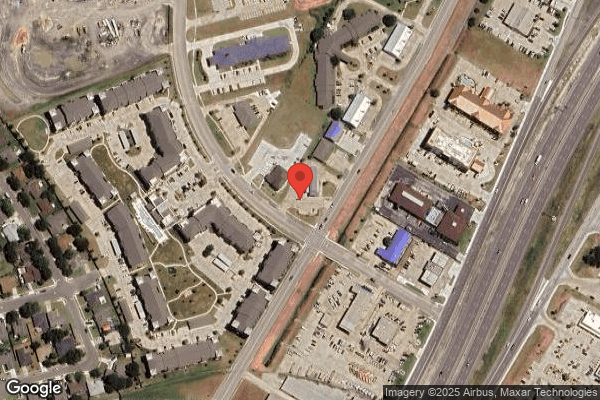

221 CEDAR DR, PORTLAND, TX 78374 (361) 643-1888
Government - Hospital district 97 Beds TOUCHSTONE COMMUNITIES Data: November 2025 2 Immediate Jeopardy citations
Trust Grade
0/100
#948 of 1168 in TX
Last Inspection: August 2024

Within standard 12-15 month inspection cycle. Federal law requires annual inspections.

Overview

Coastal Palms Nursing & Rehabilitation has received a Trust Grade of F, indicating significant concerns about the care provided, which is considered poor. It ranks #948 out of 1168 facilities in Texas, placing it in the bottom half overall, and #2 out of 2 in San Patricio County, meaning there is only one local option that is better. While the facility's trend is improving, having reduced issues from 13 in 2024 to 1 in 2025, it still faces serious challenges, including a concerning staff turnover rate of 74%, much higher than the state average of 50%. Notably, the facility has incurred $119,462 in fines, which is higher than 86% of Texas facilities, suggesting ongoing compliance problems. Specific incidents include failure to notify physicians about a resident's worsening wounds and administering medication outside of prescribed parameters, which resulted in a hospital transfer for one resident. Despite some strengths in quality measures, families should weigh these serious weaknesses carefully when considering this facility for loved ones.

Trust Score
F
0/100
In Texas
#948/1168
Bottom 19%
Safety Record
High Risk
Review needed
Inspections
Getting Better
13 → 1 violations
Staff Stability
⚠ Watch
74% turnover. Very high, 26 points above average. Constant new faces learning your loved one's needs.
Penalties
○ Average
$119,462 in fines. Higher than 53% of Texas facilities. Some compliance issues.
Skilled Nurses
⚠ Watch
Each resident gets only 25 minutes of Registered Nurse (RN) attention daily — below average for Texas. Fewer RN minutes means fewer trained eyes watching for problems.
Violations
⚠ Watch
22 deficiencies on record. Higher than average. Multiple issues found across inspections.
★☆☆☆☆
1.0
Overall Rating
★☆☆☆☆
1.0
Staff Levels
★★★★☆
4.0
Care Quality
★★☆☆☆
2.0
Inspection Score
Stable
2024: 13 issues
2025: 1 issues

The Good

  • 4-Star Quality Measures · Strong clinical quality outcomes
  • Full Sprinkler Coverage · Fire safety systems throughout facility
  • No fines on record

Facility shows strength in quality measures, fire safety.

The Bad

1-Star Overall Rating

Below Texas average (2.8)

Significant quality concerns identified by CMS

Staff Turnover: 74%

28pts above Texas avg (46%)

Frequent staff changes - ask about care continuity

Federal Fines: $119,462

Well above median ($33,413)

Significant penalties indicating serious issues

Chain: TOUCHSTONE COMMUNITIES

Part of a multi-facility chain

Ask about local staffing decisions and management

Staff turnover is very high (74%)

26 points above Texas average of 48%

The Ugly 22 deficiencies on record

2 life-threatening 1 actual harm
Jul 2025 1 deficiency
CONCERN (E) 📢 Someone Reported This

A family member, employee, or ombudsman was alarmed enough to file a formal complaint

Potential for Harm - no one hurt, but risky conditions existed

Respiratory Care (Tag F0695)

Could have caused harm · This affected multiple residents

**NOTE- TERMS IN BRACKETS HAVE BEEN EDITED TO PROTECT CONFIDENTIALITY** Based on observation, interview and record review, the facility failed to ensure that residents who needed respiratory care were...

Read full inspector narrative →
**NOTE- TERMS IN BRACKETS HAVE BEEN EDITED TO PROTECT CONFIDENTIALITY** Based on observation, interview and record review, the facility failed to ensure that residents who needed respiratory care were provided such care consistent with professional standards of practice, the comprehensive person-centered care plan, and the resident's goals and preferences for 2 of 3 (Resident #1 and Resident #2) residents reviewed for respiratory care.The facility failed to obtain/verify physician's orders to administer oxygen at 3 LPM for Resident #1 from 06/02/25 to 06/23/25 and oxygen at 2 LPM for Resident #2 from 06/19/25 to 07/01/25.This deficient practice could place residents who receive respiratory care at an increased risk of developing respiratory complications and a decreased quality of care. The findings included: Record review of Resident #1's face sheet dated 07/01/25 reflected the resident was a [AGE] year-old male who was admitted to the facility on [DATE] with diagnoses that included: encounter for orthopedic aftercare, chronic obstructive pulmonary disease (lung disease), chronic respiratory failure with hypoxia (low oxygen levels), dependence on supplemental oxygen, muscle wasting and atrophy, depression, and anxiety disorder. Resident #1 was discharged on 06/23/25. Record review of Resident #1's MDS assessment dated [DATE] reflected Resident #1 had a BIMS score of 12, indicating moderate cognitive impairment. Resident #1 was noted to be on oxygen.Record review of Resident #1's care plan dated 07/01/25 reflected [Resident #1] was at risk for experiencing shortness of breath related to COPD and chronic respiratory failure. Interventions included: provide oxygen as ordered/recommended by my physician. Date initiated: 06/03/25. Record review of Resident #1's order summary dated 07/01/25 reflected O2 Filter - Check, Clean and/or replace filter every week, every night shift, every Sunday. Start date: 06/08/25. No other order noted for O2/oxygen. Record review of Resident #1's MAR dated June 2025 reflected no orders for the O2's flow rate of delivery. Only order noted for O2/oxygen was O2 Filter - Check, Clean and/or replace filter every week, every night shift, every Sunday which was completed. Record review of Resident #2's face sheet dated 07/01/25 reflected the resident was an [AGE] year-old male who was last admitted to the facility on [DATE] with diagnoses that included: cellulitis (bacterial infection of the skin and the tissue beneath the skin) of right lower limb, chronic obstructive pulmonary disease (lung disease), heart failure, acute and chronic respiratory failure with hypercapnia (excessive carbon dioxide levels in the blood), chronic respiratory failure with hypoxia (low oxygen levels), and muscle wasting and atrophy. Record review of Resident #2's MDS assessment dated [DATE] reflected Resident #2 had a BIMS score of 15, indicating cognitively intact. Resident #2 was noted to be on oxygen. Record review of Resident #2's care plan dated 07/01/25 reflected [Resident #2] was at risk for experiencing shortness of breath related to COPD and acute respiratory failure. Interventions included: provide oxygen as ordered/recommended by my physician. Date initiated: 06/20/25. Record review of Resident #2's order summary dated 07/01/25 reflected O2 sats every shift. Start date: 06/19/25. No other order noted for O2/oxygen. Record review of Resident #2's MAR dated June 2025 reflected no orders for the O2's flow rate of delivery. Only order noted for O2/oxygen was O2 sats every shift which was completed. On 07/01/25 at 12:45 PM, in an interview with Resident #1, he said during his stay at the facility, he received oxygen and never went without it. Resident #1 said he used continuous oxygen at 3 LPM due to his diagnosis of COPD. On 07/01/25 at 1:05 PM, in an interview with Resident #2, he said he used continuous oxygen at 2 LPM. Resident #2 said he had always used oxygen due to his diagnosis of COPD. Resident #2 said the nurses checked on the oxygen machine and changed his tubing. Resident #2 was not aware of any changes to his physician's orders regarding his oxygen needs. Resident #2 said he had no trouble breathing or felt sick during this stay. On 07/01/25 at 1:15 PM, an observation with Resident #2 revealed the oxygen tubing was connected and the oxygen setting was set at 2 LPM. Resident #2 sat in his wheelchair and was not in distress. Oxygen in use sign noted at door. On 07/01/25 at 1:35, in an interview with LVN C, she said she knew if a resident needed O2 because prior to admission the facility received their paperwork which indicated the use of oxygen. LVN C said another way she found out a resident would need O2 was if the office staff placed a concentrator in the room in preparation for the admission or if the resident mentioned it during the admission assessments. LVN C said she did not recall completing the admission for Resident #1. LVN C said she recalled Resident #1 used O2 but did not recall the LPM setting. LVN C said Resident #2 used O2 at 2 LPM and it was continuous. LVN C said Resident #1 and Resident #2 had to have physician's orders for the oxygen administration and the nurses ensured to follow the orders on the MAR. On 07/01/25 at 2:25 PM, in an interview with the ADON, she said the nurses handled the oxygen concentrators and tubing. The ADON said any changes or issues regarding the oxygen machines, the staff knew to report to the nurses. The ADON said the residents had to have orders for the O2 concentration level and O2 use. The ADON said the MAR showed them the order for the LPM rate, to check the tubing, change filter, and check O2 sats. On 07/01/25 at 3:45 PM, in an interview with the DON, he said when residents were admitted , the orders came in their admissions packets, the nurses input the orders in the system, called the doctor to verify orders, and the doctor agreed or changed the medications as they saw needed. The DON said if a medication such as O2 was not part of the admitting orders or once the nurse assessed and noted the resident needed oxygen, then the nurse should have called the doctor to obtain orders. The DON said if a resident used oxygen, then there was physician's orders in place. The DON said Resident #1 had an order to change O2 tubing and check/clean/replace O2 filter every week. The DON said Resident #1 should have had an order for the oxygen and he did not. The DON said as an example, the order should have read O2 at 3LPM via nasal cannula, continuous or as needed. The DON said Resident #2 had the order to check for O2 sats every shift and did not have an order for the oxygen. The DON said he reviewed the MAR for Resident #1 and Resident #2 which had no orders for the O2's LPM. The DON said the LPM was the flow rate of delivery which was different for each resident. The DON said the nurses were in-serviced on the admissions process and changes of condition. The DON said any nurse that noted a resident using oxygen without a physician's order should have called the doctor to obtain clarification or orders. The DON said Resident #1 and Resident #2 had no negative outcomes as a result of lack of orders for the oxygen administration but it was important to have orders in place so that all staff were aware and knew what flow rate of delivery the residents required. The DON said there was potential for harm to the residents depending on if they were contraindicated or maybe allergic, but Resident #1 and Resident #2 were not. The DON said the lack of orders could have resulted in hypoxia or hyperoxia but there were no indications that Resident #1 or Resident #2 were hypoxic (insufficient oxygen) or hyperoxic (excessive oxygen) during their stays. Record review of the facility's policy subject titled, Oxygen Administration, dated revised January 2023, revealed, Compliance Guidelines: A resident receives oxygen therapy when there is an order by a physician. Procedure: 3. Obtain physician orders for oxygen administration. Orders should include the following:a. oxygen source to be used (concentrator, tank)b. method of delivery (cannula, mask)c. flow rate of delivery
Aug 2024 8 deficiencies
CONCERN (D)

Potential for Harm - no one hurt, but risky conditions existed

Deficiency F0583 (Tag F0583)

Could have caused harm · This affected 1 resident

**NOTE- TERMS IN BRACKETS HAVE BEEN EDITED TO PROTECT CONFIDENTIALITY** Based on observation, interview and record review, the facility failed to ensure the residents' right to privacy for 2 (Resident...

Read full inspector narrative →
**NOTE- TERMS IN BRACKETS HAVE BEEN EDITED TO PROTECT CONFIDENTIALITY** Based on observation, interview and record review, the facility failed to ensure the residents' right to privacy for 2 (Resident #33 and Resident #70) of 19 residents reviewed for privacy. 1) The facility failed to ensure a printed sheet of paper containing Resident #70's laboratory values was secured and out of view from the public at 4:17 PM on 08/15/2024. 2) The facility failed to ensure RN A locked the computer screen that displayed Resident #33's personal medical information while RN A was away from the computer administering medication to Resident #33 at 8:13 AM on 8/16/2024. These failures could allow residents' protected HIPAA information to be shared with individuals who do not have a need or right to know which could place residents at a risk of loss of dignity due to lack of privacy. The findings included: Record review of Resident #70's face sheet reflected a [AGE] year-old male with an initial admission date of 04/15/2024 and a current admission date of 06/03/2024. Pertinent diagnoses included Acute Kidney Failure, Paraplegia (paralysis of the legs and lower body), and Type 2 Diabetes (chronic metabolic disease in which the body does not produce enough insulin). Record review of Resident #70's quarterly MDS assessment section C, cognitive patterns, dated 07/20/2024 reflected a BIMS score of 10 (moderate impairment). Record review of Resident #33's face sheet reflected an [AGE] year-old female with an initial admission date of 10/28/2023 and a current admission date of 11/01/2023. Pertinent diagnoses included End Stage Renal Disease (kidneys permanently stop functioning and require dialysis or a kidney transplant), Altered Mental Status Unspecified, Type 2 Diabetes, and Legal Blindness. Record review of Resident #33's quarterly MDS assessment section C, cognitive patterns, dated 05/31/2024 revealed no test was performed to determine BIMS scoring. During an observation at 4:17 PM on 8/15/2024 revealed in front of the nurse's station by the 100 and 200 resident halls, a printed sheet of paper was resting face up on a medication cart with no employees maintaining control over it. The sheet of paper contained the lab results for a complete metabolic panel (blood test that measures 14 substances in the blood to provide information about the body's chemical balance and metabolism) for Resident #70. Several residents were in the lobby area within 45 feet of the sheet of paper. This surveyor took a picture of the sheet of paper without any employee behind the nurse's station noticing. The sheet of paper remained face-up and available to anyone in the room for 1 minute before RN A was informed of the situation. In an interview with RN A at 4:18 PM on 08/15/2024, RN A stated that the sheet of paper contained HIPAA protected information. RN A stated that she did not know who put the sheet of paper on the medication cart. RN A stated that anyone walking by could see Resident #70's personal medical information. RN A stated that if Resident #70 found out that the facility was not protecting his health information, he might experience disappointment and embarrassment. During an observation at 8:13 AM on 08/16/2024, revealed RN A administered medications to Resident #33 inside Resident #33's room. RN A had the medication cart against the wall opposite of Resident #33's room with the computer monitor facing Resident #33's room. While RN A stepped inside of Resident #33's room, the monitor on the medication cart was left on, displaying Resident #33's personal medical information. The monitor was left on for approximately 1 minute until RN A exited the room and noticed that she had left the monitor on. In an interview with RN A at 8:14 AM on 8/16/2024, RN A stated that she accidentally left the computer screen on while she was administering medications to Resident #33. RN A stated that she typically locked the screen when she was not actively using the computer during medication administration. RN A stated that the personal medical information displayed on the computer screen was HIPAA protected information. RN A stated that if Resident #33 found out that the facility was not protecting her health information, she might experience disappointment and embarrassment. In an interview with LVN D at 11:11 AM on 08/16/2024, LVN D stated that revealing a resident's protected personal information to individuals who do not have a need or right to access the information could potentially cause the resident mental distress if they were informed of the incident. LVN D stated that leaving a printed-out sheet of paper face-up containing a resident's laboratory values in a public place would constitute a HIPAA violation. LVN D stated that leaving a computer screen unattended with a resident's personal medical information would constitute a HIPAA violation. LVN D stated that if she saw a resident's protected medical information displayed publicly, she would hide it and then inform the nearby nurse. LVN D stated that she had not witnessed any instances of HIPAA information being displayed unnecessarily at this facility. In an interview with CNA E at 11:29 AM on 08/16/2024, CNA E stated that leaving a printed-out sheet of paper face-up containing a resident's laboratory values in a public place would constitute a HIPAA violation. CNA E stated that leaving a computer screen unattended with a resident's personal medical information would constitute a HIPAA violation. CNA E stated that if she noticed any HIPAA protected information displayed unnecessarily, she would hide the information and alert a nearby nurse. CNA E stated that revealing a resident's protected personal information to individuals who do not have a need or right to access the information could potentially cause the resident mental distress if they were informed of the incident. CNA E stated that since she had been working at the facility, she had not witnessed any HIPAA violations. In an interview with the DON on 08/16/24 at 2:50 PM, the DON stated that the computer screen was not supposed to be left on and unattended during med pass. The DON stated that leaving the computer screen on and unattended while displaying a resident's person medical information in a public area was a HIPAA violation. The DON stated that she was already aware of the incident earlier in the day with RN A and had already in-serviced RN A on the topic. The DON stated that leaving a sheet of paper unattended displaying the laboratory results of a resident in a public area was a HIPAA violation. The DON stated that anytime an employee sees a possible HIPAA violation, they should hide the information from view and then inform the DON. In an interview with the ADM on 08/16/2024 at 3:51 PM, the ADM stated that leaving a printed-out sheet of paper face-up containing a resident's laboratory values unattended in a public place would constitute a HIPAA violation. The ADM stated that leaving a computer screen unattended with a resident's personal medical information would constitute a HIPAA violation. The ADM stated that anytime an employee saw a possible HIPAA violation, they should hide the information from view and then inform their supervisor. The ADM stated that anytime a resident's personal medical information was not protected, individuals who do not have a need or right to know may gather the information. Record review of the undated policy titled Statement of Resident Rights revealed that residents have the right to: 8: have facility information about you maintained as confidential
CONCERN (D)

Potential for Harm - no one hurt, but risky conditions existed

Transfer Notice (Tag F0623)

Could have caused harm · This affected 1 resident

**NOTE- TERMS IN BRACKETS HAVE BEEN EDITED TO PROTECT CONFIDENTIALITY** Based on interviews and record reviews, the facility failed to send a copy of the notice of transfer or discharge, and the reaso...

Read full inspector narrative →
**NOTE- TERMS IN BRACKETS HAVE BEEN EDITED TO PROTECT CONFIDENTIALITY** Based on interviews and record reviews, the facility failed to send a copy of the notice of transfer or discharge, and the reasons for the transfer or discharge in writing to the resident, resident representative, or the Office of the State Long-Term Care Ombudsman for one (Resident #11) of three residents reviewed for transfer and discharge. The facility failed to send the notice of transfer or discharge in writing to Resident #11, Resident #11's representative or the Ombudsman when Resident #11 was discharged to the hospital on 6/27/2024. This failure could affect residents at the facility by placing them at risk of being discharged and not having access to available advocacy services, discharge/transfer options, and the appeal processes. Findings included: Record Review of Resident #11's face sheet revealed he was an [AGE] year-old male admitted to the facility with an original admission date of 8/07/2023, and the most recent admission date of 7/02/2024. His diagnoses included Unspecified Dementia (group of symptoms affecting memory, thinking and social abilities), Alzheimer's Disease (a brain disorder characterized by changes in the brain that causes the brain to shrink and brain cells to eventually die), End Stage Renal Disease (kidney failure) with heart failure, Chronic Kidney Disease Stage 4 (Stage 4 kidney disease is the last stage before kidney failure), and Renal Dialysis (a treatment for people whose kidneys are failing). Record review from hospital records dated 6/27/2024 revealed that Resident #11 was admitted to the hospital with a primary diagnosis of Acute Kidney Failure, Unspecified. Record review of the Nurse Practitioner's Progress notes dated 6/27/2024 revealed that Resident #11's family representative was notified verbally that resident was being transferred to hospital and why. Record review of hospital discharge paperwork dated 6/28/2024 revealed that Resident #11 was also admitted to the hospital with a UTI. Record Review of a progress note dated 7/2/2024 revealed that Resident #11 returned and was admitted to facility on 7/2/2024. During an interview with the ADON on 8/15/2024 at 2:55pm, the ADON stated the facility would call the family to notify them of transfers or discharges, but not in writing. The ADON stated if it was an emergency, the facility would transfer the resident first, then notify the family verbally after the fact. The ADON stated that if it were an emergency when a resident was discharged , the family would come in after the fact to discuss medications and upcoming appointments, but that was it. During an interview with the DON on 8/15/2024 at 4:19pm, the DON stated that residents were verbally notified when they are going to be transferred or discharged to the hospital, but the facility does not notify residents or their representatives in writing. During an interview with the ADM on 8/15/2024 at 4:25pm, the ADM stated Resident #11 was never discharged from the facility, but only transferred to and from the hospital. The ADM stated the facility does not notify via written notice of transfers or discharges. Record review of the facility's policy titled Admission, Transfer and Discharge revised 09/23/2024 revealed that under section Transfer and discharge on page 3, a transfer and/or discharge includes the movement of a resident to a bed outside of the certified community, and before transfer or discharge occurs, the community notifies the resident, and, if known, the family member, surrogate, or representative of the transfer, and the reasons for it. A copy of the documentation of the notice is kept in the clinical record and a copy is sent to the representative of the Office of the State Long Term Care Ombudsman. On Page 5, under Transfer and Discharge, Written notice of transfer or discharge must be given at least 30 days prior, or as soon as practicable when the health of the individual would be endangered, or an immediate transfer or discharge is required by the resident's urgent medical needs.
CONCERN (D)

Potential for Harm - no one hurt, but risky conditions existed

Deficiency F0645 (Tag F0645)

Could have caused harm · This affected 1 resident

**NOTE- TERMS IN BRACKETS HAVE BEEN EDITED TO PROTECT CONFIDENTIALITY** Based on record review and interviews, the facility failed to ensure a PASRR evaluation was completed on newly admitted resident...

Read full inspector narrative →
**NOTE- TERMS IN BRACKETS HAVE BEEN EDITED TO PROTECT CONFIDENTIALITY** Based on record review and interviews, the facility failed to ensure a PASRR evaluation was completed on newly admitted residents prior to admission or after admission for 2 (Resident #34 and #3) of 8 residents reviewed for PASRR screenings. 1. The facility failed to ensure Resident (R) #34's PASRR Level 1 screening indicated R #34 was positive for mental illness. 2. The facility failed to ensure Resident (R) #3's PASRR Level 1 screening indicated R #3 was positive for mental illness. These failures placed residents at risk of not receiving or benefiting from specialized therapy and equipment services they may require. Findings included: 1. Record review of R #34's face sheet dated 08/16/24 indicated an [AGE] year-old female initially admitted [DATE] and readmitted [DATE] with the diagnosis of schizoaffective disorder (A mental health condition of a combination of symptoms of schizophrenia and mood disorders. Cycles of severe symptoms are often followed by periods of improvement. Symptoms may include hallucinations, delusions, depressed episodes, and manic periods.) Record review of R #34's quarterly Minimum Data Set assessment dated [DATE] indicated R #34 had a Brief Interview of Mental Status Assessment score of 10 (moderate impaired cognition). R #34 did not display any behaviors during the assessment period. The assessment indicated an active diagnosis of Schizophrenia and Depression. Record review of R #34's comprehensive care plan dated 07/15/24 reflected I require psychotropic medications and I am at potential risk for side effects related to my medication regimen. Diagnosis: Anxiety, Schizoaffective disorder, Antianxiety Medication Regimen, Antidepressant Medication Regimen . Record review of R #34's August 2024 physicians orders reflected Anti-manic Side Effects Chart all appropriate codes; ANTIMANIC TARGETED BEHAVIOR IS: Sudden mood changes. No directions specified for order: Prozac Oral Capsule 40 MG (Fluoxetine HCl- use to treat major depressive disorder, obsessive/ compulsive disorder, panic disorder.), Order Summary: Depakote Sprinkles Oral Capsule Delayed Release Sprinkle 125 MG (Divalproex Sodium-Used to treat seizure and bipolar disorder management) Give 2 capsule by mouth one time a day for mood stabilizer May be swallowed whole or capsule opened and sprinkled on small amount (1 teaspoonful) of soft food (egg, pudding, applesauce) to be used immediately (do not store or chew). Record review of R #34's PASRR (Preadmission Screening and Resident Review) dated 12/26/23 revealed #2. Mental Illness: Is there evidence or an indicator this is an individual that has a Mental Illness? No. 2. Record review of R #3's face sheet dated indicated a [AGE] year-old female initially admitted on [DATE] and readmitted on [DATE]. Her diagnoses included hemiplegia and hemiparesis following unspecified stroke affecting unspecified side dated 08/15/17, systemic lupus erythematosus dated 02/21/18, major depressive disorder, recurrent severe without psychotic features dated 06/14/18, generalized anxiety disorder dated and panic disorder dated 10/15/18, schizophrenia, unspecified dated 11/08/18, Mood disorder due to known physiological condition with depressive features dated 11/19/18, bipolar disorder, current episode mixed, severe, with psychotic features dated 01/24/19, vascular dementia and unspecified dementia, unspecified severity, with other behavioral disturbance dated 10/01/22, schizoaffective disorder, bipolar type dated 10/31/22 (A mental health condition of a combination of symptoms of schizophrenia and mood disorders. Cycles of severe symptoms are often followed by periods of improvement. Symptoms may include hallucinations, delusions, depressed episodes, and manic periods), bipolar disorder, unspecified dated 02/10/22. Record review of R #3's undated Level 1 PASRR but listed her age as 60-years-old at the time of screening indicating the year was 2021) PASRR Level 1 was blank for section C. Mental Illness: Is there evidence or an indicator this is an individual that has a Mental Illness? Intellectual Disability: Is there evidence or an indicator this is an individual that has an Intellectual Disability? Developmental Disability: Is there evidence or an indicator this is an individual that has a Developmental Disability (related condition) other than an intellectual disability (e.g., Autism, Cerebral Palsy, Spina Bifida)? There was no evidence of a Level 2 screening. Record review of R #3's PASRR Level 1 dated 04/01/19 was marked No to all three questions in section C. There was no evidence of a Level 2 screening. Record review of R #3's PASRR Level 1 dated 05/29/24 was marked Yes to Mental Illness question #2 in section C. and No to questions 1, 3, and 4 in section C regarding Dementia, Intellectual ability or Developmental Disability, respectively. There was no evidence of a Level 2 screening. Interview with RN B on 08/16/24 at 11:18 AM revealed she said she was responsible to ensure all residents had PASRR screenings and referrals. RN B could not provide an answer as to why R #34's and R #3's PASRR mental screening questions were answered incorrectly. RN B said the local authority would change the screening and then said she would find out the answer and get back to the surveyor. In a subsequent interview with RN B on 08/16/24 at 2:23 PM she stated R #34's and R #3's screenings were done incorrectly and should have been triggered as positive since R #34 and R #3 had mental illness diagnoses. RN B stated she would be resubmitting the correct positive PASRR information to local state authority agency used that would determine if R #34 and R #3 qualified for PASRR services. RN B stated she felt the error had not negatively impacted R #34 or R #3. RN-B also stated there was no answer as to why the PASRR Level 1 screenings were done incorrectly as a previous employee had conducted the initial screenings. She stated it was a team effort to monitor and audit PASRR screenings but overall, the ADM had responsibility for overseeing PASRR screenings accuracy. Interview on 08/16/2024 at 2:55 with the ADM revealed she stated the accuracy of the PASRR was initially the responsibility of the admissions department; but the process was a team effort. The ADM called RN B into the meeting and where at this time RN B stated the responsibility fell on the MDS Coordinator, which was RN B. The ADM stated if the PASRR screening was incorrect or if an evaluation was not conducted, the resident was at risk of not receiving additional PASRR services he/she may have been qualified for. Record review of the facility's policy titled, Comprehensive Assessments revised January 2024 reflected, Compliance guidelines: Pre-admission screening determines whether the community can provide the level and scope of services required by the resident's medical and mental condition. This assessment is important because it is the initial source of information that will ultimately determine the resident's comprehensive care plan. Pre-admission screening and resident review (PASRR) screen is required of all individuals with mental illness (MI) or mental retardation (MR}, regardless of the applicant's source of payment. The screen lists the specialized services that are required and identifies the services the state is responsible to provide. The community is responsible for providing the other needed services. These screening are provided within fourteen days of the resident's admission to the community, when there has been a significant change in the resident's condition, quarterly, and annually (every twelve months). PASRR preadmission screens: Residents with mental illness or mental retardation: The community coordinates resident assessments with pre-admission screening to maximize the resident assessment process. The state is responsible for conducting the PASRR screen, preparing the PAS RR report, and providing or arranging specialized services that the screen shows to be needed. The PASRR screen lists the specialized services that are required and identifies the services that the state is responsible to provide. The community is responsible for providing the other needed services. The community does not admit new residents with mental illness (MI) or mental retardation (MR) unless approved by the appropriate state mental health or mental retardation agency. The state is required to provide specialized services either directly or through arrangement. Preadmission screening is required of all individuals with MI or MR, regardless of the applicant's source of payment. Residents admitted or readmitted following a discharge from an acute care stay are exempt from the screening requirement if: Readmissions following hospitalizations. Individuals who are admitted to the nursing community directly from a hospital after receiving acute inpatient care at the hospital, require nursing community services for the condition for which the individual received care in the hospital, and have been certified by their attending physician prior to admission to the nursing community that they are likely to require less than 30 days of nursing community services. Individuals who have a terminal illness as defined for hospice purposes in 42 Code of Federal Regulations, in the definition of terminally ill; and residents who transfer from their current nursing community residence to a new nursing community residence. Have not had any interruption in continuous nursing community residence other than for acute care hospitalization; and have not had any change in their mental condition. For residents who transfer from one nursing community to another, the transferring nursing community is responsible for ensuring copies of the most recent PASRR assessment accompany the transferring resident.
CONCERN (D)

Potential for Harm - no one hurt, but risky conditions existed

Comprehensive Care Plan (Tag F0656)

Could have caused harm · This affected 1 resident

**NOTE- TERMS IN BRACKETS HAVE BEEN EDITED TO PROTECT CONFIDENTIALITY** Based on observation, interview and record review, the facility failed to develop and implement a comprehensive person-centered ...

Read full inspector narrative →
**NOTE- TERMS IN BRACKETS HAVE BEEN EDITED TO PROTECT CONFIDENTIALITY** Based on observation, interview and record review, the facility failed to develop and implement a comprehensive person-centered care plan for each resident consistent with the resident rights that include measurable objectives and timeframes to meet a resident's medical, nursing, mental, and psychological needs that were identified in the comprehensive assessment for revisions for care plans for 1 (Resident #41) of 4 residents reviewed for care plans. The facility failed to ensure Resident #41's (R#41) most recent care plan was updated for a fall with injury on 08/11/24, updated fall precautions, bed in low position, call light in place/within reach, scoop mattress, and fall matt on floor beside bed. This deficient practice could place residents at risk of not being provided with the necessary care or services and not having personalized plans developed to address their specific needs. The findings included: Record review of R#41's face sheet dated 07/20/2024 indicated a [AGE] year-old female initially admitted on [DATE] and readmitted on [DATE]. Diagnoses included unspecified dementia, lack of coordination, osteoporosis (brittle bones), high blood pressure, muscle wasting and weakness, insomnia, overactive bladder, and abnormal gait. Record review of R#41's quarterly MDS revealed she had a BIMS score of 3 indicating severe cognitive impairment, and she required staff assistance for all ADL's, including ambulation, transfers and mobility. Record review of physicion orders dated 01/31/21 indicated R#1 was taking anticoagulants: Plavix Tablet 75 MG (Clopidogrel Bisulfate) Give 1 tablet by mouth one time a day related to personal history of transient ischmic attacks (TIA), and cerebral infarction without residual deficits Pharmacy Active 1/30/2021. Aspirin EC 81 mg Give 1 tablet by mouth one time a day for prophylaxis (prevention) related to personal history of transient ischmic attacks (TIA), and cerebral infarction without residual deficits *DO NOT CRUSH* Pharmacy Active 4/14/2021. Record review of progress notes dated 08/11/24 at 2:42 pm revealed the resident was found on the floor post fall-reports uncertain of how the fall happened. No witnesses. R#41 was lying on the bed with gauze compression to left forehead, a large bruise to left forehead, and a laceration to the left brow. R#41 was sent to a local hospital for evaluation. At 8:15 pm R#41 was returned to the facility with negative x-rays and CT scans, a band aid over the left brow, and purple bruising to the left eye and forehead. A fall matt was placed beside the bed, fall precautions were initiated, the bed was placed in low position, and the call light was placed in reach. R#41 was encouraged to use the call light to prevent falls. Record review of R#41's quarterly care plan dated 08/05/24 revealed R#41 was at risk for falls related to poor balance, weakness, and muscle wasting because of a stroke-created on 08/07/20, date initiated 06/16/22, revision on 08/05/24. A fall was dated 07/11/24. Interventions included bed at appropriate height when unattended initiated 08/11/20, Floor Grip strips next to bed. Date Initiated: 07/12/24, Remind resident regularly to call for assistance in efforts to prevent falls. Date Initiated: 12/02/20, Routine rounds to help with safety checks by all team members. Date Initiated: 08/07/20. I choose not to follow recommendations made by my physician and/or clinical team. I am noncompliant with safety recommendations of using my wheelchair instead of my walker which has resulted in falls due to poor balance and coordination. Date initiated: 03/29/21. Interventions included coordinate appointments/referrals and transportation as indicated Date initiated 03/29/21, Keep clutter out of wheelchair and off bed to help prevent falls initiated 05/10/22, provide and review care choices; review advanced care planning initiated 03/29/21. I require an anti-platelet, blood thinning medication and I am at risk for abnormal bleeding, bruising and skin injury. Date Initiated: 12/02/20, Revision on: 05/14/2024. Target Date: 08/06/2024. Administer medications as ordered by doctor. Date Initiated: 12/02/20, Inspect my skin during care and report all skin injuries as indicated. Date Initiated: 12/02/20. Monitor me for abnormal bleeding and monitor my skin for excess bruising as indicated. Date Initiated: 12/02/20. There were no revision dates in R#1's care plan for the active anticoagulant orders. The fall on 8/11/24 was not addressed in the care plan. Observation and interview with R#41 on 08/14/24 at 2:21 pm R#41 revealed she was awake and alert. Her left eye had a deep purple discoloration around the entirety of her eye and upward into her left forehead. There were steri-strips on her left brow. She was sitting on her bed that had a scoop mattress. There was a fall mat in place, and the bed was low to the ground. She stated she tripped & fell at the nurse's station on a Tuesday and got a black eye. She denied having to go to the ER or being hurt anywhere else. She stated she could see clearly from both eyes. In an interview with the ADON on 08/16/24 at 3:00 pm she stated it was all nursing staff's responsibility to update the care plans because they were important to the well being of the residents. She stated R#1's care plan should have been updated to reflect the unwitnessed fall she had on 08/11/24. The ADON stated R#41's care plan should have reflected the specific fall precautions and preventions, as well as revisions for the anti-coagulants. Record review of the facility policy titled, Care Plans revised January 2023 revealed the care plan should be initiated upon admission, continued to be developed during the initial 48-72 hrs., throughout the completion of the admission comprehensive assessment. The care plan should be updated and reviewed at least quarterly thereafter, then annually and with significant changes in conditions as defined in the RAI manual. Additional updates to the care plan may be done as indicated. The care plan should be considered a part of the medical record and should be utilized in conjunction with the complete medical record. The care plan should serve as a guide, which should direct care needs, care choices and care preferences. However, the care plan is not an all-inclusive reflection of prescribed or recommended care by the IDT. It is utilized in conjunction with the complete medical record.
CONCERN (D)

Potential for Harm - no one hurt, but risky conditions existed

Incontinence Care (Tag F0690)

Could have caused harm · This affected 1 resident

**NOTE- TERMS IN BRACKETS HAVE BEEN EDITED TO PROTECT CONFIDENTIALITY** Based on observation, interview, and record review, the facility failed to ensure a resident who is incontinent of bladder recei...

Read full inspector narrative →
**NOTE- TERMS IN BRACKETS HAVE BEEN EDITED TO PROTECT CONFIDENTIALITY** Based on observation, interview, and record review, the facility failed to ensure a resident who is incontinent of bladder receives appropriate treatment and services to prevent urinary tract infections and to restore continence to the extent possible for 2 (Resident #4 and #70) of 3 residents reviewed for indwelling urinary catheters. 1. Resident #4's catheter tubing was dragging on the ground underneath his wheelchair in the lobby area outside resident halls 500 and 600 at 10:58 AM on 08/14/2024. Resident #4's catheter bag and tubing were dragging on the ground underneath his wheelchair in the dining room during lunch at 12:39 PM on 08/14/2024. 2. Resident #70's catheter bag was on resting on the floor as he laid in bed at 3:00 PM on 08/14/2024. These deficient practices could place residents with indwelling urinary catheters at-risk for urinary tract infections and/or pain. Findings included: Record review of Resident #70's face sheet reflected a [AGE] year-old male with an initial admission date of 04/15/2024 and a current admission date of 06/03/2024. Pertinent diagnoses included Acute Kidney Failure, Paraplegia (paralysis of the legs and lower body), and Type 2 Diabetes (chronic metabolic disease in which the body does not produce enough insulin). Record review of Resident #70's quarterly MDS assessment section C, cognitive patterns, dated 07/20/2024 reflected a BIMS score of 10 (moderate impairment). Record review of Resident #70's care plan dated 07/11/2024 revealed a focus that reflected I require a catheter indwelling Catheter, r/t: Neuromuscular bladder dysfunction (bladder's muscles and nerves are not communicating properly with the brain), Skin Breakdown / Wound Care. Interventions listed for the focus reflected: Catheter Care every shift and as indicated, Provide catheter secure band/tape as indicated. Offer/provide a privacy bag or cover drainage bag as indicated. Change catheter per my physician's orders Check tubing for kinks each shift & during care encounters. Foley Catheter 16Fr 10CC, change monthly and PRN. Monitor for s/sx infection. Monitor for s/sx discomfort and abnormalities report those findings to MD as indicated. Record review of Resident #70's on 08/16/2024 orders revealed the following active orders: CHANGE FOLEY [catheter] IN 7 DAYS dx: colonized UTI revised on 08/13/2024. Foley catheter care with perineal wipes and/or soap and water Q SHIFT and PRN revised on 06/04/2024. Foley Catheter 16Fr (size of catheter) 10CC (clean intermittent catheterization), change monthly and PRN revised on 06/04/2024. Record Review of Resident #4's face sheet reflected a [AGE] year-old man with an original admission date of 04/26/2013 and a current admission date of 10/01/2021. Pertinent diagnoses included Unspecified Intellectual Disabilities, Type 2 Diabetes, and Obstructive Uropathy (urine flow is blocked in the urinary tract, causing urine to back up and injure the kidneys). Record review of Resident #4's Optional State Assessment MDS section C, cognitive patterns, dated 06/05/2024 reflected a BIMS score of 6 (severe impairment). Record review of Resident #4's care plan dated 07/15/2024 revealed a focus that reflected, I require a suprapubic catheter r/t Dx of Urinary retention r/t Prostate condition Dx: OTHER OBSTRUCTIVE AND REFLUX UROPATHY. Catheter to only be changed by urologist, Dr. At times like to have f/c tubing inside clothes. Interventions listed for the focus stated: Catheter Care every shift and as indicated. Provide catheter secure band/tape as indicated. Offer/provide a privacy bag or cover drainage bag as indicated. Change catheter per my physician's orders. Check tubing for kinks each shift & during care encounters. EBP (Enhanced Barrier Precautions): Practice EBP as indicated. May change foley bag Q 2 weeks PRN. Monitor for s/sx infection. Monitor for s/sx of discomfort and abnormalities report those findings to MD as indicated. Suprapubic Catheter to be changed by MD in office. Notify [doctor name] if any leakage, excessive sentiment, or change in condition r/t coude catheter (specialized urinary catheter with a bend at the end). Record Review of Resident #4's orders on 08/16/2024 revealed the following active orders: Suprapubic catheter care with perineal wipes and/or soap and water Q SHIFT and PRN revised on 05/03/2023. Suprapubic Catheter 16 Fr to be changed by MD in office. Notify Dr if any leakage, excessive sentiment, or change in condition r/t coude catheter revised on 05/03/2023. Suprapubic cath[eter] to be replaced PRN at Corpus [NAME] Urology group with [doctor name] revised on 05/02/2024. During an observation at 10:58 AM on 08/14/2024 revealed in front of the nurse's station outside resident halls 500 and 600, Resident #4 was sitting in his wheelchair with his catheter bag and tubing underneath the wheelchair. The catheter tubing was resting on the ground as Resident #4 was sitting in his wheelchair. An interview was attempted with Resident #4 at 11:00 AM on 08/14/2024, but Resident #4 was not interviewable. During an observation at 12:39 PM on 08/14/2024 revealed Resident #4 was sitting in his wheelchair in the dining room with his catheter bag and tubing underneath his wheelchair. The catheter bag and tubing were both resting on the floor as Resident #4 was sitting in his wheelchair. During an observation at 3:00 PM on 08/14/2024 revealed Resident #70 was lying in his bed in his room. While Resident #70 was in bed, his catheter bag was resting on the floor near the foot of the bed closest to the door. In an interview with Resident #70 at 3:00 PM on 08/14/2024, Resident #70 stated that the catheter bag was not usually on the floor. Resident #70 stated that the catheter tubing did not pull on him causing any increase in discomfort. Resident #70 stated that his bag had a leak in it approximately one month ago, but it was fixed shortly afterwards. In an interview with LVN D at 11:11 AM on 08/16/2024, LVN D stated that it was not appropriate for a catheter bag or tubing to be on the floor. LVN D stated that dragging a catheter bag or tubing on the floor could potentially cause contamination and lead to an infection. LVN D stated that she had witnessed that happen once in the facility with Resident #4. LVN D stated that she had seen Resident #4's Foley bag on the floor before. LVN D stated that sometimes the bag may fall after it was clipped onto his wheelchair. LVN D stated that about one and a half months ago, Resident #4's foley bag leaked, causing it to be changed. LVN D stated that Resident #4 complained often about the location of his catheter bag, and that it was difficult to get it in a safe spot that he was comfortable with. LVN D stated that she had discussed with other nurses about how best to deal with Resident #4's catheter bag and tubing. In an interview with CNA E at 11:29 AM on 08/16/2024, CNA E stated that it was not okay for a resident's catheter bag or tubing to be on the floor. CNA E stated that a catheter bag or tubing on the floor was unsanitary and may harm the resident through unnecessary pulling. CNA E stated that if she saw a bag on the floor she would secure the bag and ensure it did not have any leaks. CNA E stated she had witnessed Resident #4's catheter bag on the floor, but had never seen Resident #70's bag on the floor. In an interview with the DON at 2:50 PM on 08/16/2024, the DON stated that a catheter bag and tubing should not be on the floor. The DON stated that leaving a catheter bag or tubing on the floor could lead to contamination and possible an infection. The DON stated that Resident #4 refused the leg strap to secure the tubing up higher towards his leg. The DON stated that she was going to try his calf area but that Resident #4 would not let her touch him. The DON stated that she had seen Resident #4's tubing on the floor one other time but did not remember when she saw it. The DON stated they were going to try and put tape around Resident #4's leg to secure his foley catheter. In an interview with the ADON at 3:00 PM on 08/16/2024, the ADON stated they had tried to reposition the catheter bag for Resident #4 with a strap and Velcro. The ADON stated they tried putting the bag on Resident #4's leg but he did not like the bag on his leg. The ADON stated that have tried putting it in an extra bag and anchoring Resident #4's catheter bag higher on the chair. The ADON stated that leaving a catheter bag on the floor could contribute to an infection. Record review of the facility policy Routine Resident Care last revised on January 2023 reflected under GUIDELINES: 7. Incontinence / catheter care should be offered and provided timely in according to individual needs. Record review of the facility policy Infection Prevention and Control last revised on April 2024 reflected under Prevention of Infection (2) Instituting measures to avoid complications or dissemination and (3) Educating staff and ensuring they adhere to proper techniques and procedures.
CONCERN (D)

Potential for Harm - no one hurt, but risky conditions existed

Pharmacy Services (Tag F0755)

Could have caused harm · This affected 1 resident

**NOTE- TERMS IN BRACKETS HAVE BEEN EDITED TO PROTECT CONFIDENTIALITY** Based on observation, interview, and record review the facility failed to provide pharmaceutical services to include procedures ...

Read full inspector narrative →
**NOTE- TERMS IN BRACKETS HAVE BEEN EDITED TO PROTECT CONFIDENTIALITY** Based on observation, interview, and record review the facility failed to provide pharmaceutical services to include procedures that assured the accurate dispensing and administering of all drugs to meet the needs of 1 of 6 residents (Resident #59) reviewed for medication administration in that: The facility failed to ensure Resident #59's medication was fully administered after a nebulizer (electric device that turn liquid medicine into a mist) treatment was initiated, leaving Resident #59 left over medication in the nebulizer container allowing Resident #59 access to the medication at a later time. This deficient practice could affect residents and place them at risk of not receiving therapeutic dosage and drug diversion. The findings included: Record review of Resident #59's face sheet dated 8/15/24 reflected a [AGE] year-old-female with an original admission date of 6/22/23. Diagnoses included COPD (chronic inflammatory lung disease that causes obstructed airflow from the lungs), emphysema (lung condition that causes shortness of breath and damages the air sacs in the lungs), and chronic respiratory failure. Record review of Resident #59's care plan dated 6/26/23 and a revision date of 8/15/24 stated: Resident #59 was at risk of experiencing shortness of breath due to COPD. Resident #59 preferred to monitor own pulse with a pulse oximeter. Interventions included: Administer respiratory treatments/nebulizers as ordered by the doctor. Monitor oxygen saturation as ordered by the doctor. Record review of Resident #59's care plan did not indicate Resident #59 turns off/on nebulizer treatments. Record review of Resident #59's physician orders dated 2/3/24 stated: Ipratropium-Albuterol (combination of two bronchodilators that relax muscles in the airways to increase air flow to the lungs) 0.5-2.5 mg/3 ml Solution Use one vial per handheld nebulizer every 6 hours as needed for shortness of breath or wheezing. Record review of Resident #59's MDS dated [DATE] indicated Resident #59 had an active diagnosis of asthma, COPD, or chronic lung disease, and respiratory failure. Resident #59's BIMS was a 12 (moderate cognitive impairment). During an observation and interview on 08/14/24 at 03:11 PM Resident #59 started her own nebulizer treatment while in bed. Resident #59 stated she was supposed to take her nebulizer treatment every 6 hours but used left over medication when she felt short of breath. In an interview on 08/15/24 at 01:59 PM CNA A stated she had seen Resident # 59 use the nebulizer machine on her own once before about a month ago. CNA A stated she redirected Resident #59 to use the call light to notify the nurse for medication administration and educated Resident #59 that the charge nurse needs to be the one to administer the medication. CNA A stated she had informed the charge nurse (name unknown) about Resident #59 self-administering the medication but could not state what happened after she informed the charge nurse. In an interview on 8/15/24 at 02:03 PM LVN A stated Resident #59's nebulizer treatment was a prn medication and the charge nurse was the one who administers the medication. LVN A stated the nebulizer machine did stay in Resident #59's room but, the medication was locked up in the medication cart. LVN A stated she had never seen or had been notified that Resident #59 was self-administering the medication. LVN A stated Resident #59 was not supposed to self-administer any medication. LVN A stated the process for administering nebulizer treatments was to assess the resident 's vitals, get the medication from the cart and instill the medication into Resident #59's nebulizer machine and assist putting the face mask over the resident 's face. LVN A stated after about 15 to 20 minutes, the charge nurse would go back to assess Resident #59 to make sure the treatment was successful and to make sure all the medication was taken. LVN A stated the nurse usually checks when the treatment was completed to ensure the full amount of medication was used. LVN A stated if she saw Resident #59 self-administering the medication, she would educate Resident #59 on letting the charge nurse know she was experiencing shortness of breath and required medication. LVN A stated if there was left over medication after the treatment, the nurse would either empty the medication or ensure the rest was administered depending on the amount that was in the nebulizer container. In an interview on 08/16/24 at 09:28 AM the DON stated without a self-assessment resident should not be self-administering medication. The DON stated she did not want to answer any questions at that time until she looked into Resident #59's chart and history as she was not familiar with facility requirements. In an interview on 08/16/24 at 10:21 AM the DON stated Resident #59 was very independent and had a care plan dated 6/26/24 stating Resident #59 had a history of turning off the nebulizer machine during the middle of a treatment. The DON stated Resident #59 was not self-administering the medication as she was not putting any medication into the nebulizer container, and it was Resident #59's right if she wanted to turn off her nebulizer machine if she wanted to. The DON stated she could not answer why there was still medication left in the nebulizer container but stated the nurse administering the medication should have been assessing Resident #59 before and after the medication administration. The DON stated she talked with Resident #59 and stated Resident #59 was on hospice and did not want to self-administer medication but at times, Resident #59 turns off her nebulizer treatment to go to the bathroom and liked to leave some medication for later when she needed it. The DON stated Resident #59 was nearing the end of life and felt secure knowing there was some medication in the nebulizer container when she was feeling short of breath. The DON stated Resident #59 should have been taking the medication every 6 hours and the nurses were assessing her before and after. The DON stated Resident #59 was receiving the medication every 6 hours as needed even though Resident #59 saved a little medication for a later time. The DON would not answer if she thought Resident #59 finishing her medication at a later time was considered not following the physician orders due to it was the same amount of medication she was originally administered. The DON stated she felt there would be no negative outcome for Resident #59 as she was nearing end of life and it brought Resident #59 comfort. The DON stated hospice was going to come and assess Resident #59 to try and get the order changed to be given in a shorter time frame instead of every 6 hours. Record review on 08/16/24 at 11:40 AM of Self Administration of Medications form noted no data found. Record review of facility's Medication Administration Policy dated 3/2019 stated: Compliance Guidelines: Resident medications are administered in an accurate, safe, timely, and sanitary manner. 6. Administer medications as ordered by the physician. Routine medications shall be administered according to the established medication administration schedule for the community. 7. Avoid leaving medications with the resident to self-administer unless the resident is approved for self-administration of the medication.
CONCERN (E)

Potential for Harm - no one hurt, but risky conditions existed

Deficiency F0925 (Tag F0925)

Could have caused harm · This affected multiple residents

Based on observation, interview, and record review the facility failed to maintain an effective pest control program so that the facility was free of pests in one of one kitchen reviewed for pests. 1....

Read full inspector narrative →
Based on observation, interview, and record review the facility failed to maintain an effective pest control program so that the facility was free of pests in one of one kitchen reviewed for pests. 1. There were multiple live roaches in the kitchen. This failure could put residents at risk for food contamination and/or food borne illnesses. The findings included: Observation of the facility's kitchen on 08/14/24 at 09:10am revealed live roaches on the floor, food preparation surfaces, and clean dishware throughout the kitchen area. Observation revealed the following: On a rack that contained clean dishware, one of five blue two handled cups had a live roach on the outside of it. A roach ran out from under a second blue two handled cup when it was picked up. There were two other live roaches seen on the tray that contained the blue two handled cups. There were five to ten more live roaches observed on the surfaces of prep tables and clean dishware areas throughout the kitchen. There were five to ten more live roaches seen on the floor of the kitchen area. In an interview on 8/14/24 at 10:49am the DM stated she felt like pest control just sprayed water because the bugs just stayed around. The DM stated that the roach problem had gotten worse since the crack/hole in the ceiling of the dish room appeared. The DM stated the facility had been aware of the ceiling since 5/23/24, but it still had not been repaired. In an interview on 8/15/24 at 1:52pm, the RD stated she came in once a month to do QA. The RD stated that on her QA report dated 5/23/24, she put a comment in Section 2 that stated there was a crack in the ceiling in the dish room. The RD stated that she reviews the QA results with the ADM and the DM. In an interview on 8/15/24 at 4:17pm, the ADM stated that the facility was on a twice monthly pest control schedule, but they would come out more often if necessary. When asked how the pest control technician knew where the trouble areas were, the ADM stated that staff was educated to put a maintenance request into the electronic system stating where and what the problem was so the MS could relay that information to the pest control technician. The ADM stated she was aware of the roaches in the kitchen and that the pest control technician had been out earlier in August to treat the kitchen as well as the rest of the facility for them. Record review of facility's Work Order #4373 revealed the work order was created 5/29/24 by the DM at 10:45am. Updated status on 8/15/24 at 8:13am by the MS reflected: Set to be completed ; issue reflected crack in ceiling; and notes reflected: The ceiling in the dish room is cracked and has an opening. Location: Kitchen Priority: Medium. Record review of facility's Work Order #4430 revealed the work order was created 6/25/24 by the ADM at 9:15am. Updated status on 8/15/24 at 8:11am by the MS reflected: set to be completed; The issue reflected: kitchen repairs; and the location reflected Dry storage and dish room. Due date: 6/25/24. Priority: Medium. Record review of the facility's pest control invoices dated 1/3/24 to 8/16/24 revealed: The open conditions section of the pest control invoices indicated the following five conditions were present in sixteen of sixteen pest control invoices reviewed. The invoices revealed that all of the conditions that contributed to pests entering the facility had been present for six months to five years. Interior- Kitchen Condition: Openings at Plumbing/Electrical Action: Seal Created: 4/3/19 Last Inspected: 8/16/24 Interior- Kitchen Condition: Cracks/ Gaps along baseboards Action: Seal/ Repair Created: 4/3/19 Last Inspected: 8/16/24 Interior- Rooms Condition: Food residue under appliance/ machinery/ equipment Action: Cleaning practices need to be improved Created: 7/10/23 Last Inspected: 8/16/24 Interior- Rooms Condition: Cracks/Gaps around foundation Action: Seal gaps to reduce pest access Created: 9/6/23 Last Inspected: 8/16/24 Interior- Kitchen Condition: Door leveler not sealed adequately Action: Seal and repair Created 12/6/23 Last Inspected: 8/16/24
CONCERN (F)

Potential for Harm - no one hurt, but risky conditions existed

Food Safety (Tag F0812)

Could have caused harm · This affected most or all residents

Based on observation, interview and record review, the facility failed to store, prepare, distribute, and serve food in accordance with professional standards for food service safety for the facility'...

Read full inspector narrative →
Based on observation, interview and record review, the facility failed to store, prepare, distribute, and serve food in accordance with professional standards for food service safety for the facility's only kitchen and two of two resident nutrition rooms reviewed for dietary services in that: 1. The facility failed to ensure that both of the reach- in refrigerators and both of the reach- in freezers had separate thermometers inside and/ or at the front near the door per facility policy. 2. The facility failed to ensure that the dry storage room had a thermometer in it per facility policy. 3. The facility failed to ensure that refrigerator and freezer temperatures were recorded three times per day per facility policy. 4. The facility failed to ensure that food/ drink items in the reach- in refrigerators, dry storage area, kitchen area and the resident nutrition rooms were properly stored, labeled, and dated and were not expired. 5. The facility failed to ensure that dirty eating utensils were not placed on a clean surface. 6. The facility failed to ensure that scoops were not left inside containers and were stored properly. 7. The facility failed to ensure that cleaned dishes did not have food or beverage residue in them. 8. The facility failed to ensure that ceilings and walls in the kitchen area were not in disrepair. 9. The facility failed to ensure the kitchen area was free of bugs. 10. The facility failed to ensure that serving utensils were free of hazards. 11. The facility failed to ensure that appliances and food preparation areas were clean and free of possible contaminates. 12. The facility failed to ensure that dishwasher temperatures were logged daily. These findings could place residents at risk for food contamination and/ or food borne illnesses. Findings included: Observation of the facility's kitchen area on 8/14/24 beginning at 9:10am revealed the following: There was no thermometer in the front of either reach- in refrigerator. There was no thermometer in the front of either reach- in freezer. There was no thermometer in the dry storage area. The refrigerator and freezer logs dated August 2024 had temperatures recorded two times daily (AM and PM) instead of three times daily. The left reach- in refrigerator had hard boiled eggs in a zip top bag that was not labeled or dated. The left reach- in refrigerator had celery in a bag that was not sealed or dated leaving the celery exposed to air. The left reach- in refrigerator had a dark colored liquid substance spilled on the inside of the bottom of it. The right reach- in refrigerator had an unlabeled/undated zip top bag containing a block of cheese slices that were in a clear plastic wrapper. There was a slice of cheese on top of that wrapper. There was a clear plastic container on top of the cook side prep table that contained sliced jalapenos with no label/date on it. There was an open box of salt that was on the shelf above the cook side prep table. There was a silver unsealed bag containing three coffee pods sitting in an open box on top of the juice machine. There was a five gallon bucket sitting on the floor in front and to the left of the left reach- in refrigerator that was not labeled/dated or closed tightly. The bucket contained dill pickle chips in a greenish/brownish liquid. The manufacturer's label on the container read, Refrigerate after opening. In the dry storage room, there was a five gallon bucket on the floor in front and to the right of the right reach- in freezer that was not labeled or dated. The bucket had a white cystalliine substance scattered on the top of the lid in granules and clumps. There was a clear eighteen quart square container with what appeared to be flour in it that had a label that read lunch meat 3/21/22 on one side and a label on the other side that read animal something, however the cook picked up the container and peeled off the label before it could be read. The container had a scoop sitting on top of it that was not in a holder. There was a white, approximately seven gallon container on the floor with a label that read flour on the top, but no date. The label was not readily visible due to another container sitting on top of it. There was a non-sharp knife with a purple jelly like substance on the prep table near the microwave and condiment bins. There was a red ¼ cup measuring cup inside a clear square container with a blue lid that contained a crystalline substance. The container was not labeled or dated. The container was on the bottom shelf of a 4 shelf storage rack that contained pots, pans, and trays. The storage rack was approximately 3 feet away from the deep fryer. There was a sugar scoop left inside the sugar container. On a rack that contained cleaned dishes, two of seven bowls had dried food particles inside them, one of five clear cups had a greyish and red substance that appeared to be thickened juice in it, one of five blue two handled cups had a live roach on the outside of it, and a roach ran out from under a second blue two handled cup when it was picked up. There were two other live roaches seen on the tray that contained the blue two handled cups. There were five to ten more live roaches observed on the surfaces of prep tables and clean dish areas throughout the kitchen. There were five to ten more live roaches seen on the floor of the kitchen area. In the clean serving utensils area, there was an ice cream type scoop with a blue plastic handle. The plastic on the handle was peeling off in too many areas to count. (Cook A was notified about this on 8/14/24 at 10:23am. [NAME] A stated it needed to be thrown away.) At 10:39am, the scoop was observed to be sitting in a container of fruit that was to be served for lunch. The water spigot on the side of the coffee pot had a white and brown sticky substance on it. The backsplash area on the dietary aide side of the prep table was splattered with different colored substances that were on the entire backsplash area. There were also three electrical outlets along that backsplash area that did not have outlet protectors on them and had substances on them. The shelf above the dietary aide prep table had five spots of black and white substances on it. The spots were varied in size. There was a white approximately 50 quart cooler on the floor in front of the storage shelves that were to the left of the left reach- in refrigerator. There was a cardboard box of what appeared to be paper plates on the top shelf of the storage rack that was to the left of the left reach-in refrigerator. The top of the box was approximately 6 inches from the ceiling. There were at least 7 cardboard boxes stacked on the floor in the corner to the left of the storage shelves and to the right of another 4 shelf storage rack on the left wall. The left side freezer doors had a black substance all around the edges of the door and on the inside where the door closed. The left side of the left freezer middle shelf had 2 large boxes stacked on top of each other with the boxes touching both the bottom of the shelf and the shelf above. There was no space between the bottom box and the bottom of the shelf. There was no space between the top box and the shelf above. There was no space between the boxes. There was a clump of ice approximately 4 inches long by 1 inch wide on the inside of the left door of the left freezer. There were also smaller clumps of ice on that same door. The right side of the left freezer middle shelf was resting at an angle on top of boxes that were stacked on the bottom shelf. There was no shelf bracket on the right side of the freezer wall to hold the middle shelf straight across. There were multiple spots of different colors of spilled substances on the inside bottom of the left freezer. There was a light brown substance that appeared to be crumbs all over the top of the dishwasher. There was a white hard substance at the bottom edge of the front and both sides of the dishwasher. The dishwasher temperature log was not filled out for 8/11/24, 8/12/24, 8/13/24, or 8/14/24. There was a crack in the ceiling above and to the right of the dishwasher that was approximately 2 feet long. Along the crack, there was a large hole that was approximately 6 inches long by 3 inches wide. The plastic panel that covered the front of the divider wall between the left reach- in refrigerator and the storage shelves was coming off. The ceiling in the dry storage room around the air conditioner vent closest to the entry door had water stains around it, had peeling/chipped paint on the corner with a black/brown substance on the peeling/chipped paint area. Both vents in the dry storage area had a black substance on them. There was a thermostat hanging by a wire from a hole in the ceiling that was on the left side of the divider wall between the left reach- in refrigerator and the storage shelves. The thermostat was hanging approximately halfway down the wall and was not affixed to anything. In an interview on 8/14/24 at 10:00am the DA stated the dishwasher temperature logs were supposed to be filled out daily. The DA stated she was normally the one to fill them out, but she got busy and forgot. She did not clarify whether she forgot to check the temperatures or forgot to document the temperatures. She stated she had worked 2:00pm to 7:00pm on 8/12/24 and 8/13/24. The DA stated it was important to check the temperature of the dishwasher to make sure the dishes were getting clean. The DA was observed filling out the dishwasher temperature log for both the morning and afternoon shifts. When asked about why the afternoon shift should log their own temperature, the DA stated they should do their own so that they knew what the temperature was. When asked about the substance on top of the dishwasher machine, the DA stated it looked like crumbs, but she did not know how or when it got there. The DA stated she deep cleaned at the end of every shift, but that she did not deep clean after her shift on 8/13/24, however she did try to do it at the end of every shift. The DA stated it was important to make sure that the top of the dishwasher was clean to prevent the dishes from becoming contaminated and making residents sick. In an interview on 8/14/24 at 10:09am, [NAME] A stated the salt box on the shelf should be closed so that it doesn't get contaminated. [NAME] A was observed closing the box. [NAME] A stated the scoop with the peeling handle needed to be replaced because plastic could get into the food. In reference to the substance at the bottom of the reach- in refrigerator, [NAME] A stated it was probably water or something and that she would clean it up. [NAME] A stated it could cause Salmonella or food could get contaminated if it was not cleaned up. [NAME] A stated the celery should have been covered and dated and that she did not know why it was not done. [NAME] A stated she did not know why the hard boiled eggs were not dated, but she would take care of the celery and the eggs. When asked about the five gallon bucket by the reach- in refrigerator, [NAME] A stated it was probably pickle juice that she needed to throw away. [NAME] A stated that it had been opened for a week. When asked what she thought when she looked inside the bucket, [NAME] A stated the pickle slices didn't look edible. When asked why she thought it looked like that, [NAME] A stated, Because it's been sitting here a while. When asked what the label said, [NAME] A stated she was not aware that it stated to refrigerate after opening. [NAME] A stated it was important to refrigerate things according to the manufacturer's instructions to keep them safe for when it was used again. [NAME] A stated if spoiled food was served, residents could get sick. [NAME] A stated she was going to throw out the bucket and contents. When asked about the backsplash in the dietary aide prep area, [NAME] A stated it should not look like that. [NAME] A stated the dietary aide is responsible for cleaning their area daily. [NAME] A stated if there were food particles or dirt in the electrical outlets it could cause someone to get shocked or cause a fire. In reference to the five gallon bucket in the dry storage area, [NAME] A stated it was pickle juice that needed to be thrown away. [NAME] A stated the scoop that was in the sugar containter did not belong in the container, it belonged in a holder on the side. [NAME] A stated residents could get sick if the sugar got contaminated. In an interview on 8/14/24 at 10:49am, the DM stated that everyone, cooks, dietary aides, and the manager, were responsible for labeling/dating food and cleaning. In reference to the blue handled scoop, the DM stated it should not be used, however it was found in the container of fruit that was to be served for lunch. The DM took the scoop out of the fruit and threw it into the trash. The DM stated the backsplash in the dietary aide's prep area was the dietary aide's responsibility to clean and it being dirty could cause cross contamination. The DM stated if something had gotten into the outlets and someone plugged something in, it could cause sparks or fire. The DM stated the celery should always be completely closed. The DM stated she did not know what was in the bottom of the reach- in refrigerator and that the cooks and dietary aides were responsible for the refrigerators and freezers. The DM stated she tries to check dates/labels on everything every morning. When asked about the container of jalapenos on the cook's prep table, the DM stated they were from Monday (no date given) and the cook was going to throw them out. When asked about the dishwasher, the DM stated the DA would clean it after lunch. The DM stated, We have to spray it down with Lime Away every other day because of the hard water. We did it on Saturday (8/10/24) because I worked on Saturday. The DM stated the bag containing the coffee pods should have been sealed so nothing got into it. The DM stated the white and brown sticky substance on the water spigot on the side of the coffee maker was probably sugar. The DM stated she felt like pest control just sprayed water because the bugs just stayed around. When asked about the freezer doors, the DM stated it was probably mold due to the humidity and that she would get it cleaned up. The DM stated the five gallon bucket in the dry storage room had been there 2-3 days and that the cook would throw it out. The DM stated the bucket does not belong there. The DM stated the hole/crack in the dishwasher room ceiling was noted by the RD during QA rounding on 5/23/24. Reobservation of the kitchen on 8/15/24 at 1:35pm revealed the following: The hole in the ceiling above the dishwasher had been patched. The peeling/chipped paint around the vent in the dry storage room had been patched. The reach- in freezer thermometers were located on the rear right side of the top shelf of each freezer. Both thermometers had boxes and food items on top of and around them. They were moved to the front of the top shelf in both freezers. Neither reach- in refrigerator had a thermometer in it. The DM got thermometers from her office and placed them in the refrigerators. The backsplash of the dietary aide prep table was still dirty. The five spots of black and white substances were still on the shelf above the dietary aide prep table. There were cooked French fries in the right side fryer basket of the deep fryer. The deep fryer was turned off. In an interview with the DM on 8/15/24 at 1:40pm, the DM stated the thermometers were supposed to be at the front so that she could compare the temperature inside to the digital reading outside and so that she would still have the temperature in case the digital one went out. The DM stated if she did not have accurate temperatures, she could possibly serve spoiled foods and it could make the residents sick. When the DM was asked how often the temperatures were supposed to be checked, the RD directed the DM to the food storage policy. The DM also stated that pest control had been there that morning. The DM stated she would check labeling and such every morning and if she was not there, the cooks would do it. The DM stated it was usually the morning cook that did the checks and cleaned things out. When asked about a cleaning schedule, the DM pulled some papers out of a large stack of papers on her desk and stated, I go through at the end of the day, make sure everything is done, then sign off on it. In an interview on 8/15/24 at 1:52pm, the RD stated she came in once a month to do QA. The RD stated the DM was ultimately responsible for the kitchen area. The RD stated if there were things on the QA marked no, she would go over it with the DM and do in-services with staff if necessary. In an interview on 8/15/24 at 3:24pm, the MS stated if something needed to be fixed, a request would be put into the electronic maintenance request system. The MS would look at the request, then contact his corporate supervisor. The MS stated the corporate supervisor would say, we'll do this. The MS stated sometimes corporate would send someone to do it, sometimes they would come down to do it, sometimes they would send someone to come help, and sometimes they would tell me to fix it. The MS stated, I just let them know what the problem is and they will send someone to come look at the problem and figure out what needs to be done. There's no specific time frame to fix anything. The MS stated he let corporate know about the kitchen in the middle of June, 2024 and at that time they told him, we'll get it. The MS stated, last night, the corporate guy, (CMI), called and told me not to go home until it was fixed. The MS stated he put some extra braces in it, patched it, textured it, taped it, and painted it. In an interview on 8/16/24 at 10:18am, the ADM stated once a maintenance request went into the electronic system, it went to the MS who could access the portal on the computer or on his cell phone. The ADM stated the MS was supposed to check the maintenance requests daily.The ADM stated she usually got a report of the maintenance requests weekly. The ADM stated if she saw something on the maintenance request, she would let the MS know that it needed to be done, depending on what the priority is. The ADM stated the MS could fix something without having to get with anyone if it was something that did not require an outside vendor or outside resource. The ADM stated if there was something that required an outside resource, the MS would get with her and she would approve it. When asked about the ceiling in the kitchen, the ADM stated, Basically it comes down to- the MS knew about it, I knew about it, I asked for it to get completed and it never did. The ADM stated that regional was helping to make sure that things got taken care of in a timely manner. ADM stated she did recall a visit from the RMI, but she did not recall when. The ADM stated it was the responsibility of the MS to fix it. The ADM stated the MS may have been waiting on a more permanent fix, however she should have completed a temporary fix in the meantime. The ADM stated, My expectation would be that there would be a temporary fix for something while waiting on a permanent solution if it could not be permanently fixed in the first place. The ADM stated that, on average, the RMI would come in monthly to as needed and in general, most maintenance stuff did not have to go to regional for approval. ADM stated regional and corporate were a resource for the facility to assist in obtaining things that may have been difficult for her to get. In reference to the other issues with the kitchen, the ADM stated, In general, the DM is responsible to ensure that the policies and procedures are adhered to. Record review of facility's Work Order #4373 revealed the work order was created 5/29/24 by the DM at 10:45am. Updated status on 8/15/24 at 8:13am by MS Set to be completed Issue was crack in ceiling Notes: The ceiling in the dish room is cracked and has an opening. Location: Kitchen Priority: Medium Record review of facility's Work Order #4430 revealed the work order was created 6/25/24 by the ADM at 9:15am. Updated status on 8/15/24 at 8:11am by MS Set to be completed. Issue was kitchen repairs Location: Dry storage and dish room. Due date: 6/25/24. Priority: Medium On 8/16/24 at 10:54am, observation of the 100/200/300 hall resident nutrition room revealed the following: Three of nineteen 3.25 ounce vanilla pudding snacks that were in a cabinet expired 6/13/24. Four of nineteen 3.25 ounce vanilla pudding snacks that were in the same cabinet expired 4/16/24. Eight of fourteen 4 ounce thickened apple juice containers in the same cabinet had a light brown sticky substance on the outside. There was one 4 ounce raspberry sherbet cup in the refrigerator that was completely melted and not dated. There was one 4 ounce strawberry ice cream cup in the refrigerator that was completely melted and not dated. There were four of four plastic bags containing two cookies each that were exposed to air and were not dated, They were in a drawer with other snacks. Observation of the 400/500/600 hall resident nutrition room on 8/16/24 at 11:26am revealed the following: Two of four mildly thick coffee drink mixes that were in a drawer below the coffee pot expired 8/8/24.The other two of four mildly thick coffee drink mix in the same drawer expired 3/24/24. Two of two moderately thick coffee drink mix in the same drawer expired 2/14/24. In an interview on 8/16/24, RN A stated that MR is responsible for the supplies and dietary is responsible for the snacks in the nutrition room. In an interview on 8/16/24 at 1:17pm LVN C stated they usually served snacks three times a day. LVN C stated she did check expiration dates on things and if she found something expired, she would throw it away, check for any other expired items, then she would tell dietary about them. LVN C stated it was the responsibility of everyone who got things out of the nutrition room to make sure stuff was not expired or compromised. LVN C went into the nutrition room and threw away all of the expired items, the unsealed cookies, and the apple juices that had a sticky substance on them. LVN C stated if the residents were served expired food items, it could ultimately cause them to get sick. LVN C stated she thought dietary brought the cookies over that were in the nutrition room yesterday. LVN C stated the last in-service on nutrition rooms was four to six weeks ago. LVN C stated she did not remember what the in-service on 8/1/24 entailed. In an interview on 8/16/24 at 1:27pm the DM stated nurses were responsible for the pudding because they were for medication pass. The DM stated she would take the pudding to them and put the date on them, but she did not check dates on the stuff that was already there. The DM stated she would set the case of pudding down on the counter and let the nurses know that it was there. The DM stated she did not take the cookies to the nutrition room, she would take them to the nurses' station on a cart, leave the cart there, and go back to get it later. In an interview on 8/16/24 at 1:54pm, the ADON stated it was everyone's responsibility to check dates- central supply when they were rotating supplies: nurses when they were getting food or drinks for residents, and the DON and ADON when they were doing random checks. The ADON stated if something was expired, they would pull it and check the rest of the stock of that item to make sure no others were expired. The ADON stated dietary brought the things like pudding and jello to the nutrition rooms. The ADON stated dietary, nursing, housekeeping, and supply were all responsible for making sure things weren't expired and that things that were opened were dated and thrown out after three days. The ADON stated if things did not have a date, they were discarded. The ADON stated the kitchen brought the cookies in baggies over to the nutrition rooms and that room temperature snacks should have been given out right away and the extras/leftovers were to be discarded. The ADON stated if they were going to be kept, they needed to be dated and put into a sealed container. The ADON stated if a residents got expired or contaminated items, it could cause stomach issues. The ADON stated she would do another in-service on nutrition rooms. In an interview on 8/16/24 at 3:08pm, the DON stated MR was the supply person so she would stock the nutrition room with tube feed bottles and supplies. The DON stated dietary was responsible for stocking snack type stuff and they should have been responsible for checking for expired items. The DON stated supply was responsible for making sure the tube feed and supplies were not expired. The DON stated it was everyone's responsibility to check things before they were served or hung to make sure that they were not expired or contaminated. The DON stated that dietary should have been going into the nutrition rooms and rotating/inspecting the food items that were in the refrigerator, freezer, and cabinets/drawers. The DON stated that room temperature snacks and drinks were to be served within four hours. The DON stated if they were not served within four hours, they were to be thrown out. The DON stated if residents ate expired or contaminated items, they could get sick, could get nausea/vomiting/diarrhea which could lead to electrolyte imbalances and that could lead to hospitalization or even death. The DON stated she was not sure when the last in-service was, but that she would get it done on Monday. Record review of the facility's Food Storage Policy number 03.03.003 dated 12/01/11 reflected in part: Policy: The consultant dietician with monitor the storage of foods to ensure that all food served by the facility is of good quality and safe for consumption. All food will be stored according to the state and Federal Food Codes. The following guidelines should be followed. 1. Dry storage rooms a. The storage room is well-ventilated with humidity controls to prevent mold growth. b. For maximum shelf life, dry foods are stored at 50 Degrees Fahrenheit. 60-70 degrees Fahrenheit is adequate for most products. c. A wall thermometer is used to check the temperature of the dry-storage facility regularly. d. To ensure freshness, opened and bulk items are stored in tightly covered containers. All containers are labeled and dated. e. Scoops are used for items stored in bins such as sugar, flour, rice, and other items. Scoops are stored covered in a protected area near the food containers. i. All items are store at least 6 above the floor. 2. Refrigerators a. All refrigerated foods are stored per state and federal guidelines. e. All refrigerated foods are dated, labeled, and tightly sealed . h. A thermometer is placed inside refrigerators near the door where the temperature is warmest. The temperature of all refrigerators is checked using the internal thermometer to make sure the temperature stays at or below 41 degrees Fahrenheit. Temperatures are checked each morning when the kitchen is opened, once during the day and in the evening when the kitchen is closed. 3. Freezers a. All frozen meats .and some dairy products, such as ice cream, are stored in the freezer at 0 degrees Fahrenheit or below to keep them fresh and safe for an extended period of time. d.The freezer is not over-stocked and space is left between items to further improve air circulation. h. A thermometer is placed inside freezers near the door where the temperature is warmest. The temperature of all freezers is checked using the internal thermometer to make sure the temperature stays below 0 degrees Fahrenheit. Temperatures are checked each morning when the kitchen is opened, once during the day, and in the evening when the kitchen is closed. Record review of the Quality Assurance Monitor, Kitchen/Food Service Observation dated 5/23/24 stated in part: Section 1: Did the Administrator participate in QA rounding? OR were QA results reviewed with the Administrator? Section 2: General Sanitation and Cleanliness Cleaning schedule posted and followed to indicate routine cleaning of equipment. Clean equipment, drawers, shelves, work surfaces . General appearance of kitchen clean: floors, walls, ceilings, vents . Floors, walls, ceilings, molding, and tiles in good repair. All areas free of cracks, holes, and chipped paint. No evidence of pests. If present, is there documentation of pest control service? Section 2 Comments: cracked ceiling in dish room. Section 3: Dishwashing, tableware sanitation and storage Dish Machine logs complete, up to date, and accurate. Trays, dinnerware, cups, and utensils in good condition, free of cracks, chips, and stains and stored properly to prevent contamination. Section 5: Food Storage Refrigerators/Freezers: Refrigerators and freezers are at proper temp; logs complete, internal thermometers present in each cooler/freezer. All other food items covered, labeled, and dated. Coolers and freezers not overstocked to promote air circulation. Shelves, interior fans, gaskets, floors, walls clean and in good repair . Dry Storage: Dry storage temperature is below 85 degrees Fahrenheit, 50-75 degrees F as best practice, thermometer in use, well ventilated. All food items covered, labeled, and dated. All food 6 off floor, labeled, dated. Bulk items covered, labeled, dated; scoops clean and stored outside of bulk containers (scoops stored in protected areas) Section 6: Meal Service Observation Nourishment room: clean, no out of date foods, temp logs in use. Reviewed by: RD Date: 5/23/24 Reviewed with DM: *reviewed in person in kitchen with DM.
Jul 2024 1 deficiency 1 Harm
SERIOUS (G) 📢 Someone Reported This

A family member, employee, or ombudsman was alarmed enough to file a formal complaint

Actual Harm - a resident was hurt due to facility failures

Deficiency F0760 (Tag F0760)

A resident was harmed · This affected 1 resident

**NOTE- TERMS IN BRACKETS HAVE BEEN EDITED TO PROTECT CONFIDENTIALITY** Based on interview and record review, the facility failed to ensure residents were free of significant medication errors for 1 o...

Read full inspector narrative →
**NOTE- TERMS IN BRACKETS HAVE BEEN EDITED TO PROTECT CONFIDENTIALITY** Based on interview and record review, the facility failed to ensure residents were free of significant medication errors for 1 of 1 residents (Resident # 1) reviewed for significant medication errors, in that; The facility administered Resident #1's Clonidine outside of physician ordered parameters which resulted in Resident #1 being transferred to the hospital due to low blood pressure. This failure placed residents at risk for not receiving therapeutic dosages and placed them at risk for a decline in health. The noncompliance was identified as Past Non-Compliance. The facility had corrected the noncompliance before the investigation began. The findings included: Record review of Resident #1's face sheet dated 7/16/24 reflected an [AGE] year-old-female with an original admission date of 10/25/22 and a BIMS of 6. Diagnoses included heart failure, chronic kidney disease, dementia (general decline and cognitive abilities that affects a person's ability to perform everyday activities), and chronic obstructive pulmonary disease (inflammatory lung disease that causes obstructed air flow from the lungs). Record review of Resident #1's physician orders dated 1/13/24 stated: Clonidine hcl oral tablet 0.1 mg to be given by mouth two times a day for HTN if systolic blood pressure is greater than 160 and diastolic blood pressure is greater than 100. Resident #1's medication for Clonidine hcl oral tablet 0.1 mg was discontinued on 5/8/24. Record review of Resident #1's medication administration record dated from 1/13/24 to 5/6/24 reflected medication administration of Clonidine was given outside of parameters a total of 166 times by various staff members on various shifts. Record review of Resident #1's care plan dated 4/2/23 documented Resident #1 had heart disease, high blood pressure, and was at risk for associated cardiac complications such as chest pain, SOB, fatigue, dizziness, poor endurance/activity intolerance and edema. Related to heart failure, hyperlipidemia/High Cholesterol, and hypertension. Interventions included: Administer medications as ordered by physician. Record review of the medication administration record for Resident #1's Clonodine administration dated 5/8/24 reflected a blood pressure of 142/87 when Resident #1's Clonodine was last administered prior to hospitalization. Record review of facility's investigation summary stated on 5/6/24 at 12:00am Resident #1 was noted by staff to appear different. LVN A stated Resident #1 was able to answer questions but not as appropriately as usual. LVN A did not state any other signs and symptoms Resident #1 was displaying. Resident #1 was assessed by LVN A and Resident #1 had a blood pressure of 84/45. Resident #1 The MD ordered Resident #1 to be sent to the hospital for further evaluation. 911 was initiated by staff and Resident #1 was transferred to a local hospital. During an observation/interview on 7/15/24 at 1:00pm Resident #1 was in bed. Resident #1 stated she had been in the hospital recently but stated it was for her stomach and nothing was wrong. Resident #1 stated her blood pressure was usually normal and had not been low lately and could not recall going to the hospital for having low blood pressure. In an interview on 7/16/24 at 10:18am the ADM stated Resident #1 went to the hospital due to something going on with her blood pressure. The ADM stated that all nurses were in-serviced on medication administration and following parameters. The ADM stated the MD was notified upon residents return and Resident #1's order for Clonidine was discontinued. The ADM stated an audit of all high blood pressure medications being given in the facility were audited and that it was discovered Resident #1's medication was being given outside of MD ordered parameters. The facility administration staff began an investigation, and a 4 step plan was implemented immediately. The ADM stated it was important to follow all doctor orders and blood pressure medication parameters as it could have had an adverse affect on residents. The ADM stated the DON was usually in charge of verifying orders and medication admistration was administered as ordered but the DON at the time was no longer employed with the facility. Attempted to contact former DON a total of 3 times beginning on 7/17/24 with no answer. In an interview on 7/16/24 at 10:26pm the Regional Nurse Consultant stated the DON at the time informed her that Resident #1 was going to be sent to the hospital due to low blood pressure around the beginning of May 2024. The Regional Nurse Consultant stated a family member of Resident #1 spoke to staff about concerns with Resident #'1 blood pressure medications after Resident #1 had been hospitalized . The Regional Nurse Consultant stated when staff were reviewing Resident #1's chart, the order for Clonidine was transcribed in a confusing way. The Regional Nurse Consultant stated Resident #1's Clonidine order read; to give twice a day but only if Resident #1's blood pressure was greater than 160/100 but was interpreted as a scheduled medication instead of PRN. The Regional Nurse Consultant stated that was when they realized Resident #1's medication was being given outside of parameters by some nurses. The Regional Nurse Consultant stated Resident #1's blood pressure was always stable. The Regional Nurse Consultant stated the IDT was the team that reviewed medications and were reviewed upon admission and whenever there was an alert on the system for that medication. The Regional Nurse Consultant stated when medications are held, or not given, the system flags those medication for review. The Regional Nurse Consultant stated the system only displayed that specific medication administration time the medication was held and would not show all administrations for that medication. The Regional Nurse Consultant stated that was why the medication errors were missed when Resident #1 was given Clonidine outside of the parameters. In a phone interview on 7/16/24 at 3:46pm, Resident #1's MD stated the medication Clonidine should not be given to Resident #1 if it was not within the parameters as ordered. The Physician stated Resident #1 could have experience light headedness due to a low blood pressure. The physician stated the medication Clonidine should not have had a long-lasting affect and the medication has since been discontinued for Resident #1. In a phone interview on 7/25/24 at 10:16am the Pharmacist stated he would speak with this surveyor with a staff member present and requested the ADM be present. Noted ADM and ADON present during phone interview. The Pharmacist stated Clonidine was a medication given to control high blood pressure and was usually given PRN but could be given scheduled. The Pharmacist stated if Clonidine was ordered to be given at scheduled times, it should have a parameter to when to hold or administer the medication. The Pharmacist stated if the medication Clonidine was given outside of parameters Resident #1 could experience lightheadedness, possible blurred vision but it would have depended on Resident #1's baseline. The Pharmacist stated with a blood pressure of 84/42 it could have been an emergent situation, but would be based on Resident #1's baseline blood pressure. Separate interviews with LVN A, LVN B, LVN C, and LVN D beginning on 7/15/24 revealed they were administering Resident #1's Clonidine medication outside of parameters but stated since the medication was ordered twice a day, they were not clicking on Resident #1's medication order to expand the full order to reveal the parameters and thought the medication was scheduled. LVN A, LVN B, LVN C, and LVN D stated they had one on one training on medication administration and following MD parameters on high blood pressure medications. Through record review and interview of the facility's action plan, prior to entrance on 7/13/24, the facility conducted the following: -5/8/24 Resident #3's physician and RP were notified of medication error. -5/8/24 ADHOC and QAPI completed with Medical Director and a 4-step response plan implemented. -5/8/24 One to one re-education initiated with specific nurses identified working during the time of Clonidine medication administration on following parameters for blood pressure medications. -5/8/24 Initiated re-education for all nurses/new staff related to medication administration, following parameters for blood pressure medications, 5 rights of medication administration, medication reconciliation upon resident's admissions or when receiving a new blood pressure medication ordered by doctor included parameters to know when to administer or hold medications. -5/8/24 Audit of residents in the facility taking blood pressure medications initiated by DON/Designee to ensure blood pressure parameters were being followed and any adverse effects noted. -3 residents were audited randomly 3 times a week for 8 weeks to confirm medication parameters were being followed correctly in MAR. Record review of facility residents audit binder reviewed and initiated on 5/8/24 through 7/14/24 with no concerns identified. -5/8/24 Initiated re-education with staff regarding abuse, neglect, and resident rights. Record review of Medication Administration Policy dated 3/2019 stated: Compliance Guidelines: Resident medications are administered in an accurate, safe, timely, and sanitary manner. 2. Verify the medication label against the medication sheet for accuracy of drug frequency, duration, strength, and route. 6. Administer medications as ordered by the physician. Routine medication shall be administered according to the established medication administration schedule for the community.
Apr 2024 4 deficiencies 2 IJ (2 affecting multiple)
CRITICAL (K) 📢 Someone Reported This

A family member, employee, or ombudsman was alarmed enough to file a formal complaint

Immediate Jeopardy (IJ) - the most serious Medicare violation

Notification of Changes (Tag F0580)

Someone could have died · This affected multiple residents

**NOTE- TERMS IN BRACKETS HAVE BEEN EDITED TO PROTECT CONFIDENTIALITY** Based on interviews and record reviews the facility failed to immediately inform the physician and/or resident/responsible party...

Read full inspector narrative →
**NOTE- TERMS IN BRACKETS HAVE BEEN EDITED TO PROTECT CONFIDENTIALITY** Based on interviews and record reviews the facility failed to immediately inform the physician and/or resident/responsible party when there was a need to alter treatment significantly (that is, a need to discontinue an existing form of treatment due to adverse consequences, or to commence a new form of treatment) for one (Resident #1) of five residents reviewed for physician notification of changes. 1.The facility failed to notify the physician of Resident #1's wounds when she was admitted to the facility on [DATE]. 2.The facility did not consult with Resident #1's physician to reconcile Resident #1's hospital discharge wound treatment orders for specific wound care instructions upon admission on [DATE]. 3.The facility failed to notify the physician upon the discovery of Resident #1's worsening wound on 12/24/23. An immediate jeopardy was identified on 04/09/24. The IJ template was provided to the facility on [DATE] at 3:15 PM. While the IJ was removed on 04/11/24 at 5:15 PM, the facility remained out of compliance at a scope of pattern with a severity of no actual harm with potential for more than minimal harm that is not immediate jeopardy due to the facility's need to monitor and evaluate the effectiveness of the corrective systems. This failure could place residents at risk of not receiving appropriate and timely medical interventions which could result in a decline in resident's condition, the need for hospitalization, or death. The findings included: Record review of Resident #1's admission record dated 12/16/23 revealed a [AGE] year-old female that was admitted /readmitted to the facility on [DATE] and discharged home on [DATE]. Diagnoses included displaced intertrochanteric fracture of the right femur (fracture of the right thigh bone), left rib fractures due to fall at home, other abnormalities of gait and mobility, muscle wasting and atrophy- multiple sites, history of falling, spinal stenosis with neurogenic claudication (leg pain, heaviness, and/or weakness when walking), chronic obstructive pulmonary disease, and mild protein-calorie malnutrition. Resident #1 lived alone, had fallen at home on a Tuesday, and remained on the floor until Saturday, 4 days later, when she was able to drag herself to another room to reach a phone to call for help. Record review of Resident #1's Comprehensive MDS dated [DATE] revealed resident had a BIMS score of 15, which indicated she was cognitively intact. Record review of Resident #1's hospital discharge orders dated 12/15/23 revealed an order for dressing changes to wounds on Resident #1's left elbow, left hip, left knee, and left foot to be done daily or as needed if soiled and steri-strips (thin adhesive bandages used to close the surgical incision after staples are removed) to right hip to remain in place. Record review of Resident#1's Admission/ readmission nurse's notes- head to toe skin assessment dated [DATE] at 03:43 PM and signed by LVN A, indicated resident had non pressure skin impairments of skin tear(s) and an incision/ surgical wound. The nurse's notes also indicated a pressure injury on Resident #1's coccyx (tailbone). Comments were Stage 1 to coccyx. Skin tears to bilateral upper extremities (both arms), left hip, left knee, and left foot 5th digit. In a phone interview on 04/03/24 at 01:43 PM, Resident #1's FM stated Resident #1 fell at home, broke her leg, was on the floor for at least 4 days, and had to drag herself from one room to another to get her phone to call for help. FM stated the hospital put a clear dressing on Resident #1's left outer knee wound on 12/16/23 at 5:00 AM. FM stated she arrived to the facility on [DATE] and found the same dressing was still on the wound with the same date of 12/16/23 5:00 AM marked on the dressing. FM stated that when she brought it to the attention of the nurse, she was told that it was just a skin tear. FM stated she informed the nurse that the wound had green pus under the dressing. FM stated that she had the facility contact the DON for her and once she spoke to the DON, the nurse came in a few minutes later to change the dressing. FM stated when the dressing was taken off, the wound looked nasty and almost necrotic and it was absolutely disgusting and that she took a picture of it. In an interview on 04/05/24 at 12:30 PM, LVN A stated that when she got report on Resident #1 from the hospital, they did not tell her anything about any wounds. When asked about the wound to Resident #1's left knee, LVN A stated she documented it as a skin tear. LVN A stated she did not take the dressing off the wound and that she did not know exactly what it looked like. LVN A stated that she did not want to remove the dressing because she did not want to aggravate the skin tear. When asked about the admission order process, LVN A stated she would read the hospital discharge orders, put the orders into the nursing facility system and contact the provider to verify the orders and accept the admission into the system. LVN A stated that she would contact the provider before doing an assessment and if she had found anything unexpected or unusual, she would call the provider back to let them know about it. When asked about the wounds to Resident #1's left side, LVN A stated she did not contact the provider because they do not usually call them about skin tears. LVN A was shown a photo of Resident #1's left knee dressing that was taken on 12/24/23 before it was removed. LVN A described it as a transparent dressing on a person's leg with some kind of absorbable material under it, but that she could not describe the wound because she could not see it underneath the dressing. LVN A stated that she attempted to contact the on-call physician and it must not have been documented because she was waiting on a call back that she never received. LVN A did not state whether she told the next shift that she was waiting on a call back from the physician. In a phone interview on 04/08/24 at 10:50 AM, LVN B stated she was not aware of Resident #1's wounds until a family member called her into the room and told her about it on 12/24/23. LVN B stated the family member had the dressing in their hand and the dressing appeared soiled. LVN B stated the wound had slough and brownish/greenish drainage that could have indicated infection. LVN B stated she attempted to contact the physician but did not receive a call back. She did work the next day and stated she does not recall attempting to follow up with the physician about the wound. LVN B stated she does not recall documenting her attempt to contact the physician. In an interview with ADMIN and ADON on 04/05/24 at 06:37 PM, ADON stated the facility admitting process was: after receiving the resident, review admitting orders, call physician to notify of resident's admission and review and reconcile the admitting orders, assess resident - if any abnormal assessment finding the nurse must notify the physician to retrieve and or modify orders as necessary. The facility's policy on Changes in Resident Condition dated 05/2017 and reviewed/revised January 2023 stated in part: The resident, assigned medical provider, and resident representative or designated family member should be notified when there is a significant change in the resident's physical, mental or psychosocial status or a need to alter treatment significantly ( .a need to commence new treatment) and changes in condition should be communicated from shift to shift in the 24-hour report management system. The policy also stated changes in the resident status that affect the problem(s)/goal(s) or approach(s) on his/her care plan should be documented as revisions and communicated to the interdisciplinary caregivers. Documentation was to be done in the Nursing Progress Notes indicating date, time, and who was notified (physician/resident representative), information communicated, and response and/or orders received. This was determined to be an Immediate Jeopardy (IJ) on 04/09/2024 at 3:15 PM. The administrator was notified. The Administrator was provided with the IJ template on 04/09/2024. The following Plan of Removal was accepted on 04/10/2024 at 5:15 PM and indicated the following: [Facility] Plan of Removal F684 Quality of Care 04/09/24 It is the policy of this community to provide safe and quality nursing/medication administration practices to minimize and/or prevent less than quality of care provided to the residents we serve. 1. Resident A was properly assessed and there were no adverse effects associated with alleged deficient practice. Treatment order obtained on 12/27/23. Resident A discharged home on [DATE]. 2. 100% skin assessment completed on all residents. Skin assessments updated. Outcome: There were no negative outcomes identified. Date Completed: 04-10-24 3. Education provided to all licensed nurses related to the process for system management to include Administrative nurses (DNS ADNS & WCN) received re-education by the DCO (regional nurse) ensuring that: a. Upon admission, the day of, or the shift the resident is admitted to facility, the admitting nurse will notify the accepting MD/NP of the resident's condition to include any wounds/skin concerns identified. The nurse will then verify the and/or obtain admission orders and treatment orders at that time. In the event the nurse is unable to reach the accepting PCP (MD/NP) then the nurse will call the medical director and document notification attempts within the medical record. The DNS/ADNS/RN supervisor will review admission on the next day to validate that the appropriate treatment orders are noted within the orders of the medical record. o Upon a resident change in condition the assessing or evaluating nurse will notify the MD/NP of the identified change in condition to include newly identified and/or deteriorating wounds. The notification to the medical provider will be promptly, depending on the nature or severity of the identified change in the resident's status. Urgent condition changes may require immediate emergency response, such as notifying and eliciting 911 for emergency care. The nurse will notify the MD/NP immediately but no later than end of the current shift. The nurse will document the notification to the medical provided within the electronic health record, enter any new orders provided. The nurse on duty of the current shift will implement the new orders as prescribed; accordingly, for example, the nurse will administer the initial dose of the medication or treatment as ordered by the MD/NP per their direction to be started immediately or stat, same day, to initiate new order on the next day, upon arrival of new medication or treatment. o Upon the next business day, during the clinical review meeting that takes place M-F, the clinical leadership (DNS/ADNS/DCE) will review admission/re-admission skin assessment/evaluations, changes in conditions, progress notes to ensure that the required documentation is in place within the electronic health record. The DNS/ADNS/DCE is responsible for validating that the notification has been made, new orders (treatment orders) are carried out as prescribed. o Upon the next business day, during the clinical review meeting that takes place M-F, the clinical leadership (DNS/ADNS/DCE) will review changes in conditions, progress notes to ensure that newly identified wounds or deteriorating wounds have been documented within the electronic health record. The DNS/ADNS/DCE is responsible for validating that the appropriate documentation is in place within the E.H.R. Date Completed: 04-10-24 Administrative nurses (DNS ADNS & WCN) received re-education by the DCO (regional nurse) ensuring that documentation within the electronic health record accurately reflects the wound presentation and status to include but not limited to nursing progress notes, skin assessments and the skilled nurse note assessment form within the medical record. Nursing documentation is expected to be completed prior to the end of the nurse's shift. Date Completed: 04-10-24 Administrative nurses (DNS ADNS & WCN) received re-education by the DCO (regional nurse) on the process of administrative nurses notifying the charge nurses at the start of the shift (or as soon as it has been identified that they wound care nurse will not work that day) of their responsibility to administer wound care/treatments and complete assigned skin assessments for that shift in the event the wound care nurse calls off shift and/or if the designated treatment nurse is absent for any reason, licensed nurse will contact DNS/ADNS. The DNS/ADNS will reassign treatments and verify completion at the end of the shift, by instructing the charge nurse to notify the DNS/ADNS should any treatment not be completed upon the end of their shift. Date Completed: 04-10-24 DNS (director of nurses)/designee educated the licensed nurses on ensuring that identified new admission treatment orders are verified with the accepting MD/NP upon admission/readmission, communicating changes in conditions to the medical provider, to include newly identified and/or deteriorating wounds. If PCP/NP does not call back timely to give orders, contact DNS/Medical Director for orders. Thus, ensuring appropriate documentation of the identified wound status and medical provider's wound care orders are noted within the E.H.R accordingly. o Upon admission, the day of, or the shift the resident is admitted to facility, the admitting nurse will notify the accepting MD/NP of the resident's condition to include any wounds/skin concerns identified. The nurse will then verify the and/or obtain admission orders and treatment orders at that time. In the event the nurse is unable to reach the accepting PCP (MD/NP) then the nurse will call the medical director and document notification attempts within the medical record. The DNS/ADNS/RN supervisor will review admission on the next day to validate that the appropriate treatment orders are noted within the orders of the medical record. Date Completed: 04-10-24 DNS (director of nurses)/designee educated the licensed nurses on ensuring that documentation within the electronic health record accurately reflects the wound presentation and status to include but not limited to nursing progress notes, skin assessments and skilled nurses' notes/assessment form. Nursing documentation is expected to be completed prior to the end of the nurse's shift. Skilled nurse note assessment form should be completed daily when the resident is noted as under skilled care and services, progress notes are expected to be completed as indicated or upon exception and the skin assessment is expected to be completed at least weekly. All nursing documentation should be completed prior to the end of the assigned nurse's shift. Date Completed: 04-10-24 DNS (director of nurses)/designee educated the licensed nurses on the process of administrative nurses notifying the charge nurses on shift of their responsibility to administer wound care/treatments and complete assigned skin assessments for that shift in the event the wound care nurse calls off shift and/or if the designated treatment nurse is absent for any reason, licensed nurse will contact DNS/ADNS. DNS/ADNS will reassign treatments and verify completion. The administrative nurses will notify the charge nurses at the start of the shift (or as soon as it has been identified that they wound care nurse will not work that day) of their responsibility to administer wound care/treatments and complete assigned skin assessments for that shift in the event the wound care nurse calls off shift and/or if the designated treatment nurse is absent for any reason, licensed nurse will contact DNS/ADNS. The DNS/ADNS will reassign treatments and verify completion at the end of the shift, by instructing the charge nurse to notify the DNS/ADNS should any treatment not be completed upon the end of their shift. Date Completed: 04-10-24 DNS (director of nursing)/designee will monitor this process to validate appropriate communication and to ensure patient care needs are met. Date Completed: 04-10-24 DNS (director of nurses)/designee educated the licensed nurses on clinical documentation review upon admit/readmit noting pressure injury/skin concerns identified. A full body skin assessment - intentionally assessing the resident head to toe for evidence of any pressure injury or skin concerns. If a newly admitted resident has an intact dressing in place, the nurse will remove the dressing to complete the skin assessment unless otherwise order not to remove the dressing by the MD/NP and in this case the will document the given instructions by the MD/NP and assess the skin around the dressing indicated the presentation of s/s of infection to the tissue surrounding the dressing in place. The nurse will document the instructions and skin assessment findings within the medical record at that time. Date Completed: 04-10-24 DNS (director of nurses)/designee educated the licensed nurses on the Braden Risk Assessment to be completed by the assigned nurse upon admission, significant change of condition and quarterly reviews in addition to routine re-assessment the Braden Risk Assessment will be completed upon identifying a new onset of pressure related skin injury. Date Completed: 04-10-24 DNS (director of nurses)/designee educated the licensed nurses on conducting weekly skin assessments/evaluation shall be completed upon admission/readmit at least every 7 days thereafter and as clinically indicated thereafter. Head to toe skin assessment- consists of conducting a head - to- toe skin assessment to identify actual skin concerns, such as pressure injury or other skin concerns. After completing the assessment, the nurse will document accordingly. PCP and RP notification and follow through with any new orders. Plan of care will be updated. Date Completed:04-10-24 DNS (director of nurses)/designee educated the licensed nurses on completing weekly skin assessment should be conducted by the designated nurse and/or designated wound care nurse and follow up with new communication to PCP and orders accordingly. Signing out for weekly skin assessments on the MAR and signing out the treatments as ordered and administered by licensed nurse . Date Completed: 04-10-24 DNS (director of nurses)/designee educated the licensed nurses on proper documentation of site, staging as indicated, measurement taken and noting wound bed appearance to be completed on the Skin/Wound Module within the E.H.R. Nursing obtaining wound care orders for identified wounds and implementing treatment orders as per MD/NP orders and ensuring that the RP notified. Date Completed: 04-10-24 DNS, ADNS, or Wound Care Nurse will conduct post admission skin assessments within 24 -72 hours post admission/readmit to validate accuracy of documentation of skin condition noting wound type, presentation, appropriate state for pressure ulcer injuries, validation of proper treatment orders is in place and any consultations are made as clinically indicated. Date Completed: 04-10-24 IDT will review and update plan of care at the initial 48-72 baseline care plan, at the time of the comprehensive care plan, not later than day 21, quarterly thereafter, upon significant change and annually in order to ensure appropriate interventions are in place to address the prevention of or minimizing the risks associated with skin injury in relation to the identified resident's clinical complexity and resident care needs. Date Completed: 04-9-24 Adhoc QAPI held with Medical Director on 4-9-24 to review plan of action and plan of removal submitted. The facility will conduct a monthly QAPI meeting going forward with the Medical Director to discuss the status of compliance. Date Completed: 04-9-24 The admitting nurse will review the hospital discharge paperwork, specifically the hospital discharge orders / instructions and the nurse will review this information with the accepting PCP/NP upon being contacted to verify admission/readmission orders. Date Completed:04-10-24 If PCP/NP does not call back timely (within a reasonable amount of time, during the current shift depending on the urgency of the resident's condition) the nurse should contact the Medical Director to report the resident's condition, verify orders or need for orders before the end of the shift. The nurse will document efforts and any new orders obtained within the medical record. Completed: 04/10/24 4. During the daily clinical review meeting held (5-7 days per week) the DNS/Designee will review new admissions/ readmissions and changes in condition (SBARS) r/t skin/wound concerns in order to ensure accuracy and to ensure appropriate follow up interventions are in place. DNS/ADNS will conduct weekly random audits 3x week x 8 weeks of resident's skin assessments and treatments to verify assessment is correct, orders are in place, and care plan is up to date. Findings of audits and system management will be reported to the Administrator and the QAPI committee during the monthly meetings for the next 2 months, identifying system compliance or need for further education and clinical oversight. Verification of the facility's Plan of Removal consisted of the following: Observations of wound care were conducted on 04/11/24 for Resident #30's non pressure injury and Resident #31's two pressure injuries. No issues were noted with wound care. Interviews with licensed staff (included all three shifts) on 04/11/24 included: 10:34 AM - LVN C 10:40 AM - LVN D 10:52 AM - LVN E 11:02 AM - LVN F 11:08 AM - LVN G 11:21 AM - LVN H 11:25 AM - LVN I 11:28 AM - LVN J 2:46 PM - LVN K All staff interviewed stated the resident admission process included receiving the resident, conducting a complete head to toe assessment, reviewing the orders sent with the resident, calling the physician to notify of the admission, reviewing the orders sent with the resident, and reconciling all orders medications. All staff said they would inform the physician of any wounds found during assessment. All staff said all notifications and assessments would be documented in the electronic system immediately after the tasks were complete. All staff said if they call the physician and do not receive a call back within 30 minutes to an hour, they would attempt again, and if still no call back received, they were educated to call their supervisor and the Medical Director. All staff said they were re-educated to check the resident orders if there were any specific orders not to remove any dressings, if no order, they would remove any dressing over wounds and complete the assessment. All staff said they would document the description of the wound to include, the location, size, shape, color, odor, drainage amount and type. All staff said they would document all wounds in the wound assessment document and any physician attempted calls and physician communication in the Resident Progress Notes. All staff said if no Treatment Nurse was available, they would inform ADON/DON and wait for verification as who would be assigned which wound care tasks. All the licensed staff said they were previously trained on basic wound care that included the description of the wound and measurement of the wound however, if the nurse was not a Treatment Nurse or a Registered Nurse they could not stage a pressure ulcer. All staff interviews corroborated and followed the procedures of the facility's Skin and Wound Prevention and Management Policy and Procedure dated 03/14/19. Interviews with unlicensed staff (including all three shifts) on 04/11/24 included: 10:52 AM - NAIT A 10:58 AM - CNA B 11:15 AM - CNA C 3:07 PM - CNA A 3:24 PM - CNA D 3:32 PM - NAIT B 3:36 PM - CNA E All staff interviewed stated they were recently re-in-serviced on repositioning any resident that could not reposition themselves including residents who have wounds. All the staff said they were reminded to document any resident skin abnormalities in the electronic CNA plan of care and to immediately inform the nurse caring for the resident. Each staff said they also have the Stop & Watch system which they would document any change in the resident's condition and immediately inform their charge nurse. Record reviews conducted on 04/11/24 included: -Review of the Facility's recently In-Services included: Skin and Wound System dated 04/04/24, 04/05/24 Nurse Documentation dated 04/05/24 Notification of Changes dated 04/09/24 Skin and Wound Prevention and Management Policy and Procedure dated 03/14/19 -Review of the facility's Resident Wound Line List dated 04/11/24 indicated 20 residents with non-pressure wounds and 16 residents with pressure injury wounds. -Review of the facility's QAPI Agenda/Sign-In Sheet dated 04/09/24 revealed the facility met regarding Skin and Wound System Compliance. The QAPI indicated DNS, ADNS or Wound Care Nurse will conduct post admission skin assessments within 24-72 hours post admission/readmit to validate accuracy of documentation of skin condition noting wound types, presentation, appropriate stage for pressure injuries, validation of proper treatment orders is in place and any consultations are made as clinically indicated, and plan of care updated. -Review of the facility's 100% Skin Assessment Log indicted each resident was provided an updated skin assessment on 04/05/24 and/or 04/06/24. Review of Resident #2's, clinical record/skin assessment revealed skin assessments were completed on 04/05/24 and/or 04/06/24, no concerns identified. Review of the facility's undated Monitoring Tool indicated DNS, ADNS or Wound Care Nurse will conduct post admission skin assessments within 24-72 hours post admission/readmit to validate accuracy of documentation of skin condition noting wound types, presentation, appropriate stage for pressure injuries, validation of proper treatment orders is in place and any consultations are made as clinically indicated, and plan of care updated. Comparison of the Monitoring Tool and the New admission Log beginning on 04/06/24- 04/10/24 indicted each resident's (Resident #s 27,28,29,30,31,32) admission Skin Assessment were reviewed and no concerns were noted. The facility was informed the Immediate Jeopardy (IJ) was removed on 04/11/24 at 5:15 PM. The facility remained out of compliance at a scope of pattern with a severity of no actual harm with potential for more than minimal harm that is not immediate jeopardy due to the facility's need to monitor and evaluate the effectiveness of the corrective systems.
CRITICAL (K) 📢 Someone Reported This

A family member, employee, or ombudsman was alarmed enough to file a formal complaint

Immediate Jeopardy (IJ) - the most serious Medicare violation

Quality of Care (Tag F0684)

Someone could have died · This affected multiple residents

**NOTE- TERMS IN BRACKETS HAVE BEEN EDITED TO PROTECT CONFIDENTIALITY** Based on record review and interview, the facility failed to ensure that residents received treatment and care in accordance wit...

Read full inspector narrative →
**NOTE- TERMS IN BRACKETS HAVE BEEN EDITED TO PROTECT CONFIDENTIALITY** Based on record review and interview, the facility failed to ensure that residents received treatment and care in accordance with professional standards of practice and the comprehensive person-centered care plan for one (Resident #1) of five residents reviewed for quality of care. 1. Upon admission on [DATE] at 03:43 PM, the facility failed to perform a thorough, comprehensive head to toe assessment and correctly identify, describe, and document the multiple wounds of Resident #1. 2. Provide Resident #1 with wound care to her wounds as indicated in her hospital discharge orders on 12/16/23. Resident #1 did not receive wound care orders until 11 days later on 12/27/23. 3. The facility did not consult with Resident #1's physician to reconcile Resident #1's hospital discharge wound treatment orders for specific wound care instructions upon admission on [DATE]. 4. The facility failed to perform and document consistent accurate and detailed assessments of Resident #1's wounds to present accurate wound progress and ensure appropriate treatment was developed. 5. The facility failed to address and include objectives, goals, and interventions specific to Resident #1's surgical and other wounds, oxygen therapy, fall risk, or pain that were present upon her admission on [DATE]. 6. The facility failed to immediately update Resident #1's care plan upon a change in condition, specifically when Resident #1's wounds were found to be worse on 12/24/23. An immediate jeopardy was identified on 04/09/24. The IJ template was provided to the facility on [DATE] at 3:15 PM. While the IJ was removed on 04/11/24 at 5:15 PM, the facility remained out of compliance at a scope of pattern with a severity of no actual harm with potential for more than minimal harm that is not immediate jeopardy due to the facility's need to monitor and evaluate the effectiveness of the corrective systems. This failure could place residents at risk of not receiving appropriate and timely medical interventions which could result in a decline in resident's condition, the need for hospitalization, or death. The findings included: Record review of Resident #1's admission record dated 12/16/23 revealed a [AGE] year-old female that was admitted /readmitted to the facility on [DATE] and discharged home on [DATE]. Diagnoses included displaced intertrochanteric fracture of the right femur (fracture of the right thigh bone), left rib fractures due to fall at home, other abnormalities of gait and mobility, muscle wasting and atrophy- multiple sites, history of falling, spinal stenosis with neurogenic claudication (leg pain, heaviness, and/or weakness when walking), chronic obstructive pulmonary disease, and mild protein-calorie malnutrition. Resident #1 lived alone, had fallen at home on a Tuesday, and remained on the floor until Saturday, 4 days later, when she was able to drag herself to another room to reach a phone to call for help. Record review of Resident #1's Comprehensive MDS dated [DATE] revealed resident had a BIMS score of 15, which indicated she was cognitively intact. Record review of Resident #1's hospital discharge orders dated 12/15/23 revealed an order for dressing changes to wounds on Resident #1's left elbow, left hip, left knee, and left foot to be done daily or as needed if soiled and steri-strips (thin adhesive bandages used to close the surgical incision after staples are removed) to right hip to remain in place. Record review of Resident #1's Physician's Order Summary Report dated 12/16/23 revealed an entry that stated, the nurse contacted me as the attending and I reviewed the transfer/admission orders no later than the following day of admission by midnight and made the recommended changes as needed for the plan of care, and, As the PCP I have reviewed, acknowledged and approve all active prescribed orders and plan of care during this residents skilled nursing care stay since the last order review. Both orders were verbal orders dated 12/16/23. Record review of Resident #1's Physician Order Summary Report dated December 2023 revealed Resident #1's wound care orders were not transcribed into the facility electronic system until 12/27/24 for any of Resident #1's non-surgical wounds and that Surgical site assessment/care was not ordered on Resident #1's right leg. Record review of Resident #1's Admission/ readmission nurse's notes dated 12/16/23 at 03:43 pm and signed by LVN A revealed Resident #1 had a clinical condition of respiratory disease/condition and the respiratory assessment indicated Resident #1 was receiving oxygen therapy. Resident #1's head to toe skin assessment indicated resident had non pressure skin impairments of skin tear(s) and an incision/ surgical wound. The nurse's notes also indicated a pressure injury on Resident #1's coccyx (tailbone). Comments were Stage 1 to coccyx. Skin tears to bilateral upper extremities (both arms), left hip, left knee, and left foot 5th digit. In the pain section, LVN A documented that Resident #1 had back and right hip pain that was acute (experienced to a severe or intense degree) and frequent, described as aching, stabbing, and sharp and relieved by medication and frequent position change. In the fall risk review section, LVN A documented that Resident #1 had recent falls (one or more between 3 and 12 months ago). LVN A did not document that Resident #1 had one or more falls in the previous 3 months, though the resident was admitted for a fractured leg that occurred as a result from a fall at home one month prior. In the box marked check if the resident is a high risk for falls, the box was checked. Record review of Resident #1's admission MDS dated [DATE] revealed Resident #1 was not coded for any pressure ulcers or skin tears which was inconsistent with the nursing admission document dated 12/16/23 which revealed Stage 1 to coccyx; skin tear to bilateral upper extremities, left hip, left knee, left foot 5th digit. Resident #1 was coded for surgical wound(s) and surgical wound(s) care. Record review of Resident #1's Daily Skilled Nursing Notes documented the following for the dates indicated: -12/16/23, 12/18/23, 12/21/23, 12/23/23 revealed Section 1.2. Nursing Observation and Assessment, Assess, Monitor, stabilize medical condition s/p acute illness/ event; Wound care and pressure relief/offloading. Skin: Surgical incision. The notes did not include any mention or assessment of any other wound location or description. -12/24/23-12/28/23 and 01/14/24-01/17/24 revealed no wounds indicated. Which is inconsistent with the admission skin assessment dated on 12/16/23. -12/29/23, 12/30/23, 01/18/24, 01/19/24 revealed Dressing clean/dry/intact and Non pressure injury/ulcer. The notes did not include any wound location or description. -01/07/24-01/09/24 indicated Non pressure injury/ ulcer. The notes did not include any wound location or description. -01/10/24 indicated, Non pressure injury/ ulcer and bruising and discoloration on skin. The notes did not include any wound location or detailed wound description. There were no Daily Skilled Nurses notes documented on 12/17/23, 12/19/23, 12/20/23, 12/22/23, 01/11/24- 01/13/24, or 01/15/24. Record review of Resident #1's Physician Order Summary Report dated December 2023 revealed an order that read, Complete the PCC Skin &Wound - Total Body Skin Assessment every day shift every Sat for Skin Integrity that had an order date of 12/16/23 and a start date of 12/23/23. Record review of Resident #1's PCC Skin and Wound- Total Body Skin assessment dated [DATE] at 08:42PM, 01/04/2024 at 09:53AM, 01/12/2024 at 05:03PM, and 01/13/2024 at 08:24AM revealed Resident #1 had good turgor elasticity, normal skin color, warm (normal) temperature, normal moisture, and normal skin condition with no new wounds documented. Record review of Resident #1's Skin and Wound Evaluation dated 01/19/24 at 05:11 PM revealed Resident #1 had a stage 2 pressure injury that was documented as present upon admission but also documented as present for one week. It documented Area as 1.0 cm, Length as 1.8cm, and Width as 0.3cm. The document stated the wound had 40% of wound covered by epithelial cells, 60% wound filled by granulation, and 30% of wound filled by slough. Exudate (drainage) was documented as moderate and seropurulent (clear with pus) and no odor. Edges were documented at rolled with epithelization and surrounding tissue was documented as blanching, dry/flaky, fragile, intact, normal in color, and scarring. The wound was documented as improving. There was, however, no location of this wound documented. Record review of Resident #1's Skin and Wound Evaluation dated 01/19/24 at 5:14 PM revealed Resident #1 had a front Left Lateral Thigh, Proximal (front/side of left thigh, closer to the hip) pressure injury present on admission, that was documented as a Stage 2 (partial-thickness skin loss with exposed dermis). It stated it was unknown how long the wound was present. Area length, and width were left with no actual numerical measurement value. Documented was 100% of wound was covered by epithelial, with 0% slough of wound filled. Documented the wound bed was noted pink or red, no amount of exudate (drainage), but then documented serous (clear) exudate. The surrounding tissue was documented as eczematous (rash), erythema (redness) but also normal in color. This was inconsistent with the admission skin assessment dated [DATE] which documented a stage 1 pressure injury to coccyx and skin tears to both arms, left thigh area, left outer knee area, and left 5th toe. Record review of Resident #1's Skin and Wound Evaluation dated 01/19/24 at 5:18 PM revealed Resident#1 had a front left lateral lower leg, distal (front of the left lower leg toward the outside, closer to the ankle) abscess present on admission. It stated it was unknown how long the wound was present. Documented was 10% of wound was covered by epithelial, with 70% slough of wound filled. Documented area 2.1cm area, 2.1cm length, and 1.3cm wide; Documented was noted bleeding and fibrin, moderate amount of exudate (drainage) seropurulent (clear with pus), with faint odor. Surrounding tissue was blanching, dry/flaky, erythema (redness of skin), fragile (skin at risk for breakdown) and intact. Documented was non-pitting edema extended to less than 4cm around the wound. This was inconsistent with the nursing admission/ readmission assessment dated [DATE] that did not mention a wound or abscess to this area. Record review of Resident #1's Skin and Wound Evaluations dated 01/19/24 revealed there is no documentation of Resident #1's coccyx wound nor the wound on the knee area. Record review of Resident #1's Discharge MDS dated [DATE] was coded for having an unhealed Stage 2 pressure ulcer that was present upon admission/entry. This was inconsistent with the admission skin assessment dated [DATE] which documented a stage 1 pressure injury to coccyx and skin tears to both arms, left thigh area, left outer knee area, and left 5th toe. Resident #1's Physician Order Summary Report dated 01/20/24 revealed Resident may discharge home with home care on 1/20/24 . Cleanse area to left outer knee with ns. pat dry with gauze. Apply Santyl (used to remove damaged tissue) to wound bed and cover with dry dressing daily. Cleanse left hip area with ns and pat dry with gauze. Apply skin prep and cover with dry dressing every other day. In a telephone interview on 04/03/24 at 01:43pm, Resident #1's FM stated Resident #1 fell at home, broke her leg, was on the floor for at least 4 days, and had to drag herself from one room to another to get her phone to call for help. FM stated the hospital put a clear dressing on Resident #1's left outer knee wound on 12/16/23 at 5:00 AM. FM stated she arrived to the facility on [DATE] and found the same dressing was still on the wound with the same date of 12/16/23 5:00 AM marked on the dressing. FM stated that when she brought it to the attention of the nurse, she was told that it was just a skin tear. FM stated she informed the nurse that the wound had green pus under the dressing. FM stated that she had the facility contact the DON for her and once she spoke to the DON, the nurse came in a few minutes later to change the dressing. FM stated when the dressing was taken off, the wound looked nasty and almost necrotic and it was absolutely disgusting and that she took a picture of it. In an interview on 04/05/24 at 12:00 PM, CNA A stated that she had seen the dressing on Resident #1's left knee but could not recall exactly when she saw it. CNA A stated that one of the nurses patched it up and did something to it, but she really did not remember who or when. CNA A stated that the wound on Resident #1's knee had a rotten smell when one of the nurses peeled back the clear dressing, put a gauze over the wound and pulled the same clear dressing back over it. In an interview on 04/05/24 at 12:30 PM, LVN A stated that when she got report on Resident #1 from the hospital, they did not tell her anything about any wounds. When asked about the wound to Resident #1's left knee, LVN A stated she documented it as a skin tear. LVN A stated she did not take the dressing off the wound and that she did not know exactly what it looked like. LVN A stated that she did not want to remove the dressing because she did not want to aggravate the skin tear. When asked about the admission order process, LVN A stated she would read the hospital discharge orders, put the orders into the nursing facility system and contact the provider to verify the orders and accept the admission into the system. LVN A stated that she would contact the provider before doing an assessment and if she had found anything unexpected or unusual, she would call the provider back to let them know about it. When asked about the wounds to Resident #1's left side, LVN A stated she did not contact the provider because they do not usually call them about skin tears. LVN A was shown a photo of Resident #1's left knee dressing that was taken 12/24/23 before it was removed. LVN A described it as a transparent dressing on a person's leg with some kind of absorbable material under it, but that she could not describe the wound because she could not see it underneath the dressing. LVN A stated that she attempted to contact the on-call physician and it must not have been documented because she was waiting on a call back that she never received. LVN A did not state whether she told the next shift that she was waiting on a call back from the physician. In a phone interview on 04/08/24 at 10:50 AM, LVN B stated she was not aware of Resident #1's wounds until a family member called her into the room and told her about it on 12/24/23. LVN B stated the family member had the dressing in their hand and the dressing appeared soiled. LVN B stated the wound had slough and brownish/greenish drainage that could have indicated infection. LVN B stated she attempted to contact the physician but did not receive a call back. She did work the next day and stated she does not recall attempting to follow up with the physician about the wound. LVN B stated she does not recall documenting her attempt to contact the physician. Resident #1's primary care physician was called but was unavailable and was expected to return approximately 04/09/24. In an interview on 04/05/24 at 03:36 PM, MD stated, I can't defend this. The nurse should have assessed the resident, and the physician or nurse practitioner should have assessed the resident. The nurse should have reviewed the hospital discharge orders and let the physician know about the wound care that was indicated and the physician should have also reviewed the hospital discharge records to be sure that all the orders were reconciled. MD stated he was initially contacted this morning (04/05/24) about this incident. MD stated that if any wound is not assessed or treated, if needed, the resident could acquire an infection, become septic requiring immediate care and hospitalization and/or death could occur. In an interview with ADMIN and ADON on 04/05/24 at 06:37 PM, ADON stated the facility admitting process was: after receiving the resident, review admitting orders, call physician to notify of resident's admission and review and reconcile the admitting orders, assess resident - if any abnormal assessment finding the nurse must notify the physician to retrieve and or modify orders as necessary. When the ADON was shown a picture dated 12/24/23 of Resident #1's left knee wound she described it as, It does not look like a skin tear at this point, it has maceration [prolonged or excessive exposure to moisture that results in skin damage and softening] and slough [dead tissue] in the middle. ADMIN stated they had already started their response plan this morning (04/05/24) and had educated all the nurses that were at the facility about assessment and skin/ wound documentation and had educated all of the aides that were at the facility about skin care, what to look for, and to report any wounds or skin issues to the nurse immediately. ADMIN and ADON also stated that they had begun retraining on contacting a provider and documentation of that. ADMIN stated that the facility would be doing education and training with all the staff over the next several days as they came in. Record review of the facility's policy on Skin and Wound Prevention Management dated 03/14/19, revised January 2023, stated in part that each resident would receive the care and services necessary to retain or regain optimal skin integrity. The guideline within the policy stated that a licensed nurse would document the wound presentation or description of skin issues identified within the electronic health record, the licensed nurse should communicate all newly identified skin concerns as well as the status of current wounds or skin concerns to the attending medical provider then document the notifications and any orders provided within the electronic health record. The licensed nurse will continue to monitor the status and progress of the wound until resolved. Should the wound deteriorate, the nurse should notify the provider and IDT of the change in condition and document the wound assessment/evaluation findings, notifications, new orders, and additional interventions. The plan of care should be reviewed and updated accordingly. The DNS/designee will review the skin and wound data to the QAPI committee to identify compliance of system management, analyze for trends. The policy stated that documentation for abnormal skin conditions should be documented within the electronic health record and should include: 1. Type of injury/ulcer 2. Location, shape, ulcer edges, and wound bed 3. Measurements of wound/skin injury 4. Condition of surrounding tissues 5. Determine the etiology of the wound. Record review of the facility's Care Plan Policy dated 02/2017, revised 03/2022 stated in part: The community develops a comprehensive care plan for each resident that includes measurable objectives and timetables to meet a resident's medical, nursing, mental, and psychosocial needs that are identified in the comprehensive assessment. The comprehensive care plan: -is developed within seven days of the completion of the comprehensive assessment; -is prepared by the interdisciplinary team, including the attending physician, a registered nurse with responsibility for the resident, and other appropriate team members in disciplines as determined by the resident's needs. The care plan reflects intermediate steps for each outcome objective if they will enhance the resident's ability to meet his or her objectives. Team members use these objectives to monitor resident progress. The facility's policy on Changes in Resident Condition dated 05/2017 and reviewed/revised January 2023 stated in part: The resident, assigned medical provider, and resident representative or designated family member should be notified when there is a significant change in the resident's physical, mental or psychosocial status or a need to alter treatment significantly ( .a need to commence new treatment) and changes in condition should be communicated from shift to shift in the 24-hour report management system. The policy also stated changes in the resident status that affect the problem(s)/goal(s) or approach(s) on his/her care plan should be documented as revisions and communicated to the interdisciplinary caregivers. Documentation was to be done in the Nursing Progress Notes indicating date, time, and who was notified (physician/resident representative), information communicated, and response and/or orders received. This was determined to be an Immediate Jeopardy (IJ) on 04/09/2024 at 03:15 PM. The administrator was notified. The Administrator was provided with the IJ template on 04/09/2024. The following Plan of Removal was accepted on 04/10/2024 at 5:00 PM and indicated the following: [Facility] Plan of Removal F684 Quality of Care 04/09/24 It is the policy of this community to provide safe and quality nursing/medication administration practices to minimize and/or prevent less than quality of care provided to the residents we serve. 1. Resident A was properly assessed and there were no adverse effects associated with alleged deficient practice. Treatment order obtained on 12/27/23. Resident A discharged home on [DATE]. 2. 100% skin assessment completed on all residents. Skin assessments updated. Outcome: There were no negative outcomes identified. Date Completed: 04-10-24 3. Education provided to all licensed nurses related to the process for system management to include Administrative nurses (DNS ADNS & WCN) received re-education by the DCO (regional nurse) ensuring that: a. Upon admission, the day of, or the shift the resident is admitted to facility, the admitting nurse will notify the accepting MD/NP of the resident's condition to include any wounds/skin concerns identified. The nurse will then verify the and/or obtain admission orders and treatment orders at that time. In the event the nurse is unable to reach the accepting PCP (MD/NP) then the nurse will call the medical director and document notification attempts within the medical record. The DNS/ADNS/RN supervisor will review admission on the next day to validate that the appropriate treatment orders are noted within the orders of the medical record. o Upon a resident change in condition the assessing or evaluating nurse will notify the MD/NP of the identified change in condition to include newly identified and/or deteriorating wounds. The notification to the medical provider will be promptly, depending on the nature or severity of the identified change in the resident's status. Urgent condition changes may require immediate emergency response, such as notifying and eliciting 911 for emergency care. The nurse will notify the MD/NP immediately but no later than end of the current shift. The nurse will document the notification to the medical provided within the electronic health record, enter any new orders provided. The nurse on duty of the current shift will implement the new orders as prescribed; accordingly, for example, the nurse will administer the initial dose of the medication or treatment as ordered by the MD/NP per their direction to be started immediately or stat, same day, to initiate new order on the next day, upon arrival of new medication or treatment. o Upon the next business day, during the clinical review meeting that takes place M-F, the clinical leadership (DNS/ADNS/DCE) will review admission/re-admission skin assessment/evaluations, changes in conditions, progress notes to ensure that the required documentation is in place within the electronic health record. The DNS/ADNS/DCE is responsible for validating that the notification has been made, new orders (treatment orders) are carried out as prescribed. o Upon the next business day, during the clinical review meeting that takes place M-F, the clinical leadership (DNS/ADNS/DCE) will review changes in conditions, progress notes to ensure that newly identified wounds or deteriorating wounds have been documented within the electronic health record. The DNS/ADNS/DCE is responsible for validating that the appropriate documentation is in place within the E.H.R. Date Completed: 04-10-24 Administrative nurses (DNS ADNS & WCN) received re-education by the DCO (regional nurse) ensuring that documentation within the electronic health record accurately reflects the wound presentation and status to include but not limited to nursing progress notes, skin assessments and the skilled nurse note assessment form within the medical record. Nursing documentation is expected to be completed prior to the end of the nurse's shift. Date Completed: 04-10-24 Administrative nurses (DNS ADNS & WCN) received re-education by the DCO (regional nurse) on the process of administrative nurses notifying the charge nurses at the start of the shift (or as soon as it has been identified that they wound care nurse will not work that day) of their responsibility to administer wound care/treatments and complete assigned skin assessments for that shift in the event the wound care nurse calls off shift and/or if the designated treatment nurse is absent for any reason, licensed nurse will contact DNS/ADNS. The DNS/ADNS will reassign treatments and verify completion at the end of the shift, by instructing the charge nurse to notify the DNS/ADNS should any treatment not be completed upon the end of their shift. Date Completed: 04-10-24 DNS (director of nurses)/designee educated the licensed nurses on ensuring that identified new admission treatment orders are verified with the accepting MD/NP upon admission/readmission, communicating changes in conditions to the medical provider, to include newly identified and/or deteriorating wounds. If PCP/NP does not call back timely to give orders, contact DNS/Medical Director for orders. Thus, ensuring appropriate documentation of the identified wound status and medical provider's wound care orders are noted within the E.H.R accordingly. oUpon admission, the day of, or the shift the resident is admitted to facility, the admitting nurse will notify the accepting MD/NP of the resident's condition to include any wounds/skin concerns identified. The nurse will then verify the and/or obtain admission orders and treatment orders at that time. In the event the nurse is unable to reach the accepting PCP (MD/NP) then the nurse will call the medical director and document notification attempts within the medical record. The DNS/ADNS/RN supervisor will review admission on the next day to validate that the appropriate treatment orders are noted within the orders of the medical record. Date Completed: 04-10-24 DNS (director of nurses)/designee educated the licensed nurses on ensuring that documentation within the electronic health record accurately reflects the wound presentation and status to include but not limited to nursing progress notes, skin assessments and skilled nurses' notes/assessment form. Nursing documentation is expected to be completed prior to the end of the nurse's shift. Skilled nurse note assessment form should be completed daily when the resident is noted as under skilled care and services, progress notes are expected to be completed as indicated or upon exception and the skin assessment is expected to be completed at least weekly. All nursing documentation should be completed prior to the end of the assigned nurse's shift. Date Completed: 04-10-24 DNS (director of nurses)/designee educated the licensed nurses on the process of administrative nurses notifying the charge nurses on shift of their responsibility to administer wound care/treatments and complete assigned skin assessments for that shift in the event the wound care nurse calls off shift and/or if the designated treatment nurse is absent for any reason, licensed nurse will contact DNS/ADNS. DNS/ADNS will reassign treatments and verify completion. The administrative nurses will notify the charge nurses at the start of the shift (or as soon as it has been identified that they wound care nurse will not work that day) of their responsibility to administer wound care/treatments and complete assigned skin assessments for that shift in the event the wound care nurse calls off shift and/or if the designated treatment nurse is absent for any reason, licensed nurse will contact DNS/ADNS. The DNS/ADNS will reassign treatments and verify completion at the end of the shift, by instructing the charge nurse to notify the DNS/ADNS should any treatment not be completed upon the end of their shift. Date Completed: 04-10-24 DNS (director of nursing)/designee will monitor this process to validate appropriate communication and to ensure patient care needs are met. Date Completed: 04-10-24 DNS (director of nurses)/designee educated the licensed nurses on clinical documentation review upon admit/readmit noting pressure injury/skin concerns identified. A full body skin assessment - intentionally assessing the resident head to toe for evidence of any pressure injury or skin concerns. If a newly admitted resident has an intact dressing in place, the nurse will remove the dressing to complete the skin assessment unless otherwise order not to remove the dressing by the MD/NP and in this case the will document the given instructions by the MD/NP and assess the skin around the dressing indicated the presentation of s/s of infection to the tissue surrounding the dressing in place. The nurse will document the instructions and skin assessment findings within the medical record at that time. Date Completed: 04-10-24 DNS (director of nurses)/designee educated the licensed nurses on the Braden Risk Assessment to be completed by the assigned nurse upon admission, significant change of condition and quarterly reviews in addition to routine re-assessment the Braden Risk Assessment will be completed upon identifying a new onset of pressure related skin injury. Date Completed: 04-10-24 DNS (director of nurses)/designee educated the licensed nurses on conducting weekly skin assessments/evaluation shall be completed upon admission/readmit at least every 7 days thereafter and as clinically indicated thereafter. Head to toe skin assessment- consists of conducting a head - to- toe skin assessment to identify actual skin concerns, such as pressure injury or other skin concerns. After completing the assessment, the nurse will document accordingly. PCP and RP notification and follow through with any new orders. Plan of care will be updated. Date Completed:04-10-24 DNS (director of nurses)/designee educated the licensed nurses on completing weekly skin assessment should be conducted by the designated nurse and/or designated wound care nurse and follow up with new communication to PCP and orders accordingly. Signing out for weekly skin assessments on the MAR and signing out the treatments as ordered and administered by licensed nurse. Date Completed: 04-10-24 DNS (director of nurses)/designee educated the licensed nurses on proper documentation of site, staging as indicated, measurement taken and noting wound bed appearance to be completed on the Skin/Wound Module within the E.H.R. Nursing obtaining wound care orders for identified wounds and implementing treatment orders as per MD/NP orders and ensuring that the RP notified. Date Completed: 04-10-24 DNS, ADNS, or Wound Care Nurse will conduct post admission skin assessments within 24 -72 hours post admission/readmit to validate accuracy of documentation of skin condition noting wound type, presentation, appropriate state for pressure ulcer injuries, validation of proper treatment orders is in place and any consultations are made as clinically indicated. Date Completed: 04-10-24 IDT will review and update plan of care at the initial 48-72 baseline[TRUNCATED]
CONCERN (D) 📢 Someone Reported This

A family member, employee, or ombudsman was alarmed enough to file a formal complaint

Potential for Harm - no one hurt, but risky conditions existed

Comprehensive Care Plan (Tag F0656)

Could have caused harm · This affected 1 resident

**NOTE- TERMS IN BRACKETS HAVE BEEN EDITED TO PROTECT CONFIDENTIALITY** Based on interview and record review, the facility failed to develop and implement a comprehensive person-centered care plan for...

Read full inspector narrative →
**NOTE- TERMS IN BRACKETS HAVE BEEN EDITED TO PROTECT CONFIDENTIALITY** Based on interview and record review, the facility failed to develop and implement a comprehensive person-centered care plan for each resident that included measurable objectives and time frames to meet a resident's medical, nursing, mental, and psychosocial needs for one (Resident #1) of five residents reviewed for care plans. 1. The facility failed to address and include objectives, goals, and interventions specific to Resident #1's surgical and other wounds, oxygen therapy, fall risk, or pain that were present upon her admission on [DATE]. 2. The facility failed to immediately update Resident #1's care plan upon a change in condition, specifically when Resident #1's wounds were found to be worse on 12/24/23. This failure could place residents at increased risk of not having their individual needs met and decreased quality of life. The findings included: Record review of Resident #1's admission record dated 12/16/23 revealed a [AGE] year-old female that was readmitted to the facility on [DATE]. Diagnoses included displaced intertrochanteric fracture of the right femur (fracture of the right thigh bone), left rib fracture due to fall at home, other abnormalities of gait and mobility, muscle wasting and atrophy- multiple sites, history of falling, spinal stenosis with neurogenic claudication (leg pain, heaviness, and/or weakness when walking), chronic obstructive pulmonary disease, and mild protein-calorie malnutrition. Record review of Resident #1's Comprehensive MDS dated [DATE] revealed resident had a BIMS score of 15, which indicated she was cognitively intact. Record review of Resident #1's hospital discharge orders dated 12/15/23 revealed an order for dressing changes to wounds on Resident #1's left elbow, left hip, left knee, and left foot to be done daily or as needed if soiled and steri-strips (thin adhesive bandages used to close the surgical incision after staples are removed) to right hip to remain in place. Record review of Resident #1's Admission/ readmission nurse's notes dated 12/16/23 at 03:43 PM and signed by LVN A revealed Resident #1 had a clinical condition of respiratory disease/condition and the respiratory assessment indicated Resident #1 was receiving oxygen therapy. Resident #1's head to toe skin assessment indicated resident had non pressure skin impairments of skin tear(s) and an incision/ surgical wound. The nurse's notes also indicated a pressure injury on Resident #1's coccyx (tailbone). Comments were Stage 1 to coccyx. Skin tears to bilateral upper extremities (both arms), left hip, left knee, and left foot 5th digit. In the pain section, LVN A documented that Resident #1 had back and right hip pain that was acute (experienced to a severe or intense degree) and frequent, described as aching, stabbing, and sharp and relieved by medication and frequent position change. In the fall risk review section, LVN A documented that Resident #1 had recent falls (one or more between 3 and 12 months ago). LVN A did not document that Resident #1 had one or more falls in the previous 3 months, though the resident was admitted for a fractured leg that occurred as a result from a fall at home one month prior. In the box marked check if the resident is a high risk for falls, the box was checked. Record review of Resident #1's admission care plan dated 12/16/23 and revised on 02/07/23 (after discharge) revealed no focus or interventions for surgical site care and no focus or interventions for skin or wound care. Resident #1's care plan also did not include focus or interventions for oxygen therapy, fall risk, or pain. Resident #1's care plan had a focus of I have a self-care deficit r/t (DX). There was no diagnosis listed. The goals and interventions for the self-care deficit were appropriate. The next focus listed on Resident #1's care plan was I am allergic to Chantix. The goal and interventions were appropriate. The third and final focus on Resident #1's care plan, initiated on 01/02/24 by LVN A and revised on 02/07/24 by RMDS after resident was discharged , was At risk for infection or recurrent/chronic infection r/t compromised medical condition: There was no medical condition listed. In an interview on 04/05/24 at 1:46 PM with MDS, she stated that initial care plans for new admissions were created when the admitting nurse did the assessment and put things in there. MDS stated she would review the clinical record, enter the diagnoses, and adjust the care plan. MDS stated the care plans were usually updated right away if there was a change in condition. MDS explained that the purpose of a care plan was to let everyone know what the resident's needs were based on all aspects of the resident; it was all inclusive and was the totality of care that the resident needed and was specific to that individual. MDS stated that if something didn't get care planned, it could result in a lack of appropriate care. MDS stated that surgical and non- surgical wounds or any type of injuries should be care planned. MDS stated, in total, I'm responsible for care plans, but I suppose it would be an IDT effort. MDS stated she could not recall exactly, but she had been on vacation sometime in December (2023). Record review of the facility's Care Plan Policy dated 02/017, revised 03/2022 stated in part: The community develops a comprehensive care plan for each resident that includes measurable objectives and timetables to meet a resident's medical, nursing, mental, and psychosocial needs that are identified in the comprehensive assessment. The comprehensive care plan: -is developed within seven days of the completion of the comprehensive assessment; -is prepared by the interdisciplinary team, including the attending physician, a registered nurse with responsibility for the resident, and other appropriate team members in disciplines as determined by the resident's needs. The care plan reflects intermediate steps for each outcome objective if they will enhance the resident's ability to meet his or her objectives. Team members use these objectives to monitor resident progress. Record review of the facility's Changes in Resident Condition Policy dated 05/2017, revised 01/2023, stated in part: Changes in the resident status that affect the problem(s)/goal(s) or approach(s) on his/her care plan should be documented as revisions and communicated to the interdisciplinary caregivers.
CONCERN (D) 📢 Someone Reported This

A family member, employee, or ombudsman was alarmed enough to file a formal complaint

Potential for Harm - no one hurt, but risky conditions existed

Pressure Ulcer Prevention (Tag F0686)

Could have caused harm · This affected 1 resident

**NOTE- TERMS IN BRACKETS HAVE BEEN EDITED TO PROTECT CONFIDENTIALITY** Based on interview and record review, the facility failed to develop and implement a comprehensive person-centered care plan for...

Read full inspector narrative →
**NOTE- TERMS IN BRACKETS HAVE BEEN EDITED TO PROTECT CONFIDENTIALITY** Based on interview and record review, the facility failed to develop and implement a comprehensive person-centered care plan for each resident that included measurable objectives and time frames to meet a resident's medical, nursing, mental, and psychosocial needs for one (Resident #1) of five residents reviewed for care plans. 1. The facility failed to address and include objectives, goals, and interventions specific to Resident #1's surgical and other wounds, oxygen therapy, fall risk, or pain that were present upon her admission on [DATE]. 2. The facility failed to immediately update Resident #1's care plan upon a change in condition, specifically when Resident #1's wounds were found to be worse on 12/24/23. This failure could place residents at increased risk of not having their individual needs met and decreased quality of life. The findings included: Record review of Resident #1's admission record dated 12/16/23 revealed a [AGE] year-old female that was readmitted to the facility on [DATE]. Diagnoses included displaced intertrochanteric fracture of the right femur (fracture of the right thigh bone), left rib fracture due to fall at home, other abnormalities of gait and mobility, muscle wasting and atrophy- multiple sites, history of falling, spinal stenosis with neurogenic claudication (leg pain, heaviness, and/or weakness when walking), chronic obstructive pulmonary disease, and mild protein-calorie malnutrition. Record review of Resident #1's Comprehensive MDS dated [DATE] revealed resident had a BIMS score of 15, which indicated she was cognitively intact. Record review of Resident #1's hospital discharge orders dated 12/15/23 revealed an order for dressing changes to wounds on Resident #1's left elbow, left hip, left knee, and left foot to be done daily or as needed if soiled and steri-strips (thin adhesive bandages used to close the surgical incision after staples are removed) to right hip to remain in place. Record review of Resident #1's Admission/ readmission nurse's notes dated 12/16/23 at 03:43 PM and signed by LVN A revealed Resident #1 had a clinical condition of respiratory disease/condition and the respiratory assessment indicated Resident #1 was receiving oxygen therapy. Resident #1's head to toe skin assessment indicated resident had non pressure skin impairments of skin tear(s) and an incision/ surgical wound. The nurse's notes also indicated a pressure injury on Resident #1's coccyx (tailbone). Comments were Stage 1 to coccyx. Skin tears to bilateral upper extremities (both arms), left hip, left knee, and left foot 5th digit. In the pain section, LVN A documented that Resident #1 had back and right hip pain that was acute (experienced to a severe or intense degree) and frequent, described as aching, stabbing, and sharp and relieved by medication and frequent position change. In the fall risk review section, LVN A documented that Resident #1 had recent falls (one or more between 3 and 12 months ago). LVN A did not document that Resident #1 had one or more falls in the previous 3 months, though the resident was admitted for a fractured leg that occurred as a result from a fall at home one month prior. In the box marked check if the resident is a high risk for falls, the box was checked. Record review of Resident #1's admission care plan dated 12/16/23 and revised on 02/07/23 (after discharge) revealed no focus or interventions for surgical site care and no focus or interventions for skin or wound care. Resident #1's care plan also did not include focus or interventions for oxygen therapy, fall risk, or pain. Resident #1's care plan had a focus of I have a self-care deficit r/t (DX). There was no diagnosis listed. The goals and interventions for the self-care deficit were appropriate. The next focus listed on Resident #1's care plan was I am allergic to Chantix. The goal and interventions were appropriate. The third and final focus on Resident #1's care plan, initiated on 01/02/24 by LVN A and revised on 02/07/24 by RMDS after resident was discharged , was At risk for infection or recurrent/chronic infection r/t compromised medical condition: There was no medical condition listed. In an interview on 04/05/24 at 1:46 PM with MDS, she stated that initial care plans for new admissions were created when the admitting nurse did the assessment and put things in there. MDS stated she would review the clinical record, enter the diagnoses, and adjust the care plan. MDS stated the care plans were usually updated right away if there was a change in condition. MDS explained that the purpose of a care plan was to let everyone know what the resident's needs were based on all aspects of the resident; it was all inclusive and was the totality of care that the resident needed and was specific to that individual. MDS stated that if something didn't get care planned, it could result in a lack of appropriate care. MDS stated that surgical and non- surgical wounds or any type of injuries should be care planned. MDS stated, in total, I'm responsible for care plans, but I suppose it would be an IDT effort. MDS stated she could not recall exactly, but she had been on vacation sometime in December (2023). Record review of the facility's Care Plan Policy dated 02/017, revised 03/2022 stated in part: The community develops a comprehensive care plan for each resident that includes measurable objectives and timetables to meet a resident's medical, nursing, mental, and psychosocial needs that are identified in the comprehensive assessment. The comprehensive care plan: -is developed within seven days of the completion of the comprehensive assessment; -is prepared by the interdisciplinary team, including the attending physician, a registered nurse with responsibility for the resident, and other appropriate team members in disciplines as determined by the resident's needs. The care plan reflects intermediate steps for each outcome objective if they will enhance the resident's ability to meet his or her objectives. Team members use these objectives to monitor resident progress. Record review of the facility's Changes in Resident Condition Policy dated 05/2017, revised 01/2023, stated in part: Changes in the resident status that affect the problem(s)/goal(s) or approach(s) on his/her care plan should be documented as revisions and communicated to the interdisciplinary caregivers.
Nov 2023 1 deficiency
CONCERN (D) 📢 Someone Reported This

A family member, employee, or ombudsman was alarmed enough to file a formal complaint

Potential for Harm - no one hurt, but risky conditions existed

Deficiency F0583 (Tag F0583)

Could have caused harm · This affected 1 resident

**NOTE- TERMS IN BRACKETS HAVE BEEN EDITED TO PROTECT CONFIDENTIALITY** Based on observations and interview , the facility failed to provide privacy for 1 (Resident #1) of 8 residents observed for inc...

Read full inspector narrative →
**NOTE- TERMS IN BRACKETS HAVE BEEN EDITED TO PROTECT CONFIDENTIALITY** Based on observations and interview , the facility failed to provide privacy for 1 (Resident #1) of 8 residents observed for incontinent care in that: Resident #1's room door was left open, and the curtain was not drawn during incontinent care offering no privacy, allowing full visual exposure of Resident #1 on 11/14/2023 at 5:08am. This deficient practice could affect residents who require care and monitoring and place them at risk of not receiving privacy and dignity during personal care and services to meet their needs. The findings included: Record review of Resident #1's face sheet dated 11/14/2023 documented a [AGE] year-old female admitted to the facility on [DATE] with a diagnosis of MUSCLE WASTING AND ATROPHY( wasting or thinning of muscle mass), NOT ELSEWHERE CLASSIFIED, OTHER SITE, HEMIPLEGIA(paralysis of one side of the body), UNSPECIFIED AFFECTING LEFT NONDOMINANT SIDE. Record review of Resident #1's MDS dated [DATE] documented: Resident #1 requires Extensive assistance for Bed Mobility, Transfers, Dressing and Toilet Use. During initial round observation on 11/14/2023 at 5:08AM, this investigator stood in the hallway in front of Resident #1's room and observed Certified Nursing Aide (CNA) A performing incontinent care on Resident #1 with the door open and no curtain used for privacy, exposing Resident #1's naked body from the waist down. Resident #1's bed was closest to the open door and the bed was visible from hallway. No interviews were able to be conducted on 11/14/2023 with Resident #1 due cognitive impairment and was non-interviewable. Interview with CNA A on 11/14/2023 at 5:27am, she stated she had been working about 4 months with the facility as a CNA. CNA A stated, it was important for residents to have privacy because it was their right and she was nervous. CNA A stated, she forgot to provide privacy and thought she could be done before anyone passed by. CNA A stated she was in-serviced on resident rights about a couple of months ago but could not remember exact date. Interview with Director of Nursing (DON), on 11/14/2023 at 11:03AM stated residents have the right to have privacy, so no one sees their treatments, care, or overhear the medications they are receiving. DON stated resident rights are important and was part of the facility's policy and DON ensures training was done with all staff to ensure resident privacy/rights are understood and practiced. Interview with the Administrator on 11/14/2023 at 11:03AM stated, all residents' have a right of privacy, dignity, and it was company policy that was frequently in-serviced on. Review of In-service on Resident Privacy dated 11/14/2023 and in-service on Resident Rights-Resident Has Right to Privacy dated 11/14/23. CNA A was present during this in-service. Review of facility's Promoting/Maintaining Resident Dignity Policy dated 1/22 stated: It is the practice of this facility to protect and promote resident rights and treat each resident with respect and dignity as well as care for each resident in a manner and in an environment, that maintains or enhances resident's quality of life by recognizing each resident's individuality. 1. All staff members are involved in providing care to residents to promote and maintain resident dignity and respect resident rights . 12. Maintain resident privacy.
Sept 2023 1 deficiency
CONCERN (D) 📢 Someone Reported This

A family member, employee, or ombudsman was alarmed enough to file a formal complaint

Potential for Harm - no one hurt, but risky conditions existed

Abuse Prevention Policies (Tag F0607)

Could have caused harm · This affected 1 resident

**NOTE- TERMS IN BRACKETS HAVE BEEN EDITED TO PROTECT CONFIDENTIALITY** Based on observations, interviews, and record reviews, the facility failed to notify local authorities of a suspicious injury fo...

Read full inspector narrative →
**NOTE- TERMS IN BRACKETS HAVE BEEN EDITED TO PROTECT CONFIDENTIALITY** Based on observations, interviews, and record reviews, the facility failed to notify local authorities of a suspicious injury for 1 of 1 resident reviewed for injuries of unknown origin in that: Resident #1 had an injury of unknown origin The facility failed to implement their policy by not reporting suspicions of abuse for a resident with injuries of unknown source. This failure could place residents at risk for potential criminal activity without consequences The findings included: A record review of Resident #31's face sheet dated 08/30/21 revealed an original admission date of 08/30/21 with diagnoses including COPD, Respiratory failure with hypoxia, emphysema, anxiety, immunodeficiency, heart failure, falls, muscle wasting and weakness, and osteoporosis. A record review of Resident #1's MDS dated [DATE] documented a BIMS of 12, indicating moderate cognitive impairment. A record review of Resident #1's care plan dated 08/31/21 documented the risk for bruising related to the use of anticoagulants with an initiation date of 09/02/23. Resident #1 had a risk for falls related to a history of falls created on 08/31/21. Resident #1 had a terminal condition and was placed on hospice care on with an initiation date of 08/27/21. A record review of the facility provider investigation summary and conclusion dated 09/08/23 revealed the morning of 09/02/23 Resident #1 was interviewed and could not recall how the raised area to her head and discoloration occurred. Resident #1 denied being struck on the head or any additional falls. Resident #1 was on Plavix & aspirin and the size of the discoloration could have been exacerbated as a result of the anticoagulant properties of these medications. Resident #1 also had episodes of confusion due to chronic respiratory failure, COPD, and emphysema which contribute to low oxygen saturation levels, along with compliance with oxygen use per nasal cannula. The facility was unable to definitively determine the cause of the discoloration of Resident #1's arm/eye/raised area to the forehead but Resident #1 likely hit her head on the enabler bar that was recently attached to her bed by hospice and subsequently removed by hospice for a smaller one. A record review of the nurse's notes dated 03/06/23 to 09/07/23 documented that Resident #1 had multiple falls due to self-transfers. An observation of Resident #1 on 09/08/23 at 8:05 am revealed a frail, small female with oxygen on and sitting on the bedside feeding herself. There was bruising to Resident #1's face with bilateral black eyes and bruising across the bridge of the nose. Resident #1 was alert and oriented and did not know how she attained the bruising to her face. There was a fall mat next to her bed, she wore non-skid socks, and the bed was in its lowest position with a scoop mattress. Her room was neat and tidy without obstructions. There was a sign on her wall reminding her to call for assistance when getting out of bed. Interviews with the ADON and DON on 09/06/23 at 11:40 am stated the LVN A caring for her saw no bruising on the night of 09/01/23, then saw a bump on Resident #1's right forehead the morning of 09/02/23. A telephone interview with the HOS on 09/06/23 from 3:42 pm to 4:18 pm revealed she spoke with the ADM regarding the unknown injury to Resident #1 and was prompted to report to the state after speaking with their corporate nurse because the bruising to Resident #1's face was of an unknown origin. The HOS stated everything changed over the last week or so, (meaning the resident was more paranoid, confused, hallucinating, and was more agitated) and hospice thought Resident #1 may have been transitioning (meaning near death). The HOS stated she did not think the facility was at fault, and that maybe Resident #1 rolled herself into the side rail. An interview with the LVN A on 09/07/23 at 7:25 a.m. revealed she initially saw Resident #1 on 09/01/23 around 11:00 p.m. and did not notice any bruising. The LVN A stated around 6:00 am on 09/02/23, she saw a bump on Resident #1's right forehead but no discoloration to the right eye, and she notified Hospice and the DON. LVN A stated Resident #1 could not recall how the raised area to her head and discoloration occurred and denied being struck on the head or any additional falls. An interview with the ADM on 09/08/23 at 8:35 a.m. revealed he did not call local authorities regarding the suspicious injury on Resident #1's head. The ADM stated he did not call the local authorities because he did not think he needed to. Record review of the facility policy titled Abuse Guidelines: Preventing, Identifying, and Reporting on page 3 under Reporting Allegations or Suspicions of Abuse: Allegations of, or incidents of, or suspicions of abuse or neglect are reportable to state and local authorities .Local and/or state authorities should be notified of reports of abuse described above which alleges that: 5. A resident has suffered bodily injury, because of alleged or suspicion of abuse or neglect. Page 6, Definitions: Injuries of unknown source- An injury should be classified as an injury of unknown source when all the following criteria are met: The source of the injury was not observed by any person .could not be explained by the resident, and the injury is suspicious .
May 2023 2 deficiencies
CONCERN (D)

Potential for Harm - no one hurt, but risky conditions existed

Deficiency F0919 (Tag F0919)

Could have caused harm · This affected 1 resident

**NOTE- TERMS IN BRACKETS HAVE BEEN EDITED TO PROTECT CONFIDENTIALITY** Based on observation, interview, and record review, the facility failed to allow a resident to call for staff assistance through...

Read full inspector narrative →
**NOTE- TERMS IN BRACKETS HAVE BEEN EDITED TO PROTECT CONFIDENTIALITY** Based on observation, interview, and record review, the facility failed to allow a resident to call for staff assistance through a communication system which relays the call directly to a staff member or to a centralized staff work area for one resident (resident #128) of twenty-five residents reviewed for environment. The facility failed to ensure Resident #128 had a working call light. This failure could place residents at risk of not being able to get staff assistance when they require it. Findings included: Resident # 128 is a [AGE] year-old female that arrived at the facility on 4/27/2023. She needs help getting in and out of bed. During an observation and interview on 04/20/23 at 11:39 AM resident #128 pressed her call light and there was no light indicator on the outside of resident 128's room. Resident #128 stated she used her call light for her assistance, and she was not sure how long it has not been working. Resident #128 stated she had to scream out for help. Resident #128's family member said she had to go to the nurse's station to get someone to come help her mother. During an observation and interview on 5/3/2023 at 11:00 AM, the DON pressed resident #128's call light, re- entered resident #128's room and verified that resident #128's call light was not working. The DON stated she had worked at the facility for about a month, and she did not know resident #128's call light was not working. The DON stated she would contact the maintenance department to check and fix the call light. During an interview with the DON on 5/5/23 @ 8:23 AM she stated that during the audit process staff went into each room to check the call lights. The DON said they addressed all the issues with the call lights and switched out about two call light cords in empty rooms. The DON said if the residents call light did not work, they could have a delay in resident care, and it could possibly be dangerous. The DON said the procedure to check rooms about to be occupied was to make sure the TV call lights and the bed was functioning. She said it was policy, but not written policy to check all rooms before admission. A review of the facility's equipment and supplies used policy dated 2/26/2023 and revised January 2023 indicates Compliance Guidelines: Nurse call system, equipment and supplies needed to provide patient care and meet residents' needs should be maintained and in good repair prior to use and will be obtained or maintained from central supply or an approved vendor. Nurse call or alert system should be functional and remain in patient room when occupied and unoccupied.
CONCERN (E) 📢 Someone Reported This

A family member, employee, or ombudsman was alarmed enough to file a formal complaint

Potential for Harm - no one hurt, but risky conditions existed

Food Safety (Tag F0812)

Could have caused harm · This affected multiple residents

Based on observation, interview, and record review, the facility failed to store, prepare, distribute, and serve food by professional standards for food service safety for 1 of 1 kitchen reviewed for ...

Read full inspector narrative →
Based on observation, interview, and record review, the facility failed to store, prepare, distribute, and serve food by professional standards for food service safety for 1 of 1 kitchen reviewed for sanitation *There was an undated and unlabeled personal item in the kitchen refrigerator *A pie was found unlabeled and undated in the kitchen refrigerator *A cook did not know how to calibrate a thermometer *The steam table wells had scaling and rust in them *The daily cleaning log was missing data These failures could place residents at serious risk for complications from food contamination. Findings were: Observation and initial tour of the kitchen with the DM on 05/02/23 at 09:20 AM revealed the following: *1 open and partially empty 16oz. bottle of soda, unlabeled and undated in the refrigerator. *1 covered and partially gone pie, undated and unlabeled. *All wells in the steam table had scaling and rust that were identified as such by the DM. *The thermometer that was used for temping food on the steam table was calibrated in ice water and showed 35.7F. Observing temperature monitoring of the holding steam table food (all in range) and interviews with the DM, COOK A, and RD on 05/04/23 at 11:29 AM revealed COOK A did not know what temperature the thermometer should be when calibrating. COOK A stated that if the temperature was not accurate when calibrated, the temperature of the holding steam table food could be off and make the residents sick if the temperatures were too low. COOK A was asked how cold ice was and her answer was cold?. COOK A was asked if there was another way the thermometer could be calibrated, and she stated she did not know. The DM stated that the calibration temperature in ice water should be between 34F and 35F. The RD stated she did not know either but could quickly look it up. The RD stated that the calibration temperature in ice water should be 32F. COOK A did not know to subtract the number displayed that showed on the thermometer for the true food temperature and stated she wrote whatever the number on the thermometer was on the log. An interview with the DM on 05/04/23 at 11:40 AM stated the kitchen staff drained the steam table wells nightly and used a lime-dissolving product as well as vinegar to clean the steam table wells. The DM stated she did not know why the steam table wells had scaling and rust. The DM stated, You should have seen them before; they were way worse. An interview with COOK B on 05/05/23 at 8:15 AM stated thermometer calibration could be done two ways; ice water or boiling water. COOK B stated ice water calibration should show 32F and boiling water should show 212F. COOK B stated another thermometer could be used and proceeded to show this surveyor where other thermometers were kept. COOK B stated correct food temperatures were important, so there was no contamination or food-borne illnesses; if the temperatures on the thermometers were off, and no adjustment was made, the temperatures in the logs would also be off. A record review of the Daily Cleaning schedules for 2023 revealed the following: *The March Daily Cleaning schedule documented the Dining table, chairs, and floor, the dish machine, doors, walls, and windows, food and dish carts, ice scoop and container, juice machine, the meat slicer, the microwave, the refrigerator, the freezer and cooler, the steamer and steam kettle, the coffee machine, and the storeroom was not cleaned on March 21, 22, 23, 24, 24 and 25, 2023. *The April Daily Cleaning schedule documented cleaning cloths, the coffee machine, the dining tables, chairs and floor, the dish machine, doors, walls and windows, food and dish carts, the ice scoop and container, the juice machine, the meat slicer, the microwave, the refrigerator, freezer and cooler, the steamer and kettle, and the store room were not cleaned on April 10th, and the dining tables, chairs and floor, doors, walls and windows, food and dish carts, ice scoop and container, juice machine, the microwave, the refrigerator, freezer and cooler, the steamer and kettle, and the store room were not cleaned on April 11, 12, 13, and 14, 2023. Interview with the DM on 05/05/23 at 8:18 AM she stated the missing documentation on the daily cleaning logs was because they were very understaffed at the time, and they just did not do it. (Clean those items) A record review of the facility's policy for Food Storage dated 12/01/11 documented 2. e. All refrigerated foods are dated, labeled, and tightly sealed, including leftovers . A record review of the facility's policy Sanitizing and Calibrating Thermometers approved Jan. 1, 2023, documented 2.There are two methods for calibrating thermometers. a. Ice Water iv. Wait a minimum of 30 seconds before adjusting .v.adjust the thermometer until it reads 32F. b. Boiling Water 3. Even if the food thermometer cannot be calibrated, it should still be checked for accuracy using either method. Any inaccuracies can be taken into consideration when using the food thermometer, or the food thermometer can be replaced. a. for example, water boils at 212F. If the food thermometer reads 214F in boiling water, it is reading two degrees too high. Therefore, two degrees must be subtracted from the temperatures displayed when taking a reading in food to find out the true temperature. The facility failed to provide a policy on personal items in the refrigerator.
Mar 2023 2 deficiencies
CONCERN (D) 📢 Someone Reported This

A family member, employee, or ombudsman was alarmed enough to file a formal complaint

Potential for Harm - no one hurt, but risky conditions existed

Deficiency F0761 (Tag F0761)

Could have caused harm · This affected 1 resident

Based on observation, interview, and record review, the facility failed to ensure all drugs and biological were stored in locked compartments of one out of three medication cart (Hall 500/600 Hall Med...

Read full inspector narrative →
Based on observation, interview, and record review, the facility failed to ensure all drugs and biological were stored in locked compartments of one out of three medication cart (Hall 500/600 Hall Medication Cart) reviewed for storage, in that: The facility failed to ensure the Hall 500/600 Medication Cart was locked when left unattended. This deficient practice could place residents at risk of misappropriation of medications or harm due to accidental ingestion of unprescribed mediations. The findings were: Observation on 3/31/2023 at 11:00 a.m. revealed the 500/600 Hall Medication Cart was unlocked. The charge nurse, LVN A noted behind nurse's station in view of cart. Multiple residents were noted in the common area a few feet away from unlocked Hall Medication Cart. This surveyor walked towards medication cart and was able to open drawers and pull out a variety of medications. Interview on 3/31/2023 at 11:10 a.m. with LVN A. This surveyor asked who oversees this medication cart and? LVN A took ownership of the unlocked medication cart and stated, I went to the nurse's station to chart and forgot to lock the medication cart. LVN A stated no, the medication cart should not be unlocked and that all medication carts should be locked at all times when not in use so unauthorized people did not have access to medications located inside the medication cart. When asked when the last time an in-service on locked medication carts was done, LVN A stated, she could not remember, but administration is always rounding and making sure medication carts are locked at all times when not in use. Interview with the ADON and DON on 3/31/2023 at 12:57 p.m. the surveyor asked about the facility's policy on locked medication carts, and both the DON and ADON stated, medication carts were supposed to be locked at all times when not in use as per facility protocol. Record review of the facility's Medication Cart Use and Storage Policy dated 3/15/2019 reflected: Guidelines Security Line 1. The medication cart and its storage bins are kept locked until the specified time of medication administration.
CONCERN (D) 📢 Someone Reported This

A family member, employee, or ombudsman was alarmed enough to file a formal complaint

Potential for Harm - no one hurt, but risky conditions existed

Infection Control (Tag F0880)

Could have caused harm · This affected 1 resident

**NOTE- TERMS IN BRACKETS HAVE BEEN EDITED TO PROTECT CONFIDENTIALITY** Based on observation, interview, and record review, the facility failed to maintain an infection prevention and control program,...

Read full inspector narrative →
**NOTE- TERMS IN BRACKETS HAVE BEEN EDITED TO PROTECT CONFIDENTIALITY** Based on observation, interview, and record review, the facility failed to maintain an infection prevention and control program, including hand hygiene, designed to provide a safe, sanitary, and comfortable environment, and to help prevent the development and transmission of communicable diseases and infections, for one Resident (R #1) observed for infection control practices during personal care, in that: 1.) CNA A did not: -perform hand hygiene before and/or after assisting R #1 with personal care -did not scrub hands with soap for at least 20 seconds -perform hand hygiene between glove changes These failure could place residents that require assistance with personal care at risk for healthcare associated cross-contamination and infections. The Findings: Review of R #1's Face sheet dated 3/31/2023 documented an [AGE] year-old male who was admitted to the facility on [DATE], with the diagnoses of dislocation of C3/C4 Cervical Vertebrae (displacement of C3/C4 vertebrae of the spine), Disease of Spinal Cord (narrowing of spinal canal), Shortness of Breath, Spinal Stenosis (, Atherosclerotic Heart Disease, and Type 2 Diabetes Miletus. Record Review of R #1's Minimum Data Set, dated [DATE] documented: Bed Mobility requires extensive assistance, two persons physical assist. Toilet use requires extensive assistance, two persons physical assist. Personal Hygiene- how resident maintains personal hygiene, including combing hair, brushing teeth, shaving, applying makeup, washing/drying face and hands (excludes baths and showers) requires extensive assistance, two persons physical assist. Observation of personal care for R #1 on 3/31/2023 at 10:45 a.m. revealed, CNA A proceeded to wash hands and put on gloves. CNA A called in a LVN to stop R#1's G-Tube so CNA A continued with personal care and properly position the resident from side to side. The resident's head was lowered. CNA A explained the steps as she provided care. After cleaning R #1, R #1 started urinating and CNA A removed her gloves, went to grab new gloves from the entrance of the room and did not wash/sanitize her hands prior to reaching into the clean box of gloves. CNA A then proceeded to put on new gloves without washing/sanitizing hands. CNA A then wiped urine off the bed with R#1's soiled fitted sheet and then placed a clean brief on the R #1 without removing dirty gloves. CNA A proceeded to roll the resident on the soiled side of the mattress without sanitizing the mattress before placing a new fitted sheet. CNA A then left R #1's room to throw the soiled linen in the soiled linen bin and grab a new fitted sheet for R #1's bed. CNA A then came back into room without gloves, washed her hands for less than 10 seconds and placed on new gloves. CNA A then proceeded to place a clean fitted sheet on R #1's bed without appropriately wiping down or sanitizing the soiled mattress that was visibly wet. After covering up the resident, the head of bed was raised CNA A removed her gloves and washed hands after care for 35 seconds. Interview with CNA A on 3/31/2023 at 12:01 p.m. revealed staff should wash their hands for about 20 seconds or longer, and in-between changing gloves. CNA A could not recall if there was anything she needed to do between glove changes while providing care for residents. After CNA A threw the dirty linens and removed the dirty gloves, CNA A stated, she did not sanitize R #1's mattress before putting on the clean fitted sheet and stated she was nervous. CNA A then stated it was important to wash hands and use hand sanitizer to remove bacteria and clean their hands between patient care and sanitizing soiled mattresses. CNA A stated she was nervous and when R #1 started urinating on mattress, she got even more nervous and forgot the proper steps. Interview with the ADON on 3/31/23 at 1:36 p.m. revealed CNA A forgot to wash hands between glove changes and did not sanitize R #1's mattress because CNA A become nervous. The ADON stated infection control in-services are done as needed and are ongoing. ADON stated, CNA A had worked at the facility for many years and just got nervous and could have called for assistance but did not. The ADON stated staff should either wash their hands for 20 seconds or use hand sanitizers between gloves changes and an in-service on hand washing was going to be conducted right away. Record Review of the facility's Perineal Care documented: Gather and prepare the necessary equipment. Wash and dry hands thoroughly. Put on gloves. After care, remove gloves and discard items into designated containers. Wash and dry hands thoroughly. Record Review of the facility's Hand Hygiene policy dated August 2015 reflected: Policy Statement, this facility considers hand hygiene the primary means to prevent the spread of infection. Policy Interpretation and Implementation: 1. All personnel shall be trained and regularly in-services on the importance of hand hygiene in preventing the transmission of healthcare-associated infections. 2. All personnel shall follow the handwashing/hand hygiene procedures to help prevent the spread of infections to other personnel, residents, and visitors. 3. Hand hygiene products and supplies (sinks, soap, towels, alcohol-based hand rub, etc.) shall be readily accessible and convenient for staff use to encourage compliance with hand hygiene policies. 4. Triclosan-containing soaps will not be used. 5. Residents, family members and/or visitors will be encouraged to practice hand hygiene through the use of fact sheets, pamphlets and/or other written materials provided at the time of admission and/or posted throughout the facility. 6. Wash hands with soap (antimicrobial or non-antimicrobial) and water for the following situations: a. When hands are visibly soiled. b. After contact with a resident with infectious diarrhea including, but not limited to infections caused by norovirus (infection characterized by non-bloody diarrhea, vomiting and stomach pain), salmonella (enterobacteria pathogen) , shigella (intestinal bacteria caused by a family of bacteria known as shigella) and C. difficile (bacteria that causes an infection of the large intestine). 7. Use an alcohol-based hand rub congaing at least 62% alcohol; or, alternatively, soap (antimicrobial or non-antimicrobial) and water for the following situations: a. Before and after coming on duty. b. Before and after direct contact with residents; .d. Before performing any non-surgical invasive procedures; .h. Before moving from a contaminated body site to a clean body site during resident care i. After contact with a resident's intact skin j. After contact with blood or bodily fluids . l. After contact with objects in the immediate vicinity of the resident .m. After removing gloves 8. Hand hygiene is the final step after removing and disposing of personal protective equipment. antimicrobial) and water for the following situations: a. Before and after coming on duty. b. Before and after direct contact with residents; c. Before preparing or handling medications. d. Before performing any non-surgical invasive procedures; e. Before and after handling an invasive device f. Before donning sterile gloves g. Before handling clean or soiled dressings, gauze pads, etc. h. Before moving from a contaminated body site to a clean body site during resident care i. After contact with a resident's intact skin j. After contact with blood or bodily fluids k. After handling used dressings, contaminated equipment, etc. l. After contact with objects in the immediate vicinity of the resident m. After removing gloves n. Before and after entering isolation precaution settings o. Before and after eating or handling food p. Before and after assisting a resident with meals; and q. After personal use of the toilet or conducting your personal hygiene. 8. Hand hygiene is the final step after removing and disposing of personal protective equipment.
Feb 2022 2 deficiencies
CONCERN (E)

Potential for Harm - no one hurt, but risky conditions existed

Food Safety (Tag F0812)

Could have caused harm · This affected multiple residents

**NOTE- TERMS IN BRACKETS HAVE BEEN EDITED TO PROTECT CONFIDENTIALITY** Based on observation, interview and record review, the facility failed to store, prepare, distribute, and serve food in accordan...

Read full inspector narrative →
**NOTE- TERMS IN BRACKETS HAVE BEEN EDITED TO PROTECT CONFIDENTIALITY** Based on observation, interview and record review, the facility failed to store, prepare, distribute, and serve food in accordance with professional standards for food service safety for 1 of 1 kitchen reviewed for storage, preparation, and sanitation, in that: -Staff were observed without hairnets -Equipment was found dirty -a faucet, a drain and the mechanical washer was found in disrepair -the cleaning maintenance log was missing These failures could place residents who receive meals and snacks from the kitchen at risk for foodborne illnesses. Findings include: Observation of kitchen on 2/22/22 beginning at 9:20am revealed the following: HR and [NAME] were having a conversation near the stove. HR did not have a hairnet on. She said she was helping the cook with the menus. Interview on 2/22/22 with DA revealed random staff enter the kitchen without hairnets and help themselves to food, ice, and drink. DA said they found a fingernail in the ice once in the 4 months she had worked here. She said she tried to keep the entrance to the kitchen door locked, but it kept getting unlocked. Observation of the ceiling air vents above the steamer table revealed a build-up of a black substance. Two other ceiling air vents also had the same build-up of a black substance. The juice dispenser tip was heavily coated with a thick, syrup-like substance and its holder had a heavy build-up of the same thick syrup-like substance in and around it. The faucet attached to the 3-compartment sink area was leaking badly and had a strip of unknown blue material wrapped around the base of the faucet and what appeared to be plastic wrap, wrapped tightly around the blue strip, and tied in a knot. The eye wash station in the kitchen had no pipes underneath the sink leading to a drain. When activated, water gushed all over the floor. The mechanical washer had a broken conduit where the tubing from three chemicals entered the washer, causing the chemicals to not always dispense properly into the washer water. Record review of the weekly/monthly cleaning maintenance log of equipment such as the grill top and scrap pan, range top/burners, oven(s) inside and out, vent hood and filters, can opener blade and base, blender/food processor, mixer, bowl(s) and attachments, toaster, deep fat fryer, coffee maker, beverage dispensing machine(s) for juice, microwave oven, hot table and water in wells, ice machine, sweep/mop, etc. revealed no log section nor entries for the month of February 2022. Interview with the cook on duty, who stated he had worked at the facility for 5.5 years, said he was not concerned about the log. When asked how everyone knew what and when to clean, he shrugged his shoulders. He acknowledged that staff are responsible for initialing tasks completed in the logs. He also acknowledged that some of the equipment was not being cleaned. The water wells in the steamer table had yellow/white floating debris in all sections. The deep fryer had very dark grease build-up with visible food particles and crumbs floating in the grease and stuck on and around the top opening. Observation of the nutrition room on side 2 revealed an unknown, undated and unmarked food substance in a container in the back of the refrigerator. There was another undated container full of an unknown liquid in the bottom drawer with a name that was neither a resident nor a staff member (which was later confirmed by DON.) There were several expired items: in the refrigerator including mustard dated [DATE], with a resident's name. In the pantry, a container of unmarked powdered hot chocolate mix dated [DATE], an unmarked half full container of peanut butter dated [DATE], and 2 unmarked, open and half full soda containers. The refrigerator temperature log for the month of February was missing data on all weekends. During an interview on 02/23/22 at 10:30 AM with HR regarding hairnets revealed she was frequently, at least daily, in the kitchen and was aware that hairnets were required but does not wear them and could not say why. During an interview on 02/23/22 at 10:34 am with MS revealed there were maintenance logs at each nurse's station, and this was how he was informed when something was broken. When asked about how the kitchen problems get addressed, he said usually they just come tell me about it and confirmed there was no log of kitchen problems. He further said he had called the company for the mechanical washer a month ago, but no one came out and he had not attempted contact since. Regarding the faucet, he said he would let a plumber know about it and he said the eyewash station has had no pipes leading to a drain on it for the entire 2 years he had worked at this facility and no attempts had been made to correct the problem. He also stated there were no logs of any communication he had regarding said repairs. He used the computer based TELS system for maintenance. Record review of using this system revealed it contained only the same items in this data base as noted in the logs at the nurses' stations and no way to track phone calls, inquiries nor attempts to correct the on-going problems found in the kitchen. During an interview on 2/23/22 at 10:17am with ADM, surveyor was introduced to new temporary DM from a sister facility. ADM confirmed it was the DM's responsibility to report and follow-up kitchen problems and admitted she was unaware of the findings outlined above. She also admitted she does not go into the kitchen very often to monitor and ensure compliance and she relied on the MS to keep her informed of issues. These failures could place residents who receive meals and snacks from the kitchen at risk for foodborne illnesses due to poor sanitation. During an interview on 2/24 at 2:05pm with ADON confirmed the items in the nutrition room were expired and did not belong to any residents, except the expired mustard in the refrigerator. She also said staff were aware of the rules regarding nutrition rooms and personal items through in-services.
CONCERN (E)

Potential for Harm - no one hurt, but risky conditions existed

Infection Control (Tag F0880)

Could have caused harm · This affected multiple residents

**NOTE- TERMS IN BRACKETS HAVE BEEN EDITED TO PROTECT CONFIDENTIALITY** Based on observation, interview and record review, the facility failed to maintain an infection prevention and control program t...

Read full inspector narrative →
**NOTE- TERMS IN BRACKETS HAVE BEEN EDITED TO PROTECT CONFIDENTIALITY** Based on observation, interview and record review, the facility failed to maintain an infection prevention and control program to help prevent the development and transmission of communicable diseases and infections for Resident #22 by CNA #A and CNA #B reviewed for infection control, in that: CNA A and CNA B failed to properly change gloves and wash or sanitize their hands when moving from a dirty area to a clean area when providing incontinent care to Resident #22. This failure could place residents at risk for cross contamination and/or spread of infection. Findings include: Record review of Resident #22's face sheet dated 1/20/21 revealed she was admitted on [DATE] with medical diagnoses of dementia, diabetes, morbid obesity, abnormalities of gait and mobility (unable to stand or walk without assistance,) adult failure to thrive with muscle wasting and atrophy (a decline seen in older adults-typically those with multiple chronic medical conditions-resulting in a downward spiral of poor nutrition, weight loss, inactivity, depression and decreasing functional ability) lack of coordination, high cholesterol, anxiety, depression, high blood pressure and heart failure. Record review of Resident #22's care plan dated 7/14/21 indicated bowel/bladder incontinence and incontinence care assistance every shift and as needed. Record review of Resident #22's MDS indicators revealed activities of daily living and depression. During an observation on 02/22/22 at 10:41 am, CNA A and CNA B provided incontinent care to Resident #22. CNA A washed hands donned (put PPE on) gloves and provided privacy. CNA B donned gloves and took down Resident #22's brief which was heavily soiled with urine. -CNA B did not doff (take PPE off) gloves and clean hands afterward but continued on to hold Resident #22 in position for incontinent care. CNA A used peri wash and wipes in single swipes to clean Resident #22's groin area. Without either CNA changing gloves, Resident # 22 was turned left to right by both CNA's. Without changing gloves, CNA A cleaned the peri area with wipes in single swipes. Without changing gloves, CNA A placed a clean chux (a woven moisture barrier) and a clean brief halfway under Resident #22. CNA A doffed gloves but did not sanitize nor wash hands. CNA A donned clean gloves and applied barrier cream. Gloves were doffed but CNA A did not sanitize nor wash hands. CNA A donned gloves and Resident # 22 was turned right to left by both CNA's. CNA B used wipes to clean the peri area in single swipes. Without changing gloves, CNA B brought the clean chux and the clean brief through and fastened the brief. CNA B doffed gloves but did not sanitize nor wash hands. CNA B donned clean gloves, touched the bedside table and trash can then covered and repositioned Resident #22. CNA B then removed the trash bag from the trash can and doffed gloves. CNA B finally washed hands. CNA A doffed gloves and finally washed hands. The failure to sanitize hands in between changing gloves when moving from a dirty area to a clean area is in violation of the facility's Standard for Clinical Procedures dated 2019. During an interview on 2/22/22 with CNA A and CNA B at 10:50am revealed they both should have changed gloves when moving from a dirty area to a clean area and sanitized their hands in between glove changes. During an interview on 2/24/22 at 9:45am with ICP nurse and ADON revealed staff have received in-services on handwashing, ppe (personal protective equipment), and infection control practices. Both agreed the facility's Standard for Clinical Procedures dated 2019 had been violated when Resident #22 received incontinent care on 2/22/22 at 10:41 am. Both agreed this failure could place residents at risk for cross contamination and/or spread of infection. Record review of infection control policy and ICP audit tool for hand-sanitizing/washing/ppe-donning/doffing dated 9/21-2/22. In-services for: Cold Zone, Warm Zone, Hot Zone, TM working and/or exposed dated 2/3/22, PPE requirements/infection control practices/social distancing dated 1/13/22, Mask/testing guidelines, PUI, TM refusal for testing will be removed from schedule, social distancing, disinfecting high touch areas dated 12/13/21, and an undated handwashing skill check off revealed signatures of attendance for both CNA A and CNA B.
Understanding Severity Codes (click to expand)
Life-Threatening (Immediate Jeopardy)
J - Isolated K - Pattern L - Widespread
Actual Harm
G - Isolated H - Pattern I - Widespread
Potential for Harm
D - Isolated E - Pattern F - Widespread
No Harm (Minor)
A - Isolated B - Pattern C - Widespread

Questions to Ask on Your Visit

  • "What changes have you made since the serious inspection findings?"
  • "Why is there high staff turnover? How do you retain staff?"
  • "Can I speak with families of current residents?"
  • "What's your RN coverage like on weekends and overnight?"

Our Honest Assessment

Strengths
  • • Licensed and certified facility. Meets minimum state requirements.
Concerns
  • • Multiple safety concerns identified: 2 life-threatening violation(s), 1 harm violation(s), $119,462 in fines. Review inspection reports carefully.
  • • 22 deficiencies on record, including 2 critical (life-threatening) violations. These warrant careful review before choosing this facility.
  • • $119,462 in fines. Extremely high, among the most fined facilities in Texas. Major compliance failures.
  • • Grade F (0/100). Below average facility with significant concerns.
Bottom line: Trust Score of 0/100 indicates significant concerns. Thoroughly evaluate alternatives.

About This Facility

What is Coastal Palms Nursing & Rehabilitation's CMS Rating?

CMS assigns COASTAL PALMS NURSING & REHABILITATION an overall rating of 1 out of 5 stars, which is considered much below average nationally. Within Texas, this rating places the facility higher than 0% of the state's 100 nursing homes. A rating at this level reflects concerns identified through health inspections, staffing assessments, or quality measures that families should carefully consider.
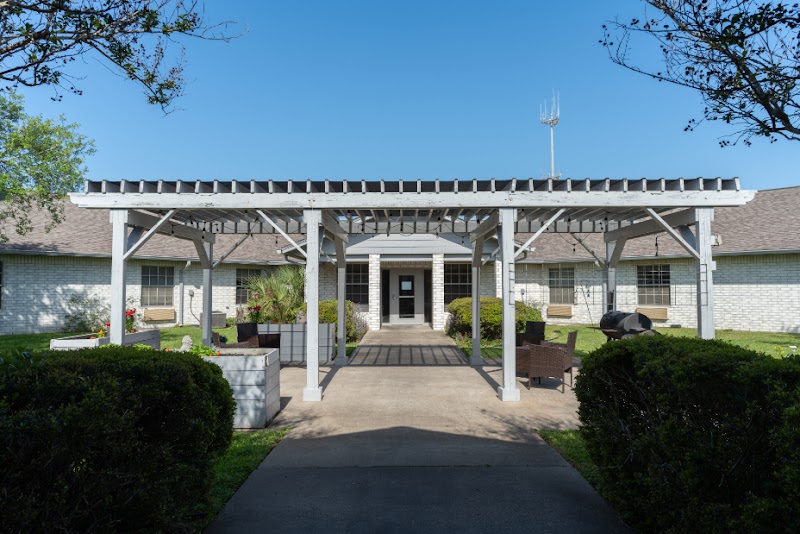
How is Coastal Palms Nursing & Rehabilitation Staffed?

CMS rates COASTAL PALMS NURSING & REHABILITATION's staffing level at 1 out of 5 stars, which is much below average compared to other nursing homes. Staff turnover is 74%, which is 28 percentage points above the Texas average of 46%. High turnover can affect care consistency as new staff learn residents' individual needs. RN turnover specifically is 70%, which is notably high. RNs provide skilled clinical oversight, so turnover in this role can affect medical care quality.

What Have Inspectors Found at Coastal Palms Nursing & Rehabilitation?

State health inspectors documented 22 deficiencies at COASTAL PALMS NURSING & REHABILITATION during 2022 to 2025. These included: 2 Immediate Jeopardy (the most serious level, indicating potential for serious harm or death), 1 that caused actual resident harm, and 19 with potential for harm. Immediate Jeopardy findings are rare and represent the most serious regulatory concerns. They require immediate corrective action.
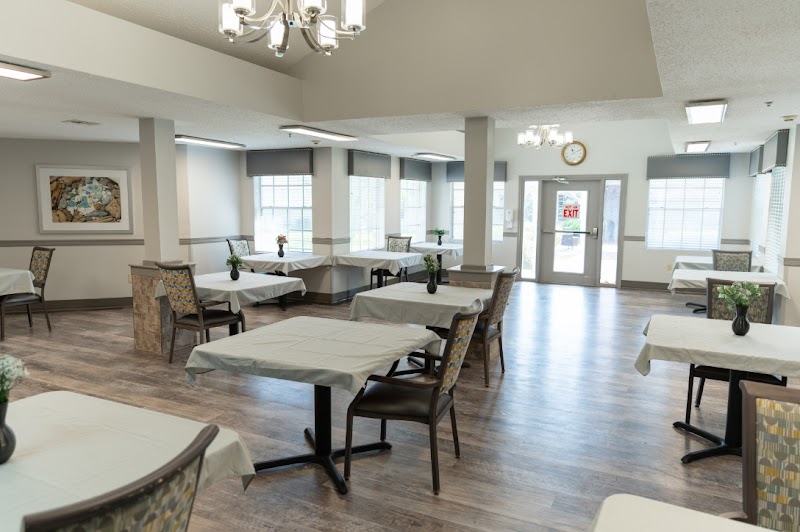
Who Owns and Operates Coastal Palms Nursing & Rehabilitation?

COASTAL PALMS NURSING & REHABILITATION is owned by a government entity. Government-operated facilities are typically run by state, county, or municipal agencies. The facility is operated by TOUCHSTONE COMMUNITIES, a chain that manages multiple nursing homes. With 97 certified beds and approximately 80 residents (about 82% occupancy), it is a smaller facility located in PORTLAND, Texas.

How Does Coastal Palms Nursing & Rehabilitation Compare to Other Texas Nursing Homes?

Compared to the 100 nursing homes in Texas, COASTAL PALMS NURSING & REHABILITATION's overall rating (1 stars) is below the state average of 2.8, staff turnover (74%) is significantly higher than the state average of 46%, and health inspection rating (2 stars) is below the national benchmark.

What Should Families Ask When Visiting Coastal Palms Nursing & Rehabilitation?

Based on this facility's data, families visiting should ask: "What changes have been made since the serious inspection findings, and how are you preventing similar issues?" "How do you ensure continuity of care given staff turnover, and what is your staff retention strategy?" "Can you walk me through typical staffing levels on day, evening, and night shifts?" "Can I visit during a mealtime to observe dining assistance and food quality?" These questions are particularly relevant given the facility's Immediate Jeopardy citations, the facility's high staff turnover rate, and the below-average staffing rating.

Is Coastal Palms Nursing & Rehabilitation Safe?

Based on CMS inspection data, COASTAL PALMS NURSING & REHABILITATION has documented safety concerns. Inspectors have issued 2 Immediate Jeopardy citations (the most serious violation level indicating risk of serious injury or death). The facility has a 1-star overall rating and ranks #100 of 100 nursing homes in Texas. Families considering this facility should ask detailed questions about what corrective actions have been taken since these incidents.

Do Nurses at Coastal Palms Nursing & Rehabilitation Stick Around?

Staff turnover at COASTAL PALMS NURSING & REHABILITATION is high. At 74%, the facility is 28 percentage points above the Texas average of 46%. Registered Nurse turnover is particularly concerning at 70%. RNs handle complex medical decisions and coordinate care — frequent RN changes can directly impact care quality. High turnover means new staff may not know residents' individual needs, medications, or preferences. It can also be disorienting for residents, especially those with dementia who rely on familiar faces. Families should ask: What is causing the turnover? What retention programs are in place? How do you ensure care continuity during staff transitions?

Was Coastal Palms Nursing & Rehabilitation Ever Fined?

COASTAL PALMS NURSING & REHABILITATION has been fined $119,462 across 2 penalty actions. This is 3.5x the Texas average of $34,273. Fines at this level are uncommon and typically indicate a pattern of serious deficiencies, repeated violations, or failure to correct problems promptly. CMS reserves penalties of this magnitude for facilities that pose significant, documented risk to resident health or safety. Families should request specific documentation of what issues led to these fines and what systemic changes have been implemented.

Is Coastal Palms Nursing & Rehabilitation on Any Federal Watch List?

COASTAL PALMS NURSING & REHABILITATION is not on any federal watch list. The most significant is the Special Focus Facility (SFF) program, which identifies the bottom 1% of nursing homes nationally based on persistent, serious quality problems. Not being on this list means the facility has avoided the pattern of deficiencies that triggers enhanced federal oversight. This is a positive indicator, though families should still review the facility's inspection history directly.