PREMIER HEALTH CARE CENTER, LLC
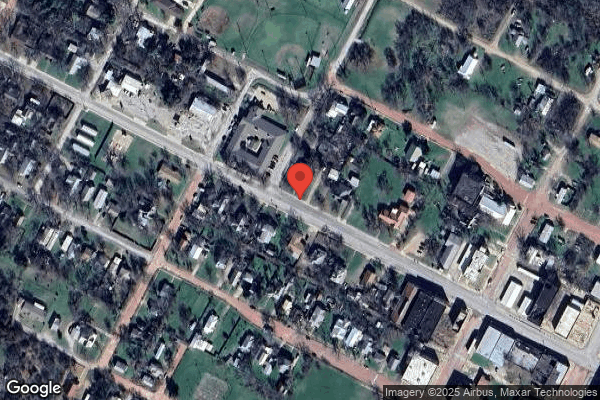

460 W MAIN ST, RANGER, TX 76470 (254) 647-3111
For profit - Individual 50 Beds Independent Data: November 2025
Trust Grade
40/100
#1073 of 1168 in TX
Last Inspection: March 2025

Within standard 12-15 month inspection cycle. Federal law requires annual inspections.

Overview

Premier Health Care Center in Ranger, Texas has a Trust Grade of D, indicating below-average performance with several concerns. It ranks #1073 out of 1168 facilities in Texas, placing it in the bottom half, and #4 out of 4 in Eastland County, meaning there are no better local options. The facility's trend is worsening, with issues increasing from 4 in 2024 to 7 in 2025. Staffing is a significant concern here, with a poor rating of 1/5 stars and a high turnover rate of 62%, which is above the Texas average of 50%. However, there have been no fines reported, which is a positive sign. Despite some strengths, such as no financial penalties, the facility has serious weaknesses. For instance, the kitchen has repeatedly failed to store and label food properly, risking residents' health by potentially exposing them to foodborne illnesses. Additionally, the facility has struggled to maintain accurate medical records for residents, which could lead to errors in care. Overall, families should weigh these strengths and weaknesses carefully when considering this nursing home for their loved ones.

Trust Score
D
40/100
In Texas
#1073/1168
Bottom 9%
Safety Record
Low Risk
No red flags
Inspections
Getting Worse
4 → 7 violations
Staff Stability
⚠ Watch
62% turnover. Above average. Higher turnover means staff may not know residents' routines.
Penalties
✓ Good
No fines on record. Clean compliance history, better than most Texas facilities.
Skilled Nurses
⚠ Watch
Each resident gets only 13 minutes of Registered Nurse (RN) attention daily — below average for Texas. Fewer RN minutes means fewer trained eyes watching for problems.
Violations
⚠ Watch
20 deficiencies on record. Higher than average. Multiple issues found across inspections.
★☆☆☆☆
1.0
Overall Rating
★☆☆☆☆
1.0
Staff Levels
★☆☆☆☆
1.0
Care Quality
★★★☆☆
3.0
Inspection Score
Stable
2024: 4 issues
2025: 7 issues

The Good

  • Full Sprinkler Coverage · Fire safety systems throughout facility
  • No fines on record

Facility shows strength in fire safety.

The Bad

1-Star Overall Rating

Below Texas average (2.8)

Significant quality concerns identified by CMS

Staff Turnover: 62%

16pts above Texas avg (46%)

Frequent staff changes - ask about care continuity

Staff turnover is elevated (62%)

14 points above Texas average of 48%

The Ugly 20 deficiencies on record

Mar 2025 7 deficiencies
CONCERN (D)

Potential for Harm - no one hurt, but risky conditions existed

Comprehensive Care Plan (Tag F0656)

Could have caused harm · This affected 1 resident

**NOTE- TERMS IN BRACKETS HAVE BEEN EDITED TO PROTECT CONFIDENTIALITY** Based on interview, and record review, the facility failed to develop and implement a comprehensive and person-centered care pla...

Read full inspector narrative →
**NOTE- TERMS IN BRACKETS HAVE BEEN EDITED TO PROTECT CONFIDENTIALITY** Based on interview, and record review, the facility failed to develop and implement a comprehensive and person-centered care plan, including measurable objectives and timeframes to meet a resident's medical, nursing, mental, and psychosocial needs identified in the comprehensive assessmen of diagnosis of Diebeates Mellitus, Goutt for 1 of 16 residents reviewed (Resident #34) residents reviewed for comprehensive care plans. The facility failed to implement care plan for Resident #34 that included Diabetes Mellitus and Gout These failures could place residents at risk of not having preferences and needed care for residents. Findings included: Record review of Resident #34' electronic face sheet revealed an [AGE] year-old female admitted [DATE]. Diagnoses include Hypothyroidism (abnormally low activity of thyroid gland), Type 1 Diabetes Mellitus (pancreas makes little to no insulin) , Obesity( excess accumulation of body fat), Hypertension (high blood pressure), Gout (a type of arthritis that causes joint pain and swelling), Paroxysmal Atrial Fibrillation(a type of irregular heart beat that starts and stops suddenly) Right Upper quadrant pain, Shortness of breath, Osteoarthritis (degeneration of joint cartilage and the underlying bone) . Record review of Resident #34's Comprehensive Care Plan dated 01/29/2025 revealed no problem, interventions, goals for diagnosis of Paroxysmal Atrial Fibrillation, Gout, Type I Diabetes Mellitus, Obesity, Right Upper quadrant pain, Shortness of breath, Osteoarthritis, Sleeping in recliner. Record review of Resident #34's admission MDS dated [DATE] revealed Section C - Cognitive Patterns-C0500 BIMS (Brief Interview of Mental Status) score of 15 (cognitively intact). Section I-Active Diagnoses I0100 Cancer, I0300 Atrial Fibrillation, I0700 Hypertension, I2900 Diabetes Mellitus, I3300 Hyperlipidemia, I3400 Thyroid Disorder, I3700 Arthritis, I8000 Additional active diagnoses Obesity unspecified. Record review of Resident 34's Physician orders dated 03/01/2025 revealed the resident received the following medications: *Metoprolol Tartrate for hypertension, *Losartan for hypertension, *Potassium for low potassium levels *Tylenol 8-hour Arthritis Pain, *Allopurinol for Gout, *Metformin HCL for diabetes, *Levothyroxine for Hypothyroidism, *Empagliflozin for Diabetes, *Celecoxib for arthritis, *O2 (oxygen)at 2-4 LPM (liters per minute) via N/C (nasal canula). During an interview on 03/05/2025 at 01:55 PM, the DON stated comprehensive care plans should address all diagnosis, medications and anything revealed from admission assessments, such as falls, smoker, skin impairment. The DON stated care plans should be updated with any significant change for resident and every 3 months. The DON stated if a care plan was not updated the care may not be provided. The DON stated the staff informed her of any changes and she updates the care plan as needed. Review of facility's policy titled: Comprehensive Care Plan Policy Effective Date: 05/05/2024 revealed: Purpose To establish guidelines for the development, implementation, and evaluation of comprehensive care plans for residents in long-term care facilities, ensuring person-centered care that meets regulatory requirements and promotes resident well-being 1. Development of the Comprehensive Care Plan . A full comprehensive care plan must be completed within 7 days after the completion of the resident's initial [NAME] Data Set (MDS) assessment, which occurs within 14 days of admission. The care plan must be: Resident-centered and reflect the individual's goals, preferences, and strengths. Based on a comprehensive assessment, including physical and emotional, cognitive, and social aspects of care. Developed with input from the resident and/or their legal representative. Documented in the resident's medical record Care plans should include measurable goals and specific interventions tailored to the resident's needs
CONCERN (D)

Potential for Harm - no one hurt, but risky conditions existed

Deficiency F0657 (Tag F0657)

Could have caused harm · This affected 1 resident

**NOTE- TERMS IN BRACKETS HAVE BEEN EDITED TO PROTECT CONFIDENTIALITY** Based on interview and record review, the facility failed to revise the resident's care plan for use of firgure eight binder and...

Read full inspector narrative →
**NOTE- TERMS IN BRACKETS HAVE BEEN EDITED TO PROTECT CONFIDENTIALITY** Based on interview and record review, the facility failed to revise the resident's care plan for use of firgure eight binder and recent fall. 1 of 16 residents (Resident #33) reviewed for comprehensive care plans. The IDT team failed to revise Resident #33's care plan to include the updated fall with injury, left distal clavicle fracture and physician order for figure eight binder.(Clavicle support brace). These failures could affect residents by placing them at risk of not having their individual needs met. The findings include: Record review of Resident #33's electronic face sheet revealed [AGE] year-old male admitted [DATE] with diagnoses Nonrheumatic Aortic valve Stenosis, Congestive Heart Failure, (heart disease) Nicotine Dependence, Epilepsy (chronic brain disorder characterized by recurrent unprovoked seizures), Hypertension (high blood pressure, Chronic Obstructive Pulmonary Disease (Lung disease). Record review of Resident #33's Quarterly MDS dated [DATE] revealed Section C-Cognitive Patterns-C0500 BIMS Score 05 (severely impaired cognitive function), Section GG0120 Mobility Devices Walker Record review of Resident #33's Care Plan date initiated 08/08/2023 revealed Resident #33's care plan did not address the injury on 2/23/2025or the intervention of figure eight binder (clavicle support binder) for fracture of left distal clavicle fracture. Record review of Resident #33's Physician orders dated 02/26/2025 revealed order for figure eight binder. During an interview on 03/05/2025 at 01:55 PM, the DON stated care plans should be updated with any significant change for resident and every 3 months. The DON stated if care plan was not updated the care may not be provided. The DON stated the staff informed her of any changes and she updated the care plan as needed. The DON stated she did not know what caused this failure. Review of facility's policy titled: Comprehensive Care Plan Policy Effective Date: 05/05/2024 revealed: Purpose To establish guidelines for the development, implementation, and evaluation of comprehensive care plans for residents in long-term care facilities, ensuring person-centered care that meets regulatory requirements and promotes resident well-being 4. Care Plan Review and Updates Care plans must be reviewed at least quarterly and with any significant change in the resident's condition. Revision must be made promptly to reflect changes in: *Medical Status * Functional ability * Psychosocial needs * Resident preferences and goals .
CONCERN (D)

Potential for Harm - no one hurt, but risky conditions existed

Incontinence Care (Tag F0690)

Could have caused harm · This affected 1 resident

**NOTE- TERMS IN BRACKETS HAVE BEEN EDITED TO PROTECT CONFIDENTIALITY** Based on observation, interview, and record review, the facility failed to ensure a resident who was incontinent of bladder rece...

Read full inspector narrative →
**NOTE- TERMS IN BRACKETS HAVE BEEN EDITED TO PROTECT CONFIDENTIALITY** Based on observation, interview, and record review, the facility failed to ensure a resident who was incontinent of bladder received appropriate treatment and services to prevent urinary tract infections for one of two residents (Resident #28) reviewed for catheter care. The facility failed to ensure Resident #28's indwelling urinary catheter collection bag was secured off the floor. This failure placed residents at risk for infection. Findings included: A record review of Resident #28's electronic face sheet revealed a [AGE] year-old female admitted to the facility on [DATE] with medical diagnoses of anxiety, obesity, high blood pressure, heart disease, an irregular heartbeat, diseased veins in her legs, emphysema (a chronic lung disease that causes permanent damage to the air sacs in the lungs), COPD (a group of lung diseases that cause ongoing breathing problems), and a history of cervical (the lower part of the uterus) cancer. A record review of Resident #28's Quarterly MDS dated [DATE], revealed in Section C - Cognitive Patterns, subsection C0500 - BIMS Summary Score, Resident #28 scored 10 out of 15 indicating moderate cognitive impairment. Section H - Bladder and Bowel, subsection H0100 Appliances, A. Indwelling catheter (including suprapubic catheter and nephrostomy tube) was selected. A record review of Resident #28's physician's orders dated 12/02/2024 revealed Insert 16 fr with 10-30 cc bulb foley catheter due to neurogenic bladder. During an observation on 03/04/2025 at 06:42 AM, Resident #28's urine collection bag was lying on the floor and visible from the doorway. During an interview on 03/04/2025 at 06:50 AM, LVN A stated a urinary catheter collection bag should be hung from the bed frame and not left lying on the floor. She stated the effect on a resident of the urinary catheter collection bag lying on the floor would be an increased risk for urinary infection. During an interview on 03/04/2025 at 11:43 AM, Resident # 28 stated she had the indwelling catheter for a couple of months. She denied issues with the catheter. Resident #28 stated staff emptied the collection bag regularly and had come in, emptied it, and hung it under the bed after she received her medications this morning. She stated she was not bothered by the bag not hanging under her bed. During an interview on 03/05/2025 at 02:07 PM, NA C stated a urine collection bag should be hanging below bladder level and under the bed, not lying on the floor. He stated administration was responsible for monitoring training compliance. He stated the DON and ADON provided the infection control and catheter care training. NA C was not able to explain why Resident #28's urine collection bag was lying on the floor. He stated the failure could cause the resident to get an infection. During an interview on 03/05/2025 at 01:56 PM, the Administrator stated infection control training was provided during orientation and monthly by the DON. She stated the DON was responsible for training and monitoring the staff on infection control policy and practice. The Administrator stated urine collection bags should not be on the floor. Her expectation was for them to be properly placed. The Administrator was unable to provide an explanation of the failure to place urine collection bags in a privacy cover and hang off the floor. During an interview on 03/05/2025 at 02:25 PM, the DON stated the urine collection bag found on the floor in a resident's room should not have happened. She explained a leg bag used during the day and a big bag used at night. She stated Resident # 28 who had a residential full-size bed there was not a good way to hang the collection bag. Stated she had tried to place the hook between the mattress and box springs, but it did not hold well. She stated the ADON was responsible for infection control training. The DON stated the effective of failing to keep the collection bag off the floor would be risk for infection. During an interview on 03/05/2025 at 02:52 PM, the ADON stated a urine collection bag should never be on the floor. The ADON stated the DON was responsible for in-services and training. She explained the consequence to a resident with an indwelling urinary catheter collection bag lying on the floor visible from the door would be demeaning and embarrassing. Review of the facility policy titled Catheter Care, Urinary, revised September 2014, revealed Infection Control . b. Be sure the catheter tubing and drainage bag are kept off the floor.
CONCERN (E)

Potential for Harm - no one hurt, but risky conditions existed

Medical Records (Tag F0842)

Could have caused harm · This affected multiple residents

**NOTE- TERMS IN BRACKETS HAVE BEEN EDITED TO PROTECT CONFIDENTIALITY** Based on interview and record review, the facility failed to maintain medical records on each resident, in accordance with accep...

Read full inspector narrative →
**NOTE- TERMS IN BRACKETS HAVE BEEN EDITED TO PROTECT CONFIDENTIALITY** Based on interview and record review, the facility failed to maintain medical records on each resident, in accordance with accepted professional standards and practice, that were complete and accurate for 1 of 8 (Resident #10) residents reviewed for resident records. The facility failed to ensure Resident #10's physician orders were accurate and reflected Resident #10's current hospice. This failure could place residents at risk of having errors with their care and treatment. Findings included: Record review of Resident #10's electronic face sheet dated 03/05/2025 revealed a [AGE] year-old female admitted on [DATE] with the following medical diagnoses dementia, heart disease, high blood pressure, and malnutrition. Record review of Resident #10's Significant Change MDS dated [DATE] revealed Section C - Cognitive Patterns, Resident # 10's BIMS score of 3 indicating severe cognitive impairment. Section O-Special Treatments, Procedures, and Programs revealed Resident #10 received hospice care. Record review of Resident #10's hospice discharge revealed Resident #10 discharged from Hospice E on 02/11/2025. Record review of Resident #10's physician orders revealed Resident #10 admitted to Hospice E on 12/17/2024. Further review revealed no evidence of an order to discharge from hospice E or an order to admit to Hospice F. During an observation and interview on 03/05/2025 at 11:00 AM, Resident #10 was in her room with her Family Representative. Resident #10's Family Representative stated Resident #10 had discharged from Hospice E and admitted to Hospice F. During an interview on 03/05/2025 at 3:45 the DON stated her expectation was that resident orders she be current and accurate a reflect the current care received by patients. The DON stated orders should be entered by the receiving charge nurse and she and the ADON were responsible to monitor to ensure orders were accurate. The DON stated she monitored by reviewing resident charts periodically. The DON stated the effect on residents' orders not being accurate could affect the Resident's care. The DON stated when Resident #10 discharged from Hospice E there should have been an order to admit to Hospice F. The DON stated Resident #10's care could have been affected because staff would have been calling the wrong hospice and Resident #10 could have received delayed care. The DON stated she was not sure why the orders had not been changed and what led to failure of the orders not be accurate was oversight by staff. During exit conference on 03/05/2025 at 5:30 PM, the facility did not provide requested policies on accurate records at the time of exit when requested from the DON.
CONCERN (E)

Potential for Harm - no one hurt, but risky conditions existed

Infection Control (Tag F0880)

Could have caused harm · This affected multiple residents

**NOTE- TERMS IN BRACKETS HAVE BEEN EDITED TO PROTECT CONFIDENTIALITY** Based on observations, interviews, and record reviews, the facility failed to maintain an infection prevention and control progr...

Read full inspector narrative →
**NOTE- TERMS IN BRACKETS HAVE BEEN EDITED TO PROTECT CONFIDENTIALITY** Based on observations, interviews, and record reviews, the facility failed to maintain an infection prevention and control program designed to provide a safe, sanitary, and comfortable environment and to help prevent the development and transmission of communicable diseases and infections, which must include, at a minimum, standard and transmission-based precautions to be followed to prevent spread of infections, for 7 of 41residents reviewed (Resident #4, Resident #11, Resident #15, Resident #28, Resident #191, Resident #192, and Resident #241) for infection control and prevention. 1. The facility failed to ensure Resident #4 had EBP (Enhanced Barrier Precautions) signage and PPE (Personal Protective Equipment) available for staff providing care due to Resident #4's suprapubic urinary catheter. 2. The facility failed to ensure Resident #11 had EBP (Enhanced Barrier Precautions) signage and PPE (Personal Protective Equipment) available for staff providing care due to Resident #11's open wounds on both lower legs. 3. The facility failed to make Personal Protective Equipment readily available for use when entering Resident #15's room designated for isolation due to Resident #15's positive COVID-19 test. 4. The facility failed to ensure Resident #28 had EBP (Enhanced Barrier Precautions) signage and PPE (Personal Protective Equipment) available for staff providing care due to Resident #28's indwelling urinary catheter. 5. The facility failed to make Personal Protective Equipment readily available for use when entering Resident #191's room designated for isolation due to Resident #191's positive COVID-19 test. 6. The facility failed to make Personal Protective Equipment readily available for use when entering Resident #192's room designated for isolation due to Resident #192's positive COVID-19 test. 7. The facility failed to make Personal Protective Equipment readily available for use when entering Resident #241's room designated for isolation due to a positive COVID-19 test. The failures could place residents at risk for infection, illness, and a decline in quality of life. The findings included: Resident #4 A record review of Resident #4's electronic face sheet revealed an [AGE] year-old male admitted to the facility on [DATE] with medical diagnoses of shortness of breath, history of urinary tract infections, prostate cancer, an enlarged prostate, mini strokes, and high blood pressure. A record review of Resident #4's Quarterly MDS dated [DATE], revealed in Section C - Cognitive Patterns, subsection C0500 - BIMS Summary Score, Resident #4 scored 5 out of 15 indicating severe cognitive impairment. Section J Bladder and Bowel, subsection H0100 Appliances, A. Indwelling catheter (including suprapubic catheter and nephrostomy tube) was selected. A record review of Resident #4's physician's orders dated 10/12/2023 revealed Change S/P (suprapubic) Cath (a tube inserted into the urinary bladder through the lower abdominal wall to drain urine from the bladder). QM every day shift every 30 day(s) ., physician's orders date 10/19/2022 revealed 30mL flush of catheter BID two times a day for prevention of sediment build up. Furthr review revealed no evidende of orders for Enhanced Barrier Precautions. During an observation on 03/03/2025 at 09:04 AM, no EBP signage on Resident #4's door to indicate additional protection required when providing care to the resident due to Resident #4's suprapubic urinary catheter. Resident #11 A record review of Resident #11's electronic face sheet revealed a [AGE] year-old male admitted to the facility on [DATE] with medical diagnoses of cellulitis and wounds on both heels, enlarged prostate, and recurrent urinary tract infections. A record review of Resident #11's Quarterly MDS dated [DATE], revealed in Section C - Cognitive Patterns, subsection C0500 - BIMS Summary Score, Resident #11 scored 11 out of 15 indicating moderate cognitive impairment. Section M - Skin Conditions, subsection M1200 Skin and Ulcer/Injury Treatments, item E. Pressure ulcer/injury care was selected, item F. Surgical wound care was selected, item H. Application of ointments/medications other than to feet was selected, and item I. Application of dressing to feet (with or without topical medications) was selected. A record review of Resident #11's physician's orders dated 11/01/2024 revealed wound care left heal: cleanse with wound cleanser, pat dry, apply calcium alginate with silver (a gel-forming substance containing silver particles used to treat wounds), cover with absorbent dressing, secure with [sterile cotton gauze dressing] and tape every day shift every Mon, Wed, Fri for wound care, wound care right heal: cleanse area with wound cleanser, pat dry, apply [povidone-iodine], leave open to air every day shift every Mon, Wed, Fri for wound care, wound care RLE and LLE: cleanse with wound cleanser, pat dry, apply [a gel used to inhibit the growth of bacteria and fungi and absorb wound drainage], cover, secure with [sterile cotton gauze dressing] and tape every day shift every Mon, Wed, Fri for wound care, Furthr review revealed no evidende of orders for Enhanced Barrier Precautions. During an observation on 03/03/2025 at 09:30 AM, no EBP signage on Resident #11's door to indicate additional protection required when providing care to the resident due to open wounds on both lower legs. Resident #15 A record review of Resident #15's electronic face sheet revealed a [AGE] year-old female admitted to the facility on [DATE] with medical diagnoses of COVID-19, major depression, Type 2 diabetes, history of breast cancer, scoliosis (a condition characterized by an abnormal sideways curvature of the spine), anxiety, high blood pressure, fainting, weakness, and arthrogryposis multiplex congenita (a rare group of disorders characterized by multiple joint contractures, permanent shortening or tightening of muscles, tendons, ligaments, or skin, which restricts movement in a joint or body part, present at birth). A record review of Resident #15's Quarterly MDS dated [DATE], revealed in Section C - Cognitive Patterns, subsection C0500 - BIMS Summary Score, Resident #15 scored 13 out of 15 indicating moderate cognitive impairment. A record review of Resident #15's physician's orders dated 03/03/2025 revealed an order Place on COVID isolation. During an observation on 03/03/2025 at 09:11 AM of Resident #15's closed door revealed a sign with Isolation printed on it. No additional information or instructions was posted. No PPE was available outside Resident #15's door. Resident #28 A record review of Resident #28's electronic face sheet revealed a [AGE] year-old female admitted to the facility on [DATE] with medical diagnoses of anxiety, obesity, high blood pressure, heart disease, an irregular heartbeat, diseased veins in her legs, emphysema (a chronic lung disease that causes permanent damage to the air sacs in the lungs), COPD (a group of lung diseases that cause ongoing breathing problems), and a history of cervical (the lower part of the uterus) cancer. A record review of Resident #28's Quarterly MDS dated [DATE], revealed in Section C - Cognitive Patterns, subsection C0500 - BIMS Summary Score, Resident #28 scored 10 out of 15 indicating moderate cognitive impairment. Section H - Bladder and Bowel, subsection H0100 Appliances, A. Indwelling catheter (including suprapubic catheter and nephrostomy tube) was selected. A record review of Resident #28's physician's orders dated 12/02/2024 revealed Insert 16 fr with 10-30 cc bulb foley catheter due to neurogenic bladder. Furthr review revealed no evidende of orders for Enhanced Barrier Precautions. During an observation on 03/04/2025 at 06:42 AM, no EBP signage on Resident #28's door to indicate additional protection required when providing care to the resident due Resident #28's indwelling urinary catheter. During an interview on 03/04/2025 at 11:43 AM, Resident # 28 stated she had the indwelling catheter for a couple of months. She denied issues with the catheter. Resident #28 stated staff emptied the collection bag regularly and had come in, emptied it, and hung it under the bed after she received her medications this morning. She stated she was not bothered by the bag not hanging under her bed. During an interview on 03/05/2025 at 02:07 PM, NA C stated administration was responsible for monitoring training compliance. He stated the DON and ADON provided the infection control and catheter care training. NA C stated he was not trained on EBP. He stated the failure could cause the resident to get an infection. Resident #191 A record review of Resident #191's electronic face sheet revealed an [AGE] year-old female admitted to the facility on [DATE] with medical diagnoses of mini strokes, asthma, anxiety, high blood pressure, and irregular heartbeat. A record review of Resident #191's admission MDS dated [DATE], revealed in Section C - Cognitive Patterns, subsection C0500 - BIMS Summary Score, Resident #191 scored 14 out of 15 indicating intact cognition. A record review of Resident #191's physician's orders dated 03/03/2025 revealed an order Place on COVID isolation. During an observation on 03/04/2025 at 11:25 AM of Resident #191's closed door revealed a sign with Isolation printed on it. No additional information or instructions was posted. No PPE was available outside Resident #191's door. Resident #192 A record review of Resident #192's electronic face sheet revealed an [AGE] year-old male admitted to the facility on [DATE] with medical diagnoses of vertebral disc disorder (a breakdown of the spinal discs). A record review of Resident #192's admission MDS dated [DATE], revealed in Section C - Cognitive Patterns, subsection C0500 - BIMS Summary Score, Resident #192 scored 14 out of 15 indicating intact cognition. A record review of Resident #192's physician's orders dated 03/03/2025 revealed an order Place on COVID isolation. During an observation on 03/04/2025 at 11:25 AM of Resident #192's closed door revealed a sign with Isolation printed on it. No additional information or instructions was posted. No PPE was available outside Resident #192's door. Resident #241 A record review of Resident #241's electronic face sheet revealed an [AGE] year-old male admitted to the facility on [DATE] with medical diagnoses of high blood pressure, irregular heartbeat, enlarged prostate, weakness, and stroke. A record review of Resident #241's admission MDS dated [DATE], revealed Section C - Cognitive Patterns, subsection C0500 - BIMS Summary Score was not completed. A record review of Resident #241's physician's orders dated 03/03/2025 revealed an order Place on COVID isolation. During an observation on 03/03/2025 at 09:24 AM of Resident #241's closed door revealed a sign with Isolation printed on it. No additional information or instructions was posted. No PPE was available outside Resident #241's door. During an interview on 03/03/2025 at 10:09 AM, the DON stated she was responsible for ensuring signage and PPE were available and we just haven't got them put up yet referring to instruction signage on isolation room doors. The DON explained her expectation of staff before entering an isolation room was to put on a gown in the hall and the rest of the PPE was in the resident's room. She explained before exiting, the gown was removed and hung in the resident's room. She stated staff are the only ones to enter the room, so they knew how to identify which gown was theirs. During the conversation with the DON, NA D approached the DON and asked what she needed to put on before entering an isolation room. The DON replied, PPE is in the room. The DON then turned and walked to the nurse's station. During an interview on 03/05/2025 at 01:56 PM, the Administrator stated the staff had not been trained on EBP. She stated she was aware of the requirement but had been too busy the past 4 months with audits and not paying attention to other tasks. The Administrator stated infection control training was provided during orientation and monthly by the DON. She stated her expectation when providing care for residents in isolation rooms was for PPE to be available outside each room. She stated the DON was responsible for training and monitoring the staff on infection control policy and practice. The Administrator stated her expectation of information given to visitors of residents in isolation was for the nurse on duty to explain the purpose of PPE was to prevent spread of infection. She stated the effect on residents of failing to have an EBP program in place would be a possible increase in infections. During an interview on 03/05/2025 at 02:25 PM, the DON stated implementing the EBP program was in process of being in process. She could not explain why the process had not been implemented. The DON stated her expectation was for PPE to be available outside the isolation rooms. The DON stated the facility was using one PPE cart for residents on 300 and 400 halls because it was on wheels and could be moved from room to room. She stated the ADON was responsible for infection control training. The DON stated consequences of failing to have an EBP program in place could be the spread of infection. During an interview on 03/05/2025 at 02:52 PM, the ADON stated she was in process of completing IP training but could not estimate a completion date. She stated LVN B was a certified IP but only worked part-time. The ADON stated PPE should be outside the door of each isolation room and staff was expected to wear the proper PPE. She stated the reason for the failure was because the DON set up one PPE cart to use since it was on wheels. The ADON stated she was not aware of the EBP regulation. The ADON stated failure to implement an EBP program would be cross contamination from one resident to the next. The ADON stated the DON was responsible for in-services and training. Review of the facility policy titled COVID-19 Positive Area in Facility effective 11/28/2022 and updated 05/09/2023 revealed Per most recent CDC Guidelines for COVID-19, resident who test positive for COVID-19 can be quarantined to their rooms. An isolation cart/table will be set up outside the room of the resident with the proper PPE listed below. 9. N-95 Masks, 10. Face Shields, 11. Goggles, 12. Shoe Covers, 13. Gloves, 14. Bio-Hazard Bags (Red), 15. Laundry Bags (Yellow), 16. Hand Sanitizer Review of the facility policy titled Enhanced Barrier Precautions in Nursing Homes, dated 06/01/2024, revealed 1. Resident Requiring Enhanced Barrier Precautions. EBP will be implemented for residents who: * Have indwelling medical devices (e.g., central lies, urinary catheters, feeding tubes, tracheostomies). 2. Personal Protective Equipment (PPE) . Healthcare personnel must wear: * Gloves and gowns when performing high-contact care activities (e.g., dressing changes, device care, bathing, toileting, wound care).
CONCERN (F)

Potential for Harm - no one hurt, but risky conditions existed

Food Safety (Tag F0812)

Could have caused harm · This affected most or all residents

Based on observations, interviews, and record reviews the facility failed to properly store, prepare, distribute, and serve food in accordance with professional standards for food service safety for 1...

Read full inspector narrative →
Based on observations, interviews, and record reviews the facility failed to properly store, prepare, distribute, and serve food in accordance with professional standards for food service safety for 1 of 1 kitchen reviewed for food storage. The facility failed to ensure foods were sealed and/or labeled properly in dry storage. This failure could place residents at risk for foodborne illnesses. Findings include: During an observation of dry storage on 03/03/2025 at 09:10 AM revealed the following: *1/2 bag of 35-ounce toasted oats not sealed *1/2 packaged cornbread mix opened with no open date or expiration dates. *1 plastic container with dry round cereal with no used by dates. Container was approximately 1/5 filled. *1 plastic container with what appeared to be dry oatmeal with no labels or dates. *1 plastic container of dry white substance with no label or dates *1 open box of dried beans not sealed, no labels or dates. *1/2 bag 26-ounce mashed potatoes open not sealed and no label with dates. During an interview on 03/03/2025 at 09:25 dietary cook A stated products are supposed to be dated with date arrived, and date open. [NAME] stated they use the expiration date on the cans, package food came in. Dietary [NAME] A stated she did not know why everything was not labeled and dated. Dietary [NAME] A stated expired food could cause illness and leaving a bag or box unsealed could cause the food to go bad. During an interview on 03/05/25 at 01:45 PM The DM stated her expectations for storage and labeling in the kitchen was everything off the truck should be labeled and dated as it was stored. Any product opened should have ship date, open date and used by date. The DM stated if food was not stored properly, it could cause a food-borne illness and make residents sick. The DM stated the failure occurred due to her being out sick and she was the one that dated and labeled all the products in the kitchen. During an interview on 03/05/25 at 02:05 PM. The AMD stated her expectations are the kitchen staff would follow facility policy on storage and labeling food products. The ADM stated the harm to residents could be if food products were moldy or any product not stored properly could cause food-borne illness. The ADM stated this failure occurred due to DM being out sick and no one in the kitchen checking to see that everything was labeled and stored properly. The ADM stated she conducts spot checks in the kitchen at least 2 times a month. Review of facility's policy titled: Food Storage and Labeling Policy for Long-Term Care Facilities. Effective Date 01/02/2024 revealed Purpose To establish guidelines for the proper storage, labeling, handling of food in long-term care facilities to ensure food safety, prevent contamination, and comply with state and federal health regulations Procedures 1. Labeling Requirements o All food items must be clearly labeled with the following information: o Name of the food item o Date received or prepared. o Expiration or use-by date o Initials of the staff member labeling the item . Food Code 2022 3-602.11 Food labels
MINOR (B)

Minor Issue - procedural, no safety impact

Respiratory Care (Tag F0695)

Minor procedural issue · This affected multiple residents

**NOTE- TERMS IN BRACKETS HAVE BEEN EDITED TO PROTECT CONFIDENTIALITY** Based on observations, interviews, and record reviews, the facility failed to ensure that a resident who needs respiratory care,...

Read full inspector narrative →
**NOTE- TERMS IN BRACKETS HAVE BEEN EDITED TO PROTECT CONFIDENTIALITY** Based on observations, interviews, and record reviews, the facility failed to ensure that a resident who needs respiratory care, is provided such care, consistent with professional standards of practice, the comprehensive person-centered care plan, and/or the residents' goals and preferences, for 3 of 10 (Resident #4, Resident #13, and Resident #17) reviewed for respiratory care. The facility failed to ensure an Oxygen in Use sign was posted on the outside of Resident #4, Resident #13, and Resident #17 doors. This failure could place residents at risk of staff and visitors not aware when a resident is utilizing oxygen. Findings included: Resident #4 Record review of Resident #4's electronic face sheet revealed an [AGE] year-old male admitted to the facility on [DATE] with medical diagnosis of shortness of breath. Record review of Resident #4's Quarterly MDS dated [DATE], revealed in Section C - Cognitive Patterns, Resident #4 had a BIMS Score of 5, indicating severe cognitive impairment; Section O-Special Treatments, Procedures and Programs revealed no oxygen used during that assessment look back. Record review of Resident #4's physician orders revealed, start date of 11/02/2021 Oxygen 2-5 LPM VIA N/C prn as needed. During an observation on 03/04/2025 at 9:30 AM, Resident #4 was lying in bed sleeping wearing 02 and no signage on door stating, Oxygen in use. Resident #13 Record review of Resident #13's electronic face sheet revealed a [AGE] year-old female admitted to the facility on [DATE], with a most recent readmission on [DATE], with the medical diagnoses of shortness of breath, and Respiratory infection. Record review of Resident #13's Quarterly MDS dated [DATE], revealed in Section C - Cognitive Patterns, Resident #13 had a BIMS Score of 11, indicating moderate cognitive impairment; Section O-Special Treatments, Procedures and Programs revealed no oxygen used during that assessment look back. Record review of Resident #13's physician orders revealed, start date of 11/02/2021 O2 2-4 LPM VIA N/C prn as needed for SOB. During an observation on 03/04/2025 at 9:33 AM, Resident #13 was lying in bed sleeping wearing 02 and no signage on door stating, Oxygen in use. Resident #17 Record review of Resident #17's electronic face sheet revealed a [AGE] year-old female admitted to the facility on [DATE] with the medical diagnosis of respiratory infection. Record review of Resident #17's Quarterly MDS dated [DATE], revealed in Section C - Cognitive Patterns, Resident #17 had a BIMS Score of 11, indicating moderate cognitive impairment; Section O-Special Treatments, Procedures and Programs revealed no oxygen used during that assessment look back. During an observation and interview on 03/03/2025 at 9:58 AM, Resident #17 was lying in bed wearing 02 and no signage on door stating, Oxygen in use. Resident #17 stated she wears her oxygen all the time. During an interview on 03/05/2025 at 2:30 PM, the ADON stated her expectation was that there be an oxygen in use sign on the door of residents who used oxygen. The ADON stated she was responsible to monitor to ensure the signs were on the door. The ADON stated not having a sign on their door could cause resident care needs not being met. The ADON stated signs not being posted was oversight by staff and herself. During an interview on 03/05/2025 at 3:45, the DON stated she was not aware that rooms were missing the oxygen in use signs on their door. The DON stated her expectation was that there be an oxygen in use sign on the door of residents who used oxygen. The DON stated all staff were responsible to monitor to ensure the signs were on the door and it ultimately fell on her to ensure the signs were placed on the door. The DON stated an effect would be staff would not know if residents were using oxygen. The DON stated what led to failure was staff not paying attention to residents that were using oxygen. Record review of facility provided policy titled, Oxygen use in Long-Term care Nursing Homes dated 02/01/2024 revealed, Oxygen in Use signs must be placed in resident rooms as needed.
Feb 2024 4 deficiencies
CONCERN (E) 📢 Someone Reported This

A family member, employee, or ombudsman was alarmed enough to file a formal complaint

Potential for Harm - no one hurt, but risky conditions existed

Assessment Accuracy (Tag F0641)

Could have caused harm · This affected multiple residents

**NOTE- TERMS IN BRACKETS HAVE BEEN EDITED TO PROTECT CONFIDENTIALITY** Based on observation, interview, record review, and review of facility policy, the facility failed to ensure the accuracy of Min...

Read full inspector narrative →
**NOTE- TERMS IN BRACKETS HAVE BEEN EDITED TO PROTECT CONFIDENTIALITY** Based on observation, interview, record review, and review of facility policy, the facility failed to ensure the accuracy of Minimum Data Set (MDS) assessments for 3 (Resident #7, #25 and #27) of 5 residents whose assessments were reviewed. The facility failed to ensure residents' MDS assessments accurately reflected the use of bed rails. These failures placed the residents at risk for unmet care needs and/or decreased quality of life. Findings included: Resident #7 Record review of Resident #7's electronic face sheet dated 02/21/2024 revealed a [AGE] year-old female who was admitted to the facility on [DATE] with diagnoses that included: infection of hip, respiratory infection, difficulty walking, altered mental status, and chronic pain. During observation and interview on 02/20/2024 at 3:23 p.m., revealed Resident #7 sitting in wheelchair in her room. Half rails on both sides in up position on head of resident's bed. Resident #7 stated the bed rails assisted with her bed mobility. Record review of Resident #7's quarterly MDS dated [DATE] revealed the resident had a BIMS of 12 meaning moderate cognitive impairment; helper provided half the effort for bathing, dressing upper and lower body, sitting to standing and lying to sitting on side of the bed; helper set up or cleaned up for eating, oral hygiene, toileting hygiene, and personal hygiene; resident able to use manual wheelchair; and section P for restraints had bed rail coded as not used. Resident #25 Record review of Resident #25's electronic face sheet dated 02/20/2024 revealed a [AGE] year-old female who was admitted to the facility on [DATE] with diagnoses that included: vitamin deficiency, type 2 diabetes, myotonic muscular dystrophy (progressive muscle weakness), and major depressive disorder (depression ). Record review of Resident #25's quarterly MDS dated [DATE] revealed resident had a BIMS of 12 meaning moderate cognitive impairment; resident normally used wheelchair in the last seven days for mobility; helper provided less than half of the effort with bed mobility, lying to sitting on side of bed, sitting to standing, and transferring from bed to chair; able to independently use motorized wheelchair; and section P for restraints had bed rail coded as not used. During an observation on 02/20/2024 at 2:59 p.m., bed rails present on resident's bed. Resident #27 Record review of Resident #27's electronic face sheet dated 02/22/2024 revealed a [AGE] year-old female who was admitted to the facility on [DATE] with diagnoses that included: COVID 19, anemia (low iron in blood), and mild cognitive impairment . Record review of Resident #27's quarterly MDS dated [DATE] revealed resident had a BIMS of 1 meaning moderate cognitive impairment; resident normally used wheelchair in the last seven days for mobility; helper provided verbal cues and/or touching for bed mobility; helper provided less than half of the effort with sitting to lying, lying to sitting on the side of bed, sitting to standing, bed to chair transfer; and section P for restraints had bed rail coded as not used. During an observation on 02/20/2024 at 11:58 a.m., half rails on resident's bed. During an interview on 02/22/2024 at 1:52 p.m., the MDS Coordinator stated that she never claimed bed rails on MDS as the facility did not consider bed rails a restraint. She stated she was unsure if the facility policy had any direction about assistive devices. She stated she used the RAI manual as a guide on how to code the MDS. She stated she was trained six years ago by another company on how to perform MDS Coordinator duties and she had a RUG certification. The MDS Coordinator stated she should have been coding bed rails as a restraint after reviewing the RAI manual online. She stated she did not feel the failure would cause any negative effect on the residents. She stated the DON monitored that her assessments had been completed accurately. During an interview on 02/22/2024 at 2:37 p.m., the DON stated the MDS assessments were not accurately coded after reviewing the RAI manual. She stated the assessments were coded incorrectly due to training. The DON stated she was responsible for monitoring that the MDS assessments were accurate. She stated the failure did not have negative outcomes to the residents because she did not consider bed rails as restraints . Review of facility policy titled Certifying Accuracy of the Resident Assessment dated November 2019 revealed: Any person completing a portion of the Minimum Data Set/MDS (Resident Assessment Instrument) must sign and certify the accuracy of that portion of the assessment .Any health care professional who participates in the assessment process is qualified to assess the medical, functional and/or psychosocial status of the resident that is relevant to the professional's qualifications and knowledge .The Resident Assessment Coordinator is responsible for ensuring that an MDS assessment has been completed for each resident. Each assessment is coordinated and certified as complete by the Resident Assessment Coordinator, who is a registered nurse. Inquiries concerning the signing of the MDS should be referred to the Assessment Coordinator, Director of Nursing Services, or to the Administrator. Any individual who willfully and knowingly certifies (or causes another individual to certify) a material and false statement in a resident assessment is subject to disciplinary action. According to the Centers for Medicare & Medicaid Services (CMS) website https://www.cms.gov/files/document/finalmds-30-rai-manual-v11811october2023.pdf accessed on 02/22/2024: P0100: Physical Restraints (cont.) o Bed rails include any combination of partial or full rails (e.g., one-side half-rail, one-side full rail, two-sided half-rails or quarter-rails, rails along the side of the bed that block three-quarters to the whole length of the mattress from top to bottom, etc.). Include in this category enclosed bed systems. - Bed rails used as positioning devices. If the use of bed rails (quarter-, half- or three-quarter, one or both, etc.) meet the definition of a physical restraint even though they may improve the resident's mobility in bed, the nursing home must code their use as a restraint at P0100A. - Bed rails used with residents who are immobile. If the resident is immobile and cannot voluntarily get out of bed because of a physical limitation or because proper assistive devices were not present, the bed rails do not meet the definition of a physical restraint. For residents who have no voluntary movement, the staff need to determine if there is an appropriate use of bed rails. Bed rails may create a visual barrier and deter physical contact from others. Some residents have no ability to carry out voluntary movements, yet they exhibit involuntary movements. Involuntary movements, resident weight, and gravity's effects may lead to the resident's body shifting toward the edge of the bed. When bed rails are used in these cases, the resident could be at risk for entrapment. For this type of resident, clinical evaluation of alternatives (e.g., a concave mattress to keep the resident from going over the edge of the bed), coupled with frequent monitoring of the resident's position, should be considered. While the bed rails may not constitute a physical restraint, they may affect the resident's quality of life and create an accident hazard.
CONCERN (E) 📢 Someone Reported This

A family member, employee, or ombudsman was alarmed enough to file a formal complaint

Potential for Harm - no one hurt, but risky conditions existed

Comprehensive Care Plan (Tag F0656)

Could have caused harm · This affected multiple residents

**NOTE- TERMS IN BRACKETS HAVE BEEN EDITED TO PROTECT CONFIDENTIALITY** Based on interview and record review, the facility failed to develop and implement a person-centered, comprehensive care plan fo...

Read full inspector narrative →
**NOTE- TERMS IN BRACKETS HAVE BEEN EDITED TO PROTECT CONFIDENTIALITY** Based on interview and record review, the facility failed to develop and implement a person-centered, comprehensive care plan for each resident, consistent with resident rights, that included measurable objectives and timeframes to meet residents medical, nursing, mental and psychosocial needs that were identified in the comprehensive assessment for 4 (Resident #8, Resident #13, Resident #23, and Resident #83) of 4 residents reviewed for care plans. The facility failed to ensure care plans specified measurable objectives that could be evaluated or quantified for Resident #8, Resident #13, Resident #23, and Resident #83. This failure could place residents at risk for not receiving care and services individualized to meet their specific physical, mental, and/or emotional needs. Findings included: Record review of Resident #8's electronic face sheet revealed a [AGE] year-old female, admitted on [DATE]. Resident #8's medical diagnoses included dementia, stroke, low red blood cell count, vitamin deficiency, and chronic obstructive pulmonary disease (a groups of diseases that cause airflow blockage and breathing-related problems). Record review of Resident #8's Quarterly MDS assessment dated [DATE], revealed Section C Cognitive Patterns C0500 BIMS Summary Score revealed Resident #8 scored 12 out of 15 indicating moderate cognitive impairment. Review of Resident #8's Comprehensive Care Plan reviewed/revised 01/04/2024 revealed the following focus care areas and goals: Focus Code Status: Full Code with the goal Her wishes will be respected; Focus The resident has an ADL self-care performance deficit r/t Activity Intolerance with the goal The resident will improve current level of function in ADLs . ; Focus The resident is/has potential to be verbally aggressive and manipulative with the goal The resident will demonstrate effective coping skills . ; Focus The resident is resistive to care r/t Anxiety and refuses showers, getting up for meals, yelling for help instead of using call light with the goal The resident will cooperate with care . ; Focus The resident has Congestive Heart Failure with the goal The resident will verbalize less difficulty breathing (Dyspnea) and be more comfortable . ; Focus The resident has had an actual fall with (Fx hip) Poor communication/comprehension, Unsteady gait/Recent CVA with left hemiparesis. with the goal The resident sent to [hospital] ER where she was x-rayed, now has fx left hip sent to [hospital] for Tx and she will be successfully treated; and Focus The resident has a psychosocial well-being problem potential due to transfer from [assisted living] to [facility] with the goal The resident will demonstrate adjustment to nursing home placement . Record review of Resident #13's electronic face sheet revealed a [AGE] year-old male, admitted on [DATE] with medical diagnoses of traumatic brain injury, dementia, anxiety, low back pain, kidney stones, heartburn, and low thyroid function. Record review of Resident #13's MDS assessment dated [DATE], Section C Cognitive Patterns C0500 BIMS Summary Score revealed Resident #13 scored 10 out of 15 indicating moderate cognitive impairment. Review of Resident #13's Comprehensive Care Plan reviewed/revised 11/21/2023 revealed the following focus care areas and goals. Focus Resident has a new motorized scooter with the goal He will have not accident harming himself or others; Focus The resident is/has potential to be verbally aggressive r/t poor impulse control when not allowed to do certain things ie: walk over to his [family member's] house with the goal The resident will demonstrate effective coping skills. ; Focus :The resident has a communication problem r/t neurological symptoms with the goal The resident will restore communication losses when communication with others, understanding others, engaging in every day decision making). ; Focus 8/3/23 The resident has had an actual fall with no injury, r/t Unsteady gait. He says, (tripped over his own feet). 10/22/23 fell trying to balance himself on a rolling bedside table. 1/24/24 fell when pants got caught on scooter with the goal The resident will resume usual activities without further incident . ; Focus The resident has chronic pain r/t Disease process hammer toes both feet and takes Tylenol or Tramadol (C)Norco q 6hr prn / Takes Meloxicam routinely with the goal The resident will verbalize adequate relief of pain or ability to cope with incompletely relieved pain . ; and Focus The resident has impaired visual function r/t Myopia (nearsightedness) with the goal The resident will have no indications of acute eye problems . Record review of Resident #23's electronic face sheet revealed a [AGE] year-old male, admitted on [DATE] with medical diagnoses of Alzheimer' disease, anxiety, depression, hallucinations, inability to control bowels or bladder, difficulty walking, history of falling, and chronic pain. Record review of Resident #23's Quarterly MDS assessment dated [DATE], Section C Cognitive Patterns C0500 BIMS Summary Score revealed Resident #23 scored 1 out of 15 indicating severe cognitive impairment. Review of Resident #23's Comprehensive Care Plan reviewed/revised 12/06/2023 revealed the following focus care areas and goals. Focus Code Status: DNR, with the goal He and family's wishes will be respected; Focus The resident is/has potential to be verbally and physically aggressive r/t dementia with the goal The resident will demonstrate effective coping skills . ; Focus The resident has had an actual fall with 10/4/22 in floor. 4/14/23 attempted self-transfer with the goal The resident will resume usual activities without further incident . ; Focus The resident has chronic pain r/t chronic physical disability, with the goal He will verbalize adequate pain management; and Focus The resident has a terminal prognosis r/t Alzheimer's and here for 5 days respite 8/17/22 Returned to RCC for in pt. cont. Hospice, with the goal The resident's comfort will be maintained . Record review of Resident #83's electronic face sheet revealed a [AGE] year-old male, admitted on [DATE] with medical diagnoses of chronic pain, high blood pressure, left side paralysis related to a stroke, blood circulation problems, and depression. Record review of Resident #83's Brief Interview for [NAME] Status assessment dated [DATE], revealed Resident #83 scored 12 out of 15 indicating moderate cognitive impairment. Review of Resident #83's Comprehensive Care plan dated 02/08/2024 revealed the following focus care areas and goals. Focus The resident has an ADL self-care performance deficit r/t Activity Intolerance, Fatigue, S/P CVA with left hemiparesis(paralysis). May use hoyer lift with the goal The resident will demonstrate the appropriate use of assistive adaptive device(s) to increase ability/strength in adl's . ; and Focus The resident has a psychosocial well-being problem r/t Disease Process and prognosis, with the goal The resident will demonstrate adjustment to nursing home placement . During an interview on 02/22/24 at 10:12 AM, LVN A stated the DON was responsible for care plans. LVN A stated she did not attend care plan meetings and rarely reviewed the care plans. Randomly selected goals were reviewed and LVN A was not able to explain how the goals could be measured or determined as met. She stated not having measurable goals could affect residents because the staff may not understand a resident's needs, what needed to be done, or what needed to be achieved. LVN A stated she had not had training on care plans not since she was in nursing school. During an interview on 02/22/24 at 10:18 AM, the MDS Coordinator stated the DON was responsible for creating care plans. She stated she had attended a few care plan meetings but not on a routine basis. The MDS Coordinator stated the DON did consult her on changes on the care plans. She was not able to state how goals that were not measurable could affect residents. During an interview on 02/22/24 at 11:23 AM, the DON stated she was responsible for care plans. She stated the reason for the failure to have measurable goals was the way the electronic records system was set up. She stated although the system allowed for editing to individualize goals there were standardized goals to select in the system. The DON stated the effect of goals without a means to measure was residents may not progress as rapidly. She explained the care plans were updated every 3 months or as needed. She stated care plans should be reviewed/revised by the target date but if no revisions were made, the original target date did not change. Review of facility policy title Comprehensive Care Plans revised December 2016 revealed: A comprehensive, person-centered care plan that includes measurable objectives and timetables to meet the resident's physical, psychosocial and functional needs is developed and implemented for each resident.
CONCERN (E) 📢 Someone Reported This

A family member, employee, or ombudsman was alarmed enough to file a formal complaint

Potential for Harm - no one hurt, but risky conditions existed

Deficiency F0700 (Tag F0700)

Could have caused harm · This affected multiple residents

**NOTE- TERMS IN BRACKETS HAVE BEEN EDITED TO PROTECT CONFIDENTIALITY** Based on observation, interview, and record review, the facility failed to assess the residents for risk of entrapment from bed ...

Read full inspector narrative →
**NOTE- TERMS IN BRACKETS HAVE BEEN EDITED TO PROTECT CONFIDENTIALITY** Based on observation, interview, and record review, the facility failed to assess the residents for risk of entrapment from bed rails prior to installation, review the risks and benefits of bed rails with the resident or resident representative and obtain informed consent prior to installation of bed rails for 3 of 5 residents (Resident #7, Resident #25, and Resident #27) reviewed for bed rails. The facility failed to ensure Resident #7, Resident #25, and Resident #27 had assessments and/or informed consents for the use of bed rails. This failure could place the residents at risk for entrapment, injury, or harm. Findings included: Resident #7 Record review of Resident #7's electronic face sheet dated 02/21/2024 revealed a [AGE] year-old female who was admitted to the facility on [DATE] with diagnoses that included: infection of hip, respiratory infection, difficulty walking, altered mental status, and chronic pain. Record review of Resident #7's quarterly MDS dated [DATE] revealed resident had a BIMS of 12 meaning moderate cognitive impairment; helper provided half the effort for bathing, dressing upper and lower body, sitting to standing and lying to sitting on side of the bed; helper set up or cleaned up for eating, oral hygiene, toileting hygiene, and personal hygiene; resident able to use manual wheelchair; and section P for restraints had bed rails coded as not used. Record review of Resident #7's EMR on 02/21/2024, did not reveal a side rail assessment or a consent for the use of side rails. During an observation on 02/20/2024 at 3:52 PM, revealed Resident #7 was in her room sitting up in her wheelchair. Resident #7 had ½ bed rails up to each side of her bed. Resident #25 Record review of Resident #25's electronic face sheet dated 02/20/2024 revealed a [AGE] year-old female who was admitted to the facility on [DATE] with diagnoses that included: vitamin deficiency, type 2 diabetes, myotonic muscular dystrophy (progressive muscle weakness), and major depressive disorder (depression). Record review of Resident #25's quarterly MDS dated [DATE] revealed resident had a BIMS of 12 meaning moderate cognitive impairment; resident normally used wheelchair in the last seven days for mobility; helper provided less than half of the effort with bed mobility, lying to sitting on side of bed, sitting to standing, and transferring from bed to chair; able to independently use motorized wheelchair; section P for restraints had bed rails coded as not used. Record review of Resident #25's EMR on 02/21/2024, did not reveal a side rail assessment or a consent for the use side rails. During an observation on 02/20/2024 at 10:11 AM, Resident #25 was sitting in her motorized wheelchair. Resident #25 had ½ bed rails up to each side of her bed. Resident #27 Record review of Resident #27's electronic face sheet dated 02/22/2024 revealed a [AGE] year-old female who was admitted to the facility on [DATE] with diagnoses that included: COVID 19, anemia (low iron in blood), and mild cognitive impairment. Record review of Resident #27's quarterly MDS dated [DATE] revealed resident had a BIMS of 1 meaning moderate cognitive impairment; resident normally used wheelchair in the last seven days for mobility; helper provided verbal cues and/or touching for bed mobility; helper provided less than half of the effort with sitting to lying, lying to sitting on the side of bed, sitting to standing, bed to chair transfer; section P for restraints had bed rail not used coded. Record review of Resident #27's EMR on 02/22/2024, did not reveal a side rail assessment or a consent for the use side rails. During observation on 02/20/2024 at 11:58 AM, Resident #27 was sitting in her wheelchair and had ½ bed rails up to each side of her bed. During an interview on 02/22/2024 at 11:50 AM the OTR stated she had not performed any assessments for entrapment regarding bed rails and stated she did not know who would have performed those. During an interview on 02/22/2024 at 11:53 AM the PTA stated he had not performed any entrapment assessments regarding bed rails. He stated he did not know who would have performed those. During an interview on 02/22/2024 at 11:57 AM, LVN-A stated she did not know what the policy was for bed rails. She stated she was not sure who had done the entrapment risk assessment. During an interview on 02/22/2024 at 12:04 PM the ADMN stated she did not know who should have been performing the entrapment risk assessments. She stated the DON had filled out the facility assessment which would have included that information. During an interview on 02/22/2024 at 12:15 PM the DON stated she was unsure about what the policy stated about bed rails. During an interview on 02/22/2024 at 12:56 PM the DON stated she had previously done assessments for the residents with bedrails, but they were in her head and had not documented any of them. She stated the assessments as well as consents for bed rails should have been documented. The DON stated the assessment and consent process should have begun on admission. She stated the resident side rail waivers or consents for each resident bed with installed side rails should have been signed by the resident or the resident representative. The DON stated an assessment should have then been done with that resident. She stated there should been less restrictive alternatives previous to the residents having side rails to make sure there would be no entrapment to the resident. The DON stated the nurses and CNAs monitored the residents on a daily basis and stated if there were any problems upper management should be told. She stated the possibility of entrapment could bring harm to residents if they were to get entangled with a body part in between the bed and the rail. She stated she had not considered side rails a restraint as she felt and considered a restraint to keep the resident in the bed. The DON stated the failure was failing to have the waiver consent form filled out as well as a failure of not documenting the assessments. She stated her expectations were for every resident to be identified with the appropriateness to use side rails. Record review of the facility's policy titled, Proper Use of Side Rails, dated with a revised date of December 2016, revealed: Purpose: Physical restraints are defined by the Centers for Medicare and Medicaid Services (CMS) as any manual method or physical or mechanical device, material, or equipment attached or adjacent to the resident's body that the individual cannot remove easily which restricts freedom of movement or normal access to one's body. General Guidelines: . .3. an assessment will be made to determine the resident's symptoms, risk of entrapment and reason for using side rails. When used for mobility or transfer, an assessment will include a review of the resident's: a. Bed mobility b. Ability to change positions, transfer to and from bed or chair, and to stand and toilet; c. Risk of entrapment from the use of side rails; and that the bed's dimensions are appropriate for the resident's size and weight . .5. Consent for using a restrictive device will be obtained from the resident or legal representative per facility protocol . .7. Documentation will indicate if less restrictive approaches are not successful, prior to considering the use of side rails . .9. Consent for side rail use will be obtained from the resident or legal representative, after presenting potential benefits and risk . .15. Facility staff, in conjunction with the Attending Physician, will assess and document the resident's risk for injury due to neurological disorders or other medical conditions.
CONCERN (E) 📢 Someone Reported This

A family member, employee, or ombudsman was alarmed enough to file a formal complaint

Potential for Harm - no one hurt, but risky conditions existed

Food Safety (Tag F0812)

Could have caused harm · This affected multiple residents

**NOTE- TERMS IN BRACKETS HAVE BEEN EDITED TO PROTECT CONFIDENTIALITY** Based on observations and interviews, the facility failed to properly store, prepare, distribute, and serve food in accordance w...

Read full inspector narrative →
**NOTE- TERMS IN BRACKETS HAVE BEEN EDITED TO PROTECT CONFIDENTIALITY** Based on observations and interviews, the facility failed to properly store, prepare, distribute, and serve food in accordance with professional standards for food service safety for 1 of 1 kitchen reviewed. 1. The facility failed to ensure that staff sanitized the thermometer while taking temperature of food. 2. The facility failed to dispose of expired foods. 3. The facility failed to ensure foods were labeled properly in refrigerators. 4. The facility failed to ensure staff used proper hand hygiene. These failures could place residents that eat out of the kitchen at risk for food borne illnesses. The findings included: During an observation on 02/20/2024 at 9:35 a.m. to 9:40 a.m. of the kitchen's refrigerator revealed: 1. 1 plate with sliced tomato, lettuce, and what appeared to be cold creamed meat covered with plastic wrap not labeled with a description, prepared date, or use by date. 2. 1 unsecured bag with 1 head of lettuce that had a brown tint to outer leaves with no open date or used by date. 3. 1 container of 5 plastic containers with a white substance with no description, opened date, or use by date. 4. 1 carton of cultured low-fat buttermilk with an expiration date of [DATE]. During an observation on 02/20/2024 at 9:40 a.m. of the kitchen's freezer revealed: 1. 1 opened box of sopapilla dough, delivery date of 02/13/2015 and no use by date. During an observation on 02/20/2024 at 10:55 a.m. the DM removed the thermometer from the breaded okra and placed it in the pinto beans, wiping it with paper towel in between taking food temperatures. The DM removed the thermometer from the pinto beans and placed in the meatloaf, wiping it with paper towel in between taking food temperatures. During an observation and interview on 02/20/2024 at 11:28 a.m. the DA stopped setting up trays and took a used coffee cup from a resident sitting at the dining room door back into food prep area to refill the coffee. The DA then gave the cup back to the resident and continued to set up trays without performing hand hygiene . The DA stated that he should not have brought the used cup into the food preparation area when asked. He stated that he had just forgotten that was not appropriate at the time it occurred. During an interview with DM at 11:30 a.m., the DM stated her expectation would be that food stored in the refrigerator be labeled with an expiration date or an opened date and contents. She stated her expectation would be that foods past the use by date be disposed of and not kept in the fridge or freezer. She stated she did not know what led to foods being stored inappropriately but that staff rushing could have contributed. The DM stated storing food inappropriately could lead to residents becoming sick. She stated she was responsible for monitoring that the dietary staff were storing food properly. The DM stated it was appropriate to wipe the thermometer with a dry paper towel in between different foods if all the foods were the appropriate temperatures . She did not voice any negative effects on the residents from not sanitizing thermometer in between foods. The DM stated she expected all used dishes enter the kitchen through the door by the dish washing. She stated no used dishes should enter the food preparation area. She stated the cook should have sanitized their hands in between touching a used cup and preparing foods. She stated education led to the failure. She stated that the effect on the residents would be illness from cross contamination. She stated that she was responsible for ensuring dietary staff performed appropriate hand hygiene after touching soiled surface. During an interview on 2/22/2024 at 9:28 a.m., the ADMN stated her expectation would be that all expired goods be discarded immediately, food be labeled with the opened date or used by date prior to storing, the thermometer should be sanitized in between temping different foods, staff perform hand hygiene after touching used dishes and before preparing foods to be served, and no used dished to go into the clean side of the kitchen. She felt that monitoring and education led to the failures. She stated that the effect the failures could have on the residents would be sickness from cross contamination or expired goods being served to residents. She stated the DM was who monitored dietary staff but that she was ultimately responsible for monitoring DM. Review of the FDA Food Code 2022 revealed: 3-602.11 Food Labels. (A) FOOD PACKAGED in a FOOD ESTABLISHMENT, shall be labeled as specified in LAW, including 21 CFR 101 - Food labeling, and 9 CFR 317 Labeling, marking devices, and containers. (B) Label information shall include: (1) The common name of the FOOD, or absent a common name, an adequately descriptive identity statement; (2) If made from two or more ingredients, a list of ingredients and sub-ingredients in descending order of predominance by weight, including a declaration of artificial colors, artificial flavors and chemical preservatives, if contained in the FOOD; (3) An accurate declaration of the net quantity of contents; (4) The name and place of business of the manufacturer, [NAME], or distributor; and (5) The name of the FOOD source for each MAJOR FOOD ALLERGEN contained in the FOOD unless the FOOD source is already part of the common or usual name of the respective ingredient. (6) Except as exempted in the Federal Food, Drug, and Cosmetic Act § 403(q)(3) - (5), nutrition labeling as specified in 21 CFR 101 - Food Labeling and 9 CFR 317 Subpart B Nutrition Labeling. (7) For any salmonid FISH containing canthaxanthin or astaxanthin as a COLOR ADDITIVE, the labeling of the bulk FISH container, including a list of ingredients, displayed on the retail container or by other written means, such as a counter card, that discloses the use of canthaxanthin or astaxanthin . Time/temperature control for safety refrigerated foods must be consumed, sold or discarded by the expiration date . Sanitization of Equipment and Utensils 4-701.11 Equipment food-contact surfaces and utensils shall be sanitized . 4-702.11 Utensils and food-contact surfaces of equipment shall be sanitized before use after cleaning . 4-703 Methods: After being cleaned, equipment food-contact surfaces and utensils shall be sanitized in: (A) Hot water manual operations by immersion for at least 30 seconds and as specified under § 4-501.111; P (B) Hot water mechanical operations by being cycled through EQUIPMENT that is set up as specified under §§ 4-501.15, 4-501.112, and 4-501.113 and achieving a UTENSIL surface temperature of 71oC (160oF) as measured by an irreversible registering temperature indicator; P or (C) Chemical manual or mechanical operations, including the application of SANITIZING chemicals by immersion, manual swabbing, brushing, or pressure spraying methods, using a solution as specified under § FDA Food Code 2022 Chapter 4 Equipment, Utensils, and Linens Chapter 4 - 26 4-501.114. Contact times shall be consistent with those on EPAregistered label use instructions by providing: (1) Except as specified under Subparagraph (C)(2) of this section, a contact time of at least 10 seconds for a chlorine solution specified under 4-501.114(A), P (2) A contact time of at least 7 seconds for a chlorine solution of 50 MG/L that has a PH of 10 or less and a temperature of at least 38oC (100oF) or a PH of 8 or less and a temperature of at least 24oC (75oF), P (3) A contact time of at least 30 seconds for other chemical SANITIZING solutions, P or (4) A contact time used in relationship with a combination of temperature, concentration, and PH that, when evaluated for efficacy, yields SANITIZATION as defined in 1-201.10(B). P . Hand Hygiene According to the FDA (Food and Drug Administration) Food Code (https://www.fda.gov/food/retail-food-protection/fda-food-code accessed 2/22/24), FOOD EMPLOYEES shall clean their hands and exposed portions of their arms . immediately before engaging in FOOD preparation including working with exposed FOOD, clean EQUIPMENT and UTENSILS, and unwrapped SINGLESERVICE and SINGLE-USE ARTICLESP and: .(E) After handling soiled EQUIPMENT or UTENSILS; . (F) During FOOD preparation, as often as necessary to remove soil and contamination and to prevent cross contamination when changing tasks; . .(I) After engaging in other activities that contaminate the hands.
Jan 2023 9 deficiencies
CONCERN (D) 📢 Someone Reported This

A family member, employee, or ombudsman was alarmed enough to file a formal complaint

Potential for Harm - no one hurt, but risky conditions existed

Deficiency F0655 (Tag F0655)

Could have caused harm · This affected 1 resident

**NOTE- TERMS IN BRACKETS HAVE BEEN EDITED TO PROTECT CONFIDENTIALITY** Based on interview and record review, the facility failed to develop a baseline care plan within 48 hours of a resident's admiss...

Read full inspector narrative →
**NOTE- TERMS IN BRACKETS HAVE BEEN EDITED TO PROTECT CONFIDENTIALITY** Based on interview and record review, the facility failed to develop a baseline care plan within 48 hours of a resident's admission that included the instructions needed to provide effective and person-centered care of 1 (Resident #235) of 2 residents reviewed for care plan completion. The facility failed to include Resident #235's code status in the baseline bare plan within the required 48-hour timeframe. This failure could place residents who were newly admitted at risk for not receiving necessary care and services or having important care needs identified. Findings included: Record review of Resident #235's electronic face sheet dated 01/11/2023 revealed resident was an [AGE] year-old female admitted on [DATE], a code status of DNR, with diagnoses that included: Malignant Neoplasm of unspecified Main Bronchus (lung cancer), Chronic Obstructive Pulmonary Disease (lung disease that limits airflow),Gastrointestinal Hemorrhage (bleeding in the gastrointestinal tract), Major Depressive Disorder, Anxiety disorder, Hypertension (High blood pressure), Atherosclerotic heart disease of native coronary artery (plaque buildup inside walls of artery) and Atrial Fibrillation (abnormal heart rhythm). Record review of Resident #235's baseline care plan dated 01/05/2023 revealed: Focus- Code Status: ???; Goal- Her wishes will be respected; Interventions-Should respirations and heart cease to function, ???' During an interview on 01/11/23 at 1:51 PM, the DON stated she was responsible for completing baseline care plan. The DON stated her expectation was base line care plans should address COVID precautions, activities, vaccines, ADL's, behaviors, diagnosis, and code status. The DON stated ??? would not be an acceptable response for a resident's code status. The DON stated that Resident #235 should not have ??? as a response for code status. The DON stated there should be no affect to resident because baseline care plans were temporary. The DON could not provide a reason to why the code status was not completed, the DON stated she thought she had completed the code status. During an interview on 1/11/2023 at 2:29PM, the ADMN said the DON was responsible for completing base line care plans. The ADMN stated her expectation was that base care plans were completed within 48 hours of admission and included all of resident care needs. The ADMN stated code status should either state Full Code or DNR, there should not be ???. The ADMN stated this failure could cause resident's wishes to not be honored. The ADMN stated what led to failure was staff need more education. Record review of facility policy titled; Care Plans-Baseline dated December 2016 revealed; A baseline plan of care to meet the resident's immediate needs shall be developed for each resident within forty-eight hours of admission . The baseline care plan will be used until the staff can conduct the comprehensive assessment and develop and interdisciplinary person-centered care plan.
CONCERN (E) 📢 Someone Reported This

A family member, employee, or ombudsman was alarmed enough to file a formal complaint

Potential for Harm - no one hurt, but risky conditions existed

Comprehensive Care Plan (Tag F0656)

Could have caused harm · This affected multiple residents

**NOTE- TERMS IN BRACKETS HAVE BEEN EDITED TO PROTECT CONFIDENTIALITY** Based on interview and record review, the facility failed to develop a comprehensive care plan for each resident, consistent wit...

Read full inspector narrative →
**NOTE- TERMS IN BRACKETS HAVE BEEN EDITED TO PROTECT CONFIDENTIALITY** Based on interview and record review, the facility failed to develop a comprehensive care plan for each resident, consistent with resident rights, that included measurable objectives and time frames to meet residents' mental and psychosocial needs for 4 (Resident #32, #3, #8, and #12) of 11 residents reviewed for care plan completion. The facility failed to ensure Resident #32, Resident #3, and Resident #8 had a clear and updated comprehensive care plan specific to Code Status. The facility failed to ensure Resident #12 had a clear and updated comprehensive care plan regarding resident behaviors, interventions, and goals. This failure could place residents at risk for not receiving necessary care and services or having important care needs identified. Findings included: Record review of Resident #32's electronic face sheet dated [DATE] revealed resident was an [AGE] year-old female who was admitted on [DATE] with diagnoses that included: Anxiety, Depression, Psychotic Disorder, and Dementia. Review of Resident #32's Quarterly MDS dated [DATE] revealed: Section C- Cognitive Patterns a BIMS score of 09 (moderate cognitive impairment). Record review of Resident #32's electronic physician orders dated [DATE] revealed: Do Not Resusicate order date [DATE]. Record review of Resident #32's Comprehensive Care Plan initiated on [DATE] and revised on [DATE] revealed: Focus: Code Status: Full Code [DATE] Resident is now a DNR. Goal: Her wishes will be respected. Interventions: Should her heart and respirations cease, she will be given CPR, EMS activated, and she would be transported to EMH ER. (Changed: She will not be given CPR. Comfort measures will be provided, and EMS will not be activated. Record review of Resident #3's electronic face sheet dated [DATE] revealed resident was a [AGE] year-old female who was admitted on [DATE] with diagnoses that included: COVID-19, Psychotic Disorder, Dementia, Depression, and Diabetes. Review of Resident #3's Quarterly MDS dated [DATE] revealed: Section C- Cognitive Patterns a BIMS score of 11 (moderate cognitive impairment). Record review of Resident #3's electronic physician orders dated [DATE] revealed: DNR, order date [DATE]. Record review of Resident #3's Comprehensive Care Plan initiated on [DATE] and revised on [DATE] revealed: Focus: Code Status: Full Code [DATE] Resident is now a DNR. Goal: Her wishes will be respected. Interventions: Should her heart and respirations cease; CPR will be started, and EMS activated. She may change her mind at any time and will be given information regarding pros and cons of choices. [DATE] Changed: Should heart and respirations cease CPR will not be started and EMS will not be activated. Record review of Resident #8's electronic face sheet dated [DATE] revealed resident was a [AGE] year-old female who was admitted on [DATE] with diagnoses that included: fracture of left femur, Alzheimer's, COVID-19, Depression, and Dementia. Review of Resident #8's Quarterly MDS dated [DATE] revealed: Section C- Cognitive Patterns a BIMS score of 00 (severe cognitive impairment). Record review of Resident #8's electronic physician orders dated [DATE] revealed: DNR, order date [DATE]. Record review of Resident #8's Comprehensive Care Plan initiated on [DATE] and revised on [DATE] revealed: Focus: Code Status: Full Code to DNR. Goal: Her wishes will be respected. Interventions: Should her respirations cease and heart stops, CPR will be started, and EMS activated. (Changed) DNR. Should heart stop and respirations cease she will not have CPR started and EMS will not be activated. Record review of Resident #12's electronic face sheet dated [DATE] revealed resident was a [AGE] year-old female admitted on [DATE]with diagnoses that included: high blood pressure, altered mental status, Schizoaffective disorder, Anxiety, Major Depressive Disorder and chronic pain. Record review of Resident 12's quarterly MDS dated [DATE] revealed: Section C- Cognitive Patterns a BIMS of 8 (moderate cognitive impairment). Record review of Resident #12's Comprehensive Care Plan initiated on [DATE] and revised on [DATE] revealed: Focus: the resident has a behavior problem attention seeking r/t needing assist changes to poc ie: when COVID boosters were given she refused then a few days later requested one. She got her knee-high teds a few days later quit wearing them because she says they roll down and hurt her and then requested thigh hi ones. Goal: The resident will have fewer episodes of needy top behavior by review date. Interventions: Administer medications as ordered. Monitor/document for side effects and effectiveness. Anticipate and meet the resident's needs. Caregivers to provide opportunity for positive interaction, intention. Stop and talk with him/her as passing by. Explain all procedures to the resident before starting and allow the resident a few minutes to adjust to changes. Intervene as necessary to protect the rights and safety of others. Approach/speak in a calm manner. Divert attention. Remove from situation and take to alternative location as needed. Monitor behavior episodes and attempt to determine underlying cause. Consider location, time of day, persons involved, and situations. Document behavior and potential causes. Erase any indication of the resident progress slash improvement in behavior. During an interview on [DATE] at 1:51 PM, the DON stated she responsible for care plans. The DON stated her expectations for comprehensive care plans was person centered and include resident needs. The DON stated when a goal was changed, she doesn't close out the goal she just adds to previous goal. The DON stated that if she were to close the goal the information would be deleted and lost forever. The DON stated she could see how combined goals could be confusing and not be measurable. The DON stated hopefully it would not be an issue for residents. The DON stated, needy behaviors would be pushing call lights and then when nurse got to room saying oh did I do that. The DON stated she supposed the words needy behavior could be derogatory and was probably not a measurable goal. The DON stated the effect on a resident could have offended someone. The DON would not provide a reason for the failure. During an interview on [DATE] at 2:29PM, the ADMN stated her expectation of comprehensive care plan was to be completed in timely manner, detailed, goal should be attainable and measurable. The ADMN stated the DON was responsible for completing comprehensive care plans. The ADMN stated she was not sure what needy behaviors were, after reading Resident #12's care plan. She stated the behaviors listed would not be needy behaviors but normal behaviors of residents in the facility. The ADMN stated the effect on resident would be a resident might feel ashamed and not want to ask for help. The ADMN stated when a goal was completed or changed it should be ended and a new goal should be initiated. The ADMN stated the combined goals were confusing to read and not understandable. The ADMN stated what led to failure was staff need more education. Record review of facility policy titled, Care Plans, Comprehensive Person- Centered dated [DATE] revealed: A comprehensive, person-centered care plan that includes measurable objectives and timetables to meet the resident's physical, psychosocial and functional needs is developed and implemented for each resident. The interdisciplinary team in conjunction with the resident and his/her family or legal representative, develops and implements a comprehensive person-centered care plan for each resident. The care plan interventions are derived from a thorough analysis of the information gathered as part of the comprehensive assessment.
CONCERN (E) 📢 Someone Reported This

A family member, employee, or ombudsman was alarmed enough to file a formal complaint

Potential for Harm - no one hurt, but risky conditions existed

Accident Prevention (Tag F0689)

Could have caused harm · This affected multiple residents

Based on observations, Interviews, and record reviews, the facility failed to ensure the environment was free of accident hazards 2 of 2 locations (200 hall cart and 200 hall closet) ) reviewed for ha...

Read full inspector narrative →
Based on observations, Interviews, and record reviews, the facility failed to ensure the environment was free of accident hazards 2 of 2 locations (200 hall cart and 200 hall closet) ) reviewed for hazards. The facility failed to ensure that cleaning supplies were stored properly, 200 hall cart and 200 hall closet. This failure could expose residents to harmful chemicals. Findings included: During observation on 01/11/23 at 9:00 AM, the PPE 200 hall cart had an open aerosol disinfectant spray can, and spray bottle containing disinfectant on top of cart and unsecured. During an interview on 01/11/23 at 9:10 AM, CNA-G stated the chemicals were not to be left out for easy access to residents. She stated it could have been hazardous to residents and could have been fatal. During observation on 01/11/ 23 at 9:12 AM, the housekeeping 200 hall closet with chemicals and spray bottle disinfectants were stored in an unlocked closet. During an interview on 01/11/23 at 9:13 AM, HK-C stated he did not know why the disinfectant chemicals were on the PPE cart. HK-C stated all chemicals should be kept behind locked compartments, cabinets and/or closets when not in use. HK-C stated, the negative impact on residents would be harmful and hazardous for residents. HK-C stated the failures were with him as HK supervisor, and his expectations were for all chemicals to be locked. During an interview on 01/11/23 at 9:21 AM, HK-D stated, the aids and/or nurses must be getting the cleaning solutions out and not locking them up for easy access. During an interview on 01/11/23 at 9:25 AM, the Admin stated HK-C informed her of cleaners and disinfectant being left out on the cart as well as the unlocked HK closet. She stated her staff did not pay attention to what they were doing in not storing them in a locked room. She also stated, the chemicals should have never been left out, and could harm to residents if they drink it, causing even more health issues. She stated, the chemicals not being behinds locked compartments or doors was ultimately her responsibility and that was where the failure occurred. Her expectations were for the halls and HK closets to be closely monitored and inspected with staff needing increased trainings. During an interview on 01/11/23 at 9:46 AM, the DON stated chemicals were to be stored behind locked cabinets and closets at all times when not in use. She stated, the failure was having chemicals out that would harm the residents, in many ways, such as respiratory or vomiting issues. Record Review of facility policy Location of Hazardous chemicals, with a revised date of February 2013, revealed; Policy Statement: Locations where hazardous chemicals and/or materials are used, stored or transported are identified and marked. Policy Interpretation and Implementation: 1. Hazardous chemicals and/or materials are maintained in the following locations: ALL Hazardous Material-Housekeeping Storage-stays locked . 4. The Program Coordinator is responsible for touring the premises at least quarterly to determine whether or not hazardous chemicals and/or materials are stored in unmarked areas. A written report of the results of the inspection is completed and filed in the business office.
CONCERN (E) 📢 Someone Reported This

A family member, employee, or ombudsman was alarmed enough to file a formal complaint

Potential for Harm - no one hurt, but risky conditions existed

Medication Errors (Tag F0758)

Could have caused harm · This affected multiple residents

**NOTE- TERMS IN BRACKETS HAVE BEEN EDITED TO PROTECT CONFIDENTIALITY** Based on interview and record review, the facility failed to ensure residents with PRN orders for psychotropic drugs were limite...

Read full inspector narrative →
**NOTE- TERMS IN BRACKETS HAVE BEEN EDITED TO PROTECT CONFIDENTIALITY** Based on interview and record review, the facility failed to ensure residents with PRN orders for psychotropic drugs were limited to 14 days for 4 (Resident #9, Resident #32, Resident #3, and Resident #29) of 16 residents reviewed for unnecessary medications. 1. The facility failed to ensure Resident #9's PRN Lorazepam (medicine used to treat the symptoms of anxiety) was discontinued after 14 days or a documented rational for the continued provision of the medication. 2. The facility failed to ensure Resident #32's PRN Vistaril (medicine used to treat the symptoms of anxiety) and Diazepam (medicine used to treat the symptoms of anxiety) was discontinued after 14 days or a documented rational for the continued provision of the medication. 3. The facility failed to ensure Resident #3's PRN Lorazepam (medicine used to treat the symptoms of anxiety) was discontinued after 14 days or a documented rational for the continued provision of the medication. 4. The facility failed to ensure Resident #29's PRN Lorazepam (medicine used to treat the symptoms of anxiety) was discontinued after 14 days or a documented rational for the continued provision of the medication. These failures could place residents at risk for psychotropic medication side effects, adverse consequences, decreased quality of life and dependence on unnecessary medications. Findings included: Resident # 9 Record review of Resident #9's electronic face sheet dated 01/11/2023 revealed resident was an [AGE] year-old male who was admitted on [DATE] with diagnoses that included: Anxiety, fracture of right wrist, Prostate Cancer, atherosclerotic heart disease of Native coronary artery without angina pectoris, transient ischemic attack, neuropathy, hypertension and anemia. Review of Resident #9's MDS dated [DATE] revealed Section C- Cognitive Patterns a BIMS score of 10(moderate cognitive impairment); Section N- Medication's resident received Antianxiety medication 7 days out of the last 7 days of review period and opioids the last 6 days of the last 7 days of review period. Record review of Resident #9's electronic physician orders dated 01/11/2023 revealed: Lorazepam tablet .5mg give 1 tablet by mouth every 4 hours as needed for Prophylaxis for 6 months. With a start date of 10/21/2022 and an end date of 4/21/2023 and Lorazepam tablet .5mg give 2 tablets by mouth every 4 hours as needed for Prophylaxis for 6 months. With a start date of 10/21/2022 and an end date of 4/21/2023 Review of Resident #9's physician progress notes from October 2022- January 2023 revealed no documented rationale for the continued provision of lorazepam. Resident #32 Record review of Resident #32's electronic face sheet dated 01/11/2023 revealed resident was an [AGE] year-old female who was admitted on [DATE] with diagnoses that included: Anxiety, Depression, Psychotic Disorder, and Dementia. Review of Resident #32's MDS dated [DATE] revealed Section C- Cognitive Patterns a BIMS score of 09 (moderate cognitive impairment); Section N- Medication's resident received Antianxiety medication 7 days out of the last 7 days of review period, Antipsychotic medication 7 days out of the last 7 days of review period, Antidepressant medication 7 days out of the last 7 days of review period and opioids the last 6 days of the last 7 days of review period. Record review of Resident #32's electronic physician orders dated 01/11/2023 revealed: Diazepam 10MG/ML give 0.5 ml by mouth every 4 hours as needed for Anxiety with a start date of 09/15/2022, Diazepam 10MG/ML gel give 1ml apply to wrist topically every 4 hours as needed for Anxiety for 6 months with a start date of 11/02/2022 and an end date of 05/02/2023, and Vistaril oral capsule 50 MG give 1 capsule by mouth every 4 hours as needed for Anxiety for 6 months with a start date of 11/02/2022 and an end date of 05/02/2023 Review of Resident 32's physician progress notes from November 2022- January 2023 revealed no documented rationale for the continued provision of lorazepam. Resident #3 Record review of Resident #3's electronic face sheet dated 01/11/2023 revealed resident was a [AGE] year-old female who was admitted on [DATE] with diagnoses that included: COVID-19, Psychotic Disorder, Dementia, Depression, and Diabetes. Review of Resident #3's Quarterly MDS dated [DATE] revealed: Section C- Cognitive Patterns a BIMS score of 11 (moderate cognitive impairment); Section N- Medication's resident received Antianxiety medication 7 days out of the last 7 days of review period, Antipsychotic medication 7 days out of the last 7 days of review period, Antidepressant medication 7 days out of the last 7 days of review period and opioids the last 7 days of the last 7 days of review period. Record review of Resident #3's electronic physician orders dated 01/11/2023 revealed: Lorazepam Oral Tablet 0.5 MG (Lorazepam) Give 1 tablet by mouth every 2 hours as needed for ANXIETY for 6 Months with a start date of 10/03/2022 and an end date of 04/03/2023 and Lorazepam Oral Tablet 0.5 MG (Lorazepam) Give 2 tablet by mouth every 2 hours as needed for ANXIETY for 6 Months with a start date of 10/03/2022 and an end date of 04/03/2023. Review of Resident #3's physician progress notes from October 2022- January 2023 revealed no documented rationale for the continued provision of lorazepam. Resident #29 Record review of Resident #29's electronic face sheet dated 01/11/2023 revealed resident was an [AGE] year-old male who was admitted on [DATE] with diagnoses that included: COVID-19, Psychotic Disorder, Dementia, Depression, and Diabetes. Review of Resident #29's Quarterly MDS dated [DATE] revealed: Section C- Cognitive Patterns a BIMS score of 11 (moderate cognitive impairment); Section N- Medication's resident received Antianxiety medication 7 days out of the last 7 days of review period, Antipsychotic medication 7 days out of the last 7 days of review period, Antidepressant medication 7 days out of the last 7 days of review period and opioids the last 7 days of the last 7 days of review period. Record review of Resident #29's electronic physician orders dated 01/11/2023 revealed: Lorazepam Oral Tablet 0.5 MG (Lorazepam) Give 1 tablet by mouth every 2 hours as needed for ANXIETY for 6 Months with a start date of 10/03/2022 and an end date of 04/03/2023 and Lorazepam Oral Tablet 0.5 MG (Lorazepam) Give 2 tablet by mouth every 2 hours as needed for ANXIETY for 6 Months with a start date of 10/03/2022 and an end date of 04/03/2023. Review of Resident #29's physician progress notes from October 2022- January 2023 revealed no documented rationale for the continued provision of lorazepam. During an interview on 01/11/2023 at 2:30 PM, the DON stated all PRN psychotropic medications should have a 14 day stop date. She stated Lorazepam, Vistaril, Diazepam used as a PRN medication were all medications that required a stop date. She stated every 14 days the facility should reevaluate the need for these medications and request a new order if needed. She stated these orders were just somehow overlooked and she does not know why the failure occurred. DON stated she was responsible for overseeing the orders but the floor nurses enter the orders and sometimes they forget to put the stop date. She stated these four residents were on hospice services and said that could be the reason they were missed. The DON stated this failure could lead to residents receiving unnecessary medications. Review of facility policy titled, Antipsychotic Medication Use, revised December 2016 revealed: Policy Statement: antipsychotic medications may be considered for residents with dementia but only after medical, physical, functional, psychological, emotional psychiatric, social and environmental causes of behavior symptoms have been identified and addressed. Antipsychotic medications will be prescribed at the lowest possible dosage for the shortest period of time and are subject to gradual dose reductions and re-review. Policy Interpretation and Implementation: .13. Residents will not receive PRN doses of psychotropic medication unless the medication is necessary to treat a specific condition that is documented in the clinical record. 14. The need to continue PRN orders for psychotropic medication beyond 14 days requires that the petitioner document the rationale for the extended order. The duration of the PR in order will be indicated in the order. 15. PRN orders for anti-psychotic medications will not be renewed beyond 14 days unless the health care practitioner has evaluated the resident for the appropriateness of that medication. 16. The staff will observe, document, and report to the attending physician information regarding the effectiveness of any interventions, including anti-psychotic medications.
CONCERN (E) 📢 Someone Reported This

A family member, employee, or ombudsman was alarmed enough to file a formal complaint

Potential for Harm - no one hurt, but risky conditions existed

Deficiency F0761 (Tag F0761)

Could have caused harm · This affected multiple residents

Based observations, interviews, and record reviews the facility failed to store all drugs and biologicals in locked compartments for 1 of 2 medication carts reviewed for label and storage of drugs and...

Read full inspector narrative →
Based observations, interviews, and record reviews the facility failed to store all drugs and biologicals in locked compartments for 1 of 2 medication carts reviewed for label and storage of drugs and biologicals. The facility failed to ensure medication cart #1 was locked when unattended by LVN A and LVN B. This failure could place residents at risk of having access to unauthorized medications, wound care and medical supplies leading to possible harm or drug diversions. Findings included: During observation on 01/10/23 9:42 AM of the unlocked medication cart , revealed: Prescription and OTC eye medication in the top left drawer, Insulin meds, syringes and scissors were in the top right drawer. The second left drawer of the cart contained blister packs of prescription medications, and the third left drawer contained overflow medications cards and over the counter liquid medications. The second right drawer contained narcotics in the single locked drawer. The third right drawer contained OTC medications and the fourth right drawer contained wound care supplies, such as gels, sprays, tape and gauze. All unlocked drawers were easily accessible. During an interview on 01/10/23 at 9:56 AM, LVN-A stated she was nervous and, in a hurry, while performing wound care in a resident's room and forgot to lock the medication cart. LVN-A stated, this cart contained all prescription and OTC meds for 15 residents that included, but not limited to: eye meds, stool softeners, antipsychotics, Insulins, BP Meds, Narcotics, OTC, and wound care meds/gels with supplies that included scissors. She stated the negative impact on residents would be the possibility of residents taking prescription meds or scissors and could lead to a bad impact which were the failures. LVN-A stated her Expectation was for the med cart to be locked and secured at all times when not in use or monitored. During observation and interview on 01/10/23 at 10:04 AM, LVN-A left cart #1 unlocked a second time and stated she was nervous due to surveyors in the facility. During observation on 01/10/23 at 3:42 PM, LVN-B checked resident BS and left medication cart #1 in hallway unlocked while in resident room and accessible to residents. At 3:45 PM, LVN-B left medication cart open a second time to give the resident her medication. At 3:50 PM, LVN-B left unlocked a third time, medication cart #1 to retrieve sanitizing wipes. This cart #1 was observed a third time, unsupervised and unlocked. During an interview on 01/10/23 at 3:53 PM, LVN-B stated she was unaware she had left the cart unlocked and unattended. She stated the negative impact were that residents or visitors walking by an unlocked cart could be a safety issue, leading to possible drug diversion. She stated, this cart contained prescription meds for 15 residents, such as antipsychotics, BP, stool softeners, diabetic, narcotics, and wound care meds. During an interview on 01/11/23 at 9:31 AM, the Admin stated the charge nurses were responsible for the med carts as well as the DON. She stated the negative impact to residents could have been something harmful being ingested. She stated, if staff were going to be out of sight of the cart, it should be locked and secure. She felt the failure was the nurse was being too comfortable. Her expectations were for the cart to be locked. During an interview on 01/11/23 at 9:54 AM, the DON stated, she was aware the unlocked carts had been found open and the nurses had been previously trained on that. She stated the responsibility was the nurse who takes over the keys from previous nurse. She also stated, the failure occurred with the nurses just getting busy, and forgetting to push the lock button. Her expectations were to train and Inservice those nurses. Record Review of the facility's policy, titled Storage of Medications, revised April 2007, revealed: Policy Statement: The facility shall store all drugs and biologicals in a safe, secure, and orderly manner. 7. Compartments (including, but not limited to, drawers, cabinets, rooms, refrigerator, carts, and boxes.) containing drugs and biologicals shall be locked when not in use and trays or carts used to transport such items shall not be left unattended if open or otherwise potentially available to others
CONCERN (E) 📢 Someone Reported This

A family member, employee, or ombudsman was alarmed enough to file a formal complaint

Potential for Harm - no one hurt, but risky conditions existed

Deficiency F0802 (Tag F0802)

Could have caused harm · This affected multiple residents

Based on interview, and record review the facility failed to employ sufficient staff with the appropriate competencies, skills set and accreditations to carry out the functions of the food and nutriti...

Read full inspector narrative →
Based on interview, and record review the facility failed to employ sufficient staff with the appropriate competencies, skills set and accreditations to carry out the functions of the food and nutrition service department for 4(DS H, DS I, DS J, and DS K) of 8 dietary staff reviewed for Food Handler's certificates. The facility failed to ensure that dietary staff DS H, DS I, and DS K who prepared meals in the kitchen and served cooked food to residents were working with current Food Handler Certificate. This failure could place residents at risk of not having their nutritional needs met and place them at risk for food born illnesses due to lack of dietary staff training. Findings included: Record review of DS H's employee file revealed a hire date of 10/12/18 and expired food handler's certification. Record review of DS I's employee file revealed a hire date of 05/11/19 and expired food handler's certification. Record review of DS J's employee file revealed a hire date of 03/25/22 and expired food handler's certification. Record review of DS K's employee file revealed a hire date of 08/07/22 and no proof of food handler's certification. During an interview on 01/10/23 at 3:10 PM, the DM stated that everyone should have a food handler certification. The DM acknowledged that Dietary Staff were required to have Food Handler Certifications. The DM stated what led to failure was dealing with fog brain from COVID and she had not kept up with everyone's food handler certificate. Record review of Job Description for Cook without a date revealed: Job knowledge: Hazards of improper food handling,
CONCERN (E) 📢 Someone Reported This

A family member, employee, or ombudsman was alarmed enough to file a formal complaint

Potential for Harm - no one hurt, but risky conditions existed

Infection Control (Tag F0880)

Could have caused harm · This affected multiple residents

Based on observations, interviews, and record reviews the facility failed to maintain an infection prevention and control program designed to help prevent the development and transmission of communica...

Read full inspector narrative →
Based on observations, interviews, and record reviews the facility failed to maintain an infection prevention and control program designed to help prevent the development and transmission of communicable diseases and infections for 4 of 10 staff (Administrator, DON, LVN A, and CNA L) reviewed for infection control. The facility failed to ensure staff (Administrator, DON, LVN A, and CNA L) wore appropriate face coverings correctly according to manufactures specifications while providing direct care services. The facility failed to ensure no cross-contamination occurred when LVN A failed to wash or sanitize hands prior to, during, or after performing wound care on Resident #16. These failures could place residents at risk of development and transmission of communicable diseases and infections. Findings included: During an observation on 01/09/2023 at 10:00 AM, CNA L was assisting Resident #9 who was not COVID positive by pushing her wheelchair in the hallway wearing a surgical face mask with her nose uncovered. CNA L raised the mask over her nose, then pulled it back below her nose when she entered Resident #9's room. CNA L assisted Resident # 9 to her bed. CNA L then exited the room and went to the nurse's station where she applied an N-95 mask. During an observation and interview on 01/09/2023 at 10:05 AM, the DON was observed wearing an N-95 mask with straps cut and tied behind her ears and the Administrator was observed wearing an N-95 mask with one strap hanging below her chin and one strap over her head. The Administrator stated the facility was in a COVID outbreak with 1 COVID positive resident. She stated all staff were wearing N-95 mask while in outbreak. During an observation on 01/10/2023 between 08:30 AM and 09:30 AM, LVN A was observed leaving the nurses station, walking down the hall, and entering Resident #16's room to perform wound care on Resident #16, with an N-95 mask pulled below her nose. LVN A was observed performing wound care on Resident #16 with her mask down below her nose. LVN A was then observed during an interview with her mask down below her nose. During an observation on 01/10/2023 at 9:00 AM, LVN A entered Resident #16's roomto perform wound care on Resident #16 with gloves on without performing hand hygiene. She closed the door with gloved hands and repositioned Resident #16. LVN A removed the dressing from the wound, disposed of in the trash, then cleansed the wound with gauze that she grabbed from out of her pocket. LVN A removed soiled gloves and did not have another pair. She exited the room without performing hand hygiene and went to the medication cart in the hallway. She donned gloves with no hand hygiene, entered resident's room, closed the door with gloved hands, grabbed a dressing from her pocket and placed it on Resident #16's wound. LVN A then donned gloves and exited the room without performing hand hygiene. During an interview on 01/10/2023 at 9:30 AM, LVN A stated poor wound care and not wearing a mask properly could have a very negative impact on residents and spread infection. She stated she was just nervous because she was being observed. She stated she knew how to perform wound care and that it was not a sterile procedure unless it was ordered to be sterile. She stated she did not know how to properly wear a N-95 mask. She was unaware of if she had received any training on proper placement of a mask. During an interview on 01/10/2023 at 10:00 AM, CNA L denied wearing a surgical mask and wearing it improperly. She stated she had been trained on how to wear a mask and to wear an N-95 due to having COVID positive resident. During an interview on 01/11/2022 at 09:30 AM, the Administrator stated her expectation was for all staff to wear N 95 mask in building due to positive COVID. The ADMN stated mask should not be altered in any way, that altered mask lessen the value of mask ability to seal correctly on the face. The ADMN stated staff should not have been wearing altered mask. The admin stated mask should always be worn properly and should cover the nose to provide a good seal. The ADMN stated the effect on residents was increased chance of getting COVID. The ADMN stated she did not know what led to failure, that staff had been properly educated and it goes against policy. The ADMN stated management staff were responsible to ensure staff wore mask properly. She stated her mask was on improperly because she threw it on in a hurry upon surveyors' entrance. She stated she did not wear a mask in her office. The Administrator stated wound care should always be done with clean and sterile technique. She stated the nurse was just nervous about being observed. She stated not doing proper wound care could lead to infection. During an interview on 01/11/2023 at 10:00 AM, the DON stated her expectation was staff wear N95 mask when in the building. The DON stated staff should not be wearing altered mask. The DON stated staff should not cut mask to alter them, and that altering mask affects the seal of the mask. The DON stated N95 mask were in place to protect staff and residents from becoming ill. The DON stated it was everyone's responsibility to ensure staff wore mask properly. She stated she altered her mask because it gives her a headache. Record review of the facility wide in-service titled, Infection Control and COVID-19 dated 12/23/2022 presented by Administrator and DON revealed: The following areas of instruction were covered: .Importance of proper infection control and wearing of appropriate source control . Hand washing and washing of hands . Further review revealed in-service was signed by LVN A and CNA L. Record review on 01/11/2023 of N95 Respirator manufacturer instructions revealed: The respirators is approved only in the following configuration . Caution and Limitations: Failure to properly use and maintain this product could result in injury or death . Never substitute, modify, add, or omit parts . Fitting instructions: Pull the top headband to top back of head. Pull the bottom headband overhead and place around neck below ears. Record review of facility policy titled, COVID-19 PPE Source Control for Staff/Contract Employees/Volunteers, effective 08/01/2022 revealed: Policy Interpretation and Implementation: it is the policy of this facility that any staff/contract employees and volunteers providing services to residents in the facility or where they required and appropriate source control when needed. When county transmission levels are high the following PPE must be worn during all direct resident encounters and in hallways or any areas of the facility that is at high risk for COVID-19 transmission: 1. The use of an N95 mask. 2. The use of goggles/ and or face shield. 3. any other PPE that may be deemed necessary . during episode outbreak all the above (1-3) PPE will be worn at all times regardless of the county transmission level. Record review of facility policy titled, Standard Precautions, Revised October 2018 revealed: Policy Statement: standard precautions are used in the care of all residents regardless of their diagnosis or suspected or confirmed infection status. Standard precautions presume that all blood, body fluids, secretions, and excretions, non-intact skin and mucous membranes may contain transmissible infectious agents . Standard precautions include the following practices: 1. hand hygiene A. hand hygiene refers to hand washing with soap or the use of alcohol-based hand rub, which does not require access to water. B. Hand hygiene is performed with alcohol-based hand rub or soap and water. 1. Before or after contact with the resident; 2. before performing an aseptic task; 3. after contact with items in the residence rooms; and 4. after removing PPE. C. hands are washed with soap and water whenever 1. visibly soiled with dirt, blood, or bodily fluids 2. after direct or indirect contact with dirt, blood, or bodily fluids; 2. after removing gloves; 4. before eating and after using the restroom.
CONCERN (F) 📢 Someone Reported This

A family member, employee, or ombudsman was alarmed enough to file a formal complaint

Potential for Harm - no one hurt, but risky conditions existed

Food Safety (Tag F0812)

Could have caused harm · This affected most or all residents

Based on observations, interviews, and record reviews the facility failed to store, prepare, distribute, and serve food in accordance with professional standards for food service safety for 1 of 1 kit...

Read full inspector narrative →
Based on observations, interviews, and record reviews the facility failed to store, prepare, distribute, and serve food in accordance with professional standards for food service safety for 1 of 1 kitchen reviewed. The facility failed to ensure foods were sealed and/or labeled properly in refrigerators and dry storage. The facility failed to ensure kitchen equipment was clean. These failures could place residents that eat meals that are prepared in the kitchen at risk for food borne illnesses. Findings included: Observation on 01/09/2023 between 10:20 AM and 11:30 AM revealed: Pantry 1. One opened tub of vanilla cream icing with an open date of 12/5, with a manufacture label that stated refrigerate 1 week after opening. 2. One dented can of Cream of Celery soup. 3. One dented can of cream of mushroom soup. 4. One opened box containing 6 1-gallon bottles of bleach. 5. One opened bottle of vegetable oil blend not labeled with an open or use by date. 6. Two opened bottles of Worcestershire sauce that had not been wiped that had brown substance dripped down the sides. 7. One opened bottle of liquid butter that was greasy to touch and had drippings down the side. 8. One opened bottle of corn oil that had a brown substance on side of bottle that appeared to be peanut butter. 9. One opened bottle of syrup had a brown substance on side of bottle that appeared to be peanut butter. Refrigerator 1. A plastic container containing white cheese that did not have a label identifying the item, or an open or use by date. 2. An opened bag of leaf lettuce not labeled with description or date, lettuce was black, slimy, and wilted. 3. An opened bag of mixed lettuce greens that was not sealed and not labeled with an open or use by date. The gas stove appeared to not have been cleaned. There were thick black crusty substance on stove top and burners, food crumbs were all over the stove top. Observation on 01/10/23 at 3:10 PM revealed the gas stove had not been cleaned. There were thick black crusty substance on stove top and burners, food crumbs were all over the stove top. During an interview on 01/10/23 at 3:10 PM, the DM stated the gas stove should have been wiped down after each use and deep cleaned monthly. The DM stated she did not know when the last time the stove had been cleaned and that it needed to be cleaned . The DM stated what led to failure was that staff had been busy and working long hours due to cover for staff that were out with COVID. The DM stated unopened items should have been labeled with a receive date if did not have a use by manufacture printed. The DM stated open items should have had an open date or expiration dated. The DM stated that opened bottles should have been wiped down after each use; bottles should not have had greasy substance or dried liquid on sides. The DM stated that dented cans should have been removed from the shelves and not be used. The DM stated she must have not noticed the dented cans. The DM stated what led to failure of items not labeled with dates or description was that staff were in hurry and not paying attention. During an interview on 1/11/23 at 2:29 PM, the ADMN stated the DM was ultimately responsible for maintaining kitchen. The ADMN stated her expectation was that kitchen was remained clean, sanitized and food be stored properly. The ADMN stated failures in kitchen could have affected residents by causing residents minimal to severe harm. The ADMN stated what led to failure was everyone was tired from having to work extra the past 4 months to cover for each other, and things were not getting done properly. Review of CMS form 672 date 1/09/2023 revealed that 31 of 31 residents eat out of kitchen. Review of facility policy titled, Dietary Reminder dated 11/3/21 revealed: Remember to label everything with contents and/or date open. Be sure everything is sealed, covered well or zipped in a zip bag. Wipe any spills off containers with sanitizer cloth before returning it to storage.
MINOR (C) 📢 Someone Reported This

A family member, employee, or ombudsman was alarmed enough to file a formal complaint

Minor Issue - procedural, no safety impact

Staffing Information (Tag F0732)

Minor procedural issue · This affected most or all residents

Based on interviews and record reviews, the facility failed to ensure staffing information was posted in a prominent place readily accessible to residents and visitors that included: The total number ...

Read full inspector narrative →
Based on interviews and record reviews, the facility failed to ensure staffing information was posted in a prominent place readily accessible to residents and visitors that included: The total number and the actual hours worked by the Registered nurses, Licensed practical nurses or licensed vocational nurses or Certified nurse aides directly responsible for resident care per shift for 1 of 1 Staffing Log reviewed. The facility failed to ensure the Direct Care Nursing/Staff Daily Log dated 01/10/2023 was completed with no CNA hours for the 2pm- 10pm shift and no RN, LVN or CNA hours for the 10pm-6am shift. The facility failed to ensure the Direct Care Nursing/Staff Daily Log dated 01/11/2023 was completed with no RN, LVN or CNA hours for the 2pm- 10pm shift and no RN, LVN or CNA hours for the 10pm-6am shift. This failure could place residents, their families, and visitors at risk of not having the staffing information readily accessible for review, residents and visitors are not able to know how many staff are currently working to provide care on all shifts. Findings Included: Record review on 01/10/2023 of Direct Care Nursing/Staff Daily Log dated 01/10/2023 revealed no documented CNA hours for the 2pm- 10pm shift and no RN, LVN or CNA hours for the 10pm-6am shift. Record review on 01/11/2023 of Direct Care Nursing/Staff Daily Log dated 01/11/2023 revealed no documented no RN, LVN or CNA hours for the 2pm- 10pm shift and no RN, LVN or CNA hours for the 10pm-6am shift. During an interview on 1/11/2023 at 1:51PM, the DON stated the Direct Care Nursing/Staff Daily Log should have been updated by the charge nurse at the beginning of each shift. The DON stated what led to failure was that no one double checked to make sure the logs were completed . The DON stated her expectation was the Direct Care Nursing/Staff Log should have been completed at beginning of every shift with RN, LVN and CNA hours. During an interview on 1/11/2023 at 2:29 PM, the ADMN stated the Direct Care Nursing/Staff Daily Log should have been completed at the beginning of each shift by charge nurse. The ADMN stated what led to failure of not being completed, was staff being too busy. The ADMN stated the effect on residents could have been facility short staffed and residents and family hollering about not having enough staff. The ADMN did not provide a facility policy for posting daily staffing hours.
Understanding Severity Codes (click to expand)
Life-Threatening (Immediate Jeopardy)
J - Isolated K - Pattern L - Widespread
Actual Harm
G - Isolated H - Pattern I - Widespread
Potential for Harm
D - Isolated E - Pattern F - Widespread
No Harm (Minor)
A - Isolated B - Pattern C - Widespread

Questions to Ask on Your Visit

  • "Why is there high staff turnover? How do you retain staff?"
  • "Can I speak with families of current residents?"
  • "What's your RN coverage like on weekends and overnight?"

Our Honest Assessment

Strengths
  • • No major safety red flags. No abuse findings, life-threatening violations, or SFF status.
  • • No fines on record. Clean compliance history, better than most Texas facilities.
Concerns
  • • 20 deficiencies on record. Higher than average. Multiple issues found across inspections.
  • • Grade D (40/100). Below average facility with significant concerns.
  • • 62% turnover. Above average. Higher turnover means staff may not know residents' routines.
Bottom line: Trust Score of 40/100 indicates significant concerns. Thoroughly evaluate alternatives.

About This Facility

What is Premier Health, Llc's CMS Rating?

CMS assigns PREMIER HEALTH CARE CENTER, LLC an overall rating of 1 out of 5 stars, which is considered much below average nationally. Within Texas, this rating places the facility higher than 0% of the state's 100 nursing homes. A rating at this level reflects concerns identified through health inspections, staffing assessments, or quality measures that families should carefully consider.

How is Premier Health, Llc Staffed?

CMS rates PREMIER HEALTH CARE CENTER, LLC's staffing level at 1 out of 5 stars, which is much below average compared to other nursing homes. Staff turnover is 62%, which is 16 percentage points above the Texas average of 46%. High turnover can affect care consistency as new staff learn residents' individual needs.

What Have Inspectors Found at Premier Health, Llc?

State health inspectors documented 20 deficiencies at PREMIER HEALTH CARE CENTER, LLC during 2023 to 2025. These included: 18 with potential for harm and 2 minor or isolated issues.

Who Owns and Operates Premier Health, Llc?

PREMIER HEALTH CARE CENTER, LLC is owned by a for-profit company. For-profit facilities operate as businesses with obligations to shareholders or private owners. The facility operates independently rather than as part of a larger chain. With 50 certified beds and approximately 40 residents (about 80% occupancy), it is a smaller facility located in RANGER, Texas.

How Does Premier Health, Llc Compare to Other Texas Nursing Homes?

Compared to the 100 nursing homes in Texas, PREMIER HEALTH CARE CENTER, LLC's overall rating (1 stars) is below the state average of 2.8, staff turnover (62%) is significantly higher than the state average of 46%, and health inspection rating (3 stars) is at the national benchmark.

What Should Families Ask When Visiting Premier Health, Llc?

Based on this facility's data, families visiting should ask: "How do you ensure continuity of care given staff turnover, and what is your staff retention strategy?" "Can you walk me through typical staffing levels on day, evening, and night shifts?" "Can I visit during a mealtime to observe dining assistance and food quality?" "How do you handle medical emergencies, and what is your hospital transfer rate?" These questions are particularly relevant given the facility's high staff turnover rate and the below-average staffing rating.

Is Premier Health, Llc Safe?

Based on CMS inspection data, PREMIER HEALTH CARE CENTER, LLC has a clean safety record: no substantiated abuse findings (meaning no confirmed cases of resident harm), no Immediate Jeopardy citations (the most serious violation level indicating risk of serious injury or death), and is not on the Special Focus Facility watch list (a federal program monitoring the lowest-performing 1% of nursing homes). The facility has a 1-star overall rating and ranks #100 of 100 nursing homes in Texas. While no facility is perfect, families should still ask about staff-to-resident ratios and recent inspection results during their visit.

Do Nurses at Premier Health, Llc Stick Around?

Staff turnover at PREMIER HEALTH CARE CENTER, LLC is high. At 62%, the facility is 16 percentage points above the Texas average of 46%. High turnover means new staff may not know residents' individual needs, medications, or preferences. It can also be disorienting for residents, especially those with dementia who rely on familiar faces. Families should ask: What is causing the turnover? What retention programs are in place? How do you ensure care continuity during staff transitions?

Was Premier Health, Llc Ever Fined?

PREMIER HEALTH CARE CENTER, LLC has no federal fines on record. CMS issues fines when nursing homes fail to meet care standards or don't correct problems found during inspections. The absence of fines suggests the facility has either maintained compliance or corrected any issues before penalties were assessed. This is a positive indicator, though families should still review recent inspection reports for the full picture.

Is Premier Health, Llc on Any Federal Watch List?

PREMIER HEALTH CARE CENTER, LLC is not on any federal watch list. The most significant is the Special Focus Facility (SFF) program, which identifies the bottom 1% of nursing homes nationally based on persistent, serious quality problems. Not being on this list means the facility has avoided the pattern of deficiencies that triggers enhanced federal oversight. This is a positive indicator, though families should still review the facility's inspection history directly.