RIO GRANDE CITY NURSING AND REHABILITATION CENTER
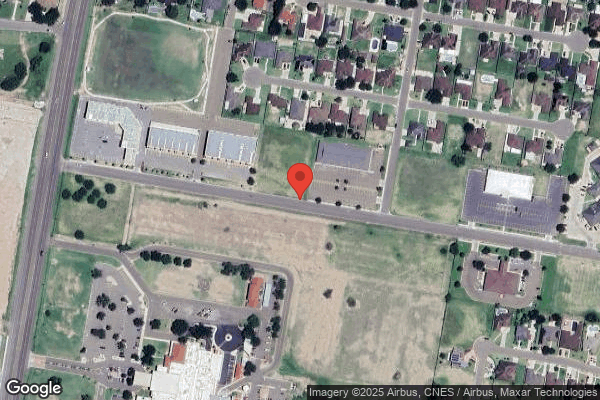
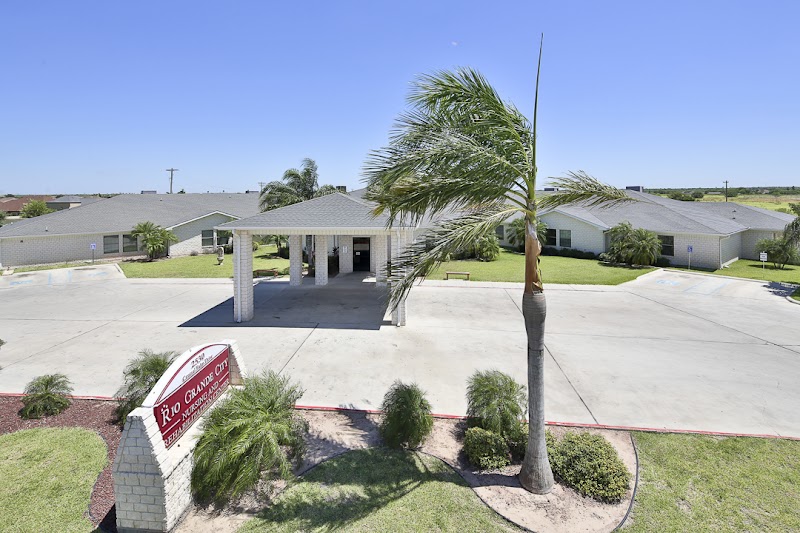
2530 CENTRAL PALM DR, RIO GRANDE CITY, TX 78582 (956) 487-3996
Government - Hospital district 110 Beds WELLSENTIAL HEALTH Data: November 2025
Trust Grade
58/100
#550 of 1168 in TX
Last Inspection: September 2025

Inspected within the last 6 months. Data reflects current conditions.

Overview

Rio Grande City Nursing and Rehabilitation Center has a Trust Grade of C, which means it is average and sits in the middle of the pack. It ranks #550 out of 1168 facilities in Texas, indicating it's in the top half, but it also ranks #2 out of 2 in Starr County, suggesting limited options for families in the area. The facility's trend is stable, with the same number of issues reported over the past two years. Staffing is a significant concern, with a low rating of 1 star, indicating poor staffing levels, though it has a good turnover rate of 0%, much lower than the Texas average. There have been some troubling incidents, such as a resident sustaining a serious laceration due to inadequate supervision, and concerns about residents being prescribed antipsychotic medications without proper diagnoses. Additionally, there were issues with ensuring residents could access their call lights, which could leave them without help in emergencies. While the facility has strengths, such as a good health inspection rating, these weaknesses raise valid concerns for families considering this nursing home for their loved ones.

Trust Score
C
58/100
In Texas
#550/1168
Top 47%
Safety Record
Moderate
Needs review
Inspections
Holding Steady
6 → 6 violations
Staff Stability
○ Average
Turnover data not reported for this facility.
Penalties
○ Average
$13,514 in fines. Higher than 70% of Texas facilities. Some compliance issues.
Skilled Nurses
○ Average
RN staffing data not reported for this facility.
Violations
⚠ Watch
13 deficiencies on record. Higher than average. Multiple issues found across inspections.
★★★☆☆
3.0
Overall Rating
★☆☆☆☆
1.0
Staff Levels
★★☆☆☆
2.0
Care Quality
★★★★☆
4.0
Inspection Score
Stable
2024: 6 issues
2025: 6 issues

The Good

  • Full Sprinkler Coverage · Fire safety systems throughout facility
  • No fines on record

Facility shows strength in fire safety.

The Bad

3-Star Overall Rating

Near Texas average (2.8)

Meets federal standards, typical of most facilities

Federal Fines: $13,514

Below median ($33,413)

Minor penalties assessed

Chain: WELLSENTIAL HEALTH

Part of a multi-facility chain

Ask about local staffing decisions and management

The Ugly 13 deficiencies on record

1 actual harm
Sept 2025 6 deficiencies
CONCERN (D)

Potential for Harm - no one hurt, but risky conditions existed

Deficiency F0558 (Tag F0558)

Could have caused harm · This affected 1 resident

**NOTE- TERMS IN BRACKETS HAVE BEEN EDITED TO PROTECT CONFIDENTIALITY** Number of residents sampled: Number of residents cited: Based on observations, interview and record review, the facility failed ...

Read full inspector narrative →
**NOTE- TERMS IN BRACKETS HAVE BEEN EDITED TO PROTECT CONFIDENTIALITY** Number of residents sampled: Number of residents cited: Based on observations, interview and record review, the facility failed to ensure residents had the right to reside and receive services in the facility with reasonable accommodation of resident needs and preferences except when to do so would endanger the health or safety of the resident or other residents for one of three residents (Resident #58) reviewed for call lights. The facility failed to ensure Resident #58 had the call light within reach while in bed in his room.This failure could place residents at risk of being unable to obtain assistance or help when needed and in the event of an emergency. Findings were:Record review of Resident #58's admission record dated 09/10/25 reflected an [AGE] year-old male. Resident #58 had diagnoses which included Cerebral Infraction (when blood flow to brain is interrupted, causing damage to brain tissue), Unspecified, Hypertensive Heart Disease without Heart Failure (prolonged high blood pressure that damages the heart muscle), Essential (Primary) Hypertension (high blood pressure), Other Lack of Coordination, Need for Assistance with Personal Care, Muscle Wasting and Atrophy, not Elsewhere Classified, Multiple sites, and Anxiety Disorder Unspecified. Record Review of Resident #58's Quarterly MDS dated [DATE] reflected a BIMS Score of 8 which indicated moderate cognitive impairment. Section GG - Functional Abilities and Goals indicated the Resident used a manual wheelchair, required substantial /maximal assistance with upper and lower body dressing, sitting to lying on bed, rolling left and right side on bed, and toileting hygiene. Observation and interview on 09/08/25 at 10:18 a.m. revealed Resident #58 was in his room lying on his bed with his call light on the floor next to his bed. Resident #58 said he did not know where his call light was. He said he used it sometimes when he needed help. During an interview on 09/08/25 at 10:52 a.m. CNA F stated she made resident #58's bed earlier in the morning while he was being showered. She stated she made sure the call light was on his bed when he returned to his room. CNA F stated Resident #58 used his call light. She stated he could have an emergency and not be able to reach it if its on the floor. CNA F stated they were in-serviced on call lights quite a bit but could not remember the last time. During an interview on 09/09/25 at 5:34 p.m. the Administrator stated staff were in serviced frequently on rounding resident rooms and making sure call lights were within their reach. She said if a resident could not reach the call light they would have difficulty getting help. During an interview on 09/09/25 at 5:42 p.m. RN/ADON D stated nurses and CNA's rounded resident rooms every 2 to 3 hours. She stated they were in-serviced weekly on rounding residents and making sure call lights were within the resident's reach. Record review of the facility's policy, Call Lights: Accessibility and Timely Response, date Implemented: 10/13/22 documented, Policy: The purpose of this policy is to assure the facility is adequately equipped with a call light at each residents' bedside, toilet, and bathing facility to allow residents to call for assistance. Policy Explanation and Compliance Guidelines: All staff will be educated on proper use of the resident call system, including how the system works and ensuring resident access to the call light. All residents will be educated on how to call for help by using the resident call system.5. Staff will ensure the call light is within reach of resident and secured as needed.
CONCERN (D)

Potential for Harm - no one hurt, but risky conditions existed

Deficiency F0578 (Tag F0578)

Could have caused harm · This affected 1 resident

**NOTE- TERMS IN BRACKETS HAVE BEEN EDITED TO PROTECT CONFIDENTIALITY** Based on interview and record review, the facility failed to ensure residents had the right to formulate an advance directive fo...

Read full inspector narrative →
**NOTE- TERMS IN BRACKETS HAVE BEEN EDITED TO PROTECT CONFIDENTIALITY** Based on interview and record review, the facility failed to ensure residents had the right to formulate an advance directive for 1 (Resident #12) of 1 resident reviewed for Advance Directives.The facility failed on [DATE] to ensure Resident # 12's Out-of-Hospital Do-Not-Resuscitate (OOH-DNR) order form was completed. The OOH-DNR form did not have a date next to the physician's signature under the Physician's Statement section of the form. This failure could affect all residents who have implanted Advanced Directives and established their choice not to be resuscitated at risk of receiving Cardiopulmonary Resuscitation (CPR) against their wishes.The findings include:Record review of Resident # 12's electronic face sheet, dated [DATE], revealed an [AGE] year-old female who was admitted to the facility on [DATE]. Her diagnosis included Vascular Dementia with mild anxiety, Hypertension (high blood pressure), Hyperlipidemia (high level of fats in the blood), and Acute Kidney Failure. Resident #12's Code Status was Do Not Resuscitate (DNR). Record review of Resident #12's Minimum Data Set (MDS) assessment, dated [DATE], reflected she scored a 05 on her BIMS, which indicated severe cognitive impairment.Record review of Resident #12's, undated, Care Plan report revealed Resident is a DNR, Resident has Medical Power of Attorney and Statutory Durable Power of Attorney, date initiated: [DATE]Record review of Resident #12's physician order, dated [DATE], revealed DNR. Record review of Resident #12's OOH-DNR form, dated [DATE], revealed the form was signed in section B Declaration by legal guardian, agent or proxy on behalf of the adult person who is Incompetent or otherwise incapable of communication: I am the: agent in a Medical Power of Attorney. The OOH-DNR revealed under section Physician's Statement: I am the attending physician of the above-noted person and have noted the existence of this order in the person's medical records. I direct health care professional acting in out-of-hospital settings, including a hospital emergency department, not to initiate or continue for the person: cardiopulmonary resuscitation (CPR), transcutaneous cardiac pacing, defibrillation, advanced airway management, artificial ventilation the physician's signature, License number, and there was no date. Record review of Resident #12's OOH-DNR form, updated on [DATE], revealed a date of [DATE] was added next to the physician's signature under section Physician's Statement. Interview on [DATE] at 5:45 PM, Social Services said she started her training in December and was not familiar with Resident # 12's OOH-DNR form. She said it was her understanding there was no effective date for DNR forms. She said upon admission she reviewed code status with newly admitted residents and their families. If they chose to have a DNR status she would obtain the necessary signatures and then notify the physician of pending forms to be signed. She said she notified nursing when signatures were obtained from the Resident, legal representative, and witnesses. The first form was uploaded on to PCC and then uploaded the second time with the physician's signature. Social Services said she performed care plan meetings every 3 months and updated code status.Interview on [DATE] at 3:35 PM, the DON said Admissions and Social Services did the DNRs, and they got 2 people to sign and then send off the form to the physician for signature. Social Services notified nursing of DNR signed by the initial parties, not MD, and put into PCC system.Interview on [DATE] at 3:35 PM, the Administrator said when families requested DNR status they uploaded the family signed DNR. The DNR was re-uploaded with the physician signature. She said they had recurring audits that were done monthly and quarterly.Record review of the facility's policy titled Resident's Rights Regarding Treatment and Advance Directives, dated [DATE], revealed the following: Any decision making regarding the resident's choices will be documented in the resident's medical record and communicated to the interdisciplinary team and staff responsible for the resident's care.Record review of the Out-Of-Hospital Do-Not-Resuscitate (OOH-DNR) Order-Texas Department Of State Health Services revised [DATE], revealed the following: The original or a copy of a fully and properly completed OOH-DNR Order of the presence of an OOH-DNR device on a person is sufficient evidence of the professionals.
CONCERN (D)

Potential for Harm - no one hurt, but risky conditions existed

Deficiency F0628 (Tag F0628)

Could have caused harm · This affected 1 resident

**NOTE- TERMS IN BRACKETS HAVE BEEN EDITED TO PROTECT CONFIDENTIALITY** Based on interview and record review the facility failed notify the resident and the resident's representative(s) of the transfe...

Read full inspector narrative →
**NOTE- TERMS IN BRACKETS HAVE BEEN EDITED TO PROTECT CONFIDENTIALITY** Based on interview and record review the facility failed notify the resident and the resident's representative(s) of the transfer or discharge and the reason for the move in writing and in a language and manner they understood and send a copy of the notice to a representative of the Office of the State Long-Term Care Ombudsman for 2 of 2 residents (Resident #85 and Resident #87) reviewed for transfer and discharge rights. The facility failed to notify the Ombudsman of Resident #85's discharge from the facility. 2. Resident #87 was discharged to the hospital on [DATE] without a notice to the LTC state ombudsman. These failures could place residents at risk of not receiving an advocate who can inform them of their options, rights, and the added protection from being inappropriately transferred or discharged . Findings included: 1. Record review of Resident #85's face sheet reflected a [AGE] year-old male who was admitted on [DATE] and discharged on 08/22/25. Resident #85 had diagnoses which included, chronic kidney disease stage 4 (a serious condition where the kidneys are functioning at a significantly reduced level), end stage renal failure (a condition where the kidneys have permanently lost most of their ability to function), Type 2 diabetes (a chronic condition where the body does not use insulin effectively or does not produce enough insulin to regulate blood sugar levels), atherosclerotic heart disease caused by plaque buildup in arterial walls), heart failure (occurs when the heart muscle weakens and cannot pump blood effectively enough to meet the body's needs), peripheral vascular disease (a condition that affects the blood vessels outside of the heart, typically in the legs) and anemia (a condition characterized by low levels of red blood cells). Record review of Resident #85's admission MDS assessment, dated 07/16/25, reflected a BIMS score of 10, which indicated the resident was moderately cognitive impaired. Record review of Resident #85's Transfer/Discharge Notice, dated 08/22/25, reflected the reason for transfer was for an emergency transfer to an Acute Care setting. Record review of Resident #85's progress notes, dated 08/22/25, reflected resident had a change in condition in which the doctor gave the order to have resident sent out to the hospital. In an Email communication on 09/09/25 at 3:04 PM, the ombudsman revealed since she started visiting the facility in April of 2025, she had not received any discharge notices from the facility. In an interview on 09/09/25 at 11:55 AM, the Social Worker stated she did not notify the ombudsman of the discharge. The Social Worker stated she was not aware she had to notify the ombudsman when a resident was discharged . She stated she was under the impression she only had to notify the ombudsman if there was something wrong with a resident such as an open APS case. In an interview on 09/09/25 at 4:30 PM, the Administrator stated not reporting the discharge for Resident #85 to the ombudsman was miscommunication. The Administrator stated the Social Worker communicated frequently with the ombudsman regarding APS cases or discharge follow ups, however the actual sending notice for discharges or transfers was not done. The administrator stated notices were to be sent out at least monthly. The Administrator stated the Social Worker, through the admissions team, was sending out the notices when in fact they were not being sent out. The Administrator stated discharge and transfer logs were being done and kept on file. (Discharge and transfer logs were provided during the interview.) The Administrator stated going forward, the Social Worker was aware to send notification to the ombudsman for all discharges and transfers. 2. Record review of Resident #87's admission Record, dated 09/10/25, reflected an [AGE] year-old male with an admission date of 08/05/25. Resident #87's had diagnoses which included Encounter for Surgical Aftercare Following Surgery on the Skin & Subcutaneous Tissue (layer of loose tissue beneath skin) (Primary Diagnosis), Acquired Absence of Right Leg Above Knee, Type 2 Diabetes Mellitus (chronic condition where body does not use insulin effectively or does not produce enough insulin to regulate blood sugar levels) with Hyperglycemia (condition where there is an abnormally high level of glucose [sugar] in the blood), and Permanent Atrial Fibrillation (hearth rhythm disorder where upper chambers of the heart beat irregularly & rapidly). Record review of Resident #87's, quarterly, dated 08/12/25, revealed a BIMS score of 5, which indicated severe cognitive impairment. Record review of Resident #87's, quarterly, dated 08/12/25, revealed a BIMS score of 5, which indicated severe cognitive impairment. Record review of Resident #87's Transfer/Discharge summary, dated [DATE], reflected Resident #87 had a discharge date of 08/28/25 to home. Record review of an email communication dated 09/09/25 at 3:04 PM, the Ombudsman revealed since she started visiting the facility in April of 2025, she had not received any discharge notices from the facility. In an interview on 09/09/25 at 4:12 PM, the Social Worker stated she was not aware she needed to notify the Ombudsman when a resident was discharged from the facility. She said she worked under the supervision of the social service corporate consultant and was given duties to do but notifying the ombudsman was not a duty she had been told to do. In an interview on 09/09/25 at 5:27 PM, the Administrator stated the Admissions team was sending a report log of all the discharged residents for the month to ombudsman prior to the hiring of the current Social worker. She said the current Social Worker should have been doing it but was not sure if she had been doing it since she was fairly new and she didn't know if she was sending it out or not. She said she would make sure she began notifying the ombudsman Record review of the facility's policy Transfer and Discharge (including AMA) dated 3/5/25, reflected: “…10. Emergency Transfers to Acute Care h. The Social Services Director, or designee, will provide copies of notices for emergency transfers to the Ombudsman, but they may be sent when practicable, such as in a list of residents on a monthly basis, as long as the list meets all requirements for content of such notices.”
CONCERN (D)

Potential for Harm - no one hurt, but risky conditions existed

Deficiency F0694 (Tag F0694)

Could have caused harm · This affected 1 resident

**NOTE- TERMS IN BRACKETS HAVE BEEN EDITED TO PROTECT CONFIDENTIALITY** Based on observation, interview and record review, the facility failed to ensure parenteral fluids were administered consistent ...

Read full inspector narrative →
**NOTE- TERMS IN BRACKETS HAVE BEEN EDITED TO PROTECT CONFIDENTIALITY** Based on observation, interview and record review, the facility failed to ensure parenteral fluids were administered consistent with professional standards of practice and in accordance with physician orders, the comprehensive person-centered care plan, and the residents goals and preferences for 1 of 2 residents (Resident #62) reviewed for intravenous fluids. The facility failed to ensure the dressing on Resident #62's peripheral intravenous line (a short flexible tube inserted into the vein to administer fluids and medications) was dated and initialed on 09/08/2025. This failure could place residents at risk of not receiving the appropriate IV care and services. The findings include: Record review of Resident #62's admission record, dated 06/04/25, revealed an [AGE] year-old female. Resident #62 had diagnoses which included Colle's' fracture of right radius (type of wrist fracture that occurs when the distal radius the lower end of the radius bone in the forearm] breaks and bends backward), other fractures of lower end of right radius, unspecified protein-calorie malnutrition, major depressive disorder, and dysphagia (difficulty swallowing food or liquids). Record review of Resident #62's care plan, dated 4/7/23, revealed: The resident has a potential UTI: Administer antibiotic as per physician orders Record review of Resident #62's quarterly MDS assessment, dated 7/31/25, revealed Resident #62's BIMS score was a 9, which indicated moderate cognitively impaired cognition. Section O - Special Treatments, Procedures, and Programs revealed Resident #62 was receiving IV medications. Record review of Resident #62's Order Summary Report, dated 9/8/2025, revealed Resident #62 had an order for Ertapenem Sodium Injection Solution Reconstituted (Ertapenem Sodium) Use 1 application intravenously one time a day for Extended-Spectrum Beta-Lactamases (ESBL) for 10 Days Administer 500milligrams. Start date 9/3/2025. During an observation on 9/8/25 at 10:05 a.m. revealed Resident #62 was in his room lying in bed. He had a peripheral intravenous lock covered with transparent dressing with no date and no initials on her left hand. There were no signs or symptoms of infection or infiltration noted at the IV site. During an interview on 09/8/25 at 10:40 a.m., LVN E stated he was the nurse for Resident #62. He stated the nurse who initiated the IV was responsible for labeling the dressing with the date of placement and initials. LVN E stated it was important to label the IV site to know when the IV was placed or the last time it was changed. He stated if the IV was not changed within the ordered time, then it could cause an infection. He stated the last time he checked the resident's IV site was this morning, at the beginning of his shift. LVN E stated the IV site should be checked at every shift. The site was checked for any signs of infection, the date and signature on the dressing, and check that the saline lock cap was in place. He stated he could not recall when the last training was that he received on IV administration. LVN N stated the resident had a peripheral IV lock on her left hand covered with a transparent dressing that was not labeled or dated. In an interview on 09/10/25 at 3:15 a.m., the DON stated she did not know why the dressing label had not been dated and initialed. The DON stated the nurse who inserted the IV should have dated and initialed the dressing that was over the IV site. The DON searched through orders on their computer system to verify who placed the IV, however, she was not able to find the progress note which indicated placement. The DON stated labeling the insertion site dressing was taught in nursing school and every nurse should have known to label it. She stated the negative outcome of not labeling the dressing was it could go over the recommended standard time of every 72 hours and could cause infection. She stated IV administration class was done annually and as needed. During an interview on 9/10/25 at 4:00 p.m., the DON stated she was not able to find a policy on IV's.
CONCERN (D)

Potential for Harm - no one hurt, but risky conditions existed

Deficiency F0761 (Tag F0761)

Could have caused harm · This affected 1 resident

Based on observation, interview and record review the facility failed to ensure all drugs and biologicals used in the facility were labeled in accordance with currently accepted professional principle...

Read full inspector narrative →
Based on observation, interview and record review the facility failed to ensure all drugs and biologicals used in the facility were labeled in accordance with currently accepted professional principles, and included the appropriate accessory and cautionary instructions, and the expiration date when applicable and in accordance with State and Federal laws, all drugs and biologicals were stored locked compartments under proper temperature controls, and permitted only authorized personnel to have access to the keys for 4 of 4 medication carts (Med-Cart A, Med-Cart B, Med-Cart C, and Med-Cart D) reviewed for labeling and storage.1. The facility failed to ensure medications were properly stored in the Med-Carts A, B and C on 9/9/2025 2. The facility failed to ensure expired medications were not stored on Med-Cart D.These deficient practices could place residents at risk for adverse effects and not receiving the therapeutic effects of the medication and not receiving prescribed medications as ordered, placing the facility at risk of drug diversion. The findings included:1. Observation on 9/9/2025 at 9:25 AM of the medication cart A with LVN A, 2 pills were found in the drawer of the medication cart. LVN A retrieved the unidentified pills from the drawer and handed them to the RN/ADON D.Observation on 9/9/2025 at 9:30 AM of the medication cart B with LVN A, 1 pill was found in the drawer of the medication cart. LVN A retrieved the unidentified pill from the drawer and handed it to the RN/ADON D.Observation on 9/9/2025 at 9:34 AM of the medication cart C with RN B, 3 pills were found in the drawer of the medication cart. RN B retrieved the unidentified pills from the drawer and discarded them in the waste basket. 2. Observation on 9/9/2025 at 9:50 PM of the medication cart D with LVN C, revealed an approximately 1/4 full vial of Insulin Aspart (a medication used to control high blood sugar in adults with diabetes) 25% which had expired on 9/8/2025. The label on the vial had an open date of 8/11/25.Interview on 9/9/2025 at 9:50 AM with LVN A, stated that expired insulin loses its strength and if given, blood sugar may not lower and not do its job. She said that all nurses are responsible for assuring medications are used within their time frame. LVN A said that the expired insulin was not administered to Resident # 3 because her blood sugar level was not within the parameters to receive the insulin.Interview on 9/9/2025 at 9:54 AM with RN/ADON D, stated that she received unidentified pills from LVN A and unidentified pills were discarded by RN/ADON D. RN/ADON stated that in-services were done with nurses on pharmacy services and medication storage. She said she in-serviced LVN C on expired insulin and the expired insulin was replaced and dated. RN/ADON D said that if insulin was administered it would not be effective and blood sugar may increase.Interview on 9/9/2025 at 10:05 AM with the DON, stated that in-services were started on medication storage, maintaining clean carts, and expired medication. She said management and nurses were and will continue checking carts daily to make sure insulins are up to date. The DON said she did not know if the insulin's shelf life (the length of time the product remains suitable for its intended use, maintaining its safety, quality and effectiveness) is determined within the period of 28 days. She said Resident #3's blood sugar levels were consistently being monitored.Interview on 9/10/2025 at 3:35 PM with the Administrator, stated that she communicates daily with DON regarding clinical matters. She said that she provides nursing staff reminders and request feedback, and re-education. The DON said that she takes care of what happens during the day. She said that the pharmacy consultant checks the medication carts monthly and removes expired medication and nurses keep up with the medication carts.Record review of the facility's Medication Administration policy, implemented on 10/01/2019 revealed the purpose of the mobile medication system is to ensure appropriate control and surveillance of resident assigned medications.Record review of Novo Nordisk Pharma, Inc. Patient Information Leaflet (PIL) for Insulin Aspart 10 mL multiple dose vial, revised on 2/2023 revealed that storage conditions for an In-use (opened) vial are 28 days (refrigerated/room temperature).
CONCERN (D)

Potential for Harm - no one hurt, but risky conditions existed

Infection Control (Tag F0880)

Could have caused harm · This affected 1 resident

Based on observation, interview and record review, the facility failed to establish and maintain an infection control program designed to provide a safe, sanitary, and comfortable environment, and to ...

Read full inspector narrative →
Based on observation, interview and record review, the facility failed to establish and maintain an infection control program designed to provide a safe, sanitary, and comfortable environment, and to help prevent the development and transmission of communicable diseases and infections for 1 of 16 rooms (Room X) reviewed for infection control practices.The facility failed to ensure the sharps container was empty in room X. This failure could place residents at risk of communicable diseases. The findings include: During an observation on 09/8/25 at 10:00 a.m. revealed Room X's sharp container was overfilled, and needles were sticking out of the container. During an interview on 9/8/25 at 10:32 a.m., LVN E stated nurses were responsible for changing the sharp containers when the sharp container was two thirds full. LVN E stated staff could poke themselves when trying to dispose of a needle. LVN E stated the residents in room X were not ambulatory. During an interview on 9/10/25 at 3:10 p.m., the DON stated nurses were responsible for changing the sharp containers. The DON stated nurses could poke themselves with the needles sticking out the sharp containers. The DON stated she would start making rounds to make sure sharp containers were not full and would assign a person to ensure sharp containers were not overfilled. During an interview on 9/10/25 at 3:35 p.m., the Administrator stated she did not have a policy on sharp containers. Record Review of Infection Prevention and Control Program with an implemented date 5/13/23 revealed This facility has established and maintains an infection prevention and control program designated to provide a safe, sanitary, and comfortable environment and to help prevent the development and transmission of a communicable diseases and infections as per accepted national standards and guidelines.
Nov 2024 2 deficiencies 1 Harm
SERIOUS (G) 📢 Someone Reported This

A family member, employee, or ombudsman was alarmed enough to file a formal complaint

Actual Harm - a resident was hurt due to facility failures

Accident Prevention (Tag F0689)

A resident was harmed · This affected 1 resident

**NOTE- TERMS IN BRACKETS HAVE BEEN EDITED TO PROTECT CONFIDENTIALITY** Based on interviews and record review the facility failed to ensure each resident received adequate supervision to prevent accid...

Read full inspector narrative →
**NOTE- TERMS IN BRACKETS HAVE BEEN EDITED TO PROTECT CONFIDENTIALITY** Based on interviews and record review the facility failed to ensure each resident received adequate supervision to prevent accidents for 1 of 5 residents (Resident #1) reviewed for accidents and supervision. The facility failed to ensure Resident #1 received adequate supervision to prevent accidents as Resident #1 was left unsupervised in the dining room and fell on [DATE], sustaining a 2.5 cm laceration with 3 staples. This failure could place residents at risk of injury and a decreased quality of life. The findings included: Record review of Resident #1's face sheet dated 10/30/24 reflected an [AGE] year-old female with an original admission date of 10/04/24. Her diagnosis included: unspecified dementia, type 2 diabetes, heart disease, anemia, depression, mood disorder, anxiety disorder, insomnia, chronic obstructive pulmonary disease, and osteoarthritis (degenerative joint disease). Record review of Resident #1's care plan dated 10/30/24 reflected Problem: [Resident #1] was at risk for falls related to confusion, gait/balance problems, unaware of safety needs, and attempts to ambulate without assistance. Date initiated: 10/06/24. Interventions: Be sure the resident's call light is within reach and encourage the resident to use it for assistance as needed. The resident needs prompt response to all requests for assistance. Educate the resident/family/caregivers about safety reminders and what to do if a fall occurs. Electrical bed at lowest position. Provide resident with mobility device: wheelchair. Therapy evaluate and treat as ordered or PRN. Review information on past falls and attempt to determine cause of falls. Record possible root causes. Alter remove any potential causes if possible. Educate resident/family/caregivers/team as to causes. Date initiated: 10/06/24. May have floor matt on side of bed. Date initiated: 10/30/24. Activities tray trial. Date initiated: 10/30/24. Problem: [Resident #1] had an actual fall related to poor balance, psychoactive drug use, and unsteady gait. Interventions: toileting after meals. Date initiated: 10/05/24. Raised perimeter mattress. Continue interventions on the at-risk plan. For no apparent acute injury, determine and address causative factors of the fall. May have floor mat on side of bed. Neurological checks. Therapy consult for strength and mobility. Monitor/document /report PRN x 72h to MD for signs/symptoms: pain, bruises, change in mental status or new onset: confusion, sleepiness, inability to maintain posture, or agitation. Date initiated: 10/06/24. Activities referral. Date initiated: 10/15/24. Antibiotics. Date initiated: 10/27/24. Problem: [Resident #1] had a scalp laceration related to a fall and was at risk for infection. Date initiated: 10/30/24. Interventions: Cleanse staples to scalp with wound cleanser, pat dry with 4x4 gauze one time a day for and as needed for laceration. Encourage good nutrition and hydration in order to promote healthier skin. Monitor/document location, size and treatment of skin tear. Report abnormalities, failure to heal, signs/symptoms of infection, maceration etc. to MD. Wound treatment as ordered. Date initiated: 10/30/24. Record review of Resident #1's MDS assessment dated [DATE] reflected Resident #1 had a BIMS score of 5 (severe cognitive impairment). Resident #1 required substantial/maximal assistance (helper does more than half the effort) for rolling left/right, sit to lying, lying to sitting on side of bed, sit to stand, chair/bed transfer, and toilet transfer. Fall history on admission indicated that Resident #1 did not have a fall any time in the last month and 2-6 months prior to admission. Record review of Resident #1's incident report dated 10/05/24 at 12:30 PM reflected resident was sitting in the hallway with other residents after lunch. Resident attempted to get up from wheelchair on her own. Resident sustained an unwitnessed fall. Resident was noted on floor sitting down next to the wheelchair. No open wounds or injuries noted. Pain medication administered PRN. Neuro checks initiated. MD/RP made aware. Investigation: Resident complained of stomach pain. Resident had history of GI issues. Intervention: Resident to be offered toileting after meals. Record review of Resident #1's incident report dated 10/06/24 at 6:45 AM reflected resident fell in room while getting up from bed unassisted. Resident stated she was trying to go to the restroom. Upon assessment, pain noted to bilateral hips when attempting to extend legs to assess for visual deformity. No bruising or open wound noted to head. Resident stated she did not feel well but unable to verbalize what she felt except for pain to hips and stomach. Neuro checks initiated. RP aware. PA notified. New order to transfer resident to the hospital for evaluation. Investigation: As per RP, camera footage showed resident attempted to get up two times. First time, she got up and fell down on bed hitting head on headboard. Second time, she got up and landed on floor. As per resident, she wanted to go to the restroom. Resident with cognitive impairment due to dementia. Resident sent to ER for evaluation. No fractures as per x-rays. Intervention: raised perimeter mattress while in bed. Record review of Resident #1's incident report dated 10/15/24 at 4:30 PM reflected a CNA reported to the nurse that the resident was found on the floor of the 400 hallway, lying on the floor in which she appeared to have fallen from her wheelchair in an attempt to stand up on her own. Resident was assessed for any injuries and skin impairments in which resident reported pain to the left shoulder. Neuro checks initiated. MD/RP made aware. Investigation: X-rays to left shoulder ordered due to pain. No fractures noted. Intervention: activities referral. Record review of Resident #1's incident report dated 10/16/24 at 3:15 AM reflected the nurse was informed by a CNA that the resident was found on the floor in her room upon entering room. Resident was sitting on the floor with her legs extended. Resident was no table to voice what happened due to her dementia. Nurse performed head to toe assessment with no apparent injuries noted. RP/ADON/PA made aware. Fall precautions in place: bed at lowest position, call light within reach, frequent intervals offer toileting needs, and continue to make rounds every 15 minutes. Neuro checks initiated. Investigation: Resident sustained a fall from bed attempting to ambulate. Intervention: may have floor mat on side of bed. Record review of Resident #1's incident report dated 10/27/24 at 10:15 AM reflected the nurse was in the nurse's station when she was called by housekeeping staff who stated resident was lying on the floor in the dining area. Nurse immediately went to assess resident. Resident was laying on the floor on her back with head under dining room table and feet to resident's wheelchair. Resident was wearing proper footwear at time of incident. Nurse notified 400 hall charge nurse and resident was assessed for injuries. A laceration was noted to left side of back of head with active bleeding. Resident was applied pressure to area with 4 x 4 gauze. No other injuries were noted. Resident does not recall what she wanted to do when she got up from her wheelchair, but she just recalled falling and hitting her head on the chair handle. Resident complained of pain to head and lower back. RP notified. PA notified. Order to send out resident to the hospital for further evaluation and treatment. Nurse called the hospital and gave report to ER nurse. Investigation: Resident sustained fall from wheelchair. Resident with laceration to left side of back of head. Sent to ER. X-rays were negative for fractures. Positive for UTI. Resident started on antibiotics. Intervention: antibiotics. Record review of Resident #1's skin and wound assessment dated [DATE] reflected the laceration to the head measuring 2.5 cm (length), 0.7 cm (width), and 0.2 cm (depth). Cleanse laceration daily. Interview with FM 1 on 10/30/24 at 12:00 PM revealed FM 1 was concerned that Resident #1 did not have enough supervision and had fallen 5 times. FM 1 said the facility had implemented some interventions, but she did not believe it had been enough. FM 1 said the facility staff did not check on Resident #1 frequently. FM 1 said Resident #1 did not understand that she could no longer walk on her own and if left unsupervised, Resident #1 tried to get up and walk. Interview with Resident #1 on 10/30/24 at 2:40 PM revealed Resident #1 did not provide any relevant information. Observation of Resident #1 on 10/30/24 at 2:40 PM revealed Resident #1 appeared with good personal hygiene and not in distress. Fall mat was in the room but moved to the side as the resident was up into her wheelchair. Resident #1 had a perimeter raised mattress. Resident #1 was sitting on the wheelchair and fell asleep. Resident #1 had a tray and footrests on her wheelchair. Resident #1 had a laceration to the left/top side of her head about 1.5 inches long with 3 staples. No hematoma or bruising noted. Resident #1 remained asleep and did not slouch or move to the sides. Interview with CNA D on 10/31/24 at 10:10 AM revealed CNA D said she worked on 10/27/24 when Resident #1 fell in the dining room. CNA D said the staff, nurses or whoever was around, would let her know if the residents were done eating or ready to go back to their rooms. CNA D said that morning, Resident #1 was in the dining room for breakfast, but nobody informed her that Resident #1 was ready to go back to the hall/room. CNA D said she assisted another resident when she was informed that Resident #1 was on the floor in the dining room. CNA D said this was sometime after 9 AM. CNA D said she went to the dining room and her partner, CNA G, stayed in the hall. CNA D said the nurses, LVN J and LVN K, assessed Resident #1 and redirected her to not move as they held her head. CNA D said there was blood and she believed it was from Resident #1's head. CNA D said the ambulance took Resident #1 to the hospital. CNA D said they added a tray to Resident #1's wheelchair after this and it was probably for her to not to try to get up on her own. CNA D said she had seen Resident #1 try to get up on her own in the past and they had to redirect her to not get up as she cannot walk anymore, but she would forgeot. CNA D said Resident #1 also had a fall mat in her room which they ensured to place after they put her in bed and also ensured to leave the bed low. CNA D said Resident #1 was not on a 1:1 or special supervision, but since she was known to fall often, she checked on her frequently and kept an eye on her. Interview with RN E on 10/31/24 at 12:15 PM revealed RN E said she completed the admission for Resident #1. RN E said she completed the admission assessments including the fall risk evaluation. RN E said the fall risk score and whether or not the resident was considered at risk for falls was based on the questions asked. RN E said during the admission, FM 2 was present with Resident #1 and FM 2 mentioned that Resident #1 had fallen at home. RN E said FM 2 said that Resident #1 got up without telling anyone and by the time FM 2 saw Resident #1, she had fallen. RN E said she did not ask FM 2 follow up questions such as how long ago Resident #1 had fallen, when was the last time, how she fell, or how many falls she had. RN E said when a resident was admitted from the hospital, RN E reviewed hospital records for more information. RN E said Resident #1 was admitted from home and RN E could have asked FM 2 more questions regarding Resident #1's falls, but RN E did not. RN E said she had other questions to ask FM 2 for the admission and did not ask FM 2 more about the falls. RN E said it was important to accurately complete the assessments to know what assistance the resident required and to inform the staff on how to care for the resident. Interview with LVN J on 10/31/24 at 12:45 PM revealed LVN J said she worked on 10/27/24 when Resident #1 fell. LVN J said LVN K wereas assigned to Resident #1's hallway. LVN J said she was in the nurse's station when HK A notified her that Resident #1 fell in the dining room. LVN J said there was nobody else in the dining room. LVN J said she checked on Resident #1, and she was on the floor with blood coming from her head. LVN J said LVN K wereas down the hall doing his round, so she called LVN K and he came to assist. LVN J said they assessed Resident #1. LVN J said Resident #1's feet were to the wheelchair and her head was next to the table. LVN J said Resident #1 did not remember what she tried to do but said she hit her head on the chair. LVN J said Resident #1 was alert and did not lose consciousness. LVN J said they called the MD and he ordered to send her to the hospital for an evaluation and for the cut on her head. LVN J said they applied pressure and were able to get the cut to stop bleeding. LVN J said the doors to the dining room were open when HK A notified her that Resident #1 fell. LVN J said there was nobody else in the dining room that she knew of. LVN J said they were moving residents back to the hall and to activities after breakfast, so she was not sure if they were going to move Resident #1 or were in the process of moving her. LVN J said Resident #1 had been in the dining room for breakfast that morning. LVN J said Resident #1 did not have the tray on her wheelchair likes she did now. LVN J said Resident #1 was sent to the hospital by ambulance. LVN J said ADON P reviewed the incidents and implemented interventions for falls. LVN J said she did not work with Resident #1 for other falls. Interview with HK A on 10/31/24 at 1:15 PM revealed HK A said on 10/27/24, he picked up trash and walked by the dining room when he heard a hit /noise and then saw Resident #1 on the floor. HK A said he did not know the resident's name, but he immediately informed the nurse, LVN J, who was at the nurse's station. HK A said he told LVN J that Resident #1 was on the floor. HK A said he had seen Resident #1 sitting at one of the tables before this, but he did not remember if there was anyone else in the dining room at that time. HK A said he was focused on his work. HK A said when he saw Resident #1 on the floor, he did not see any staff in the dining room which was why he called the nurse. HK A said there were no other residents either. HK A said the sound he heard was like a hit, but it was not a normal noise, and that was why he turned and checked what the noise was. HK A said the nurse ran to the dining room and checked on the resident. HK A said another nurse also went to help. HK A said he continued with his job duties. Interview with CNA G on 10/31/24 at 1:45 PM revealed CNA G said she worked on 10/27/24 with Resident #1. CNA G said she took Resident #1 to the dining room that morning for breakfast which usually started after 7 AM. CNA G said she went back to the hallway and waited for the meal trays to pass them out to the residents that did not go to the dining room. CNA G said after breakfast, the residents went to activities or were brought back to the hallway by other staff. CNA G said sometimes they would inform them if they needed to go get the residents from the dining room, but that morning she was not informed to get Resident #1 from the dining room after breakfast. CNA G said she assisted CNA D in changing another resident when they were informed that Resident #1 fell in the dining room. CNA G said CNA D went to the dining room and she stayed in the hallway to assist other residents and document. CNA G said she later went to the dining room to take back trays and saw Resident #1 on the floor while the nurses took care of her. CNA G said Resident #1 had the fall mat and low bed to prevent falls. CNA G said she had seen Resident #1 try to get up from the wheelchair when she had to go to the restroom, but she redirected her and took her to the restroom. Interview with AD H on 10/31/24 at 2:15 PM revealed AD H said she worked on 10/27/24, but when she arrived to work, Resident #1 had already fallen and was on the floor. AD H said the staff were tending to Resident #1 and redirected her to not move as they waited for the ambulance. AD H said Resident #1 attended activities more often now and appeared to enjoy the activities. AD H said she had seen Resident #1 try to get up, but she cannot walk so she explained to her to not get up. AD H said after the fall on 10/27/24, they added a tray to Resident #1's wheelchair but she did not know what the tray was for. AD H said when Resident #1 was in activities, she moved the tray to the side and placed Resident #1 at the table so she could play bingo and other games. AD H said Resident #1 tried to get up, but it was always that she needed to go to the restroom, so they took her to the restroom. Observation on 11/04/24 at 4:55 AM revealed CNAs rounding on residents. CNA R stood by Resident #1's room. Interview with LVN L on 11/04/24 at 8:40 AM revealed LVN L said he worked on 10/27/24 when Resident #1 fell. LVN L said he was doing his medication pass down the hallway and the CNAs were busy with another resident. LVN L said LVN J informed him that Resident #1 had fallen in the dining room. LVN L said Resident #1 had been in the dining room throughout the morning, sitting on her wheelchair, and he checked on her a few times. LVN L said Resident #1 was sleeping and he had tried to give Resident #1 her medications, but she had refused so he was going to try again. LVN L said Resident #1 had breakfast in the dining room and then stayed in the dining room. LVN L said he continued to give medications to the other residents and about 30 minutes later, they told him that Resident #1 fell. LVN L said that was his first weekend back to work and he had not worked in more than a month. LVN L said he was not aware that Resident #1 was at risk for falls. LVN L said there was nobody assigned to the dining room at that time, but the nurse's station was right across the dining room, and he had checked on Resident #1 maybe 30 minutes before he was told she fell. LVN L said he thought maybe it was Resident #1's preference to stay in the dining room, and she was sleeping, so he did not think he needed to move her. LVN L said he was not very familiar with Resident #1 and did not know if she would go to activities. LVN L said he and LVN J assessed Resident #1, applied pressure to the cut, stopped the bleeding, and called for the ambulance so they could send Resident #1 to the hospital. LVN L said Resident #1 did not know what happened, but they saw blood on the chair nearby Resident #1's head so they thought she had hit herself on the chair. LVN L said he was gone by the time Resident #1 returned to the facility and had not worked since then, so he was not sure what happened after or what else was implemented for her . Interview with FM 2 on 11/04/24 at 10:30 AM revealed FM 2 was present during Resident #1's admission process on 10/04/24. FM 2 said she told the nurse that Resident #1 was at risk for falls. FM 2 said Resident #1 had falls June 2023 and October 2023. FM 2 said in January 2024, the specialist saw Resident #1 and decided Resident #1 should no longer use the walker as Resident #1's mind was not connecting to her legs anymore. FM 2 said Resident #1 continued to try to get up at home, but FM 2 redirected her and tried her best to prevent falls. FM 2 said most of the time when Resident #1 tried to get up was because she needed to go to the restroom. FM 2 said the falls Resident #1 had last year were at night and because she needed to go to the restroom. FM 2 said she did not remember the nurse that completed the admission, but the nurse did not ask FM 2 about why Resident #1 fell, when she fell, or more information about the falls. FM 2 said the nurse did not ask when the last time was Resident #1 fell or how many falls she had. Interview with ADON P on 11/04/24 at 11:45 AM revealed ADON P reviewed falls and implemented interventions based on the investigation of the incident or the reason for the fall. ADON P said FM 2 informed them of Resident #1 falling at home in the past so they implemented the electrical bed to its lowest position that first night of admission on [DATE]. ADON P said the risk for falls was added to the care plan on 10/06/24 after she had fallen on 10/05/24 and 10/06/24 as it was the weekend. ADON P said the baseline care plan had been completed during admission on [DATE]. ADON P said Resident #1 was admitted from home so the nurse would have gotten the information and history from the family. ADON P said the nurse should have asked questions like when Resident #1 fell, were there any fractures/injuries, and did she follow up with the doctor. ADON P said if the incident happened within the week, they implemented the interventions, and then updated the care plan that day. ADON P said if it was during the weekend, the nurses implemented interventions based on what she instructed them to do and then she updated the care plan during the next business day. ADON P said sometimes the nurses added the interventions to the care plan that same day so it was shown on the CNAs' computers as well. ADON P said staff were in-serviced on changes or interventions implemented or during report with the CNAs and nurses, they communicated to the next shift what was implemented for any resident. ADON P said if Resident #1 had the baseline care plan trigger the fall risk from the day of admission, that could have prevented her falls but they were not familiar with her behaviors. ADON P said they did not know what kind of falls Resident #1 would have had. ADON P said once FM 2 came in more frequent, then FM 2 let them know what kind of behaviors Resident #1 had at home. ADON P said for the fall on 10/05/24, they implemented to toilet Resident #1 after meals. ADON P said for the fall on 10/06/24, they implemented the raised perimeter mattress. ADON P said for the fall on 10/15/24, they implemented an activities referral. ADON P said for the fall on 10/16/24, they implemented the fall mat. ADON P said for the fall on 10/27/24, they implemented antibiotics as Resident #1 had a UTI and they also tried the activity tray in an attempt for Resident #1 to get distracted with activities and did not try to get up. ADON P said on 10/27/24, the staff were going to take Resident #1 to activities, but she fell before they took her to activities. ADON P said she did not believe the staff forgot about Resident #1 or failed to supervise Resident #1. ADON P said Resident #1 was not on a special supervision or 1:1, but the nurses and staff monitored constantly. ADON P said were instructed to monitor frequently, maybe about every 15 minutes, to see where Resident #1 was at, at all times. ADON P said residents were rounded on every 2 hours or as needed, but the ones that fall, would be rounded on more frequent. ADON P said they provided in-services so the staff knew to check on the ones that fall more often and everyone else, every 2 hours. ADON P said they evaluated interventions by asking the CNAs/staff if the interventions were effective or should continue to be used. ADON P said the injury on 10/27/24, cut to head with 3 staples, was the only injury that resulted from the falls for Resident #1. Interview with the DON on 11/04/24 at 1:00 PM revealed the DON said Resident #1 was at risk for falls since admission. The DON said Resident #1's first fall was on 10/05/24 and she fell after lunch time as she was trying to go to the restroom, so they added the intervention of toileting after meals. The DON said on 10/06/24, Resident #1 fell out of bed, so they added the raised perimeter mattress. The DON said on 10/15/24, Resident #1 fell in the hallway out of the wheelchair, and they implemented an activities referral. The DON said Resident #1 had been more engaged in activities. The DON said on 10/16/24, the fall mat was implemented. The DON said she was not sure if Resident #1 had the thicker or thinner mat. The DON said on 10/27/24, Resident #1 fell out of the wheelchair in the dining room. The DON said she did not know why Resident #1 was in the dining room alone after breakfast. The DON said Resident #1 ended up with a laceration to her head with 3 staples from the last fall on 10/27/24. The DON said Resident #1 was sent to the hospital and it was determined she also had a UTI. The DON said Resident #1 returned to the facility on [DATE] and had orders for antibiotics for the UTI and care for the laceration which were carried out and followed. The DON said she in-serviced all staff to ensure all residents were out of the dining room after meals. The DON said they implemented a tray attached to the front of Resident #1's wheelchair and Resident #1 was able to move the tray, but it seemed to help in her not trying to get up. The DON said she did not think if the fall risk was triggered since the baseline care plan, that it would have made a difference in preventing Resident #1 from falling. The DON said if the family had mentioned to RN E that Resident #1 had falls in the past, the nurse should have asked follow-up questions like when the last fall was, how many falls has she had, etc. The DON said she did not think Resident #1 would have been at risk of further injury from the fall on 10/27/24. The DON said she just needed to keep educating staff. The DON said the laceration Resident #1 sustained on 10/27/24 was the only injury she had from the falls. The DON said Resident #1 was not injured from the other 4 falls. The DON said she did not think Resident #1 would have been at risk of harm or injury for the other falls on 10/05/24, 10/06/24, 10/15/24, and 10/16/24. The DON said she believed there was enough supervision, but they just did not know Resident #1 well enough to implement interventions sooner for falls. The DON said she instructed the night staff to sit by Resident #1's door or close by so they can hear or keep an eye on her in case she tried to get up or they heard her moving around in bed. The DON said the staff were in-serviced to round on the residents every 2 hours or as needed. The DON said in between the rounds, the staff knew to answer call lights, walk up and down the hall, and check on residents that fall more frequent. The DON said they in-service all staff, including the night shift staff. The DON said she ensured staff were consistent with checking on the residents or rounding with the in-services, with the nurses checking on the staff, and she also did random spot checks. The DON said there was no specific timeframe of checking on the residents, not like every 15 minutes, every 30 minutes, every hour, but the staff knew to check on the residents and round as needed . Interview with the ADM on 11/04/24 at 2:20 PM revealed the ADM said they discussed as a team for falls and interventions, but ultimately the clinical department, DON/ADON, decided and implemented interventions. The ADM said it was important to care plan interventions appropriately to know how to care for the resident. The ADM said if during the initial assessment, Resident #1 had been identified as fall risk, then the nurse who completed the initial assessment, should have asked more questions, and gathered more details if the family mentioned Resident #1 had fallen before. The ADM said the nurses were usually good about documenting and completing the assessments. The ADM said FM 2 said that at home, Resident #1 was sort of on a 1:1 with FM 2. The ADM said she explained to the family that the facility could not have a 1:1 with Resident #1. The ADM said they tried their best to keep Resident #1 safe. The ADM said unfortunately, things happened in a blink of an eye. The ADM said there was an intervention implemented for each fall and the interventions have helped a lot. The ADM said some of the interventions were a fall mat, electrical bed to its lowest position, and increased activities. The ADM said for the first 4 falls on 10/05/24, 10/06/24, 10/15/24, and 10/16/24, Resident #1 was not injured. The ADM said for the fall on 10/27/24, Resident #1 sustained the cut to her head, and she received 3 staples, but it was not suspicious, or a result of abuse or neglect based on their investigation. The ADM said they could have possibly implemented interventions sooner to prevent falls, but the more important interventions were already in place such as the low bed and fall mat for the falls that happened in her room. The ADM said for the falls that happened out of the room, there was always supervision provided. The ADM said Resident #1 was not left alone in the hallway and was not left in the dining room alone. The ADM said Resident #1 was monitored in activities. The ADM said in the hallway, there were CNAs to monitor Resident #1, but then she fell twice in the hallway. The ADM said the CNAs could not just be with Resident #1 as they had to round and assist other residents as well. The ADM said when Resident #1 fell in the hallway, she fell right by the wheelchair, as she forgot she could not get up and she fell quickly. The ADM said the staff were instructed to round on the residents at minimum, every 2 hours. The ADM said the staff provided care such as peri care or changing every 2 hours, and then everything else was as needed. The ADM said if there was a call light on, the staff should have checked right away. The ADM said their expectation for the staff was for them to walk back and forth, peek in, see if the residents needed water, peri care, change, shower, etc. The ADM said the staff were not given a timeframe. The ADM said for those residents that were frequent fallers, tried to place them in the rooms by the computer where the CNAs documented to keep a closer eye on them or were able to hear if something happened. The ADM said there was no set time of like 10 minutes, 15 minutes, etc. The ADM said Resident #1 was not on any specific timeframe to be rounded on. The ADM said for the first falls, on 10/05/24, 10/06/24, 10/15/24, and 10/16/24, Resident #1 did not have any injuries. The ADM said for the fall on 10/27/24, Resident #1 sustained the cut to her head, they believed from Resident #1 hitting the chair, but she did not believe anything worse could have happened . Record review of the Fall Prevention Program date implemented: 08/15/22 reflected: Policy: Each resident will be assessed for fall risk and will receive care and services in accordance with their individualized level of risk to minimize the likelihood of falls. 2. Upon admission, the nurse will complete a fall risk assessment along with the admission assessment to determine the resident's level of fall risk. 3. The nurse will indicate the resident's fall risk and initiate interventions on the resident's baseline care plan, in accordance with the resident's level of risk. 7. Each resident's risk factors, and environmental hazards will be evaluated when developing the resident's comprehensive plan of care. 7.a. Interventions will be monitored for effectiveness. 7.b. The plan of care will be revised as needed.
CONCERN (D) 📢 Someone Reported This

A family member, employee, or ombudsman was alarmed enough to file a formal complaint

Potential for Harm - no one hurt, but risky conditions existed

Assessment Accuracy (Tag F0641)

Could have caused harm · This affected 1 resident

**NOTE- TERMS IN BRACKETS HAVE BEEN EDITED TO PROTECT CONFIDENTIALITY** Based on observations, interviews, and record review, the facility failed to accurately assess the resident's status for 1 of 5 ...

Read full inspector narrative →
**NOTE- TERMS IN BRACKETS HAVE BEEN EDITED TO PROTECT CONFIDENTIALITY** Based on observations, interviews, and record review, the facility failed to accurately assess the resident's status for 1 of 5 residents (Resident #1) reviewed for accuracy of assessments. The facility failed to ensure Resident #1's fall risk evaluation on 10/04/24, baseline care plan on 10/04/24 and the MDS assessment on 10/14/24 accurately reflected her risk of falls. This failure could place residents at risk for not receiving care and services to meet their needs. The findings included: Record review of Resident #1's face sheet dated 10/30/24 reflected an [AGE] year-old female with an original admission date of 10/04/24. Her diagnoseis included: unspecified dementia, type 2 diabetes, heart disease, anemia, depression, mood disorder, anxiety disorder, insomnia, chronic obstructive pulmonary disease, and osteoarthritis (degenerative joint disease). Record review of Resident #1's care plan dated 10/30/24 reflected Problem: [Resident #1] was at risk for falls related to confusion, gait/balance problems, unaware of safety needs, and attempts to ambulate without assistance. Date initiated: 10/06/24. Interventions: Be sure the resident's call light is within reach and encourage the resident to use it for assistance as needed. The resident needs prompt response to all requests for assistance. Educate the resident/family/caregivers about safety reminders and what to do if a fall occurs. Electrical bed at lowest position. Provide resident with mobility device: wheelchair. Therapy evaluate and treat as ordered or PRN. Review information on past falls and attempt to determine cause of falls. Record possible root causes. Alter remove any potential causes if possible. Educate resident/family/caregivers/team as to causes. Date initiated: 10/06/24. May have floor matt on side of bed. Date initiated: 10/30/24. Activities tray trial. Date initiated: 10/30/24. Problem: [Resident #1] had an actual fall related to poor balance, psychoactive drug use, and unsteady gait. Interventions: toileting after meals. Date initiated: 10/05/24. Raised perimeter mattress. Continue interventions on the at-risk plan. For no apparent acute injury, determine and address causative factors of the fall. May have floor mat on side of bed. Neurological checks. Therapy consult for strength and mobility. Monitor/document /report PRN x 72h to MD for signs/symptoms: pain, bruises, change in mental status or new onset: confusion, sleepiness, inability to maintain posture, or agitation. Date initiated: 10/06/24. Activities referral. Date initiated: 10/15/24. Antibiotics. Date initiated: 10/27/24. Problem: [Resident #1] had a scalp laceration related to a fall and was at risk for infection. Date initiated: 10/30/24. Interventions: Cleanse staples to scalp with wound cleanser, pat dry with 4x4 gauze one time a day for, and as needed for laceration. Encourage good nutrition and hydration in order to promote healthier skin. Monitor/document location, size, and treatment of skin tear. Report abnormalities, failure to heal, signs/symptoms of infection, maceration etc. to MD. Wound treatment as ordered. Date initiated: 10/30/24 . Record review of Resident #1's baseline care plan dated 10/04/24 reflected Resident #1 was not at risk for falls. Record review of Resident #1's fall risk evaluation dated 10/04/24 reflected Resident #1 did not have any falls in the past 3 months. The fall risk evaluation had a score of 5 which was low risk. Record review of Resident #1's MDS assessment dated [DATE] reflected Resident #1 had a BIMS score of 5 (severe cognitive impairment). Resident #1 required substantial/maximal assistance (helper does more than half the effort) for rolling left/right, sit to lying, lying to sitting on side of bed, sit to stand, chair/bed transfer, and toilet transfer. Fall history on admission indicated that Resident #1 did not have a fall any time in the last month and 2-6 months prior to admission . Interview with FM 1 on 10/30/24 at 12:00 PM revealed FM 1 was concerned that Resident #1 did not have enough supervision and had fallen 5 times. FM 1 said the facility had implemented some interventions, but she did not believe it had been enough. FM 1 said the facility staff did not check on Resident #1 frequently. FM 1 said Resident #1 did not understand that she could no longer walk on her own and if left unsupervised, Resident #1 tried to get up and walk. Interview with Resident #1 on 10/30/24 at 2:40 PM revealed Resident #1 did not provide any relevant information. Observation of Resident #1 on 10/30/24 at 2:40 PM revealed Resident #1 appeared with good personal hygiene and not in distress. Fall mat was in the room but moved to the side as the resident was up into her wheelchair. Resident #1 had a perimeter raised mattress. Resident #1 was sitting on the wheelchair and fell asleep. Resident #1 had a tray and footrests on her wheelchair. Resident #1 had a laceration to the left/top side of her head about 1.5 inches long with 3 staples. No hematoma or bruising noted. Resident #1 remained asleep and did not slouch or move to the sides. Interview with RN E on 10/31/24 at 12:15 PM revealed RN E said she completed the admission for Resident #1. RN E said she completed the admission assessments including the fall risk evaluation. RN E said the fall risk score and whether or not the resident was considered at risk for falls was based on the questions asked. RN E said during the admission, FM 2 was present with Resident #1 and FM 2 mentioned that Resident #1 had fallen at home. RN E said FM 2 said that Resident #1 got up without telling anyone and by the time FM 2 saw Resident #1, she had fallen. RN E said she did not ask FM 2 follow up questions such as how long ago Resident #1 had fallen, when was the last time, how she fell, or how many falls she had. RN E said when a resident was admitted from the hospital, RN E reviewed hospital records for more information. RN E said Resident #1 was admitted from home and RN E could have asked FM 2 more questions regarding Resident #1's falls, but RN E did not. RN E said she had other questions to ask FM 2 for the admission and did not ask FM 2 more about the falls. RN E said it was important to accurately complete the assessments to know what assistance the resident required and to inform the staff on how to care for the resident. Interview with MDS N on 10/31/24 at 1:30 PM revealed MDS N said he completed assessments quarterly and updated the care plans. MDS N said during the admission, the nurse completed the assessments which asked about falls. MDS N said the nurse could have gotten that information from records or asked the family. MDS N said the nurse could have asked for more details of the falls if the family was present. MDS N said it was important to obtain the correct information and implement interventions on their care plan to provide person centered care and to avoid injuries. MDS N said if the resident was at risk for falls, then the interventions were meant to prevent falls, and if interventions were not implemented appropriately, then the resident would have been at risk of falls or injuries. MDS N said if Resident #1 had been noted to be at risk for falls during her admission, then the interventions implemented could have been frequent rounds, encourage the resident to attend activities, fall mat, call light within reach, oriented to the call light, etc. depending on the assessment. MDS N said ADON P worked on incidents such as falls and implemented interventions based on each fall . Interview with FM 2 on 11/04/24 at 10:30 AM revealed FM 2 was present during Resident #1's admission process on 10/04/24. FM 2 said she told the nurse that Resident #1 was at risk for falls. FM 2 said Resident #1 had falls June 2023 and October 2023. FM 2 said in January 2024, the specialist saw Resident #1 and decided Resident #1 should no longer use the walker as Resident #1's mind was not connecting to her legs anymore. FM 2 said Resident #1 continued to try to get up at home, but FM 2 redirected her and tried her best to prevent falls. FM 2 said most of the time when Resident #1 tried to get up was because she needed to go to the restroom. FM 2 said the falls Resident #1 had last year were at night and because she needed to go to the restroom. FM 2 said she did not remember the nurse that completed the admission, but the nurse did not ask FM 2 about why Resident #1 fell, when she fell, or more information about the falls. FM 2 said the nurse did not ask when the last time was Resident #1 fell or how many falls she had. Interview with ADON P on 11/04/24 at 11:45 AM revealed ADON P reviewed falls and implemented interventions based on the investigation of the incident or the reason for the fall. ADON P said FM 2 informed them of Resident #1 falling at home in the past, so they implemented the electrical bed to its lowest position that first night of admission on [DATE]. ADON P said the risk for falls was added to the care plan on 10/06/24 after she had fallen on 10/05/24 and 10/06/24 as it was the weekend. ADON P said the baseline care plan had been completed during admission on [DATE]. ADON P said Resident #1 was admitted from home so the nurse would have gotten the information and history from the family. ADON P said the nurse should have asked questions like when Resident #1 fell, were there any fractures/injuries, and did she follow up with the doctor. ADON P said if Resident #1 had the baseline care plan trigger the fall risk from the day of admission, that could have prevented her falls, but they were not familiar with her behaviors. ADON P said they did not know what kind of falls Resident #1 would have had. ADON P said once FM 2 came in more frequent, then FM 2 let them know what kind of behaviors Resident #1 had at home . Interview with the DON on 11/04/24 at 1:00 PM revealed the DON said Resident #1 was not assessed accurately on 10/04/24 during the admissions process as the fall risk evaluation indicated Resident #1 was not at risk for falls. The DON said she discussed the assessment with RN E and RN E said she did not know why she indicated Resident #1 was not at fall risk. The DON said Resident #1 was at risk for falls since admission. The DON said she did not think if the fall risk was triggered since the baseline care plan, that it would have made a difference in preventing Resident #1 from falling. The DON said if the family had mentioned to RN E that Resident #1 had falls in the past, the nurse should have asked follow-up questions like when the last fall was, how many falls has she had, etc. The DON said she believed there was enough supervision, but they just did not know Resident #1 well enough to implement interventions sooner for falls . Interview with the ADM on 11/04/24 at 2:20 PM revealed the ADM said they discussed as a team for falls and interventions, but ultimately the clinical department, DON/ADON, decided and implemented interventions. The ADM said it was important to care plan interventions appropriately to know how to care for the resident. The ADM said if during the initial assessment, Resident #1 had been identified as a fall risk, then the nurse who completed the initial assessment, should have asked more questions, and gathered more details if the family mentioned Resident #1 had fallen before. Record review of the Fall Prevention Program date implemented: 08/15/22 reflected: Policy: Each resident will be assessed for fall risk and will receive care and services in accordance with their individualized level of risk to minimize the likelihood of falls. 2. Upon admission, the nurse will complete a fall risk assessment along with the admission assessment to determine the resident's level of fall risk. 3. The nurse will indicate the resident's fall risk and initiate interventions on the resident's baseline care plan, in accordance with the resident's level of risk. Record review of the Baseline Care Plan Policy date implemented: 10/22/22 reflected: Policy: The facility will develop and implement a baseline care plan for each resident that includes the instructions needed to provide effective and person-centered care of the resident that meet professional standards of quality care. 2. The admitting nurse, or supervising nurse on duty, shall gather information from the admission physical assessment, hospital transfer information, physician orders, and discussion with the resident and resident representative, if applicable. 2.b. Interventions shall be initiated that address the resident's current needs including: 2.b.i. Any health and safety concerns to prevent decline or injury, such as falls.
Aug 2024 2 deficiencies
CONCERN (D)

Potential for Harm - no one hurt, but risky conditions existed

Respiratory Care (Tag F0695)

Could have caused harm · This affected 1 resident

**NOTE- TERMS IN BRACKETS HAVE BEEN EDITED TO PROTECT CONFIDENTIALITY** Based on observation, interview, and record review, the facility failed to ensure that residents who needed respiratory care rec...

Read full inspector narrative →
**NOTE- TERMS IN BRACKETS HAVE BEEN EDITED TO PROTECT CONFIDENTIALITY** Based on observation, interview, and record review, the facility failed to ensure that residents who needed respiratory care received such care consistent with professional standards of practice and the comprehensive person-centered care plan for 1 of 1 resident (Resident #83) reviewed for respiratory care. The facility failed to ensure Resident #83 received oxygen at the prescribed rate. He received oxygen at a rate less than prescribed. This failure could place residents receiving oxygen at risk for respiratory distress. The findings included: Record review of Resident #83's Quarterly MDS assessment dated [DATE] revealed resident with a BIMS score of 06 which suggests a severe cognitive impairment. Resident required Substantial/maximal assistance for self-care except eating and oral hygiene which required supervision or touching assistance. Resident with diagnosis of Congestive Heart Failure and Pulmonary Fibrosis and received oxygen therapy under special treatments/respiratory treatments. Record review of Resident #83's Face Sheet dated 8/7/24 revealed the following diagnosis: Acute Pulmonary Edema (a condition caused by too much fluid in the lungs, making it difficult to breathe), Pulmonary Fibrosis (a condition in which the lungs become scarred over time which makes it difficult to breathe), Chronic Obstructive Pulmonary Disease (a chronic inflammatory lung disease that causes obstructed airflow from the lungs, Heart failure (occurs when the heart muscle does not pump blood as well as it should, which caused blood to back and fluid to build up in lungs causing shortness of breath), Hypertension (high blood pressure) and Dementia (loss of memory, language, problem-solving and other thinking abilities that are severe enough to interfere with daily life). Record review of the Care Plan for Resident #83 revealed resident has Oxygen at 4LPM via Nasal Canula every shift for Pulmonary Fibrosis to maintain O2 above 90% Date Initiated: 03/26/2024 Revision on: 07/18/2024. Interventions include: o Medication per MD orders. Date Initiated: 03/26/2024. o Oxygen at 4LPM via Nasal Canula Date Initiated: 05/27/2024. o Oxygen Saturation - Check every 6 hours for hypoxia (low levels of oxygen in your body tissues which causes symptoms like confusion, restlessness, difficulty breathing, rapid heart rate and bluish skin). Date Initiated: 03/26/2024. Revision on: 07/18/2024. The resident has altered respiratory status/difficulty breathing r/t Pulmonary Edema/Fibrosis. Date Initiated: 04/04/2024 Revision on: 04/04/2024. Interventions include: o OXYGEN SETTINGS: O2 via nasal cannula as ordered Date Initiated: 04/04/2024 Revision on: 04/04/2024. Record review of the Doctor's Order Summary revealed Resident # 83 was prescribed Oxygen at 4LPM via Nasal Canula every shift for Pulmonary Fibrosis to maintain O2 above 90%. Order and Start Date: 04/03/2024 . Oxygen Saturation - Check (frequency) every 6 hours for hypoxia. Order and Start Date: 04/03/2024. Record review of Skilled Administration Record for Resident #83 revealed an order for Oxygen at 4LPM via Nasal Canula every shift for Pulmonary Fibrosis to maintain O2 above 90%. Start Date: 4/03/24 and Oxygen Saturation Check (frequency) every 6 hours for hypoxia -Start Date: 04/03/2024. On 08/5/24 at 12:55 PM observed Resident #83 sitting up in wheelchair. Groomed and dressed appropriately. Room was clean and without clutter. Resident with no complaints. She said that all staff treat her well. Resident received O2 via nasal cannula and this surveyor observed O2 set at 3.0 LPM. Resident denied any shortness of breath or difficulty breathing. Observation and interview 08/5/24 at 12:55 AM LVN A she said that since Resident #83 arrived at facility, she had been on 4L of O2 via NC. She said that the Resident does not adjust the O2 herself. She said the nurse is supposed to check that the rate of the oxygen is accurate every shift. She said they don't move the oxygen unless there is an order. She said that her shift began at 6:00 am and when she arrived, she rounded with the night nurse. She said she didn't check the flow rate at that time. LVN assessed O2 and said it was set between 3L and 4L, then adjusted the rate to 4L. She said this was the first time Resident #83's oxygen was below 4L. She checked the resident's O2 saturation = 99. Resident denied shortness of breath or difficulty breathing. She said that she feels like she could dance. LVN said that if a resident receives less oxygen than prescribed by doctor, their oxygen saturation can drop. On 08/5/24 at 10:54 AM interviewed LVN B and she said that all nurses are responsible for ensuring the rates for O2 are accurate. She said that she checked O2 levels for her residents to make sure they are accurate every round we make and that includes during initial rounds. She said that if a resident received less oxygen than prescribed by the MD, their O2 saturation could go low. She said they can become short of breath and become cyanotic (a bluish or purple color in the skin, lips, and nail beds that's caused by low oxygen levels in the blood). She said that they would notify MD. On 8/7/24 at 1:30 PM interviewed ADON/RN and she said that the oxygen rate should be checked every shift by the floor nurse, usually when they enter and doing their initial rounds. She said that the O2 saturations are checked every 6 hrs. She said that if a resident received less oxygen than prescribed by the doctor, the resident could have a drop to their O2 saturations. On 8/7/24 at 1:55 PM interviewed the DON and she said that licensed nurses are responsible to ensure O2 rates are accurate every shift. She said that the nurses should check the oxygen rate when coming on shift and checking to see if the order is accurate. She said that the responsibility falls on the floor nurse of the hallway. She said she also completes rounds and spot check oxygen rates. She said that if a resident received less oxygen than the doctor prescribed, the resident could have shortness of breath. She said that Resident #83 also had orders to check her oxygenation saturation every 6 hours. She said that Resident #83 has a family member who comes and spends most of the day with the resident, so either the resident or the family will vocalize any of the Resident's needs. The DON said that the staff have already been in-serviced. On 8/7/24 the DON provided me with a copy of pages 179-180 out of the Lippincott Nursing Procedure. As per RCN/RN, they do not have an Oxygen Administration policy, they use [NAME] as their guidance. Record review of [NAME] 11th Edition, pp 179 -180, Administering Oxygen Therapy revealed: Administering Oxygen Therapy: Oxygen is used to treat or prevent symptoms and manifestations of hypoxia. Methods of Oxygen Administration: 1. Nasal cannula - nasal prongs that deliver low or high flow of the oxygen. a. Requires nose breathing. b. Cannot deliver oxygen concentrations much higher than 40%. Nursing Assessment and Interventions: 1. Assess need for oxygen by observing for symptoms of hypoxia . 3. Administer oxygen in the appropriate concentration and device . 5. Increase or decrease the inspired oxygen concentration, as appropriate.
CONCERN (E)

Potential for Harm - no one hurt, but risky conditions existed

Medication Errors (Tag F0758)

Could have caused harm · This affected multiple residents

**NOTE- TERMS IN BRACKETS HAVE BEEN EDITED TO PROTECT CONFIDENTIALITY** Based on interview and record review the facility failed to ensure residents who have not used psychotropic drugs are not given ...

Read full inspector narrative →
**NOTE- TERMS IN BRACKETS HAVE BEEN EDITED TO PROTECT CONFIDENTIALITY** Based on interview and record review the facility failed to ensure residents who have not used psychotropic drugs are not given these drugs unless the medication is necessary to treat a specific condition as diagnosed and documented in the clinical record for 3 (Resident #14, Resident #58, and Resident #65) of 7 residents whose records were reviewed for pharmacy services. 1.The facility failed to ensure Resident #14 was not prescribed Risperidone (an antipsychotic) without appropriate diagnosis for its use. 2.The facility failed to ensure Resident #58 was not prescribed Seroquel (an antipsychotic) without appropriate diagnosis for its use. 3.The facility failed to ensure Resident #65 was not prescribed Seroquel (an antipsychotic) without appropriate diagnosis for its use. This deficient practice could place residents without a diagnosis for taking psychotropic medications at risk for receiving unnecessary medications. The findings were: 1. Record review of Resident #14's admission record, dated 08/06/2024, revealed he was a [AGE] year old female, admitted to the facility on [DATE], with diagnoses of dementia (a group of thinking and social symptoms that interferes with daily functioning) without behavioral disturbance, psychotic disturbance, mood disturbance, and ant, hypertension (high blood pressure), atherosclerotic heart disease (CAD - coronary artery disease which is characterized by a buildup of plaque, or fatty deposits, in the walls of the coronary arteries, which supply blood to the heart that narrows the arteries and reduces or blocks blood flow), chronic kidney disease, Stage 3B (a late stage of the disease that indicates moderate to severe kidney function loss), and osteoporosis (brittle bones). Record review of Resident #14's quarterly MDS assessment dated [DATE], revealed Resident #14 had a BIMS of 10 which indicated her cognition was moderately impaired. Resident #14 had minimal difficulty hearing and staff could understand her and she was able to understand. Resident #14 was always continent of bladder and occasionally incontinent of bowels. Record review of Resident #14's comprehensive person-centered care plan revised date of 06/06/2024 revealed Focus .the resident uses antipsychotic medication Risperidone r/t mood disorder (dementia with behavioral disturbance) aeb paranoia. Date initiated: 04/16/24 Revision on: 04/16/24. Interventions/Tasks Monitor/document/report PRN any adverse reactions of antipsychotic medications . Record review of Physician Order dated 04/15/2024, risperiDONE Oral Tablet 0.25 MG (Risperidone) Give 1 tablet by mouth at bedtime for Mood disorder (dementia with behavioral disturbances) Start 04/15/2024 1107 (11:07 a.m.) Record review of Consultant Pharmacist / Physician Communication dated 04/17/2024 revealed, This resident (Resident #14) has an order for an antipsychotic, Risperidone 0.25 mg QHS, with an inappropriate diagnosis. Please attempt a gradual dose reduction to Risperidone 0.25 mg QOD HS for 2 weeks then discontinue and/or clarifying the diagnosis and making the necessary corrections. Record review of April 2024 MAR revealed Resident #14 was to receive risperiDONE Oral Tablet 0.25 MG (Risperidone) Give 1 tablet by mouth at bedtime for Mood disorder (dementia with behavioral disturbances) Start 04/15/2024 2000 (08:00 p.m.) -D/C Date - 05/16/2024 1654 (04:54 p.m.) Record review of Physician Order dated 05/16/2024, risperiDONE Oral Tablet 0.25 MG (Risperidone) Give 1 tablet by mouth at bedtime for Mood disorder (dementia with behavioral disturbances) Start 05/16/2024 1654 (04:54 p.m.) Record review of Consultant Pharmacist / Physician Communication dated 05/28/2024 revealed, This resident (Resident #14) has an order for an antipsychotic, Risperidone 0.25 mg QHS, with an inappropriate diagnosis. Please attempt a gradual dose reduction to Risperidone 0.25 mg QOD HS for 2 weeks then discontinue and/or clarifying the diagnosis and making the necessary corrections. Record review of May 2024 MAR revealed Resident #14 was to receive risperiDONE Oral Tablet 0.25 MG (Risperidone) Give 1 tablet by mouth at bedtime for Mood disorder (dementia with behavioral disturbances) Start 05/16/2024 2000 (08:00 p.m.) -D/C Date - 06/04/2024 1654 (04:54 p.m.) Record review of Physician Order dated 06/04/2024, risperiDONE Oral Tablet 0.25 MG (Risperidone) Give 1 tablet by mouth at bedtime for Mood disorder (dementia with behavioral disturbances) Start 06/04/2024 1654 (04:54 p.m.) Record review of June 2024 MAR revealed Resident #14 was to receive risperiDONE Oral Tablet 0.25 MG (Risperidone) Give 1 tablet by mouth at bedtime for Mood disorder (dementia with behavioral disturbances) Start 06/04/2024 2000 (08:00 p.m.) -D/C Date - 08/01/2024 1216 (12:16 p.m.) Record review of Progress Notes dated 08/01/24 at 12:13 p.m. Progress Note written by ADON/LVN: Note Text: Telemed consult with PA. Medications reviewed and behaviors discussed. Resident (#14) with no abnormal behavioral noted at this time. Recommendations to dc risperiDONE Oral Tablet 0.25 MG (Risperidone) at bedtime. RP agreed to recommendations. Orders carried out, SN to report any changes if any. 2. Review of Resident #58's Face Sheet dated 8/7/24, revealed he was a [AGE] year-old male originally admitted to the facility 11/6/22 with a most recent admission date of 5/12/24. He had diagnoses which included Alzheimer's disease; unspecified dementia, unspecified severity, without behavioral disturbance, psychotic disturbance, mood disturbance, and anxiety; Parkinson's disease; unspecified mood disorder; depression, psychotic disorder with hallucinations due to known physiological condition; and depression. Review of Resident #58's Comprehensive MDS Assessment, dated 4/14/24, revealed Resident had a BIMS of 05 which indicated a severe cognitive impairment. Resident Self-Care required substantial/maximal assistance for all ADLs. Revealed Resident had diagnosis of Alzheimer's Disease, Non-Alzheimer's Dementia, Parkinson's Disease, Unspecified dementia, unspecified severity without behavioral/psychotic/mood/anxiety. Resident received an antipsychotic. Review of Resident #58's most recent Care Plan, revealed: The resident has impaired cognitive function abilities and has impaired thought processes as he is forgetful/confused and needs to be given cues daily r/t Alzheimer's/Dementia Date Initiated: 11/07/2022 Revision on: 08/06/2024. Interventions include the following: Seroquel Black Box Warning: Increased mortality in elderly patients with dementia-related psychosis. Elderly patients with dementia-related psychosis treated with antipsychotic drugs are at an increased risk of death. Quetiapine is not approved for the treatment of patients with dementia-related psychosis. Suicidal thoughts and behavior. Antidepressants increased the risk of suicidal thoughts and behavior in children, adolescents, and young adults in short-term studies. These studies did not show an increase in the risk of suicidal thoughts and behavior with antidepressant use in patients older than 24 years; there was a reduction in risk with antidepressant use in patients 65 years and older. In patients of all ages who are started on antidepressant therapy, monitor closely for clinical worsening and for emergence of suicidal thoughts and behaviors. Advise families and caregivers of the need for close observation and communication with the prescriber. Quetiapine is not approved for use in pediatric patients younger than 10 years. Date Initiated: 12/22/2022 Revision on: 10/08/2023. Review of Resident #58's Order Entry, order date 5/13/24, revealed: Seroquel Oral Tablet 200 MG (Quetiapine Fumarate) Give 1 tablet by mouth at bedtime for Dementia with Psychotic Features. Review of Resident #58's Order Summary Report, dated 8/8/24, revealed: Seroquel Oral Tablet 200 MG (Quetiapine Fumarate) Give 1 tablet by mouth at bedtime for Mood disorder (depression behavioral disturbances). Active Phone Order/Start Date: 8/6/24. Review of Resident #58's MAR for May 2024 revealed: Seroquel Oral Tablet 200 MG (Quetiapine Fumarate) Give 1 tablet by mouth at bedtime for Dementia with Psychotic Features Start Date: 05/13/2024 D/C Date: 08/06/2024. Medication administered 5/13/2024 to 5/31/2024. Review of Resident #58's MAR for June 2024 revealed: Seroquel Oral Tablet 200 MG (Quetiapine Fumarate) Give 1 tablet by mouth at bedtime for Dementia with Psychotic Features Start Date: 05/13/2024 D/C Date: 08/06/2024. Medication administered 6/1/2024 to 6/30/2024. Review of Resident #58's MAR for July 2024 revealed: Seroquel Oral Tablet 200 MG (Quetiapine Fumarate) Give 1 tablet by mouth at bedtime for Dementia with Psychotic Features Start Date: 05/13/2024 2000 D/C Date: 08/06/2024 1816. Medication administered 7/1/2024 to 7/31/2024. Review of Resident #58's MAR dated 8/7/24 revealed August 2024 medication order: Seroquel Oral Tablet 200 MG (Quetiapine Fumarate) Give 1 tablet by mouth at bedtime for Dementia with Psychotic Features. Start Date: 05/13/2024 D/C Date: 08/06/2024. Medication administered 8/1/2024 to 8/5/2024. Seroquel Oral Tablet 200 MG (Quetiapine Fumarate) Give 1 tablet by mouth at bedtime for Mood disorder (depression behavioral disturbances) Start Date: 08/06/2024. Record review of the Consultant Pharmacist/Physician Communication on 4/25/2024 revealed that the Pharmacy Consultant informed the prescriber that Resident #58 had an order for an antipsychotic, Seroquel 200 mg QHS with an inappropriate diagnosis. Consultant pharmacist recommended a gradual dose reduction with the goal of discontinuing the medication and /or clarifying the diagnosis and making the necessary corrections. The prescriber checked the box disagreed and wrote Dx modified 5/13 dated 5/15/24. On 8/7/24 at 3:35 pm interviewed LVN C. She said that she felt that if the Seroquel is helping him to not hurt himself or others, it is ok to give him the medication. She said that the resident still has the behaviors even if taking medication. She said that she is aware of the Black Box Warning. She said that they don't give these medications to put residents to sleep, they just want them to not hurt themselves or others. She said that when she received medication orders from the MD, she typed into PCC, and it links to the Pharmacy. She said that they receive a form that medication is a Black Box Warning. She said when they do the order on PCC and try to submit, it gives them a screen that the medication has a Black Box Warning. She said that when it flags them, they must enter a note that they are aware of the Black Box Warning and follow the MD orders that were prescribed. On 8/7/24 at 4:24 pm interviewed LVN A. She said, Honestly with Resident #58, he went to see his MD and they made changes to his medication. The family was not happy about it. The family noticed he was very aggressive when they made the changes. She said that the psychiatrist made the order for Seroquel with Dementia and Psychotic Dx on the order. She said they just go by the order. She said usually if she is rounding, she will receive the order verbally with in-house prescriber and then complete a progress note. If the order comes from outside of the facility, they follow what orders they send. She said that she types everything into PCC. She said that Black Box warnings will come up with Seroquel. She said that when those come up, they notify doctor and see if he/she still wants to continue with the order. She said that she has never completed a progress not regarding the communication for Black Box Warnings. She said that she just carries out what the prescribers want. 3. Record review of Resident #65's admission Face Sheet, dated 08/08/24, revealed he was a [AGE] year-old male admitted to the facility 09/14/23, with the following diagnoses: unspecified dementia with other behavioral disturbance (a condition characterized by progressive or persistent loss of intellectual functioning resulting from organic disease of the brain); major depressive disorder (a mood disorder that causes persistent feeling of sadness and loss of interest); Wernicke's encephalopathy (a condition that is similar to dementia and is caused by drinking too much alcohol); anxiety disorder (any group of mental conditions characterized by excessive fear or apprehension about real or perceived threats, leading to altered behavior); unspecified mood (Affective) disorder (condition with emotional behavior inappropriate for one's age or circumstances characterized by unusual excitability, guilt, anxiety, or hostility). Record review of Resident #65's Significant Change MDS assessment, dated 05/21/24, indicated Resident #65 was rarely understood by others, would sometimes understand others, had severe cognitive impairment, did not have any behaviors and antipsychotic medication was received on a routine basis. Record Review of Resident #65's care plan dated 12/05/23 and revised on 05/24/24 revealed Resident #65 uses antipsychotic medication (Seroquel) that included the interventions of Black Box Warning of increased mortality in elderly patients with dementia-related psychosis. Elderly patients with dementia-related psychosis treated with antipsychotic drugs are at an increased risk of death. Quetiapine (Seroquel) is not approved for the treatment of patients with dementia-related psychosis. Suicidal thoughts and behavior. Record review of Resident #65's Physician's Orders, dated July 2024, revealed an order for Seroquel (antipsychotic medication) 200 mg give one tablet via Peg-tube two times a day mood disorder (Dementia with behavioral disturbance), the order start date was for 05/28/24 and the discontinue date was 08/01/24. Record review of Resident #65's Medication Administration Record, for August 2024 revealed Resident #65 received the antipsychotic medication Seroquel 200 mg on 08/01/24 for mood disturbance (dementia with behavioral disturbance). Record review of the Consultant Pharmacist/Physician Communication Report dated 12/28/23 revealed the Pharmacy Consultant made a recommendation to the facility that This resident (Resident #65) had an order for an antipsychotic, Seroquel 150 md BID, with an inappropriate diagnosis. Please attempt a gradual dose reduction to Seroquel 100 mg BID with the goal of discontinuing the medication and/or clarifying the diagnosis and making the necessary corrections. The prescriber checked the box disagreed and wrote continue with medication. In an interview on 08/07/24 at 3:33 PM LVN C said Resident #65 had behaviors of aggression during care. Resident #65 was bed bound. LVN C said Resident #65 went to the hospital and was very aggressive and was trying to get out of bed, so the hospital put Resident #65 back on the antipsychotic medication. LVN C said they try not to use the antipsychotic but when they have behaviors of aggression , they will prescribe an antipsychotic. LVN C said when they try to do the peg care Resident #65 will punch her. LVN said residents with dementia should not be prescribed antipsychotic medications but sometimes they are necessary for their safety and safety of others. LVN said would put the order into PCC when the physician prescribed an antipsychotic. The PCC is linked to the Pharmacy and the pharmacy would get the order. PCC will alert the nurse that there is a black box warning, and the nurse needs to acknowledge the warning. The LVN said if there is a problem with the diagnosis the pharmacy will ask them to clarify. The nurse can then call the doctor to clarify the diagnosis. In an interview on 8/8/24 at 2:09 pm ADON/LVN said that she deals with all the antipsychotic medications. She said that she received recommendations via emails, prints them out and then she separated the forms by doctor. She said that they usually try to call psych for any psych medication recommendations. She said that the psych PA for the facility comes once a month. She said that she showed or called the PA to get her recommendations. She said that Resident #58 had his own PCP or another psych he sees. The ADON/LVN said that from what she has read, antipsychotics are not recommended for diagnosis of Dementia, but we go by what the doctor's usually recommend. She said that she didn't know why the MD disagreed with the pharmacist recommendations for GDR and recommended Dx modified but was not. She said that she would have to go back and look at why. In an interview 8/8/24 at 3:08 pm DON said that she and her ADONs receive medication orders. She said that she goes over them with her ADONs and that they go over when they discuss with the doctors. She said that it should be a team approach. She said that she read the diagnosis and they would see if they needed clarification or a psych evaluation to ensure Dx is appropriate. She said that Dementia is not an appropriate diagnosis for an antipsychotic medication. She said that it should be a different diagnosis. She said that if a resident is given an antipsychotic for a Dx of dementia, they could have adverse effects depending on the side effects of the individual medication. She said that is why they monitor and report all psych medications. Record review of facility's Psychotropic Policy, date implemented 08/15/22, revealed: Policy: Residents are not given psychotropic drugs unless the medication is necessary to treat a specific condition, as diagnosed and documented in the clinical record, and the medication is beneficial to the resident, as demonstrated by monitoring and documentation of the resident's response to the medication(s).
Jun 2024 2 deficiencies
CONCERN (D) 📢 Someone Reported This

A family member, employee, or ombudsman was alarmed enough to file a formal complaint

Potential for Harm - no one hurt, but risky conditions existed

Comprehensive Care Plan (Tag F0656)

Could have caused harm · This affected 1 resident

**NOTE- TERMS IN BRACKETS HAVE BEEN EDITED TO PROTECT CONFIDENTIALITY** Based on observation, interview, and record review the facility failed develop and implement a comprehensive person-centered car...

Read full inspector narrative →
**NOTE- TERMS IN BRACKETS HAVE BEEN EDITED TO PROTECT CONFIDENTIALITY** Based on observation, interview, and record review the facility failed develop and implement a comprehensive person-centered care plan for each resident, consistent with resident needs, that include measurable objectives and time frames to meet residents' physical needs for 2 (Resident #1 and #2) of 8 residents reviewed for comprehensive person-centered care plans. The facility failed to care plan Resident #1 and #2 the use of a raised perimeter mattress. The failure is affecting one male and one female resident, both use a raised perimeter mattress. Findings included: 1.Record review of Resident #1's electronic facility face sheet dated 6/18/24, revealed she was a [AGE] year-old female admitted to the facility on [DATE] with diagnoses of Cerebral Infarction (stroke), Muscle weakness, Dementia (group of thinking and social symptoms that interferes with daily functioning), Alzheimers (a brain disorder that slowly destroys memory and thinking skills and, eventually, the ability to carry out the simplest tasks), Heart Failure, Hypertension (high blood pressure), and Depression. Record review of Resident #1's quarterly MDS assessment dated [DATE] revealed he scored a 04 on his BIMS which indicated he was severely cognitively impaired. Record review of Resident #1's care plan dated 5/14/24 revealed risk for falls related to wandering. Interventions steps did not include any information regarding a raised perimeter mattress. Observation on 6/18/24 at 2:20pm Resident #1 was lying down, asleep on a raised perimeter mattress. During an interview on 6/18/24 at 2:37pm, ADON A stated that Resident #1 has a raised perimeter mattress as a fall intervention. She stated ADON B was the person who was responsible to care plan the fall interventions. The charge nurse and herself help with interventions as well to see what suits well for the resident. She stated it was important for the interventions to be care planned so staff knows the fall interventions, and the resident won't have falls in the future. When asked ADON A stated, she was not sure of the negative outcome of interventions not being care planned. During an interview on 6/18/24 at 3:31pm, ADON B stated that Resident #1's fall interventions were a raise perimeter mattress, bed in low, and fall mat. She only does care planning for incidents with no injuries. She stated MDS was responsible for care planning everything else. She stated it was important to care plan interventions, so the staff know what we have done for the resident and what needs to be in place. The negative outcome of not being care planned was that the resident has not met the appropriate intervention in place. During an interview on 6/18/24 at 4:05pm, DON stated she was responsible for care planning interventions. The ADON was responsible for care planning incidents and accidents with either injuries or no injuries. She stated it was important to care plan interventions so that the staff was aware and it's a way of communicating with staff. To make sure interventions are in place to keep the resident from falling. DON stated the negative outcome of not having it care planned like she said was a method of communication. 2.Review of Resident #2's admission Record dated 06/18/2024 revealed an [AGE] year-old female who was admitted to the facility on [DATE] and initial admission date of 11/30/2023. Resident #2 diagnoses included: dementia (group of thinking and social symptoms that interferes with daily functioning), nondisplaced fracture of head of left radius (bone cracks or breaks but retains its proper alignment), falls, and muscle weakness. Review of Resident #2's care plan dated 06/18/2024 revealed resident was at risk for falls related to weakness and debility. Intervention steps did not include any information regarding a modified/raised perimeter mattress. Observation on 06/18/2024 at 3:11 p.m., revealed Resident #2 with a perimeter mattress. During an interview on 06/18/2024 at 3:13 p.m., LVN E said that Resident #2 had the perimeter mattress because she turns in bed and was a fall risk. LVN E said she did not know if the mattress was care planned. During an interview on 06/19/2024 at 7:45 a.m., the DON said Resident #2 uses a perimeter mattress, so she won't roll off the bed. The DON said Resident #2 was able to get up from the bed. The DON said the mattress was used to keep Resident #2 safe from falling. The DON said the perimeter mattress should be care planned. During an interview on 06/20/2024 at 9:12 a.m., Resident #2 was asked about the mattress. Resident #2 said she did not know why she had the mattress or the purpose of the mattress. Resident #2 said she received assistance from staff to get up from bed. Resident #2 said she does not remember if she had any falls at the facility. During an interview on 6/20/24 at 1:23pm, MDS care management nurse stated he does the comprehensive care plans. MDS stated the incidents interventions are done by the ADONs, but he also helps them at times. He stated that everybody helps with care planning, like activities does theirs, social worker does their part, but we all work in the care plans. He stated care planning intervention after a fall is to try to prevent future falls. The negate outcome is at risk for injuries. If a resident has a fall how we can prevent resident from having falls. Record review of Comprehensive Care Plans Policy implemented dated on 10/24/2022, revealed the following: It is the policy of this facility to develop and implement a comprehensive person-centered care plan for each resident, consistent with resident rights, that includes measurable objectives and timeframes to meet a resident medical, nursing, mental and psychosocial needs that are identified in the resident's comprehensive assessment. Policy Explanation and Compliance Guidelines: #3 (a) The services that are to be furnished to attain or maintain the residents highest practicable physical, mental, and psychosocial well-being. #6 . Alternative interventions will be documented, as needed.
MINOR (C) 📢 Someone Reported This

A family member, employee, or ombudsman was alarmed enough to file a formal complaint

Minor Issue - procedural, no safety impact

Staffing Information (Tag F0732)

Minor procedural issue · This affected most or all residents

Based on observation, interview, and record review the facility failed to ensure nurse staffing data was posted and readily accessible to residents and visitors for seven days of 7 days (06/11/2024, 0...

Read full inspector narrative →
Based on observation, interview, and record review the facility failed to ensure nurse staffing data was posted and readily accessible to residents and visitors for seven days of 7 days (06/11/2024, 06/12/2024, 06/13/2024, 06/14/2024, 06/15/2024, 06/16/2024, and 06/17/2024) reviewed for nurse staffing information. The facility failed to post and maintain the required nursing staffing information to include facility name, current date, current resident census, and total number and actual hours worked by licensed and unlicensed nursing staff for dates of June 11th through June 17th, 2024. These failures could place residents, their families, and facility visitors at risk of not having access to information regarding facility regarding staffing schedule and facility census. Findings included: During observation on 06/17/2024 at 8:45 a.m., the public access area wall located near the central nursing station revealed daily staffing sheet posting information dated 06/10/2024. The current date and information on staff scheduled and total hours worked were not posted. During observation and interview on 06/17/2024 at 10:03 a.m., the public access area wall located near the central nursing station revealed daily staffing sheet posting information dated 06/10/2024. The current date and information on staff scheduled and total hours worked were not posted. The DON said that the posting was not updated or current and she would have the posting updated and posted in a few minutes. During an interview on 06/20/2024 at 2:10 p.m., the DON said that the purpose of the Nurse Staffing Posting was to communicate with visitors' information on the number of staff available at the facility. The DON said the HRC was responsible for posting the numbers. The DON said she provides oversight to ensure the information is posted. The DON said the posting on 06/17/2024 had information from 06/10/2024 and had not been updated. The DON said there was minimal outcome as visitors would not know the numbers for the day for the facility. Review of facility provided Nurse Staffing Posting Information policy dated 10/24/2022, reads in part, It is the policy of this facility to make nurse staffing information readily available in a readable format to residents and visitors at any given time. The Nurse Staffing Sheet will be posted on a daily basis and will continue the following information: facility name, the current date, facility current resident census, and the total number and actual hours worked by licensed and unlicensed nursing staff directly responsible for resident care per shift. The facility will post the Nurse Staffing Sheet at the beginning of each shift. The information posted will be presented in a clear and readable format, and in a prominent place readily accessible to residents and visitors.
May 2023 1 deficiency
CONCERN (D)

Potential for Harm - no one hurt, but risky conditions existed

Deficiency F0558 (Tag F0558)

Could have caused harm · This affected 1 resident

**NOTE- TERMS IN BRACKETS HAVE BEEN EDITED TO PROTECT CONFIDENTIALITY** Based on observation, interview, and record review, the facility failed to provide reasonable accommodation of resident needs fo...

Read full inspector narrative →
**NOTE- TERMS IN BRACKETS HAVE BEEN EDITED TO PROTECT CONFIDENTIALITY** Based on observation, interview, and record review, the facility failed to provide reasonable accommodation of resident needs for 1 (Resident #138) of eight residents reviewed for call lights: Resident #138's call light was not placed within reach and provided with a soft ball device for ease of use by the resident. This failure could place residents who used call lights for assistance in maintaining and/or achieving independent functioning, dignity, and well-being. Findings included: Record review of Resident's #138's admission record face sheet, dated 05/17/23 indicated Resident #138 was an 88 -year-old male admitted on [DATE] with dementia (inability to remember, think, or make decisions), hypertension (high blood pressure), diabetes (metabolic disorder in which body has high sugar levels for prolonged periods of time, heart failure (heart disease that affects pumping of the heart muscles), chronic ulcer of the other part of left foot (a perforation of the skin), spinal stenosis (spinal canal narrowing, causing pain), dorsalgia (pain in the upper back), and hallucinations (sensory experiences that appear real but are created in the mind). Record review of Resident #138's admission MDS dated [DATE] revealed resident -had a BIMS score of 09 with cognition moderately impaired. -had other behavioral symptoms not directed toward others (physical symptoms such as hitting or scratching self, pacing, rummaging, public sexual acts) -required extensive assistance by two persons for bed mobility, dressing, toilet use, and personal hygiene. -required extensive assistance by one person for transfers. -used a wheelchair as mobility device. Record review of Resident #138's care plans indicated resident was at risk for falls related to weakness and debility, date initiated 04/27/23. Interventions included Be sure the resident's call light is within reach and encourage the resident to use it for assistance as needed. The resident needs prompt response to all requests for assistance, date initiated 04/27/23. Observation and interview on 05/17/23 at 9:38 am revealed Resident #138 seated in his wheelchair in his room next to his bed. Resident's call light cord was clipped to the pillow in his bed and the cord was lying across his bed. The push button for call light was on the opposite side of the bed from where Resident #138 was sitting in his wheelchair. Resident #138 said he would use his call light to ask for help but he but could not reach the call light where it was placed. Resident #138 said he would have to yell out if he needed help. Interview on 05/17/23 at 9:40 am with CNA A revealed he had transferred Resident #138 into his wheelchair and forgot to clip the call light cord to the resident's shirt so he could use his call light to ask for help. CNA A said Resident #138 was able to use his call light, but he forgot to place it on his lap when he had transferred the resident. On 05/17/23 at 9:45 am Resident #138 demonstrated he could use the push button call light. Resident #138 said his right shoulder and arm were hurting. On 05/17/23 at 2:51 pm interview with LVN C revealed staff were in-serviced on placing resident's call lights within reach so they could use when they needed assistance. A new call light with a soft ball or bulb was placed for Resident #138 so he could use without pain or discomfort. LVN C resident had not voiced he felt pain when using the push button call light. On 05/17/23 at 2:55 pm, Resident #138 demonstrated he could use the soft ball bulb call light device without pain or discomfort. Interview on 05/17/23 at 3:20 pm with the DON revealed the staff should have placed Resident #138' call light where he could reach even when he was seated in his wheelchair. The DON said a soft ball/bulb type of call light should have been provided to the resident since he had recently had a seizure that affected his right shoulder and arm. The DON said Resident #138 had not voiced he had pain when using his call light button even after he had the seizureThe DON said if the resident didn't have his call light accessible and within his reach, he would not be able to call for help or assistance. Record review of the facility policy titled Answering the Call Light dated July 2015 indicated The purpose of this procedure is to respond to the resident's requests and needs. When the resident is in bed or confined to a chair, be sure the call light is within easy reach of the resident.
Understanding Severity Codes (click to expand)
Life-Threatening (Immediate Jeopardy)
J - Isolated K - Pattern L - Widespread
Actual Harm
G - Isolated H - Pattern I - Widespread
Potential for Harm
D - Isolated E - Pattern F - Widespread
No Harm (Minor)
A - Isolated B - Pattern C - Widespread

Questions to Ask on Your Visit

  • "Can I speak with families of current residents?"
  • "What's your RN coverage like on weekends and overnight?"

Our Honest Assessment

Strengths
  • • Licensed and certified facility. Meets minimum state requirements.
Concerns
  • • 13 deficiencies on record, including 1 serious (caused harm) violation. Ask about corrective actions taken.
  • • $13,514 in fines. Above average for Texas. Some compliance problems on record.
  • • Grade C (58/100). Below average facility with significant concerns.
Bottom line: Mixed indicators with Trust Score of 58/100. Visit in person and ask pointed questions.

About This Facility

What is Rio Grande City's CMS Rating?

CMS assigns RIO GRANDE CITY NURSING AND REHABILITATION CENTER an overall rating of 3 out of 5 stars, which is considered average nationally. Within Texas, this rating places the facility higher than 99% of the state's 100 nursing homes. This mid-range rating indicates the facility meets federal standards but may have areas for improvement.
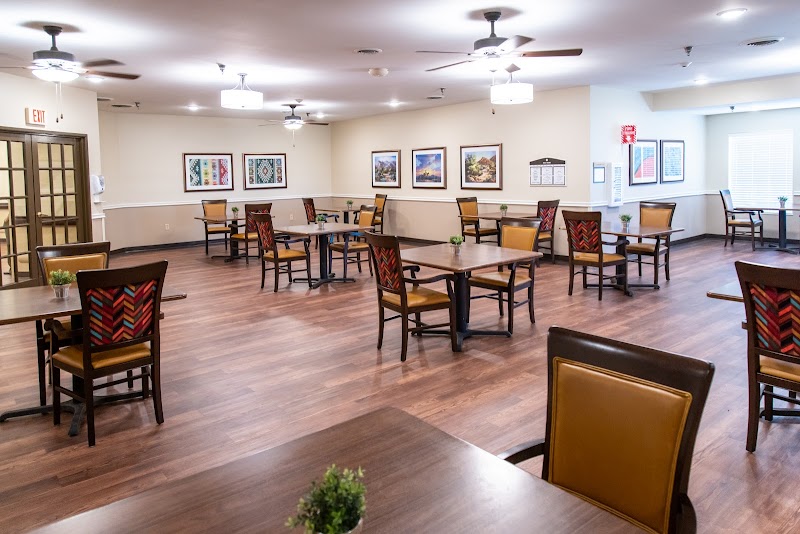
How is Rio Grande City Staffed?

CMS rates RIO GRANDE CITY NURSING AND REHABILITATION CENTER's staffing level at 1 out of 5 stars, which is much below average compared to other nursing homes.

What Have Inspectors Found at Rio Grande City?

State health inspectors documented 13 deficiencies at RIO GRANDE CITY NURSING AND REHABILITATION CENTER during 2023 to 2025. These included: 1 that caused actual resident harm, 11 with potential for harm, and 1 minor or isolated issues. Deficiencies causing actual harm indicate documented cases where residents experienced negative health consequences.

Who Owns and Operates Rio Grande City?

RIO GRANDE CITY NURSING AND REHABILITATION CENTER is owned by a government entity. Government-operated facilities are typically run by state, county, or municipal agencies. The facility is operated by WELLSENTIAL HEALTH, a chain that manages multiple nursing homes. With 110 certified beds and approximately 82 residents (about 75% occupancy), it is a mid-sized facility located in RIO GRANDE CITY, Texas.
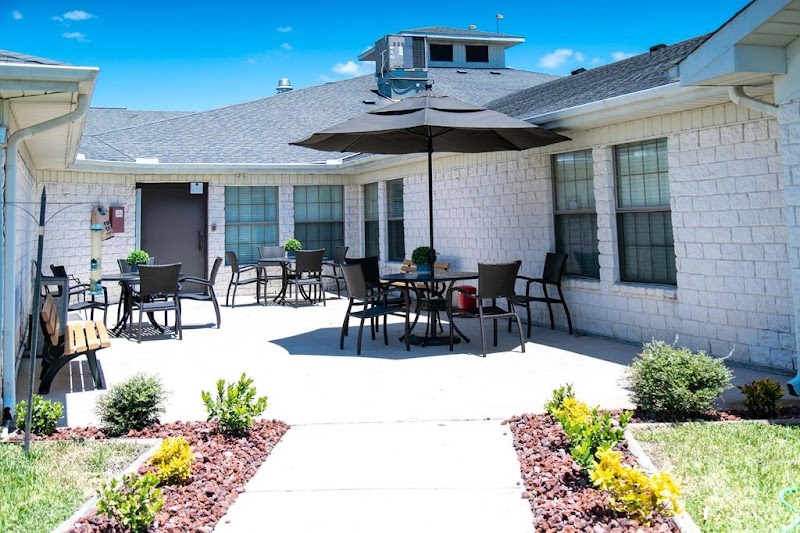
How Does Rio Grande City Compare to Other Texas Nursing Homes?

Compared to the 100 nursing homes in Texas, RIO GRANDE CITY NURSING AND REHABILITATION CENTER's overall rating (3 stars) is above the state average of 2.8 and health inspection rating (4 stars) is above the national benchmark.

What Should Families Ask When Visiting Rio Grande City?

Based on this facility's data, families visiting should ask: "Can you walk me through typical staffing levels on day, evening, and night shifts?" "Can I visit during a mealtime to observe dining assistance and food quality?" "How do you handle medical emergencies, and what is your hospital transfer rate?" "Can I speak with family members of current residents about their experience?" These questions are particularly relevant given the below-average staffing rating.

Is Rio Grande City Safe?

Based on CMS inspection data, RIO GRANDE CITY NURSING AND REHABILITATION CENTER has a clean safety record: no substantiated abuse findings (meaning no confirmed cases of resident harm), no Immediate Jeopardy citations (the most serious violation level indicating risk of serious injury or death), and is not on the Special Focus Facility watch list (a federal program monitoring the lowest-performing 1% of nursing homes). The facility has a 3-star overall rating and ranks #1 of 100 nursing homes in Texas. While no facility is perfect, families should still ask about staff-to-resident ratios and recent inspection results during their visit.

Do Nurses at Rio Grande City Stick Around?

RIO GRANDE CITY NURSING AND REHABILITATION CENTER has not reported staff turnover data to CMS. Staff turnover matters because consistent caregivers learn residents' individual needs, medications, and preferences. When staff frequently change, this institutional knowledge is lost. Families should ask the facility directly about their staff retention rates and average employee tenure.

Was Rio Grande City Ever Fined?

RIO GRANDE CITY NURSING AND REHABILITATION CENTER has been fined $13,514 across 1 penalty action. This is below the Texas average of $33,214. While any fine indicates a compliance issue, fines under $50,000 are relatively common and typically reflect isolated problems that were subsequently corrected. Families should ask what specific issues led to these fines and confirm they've been resolved.

Is Rio Grande City on Any Federal Watch List?

RIO GRANDE CITY NURSING AND REHABILITATION CENTER is not on any federal watch list. The most significant is the Special Focus Facility (SFF) program, which identifies the bottom 1% of nursing homes nationally based on persistent, serious quality problems. Not being on this list means the facility has avoided the pattern of deficiencies that triggers enhanced federal oversight. This is a positive indicator, though families should still review the facility's inspection history directly.