RISING STAR NURSING CENTER
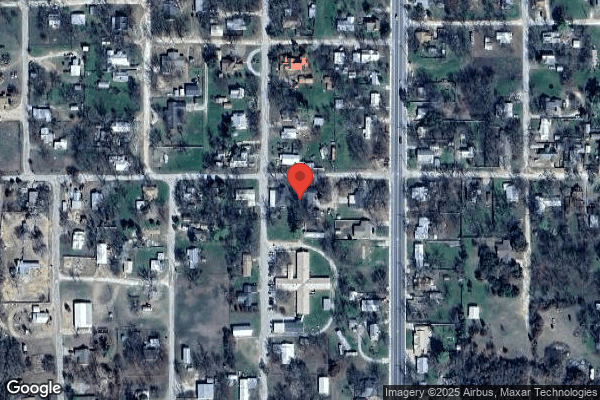

411 S MILLER, RISING STAR, TX 76471 (254) 643-6700
For profit - Limited Liability company 60 Beds Independent Data: November 2025
Trust Grade
70/100
#330 of 1168 in TX
Last Inspection: August 2024

Within standard 12-15 month inspection cycle. Federal law requires annual inspections.

Overview

Rising Star Nursing Center holds a Trust Grade of B, indicating it is a good facility and a solid choice for care. It ranks #330 out of 1168 nursing homes in Texas, placing it in the top half, and #2 out of 4 in Eastland County, meaning only one other local option is better. However, the facility is worsening, with issues increasing from 4 in 2023 to 6 in 2024. Staffing is average, with a rating of 3 out of 5 stars and a turnover rate of 57%, which is slightly above the state average. The center has no fines on record, which is a positive sign, and it also has average RN coverage. Nevertheless, there are concerning incidents noted, such as improper food storage in the kitchen that could lead to foodborne illness, failure to assess a resident's pressure ulcer weekly, and not posting an Oxygen in Use sign for a resident requiring respiratory care. These issues highlight areas for improvement, but the absence of critical fines and good overall ratings suggest some strengths as well.

Trust Score
B
70/100
In Texas
#330/1168
Top 28%
Safety Record
Low Risk
No red flags
Inspections
Getting Worse
4 → 6 violations
Staff Stability
⚠ Watch
57% turnover. Above average. Higher turnover means staff may not know residents' routines.
Penalties
✓ Good
No fines on record. Clean compliance history, better than most Texas facilities.
Skilled Nurses
⚠ Watch
Each resident gets only 26 minutes of Registered Nurse (RN) attention daily — below average for Texas. Fewer RN minutes means fewer trained eyes watching for problems.
Violations
⚠ Watch
15 deficiencies on record. Higher than average. Multiple issues found across inspections.
★★★★☆
4.0
Overall Rating
★★★☆☆
3.0
Staff Levels
★★★★☆
4.0
Care Quality
★★★★☆
4.0
Inspection Score
Stable
2023: 4 issues
2024: 6 issues

The Good

  • 4-Star Quality Measures · Strong clinical quality outcomes
  • Full Sprinkler Coverage · Fire safety systems throughout facility
  • No fines on record

Facility shows strength in quality measures, fire safety.

The Bad

Staff Turnover: 57%

11pts above Texas avg (46%)

Frequent staff changes - ask about care continuity

Staff turnover is elevated (57%)

9 points above Texas average of 48%

The Ugly 15 deficiencies on record

Aug 2024 6 deficiencies
CONCERN (D)

Potential for Harm - no one hurt, but risky conditions existed

Deficiency F0655 (Tag F0655)

Could have caused harm · This affected 1 resident

**NOTE- TERMS IN BRACKETS HAVE BEEN EDITED TO PROTECT CONFIDENTIALITY** Based on observation, interview and record review, the facility failed to develop a baseline care plan within 48 hours of a resi...

Read full inspector narrative →
**NOTE- TERMS IN BRACKETS HAVE BEEN EDITED TO PROTECT CONFIDENTIALITY** Based on observation, interview and record review, the facility failed to develop a baseline care plan within 48 hours of a resident's admission that included the instructions needed to provide effective and person-centered care of 1 of 13 (Resident #133) residents reviewed for care plan completion. The facility failed to include Resident #133's oxygen use, smoking status, and discharge goals in the baseline care plan within the required 48-hour timeframe. This failure could place residents who were newly admitted at risk for not receiving necessary care and services or having important care needs identified. Findings included: Record review of Resident # 133's face sheet dated 08/09/2024 revealed a [AGE] year-old female who was admitted to the facility on [DATE] with diagnoses which included Chronic Obstructive Pulmonary Disease, Asthma, and hypertension (high blood pressure). Record review of Resident #133's admission MDS assessment dated [DATE] revealed: Section C (Cognitive Patterns) BIMS score had not been completed. Record review of Resident #133's Physician Orders dated 08/09/2024 revealed, Start date of 08/01/2024 Oxygen at 2 l/m to 5 l/m per nasal cannula prn SOB/respiratory compromise as needed for shortness of breath. Record review of Resident #133's baseline care plan was completed on 08/01/2024 revealed Resident #133's oxygen use, smoking status, and discharge goals were not incorporated in the base-line care plan. During an observation and interview on 08/08/2024 at 10:53 AM PM, Resident #133's door to her room did not have Oxygen in Use sign posted outside the entrance of her door. Resident #133 stated she was a smoker and did not wear her oxygen when she went outside to smoke. During an interview on 08/09/24 at 3:24 PM, the ADON stated it was her responsibility to complete the base line care plan. The ADON stated her expectation was baseline care plans should have included all of a resident's care areas and there should not have been any blanks. The ADON stated Resident #133's oxygen use, smoking status and discharge goals should have been included in the baseline care plan. The ADON stated the DON and herself are responsible to monitor the accuracy of base line care plans. The ADON stated she did not feel there was an affect to Resident #133 because Resident #133 was cognitive, and staff knew she smoked, and the oxygen use was in her orders. The ADON stated what led to failure was she could have gotten into hurry and did not incorporate all areas into the baseline care plan. During an interview on 08/09/24 at 3:46 PM, the DON stated her expectation was the baseline care plan should have been completed within 48 hours of admission and all blanks should have been completed on the baseline care plan. The DON stated the ADON and herself were responsible to completed baseline care plans and to ensure they were completed. The DON stated the effect on Resident #133 was there could have been a potential for a gap of comprehensive care and/or failure to meet a resident's need. The DON stated she did not feel there was a failure because care plans were an evolving process and if it was in the orders, they would follow the orders. Record review of facility policy titled, Baseline Care Plan undated revealed: Nursing home staff will develop a baseline care plan for the residents care within 48 hours of admission to the facility . The baseline care plan will include, at a minimum, the following: a. Initial goals based on admission orders b. Physician orders c. Dietary orders d. Therapy services e. Social Services
CONCERN (D)

Potential for Harm - no one hurt, but risky conditions existed

Deficiency F0657 (Tag F0657)

Could have caused harm · This affected 1 resident

**NOTE- TERMS IN BRACKETS HAVE BEEN EDITED TO PROTECT CONFIDENTIALITY** Based on interviews and record reviews, the facility failed to ensure the comprehensive care plan was developed within 7 days af...

Read full inspector narrative →
**NOTE- TERMS IN BRACKETS HAVE BEEN EDITED TO PROTECT CONFIDENTIALITY** Based on interviews and record reviews, the facility failed to ensure the comprehensive care plan was developed within 7 days after completion of the comprehensive assessment for 1 of 13 (Resident #28) residents reviewed for comprehensive person-centered care plans. The facility failed to develop Resident #28 comprehensive care plan within 7 days of the completion of the comprehensive assessment. This failure could affect the residents by placing them at risk for not receiving care and services to attain or maintain the residents highest practicable physical, mental, and psychosocial well-being. Findings include: Record review of Resident #28 dated 08/09/2024 revealed a [AGE] year-old female admitted on [DATE] with the diagnosis of Acute Transverse Myelitis in Demyelinating Disease of Central Nervous System (Inflammation of spinal cord that causes neurological affects) Rheumatoid Arthritis, Bartter's Syndrome (an inherited disease that results in low potassium and increased blood acidity and low blood pressure), Chronic Kidney Disease and high blood pressure. Record review of Resident #28's admission MDS revealed a completion date of 02/16/2024. Record review of Resident #28's Quarterly MDS dated [DATE] revealed: Section C- Cognitive Patterns revealed a BIMS score of 15 which means cognitively intact. Record review of Resident #28's comprehensive care plan revealed an initiation date of 04/16/2024. During an interview on 08/09/24 at 3:25 PM, the ADON stated her expectation was that comprehensive care plans should have been completed within 7 days of the completion of the comprehensive assessment. The ADON stated she was responsible to complete and monitor the comprehensive care plan. The ADON stated the effect on residents could have been care area could have been missed. The ADON stated Resident #28's comprehensive care plan should have been initiated by February 23, 2024, The ADON stated what led to failure of the care plan not being initiated until 4/16/2024 was oversight on her part, she had returned from medical leave about that time and had a lot of things to catch up on. During an interview on 08/09/2024 at 3:46 PM, the DON stated her expectation was that compressive care plans be completed within 21 days of admission. The DON stated the ADON and herself were responsible to complete care plans. The DON stated the effect on residents could have been a lapse in compressive care. The DON stated what led to failure was oversight by the DON and ADON. Record review of facility policy titled, Comprehensive Care Plans not dated, revealed: The comprehensive care plan will be developed within 7 days after completion of the comprehensive assessment.
CONCERN (D)

Potential for Harm - no one hurt, but risky conditions existed

Medical Records (Tag F0842)

Could have caused harm · This affected 1 resident

**NOTE- TERMS IN BRACKETS HAVE BEEN EDITED TO PROTECT CONFIDENTIALITY** Based on interview and record review, the facility failed to maintain medical records on each resident, in accordance with accep...

Read full inspector narrative →
**NOTE- TERMS IN BRACKETS HAVE BEEN EDITED TO PROTECT CONFIDENTIALITY** Based on interview and record review, the facility failed to maintain medical records on each resident, in accordance with accepted professional standards and practice, that were complete and accurate for 1 of 12 (Resident #11) residents reviewed for resident records. The facility failed to ensure physician order parameters were accurate on Resident #11's cardiac medications (carvedilol. hydralazine and losartan potassium) This failure could place residents at risk of having errors with their care and treatment. Findings included: Record review of Resident #11's face sheet dated 08/08/2024 revealed a [AGE] year-old female admitted on [DATE] with the following diagnosis heart failure (heart disease interfering with how much blood is pumped through heart with each beat), dementia, history of falling, weakness, unspecified atrial fibrillation (irregular heartbeat), edema (swelling), essential hypertension (high blood pressure), and long term use of anticoagulants (chronic blood thinner use). Record review of Resident #11's annual MDS dated [DATE] revealed Section-C Cognitive Patterns Resident #11 had a BIMS score of 7 meaning severe cognitive impairment; Section N- Medications revealed Resident #1 had taken anticoagulant (medication to help prevent blood clots) and diuretic (medication to decrease fluid retention). Record review of Resident #11's physician order dated 06/19/2024 revealed carvedilol tablet 6.25mg give 1 tablet by mouth two times a day for HTN hold is systolic is < 100 and diastolic < 60 and HR < 60. Record review of Resident #11's physician order dated 03/28/2022 revealed hydralazine tablet 25mg give 1 tablet by mouth two times a day for HTN hold is systolic is < 100 and diastolic < 60. Record review of Resident #11's physician order dated 06/19/2024 revealed losartan potassium tablet 25mg give 12/5mg by mouth one time a day for HTN hold is systolic is < 100 and diastolic < 60 and HR < 60. During an observation on 08/08/2024 at 7:14 a.m., LVN A took Resident #11's vital signs. Blood pressure reading was 107 / 57 (systolic 107 and diastolic 57) and pulse reading was 64 beats per minute. LVN A held carvedilol, hydralazine, and losartan potassium medication. During an interview on 08/08/2024 at 10:23 a.m., LVN A stated she did not give carvedilol, hydralazine, and losartan potassium medication due to parameters not being met in physician order. She stated in the past she had asked physician about parameters and had been instructed to give medication if one of the parameters were not met. She was unsure if order needed to be changed so that only one parameter needed to be met to hold medication but stated she would ask physician. During an interview on 08/09/2024 at 9:26 a.m., the DON stated she expected parameters to be followed when administering medication but clarified that order had been entered into electronic medical system wrong. She stated that there should have been an or instead of and meaning that only one parameter needed to be out of range to hold the medications. She stated this occurred due to transcription error. She stated no negative affect occurred to the resident due to nurse had administered medication correctly. She stated she was responsible for ensuring orders in system were correct and had missed these orders due to when she scanned over the orders, she would look at numbers and not and instead of or. She stated order will be corrected in electronic medical record to prevent any medication error from occurring. During an interview on 08/09/2024 at 2:28 p.m., the ADMN was not able to provide policy about accuracy of records. He stated the medication policy was all he could provide regarding physician orders accuracy. Review or facility policy titled Receiving and Recording Medication Orders with no date revealed Telephone orders may be accepted by a licensed nurse only (i.e., RN, LPN, LVN). Telephone or verbal orders must be recorded on the Physicians' Order Sheet when received and must be recorded by the nurse receiving the order. Telephone or verbal orders for drugs must include: a. Name and strength of the drug b. Quantity or specific duration of the drug c. Dosage and frequency of administration d. Route of administration; and e. Date and time received. Telephone or verbal orders must be countersigned by the physician within forty-eight (48) hours of receiving the order.
CONCERN (E)

Potential for Harm - no one hurt, but risky conditions existed

Pressure Ulcer Prevention (Tag F0686)

Could have caused harm · This affected multiple residents

**NOTE- TERMS IN BRACKETS HAVE BEEN EDITED TO PROTECT CONFIDENTIALITY** Based on observation, interviews and record reviews the facility failed to ensure that residents receive care, consistent with p...

Read full inspector narrative →
**NOTE- TERMS IN BRACKETS HAVE BEEN EDITED TO PROTECT CONFIDENTIALITY** Based on observation, interviews and record reviews the facility failed to ensure that residents receive care, consistent with professional standards of practice, to prevent pressure ulcers and do not develop pressure ulcers unless the individual's clinical condition demonstrates that they were unavoidable; and residents with pressure ulcers receive necessary treatment and services, consistent with professional standards of practice, to promote healing, prevent infection and prevent new ulcers from developing for 1 of 12 (Resident #27) residents reviewed for pressure ulcers. The facility failed to assess Resident #27's pressure ulcer weekly. The facility failed to assess Resident #27's skin weekly. These failures could place residents at risk of infections and worsening of wounds. Findings include: Record review of Resident #27's electronic face sheet dated 08/09/2024 revealed a [AGE] year-old male who was admitted to the facility on [DATE] with diagnoses that included: pressure ulcer of left heel, unstageable (left heel pressure ulcer that is not able to show how deep or how many layers of tissue was damaged), unspecified protein-calorie malnutrition (low protein levels and calorie intake), cognitive communication deficit (inability to communicate effectively related to mental deficit), and muscle weakness. Record review of Resident #27's quarterly MDS assessment dated [DATE] revealed Resident #27 had a BIMS score of 12, meaning moderate cognitive impairment. Further review of MDS section M - Skin Conditions revealed Resident #27 had 1 unhealed pressure ulcer and resident was at risk of developing pressure ulcers. Record review of Resident #27's physician orders dated 08/06/2024 revealed: Cleanse left heel with soap and water, apply silver alginate to wound cand cover with heel border foam. Change on Tuesday and Fridays. every day shift every Tue, Fri for Left heel D.U. Record review of Resident #27's care plan date initiated 03/06/2024 revealed Focus: Resident is at risk for skin breakdown r/t decreased mobility, incontinence, equipment, nutritional status Goal: Resident will have no reports of skin breakdown trough next review date Interventions: Encourage and assist resident to suspend heels when in bed with pillows. Further review of care plan date initiated 03/06/2024 revealed Focus: Resident entered facility with unstageable ulcer to L heel Goal: Area will have no S/S of complications and will show S/S of improving/healing through next review date .resident will have no S/S or reports of unrelieved pain to wound area through next review date Interventions: Assess wound condition weekly and with dressing change, Notify MD if noted with change in wound condition, (increased drainage, odor, eschar, warmth, decline/improvement in wound condition .keep dressing clean dry intact, replace as needed .Keep pressure off area. Use positioning devices as needed. Record review of Resident #27's assessment record on 08/09/2024 revealed last weekly skin assessment documented was on 03/12/2024 and no evidence that any documented wound care sheets found. During on observation and interview on 08/08/2024 at 9:57 a.m., Resident #27 was lying in bed watching television. He stated he had wound on his foot and went to wound clinic once a week. He did not voice concerns with how facility staff cared for wound but he was concerned the wound had not healed. During an interview on 08/09/2024 at 2:21 p.m., the DON stated Resident #27 was admitted into nursing home with skilled nursing services. She stated during the time Resident #27 received skilled nursing services, which ended May 2024, the nurse documented daily in skilled services nursing note which included a skin assessment. The DON stated the skilled note showed that his skin was assessed during that time frame. was included in the skilled nurses note which showed that skin was assessed. She stated the electronic system that facility used did not trigger for weekly skin assessments when Resident #27 was removed from skilled nursing, and she did not know why system did not start triggering for weekly skin assessments. She stated she expected for skin assessments to be performed weekly by nurses and CNAs will look at resident's skin in between nurses' assessment. The DON stated CNAs are not allowed to perform assessments. She stated no proof was available that nurses performed skin assessments after May of 2024. She stated nurses should perform head to toe assessments and not just look at resident's wounds that the nurses provided treatment to. She stated she was who monitored weekly skin assessments were performed and did not know system had not been triggering. She stated no negative outcome occurred to the resident from weekly skin assessments not being performed. Review of facility policy titled Skin Assessment with no date revealed Assess the resident head to toe to identify all skin concerns to include but not limited to: bruises, skin tears, rashes, burns, implanted ports, devices, stomas, pressure injuries of any type, or any other skin concerns. All NON-PRESSURE findings: complete weekly skin assessment in electronic medical chart. All PRESSURE findings: completed wound care sheet. If a resident has a pressure ulcer(s) or complicated wound(s) then the wound care sheet should be completed. This form may be utilized to address all skin concerns (in lieu of using the weekly skin assessment form in conjunction with the wound care sheet. A RN is to accompany the nurse providing wound care for the scheduled assessment where possible. The skin assessment schedule is to be implemented and followed weekly .Nursing management will periodically perform random checks on completed Skin Assessment for accuracy. The Director of Nursing or designee is to follow-up weekly in Standards of Care (SOC/IDT) to ensure completion and accuracy of assessments.
CONCERN (E)

Potential for Harm - no one hurt, but risky conditions existed

Respiratory Care (Tag F0695)

Could have caused harm · This affected multiple residents

**NOTE- TERMS IN BRACKETS HAVE BEEN EDITED TO PROTECT CONFIDENTIALITY** Based on observations, interviews, and record reviews, the facility failed to ensure residents who needed respiratory care were ...

Read full inspector narrative →
**NOTE- TERMS IN BRACKETS HAVE BEEN EDITED TO PROTECT CONFIDENTIALITY** Based on observations, interviews, and record reviews, the facility failed to ensure residents who needed respiratory care were provided respiratory care consistent with professional standards of practice for 1 of 13 residents (Resident #133) reviewed for oxygen administration. The facility failed to ensure an Oxygen in Use sign was posted on the outside of Resident #133's door. These deficient practices could place residents who received oxygen and treatments at risk of respiratory infection. The findings include: Record review of Resident # 133's face sheet dated 08/09/2024 revealed a [AGE] year-old female who was admitted to the facility on [DATE] with diagnoses which included Chronic Obstructive Pulmonary Disease, Asthma, and hypertension (high blood pressure). Record review of Resident #133's admission MDS assessment dated [DATE] revealed: Section C (Cognitive Patterns) BIMS score had not been completed. Record review of Resident #133's Physician Orders dated 08/09/2024 revealed, Start date of 08/01/2024 Oxygen at 2 l/m to 5 l/m per nasal cannula prn SOB/respiratory compromise as needed for shortness of breath. During an observation on 08/07/2024 at 3:35 PM, Resident #133's door to her room did not have Oxygen in Use sign posted outside the entrance of her door. During an observation and interview on 08/08/2024 at 10:53 AM PM, Resident #133's door to her room did not have Oxygen in Use sign posted outside the entrance of her door. Resident #133 stated she was a smoker and did not wear her oxygen when she went outside to smoke. During an interview on 08/09/24 at 03:25 PM, the ADON stated her expectation was that a Oxygen in Use sign should have been placed on the outside of door of residents who smoked. The ADON stated no one specific was responsible for ensuring the sign was posted on the door, the person who set up the concentrator should have posted the sign. The ADON stated all staff should have monitored the doors to ensure the signs were on the doors. The ADON stated the DON and herself make random rounds daily throughout the facility. The ADON stated what led to failure was staff were in a rush. During an interview on 08/09/2024 at 3:46 PM, the DON stated her expectation was that each room where a resident was using an oxygen concentrator should have had an Oxygen in Use sign on the door. The DON stated the maintenance supervisor was responsible to ensure a sign was placed on the door and all staff should have monitored to ensure each room had an Oxygen in Use Sign on the door. The DON stated the effect on the residents could have been a safety issue if they were not aware that oxygen was in use in a room. The DON stated what led to failure was Resident #133 was admitted on [DATE] late in the day, and staff were focused on the admission, care, and assessment of Resident #133. The DON stated ultimately it was an oversight of staff. Record review of facility policy titled Oxygen Administration dated March 2004, revealed: Place an Oxygen in Use sign on the outside of the room entrance door.
CONCERN (E)

Potential for Harm - no one hurt, but risky conditions existed

Infection Control (Tag F0880)

Could have caused harm · This affected multiple residents

**NOTE- TERMS IN BRACKETS HAVE BEEN EDITED TO PROTECT CONFIDENTIALITY** Based on observations, interviews and record reviews, the facility failed to maintain an infection prevention and control progra...

Read full inspector narrative →
**NOTE- TERMS IN BRACKETS HAVE BEEN EDITED TO PROTECT CONFIDENTIALITY** Based on observations, interviews and record reviews, the facility failed to maintain an infection prevention and control program designed to provide a safe, sanitary, and comfortable environment and to help prevent the development and transmission of communicable diseases and infections for 2 of 5 (LVN A and CNA B) staff observed for infection control. 1. The facility failed to ensure LVN A sanitized insulin flex pen rubber stopper prior to applying pen needle. 2. The facility failed to ensure CNA B sanitized catheter bag drain after emptying bag. 3. The facility failed to ensure Resident #183's catheter bag was stored off the floor. These failures could place residents of the facility at risk of infections due to not sanitizing equipment and not storing catheter bag off the floor. Findings included: Record review of Resident #183's electronic face sheet dated 08/09/2024 revealed a [AGE] year-old male admitted to facility on 08/06/2024 with diagnosis of benign prostatic hyperplasia with lower urinary tract symptoms (enlargement of prostate that could cause difficulty urinating). Record review of Resident #183's electronic medical record revealed admission MDS had not been completed. Record review of Resident #183's baseline care plan dated 08/06/2024 revealed section Bladder: catheter with goal to discontinue catheter. Record review of Resident #183's physician orders dated 08/06/2024 revealed foley catheter to BSDB every shift for urinary retention/urinary obstruction. During an observation on 08/07/2024 at 9:34 a.m. Resident #183 was lying in bed and catheter bag was lying on the right side of bed on the floor between bed and wall. During an observation on 08/07/2024 at 10:32 a.m., Resident #183 was lying in bed, catheter bag was hanging from right bed railing and bottom of catheter bag was touching the floor. CNA B and NA C performed catheter care. NA C cleansed perineal area front to back using wet wipes. She held catheter tip closest to resident with her fingers and cleansed tube using wet wipe pulling away from resident. NA C attempted to empty catheter bag but was unable to work the clamp. CNA B emptied catheter bag into urinal and secured drain back into catheter bag. CNA B did not sanitize drain on bag after emptying prior to securing drain back into bag. NA C moved catheter bag and secured it to the bed frame to the right side of the bed after catheter care. During an interview on 08/08/2024 at 11:23 a.m., CNA B stated the drain to catheter bag should have been sanitized with alcohol swab after catheter bag had been emptied. She stated she was unsure why Resident #183's catheter bag had been on the floor the beginning of her shift. She stated she did not have alcohol swab on her during catheter care which led to her not sanitizing the drain after she emptied catheter bag. She stated not sanitizing the drain and catheter bag being on the floor could cause resident to have an infection. During an observation on 08/08/2024 at 7:03 a.m., LVN A administered insulin using flex pen. She did not sanitize rubber stopper on multi dose flex pen that had been opened prior to this dose with alcohol swab prior to securing pen needle. During an interview on 08/08/2024 at 10:23 a.m., LVN A stated she had been trained on using flex pens in nursing school but not from the facility. She stated she should have sanitized flex pen rubber stopper prior to securing needle with alcohol swab but forgot. She stated she was nervous from being watched which led to her missing the sanitizing step and she was trying to do everything right. LVN A stated not sanitizing rubber stopper could cause resident to get an infection from bacteria. During an interview on 08/09/2024 at 8:38 a.m., the DON stated she was the infection preventionist of the facility. She stated it was her expectation that catheter bags did not touch the floor. She stated she felt Resident #183 may have pulled on the tubing and caused the catheter bag to land on the floor. She stated Resident #183 had been educated since his admission to call staff to assist with moving around in the bed to prevent catheter bag from touching the floor. The DON stated the drain on the catheter bag should be sanitized with alcohol when the bag was emptied. She stated she monitored staff providing catheter care randomly, but facility did not have many residents with catheters and that could be the reason CNA B did not sanitize drain. She stated that any external or internal contamination of catheter bag could lead to resident getting an infection. The DON stated she expected for insulin flex pen rubber stopper be sanitized with alcohol prior to securing pen needle. She stated she monitored insulin were administered appropriately randomly. She felt nerves of nurse administering insulin led to her failing to sanitize rubber stopper. She stated the affect not sanitizing rubber stopper could have on a resident would be causing an infection. Review of facility policy titled Insulin Pen Administration Procedure undated revealed Wipe the rubber stopper with an alcohol wipe. Attach a new pen needle to the insulin pen. Review of facility policy titled Emptying a Urinary Drainage Bag dated September 2005 revealed Always attach the drainage bag to the bedframe - never to the side rails .Keep the drainage bag and tubing off the floor at all times to prevent contamination and damage .Remove the drain tube from its holder. Open the drainage bag and let the urine flow into the measuring container. After the drainage bag has emptied, close the drain. Wipe the drain with an alcohol sponge or swab. Discard the sponge or swab into the designated container. Replace the drain tub back into its holder.
Jun 2023 4 deficiencies
CONCERN (D)

Potential for Harm - no one hurt, but risky conditions existed

Infection Control (Tag F0880)

Could have caused harm · This affected 1 resident

Based on observation, interview and record review the facility failed to establish and maintain an infection prevention and control program designed to provide a safe, sanitary, and comfortable enviro...

Read full inspector narrative →
Based on observation, interview and record review the facility failed to establish and maintain an infection prevention and control program designed to provide a safe, sanitary, and comfortable environment and to help prevent the development and transmission of communicable diseases and infections for 1 of 1 (CNA-C) staff observed for infection control. The facility failed to ensure CNA-C performed proper hand hygiene while providing incontinent care. These failures could place residents at risk for unnecessary infections. Findings include: During observation on 06/21/23 at 02:09 PM, CNA C performed peri care on Resident 29. CNA C entered the room without performing hand hygiene. CNA C pulled the privacy curtain and donned gloves without performing hand hygiene. CNA C unfastened brief and pushed the front in between the residents' legs. CNA C wiped the front center peri-area from front to back and placed the wipe in the brief between the residents legs. CNA C wiped the front center peri- area from front to back with another wipe and placed it in the brief. CNA C rolled the resident on her left side. CNA C wiped the residents right buttocks with BM from front to back and placed the wipe in the brief. CNA C grabbed a new wipe and wiped center buttock crack from front to back then folded wipe and wiped back to front in a zig-zag motion then discarded wipe into brief. CNA C removed brief and placed it in a plastic bag that had fallen on the floor. CNA C doffed gloves and did not perform hand hygiene. CNA C looked in two drawers opening them with her bare hands then when into the hall and returned with moisture cream. CNA C did not perform hand hygiene and donned gloves. CNA C placed a clean brief under the resident and applied moisture cream. CNA C placed moisture cream on her gloved hand and wiped all over the residents' buttocks in a zig-zag motion and then wiped the cream on the clean brief. CNA C rolled resident onto her back and fastened the clean brief. CNA C doffed gloves and did not perform hand hygiene. CNA C repositioned the resident and exited the room with the plastic bag which contained the dirty brief and walked down the hall to place it in the trash. In an interview on 06/22/23 at 03:35 PM, CNA C explained how to perform Peri care and stated he would go to the linen closet to get his supplies (basin, washcloth, brief peri wash and creams). Go to the resident's room, knock and explain what he was doing. Put water in basin (check for water temperature), Setup basin and supplies. CNA C then stated he would put his gloves on and begin peri care using the four corners method with his washcloth (he said also calls it flowering). CNA C stated he received his training by the DON. He stated she taught the four corners method in peri care training. In an interview on 06/22/23 at 04:41 PM, the DON stated she did most all trainings for nursing services. The DON stated the ADON did trainings for the CNA's. The DON stated she started doing their trainings beginning in early April. The DON stated she did audits and observed the CNA's techniques after their training was completed. The DON stated all the retraining for CNA's were done by the ADON. The DON stated the washcloths were hygiene wipes. The DON described them as a premoisten disposable cleaning wipes. The DON stated there were some CNAs that were originally trained by her utilizing an actual cloth, washcloths. The DON stated staff could use the hygiene wipes if they folded and used a clean side. The DON stated the four corners method was not appropriate with the hygiene wipes. Most especially because of the size and consistency they were not designed for the fold four corner method. The DON stated the effect of improper peri care on a resident would depend on where the deficient practice was within the process. The DON stated the failure to perform hand washing or hand sanitizer hygiene had the potential to lead to cross contamination. The DON stated the effect could expose the residents to opportunist pathogen with associated with potential infection. Record review of the facility policy titled Perineal Care reflected the following: 2. Assemble the equipment and supplies as needed. Equipment and Supplies The following equipment and supplies will be necessary when performing this procedure: 1. Incontinence product such as brief or underwear 2. Barrier cream or moisturizer as directed by the nurse 3. Incontinence cleanser (as needed) 4. Under pad 5. Plastic trash bag 6. Gloves Step in Procedure 1. Arrange the supplies as they can be easily reached. 2. Wash and dry your hands thoroughly or use hand sanitizer. Record review of the facility policy titled Hand Washing reflecting the following: Section 12-Infection Control Purpose: Hand washing will be regarded by this facility as the single most important means of preventing the spread of infections. Procedure: 1. All personnel will follow the facility's established handwashing procedures using current CDC Hand Hygiene Guidance protocols to prevent the spread of infections and disease to other personnel, residents, and visitors. 2. Hands should be washed 20 seconds under the following conditions . c. Before performing invasive procedures . e. Before handling clean or soiled dressings, gauze pads, etc f. After handling used dressings, contaminated equipment, etc g. After contact with blood, body fluids, excretions, secretions, mucous membranes, or nonintact skin h. After handling items potentially contaminated with blood,. body fluids, excretions, or secretions i. After using the toilet, blowing or wiping the nose, smoking, combing the hair, etc j. After removing gloves Record review of the facility policy labeled Hand Hygiene Guidance, (CDC Centers for Disease Control and Prevention) reflected the following: The core infection prevention and control practices in All . 2. All personnel shall follow the hand washing/hand hygiene procedures to help prevent the spread of infections to other personnel, residents, and visitors .7. Use of an alcohol-based hand rub containing at least 62% alcohol; or, alternatively, soap (antimicrobial or non-antimicrobial) and water for the following situations .b. Before and after direct contact with residents; c. Before preparing or handling medications .k. After handling used dressings, contaminated equipment, etc .9. The use of gloves does not replace hand washing/hand hygiene. Integration of glove use along with routine hand hygiene is recognized as the best practice for preventing healthcare associated infection.
CONCERN (E)

Potential for Harm - no one hurt, but risky conditions existed

Deficiency F0700 (Tag F0700)

Could have caused harm · This affected multiple residents

**NOTE- TERMS IN BRACKETS HAVE BEEN EDITED TO PROTECT CONFIDENTIALITY** Based on observation, interview and record review the facility failed to attempt to use alternatives prior to installing a side ...

Read full inspector narrative →
**NOTE- TERMS IN BRACKETS HAVE BEEN EDITED TO PROTECT CONFIDENTIALITY** Based on observation, interview and record review the facility failed to attempt to use alternatives prior to installing a side or bed rail, assess the resident for risk of entrapment from bed rails prior to installation for 6 of 6 residents (Resident #7, Resident #14, Resident #18, Resident #20, Resident #22, and Resident #232) reviewed for bed rails. The facility failed to assess residents for entrapment risks and attempt less restrictive measures prior to installing bed rails. These failures could place residents at risk for injury. The findings include: Resident #7 Record review of Resident #7's electronic face sheet revealed an [AGE] year-old female who was admitted to the facility on [DATE] with diagnoses which included post-operative hip replacement, weakness, left ankle pain, Parkinson's disease (a brain disorder that causes unintended and uncontrollable body movements) and stroke. Record review of Resident #7's quarterly MDS, dated [DATE], Section C. Brief Interview of Mental Status assessment revealed a score of 7 out of 15which indicated severe mental impairment and Section P. Restraints and Alarms P0100 Physical Restraints A. Bed Rail 0. Not Used was selected as the answer. Record review of Resident #7's comprehensive care plan, reviewed 05/25/2023, revealed the resident was at risk for falls due to unsteady gait (walking), decreased balance, medications, poor safety awareness, and suffered a recent fall which resulted in a broken hip. Resident #7's care plan noted the resident required extensive assistance with bed mobility. There was no evidence of interventions for placement and/or use of bed rails. Record review of Resident #7's electronic physician orders revealed no order for the use of bed rails. Record review of Resident #7's electronic records revealed no documentation of an attempt to use alternatives to bed rails or assessment for the risk of entrapment. Observation of Resident #7 on 06/21/23 at 01:30 PM revealed Resident #7 was lying in bed. Resident #7 had a hospital bed with a half bed rail on the left. Resident #14 Record review of Resident #14's electronic face sheet revealed an [AGE] year-old female who was admitted to the facility on [DATE] with diagnoses which included dementia (a condition the impairs the ability to remember, think, or make decisions that interferes with doing everyday activities), weakness, broken right arm, and kidney disease. Record review of Resident #14's quarterly MDS, dated [DATE] Section C. Brief Interview of Mental Status assessment revealed a score of 11 out of 15 which indicated moderate mental impairment and Section P. Restraints and Alarms P0100 Physical Restraints A. Bed Rail 0. Not Used was selected as the answer. Record review of Resident #14's comprehensive care plan, revised 05/15/2023, revealed the resident was at risk for falls due to unsteady gait (walking), decreased balance, medications, and poor safety awareness. Resident #14's care plan noted the resident required supervision and limited assistance with bed mobility. Interventions listed did not include placement and/or use of bed rails. Record review of Resident #14's electronic physician orders revealed no order for the use of bed rails. Record review of Resident #14's Occupational Therapy Treatment Encounter Notes, dated 03/27/2022, revealed no documentation on assessment and training for siderail use for independence with transfers. Record review of Resident #14's electronic records revealed no documentation of an attempt to use alternatives to bed rails or assessment for the risk of entrapment. Observation of Resident #14's room on 06/20/23 at 11:30 AM revealed the bed had half bed rails in place. During an interview on 06/22/23 at 10:15 AM, Resident #14 stated she used her bed rail to assist in transferring. Resident #18 Record review of Resident #18's electronic face sheet revealed an [AGE] year-old female who was admitted to the facility on [DATE] with an initial admission date of 09/23/2022. Resident #19 had diagnoses which included dementia, weakness, broken right hip, and repeated falls. Record review of Resident #18's discharge - return anticipated MDS, dated [DATE], revealed Section C. Brief Interview of Mental Status assessment revealed a score of 14 out of 15, which indicated no mental impairment and Section P. Restraints and Alarms P0100 Physical Restraints A. Bed Rail 0. Not Used was selected as the answer. Record review of Resident #18's comprehensive care plan, revised 10/12/2022, revealed the resident was at risk for falls due to an unsteady gait, decreased balance and medications. Resident #18's care plan noted the resident required assistance with transfers. Interventions listed did not include placement and/or use of bed rails. Record review of Resident #18's electronic physician orders revealed no order for the use of bed rails. Record review of Resident #18's Occupational Therapy Treatment Encounter Notes, dated 06/21/2023, revealed no documentation on assessment and training for siderail use for independence with transfers. Record review of Resident #18's electronic records revealed no documentation of an attempt to use alternatives to bed rails or assessment for the risk of entrapment. Observation of Resident #18's room on 06/20/23 at 11:22 AM revealed the bed had half bed rails in place. Resident #20 Record review of Resident #20's electronic face sheet revealed a [AGE] year-old female who was admitted to the facility on [DATE] with diagnoses which included weakness and dementia. Record review of Resident #20's significant change in status MDS, dated [DATE], revealed Section C. Brief Interview of Mental Status assessment revealed a score of 9 out of 15 which indicated moderate mental impairment and Section P. Restraints and Alarms P0100 Physical Restraints A. Bed Rail 0. Not Used was selected as the answer. Record review of Resident #20's comprehensive care plan, reviewed 04/28/2023, revealed the resident was at risk for falls due to weakness, unsteady gait, decreased balance, medications, and poor safety awareness. Resident #20's care plan noted the resident required assistance with bed mobility. Interventions listed did not include placement and/or use of bed rails. Record review of Resident #20's Occupational Therapy Treatment Encounter Notes, dated 06/13/2023, revealed no documentation on assessment and training for siderail use for independence with transfers. Record review of Resident #20's electronic records, accessed 06/21/2023, revealed no documentation of an attempt to use alternatives to bed rails or assessment for the risk of entrapment. Observation of Resident #20's room on 06/20/23 at 12:10 PM, the bed had one half bed rail in place on the right. Resident #22 Record review of Resident #22's electronic face sheet revealed an [AGE] year-old male who was admitted to the facility on [DATE] with diagnoses which included weakness and gout (a condition that affects the joints.) Record review of Resident #22's significant change in status MDS, dated [DATE], revealed Section C. Brief Interview of Mental Status assessment revealed a score of 15 out of 15, which indicated no mental impairment and Section P. Restraints and Alarms P0100 Physical Restraints A. Bed Rail 0. Not Used was selected as the answer. Record review of Resident #22's comprehensive care plan, revised 05/23/2023, revealed the resident was at risk for falls due to unsteady gait and decreased balance. Resident #22's care plan noted the resident required assistance with bed mobility. Interventions listed did not include placement and/or use of bed rails. Record review of Resident #22's electronic physician orders revealed no order for the use of bed rails. Record review of Resident #22's Occupational Therapy Treatment Encounter Notes, dated 03/02/2023, revealed no documentation on assessment and training for siderail use for independence with transfers. Record review of Resident #22's electronic records revealed no documentation of an attempt to use alternatives to bed rails or assessment for the risk of entrapment. Observation of Resident #22 on 06/20/23 at 10:58 AM revealed the resident was lying in bed, eyes closed, respirations even and unlabored. Resident #22's bed had one bed rail in place on the left. Resident #232 Record review of Resident #232's electronic face sheet revealed an [AGE] year-old female who was admitted to the facility on [DATE] with diagnoses which included fainting, weakness, and difficulty walking. Record review of Resident #232's quarterly MDS, dated [DATE], revealed Section C. Brief Interview of Mental Status assessment revealed a score of 14 out of 15, which indicated no mental impairment and Section P. Restraints and Alarms P0100 Physical Restraints A. Bed Rail 0. Not Used was selected as the answer. Record review of Resident #232's comprehensive care plan revealed the resident was at risk for falls due to an unsteady gait, decreased balance, medications, poor safety awareness. Interventions listed did not include placement and/or use of bed rails. Record review of Resident #232's electronic physician orders revealed no order for the use of bed rails. Record review of Resident #232's electronic records revealed no documentation of an attempt to use alternatives to bed rails or assessment for the risk of entrapment. Observation of Resident #232 on 06/20/23 at 11:10 AM, revealed the resident sitting in a wheelchair in her room watching TV. Resident #232's bed had one bed rail in place on the right. During an interview on 06/22/23 at 10:10 AM, the DON stated bed rails were usually installed when a resident requested to use as enabler bars. The DON stated assessments were not performed prior to installing bed rails on beds for Resident #7, Resident #14, Resident #18, Resident #20 Resident #22, or Resident #232. She stated obtaining a physician's order was not specified in the facility policy. The DON stated bed rails should be addressed on the care plan and did not know why bed rails were not included on the care plan. During an interview and record review on 06/22/23 at 10:51 AM, LVN A stated the nurses had a list of 6 residents who had bed rails. Review of the list provided by LVN A revealed Resident #4, Resident #16, Resident #18, Resident #20, Resident #133, and Resident #232 were listed. LVN A stated she did not know why the failure to obtain a physician's order or include the bed rails on the care plan occurred. During an interview on 06/22/23 at 10:53 AM, LVN B stated effect on residents of not having a physician's order for bed rails or including bed rails on the care plan could affect residents' mobility, or ability to transfer in and out of bed. LVN B stated residents who were not used to having bed rails may get confused and could get hurt. During an interview on 06/22/23 at 02:15 PM, the Maintenance Director stated he inspected bed rails when they were installed. He stated he inspected the bed rails the day before. The Maintenance Director stated if staff noticed a problem with a bed rail it was logged in the maintenance book for him to fix. During an interview on 06/22/23 at 03:27 PM, the ADON stated she was responsible for entering data for the MDS. She stated bed rails were not selected on the MDS because the facility did not consider them restraints. The ADON stated they were a restraint free facility. She explained the consequences to a resident of failing to document bed rails on the MDS was because bed rails were the wording made it confusing on where to put data in the MDS. The ADON described her training for the position as trained by the former MDS nurse, and the facility paid for her to attend a Resource Utilization Group (RUG) course. The RUG is a system that groups residents based on health status and care needs. The ADON stated she was confused on how to enter the bed rail used as mobilization equipment on the MDS. Record review of the facility's, undated, policy titled Bed Rails revealed To ensure the appropriate use of Bed or Side rails at all times. Procedure: The facility will attempt the use appropriate alternatives prior to installing a side or bed rail. If a bed or side rail is used, the facility will ensure correct installation, use, and maintenance of bed rails, including but not limited to the following: 1. Assessing the resident for risk of entrapment from bed rails prior to installation with the TMF Side Rail Assessment form. 2. Review the risks and benefits of bed rails with the cognizant resident or resident representative and obtain informed consent prior to installation. 3. Ensure that the bed's dimensions are appropriate for the resident's size and weight. 4. Follow the manufacturer's recommendations and specifications for installing and maintaining be rails. 5. Utilizing the TMF Side Rail Utilization Assessment to comply with state regulations for safety. 6. Consult with Therapy regarding assessment and training for siderail use for independence with transfers. 7. The maintenance director will supervise the maintenance of all bed siderails.
CONCERN (E)

Potential for Harm - no one hurt, but risky conditions existed

Deficiency F0727 (Tag F0727)

Could have caused harm · This affected multiple residents

Based on interview and record review the facility failed to use the services of a registered nurse for at least 8 consecutive hours a day, seven days a week for one of one facility reviewed for RN ser...

Read full inspector narrative →
Based on interview and record review the facility failed to use the services of a registered nurse for at least 8 consecutive hours a day, seven days a week for one of one facility reviewed for RN services. The facility failed to provide evidence a Registered Nurse (RN) worked 8 consecutive hours a day, seven days a week for 6 days (1/1/23, 1/14/23, 1/15/23, 1/28/23, 1/29/23, and 2/12/23) of the FY Quarter 2 (January1- March31) out of 4 Quarters. This failure could place residents at risk for altered physical, mental, and psychological well-being due to decisions that would have required an RN to make in the management of the residents' healthcare needs and in managing and monitoring the direct care staff. Findings include: Record review of the facility's Staffing Data Report for FY Quarter 2 revealed no RN coverage on 1/1/23, 1/14/23, 1/15/23, 1/28/23, 1/29/23, and 2/12/23. During an interview on 06/22/23 at 1:34 PM the DON stated her expectation was there should have been an RN at least 8 hours per day in the facility. The DON stated she was responsible for making the RN schedule and the ADMN and herself were responsible for monitoring the RN coverage. The ADMN was responsible to make the staffing report. The DON stated that schedules and when they did not have RN coverage the DON or ADON would work, the DON and the ADON did clock in when they worked. The DON stated she was not sure of the dates on staffing report were not covered. One of the weekend RN's was on leave and the DON and the ADON split their schedules. The DON stated she only thought there were 2 days that were not covered . During an interview on 06/22/23 at 1:47 PM the ADMN stated his expectation was to have 8 hours RN coverage daily. The ADMN stated he did not think there was a negative impact on residents for not having an RN in the building because nursing staff had access to an on-call RN who could be at the facility within 30 minutes. The ADMN stated LVNs were trained and licensed, so no one suffered from lack of quality of care. The ADMN stated what led to the failure was the weekend RN called in or did not show up and it was hard to locate an RN to work weekends. The ADMN stated the DON and ADMN monitored RN coverage but it ultimately landed on the ADMN. Record review of the facility's, undated, policy titled, RN Coverage revealed, The facility will make every effort to assign registered nurse coverage at least eight (8) hours per day, seven (7) days per week.
CONCERN (E)

Potential for Harm - no one hurt, but risky conditions existed

Food Safety (Tag F0812)

Could have caused harm · This affected multiple residents

Based on observation, interview and record review the facility failed to store, prepare, distribute, and serve food in accordance with professional standards for food service safety in 1 of 1 kitchen ...

Read full inspector narrative →
Based on observation, interview and record review the facility failed to store, prepare, distribute, and serve food in accordance with professional standards for food service safety in 1 of 1 kitchen surveyed for kitchen sanitation. 1. The facility failed to ensure food items were disposed after the use by or expiration date. 2. The facility failed to ensure dinnerware was stored in a way to prevent contamination. These failures could place residents at risk of foodborne illness and a decline in health status. The findings included: Observation in the kitchen area on 06/20/23 between 09:30 AM and 10:15 AM, revealed the following: -One 35.3 oz. plastic jar of dry coffee creamer in a cabinet did not have an opened date and had an expiration date of 10/21/21. -One 1 gallon 2% milk approx. 1/3 full in the door of the refrigerator with an expiration date of 06/18/23. -Two stacks of dinner plates above the steam table were turned right side up without a cover. -Several small plastic bowls and plastic storage containers on a shelf to the right of the sink were turned right side up without a cover. -In the commercial freezer, one opened clear plastic bag tied in a knot contained slices of garlic bread with no date opened or expiration date. -Three 5 lb. bags labeled pancake mix did not have an expiration date. During an interview on 06/22/23 at 10:46 AM, the DC did not have a reason the 2% milk was in the refrigerator past the expiration date. She stated usually milk was used too fast for it to come close to the expiration date. The DC stated when the big refrigerator went out, items had to be moved to another refrigerator and that may have been part of the problem. She stated she routinely checked for expired and past use by date food items and the dishwasher monitored the drinks. The DC explained she was initially trained by a night cook. She stated she also completed the food handlers' course, and her certification was current. The DC stated the DM did frequent face-to-face trainings to refresh the staff on procedures or to pass on new information. She stated the effect receiving out of date food on the residents was that it could make them sick. During an interview on 06/22/23 at 01:37 PM, the DM stated she was ultimately responsible for checking for expired food stock and past use by dates. She stated the staff were very good about checking frequently but occasionally items were missed. She attributed the issue with the gallon of 2% milk to the refrigerator going out and having to transfer refrigerated foods to a residential refrigerator and it was missed. The DM did not have an explanation for why coffee creamer had not been disposed of. She explained training was done at hire and monthly. The DM stated the effect on residents receiving an expired food item was that the resident(s) could get sick. Record review of the dietary staff's certifications revealed all certificates were current. Record review of the facility's, undated, policy titled Storage of Food in Refrigerators, revealed: Procedure 4. All containers must be labeled with the contents and date food item was placed in storage. Record review of the Federal Food Code, dated 2002 Chapter 4 Equipment, Utensils, and Linens section 4-903.11.(B)(2) revealed: Clean equpment and utensils shall be stored . covered or inverted. Record review of the Federal Food Code, dated 2022, Annex 6: Food Processing Criteria (2) (K) Disposition of Expired Product at Retail, revealed .foods that exceed the use-by date or manufacturer's pull date . must be disposed of in a proper manner.
May 2022 5 deficiencies
CONCERN (D)

Potential for Harm - no one hurt, but risky conditions existed

Comprehensive Care Plan (Tag F0656)

Could have caused harm · This affected 1 resident

**NOTE- TERMS IN BRACKETS HAVE BEEN EDITED TO PROTECT CONFIDENTIALITY** Based on observation, interview and record review, the facility failed to develop a Comprehensive Care Plan within 7 days after ...

Read full inspector narrative →
**NOTE- TERMS IN BRACKETS HAVE BEEN EDITED TO PROTECT CONFIDENTIALITY** Based on observation, interview and record review, the facility failed to develop a Comprehensive Care Plan within 7 days after completion of the comprehensive assessment for 1 of 18 (Resident #24) resident reviewed for Comprehensive care plan completion. The facility failed to complete Resident #24's Comprehensive Care Plan within the required 7-day timeframe This failure could place residents at risk for not receiving necessary care and services or having important care needs identified. Findings included: Resident #24 Record review of Resident #24's Electronic Face Sheet, dated 05/11/2022, revealed: a [AGE] year-old female admitted on [DATE] with the following diagnoses: Pressure Ulcer of right heel, Alzheimer's disease (loss of memory, thinking and behavior), acute embolism and thrombosis of deep veins of lower extremity (a blood clot that has traveled through an artery and becomes stuck), kidney failure, hypertension (high blood pressure), Rhabdomyolysis (occurs when damaged muscle tissue releases its proteins and electrolytes into the blood), muscle weakness, malnutrition, and anxiety disorder. Record review of Resident #24's Minimum Data Set (MDS) dated [DATE] revealed a BIMS score had not been assessed. Record review of Resident #24's Electronic Medical Chart on 05/12/2022 revealed no evidence that a Comprehensive CP was completed. During interview on 05/11/2022 at 9:03 AM with ADMIN, he stated the MDS Coordinator, the DON, and the AIT, oversaw Care Plans which included baseline, quarterly and comprehensive CP's until completed for each resident. During interview on 05/11/21 at 9:20 AM with the DON, she stated the comprehensive CPs are done within 7 days from admission, and are done with the help of the AIT, the MDS Coordinator and herself. The DON also stated her expectations would be to have the comprehensive CP done within the 7-day time frame, and the failures are, the facility is in the process of training new staff members and are still adapting to the process of all CPs. During interview on 05/12/2022 at 10:15 AM, the AIT stated the DON, MDS coordinator and herself are all responsible in following up on each residents CP until revised and completed. During interview on 05/12/2022 at 11:54 AM, the MDS Coordinator stated she knew the comprehensive CP should be completed within 7 days from admission, and the expectations would be to have them done accordingly, and the failures are not receiving reports from other entities, such as, other facilities or hospitals, , to update Resident Electronic Charts. Undated Policy Record Review of Comprehensive Care Plans from Senior Care Management, LLC, Section 18-Minimum Data Set (MDS) reads in part: Procedures: 1. The facility will develop and implement a comprehensive person-centered care plan for each resident, consistent with the resident rights that includes measurable objectives and timeframes to meet a resident' medical, nursing, and mental and psychosocial needs that are identified in the comprehensive assessment. 2. The comprehensive care plan will describe the following: a. The services that are to be furnished to attain the resident's highest practicable physical, mental, and psychosocial well-being b. Any services that would otherwise be required but are not provided due to a resident exercising c. Any specialized services or specialized rehabilitative services the facility will provide as a result of the PASRR d. In consultation with the resident and their representative. i. The residence goals for admission and desired outcome ii. The resident preference and potential for future discharge. The facility will document its assessment of the resident's desire to return to the community and any referrals to local agencies or other appropriate entities iii. Discharge plans in the comprehensive care plan, as appropriate, in accordance with the requirement set forth in the Transfer and Discharge Policy 3. The comprehensive care plan will be a. developed within seven days after completion of the comprehensive assessment unless the comprehensive care plan will be used as the baseline care plan which requires completion within 48 hours of admission to the facility (see Baseline Care Plan Policy) b. Prepared by an interdisciplinary team that includes but is not limited to. i. Attending physician ii. RN with responsibility for the resident iii. Nurse aide with responsibility for the resident iv. Food and nutrition services staff member v. The rancid Ant and their representative, where practicable and/or requested, and documentation in the medical record explaining why their participation isn't practicable for the development of the resident's care plan vi. Other appropriate staff or disciplines as determined by need or requested by the resident c. Reviewed and revised (including discharge plans) by the interdisciplinary team after each assessment 4. the services provided or arranged by the facility must a. meet professional quality standard b. Be provided by qualified persons in accordance with each residence written plan of care c. Be culturally competent and trauma informed 5. If discharge to the community is not feasible, the facility will document the rationale in the comprehensive care plan and or medical record, where appropriate
CONCERN (E)

Potential for Harm - no one hurt, but risky conditions existed

Deficiency F0567 (Tag F0567)

Could have caused harm · This affected multiple residents

Based on interview, and record review, the facility failed to manage the personal funds of the residents deposited with the facility for 5 of 5 confidential residents reviewed with trust funds. The fa...

Read full inspector narrative →
Based on interview, and record review, the facility failed to manage the personal funds of the residents deposited with the facility for 5 of 5 confidential residents reviewed with trust funds. The facility failed to ensure 5 of 5 Residents, from a confidential group interview, had ready access to their personal funds on the weekends. This failure could place residents whose funds are managed by the facility of not receiving funds deposited with the facility and not having their rights and preferences honored. The findings included: During a confidential group interview on 05/11/22 at 1:34 PM, 5 of 5 residents complained of having issues with accessing money from the resident trust fund during the week, and not having access on the weekends. Residents stated they have not received statements from their accounts and had not received interest. During an interview on 05/12/22 at 11:10 AM with ADMN, he stated residents were not able to receive funds on the weekend and the resident needed to make a request during the week to receive money for the weekend.
CONCERN (E)

Potential for Harm - no one hurt, but risky conditions existed

Deficiency F0655 (Tag F0655)

Could have caused harm · This affected multiple residents

**NOTE- TERMS IN BRACKETS HAVE BEEN EDITED TO PROTECT CONFIDENTIALITY** Based on observation, interview and record review, the facility failed to develop a Baseline Care Plan within 48 hours of a resi...

Read full inspector narrative →
**NOTE- TERMS IN BRACKETS HAVE BEEN EDITED TO PROTECT CONFIDENTIALITY** Based on observation, interview and record review, the facility failed to develop a Baseline Care Plan within 48 hours of a resident's admission for 2 of 3 (#14, and #24) residents reviewed for baseline care plan completion. The facility failed to complete Resident #14, and Resident #24's Baseline Care Plan within the required 48-hour timeframe. This failure could place residents who were newly admitted at risk for not receiving necessary care and services or having important care needs identified. Findings included: Resident #14 Record review of Resident #14's Electronic Face Sheet, dated 05/12/2022, revealed: an [AGE] year-old female admitted on [DATE] with the following diagnoses: Acute Pulmonary Edema, Respiratory Failure, High blood pressure, Heart Disease, Diabetes and Major Depression, Muscle Wasting, Osteoporosis (the weaking and thinning of bone and tissue) with fractures, Dementia (loss of memory that alters memory, thinking and behaviors) and Anxiety Disorders. Record review of Resident #14's Minimum Data Set (MDS) dated [DATE] revealed a BIMS score of 14, meaning the resident was cognitively intact. Record review of Resident #14's Electronic Medical Chart on 05/12/2022 revealed no evidence that a Baseline CP was completed. Record review of Facility's Baseline CP book revealed no evidence that a baseline CP was completed for Resident #14. Resident #24 Record review of Resident #24's Electronic Face Sheet, dated 05/11/2022, revealed: a [AGE] year-old female admitted on [DATE] with the following diagnoses: Pressure Ulcer of right heel, Alzheimer's disease (loss of memory, thinking and behavior), acute embolism and thrombosis of deep veins of lower extremity (a blood clot that has traveled through an artery and becomes stuck), kidney failure, hypertension (high blood pressure), Rhabdomyolysis (occurs when damaged muscle tissue releases its proteins and electrolytes into the blood), muscle weakness, malnutrition, and anxiety disorder. Record review of Resident #24's Minimum Data Set (MDS) dated [DATE] revealed a BIMS score had not been assessed. Record review of Resident #24's Electronic Medical Chart on 05/12/2022 revealed no evidence that a Baseline CP was completed. Record review of Facility's Baseline CP book revealed no evidence that a base line care plan was completed for Resident #24. During interview on 05/11/2022 at 9:03 AM with ADMIN, he stated the MDS Coordinator, the DON as well as the AIT, oversaw Care Plans from baseline to comprehensive CP's until completed for each resident. During interview on 05/11/21 at 9:20 AM with the DON, she stated the Baseline CPs are done upon admission, within 48, or as soon as staff can get the correct information of Resident, preferably within 7 days and are done with the help of AIT, and the MDS Coordinator. The DON also stated the resident's conditions can change fast and will depend on the dynamics of each resident. She also stated for Resident #24, the Baseline CP, staff members overseeing the CPs were needing the get the correct information before putting the baseline into the electronic charting as they had been getting poor reports and poor records upon transferring into the facility. The DON also stated her expectations would be to have the baseline CP done within the 48-hour time frame, and the failures are, the facility is in the process of training new staff members and are still adapting to the process of all CPs. During interview on 05/12/2022 at 10:15 AM, the AIT stated there is a Baseline CP binder located in the DON office and is easily accessible to the nurses and CNAs on duty. She also stated she, the DON, and the MDS coordinator are all responsible in following up on getting each resident CP completed. During interview on 05/12/2022 at 10:30 AM, LVN-A at nurses' station stated, she did not know where there is a Baseline CP binder and was not told that there was one, she looks in each residents' CP in electronic charting. During interview on 05/12/2022 at 11:54 AM, the MDS Coordinator stated she knew the Baseline CP should be completed within 48 hours and the expectations would be to have them done accordingly, and the failures are not receiving reports from other entities to update their Resident Electronic Chart. During observation and Record Review on 05/12/2022 at 10:35 AM, the baseline CP binder was in the shared office of the ADMIN and MDS Coordinator. This binder showed no evidence of Resident #14, and Resident #24's Baseline CP Undated Policy Record Review of Baseline Care Plans from Senior Care Management, LLC, Section 18-Minimum Data Set (MDS) reads in part: Objectives: 1. To ensure uniformity of concern and approach by nursing home team members. 2. To help resident and their families be part of a team approach in answering residents' needs and assisting with problems. 3. Two clearly delineate instructions needed to provide effective and person- centered care of the resident that meet professional standards of quality care. Procedure: 1. Nursing home staff will develop a baseline care plan for the resident's care within 48 hours of admission to the facility. 2. The baseline care plan will include at a minimum, the following. a. Initial goals based on admission orders b. physician orders c. Dietary orders d. Therapy services e. Social services f. PASSR recommendations, if applicable 3. The facility may develop a comprehensive care plan in place of the baseline care plan if the comprehensive care plan. a. Developed within 48 hours of the resident's admission b. Meets the requirements set forth in the Comprehensive Care Plans policy including the requirement the same policy requiring it be developed within seven days after completion of the comprehensive assessment. The previous bullet point in this list. 4. The facility will provide the resident and their representative with a summary of the baseline care plan that includes but is not limited to. a. The initial goals of the resident. b. In summary of the residents' medications and dietary instructions. c. Any services and treatments to the administered by the facility and personnel action on behalf of the facility. d. Any updated information based on the details of the comprehensive care plan, as necessary.
CONCERN (E)

Potential for Harm - no one hurt, but risky conditions existed

Deficiency F0657 (Tag F0657)

Could have caused harm · This affected multiple residents

**NOTE- TERMS IN BRACKETS HAVE BEEN EDITED TO PROTECT CONFIDENTIALITY** Based on interview and record review, the facility failed to review and revise comprehensive care plans by the IDT after each qu...

Read full inspector narrative →
**NOTE- TERMS IN BRACKETS HAVE BEEN EDITED TO PROTECT CONFIDENTIALITY** Based on interview and record review, the facility failed to review and revise comprehensive care plans by the IDT after each quarterly review assessment 3 of 18 (Resident #1, #14, and #24) residents reviewed for revised quarterly comprehensive assessments. The facility failed to review assessments for 3 of 18 (Resident #1, #14, and #24) residents reviewed for revised quarterly comprehensive assessments Care Plans within the required timeframes. This failure could place residents at risk for not receiving necessary care and services or having important care needs identified. Findings included: Resident #1 Record review of Resident #1's Electronic Face Sheet, dated 05/11/2022, revealed: a [AGE] year-old female admitted on [DATE] with the following diagnoses: Fracture of the right femur, post hemorrhagic anemia (a condition in which a person quickly loses a large volume of circulating hemoglobin), Polymyalgia Rheumatica (an inflammatory disorder that causes muscle pain and stiffness, Intestinal disorders, Muscle weakness, malnutrition, heart murmur, and hypothyroidism (the thyroid doesn't create and release enough thyroid hormone into your bloodstream). Record review of Resident #1's Minimum Data Set (MDS) dated [DATE] revealed a BIMS score of 13, meaning resident was cognitively intact. Record review of Resident #1's Electronic Medical Chart dated 05/12/22 revealed no evidence of timing and revisions of her quarterly comprehensive CP dated 03/09/2022. Resident #14 Record review of Resident #14's Electronic Face Sheet, dated 05/12/2022, revealed: an [AGE] year-old female admitted on [DATE] with the following diagnoses: Acute Pulmonary Edema, Respiratory Failure, High blood pressure, Heart Disease, Diabetes and Major Depression, Muscle Wasting, Osteoporosis (the weaking and thinning of bone and tissue) with fractures, Dementia (loss of memory that alters memory, thinking and behaviors) and Anxiety Disorders. Record review of Resident #14's Minimum Data Set (MDS) dated [DATE] revealed a BIMS score of 14, meaning the resident was cognitively intact. Record review of Resident #14's Electronic Medical Chart on 05/12/2022 revealed a quarterly comprehensive CP was not completed within the timeframe. Record review of Resident #14's Care Plan dated 05/12/2022 revealed the quarterly comprehensive CP was initiated on 12/01/2021, with no current revisions to date. Resident #24 Record review of Resident #24's Electronic Face Sheet, dated 05/11/2022, revealed: a [AGE] year-old female admitted on [DATE] with the following diagnoses: Pressure Ulcer of right heel, Alzheimer's disease (loss of memory, thinking and behavior), acute embolism and thrombosis of deep veins of lower extremity (a blood clot that has traveled through an artery and becomes stuck), kidney failure, hypertension (high blood pressure), Rhabdomyolysis (occurs when damaged muscle tissue releases its proteins and electrolytes into the blood), muscle weakness, malnutrition, and anxiety disorder. Record review of Resident #24's Minimum Data Set (MDS) dated [DATE] revealed a BIMS score had not been assessed. Record review of Resident #24's Electronic Medical Chart on 05/12/2022 revealed no evidence that a CP was completed by staff from time of admission to current date, in her paperwork or electronic charting. During interview on 05/11/2022 at 9:03 AM with ADMIN, he stated the MDS Coordinator, the DON as and the AIT, oversaw all Care Plans to include baseline, quarterly, and comprehensive until completed for each resident. During interview on 05/11/21 at 9:20 AM with the DON, she stated the CPs should be revised and updated quarterly, or, with any change in care. Staff members such as AIT and MDS Coordinator as well as herself oversaw the CP's revisions are needed. The DON also stated her expectations would have been to have the CP reviewed every quarter or every 90 days from the time of admission. The failures are the facility was in the process of training new staff members and are still adapting to the process of all CP's. During interview on 05/12/2022 at 10:15 AM, the AIT stated she, the DON, and MDS coordinator are all responsible in following up on getting all CP revised and completed quarterly or revised when a change in status of care arose. During interview on 05/12/2022 at 11:54 AM, the MDS Coordinator stated she knew all quarterly comprehensive CPs should have been revised with change in care or quarterly, the expectations would be to have them done accordingly, and the failures are not receiving reports from other entities to update their Resident Electronic Chart when admitted or returning to the facility. Undated Policy Record Review of Comprehensive Care Plans from Senior Care Management, LLC, Section 18-Minimum Data Set (MDS) reads in part: Procedures: 3. The comprehensive CP will be .c. Reviewed and revised (including discharge plans) by the interdisciplinary team after each assessment.
CONCERN (F)

Potential for Harm - no one hurt, but risky conditions existed

Food Safety (Tag F0812)

Could have caused harm · This affected most or all residents

Based on observations, interviews, and record reviews the facility failed to properly store, prepare, distribute, and serve food in accordance with professional standards for food service safety for 1...

Read full inspector narrative →
Based on observations, interviews, and record reviews the facility failed to properly store, prepare, distribute, and serve food in accordance with professional standards for food service safety for 1 of 1 kitchen reviewed. The facility failed to ensure foods were sealed and/or labeled properly in refrigerators. The facility failed to ensure areas in the kitchen were clean, exposing food and equipment to unsanitary conditions. These failures could place residents that eat out of the kitchen at risk for food borne illnesses. Findings included: Observation of Kitchen on 05/10/22 between 9:30 AM and 10:20 AM revealed: Fridge #1 Top Shelf: A sealed plastic bag contained white frozen squares dated 05/08/22, not labeled with contents. Fridge #1 Bottom Shelf: A plastic bag with seal that was not sealed, contained 6 hardboiled eggs dated 04/22/22. Fridge # 2 Top Shelf: A sealed plastic bag contained 5 biscuits dated 5/9, not labeled with contents. A bag of peppers and onions in original package not sealed, opened to air. Fridge #2 Bottom Shelf: A plastic container of potato salad (not in original container) not able to read the date. A bowl covered with plastic wrap contained vanilla pudding not labeled with contents or dated. A plastic bag with a seal contained corn tortillas dated 4/29/22 A plastic container of pinto beans dated 04/30/22 Freezer #1 A box contained cookie dough, in original packaging, cookies were not sealed and were open to air. Observation on 05/10/22 between at 11:15 AM and 12:00 PM of kitchen revealed: the kitchen floor was dirty with particles of food, dark, thick brown greasy spots on floor, and a what looked like a pudding container under the rolling steam table, where dietary staff served food. The outside of fryer was covered with food particles and grease spots. The stove top had food crumbs in the cracks, and the front of oven had a visible film and was sticky to touch. Observation on 05/11/22 at 10:28 AM of kitchen with DM, floors were dirty with particles of food, dark, thick brown greasy spots on floor. The pudding cup from previous observation was still located under the rolling steam table. The stove tops contained food particles in the cracks of the oven and the front of oven had a visible film and was sticky to touch. During interview on 05/10/2022 at 10:15 AM with DM, she stated that items are dated when received and again when they are opened. DM stated dietary staff stopped putting the use by date on items because staff were getting confused. DM stated all food items should be thrown out 7 days after it has been opened. DM stated everything should be labeled with the contents and with the date opened. DM stated the hard-boiled eggs come precooked, and the hard-boiled eggs should be discarded 7 days after they have been opened. DM stated dietary staff cleaned out the refrigerators recently and she did not know why the expired food items were not discarded during the recent cleaning. During observation and interview on 05/11/2022 at 10:28 PM with DM, she stated there is daily a weekly cleaning schedule. DM stated the floors should be swept at the end of every shift. DM said the oven and fryer should be cleaned after each use. DM observed the stove top, fryer and the kitchen floor, DM stated she did not think they had been cleaned. DM picked up the container under the serving line, it was an individual container of ice cream. DM did not know how long it had been there. DM stated what led to failure of the kitchen not being clean was the lack of DM supervising staff to ensure staff were completing their daily duties. DM stated what led to failure of items not being labeled, stored or thrown out fall back on her as the DM, for not following up. During interview on 05/12/22 at 11:12 AM with ADMN, he stated that dietary staff are assigned cleaning duties in the kitchen, and the dietary staff know they each have their own duties to complete each shift. ADMN stated what led to the failure of the Kitchen floor and appliances not being cleaned, is the DM needs to make sure those things are getting done. ADMN stated what led to failure of food items not being labeled or stored correctly in the kitchen and expired items not being discarded was due to dietary staff needed more training and the kitchen supervisor needed to be following up more. ADMN stated it is DM's responsibility to ensure things were being done and then it falls on him as the administrator to ensure staff are completing assignments. Record review of policy titled, Cleaning, not dated, revealed: All equipment, food contact services and utensils shall be cleaned: Each time there is a use with a different type of raw animal product. Each time there is a change from working with raw foods to ready to eat foods . All food surfaces will be cleaned at the end of each food preparation session . The floor of the kitchen must be cleaned daily. Record review of policy titled, Storage of Food in Refrigeration, not dated, revealed: All containers must be labeled with the contents and date food item was placed in storage. Previously cooked foods can be held in refrigeration of 41 degrees at or lower for 6 days being discarded by day 7.
Understanding Severity Codes (click to expand)
Life-Threatening (Immediate Jeopardy)
J - Isolated K - Pattern L - Widespread
Actual Harm
G - Isolated H - Pattern I - Widespread
Potential for Harm
D - Isolated E - Pattern F - Widespread
No Harm (Minor)
A - Isolated B - Pattern C - Widespread

Questions to Ask on Your Visit

  • "Why is there high staff turnover? How do you retain staff?"
  • "Can I speak with families of current residents?"
  • "What's your RN coverage like on weekends and overnight?"

Our Honest Assessment

Strengths
  • • No major safety red flags. No abuse findings, life-threatening violations, or SFF status.
  • • No fines on record. Clean compliance history, better than most Texas facilities.
Concerns
  • • 15 deficiencies on record. Higher than average. Multiple issues found across inspections.
  • • 57% turnover. Above average. Higher turnover means staff may not know residents' routines.
Bottom line: Mixed indicators with Trust Score of 70/100. Visit in person and ask pointed questions.

About This Facility

What is Rising Star Nursing Center's CMS Rating?

CMS assigns RISING STAR NURSING CENTER an overall rating of 4 out of 5 stars, which is considered above average nationally. Within Texas, this rating places the facility higher than 99% of the state's 100 nursing homes. This rating reflects solid performance across the metrics CMS uses to evaluate nursing home quality.

How is Rising Star Nursing Center Staffed?

CMS rates RISING STAR NURSING CENTER's staffing level at 3 out of 5 stars, which is average compared to other nursing homes. Staff turnover is 57%, which is 11 percentage points above the Texas average of 46%. High turnover can affect care consistency as new staff learn residents' individual needs.

What Have Inspectors Found at Rising Star Nursing Center?

State health inspectors documented 15 deficiencies at RISING STAR NURSING CENTER during 2022 to 2024. These included: 15 with potential for harm.

Who Owns and Operates Rising Star Nursing Center?

RISING STAR NURSING CENTER is owned by a for-profit company. For-profit facilities operate as businesses with obligations to shareholders or private owners. The facility operates independently rather than as part of a larger chain. With 60 certified beds and approximately 34 residents (about 57% occupancy), it is a smaller facility located in RISING STAR, Texas.

How Does Rising Star Nursing Center Compare to Other Texas Nursing Homes?

Compared to the 100 nursing homes in Texas, RISING STAR NURSING CENTER's overall rating (4 stars) is above the state average of 2.8, staff turnover (57%) is significantly higher than the state average of 46%, and health inspection rating (4 stars) is above the national benchmark.

What Should Families Ask When Visiting Rising Star Nursing Center?

Based on this facility's data, families visiting should ask: "How do you ensure continuity of care given staff turnover, and what is your staff retention strategy?" "Can I visit during a mealtime to observe dining assistance and food quality?" "How do you handle medical emergencies, and what is your hospital transfer rate?" "Can I speak with family members of current residents about their experience?" These questions are particularly relevant given the facility's high staff turnover rate.

Is Rising Star Nursing Center Safe?

Based on CMS inspection data, RISING STAR NURSING CENTER has a clean safety record: no substantiated abuse findings (meaning no confirmed cases of resident harm), no Immediate Jeopardy citations (the most serious violation level indicating risk of serious injury or death), and is not on the Special Focus Facility watch list (a federal program monitoring the lowest-performing 1% of nursing homes). The facility has a 4-star overall rating and ranks #1 of 100 nursing homes in Texas. While no facility is perfect, families should still ask about staff-to-resident ratios and recent inspection results during their visit.

Do Nurses at Rising Star Nursing Center Stick Around?

Staff turnover at RISING STAR NURSING CENTER is high. At 57%, the facility is 11 percentage points above the Texas average of 46%. High turnover means new staff may not know residents' individual needs, medications, or preferences. It can also be disorienting for residents, especially those with dementia who rely on familiar faces. Families should ask: What is causing the turnover? What retention programs are in place? How do you ensure care continuity during staff transitions?

Was Rising Star Nursing Center Ever Fined?

RISING STAR NURSING CENTER has no federal fines on record. CMS issues fines when nursing homes fail to meet care standards or don't correct problems found during inspections. The absence of fines suggests the facility has either maintained compliance or corrected any issues before penalties were assessed. This is a positive indicator, though families should still review recent inspection reports for the full picture.

Is Rising Star Nursing Center on Any Federal Watch List?

RISING STAR NURSING CENTER is not on any federal watch list. The most significant is the Special Focus Facility (SFF) program, which identifies the bottom 1% of nursing homes nationally based on persistent, serious quality problems. Not being on this list means the facility has avoided the pattern of deficiencies that triggers enhanced federal oversight. This is a positive indicator, though families should still review the facility's inspection history directly.