BEACON HARBOR HEALTHCARE AND REHABILITATION
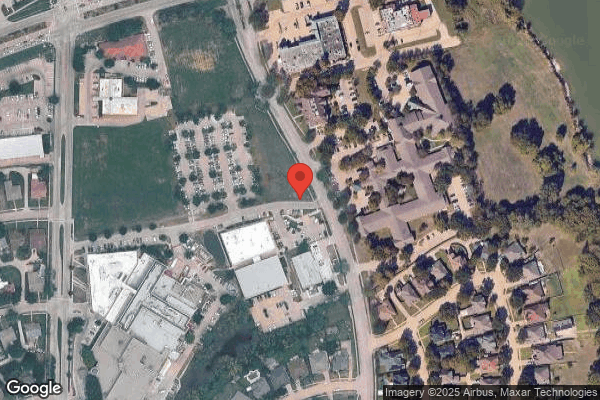
6700 HERITAGE PARKWAY, ROCKWALL, TX 75087 (972) 412-4000
For profit - Corporation 190 Beds THE ENSIGN GROUP Data: November 2025 2 Immediate Jeopardy citations
Trust Grade
26/100
#413 of 1168 in TX
Last Inspection: August 2024

Within standard 12-15 month inspection cycle. Federal law requires annual inspections.

Overview

Beacon Harbor Healthcare and Rehabilitation has received a Trust Grade of F, indicating significant concerns about the quality of care provided. They rank #413 out of 1168 nursing homes in Texas, placing them in the top half, but only #4 out of 5 in Rockwall County, meaning there is only one local option rated higher. The facility is on an improving trend, having reduced issues from 15 in 2023 to 11 in 2024, but the overall Trust Score of 26 out of 100 reflects ongoing challenges. Staffing is a relative strength with a turnover rate of 38%, which is below the Texas average, but there is less RN coverage than 76% of facilities, raising concerns about adequate medical supervision. Recent inspector findings highlight serious issues, including a critical incident where a resident fell and suffered multiple fractures during a transfer that lacked proper assistance, and another case where a resident left the facility unsupervised, posing a risk of serious harm. While the facility has made efforts to improve, these incidents, alongside $29,521 in fines, indicate that families must weigh both strengths and weaknesses when considering care options.

Trust Score
F
26/100
In Texas
#413/1168
Top 35%
Safety Record
High Risk
Review needed
Inspections
Getting Better
15 → 11 violations
Staff Stability
○ Average
38% turnover. Near Texas's 48% average. Typical for the industry.
Penalties
✓ Good
$29,521 in fines. Lower than most Texas facilities. Relatively clean record.
Skilled Nurses
⚠ Watch
Each resident gets only 17 minutes of Registered Nurse (RN) attention daily — below average for Texas. Fewer RN minutes means fewer trained eyes watching for problems.
Violations
⚠ Watch
27 deficiencies on record. Higher than average. Multiple issues found across inspections.
★★★☆☆
3.0
Overall Rating
★★★☆☆
3.0
Staff Levels
★★★★☆
4.0
Care Quality
★★★☆☆
3.0
Inspection Score
Stable
2023: 15 issues
2024: 11 issues

The Good

  • 4-Star Quality Measures · Strong clinical quality outcomes
  • Full Sprinkler Coverage · Fire safety systems throughout facility
  • No fines on record
  • Staff turnover below average (38%)

    10 points below Texas average of 48%

Facility shows strength in quality measures, fire safety.

The Bad

3-Star Overall Rating

Near Texas average (2.8)

Meets federal standards, typical of most facilities

Staff Turnover: 38%

Near Texas avg (46%)

Typical for the industry

Federal Fines: $29,521

Below median ($33,413)

Moderate penalties - review what triggered them

Chain: THE ENSIGN GROUP

Part of a multi-facility chain

Ask about local staffing decisions and management

The Ugly 27 deficiencies on record

2 life-threatening 1 actual harm
Dec 2024 3 deficiencies
CONCERN (D) 📢 Someone Reported This

A family member, employee, or ombudsman was alarmed enough to file a formal complaint

Potential for Harm - no one hurt, but risky conditions existed

Safe Environment (Tag F0584)

Could have caused harm · This affected 1 resident

**NOTE- TERMS IN BRACKETS HAVE BEEN EDITED TO PROTECT CONFIDENTIALITY** Based on observation, interview, and record review the facility failed to the resident had a right to a safe, clean, comfortable...

Read full inspector narrative →
**NOTE- TERMS IN BRACKETS HAVE BEEN EDITED TO PROTECT CONFIDENTIALITY** Based on observation, interview, and record review the facility failed to the resident had a right to a safe, clean, comfortable and homelike environment, including but not limited to receiving treatment and supports for daily living safely for one (Resident#1) of four reviewed for environment. The facility failed to ensure Resident #1's sheets were clean and free of any stains. This failure could place residents at risk for a reduced quality of life and unsanitary and hazardous living conditions. Findings included: Record review of Resident #1's Face Sheet printed 12/04/2024, reflected a [AGE] year-old female who was admitted to the facility initially 06/02/2022 and readmitted on [DATE] and 12/11/2022 with diagnoses to include but not limited to Dementia, unspecified severity without behavioral disturbance, psychotic disturbance, mood disturbance (term used to describe a group of symptoms affecting memory, thinking and social abilities), high blood pressure and heart failure. Record review of Resident #1's quarterly l MDS, dated [DATE], reflected a BIMS score of 10 which indicated moderate cognitive impairment. Record review of Resident #1s care plan revised 06/15/2024reflected, Resident #1 at risk for impaired cognitive function/dementia or impaired thought processes regarding UNSPECIFIED DEMENTIA WITHOUT BEHAVIORAL DISTURBANCE. Intervention included: COMMUNICATION: Identify yourself at each interaction. Face when speaking and make eye contact. Reduce any distractions- turn off TV, radio, close door etc. Use simple, directive sentences. Provide with necessary cues- stop and return if agitated. Engage in simple, structured activities that avoid overly demanding tasks. Observation and interview on 12/04/2024 at 1:30PM with Resident #1 revealed the sheets on the bed were largely stained with a light brown substance that appeared to be food. Resident #1 stated she may have spilled something a few days ago and the sheets were not changed. Resident #1 stated she would have liked to have the sheets changed on the bed however staff had not done it yet. Resident #1 stated maintenance was supposed to change out her mattress today(12/04/2024) and had come in the room to look at the mattress but had not returned with the mattress yet. Interview on 12/04/2024 at 2:40PM with CNA A revealed she worked the hall for Resident #1's room however she did not change the sheets. CNA A stated she did not notice that the sheets needed to be changed. CNA A stated the sheets were typically changed on shower days or as needed. Interview on 12/04/2024 at 4:16PM with the Director of Nursing revealed CNA's or any staff who noticed that bed linens needed to be changed were able to do so. The Director of Nursing stated there had not been issues with bed linens being changed in the facility. The Director of Nursing stated Resident #1 did have dementia and may not have been aware of timeframes however he was not disregarding her concerns. The Director of Nursing stated Resident#1 received a new mattress today (12/04/2024) and the sheets were changed after she got the new mattress. Review of the facility policy Resident Rights dated amended July 13, 2017, revealed You have a right to a safe, clean, comfortable and homelike environment, and use of your personal belongings to the extent possible, including but not limited to receiving treatment and supports for daily living safely.
CONCERN (D) 📢 Someone Reported This

A family member, employee, or ombudsman was alarmed enough to file a formal complaint

Potential for Harm - no one hurt, but risky conditions existed

Deficiency F0657 (Tag F0657)

Could have caused harm · This affected 1 resident

**NOTE- TERMS IN BRACKETS HAVE BEEN EDITED TO PROTECT CONFIDENTIALITY** Based on interview and record review, the facility failed to ensure the comprehensive care plan was reviewed and revised by the ...

Read full inspector narrative →
**NOTE- TERMS IN BRACKETS HAVE BEEN EDITED TO PROTECT CONFIDENTIALITY** Based on interview and record review, the facility failed to ensure the comprehensive care plan was reviewed and revised by the interdisciplinary team after each assessment including both the comprehensive assessment and quarterly review assessments for one (Resident #1) of four residents were reviewed for comprehensive care plans. The facility failed to ensure the interdisciplinary team revised and reviewed Resident #1's care plan quarterly. This failure could affect residents by placing them at risk for not having their individual needs met. Findings included: Record review of Resident #1's Face Sheet printed 12/04/2024, reflected a [AGE] year-old female who was admitted to the facility initially 06/02/2022 and readmitted on [DATE] and 12/11/2022 with diagnoses to include but not limited to dementia, unspecified severity without behavioral disturbance, psychotic disturbance, mood disturbance ( term used to describe a group of symptoms affecting memory, thinking and social abilities), high blood pressure and heart failure. Record review of Resident #1's quarterly l MDS, dated [DATE], reflected a BIMS score of 10 which indicated moderate cognitive impairment. Record review of Resident #1s care plan revised 06/15/2024reflected, Resident #1 at risk for impaired cognitive function/dementia or impaired thought processes regarding UNSPECIFIED DEMENTIA WITHOUT BEHAVIORAL DISTURBANCE. Intervention included: COMMUNICATION: Identify yourself at each interaction. Face when speaking and make eye contact. Reduce any distractions- turn off TV, radio, close door etc. Use simple, directive sentences. Provide with necessary cues- stop and return if agitated. Engage in simple, structured activities that avoid overly demanding tasks. Review of Resident #1's care plan conference revealed the last care plan was held 5/03/2024. Interview on 12/04/2024 at 3:05 PM with the social worker revealed care plan conferences were held quarterly. She stated she did reach out to Resident #1's family member today (12/04/2024) to schedule the care plan meeting however the family member was not available for a meeting until after Christmas. The Social worker stated she had not contacted the family member prior to today (12/04/2024) to schedule the meeting. The Social worker stated the electronic system the facility was using had not prompted her that the care plan was due. The Social Worker stated she had known the care plan meeting was due for about 3 weeks. The Social Worker stated she did could not say whether or not there was a risk to the resident due to the care plans not being completed because staff see the residents on a regular basis however, she was aware that the care plan conference has to be done quarterly. Interview on 12/04/2024 at 4:16PM with the Administrator revealed the care plan had not been updated due to the electronic system not informing staff that the care plan was due. The Administrator stated this was the first time the system had failed and now the Social Worker was auditing resident files to ensure care plans were up to date. The Administrator stated the care plan was a formal setting in which family and residents had the opportunity to voice concerns however residents were asked daily about needs. The Administrator stated the care plan conference was a formality and resident care did not lack due to a care plan conference not being held. Review of the facility care plan policy Policy / Procedure - Nursing Administration, Subject -Comprehensive Person-Centered Care Planning revised 05/2021 revealed The resident's comprehensive plan of care will be reviewed and/or revised by the IDT after each assessment as indicated.
CONCERN (D) 📢 Someone Reported This

A family member, employee, or ombudsman was alarmed enough to file a formal complaint

Potential for Harm - no one hurt, but risky conditions existed

Medical Records (Tag F0842)

Could have caused harm · This affected 1 resident

**NOTE- TERMS IN BRACKETS HAVE BEEN EDITED TO PROTECT CONFIDENTIALITY** Based on interview and record review, the facility failed to maintain clinical records in accordance with accepted professional ...

Read full inspector narrative →
**NOTE- TERMS IN BRACKETS HAVE BEEN EDITED TO PROTECT CONFIDENTIALITY** Based on interview and record review, the facility failed to maintain clinical records in accordance with accepted professional standards and practices that are complete and accurately documented for 1 (Resident #2) of 4 residents reviewed for accuracy of medical records. The facility failed to ensure the nursing notes accurately reflected Resident #2's condition. The nursing notes dated 08/17/2024 indicated the resident had old bruises to the bilateral upper arms, chest area and knees that were old however those bruises were new following the fall on 08/17/2024. These failures could place residents at risk for medication and /or treatment errors and omissions in care. Findings included: Review of Resident #2's electronic face sheet printed 12/04/2024 revealed a 84 year- old female admitted to the facility initially on 03/30/2023 and re admitted on [DATE] with diagnoses that included but not limited to dementia(term used to describe a group of symptoms affecting memory, thinking and social abilities), Stroke(when the blood supply to part of the brain is blocked or reduced.), and Parkinson(a movement disorder of the nervous system that worsens over time.) Review of Resident #2's care plan revised 6/28/2024 Has had an actual fall with No Injury, regarding Poor Balance, Poor communication/comprehension, Unsteady gait Falls:1/6/24, 2/15/24, 04/27/24 and 06/25/24, intervention included - Neuros initiated, therapy screen. Resident educated on call light and asking for assistance when needed, Resident redirected and educated to use walker to ambulate. Resident and staff educated to ensure w/c are locked during transfers, Monitor/document /report to medical doctor for signs/symptoms: Pain, bruises, change in mental status, new onset: confusion, sleepiness, inability to maintain posture, agitation. Review of Resident #2's quarterly MDS dated [DATE] revealed a BIMS of 07 which indicated mild cognitive impairment. Review of Resident #2's incident report authored by LVN B dated 08/17/2024 revealed Resident was assisted back in bed x 2 staff members, assessment done, skin warm and dry to touch, old bruises noted to Bilateral upper arms, chest area and knees. bed in the lowest position, fall mat in place, resident brought to nurse's station for close observation, Resident educated to call for assistance, Call placed to [Hospice} and notified [family member] of the fall. [director of nursing], [doctor] and [family member]. Review of Resident #2's incident report dated 08/12/2024 authored by LVN C revealed - Nursing description- CNA [name] told writer that resident was sitting on the floor. Went in room and resident was up from the floor and walking in. Assessment performed ROM on all extremities, scratch on right arm, vital signs 137/61, 88, 18, 97%, 98.2. NP.Description: Assessment performed ROM on all extremities, scratch on right arm, first aide given, vital signs 137/61, 88, 18, 97%, 98.2. Neuro checks initiated. Resident educated to use the call light system for help, therapy screen, resident brought to the nurse's station for close monitoring. Injury type- no injury observed at the time of the incident. No injures observed post incident. Review of Resident #2's incident report dated 8/11/2024 authored by LVN D Resident Nurse heard uh [sic] nurse's station, stand up to see and saw resident lying on the floor in front of nurse's station.Nurse went to see the noise and notice resident is on the floor, Head to toe assessment completed, no physical injury noted. Pull up by nurse and walk her down to her room. DON, hospice, MD notified, RP Sunny called and informed also. Neuro checks initiated. Resident is non- complaint with instruction but educated to use walker and to ask for assistance, therapy screen, medications reviewed. No injures noted at the time of the incident. No injuries observed post incident. Review of nursing note dated 8/12/2024 authored by LVN E revealed post fall neuro checks in progress, no injury noted, resident denied any pain, sitting at nursin station at lunch time, took all her prescribed meds without any issues. Review of the skin assessment dated [DATE] revealed document all ulcers, wounds, and other skin problems- Bruising BUE d/t recent fall. Review of the skin assessment dated [DATE] revealed document all ulcers, wounds, and other skin problems- no new skin issues noted. Review of the skin assessment dated [DATE] revealed document all ulcers, wounds, and other skin problems- no new skin issues noted. Review of the skin assessment dated 08/02/ 2024 Review of the skin assessment dated [DATE] revealed document all ulcers, wounds, and other skin problems- bruises on face from post fall, no new skin issues noted. Attempted call to LNV B on 12/04/2024 at 4:00PM was unsuccessful. Interview on 12/04/2024 at 4:16 PM with the Director of Nursing and administrator revealed the Director of nursing stated LVN B completed the nursing notes and incident report incorrectly and the notes should have indicated that bruises to the bilateral upper arms, chest and knees were new. The Administrator stated he could not say if there was a risk to residents or not if documentation was not correct and followed up. The administrator stated there could have been an issue however documentation was not a end all be all. A policy regarding documentation was requested from the administrator and Director of Nursing on 12/04/2024 at 3:20PM however was not provided prior to exit.
Aug 2024 5 deficiencies 1 IJ
CRITICAL (J) 📢 Someone Reported This

A family member, employee, or ombudsman was alarmed enough to file a formal complaint

Immediate Jeopardy (IJ) - the most serious Medicare violation

Accident Prevention (Tag F0689)

Someone could have died · This affected 1 resident

**NOTE- TERMS IN BRACKETS HAVE BEEN EDITED TO PROTECT CONFIDENTIALITY** Based on observations, record reviews and interviews, the facility failed to ensure the resident environment remains as free of ...

Read full inspector narrative →
**NOTE- TERMS IN BRACKETS HAVE BEEN EDITED TO PROTECT CONFIDENTIALITY** Based on observations, record reviews and interviews, the facility failed to ensure the resident environment remains as free of accident hazards as is possible and that residents received adequate supervision to prevent accidents for one (Resident #139) resident of three residents reviewed for assisted transfer. The facility failed to ensure on 02/01/2024 PT K used the Hoyer lift ( mechanical/patient lift designed to assist caregivers move patients from one place to another) correctly, attach the Hoyer lift sling pad and condcuted with assistance of a second person as care planned, when he transferred Resident #139 from his wheelchair to the bed. On 02/01/2024 Resident #139 fell from the Hoyer lift sling pad while in use fracturing the right clavicle (right shoulder), right femoral neck (hip), right proximal tibia fracture (long bone in the right lower leg) and sustained an intraventricular hemorrhage (bleeding into the brain). The noncompliance was identified as PNC (past non-compliance). The Immediate Jeopardy(IJ) began on 02/01/2024 and ended on 02/03/2024. The facility had corrected the noncompliance before the survey began. The failures placed residents at risk for harm and/or serious injury, hospitalization, a decline in health, and death. Findings included : Record review of Resident #139's quarterly MDS assessment, dated 04/25/2024 reflected the Resident was a [AGE] year-old-male who admitted to the facility on [DATE] and discharged on 05/07/2024. The resident had diagnoses which included: Diabetes (increased blood sugar), dialysis (kidneys do not function have to have machine to cleanse blood), osteoporosis (brittle bones), left above knee amputation (leg missing from above the knee downward) and Protein malnutrition (poor nutrition). The MDS reflected he had a BIMs score of 12, which indicated moderate cognitive impairment and the resident was dependent on two or more staff members to transfer him from bed to wheelchair. Record review of Resident #139's care plan, dated with a review/revise date of 06/13/2022, addressed the resident's activities of daily living needs, requiring mechanical aide for transfers for chair/bed transfers (requiring two staff), and risk for falls and assistance required for activities of daily living. Further review of the clinical record reflected, the care plan was updated quarterly, addressing the transfer bed/chair needs requiring mechanical assistance and two staff members, until discharge on [DATE]. Record review of Resident #139's Fall Risk Assessment completed 06/09/2022 and quarterly thereafter scored Resident #139 as high risk. Further review of the clinical record reflected on 02/06/2024 a follow-up fall risk assessment was completed after hospitalization; Resident #139 was still a high risk for falls. Record review of the Provider Investigation Report, dated 02/02/2024 and completed on 02/07/2024, revealed Resident #139 was total assist for activities of daily living and had fallen during a Hoyer lift transfer with the Physical Therapist K on 02/01/2024 at approximately 4:00 p.m. Resident #139 had been transferred by PT K without any assistance from other staff and the PT knowingly attached the Hoyer lift sling/pad incorrectly. The transfer resulted in Resident #139's injuries: 1) right distal clavicle fracture, 2) the right proximal tibia fracture, 3) right intertrochanteric femoral neck fracture, and 4) intravascular hemorrhage of the brain. Resident #139 had to be transferred from the local ER to a larger hospital for further evaluations of his injuries. The Provider Investigation Report reflected a finding of confirmed (incident). The facility suspended the physical therapist and then later terminated,due to the PT admited he did not follow the policy for mechanical transfer (Hoyer lift). The facility started an in-service on fall prevention, transfer, and abuse/neglect policy and procedure with all staff and conducted competencies for mechanical lift training, Hoyer lift competency check off, and transfer training with a gait belt, was performed on all staff who transfer residents prior to returning to care with all staff. Review of the Provider Investigation Report dated 02/01/2024 and completed on 02/07/2024, reflected a finding of substantiated for an incident based on the Physical Therapist's interview. The physical therapist in the interview admitted the Hoyer lift transfer of Resident #139 was conducted without following policy of the facility, including two staff members for the transfer, and attaching the Hoyer lift pad/slip correctly. Review of the External/Internal/Systemic Approach Investigation Summary dated 02/02/2024 completed on 02/07/2024 reflected: There was an emergency QAPI meeting was held on 02/02/2024 with Medical Director in attendance. The meeting concluded all residents had a safe survey interview completed with BIMs score greater than 10 (no concerns about transfers noted), staff interview initiated, facility inspected lift sling and equipment to check for failure. (No failures of equipment or sling were identified), in-services began on all staff that care directly for residents, concerning Hoyer lift transfer, gait belt transfers, falls, abuse, and neglect. Who was responsible for in-servicing: Nurse Management. Who will monitor: Regional Director of Clinical Services/Director of Nursing. In additional meeting the QAPI decided, The Nursing Administration, including the ADON and DON will randomly select five staff for Hoyer lift transfers demonstration each week to continue since February 2024. The DON will monitor for compliance for 8 weeks and then on 04/02/2024 QAPI decided to continue the five employee's observation of transfer training a week ongoing basis. This training is including new hires, CNAs, Nurses, MAs, and therapists. Who will monitor: The Administrator will continue to monitor and oversee the training by reviewing with the DON the weekly trainings in the morning meeting. Resident care plans will be reviewed and updated about the transfer needs. Audits will be ongoing basis and compiled into a binder that the DON maintains. The binder was reviewed with the DON and the Surveyor. Further review of the Provider Investigation Report reflected monitoring and audits by the designated staff (the DON and Nurse Managers) had occurred. Record review of the nursing progress notes reflected on 02/01/2024, the PT reported to and doucmeneted by RN L at approximately 4:30 p.m. that Resident #139 had slipped from the Hoyer lift during a transfer. RN L observed Resident #139 in the room lying on the floor, next to the bed with a pillow under his head. The RN assessed the resident due to complaint of pain to his bilateral (both) hips, right toe, right temporal mandibular joint (right cheek), and right shoulder. The RN called the family and the physician ordered x-rays. Further review of the progress note reflected Resident #139's x-rays results at 5:46 p.m. were questionable for a right distal fracture and proximal tibia fracture, positive for right intertrochanteric femoral neck fracture, and right clavicle fracture. The physician was notified of the results of the x-rays, orders were given to transfer the resident to the local hospital. The family was notified of the results and the transfer to the hospital. Record review of the nursing progress notes dated 02/06/2024, at aporximalty 2:20 p.m. documented by RN L reflected Resident #139 on 02/06/2024 returned from the hospital with a right hip fracture and right shoulder fracture. Orders noted for Physical Therapy, Occupation therapy, and Speech therapy. Resident #139 remained a total assist for transfer with two staff members using a Hoyer lift. In an interview on 08/20/2024 with PT K at 9:30 a.m. revealed PT K knowingly with no assistance from another staff member, transferred Resident #139 using the Hoyer lift. PT K stated no other staff was asked to assist with the Hoyer lift transfer. PT K stated there was plenty of staff and a CNA assigned to Resident #139. PT K stated the Hoyer lift sling pad was not hooked appropriately, the sling pad was not fully clipped to the sling loop onto the lift hook, causing the loop to slip off. The sling pad became undone, and the resident slipped out and was eased to the floor. PT K could not explain if the resident was eased to the floor how so many injuries had occurred. PT K stated that Resident #139 hit the floor hard. The PT stated a pillow was placed under the resident's head and the nurse was informed. PT K admitted to knowing and understanding that the facility policy and the training specified that lift transfers required at least two staff, but he did not offer any reason as to why he did not follow policy for a safe transfer. PT K stated he could not come back until the investigation was completed. PT K stated he made a very poor decision, but it was an accident. PT K stated the facility terminated his position in the facility. The PT stated he was a four-year degreed PT with a doctorate degree and he knew the importance of a safe Hoyer lift transfer. The PT stated in-services were given concerning Hoyer lift transfer and how to appropriately perform them, by PT K, at this facility. An observation on 08/20/2024 at 11:00 a.m. revealed Resident #140 was transferred by Hoyer lift. CNA M and CNA N transferred Resident #140 appropriately to the wheelchair with no pain or anxiety related to the resident. CNA M and CNA N both stated there had been multiple in-services on Hoyer lift transfers, including appropriately securing the lift sling/pad. Both CNAs stated they had been tested after the training and one of the CNAs stated there was random competency testing. In an interview on 08/20/2024 with RN L at 1:45 p.m. revealed the PT came and reported Resident #139 had slipped out of the Hoyer lift , while being transferred. The RN stated there was no other staff in the room when Resident #139 was being assessed for injuries. The family and the physician were notified, x-rays were ordered, and the result of the x-rays indicated there were fractures to the shoulder and possible tibia and possible hip, all on the right side. Resident #139 was sent to the hospital when the results of the x-ray came back. RN L stated PT K stated Resident #139 was transferred in the Hoyer lift by the PT with only one person and the sling/pad had come undone and the resident had slid out of the Hoyer lift onto the floor. Resident #139 was hurting all over and denied hitting his head. RN L stated when a resident had a fall the resident was assessed, and the physician and responsible party were informed. They followed physician's orders and then reassessed according to the physician's orders and the injures. The RN stated the ADON, and the DON would be notified when a resident had a fall and had to go to the hospital. The RN sated the entire staff had to have the transfer in-service concerning gait belts and Hoyer lifts before working on the floor after Resident #139 fell from the Hoyer lift. The RN stated the facility had in-serviced the entire care staff and the therapists, and the facility had continued to randomly select staff and have them Hoyer lift transfer a resident or another staff member. In an interview on 08/22/24 at 10:00 a.m. with the DOR revealed the PT had been trained on all transfer methods including the use of the Hoyer lift. The PT had even given in-services concerning the Hoyer lift and how to transfer a resident safely and appropriately. The DOR could not recall how long ago. The DOR stated the PT had worked at the facility for 7 years as a Physical Therapy Assistant, then got accepted into therapy school completed and gotten his doctorate and passed the board. The DOR stated it was shocking to hear how the PT had transferred Resident #139. In an interview on 08/22/2024 with the DON at 4:00 p.m. revealed the RN had contacted the physician and the responsible party when Resident #139 had fallen. The x-rays were positive for injuries and the investigation was started by the Administrator and DON. The DON stated the PT admitted to inappropriately transferring the resident and not following the company policy for Hoyer lift transfer. The resident's family was contacted, and the family had decided to bring the resident back to the facility as they were satisfied with how the facility had conducted the investigation and the outcome. The DON stated the PT had been trained on the policy and procedure for Hoyer lift transfers and had even given some of the in-services at the facility. In an interview on 08/22/2024 with the Administrator at 4:15 p.m. revealed the staff had all been in-serviced on Hoyer lift transfers, gait belt transfer, and abuse and neglect starting on 02/02/2024 and the in-services continued for the nursing and therapy departments given by the DON and ADON with competency testing. The DON and ADON choose five different staff off different shifts during the week to perform Hoyer lift testing. He stated the Quality Assurance team decided in April 2024 to continue with that part of the plan. The Administrator stated the PT had been suspended on 02/01/24 and had immediately been dismissed, as soon as the injuries were verified. The PT admitted completing the Hoyer lift transfer and not following the company policy of always having two staff and using appropriate safety concerning the Hoyer lift sling pad. The Administrator stated the staff had been in-serviced on safe transfers and the expectations of the Administrator. In an interview on 08/23/2024 at 1:00 p.m. with LVN O revealed Resident #139 had been on the rehab hallway. LVN O stated Resident #139 was a very pleasant man, who had originally admitted to the facility to get stronger and learn to use a sliding board since his left leg was an above the knee amputation. Resident #139 did not accomplish the sliding board safely and then had to be transitioned to a Hoyer lift transfer and remained a Hoyer lift transfer the entire stay at the facility. The resident was not on the rehab hallway the entire time. LVN O stated after the fall occurred the entire direct care staff had been in-serviced with competency testing on different types of transfers to include Hoyer lifts. The Hoyer lift required two staff members, it always had. The LVN stated the testing continued by the DON and ADON even now for Hoyer lift transfers, to make sure the staff understood the safety measures and always had two staff members, as well appropriate use of the lift sling pads. The LVN stated it was shocking that the PT had not gotten assistance to transfer Resident #139. In an interview on 08/22/2024 at 3:30 p.m. with the Medical Director revealed the facility had been contacted when Resident #139 had fallen and had serious injuries. The Medical Director stated there was a QAPI meeting the next day and was plan was put into place to educate and prevent a similar incident from happing again. The PT was terminated, and it was suggested that the PT be referred, which is in agreement. The Medical Director stated the facility was very good about communicating to him concerning changes of conditions with the residents. Review of the incident and accident logs dated 01/01/2024 through 08/20/2024 reflected no other incident /accidents related to the Hoyer lift transfers. Resident #139 had no other incidents or accidents related to transfer with a Hoyer lift. Review of an in-service dated 02/02/2024 reflected all staff attended and the subject matter was regarding the facility policy on falls, Hoyer lift transfers, and gait belt transfers with the competency testing for each transfer by each individual staff member. Further review reflected additional continued random testing one time a week for random selected staff for Hoyer lift transfers and education. Review of the Facility's Policy titled Hoyer Lift revised and dated May 2024 reflected: It is the policy of this facility that the Hoyer lift will be utilized for resident transfers only. It will not be used to transport resident to another location. Assistance of two personnel will be used with Hoyer Lift Equipment . Hoyer lift , Hoyer Lift sling 6. Position seat sling .8. Attach S/hooks of the lift to the holes in the Hoyer sling. Insert hooks away from the resident to outside of sling .9. Count links to be sure there are the same number on each side. Check to see that S/hooks are hooked all the way into the loops and that the sling is closed to the knees for safety .11. Check S/hooks to makes are properly positioned
CONCERN (D)

Potential for Harm - no one hurt, but risky conditions existed

Infection Control (Tag F0880)

Could have caused harm · This affected 1 resident

**NOTE- TERMS IN BRACKETS HAVE BEEN EDITED TO PROTECT CONFIDENTIALITY** Based on observation, interview, and record review the facility failed to establish and maintain an infection prevention and con...

Read full inspector narrative →
**NOTE- TERMS IN BRACKETS HAVE BEEN EDITED TO PROTECT CONFIDENTIALITY** Based on observation, interview, and record review the facility failed to establish and maintain an infection prevention and control program designed to provide a safe, sanitary, and comfortable environment and to help prevent the development and transmission of communicable diseases and infections for 3 (CNA M, CNA P, and CNA Q) of 3 staff members for infection control procedures. CNA M, CNA P and CNA Q failed to perform hand hygiene after direct contact with Residents #3, #31, and #76 while serving meals on the hallways. This failure could place residents at risk for healthcare associated cross contamination and infections. Findings included : Record review of Resident #3's annual MDS assessment, dated 06/21/2024, revealed a [AGE] year-old female who was admitted to the facility on [DATE]. Resident #3 had diagnoses which included: Dementia (brain disease that effects memory), Parkinson's Disease (uncontrollable or unintended movements), and atrial fibrillation (irregular heartbeat). Resident #3 was cognitive and able to make decisions and required assistance of one staff for activities of daily living. Record review of Resident #31's annual MDS Assessment, dated 06/16/24, revealed an [AGE] year-old female who was admitted to the facility on [DATE]. Resident #31 had diagnoses which included: dementia (brain disease that effects memory), hypertension (increased blood pressure), and chronic venous peripheral insufficiency (blood pooling in the legs). Resident #31 was still cognitive and required one staff for assistance with activities of daily living. Record review of Resident #76's annual MDS Assessment, dated 01/22/24, revealed an [AGE] year-old female who was admitted to the facility on [DATE]. Resident #76 had diagnosis which included: Dementia (brain disease that effects memory), Hyperlipidemia (high cholesterol), hypertension (high blood pressure), and hypothyroidism (low thyroid level). Resident #76 was moderately impaired for cognition and required one staff for assistance with activities of daily living. Observation on 08/20/24 at 12:16 p.m., revealed CNA M, walked up with the lunch tray cart, and served a lunch tray to Resident #3. CNA M entered Resident #3's room touched, and moved the overbed table in the resident's room, opened the lid of Resident #3's meal tray, setting up the meal to tray for the resident to eat the lunch. CNA M did not have on gloves. CNA M was observed to not wash her hands or use hand sanitizer, available in the hallway prior to getting the next tray for another resident. Observation on 08/20/24 at 12:17 p.m., revealed CNA P entered Resident's #76's room with the lunch tray. CNA P set up the resident's lunch tray, adjusted the overbed table, unwrapped the utensils, and removed the tops off drinks. CNA P did not complete hand hygiene after leaving Resident #76's room. CNA P returned to the tray cart to get a tray for another resident. Observation on 08/21/24 at 12:12 p.m., revealed CNA Q had rolled the meal cart up the hallway to Resident #31's room. CNA Q served a lunch tray in Resident #31's room. CNA Q set up the resident's lunch tray, adjusted the overbed table, unwrapped the utensils, and removed the tops off the drinks. CNA Q did not complete hand hygiene before serving or after leaving Resident #31's room. CNA Q returned to the tray cart to get a tray for another resident. An interview on 08/21/24 at 12:33 p.m., with CNA M revealed she was aware she had not performed hand hygiene after direct contact with residents, during the lunch meal service on 08/20/2024. CNA M stated the staff was supposed to use the hand sanitizer in between serving each tray or wash their hands with soap and water. CNA M stated there had been an in-service given on hand washing and infection control. CNA M stated the in-service was given recently on using hand sanitizer, wearing gloves, and washing hands including return demonstration. CNA M stated, she had just forgotten to sanitize her hands. The CNA stated if hands were not washed and sanitized, or hand gel was used it could spread germs. An interview with the DON on 08/22/24 at 9:00 a.m., revealed that all staff must complete hand hygiene after having contact with residents. The CNAs were trained to wash their hands with soap and water prior to tray service, then use hand sanitizer between each tray and wash hands upon completion. The DON stated if the CNAs do not use appropriate hygiene, they can spread germs to the residents and themselves. Record review of an undated in-service log revealed CNA M, CNA P, and CNA Q received handwashing and hand sanitizing training, to prevent the spread of infection. Further review of in-service logs revealed an in-service conducted on 07/15/2024 reflected: when passing trays in the hallways, sanitize after going in every room , that CNA M, CNAP, and CNA Q had received the in-service. Record review of the Facility's Policy titled Hand Hygiene August 2014 reflected: the facility considers hand hygiene the primary means to prevent the spread of infecitons.1. All personnel shall be trained on the importance of hand hygiene in preventing the transmission of healthcare-associated infections Wash hands with soap . water .a. when hands are visibly soiled . b. after contact with a resident with infectious . 4. use alcohol-based hand rub c . or alternative soap . and water b. before and after direct contact with residents . l. after contact with objects in the immediate vicinity of the resident; . o. before and after eating or handling food .
CONCERN (E) 📢 Someone Reported This

A family member, employee, or ombudsman was alarmed enough to file a formal complaint

Potential for Harm - no one hurt, but risky conditions existed

Deficiency F0583 (Tag F0583)

Could have caused harm · This affected multiple residents

**NOTE- TERMS IN BRACKETS HAVE BEEN EDITED TO PROTECT CONFIDENTIALITY** Based on observation, interview, and record review, the facility failed to ensure personal privacy during incontinent care for 4...

Read full inspector narrative →
**NOTE- TERMS IN BRACKETS HAVE BEEN EDITED TO PROTECT CONFIDENTIALITY** Based on observation, interview, and record review, the facility failed to ensure personal privacy during incontinent care for 4 (Residents#78,#71,#38, and #3) of 15 residents reviewed for privacy. The facility failed to ensure Residents#78,#71,#38, and #3 were not put at risk of being exposed to view from the outside of the facility and to other windows of the facility during incontinent care or getting dressed. This failure could place other residents at risk for embarrassment and loss of self-esteem and dignity. Findings included: Review of the admission Record indicated Resident #78 was [AGE] years old female admitted on [DATE]. Review of the MDS assessment dated [DATE] indicated Resident #78 had diagnoses of cerebral vascular accident (stroke) and generalized muscle weakness and was dependent on staff for toileting, and hygiene. During an observation on 08/20/24 at 1:16 p.m., revealed Resident #78 was observed receiving incontinence care by LVN C. Resident #78's bed was located beside a window that had vertical blinds with slats. The blinds were missing multiple slats, leaving large areas where the resident could be visible to anyone outside the building, or anyone looking out the windows of the part of the building facing directly across from Resident #78's room. The window itself did not have a curtain. The privacy curtain had been pulled in the middle of the room to provide privacy between roommates and to block the view of anyone entering the room. The privacy curtain did not block the view of the window. Resident #78 was observed being turned on her left side with the complete back part of her body unclothed and facing the window. In an interview on 08/20/24 at 01:20 p.m., with LVN C, when asked about the gapping blinds in Resident #78's room, the incontinence care that he had just provided, and the lack of resident privacy, LVN C stated, Of course, privacy was going to be a concern and that it could have negatively affected the resident. He reported all staff were responsible for ensuring the privacy of residents during personal care. In an interview on 08/20/24 at 01:22 p.m., Resident #78 stated she had difficulty with her vision and had not been able to tell that the blinds did not cover the window. She reported that made her feel uncomfortable. In an interview on 08/20/24 at 01:25 p.m., CNA B reported that she had worked at the facility for 1 year. She reported that staff had knocked on residents' doors and utilized the privacy curtains in the rooms to protect residents' privacy. She stated that window blinds were broken throughout the facility. She stated that if someone had walked by the window while a resident had been changed, it was very concerning for privacy. She stated staff had tried to use the curtains. She reported she had reported the broken blinds to maintenance a month or two ago. She stated that some residents had received better blinds (the horizontal blinds), but that many of them had not. In an interview and observation on 08/20/24 at 01:13 p.m., Resident #3 stated that her blinds had been broken since her admission two years ago. She stated she had submitted a request to the DON that they be fixed but did not know the exact date. The lateral blinds were observed to have approximately 13 slats which were not enough to fully cover the window. The window did not have a curtain. Resident #3 stated anyone could see in the window. She reported the window showed into the dining room across the way. She was noted with a privacy curtain in her room but stated she did not use it. She stated she turned off the lights when she needed to change clothes. She was noted with a roommate. She stated, you don't like to have people looking in on you and you can't tell. In an interview and observation on 08/20/24 at 01:25 p.m., Resident #38 stated he had lived at the facility for 7 years. The lateral blinds in his room (approximately20 individual slats) did not cover the entire window at their widest. The window did not have a curtain. The window directly faced the parking lot. He reported he was legally blind and was not aware of that. He stated he always wore a hospital gown. He stated he was not aware of the privacy issue. He laughed and stated, I hope I gave them a good show! The privacy curtain that was in use was providing privacy between him and his roommate. In an interview on 08/20/24 at 05:20 p.m., MA A stated he had worked at the facility for 8 years. He reported that when providing personal care, the curtain should be drawn, and the blinds should be closed to protect residents' privacy. In an interview on 08/20/24 at 05:25 p.m, CNA D reported she had worked at the facility for 3 weeks. She stated that to protect the privacy of residents the blinds needed to be closed and a curtain could also be used to block the resident from any roommates and anyone coming in the room during personal care. She reported that providing privacy was a dignity issue. In an interview on 08/20/24 at 05:40 p.m., LVN E reported that the windows needed to be covered to provide residents with privacy for personal care. She reported that not providing privacy could result in resident embarrassment. In an interview on 08/20/24 at 05:50 p.m., CNA F stated she had worked at the facility for ten months. She reported that to protect the privacy of residents, staff closed the blinds, pulled the curtain, and shut the door prior to providing any personal care. In an interview on 08/21/24 at 12:00 p.m., DON reported he expected staff to have closed the blinds or used the privacy curtain hanging from the ceiling when they provided residents with personal or incontinence care. He reported that failure to do that could affect the residents' privacy and dignity but that it would depend on the situation, noting that some residents' windows faced a brick wall. He reported that all staff were responsible for maintaining the privacy of residents. He stated the facility was currently under construction and that there was a plan to replace the blinds in resident rooms. In an interview on 08/22/24 at 12:56 p.m., RN G reported that regarding privacy and providing personal care to residents, she expected that staff would provide privacy, making sure that the blinds were closed to ensure the privacy and dignity of residents. She reported that if this had not occurred, what the resident could experience would depend on what care had been provided to the resident. In an interview and observation on 08/22/24 at 01:02 p.m., Resident #71 stated, I've been asking for blinds since I got here in October (2023). I have been mostly asking DON. He said they are ordering them and going to put them all in at one time. They are those long vertical blinds. They don't work. You can't close them. I have just been getting dressed without them closed. My window faces the gazebo and courtyard. We close the door. We don't use the curtain because it blocks the air conditioner. Observation during the interview revealed there were no blinds on Resident #71's window. Resident #71 had hung personal decorative curtains which were tied back to the sides of the window away from the air conditioner. In an interview on 08/22/24 at 01:22 p.m., LVN H reported when providing residents with personal care, the staff, usually the first thing is, they have to close the curtain. Close the door. Close the blinds. To keep the resident's privacy. No one wants to show their privacy. To respect the resident. If this is not done, some residents would not notice, but some would be angry, feel embarrassed, or unsafe because we are not keeping their dignity. Review of facility policy titled, Policy/Procedure-Nursing Clinical, Section: Routine Procedures, Subject: Incontinence Care with revision date of 5/2007, reflected that #1 for providing incontinence care stated, Assemble equipment. Explain procedure. Provide privacy by closing door and securing privacy curtain.
CONCERN (E)

Potential for Harm - no one hurt, but risky conditions existed

Safe Environment (Tag F0584)

Could have caused harm · This affected multiple residents

**NOTE- TERMS IN BRACKETS HAVE BEEN EDITED TO PROTECT CONFIDENTIALITY** Based on observation, interview, and record review the facility failed to provide a resident has a right to a safe, clean, comfo...

Read full inspector narrative →
**NOTE- TERMS IN BRACKETS HAVE BEEN EDITED TO PROTECT CONFIDENTIALITY** Based on observation, interview, and record review the facility failed to provide a resident has a right to a safe, clean, comfortable and homelike environment for three of six resident halls (100, 200 hall and 300 hall) reviewed for physical environment. 1. The facility failed to ensure the intake vent at beginning of 100 hall was kept clean. 2. The facility failed to ensure resident rooms (102, 106 and 133) had a complete set of lateral blinds. 3. The facility failed to ensure resident room [ROOM NUMBER] was maintained with baseboards in place and the wall not exposed. 4. The facility failed to ensure hall 300 had safe handrails. These failures placed residents at risk for an unsanitary, unsafe, and uncomfortable environment. Findings included: 1. Observation of the 100 hall on 08/20/24 at 10:22 AM revealed the intake vent was covered in dust. 2. Observations of resident rooms 102, 106 and 133 08/20/24 at 11:00 AM revealed multiple missing vertical blinds. An interview on 08/20/24 at 11:05 AM with Resident #3 revealed her blinds were broken and the resident had requested they be fixed, because the blinds did not fully cover the window. She stated that anyone could see in the window if they were in the dining room. An interview on 08/20/24 at 11:22 AM with LVN C revealed when asked about the gapping blinds and privacy, stated, Of course, privacy is concerning, because the gaps between the blinds in the window allowed exposure to people looking into residents' rooms. 3. Observation of room [ROOM NUMBER] on 08/20/24 at 1:30 PM revealed a base board approximately 8 inches was completely detached, which exposed the wall and approximately 2 feet of base board pulled away from wall located under the wall air condition unit. An interview on 08/22/24 at 11:45 AM, CNA I stated she had not noticed any baseboards that peeled or were missing. CNA I stated if she had any maintenance issues, she would report them to the nurse to put in a maintenance request on the computer. Interview on 8/22/24 at 3:24 PM LVN J stated no resident or CNA had informed her of missing or peeling baseboards. LVN J stated that if she had seen or if someone reported to her that there were missing baseboards or peeling baseboards, she would put in a maintenance request through TELS (computer maintenance work order system) on the computer. 4. Observation of hall 300 on 08/20/24 at 10:22 AM revealed broken plastic handrails outside room [ROOM NUMBER] and room [ROOM NUMBER] that exposed sharp edges. Interview on 08/22/24 at 1:40 PM with the Maintenance Director, he stated he was not informed of the issues with the intake vent or baseboards. He stated the facility had been going through complete renovations, which included all vents being replaced throughout the facility from metal vents to plastic vents and each resident room was being updated. If the staff had a maintenance request, they would put them in through TELS. The Maintenance Director stated that he checked TELS daily, the staff could see when work orders were being processed and once, they were completed. The Maintenance Director stated he was aware there were handrails that were broken but covered them with tape to prevent injury to residents and the blinds that were missing, he had them replaced . Observation of rooms 102, 106 and 133 on 08/22/24 at 3:22 PM revealed blinds were no longer missing any vertical blinds. An interview on 08/22/24 at 3:35 PM with the DON,revealed The facility is currently being remodeled, floors are done and once the painting of the halls are complete then each of the residents' rooms will be remodeled. The DON stated he was not aware there were any rooms with baseboards that were missing. The DON stated the facility changed out most vertical blinds to horizontal blinds, the rooms who still had vertical blinds, if they were to break, the facility would intermittingly replace the broken/missing blinds. The DON stated the staff put in all maintenance request through TELS. Review of facility's undated policy Physical Environment/Homelike Environment reflected It is the policy of this facility that the facility must provide a safe, functional, sanitary, and comfortable environment for residents, staff and the public. Resident rooms must be designed and equipped for adequate nursing care, comfort and privacy of residents.
CONCERN (E) 📢 Someone Reported This

A family member, employee, or ombudsman was alarmed enough to file a formal complaint

Potential for Harm - no one hurt, but risky conditions existed

Food Safety (Tag F0812)

Could have caused harm · This affected multiple residents

Based on observation, interview, and record review the facility failed to store, prepare, distribute, and serve food in accordance with professional standards for food service safety in the facility's...

Read full inspector narrative →
Based on observation, interview, and record review the facility failed to store, prepare, distribute, and serve food in accordance with professional standards for food service safety in the facility's only kitchen, reviewed for food safety. 1. The facility failed to ensure food items in the refrigerators, freezer and dry storage room were labeled with the item description, the received by date, the opened date, the discard by and or expiration dates; stored in accordance with the professional standards for food service. 2. The facility failed to discard opened items stored in refrigerator, freezers and dry storage that were not properly labeled with the opened or prepped by date and or past the 'best buy', consume by or the manufacturer's expiration dates. 3. The facility failed to ensure multiple food items stored in a bin/container were each clearly identifiable. 4. The facility failed to ensure the handwashing sink #1's garbage receptacle was used for only paper towels. 5. The facility failed to ensure the eyewash station bowl was clean and fully functional. These failures could place residents at risk for food-borne illness and cross contamination. Findings included: Observation of the Kitchen on 08/20/24 at 09:24 AM revealed the following: - The long prep table next to the ice machine, where the juice machine also sat. Next to the juice machine were two square clear containers with lids, one labeled coffee, dated 08/06/24 the other labeled tea, dated 07/30/24 with 3 extra-large tea bags inside. There was no discard by or expiration date. -The kitchen floor was slippery even with non-skid shoes on, but it was dry to the appearance. -Handwashing sink #1's garbage receptacle has trash other than paper towels. There was a large sized cardboard carton that was sticking up from the garbage receptacle. -On the steam table, on top were four foam to-go containers with lids, which contained leftover breakfast (scrambled eggs, small pancakes, sausage links). The containers were unlabeled with an item description, no prep date, no discard by or expiration date. -On the steam table, there were two small bowls with lids, containing oatmeal. There were no item descriptions, no prep dates and no discard by or expiration dates. -On the steam table, there was a small stack of bread slices wrapped in foil. There was no item description, no prep date and no discard by or expiration date. -The prep table across from the stove, on the bottom shelf was a tray with ten bowls with lids containing various cereals. The bowls were labeled: RC (rice cereal), CH (whole grain cereal o's) and CF (cornflakes). There were various prep dates ranging from 08/14 and 08/17 (out dated) 08/19 and 08/20. There was no discard by or expiration dates. -1 Extra-large bin with a lid labeled cornmeal dated 06/21/24, no discard by date. -1-5 lbs. 5 oz container with lid of mashed potatoes granules, previously opened, dated 08/09/24. There was no open date, the manufacturer's expiration date was 02/26/25. -1-Extra-large bin with a lid labeled sugar dated 06/21/24, no discard by date. -1-Extra-large bin with lid labeled thickener dated 07/20/24, no discard by date. -The eyewash station bowl had dust and debris inside and there was a substantial crack in the bowl nearest the side where the wall was. The crack was wide enough to see through it toward the floor (wide enough a dime or penny could fit through). Observations of the Walk-in refrigerator on 08/20/24 at 09:52 AM revealed the following: -Left side: 1 small square bin labeled dressing, dated 08/12/24. There were 5 small individual containers of ranch dressing, 2 small individual containers of balsamic vinegar dressing and 2 yogurts (manufacturer expirations 09/09/24 & 09/16/24). No labels for the yogurts were noted. -Right side: 1 extra-large zip top bag with shredded cheese dated 08/18/24, no discard by date. -1 medium metal pan labeled mix veggies dated 08/19/24, expiration date 08/19/24. -2 plates with garden salads wrapped in plastic wrap dated 08/16/24, no discard by date. -1 medium zip top bag with chips, a sandwich, a pastry and bottled water, dated 08/16/24. There was no patient name on the bag, no item description, no discard by date. -1 large zip top bag containing previously opened turkey deli meat, dated 08/20/24, no discard by date. -1 large zip top bag containing previously opened ham deli meat date 08/20/24, no discard by date. Observation of the Walk-in freezer on 08/20/24 at 10:19 AM revealed the following: -1 Extra-large zip top bag labeled chicken dated 07/16/24 and had a moderate amount of ice crystals in the bag. The meat was darkened and had a dried appearance in some areas. Observations of the Dry Storage Room on 08/20/24 at 10:27 AM revealed the following: -Left back corner of room: -1 extra-large bin with lid, labeled flour, dated 05/31/24, expiration date 12/31/24. It was left open to air. - 1 extra zip top bag of crispy rice cereal date 07/02/24, opened 08/10/24, no discard by date. -1 extra large bag of cornflakes cereal dated 07/19/24, opened 08/21/24 had plastic wrap draped over it (not securely wrapped); product left open to air. -1-16.7 oz bottle of previously opened caramel sauce, no received by date, opened 01/12/24, no discard by date. -1 plastic bag of 3 hamburger buns, previously opened, no received by date, no opened date, no discard by date. Observation of Dining room on 08/20/24 at 09:50 AM, revealed the following: -Near Kitchen entry door: -1 large drink dispenser containing dark colored liquid, no label of item description, no prep. date, not discard by date. In an interview on 08/20/24 at 09:39 AM with the DM, she stated leftovers were kept for 3 days in refrigerator unless it was something they generally kept longer. The DM stated the dry goods were kept 2-3 days once opened. She stated items like cereal were kept 3 months, when opened then they were kept 1 month but then once they transferred to the cereal containers, they only kept for 10 days. The DM stated she did a walkthrough of the kitchen after the surveyors left the kitchen on the first day and noted some of the things that had been brought to her attention. She stated when items in the big bins run low or are out, they wash the bin, dry it, then put new product inside and label it. The DM stated when written the labels should be legible not hard to read, smeared or not visible as noted during our walk through. She stated that not putting the end dates (expiration/discard dates) could cause something that is outdated to be served or not having the dates legible could cause the staff to not know when something had expired, these things could lead to food born-illness. She stated she would do an in-service with staff on the labeling of food items and the discard by dates. Review of the facility's Dietary Services Food Storage Policy, Date Revised May 2020, reflected Policy: It is the policy of this facility to prevent contamination of food products and therefore prevent foodborne illness. Procedures: 1. Director of food Service Responsibilities .E. Provide for the proper receipt and storage of all food supplies. 5. Food Storage. C. All non-food items must be properly labeled and stored away from labeled food products. G. Old stock is rotated and used first. 6. Proper Handling. K. Leftovers must be dated, labeled, covered, cooled and stored (within ½ hour) in a refrigerator, not at room temperature. P. Foods that have stood for several hours at room temperature cannot be considered safe and free from contamination and cannot be made so by refrigeration, especially during the summer season. They must be discarded. Review of the U.S. FDA Food Code 2022 reflected: Chapter 3 . section 3-201.11 Compliance and Food Law: . C. Packaged Food shall be labeled as specified in Law, including 21 CFR 101 Food Labeling [* .(b) A food which is subject to the requirements of section 403(k) of the act shall bear labeling, even though such food is not in package form. (c) A statement of artificial flavoring, artificial coloring, or chemical preservative shall be placed on the food or on its container or wrapper, or on any two or all three of these, as may be necessary to render such statement likely to be read by the ordinary person under customary conditions of purchase and use of such food. The specific artificial color used in a food shall be identified on the labeling when so required by regulation in part 74 of this chapter to assure safe conditions of use for the color additive.], 9 CFR 317 Labeling, [*(a) When, in an official establishment, any inspected and passed product is placed in any receptacle or covering constituting an immediate container, there shall be affixed to such container a label .Marking Devices, and Containers, and 9 CFR 381 Subpart N Labeling and Containers, and as specified under § 3-202.18. Section 3-302.12 Food Storage Containers, Identified with Common Name of Food: Except for containers holding FOOD that can be readily and unmistakably recognized such as dry pasta, working containers holding food or food ingredients that are removed from their original packages for use in the food establishment, such as cooking oils, flour, herbs, potato flakes, salt, spices, and sugar shall be identified with the common name of the food. Section 3-501.17 . Commercial processed food: Open and hold cold . B. 1. The day the original container is opened in the food establishment shall be counted as Day 1. 2. The day or date marked by the food establishment may not exceed a manufacturer's use-by date if the manufacturer determined the use-by date based on food safety. C. 2. Marking the date or day of preparation, with a procedure to discard the food on or before the last date or day by which the food must be consumed on the premises, sold, or discarded as specified under (A) of this section. 3. Marking the date or day the original container is opened in a food establishment, with a procedure to discard the food on or before the last date or day by which the food must be consumed on the premises, sold, or discarded as specified under (B) of this section. Definitions 3. Food Receiving and Storage - When food, food products or beverages are delivered to the nursing home, facility staff must inspect these items for safe transport and quality upon receipt and ensure their proper storage, keeping track of when to discard perishable foods and covering, labeling, and dating all PHF/TCS foods stored in the refrigerator or freezer as indicated. Chapter 6 .Section 6-301.20 Disposable Towels, Waste Receptacle. Waste receptacles at handwashing sinks are required for the collection of disposable towels so that the paper waste will be contained, will not contact food directly or indirectly, and will not become an attractant for insects or rodents www.fda.gov
Jun 2024 1 deficiency
CONCERN (D) 📢 Someone Reported This

A family member, employee, or ombudsman was alarmed enough to file a formal complaint

Potential for Harm - no one hurt, but risky conditions existed

Pharmacy Services (Tag F0755)

Could have caused harm · This affected 1 resident

**NOTE- TERMS IN BRACKETS HAVE BEEN EDITED TO PROTECT CONFIDENTIALITY** Based on interview, and record review, the facility failed to provide pharmaceutical services (including procedures that assure ...

Read full inspector narrative →
**NOTE- TERMS IN BRACKETS HAVE BEEN EDITED TO PROTECT CONFIDENTIALITY** Based on interview, and record review, the facility failed to provide pharmaceutical services (including procedures that assure the accurate acquiring, receiving, dispensing, and administering of all drugs and biologicals) to meet the needs of each resident for one (Resident #1) of five residents reviewed for medications. The facility failed to ensure Resident #1 was provided his medications and not the medications of Resident #2, when he went on therapeutic leave on 06/02/24. This failure placed residents at risk of consuming unprescribed medications, harm, and hospitalization. The findings included: Record review of Resident #1's face sheet, printed on 06/25/24, revealed a [AGE] year-old male who admitted to the facility on [DATE] with diagnoses of atherosclerosis of native arteries of extremities with gangrene, right leg (narrowing and hardening of the arteries that supply the legs and feet), muscle weakness, muscle wasting and atrophy (loss of muscle tissue), and abnormalities of gait and mobility. Record review of Resident #1's quarterly MDS assessment, dated 06/03/24, reflected Resident #1 had a BIMS score of 09, which indicated Resident #1 had a moderate cognitive impairment. Record review of Resident #1's care plan, revised on 06/03/24, reflected the following: Focus: [Resident #1] Has hypertension . INTERVENTIONS: Give anti-hypertensive medications as ordered . FOCUS: [Resident #1] Has Diabetes Mellitus . INTERVENTIONS: Diabetes medication as ordered by doctor. Monitor/document for side effects and effectiveness . FOCUS: Anti-anxiety medication uses r/t anxiety disorder INTERVENTIONS . Give anti-anxiety medications ordered by physician . FOCUS: Antidepressant medication use r/t Depression .INTERVENTIONS . Give antidepressant medications ordered by physician. Monitor/document side 1effects and effectiveness .FOCUS . [Resident #1] Has acute/chronic pain . INTERVENTIONS . Administer analgesia medication as per orders . Record review of the physician orders tab of Resident #1's electronic health record revealed the following evening orders: - Atorvastatin Calcium Oral Tablet 40 MG - Give 1 tablet by mouth at bedtime related to HYPERLIPIDEMIA, UNSPECIFIED, start date of 04/17/23 - Melatonin Oral Tablet 3 MG - Give 3 mg by mouth at bedtime for insomnia, start date of 04/18/23 - traZODone HCl Oral Tablet 50 MG - Give 2 tablet by mouth at bedtime related to UNSPECIFIED MOOD [AFFECTIVE] DISORDER (F39);SLEEP DISORDER, UNSPECIFIED (G47.9);ANXIETY DISORDER, UNSPECIFIED, start date of 10/13/24 - Brilinta Oral Tablet 90 MG (Ticagrelor)- Give 1 tablet by mouth two times a day for Atrial Thromboembolism, start date of 04/18/23 - Depakote Oral Tablet Delayed Release 125 MG (Divalproex Sodium) - Give 250 mg by mouth two times a day related to UNSPECIFIED MOOD [AFFECTIVE] DISORDER (F39), start date of 09/06/23 - Famotidine Tablet 20 MG - Give 1 tablet by mouth two times a day for GERD, start date of 07/15/23 - Gabapentin Oral Capsule 100 MG -Give 1 capsule by mouth two times a day for pain, start date of 03/28/23 - Lovaza Oral Capsule 1 GM (Omega-3-acid Ethyl [NAME]) - Give 2 capsule by mouth two times a day for supplement, start date of 06/09/23 - Metoprolol Tartrate Tablet 25 MG - Give 0.5 tablet by mouth two times a day related to ESSENTIAL (PRIMARY) HYPERTENSION (I10) Hold B/P less than 100/60 or HR less than 60, start date of 04/18/23 - Sacubitril-Valsartan Oral Tablet 49-51 MG (Sacubitril-Valsartan) - Give 0.5 tablet by mouth two times a day for HTN HOLD IF SBP less than 110, start date of 04/19/23 Record review of Resident #2's face sheet, printed on 06/26/24, revealed a [AGE] year-old male who admitted to the facility on [DATE] with diagnoses of Alzheimer's disease, cognitive communication deficit, pain in unspecified shoulder and hypotension. Record review of the physician orders tab of Resident #2's electronic health record revealed the following evening orders: - Neurontin Oral Capsule 300 MG - Give 300 mg by mouth at bedtime related to CHRONIC PAIN SYNDROME, start date of 05/01/24 - Senna-Docusate Sodium Tablet 8.6-50 MG - Give 1 tablet by mouth at bedtime for constipation, start date of 08/14/22 -Zoloft Oral Tablet 25 MG (Sertraline HCl) - Give 3 tablet by mouth at bedtime for Dysthymia, start date of 05/08/24 -Depakote Oral Tablet Delayed Release125 MG (Divalproex Sodium) - Give 1 tablet by mouth two times a day for Anxiety and agitation, start date of 05/08/24 - Memantine HCl Tablet 5 MG - Give 1 tablet by mouth two times a day related to ALZHEIMER'S DISEASE, start date of 08/14/22 - Gabapentin Capsule 100 MG - Give 1 capsule by mouth three times a day for neuropathic pain, start date of 08/14/22 - Midodrine HCl Tablet 5 MG - Give 2 tablet by mouth three times a day for hypotension 1 hour before Dialysis Hold for BP of greater than 120/90, start date of 08/16/22 - Renvela Oral Tablet 800 MG (Sevelamer Carbonate) - Give 1 tablet by mouth with meals for related to END STAGE RENAL DISEASE, start date of 03/07/24 In a telephone interview on 06/24/24 at 3:49 p.m., Resident #1's family member stated on 06/02/24, Resident #1 was provided the incorrect medications by LVN A when he went on therapeutic leave. The family member stated they received several calls after he left from LVN A, stating Resident #1 was given another residents medications and not to take the medications provided. The family member stated Resident #1 was not provided his insulin as well. The family member stated the medications were not double checked at the facility because they were in a rush. The family member stated Resident #1 did not take any of the medications provided to Resident #1 when he left the facility. In an interview on 06/25/24 at 1:16 p.m., Resident #1 stated he did not recall an instance where he was provided another residents medications or that he received a call stating he was provided another residents medications. Resident #1 stated he had no concerns regarding his medications. In an interview on 06/25/24 at 2:50 p.m., LVN A stated she was Resident #1's nurse when he went on therapeutic leave on 06/02/24. LVN A stated she recalled having to call Resident #1's family member to report the incorrect medications. LVN A stated MA B prepared the medications for Resident #1's leave, which she provided to the resident as his family member signed him out of the facility. She stated roughly 30 minutes after his departure, MA B notified her that she had prepared Resident #2's medication for Resident #1 in error. LVN A stated she immediately began to call Resident #1 and his family member to report the error. LVN A stated when she was able to speak with Resident #1's family member, she was able to confirm he did not take the medications. LVN A stated she offered to prepare Resident #1's evening medications, but the family member declined to pick them up. LVN A stated if Resident #1 would have taken the medications, they could have had adverse effects to the resident. LVN A stated she reported the situation to LVN C, who was the supervisor, and he took over the situation. LVN A stated by her next shift, which was the following weekend, she was in serviced on medication administration and leave of absence medication procedures. In a telephone interview on 06/26/24 at 10:51 a.m., MA B stated LVN A notified her on the morning of 06/02/24 to prepare the evening medications for Resident #1, but she heard Resident #2, whose names were similar. MA B stated she prepared the medications, gave them to LVN A a little after lunch and continued to administer medications to her assigned halls. MA B stated roughly 30 minutes later she saw Resident #2 in the facility, and she immediately realized her error and reported to LVN A. MA B stated LVN A stated she would call Resident #1's family and report to the supervisor. MA B stated she was not certain how the medications would have affected Resident #1, but she knew Resident #2 had a kidney medication that Resident #1 was not on, so she believed it could have harmed him. MA B stated she had an one-on-one in-service with the DON when she returned to work regarding medication administration, the 10 rights of medication administration and leave of absence medication procedures. Telephone interviews were attempted with the weekend supervisor, LVN C on 06/26/24 at 11:00 a.m., 11:23 a.m., 1:28 p.m., and 3:30 p.m., but were unsuccessful. In an interview on 06/26/24 at 1:33 p.m., the DON stated Resident #1's family member reported the incident to him roughly a week and a half prior to the investigation. The DON stated Resident #1's family member saw him in the facility the week of Father's Day and told him she wanted to speak with him, but she did not have time to speak at that moment. The DON stated about a week later he saw the family member again in the facility and she reported the wrong medications were provided on 06/02/24. The DON stated the family member had the medications with her and he was able to confirm they were the medication of Resident #2, and the medications were destroyed. The DON stated he conducted one-on-one in services with LVN A, MA B, and LVN C regarding incident reporting, medication administration, the 10 rights of medication administration, leave of absence medication procedures and documentation. The DON stated he also in serviced all nursing staff on the 10 rights of medication administration, incident reporting and leave of absence medication procedures. In an interview on 06/26/24 at 2:47 p.m., the ADMIN stated he was aware of the medication mix-up with Resident #1. He stated after the family member reported the incident to the DON, he investigated and found there was a miscommunication between LVN A and MA B. The ADMIN stated staff were able to identify the error and avoid a medication diversion. The ADMIN stated the DON immediately re-trained the involved staff and in-serviced all nursing staff on medication administration, the 10 rights of medication administration, incident reporting, leave of absence medication procedures and documentation to ensure the situation did not occur again. The ADMIN stated the medications could have harmed Resident #1 if had taken them. Record review of Inservice documentation dated 6/22/24 through 6/24/24, revealed all nursing staff, including LVN A, MA B, and LVN C were in serviced on the 10 rights of medication administration, leave of absence medication procedures and incident reporting. Record review of the facility's policy entitled Medication Administration, revised in 02/2007, read in part: POLICY: It is the policy of this facility that medications shall be administered as prescribed by the attending physician . 2. Medications must be administered in accordance with the written orders of the attending physician .
Feb 2024 1 deficiency
CONCERN (D) 📢 Someone Reported This

A family member, employee, or ombudsman was alarmed enough to file a formal complaint

Potential for Harm - no one hurt, but risky conditions existed

Deficiency F0849 (Tag F0849)

Could have caused harm · This affected 1 resident

**NOTE- TERMS IN BRACKETS HAVE BEEN EDITED TO PROTECT CONFIDENTIALITY** Based on interview and record review the facility failed to ensure if a hospice care was furnished through an agreement, a provi...

Read full inspector narrative →
**NOTE- TERMS IN BRACKETS HAVE BEEN EDITED TO PROTECT CONFIDENTIALITY** Based on interview and record review the facility failed to ensure if a hospice care was furnished through an agreement, a provision that the LTC facility immediately notified the hospice about a significant change in the resident's physical, mental, social, or emotional status for 1 of 1 resident (Resident #1) reviewed for hospice care. The facility failed to immediately notify Resident #1's hospice agency of falls and change of condition that occurred on 2/22/24 and 2/25/24. This failure could place residents at risk to a decline in health. Findings include: Record review of Resident #1's electronic face sheet, dated 02/28/2024, reflected a [AGE] year-old male who was admitted to the facility 08/30/22. Resident #1 had diagnoses which included dementia (impaired ability to remember, think, or make decisions that interferes with doing everyday activities), muscle wasting and atrophy (decrease in size and wasting of muscle tissue). Record review of Resident #1's comprehensive care plan, revised 01/18/2024, reflected Resident #1 had a terminal prognosis regarding Alzheimer's(type of dementia) and was on hospice. Interventions listed on Resident #1's care plan included working cooperatively with the hospice team to ensure the resident's spiritual, emotional, intellectual, physical and social needs were being met. Record review of Resident#1's quarterly MDS, dated [DATE], reflected the BIMS was not completed. Record review of the nursing note, authored by LVN A, dated 02/22/24 at 3:45 PM, reflected Nurse called to room by ADON observed resident laying on fall mat beside bed. Residents bed in lowest position. Resident confused/disoriented head to toe assessment neurological checks able to [NAME](sic) noted 1cm bruise under right eye 1.5 cm skin tear to right forearmno (sic) signs/symptoms of pain or discomfort resident assisted back in bed incontinent care provided. Bed in lowest position fall mat in place cleansed skin tear right forearm with n/s tao dressing applied. NP/DON/wife notified skull xray ordered. Record review of nursing note, authored by LVN A, dated 02/22/24 at 3:45 PM, reflected Change in Condition : Symptoms or signs noted of Condition change: Falls Refer to elNTERACT Change in Condition for Full Evaluation Vital Signs: Blood pressure 124/74 - 2/22/2024 15:45 [ 3:45PM] Position: Lying Ieft/arm Pulse 74 - 2/22/2024 15:45[3:45PM] Pulse Type: Regular Rate 18.0 - 2/22/2024 15:45 Temperature 97.5 - 2/22/2024 15:45 Route: Forehead (non-contact) 02 97.0 % - 2/22/2024 15:45[3:45PM] Method: Room Air Notifications: Reported to primary care clinician: [ Nurse practitioner ] Date and time of clinician notification: 02/22/2024 4:00 PM Name of family member or resident representative notified: [family member] Date and time family or representative notified: 02/22/2024 4:30 PM Record review of nursing notes, authored by LVN B, dated 2/25/24 at 8:33PM, reflected Refer to elNTERACT Change in Condition for Full Evaluation Vital Signs: BP 120/74 - 2/25/2024 20:45 Position: Standing I/arm P 72 - 2/25/2024 20:45 Pulse Type: Regular R 18 - 2/25/2024 20:45 T 97.4 - 2/25/2024 20:47 Route: Forehead (non-contact) 02 95 % - 2/25/2024 20:46 Method: Room Air Notifications: Reported to primary care clinician: [ NP] Date and time of clinician notification: 02/25/2024 8:50 PM Name of family member or resident representative notified: [family member] Date and time family or representative notified: 02/25/2024 9:00 PM Review of the nursing notes, authored by LVN B dated 2/25/24 at 21:01 [9:01PM], reflected Resident found on the floor mattress x 3 episodes this evening no injuries apparent. patient is fighting, staff when they attempt to place him back in bed. will continue to monitor closely. Review of the incident report authored by LVN B dated 02/25/24 with no time refelcted , resident found on mattress, head to toe assessement completed, placed back in bed , large body pilow placed in bed with resident to aid fall. Bed lowered to lowest level, floor mattress placed besided bed neurological check and frequent montioring began. notified wife, DON and Nurse practioner Interview on 02/28/24 at 10:00 Am with Hospice Supervising Nurse revealed she was not informed by the facility regarding Resident#1's fall however was informed by the hospice aide. The Hospice Supervising nurse stated the facility should be calling to inform of any falls or change in condition even it a hospice aid is in the facility daily. Interview on 02/28/24 at 10:50 AM with LVN C revealed if a resident was receiving hospice services, hospice, the family, the doctor and the DON all should be notified of any fall or change in condition that occurred with the resident. LVN C revealed once hospice was notified it should be documented in the nursing notes. Interview on 02/28/24 at 11:00 AM with LVN D revealed if a resident was receiving hospice services, then hospice, the DON, the doctor and the family should all be notified if there was a fall or change in condition regarding the resident. LVN D revealed notification of falls or change in condition should have been documented in the nursing notes. Interview on 02/28/24 at 2:14 PM with the DON revealed the nursing staff did not document hospice was notified of the falls that occurred on 02/22/24 and 02/25/24, however he was notified as well as the physician and the family member. The DON stated he verbally notified the hospice nurse on 02/26/24 of both falls, however it was not documented. The DON stated the nursing staff should have notified hospice immediately regarding any change in condition regarding residents who received hospice services. The DON stated there was no risk to residents due to hospice not being notified due to the physician being notified. Record review of the facility policy Significant change in condition, response, revised 2022, reflected The Nurse will perform and document an assessment of the resident and identify need for additional interventions, considering implementation of existing orders or nursing interventions or through communication with the resident's provider using SBAR or similar process to obtain new orders or interventions. Record review of the facility policy End of life care, hospice and/or palliative care, revised 2023, reflected It is the policy of this facility to provide dignified and compassionate end of life care for terminally ill or dying residents. Through continuing interdisciplinary assessment, individualized plans will be developed and implemented to address prevention and relief of symptoms and the resident's physical, intellectual, emotional, social, spiritual, and practical needs. Support and reassurance for family and friends close to the resident will be an integral part of the plan.
Feb 2024 1 deficiency
CONCERN (D) 📢 Someone Reported This

A family member, employee, or ombudsman was alarmed enough to file a formal complaint

Potential for Harm - no one hurt, but risky conditions existed

Deficiency F0555 (Tag F0555)

Could have caused harm · This affected 1 resident

**NOTE- TERMS IN BRACKETS HAVE BEEN EDITED TO PROTECT CONFIDENTIALITY** Based on observation, interview, and record review, the facility failed to honor the resident right to choose his or her attendi...

Read full inspector narrative →
**NOTE- TERMS IN BRACKETS HAVE BEEN EDITED TO PROTECT CONFIDENTIALITY** Based on observation, interview, and record review, the facility failed to honor the resident right to choose his or her attending physician for 1 of 5 residents (Resident #1) reviewed for resident rights. The facility did not honor Resident #1's right to choose his primary care physician as his attending physician when readmitted to the facility on [DATE]. This deficient practice could place residents at risk of decreased quality care and treatment due to their lack of free choice for their attending physician care while in the facility. Findings included: Record review of Resident #1's admission Record, revealed an [AGE] year-old female, who admitted to the facility on [DATE] from a short-term (acute) hospital with the following diagnoses: Anemia; unspecified Dementia; Chronic Diastolic (Congestive) HF (occurs if the left ventricle muscle becomes stiff or thickened); CKD, Stage 3 (kidneys have mild to moderate damage); Other lack of coordination; and T2DM. The admission Record reflected MD G as Resident #1's attending physician. Record review of Resident #1's 5-Day (conducted between days one to eight after the resident enters the facility) MDS Assessment, dated 01/22/24, revealed Resident #1 had a BIMS of 10 which suggested moderately impaired cognition. Resident #1's functional status required one-person physical assist with ADLs. Resident #1 was frequently incontinent of bladder and had a colostomy appliance to collect bowel wastes. Record review of Resident #1's Hospital Medicine Discharge summary dated [DATE] reflected encounter dates 1/15/24 - 01/18/24. The Hospital Medicine Discharge Summary (01/18/24) reflected discharge disposition to SNF, recommended diet, and other discharge instructions: Follow-Up: Your Appointments (scheduled at discharge by hospital): 02/19/24 at 1:30 PM with MD D at Cardiac Clinic Follow-Up Appointments to be scheduled (discharge: [DATE]): Hepatology in 1 - 2 weeks Gastroenterologist in 2 weeks Cardiology in 2 weeks Discharge History by Follow-Ups reflected: Follow up with Internal Medicine with MD B Follow up with Gastroenterology with MD C Follow up with cardiovascular disease in 2 weeks (02/01/24) with MD E Follow with Internal Medicine (PCP) with MD A Follow with Endocrinology with MD E Follow up with Nephrology with MD F The discharge follow-up provider list revealed Resident #1's primary providers that included the primary care physician (MD A) and other responsible care professionals. During an observation and interview on 02/16/24 at 1:09 PM revealed Resident #1 up to wheelchair. Resident #1 appeared clean and groomed. There were no visible injuries or behavior suggestive of abuse, neglect, or sub-quality care. Resident #1 was awake, alert, and oriented to self-awareness, place, surroundings, time of day [with prompts/cues], and situation. Resident #1 received 1 LPM oxygen via nasal cannula by concentrator. Resident #1 presented with a flat affect congruent with mood. Resident #1 spoke in an appropriate volume and tone, at a moderate pace with pausing affected by breathing or word selection. Resident #1 had good recall of immediate and past events. Resident #1 said that her family member visited but had a lot going on and was unable to take care of her at home or manage her appointments. Resident #1 stated that she needed to follow up with her PCP and cardiologist and have not since she returned to the SNF. Resident #1 indicated that she was concerned because she recently had a heart attack. Resident #1 could not immediately recall her PCP's name but was able to state the name and location of the clinic her appointments were scheduled with her PCP. During an interview on 02/16/24 at 3:45 PM, the RP said that Resident #1 appointments were not scheduled and did not receive services by the facility to ensure continuity of care. The RP said that Resident #1 was assigned a doctor provided by the facility as a primary physician. The RP said that he was concerned because Resident #1 was closely followed by providers outside the facility and the facility provider was not familiar with Resident #1's care needs. The RP said that Resident #1 needed to follow up with her PCP but was told that Resident #1 would be followed by the facility physician. The RP said that he requested a care plan meeting to discuss his concerns about upcoming appointments that were not scheduled per the hospital discharge summary (01/18/24) and transportation needs. The RP stated that he was told by the LSW during the meeting that he would first need to complete release of information forms for each of Resident #1's specialty providers before appointments could be scheduled. The RP said that when asked about transportation arrangements, the LSW informed that the RP could take [Resident #1] to appointments. The RP said that Resident #1 had an appointment the day of the care plan meeting and [the RP] took her to the appointment. During an interview on 02/16/24 at 4:28 PM, the SSA said she was not involved in the admission process with residents. The SSA said that she was not familiar with the facility responsibility to notify a resident about the right to choose a primary physician or if required to use the facility physician. During a phone interview on 02/16/24 at 4:46 PM, the LSW said that he worked remotely and was familiar with Resident #1 when attended a care plan meeting with the RP and facility management to discuss the RP's concerns. The LSW said that he was responsible for scheduling follow-up appointments if outlined in the discharge instructions when a resident was admitted to the facility. The LSW said sometimes the admitting nurse would schedule appointments if needed and communicate with the LSW. The LSW said that new admissions were discussed during morning meetings with a focus on appointment(s) scheduling and/or transportation needs. The LSW said that there was an admission Director who would coordinate appointments when the hospital clinical records were reviewed, but the admission Director no longer worked at the facility. The LSW said that the RP asked about AEM and Resident Rights. The LSW said that the RP was provided a copy of the AEM application and policy. The LSW said he discussed Resident Rights with the RP. The LSW said that the RP said that Resident #1 wanted to see her outside PCP and not the facility provided physician and an appointment needed to be scheduled. The LSW said that he explained that the facility had to first check with the selected PCP if they would follow the resident while resided at the SNF. The LSW indicated that the RP had to complete and return to the facility a release of information form for each provider Resident #1 wanted to see. The LSW said that the RP asked about transportation and was informed that the facility could provide transportation or arrange with a transportation service provider. The LSW stated that the concerns the RP voiced during the meeting suggested a grievance should be filed and followed up by the facility. The LSW said he had not initiated the grievance. During a phone interview on 02/16/24 at 5:18 PM, the Marketing Specialist (MS) stated that she assessed the clinical needs of potential and existing residents to assure the facility had the clinical capability to treats the resident. The MS said that she did not initially admit Resident #1 but currently filled the role of the Admissions Director. The MS said that she informed residents about certain forms that required signature at admission. The MS said that forms that required signature included consent to treat, an admission Agreement, and Resident Rights. The MS said there were a lot of pages in the admission packet and could not say for sure which documents required signature without the packet in front of her. The MS said the resident or RP was offered the opportunity to read the admission packet in its entirety before signing and informed could receive a printed copy as an alternative to the digital copy reviewed on a computer tablet. The MS said that she has never verbalized in detail that a resident had the right to choose their own primary care physician. The MS said in 10 years, she did not recall a resident asking about a primary care physician specifically because a physician is provided by the facility. The MS said that she would be sure to review the packet and become familiar with important details. The MS said that when she reviews the admission packet with a potential resident, she would be sure to inquire if the resident had a PCP and to communicate the terms of the admission agreement in a way the resident or RP understood before they sign. Record Review of the facility's Resident Rights and Responsibilities, Notice of policy revised 01/2022 reflected: Policy: It is the policy of this facility to inform the resident both orally and in writing of his/her rights as a resident, as well as, the rules and regulations governing the resident's conduct and responsibilities during his/her stay in the facility. Procedure: Prior to or upon admission, a representative of the admitting office will provide the resident with a written copy of resident rights and a copy of all rules and regulations governing the resident's conduct and responsibilities during his/her stay in the facility. The resident will be required to sign a statement acknowledging that he/she was informed of his/her rights and responsibilities. The facility will inform the resident of his/her rights and responsibilities in a language that is both clear and understandable to the resident. Written copies of resident rights and responsibilities are available upon request and may be obtained from the social services department during normal office hours (8:00 a.m.- 5:00 p.m., Monday-Friday (except holidays). The resident will be promptly informed, both orally and in writing, of a change in resident rights and when changes occur in facility rules that govern the resident's conduct or responsibilities.
Sept 2023 5 deficiencies 1 Harm
SERIOUS (G) 📢 Someone Reported This

A family member, employee, or ombudsman was alarmed enough to file a formal complaint

Actual Harm - a resident was hurt due to facility failures

Quality of Care (Tag F0684)

A resident was harmed · This affected 1 resident

**NOTE- TERMS IN BRACKETS HAVE BEEN EDITED TO PROTECT CONFIDENTIALITY** Based on interview and record the facility failed to ensure, based on the comprehensive assessment of a resident, the residents ...

Read full inspector narrative →
**NOTE- TERMS IN BRACKETS HAVE BEEN EDITED TO PROTECT CONFIDENTIALITY** Based on interview and record the facility failed to ensure, based on the comprehensive assessment of a resident, the residents received treatment and care in accordance with professional standards of practice, the comprehensive person-centered care plan and the residents choices for 1 of 5 residents (Resident #7) reviewed for quality of care. The facility failed to ensure Resident #7 was accurately assessed, monitored, and treated for a change of condition when the resident was found to be in pain on 09/10/23 at approximately 10:30 PM. Resident #7 was not immediately sent to the hospital for emergency medical care. She was sent to the hospital on [DATE] after therapy staff notified the nurse of a leg deformity. At the hospital, Resident #7 was diagnosed with fractures of her left tibula and fibula (two bones in the lower leg, calf/shin area). This failure could place residents at the risk of not receiving appropriate medical interventions timely and effectively, which could result in severe injury and pain, hospitalization, or even death. Findings include: A record review of Resident #7's face sheet, dated 09/13/23, reflected Resident #7 was an 81-year- old female, who originally admitted to the facility on [DATE] ad re-admitted on [DATE]. Resident #7had diagnoses which included: cognitive communication deficit, contracture unspecified ankle (a chronic loss of ankle joint motion due to structural changes in muscle), muscle weakness, reduced mobility, need for assistance with personal care, abnormal posture, pain in unspecified joint, muscle wasting and atrophy multiple sites, lack of coordination, unsteadiness on feet, falls, chronic kidney disease, unspecified fracture of shaft of left femur (thigh bone) with routine healing, and dementia ( impaired ability to remember, think, or make decisions that interferes with doing everyday activities). A record review of Resident #7's Quarterly MDS Assessment, dated 08/30/23, indicated Resident #7's BIMS score was 0, which indicated the resident's condition was severely impaired. Resident #7 required extensive physical assistance of two or more staff for bed mobility, transfers, and toilet use. Resident #7's was not on a scheduled pain medication regimen and the other sections which referenced pain, were not competed and had dashes in the spaces. A record review of Resident #7's Care Plan, initiated date 05/24/22 and revision date 08/27/23, reflected she had acute/chronic pain. The interventions included Administer analgesic medication as per orders. Give ½ hour before treatments or care. Anticipate need for pain relief and respond immediately to any complaint of pain. Follow pain scale to medicate as ordered. Monitor/document for probable cause of each pain episode. Remove/limit causes where possible. Pain assessment every shift. A record review of Resident #7's Progress Notes, written by LVN F on 09/11/23 at 12:37 PM reflected, Around 12:15 pm, this Nurse was doing dining room duties when staff therapy stated that resident needs to be checked to her lower extremity. This Nurse went into the residents' room and upon assessment, observed that resident's left lower leg below the knee was bent. Resident groaned in pain when leg was moved. Unable to rate pain due to baseline confusion. PRN pain meds tramadol 50 mg admin per MAR. [Physician] informed, came to assess resident and ordered that resident be sent to ER for further medical treat and eval. Resident is alert with baseline confusion. 911 called and resident picked up to ER via stretcher [hospital]. RP [family member] informed. Record review of the facility's incident and accident log for September 2023 revealed Resident #7 had a physician diagnosed fracture on 09/11/23 at 12:23 PM. A record review of Resident #7's hospital records revealed she entered the hospital on [DATE] at 2:21 PM with chief complaint of leg injury and the following information provided by EMS Patient presents due to left tib (tibia) fib (fibula) deformity. Patient is from [Facility's name] nursing facility. EMS was called due to deformity of left tib fib. Patient is bed bound and nonverbal at baseline. She has a history of dementia. EMS reports that nursing staff at [Facility's Name] claim they found her in bed that way today. Last night her leg was normal. She is acting like her baseline mental status. The physical exam revealed . Musculoskeletal: Comments: Mid left tib fib has obvious deformity, distal portion of leg freely mobile and wobbly. Palpable pulse. Neurological: Moving all extremities except left leg. Makes eye contact. Shakes her head no to certain questions. The hospital records indicated x rays were conducted at 2:49 PM and Resident #7's final diagnosis included Closed displaced comminuted fracture of shaft of left fibula, initial encounter; Closed displaced comminuted fracture of shaft of left tibia, initial encounter. In a phone interview on 09/18/23 at 12:03 PM, OT K stated she worked with Resident #7 on 09/10/23. She stated it was her first time working with Resident #7. OT K stated Resident #7 had a therapy goal of feeding herself, so she went to work with her during lunch. OT K stated she arrived at Resident #7's room about 11AM. She stated Resident #7 was wet, so she changed her brief, got her dressed, and put her in her wheelchair. OT K stated she transferred Resident #7 by herself. She stated she took Resident #7 to the dining room and worked with queuing her while eating her lunch. OT K stated Resident #7 was in good spirts, talked some during her meal, and majority of her food. OT K stated after lunch she took her to the nurse's station, locked her wheelchair, and let the nurse know she was leaving. She stated that was about 12:30/1:00PM. OT K stated there was no indication the resident was in any pain. In a phone interview on 09/18/23 at 11:06 AM, CNA H stated she was assigned to Resident #7's hall on 09/10/23 from 2PM-10PM. CNA H stated when she started her shift at 2PM, Resident #7 was at the nurse's station and was there until dinner, which was about 5:30 PM. CNA H stated she checked her brief right before dinner, about 5PM, and she was dry. She stated she assisted her with eating dinner in the dining room and then brought her back to the nurse's station. CNA H stated she sat at the nurse's station until about bedtime. CNA H stated about 9/9:30PM, she checked Resident #7, and she was wet. CNA H stated she took Resident #7 to her room, transferred her from her wheelchair to the bed by herself , changed her brief, put her night gown on, and put her to bed. CNA H stated Resident #7 seemed fine and was not grimacing in pain when she transferred and changed Resident #7's brief. CNA H stated she worked a double, so when her 10PM- 6AM shift started she was assigned to a different hall. She stated about 10:30 PM she did her final rounds and when she went to check on Resident #7, she was holding her left hip area and her face was grimacing in pain. CNA H stated she told the 10:00 PM to 6:00 AM nurse, LVN I, Resident #7 looked as if she was in pain and was holding her hip. She stated she did not know if LVN I assessed Resident #7 because she went to start the next shift on another hall. In a phone interview on 09/18/23 at 2:24 PM, LVN I stated he was assigned to Resident #7's hall on 09/10/23 from 10PM to 6AM. LVN I stated at the beginning of his shift CNA H stated Resident #7 was holding her hip and her face looked as if she was in pain, so he did a head-to-toe assessment. LVN I stated the assessment consisted of him looking for swelling and redness and he used his hand to push down on Resident #7's hip and thigh area. He stated he did not see any swelling or redness and Resident #7 did not grimace in pain, yell or groan, nor attempted to move his hand when he pushed down on her hip and thigh area. LVN I stated based on this assessment, he felt the resident was not in pain and was fine . LVN I stated he did not observe Resident #7's leg distorted or unaligned. LVN I stated he did not push down on the resident's leg and only focused on the hip/thigh area because CNA H reported that was the area Resident #7 was holding. He stated he did not attempt to move Resident #7's leg or check for ROM . When LVN I was asked if he was supposed to check for ROM and attempt to move Resident #7's leg as a part of a head-to-toe assessment, he stated yes. LVN I stated he did not document that CNA H reported resident was in pain nor did he document the assessment he completed on Resident #7. He stated he was supposed to document the incident. LVN I stated he did not re-assess Resident #7 at any time during his shift because the first time he assessed her she did not show she was in any pain. LVN I stated he did not monitor Resident #1 for pain throughout his shift, but the CNAs did round and had not reported any signs of pain. In an interview on 09/18/23 at 10:58 AM, CNA G stated she was assigned to Resident #7's hall on 09/11/23 from 6AM-2PM. She stated she did rounds about 6:30 AM. CNA G stated Resident #7 was still asleep but she checked her brief, and it was dry. CNA G stated Resident #7 had breakfast and seemed normal. She stated Resident #7 never complained of any pain or appeared to be in pain. CNA G stated she checked Resident #7 about 11:00 AM and her brief was wet. She stated she noticed as soon as she moved Resident #7, she grimaced in pain. CNA G stated she told nurse, LVN F, Resident #7 seemed to be in pain. In an interview on 09/20/23 at 3:15 PM, OT J stated on 09/11/23 around lunch time, she went to Resident #7's room to do therapy. She stated the resident was laying on her right side, which was rare. OT J stated when she went to reposition her, and Resident #7 groaned loudly and her face was grimacing in pain. She stated once Resident #7 was laying flat on her back, she noticed her leg was bent and distorted. OT J stated she could clearly see it was fractured. She stated she went to get LVN F. In a phone interview on 09/18/23 at 11:38 AM, LVN F stated he was assigned to Resident #7's hall on 09/11/23 from 6AM to 2PM. LVN F stated around lunch time CNA G and Occupational Therapist (OT) J told him resident was in pain when they provided care. LVN F stated he went to complete a head-to-toe assessment on the Resident #7. He stated as soon as he pulled back the covers, he immediately noticed Resident #7's left leg was unaligned. LVN F stated he gently attempted to move the resident's leg and she groaned really loud in pain. He stated the facility doctor was at the facility, so he went to get her. LVN F stated the doctor assessed Resident #7 and gave an order to send her to the hospital. He stated she had a PRN order for Tramadol, so he gave her the pain medication and called 911. LVN F stated as long as Resident #7 did not move, she was ok. In a phone interview on 09/18/23 at 1:20 PM, the facility's Physician stated on 09/11/23 she was at the facility doing rounds and LVN F called her to Resident #7's room. She stated LVN F reported Resident #7 was in pain and her leg was unaligned. The Physician stated she went to assess Resident #7 and immediately saw her left leg was unaligned. She stated she did not attempt to move the leg because it was clearly fractured. She stated any nurse should have been able to immediately recognize the leg was unaligned. In an interview on 09/19/23 at 10:24 AM, the DON stated if a resident reported pain, it was his expectation that the nurse completed a head-to-toe assessment. The DON stated LVN I reported to him he completed a head-to-toe assessment on Resident #7, after CNA H reported seeing Resident #7 in pain. The DON stated LVN I reported Resident #7 did not seem to be in any pain during the assessment. He stated when completing a head-to-toe assessment checking ROM and attempting to move the extremities were a part of the assessment. The DON stated he was not aware LVN I did not complete these tasks during his assessment . A record review of the facility's, undated, Head to Toe Assessment- Skills Checklist reflected Charting Instructions: Document the Head-to-Toe Assessment findings in PCC Progress Note under Nursing. If a resident presents a change in condition during the assessment, follow the Change in Condition Guidelines . Head to Toe Assessment Guidelines . Bilateral Checks: Bilateral checks for comparison need to be done for . Leg Strength- place your hands on the patient's thighs. Have the patient push legs against the resistance of your hands. Check for equality in strength A record review of the facility's policy titled, Significant Change in Condition, Response, revised January 2022, reflected Policy: It is the policy of this facility to ensure each resident receives quality of care and services to attain and maintain the highest practicable physical mental and psychosocial well-being in accordance with the interdisciplinary comprehensive assessment and plan of care. Procedure: 1. If, at any time, it is recognized by any one of the team members that the condition or care needs of the resident have changed, the Licensed Nurse or Nurse Supervisor should be made aware. Examples would be the following (but not limited to) . new complaints of pain or worsening of pain . 2. The nurse will perform and document an assessment of the resident and identify need for additional interventions, considering implementation of exiting orders or nursing interventions or through communication with the resident's provider using SBAR or similar process to obtain new orders or interventions. 3 . Nursing will provide no less than three (3) days of observation, documentation, and response to any interventions. An attempt to identify the cause for decline, when it occurs . 4. The nurse will communicate the change to other departments as appropriate and updated communications will be available during morning report . 6. Each department notified will perform their own evaluation and assessment to determine if the change requires further intervention and implement actions accordingly In interviews on 09/20/23 between 1:45 PM and 3:25 PM, staff interviews with LVN D, LVN F, LVN I, LVN L, LVN M, LVN N, LVN O, LVN P, RN Q LVN R, RN S, LVN T, LVN U, ADON, and DON were conducted. All staff were able to articulate what they were taught, policies, protocols, and procedures related to pain assessments, head to toe assessments, change of condition, and injuries of unknown origin. In interviews on 09/20/23 with the ADON at 3:23 PM and the DON at 2:47 PM, they both stated they were responsible for verifying staff competency with staff weekly using the pain competency checklists, reviewing all residents with injury or pain each week in the clinical meeting to assure pain assessments were completed timely, and ensuring at each shift change nursing staff were trained on the assessment of residents for pain assessments and head-to-toe assessments prior to the start of their shift . A record review of the resident's electronic medical records revealed facility nurses had completed resident's pain assessments by 09/19/23 and there were no acute pain or major changes of condition identified. Record review of in-services titled Assessing for Pain and Head to Toe Assessment revealed LVN D, LVN F, LVN I, LVN L, LVN M, LVN N, LVN O, LVN P, RN Q LVN R, RN S, LVN T, LVN U, ADON, and DON signed the facility's in-serviced logs, completed competency tests. A record review of the in-service log titled Subject: F684 Plan of Removal - Ad Hoc QAPI, dated 09/19/23, revealed signatures by the Medical Director, Clinical Resource Manager, DON, and the Administrator. A record review of the in-serve log titled F684 Plan of Removal by the Clinical Market Lead, revealed the DON & Clinical Resource Manager received training on the assessment of residents for pain assessments and head-to-toe assessments.
CONCERN (D) 📢 Someone Reported This

A family member, employee, or ombudsman was alarmed enough to file a formal complaint

Potential for Harm - no one hurt, but risky conditions existed

Pharmacy Services (Tag F0755)

Could have caused harm · This affected 1 resident

**NOTE- TERMS IN BRACKETS HAVE BEEN EDITED TO PROTECT CONFIDENTIALITY** Based on interview and record review the facility failed to provide pharmaceutical services, including procedures that assured t...

Read full inspector narrative →
**NOTE- TERMS IN BRACKETS HAVE BEEN EDITED TO PROTECT CONFIDENTIALITY** Based on interview and record review the facility failed to provide pharmaceutical services, including procedures that assured the accurate acquiring, receiving, dispensing and administering of all drugs and biologicals, to meet the needs of each resident for 1 of 5 residents (Resident #1) reviewed for pharmacy services. The facility failed to administer Resident #1's tramadol HCI oral tablet on 09/02/23 at 1:00 PM and 09/03/23 at 1:00 PM for pain. This deficient practice could place residents at risk of not receiving the therapeutic effect of medications and a drug diversion. The findings include: Record review of Resident #1's electronic face sheet, dated 09/07/23, reflected a female who admitted to the facility on [DATE] and was [AGE] years old. Resident #1 had diagnoses which included age-related osteoporosis (causes bones to become weak and brittle) with current fracture and chronic pain. Record review of Resident #1's Quarterly MDS Assessment, dated 08/31/23, indicated a BIMS score of 2, which indicated the resident's cognition was severely impaired Resident #1 was to receive a scheduled pain medication regimen. Record review of Resident #1's care plan, dated 09/02/23, reflected a focus that Resident #1 had acute/chronic pain due to age related osteoporosis. The Care Plan reflected the intervention included Administer [pain] medication as per orders. A record review of Resident #1's Order Summary, dated 09/07/23, reflected a physician order for Tramadol HCl Oral Tablet 50 MG (Tramadol HCI) Give 1 tablet orally three times a day for pain. Start date 03/14/23. A record review of Resident #1's MAR, dated September 2023, reflected the following: Tramadol HCl Oral Tablet 50 MG (Tramadol HCI) Give 1 tablet orally three times a day for pain. Start date 03/14/23 5:00 PM. The MAR reflected the hours for the medication were 9:00 AM, 1:00 PM, and 5:00 PM. There were no initials or check marks, which indicated the medication was not administered for the following times: 09/02/23 at 1:00 PM and 09/03/23 at 1:00 PM. In a phone interview on 09/06/23 at 4:50 PM, Resident #1's family member (FM) stated over the weekend (09/02/23 and 09/03/23) Resident #1 received all her doses of tramadol. The FM stated while at the facility on 09/02/23 they spoke to the Med Aide assigned to Resident #1's hall about 4PM. The FM stated they could not recall the Med Aide's name, but they pointed out Resident #1 did not receive her afternoon dose of Tramadol. The FM stated they reviewed the camera in Resident #1's room and saw she did not receive the medication. The FM stated the Med Aide said she was new and got behind. The FM stated Resident #1 did receive her 5PM dose. In a phone interview on 09/07/23 at 2:17 PM, LVN A stated on 09/02/23 Resident #1's FM went to the facility and stated Resident #1 had not received her tramadol medication. She stated Med Aide E was new and it was her first weekend working by herself. LVN A stated Resident #1's FM wanted to know who the Med Aide was on Resident #1's hall. LVN A stated she advised the FM that Med Aide E was assigned to Resident #1's hall and told the FM Med Aide E was new and behind. She stated one of the other Med Aides went to help her. LVN A stated she knew several medications were late, but she was not aware medications were missed . In an interview on 09/07/23 at 3:25 PM, Med Aide E stated Saturday, 09/02/23, was her first day passing medications by herself and there were a lot of issues. Med Aide E stated she fell behind and another Med Aide had to help her. She stated Resident #1's FM told her she did not receive her tramadol. The Med Aide stated she told Resident #1's FM that it was her first day and she had fallen behind. She stated she was not aware Resident #1 did not receive the medication at all. Med Aide E stated she thought it was just late. She stated shortly after that conversation with Resident #1's FM, another Med Aide started helping her and there could have been a mix up between them. Med Aide E stated she may have thought the other Med Aide gave her the meds and she missed it. In an interview on 09/08/23 at 1:55 PM, the DON stated there had not been any issues reported to him regarding medications over the weekend (09/02/23 and 09/03/23). He stated there was a new Med Aide who started over the weekend, but nothing had been reported to him that resident's medications were late or not administered. The DON stated his expectation was for medications to be administered per physician orders. He stated the adverse actions would depend on the type of medication, but in general there were concerns residents would not receive the desired effect the medication was intended to provide. A record review of the facility's policy, titled Medication Administration, dated 05/2007, revealed It is the policy of this facility that medications shall be administered as prescribed by the attending physician. Procedures: 2. Medications must be administered in accordance with the written orders of the attending physician . 8. Unless otherwise specified by the resident's attending physician, routine medications should be administered as scheduled. 9. The nurse administering the medication must record such information on the resident's MAR before administering the next resident's medication. 10. The nurse administering the medications must initial the resident's MAR, on the appropriate line and date for that specific day.
CONCERN (D) 📢 Someone Reported This

A family member, employee, or ombudsman was alarmed enough to file a formal complaint

Potential for Harm - no one hurt, but risky conditions existed

Medical Records (Tag F0842)

Could have caused harm · This affected 1 resident

**NOTE- TERMS IN BRACKETS HAVE BEEN EDITED TO PROTECT CONFIDENTIALITY** Based on interviews and record review the facility failed to ensure, in accordance with accepted professional standards and prac...

Read full inspector narrative →
**NOTE- TERMS IN BRACKETS HAVE BEEN EDITED TO PROTECT CONFIDENTIALITY** Based on interviews and record review the facility failed to ensure, in accordance with accepted professional standards and practices, medical records were maintained on each resident that were complete, accurately documented, readily accessible, and systematically organized for 1 of 5 residents (Resident #7) reviewed for medical records . 1. The facility failed to ensure LVN F documented Resident #7 had a change in condition and was assessed when CNA H reported seeing Resident #7 grimacing in pain. 2. The facility failed to ensure Resident #7's electronic medical record accurately documented the residents level of assistance needed. These failures could place residents at risk for incorrect treatment decisions, evaluation, and treatment plans compromising patient safety due to insufficient information and could cause confusion about the resident's care and place residents at risk for harm due to inaccurate records. The findings include: A record review of Resident #7's face sheet, dated 09/13/23, reflected Resident #7 was an 81-year- old female, who originally admitted to the facility on [DATE] ad re-admitted on [DATE]. Resident #7 had diagnoses which included: cognitive communication deficit, contracture unspecified ankle (a chronic loss of ankle joint motion due to structural changes in muscle), muscle weakness, reduced mobility, need for assistance with personal care, abnormal posture, pain in unspecified joint, muscle wasting and atrophy multiple sites, lack of coordination, unsteadiness on feet, falls, chronic kidney disease, unspecified fracture of shaft of left femur (thigh bone) with routine healing, and dementia ( impaired ability to remember, think, or make decisions that interferes with doing everyday activities). A record review of Resident #7's Quarterly MDS Assessment, dated 08/30/23, indicated Resident #7's BIMS score was 0, which indicated the resident's condition was severely impaired. Resident #7 required extensive physical assistance of two or more staff for bed mobility, transfers and toilet use. Resident #7's was not on a scheduled pain medication regimen and the other sections which referenced pain, were not competed and had dashes in the spaces. A record review of Resident #7's Care Plan, initiated date 05/24/22 and revision date 08/27/23, reflected she had acute/chronic pain. The interventions included Administer analgesic medication as per orders. Give ½ hour before treatments or care. Anticipate need for pain relief and respond immediately to any complaint of pain. Follow pain scale to medicate as ordered. Monitor/document for probable cause of each pain episode. Remove/limit causes where possible. Pain assessment every shift. Further review of the Care Plan reflected Resident #7 had an ADL self-care performance deficit. The interventions included Transfer: Requires staff participation with transfers . Requires physical assistance with transferring. The Care Plan did not indicate if Resident #7 was a one-person or two-persons assist for transfers. In a phone interview on 09/18/23 at 11:06 AM, CNA H stated she was assigned to Resident #7's hall on 09/10/23 from 2PM-10PM. She stated about 10:30 PM she was doing her final rounds and when she went to check on Resident #7, she was holding her left hip area and her face was grimacing in pain. CNA H stated she told the 10:00 PM to 6AM nurse, LVN I, Resident #7 looked as if she was in pain and was holding her hip. She stated she did not know if LVN I assessed Resident #7 because she went to start the next shift on another hall. In a phone interview on 09/18/23 at 2:24 PM, LVN I stated he was assigned to Resident #7's hall on 09/10/23 from 10PM to 6AM. LVN I stated at the beginning of his shift CNA H stated Resident #7 was holding her hip and her face looked as if she was in pain, so he did a head-to-toe assessment. LVN I stated the assessment consisted of him looking for swelling and redness and he used his hand to push down on Resident #7's hip and thigh area. He stated he did not see any swelling or redness and Resident #7 did not grimace in pain, yell or groan, nor attempted to move his hand when he pushed down on her hip and thigh area. LVN I stated based on this assessment, he felt the resident was not in pain and was fine. LVN I stated he did not document that CNA H reported resident was in pain nor did he document the assessment he completed on Resident #7. LVN I stated he was supposed to document this incident. In an interview on 09/18/23 at 1:15 PM, the DON stated staff were in-serviced to review the Special Instructions of PCC to know how to transfer the residents and not review the MDS. He stated Resident #7's Special Instructions indicated she was a one-person assist with a gait belt. The DON stated the MDS was completed based on the highest level of care the resident needed within the 7-day look back period, so it would be possible the MDS said one thing and the Special Instructions stated something different. It was brought to the DON's attention the Special Instructions sections was updated on 07/12/23 and MDS was completed on 08/30/23, and was asked if CNAs had been using two-personas assist for transfers within the look back period, should the Special Instructions section be updated to reflect the Resident's needs, and the DON stated No. He stated during that look back period residents may have been weak during that time period and just need extra help . In an interview on 09/19/23 at 9:20 AM, LVN U stated she was the MDS nurse for the facility. She stated when she filled out the Section G0110. Activities of Daily (ADL) Assistance for transfers it was based on what the CNAs documented within the 7- 14 day look back period. LVN U stated Resident #7's MDS, dated [DATE], the CNAs mostly labeled Resident #7 as a total dependence with 2-person transfers, so the MDS reflected Resident #7 was a two-person assist. She stated during the look back period, the resident was weak, unable to walk, and had coccyx wound, so a 2-person assist for transfers was needed for care. LVN U stated if the therapy assessment was uploaded in PCC, she would review it, but in most cases, it was not completed, so they would go by what the CNAs documented. A record review of the facility's, undated, Head to Toe Assessment- Skills Checklist, reflected Charting Instructions: Document the Head-to-Toe Assessment findings in PCC Progress Note under Nursing. If a resident presents a change in condition during the assessment, follow the Change in Condition Guidelines. A record review of the facility's policy titled, Significant Change in Condition, Response, revised January 2022, reflected Policy: It is the policy of this facility to ensure each resident receives quality of care and services to attain and maintain the highest practicable physical mental and psychosocial well-being in accordance with the interdisciplinary comprehensive assessment and plan of care. Procedure: 1. If, at any time, it is recognized by any one of the team members that the condition or care needs of the resident have changed, the Licensed Nurse or Nurse Supervisor should be made aware. Examples would be the following (but not limited to) . new complaints of pain or worsening of pain . 2. The nurse will perform and document an assessment of the resident A record review of the facility's policy titled, Resident Assessments and Associated Processes, dated January 2022, reflected It is the policy of this facility that resident's will be assessed and the findings documented in their clinical health record. These will be comprehensive, accurate, standardized reproducible assessment of each resident and will be conducted initially and periodically as part of an ongoing process through which each resident's preferences and goals of care, functional and health status, and strengths and needs will be identified. Procedures: Comprehensive Assessment: included the completion of the MDS (Minimum Data Set) . Comprehensive MDS assessments include Admission, Annual, Significant Change in Status Assessment . An accurate Comprehensive Assessment will be made of the resident's needs, strengths, goals, life history and preferences using the RAI (Resident Assessment Instrument) and will include at least the following: . Customary routine . Mood and behavior patterns . Physical functioning and structural problems . Documentation of resident participation in the assessment process . 2. The assessment process will include direct observation and communication with residents, as well as communication with licensed and non-licensed direct care staff members on all shifts . 3. Comprehensive assessments will be conducted . when there is a significant change in the resident's status . a. Significant Change: is a major decline or improvement in a resident's status that: will not normally resolve itself without intervention by staff or by implementing standard disease- related clinical interventions; the decline is not considered self-limiting (note: self-limiting is when the condition will normally resolve itself without further intervention or by staff implementing standard clinical interventions to resolve the condition.) . 4. Each resident will be assessed every three months between comprehensive assessment using a standardized quarterly review process . 6. MDS data is signed/stored electronically in the clinical health record and is readily and easily accessible to all professionals who need to review the information in order to provide care to the resident
CONCERN (E) 📢 Someone Reported This

A family member, employee, or ombudsman was alarmed enough to file a formal complaint

Potential for Harm - no one hurt, but risky conditions existed

Safe Environment (Tag F0584)

Could have caused harm · This affected multiple residents

**NOTE- TERMS IN BRACKETS HAVE BEEN EDITED TO PROTECT CONFIDENTIALITY** Based on observation, interview and record review, the facility failed to provide housekeeping and maintenance services necessar...

Read full inspector narrative →
**NOTE- TERMS IN BRACKETS HAVE BEEN EDITED TO PROTECT CONFIDENTIALITY** Based on observation, interview and record review, the facility failed to provide housekeeping and maintenance services necessary to maintain a sanitary, orderly, and comfortable interior for 7 of 10 resident rooms (Rooms #114, #118, #124, #131, #203, #219, and #223) reviewed for environment. The facility failed to ensure resident rooms were cleaned daily, and in accordance with the facility's 5- Step Daily Housekeeping Procedure. This deficient practice could negatively impact the facility's ability in preventing the spread of disease-causing organisms in residents' living areas. Findings Include: In interview and observation on 09/07/23 at 10:07 AM of room [ROOM NUMBER] revealed food crumbs, crumbled paper napkins, and three patches of a gray sticky substance on the floor around the bed. A dead cricket was on the floor by the window. Resident #5 stated housekeeping (HK) had not been in his room all week to clean. He stated the last time his room was cleaned was last week either Tuesday (08/29/23) or Wednesday (08/30/23). Resident #5 stated HK used to come every other day and clean his room, but for the last month in a half, they may come once per week . In interview and observation on 09/07/23 at 10:11 AM of room [ROOM NUMBER] revealed food crumbs, food wrappers, crumbled napkins, and patches of visible brown dirt spots were all over the floor. Resident #6 stated she was not sure of the last time HK came into her room to clean. She stated she knew for sure no one had come the last two days. Resident #5 stated HK emptied her trash earlier in the morning, but they did not clean. An observation on 09/07/23 at 10:38 AM of room [ROOM NUMBER] revealed food crumbs around bed B, food wrappers under the bed, with dust visibly under the bed, sticky brown spots on the floor beside the bed and trashcan. The floors were very sticky. An observation on 09/07/23 at 10:43 AM of room [ROOM NUMBER] revealed crumbled paper on the floor near the trash can, crumbled napkins on the floor by the bed and two patches of dried sticky red stains on the floor near the side of the bed. The floor was very sticky . An observation on 09/07/23 at 10:46 AM of room [ROOM NUMBER] revealed pieces of paper and dust was under bed B. There were two large spills of light brown substance, one near the bed by the trash and one near the nightstand. The spill near the nightstand was dried up and the one near the trashcan was dry in some spots. The substance appeared to be chocolate milk or coffee with cream. There were visible patches of dirt on the floor that were grayish/blackish in color . In an interview on 09/07/23 at 10:24 AM, the HK Manager stated on Thursday (08/31/23), he had only been working at the facility for one week. The HK Manager stated he realized the building was not in very good shape. The HK Manager stated he received several complaints from the residents that their rooms had not been cleaned for several days and to him, the rooms appeared as if they had not been cleaned for several days . The HK Manager stated he believed there were staffing issues prior to him starting, but now they were fully staffed. He stated HK was supposed to clean resident rooms daily, which consisted of emptying the trash, cleaning the bathroom, disinfect things that were touched daily such as bed side tables, sweep, and mop. The HK Manager stated they used a 5-Step Daily Housekeeping Procedure to ensure the rooms were cleaned appropriately. The HK Manager stated each room was supposed to be deep cleaned twice per month. He stated he was in the process of getting every room deep cleaned and then he would do routine cleaning and deep cleaning twice per month . An interview and observation on 09/07/23 at 10:52 AM of room [ROOM NUMBER] revealed food crumbs and crumbled paper debris around the resident's bed. Under the resident's bed was dust. The floor was sticky and had visible patches of grayish/blackish dirt stains. Resident #2 stated it had been about three days since HK cleaned her room. She stated HK did not clean daily. Resident #2 stated HK cleaned her room about 1-2 times per week. In a follow up interview and observation on 09/08/23 at 12:15 PM of room [ROOM NUMBER] revealed the room still had not been cleaned. The same observations from 09/07/23 at 10:07 AM were still present in room [ROOM NUMBER]. Resident #5 stated HK did not clean his room yesterday nor so far today. An interview and observation on 09/08/23 at 1:45 PM of room [ROOM NUMBER] revealed crumbled paper towels and small bits of trash sporadically over the floor. The floor was sticky. Resident #4 stated HK did not clean their room often. He stated the last time they cleaned was on Tuesday (09/05/23). Resident #4 stated HK did not generally come until his or Resident #3's FM complained . In an interview on 09/08/23 at 2:14 PM, the Administrator stated he started at the facility on 08/28/23 and realized HK was an issue. He stated resident's rooms were supposed to be cleaned daily but that was not happening. The Administrator stated there were issues with staffing when he first started at the facility. He stated there were 2 or 3 HK staff who could only work on certain days. The Administrator stated he hired a new HK Manager about one week ago and they were fully staffed. He stated the new HK Manager had prepared a schedule to provide consistency and to ensure the rooms were going to be cleaned daily . A record review of the facility's, undated, HK procedures titled 5-Step Daily Housekeeping Procedure, reflected Step 1: Empty trash and check supplies. Trash: Add liners to receptacles and sanitized as needed. Supplies: paper towels, toilet paper, and soap. Step 2: Clean (dust) all horizontal surfaces using 200 disinfectants. Horizontal Surfaces: picture frames, dressers, bed-side tables, TV, beds, handrails, sink, toilet, mirror & lights. Step 3: Spot clean walls and check privacy curtains. Step 4: Sweep/dust mop. Move furniture & sweep under beds. Step 5: Damp mop, mop under bed. A record review of the facility's policy titled Resident Rights, dated 05/2007, reflected Policy: It is the policy of this facility that all resident rights be followed per state and federal guidelines as well as other regulative agencies. A record review of the facility's policy titled Environmental Services- Housekeeping, dated 2022, reflected Policy: Housekeeping and Maintenance services include the cleaning, sanitization, and care for rooms and common areas of the facility to ensure that the facility is safe for all who reside, work, and visit. Procedures: 1. All rooms of residents will be cleaned regularly. These duties include: a. Sweeping and mopping of the resident's room and restroom . e. Properly dispose of any trash in the room (declutter) . h. Frequently change mop water as to not transfer any infectious materials/substances from room to room .
CONCERN (E) 📢 Someone Reported This

A family member, employee, or ombudsman was alarmed enough to file a formal complaint

Potential for Harm - no one hurt, but risky conditions existed

ADL Care (Tag F0677)

Could have caused harm · This affected multiple residents

**NOTE- TERMS IN BRACKETS HAVE BEEN EDITED TO PROTECT CONFIDENTIALITY** Based on observation, interview and record review the facility failed to ensure a resident who was unable to carry out activitie...

Read full inspector narrative →
**NOTE- TERMS IN BRACKETS HAVE BEEN EDITED TO PROTECT CONFIDENTIALITY** Based on observation, interview and record review the facility failed to ensure a resident who was unable to carry out activities of daily living received the necessary services to maintain good nutrition, grooming, and personal and oral hygiene for 3 of 5 residents (Resident #1, Resident #2, Resident #3) reviewed for ADL care. The facility failed to ensure Resident #1, Resident #2 and Resident #3 received timely incontinent care. This failure could put residents at risk of impaired skin integrity and decreased feelings of self-worth and dignity. Findings include: 1. Record review of Resident #1's electronic face sheet, dated 09/07/23, reflected the resident was admitted to the facility on [DATE] and was an [AGE] year-old female with a diagnoses which included age-related osteoporosis (causes bones to become weak and brittle) with current fracture, unspecified lack of coordination, unspecified dementia , and chronic pain. Record review of Resident #1's Quarterly MDS Assessment, dated 08/31/23, indicated a BIMS score of 2, which indicated the resident's cognition was severely impaired. Resident #1 required extensive assistance with bed mobility, transfers, and with toilet use. Further review reflected Resident #1 was always incontinent of urine and bowel. Record review of Resident #1's Care Plan, dated 09/02/23, indicated a focus on area of bowel and bladder incontinence due to impaired mobility. The Care Plan interventions did not address peri care. 2. Record review of Resident #2's electronic face sheet, dated 09/08/23, reflected a female admitted to the facility on [DATE], who was [AGE] years old with diagnoses which included abnormalities of gait and mobility, unspecified lack of coordination, need for assistance with personal care, weakness, unsteadiness of feet, and muscle wasting and atrophy. Record review of Resident #2's Quarterly MDS Assessment, dated 04/02/23, indicated a BIMS score of 13, which indicated the resident's cognition was intact. She required extensive assistance with bed mobility, transfers, and with toilet use. Further review reflected she was occasionally incontinent of urine and always incontinent of bowel. Record review of Resident #2's care plan, dated 08/31/23, indicated a care area/problem of bladder and bowel incontinence due to history of UTI and impaired mobility with an intervention to Check as required for incontinence. Wash, rinse and dry perineum. Change clothing PRN after incontinence episodes. 3. Record review of Resident #3's electronic face sheet, dated 09/08/23, reflected a male resident who admitted to the facility on [DATE] and was [AGE] years old with diagnoses which included lack of coordination, difficulty in walking, pain in joint, right shoulder, and foot, history of falls, muscle weakness, and abnormalities of gait and mobility. Record review of Resident #3's Comprehensive MDS Assessment, dated 06/23/23, indicated a BIMS score of 5, which indicated the resident's cognition was severely impaired. He required extensive assistance with bed mobility, transfers, and with toilet use. Further review reflected he was occasionally incontinent of urine and always incontinent of bowel. Record review of Resident #3's care plan, dated 07/07/23, indicated a care area/problem of occasional bladder and bowel incontinence. The Care Plan interventions did not address peri care. In a phone interview on 09/06/23 at 4:50 PM, Resident #1's family member (FM) stated Resident #1 had a camera in her room and on 09/02/23 at 1:50 PM the FM checked the camera and saw Resident #1 had not been changed since 2:15 AM. The FM stated she went to the facility about 2:30/3:00 PM and saw Resident #1 still had not been changed. The FM stated they spoke to LVN A about Resident #1 not being changed since 2:15 AM and asked who was Resident #1's CNA. The FM stated LVN A told her she was not sure who the CNA was for Resident #1. The FM stated she asked LVN A for help because she was going to change Resident #1 themselves. The FM stated eventually a CNA (did not remember their name) came to help change Resident #1. The FM stated it was about 3:30 PM before Resident #1 was changed, which meant she had not been changed for about 13 hours . In an interview on 09/07/23 at 10:53 AM, Resident #2 stated there were a few times per week she waited several hours to be changed. Resident #2 stated she would press her call light and it would take 2-3 hours before someone would answer and change her. She stated she reported this several times to the nurses who were covering her hall . Resident #2's FM was visiting and stated this happened because she would check the camera in her room. The FM stated on the weekend it was really bad. The FM stated she usually visited on weekends, and she had witnessed it took 3 to 4 hours before staff would respond to the call light to change Resident #2. In a phone interview on 09/07/23 at 2:17 PM, LVN A stated on 09/02/23 Resident #1's FM went to the facility and stated Resident #1 had not been changed for several hours and she was extremely wet. LVN A stated she told the FM she did not know who the CNA was for Resident #1, because it was around shift change and she did not know which CNA took over Resident #1's hall. LVN A stated she learned CNA B was assigned to Resident #1's hall from 6AM to 2PM. She stated CNA C was assigned to Resident #1's hall from 2PM to 10PM. LVN A stated CNA C went to change Resident #1. She stated CNA C stated Resident #1 was extremely saturated. LVN A stated she spoke to CNA B and asked her why she had not changed Resident #1. LVN A stated CNA B did not provide a direct answer and said, she had to do this and that. LVN A stated CNA C went to her very upset because while she was doing rounds, there were several residents who were extremely wet. LVN A stated she did rounds with CNA C to help her. LVN A stated she could not remember everyone who was extremely wet, but she definitely remembered Resident #3 because he had dried feces and a brown circle on his sheets. She stated this was an indication he had not been changed for several hours. LVN A stated she worked on the weekends and there were issues with CNAs because a lot of them were agency. She stated she received complaints from resident's that they would turn on call lights to be changed and no one would come for hours. LVN A stated she would have to go look for the CNAs who were usually in the breakroom or hiding in the front lobby because the receptionist left at 4PM. She stated she reported this issue to the Weekend Supervisor (WS ), the Staffing Coordinator (SC), and the DON. She stated the WS would say he would inform the SC to stop scheduling those CNAs, the SC would stop scheduling those CNAs, but the new agency staff would come in and do the same thing. LVN A stated the DON would tell her they were working towards getting the agency staff out of the building. In an interview on 09/08/23 at 11:30 AM, the SC stated she worked on 09/02/23 because she had two people call out and one person did not show up. She stated it was very chaotic. The SC stated she received complaints from the residents and nurses there were issues with residents not being changed in a timely manner. She stated residents were complaining they had not been changed for several hours and after pressing call lights they had to wait about 2 hours to be changed. The SC stated this was an issue in the facility during the 2PM to 10PM shift during the week and on the weekends. She stated the facility was staffing appropriately but it's a lot of agency from 2PM to 10PM and on the weekends and they were not on the floor. The SC stated she received calls from the weekend nurses who stated they could not find the CNAs and they were hiding, or on occasions they had left the building. She stated when this happened, she would not put them back on the schedule. In an interview on 09/08/23 at 1:08 PM, LVN D stated she worked Monday thru Friday from 6AM to 2PM. She stated on Wednesday (09/06/23) she received a complaint from Resident #2 when she answered her call light. LVN D stated Resident #2 stated she had not received incontinence care for a while and put on her call light. She stated Resident #2 stated her call light had been on for two hour. She stated she sent a CNA to change her, but she could not recall who. LVN D stated Resident #2's FM called and stated it had been about two hours when she checked the cameras. In an observation and attempted interview on 09/08/23 at 1:45 PM with Resident #3, he was observed to be in and out of a state of confusion. Resident #3 was asked if he received timely incontinence care, and his roommate, Resident #4 responded and stated no he did not. Resident #4 stated staff would not change Resident #3 for a while , so he would tell Resident #3 to press his call light, or he pressed his own call light for Resident #3. Resident #4 stated on the weekends it would take several hours before Resident #3 would be changed, even after pressing the call light. In an interview on 09/08/23 at 1:55 PM, the DON stated he had not received any complaints from residents or staff regarding timely incontinence care. He stated he had not received any complaints from weekend nurses of issues with CNAs not being on the floor or hiding. The DON stated his expectations were for staff to provide timely incontinence care. In a phone interview on 09/08/23 at 3:54 PM, CNA B stated she was assigned to Resident #1's on 09/02/23 from 6AM to 2PM. CNA B stated she could not remember if she changed Resident #1 during her shift on 09/02/23. She stated she could not remember if she checked in on her to see if she was wet during her entire shift on 09/02/23. CNA B stated she was supposed to do rounds to check residents to see if they needed to be changed but it was extremely busy her entire shift. CNA B stated she could not remember if LVN A asked her about not changing Resident #1. She stated she remembered her telling her she should have gotten her up for the day. In a phone interview on 09/13/23 at 11:28 AM, CNA C stated on 09/02/23 she worked a double shift from 6AM to 10PM. CNA C stated when the 2PM to 10PM started she was assigned to Resident #1 and Resident #2's hall. CNA C stated towards the beginning of her shift she heard Resident #1's FM telling LVN A she checked her camera and Resident #1 had not been changed all morning. CNA C stated LVN A told her to go change Resident #1. CNA C stated Resident #1 was wet and she believed it had been a while since she had been changed because some parts of the brief were dry. CNA C stated during her rounds she saw the residents were saturated and seemed as if they had not been changed for a while. CNA C stated when she got to Resident #3, it was really bad, so she called LVN A into the room. She stated she did not want to get blamed for him being in that condition. CNA C stated Resident #3's brief and bed sheet were saturated in urine, and he had dried up feces stuck to his bottom, so she knew he had not been changed during the 6AM to 2PM shift. CNA C stated she had to take Resident #3 to the shower . A record review of the facility's policy titled Incontinence Care, dated 03/2022, reflected Policy: It is the policy of this facility to provide incontinence care for those residents requiring assistance with bladder and/or bowel incontinence. Staff providing incontinence care will do so while maintaining the dignity of the resident and providing care in a respectful manner. Procedure . 7. Check the resident for further incontinence regularly.
Jun 2023 6 deficiencies 1 IJ
CRITICAL (J)

Immediate Jeopardy (IJ) - the most serious Medicare violation

Accident Prevention (Tag F0689)

Someone could have died · This affected 1 resident

**NOTE- TERMS IN BRACKETS HAVE BEEN EDITED TO PROTECT CONFIDENTIALITY** Based on observation, interview, and record review, the facility failed to ensure residents received adequate monitoring and sup...

Read full inspector narrative →
**NOTE- TERMS IN BRACKETS HAVE BEEN EDITED TO PROTECT CONFIDENTIALITY** Based on observation, interview, and record review, the facility failed to ensure residents received adequate monitoring and supervision to prevent elopement for 1 of 1 (Resident #133) reviewed for accidents hazards/supervision. The facility failed to implement interventions to prevent elopement and failed to adequately supervise Resident #133 to prevent him from leaving the facility on 06/05/2023 without staff knowledge. Resident #133 was located 0.4 miles away from the facility. This failure could place residents requiring supervision at risk for serious injury and death. In Immediate Jeopardy (IJ) was identified to have existed from 06/05/2023 to 06/05/2023. The IJ was determined to be at past noncompliance as the facility had implemented actions that corrected the noncompliance prior to the beginning of the survey. The facility took the following actions to correct the non-compliance: moved Resident #133's room close to the nurse's station and placed a wanderguard bracelet on Resident #133. The facility Administrator was provided the IJ template on 06/30/2023 at 12:24 PM. Findings included: Record review of Resident #133's face sheet, dated 06/30/2023, revealed he was a [AGE] year-old male admitted to the facility on [DATE] from a skilled nursing facility with a primary diagnosis that included surgical aftercare following surgery on the digestive system and other diagnoses that included muscle weakness, abnormalities of gait and mobility, cognitive communication deficit, alcoholic cirrhosis of liver without ascites, heart failure, hypotension, acute kidney failure, and benign prostatic hyperplasia. Record review of Resident #133's MDS, dated [DATE], revealed a BIMS score of 10 indicating moderate cognitive impairment. Further review of the MDS revealed Resident #133 had wandering behavior 1-3 days upon assessment and required extensive one person assist for bed mobility, toileting, and personal hygiene and required the use of a walker and wheelchair for mobility. Record review of Resident #133's care plan, dated 06/03/2023, revealed Resident #133 had an indwelling catheter, was an elopement risk with history of attempts to leave the facility unattended x1 on 06/05/2023, and at risk for falls. Record review of Resident #133's Nurse note on admission dated 06/02/23 at 8:35 PM by LVN T revealed he was alert and oriented x 2 at times . but very confused . had a healing surgical wound to his abdominal area with a Jackson Pratt drain present . foley-cath . with urine dark [NAME] with traces of blood and bruising to both hands, arms, and lower abdominal area. Record review of Resident #133's Nurse Note dated 06/05/23 at 8:30 AM by LPN L revealed the resident in bed holding [Jackson Pratt] JP drain after self removal. Record review of Resident #133's Nurse Note dated 06/05/23 at 11:45 AM by DON revealed IDT team note: resident with a BIMS of 10 . Resident states 'I left to go get some food from one of my favorite restaurants.' Physician and LVN D and was at bedside and completed head to toe assessments. No injuries noted at this time. Resident had a few episodes of minimal low-level confusion. New order for wander guard placed. Wander guard placed at this time. Resident is cooperative and not attempting to wander or elope at this time . Resident being moved to a room close to nurse station for increased observation. Record review of Resident #133's Nurse Note dated 06/05/23 at 12:48 PM by LPN L revealed Notified of resident being out of the building this AM. Code green activated. Resident returned to building via staff via wheelchair. Head to toe assessment performed no new injury noted no decrease in ROM noted. Wander guard attached to right ankle. Resident stated, 'I don't like the food and went to go get something to eat.' Record review of Resident #133's Nurse Note dated 06/06/23 at 1:30 AM by RN O revealed Patient found lying on the floor next to his bed, appeared confused, unable to describe what he was trying to do. Patient might have slid off the bed with bed in the lowest position, no complaint of pain, no injuries this time, vital signs stable, neuro checks started . Record review of Resident #133's Nurse Note entries dated 06/06/2023 at 7:23 AM and 06/07/2023 at 7:07 AM by RN G revealed Continues to exit seek . no late injury noted . Record review of Resident #133's elopement/wandering evaluation, dated 06/02/2023, revealed a score of 28 out of 55, indicating a high [elopement] risk. Record review of Resident #133's elopement/wandering evaluation completed after elopement, dated 06/05/2023, revealed a score of 17 out of 55 indicating a high risk. Record review of Resident #133's June 2023 TAR reflected, monitor placement and functioning of wander guard every shift, if wander guard is nonfunctioning replace immediately -Order Date- 06/05/2023. Record Review of 24-hour report dated 06/02/2023 reflected, Admissions - Resident #133, [room number] full code, Dx hernia repair, Abd - JP drain empty every shift, Foley Catheter 16Fr/10mL, Alert and Oriented x2 forgetful, assist x1, P.O. med. Record Review of 24-hour report, dated 06/04/2023, reflected Resident #133 .repeat BMP, low/decreased Sodium. Record Review of 24-hour report, dated 06/05/2023, reflected Resident #133 JP out, moved, eloped, wanderguard, room number]. Record Review of the Provider Investigation Report (PIR) revealed based on camera surveillance, around 09:50 AM on 6/05/23, patient wheeled himself out of his room, down the hall toward the short-term care nurses' station. At 9:53 AM, Resident #133 goes out of camera view as he entered a foyer/sitting area for the short-term care entrance to the facility. At that point he is no lover visible by camera surveillance. Around 10:45 AM Resident #133's roommate (from his home residence) called the facility to inform us that Resident #133 was at a neighboring restaurant. At that point in time the facility was alerted to a Code Green elopement . Around 10:50 the Administrator and DON found Resident #133 at the restaurant and asked if he was okay. He explained he lives nearby and likes this restaurant and would stop by to get something to eat. Investigation notes revealed Resident #133 responded that he did not want to go back to the facility and was going to have his roommate come pick him up, but the roommate was in a meeting and could not come right now but was hopeful he could get a ride later. At this point Resident #133's second resident representative and her husband showed up at the restaurant to help persuade the resident to return to the facility. Further review of the PIR revealed resident returned to the facility in the facility van. The Facility Investigation Summary reflected, investigation found that Resident #133's medical records did not indicate any previous elopement attempts or wandering behaviors at [hospital/facility names]. The investigation found that Resident #133 had a change in condition with improved mobility, increased confusion and exit seeking desires . Observation of facility grounds when exiting the main door and rehab door revealed the outside area and parking lot was unsecured and led to residential streets and a major highway. [restaurant name] was located 0.4 miles away from the facility. Observation and interview of Resident #133 on 06/28/2023 at 04:16 PM, revealed the resident was well groomed and dressed, lying in bed, wearing nonskid socks and a gray ankle bracelet. When asked about the elopement, Resident #1 stated that he does not normally act like that, they [staff] were very concerned and did those tests and found he had a UTI. Resident #133 said the staff would not let him go outside now because they think he would run away. Resident #133 stated he actually thought he was somewhere else, and he was trying to leave because he was hungry and knew of a place close by. Resident #133 said the day he left, 4 people came to the restaurant to get him, 2 guys that worked at the facility and 2 of his friends. Resident #133 said he was not injured that day. Resident #133 said the ankle bracelet was to keep track of him. Interview with LVN F on 06/28/2023 at 04:26 PM, revealed he remembered the incident, but it happened on the first shift when he was not there, and since then they have monitored Resident #133 every 2 hours, and his wander guard would set off the alarm if he left the building. LVN F stated the resident has been very compliant and has not tried to get out since. LVN F said Resident #133 did not try to leave before that incident. LVN F stated if a resident was an elopement risk they have alarms and staff check on them. When asked what you do when a resident elopes, LVN F stated once identified the resident has left, check all the rooms and facility, if we don't find them, we make an announcement so everyone tries to find the person, go outside and look around. When we find them, bring them in, inform family, let the DON know and an incident report. LVN F said we want to make sure the person is ok and no harm, let the doctor know and if the doctor wants labs, psych evaluation or whatever is necessary. LVN F said they use wander guards if the resident was a risk, get a doctor order and explain to the resident that it was a little gadget to allow staff to know where they were at all times and if they try to leave the alarm would go off. LVN F said some residents understand it was for their safety but some get confused. Interview with Resident #133's Emergency Contact/Representative on 06/29/2023 at 10:23 AM, revealed Resident #133 lived independently prior to being at the facility, had been in the hospital since 04/11/2023, and she was aware of the elopement incident. She stated Resident #133 had wheeled himself out of the facility, and at the time was on his meds, had a UTI and was trying to escape. He was trying to get home or a place where he would go quite frequently, something familiar. She said Resident #133 thought he left his truck there [at the restaurant] and could not find it so called one of his friends to pick him up. She said that friend knew better so he called another friend (Resident #133's second listed representative) and that representative called the facility. The Emergency Contact stated Resident #133 had no past wandering or elopement behaviors, but he had liver disease and when on the UTI meds he started imagining things and remembering things from before and just got confused. Interview with LVN D on 06/29/2023 at 10:50 AM, revealed he was not able to answer what elopement interventions/monitoring were in place for Resident #133 upon admission, but the wanderguard was put on after the fact. When asked what you do if an elopement risk was high, LVN D stated that was evaluated when they came in and the wanderguard was not put on at first but at attempt or when they have made an attempt to leave. LVN D said he was not on the floor and was in the morning meeting when Resident #133 left and was later told he went out about 15 feet from here (he pointed at the rehab entrance and not main building entrance) and exited the door from the lobby. LVN D stated there was a code to enter before leaving but were also fire doors so if pushed long enough the door would open. LVN D stated he saw Resident #133 lying in bed about 9:30 am on 06/05/2023 on his last round before going to the morning meeting. LVN D stated when a resident elopes and gets out, a code green was called, they search the building and then if they cannot find the resident, they work the surrounding area. LVN D stated the had a code green drill last month. LVN D stated he does not usually do elopement assessments because admissions come in on the evening shifts but during the day if he notices wandering or exit seeking behaviors, he would let the ADON or DON know and it was communicated on shift change. Interview with Resident #133 on 06/29/2023 at 11:10 AM, revealed when he admitted he was in another room and the morning he left there was a receptionist sitting in the lobby and told her he was going to get something from the truck and opened the door or went out with some other people, and did not remember if the door alarm went off. Resident #133 stated this happened about 10:15 AM, and he did not know the names of the streets he took but took the side and residential roads because he did not want to take the highway. He said he was tired when he got there, was not scared, and was going to come back. He said he thought he could come and go but they changed hisroom when he came back. Interview with CNA E on 06/29/2023 at 11:34 AM revealed he worked that day (06/05/2023) and was doing something for another resident when Resident #133 was gone and all the people tried to find him. CNA E stated the alarm was currently working on the door and after the resident came back, he was moved to his (CNA E's) assigned hall because the resident was trying to go outside. CNA E stated if a resident eloped he would report to the nurse, search all the rooms, closets and outside the building. Interview with CNA C on 06/29/2023 at 12:16 PM revealed she worked with Resident #133 on 06/05/2023. She stated she did rounds from down the hall, got him dressed and in his wheelchair around 9:45 or 9:50 AM and asked him if he was going up front. The resident said yes, he was going to roll up their himself and she went to another room to assist another resident and that was when they got the alert. CNA C stated the last time she saw him he was going to do therapy and did not see him leave the facility and did not see any exit seeking or wandering behaviors that day and put a wanderguard after the incident. CNA A stated they make sure to keep an eye on him, have a routine, walk back and forth down the hall and check on them to make sure everybody was fine. She stated she did get training on elopements before the incident and if a resident tried to leave how to alert everybody, how to approach the resident and try to get them back in. CNA A stated Resident #133 did have a catheter and she put it on his chair with a privacy bag that morning and therapy was always in that area because they sit there and work with residents, but no one was assigned to sit at the entrance. She stated they did complete a code green drill before the incident and where they told us how to get the resident in, what areas to look and that everybody has to look. Interview with DON on 06/29/2023 at 01:12 PM revealed the DON, ADONs, and Clinical Resources do quarterly elopement drills and then review. He stated they had an elopement incident on 06/05/2023 and the drill was a week earlier on 05/25/2023 so they reviewed and had an in-service. He stated we go over the process and take a resident in an office or conference room therefore providing a live demonstration. He stated if a resident was an elopement risk they do a new assessment, and if they are confused the first intervention was the wanderguard but if not confused, do other interventions, because we cannot use a wanderguard on an alert and oriented resident as it would be considered a restraint. Other interventions included talking with them, frequent checks, assess, move the resident closer to the nurses' station and alert staff of needing to watch the person, talk with the family, and care plan. The DON stated the administrator did the investigation, and they do have cameras in the building, but do not cover every exit and the door he went out does not have a camera. He stated there is a code to open the door, and the alarm was currently functioning. He stated there was a front entrance way that therapist's work by but it was not their job to monitor who comes in and out and there was no receptionist at that entrance. The DON said the elopement drills included other departments, they call code green on the intercom, and everyone stops what they are doing to look for the resident. The DON stated Resident #133 admitted on the 2 to 10 shift and the nurse did an inaccurate assessment for elopement that included mental illness, but the resident did not have mental illness. The DON stated he redid the assessment after the elopement and it scored in the 20s but it was a horrible assessment because you can be an 11 and be high risk, there was not middle. There could be a lot of people that score high who are not appropriate. The DON stated Resident #133 had slight confusion at the time of elopement. When asked what interventions were done at the time prior to elopement, the DON said frequent monitoring, assess the patient check frequently and make sure they are OK but the monitoring was not charted. The DON said Resident #133 had a catheter at time of elopement and transported in a wheelchair. He said the resident lived in the neighborhood and went to his favorite restaurant and post elopement interventions included head to toe assessment with no injuries, physician and family notification, got an order for the wanderguard and moved to room [ROOM NUMBER] by the nurses' station, education, monitoring and a care plan meeting. The DON stated Resident #133 did have a fall on 06/06/2023 about 15 hours after elopement in the middle of the night. He said fall precautions were in place that included low bed, call light in reach, checking on him and not low on staff that night. After the fall, an Xray showed an injury that was found to be chronic and the family confirmed that he had a problem with the hip, if he had an acute injury the CT scan would have showed that. The DON said since elopement, Resident #133 did not have any other elopements or falls. The DON stated his expectation was for nurses to alert him when residents were exit seeking. Attempted interview with LVN T on 06/29/2023 at 02:15 PM by telephone was unsuccessful. Interview with Weekend Supervisor on 06/30/2023 at 10:08 AM revealed he worked the weekend on 06/03/2023 and 06/04/2023 and did not observe any wandering behaviors from Resident #133. He said he did check on Resident #133 that weekend, and all staff check on our residents, make sure the doors are not beeping, especially new residents on that hall they monitor closely but he did not get any reports from the nurses that Resident #133 was close to the door. He stated when he came back the next weekend the resident was moved. He said according to the assessment, if the resident was a high elopement risk and they were confused they use a wanderguard and made sure it was in place every shift, but if not confused they closely monitor behaviors like exit seeking, keep eyes on them and monitor. He said if the person has a wanderguard they are monitored every 2 hours and if no wanderguard then every hour. Interview with Administrator, DON and Clinical Resources on 06/30/2023 at 12:24 PM, they said up until the point Resident #133 eloped, he had not tried to. Record reveiw of Emergency Prepardeness DRILL - Missing Person/Elopement dated 05/25/2023, revealed LVN D, CNA C, and CNA E participated in the drill. Review of the drill further reflected the following: .2. Locations searched within the facility and any pertinent details for each: Entire facility 3. Time when search of facility grounds was initiated and any pertinent details: Resident was located inside the facility x2 . 6. Location of Resident when found: 1) Education room [ROOM NUMBER]) Private dining room * Describe staff response to drill: Both shifts responded and systematically searched the building unitl the residents were located . Record review of Elopement In-Service, dated 06/05/2023, revealed LVN F and LVN T signed the attendance sheet. The inservice futher reflected: 1. Staff shall promptly report any resident who is trying to leave the premises or is suspected of being missing to the Charge Nurse or Supervisor to evaluate the need for further interventions. 2. If a resident is missing it is a facility-wide emergency. Code [NAME] will be announced. The missing resident procedures will be initiated: A. Determine if the resident is out on an authorized leave or pass. B. If the resident was not authorized to leave, institute a search of the premises. C. If the resident is unaccounted for after a thorough search of the building and grounds, immediately notify: Administrator Director of Nursing Services Residents legal representative or emergency contact Attending physician Law Enforcement Officials D. Provide search teams with resident identification information and begin extensive search of the surrounding territory. 3. When the resident returns to the facility: A. An assessment of the resident will be completed to determine if medical attention is required and provide interventions as indicated. B. Notify search teams that the resident has been located C. The attending Physician and Resident Representative will be notified of the resident's return and the resident status. D. Document relevant information in the resident's medical record. 4. An Elopement/Wandering Evaluation will be completed post elopement incident with follow up documentation for a minimum of 72 hours following the incident. Record review of policy titled Wander System Monitoring Program revised 09/2007, reflected It is the policy of this facility that all new residents will be evaluated with initial assessment process as to whether he or she presents a wondering risk . any resident previously identified as a wandering risk will be reassessed quarterly, and with changes in behavior, all residents identified to be at risk for wondering, will have a wonder monitoring bracelet . Procedures: 1. An initial wondering assessment will be completed on all new residence on admission. See Elopement Risk Assessment. 2. Any resident displaying significant change of status or change of behavior pattern will be reevaluated for potential wondering . Record review of policy titled Elopement/Unsafe Wandering, revised 06/2018, reflected It is the policy of this facility to provide a safe environment for all residents through appropriate assessment and interventions to prevent accidents related to unsafe wandering or elopement . Procedures: 1. Residents with capabilities of ambulation and/or mobility in wheelchair will have an elopement/wondering evaluation completed to determine risks for elopement and unsafe, wondering on admission, and with observed behaviors of wandering or attempting to elope. 2. Residents with high risk factors identified on an elopement/wondering evaluation are considered at risk and will have an individual individualized care plan developed that includes miserable objectives, and time frames for the care plan interventions will consider the particular elements of the evaluation that put the resident at risk and the observations of wondering behavior .
CONCERN (D)

Potential for Harm - no one hurt, but risky conditions existed

Safe Environment (Tag F0584)

Could have caused harm · This affected 1 resident

**NOTE- TERMS IN BRACKETS HAVE BEEN EDITED TO PROTECT CONFIDENTIALITY** Based observation, interview, and record review, the facility failed to provide a safe, sanitary, and homelike environment for 1...

Read full inspector narrative →
**NOTE- TERMS IN BRACKETS HAVE BEEN EDITED TO PROTECT CONFIDENTIALITY** Based observation, interview, and record review, the facility failed to provide a safe, sanitary, and homelike environment for 1 of 5 residents (Resident #82) observed for environment. The facility failed to ensure Resident #82's room was sanitary and homelike. This failure could place residents at risk of not receiving a safe, clean, comfortable and homelike environment to attain or maintain their highest practicable physical, mental, and psychosocial well-being. Findings Included: Review of Resident #82 Face Sheet, dated 06/28/23, revealed she was an [AGE] year-old female admitted on [DATE] from the hospital, Relevant diagnoses included chronic kidney disease, type 2 diabetes, pneumonia, anxiety disorder, coronary artery disease. Review of Resident #82's Quarterly MDS, dated [DATE] stated she was moderately cognitively impaired with a BIMS score of 08. Resident #82 required extensive assistance of two staff with bed mobility, toileting, and personal hygiene. Record review of Resident #82's Comprehensive Care Plan dated 07/19/23 revealed she was at risk for an ADL self-care performance deficit related to limited mobility and is dependent upon staff for various ADL activities. Record review of facility roster, Untitled, dated 06/28/23 revealed Resident #82 resided in [room number] Review of the most recent pest control visit 06/23/23 for 8:33 AM - 9:02 AM, titled Service Inspection Report, revealed General Comments/Instructions . Treated exterior for spiders and general pests. Review of facility Independent Services Agreement, dated 12/01/19 revealed a current contract. In interview and observation on 06/27/23 at 12:17 PM with Resident #82 revealed her resting in her bed. She stated she has been a resident at the facility for almost a year and her room has never been deep cleaned. She stated housekeeping at the facility was not good and did not do a thorough job. She stated housekeeping will come in, mop but not sweep prior and then leave. She stated her bathroom was not clean, with the walls discolored and dingy. Additionally, she stated her toilet has been running for months. She stated that the curtains in the room have never been cleaned/laundered since she has been in the room. She stated that spiders come out from the attic access located in her room and crawl around her room at night. While she denied any insect bites at the facility, she stated she was once bitten by a brown recluse in the past prior to admitting to the facility and is terrified of spiders. She stated she and her husband have informed the administrator of their concerns but nothing has been done about it yet. Upon inspection of resident's room: 1. Resident's room had attic access located on the ceiling that was insufficiently secured with a rusted, metal hook and eye fastener with approximately a 1-inch gap between the ceiling and the easement, exposing the attic. 2. Every corner of the room had spider webbing located on the upper wall area; with dead and live flying insects and dead and live spiders present. 3. Resident's air conditioner was dirty, with significant accumulation of brown, black, and grey sediment located within and around the air vents. Additionally, the air conditioner's removable filters had a significant accumulation of brown and grey sediment present. Significant amounts of unidentifiable brown, black, and grey sediment was present under and around the air conditioner. 4. Resident's bathroom walls had significant yellow discoloration along the walls and around the toilet. Toilet was observed running with water rippling in the toilet and making a high-pitched sound coming the base. 5. Both curtains in the room were observed to have multiple brown, red, pink, and yellow stains, and discoloration. In interview and observation on 06/28/23 at 01:13 PM with Resident #82 revealed her sitting up in her bed eating lunch. She stated the housekeeper, HSK B, had already performed her service for the day. She stated that she just quickly came in and then left. She stated she was not satisfied with her service and that her room still feels unclean. She stated that the issues from yesterday are still present today and it was very frustrating for her, as she does not have the ability to clean her room herself. Upon inspection of resident's room: 1. Resident's room had attic access located on the ceiling that was insufficiently secured with a rusted, metal hook and eye fastener with approximately a 2-inch gap between the ceiling and the easement, exposing the attic. 2. Every corner of the room had spider webbing located on the upper wall area; with dead and live flying insects and dead and live spiders present. 3. Resident's air conditioner was dirty, with significant accumulation of brown, black, and grey sediment located within and around the air vents. Additionally, the air conditioner's removable filters had a significant accumulation of brown and grey sediment present. Significant amounts of unidentifiable brown, black, and grey sediment was present under and around the air conditioner. 4. Resident's bathroom walls had significant yellow discoloration along the walls and around the toilet. Toilet was observed running with water rippling in the toilet and making a high-pitched sound coming the base. 5. Both curtains in the room were observed to have multiple brown, red, pink, and yellow stains, and discoloration. In interview with HSK B on 06/28/23 at 1:46 PM, she stated she was responsible for cleaning [Resident #82's room number] 06/27/23 and 06/28/23. She stated she felt like the staffing in her department was okay and she had enough time to do everything she needed to do. She stated she had completed her daily clean for the day in [Resident #82's room number] . She stated she sometimes had a checklist she used but did not use the checklist this week. She stated some residents do not like her to move their furniture in their room but the resident in [Resident #82's room number] did not have that preference. She stated she had noticed the attic easement in the resident's room but was not concerned about the condition of the opening. She stated has never been trained to clean resident walls but stated that it would be reasonable to expect that to be part of her daily duties. She stated she noticed spiders in the room a week ago and let HSK Supervisor know. She stated she would not want to live in a room with live insects. She stated she was told by HSK Supervisor last week to clean around the air conditioner better, but she stated when she tried to clean the air conditioner where was hard black residue that was hard to get off. She stated she would not want to live in a room where the air conditioner was dirty. She stated that she thinks the maintenance department should be responsible for deep cleaning the air conditioner. Additionally, she stated as far as she knows, the curtains in [Resident #82's room number] have not been laundered, but she had not noticed they were dirty. She stated when she reports things to her management or to maintenance, things normally get addressed quickly, but she just have missed the condition of [Resident #82's room number] because she did not report the concerns to her management. In interview with HSK Supervisor on 06/28/23 at 2:16 PM, she stated [Resident #82's room number] did not meet her expectations. She stated she has not been able to implement effective measures for improvement because of lack of staffing. She stated she does not know the last time room [Resident #82's room number] was deep cleaned. She stated the attic easement in [Resident #82's room number] has been like that for as long as she has worked at the facility and did not see it as a concern. When asked for a potential source of spider activity in the room, she then stated that it could be the opening from the attic easement and stated she would then report it to maintenance. She stated the air conditioner was deep cleaned two weeks ago but stated when she observed the current accumulation present on the air conditioner in [Resident #82's room number] , she stated she will consider moving the frequency to weekly. She declined to comment on the potential outcome to the resident at the time of interview, but stated it was her responsibility to ensure housekeeping staff are providing sufficient services for a clean, homelike environment. In interview with Maintenance on 06/30/23 at 11:06 AM he stated the attic easement/ladder door in [Resident #82's room number] was sagging open because of the type of lock installed on it. He stated once it was brought to his attention yesterday, he installed a flat securement/lock so the door is now flush with the ceiling. He stated he did not know about the issue until it was brought to his attention. He stated it was housekeeping responsibility to ensure resident rooms were clean. He stated that he was responsible for cleaning, servicing, and the maintenance of the individual room air conditioners. He stated they check the filters once a month but does not know the last time [Resident #82's room number] 's air conditioner was cleaned or serviced. He stated he did not keep records on such things. He stated if a resident's air conditioner was not clean, he expected staff to report it to him through the work order system so he could address it. He stated the curtains in resident rooms were housekeeping's responsibility to clean/launder. He stated if can cause allergies or discomfort for the resident if their environment was not clean and homelike. In interview with Administrator on 06/30/23 at 1:16 PM he stated he was not aware of any environmental concerns in [Resident #82's room number] , either reported by the staff, residents, or family members. He felt like the attic easement was not a problem nor a source for spiders. He did state that it was unacceptable for an accumulation of spider webs with live spiders to be present in any of his resident rooms. He stated his expectations were for resident rooms to be clean, safe, and homelike. He expected staff to report concerns to maintenance or housekeeping to be addressed in a timely manner. Record review of the facility work order log dated 05/01/23-06/30/23 revealed no documentation of work orders or pest control sightings for [Resident #82's room number] . Review of facility policy, Infection Control . Pest Control, rev. 04/08/21, Procedures: 1. The facility will have a Pest Control vendor . 4. Monitoring of the environment will be done by the facility's staff. 5. Pest control problems will be reported promptly. Review of facility policy, Pest Control, undated, provided by the facility on 04/20/2023 revealed Policy Statement . Our facility shall maintain an effective pest control program. Policy Interpretation and Implementation . 1. This facility maintains an on-going pest control program to ensure the building is kept free of insects and rodents. Review of facility policy, Homelike Environment, undated, provided by the facility on 04/20/2023 revealed Policy Interpretation and Implementation . 2. The facility staff and management shall maximize, to the extent possible, the characteristics of the facility that reflect a personalized, homelike setting. These characteristics include: a. Clean, sanitary and orderly environment .
CONCERN (D)

Potential for Harm - no one hurt, but risky conditions existed

Deficiency F0761 (Tag F0761)

Could have caused harm · This affected 1 resident

**NOTE- TERMS IN BRACKETS HAVE BEEN EDITED TO PROTECT CONFIDENTIALITY** Based on observation and interview the facility failed to ensure all drugs were stored in a locked compartment, only accessible ...

Read full inspector narrative →
**NOTE- TERMS IN BRACKETS HAVE BEEN EDITED TO PROTECT CONFIDENTIALITY** Based on observation and interview the facility failed to ensure all drugs were stored in a locked compartment, only accessible by authorized personnel, and labeled and dated correctly for 2 of 5 medication carts (medication cart #1 and medication cart #2) observed for medication storage reviewed for medication labeling. The facility did not ensure that 2 medication carts were secured and unable to be accessed by unauthorized personnel and residents on the 100 hall. These failures could place residents at risk for not receiving drugs and biologicals as needed, medications being used passed their effective or expiration date, and a drug diversion. Findings include: 1. During an observation on 06/27/23 at 3:15 PM a medication cart #1 was parked outside of room [ROOM NUMBER]A at unlocked. Medication aide 12 ft away with another cart was observed. Observed LVN-K walking out of room [ROOM NUMBER] to return to the medication cart. Observed several blister packs of prescribed medication, glucose testers in top draw. There were no residents observed near the medication cart, however staff were passing medication cart down the hall. During an interview on 06/27/23 at 3:18 PM with MA said he was keeping an eye on the medication cart for LVN-K because he was called away for help by a hospice aide to help. MA said he was watching the medication cart. He said he did not lock the cart, however all carts should be locked to prevent medication access that could lead to resident harm. During an interview on 06/27/23 at 3:20 PM with LVN K said he left the medication cart to help a hospice patient and forgot to lock it. LVN K said the medication cart should have never been left unlocked as it could allow residents to access medication and take the incorrect meds or for medications to be stolen. During an observation on 06/28/23 at 11:45 AM during routine resident rounds on the 100 hall, medication cart #2 was parked outside room [ROOM NUMBER] unlocked for approximately 2 to 3 minutes. LVN-J was observed 10 to 12 ft away pushing a Hoyer lift and walking back to the medication cart. Observed several blister packs of prescribed medication, inside 2nd draw. There were no residents observed near the medication cart, however 4 men including life safety and a can were observed near the cart working. In an interview with LVN-J on 06/28/23 at 11:48 AM revealed he left the cart to move a Hoyer lift. He asked who opened the medication drawers of the cart. He said he did not take his eyes off the cart. He said the maintenance personnel was working in a resident room with other repairman and moved Hoyer lift in the hall blocking entrance to the hall. He said the protocol was for the medication cart to be locked when unattended to prevent unauthorized staff, visitors, and residents from accessing the medication. He said leaving a medication cart unlocked could lead to a resident accessing and overdosing or being harmed. During an interview on 06/29/23 at 2:10 PM the DON, he said medication carts should never be left unattended or unlocked. The DON said the importance of locking medication cart was because they contained drugs and narcotics and residents or unauthorized individuals take medications causing harm or steal and residents miss their medications. During an interview on 06/30/23 at 12:29 PM with the ADM revealed he expects medication carts to be locked when unattended by authorized personnel. The ADM said the importance of locking the medication carts were to protect resident, residents, visitors, and staff out of the medications. Record review of facility policy titled Storge of Medication undated policy indicated, .compartments containing drugs and biologicals are locked when not in use. Unlocked medications carts are not left unattended.
CONCERN (D)

Potential for Harm - no one hurt, but risky conditions existed

Infection Control (Tag F0880)

Could have caused harm · This affected 1 resident

**NOTE- TERMS IN BRACKETS HAVE BEEN EDITED TO PROTECT CONFIDENTIALITY** Based observation, interview, and record review, the facility failed to maintain an infection Prevention and Control Program des...

Read full inspector narrative →
**NOTE- TERMS IN BRACKETS HAVE BEEN EDITED TO PROTECT CONFIDENTIALITY** Based observation, interview, and record review, the facility failed to maintain an infection Prevention and Control Program designed to provide a safe, sanitary, and comfortable environment and to help prevent the development and transmission of communicable diseases and infections for two (Resident #190 and Resident #191) of five residents observed for infection control. The facility failed to ensure MA A sanitized the blood pressure device and cuff between resident #190 and Resident #191. This failure placed residents at risk of cross-contamination and infections. Review of Resident #190's Face Sheet, dated 06/28/23, revealed he was a [AGE] year-old male admitted for rehabilitation on 06/22/23 from the hospital, Relevant diagnoses included muscle weakness, gait and mobility abnormalities, lack of coordination, reduced mobility, hypertension, and epilepsy. Review of Resident #191's Face Sheet, dated 06/28/23, revealed she was a [AGE] year-old female admitted for rehabilitation on 06/22/23 from the hospital. Relevant diagnoses included pneumonia, cerebral infarction, difficulty swallowing following neuro-vascular disease, type 2 diabetes, depression, and chronic pain disease. In observation of MA A on 06/27/23 at 9:18 AM, he obtained Resident #190's blood pressure from his left forearm. MA A failed to sanitize the blood pressure device and cuff prior to use with Resident #190. In observation of MA A on 06/27/23 at 9:52 AM, he obtained Resident #191's blood pressure from her right upper arm. MA A failed to sanitize the blood pressure device and cuff before, between, or after use with Resident #190 and Resident #191. In interview with MA A on 06/27/23 at 10:15 AM, he stated he was in a rush and forgot to sanitize the blood pressure device and cuff before, between, and/or after resident use. He stated he has been in-serviced on the importance, as it was important for infection control purposes to prevent cross-contamination. In interview with ADON on 06/30/23 at 10:08 AM, she stated her expectations were for all staff to sanitize equipment between resident use. She stated it was important for infection control purposes to prevent cross-contamination. In interview with DON on 06/30/23 at 10:52 AM, he stated MA A made a mistake, and his expectations were for staff to sanitize multi-use equipment between resident use. He stated it was important for infection control purposes to prevent infection. He stated at the facility, he was the infection control preventionist and that it was ultimately his responsibility to ensure staff adhere to infection control practices and procedures. In interview with Administrator on 06/30/23 at 1:16 PM he stated his expectations were for staff to sanitize multi-use equipment between resident use for infection control purposes. He stated it was the DON's responsibility to ensure staff adhere to infection control practices and procedures. Record review of facility policy, Equipment . Cleaning, rev. 05/07 stated Policy: It is the policy of this facility to implement the following procedures to ensure equipment is cleaned and cared for appropriately. Procedures: 1. Reusable resident items are cleaned and disinfected between residents . 4. Intermediate and low-level disinfectants will be utilized for non-critical items including . blood pressure cuffs/machines.
CONCERN (D)

Potential for Harm - no one hurt, but risky conditions existed

Deficiency F0925 (Tag F0925)

Could have caused harm · This affected 1 resident

**NOTE- TERMS IN BRACKETS HAVE BEEN EDITED TO PROTECT CONFIDENTIALITY** Based observation, interview, and record review, the facility failed to maintain an effective pest control program to ensure the...

Read full inspector narrative →
**NOTE- TERMS IN BRACKETS HAVE BEEN EDITED TO PROTECT CONFIDENTIALITY** Based observation, interview, and record review, the facility failed to maintain an effective pest control program to ensure the facility was free of pests for 1 of 5 residents (Resident #82) observed for environment. The facility failed to ensure Resident #82's room remained free of pests. This failure could place residents at risk of not receiving a safe, clean, comfortable and homelike environment to attain or maintain their highest practicable physical, mental, and psychosocial well-being. Findings Included: Review of Resident #82 Face Sheet, dated 06/28/23, revealed she was an [AGE] year-old female admitted on [DATE] from the hospital, Relevant diagnoses included chronic kidney disease, type 2 diabetes, pneumonia, anxiety disorder, coronary artery disease. Review of Resident #82's Quarterly MDS, dated [DATE] stated she was moderately cognitively impaired with a BIMS score of 08. Resident #82 required extensive assistance of two staff with bed mobility, toileting, and personal hygiene. Record review of Resident #82's Comprehensive Care Plan dated 07/19/23 revealed she was at risk for an ADL self-care performance deficit related to limited mobility and is dependent upon staff for various ADL activities. Record review of facility roster, Untitled, dated 06/28/23 revealed Resident #82 resided in [room number] . Review of the most recent pest control visit 06/23/23 for 8:33 AM - 9:02 AM, titled Service Inspection Report, revealed General Comments/Instructions . Treated exterior for spiders and general pests. Review of facility Independent Services Agreement, dated 12/01/19 revealed a current contract. In interview and observation on 06/27/23 at 12:17 PM with Resident #82 revealed her resting in her bed. She stated she has been a resident at the facility for almost a year and her room has never been deep cleaned. She stated that spiders come out from the attic access located in her room and crawl around her room at night. While she denied any insect bites at the facility, she stated she was once bitten by a brown recluse in the past and is terrified of spiders. She stated she and her husband have informed the administrator of their concerns but nothing has been done about it yet. Upon inspection of resident's room: 1. Resident's room had attic access located on the ceiling that was insufficiently secured with a rusted, metal hook and eye fastener with approximately a 1-inch gap between the ceiling and the easement, exposing the attic. 2. Every corner of the room had spider webbing located on the upper wall area; with dead and live flying insects and dead and live spiders present. In interview and observation on 06/28/23 at 01:13 PM with Resident #82 revealed her sitting up in her bed eating lunch. She stated the housekeeper, HSK B, had already performed her service for the day. She stated that she just quickly came in and then left. She stated she was not satisfied with her service and that her room still feels unclean. She stated that the issues from yesterday are still present today and it was very frustrating for her, as she does not have the ability to clean her room herself. Upon inspection of resident's room: 1. Resident's room had attic access located on the ceiling that was insufficiently secured with a rusted, metal hook and eye fastener with approximately a 2-inch gap between the ceiling and the easement, exposing the attic. 2. Every corner of the room had spider webbing located on the upper wall area; with dead and live flying insects and dead and live spiders present. In interview with HSK B on 06/28/23 at 1:46 PM, she stated she was responsible for cleaning [Resident #82's room number] 06/27/23 and 06/28/23. She stated she felt like the staffing in her department was okay and she had enough time to do everything she needed to do. She stated she had completed her daily clean for the day in [Resident #82's room number] . She stated she sometimes had a checklist she used but did not use the checklist this week. She stated some residents do not like her to move their furniture in their room but the resident in [Resident #82's room number] did not have that preference. She stated she had noticed the attic easement in the resident's room but was not concerned about the condition of the opening. She stated has never been trained to clean resident walls but stated that it would be reasonable to expect that to be part of her daily duties. She stated she noticed spiders in the room a week ago and let HSK Supervisor know. She stated she would not want to live in a room with live insects. She stated she was told by HSK Supervisor last week to clean around the air conditioner better, but she stated when she tried to clean the air conditioner where was hard black residue that was hard to get off. She stated she would not want to live in a room where the air conditioner was dirty. She stated that she thinks the maintenance department should be responsible for deep cleaning the air conditioner. Additionally, she stated as far as she knows, the curtains in [Resident #82's room number] have not been laundered, but she had not noticed they were dirty. She stated when she reports things to her management or to maintenance, things normally get addressed quickly, but she just have missed the condition of [Resident #82's room number] because she did not report the concerns to her management. In interview with HSK Supervisor on 06/28/23 at 2:16 PM, she stated [Resident #82's room number] did not meet her expectations. She stated she has not been able to implement effective measures for improvement because of lack of staffing. She stated she does not know the last time [Resident #82's room number] was deep cleaned. She stated the attic easement in [Resident #82's room number] has been like that for as long as she has worked at the facility and did not see it as a concern. When asked for a potential source of spider activity in the room, she then stated that it could be the opening from the attic easement and stated she would then report it to maintenance. She declined to comment on the potential outcome to the resident at the time of interview, but stated it was her responsibility to ensure housekeeping staff are providing sufficient services for a clean, homelike environment. In interview with Maintenance on 06/30/23 at 11:06 AM he stated the attic easement/ladder door in [Resident #82's room number] was sagging open because of the type of lock installed on it. He stated once it was brought to his attention yesterday, he installed a flat securement/lock so the door is now flush with the ceiling. He stated he did not know about the issue until it was brought to his attention. He stated it was housekeeping responsibility to ensure resident rooms were clean. In interview with Administrator on 06/30/23 at 1:16 PM he stated he was not aware of any environmental concerns in [Resident #82's room number] , either reported by the staff, residents, or family members. He felt like the attic easement was not a problem nor a source for spiders. He did state that it was unacceptable for an accumulation of spider webs with live spiders to be present in any of his resident rooms. He stated his expectations were for resident rooms to be clean, safe, and homelike. He expected staff to report concerns to maintenance or housekeeping to be addressed in a timely manner. Record review of the facility work order log dated 05/01/23-06/30/23 revealed no documentation of work orders or pest control sightings for [Resident #82's room number] . Review of facility policy, Infection Control . Pest Control, rev. 04/08/21, Procedures: 1. The facility will have a Pest Control vendor . 4. Monitoring of the environment will be done by the facility's staff. 5. Pest control problems will be reported promptly. Review of facility policy, Pest Control, undated, provided by the facility on 04/20/2023 revealed Policy Statement . Our facility shall maintain an effective pest control program. Policy Interpretation and Implementation . 1. This facility maintains an on-going pest control program to ensure the building is kept free of insects and rodents. Review of facility policy, Homelike Environment, undated, provided by the facility on 04/20/2023 revealed Policy Interpretation and Implementation . 2. The facility staff and management shall maximize, to the extent possible, the characteristics of the facility that reflect a personalized, homelike setting. These characteristics include: a. Clean, sanitary and orderly environment .
CONCERN (E)

Potential for Harm - no one hurt, but risky conditions existed

Food Safety (Tag F0812)

Could have caused harm · This affected multiple residents

Based on observation, interview and record review, the facility failed to store, prepare, distribute and serve food in accordance with professional standards for food service safety in the facility's ...

Read full inspector narrative →
Based on observation, interview and record review, the facility failed to store, prepare, distribute and serve food in accordance with professional standards for food service safety in the facility's only kitchen. 1. Facility dishwasher aide M failed to cover beard and hair while working in the kitchen. 2. Facility cook H failed to cover beard, hair, and face mask upon entering the kitchen. These failures could affect residents who received their meals from the facility's only kitchen by placing them at risk for food-borne illness and food contamination. The findings include: During an observation of the kitchen on 06/28/23 at 11:30 AM the dishwasher was observed ambulating through the kitchen from the dishwasher to the tray line with pots and pans to store on the storage rack. He was not wearing a beard restraint nor hair restraint while working in the kitchen cleaning and storing dishes in the kitchen. During an observation on 06/28/23 at 11:50 AM the cook entered the kitchen and walked to the food prep and food serving line with his hair net in his hand, leaving hair on his head and beard exposed and uncovered. In an interview on 06/28/23 at 2:00 PM with dishwasher M, he stated all staff were expected to wear hair net. He said he was not aware that net was needed under his ball cap, and he has been working here in the kitchen for 2 years. He said he attended training today by DM and it was unsanitary to not cover beard and hair as it could cause food borne illnesses and cause cross contamination to dishes and food. In an interview on 06/28/23 at 2:30 PM with cook H. He stated that the hair net was in his hand. He said he said it was important to cover all hair in the kitchen to prevent cross contamination and hair in the food. He was educated to wear hair coverings by DM today. He said his education was on beard covering and kitchen sanitation, including doffing hair net, mask, and beard restraint upon entrance to the kitchen. In an interview on 06/29/23 at 09:00 AM with the DM, revealed she expects all staff upon entering the kitchen to practice good sanitation by putting on a hair net for all hair coverings when entering the kitchen then wash hands to prevent bacteria and food borne illnesses to the residents. She said she has educated the staff previously however she does not know why the staff did not follow procedures. She said she has educated the staff on food and kitchen sanitation. In an interview with the ADM on 6/30/23 at 1:55 PM revealed he expects the dietary staff to follow kitchen sanitation guidelines for maintain a clean dietary environment free from particles of hair by covering both beards and hair while working gin the kitchen. Review of facility policy revealed all staff should wear provided face and hair covering while working in the kitchen.
May 2023 3 deficiencies
CONCERN (D) 📢 Someone Reported This

A family member, employee, or ombudsman was alarmed enough to file a formal complaint

Potential for Harm - no one hurt, but risky conditions existed

Resident Rights (Tag F0550)

Could have caused harm · This affected 1 resident

**NOTE- TERMS IN BRACKETS HAVE BEEN EDITED TO PROTECT CONFIDENTIALITY** Based on observation and interview, the facility failed to treat each resident with respect and dignity and care for each reside...

Read full inspector narrative →
**NOTE- TERMS IN BRACKETS HAVE BEEN EDITED TO PROTECT CONFIDENTIALITY** Based on observation and interview, the facility failed to treat each resident with respect and dignity and care for each resident in a manner and in an environment that promotes maintenance or enhancement of his or her quality of life, recognizing each resident's individuality for one (Resident #2) of two residents reviewed for Resident Rights. 1) The facility left Resident #2 uncovered in the middle of incontinence care. This failure could place residents at risk of experiencing diminished quality of life, loss of dignity and a decreased sense of self-worth. Findings included: A record review of Resident #2's Quarterly MDS assessment dated [DATE] revealed an [AGE] year-old female admitted on [DATE]. Resident #2 had history and diagnoses of Dementia (a general term for the impaired ability to remember, think, or make decisions that interferes with doing everyday activities); T2DM (chronic condition that affects the way the body processes blood sugar (glucose). The body either does not produce enough insulin, or it resists insulin); and adult failure to thrive. The Quarterly MDS did not reflect a BIMS score or indicate Resident #2's cognitive skills for daily decision making per staff assessment for mental status. Resident #2 had no behavioral symptoms or rejection of care behavior during the MDS review period. Resident #2's functional status reflected one-person extensive assistance for all ADLs, including toilet use and personal hygiene. Resident #2's functional limitation in range of motion was impaired on both sides of lower extremities. The Quarterly MDS indicated Resident #2 was frequently incontinent of bowel and bladder. A review of Resident #2's comprehensive care plan initiated 08/23/22 indicated: Focus: RESOLVED Has actual impairment to skin integrity [Initiated: 03/09/23; Revised: 05/09/23; Resolved: 05/09/23] Goal: Will not have a re-hospitalization within 30 days [Initiated 03/12/23; Revised: 05/09/23; Target: 06/04/23; Resolved: 05/09/23] Interventions: - Avoid scratching and keep hands and body parts from excessive moisture - Encourage good nutrition and hydration - Follow facility protocols for treatment of injury Focus: At risk for impaired cognitive function/dementia or impaired thought processes r/t dementia [Initiated: 08/23/22; Revised: 09/07/22] Goal: Will maintain current level of cognitive function through the review date. [Initiated: 08/23/22; Revised: 09/22/22; Target date: 06/04/23] Interventions: - Communicate with family/cg regarding residents capabilities and needs - COMMUNICATION: Identify yourself at each interaction - Give step by step instructions one at a time as needed to support cognitive function [Initiated: 05/09/23] - Monitor/document/report to MD any changes in cognitive function [Initiated: 05/09/23] - Report to nurse any changes in cognitive function [Initiated: 05/09/23 Focus: At risk for impaired visual function r/t age related vision decline [Initiated 09/07/22; Revised 09/07/22] Goal: Will show no decline in visual function through the review date [Initiated 09/07/22; Revised: 09/22/22; Target: 06/04/23] Will have no indications of acute eye problems through the review date [Initiated 09/07/22; Revised: 09/22/22; Target: 06/04/23] Interventions: - Arrange consultation with eye car practitioner as required - Monitor/document/report to MD the following s/sx of acute eye problems: Change in ability to perform ADLs, decline in mobility, Sudden visual loss, Pupils dilated, gray or milky, c/o halos around lights, double vision, tunnel vision, blurred or hazy vision Focus: ADL Self Care Performance Deficit d/t Physical deconditioning and muscle weakness [Initiated:08/23/22; Revised: 09/07/22] Goal: Will improve current level of function in bed mobility, transfers, eating, dressing, grooming. Toilet Use and Personal Hygiene; ADL score through the review date [Initiated: 08/23/23; Revised: 09/22/22; Target: 06/04/23] Interventions: - Converse with resident while providing care [Initiated: 05/09/23] - Explain all procedures/tasks before starting [Initiated: 05/09/23] - Praise all efforts at self-care [Initiated: 05/09/23] - Promote dignity by ensuring privacy [Initiated: 05/09/23] - Encourage to discuss feelings about self-care deficit [Initiated: 05/09/23] - Encourage to fully participate with each interaction [Initiated: 05/09/23] - Encourage to use bell to call for assistance [Initiated: 05/09/23] Focus: Has bowel/bladder incontinence r/t Impaired Mobility [Initiated 09/07/22] Goal: Will decrease frequency of urinary incontinence through the next review date [Initiated 09/07/22; Revised: 09/22/2; Target: 06/04/23] Will remain free from skin breakdown due to incontinence and brief use through the review date [Initiated 09/07/22; Revised: 09/22/2; Target: 06/04/23] Interventions: - Ensure there is an unobstructed path to the bathroom - Establish voiding patterns - Monitor fluid intake to determine if natural diuretics is contributing to increased urination and incontinence - Monitor/document for s/sx UTI Focus: has potential for PU development r/t decreased mobility [Initiated 08/23/22; Revised 09/07/22] Goal: Will have intact skin, free of redness, blisters, or discoloration through the review date [Initiated 08/23/22; Revised: 09/22/22; Target: 06/04/23] Interventions: - Call light within reach - Daily body checks - Encourage fluid intake and assist to keep skin hydrated - Follow facility p & P for the prevention/tx of skin breakdown - Monitor nutritional breakdown - Monitor/document/report to MD PRN changes in skin status - Weekly HTT skin at risk assessment Review of Resident #2's physician orders indicated: - Date 08/26/22 admitted to Heart to Heart Hospice Dx: Vascular dementia with behavioral disturbances - Date 08/26/22 DNR - Date 03/03/23 UA with C&S STAT (that means immediately in medical terms) for confusion - Date 04/23/23 Cleanse wound to left buttocks with NS, pat dry, apply collagen powder, calcium alginate and dry dressing until healed Review of Resident #2's digital Visual/Bedside [NAME] Report, as of 05/10/23, reflected Safety, Eating, Skin, Communication, and Other. The Visual/Bedside [NAME] did not reflect interventions to assist Resident #1 with toileting or incontinence care. During an interview on 05/10/23 at 6:27 PM, RP indicated Resident #2 was unable to participate in repositioning or actively participate in ADLs, including toileting/incontinent care due to cognitive impairment. The RP said on 05/01/23, she observed an agency CNA via authorized electronic monitoring, leave Resident #2 laying on the bed, with pants and brief pulled down. The RP stated that she arrived to the facility on [DATE] after 4:30 PM, stopped at the nursing station to have RN J accompany to resident's room to observe the condition Resident #2 was left. The RP stated CNA E entered the room and immediately attempted to cover resident and provide care. However, the RP told CNA E not to do anything because the RP wanted the DON and NFA to come to the room to observe. The RP said the privacy curtains were pulled, the blinds were closed shut, and no one could see the resident from the hallway. During an interview on 05/10/23 at 7:30 PM, the DON indicated recalling the incident on 05/01/23. The DON said the agency CNA informed him that she was calling her agency and leaving because she could not work under the conditions of someone speaking to her over a camera during the provision of incontinence care. The DON stated he was unaware the agency CNA did not complete Resident #2's incontinent care left. The DON said that he immediately reassigned the rooms on Hall 200 to the other CNAs on the 2P - 10 P shift. The DON stated that the Resident #2's RP entered the building as the agency CNA was leaving and told him to come to the resident's room to see how she was left uncovered. The DON said when he entered Resident #2's room, the privacy curtain was drawn so he could not see her. The DON stated when he stepped around the privacy curtain, he could see that Resident #2's brief was unfastened and pulled back showing part of the suprapubic area. The DON said that CNA E was trying to complete incontinence care, but the RP interfered. The DON stated that he should have asked the agency CNA more information, immediately checked the residents on Hall 200 and if the CNAs needed assistance adjusting to residents added to their workload. On 05/10/23 at 10:23 PM a six-minute video segment, dated/timed 05/01/23 at 3:46 PM - 3:52 PM, was received from the RP via secured e-Mail. The video footage showed the agency CNA asking permission and explaining actions why providing care. The video showed the agency CNA unfasten the old brief and pull away as the brief remained under Resident #2. The agency CNA stepped out around the privacy curtain and overheard asking where to find a brief and wipes - a television and an indistinct male's voice was heard in the background of the video at that time. The agency CNA returned to Resident #2's bedside and started perineal care. The indistinct male's voice and television is heard again over the video and the agency CNA is observed stepping around the privacy curtain. The CNA was not seen returning to Resident #2's bedside before the video cut off. During an interview on 05/11/23 at 3:19 PM, CNA E said that she worked the day the agency CNA walked out during Resident #2's incontinent care. CNA E said on 05/01/23, she worked 2P - 10P and her assignment was Hall 200, rooms 201 - 208 A beds. CNA E said that she had just finished giving a resident a shower when she overheard loud voices. CNA E stated she saw Resident #2's RP walking down the hall with RN J. CNA E said she ran down towards the room to check if Resident #2 was okay. CNA E said when she entered the room, once able to look past RN J and the RP, she saw that the resident's brief was pulled back and the RP was yelling look at her. CNA E said she pushed past RN J to finish securing the brief, but the RP told her not to touch because she wanted the DON and NFA to see. CNA E said that after thirty minutes or so, the RP allowed her to finish dressing Resident #2. CNA E stated she felt bad because she wanted to finish the incontinence care but the RP would not allow her, that Resident #2 was a human and she did not need to have her brief pulled open for the RP to show the DON. CNA E said that incontinence care is not only provided to prevent skin breakdown but also to maintain resident dignity. During an interview on 05/11/23 at 3:40 PM, RN J said that he was at the nursing station when the agency CNA approached and said that she was not going to work in rooms with cameras. RN J stated that he thought the agency CNA walked down the hall and noticed the signs on the doors with cameras in the room and did not feel comfortable. RN J said that he was unaware that the agency CNA had started incontinence care and did not finish. RN J said that he immediately called the DON and informed of what the agency CNA said. RN J stated that the DON came over to the nursing station to speak with the agency CNA and rearranged the assignments. The CNAs were informed of the assignment change. RN J said that Resident #2's RP approached the nursing station shortly after and told RN J to come with her to Resident #2's room. RN J said that he apologized to the RP and reached to fasten Resident #2's brief and the RP told him to stop. RN J said CNA E came to the bedside and tried to assist Resident #2 and the RP told her not to touch because she [RP] wanted the NFA to get in here now. RN J stated the RP walked away and shouted, do not touch. During an interview on 05/11/23 at 4:45 PM, the NFA said that he was informed about the situation but was not in the building when the incident occurred. The NFA said that the facility relied on a lot of agency CNAs in the last couple of months but had not received complaints or grievances about the care provided. The NFA stated his expectation is for full-time, PRN, and agency staff to check on residents every two hours and provide incontinence care as needed. The NFA said that management and the RP had a morning meeting [05/11/23] to discuss concerns and interventions to best address Resident #2's assistance. Record review of an undated written copy of Statement of Patient's Rights indicated all or in part: The resident has a right to a dignified existence, self-determination . and services inside and outside the facility . A facility must treat each resident with respect and dignity and care for each resident in a manner and in an environment that promotes maintenance or enhancement of his or her quality of life, recognizing each resident's individuality .
CONCERN (D) 📢 Someone Reported This

A family member, employee, or ombudsman was alarmed enough to file a formal complaint

Potential for Harm - no one hurt, but risky conditions existed

ADL Care (Tag F0677)

Could have caused harm · This affected 1 resident

**NOTE- TERMS IN BRACKETS HAVE BEEN EDITED TO PROTECT CONFIDENTIALITY** Based on observations, interviews, and record review, the facility failed to provide residents who are unable to carry out activ...

Read full inspector narrative →
**NOTE- TERMS IN BRACKETS HAVE BEEN EDITED TO PROTECT CONFIDENTIALITY** Based on observations, interviews, and record review, the facility failed to provide residents who are unable to carry out activities of daily living the necessary services to maintain good nutrition, grooming, and personal and oral hygiene for one (Resident #1) of seven residents reviewed for quality of life. 1) The facility failed to assist Resident #1 with timely incontinence care These failures could put residents at risk of poor personal hygiene, impaired skin integrity, and decreased feelings of self-worth and dignity. Findings Included: Resident #1 A record review of Resident #1's Quarterly MDS assessment dated [DATE] revealed an [AGE] year-old female admitted on [DATE]. Resident #1 had history and diagnoses of CVA (parts of the brain become damaged or die), HTN (High blood pressure that is higher than normal), Need for Assistance with Personal Care, CKD (kidneys have mild to moderate damage, and are less able to filter waste and fluid out of the blood), and [NAME] (varying degrees of visual loss and visual field defects), Bilateral (both eyes). Resident #1's BIMS score was 08, which suggested moderately impaired cognition. Resident #1 had no behavioral symptoms or rejection of care behavior during the MDS review period. Resident #1's functional status reflected in the Quarterly MDS one-person extensive assistance for toilet use and personal hygiene. Resident #1 was always incontinent of bladder and frequently incontinent of bowel. A review of Resident #1's comprehensive care plan initiated 03/10/23 indicated: Focus: Has had Cerebral Vascular Accident (Stroke) [Initiated: 04/12/23; Revised 04/12/23] Goal: Will be free from s/sx of complications of CVA (DVT, contractures, aspiration PNA, dehydration) through review date. [Initiated 04/12/23; Target: 06/20/23] Interventions: - Activity as tolerated, OOB in chair if tolerated - Monitor/document/report to MD PRN s/s of depression. Encourage resident to talk about feelings and deficits. Obtain mental health consult if indicated. [Initiated: 05/09/23] - Monitor/document resident abilities for ADLs and assist resident as needed. Encourage resident to do what he/she can do for self. [Initiated: 05/09/23] - Reinforce any cognitive programs put in place by therapy services Focus: At risk for impaired cognitive function or impaired thought processes r/t CVA [Initiated: 03/29/23; Revised: 05/09/23] Goal: Will remain oriented to (person, place, situation, time) through the review date [Initiated: 03/10/23; Revised: 03/31/23; Target: 06/20/23] Will remain current level of cognitive function through the review date. [Initiated: 03/10/23; Revised: 03/31/23; Target: 06/20/23] Interventions: - Engage in simple, structured activities that avoid overly demanding tasks - Social Services to provide psychosocial support as needed Focus: At risk for impaired visual function r/t Glaucoma [Initiated 05/09/23; Revised 05/09/23] Goal: Will show no decline in visual function through the review date [Initiated 05/09/23; Target: 06/20/23] Interventions: - Arrange consultation with eye car practitioner as required [Initiated: 05/09/23] - Monitor/document/report to MD the following s/sx of acute eye problems: Change in ability to perform ADLs, decline in mobility, Sudden visual loss, Pupils dilated, gray or milky, c/o halos around lights, double vision, tunnel vision, blurred or hazy vision [Initiated: 05/09/23] Focus: ADL Self Care Performance Deficit d/t right sided hemiparesis [Initiated: 03/10/23; Revised: 05/09/23] Goal: Will maintain current level of function in bed mobility, transfers, eating, dressing, grooming. Toiled Use and Personal Hygiene; ADL score through the review date [Initiated: 03/29/23; Revised: 03/31/23; Target: 06/20/23] Interventions: - Encourage to discuss feelings about self-care deficit - Encourage to fully participate possible with each interaction - DRESSING: Allow sufficient time for dressing and undressing Focus: Has bowel/bladder incontinence. Uses a Pure Wick at night [Initiated 03/22/23; Revised 04/03/23] Goal: Will be continent during waking hours through the review date [Initiated 03/22/23; Revised: 03/31/23; Target: 06/20/23] Interventions: - ACTIVITIES: notify nursing if incontinent during activities - Encourage fluids during the day to promote prompted voiding responses - Ensure there is an unobstructed path to the bathroom [Initiated: 05/09/23] - Monitor/document for s/sx UTI [Initiated: 05/09/23] - Use new Pure Wick external catheter each night and discard every morning [Initiated: 05/09/23; Revised: 05/09/23] Focus: has potential for PU development [Initiated 03/29/23; Revised 03/29/23] Goal: Will have intact skin, free of redness, blisters, or discoloration through the review date [Initiated 03/10/23; Revised: 03/31/23; Target: 06/20/23] Interventions: - Administer treatments as ordered and monitor for effectiveness - RESOLVED: Assess/record/monitor wound healing. [Initiated: 03/29/23; Revised: 05/09/23; Resolved: 05/09/23] - Daily body checks - Educate resident, family/cg as to causes of skin breakdown - Encourage fluid intake and assist to keep skin hydrated - Monitor/document/report to MD PRN changes in skin status - Needs monitoring/reminding/assistance to turn/reposition - Notify nurse immediately of any new areas of skin breakdown: Redness, blisters, bruises, discoloration noted during bath or daily care - Use lifting device, draw sheet, etc. to reduce friction - Weekly HTT skin at risk assessment Review of Resident #1's physician orders indicated: - Date: 04/02/23 Cleanse with NS, Pat dry with dry gauze, apply skin barrier to left buttock. Dry dressing to right buttock. One time a day for wound care. - 03/21/23 Pure Wick External Catheter at bedtime. - 03/21/23 Pure Wick External Catheter. One time a day remove QAM - 04/04/23 Toileting program: Every two hours offer to take the resident to the bathroom, check brief for cleanliness. Every 2 hours for toileting program. Review of Resident #1's digital Visual/Bedside [NAME] Report, as of 05/10/23, reflected Safety, Transfers, Eating, Skin, Other, and Skin Maintenance needs. The Visual/Bedside [NAME] did not reflect interventions to assist Resident #1 with toileting or incontinence care. Review of ADL documentation/flow sheets indicated Resident #1 was continent and incontinent across various shifts over a 7-day look-back period. POC Response indicated: On 05/08/23: 11:57 AM Incontinent 7:49 PM Incontinent There were no other times that reflected staff assisted Resident #1 with toileting or incontinence care. On 05/07/23: 5:20 AM Continent 1:58 PM Incontinent 3:39 PM Continent 10:26 PM Continent There were no other times that reflected staff assisted Resident #1 with toileting or incontinence care. On 05/06/23: 1:12 AM Continent 7:34AM Incontinent 7:10 PM Continent There were no other times that reflected staff assisted Resident #1 with toileting or incontinence care. On 05/05/23: 5:48 AM Incontinent 12:01 PM Incontinent 9:22 PM Continent There were no other times that reflected staff assisted Resident #1 with toileting or incontinence care. On 05/04/23: 4:05 AM Incontinent 1:59 PM Incontinent 8:45 PM Incontinent There were no other times that reflected staff assisted Resident #1 with toileting or incontinence care. On 05/03/23: 1:59 PM Incontinent 3:35 PM Continent There were no other times that reflected staff assisted Resident #1 with toileting or incontinence care. On 05/02/23: 3:06 AM Incontinent 10:07 AM Incontinent 5:03 PM Incontinent 9:12 PM Continent There were no other times that reflected staff assisted Resident #1 with toileting or incontinence care. Record review of the monthly grievance logs for the past three months reflected resident concerns/grievance(s) filed by or on behalf of residents regarding clean clothing, disheveled resident(s), and assisting residents with eating. Actions taken to correct included increased frequency of Ambassador rounds and in-service(s). On 05/07/23 Resident #1's RP filed a grievance not able to reach a nurse at Nursing Station to check on [Resident #1]. The DON was assigned the grievance and the resolution indicated Had nurse call family also made plan to staff up when supervisor on vacation. During an interview in Resident #1's room on 05/09/23 at 10:34 AM, Resident #1's family member indicated the RP held 3 - 4 meetings with the facility about staff not checking on Resident #1 to assist to bathroom or perform incontinence care. The family member stated that she and the RP visited daily and never saw staff suggest [Resident #1] went to the bathroom on a frequent or scheduled basis. The family member said Resident #1 received incontinence care shortly after 9:00 AM [on 05/09/23] when she [family member] arrived to SNF. The family member stated that she and the RP often changed Resident #1's brief and linens because she is drenched in urine. The family member showed a picture of Resident #1 in a brief with writing that said, Changed 04/09/23 at 7:05 PM with the RP's name. Another picture revealed Resident #1 in a brief with writing that said, Last change at 11:00 AM when she was gotten for lunch and dressed .1:45 PM and no one has come in to provide care . with the RP's name. Observation and interview of Resident #1 on 05/09/23 at 11:20 AM revealed physical therapist assistant pushing resident in wheelchair into resident's room. Resident #1 sustained eye-opening/eye contact to verbal stimuli when greeting by RN Investigator and RP. Resident #1 appeared clean, dressed, and groomed unremarkably to situation. Interview with Resident #1 indicated alert and oriented to self, situation, and time of day (with prompts and cues). No visible injuries or bx suggestive of abuse or neglect. Resident #1 was cooperative with interview but unable to answer if assistance with ADL's provided within a timely manner and preference, specifically toileting and incontinence care. A continuous observation of Resident #1 from 11:20 AM to 12:07 PM revealed the staff did not provide incontinent care or assist to the bathroom. During an observation and interview on 05/09/23 at 12:07 PM, CNA C was observed standing at nursing station. CNA C indicated he was the CNA responsible for Resident #1. When asked how often CNA C conduct resident rounds (because staff was not observed coming into Resident #1's room between 10:45 AM and 12:07 PM), CNA C replied he had just conducted resident rounds and was about to go again before approached by RN Investigator. CNA C agreed to be followed and observed while he did resident rounds. CNA C knocked and entered Resident #1's room, greeted Resident #1, and asked if needed help with anything. Resident #1 smiled and replied No. CNA C informed Resident #1 if she needed anything to use the call light and exited out the room. When in the hallway, CNA C was asked the purpose of resident rounds. CNA C stated that he assisted residents with what they needed, like assistance to the restroom. When asked if Resident #1 required assistance to the bathroom, CNA C turned around and headed back into Resident #1's room. CNA C asked Resident #1 if she needed to go to the restroom. Resident #1 said, I don't know . I guess not right now. CNA C told Resident #1 to use the call light when she was ready. A continuous observation on 05/09/23 from 12:07 PM to 1:50 PM revealed Resident #1 remained up to wheelchair after finished lunch. Staff had not assisted Resident #1 to bathroom or with incontinence care since 05/09/23 before 10:00 AM. An observation on 05/09/23 at 1:50 PM revealed the ADON and SC transferred Resident #1 to bed. The ADON and SC performed incontinent care to Resident #1. Observation of incontinent care revealed the brief had absorbed a moderate amount of urine but did not leak or soak through clothing. Large patchy dark pink and reddened areas noted across Resident #1's perineal area, buttocks, and upper inner thigh. Resident #1 grimaced and expressed mild discomfort during perineal care. The SC apologized and asked if it was okay to continue. Resident #1 acknowledged that it was okay. The ADON and SC completed incontinence care and assisted Resident #1 to a comfortable position in bed and placed call light within reach. During an interview on 05/09/23 at 2:00 PM, the SC indicated that she is also a CNA and often help with resident care if a CNA calls out or an agency CNA does not report to work. The SC said that staff should prompt or suggest residents with incontinence or cognitive impairment to go to the bathroom if on a toileting schedule or provide incontinence care at least every two hours or sooner if needed. The SC stated checking and changing residents who are incontinent every two hours keep residents comfortable and prevent skin breakdown. During an interview on 05/09/23 at 2:17 PM, CNA F said that a resident care needs and level of functioning is reflected in the POC. CNA F stated that she was familiar with Resident #1 and that the resident required assistance with incontinence care at least three times during a shift. CNA F said that she was unaware that Resident #1 was on a toileting program. CNA F said that if a resident's brief is not changed at least every two hours, their skin could break down, get sores, or a wound. During an interview on 05/09/23 at 3:14 PM, LVN H stated Resident #1 was forgetful and incontinent of bowel and bladder. LVN H said that CNAs were required to provide incontinence care at least every two hours. LVN H stated there was an order for Resident #1 to use PureWick [external catheter] nightly and to be removed every morning. LVN H said the wand from the PureWick caused redness to Resident #1 perineal area and the 24-hour report reflected a new order for a topical powder to be applied to Resident #1. During an interview on 05/09/23 at 3:44 PM, the DON stated that Resident #1 needed one-person staff assistance with incontinence care. The DON said that interventions ordered by the physician should be carried out and communicated to CNAs by the nurses. The DON stated that it is the facility's goal to maintain or improve a resident's current level of functioning and was unaware Resident #1 did not receive toileting services as ordered. Record review of the Incontinent Care Policy revised 05/2007 indicated all or in part: It is the policy of this facility to remove urine or feces from skin; cleanse and lubricate skin; provide dry, odor free perineal care system. Check for wetness at least every two (2) hours Record review of an undated Activities of Daily Living (ADLs), Supporting Policy reflected all or in part: Residents will be provided with care, treatment and services as appropriate to maintain or improve their ability to carry out activities of daily living (ADLs) Appropriate care and services will be provided for residents who are unable to carry out ADLs independently, with the consent of the resident and in accordance with the plan of care, including appropriate support and assistance with: a. Hygiene (bathing, dressing, grooming, and oral care); b. Mobility (transfer and ambulation, including walking); c. Elimination (toileting)
CONCERN (E) 📢 Someone Reported This

A family member, employee, or ombudsman was alarmed enough to file a formal complaint

Potential for Harm - no one hurt, but risky conditions existed

Deficiency F0804 (Tag F0804)

Could have caused harm · This affected multiple residents

Based on observation and interview, the facility failed to provide residents food and drink that is palatable, attractive, and at a safe and appetizing temperature for two (Resident #1 & Resident #3) ...

Read full inspector narrative →
Based on observation and interview, the facility failed to provide residents food and drink that is palatable, attractive, and at a safe and appetizing temperature for two (Resident #1 & Resident #3) of five residents reviewed for dietary services. 1) The facility failed to serve Residents #1 and #3 a lunch meal on 05/10/23 at an appetizing temperature. 2) The facility failed to serve a lunch sample tray of 2 cheese enchiladas; ½ c Spanish rice; and ½ c refried beans on 05/10/23 at an appetizing temperature. This failure placed residents who ate food from the kitchen at risk of weight loss, altered nutritional status, and diminished quality of life. Findings included: On 05/10/23 at 10:25 AM, the RN Investigator requested a lunch sample tray. The DM acknowledged understanding to send the test tray to Hall 100. During an observation on 05/10/23 at 12:51 PM, lunch dining trays arrived at Hall 100. LVN D and CNA G were observed checking trays and diet cards. As the trays were passed out to the residents, Resident #3 asked the RN Investigator to come into the room to see the food served. Resident #3's meal did not look attractive or appetizing. The refried beans looked thick and stiff, not smooth or creamy; the Spanish rice did not appear fluffy, it was clumped on the plate; and the enchiladas looked rough and dry around the edges like they were scraped onto the plate and unclear to the number of enchiladas served. Resident #3 touched the food on his plate with his bare hand and said, see, it's not even hot, its slightly warm. Resident #1's food had the same appearance, except could tell that two whole enchiladas were served. During an observation on 05/10/23 at 12:59 PM, the residents on Hall 100 received their trays. The DON informed the DM to meet the RN Investigator and carried the test tray to the conference room. When the top was removed from the plate, the food was presented nicely and appeared warmer than Resident #1's and Resident #3's, however, was not at an appetizing temperature. The DM was prompted to test the temperature of the food and said, it could be a little warmer. During the interview on 05/10/23 at 1:00 PM, the DM said that the plates were kept warm as the food was served from the steam table. The DM said that they ran out of plates and had to open a new box so the plates were not warmed. The DM said that the [NAME] was responsible for ensuring food was served at the correct temperatures. When asked to speak with the Cook, the DM said [the Cook] had left for the day. The RN Investigator requested the Temperature logs for 05/05/23 - 05/10/23. Review of the facility's food temperature log dated 05/10/23 for the lunch meal revealed temperatures for the Noon Meal: Meat/Entrée: 171 degrees F Starch: 174 degrees F Vegetable: 170 degrees F During an interview on 05/10/23 at 1:15 PM, the DM indicated she had to fill in the temperatures for the lunch meal because the [NAME] had left. The DM said that the [NAME] should have completed the temperature log immediately upon testing the temperatures. The DM stated the risk for not documenting the temperatures or failure to check food temperatures was foodborne illnesses. Record review of the Sanitary Conditions for Food Policy revised 08/2007 indicated all or in part: .it is the policy of this facility that food temperatures will be maintained at acceptable levels during food .serving .hold hot foods at 140 F or higher during meal service .
Jan 2023 1 deficiency
CONCERN (D) 📢 Someone Reported This

A family member, employee, or ombudsman was alarmed enough to file a formal complaint

Potential for Harm - no one hurt, but risky conditions existed

Resident Rights (Tag F0550)

Could have caused harm · This affected 1 resident

**NOTE- TERMS IN BRACKETS HAVE BEEN EDITED TO PROTECT CONFIDENTIALITY** Based on observation, interview and record review the facility failed to promote care for residents in a manner and in an enviro...

Read full inspector narrative →
**NOTE- TERMS IN BRACKETS HAVE BEEN EDITED TO PROTECT CONFIDENTIALITY** Based on observation, interview and record review the facility failed to promote care for residents in a manner and in an environment that maintained or enhanced dignity and respect for 1 (Resident#2) of 3 Residents reviewed for resident rights in that: CNA C and LVN D stood while feeding Resident #1 during the lunch meal on two consecutive days. This failure could place residents who need assistance with eating and could contribute to feelings of poor self-esteem and decreased self-worth. The findings included: Record Review of Resident # 2's face sheet dated 01/04/2023 revealed she was admitted to the facility on [DATE] and had diagnoses that included the following: disturbance of the brain's functioning, difficulty walking, muscle wasting, swallowing difficulty, Parkinson's disease, and reduced mobility. Record review of Resident #2's MDS dated [DATE] revealed she had a BIMS of 0 which indicated she had severe cognitive impairment. Resident #2's MDS section K: swallowing and nutritional assessment read that Resident #2 had a swallowing disorder and she was at risks for: Loss of liquids/solids from mouth when eating or drinking, holding food in mouth/cheeks or residual food in mouth after meals, and coughing or choking during meals or when swallowing medications. Record review of Resident #2's care plan dated 9/26/2022 revealed she required assistance with ADL's including: Self-care performance for eating, dressing, and bathing. During an observation on 01/03/2023 at 12:48 P.M., in Resident #2's room, CNA C was standing by the resident's bed, bent over while feeding Resident #2 the lunch meal. During an observation and interview on 01/03/2023 at 1:00 P.M. with CNA C, she stated if staff were standing while feeding the residents it could make them not feel good and said no I should not be standing while feeding Resident #2, but there was no chair in her room. She stopped feeding the resident and said she would go find a chair and bring it in the room. Observation on 01/04/2023 at 11:45 A.M. revealed LVN D standing by the bed while feeding Resident #2 in her room. LVN D picked up Resident #1's spoon that was on her plate and fed her off it. There was no chair or a stool in the room for LVN D to sit on. Interview on 01/04/2023 at 12:05 P.M., LVN D stated that he was standing while feeding breakfast to Resident #1. LVN D stated, I should not stand while feeding the resident. He denied knowing that CNA C had been observed standing and feeding Resident #1 in the same manner the day before and did not know if there was a chair available to bring into the room but stated he would find one. In an interview on 1/03/2023 at 3:12 p.m., the DON was informed of the two observations of the two staff members helping feed Resident #2 her lunch tray on two consecutive days, and the DON said when staff were helping to assist feeding residents, the staff had to sit down and face the resident for dignity reasons. The DON said when staff were scooping the food for the resident, the staff member should be sitting. The DON said staff should be at eye level with the resident because the resident must made to feel valued and could make them feel intimidated. The DON said that it was up to all the nursing staff along with administration's responsibility to make sure residents rights were being monitored daily. Record review of facility policy, titled Section: Routine Procedures, Subject: Eat, Assisting the Resident to, undated, revealed: Assist the resident, as necessary. If the resident needs to be fed: A. Ask his preference about the order in which he would like to eat the food. B. Position self at eye level, if possible, when feeding resident
May 2022 1 deficiency
CONCERN (E)

Potential for Harm - no one hurt, but risky conditions existed

Pharmacy Services (Tag F0755)

Could have caused harm · This affected multiple residents

Based on observation, interview, and record review, the facility failed to provide pharmaceutical services to ensure the accurate acquiring, receiving, dispensing, administering and securing of medica...

Read full inspector narrative →
Based on observation, interview, and record review, the facility failed to provide pharmaceutical services to ensure the accurate acquiring, receiving, dispensing, administering and securing of medications for 1 (Nurse medication cart) of 1 medication cart reviewed for pharmacy services. LVN A did not report 1 damaged blister pack of Resident #47's tramadol HCL Tab 50 mg tablet. The A-hall, station I nurse cart contained expired blood glucose control solution. These failures could place residents at risk of receiving expired medication, not having the medication available due to possible drug diversion, at risk of not receiving the intended therapeutic benefit of the medication, and possible delay in healing. Findings Included: 1. An observation on 5/12/2022 at 12:10 PM of the nurse cart in A-hall station 1 revealed the blister pack for Resident #47's tramadol HCL tablet 50 mg (pain reliver) had 1 blister seal broken and the pill was still inside the broken blister and taped over. In an interview on 5/12/22 at 12:10 PM LVN A stated he was unaware when the blister pack seal was broken, and he was not aware of who might have damaged the blister. He said the risk of damaged blister was a potential for drug diversion. He said the nurses were responsible to check the medication blister packs for broken seals during the count of narcotic during the change of the shift. He said the count was done at shift change and the count was correct . The count was compared to the blister pack and the count was correct. Review of the narcotic sheet revealed that the count was correct. In an interview on 5/12/2022 1:05 PM with the DON, he stated if a blister pack medication seal was broken the pill should be discarded. The DON said it would not be acceptable to keep a pill in a blister pack that was opened. The DON said the risk would be losing the medication because the seal was broken. He said nurses were responsible for checking the medication blister packs for broken seals. Record review of the facility's policy titled Pharmacy Services - Controlled Medications reflected . 7. When a dose of a controlled medication is removed from the container for administration but refused by the resident or not given for any reason, it is not placed back in the container. It must be destroyed in the presence of two licensed nurses and the disposal documented on the accountability record, on the line representing that dose. The same process applies to the disposal of unused partial tablets and unused portions of single dose ampules. 2.Observation on 5/12/22 at 12:10 PM of the A-hall, station I nurse cart with LVN A revealed the following expired blood glucose control solutions: -1 blood glucose control solution opened expired 03/03/2021, and -1 blood glucose control solution sealed expired 01/02/2022 Interview on 5/12/22 at 12:10 PM, LVN A said he checked his cart once per week for expired medications and expired solutions. He said he had not seen the expired blood glucose control solutions and would have removed them immediately and placed them in the medication room if he had. He said he used the blood glucose control solution this morning to check the glucometer before he started the blood glucose check on the residents. He said the risk was to get a wrong reading of blood sugar. He said 12 residents on blood sugar check in A-hall, station I nurse cart. Interview on 5/12/22 at 1:05 PM, the DON said nurses had to check for expired blood glucose control solutions on their carts daily. He said the risk of using expired blood glucose control solutions could be potential for inaccurate reading . Record review of the facility's policy titled Pharmacy Services revised 12/2019, did not reflect the expired blood glucose control solutions.
Understanding Severity Codes (click to expand)
Life-Threatening (Immediate Jeopardy)
J - Isolated K - Pattern L - Widespread
Actual Harm
G - Isolated H - Pattern I - Widespread
Potential for Harm
D - Isolated E - Pattern F - Widespread
No Harm (Minor)
A - Isolated B - Pattern C - Widespread

Questions to Ask on Your Visit

  • "What changes have you made since the serious inspection findings?"
  • "Can I speak with families of current residents?"
  • "What's your RN coverage like on weekends and overnight?"

Our Honest Assessment

Strengths
  • • 38% turnover. Below Texas's 48% average. Good staff retention means consistent care.
Concerns
  • • Multiple safety concerns identified: 2 life-threatening violation(s), 1 harm violation(s), $29,521 in fines. Review inspection reports carefully.
  • • 27 deficiencies on record, including 2 critical (life-threatening) violations. These warrant careful review before choosing this facility.
  • • $29,521 in fines. Higher than 94% of Texas facilities, suggesting repeated compliance issues.
  • • Grade F (26/100). Below average facility with significant concerns.
Bottom line: Trust Score of 26/100 indicates significant concerns. Thoroughly evaluate alternatives.

About This Facility

What is Beacon Harbor Healthcare And Rehabilitation's CMS Rating?

CMS assigns BEACON HARBOR HEALTHCARE AND REHABILITATION an overall rating of 3 out of 5 stars, which is considered average nationally. Within Texas, this rating places the facility higher than 99% of the state's 100 nursing homes. This mid-range rating indicates the facility meets federal standards but may have areas for improvement.

How is Beacon Harbor Healthcare And Rehabilitation Staffed?

CMS rates BEACON HARBOR HEALTHCARE AND REHABILITATION's staffing level at 3 out of 5 stars, which is average compared to other nursing homes. Staff turnover is 38%, compared to the Texas average of 46%. This relatively stable workforce can support continuity of care.

What Have Inspectors Found at Beacon Harbor Healthcare And Rehabilitation?

State health inspectors documented 27 deficiencies at BEACON HARBOR HEALTHCARE AND REHABILITATION during 2022 to 2024. These included: 2 Immediate Jeopardy (the most serious level, indicating potential for serious harm or death), 1 that caused actual resident harm, and 24 with potential for harm. Immediate Jeopardy findings are rare and represent the most serious regulatory concerns. They require immediate corrective action.

Who Owns and Operates Beacon Harbor Healthcare And Rehabilitation?

BEACON HARBOR HEALTHCARE AND REHABILITATION is owned by a for-profit company. For-profit facilities operate as businesses with obligations to shareholders or private owners. The facility is operated by THE ENSIGN GROUP, a chain that manages multiple nursing homes. With 190 certified beds and approximately 139 residents (about 73% occupancy), it is a mid-sized facility located in ROCKWALL, Texas.

How Does Beacon Harbor Healthcare And Rehabilitation Compare to Other Texas Nursing Homes?

Compared to the 100 nursing homes in Texas, BEACON HARBOR HEALTHCARE AND REHABILITATION's overall rating (3 stars) is above the state average of 2.8, staff turnover (38%) is near the state average of 46%, and health inspection rating (3 stars) is at the national benchmark.

What Should Families Ask When Visiting Beacon Harbor Healthcare And Rehabilitation?

Based on this facility's data, families visiting should ask: "What changes have been made since the serious inspection findings, and how are you preventing similar issues?" "Can I visit during a mealtime to observe dining assistance and food quality?" "How do you handle medical emergencies, and what is your hospital transfer rate?" "Can I speak with family members of current residents about their experience?" These questions are particularly relevant given the facility's Immediate Jeopardy citations.

Is Beacon Harbor Healthcare And Rehabilitation Safe?

Based on CMS inspection data, BEACON HARBOR HEALTHCARE AND REHABILITATION has documented safety concerns. Inspectors have issued 2 Immediate Jeopardy citations (the most serious violation level indicating risk of serious injury or death). The facility has a 3-star overall rating and ranks #1 of 100 nursing homes in Texas. Families considering this facility should ask detailed questions about what corrective actions have been taken since these incidents.

Do Nurses at Beacon Harbor Healthcare And Rehabilitation Stick Around?

BEACON HARBOR HEALTHCARE AND REHABILITATION has a staff turnover rate of 38%, which is about average for Texas nursing homes (state average: 46%). Moderate turnover is common in nursing homes, but families should still ask about staff tenure and how the facility maintains care continuity when employees leave.

Was Beacon Harbor Healthcare And Rehabilitation Ever Fined?

BEACON HARBOR HEALTHCARE AND REHABILITATION has been fined $29,521 across 3 penalty actions. This is below the Texas average of $33,374. While any fine indicates a compliance issue, fines under $50,000 are relatively common and typically reflect isolated problems that were subsequently corrected. Families should ask what specific issues led to these fines and confirm they've been resolved.

Is Beacon Harbor Healthcare And Rehabilitation on Any Federal Watch List?

BEACON HARBOR HEALTHCARE AND REHABILITATION is not on any federal watch list. The most significant is the Special Focus Facility (SFF) program, which identifies the bottom 1% of nursing homes nationally based on persistent, serious quality problems. Not being on this list means the facility has avoided the pattern of deficiencies that triggers enhanced federal oversight. This is a positive indicator, though families should still review the facility's inspection history directly.