ROYSE CITY MEDICAL LODGE
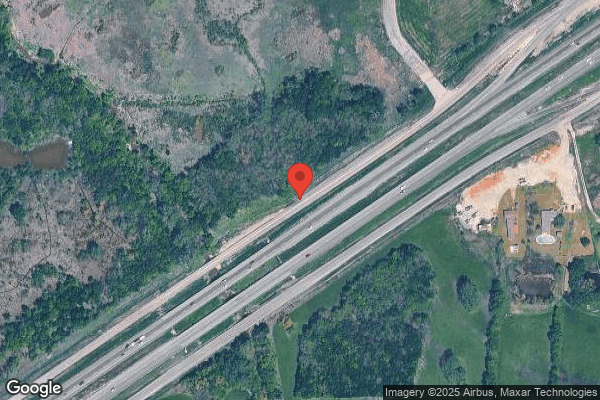
901 W INTERSTATE 30, ROYSE CITY, TX 75189 (972) 636-9100
For profit - Limited Liability company 124 Beds PRIORITY MANAGEMENT Data: November 2025
Trust Grade
75/100
#335 of 1168 in TX
Last Inspection: October 2024

Within standard 12-15 month inspection cycle. Federal law requires annual inspections.

Overview

Royse City Medical Lodge has a Trust Grade of B, which indicates it is a good choice among nursing homes. It ranks #335 out of 1168 facilities in Texas, placing it in the top half, and #3 out of 5 in Rockwall County, meaning only two local options are better. However, the facility is experiencing a worsening trend, with issues increasing from 5 in 2023 to 7 in 2024. Staffing is relatively stable, with a turnover rate of 40%, which is below the Texas average, but the facility has an average RN coverage rating. Additionally, there have been specific concerns, such as failures to assist residents with personal hygiene, inadequate food storage practices that could lead to foodborne illness, and lapses in infection control procedures, which may put residents at risk. While there are notable strengths, such as the lack of fines, the presence of these issues indicates areas that need improvement.

Trust Score
B
75/100
In Texas
#335/1168
Top 28%
Safety Record
Low Risk
No red flags
Inspections
Getting Worse
5 → 7 violations
Staff Stability
○ Average
40% turnover. Near Texas's 48% average. Typical for the industry.
Penalties
✓ Good
No fines on record. Clean compliance history, better than most Texas facilities.
Skilled Nurses
⚠ Watch
Each resident gets only 22 minutes of Registered Nurse (RN) attention daily — below average for Texas. Fewer RN minutes means fewer trained eyes watching for problems.
Violations
⚠ Watch
16 deficiencies on record. Higher than average. Multiple issues found across inspections.
★★★★☆
4.0
Overall Rating
★★★☆☆
3.0
Staff Levels
★★★☆☆
3.0
Care Quality
★★★★☆
4.0
Inspection Score
Stable
2023: 5 issues
2024: 7 issues

The Good

  • Full Sprinkler Coverage · Fire safety systems throughout facility
  • No fines on record
  • Staff turnover below average (40%)

    8 points below Texas average of 48%

Facility shows strength in fire safety.

The Bad

Staff Turnover: 40%

Near Texas avg (46%)

Typical for the industry

Chain: PRIORITY MANAGEMENT

Part of a multi-facility chain

Ask about local staffing decisions and management

The Ugly 16 deficiencies on record

Oct 2024 7 deficiencies
CONCERN (D) 📢 Someone Reported This

A family member, employee, or ombudsman was alarmed enough to file a formal complaint

Potential for Harm - no one hurt, but risky conditions existed

Accident Prevention (Tag F0689)

Could have caused harm · This affected 1 resident

Based on observation, interview, and record review the facility failed to ensure residents receive adequate supervision and assistance devices to prevent accidents for one (Resident #11) of two reside...

Read full inspector narrative →
Based on observation, interview, and record review the facility failed to ensure residents receive adequate supervision and assistance devices to prevent accidents for one (Resident #11) of two residents observed during a transfer. The Facility failed to ensure CNA C used a gait belt when transferring Resident #11 from her bed to the wheelchair. This failure could affect the residents by placing the residents at risk for falls, discomfort, pain, and/or injury. Findings included: Record review of Resident #11's Quarterly MDS assessment, dated 08/11/24, reflected an admission date of 04/05/21. Resident #11 had a BIMS score of 10, meaning her cognition was moderately impaired. she required moderate one-person assist with transfers from a bed to a wheelchair. Resident #11's active diagnoses included abnormal posture, unsteadiness on feet, retention of urine, and muscle weakness. Record review of Resident #11's care plan, dated 09/15/23, reflected . [Resident#11] has an ADL self-care performance deficit related to weakness .Interventions included .Transferring: Resident requires assistance with transferring . An observation on 10/16/24 at 10:38 AM revealed CNA C assisted Resident #11 onto the side of the bed. CNA C placed the wheelchair next to the bed facing toward the head of the bed and locked the wheels. CNA C placed her feet outside of the resident legs and lifted her by her arm pits and she lifted her from the bed toward the wheelchair. Resident #11 hollered ouch. Resident stated it hurt under the breasts. In an interview with CNA C on 10/16/24 at 11:06 AM she stated she had been working at the facility since June 2024. She stated she was supposed to use a gait belt when transferring residents. She stated not using a gait belt could lead to a fall, or she could injure herself. She stated she had been in serviced on gait belt transfers when she was hired in June. In an interview with the DON on 10/17/24 at 08:32 AM she stated it was the expectation for staff to use a gait belt when providing transfers to residents to prevent the risk of injury to the resident and the staff. She stated at no time were they to lift a resident under the arms. She stated they had issued gait belts to all the CNAs, and she expected them to always have the belts with them to use it. She stated going forward she would do skills check monthly and she would do her rounds for monitoring. In an interview with the DOR on 10/17/24 at 11:45 AM she stated all transfers should utilize a gait belt to prevent injury to the employee and the resident. Record review of CNA C's orientation checklist dated 06/18/24 did not specify gait belt training. Record review of the facility's policy, Safe Lifting and Movement of Residents revised September 2024, reflected, In order to protect the safety and well-being of staff and residents, and to promote quality care, this facility uses appropriate techniques and devices to lift and move residents.
CONCERN (D) 📢 Someone Reported This

A family member, employee, or ombudsman was alarmed enough to file a formal complaint

Potential for Harm - no one hurt, but risky conditions existed

Incontinence Care (Tag F0690)

Could have caused harm · This affected 1 resident

Based on observation, interview, and record review the facility failed to ensure that a resident who was incontinent of bladder received appropriate treatment and services to prevent urinary tract inf...

Read full inspector narrative →
Based on observation, interview, and record review the facility failed to ensure that a resident who was incontinent of bladder received appropriate treatment and services to prevent urinary tract infections for one (Resident #11) of one resident reviewed for catheter care. The facility failed to ensure CNA C kept Resident #11's urine catheter bag below the level of the bladder during a transfer from bed to wheelchair. This failure could place residents at risk for urinary tract infections. Findings included: Record review of Resident #11's Quarterly MDS assessment, dated 08/11/24, reflected an admission date of 04/05/21. Resident #11 had a BIMS score of 10, meaning her cognition was moderately impaired. She required moderate one-person assist with transfers from a bed to a wheelchair. Resident #11's active diagnoses included abnormal posture, unsteadiness on feet, retention of urine, and muscle weakness. Record review of Resident #11's care plan, dated 09/15/23, reflected . [Resident#11] is at risk for UTI due to use of urinary catheter related .Interventions included .Position catheter bag and tubing below the level of the bladder and away from entrance room door . Review of Resident #11's Physician Orders Report dated 10/16/24 reflected, . Change urinary catheter and accessories Q month .Ensure tubing and privacy bag is intact and secure every shift . Observation on 10/16/24 at 10:38 AM revealed CNA C completing ADL care on Resident #11 in preparation to transfer from bed to wheelchair. CNA C provided incontinent care to Resident #11 while the urinary catheter hanging to the right side of the bed. CNA C placed the Resident #11's urinary catheter bag on the bed, and she changed resident's shirt and put on a clean pants. CNA C assisted Resident #11 onto the side of the bed. Urine was observed backing up in the tubing back toward the resident's bladder. Resident #11 was transferred into her wheelchair and staff hooked the urinary catheter bag on the wheelchair. In an interview on 10/16/24 at 11:06 AM, CNA C stated the urinary drainage bag was to be always kept below the resident's bladder. CNA C stated she knew better; she stated by failing to do this it put the resident at risk for urinary tract infections. Record review of CNA C's skills verification checklist dated 06/18/24 reflected she was competent in Peri-care-Foley catheter tubing care. In an interview with the DON on 10/17/24 at 08:32 AM she stated the catheter was to be maintained below the level of the bladder. She stated placing the drainage bag on the bed was not maintaining it below the bladder. She stated by not keeping it below the bladder urine could back up into the bladder and increase the risk of urinary tract infections. She stated she would do monthly skills check on nursing staff and she would do her random checks to monitor staff. The facility's policy titled, Catheter Care, Urinary, revised January 2023, reflected, .The urinary drainage bag must be held or positioned lower than the bladder at all times to prevent the urine in the tubing and drainage bag from flowing back into the urinary bladder .
CONCERN (D) 📢 Someone Reported This

A family member, employee, or ombudsman was alarmed enough to file a formal complaint

Potential for Harm - no one hurt, but risky conditions existed

Respiratory Care (Tag F0695)

Could have caused harm · This affected 1 resident

**NOTE- TERMS IN BRACKETS HAVE BEEN EDITED TO PROTECT CONFIDENTIALITY** Based on observation, interview, and record review the facility failed to ensure a resident who needed respiratory care was prov...

Read full inspector narrative →
**NOTE- TERMS IN BRACKETS HAVE BEEN EDITED TO PROTECT CONFIDENTIALITY** Based on observation, interview, and record review the facility failed to ensure a resident who needed respiratory care was provided such care, consistent with professional standards of practice, the comprehensive person-centered care plan and the residents' goals and preferences for 1 of 3 Residents (Resident #77) reviewed for respiratory care. The facility failed to ensure Oxygen (O2) in use signage was on Resident #77's room doorway. This failure could place residents at risk of not receiving appropriate respiratory care. The findings were: Review of Resident #77's face sheet dated 10/15/2024 revealed he was an [AGE] year-old-female admitted to the facility on [DATE]. Her diagnoses included: Dementia, hypertensive chronic kidney disease (kidneys are damaged and cannot filter blood adequately), Hyperlipidemia (high blood lipid levels). Record Review of Quarterly MDS assessment dated [DATE] reflected, Resident #77 was on Hospice. It also reflected, Resident #77 had BIMS of 2, which indicated that she had severe cognitive impairment. Record review of Resident #77's Hospice Orders dated 8/20/2024 reflected, Oxygen at 2-5 Liter per minute to Maintain O2 Saturation more than 90 percent. Record Review of Resident #77's Care plan, revised on 9/12/24 reflected, Focus: [Resident #77] chooses Hospice - Hope Health Care for diagnosis of Hypertensive Kidney Failure. Goal: [Resident #77] comfort will be maintained through the review date. Interventions: Work with nursing staff to provide maximum comfort for [Resident #77] including hospice therapies. In an observation on 10/15/24 at 11:10 PM revealed Resident #77 was on Oxygen therapy via nasal cannula. Observed Resident #77's room did not have signage for Oxygen in use outside the door. In an interview on 10/15/25 at 1:23 PM with resident representative stated Resident #77 was on hospice and had been on Oxygen therapy for more than a month. In an interview and observation on 10/15/24 at 11:30 AM with CNA F stated Resident #77 was on hospice and on Oxygen therapy. She stated she did not see the Oxygen in use sign on Resident #77's room door. She stated every resident on oxygen therapy should had the sign to ensure safety regarding smoking in the building and to alert staff in case of any emergency or evacuation. In an interview on 10/15/24 at 1:39 PM with LVN G stated Resident #77 was on hospice as well as on Oxygen therapy. She stated Resident #77's room should have a signage on the door for oxygen in use to alert other staff members. She stated nurses were responsible for putting up the signage. She stated that the risk of not having signage outside Resident's room was decreased quality of care by not meeting resident's care needs. In an interview on 10/16/24 03:55 PM with the DON, she stated her expectation was if the resident was on Oxygen therapy, then signage for Oxygen in use should be on the door. She stated floor nurses were responsible for putting the signage on the door. She stated the facility was a smoking facility and Oxygen in use sign was placed to warn people not to smoke or have open flames near oxygen. She stated the risk of not having appropriate signage on the door was staff may not be aware that resident was dependent on Oxygen therapy. She added the risk of inadequate signage was Resident will not receive the care they need, and quality of care will be compromised. Record review of facility policy titled Oxygen Administration revised October 2010 reflected, Equipment and Supplies: The following equipment and supplies will be necessary when performing this procedure .3. No smoking/Oxygen in Use signs .
CONCERN (D) 📢 Someone Reported This

A family member, employee, or ombudsman was alarmed enough to file a formal complaint

Potential for Harm - no one hurt, but risky conditions existed

Pharmacy Services (Tag F0755)

Could have caused harm · This affected 1 resident

**NOTE- TERMS IN BRACKETS HAVE BEEN EDITED TO PROTECT CONFIDENTIALITY** Based on observation, interview, and record review, the facility failed to provide pharmaceutical services, including procedures...

Read full inspector narrative →
**NOTE- TERMS IN BRACKETS HAVE BEEN EDITED TO PROTECT CONFIDENTIALITY** Based on observation, interview, and record review, the facility failed to provide pharmaceutical services, including procedures that assure the accurate acquiring, receiving, dispensing, and administering of all drugs and biologicals, to meet the needs of each resident for 1 (Resident #3) of 4 residents reviewed for pharmacy services. The facility failed to ensure RN B followed physician ordered water flushes before and after medication administration given via the G-Tube for Resident #3. This failure could place residents at risk of tube obstruction and a decrease in hydration. Findings include: Record review of Resident #3's undated face sheet reflected a [AGE] year-old female with and admission date of 05/24/22 and a re-admission date of 12/01/23. Diagnoses included dysphagia (difficulty swallowing), cerebral infarction (stroke), constipation, mild protein-calorie malnutrition, and seizures (convulsion). Record review of Resident #3's quarterly MDS assessment, dated 08/29/24, reflected Resident #3 had BIMS score of 7 which indicated she was severely cognitively impaired. She was totally depended on all ADL and always incontinent of bowel and bladder and she received 51 percent or more of total calories through a feeding tube (a tube inserted through the abdomen that delivers nutrition directly to the stomach). Record review of Resident #3's care plan with a revision date of 09/07/23 reflected, . [Resident #3] requires tube feeding .Interventions .The resident needs total care with tube feeding and water flushes. See physician orders . Record review of Resident #3's Physician orders report dated October 2024 reflected, . Enteral feed order every shift enteral: Flush tube with 15 to 30 ml of water between each medication . with a start date of 12/01/23. Record review of Resident #3's Medication administration record for October 2024 reflected, .Flush tube with 15 to 30 ml of water between each medication . Record review of Resident #3's Medication administration record for October 2024 reflected: Escitalopram Oxalate Oral Tablet 10 MG (Escitalopram Oxalate) Give 1 tablet via G-Tube one time a day . with a start date of 12/01/2023. Farxiga Oral Tablet 10 MG (Dapagliflozin Propanediol) Give 1 tablet via G-Tube one time a day . with a start date of 08/22/2024. Valproic Acid Oral Solution 250 MG/5ML (Valproate Sodium) Give 5 ml via G-Tube two times a day . with a start date of 04/15/2024. Aspirin 81 Oral Tablet Chewable (Aspirin) Give 1 tablet via G-Tube one time a day . with a start date of 12/02/2023. An observation on 10/16/24 at 07:58 AM of G-Tube medication administration for Resident #3 revealed RN B prepared medication for Resident #3. RN B placed 1 tablet Escitalopram 10 mg (anti-depressant), 1 tablet of Dapagliflozin 10 mg (treat diabetes), 1 tablet of Aspirin 81 mg, and 15 ml of Valproic Acid 250 mg/5 ml in an individual cup and crushed each tablet in each cup. RN B crushed each tablet and entered the resident's room. RN B then filled a plastic cup with water from the bathroom sink and poured approximately 5-10 ml of water into each medication cup. He then retrieved a 60-ml piston syringe and placed the piston syringe into the G-tube connector and checked for residual (the volume of fluid remaining in the stomach at a point in time during enteral nutrition feeding) and flushed the G-tube with 60 ml of water. RN B then administered each medication by gravity and did not flush the tube feeding between each medication. At the completion of the medication administration RN B then flushed with 60 ml of water. RN B then reconnected the feeding tube. In an observation and interview with RN B on 10/16/24 at 08:18 AM, he stated he was not required to flush the G-tube between each medication because he did not have an order for that. When RN B looked at the medication administration record, he stated oh I have an order to flush with 15 to 30 ml of water between each medication. RN B stated he was required to review physicians' orders prior to giving any medication and had not reviewed it. He stated not flushing with the prescribed amount of water could result in tube occlusion (clogged) or a resident not getting enough water intake. In an interview with the DON on 10/17/24 at 8:32 AM, the DON stated staff were to always follow the doctors' orders on the amount of fluid to flush before and after medications. She stated failing to follow the orders could result in a clogged G-tube which would require the resident to be sent out to the hospital for replacement and it could result in a decrease in hydration. She stated all nurses are skills checked prior to G-tube medications. She stated they would also be doing follow up monitoring to ensure staff are following proper procedures. Record review of RN B's competency assessment dated [DATE] reflected he was competent in G-tube medication administration. Record review of the facility's Policy titled, Administration Medications Through an Enteral Tube, revised 07/05/2019 reflected, . 19. If administering more than one medication, flush with 15 ml (or prescribed amount) water between medication .
CONCERN (E) 📢 Someone Reported This

A family member, employee, or ombudsman was alarmed enough to file a formal complaint

Potential for Harm - no one hurt, but risky conditions existed

ADL Care (Tag F0677)

Could have caused harm · This affected multiple residents

**NOTE- TERMS IN BRACKETS HAVE BEEN EDITED TO PROTECT CONFIDENTIALITY** Based on observation, interview, and record review the facility failed to provide the necessary services for residents who are u...

Read full inspector narrative →
**NOTE- TERMS IN BRACKETS HAVE BEEN EDITED TO PROTECT CONFIDENTIALITY** Based on observation, interview, and record review the facility failed to provide the necessary services for residents who are unable to carry out activities of daily living to maintain good grooming and personal hygiene for 5 (Resident#34, Resident #36, Resident #39, Resident#55, and Resident #76) of 8 residents reviewed for ADLs. The facility failed to ensure Resident#34, Resident #36's, Resident #39's, Resident#55, and Resident #76's nails were cleaned and trimmed. This failure could place residents who were dependent on staff for ADL care at risk for loss of dignity, risk for infections and a decreased quality of life. Findings include: 1. Record review of Resident # 39's Face Sheet dated, 10/17/24, reflected an [AGE] year-old woman admitted on [DATE] with diagnoses of vascular dementia (brain damage caused by multiple strokes), psychotic disturbance (a severe mental disorder that causes a person to lose touch with reality and have abnormal perceptions and thoughts), mood disturbance (a range of psychiatric conditions that affect a person's emotional state), and anxiety. Record review of Resident #39's Quarterly MDS assessment dated [DATE], reflected Resident #39 had a BIMS 6 indicated Resident #39's cognition was severely impaired. Further review of MDS assessment for Resident#39's self-care revealed she was partial to moderate assistance. Record review of Resident #39's Comprehensive Care Plan, revised 02/23/24, reflected the following: Focus: [Resident #39] has an ADL self-care performance and require staff assistance for all ADLs related to hemiplegia (partial or complete paralysis of one side of the body, usually affecting the arm, leg and face). Interventions: Staff to assist with all ADLs as required. Bathing/Showering: Check nail length and trim and clean on bath day and as necessary. Report any changes to the nurse. In an observation and interview on 10/15/2024 at 10:23 AM with Resident #39 revealed her nails on both hands were approximately 0.5 - 0.7 centimeter in length extending from the tip of his fingers. Resident #39 stated she had not had her nails cut in a long time. Resident #39 could not remember the last times her nails were cut. 2. Record review of Resident # 36's Face Sheet dated, 10/17/2024, reflected a [AGE] year-old male admitted on [DATE] with diagnoses of muscle wasting and atrophy (the decrease in size and wasting of the muscle tissue), other lack of coordination (poor muscle control that causes clumsy movements), and need for assistance with personal care. Record review of Resident #36's Quarterly MDS assessment dated [DATE] reflected Resident #36 had a BIMS of 3 which indicated Resident #36's cognition was severely impaired. Further review of MDS assessment for Resident#36's self-care revealed he was substantial to maximal assistance. Record review of Resident #36's Comprehensive Care Plan, revised 02/05/24, reflected the following: Focus: [Resident #36] has an ADL self-care performance deficit related to limited mobility. Interventions: Personal Hygiene: Resident is totally dependent in personal hygiene. An observation on 10/15/24 at 2:30 PM revealed Resident #36 was laying in his bed asleep. Resident #36 woke up upon surveyor's entry. While in the middle of speaking with Resident #36, Resident #36 closed his eyes and slept. The nails on both of his hands were approximately 0.5 - 0.7 centimeter in length extending from the tip of his fingers. The nails on the right hand had a dark brown colored residue underneath them. The nails on the left hand were clean. In an interview with CNA H on 10/15/24 at 2:35 PM, she stated CNAs and nurses were responsible for nail care. She stated if a resident was a diabetic, only nurses were allowed to cut the residents nails. CNA H stated she was not trained to trim Resident #36's nails. She stated she had not noticed Resident #36's nails. She stated the risk of not providing nailcare was the risk of infection to Resident #36. 3. Review of Resident # 76's Face Sheet dated, 10/17/24, reflected a [AGE] year-old male admitted on [DATE] with diagnoses of unspecified dementia (a clinical syndrome that occurs when a person has dementia but it does not have a specific diagnosis), muscle weakness (a decrease in muscle strength that affects most areas of the body), psychotic disturbance (a severe mental disorder that causes a person to lose touch with reality and have abnormal perceptions and thoughts), mood disturbance (a range of psychiatric conditions that affect a person's emotional state), and anxiety. Record review of Resident #76's Quarterly MDS assessment dated [DATE], reflected Resident #76 had a BIMS of 15 which indicated Resident #76's cognition was intact. Further review of MDS assessment for Resident#76's self-care revealed he was substantial to maximal assistance. Record review of Resident #76's Comprehensive Care Plan, undated, reflected the following: Focus: [Resident #76] has an ADL self-care performance deficit related to weakness on left side. Resident has limited physical mobility related to sequelae of a cerebrovascular accident (CVA). Interventions: Staff to assist with all ADL's as required. In an observation and interview on 10/16/2024 at 10:35 AM with Resident #76 revealed nails on his left hand long and dirty. His nails on his left hand were approximately 0.5 -0.7 centimeter in length extending from the tip of his fingers. The nails on the left hand had a dark brown colored residue underneath them. Resident #76 stated his nails had never been cut. He stated a man (name unknown) came every few months to cut his toenails. In an observation and interview on 10/16/24 at 10:52 A.M. CNA I stated she provided patient care to Resident #76 but did not pay attention to his nails. She stated the expectation was to tell the charge nurse that Resident #76's nails needed to be cleaned and trimmed. She stated the risk to the resident was infection. In an interview on 10/16/24 at 1:54 PM RN B he stated he had worked at the facility for 5 years. RN B stated nurses were responsible for cutting fingernails for diabetics, after they were notified by the CNAs. He stated the nurses were responsible for cleaning and cutting resident's nails who are diabetics. He stated it was the nurse's responsibility to ensure the CNAs were cleaning and cutting the residents nails. He stated the risk was infection and would cause abrasions to the residents. In an interview on 10/16/24 at 2:08 PM CNA K she stated she had worked at the facility for 2 years. She stated cleaning and cutting nails are everyone's responsible unless the resident w ere a diabetic. The nurses are then responsible for cutting resident's nails who are diabetics. CNA K stated she provided patient care last night for Resident #76. She stated she asked Resident #76 to clean and cut his nails, but he declined. She stated Resident #76 said he did not want to be bothered or even changed. She stated she reported the refusal to LVN J, when LVN J was on the phone. She stated she was not sure if she was acknowledged by LVN J. 4. Review of Resident #34's MDS, dated [DATE], revealed he was a [AGE] year-old male who was admitted to the facility on [DATE]. His BIMS score was 13 out of 15 which indicated he was cognitively intact. His diagnoses included diabetes mellitus (high sugar level in the blood), Schizophrenia (serious mental health condition that affects how people think, feel and behave. It may result in a mix of hallucination .), muscle weakness, and lack of coordination. Further review of MDS assessment for Resident#34's self-care revealed he was substantial to maximal assistance. Review of Resident #34's Care Plan, dated 10/14/24, revealed Focus: The resident has an ADL self-care performance deficit r/t impaired balance. Goal: The resident will maintain current level of function in ADLs Interventions: . BATHING/SHOWERING: Check nail length and trim and clean on bath day and as necessary. Report any changes to the nurse. Further review revealed there was no documentation of nail care refusal. An observation/Interview on 10/15/24 at 09:45 am revealed Resident#34 setting up in the wheelchair in his room, wearing day attire, both hands fingernails approximately 0.5 centimeter in length extending from the tip of his fingers with dry matter under-net couple of them. Resident#34 stated he would like his fingernails cleaned. 5.Review of Resident #55's quarterly MDS, dated [DATE], revealed she was a [AGE] year-old female who was admitted to the facility on [DATE]. Her BIMS score was 13 out of 15 which indicated cognitively intact. Her diagnoses included hypertension (high blood pressure), diabetes mellitus (high sugar level in the blood), cerebrovascular accident(type of ischemic stroke resulting from a blockage in the blood vessels supplying blood to the brain) with left side hemiplegia (paralysis of one side of the body), and Non-Alzheimer's Dementia (loss of intellectual functioning, especially with impairment of memory and abstract thinking, and often with personality change, resulting from organic disease of the brain). Further review of MDS assessment for Resident#55's self-care revealed she was substantial to maximal assistance. Review of Resident #55's Care Plan, dated 10/01/24, revealed Focus: The resident has an ADL self-care performance deficit r/t CVA with left Hemiplegia. Goal: The resident will maintain current level of function through the review date Interventions: . BATHING/SHOWERING: Check nail length and trim and clean on bath day and as necessary. Report any changes to the nurse Further review revealed there was no documentation of nail care refusal. An observation/Interview on 10/15/23 at 10:16 am revealed Resident #55 was laying in her bed wearing T-shirt and covered with a blanket. Right hand fingernails approximately 0.4 centimeter in length extending from the tip of her fingers with brown matter under-net. left hand severely contracted, the first, second and 3rd fingernail approximately 0.4 centimeter in length extending from the tip of her fingers, with dirty matter under net the 1st, 2nd, and the 3rd fingernail. Resident#55's 4th, and 5th finger hiding inside the contacted hand , no indentation observed on her skin, and Resident#55 did not complain of pain. Resident#55 stated she would like her fingernails trimmed and cleaned. Interview on 10/15/2024 at 11:19 am CNA N checked Resident#34 and stated the residents' nails were not trimmed, and under-net fingernails there was brown matter. CNA F checked Resident#55 and stated they needed to be trimmed and cleaned. CNA N stated residents' fingernails care was the responsibility of the CNAs to clean them during residents' shower days and let the charge nurse know if resident's fingernail needed trimming. She stated it was the responsibility of charge nurse to trim residents' fingernails. CNA N stated the risk to residents if their fingernails care were not done development of infection and scratching their skin. Interview on 10/15/24 at 12:58 pm LVN M stated Resident#34, and Resident#55 refused nail care, and it was care planed. LVN M further stated the Resident#34, and Resident#55 fingernails had been cleaned and trimmed today. LVN M stated the nails care for the resident was done by the nurses and the CNAs when it was noticed, and the risk to residents' development of infection. In an interview on 10/15/24 at 2:53 PM LVN J stated she had worked in the facility for about 4 months. She stated the CNAs were responsible for cleaning and clipping fingernails for except for residents who are diabetics. LVN J stated it was the nurses or anyone's responsibilities to cut the residents nails. She stated it was the facility's responsibly and expectation for the nurses to ensure the residents nails are cleaned and trimmed nails. She stated the risk to the residents was infection. Interview on 10/16/24 at 09:00 a.m. the DON stated residents' fingernail care should be done with shower and as needed unless the resident refuse. The DON stated it was the responsibility of the Hall charge nurse, DON and the ADON to make sure residents nails were kept cleaned and trimmed. The DON stated the risk to residents' development of infection. Review of the facility policy Titled Care of Fingernails/Toenails, dated October 2010, revealed The purpose of this procedure are to clean the nail bed, to keep nails trimmed, and to prevent infections. General Guideline 1. Nail care includes cleaning and trimming 2. Proper nail care can aid in the prevention of skin problems around the nail bed .4. Trimmed and smouth nails prevent the resident from accidentally scratching and injuring his or her skin . Reporting 1. Notify the supervisor if the resident refuses the care.
CONCERN (E) 📢 Someone Reported This

A family member, employee, or ombudsman was alarmed enough to file a formal complaint

Potential for Harm - no one hurt, but risky conditions existed

Food Safety (Tag F0812)

Could have caused harm · This affected multiple residents

**NOTE- TERMS IN BRACKETS HAVE BEEN EDITED TO PROTECT CONFIDENTIALITY** Based on observations, interviews and record review, the facility failed to store and label food in accordance with professional...

Read full inspector narrative →
**NOTE- TERMS IN BRACKETS HAVE BEEN EDITED TO PROTECT CONFIDENTIALITY** Based on observations, interviews and record review, the facility failed to store and label food in accordance with professional standards for food service safety for the facility's only kitchen in that: The facility failed to ensure food items in the facility refrigerator and freezer were covered, dated, or labeled. These failures could affect residents who received their meals from the facility's only kitchen, by placing them at risk for food-borne illness if consumed and food contamination. Findings Include: Observation in facility's kitchen walk-in refrigerator on 10/15/24 at 9:35am revealed 2 medium circular foiled covered items (about 9 inches) without a label or date used by. Observation in facility's kitchen walk-in refrigerator on 10/15/24 9:36am revealed 1 white and red square container labeled chicken with lid opened to about ¼ inch on one corner of the container. Observation in facility's kitchen walk-in refrigerator on 10/15/24 9:37am revealed 4 fruit cups in circular plastic containers covered with plastic wrap on a tray without a date or label date used by. Observation in facility's walk-in refrigerator on 10/15/24 9:37am revealed 1 tray with approximately 20 half cut ham and cheese sandwiches with plastic wrap on the tray without a label or date used by. Observation in facility's walk-in freezer on 10/15/24 9:39am revealed an opened box, half full of cut carrots in a blue bag. The bag was open to where the carrots were visible, and the box was not securely closed with no date used by label. In an interview with Dietary Manager on 10/15/24 9:39am revealed the walk-in freezer has not been working and they were fixing it. She stated that the meat was being held in an outside trailer (Bone [NAME] Freezer) to ensure it stayed frozen. She stated the kitchen walk-in freezer had not been working since 10/5/24 and a work order to repair it was done same day. Observation in facility's Bone and [NAME] Trailer (Freezer) on 10/15/24 9:45am revealed an opened box of chicken cut in cubes, with open bag inside not closed/secured and no used by date listed on the box. There was one bag of chicken about 3lbs and it was about 80% full. The Dietary Manager removed the box of chicken and threw it in the trash. Observation in facility's Bone and [NAME] Trailer (Freezer) on 10/15/24 9:46am revealed the following: *Opened box of frozen burritos in plastic bag that was opened and exposed to the air. The box had about 25 burritos, had no used by date label. * Opened box of dinner rolls inside a plastic bag that was exposed and not closed. The box had about 50 rolls with no used by date label. * Opened box of lasagna rolls, with a bag inside that was open and exposed to the air. There were about 30 lasagna rolls and there was no used by date label. During an interview with the Dietary Manager on 10/15/24 10:01am revealed the cooks were responsible for labeling items and putting a used by date for all the food items opened in the freezer. She stated all kitchen staff were responsible for labeling any items in other areas such as refrigerators and dry storage. She stated items should be completely closed and sealed. She stated no food should be exposed to air while in the freezer and should always be closed. She stated if items are not closed then food can get contaminated, get freezer burn and make residents sick. Observation of facility's kitchen refrigerator on 10/15/24 10:09am revealed a tray of 12 white drinks in cups with plastic tops not labelled what they were or a use by date. There were also 2 cups of brown liquid covered without labels of what they were or used by date. During an interview with [NAME] Aide E on 10/16/24 02:31pm revealed that everyone was responsible for labeling items in the refrigerator and dry good storage. He clarified that the cooks were in charge labeling and dating items in the freezer outside (trailer). He stated it was very difficult to label things in that trailer because there was no light and when the door was left open too long there was a bunch of smoke from the coldness. He stated the risk to the residents of not labeling and dating items or closing them appropriately was cross contamination and sickness or even death. In an interview with [NAME] D on 10/17/24 9:27am revealed she was training to be a cook. She stated cooks were in charge of dating and labeling items in the freezer. She stated cooks needed to be cognizant of expiration dates and dates they opened an item so they were aware of how long they can use the items before they discard them. She stated not labeling and dating food items could cause them to get freezer burn, cross contaminated and potentially cause illness in residents. She stated when she opened an item she would close it tightly, wrap it with plastic or foil, label, and date when the item needed to be discarded. She stated it was also important to inspect the items by looking and smelling them before using them, to ensure they were still good regardless of the expiration date. Record Review of Food Receiving and Storage Policy, revised July 2014 reflected, .7. All food stored in the refrigerator and freezer will be covered, labeled, and dated (used by date). Review of the Food and Drug Administration Food Code, dated 2022, reflected, .3-302.12 Food Storage Containers, Identified with Common Name of Food. Except for containers holding food that can be readily and unmistakably recognized such as dry pasta, working containers holding food, or food ingredients that are removed from their original packages for use in the food establishment, such as cooking oils, flour, herbs, potato flakes, salt, spices, and sugar shall be identified with the common name of the food 3-305.11 Food Storage.(B) .refrigerated, ready-to eat time/temperature control for safety food prepared and packaged by a food processing plant shall be clearly marked, at the time the original container is opened in a food establishment and if the food is held for more than 24 hours, to indicate the date or day by which the food shall be consumed on the premises, sold, or discarded, based on the temperature and time combinations specified in (A) of this section and: (1) The day the original container is opened in the food establishment shall be counted as Day 1; and (2) The day or date marked by the food establishment may not exceed a manufacturer's use-by date if the manufacturer determined the use-by date based on food safety
CONCERN (E) 📢 Someone Reported This

A family member, employee, or ombudsman was alarmed enough to file a formal complaint

Potential for Harm - no one hurt, but risky conditions existed

Infection Control (Tag F0880)

Could have caused harm · This affected multiple residents

**NOTE- TERMS IN BRACKETS HAVE BEEN EDITED TO PROTECT CONFIDENTIALITY** Based on observation, interview and record review, the facility failed to maintain an infection control program designed to prev...

Read full inspector narrative →
**NOTE- TERMS IN BRACKETS HAVE BEEN EDITED TO PROTECT CONFIDENTIALITY** Based on observation, interview and record review, the facility failed to maintain an infection control program designed to prevent the development and transmission of infection for 3 residents (Resident #5, Resident#69, and Resident #199) of 8 residents observed for infection control. The facility failed to ensure: 1- CNA A performed hand hygiene between change of gloves during incontinent care for Resident #5. 2- CNA H donned the appropriate PPE during Resident #69 interaction who was on droplet precautions. CNA H performed hand hygiene between Resident #69 and another resident's room. 3- CNA L and CNA O donned the appropriate PPE during incontinent care for Resident #199 who was on enhanced barriers precautions. These failures could place residents at risk for infection and cross contamination of pathogens and illness. Findings included: Resident #5 Record review of Resident #5's Quarterly MDS assessment dated [DATE] reflected Resident #5 was an [AGE] year-old female admitted to the facility on [DATE] with diagnoses included Alzheimer's disease, muscle weakness, and cognitive communication deficit. Resident #5's had a BIMS score of 15, which indicated Resident #5's cognition was intact. The MDS assessment indicated Resident #5 was frequently incontinent of bladder and bowel. Record review of Resident #5's Care Plan dated 04/16/24, reflected the following: Focus: [Resident #5] has an ADL self-care performance deficit . Interventions: . Staff to assist with all ADL's as required . Observation on 10/15/24 at 10:00 AM revealed CNA A entered Resident #5's room to provide incontinence care. CNA A sanitized his hands and donned gloves, he unfastened Resident #5's brief and cleaned the front pubic area. The resident was assisted onto her side revealing she had a small bowel movement. CNA A discarded the dirty gloves, without hand hygiene he donned clean gloves. He cleaned the resident's buttocks area using several wipes. CNA A removed and discarded the dirty gloves, without hand hygiene, he donned clean gloves. He placed a clean brief under resident buttocks, he fastened the brief, and coved the resident in the bed. CNA A gathered the dirty clothes and trash, removed his gloves, washed his hands, and left the room. In an interview on 10/15/24 at 10:25 AM, CNA A stated he supposed to perform hand hygiene between change of gloves. CNA A stated he should change his gloves and perform hand hygiene when he went from dirty to clean. CNA A stated failing to provide proper care exposed the resident to infections. Resident #69 Record review of Resident #69's face sheet, dated 10/17/2024, revealed the resident was [AGE] years old male and admitted to the facility on [DATE] and re-admitted to the facility on 10/2024 with the diagnosis of metabolic encephalopathy (a brain dysfunction caused by a chemical imbalance in the blood that affects the brain), pneumonia (a serious lung infection that occurs when the air sacs in the lungs fill with fluid or pus), and COVID-19 (an infectious disease caused by the SARS-CoV-2 virus). Record review of Resident #69's Quarterly MDS assessment dated [DATE], reflected Resident #69 had a BIMS 3 indicated Resident #69's cognition was severely impaired. Record review of Resident #69's Comprehensive Care Plan, initiated 10/11/24, reflected the following: Focus: [Resident #69] Isolation- Strict Single Room .will remain in isolation until no longer contagious to others. The resident has impaired immunity related to COVID. Intervention: .Post appropriate isolation precaution signs. Use universal precautions as appropriate. Provide proper protective equipment. Observation on 10/15/24 at 2:40 PM revealed Resident #69 was on Droplet precautions. There was signage on the right side of the door that read: visitors/staff he was on Droplet precautions, perform hand hygiene before and after leaving room, necessary PPE to wear in room, and donning/doffing (put on/remove) information. CNA H approached Resident #69 in the doorway of his room. CNA H bent down and was face to face with Resident #69 without a mask on. CNA H left Resident #69 room to answer another resident's call light. CNA H did not perform hand hygiene before she entered the resident's room. Interview with CNA H on 10/16/24 at approximately 2:40 PM revealed she did not put on a mask because all she did was talked to Resident #69 and care was not being provided. CNA H stated the facility expectation was to don and doff PPE when signage was outside door. CNA H stated the risk of not using PPE or hand sanitizing was infection to the resident and others. Resident #199 Review of Resident #199's MDS, dated [DATE], revealed she was a [AGE] year-old female who admitted to the facility on [DATE]. Her BIMS score was 15 out of 15 which indicated intact cognition. Her diagnoses included hypertension (high blood pressure), diabetes mellitus (high sugar level in the blood), cerebrovascular accident, and Non-Alzheimer's Dementia (loss of intellectual functioning, especially with impairment of memory and abstract thinking, and often with personality change, resulting from organic disease of the brain). Resident#199 skin condition section revealed, she was admitted with one unstageable pressure ulcers to the coccygeal (the tail bone) area. Review of Resident #199's Care Plan, dated 10/14/24, revealed Focus: At risk for EBP r/t patients are indicated for the following residents who are: At increased risk of MDRO acquisition (e.g., resident has a wound) Goal: EBP care should be maintained for the residents' entire stay or until wounds have healed Interventions: . Provide patient standard precaution using gown, and gloves during .changing briefs or assisting with toileting Observation on 10/16/24 at 09:13 AM revealed Resident #199 was on Enhanced barriers precautions. There was signage on the left side of the door that informed visitors/staff she was on enhanced barriers precautions, perform hand hygiene before and after leaving room, necessary PPE to wear in room, and donning/doffing (put on/remove) information. CNA L and CNA O entered Resident #199's room without any form of PPE, there was PPE cart inside the Resident#199 room on the right side of the window, and the resident bed was on the left side of the window. Both CNAs washed hands, donned gloves and procced to do incontinent care for Residnt#199 without wearing gowns. Interview with CNA O on 10/16/24 at 09:28 AM revealed she knew she supposed to wear a gown for the resident peri care, but she forgot. She stated she was nervous. She stated she was in-serviced regarding different type of infection control during orientation. She stated the risk of not wearing proper PPE in enhanced barriers precautions residents' rooms was exposing herself and others to the development of infection and spreading germs from one resident to another resident. Interview with CNA L on 10/16/24 at 09:54 AM revealed he knew he supposed to wear gown for the resident peri care, but he forgot, because he was thinking the signage in front of the room was for the resident in bed A, and the resident he provided peri care to was in bed B. He could not recall the last time he had in service on infection control. He stated the risk to residents' cross contamination and development of infection. In an interview on 10/17/24 at 8:32 AM, the DON stated she expected the staff to complete hand hygiene before and after care. The DON also stated in between care CNA was to complete hand hygiene and change gloves because her hands were considered dirty after cleaning the resident. The DON stated the staff were to complete hand hygiene during care to prevent the spread of infection and cross contamination. The DON stated she would be doing quarterly skills check to monitor her staff. Interview with the DON on 10/17/24 at 08:34 AM, she stated enhanced barriers precaution (EBP) was new this year. The DON stated for the EBP they had signage outside the resident's room, and for any high contact activity with the resident on EBP including transfer, peri care .staff should be gowning and gloving. She stated she and the staffing coordinator were responsible for training staff on infection control. The DON further stated training for EBP was done on hire, on monthly staff meeting, and as needed. The DON stated They used EBP to prevent infection to high-risk residents. Record review of the facility's policy, Handwashing / Hand Hygiene, revised 12/22/23, reflected, .7. Use an alcohol-based hand rub ., or alternatively, soap and water for the following situations: . m. After removing gloves . Review of the facility provided literacy on infection control The Health and Human Services Commission of Texas Handbook on the frequently encountered infections in long-term care facilities., Version 1.0 dated 10/07/22 revealed Transmission-Based Precaution are the second tier of basic infection control and are to be used in addition to Standard Precautions for residents who may be infected or colonized with certain infectious agents for which additional precautions are needed to prevent infection transmission.
Sept 2023 1 deficiency
CONCERN (E) 📢 Someone Reported This

A family member, employee, or ombudsman was alarmed enough to file a formal complaint

Potential for Harm - no one hurt, but risky conditions existed

ADL Care (Tag F0677)

Could have caused harm · This affected multiple residents

**NOTE- TERMS IN BRACKETS HAVE BEEN EDITED TO PROTECT CONFIDENTIALITY** Based on observation, interview, and record review the facility failed to provide the necessary services for residents who are u...

Read full inspector narrative →
**NOTE- TERMS IN BRACKETS HAVE BEEN EDITED TO PROTECT CONFIDENTIALITY** Based on observation, interview, and record review the facility failed to provide the necessary services for residents who are unable to carry out activities of daily living to maintain good grooming and personal hygiene for 2 (Resident #1, Resident #2) of 6 residents reviewed for ADLs. The facility failed to ensure: 1- Resident #1 had his fingernails trimmed and cleaned. 2- Resident #2 had his fingernails trimmed and cleaned. This failure could place residents who were dependent on staff for ADL care at risk for loss of dignity, risk for infections, injuries to self or other residents, and a decreased quality of life. Findings include: 1- Review of Resident #1's Comprehensive MDS assessment dated [DATE] reflected Resident #1 was a [AGE] year-old male admitted to the facility on [DATE] with diagnoses included elevated blood pressure and schizoaffective disorder. Resident #1 had a BIMS of 5 which indicated Resident #1's cognition was severely impaired. He required extensive assistance of two-persons physical assistance with bed mobility and toilet use. He required extensive assistance of one-person physical assistance with personal hygiene. Review of Resident #1's Comprehensive Care Plan, revised 07/12/23, reflected the following: Problem: Resident may require staff assistance for ADL's related to decreased mobility at times. Goal: Resident will increase independence with ADLS. Interventions: Staff to assist with ADLs as needed. An observation on 09/17/23 at 2:22 PM revealed Resident #1 was walking in the hallway using the walker. The nails on both hands were approximately 0.4 cm in length extending from the tip of his fingers. The nails were discolored tan and the underside had dark brown colored residue. Resident #1 unable to answer questions. 2- Review of Resident #2's Comprehensive MDS assessment, dated 07/26/2023, reflected Resident #2 was a [AGE] year-old male admitted to the facility on [DATE] with diagnoses included hemiplegia (paralysis that affects only one side of the body) following cerebral infarction (occurs as a result of disrupted blood flow to the brain due to problems with the blood vessels that supply it) affecting left side and type 2 diabetes mellitus. Resident #2 had a BIMS of 15 which indicated Resident #2's cognition was intact. Resident #2 required extensive assistance of two-persons physical assistance with bed mobility, transfers, and personal hygiene. Review of Resident #2's Comprehensive Care Plan, revised 07/18/23, reflected the following: Problem: Resident may require staff assistance for ADL's related to hemiplegia with left sided weakness. Goal: Resident will increase independence with ADLS. Interventions: Staff to assist with ADLs as needed. Observation and interview on 09/17/23 at 2:44 PM revealed Resident #2 was laying in his bed. The nails on both hands were approximately 0.3cm in length extending from the tip of his fingers. The nails were discolored tan and the underside had dark brown colored residue. Resident #2 stated they told me they do nail trimming once a month . Resident#2 stated he did not like his nails long and dirty. Interview on 07/17/23 at 2:45 PM, CNA A stated CNAs were allowed to cut the residents' nails if they were not diabetic. CNA A stated she would check with the nurse, if both residents, Resident #1, and Resident #2 were not diabetic, she would clean and trim their nails. Interview on 07/17/23 at 2:50 PM, LVN B stated CNAs were responsible for cleaning and trimming residents' nails during the showers and as needed. LVN B stated only nurses cut residents' nails if they were diabetic. LVN B stated no one notified her Resident #1 and Resident #2's nails were long and dirty, and she had not noticed the nails herself. LVN B stated Resident #1 was not diabetic, but Resident#2 was diabetic, and she would clean and trim their nails. Interview on 09/17/23 3:52 PM, the DON stated nail care should be completed as needed and every time aides wash the residents' hands. The DON stated nails should be observed daily. The DON stated nurses were responsible for trimming the nails of residents who were diabetic, and CNAs could trim other residents' nails. The DON stated she expected CNAs to offer to cut and clean nails if they were long and dirty. The DON stated residents having long and dirty could be an infection control issue. DON stated she was responsible for routine rounds for monitoring. Record review of the facility's policy titled Care of Fingernails/Toenails, revised October 2010, reflected Purpose: The purposes of this procedure are to clean the nail bed, to keep nails trimmed, and to prevent infections. 1. Nail care includes daily cleaning and regular trimming .
Sept 2023 4 deficiencies
CONCERN (D)

Potential for Harm - no one hurt, but risky conditions existed

Deficiency F0558 (Tag F0558)

Could have caused harm · This affected 1 resident

**NOTE- TERMS IN BRACKETS HAVE BEEN EDITED TO PROTECT CONFIDENTIALITY** Based on observation and interview, the facility failed to ensure the right to reside and receive services in the facility with ...

Read full inspector narrative →
**NOTE- TERMS IN BRACKETS HAVE BEEN EDITED TO PROTECT CONFIDENTIALITY** Based on observation and interview, the facility failed to ensure the right to reside and receive services in the facility with reasonable accommodation of resident needs and preferences for one (Resident #53) of five residents reviewed reasonable accommodations. The facility failed to ensure the call light system in Resident #53's room was in a position that was accessible to the resident. This failure could place residents who require reasonable accommodations at risk of being unable to obtain assistance and decreased dignity. Findings included: Review of Resident #53's Face Sheet dated 09/08/2023 reflected that Resident #53 was a [AGE] year-old female admitted on [DATE]. Relevant diagnoses included unspecified sequelae (a condition which is the consequence of a previous disease or injury) of unspecified cerebrovascular disease, fracture of unspecified parts of lumbosacral (relating to the lower back and to the large triangular bone at the bottom of the spine) spine and pelvis, nondisplaced intertrochanteric (means between the bony protrusions on the thighbone) fracture of right femur, weakness, lack of coordination, unsteadiness on feet, and unspecified dementia without behavioral disturbances. Review of Resident #53's Quarterly MDS dated [DATE] reflected Resident #53 had moderately intact cognition with a BIMS score of 9. Resident required an extensive assistance for bed mobility, transfer, walk in room, walk in corridor, locomotion on unit, locomotion off unit, dressing, eating, and toilet use. Resident also needed limited assistance for personal hygiene. The Quarterly MDS also indicated stroke as the primary reason for admission and hypertension as one of the primary medical conditions. The Quarterly MDS specified that the resident is incontinent for bowel and bladder. Review of Resident #53's Comprehensive Care Plan dated 08/28/2023 reflected that resident was tossing the call light onto the floor. The care plan for this was to approach in no-judgmental manner, listen to reasons for non-compliance, staff to check resident and place call light back in reach and encourage resident to use it when assistance is needed, and instruct resident on importance of safety in using call light. Review of Resident #53's Comprehensive Care Plan dated 08/28/2023 reflected that resident had a history of falling. The care plan for this was to remind the resident to ask for assistance for all ambulation, fall mat while in bed, and encourage the use of call light. Review of Resident #53's Progress Notes revealed that Resident #53 had a fall on 06/25/2023, 07/31/2023, and 08/21/2023. Observation and interview on 09/07/2023 at 1:28 PM, revealed Resident #53 was on bed with fall mat on the floor beside the resident's bed. Her call light was sitting on the nightstand where the resident could not reach it. Resident #53 said she usually pushed the call light if she needed assistance, while pointing at the call light on the nightstand which was not in reach. Observation on 09/07/2023 at 1:37 PM, revealed surveyor pushed Resident #53's call light to check if it was working, CNA L answered the call light. CNA L provided Resident #53 with incontinent care and left the room. Observation on 09/07/2023 at 1:43 PM, revealed Resident #53's call light was still sitting on the nightstand where the resident could not reach it. Interview with LVN E on 09/07/2023 at 1:56 PM, she said the call light should always be with the resident. The call light must be within reach at all times. LVN E added that if the call light is not with the resident, the resident might fall when they try to reach for something that is far from them. LVN E placed the call light that was on the nightstand within the reach of Resident #53. Interview with CNA L on 09/07/2023 at 2:01 PM, CNA L said that the policy for the call light is that the call light should be with the residents at all times. It should be positioned in a place where the resident could reach it and press the red button. CNA L acknowledged she forgot to place the call light near Resident #53. CNA L stated the call light is necessary for the residents because it is what they use to call when they need assistance. If the call light is not with them, they will not be able to call the staff. This may result to fall. Interview on 09/07/2023 at 2:13 PM, ADON R stated the call light should be within reach at all times. The call light is the resident's means of communication. This is one way the residents would let the staff know they need something. The risk of not having the call light near the resident is the resident would not be able to call in an event of an emergency. Interview on 09/07/2023 at 2:24 PM, the DON stated the call light must be within reach of the resident so that they can call the staff if assistance is needed. The DON further stated the policy of the facility is the call light should be with the residents at all times. If the resident is on the bed, the call light should be beside the resident or clipped near the resident. If the resident is on the wheelchair inside the room, the call light should be with the resident on the wheelchair. The DON stated that the expectation is that all the residents could access their call lights if assistance is needed. The expectation is the staff should follow the policy for call lights. Interview on 09/07/2023 at 2:36 PM, the Administrator stated the call light should be in a place where the resident could reach it and press when assistance is needed. Record review of facility's policy Resident Call Light System, Priority management, rev. 6/2023 revealed The purpose of this procedure is to respond to the resident's requests and needs . policy Implementation . allows individual residents to access a system that notifies nursing that the resident has a need . General Guidelines . 4. Ensure that the call light is easily reachable by the resident.
CONCERN (D)

Potential for Harm - no one hurt, but risky conditions existed

Respiratory Care (Tag F0695)

Could have caused harm · This affected 1 resident

**NOTE- TERMS IN BRACKETS HAVE BEEN EDITED TO PROTECT CONFIDENTIALITY** Based on observation, interview, and record review, the facility failed to ensure the services provided or arranged by the facil...

Read full inspector narrative →
**NOTE- TERMS IN BRACKETS HAVE BEEN EDITED TO PROTECT CONFIDENTIALITY** Based on observation, interview, and record review, the facility failed to ensure the services provided or arranged by the facility, as outlined by the comprehensive care plan meet professional standards of quality for 1 of 3 residents (Resident #27) reviewed for respiratory care. The facility failed to ensure Resident #27's oxygen concentrator filter was clean. This failure placed residents at risk of not receiving safe and sufficient respiratory care. Findings include: Record review of Resident #27's Face Sheet, dated 09/08/2023, revealed he was admitted on [DATE] for long term care services. Relevant diagnoses included chronic respiratory failure, dysphagia (difficulty swallowing,) major depressive disorder, urinary tract infection, type 2 diabetes, dementia, atrial fibrillation (irregular heartbeat,) anxiety disorder, Parkinson's disease, and malignant neoplasm of the prostate. Record review of MDS dated [DATE], indicated Resident #27 was moderately cognitively impaired, and had a BIMS score of 10. Record review of Resident #27's Physician Orders revealed: Oxygen: Change Mask, O2 tubing, water bottle and clean concentrator filter . every night shift every Sun weekly . with a start date of 09/03/2023 at 10:00 PM. Oxygen: May have oxygen at 2-4 liters per minute . every shift . with a start date of 08/30/2023 at 2:00 PM. Suction PRN . every 1 hours as needed related to Dysphagia Oropharyngeal phase . with a start date of 08/16/2023 at 7:00 PM. NPO diet, NPO texture . with a start date of 08/15/2023 at 1:47 PM. An observation and interview with Resident #27 on 09/06/2023 at 1:08 PM, revealed resident was receiving approximately 3 liters of oxygen per minute via nasal cannula. The back of Resident #27's oxygen concentrator revealed the air filter had a significant accumulation of grey, brown, and black sediment. Resident #27 stated that he was not sure when or if the nurse had cleaned his oxygen concentrator filter and he was not aware it was dirty. He denied shortness of breath at this time. In observation and interview with Resident #27 on 09/07/2023 at 10:29 AM, revealed resident receiving approximately 3 liters per minute of oxygen via nasal cannula. The back of Resident #27's oxygen concentrator revealed the air filter still had a significant accumulation of grey, brown, and black sediment present. Resident #27 still denied shortness of breath at this time. In observation and interview with LVN H on 09/07/2023 at 1:40 PM, revealed her inspection of the oxygen concentrator device. She stated the air filter was dirty and it was the responsibility of the Sunday night shift nurse to ensure the oxygen concentrator filter was cleaned. She stated that nurses should be checking the oxygen concentrator and filter daily to ensure it was completed but said she did not do that for Resident #27 on 09/06/2023 or 09/07/2023. She stated if residents' oxygen concentrator filters were dirty, it affected the delivery of oxygen to the resident. In interview with the DON on 09/08/2023 at 3:12 PM, she stated she was aware of the oxygen concentrator filter concern, and she stated that it was her expectation that the shift nurses ensure that each resident oxygen concentrator filters were maintained and clean. She stated that the night shift nurse on Sundays were responsible for cleaning the filters and each shift following to inspect the filter as needed. She stated that if resident oxygen concentrator filters were not clean, respiratory and allergy related concerns could occur. She further explained that nursing leadership did rounding on Mondays to ensure compliance in multiple resident care areas, including a resident's respiratory equipment and devices. She stated ADON R was assigned to Resident #27 and it was her responsibility to have inspected his oxygen concentrator. She stated there was not a formal checklist for the areas she expected nursing leadership to inspect, but again confirmed that resident oxygen concentrators would be under that scope. In interview with ADON R on 09/08/2023 at 3:30 PM, she stated that nursing leadership was responsible for quality of care rounding each week, primarily on Mondays; but she was not assigned to Resident #27. She stated she was assigned to a different hall. She stated that she was not sure who was assigned to that room but stated resident oxygen concentrator filters need to be kept clean otherwise residents will be breathing in dirty air. In interview with the Administrator on 09/08/2023 at 4:00 PM, he stated his expectations were for the DON to ensure resident concentrators were clean and the filters maintained appropriately. He stated that if resident oxygen concentrator filters were not maintained and clean, a resident could suffer adverse effects. Review of facility policy Departmental (Respiratory Therapy) - Prevention of Infection, rev 11/2011 revealed Steps in the Procedure . Infection Control Consideration Related Oxygen Administration . 9. Wash filters from oxygen concentrators every seven days with soap and water. Rinse and squeeze dry.
CONCERN (E)

Potential for Harm - no one hurt, but risky conditions existed

Safe Environment (Tag F0584)

Could have caused harm · This affected multiple residents

**NOTE- TERMS IN BRACKETS HAVE BEEN EDITED TO PROTECT CONFIDENTIALITY** Based on observations, interviews, and record reviews the facility failed to provide a safe, clean, comfortable, and homelike en...

Read full inspector narrative →
**NOTE- TERMS IN BRACKETS HAVE BEEN EDITED TO PROTECT CONFIDENTIALITY** Based on observations, interviews, and record reviews the facility failed to provide a safe, clean, comfortable, and homelike environment in one facility (carpet throughout facility and Rooms 303, 305, 307, 309, 311, 315, and 317) of one observed for a clean and homelike environment. The facility failed to ensure that the facility carpet and resident rooms were cleaned daily, and in accordance with the facility's Housekeeping Checklist. This deficient practice could place residents at risk of infections and living in an uncomfortable environment leading to a decreased quality of life. Findings include: Observation on 09/06/23 at 10:00 AM, of the carpet throughout the facility revealed, the carpet had deep dark dirt patches throughout the entire facility. Observation of room [ROOM NUMBER] on 09/06/23 at 12:05 PM revealed, the floor under the air-conditioner unit and resident bed displayed built-up dirt stains. The air-conditioner unit was dirty on the outside. The bathroom floor was dirty and stained with some orange spots. The room door entrance was displayed heavy dirt and grime along the edges and corners. Observation of room [ROOM NUMBER] on 09/06/23 at 12:10 PM revealed, the floor under the air-conditioner unit and resident bed displayed built-up dirt stains. The air-conditioner unit was dirty and dusty on the outside. The bathroom floor was dirty and stained with some dark spots, the floor around the toilet was dirty, and the toilet was stained. The room door entrance was displayed heavy dirt and grime along the edges and corners. Observation of room [ROOM NUMBER] on 09/06/23 at 12:17 PM revealed, the floor under the air-conditioner unit displayed built-up dirt stains. The air-conditioner unit was dirty and dusty on the outside. The bathroom floor was dirty and stained with some dark spots, the floor around the toilet was dirty, and the toilet was stained. The sink was dirty and had used paper towels thrown on it (Resident advised housekeeping was already in). Observation of room [ROOM NUMBER] on 09/06/23 at 12:20 PM revealed, the floor under the air-conditioner unit displayed built-up dirt stains. The air-conditioner unit was dirty and dusty on the outside. The bathroom floor was dirty and stained with some dark spots, the floor around the toilet was dirty, and the toilet was stained on the inside. The room door entrance was displayed heavy dirt and grime along the edges and corners. Observation of room [ROOM NUMBER] on 09/06/23 at 12:24 PM revealed, the floor under the air-conditioner unit displayed built-up dirt stains. The room door entrance was displayed heavy dirt and grime along the edges and corners. The air-conditioner unit was dirty and dusty on the outside. The bathroom floor was dirty and stained with some dark spots, the floor around the toilet was dirty, and the toilet was stained on the inside. Observation of room [ROOM NUMBER] on 09/06/23 at 12:33 PM revealed, the floor under the air-conditioner unit displayed built-up dirt stains. The room door entrance was displayed heavy dirt and grime along the edges and corners. The air-conditioner unit was dirty and dusty on the outside. The bathroom floor was dirty and stained with some dark spots, the floor around the toilet was dirty, and the toilet was stained on the top seat. Interview with Housekeeping S on 09/08/23 at 1:22 PM, revealed she had been at the facility for 3 months and she cleans the rooms on the 300 hall. She stated that they showed her how to clean the rooms and then hands on training. She stated every day she cleaned the floor, handles, button, dusting, every other day and as needed. Clean bathrooms every day. She stated she does not use a checklist and when she sees it dirty, she cleans it. She stated the risk to the resident of the rooms not being cleaned thoroughly and they could get sick, and bacteria could spread. Interview with Housekeeping Manager on 09/08/23 at 1:34 PM, revealed that she had been at the facility for 1 year. She stated she trained the housekeepers by showing them the cleaning instructions for cleaning in a nursing home, and then they trained them. She stated the housekeepers did not have a cleaning list; however, she used a cleaning list and she inspected it. She stated they were trained and checked on what to and how to clean. She stated that they did not have a floor technician and they were short staffed. She stated she had met with the Administrator and advised him that the floor needed to be stripped and rewaxed and the carpet needed to be deep cleaned. She stated they had just gotten sufficiently staffed but need to train staff more. She stated the impact of a dirty room could make residents ill. Interview with Administrator on 09/08/23 at 2:30 PM, revealed he was shown the pictures of the concerns discovered in the facility's only kitchen. He advised that his Housekeeping Manager had not met with him yet to discuss the concerns, but he would be meeting with her to address. He advised that he was surprised to hear that of concerns regarding the cleanliness of the facility. He said he had already notified Corporate of the condition of the carpet throughout the facility and hoped to replace it. He advised that he expected his facility not to be in that type of condition and said if he was a resident, he would not want to be living in those conditions. He said that was not considered a clean, sanitary, and homelike environment that could make residents ill. Review of the facility's Homelike Environment dated 02/2021, revealed The facility staff and management maximizes, to the extent possible, the characteristics of the facility that reflect a personalized, homelike setting. The Characteristics include clean, sanitary, and orderly environment.
CONCERN (E)

Potential for Harm - no one hurt, but risky conditions existed

Food Safety (Tag F0812)

Could have caused harm · This affected multiple residents

Based on observation, interviews and record reviews the facility failed to ensure food was stored, prepared, distributed and served in accordance with professional standards for food service safety fo...

Read full inspector narrative →
Based on observation, interviews and record reviews the facility failed to ensure food was stored, prepared, distributed and served in accordance with professional standards for food service safety for the facility's only kitchen reviewed for kitchen sanitation. The facility failed to ensure foods in the facility's dry storage area, refrigerator, and freezer were stored and dated according to guidelines. The facility failed to ensure proper discarding of expired and damaged food stored in the refrigerator and dry storage area. The facility failed to ensure the Ice Scooper Holder, located in the facility's only kitchen, was clean and sanitary. The facility failed to ensure the Iced Tea dispenser, prepared for residents, was covered, and sealed from air-borne diseases once prepared. The facility failed to ensure kitchen equipment was clean and sanitary. These failures could place residents at risk for cross contamination and other air-borne illnesses. Findings include: Observations of the kitchen on 09/06/23 at 09:15 AM revealed the following: Ice Machine Scoop Holder was dirty on the outside and inside, with a lot of dirt particles dried up on the bottom of the Ice holder, Iced Tea dispenser filled with tea, did not have a top on it and the tea was exposed, 12 8-ounce cups of miscellaneous juices and water sitting uncovered in the refrigerator, Two large trays of bacon and breakfast sausages in the refrigerator with aluminum foil placed on top of the trays, but not sealed, Large Powdered Sugar, Sugar, and Flour bins were dirty on the outsides of the containers and along the inside openings, One unsealed bag of hamburger buns (4), Twenty Loaves of white bread with an expiration date of 09/02/23 was undated, One 7.3 lb. can of Baked beans with a large dent, and One Large container of Cheerios was not completely sealed. Interview with Dietary Aide P on 09/06/23 at 09:30 PM revealed, he made the iced Tea that morning at 06:30 AM. He stated he forgot to put the top back on the dispenser once he was done, which he normally does. He stated the risk of not covering the dispenser once the tea was done could result in something falling into the tea and contaminating it, which could make residents sick. Interview and observation with the Dietary Manager and Dietitian on 09/07/23 at 01:30 PM, revealed the Dietary Manager was overall responsible for ensuring the kitchen was complying to Federal and State guidelines. The Dietary Manager stated that she had the Ice machine, Ice Scooper, and Ice Scooper Holder cleaned at least once a week, but had not been checking for cleanliness recently. They were advised of the Iced Tea Container being uncovered for at least three hours and she advised that she always had to remind the kitchen aides to place the cover back on the dispenser once the tea is done preparing. They were shown the pictures of the dirty bins and she advised that all equipment in the kitchen should be cleaned weekly and there was a schedule for everyone to follow. She was shown the pictures of the concerns observed in the kitchen and the Dietary Manager advised that she needed to complete an in-service on proper food storage, and she advised that she discarded the 20 loaves of expired white bread. The Dietary Manager stated the risk of not ensuring all these concerns were addressed could result in residents getting ill because of food contamination. Interview with Administrator on 09/08/23 at 2:30 PM, revealed he was shown the pictures of the concerns discovered in the facility's only kitchen. He advised that the Dietary Manager had notified him of some of the concerns but not all. He advised that he definitely not want to see the concerns observed. He advised that he would meet with the Dietary Manager to address her plan to correct the concerns observed. He advised the risk of the concerns identified could result in food contamination, and residents getting ill. Record Review of the Facility's policy on Food Storage and Kitchen Sanitation dated 12/01/11, revealed All foods will be stored according to Federal and State guideline. All refrigerated food are labeled, dated, and tightly sealed. Scoops are stored covered in a protected area. Scoops are washed weekly or as needed. Review of the U.S. Food and Drug Administration (FDA) Code (2022) revealed, Except for containers holding FOOD that can be readily and unmistakably recognized such as dry pasta, working containers holding FOOD or FOOD ingredients that are removed from their original packages for use in the FOOD ESTABLISHMENT, such as cooking oils, flour, herbs, potato flakes, salt, spices, and sugar shall be identified with the common name of the FOOD. Processed reduced oxygen foods that exceed the use-by date or manufacturer's pull date cannot be sold in any form and must be disposed of in a proper manner. All equipment and utensils must be cleaned and sanitized.
Jul 2022 4 deficiencies
CONCERN (D)

Potential for Harm - no one hurt, but risky conditions existed

Deficiency F0645 (Tag F0645)

Could have caused harm · This affected 1 resident

**NOTE- TERMS IN BRACKETS HAVE BEEN EDITED TO PROTECT CONFIDENTIALITY** Based on interviews and record review, the facility failed to ensure each resident in a nursing facility is screened for a menta...

Read full inspector narrative →
**NOTE- TERMS IN BRACKETS HAVE BEEN EDITED TO PROTECT CONFIDENTIALITY** Based on interviews and record review, the facility failed to ensure each resident in a nursing facility is screened for a mental disorder (MD) or intellectual disability (ID) prior to admission and that individuals identified with MD or ID are evaluated and receive care and services in the most integrated setting appropriate to their needs for one (Resident #58) of three residents reviewed for PASRR assessments. The facility failed to recognize Resident #58 who had diagnosis of Schizoaffective disorder, major depressive disorder, and bipolar Disorder on admission and as a result she never received a PASRR Level II assessment Evaluation. This failure could place residents who had a mental illness at risk of not receiving individualized specialized service to meet their needs. Findings included: Review of Resident #58's admission MDS dated [DATE] revealed, a [AGE] year-old female who admitted to the facility 05/25/22 with the diagnoses to include: bipolar disorder, and schizoaffective disorder. The resident had a BIMS score of 9, indicating her cognition was moderately impaired, and required assist of two staff for ADLs. Review of Resident #58's Physician's Orders Summary Report dated July 2022 revealed, Bipolar disorder and Schizoaffective disorder, Sodium Valproate: Monitor and document any side effects related to use of antipsychotic medication. included: Sodium Valproate 250 mg/5ml liquid give 5mls by g-tube BID for bipolar disorder and Schizoaffective disorder. Major Depressive disorder, Escitalopram: Monitor and document any side effects related to the usage of antidepressant drugs. Escitalopram 5mg/10ml give 10ml per G-tube daily for major depressive disorder. Review of Resident #58's MAR dated May, June, and July 2022, revealed the following orders: Order date 05/25/22: Sodium Valproate 250 mg/5ml liquid give 5mls by g-tube BID for bipolar disorder and Schizoaffective disorder. Further review of the MAR revealed Resident #58 had received her Sodium Valproate for the month of May, June, and July 2022. Review of Resident #58's MAR dated May, June and July 2022, revealed the following orders: Order date 05/25/22: Escitalopram 5mg/10ml give 10ml per G-tube daily for major depressive disorder. Further review of the MAR revealed Resident #58 had received her Escitalopram for the month of May, June and July 2022. Review of Resident #58's PASRR Level 1 screen dated 05/25/22 revealed, Submitter information was the transferring facility, Referring Entity: .Nursing facility .C. 100. Mental Illness: No . This was her only PASRR Level 1 Screen found in the SIMPLE LTC system. In an interview on 07/20/22 at 1:00 p.m. with the MDS coordinator revealed she was responsible for the PASRR level 1 information when, the resident admits. The MDS coordinator stated when a resident admits to the facility, she reviews the resident's information that had been documented on the admission information on the PASRR level 1 and makes changes to the form, if required. She stated if the resident had a diagnosis of Mental Illness Health would answer yes to the question asking if they had a diagnosis, the LA would come to complete a PASRR level 2 to see if the resident qualifies for services. The MDS coordinator gave examples of diagnosis that she would check yes for: Schizophrenia, bipolar disorder, psychosis, anxiety with psychosis. She stated she had missed Resident 58's diagnoses of bipolar disorder and schizoaffective disorder; she would be completing a new PASRR 1 today. She stated that the follow-up for the PASRR 1 was her responsibly and the Social Worker's responsibilities was the meetings. If the resident qualified for services (specialized services) it would be the responsibility of that department manager to receive the orders and initiate the services. The MDS coordinator stated that there was no follow-up with the specialized services, except the scheduled meetings. The MDS coordinator stated that if the PASRR 1 assessment was not completed correctly the resident could not receive available services. The MDS coordinator stated when she reviewed the PASRR 1 that she had not reviewed the admitting diagnose appropriately and she had missed the diagnosis of the mental illness. By missing the diagnosis at admission placed Resident #58 at risk of not receiving additional services. In an interview on 07/20/22 at 1:45 p.m. with the Administrator revealed nursing services, the DON, was responsible for reviewing the information and completing the PASRR 1. The Administrator said he did not have direct involvement with the PASRR process, if the residents had qualified for specialized services, he would be made aware of that by the Social Worker or the department head, and he would assist to assure that the services were provided. In an interview on 07/20/22 at 2:00 p.m. with the DON revealed the facility would receive PASRR 1 already completed from the hospital, home, or another nursing facility. The PASRR 1 was reviewed by the MDS coordinator and if the residents required a PASRR level 2, those would be completed by the PASRR evaluator (LA), if services are needed then the facility proceeds with the services. The Social Worker is responsibility for organizing and conducting the IDT meetings. She was not involved with PASRR, she had only been working at the facility for 6 weeks. The DON stated if the assessment (PASSR 1) was not completed properly, missing a diagnosis, then the PASRR level 2 would not be completed, and the resident could miss receiving services. In an interview on 07/20/22 at 3:00 p.m. with Resident #58 revealed she did not know anything about PASRR or specialized services, no one had talked to her about that. The resident said if she was entitled to something, she wanted to able to get it. Review of the facility's policy and procedure Preadmission and Screening Resident Review (PASRR) Rules revised dated September 2021 reflected, Guideline abide by all State and Federal regulations that pertain to resident Preadmission and Screening Resident Review (PASRR) Rules .purpose .to identify residents with Mental Illness ( MI), Intellectual Disability (ID) and to ensure they receive the services they require for the MI Procedure PL1 is completed . by Social Worker or designee .in the event of a positive PL1 (PASRR 1) if PL1 that indicates the individual may have of MI ID or DD, and initiate the PE (PASRR evaluation)
CONCERN (D)

Potential for Harm - no one hurt, but risky conditions existed

Pharmacy Services (Tag F0755)

Could have caused harm · This affected 1 resident

Based on observation, interview, and record review, the facility failed to provide pharmaceutical services to ensure the accurate acquiring, receiving, dispensing, administering and securing of medica...

Read full inspector narrative →
Based on observation, interview, and record review, the facility failed to provide pharmaceutical services to ensure the accurate acquiring, receiving, dispensing, administering and securing of medications for 1 (Nurse medication cart) of 1 medication cart reviewed for pharmacy services. LVN E failed to report or ensure Resident #61's hydrocodone-acetamin (narcotic/pain rliever) 5-325 mg damaged blister packs were returned to the pharmacy or discarded. This failure could place resident at risk of not having the medication available due to possible drug diversion and at risk of not receiving the intended therapeutic benefit of the medication. Findings Included: An observation on 7/20/2022 at 10:10 AM of the nurse cart in 100 hall revealed the blister pack for Resident #61's hydrocodone-acetamin 5-325 mg tablet (pain reliver) had 2 blister seals broken and the pill was still inside the broken blister and taped over. In an interview on 7/20/22 at 10:10 AM, LVN A stated she was unaware when the blister pack seal was broken, and she was not aware of who might have damaged the blister. She said the risk of damaged blister was a potential for drug diversion. She said the nurses were responsible to check the medication blister packs for broken seals during the count of narcotic during the change of the shift. She said the count was done at shift change and the count was correct. The count was compared to the blister pack and the count was correct. In an interview on 7/20/2022 11:45 AM with the DON, she stated if a blister pack medication seal was broken the pill should be discarded. The DON said it would not be acceptable to keep a pill in a blister pack that was opened. The DON said the risk would be potential for medication error. She said nurses were responsible for checking the medication blister packs for broken seals. Review of the facility's policy Storage of Medication, revised April 2019, reflected, .4. Drug containers that have missing, incomplete, improper, or incorrect labels are returned to the pharmacy for proper labeling before storing.
CONCERN (E)

Potential for Harm - no one hurt, but risky conditions existed

Deficiency F0761 (Tag F0761)

Could have caused harm · This affected multiple residents

**NOTE- TERMS IN BRACKETS HAVE BEEN EDITED TO PROTECT CONFIDENTIALITY** Based on observation, interviews, and record reviews the facility failed to assure that medications were secure and inaccessible...

Read full inspector narrative →
**NOTE- TERMS IN BRACKETS HAVE BEEN EDITED TO PROTECT CONFIDENTIALITY** Based on observation, interviews, and record reviews the facility failed to assure that medications were secure and inaccessible to unauthorized staff and residents for one (medication aid carts) of two medication carts reviewed for medication storage. 1. -MA C failed to ensure medication supplies were secured or attended by authorized staff when the medication cart on hall 100 was left unlocked. 2. -MA D failed to ensure medication supplies were secured or attended by authorized staff when the medication cart on hall 100 was left unlocked. This failure could place residents at risk of having access to medications and/or lead to possible harm or drug diversion. Findings Included: 1. -In an observation on 07/19/22 at 7:55 AM revealed MA C entered a resident's room [ROOM NUMBER] and assisted the resident with medication administration. The medication cart was left in the hallway and was unlocked. The lock was in the out position and the drawers were able to be opened and left the medications (Meloxicam 15 mg, citalopram 20 mg, donepezil hcl 5 mg, carvedilol 3.125 mg, lisinopril 20 mg and aspirin 325 mg) wiht othere medication accessible in the unlocked med cart. In an interview with MA C on 07/19/22 at 8:00 AM, she stated she does not normally leave her medication cart unlocked and had forgot to lock the medication cart when she entered the resident's room. MA C said she was supposed to lock the medication cart when not in use because a resident could take the medications. 2. -In an observation on 07/19/22 at 3:10 PM revealed a medication cart in the 100 hallway, close to room [ROOM NUMBER]. The medication cart was unlocked. The lock was in the out position and the drawers were able to be opened and left the medications (Meloxicam 15 mg, citalopram 20 mg, donepezil hcl 5 mg, carvedilol 3.125 mg, lisinopril 20 mg and aspirin 325 mg) accessible. MA D observed coming from room [ROOM NUMBER]. One resident passed by the medication cart during the observation. In an interview with MA D on 07/19/22 at 3:14 PM, she stated she did not normally leave medication cart unlocked but said she went in room [ROOM NUMBER] to give medication to the resident and forgot to lock the medication cart. MA D said she was taught to lock the medication cart any time she walked away or went into a room because a resident could come and take medications that are not safe for them. In an interview with the DON on 07/20/22 at 11:45 AM, she stated it was not acceptable to leave the cart unattended or unlocked for safety reasons. The DON stated if the carts were not locked, residents could get into the cart and there would be opportunities for medication diversion. Review of the facility's policy Storage of Medication, revised April 2019, reflected, .1. Drugs and biologicals used in the facility are stored in locked compartments under proper temperature, light and humidity controls. 8. Compartments (including, but not limited to, drawers, cabinets, rooms, refrigerators, carts and boxes) containing drugs and biologicals are locked when not in use. 9. Unlocked medication carts are not left unattended.12. Only persons authorized to prepare and administer medications have access to locked medications.
CONCERN (E)

Potential for Harm - no one hurt, but risky conditions existed

Food Safety (Tag F0812)

Could have caused harm · This affected multiple residents

**NOTE- TERMS IN BRACKETS HAVE BEEN EDITED TO PROTECT CONFIDENTIALITY** Based on observation, interview, and record review the facility failed to store, prepare, distribute and serve food in accordanc...

Read full inspector narrative →
**NOTE- TERMS IN BRACKETS HAVE BEEN EDITED TO PROTECT CONFIDENTIALITY** Based on observation, interview, and record review the facility failed to store, prepare, distribute and serve food in accordance with professional standards for food safety in the facility's only kitchen. The facility failed to ensure the shelf and kitchen equipment: storage shelf, toaster, deep fryer, [NAME] chopper, steam and hold, microwave were clean. This failure could place residents at risk for food-borne illness. Findings include: An observation on 07/18/22 at 9:15 a.m. of the kitchen, with [NAME] B, revealed the following: -the toaster three racks had built up grease and built-up grease on the top of the toaster - The stainless-steel shelf above prep area and sink had built up grease and food particles the entire length of the shelf. - The [NAME] Chopper base had built up grease on the entire base of the chopper. - The steam and hold's entire top, was dirty with built up grease. - The deep fryer had built up grease on the top and sides, with grease running down both sides of the fryer. There was a serving tray covering the top of the deep fryer that had dried food product on it with dried grease. -The top of the microwave had built up grease on top. An interview on 07/18/22 at 9:34 a.m. with the [NAME] B revealed there was a weekly/monthly cleaning schedule posted on the bulletin board and on the back door. [NAME] B stated, we are to sign off when we clean what we are assigned to clean. [NAME] B stated that if we did not clean the Dietary manager will ask you why not. [NAME] B said if the equipment was not kept clean it could cause the residents to be sick if the food is cook there. An interview on 07/19/22 1:30 p.m. with Dietary Aide C revealed he had seen cleaning schedules posted. DA C stated, I clean up the dishes and clean up the serving carts that served the meals, weekly, but he does not clean any of the equipment in the kitchen, he said the DM would have to tell him what to do. An interview on 07/19/22 at 11:30 a.m. the Dietary manager stated the cleaning schedules for the kitchen was posted, this included each piece of the equipment, and the staff member that is supposed to clean it. The staff is supposed to sign off on the cleaning schedule. The Dietary Manager stated after observing the dirty equipment, the equipment should have been cleaned. The Dietary Manager stated she could tell since the grease was not all over the staff had cleaned the equipment, just not very well. The Dietary Manager indicated the signed cleaning schedule, posted on the door, and then stated the staff must have missed some of the areas that were assigned to clean. The Dietary Manager stated that if the equipment had not been appropriately cleaned it could cause the food that was prepared in the equipment could make the residents sick. An interview on 07/19/22 at 1:15 p.m. the Administrator stated he knew there were cleaning schedules for the equipment, in the kitchen. He was aware some of the kitchen equipment had not been appropriately cleaned, and he was assured the Dietary Manager would be cleaning the equipment herself today and the entire kitchen staff would be in-serviced on the cleaning schedule. The Administrator stated that if the kitchen was not kept clean, the residents could become ill. Record review of the facility's General Kitchen Sanitation policy and procedure r dated October 2018 revealed The food services shall be maintained in a clean and sanitary manner . keep surfaces of all cooking equipment free of encrusted grease .equipment shall be kept clean, maintained in good repair all equipment, .shall be washed to remove or completely loosen soils Record review of the Food Code, U.S. Public Health Service, U.S. FDA, 2017, U.S. Department of H&HS, revealed 4-602.13 Nonfood-Contact Surfaces, Nonfood-Contact Surfaces of equipment shall be cleaned at a frequency necessary to preclude accumulation of soil residues.
Understanding Severity Codes (click to expand)
Life-Threatening (Immediate Jeopardy)
J - Isolated K - Pattern L - Widespread
Actual Harm
G - Isolated H - Pattern I - Widespread
Potential for Harm
D - Isolated E - Pattern F - Widespread
No Harm (Minor)
A - Isolated B - Pattern C - Widespread

Questions to Ask on Your Visit

  • "Can I speak with families of current residents?"
  • "What's your RN coverage like on weekends and overnight?"

Our Honest Assessment

Strengths
  • • No major safety red flags. No abuse findings, life-threatening violations, or SFF status.
  • • No fines on record. Clean compliance history, better than most Texas facilities.
  • • 40% turnover. Below Texas's 48% average. Good staff retention means consistent care.
Concerns
  • • 16 deficiencies on record. Higher than average. Multiple issues found across inspections.
Bottom line: Generally positive indicators. Standard due diligence and a personal visit recommended.

About This Facility

What is Royse City Medical Lodge's CMS Rating?

CMS assigns ROYSE CITY MEDICAL LODGE an overall rating of 4 out of 5 stars, which is considered above average nationally. Within Texas, this rating places the facility higher than 99% of the state's 100 nursing homes. This rating reflects solid performance across the metrics CMS uses to evaluate nursing home quality.

How is Royse City Medical Lodge Staffed?

CMS rates ROYSE CITY MEDICAL LODGE's staffing level at 3 out of 5 stars, which is average compared to other nursing homes. Staff turnover is 40%, compared to the Texas average of 46%. This relatively stable workforce can support continuity of care.

What Have Inspectors Found at Royse City Medical Lodge?

State health inspectors documented 16 deficiencies at ROYSE CITY MEDICAL LODGE during 2022 to 2024. These included: 16 with potential for harm.

Who Owns and Operates Royse City Medical Lodge?

ROYSE CITY MEDICAL LODGE is owned by a for-profit company. For-profit facilities operate as businesses with obligations to shareholders or private owners. The facility is operated by PRIORITY MANAGEMENT, a chain that manages multiple nursing homes. With 124 certified beds and approximately 93 residents (about 75% occupancy), it is a mid-sized facility located in ROYSE CITY, Texas.

How Does Royse City Medical Lodge Compare to Other Texas Nursing Homes?

Compared to the 100 nursing homes in Texas, ROYSE CITY MEDICAL LODGE's overall rating (4 stars) is above the state average of 2.8, staff turnover (40%) is near the state average of 46%, and health inspection rating (4 stars) is above the national benchmark.

What Should Families Ask When Visiting Royse City Medical Lodge?

Based on this facility's data, families visiting should ask: "Can I visit during a mealtime to observe dining assistance and food quality?" "How do you handle medical emergencies, and what is your hospital transfer rate?" "Can I speak with family members of current residents about their experience?"

Is Royse City Medical Lodge Safe?

Based on CMS inspection data, ROYSE CITY MEDICAL LODGE has a clean safety record: no substantiated abuse findings (meaning no confirmed cases of resident harm), no Immediate Jeopardy citations (the most serious violation level indicating risk of serious injury or death), and is not on the Special Focus Facility watch list (a federal program monitoring the lowest-performing 1% of nursing homes). The facility has a 4-star overall rating and ranks #1 of 100 nursing homes in Texas. While no facility is perfect, families should still ask about staff-to-resident ratios and recent inspection results during their visit.

Do Nurses at Royse City Medical Lodge Stick Around?

ROYSE CITY MEDICAL LODGE has a staff turnover rate of 40%, which is about average for Texas nursing homes (state average: 46%). Moderate turnover is common in nursing homes, but families should still ask about staff tenure and how the facility maintains care continuity when employees leave.

Was Royse City Medical Lodge Ever Fined?

ROYSE CITY MEDICAL LODGE has no federal fines on record. CMS issues fines when nursing homes fail to meet care standards or don't correct problems found during inspections. The absence of fines suggests the facility has either maintained compliance or corrected any issues before penalties were assessed. This is a positive indicator, though families should still review recent inspection reports for the full picture.

Is Royse City Medical Lodge on Any Federal Watch List?

ROYSE CITY MEDICAL LODGE is not on any federal watch list. The most significant is the Special Focus Facility (SFF) program, which identifies the bottom 1% of nursing homes nationally based on persistent, serious quality problems. Not being on this list means the facility has avoided the pattern of deficiencies that triggers enhanced federal oversight. This is a positive indicator, though families should still review the facility's inspection history directly.