ROCKWALL NURSING CARE CENTER
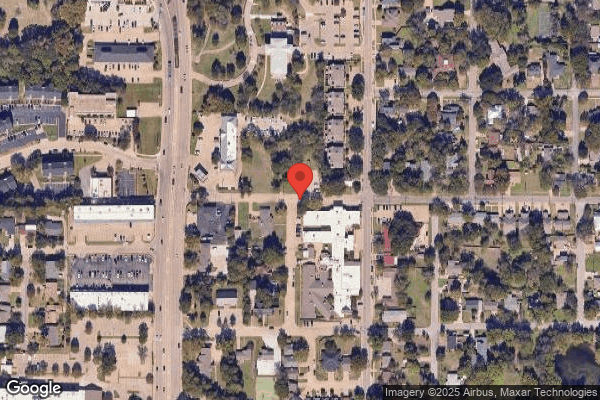
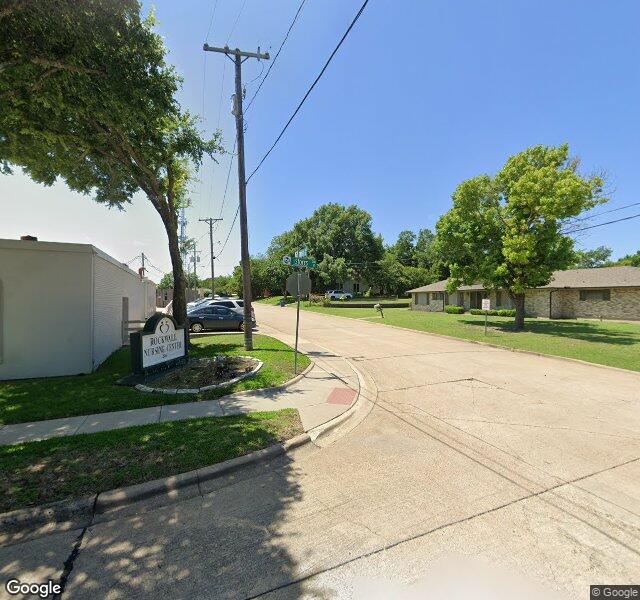
206 STORRS, ROCKWALL, TX 75087 (972) 771-5000
For profit - Corporation 192 Beds CREATIVE SOLUTIONS IN HEALTHCARE Data: November 2025 5 Immediate Jeopardy citations
Trust Grade
0/100
#554 of 1168 in TX
Last Inspection: January 2025

Within standard 12-15 month inspection cycle. Federal law requires annual inspections.

Overview

Rockwall Nursing Care Center has a Trust Grade of F, which indicates significant concerns and suggests that the facility is performing poorly overall. They rank #554 out of 1168 nursing homes in Texas, placing them in the top half of facilities, but they are last in their county, ranking #5 out of 5 in Rockwall County. The facility is improving, with issues decreasing from 9 in 2024 to 4 in 2025, but they still have serious problems to address. Staffing is a relative strength with a turnover rate of 31%, which is well below the Texas average of 50%, but the overall staffing rating is only 2 out of 5 stars. However, the facility has concerning fines totaling $139,839, indicating repeated compliance issues, and their RN coverage is average, meaning residents may not receive the high level of oversight that could prevent problems. Specific incidents include a resident who eloped due to the facility's failure to follow their care plan, and another resident who fell and sustained serious injuries because they were left unsupervised in the dining room. While there are some positive aspects, families should be aware of the critical areas needing improvement to ensure the safety and well-being of their loved ones.

Trust Score
F
0/100
In Texas
#554/1168
Top 47%
Safety Record
High Risk
Review needed
Inspections
Getting Better
9 → 4 violations
Staff Stability
○ Average
31% turnover. Near Texas's 48% average. Typical for the industry.
Penalties
✓ Good
$139,839 in fines. Lower than most Texas facilities. Relatively clean record.
Skilled Nurses
⚠ Watch
Each resident gets only 18 minutes of Registered Nurse (RN) attention daily — below average for Texas. Fewer RN minutes means fewer trained eyes watching for problems.
Violations
⚠ Watch
38 deficiencies on record. Higher than average. Multiple issues found across inspections.
★★★☆☆
3.0
Overall Rating
★★☆☆☆
2.0
Staff Levels
★★★★★
5.0
Care Quality
★★☆☆☆
2.0
Inspection Score
Stable
2024: 9 issues
2025: 4 issues

The Good

  • 5-Star Quality Measures · Strong clinical quality outcomes
  • Full Sprinkler Coverage · Fire safety systems throughout facility
  • No fines on record
  • Staff turnover below average (31%)

    17 points below Texas average of 48%

Facility shows strength in quality measures, fire safety.

The Bad

3-Star Overall Rating

Near Texas average (2.8)

Meets federal standards, typical of most facilities

Staff Turnover: 31%

14pts below Texas avg (46%)

Typical for the industry

Federal Fines: $139,839

Well above median ($33,413)

Significant penalties indicating serious issues

Chain: CREATIVE SOLUTIONS IN HEALTHCARE

Part of a multi-facility chain

Ask about local staffing decisions and management

The Ugly 38 deficiencies on record

5 life-threatening
Jun 2025 1 deficiency
CONCERN (D) 📢 Someone Reported This

A family member, employee, or ombudsman was alarmed enough to file a formal complaint

Potential for Harm - no one hurt, but risky conditions existed

Deficiency F0558 (Tag F0558)

Could have caused harm · This affected 1 resident

**NOTE- TERMS IN BRACKETS HAVE BEEN EDITED TO PROTECT CONFIDENTIALITY** Based on observations, interviews, and record review the facility failed to ensure the right to reside and receive services in t...

Read full inspector narrative →
**NOTE- TERMS IN BRACKETS HAVE BEEN EDITED TO PROTECT CONFIDENTIALITY** Based on observations, interviews, and record review the facility failed to ensure the right to reside and receive services in the facility with reasonable accommodation of resident needs and preferences for three (Resident #10, Resident #11, and Resident #12 ) of twenty-two residents reviewed for reasonable accommodation of needs. The facility failed to ensure the call light system in Resident #10, #11, and #12's rooms were in a position that was accessible to the residents on 06/17/2025. This failure could place the residents at risk of being unable to obtain assistance when needed and help in the event of an emergency. Findings included: Resident #10 Record review of Resident #10's Face Sheet, dated 06/17/2025, reflected the resident was a [AGE] year-old male who admitted to the facility on [DATE]. Resident #10 had diagnoses which included dementia (decline in cognitive function that interferes with daily life) and cognitive communication deficit (impacts how a person processes and conveys information). Record review of Resident #10's Quarterly MDS (tool used to assess functional capabilities and health needs) Assessment, dated 03/25/2025, reflected severely impaired cognition with a BIMS (tool used to assess cognition) score of 01. Section GG (functional abilities) indicated Resident #10 required substantial assistance with self-care needs. Record review of Resident #10's Comprehensive Care Plan, dated 05/13/2025, reflected Resident #10 was at risk for falls related to balance/gait problems. Some interventions were anticipate and meet the resident's needs and ensure the resident was wearing appropriate footwear when ambulating or mobilizing in wheelchair. During an observation 06/17/2035 at 9:05 AM, Resident #10 was lying in bed. The resident's call light was on the nightstand next the resident's bed and not within reach. An attempt was made to interview Resident #10, but the resident was unable to participate because of his cognitive status. Resident #11 Record review of Resident #11's Face Sheet, dated 06/17/2025, reflected the resident was a [AGE] year-old female who admitted to the facility on [DATE]. Resident #11 had diagnoses which included Alzheimer's disease (loss of memory and cognitive ability that interferes with daily life) and muscle wasting and atrophy (loss of skeletal muscle mass). Record review of Resident #11's Quarterly MDS Assessment, dated 04/05/2025, reflected a BIMS Assessment was not appropriate because the resident was rarely/never understood. The staff assessment reflected severely impaired cognition with daily decision making. Section G (functional status) indicated Resident #11 required extensive assistance with acts of daily living. Record review of Resident #11's Comprehensive Care Plan, dated 05/29/2025, reflected Resident #11 had the potential for impaired visual function related to vision deficit. One intervention was to keep the call light in reach when Resident #11 was in her room or bathroom. During an observation on 06/17/2025 at 9:13 AM, Resident #11 was lying in bed asleep. The call light was wrapped around the call light fixture on the wall and not within the resident's reach. Resident #12 Record review of Resident #12's Face Sheet, dated 06/17/2025, reflected the resident was a [AGE] year-old male who admitted to the facility on [DATE]. Resident #12 had diagnoses which included cerebral infarction (stroke: interruption of blood flow to the brain) and hemiparesis (weakness on one side of the body) affecting the left non-dominant side. Record review of Resident #12's Quarterly MDS Assessment, dated 05/30/2025, reflected moderately impaired cognition with a BIMS score of 08. Section GG (functional abilities) indicated Resident #12 required substantial assistance with self-care needs. Record review of Resident #12's Comprehensive Care Plan, dated 05/13/2025, reflected Resident #12 was at risk for falls related to gait/balance problems and paralysis. One intervention was ensure the resident's call light was within reach and encourage the resident to use it for assistance as needed. During an observation and interview on 06/19/2025 at 9:17 AM, Resident #12 was lying in bed. The call light was in the top drawer of the nightstand next to the resident's bed and not within the resident's reach . Resident #12 stated he used the call light at times but staff didn't always answer it. During an interview on 06/17/2025 at 9:35 AM, the CNA stated at the beginning of each shift she rounded on all her residents. She stated she always checked to be sure the call lights were in reach and it was a miss on her part. She stated it was important for the residents to be able to reach staff if they needed a drink or snack, needed changed, or needed to be repositioned in bed. The CNA stated it was important to monitor residents' call lights to ensure they were within reach. She stated if a resident could not reach their call light, staff would not know they needed help. During an interview on 06/17/2025 at 1:15 PM, the ADON stated she expected all staff to monitor call light placement during rounds. She stated it was important for residents to have the call light in reach so they could tell staff what they needed. During an interview on 06/17/2025 at 1:40 PM, the RN stated residents' call lights should always be within reach so anytime the resident had a need they could reach staff. She stated if the resident could not reach their call light, staff would not be able to respond right away. She stated a resident might fall trying to get to their call light. During an interview on 06/17/2025 at 2:51 PM, the Administrator stated it was important to ensure residents' call lights were in reach. He stated sometimes staff moved a call light when providing care and forgot to put it back. He stated CNAs should regularly round and correct that. He stated if a resident did not have their call light, there could be a delay in providing assistance to the resident. The facility did not have a policy specifically related to call lights.
Jan 2025 3 deficiencies
CONCERN (E)

Potential for Harm - no one hurt, but risky conditions existed

Accident Prevention (Tag F0689)

Could have caused harm · This affected multiple residents

**NOTE- TERMS IN BRACKETS HAVE BEEN EDITED TO PROTECT CONFIDENTIALITY** Based on observations, interviews, and record review, the facility failed to ensure each resident receives adequate supervision ...

Read full inspector narrative →
**NOTE- TERMS IN BRACKETS HAVE BEEN EDITED TO PROTECT CONFIDENTIALITY** Based on observations, interviews, and record review, the facility failed to ensure each resident receives adequate supervision and assistance devices to prevent accidents for four (Residents #19, #39, #15, and #10) of 12 residents reviewed for essential equipment. 1. The facility failed to maintain wheelchairs for Residents #19, #39, #15, and #10. These failures could place residents at risk for using equipment that is in unsafe operating condition, that could cause injury. Findings included: Record review of Resident # 19's face sheet dated 01/14/2025 reflected a [AGE] year-old male who was admitted to the facility on [DATE] with diagnoses which included: Dementia (condition characterized by loss of brain functions such as memory loss), muscle weakness (muscle deterioration), and abnormalities of gait and mobility (unable to walk safely). Record review of Resident #19's MDS assessment dated [DATE] revealed he had a BIMS score of 10 which indicated moderate impairment. ADL care reflected resident is totally dependent on staff for ambulation and locomotion. Record review of Resident #19's comprehensive care plan dated 12/02/2024 reflected goals and approaches to include wheelchair mobility. Observation on 01/14/2025 at 3:00pm revealed Resident #19 was sitting in his wheelchair in the doorway of the dining room and there were no skin tears on his arm. The wheelchair's right and left arm rests were cracked, and foam exposed. In an attempted interview on 01/15/2025 at 9:10am with Resident #19, Resident #19 did not respond when asked what happened to the arm rests on his wheelchair and if he told staff about the arms on his wheelchair. Record review of Resident #39's face sheet dated 01/15/2025 reflected a [AGE] year-old male who was admitted to the facility 12/23/2021 with diagnoses which included: hemiplegia and hemiparesis(weakness and paralysis) following cerebral infarction affecting left dominant side, hypertension, and lack of coordination. Record review of Resident #39's MDS assessment dated [DATE] reflected a BIMS score of 2 which indicated severe impairment. ADL care reflected for transfers, toileting, and bathing, Resident #39 was totally dependent for assistance. Record review of Resident #39's comprehensive care plan dated 12/30/2024 reflected goals and approaches to include wheelchair mobility. Observation and attempted interview on 01/15/2025 at 9:20am with Resident #39 revealed resident sitting in his wheelchair in the common area and the wheelchair's left and right arm rests were cracked. There were no skin tears on his arms. Resident #39 was nonresponsive. Record review of Resident #15's face sheet dated 01/15/2025 reflected an [AGE] year-old female who was admitted to the facility 05/01/2024 with diagnoses which included: Dementia (condition characterized by loss of brain functions such as memory loss), hemiplegia and hemiparesis( weakness and paralysis) following cerebral infarction affecting left dominant side, hypertension, and lack of coordination. Record review of Resident #15's MDS assessment dated [DATE] reflected a BIMS score of 8 which indicated moderate impairment. ADL care reflected for transfers, toileting, and bathing, Resident #15 was totally dependent for assistance. Record review of Resident #15's comprehensive care plan dated 11/05/2024 reflected goals and approaches to include wheelchair mobility. Observation and attempted interview on 01/15/2025 at 9:22am with Resident #15 revealed resident sitting in her wheelchair in the common area. Resident #15's wheelchair left arm rest was cracked with exposed foam. The right arm rest was missing. There were no skin tears on her arms. Resident #15 was nonresponsive. Record review of Resident #10's face sheet dated 01/15/2025 reflected an [AGE] year-old female who was admitted to the facility 12/31/2010 with diagnoses which included: Alzheimer's disease with late onset, abnormalities of gait and mobility, muscle weakness, and lack of coordination. Record review of Resident #10's MDS assessment dated [DATE] reflected a BIMS score of 15 which indicated intact cognitive abilities. ADL care reflected Resident is independent but for transfers, toileting, and bathing Resident #10 required supervision with setup. Record review of Resident #10's comprehensive care plan dated 01/06/2025 reflected goals and approaches to include wheelchair mobility. Observation and interview on 01/15/2025 at 10:29am with Resident #10 revealed resident sitting in her wheelchair in her room. Resident #10's wheelchair right and left armrest was cracked with exposed foam. There were no skins tears on her arms. Resident #10 stated when her wheelchair arm handle was loose, she went to one of the maintenance men and told one of the men. She stated the maintenance man tightened her handle right away. Resident #10 stated she never told staff about her right and left arm rest being cracked because she's not worried about it. She stated staff never mentioned anything to her about her wheelchair arm rests being cracked. In an interview on 01/15/2025 at 9:15am with CNA I stated when resident's wheelchairs needed repairs, staff would make a note of the repairs in the maintenance log that is located at the nurse's station. She stated depending on the repair, maintenance resolved the issue in a timely manner. She stated wheelchairs not being repaired could cause skin tears. In an interview on 01/15/2025 at 9:25am with LVN J stated she's been employed at the facility for two months. She stated she is unsure of the procedure to report wheelchair repairs. In an interview on 01/15/2025 at 1:29pm with the ADM he stated wheelchairs inspections are completed routinely once a month and daily during angel rounds. He stated if staff identify a wheelchair that needed to be repaired, staff is expected to submit a request in the online maintenance portal, or the request is reported to a supervisor and discussed in the morning meeting. He stated there were no discussion from staff regarding Residents #19, #39, #15, and #10 wheelchair armrests needed to be repaired. He stated any request submitted in the portal went to the maintenance supervisor and the maintenance supervisor resolved all requests. He stated he could provide documentation of requests submitted to the online portal. However, he could not provide any documentation that reflected the quantity of wheelchairs being inspected daily. He stated wheelchairs not being repaired could put residents at fall risks and sharp edges could harm the residents. A policy regarding the maintenance of wheelchairs was requested. The ADM stated the facility does not have a policy regarding wheelchair maintenance but provided documentation of Resident's Rights . In an interview on 01/15/2025 at 3:07pm with the DON she stated when a wheelchair needed to be repaired staff is expected to report the repair to the nurse on duty, and the nurse notified the DON or ADM. She stated when the repair was reported to her, she notified the therapy department, and the therapy department ordered a new wheelchair. She stated wheelchairs not being repaired could cause the wheelchair not to function properly. She stated if the wheelchair's arm rests are cracked but the foam is still intact, there is no risks to residents. In an interview on 01/15/2025 at 3:19pm with the MS he stated when a wheelchair needed to be repaired, he would repair the wheelchair if he could. He stated if he was unable to repair the wheelchair, the facility purchased another wheelchair. He stated when staff identified a wheelchair repair, staff entered the request in the maintenance portal, and he reviewed and resolved the request. He stated because some staff is not tech savvy, some maintenance requests are noted in the maintenance log located at each nurse's station. He stated he completed routine wheelchair inspections every month and noted in the online maintenance portal. He stated lately, he hasn't received any maintenance request in the online portal or in the maintenance log binder. Record review of the facility's maintenance log binders dated August 2024-January 2025 revealed one wheelchair repair request dated 10/30/2024. Wheelchair brakes needed adjustment. The request was resolved, the brakes were adjusted, and the arm rest and side panel repaired. There was no resolved date noted. The maintenance log binder did not reveal any wheelchair repair request for Residents #19, #39, #15, and #10. Record review of the facility's online maintenance portal requests dated August 1, 2024- January 14, 2025, revealed routine wheelchair inspections on the entire building dated 08/02/2024, 10/15/2024, 11/19/2024, and 12/17/2024. The inspections did not reveal any wheelchair repair requests for Residents #19, #39, #15, and #10. Record review of State Long Term Care Ombudsman Program dated 2025 reflected: Your Rights in a Nursing Facility .Dignity and Respect: you have the right to live in safe, decent, conditions.
CONCERN (E)

Potential for Harm - no one hurt, but risky conditions existed

Food Safety (Tag F0812)

Could have caused harm · This affected multiple residents

Based on observations, interviews, and record review the facility failed to store, prepare, distribute, and serve food in accordance with professional standards for food service safety in the facility...

Read full inspector narrative →
Based on observations, interviews, and record review the facility failed to store, prepare, distribute, and serve food in accordance with professional standards for food service safety in the facility's only kitchen reviewed for food safety. 1. The facility failed to ensure food items were labeled and dated with the received or expiration date. 2. The facility failed to ensure expired whipping cream was disposed. 3. The facility failed to discard open items stored in the refrigerator that were not sealed. These failures could place residents at risk for food-borne illness and cross contamination. Findings Included: Observation of drink dispenser on 01/14/2025 at 9:14am revealed the following: -1 3 gallon drink dispenser of unidentified yellow liquid drink. There was no label description or preparation date. Observation of refrigerator #1 on 01/14/2025 at 9:22 am revealed the following: -2 quarts of heavy whipping cream with use by date 01/08/2025 . Observation of refrigerator #3 on 01/14/2025 at 9:28am revealed the following: -1 large zip top bag of ham dated 01/12/2025 exposed to the air . -1 large pack of unidentified chopped lunch meat. There was no label description or use by or expiration date. In an interview with the DM on 01/14/2025 at 9:36am he stated staff is expected to label and date all food items upon receival and daily as needed. He stated use by dates or expirations dates are checked before storing and daily as food items are used. He stated the ham exposed to air should be sealed tight. He stated the unidentified chopped lunch meat should be labeled identifying meat with an open date or us by date. He stated the risks of food items not properly labeled and dated, and stored past the expiration date could cause potential food poisoning. In an interview with DC H on 01/15/2025 at 11:28am, she stated all food items that are delivered to the facility should be labeled and dated before the food items are stored. She stated the risks of food items not labeled or dated correctly could cause allergic reactions and serving expired food could cause residents to become sick. Record review of the facility's Food Storage and Supplies Policy, no date, reflected Policy Statement: All facility storage areas will be maintained in an orderly manner that preserves the condition of food and supplies. We will ensure storage areas are clean, organized, dry and protected from vermin, and insects. 4. Open packages of food are stored in closed containers with covers or in sealed bags, and dates as when opened. 6. Any product with a stamped expiration date will be discarded once that date passes. Review of the U.S. FDA Food Code 2022 reflected: Chapter 3 . section 3-201.11 Compliance and Food Law: . C. Packaged Food shall be labeled as specified in LAW, including 21 CFR 101 Food Labeling [* .(b) A food which is subject to the requirements of section 403(k) of the act shall bear labeling, even though such food is not in package form .], 9 CFR 317 Labeling, [*(a) When, in an official establishment, any inspected and passed product is placed in any receptacle or covering constituting an immediate container, there shall be affixed to such container a label .Marking Devices, and Containers, and 9 CFR 381 Subpart N Labeling and Containers, and as specified under § 3-202.18. Section 3-302.12 Food Storage Containers, Identified with Common Name of Food: Except for containers holding FOOD that can be readily and unmistakably recognized such as dry pasta, working containers holding food or food ingredients that are removed from their original packages for use in the food establishment, such as cooking oils, flour, herbs, potato flakes, salt, spices, and sugar shall be identified with the common name of the food.Section 3-305.13 Vended Time/Temperature Control for Safety Food, Original Container: In addition, time/temperature control for safety foods are vended in a hermetically sealed state to ensure product safety. Once the original seal is broken, the food is vulnerable to contamination . Section 3-501.17 . Commercial processed food: Open and hold cold . B. 1. The day the original container is opened in the food establishment shall be counted as Day 1. 2. The day or date marked by the food establishment may not exceed a manufacturer's use-by date if the manufacturer determined the use-by date based on food safety. C. 2. Marking the date or day of preparation, with a procedure to discard the food on or before the last date or day by which the food must be consumed on the premises, sold, or discarded as specified under (A) of this section. 3. Marking the date or day the original container is opened in a food establishment, with a procedure to discard the food on or before the last date or day by which the food must be consumed on the premises, sold, or discarded as specified under (B) of this section. Chapter 5 . Section 5-205.11 Using a Handwashing Sink (A) A Handwashing Sink shall be maintained so that it is accessible at all times for Employee use. Section 5-501.16 Storage Areas, Rooms, and Receptacles, Capacity and Availability . (B) A receptacle shall be provided in each area of the Food establishment or premises where refuse is generated or commonly discarded, or where recyclables or returnable are placed. (C) If disposable towels are used at handwashing lavatories, a waste receptacle shall be located at each lavatory or group of adjacent lavatories. Section 5-501.113 Covering Receptacles. Receptacles and waste handling units for refuse, recyclables, and returnable shall be kept covered: . www.fda.gov
CONCERN (E) 📢 Someone Reported This

A family member, employee, or ombudsman was alarmed enough to file a formal complaint

Potential for Harm - no one hurt, but risky conditions existed

Safe Environment (Tag F0921)

Could have caused harm · This affected multiple residents

Based on observations, interviews and record reviews the facility failed to provide a safe, functional, sanitary and comfortable environment for residents, staff and the public for 2 of 12 rooms (Resi...

Read full inspector narrative →
Based on observations, interviews and record reviews the facility failed to provide a safe, functional, sanitary and comfortable environment for residents, staff and the public for 2 of 12 rooms (Residents #43's and #61's rooms) and 1 of 4 halls (the 300 wing (secure unit) hallway). The facility failed to ensure that there was running water in the sinks, the sinks had functioning drains, safety grab bars were secure to the walls, tiles had no gaps between them exposing the porous flooring beneath and safety handrails had no exposed sharp metal protrusions. These failures could result in residents experiencing falls, skin tears and unable to perform handwashing. Findings included: An observation on 01/14/2025 at 4:07 PM in the bathroom of Resident #43 revealed43 revealed that the safety grab bar facing the toilet was loose from the wall and offered significant movement when pulled upon. The water barrier (a plastic based sheeting designed to repel liquids) next to the toilet had separated from the wall next to the toilet revealing a large gap (approximately 6 inches by 4 inches) between the wall and the water barrier . The tiles around the base of the toilet had become separated revealing gaps ( approximately(approximately 5 tiles with ½ inch to 1/8 inch1/8-inch gaps) between the tiles that exposed the bare floor. Resident #43 was unable to answer any questions about his bathroom. An observation on 01/15/2025 at 10:11 AM in the bathroom of Resident #61 revealed that the sink had no running hot or cold water and the stopper for the sink was inoperable keeping the stopper closed. Resident #61 was not in his room at the time of the observation. An observation on 01/15/2025 at 10:50 AM in the 300 Wing (Secure Unit) a section of hand railhandrail was observed to be missing the plastic, curved endcaps exposing the sharp edges of sheet metal that residents could have access too. An observation on 01/15/2025 at 12:04 PM of a conversation between the ADON and Resident #61 revealed that Resident #61 asked the ADON where he could wash his hands, he stated that there was no water in his room. The ADON offered Resident #61 some Alcohol Based Hand Rub and instructed Resident #61 on how to use the hand sanitizer. The ADON said to Resident #61 that all of the water had been turned off to all of the bathrooms because they were fixing his sink. Resident #61 was unable to answer questions. In an interview on 01/15/2025 at 12:06 PM CNA B stated that the maintenance folder was located behind the nurses station. She stated that the facility had also started to use a phone app to report maintenance issues but that she had not used it yet. She stated that she would report clogged toilets, burnt out lights or beds that need to be fixed. She stated that she sometimes just tells the maintenance supervisor in person of maintenance issues. In an interview on 01/16/2025 at 12:12 PM CNA C revealed that the maintenance log was located behind the nurses station and that she is supposed to log anything that is broken there like lights, beds, and toilets. She stated that the facility was trying to use a new phone app to report things to the maintenance supervisor. She stated that it was important to fix things around the facility that residents use so that their lives are better and that not having beds or toilets working could make life more difficult for residents. In an interview on 1/16/2025 at 12:23 PM CNA E revealed that she was aware of two maintenance logs, one behind the nursing station by the entrance to the facility and one at the nursing station near the entrance to the secure unit. She stated That she had written maintenance issues in both logs before and she was pretty sure they were still supposed to be using the maintenance logs but that there was a new phone App that the facility was wanting them to use. She stated that it was important to have issues fixed so that residents could do everyday things like use their toilets, shower rooms and other things. In an interview on 1/16/2025 at 3:26 PM the ADM revealed that he had been unaware of the safety grab rail in Resident #43's room, the lack of running water in Resident #61's room or the hand/guard rail with exposed sharp edges in the 300 [Secure Unit] hallway. He stated that the maintenance issues in the Secure unit could cause falls or skin tears and that all residents should have available hot water to wash their hands. He stated that he had reviewed both maintenance logs and the new phone App reporting system and he could find no reports about maintenance issues in the secure unit. In an interview on 01/16/2025 at 3:29 PM the Maintenance Supervisor revealed that he had not been aware of the maintenance issues in the secure unit. He stated that the safety grab bar in Resident #43's room was loose and that the spacers used to secure it to the wall had cracked and he would fix it that day. He stated that he had be had not seen any entries in either the maintenance log or the new phone App about the maintenance issues in Residents #43's and #61's rooms. He stated that he had no idea how long the sink in Resident #61's room was not functioning but explained that the shut off valves beneath the sink were not functioning and that the stopper in the sink would not open. He stated that it needs to be fixed immediately so the residents could wash their hands when they want to. He stated that he was unaware of the handrail in the 300-hall missing its end caps, and that the ends of the handrail were not extremely sharp but that it was sheet metal and could be sharp. He stated that he would find new endcaps for the handrail as soon as possible. He stated that he prefers to use the old maintenance logbooks over the new maintenance phone App as he had not seen many entries in the phone App. In an interview on 01/16/2025 at 3:38 PM the DON revealed that she had not been aware of the maintenance issues on the 300-Hall [Secure Unit]. She stated that if the safety grab bar in a resident's bathroom fell off a resident could fall and possibly injure themselves. She stated that if residents could not wash their hands with hot water and soap it could lead to possible infection control issues or affect the mental state of residents if unable to attend to daily hygiene needs. She stated that the exposed edges handrail in the hallway of the 300-Hall Secure Unit could pose a skin tear risk to residents using the handrail for balance or going past the handrail in wheelchairs. Record review of both maintenance logs in the facility found no evidence of maintenance issues being reported for the 300-Hall Secure Unit x 3 months. Record review of the facility policy, Homelike Environment, revised February 2021, reflected: Policy Statement Residents are provided with a safe, clean, comfortable and homelike environment.
Dec 2024 3 deficiencies
CONCERN (D) 📢 Someone Reported This

A family member, employee, or ombudsman was alarmed enough to file a formal complaint

Potential for Harm - no one hurt, but risky conditions existed

Deficiency F0583 (Tag F0583)

Could have caused harm · This affected 1 resident

Based on observations, interviews, and record review the facility failed to protect the confidentiality of personal and medical records for one (LVN A) of three staff observed for confidentiality of r...

Read full inspector narrative →
Based on observations, interviews, and record review the facility failed to protect the confidentiality of personal and medical records for one (LVN A) of three staff observed for confidentiality of records. The facility failed to ensure LVN A locked and closed the laptop during the medication pass exposing resident on the female locked unit's personal information. This failure could affect residents by placing them at risk for loss of privacy and dignity. The findings included: Observation on 12/19/2024 at 11:55AM revealed the computer on Medication Cart 1 was unlocked and unattended on the female locked unit which displayed resident medications that were being passed. The computer was unattended near the front door of the locked unit while LVN A assisted a resident to the dining table and went to another resident's room. LVN A also walked past the unlocked computer on Medication Cart 1 to assist another resident to a sitting area. Several residents walked past the unlocked computer on Medication Cart 1 which was facing toward the common area. Interview on 12/19/2024 at 11:57AM with LVN A revealed she had worked in the facility off and on since 2017. LVN A stated she was aware the computer should have been locked however she did not think any of the residents would get into the computer. LVN A stated the risk of leaving the computer unlocked would be that someone would have access to resident information. Interview on 12/19/2024 at 3:30PM with the Administrator revealed the computer screen on the medication cart was to be locked whenever not sight of LVN A. The Administrator stated the risk of leaving the computer unlocked would be that resident information could be accessed. Review of the facility policy Nursing facility resident rights revised November 2021, revealed you have the right to have facility information about you maintained as confidential.
CONCERN (D) 📢 Someone Reported This

A family member, employee, or ombudsman was alarmed enough to file a formal complaint

Potential for Harm - no one hurt, but risky conditions existed

Accident Prevention (Tag F0689)

Could have caused harm · This affected 1 resident

**NOTE- TERMS IN BRACKETS HAVE BEEN EDITED TO PROTECT CONFIDENTIALITY** Based on observation, interviews, and record review, the facility failed to ensure each resident received adequate supervision a...

Read full inspector narrative →
**NOTE- TERMS IN BRACKETS HAVE BEEN EDITED TO PROTECT CONFIDENTIALITY** Based on observation, interviews, and record review, the facility failed to ensure each resident received adequate supervision and assistance devices to prevent accidents for 1 of 4 residents (Resident #1) reviewed for accidents and hazards. The facility failed to ensure Resident #1's shoes were on properly to avoid falls. This failure could place residents at risk of their needs not being met. Findings included: Record review of Resident #1's electronic face sheet printed 12/19/2024 revealed an 85 year- old female admitted to the facility on [DATE] with diagnoses that included Alzheimer's (most common cause of dementia, causes brain cells to die over time and the brain to shrink), unspecified abnormalities of gait and mobility, and history of falling. Record review of Resident #1's care plan revised 12/11/2024 revealed focus: risk for falls with intervention that included anticipate needs, ensure footwear worn appropriately when ambulating or mobilizing in wheelchair. Record review of Resident #1's admission MDS assessment dated [DATE] revealed a BIMS of 03 which indicated severe cognitive impairment. Review of section GG functional abilities revealed Resident #1 required supervision or touching assistance with putting on and taking off footwear and upper and lower body dressing. Review of Resident #1's admission fall risk assessment dated [DATE] revealed a score of high risk. Observation and interview on 12/19/2024 at 11:55 AM revealed Resident #1 observed with her heels not completely in the shoes and walking around the common area. Resident #1 stated she did not receive any assistance with putting her shoes on. A full interview with Resident #1 was not completed due to cognitive abilities. Interview on 12/19/2024 at 11:57 AM with CNA B revealed Resident #1 dressed herself and would often put on shoes incorrectly. CNA B stated when she noticed Resident #1's shoes were off she would try to put the shoes on correctly if Resident #1 allowed. CNA B stated she was not aware of Resident #1 having any falls recently. Interview on 12/19/2024 at 3:30PM with Administrator revealed staff should have been using Resident #1's plan of care to determine fall risk interventions. The administrator stated if a resident was a fall risk, they should have no slip socks or shoes with resistance. The administrator stated if staff were aware of Resident #1 wearing shoes improperly, they should attempt to intervene and correct the shoes. The administrator revealed the risk of Resident #1's shoes not being on properly could be that the Resident could fall, and intervention put in place would not be effective. Review of the facility policy comprehensive care planning undated revealed The facility will develop and implement a comprehensive person-centered care plan for each resident, consistent with the resident rights that Includes measurable objectives and timeframes to meet a resident's medical, nursing, and mental and psychosocial needs that are identified in the comprehensive assessment. Review of the facility policy Preventive Strategies to Reduce Fall Risk revised October 5, 2016, revealed Footwear, shoes, slippers, etc., worn by residents should fit properly and have slip resistant soles. When foot problems prohibit proper-sized shoes, residents will be referred for podiatry care to remedy the problem. To accommodate foot problems, the resident may be prescribed therapeutic footwear.
CONCERN (D) 📢 Someone Reported This

A family member, employee, or ombudsman was alarmed enough to file a formal complaint

Potential for Harm - no one hurt, but risky conditions existed

Deficiency F0761 (Tag F0761)

Could have caused harm · This affected 1 resident

Based on observation, interview and record review, the facility failed to store all drugs and biologicals in locked compartments for one (Medication Cart 1) of three medication carts reviewed for medi...

Read full inspector narrative →
Based on observation, interview and record review, the facility failed to store all drugs and biologicals in locked compartments for one (Medication Cart 1) of three medication carts reviewed for medication storage. The facility failed to lock Medication cart 1 leaving all medications on the cart accessible. These failures could place residents at risk for possible drug diversions. Findings included: Observation on 12/19/2024 at 11:55AM revealed the Medication Cart 1 was unlocked and unattended on the female locked unit. The Medication on Cart 1 was accessible to residents and staff on the unit due to the drawers being able to be pulled open. Medication Cart 1 was unattended near the front door of the locked unit while LVN A assisted a resident to the dining table and went to another resident's room. LVN A also walked past unlocked Medication Cart 1 to assist another resident to a sitting area. Several residents walked past unlocked Medication Cart 1 which was facing toward the common area. Interview on 12/19/2024 at 11:57AM with LVN A revealed she had worked in the facility off and on since 2017. LVN A stated she was aware Medication Cart 1 should have been locked however she did not think any of the residents would mess with the cart. LVN A stated the risk of leaving the medication cart unlocked would be that someone would have access to the medication. Interview on 12/19/2024 at 3:30PM with the Administrator revealed the medication cart should have been locked whenever not in sight of LVN A Review of the policy Medication administration procedure revised 10/25/17 revealed, After the medication administration process is completed, the medication cart must be completely locked, or otherwise secured.
Nov 2024 2 deficiencies 1 IJ
CRITICAL (J) 📢 Someone Reported This

A family member, employee, or ombudsman was alarmed enough to file a formal complaint

Immediate Jeopardy (IJ) - the most serious Medicare violation

Accident Prevention (Tag F0689)

Someone could have died · This affected 1 resident

**NOTE- TERMS IN BRACKETS HAVE BEEN EDITED TO PROTECT CONFIDENTIALITY** Based on observations, interviews, and record reviews, the facility failed to ensure residents received adequate supervision and...

Read full inspector narrative →
**NOTE- TERMS IN BRACKETS HAVE BEEN EDITED TO PROTECT CONFIDENTIALITY** Based on observations, interviews, and record reviews, the facility failed to ensure residents received adequate supervision and assistance devices to prevent accidents for one (Resident #1) of five residents reviewed for accidents. The facility failed to ensure Resident #1 who was a fall risk, had precautions in place to prevent Resident #1 from falling in the dining room on 10/30/2024. Resident #1 was left alone in the dining room by staff and fell out of his wheelchair. He sustained a bilateral subdural hematoma and was hospitalized . Resident #1 had a fall on 10/28/24 from his bed in which he sustained a hematoma. The noncompliance was identified as PNC IJ. The noncompliance began on 10/30/24 and ended on 10/31/24. The facility had corrected the noncompliance before the investigation began. This failure could place residents at risk of injury and a decreased quality of life. Findings included: Record review of Resident #1's Face Sheet printed 11/01/2024, reflected an [AGE] year-old male who was admitted to the facility initially on 10/14/2022 and readmitted on [DATE] with diagnoses to include but not limited too Dementia, unspecified severity without behavioral disturbance , psychotic disturbance, mood disturbance ( term used to describe a group of symptoms affecting memory, thinking and social abilities), acute kidney failure( a condition in which the kidney stops working suddenly) and difficulty in walking. Record review of Resident #1's annual MDS, dated [DATE], reflected a BIMS score of 3 which indicated severe cognate impairment. Functional abilities included supervision/ touching assistance with eating, oral hygiene, toileting, upper body dressing and person hygiene. Resident#1 required partial/moderate assistance with shower/baths, lower body dressing, putting on/taking off footwear. Review of section J health conditions revealed Resident #1 had two or more falls since admission/ reentry. Record review of Resident #1s care plan revised 08/05/2024 reflected, Resident #1 at risk for multiple falls with interventions that included educate resident, family and caregivers about safety, floor mat while resident is in bed, remind resident to use call light for assistance, therapy evaluation as needed. Review of nursing notes dated 10/28/24 at 4:49 AM authored by LVN A revealed CNA went in to do his rounds and noted resident on the floor beside his floor mate. Upon assessment, nurse noted a hematoma and some bleeding at the right side of resident's forehead. Resident was restless and agitated, refusing first aid. Resident report pain to his head. EMS was called in for resident to be transported for further evaluation in the Hospital. Vitals were, BP 149/107, Pulse 77, 02 96, R 20 and T 97.9. Dr [name of Dr], DON and Family notified. Record review of Resident #1's fall risk assessment dated [DATE], reflected a score of 16, which indicated a high risk for falling. Review of hospital records dated 10/28/2024 revealed Resident #1 had a fall 10/28/24 due to rolling out of bed and hitting his head, resident was transferred to hospital and diagnosed with Hematoma of the scalp. Review of Resident #1's nursing notes dated 10/30/24 at 4:40PM authored by LNV A revealed BP-143/48. T-97.8. P-80. R-18. BS-na{Sic].Resident had a fall. Location: Dining Room. Fall information: Unwitnessed, Hit Head, Cognition / Behavior at Time of Event: Cognitive Impairment, The fall caused a skin tear to Lateral forehead. New / bleeding, At 14:40 staff was taking residents to dining room for dinner. While bringing other residents to the dining room they noted [Resident #1] on the floor. Other residents stated he stood up from his w/c in attempt to walk and stumbled. Resident is sometimes impulsive and forgets his gait is unsteady. Resident was lying on his left side in the dining area. Laceration noted to left forehead with some bleeding. Emergency first aid rendered and 911 called. Neuro [SIC] implemented. Resident sent [SIC] ER Appears and/or states to be in pain. Describes the pain as: Initial Treatment/New Orders: Resident has UTI and is being treated with antibiotics. Resident Statement: Resident has dementia and unable to state what happened .Name of MD/NP notified:[physician name] Date/time of notification: 10/30/2024 4:43 PM . Name of RP notified:[family member name] Date/time of notification: 10/30/2024 2:42 PM. Review of the nursing notes dated 10/01/2024- 11/01//2024 revealed the resident had fall on 02/19/2024, 4/13/2024, 9/19/2024, 10/28/2024 and 10/30/24. Review of hospital records dated 10/30/2024 revealed Resident #1 went to hospital and was diagnosed with bilateral subdural hematoma due to a fall in the dining area and was asymptomatic however due to having advance dementia and DNR resident was unlikely a candidate for operative intervention if needed. Per hospital notes resident was transferred to another hospital for higher level of care due to two falls which resulted in Hematomas. Interview on 11/01/2024 at 12:30 PM with LVN D revealed there was typically a nurse sitting at the dining area during meal times and CNA's on the hall assiting residents to the dining area. LVN D stated she was not on shift when Resident #1 fell in the dining area. LVN D stated she did particpate in a in- service yesterday regarding fall prevention and change in condition. LVN D stated all residents who were a fall risk had fall mats beside, lowered beds and call ligts within reach. Interview on 11/01/2024 at 1:38 PM with CNA D revealed she was not working when Resident #1 fell. CNA D stated she particpated in the in-service regarding fall prevention and change in condition. CNA D stated for residents who were a fall risk fall mats were beside, bed at lowest position and call lights were within reach. Interview on 11/01/2024 at 2:14PM with LVN B revealed he was the nurse working on 10/30/2024. He stated CNA C and himself were taking residents to the dining area. He stated he and CNA C were out of the dining area around the same time getting other residents and a resident pulled the fire alarm. He stated when he got back to the dining area Resident#1 was on the floor. He stated he assessed Resident #1 for injures and called 911 due to bleeding from the head. LVN B stated Resident #1 tried to stand up from his wheelchair and fell according to other residents in the dining area. LVN B stated typically there was one person always in the dining area with residents however it just happened that he and CNA C were out of the dining area at the same time. LVN B stated Resident #1 was a fall risk and always wanted to stand up however LVN B stated he was not aware that Resident #1 had strength to stand on his own. LVN B stated Resident #1 did have a fall mat beside his bed due to being a fall risk. LVN B stated the facility conducted a in- service regarding fall prevention and change in condition. LVN B stated for residents that were a fall risk, fall mats were bedside, beds at the lowest position and call lights were within reach. Interview on 11/01/2024 at 2:24 PM with the administrator revealed Resident #1 had a fall from his bed on 10/28/2024 however interventions such as fall mat, lowered bed and call light within reach were in place and no new interventions were added. The Administrator stated on 10/30/2024 Resident #1 fell from his wheelchair attempting to stand up which was different from previous falls. The administrator stated the interventions that were in place were due to falls from the bed or sitting and not standing falls. The Administrator stated following the fall on 10/30/2024 new interventions would be put in place to include a helmet for Resident #1. The Administrator stated Residents do not have one on supervision and there was no way staff could always have eyes on Resident #1. In phone interview on 11/05/2024 at 11:48 AM via phone with CNA C revealed she had worked in the facility for 1 year. She stated she did not always work on Resident #1's hall however when she had worked with him she did not know that he was a fall risk. CNA A stated she was not sure if Resident #1 had a fall mat beside his bed. CNA C stated Resident #1 was in the dining area while she left to get another resident changed and transferred to the dining area. She stated she was gone about 5-7 minutes and when she returned Resident #1 was on the floor. CNA C stated she alerted the nurse immediately and the resident was assessed by the nurse. The facility self-reported the 10/30/2024 fall and completed a quapi meeting on 10/31/2024. On 10/31/2024 the facility updated fall risk assessments and care plans for all residents who were fall risk. The facility completed in- services all staff on 10/31/2024 on preventive strategies to reduce falls, falls/ ambulation difficulty, change in condition. Review of the facility policy Preventive Strategies to Reduce Fall Risk revised October 5, 2016, revealed After risk is assessed, individualized nursing care plans will be implemented to prevent falls. The resident and/or family members will be educated on methods to prevent falls. Interventions will focus on manipulating the environment, educating the resident/family, implementing rehabilitation programs to improve functional ability, and care monitoring of medication side effects.
CONCERN (D) 📢 Someone Reported This

A family member, employee, or ombudsman was alarmed enough to file a formal complaint

Potential for Harm - no one hurt, but risky conditions existed

Deficiency F0657 (Tag F0657)

Could have caused harm · This affected 1 resident

**NOTE- TERMS IN BRACKETS HAVE BEEN EDITED TO PROTECT CONFIDENTIALITY** Based on interview and record review, the facility failed to ensure the comprehensive care plan was reviewed and revised by the ...

Read full inspector narrative →
**NOTE- TERMS IN BRACKETS HAVE BEEN EDITED TO PROTECT CONFIDENTIALITY** Based on interview and record review, the facility failed to ensure the comprehensive care plan was reviewed and revised by the interdisciplinary team after each assessment including both the comprehensive assessment and quarterly review assessments for one (Resident #1) of four residents were reviewed for comprehensive care plans. The facility failed to ensure the interdisciplinary team revised and reviewed the care plan after each assessment. This failure could affect residents by placing them at risk for not having their individual needs met. Findings included: Record review of Resident #1's Face Sheet printed 11/01/2024, reflected a [AGE] year-old male who was admitted to the facility initially 10/14/2022 and readmitted on [DATE] with diagnoses to include but not limited to Dementia, unspecified severity without behavioral disturbance , psychotic disturbance, mood disturbance ( term used to describe a group of symptoms affecting memory, thinking and social abilities), acute kidney failure( a condition in which the kidney stops working suddenly) and difficulty in walking. Record review of Resident #1's annual MDS, dated [DATE], reflected a BIMS score of 3 which indicated severe cognate impairment. Functional abilities included supervision/ touching assistance with eating, oral hygiene, toileting, upper body dressing and person hygiene. Resident#1 required partial/moderate assistance with shower/baths, lower body dressing, putting on/taking off footwear. Review of section J health conditions revealed Resident #1 had two or more falls since admission/ reentry. Record review of Resident #1s care plan revised 08/05/2024 reflected, Resident #1 at risk for multiple falls with interventions that included educate resident, family and caregivers about safety, floor mat while resident is in bed, remind resident to use call light for Review of Resident #1's care plan conference revealed the last care plan was held 5/23/2024. Interview on 11/01/2024 at 1:16 PM with the Social Worker revealed care plan conferences were conducted every 3 months. The Social Worker stated the last care plan meeting was held in May 2024 for Resident #1 and the next one should have been completed in August 2024. The social worker stated he had no explanation as to why the care plan conference had not been held stating he looked over it. The social worker stated if care plan meetings were not conducted quarterly then the family or resident would not be aware of the care the resident was receiving. Interview on 11/01/2024 at 2:24 PM with the Administrator revealed the Social Worker was responsible for ensuring the care plan meetings were held quarterly. The Administrator stated the Social Worker dropped the ball and there was no reason that the care plan conference was not held. Review of the policy Comprehensive Care Plans undated revealed The resident's care plan will be reviewed after each Admission, Quarterly, Annual and/or Significant Change MDS assessment, and revised based on changing goals, preferences and needs of the resident and in response to current interventions.
Oct 2024 1 deficiency
CONCERN (D) 📢 Someone Reported This

A family member, employee, or ombudsman was alarmed enough to file a formal complaint

Potential for Harm - no one hurt, but risky conditions existed

Laboratory Services (Tag F0770)

Could have caused harm · This affected 1 resident

**NOTE- TERMS IN BRACKETS HAVE BEEN EDITED TO PROTECT CONFIDENTIALITY** Based on interviews, observations, and record reviews the facility failed to obtain laboratory services to meet the needs of its...

Read full inspector narrative →
**NOTE- TERMS IN BRACKETS HAVE BEEN EDITED TO PROTECT CONFIDENTIALITY** Based on interviews, observations, and record reviews the facility failed to obtain laboratory services to meet the needs of its residents for one (Resident #13) of three residents reviewed for laboratory services. The facility failed to collect a urine specimen for a UA for Resident #13 as ordered by the physician on 9/23/24. This failure could place residents at risk for urinary tract infections, renal failure, and pain. Findings included: Record review of Resident #13's quarterly MDS assessment dated [DATE] revealed the resident was [AGE] years old, was admitted to the facility on [DATE], and had a BIMS score of 03 (suggested severe cognitive impairment). The MDS also revealed Resident #13 was frequently incontinent and had a diagnosis of Alzheimer's disease. Record review of Resident #13's care plan, updated on 09/24/24, revealed Resident #13 was incontinent and should be monitored for symptoms of a UTI. Record review of Resident #13's physician order dated 09/23/24 revealed an order to obtain a UA. No other orders related to UA collection was noted or related to a UTI. In an interview and observation on 10/08/24 at 3:29 p.m., the DON reported that the UA for Resident #13 was cancelled on 9/26/24, and she did not know why the lab cancelled it. The DON stated maybe the resident was fighting staff, and they were unable to collect it. The DON reported that if they were unable to collect the UA then the doctor should have been notified to see if there was an alternative. The DON stated staff should have continued to try to collect the UA and should have notified the doctor after the first day if they were not able to collect it. The DON stated the NP was notified on 9/26/24 that the urine collected was contaminated multiple times, but she did not know what the NP's response was. The DON stated the UA could have been contaminated at the point of collection or in the specimen cup, and she did not know how many times it was contaminated. The DON stated that she did not see anything else documented after 9/26/24 except that the lab was pending. Observed the DON look at the laboratory website, and she reported the lab was never obtained. The DON stated that if a resident has a UTI that is not diagnosed or treated then it could make them sick, but she did not know for sure because she was not a doctor. The DON stated that the nurses are responsible for monitoring the labs and obtaining the UAs. The DON stated nurses should log into the lab website to check the status of labs. The DON did not state how often the nurses should check the lab website. Record review of Resident #13's progress note dated 9/26/24 by LVN A revealed multiple attempts to collect the UA were unsuccessful due to cross contamination. The note also indicated the resident was visited by a NP but did not indicate the NP was notified of the unsuccessful attempts to obtain the UA. In an attempted interview on 10/09/24 at 10:53 a.m., a telephone call was made to LVN A and voicemail left. No return call received. In an interview on 10/09/24 at 9:55 a.m., LVN C stated she did not usually work with Resident #13. LVN C reported the nurses would collect the UA and the lab would call the nurse if it was contaminated. LVN C reported nurses would then have to collect the UA again. LVN C reported nurses would know what labs are needed by checking the lab website and by the report received from the previous shift's nurse. LVN C reported if the UA was collected several times and contaminated then the nurse would call the doctor to see if the doctor would give new orders, discontinue the UA order, or would prescribe an antibiotic without the UA. LVN C stated if the UA was not obtained then it would be unknown if the resident had a UTI. LVN C reported that a UTI could have caused increased confusion, sepsis, or increased risk for falls. In an interview on 10/09/24 at 12:58 p.m., ADON D reported that the nurses are responsible for obtaining the UAs and that she would assist in ensuring the labs were collected by the nurses after she completed her training. ADON D stated it was hard to say what the risks to the residents would be if a UTI was undiagnosed and untreated because there are too many things that could happen. ADON D reported she was not a doctor and could not diagnose what might happen. ADON D stated the doctor should have been notified if nurses were unable to obtain a UA. ADON D did not state how labs were monitored. In an interview on 10/09/24 at 11:06 a.m., NP B stated that she saw Resident #13 at least once a month. NP B reported she noticed Resident #13 had increased agitation, so she ordered a UA. NP B stated she was unaware the facility was unable to collect the UA and that the staff usually reported if they were unable to collect a UA within a few days. NP B stated that an undiagnosed UTI could place the resident at risk for kidney infection and going to the hospital. In an interview on 10/09/24 at 11:14 a.m., a representative for the company providing lab services stated the UA for Resident #13 was cancelled because the lab attempted to pick up the specimen on 9/24/24, 9/25/24, and 9/26/24. The representative stated that each time there was no UA collected by the facility and their policy was that labs would be cancelled after three failed attempts. Record review of a photograph of the incomplete lab status report dated 9/24/24, 9/25/24, and 9/26/24 revealed specimen was not collected by the facility on 9/24/24, 9/25/24, and 9/26/24. A lab representative and a facility nurse signed each date. The bottom of the lab status report stated labs would be obtained the third day or cancelled. Record review of the lab status print out from the lab website dated 10/08/24 revealed the lab was cancelled on 9/26/24. Record review of emergency department provider notes dated 10/04/24 revealed Resident #13 visited the hospital for unrelated event and was diagnosed with a UTI. The hospital record also revealed Resident #13 was prescribed antibiotics for seven days and was discharged back to the facility on [DATE]. In an interview on 10/09/24 at 3:17 p.m., the DON stated a UTI could increase the risk of falls, but it depends on the individual. The DON also stated Resident #13 had previous falls without a UTI. In an interview on 10/09/24 at 3:22 p.m. with the ADM, UA, diagnostic tests, lab, and UTI policies were requested from the ADM. In an interview on 10/09/24 at 3:42 p.m., the ADM reported they did not have a policy for labs, UAs, or UTIs. Review of facility policy titled Notifying the Physician of Change of Status, with a revision date of 3/11/2013, stated 7. The nurse will document all attempts to contact the physician, all attempts to notify the family and/or legal representative, the physician's response, the physician's orders and the resident's status and response to interventions.
May 2024 3 deficiencies
CONCERN (D) 📢 Someone Reported This

A family member, employee, or ombudsman was alarmed enough to file a formal complaint

Potential for Harm - no one hurt, but risky conditions existed

Resident Rights (Tag F0550)

Could have caused harm · This affected 1 resident

**NOTE- TERMS IN BRACKETS HAVE BEEN EDITED TO PROTECT CONFIDENTIALITY** Based on interview and record review the facility failed to ensure each resident was treated with respect and dignity and care i...

Read full inspector narrative →
**NOTE- TERMS IN BRACKETS HAVE BEEN EDITED TO PROTECT CONFIDENTIALITY** Based on interview and record review the facility failed to ensure each resident was treated with respect and dignity and care in a manner and in an environment that promoted maintenance or enhancement of his or her quality of life, recognizing each resident's individuality and protected and promoted the rights of the resident for two of five residents (Resident #1 and Resident#2) reviewed for resident rights. The facility failed to ensure Resident #1 was treated with respect and dignity when LVN A slammed her hand on the bedside table and yelled Sit at the resident as she walked passed him. This failure could place residents at risk of a diminished quality of life and loss of dignity and self-worth. Findings include: Record review of Resident #1's electronic face sheet, printed 05/17/2024, reflected Resident #1 was a [AGE] year-old male who was initially admitted to the facility on [DATE] and re admitted on [DATE]. Resident #1 had diagnoses which included dementia, unspecified severity with agitation (impaired ability to remember, think, or make decisions that interferes with doing everyday activities), abnormalities of gait and mobility and stroke. Record review of Resident#1's quarterly MDS dated [DATE] reflected a BIMS of 7, which indicated Resident #1 was cognitively impaired. Record review of Resident#1's care plan, with a review date of 3/11/24, reflected Resident #1 had impaired cognitive function or impaired thought processes related to Dementia. The goals section reflected Resident #1 would have needs met in a timely manner, dignity would be maintained, and the current level of functioning. Interventions included administer medications per physician's orders and monitor for unusual/adverse, reactions and effectiveness. Report abnormal findings to the physician, monitor/document/report to physician any changes in cognitive function, specifically changes in: decision making ability, memory, recall and general awareness, difficulty expressing self, difficulty understanding others, level of consciousness, and mental status changes. Record review of Resident #2's electronic face sheet, printed 05/17/2024, reflected a 66 year- old male who was initially admitted on [DATE] and re admitted on [DATE]. Resident #2 had diagnoses which included depression (low mood or loss of pleasure or interest in activities for long periods of time), dementia (impaired ability to remember, think, or make decisions that interferes with doing everyday activities) and high blood pressure. Interview and observation on 05/17/2024 at 11:49 AM revealed Resident #1 sitting in the hall in a chair with a bedside table in front of him on the male locked unit. LVN A observed Resident #1 stand up in front of the chair and walked passed him and slammed her hand and on the bedside table and in front of Resident #1 and yelled Sit. LVN A proceeded to help another resident and did not say anything else to Resident #1. An interview with Resident #1 was attempted and revealed he was able to state his name and he had no concerns. A full interview was not able to be complete with Resident #1 due to the resident's cognitive abilities. Interview on 05/17/2024 at 11:52 AM with Resident #2 revealed he did not like the way staff treated him and other people at the facility. Resident #2 stated the staff at the facility treated the residents like dogs by the way they speak to him and other residents. Resident #2 stated staff did not talk to residents in a nice way and he felt like he was ignored a lot. Interview on 05/17/2024 at 12:04PM with the Administrator revealed staff should never yell or hit anything when speaking to a resident. He stated he was not sure if it would be classified as abuse and that would depend on each person's concept of the situation. He stated the staff knew their residents and may be aware of residents responding to certain stimuli. Interview on 05/17/2024 at 12:40PM with LVN A she stated Resident #1 had a history of falling over the bedside table. LVN A stated she saw Resident #1 standing up and she was trying to stop him from falling. She stated she called Resident #1's name, however he did not respond. LVN A stated there were other ways she could have approved Resident #1 and stopped him from falling, however she was busy doing other things and was not able to stop to redirect in a different way. LVN A did not clarify the other ways that she could have redirected Resident#1. LVN#1 stated she was scared seeing him standing since he had a bad fall so that was why her voice was elevated when telling the resident to sit. LVN A stated she hit the table to get Resident #1's attention so he would sit down. In a follow up interview on 05/17/2024 at 3:50 PM with the Administrator, he revealed staff should not be yelling or hitting anything in front of residents. The Administrator stated the risk of staff yelling or hitting items in front of a resident would be resident rights could be violated. Record review of the facility's policy Resident Rights, dated November 2021, reflected Residents of Texas nursing facilities have all the rights, benefits, responsibilities, and privileges granted by the Constitution and laws of this state and the United States. They have the right to be free of interference, coercion, discrimination, and reprisal in exercising these rights as citizens of the United States. You have the right to be treated with dignity, courtesy, consideration and respect.
CONCERN (D) 📢 Someone Reported This

A family member, employee, or ombudsman was alarmed enough to file a formal complaint

Potential for Harm - no one hurt, but risky conditions existed

Accident Prevention (Tag F0689)

Could have caused harm · This affected 1 resident

**NOTE- TERMS IN BRACKETS HAVE BEEN EDITED TO PROTECT CONFIDENTIALITY** Based on observation, interview and record review the facility failed to establish policies, in accordance with applicable, Fede...

Read full inspector narrative →
**NOTE- TERMS IN BRACKETS HAVE BEEN EDITED TO PROTECT CONFIDENTIALITY** Based on observation, interview and record review the facility failed to establish policies, in accordance with applicable, Federal, State, and local laws and regulations, regarding smoking, smoking areas, and smoking safety that also took into account nonsmoking residents for one of four (Resident #3) residents reviewed for smoking. The facility failed to follow their policy regarding residents who smoke always being supervised When Resident #3 was observed smoking outside without staff supervision. This failure could place residents at risk for smoking-related injuries and fires in the facility. Findings include: Record review of Resident #3's electronic face sheet reflected a [AGE] year-old female who was admitted to the facility initially on 11/06/09 and re admitted [DATE]. Resident #3 had diagnoses which included dementia (impaired ability to remember, think, or make decisions that interferes with doing everyday activities), Alzheimer's late onset (progressive mental deterioration that can occur in middle or old age, due to generalized degeneration of the brain), parkinsonism (brain conditions that cause slowed movements, rigidity [stiffness] and tremors.) Record review of Resident #3's quarterly MDS dated [DATE] reflected a BIMS score of 03, which indicated the resident was severely impaired. Record review of Resident #3's care plan, last reviewed on 3/11/24, reflected Resident #3 was a smoker and the goal was to ensure Resident #3 smoked without causing injury. Interventions included: ensure smoking occurred in designated smoking areas, ensure no oxygen was located in the smoking area while the resident was smoking, ensure the resident and/or responsible party was made aware of the facility smoking policy, No smoking materials or igniter's will be stored in the resident rooms, safe Smoking Assessment every month, the resident will be supervised by a visitor or facility staff member at all times. Record review of Resident #3's smoking assessment, dated 05/04/2024, reflected Resident #3 required direct supervision while smoking at all times. Observation on 05/17/2024 at 11:30 AM of CNA B outside with the residents who were smoking. CNA B retrieved the men who were outside smoking and left the women's locked unit to take the men back to their hall of the locked unit. CNA B left Resident #3 outside alone actively smoking. Observation and interview on 05/17/2024 at 11:34 AM of Resident #3 outside smoking alone. LVN A was at her medication cart which was located across the room against the wall near the entrance of the locked unit. LVN A was getting something out of the medication cart which required her back to be turned toward Resident #3 while she was outside smoking. Interview with Resident #3 revealed she had no concerns. A full interview with Resident #3 was not able to be complete due to Resident #3's cognitive abilities. Interview on 05/17/2024 at 1:22 PM with CNA B revealed when supervising residents while smoking a staff member should always be outside with the residents. CNA B stated she was outside with the residents while they were smoking however, she left to take the male residents back to their unit. CNA B stated she informed LVN B that she was taking the male residents back to their hall and at that point LVN B would have been responsible for supervising Resident #3 while smoking. Interview on 05/17/24 at 2:15 PM with LVN A revealed the smoke break was done late which was why Resident #3 was still outside after the men left the smoke area. LVN A stated residents were able to be left outside without supervision as long as they were within eyesight. LVN A stated she was completing her blood sugar checks which was why she was at her cart. LVN A stated she was supposed to cover the supervision for smokers, however she could not do everything at one time. LVN A stated Resident #3 was not able to light her own cigarette but was able to smoke on her own. LVN A stated based off Resident #3's smoking assessment Resident #3 was able to smoke safely. LVN A stated she left Resident #1 outside to smoke and when she noticed the cigarette was getting short she would go outside to bring Resident #3 inside. Interview on 05/17/24 at 3:28 PM with the Administrator revealed staff should have a clear line of sight to residents while smoking. The Administrator stated if staff did not smoke it would be violating their rights to have them outside monitoring while smoking. The Administrator stated smoking assessments were done quarterly by nursing staff and supervision while smoking was based on the assessment. The Administrator stated the risk of not supervising residents based off the smoking assessment would be that residents could burn themselves. Record review of the facility's policy Smoking Policy, revised 11/01/2017, reflected A safe smoking assessment will be done regularly for each resident who smokes. Smoking by residents classified as unsafe will be prohibited except when the resident will be directly supervised by facility personnel or visitors who are aware of the resident's limitations with smoking. The resident must be within direct view of the smoking supervisor, in reasonably close proximity of the supervisor, and the supervisor must be able to quickly respond in the event of an emergency. Additionally, the supervisor, whether staff or visitor must be aware of these responsibilities.
CONCERN (D) 📢 Someone Reported This

A family member, employee, or ombudsman was alarmed enough to file a formal complaint

Potential for Harm - no one hurt, but risky conditions existed

Staffing Information (Tag F0732)

Could have caused harm · This affected 1 resident

Based on observation, interview and record review the facility failed to post on a daily basis information that included the facility name, the current date and the number and the actual hours worked ...

Read full inspector narrative →
Based on observation, interview and record review the facility failed to post on a daily basis information that included the facility name, the current date and the number and the actual hours worked by registered nurses, licensed practical nurses or licensed vocational nurses, certified nurse aides and the resident census for one of twenty -three days (05/17/24) reviewed for nursing services and postings. The facility failed to update the daily staffing information posting on 05/17/24. This failure could place residents at risk of not having access to information regarding staffing data and facility census. The findings include: Observation on 05/17/24 at 3:15 PM of the building revealed the daily nursing staff posting was posted near the front entrance nursing station with a date of 04/23/24. In an interview on 05/17/24 at 3:40 PM with the ADON revealed she was responsible for posting the staffing ratio daily. The ADON stated she usually printed the staffing ratio daily, however, she needed to make corrections to the posting for today (5/17/24). The ADON stated the staffing ratio was posted for previous days, however, she took them down every day. The ADON stated she forgot to take the posting down from April and would put the current date on top without removing the April posting. The ADON stated there was not a risk of not posting the staffing ratio daily.
Nov 2023 12 deficiencies 2 IJ (1 affecting multiple)
CRITICAL (J) 📢 Someone Reported This

A family member, employee, or ombudsman was alarmed enough to file a formal complaint

Immediate Jeopardy (IJ) - the most serious Medicare violation

Accident Prevention (Tag F0689)

Someone could have died · This affected 1 resident

**NOTE- TERMS IN BRACKETS HAVE BEEN EDITED TO PROTECT CONFIDENTIALITY** Based on interview and record review the facility failed to ensure residents received adequate monitoring and supervision to pre...

Read full inspector narrative →
**NOTE- TERMS IN BRACKETS HAVE BEEN EDITED TO PROTECT CONFIDENTIALITY** Based on interview and record review the facility failed to ensure residents received adequate monitoring and supervision to prevent elopement of (Resident #6) 1 of 7 residents reviewed for accidents, hazards, and supervision. 1. The facility failed to adequately assess, supervise, and implement care interventions for Resident #6 to prevent an elopement from the facility on 11/05/2023 for approximately 10-20 minutes. 2. The facility failed to implement the interventions listed on Resident #6's comprehensive care plan. Consequently, Resident #6 eloped from the facility, compromising his safety. An IJ was identified on 11/16/2023 at 5:30 PM. The IJ template was provided to the Administrator and DON on 11/16/2023 at 5:46 PM. While the IJ was removed on 11/18/2023 at 4:13 PM, the facility remained out of compliance at a scope of isolated and a severity level of potential for more than minimal harm. This failure could place residents requiring supervision at risk for serious injury and death. Findings included: Review of Resident #6's Face Sheet on 11/16/2023 at 10:34am revealed he was a [AGE] year-old male re-admitted to the facility 01/07/2022 from an inpatient psychiatric facility. Relevant diagnoses included Alzheimer's disease (progressive memory loss,) Parkinson's Disease (progressive movement disorder of the nervous system,) Bipolar Disorder(mental health condition that causes mood swings, and emotional high and lows,) Unspecified Psychosis (loss of reality,) Schizophrenia (mental illness that affects the perception of reality,) Major Depressive Disorder (persistent low or depressed mood,) Type 2 Diabetes (dysfunction of the way the body regulates sugar as fuel,) Unspecified Mood Disorder, Anxiety Disorder, Muscle Weakness, Lack of Coordination, and Contractures of hand. Review of Resident #6 Quarterly MDS assessment dated [DATE] revealed he was assessed as severely cognitively impaired with a BIMS score of 00. Resident utilized a walker and a manual wheelchair for mobility. He required partial/moderate assistance with transfers and ADL care (eating, dressing, and bathing, etc.) Resident required routine monitoring that included daily wound care and antipsychotic administration. Review of Resident #6's Comprehensive Care Plan dated 10/11/2023, revealed: Wandering: [Resident #6] wanders and is at risk for injury. (approach exit doors) Wandering behaviors are related to Dementia, Sun downing ( a state of confusion occurring in the late afternoon and lasting into the night) . Date Initiated: 06/09/2021 Revision on: 06/09/2021 . with a goal that included: [Resident #6] will not leave facility unattended through the next review date. Date Initiated: 06/09/2021 Revision on: 01/26/2022 Target Date: 12/31/2023 . with intervention that included to Monitor location every (15/30/60) min./PRN Document wandering behavior and attempted diversional interventions in behavior log . Date Initiated: 06/09/2021 Revision on: 09/13/2022 . Review of Resident #6's GRNTX-Wandering Risk Assessment, dated 02/15/2022 at 4:59am revealed Resident #6 was a low elopement risk at 04. The risk assessment stated he was forgetful/short attention span, ambulates with one assist, has dementia with psychosis, and received antidepressants. During a look back period of 02/16/2022 and 11/04/2023, no evidence of ongoing or quarterly assessments were completed related to Resident #6's wandering and/or elopement risk. Review of Resident #6's Elopement Risk Assessment - V4 completed post elopement on 11/05/2023, stated Resident #6 was scored as high risk at 12. The risk assessment stated he was not bedfast, was not on a secured unit, and could self-propel himself in a wheelchair. The assessment further stated that he had made statements and/or threats to leave the facility, made requests to go home, has confused expressions, and verbalized anger and frustration related to his placement. His cognitive skills for daily decision making were severely impaired. He exhibited aggressive behavior. Attempts to interview Resident #6 were made on 11/14/2023 at 10:43 AM, 11/15/2023 at 11:10 AM and 1:51 PM, and 11/16/2023 at 10:05 AM and the resident was not able to recall his elopement. In interview with RN F on 11/16/2023 at 11:20 AM, she stated Resident #6 exhibited wandering behaviors and agitation the night prior to his elopement on 11/05/2023 and required re-direction from her and other staff members to return to his room. She stated during her overnight shift, she was rounding on Resident #6 every two hours. She stated the next morning, she observed Resident #6 in his room at approximately 5:00am. RN F stated she went to provide care to another resident and then heard the side door alarm approximately 10-20 minutes later. At this time, she observed local paramedics returning Resident #6 to the facility via the side door that was alarming. She stated that he did not have wandering behaviors that would warrant more frequent monitoring, additional assessment, or intervention. She stated she did not know if Resident #6 was high risk for elopement or had any elopements in the past. When asked how Resident #6 got out of the facility, she stated she could not say . She stated if a resident elopes, it could risk resident safety. In interview with DON on 11/16/2023 at 12:23 PM, she stated she received notification from her staff that Resident #6 was brought in by paramedics after a neighbor had called in a concern that a resident was outside of the building. She stated that the evening before his elopement on 11/04/2023, Resident #6 was going into other rooms, he was confused, and required staff to re-direct him back to his room. She stated she was not aware of his elopement risk as she had not been the DON at the facility for that long. She stated pre-elopement, staff were rounding on Resident #6 every two hours; but he was put on more frequent monitoring only after his elopement. She stated Resident #6 was then placed in their secured unit and has not eloped from the facility again . She stated that elopements put residents at risk and should be prevented if possible. In interview with Administrator on 11/17/2023 at 12:36 PM, she stated that her expectations were for staff to complete assessments per company policy, care plans to be updated accordingly, and effective interventions to be implemented to prevent resident elopement. She stated that Resident #6's wandering behavior should have been reported to the DON, so she could have guided them on what interventions should be in place. She stated it was the DON's responsibility to ensure the staff were trained and educated on wandering behavior, elopement risk, and effective implementation of resident's care plans . She stated that elopements put residents at risk and should be prevented if possible. Review on 11/18/2023 at 11:11 AM of the weather the day of the elopement revealed a high of 79 and a low of 59 degrees Fahrenheit. < https://www.accuweather.com/en/us/rockwall/75087/november-weather/335874> Review of facility policy, Elopement Prevention, rev. 10/27/2010, revealed: Every effort will be made to prevent elopement episodes while maintaining the least restrictive environment for residents who are at risk for elopement. 1. The Elopement Risk Assessment will be completed upon admission .The Elopement Risk Assessment is to be completed at least quarterly and upon change of condition. Review of facility policy, Comprehensive Care Planning, undated, provided by Administrator on 11/18/2023 at 9:00 AM revealed facility will develop and implement a comprehensive person-centered care plan for each resident, consistent with resident rights that includes measurable objectives and timeframes to meet a resident's medical, nursing, and mental and psychosocial needs that are identified in the comprehensive assessment. On 11/16/2023 at 5:30 PM, the Administrator and DON was informed an IJ situation was identified, due to the above failures. The IJ template was provided to the facility on [DATE] at 5:46 PM and a POR was requested. The POR was accepted on 00/00/00 at 00:00 and indicated the following: Plan for Removal [Facility] November 16, 2023 An Immediate Jeopardy was cited on November 16, 2023, at 5:45 pm - F689 Accident and Hazards On 11/5/23 Resident #6 eloped from the facility via the side ambulance door. He did not have an Elopement Risk Assessment completed upon readmission to the facility. There was no evidence that he was assessed quarterly per facility policy. Resident #6 was placed in the facility's secured unit on 11/7/23. Immediate Interventions: An Ad Hoc QAPI Meeting was held on 11/16/23, attended by the Director of Nursing, Administrator, Assistant Director of Nursing, and Regional Compliance Nurse. The Medical Director participated by telephone. The Medical Director was notified of the Immediate Jeopardy on 11/16/23 at 5:50 pm. The Administrator, Director of Nursing, and Assistant Director of Nursing were in-serviced on 11/16/23 by the Regional Compliance Nurse on the following: Elopement Prevention Policy and Elopement Response Policy Elopement Risk Assessments were completed on all residents on 11/16/23 by the DON, ADON, and Regional Compliance Nurse. The Charge Nurses will be responsible for completing the Elopement Risk Assessments on admission, quarterly, and a change of condition beginning on 11/17/23 and thereafter. The DON, ADON, and Regional Compliance Nurse initiated Care Plan updates to reflect elopement risk scores on 11/16/23. Elopement Risk Assessments were set up to automatically trigger in PCC on admission and quarterly by the Regional Compliance Nurse, DON, and ADON on 11/16/23. The Director of Nursing and the Assistant Director of Nursing began in-servicing all Licensed Nurses on 11/16/23 on the following: Elopement Prevention Policy and Elopement Response Policy. Proof of training and acknowledgement of understanding will be evidenced by signatures on the in-service sign-in sheet. The in-servicing will be completed by 11/17/23. No nurse will be allowed to work until the education is provided and acknowledged. The code was changed on all exit doors in the facility on 11/16/23 by the Maintenance Director. The Administrator verified that the codes have been changed. The codes will be changed monthly going forward. All staff will be notified via a message on Paycom each time the code is changed. Monitoring: Beginning 11/17/23, the DON, ADON and/or designee will monitor all new and updated Elopement Risk assessments daily x 6 weeks to identify any residents with increased risk of elopement. Beginning 11/17/23, the DON, ADON and/or designee will monitor Care Plans weekly x 6 weeks for new admissions, quarterly reviews, and changes of condition to ensure the Care Plan accurately reflects the risk for elopement. Beginning 11/17/23, the Administrator and DON will review Elopement Risk Assessments weekly for 60 days and quarterly thereafter. Beginning 11/16/23, the Administrator will verify all door codes have been changed on the 1st of each month and document such on a monthly monitoring form. Findings will be reviewed in the monthly QAPI Meeting by the Interdisciplinary Team for no less than 60 days or until the Administrator determines substantial compliance has been achieved and maintained. Monitoring: Review of facility's Elopement Prevention/Elopement Response in-service conducted by RDC dated 11/16/2023, revealed Administrator, DON, and ADON, received an in-service related to facility policy, protocol, and procedure on elopement response. Interviews with facility leadership revealed they verbalized comprehension of the in-service training. They stated they had been in-serviced on elopement response (what to do if a resident elopes) and prevention (monitoring and interventions in place for residents at risk for elopement) for all residents, including those that are at risk of elopement, monitoring, and interventions for those at risk. Leadership confirmed they were in-serviced regarding ensuring elopement risk assessments are completed quarterly per facility policy and/or the significance of the identification of and/or monitoring for exit seeking behaviors and appropriate interventions to put in place in response. Review of facility's Elopement Prevention and Elopement Response in-service conducted by RDC, DON, and ADON dated 11/17/2023 revealed 30 of staff received an in-service related to facility policy, protocol, and procedure on elopement response. Interviews with facility staff revealed they verbalized comprehension of the in-service training. They stated they had been in-serviced on elopement response (what to do if a resident elopes) and prevention (monitoring and interventions in place for residents at risk for elopement) for all residents, including those that are at risk of elopement, monitoring, and interventions for those at risk. Relevant staff were in-serviced regarding the importance of quarterly elopement risk assessments and/or the identification of and/or monitoring for exit seeking behaviors and appropriate interventions to put in place in response. Record review conducted on 11/18/2023 at 10:27 AM revealed Resident #5, Resident #6, Resident #11, Resident #20, Resident #40, Resident #46, and Resident #59 had quarterly elopement risk assessments completed on 11/16/2023. Record review conducted on 11/18/2023 at 12:00 PM revealed Resident #5, Resident #6, Resident #11, Resident #20, Resident #40, Resident #46, and Resident #59 had care plans sufficiently reflecting resident elopement risk based on the quarterly elopement risk assessments. Review of facility monitoring tool, [Facility] Validation Tool - Plan of Removal dated 11 /16/2023 revealed The facility's DON, ADON and/or designee will monitor all new and updated Elopement Risk Assessments daily x 6 weeks to identify and resident with increased risk of elopement. Review of facility monitoring tool, [Facility] Validation Tool - Plan of Removal dated 11/16/2023 revealed The facility DON, ADON or designee will monitor Care Plans weekly x6 weeks for new admissions, quarterly reviews, and changes of condition to ensure Care Plans accurately reflect and risk of elopement. Review of facility monitoring tool, [Facility] Validation Tool - Plan of Removal dated 11/16/2023 revealed The Administrator and DON will review Elopement Risk Assessments weekly x 60 days. Review of facility monitoring tool, [Facility] Validation Tool - Plan of Removal dated 11/17/2023 revealed The facility's DON, ADON and/or designee with monitor all new and updated Elopement Risk Assessments and corresponding Care Plans daily x 6 weeks to ensure any residents with increased risk of elopement are properly care planned. Interviews were conducted with facility staff across multiple shifts on 11/18/2023 between 9:13 AM and 12:14 PM. Administrator, DON, ADON, RN A, RN F, LVN D, LVN E, LVN H, LVN I, CNA L, CNA M, CNA N, MA O, MA P, MA Q, HSK S, Dietary Manager, and Maintenance Director were interviewed and verbally reported skills that included recognizing wandering behaviors and appropriate interventions per facility policy, protocol, and procedures. The Administrator and DON were notified the IJ was removed on 11/17/2023 at 09:35 AM, however the facility remained out of compliance at a scope of isolated and a severity level of potential for more than minimal harm due to the facility's need to continue to monitor the implementation and effectiveness of their corrective systems.
CRITICAL (K) 📢 Someone Reported This

A family member, employee, or ombudsman was alarmed enough to file a formal complaint

Immediate Jeopardy (IJ) - the most serious Medicare violation

Comprehensive Care Plan (Tag F0656)

Someone could have died · This affected multiple residents

**NOTE- TERMS IN BRACKETS HAVE BEEN EDITED TO PROTECT CONFIDENTIALITY** Based on interview and record review the facility failed to develop and implement a comprehensive, person-centered care plan for...

Read full inspector narrative →
**NOTE- TERMS IN BRACKETS HAVE BEEN EDITED TO PROTECT CONFIDENTIALITY** Based on interview and record review the facility failed to develop and implement a comprehensive, person-centered care plan for each resident that includes measurable objectives and time frames to meet, attain, and/or maintain the resident's highest practicable physical, mental, and psychosocial well-being of (Resident #5, Resident #6, Resident #11, Resident #20, Resident #40, Resident #46, and Resident #59) 7 of 14 comprehensive care plans and elopement risk assessments reviewed. 1. The facility failed to implement the interventions listed on Resident #6's comprehensive care plan. Consequently, Resident #6 eloped from the facility, compromising his safety. 2. The facility failed to conduct quarterly elopement risk assessments on Resident #5, Resident #6, Resident #11, Resident #20, Resident #40, Resident #46, and Resident #59 to identify any elopement risk, and the determination of any need for interventions on their comprehensive care plan to prevent elopements and ensure resident safety. An IJ was identified on 11/17/2023 at 9:30 AM. The IJ template was provided to the facility on [DATE] at 9:38 AM. While the IJ was removed on 11/18/2023 at 4:13 PM, the facility remained out of compliance at a scope of pattern and a severity level of potential for more than minimal harm because all staff had not been in-serviced/trained at the time of exit on 11/18/2023 at 4:13 PM. This failure placed residents at risk of elopement resulting in injury or death. Findings include: 1. Review of Resident #6's Face Sheet on 11/16/2023 at 10:34am revealed he was a [AGE] year-old male re-admitted to the facility 01/07/2022 from an inpatient psychiatric facility. Relevant diagnoses included Alzheimer's disease, Parkinson's Disease, Bipolar Disorder, Unspecified Psychosis, Schizophrenia, Major Depressive Disorder, Type 2 Diabetes, Unspecified Mood Disorder, Anxiety Disorder, Muscle Weakness, Lack of Coordination, and Contractures of hand. Review of Resident #6 Quarterly MDS assessment dated [DATE] revealed he was assessed as severely cognitively impaired with a BIMS score of 00. Resident utilized a walker and a manual wheelchair for mobility. He required partial/moderate assistance with transfers and ADL care (eating, dressing, and bathing, etc.) Resident required routine monitoring that included daily wound care and antipsychotic administration. Review of Resident #6's Comprehensive Care Plan dated 10/11/2023, revealed: Wandering: [Resident #6] wanders and is at risk for injury. (approach exit doors) Wandering behaviors are related to Dementia, Sun downing ( a state of confusion occurring late in the afternoon and lasting into the night) . Date Initiated: 06/09/2021 Revision on: 06/09/2021 . with a goal that included: [Resident #6J] will not leave facility unattended through the next review date. Date Initiated: 06/09/2021 Revision on: 01/26/2022 Target Date: 12/31/2023 . with intervention that included to Monitor location every (15/30/60) min./PRN Document wandering behavior and attempted diversional interventions in behavior log . Date Initiated: 06/09/2021 Revision on: 09/13/2022 . Review of Resident #6's GRNTX-Wandering Risk Assessment, dated 02/15/2022 at 4:59am revealed Resident #6 was a low elopement risk at 04. The risk assessment stated he was forgetful/short attention span, ambulates with one assist, has dementia with psychosis, and received antidepressants. During a look back period of 02/16/2022 and 11/04/2023, no evidence of ongoing or quarterly assessments were completed related to Resident #6's wandering and/or elopement risk. Review of Resident #6's Elopement Risk Assessment - V4 completed post elopement on 11/05/2023, stated Resident #6 was scored as high risk at 12. The risk assessment stated he was not bedfast, was not on a secured unit, and could self-propel himself in a wheelchair. The assessment further stated that he had made statements and/or threats to leave the facility, made requests to go home, has confused expressions, and verbalized anger and frustration related to his placement. His cognitive skills for daily decision making were severely impaired. He exhibited aggressive behavior. Attempts to interview Resident #6 were made on 11/14/2023 at 10:43 AM, 11/15/2023 at 11:10 AM and 1:51 PM, and 11/16/2023 at 10:05 AM and the resident was not able to recall his elopement. In interview with RN F on 11/16/2023 at 11:20 AM, she stated Resident #6 exhibited wandering behaviors and agitation the night prior to his elopement on 11/05/2023 and required re-direction from her and other staff members to return to his room. She stated during her overnight shift, she was rounding on Resident #6 every two hours. She stated the next morning, she observed Resident #6 in his room at approximately 5:00am. RN F stated she went to provide care to another resident and then heard the side door alarm approximately 10-20 minutes later. At this time, she observed local paramedics returning Resident #6 the facility via the side door that was alarming. She stated that he did not have wandering behaviors that would warrant more frequent monitoring, additional assessment, or intervention. She stated she did not know if Resident #6 was high risk for elopement or had any elopements in the past. She stated she was not sure if it was on his care plan. When asked how Resident #6 got out of the facility, she stated she could not say. In interview with DON on 11/16/2023 at 12:23 PM, she stated she received notification from her staff that Resident #6 was brought in by paramedics after a neighbor had called in a concern that a resident was outside of the building. She stated that the evening before his elopement on 11/04/2023, Resident #6 was going into other rooms, he was confused, and required staff to re-direct him back to his room. She stated she was not aware of his elopement risk as she had not been the DON at the facility for that long. She stated pre-elopement, staff were rounding on Resident #6 every two hours; but he was put on more frequent monitoring after his elopement. She stated Resident #6 was then placed in their secured unit and has not eloped from the facility again. In interview with Administrator on 11/17/2023 at 12:36 PM, she stated that her expectations were for staff to complete assessments per company policy, care plans to be updated accordingly, and effective interventions to be implemented to prevent resident elopement. She stated that Resident #6's wandering behavior should have been reported to the DON, so she could have guided them on what interventions should be in place. She stated it was the DON's responsibility to ensure the staff were trained and educated on wandering behavior, elopement risk, and effective implementation of resident's care plans. 2. Review of Resident #5's Face Sheet on 11/18/2023 at 12:16 PM revealed she was a [AGE] year-old female re-admitted to the facility 01/20/2022 from an acute care hospital. Relevant diagnoses included dementia, Alzheimer's disease, Parkinson's Disease (neurodegenerative disorder that results in tremors, slow movement, stiffness, and loss of balance) and post-traumatic stress disorder. Review of Resident #11's Face Sheet on 11/18/2023 at 12:15 PM revealed he was a [AGE] year-old male admitted to the facility 06/27/2023. Relevant diagnoses included dementia, Alzheimer's disease, and schizoaffective disorder - bipolar type (feelings of euphoria, racing thoughts, and risky behavior.) Review of Resident #20's Face Sheet on 11/18/2023 at 12:22 PM revealed he an [AGE] year-old male re-admitted to the facility 07/10/2023 from an acute care hospital. Relevant diagnoses included dementia, bipolar disorder, and drug induced subacute dyskinesia (movement disorder.) Review of Resident #40's Face Sheet on 11/18/2023 at 12:10 PM revealed she was a [AGE] year-old female admitted to the facility 08/05/2022. Relevant diagnoses included dementia, bipolar disorder, schizoaffective disorder (combination of depression and bipolar disorder that affect your mood,) schizophrenia, manic episode, and nicotine dependence. Review of Resident #46's Face Sheet on 11/18/2023 AT 12:11 PM revealed she was a [AGE] year-old female admitted to the facility on [DATE] from an acute care hospital. Relevant diagnoses included schizoaffective disorder, major depressive disorder, anxiety disorder, and sleep disorder. Review of Resident #59's Face Sheet on 11/18/2023 at 12:10 PM revealed he was a [AGE] year-old male admitted to the facility 08/03/2022 from home. Relevant diagnoses included dementia, major depressive disorder, depression, anxiety disorder, and sleep disorder. During review on 11/16/2023 at 3:30 PM of Resident #5, Resident #11, Resident #20, Resident #40, Resident #46, and Resident #59's revealed no evidence of ongoing, quarterly assessments for wandering and/or elopement risk. In interview and record review with the ADON on 11/16/2023 at 3:30 PM, Resident #5, Resident #6, Resident #11, Resident #20, Resident #40, Resident #46, and Resident #59 EMR was reviewed for quarterly assessments for wandering and/or elopement risk. ADON was given the opportunity to review each resident's EMR. She stated that she could not provide or locate each resident's most recent quarterly assessment for review, and stated she did not know why it was not completed. She stated it was the DON and her responsibility to ensure it was completed on an ongoing, quarterly basis. She stated the quarterly wandering and/or elopement risk assessments assess resident risk for elopement and if scored as a high-risk, it would then trigger comprehensive care plan interventions to be implemented to prevent resident elopement. She stated if this was not completed on a quarterly basis, it could result in a resident elopement. In interview with Administrator on 11/17/2023 at 12:36 PM, she stated that her expectations were for the DON and ADON to complete assessments per company policy, care plans to be updated accordingly, and effective interventions to be implemented to prevent resident elopement. She stated that Resident #6's wandering behavior should have been reported to the DON, so she could have guided them on what interventions should be in place. She stated it was the DON's responsibility to ensure the staff were trained and educated on identification of wandering behavior, assessment of elopement risk, and effective implementation of resident's care plans. She further stated that it wasn't flagging in the EMR to complete these assessments and did not prompt leadership to re-assess each resident quarterly for wandering and/or elopement risk. She stated these assessments and interventions were important to identify residents at risk to prevent elopement. On 11/17/2023 at 9:30 AM the Administrator was informed an IJ situation was identified, due to the above failures. The IJ template was provided to the facility on [DATE] at 9:38 AM and the POR was requested. The POR was accepted on 11/17/2023 at 04:13 PM and indicated the following : Plan for Removal [Facility] November 17, 2023 An Immediate Jeopardy was cited on November 17, 2023, at 9:38 am - F656 Develop/Implement Comprehensive Care Plans. Resident #6's comprehensive care plan was revised 06/09/2021 identifying his wandering behaviors. Effective interventions were not implemented to prevent his elopement on 11/05/2023. Immediate Interventions: An Ad Hoc QAPI Meeting was held on 11/17/23, attended by the Director of Nursing, Administrator, Assistant Director of Nursing, and Regional Compliance Nurse. The Medical Director participated by telephone. The Medical Director was notified of the Immediate Jeopardy on 11/17/23 9:45 am. The Director of Nursing, Assistant Director of Nursing, and MDS Coordinator were in-serviced on 11/17/23 by the Regional Compliance Nurse on the following: Comprehensive Care Planning Proof of training and acknowledgement of understanding is evidenced by signatures on the in-service sign-in sheet. The DON, ADON, and Regional Compliance Nurse will review all residents' Care Plans and ensure they are correctly reflecting any risk of elopement as identified on the Elopement Risk Assessments completed for every resident on 11/16/23. Elopement Risk Assessments were set up to automatically trigger in [EMR] on admission and quarterly by the Regional Compliance Nurse, DON, and ADON on 11/16/23. The DON, ADON, and/or Regional Compliance Nurse will in-service all CNAs on 11/17/23 on Care Plans; including how to access them on the POC kiosks and the importance of implementing them. Proof of training and acknowledgement of understanding will be evidenced by signatures on the in-service sign-in sheet. The DON, ADON and/or the Regional Compliance Nurse will in-service all nurses on 11/17/23 on Care Plans; including how to access them in PCC and on the POC kiosks and the importance of implementing them. Proof of training and acknowledgement of understanding will be evidenced by signatures on the in-service sign-in sheet. Monitoring: Beginning 11/17/23, the DON, ADON and/or designee will monitor all new and updated Elopement Risk Assessments and corresponding daily x 6 weeks to ensure any residents with increased risk of elopement are properly care planned. Beginning 11/17/23, the DON, ADON and/or designee will monitor Care Plans weekly x 6 weeks for new admissions, quarterly reviews, and changes of condition to ensure the Care Plan accurately reflect the current needs of the resident. Beginning 11/17/23, the Administrator and DON will review Elopement Risk Assessments and corresponding Care Plans weekly x 60 days and quarterly thereafter. Findings will be reviewed in the monthly QAPI Meeting by the Interdisciplinary Team for no less than 60 days or until the Administrator determines substantial compliance has been achieved and maintained. Monitoring: Beginning 11/17/23, the DON, ADON and/or designee will monitor all new and updated Elopement Risk assessments daily x 6 weeks to identify any residents with increased risk of elopement. Beginning 11/17/23, the DON, ADON and/or designee will monitor Care Plans weekly x 6 weeks for new admissions, quarterly reviews, and changes of condition to ensure the Care Plan accurately reflects the risk for elopement. Beginning 11/17/23, the Administrator and DON will review Elopement Risk Assessments weekly for 60 days and quarterly thereafter. Beginning 11/16/23, the Administrator will verify all door codes have been changed on the 1st of each month and document such on a monthly monitoring form. Findings will be reviewed in the monthly QAPI Meeting by the Interdisciplinary Team for no less than 60 days or until the Administrator determines substantial compliance has been achieved and maintained. Monitoring: Review of facility's Elopement Prevention/Elopement Response in-service conducted by RDC dated 11/16/2023, revealed Administrator, DON, and ADON, received an in-service related to facility policy, protocol, and procedure on elopement response. Interviews with facility leadership revealed they verbalized comprehension of the in-service training. They stated they had been in-serviced on elopement response (what to do if a resident elopes) and prevention (monitoring and interventions in place for residents at risk for elopement) for all residents, including those that are at risk of elopement, monitoring, and interventions for those at risk. Leadership confirmed they were in-serviced regarding ensuring elopement risk assessments are completed quarterly per facility policy and/or the significance of the identification of and/or monitoring for exit seeking behaviors and appropriate interventions to put in place in response. Review of facility's Comprehensive Care Plan, in-service conducted by RDC dated 11/17/2023 revealed Administrator, DON, ADON, MDS, and SW received an in-service related to the facility policy, protocol, and procedure related to resident comprehensive care plans. Interviews with facility leadership revealed they verbalized comprehension and understanding of in-service training. They stated they have been in-serviced on the importance of the development and implementation of resident comprehensive care plans. Review of facility's Elopement Prevention and Elopement Response in-service conducted by RDC, DON, and ADON dated 11/17/2023 revealed 30 staff received an in-service related to facility policy, protocol, and procedure on elopement response. Interviews with facility staff revealed they verbalized comprehension of the in-service training. They stated they had been in-serviced on elopement response (what to do if a resident elopes) and prevention (monitoring and interventions in place for residents at risk for elopement) for all residents, including those that are at risk of elopement, monitoring, and interventions for those at risk. Relevant staff were in-serviced regarding the importance of quarterly elopement risk assessments and/or the identification of and/or monitoring for exit seeking behaviors and appropriate interventions to put in place in response. Review of facility's Care Plan, in-service conducted by RDC, DON, and ADON dated 11/17/2023 revealed 30 staff received an in-service related to facility policy, protocol, and procedure on care plans. Interviews with facility staff revealed they verbalized comprehension of the in-service training. Nurses and CNAs received training on how to access resident care plans in the EMR and how to follow and implement a resident's plan of care. Interviews were conducted with facility staff across multiple shifts on 11/18/2023 between 9:13 AM and 12:14 PM. Administrator, DON, ADON, RN A, RN F, LVN D, LVN E, LVN H, LVN I, CNA L, CNA M, CNA N, MA O, MA P, MA Q, HSK S, Dietary Manager, and Maintenance Director were interviewed on the content of the in-services related to recognizing wandering behaviors and appropriate interventions per facility policy, protocol, and procedures. Additionally, relevant staff verbalized understanding of how to access resident care plans and the effective implementation of interventions listed on resident care plans. Record review conducted on 11/18/2023 at 10:27 AM revealed Resident #5, Resident #6, Resident #11, Resident #20, Resident #40, Resident #46, and Resident #59 had quarterly elopement risk assessments completed on 11/16/2023. Record review of Resident #5 Elopement Risk Assessment - V4 dated 11/16/2023 at 12:34 PM completed by the RDC revealed resident was scored as 12. Record review Resident #6 Elopement Risk Assessment - V 4 dated 11/16/2023 at 1:31 PM completed by the DON revealed resident was scored as 20. Record review of Resident #11 Elopement Risk Assessment - V4 dated 11/16/2023 at 12:43 PM completed by the RDC revealed resident was scored as 6. Record review of Resident #20 Elopement Risk Assessment - V4 dated 11/16/2023 at 12:57 PM completed by the RDC revealed resident was scored as 16. Record review of Resident #40 Elopement Risk Assessment - V4 dated 11/16/2023 at 12:30 PM completed by the RDC revealed resident was scored as 7.Record review of Resident #46 Elopement Risk Assessment - V4 dated 11/16/2023 at 11:58 AM completed by the RDC revealed resident was scored as 5. Record review conducted on 11/18/2023 at 12:00 PM revealed Resident #5, Resident #6, Resident #11, Resident #20, Resident #40, Resident #46, and Resident #59 had care plans sufficiently reflecting resident elopement risk based on the quarterly elopement risk assessments. Review of facility monitoring tool, [Facility] Validation Tool - Plan of Removal dated 11 /16/2023 revealed The facility's DON, ADON and/or designee will monitor all new and updated Elopement Risk Assessments daily x 6 weeks to identify and resident with increased risk of elopement. Review of facility monitoring tool, [Facility] Validation Tool - Plan of Removal dated 11/16/2023 revealed The facility DON, ADON or designee will monitor Care Plans weekly x6 weeks for new admissions, quarterly reviews, and changes of condition to ensure Care Plans accurately reflect and risk of elopement. Review of facility monitoring tool, [Facility] Validation Tool - Plan of Removal dated 11/16/2023 revealed The Administrator and DON will review Elopement Risk Assessments weekly x 60 days. Review of facility monitoring tool, [Facility] Validation Tool - Plan of Removal dated 11/17/2023 revealed The facility's DON, ADON and/or designee with monitor all new and updated Elopement Risk Assessments and corresponding Care Plans daily x 6 weeks to ensure any residents with increased risk of elopement are properly care planned. Review of facility monitoring tool, [Facility] Validation Tool - Plan of Removal dated 11 /17/2023 revealed The facility's DON, ADON and/or designee will monitor all new and updated Elopement Risk Assessments and corresponding Care Plans daily x6 weeks to ensure any residents with increased risk of elopement are properly care planned. Review of facility monitoring tool, [Facility] Validation Tool - Plan of Removal dated 11/17/2023 revealed The facility DON, ADON or designee will monitor Care Plans weekly x6 weeks for new admissions, quarterly reviews, and changes in condition to ensure Care Plans accurately reflect any risk of elopement. Review of facility monitoring tool, [Facility] Validation Tool - Plan of Removal dated 11/17/2023 revealed The Administrator and DON will review Elopement Risk Assessments and corresponding Care Plans weekly x60 days. The Administrator and DON were notified the IJ was removed on 11/18/2023 at 04:13 PM, however the facility remained out of compliance at a scope of pattern and a severity level of potential for more than minimal harm due to the facility's need to continue to monitor the implementation and effectiveness of their corrective systems.
CONCERN (D)

Potential for Harm - no one hurt, but risky conditions existed

Deficiency F0604 (Tag F0604)

Could have caused harm · This affected 1 resident

**NOTE- TERMS IN BRACKETS HAVE BEEN EDITED TO PROTECT CONFIDENTIALITY** Based on observations and interviews, the facility failed to ensure the resident was free from any physical or chemical restrain...

Read full inspector narrative →
**NOTE- TERMS IN BRACKETS HAVE BEEN EDITED TO PROTECT CONFIDENTIALITY** Based on observations and interviews, the facility failed to ensure the resident was free from any physical or chemical restraints imposed for purposes of discipline or convenience, and not required to treat the resident's medical symptoms for 1 of 6 (Resident #4) residents reviewed restraints. The facility failed to ensure Resident #4 had physician orders for the scoop mattress (the edges of the mattress are higher than the center of the mattress to keep the resident from rolling off the bed) she was observed laying on. This failure could unnecessarily inhibit the resident's freedom of movement or activity. Findings included: Record review of Resident #4's Face Sheet, dated 11/15/23, revealed she was a [AGE] year-old female admitted on [DATE]. Relevant diagnoses included unspecified convulsions, Cerebral Infarction Affecting Right Dominant Side (stroke), and Repeated Falls. Record review of Resident #4's MDS Quarterly assessment dated [DATE] revealed she had a BIMS score of 00 (severe cognitive impairment). For ADL care it stated, transfers, toileting, and bathing, the resident required a two-person physical assist. Observation on 11/14/23 at 10:37 AM of Resident #4 revealed she was observed sleeping laying on a scoop mattress. The Scoop mattress had foam paddings on both sides of the mattress along the legs area, and it was approximately 6 inches in height. Interview with LVN G on 11/15/23 at 09:25 AM, he stated that this was his first day on the hall for Resident #4. He confirmed that the mattress on the resident's bed was a Scoop mattress, and he thinks Hospice placed the mattress on the bed to prevent the resident from falling out of the bed. He stated physician orders were required for the Scoop mattress and he was unsure if the resident had physician orders for the scoop mattress. He stated if the proper assessment is not completed for the resident, the scoop mattress was a form of restraint . He stated the risk of the resident being on the scoop mattress without an assessment could result in the resident injuring herself if she tried to get out of the bed. Interview with the DON on 11/15/23 at 09:45 AM, she stated she had been at the facility since April 2023. She stated that Resident #4 did have a scoop mattress. She was asked if the resident had orders for the scoop mattress, she stated that the resident did not have a scoop mattress on her bed. She was advised that a scoop mattress was observed on the resident's bed. She stated physician orders were required to reflect reason for scoop mattress. The DON stated the resident did not have a history of falls but hitting her leg on the bed frame. She stated Hospice may have placed the scoop mattress for the resident. She did state that it was the facility's responsibility to ensure the resident had proper physician orders for the scoop mattress. She stated it could be seen as a form of restraint . She stated her nursing staff should have contacted the resident's physician to obtain physician orders for the mattress Interview with Hospice Representative N on 11/15/23 at 12:50 PM, she stated they provided Hospice care to Resident #4 since 08/01/23. She stated they had no records of ever placing a scoop mattress on the resident's bed. She stated physician orders would be required for the resident to have a scoop mattress because the physician could get injured. Record review of facility policy on Restraints, dated 10/26/16, stated It was the policy of the facility to ensure that the resident is free from physical or chemical restraints imposed for purposes of discipline or convenience and that are not required to treat the resident's medical symptoms.
CONCERN (D) 📢 Someone Reported This

A family member, employee, or ombudsman was alarmed enough to file a formal complaint

Potential for Harm - no one hurt, but risky conditions existed

Report Alleged Abuse (Tag F0609)

Could have caused harm · This affected 1 resident

**NOTE- TERMS IN BRACKETS HAVE BEEN EDITED TO PROTECT CONFIDENTIALITY** Based on interview and record review, the facility failed to ensure that all alleged violations involving abuse, neglect, exploi...

Read full inspector narrative →
**NOTE- TERMS IN BRACKETS HAVE BEEN EDITED TO PROTECT CONFIDENTIALITY** Based on interview and record review, the facility failed to ensure that all alleged violations involving abuse, neglect, exploitation, or mistreatment, including injuries of unknown source and misappropriation of resident property, were reported immediately for 1 of 3 residents (Resident #6) reviewed for reportable incidents. The facility failed to report Resident #6's elopement to the State Agency- Health and Human Service Commission in a timely manner. This failure could place residents at risk for abuse and/or neglect that could lead to serious injury, serious harm, serious impairment, pain, mental anguish, or death. Findings included: Review of Resident #6's Face Sheet on 11/16/2023 at 10:34 am revealed he was a [AGE] year-old male re-admitted to the facility 01/07/2022 from an inpatient psychiatric facility. Relevant diagnoses included Alzheimer's disease, Parkinson's Disease, Bipolar Disorder, Unspecified Psychosis (disconnection from reality,) Schizophrenia, Major Depressive Disorder, Type 2 Diabetes, Unspecified Mood Disorder, Anxiety Disorder, Muscle Weakness, Lack of Coordination, and Contractures of hand. Review of Resident #6 Quarterly MDS assessment) dated 10/19/2023 revealed he was assessed as severely cognitively impaired with a BIMS score of 00. Resident utilized a walker and a manual wheelchair for mobility. He required partial/moderate assistance with transfers and ADL care (eating, dressing, and bathing, etc.) Resident required routine monitoring that included daily wound care and antipsychotic administration. Review of Resident #6's Comprehensive Care Plan dated 10/11/2023, revealed: Wandering: [Resident #6] wanders and is at risk for injury. (approach exit doors) Wandering behaviors are related to Dementia, Sun downing . Date Initiated: 06/09/2021 Revision on: 06/09/2021 . with a goal that included: [Resident #6J] will not leave facility unattended through the next review date. Date Initiated: 06/09/2021 Revision on: 01/26/2022 Target Date: 12/31/2023 . with intervention that included to Monitor location every (15/30/60) min./PRN Document wandering behavior and attempted diversional interventions in behavior log . Date Initiated: 06/09/2021 Revision on: 09/13/2022 . In interview with RN F on 11/16/2023 at 11:20 AM, she stated Resident #6 exhibited wandering behaviors and agitation the night prior to his elopement on 11/05/2023 and required re-direction from her and other staff members to return to his room. She stated during her overnight shift, she was rounding on Resident #6 every two hours. She stated the next morning, she observed Resident #6 in his room at approximately 5:00am. RN F stated she went to provide care to another resident and then heard the side door alarm approximately 10-20 minutes later. At this time, she observed local paramedics returning Resident #6 the facility via the side door that was alarming. She stated that he did not have wandering behaviors that would warrant more frequent monitoring, additional assessment, or intervention. She stated she did not know if Resident #6 was high risk for elopement or had any elopements in the past. When asked how Resident #6 got out of the facility, she stated she could not say. In interview with DON on 11/16/2023 at 12:23 PM, she stated she received notification from RN F that Resident #6 was brought in by paramedics after a neighbor had called in a concern that a resident was outside of the building. She stated that the evening before his elopement on 11/04/2023, Resident #6 was going into other rooms, he was confused, and required staff to re-direct him back to his room. She stated she did not report the incident to HHSC as he was not missing, that while he got out of the building, he was sitting near the ambulance door. She stated facility policy stated to report missing residents; but she feels now she may have mis-interpreted the policy. She stated that she now understands the importance of timely reporting of any elopements to HHSC . In interview with Administrator on 11/17/2023 at 12:36 PM, she stated that initially Resident #6's elopement was not reportable because she did not consider him missing. She stated she was the abuse coordinator at the facility and she was responsible for reporting incidents to HHSC. She stated that she now understands that she misunderstood the facility's policy, and the importance of timely reporting of any elopements to HHSC . Review of facility policy, Abuse, dated 02/17/2020 revealed, Policy It is the policy of this center to prohibit resident abuse or neglect in any form, and to report it in accordance with the law any incident/event in which there is cause to believe a resident's physical or mental health or welfare has been or may by adversely affected by abuse or neglect caused by another person. Definitions . Neglect: is the failure of the facility, its employees or service providers to provide goods and services to a resident that are necessary to avoid physical harm, pain, mental anguish, or emotional distress . Missing resident: A NF must report a missing resident to HHSC if the resident is not located during a search of the NF, NF grounds, and the immediate vicinity and circumstances place the resident's health, safety, or welfare at risk. The NF must make the report to HHSC as soon as the NF becomes aware that the resident is missing and cannot be located. The following are examples of missing situations that a NF must report . The resident is confused or otherwise incapable of assessing potential danger . The center's administration will prohibit neglect, verbal, mental or physical abuse . The center's administration will conduct and investigate allegations of crimes, suspected abuse, neglect . and will provide notification and release information to proper authorities, in accordance with federal and state regulations .
CONCERN (D) 📢 Someone Reported This

A family member, employee, or ombudsman was alarmed enough to file a formal complaint

Potential for Harm - no one hurt, but risky conditions existed

Investigate Abuse (Tag F0610)

Could have caused harm · This affected 1 resident

**NOTE- TERMS IN BRACKETS HAVE BEEN EDITED TO PROTECT CONFIDENTIALITY** Based on interview and record review, the facility failed to, in response to allegations of neglect, have evidence that all alle...

Read full inspector narrative →
**NOTE- TERMS IN BRACKETS HAVE BEEN EDITED TO PROTECT CONFIDENTIALITY** Based on interview and record review, the facility failed to, in response to allegations of neglect, have evidence that all alleged violations are thoroughly investigated, prevent further potential abuse while the investigation was in progress, and report the results of all investigations to the administrator or his or her designated representative and to other officials in accordance with State law, including to the State Survey Agency, within 5 working days of the incident for 1 (Resident #6) of 3 residents reviewed for abuse and neglect. The facility failed to investigate, prevent, and report allegations of neglect when Resident #6 eloped on 11/05/2023. This failure could affect the residents at the facility by placing them at risk for abuse and/or neglect that could lead to serious injury, serious harm, serious impairment, pain, mental anguish, or death. Findings Included: Review of Resident #6's Face Sheet on 11/16/2023 at 10:34am revealed he was a [AGE] year-old male re-admitted to the facility 01/07/2022 from an inpatient psychiatric facility. Relevant diagnoses included Alzheimer's disease, Parkinson's Disease, Bipolar Disorder, Unspecified Psychosis, Schizophrenia, Major Depressive Disorder, Type 2 Diabetes, Unspecified Mood Disorder, Anxiety Disorder, Muscle Weakness, Lack of Coordination, and Contractures of hand. Review of Resident #6 Quarterly MDS assessment dated [DATE] revealed he was assessed as severely cognitively impaired with a BIMS score of 00. Resident utilized a walker and a manual wheelchair for mobility. He required partial/moderate assistance with transfers and ADL care (eating, dressing, and bathing, etc.) Resident required routine monitoring that included daily wound care and antipsychotic administration. Review of Resident #6's Comprehensive Care Plan dated 10/11/2023, revealed: Wandering: [Resident #6] wanders and is at risk for injury. (approach exit doors) Wandering behaviors are related to Dementia, Sun downing . Date Initiated: 06/09/2021 Revision on: 06/09/2021 . with a goal that included: [Resident #6J] will not leave facility unattended through the next review date. Date Initiated: 06/09/2021 Revision on: 01/26/2022 Target Date: 12/31/2023 . with intervention that included to Monitor location every (15/30/60) min./PRN Document wandering behavior and attempted diversional interventions in behavior log . Date Initiated: 06/09/2021 Revision on: 09/13/2022 . In interview with RN F on 11/16/2023 at 11:20 AM, she stated Resident #6 exhibited wandering behaviors and agitation the night prior to his elopement on 11/05/2023 and required re-direction from her and other staff members to return to his room. She stated during her overnight shift, she was rounding on Resident #6 every two hours. She stated the next morning, she observed Resident #6 in his room at approximately 5:00am. RN F stated she went to provide care to another resident and then heard the side door alarm approximately 10-20 minutes later. At this time, she observed local paramedics returning Resident #6 the facility via the side door that was alarming. She stated that he did not have wandering behaviors that would warrant more frequent monitoring, additional assessment, or intervention. She stated she did not know if Resident #6 was high risk for elopement or had any elopements in the past. When asked how Resident #6 got out of the facility, she stated she could not say. In interview with DON on 11/16/2023 at 12:23 PM, she stated she received notification from RN F that Resident #6 was brought in by paramedics after a neighbor had called in a concern that a resident was outside of the building. She stated that the evening before his elopement on 11/04/2023, Resident #6 was going into other rooms, he was confused, and required staff to re-direct him back to his room. She stated she did not report the incident to HHSC as he was not missing, that while he got out of the building, he was sitting near the ambulance door. She stated facility policy stated to report missing residents; but she feels now she may have mis-interpreted the policy. She stated that she now understands the importance of timely reporting of any elopements to HHSC . In interview with Administrator on 11/17/2023 at 12:36 PM, she stated that initially, Resident #6's elopement was not reportable because she did not consider him missing. She stated that she now understands the importance of timely reporting of any elopements to HHSC and that it was ultimately her responsibility to report such incidents . Review of facility policy, Abuse, dated 02/17/2020 revealed, Policy It is the policy of this center to prohibit resident abuse or neglect in any form, and to report it in accordance with the law any incident/event in which there is cause to believe a resident's physical or mental health or welfare has been or may by adversely affected by abuse or neglect caused by another person. Definitions . Neglect: is the failure of the facility, its employees or service providers to provide goods and services to a resident that are necessary to avoid physical harm, pain, mental anguish, or emotional distress . Missing resident: A NF must report a missing resident to HHSC if the resident is not located during a search of the NF, NF grounds, and the immediate vicinity and circumstances place the resident's health, safety, or welfare at risk. The NF must make the report to HHSC as soon as the NF becomes aware that the resident is missing and cannot be located. The following are examples of missing situations that a NF must report . The resident is confused or otherwise incapable of assessing potential danger . The center's administration will prohibit neglect, verbal, mental or physical abuse . The center's administration will conduct and investigate allegations of crimes, suspected abuse, neglect . and will provide notification and release information to proper authorities, in accordance with federal and state regulations .
CONCERN (D)

Potential for Harm - no one hurt, but risky conditions existed

Deficiency F0657 (Tag F0657)

Could have caused harm · This affected 1 resident

**NOTE- TERMS IN BRACKETS HAVE BEEN EDITED TO PROTECT CONFIDENTIALITY** Based on observation, interviews and record review, the facility failed to ensure the timeliness of each resident's person-cente...

Read full inspector narrative →
**NOTE- TERMS IN BRACKETS HAVE BEEN EDITED TO PROTECT CONFIDENTIALITY** Based on observation, interviews and record review, the facility failed to ensure the timeliness of each resident's person-centered, comprehensive care plan, and to ensure that the comprehensive care plan is reviewed and revised by an interdisciplinary team for 1 (Resident #100) of 6 residents reviewed for revised Care Plan. The facility failed to ensure Resident #100's care plan was revised to reflect discontinued use of CPAP (continuous positive airway pressure: machine used to deliver pressurized air through a mask to keep airways open)/BiPAP (bilevel positive airway pressure: normalizes breathing by delivering pressurized air into the upper airway leading into the lungs). This failure could place the resident at risk of needs not being met. Findings included: Review of Resident #100's Face Sheet dated 11/15/2023 reflected that resident was a [AGE] year-old male admitted on [DATE]. Relevant diagnoses included unspecified chronic obstructive pulmonary disease (a chronic inflammatory lung disease that causes obstructed airflow from the lungs) and unspecified asthma. Review of Resident #100's Comprehensive MDS assessment dated [DATE] reflected resident was not able to complete the interview to determine the BIMS score. The Comprehensive MDS Assessment also indicated one of the primary medical issues was chronic obstructive pulmonary disease. The Comprehensive MDS Assessment was not triggered for sleep apnea. Review of Resident #100's Comprehensive Care Plan dated 11/13/2023 reflected Resident #100 required the use of CPAP/BiPAP related to sleep apnea and one of the interventions was resident will use device as ordered. Review of Resident 100's Physician Order on 11/15/2023 reflected no order for CPAP/BiPAP. Observation on 11/14/2023 at 1:33 PM revealed Resident #100 was on his electric wheelchair by the door of his room. There was no CPAP/BiPAP machine on Resident #100's side table. Resident #100 only had a nebulizer machine at the side table. Observation and interview with Resident #100 on 10/15/2023 at 9:46 AM. It was observed again that Resident #100 did not have a CPAP/BiPAP anywhere inside his room. According to Resident #100, he used CPAP/BiPAP before but had stopped using it because he does not need it anymore. Observation and interview with LVN S on 10/16/2023 at 7:10 AM, LVN S stated Resident #100 never used a CPAP/BiPAP. LVN S said Resident #100 did not have a CPAP/BIPAP with him even during admission. LVN S added Resident #100 only used a breathing treatment for his diagnosis of COPD. LVN S was asked to check Resident #100's care plan. LVN S checked the resident's profile and was advised to go to the resident's care plan. LVN S read the care plan and saw the care plan for CPAP/BiPAP. LVN S repeated Resident #100 never had a CPAP/BiPAP during admission. LVN S said the care plan should be revised because it did not reflect the current need of the resident. LVN S added the care plan should be updated or revised to show the present health condition of the resident. If the care plan were not updated, it would be a suggestion that the staff were not assessing the health status of the resident in order to see if the planned care were still applicable and appropriate. If the care plan was not updated, there could be a confusion on the care of the residents and the residents might not receive the treatment needed. Interview with the DON on 11/16/2023 at 7:36 AM, the DON stated she was made aware about the care plan of Resident #100. The DON said the resident does not use a CPAP/BiPAP and there was no order for CPAP/BiPAP during admission. The DON added she talked to the resident and confirmed the resident does not use a CPAP/BiPAP. The DON further added the care plan should be revised because the CPAP/BIPAP was included in his care. According to the DON, there should be a care plan for every treatment and service being done to the residents. The DON said that care planning was a team approach, and it was the responsibility of the Charge Nurse, ADON, DON, and MDS nurse to plan for the care of the residents. The care plan should reflect what interventions were more applicable to the current status of the resident. The DON concluded that the expectation was the care plans should be checked to see if the plan needed revisions. The DON concluded she would revise Resident #100's care plan so that prevent confusion about his care. Interview with the Administrator on 11/16/2023 at 8:01 AM, the Administrator stated the care plan should be accurate in reflecting the needs of the residents. The Administrator said without the care plan, the needs of the residents won't be met. The Administrator added the care plan should be evaluated and revised if needed to prevent confusion among the staff about the care needed by the residents. The Administrator said the expectation was the staff to do their due diligence, have a conscious effort to make sure that the residents' care plans were revised, updated, and reflect the current need of the resident. Interview with the MDS Nurse on 11/16/2023 at 9:52 AM, the MDS nurse said the DON and the ADON are responsible in doing the acute care plans. The MDS Nurse explained the acute care plans pertain to care plans for recent incidents like falls, fracture, elopement, refusal of care, or administration of antibiotics. She added the social worker also had a part in the making of the care plan. The MDS Nurse said she does the baseline care plan by assessing the resident during admission and provide the demographics of the resident, like if the resident was a smoker, the height, the weight, or diagnoses. The MDS Nurse said the care plan should reflect the plan of care needed by a resident. She further explained the main purpose of the care plan was to address the current needs of the residents and for the staff to have a guide on how to care for the resident. If the care was not applicable to the resident, the care plan must be revised to indicate the current need of the resident. The MDS Nurse said she would check Resident 100's care plan and do the necessary revisions so that the resident could have the treatment needed. Record review of facility policy, Comprehensive Care Planning, Nursing Policy & Procedure Manual revealed The facility will develop and implement a comprehensive person-centered care plan for each resident . includes measurable objectives and timeframes to meet a resident's medical, nursing, and mental and psychosocial needs that are identified in the comprehensive assessment . facilities should have ongoing discussions with the resident and resident representative, if applicable, so that changes can be reflected in the comprehensive care plan . The resident's care plan will be reviewed after each Admission, Quarterly, Annual and/or Significant Change MDS assessment, and revised based on changing goals, preferences and needs of the resident and in response to current interventions.
CONCERN (D)

Potential for Harm - no one hurt, but risky conditions existed

Respiratory Care (Tag F0695)

Could have caused harm · This affected 1 resident

**NOTE- TERMS IN BRACKETS HAVE BEEN EDITED TO PROTECT CONFIDENTIALITY** Based on observation, interviews, and record review, the facility failed to ensure that a resident who needed respiratory care w...

Read full inspector narrative →
**NOTE- TERMS IN BRACKETS HAVE BEEN EDITED TO PROTECT CONFIDENTIALITY** Based on observation, interviews, and record review, the facility failed to ensure that a resident who needed respiratory care was provided such care consistent with professional standards of practice, the comprehensive person-centered care plan, and the residents' goals and preferences for one (Resident #31) of three residents reviewed for respiratory care. The facility failed to ensure Resident #31's humidifier for the oxygen concentrator was dated as per facility policy. This failure could place the resident at risk of not having their respiratory needs met. Findings included: Review of Resident #31's Face Sheet dated 11/14/2023 reflected resident was a [AGE] year-old male admitted on [DATE]. Relevant diagnoses included unspecified pneumonia and pain in unspecified joint. Review of Resident #31's Quarterly MDS assessment dated [DATE] reflected Resident #31 had a moderately impaired cognition with a BIMS score of 12. Resident #31 required extensive assistance for bed mobility, transfer, dressing, toilet use, and personal hygiene. Resident #31 needed limited assistance walk in room, walk in corridor, locomotion on unit, and locomotion off unit. The Quarterly MDS Assessment also indicated that the primary reason for admission was medically complex conditions such as anemia and pneumonia. Review of Resident #31's Comprehensive Care Plan dated 09/27/2023 reflected Resident #31 had oxygen therapy continuous PRN related to respiratory illness and one of the assigned task was OXYGEN SETTINGS: O2 @ 2-3L/Min via NC PRN to maintain O2 sats > 94%. Review of Resident #31's Physician Order dated 09/02/2022 reflected, Change O2 tubing/water every week on Sundays and PRN every night shift every Sun. Review of Resident #31's Physician Order dated 09/18/2023 reflected, O2@ 2L via NC QHS ONLY PRN every 24 hours as needed for SOB. Observation and interview with Resident #31 on 11/14/2023 at 10:59 AM revealed resident was in his wheelchair watching T.V. and eating snacks. It was also noted that the resident's nasal cannula was on the floor. The nasal cannula and the humidifier were not dated. Interview with LVN S on 11/14/2923 at 11:06 AM, LVN S said the tubing for the nasal cannula and the humidifier should be dated to ensure the residents were not using a really old nasal cannula or the humidifier was already slimy inside. LVN S also added that old tubings could be a breeding ground for bacterial growth. LVN O stated that any nurse could change the nasal cannula as scheduled or as needed and put the date on it. Interview with DON on 11/16/2023 at 7:36 AM, the DON stated the staff must date the tubing to indicate that it was changed. The DON said the nasal cannula and the humidifier should be changed routinely because bacteria could build up and might find a way to the lungs. The DON added the tubing and humidifiers should be dated to show that the tubing and humidifiers were changed and to know when the tubing and humidifiers should be changed again. The DON said that the staff should change the oxygen administration set up and follow the policy and the best standard. The DON said the night nurse was in-charge in changing the tubings and the humidifier once a week. Interview with ADON on 11/16/2023 at 7:52 AM, the ADON stated humidifier and nasal cannula tubing should be changed weekly as per facility policy. The ADON said it should be dated so the nurse could have proof that the tube and humidifier were changed. The ADON added if the tubing and humidifiers were not changed, the delivery of oxygen would be compromised. The ADON added she and the DON were responsible in monitoring the staff. The ADON added the expectation was for the staff to ensure the tubing and the humidifiers were changed and dated. Interview with the Administrator on 11/16/2023 at 8:01 AM, the Administrator stated the staff should follow the procedure on when to change the things needed for oxygen administration. The Administrator said the expectation would be for the staff to pay closer attention to the needs of the residents. Record review of facility's policy Oxygen Administration, Nursing Policy & Procedure Manual 2003 revealed Oxygen therapy includes the administration of oxygen (O2) in liters/minute (l/min) by cannula or face mask to treat hypoxemic conditions caused by pulmonary or cardiac diseases . All sources require humidification to prevent drying of mucous membranes and thickening of respiratory secretions if used routinely . Change the tubing (including any nasal prongs or mask) that is in use on one patient when it malfunctions or becomes visibly contaminated.
CONCERN (D)

Potential for Harm - no one hurt, but risky conditions existed

Infection Control (Tag F0880)

Could have caused harm · This affected 1 resident

**NOTE- TERMS IN BRACKETS HAVE BEEN EDITED TO PROTECT CONFIDENTIALITY** Based on observation, interview, and record review, the facility failed to maintain an Infection Prevention and Control Program ...

Read full inspector narrative →
**NOTE- TERMS IN BRACKETS HAVE BEEN EDITED TO PROTECT CONFIDENTIALITY** Based on observation, interview, and record review, the facility failed to maintain an Infection Prevention and Control Program designed to provide a safe, sanitary, and comfortable environment and to help prevent the development and transmission of communicable diseases and infections for one (Resident #31) of ten residents observed for infection control. The facility failed to ensure that the two prongs of Resident #31's nasal cannula (a device used to deliver supplemental oxygen to an individual. It consists of a lightweight tube on which one is connected to the oxygen source and the other end splits into two prongs and are placed in the nostrils) was on the floor. This failure could place the resident at risk of cross-contamination and development of infection. Findings included: Review of Resident #31's Face Sheet dated 11/14/2023 reflected resident was a [AGE] year-old male admitted on [DATE]. Relevant diagnoses included unspecified pneumonia (inflammation and fluid in the lungs caused by a bacterial, viral, or fungal infection) and pain in unspecified joint. Review of Resident #31's Quarterly MDS assessment dated [DATE] reflected Resident #31 had a moderately impaired cognition with a BIMS score of 12. Resident #31 required extensive assistance for bed mobility, transfer, dressing, toilet use, and personal hygiene. Resident #31 needed limited assistance walk in room, walk in corridor, locomotion on unit, and locomotion off unit. The Quarterly MDS Assessment also indicated that the primary reason for admission was medically complex conditions such as anemia (a problem of not having enough healthy red blood cells to carry oxygen to the body's tissue) and pneumonia. Review of Resident #31's Comprehensive Care Plan dated 09/27/2023 reflected Resident #31 had oxygen therapy continuous PRN related to respiratory illness and one of the assigned task was OXYGEN SETTINGS: O2 @ 2-3L/Min via NC PRN (oxygen at two to three liters per minute via nasal cannula as needed) to maintain O2sats (oxygen saturation: a measure of how much oxygen was in the blood) > 94%. Observation and interview with Resident #31 on 11/14/2023 at 10:59 AM revealed resident was in his wheelchair watching T.V. and eating snacks. It was also noted the resident's nasal cannula was on the floor. The nasal cannula and the call light were positioned on a narrow space between the right side of the bed and the wall with windows. Resident #31 stated he could not reach his nasal cannula. Interview with LVN S on 11/14/2923 at 11:06 AM, LVN S stated she did not notice that Resident #31's nasal cannula was on the floor. LVN S said Resident #31 only used oxygen at night. LVN S said the nasal cannula should not be on the floor because it would cause respiratory infections. LVN S stated she always change the nasal cannaula everytime she saw it on the floor or if a staff told her the nasal cannula was on the floor. LVN S said she would go ahead get a new nasal cannula and change it. Interview with CNA E on 11/15/2023 at 1:25 PM, CNA E stated she was familiar with the care of Resident #31. CNA E said the nasal cannula should not be on the floor. CNA E added that anything being used by the resident should not be on the floor. CNA E further added if a dirty nasal cannula was used by a resident, the dirt or any bacteria from the floor would go inside the body. CNA E then said when saw a nasal cannula on the floor, she would tell the nurse so the nurse could replace it as soon as possible. Interview with DON on 11/16/2023 at 7:36 AM, the DON was advised that there was a nasal cannula seen Tuesday morning on the floor. The DON said a nasal cannula should never be on the floor because it was an infection control issue. The DON added the nasal cannula should be placed somewhere clean to prevent the development of infection. The DON concluded that the expectations was the staff would do frequent rounds to ensure the nasal cannulas were place on a bag. The DON said she would also do frequent rounds to ensure the staff were doing what they were supposed to do. The DON said would do in-services about the importance of the nasal cannula not being on the floor. Interview with ADON on 11/16/2023 at 7:52 AM, the ADON stated the residents with respiratory problems usually use oxygen supplement to deal with shortness of breath. The ADON said residents usually use nasal cannulas to obtain the supplemental oxygen required. The ADON was advised a nasal cannula was seen on the floor. The ADON replied, the nasal cannula should never be on the floor. The ADON replied it is not right that the resident was using a dirty nasal cannula and the nasal cannula should be changed immediately. The ADON stated a dirty nasal cannula could cause respiratory infections. The ADON added that the expectation was for the staff to ensure the nasal cannulas were not on the floor when not in use. Interview with the Administrator on 11/16/2023 at 8:01 AM, the Administrator stated the nasal cannula should not be on the floor because the floor is dirty and therefore the nasal cannula would be dirty. The Administrator said it is not acceptable that resident would be using a dirty nasal cannula because it would be an infection control issue. The Administrator said some of the residents already have a lot of medical issues and adding another because the nasal cannula was not clean is not acceptable. The Administrator said the expectation was the staff to do more rounds, check if the nasal cannula are on the floor, and pay closer attention to the needs of the residents. Record review of facility's policy Infection Control Plan: Overview, Infection Control Policy & Procedure manual 2018 revealed the facility will establish and maintain an infection Control Program designed to provide a safe, sanitary, and comfortable environment and to help prevent the development and transmission of disease and infection . properly store, handle, . to minimize contamination.
CONCERN (E)

Potential for Harm - no one hurt, but risky conditions existed

Deficiency F0558 (Tag F0558)

Could have caused harm · This affected multiple residents

**NOTE- TERMS IN BRACKETS HAVE BEEN EDITED TO PROTECT CONFIDENTIALITY** Based on observation, interview, and record review, the facility failed to ensure the right to reside and receive services in th...

Read full inspector narrative →
**NOTE- TERMS IN BRACKETS HAVE BEEN EDITED TO PROTECT CONFIDENTIALITY** Based on observation, interview, and record review, the facility failed to ensure the right to reside and receive services in the facility with reasonable accommodation of resident needs and preferences for three (Resident #65, Resident #1, and Resident #31) of ten residents reviewed for reasonable accommodation of needs. The facility failed to ensure the call light system in Resident #65, Resident #1, and Resident #31's rooms was in a position that was accessible to the resident. This failure could place the residents at risk of being unable to obtain assistance when needed and not to get help in the event of an emergency. Findings included: Resident #65 Review of Resident #65's Face Sheet dated 11/14/2023 reflected that resident was a 78 -year-old female admitted on [DATE]. Relevant diagnoses included unspecified chest pain, atherosclerotic (the buildup of fats, cholesterol, and other substances in and on the artery walls) heart disease of native coronary artery without angina pectoris (chest pain), and generalized muscle weakness. Review of Resident #65's Quarterly MDS assessment dated [DATE] reflected Resident #65 was cognitively intact with a BIMS score of 15. Resident #65 required supervision for bed mobility, transfer, eating, and toilet use. The Quarterly MDS Assessment also indicated the primary reason for admission was medically complex conditions such as unspecified chest pain and epigastric pain (pain or discomfort below the ribs in the area of the upper abdomen). Review of Resident #65's Comprehensive Care Plan dated 10/16/2023 reflected Resident #65 was at risk for falls r/t (related to) unsteady gait and one of the interventions was to be sure the resident's call light is within reach and encourage the resident to use it for assistance as needed. Review of Resident #65's Comprehensive Care Plan dated 10/16/2023 indicated Resident #65 had an ADL self-care performance deficit and one of the interventions was to encourage the resident to use bell to call for assistance. Observation and interview with Resident #65 on 11/14/2023 at 10:32 AM revealed resident was inside the room fixing her side table. It was observed that her call light was behind the dresser. Resident #65 stated she was not aware where her call light was. Resident #65 said it would be nice if she could use it because sometimes walking back and forth was tiresome. Resident #65 added she was not aware how long the call light had been behind the dresser, and she was not even aware she had a call light. Observation on 11/15/2023 at 7:16 AM revealed Resident #65 was on her bed. It was noted again the call light was still behind the dresser. Interview and observation with LVN S on 11/15/2023 at 7:23 AM, LVN S acknowledged Resident #65's call light was not within the reach of the resident. The call light was hanging on the dresser with the call light positioned in between the wall and the back of the dresser. LVN S stated the cord of the call light was long enough to reach the bed of the resident. LVN S started to pull the cord of the call light and placed it on top of Resident #65's bed. LVN S said Resident #65 was independent with most of the activities of daily living such as going to the bathroom, getting her water, and personal hygiene. LVN S added even though Resident #65 could do those activities, the call light should still be within her reach for cases of emergency where the resident could not stand up to call for help. LVN S further added she was not aware why the call light was behind the dresser and said she should have noticed it when she made rounds. LVN S stated, in general, call lights were supposed to be with the resident at all times so they could ask for assistance or help. In addition, LVN S said if the residents could not reach the call light, the resident could not communicate their needs to the staff and could greatly affect their perception on the quality of care offered by the facility. Resident #1 Review of Resident #1's Face Sheet dated 11/14/2023 reflected that resident was a [AGE] year-old female admitted on [DATE]. Relevant diagnoses included generalized muscle weakness, major depressive disorder, and low back pain. Review of Resident #1's Quarterly MDS assessment dated [DATE] reflected that Resident #1 had a moderate cognitive impairment with a BIMS score of 10. Resident #1 required supervision for bed mobility, transfer, eating, and toilet use. The Quarterly MDS also indicated that the primary reason for admission was progressive neurological (used to describe things that are related to the nerve) conditions. Resident #1's primary medical conditions were peripheral vascular disease (a slow and progressive circulation disorder), anxiety disorder, and depression. Review of Resident #1's Comprehensive Care Plan dated 09/19/2023 reflected that Resident #1 had the potential for falls related to debility. The Comprehensive Care Plan also indicated resident had falls on the 05/23/2022 and 06/28/2022 as well as the interventions done after the falls. No intervention noted to put the call light within the resident's reach. Observation and interview with Resident #1 on 11/14/2023 at 10:43 AM revealed Resident #1 was sitting on a recliner reading a paper. It was also observed Resident #1's call light was on the floor beside the side table at the end of the bed. When asked what she used to call for assistance, resident replied she used a thing with a button at the end and has long cord connected to the wall. When asked where the call light was, the resident said she could not find it. When pointed out that her call light was on the floor, resident was mad because she could not reach it. Resident then hooked the call light with her foot so that it would be closer to her, bent over slowly, got hold of the call light, and placed it on the handle of the drawer of the side table where she could reach it. Observation and interview with Resident #1 on 11/15/2023 at 11:32 AM revealed Resident #1 was sitting on her recliner again. It was noted that Resident#1's call light was on the floor again beside the waste basket. When asked again where her call light was, Resident #1 replied it was on the floor again and she was just waiting for somebody to come to pick it up. Resident #1 stated the staff should place or secure it where it won't fall. Resident #1 said it was hard for to stoop down and if tried to pick it up she might fall. Resident #1 stood up, got her walker, and walked out of the room while saying she will call somebody to pick up the call light. Resident #31 Review of Resident #31's Face Sheet dated 11/14/2023 reflected that resident was a [AGE] year-old male admitted on [DATE]. Relevant diagnoses included acquired absence of unspecified leg below the knee, phantom limb syndrome with pain (the ability to feel sensations and pain in a limb or limbs that no longer exist), and pain in unspecified joint. Review of Resident #31's Quarterly MDS assessment dated [DATE] reflected that Resident #31 had a moderately intact cognition with a BIMS score of 12. Resident #31 required extensive assistance for bed mobility, transfer, dressing, toilet use, and personal hygiene. Resident #31 needed limited assistance walk in room, walk in corridor, locomotion on unit, and locomotion off unit. The Quarterly MDS Assessment also indicated that the primary reason for admission was medically complex conditions such as seizure disorder or epilepsy, anxiety disorder, depression, and muscle weakness. Review of Resident #31's Comprehensive Care Plan dated 09/27/2023 reflected that Resident #31 was at risk for falls and one of the interventions was to be sure the resident's call light was within reach and encourage resident to use it for assistance as needed. Review of Resident #31's Comprehensive Care Plan dated 09/27/2023 reflected that Resident #31 had the potential for falls related to attempts to transfer without assistance or without prosthesis on and one of the interventions was to anticipate and meet the resident's needs. Place items frequently used by the resident within easy reach when in the room. Review of Resident #31's Comprehensive Care Plan dated 09/27/2023 reflected that Resident #31 had a fall and is at risk for further falls related to unsteady gait and the intervention was to encourage resident to use call light and ask for assistance with transfers. Observation and interview with Resident #31 on 11/14/2023 at 10:59 AM revealed resident was in his wheelchair watching TV and eating snacks. It was also noted that the resident's call light was on the floor. The call light was positioned on a narrow space between the right side of the bed and the wall with windows. Resident #31 stated he could not reach his call light. Resident #31 said he needed to transfer to his bed and hook the call light from the side of his bed. Observation and interview with Resident #31 on 11/14/2023 at 11:15 AM revealed the call light was on the bed. According to Resident #31, somebody went inside the room and checked the room and took the call light from the floor and placed it on the bed. Interview with CNA E on 11/15/2023 at 1:25 PM, CNA E stated she was familiar with the care of Resident #65, Resident #1, and Resident #31. CNA E said she was not aware Resident #65's call light was behind the dresser. CNA E said the call lights should always be within the reach of the residents at all time. CNA E added the call lights were used by the residents to call the attention of the staff, if they needed help to go to the restroom, or a refill on their water pitcher. If the call lights were far from the residents, the residents might try to do the activity themselves and fall in the process. CNA E then added she would be doing her rounds to check the call lights of the residents. Interview with DON on 11/16/2023 at 7:36 AM, the DON was advised that there were call lights on the floor seen on Tuesday morning and Wednesday morning. The DON stated they made rounds every morning to check the rooms of the residents to see if the call lights are with the residents, if the residents needed to be ushered to the dining room, or if the residents needed anything else. The DON said maybe the staff did not notice the call light was at the back of the dresser. The DON explained some of the residents have behaviors and would throw the call lights on the floor. Sometimes, when the residents get out of the bed, the call lights would fall on the floor. The DON continued that the call lights should be clipped to the bed so that even though the residents went in and out of the bed, the call lights will not fall, and will remain within reach. The DON explained the resident used the call lights if they needed the staff or during emergencies. The DON further clarified that if the call lights were not within reach, the needs of the resident will not be met and could lead to unfavorable outcome such as fall, skin tear, compromised skin integrity, and frustration. The DON concluded that the expectations were that the staff would do frequent rounds to ensure the call lights were within reach. Interview with ADON on 11/16/2023 at 7:52 AM, the ADON stated the call lights must be with the residents at all times, because these were what the residents used to call the attention of the staff if they needed something or if they need assistance. The ADON said the residents should always have access to their call lights because if they had a hard time reaching the call lights, the residents might fall. The ADON added the expectation was for the staff to monitor the call light as much as they can. Interview with the Administrator on 11/16/2023 at 8:01 AM, the Administrator stated the call lights must be within the reach of the residents so the residents could alert the staff if they needed something, if they were not feeling well, if they were in pain, or if there was an emergency. If the residents would not be able to call the staff, they might suffer in pain or have pressure ulcers from being wet for a long time. The Administrator said the expectation was the staff to do more rounds and pay closer attention to the needs of the residents. Record review of facility's policy Resident Rights, Social Services Manual 2003 rev. 11/28/2016 revealed, The resident has a right to a dignified existence, self-determination, and communication with and access to persons and services inside and outside the facility, including those specified in this policy . Respect and dignity . 3. The right to reside and receive services in the facility with reasonable accommodation of resident needs and preferences except when to do so would endanger the health or safety of the resident or other residents.
CONCERN (E) 📢 Someone Reported This

A family member, employee, or ombudsman was alarmed enough to file a formal complaint

Potential for Harm - no one hurt, but risky conditions existed

Safe Environment (Tag F0584)

Could have caused harm · This affected multiple residents

Based on observations, interviews, and record review the facility failed to provide a safe, clean, comfortable, and homelike environment including but not limited to receiving treatment and supports f...

Read full inspector narrative →
Based on observations, interviews, and record review the facility failed to provide a safe, clean, comfortable, and homelike environment including but not limited to receiving treatment and supports for daily living safely for areas in the facility for 15 (Room#'s 2, 4, 8, 11, 13, 14, 17, 27, 28, 29, 35, 40, 42, 44, and 58) of 22 resident rooms observed for a safe, clean, comfortable, and homelike environment. The facility failed to ensure that resident room #'s 2, 4, 8, 11, 13, 14, 17, 27, 28, 29, 35, 40, 42, 44, and 58 were cleaned, sanitized, and maintained in accordance with the facility's policy on Facility Sanitation. This deficient practice could place residents at risk of infections and living in an uncomfortable environment leading to a decreased quality of life. Findings included: Observation of Resident #40's Room on 11/14/23 at 10:18 AM revealed, the floor had grayish and brownish stains all over the resident's floor and the floor was sticky. Between the resident's bed and the nightstand revealed a dark brownish stain on the floor along the wall. The wall in the same location had spill stains going down the wall. Along the resident's bed the wall had a grayish stain. The corner floors of the room had built up dark stains and the wall had splash stains on the lower portion of the wall. The entry way into the resident's room had built-up dirt particles along the doorway and in the corners. Observation of Resident #44's Room on 11/14/23 at 10:21 AM revealed, the floor had a lot of paper trash and opened sugar packets all over the floor. The floor was sticky and there were large grayish and brownish splash stains and spots all over the resident's floor. The lower corner of the room walls, upon entry had dark reddish spots and dirt stains. Observation of Resident #42's Room on 11/14/23 at 10:26 AM revealed, the corners of the room floor had thick built-up dirt particles and black dirt stains near a 5-drawer chest. Behind the main door the floor had heavy dirt particles along the wall and the corner of the wall had a square and approximately 2 inches in diameter dry rotted drywall. The sink in the resident's bathroom, had a rusted hole in the sink, and there was rust covering the drain. The entry way into the resident's room had built-up dirt particles along the doorway and in the corners. Observation of Resident #28's Room on 11/14/23 at 10:29 AM revealed, the mini refrigerator in the room had an orange spill stain on the inside bottom and the door shelf. The mini refrigerator had two 8-ounce containers of white milk with expirations dates of 10/25/23 and 11/12/23. The mini refrigerator had a 24-ounce bottle of ranch dressing with an expiration date of 08/28/23. Corners of the room floor had built-up thick dirt particles and thick dirty wax build-up. Observation of Resident #8 & 13's Room on 11/14/23 at 10:34 AM, revealed the wall along a resident' bed had dark brownish spill stains. The floor near a resident's bed had dark grayish stains alongside the bed. There were also dark grayish stains near the entry of the resident room and along the bathroom door entry way. The floor under the bathroom sink had dark wax and dirt build-up. Observation of Residents #2 & 4's Room on 11/14/23 at 10:38 AM revealed, the entire room floor was sticky and had grayish stains all over. The entry way and bathroom entry way had dark grayish stains. Near the bathroom door was a large white powdery stain. There was severe drywall damage along the bottom wall under the resident window. The mini fridge in the room had dirt particles inside the bottom of the fridge. Observation of Residents #14 & 29's Room on 11/14/23 at 10:45 AM revealed, the floor under the bathroom sink had a large brownish rust stain and displaced tile. Observation of Residents #17 & 35's Room on 11/14/23 at 10:49 AM revealed, light brownish spill stains all over the floor. The wall near the resident beds had dark stains sprayed on the wall. The bathroom floor had large grayish spots all over it and a few orange stains among the spots near the toilet. The white toilet had stains on the lid and the toilet seat was worn and light brown wood could be seen. The wall above the handrail had two brownish stains on it. The floor under the bathroom sink had thick dirt build-up along the back wall. Observation of Residents #11 & 58's Room on 11/14/23 at 11:01 AM revealed the bathroom floor had dark grayish stains all over the floor, especially around the toilet and under the sink. There were two yellowish wet stains near the toilet. The white toilet seat was very worn and brown wood could be seen. Observation of Residents #27's Room on 11/14/23 at 11:07 AM revealed, the floor near a resident's bed had grayish stains alongside the bed. There were also dark grayish stains near the entry of the resident room and along the bathroom door entry way. The bathroom floor had dark grayish stains all over the floor, especially around the toilet and under the sink. The lower portion of the wall behind the toilet had drywall damage. Interview with House Keeping Supervisor on 11/16/23 at 09:09 AM, she stated she had been at the facility for nearly 2 years. She stated she trained her staff to clean by giving them three days of training on each hall. She stated she taught them how to clean from high to low. She stated the housekeeping staff cleans rooms twice a day and she does check. She stated she checks with the residents at least once a month to see if they had any concerns. She was shown the pictures of the concerns observed in the resident rooms and she stated they did not have the equipment to thoroughly clean the floors. She stated some of the residents would not allow them to clean their room unless they get family intervention. She stated she had not reported any maintenance concerns, like the sink with the rusted hole in Resident #42's room . She stated the risk of the resident rooms not being thoroughly cleaned could result in residents getting sick. Interview with Maintenance Director on 11/16/23 at 09:24 AM, he stated he had been at the facility 15 years. He stated he does go to rooms to check for any maintenance concerns. He stated he relies on the maintenance log to identify repairs needed in the facility. He was asked about the rusted sink hole in Resident #42's bathroom, and he stated no one had informed him of this. He was asked about the wall molding coming unglued from the wall and he stated he was aware of this and had sent a request to corporate for the equipment to repair it. He stated he was unsure how long they were damaged. He was asked the risk of the concerns not being repaired and the impact to the resident and he stated he did not know . Interview with Housekeeping aide J on 11/16/23 at 09:33 AM, she stated she had been at the facility for four months. She stated she was trained to clean the room with 3 days on the floor of watching the Housekeeping Supervisor clean the rooms and the Housekeeping Supervisor watched her clean the rooms. She stated they are to wipe walls, move beds, dressers, clean floors, and basically everything in the room. She stated the risk to the resident of the rooms not being thoroughly cleaned, could result in them getting sick. She was shown pictures of the concerns of the residents' rooms and she stated housekeeping was supposed to clean the areas shown. She was shown a picture of the sink in Resident #42's room, and she stated she was aware of it, but she had not reported it to anyone because she had assumed maintenance already knew about it. Interview with the Administrator on 11/16/23 at 11:11 AM, she was advised of the environment concerns observed in resident rooms. She stated that the facility conducts Guardian Angel Rounds daily and one of the things that were checked is the cleanliness of the rooms. She stated they utilized a checklist when completing their rounds. She was shown a picture of Resident #42's bathroom sink with a rusted hole and she stated the resident was just moved to the room and staff should have observed this concern prior to moving the resident into the room. She stated the resident had been moved out of the room and into a different room since this finding. She stated she had concerns getting supplies and the equipment ordered for the facility because they are currently going through a change in ownership and having issues with contracts. She stated the concerns observed is an infection control concern. Review of the facility's policy on Homelike Environment (February 2021) revealed Residents are provided with a safe, clean, comfortable and homelike environment and encouraged to use their personal belongings to the extent possible. 2. The facility staff and management maximizes, to the extent possible, the characteristics of the facility that reflect a personalized, homelike setting. These characteristics include: a. clean, sanitary and orderly environment;
CONCERN (E)

Potential for Harm - no one hurt, but risky conditions existed

Pharmacy Services (Tag F0755)

Could have caused harm · This affected multiple residents

**NOTE- TERMS IN BRACKETS HAVE BEEN EDITED TO PROTECT CONFIDENTIALITY** Based observation, interview, and record review, the facility failed to ensure that three (Resident #25, Resident #31, and Resid...

Read full inspector narrative →
**NOTE- TERMS IN BRACKETS HAVE BEEN EDITED TO PROTECT CONFIDENTIALITY** Based observation, interview, and record review, the facility failed to ensure that three (Resident #25, Resident #31, and Resident #44) of ten residents were provided medications and/or biologicals and pharmaceutical services to meet the needs of the residents. The facility failed to ensure MA A re-ordered medications in a timely manner for Resident # 25 (Buspirone 10 mg). The facility failed to ensure LVN S re-ordered medications in a timely manner for Resident #31 (Levothyroxine 25 mcg [microgram]) and Resident # 44 (Levothyroxine 25 mcg). This failure placed the residents at risk of not receiving medications as ordered by the physician. Findings included: Resident #25 Review of Resident #25's Face Sheet dated 11/15/2023 reflected resident was a [AGE] year-old female admitted on [DATE]. Relevant diagnoses included unspecified anxiety disorder and bipolar (a mental health condition that causes extreme mood swings between emotional highs and lows) type of schizoaffective disorder (a mental condition characterized by abnormal though processes and unstable mood). Review of Resident #25's Quarterly MDS assessment dated [DATE] reflected Resident #25 had severe cognitive impairment with a BIMS score of 01. Resident required extensive assistance for bed mobility, transfer, dressing, toilet use, and personal hygiene. The Quarterly MDS Assessment also indicated anxiety disorder as one of the primary medical conditions. Review of Resident #25's Comprehensive Care Plan dated 11/15/2023 reflected resident uses anti-anxiety medications Ativan/buspirone related to anxiety disorder. Review of Resident #25's Physician's Order for buspirone 10 mg dated 10/19/2022 reflected, Give 1 tablet by mouth two times a day related to ANXIETY DISORDER, UNSPECIFIED. Observation and interview with MA A on 11/15/2023 at 7:43 AM revealed MA A was preparing Resident #25's medication. MA A was putting each medication into a small cup. It was noted when MA A pulled Resident #25's blister pack (a type of packaging in which a product is sealed in plastic, often with a cardboard backing) for buspirone 10 mg, it was noted the blister pack only had three tablets. MA A confirmed Resident #25 needed to take the medication twice a day. When asked if the medication was already re-ordered, MA A checked the cart and said there was no other blister pack for Resident #25's buspirone 10 mg. MA A then said the ADON re-ordered the medication. Resident #31 Review of Resident #31's Face Sheet dated 11/14/2023 reflected that resident was a [AGE] year-old male admitted on [DATE]. Relevant diagnoses included diabetes mellitus due to underlying condition with unspecified complications and unspecified hypothyroidism (the thyroid gland doesn't make enough thyroid hormone). Review of Resident #31's Quarterly MDS assessment dated [DATE] reflected Resident #31 had a moderately impaired cognition with a BIMS score of 12. The Quarterly MDS Assessment also indicated that the primary reason for admission was medically complex conditions such as diabetes mellitus and unspecified hypothyroidism. Review of Resident #31's Comprehensive Care Plan dated 09/27/2023 reflected Resident #31 had a thyroid condition and takes thyroid medication to manage it. One of the assigned tasks was to administer medications as ordered by physician. Review of Resident #31's Physician Order for levothyroxine 25 mcg dated 03/22/2022 reflected, Give 25 mcg by mouth in the morning related to HYPOTHYROIDISM, UNSPECIFIED. Resident #44 Review of Resident #44's Face Sheet dated 11/15/2023 reflected resident was a [AGE] year-old male admitted on [DATE]. Relevant diagnoses included type 2 diabetes mellitus without complications and unspecified hypothyroidism. Review of Resident #44's Comprehensive MDS assessment dated [DATE] reflected Resident #44 had severe impairment in cognition with a BIMS score of 03. Comprehensive MDS Assessment also indicated diabetes mellitus as one of the primary medical conditions. Review of Resident #44's Comprehensive Care Plan dated 09/27/2023 reflected no care plan for hypothyroidism. Review of Resident #44's Physician Order for levothyroxine 25 mcg dated 08/19/2022 reflected, Give 1 tablet by mouth one time a day related to HYPOTHYROIDISM, UNSPECIFIED. Observation and interview with LVN S on 11/15/2023 at 10:18 AM revealed LVN S opened the nurse's cart for inspection. Two blister cards were noted to be running low. The blister packs were for Resident #31's levothyroxine 25 mcg and Resident #44's levothyroxine 25 mcg. When asked if the medications were re-ordered, LVN S checked the cart and confirmed there were no other blister packs for Resident #31's levothyroxine 25 mcg and Resident #44's levothyroxine 25 mcg. LVN S said she could check the system to see if the medications were re-ordered. LVN S checked the system and the system showed Resident #31's levothyroxine 25 mcg was last reordered 11/03/2023 and Resident #44's levothyroxine was last re-ordered 10/31/2023. LVN S said she would call the pharmacy to check if the medications were reordered. LVN S called the pharmacy and talked with the pharmacist. During the call, LVN re-ordered Resident #31's levothyroxine 25 mcg and Resident #44's levothyroxine 25 mcg. When asked if she asked when was the last time the medications were re-ordered, LVN S said she would call again. LVN S called the pharmacy again, the pharmacist said the medications were just re-ordered a minute ago. LVN S asked the pharmacist when the medications were re-ordered prior to 11/15/2023. The pharmacist said Resident #31's levothyroxine 25 mcg was last reordered 11/03/2023 and Resident #44's levothyroxine was last re-ordered 10/31/2023. LVN said the medications should have been re-ordered when the tablets reach the dark blue portion of the blister pack. LVN S said sometimes, the pharmacy would say it was still too early to refill, but the medication should be re-ordered four to five days before the medications were consumed. LVN S stated whichever nurse saw that the tablets were running low should re-order the medications. LVN S added if the medications were not re-ordered, the residents would not have any medications to take. She stated skipping buspirone 10 mg could result to increased anxiety and skipping levothyroxine could result to exacerbation of the symptoms of the thyroid condition. LVN S said she would make sure the medications were available to make sure the residents would not run out of medications on the succeding days. Interview with the DON on 11/16/2023 at 7:36 AM, the DON stated medications should be re-ordered 3 to 4 days before the pills were consumed. The DON said it could be done by getting the sticker on the blister pack and sticking it on the pharmacy form for re-ordering, through the system, or by calling the pharmacy. The DON said she believed calling the pharmacy was more efficient because it could be reordered right there and then. The DON added if the medications were not re-ordered in a timely manner, the resident would run out of medications, and they would not have any medications to take especially if the order was to take the medications routinely. The DON stated the Medication Aide and the nurses were responsible for re-ordering the medications. The DON further added if the resident will not have their medications, their condition could get worse. The DON said the expectation was to re-order the medications in a timely manner. When asked what she meant by a timely manner, she replied three to four days before the medications were consumed. Interview with the ADON on 11/16/2023 at 7:52 AM, the ADON stated the medications must be re-ordered three to four days before the tablets run out. When asked if Resident #25's buspirone 10 mg was re-ordered, the ADON replied the pharmacy said it was being processed. When asked if she asked when the medication was last re-ordered, the ADON said the pharmacy just said it was being processed. The ADON was advised Resident's #25 buspirone 10 mg was last re-ordered 09/27/2023 as indicated in the blister pack. The ADON said medications should not be re-ordered last minute because the residents would not have adequate supply of medication in circumstances that the delivery was late. The ADON added if the residents do not have their medications, their medical concerns could get worse. The ADON said the expectation was the medications should be re-ordered in a timely manner to make sure that the residents have enough supply of medications. Interview with the Administrator on 11/15/2023 at 8:01 AM, the Administrator said the staff must make sure that the medications were re-ordered on a timely manner to make sure that the residents have the medications they need. The Administrator added the residents' medical issues could exacerbate if they missed their medications. The Administrator stated the expectation is the resident would not run out of medications and all staff should follow the procedure, adhere to the policy, and do the best standard of practice. Record review of facility policy, Ordering Medications, Pharmacy Policy & Procedure Manual 2003 revealed Medications and related products are received from the pharmacy supplier on a timely basis . Reorder medication three to four days in advance of need to assure an adequate supply is on hand . 2. The refill order is called in, faxed, or otherwise transmitted to the pharmacy.
CONCERN (E) 📢 Someone Reported This

A family member, employee, or ombudsman was alarmed enough to file a formal complaint

Potential for Harm - no one hurt, but risky conditions existed

Food Safety (Tag F0812)

Could have caused harm · This affected multiple residents

Based on observation, interviews, and record reviews the facility failed to ensure food was stored, prepared, distributed and served in accordance with professional standards for food service safety f...

Read full inspector narrative →
Based on observation, interviews, and record reviews the facility failed to ensure food was stored, prepared, distributed and served in accordance with professional standards for food service safety for the facility's only kitchen reviewed for kitchen sanitation. The facility failed to ensure foods in the facility's dry storage area, refrigerators, and freezer were labeled and dated according to guidelines and in a sanitary manner. The facility failed to ensure kitchen staff were wearing the appropriated hair and/or beard cover while preparing and plating food in the kitchen area. The facility failed to ensure kitchen equipment were clean and sanitary. These failures could place residents at risk for cross contamination and other air-borne illnesses. Findings included: Observation on 11/14/23 at 09:10 AM revealed Kitchen Aide C working in the facility's only kitchen, and he was observed to have a beard that was approximately ¼ inch in length. Kitchen Aide C was observed not to have a beard covering on. Interview with the Dietary Manager on 11/14/23 at 09:10 AM, she was informed that a kitchen staff was not wearing a beard covering and she stated she did not have any staff with a beard. She was informed that Kitchen Aide C was observed with a beard. The Dietary Manager stated she forgot he had a beard because sometimes he shaved it. Observations on 11/14/23 from 09:10 AM to 09:25 AM in the facility's only kitchen include: o The facility refrigerator was observed to have personal items brought in by staff. There was a 12-ounce opened container of sunny delight, a 20-ounce Styrofoam cup with an unknown drink in it, and a 12-ounce can of Dr. Pepper. The Dietary Manager was asked about this, she removed the items, and stated that the items should not have been placed in the resident's refrigerator. o One pound bag of whipped topping was undated in the refrigerator. o One opened and used bag of whipped topping was undated in the refrigerator. o One bag of cookie dough, placed in a box was not concealed and it was undated. o One whole honey dew was observed sitting in the corner of a refrigerator behind three 1-gallon milk containers, with no date, and exposed. o One large box of potatoes and one large bag of onions were stored underneath a preparation table next to a container of cleaning substance and a container of sanitizing fluid. o One large white storage bin containing sugar had dirt stains and dirt particles on the outside of the bin, along the inside opening of the bin, and on the inside of the bin. Interview with Dietary Manager on 11/15/23 at 09:55 AM, she stated the kitchen staff are required to wear the appropriate hair and beard coverings while in the kitchen area. She stated Dietary Aide C was in the kitchen area preparing drinks for the residents. She stated the risk of the kitchen staff not wearing the appropriate hair and beard coverings was hair could fall into the drinks and it is an infection control concern. She was advised of the concerns observed in the kitchen and stated she had addressed the concerns observed. She stated the risk of these concerns not being addressed is an infection control issue. Interview with the Administrator on 11/16/23 at 11:11 AM, she was advised of the food storage concerns observed in the kitchen. She stated her expectation is for the kitchen to meet all guidelines to ensure that there are no infection control issues and no residents getting ill. Record Review of the Facility's policy on Food Storage and Supplies dated 2012, revealed All facility storage areas will be maintained in an orderly manner that preserves the condition of food and supplies. We will ensure storage areas are clean, organized, dry, and protected from vermin, and insects. Review of the U.S. Food and Drug Administration (FDA) Code (2022) revealed, Except for containers holding FOOD that can be readily and unmistakably recognized such as dry pasta, working containers holding FOOD or FOOD ingredients that are removed from their original packages for use in the FOOD ESTABLISHMENT, such as cooking oils, flour, herbs, potato flakes, salt, spices, and sugar shall be identified with the common name of the FOOD. Processed reduced oxygen foods that exceed the use-by date or manufacturer's pull date cannot be sold in any form and must be disposed of in a proper manner. All equipment and utensils must be cleaned and sanitized.
Oct 2023 1 deficiency
CONCERN (E) 📢 Someone Reported This

A family member, employee, or ombudsman was alarmed enough to file a formal complaint

Potential for Harm - no one hurt, but risky conditions existed

Social Worker (Tag F0850)

Could have caused harm · This affected multiple residents

Based on interview and record review, the facility failed to employ a qualified social worker on a full-time basis for one of one facility reviewed for social services. The facility of more than 120 ...

Read full inspector narrative →
Based on interview and record review, the facility failed to employ a qualified social worker on a full-time basis for one of one facility reviewed for social services. The facility of more than 120 beds, failed to employ a qualified Social Worker on a Full-time basis for all residents residing at the facility. This failure could place residents at risk of not receiving services the individual needs of the residents whenever needed. Findings included: Record Review of facility's Leadership credentials on 10/03/23 revealed the facility did not have a qualified Social Worker on record. Record review of facility's Facility Summary Report on 10/03/23 revealed their total licensed capacity was 192 beds, further divided up into 64 Title XVIII and 128 Title XVIII/XIX beds. Record Review of the facility census report on 10/03/23 revealed an in-house census of 73 residents. Interview with Administrator on 10/03/2023 at 12:45PM revealed the facility social worker position had been vacant for a few months; but she stated she was actively recruiting but stated was having a hard time filling the position. She stated currently the ADON and MDS nurse were handing the social serviced duties during the interim. She stated the risk of not having a full-time qualified social worker could result in residents not having their psycho-social needs met at the facility.
Sept 2023 1 deficiency
CONCERN (D) 📢 Someone Reported This

A family member, employee, or ombudsman was alarmed enough to file a formal complaint

Potential for Harm - no one hurt, but risky conditions existed

Deficiency F0676 (Tag F0676)

Could have caused harm · This affected 1 resident

**NOTE- TERMS IN BRACKETS HAVE BEEN EDITED TO PROTECT CONFIDENTIALITY** Based on observation, interview, and record review, the facility failed to provide appropriate services to maintain the ability ...

Read full inspector narrative →
**NOTE- TERMS IN BRACKETS HAVE BEEN EDITED TO PROTECT CONFIDENTIALITY** Based on observation, interview, and record review, the facility failed to provide appropriate services to maintain the ability to carry out ADLs for 1 (Resident #1) of 5 residents reviewed for bed mobility. The facility failed to ensure Resident #1 maintained her ability to transfer herself independently, with the use of a motorized bed, following her move to a new room in the facility on 07/25/23. This failure could put residents at risk of having decreased functional ability and quality of life due to a loss of dignity, loss of mobility, and independence. The findings included: Record review of Resident #1's face sheet, printed on 09/20/23, revealed an [AGE] year-old female who admitted to the facility on [DATE] with diagnoses of acute respiratory failure with hypoxia (low levels of oxygen in your body tissues), type 2 diabetes mellitus, chronic obstructive pulmonary disease (restricted airflow and breathing problems), muscle weakness, unilateral primary osteoarthritis (cartilage degeneration without any known reason, to one joint but not the other), and dementia. Record review of Resident #1's annual MDS assessment, dated 08/25/23, revealed Resident #1 had a BIMS score of 13, indicating Resident #1 was cognitively intact. Resident #1 required limited assistance with ADLs of bed mobility, transfers, dressing and toilet use. Question G0300. Balance During Transitions and Walking, indicated Resident #1's balance was not steady during surface-to-surface transfers, but she was able to stabilize without staff assistance. Question G0400. Functional Limitation in Range of Motion indicated Resident #1 had no impairment in lower or upper extremities that would interfere with daily function. Question G0600. Mobility Devices indicated Resident #1 normally used a wheelchair to ambulate. Record review of Resident #1's care plan, dated 07/25/23, indicated Resident #1 had an ADL Self Care Performance Deficit r/t decreased mobility, with a goal that Resident #1 would improve current level of function in Bed Mobility, Transfers, Eating, Dressing, Toilet Use and Personal Hygiene through the review date of 10/31/23 and interventions to include Resident #1 required extensive staff participation X 1 for bed mobility and transfers. A focus, initiated on 08/02/19 and revised on 06/30/21, of Resident #1 had limited physical mobility r/t Weakness, use a wheelchair, and walker, with a goal of Resident #1 would maintain her current level of mobility, able to assist staff X 1 person assist to ambulate w/ walker 10 ft through review date of 10/31/23 and interventions included provide supportive care, assistance with mobility as needed. Document assistance as needed, and the resident is weight-bearing. Record review of the progress notes tab of Resident #1's electronic health record revealed a noted dated 07/25/23 and completed by LVN C which read Resident moved to [room]230 with belongings adjusting well. Record review of Complaint/Grievance Report, dated 09/19/23 and signed on 09/20/23 by the ADMIN, indicated the resident reported she was unable to use her bed and was having a hard time getting up by herself. The findings of investigation indicated resident was moved recently. She wasn't able to bring her bed with her and have the room configured to her liking. Her previous bed was wider than the current on and didn't fit into the space she wanted due to the placement of the nightstand. The staff offered to replace the nightstand so the wider bed would fit-the resident declined saying she rather have the nightstand beside her. She then asked for a trapeze bar to assist with transferring, it was explained to her that it was contraindicated due to the condition of her shoulder and lack of range of motion in it. She was also offered to move back to the prior room where she could place the furniture where she wanted, she declined. She is able to self-transfer out of her current bed. Resident is not currently satisfied with the disposition of her grievance. In an interview on 09/20/23 at 10:27 a.m., Resident #1 stated she was moved to her current room due to an air conditioning issue in July. Resident #1 stated in her previous room, she had a motorized bed, which she used to transfer to her wheelchair, as she was able to lift the head of the bed to the sitting position and transfer herself to her wheelchair. Resident #1 stated since her move, she had not been able to sit up to transfer without assistance. Resident #1 stated the bed in her current room was a crank bed and she now had no control of the positioning of her bed. Resident #1 stated she spoke with facility ADON regarding the motorized bed and was told the bed was no longer available. Resident #1 stated the day she moved she remembered staff asking her about the placement of the motorized bed, which was wider than the bed in the new room, and she agreed to the furniture in the room because she was tired. Resident #1 stated she was unaware that she would not be able to transfer from the crank bed and regretted agreeing to the furniture in the room. Resident #1 stated staff assisted her to the sitting position, and she transfers herself to her wheelchair, but stated having to be lifted to the sitting potion hurts her shoulders. Resident #1 was observed in her wheelchair, and a gait belt was observed at her bedside. In an interview on 09/20/23 at 1:17 p.m., CNA B stated he worked at the facility for three years. CNA B stated Resident #1 was alert and oriented times four, meaning the resident was alert and oriented to person, place, time and event. CNA B stated Resident #1 required assistance sitting up to the bed side but was able to transfer herself once in the sitting position. CNA B stated Resident #1 had not complained of pain to him, but she did mention she was able to get out of bed on her own when she had a motorized bed. Interview on 09/20/23 at 2:36 p.m., LVN C stated she worked in the facility for a year, and she was Resident #1's nurse prior to her move to room [ROOM NUMBER]. LVN C stated Resident #1 was alert, was able to make her needs known and was mostly compliant with care. LVN C stated Resident #1 was able to transfer herself to her wheelchair and occasionally called for assistance to swing her legs out of bed. LVN C stated she rarely complained of pain to her shoulders. LVN C stated she heard of Resident #1 having issues getting out bed since her move, and she was unsure of the how the resident had been transferring, but assumed she now received assistance with transfers. In a follow-up interview on 09/20/23 at approximately 3:50 p.m., the DON stated Resident #1 was moved to room [ROOM NUMBER] on 07/25/23 and that was when Resident #1 was asked to place a bedside table at her bedside in lieu of a night stand and she declined twice. The DON reviewed Resident #1's chart and was unable to locate documentation of the resident's decline of alleged proposed remedies. The DON reiterated they spoke to Resident #1 on 09/18/23, where Resident #1 requested a trapeze bar that her physician stated she was not a good candidate for due to her osteoporosis. The DON stated to try to maintain Resident #1's independence, they could rent a smaller bed to help her get out of bed. In a follow-up interview with Resident #1 on 09/20/23 at 4:03 PM and accompanied by the DON, Resident #1 stated facility staff did suggest taking the night stand out of the room, but she stated she would prefer to have both the bed and night stand, if she could. Resident #1 stated the facility did not offer to move her back to her old room. Resident #1 stated she did not want to make a fuss and was really tired the day she moved so she agreed to whatever so she could go to sleep. Resident #1 stated her arms hurt from trying to pull herself in and out of bed and she wanted to continue to be independent, but no matter how hard she tried, she could not figure out how to get out of bed herself like she did in her old room. In an interview on 09/20/23 at 4:40 p.m., the ADMIN stated it was bought up in the morning meeting on 09/19/23,that Resident #1 reported her difficulty in getting out of bed. The ADMIN stated Resident #1 was moved from room [ROOM NUMBER] to room [ROOM NUMBER] in July. The ADMIN stated the room could not be configured to Resident #1's liking with the bed and night stand and the resident declined to use a bed side table and not a night stand. The ADMIN stated she knew Resident #1 had been offered to move back to room [ROOM NUMBER], but she declined. The ADMIN stated Resident #1 chose to move to room [ROOM NUMBER], which is smaller than room [ROOM NUMBER]. The ADMIN stated she was not a part of the process pertaining to Resident #1's bed and was not aware of her inability to get out of bed. The ADMIN stated Resident #1 was on the physical therapy workload and she would have to see what Resident #1's options were, which she intended to do the following morning. The ADMIN stated she was not aware of the extent of the issue and wished Resident #1 had spoken to her about the situation. The ADMIN stated the facility would not want residents to lose their independence and would actively work to ensure residents were provided with the means to maintain their independence while they reside in the facility. A relevant policy was requested from the DON on 09/20/23 at 5:22 p.m. but was not provided prior to exit. Record review of the facility's Resident Rights policy, revised on 11/28/16, read in part: .Respect and dignity- the resident has the right to be treated with respect and dignity, including . 3. The right, to reside and receive services in the facility with reasonable accommodation of resident needs and preferences except when to do so would endanger the health or safety of the resident or other residents .
Aug 2023 2 deficiencies
CONCERN (D) 📢 Someone Reported This

A family member, employee, or ombudsman was alarmed enough to file a formal complaint

Potential for Harm - no one hurt, but risky conditions existed

Deficiency F0558 (Tag F0558)

Could have caused harm · This affected 1 resident

**NOTE- TERMS IN BRACKETS HAVE BEEN EDITED TO PROTECT CONFIDENTIALITY** Based on observations, interviews, and record review the facility failed to allow residents to call for staff assistance through...

Read full inspector narrative →
**NOTE- TERMS IN BRACKETS HAVE BEEN EDITED TO PROTECT CONFIDENTIALITY** Based on observations, interviews, and record review the facility failed to allow residents to call for staff assistance through a communication system which relays the call directly to a staff member or to a centralized staff work area from each resident's bedside for one (Resident #4) five reviewed for call lights. The facility failed to ensure Resident #4 always had the call light within reach. This failure placed the residents at risk of falling, injury, and unnecessary pain from not being able to call for help. Findings included: Review Resident #4's electronic face sheet dated 08/02/23 revealed an [AGE] year old male admitted to the facility 12/16/20 with diagnoses which included dementia with agitation (loss of cognitive functioning), endocarditis (inflammation of the inside lining of the heart chambers and heart valves), metabolic encephalopathy (a problem in the brain caused by a chemical imbalance in the blood), acute kidney failure (a sudden episode of kidney failure or kidney damage that happens within a few hours or a few days), type 2 diabetes (a condition that happens because of a problem in the way the body regulates and uses sugar as a fuel), Epilepsy (disorder of the brain characterized by repeated seizures.), and need for assistance with personal care Review of Resident #4's MDS dated [DATE] revealed a BIMS score of 03 which indicated significant cognitive impairment. Further review of Resident #4's MDS section GG revealed Resident #3 was dependent for toileting hygiene, shower/bathe self, lower body dressing, putting on/ taking off footwear. Resident #3 required substantial/ maximal assistance for oral hygiene and upper body dressing. Resident #3 required supervision or touching assistance for eating. Review of the care plan dated 01/11/22 with target date of 07/09/23 revealed focus- resident has an ADL self-care performance deficient R/T activity intolerance. Goal -resident will maintain a sense of dignity by being clean, dry , odor free, and well-groomed through next review. Intervention bed mobility- extensive assist X1, transfers extensive assist X1, dressing extensive assist X1, toileting extensive assist X1, personal hygiene extensive assist X1 , bathing total assist X1. Further review of Resident #3 revealed resident had a fall and is at risk for further falls related to attempting to transfer related to attempting to transfer w/o assist stated he was trying to get out of here. Fall risk score 12. Intervention floor mat bedside, encourage resident to ask for assistance with transfers. Observation and interview on 08/01/23 at 3:40 PM revealed Resident #1 had been in the facility for 6 months. Resident #1 complained about being in pain and stated he needed a caregiver for assistance with repositioning. Observation revealed the call light was on the floor, across the back of the resident's bottom bed rail. When asked Resident #1 was asked how he would reach staff for assistance, and he responded that he was not sure. The Surveyor pushed the call light for the resident. Observation and interview on 08/01/23 at 3:45 PM with the ADON revealed she was not sure why the resident's call light was not within reach. The ADON retrieved the call light from the floor and put it within reach for the resident. Resident #1 explained to the ADON that he was in pain, and she informed him that she would get his nurse to provide PRN pain medication. The ADON stated the call light should always be within reach of the resident. Interview on 08/02/23 at 1:55 PM with the Administrator revealed all staff were responsible for ensuring resident call lights were accessible. The Administrator stated she was not sure why the resident's call light was not accessible. She stated the risk of the call light not being accessible would be residents could have their needs go unmet. Review of the facility policy answering the call light dated October 2010 revealed, General guidelines: When the resident is in bed or confined to a chair be sure the call light is within easy reach of the resident.
CONCERN (E) 📢 Someone Reported This

A family member, employee, or ombudsman was alarmed enough to file a formal complaint

Potential for Harm - no one hurt, but risky conditions existed

Safe Environment (Tag F0584)

Could have caused harm · This affected multiple residents

**NOTE- TERMS IN BRACKETS HAVE BEEN EDITED TO PROTECT CONFIDENTIALITY** Based on observation, interview and record review the facility failed to provide a safe, functional, sanitary, and comfortable e...

Read full inspector narrative →
**NOTE- TERMS IN BRACKETS HAVE BEEN EDITED TO PROTECT CONFIDENTIALITY** Based on observation, interview and record review the facility failed to provide a safe, functional, sanitary, and comfortable environment for one (Hall 300) of 3 halls reviewed for environmental issues. The facility failed to ensure temperatures on resident halls did not rise above 81 degrees Fahrenheit. These failures increase the risk of residents experiencing decreased the comfort and affect the wellbeing of residents Findings included: Interview and observation on 08/01/23 at 2:20 PM with Resident #1 revealed he was in his room and it was hot in his room, and he had an oxygen concentrator that put out a lot of heat. Resident #1 stated it had been hot in his room for about two weeks. He stated he was offered to move rooms however he did not want to move because he liked his room. Resident #1 had no shirt on and he stated he did not have a shirt on because it was warm in his room and it helped him keep cool. Observation on 08/01/23 at 3:00 PM of the thermostat between rooms [ROOM NUMBERS] reflected a temperature of 84 degrees Fahrenheit. The thermostat was set at 71 degrees. Review of the AccuWeather app for 8-01-23 revealed an excessive heat warning which meant the temperatures or heat index values were between 104- and 110-degrees Fahrenheit Interview on 08/02/ 23 at 10:05 AM revealed Resident #2 reported it had been hot in his room since it had been over 100 degrees Fahrenheit outside. He stated the room cooled down in the evenings. He stated he was offered to move out of his room however he did not want to move. Resident #2 stated he was not provided a fan by the facility however was able to get his own. Interview on 08/02/23 at 11:15 AM with Resident #3 revealed her room had been too warm for her for a about a month. She stated she was offered to move into another room and would be moving once she let the facility know when she was ready. Review of the AccuWeather app for 8-02-23 revealed an excessive heat warning which meant the temperatures or heat index values were between 104 and 110 Fahrenheit Interview on 08/01/23 at 2:57 PM with the Maintenance Director revealed he was aware of the air conditioner not working properly. He stated there were 27 units in the building and some of them on the front halls needed a condensing fan and the back halls needed freon. He stated he was not aware of temperatures in the building rising above 79 degrees Fahrenheit . The Maintenance Director revealed he did not have a temperature gauge to measure the temperature of the individual rooms and only used the hall thermostats to determine the temperature in the building. He stated if residents complained about being too warm in their room they were offered to move to another room. He stated the air conditioner in the facility had been broken since May 2023. He stated he received a quote for the parts and items needed to fix the air conditioner, however, he was waiting on corporate to purchase the items. Interview on 08/02/23 at 1:55 PM with the Administrator revealed she was aware that the air conditioner had not been working properly in the facility, however, she was not aware of the temperature being above 81 degrees Fahrenheit . The Administrator stated the Maintenance Director had provided a quote of all items needed to fix the air conditioner however she was waiting on funding from corporate. The Administrator stated she was not given a time frame by corporate as to when the items would be purchased. The Administrator stated there could be a risk to residents' health if temperatures continued above 81 degrees. The Administrator stated if residents complained of being too warm, they were offered to move to a cooler room as the faciliy had plenty vacant rooms that were cooler. Review of the inspection completed 11/7/22 by air conditioner company revealed, service technician did a pre-startup inspection and service on all gas heating system at [facility address] All heating units operating properly and safely at time of startup, all co readings were at 0 system ok. Review of a quote provided by the air conditioning company provided to the facility on June 8, 2023, revealed RE: Replacement of the following motors, We will furnish (3) Mod HD58FR233 motors for units #s 7.10. And 24 for $2,950.00 Each, (1) Mod HD56FE652 for unit #4 for $2,100.00 and (1) Mod HC39GE238 for unit #19 for $585.00 plus tax labor to replace the Sales tax on the above is $1,032.39. Review of the facility policy Maintenance service, dated December 2009, revealed The Maintenance Department is responsible for maintaining the buildup, grounds, and equipment in a safe and operable manner at all times. Functions of maintenance personnel include but are not limited to Maintaining the heat/ cooling system, plumbing fixtures, wiring, etc. in good working order.
Jul 2023 2 deficiencies
CONCERN (D) 📢 Someone Reported This

A family member, employee, or ombudsman was alarmed enough to file a formal complaint

Potential for Harm - no one hurt, but risky conditions existed

Safe Environment (Tag F0921)

Could have caused harm · This affected 1 resident

**NOTE- TERMS IN BRACKETS HAVE BEEN EDITED TO PROTECT CONFIDENTIALITY** Based on observation, interview, and record review the facility failed to provide a safe, functional, sanitary, and comfortable ...

Read full inspector narrative →
**NOTE- TERMS IN BRACKETS HAVE BEEN EDITED TO PROTECT CONFIDENTIALITY** Based on observation, interview, and record review the facility failed to provide a safe, functional, sanitary, and comfortable environment for one of five (Resident #1) residents reviewed for environment. The facility failed to ensure that Resident #1's room had a toilet, clean and repaired tile, baseboard for the walls in room, and base board in bathroom. This failure could place residents at risk for living in an unsafe, unsanitary, and uncomfortable environment. Findings include: Observations on 07/26/23 from 12:22 p.m., Resident #1's room revealed no baseboard for entire room or bathroom, and no toilet. There was open unplugged sewer hole with [NAME] connector slid into pipe opening. Surrounding the sewer pipe opening, were pieces of tile that was torn up from the floor revealing black and brown colored concrete that was below the tile. Dark brown and black flakes of material surrounding the hole as well as on the existing tile. Review of the face sheet for Resident #1 revealed a [AGE] year-old male admitted on [DATE] with an admitting diagnosis of Dementia, Major Depressive Disorder, and Acute Kidney Failure. Review of the MDS, dated [DATE], for Resident #1 revealed a BIMS score of 03 indicating severely impaired cognition. MDS also revealed Resident #1 to need extensive assistance with bed mobility. Interview on 07/26/23 at 12:22 p.m., Resident #1 appeared to be confused and was unable to answer questions regarding maintenance of his room. Interview with the Maintenance Director on 07/26/21 at 1:16 p.m., revealed that he was aware of missing toilet in Resident #1's room. He stated that it has not been done due to not receiving funds to complete the repair. He stated that not having a toilet could be allowing bugs to enter the facility. He stated that Resident #1 cannot get out of bed so he does not think that it could harm residents. He was unsure how bugs in the facility could affect residents. Interview with the Administrator on 07/26/23 at 02:08 p.m., revealed that she was aware of the needed repairs in Resident #1's room and that she was waiting on the resources to do the repairs. She stated she expects the facility to be in good repair. She stated that the facility was in process of moving Resident #1 to a new room. She stated it could affect infection control or quality of life for Resident #1. Review of facility's policy Quality of Life- Homelike Environment revised April 2014 reflected Residents are provided with a safe, clean, and comfortable and homelike environment .cleanliness and order .
CONCERN (E) 📢 Someone Reported This

A family member, employee, or ombudsman was alarmed enough to file a formal complaint

Potential for Harm - no one hurt, but risky conditions existed

Deficiency F0925 (Tag F0925)

Could have caused harm · This affected multiple residents

**NOTE- TERMS IN BRACKETS HAVE BEEN EDITED TO PROTECT CONFIDENTIALITY** Based on observation, interview, and record review, the facility failed to ensure an effective pest control program was implemen...

Read full inspector narrative →
**NOTE- TERMS IN BRACKETS HAVE BEEN EDITED TO PROTECT CONFIDENTIALITY** Based on observation, interview, and record review, the facility failed to ensure an effective pest control program was implemented so the facility was free of pests and rodents for three resident rooms (208, 303, and 307) out of six and one conference room reviewed for pest control. The facility failed to keep an effective pest control program to ensure resident rooms 208, 303, 307 and conference room were free of crickets, water bug, and/or roaches. This failure could place residents at risk for a reduced quality of life. Findings included: Observation on 07/26/23 at 11:54 AM revealed a cricket that fell from the ceiling hitting surveyor on head and then arm before being swatted to the ground in the conference room. Observation on 07/26/23 at 12:22 PM revealed two roaches or water bugs smashed on resident room [ROOM NUMBER]'s floor. Interview on 07/26/23 at 12:22 PM revealed the Resident #1 appeared to be confused and unable to answer questions regarding pest control. Observation on 07/26/23 at 12:28 PM revealed one roach or water bug smashed on resident room [ROOM NUMBER]'s floor. Interview on 07/26/23 at 12:28 PM with Resident # 2 revealed that I have issues with cockroaches. Every morning I wake up and there are big cockroaches running around. She stated she sees them daily but did not report the issue to anyone. Interview on 07/26/23 at 12:58 PM with Resident #3 revealed that there are not currently alive or dead bugs in her room. She stated she sees water bugs. That some people think they are roaches, but they are water bugs. She stated that they are so big you could strap saddles on them. Interview with the Maintenance Director on 07/26/23 at 1:16 PM revealed that staff have logs at the nurse's station to request pest control for specific rooms or areas. He stated that the toilet missing could contribute to pest issue in room [ROOM NUMBER]. Pest control comes out every two weeks. Interview on 07/26/23 at 1:38 PM with LVN A revealed that there are logbooks to note any issues related to pest control for specific rooms. She stated that she has noticed bugs in the facility and that pest control comes out frequently. Interview with administrator on 7/26/23 at 2:08 PM revealed that she expected that staff would report any pest control issues in the logbooks at each nurse's station. She expects the facility to be clean, in good repair, and free of bugs. States that not being free of bugs could be an infection control or quality of life issue. Review of facility's pest control log revealed on: - 7/10/23 - technician comments - treated all requested rooms on 300 halls, changed fly boards and sprayed around exterior to prevent crawling insects including gnats and roaches. Talked to administrator. - 6/26/23 - treated around exterior building to prevent crawling insects including ants and roaches. Checked all rodent stations and found no rodent activity. - 6/12/23 - treated rooms [ROOM NUMBERS] to prevent roaches, no active roaches found. Changed all fly boards. Review of facility's policy Pest Control revised May 2008 reflected our facility shall maintain an effective pest control program .This facility maintains an on-going pest control program to ensure that the building is kept free of insects and rodents.
Mar 2023 2 deficiencies 2 IJ
CRITICAL (J) 📢 Someone Reported This

A family member, employee, or ombudsman was alarmed enough to file a formal complaint

Immediate Jeopardy (IJ) - the most serious Medicare violation

Notification of Changes (Tag F0580)

Someone could have died · This affected 1 resident

**NOTE- TERMS IN BRACKETS HAVE BEEN EDITED TO PROTECT CONFIDENTIALITY** Based on interviews and record review, the facility failed to immediately consult with the physician of a significant change in ...

Read full inspector narrative →
**NOTE- TERMS IN BRACKETS HAVE BEEN EDITED TO PROTECT CONFIDENTIALITY** Based on interviews and record review, the facility failed to immediately consult with the physician of a significant change in the resident's physical, mental, psychosocial status; or a need to alter treatment significantly for one (Resident #1) of five residents reviewed for physician notification. 1) The ADON failed to consult the wound care physician on 01/03/2023 about altered skin integrity to Resident #1's left calf and discoloration of toe on Resident #1's left foot per PCP-M.D. telephone order. 2) On 01/10/2023, the ADON failed to notify the primary physician or wound care physician that Resident #1's left calf wound increased in size. 3) The facility failed to identify, monitor, assess, and evaluate Resident #1's response to treatment, revise the interventions as appropriate, or coordinate care with physicians/physician designees, resulting in complications from gangrene {death of body tissue due to a lack of blood flow or a serious bacterial infection} that led to an above-the-knee amputation. On 03/07/23 at 2:54 PM an Immediate Jeopardy (IJ) was identified. The IJ template was provided to the NFA. While the IJ was removed on 3/09/23, the facility remained out of compliance at a severity level of actual harm and a scope of isolated due to the facility continuing to monitor the implementation and effectiveness of their Plan of Removal. This failure could place residents at risk of not receiving treatment, developing sepsis, and a negative outcome to a resident's physical, mental, or psychosocial health or well-being. Findings included: A record review of Resident #1's Quarterly MDS assessment dated [DATE] revealed an [AGE] year-old male admitted on [DATE]. Resident #1 had diagnoses of DM (a group of diseases that result in too much sugar in the blood), HTN (High blood pressure that is higher than normal), Non-Pressure Chronic Ulcer of other part of Left Foot with Unspecified Severity, Chronic Embolism (obstruction of an artery, typically by a clot of blood or an air bubble) and Thrombosis (a blood clot within blood vessels that limits the flow of blood) of Left Femoral Vein, and CHF (a weakened heart condition that causes fluid buildup in the feet, arms, lungs, and other organs). Resident #1's BIMS score was 13, which suggested the resident was cognitively intact. The Quarterly MDS indicated Resident #1 required one-person physical support to accomplish activities of daily living. Section M - Skin conditions of the Quarterly MDS indicated Resident #1 had a stage 4 pressure ulcer and a venous/arterial ulcer. Review of Resident #1's comprehensive care plan dated 04/16/19 - PRESENT indicated Resident #1 had a skin integrity r/t arterial vascular wound to left lower distal foot and calf leg entered/revised on 02/27/23 to reflect an initiated date of 01/05/23. The goal stated [Resident #1] has a skin integrity r/t open area Arterial Vascular Wound of the left lower leg will be monitored closely by wound care management through the next review date. Interventions/Tasks included: - Follow facility protocols for treatment of injury, do treatments per order. - Identify potential causative factors and eliminate/resolve when possible. - Monitor/document location, size and treatment of skin injury. Report abnormalities, failure to heal, s/sx of infection, maceration etc. to MD. - Obtain blood work such as CBC with Diff, Blood Cultures and C&S of any open wounds as ordered by Physician. - Provide pressure relieving/reducing mattress, pillows, sheepskin padding etc. to protect the skin. A review of Resident #1's clinical physician orders reflected: Start date 1/04/23: Apply skin prep to left great toe QD. LOTA until resolved every evening shift for wound care. Start date 1/04/23: Collagenase Ointment. Apply to left lower leg open area topically every evening shift for wound care. Cleanse wound to left lower leg with NS, pat dry, apply Santyl ointment, apply collagen powder, apply calcium alginate, cover with dry drsg QD until resolved. Start date 1/16/23: Nitroglycerin Transdermal Patch 24-hour 0.2 mg/hr. Apply 1 patch transdermally at bedtime for wound care and remove per schedule. Start date 1/27/23: Apply betadine to arterial wound to left distal foot QD wrap with gauze roll until resolved in the evening. Start date 1/27/23: Apply betadine to arterial wound to left posterior calf QD wrap with gauze roll until resolved in the evening. Review of Resident #1's January 2023 TAR reflected initials that indicated skin prep was applied to the left great toe and treatment of open area to left lower leg were performed starting 1/4/23. The January 2023 TAR reflected initials that indicated the Nitroglycerin Transdermal Patch was placed nightly as ordered beginning 1/16/23. Review of a weekly skin assessment dated [DATE] entered and signed by the ADON on 1/4/23 indicated Resident #1 had an open area to area, redness to peri-wound to [Site 44 - Left Lower Leg (rear)] and dark skin discoloration to toe to [Site 52 - Left Toe(s)]. The ADON documented the identified areas reflected a change in skin status and each of the area identified above had a treatment order in place. The ADON also documented that she notified the MD and RP. There were no identified areas of skin impairment to these areas noted in weekly skin assessments before 1/4/23. Review of the weekly skin assessment dated [DATE] entered and signed by LVN A identified an open area, treatment in progress to [Site 44 - Left Lower Leg (rear)] and dark skin discoloration to toe to [Site 52 - Left Toe(s)]. Review of the weekly skin assessment dated [DATE] entered and signed by LVN B on 1/17/23 identified a dark purplish discoloration to left great toe bottom and left lower leg top to [Site - Other (specify)]. LVN B did not document if the MD or RP were notified. Review of Resident #1's nurse progress notes (December 2022 - January 2023) revealed: Entered by the ADON, dated 01/04/23: N/O left lower leg open area Santyl ointment, collagen powder, calcium alginate, cover with dry drsg QD until resolved. N/O skin prep to left great toe QD LOTA until resolved. Wound consult faxed off to [The WMD]. RP phoned left VM to return call back to facility. LATE ENTRY note entered by the ADON on 1/17/23, dated 1/16/23: Resident left foot discoloration ischemic like in appearance. Per WMD, N/O Nitroglycerin Transdermal Patch 24-hour 0.2 mg/hr place at ankle level QPM rotating sites. MAR updated. RP phoned left VM to call facility. LATE ENTRY note entered by the ADON on 3/06/23, dated 1/19/23: Weekly wound rounds with [The WMD]. Arterial wound to left posterior calf. Review of a Physician Progress Note dated 1/17/23 completed by PCP-M.D., indicated chief complaint/nature of presenting problem: ischemic left lower extremity/foot, wound left calf. Documentation further indicated during physical exam of Resident #1 left calf dressing in place, left foot with purplish hue. Diagnosis and assessment reflected: purple toe syndrome of left foot, Diabetic vasculopathy, peripheral angiopathy in diseases, and wound of left leg. The plan was to continue present medical management. PCP-M.D. documented nursing home records and medications were reviewed, conferred with nursing staff, and with the MDS coordinator. Review of a Wound Evaluation & Management Summary dated 1/18/23 completed by the WMD, indicated Resident #1 had multiple wounds. A thorough wound care assessment and evaluation revealed an arterial wound of the left, posterior calf for greater than 3 days duration and an arterial wound of the left, distal foot for greater than 6 days duration. The wound to the left, posterior calf measured at 12.0 cm x 5.0 cm (length x width), depth was not measurable. There was 100% of thick adherent devitalized necrotic tissue. The wound to the left, distal foot measured at 8.0 cm x 9.0 cm (length x width), depth was not measurable. There was 100% of thick adherent devitalized necrotic tissue. Dressing treatment plan for both wounds included betadine application and wrap with gauze roll once daily for 30 days. Review of a Physician Progress Note dated 1/19/23 completed by NP, indicated Resident #1 had an arterial wound to left foot being managed by wound physicians. NP documented no s/sx of infection on exam. The plan was to continue current plan of care and wound care, monitor and report change in condition to provider, and adjust treatment plan as needed. Review of a Wound Evaluation & Management Summary dated 1/25/23 for Resident #1 completed by the WMD, indicated no change to the arterial wound of the left, posterior calf. The wound to the left, distal foot deteriorated and measured 16.0 cm x 10.0 cm (length x width), depth was not measurable. There was 100% of thick adherent devitalized necrotic tissue. Dressing treatment plan remained the same for both wounds. The dressing treatments for both wounds ordered by the WMD on 1/16/23 and 1/25/23, betadine application and wrap with gauze roll once daily for 30 days, were not entered as ordered until 1/27/23 to start 1/27/23 at 2:00 PM. A record review of a new patient consult dated 01/27/23 with provider VMD revealed Resident #1 presented with 2 weeks of class 6 (major tissue loss) gangrene of the left leg. Assessment and evaluation by VMD indicated leg pain and leg swelling to left leg. A record review of a Discharge Summary for Resident #1 from an acute care facility dated 02/03/23 reflected a discharge diagnoses S/P AKA (above knee amputation), left; resolved problems - Gangrene of left foot. Reason for Hospitalization per admission history and physical dated 01/30/23 - Left foot gangrene. A hospital course/summary indicated [Resident #1] had a past medical history of CAD (a heart disease caused by plaque buildup in the wall of the arteries that supply blood to the heart), Dementia (a general term for the impaired ability to remember, think, or make decisions that interferes with doing everyday activities), DM (a group of diseases that result in too much sugar in the blood), and PAD (a common condition in which narrowed arteries reduce blood flow to the arms or legs), admitted electively for vascular surgery of left above knee amputation which was done on 01/30/23. Review of the Weekly Pressure/Non-Pressure Logs dated 1/04/23, 1/11/23, 1/18/23, and 1/25/23 provided by the ADON on 2/27/23 revealed Resident #1 on the 1/18/23 and 1/25/23 Weekly Non-Pressure Logs. The information on the 1/18/23 Weekly Non-Pressure Log indicated Resident #1 developed a facility acquired non-pressure wound [date opened 1/18/2023] to left posterior calf and left distal foot. Left posterior calf - Arterial Ulcer: 12.0 x 5.0 x UTD (LxWxD) without tunneling, odor, or drainage. Treatment: Betadine. Date Family, Dietician, and MD first notified on 1/18/23. Left distal foot - Arterial Ulcer: 8.0 x 9.0 x UTD (LxWxD) without tunneling, odor, or drainage. Treatment: Betadine. Date Family, Dietician, and MD first notified on 1/18/23. On 03/07/23, the RCC reviewed the Weekly Non-Pressure Logs dated 1/04/23, 1/11/23, 1/18/23, and 1/25/23 that she received from the ADON with the Investigator. The Weekly Non-Pressure Log dated 1/4/23 revealed Resident #1 and onset of left posterior calf and left distal foot wounds on 1/4/2023. The Weekly Non-Pressure Log dated 1/4/23 reflected the Family, Dietician, and MD were first notified on 1/4/23. Left posterior calf - Arterial Ulcer: 4.0 x 2.0 x 0.2 (LxWxD) with moderate serous drainage. Treatment: Santyl/Collagen/Calcium Alginate. Left distal foot - Arterial Ulcer: 1.0 x 1.0 x UTD (LxWxD) without tunneling, odor, or drainage. Treatment: Betadine. Date Family, Dietician, and MD first notified on 1/18/23. The Weekly Non-Pressure Log dated 1/11/23 reflected: Left posterior calf - Arterial Ulcer: 6.0 x 3.0 x UTD (LxWxD) with moderate serous drainage. Treatment: Santyl/Collagen/Calcium Alginate. Left distal foot - Arterial Ulcer: 2.0 x 2.0 x UTD (LxWxD) without tunneling, odor, or drainage. Treatment: Betadine. During an interview on 2/27/23 at 11:03 AM, LVN B said the primary nurse assigned to a resident was responsible for completing the weekly head to toe skin assessment and performing wound care. LVN B described Resident #1 as bedbound, dependent of ADLs, and required two-person assistance. LVN B stated Resident #1 was discharged from hospice services a couple months ago. LVN B said that during a weekly skin assessment [1/16/23] she discovered Resident #1 had a dark purplish discoloration to the bottom left great toe and the top of the left lower leg. LVN B stated she notified the ADON for a wound care consultation per facility protocol, and treatment was started. LVN B said changes in skin condition should be reported to the primary doctor as soon as discovered, document the communication, and any new orders or recommendations. During an interview on 2/27/23 at 1:03 PM, CNA K said that she helps with ADL care. CNA K stated that when caring for a resident she makes sure they don't need any incontinent assistance, bed in low position, call light, water, and bedside table in reach. CNA K stated she does showers for residents and if she noticed any skin issues, she would notify the charge nurse. CNA K stated that Resident #1 received wound care to his leg and foot. CNA K stated that she repositioned Resident #1 to prevent bed sores. CNA K stated that a pillow is placed under the left foot to offload pressure. CNA K stated that she follows the care plan of the resident to know what care is needed. CNA K stated that if she sees a resident wound dressing needs changing (soiled) she would notify the nurse as soon as possible for further assessment. During an interview on 2/27/23 at 1:25 PM, CNA L said she assisted residents with ADLs who need help eating, who are incontinent, and with bathing. CNA L stated that she would notify the charge nurse of a resident's change in condition or any skin issues. CNA L said that she makes sure residents are turned and repositioned to keep the resident off areas that are risk for skin breakdown or areas that need attention. CNA L stated that she ensured sheets and covers are straight underneath residents to help prevent bed sores. During an interview on 2/27/23 at 1:58 PM, the ADON said that the nurses were to complete a weekly head-to-toe assessment of resident skin weekly and document their findings in the weekly skin assessment. The ADON also stated the CNAs observe for any skin issues while bathing and dressing residents and should notify the nurse. The ADON stated she stays informed of the treatment and care needs of residents with wounds because she must be notified by nurses of any new skin issues, and she rounds with the WMD every Wednesday. The ADON said that she documented the purple discoloration to toe and the open area to the back of Resident #1's left lower leg and obtained orders from the physician. The ADON stated that she was informed about [Resident #1's] skin impairment on 1/16/23 and immediately consulted the wound MD. The ADON said that the PCP-M.D., NP, and the WMD discussed and agreed that Resident #1 needed a vascular consultation. The ADON stated she spoke with the RP about Resident #1 on or about 1/19/23 and the RP wanted to continue any care needed. The ADON stated a vascular consultation was scheduled [on 1/23/23] for January 27, 2023. During an interview on 2/27/23 at 2:48 PM, CNA N said that he assisted residents with ADLs. CNA N stated if he discovered an open area, redness, or a rash on a resident, he would notify the nurse. CNA N said that he provided direct care to Resident #1 in the past and indicated he [Resident #1] had skin issues. CNA N stated that the nurses provided wound care by changing the dressing but did not know what treatment was done to the wound(s). CNA N stated that he would notify the charge nurse if he discovered the wound dressing came off or was soiled. During an interview on 2/27/23 at 3:03 PM, LVN A stated Resident #1 was getting wound care treatment on [DATE], but she was not sure if he [Resident #1] had wounds prior. LVN A stated that she was required to provide weekly skin assessment. LVN A stated that the wound came in the blink of an eye. LVN A stated that Resident #1 was discharged from hospice and did not receive wound care because he had no wounds. LVN A stated that when she discovered the wound in January, she notified the DON. During an interview on 2/27/23 at 4:09 PM, the DON indicated the WMD was consulted by the ADON when Resident #1's wound(s) to the left lower extremity were discovered on 1/03/23. The DON said that the WMD did not round on 1/04/23 or 1/11/23, however, the PCP-M.D. oversaw the wound care needs of Resident #1 in the absence of the WMD. When asked if the PCP-M.D. or WMD were notified of Resident #1's wounds increasing in size between 1/04/23 and 1/16/23, the DON replied, No . that the physician was notified only if a wound does not improve in 2 - 3 weeks. The DON denied it when asked if a wound increasing in size was considered not improving or deteriorating. During an interview on 03/06/23 at 1:49 PM, the ADON said the skin of residents with known altered skin integrity was assessed during weekly skin assessments. The ADON stated the nurses can describe the wound condition on the weekly skin assessment, but not required to document when performing daily wound care. The ADON stated that she notified the PCP-M.D. of Resident #1's altered skin integrity on 01/03/23 and consulted the WMD per the PCP-M.D. orders. The ADON was unable to locate the copy of the wound consultation sheet or provide proof of faxing the consult to the WMD. The ADON stated she did not think she needed to follow up with the WMD when Resident #1 was not seen during the WMD rounds on 1/04/23 (or the following week - 1/11/23). The ADON stated Resident #1 had a vascular skin issue that presented suddenly on 1/16/23 and spread quickly. The ADON could not describe the difference between a pressure ulcer {an injury that breaks down the skin and underlying tissue when an area of skin is placed under pressure (over bony areas) and vascular ulcers {wounds on the skin that develop because of problems with blood circulation - common on limbs}. The ADON could not explain why there were different Weekly Non-Pressure Logs presented to the Investigator on 2/27/23 and to the RCC on 03/06/23. The Investigator reviewed with and pointed out to the ADON that the reprinted Weekly Non-Pressure Logs dated 1/04/23 and 1/11/23 reflected Resident #1's wounds increased in size. When the ADON was asked if the physician(s) should be notified about the increase in size, the ADON replied No, the physician(s) are only notified if there is no improvement with the current treatment and the wound measurements did not mean that the treatment was not working. During a phone interview on 3/06/23 at 10:32 AM, the PCP-M.D. recalled Resident #1. The PCP-M.D. stated he assess and evaluate all residents and refer residents with wounds to the WMD. The PCP-M.D. said he recalled Resident #1 had a wound to the left calf and gave treatment orders during his last visit to start until seen by the WMD. The PCP-M.D. stated he did not have his notes in front of him and could not state for sure dates or actual orders. The PCP-M.D. said that the WMD was responsible for wounds once consulted and follows through until healed. The PCP-M.D. indicated coordination of care between providers often occur through progress notes in a resident's chart. Additionally, IDT/QAPI meetings were held to ensure quality care, coordination of care and services. The PCP-M.D. did not recall how Resident #1's wound appeared or any immediate observation concerns. The PCP-M.D. stated if he noted a purplish discoloration of the lower extremity that was not being treated or followed by the WMD, he would have ordered a doppler to determine any vascular issues. The PCP-M.D. said that he did not have his notes in front of him and could not state for sure what treatments, labs, or diagnostics were ordered. The PCP-M.D. described gangrene as the end result and before then would notice ischemia {a condition in which blood flow (and thus oxygen) is restricted or reduced} in the affected extremity that would be black. The PCP-M.D. said he would have ordered a Doppler to determine the condition of the wound had he noted any of the signs or symptoms. During a phone interview on 3/06/23 at 11:13 AM, the WMD said he had provided care to Resident #1 on and off for the past couple years. The WMD stated that Resident #1 had a history of PAD and [Resident #1] nearly lost his left leg in the past, but treatments made the left leg viable again. The WMD stated he saw Resident #1 on the first weekly visits after receiving a wound consult to see Resident #1. The WMD said he was informed of a new onset of a vascular event when received the wound consult to see Resident #1, so he ordered a nitroglycerin patch as used as a past treatment until seen during the next weekly rounds. The WMD described gangrene as not much that can be done once set in. The WMD described signs and symptoms of gangrene are shiny, smooth, dry skin of the legs or feet, absent or diminished pulse in the legs or feet, open sores, skin infections or ulcers that will not heal, purplish to black skin, and swelling of the affected area. The WMD indicated compression therapy was often standard of care for vascular wounds. The WMD stated once the wound present with superficial necrosis (the death of tissue due to failure of the blood supply), treat with betadine. At that point the outcome was unavoidable. Venous ulcers usually occur just above the ankle on the inside of the leg, if left untreated, can quickly become infected, leading to cellulitis or gangrene and the risk of foot or leg amputation. The WMD said that the facility could always request a tele-medicine visit (a way to allow the physician to visit primarily online with internet access on your computer, tablet, or smartphone if unable to visit in-person) if concerned about a wound status or needed alternate treatment options to ensure timely treatment. The WMD stated he never received a request to see Resident #1 via telemedicine or consulted before the visit on 1/18/23. The WMD said he could have assessed and evaluated Resident #1's wound(s) and decide on what treatment would be appropriate or refer to a vascular physician for further recommendation. Record review of the facility's Change of Condition and Physician/Family Notification policy, revised 03/25/21, reflected the purpose to ensure resident's family and physician are notified of changes that fall under: - an accident resulting in injury that has the potential for needed physician interventions - a significant change (example given: Abnormal lab results) - a need to significantly alter treatment - transfer of the resident from the facility This was determined to be an Immediate Jeopardy (IJ) on 03/07/23 at 2:54 PM. The NFA and RCC were notified. The NFA was provided with the IJ template on 03/07/23 at 2:54 PM. The facility's Plan of Removal was accepted on 03/08/23 at 11:37 AM and included: - The DON under the guidance of the RCC in-serviced nursing staff on importance of physician notification immediately of a resident change in condition (03/07/23) - The DON/DON Designee will contact all licensed nurse staff and get a verbal acknowledgement as a return demonstration of understanding that a Physician must be notified immediately of changes of condition (03/07/23) - Competency and knowledge will be established via verbal quizzes (03/08/23) - The NFA, DON, and RCC held an ad hoc QAPI meeting with the Medical Director via phone to discuss the IJ cited on 3/07/23 (03/07/23) - Training for all licensed nurse staff and newly hired staff will include importance of and expectation that all licensed nurses notify the physician of a significant change in any resident's physical status that requires a need to alter treatment; acknowledge and demonstrate changes of condition to be reported to the attending physician immediately, and standard operating procedure if unable to contact physician. (03/08/23) - The DON, ADON, Designee will conduct audits of 24-hour Summary in PCC to include review of all progress notes with emphasis on validating that all changes in condition have been identified (03/08/23) - NFA, DON, and RCC held an ad hoc QAPI meeting with the Medical Director via phone to discuss the IJ cited on 3/07/23 (03/07/23) On 03/08/23 the surveyor began monitoring if the facility implemented their plan or removal sufficiently to remove the IJ by: Interviews conducted with seven nurses on the schedule across the 6a - 2p, 2p - 10p, and 10p - 6a shifts, including a PRN nurse on 03/08/23 [LVN B at 12:08 PM; LVN C (PRN nurse) at 12:24 PM; LVN D at 12:57 PM; LVN E at 1:28 PM; LVN O at 1:54 PM, RN G at 3:03 PM; LVN AA at 10:10 PM; and RN F at 10:14 PM] indicated they participated in an in-service training about notification of physician, documentation, and follow up orders. The nurses summarized the topic of discussion - physician notification protocol. Each nurse stated in their own words the procedure was to notify physicians immediately of resident change in condition and verbalized steps on how to notify attending physician/NP/physician designee and the wound physician, including what actions to take if unable to contact a physician. Each nurse demonstrated in a test chart how to complete a weekly skin assessment, document skin observations in a daily skilled note, how to enter an order for a wound consultation, and how to fax to the wound physician. Interviews conducted with seven CNAs on the schedule across the 6a - 2p, 2p - 10p, and 10p - 6a shifts on 03/08/23 [CNA Q B at 1:05 PM; CNA H at 1:09 PM; CNA R at 1:20 PM; CNA M at 1:43 PM; CNA S at 2:00 PM; CNA I at 2:20 PM; CNA J at 2:34 PM; and CNA L at 10:25 PM] indicated they participated in an in-service training about skin issues and resident change in condition. The CNAs summarized the topic of discussion - Concerns about resident skin and change in condition. Each CNA stated in their own words the protocol was to notify the charge nurse about a resident change in condition or discovered skin issues. Record review on 03/09/23 of the In-Service Training Sheet titled Changes in Condition or Skin Issues for all Certified Nurses Assistants dated 03/08/23 reflected CNA Q, CNA I, CNA R, CNA S, CNA T, CNA J, and CNA U signatures on the In-Service Sign-in Sheet. Record review on 03/09/23 of an attestation of in-service participation on the facility expectation that all changes in a residents condition are immediately discussed with the residents physician reflected signed acknowledgements by the DON on 3/07/23 at 5:30 PM; LVN A on 3/08/23 at 7:53 AM via phone (signed by the DON); the ADON on 3/08/23 at 7:08 AM; LVN EE on 3/08/23 at 5:45 AM; LVN D on 3/08/23 at 6:15 AM; LVN E on 3/08/23 at 6:30 AM; LVN V on 3/08/23 at 6:12 AM via phone (signed by the DON); RN W on 3/08/23 at 6:21 AM via phone (signed by the DON); LVN X on 3/07/23 at 6:04 PM via phone (signed by the DON); LVN Y on 3/07/23 at 6:03 PM via phone (signed by the DON); LVN B on 3/07/23 at 5:45 PM; LVN C on 3/07/23 at 5:40 PM; RN G on 3/07/23 at 5:47 PM; LVN Z on 3/08/23 at 6:07 AM via phone (signed by the DON; LVN AA on 3/08/23 at 5:55 AM; RN BB on 3/07/23 at 8:20 PM via phone (signed by the DON); LVN CC on 3/07/23 at 6:30 PM via phone (signed by the DON); and LVN DD on 3/07/23 at 7:57 PM via phone (signed by the DON). Record review on 03/09/23 of the In-Service Training Sheet titled Resident Change in Condition dated 03/06/23 reflected LVN B, LVN C, RN F, RN G, LVN E, LVN O, LVN D, and the ADON signatures on the In-Service Sign-in Sheet. Record review on 03/09/23 of the In-Service Training Sheet titled Wound Care Consults Require an Order dated 03/06/23 reflected the ADON, LVN C, LVN B, RN G, RN F, LVN EE, RN P, LVN DD, LVN E, LVN O, and LVN D signatures on the In-Service Sign-in Sheet. Record review on 03/09/23 of the In-Service Training Sheet titled Notifying Physician and Coordinating Care dated 03/07/23 reflected LVN B, LVN C, RN G, RN F, LVN E, LVN O, LVN D, and the ADON signatures on the In-Service Sign-in Sheet. The NFA was informed the Immediate Jeopardy was removed on 3/09/23 at 11:37 AM. The facility remained out of compliance at a severity level of actual harm and a scope of isolated due to the facility's need to evaluate the effectiveness of the corrective systems that were put into place.
CRITICAL (J) 📢 Someone Reported This

A family member, employee, or ombudsman was alarmed enough to file a formal complaint

Immediate Jeopardy (IJ) - the most serious Medicare violation

Quality of Care (Tag F0684)

Someone could have died · This affected 1 resident

**NOTE- TERMS IN BRACKETS HAVE BEEN EDITED TO PROTECT CONFIDENTIALITY** Based on observation, interview, and record review, the facility failed to identify and provide needed care and services that ar...

Read full inspector narrative →
**NOTE- TERMS IN BRACKETS HAVE BEEN EDITED TO PROTECT CONFIDENTIALITY** Based on observation, interview, and record review, the facility failed to identify and provide needed care and services that are resident centered, in accordance with the resident's preferences, goals for care and professional standards of practice that will meet each resident's physical, mental, and psychosocial needs for one (Resident #1) of three residents reviewed for wounds. 1) The ADON failed to consult the wound care physician on 01/03/2023 about altered skin integrity to Resident #1's left calf and discoloration of toe on Resident #1's left foot per PCP-M.D. telephone order. 2) On 01/10/2023, the ADON failed to notify the primary physician or wound care physician that Resident #1's left calf wound increased in size. 3) The facility failed to identify, monitor, assess, and evaluate Resident #1's response to treatment, revise the interventions as appropriate, or coordinate care with physicians/physician designees, resulting in complications from gangrene {death of body tissue due to a lack of blood flow or a serious bacterial infection} that led to an above-the-knee amputation. On 03/07/23 at 2:54 PM an Immediate Jeopardy (IJ) was identified. The IJ template was provided to the NFA. While the IJ was removed on 3/09/23, the facility remained out of compliance at a severity level of actual harm and a scope of isolated due to the facility continuing to monitor the implementation and effectiveness of their Plan of Removal. This failure could place the residents at increased risk for serious complications, hospitalization, or amputation. The findings included: A record review of Resident #1's Quarterly MDS assessment dated [DATE] revealed an [AGE] year-old male admitted on [DATE]. Resident #1 had diagnoses of DM (a group of diseases that result in too much sugar in the blood), HTN (High blood pressure that is higher than normal), Non-Pressure Chronic Ulcer of other part of Left Foot with Unspecified Severity, Chronic Embolism (obstruction of an artery, typically by a clot of blood or an air bubble) and Thrombosis (a blood clot within blood vessels that limits the flow of blood) of Left Femoral Vein, and CHF (a weakened heart condition that causes fluid buildup in the feet, arms, lungs, and other organs). Resident #1's BIMS score was 13, which suggested the resident was cognitively intact. The Quarterly MDS indicated Resident #1 required one-person physical support to accomplish activities of daily living. Section M - Skin conditions of the Quarterly MDS indicated Resident #1 had a stage 4 pressure ulcer and a venous/arterial ulcer. Review of Resident #1's comprehensive care plan dated 04/16/19 - PRESENT indicated Resident #1 had a skin integrity r/t arterial vascular wound to left lower distal foot and calf leg entered/revised on 02/27/23 to reflect an initiated date of 01/05/23. The goal stated [Resident #1] has a skin integrity r/t open area Arterial Vascular Wound of the left lower leg will be monitor closely by wound care management through the next review date. Interventions/Tasks included: - Follow facility protocols for treatment of injury, do treatments per order. - Identify potential causative factors and eliminate/resolve when possible. - Monitor/document location, size and treatment of skin injury. Report abnormalities, failure to heal, s/sx of infection, maceration etc. to MD. - Obtain blood work such as CBC with Diff, Blood Cultures and C&S of any open wounds as ordered by Physician. - Provide pressure relieving/reducing mattress, pillows, sheepskin padding etc. to protect the skin. A review of Resident #1's clinical physician orders reflected: Start date 1/04/23: Apply skin prep to left great toe QD. LOTA until resolved every evening shift for wound care. Start date 1/04/23: Collagenase Ointment. Apply to left lower leg open area topically every evening shift for wound care. Cleanse wound to left lower leg with NS, pat dry, apply Santyl ointment, apply collagen powder, apply calcium alginate, cover with dry drsg QD until resolved. Start date 1/16/23: Nitroglycerin Transdermal Patch 24-hour 0.2 mg/hr. Apply 1 patch transdermally at bedtime for wound care and remove per schedule. Start date 1/27/23: Apply betadine to arterial wound to left distal foot QD wrap with gauze roll until resolved in the evening. Start date 1/27/23: Apply betadine to arterial wound to left posterior calf QD wrap with gauze roll until resolved in the evening. Review of Resident #1's January 2023 TAR reflected initials that indicated skin prep was applied to the left great toe and treatment of open area to left lower leg were performed starting 1/4/23. The January 2023 TAR reflected initials that indicated the Nitroglycerin Transdermal Patch was placed nightly as ordered beginning 1/16/23. Review of a weekly skin assessment dated [DATE] entered and signed by the ADON on 1/4/23 indicated Resident #1 had an open area to area, redness to peri-wound to [Site 44 - Left Lower Leg (rear)] and dark skin discoloration to toe to [Site 52 - Left Toe(s)]. The ADON documented the identified areas reflect a change in skin status and each of the area identified above have a treatment order in place. The ADON also documented that she notified the MD and RP. There were no identified areas of skin impairment to these areas noted in weekly skin assessments before 1/4/23. Review of the weekly skin assessment dated [DATE] entered and signed by LVN A identified an open area, treatment in progress to [Site 44 - Left Lower Leg (rear)] and dark skin discoloration to toe to [Site 52 - Left Toe(s)]. Review of the weekly skin assessment dated [DATE] entered and signed by LVN B on 1/17/23 identified a dark purplish discoloration to left great toe bottom and left lower leg top to [Site - Other (specify)]. LVN B did not document if the MD or RP were notified. Review of Resident #1's nurse progress notes did not reveal documentation of the wound appearance, including wound bed, edges, presence of drainage at time when wound care was performed. There was no assessment data that indicated wound inspection during dressing changes, how Resident #1 tolerated the procedure, or any problems/complaints made by Resident #1 related to wound care. Review of a Physician Progress Note dated 1/17/23 completed by PCP-M.D., indicated chief complaint/nature of presenting problem: ischemic left lower extremity/foot, wound left calf. Documentation further indicated during physical exam of Resident #1 left calf dressing in place, left foot with purplish hue. Diagnosis and assessment reflected: purple toe syndrome of left foot, Diabetic vasculopathy, peripheral angiopathy in diseases, and wound of left leg. The plan was to continue present medical management. PCP-M.D. documented nursing home records and medications were reviewed, conferred with nursing staff, and with the MDS coordinator. Review of a Wound Evaluation & Management Summary dated 1/18/23 completed by the WMD, indicated Resident #1 had multiple wounds. A thorough wound care assessment and evaluation revealed an arterial wound of the left, posterior calf for greater than 3 days duration and an arterial wound of the left, distal foot for greater than 6 days duration. The wound to the left, posterior calf measured at 12.0 cm x 5.0 cm (length x width), depth was not measurable. There was 100% of thick adherent devitalized necrotic tissue. The wound to the left, distal foot measured at 8.0 cm x 9.0 cm (length x width), depth was not measurable. There was 100% of thick adherent devitalized necrotic tissue. Dressing treatment plan for both wounds included betadine application and wrap with gauze roll once daily for 30 days. Review of a Physician Progress Note dated 1/19/23 completed by NP, indicated Resident #1 had an arterial wound to left foot being managed by wound physicians. NP documented no s/s of infection on exam. The plan was to continue current plan of care and wound care, monitor and report change in condition to provider, and adjust treatment plan as needed. Review of a Wound Evaluation & Management Summary dated 1/25/23 for Resident #1 completed by the WMD, indicated no change to the arterial wound of the left, posterior calf. The wound to the left, distal foot deteriorated and measured 16.0 cm x 10.0 cm (length x width), depth was not measurable. There was 100% of thick adherent devitalized necrotic tissue. Dressing treatment plan remained the same for both wounds. The dressing treatments for both wounds ordered by the WMD on 1/16/23 and 1/25/23, betadine application and wrap with gauze roll once daily for 30 days, were not entered as ordered until 1/27/23 to start 1/27/23 at 2:00 PM. A record review of a new patient consult dated 01/27/23 with provider VMD revealed Resident #1 presented with 2 weeks of class 6 (major tissue loss) gangrene of the left leg. Assessment and evaluation by VMD indicated leg pain and leg swelling to left leg. A record review of a Discharge Summary for Resident #1 from an acute care facility dated 02/03/23 reflected a discharge diagnoses S/P AKA (above knee amputation), left; resolved problems - Gangrene of left foot. Reason for Hospitalization per admission history and physical dated 01/30/23 - Left foot gangrene. A hospital course/summary indicated [Resident #1] had a past medical history of CAD (a heart disease caused by plaque buildup in the wall of the arteries that supply blood to the heart), Dementia (a general term for the impaired ability to remember, think, or make decisions that interferes with doing everyday activities), DM (a group of diseases that result in too much sugar in the blood), and PAD (a common condition in which narrowed arteries reduce blood flow to the arms or legs), admitted electively for vascular surgery of left above knee amputation which was done on 01/30/23. During an interview on 2/27/23 at 11:03 AM, LVN B said the primary nurse assigned to a resident was responsible for completing the weekly head to toe skin assessment and performing wound care. LVN B described Resident #1 as bedbound, dependent of ADLs, and required two-person assistance. LVN B stated Resident #1 was discharged from hospice services a couple months ago. LVN B said that during a weekly skin assessment [1/16/23] she discovered Resident #1 had a dark purplish discoloration to the bottom left great toe and the top of the left lower leg. LVN B stated she notified the ADON for a wound care consultation per facility protocol, and treatment was started. LVN B said changes in skin condition should be reported to the primary doctor as soon as discovered, document the communication, and any new orders or recommendations. During an interview on 2/27/23 at 1:58 PM, the ADON said that the nurses were to complete a weekly head-to-toe assessment of resident skin weekly and document their findings in the weekly skin assessment. The ADON also stated the CNAs observe for any skin issues while bathing and dressing residents and should notify the nurse. The ADON stated she stays informed of the treatment and care needs of residents with wounds because she must be notified by nurses of any new skin issues, and she rounds with the WMD every Wednesday. The ADON said that she documented the purple discoloration to toe and the open area to the back of Resident #1's left lower leg and obtained orders from the physician. The ADON stated that she was informed about [Resident #1's] skin impairment on 1/16/23 and immediately consulted the wound MD. The ADON said that the PCP-M.D., NP, and the WMD discussed and agreed that Resident #1 needed a vascular consultation. The ADON stated she spoke with the RP about Resident #1 on or about 1/19/23 and the RP wanted to continue any care needed. The ADON stated a vascular consultation was scheduled [on 1/23/23] for January 27, 2023. During an interview on 2/27/23 at 2:48 PM, CNA N said that he assisted residents with ADLs. CNA N stated if he discovered an open area, redness, or a rash on a resident, he would notify the nurse. CNA N said that he provided direct care to Resident #1 in the past and indicated he [Resident #1] had skin issues. CNA N stated that the nurses provided wound care by changing the dressing but did not know what treatment was done to the wound(s). CNA N stated that he would notify the charge nurse if he discovered the wound dressing came off or was soiled. During an interview on 2/27/23 at 3:03 PM, LVN A stated Resident #1 was getting wound care treatment on [DATE], but she was not sure if he [Resident #1] had wounds prior. LVN A stated that she was required to provide weekly skin assessment. LVN A stated that the wound came in the blink of an eye. LVN A stated that Resident #1 was discharged from hospice and did not receive wound care because he had no wounds. LVN A stated that when she discovered the wound in January, she notified the DON. During an interview on 2/27/23 at 4:09 PM, the DON indicated the WMD was consulted when the wound(s) to the left lower extremity were discovered on 1/03/23. The DON said that the WMD did not round on 1/04/23 or 1/11/23, however, the PCP-M.D. oversaw the wound care needs of Resident #1 in the absence of the WMD. The DON said that the physician is notified only if a wound does not improve in 2 - 3 weeks. When asked if a wound increasing in size is considered not improving or deteriorating, the DON denied. During an interview on 03/06/23 at 1:49 PM, the ADON said the skin of residents with known altered skin integrity is assessed during weekly skin assessments. The ADON stated the nurses can describe the wound condition on the weekly skin assessment, but not required to document when performing daily wound care. The ADON stated that she notified the PCP-M.D. of Resident #1's altered skin integrity on 01/03/23 and consulted the WMD per the PCP-M.D. orders. The ADON was unable to locate the copy of the wound consultation sheet or provide proof of faxing the consult to the WMD. The ADON stated she did not think she needed to follow up with the WMD when Resident #1 was not seen during the WMD rounds on 1/04/23 (or the following week - 1/11/23). The ADON stated Resident #1 had a vascular skin issue that presented suddenly on 1/16/23 and spread quickly. The ADON could not describe the difference between a pressure ulcer {an injury that breaks down the skin and underlying tissue when an area of skin is placed under pressure (over bony areas) and vascular ulcers {wounds on the skin that develop because of problems with blood circulation - common on limbs}. During a phone interview on 3/06/23 at 10:32 AM, the PCP-M.D. recalled Resident #1. The PCP-M.D. stated he assess and evaluate all residents and refer residents with wounds to the WMD. The PCP-M.D. said he recalled Resident #1 had a wound to the left calf and gave treatment orders during his last visit to start until seen by the WMD. The PCP-M.D. stated he did not have his notes in front of him and could not state for sure dates or actual orders. The PCP-M.D. said that the WMD was responsible for wounds once consulted and follows through until healed. The PCP-M.D. indicated coordination of care between providers often occur through progress notes in a resident's chart. Additionally, IDT/QAPI meetings were held to ensure quality care, coordination of care and services. The PCP-M.D. did not recall how Resident #1's wound appeared or any immediate observation concerns. The PCP-M.D. stated if he noted a purplish discoloration of the lower extremity that was not being treated or followed by the WMD, he would have ordered a doppler to determine any vascular issues. The PCP-M.D. said that he did not have his notes in front of him and could not state for sure what treatments, labs, or diagnostics were ordered. The PCP-M.D. described gangrene as the end result and before then would notice ischemia {a condition in which blood flow (and thus oxygen) is restricted or reduced} in the affected extremity that would be black. The PCP-M.D. said he would have ordered a Doppler to determine the condition of the wound had he noted any of the signs or symptoms. During a phone interview on 3/06/23 at 11:13 AM, the WMD said he had provided care to Resident #1 on and off for the past couple years. The WMD stated that Resident #1 had a history of PAD and [Resident #1] nearly lost his left leg in the past, but treatments made the left leg viable again. The WMD stated he saw Resident #1 on the first weekly visits after receiving a wound consult to see Resident #1. The WMD said he was informed of a new onset of a vascular event when received the wound consult to see Resident #1, so he ordered a nitroglycerin patch as used as a past treatment until seen during the next weekly rounds. The WMD described gangrene as not much that can be done once set in. The WMD described signs and symptoms of gangrene are shiny, smooth, dry skin of the legs or feet, absent or diminished pulse in the legs or feet, open sores, skin infections or ulcers that will not heal, purplish to black skin, and swelling of the affected area. The WMD indicated compression therapy was often standard of care for vascular wounds. The WMD stated once the wound present with superficial necrosis (the death of tissue due to failure of the blood supply), treat with betadine. At that point the outcome was unavoidable. Venous ulcers usually occur just above the ankle on the inside of the leg, if left untreated, can quickly become infected, leading to cellulitis or gangrene and the risk of foot or leg amputation. The WMD said that the facility could always request a tele-medicine visit (a way to allow the physician to visit primarily online with internet access on your computer, tablet, or smartphone if unable to visit in-person) if concerned about a wound status or needed alternate treatment options to ensure timely treatment. The WMD stated he never received a request to see Resident #1 via telemedicine or consulted before the visit on 1/18/23. The WMD said he could have assessed and evaluated Resident #1's wound(s) and decide on what treatment would be appropriate or refer to a vascular physician for further recommendation. Review of the facility's Pressure Ulcer Treatment protocol, revised September 2013 provided as the written policy for all wounds treatment, indicated the purpose of the procedure is to provide guidelines for the car of existing pressure ulcers and the prevention of additional pressure ulcers. General guidelines focus on the strategies of assessing the resident and the status of the pressure ulcer, current support surfaces, pressure ulcer care, managing bacterial colonization and infections, education, and quality improvement. Documentation should reflect the following information in the resident's medical record, treatment sheet, or designated wound form: 1) The date and time the dressing was changed, 2) wound appearance, 3) name and title of the individual changing the dressing, 4) type of dressing used and wound care given, 5) all assessment data, 6) how the resident tolerated the procedure, and 7) any problems, complaints, or if the resident refused treatment. This was determined to be an Immediate Jeopardy (IJ) on 03/07/23 at 2:54 PM. The NFA and RCC were notified. The NFA was provided with the IJ template on 03/07/23 at 2:54 PM. The facility's Plan of Removal was accepted on 03/08/23 at 11:37 AM and included: - The NFA, DON, and ADON were trained by the RCC on Changes in Condition, expectation and best practice, standard operating procedure, and expectations of interventions, follow up and physician notification of new/reopened/deterioration of wounds discovered (03/07/23) - The NFA, DON, and ADON were trained by the RCC on proper techniques of Monitoring and Assessing Wounds (03/07/23) - Facility DON/ADON or Designee will conduct training with all licensed nurses including agency nursing: Changes in condition in skin, Assessing and treating wounds, Appropriate interventions when skin issues are found, and Monitoring and assessing progression of wounds (03/07/23) - The DON and RCC initiated an in-service with all licensed nurses on duty to cover the topics of: Changes in Condition, abnormal skin issues that deviate from baseline, and care attention warranted by the patient's physical condition. - RCC/Nurse Designee will contact all licensed nurse staff and get a verbal acknowledgement of understanding Abnormal skin issues - The NFA, DON, and RCC held an ad hoc QAPI meeting with the Medical Director via phone to discuss the IJ cited on 3/07/23 (03/07/23) - The DON, ADON, Designee will conduct audits of 24-hour Summary in PCC to include review of all progress notes, PRN medication/intervention with emphasis on validating that all changes in condition have been identified (03/08/23) On 03/08/23 the surveyor began monitoring if the facility implemented their plan or removal sufficiently to remove the IJ by: Interviews conducted with seven nurses on the schedule across the 6a - 2p, 2p - 10p, and 10p - 6a shifts, including a PRN nurse on 03/08/23 [LVN B at 12:08 PM; LVN C (PRN nurse) at 12:24 PM; LVN D at 12:57 PM; LVN E at 1:28 PM; LVN O at 1:54 PM, RN G at 3:03 PM;, LVN AA at 10:10 PM; and RN F at 10:14 PM] indicated they participated in an in-service training about changes in condition of skin, assessing and treating wounds, appropriate interventions when skin issues are found, and documenting skin assessments in daily skilled nurses notes. The nurses summarized the topic of discussion - Identifying, assessing, and monitoring wounds clinical protocol. Each nurse stated in their own words the difference between pressure and vascular/arterial ulcers, appropriate interventions when abnormal skin issues are discovered, procedure to notify physicians immediately of resident change in condition, and actions to take if unable to contact a physician. Observation on 03/08/23 at 2:05 PM revealed RN G, RN P, LVN B, LVN C, LVN A, ADON, LVN E, RN F, and the DON participating in a Wound Education training. The training detailed wound identification, infection prevention, and best care practices. The training was conducted by a health care service provider that provides wound care solutions. An interview with the ADON on 03/09/23 at 11:05 AM indicated understanding between pressure and vascular/arterial wounds, when and how to contact the physician. The ADON demonstrated entering an order for a wound consultation. Record review on 03/09/23 of the In-Service Training Sheet titled Characteristics/Describing Wounds dated 03/07/23 reflected LVN B, LVN C, LVN D, RN G, RN F, LVN E, LVN O, and the ADON signatures on the In-Service Sign-in Sheet. In-Service presentation handouts provided Wound Dressing Selection references, Skin and Wound Care Quick Guideline, Types of Wound Exudate, and pictures of Tailoring Wound Care to Wound Color. Record review on 03/09/23 of the In-Service Training Sheet titled Types of Wounds dated 03/07/23 reflected LVN B, LVN C, LVN D, RN G, RN F, LVN E, LVN O, and the ADON signatures on the In-Service Sign-in Sheet. In-Service presentation handouts provided pictures key statements and references describing Types of Wounds and Wound Identification. The NFA was informed the Immediate Jeopardy was removed on 3/09/23 at 11:37 AM. On 03/07/23, an Immediate Jeopardy was identified. The NFA was notified and provided an IJ template on 03/07/23 at 2:54 PM. While the IJ was removed on 03/09/23, the facility remained out of compliance at a severity level of actual harm and a scope of isolated due to the facility's in-service training was not conducted with all nursing staff on when to, the reasons to notify the physician, and the facility's needs to evaluate the effectiveness of the corrective systems that were put into place.
Feb 2023 1 deficiency
CONCERN (D) 📢 Someone Reported This

A family member, employee, or ombudsman was alarmed enough to file a formal complaint

Potential for Harm - no one hurt, but risky conditions existed

Deficiency F0761 (Tag F0761)

Could have caused harm · This affected 1 resident

Based on observation, interview and record review, the facility failed to store all drugs and biologicals in locked compartments for two (treatment cart #1 and medication cart #1) of 4 carts reviewed ...

Read full inspector narrative →
Based on observation, interview and record review, the facility failed to store all drugs and biologicals in locked compartments for two (treatment cart #1 and medication cart #1) of 4 carts reviewed for locked drugs and biologicals. The facility failed to lock treatment cart# 1 and medication cart# 1. These failures could affect residents at risk of drug diversion or misuse of medications. Findings included: Observation on 02/07/23 at 9:27 AM revealed treatment cart# 1 was unlocked and unattended near nurse's station one near the entrance of the facility. All the drawers of treatment cart# 1 could be opened, and the medication and sterile supplies were easily accessible. Treatment cart #1 was observed to contain prescribed tropical ointments and sterile supplies. Treatment cart #1 was unattended for 15 minutes. Residents were observed passing the treatment cart. Interview on 02/07/23 at 9:45 AM with LVN A revealed she was responsible for treatment cart #1. LVN A revealed she forgot to lock the treatment cart when she put it back to grab the medication cart. LVN A stated the treatment cart should be locked when not in use. Observation on 02/07/23 at 11:20 AM revealed Med Aid B walked off hall 300 leaving two medication carts, one of which remained unlocked. All the drawers on medication cart #1 could be opened and medications were easily accessible. Med Aid B remained away from medication cart #1 for 5 minutes before returning to the carts. The cart left near resident rooms and no staff were near the cart. Interview on 02/07/23 at 11:27 AM with Med Aid B revealed she was responsible for medication cart #1. Med Aid B revealed she forgot to lock the cart before walking away. Med Aid B stated the medication cart should always be locked when left unattended. Interview on 02/07/23 at 11: 40 AM with the ADON revealed the medication carts and treatment carts should be locked when left unattended. She stated the med aides, LVN's and nurses were responsible for ensuring the treatment carts and medication carts were always locked. The ADON revealed the risk of leaving the medication and treatment carts unlocked could be drug diversion. Interview on 02/07/23 at 2:07 PM with DON revealed all nursing staff were responsible for ensuring medication and treatment carts remained locked when unattended. Interview on 02/07/23 at 3:00 PM with the Administrator revealed her expectation was that all nursing staff ensured treatment carts and medication carts remained locked when left unattended. Review of the facility policy Storage of medication revised April 2007 revealed, Compartments (including, but not limited to, drawers, cabinets, rooms, refrigerators, carts, and boxes.) containing drugs and biologicals shall be locked when not in use, and trays or carts used to transport such items shall not be left unattended if open or otherwise potentially available to others.
Sept 2022 4 deficiencies
CONCERN (D)

Potential for Harm - no one hurt, but risky conditions existed

Report Alleged Abuse (Tag F0609)

Could have caused harm · This affected 1 resident

**NOTE- TERMS IN BRACKETS HAVE BEEN EDITED TO PROTECT CONFIDENTIALITY** Based on observation, interviews and record review, the facility failed to ensure that all alleged violations of abuse, neglect,...

Read full inspector narrative →
**NOTE- TERMS IN BRACKETS HAVE BEEN EDITED TO PROTECT CONFIDENTIALITY** Based on observation, interviews and record review, the facility failed to ensure that all alleged violations of abuse, neglect, and misappropriation of property were thoroughly investigated and to prevent further abuse while the investigation is in progress for 1 (Residents #88) of 18 residents reviewed for abuse, neglect, and misappropriation of property. 1. The facility failed to report an allegation of inappropriate conduct between Resident #88 and former SW. This failure could place residents at risk for continued abuse, neglect and misappropriation of property which could result in diminished quality of life. Findings included: Review of Resident #88's face sheet dated 09/29/22, revealed he was a [AGE] year-old who was admitted to the facility on [DATE] with diagnoses: Friedreich Ataxia (nerve disorder), anxiety disorder, muscle wasting and atrophy, major depressive disorder, impulse disorder. Review of Resident #88's MDS dated [DATE], revealed his Brief Interview for Mental Status (BIMS) score was 15 (cognitively intact). Interview on 09/27/22 at 9:45 AM with the Admin revealed she has been employed at the facility for over 2.5 years. The Admin stated Resident #88 was discharged on 09/02/22 due to not meeting medical necessity to be at facility. The Admin stated the former SW sent inappropriate, suggestive texts to Resident #88, nothing sexual just inappropriate for professional behavior. The Admin stated former SW was terminated when she was able to see the text messages. The Admin stated no charges were filed against the former SW and it was not reported as it was not sexual or abusive, just inappropriate. The Admin stated she will provide a copy of the text messages. The Admin stated the former SW was out of bounds with Resident #88 as she was continuously in his room or in her office, it appeared they were building a friendship. The Admin stated the former SW was terminated because of inappropriate boundaries. The Admin stated she did not remember what day the former SW was terminated or what day she received the text messages from the former DON. Interview via telephone on 09/28/22 at 3:32 PM with Resident #88 revealed, he was at a new nursing facility. Resident #88 stated this facility (Rockwall Nursing Care Center) did him really bad for discharging him for no medical necessity. Resident #88 was asked if any staff member was inappropriate with him and he repeated over and over, Yes, but it really doesn't matter, they just did me wrong. When Resident #88 was asked to clarify how and what staff member was inappropriate with him, he continued to state: it doesn't matter, I am in a better place now. Resident #88 stated to call his pastor because he knows what really went on at the facility. On 09/28/22 at 4:51 PM, Surveyor left detailed message for Resident #88's pastor; however, no return call was received prior to exit. Interview on 09/28/22 at 5:03 PM with the Admin revealed, the Ombudsman contacted her about the text messages between former SW and Resident #88. The Admin stated she was already aware of the text messages as the former DON screenshotted them and provided them to her. The Admin stated the LMHA was aware of these text messages as well. The Admin stated at that time, she called corporate for advice as to reporting this situation to HHS. The Admin stated the direction she was given by corporate was the behavior was egregious enough to terminate as it broke the boundary with the resident but not egregious enough to report to HHS because it was only inappropriate behavior not abusive. The Admin was asked if an investigation was conducted after gaining knowledge of these texts to ensure other residents were not affected by this conduct. The Admin stated again, corporate directed her that it was not reportable conduct so no investigation was conducted. The Admin stated also Resident #88 never made a complaint to her regarding inappropriate conduct. The Admin was asked for the policy regarding inappropriate conduct between staff and residents. Interview via telephone on 09/29/22 at 10:13 AM with former SW revealed she worked at the facility for a short-time, former SW was asked to clarify short-time and she stated she was not sure. Former SW stated she was hired on 07/15/22 but she does not recall the date she was terminated. Former SW stated she does not know why she was terminated; she was just walked out one day. Former SW stated she was familiar with Resident #88, as his discharge was very challenging due to a shortage of resources due to his age, insurance, and financial status. Former SW stated she was uncomfortable sharing any information regarding Resident #88 but the only text messages she sent Resident #88 was for resources, like transportation. Interview via telephone on 09/29/22 at 12:03 PM with the Ombudsman revealed she was aware of the inappropriate text messages between Resident #88 and former SW. The Ombudsman stated she received the text messages from Resident #88 on 08/23/22 at 5:21 PM. The Ombudsman provided a screenshot of text messages via text message from Resident #88 and former SW to the surveyor. The Ombudsman stated she felt the text messages were inappropriate, they crossed the line professionally. The Ombudsman contacted the Admin the following day to inform her she received these text messages but the Admin was already aware of the text messages. The Ombudsman stated the local mental health authority (LMHA) contacted her the following day as she received the same text messages from Resident #88. The LMHA stated she would report this information to HHS. The Ombudsman stated she should have reported it, but knew the LMHA was going to report. Interview via telephone on 09/29/22 at 2:18 PM with the former DON. The former DON stated he was the DON for less than 8 months but was employed at the facility for several years. The DON stated he was terminated from the facility last week. The former DON stated he was not informed why he was terminated; he was just walked out of the facility. The former DON stated he and former SW were on a virtual meeting on the former SW's cell phone regarding a resident's care plan and he saw the text messages between former SW and Resident #88. The former DON stated the former SW handed him the phone, he just read them but did not confront the former SW about them, he wanted to speak with the Admin first. The former DON stated he observed a drinking alcohol meme and just inappropriate resident to staff interactions. The former DON stated he did not remember the day this occurred, and he did not take pictures of the former SW's cell phone, he only notified the Admin of what he saw the following day. The former DON stated when he informed the Admin of the text messages, the Admin stated she was already aware of the text messages. Interview via telephone on 09/29/22 at 5:55 PM with the LMHA revealed, she received the same set of text messages from Resident #88 on 08/23/22 at 7:31 PM. The LMHA stated she contacted the Admin the following day to inform her of these text messages and she was told the Admin was already aware of the text messages and had terminated the former SW. The LMHA stated she felt the text messages were inappropriate between a resident and SW but she did not report this to HHS because the Admin stated she would do so. The LMHA stated the former SW's office was right across from Resident #88's room and when she visited Resident #88 for scheduled appointments, the former SW seemed very close to Resident #88 and sometimes refused to leave the room when conducting their appointment. The LMHA stated when this occurred, she would take Resident #88 outside to have a confidential conversation with him. Record Review of facility policy titled, Abuse dated 02/17/2020, revealed the following: It is the policy of this center to prohibit resident abuse or neglect in any form, and to report in accordance with the law any incident/event in which there is cause to believe a resident's physical or mental health or welfare has been or may be adversely affected by abuse or neglect caused by another person. The facility's Abuse Policy did not address inappropriate conduct between staff and residents. Record Review of cell phone pictures received from the Admin with no date revealed: A cell phone in someone's hands with the contact identified as [Resident #88] Resident #88 to Former SW: You're a mole to get close to me but it's okay I understand. I just wanted to let you know that I know! Former SW to Resident #88: Not a mole. Just a kitty cat~ Former SW to Resident #88: Link: Roommates, roomies.com Former SW to Resident #88: [Picture of Will [NAME] drinking wine.] Former SW to Resident #88: Me later tonight working on my alcoholism because I adore you and don't want to hurt you but gotta cry. Record Review of screenshots of cell phone pictures received from Resident #88 to the Ombudsman, dated Tuesday, August 23, 2022, at 5:21 PM revealed text messages from contact identified as [Resident #88]: Resident #88 to Ombudsman: This is [Resident #88]. This is very important but I'm just going to text it to you because I know you're busy. You can't believe the social worker here especially if she said anything bad about me. I know I sound paranoid but just please believe me. This place is praying on my down fall and they want her to get close to me to trying figure out stuff and they will fire her if she doesn't and they definitely want me out. But they are totally against me and using her job to get her on their side. After I confronted her of this she confirmed it and then these are the messages of our conversation. Resident #88 to Former SW: You're a mole to get close to me but it's okay I understand. I just wanted to let you know that I know! Former SW to Resident #88: Not a mole. Just a kitty cat~ Former SW to Resident #88: Link: Roommates, roomies.com Former SW to Resident #88: [Picture of Will [NAME] drinking wine.] Former SW to Resident #88: Me later tonight working on my alcoholism because I adore you and don't want to hurt you but gotta cry.
CONCERN (D)

Potential for Harm - no one hurt, but risky conditions existed

Investigate Abuse (Tag F0610)

Could have caused harm · This affected 1 resident

**NOTE- TERMS IN BRACKETS HAVE BEEN EDITED TO PROTECT CONFIDENTIALITY** Based on observation, interviews and record review, the facility failed to ensure that all alleged violations of abuse, neglect,...

Read full inspector narrative →
**NOTE- TERMS IN BRACKETS HAVE BEEN EDITED TO PROTECT CONFIDENTIALITY** Based on observation, interviews and record review, the facility failed to ensure that all alleged violations of abuse, neglect, and misappropriation of property were thoroughly investigated and to prevent further abuse while the investigation is in progress for 1 (Residents #88) of 18 residents reviewed for abuse, neglect, and misappropriation of property. 1. The facility failed to investigate an allegation of inappropriate conduct between Resident #88 and former SW. This failure could place residents at risk for continued abuse, neglect and misappropriation of property which could result in diminished quality of life. Findings included: Review of Resident #88's face sheet dated 09/29/22, revealed he was a [AGE] year-old who was admitted to the facility on [DATE] with diagnoses: Friedreich Ataxia (nerve disorder), anxiety disorder, muscle wasting and atrophy, major depressive disorder, impulse disorder. Review of Resident #88's MDS dated [DATE], revealed his Brief Interview for Mental Status (BIMS) score was 15 (cognitively intact). Interview on 09/27/22 at 9:45 AM with the Admin revealed she has been employed at the facility for over 2.5 years. The Admin stated Resident #88 was discharged on 09/02/22 due to not meeting medical necessity to be at facility. The Admin stated the former SW sent inappropriate, suggestive texts to Resident #88, nothing sexual just inappropriate for professional behavior. The Admin stated former SW was terminated when she was able to see the text messages. The Admin stated no charges were filed against the former SW and it was not reported as it was not sexual or abusive, just inappropriate. The Admin stated she will provide a copy of the text messages. The Admin stated the former SW was out of bounds with Resident #88 as she was continuously in his room or in her office, it appeared they were building a friendship. The Admin stated the former SW was terminated because of inappropriate boundaries. The Admin stated she did not remember what day the former SW was terminated or what day she received the text messages from the former DON. Interview via telephone on 09/28/22 at 3:32 PM with Resident #88 revealed, he was at a new nursing facility. Resident #88 stated this facility (Rockwall Nursing Care Center) did him really bad for discharging him for no medical necessity. Resident #88 was asked if any staff member was inappropriate with him and he repeated over and over, Yes, but it really doesn't matter, they just did me wrong. When Resident #88 was asked to clarify how and what staff member was inappropriate with him, he continued to state: it doesn't matter, I am in a better place now. Resident #88 stated to call his pastor because he knows what really went on at the facility. On 09/28/22 at 4:51 PM, Surveyor left detailed message for Resident #88's pastor; however, no return call was received prior to exit. Interview on 09/28/22 at 5:03 PM with the Admin revealed, the Ombudsman contacted her about the text messages between former SW and Resident #88. The Admin stated she was already aware of the text messages as the former DON screenshotted them and provided them to her. The Admin stated the LMHA was aware of these text messages as well. The Admin stated at that time, she called corporate for advice as to reporting this situation to HHS. The Admin stated the direction she was given by corporate was the behavior was egregious enough to terminate as it broke the boundary with the resident but not egregious enough to report to HHS because it was only inappropriate behavior not abusive. The Admin was asked if an investigation was conducted after gaining knowledge of these texts to ensure other residents were not affected by this conduct. The Admin stated again, corporate directed her that it was not reportable conduct so no investigation was conducted. The Admin stated also Resident #88 never made a complaint to her regarding inappropriate conduct. The Admin was asked for the policy regarding inappropriate conduct between staff and residents. Interview via telephone on 09/29/22 at 2:18 PM with the former DON. The former DON stated he was the DON for less than 8 months but was employed at the facility for several years. The DON stated he was terminated from the facility last week. The former DON stated he was not informed why he was terminated; he was just walked out of the facility. The former DON stated he and former SW were on a virtual meeting on the former SW's cell phone regarding a resident's care plan and he saw the text messages between former SW and Resident #88. The former DON stated the former SW handed him the phone, he just read them but did not confront the former SW about them, he wanted to speak with the Admin first. The former DON stated he observed a drinking alcohol meme and just inappropriate resident to staff interactions. The former DON stated he did not remember the day this occurred, and he did not take pictures of the former SW's cell phone, he only notified the Admin of what he saw the following day. The former DON stated when he informed the Admin of the text messages, the Admin stated she was already aware of the text messages. Interview via telephone on 09/29/22 at 5:55 PM with the LMHA revealed, she received the same set of text messages from Resident #88 on 08/23/22 at 7:31 PM. The LMHA stated she contacted the Admin the following day to inform her of these text messages and she was told the Admin was already aware of the text messages and had terminated the former SW. The LMHA stated she felt the text messages were inappropriate between a resident and SW but she did not report this to HHS because the Admin stated she would do so. The LMHA stated the former SW's office was right across from Resident #88's room and when she visited Resident #88 for scheduled appointments, the former SW seemed very close to Resident #88 and sometimes refused to leave the room when conducting their appointment. The LMHA stated when this occurred, she would take Resident #88 outside to have a confidential conversation with him. Record Review of facility policy titled, Abuse dated 02/17/2020, revealed the following: It is the policy of this center to prohibit resident abuse or neglect in any form, and to report in accordance with the law any incident/event in which there is cause to believe a resident's physical or mental health or welfare has been or may be adversely affected by abuse or neglect caused by another person. The facility's Abuse Policy did not address inappropriate conduct between staff and residents. Record Review of cell phone pictures received from the Admin with no date revealed: A cell phone in someone's hands with the contact identified as [Resident #88] Resident #88 to Former SW: You're a mole to get close to me but it's okay I understand. I just wanted to let you know that I know! Former SW to Resident #88: Not a mole. Just a kitty cat~ Former SW to Resident #88: Link: Roommates, roomies.com Former SW to Resident #88: [Picture of Will [NAME] drinking wine.] Former SW to Resident #88: Me later tonight working on my alcoholism because I adore you and don't want to hurt you but gotta cry. Record Review of screenshots of cell phone pictures received from Resident #88 to the Ombudsman, dated Tuesday, August 23, 2022, at 5:21 PM revealed text messages from contact identified as [Resident #88]: Resident #88 to Ombudsman: This is [Resident #88]. This is very important but I'm just going to text it to you because I know you're busy. You can't believe the social worker here especially if she said anything bad about me. I know I sound paranoid but just please believe me. This place is praying on my down fall and they want her to get close to me to trying figure out stuff and they will fire her if she doesn't and they definitely want me out. But they are totally against me and using her job to get her on their side. After I confronted her of this she confirmed it and then these are the messages of our conversation. Resident #88 to Former SW: You're a mole to get close to me but it's okay I understand. I just wanted to let you know that I know! Former SW to Resident #88: Not a mole. Just a kitty cat~ Former SW to Resident #88: Link: Roommates, roomies.com Former SW to Resident #88: [Picture of Will [NAME] drinking wine.] Former SW to Resident #88: Me later tonight working on my alcoholism because I adore you and don't want to hurt you but gotta cry.
CONCERN (E)

Potential for Harm - no one hurt, but risky conditions existed

Unnecessary Medications (Tag F0759)

Could have caused harm · This affected multiple residents

**NOTE- TERMS IN BRACKETS HAVE BEEN EDITED TO PROTECT CONFIDENTIALITY** Based on observation, interview, and record review the facility failed to ensure that the medication error rate was not five per...

Read full inspector narrative →
**NOTE- TERMS IN BRACKETS HAVE BEEN EDITED TO PROTECT CONFIDENTIALITY** Based on observation, interview, and record review the facility failed to ensure that the medication error rate was not five percent or greater. The facility had a medication error rate of 10.53%, based on four errors out of 38 opportunities, which involved 2 of 6 residents (Resident #50, and #17) and one of staff (MA A) observed during medication administration reviewed for medication error, in that: -MA A attempted to administer Gabapentin belonging to Resident #25 to Resident #50 until surveyor intervened. -MA A attempted to administer the wrong dose of medication to Resident #50's medication prepared 15ml of the medication and the physician order was for 7.5ml until surveyor intervened. -MA A failed to administer Resident #50's eye drops when they were not available on the medication cart, but she had documented she administered. -MA A failed to administer medication Lisinopril (high blood pressure medication) to Resident #17 and documenting medication not available. Medication was not available in the facility for administration resulting in an omission of a critical medication. These failures could place residents at risk of not receiving the therapeutic outcomes and possible negative outcomes. Findings include: Review of face sheet for Resident #50 dated 9/29/22 revealed he was a 65 -year-old male admitted to the facility on [DATE]. Review of Resident #50's physician's consolidated orders for September dated 9/29/22 revealed he had an order for Gabapentin Capsule 300mg Give 2 capsules by mouth three times a day related to pain. Resident also had an order for Artificial Tears Solution Instill 1 drop in both eyes one time a day. Review of Resident #25's face sheet dated 9/29/22 revealed he was a [AGE] year-old man admitted to the facility on [DATE]. Review of Resident # 25's Physician's consolidated orders dated 9/29/22 revealed he had a physician order for Gabapentin Capsule 300mmg Give 1 capsule by mouth three times a day. Observation on 9/29/22 at 8:20 AM revealed MA A prepared medications for Resident #50. MA A popped 2 capsules from a bubble pack belonging to Resident #25. MA A failed to review the rights of medication administration and instead grabbed a bubble pack from the second drawer which was with the bubble packs for Resident #50. MA A popped 2 capsules of Gabapentin belonging to Resident #25. She then continued to prepare and pop the rest of the medications for Resident #50. After popping the 2 capsules the surveyor asked her (MA A) two times what she popped from the bubble pack (as surveyor held up the bubble pack for the med aide to see). MA A said I popped 2 of those (pointing to the bubble pack belonging to Resident #25). MA A then obtained a bottle of liquid medication from her drawer and poured 15ml of the liquid into a medication cup. Surveyor asked MA A how much medication she poured from the bottle; MA A said I give 15ml as the bottle said as she pointed to the strength on the medication bottle and not the dosage amount. MA A proceeded into the room of Resident #50 and began to hand him the cup with his medications when surveyor intervened. MA A and surveyor went back out to the med cart in the hallway and surveyor asked MA A to review all of the medications she had prepared by comparing the medication to the MAR. MA A looked at all of the bubble packs and did not recognize that she had made a mistake by popping capsules from Resident #25's bubble pack. Surveyor had to point out the resident's name and dosage on the bubble pack. MA A then said, oh I don't know how that got in here. She then opened her med cart and pulled out the correct bubble pack for Resident #50 and compared it to the bubble pack of Resident #25 and said, well they are the same dosage so it is ok. Surveyor then handed MA A the bottle of Potassium and asked what the dosage should be on that medication. MA A said that she would give 15ml as she pointed to the strength of the medication. Surveyor asked MA A 2 more times to verify the correct dosage in which she continued to say she would give 15ml. Surveyor had to point out the correct dosage to give as being 7.5ml and the strength of the medication being 20meq/15ml. Review of label on bubble pack for Resident #50 revealed Resident #50's name across the top of the label, directions: Gabapentin Capsule 300mg Give 2 capsules by mouth three times a day related to pain. Review of label on bubble pack for Resident #25 revealed Resident #25's name across the top of the label directions: Gabapentin Capsule 300mg Give 1 capsule by mouth three times a day. Observation on 9/29/22 at 8:20 AM revealed MA A prepared medications for Resident #50, she reviewed the MAR and said, He didn't have his eye drops. MA A clicked on the eye drops box on the MAR as if she had administered the medication. Review of MAR for Resident #50 revealed on 9/29/22 MA A had a check mark on the MAR beside Resident #50's eye drops indicating she had given the medication. Review of face sheet for Resident #17 dated 9/29/22 revealed she was a [AGE] year-old female who was admitted to the facility on [DATE] with diagnoses of Alzheimer's disease (a progressive disease affecting memory); Hypertension (high blood pressure); Type 2 Diabetes Mellitus; Anxiety disorder; Insomnia (inability to sleep). Review of Resident #17's physician consolidated orders dated 9/29/22 revealed Resident #17 had a physician's order for Lisinopril Tablet 5mg Give 1 tablet by mouth one time a day related to hypertension (high blood pressure). Observation on 9/29/22 at 9:02 AM revealed MA A was preparing the medications for Resident #17. MA A was reading the MAR as she pulled each medication. She looked at the MAR and then said to surveyor, She (Resident #17) don't have any of her Lisinopril (high blood pressure medications) I will have to talk to the nurse. MA A did not leave her med cart and go talk to the nurse about the missing medication. Interview and observation with MA A on 9/29/22 at 9:10 AM revealed when a resident was out of a medication she looked in the med cart for another bubble pack of the medication and if it was not there then she would go tell the nurse and the nurse would order the medication. MA A said that she would mark the medication in the MAR as not available or not given. MA A administered the other medications to Resident #17 then marked on her MAR 12 indicating medication not available for the Lisinopril. Review of Resident #17's MAR revealed that on date 9/29/22 Resident #17 had an order for Lisinopril tablet 5mg give 1 tablet by mouth one time a day related to high blood pressure. There was a 12 and MA A's initials indicating medication not available. Interview with LVN B on 9/29/22 at 2:45 PM revealed she was the nurse that was working the 100/200 hall with MA A. She said that if a med aide is passing medication and does not have the medication on the cart that they need for a resident, then they would go look in the med room for the medication and if it is still not there then the med aide would ask the nurse to check the E-kit (emergency medication kit). If the medication was not available in the med cart, med room or E-kit then the med aide would contact the pharmacy for delivery/refill of the medication. She said she that MA A did not tell her about any medications not being available during her morning medication pass. LVN B said that if a MA does not have a medication and the medication was not given then the nurse would call the doctor and let the doctor know that the medication was not administered. She said sometimes the doctor would say to administer the medication when available. LVN B said that during her shift on 9/29/22 she was never made aware of a med error or a medication not being available. Interview with MA A on 9/29/22 at 11:44 AM who stated that prior to giving a medication she looked at the MAR and compared it to the label on the medication. She said she looked at the name and the dosage of the medication she was giving. MA A said she was nervous with surveyor watching her and that she did not know what happened with Resident #50's Gabapentin. MA A said that she accidently pulled the medication from the top drawer instead of the second drawer and that is why she made the mistake. MA A continued to say that she was just nervous and if she had not been nervous then she would not have made the mistakes. She also stated that she had told the nurse about the medications not being available for the two residents. MA A said she marked the medication as not available on the MAR. Review of facility policy dated April 2014 titled Adverse Consequences and Medication Errors bullet point 5. A 'medication error' is defined as the preparation of administration of drugs or biological which is not in accordance with physician's orders, manufacturer specifications, or accepted professional standards and principles of the professional(s) providing services. 6. Examples of medications errors include: a. Omission- drug is ordered but not administered; c. Wrong dose. Review of facility policy dated December 2012 titled Administering Medications Policy Statement: Medications shall be administered in a safe and timely manner, and as prescribed. Bullet point 3. Medications must be administered in accordance with the orders, including any required time frame. 6. The individual administering medications must verify resident's identity before giving the resident his/her medications. Methods of identifying the resident include: b. checking photograph attached to the medical record. 7. The individual administering the medication must check the label THREE (3) times to verify the right resident, right medication, right dosage, right time, and right method (route) of administration before giving the medication. Page 2 of the policy 18. If a drug is withheld, refused, or given at a time other than the scheduled time, the individual administering the medication shall initial and circle the MAR space provided for that drug and dose. 23. Medications ordered for a particular resident may not be administered to another resident, unless permitted by State law and facility policy.
CONCERN (F)

Potential for Harm - no one hurt, but risky conditions existed

Infection Control (Tag F0880)

Could have caused harm · This affected most or all residents

**NOTE- TERMS IN BRACKETS HAVE BEEN EDITED TO PROTECT CONFIDENTIALITY** Based on observation, interview and record review the facility failed to maintain an infection prevention and control program de...

Read full inspector narrative →
**NOTE- TERMS IN BRACKETS HAVE BEEN EDITED TO PROTECT CONFIDENTIALITY** Based on observation, interview and record review the facility failed to maintain an infection prevention and control program designed to provide a safe, sanitary, and comfortable environment and to help prevent the development and transmission of communicable diseases and infections for one (MA A) of two staff and 4 ( Resident #50, Resident #45, Resident #78, and Resident #17) of 6 residents observed for infection control during medication pass. -MA A failed to perform hand hygiene during medication pass. -MA A failed to clean and sanitize the BP cuff between residents. The facility failed to have signage posted at facility entrance alerting staff/visitors when they should not enter the facility (e.g., symptoms of illness, under quarantine, tested positive for COVID-19). The facility failed to inform visitors when they should not enter the facility and inform staff/visitors of appropriate infection prevention and control actions (hand washing, social distancing, covering cough) while in the facility. These failures placed residents at risk for the cross contamination of pathogens and illness. Findings include: Review of facility's policy dated 3/17/20 titled Infection Control Standards and Guidelines: SG COVID-19 The policy guidelines to follow for COVID-19 precautions. Page 2 of 7 revealed Guidelines: The facility will identify, address, and communicate to residents, visitors and staff, signs and symptoms of COVID-19 and preventative measures to repent the spread of this respiratory disease. Bullet point 3 stated Post signage: at visitor/vendor entrances to notify staff if COVID-19 signs or symptoms are present - entry will be denied. Review of face sheet for Resident #50 dated 9/29/22 revealed he was a 65 -year-old male admitted to the facility on [DATE]. Observation on 9/29/22 at 8:20 AM revealed MA A obtained the previously used and un-sanitized blood pressure cuff from her medication cart top drawer and checked the blood pressure of Resident #50, then returned to medication cart and placed BP cuff in the top drawer of the medication cart. MA A failed to perform hand hygiene after checking the vital signs of Resident #50. MA A prepared and administered medications to Resident #50. MA A failed to perform hand hygiene after administering medications to Resident #50. Review of face sheet for Resident #78 dated 9/29/22 revealed she was a [AGE] year-old female who was admitted to the facility on [DATE]. Observation on 9/29/22 at 8:40 AM revealed MA A obtained the previously used and un-sanitized blood pressure cuff from her medication cart top drawer and checked the blood pressure of Resident #78, then returned to medication cart and placed BP cuff in the top drawer of the medication cart. MA A failed to perform hand hygiene after checking the vital signs of Resident #78. MA A prepared and administered medications to Resident #78. MA A failed to perform hand hygiene after administering medications to Resident #78. Review of face sheet for Resident #45 dated 9/29/22 revealed she was an [AGE] year-old female who was admitted to the facility on [DATE]. Observation on 9/29/22 at 8:51 AM revealed MA A obtained the previously used and un-sanitized blood pressure cuff from her medication cart top drawer and checked the blood pressure of Resident #45, then returned to medication cart and placed BP cuff in the top drawer of the medication cart. MA A failed to perform hand hygiene after checking the vital signs of Resident #45. MA A prepared and administered medications to Resident #45. MA A failed to perform hand hygiene after administering medications to Resident #45. Review of face sheet for Resident #17 dated 9/29/22 revealed she was [AGE] year-old female who was admitted to the facility on [DATE]. Observation on 9/29/22 at 9:00 AM revealed MA A obtained the previously used and un-sanitized blood pressure cuff from her medication cart top drawer and h the blood pressure of Resident #17, then returned to medication cart and placed BP cuff in the top drawer of the medication cart. MA A failed to perform hand hygiene after checking the vital signs of Resident #17. MA A prepared and administered medications to Resident #17. MA A failed to perform hand hygiene after administering medications to Resident #17. Observation of medication pass on 9/29/22 from 8:15 AM to 9:00 AM, revealed there was no observation of MA A disinfecting blood pressure cuff during medication administration. Interview with MA A on 9/29/22 at 11:44 AM revealed she had been a med aide for 2 years. MA A said that she had hand sanitizer on her medication cart but she did not use it during medication pass because she was nervous. She said that that she knew hand washing stopped the spread of germs. MA A stated that she should have sanitized her blood pressure cuff in between use on every resident this will stop the spread of infection. Observation on 9/27/22 at 9:30 AM through 9/28/22 at 4:30 PM revealed no signage on the entrance to the facility alerting staff/visitors when they should not enter the facility (e.g., symptoms of illness, under quarantine, tested positive for COVID-19). There was no signage indicating appropriate infection prevention and control actions by staff/visitors such as hand washing, social distancing, covering cough and wearing a mask while in the facility. Observation on 9/28/22 at 4:30 PM revealed the facility had a sign on the front door detailing how to stop the spread of COVID-19 (cover cough, social distance, wear a mask, wash hands). Interview on 9/29/22 at 4:29 PM with the Administrator revealed she has no reason why there was not signage on the front door. She said it would be the responsibility of the facility's Infection Preventionist to ensure that signage is posted at the front entrance and throughout the facility alerting staff and visitors on how to stop the spread of COVID (cover cough, social distance, wear a mask, wash hands). Interview on 9/29/22 at 4:41 PM with Regional RN who stated the IP nurse and the Administrator would be responsible for ensuring proper signage is posted at the entrance to the facility. The Regional RN stated that staff that pass medications should wash their hands between every resident during medication administration. She said that every med aide and nurse should have hand sanitizer on their medication carts to be used in between hand washing. The Regional RN also stated that vital sign equipment should be sanitized between each and every resident to prevent cross contamination. Interview with Infection Preventionist Nurse on 9/29/22 at 4:56 PM revealed she was responsible for ensuring staff at the facility follow infection control practices. She said that she is unsure about the signage on the entrance to the facility as she thought the CDC said signage only had to be posted if the facility had active COVID in the facility. Infection Prevention Nurse also said that she completed check offs on infection control practices which included sanitizing equipment between residents as well as hand hygiene. Review of facility policy dated July 2014 titled Cleaning and Disinfection of Resident-Care items and Equipment. Policy Statement Resident-care equipment, including reusable and durable medical equipment will be cleaned and disinfected according to current CDC recommendations for disinfection and OSHA Bloodborne Pathogens Standard. Bullet point d on page 1 of the policy stated d. Reusable items are cleaned and disinfected or sterilized between residents (e.g., stethoscopes, durable medical equipment). Review of CDC guidance no date on hand hygiene for health care professionals revealed healthcare personnel should use an alcohol -based hand rub or wash with soap and water for following clinical indications: Immediately before touching a patient After touching a patient or the patient's immediate environment. Accessed on 9/29/22 https://www.cdc.gov/handhygiene/providers/guideline.html Review of Facility's policy on handwashing dated August 2015 and titled Handwashing/Hand Hygiene bullet point 7. Use an alcohol-based hand rub containing at least 62% alcohol; or, alternately; soap (antimicrobial or non-antimicrobial) and water for the following situations: b. before and after direct contact with residents; c. before preparing or handling medications.
Understanding Severity Codes (click to expand)
Life-Threatening (Immediate Jeopardy)
J - Isolated K - Pattern L - Widespread
Actual Harm
G - Isolated H - Pattern I - Widespread
Potential for Harm
D - Isolated E - Pattern F - Widespread
No Harm (Minor)
A - Isolated B - Pattern C - Widespread

Questions to Ask on Your Visit

  • "What changes have you made since the serious inspection findings?"
  • "Can I speak with families of current residents?"
  • "What's your RN coverage like on weekends and overnight?"

Our Honest Assessment

Strengths
  • • 31% turnover. Below Texas's 48% average. Good staff retention means consistent care.
Concerns
  • • Multiple safety concerns identified: 5 life-threatening violation(s), $139,839 in fines. Review inspection reports carefully.
  • • 38 deficiencies on record, including 5 critical (life-threatening) violations. These warrant careful review before choosing this facility.
  • • $139,839 in fines. Extremely high, among the most fined facilities in Texas. Major compliance failures.
  • • Grade F (0/100). Below average facility with significant concerns.
Bottom line: This facility has 5 Immediate Jeopardy findings. Serious concerns require careful evaluation.

About This Facility

What is Rockwall Nursing's CMS Rating?

CMS assigns ROCKWALL NURSING CARE CENTER an overall rating of 3 out of 5 stars, which is considered average nationally. Within Texas, this rating places the facility higher than 99% of the state's 100 nursing homes. This mid-range rating indicates the facility meets federal standards but may have areas for improvement.

How is Rockwall Nursing Staffed?

CMS rates ROCKWALL NURSING CARE CENTER's staffing level at 2 out of 5 stars, which is below average compared to other nursing homes. Staff turnover is 31%, compared to the Texas average of 46%. This relatively stable workforce can support continuity of care.

What Have Inspectors Found at Rockwall Nursing?

State health inspectors documented 38 deficiencies at ROCKWALL NURSING CARE CENTER during 2022 to 2025. These included: 5 Immediate Jeopardy (the most serious level, indicating potential for serious harm or death) and 33 with potential for harm. Immediate Jeopardy findings are rare and represent the most serious regulatory concerns. They require immediate corrective action.

Who Owns and Operates Rockwall Nursing?

ROCKWALL NURSING CARE CENTER is owned by a for-profit company. For-profit facilities operate as businesses with obligations to shareholders or private owners. The facility is operated by CREATIVE SOLUTIONS IN HEALTHCARE, a chain that manages multiple nursing homes. With 192 certified beds and approximately 87 residents (about 45% occupancy), it is a mid-sized facility located in ROCKWALL, Texas.

How Does Rockwall Nursing Compare to Other Texas Nursing Homes?

Compared to the 100 nursing homes in Texas, ROCKWALL NURSING CARE CENTER's overall rating (3 stars) is above the state average of 2.8, staff turnover (31%) is significantly lower than the state average of 46%, and health inspection rating (2 stars) is below the national benchmark.

What Should Families Ask When Visiting Rockwall Nursing?

Based on this facility's data, families visiting should ask: "What changes have been made since the serious inspection findings, and how are you preventing similar issues?" "Can you walk me through typical staffing levels on day, evening, and night shifts?" "Can I visit during a mealtime to observe dining assistance and food quality?" "How do you handle medical emergencies, and what is your hospital transfer rate?" These questions are particularly relevant given the facility's Immediate Jeopardy citations and the below-average staffing rating.

Is Rockwall Nursing Safe?

Based on CMS inspection data, ROCKWALL NURSING CARE CENTER has documented safety concerns. Inspectors have issued 5 Immediate Jeopardy citations (the most serious violation level indicating risk of serious injury or death). The facility has a 3-star overall rating and ranks #1 of 100 nursing homes in Texas. Families considering this facility should ask detailed questions about what corrective actions have been taken since these incidents.

Do Nurses at Rockwall Nursing Stick Around?

ROCKWALL NURSING CARE CENTER has a staff turnover rate of 31%, which is about average for Texas nursing homes (state average: 46%). Moderate turnover is common in nursing homes, but families should still ask about staff tenure and how the facility maintains care continuity when employees leave.

Was Rockwall Nursing Ever Fined?

ROCKWALL NURSING CARE CENTER has been fined $139,839 across 3 penalty actions. This is 4.1x the Texas average of $34,477. Fines at this level are uncommon and typically indicate a pattern of serious deficiencies, repeated violations, or failure to correct problems promptly. CMS reserves penalties of this magnitude for facilities that pose significant, documented risk to resident health or safety. Families should request specific documentation of what issues led to these fines and what systemic changes have been implemented.

Is Rockwall Nursing on Any Federal Watch List?

ROCKWALL NURSING CARE CENTER is not on any federal watch list. The most significant is the Special Focus Facility (SFF) program, which identifies the bottom 1% of nursing homes nationally based on persistent, serious quality problems. Not being on this list means the facility has avoided the pattern of deficiencies that triggers enhanced federal oversight. This is a positive indicator, though families should still review the facility's inspection history directly.