BEL AIR AT TERAVISTA
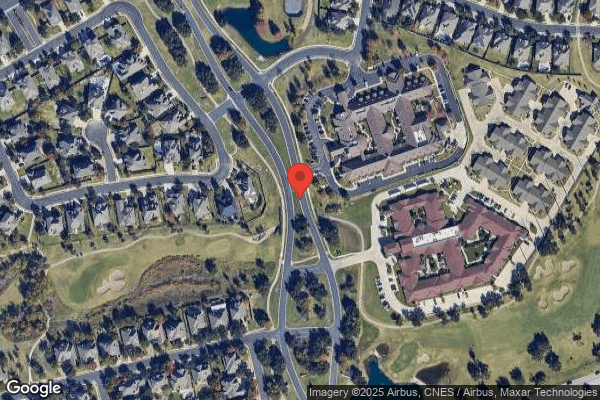
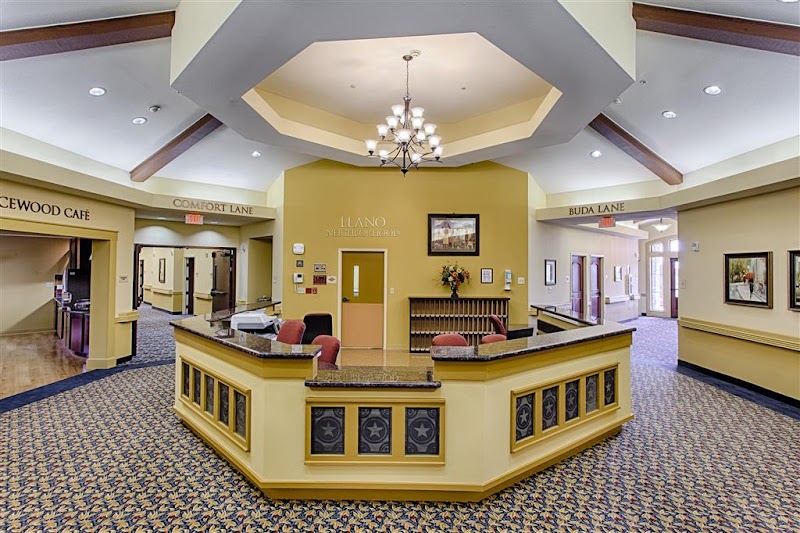
4105 TERAVISTA CLUB DRIVE, ROUND ROCK, TX 78665 (512) 310-3700
For profit - Corporation 112 Beds CANTEX CONTINUING CARE Data: November 2025 3 Immediate Jeopardy citations
Trust Grade
34/100
#193 of 1168 in TX
Last Inspection: April 2025

Within standard 12-15 month inspection cycle. Federal law requires annual inspections.

Overview

Bel Air at Teravista has received a Trust Grade of F, indicating significant concerns about the quality of care provided. In Texas, it ranks #193 out of 1,168 facilities, placing it in the top half, and #3 out of 15 in Williamson County, meaning there are only two local options considered better. Unfortunately, the facility's condition is worsening, with the number of issues escalating from 5 in 2024 to 7 in 2025. Staffing is relatively stable with a turnover rate of 38%, lower than the state average, and it has good RN coverage, exceeding 79% of Texas facilities, which is beneficial for resident care. However, the facility has faced critical incidents, including failures to provide adequate supervision leading to elopement and injury of residents, raising serious safety concerns. While it has good overall ratings in quality measures, these alarming incidents highlight a need for improvement in resident supervision and safety protocols.

Trust Score
F
34/100
In Texas
#193/1168
Top 16%
Safety Record
High Risk
Review needed
Inspections
Getting Worse
5 → 7 violations
Staff Stability
○ Average
38% turnover. Near Texas's 48% average. Typical for the industry.
Penalties
⚠ Watch
$26,634 in fines. Higher than 86% of Texas facilities, suggesting repeated compliance issues.
Skilled Nurses
○ Average
Each resident gets 32 minutes of Registered Nurse (RN) attention daily — about average for Texas. RNs are the most trained staff who monitor for health changes.
Violations
⚠ Watch
20 deficiencies on record. Higher than average. Multiple issues found across inspections.
★★★★☆
4.0
Overall Rating
★★★☆☆
3.0
Staff Levels
★★★★★
5.0
Care Quality
★★★☆☆
3.0
Inspection Score
Stable
2024: 5 issues
2025: 7 issues

The Good

  • 5-Star Quality Measures · Strong clinical quality outcomes
  • Full Sprinkler Coverage · Fire safety systems throughout facility
  • No fines on record
  • Staff turnover below average (38%)

    10 points below Texas average of 48%

Facility shows strength in quality measures, fire safety.

The Bad

Staff Turnover: 38%

Near Texas avg (46%)

Typical for the industry

Federal Fines: $26,634

Below median ($33,413)

Moderate penalties - review what triggered them

Chain: CANTEX CONTINUING CARE

Part of a multi-facility chain

Ask about local staffing decisions and management

The Ugly 20 deficiencies on record

3 life-threatening
Jul 2025 1 deficiency
CONCERN (D) 📢 Someone Reported This

A family member, employee, or ombudsman was alarmed enough to file a formal complaint

Potential for Harm - no one hurt, but risky conditions existed

Notification of Changes (Tag F0580)

Could have caused harm · This affected 1 resident

**NOTE- TERMS IN BRACKETS HAVE BEEN EDITED TO PROTECT CONFIDENTIALITY** Based on interviews and record reviews, the facility failed to immediately inform the resident; consult with the resident's phys...

Read full inspector narrative →
**NOTE- TERMS IN BRACKETS HAVE BEEN EDITED TO PROTECT CONFIDENTIALITY** Based on interviews and record reviews, the facility failed to immediately inform the resident; consult with the resident's physician; and notify, consistent with his or her authority, the resident representative(s) when there is a significant change in the resident's physical status for 1 (Resident #1) of 5 residents review for resident rights. RN A failed to notify Resident #1's family when a new medication order for antibiotics, to treat a urinary tract infection, was initiated on 06/14/2024. This failure put residents at risk for not having their representative notified and aware of their current medical status. Findings included: Review of the undated face sheet for Resident #1 reflected a [AGE] year-old male admitted to the facility on [DATE]. His diagnoses included retention of urine unspecified, pain unspecified, dementia (a general term for a decline in cognitive function that interferes with daily life) in other disease classified elsewhere, acute kidney failure (a sudden and rapid decline in kidney function). Face sheet also reflected Resident #1 had a Responsible Party. Review of the quarterly MDS assessment for Resident #1 dated 06/12/2025 reflected a BIMS score of 3, indicating severe cognitive impairment. It reflected he had an indwelling catheter. Review of the care plan for Resident #1 initiated 06/05/2025 reflected the following: [Resident #1] has ADL Self Care Performance Deficit relating to dementia, impaired limited mobility, he had impaired cognitive function/dementia or impaired thought processes related to dementia, Bims. Interventions included: Communicate with the resident/family/caregivers regarding residents' capabilities and needs. Review of Resident #1's MAR reflected: Sulfamethoxazole- Trimethoprim (Bactrim DS -is an antibiotic prescribed to treat various bacterial infection) Tablet 800- 160 MG Give 1 tablet by mouth every 12 hours for UTI (E. coli) for 7 Days -Start Date- 06/14/2025. Review of Resident #'s progress notes dated 06/14/2025 at 10:05 pm created by RN A reflected: Note Text: The order you have entered Sulfamethoxazole-Trimethoprim Tablet 800-160 MG Give 1 tablet by mouth every 12 hours for UTI (E. coli) for 7 Days Has triggered the following drug protocol alerts/warning(s): Drug to Drug Interaction. Review of Resident #1's progress notes for 06/14/and 06/15/2025 did not reflect Resident #1's family was notified of a new antibiotic order for UTI. Review of Resident #1's NP's progress notes dated 06/16/2025 at 5:45 pm reflected: Acute UTI -urine cx collected 6/10/25, resulted 6/14/25 w/ +E. coli, 50-99k- d/t confusion and repeated falls treating for UTI- Bactrim DS 800/160 mg q12 ordered 6/14/25, ED 6/21/25 Review of Resident #1's progress notes dated 06/22/2025 at 10:58 am reflected Resident #1 was discharged home. During an interview on 07/09/2025 at about 2:19 pm, RN A stated she worked the 2-10 pm shift on the 700 and 800 halls. RN A stated her name was noted on Resident #1's antibiotic order because she confirmed the order put in by the NP. RN A stated the NPs usually put new orders in the computer and the nurses confirmed that they would start the order. RN A stated, I don't remember notifying the family or documenting on the antibiotic order. It was important to notify the family of new medication orders so they can know and sometimes the family would disagree with treatment plans. The family was always here, and we are always telling them things, maybe it slipped my mind. During an interview on 07/09/2025 at about 3:11 pm, the DON stated he expected the nursing staff to notify the family members for any new medication order before administering the medication because sometimes the family would decline the treatment plan, and to make sure they were aware and informed. The DON stated Resident #1's family was at the facility most of the time, and they were notified of changes in person. The DON stated he expected nursing staff to document on new orders. The DON stated he was aware that the NP spoke with Resident #1's RP a lot of time to discuss POC. The DON reviewed Resident #1's progress notes and noted there was no documentation of Resident #1's family being notified of new antibiotic orders. Review of the facility's policy titled Change of Condition revised January 2024 reflected: Policy: To identify and evaluate a change in condition and notify the Physician and Responsible Party when indicated. A significant change in Resident's status is any sign or symptom that is: Acute or sudden onset A marked change (i.e., more severe) in relation to usual signs and symptoms New or worsening symptoms3. Document date, time Physician, Responsible Party was notified of findings from the evaluation and any new orders obtained.
May 2025 1 deficiency
CONCERN (E) 📢 Someone Reported This

A family member, employee, or ombudsman was alarmed enough to file a formal complaint

Potential for Harm - no one hurt, but risky conditions existed

Deficiency F0628 (Tag F0628)

Could have caused harm · This affected multiple residents

**NOTE- TERMS IN BRACKETS HAVE BEEN EDITED TO PROTECT CONFIDENTIALITY** Based on record review and interviews, the facility failed to ensure completion of a discharge summary including a recapitulatio...

Read full inspector narrative →
**NOTE- TERMS IN BRACKETS HAVE BEEN EDITED TO PROTECT CONFIDENTIALITY** Based on record review and interviews, the facility failed to ensure completion of a discharge summary including a recapitulation of the resident's stay and final status of discharge for three of three (Resident #1, Resident #2, Resident #3) reviewed for discharge summary. The facility failed to complete a discharge summary and recapitulation for Resident #1, Resident #2 and Resident #3. This failure could place residents at risk of not having complete records, necessary services, or information after permanent discharge from the facility. Findings included: Review of Resident #1's face sheet dated 05/19/2025 revealed an [AGE] year-old man admitted on [DATE] and discharged on 04/30/2025 with diagnoses of erosive (osteo) arthritis (severe form of joint inflammation and bone erosion in hand), muscle weakness, cognitive communication deficit (problem with communication that results in impaired thought processes), mild cognitive impairment (condition where a person experiences more memory or thinking problems than expected for their age), and other symptoms and signs involving cognitive function and awareness (problems with memory, attention, and awareness of surroundings). Review of Resident #1's care plan dated 05/19/2025 reflected Resident #1 wished to be discharged home. Review of Resident #1's discharge MDS dated [DATE] reflected a BIMS score of 10 which indicated moderate cognitive impairment. Review of Resident #1's physician orders reflected an order dated 04/29/2025 that indicated Resident #1 could discharge home on [DATE] with home health and medications. Review of Resident #1's discharge instruction form reflected a date of 05/19/2025. Form included scheduled follow up appointments details of scheduled appointment with PCP for follow up and medication refills by 05/25/2025 despite Resident #1 discharge on [DATE]. Further review reflected dietary, skin, patient education/teaching, and patient /RP signature method used (electronic or hand written) was left blank. Review of Resident #1's recapitulation of stay form dated 04/30/2025 reflected complete this form when the resident is discharged . All items must be addressed. Nursing services section was incomplete and did not include physical function stats, if assistive devices were needed, if any therapies were planned at discharge, disposition of medications, and condition of skin. Activities section was. Dietary section was incomplete as well as rehabilitation services section. Review of Resident #1's progress notes from 04/07/2025 to 04/30/2025 reflected no discharge note was completed. Review of Resident #1's medical chart reflected no discharge summary was completed or uploaded. During an interview on 05/19/2025 at 11:06 AM, FM stated that at discharge of Resident #1 a nurse went into his room and kind of went over medications but did not provide a copy of medication list or the last time the medication was administered. The FM stated that medications were sent home at discharge, but no paperwork was provided. The FM stated that there was no follow up information provided at discharge and the paperwork that was provided was from Resident #1's hospital stay. Review of Resident #2's face sheet dated 05/19/2025 reflected an [AGE] year-old male admitted on [DATE] and discharged on 05/15/2025 with diagnoses of generalized anxiety disorder (persistent and excessive worry), Parkinson's disease with dyskinesia (involuntary jerky movements as a side effect of some medications), polyneuropathy (disease affecting nerves and can cause weakness, numbness or pain), and unspecified fracture of left acetabulum (break in the socket of the hip joint). Review of Resident #2's discharge MDS dated [DATE] reflected a BIMS score of 0 which indicated severe cognitive impairment. Review of Resident #2's physician orders dated 05/13/2025 reflected Resident #2 to discharge to assisted living on 05/15/2025. Review of Resident #2's discharge instruction dated 05/15/2025 reflected an incomplete form that did not include dietary recommendations, skin condition, patient instructions/teaching, and the resident or RP signature method. Review of Resident #2's progress note dated 05/15/2025 reflected Resident #2 was discharged to an assisted living with belongings and medication was sent with driver. Review of Resident #2's medical chart reflected there was no discharge summary or recapitulation of stay completed or uploaded. Review of Resident #3's face sheet dated 05/19/2025 reflected an [AGE] year-old man admitted on [DATE] and discharged on 05/12/2025 with diagnoses of aftercare following joint replacement surgery, unspecified cirrhosis of liver (condition characterized by chronic liver damage), hypokalemia (low potassium levels), and hyperlipidemia (high level of fats in the blood). Review of Resident #3's discharge MDS dated [DATE] reflected a BIMS of 15 which indicated no cognitive impairment. Review of Resident #3's physician orders revealed an order for Resident #3 to discharge on [DATE] dated 05/09/2025. Review of Resident #3's recapitulation of stay dated 05/12/2025 reflected and incomplete document with only vitals and weight generated in the form. Review of Resident #3's medical chart reflected there was no discharge summary completed or uploaded. During an interview on 05/19/2025 at 2:06 PM, LVN B stated that she was made aware a resident was going to discharge from the SW. LVN B stated the SW let the nurses know and put in a discharge order. LVN B stated that the process to discharge a resident was to print out their orders, review medications and instructions with the resident or family. LVN B stated that she also counted the medications that were going to be sent with the resident. LVN B stated if the medication was less than a week's supply or the resident was not going to see their PCP for more than a week, then she asked the NP to send a prescription. LVN B stated that the resident or family signed discharge paperwork and instructions at discharge. LVN B stated that the discharge paperwork included medication list and what the medication was for, last time they took the medication and home health information. LVN B stated the discharge summary was started by the social worker and included where the resident was going, and the nurses inputted their part so it was completed together by the SW and nurse. During an interview on 05/19/2025 at 2:11 PM, RN A stated that she was made aware of a resident's discharge by the order the SW put in. RN A stated that medications were verified with the NP and the resident was sent with a week's worth of medication. If the resident did not have a week's supply for they did not have an appointment within a week to see their PCP then the NP may have provided a prescription. RN A stated during discharge medications were reviewed with the resident and reviewed with the resident or the family if the resident was not considered alert and oriented. There was a form that was reviewed and the family or resident was supposed to sign it. RN A stated the form included upcoming appointments, medication list and home health care information. RN A stated this also included a medication list and the last time a resident took the medications. RN A stated on the discharge summary the NP summarized their part and information was added by therapy and the SW. RN A stated the SW was supposed to put an order in for discharge and any DME the resident needed. During an interview on 05/19/2025 at 2:27 PM, the SW stated that as a team it was decided when a resident was medically stable to discharge or met their goals with therapy. The SW stated that the resident could have received notification of non-coverage and she spoke with the family and let them know an anticipated day. The SW stated a discharge list went out to management that included who was going to be discharged . The SW stated that it was also discussed during the morning meeting and confirmed the time and day of discharge and communication was made with the nurses. The SW stated at discharge residents should have received a discharge form, list of medications and any home health information that has been set up. The SW stated she opened the discharge form at the time she put in the discharge order and it had where the resident was going and home health information. SW stated nursing completed the rest of the form. The SW stated home health information was usually documented on the discharge instruction form. During an interview on 05/19/2025 at 3:56 PM, the DON stated that for discharge, medications were sent with the resident, a discharge summary a medication list, and any personal belongings. The DON stated the discharge summary included where the resident will be discharged to, background information of the resident and if they were going home with home health. The DON stated a recapitulation of stay was completed by the IDT members and they each had their own section. The DON stated it was definitely completed before discharge. The DON stated it was not usually sent with the resident and stated it was usually the discharge summary that was sent. During a subsequent interview on 05/19/2025 at 4:25 PM with the DON, he stated that the discharge summary was its own UDA and was specifically titled discharge summary. During an interview on 05/19/2025 at 4:50 pm, the ADM stated that at discharge she expected the resident to have had a clear plan of where the resident was discharging to, plan of care (home health care, hospice or sitter services), medication list, and equipment to have the tools the resident needed to be successful. The ADM stated she expected that the resident had all the documentation to shower their baseline, where they began and ended and if they reached their goals so it painted a clear picture. The ADM stated the SW was responsible to ensure the discharge summary and recapitulation was initiated and completed. The ADM stated that there was not a process that checked that the information was completed other than a 30-day call back process and discussing any hospitalization after discharge. The ADM stated she expected discharge information to be in PCC so that the facility was aware of where the resident went and who is following them (home health/ hospice). Review of facility policy titled Discharge Summary and Plan dated October 2022 reflected when a resident's discharge is anticipated, a discharge summary and post-discharge plan is developed to assist the resident with discharge. Further review reflected the discharge summary includes a recapitulation of the resident's stay at the facility and a final summary of the resident's status at the time of discharge in accordance with established regulations. Discharge summary should included, current diagnoses, medication history, course of illness, physician and mental functional status and ability to perform ADLs. A copy of the following is provided to the resident and receiving facility and a copy will be filed in the resident's medical records: a. An evaluation of the resident's discharge needs; b. The post-discharge plan; and c. The discharge summary.
Apr 2025 3 deficiencies
CONCERN (D)

Potential for Harm - no one hurt, but risky conditions existed

Drug Regimen Review (Tag F0756)

Could have caused harm · This affected 1 resident

**NOTE- TERMS IN BRACKETS HAVE BEEN EDITED TO PROTECT CONFIDENTIALITY** Based on interview and record review, the facility failed to ensure the drug regiment review recommendations from the pharmacy c...

Read full inspector narrative →
**NOTE- TERMS IN BRACKETS HAVE BEEN EDITED TO PROTECT CONFIDENTIALITY** Based on interview and record review, the facility failed to ensure the drug regiment review recommendations from the pharmacy consultant were received and acted upon for 1 (Resident # 144) of 4 residents reviewed for drug regimen review. The facility failed to follow their policy regarding the pharmacy consultant and did not follow up on new admission pharmacy consultant recommendations dated 3/28/25. These failures could place residents being at risk for medication errors, unnecessary medications, and incorrect administration. Findings included: Review of Resident # 144's admission record dated 4/10/25 reflected an [AGE] year-old female admitted on [DATE]. Resident #144 had diagnoses of traumatic subdural hemorrhage with loss of consciousness of unspecified duration (brain bleed with loss of loss of consciousness), fracture of sacrum (fracture of bone that connects the spine to the pelvis), type 2 diabetes (a long term condition in which the body has trouble controlling blood sugar levels), muscle weakness, fracture of occiput left side (skull fracture on the left side), cognitive communication deficit (difficulties with communication that arise from problems with cognitive processes like attention and memory), hypothyroidism (underactive thyroid), hyperlipidemia (increased fat particles in the blood), hypertension (high blood pressure), pain, and vitamin D deficiency. Review of Resident # 144's admission MDS dated [DATE] reflected a BIMS score of 5 indicating severe cognitive impairment. Review of section I active diagnoses reflected traumatic brain dysfunction as primary admitting diagnosis. Review of section J health conditions reflected for pain management Resident # 144 received scheduled pain medication regimen. Further review of pain assessment reflected no pain presence for last 5 days. Review of Resident # 144's care plan dated 3/27/25 and revised on 4/8/25 reflected problem of Resident # 144 is at risk for pain and is on pain medication therapy as ordered. Interventions include administer analgesic medications as ordered by physician, monitor/document side effects and effectiveness every shift, ask physician to review medication if side effects persist, review pain medication efficacy, monitor/document/report PRN adverse reactions to analgesic (pain reliever) therapy, and monitor for increased falls. Review of Resident # 144's MAR for April dated 4/10/25 reflected record of medication administration of the following medications and dosages with start date of 3/27/25 for Lipitor 40 mg 1 tablet by mouth at bedtime, metformin 500 mg give 1 tablet by mouth two times a day with recorded administration times of 9:00 am and 9:00 pm with start date of 3/30/25, Hydrocodone-Acetaminophen 5-325 mg give 1 tablet by mouth every 6 hours as needed for pain with start date of 3/27/25, cholecalciferol oral tablet 125 mcg (5000 UT) give 2 tablets by mouth one time a day every Monday, Tuesday, Wednesday, Thursday, and Friday with start date of 3/31/25. Review of Resident # 144's Clinical physician orders revealed orders for metformin 500 mg give 1 tablet by mouth two times a day with a start date of 3/30/25, cholecalciferol oral tablet 125 mcg (5000 UT) give 2 tablets by mouth one time a day every Monday, Tuesday, Wednesday, Thursday, and Friday with start date of 3/31/25, Lipitor 40 mg 1 tablet by mouth at bedtime with a start date of 3/27/25, and Hydrocodone-Acetaminophen 5-325 mg give 1 tablet by mouth every 6 hours as needed for pain with start date of 3/27/25. Interview on 4/10/25 at 12:26 PM with the DON regarding the pharmacist's recommendations concerning Resident #144 the DON stated, that yes, Resident # 144's recommendations were missing from the pharmacy binder for the month of March. The DON stated he contacted the Pharmacist on 4/10/25 and the Pharmacist responded that Resident # 144 had been reviewed and recommendations sent on 3/28/25. The DON stated he told the Pharmacist that he never received the 3/28/25 email of recommendations. The DON stated the Pharmacist responded they would check the emails that were sent to the DON and saw that the 3/28/25 email did not go through. The DON stated the Pharmacist re-sent email with 3/28/25 recommendations on 4/10/25. The DON stated he received the recommendations from the pharmacist for 3/28/25 on 4/10/25. The DON stated after he received the recommendations, he took them to the NP for review and signatures. The DON stated he was unsure what the contract for pharmacy stated as to who checked to ensure recommendations were received or as to how often that was occurring. Review of Resident # 144's pharmacist recommendations dated 3/28/25 reflected to change metformin to BID with meals -breakfast/dinner per manufacturer, consider 30 day hold on Lipitor for [AGE] year old with anorexia (Megace daily), due to fracture, being calcium 600mg/Vitamin D 400IU 1 tab BID, set 14 day stop to PRN Norco for post fracture pain. Further review of pharmacist note dated 4/10/25 to the attending physician reflected the physician declined setting a 14 day stop to prn Norco, the physician wrote they would consider the 30 day hold on the Lipitor, and the physician agreed with the recommendation for the calcium/Vitamin D. Interview on 4/10/25 at 5:53 PM the ED stated it was her expectation the Pharmacist came in person or communicated through email monthly to the DON their recommendations. The ED stated the DON would be responsible for ensuring communication from the pharmacy is received and implemented. The ED stated it could negatively affect a resident if medication recommendations are not received and implemented. The ED stated the new admission orders and changes to orders are discussed in the daily morning meeting (stand up) with the DON, ADON, and unit manager and at the end of day meeting (stand down) the completion status is updated concerning any medication recommendations and reviews. Attempted telephone interview with the Pharmacist on 4/11/25 at 4:30 pm and 4/17/25 at 11:55 am revealed no answer and a message left with contact information. Call not returned. Review of the Consultant Pharmacist policy with a revision date of April 2019 reflected under policy interpretation and implementation. 5. The consultant pharmacist will provide specific activities related to medication regimen including: a. a documented review of the medication regimen of each resident at least monthly, or more frequently under certain conditions, based on applicable federal and state guidelines. b. appropriate communication of information to prescribers and facility leadership about potential or actual problems related to any aspect of medications and pharmacy services, including medication irregularities, and pertinent resident-specific documentation in the medical record, as indicated.
CONCERN (E)

Potential for Harm - no one hurt, but risky conditions existed

Pharmacy Services (Tag F0755)

Could have caused harm · This affected multiple residents

**NOTE- TERMS IN BRACKETS HAVE BEEN EDITED TO PROTECT CONFIDENTIALITY** Based on observations, interviews, and record review, the facility failed to provide routine and/or emergency drugs and biologic...

Read full inspector narrative →
**NOTE- TERMS IN BRACKETS HAVE BEEN EDITED TO PROTECT CONFIDENTIALITY** Based on observations, interviews, and record review, the facility failed to provide routine and/or emergency drugs and biologicals to its residents for three of (Resident #21, Resident #345, and Resident #90) four residents reviewed for pharmacy services. The facility failed to ensure Resident #21, Resident #345, and Resident #90's antibiotic medicine were administered daily as ordered. The facility failed to administer antibiotic medicine 02 times and at the correct time 21 times for Resident #21. The facility failed to administer antibiotic medicine 04 times for Resident #345. The facility failed to administer antibiotic #1 medicine 01 time and at the correct time 06 times for Resident #90. The facility failed to administer antibiotic #2 medicine at the correct time 16 times for Resident #90. This failure could place residents at risk of not receiving necessary preventative measures and adversely affect a resident's condition. Findings include: Review of Resident #21's face sheet revealed a [AGE] year-old male admitted [DATE] with diagnoses of Methicillin Susceptible Staphylococcus Aureus Infection (MSSA) (bacterial infection also known as a staph infection), Unspecified Site, Acute and Subacute Infective Endocarditis (SBE) (germs such as bacteria enter the bloodstream and attack the lining of the heart valves.), and Osteomyelitis of Vertebra, Lumbar Region (bacteria or fungi infect your spine bones). Further review revealed Resident #21 was discharged to his family on 04/08/2025. Review of Resident #21's admission MDS dated [DATE] revealed resident had IV Medications as an infection treatment. Review of Resident #21's physician's order dated 03/20/2025 revealed to administer 2 grams intravenously every 8 hours to help reduce complications related to infections and abscesses resolution, IV - PICC - dressing change, IV - tubing change, IV flush SASH method (Saline-Administration-Saline-Heparin used for flushing and delivering medicine to IV (intravenous) every shift. Further review revealed additional administration order dated 03/24/2025 revealed to administer ceFAZolin Sodium Injection Solution Reconstituted (treats many types of bacterial infections) 2 GM intravenously every 8 hours. Review of Resident #21's initial care plan reflected Resident #21 was at risk for complications related to infections. Goal included administering anti-viral and antibiotics as per MD orders, maintaining universal precautions when providing resident care, administering intravenous fluids as prescribed, changing tubing and site dressing as ordered, checking IV site as ordered and to observe for signs of infection, maintain rate of infusion as ordered, re-site IV per IV Therapy Protocol. Review of Resident #21's administration report dated March 2025 and April 2025 reflected two doses of antibiotics were not administered and 21 doses were administered late. ceFAZolin Sodium Injection Solution Reconstituted 2 GM (Cefazolin Sodium) Use 2 gram intravenously every 8 hours (12:00 AM, 8:00 AM, and 4:00 PM) Date Scheduled Administered Time 03/21/2025 8:00 AM 2:52 PM 03/22/2025 8:00 AM not administered 03/21/2025 4:00 PM 5:30 PM 03/22/2025 12:00 AM 3:29 AM 03/23/2025 8:00 AM 11:56 AM 03/24/2025 12:00 AM 6:52 AM 03/24/2025 8:00 AM 1:14 PM 03/25/2025 8:00 AM 1:56 PM 03/25/2025 4:00 PM 6:36 PM 03/26/2025 12:00 PM 2:42 AM 03/26/2025 8:00 AM 12:11 PM 03/26/2025 4:00 PM 6:49 PM 03/27/2025 8:00 AM not administered 03/27/2025 4:00 PM 8:12 PM 03/31/2025 12:00 AM 5:48 AM 04/02/2025 8:00 AM 2:33 PM 04/02/2025 4:00 PM 5:24 PM 04/03/2025 8:00 AM 2:37 PM 04/03/2025 4:00 PM 8:04 PM 04/04/2025 8:00 AM 3:48 PM 04/05/2025 4:00 PM 8:35 PM 04/07/2025 12:00 AM 5:07 AM 04/07/2025 8:00 AM 4:02 PM In an interview on 04/10/2025 at 11:54 AM LVN UM stated the expectation for admission nurses is to complete the initial assessment for new residents. She stated she is responsible for conducting head to toe assessment, entering diagnoses and medications received from discharging hospital or hospice into EMR. She stated discharge orders are usually received ahead of time and medications will be ordered before admission of resident or can go directly to the pharmacy. She stated when the charge nurse receives the medication list they will send to the NP or MD. She stated that antibiotics can usually be pulled from Pyxis system for quick access. She stated for narcotics the process is to reach the NP to send orders to the pharmacy and typically can be delivered within 30 minutes of orders being entered. In an interview on 04/10/2025 at 1:53 PM DON stated the expectations are for nurses to complete nursing admission assessments within 24 hours, entering medication orders, adding progress note at admission, transferring skill status (why at facility) and adding anything else that is pertinent to the resident admitting into the facility. He stated this also includes obtaining consent to treat resident, obtaining consent for bed rails, with an expectation of completing all admissions tasks within 24 hours. He stated that once medication orders are entered into the EMR system they are usually delivered within the first few hours after admission. He stated the more difficult medications that require triplicates (narcotics) would require an access code from the pharmacy to gain access to Pyxis machine. He stated antibiotics are usually easy to get ordered and not considered a difficult medication. He stated if there are medications not showing up on the MAR, not administered or missed then a nursing note would be documented under progress notes and he and the provider would be notified. In a phone interview on 04/10/2025 at 5:00 PM LVN A stated the MAR and physician orders are followed and provide staff with directions as to the time the dose should be administered and when the last dose was administered by staff. She stated the MAR outlines specific times the medication should be administered. She stated if medications are not given on time or administered this could cause the residents health problems or additional concerns. She stated the expectation is if medications could not be administered staff must make a note in the medical chart and notify the DON and NP or MD that it was missed. In an interview on 04/10/2025 at 6:00 PM DON and ADON stated the procedure for missed medications is to document in the chart and notify the DON and NP immediately. Both were not informed of any missed or late medications for Resident #21. Findings include: Review of Resident #345's face sheet reflected a [AGE] year-old female admitted [DATE] with diagnoses of Pneumonia, (air sacs in lungs may fill with fluid or pus, causing cough with phlegm or pus, fever, chills, and difficulty breathing), Hypo-Osmolality (lower than normal levels of electrolytes, proteins, and nutrients in the blood) and Hyponatremia (low concentration of sodium in the blood), and Noninfective Gastroenteritis (lining of the intestines is inflamed and irritated) and Colitis (inflammation of the lining of the colon). Review of Resident #345's admission MDS dated [DATE] reflected resident has active diagnosis of infection, pneumonia. Review of Resident #345's physician's order dated 04/08/2025 reflected to administer amoxicillin oral capsule 500 MG, 1 capsule by mouth three times a day related to pneumonia unspecified for 3 days. Review of Resident #345's clinical summary report dated 04/6/2025 generated in Epic (software that communicates the EMR between the facility and the hospital and uploaded into facility's primary EMR software on 04/06/2025 listed active medications at discharge, which included amoxicillin 500 mg capsule, take 1 capsule by mouth 3 times daily for 3 days, 9 capsule dispense quantity, 04/06/2025 start date, 04/09/2025 end date. Further review reflected that the hospital sent the physician's orders for Resident #345's antibiotics directly to the pharmacy on 04/06/2025. Review of Resident #345's hospital discharge report provided to resident dated 04/06/2025 reflected a list of Resident #345's medications at discharge and this list did not include antibiotics. Further review reflected this report was the limited version that the hospital typically provides to a patient at discharge. Review of Resident #345's initial care plan dated 04/07/2025 reflected Resident #345 had an infection and interventions included administering antibiotic as per MD orders. Further review reflected care plan revision on 04/08/2025 identified antibiotic as ordered through 4/11/2025. Review of Resident #345's nursing admission assessment dated [DATE] reflected admission was at 12:45 PM, vitals were taken at 5:45 PM and infection care plan listed: Focus: The resident has infection. Goal: The resident will be free from complications related to infection through the review date. Intervention: Administer anti-viral as per MD orders. Intervention: Administer antibiotic as per MD orders. Intervention: Follow facility policy and procedures for line listing, summarizing, and reporting infections. Intervention: Maintain universal precautions when providing resident care. Interventions: Monitor/document/report to MD changes in behavior. Review of Resident #345's administration report dated April 2025 reflected four doses of antibiotics were not administered. Amoxicillin Oral Capsule 500 MG Give 1 capsule by mouth three times a day (8:00 AM, 12:00 PM, and 8:00 PM schedule listed on MAR) Date Scheduled Administered Time 04/06/2025 8:00 PM not administered 04/07/2025 8:00 AM not administered 04/07/2025 12:00 PM not administered 04/07/2025 8:00 PM not administered In an interview on 04/09/2025 at 10:55 AM LVN UM stated the admission nurse had medications ordered from the pharmacy immediately when Resident #345 was admitted . She stated there are no concerns with medications being delivered for any resident. The facility's protocol is to pull medications from reserves in Pyxis (pharmacy automation). She stated routine and non-routine medications can be easily and quickly filled. She stated the more challenging medications for example pain medication where a triplicate is required there would be a slight delay (few hours) and orders would be sent to Pyxis for distribution and a code would be provided to facility staff to access. LVN UM stated nurses are expected to review the resident's MAR for next dose and if there is a specific timeframe outlined for administration then this is what the nurse will follow for administration. She stated the protocol for missed or late medication administration is to document record and immediately notify the DON and NP or MD. She stated there could be a negative impact on the resident's progress if medication is missed or late. In an interview on 04/09/2025 at 03:26 PM ADON stated she didn't receive communication from the NP for orders for Resident #345. She stated the protocol is to obtain hospital discharge orders and at once notify the NP for reconciliation. She stated all nurses are expected to review the resident's MAR closely for scheduled times of all medications. She stated medications that are missed or late can affect resident's progress and stated the expectation is for nurses to report all medication errors (including missed or late) to DON and NP or MD. In an interview on 04/09/2025 at 4:15 PM DON stated the hospital discharge report provided to the resident includes the list of medications used to reconcile with the NP. The DON stated the NP reviewed the medication list by phone and provided verbal orders to administer. He stated this medication list did not include an antibiotic. The DON stated the protocol is for the admission nurse to use the limited hospital discharge report to reconcile medications with the NP or MD and if the NP does not agree with a medication order she will not provide a verbal order to administer, and a nursing note would be entered into EMR documenting this action. He stated that facility medications can be distributed and delivered quickly for new admissions and refills. He stated the more complex medications for example-controlled substances which require a triplicate will take a bit more time and require Pyxis codes and access. He stated typically it is a few hours (less than 4) from admission time to delivery of medication for a new admit. In an interview on 04/10/2025 at 11:30 AM LVN A stated the expectation is for all charge nurses to handle admissions and readmissions as a collective effort between LVNs and RNs. She sated nurses are provided in-services conducted by unit supervisors, the DON and ADON. She stated she is provided with an admission checklist of everything to be included in the admissions process. She is also responsible for assessing resident, providing a welcome packet of information, completing vitals and head-to-toe assessment, reconciling medication with the NP or MD available, inputting medications into EMR, and following up with pharmacy to confirm delivery. She stated that medication reconciliation is completed upon admission by using hospital discharge paperwork presented by the resident at admission. In an interview on 04/10/2025 at 11:54 AM LVN UM stated the expectation for admission nurses is to complete the initial assessment for new residents. She stated she along with all admission nurses are responsible for conducting head to toe assessment, entering diagnoses and medications received from discharging hospital or hospice into EMR. She stated discharge orders are usually received ahead of time and medications will be ordered before admission of resident or can go directly to the pharmacy. She stated when the charge nurse receives the medication list they will send to the NP or MD. She stated that antibiotics can usually be pulled from Pyxis system for quick access. She stated for narcotics the process is to reach the NP to send orders to the pharmacy and typically can be delivered within 30 minutes of orders being entered. In an interview on 04/10/2025 at 12:42 PM LVN UM stated there have been some issues with antibiotic orders coming over in their EMR system that the administration team is aware of and are working on. She would not provide additional details. In an interview on 04/10/2025 at 1:53 PM DON stated the expectations are for nurses to complete nursing admission assessments within 24 hours, entering medication orders, adding progress note at admission, transferring skill status (why at facility) and adding anything else that is pertinent to the resident admitting into the facility. He stated this also includes obtaining consent to treat resident, obtaining consent for bed rails, with an expectation of completing all admissions tasks within 24 hours. He stated that once medication orders are entered into the EMR system they are usually delivered within the first few hours after admission. He stated the more difficult medications that require triplicates (narcotics) would require an access code from the pharmacy to gain access to Pyxis machine. He stated antibiotics are usually easy to get ordered and not considered a difficult medication. He stated if there are medications not showing up on the MAR, not administered or missed then a nursing note would be documented under progress notes and he and the provider would be notified. In an interview on 04/10/2025 at 2:54 PM DON stated Resident #345's discharge orders were not present at admission. He stated Resident #345 did not present at the facility with antibiotics or orders for antibiotics. He stated the NP was notified of orders and after review of Resident #345's medical records she noted resident completed an antibiotic regimen in the hospital. He stated Resident #345's daughter notified the charge nurse that Resident #345 should be on a 3-day antibiotic. He stated that he provided daughter with the hospital's discharge instructions and antibiotics were not on the list of medications ordered. He stated a charge nurse notified him that an antibiotic was delivered for Resident #345 on 04/07/2025. He stated it appeared the hospital sent the antibiotic orders directly to the pharmacy to be filled. He stated the charge nurse notified the NP of antibiotic delivery and she was confused by this. He stated the NP reviewed Resident #345's medical history and discharge summary and afterwards she approved the administration of antibiotics. He also stated when the admission charge nurse was completing the admission assessment on Resident #345 it was done in error, as the resident did not have an antibiotic listed. He stated there seems to be a communication issue between Epic and PCC software and he is not sure why not sure why medical records staff are pulling the Epic report when the facility's process is to use discharge report directly from hospital or resident. In an interview on 04/10/2025 at 3:19 PM ADON stated she wanted to provide the surveyor with record review help and stated the facility gets a direct email from the discharge planner/coordinator from the hospital and that is what was received for Resident #345. She stated that the other clinical summary report received in the facility's EMR system is not used by admission nurses to reconcile medication with NP or MD. She stated the discharge clinicals vs. the discharge summary are two different reports and the facility staff are trained to review the discharge summary to reconcile medications. And she stated the admission nurse LVN B may have forgotten to uncheck the antibiotic box on the admission assessment or may have checked antibiotics because she was aware that Resident #345 had been administered antibiotics at the hospital earlier in the day and selected this option in error and not because she reviewed antibiotics on any discharge forms received. In an interview on 04/10/2025 at 4:15 PM DON stated the hospital representative/coordinator stated the discharge paperwork typically provided to patients at discharge is the same paperwork the facility receives and uses for reconciling medications. He stated the coordinator would need to speak with their legal team to confirm if a written statement noting this information could be provided to facility for survey purposes. In a phone interview on 04/10/2025 at 5:00 PM LVN A stated the MAR and physician orders are followed and provide staff with directions as to the time the dose should be administered and when the last dose was administered by staff. She stated the MAR outlines specific times the medication should be administered. She stated if medications are not given on time or administered this could cause the residents health problems or additional concerns. She stated the expectation is if medications could not be administered staff must make a note in the medical chart and notify the DON and NP or MD that it was missed. In a phone interview on 04/10/2025 at 5:39 PM NFA stated the facility receives the same discharge paperwork given to the patient at the hospital. He stated the facility will also have access to medical documentation as the full chart is available to the facility in Epic. He stated the after summary is what is followed for discharge summary orders. He stated he cannot comment on whether the facility should be accessing only the hospital summary or in addition to the clinical chart. He stated the hospital's field representative directs the facility to use the hospital summary. He stated he cannot speak on facility only reviewing the discharge summary report as they have access to the clinical chart as well. He stated he would have to speak with the case manager at the hospital to gain more insight as to what the facility should be accessing for resident care services and after care. In an interview on 04/10/2025 at 6:00 PM DON and ADON stated the procedure for missed medications is to document in the chart and notify the DON and NP immediately. Both were not informed of any missed or late medications for Resident #345. In an interview on 04/10/2025 at 6:01 PM the ED stated the expectations for new admissions are for the charge nurses to completing the new admission assessment and orders. She stated the charge nurses are the primary staff accepting new admissions, but ADON and DON can also help with this task if necessary. She stated the admission nurses are responsible for completing a head-to-toe toe assessment of new admit and reconciling medications. She stated the nurse is responsible for entering orders the hospital may send to the facility. She stated nurses are responsible for reconciling orders from discharge paperwork, against what is received directly in EMR. She stated that typically when a new resident arrives a discharge summary from the hospital will accompany them. She stated some discharge information can be collected via phone with during a nurse-to-nurse report and then documented in the EMR. Review of Resident #90's face sheet reflected [AGE] year-old female admitted [DATE] with diagnoses of Osteomyelitis of the vertebral, sacral, and sacrococcygeal region (rare spinal infection that can occur due to injury, surgery, or spread from another part of the body through the bloodstream), Displaced Intertrochanteric Fracture of Right Femur (hip fracture), and Muscle Weakness (lack of muscle strength). Review of Resident #90's admission MDS dated [DATE] reflected resident had IV Medications as an infection treatment. Review of Resident #90's initial care plan reflected Resident #90 was at risk for complications related to infections. Goal included administering anti-viral and antibiotics as per MD orders, maintaining universal precautions when providing resident care, administering intravenous fluids as prescribed, changing tubing and site dressing as ordered, checking IV site as ordered and to observe for signs of infection, maintain rate of infusion as ordered, re-site IV per IV Therapy Protocol. Review of Resident #90's nursing admission assessment dated [DATE] reflected admission assessment was effective at 5:44 PM, vitals were taken at 4:10 PM and infection care plan listed: Focus: The resident has infection. Goal: The resident will be free from complications related to infection through the review date. Intervention: Administer anti-viral as per MD orders. Intervention: Administer antibiotic as per MD orders. Intervention: Follow facility policy and procedures for line listing, summarizing, and reporting infections. Intervention: Maintain universal precautions when providing resident care. Interventions: Monitor/document/report to MD changes in behavior. Review of Resident #90's physician's orders dated 03/26/2025 reflected to administer Daptomycin Intravenous Solution Reconstituted Use 650 mg intravenously one time a day. Review of Resident #90's administration report dated March 2025 and April 2025 reflected 01 dose of antibiotics were not administered and 06 doses were administered late. DAPTOmycin Intravenous Solution Reconstituted (Daptomycin) Use 650 mg intravenously in the evening (5:00 PM schedule listed on MAR) Date Scheduled Administered Time 3/27/2025 5:00 PM 9:27 PM 03/28/2025 5:00 PM not administered 3/29/2025 5:00 PM 10:33 PM 3/30/2025 5:00 PM 9:17 PM 4/01/2025 5:00 PM 8:00 PM 4/04/2025 5:00 PM 7:27 PM 4/05/2025 5:00 PM 7:43 PM Review of Resident #90's administration report dated March 2025 and April 2025 reflected 16 doses of antibiotics were administered late. Meropenem Intravenous Solution Reconstituted 2 GM (Meropenem) Use 2 gram intravenously every 8 hours (12:00 AM, 8:00 AM, and 4:00 PM schedule listed on MAR) Date Scheduled Administered Time 3/27/2025 12:00 AM 2:07 AM 3/27/2025 4:00 PM 7:50 PM 3/28/2025 4:00 PM 6:32 PM 3/29/2025 4:00 PM &
CONCERN (E)

Potential for Harm - no one hurt, but risky conditions existed

Food Safety (Tag F0812)

Could have caused harm · This affected multiple residents

Based on observation, interviews, and record review, the facility failed to store, prepare, distribute, and serve food following professional standards for food service safety for 1 of 1 kitchen that ...

Read full inspector narrative →
Based on observation, interviews, and record review, the facility failed to store, prepare, distribute, and serve food following professional standards for food service safety for 1 of 1 kitchen that was reviewed for kitchen sanitation in that: - Food items were not labeled and/or dated. Some food items were not labeled at all. - The grease in the fryer was dirty. - Drawers where the serving utensils were stored were not clean with debris in in the drawer. - Staff serving food in hall 100 were not sanitizing their hands before getting food trays to take to the resident. These failures could place all residents who received meals from the main kitchen at risk for food-borne illness. Findings include: Observation on 4/08/2025 at 9:15 am of the walk-in refrigerator reflected the following: - Lemons in a box were dated 3-17-2025 with no discard date. - Lemonade in a serving container dated 2-10-2025 was expired. - Lettuce dated 4-7-2025 with no discard date. - Cucumbers in a box dated 3-10-2025 with no discard date. - Raw meat in a pan covered in plastic dated 4-6-2025 with no discard date. - Raw ground Sausage dated 4-7-2025 with no discard date. - Puree meat dated 4-7-2025 with no discard date. - Brown Puree that was not labeled in a metal container with plastic wrap dated 4-5-2025. - Flour tortillas with an expiration date of 4-16-2025. Observation on 4/08/2025 at 9:25 am of the kitchen reflected the following: - Serving utensils were in a drawer under a table that had food debris in the bottom of the drawer. - The fryer grease appeared old, with a lot of food debris on the top of the grease. Observation on 4/08/2025 at 11:30 am KC taking food temps reflected the following: - The KC did not take temperatures of the fried chicken, mixed vegetables, or pureed bread. Observation on 4/08/2025 at 12:35 PM on the 100 hall reflected the following: CNA E was not sanitizing their hands in between grabbing food from the food cart and taking it to resident's room. CNA did this several times on the hall before taking residents their food. Interview on 4-10-2025 at 2:30 PM, KC F stated that all food was not temped before it is served to the facility's residents. KC F said the drawer where the serving utensils are stored should be cleaned once per week. KC F said a walk-through is done every morning in the pantry, walk-in fridge, and walk-in freezer to check for out-of-date products. KC F said if he finds out-of-date products, he will inform the supervisor about them and discard the out-of-date food. KC F said if the grease is not changed once a week, it can make the food taste bad. KC F said that if residents are served food that is outdated or not temped, then residents can get sick with a food-borne illness. Interview on 4-10-2025 at 2:40 PM, KC G said the pantry walk-in and freezer should be checked for out-of-date products daily. He said the drawers containing the serving utensils are cleaned after each shift. If he finds out-of-date products, he will inform the supervisor and discard the food. KC G said that when he is cooking, he temps the food after it is cooked and before it is served to the residents. KC G said that all cooks are responsible for changing the grease when it is dirty. KC G said that if food is not temped and expired food is used, residents can get a food-borne illness and get sick. Interview on 4-10-2025 at 2:40 PM, the KA said the kitchen is checked twice weekly for outdated food. KA said the drawers containing serving utensils are cleaned daily. The KA said he does not do temperatures on food. KA said that residents could get food poisoning if outdated food is served to residents. Interview on 4-10-2025 at 2:48 PM, the DM stated that all food should be tempted before serving it to the residents. The DM said that the grease in the fryer is changed once or twice a week, depending on what is cooked in the fryer. The DM said that the cooks are responsible for changing the grease in the fryer. The DM said the drawers are cleaned weekly or as needed. The DM said that serving utensil drawers should be checked regularly for cleanliness. The DM said there could be cross-contamination if the drawers are not cleaned. The DM said residents could get sick if outdated food is served or if the temperature of the food is not taken before serving it to the residents. DM manager said that food that is opened and not in the original package should have a discard date. DM was made aware of the items in the walk-in cooler that there were items in boxes that did not have a discard date. Interview on 4-10-2025 at 2:58 PM, the RDM said staff should check for outdated food once a week. She said the temperature of all prepared food should be taken before serving it to the residents, and the grease in the fryer should be changed weekly. The RDM said that the drawers with clean utensils are expected to be cleaned regularly. The RDM said that if food is not temped and outdated food is served to residents, they could get sick. Interview on 4-10-2025 at 3:23 p.m., CNA D said that when serving residents on the hall, she sanitizes her hands each time she gets another tray for a resident to prevent contamination. CNA D said that if she sees other staff doing it the wrong way, they will correct them. Interview on 4-10-2025 at 3:40 p.m., CNA E said that she cleans her hands between each meal she serves the residents are not clean, it would be an infection control issue. CNA E said that she has been trained on food safety and infection control. Interview on 4-10-2025 at 3:40 p.m., the RN said she sanitizes her hands before taking each resident's meal. If hands are not sanitized, the resident could get an infection. The RN said that she has had food safety training. Interview on 4-10-2025 at 5:58 PM, the ED stated that kitchen staff should take the temperature of all prepared food before it is served to the residents. The ED also said that kitchen staff should check for outdated food regularly to ensure that no outdated food is being served to residents. The ED said that the kitchen should be cleaned regularly. ED said the residents risk getting sick if these things are not done. The ED said that staff should sanitize their hands between food trays that are delivered to the residents. Residents' tickets should be checked with the tickets to make sure the resident is getting the correct food. Food is supposed to be temped after cooking and before service. Outdated food is to be checked daily or weekly and discarded. Depending on the food cooked, the grease should be changed twice weekly. Drawers should be cleaned daily to prevent contamination. Record Review Food Temperature Policies: 1. All hot food items must be served to the Resident at the temperature of at least 140 degrees F at the time the Resident receives the food. 4. Cooking temperatures must be reached and maintained according to regulations. Laws and standardized recipes while cooking.
Jan 2025 2 deficiencies 1 IJ
CRITICAL (J) 📢 Someone Reported This

A family member, employee, or ombudsman was alarmed enough to file a formal complaint

Immediate Jeopardy (IJ) - the most serious Medicare violation

Accident Prevention (Tag F0689)

Someone could have died · This affected 1 resident

**NOTE- TERMS IN BRACKETS HAVE BEEN EDITED TO PROTECT CONFIDENTIALITY** Based on interviews and record reviews the facility failed to ensure residents remained free from accidents, hazards and each re...

Read full inspector narrative →
**NOTE- TERMS IN BRACKETS HAVE BEEN EDITED TO PROTECT CONFIDENTIALITY** Based on interviews and record reviews the facility failed to ensure residents remained free from accidents, hazards and each resident received adequate supervision and assistance when being transferred for 1 of 7 residents reviewed for accidents and hazards. CNA A failed to transfer Resident #1 received assistance with the mechanical lift on 12/14/2024. This failure could result in residents receiving injuries. The noncompliance was identified as PNC. The IJ began on 12/14/24 and ended on 12/16/24. The facility had corrected the noncompliance before the survey began. Findings included: Record review of Resident #1's Face sheet dated 12/31/2024 revealed she was an [AGE] year-old female admitted to the facility on [DATE] with diagnoses which included cognitive communication deficit (problems with communication), pressure ulcer of right heel (wound on heel), dysphagia (difficulty swallowing), difficulty walking, repeated falls, lack of coordination, osteoarthritis (joint disease), cerebrovascular disease (a range of conditions that affect the blood flow to the brain), nutritional deficiency,. Record review of Resident #1's admission MDS, dated [DATE], reflected a BIMS score of 12, indicating she was moderately impaired. Her Functional Status reflected she required substantial/maximal assistance with transfers. Record review of Resident #1's care plan, dated 10/7/24, reflected she was a mechanical lift transfer. The care plan also revealed two persons assist with all transfers. Record review of facility investigation dated 12/20/2024 revealed CNA A did not see anyone in the area, so she attempted to transfer the resident from her wheelchair to bed by herself. She was unable to transfer the resident and lowered the resident to a sitting position on the floor. It was noted that the resident was not injured at the time of incident. Record review of employee coaching and counseling record dated 12/14/2024 revealed CNA A documented under employee remarks Resident did not fall! I tried to pivot the resident from chair to bed. When at the bedside resident begun to go down, so I sat the resident on the floor and went for help. During an interview with Residents on 12/31/2024 starting at noon revealed that Residents did not have any concerns about their care. Residents stated the staff transfer them correctly and were not afraid of being transferred by staff. A telephone interview with CNA A attempted on 12/31/2024 at 3:49pm was unsuccessful. She did not call surveyor back. A telephone interview attempt with CNA A on 01/14/2025 at 2:05 pm was unsuccessful; at 5:26 pm another attempt was made to CNA A; she answered the telephone. CNA A stated she had not had any in-services, but she did state she was trained on how to operate a mechanical lift. CNA A then stated she was at work, and she would contact me back. No return call was received. During an interview with CNA B on 12/31/2024 at 3:15pm revealed he had been trained on transfers, abuse and neglect and fall prevention. He said he was at the nurse's station when CNA A came to get him and asked him for help. He said the resident had come back from being out on pass at round 9:00pm. He said that CNA A asked him for help at 9:30pm. He said the mechanical lift sling was under the resident, and he went to get the mechanical lift. He said when he got to the room Resident #1 was sitting on the floor. He said he told CNA A she needed to have the nurse evaluate the resident before they moved her. He said Resident #1 complained of pain in her left shoulder and told the nurse she had the pain before the fall. He said Resident #1 was a two-person mechanical lift transfer. During an interview with LVN C on 12/31/2024 at 3:48pm revealed she had been trained on transfers, abuse and neglect and fall precautions. She said the resident came back from pass with her family. He said the CNA A went to put the resident in bed and tried to transfer the resident by herself. He said CNA A knew the resident was a two-person mechanical lift transfer. He said CNA A came and told him what happened, and she needed to be assessed. He said when he arrived at the room to assess Resident #1, she was sitting on the side of the bed on her buttocks. LVN C performed a head-to-toe assessment on Resident #1 including vitals and pain assessments, ROM to all extremities with no negative findings. LVN C stated he asked the resident was she in pain and she stated she was hurting but she had been hurting all day. LVN C stated after the he completed the assessment of the resident, LVN C along with CNA A and CNA B transferred the resident with the mechanical lift to the bed. LVN C then notified the NP, RP and DON of the incident. LVN C stated a while back (no specific time given) that the resident wore a sling on her left arm. LVN C stated Resident # 1 did not complain of any pain the rest of the night. During an interview with the ADM on 12/31/2024 at 4:17pm revealed she and staff have been trained on transfers. She said the staff can find the transfer status of a resident in their care plan. She said CNA A did not see anyone in the hall or at the nurse's station to help transfer Resident #1. She said CNA A told her she thought she could transfer the resident by herself. She said CNA A realized she made a mistake and lowered the resident to the floor and went to get CNA B to help her. She said CNA B told CNA A she needed to have the nurse evaluate Resident #1 before transferring her since she was sitting on the floor. ADM stated LVN C advised her Resident #1 advised him she had been hurting since earlier in the day. The ADM stated she received a call from the SW on 12/15/2024 and she stated the family decided Resident #1 will not be returning to the facility. During an interview with the DON on 01/14/2025 at 1:50pm revealed Resident #1 was out on pass with her family on or about 4:30/5:00pm and returned to the facility at 9:00pm. He received a call from LVN C that CNA A attempted to transfer Resident #1 to the bed by herself and without the mechanical mechanical lift. DON stated LVN C stated CNA A advised him she did not see anyone to assist her with transferring the resident. DON stated Resident #1 has been a 2 person assist since he has been employed at the facility for the last 2 years. DON stated he was advised Resident #1 ended up on the floor because CNA A attempted to lift resident by herself, and she could not hold her. DON stated Resident #1 always complained on/off about left arm pain. DON stated when you reposition her you must be careful. DON stated after the incident occurred, he spoke with the RP and advised her they would be reporting the improper fall incident to the state. DON stated they decided to do an x-ray because Resident #1 started to complain of the arm pain the next day. The DON stated he contacted the RP and did not want Resident #1 to go to the hospital because it was late, and she did not want her to be disoriented due to her having dementia. DON advised her of the results of the x-ray and Resident #1 was complaining of arm pain and it was protocol to send a resident to the hospital for further care. DON stated there is always someone around that could have assisted and she was just impatient. DON stated in-services on Mechanical Lift, Abuse and Neglect, and timely Incident Reporting, Prevention of Falls and Significant Injuries by Utilizing Daily Care guides. DON stated CNA A was off on 12/15/2024 and returned to work on 12/16/2024 in which she was suspended pending the investigation and terminated on 12/18/2024. DON stated the self-report was completed, pain assessment completed, interviewed staff of abuse and neglect, also filled out the forms with the resident if they witness or happened to have had abuse or neglect and interview the staff on abuse and neglect. DON stated Resident #1 was a heavy wetter and wondered how the family handled Resident #1 when out on pass regarding incontinent care. DON stated the resident would be out with the family at a minimum of 4 to 5 hours. During an interview with the RP on 01/14/2025 at 1:10pm revealed Resident #1 was out on leave with her sibling, and she was returned to the facility at 9:00pm on 12/14/2024. RP stated prior to Resident #1 leaving out on pass, she stated CNA A was rude to her. Upon Resident #1 return and CNA A trying to place her in the bed, Resident #1 was advised to hug CNA A so she can pick her up. RP stated Resident #1 figured she was trying to be nice to her because she was rude to her earlier. RP stated she received a call stating her mom had a fall, but she was alright. It was explained to her CNA A attempted to pick her up by herself. RP stated she asked was the mechanical lift used because her mother had been using the mechanical lift since she had been at the facility since 2018. RP stated she was advised the next day her mother complained of arm pain and the NP had an x-ray done and it revealed she had a humeral fracture. RP stated she did not want her to go the hospital because she did not want her to be disoriented due to her dementia that time of the night. RP stated there was no documentation of her having any pain. RP stated the hospital advised her to send Resident #1 to another facility with her having sub-acute fractures which appeared to be a few weeks old. RP stated she did not have a fall or complain of any pain while she was out on pass with her sibling. RP stated the other time she fell was when she about a month in the facility. Resident #1 was reaching for something, and she hurt her shoulder when she fell out of her wheelchair. Her arm was placed in a sling. RP stated Resident #1 had a bedside table that tipped over on her and she had an x-ray on her toes it was just swelling. Resident #1 complained her foot was hurting in the ER and they showed a fracture on her toes. She has a shoe on her foot. RP stated it happened a couple of months ago. Record review of CNA A's employee coaching and counseling record dated 12/14/2024 revealed the fall during the transfer may have been preventable with adherence to proper facility protocol, including using assistive devices, foot ware, timely reporting to the charge nurse and asking for assistance from colleague. CNA A was placed on suspension on 12/16/2024 and terminated on 12/18/2024. Record review of the facilities investigation summary report dated 12/14/2024 revealed the ADM and ADON contact with CNA A and obtained the statement: CNA A stated it was the end of her shift and she did not see anyone in the area, so she attempted to move her from the wheelchair to the bed herself. This was unsuccessful, resulting in CNA A lowering the Resident #1 to a sitting position on the floor. CNA A requested assistance from CNA B who directed her to the LVN to report the fall requires an assessment. CNA A notified LVN C of the incident and he responded to assess Resident #1 and there were no negative findings, LVN C completed a Coaching and Counseling record for CNA A regarding improper transfer, adhering to facility protocol including using assistive devices; footwear; timely notifications. CNA A insisted she tried to pivot Resident #1, and when she was unable to complete the turn, she then lowered her to the floor and asked for help. During an interview with the ADM on 12/31/2024 at 2:13pm with the Transfer policy was requested but was not provided prior to exit. Record review of the facility CNA Job Description revised in January 2017 revealed staff were to comply with requirements of procedures for safe lifting an/or safe transfer of patients per established policies and procedures. Record review of Resident#1 x-ray dated 12/15/2024 at 8:37pm revealed the bones appear diffusely demineralized. Left humeral neck fracture with no mature callus seen. No joint dislocation. No comparison studies. During an interview with NP on 01/14/2025 revealed she was not the NP on call that weekend, and she only read the results from the x-ray. She stated Resident #1 was discharged when she came in on Monday. NP stated she does not have permissions at the hospital to collect any information regarding the resident. She stated she would attempt to get in contact with the NP that was on call. During an observation on 1/14/2025 at 5:25pm, CNA B, CNA C, CNA D, and CNA E was observed properly operating the mechanical lift with 2 residents. Record review of Skills checks on Transfers revealed that staff had been done on 12/16/2024. Record Review of in-services completed on 12/15-12/16/2024 on Mechanical Lifts, Abuse and Neglect, and timely Incident Reporting, and Prevention of Falls and Significant Injuries by Utilizing Daily Care guides revealed staff had been trained. Record review revealed that Resident #1 was discharged to the hospital on [DATE] and did not return to the facility. The noncompliance was identified as PNC. The IJ began on 12/14/24 and ended on 12/16/24. The facility had corrected the noncompliance before the survey began.
CONCERN (D) 📢 Someone Reported This

A family member, employee, or ombudsman was alarmed enough to file a formal complaint

Potential for Harm - no one hurt, but risky conditions existed

Pharmacy Services (Tag F0755)

Could have caused harm · This affected 1 resident

**NOTE- TERMS IN BRACKETS HAVE BEEN EDITED TO PROTECT CONFIDENTIALITY** Based on observation, interview and record review, the facility failed to provide pharmaceutical services (including procedures ...

Read full inspector narrative →
**NOTE- TERMS IN BRACKETS HAVE BEEN EDITED TO PROTECT CONFIDENTIALITY** Based on observation, interview and record review, the facility failed to provide pharmaceutical services (including procedures that assure the accurate acquiring, receiving, dispensing and administering of all drugs and biologicals) for 1 (Resident #2) of 1 reviewed for pharmaceutical services. MA D left Resident #2's medications with her and walked out without observing Resident #2 taking the medications. This failure could place residents at risk for not receiving a therapeutic effect or another resident getting the medication. The findings were: Record review of Resident #2's face sheet dated 12/31/2024 revealed she was an [AGE] year-old female who was admitted to the facility on [DATE] with diagnoses of fracture, pain, heart disease, sleep disorder, muscle spasm, injury of head, weakness and gastroesophageal reflux disease without esophagitis (reflux). Record review of Resident #2's admission MDS, dated [DATE], reflected a BIMS score of 15, indicating she was cognitively intact. Record review of Resident #2's care plan, dated 12/31/24, revealed there was no care plan for Resident #2 to self-administer her medications. Record Review of Resident #2 medical chart on 12/31/2024 revealed Resident #2 did not have a self-administer evaluation. During an observation on 12/31/2024 at 1:43pm MA D come into the room and give Resident #2 pills and walked away without watching the resident take the medication. Resident #2 was observed asking MA D for water as MA D was leaving. During an interview with MA D on 12/31/2024 at 1:53pm revealed some residents do not want her to stay in the room with them while they take their pills. She said in those cases she would leave the pills and check back later. She said she does know she was supposed to watch the resident take the medication. She said the resident could choke on the medication if not supervised. She said she did not watch Resident #2 because she did not like her watching her take her medication. During an interview with Resident #2 on 12/31/2024 at 2:13pm revealed that MA D normally watches her take her medication before leaving the room. She said this was the first time she had walked out without watching her take the medication. During an interview with UM on 12/31/2024 at 2:15pm revealed staff who pass medication to residents were to watch and ensure the resident took the medication. She said if staff were not watching a resident take the medication a resident could have a swallowing issue that staff do not know about. She also said they could save the medication or give it to another resident. She said she was not aware that MA D had left medication with Resident #2. During an interview with the ADON on 12/31/2024 4:00pm revealed residents were to have a self-administration assessment before staff can leave medication with a resident. She said Resident #2 did not have a self-administration assessment at the time MA D left the medication with Resident #2. She said MA D was supposed to ensure that Resident #2 took the medication. She said MA D should have stayed in the room with Resident #2 until she took the medication. She said that if a resident was not able to self-administer medication and staff did not supervise it put the resident at risk of choking. She said she did not know why MA D did not stay and supervise Resident #2 taking her medication. During an interview with the ADM on 12/31/2024 at 4:17pm revealed staff who passed medication were to supervise the resident while taking the medication. She said that staff were to stay and supervise unless they were able to self-administer medication. She said for a resident to self-administer medication the facility had to do a self-administration assessment and put it in the resident's care plan. She said if staff did not monitor residents who did not have a self-administration assessment the resident could choke. She said MA D said the resident did not want to be watched when taking medication. She also told MA D that the residents must be supervised unless they are allowed to self-administer medication. During an interview on 12/31/2024 at 2:09pm.with ADM the Medication administration policy was requested but was not received prior to exit.
Aug 2024 1 deficiency 1 IJ
CRITICAL (J) 📢 Someone Reported This

A family member, employee, or ombudsman was alarmed enough to file a formal complaint

Immediate Jeopardy (IJ) - the most serious Medicare violation

Accident Prevention (Tag F0689)

Someone could have died · This affected 1 resident

**NOTE- TERMS IN BRACKETS HAVE BEEN EDITED TO PROTECT CONFIDENTIALITY** Based on observation, interview, and record review, the facility failed to ensure the residents environment remained as free of ...

Read full inspector narrative →
**NOTE- TERMS IN BRACKETS HAVE BEEN EDITED TO PROTECT CONFIDENTIALITY** Based on observation, interview, and record review, the facility failed to ensure the residents environment remained as free of accident hazards as is possible and ensure each resident received adequate supervision for one (Resident #1) of three residents reviewed for accidents and hazards. The facility failed to ensure Resident #1 did not elope from the facility on 08/22/24. She was found less than two hours later approximately one mile away at a gas station on a busy street. She had a fall which resulted in a swollen face and a cheek abrasion. This noncompliance was identified as PNC IJ. The deficient practice began on 08/22/24 and ended on 08/23/24. The facility had corrected the noncompliance before the survey began. This deficient practice placed residents at risk for, falls, injuries, and hospitalization. Findings included: Review of Resident #1's undated face sheet reflected an [AGE] year-old female who was admitted to the facility on [DATE] with diagnoses including cognitive impairment, unspecified dementia, history of fractures, muscle spasms, and shortness of breath. Review of Resident #1's admission MDS assessment, dated 05/06/24, reflected a BIMS of 3, indicating a severe cognitive impairment. Section D (Mood) reflected the behavior of wandering had not been exhibited. Review of Resident #1's quarterly care plan, dated 05/24/24, reflected she was at risk for falls related to impaired mobility with an intervention of keeping areas free of obstructions to reduce the risk of falls or injury. It further reflected she had the potential risk for elopement with an intervention of assessing her for elopement on admission, readmission, quarterly and with any significant changes. Review of Resident #1's quarterly Elopement Risk Assessment, dated 08/09/24, reflected she was a moderate risk for elopement due to her cognitive impairment and wandering aimlessly. Review of Resident #1's quarterly Fall Risk Assessment, dated 08/22/24, reflected she was a high risk for falls. Review of Resident #1's progress notes, dated 08/22/24 a 6:56 PM and documented by RN A, reflected the following: [Resident #1] was in her room at 3:35 PM evening meds was administered. At 3:45-4:30 [Resident #1] was noted in activity room with other residents. At 5:25 PM while passing dinner tray, [Resident #1] was not in her room this nurse checked the bathroom and [Resident #1] was not in the bathroom. CNA working in 300 hall stated that did not see [Resident #1], roommate stated that ([Resident #1] took her parse [sic] and said I will be back shortly). This nurse alerted all staff at the station of [Resident #1] not in the room, staff start searching for resident in all the rooms and bathrooms, outside the building and around, as well as the next building (facility name) and staff driving out on the streets looking for her, second nurse's station also were looking for her, family called and notified . DON notified at 5:35 PM and 6:10 PM when family arrived at the facility, [Resident #1] was found the roadside on (road name) near the (gas station), by a passerby whom the (family member) reported called family member and told them that [Resident #1] is on the road side and has fallen. Then brought [Resident #1] to the facility . head to toe assessment completed, abrasion to left check [sic] with some dried blood, face swollen, resident was agitated, confused, and combative . EMS was called at 6:15 PM per family request . Observations made on 08/24/24 from 10:45 AM - 10:58 AM revealed the MRD testing all eight exit doors throughout the facility to ensure the alarms worked. Each door sounded appropriately at the door and at the nurses' station. The MRD utilized the door code to turn off the alarm at each door. Observation of facility video footage, dated 08/22/24 at 5:12 PM, revealed Resident #1 ambulating independently out the front door behind a family member. During an interview on 08/24/24 at 11:01 AM, LVN F stated he was the nurse weekend supervisor. He stated he had been briefed regarding the incident with Resident #1 and in-serviced by the DON . He stated Resident #1 had a history of ambulating around the building but never saw her attempt to leave or exit-seek. He stated the facility does not have any residents that he has witnessed exhibiting any exit-seeking behaviors. During an interview on 08/24/24 at 11:55 AM, the DON stated he was notified immediately when Resident #1 could not be found. He stated he headed to the facility and advised his staff to keep searching. He stated she was found less than two hours later near a gas station . He stated she had fallen onto her knees and two pedestrians went to assist her and saw her phone in her purse and contacted the last person she had contacted (FM D). He stated she was sent to the hospital per family request and was assessed with no further injury. He stated she was still in the hospital while the family decided on which facility to send her to that had a locked unit. He stated she had no prior history of attempting to leave or any exit-seeking behaviors. He stated they initially thought she may have exited through a side emergency exit door, but they were all tested and in working condition. He stated after reviewing video footage they were able to observe her walking out the front door behind a family member . He stated all staff were in-serviced before their shifts. During an interview on 08/24/24 at 1:42 PM, the REC stated on 08/22/24 she was in the front area and had clocked in around 3:30 PM. She stated she was doing her normal work duties and did not witness Resident #1 by the front desk or leaving the facility. She stated she went to clock out around 5:45 PM and an aide asked if she had seen Resident #1. She stated all staff began looking for her. She stated she had a high-elopement risk binder at her desk and knew not to let any resident leave unless she knew they were allowed to sign out on pass. She stated that same day staff were in-serviced like crazy. She stated they were in-serviced on abuse and neglect, the elopement process, and exit door codes. She stated the door codes of the emergency doors (excluding facility entrance/exit door) should never be given out to family or residents. During an interview on 08/24/24 at 1:53 PM, LVN B stated she had been in-serviced before her shift on elopement, rounding on residents every two hours, answering call lights in a timely manner, and abuse and neglect. She stated if a resident was missing, she would notify the DON and ADM immediately. She stated the emergency exit side doors were not to be used unless there was an emergency. She stated she would never give the exit code out to anybody. She stated there were binders with high-risk elopement residents at the REC's desk as well as at each nurse's station. During an interview on 08/24/24 at 2:34 PM, LVN C stated she was not working the day Resident #1 left the facility. She stated Resident #1 sometimes talked about wanting to go to the bank but never exhibited any exit-seeking behaviors. She stated she had been in-serviced before her shift on abuse and neglect, elopement, and door codes. She stated if a resident could not be found, the DON and ADM needed to be notified immediately after she ensured all staff started searching. She stated she would call the REC to see if any residents had left the facility. She stated it was important to lay eyes on all residents every two hours to ensure all are accounted for. She stated the exit doors are not to be used unless there was an emergency. During an interview on 08/24/24 at 2:59 PM, RN A stated Resident #1 did not have a history of trying to leave the facility. She stated she never even talked about wanting to leave. She stated on 08/22/24, she last saw her around 3:45 PM when she gave her medication. She stated when she took her dinner tray to her room, she noticed she was not in there. She stated she immediately started searching for and asking staff members. She stated the CNA told her she had seen her in the activity room around 4:45 PM. She stated she went to the activity room but she was not in there. She stated she searched all rooms on her hallway, and contacted her family to ensure she was not with them. She stated at that time, all staff started searching the facility, outside, and the courtyard. She stated she contacted the DON and ADM. She stated shortly after, Resident #1's FM D called her and informed her that a passer-by found her by the gas station down the street and dialed the last person that had been called on Resident #1's phone (FM D). She stated she knew none of the exit door alarms had gone off and she knew she had not left through the side doors. She stated all staff were immediately in-serviced by the DON on elopement, who to notify, when you hear an alarm go off to do a head count your residents immediately, and knowing where they were at all times. During an interview on 08/24/24 at 3:11 PM, CNA E stated she was working the day Resident #1 left but was not working her hall. She stated she was familiar with Resident #1 and had never seen her attempt to exit the facility. She stated when it was noticed Resident #1 was missing on 08/22/24, everybody stopped what they were doing and started looking in all of the rooms, bathrooms and outside. She stated in-services conducted by the DON started that evening on elopement and exit doors. She stated it was important to check on the residents constantly and the residents that were a high-risk of elopement (per elopement bind er) should be checked on more often. She stated the only door that should be used to enter/exit the facility was the front door. Review of an in-service entitled Building Entrances and Emergency Exits, dated 08/22/24 - 08/23/24 and conducted by the DON, reflected all staff were in-serviced on the following: Visitors and staff should be only utilizing the front entrance. Side doors are for emergency only and no persons should be coming in or going out of these doors. Review of an in-service entitled Elopement, dated 08/22/24 - 08/23/24 and conducted by the DON, reflected all staff were in-serviced elopement procedures. Review of an in-service entitled Abuse and Neglect, dated 08/22/24 - 08/23/24 and conducted by the DON, reflected all staff were in-serviced abuse and neglect. Review of an in-service confirmations, dated 08/22/24 - 08/23/24, reflected all staff signed an attestation form that they were in-serviced on the following: Elopement and missing persons, shift change walking rounds, Q2 hours body count and sign offs, procedure for missing/elopement patients - q 15 shift, how to identify change in condition, i.e. exit seeking and who to report it to. Review of an audit conducted by the DON, on 08/22/24, reflected all residents had a new elopement risk assessment conducted and no residents were deemed as a high risk. Review of the facility's Elopements policy, revised December of 2007, reflected the following: Staff shall investigate and report all cases of missing residents. 1. Staff shall promptly report any resident who tries to leave the premises or is suspected of being missing to the Charge Nurse or Director of Nursing. This noncompliance was identified as PNC. The deficient practice began on 08/22/24 and ended on 08/23/24. The facility had corrected the noncompliance before the survey began.
May 2024 1 deficiency
CONCERN (E) 📢 Someone Reported This

A family member, employee, or ombudsman was alarmed enough to file a formal complaint

Potential for Harm - no one hurt, but risky conditions existed

Deficiency F0558 (Tag F0558)

Could have caused harm · This affected multiple residents

**NOTE- TERMS IN BRACKETS HAVE BEEN EDITED TO PROTECT CONFIDENTIALITY** Based on observation, interview, and record review the facility failed to provide services in the facility with reasonable acco...

Read full inspector narrative →
**NOTE- TERMS IN BRACKETS HAVE BEEN EDITED TO PROTECT CONFIDENTIALITY** Based on observation, interview, and record review the facility failed to provide services in the facility with reasonable accommodation of resident needs and preferences by not ensuring the resident call system was accessible to 3 (Resident #1, Resident #2, and Resident #3) of 6 residents reviewed for call systems. - Resident call system was not accessible for Resident #1, Resident #2, and Resident #3. This failure could endanger the health or safety of the resident or other residents if they are not able to call for assistance when needed. Findings include: Review of the undated face sheet for Resident #1 reflected an [AGE] year-old male admitted to the facility on [DATE] with diagnoses of aftercare following surgery for malignant neoplasm of pancreas (pancreatic cancer), diabetes mellitus type 2, hypertension, pain, and diarrhea. Review of the admission MDS assessment for Resident #1 dated 05/05/24 did not reflect a BIMS score. Section GG reflected Resident #1 needed partial assistance from another person to complete activities, required the aide of a walker and a wheelchair, and required maximal assistance for toileting, showering/bathing, and dressing upper and lower body. Review of the Care Plan for Resident #1 dated 05/06/24 reflected the following: Resident #1 was at risk for falls related to impaired mobility, to place call light/bell within easy reach, and to respond promptly to calls for assist to the toilet. Review of the undated face sheet for Resident #2 reflected an [AGE] year-old female admitted to the facility on [DATE] with diagnoses of deep vein thrombosis of left lower extremity (blood clotting), aftercare following surgery of left lower extremity/circulatory system, anemia, depression, hypothyroidism (underactive thyroid), hypertension (high blood pressure), and pain. Review of the admission MDS assessment for Resident #2 dated 5/01/24 reflected a BIMS Score of 99 which reflected the resident was unable to complete the interview. Review of the Care Plan for Resident #2 dated 5/06/24 reflected: Resident #2 was at risk for falls related to impaired mobility and to place call light/bell within easy reach and to respond promptly to calls for assist to the toilet. Resident #2 has a self-care deficit and required extensive assistance with bed mobility, bathing, hygiene, dressing and grooming related to weakness. Resident #2's transfer status required gait belt and assistance of one person and set-up assistance with meals. Review of the undated face sheet for Resident #3 reflected an [AGE] year-old male admitted to the facility on [DATE] with diagnoses of diabetes mellitus type 2, muscle weakness, cognitive communication deficit, constipation, altered mental status, depression, peripheral vascular disease (narrowing, blockage or spasms in a blood vessel), hypertension, and Alzheimer's disease. Review of the admission MDS assessment for Resident #3 dated 04/28/24 reflected a BIMS Score of 14 which reflected mildly impaired cognition, and use of a walker and a wheelchair. Resident #3 required partial to moderate assistance with bed mobility, bathing, hygiene, dressing and grooming. Review of the Care Plan for Resident #3 dated 5/06/24 reflected: Resident #3 was at risk for falls related to impaired mobility and to place call light/bell within easy reach and to respond promptly to calls for assist to the toilet. Observation on 5/06/24 at 1:00 PM revealed Resident #1's call light was on the floor by the head of the bed. Interview on 5/06/24 at 1:00 PM with Resident #1 revealed he had an issue with the call button not being answered and was having frequent diarrhea for the past two months following abdominal surgery. Resident #1 stated he would press the call button for help but nobody would come, or they would come in and tell him they would be right back and never come back. Resident #1 stated his wife could help him by picking up the call button when she was visiting, and if he was alone he would not be able to get help. Resident #1 stated he thought the facility was short staffed and had waited one hour for 4-5 times during past week to get cleaned up from having diarrhea. Observation on 5/06/24 at 1:14 PM of revealed Resident #2 was sitting up in wheelchair in her room with lunch tray on bedside table. Resident #2 stated she had no concerns with her care. Resident #2's call button was observed on the floor near the head of the bed. Resident #2 stated she was soon going to need to get up. Observation on 5/06/24 at 1:16 PM revealed CMA A had gone into Resident #2's room momentarily to check on her and then came out of the room and back to the med cart. Observation on 5/06/24 at 1:19 PM revealed Resident #2's call light remained on the floor in the same spot as first observation at 1:14 PM. Observation on 5/06/24 at 1:25 PM revealed Resident #3 sitting up in his wheelchair and his lunch tray on bedside table. Resident #3 stated he did not speak much English. Resident #3's call light was observed on the floor near the head of the bed. Interview on 5/06/24 at 2:02 PM with CMA A revealed she had worked at facility for five to six years. CMA A stated she will ask residents if they want their light left on or off, door opened or closed, and if they need anything else. CMA A stated, the call light is usually around the bed, and if it were on the ground, she would pick it up. CMA A further stated, I don't know why I did not pick up Resident #2's call light when I went into her room and we are supposed to make sure all residents have their call light nearby. Interview on 5/06/24 at 2:05 PM with LVN A revealed she checked the overall condition of how a resident room looks, and for any equipment issues. LVN A stated she also looked at call lights, and the call light was usually pinned to bed or pinned to the resident. LVN A stated if the call light was found on the floor and someone goes in to help them, they should pick it up. Interview on 5/06 24 at 3:22 PM with the DON revealed the importance of call light in reach when residents were going to bathroom, difficulty breathing, if they have fallen, or any type of need. The DON revealed his expectation was for all staff members to place all residents call light within reach while they are in bed, or up in chair. The DON further stated if the resident did not have their call light within reach, they could have a fall, have an emergency, need to go to the bathroom, or become soiled. Review of Policy and Procedure for Answering the Call Light dated October 2010 reflected, When the resident is in bed or confined to a chair be sure the call light is within easy reach of the resident and to answer the resident's call as soon as possible.
Mar 2024 3 deficiencies
CONCERN (E) 📢 Someone Reported This

A family member, employee, or ombudsman was alarmed enough to file a formal complaint

Potential for Harm - no one hurt, but risky conditions existed

Safe Environment (Tag F0584)

Could have caused harm · This affected multiple residents

**NOTE- TERMS IN BRACKETS HAVE BEEN EDITED TO PROTECT CONFIDENTIALITY** Based on observation, interview and record review the facility failed to ensure the residents' had the right to a safe, clean, c...

Read full inspector narrative →
**NOTE- TERMS IN BRACKETS HAVE BEEN EDITED TO PROTECT CONFIDENTIALITY** Based on observation, interview and record review the facility failed to ensure the residents' had the right to a safe, clean, comfortable and homelike environment, which included but not limited to receiving treatment and supports for daily living safety for 6 residents (Residents #9, #29, #40, #57, #61 and #68) of 20 residents reviewed for resident rights. The facility failed to ensure resident room water temperature was maintained at a comfortable warm temperature which was at least 100 degrees F. This failure could place residents at risk for living in an uncomfortable, and unhomelike environment which could cause a diminished quality of life. The findings include: 1. Record review of Resident #9's clinical record reflected Resident #9 was [AGE] year-old male who was admitted to the facility on [DATE]. Resident #9 had diagnoses which included Parkinson's (disorder of central nervous system affects movement)and muscle weakness. Record review of Resident #9's MDS quarterly assessment, completed 2/16/24, documented a BIMS score of 12, which indicated the resident was moderately impaired. Resident #9 required set-up and clean up assistance needed for shower and bathing self and personal hygiene. Record review of Resident #9's care plan completed 7/25/23 reflected, Problem: Self-care deficit - Extensive assistance x1-2 required with bed mobility, bathing, hygiene, dressing R/T debility. Goal: Will be odor free, dressed and out of bed daily over the next 90 day. Status: Active (Current). Intervention: Bathe/shower resident. 2. Record review of Resident #21's clinical record reflected Resident #21 was a [AGE] year-old female who was admitted to the facility on [DATE]. Resident #21 had diagnoses which included schizoaffective disorder (mental health condition including schizophrenia and mood disorder), major depressive disorder( persistent depression) and muscle weakness. Record review of Resident #21's MDS quarterly assessment, completed 3/13/24, documented a BIMS score of 14, which indicated the resident was cognitively intact. Resident #21 required set-up and clean up assistance needed for shower and bathing self and personal hygiene. Record review of Resident #21's care plan, completed 3/07/24, reflected, Problem: set-up and clean up assistance needed for shower and bathing self and personal hygiene. Goal: will maintain a sense of dignity by being clean, dry, odor free and well-groomed over 90 days. Intervention: assist with showers three times a week and as needed. 3. Record review of Resident #29's clinical record reflected Resident #29 was a [AGE] year-old female who was admitted to the facility on [DATE]. Resident #29 had diagnoses which included heart failure and morbid obesity (overweight). Record review of Resident #29's MDS quarterly assessment, completed 2/19/24, documented a BIMS score of 14, which indicated the resident was cognitively intact. Resident #29 required set-up and clean up assistance needed for shower and bathing self and personal hygiene. Record review of Resident #29's care plan, completed 2/22/24, reflected, Problem: Self-care deficit - Extensive to total assistance x1-2 required with bed mobility, bathing, hygiene, dressing and grooming, wheelchair mobility related to debility Goal: Will be odor free, dressed and out of bed daily over the next 90 day. Intervention: Bathe/shower resident. Hoyer Lift x2 person with transfers. 4. Record review of Resident #57's clinical record reflected Resident #57 was an [AGE] year-old male who was admitted to the facility on [DATE]. Resident #57 had diagnoses which included Parkinsonism (disorder of central nervous system affecting movement), blindness in one eye and muscle weakness. Record review of Resident #57's MDS quarterly assessment, completed 2/9/24, documented a BIMS score of 11, which indicated the resident had moderately impaired cognition. Resident #57 required set-up and clean up assistance needed for shower and bathing self and personal hygiene. Record review of Resident #57's care plan, completed 11/23/23, reflected, Problem: set-up and clean up assistance needed for shower and bathing self and personal hygiene. Goal: will maintain a sense of dignity by being clean, dry, odor free and well-groomed over 90 days. Intervention: assist with showers three times a week and as needed. 5. Record review of Resident #61's clinical record reflected Resident #61 was a [AGE] year-old male who was admitted to the facility on [DATE]. Resident #61 had diagnoses which included mild cognitive impairment and muscle weakness. Record review of Resident #61's MDS quarterly assessment, completed 1/10/24, documented a BIMS score of 13, which indicated the resident was cognitively intact. Resident #61 required limited to extensive assistance required for shower and bathing self and personal hygiene. Record review of Resident #61's care plan, completed 2/14/24, reflected, Problem: limited to extensive assistance required for shower and bathing self and personal hygiene. Goal: will maintain a sense of dignity by being clean, dry, odor free and well-groomed over 90 days. Intervention: assist with showers three times a week and as needed. 6. Record review of Resident #68's clinical record reflected Resident #68 was a [AGE] year-old female who was admitted to the facility on [DATE]. Resident #68 had diagnoses which included delusional disorder (unable to determine real from imagined), rheumatoid arthritis ( chronic inflammation of small joints) and muscle weakness. Record review of Resident #68's MDS quarterly assessment, completed 2/8/24, documented a BIMS score of 14, which indicated the resident was cognitively intact. Resident #68 was set-up to limited assistance needed for shower and bathing self and personal hygiene. Record review of Resident #68's care plan, completed 3/12/24, reflected, Problem: set-up to limited assistance needed for shower and bathing self and personal hygiene. Goal: will maintain a sense of dignity by being clean, dry, odor free and well-groomed over 90 days. Intervention: assist with showers three times a week and as needed. Observations on 03/12/24 at 10:00 AM, accompanied by the Maintenance Supervisor, revealed hand sinks in resident rooms had temperatures below 100 degrees F. Room for Resident # 09 76.7 degrees F Room for Resident # 40 83.9 degrees F Room for Resident # 57 90.4 degrees F Room for Resident # 61 84.0 degrees F Room for Resident # 68 85.9 degrees F During an interview on 03/12/2024 at 10:00 AM with Resident #61 revealed the resident voiced he did not have warm or hot water when he used his sink and shower. Resident #61 stated since the freeze in January, he was without hot water for a while. Resident #61 stated some days the water was too cold for showers. Resident #61 stated he complained to staff and refused baths due to water being too cold. During an interview on 03/12/2024 at 11:00 AM, Resident #68 stated water was too cold to shower or wash her face. Resident #68 stated she had an appointment with the doctor but had to go without a shower because it was too cold and she felt angry and ashamed. During an interview on 03/12/2024 at 11:15 AM, Resident #57 stated the water was too cold for showers. Resident #57 stated the aides had to let the water run a long time before showers and there were times the water did not heat up. During an interview and observation on 03/13/24 at 10:36 AM revealed the water temperature in Resident #9's room was taken with a thermometer and noted to be 89.2 degrees Fahrenheit after running the shower for 7 minutes. Resident #9 said the water in his bathroom was cold at times and due to that he had to take a cold shower sometimes. Resident #9 said he would get upset about having to take a shower with cold water, as it was uncomfortable. Resident #9 said he reported it to someone and they said they were working on it, but they never did get it fixed. During an observation and interview on 03/13/24 at 11:47 AM revealed the water in resident room [ROOM NUMBER] was left on for 12 minutes, while the DON was present, the water temperature was 86.0 degrees Fahrenheit. The DON asked what the temperature should be. Interview on 03/13/2024 at 11:00 AM with the Maintenance Supervisor revealed the facility had complaints of the water being cold. The Maintenance Supervisor stated in January there was a winter freeze and the pump went out so the facility lost hot water in half the building. Since then, the water took longer to get warm on the 300 hall. The Maintenance Supervisor stated the facility only had 2 water heaters for 300 & 400 hall. The other reason the water was cold in the mornings was because the pipes were in the attic, so when the weather was cold outside, it affected the water temperature. During an interview on 03/13/24 at 11:52 AM, Resident #29 said the water in her shower was cold so she would not take a shower. Resident #29 said last week the was cold as well but she took her shower any ways. Resident #29 said the last time she took a shower was Saturday 03/09/2024 and today was Wednesday 03/13/2024 and she had not showered due to the water being cold. Resident #29 said they would let the water run for a while and it would still not get hot. Resident #29 said not taking a shower made her feel dirty and uncomfortable. Resident #29 said she was not sure if the Administrator or maintenance knew about the water being cold. During an interview on 03/13/24 at 12:00 PM, Resident #21 stated there was no hot water for morning showers. Resident #21 stated it was too cold at times and she had to allow the water to run for 20 minutes or more to heat up. Resident #21 stated there were times it did not get hot enough for a comfortable shower. During an interview on 03/13/24 at 12:20 PM, CNA A said she showered residents at the facility. CNA A said some of the residents complained the water was cold. CNA A said the water would come out kind of cold so they would have to let the water run for about 45 minutes and up to an hour before it got hot enough to shower the residents. CNA A said she had not had to stop a shower due to the water getting cold while showering a resident. CNA A said some of the resident's complained the water felt lukewarm. CNA A said the Maintenance Supervisor was aware and he told them he was working on the water temperature adjustments. During an interview on 03/14/24 at 09:58 AM, CNA H said last week she showered some residents and the water took a long time to get hot. CNA H said she usually had to run the water for about 30 minutes before it got warm enough to shower the residents. CNA H said it would take a long time to get the residents showered because she had to first run the hot water for a while before she got the resident into the shower. CNA H said each resident had their own shower in their room. CNA H said during the showers some of the residents would say to turn the water warmer but she would tell them that was as hot as it was going to get. CNA H said she told the maintenance staff before but they said they were working on it or had already worked on it. During an interview on 03/14/24 at 12:00 PM, the Administrator said during a freeze the pipes busted the filters on the water heaters and hot water would not get to some rooms. The Administrator said for whatever reason the water took a while to get hot and was not sure what was going on. The Administrator said they told staff to report if the water was not hot. The Administrator said she understood about the water temperatures and the residents not wanting to shower. The Administrator said they were still working on the issue and they had the plant operations manager checking it out. Record review of the facility's policy titled; Resident Rights revised December 2016 reflected in part: Federal and state laws guarantee certain basic rights to all residents of this facility. These rights include the residents right to a dignified existence, the right to voice grievances to the facility, the right to have the facility respond to grievances. Record review of the facility's policy titled; Environmental Temperature dated January 2016 stated in part all water supplied to patient use areas must be maintained between 100-110 degrees F.
CONCERN (E) 📢 Someone Reported This

A family member, employee, or ombudsman was alarmed enough to file a formal complaint

Potential for Harm - no one hurt, but risky conditions existed

Food Safety (Tag F0812)

Could have caused harm · This affected multiple residents

Based on observation, interview and record review, the facility failed to store, prepare, distribute, and serve food in accordance with professional standards for food safety in the facility's only ki...

Read full inspector narrative →
Based on observation, interview and record review, the facility failed to store, prepare, distribute, and serve food in accordance with professional standards for food safety in the facility's only kitchen. 1. The facility failed to ensure food items in the facility's only dry storage were dated and sealed appropriately. 2. The facility failed to ensure food items in the facility's only walk in freezer were dated and sealed appropriately. 3. The facility failed to ensure staff wore proper hair or beard coverings. These failures could place residents at risk for food-borne illness, and food contamination. Findings include: Observations of the facility's kitchen's only dry storage on 03/12/24 at 08:51 AM revealed the following items were not sealed or dated: - in the freezer a box of fish fillet was opened and undated - in the dry storage was one container of thick and easy was opened and undated - in the dry storage was one bag of grits was opened and undated, and not in a sealed bag. During an observation of lunch being plated on 03/12/24 at 11:40 AM revealed [NAME] D did not have his beard cover properly covering his beard while checking food temperatures and plating lunch. [NAME] D had the beard cover only covering his chin. [NAME] D had facial hair on the top portion of his cheeks and his upper lip that were uncovered by the beard cover. Interview with the Dietary Manager (DM) on 03/14/24 at 09:34 AM revealed she was not aware there was food in the freezer that was opened and undated. When this was brought to her attention the DM removed the unlabeled box of fish from the freezer as she was unsure of exactly when it was opened. The DM stated she believed the fish was opened on Friday the 8th of March. The DM stated all food and items that were opened were to be dated with an opened date and if the package could not be sealed the item should be placed in a resealable bag/container and labeled if not visible through the container or bag. The DM stated all staff in the kitchen needed to have a hair net or hair restraint. The DM stated if staff had any facial hair, then they had to wear a beard cover. The DM stated the beard cover needed to cover the entire area of facial hair. Interview with [NAME] D on 03/14/24 at 01:30 PM stated he thought all he had to have covered was his chin where his goatee was and did not think he had to have the cover over his stubble because it was short. [NAME] D stated staff must wear hair covers and beard covers in the kitchen because it was part of the facility's policy. When asked why the facility would want the staff to have their hair and beards covered [NAME] D stated, he isn't sure why. [NAME] D stated he did not believe by not covering hair and beards was an infection control issue. Interview with the Lead NSD on 03/14/24 at 02:10 PM, the Lead NSD stated all facial hair needed to be covered fully, then demonstrated with his hands from ear to ear across the face covering both cheeks and mouth. The Lead NSD stated he instructed [NAME] D to cover his beard on multiple occasions, but the cook kept adjusting the beard covering to only cover his chin. The Lead NSD stated in his opinion [NAME] D did not have his facial hair properly covered.
CONCERN (E) 📢 Someone Reported This

A family member, employee, or ombudsman was alarmed enough to file a formal complaint

Potential for Harm - no one hurt, but risky conditions existed

Infection Control (Tag F0880)

Could have caused harm · This affected multiple residents

**NOTE- TERMS IN BRACKETS HAVE BEEN EDITED TO PROTECT CONFIDENTIALITY** Based on observation, interview and record review the facility failed to maintain an infection prevention and control program de...

Read full inspector narrative →
**NOTE- TERMS IN BRACKETS HAVE BEEN EDITED TO PROTECT CONFIDENTIALITY** Based on observation, interview and record review the facility failed to maintain an infection prevention and control program designed to provide a safe, sanitary and comfortable environment and to help prevent the development and transmission of communicable diseases and infections for 2 of 4 residents (Resident # 6 and Resident #75) reviewed for infection control. - LVN B failed to don gloves while assisting Resident #75 with a PICC dressing change. - RN C failed to maintain a sterile field while performing a PICC dressing change for Resident #75. - LVN E failed to perform hand hygiene after changing her gloves failed to change her gloves after they became contaminated and failed to maintain a sterile field during a catheter change for Resident #6. - CNA F failed to change her gloves after they became contaminated while performing perineal care for Resident #6. These failures could place residents at risk for cross contamination and the spread of infection. The findings include: Resident #6 Record review of Resident #6's face sheet, dated 3/13/24, reflected a [AGE] year-old female who was admitted to the facility on [DATE]. Resident #6 had a diagnosis which included obstructive and reflux uropathy (disorder of the urinary tract due to blocked urinary flow). Record review of Resident #6's physician orders reflected: Change foley catheter as needed for urinary tract infection, crustation or blockage (order date 9/8/23) Change foley catheter monthly on the 15th of each month (order date 11/12/23) Record review of Resident #6's Care Plan, effective date 9/7/23, reflected: Problem: Resident has foley catheter and is at risk for increased UTIs; Foley catheter size 16 french/10cc; change monthly and as needed; Resident fixates on foley catheter being changed frequently. Educated on risk for infection from frequent changing. Goal: Foley catheter will remain patent and resident will not develop increased incidence of UTIs over the next 90 days. Interventions: Change foley catheter, tubing and bag per order. Ensure leg strap or other method to secure catheter is in place unless contraindicated. Observation on 3/13/24 at 4:30 PM of Resident #6's catheter change with LVN E and CNA F revealed: Supplies (two sterile catheter kits, two sterile catheters) gathered and brought into the room by LVN E and placed on rolling table at the bedside. LVN E and CNA F both washed their hands in Resident #6's bathroom and donned gloves. CNA F emptied the urine from the catheter bag into the urinal then emptied the urinal in the bathroom, removed gloves, washed hands and donned clean gloves. CNA F performed perineal care on Resident #6 but did not remove her gloves when she completed the care. LVN E stated because she was right-handed she and CNA F would have to switch sides of the bed and while moving the rolling table, the two sealed catheters fell on the floor. LVN E picked the catheters up and placed them back on the table then removed her gloves, used hand sanitizer and donned clean gloves. LVN E opened one catheter kit, removed her gloves, opened and donned sterile gloves then opened one of the catheters that fell on the floor and removed the catheter from the package. LVN E set up the sterile supplies from the catheter kit. LVN E asked CNA F to hold the resident's legs open. LVN E then realized she had not removed the old catheter yet. While wearing the sterile gloves, she removed the old catheter and discarded it in the trash. LVN E asked CNA F to open the second catheter kit, which CNA F did using the same soiled gloves. LVN E removed the soiled gloves and donned a second set of sterile gloves without using hand sanitizer. LVN E completed the catheter insertion process. LVN E did not remove her gloves before she removed the old catheter securing the device from the resident's leg and placed the new catheter securing the device. In an interview on 3/13/24 at 5:00 PM, LVN E stated the catheter change with Resident #6 was horrible because she was very nervous. She stated she broke the sterile field several times. She stated she did not change her gloves or wash her hands when she should have and that could lead to cross contamination and possible infection for the resident. She stated she did catheter changes often and she was embarrassed about how bad it went. 3/13/24 at 5:25 PM attempted to locate CNA F for an interview and she was unavailable. Record review of the facility policy titled Indwelling Catheter - Male and Female (Insertion and Removal Of), dated March 2019, reflected, in part: Procedure: Wash your hands. Lift sterile tray from plastic cover (DO NOT CONTAMINATE), and place on dry working surface. Open sterile wrap. If catheter is packaged separately, open and place on sterile field. Put on sterile gloves. Resident #75 Record review of Resident #75's face sheet, dated 3/13/24, reflected a [AGE] year-old female who was admitted to the facility on [DATE]. Resident #75 had diagnoses which included sepsis due to enterococcus (serious condition caused by bacteria in the blood) and infection/inflammatory reaction due to other cardia and vascular devices, implants and grafts (infection at pacemaker insertion site). Record review of Resident #75's physician orders reflected: PICC dressing change - change PICC line dressing using the dressing change kit with a bio-patch, initial and date each change one time weekly (order date 3/7/24) PICC dressing change - change PICC line dressing using the dressing change kit with a bio-patch, initial and date each change as needed by shift (order date 3/12/24) Record review of Resident #75's Care Plan, effective date 2/8/24, reflected: Problem: Resident is receiving IV therapy Goal: Resident will receive adequate nutrients and fluids while minimizing risk of intravenous infusions over next 90 days. Interventions: Change tubing and site dressing as ordered. Observation on 3/12/24 at 1:43 PM of Resident #75's PICC dressing change with RN C revealed RN C washed her hands in Resident #75's bathroom, donned gloves, opened the sterile dressing change kit and began removing the soiled dressing from the resident's arm. It appeared the top layer of the bio-patch wrapped around the line after becoming dislodged from the bio-patch due being saturated with blood. LVN B entered the room with a sealed suture kit which contained scissors and opened the kit without gloves, then with bare hands, ran her fingers across the scissors' blades before reaching over Resident #75 and clipped the piece of bio-patch tangled around the line. RN C was then able to remove the remaining dressing. RN C entered the resident's restroom and removed the soiled gloves and washed her hands. RN C returned to the bedside and donned sterile gloves and opened a chlorhexidine swab and cleaned the insertion site which was saturated with blood. This caused both of RN C's hands to become visibly soiled with blood. RN C reached into the sterile dressing change kit to remove the bio-patch package and opened the bio-patch with soiled gloves and placed it on the PICC insertion site, then placed a clean window dressing on the site. RN C removed soiled gloves, washed hands, signed and dated the dressing. In an interview on 3/12/24 at 2:05 PM, RN C stated the PICC dressing change with Resident #75 was very messy. She stated she felt it could have gone better but because the insertion site had been oozing blood and the dressing was saturated and tangled, it was a difficult dressing change. She stated she did not think about reaching into the sterile kit to grab the bio-patch with soiled gloves she just did it, and she realized afterward it broke the sterile field. RN C stated normally PICC dressing changes were not as messy as that one, so they were easier to do and that one was hard to keep sterile. She stated that there was a risk for cross contamination when the sterile field was broken which could result in an infection at the resident's PICC line insertion site. In an interview on 3/14/24 at 10:30 AM, the Nurse Practitioner stated infection control, when doing procedures such as catheter changes or PICC dressing changes was standard practice, it was not a facility-to-facility thing, sterile technique was taught in nursing school. She stated catheter changes were done using aseptic technique with sterile gloves and there should not be variance to the process. She stated PICC dressing changes should be done the same way and sterile procedure was the same everywhere. She stated she had never watched them do either in the facility and did not know their exact policy/procedure but stated it should not be anything outside the norm as far as technique. She stated that when staff performed procedures by correctly using basic hand hygiene and sterile or aseptic technique it was one of the best ways to help decrease infections in the facility. In an interview on 3/14/24 at 2:25 PM, the DON stated his expectation was the staff always performed hand sanitizing prior to a procedure and depending on the procedure it was done between steps, like with wound care. He stated for a PICC dressing change the nurse should wear a mask, clean their hands prior to the procedure, offer the resident a mask or have them turn their head away from the site, don regular gloves and remove old dressing, clean hands, don sterile gloves, clean the site with chlorhexidine, place bio-patch, place dressing, sign and date the dressing, remove gloves, wash hands, and document the dressing change in the chart. The DON stated opening everything within the sterile field would be the best way to do things regarding the bio-patch being in a package within the dressing change kit. He stated that it was very important to follow sterile technique when handling a PICC line at all because of the infection risks involved with a catheter that fed straight into the heart. He stated the catheter change issues were nerves and he spoke to the nurse after and went over what went wrong. The DON stated that hand hygiene was important when performing catheter care or a catheter change to help reduce the risk of infection since a resident who had a catheter was already at a higher risk for developing a UTI. In an interview on 3/14/24 at 3:20 PM with LVN B, she stated she did not put gloves when she opened the kit and removed the scissors to cut the bio-patch for RN C. She stated the reason she ran her fingers over the blades of the scissors was to remove the plastic cover on the tip of the blades. She stated she should have worn gloves when she opened the kit and removed the scissors but she did not anticipate having to help when she entered the room and acted quickly because RN C was holding the resident's arm up with one hand and holding the PICC catheter in place with the other hand. She stated that by not wearing gloves she could have contaminated Resident #75's PICC line insertion site since it was uncovered and that could have led to infection. In an interview on 3/14/24 at 3:38 PM, the ADON stated she spoke with both RN C and LVN E and she believed nerves was the cause of all the mistakes made but it did not negate the fact that the mistakes were made. She stated education needed to happen for all staff regarding infection control practices during catheter changes and PICC dressing changes but also for general purpose infection control procedures. Record review of the facility policy titled Care of Peripherally Inserted Central Catheter (PICC), dated 07/2014, reflected, in part: Purpose: To provide standards for the safe maintenance of a PICC line in order to reduce the risk of infection or dislodging . Procedure: Wash hands thoroughly. Assemble supplies. Carefully remove used dressing and discard. Rewash hands. Open sterile dressing change kit. Apply sterile gloves. Use an antimicrobial solution swab to cleanse skin around catheter site and surrounding area. Allow to dry on skin. Apply percutaneous site antimicrobial barrier dressing (bio-patch). Universal securement device before applying transparent dressing over site in manner not to occlude flow.
Aug 2023 1 deficiency
CONCERN (E) 📢 Someone Reported This

A family member, employee, or ombudsman was alarmed enough to file a formal complaint

Potential for Harm - no one hurt, but risky conditions existed

Food Safety (Tag F0812)

Could have caused harm · This affected multiple residents

Based on observation interview and record review the facility failed to store, prepare, distribute, and serve food in accordance with professional standards for food safety in the facility's only kitc...

Read full inspector narrative →
Based on observation interview and record review the facility failed to store, prepare, distribute, and serve food in accordance with professional standards for food safety in the facility's only kitchen. The facility failed to ensure: The food items in the walk-in refrigerator in the kitchen were labelled and dated. The cans stored in the dry storage area in the kitchen were not dented. These failures could place residents at risk for food-borne illness, and food contamination. Findings included: Interview and observation of the walk-in refrigerator in the kitchen on 08/21/23 beginning at 11:00 AM revealed the following items had no name and/or prepared and 'use by' dates on them: 1. One plastic bag contains cooked bacon. 2. Three packets of ham. 3. One large plastic bag of a white hollow substance. The DM identified it as cooked pasta. 4. One plastic bag and two containers of yellow substance. DM identified it as scrambled egg. 5. One container of light brown substance. DM identified it as tuna. 6. One container of brown cubes. DM identified it as beef chunks. 7. Two containers of small brown ball shaped substance. DM stated it was meat balls. 8. Two trays of muffins. Observations of the dry storage area in the kitchen on 08/21/23 beginning at 11:00 AM revealed seven dented cans of mandarin oranges stored for the residents. Three out of seven were deep dented cans (approx. 4inch L x 3inch W x 0.5-inch D) During an interview on 08/21/23 at 11:15 AM the DM stated all the food items stored in the refrigerator should have been labelled and dated appropriately. Every item needs to have the name of the food, the date they removed from the freezer for thawing or date of preparation and 'use by date' on the packet/container. When the investigator asked about the consequences of these deficiencies, DM stated inappropriate storage of food items might promote the growth of microorganisms. DM said, usually the kitchen returns the dented cans to the supplier since it was not safe to use them due to the risk of bacterial infection. She added, she was not sure who received and stored dented cans instead of segregating them. DM said the kitchen follows the facility's policy for storing, preparing, distributing, and serving food. When the investigator asked about the training conducted regarding safe storage of food items DM stated there were in-services (training) on food safety however she did not remember any training conducted specific to safe storage of food items. Review of facility in-service records on 08/21/23 revealed there were no in- services (training) on safe storage of food products since 01/01/2023. During an interview on 08/21/23 at 3:00PM the ED said, the DM stated to her that most of the undated food items stored in the refrigerator were the leftovers of food items prepared on that morning. ED did not respond when the investigator asked her, if there were no label stating name of the item and preparation and use by date on them, how someone other than the person who prepared and stored those food items identify and asses how old it is. Review on 08/21/23 of facility policy dated 03/2009 titled Nutrition Services Policy & Procedures Food Production & Food Safety reflected: Sufficient storage facilities are provided to keep foods safe, wholesome, and appetizing. Food is stored, prepared, and transported at an appropriate temperature and by methods designed to prevent contamination . . 4. Plastic containers with tight-fitting covers must be used for storing cereals, cereal products, flour, sugar, dried vegetables, and broken lots of bulk foods. All containers must legible and accurately labeled, including the date the package was opened .13. Leftover food is stored in covered containers or wrapped carefully and securely. Each item is clearly labeled and dated before being refrigerated. Leftover food is used within 2-3 days or discarded . All foods should be covered, labeled, and dated . . 16. Frozen Foods . b. Frozen meat, poultry, and fish should be defrosted in a refrigerator for 24 to 48 hours and should be used immediately after thawing (24 hours). Thawing meat should be labeled and dated. Review on 08/23/23 of the U.S. Department of Agriculture's website, https://.usda.gov reflected: . Discard deeply dented cans. A deep dent is one that you can lay your finger into. Deep dents often have sharp points. A sharp dent on either the top or side seam can damage the seam and allow bacteria to enter the can. Discard any can with a deep dent on any seam.
Feb 2023 6 deficiencies
CONCERN (D)

Potential for Harm - no one hurt, but risky conditions existed

ADL Care (Tag F0677)

Could have caused harm · This affected 1 resident

**NOTE- TERMS IN BRACKETS HAVE BEEN EDITED TO PROTECT CONFIDENTIALITY** Based on observation, interview, and record review, the facility failed to ensure residents unable to carry out activities of da...

Read full inspector narrative →
**NOTE- TERMS IN BRACKETS HAVE BEEN EDITED TO PROTECT CONFIDENTIALITY** Based on observation, interview, and record review, the facility failed to ensure residents unable to carry out activities of daily living, received the necessary services to maintain good grooming and personal hygiene for 1 of 20 residents (Residents #273) reviewed for quality of care. The facility failed to ensure Resident #273 received showers three times a week. This failure could place residents at risk of skin infection, urinary tract and other infections, and poor self-esteem. Findings included: Record review of Resident #273's Face sheet dated 02/14/23 reflected an [AGE] year-old male admitted to the facility on [DATE] with the diagnosis of right arm fracture, hypertension (high blood pressure), hyperlipidemia (high cholesterol), depressive disorder, age related physical debility, dementia, and anxiety. Record review of Resident #273's MDS dated [DATE] reflected, a BIMS score of 7 indicated severe cognition impairment. Record review of Resident #273's Care plan dated 01/31/23 reflected, Self-care deficit-Extensive assistance x 1-2 required with bed mobility, transfers, bathing, hygiene, dressing, and grooming related to debility. with intervention to bathe/shower Resident #273. Record review of Resident #273's ADL documentation reflected one day (01/31/23) was provided with shower. Observation and interview on 02/12/23 at 12:30 PM, Resident #273 was lying in bed with RP at the bedside. RP stated Resident #273 has not gotten shower since been admitted to the facility. RP stated family assist the resident with brushing teeth and wipe down for hygiene purpose. RP stated staff will come to change the resident. RP stated staff never offered to give Resident #273 shower or bed bath. RP stated she does not know when the resident's shower days are. During an interview on 02/14/23 at 03:20 PM, CNA H stated she is not comfortable providing Resident #273 shower because of the RP. CNA H stated Resident #273's RP will always say Don't touch him there or here and that we are rude and comments like that which makes me feels scared. CNA H stated Resident #273 has pain when ever being assisted with turns. CNA H stated she does not offer him shower for the above reasons. During an interview on 02/14/23 at 02:19 PM, ADON stated, residents are scheduled for shower three times a week and CNA assigned to the residents are responsible to provide the shower to their residents. CNA are instructed to document when a care has been provided in the resident's chart. ADON stated the impact of not providing shower to a resident will have a negative effect on hygiene, feeling of uncomfortable and emotionally. During an interview on 02/14/23 at 3:37 PM, ADM stated, residents are scheduled for shower three times a week and is the responsibility of the nursing staff (CNA, LVN, and/or RN). ADM stated the staff needed to document when showers are provided and if showers are not provided then CNA should inform the nurse and nurse should talk with the resident or RP and then document it on the chart. ADM stated the impact of not providing shower to resident could affect the daily hygiene. Record review of facility's policy titled Bath-Shower dated March 2013 reflected: The purpose -To cleanse and refresh the patient; and to observe the skin. Record review of facility's policy titled Patient Care Management System 7 dated May 2016 reflected: 1. Every effort must be made to assure that assignments of nurses and nurse aides to patients are as consistent as possible. 2. A daily care guide must be prepared from the electronic medical record (EMR) to assist direct care staff in providing assistance to patients in their activities of daily living. The daily care guide for each patient must be updated at least on admission, readmission, and upon any change in a patient's condition affecting activities of daily living.
CONCERN (D)

Potential for Harm - no one hurt, but risky conditions existed

Deficiency F0694 (Tag F0694)

Could have caused harm · This affected 1 resident

**NOTE- TERMS IN BRACKETS HAVE BEEN EDITED TO PROTECT CONFIDENTIALITY** Based on observation, interview, and record review the facility to administer parenteral fluids consistent with professional sta...

Read full inspector narrative →
**NOTE- TERMS IN BRACKETS HAVE BEEN EDITED TO PROTECT CONFIDENTIALITY** Based on observation, interview, and record review the facility to administer parenteral fluids consistent with professional standards of practice and care plans for 1 of 3 residents (Resident #271) reviewed for parenteral intravenous (IV) antibiotic care and services through a peripherally inserted central catheter (PICC) therapy in that: -The facility failed to provide care or dressing changes to Resident # 's PICC site from 02/02/23 to 02/12/23 and to provide care plans for PICC line care. This failure could place residents at risk for adverse reactions, deterioration of wounds, and infection. Findings included: Record review of Resident #271's Face Sheet dated 02/14/23 revealed, an [AGE] year-old male admitted to 02/02/23 with diagnosis of Congestive Heart Failure (a chronic condition in which the heart doesn't pump blood as well as it should), Cellulitis (a common and potentially serious bacterial skin infection), Hypertension (high blood pressure), and Hyperlipidemia (high cholesterol). Record review of Resident #271's undated admission MDS assessment was not completed. Record review of Resident #271's Care Plan dated 02/02/23 revealed, Resident #271 is on antibiotics and is at risk for adverse reactions Cefepime (antibiotics for infection) for 11 days for bilateral lower extremity cellulitis with interventions to give meds per order, monitor labs, isolate according to facility policy, monitor for adverse reactions specific to the medication, monitor intake and output per order, follow universal/standard precautions to prevent cross-contamination and spread of infection, encourage fluid and PO intake, and serve diet as ordered. Record review of Resident #271's Order Summary dated 02/02/23 reflected Change PICC line dressing using the IV dressing change kit with a biopatch (antiseptic patch), initial and date each change on 02/03/23. IV site checks every shift Note: Check IV site every 8 hours for Signs and Symptoms of Infiltration/infection. Per order the dressing was scheduled to be changed on 02/03/23 and 02/10/23 and was not documented done. Record review of Resident #271's treatment administration record (TAR) reflected, false documentation of PICC line dressing was changed on 02/10/33. Observation and interview on 02/12/23 at 1:07 PM, Resident #271 with PICC line on the right upper arm with dressing dated 02/02. Observation of dark red drainage under the dressing around the site at which the catheter entered the resident's arm. Resident #271 stated no one had changed the dressing at the facility and the dressing was placed by the hospital. Resident #271 denied any pain, soreness, itchiness, swelling, or redness in the area. During an interview on 02/13/23 at 03:00 PM, Regional nurse stated Resident #271's PICC line dressing was not changed and nurse who had false documented dressing was conducted has been given a written coaching. Regional nurse stated she had changed the PICC line dressing few minutes ago after finding out the dressing was not changed. Regional nurse stated the impact would be infection for not changing the dressing. During an interview on 02/13/23 at 03:29 PM, LVN B stated the PICC line dressing change is done once a week by the morning nurse who is assigned to that resident. LVN B stated nurse would know when to change the dressing by the date on the dressing. Stated once the dressing has been changed it will be documented on the clinical notes and/or treatment administration record (TAR). LVN B stated did not change the dressing on 02/02/23 because Resident #271 was just admitted and forgot to document the reason why the task was not done. LVN B stated cannot recall why she did not call the doctor to notify of the dressing change not being done. During an interview on 02/14/23 at 02:19 PM, ADON stated the nurses assigned to the resident are responsible for changing the PICC line. ADON stated PICC lines are changed within 7 days. ADON stated the impact of not having the PICC line dressing changed would make it harder for the dressing to come off and could cause infection. During an interview on 02/14/23 at 3:37 PM, ADM stated charged nurse assigned to the nurse is responsible for changing PICC line dressing and they know when to change it per the order. ADM stated the impact of not changing PICC line would be exposure to the infection. Record review of facility's policy Dressing change and injection port change of central venous Catheter dated 07/2014 reflected: The latex injection port will be changed at least weekly or immediately if the integrity of the product is in any way compromised. Plan routine changes to coincide with dressing change. Document the procedure- Record dressing assessment findings each shift. Document dressing change and injection port change in Patient's medical record, noting site appearance, suture stability and Patient's response. Record patient teaching provided and the patient's understanding of the teaching, including evaluation of any return demonstrations.
CONCERN (E)

Potential for Harm - no one hurt, but risky conditions existed

Resident Rights (Tag F0550)

Could have caused harm · This affected multiple residents

**NOTE- TERMS IN BRACKETS HAVE BEEN EDITED TO PROTECT CONFIDENTIALITY** Based on observation, interview, and record review, the facility failed to treat each resident with respect and dignity and care...

Read full inspector narrative →
**NOTE- TERMS IN BRACKETS HAVE BEEN EDITED TO PROTECT CONFIDENTIALITY** Based on observation, interview, and record review, the facility failed to treat each resident with respect and dignity and care for each resident in a manner and in an environment that promotes maintenance or enhancement of his or her quality of life for three of eight residents (Residents #368, 88, and 219) reviewed for dignity. The facility failed to ensure that Resident #368's catheter bag was covered in common areas and that Residents #368, 88, and 219 were provided regular clothing to wear instead of hospital gowns. This failure placed residents at risk of embarrassment and diminished quality of life. Findings included: Review of the undated face sheet for Resident #368 reflected a [AGE] year-old male admitted to the facility on [DATE] with diagnoses of anemia, atherosclerotic heart disease, chronic kidney disease, circadian rhythm, sleep disorder, constipation, dementia, displaced intertrochanteric fracture of the left femur, hypertension, gastroesophageal reflux disease, generalized anxiety disorder, hyperlipidemia, pain, Parkinson's disease, pressure ulcer of sacral region, and type two diabetes mellitus. Review of the entry MDS for Resident #368 dated 02/10/23 reflected only demographic information. There was not a comprehensive assessment initiated for Resident #368. Review of the care plan for Resident #368 dated 02/03/23 reflected the following: (Resident #368) has Foley catheter and is at risk for increased UTI's. Foley catheter will remain patent and (Resident #368) will not develop increased incidence. Change Foley catheter, tubing and bag per order. Ensure leg strap or other method to secure catheter is in place unless contraindicated. of UTI's over the next 90 days. Observation on 02/13/23 at 02:06 PM revealed Resident #368 in the therapy gym working with OT H, who was massaging his left hand. He was wearing a hospital gown and his catheter bag hung under his wheelchair in view of anyone nearby. Several other residents, therapists, and one visitor to another resident were also in the therapy gym. During an interview on 02/13/23 at 02:09 PM, OT H stated it was preferable for residents to wear their own clothing. OT H stated if dressing was a skilled activity they were working on, then therapy staff would assist the resident in dressing, but Resident #368 was not receiving that particular service currently, so the CNAs were responsible for preparing him to leave his room. She stated the catheter bag was usually hung under the chair during therapy, and the nursing staff were who would have arranged Resident #368's catheter bag that day before he came to the therapy gym. OT H stated she had seen privacy bags on the catheter bags before. OT H stated she did not think she had received any training about the use of privacy bags, but she felt that was the responsibility of the nursing staff to implement. OT H stated the DON usually provided the privacy bags to her understanding. OT H stated it could be a dignity issue for Resident #368 if his catheter bag was exposed to the public. She stated his cognition was pretty impaired, so she was not sure he would know the difference During an interview on 02/13/23 at 02:16 PM, a family member of Resident #368 stated Resident #368 came straight in from the hospital and did not have any other clothes. The family member stated they were not asked to bring any clothing to the facility for Resident #368. Review of the undated face sheet for Resident #88 reflected an [AGE] year-old female admitted to the facility on [DATE] with diagnoses of end stage renal disease, altered mental status, hypertension, atrial fibrillation, pain, diabetes mellitus, cerebrovascular disease, constipation, mixed incontinence, iron deficiency, anemia, dependence on renal dialysis, dysphasia, memory deficit, attention and concentration deficit, and need for assistance with personal care. Review of the admission MDS for Resident #88 dated 01/20/23 reflected a BIMS score of 6, indicating a moderate cognitive impairment. It reflected Resident #88 was totally dependent on the assistance of one staff member for dressing. Review of the care plan for Resident #88 dated 01/13/23 reflected the following: Self-care deficit - Extensive assistance x1-2 required with bed mobility, transfers, bathing, hygiene, dressing, and grooming R/T debility. Will be odor free, dressed and out of bed daily over the next 90 days. (Resident #88) has cognitive impairment as evidenced by: memory problems. Resident's needs will be met and dignity maintained over next 90 days. (Resident #88) receives dialysis 3x a week and is at risk for increased- SOB, chest pains, Blood pressure, itchy skin, nausea/vomiting, and infected access site. Encourage to be out of bed daily and activity attendance as tolerated. Provide for assist with ADLs and comfort measures as needed. Observation on 02/12/23 at 06:56 PM revealed Resident #88 laying in her bed wearing a hospital gown. Observation and interview on 02/13/23 at 12:02 PM revealed Resident #88 seated in her wheelchair wearing the same hospital gown as well as pajama pants. When asked if she preferred to wear the hospital gown, she stated it was just something they threw on her but she would rather wear her own clothes. She stated she had clothes, and she did not know why the staff weren't putting them on her. There was a small pile of clothing, some inside out, in a corner at the bottom of her closet. There were no clean clothes in her room. Review of the undated face sheet for Resident #219 reflected an [AGE] year-old male admitted to the facility on [DATE] with diagnoses of Fracture of upper end of left humerus, hypertension, altered, mental status, heart failure, chronic obstructive, pulmonary disease, gastroesophageal reflux, hyperlipidemia, atherosclerotic heart disease, pain, constipation, convulsions, allergic rhinitis, anemia, vitamin deficiency, pruritus, adjustment disorder with disturbance of conduct, dyspnea, insomnia. Review of the care plan for Resident #219 dated 01/11/23 reflected the following: Newly admitted to (facility) on 1/11/2023. Potential disorientation or isolation due to being in new environment. (Resident #219) will show a decrease in anxiety over the next 90 days. Explore reason of anxiety. Psych services as ordered. Allow to voice thoughts and feelings. Redirect from source of anxiety. (Resident #219) has cognitive impairment as evidenced by memory problems Resident's needs will be met and dignity maintained over next 90 days. Observation on 02/12/23 at 01:12 PM revealed Resident #219 seated in an armchair in his room wearing a hospital gown. During observation and interview on 02/14/23 at 09:34 AM revealed Resident #219 standing in the doorway of his room with the door open and wearing the same hospital gown he had been wearing on 02/12/23 (identifiable from a stain near his left shoulder). Resident #219 stated he did not like the gown but they would not put anything else on him. There was one shirt and one pair of pants on the floor of his closet. During an interview on 02/14/23 at 9:39 AM, LVN B stated residents often came into the facility without their own clothes, and their procedure was to let the family know the residents needed clothing. LVN B stated if they could not obtain clothing for residents through the family, then they would retrieve spare clothing from the lost and found in the laundry room. LVN B stated that was not something they were trained to do but was common courtesy so residents could maintain dignity. During an interview and observation on 02/14/23 beginning at 9:46 AM, CNA E stated she was working with Resident #368 that day, and she had been trained to place a privacy bag around a catheter bag. CNA E did not have an explanation for why Resident #368's catheter bag had not been covered. When asked if she had access to privacy bags, CNA E stated she thought there were some in the supply room. CNA E approached LVN C and asked where to get a privacy bag, and LVN C told CNA E she would get one. During an interview on 02/14/23 at 9:50 AM, LVN C stated Resident #368 was one of the new patients, and his catheter bag was probably the bag from the hospital. LVN C stated the facility usually used bags that have a dark blue privacy flap built in, and once they replaced a catheter bag for a new resident, that was the kind they would use. She stated she was required to make sure the catheter bags were not exposed, and she was not sure what the process was with new residents to ensure theirs were covered, but it was the responsibility of the nursing staff. LVN C stated a catheter bag exposed in a public area was not what they wanted to happen for their residents, and it could be a violation of privacy to have it that way. Observation on 02/14/23 at 09:54 AM in the medical supply room revealed LVN C found the replacement catheter bags quickly, and these had an opaque cover on them preventing visibility of the bag's contents. She was not able to find any separate privacy bags to go over catheter bags. During an interview on 02/14/23 at 10:12 AM, CNA F stated the process for getting resident laundry done was they placed the dirty linens into a barrel, and laundry staff picked it up. When asked why clothing for Residents #88 and 219 were in the floor of their closets, CNA F stated they did not have names written in them yet. CNA F stated both of those residents did not have family doing their laundry and did not have family members writing the names in their clothes, so the clothes had not been sent for laundering. CNA F stated when the families did not write names in the clothing, it was the CNA's responsibility. When asked why it had not been done even though both Residents #88 and 219 had been in the facility for a month, CNA F stated she had not gotten to it yet. During an interview on 02/14/23 beginning at 02:52 PM, the ADON stated the procedure for ensuring residents had sufficient clean clothing to wear instead of hospital gowns was that resident personal clothing should have had names written on it and laundry staff should have picked it up and washed it. The ADON stated they reached out to the family to request the family write names in the garments, but if they could not reach family to do so, they made sure CNAs went in with a marker and did it. The ADON stated names should have been written in the clothing before it was sent off to laundry. The ADON stated they would not make residents wear a hospital gown if they did not want to and found clothes in the lost and found if no others could be obtained for a particular resident. The ADON stated Resident #219 had confused behaviors, had no family in town, and regularly pulled off his clothes and ripped off his brief. The ADON stated any dirty clothing in his room should have been taken to laundry so he could wear it. The ADON stated that being out in public wearing a hospital gown could be embarrassing for a resident. The ADON stated there were privacy bags for the catheter bags, and they were in the supply closet. The ADON stated they usually changed catheter bags out on the 15th and 30th of the month, so they should have used a privacy bag on the catheter bag that came from the hospital. The ADON stated she had also given a box of privacy bags to the therapy department to use as needed, but it was best for the residents if nursing handled applying the privacy bags, because that was the proper division of labor. The ADON stated having a catheter bag exposed could be embarrassing for a resident and compromise their dignity. The ADON stated she monitored for compliance with dignity requirements in the facility by engaging frequently with residents and their families, attending care plan meetings, addressing all concerns, and in-servicing staff. During an interview on 02/14/23 at 03:35 PM, the ADM stated she occasionally saw residents wearing hospital gowns, and sometimes that was more comfortable for them. The ADM stated those residents who did not want to wear hospital gowns should have had regular clothing provided for them. The ADM stated they asked the families to bring clothing, but if that did not happen, they would ask the resident or family if they were comfortable receiving donated clothing. The ADM stated when a resident was out of clean laundry, the family would be encouraged to write the resident's name in the clothes, and they were sent to the laundry room to be cleaned. The ADM stated the only time dirty resident clothing should have been in the floor of their closets was if the family did the laundry. Review of facility policy dated February 2021 and titled Resident Rights reflected the following: Employees shall treat all residents with kindness, respect, and dignity. Federal and state laws guarantee certain basic rights to all residents in this facility. These rights include the resident's right to: a dignified existence. Review of facility policy dated February 2021 and titled Dignity reflected the following: Policy statement Each resident shall be cared for in a manner that promotes and enhances his or her sense of well-being, level of satisfaction with life, and feelings of self-worth and self-esteem. Interpretation and Implementation Residents are treated with dignity and respect at all times. Staff, promote, maintain, and protect resident privacy, including bodily privacy during assistance with personal care, and during treatment procedures. Demeaning practices and standards of care of the compromise dignity are prohibited. Staff are expected to promote dignity and assist resident; for example: A. Helping the resident keep urinary catheter bags covered.
CONCERN (E)

Potential for Harm - no one hurt, but risky conditions existed

Deficiency F0655 (Tag F0655)

Could have caused harm · This affected multiple residents

**NOTE- TERMS IN BRACKETS HAVE BEEN EDITED TO PROTECT CONFIDENTIALITY** Based on record review and interview, the facility failed to develop a base line care plan within 48 hours that included the min...

Read full inspector narrative →
**NOTE- TERMS IN BRACKETS HAVE BEEN EDITED TO PROTECT CONFIDENTIALITY** Based on record review and interview, the facility failed to develop a base line care plan within 48 hours that included the minimum healthcare information necessary to properly care for the resident including initial goals and interventions based on admission orders for 3 of 20 residents (Resident #85, Resident #271, and Resident #274) reviewed for baseline care plans. The facility failed to ensure: -a base line care plan items for Resident #85 that addressed her oxygen. -a base line care plan items for Resident #271 that addressed his PICC line. -a base line care plan items for Resident #274 that addressed his oxygen. This failure placed residents at risk of unmet care needs and infection control. Findings included: Record review of Resident #85's Face sheet dated 02/14/23 reflected, a [AGE] year-old female admitted to the facility on [DATE] with diagnosis of hypertension (high blood pressure), anxiety, and hyperlipidemia (high cholesterol). Record review reflected there was no MDS completed for Resident #85's. Record review reflected there was no care plan for oxygen use for Resident #85's. Record review of progress notes for Resident #85 dated 02/12/23 07:03 AM reflected, Resident #85 was desaturating on room air and oxygen was administered. Record review of Resident #271's Face Sheet dated 02/14/23 revealed, a [AGE] year-old male admitted to 02/02/23 with diagnosis of Congestive Heart Failure (a chronic condition in which the heart doesn't pump blood as well as it should), Cellulitis (a common an potentially serious bacterial skin infection), Hypertension (high blood pressure), and Hyperlipidemia (high cholesterol). Record review of Resident #271's undated admission MDS assessment was not completed. Record review of Resident #271's Care Plan dated 02/02/23 revealed, Resident #271 is on antibiotics and is at risk for adverse reactions Cefepime for 11 days for bilateral lower extremity cellulitis with interventions to give meds per order, monitor labs, isolate according to facility policy, monitor for adverse reactions specific to the medication, monitor intake and output per order, follow universal/standard precautions to prevent cross-contamination and spread of infection, encourage fluid and PO intake, and serve diet as ordered. Record review of Resident #274's Face sheet dated 02/14/23 reflected, a [AGE] year-old Female admitted to the facility on [DATE] with the diagnosis of hypertension (high blood pressure), heart failure, diabetes mellitus, and anxiety. Record review reflected there was no MDS completed for Resident #274's. Record review reflected there was no care plan for oxygen use for Resident #274's. Observation on 02/12/23 at 12:25 PM, Resident # 274 was in bed on oxygen. There was no sign of No Smoking on the entrance of the door. Observation on 02/12/23 at 12:39 PM, Resident #85 was in bed on oxygen. There was no sign of No Smoking on the entrance of the door. Observation on 02/12/23 at 01:07PM, Resident #271 had PICC line on this right upper arm. During an interview on 02/14/23 at 02:19 PM, ADON stated, it is the responsibility of the admitting nurse that does the baseline care plans. ADON stated there should have been a care plan for both oxygen and PICC line. During an interview on 02/14/23 at 3:37 PM, ADM stated, there should be a care plan for oxygen and PICC line and is the responsibility of the nurse mangers. Review of facility policy titled Assessments and dated November 2017 reflected the following: A baseline, person-centered plan of care for each patient that includes the instructions needed to provide effective and person-centered care of the patient that meet professional standards of quality of care. The baseline care plan must be initiated within 40 of admission including readmission. The care plan must include initial goals be based on admission orders, physician orders, dietary orders, therapy services, social services and pasrr recommendation if applicable. The baseline care plan must be derived from the nursing assessment form, fall assessment, [NAME] assessment, vowel/bladder assessment, pain assessment and medication orders. If the comprehensive, person-centered plan of care is developed within 48 hours of admission the baseline care plan is not required. The facility must provide the patient and their representative with a summary of the baseline care plan that includes the initial goals of the patient, a summary of the patient's medications and dietary instructions, any services and treatments to be administered by the facility and personnel acting on behalf of the facility, and updated information based on the details of the comprehensive care plan as necessary.
CONCERN (E)

Potential for Harm - no one hurt, but risky conditions existed

Comprehensive Care Plan (Tag F0656)

Could have caused harm · This affected multiple residents

**NOTE- TERMS IN BRACKETS HAVE BEEN EDITED TO PROTECT CONFIDENTIALITY** Based on observation, interview, and record review, the facility failed to develop and implement a comprehensive person-centered...

Read full inspector narrative →
**NOTE- TERMS IN BRACKETS HAVE BEEN EDITED TO PROTECT CONFIDENTIALITY** Based on observation, interview, and record review, the facility failed to develop and implement a comprehensive person-centered care plan for each resident, consistent with the resident rights set forth at §483.10(c)(2) and §483.10(c)(3), that included measurable objectives and timeframes to meet a resident's medical, nursing, and mental and psychosocial needs that were identified in the comprehensive assessment for two of eight residents (Residents #88 and 159) reviewed for comprehensive care plans. The facility failed to ensure Residents #88 and 159 were care planned for activities. This failure placed residents at risk for not having their activity needs and preferences met. Findings included: Review of the undated face sheet for Resident #88 reflected an [AGE] year-old female admitted to the facility on [DATE] with diagnoses of end stage renal disease, altered mental status, hypertension (high blood pressure), atrial fibrillation (irregular heart rate), pain, diabetes mellitus, cerebrovascular disease, constipation, mixed incontinence, iron deficiency anemia, dependence on renal dialysis (a treatment for people whose kidneys are failing), dysphasia (a language disorder), memory deficit, attention and concentration deficit, and need for assistance with personal care. Review of the admission MDS for Resident #88 dated 01/20/23 reflected a BIMS score of 6, indicating a moderate cognitive impairment. It reflected the following activities were very important to Resident #88: listening to music she liked, keeping up with the news, doing things with groups of people, and participating in religious services or practices. Review of the care plan for Resident #88 dated 01/13/23 reflected the following: Self-care deficit - Extensive assistance x1-2 required with bed mobility, transfers, bathing, hygiene, dressing, and grooming R/T debility. Will be odor free, dressed and out of bed daily over the next 90 days. (Resident #88) has cognitive impairment as evidenced by: memory problems. Resident's needs will be met and dignity maintained over next 90 days. (Resident #88) receives dialysis 3x a week and is at risk for increased- SOB, chest pains, Blood pressure, itchy skin, nausea/vomiting, and infected access site. Encourage to be out of bed daily and activity attendance as tolerated. Provide for assist with ADLs and comfort measures as needed. Observation and interview on 02/12/23 at 01:23 PM revealed Resident #88 laying in bed and looking out her window. Resident #88 stated she was fine and had no issues she wanted to discuss. Review of the undated face sheet for Resident #159 reflected a [AGE] year-old female admitted to the facility on [DATE] with diagnoses of hemiplegia following cerebral infarction, ulcerative colitis, hypertension, pain, hyperlipidemia, atrial fibrillation, multiple sclerosis, gastroesophageal reflux disease, constipation, pruritis, shortness of breath, vitamin deficiency, malaise, attention and concentration deficit following cerebral infarction, dysphasia, cognitive communication deficit, muscle weakness, abnormalities of gait and mobility, and need for assistance with personal care. Review of the admission MDS for Resident #159 dated 01/30/23 reflected a BIMS score of 15, indicating no cognitive impairment. It reflected participating in religious services or practices was very important to Resident #159. Observation and interview on 02/12/23 at 1:26 PM revealed Resident #159 was laying in bed, clean and groomed. Resident #159 stated she liked to pray and go to church. Review of the care plan for Resident #159 dated 01/23/23 reflected no care planning for activity preferences. It reflected the following: Newly admitted to 1/23/23. Potential disorientation or isolation due to being in new environment. (Resident #159) will show a decrease in anxiety over the next 90 days. During an interview on 02/14/23 at 01:48 PM, the AD stated it was her responsibility to complete the activities portion of the comprehensive MDS assessment, and she attended quarterly care plan meetings. The AD stated she did not create the care plans related to activities. The AD stated she did not know exactly who was responsible for creating care plans and did not know much about them. The AD stated she knew Resident #159, that she was the only resident who hated BINGO, she liked church services, and she occasionally did crosswords. The AD stated she knew Resident #88 but not very well. The AD stated she invited Resident #88 to all the group activities, but Resident #88 had declined so far, except for coming to BINGO bingo once or twice. During an interview on 02/14/23 at 01:52 PM, the MDSN stated she was responsible for the comprehensive assessment. The MDSN stated the nursing staff opened up the care plans on admission, and she (the MDSN) fleshed out the complete care plans once the comprehensive MDS assessment was complete. The MDSN stated she care planned for activities if it was triggered on the MDS, such as if a resident did not or could not participate in traditional activities or there was something out of the ordinary. She stated there would not be a care plan created based on resident preferences. The MDSN stated she had been provided training on how to care plan off the MDS but not that she needed to care plan activities. During an interview on 02/14/23 at 02:19 PM, the ADON stated a comprehensive care plan document was created on admission based on diagnoses, orders, and anything immediate, usually by her or another nurse manager. The ADON stated the admitting nurse created the baseline care plan assessment, and most of them were done by a designated admissions nurse. The ADON stated it was important for a resident to have activities care planned for quality of life, so staff knew what certain residents were involved in or if they were not involved in anything. The ADON stated there would not be a negative impact on the resident who did not have a care plan for activities, because she knew the AD was very involved with all the residents. The ADON stated she did not monitor for compliance with care plans, but there was a corporate MDS nurse who trained and monitored the MDSN's work. During an interview on 02/14/23 at 03:43 PM, the ADM stated there was an activity assessment for each resident that reflected their preferences. The ADM stated she was not sure about care plans and what care plans for activities should entail. She stated without looking at the care plans for Residents #88 and 159, she could not remark on whether they were adequate. Review of facility policy dated November 2016 and titled Recreation Services reflected the following: Based on the comprehensive assessment, care, plan, and preferences of each patient/resident, and ongoing program to support patients/residence in their choice of activities, both facility, sponsored group, individual activities, and independent activities, must be designed to meet the interests of and support the physical, mental, and psycho social well-being of each patient/resident, encouraging both independence and interaction in the community. The patient/residence daily care guide, and care plan must be updated to reflect the individual patient/resident's activity needs, preferences, and background. Review of facility policy dated November 2017 and titled Assessments reflected the following: A comprehensive, person-centered plan of care, consistent with the resident rights must be completed by the 21st day after admission, or within seven days of the CAA completion date, and must include discharge planning, as appropriate. Each care plan must be reviewed and updated by the interdisciplinary care plan team quarterly, upon each change in condition, and upon readmission. The care plan must be based on assessments and completed within the 15 previous months in the patient's/resident's active record, and use the results of the assessments to develop, review and revise the patient's/resident's comprehensive care plan. The interdisciplinary care plan team members include but is not limited to the attending physician, the RN with responsibility for the patient/resident, a nurse aide with responsibility for the patient/resident, a member of food and nutrition services staff, participation of the patient/resident and patient's/resident's, representative, and other appropriate staff or professionals, as determined by the patient's/resident's needs.
CONCERN (E) 📢 Someone Reported This

A family member, employee, or ombudsman was alarmed enough to file a formal complaint

Potential for Harm - no one hurt, but risky conditions existed

Respiratory Care (Tag F0695)

Could have caused harm · This affected multiple residents

**NOTE- TERMS IN BRACKETS HAVE BEEN EDITED TO PROTECT CONFIDENTIALITY** Based on observation, interview, and record review, the facility failed to provide residents with respiratory care consistent wi...

Read full inspector narrative →
**NOTE- TERMS IN BRACKETS HAVE BEEN EDITED TO PROTECT CONFIDENTIALITY** Based on observation, interview, and record review, the facility failed to provide residents with respiratory care consistent with professional standards of practice for 2 or 20 residents (Resident #85, and Resident #274) reviewed for oxygen therapy. The facility failed to ensure: - Resident #85 has care plan for use of oxygen, a physician order for oxygen, and no smoking sign was placed on the entrance of the door. - Resident #274 has care plan for use of oxygen, a physician order for oxygen, and no smoking sign was placed on the entrance of the door. This failure placed residents at risk of safety and hazards. Findings included: Record review of Resident #274's Face sheet dated 02/14/23 reflected, a [AGE] year-old Female admitted to the facility on [DATE] with the diagnosis of hypertension (high blood pressure), heart failure, diabetes mellitus, and anxiety. Record review reflected there was no MDS completed for Resident #274's. Record review reflected there was no care plan for oxygen use for Resident #274's. Observation on 02/12/23 at 12:25 PM, Resident # 274 was in bed on oxygen. There was no sign of No Smoking on the entrance of the door. Record review of Resident #85's Face sheet dated 02/14/23 reflected, a [AGE] year-old female admitted to the facility on [DATE] with diagnosis of hypertension (high blood pressure), anxiety, and hyperlipidemia (high cholesterol). Record review reflected there was no MDS completed for Resident #85's. Record review reflected there was no care plan for oxygen use for Resident #85's. Record review of progress notes for Resident #85 dated 02/12/23 07:03 AM reflected, Resident #85 was desaturating on room air and oxygen was administered. Observation on 02/12/23 at 12:39 PM, Resident #85 was using oxygen with no sign of No Smoking on the entrance of the door. During an interview on 02/14/23 at 02:19 PM, ADON stated, There should be a no smoking sign on the door to the resident who has oxygen because even though this is a non-smoking facility, it should be informed that oxygen is being used in certain rooms of the resident. ADON stated the staff who initiated the oxygen is responsible for placing the sign on the door. ADON stated the staff are educated on this matter upon orientation. ADON stated the adverse effect would be oxygen is combustive so any hazards could happen. ADON stated the nurse who initiated the oxygen is responsible to inform the doctor and to obtain the order for oxygen. ADON stated the impact of not having an order for oxygen would be medical personnel would not be informed of the resident receiving oxygen and unable to assess the resident's respiratory status. ADON stated a care plan should be in place for use of oxygen and is the responsibility of MDS and/or nursing management. During an interview on 02/14/23 at 3:37 PM, ADM stated, there should be a no smoking sign on the door of the resident who is using an oxygen so that people are aware of oxygen is being used. ADM stated it is the responsibility of the nurse or nurse management to place the sign on the door. ADM stated the impact of not having the sign on the door will be not able to know that resident is on oxygen and someone entering the room would not know the resident is on oxygen. ADM stated she have been told that nursing can administer oxygen without an order upon nursing judgement. ADM stated the nurses are responsible to place an order. ADM stated if there is no order for oxygen, the impact could be not following a physician order. ADM stated there should be a care plan for oxygen use and is the responsibility of the nurse mangers. ADM stated there would not be any impact if there is no care plan for oxygen but rather not in compliance. Record review of facility's policy titled Protocol for oxygen administration dated March 2019, reflected: No smoking signs will be visibly displayed upon entrance to rooms where oxygen is located.
Jan 2023 1 deficiency 1 IJ
CRITICAL (J) 📢 Someone Reported This

A family member, employee, or ombudsman was alarmed enough to file a formal complaint

Immediate Jeopardy (IJ) - the most serious Medicare violation

Accident Prevention (Tag F0689)

Someone could have died · This affected 1 resident

**NOTE- TERMS IN BRACKETS HAVE BEEN EDITED TO PROTECT CONFIDENTIALITY** Based on observation, interview, and record review, the facility failed to ensure each resident received adequate supervision an...

Read full inspector narrative →
**NOTE- TERMS IN BRACKETS HAVE BEEN EDITED TO PROTECT CONFIDENTIALITY** Based on observation, interview, and record review, the facility failed to ensure each resident received adequate supervision and that the resident environment remained as free of accident hazards as was possible for one of five residents (Resident #1) reviewed for accidents and supervision. The facility failed to ensure Resident #1 who was identified as being at moderate risk for elopement was adequately supervised. The resident was identified as missing on 1/6/23. He was found at least seven (7) hours later on 1/7/23, in an internal courtyard of the facility across from his room. An IJ was identified on 01/27/23. The IJ template was provided to the facility on [DATE] at 05:07 PM. While the IJ was removed on 01/30/23, the facility remained out of compliance at a scope of isolated and a severity level of potential for more than minimal harm because the facility continued to monitor to ensure assessments for elopement were accurate for all residents. This failure placed residents at risk of injury due to not being supervised and placed at risk of accidents/hazards. Findings included: Review of the undated face sheet for Resident #1 reflected a [AGE] year-old male admitted to the facility on [DATE] with diagnoses of dementia associated with Parkinson's and neurological disorder with Lewy bodies (protein deposits, called Lewy bodies, develop in nerve cells in the brain regions involved in thinking, memory and movement- can cause visual hallucinations and changes in alertness and attention). Review of the admission MDS for Resident #1 dated 01/19/23 reflected a BIMS score of 3, indicating a severe cognitive impairment. It reflected that wandering behavior had occurred one-three days of the lookback period. It reflected Resident #1 required the limited assistance of one person for locomotion. Review of the Elopement Risk section of the Nursing admission Assessment for Resident #1 dated 12/29/22 reflected he was a Moderate Risk, meaning 1) he was cognitively impaired and 2) he ambulated or propelled self. It also reflected Resident #1 went outdoors on occasion but did not try to leave the grounds. Review of the care plan for Resident #1 dated 01/27/23 reflected the following: Potential for elopement as evidenced by going out to room across hall and exiting into patio. Exit seeking. Maintaining the least restrictive environment while providing for (Resident #1) safety for 90 days. Frequent monitoring. All staff. Photo in MAR and Elopement risk book. All staff to be made aware of (Resident #1) risk status, via staff sign-in book and verbal reports qs and prn. If possible, have family or volunteers visit on a regular basis. Keep MD and family informed. Reorient/Redirect prn. Reassess as needed. Review of nursing progress notes for Resident #1 reflected the following: 01/06/23 at 08:23 PM by LVN A Rhabdomyolysis (breakdown of skeletal muscle due to direct or indirect muscle injury) resident AAO times 2 (oriented to person and place but not time and situation), forgetful with short term memory. Continually reminding resident to stay seated or to use the call light. Resident unable to recall any education. Bed in lowest position. Continued rounds on resident the shift for safety. Call light within reach for resident at all times; does not use it. 01/07/23 at 05:55 AM by LVN B While doing rounds patient not in the room. This nurse called and spoke to patient (family member). (Family member) stated the patient not with (family member). Management notified. Local police notified. 01/07/23 at 07:27 AM by LVN B Resident on patio in opposite room, laying in bushes on his back, staff and management present. Resident alert and oriented to self but confused about where he is and why. Staff and local police assisted patient to wheelchair, resident, cooperative, and telling jokes. (Family member) present. Resident has no visible, bruising or swelling noted. 01/07/23 at 08:48 AM by LVN B Spoke with on-call NP to notify her of resident's fall. Stat labs ordered for CBC and BMP. No UA order due to resident just getting off ABT from UTI. Order has been placed. 01/07/23 at 06:16 PM by DON Late entry: this writer notified that resident could not be located during morning med pass. When arrived at the facility, this writer spoke with Administrator. This writer searched the empty room across the hall and discovered resident around 6:30 AM on the patio laying in the bushes. This writer and a ADON notified police and administrator. Police assisted this writer assess and get resident out of the bushes. Resident had no broken skin or new bruises and had redness from the brush. Resident was pleasantly confused A&O times two making jokes with the officers and staff. This has been resident baseline. Complete head to toe and clothes changed. (family member) arrived and spoke with her and advised her that it will be best to have resident assessed in the ER as a precaution. (Family member) was hesitant but agreed. Paramedics arrived and assessed VS WLN and spoke with (family member) and stated that they did not feel he needed to go, but it was her final decision. (Family member) stated that she really did not want him to go to the ER and wanted facility to manage his care. On-call NP notified and labs ordered and resident placed on 15 minute checks. (Family member) is OK with plan and resident is resting in bed and (family member) at bedside. Review of the provider investigation report dated 01/10/23 reflected the following: Other pertinent history: has history of confusion, no wandering per family. Description of the allegation: Missing resident Description of assessment: Head to toes assessment completed by DON. No injuries noted at this time. Investigation summary: On 1/7/23 at approximately 5 AM, this writer received a call that patient one was not in room. This writer notified nurse to call family and have all staff begin to search the interior and exterior of the building. This writer made it to the facility at approximately 528 to begin search for the patient. We confirmed with family that patient was not with them or other family members. Staff continued search for patient and this writer at approximately 5:45 AM called 911 to report a missing patient. The police arrived at facility and asked for floor plan of facility and received description of patient as well as picture of patient. The DON continued to search for the patient, and at approximately 6:45 AM found patient on the patio in a room adjacent to his. Patient was lying in bushes on his back. Patient was pleasantly confused and did not seem to have injuries noted. The DON took the patient back to his room and did a full body assessment. The Patient had minimal scratching on his back and some redness on his back, which was all resolved by the end of the assessment. The Patient did not note any pain at this time. We did call EMS as precaution, but they did not see a needed for patient to go to ER and stated we can run labs and assess at facilityThe Ffamily did sign a waiver to not transport to EMS. Facility NP requested stat labs. Labs completed with no intervention necessary. UA was not completed as patient had just finished a round of antibiotics. Patient was put on Q15 minute checks. Patient did not exit seek at all during observation. He has a high fall risk so he does require frequent monitoring and fall intervention. Patient was moved to room that does not have a patio room adjacent to it to prevent patient from entering vacant room to exit to enclosed patio. Patient has not had any behaviors of exit seeking prior or before incident. Review of facility NP exam dated 12/30/22 reflected the following: HPI limited D/T dementia diagnosis. Information supplemented by hospital records and staff report. Patient is AAO to self, calm, property. He is up in recliner, eating lunch and denies N/V/C/D, dyspnea, and pain. He is ambulatory, incontinent of B/B and lives at home with his family member. He is a retired police officer. VSS on RA, no concerns reported by staff. Psychiatric: insight: poor insight. Mental status: normal mood, affect, and attentiveness and active and alert. Thought process: ordered. Orientation: oriented to person. Memory: recent memory, abnormal, and remote, memory abnormal. Speech normal speech, and comprehension. Assessment/plan: Dementia associated with Parkinson's disease- per records, patient's (family member) reported he no longer takes carbidopa levodopa. No tremors noted on exam, patient alert and oriented to self with some remote memory intact. Review of an Elopement Risk Assessment for Resident #1 dated 01/07/23 reflected that Resident #1 was an Imminent Risk in that 1) he ambulated or propelled himself and/or wandered and had intentionally or unintentionally attempted to leave the community. Review of facility NP exam dated 01/09/23 reflected the following: Medications not reviewed (last reviewed 12/31/2022) Patient is new to me. Chart reviewed. Patient seen today for SNF management of multiple medical problems. Over the weekend, patient reportedly fell in a bush in the courtyard. Family requested labs be drawn. CBC and BMP was ordered. WBC elevated at 12.1. Patient seen today, awake, alert, resting in recliner. No acute distress noted. Patient denies chest pain, SOB, N/V/D/C, urinary urgency, or frequency. Per nursing, no concerns. Lungs clear on exam. No suprapubic tenderness noted. Patient denies concerns. Physical exam Psychiatric: insight: poor insight. Mental status: normal mood, affect, and attentiveness and not active and alert. Thought process: ordered. Orientation oriented to person. Memory: abnormal and remote, memory abnormal. Speech normal speech, and comprehension. Assessment/plan: Dementia associated with Parkinson's disease- per records, patient's (family member) reported he no longer takes carbidopa levodopa. No tremors noted on exam, patient alert and oriented to self with some remote memory intact. Poor concentration in for short term memory. Review of Psychosocial Well-Being Assessment for Resident #1 dated 01/13/23 reflected the following: Current psychosocial/relationship problems, consistent with patient's long-standing lifestyle, or is this relatively new for the patient? Onset of dementia has become hard for a (family member) to be able to care for resident. Referral to (psych services provider). An attempt to interview LVN A by telephone was made on 01/27/23 at 12:56 PM. A voicemail message was left. During observation and an interview on 01/27/23 at 11:35 AM, Resident #1 was sitting up in his wheelchair, dressed, groomed, and clean with no visible injuries and a tray from his meal in front of him Resident #1 stated he did not remember spending a night outside and had no complaints. Resident #1 stated his sister also lived there and would not let anything happen to him. During an interview on 01/27/23 at 01:00 PM, CNA C stated she worked the overnight shift the night Resident #1 went missing. CNA C stated she came in on her shift at 10:30 PM, clocked in, and immediately did a walk through. CNA C stated she always worked on the same hall and Resident #1 lived on that hall in the first room. CNA C stated he was not in his room, but she continued to do her walk through. CNA C stated when she was done with her rounds, she went to the nurses, who were giving each other shift report. CNA C stated LVN A was going home and giving report, and LVN B was coming on shift and receiving report. CNA C stated LVN A told LVN B and her Resident #1 was not there, and CNA C thought she remembered LVN A saying Resident #1 was not there. CNA C stated she figured LVN A would explain to LVN B why Resident #1 was not there, and she went about her duties. CNA C stated she did not ask anything else at that time. CNA C stated she was supposed to check each of her residents every two hours regularly. CNA C stated she did not conduct room checks on Resident #1 that night, because she thought Resident #1 was not in the building. CNA C stated they finally took notice that Resident #1 should have been there when LVN B was going around to give medication at around 05:00 AM and Resident #1 was not there. CNA C stated LVN B called the family to verify he did not leave with them, and from there they started looking for him. CNA C stated everyone in the building stopped and looked everywhere- every room, every closet, and walked outside the perimeter. CNA C stated their administrator was the manager on call, and the administrator made sure they did the proper missing resident protocol. CNA C stated the proper protocol was to look everywhere, notify the police, notify the family, and to keep looking. CNA C stated her shift ended at 06:00 AM, and she only stayed long enough to give a statement for the police and went home. CNA C stated she did not hear any updates until she came back to work and heard that he was found in their courtyard inside a bush. CNA C stated they had made changes, and she and her coworkers had been in-serviced on the changes. CNA C stated now they immediately had to go check all the resident rooms, share report with the nurses, and the nurses did their own room checks. CNA C stated they were still doing the checks each fifteen minutes on Resident #1, but they were not documenting it. CNA C stated she was in-serviced was about safety and awareness of protocols for elopement. CNA C stated there were no other residents she worked with who were similarly at risk. CNA C stated Resident #1 was generally very confused, and at night, he would always be up and confused about the time of day. CNA C stated they just gave Resident #1 reminders that it was nighttime. CNA C stated she would usually catch Resident #1 standing up by his restroom, and he thought he was about to go to work, or his family member was coming for him. CNA C stated Resident #1 did not have a door to the patio in his room, but there was one in the empty room across the hall. CNA C stated she assumed that was how he got out. During an interview on 01/27/23 at 02:03 PM, the DON stated she received a call at 05:00 AM on 01/07/23 from the overnight nurse. The DON stated LVN B told her she had thought Resident #1 was signed out on pass but when she went to give him his medication, he was not marked as gone in the electronic charting system. The DON stated LVN B told her she had gotten from shift change report that Resident #1 was out on pass. The DON stated she understood LVN B called the ADM, called the family, and when no one knew where Resident #1, the alarm went out. The DON stated they got conflicting stories from LVN A and LVN B. The DON stated LVN A said she had seen him sitting in his chair throughout the evening, and the CNAs on the overnight shift both told the DON LVN A had said Resident #1 was out on pass. The DON stated the police were at the facility, and all the staff searched for him. The DON stated she lived an hour away, and when she arrived at the facility, she and the ADON searched together. The DON stated the family told her Resident #1 could not get far. The DON stated they searched the neighborhood in their cars. The DON stated she was standing outside his room looking around, thinking he could not get far and she had seen him use his wheelchair as a walker. The DON stated she noticed the vacant room across the hall, and she saw the bed in that room was a little messed up. The DON stated she asked her staff if they had checked the courtyard, and they told her they had been out there with flashlights, calling Resident #1's name. The DON stated she decided to go out the patio door in the room across from his, and Resident #1 was right there laying in some bushes. The DON stated Resident #1 woke up immediately, looked at her and said Hi! The DON stated Resident #1's wheelchair was sitting on the patio with some of the patio furniture stacked on it. The DON stated they did an assessment, brought the police, and got Resident #1 in the wheelchair. The DON stated Resident #1 was just talking and laughing and being his usual self. The DON stated they did a full assessment without Resident #1's clothing, and he had bright red marks where the bushes brushed against him, but they were gone by the time the assessment was over. The DON stated they had a hard time convincing the family to send him to the ER, but they convinced the family to let them call 911. The DON stated the EMTs arrived, assessed him, and decided not to take him to the ER. The DON stated the NP ordered lab work minus a urinalysis, because Resident #1 had just finished antibiotics for a UTI. The DON stated after the incident, they did not do an elopement assessment on all the residents in the facility but they did do one on the two they knew had a risk of elopement. The DON stated it was very hard to prevent elopement for those residents, and they basically tried to redirect the ones who were a risk. The DON stated they put Resident #1 onto every-15-minute watches. The DON stated there was no wander guard system at the facility, and they were not entirely equipped for residents who wandered or exit-sought. The DON stated they moved Resident #1 into a room where he no longer had access to any patio doors. The DON stated they also put together a system of walking rounds during which both the off-going and oncoming nurses on every hall did full walking rounds together and both put eyes on every resident before shift change. The DON stated the CNAs were still checking on residents every two hours, at least. The DON stated she had told the CNAs they needed to round on the residents with elopement risk more frequently, but there was no formalized system in place for that. The DON stated the staff knew if a resident was out on pass by marking it in the computer. The DON stated if the nurse who had worked the overnight shift the night Resident #1 slept on the porch had checked the computer system, she would have known Resident #1 was not on pass, and they would have found him sooner. The DON stated LVN B had just assumed, and assuming got them into the situation where Resident #1 could have been seriously harmed. The DON stated the patio doors were the same and still opened out into the courtyard without locks. The DON stated there was a book at each nurse's station and the front of the building that contained information about the residents with a risk of elopement. The DON stated they had a QAPI meeting about the situation, but she was unable to attend. The DON stated there was a Performance Improvement Plan in place that came from the QAPI meeting. During an interview on 01/27/23 at 2:39 PM, LVN B stated she had worked the night shift on 01/06/23 when Resident #1 went missing. LVN B stated her recollection was she had gotten shift report from the off-going nurse, went down the hall for something, and when she came back and asked why Resident #1 was gone, the off-going nurse had already left. LVN B stated she asked CNA C if there was someone living in Resident #1's room, and CNA C told her he had left with his family. LVN B stated at that point, she didn't think anything about it. LVN B stated later in the shift, when she was passing medications, she looked on the computer and Resident #1's chart did say Leave Of Absence or Resident #1 was out on pass. LVN B stated she asked CNA C again at that point if she was sure LVN A had said Resident #1 was gone. LVN B stated she tried to call LVN A who texted after a long while that Resident #1 had not left that she knew of. LVN B stated at that point she started alerting the staff and looking for Resident #1. LVN B stated LVN A was very fast during the shift change report and did not say anything at all about Resident #1. When asked if a CNA approached and asked about Resident #1 while they were sharing shift report, LVN B stated she could not remember. LVN B stated when she returned to work the next night, the only change was a 15-minute check on Resident #1, which was only for that day. LVN B stated she had never seen any resident wander out of the patio door. LVN B stated she had one other resident with wandering or exit-seeking behaviors, and it was Resident #2. When asked what she did to ensure residents were safe from wandering, LVN B stated when she workeds she checkeds at night anywhere from every 30 minutes to an hour. LVN B stated she put eyes on every other resident at shift change. During an interview on 01/27/23 at 3:45 PM, the ADM stated she got a call at 05:00 AM asking if she knew anything about Resident #1 leaving or going out on pass, but she did not. The ADM stated she told the staff to call Resident #1's family and said she was on her way to the facility. The ADM stated she got to the facility in 15 minutes. The ADM stated when she learned from the family Resident #1 was not with them, she knew he was somewhere at the facility. The ADM stated no alarms had gone off at the facility, which is what would have happened if anyone had gone out any of the exit doors. The ADM stated they searched the inside and outside of the facility and then called 911. The ADM stated she was doing her investigation after Resident #1 was found, and CNA C told her the LVN A had said Resident #1 left. The ADM stated LVN B told her that CNA C said he had left but that she did not remember hearing it directly from LVN A. The ADM stated LVN A did not say when she last saw Resident #1 the night of 01/06/23, but LVN A did say she remembered him being present on her shift but did not specify when she last saw him. The ADM stated, prior to this incident, it was a requirement to do a shift report at shift change, but it was not required to do walking rounds at shift change. The ADM stated they did not have a sign out book for residents going on pass, but they had an option in the EMR to mark the residents out on pass and doing this was their policy and procedure. The ADM stated the DON did all the in-servicing after the incident. The ADM stated part of the change they implemented was walking rounds at shift change, which meant that the off-going nurse and oncoming nurse had to physically walk through their halls together and put eyes on every single resident. The ADM stated she, the DON, and the ADON followed along on these rounds at every shift change for a full week to ensure the nurses got into the habit. The ADM stated Resident #1 had no history of exit seeking prior to this incident, and when she spoke to the family about the incident, they all said he could not get far with his level of ambulation. The ADM stated they always performed an elopement assessment with the admission assessment, and Resident #1's elopement assessment had a result of low risk. When asked what was being done to prevent Resident #1 from eloping again, the ADM stated he no longer had access to the patio doors and could not see any patio doors from his current room. The ADM stated that was the biggest and most crucial intervention. The ADM stated they did lab work, and the results showed no abnormal values. The ADM stated he was positive for COVID-19 shortly after that, so it was possible the change in his behavior was related to COVID-19. The ADM stated he had just been on antibiotics for a UTI, so they were sure it was not that. The ADM stated they also did individual counseling with each staff person involved in Resident #1's incident. The ADM stated LVN B took CNA C's word for it and did not check, CNA C did not follow protocol and clearly report the missing resident, and LVN A did not give a thorough enough shift report. The ADM stated they had three people listed in their wandering/elopement risk binder that was placed at both nurse's stations and the front desk, but the other two residents (Residents #2 and #3) had not exhibited those behaviors in a very long time, and Resident #3 was no longer at the facility. The ADM stated the facility did not accept residents with a known history of wandering and elopement. The ADM stated they were a short term, high volume facility, and they were not equipped to monitor residents who had that risk. The ADM stated, if they had a resident with cognitive impairment who began to exhibit exit seeking behavior, they would monitor closely for a week and then begin to have discussions about discharge to a more appropriate facility. Record review of facility in-services reflected the following: 01/07/23 Elopement 01/07/23 Abuse & Neglect 01/07/23 Leave of Absence 01/07/23 Walking Rounds Review of the facility's QAPI Performance Improvement Plan dated 01/07/23 reflected a subcommittee comprised of the ADM, DON, and ADON. It reflected a subject of To ensure safety and acknowledge the presence of residents admitted to facility. It reflected the following changes implemented: 1) In-service staff on high risk patients and preventative measures. 2) All patients on admission will be assessed for elopement risk. 3) Nurses/CNAs are to perform walking rounds during shift changes. 4) Nurses/CNAs round frequently on the halls. It was marked that the QAPI committee approved the plan. Review of Frequent Monitoring Record for Resident #1 dated 01/08/23 to 01/10/23 reflected documentation of checks on Resident #1 each 15 minutes for the 72-hour period. Review of facility policy dated April 2019 and titled Abuse Protocol reflected the following: Missing patient: if a patient is not located within eight hours during a search of the facility, facility grounds, and immediate vicinity, and there are circumstances, which placed the patient's health, safety, and/or welfare at risk. Review of facility policy dated May 2016 and titled Elopement Response Protocol reflected the following: Upon the occurrence of an allotment or suspected elopement, the following steps must be immediately taken: 10. Based on the elopement risk; the patient may be discharged . The facility administrator, facility DON, and the corporate nurse consultant were notified on 01/27/23 at 05:05 PM that an Immediate Jeopardy situation had been identified due to the above failures. The following Plan of Removal submitted by the facility was accepted on 01/29/23 at 11:45 AM and included: [NAME] Air at Teravista Immediate Jeopardy Plan of Removal January 27, 2023 Impact Statement: On 1/27/2023 complaint survey was initiated at [NAME] Air at Teravista, 4105 Teravista Club Dr. Round Rock, TX 78665. On 1/27/2023, the facility was provided notification that the Survey Agency has determined that the conditions at the center constitute an immediate jeopardy to resident health. The facility neglected to provide adequate supervision to 1 patient as he was missing for an extended period of time. Resident was missing for approximately 9 ½ hours. Immediate action: Please accept this as a Plan of Removal to remove the IJ Identified F689- The facility failed to ensure residents received adequate supervision and assistance devices to prevent accidents. initiated on 1/27/22 at 5 P.M. Residents that can be affected are those with imminent elopement risk assessments. At this time, the facility had one resident who could be affected. There were two residents that were identified during the investigation that was ambulatory with low BIMs, however, neither resident was triggered for imminent risk due to no history of elopement attempts, wandering, or leaving the community without informing staff. After completing the elopement assessments, on 1/27/2023, facility had one resident identified as imminent risk by the elopement risk assessment. Systematic Approach: 1. Assessment o All residents will have an elopement risk assessment updated by the Director of Nurses, Assistant Director of Nurses, and Patient Care Coordinator on 1/27/23 to identify any current patients that are at imminent risk for elopement. No residents were deemed at imminent risk for elopement. There were two residents identified during the investigation who were ambulatory and had low BIMs; however, neither resident was triggered for imminent risk on a previous or updated elopement assessment due to no history of elopement attempts, wandering, or leaving the community without informing staff. The assessment is a (Electronic Medical Record) Document and includes the following information: The assessment to determine if patient is an imminent risk for elopement. The resident will have to intentionally or unintentionally attempt to leave the community or verbalize a plan to elope the community to be documented in the elopement assessment as an imminent risk for elopement. o Start Date: 1/27/2023. o End Date: 1/29/2023 o Who will be Responsible: Nurse Managers o Who Will Monitor: Executive Director/Director of Nursing o Beginning 1/27/23, elopement assessments will be completed upon admission, condition change, and quarterly by the charge nurse and/or nurse managers, and for any patient that triggers an imminent risk for elopement, the elopement response protocol will be initiated. The ED and DON will monitor for compliance daily by running an audit of the elopement assessments. o Start Date: 1/27/2023. o End Date: Audits will be completed weekly for 3 months until 4/27/2023 and then monthly on an ongoing basis. o Who will be Responsible: Nurse Managers o Who Will Monitor: Executive Director/Director of Nursing ? Beginning 1/27/23, any patient who triggers an imminent risk of elopement, meaning the patient intentionally or unintentionally attempts to leave the community or verbalize a plan to elope the community, will have notification placed in the elopement binder by the Nurse Manager and monitored by Clinical Staff in accordance with the Elopement Response Protocol- A (Facility Company) Policy ? Facility staff will conduct thorough rounds of facility grounds. ? If patient is not found within 15 minutes charge nurse will call the Executive Director. ? Executive Director will call family, police and notify Physician. ? Executive Director will notify HHSC of incident. ? Facility Staff will continue to search for resident until found. ? Once Resident is found a nurse will do head to toe assessment and provide care accordingly. ? In addition, the physician and responsible party will be notified of the results. Until alternative and or safe living arrangements are made the patient will be placed on one-to-one supervision with facility staff. The patient's picture and face sheet will be placed in an elopement binder. Patient care plans will also be updated. The Director of Nursing and/or Nurse Managers will monitor weekly for compliance by completing an audit of the elopement assessments and the elopement binders. o Start Date: 1/27/2023. o End Date: Audits will be completed weekly for 3 months until 4/27/2023 and then monthly on an ongoing basis. o Who will be Responsible: Nurse Managers o Who Will Monitor: Executive Director/Director of Nursing 2. In-Services o Clinical Staff were in-serviced by the Director of Nursing and/or Nurse Managers. All new clinical staff will receive the Elopement in service as part of the onboarding orientation process prior to being assigned and providing care to residents. No clinical staff member will be allowed to work in the facility until the above required in-services are completed. Any line staff that does not complete in-service will be terminated by 1/29/2023. o Start Date: 1/27/2023. o End Date: 1/29/2023 o Who will be Responsible: Nurse Managers o Who Will Monitor: Executive Director/Director of Nursing o Shift to Shift Reporting process will be as follows. ? As part of shift to shift report the charge nurse will print the census to identify patients who are on leave and not in the facility. ? At shift change, 6a.m., 2p.m., 10p.m.- the oncoming nurse will conduct walking rounds the outgoing nurse and account for each patient on the census. ? At shift change, 6a.m., 2p.m., 10p.m.- Certified Nurse Aides must conduct walking rounds and visually account for each patient. All new clinical staff will receive the Elopement in service as part of the onboarding orientation process[TRUNCATED]
Understanding Severity Codes (click to expand)
Life-Threatening (Immediate Jeopardy)
J - Isolated K - Pattern L - Widespread
Actual Harm
G - Isolated H - Pattern I - Widespread
Potential for Harm
D - Isolated E - Pattern F - Widespread
No Harm (Minor)
A - Isolated B - Pattern C - Widespread

Questions to Ask on Your Visit

  • "What changes have you made since the serious inspection findings?"
  • "Can I speak with families of current residents?"
  • "What's your RN coverage like on weekends and overnight?"

Our Honest Assessment

Strengths
  • • 38% turnover. Below Texas's 48% average. Good staff retention means consistent care.
Concerns
  • • Multiple safety concerns identified: 3 life-threatening violation(s), $26,634 in fines, Payment denial on record. Review inspection reports carefully.
  • • 20 deficiencies on record, including 3 critical (life-threatening) violations. These warrant careful review before choosing this facility.
  • • $26,634 in fines. Higher than 94% of Texas facilities, suggesting repeated compliance issues.
  • • Grade F (34/100). Below average facility with significant concerns.
Bottom line: This facility has 3 Immediate Jeopardy findings. Serious concerns require careful evaluation.

About This Facility

What is Bel Air At Teravista's CMS Rating?

CMS assigns BEL AIR AT TERAVISTA an overall rating of 4 out of 5 stars, which is considered above average nationally. Within Texas, this rating places the facility higher than 99% of the state's 100 nursing homes. This rating reflects solid performance across the metrics CMS uses to evaluate nursing home quality.
How is Bel Air At Teravista Staffed?

CMS rates BEL AIR AT TERAVISTA's staffing level at 3 out of 5 stars, which is average compared to other nursing homes. Staff turnover is 38%, compared to the Texas average of 46%. This relatively stable workforce can support continuity of care.

What Have Inspectors Found at Bel Air At Teravista?

State health inspectors documented 20 deficiencies at BEL AIR AT TERAVISTA during 2023 to 2025. These included: 3 Immediate Jeopardy (the most serious level, indicating potential for serious harm or death) and 17 with potential for harm. Immediate Jeopardy findings are rare and represent the most serious regulatory concerns. They require immediate corrective action.
Who Owns and Operates Bel Air At Teravista?

BEL AIR AT TERAVISTA is owned by a for-profit company. For-profit facilities operate as businesses with obligations to shareholders or private owners. The facility is operated by CANTEX CONTINUING CARE, a chain that manages multiple nursing homes. With 112 certified beds and approximately 94 residents (about 84% occupancy), it is a mid-sized facility located in ROUND ROCK, Texas.
How Does Bel Air At Teravista Compare to Other Texas Nursing Homes?

Compared to the 100 nursing homes in Texas, BEL AIR AT TERAVISTA's overall rating (4 stars) is above the state average of 2.8, staff turnover (38%) is near the state average of 46%, and health inspection rating (3 stars) is at the national benchmark.

What Should Families Ask When Visiting Bel Air At Teravista?

Based on this facility's data, families visiting should ask: "What changes have been made since the serious inspection findings, and how are you preventing similar issues?" "Can I visit during a mealtime to observe dining assistance and food quality?" "How do you handle medical emergencies, and what is your hospital transfer rate?" "Can I speak with family members of current residents about their experience?" These questions are particularly relevant given the facility's Immediate Jeopardy citations.

Is Bel Air At Teravista Safe?

Based on CMS inspection data, BEL AIR AT TERAVISTA has documented safety concerns. Inspectors have issued 3 Immediate Jeopardy citations (the most serious violation level indicating risk of serious injury or death). The facility has a 4-star overall rating and ranks #1 of 100 nursing homes in Texas. Families considering this facility should ask detailed questions about what corrective actions have been taken since these incidents.

Do Nurses at Bel Air At Teravista Stick Around?

BEL AIR AT TERAVISTA has a staff turnover rate of 38%, which is about average for Texas nursing homes (state average: 46%). Moderate turnover is common in nursing homes, but families should still ask about staff tenure and how the facility maintains care continuity when employees leave.

Was Bel Air At Teravista Ever Fined?

BEL AIR AT TERAVISTA has been fined $26,634 across 3 penalty actions. This is below the Texas average of $33,345. While any fine indicates a compliance issue, fines under $50,000 are relatively common and typically reflect isolated problems that were subsequently corrected. Families should ask what specific issues led to these fines and confirm they've been resolved.

Is Bel Air At Teravista on Any Federal Watch List?

BEL AIR AT TERAVISTA is not on any federal watch list. The most significant is the Special Focus Facility (SFF) program, which identifies the bottom 1% of nursing homes nationally based on persistent, serious quality problems. Not being on this list means the facility has avoided the pattern of deficiencies that triggers enhanced federal oversight. This is a positive indicator, though families should still review the facility's inspection history directly.