HEARTHSTONE NURSING AND REHABILITATION
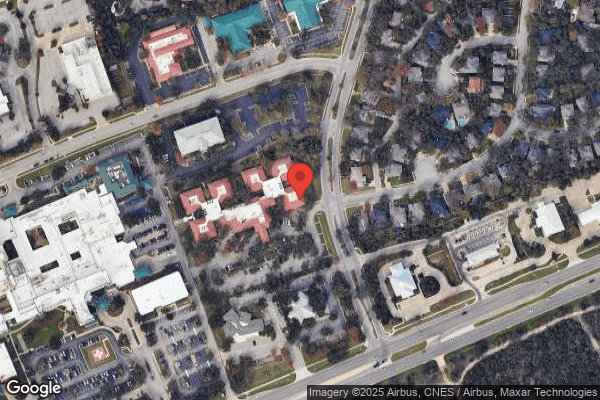
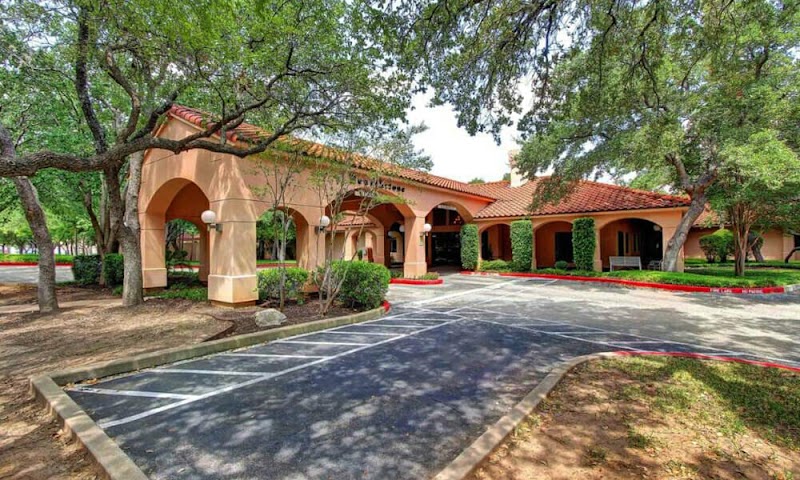
401 OAKWOOD BLVD, ROUND ROCK, TX 78681 (512) 388-7494
Government - Hospital district 120 Beds CARADAY HEALTHCARE Data: November 2025 5 Immediate Jeopardy citations
Trust Grade
0/100
#1001 of 1168 in TX
Last Inspection: January 2025

Within standard 12-15 month inspection cycle. Federal law requires annual inspections.

Overview

Hearthstone Nursing and Rehabilitation has received a Trust Grade of F, indicating significant concerns about the care provided. Ranking #1001 out of 1168 facilities in Texas places them in the bottom half, while their county rank of #12 out of 15 shows that there are only a few local options that are better. Although the facility is reportedly improving, with a reduction in issues from 6 to 2 over the past year, the high staffing turnover rate of 75% is alarming, far exceeding the Texas average of 50%. The facility has faced $152,617 in fines, which is higher than 87% of Texas facilities, indicating potential ongoing compliance issues. Specific incidents of concern include a failure to properly assess a resident after a fall, leading to a hip fracture, and not notifying the necessary medical staff, which raises serious questions about resident safety and care quality. Despite having good RN coverage, which is better than 93% of Texas facilities, families should weigh these strengths against the troubling findings and overall low ratings when considering care options for their loved ones.

Trust Score
F
0/100
In Texas
#1001/1168
Bottom 15%
Safety Record
High Risk
Review needed
Inspections
Getting Better
6 → 2 violations
Staff Stability
⚠ Watch
75% turnover. Very high, 27 points above average. Constant new faces learning your loved one's needs.
Penalties
✓ Good
$152,617 in fines. Lower than most Texas facilities. Relatively clean record.
Skilled Nurses
○ Average
Each resident gets 34 minutes of Registered Nurse (RN) attention daily — about average for Texas. RNs are the most trained staff who monitor for health changes.
Violations
⚠ Watch
25 deficiencies on record. Higher than average. Multiple issues found across inspections.
★☆☆☆☆
1.0
Overall Rating
★☆☆☆☆
1.0
Staff Levels
★★★☆☆
3.0
Care Quality
★★☆☆☆
2.0
Inspection Score
Stable
2024: 6 issues
2025: 2 issues

The Good

  • Full Sprinkler Coverage · Fire safety systems throughout facility
  • No fines on record

Facility shows strength in fire safety.

The Bad

1-Star Overall Rating

Below Texas average (2.8)

Significant quality concerns identified by CMS

Staff Turnover: 75%

28pts above Texas avg (46%)

Frequent staff changes - ask about care continuity

Federal Fines: $152,617

Well above median ($33,413)

Significant penalties indicating serious issues

Chain: CARADAY HEALTHCARE

Part of a multi-facility chain

Ask about local staffing decisions and management

Staff turnover is very high (75%)

27 points above Texas average of 48%

The Ugly 25 deficiencies on record

5 life-threatening 1 actual harm
Jan 2025 2 deficiencies
CONCERN (D)

Potential for Harm - no one hurt, but risky conditions existed

Comprehensive Care Plan (Tag F0656)

Could have caused harm · This affected 1 resident

**NOTE- TERMS IN BRACKETS HAVE BEEN EDITED TO PROTECT CONFIDENTIALITY** Based on observation, interviews and record reviews, the facility failed to develop and implement a comprehensive person-centere...

Read full inspector narrative →
**NOTE- TERMS IN BRACKETS HAVE BEEN EDITED TO PROTECT CONFIDENTIALITY** Based on observation, interviews and record reviews, the facility failed to develop and implement a comprehensive person-centered care plan for each resident, which included measurable objectives and timeframes to meet a resident's medical, nursing, and mental and psychosocial needs for 1 of 5 residents (Resident #10) reviewed for care plans. The facility failed to include Resident #10 was receiving hospice services in the comprehensive care plan. This failure could place residents at risk for not receiving necessary care and services or having important care needs identified and met. Findings included: Record review of Resident #10's face sheet dated 01/30/25 reflected a [AGE] year-old female who was admitted to the facility on [DATE]. Resident #10 had diagnoses which included: diabetes (a group of diseases that result in too much sugar in the blood), hyperlipidemia (abnormally high levels of any or all lipids or lipoproteins in the blood), dementia (a general name for a decline in cognitive abilities that impacts a person's ability to perform everyday activities), and hypertension (a long-term medical condition in which the blood pressure in the arteries is persistently elevated). Record review of Resident #10's admission MDS assessment dated [DATE], reflected that Resident #10 had a BIMS score of 07 which reflected the resident was severely cognitively impaired. Resident #10's admission MDS assessment reflected that the resident was receiving hospice care. Record review of Resident #10's Physician's Orders, dated 12/05/24, reflected the resident had an order for: Admit to Hospice. Record review of care plan dated 11/13/2024 reflected Resident #10 was not care planned for receiving hospice services. In an observation and interview on 01/28/25 at 12:21 PM, Resident #10 stated she was doing ok. She stated staff treated her well and she had everything she needed. Resident appeared pleasantly confused and was clean and dressed appropriately with no sign of pain or distress noticed. In an interview on 01/30/25 at 09:52 AM, the MDS nurse stated he was responsible for completing care plans. He stated there was a group of staff that were included in completing care plans as well, but he was responsible for completing the hospice care plans. He stated he had been trained to complete care plans accurately. He stated if a resident received hospice services, it should have been included in their care plan. He stated he was aware Resident #10 received hospice services, but he was not aware that Resident #10's care plan had not included hospice services. He stated he thought there could be a negative impact on resident's if they received hospice services and it was not care planned. In an interview on 01/30/25 at 10:00 AM, the DON stated the MDS nurse was ultimately responsible for completing the care plans and he was responsible for care planning hospice services. She stated her and other staff reviewed the care plans as a group and made the MDS nurse aware if there were changes that needed to be made. She stated the MDS nurse and other staff had been trained on completing care plans accurately. She stated it was her expectation that hospice services be care planned. She stated she was aware that Resident #10 received hospice services. She stated she was not aware that Resident #10 was not care planned for hospice services, but she knew that Resident #10 should have been care planned for hospice services. She stated if hospice was not included in a resident's care plan or a care plan was completed inaccurately, it could have caused a delay in care or interventions, or certain things may or may not have happened if they were not care planned. Review of facility policy dated 2001 (complete revision December 2016) titled Care Plans, Comprehensive Person-Centered revealed Policy Statement: A comprehensive, person-centered care plan that includes measurable objectives and timetables to meet the resident's physical, psychosocial and functional needs is developed and implemented for each resident. Policy Interpretation and Implementation: 1. The Interdisciplinary Team (IDT), in conjunction with the resident and his/her family or legal representative, develops and implements a comprehensive, person-centered care plan for each resident. 2. The care plan interventions are derived from a thorough analysis of the information gathered as part of the comprehensive assessment. 8. The comprehensive, person-centered care plan will: a. Include measurable objectives and timeframes; b. Describe the services that are to be furnished to attain or maintain the resident's highest practicable physical, mental, and psychosocial well-being; c. Describe services that would otherwise be provided for the above, but are not provided due to the resident exercising his or her rights, including the right to refuse treatment; k. Reflect treatment goals, timetables and objectives in measurable outcomes; l. Identify the professional services that are responsible for each element of care; m. Aid in preventing or reducing decline in the resident's functional status and/or functional levels; 11. Care plan interventions are chosen only after careful data gathering, proper sequencing of events, careful consideration of the relationship between the resident's problem areas and their causes, and relevant clinical decision making. 13. Assessments of residents are ongoing and care plans are revised as information about the residents and the residents' conditions change. 14. The Interdisciplinary Team must review and update the care plan: a. When there has been a significant change in the resident's condition; d. At least quarterly, in conjunction with the required quarterly MDS assessment.
CONCERN (D)

Potential for Harm - no one hurt, but risky conditions existed

Infection Control (Tag F0880)

Could have caused harm · This affected 1 resident

**NOTE- TERMS IN BRACKETS HAVE BEEN EDITED TO PROTECT CONFIDENTIALITY** Based on observations, interviews, and record review the facility failed to establish and maintain an infection prevention and c...

Read full inspector narrative →
**NOTE- TERMS IN BRACKETS HAVE BEEN EDITED TO PROTECT CONFIDENTIALITY** Based on observations, interviews, and record review the facility failed to establish and maintain an infection prevention and control program designed to provide a safe, sanitary, and comfortable environment and to help prevent the transmission of communicable diseases and infections for 2 of 2 residents (Resident #17 and #44) reviewed for infection control. The facility failed to ensure MA performed proper hand hygiene and sanitized equipment between residents when passing medications to Residents #17 and #44. This failure could place residents at risk for development of communicable diseases and infections. Findings included: Record review of Resident #17's undated face sheet, reflected she was an [AGE] year-old female admitted [DATE] with diagnoses of Encephalopathy (brain disfunction), Acute Respiratory Failure, Diabetes, Pneumonia, Anxiety, and Major Depressive Disorder. Record review of Resident #17's Quarterly MDS assessment dated Dec. 25, 2024, reflected a BIMS score of 06, which indicated the resident's cognitive ability was severely impaired. Record review of Resident #17's Care Plan, reflected a Focus area was initiated for Acute Infection on 11/21/24 with a goal for the infection to resolve without complications. Record review of Resident #44's undated face sheet, reflected she was a [AGE] year-old female admitted [DATE] with diagnoses of Dementia, Depression, High Blood Pressure, and a Personal History of Urinary Tract Infections. Record review of Resident #44's Quarterly MDS assessment dated Dec. 24, 2024, reflected a BIMS score of 08, which indicated the resident's cognitive ability was moderately impaired. Record review of Resident #44's Care Plan, reflected a Focus area was initiated for Resident is at risk for infection-Covid 19 with a goal to not exhibit signs and symptoms of Covid-19. Observation on 1/29/25 at 9:03 a.m., revealed MA removed a blood pressure cuff from the top of the medication cart and entered the resident's room to take the blood pressure of Resident #17. Afterwards she placed the un-sanitized cuff back on the top of the medication cart. She then proceeded to prepare the medications and to administer the medications to Resident #17 in the resident's room. She returned to the medication cart and moved to the next resident without performing hand hygiene or cleaning the blood pressure cuff. Observation on 1/29/25 at 9:15 a.m., revealed MA removed the un-sanitized blood pressure cuff from the top of the medication cart and proceeded to take the blood pressure of Resident #44. Afterwards she placed the un-sanitized cuff back on the top of the medication cart. She then proceeded to prepare the medications and to administer the medications to Resident #44 in the resident's room. She returned to the medication cart and moved the cart back to the nurse's station where she left it. The blood pressure cuff was left on top of the first medication cart and was never sanitized. Hand hygiene was not done until MA moved to a different cart, where she performed hand hygiene before starting on the new cart. In an interview on 01/29/25 09:44 a.m., MA stated she forget the hand hygiene between Resident #17 and Resident #44 but does not know why. She stated that she did not clean the blood pressure cuff between residents. She stated she usually keeps the hand sanitizer near her on the cart and does do it. She stated it was important to do hand hygiene and clean the cuff to avoid spreading infections from resident to resident. She stated that the negative outcome to residents if it was not done, was they could develop infections and get sick. In an interview on 1/30/25 at 9:54 a.m., the DON stated, the policy for hand hygiene during medication administration was to clean hands before and after each resident and as needed. She stated the policy on cleaning equipment like blood pressure cuffs, was to clean between residents. She stated this is important for infection control and to not spread germs between residents which could give a resident an infection and make them sick. She said it was the responsibility of the DON, the Scheduler, and the ADON to train staff on this when staff is hired and at yearly competencies. In an interview on 1/30/25 at 10:28 a.m., RN, she stated the policy for hand hygiene on medication administration was to sanitize hands before and after each resident and as needed. She stated the policy on cleaning equipment like blood pressure cuffs, was to clean between residents. She stated this was important for minimize risk of spreading bacteria to other residents and causing cross contamination. She stated if this was not done, residents could get infections and become sick. She stated it was the responsibility of the DON, ADON and nurse management to train staff on this. In an interview on 1/30/25 at 10:38 a.m., the ADM stated the policy for hand hygiene on medication administration was to clean hands before and after each resident. He stated the policy on cleaning equipment like blood pressure cuffs was to clean between residents. He stated this is important for infection control and to prevent giving a resident an infection which could make them sick. He stated it is the responsibility of the DON and ADM to train staff on this. A record review of the facility policy titled, Handwashing/Hand Hygiene 2001 Med-Pass, Inc with a last revision date of 2019 reflected the following: The facility considers hand hygiene the primary means to prevent the spread of healthcare-associated infections. Hand Hygiene is indicated before and after direct contact with residents and before handling medications. Hand Hygiene is indicated after handling contaminated equipment. A record review of the facility's undated policy titled, 9. Medication and Preparation Administration-9.2 Preparation of Medication reflected the person administering medications adheres to good hand hygiene, which includes washing or sanitizing hands: Before beginning a medication pass. Prior to handling any medication. After coming into direct contact with a resident. When returning to the medication cart or preparation area. After each room. A record review of the facility policy titled, Cleaning and Disinfection of Resident-Care Items and Equipment version 2.0 in the 2001 Med-Pass, Inc with a last revision date of 2022 reflected the following: Reusable items are cleaned and disinfected or sterilized between residents (e.g., stethoscopes, durable medical equipment). Durable medical equipment is cleaned and disinfected before reuse by another resident.
Dec 2024 2 deficiencies 1 Harm
SERIOUS (G) 📢 Someone Reported This

A family member, employee, or ombudsman was alarmed enough to file a formal complaint

Actual Harm - a resident was hurt due to facility failures

Free from Abuse/Neglect (Tag F0600)

A resident was harmed · This affected 1 resident

**NOTE- TERMS IN BRACKETS HAVE BEEN EDITED TO PROTECT CONFIDENTIALITY** Based on interview and record review, the facility failed to protect one resident (Resident #1) out of seven residents reviewed ...

Read full inspector narrative →
**NOTE- TERMS IN BRACKETS HAVE BEEN EDITED TO PROTECT CONFIDENTIALITY** Based on interview and record review, the facility failed to protect one resident (Resident #1) out of seven residents reviewed for abuse and neglect in that: CNA A slapped Resident #1 on his head in the front lobby in the presence of the facility's Receptionist and the Van Driver from another facility. This noncompliance was identified as PNC. The deficient practice occurred on 11/30/2024 and in-service was completed on 12/03/2024. The facility had corrected the noncompliance before the survey began. This failure could place residents at risk of abuse, injury, and psychosocial harm. Findings included: Review of Resident #1's undated care plan reflected a [AGE] year-old male that was admitted to the facility on [DATE] with re-admission date of 10/27/2024 with diagnoses including Cerebral infarction, Hemiplegia and hemiparesis following cerebral infraction, acute respiratory failure with hypercapnia, bipolar disorder, Review of Resident #1's quarterly care plan assessment, dated 11/29/24, reflected a BIMS score of 0, indicating he had a severe cognitive impairment. It was also noted a staff assessment for mental status was conducted which indicated short-term memory problem and cognitive skills for daily decision-making being moderately impaired. Section E (Behaviors) reflected he had not exhibited any physical or verbal behaviors. Review of Resident #1's quarterly care plan, initiated 08/30/24, reflected Resident #1 had ADL self-care deficit performance related to weakness and impaired vision; revised on 12/10/2024 reflected Resident #1 had the potential to be physically aggressive related to diagnosis of bipolar disorder, he had behavior problems related to him being physically aggressive with staff and others with interventions as follow: Caregivers to provided opportunity for positive interaction, attention. Stop and talk with him/her as passing by. If reasonable, discuss the resident's behavior. Explain/reinforce why behavior is inappropriate and/or unacceptable to the resident. Intervene as necessary to protect the rights and safety of others. Approach/Speak in a calm manner. Divert attention. Remove from situation and take to alternate location as needed. Review of Resident #1's skin assessment report reflected a skin assessment was completed on 11/30/2024 with no apparent injury on his head, bilateral toes DTI/flaky skin. Review of Resident #1's progress notes written by RN B dated 11/30/2024 at 2:35 pm reflected: this nurse was called to the front lobby by (RN D) at 12:20, who stated that it was reported to her that a CNA hit the resident on his forehead while trying to transfer him to a different wheelchair. On getting to the front lobby, found resident sitting up on the wheelchair. Assessed his forehead and found no mark of bruising and resident denies any discomfort or pain on the area. The incident was witnessed by () the receptionist and () the transporter from (another facility), , Tx. Received a written statement from (Receptionist). Abuse coordinator (Administrator) DON and NP on call for MD were all notified. Complete head to toe assessment of the resident has been done and no skin lesion noted. During a phone interview on 12/16/2024 at 09:55 am the local law enforcement officer stated he was assigned to the case regarding Resident #1 few days after the incident. The Law enforcement officer stated the allegation of the crime was made, Resident #1 pressed charges and he spoke with the 2 witnesses to the crime. He stated the physical abuse/assault was witnessed by one of the facility's staff and another facility staff (Van Driver). He stated based on his investigation, there was probable cause for assault to an elderly committed by CNA A and a warrant for her arrest was out. On 12/16/2024 at 10:03 am, attempts were made to speak with the Van Driver from the other facility and was told she was in an emergency and would call at her earliest convenience. During a phone interview on 12/16/2024 at 11:14 am, the facility's Receptionist stated she witnessed an incident with Resident #1 and CNA A on 11/30/2024 in the facility's lobby. The Receptionist stated while Resident #1 was about to be transfer to another facility, CNA A was called to assist Resident #1 transfer from one wheelchair to the other. The Receptionist stated Resident #1 made a kicking movement towards CNA A and CNA A stated, (Resident #1) we are not doing this today, CNA A backed up in the process and walked back to Resident #1 and slapped his head loud that they heard the sound from the pop as it echoed. The Receptionist stated the Van Driver from the other facility then asked CNA A if she had just slapped (Resident #1) on the head and CNA A stated no, she (CNA A) was removing a bug from Resident #1's head. The Receptionist stated that was not the case, Resident #1 did not have a bug on his head, and she could not understand why CNA A was so comfortable slapping Resident #1 in public like that. The Receptionist stated the Van Driver requested the state's complaint number, she (Receptionist) notified the manager on duty, the Administrator was called to the facility, the nurse was called to assess Resident #1. The Receptionist stated she was interviewed by the Administrator, and she wrote a statement regarding the incident. She stated they were in-serviced on abuse and neglect. During an interview on 12/16/2024 at 12:11 pm RN B stated she was the nurse on duty on 11/30/2024 for Resident#1 when the incident for physical abuse happened. RN B stated she did not witness the incident but was called to the front lobby to assess Resident #1. RN B stated she did a full skin assessment on Resident #1 and there were on apparent injury noted. RN B stated CNA A was pulled off the floor from working with other residents, full skin assessment was completed on all residents assigned to CNA A. RN B stated she had never seen CNA A hit another resident. She also stated facility's staff were in-serviced on abuse and neglect, the types of abuse, how to report and who to report to. During an interview on 12/16/2024 at 09:37 am the Van Driver stated on 11/30/2024 at about 12:20 pm she went to pick up (Resident #1) and Resident #3 to transport them to another facility. She stated while Resident #1 was being transferred from one wheelchair to the other in the front lobby, he made a kicking movement, pointing to the cushion in his old chair, trying to communicate to CNA A to put the cushion in his new chair. She stated CNA A stated not today Resident #1 and slapped Resident #1 on his head, it was loud, and she and the Receptionist heard it. The Van driver stated she was shocked at what she had just seen and asked CNA A, Did you just slapped his head? The Van driver stated CNA A stated she was removing something from Resident #1's head. The Van driver stated she then asked the receptionist for the State's complaint number, told her co-worker that went with her and called her Administrator. She stated she gave the facility's administrator a written statement of the incident after he got to the facility. During an interview on 12/16/2024 at 3:00 pm the Administrator stated he was the abuse and neglect coordinator. He stated staff were expected to report concerns of abuse and neglect to him. He stated if the instance of abuse and neglect resulted in injury, he has 2 hours window to report to Health and Human Services. He stated it was not his expectation for staff to hit a resident. He stated he was notified by his HR staff who was the manager on duty, and he immediately went to the facility to initiate an investigation. He stated CNA A was removed from the floor, suspended pending investigation, and has since been terminated. He stated he interviewed all witnesses, in-serviced staff on abuse and neglect, conducted safe survey with other residents without negative outcome and completed skin assessments on all residents assigned to CNA A on the day of the incident. He also stated he notified the police and there was an officer investigating the allegation. Surveyor was unable to interview the HR staff who was the manager on duty on 11/30/2024 due to her being overseas. During interview on 12/16/2024 through 12/19/2024 with 2 RNs, 3 CNAs, 1 CMA, the Receptionist revealed they were in-serviced on abuse and neglect after the incident with Resident #1 and CNA A. Staff denied seeing CNA A physically abusing other residents. Staff also stated they had not seen CNA A in the facility since the incident. Review of facility's in-services reflected an in-service dated 11/30/2024 through 12/03/2024 for all facility staff. In-service: Attach Lesson Plan with behavioral objectives, core curriculum, method(s) of teaching, method of evaluation. 1. Abuse, Neglect, Exploitation and Misappropriation Prevention Program 2. Abuse and Neglect Coordinator- Administrator (Administration) 3. Report immediately to the administrator. Review of CNA A's personnel file reflected she was terminated on 12/02/2024. Review of facility's investigation dated 12/06/2024 reflected a thorough investigation was completed, and the allegation of physical abuse was confirmed . Review of facility's Policy revised April 2021 titled Abuse, Neglect, Exploitation and Misappropriation Prevention Program reflected: Residents have the right to be free from abuse, neglect, misappropriation of resident property and exploitation. This includes but is not limited to freedom from corporal punishment, involuntary seclusion, verbal, mental, sexual or physical abuse, and physical or chemical restraint not required to treat the resident's symptoms. The resident abuse, neglect and exploitation prevention program consists of a facility-wide commitment and resource allocation to support the following objectives: 1. Protect residents from abuse, neglect, exploitation or misappropriation of property by anyone including, but not necessarily limited to: a. facility staff. b. other residents. c. consultants. d. volunteers. e. staff from other agencies. f. family members. g. legal representatives. h. friends. i. visitors; and/or j. any other individual. Ensure adequate staffing and oversight/support to prevent burnout, stressful working situations and high turnover rates. Establish and maintain a culture of compassion and caring for all residents and particularly those with behavioral, cognitive or emotional problems.
CONCERN (D) 📢 Someone Reported This

A family member, employee, or ombudsman was alarmed enough to file a formal complaint

Potential for Harm - no one hurt, but risky conditions existed

Medical Records (Tag F0842)

Could have caused harm · This affected 1 resident

**NOTE- TERMS IN BRACKETS HAVE BEEN EDITED TO PROTECT CONFIDENTIALITY** Based on interview and record review, the facility failed to ensure that medical records were accurately documented for one (Res...

Read full inspector narrative →
**NOTE- TERMS IN BRACKETS HAVE BEEN EDITED TO PROTECT CONFIDENTIALITY** Based on interview and record review, the facility failed to ensure that medical records were accurately documented for one (Resident #2) of five residents reviewed for accurate clinical records. The facility failed to ensure LVN C documented any follow-up observations or assessments of Resident #2 after she initiated treatments for his uncontrolled coughing. This failure could result in errors in care and treatment. Findings included: Review of Resident #2's undated face sheet reflected a [AGE] year-old male who was admitted to the facility on [DATE] and readmitted on [DATE] with diagnoses including dysphagia (difficulty swallowing), disturbances of salivary secretion, and unspecified dementia. Review of Resident #2's quarterly MDS assessment, dated 11/25/24, reflected a BIMS score of 7, indicating a severe cognitive impairment. Section O (Special Treatments, Procedures, and Programs) reflected he did not receive tracheostomy care. Review of Resident #2's quarterly care plan, dated 09/27/24, reflected he had a tracheostomy stoma with an intervention of covering the trach with dry gauze and securing with tape. Review of Resident #2's progress notes, dated 12/14/24 at 1:32 PM and documented by LVN C, reflected the following: At about 9:29 am this writer was notified by [Resident #2]'s roommate that [Resident #2] is coughing. Upon assessment [Resident #2] seen coughing none [sic] stop, form [sic] like secretion coming out of his trach. Vital signs taken T 97.9, O2 97, P 134. BP 131/74. [Resident #2] C/O of dizziness and tiredness. NP on call called 9:29 am, called back 9:30 am, she ordered stat guanfacine 20mls. Stated should cont to suction and monitor the resident, PRN Levalbuterol HCl Inhalation Nebulization Solution, was given. Med was mild effective, [Resident #2] continue to cough with secretions from his trach and pulse rate still on [sic] 120's, [Resident #2] looks weak, NP notified again on the res condition @ 12:20 pm, called back at 12:23 pm ordered to send [Resident #2] to emergency room for further evaluation . During a telephone interview on 12/16/24 at 1:59 with, LVN C stated she worked with Resident #2 on the morning of 12/14/24. She stated he was coughing non-stop, having secretions from his stoma that were foam-like, and was in respiratory distress. She stated she contacted the NP on-call (NP D) and she provided her with orders for a nebulizer treatment, suctioning of his stoma, continuing to monitor him, and calling her back if his oxygen levels dropped. She stated the suctioning helped with the secretions and saw an improvement with his condition with the nebulizer treatment. She stated he was not in respiratory distress and his cough had subsided. She stated approximately three hours later, she noticed Resident #2 looked more tired and was complaining of feeling dizzy. She stated his heart rate was elevated and he did not look normal. She stated she then contacted NP D again who gave her orders to send him to the ER. She stated she was not sure why she had not documented that his condition had changed but remembered she had written it as one note in his progress notes. During an interview on 12/16/24 at 3:00 PM, the DON stated she remembered getting called by LVN C regarding Resident #2's condition on 12/14/24. She stated she had communicated to her about his improving condition and then when his condition worsened again, she sent him to the ER. She stated she would expect for all of the times she assessed Resident #2 to be documented in his progress notes to ensure he was receiving timely and appropriate care. During an interview on 12/19/24 at 10:18 AM, Resident #2 stated on the morning of 12/14/24 he could not stop coughing and that was why he was sent to the hospital. He stated the nurse had given him a breathing treatment and he was taken good care of. He stated the nurse did what she was supposed to do, and she did not wait too long to send him to the hospital. Interviews with NP D were attempted on 12/16/24 and 12/19/24. A returned call was not received prior to exiting. Review of the facility's Change of Condition Policy, dated 2003, reflected when to notify the NP of a resident's change in condition. It did not have anything related to nursing documentation.
Apr 2024 1 deficiency
CONCERN (D) 📢 Someone Reported This

A family member, employee, or ombudsman was alarmed enough to file a formal complaint

Potential for Harm - no one hurt, but risky conditions existed

Pharmacy Services (Tag F0755)

Could have caused harm · This affected 1 resident

**NOTE- TERMS IN BRACKETS HAVE BEEN EDITED TO PROTECT CONFIDENTIALITY** Based on observation, interview, and record review, the facility did not provide pharmaceutical services to meet the needs of ea...

Read full inspector narrative →
**NOTE- TERMS IN BRACKETS HAVE BEEN EDITED TO PROTECT CONFIDENTIALITY** Based on observation, interview, and record review, the facility did not provide pharmaceutical services to meet the needs of each resident for one (Resident #1) of four residents reviewed for pharmaceutical services, in that: The facility failed to ensure LVN A confirmed Resident #1 consumed her morning medication on 04/03/24 as she was witnessed spitting her medication into the trashcan. This deficient practice could place residents at risk of not receiving the intended therapeutic benefit of the medications and supplements or could result in worsening or exacerbation of chronic medical conditions. Findings included: Review of Resident #1's undated face sheet reflected an [AGE] year-old female who was admitted to the facility on [DATE] with diagnoses including unspecified dementia, type II diabetes, major depressive disorder, acute kidney failure, and hypertension (high blood pressure). Review of Resident #1's annual MDS assessment, dated 01/31/24, reflected a BIMS of 3, indicating a severe cognitive impairment. Section K (Swallowing/Nutritional Status) reflected she did not have any swallowing disorders. Review of Resident #1's quarterly care plan, revised 02/05/24, reflected she had impaired cognitive function with an intervention of administering medications as ordered. Observation on 04/03/24 at 9:24 AM in the MCU, revealed Resident #1 wandering around the living area and walking over to a trash can and spitting out her medication. LVN A was by the medication cart and saw the incident. During an interview on 04/03/24 at 9:26 AM, LVN A confirmed she did see Resident #1 spit out her medication and was glad none of them were narcotics. When asked if she was supposed to ensure all residents consumed their medications after administering them, she stated it was her first day in the MCU and was not aware Resident #1 had a history of pocketing/spitting out her medication. She stated she had mixed her medications with apple sauce and maybe it was too tart, and she was going to try again with chocolate pudding. During an interview on 04/03/24 at 11:45 AM, the DON from their sister facility stated her expectation during medication pass when a nurse or MA administered medication was that they wait with each resident to ensure they took them. She stated one negative outcome could be another resident could consume them, which could adversely affect them. She stated another negative outcome could be the resident who was supposed to be taking the medication might not get any therapeutic benefit. She stated there was also a concern of aspiration (choking) if a resident consumed their medication alone. Review if the facility's undated Medication and Preparation Administration Policy reflected the following: During medication administration, the facility staff should . confirm resident consumption of the medication.
Feb 2024 3 deficiencies
CONCERN (D) 📢 Someone Reported This

A family member, employee, or ombudsman was alarmed enough to file a formal complaint

Potential for Harm - no one hurt, but risky conditions existed

Deficiency F0553 (Tag F0553)

Could have caused harm · This affected 1 resident

**NOTE- TERMS IN BRACKETS HAVE BEEN EDITED TO PROTECT CONFIDENTIALITY** Based on interview and record review, the facility failed to ensure care plans were developed in consultation with the resident ...

Read full inspector narrative →
**NOTE- TERMS IN BRACKETS HAVE BEEN EDITED TO PROTECT CONFIDENTIALITY** Based on interview and record review, the facility failed to ensure care plans were developed in consultation with the resident and the resident's representative for one of one (Resident #1) of two residents reviewed for Comprehensive Care Plans, in that: The facility failed to schedule a care plan meeting with FAM and Resident #1 that involved a multidisciplinary team and instead documented a phone call between FAM and the Social Worker as the care plan meeting. This failure could place residents at risk of not receiving the highest practicable interventions, treatments and care by not involving the resident and FAM (MPOA) of a care plan meeting. Findings included: Record review of Resident #1's undated face sheet, printed on 02/10/24, revealed that he was a [AGE] year-old female admitted to the facility on [DATE] with diagnoses that included depression, anxiety and dementia. It further revealed that her emergency contact and Responsible Party was FAM. Record review of Resident #1's 01/06/24 quarterly MDS revealed a BIMS of 3, which was indicative of severely impaired cognition. It further revealed her primary language was Spanish and she was usually understood and usually understood others. It revealed that she had no hallucinations nor did she have delusions that would be potential indicators of psychosis. Record review of the assessment titled Multidisciplinary Care Conference - V2 with an effective date of 12/28/23 revealed the meeting was 12/28/23 at 11:40 am and it was marked as the quarterly care conference. The only staff marked in attendance was the social worker. None of the l7 areas to be addressed per the form were marked as addressed, all were left blank. Under summarize discussion of the care plan conference there was a note stating FAM had a question about Resident #1's fall and the SW encouraged her to get with nursing about questions related to that. The SW said she was going to activities and the SW was making a referral to dental. It was further marked that the family member attended by phone and the only staff member who signed was SW. In an interview on 02/10/24 at 2:00 pm with FAM she stated that she had never attended a care plan meeting. She said she had called near the end of December (2023) about her Resident #1 having a fall that required stitches, but nothing else was discussed. She was not told in advance about a care plan meeting so she could attend . She also said her mother was not present on the phone call with SW. In an interview on 02/11/24 at 4:00 pm with the DON, she stated that a care plan meeting should be scheduled and include staff from all departments, the resident and the resident representative .
CONCERN (D) 📢 Someone Reported This

A family member, employee, or ombudsman was alarmed enough to file a formal complaint

Potential for Harm - no one hurt, but risky conditions existed

Medication Errors (Tag F0758)

Could have caused harm · This affected 1 resident

**NOTE- TERMS IN BRACKETS HAVE BEEN EDITED TO PROTECT CONFIDENTIALITY** Based on interview and record review, the facility failed to ensure that residents who have not used psychotropic drugs are not ...

Read full inspector narrative →
**NOTE- TERMS IN BRACKETS HAVE BEEN EDITED TO PROTECT CONFIDENTIALITY** Based on interview and record review, the facility failed to ensure that residents who have not used psychotropic drugs are not given these drugs unless the medication is necessary to treat a specific condition as diagnosed and documented in the clinical record for 1 (Resident #1) of 5 residents reviewed for psychotropic drug use. The facility failed to: 1. ensure Resident #1 was prescribed Seroquel and ABH gel for a specific diagnosis and instead prescribed it for behavioral disturbance at bedtime This failure could affect all residents by placing them at risk of receiving psychotropic medications without a specific diagnosis and rather being prescribed psychotropic medication for behavior; this could cause decrease quality of life and increase the risk of injury. Findings included: Record review of Resident #1's undated face sheet, printed on 02/10/24, revealed that he was a [AGE] year-old female admitted to the facility on [DATE] with diagnoses that included depression, anxiety and dementia. It further revealed that her emergency contact and Responsible Party was FAM. Record review of Resident #1's 01/06/24 quarterly MDS revealed a BIMS of 3, which was indicative of severely impaired cognition. It further revealed her primary language was Spanish and she was usually understood and usually understood others. It revealed that she had no hallucinations nor did she have delusions that would be potential indicators of psychosis . In an interview on 02/10/24 at 2:00 pm with FAM, she stated that she was told the doctor wanted to start Resident #1 on Seroquel, but FAM wanted to research the medication before the Seroquel was administered to Resident #1. In an interview on 02/11/24 at 2:45 pm with MD stated she had a duty to treat Resident #1's behaviors while awaiting signed consent from FAM. Record review of Resident #1's Orders revealed an order for QUEtiapine Fumarate (Seroquel) Tablet 25 MG Give 0.5 tablet by mouth at bedtime for behavioral disturbance; the order was started 01/29/24 at 8:00 pm. Further review revealed an order for Lorazepam-Diphenhydramine-Haloperidol mg (ABH Gel); Apply to skin topically every 2 hours as needed for agitation for 14 Days, order started 01/15/24. Record review of Resident #1's MAR, January/February of 2024, revealed she was administered Seroquel on the following dates; 1/29/24 1/30/24 1/31/24 2/1/24 2/2/24 2/3/24 2/4/24 Further review revealed the medication was marked as on hold starting 02/05/24. Further review of Resident #1's MAR, January of 2024, revealed she was administered ABH gel on the following dates: 01/15/24 01/17/24 01/18/24 (x2) 01/19/24 01/20/24 01/21/24 (x2) Record review of Resident #1's diagnoses list, on 02/10/24, revealed no diagnosis of psychosis, schizophrenia nor bipolar disorder, and her only mental health diagnoses were anxiety, depression, and insomnia (she also has a diagnosis of dementia). Record review of Resident #1's progress notes revealed a note by the MD on 01/29/24 at 4:26 pm that reflected that FAM was agreeable to start quetiapine (Seroquel). A progress note dated 02/05/24 at 8:47 am stated that FAM had not signed consent so medication was not given.
CONCERN (E) 📢 Someone Reported This

A family member, employee, or ombudsman was alarmed enough to file a formal complaint

Potential for Harm - no one hurt, but risky conditions existed

Deficiency F0552 (Tag F0552)

Could have caused harm · This affected multiple residents

**NOTE- TERMS IN BRACKETS HAVE BEEN EDITED TO PROTECT CONFIDENTIALITY** Based on interview and record review, the facility failed to ensure residents were informed in advance, by the physician or othe...

Read full inspector narrative →
**NOTE- TERMS IN BRACKETS HAVE BEEN EDITED TO PROTECT CONFIDENTIALITY** Based on interview and record review, the facility failed to ensure residents were informed in advance, by the physician or other practitioner or professional, of the risks and benefits of proposed care, of treatment and treatment alternatives or treatment options and to choose the alternative or option he or she prefers for 1 (Resident #1) of 5 residents reviewed for informed consent for treatment options. The facility failed to: 1. obtain a signed informed consent for the use of Seroquel for Resident #1 by her MPOA 2. obtain a signed informed consent for the use of ABH gel for Resident #1 by her MPOA This failure could affect all residents by placing them at risk of receiving psychotropic medications without informed consent which could cause decrease quality of life and increase the risk of injury and violate the rights of residents to make informed decisions related to care. Findings included: Record review of Resident #1's undated face sheet, printed on 02/10/24, revealed that he was a [AGE] year-old female admitted to the facility on [DATE] with diagnoses that included depression, anxiety and dementia. It further revealed that her emergency contact and Responsible Party was FAM. Record review of Resident #1's 01/06/24 quarterly MDS revealed a BIMS of 3, which was indicative of severely impaired cognition. It further revealed her primary language was Spanish and she was usually understood and usually understood others. It revealed that she had no hallucinations nor did she have delusions that would be potential indicators of psychosis . In an interview on 02/10/24 at 2:00 pm with FAM, she stated that she was told the doctor wanted to start Resident #1 on Seroquel, but FAM wanted to research the medication before signing consent. She stated she never signed consent for the use of Seroquel for Resident #1. She also stated she never consented to use of ABH gel (Ativan, Benadryl, Haldol). In an interview on 02/11/24 at 2:45 pm with MD she stated that she had a duty to treat Resident #1 and had verbal consent for the use of seroquel by FAM and the medication was put on hold when the consent was not signed after several days. Record review of Resident #1's Orders revealed an order for QUEtiapine Fumarate (Seroquel) Tablet 25 MG Give 0.5 tablet by mouth at bedtime for behavioral disturbance; the order was started 01/29/24 at 8:00 pm. Further review revealed an order for Lorazepam-Diphenhydramine-Haloperidol mg (ABH Gel); Apply to skin topically every 2 hours as needed for agitation for 14 Days, order started 01/15/24. Record review of Resident #1's MAR, January/February of 2024, revealed she was administered Seroquel on the following dates; 1/29/24 1/30/24 1/31/24 2/1/24 2/2/24 2/3/24 2/4/24 Further review revealed the medication was marked as on hold starting 02/05/24. Further review of Resident #1's MAR, January of 2024, revealed she was administered ABH gel on the following dates: 01/15/24 01/17/24 01/18/24 (x2) 01/19/24 01/20/24 01/21/24 (x2) Record review of Resident #1's progress notes revealed a note by the MD on 01/29/24 at 4:26 pm that reflected that FAM was agreeable to start quetiapine (Seroquel). A progress note dated 02/05/24 at 8:47 am stated that FAM had not signed consent so medication was not given. Record review revealed a consent for Seroquel that was not signed by FAM. Record review revealed no signed consent for ABH gel.
Dec 2023 5 deficiencies
CONCERN (E)

Potential for Harm - no one hurt, but risky conditions existed

Accident Prevention (Tag F0689)

Could have caused harm · This affected multiple residents

**NOTE- TERMS IN BRACKETS HAVE BEEN EDITED TO PROTECT CONFIDENTIALITY** Based on observation, interview, and record review the facility failed to ensure that the resident environment remained as free ...

Read full inspector narrative →
**NOTE- TERMS IN BRACKETS HAVE BEEN EDITED TO PROTECT CONFIDENTIALITY** Based on observation, interview, and record review the facility failed to ensure that the resident environment remained as free of accident hazards as was possible in 2 of 2 Common Baths (Pod A (SB) and Pod B (JH)) and 9 of 25 resident rooms (room [ROOM NUMBER]SB, 110SB, 111SB, 217SB, 218SB, 220SB, 108JH, 218JH and 326JH) reviewed. The facility failed to maintain resident use hot water at safe and comfortable temperatures. Resident-use hot water was not reliably controlled. Hot water temperatures ranged from 113 to 118.8 F, and The facility failed to ensure bathing and restroom area grab bars were securely attached to the walls. This failure could place residents at risk for injuries related to non-secure grab bars and could place residents at risk for sustaining scalding injuries when using resident-use/resident accessible hot water. The findings included: Observation on 12/13/23 at 1:08 PM the common bath on the A Pod (SB) unit hand sink had hot water at 114.3°F. Observation on 12/13/23 at 1:25 PM in room [ROOM NUMBER]SB, the hot water was 118.8°F at the hand sink and it was witnessed by CNA D. Observation on 12/13/23 at 1:30 PM in room [ROOM NUMBER]SB the hot water at the hand sink was 117.7°F. Observation on 12/13/23 at 1:37 PM in room [ROOM NUMBER]SB, the hot water at the hand sink was 116.6°F and the grab bar was loose in the restroom. Observation on 12/13/23 at 1:40 PM room [ROOM NUMBER]SB had one of two grab bars loose in the shower and the hot water was 115.3°F at the hand sink. Observation on 12/13/23 at 1:44 PM in room [ROOM NUMBER]SB, one of three grab bars was loose in the shower stall. The hot water was 114.8°F at the hand sink. Observation on 12/13/23 in room [ROOM NUMBER]SB at 1:50 PM, 1 of 2 grab bars was loose in the shower stall and the hot water was 113.2°F at the hand sink. Observation on 12/13/23 at 1:54 PM the B pod common bath (JH) had one of two shower stalls (#1) had one of three bars that was loose. The hot water at the hand sink was 114.4°F. Observation on 12/13/23 at 1:59 PM in the B pod area in room [ROOM NUMBER]JH the hot water at the hand sink was 114.1°F. Observation on 12/13/23 at 2:02PM in the B pod room [ROOM NUMBER]JH the hot water at the hand sink was 113.1°F. Observation on 12/13/23 at 2:04 PM in the B pod room [ROOM NUMBER]JH the hot water at the hand sink was 114.1°F. On 12/13/23 at 2:27 PM interview and observations of the boiler room were made with the Maintenance Supervisor. He stated that he tried to keep the hot water temperature between 105 degrees F and 111 to 112°F. He stated that he started his employment at the facility in September 2023. An observation was made in the boiler room revealed that the Domestic Water (resident use) temperature gauge read 123°F. The kitchen water temperature gauge read 105°F. He stated that the domestic water boiler was set at 120 F (domestic) and the other at 115 F (kitchen). Two boilers were attached to the domestic water system. Observation of the signage on the Domestic Water holding tank stated the following, 120°F Domestic Water. The Maintenance Supervisor stated, he just tested rooms 110SB and 220SB and had readings of 112° F and 115°F. He stated on a weekly basis he checked the water temperatures on the SB (Pod A) unit, Memory Care, and checked two rooms on each pod. He added, he did the same on the other pod (JH - Pod B) and then he checked the kitchen water and showers. He stated, the facility had a problem with the boilers, but it was repaired today (12/13/23). He stated that the times that he checked the water temperature were at different times of the day; morning, afternoon, and late afternoon. Observation of the mixing valve adjustment dial for the domestic water revealed that it was set slightly below the maximum heat setting mark. He stated, he heard 115°F was the maximum temperature allowed for resident use hot water and it is checked to keep it constant at 115° F. He stated that he last checked water temperatures last week. He stated he was responsible for ensuring that the water temperatures were appropriate in the facility and safe. He added that was why he checked water temperatures every week. He stated if the water was too hot residents, could get scolded. On 12/14/23 at 9:54 AM an interview was conducted with the Maintenance Supervisor, and he stated that he had not conducted any monitoring of grab bars, and he depended on the caregivers to tell him if there were repairs needed. He added, I don't check them. He stated over time, with use, they get loose. He stated he was responsible for ensuring that the grab bars were secure. He stated if there were loose grab bars, there was a chance of them coming off the wall, and a resident falling. He added it could make residents afraid to use the grab bars. He stated he retested the hot water today (12/14/23) and it was 112°F. now. Regarding why the hot water temperature was elevated, he stated now all the boilers were working; they may have needed adjusting. He added the problem may have been the extra boiler. On 12/14/23 at 12:06 PM an interview was conducted with the Administrator regarding issues found in the facility. Regarding the hot water and grab bars, she stated the Maintenance Supervisor now planned to have the grab bars checked on a regular basis, possibly with housekeeping assistance. She stated, the facility had the boiler serviced and most of the conversations had dealt with the water temperatures being cold. She added the Maintenance Supervisor was new, and he was more used to working in assisted living facilities where the water temperatures were allowed higher. She stated that the person responsible for maintaining water temperatures at a safe level was the Maintenance Supervisor. She stated that elevated hot water temperatures and loose grab bars could be a safety concern and result in potential harm. On 12/14/23 at 2:07 PM an interview was conducted with the Administrator regarding policies. She stated, the facility went by State regulations. She added, the facility had no policy regarding hot water temperatures and maintenance grab bar issues. Record review of the facility boiler repair vendor invoice dated 12/13/23 revealed the following documentation .All boilers are down. 12/1/23 Started troubleshooting three boilers. 12/2/23 . Two other boilers for domestic use set at 120°F. Work Performed. replaced flex coupling on both boilers for domestic water and flow switch on boiler close to storage tank. Record review of the facility Logbook Documentation for monitoring water temperatures revealed between 12/9/23 and 11/3/23, temperatures were taken of resident use hot water on an approximately weekly basis. Three of six test week results revealed hot water temperatures were not reliably maintained in a comfortable range. There were six weeks of temperatures taken during this period and it was documented that the week of 11/25/23 and the week of 11/17/23, the hot water temperatures taken in both A (SB) and B (JH) pods range from 110°F to 115°F. On 11/25/23 temperatures were documented between 100°F and 114°F. During the testing on 11/17/23, the hot water temperatures ranged from 112°F to 115°F. There were no times documented as to when these temperatures were taken. It was also documented that the water temperatures on 12/1/23 on both pods ranged from 89°F to 93°F. The documentation for 12/01/23 revealed the following, Comments: issues with boilers not staying on to heat water. Boiler tech came to restart boilers after these temps were taken. Further record review of the water temperatures taken on 12/9/23 revealed that the temperature range was 102°F to 105°F. Review of the current undated American Burn Association Scald Injury Prevention Educator's Guide provided the following information: .although scald burns can happen to anyone, .older adults and people with disabilities are the most likely to incur such injuries .High Risk groups .Older Adults .Older adults, .have thinner skin so hot liquids cause deeper burns with even brief exposure. Their ability to feel heat may be decreased due to certain medical conditions or medications so they may not realize water is too hot until injury has occurred. Because they have poor microcirculation, heat is removed from burned tissue rather slowly compared to younger adults . People With Disabilities or Special Needs .Individuals who may have physical, mental or emotional challenges or require some type of assistance from caregivers are at high risk for all types of burn injuries including scalds sensory impairments can result in decreased sensation especially to the hands .so the person may not realize if something is too hot. Changes in a person ' s perception, memory, judgment or awareness may hinder the person ' s ability to recognize a dangerous situation .or respond appropriately to remove themselves from danger . Further review of the Guide revealed that 100-degree F. water was a safe temperature for bathing. Water at 120 degrees F. would cause a third-degree burn (full thickness burn) in 5 minutes and 124 degrees F. water would cause a third-degree burn in 3 minutes. The Guide further documented that water at 127 degrees F. caused third degree burns in 1 minute and water at 133 degrees F. caused third degree burns within 15 seconds. Water temperatures at 140 degrees F. caused third degree burns within 5 seconds.
CONCERN (E)

Potential for Harm - no one hurt, but risky conditions existed

Deficiency F0692 (Tag F0692)

Could have caused harm · This affected multiple residents

**NOTE- TERMS IN BRACKETS HAVE BEEN EDITED TO PROTECT CONFIDENTIALITY** Based on observation, interview, and record review the facility failed to offer, based on a resident's comprehensive assessment,...

Read full inspector narrative →
**NOTE- TERMS IN BRACKETS HAVE BEEN EDITED TO PROTECT CONFIDENTIALITY** Based on observation, interview, and record review the facility failed to offer, based on a resident's comprehensive assessment, a therapeutic diet when there was a nutritional problem, and the health care provider ordered a therapeutic diet for 4 of 4 residents (Residents #2, 7, 22, and 39). The facility failed to provide Residents #2, 7, 22, and 39 with their physician ordered therapeutic diets that included fortified foods, Cardiac diet, and 2GM Sodium for the noon and evening meals on 12/12/23 and the noon meal on 12/13/23. This failure could place residents at risk for hunger, weight loss, and chemical imbalances. The findings included: Resident #2 Record review of the current care plan dated 12/13/23 for female Resident #2 revealed that the resident was admitted to the facility on [DATE] and was [AGE] years old. The resident had diagnoses listed as Repeated Falls, Dysphagia- Oral Phase (swallowing disorder) and Moderate Protein-Calorie Malnutrition (malnutrition). Record review of the Significant Change MDS assessment dated [DATE] revealed Resident #2 had a BIMS score of two indicating severe cognitive impairment. Further record review revealed the resident had no documented oral, dental, or swallowing issues. The resident had an active diagnosis of malnutrition. There was no documented weight loss or gain. Record review of the current undated care plan for Resident #2 revealed a Problem of (Resident #2) is at risk for alteration in nutrition related to impaired cognition/disease process dementia, disease process GERD, dysphagia, low BMI, dietary restrictions Date Initiated: 02/09/2022. Revision on: 12/15/2022. Interventions listed were, . House Supplement 2.0 four times a day Give 120mL four times a day between meals Date Initiated: 12/15/2022. Ice cream TID // fortified foods TID Date Initiated: 12/15/2022 . Provide and serve diet as ordered. Monitor intake and record every meal. Receives Regular diet Dysphagia Puree texture, Regular consistency Date Initiated: 12/15/2022. Revision on: 12/15/2022 . Record review of the Nutritional Risk Assessment V2 for Resident #2 dated 9/18/23 revealed the following, .C. Identification of Risk Indicators. 1. Rate of unplanned Weight Gain/Loss. stable . 2. Current Food and Fluid Intake. 25-100%, variable dependence at meals. 3. Relevant Labs. no new labs . 6. Chewing/Swallowing Difficulties . on puree - dysphagia noted . 8. Current Diet Orders .reg/puree/reg . D. Estimated Needs .5. Nutrition summary and interventions for plan of care: Resident annual assessment. BMI 16 - underweight. Resident on hospice - some decline in weight/appetite may be unavoidable due to progression. Resident likely not meeting estimated needs with oral intake at this time and underweight. Recommend continue to offer and encourage oral intake as appropriate. Goal to maintain resident comfort and honor goals of care while on hospice. RD to continue to monitor and follow up as needed . Further record review of the current physician orders dated 12/14/23 revealed that the resident had a diet order of Regular diet Pureed texture, Regular consistency, Ice cream TID (3 times a day) // fortified foods TID, Active 01/18/2023 . Record review of the tray card for Resident #2 dated 12/12/23 (lunch - day 3) revealed that the resident was documented as being on a regular purée diet with foods listed as: Puréed beef enchilada with chili sauce, puréed cilantro lime rice, puréed charro beans. Notes: ice cream; fortified foods . Observation on 12/12/23 at 11:44 AM Resident #2 was served a purée diet and it was also noted that the beans were flat on the plate. The puréed beans were a #8 scoop, puréed rice was a #10 scoop, puréed enchiladas were a #10 scoop, and they had a course or chunky appearance. No foods were identified as fortified. On 12/14/23 at 11:56 AM an interview was conducted with the DON regarding resident diets. She stated the probable reason for Resident #2's diet was due to swallowing issues and to maintain weight. She stated by residents not receiving their therapeutic diet, it could affect them depending on the diagnosis and the reason for the diet. Resident #7 Record review of the current care plan dated 12/13/23 for male Resident #7 revealed that the resident was admitted to the facility on [DATE] and was [AGE] years old. The resident had diagnoses listed as Lymphedema, Not Elsewhere Classified (fluid buildup in lymph system), Displaced Intertrochanteric Fracture of Right Femur, Subsequent Encounter for Closed Fracture with Routine Healing (Femur Fracture), Weakness, and Age-Related Physical Debility. Record review of the admission MDS assessment dated [DATE] revealed Resident #7 had a BIMS score of 12 indicating he was moderately cognitively impaired. Further record review revealed the resident was on a therapeutic diet. The resident had an active diagnosis of a hip fracture. Record review of the current undated care plan for Resident #7 revealed no specific care plan related to nutrition or diet. There was a Problem addressed that stated, .The resident has potential to skin integrity of the related to impaired mobility. Date Initiated: 10/04/2023. An Intervention listed was documented as, .Identify/document potential causative factors and eliminate/resolve where possible. Date Initiated: 10/04/2023 . Record review of the Weight Summary for Resident #7 revealed he sustained 11.8% weight loss in 1 month from 10/04/23 he was at 309.6 lbs to 11/16/23 with the weight of 273 lbs. On 12/05/23 he gained 2 pounds up to 275 lbs. Record review of the Nutritional Risk Assessment V2 for Resident #7 dated 10/27/23 revealed the following, .5. Pressure Injury . 4) Unstageable 5. Nutrition summary and interventions for plan of care: Resident admitted post-surgery for hip fracture. Resident has unstageable breakdown to coccyx. He states that he has lost a lot of weight in past 6-8 months He states he has been eating very sparingly. PO intake potentially inadequate due to skin breakdown/increased needs. Recommend Fortified Meal Plan be added to increase kcal (calories) & pro (protein) intake. Goal healing of skin, stable wt . Further record review of the current physician orders dated 12/14/23 revealed that the resident had a diet order of No Salt on Tray (NSOT) diet Regular texture, Regular consistency, fortified meal plan at all meals for Nutrition, Active 10/27/2023 . Record review of the tray card for Resident #7 for 12/12/23 (lunch - day three) revealed the resident was on a regular, 2 g sodium diet. The menu listed, beef enchilada with chili sauce, cilantro lime rice, Charro beans . Notes: fortified foods . Observation on 12/12/23 at 11:38 AM, Resident #7 was served #8 scoop of beans, #8 scoop of enchiladas, #8 scoop of rice, and a regular cinnamon apple dessert. No foods were identified as fortified. Review of the tray card for Resident #7, dated 12/12/23 (supper - day three) revealed the resident was on a regular 2 g sodium diet. The menu listed: cream of tomato soup, grilled cheese sandwich, marinated vegetable salad. Notes: fortified foods. Observation on 12/12/23 at 4:32 PM, Resident #7 was served a grilled cheese, mixed vegetable salad, and regular tomato soup. No foods were identified as fortified. On 12/14/23 at 11:56 AM an interview was conducted with the DON regarding resident diets. She stated the reason for Resident #7's diet was the resident was possibly at risk for weight loss. She stated by residents not receiving their therapeutic diet, it could affect them depending on the diagnosis and the reason for the diet. Resident #22 Record review of the current care plan dated for female Resident #22 revealed that the resident was admitted to the facility on [DATE] and was [AGE] years old. The resident had diagnoses listed as Unspecified Protein-Calorie Malnutrition (Malnutrition), Heart Failure, Unspecified, Encounter for Palliative Care, Essential (Primary) Hypertension (high blood pressure), and Pressure Ulcer of Sacral Region, Stage 3 (pressure ulcer - tissue injury). Record review of the annual MDS assessment for Resident #22 dated 11/22/23 revealed that the resident had a BIMS score of 13 indicating the resident was cognitively intact. The resident had documented active diagnoses of hypertension, malnutrition, and heart failure. There was no documented weight loss or weight gain. Record review of the current undated care plan for Resident #22 revealed a Problem of the resident has cardiac disease related to Heart Failure. Date Initiated: 08/26/2023. Revision on: 09/24/2023. No interventions were listed related to nutrition or diet. There was an intervention listed related to a care plan for the resident's diabetes mellitus that stated, .Encourage . compliance with dietary restrictions .Date Initiated: 09/24/2023 . Record review of the Nutritional Risk Assessment V2 for Resident #22 dated 9/18/23 revealed the following, C. Identification of Risk Indicators. 1. Rate of unplanned Weight Gain/Loss. -4% (loss) in 30 days, +11% (gain) in 90 days, stable in 180 (days), diuretic .8. Current Diet Orders. 2g NA/mech soft/reg .5. Nutrition summary and interventions for plan of care: Resident readmit after hospitalization for sepsis pneumonia (infection). Edema noted 09/14. Diuretic (water pill) noted - fluid shifts may impact weight trends Further record review of the current physician orders dated 12/14/23 revealed that the resident had a diet order of 2g Na Diet, diet Mechanical Soft texture, Regular consistency, for Heart Failure, Active 08/25/2023 . The diet was updated 12/12/23 at 12:27 PM to 2g Na Diet Regular texture, Regular consistency, for diet please include broth with each meal . Review of the tray card for Resident #22 dated 12/12/23 (lunch-day 3) revealed the resident was on a regular, 2 g sodium diet with menu foods listed as: chop beef enchilada with chili sauce, cilantro lime rice with salsa, Charro beans. Note: need assistance with meals. Observation on 12/12/23 at 11:55 AM revealed Resident #22, who was on a 2 g sodium diet, received a #8 scoop of rice, #8 scoop of beans, and a #8 scoop of enchiladas. No defined 2gm sodium menu foods. Record review of their tray card for Resident #22dated 12/12/23 (supper-day three) revealed the resident was documented as being on a regular 2 g sodium diet with menu foods listed as: Cream of tomato soup, grilled cheese sandwich, soft cooked broccoli. Notes: needs assistant with meals . Observation on 12/12/23 at 4:44 PM revealed Resident #22 received broccoli, regular tomato soup, grilled cheese sandwich, and a brownie. The resident did not receive any broth. No identified 2gm sodium menu foods. On 12/14/23 at 11:56 AM an interview was conducted with the DON regarding resident diets. She stated the reason for Resident #22's diet could be for sodium reduction due to blood pressure and cardiac issues. She added the broth could be for an upset stomach. She stated by residents not receiving their therapeutic diet, it could affect them depending on the diagnosis and the reason for the diet. Resident #39 Record review of the current care plan dated for female Resident #39 revealed that the resident was admitted to the facility on [DATE] and was [AGE] years old. The resident had diagnoses listed as Alzheimer's Disease, Unspecified(dementia), Atherosclerotic Heart Disease of Native Coronary Artery Without Angina Pectoris (heart disease), Presence of Cardiac Pacemaker (heart rhythm regulating device), and Unspecified Protein-Calorie Malnutrition (Malnutrition). Record review of the quarterly MDS assessment for Resident #39 dated 11/3/23 revealed that the resident had a BIMS score of 6 indicating that she had severe cognitive impairment. Active diagnosis listed was Alzheimer's disease, coronary artery disease, hypertension, and malnutrition. There was no documentation of known weight loss or weight gain. Record review of the current undated care plan for Resident #39 revealed a Problem of The resident has potential nutritional problem. r/t poor intake and impaired cognition as evidence by diagnosis of protein calories malnutrition Date Initiated: 04/24/2023. Revision on: 05/24/2023. Interventions listed were, Provide and serve diet as ordered. Date Initiated: 05/24/2023. Provide and serve supplements as ordered. Date Initiated: 05/24/2023. Revision on: 05/24/2023. Provide, serve diet as ordered. Monitor intake and record q meal. Date Initiated: 05/24/2023 . Record review of the Nutritional Risk Assessment V2 for Resident #39 dated 4/22/23 revealed the following, 8. Current Diet Orders. cardiac, reg, thin liquids . 5. Nutrition summary and interventions for plan of care: Resident recently admitted . Able to feed self primarily, varied intake of meals Record review of the Weight summary for Resident #39 revealed her weight was stable at 171lbs. Further record review of the current physician orders dated 12/14/23 revealed that the resident had a diet order of Cardiac diet Regular texture, Regular consistency. Active 04/11/2023 . ensure or boost supplement with each meal with meals for malnutrition, Active 05/04/2023 . Record review of the tray card for Resident #39 dated 12/12/23 (lunch - day three) revealed the resident was documented as being on a regular 2 g sodium diet with menu foods listed as: beef enchilada with chili sauce, cilantro lime rice, Charro beans. Notes: house shake. Observation on 12/12/23 at 11:34 AM revealed Resident #39 was served a #8 scoop of rice, #8 scoop of regular beans, #8 scoop of enchiladas, and a cinnamon apple dessert. No health shakes were observed served. Review of the tray card for Resident #39, dated 12/12/23 (supper - day three) revealed the resident was documented as being on a regular 2 g sodium diet with menu foods listed as: cream of tomato soup, grilled cheese sandwich, marinated vegetable salad. Notes: house shake. Observation on 12/12/23 at 4:31 PM revealed Resident #39 was served regular tomato soup, mixed vegetable salad, and a grilled cheese. No health shakes were observed served. On 12/14/23 at 11:56 AM an interview was conducted with the DON regarding resident diets. She stated the probable reason for Resident #39's diet was due to her increased walking activity as a dementia resident and needing additional calories from a supplemental drink. She stated by residents not receiving their therapeutic diet, it could affect them depending on the diagnosis and the reason for the diet. Observation on 12/12/23 at 11:20 AM revealed Dietary staff A served and took temperatures of the noon meal foods on the service line. No foods were identified as fortified. No health shakes were observed served during the meal. On 12/12/23 at 4:15 PM a kitchen observation and interview were conducted. Observation of the service line at this time revealed temperatures were taken, and foods were served by Dietary staff D on the steam table. No foods were identified as fortified. No health shakes were observed served during the meal. On 12/12/23 at 4:47 PM an interview was conducted with Dietary staff D regarding what she used to make the foods she served. She stated: Mixed vegetable salad included vegetable blend and Italian dressing. Tomato soup was canned regular Tomato Soup. Record review of the Diet Spreadsheet, Menu . Week 1, Day: 3 - Tuesday lunch and supper revealed that there was no menu guidance listed for Cardiac diets and 2gm Na (sodium) diets. Further documentation on the Diet Spreadsheet for Week 1 Day: 3 Tuesday revealed the following, Fortified enhanced foods: follow the consistency diet ordered and offer a minimum of one fortified food item per meal, unless otherwise directed. On 12/13/23 at 3:35 PM an interview was conducted with Dietary staff A regarding fortified foods for the meals she prepared. She stated, I think pudding is just fortified. She identified no other food options as being fortified. On 12/13/23 at 3:36 PM an interview was conducted with the Dietary Manager regarding therapeutic diets. He stated mashed potatoes were fortified usually. He added Dietary staff A did not make fortified foods for the noon meal on 12/12/23. He stated the fortified tomato soup was made with milk on the evening meal of 12/12/23. He stated there was a small amount of fortified mashed potatoes in a bin for the noon meal on 12/13/23. He stated, the facility ran out of shakes yesterday (12/12/23) at the noon and evening meal and none were served. He added he thought someone was taking the shakes. He also stated he did not know that Resident #22 needed broth with her meal. He stated there were issues with diet communication and at times he was not made aware of resident dietary changes in a timely manner from nursing. He further stated that the tray card and diet software had a limited amount of options regarding orders. He added that the Cardiac diet is 2 gm sodium or no added salt diet. He stated he had no other choices in the dietary department software that documents orders. He stated, regarding guidance for a 2gm sodium diet, that everything he had was low sodium and all my seasonings are low sodium. He further stated, regarding diets in the dietary software, that the diets on the menus listed were what he had, and he had no other options to match the physician orders. On 12/14/23 at 9:56 AM an interview and observation were conducted with the Dietary Manager regarding issues in the dietary department. Observation of the pantry revealed that [NAME] Tomato Soup was present. The label on the [NAME] Tomato Soup stated that it was made with tomato purée, seasonings, wheat flour, and no milk products. There was no Cream of Tomato soup. Regarding the 2 gm sodium diet, the Dietary Manager stated most foods and ingredients they used was low sodium. He stated he used direct monitoring of staff to ensure that therapeutic diets were served correctly. He stated he and staff were responsible for ensuring that therapeutic diets were served correctly. He stated residents could experience heart complications, weight loss which could lead to death and malnutrition if therapeutic diets were not served correctly as ordered. He added, he tried to avoid canned vegetables to reduce the sodium. Regarding how staff knew what a 2 gm sodium diet consisted of, he stated in-services. He further stated he was unsure of the last in-service on 2 gm sodium. He stated it had been a long time. He stated, Resident #22 wanted broth because the facility lost her teeth, and she could not eat other food. On 12/14/23 at 12:06 PM an interview was conducted with the Administrator regarding issues found in the facility. Regarding therapeutic diet, she stated the issues occurred due to poor planning. She added, the facility had three cases of shakes on Friday, and she found out later there were no shakes available and she got some. She stated she told the Dietary Manager to take action and follow up. She stated that the Dietary Manager was responsible for ensuring therapeutic diets were served correctly. She added residents could experience weight loss and their nutrition could be affected if they did not receive their therapeutic diet. On 12/14/23 at 1:30 PM an interview was conducted with the Dietary Manager. He stated, the facility had no specific guidance for a Cardiac Diet. He added, We only have the choices in the system (computer). He stated the diet options included Food forms - regular, mechanical soft, and purées. Diets are regular, mechanical soft, purée, low concentrated sugar, small portion and large portion. Record review of the facility's, Diet Roster - By Texture dated 12/12/23 revealed the following documentation: Resident #2 - Regular (diet), purée (texture) diet. Resident #7 - Regular (diet), 2 gm sodium (diet other), regular (texture) diet. Resident #22 - Regular (diet), 2 gm sodium (diet other), mechanical soft (texture) diet Resident #39 - Regular (diet), 2 gm sodium (diet other), regular (texture) diet Record review of the facility presented Recipe Listing, Corporate Recipes for the Category of fortified foods revealed that the facility had recipes for 9 fortified foods which included, fortified cereal, fortified milk, fortified milkshake, fortified potatoes mashed, fortified pudding parfait, fortified fruit smoothie, fortified creamed soup, fortified streusel topping, and Vanilla mighty shakes. Record review of the recipe for Fortified Soup, Creamed, (assorted), Corporate Recipe - Number: 1823 revealed that the ingredients for fortified soup, consisted of assorted creamed soup, nonfat powdered milk, and bulk sour cream. Further documentation revealed the following, Notes: .2. For puréed: measure out desired number of servings into food processor. Blend until smooth. Add liquid if product needs thinning. Add commercial thicker if product needs thickening. Record review of the facility recipe titled Cream of Tomato Soup, Recipe Number: 179757 revealed that the cream of tomato soup should have included the following ingredients: water, chicken base, tomato juice, chopped garlic, dried basil leaves, ground oregano, margarine, solids and milk, and parsley flakes dried. Record review of the facility's recipe titled Puréed Cream of Tomato Soup, Recipe Number: 170386 revealed that the ingredients consisted of cream of tomato soup. Further documentation revealed the following, .Note . 2. If product needs thinning, gradually add an appropriate amount of liquid. to achieve a smooth, pudding, or soft mashed potato consistency. 3. If the product needs thickening, gradually add a commercial or natural food thicker. To achieve a smooth pudding or soft mashed potato consistency . Review of the facility policy titled, Nutrition and Foodservice Policies and Procedures Manual, 2018, Section 1-3, Policy: Menu Planning. Policy Number: 01.002, Date Approved: October 1, 2018, Date Revised: June 1, 2019, revealed the following documentation, Policy: the facility believes that nutrition is an important part of maintaining the well-being and health of its residents, and is committed to providing a menu that is well balanced, nutritious and meets the preferences of the resident population. A standardize menu which meets the nutritional recommendations of the residents, in accordance with the recommended dietary allowances of the Food and Nutrition Board of The National Research Council, National Academy of Sciences will be used. Modifications for resident population and preferences may be made as appropriate. Procedure: 1. Menus will be prepared for each facility by their food vendor. Menus are updated twice each year with the Spring - Summer and Fall - Winter cycles and updated intermittently based on resident preferences. The menus will be for a five-week cycle and will include a week at a glance menu, alternates, diet extensions for all diets offered for each day, nutritional analysis, standardized recipes, a production guide and an order guide . Record review of the Long-Term Care Diet Manual, 2017 Edition, revealed the following documentation, 2 g Sodium Diet. Indications for use: the 2 g sodium diet is provided for individuals needing a significant reduction in sodium to control blood pressure and/or fluid retention for the treatment of hypertension, chronic or congestive heart failure, renal failure, or other conditions where fluid retention is a problem . General Principles and Guidelines: 1. The 2 g sodium diet is planned using the menu components as outline in Section 2: Guidelines For Menu Planning. 2. The 2 g sodium diet is planned to provide 2000-2300 mg of sodium per day. 3. The 2 g sodium diet does not use salt at the table or on meal trays. 4. The 2 g sodium diet limits the use of very high sodium foods to the limit of 2000 mg to 2300 mg per day. 5. Recipes should be followed carefully when cooking .
CONCERN (E)

Potential for Harm - no one hurt, but risky conditions existed

Menu Adequacy (Tag F0803)

Could have caused harm · This affected multiple residents

**NOTE- TERMS IN BRACKETS HAVE BEEN EDITED TO PROTECT CONFIDENTIALITY** Based on observation, interview, and record review the facility failed to ensure menus were followed for 3 of 3 food forms (regu...

Read full inspector narrative →
**NOTE- TERMS IN BRACKETS HAVE BEEN EDITED TO PROTECT CONFIDENTIALITY** Based on observation, interview, and record review the facility failed to ensure menus were followed for 3 of 3 food forms (regular, mechanical soft and puree) for 4 residents (Residents #2, 7, 22 and 25) reviewed during mealtime. The facility failed to ensure Residents #2, 7, 22, and 25 received their meals according to the menu. This failure could place residents at risk for unwanted weight loss and hunger. The findings included: Resident #2: Record review of the current care plan dated 12/13/23 for female Resident #2 revealed that the resident was admitted to the facility on [DATE] and was [AGE] years old. The resident had diagnoses listed as Repeated Falls, Dysphagia, Oral Phase (swallowing disorder) and Moderate Protein-Calorie Malnutrition (malnutrition). Further record review of the current physician orders dated 12/14/23 revealed that the resident had a diet order of Regular diet Pureed texture, Regular consistency, Ice cream TID // fortified foods TID, Active 01/18/2023 . Resident #7: Record review of the current care plan dated 12/13/23 for male Resident #7 revealed that the resident was admitted to the facility on [DATE] and was [AGE] years old. The resident had diagnoses listed as Lymphedema, Not Elsewhere Classified (fluid buildup in lymph system), Displaced Intertrochanteric Fracture Of Right Femur, Subsequent Encounter For Closed Fracture With Routine Healing (Femur Fracture), Weakness, and Age-Related Physical Debility. Further record review of the current physician orders dated 12/14/23 revealed that the resident had a diet order of No Salt on Tray (NSOT) diet Regular texture, Regular consistency, fortified meal plan at all meals for Nutrition, Active 10/27/2023 . Resident #22: Record review of the current care plan dated for female Resident #22 revealed that the resident was admitted to the facility on [DATE] and was [AGE] years old. The resident had diagnoses listed as Unspecified Protein-Calorie Malnutrition (Malnutrition), Heart Failure, Unspecified, Encounter for Palliative Care, and Pressure Ulcer Of Sacral Region, Stage 3 (pressure ulcer - tissue injury). Further record review of the current physician orders dated 12/14/23 revealed that the resident had a diet order of 2g Na Diet, Mechanical Soft texture, Regular consistency, for Heart Failure, Active 08/25/2023 . Resident #25: Record review of the current care plan dated for female Resident #25 revealed that the resident was admitted to the facility on [DATE] and was [AGE] years old. The resident had diagnoses listed as Encephalopathy, Unspecified (change in brain function), Anorexia (eating disorder), Unspecified Severe Protein-Calorie Malnutrition (Malnutrition), Weakness, Acute Kidney Failure, Unspecified, Dysphagia, Unspecified (Swallowing Disorder), Pain, Unspecified, and Pressure Ulcer of Sacral Region, Stage 4 (pressure ulcer - tissue injury). Further record review of the current physician orders dated 12/14/23 revealed that the resident had a diet order of Puree diet Pureed texture, Regular consistency, Active 11/07/2023 . - The following observations were made during a kitchen tour on 12/12/23 that began at 10:45 AM and concluded at 12:33 PM: An observation was made of the service line of the following foods at 11:20 AM: Beef enchiladas (premade in individual rolls) served with a #8 scoop. Rice served with the #8 scoop (1/2 cup). Refried beans serve with a #8 scoop (1/2 cup). Puréed beans serve with a #8 scoop (1/2 cup). Puréed enchiladas served with a #10 scoop (3/8 cup). Puréed rice served with a #10 scoop (3/8 cup). Dietary staff A served the meal. These foods were served one scoop each. Observation on 12/12/23 at 11:38 AM revealed Resident #7 was served #8 scoop of beans, #8 scoop of beef enchiladas, and #8 scoop of rice. The resident should have received Beef enchiladas with chili sauce 2 each + 4 ounces sauce . for his regular texture diet. It was unknown if the #8 scoop of enchilada equated to 2 enchiladas with 4 ounces of sauce. Observation on 12/12/23 at 11:39 AM revealed Resident #25 was served a #8 scoop of puréed beans, #10 scoop of puréed rice, and a #10 scoop of puréed enchilada. The resident should have received Puréed beef and enchilada with chili sauce #6 dip (2/3 cup scoop) . for her pureed texture diet. Observation on 12/12/23 at 11:44 AM revealed Resident #2 was served a #8 scoop of pureed beans, #10 scoop puréed rice, and #10 scoop puréed beef enchiladas. The resident should have received Puréed beef and enchilada with chili sauce #6 dip (2/3 cup scoop) . for her pureed texture diet. Observation on 12/12/23 at 11:55 AM revealed Resident #22 was served a #8 scoop of rice, #8 scoop of beans, and a #8 scoop of beef enchiladas. The resident should have received Chopped beef enchilada with chili sauce, two each + 4 ounces sauce . for her mechanical soft texture diet. It was unknown if the #8 scoop of enchilada equated to 2 enchiladas with 4 ounces of sauce. On 12/14/23 at 9:56 AM an interview was conducted with the Dietary Manager regarding issues in the dietary department. Regarding following the menu, he stated Dietary staff A went to a scoop from a spatula when serving the enchiladas. He stated that with the use of the #8 scoop, it was unknown if it was two, three, or less enchiladas served in the #8 scoop serving. He added, he told Dietary staff A she needed more pans of enchiladas prepared. Regarding the incorrect scoop sizes, he stated Dietary staff A did what she wanted to do. He stated Dietary staff A aid she was a cook, but he saw indications that required more training and gave her more. He stated to ensure the menu was followed, he printed the menus, and tray card so they would know what was needed and gave staff the tools needed. He stated he and staff were responsible to ensure that the menu was followed. Regarding what could result from the menu not being followed, he stated decreased resident expectations and we get complaints. On 12/14/23 at 11:47 AM an interview was conducted with Dietary staff A. She stated, she changed from a spatula to an #8 scoop for the enchiladas because they had gotten cooked and fell apart. She added, The #8 scoop is a normal serving. I did not want it (enchiladas) to look too messy. She stated, she used the #10 scoop instead of a #6 for the puréed enchiladas because the facility only had one #6 scoop. She added there were not many #10 scoops available. On 12/14/23 at 12:06 PM an interview was conducted with the Administrator regarding issues found in the facility. She stated that she was unsure why the staff did not follow the menu. She added the person responsible for ensuring the menu was followed was the Dietary Manager and the result of not following the menu could be a potential change in weight and nutrition for residents. Record review of the facility's, Diet Roster - By Texture dated 12/12/23 revealed the following documentation: Resident #2 - Regular (diet), purée (texture) diet. Resident #7 - Regular (diet), 2 gm sodium (diet other), regular (texture) diet. Resident #22 - Regular (diet), 2 gm sodium (diet other), mechanical soft (texture) diet, Resident #25 - Regular (diet), purée (texture) diet. Record review of the facility Diet Spreadsheet, Menu: .Week 1, Day: 3 - Tuesday Lunch revealed that residents on a regular diet should have received: Beef enchiladas with chili sauce 2 each + 4 ounces sauce, Cilantro Lime [NAME] #8 dip Charro beans 4 ounce spoodle (draining ladle) -Residents on mechanical soft diets should have received: Chopped beef enchilada with chili sauce, two each + 4 ounces sauce. Cilantro, lime rice with salsa #8 dip + 2 ounces Charro beans 4 ounce spoodle (draining ladle). -Residents on purée diets should have received: Puréed beef and enchilada with chili sauce #6 dip Purée, Cilantro Lime Rice, #10 dip. Purée Charro beans #8 dip Record review of the facility's recipe titled Beef Enchiladas with Chili Sauce, Recipe Number: 195614 revealed the following documentation. To serve: serve two beef enchiladas with 4 ounces prepared and heated chili sauce over all . Record review of facility's recipe titled Chopped Beef Enchilada with Chili Sauce, Recipe Number: 195615, revealed the following documentation, . To serve: serve two beef enchiladas hand chopped into bite-size pieces with 4 ounces prepared and heated chili sauce over all . Record review of the facility policy titled Nutrition and Food Service Policies and Procedures Manual, Section 3-11, Policy: Tray Service, Policy Number: 03.006 Date Approved: October 1, 2018, Date Revised: June 1, 2019, revealed the following documentation, Policy: the facility believes that accurate tray service and adequate portion sizes are essential to the resident's well-being and safety. The facility will ensure that diets are served accurately, and in the correct portions, and that resident's preferences are met. Procedure . 3. For tray line service, Nutrition and Food Service staff will check each resident's tray card prior to service to ensure their preferences and dislikes are honored, the correct diet is served, portion sizes are accurate and appropriate substitutions provided . 6. The Nutrition and Food Service Manager or consultant . will conduct in-services with the nutrition, food services as needed to ensure all serving staff are familiar with portion, sizes and therapeutic and mechanically altered diets . Record review of the facility policy, titled Nutrition and Food Service Policies and Procedures Manual, Policy: Test Trays, Policy Number: 10.001, Date Approved: October 1, 2018, reveal the following documentation, Policy: the facility recognizes the importance of routine quality assurance monitoring to ensure that its residents are provided food that is appealing, palatable, and served at the correct temperatures. Routine test tray will be evaluated by the Nutrition and Food Service Manager or designated employee. Procedure: 1. The Nutrition and Food Service Manager or designated employee will conduct a test tray evaluation at least once each month. The evaluation will be conducted at each meal to ensure that food temperatures, portion sizes, and that orders are followed. A sample test tray checklist is attached. 2. A test tray checklist should be completed at least monthly at each meal service site to ensure that temperatures, palatability, and accuracy are maintained at each location .
CONCERN (E)

Potential for Harm - no one hurt, but risky conditions existed

Deficiency F0804 (Tag F0804)

Could have caused harm · This affected multiple residents

Based on observation, interview, and record review the facility failed to provide food that was palatable, and at a safe, and appetizing temperature for 1 of 1 meal reviewed for palatability. 1) The f...

Read full inspector narrative →
Based on observation, interview, and record review the facility failed to provide food that was palatable, and at a safe, and appetizing temperature for 1 of 1 meal reviewed for palatability. 1) The facility failed to provide food that was palatable for 3 of 3 food forms served (Regular, Mechanical Soft, and Pureed) at 1 of 1 meal observed (12/14/23 lunch). These failures could place residents at risk of decreased food intake, hunger, and unwanted weight loss. The findings included: During confidential individual interviews 1 of 12 residents voiced concerns related to food palatability. During a confidential interview on 12/12/23 at 9:50 AM, a resident stated she did not like to eat in her room for meals because the food was cold by the time it got to her. The resident stated staff would warm up the food for her if she asked, but it would still be cold at times. The resident stated she had complained about this issue before, but nothing was changed. On 12/13/23 at 10:54 AM, an interview was conducted with the Dietary Manager, and he was informed of a test tray request for hall carts. Observation on 12/13/23 at 11:19 AM revealed Dietary staff E took temperatures on the service line with the following results: Seasoned [NAME] beans, 206°F. Mashed potatoes 208.4°F. Smothered Pork chops with gravy 193.4°F. Purée seasoned green beans 204°F. Purée pork chops 204°F. Ground pork chop 195°F. Puréed bread no temperature taken and stored at room temperature. Hall tray meal service started at 11:27 AM on 12/13/23. Observation revealed the last Pod B (JH) unit tray was prepared at 11:41 AM. The sample tray preparation began at 11:41 AM and ended at 11:42 AM. The unheated cart left the kitchen at 11:44 AM. The cart arrived at Pod B unit at 11:47 AM. The service for B100 pod trays started at 11:48 AM and ended at 11:51 AM. At 11:51 AM the cart arrived on the B200 pod and staff began serving trays at 11:52 AM and the doors were open on the cart. The staff were checking and identifying trays on the cart and uncovering trays. The doors were closed on the cart at 11:56 AM. The cart left for the B300 unit at 11:56 AM. It arrived on the unit at 11:57 AM and staff started serving at 11:57 AM and the doors were left open. The doors were left open to the cart until 12:01 PM. The last tray for the B unit was served to Resident #15 at 12:02 PM. The resident began eating at 12:08 PM. The test observation began on 12/13/23 at 12:11 PM with the following results: Seasoned [NAME] beans - 120°F bland. Smothered Pork chop with gravy - 122°F bland and dry Mashed potatoes - 130°F bland and had an instant flavor. Ground pork with gravy on top - 128°F had an off flavor unlike pork, tangy, old/stale flavor. Puréed pork - 115°F. There were bits and pieces of whole pork. Puréed bread - 102°F had a tangy off flavor unlike bread. Puréed seasoned green beans - 110°F Cold, flat on the plate and had elevated pepper flavor. Seven of nine foods tested had palatability issues of temperature, flavor, and appearance. On 12/14/23 at 9:50 AM an interview was conducted with the Dietary staff E. She stated that she was unsure why the pork chops were dry. She stated she followed the recipe on the pork chops, but the thyme was missing. She added she used chicken base, onions, and heavy cream and the mashed potatoes were a powder mix. On 12/14/23 at 9:56 AM an interview was conducted with the Dietary Manager regarding issues in the dietary department. He stated he told staff to follow the recipe and had told them many times. He stated, green beans may have gotten cold by sitting there and got cold after being prepared. He added staff may have turned the steam table off. He stated, he monitored the palatability of foods by tasting the food and monitor staff. He further stated he and the staff were responsible for the palatability of food. He stated he was not present in the kitchen all day. He added he would attend resident counsel if invited. He stated the last Resident Council meeting he attended was in June 2023. He added he addressed grievances individually. He stated unpalatable food could affect residents happiness and decrease independence. He added, good food made residents happy. On 12/14/23 at 12:06 PM an interview was conducted with the Administrator regarding issues found in the facility. She stated that she was unsure why the food palatability issues occurred. She added the person responsible for food palatability was the Dietary Manager and the result of these issues could be possible weight loss and residents not eating the food. Record review of the Resident Council Minutes dated 9/18/23 revealed a resident comment that stated, Food Service - stop making (resident) eggs hard . Record review of the Resident Council Minutes dated 10/23/23 revealed resident comments that stated, Old Business. Dietary . would help to get plate warmers, not cold food. Food does come cold often. Record review of the facility policy, titled Nutrition and Food Service Policies and Procedures Manual, Policy: Test Trays, Policy Number: 10.001, Date Approved: October 1, 2018, reveal the following documentation, Policy: the facility recognizes the importance of routine quality assurance monitoring to ensure that its residents are provided food that is appealing, palatable and served at the correct temperatures. Routine test tray will be evaluated by the Nutrition and Food Service Manager or designated employee. Procedure: 1. The Nutrition and Food Service Manager or designated employee will conduct a test tray evaluation at least once each month. The evaluation will be conducted at each meal to ensure that food temperatures, portion sizes, and that orders are followed. A sample test tray checklist is attached. 2. A test tray checklist should be completed at least monthly at each meal service site to ensure that temperatures, palatability, and accuracy are maintained at each location .
CONCERN (E)

Potential for Harm - no one hurt, but risky conditions existed

Infection Control (Tag F0880)

Could have caused harm · This affected multiple residents

**NOTE- TERMS IN BRACKETS HAVE BEEN EDITED TO PROTECT CONFIDENTIALITY** Based on observation, interview and record review, the facility failed to maintain an infection control program designed to prov...

Read full inspector narrative →
**NOTE- TERMS IN BRACKETS HAVE BEEN EDITED TO PROTECT CONFIDENTIALITY** Based on observation, interview and record review, the facility failed to maintain an infection control program designed to provide a safe, comfortable and sanitary environment to help prevent the development and transmission of diseases for 4 of 5 residents (Residents #13, #14, #21, and #66) and 3 of 3 staff (LVN D, CNA B, and CNA C) reviewed for infection control. 1. LVN D failed to perform hand hygiene between glove changes during wound care for Resident #14 and Resident #66. 2. CNA B failed to perform hand hygiene between glove changes when providing incontinent care for Resident #13. 3. CNA C failed to perform hand hygiene between glove changes when providing incontinent care for Resident #21. These failures could place residents at risk for spread of infection and cross contamination. Findings included: Resident #14 A record review of Resident #14's face sheet, dated 12/13/23, revealed a [AGE] year-old female was admitted to the facility on [DATE] with diagnoses to include parkinson's disease (progressive nervous system disorder), chronic respiratory failure (lung disease) and chronic pain syndrome. Record review of Resident #14's significant change Minimum Data Set (MDS) assessment, dated 10/26/23, revealed Resident #14 was understood and had a BIMS score of 10 which indicated the resident's cognition was moderately impaired. Record review of Resident #14's order listing report, dated 12/13/23, revealed the following orders: -Cleanse left outer foot with NS or wound cleanser, pat dry, apply calcium alginate, cover with silicone bordered dressing daily and prn every 1 hour as needed for saturation, with a start date of 12/08/23. -Cleanse sacrum wound with NS or wound cleanser, pat dry, apply anacept, pack and apply calcium alginate, and cover with silicone bordered dressing daily and prn every 1 hour as needed for wound tx, with a start date of 12/13/23. During an observation on 12/13/23 at 9:41 AM, LVN D walked in the room and performed hand hygiene using ABHR. LVN D donned (put on) a pair of clean gloves and removed the old dressing to Resident #14's sacral wound. LVN D cleansed the sacral wound with 4x4 gauze and wound cleanser, then patted dry. LVN D removed her gloves and donned a pair of clean gloves. LVN D packed the sacral wound with anacept (wound gel) and calcium alginate using a cotton-tipped applicator. LVN D removed her right-hand glove and placed a silicone bordered dressing on the sacral wound to cover it with one gloved hand and one ungloved hand. LVN D then removed her left-hand glove and used ABHR. LVN D donned a pair of clean gloves and removed the old dressing to Resident #14's left foot lateral (side) wound. LVN D cleansed the left foot lateral wound with 4x4 gauze and wound cleanser, then patted dry. LVN D removed her gloves and donned a pair of clean gloves. LVN D placed calcium alginate on the left foot lateral wound bed and covered it with a silicone bordered dressing. LVN D then removed her gloves and washed her hands with soap and water. LVN D did not perform hand hygiene between every glove change. Resident #66 Record review of face sheet for Resident #66, dated 12/13/23, revealed a [AGE] year-old female admitted to the facility on [DATE] with the following diagnoses to include necrotizing fasciitis (flesh eating disease), morbid obesity, and essential hypertension (high blood pressure). Record review of Resident #66's comprehensive MDS, dated [DATE] revealed Resident #66 was usually understood and had a BIMS score of 14 which indicated the resident's cognition was intact. Record review of Resident #66's order listing report, dated 12/13/23, revealed the following order: Cleanse left groin, perineum, buttock with wound cleanser or NS. Apply anacept and calcium alginate, pad with abdominal, cover with dressing daily and prn one time a day for wound tx, with a start date of 12/05/23. During an observation on 12/13/23 at 10:29 AM, LVN D walked in the room and performed hand hygiene using ABHR. LVN D donned a pair of clean gloves and removed the old dressing to Resident #66's groin wound. LVN D removed her gloves and donned a pair of clean gloves. LVN D cleansed Resident #66's groin wound with 4x4 gauze and wound cleanser, then patted dry. LVN D removed her gloves and donned a pair of clean gloves. LVN D applied anacept and calcium alginate to the groin wound and covered with an abdominal pad. LVN D removed her gloves and donned a pair of clean gloves and Resident #66 was turned on her side. LVN D removed the old dressing from Resident #66's perineum/buttocks wound. LVN D removed her gloves and performed hand hygiene using ABHR. LVN D donned a pair of clean gloves and cleansed the perineum/buttocks wound with 4x4 gauze and wound cleanser, then patted dry. LVN D removed her gloves and donned a pair of clean gloves. LVN D applied anacept and calcium alginate to the perineum/buttock wound and covered with an abdominal pad, using an island dressing to hold it in place. LVN D then removed her gloves and washed her hands with soap and water. LVN D did not perform hand hygiene between every glove change. During an interview on 12/13/23 at 2:18 PM, LVN D stated she has been trained to perform hand hygiene between glove changes. LVN D stated she did not know why she did not perform hand hygiene between every glove change. LVN D stated the residents are at risk of infection or bringing bacteria in due to the lack of hand hygiene between glove changes. Resident #13 Record review of face sheet for Resident #13, dated 12/12/23, revealed a [AGE] year-old female admitted to the facility on [DATE] with the following diagnoses to include hemiplegia and hemiparesis (one-sided paralysis), dysphagia (difficulty swallowing), and aphasia (language disorder). Record review of Resident #13's comprehensive MDS, dated [DATE] revealed that Resident #13 was sometimes understood and had a staff assessment for mental status that revealed Resident #13's cognition was moderately impaired. During an observation on 12/13/23 at 1:21 PM, CNA B performed incontinence care for Resident #13 with the help of CNA C. CNA B washed her hands with soap and water and donned a pair of clean gloves. CNA B unfastened Resident #13's brief and pulled it down. CNA B removed her gloves and donned a pair of clean gloves. CNA B wiped the groin area with wipes and removed her right-hand glove. CNA B then donned a clean glove to her right hand, Resident #13 was turned on her side and CNA B then wiped her buttocks. CNA B removed the old brief and removed her gloves. CNA B performed hand hygiene using ABHR and donned a clean pair of gloves. CNA B applied barrier cream to Resident #13's buttocks with her right hand, then removed her right-hand glove. CNA B donned a clean glove to her right hand and a clean brief was placed under the resident and fastened. CNA B then removed her gloves and performed hand hygiene using ABHR. CNA B did not perform hand hygiene between every glove change. Resident #21 Record review of Resident #21's face sheet dated 12/12/23 revealed a [AGE] year-old female with an admission date of 08/07/18 with the following diagnoses: dementia (cognitive loss), acute and chronic respiratory failure (lung disease), and depression (mood disorder). Record review of Resident #21 comprehensive MDS dated [DATE] revealed Resident #21 was sometimes understood and had a staff assessment for mental status that indicated her cognition was moderately impaired. During an observation on 12/13/23 at 1:33 PM, CNA C performed incontinence care for Resident #21 with the help of CNA B. CNA C washed her hands with soap and water and donned a pair of clean gloves. CNA C unfastened Resident #21's brief and pulled it down. CNA C removed her gloves and donned a pair of clean gloves. CNA C wiped the groin area, removed her gloves and performed hand hygiene using ABHR. CNA C donned a pair of clean gloves and Resident #21 was turned on her side. CNA C wiped a bowel movement from Resident #21's buttocks and CNA C's gloves became visibly soiled. CNA C removed her gloves and donned a pair of clean gloves. CNA C wiped the buttocks until all the bowel movement was cleaned off and removed the old brief. CNA C removed her gloves and donned a clean pair of gloves. CNA C placed a clean brief under Resident #21 and applied barrier cream with her right hand. CNA C removed her right-hand glove and donned a clean glove to her right hand. CNA C secured the brief on Resident #21, removed her gloves and washed her hands with soap and water. CNA C did not perform hand hygiene between glove changes or when her gloved hands became visibly soiled. During an interview on 12/13/23 at 1:42 PM, CNA B and CNA C stated that they have been trained to perform hand hygiene between every glove change. CNA B and CNA C stated they were nervous and that is why they forgot. CNA B and CNA C stated the residents are at risk of cross-contamination due to the lack of hand hygiene between glove changes. During an interview on 12/14/23 at 9:18 AM, the DON stated she expected the staff to sanitize their hands between glove changes. The DON stated she expected staff to wash their hands with soap and water if their gloves became visibly soiled. The DON stated she expected staff to remove both right- and left-hand gloves when changing gloves during resident care. The DON stated the ADON, and she were responsible for ensuring staff adhered to infection control policies by making quality rounds throughout the day. The DON stated she did not know why the staff failed to perform hand hygiene between glove changes, they were probably nervous. The DON stated the residents had increased infection control risks due to the lack of hand hygiene between glove changes, only changing one glove during care and not washing hands with soap and water when gloves became visibly soiled. The DON stated she would have to look up training for LVN D, CNA B, and CNA C regarding infection control and hand hygiene. During an interview on 12/14/23 at 9:47 AM, the ADM stated she expected staff to perform hand hygiene between glove changes and to wash their hands with soap and water if their gloves became visibly soiled. The ADM stated the DON and ADON/Infection Control Nurse were responsible for ensuring staff adhered to infection control policies. The ADM stated staff were being trained during their on boarding to the facility, so she did not know why staff did not perform hand hygiene as they should. The ADM stated the potential negative outcome to the residents were possible infection risks. During an interview on 12/14/23 at 10:39 AM, the ADON stated she expected staff to sanitize their hands between glove changes. The ADON stated she expected staff to remove both gloves during resident care when going from dirty to clean, perform hand hygiene and put on clean gloves. The ADON stated she expected staff to perform proper handwashing (meaning soap and water) when their gloves became visibly soiled. The ADON stated as the infection preventionist for the facility, the DON and she were responsible for ensuring staff were washing their hands between glove changes or when their gloves became visibly soiled. The ADON stated she did not know why the staff removed only one glove during resident care instead of both gloves. The ADON stated staff could not see if the other glove was dirty with bacteria not seen by the eye, so they should have changed both gloves instead of just one. The ADON stated the staff were probably nervous and that is why they forgot to perform hand hygiene between every glove change. The ADON stated the potential negative outcome to the residents were infection transmission risks. Record review of facility's Treatment Nurse Competency Check Off which included hand washing for LVN D revealed she completed this check off on 11/08/23 with a met status. Record review of facility's Record of Inservice - Infection Control, dated 05/01/23 revealed the following: -Objectives of the in-service: Please be mindful that it is very important to wash your hands and change gloves between patients. -Brief evaluation of the participants' responses to the in-service: This helps prevent infection control and keeps down on resident complaints. CNA B and CNA C's signatures were noted on the in-service form. Record review of the facility's Record of In-Service: Infection Control, dated 05/07/23 revealed the following: Objectives of the In-Service: Gloves are not to be stored in your pockets. They are also not to be pulled out of the rooms. Part of Infection Control is handwashing. You are required to wash your hands upon entering the room(s) and before leaving the room(s). Room will/are stocked every Monday and Friday. Brief evaluation of the participants' responses to the in-service: Again please do not pull gloves out of the residents room/bathrooms. Thank you. CNA B and CNA C's signatures were noted on the in-service form. Record review of the facility's Record of In-Service: Dignity/Resident Rights, dated 08/09/23 revealed the following: Objectives of the in-service: When giving peri-care please ensure that you first 1. Knock on the door. 2. Wash your hands. 3. Pull privacy curtain. 4. Close blinds. Brief evaluation of the participants' responses to the in-service: These in-services are all final warnings. Please ensure that you follow all residents rights and dignity rights. CNA B and CNA C' signatures were noted on the in-service form. Record review of the facility's policy, titled Infection Prevention and Control Program, with a revised date of September 2022 reflected the following: Policy Statement: An infection prevention and control program (IPCP) is established and maintained to provide a safe, sanitary and comfortable environment and to help prevent the development and transmission of communicable diseases and infections Record review of facility policy titled Handwashing/Hand Hygiene, with a revised date 08/19 revealed the following: Policy statement: This facility considers hand hygiene the primary means to prevent the spread of infections. Policy Interpretation and Implementation . 2. All personnel shall follow the handwashing/hand hygiene procedures to help prevent the spread of infections to other personnel, residents and visitors . 6. Wash hands with soap (antimicrobial or non-antimicrobial) and water for the following situations: a. when hands are visibly soiled . 7. Use an alcohol-based hand rub containing at least 62% alcohol; or, alternatively, soap (antimicrobial or non-antimicrobial) and water for the following situations: h. before moving from a contaminated body site to a clean body site during resident care; k. after handling used dressings, contaminated equipment, etc; m. after removing gloves . 9.The use of gloves does not replace hand washing/hand hygiene. Integration of glove use along with routine hand hygiene is recognized as the best practice for preventing healthcare-associated infections
Dec 2023 4 deficiencies 3 IJ (3 affecting multiple)
CRITICAL (K) 📢 Someone Reported This

A family member, employee, or ombudsman was alarmed enough to file a formal complaint

Immediate Jeopardy (IJ) - the most serious Medicare violation

Notification of Changes (Tag F0580)

Someone could have died · This affected multiple residents

**NOTE- TERMS IN BRACKETS HAVE BEEN EDITED TO PROTECT CONFIDENTIALITY** Based on interview and record review, the facility failed to immediately consult with the resident's physician when there was a ...

Read full inspector narrative →
**NOTE- TERMS IN BRACKETS HAVE BEEN EDITED TO PROTECT CONFIDENTIALITY** Based on interview and record review, the facility failed to immediately consult with the resident's physician when there was a significant change for one (Resident #1) of three residents reviewed for notification of changes, in that: The facility failed to ensure Resident #1 was properly assessed after being found on the floor of her room on 11/10/23. Resident #1 was picked up by CNA B, there was no assessment documented by the nurse, the on-coming nurse nor NP were notified of the fall. On 11/15/23 she was sent to the ER and diagnosed with a left hip fracture requiring surgery. An Immediate Jeopardy (IJ) existed on 11/16/23. The IJ was determined to be at past noncompliance as the facility had implemented actions that corrected the noncompliance prior to the beginning of the investigation. This failure could place residents at risk of experiencing unmanaged pain, a decreased quality of life, and hospitalization. Findings included: Review of Resident #1's undated face sheet reflected a [AGE] year-old female who was admitted to the facility on [DATE] with diagnoses including fracture of right humerus (long bone in the arm or forelimb that runs from the shoulder to the elbow), dementia, and unspecified protein-calorie malnutrition. Review of Resident #1's quarterly MDS assessment, dated 11/03/23, reflected a BIMS of 12, indicating a moderate cognitive impairment. Section GG (Functional Abilities and Goals) reflected she required supervision or touching assistance with transferring and chair/bed-to-chair transfers. Section J (Health Conditions) reflected she had not had any falls since admission. Review of Resident #1's quarterly care plan, revised 09/24/23, reflected she was at risk for falls with an intervention of educating resident/family/caregivers about safety reminders and what to do if a fall occurred. Review of Resident #1's NP progress note, dated 11/14/23, reflected the following: Today, [Resident #1] was seen in the day room, sitting up in her WC. AAOx3 with mild impairment. [Resident #1] reports her legs hurt x 4 days. She describes it being a constant, deep/dull pain, ranging from the hips to above the knees. [Resident #1] reports she has never had this feeling before. [Resident #1] can't remember if she fell or not over the weekend. There were no reports of any falls from staff, but [Resident #1] does have new bandages on both elbows. No new bruises on [Resident #1]'s body. Staff reports that the pain has been very disabling to [Resident #1]. [Resident #1] normally would be a [NAME]-by or contact assist with ADLs, but today, [Resident #1] has been having difficulties transferring to toilet from WC d/t pain in her lower extremities. Abdominal swelling generalized: Ordered ultrasound of abdomen and pelvis. Pain in right and left leg: Order x-ray of femur. Added Tylenol 500mg tid for pain x 7 days. Review of Resident #1's physician order, dated 11/14/23, reflected the following: Acetaminophen tablet 500 MG - Give 1 tablet by mouth three times a day for pain for 7 days. Review of Resident #1's physician order, dated 11/14/23, reflected the following: Muscle Rub External Cream 10-15% (Menthol-Methyl Salicylate) - Apply to thighs and knees topically two times a day for pain. Review of Resident #1's progress notes in her EMR, dated 11/15/23 at 10:57 AM, reflected the following: [Resident #1] appears comfortable but with distended abdomen and a bulging area on the left side of the abdomen. Has order for abdominal ultrasound which has not been done . Called and notified NP and asked if [Resident #1] can be sent to ER for evaluation, she objected to that. Called (x-ray company) for ETA for the procedures and the don't have any at this time but will come today. Review of Resident #1's progress notes in her EMR, dated 11/15/23 at 4:21 PM, reflected the following: Returned to the floor following lunch break at 3:30 PM and received a note that the ultrasound tech called and will not be coming in to perform the procedure today. No specific date or time was given. Called NP and rec'd phone order to send [Resident #1] to ER for evaluation/treatment . Review of Resident #1's progress notes in her EMR, dated 11/16/23 at 7:19 AM, reflected the following: Called (hospital ER) this morning and was informed that [Resident #1] was admitted and will be going for surgery this morning - left hip fracture. Review of the facility's investigation regarding Resident #1's injury, dated 11/16/23, reflected the following: Description of Allegation: The facility was informed of a fracture of left hip of [Resident #1] on morning of 11/16 by hospital staff. Initial Investigation: Upon investigation, [CNA A] informed Administrator that she was informed by [CNA B] on morning of 11/17 that on 11/12 [Resident #1] had slid out of bed during her shift with [LVN C] being informed of incident. The fall was reported to have happened in the early hours of Saturday (11/11/23). [CNA B], worked 11/10/23 10p - 6am [CNA B] stated that around midnight she witnessed [Resident #1] sitting next to her bed with her left hip against the bed and she (Resident #1) had been in bed previously. [CNA B] tried to locate [LVN C] but was unable to at that time due to resident care. [CNA B] placed [Resident #1] in wheelchair with no complaints of pain. Shortly thereafter, [Resident #1] complained of pain with [LVN C] giving her medication. [LVN C], worked 11/10/23 10p - 6am [LVN C] stated that it was reported to her that [Resident #1] had slid out of bed and had been placed in wheelchair when she was notified of incident. [LVN C] stated that [Resident #1] had tried to get out of bed without help. [LVN C] stated she assessed [Resident #1]'s left leg/hip and vitals with no concerns. [LVN C] noted two skin tears that she treated on [Resident #1]'s elbow. [Resident #1] agreed to take pain medication. [LVN C] reported having message the physician and passed along to the following nurse. [LVN C] admitted that no incident report was generated, or nurses note made regarding the incident. [CNA D], worked 11/11/23 6a - 10p [CNA D] noted [Resident #1]'s change with mobility however did not report change to nurse. Educated that all changes need to be investigated. [RN E], worked 11/11/23 6a - 6p [RN E] stated she was unaware of fall and was not informed of any changes with [Resident #1] from [LVN C]. [CNA A], worked 11/13/23 6a - 10pm [CNA A] informed NP that she noticed [Resident #1] having change of mobility during her rounds. [LVN G] worked 11/13/23 6a - 10pm [LVN G] received an order for Acetaminophen TID, and a muscle rub cream medication continued to be given. [CNA A], worked 11/15/23 6a - 10pm [CNA A] stated that [Resident #1] still had difficulty with mobility and was aware we were waiting on x-ray and ultrasound. [RN E], worked 11/15/23 6a - 6pm [RN E] contacted (x-ray company) as ultrasound of abdomen and x-ray of bilateral hips had not been conducted. At approximately 3:30pm, [RN E] received a message that they will be unable to perform ultrasound. [RN E] notified NP of issue with ultrasound and was notified to send to ER. Immediate actions taken: Pain medication ordered for comfort and effective. Abdominal ultrasound and x-rays of both hips ordered, however was unable to obtain. [Resident #1] has a history of bruising easy with NP stated she noted swelling in the abdomen, however, did not visualize anything during assessment that would even suggest a fracture. Post actions taken: - Nursing staff educated on change of condition and reporting expectations, ensuring that nurses are informed of any pending procedures/orders at shift change, completing of incident report, notification of DON, Physician, and RP. - Skin assessments completed on all residents in Memory Care Unit with no skin findings to falls. - Pain assessment conducted on all residents in Memory Care Unit with no concerns noted. - [LVN C] was terminated due to failure to complete incident report, pass on information during shift transfer, and notify physician, family, and DON. - All falls and discharges are to be reported to DON in a timely manner. Review of an in-service entitled Incident and Accident Reporting, dated 07/31/23, reflected CNA B and LVN C had been in attendance for the in-service given on notifying the ADM and DON for all incidents and accidents, all falls, etc. Review of an in-service entitled CNA Fall Procedure, dated 11/16/23 and conducted by the ADON, reflected CNAs were in-serviced on the following: When a resident is on the floor, whether witnessed or not witnessed, at no point should you lift resident off the floor or move them without a nurse assessing that resident. If resident complains of pain when moving resident, leave resident and follow fall protocol through the nurse. At no circumstance should a CNA or MA lift a resident from the floor without a nurse assessing the resident. Failure to comply will lead to disciplinary action up to termination. Review of an in-service entitled Nurse Fall Procedure, dated 11/16/23 and conducted by the ADON, reflected nurses were in-serviced on the following: When a CNA reports a fall, whether witnessed or un-witnessed, nurse need to follow the following protocols: - Assessment of resident, head to toe, vitals, and range of motion. If resident is in pain or cannot bear weight, call for help and call on-call for order to either transfer the resident to the hospital of non-weight bearing. - Follow physician instructions. - Notify DON/ADM. - Notify family. - Do proper documentation - incident report, nursing notes, pain and fall evaluation. - If reside is in pain and cannot get x-ray on time, get order to send resident out for further evaluation. Failure to follow these procedures will lead to disciplinary action up to termination. Review of an in-service entitled Fall Precautions and Interventions, dated 11/16/23, reflected all staff were in-serviced on fall precaution educating and fall interventions to reduce falls. During an interview on 12/02/23 at 12:11 PM, the DCO stated she did meet with the NP on 11/14/23 after she assessed Resident #1 but she did not make the situation sound as dire as it had been documented in the progress note. She stated the aide should have never gotten Resident #1 off the floor without notifying a nurse first so that appropriate assessments could have been conducted. She stated the nurse (LVN C) admitted to not completing an incident report. She stated it was unacceptable that Resident #1 did not receive the proper care or treatment due to the fall not being reported. She stated LVN C was terminated and the staff were in-serviced on fall precautions, who to notify, and what assessments needed to be done after a witnessed or un-witnessed fall. During an interview on 12/02/23 at 1:46 PM, CNA H stated she had been in-serviced on falls and notifying nurses of changes-in-condition. She stated she would never try to pick a resident up off the floor if they had fallen. She stated she would get a nurse immediately. She stated the nurses needed to conduct their assessments to ensure residents were not hurt or bleeding. During an interview on 12/02/23 at 2:32 PM, LVN I stated she expected CNAs to notify her when there was any kind of change-in-condition regarding a resident, especially a fall. She stated when a resident falls, she assessed them, checked their range of motion, completed an incident report, documented in the resident's chart, and notified the NP and resident RP. During an interview on 12/02/23 at 2:41 PM, LVN J stated of a resident was found on the ground by an aide, she would expect the aide to notify her immediately. She stated she would check vitals, conduct a full-body assessment, conduct neuro checks, notify the NP, complete an incident report, and ensure she notified the on-coming nurse. During an interview on 12/02/23 at 2:49 PM, CNA K stated if she found a resident on the ground, she would immediately notify a nurse. She stated a nurse needed to be notified so they could ensure the resident was not bleeding or had a broken bone. During an interview on 12/04/23 at 2:05 PM, Resident #1's NP stated she was never notified of the fall that occurred. She stated she saw Resident #1 on Friday 11/10/23 and she was doing great - she was acting completely normal, making jokes, and there were no issues. She stated on Tuesday 11/14/23, staff informed her that Resident #1 was having difficulty with transferring. She stated Resident #1 was usually able to transfer herself with minimal assistance. She stated the resident was complaining of pain whenever she moved her legs. She stated she did a skin assessment and noted no bruising. She stated the only thing that could have suggested she had a fall were two bandages on her elbows that were dated 11/11/23. She stated she asked the charge nurse who was working who stated he had not heard of Resident #1 sustaining a fall over the weekend. She stated it was her expectation that she be notified of every fall. She stated even if a resident falls over the weekend, their on-call team should be notified. She stated she ordered x-rays on 11/14/23 and was not aware they had not gotten done that day until she was called in the morning of 11/15/23 by a nurse requesting to send Resident #1 to the hospital because she was complaining of pain. She stated she did not want her to go to the hospital since she had personally called the x-ray order to put in the order and she had PRN pain medication. She stated the nursing staff from the night before on 11/15/23 should have followed up on the x-rays because they should have been done that day. She stated it was unacceptable they were not followed-up on or at least should have called the on-call medical team. She stated when she calls in a STAT x-ray, she had rarely seen it take over an hour for them to get to the facility. She stated once she was notified later in the day on 11/15/23 that the x-rays still had not been done, she requested Resident #1 be sent to the ER immediately. An attempt to interview CNA B was made on 12/04/23 at 3:08 PM. A returned phone call was not received. An attempt to interview CNA B was made on 12/04/23 at 3:13 PM. A returned phone call was not received. Review of the facility's Change in a Resident's Condition or Status Policy, revised February 2021, reflected the following: 1. The nurse will notify the resident's attending physician or physician on call when there has been a(an): a. accident or incident involving the resident; b. discovery of injuries of an unknown source . 8. The nurse will record in the resident's medical record information relative to change in the resident's medical/mental condition or status.
CRITICAL (K) 📢 Someone Reported This

A family member, employee, or ombudsman was alarmed enough to file a formal complaint

Immediate Jeopardy (IJ) - the most serious Medicare violation

Free from Abuse/Neglect (Tag F0600)

Someone could have died · This affected multiple residents

**NOTE- TERMS IN BRACKETS HAVE BEEN EDITED TO PROTECT CONFIDENTIALITY** Based on interview and record review, the facility failed to ensure the residents had the right to be free from neglect for one ...

Read full inspector narrative →
**NOTE- TERMS IN BRACKETS HAVE BEEN EDITED TO PROTECT CONFIDENTIALITY** Based on interview and record review, the facility failed to ensure the residents had the right to be free from neglect for one (Resident #1) out of three residents reviewed for neglect. The facility failed to ensure Resident #1 was properly assessed after being found on the floor of her room on 11/10/23. Resident #1 was picked up by CNA B, there was no assessment documented by the nurse, the on-coming nurse nor NP were notified of the fall. On 11/15/23 she was sent to the ER and diagnosed with a left hip fracture requiring surgery. An Immediate Jeopardy (IJ) existed on 11/16/23. The IJ was determined to be at past noncompliance as the facility had implemented actions that corrected the noncompliance prior to the beginning of the investigation. This failure could place residents at risk of experiencing unmanaged pain, a decreased quality of life, and hospitalization. Findings included: Review of Resident #1's undated face sheet reflected a [AGE] year-old female who was admitted to the facility on [DATE] with diagnoses including fracture of right humerus (long bone in the arm or forelimb that runs from the shoulder to the elbow), dementia, and unspecified protein-calorie malnutrition. Review of Resident #1's quarterly MDS assessment, dated 11/03/23, reflected a BIMS of 12, indicating a moderate cognitive impairment. Section GG (Functional Abilities and Goals) reflected she required supervision or touching assistance with transferring and chair/bed-to-chair transfers. Section J (Health Conditions) reflected she had not had any falls since admission. Review of Resident #1's quarterly care plan, revised 09/24/23, reflected she was at risk for falls with an intervention of educating resident/family/caregivers about safety reminders and what to do if a fall occurred. Review of Resident #1's NP progress note, dated 11/14/23, reflected the following: Today, [Resident #1] was seen in the day room, sitting up in her WC. AAOx3 with mild impairment. [Resident #1] reports her legs hurt x 4 days. She describes it being a constant, deep/dull pain, ranging from the hips to above the knees. [Resident #1] reports she has never had this feeling before. [Resident #1] can't remember if she fell or not over the weekend. There were no reports of any falls from staff, but [Resident #1] does have new bandages on both elbows. No new bruises on [Resident #1]'s body. Staff reports that the pain has been very disabling to [Resident #1]. [Resident #1] normally would be a [NAME]-by or contact assist with ADLs, but today, [Resident #1] has been having difficulties transferring to toilet from WC d/t pain in her lower extremities. Abdominal swelling generalized: Ordered ultrasound of abdomen and pelvis. Pain in right and left leg: Order x-ray of femur. Added Tylenol 500mg tid for pain x 7 days. Review of Resident #1's physician order, dated 11/14/23, reflected the following: Acetaminophen tablet 500 MG - Give 1 tablet by mouth three times a day for pain for 7 days. Review of Resident #1's physician order, dated 11/14/23, reflected the following: Muscle Rub External Cream 10-15% (Menthol-Methyl Salicylate) - Apply to thighs and knees topically two times a day for pain. Review of Resident #1's progress notes in her EMR, dated 11/15/23 at 10:57 AM, reflected the following: [Resident #1] appears comfortable but with distended abdomen and a bulging area on the left side of the abdomen. Has order for abdominal ultrasound which has not been done . Called and notified NP and asked if [Resident #1] can be sent to ER for evaluation, she objected to that. Called (x-ray company) for ETA for the procedures and the don't have any at this time but will come today. Review of Resident #1's progress notes in her EMR, dated 11/15/23 at 4:21 PM, reflected the following: Returned to the floor following lunch break at 3:30 PM and received a note that the ultrasound tech called and will not be coming in to perform the procedure today. No specific date or time was given. Called NP and rec'd phone order to send [Resident #1] to ER for evaluation/treatment . Review of Resident #1's progress notes in her EMR, dated 11/16/23 at 7:19 AM, reflected the following: Called (hospital ER) this morning and was informed that [Resident #1] was admitted and will be going for surgery this morning - left hip fracture. Review of the facility's investigation regarding Resident #1's injury, dated 11/16/23, reflected the following: Description of Allegation: The facility was informed of a fracture of left hip of [Resident #1] on morning of 11/16 by hospital staff. Initial Investigation: Upon investigation, [CNA A] informed Administrator that she was informed by [CNA B] on morning of 11/17 that on 11/12 [Resident #1] had slid out of bed during her shift with [LVN C] being informed of incident. The fall was reported to have happened in the early hours of Saturday (11/11/23). [CNA B], worked 11/10/23 10p - 6am [CNA B] stated that around midnight she witnessed [Resident #1] sitting next to her bed with her left hip against the bed and she (Resident #1) had been in bed previously. [CNA B] tried to locate [LVN C] but was unable to at that time due to resident care. [CNA B] placed [Resident #1] in wheelchair with no complaints of pain. Shortly thereafter, [Resident #1] complained of pain with [LVN C] giving her medication. [LVN C], worked 11/10/23 10p - 6am [LVN C] stated that it was reported to her that [Resident #1] had slid out of bed and had been placed in wheelchair when she was notified of incident. [LVN C] stated that [Resident #1] had tried to get out of bed without help. [LVN C] stated she assessed [Resident #1]'s left leg/hip and vitals with no concerns. [LVN C] noted two skin tears that she treated on [Resident #1]'s elbow. [Resident #1] agreed to take pain medication. [LVN C] reported having message the physician and passed along to the following nurse. [LVN C] admitted that no incident report was generated, or nurses note made regarding the incident. [CNA D], worked 11/11/23 6a - 10p [CNA D] noted [Resident #1]'s change with mobility however did not report change to nurse. Educated that all changes need to be investigated. [RN E], worked 11/11/23 6a - 6p [RN E] stated she was unaware of fall and was not informed of any changes with [Resident #1] from [LVN C]. [CNA A], worked 11/13/23 6a - 10pm [CNA A] informed NP that she noticed [Resident #1] having change of mobility during her rounds. [LVN G] worked 11/13/23 6a - 10pm [LVN G] received an order for Acetaminophen TID, and a muscle rub cream medication continued to be given. [CNA A], worked 11/15/23 6a - 10pm [CNA A] stated that [Resident #1] still had difficulty with mobility and was aware we were waiting on x-ray and ultrasound. [RN E], worked 11/15/23 6a - 6pm [RN E] contacted (x-ray company) as ultrasound of abdomen and x-ray of bilateral hips had not been conducted. At approximately 3:30pm, [RN E] received a message that they will be unable to perform ultrasound. [RN E] notified NP of issue with ultrasound and was notified to send to ER. Immediate actions taken: Pain medication ordered for comfort and effective. Abdominal ultrasound and x-rays of both hips ordered, however was unable to obtain. [Resident #1] has a history of bruising easy with NP stated she noted swelling in the abdomen, however, did not visualize anything during assessment that would even suggest a fracture. Post actions taken: - Nursing staff educated on change of condition and reporting expectations, ensuring that nurses are informed of any pending procedures/orders at shift change, completing of incident report, notification of DON, Physician, and RP. - Skin assessments completed on all residents in Memory Care Unit with no skin findings to falls. - Pain assessment conducted on all residents in Memory Care Unit with no concerns noted. - [LVN C] was terminated due to failure to complete incident report, pass on information during shift transfer, and notify physician, family, and DON. - All falls and discharges are to be reported to DON in a timely manner. Review of an in-service entitled Incident and Accident Reporting, dated 07/31/23, reflected CNA B and LVN C had been in attendance for the in-service given on notifying the ADM and DON for all incidents and accidents, all falls, etc. Review of an in-service entitled CNA Fall Procedure, dated 11/16/23 and conducted by the ADON, reflected CNAs were in-serviced on the following: When a resident is on the floor, whether witnessed or not witnessed, at no point should you lift resident off the floor or move them without a nurse assessing that resident. If resident complains of pain when moving resident, leave resident and follow fall protocol through the nurse. At no circumstance should a CNA or MA lift a resident from the floor without a nurse assessing the resident. Failure to comply will lead to disciplinary action up to termination. Review of an in-service entitled Nurse Fall Procedure, dated 11/16/23 and conducted by the ADON, reflected nurses were in-serviced on the following: When a CNA reports a fall, whether witnessed or un-witnessed, nurse need to follow the following protocols: - Assessment of resident, head to toe, vitals, and range of motion. If resident is in pain or cannot bear weight, call for help and call on-call for order to either transfer the resident to the hospital of non-weight bearing. - Follow physician instructions. - Notify DON/ADM. - Notify family. - Do proper documentation - incident report, nursing notes, pain and fall evaluation. - If reside is in pain and cannot get x-ray on time, get order to send resident out for further evaluation. Failure to follow these procedures will lead to disciplinary action up to termination. Review of an in-service entitled Fall Precautions and Interventions, dated 11/16/23, reflected all staff were in-serviced on fall precaution educating and fall interventions to reduce falls. During an interview on 12/02/23 at 12:11 PM, the DCO stated she did meet with the NP on 11/14/23 after she assessed Resident #1 but she did not make the situation sound as dire as it had been documented in the progress note. She stated the aide should have never gotten Resident #1 off the floor without notifying a nurse first so that appropriate assessments could have been conducted. She stated the nurse (LVN C) admitted to not completing an incident report. She stated it was unacceptable that Resident #1 did not receive the proper care or treatment due to the fall not being reported. She stated LVN C was terminated and the staff were in-serviced on fall precautions, who to notify, and what assessments needed to be done after a witnessed or un-witnessed fall. During an interview on 12/02/23 at 1:46 PM, CNA H stated she had been in-serviced on falls and notifying nurses of changes-in-condition. She stated she would never try to pick a resident up off the floor if they had fallen. She stated she would get a nurse immediately. She stated the nurses needed to conduct their assessments to ensure residents were not hurt or bleeding. During an interview on 12/02/23 at 2:32 PM, LVN I stated she expected CNAs to notify her when there was any kind of change-in-condition regarding a resident, especially a fall. She stated when a resident falls, she assessed them, checked their range of motion, completed an incident report, documented in the resident's chart, and notified the NP and resident RP. During an interview on 12/02/23 at 2:41 PM, LVN J stated of a resident was found on the ground by an aide, she would expect the aide to notify her immediately. She stated she would check vitals, conduct a full-body assessment, conduct neuro checks, notify the NP, complete an incident report, and ensure she notified the on-coming nurse. During an interview on 12/02/23 at 2:49 PM, CNA K stated if she found a resident on the ground, she would immediately notify a nurse. She stated a nurse needed to be notified so they could ensure the resident was not bleeding or had a broken bone. During an interview on 12/04/23 at 2:05 PM, Resident #1's NP stated she was never notified of the fall that occurred. She stated she saw Resident #1 on Friday 11/10/23 and she was doing great - she was acting completely normal, making jokes, and there were no issues. She stated on Tuesday 11/14/23, staff informed her that Resident #1 was having difficulty with transferring. She stated Resident #1 was usually able to transfer herself with minimal assistance. She stated the resident was complaining of pain whenever she moved her legs. She stated she did a skin assessment and noted no bruising. She stated the only thing that could have suggested she had a fall were two bandages on her elbows that were dated 11/11/23. She stated she asked the charge nurse who was working who stated he had not heard of Resident #1 sustaining a fall over the weekend. She stated it was her expectation that she be notified of every fall. She stated even if a resident falls over the weekend, their on-call team should be notified. She stated she ordered x-rays on 11/14/23 and was not aware they had not gotten done that day until she was called in the morning of 11/15/23 by a nurse requesting to send Resident #1 to the hospital because she was complaining of pain. She stated she did not want her to go to the hospital since she had personally called the x-ray order to put in the order and she had PRN pain medication. She stated the nursing staff from the night before on 11/15/23 should have followed up on the x-rays because they should have been done that day. She stated it was unacceptable they were not followed-up on or at least should have called the on-call medical team. She stated when she calls in a STAT x-ray, she had rarely seen it take over an hour for them to get to the facility. She stated once she was notified later in the day on 11/15/23 that the x-rays still had not been done, she requested Resident #1 be sent to the ER immediately. An attempt to interview CNA B was made on 12/04/23 at 3:08 PM. A returned phone call was not received. An attempt to interview CNA B was made on 12/04/23 at 3:13 PM. A returned phone call was not received. Review of the facility's Falls and Fall Risk Policy, revised April 2022, reflected the following : According to the MDS, a fall is defined as unintentionally coming to rest on the ground, floor or other lower level, but not as a result of an overwhelming external force (e.g., a resident pushes another resident). A fall without injury is still a fall. Unless there is evidence suggesting otherwise, when a resident is found on the floor, a fall is considered to have occurred. Review of the facility's Abuse and Neglect Policy, revised April 2021, reflected the following: Residents have the right to be free from abuse, neglect, misappropriation of resident property and exploitation.
CRITICAL (K) 📢 Someone Reported This

A family member, employee, or ombudsman was alarmed enough to file a formal complaint

Immediate Jeopardy (IJ) - the most serious Medicare violation

Quality of Care (Tag F0684)

Someone could have died · This affected multiple residents

**NOTE- TERMS IN BRACKETS HAVE BEEN EDITED TO PROTECT CONFIDENTIALITY** Based on observation, interview, and record review, the facility failed to ensure that residents received treatment and care in ...

Read full inspector narrative →
**NOTE- TERMS IN BRACKETS HAVE BEEN EDITED TO PROTECT CONFIDENTIALITY** Based on observation, interview, and record review, the facility failed to ensure that residents received treatment and care in accordance with professional standards of practice, the comprehensive person-centered care plan, and the residents' choices for one (Resident #1) of three residents reviewed for quality of care, in that: The facility failed to ensure Resident #1 was properly assessed after being found on the floor of her room on 11/10/23. Resident #1 was picked up by CNA B, there was no assessment documented by the nurse, the on-coming nurse nor NP were notified of the fall. On 11/15/23 she was sent to the ER and diagnosed with a left hip fracture requiring surgery. An Immediate Jeopardy (IJ) existed on 11/16/23. The IJ was determined to be at past noncompliance as the facility had implemented actions that corrected the noncompliance prior to the beginning of the investigation. This failure could place residents at risk of experiencing unmanaged pain, a decreased quality of life, and hospitalization. Findings included: Review of Resident #1's undated face sheet reflected a [AGE] year-old female who was admitted to the facility on [DATE] with diagnoses including fracture of right humerus (long bone in the arm or forelimb that runs from the shoulder to the elbow), dementia, and unspecified protein-calorie malnutrition. Review of Resident #1's quarterly MDS assessment, dated 11/03/23, reflected a BIMS of 12, indicating a moderate cognitive impairment. Section GG (Functional Abilities and Goals) reflected she required supervision or touching assistance with transferring and chair/bed-to-chair transfers. Section J (Health Conditions) reflected she had not had any falls since admission. Review of Resident #1's quarterly care plan, revised 09/24/23, reflected she was at risk for falls with an intervention of educating resident/family/caregivers about safety reminders and what to do if a fall occurred. Review of Resident #1's NP progress note, dated 11/14/23, reflected the following: Today, [Resident #1] was seen in the day room, sitting up in her WC. AAOx3 with mild impairment. [Resident #1] reports her legs hurt x 4 days. She describes it being a constant, deep/dull pain, ranging from the hips to above the knees. [Resident #1] reports she has never had this feeling before. [Resident #1] can't remember if she fell or not over the weekend. There were no reports of any falls from staff, but [Resident #1] does have new bandages on both elbows. No new bruises on [Resident #1]'s body. Staff reports that the pain has been very disabling to [Resident #1]. [Resident #1] normally would be a [NAME]-by or contact assist with ADLs, but today, [Resident #1] has been having difficulties transferring to toilet from WC d/t pain in her lower extremities. Abdominal swelling generalized: Ordered ultrasound of abdomen and pelvis. Pain in right and left leg: Order x-ray of femur. Added Tylenol 500mg tid for pain x 7 days. Review of Resident #1's physician order, dated 11/14/23, reflected the following: Acetaminophen tablet 500 MG - Give 1 tablet by mouth three times a day for pain for 7 days. Review of Resident #1's physician order, dated 11/14/23, reflected the following: Muscle Rub External Cream 10-15% (Menthol-Methyl Salicylate) - Apply to thighs and knees topically two times a day for pain. Review of Resident #1's progress notes in her EMR, dated 11/15/23 at 10:57 AM, reflected the following: [Resident #1] appears comfortable but with distended abdomen and a bulging area on the left side of the abdomen. Has order for abdominal ultrasound which has not been done . Called and notified NP and asked if [Resident #1] can be sent to ER for evaluation, she objected to that. Called (x-ray company) for ETA for the procedures and the don't have any at this time but will come today. Review of Resident #1's progress notes in her EMR, dated 11/15/23 at 4:21 PM, reflected the following: Returned to the floor following lunch break at 3:30 PM and received a note that the ultrasound tech called and will not be coming in to perform the procedure today. No specific date or time was given. Called NP and rec'd phone order to send [Resident #1] to ER for evaluation/treatment . Review of Resident #1's progress notes in her EMR, dated 11/16/23 at 7:19 AM, reflected the following: Called (hospital ER) this morning and was informed that [Resident #1] was admitted and will be going for surgery this morning - left hip fracture. Review of the facility's investigation regarding Resident #1's injury, dated 11/16/23, reflected the following: Description of Allegation: The facility was informed of a fracture of left hip of [Resident #1] on morning of 11/16 by hospital staff. Initial Investigation: Upon investigation, [CNA A] informed Administrator that she was informed by [CNA B] on morning of 11/17 that on 11/12 [Resident #1] had slid out of bed during her shift with [LVN C] being informed of incident. The fall was reported to have happened in the early hours of Saturday (11/11/23). [CNA B], worked 11/10/23 10p - 6am [CNA B] stated that around midnight she witnessed [Resident #1] sitting next to her bed with her left hip against the bed and she (Resident #1) had been in bed previously. [CNA B] tried to locate [LVN C] but was unable to at that time due to resident care. [CNA B] placed [Resident #1] in wheelchair with no complaints of pain. Shortly thereafter, [Resident #1] complained of pain with [LVN C] giving her medication. [LVN C], worked 11/10/23 10p - 6am [LVN C] stated that it was reported to her that [Resident #1] had slid out of bed and had been placed in wheelchair when she was notified of incident. [LVN C] stated that [Resident #1] had tried to get out of bed without help. [LVN C] stated she assessed [Resident #1]'s left leg/hip and vitals with no concerns. [LVN C] noted two skin tears that she treated on [Resident #1]'s elbow. [Resident #1] agreed to take pain medication. [LVN C] reported having message the physician and passed along to the following nurse. [LVN C] admitted that no incident report was generated, or nurses note made regarding the incident. [CNA D], worked 11/11/23 6a - 10p [CNA D] noted [Resident #1]'s change with mobility however did not report change to nurse. Educated that all changes need to be investigated. [RN E], worked 11/11/23 6a - 6p [RN E] stated she was unaware of fall and was not informed of any changes with [Resident #1] from [LVN C]. [CNA A], worked 11/13/23 6a - 10pm [CNA A] informed NP that she noticed [Resident #1] having change of mobility during her rounds. [LVN G] worked 11/13/23 6a - 10pm [LVN G] received an order for Acetaminophen TID, and a muscle rub cream medication continued to be given. [CNA A], worked 11/15/23 6a - 10pm [CNA A] stated that [Resident #1] still had difficulty with mobility and was aware we were waiting on x-ray and ultrasound. [RN E], worked 11/15/23 6a - 6pm [RN E] contacted (x-ray company) as ultrasound of abdomen and x-ray of bilateral hips had not been conducted. At approximately 3:30pm, [RN E] received a message that they will be unable to perform ultrasound. [RN E] notified NP of issue with ultrasound and was notified to send to ER. Immediate actions taken: Pain medication ordered for comfort and effective. Abdominal ultrasound and x-rays of both hips ordered, however was unable to obtain. [Resident #1] has a history of bruising easy with NP stated she noted swelling in the abdomen, however, did not visualize anything during assessment that would even suggest a fracture. Post actions taken: - Nursing staff educated on change of condition and reporting expectations, ensuring that nurses are informed of any pending procedures/orders at shift change, completing of incident report, notification of DON, Physician, and RP. - Skin assessments completed on all residents in Memory Care Unit with no skin findings to falls. - Pain assessment conducted on all residents in Memory Care Unit with no concerns noted. - [LVN C] was terminated due to failure to complete incident report, pass on information during shift transfer, and notify physician, family, and DON. - All falls and discharges are to be reported to DON in a timely manner. Review of an in-service entitled Incident and Accident Reporting, dated 07/31/23, reflected CNA B and LVN C had been in attendance for the in-service given on notifying the ADM and DON for all incidents and accidents, all falls, etc. Review of an in-service entitled CNA Fall Procedure, dated 11/16/23 and conducted by the ADON, reflected CNAs were in-serviced on the following: When a resident is on the floor, whether witnessed or not witnessed, at no point should you lift resident off the floor or move them without a nurse assessing that resident. If resident complains of pain when moving resident, leave resident and follow fall protocol through the nurse. At no circumstance should a CNA or MA lift a resident from the floor without a nurse assessing the resident. Failure to comply will lead to disciplinary action up to termination. Review of an in-service entitled Nurse Fall Procedure, dated 11/16/23 and conducted by the ADON, reflected nurses were in-serviced on the following: When a CNA reports a fall, whether witnessed or un-witnessed, nurse need to follow the following protocols: - Assessment of resident, head to toe, vitals, and range of motion. If resident is in pain or cannot bear weight, call for help and call on-call for order to either transfer the resident to the hospital of non-weight bearing. - Follow physician instructions. - Notify DON/ADM. - Notify family. - Do proper documentation - incident report, nursing notes, pain and fall evaluation. - If reside is in pain and cannot get x-ray on time, get order to send resident out for further evaluation. Failure to follow these procedures will lead to disciplinary action up to termination. Review of an in-service entitled Fall Precautions and Interventions, dated 11/16/23, reflected all staff were in-serviced on fall precaution educating and fall interventions to reduce falls. During an interview on 12/02/23 at 12:11 PM, the DCO stated she did meet with the NP on 11/14/23 after she assessed Resident #1 but she did not make the situation sound as dire as it had been documented in the progress note. She stated the aide should have never gotten Resident #1 off the floor without notifying a nurse first so that appropriate assessments could have been conducted. She stated the nurse (LVN C) admitted to not completing an incident report. She stated it was unacceptable that Resident #1 did not receive the proper care or treatment due to the fall not being reported. She stated LVN C was terminated and the staff were in-serviced on fall precautions, who to notify, and what assessments needed to be done after a witnessed or un-witnessed fall. During an interview on 12/02/23 at 1:46 PM, CNA H stated she had been in-serviced on falls and notifying nurses of changes-in-condition. She stated she would never try to pick a resident up off the floor if they had fallen. She stated she would get a nurse immediately. She stated the nurses needed to conduct their assessments to ensure residents were not hurt or bleeding. During an interview on 12/02/23 at 2:32 PM, LVN I stated she expected CNAs to notify her when there was any kind of change-in-condition regarding a resident, especially a fall. She stated when a resident falls, she assessed them, checked their range of motion, completed an incident report, documented in the resident's chart, and notified the NP and resident RP. During an interview on 12/02/23 at 2:41 PM, LVN J stated of a resident was found on the ground by an aide, she would expect the aide to notify her immediately. She stated she would check vitals, conduct a full-body assessment, conduct neuro checks, notify the NP, complete an incident report, and ensure she notified the on-coming nurse. During an interview on 12/02/23 at 2:49 PM, CNA K stated if she found a resident on the ground, she would immediately notify a nurse. She stated a nurse needed to be notified so they could ensure the resident was not bleeding or had a broken bone. During an interview on 12/04/23 at 2:05 PM, Resident #1's NP stated she was never notified of the fall that occurred. She stated she saw Resident #1 on Friday 11/10/23 and she was doing great - she was acting completely normal, making jokes, and there were no issues. She stated on Tuesday 11/14/23, staff informed her that Resident #1 was having difficulty with transferring. She stated Resident #1 was usually able to transfer herself with minimal assistance. She stated the resident was complaining of pain whenever she moved her legs. She stated she did a skin assessment and noted no bruising. She stated the only thing that could have suggested she had a fall were two bandages on her elbows that were dated 11/11/23. She stated she asked the charge nurse who was working who stated he had not heard of Resident #1 sustaining a fall over the weekend. She stated it was her expectation that she be notified of every fall. She stated even if a resident falls over the weekend, their on-call team should be notified. She stated she ordered x-rays on 11/14/23 and was not aware they had not gotten done that day until she was called in the morning of 11/15/23 by a nurse requesting to send Resident #1 to the hospital because she was complaining of pain. She stated she did not want her to go to the hospital since she had personally called the x-ray order to put in the order and she had PRN pain medication. She stated the nursing staff from the night before on 11/15/23 should have followed up on the x-rays because they should have been done that day. She stated it was unacceptable they were not followed-up on or at least should have called the on-call medical team. She stated when she calls in a STAT x-ray, she had rarely seen it take over an hour for them to get to the facility. She stated once she was notified later in the day on 11/15/23 that the x-rays still had not been done, she requested Resident #1 be sent to the ER immediately. An attempt to interview CNA B was made on 12/04/23 at 3:08 PM. A returned phone call was not received. An attempt to interview CNA B was made on 12/04/23 at 3:13 PM. A returned phone call was not received. Review of the facility's Change in a Resident's Condition or Status Policy, revised February 2021, reflected the following: 1. The nurse will notify the resident's attending physician or physician on call when there has been a(an): a. accident or incident involving the resident; b. discovery of injuries of an unknown source . 8. The nurse will record in the resident's medical record information relative to change in the resident's medical/mental condition or status.
CONCERN (E) 📢 Someone Reported This

A family member, employee, or ombudsman was alarmed enough to file a formal complaint

Potential for Harm - no one hurt, but risky conditions existed

Pharmacy Services (Tag F0755)

Could have caused harm · This affected multiple residents

**NOTE- TERMS IN BRACKETS HAVE BEEN EDITED TO PROTECT CONFIDENTIALITY** Based on interview and record review, the facility failed to provide pharmaceutical services (including procedures that assure t...

Read full inspector narrative →
**NOTE- TERMS IN BRACKETS HAVE BEEN EDITED TO PROTECT CONFIDENTIALITY** Based on interview and record review, the facility failed to provide pharmaceutical services (including procedures that assure the accurate administering of all drugs and biologicals) to meet the needs of each resident for one (Resident #2) of three residents reviewed for medications. The facility failed to ensure Resident #2 was administered her scheduled morphine every six hours as prescribed by the physician. This failure could place residents at risk for not receiving therapeutic effect of their medications as ordered by the physician. Findings included: Review of Resident #2's undated face sheet reflected a [AGE] year-old female who was admitted to the facility on [DATE] on hospice services with diagnoses including cancer, agitation, anxiety, and pain. She was discharged from the facility on 11/28/23. Review of Resident #2's initial MDS assessment, dated 11/21/23, reflected it was created for entry to the facility from the hospital. Review of Resident #2's baseline care plan, dated 11/21/23, reflected she had chronic pain with an intervention of monitoring/documenting for side effects of pain medication. Review of Resident #2's physician order, dated 11/21/23, reflected Morphine Sulfate Solution 100/5ML - Take 0.25ML (5MG) by mouth every six hours. Review of Resident #2's Controlled Substance Administration Record, from 11/22/23 - 11/27/23, reflected she was administered the Morphine three times a day and not every six hours as prescribed: 11/22/23 - 8:00 AM 11/22/23 - 1:15 PM 11/23/23 - 8:00 AM 11/23/23 - 1:00 PM 11/23/23 - 3:00 PM 11/24/23 - 1:00 AM 11/24/23 - 7:47 AM 11/24/23 - 7:00 PM 11/25/23 - 7:00 AM 11/25/23 - 12:00 PM 11/25/23 - 7:00 PM 11/26/23 - 7:00 AM 11/26/23 - 12:00 PM 11/26/23 - 7:00 PM 11/27/23 - 1:00 AM During a telephone interview on 12/02/23 at 10:17 AM, Resident #2's FM L stated she did not feel as though Resident #2 was getting all of her doses of morphine while at the facility. She stated Resident #2 never seemed fully relaxed or comfortable. She stated Resident #2 was unable to express if she was in pain, but she just never looked right to her. During an interview on 12/02/23 at 12:11 PM, the DCO stated it was not acceptable that Resident #2 was administered Morphine three times a day instead of every six hours. She stated she was unaware the Morphine was being administered incorrectly. She stated it was her expectation that physician orders were followed as ordered. She stated it was very important to follow physician orders to ensure residents' symptoms were being alleviated appropriately. Review of the facility's Medication Orders Policy, revised November of 2014, reflected it did not focus on following physician orders, rather recording of the orders.
Jul 2023 2 deficiencies 2 IJ
CRITICAL (J) 📢 Someone Reported This

A family member, employee, or ombudsman was alarmed enough to file a formal complaint

Immediate Jeopardy (IJ) - the most serious Medicare violation

Free from Abuse/Neglect (Tag F0600)

Someone could have died · This affected 1 resident

**NOTE- TERMS IN BRACKETS HAVE BEEN EDITED TO PROTECT CONFIDENTIALITY** Based on observation, interview and record review the facility failed to ensure residents were free from abuse, neglect, misappr...

Read full inspector narrative →
**NOTE- TERMS IN BRACKETS HAVE BEEN EDITED TO PROTECT CONFIDENTIALITY** Based on observation, interview and record review the facility failed to ensure residents were free from abuse, neglect, misappropriation of resident property, and exploitation for 1 (Resident #1) of 7 residents reviewed for abuse and neglect. On 7/5/2023 at 9:00pm, CNA A attempted to transfer Resident # 1 from her wheelchair to her bed using a mechanical lift. CNA A attempted the transfer with one person, although Resident # 1 required two-person assistance. As a result, the mechanical lift fell on top of Resident # 1 and the cross bar struck Resident # 1 in head causing a bump, soreness, headache causing injury to her head in which she had to take medication. An (IJ) Immediate Jeopardy was identified on 7/28/2023 at 6:45pm. While the (IJ) Immediate Jeopardy was removed on 7/30/2023 at 5:00pm, the facility remained out of compliance at a scope of isolated with a potential for more than minimal harm, due to the facility's need to evaluate the effectiveness of the corrective systems. This failure placed all residents who require the use of a mechanical lift at risk to be neglected. Findings included: Review of Resident #1 face sheet dated 7/28/2023, reflected Resident # 1 was a 70- year- old woman, admitted to the facility on [DATE]. Resident # 1 was diagnosed with UNSPECIFIED OSTEOARTHRITIS (typically affects the hips, spine, hands, and knees, causing joint stiffness and pain), WEAKNESS (the state or condition of lacking strength), UNSPECIFIED FALL (falls due to slipping or tripping), SEQUELA (a condition of a previous injury of infection) and body mass index of 50.0-59.9. Review of care plan dated 6/20/2023, reflected Resident #1 required a mechanical lift for transfers. Review of quarterly MDS dated [DATE] reflected Section G functional section indicated Resident # 1 required extensive assist with bed mobility and transfers, Mechanical lift 2x person assist. In an interview on 7/28/2023 at 3:00pm with Resident # 1 stated on 7/5/2023 at 9:00pm the CNA A (agency staff) was attempting to transfer her from her wheelchair to her bed. She stated she asked CNA A where the other staff was to assist him, she stated CNA A responded, don't worry he was going to do it himself and that he didn't have anyone to help him at the time. Resident # 1 stated she didn't think that CNA A knew what he was doing. Resident # 1 stated when she was up in the sling, that CNA A went to the opposite side of the bed leaning across the bed to pull her from the sling onto the bed. She stated once he pulled her, she went down on the bed and the mechanical lift came down on top of her on the bed. Resident # 1 stated when the mechanical lift fell over the grab bar struck her in her head causing her head to hurt. In an interview on 7/28/2023 at 1:34pm with NP, revealed Resident # 1 had a faint bruise to the right side of her forehead. NP stated the incident occurred on 7/5/2023, she stated Resident # 1 reported that CNA A was trying to transfer her using the mechanical lift and the lift fell on top of her. The NP stated Resident # 1 stated she was hit in the head with the bar from the mechanical lift causing her head to hurt. She stated she assessed Resident #1 on 7/6/2023. The NP stated Resident #1 complained of a headache and soreness to the touch she stated she prescribed Tylenol. NP stated Resident # 1 was agreeable to take the tylenol and rest, as Resident # 1 stated she did not want to participate in therapy due to her head hurting. In an interview on 7/28/2023 at 3:49pm with the DON, revealed Resident # 1required a mechanical lift and that Resident # 1 was a two-person assist. The DON stated staff have access to PCC (Point Click Care) system in which staff could review to know what the care needs were for the residents. The DON stated they have a competency checklist that they use for the mechanical lift but stated she had not completed this form with any of the staff. The DON stated she has gone over the checklist with staff but was not able to state which staff or any documentation where the checklist had been completed with any staff. In an interview with the ADM on 7/28/2023 at 4:43pm, revealed Resident # 1 was hit on the is of her face by one of the arms from the mechanical lift. The ADM stated the facility does not have a formal process in which agency staff are oriented to the facility or resident needs. The ADM stated the staff had access to Point Click Care system for the resident's care needs. The ADM reported that the staff was agency staff and that he advised that the staff could not return to the facility. Review of progress notes reflected no incident report completed of the incident. Policies reviewed: Review of facility policy Resident rights dated Dec. 2016 reflect the following: Residents have to right to be free from neglect This was determined to be an (IJ) Immediate Jeopardy (IJ) on 7/28/2023 at 6:45pm. The ADM was notified. The ADM was provided with the IJ template on 7/28/2023 at 6:45PM. The following Plan of Removal submitted by the facility was accepted on 7/29/2023 at 6:22PM Plan of Removal: Immediate Jeopardy The notification of Immediate Threat states as follows: F600 The facility failed to ensure that the resident was free from neglect. Statement of Deficient Practice: All residents who require a Mechanical lift could be at risk of harm and injury from neglect. Action Item 1 Direct Care Staff, including agency, to be in-serviced on 2-person transfer and how to identify transfer status of residents. Direct Care Staff will be in-serviced before the start of their shift. Results will be reported to and reviewed by the QAPI committee monthly x3 months starting in August. RNC or Designee Regional Nurse Consultant has been onsite and is providing in-service education to direct care staff Target date: 7/31/2023 Action Item 2 Direct Care Staff, including agency, to provide return demonstration and competency on Hoyer lift transfers. RNC or Designee Target date: 7/28/23 Action Item 3 Facility staff and agency staff will be in-serviced on Abuse and Neglect and proper reporting process, Includes Administrator and Director of Nursing. RNC and Designee Target date: 7/28/2023 Action Item 4 All current Residents who require Hoyer lift transfer will be assessed by licensed nurses for injury. All resident current and future will have weekly skin assessments completed to assess for injury. RNC or Designee Regional Nurse Consultant is onsite and conducted assessments with assistance of charge nurses on 7/28/23. Target date: 7/28/2023 Action Item 5 All facility Hoyer lifts will be inspected to assure safe operation. Director of Maintenance Target date: 7/28/2023 Action Item 6 Regional Nurse Consultant to in-service Administrator and Director of Nursing on Incident Accident Process. Including reporting allegations of abuse. Regional Nurse Consultant Target date: 7/28/2023 Action Item 7 Regional Nurse Consultant and Regional Director of Operations to in-service Administrator and Director of Nursing on process for agency staff orientation to facility and resident needs. Regional Nurse Consultant and Regional Director of Operations Target date: 7/28/2023 Action Item 8 Agency staff will be provided orientation on facility and residents needs per facility process. Orientation will include a check off form that include but is not limited to essential job functions, facility tour and procedures, medical and emergency equipment, specialty equipment, assignment sheets, point click care [NAME] to identify resident needs. DON or designee Target date: 7/29/2023 Action Item 9 Facility staff and agency staff will be in-serviced on a) Abuse, Neglect, Exploitation and Misappropriation Prevention, and Resident Rights. RNC and designee Target date 7/31/2023 Action Item 10 Facility and agency Licensed Nurses nursing staff will be in-serviced on proper completing of Incident and Accident process, identification, documentation and notification. All staff and agency will be in-serviced on reporting of incidents and accidents. RNC and Designee. Target date: 7/31/2023 Action Item 11 The facility has a system to evaluate and improve safety for all residents who reside at the facility. The incident accident system is used as a tool to track facility incidents that have been reported to the facility QAPI where the safety of the facility is assessed, and action plans developed. Administrator Target date: 7/31/2023 Monitoring: 7/30/2023 Observation on 7/30/2023 at 11:00am, observed CNA D and CNA F complete a resident transfer using the mechanical lift. Staff were observed using appropriate hand hygiene, staff observed talking with Resident # 2 and explaining the process as they started. CNA D and CNA F were able to complete a successful transfer from the bed to the wheelchair. Observation on 7/30/2023 at 11:30am, observed CNA C and CNA G completed a transfer for a Resident # 3 from her wheelchair into her bed. Staff were able to complete the transfer successfully, Resident # 3 stated she felt safe. Interview on 7/30/2023 at 11:50am with CNA D, revealed she worked the 6am to 6pm shift, she stated she was facility staff not agency. She had been trained on how to use the mechanical lift and abuse/neglect she stated she used the [NAME] in PCC to see what the care needs are for residents. CNA D was able to explain the process of how to use the mechanical lift. Interview on 7/30/2023 at 11:55am with CNA G, revealed she was agency staff, she stated she had been trained on how to use the mechanical lift safely and abuse/neglect She reported she had also been trained on how to access the PCC system to review the care needs for each resident. Interview on 7/30/2023 at 12:00pm with CNA F, revealed she worked through a (staffing agency) she stated it was her second day at the facility. CNA F stated she had been in-serviced on how to use the mechanical lift safely, abuse/neglect, and how to access PCC for resident's care needs. Interview on 7/30/2023 at 2:30pm with Resident # 2 revealed, she was doing fine and stated she felt safe at the facility. Interview on 7/30/2023 at 3:00pm with Resident # 3 revealed, he felt safe at facility. Record review on 7/30/2023 of in-services on abuse/neglect, Mechanical lift competency checklist dated 7/29/2023 reflected 20 staff had completed the training. The ADM was informed the Immediate Jeopardy was removed on 7/30/2023 at 5:00PM. The facility remained out of compliance at the severity level of potential for more than minimal harm and a scope of isolated due to the facility's need to evaluate the effectiveness of the corrective systems that were put into place.
CRITICAL (J) 📢 Someone Reported This

A family member, employee, or ombudsman was alarmed enough to file a formal complaint

Immediate Jeopardy (IJ) - the most serious Medicare violation

Accident Prevention (Tag F0689)

Someone could have died · This affected 1 resident

**NOTE- TERMS IN BRACKETS HAVE BEEN EDITED TO PROTECT CONFIDENTIALITY** Based on observation, interview, and record review the facility failed to provide adequate supervision and devices to prevent ac...

Read full inspector narrative →
**NOTE- TERMS IN BRACKETS HAVE BEEN EDITED TO PROTECT CONFIDENTIALITY** Based on observation, interview, and record review the facility failed to provide adequate supervision and devices to prevent accidents for 1(Resident # 1) of 7 residents reviewed for accidents and supervision. Staff attempted to use the mechanical lift to transfer Resident # 1 from her wheelchair to her bed with one person. As a result, the mechanical lift fell on top of Resident # 1, causing injury and pain to her head in which she was prescribed medication for the pain. This failure placed all residents who require the use of a mechanical lift at risk for accidents, harm, and injuries. An (IJ) Immediate Jeopardy was identified on 7/31/2023 at 1:35pm. While the (IJ) Immediate Jeopardy was removed on 7/31/2023 at 5:00pm, the facility remained out of compliance at a level of actual harm with potential for more than minimal harm that is Immediate Jeopardy identified because all staff had not been trained on Abuse/Neglect, mechanical lifts and the effectiveness of their systems. Findings included: Review of Resident #1 face sheet dated 7/28/2023, reflected Resident # 1 was a 70- year- old woman, admitted to the facility on [DATE]. Resident # 1 was diagnosed with UNSPECIFIED OSTEOARTHRITIS (typically affects the hips, spine, hands, and knees, causing joint stiffness and pain)., WEAKNESS (the state or condition of lacking strength), UNSPECIFIED FALL (falls due to slipping or tripping), SEQUELA (a condition of a previous injury of infection) and BODY MASS INDEX [BMI] 50.0-59.9, In an interview on 7/28/2023 at 3:00pm with Resident # 1 revealed on 7/5/2023 at 9:00pm the CNA A (agency staff) was attempting to transfer her from her wheelchair to her bed. She stated the CNA A did not know how to appropriately use the mechanical lift or he would have known that he needed another person to safely operate the machine. Resident # 1 stated CNA A went to the other side of the bed and attempted to pull her from the mechanical lift onto the bed. She stated she fell on the bed and the mechanical lift fell on top of her, and the grab bar from the lift hit her in the head. Resident # 1 stated she had a headache, and her head was sore in the spot where the bar struck her in her head. She stated she was prescribed Tylenol for her pain. Review of care plan dated 6/20/2023, reflected Resident #1 required a mechanical lift for transfers. Review of quarterly MDS dated [DATE] reflected Section G functional section indicated Resident # 1 required extensive assist with bed mobility and transfers, Mechanical lift 2x person assist. In an interview on 7/28/2023 at 5:42pm with CNA C, revealed she recently started working at the facility. She stated she had not been trained on how to use the mechanical lift at this facility. Stated if they needed to transfer a resident using the mechanical lift stated they would get another person to assist with the transfer while using the lift. In an interview on 7/28/203 at 6:09pm with CNA B revealed she was agency staff. She stated the facility had not trained her on how to properly use the mechanical lift. However, stated whenever they needed to do a list using the mechanical lift, they needed two people to use the lift. In an interview on 7/28/2023 at 3:49pm with the DON, revealed she could not find any of her in-services for the month of July. The DON stated she thought she did a training on mechanical lifts. The DON stated they have a competency checklist that they use for the mechanical lift but stated she had not completed this form with any of the staff. The DON stated she has gone over the checklist with staff but was not able to state which staff or any documentation where the checklist had been completed with any staff. In an interview on 7/28/2023 at 4:43pm with the ADM, he revealed the facility does not have a formal process in which agency staff are oriented to the facility or resident needs. The ADM stated the staff had access to Point Click Care for the resident's care needs. The ADM stated it was the DON's responsibility for the care staff to be trained, however reported that agency staff have to be trained and worked as a CNA for a year before being able to work for the agency. He stated they had completed trainings through the agency but was not able to indicate if this training had been completed. Record review of MDS reflected there are 14 other residents that require the of a mechanical lift. Review of progress notes reflected no incident report completed of the incident. Policies reviewed: Review of facility policy Resident rights dated Dec. 2016 reflect the following: Residents have to right to be free from neglect The facility does not have a Mechanical Lift policy This was determined to be an Immediate Jeopardy on 7/31/2023 at 1:35-m. The ADM was notified. The ADM was provided with the IJ template on 7/31/2023 at 1:35pm. The following Plan of Removal submitted by the facility was accepted on 7/31/2023 at 5:30pm. Plan of Removal: Immediate Jeopardy The notification of Immediate Threat states as follows: F689 The facility failed to ensure that the resident that the resident received adequate supervision and assistive devices to prevent accidents. Statement of Deficient Practice: All residents who require a Mechanical lift could be at risk of harm and injury from incidents and accidents Action Item 1 Direct Care Staff, including agency, to be in-serviced on 2-person transfer and how to identify transfer status of residents. Direct Care Staff will be in-serviced before the start of their shift. Results will be reported to and reviewed by the QAPI committee monthly x3 months starting in August. RNC or Designee Regional Nurse Consultant has been onsite and is providing in-service education to direct care staff Target date: 7/28/2023 Action Item 2 Direct Care Staff, including agency, to provide return demonstration and competency on Hoyer lift transfers. RNC or Designee Target date: 7/28/23 Action Item 3 Facility staff and agency staff will be in-serviced on Abuse and Neglect and proper reporting process, Includes Administrator and Director of Nursing. RNC and Designee Target date: 7/28/2023 Action Item 4 All current Residents who require Hoyer lift transfer will be assessed by licensed nurses for injury. All resident current and future will have weekly skin assessments completed to assess for injury. RNC or Designee Regional Nurse Consultant is onsite and conducted assessments with assistance of charge nurses on 7/28/23. Target date: 7/28/2023 Action Item 5 All facility Hoyer lifts will be inspected to assure safe operation. Director of Maintenance Target date: 7/28/2023 Action Item 6 Regional Nurse Consultant to in-service Administrator and Director of Nursing on Incident Accident Process. Including reporting allegations of abuse. Regional Nurse Consultant Target date: 7/28/2023 Action Item 7 Regional Nurse Consultant and Regional Director of Operations to in-service Administrator and Director of Nursing on process for agency staff orientation to facility and resident needs. Regional Nurse Consultant and Regional Director of Operations Target date: 7/28/2023 Action Item 8 Agency staff will be provided orientation on facility and residents needs per facility process. Orientation will include a check off form that include but is not limited to essential job functions, facility tour and procedures, medical and emergency equipment, specialty equipment, assignment sheets, point click care [NAME] to identify resident needs. DON or designee Target date: 7/29/2023 Action Item 9 Facility staff and agency staff will be in-serviced on a) Abuse, Neglect, Exploitation and Misappropriation Prevention, and Resident Rights. RNC and designee Target date 7/31/2023 Action Item 10 Facility and agency Licensed Nurses nursing staff will be in-serviced on proper completing of Incident and Accident process, identification, documentation and notification. All staff and agency will be in-serviced on reporting of incidents and accidents. RNC and Designee. Target date: 7/31/2023 Action Item 11 The facility has a system to evaluate and improve safety for all residents who reside at the facility. The incident accident system is used as a tool to track facility incidents that have been reported to the facility QAPI where the safety of the facility is assessed, and action plans developed. Administrator Target date: 7/31/2023 Plan of removal monitoring 7/31/2023 An interview on 7/31/2023 at 5:09pm with the ADON, revealed she has been trained on abuse/ neglect, resident rights, safe transfer of residents using the mechanical lift. The ADON stated the abuse/neglect coordinator is the ADM. She was able to discuss the procedures if she see or suspect abuse/neglect. The ADON stated she had never seen or suspected abuse/neglect at this facility. She stated she had completed the competency check on how to use the mechanical lift. She was able to discuss the process of using the mechanical lift. Stated she has been able to discuss the process for reporting accidents/ incidents and assessment of the resident. An interview on 7/31/2023 at 5:20pm with RN, revealed she had been trained on how to use the [NAME] lift, abuse/neglect, resident rights, incident and accident reports and reporting. She was able to discuss the process for reporting abuse/neglect stated the abuse/neglect coordinator is the administrator. RN was able to discuss the process and steps of using the mechanical lift. The RN was able to discuss the process for reporting incidents and accidents. Stated all incidents and accidents should be reported and documented immediately. She stated she had never seen or suspected abuse /neglect at this facility. An interview on 7/31/2023 at 5:29pm with CNA D, revealed she worked 6pm-6am and had been in-serviced on abuse/neglect, resident rights, incidents/accidents of residents and the mechanical lift. She was the process for reporting abuse /neglect is the ensure that the resident is safe and alert a nurse to assess the resident for further injuries. Stated the administrator is the abuse/neglect coordinator stated she has never seen or suspected abuse /neglect at this facility. Staff reported the nurse complete the incident reports and they write statement of what they saw. Staff was able to discuss process in using the [NAME] lift with a resident. CNA D stated she completed the competency skills test to use the mechanical lift. An interview on 7/31/2023 at 5:51pm with CNA E, revealed she worked 6am to 6pm shift. Stated she had been in-serviced on abuse/neglect, resident rights, incident and accidents reports, and how to operate the mechanical lift. Record review of in-services on the following dated: 7/31/2023 Abuse/Neglect - 75%of staff and ongoing Resident Rights - 75% staff have been in-serviced and ongoing Incidents/Accidents- 75% staff have been in-serviced and ongoing An (IJ) Immediate Jeopardy was identified on 7/331/2023 at 1:35pm. While the (IJ) Immediate Jeopardy was removed on 7/31/2023 at 5:00pm, the facility remained out of compliance at a level of actual harm with potential for more than minimal harm that is Immediate Jeopardy identified because all staff had not been trained on Abuse/Neglect, resident rights, mechanical lifts and the effectiveness of their systems. The ADM was advised that the (IJ) Immediate Jeopardy was lifted on 7/31/2023 at 5:45pm.
Dec 2022 1 deficiency
CONCERN (D) 📢 Someone Reported This

A family member, employee, or ombudsman was alarmed enough to file a formal complaint

Potential for Harm - no one hurt, but risky conditions existed

Menu Adequacy (Tag F0803)

Could have caused harm · This affected 1 resident

**NOTE- TERMS IN BRACKETS HAVE BEEN EDITED TO PROTECT CONFIDENTIALITY** Based on observations, interviews, and record reviews, the facility failed to ensure menu items met the nutritional needs for on...

Read full inspector narrative →
**NOTE- TERMS IN BRACKETS HAVE BEEN EDITED TO PROTECT CONFIDENTIALITY** Based on observations, interviews, and record reviews, the facility failed to ensure menu items met the nutritional needs for one (Resident #1) of three residents reviewed for nutritional adequacy, in that: The facility failed to facilitate, support, and provide Resident #1 with his preferred diet order. This failure placed residents at risk of diminished feeling of self-worth, depression, and a diminished quality of life. Findings included: Review of Resident #1's undated face sheet reflected a [AGE] year-old male who was admitted to the facility on [DATE] with diagnoses including type II diabetes and major depressive disorder. Resident #1's FM was listed as an emergency contact but not as his POA. Review of Resident #1's physician order, dated 07/20/22, reflected enteral feedings (feeding through a tube) every shift for nourishment. Review of Resident #1's psychiatrist note, dated 10/27/22, reflected the following: [Resident #1] said again that he wanted to get off the feeding tube and eat real food. Review of Resident #1's quarterly care plan, dated 11/17/22, reflected he had an ADL self-care performance deficit related to impaired cognition/disease process with an intervention of being NPO and receiving tube feedings. Review of resident #1's quarterly MDS assessment, dated 12/10/22, reflected a BIMS of 7, indicating a moderate cognitive impairment. Section K (Swallowing Disorder) reflected he did not lose liquids/solids from mouth when eating or drinking, did not cough or choke during meals or when swallowing medications, and did not have a swallowing disorder. During an interview on 12/27/22 at 11:48 AM with CNA A, she stated Resident #1 would constantly ask for food and especially water every day. She stated she never gave him any because he was on a feeding tube. During an interview on 12/27/22 at 12:16 PM with Resident #1's MD, he stated he had heard from staff that Resident #1's family would often bring him food and drinks. The MD stated he and the NP were aware Resident #1 wanted to be able to eat real food and they had talked about incorporating pleasure/comfort feedings but had not fully established what that would look like yet. The MD stated Resident #1 was capable of understanding the risks of eating food, such as choking or aspiration. The MD stated there was just as much of a risk of him (Resident #1) choking on his own oral secretions (saliva). During an interview on 12/27/22 at 1:31 PM with the SW, he stated Resident #1 had voiced wanting to be able to eat and drink ever since he was admitted . He stated it was Resident #1's FM that did not want him to eat or drink because he had aspirated sometime in the past at his previous facility. The SW stated Resident #1's FM was not his POA, and he was his own responsible party. The SW stated he was confident Resident #1 understood the risks of being able to eat. The SW stated he thought it was a quality of life and/or resident rights issue and believed they outweighed the risks. During an observation and interview on 12/27/22 at 1:48 PM, reflected Resident #1 in bed watching television and his enteral feeding apparatus was by his bedside. Resident #1 told this Surveyor that he wanted to have actual food and to be able to eat a casserole and drink punch. Resident #1 stated he was well aware of the risks and knew he could potentially start coughing, choking, or end up in the hospital. Resident #1 stated it was a risk he was willing to take. During an interview on 12/27/22 at 2:14 PM with the ST, she stated a discussion was had about assessing Resident #1 for speech therapy, but it had not been officially done. The ST stated if Resident #1's physician was fine with moving forward with him getting off the feeding tube, she could start working with Resident #1 and the aides to make swallowing as safe as possible for him, such as chewing slowly and positioning. During an interview on 12/27/22 at 2:24 PM with Resident #1's NP, she stated Resident #1 would often ask her when he would be able to eat again, but she thought he was asking how he was progressing in his abilities, not literally asking if he could eat. The NP stated Resident #1 was competent enough to understand the potential risks and he was at a point where they could start slowly incorporating pleasure feedings. During an interview on 12/27/22 at 2:33 PM with the ADM, he stated he was not aware of Resident #1's desires to be off the feeding tube. He stated it was a resident's right to choose, if capable, what diet they were on. The ADM stated it was a basis of dignity and not having that right could make a resident feel unimportant. Review of the facility's Resident Rights Policy, revised December of 2016, reflected the following: 1. Federal and state laws to guarantee certain basic rights to all residents of this facility. These rights include resident's right to: . e. self-determination . h. be supported by the facility in exercising his or her rights
Oct 2022 5 deficiencies
CONCERN (D)

Potential for Harm - no one hurt, but risky conditions existed

Pharmacy Services (Tag F0755)

Could have caused harm · This affected 1 resident

Based on observation, interview, and record review the facility failed to provide pharmaceutical services (including procedures that assure the accurate acquiring, receiving, dispensing, and administe...

Read full inspector narrative →
Based on observation, interview, and record review the facility failed to provide pharmaceutical services (including procedures that assure the accurate acquiring, receiving, dispensing, and administering of all drugs and biologicals) to meet the needs of each resident for 1 resident (Resident #42) of 65 residents, 1 medication cart of 3 observed, and 1 medication storage rooms (B pod medication storage room) of 2 medication storage rooms observed. LVN A crushed five medications (Aspirin EC 81mg tablet, Atorvastatin Calcium 10mg tablet, Furosemide 20mg tablet, glyburide 2.5mg tablet, and Lisinopril 20mg tablet) together, and administered them to Resident #42, without an order to crush medications. These failures could place residents who received medications at risk for receiving less than therapeutic benefits from medications. The findings were: 1.Observation of a medication pass on 10/20/22 at 09:06 a.m., LVN A (agency) was giving medications in A pod 200 Hall. LVN A had dispensed five of Resident #42's following medications into a small cup: Aspirin EC 81mg tablet, Atorvastatin Calcium 10mg tablet, Furosemide 20mg tablet, glyburide 2.5mg tablet, and Lisinopril 20mg tablet . LVN A picked medications up the medication with her bare hands out of the cup and placed them in a plastic bag and crushed them all together and gave them to Resident #42 with applesauce. Record review of Resident #42's Order Summary dated 10/20/22, revealed the following medications were to be administered: Aspirin EC Tablet Delayed Release 81 mg (Aspirin) Give 1 tablet by mouth one time a day for blood thinner. Start date: 09/21/22 Atorvastatin Calcium Tablet 10 mg Give 1 tablet by mouth one time a day for Cholesterol. Start date: 09/21/22 Furosemide Tablet 20 mg Give 1 tablet by mouth one time a day for Edema Start date: 09/21/22 Glyburide Tablet 2.5 mg Give 1 tablet by mouth one time a day for DM Start date: 09/21/22 Lisinopril Tablet 20 mg Give 1 tablet by mouth one time a day for HTN Hold for SBP < 100, HR <60 Start date: 09/21/22. In an interview on 10/20/22 at 09:10 a.m., LVN A stated LVN A stated she was not supposed to crush medications together. LVN A stated it was her first day working at the facility (agency nurse and she was late getting her password to get on the computer, so she was rushed. LVN A stated it was not an excuse. She said she was supposed to crush medications individually. She said it was the first time she had every crushed them together and was sorry. LVN A stated a negative outcome of crushing all medications could be drug interaction and adverse effect. She stated, I checked and there was no interactions with the medication crushed. LVN A stated she was not given any training before working the floor. Interview on 10/20/22 at 11:15 a.m., DON stated they are attempting to get (facility) processes together at the facility, but it was taking time (DON at the facility for two months). She stated they have been working on it. DON stated the nurses will be going through the medication carts and medication storage rooms twice a week checking for open dates and expired items. DON stated the negative outcome for having medication/items that have expired on-hand was malfunction or false test results (of supplies on-hand which were expired). Interview on 10/20/22 at 03:06 p.m., RN Regional Consultant stated medications are to be crushed separately and medications would be poured into the plastic sheath to be crushed. A negative outcome would be there is a potential that some medications could interact with each other. The temperature of the medication storage room refrigerator should be checked daily. A negative outcome could be medications losing their efficacy if proper temperature is not maintained. The narcotics locked box in the refrigerator should be attached so narcotics do not get stolen. Supplies that have expired need to be thrown away because they may not work. Review of the facility's policy Administration of Crushed Oral Medications dated 11/28/17 revealed: Procedure 1. Medications are administered as prescribed in accordance with standard nursing principles and practices only by staff qualified and authorized to do so. 2. Crushed medications should not be combined and given all at once orally in pudding or similar food. 3. Each medication should be crushed and administered individually in pudding or similar food. 4. If the physician/prescriber and the interdisciplinary care team have evaluated the resident and determined that the administration of crushed medication as a single oral bolus outweighs the risk of administering the crushed medications individually the physician/prescribe should: 4.1. Write an order for medications to be administered together at one time. 4.2. Include in the resident's medical record the rationale administering crushed medications all at once. 4.3. Assure the oral bolus administration of crushed medications is addressed in the resident's care plan. 4.4. Inform the resident and/or representative of the rational for administering crushed medications all at once. 4.5. Monitor the resident for any adverse effects of oral bolus administration of crushed medications.
CONCERN (D)

Potential for Harm - no one hurt, but risky conditions existed

Deficiency F0761 (Tag F0761)

Could have caused harm · This affected 1 resident

**NOTE- TERMS IN BRACKETS HAVE BEEN EDITED TO PROTECT CONFIDENTIALITY** Based on observation, interview and record review the facility failed to label drugs and biologicals used in the facility with a...

Read full inspector narrative →
**NOTE- TERMS IN BRACKETS HAVE BEEN EDITED TO PROTECT CONFIDENTIALITY** Based on observation, interview and record review the facility failed to label drugs and biologicals used in the facility with an expiration date for 1 of 3 insulin pens or to ensure, in accordance with State and Federal laws, all drugs and biologicals were stored in locked compartments under proper temperature controls, and permitted only authorized personnel to have access to the keys for 1 (B pod) of 1 medication refrigerators reviewed for medication storage. 1. Facility failed to write an open/expiration date on Resident #1's insulin vial. 2. The facility failed to ensure the medication room had a permanently affixed lock box inside the medication refrigerator. 3. Facility failed to keep daily log of refrigerator temperature in the medication storage room B Pod. 4. Facility failed to remove expired medical supplies (20 single use samplers expired [DATE], 2 Universal Viral Transport for viruses, chlamydia, mycoplasmas, and ureaplasmas expired [DATE], and 6 Eswab Collection & Transport System for aerobic anaerobic & fastidious bacteria expired [DATE]) in 1 of 2 medication storage room. These failures could place residents at risk of receiving expired medication, drug diversion, and using expired supplies which could alter test results. Findings include: During observation of nurse medication cart A pod 200 Hall (1 of 3 medication carts observed) and interview on [DATE] at 09:10 a.m., an insulin pen (Insulin Aspart Solution Pen-injector 100 UNIT/ML) for Resident #1, was without open/expired date on insulin box or insulin pen. LVN A (agency nurse) stated it was her first day working at the facility. LVN A did not say more. She went to talk with the DON. Observation of the B pod 100 Hall medication storage room, 1 of 2 medication storage rooms, on [DATE] at 10:53 a.m., with LVN D (agency nurse) revealed the refrigerator was unlockable and the narcotic box was not attached to refrigerator and held the medication: Lorazepam 2mg/mL vial and the temperature log for the refrigerator was not filled out daily. Observation and interview on [DATE] at 10:53 a.m., with LVN D (KARE) B pod 100 Hall for 1 of 2 medication storage rooms, surveyor observed in drawers in the medication storage room expired supplies (- 20 Single Use Samplers expiration date [DATE], - 2 Universal Viral Transport for Viruses, chlamydiae, mycoplasmas, and ureaplasmas expiration date 2022-09-30, - Eswab Collection & Transport System for aerobic anaerobic & fastidious bacteria expiration date [DATE]). LVN D stated he was not aware the locked narcotic box in the refrigerator had to be attached. LVN D stated with the locked narcotic box not being attached to the refrigerator, the narcotics could be misplaced or stolen. LVN D stated with the temperature of the refrigerator not being monitored daily, the temperature could be off, and medications could go bad. LVN D stated having and using expired items in drawer can cause infection, fever, septic shock, allergic reaction, and false results. In an interview on [DATE] at 11:15 a.m., DON stated they are attempting to get (facility) processes together at the facility, but it is taking time (over half the staff are agency). She stated they have been working on it. DON has been at the facility for two months. DON stated the nurses will be going through the medication carts and medication storage rooms twice a week checking for open dates and expired items. DON stated the malfunction of expired items or false results could be the negative outcome for having medication/items that have expired on-hand. In an interview on [DATE] at 03:06 p.m., the RN Regional Consultant stated insulin was to be dated (with open date and expiration date 28 days after opening) as soon as it was opened. The narcotics locked box in the refrigerator should be attached so narcotics do not get stolen. Review of facility's Storage and Expiration Dating of Medications, Biological dated [DATE] revealed: Procedure 1. Once any medication or biological package is opened, Facility should follow manufacturer/supplier guidelines with respect to expiration dates for opened medications. Facility staff should record the date opened on the primary medication container (vial, bottle, inhaler) when the medication has a shortened expiration date once opened or opened. 1.3. If a multi-dose vial of an injectable medication has been opened or accessed (e.g., needle-punctured), the vial should be dated and discarded within 28 days unless the manufacturer specifies a different (shorter or longer) date for that opened vial. Review of facility's Storage and Expiration Dating of Medications, Biologicals, Syringes, and Needles dated [DATE] revealed: Procedure 4. Facility should ensure that medications and biologicals that: (1) have an expired date on the label; (2) have been retained longer than recommended by manufacturer or supplier guidelines; or (3) have been contaminated or deteriorated, are stored separate from other medications until destroyed or returned to the supplier. 14. Controlled Substances Storage: 14.4 Controlled Substances stored in the refrigerator must be in a separate container and double locked. Review of the facility's Storage and Expiration Dating of Medications, Biological dated [DATE] revealed: Procedure 10. Facility should ensure that medications and biologicals are stored at their appropriate temperatures according to the United States Pharmacopeia guidelines for temperature ranges. 14.4 Controlled Substances stored in the refrigerator must be in a separate container and double locked.
CONCERN (D)

Potential for Harm - no one hurt, but risky conditions existed

Infection Control (Tag F0880)

Could have caused harm · This affected 1 resident

Based on observation, interview and record review the facility failed to establish and maintain an infection prevention and control program, designed to provide a safe, sanitary, and comfortable envir...

Read full inspector narrative →
Based on observation, interview and record review the facility failed to establish and maintain an infection prevention and control program, designed to provide a safe, sanitary, and comfortable environment and to help prevent the development and transmission of communicable diseases and infections, for 3 staff (LVN A, CNA B, and CNA C) observed for infection control practices, in that: LVN A used her bare fingers to transfer medications from cup to plastic sheath before crushing medications for Resident #42. CNA B and CNA C did not perform handwashing prior to incontinent care for Resident #50, increasing the risk for cross-contamination or infection. CNA B and CNA C wiped Resident #50's buttock back to front, during incontinent care, increasing the risk for cross-contamination or infection. CNA B did not perform handwashing for 20 seconds or more after performing incontinent care for Resident #50, increasing the risk of cross-contamination. These failures could place residents at risk for infections or cross-contamination. The findings included: Observation and interview on 10/20/22 at 09:10 a.m., in A pod 200 Hall, LVN A (agency) had dispensed six medications into a small cup. LVN A picked up medications with fingers out of the cup placing them in a plastic sheath, crushed them all together, and gave them to Resident #42, in applesauce. LVN A stated it was her first day working at the facility (agency nurse). LVN A stated nothing further until she spoke with DON. Interview on 10/20/22 at 11:15 a.m., DON stated they are attempting to get (facility) processes together at the facility, but it is taking time (over half the staff are agency). She stated they have been working on it. DON at facility for two months. Observation of Resident #50's incontinence care on 10/20/22 at 01:57 p.m., CNA B and CNA C did not wash their hands or used hand sanitizer before the start of incontinent care. CNA B and CNA C put on clean gloves. CNA C rolled resident to left side. CNA B wiped the resident backside back to front with one wipe. CNA B removed gloves, apply hand sanitizer to hands and put on new gloves. CNA B rolled resident to right side. CNA C wiped the residents backside from back to front on backside. CNA C gathered trash and left room. CNA C did not wash hands. CNA B removed gloves and washed hands for 5 seconds then left room. Interview on 10/20/22 at 02:09 p.m., CNA C stated she wiped back to front and was supposed to wipe front to back. CNA C stated contamination could occur if she wiped back to front and if she did not wash her hands before or after (incontinent care). Interview on 10/20/22 at 02:14 p.m., the DON stated their handwashing policy stated hands are to be washed for at least 20 seconds with warm water and soap. Wiping should occur front to back. Bacteria can be spread when hands are not washed for at least 20 seconds, and everyone knows that you wipe front to back, so bacteria does not spread or infection. In an interview on 10/20/22 at 03:06 p.m., the RN Regional Consultant stated, Fingers and gloves are not to be used. Medications are to be poured (into plastic sheath for crushing). A negative outcome using fingers or gloves when moving medication from cup to sheath could be potential contamination. Handwashing should occur for at least 20 seconds before care. Alcohol gel may be used unless hands are visibly soiled. Infection and spread of infection could occur if handwashing or hand sanitizer is not used. Wiping during pericare should always be front to back. If back to front wiping occurs infection could occur. Review of facility's Handwashing/Hand Hygiene policy Revised August 2019revealed: This facility considers hand hygiene the primary means to prevent the spread of infections. Policy Interpretation and Implementation 7. Use an alcohol-based hand rub containing at least 62% alcohol; or, alternatively, soap (antimicrobial or non-antimicrobial) and water for the following situations: b. Before and after direct contact with residents; c. Before preparing or handling medications; i. After contact with a resident's intact skin; J. After contact with blood or bodily fluids; m. After removing gloves 9. The use of gloves does not replace hand washing/hand hygiene. Integration of glove use along with routine hand hygiene is recognized as the best practice for preventing healthcare-associated infections. 10. Single-use disposable gloves should be used: a. Before aseptic procedures; b. When anticipating contact with blood or body fluids Procedure Washing Hands 1. Wet hands first with water, then apply an amount of product recommended by the manufacturer to hands. 2. Rub hands together vigorously for at least 20 seconds covering all surfaces of the hands and fingers. Using Alcohol-Based Hand Rubs 1. Apply generous amount of product to palm of hands and rub hands together. 2. Cover all surfaces of hands and fingers until hands are dry. Review of facility's Perineal policy (2001 MED-PASS, Inc. Revised February 2018) revealed: Steps in the Procedure 3. Wash and dry your hands thoroughly. Put on gloves. 17. Wash and dry your hands thoroughly.17. Wash and dry your hands thoroughly.
CONCERN (F)

Potential for Harm - no one hurt, but risky conditions existed

Antibiotic Stewardship (Tag F0881)

Could have caused harm · This affected most or all residents

Based on interview, the facility failed to implement an antibiotic stewardship program that included antibiotic use protocols and a system to monitor antibiotic use, for the entire facility. The faci...

Read full inspector narrative →
Based on interview, the facility failed to implement an antibiotic stewardship program that included antibiotic use protocols and a system to monitor antibiotic use, for the entire facility. The facility failed to monitor residents' antibiotic use. This failure could place residents receiving antibiotics at risk for unnecessary antibiotic use, inappropriate antibiotic use, and increased antibiotic-resistant infections. Finding included: In an interview on 10/20/22 at 04:45 p.m., the DON stated they do not have an Infection Control Preventionist at this time. The DON stated they are going to start training someone on Monday, 10/24/22. The DON stated they have not been tracking or trending antibiotic stewardship. She said the ADON who quit was supposed to be doing the ICP, but she did not, and she was no longer (working) there. Infection Control policy/antibiotic stewardship was not given to surveyor. DON stated they did not have one and there was no tracking/trending being done at that time. Facility failed to provide a policy on Infection Control/Antibiotic Stewardship prior to exit.
CONCERN (F)

Potential for Harm - no one hurt, but risky conditions existed

Deficiency F0882 (Tag F0882)

Could have caused harm · This affected most or all residents

Based on interview, the facility failed to designate an Infection Preventionist that was qualified by education, training, experience or certification, and who completed specialized training in infect...

Read full inspector narrative →
Based on interview, the facility failed to designate an Infection Preventionist that was qualified by education, training, experience or certification, and who completed specialized training in infection prevention and control, for the entire facility. The facility did not have a designated, qualified Infection Preventionist. This failure could affect residents by placing them at risk of cross contamination and infection. Findings included: In an interview on 10/20/22 at 04:45 p.m., the DON stated they did not have an Infection Control Preventionist at this time. She said the ADON who quit was the ICP at the facility. Infection Control policy/antibiotic stewardship was not given to surveyor. DON stated there was no tracking/trending being done at that time. Facility failed to provide policy on Infection Preventionist and the job description of Infection Preventionist prior to exit.
Understanding Severity Codes (click to expand)
Life-Threatening (Immediate Jeopardy)
J - Isolated K - Pattern L - Widespread
Actual Harm
G - Isolated H - Pattern I - Widespread
Potential for Harm
D - Isolated E - Pattern F - Widespread
No Harm (Minor)
A - Isolated B - Pattern C - Widespread

Questions to Ask on Your Visit

  • "What changes have you made since the serious inspection findings?"
  • "What safeguards are in place to prevent abuse and neglect?"
  • "Why is there high staff turnover? How do you retain staff?"
  • "Can I speak with families of current residents?"
  • "What's your RN coverage like on weekends and overnight?"

Our Honest Assessment

Strengths
  • • Licensed and certified facility. Meets minimum state requirements.
Concerns
  • • Multiple safety concerns identified: Federal abuse finding, 5 life-threatening violation(s), 1 harm violation(s), $152,617 in fines. Review inspection reports carefully.
  • • 25 deficiencies on record, including 5 critical (life-threatening) violations. These warrant careful review before choosing this facility.
  • • $152,617 in fines. Extremely high, among the most fined facilities in Texas. Major compliance failures.
  • • Grade F (0/100). Below average facility with significant concerns.
Bottom line: This facility has a substantiated abuse finding. Extreme caution advised. Explore alternatives.

About This Facility

What is Hearthstone Nursing And Rehabilitation's CMS Rating?

CMS assigns HEARTHSTONE NURSING AND REHABILITATION an overall rating of 1 out of 5 stars, which is considered much below average nationally. Within Texas, this rating places the facility higher than 0% of the state's 100 nursing homes. A rating at this level reflects concerns identified through health inspections, staffing assessments, or quality measures that families should carefully consider.

How is Hearthstone Nursing And Rehabilitation Staffed?

CMS rates HEARTHSTONE NURSING AND REHABILITATION's staffing level at 1 out of 5 stars, which is much below average compared to other nursing homes. Staff turnover is 75%, which is 28 percentage points above the Texas average of 46%. High turnover can affect care consistency as new staff learn residents' individual needs. RN turnover specifically is 74%, which is notably high. RNs provide skilled clinical oversight, so turnover in this role can affect medical care quality.

What Have Inspectors Found at Hearthstone Nursing And Rehabilitation?

State health inspectors documented 25 deficiencies at HEARTHSTONE NURSING AND REHABILITATION during 2022 to 2025. These included: 5 Immediate Jeopardy (the most serious level, indicating potential for serious harm or death), 1 that caused actual resident harm, and 19 with potential for harm. Immediate Jeopardy findings are rare and represent the most serious regulatory concerns. They require immediate corrective action.

Who Owns and Operates Hearthstone Nursing And Rehabilitation?

HEARTHSTONE NURSING AND REHABILITATION is owned by a government entity. Government-operated facilities are typically run by state, county, or municipal agencies. The facility is operated by CARADAY HEALTHCARE, a chain that manages multiple nursing homes. With 120 certified beds and approximately 74 residents (about 62% occupancy), it is a mid-sized facility located in ROUND ROCK, Texas.

How Does Hearthstone Nursing And Rehabilitation Compare to Other Texas Nursing Homes?

Compared to the 100 nursing homes in Texas, HEARTHSTONE NURSING AND REHABILITATION's overall rating (1 stars) is below the state average of 2.8, staff turnover (75%) is significantly higher than the state average of 46%, and health inspection rating (2 stars) is below the national benchmark.

What Should Families Ask When Visiting Hearthstone Nursing And Rehabilitation?

Based on this facility's data, families visiting should ask: "What changes have been made since the serious inspection findings, and how are you preventing similar issues?" "What safeguards and monitoring systems are in place to protect residents from abuse or neglect?" "How do you ensure continuity of care given staff turnover, and what is your staff retention strategy?" "Can you walk me through typical staffing levels on day, evening, and night shifts?" These questions are particularly relevant given the facility's Immediate Jeopardy citations, the substantiated abuse finding on record, the facility's high staff turnover rate, and the below-average staffing rating.

Is Hearthstone Nursing And Rehabilitation Safe?

Based on CMS inspection data, HEARTHSTONE NURSING AND REHABILITATION has documented safety concerns. The facility has 1 substantiated abuse finding (meaning confirmed case of resident harm by staff or other residents). Inspectors have issued 5 Immediate Jeopardy citations (the most serious violation level indicating risk of serious injury or death). The facility has a 1-star overall rating and ranks #100 of 100 nursing homes in Texas. Families considering this facility should ask detailed questions about what corrective actions have been taken since these incidents.

Do Nurses at Hearthstone Nursing And Rehabilitation Stick Around?

Staff turnover at HEARTHSTONE NURSING AND REHABILITATION is high. At 75%, the facility is 28 percentage points above the Texas average of 46%. Registered Nurse turnover is particularly concerning at 74%. RNs handle complex medical decisions and coordinate care — frequent RN changes can directly impact care quality. High turnover means new staff may not know residents' individual needs, medications, or preferences. It can also be disorienting for residents, especially those with dementia who rely on familiar faces. Families should ask: What is causing the turnover? What retention programs are in place? How do you ensure care continuity during staff transitions?

Was Hearthstone Nursing And Rehabilitation Ever Fined?

HEARTHSTONE NURSING AND REHABILITATION has been fined $152,617 across 3 penalty actions. This is 4.4x the Texas average of $34,605. Fines at this level are uncommon and typically indicate a pattern of serious deficiencies, repeated violations, or failure to correct problems promptly. CMS reserves penalties of this magnitude for facilities that pose significant, documented risk to resident health or safety. Families should request specific documentation of what issues led to these fines and what systemic changes have been implemented.

Is Hearthstone Nursing And Rehabilitation on Any Federal Watch List?

HEARTHSTONE NURSING AND REHABILITATION is not on any federal watch list. The most significant is the Special Focus Facility (SFF) program, which identifies the bottom 1% of nursing homes nationally based on persistent, serious quality problems. Not being on this list means the facility has avoided the pattern of deficiencies that triggers enhanced federal oversight. This is a positive indicator, though families should still review the facility's inspection history directly.