San Gabriel Rehabilitation and Care Center
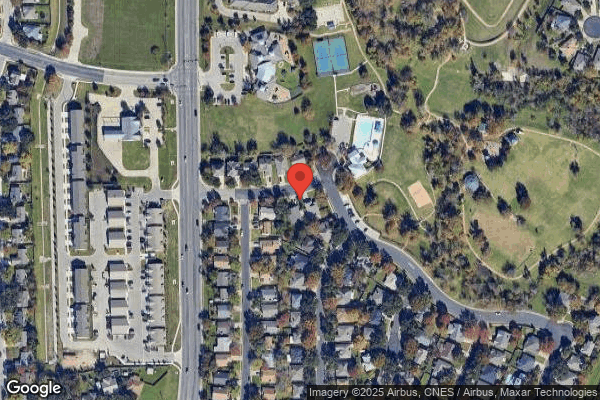
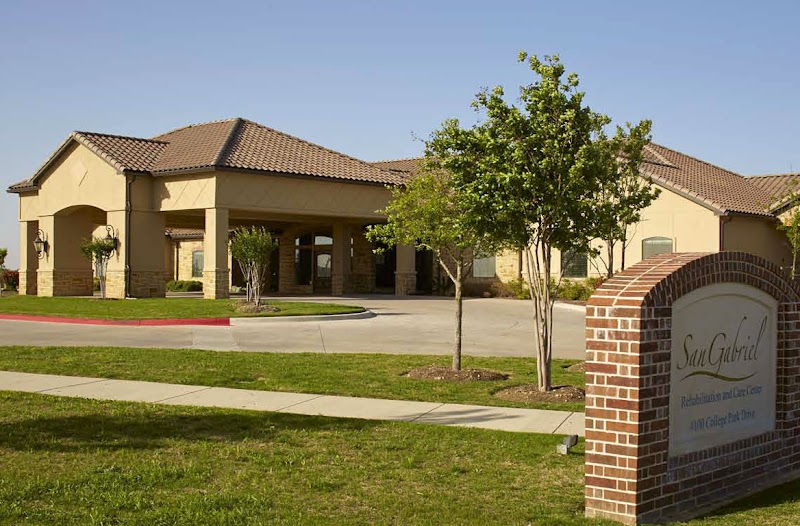
4100 College Park Dr, Round Rock, TX 78665 (512) 334-8000
For profit - Limited Liability company 142 Beds Independent Data: November 2025 3 Immediate Jeopardy citations
Trust Grade
0/100
#1106 of 1168 in TX
Last Inspection: July 2025

Inspected within the last 6 months. Data reflects current conditions.

Overview

San Gabriel Rehabilitation and Care Center has received an F trust grade, indicating significant concerns and a poor overall performance. It ranks #1106 out of 1168 facilities in Texas and is the lowest-ranked option in Williamson County, showing it is in the bottom half of all local facilities. The trend is worsening, with the number of issues increasing from 10 in 2024 to 13 in 2025. Staffing is rated poorly with a 1 out of 5 stars, and turnover is at 53%, which is around the state average, suggesting instability among staff. The facility has been fined $25,101, which is concerning as it indicates ongoing compliance issues. There have been alarming incidents reported, including a critical failure to protect a resident from physical abuse by a staff member, where the resident expressed fear and pain during care. Another critical issue involved a lack of proper supervision that allowed a resident to leave the facility unsupervised, posing serious safety risks. While some aspects, like RN coverage, meet average standards, the facility has significant weaknesses that families should consider carefully.
Trust Score
F
0/100
In Texas
#1106/1168
Bottom 6%
Safety Record
High Risk
Review needed
Inspections
Getting Worse
10 → 13 violations
Staff Stability
⚠ Watch
53% turnover. Above average. Higher turnover means staff may not know residents' routines.
Penalties
⚠ Watch
$25,101 in fines. Higher than 84% of Texas facilities, suggesting repeated compliance issues.
Skilled Nurses
⚠ Watch
Each resident gets only 22 minutes of Registered Nurse (RN) attention daily — below average for Texas. Fewer RN minutes means fewer trained eyes watching for problems.
Violations
⚠ Watch
29 deficiencies on record. Higher than average. Multiple issues found across inspections.
★☆☆☆☆
1.0
Overall Rating
★☆☆☆☆
1.0
Staff Levels
★★★☆☆
3.0
Care Quality
★☆☆☆☆
1.0
Inspection Score
Stable
2024: 10 issues
2025: 13 issues

The Good

  • Full Sprinkler Coverage · Fire safety systems throughout facility
  • No fines on record

Facility shows strength in fire safety.

The Bad

1-Star Overall Rating

Below Texas average (2.8)

Significant quality concerns identified by CMS

Staff Turnover: 53%

Near Texas avg (46%)

Higher turnover may affect care consistency

Federal Fines: $25,101

Below median ($33,413)

Moderate penalties - review what triggered them

The Ugly 29 deficiencies on record

3 life-threatening
Sept 2025 2 deficiencies 2 IJ
CRITICAL (J) 📢 Someone Reported This

A family member, employee, or ombudsman was alarmed enough to file a formal complaint

Immediate Jeopardy (IJ) - the most serious Medicare violation

Free from Abuse/Neglect (Tag F0600)

Someone could have died · This affected 1 resident

**NOTE- TERMS IN BRACKETS HAVE BEEN EDITED TO PROTECT CONFIDENTIALITY** Based on interviews and record reviews, the facility failed to ensure residents had the right to be free from physical abuse by ...

Read full inspector narrative →
**NOTE- TERMS IN BRACKETS HAVE BEEN EDITED TO PROTECT CONFIDENTIALITY** Based on interviews and record reviews, the facility failed to ensure residents had the right to be free from physical abuse by staff for 1 of 3 (Resident #1) residents reviewed for abuse. The facility failed to ensure Resident #1 was not physically abused by CNA A after Resident#1 suffered pain and fear after incontinent care was provided roughly by CNA A, using a dry towel and a healing labial skin tear was identified on 06/03/25. CNA A provided incontinent care to Resident #1 again with a dry towel and Resident #1 told CNA A not to come into her room. CNA A continued to provide care to Resident #1 until the day before her discharge on [DATE]. The facility failed to implement protective measures as CNA A continued to provide care to Resident #1 until the day before her discharge on [DATE]. An Immediate Jeopardy (IJ) was identified on 09/11/25 at 6:52 PM and an IJ template was provided. While the IJ was removed on 09/12/25 at 7:00 PM, the facility remained out of compliance at a scope of isolated and a severity level of no actual harm with the potential for more than minimal harm that is not immediate jeopardy due to the facility need to evaluate the effectiveness of the corrective systems. This failure could place residents at risk for abuse, neglect, and exploitation.Findings included: Review of Resident #1's face sheet, dated 09/11/25, reflected a [AGE] year-old female originally admitted to the facility on [DATE], readmitted on [DATE], and discharged on 06/17/25. Her diagnoses included sequelae of cerebral infarction (complications that occur after a stroke), sepsis (a response to an infection that can cause organ damages), diabetes (a disease that affects how the body uses glucose), depression, anxiety, and osteomyelitis of sacral region (an infection of the tailbone). Review of Resident #1's 5-day MDS assessment, dated 05/15/25, Section C (Cognitive Patterns) reflected a BIMS score of 15, reflecting intact cognition. Section GG (Functional Abilities) reflected she was dependent on staff for toileting hygiene. Section H (Bladder and Bowel) reflected she was incontinent of bowel and bladder. Section M (Skin Conditions) reflected the resident had no pressure injuries/ulcers and no venous or arterial ulcers present and that she received pressure ulcer/injury care. Review of Resident #1's comprehensive care plan, revised 05/18/25, reflected in part as follows:Problem: Resident #1 experiences bowel incontinence. Goal: Resident #1 will not exhibit skin breakdown, constipation/impaction, impaired social interaction, secondary to bowel incontinence. Approach: .Report signs of skin breakdown or perianal excoriation (skin issues around the anus) . Use appropriate incontinence management products to promote hygiene and dignity. Use skin barrier after incontinent episodes. The care plan did not address a skin tear on the labia. Review of Resident #1's active physician's orders as of 06/16/25, printed on 09/11/25, reflected: Apply zinc barrier cream or Triad paste(an ointment used to protect the skin and promote wound healing) to wound on right posterior thigh, cover with xeroform BID. The order was dated 04/09/25. The physician orders did not address any treatment for a skin tear on the labia. Review of Resident #1's progress notes from 03/21/25 through 06/17/25 reflected a note written 06/03/25 at 10:09 PM by LVN C, Skin assessment performed. No new skin injuries were observed. Old skin tear to right labia appears 90% healed. No more redness present. Can barely see where the skin tear was. Healing well. Continuing to put barrier cream on skin tear during brief changes. There was no other documentation of a labial skin tear in the progress notes. There was no documentation of Resident #1 complaining of rough treatment by a CNA. There was no documentation that a head-to-toe assessment was completed. Review of Resident #1's progress notes provided by the ADM, reflected a note written,04/05/25 at 3:14 PM by LVN P, reflected in part, Resident has a small open area to the right gluteal cleft. A note written 04/16/25 at 9:55 PM by LVN Q, reflected in part, Resident #1 is incontinent of B/B, treatment apply to open area to perineum area, and open area to buttock[sic]. Review of the readmission Skin assessment dated [DATE], reflected in part, R arm PICC (a line used for administering long term medications into a vein) ecchymosis peri (bruises around) exit site, no s/s infection. Max assist ADL. Redness to groin, skin moist, res obese. Reactive when touched, states painful to move skin to examen [sic], starts to cry. Review of the Skilled Nurses note dated 05/21/25 and written by LVN C, the skin section of the assessment reflected none of the questions were answered, no comments were documented, and there was no documentation of a labial skin tear. Review of the Skilled Nurses note dated 05/31/25 and written by LVN E reflected, the daily wound treatments were not completed, no comments were documented, and there was no documentation of a labial skin tear. Review of the Skilled Nurses noted dated 06/08/25 and written by LVN E, reflected the daily wound treatments were not completed, no comments were documented, and there was no documentation of a labial skin tear. Review of the NP notes for Resident #1 dated 05/23/25, 06/02/25, and 06/06/25 all reflected, Concern for rt thigh fistula (an opening or passageway between two areas that normally do not connect), has h/o rectal abscess (a pocket of pus near the rectum). There was no documentation regarding a labial tear. Review of Resident #1's observation list from 04/22/25 through 06/11/25 reflected a Re-admit Social Service Review dated 05/15/25 written by the SW. No other observation assessments were documented by the SW since 05/15/25. Review of Resident #1's Point of Care History from 06/01/25 through 06/17/25, reflected CNA A documented limited assist of one person for bed mobility on 06/02/25, 06/03/25, 06/05/25, 06/06/25, 06/10/25, 06/11/25, 06/14/25, and 06/16/25. CNA A documented no swallowing difficulties and transfers to the toilet did not occur on the same dates. Review of CNA A's personnel file reflected he was hired on 04/17/25 and terminated effective 07/15/25. The termination form reflected a voluntary termination and the Job Abandonment box was checked. The file reflected a pericare competency checklist and test, both dated 06/04/25, completed and signed by CNA A. There was no documentation in the personnel file that reflected CNA A was ever suspended around the time of the allegation. Review of the grievance summary forms from 03/27/25 through 07/24/25 reflected no grievance related to Resident #1. Review of the incident reports from 06/01/25 through 09/10/25 reflected no incident reports regarding Resident #1's report of rough treatment nor a report for a labial tear. During an interview on 09/11/25 at 1:17 PM, the SW stated a female resident told her a male CNA provided rough incontinent care and that it hurt. The SW identified Resident #1 and CNA A. The SW stated CNA A quit working with Resident #1 after that report. The SW stated she mentioned the incident in the morning meeting, but other staff were aware and already investigating the incident because Resident #1 had told more than one person. The SW stated she did not remember the day of the complaint or the day of the morning meeting. The SW stated she did not remember which other staff was investigating the incident. The SW stated she talked with a state investigator about the incident in early June. The SW stated she met a couple times with Resident #1 after the complaint to ensure she was okay but did not remember if her interactions were documented. She stated when there was an allegation of abuse, she conducted an emotional distress evaluation and checked in with the resident several times after the evaluation. The SW stated she had been trained on abuse and neglect but did not remember the date of the training. Documentation of the interaction with Resident #1 requested from the SW. No documentation was provided prior to exit from the facility. During an interview on 09/11/25 at 1:32 PM, the DON stated she was not aware of any complaints of rough care concerning CNA A. She stated her concerns with CNA A were more about time and attendance. The DON stated she did not remember CNA A ever being suspended in the time he was working at the facility. The DON stated ADON D, who completed CNA A's Corrective Action Form on 06/04/25, was on vacation until 06/15/25. The DON stated if there was an allegation of abuse against an employee, that person was suspended during the investigation. She stated she worked with the ADM to investigate abuse allegations and sometimes they would send it up to corporate for further guidance. She stated allegations of abuse needed to be reported immediately to the ADM who was the abuse coordinator. During an interview on 09/11/25 at 1:55 PM, ADON B stated she was not involved in the investigation of the complaint Resident #1 made against CNA A because Resident #1 was on a hall covered by the other ADON. She stated she knew that CNA A could not work with Resident #1 after the investigation that happened early in June. ADON B stated she did not know if CNA A had been suspended during the investigation. ADON B stated any suspicion of abuse was reported to the ADM immediately. She stated the ADM's phone number was posted in multiple places for easy access to call if the ADM was not in the building. She stated if abuse was observed, the alleged perpetrator was removed, the resident assessed, and the abuse coordinator notified. During an interview on 09/11/25 at 2:27 PM, the ADM stated Resident #1 reported CNA A used a dry towel while providing incontinent care. The ADM stated Resident #1 stated the pericare was rough and it hurt but she did not say she was afraid of CNA A. She stated she asked Resident #1 if she had any injuries from the event and Resident #1 denied injury. The ADM stated she did not follow up with the nurse to confirm. The ADM stated she spoke with CNA A, and he denied using a dry towel when providing pericare to Resident #1. She stated using a towel was old-school and now they used wet wipes to provide pericare. The ADM stated she did not investigate further because she felt it was not abuse. The ADM stated the progress notes dated 04/05/25 and 04/16/25, may have shown why the resident had discomfort during pericare. The ADM stated she did not have any documentation about the allegation made or the conversations she had. The ADM stated CNA A did not work with Resident #1 after that complaint and it was a one-time event. The ADM did not remember what day she talked to Resident #1 or CNA A about the complaint. The ADM stated it was around the same time a state investigator was in the facility in early June. After reviewing CNA A's personnel file, she stated she did not see that he was ever suspended. She stated when there was an allegation of abuse, it was their policy to suspend the alleged perpetrator immediately then begin an investigation. The ADM stated she was the Abuse Coordinator, and staff knew to report to her immediately. The ADM stated she, along with the SW, DON, and ADONs all provided in-services on Abuse and Neglect. During an interview on 09/11/25 at 3:15 PM, the DON stated CNA A was still documenting he provided care to Resident #1 up until the day before she discharged , because sometimes the nurses provided the care, but the CNAs documented it. She stated the CNAs had to have their charting done by the end of the shift, so it was a group effort to provide care and document. The DON stated she was not sure what day Resident #1 had made the complaint so the Corrective Action form in CNA A's personnel file could have been about something else and that was why CNA A still documented care on Resident #1. A telephone interview was attempted with CNA A on 09/11/25 at 3:20 PM. A return call was not received prior to exit. During a telephone interview on 09/11/25 at 3:46 PM, Resident #1 stated she remembered an incident of rough treatment she reported while she was at the facility. She stated she remembered the incident and she stated it was CNA A that hurt her so bad she was in tears. Resident #1 stated she had been incontinent of bowel and CNA A came in to clean her. She began crying as she described CNA A using a dry towel to clean her and the pain and fear it caused. Resident #1 stated she asked CNA A to use the wet wipes because the towel was too painful. She stated she asked him to stop because of the pain but he responded, No, I got to you clean. She stated she was in tears when CNA A left the room. Resident #1 stated LVN C came into the room and found her in tears just after CNA A left the room. Resident #1 stated she reported to LVN C what had happened. She stated she reported to another nurse and to the SW and nothing was ever done. Resident #1 denied that the ADM ever spoke to her about the incident. Resident #1 stated CNA A came in to provide incontinent care another time, maybe the next day, and she was afraid to say anything because she needed to be cleaned so she would not get another infection. Resident #1stated after she was roughly cleaned a second time by CNA A, she told him to not come into her room anymore. Resident #1 stated CNA A provided care other times but, I didn't have a BM, so it wasn't as terrifying. Resident #1 cried multiple times during the telephone interview. Resident #1 stated, That place terrorized me. I have never felt that way in my entire life. I was afraid I was going to die. A telephone interview was attempted with LVN C on 09/11/25 at 4:20 PM. A return call was not received prior to exit. During a telephone interview on 09/12/25 at 3:43 PM, the MD stated he last saw Resident #1 on 06/17/25. He stated he did not remember notified of a skin tear on Resident #1's labia. He stated even if he had been notified, he may not have written it in his notes. He stated there was no treatment for a labial skin tear per chart review. He stated he did not remember being notified that Resident #1 complained about rough treatment during pericare. The MD stated the resident was obese, bed bound, and often complained of pain. The MD stated he did not believe it was standard of care to use a dry towel to provide pericare, They shouldn't be doing that. He stated he expected documentation about anything that happened was completed the same day and the MD should have been notified if anything major happened. He stated skin assessments should have been documented and everything should have been documented if there were concerns. The MD stated if a resident complained about rough treatment, It should not be brushed off and if anything, should absolutely be looked into. I think it should be documented if investigating a complaint. The MD stated if anyone heard or saw something about rough treatment, it should be documented and have a follow through to get to the bottom of it. Review of the in-service record dated 06/03/25 presented by ADON B reflected title Abuse and Neglect. The objectives of the in-service reflected, Review of Abuse, Neglect, Exploitation, or Mistreatment with staff and Policy and Procedures. The abuse and neglect policy were attached. Forty-nine staff members signed as being in-serviced. Review of the in-service record dated 06/04/25 presented by ADON B reflected title, Resident Rights. The objectives of the in-service reflected, Review of patient/resident rights policy and procedure. The Patient/Resident Rights policy was attached. Forty staff members signed as being in-serviced. Review of the policy and procedure, Abuse, Neglect, Exploitation, or Mistreatment revised 10/23/19 reflected in part, III: Prevention Abuse Prohibition Handout which includes information on how to and to whom concerns are reported without fear of retribution .B. Displayed in a prominent place in the facility . 4. Adequate supervision of staff is maintained in order to identify and prevent inappropriate behaviors, such as: B. Rough handling: and C. Ignoring the patient's/residents needs requests. Component V: Reporting/Response 1. All alleged violations concerning abuse, neglect, or misappropriation of property are reported verbally immediately to the Facility Abuse Coordinator, the Administrator and to other officials in accordance with state law including the State Survey and Certification Agency (nurse aide registry or licensing authorities). Component VI: Investigation 1. The facility maintains that all allegations of abuse, neglect, misappropriation of property, etc. are thoroughly investigated and appropriate actions are taken. In the event another patient/resident, a family member or visitor, etc. is accused of abuse/neglect against a patient/resident, the facility will intervene and take appropriate steps to safeguard the patient/resident during and after the investigation. 4. Investigations are prompt, comprehensive and responsive to the situation and contain founded conclusions. 5. The investigation may include but is not limited to the following: A. Identification and removal of the alleged perpetrator(s). D. Where and when the incident occurred. E. Written summaries of interviews with individuals having first-hand knowledge of the incident. NOTE: Employees/witnesses are not to write out statements. Employees/witnesses will be interviewed by designated facility staff and the interviewer will record all witness accounts in a document, written, dated, and signed by the interviewer. F. Resolution/outcome. G. Measures taken to prevent future incidents. H. All documents pertaining to the investigation must be complied and stored in the administrator's office. 6. In the event an employee is accused of abuse/neglect, that employee will be suspended during the investigation process. 7. Guidelines for Investigation: A. Immediately assess the resident/patient at the time of discovery of alleged abuse. B. Document assessment in the medical record. C. Maintain the resident's/patient's protection during the investigation. D. Notify the attending physician and the resident's/patient's legally responsible party. E. Notify the Administrator, Director of Nursing, and Social Worker regardless of the time of day. This was determined to be an Immediate Jeopardy (IJ) on 09/11/25 at 6:52 PM. The ADM was notified and provided with the IJ Template on 09/11/25 at 6:52 PM. The following POR submitted by the facility was approved on 09/12/25 at 3:55 PM: F600The facility failed to ensure Resident #1 was not abused by CNA A after she complained of rough treatment during peri care.The facility failed to investigate and report abuse of Resident #1 after she reported rough treatment during peri care by CNA A.Resident #1 no longer resides at the facility.Certified Nursing Assistant A no longer employed at facility. Last day of employment was 7/14/25A review of 24hour reports and facility activity reports will be completed begin 9/11/25 and completed by 9/12/25 by the Director of Nursing for the prior 14 days to identify possible allegations of abuse or neglect. A review of progress noted from 6/1/25 -7/25/25 will be reviewed by the Administrator or Director of Nursing to identify possible allegations of abuse or neglect, this review will be completed on 9/12/25. Any identified will be reported per policy and investigated by the Director of Nursing and Administrator. No issues identified.The Facility Leadership Staff will be re-educated by the Clinical Consultant on 9/11/25 on the Abuse, Neglect and Misappropriation policy and Grievance policy including: Identification of abuse or neglect, by observable and objective evidence, witness reports of unusual occurrence or patterns or trends of potential abuse or neglect Abuse is the willful infliction of injury unreasonable confinement, intimidation, or punishment with resulting physical harm, pain, or mental anguish. Abuse also includes the deprivation by an individual of goods or services that are necessary to maintain physical, mental and psychosocial wellbeing. It includes verbal abuse, sexual abuse, physical abuse, and mental abuse Immediate identification and removal of the alleged perpetrator Identification and assessment of the alleged victim The Facility will report immediately, but not later than 2 hours after the allegation is made, if the events that cause the allegation involved abuse or result in serious bodily injury, or not later than 24 hours if the events that cause the allegation do not result in serious bodily injury to the State Survey agency and other in accordance with state law Conducting a prompt, thorough investigation of any allegation of abuse or neglect and grievances and appropriate actions taken to protect the resident Investigations should be prompt, comprehensive and responsive to the situation and contain founded conclusionsThis reeducation will be explained back to the Clinical Consultant by the Leadership staff and a written post test will be given to validate this reeducation is comprehended and staff are able to apply the information.Facility Staff will be re-educated by the Administrator/Designee on 9/11/25 on the Abuse, Neglect and Misappropriation policy and Grievance Policy including: Identification of abuse or neglect, by observable and objective evidence, witness reports of unusual occurrence or patterns or trends of potential abuse or neglect Abuse is the willful infliction of injury unreasonable confinement, intimidation, or punishment with resulting physical harm, pain, or mental anguish. Abuse also includes the deprivation by an individual of goods or services that are necessary to maintain physical, mental and psychosocial wellbeing. It includes verbal abuse, sexual abuse, physical abuse, and mental abuse Immediate identification and removal of the alleged perpetrator Identification and assessment of the alleged victim Reporting immediately to State Survey Agency and others in accordance with state law Immediate identification and removal of the alleged perpetrator Identification and assessment of the alleged victim Reporting immediately to Facility Abuse Coordinator, Director of Nursing, and social worker regardless of time of dayThis will be explained back to the administrator/designee by the learner and a written post test given to validate this reeducation is comprehended and staff are able to apply the information.This reeducation began immediately and will be completed by 9/12/25. Any, including PRN, staff not receiving this education prior to this date will receive prior to next scheduled shift. This education will be presented in New Hire orientation. Facility does not use agency staff.Administrator and Director of Nursing will review incident reports and grievance reports in morning meeting daily beginning 9/12/25 for 7 days then Monday - Friday ongoing for identification of possible allegations of abuse. The weekend supervisor will review the incident reports and grievances on the weekends to identify possible allegations of abuse. The weekend supervisor will notify the Administrator and Director of Nursing if any identified for further direction.The Administrator/Designee and the Director of Nursing/Designee will each interview 4 random residents daily beginning 9/12/25 for one week validating residents feel safe and have no care concerns.Human Resources will interview 3 random employees daily beginning 9/12/25 for one week to validate transfer of knowledge of education and document results of interviews.Ad Hoc QAPI was held on 9/11/25.The Medical Director was notified of the Immediate Jeopardy and the contents of this plan on 9/11/25 The POR was monitored on 09/12/25 as followed: Review of Resident #1's face sheet reflected she was discharged from the facility on 06/17/25. Review of CNA A's personnel file reflected a Termination Form. The form reflected 07/14/25 was the last day worked. The form reflected the termination was voluntary. Review of the Facility Activity Report, a review of the progress notes, from 08/28/25 through 09/11/25 were reviewed by the DON and signed by the DON and ADM on 09/12/25. No adverse events identified. Review of an in-service dated 09/11/25 at 7:30 PM, provided by the regional clinical nurse, reflected the topic, Abuse/Neglect and Reporting Guidelines. Points covered included identification of abuse, definition of abuse, immediate identification and removal of the alleged perpetrator, identification, and assessment of the alleged victim, reporting immediately, and conducting a prompt and thorough investigation. The ADM, DON, ADON B, and twelve other administrative staff signed the attendance section of the document. Review of 34 undated Grievance and Abuse Neglect Tests, reflected the tests were completed by multiple staff from various disciplines including the ADM, DON, and ADON B. All tests reflected the ADM was the abuse coordinator. No concerns with the tests identified. Review of an in-service record dated 09/11/25, provided by leadership, titled, Grievances reflected, Any resident complaints need to be on a grievances. [sic]. 34 staff from nursing, administration, activities, therapy, dietary, and maintenance signed the document. A copy of the Complaint/Grievance policy was attached. Review of an in-service dated 09/11/25, provided by ADON B, titled, Abuse & Neglected reflected a review of the abuse and neglect policies and procedures. 69 staff from nursing, dietary, rehab, laundry, administration, and maintenance signed the document. A copy of the Abuse and Neglect policy was attached. Review of in-service sign in sheet dated 09/11/2025 reflected peri care was reviewed with 35 nursing staff (nurses and CNAs) Review of a Daily Review of Incident Reports and Grievances log was initiated for September 2025. The DON signed 09/12/25 as completed with no concerns identified. Review of an Admin/DON Resident Interviews log was initiated for September 2025. The DON signed 09/12/25 as completed with no concerns identified. Review of Safety Interviews conducted 09/12/25 reflected eight residents were interviewed. All eight residents reported feeling safe. No adverse findings were documented. Review of the Human Resource Employee Interviews log was initiated for September 2025. The HRD documented the three staff interviewed all answered correctly. Review of the Ad Hoc QAPI meeting document dated 9/11/25 at 7:32 PM, reflected the meeting was attended by the ADM, ADON B, and the DON. The Medical Director participated by telephone. During an interview on 09/12/25 at 4:06 PM, the SW stated she received in-service on abuse, neglect, and grievances from the DON. She stated she learned who to report to, when to report, what ANE looks like, and the importance of taking concerns seriously. She was able to define abuse and name the ADM as the abuse coordinator. She learned once the allegation was reported, she would follow up with the resident and complete an emotional distress assessment and safety surveys with other residents. She stated she, as the SW, was responsible to ensure grievances were given to the person responsible the area of concern. She stated she learned all grievances should be written on the form and follow up completed. During an interview on 09/12/25 at 4:18 PM, RN F stated she received in-service provided by the DON on 09/12/25. She stated the in-service included abuse, neglect, and grievances. She was able to define abuse and give examples of how to recognize abuse. She learned an investigation was documented as an observation, progress note, or a grievance form. She stated the ADM was the abuse coordinator and she would investigate. She stated she learned if an allegation of abuse was made against staff, they ensured the resident was safe, removed the alleged perpetrator and notified the abuse coordinator. She learned the investigation included speaking with the resident involved and other staff members. She stated the charge nurse was responsible for conducting a head-to-toe assessment and assessing for pain. She was able to speak to the grievance policy. During an interview on 09/12/25 at 4:30 PM, the HRD stated she had received in-service on abuse, neglect, and grievances on 09/12/25. She stated the in-services were provided by the DON, ADM, and consultant. She stated she learned what was considered abuse, neglect, and exploitation. She learned a grievance is any complaint or feeling of mistreatment. She stated she learned the SW and ADM reviewed the grievances. She was able to define abuse and state how it could be identified. She named the ADM as the abuse coordinator and stated all allegations of abuse had to be reported to the ADM immediately. She stated she learned if a staff were suspected of abuse, they would be suspended during the investigation. She stated she was to interview at least three employees a day to ensure they have an understanding and know the expectations and procedures regarding abuse, neglect, and grievances. She stated she completed the first three interviews today with no adverse findings. She stated there is a designated staff to conduct interviews when she is out of the building. During interviews on 09/12/25 from 4:00 PM to 6:30 PM, staff from all shifts were interviewed, which included RN G, CNA H, CNA I (night shift), MA J, LVN K, LVN L, LA M, LVN N (night shift), and [NAME] O (evening shift). They all stated they had been in-serviced, prior to their shifts, on abuse, neglect, and grievances. They all stated they learned the ADM was the abuse coordinate and all suspected abuse was reported to her immediately. Staff stated the ADMs phone number was readily available and posted at the nursing stations. All staff were able to define types of abuse and neglect and state how to identify it. The staff gave examples of abuse and were able to name different types of abuse. They all stated they learned all complaints were documented on a grievance report to be given to the ADM or SW. Staff stated all reports of abuse should be investigated and the resident assessed for injuries. Staff stated they learned the alleged perpetrator was suspended during the investigation. During an interview on 09/12/25 at 6:13 PM, the DON stated CNA A had been terminated. She stated before the termination, he had issues with being late and not following directions. She stated she was not aware of an ANE allegations against him. She stated notes were reviewed and no resident issues were identified. The DON stated she received ANE and grievance in-service from the clinical consultant on 09/12/25. She stated she learned ANE can be identified when it is seen or reported by a resident, found during an assessment, or witnessed. She was able to define abuse and give examples of different types of abuse. The DON stated if an alleged perpetrator is identified, they were immediately suspended and had to leave immediately. She stated the ADM would be notified and provide further direction. She stated abuse was reported if it was valid and met the state criteria. The DON stated the resident was assessed and the findings documented in the progress notes. She stated all allegations were investigated. The DON stated the documentation was kept in a soft file as the investigation was conducted. In the EMR a physical assessment was documented in the progress notes and depending on what it was, document for three days. She stated staff and residents and whoever worked that shift were interviewed. The DON stated staff were in-serviced on ANE and grievances and a test was completed, and a copy was provided to the staff. She stated new staff were trained during orientation. The DON stated everyone who had come into the building had been educated and sent a test message with the information then the test completed and returned. She stated the 10:00 PM staff were to be educated prior to the start of their shift. The DON stated incident reports and grievances would be reviewed daily at the morning meeting. She stated the DON was responsible for the incident reports and the SW responsible for the grievance reports. The weekend supervisor was responsible for both on the weekend. The results will be documented on the tracking form. The DON stated the SW would interview four residents per day and HRD would interview three staff a day. The DON stated the QAPI meeting was conducted on 09/11/25. During an interview on 09/11/25 at 6:29 PM, the ADM stated CNA A had been terminated related to a violation on the code of conduct and he had som
CRITICAL (J) 📢 Someone Reported This

A family member, employee, or ombudsman was alarmed enough to file a formal complaint

Immediate Jeopardy (IJ) - the most serious Medicare violation

Investigate Abuse (Tag F0610)

Someone could have died · This affected 1 resident

**NOTE- TERMS IN BRACKETS HAVE BEEN EDITED TO PROTECT CONFIDENTIALITY** Based on observation, interview, and record review the facility failed to ensure in response to allegations of abuse, neglect, e...

Read full inspector narrative →
**NOTE- TERMS IN BRACKETS HAVE BEEN EDITED TO PROTECT CONFIDENTIALITY** Based on observation, interview, and record review the facility failed to ensure in response to allegations of abuse, neglect, exploitation, or mistreatment the facility had evidence that all alleged violations were thoroughly investigated and prevent further abuse, neglect, exploitation, or mistreatment while the investigation was in progress for 1 of 3 residents (Residents #1) reviewed for abuse and neglect. The facility failed to investigate and report abuse when Resident #1 suffered pain and fear after incontinent care was provided roughly by CNA A, using a dry towel and a healing labial tear was identified on 06/03/25. CNA continued to provide incontinent care to Resident #1 until the day before her discharge on [DATE]. An Immediate Jeopardy (IJ) was identified on 09/11/25 at 6:52 PM and an IJ template was provided. While the IJ was removed on 09/12/25 at 7:00 PM, the facility remained out of compliance at a scope of isolated and a severity level of no actual harm with the potential for more than minimal harm that is not immediate jeopardy due to the facility need to evaluate the effectiveness of the corrective systems. This failure could place residents at risk for abuse, neglect, and exploitation.Findings included: Review of Resident #1's face sheet, dated 09/11/25, reflected a [AGE] year-old female originally admitted to the facility on [DATE], readmitted on [DATE], and discharged on 06/17/25. Her diagnoses included sequelae of cerebral infarction (complications that occur after a stroke), sepsis (a response to an infection that can cause organ damages), diabetes (a disease that affects how the body uses glucose), depression, anxiety, and osteomyelitis of sacral region (an infection of the tailbone). Review of Resident #1's 5-day MDS assessment, dated 05/15/25, Section C (Cognitive Patterns) reflected a BIMS score of 15, reflecting intact cognition. Section GG (Functional Abilities) reflected she was dependent on staff for toileting hygiene. Section H (Bladder and Bowel) reflected she was incontinent of bowel and bladder. Section M (Skin Conditions) reflected the resident had no pressure injuries/ulcers and no venous or arterial ulcers present and that she received pressure ulcer/injury care. Review of Resident #1's comprehensive care plan, revised 05/18/25, reflected in part:Problem: Resident #1 experiences bowel incontinence. Goal: Resident #1 will not exhibit skin breakdown, constipation/impaction, impaired social interaction, secondary to bowel incontinence. Approach: .Report signs of skin breakdown or perianal excoriation (skin issues around the anus) . Use appropriate incontinence management products to promote hygiene and dignity. Use skin barrier after incontinent episodes. The care plan did not address a skin tear on the labia. Review of Resident #1's active physician's orders as of 06/16/25, printed on 09/11/25, reflected: Apply zinc barrier cream or Triad paste (an ointment used to protect the skin and promote wound healing) to wound on right posterior thigh, cover with xeroform BID. The order was dated 04/09/25. The physician orders did not address any treatment for a skin tear on the labia. Review of Resident #1's progress notes from 03/21/25 through 06/17/25 reflected a note written 06/03/25 at 10:09 PM by LVN C, Skin assessment performed. No new skin injuries were observed. Old skin tear to right labia appears 90% healed. No more redness present. Can barely see where the skin tear was. Healing well. Continuing to put barrier cream on skin tear during brief changes. There was no other documentation of a labial skin tear in the progress notes. There was no documentation of Resident #1 complaining of rough treatment by a CNA. There was no documentation that a head-to-toe assessment was completed around the time of the allegation. Review of Resident #1's progress notes provided by the ADM, reflected a note written,04/05/25 at 3:14 PM by LVN P, reflected in part, Resident has a small open area to the right gluteal cleft. A note written 04/16/25 at 9:55 PM by LVN Q, reflected in part, Resident #1was incontinent of B/B, treatment apply to open area to perineum area, and open area to buttock[sic]. Review of the readmission Skin assessment dated [DATE], reflected in part, R arm PICC (a line used for administering long term medications into a vein) ecchymosis peri (bruises around) exit site, no s/s infection. Max assist ADL. Redness to groin, skin moist, res obese. Reactive when touched, states painful to move skin to examen [sic], starts to cry. Review of the Skilled Nurses note dated 05/21/25 and written by LVN C, the skin section of the assessment reflected none of the questions were answered, no comments were documented, and there was no documentation of a labial skin tear. Review of the Skilled Nurses note dated 05/31/25 and written by LVN E reflected, the daily wound treatments were not completed, no comments were documented, and there was no documentation of a labial skin tear. Review of the Skilled Nurses noted dated 06/08/25 and written by LVN E, reflected the daily wound treatments were not completed, no comments were documented, and there was no documentation of a labial skin tear. Review of the NP notes for Resident #1 dated 05/23/25, 06/02/25, and 06/06/25 all reflected, Concern for rt thigh fistula (an opening or passageway between two areas that normally do not connect), has h/o rectal abscess (a pocket of pus near the rectum). There was no documentation regarding a labial tear. Review of Resident #1's observation list from 04/22/25 through 06/11/25 reflected a Re-admit Social Service Review dated 05/15/25 written by the SW. No other observation assessments were documented by the SW since 05/15/25. Review of Resident #1's Point of Care History from 06/01/25 through 06/17/25, reflected CNA A documented limited assist of one person for bed mobility on 06/02/25, 06/03/25, 06/05/25, 06/06/25, 06/10/25, 06/11/25, 06/14/25, and 06/16/25. CNA A documented no swallowing difficulties and transfers to the toilet did not occur on the same dates. Review of CNA A's personnel file reflected he was hired on 04/17/25 and terminated effective 07/15/25. The termination form reflected a voluntary termination and the Job Abandonment box was checked. The file reflected a pericare competency checklist and test, both dated 06/04/25, completed and signed by CNA A. There was no documentation in the personnel file that reflected CNA A was ever suspended around the time of the allegation. Review of the grievance summary forms from 03/27/25 through 07/24/25 reflected no grievance related to Resident #1. Review of the incident reports from 06/01/25 through 09/10/25 reflected no incident reports regarding Resident #1's report of rough treatment nor a report for a labial tear. During an interview on 09/11/25 at 1:17 PM, the SW stated a female resident told her a male CNA provided rough incontinent care and that it hurt. The SW identified Resident #1 and CNA A. The SW stated CNA A quit working with Resident #1 after that report. The SW stated she mentioned the incident in the morning meeting, but other staff were aware and already investigating the incident because Resident #1 had told more than one person. The SW stated she did not remember the day of the complaint or the day of the morning meeting. The SW stated she did not remember which other staff was investigating the incident. The SW stated she talked with a state investigator about the incident in early June. The SW stated she met a couple times with Resident #1 after the complaint to ensure she was okay but did not remember if her interactions were documented. She stated when there was an allegation of abuse, she conducted an emotional distress evaluation and checked in with the resident several times after the evaluation. The SW stated she had been trained on abuse and neglect but did not remember the date of the training. Documentation of the interaction with Resident #1 requested from the SW. No documentation was provided prior to exit from the facility. During an interview on 09/11/25 at 1:32 PM, the DON stated she was not aware of any complaints of rough care concerning CNA A. She stated her concerns with CNA A were more about time and attendance. The DON stated she did not remember CNA A ever being suspended in the time he was working at the facility. The DON stated ADON D, who completed CNA A's Corrective Action Form on 06/04/25, was on vacation until 06/15/25. The DON stated if there was an allegation of abuse against an employee, that person was suspended during the investigation. She stated she worked with the ADM to investigate abuse allegations and sometimes they would send it up to corporate for further guidance. She stated allegations of abuse needed to be reported immediately to the ADM who is the abuse coordinator. During an interview on 09/11/25 at 1:55 PM. ADON B stated she was not involved in the investigation of the complaint Resident #1 made against CNA A because Resident #1 was on a hall covered by the other ADON. She stated she knew that CNA A could not work with Resident #1 after the investigation that happened early in June. ADON B stated she did not know if CNA A had been suspended during the investigation. ADON B stated any suspicion of abuse was reported to the ADM immediately. She stated the ADMs phone number is posted in multiple places for easy access to call if the ADM was not in the building. She stated if abuse was observed, the alleged perpetrator was removed and the resident assessed, and the abuse coordinator notified. During an interview on 09/11/25 at 2:27 PM, the ADM stated Resident #1 reported CNA A used a dry towel while providing incontinent care. The ADM stated Resident #1 stated the pericare was rough and it hurt but she did not say she was afraid of CNA A. She stated she asked Resident #1 if she had any injuries from the event and Resident #1 denied injury. The ADM stated she did not follow up with the nurse to confirm. The ADM stated she spoke with CNA A, and he denied using a dry towel when providing pericare to Resident #1. She stated using a towel was old-school and now they used wet wipes to provide pericare. The ADM stated she did not investigate further because she felt it was not abuse. The ADM stated the progress notes dated 04/05/25 and 04/16/25, may have shown why the resident had discomfort during pericare. The ADM stated she did not have any documentation about the allegation made or the conversations she had. The ADM stated CNA A did not work with Resident #1 after that complaint and it was a one-time event. The ADM did not remember what day she talked to Resident #1 or CNA A about the complaint. The ADM stated it was around the same time a state investigator was in the facility in early June. After reviewing CNA A's personnel file, she stated she did not see that he was ever suspended. She stated when there was an allegation of abuse, it was their policy to suspend the alleged perpetrator immediately then begin an investigation. The ADM stated she was the Abuse Coordinator, and staff knew to report to her immediately. The ADM stated she, along with the SW, DON, and ADONs all provided in-services on Abuse and Neglect. During an interview on 09/11/25 at 3:15 PM the DON stated CNA A was still documenting he provided care to Resident #1 up until the day before she discharged , because sometimes the nurses provided the care, but the CNAs documented it. She stated the CNAs had to have their charting done by the end of the shift, so it was a group effort to provide care and document. The DON stated she was not sure what day Resident #1 had made the complaint so the Corrective Action form in CNA A's personnel file could have been about something else and that was why CNA A still documented care on Resident #1. A telephone interview was attempted with CNA A on 09/11/25 at 3:20 PM. A return call was not received prior to exit. During a telephone interview on 09/11/25 at 3:46 PM, Resident #1 stated she remembered an incident of rough treatment she reported while she was at the facility. She stated she remembered the incident and she stated it was CNA A that hurt her so bad she was in tears. Resident #1 stated she had been incontinent of bowel and CNA A came in to clean her. She began crying as she described CNA A using a dry towel to clean her and the pain and fear it caused. Resident #1 stated she asked CNA A to use the wet wipes because the towel was too painful. She stated she asked him to stop because of the pain but he responded, No, I got to you clean. She stated she was in tears when CNA A left the room. Resident #1 stated LVN C came into the room and found her in tears just after CNA A left the room. Resident #1 stated she reported to LVN C what had happened. She stated she reported to another nurse and to the SW and nothing was ever done. Resident #1 denied that the ADM ever spoke to her about the incident. Resident #1 stated CNA A came in to provide incontinent care another time, maybe the next day, and she was afraid to say anything because she needed to be cleaned so she would not get another infection. Resident #1stated after she was roughly cleaned a second time by CNA A, she told him to not come into her room anymore. Resident #1 stated CNA A provided care other times but, I didn't have a BM, so it wasn't as terrifying. Resident #1 cried multiple times during the telephone interview. Resident #1 stated, That place terrorized me. I have never felt that way in my entire life. I was afraid I was going to die. A telephone interview was attempted with LVN C on 09/11/25 at 4:20 PM. A return call was not received prior to exit. During a telephone interview on 09/12/25 at 3:43 PM, the MD stated he last saw Resident #1 on 06/17/25. He stated he did not remember notified of a skin tear on Resident #1's labia. He stated even if he had been notified, he may not have written it in his notes. He stated there was no treatment for a labial skin tear per chart review. He stated he did not remember being notified that Resident #1 had complained about rough treatment during pericare. The MD stated the resident was obese, bed bound, and often complained of pain. The MD stated he did not believe it was standard of care to use a dry towel to provide pericare, They shouldn't be doing that. He stated he expected documentation about anything that happened was completed the same day and the MD should have been notified if anything major happened. He stated skin assessments should have been documented and everything should have been documented if there were concerns. The MD stated if a resident complained about rough treatment, It should not be brushed off and if anything, should absolutely be looked into. I think it should be documented if investigating a complaint. The MD stated if anyone heard or saw something about rough treatment, it should be documented and have a follow through to get to the bottom of it. Review of the in-service record dated 06/03/25 presented by ADON B reflected title Abuse and Neglect. The objectives of the in-service reflected, Review of Abuse, Neglect, Exploitation, or Mistreatment with staff and Policy and Procedures. The abuse and neglect policy were attached. Forty-nine staff members signed as being in-serviced. Review of the in-service record dated 06/04/25 presented by ADON B reflected title, Resident Rights. The objectives of the in-service reflected, Review of patient/resident rights policy and procedure. The Patient/Resident Rights policy was attached. Forty staff members signed as being in-serviced. Review of the policy and procedure, Abuse, Neglect, Exploitation, or Mistreatment revised 10/23/19 reflected in part, Component V: Reporting/Response 1. All alleged violations concerning abuse, neglect, or misappropriation of property are reported verbally immediately to the Facility Abuse Coordinator, the Administrator and to other officials in accordance with state law including the State Survey and Certification Agency (nurse aide registry or licensing authorities). Component VI: Investigation 1. The facility maintains that all allegations of abuse, neglect, misappropriation of property, etc. are thoroughly investigated and appropriate actions are taken. In the event another patient/resident, a family member or visitor, etc. is accused of abuse/neglect against a patient/resident, the facility will intervene and take appropriate steps to safeguard the patient/resident during and after the investigation. 4. Investigations are prompt, comprehensive and responsive to the situation and contain founded conclusions. 5. The investigation may include but is not limited to the following: A. Identification and removal of the alleged perpetrator(s). D. Where and when the incident occurred. E. Written summaries of interviews with individuals having first-hand knowledge of the incident. NOTE: Employees/witnesses are not to write out statements. Employees/witnesses will be interviewed by designated facility staff and the interviewer will record all witness accounts in a document, written, dated, and signed by the interviewer. F. Resolution/outcome. G. Measures taken to prevent future incidents. H. All documents pertaining to the investigation must be complied and stored in the administrator's office. 6. In the event an employee is accused of abuse/neglect, that employee will be suspended during the investigation process. 7. Guidelines for Investigation: A. Immediately assess the resident/patient at the time of discovery of alleged abuse. B. Document assessment in the medical record. C. Maintain the resident's/patient's protection during the investigation. D. Notify the attending physician and the resident's/patient's legally responsible party. E. Notify the Administrator, Director of Nursing, and Social Worker regardless of the time of day. This was determined to be an Immediate Jeopardy (IJ) on 09/11/25 at 6:52 PM. The ADM was notified and provided with the IJ Template on 09/11/25 at 6:52 PM. The following POR submitted by the facility was approved on 09/12/25 at 3:55 PM: F610The facility failed to ensure Resident #1 was not abused by CNA A after she complained of rough treatment during peri care.The facility failed to investigate and report abuse of Resident #1 after she reported rough treatment during peri care by CNA A.Resident #1 no longer resides at the facility.Certified Nursing Assistant A no longer employed at facility. Last day of employment was 7/14/25.A review of 24hour reports and facility activity reports will be completed begin 9/11/25 and completed by 9/12/25 by the Director of Nursing for the prior 14 days to identify possible allegations of abuse or neglect. A review of progress noted from 6/1/25 -7/25/25 will be reviewed by the Administrator or Director of Nursing to identify possible allegations of abuse or neglect, this review will be completed on 9/12/25. Any identified will be reported per policy and investigated by the Director of Nursing and Administrator. No issues identified.The Facility Leadership Staff will be re-educated by the Clinical Consultant on 9/11/25 on the Abuse, Neglect and Misappropriation policy and Grievance policy including: Identification of abuse or neglect, by observable and objective evidence, witness reports of unusual occurrence or patterns or trends of potential abuse or neglect Abuse is the willful infliction of injury unreasonable confinement, intimidation, or punishment with resulting physical harm, pain, or mental anguish. Abuse also includes the deprivation by an individual of goods or services that are necessary to maintain physical, mental and psychosocial wellbeing. It includes verbal abuse, sexual abuse, physical abuse, and mental abuse Immediate identification and removal of the alleged perpetrator Identification and assessment of the alleged victim The Facility will report immediately, but not later than 2 hours after the allegation is made, if the events that cause the allegation involved abuse or result in serious bodily injury, or not later than 24 hours if the events that cause the allegation do not result in serious bodily injury to the State Survey agency and other in accordance with state law Conducting a prompt, thorough investigation of any allegation of abuse or neglect and grievances and appropriate actions taken to protect the resident Investigations should be prompt, comprehensive and responsive to the situation and contain founded conclusionsThis reeducation will be explained back to the Clinical Consultant by the Leadership staff and a written post test will be given to validate this reeducation is comprehended and staff are able to apply the information.Facility Staff will be re-educated by the Administrator/Designee on 9/11/25 on the Abuse, Neglect and Misappropriation policy and Grievance Policy including: Identification of abuse or neglect, by observable and objective evidence, witness reports of unusual occurrence or patterns or trends of potential abuse or neglect Abuse is the willful infliction of injury unreasonable confinement, intimidation, or punishment with resulting physical harm, pain, or mental anguish. Abuse also includes the deprivation by an individual of goods or services that are necessary to maintain physical, mental and psychosocial wellbeing. It includes verbal abuse, sexual abuse, physical abuse, and mental abuse Immediate identification and removal of the alleged perpetrator Identification and assessment of the alleged victim Reporting immediately to State Survey Agency and others in accordance with state law Immediate identification and removal of the alleged perpetrator Identification and assessment of the alleged victim Reporting immediately to Facility Abuse Coordinator, Director of Nursing, and social worker regardless of time of dayThis will be explained back to the administrator/designee by the learner and a written post test given to validate this reeducation is comprehended and staff are able to apply the information.This reeducation began immediately and will be completed by 9/12/25. Any, including PRN, staff not receiving this education prior to this date will receive prior to next scheduled shift. This education will be presented in New Hire orientation. Facility does not use agency staff.Administrator and Director of Nursing will review incident reports and grievance reports in morning meeting daily beginning 9/12/25 for 7 days then Monday - Friday ongoing for identification of possible allegations of abuse. The weekend supervisor will review the incident reports and grievances on the weekends to identify possible allegations of abuse. The weekend supervisor will notify the Administrator and Director of Nursing if any identified for further direction.The Administrator/Designee and the Director of Nursing/Designee will each interview 4 random residents daily beginning 9/12/25 for one week validating residents feel safe and have no care concerns.Human Resources will interview 3 random employees daily beginning 9/12/25 for one week to validate transfer of knowledge of education and document results of interviews.Ad Hoc QAPI was held on 9/11/25.The Medical Director was notified of the Immediate Jeopardy and the contents of this plan on 9/11/25 The POR was monitored on 09/12/25 as followed: Review of Resident #1's face sheet reflected she was discharged from the facility on 06/17/25.Review of CNA A's personnel file reflected a Termination Form. The form reflected 07/14/25 was the last day worked. The form reflected the termination was voluntary. Review of the Facility Activity Report, a review of the progress notes from 08/28/25 through 09/11/25 were reviewed by the DON and signed by the DON and ADM on 09/12/25. No adverse events identified. Review of an in-service dated 09/11/25 at 7:30 PM, provided by the regional clinical nurse, reflected the topic, Abuse/Neglect and Reporting Guidelines. Points covered included identification of abuse, definition of abuse, immediate identification and removal of the alleged perpetrator, identification, and assessment of the alleged victim, reporting immediately, and conducting a prompt and thorough investigation. The ADM, DON, ADON B, and twelve other administrative staff signed the attendance section of the document. Review of 34 undated Grievance and Abuse Neglect Tests, reflected the tests were completed by multiple staff from various disciplines including the ADM, DON, and ADON B. All tests reflected the ADM was the abuse coordinator. No concerns with the tests identified. Review of an in-service record dated 09/11/25, provided by leadership, titled, Grievances reflected, Any resident complaints need to be on a grievances. [sic]. 34 staff from nursing, administration, activities, therapy, dietary, and maintenance signed the document. A copy of the Complaint/Grievance policy was attached. Review of an in-service dated 09/11/25, provided by ADON B, titled, Abuse & Neglected reflected a review of the abuse and neglect policies and procedures. 69 staff from nursing, dietary, rehab, laundry, administration, and maintenance signed the document. A copy of the Abuse and Neglect policy was attached. Review of in-service sign in sheet dated 09/11/2025 reflected peri care was reviewed with 35 nursing staff (nurses and CNAs) Review of a Daily Review of Incident Reports and Grievances log was initiated for September 2025. The DON signed 09/12/25 as completed with no concerns identified. Review of an Admin/DON Resident Interviews log was initiated for September 2025. The DON signed 09/12/25 as completed with no concerns identified. Review of Safety Interviews conducted 09/12/25 reflected eight residents were interviewed. All eight residents reported feeling safe. No adverse findings were documented. Review of the Human Resource Employee Interviews log was initiated for September 2025. The HRD documented the three staff interviewed all answered correctly. Review of the Ad Hoc QAPI meeting document dated 9/11/25 at 7:32 PM, reflected the meeting was attended by the ADM, ADON B, and the DON. The Medical Director participated by telephone. During an interview on 09/12/25 at 4:06 PM, the SW stated she received in-service on abuse, neglect, and grievances from the DON. She stated she learned who to report to, when to report, what ANE looks like, and the importance of taking concerns seriously. She was able to define abuse and name the ADM as the abuse coordinator. She learned once the allegation was reported, she would follow up with the resident and complete an emotional distress assessment and safety surveys with other residents. She stated she, as the SW, was responsible to ensure grievances were given to the person responsible the area of concern. She stated she learned all grievances should be written on the form and follow up completed. During an interview on 09/12/25 at 4:18 PM, RN F stated she received in-service provided by the DON on 09/12/25. She stated the in-service included abuse, neglect, and grievances. She was able to define abuse and give examples of how to recognize abuse. She learned an investigation was documented as an observation, progress note, or a grievance form. She stated the ADM was the abuse coordinator and she would investigate. She stated she learned if an allegation of abuse was made against staff, ensure the resident was safe, remove the alleged perpetrator and notify the abuse coordinator. She learned the investigation should include speaking with the resident involved and other staff members. She stated the charge nurse was responsible for conducting a head-to-toe assessment and assessing for pain. She was able to speak to the grievance policy. During an interview on 09/12/25 at 4:30 PM, the HRD stated she had received in-service on abuse, neglect, and grievances on 09/12/25. She stated the in-services were provided by the DON, ADM, and consultant. She stated she learned what is considered abuse, neglect, and exploitation. She learned a grievance is any complaint or feeling of mistreatment. She stated she learned the SW and ADM reviewed the grievances. She was able to define abuse and state how it could be identified. She named the ADM as the abuse coordinator and stated all allegations of abuse had to be reported to the ADM immediately. She stated she learned if a staff was suspected of abuse, they would be suspended during the investigation. She stated she was to interview at least three employees a day to ensure they have an understanding and know the expectations and procedures regarding abuse, neglect, and grievances. She stated she completed the first three interviews today with no adverse findings. She stated there is a designated staff to conduct interviews when she is out of the building. During interviews on 09/12/25 from 4:00 PM to 6:30 PM, staff from all shifts were interviewed, which included RN G, CNA H, CNA I (night shift), MA J, LVN K, LVN L, LA M, LVN N (night shift), and [NAME] O (evening shift). They all stated they had been in-serviced prior to their shifts on abuse, neglect, and grievances. They all stated they learned the ADM was the abuse coordinate and all suspected abuse was reported to her immediately. Staff stated the ADMs phone number was readily available and posted at the nursing stations. All staff were able to define types of abuse and neglect and state how to identify it. They all stated they learned all complaints were documented on a grievance report to be given to the ADM or SW. Staff stated all reports of abuse should be investigated and the resident assessed for injuries. Staff stated they learned the alleged perpetrator was suspended during the investigation. During an interview on 09/12/25 at 6:13 PM, the DON stated CNA A had been terminated. She stated before the termination, he had issues with being late and not following directions. She stated she was not aware of an ANE allegations against him. She stated notes were reviewed and no resident issues were identified. The DON stated she received ANE and grievance in-service from the clinical consultant on 09/12/25. She stated she learned ANE can be identified when it is seen or reported by a resident, found during an assessment, or witnessed. She was able to define abuse and give examples of different types of abuse. The DON stated if an alleged perpetrator is identified, they were immediately suspended and had to leave immediately. She stated the ADM would be notified and provide further direction. She stated abuse was reported if it was valid and met the state criteria. The DON stated the resident was assessed and the findings documented in the progress notes. She stated all allegations were investigated. The DON stated the documentation was kept in a soft file as the investigation was conducted. In the EMR a physical assessment was documented in the progress notes and depending on what it was, document for three days. She stated staff and residents and whoever worked that shift were interviewed. The DON stated staff were in-serviced on ANE and grievances and a test was completed, and a copy was provided to the staff. She stated new staff were trained during orientation. The DON stated everyone who had come into the building had been educated and sent a test message with the information then the test completed and returned. She stated the 10:00 PM staff were to be educated prior to the start of their shift. The DON stated incident reports and grievances would be reviewed daily at the morning meeting. She stated the DON was responsible for the incident reports and the SW responsible for the grievance reports. The weekend supervisor was responsible for both on the weekend. The results will be documented on the tracking form. The DON stated the SW would interview four residents per day and HRD would interview three staff a day. The DON stated the QAPI meeting was conducted on 09/11/25. During an interview on 09/11/25 at 6:29 PM, the ADM stated CNA A had been terminated related to a violation on the code of conduct and he had some write-up. She stated there were no previous allegations of abuse, more so attendance issues. She stated progress notes were reviewed from 06/01/25 through 07/25/25 and no issues were identified, and no reports were made. The ADM stated she received ANE and grievance training from the regional clinical nurse on 09/11/25. She stated Abuse was identified through observation, in writing, and it could be from watching trends in the residents. She defined abuse as the willful infliction of injury or unreasonable confin
Jul 2025 8 deficiencies
CONCERN (D)

Potential for Harm - no one hurt, but risky conditions existed

Resident Rights (Tag F0550)

Could have caused harm · This affected 1 resident

**NOTE- TERMS IN BRACKETS HAVE BEEN EDITED TO PROTECT CONFIDENTIALITY** Based on observation, interview, and record review, the facility failed to treat each resident with respect and dignity and care...

Read full inspector narrative →
**NOTE- TERMS IN BRACKETS HAVE BEEN EDITED TO PROTECT CONFIDENTIALITY** Based on observation, interview, and record review, the facility failed to treat each resident with respect and dignity and care for each resident in a manner and in an environment that promotes maintenance or enhancement of his or her quality of life for 2 of 10 residents (Resident #44, and Resident #68) reviewed for rights. The facility failed to ensure LVN A and CNA B knocked on Resident #44, and Resident #68's doors when going into the residents' rooms. The deficient practice could place residents at risk of feeling like their privacy was being invaded or the facility was not their home. Findings included: Resident #44 Review of Resident #44's Face Sheet dated 07/16/2025 revealed he was a [AGE] year-old male who was admitted to the facility on [DATE]. Resident #44's diagnoses included chronic pain, constipation, depression, insomnia (difficulty sleeping), hypertension (high blood pressure), muscle weakness, dysphagia oropharyngeal phase (inability to empty from the throat to the esophagus), lack of coordination, and anxiety (feeling of uneasiness or worry), cognitive communication deficit problems with communication), abnormalities of gait and mobility, pain in left hand, metabolic encephalopathy (brain disease), nausea with vomiting, hemiplegia (paralyzed on one side) and protein-calorie malnutrition (inadequate intake of both protein and calories). Record review of Resident #44's Quarterly MDS assessment dated [DATE] revealed Resident #36 had a BIMS score of 11 indicating moderate impairment. Resident #68 Review of Resident #68's Face Sheet dated 07/16/2025 revealed she was a [AGE] year-old female who was admitted to the facility on [DATE]. Resident #68's diagnoses included dysuria (painful or uncomfortable urination), anxiety (feeling of uneasiness or worry), hyperlipidemia (high cholesterol), muscle wasting, obesity, muscle weakness, obstructive pulmonary disease (chronic progressive lung disease), gastroesophageal reflux disease without esophagitis (reflux), and dementia (memory, thinking, difficulty). Record review of Resident #68's Quarterly MDS assessment dated [DATE] revealed Resident #68 had a BIMS score of 12 indicating moderate impairment. Observation of the 100-hall meal tray pass on 07/15/2025 at 11:59 a.m., revealed that CNA G did not knock on Resident #44's door before entering the room. Observation of the 100-hall meal tray pass on 07/15/2025 at 12:03 p.m., revealed that CNA G did not knock on Resident #68's door before entering the room. During an interview with Resident #68 on 07/15/2025 at 2:14 p.m., revealed sometimes staff did knock and sometimes staff did not knock. She said that she would like for the staff to knock all the time. She said that she did get upset when staff did not knock because there were times, she was doing something that she did not want staff to see. She also said that she got upset when staff did not knock, and she was not properly dressed. During an attempted interview with Resident #44 on 07/17/2025 at 10:24 a.m., revealed that he did not want to talk to the surveyor. During an interview with LVN A on 04/30/2025 at 10:57 a.m., she said she had been trained on residents' rights. She said the policy for knocking was that staff were supposed to always knock before entering, introduce themselves and explain to the resident what they were going to do. She said that all staff were required to knock before entering the resident's room. She said that there was no time that the staff should not knock before entering. She said if staff did not knock, the resident may feel like staff do not respect them. She said that all staff monitored to ensure staff were knocking on the residents' doors. She said that staff monitored by observations. She said she was not aware that CNA G was not knocking on the resident's room. During an interview with CNA G on 07/16/2025 at 1:34pm revealed that she had been trained on residents' rights. She said the policy for knocking on the resident's door was to knock, introduce themselves and tell the resident what they were there for. She said staff were supposed to knock all the time before entering the resident's room. She said that the residents may feel uncomfortable if staff did not knock. She said knocking was something that should always be done. She said there was not any time that staff did not have to knock before entering. She said the nurses were responsible for ensuring staff were knocking. She the nurses watch and listen and if the staff are not doing something correctly, the nurse will correct the staff. She said she did not realize that she did not knock on Resident #44 and Resident #68's doors. During an interview on 07/17/2025 at 2:20pm with LVN B revealed that she had been trained on residents' rights. She said that the policy for knocking on the door was staff should knock before entering. She also said that staff were to let the resident know that staff were coming into their home. She said everyone should always knock before entering the room. She said that the resident may feel like staff were not respecting their home. She said the only time staff did not have to knock was in an emergency. She said all staff should be monitoring each other through observations. She said she thought staff did not knock because they were not reminded to knock. During an interview with the DON on 07/17/2025 at 3:18pm revealed that she and staff have been trained on resident rights. She said the policy for knocking was that all staff are to knock on the resident's door before entering. She also said that staff should knock even if the resident's door was open. She said that some residents would not care if staff knocked. She also said some residents were used to the staff. She said there was not any time that staff do not have to knock. She said nurses should be monitoring the CNAs through observation. She said that she did not know why staff were not knocking on the resident's door. During an interview with the ADM on 07/17/2025 at 3:54pm revealed her and staff have been trained in resident rights. She said the policy for knocking was that all staff are to knock before entering. She said staff should give the resident time to answer. She said all staff were supposed to always knock. She said the only time staff did not have to knock unless there was an emergency. When asked how she thought the residents felt when staff did not knock, she said she could not answer the question. She said that managers were responsible for monitoring to ensure that all staff were knocking. She said managers go up and down the hall when doing rounds and check to see if staff were knocking. She said that she did not know why staff were not knocking before entering. Record review of the Leadership Policy and Procedures Resident Rights Quality of Life dated 11/01/2017 revealed Facility staff knocks on the patient/resident's door, identifies self, and requests permission to enter.
CONCERN (D)

Potential for Harm - no one hurt, but risky conditions existed

Deficiency F0645 (Tag F0645)

Could have caused harm · This affected 1 resident

**NOTE- TERMS IN BRACKETS HAVE BEEN EDITED TO PROTECT CONFIDENTIALITY** Based on interview and record review, the facility failed to provide accurate PASRR screenings for individuals with a mental dis...

Read full inspector narrative →
**NOTE- TERMS IN BRACKETS HAVE BEEN EDITED TO PROTECT CONFIDENTIALITY** Based on interview and record review, the facility failed to provide accurate PASRR screenings for individuals with a mental disorder for 1 (Resident #4) of 2 residents reviewed for PASRR. The facility failed to complete an accurate PASRR level one screening after Resident #4 was admitted with a negative PASRR Level 1 screening but had a mental illness. This failure could place residents at risk of not receiving or benefiting from specialized therapy and equipment services they may require. Findings included: Record review of Resident #4's quarterly MDS assessment, dated June 05, 2025, reflected a [AGE] year-old female admitted to the facility on [DATE]. She had diagnoses of Psychotic disorder with hallucinations due to known physiological condition (mental disorder where hallucinations are directly caused by a medical condition affecting the brain) and Depression. Her BIMS score was a 14 which indicated intact cognitive response. Record review of Resident #4's care plan dated last revised 06/19/2025 reflected the resident was on a psychotropic drug due to receiving antipsychotic medication for treatment of psychotic disorder with hallucinations. Record review of Resident #4's PASRR Level 1 screening, dated 08/31/2023 conducted by the hospital doctor, reflected Resident #4 was negative for mental illness, intellectual disability, and developmental disability. Interview on 07/17/25 at 12:45PM with the ADM revealed that she had been the ADM for the facility for 7 months. The ADM stated that a positive Level 1 PASRR could be from intellectual disability and mental illness. ADM reviewed Resident #4's diagnoses and reported that the resident should have a PASRR 2 screening completed. ADM stated that the resident could be negatively impacted by the resident not receiving the services she was eligible for. Interview on 07/17/25 at 1:00PM, with MDS Coordinator A revealed she had been the MDS coordinator for the facility for 2 years. MDSC A stated that a mental illness, intellectual disability and developmental disability would result in a positive Level 1 PASRR screening. If a resident had a positive Level 1 PASRR screening, it would lead to a screening of a Level 2 PASRR screening. MDSC A stated that Resident #4's diagnoses of behavioral issues and depression, should have resulted in a positive Level 1 PASRR. MDSC A stated that Resident #1's primary diagnosis was Vascular Dementia but had been changed due to readmittance into the facility. Interview on 07/17/2025 at 3:30PM with the DON revealed that she had been the DON at the facility for 7 years. The DON stated that positive Level 1 PASRR could be from intellectual disabilities and a diagnosis like schizophrenia. The DON stated Resident #4 having a diagnosis of psychotic disorder would result in a Positive Level 1 PASRR. The DON stated that could negatively impact the resident by the resident not receiving the services that she was eligible for. Review of the facility's PASRR policy dated last revised 11/01/2017 revealed This policy is intended as a general guide for the PASRR process. Each facility develops a process for completion of the PASRR requirements as indicated by state specific policy and procedures. This document revealed the following:1. If the Level 1 PASRR screening indicates the individual may have an ID, DD or MI diagnosis, follow the state-specific process for completion of the Level II evaluation. 2. Mental Disorder: is the equivalent to Mental illness, which states an individual is considered to have a serious mental illness if the individual meets the following requirements on diagnosis, level of impairment and duration of illness.
CONCERN (D)

Potential for Harm - no one hurt, but risky conditions existed

ADL Care (Tag F0677)

Could have caused harm · This affected 1 resident

**NOTE- TERMS IN BRACKETS HAVE BEEN EDITED TO PROTECT CONFIDENTIALITY** Based on observations, interviews, and record review, the facility failed to ensure residents who were unable to carry out activ...

Read full inspector narrative →
**NOTE- TERMS IN BRACKETS HAVE BEEN EDITED TO PROTECT CONFIDENTIALITY** Based on observations, interviews, and record review, the facility failed to ensure residents who were unable to carry out activities of daily living received necessary services to maintain personal hygiene for two (Resident #53 and Resident #67) of ten residents reviewed for ADL care. The facility failed provide Resident #53 and Resident #67 with showers and brushing their teeth. This deficient practice could place residents at risk of a decline in their sense of well-being and level of satisfaction with life. Resident #53 Review of Resident #53's face sheet reflected a [AGE] year-old male re-admitted on [DATE] with initial admission date of 09/26/2024 with diagnoses of Neurocognitive disorder with Lewy bodies (is a medical condition that leads to a progressive decline in cognitive function, affecting memory, attention, and visual perception, need for assistance with personal care, acute respiratory (medical condition that can significantly impact breathing and overall health), muscle weakness (generalized), cognitive communication deficit (medical condition referring to difficulties in communication that arise from impaired cognitive functions, such as attention, memory, reasoning, and problem-solving), depressive episodes (medical condition characterized by persistent sadness, fatigue, and a loss of interest in activities), and Parkinson's disease (is a movement disorder of the nervous system that worsens over time). Review of Resident #53's MDS dated [DATE] reflected a BIMS of 09 and had an active diagnosis of hemiplegia (a medical condition that involves weakness or reduced strength on one side of the body) or hemiparesis (a medical condition characterized by complete paralysis on one side of the body) and Parkinson's disease (is a movement disorder of the nervous system that worsens over time) and requires extensive assistance with Activities of Daily Living (ADL). Review of Resident #53's Care Plan dated 05/14/2025 reflected Resident #53 has impaired functional mobility and requires assistance with ADLs. Further review reflected the goal for Resident #53 is to be clean, dressed appropriately to weather, participate to preferred activities, and stable weight for 90 days. The approach to meeting Care Plan goal was to assess Resident #53's degree of functional impairment and assist with ADLs based on the current level of mobility. Review of Resident #53's Point of Care History Report dated 6/20/2025 - 7/17/2025 reflected staff enter Showers in this system when giving showers. No documented evidence the resident received showers for the following days: 6/28/2025 Activity did not occur. 6/29/2025 Activity did not occur.6/30/2025 Activity did not occur.7/01/2025 Activity did not occur.7/08/2025 Activity did not occur.7/09/2025 Activity did not occur.7/10/2025 Activity did not occur Resident #67 Review of Resident #67's face sheet reflected a [AGE] year-old male with admission date of 03/11/2025 with diagnoses of Unspecified glaucoma (a medical eye condition that can lead to optic nerve damage, resulting in vision loss or blindness) Hypertensive heart disease with heart failure (a medical condition that arise due to chronic high blood pressure), Unqualified visual loss, both eyes, depression, unspecified, muscle weakness, age-related osteoporosis without current pathological fracture, shortness of breath, cognitive communication deficit (refers to difficulties in communication that arise from impaired cognitive functions, such as attention, memory, reasoning, and problem-solving), type 2 diabetes mellitus without complications. Review of Resident #67's MDS dated [DATE] reflected a BIMS of 12 with active diagnoses of medically complex conditions, heart failure, hypertension, rental insufficiency (poor kidney function), renal failure, or End-Stage Rental Disease (ESRD), Diabetes Mellitus (DM), and hyperlipidemia. Further review reflected Resident #67 required substantial/maximal assistance for toilet transfer and tub/shower transfer, oral hygiene, and personal hygiene. There was no documentation of oral hygiene in the Review of Resident #67's Care Plan dated 07/02/2025 reflected Resident #67 has impaired functional mobility and vision impairment and requires assistance with ADL's. The care plan goal was Resident #67's will be clean, dressed appropriately to weather, participate to preferred activities, and stable weight for 90 days. To approach goal facility would assess Resident #67's degree of functional impairment. There was no documentation of oral hygiene in the care plan. Review of Resident #67's Point of Care History Report dated 6/20/2025 - 7/17/ staff enter Showers in this system when giving showers reflected no documented evidence the resident received showers for the following days: 6/20/2025 Activity did not occur. 6/21/2025 Activity did not occur.6/22/2025 Activity did not occur.6/23/2025 Activity did not occur.6/24/2025 Activity did not occur.6/25/2025 Activity did not occur.6/26/2025 Activity did not occur.6/27/2025 Activity did not occur.6/28/2025 Activity did not occurDuring an interview on 07/15/2025 at 2:19 PM Resident #67 stated that he was not getting his showers. He appeared to have food on his clothing. During an interview on 07/16/2025 at 8:33 AM Resident #67 He stated that staff would not give him his shower and he wanted his showers. He also said that at times staff would only give him a bed bath and he did not want bed baths. During an interview on 07/16/2025 at 10:49 AM, Resident #53 stated he thought the facility is understaffed, 2 aides during day shift and 1 usually at night. He stated he was better off yelling for assistance then relying on the call light. He stated a female staff, CNA F told him the facility was understaffed and he could not receive a shower last week. He stated within the last 2-3 weeks he missed 2 showers in a row because of being understaffed. During an interview on 07/16/2025 at 11:40 AM, LVN A stated showers were on schedules, Monday, Wednesday, and Fridays and across the hall the schedule was Tuesday, Thursday, and Saturdays. She stated she ensures all residents on her shower schedule receive showers, and the shower sheet were completed, which were turned into the DON every morning during staff meetings. During an interview on 07/17/2025 at 2:32 PM the DON stated she conducts ADL care training for facility. She stated ADL care training usually included mechanical lift transfers, peri care, transfers, gait belts, and grooming. She stated she will check the skill set of new staff and provide additional training if necessary. She stated there was not a specific ADL care policy, nothing drawn out, knows oral care and hair brushing is needed in the AM depending on the residents' preferences. She stated showers were provided to residents 3 days a week. She stated all staff was responsible to ensure residents are cleaned and groomed. She stated they would feel crappy if not given showers. The DON said monitored ADL care was done by ADONs for each side of the facility. She stated ADONs were expected to do rounds and confirm showers were completed 3 times a week. She stated she also helps monitor that the showers were completed by reviewing the shower forms turned in for each resident for each shower given. She stated she was working with staff to ensure they are documenting the shower form with the correct residents' names. She stated she was familiar with Resident #53's care and stated she was unsure as to why there were shower forms and EMR (electronic medical records) shower entries missing for the resident and would search for them. She was unable to provide data prior to exit. The DON stated the facility was not understaffed and staff member, CNA F was recently counseled for informing residents of that information as that were spreading negativity and she was unsure why residents did not receive showers on their designated days and would look into this. During an interview on 07/17/2025 at 1:38 PM CNA C stated he is expected to provide residents with showers, dressing, brushing teeth, checking nails, brushing hair. He stated the policy for providing ADL care is to come on shift in the AM, check his assignment, check the showers roster, and give showers before a majority of residents get up. He stated ADL care should be provided in the AM when the resident wakes up. He stated he will look at the roster and time schedule, will provide showers and grooming, up until breakfast. He stated he is responsible for ensuring the resident is clean and groomed, and it is important to give ADL care because staff are here for the residents, to care for them, doesn't want them to be dirty, clean teeth and not have body odors. He stated if the resident does not get changed into clean clothing or groomed, they may feel neglected as everybody wants to feel clean. He stated the charge nurse is responsible for monitoring to ensure that staff are doing ADL care. He stated ADL care is monitored by the charge nurse coming to the floor and checking on the residents periodically. During an interview on 07/17/2025 at 1:56 PM CNA E stated she has been in-serviced on activities of daily living (ADL) care. She was knowledgeable of ADL care and provided examples. She stated ADL training included properly showering residents and transferring and helping them to activities. She stated the policy for providing ADL care is to do extra care if asked by the resident, she is to provide ADL care all the time, never ending, feeding, and changing. The policy for grooming is to give residents showers, get them up in the morning, some like to be wiped down, shaved, showered, brush their teeth, hair, nails, hearing aids, and dressing. She stated CNAs are responsible for ensuring the resident is clean and groomed. She stated it is important to give ADL care as everyone deserves to feel clean and needs a bath often. She stated that if the resident does not get changed into clean clothing or groomed and it can make them feel less of a person and would hurt their feelings. She stated the charge nurses, ADM, ADON, DON all help make sure to monitor staff are doing ADL care. She stated ADL care is monitored by what is put into the EMR (electronic medical record) and shower forms and by observing the resident. She stated nurses will follow up with CNAs if showers not done on the scheduled day. During an interview on 07/17/2025 at 2:08 PM CNA F stated she had been in-serviced on activities of daily living (ADL). She stated ADL care training included encouraging residents to do as much for themselves. She stated during new hire orientation and continuing education she was to help clean residents, provide grooming, bathing, make sure they keep up with hygiene and grooming. The policy for providing ADL care was to make sure to go through rooms, make sure residents are safe, take time, do not rush, look at them and see if there was a need. She stated staff should provide ADL care every 2 hours and as needed, as some will need it more than others. She stated the grooming policy was to see how much the resident can do, do what were needed, some days they can, learn their people. She stated everybody, specifically CNAs are responsible for ensuring the resident is clean and groomed. She stated it was important to give ADL care to help residents keep their dignity. She stated when ADL care was not provided it makes the resident feel less human, and quality of care is down. She stated the nursing staff were responsible for monitoring to ensure staff are doing ADL care. She stated nursing staff monitor ADL care were being completed by going behind CNAs and asking residents questions in passing to make sure they observe he/she is washed, glasses are on, pay attention to details, groomed well, identify if glasses, sweaters, hats are on. She stated showers were conducted 3 times a week on a schedule of every other day for hallways. She stated the shower policy was to stay in the restroom with them, those that can do alone keep an eye on them, make sure within line of vision, but allow them privacy if they ask. She stated the EMR was documented with shower completed and any skin details. She stated she only completes the shower form if there were skin concerns identified. She stated she was familiar with Resident #53's care. She stated he gets showers on his scheduled days; she has never given him a bed bath as she knows he prefers showers. She stated a few weeks back he was not getting his showers as the facility was understaffed. During an interview on 07/16/2025 at 11:40 AM, LVN A stated showers were on schedules, Monday, Wednesday, and Fridays and across the hall the schedule was Tuesday, Thursday, and Saturdays. She stated she ensures all residents on her shower schedule receive showers, and shower sheet were completed, which were turned into the DON every morning during staff meetings During an interview on 07/17/2025 at 1:56 PM CNA E stated she was familiar with Resident #67's care. She stated he receives showers 3 times a week and she was not aware if there have been missed showers. She stated she will offer him assistance with teeth brushing, showering, and changing clothes. She was unsure as to why there are missing shower sheets for the resident, but any showers have been entered into the EMR. She stated she was unable to provide information as to why there was a 7-day span with no showers for the month of June2025. Record review of Nursing Policies and Procedures Activities of Daily Living Optimal Function Policy dated 05/05/2025 revealed the facility provides care and services to ensure that a resident's abilities in activities of daily living do not diminish unless circumstances of the individual's clinical condition demonstrate that such diminution was unavoidable. The facility provides necessary care to all residents that are unable to carry out activities of daily living on their own to ensure they maintain proper nutrition, grooming, and hygiene.
CONCERN (D)

Potential for Harm - no one hurt, but risky conditions existed

Pharmacy Services (Tag F0755)

Could have caused harm · This affected 1 resident

**NOTE- TERMS IN BRACKETS HAVE BEEN EDITED TO PROTECT CONFIDENTIALITY** Based on observation, interview, and record review the facility failed to ensure that all drugs and biologicals used in the faci...

Read full inspector narrative →
**NOTE- TERMS IN BRACKETS HAVE BEEN EDITED TO PROTECT CONFIDENTIALITY** Based on observation, interview, and record review the facility failed to ensure that all drugs and biologicals used in the facility were labeled in accordance with professional standards, including expiration dates for 1 of 4 medication carts reviewed. During observation of MC A, Resident #28's box of Novolin 70/30 had been opened on 05/29/25 and according to the manufacturing instructions should be disposed after 42 days of opening which would be on or before 07/10/25. This failure could lead to medication not being effective, and therefore impacting residents' health. Findings included: Record review of Resident #28's undated face sheet reflected an [AGE] year-old male who was admitted to the facility on [DATE]. Resident #28 had diagnosis which included diabetes mellitus type 2. Record review of Resident #28's Active Physician's Orders, dated 07/17/25, reflected he had been prescribed Humulin 70/30 U-100 Kwik Pen 100 unit/mL and to receive 28 units subcutaneous once daily. An observation on 7/17/25 at 9:40 AM of a medication cart revealed an expired medication Novolin (Humulin same and both names can be used interchangeably) 70/30. The box of Novolin 70/30 had been opened on 05/29/25. An interview on 7/17/25 at 9:40 AM with RN L who administered the medications stored on the medication cart stated that the medication was prescribed for Resident #28 and the medication should have been removed before the expiration date 07/10/25., or 42 days. RN L was aware of the policy for monitoring medications on the med cart for expiration dates and prompt removal the expired medications. She stated that the resident had non-expired medication already available for administration on the cart. An interview on 07/17/25 at 2:40 PM with the DON, who stated the charge nurse should be checking the medication carts for expiration dates before administering medications, and the Pharmacist checked all medications and carts monthly. The DON further stated that she and the Pharmacist were responsible for ensuring there were no expired medications on the medication carts. The DON further stated an expired medication might not be therapeutic to a resident if the medication was past the expiration date. Review of Novolin 70/30: Package Insert/Prescribing Info dated 08/24/23 reflected:Table 2: Storage Conditions and Expiration Dates for NOVOLIN 70/30 for the 10 mL multiple-dose vial reflected once in use/opened the medication was to be kept at room temperature for up to 42 days and up to 77 degrees Fahrenheit, and not to refrigerate.Review of an undated Policy and Procedure for Medication Labeling and Storage reflected, The facility stores all medications and biologicals in locked compartments under proper temperature, humidity and light controls. Only authorized personnel have access to keys.4. For over the counter (OTC) medications in bulk containers the label contains:a. the medication name.b. strength.c. quantity.d. accessory instructions.e. lot number; andf. expiration date (if applicable).
CONCERN (D)

Potential for Harm - no one hurt, but risky conditions existed

Infection Control (Tag F0880)

Could have caused harm · This affected 1 resident

**NOTE- TERMS IN BRACKETS HAVE BEEN EDITED TO PROTECT CONFIDENTIALITY** Based on observations, interviews, and record review, the facility failed to provide a safe and sanitary environment to prevent ...

Read full inspector narrative →
**NOTE- TERMS IN BRACKETS HAVE BEEN EDITED TO PROTECT CONFIDENTIALITY** Based on observations, interviews, and record review, the facility failed to provide a safe and sanitary environment to prevent the development and transmission of communicable diseases and infections for 3 of 5 residents (Resident #2, Resident #63 and Resident #57) reviewed for infection control. 1. CNA H, CNA C, and CNA K did not sanitize their hands between glove changes during peri-care for Resident #2 and Resident #57. 2. CNA H did not sanitize their hands between glove changes during Foley catheter care for Resident #63. These failures could place the residents at risk of infection transmission, sepsis (a systemic infection), and hospitalization. Findings included: An observation on 7/16/25 at 11:32 AM revealed CNA H did not sanitize her hands between changing gloves during peri-care for Resident #2. More specifically, CNA H did not sanitize hands when changing gloves when going from the peri-area to the bottom. Record review of Resident #2's face sheet revealed an [AGE] year-old male who was admitted to the facility on [DATE]. His diagnoses included dementia, cerebral infarction (stroke), pressure ulcer sacral region (the sacral bone can endure a lot of pressure and motion. Along with the coccyx (tailbone), the sacrum provides a stable platform to help you sit upright.), dysphagia (difficulty swallowing), and muscle weakness. Record review of Resident #2's Quarterly MDS assessment, dated 06/07/25 did not reveal a BIMS score. Further review of the MDS revealed Resident #2 had a Stage 4 pressure injury, and had a pressure reducing device for the bed, nutrition or hydration interventions to manage skin problems, and was receiving pressure ulcer/injury care Record review of Resident #2's Care Plan dated 06/11/25 reflected: [Resident #2] had Enhanced Barrier Precautions in place related to wounds. The goal was for prevention of transferring infection within the next 90 days. Approach included staff to wear gloves and a gown for high-contact resident care/activities. [Resident #2] had a pressure ulcer to sacrum with a wound vac in place. The goal was for [Resident #2's] ulcer to heal without complications. The approach was to limit sitting up in wheelchair to 2 hours, use therapeutic air cushion for pressure reduction when resident is in chair, apply dressings per physician order. Review of Active Orders dated 07/17/25 for Resident #2 reflected to cleanse the sacral wound with Dakin's solution, apply skin prep and ostomy (artificial surgical opening created by a surgeon) border. Place black foam cut to fit wound, cover with draping, attach to suction at 125mm/hg once daily on Monday, Wednesday and Friday. An observation on 7/16/25 at 11:32 AM revealed CNA H did not sanitize her hands between changing gloves during peri-care for Resident #2. More specifically, CNA H did not sanitize hands when changing gloves when going from the peri-area to the bottom. Record review of Resident #63's face sheet revealed an [AGE] year-old male who was admitted to the facility on [DATE]. His diagnoses included sepsis (systemic infection), nontraumatic acute subdural hemorrhage (bleeding in the brain), urinary tract infection, chronic kidney disease, hypertension, dysphagia (difficulty swallowing), muscle weakness, benign neoplasm of prostate (cancer of the prostate gland), and chronic pain. Record review of Resident #63's Comprehensive MDS assessment dated [DATE] revealed a BIMS Score of 2, which reflected severe cognitive impairment. Further review of Resident #63's assessment revealed he had an indwelling catheter device for a diagnosis of neurogenic bladder (injury or disease interrupts the electrical signals between nervous system and bladder function). Record review of Resident #63's Care Plan dated 06/11/25 reflected: [Resident #63] had Enhanced Barrier Precautions in place related to a Foley catheter. The goal was for prevention of transferring infection within the next 90 days. Approach included staff to wear gloves and a gown for high-contact resident care/activities. Review of Active Orders dated 07/17/25 for Resident #63 reflected Foley catheter care may be completed by nursing assistant every shift. An observation on 07/17/25 at 09:58 AM of peri-care for Resident #63 revealed CNA H cleansed his peri-area and changed gloves without conducting hand hygiene. CNA H then did not change gloves before cleansing the Foley catheter tubing. CNA H changed gloves but did not conduct hand hygiene before applying the new brief. Interview on 07/17/25 at 10:21 AM with CNA H revealed they were provided with Foley catheter care training, which was provided every 6 months. CNA H stated nurses changed Foley and tubing once a week and the CNAs cleaned only 5 inches of the tubing from meatus (the opening of the urethra to the exterior of the body). CNA H stated they needed to sanitize their hands every time they changed gloves. Record review of Resident #57's face sheet revealed an [AGE] year-old female who was admitted to the facility on [DATE]. Her diagnoses included cerebral infarction (stroke), urinary tract infection, dysuria (difficulty with urination), hypertension, diabetes mellitus type 2, chronic pain, muscle weakness, and need for assistance with personal care. Record review of Resident #57's Quarterly MDS assessment dated [DATE] revealed a BIMS Score of 14, which reflected mild cognitive impairment. Further review of Resident #57's assessment revealed she was frequently incontinent of bladder and bowel and required substantial/maximal assistance for her activities of daily living. Record review of Resident #57's Care Plan dated 06/11/25 reflected: [Resident #57] experiences bowel and bladder incontinence related to impaired mobility. She uses a Pure wick(Female External Catheter uses suction and a soft, flexible wick to draw voided urine away from the body and into a collection canister) at night for bladder incontinence. [Resident #57] tends to refuse care during rounds and prefers to get changed at end of shifts despite education. The goal was for [Resident #57] to maintain current level of bowel and bladder continence within the next 90 days. The approach included assistance and incontinent care after each incontinent episode and every shift. An observation on 07/17/2025 at 1:21 PM of peri-care for Resident #57 revealed CNA C did not change gloves when going [NAME] the peri area to the bottom. Interview on 07/17/25 at 1:36 PM regarding hand hygiene practice, CNA C stated that they were trained on hand hygiene, and they were supposed to wash their hands between glove changes. The CNA further stated they were supposed to change gloves and conduct hand hygiene between front and back peri-care areas and if gloves become soiled. CNA C stated she must have been nervous and had forgotten to do hand hygiene between glove changes. (Female External Catheter uses suction and a soft, flexible wick to draw voided urine away from the body and into a collection canister.)An interview on 07/17/25 at 2:21 PM with LVN B revealed charge nurses should monitor how staff were conducting hand hygiene and following infection control measures, and the DON conducted oversight. LVN B further stated the policy on hand hygiene and providing peri-care, wound care, and Foley catheter care was to conduct handwashing before and when they come out of the room with wound care, aides were to conduct handwashing when they come in and out. She stated when going in and coming back out, they were supposed to gel their hands. She further stated there was an order in how you do things from the cleanest to the dirtiest, depending on the male and female, who should be cleansed from front to back. She stated for wound care staff were to cleanse the wound, remove gloves, wash hands or gel, put on clean gloves and apply the wound treatment. LVN B further stated she had been trained on infection control and hand hygiene many times, and the potential negative outcome for the residents when not practicing good hand hygiene was cross-contamination. An interview on 07/17/25 at 2:40 PM with the DON, who stated she had worked here for 7 years. The DON stated that she and the infection preventionist were responsible for ensuring staff were conducting proper hand hygiene/following infection control measures when providing care for the residents. She stated the infection preventionist conducted weekly routine checks and audits. She stated the policy on hand hygiene, providing peri-care, wound care, and foley catheter care was to conduct hand hygiene before going in the room, and when coming out of the room. The DON stated training on infection control and hand hygiene was taught during boot [NAME] (title for the facility's annual skills trainings), weekly audits, and was talked about it in huddles. The DON stated a potential negative outcome for the residents would be transmission of bacteria. Review of Policy and Procedure for Infection Prevention and Control Program and Plan dated 05/15/23 reflected, The purpose was to establish a facility wide program that incorporates a system for preventing, identifying, reporting, investigating, and controlling infections and communicable diseases. The program covers all residents, staff, consultants, students in the facility's nurse aide training program, and other individuals providing services under a contractual agreement and is based on the individual facility assessment following accepted national standards. Policy5. Infection Prevention and Control Programs are required by state and federal regulation and recommended by the Centers of Disease Control and Prevention (CDC). Staff DevelopmentA. Staff education on important infection prevention and control topics is coordinated through the Infection Preventionist and staff development personnel.B. Infection prevention and control training is provided at the time of new-hire orientation and at least every 12 months to meet state and federal requirements.E. Staff is provided with information and training on:3.) Hand hygiene, including handwashing and alcohol-based hand rub (ABHR).4.) Universal/Standard and Transmission Based Precautions.9.) Care of invasive devices, such as vascular access, urinary catheter, and tracheostomies. Follow-up competency evaluations identify staff compliance. Review of Hand Hygiene/Handwashing Policy and Procedure dated 05/15/23 reflected, Hand hygiene/handwashing is the most important component for preventing the spread of infection. Maintaining clean hands is important for patients/residents/visitors as well as staff.After:c. After contact with a contaminated object or source where there is a concentration of microorganisms, such as mucous membranes, non-intact skin, body fluids, blood or wounds.h. After removal of medical/surgical or utility gloves. Review of an undated Indwelling Urinary Catheter Care and Removal Policy reflected, The Centers for Medicare and Medicaid Services considers Catheter-Associated Urinary Tract Infection (CAUTI) a hospital -acquired condition because various best practices can reasonably prevent it. To reduce the risk of CAUTI when caring for a patient with an indwelling urinary catheter, be sure to follow evidence-based CAUTI prevention practices, such as performing hand hygiene before and after any catheter manipulation; maintaining a sterile, continuously closed drainage system.
CONCERN (E)

Potential for Harm - no one hurt, but risky conditions existed

Safe Environment (Tag F0584)

Could have caused harm · This affected multiple residents

**NOTE- TERMS IN BRACKETS HAVE BEEN EDITED TO PROTECT CONFIDENTIALITY** Based on observation, interview and record review the facility failed to provide housekeeping and maintenance services necessary...

Read full inspector narrative →
**NOTE- TERMS IN BRACKETS HAVE BEEN EDITED TO PROTECT CONFIDENTIALITY** Based on observation, interview and record review the facility failed to provide housekeeping and maintenance services necessary to maintain a sanitary and comfortable interior for 2 of 10 residents (Resident #49 and Resident #67) reviewed for environment. The facility failed to ensure Resident #49 and Resident #67's room was in good repair and free of holes in the walls. This failure could affect any resident and place them at risk for not having a sanitary homelike environment. Findings included: Resident #49 Review of Resident #49's Face Sheet dated 07/16//2025 revealed she was a [AGE] year-old female who was admitted to the facility on [DATE]. Resident #49's diagnoses included Alzheimer's disease (progressive disease that destroys memory and other important mental function), breast cancer, swimmers ear (infection in the outer ear canal), urinary tract infection, hyperlipidemia (high cholesterol), protein-calorie malnutrition (inadequate intake of both protein and calories), anxiety (feeling of uneasiness or worry), hypothyroidism (excessive production of thyroid hormones), chronic pain, dry eye, glaucoma (eye disease), and gastroesophageal reflux disease without esophagitis (reflux). Record review of Resident #49's Quarterly MDS assessment dated [DATE] revealed Resident #49 had a BIMS score of 07 indicating severe cognitive impairment. Resident #67 Review of Resident #67's Face Sheet dated 07/16//2025 revealed he was a [AGE] year-old male who was admitted to the facility on [DATE]. Resident #67's diagnoses included glaucoma (eye disease), hypertensive heart disease with heart failure (damage to heart and heart failure due to chronic high blood pressure), vision loss, anemia (not enough healthy red blood cells), muscle weakness, depression, cognitive communication deficit (problems with communication), hypothyroidism (excessive production of thyroid hormones), hyperlipidemia (high cholesterol), hypertension (high blood pressure), Record review of Resident #67's Quarterly MDS assessment dated [DATE] revealed Resident #67 had a BIMS score of 12 indicating moderate impairment. Observation on Resident #67's room on 07/15/2025 at 2:19 p.m., revealed the walls in the room were a bluish gray color. On the wall behind Resident #67's head of the bed there were two parallel holes in the wall (like from moving the bed up and down). The wall across from Resident #67's bed had white paint spots. Observation of Resident #49's room on 07/16/2025 at 10:41 a.m., revealed the walls in the room were a bluish gray color. On the wall by the bathroom door appeared to have been repaired from a hole in the wall. The wall was still white and not the same color as the rest of the wall. The wall next to Resident #49's dresser had eight areas that had white paint spots on the wall. On the wall on the other side of the bathroom had five areas that had white paint spots. During an interview with Resident #67 on 7/16/2025 at 8:27 a.m., revealed that his walls had been with paint spots on them since he moved in. He said it did not feel homelike and that he wish they would fix it. During an interview with Resident #49 on 07/16/2025 at 10:41am revealed that her wall had been patched up without being repainted since she had gotten to the facility. She said that she was losing her eyesight and was not able to see the walls. During an interview with MAIN on 07/16/2025 at 4:21pm revealed he had been trained on residents' rights and homelike environment. He said he was responsible for repairing residents' rooms. He said if a resident's room needed repairs, he could move the resident into a different room. He said when the repairs were done, he could move the resident back into the room. He said the repairs usually took a day. He said that he would consider the room homelike if the room had holes in the wall or paint spots. He said he never had a complaint about the walls. He said that he may have started on the room and then the facility must have gotten a new admit. He said after seeing the way the walls were in Resident #49 and Resident #67's rooms, that he would not consider the rooms to be homelike. He said that the guardian angels (management) did rounds every day and put in a work order if rooms needed to be repaired. He said no one had put in a work order for Resident #49 and Resident #67's room. He said the residents may feel like their room was not completed. He said some residents don't want to move for the repairs to be done. He also said if a resident did not want to move it would be documented. He said he could not recall if anyone was in the room or if he told the ADM that the room was not done before the residents were moved in. He also said that he will get to Resident #49 and Resident #67's rooms one day. During an interview with CNA G on 07/17/2025 at 1:42pm revealed that she had been trained on residents' rights. She said that the policy was that residents' rooms were to feel like home and in good repair. She said everyone played a part in making a resident's room homelike. She said if something was broken or messed up in the room staff were to report it to the nurse, and DON and they would get with MAIN. She said that MAIN was responsible for making sure there were no holes in the wall and that the paint was not spotty. She said that if staff saw something broken or a hole in the wall it should be repaired immediately. She said if the resident's room was not homelike it could cause the resident to be depressed and a lot of mental issues for the resident. She said that MAIN and DON were responsible for ensuring residents rooms were homelike. She said they monitor through observations. She said she did not know why Resident #49 and Resident #67 rooms were no repaired and repainted. She said she did not consider the resident's rooms to be home like. During an interview on 07/17/2025 at 2:35pm with LVN B revealed that she had been trained on residents' rights. She said that the policy for homelike environment was that the resident's room should be comfortable and feel like home. She said all staff were responsible for ensuring that resident's rooms were homelike and in good repair. She said if something was broken or messed up in the resident's room it should be fixed immediately. She said the facility did not have a painter and that the main person had been trying to get things fixed. She said some residents may not like something in their room being messed up and some residents may not care. She said the administration team that had been assigned each room and they check to see if anything was wrong in the resident's room. She said the administration team monitors to ensure the resident's rooms are homelike. She said the rooms were monitored through inspections. She said that she did not know why there were no work orders done for the Resident #49 and Resident #67's room and why they have not been taking care of. During an interview with the ADM on 07/17/2025 at 4:04pm revealed she and staff were trained on homelike environment. She said that the policy was that the residents' rooms be in good repair and feel like home. She said all managers and staff were responsible for ensuring the residents rooms were in good repair. She also said if the rooms were not in good repair staff would report issues to MAIN. She said there was no timeframe for how long the facility had to do the repairs. She said that repairs were based on priority. She said if a resident's room was not homelike the resident might feel uncomfortable, and not as happy as they could be. She said managers were responsible for ensuring the resident's rooms were homelike. She said managers monitored the rooms when they do their rounds in the mornings. She said if something happened in that room and the wall got a hole in it the facility would do the repairs. She said she did not know how long Resident #49 and Resident #67's rooms had been with the paint spots and holes. Record review of Maintenance Director Job Description dated 09/08/09 revealed Ensures the plant and equipment are properly maintained for patient/resident safety, comfort and convenience. Inspects the facility, on a regular basis, to ensure that the grounds, facility and equipment are maintained in accordance with established policies and procedures and all hazardous areas are properly identified. Is knowledgeable of patient/resident rights and promotes an atmosphere which allows for the privacy, dignity and well- being of all residents in a safe, secure environment. Record review of Maintenance Work Orders from 2/01/2025 to 07/15/2025 revealed there were no work orders put in for Resident #49, and Resident #67's rooms to be repaired.
CONCERN (E)

Potential for Harm - no one hurt, but risky conditions existed

Deficiency F0604 (Tag F0604)

Could have caused harm · This affected multiple residents

**NOTE- TERMS IN BRACKETS HAVE BEEN EDITED TO PROTECT CONFIDENTIALITY** Based on observation, interview, and record review, the facility failed to ensure residents were free from any physical restrain...

Read full inspector narrative →
**NOTE- TERMS IN BRACKETS HAVE BEEN EDITED TO PROTECT CONFIDENTIALITY** Based on observation, interview, and record review, the facility failed to ensure residents were free from any physical restraints imposed for purposes of convenience and not required to treat the resident's medical symptoms for 3 (Residents #7, Residents #12, and Resident #95) of 5 residents reviewed for restraints. The facility failed to ensure that restraints were not used on Residents #7, Residents #12, and Resident #95's bed. This failure could result in residents having physical restraints used that limited their movement without being evaluated for the medical need. Findings include: Resident #7 Record review of Resident #7's face sheet dated 07/16/2025 reflected a [AGE] year-old female who was admitted to the facility on [DATE] with diagnoses including Alzheimer's disease (progressive disease that destroys memory and other important mental function), metabolic encephalopathy (brain disease), dementia (memory, thinking, difficulty), dysphagia oropharyngeal phase (inability to empty from the throat to the esophagus), urinary tract infection, altered mental status, cognitive communication deficit (problems with communication), repeated falls, muscle weakness, abnormalities of gait and mobility, functional quadriplegia (paralyzed not due to spine or brain injury), cerebral infraction (stroke), and breast cancer. Record review of Resident #7's Quarterly MDS assessment dated [DATE] reflected a BIMS score of 05 indicating severe cognitive impairment. The MDS also indicated Resident #7 was dependent for bed mobility and marked as not applicable for transfers. The MDS did not have anything regarding restraints or bed rails. Record review of Resident #7's Care Plan dated 02/19/2025 revealed that Resident #7 was at risk for falls due to significant deficits in both functional ability and cognition. Approaches were encourage use of environmental devices such as hand grips, handrails, and safe transfer techniques. Bed rails were not on the care plan. Observation of Resident #7 on 07/16/2025 at 4:00 p.m., revealed Resident #7 was in her bed with her bed in the low position and the 1/2 bed rails were in use on both sides of the bed. During an interview with Resident #7 on 07/16/2025 at 4:02 p.m., revealed that she did not know why staff were using the side rails on her bed. The resident asked the surveyor why they were using the rails. She said that she could not get out of bed when the side rails were in use on her bed. She said that she might fall if she tried to get up with the rails in use. She also said she did not know how long the facility had been using the rails on her bed. When asked how she felt about the side rails being used, the resident said she wanted a peanut butter sandwich. Record review of Resident #7's Orders dated 07/10/2025 revealed that there were no orders for the 1/2 bed rails. Record review of Resident #7's Side Rail assessment dated [DATE] revealed that Resident #7 was total dependent on bed mobility and transfers. The assessment also said that the side rails posed a risk of depression, incontinence, agitation, and confusion. The box next to Resident requires/requests the use of siderails. Monitor every 30 minutes and release and reposition every two hours and PRN for toileting and/or repositing was not checked. The side rail type was marked for 1/2. The assessment also revealed that the reason for side rails was for bed mobility. Resident #12 Record review of Resident #12's face sheet dated 07/16/2025 reflected a [AGE] year-old male who was admitted to the facility on [DATE] with diagnoses including anxiety (feeling of uneasiness or worry), constipation, shortness of breath, nausea with vomiting, fever, and disturbances of salivary secretion (issue with production or flow of saliva). Record review of Resident #12's Quarterly MDS assessment dated [DATE] reflected a BIMS score was not entered. The MDS also indicated Resident #12's bed mobility and transfers were not indicated. Staff revealed that Resident #12 was unable to communicate, and bed bound. The MDS did not have anything about bed rails or restraints. Record Review of Resident #12's Care Plan dated 07/11/2025 revealed that Resident #12 was at risk for falls due to significant deficits in both functional ability and cognition. Approaches were encourage use of call light, orient to room and safety devices. Bed rails were not on the care plan. Observation of Resident #12 on 07/16/2025 11:25 a.m., revealed Resident #12 was in his bed with both 1/2 side rails in use on both sides of his bed. Observation of Resident #12 on 07/16/2025 1:22 p.m., revealed Resident #12 was in his bed with both side rails in use on both sides of his bed. An interview was attempted with Resident #12 on 07/16/2025 at 1:23 p.m., but the resident was not able to communicate with the surveyor. Record review of Resident #12's Orders dated 07/16/2025 revealed that there were no orders for the 1/2 bed rails. Record review of Resident #12's Side Rail assessment dated [DATE] revealed that Resident #12 was total dependent for n bed mobility and transfers. The assessment also reflected the side rails posed a risk of incontinence, decreased mobility, constipation, and agitation. The box next to Resident requires/requests the use of siderails. Monitor every 30 minutes and release and reposition every two hours and PRN for toileting and/or repositing was not checked. The side rail type was marked for full. The assessment also revealed that the reason for side rails was not marked. Resident #93 Record review of Resident #93's face sheet dated 07/16/2025 reflected an [AGE] year-old female who was admitted to the facility on [DATE] with diagnoses including protein-calorie malnutrition (inadequate intake of both protein and calories), breast cancer, shortness of breath, nausea with vomiting, nicotine dependency, chronic pain, disturbances of salivary secretion (issue with production or flow of saliva), and anxiety (feeling of uneasiness or worry). Record review of Resident #93's Quarterly MDS assessment dated [DATE] reflected a BIMS score of 06 indicating severe cognitive impairment. The MDS also indicated Resident #93's bed mobility and transfers were maximum assist. The MDS did not have anything about bed rails or restraints. Record Review of Resident #93's Care Plan dated 07/11/2025 revealed that Resident #93 was at risk for falls due impaired mobility. Approaches were keep call light in reach at all times, bed in low position, keep room free of clutter and personal items in reach. Bed rails were not on the care plan. Observation of Resident #93 on 07/15/2025 at 10:30 a.m., revealed Resident #93 was in her bed with her bed in the low position and the 1/2 bed rails were in use on both sides of the bed. Observation of Resident #93 on 07/16/2025 1:25 p.m., revealed Resident #93 was in her bed with her bed in the low position and the bed rails were in use on both sides of the bed. During an interview with Resident #93 on 07/16/2025 at 1:25pm revealed the facility used the bed rails on her bed to prevent her from falling out of the bed. She said that no one went over the pros and cons of using the bed rails. She also said that as far as she knew she had not been injured due to the bed rails. She said she was not able to get out of the bed when the staff used the rails. She said the rails were in use every day while she was in the bed to prevent her from getting out of bed. She said the bed rails did not upset her. She also said she did not know how long the facility had been using the bed rails on her bed. Record review of Resident #93's Orders dated 07/16/2025 revealed that there were no orders for the any type of bed rails. Record review of Resident #93's Side Rail assessment dated [DATE] revealed that Resident #93 was independent on bed mobility and total dependent on transfers. The assessment also said that the side rails posed no risk to Resident #93. The box next to Resident requires/requests the use of siderails. Monitor every 30 minutes and release and reposition every two hours and PRN for toileting and/or repositing was not checked. The side rail type was not marked. The assessment also revealed that the reason for side rails was not marked. During an interview with CNA G on 07/16/2025 at 1:39pm revealed that she had been trained on residents' rights. She said that the facility had a no restraints policy. She also said that if the resident was a high fall risk staff used bed rails. She said that the policy was if a resident had bed rails to make sure the rails were being used on the bed, and the bed was in the low position. She said that she did not know much about Resident #12 because he had only been at the facility for maybe a week. She said with Resident #93 and Resident #7 had bed rails because they were a high-risk fall. She said that Resident #93 favored her left side, and the rails help keep her on the bed. She said the risk is getting head stuck climbing over the bed rails pros would be keeping them in the bed and preventing falls. She said that all three residents were bed bound so the rails were on 24/7. She said that Resident #93 functional ability was normal, and she can move everything. She said that Resident #12 has been declining since he got to the facility. She was not sure about Resident #7's functionality. During an interview on 07/17/2025 at 2:25pm with LVN B revealed that she had been trained on residents' rights. She said the policy for restraints were that no restraints were to be used. She said bed rails were considered a restraint. She also said that a restraint was anything preventing the resident from getting out of the bed. She said that staff should not be using the bed rails on any residents. She said for a bed rail to be used staff needed a doctor's order. She said the risk was that the resident could not get out of bed and get hurt. The benefit was that it helps a resident get up from the bed. She said that nurses were to monitor to ensure that staff were not using the bed rails. She said that she did not know why staff were using the bed rails for Resident #7, Resident #12, and Resident #93. During an interview with the DON on 07/17/2025 at 3:21pm revealed that she and staff have been trained on residents' rights and restraints. She said the facility has a no restraint policy. She said the facility does not use restraints. She said side rails can be considered a restraint because it can block a resident from getting out of bed. She said that bed rails cannot be used to prevent the resident from falling. She said that for staff to use bed rails a doctor's order was needed. She said the risk of the bed rail were that a resident could get a limb stuck in the bed rail. She said she did not know of any decline of the residents due to the bed rails. She said that she did not know the functionality of Resident #7, Resident #12 and Resident #93. She said that she did not know why staff were using the bed rails for Resident #7, Resident #12, and Resident #93. During an interview with the ADM on 07/17/2025 at :57pm revealed that she and staff have been trained on restraints. She said that the policy was that the facility does not use restraints. She said that examples of restraints were tying the resident to a chair or over medicating them. She said that bed rails were allowed if they are not being used as restraints. She said that the bed rails were not allowed to be used as a fall prevention. She said she did not know when staff started using the rails for Resident #7, Resident #12 and Resident #93or how long staff had been using them. She said she did not know the function ability of Resident #7, Resident #12 and Resident #93. She said that she did not know staff were using the bed rails for fall prevention. She said the risk of the bed rail was that it could cause harm to the resident. She said she did not know of any decline with the resident due to the bed rails being used. She said that the ADON does a monthly audit regarding bed rails. She said she did not know why bed rails were being used on Resident #7, Resident #12, and Resident #93. Record review the Nursing Policies and Procedures Restraints Policy dated 05/05/2023 revealed The use of side rails as a restraint is prohibited. Side rails are only used when necessary to treat the patient/resident's medical symptoms. Side rails can be used for physical function but only after assessment and should be considered as a last resort. The physician's order for restraints should reflect the presence of a qualifying medical symptom. Falls do not constitute self-injurious behavior or a medical condition that warrants the use of physical restraint. In the past, some types of restraints were used to prevent falls. However, the risks for serious injury related to restraints and the lack of supporting.evidence for restraint efficacy in fall prevention, have led to the eradication of that practice. Additionally, falls that occur while a person is physically restrained often result in more serious injuries. Record review of Nursing Policies and Procedures Bed Rails and Side Rails, Installation and Use dated 05/05/2023 revealed: POLICY: The facility will attempt to use appropriate alternatives prior to installing a side or bed rail. The facility will ensure the correct installation, use and maintenance of bed rails/side rails when their use is determined to be appropriate for the patient/resident. PROCEDURES:1. Acceptable alternatives will be considered prior to the installation of bed rails. Alternatives include but are not limited to roll guards, foam bumpers, lowering the bed and using concave mattresses that can help reduce rolling off the bed. https://www.fda.gov/medicaldevices/consumer-products/bed-rail-safety-updated.2. The resident will be evaluated for the risk of entrapment prior to installation.3. Qualified staff will make the determination to implement bed rails/side rails based on the criteria outlined in the facility Restraint Policy.4. The risks and benefits of bed rails/side rails will be reviewed with the resident and/or responsible party. Consent and physician order will be obtained prior to the installation of bed rails/side rails. 5. Facility will ensure the patient/resident's bed dimensions are appropriate based on the patient/resident size (height and weight) prior to installation, to minimize the potential for entrapment.6. Facility will install and maintain bed rails/side rails per the manufacturer's recommendations and specifications for the duration of use.7. Qualified staff will assess the patient/resident for continued use of bed rails/side rails at least quarterly, annually and with significant change. Requested the Bed Rail Audit from the DON on 07/17/2025 at 3:25 p.m., was not received prior to exit.
CONCERN (E)

Potential for Harm - no one hurt, but risky conditions existed

Deficiency F0725 (Tag F0725)

Could have caused harm · This affected multiple residents

**NOTE- TERMS IN BRACKETS HAVE BEEN EDITED TO PROTECT CONFIDENTIALITY** Based on observations, interviews, and record review the facility failed to have sufficient nursing staff to provide nursing and...

Read full inspector narrative →
**NOTE- TERMS IN BRACKETS HAVE BEEN EDITED TO PROTECT CONFIDENTIALITY** Based on observations, interviews, and record review the facility failed to have sufficient nursing staff to provide nursing and related services to assure resident safety and attain or maintain the highest practicable physical, mental, and psychosocial well-being of each resident and determined by considering the number, acuity, and diagnoses of the facility's resident population with accordance with 4 (Residents #28, #33, #68, and #93) of 4 residents reviewed for sufficient staffing.The facility failed to ensure that the facility had sufficient staffing to meet the needs of Residents #28, #33, #68, and #93. This failure could affect and diminish the resident's quality of life by potentially placing the residents at risk of not receiving timely care or receiving nursing interventions to meet the resident's needs, risk of injury, risk of safety, and or it can make the resident feel neglected affecting their mental health and overall psychosocial well-being not being met by facility staff.Findings include: Record review of Resident #28's Face Sheet dated 07/17/2025 reflected a [AGE] year-old male admitted to the facility on [DATE] with a diagnoses that included fracture of right lower leg (break in the continuity of a bone to left leg), Depression (a common mental disorder that involves a depressed mood or loss of interest in activities for long periods of time), Chest pain (discomfort or pain that you feel anywhere along the front of your body between your neck and upper abdomen), Muscle weakness (lack of muscle strength), Diabetes Mellitus with Diabetic Polyneuropathy (multiple peripheral nerves malfunction throughout the body) Hypertensive Chronic Kidney Disease with stage 1 through stage 4 (persistent kidney disease that reduces the rate at which kidneys filter waste and fluids), and Atherosclerotic Heart Disease (condition that causes arteries to narrow, restricting healthy blood flow to organs and other parts of the body).Record review of Resident #28's quarterly Minimum Data Set, dated [DATE] reflected a Brief Interview for Mental Status Score of 15, which indicated to be cognitively intact.Record review of Resident #28's Care Plan dated 05/30/2025 reflected Resident #28 required assistance with bed mobility, bathing, hygiene, toileting, dressing, grooming, eating, and all assisted daily living care needs while encouraging independence. The goals were for Resident #28 to maintain current level of function with assistance in his daily living care needs.Record review of Resident #33's Face Sheet dated 07/17/2025 reflected a [AGE] year-old male admitted to the facility on [DATE] with a diagnoses that included Chronic Atrial Fibrillation (type of heart arrhythmia that causes the top chambers of your heart, the atria, to quiver and beat irregularly), Glaucoma (eye condition that damages the optic nerve), Heart Failure (chronic progressive condition in which the heart muscle is unable to pump enough blood to meet the body's needs), and Chronic KidneyDisease (gradual loss of kidney function).Record review of Resident #33's quarterly Minimum Data Set, dated [DATE] reflected a Brief Interview for Mental Status Score of 15, which indicated to be cognitively intact.Record review of Resident #33's Care Plan dated 07/11/2025 reflected Resident #33 required assistance with bed mobility, bathing, hygiene, toileting, dressing, grooming, eating, and all assisted daily living care needs. The goals were for Resident #33 to maintain current level of function with assistance in his daily living care needs.Record review of Resident #68's Face Sheet dated 07/17/2025 reflected a [AGE] year-old female admitted to the facility on [DATE] with a diagnoses that included Iron Deficiency Anemia (include decreased iron intake, increased iron loss, and increased iron requirements), Polyneuropathy (type of neuropathy, or nerve disease, that affects many nerves), Dysuria (pain or a burning sensation during urination), Shortness of Breath (unable to get enough air to lungs), Anxiety Disorder (mental health condition characterized by excessive fear that interferes with daily activities), Hypertensive Heart Disease with Heart Failure (group of disorders that includes heart failure, ischemic heart disease, and left ventricular hypertrophy), Muscle weakness (lack of muscle strength), Respiratory Disorder (disease or condition that affects the lungs and the ability to breathe), Depression (a common mental disorder that involves a depressed mood or loss of interest in activities for long periods of time), and Dementia (group of symptoms affecting memory, thinking and social abilities).Record review of Resident #68's quarterly Minimum Data Set, dated [DATE] reflected a Brief Interview for Mental Status Score of 12, which indicated to be cognitively intact.Record review of Resident #68's Care Plan dated 04/28/2025 reflected Resident #68 required assistance with bed mobility, bathing, hygiene, toileting, dressing, grooming, eating, and all assisted daily living care needs. The goals were for Resident #68 to maintain current level of function with assistance in her daily living care needs.Record review of Resident #93's Face Sheet dated 07/17/2025 reflected a [AGE] year-old female admitted to the facility on [DATE] with a diagnosis that included Chronic Kidney Disease (gradual loss of kidney function), Pulmonary Hypertension (type of high blood pressure that affects the arteries in the lungs and the right side of the heart), Type 2 Diabetes Mellitus with Hyperglycemia (has high blood sugar levels), and Atherosclerotic Heart Disease (buildup of plaque in the arteries).Record review of Resident #93's quarterly Minimum Data Set, dated [DATE] reflected a Brief Interview for Mental Status Score of 15, which indicated to be cognitively intact.Record review of Resident #93's Care Plan dated 04/28/2025 reflected Resident #93 required assistance with bed mobility, bathing, hygiene, toileting, dressing, grooming, eating, and all assisted daily living care needs. The goals were for Resident #93 to maintain current level of function with assistance in her daily living care needs.During an interview on 07/15/2025 at 10:19 AM with Resident #68, she stated there was concerns and she was afraid to say anything. She said sometimes she had to wait a long time for facility staff to get her ice water. Resident #68 stated during the night shift, she presses the call button, and it was at least two hours for a response by staff. Resident #68 stated the facility got rid of staff during shifts 2:00 PM to 10:00 PM and 6:00 PM to 2:00 AM because of the census. Resident #68 stated she had been stuck in the bathroom before because she could not get the help she needed from staff.In an interview on 07/15/2025 at 10:44 AM with Resident #28, he stated he had concerns with waiting 2 to 3 hours for assistance with going to the bathroom when he pushed his call light button. Resident #28 stated it depended on what staff was on shift, but the majority of time he waited a long period of time for any resident care by staff.In an interview on 07/15/2025 at 11:34 AM with Resident #93, she stated the average wait response time for facility staff to check on call lights is 30 to 45 minutes, and it has always been like that since residing at the facility.In an interview on 07/15/2025 at 11:40 AM with Responsible Party A, she stated to be the Responsible Party for Resident #93. Responsible Party A stated in terms of the facility staff response time to call light assistance, the facility staff take a long time to provide assistance for Resident #93 due to being understaffed. In an interview on 07/15/2025 at 11:44 AM with Resident #33, he stated the facility staff response time to call light's is long for any needed resident care assistance. Resident #33 stated he had to wait 2 hours the other day. Resident #33 stated the long waits for call light response time by the facility staff interferes with his quality of life.In an interview on 07/16/2025 at 12:43 PM with Responsible Party B, she stated to be the Responsible Party for Resident #28. Responsible Party B stated staff have advised that it's written in policy that in terms of call response time it reflected staff are to respond to residents as soon as they can respond. Responsibly Party B stated Resident #28 was getting a disservice and it was undignified. Responsible Party B stated she visits three times a week and has observed during each visit when the call light was pushed for resident care assistance, the facility staff response time was on average one hour and other times she has to go to the nursing station to get Resident #28 assistance.In an interview on 07/16/2025 at 1:33 PM with Registered Nurse K at the nursing station, she stated to be trained in neglect. Registered Nurse K stated neglect goes over call light response times as it would fall under neglect if residents were having to wait for a long period of time. Registered Nurse K stated call light response time realistically should be responded in 5 minutes and in her professional opinion in terms of neglect, it would be neglectful of staff if they were responding in 15 to 20 minutes to call lights. Registered Nurse K stated when the call lights got pushed, the residents room light outside the door illuminates and they get notified at the nursing station. Registered Nurse K stated she had been trained in call lights. Registered Nurse K stated the staff wouldn't know if the triggered call light was an emergency until getting there or if they hear someone yelling for help. Registered Nurse K stated if a staff member wasn't responding in an appropriate timely manner and busy with another resident, she would step in to assist. Registered Nurse K stated it's herself and a certified nurse aide assigned to the hall. Registered Nurse K stated she felt that it was challenging to meet all the residents needs and call light response times as well as each hall would benefit from more staffing assistance to respond to call light. Registered Nurse K stated if not responding to call lights in an appropriate manner, it can affect the resident's quality of life and care if they need assistance such as, medication, the restroom, and personal care. In an interview on 07/16/2025 at 1:54 PM with Certified Nurse Aide C, he stated he had been trained in neglect. Certified Nurse Aide C stated neglect would be if staff were not responding to call lights. Certified Nurse Aide C stated he had been trained in call light response time in which the response time would be depending on what staff were in the middle of with another resident and nurses were to assist certified nurse aides if they are busy. Certified Nurse Aide C stated he hasn't seen a call light go unchecked no longer than one minute. Certified Nurse Aide C stated if there was a call light pushed the staff won't be able to know if it's for a resident requesting for ice or an emergency situation until staff respond to the resident. Certified Nurse Aide C stated if staff aren't able to respond to call lights in a timely manner, it will have an effect on the resident's quality of life. In an observation on 07/16/2025 at 8:25 PM Revealed Resident #68 pressed the call light to ask for assistance with peri care. At 8:37 PM staff responded to call light, shut it off, and asked Resident #68 if she needed assistance. Resident #68 informed her that she needed to be changed. Staff stated she would get the supplies and return. At 8:58 PM another staff entered the resident's room and stated she was searching for another staff, and she checked on the roommate and fixed her blanket and walked out without asking the resident if she required assistance. At 9:02 PM, 25 minutes after the call light was originally pressed, staff returned with peri care supplies and stated she was back to change Resident #68. The Investigator exited Resident #68's room to allow for privacy. At 9:02 PM, the Administrator and Director of Nursing were standing directly outside of Resident #68's room and waiting for Investigator. The Investigator asked the Administrator what a reasonable call light response is, in which the Administrator stated as soon as possible with no exact time. In an interview on 07/16/2025 at 9:02 PM the Administrator stated the reasonable response time for a call light is as soon as possible and would not provide a specific amount of time. She stated she was unsure what Certified Nurse Aide G was doing to have delayed 25 minutes to provide Resident #68 with peri care. The Administrator stated Certified Nurse Aide G's delayed response time may be due to other priority tasks being performed but she was not sure. In an interview on 07/17/2025 at 1:38 PM Certified Nurse Aide C, he stated the policy on call light response is that there are 2 types of call lights, red emergency; will prioritize discomfort over needing ice; works on the urgent one; stated orientation is informed call light is very important and to answer within 1 minute. Certified Nurse Aide C stated a reasonable call light response was no wait time is reasonable, always check them immediately, believes anything after 5 minutes isn't reasonable. Certified Nurse Aide C stated more than 15 minutes plus to wait for peri care is considered neglect; stated the housekeeper and charge nurse will ask residents if they need assistance when the light is on; stated he does not work the night shifts. Certified Nurse Aide C stated everywhere there is a shortage of certified nurse aides and needs people. Certified Nurse Aide C stated since being at the facility, he has not seen a shortage of staff and residents get the care they need. In an interview on 07/17/2025 at 1:56 PM Certified Nurse Aide E, she stated the policy to answer call lights is no longer than 5 minutes. Certified Nurse Aide E stated the reasonable call light response time is within 15 minutes, and it is realistic to provide peri care within 5 minutes. Certified Nurse Aide E stated aid can answer the call light, change the resident and be done. Certified Nurse Aide E wants to make sure they got their care, don't want to rush them; will answer call light within 5 minutes and notify the resident and return within 5-10 minutes if unable to perform care at that time. Certified Nurse Aide E stated she would prioritize a resident; all residents' needs are valid; wanting water; within 5-10 minutes to return; nobody wants to sit in their own feces or urine for a long period of time; we have the option to return, doesn't want to rush the individual; less than 15 minutes to return for peri care is reasonable and any more time than that could be considered neglectful, wants to devote time to the resident. In an interview on 07/17/2025 at 2:08 PM Certified Nurse Aide F, she stated the reasonable amount of time to answer call lights: only sees it, minutes, matter; observed the red call light go off, the sound system is low, but light goes red, she knew resident was in the restroom; under 5 minutes to respond is reasonable; catch the lights, within 5-10 minutes; acknowledge them and their light; will return, will finish with other resident; believes anything after 15 minutes and up for peri care would be considered neglectful; will ask other staff for help; 2 staff on hallway and nurse at times will not really be helpful. In an interview on 07/17/2025 at 2:20 PM with, Licensed Vocational Nurse B stated to be trained in neglect. Licensed Vocational Nurse B stated the training for neglect went over call light response and any staff member can respond to check on residents. Licensed Vocational Nurse B stated in her professional opinion, she wishes it could be better in terms of having a sufficient amount and enough staff to meet all the residents needs in a timely manner, but it's better than most facilities. Licensed Vocational Nurse B stated the acceptable response time to call lights for resident care is within two to three minutes. Licensed Vocational Nurse Stated an unreasonable amount of time to respond to call lights would be anything over five minutes. Licensed Vocational Nurse B stated 30 minutes to 2 hours would be unreasonable amount of time to respond to call lights. Licensed Vocational Nurse B stated those unreasonable amounts of times to respond to call lights is considered neglectful and would mean staff aren't paying attention to residents. Licensed Vocational Nurse B stated her expectations for staff response times to residents call lights is to check on the residents right away and if another light goes on in the middle of something then they can check on that resident to advise they will come back to check on them once the staff member is complete with assisting another resident. Licensed Vocational Nurse B stated the staff do the best they can in terms of meeting all residents needs with the ratio of staff the facility has as there is nothing set in place of how many individuals are needed to a facility. Licensed Vocational Nurse B stated during the night shift, the staff level is lower, and they tend to the residents needs as best as possible. Licensed Vocational Nurse B stated a resident's quality of life can be affected if residents are waiting for long periods of time because the residents can be in pain, and staff wouldn't know what the residents need until the staff member checks on them. In an interview on 07/17/2025 at 2:32 PM with the Director of Nursing, she stated a reasonable timeframe for call light response will depend on what was going on in the hallway and tasks being performed by staff. Director of Nursing stated she was unable to give a specific timeframe. Director of Nursing stated reasonable response time of 15 is appropriate but may not be able to provide service at that time. Director of Nursing stated peri care is high on the priority level and hallways are worked with 2 certified nurse's aides and 1 nurse. Director of Nursing stated due to emergencies on the hallway staff cannot guarantee quick response to call lights. Director of Nursing stated a resident waiting more than 25 minutes is not neglectful and there are many factors to consider when providing peri care, such as requiring 2 staff, mechanical lift transfers, and timeframe. Director of Nursing stated she cannot speak to reason why Certified Nurse Aide G did not provide peri care after responding to the call light and would need to ask her. In an interview on 07/17/2025 at 3:17 PM with the Director of Nursing, she stated to be trained in resident neglect. The Director of nursing stated in her professional opinion, there was sufficient and enough staff to meet all the residents needs in a timely manner on all shifts. The Director of nursing stated the acceptable response time to call lights for resident care was, she can't give a specific time, and it depends on the duties staff are performing when working with residents and Nurses should assist. The Director of nursing stated it was the nursing staff and leadership's responsibility to monitor call light response times and maintaining sufficient staff during each shift. The Director of nursing stated an unreasonable amount of time to respond to call lights would be, and she cannot provide a time. The Director of nursing stated 30 minutes to 2 hours was an unreasonable amount of time. The Director of nursing stated the unreasonable amount of time to respond to call lights can be considered neglectful depending on what the resident was needing and the situation. The Director of nursing stated her expectations for maintaining sufficient staffing and call light response time is to prioritize the residents that may need more assistance while reaching out to additional staff or leadership for assistance if it is needed. The Director of nursing stated she doesn't want to provide an answer to the question, but the resident's quality of life can be affected if resident's needs aren't being met in terms of sufficient staffing and not responding to call lights. In an interview on0 7/17/2025 at 3:55 PM with the Administrator, she stated to be trained in neglect towards residents. The Administrator stated in her professional opinion, there is sufficient and enough staff to meet all the residents needs in a timely manner on all shifts. The Administrator stated there are days that the facility struggles when there is staff call outs, but for the most part the facility has sufficient staff. The Administrator stated there isn't a set amount of time for what the acceptable response time to call lights is for resident care as long as the residents are being cared for and there is no negative affect. The Administrator stated there isn't a set amount of time she could provide for an unreasonable amount of time to respond to call lights would be. Administrator stated residents waiting 2 hours is an unreasonable amount of time, but she would question the resident's accuracy on response time. The Administrator stated 2 hours would be unreasonable amount of time to wait and won't be appropriate. The Administrator stated her expectations for sufficient staffing is making sure to have enough staff to meet all the residents needs without a negative impact or delay to answering call lights. The Administrator stated there is upper management that can assist staff if there is support needed for residents needs to be met. The Administrator stated she hasn't read the policy on call light response time in a while and there isn't a specific time written besides responding as soon as possible. The Administrator stated resident's quality of life can be affected if not having sufficient staff and responding to call lights in a timely manner. Record review of in-service training reflected call lights/ hand bells were completed on 05/29/2025, and call light response in a timely manner was completed on 02/14/2025 as well as reflecting staff attendance. Record review of facility staff schedule reflected days in which there were three Certified Nurse Aides working 10:00 PM to 6:00 AM with shifts assigned to one Certified Nurse Aide to 100 hall, one Certified Nurse Aide to 200 hall, and one Certified Nurse Aide to 300/ 400 hall in which the Certified Nurse Aides were splitting the facility census of 93 residents. Record review of Call Lights, responding to Policy dated 05/05/2023 reflected: the staff will respond to call lights or other requests for assistance to meet the patient's/resident's needs. 1. Respond to call lights and requests for assistance as quickly as practicable.2. Staff respond to emergency lights immediately.3. Staff knock on the patient or resident room door before entering to promote privacy and dignity.4. Staff will cancel the call light to notify others that the resident is being assisted.5. If unable to complete the requested task, inform the patient/resident/family and notify the appropriate discipline. Call lights should not be canceled until the resident's need has been addressed.6. When leaving the patient or resident room, ensure the call light is placed within the patient's/resident's reach. Record review of Staffing Policy revised on 11/01/2027 reflected: the Facility's Leadership will provide a sufficient number of staff to successfully implement patient/resident-focused functions. To provide a sufficient nursing staff with the appropriate competencies and skills sets to provide nursing and related service to assure resident safety and attain or maintain the highest practical physical, mental and psychosocial well-being of each resident, as determined by resident assessments and individual plans of care and considering the number, acuity and diagnosis of the facility's resident population.1. Provides qualified personnel based on the organization's mission, scope of services provided, the populations served, and federal and state certification and licensure requirements.2. The adequacy and competency of staff is determined by a facility assessment of the resident population. The facility assessment includes residents care needs in accordance with their care plans and considering the number, acuity, and diagnosis of the facility's resident population.
Apr 2025 1 deficiency
CONCERN (E) 📢 Someone Reported This

A family member, employee, or ombudsman was alarmed enough to file a formal complaint

Potential for Harm - no one hurt, but risky conditions existed

Deficiency F0558 (Tag F0558)

Could have caused harm · This affected multiple residents

**NOTE- TERMS IN BRACKETS HAVE BEEN EDITED TO PROTECT CONFIDENTIALITY** Based on observations, interviews, and record reviews, the facility failed to ensure residents received services in the facility...

Read full inspector narrative →
**NOTE- TERMS IN BRACKETS HAVE BEEN EDITED TO PROTECT CONFIDENTIALITY** Based on observations, interviews, and record reviews, the facility failed to ensure residents received services in the facility with reasonable accommodations of resident needs and preferences for 3 (Residents #1, #2, and #3) of 5 residents reviewed for call light placement. The facility failed to ensure Resident #1's, #2's, and #3's call light were within reach on 04/14/25. This failure could place residents at risk of needs not being met. Findings included: Review of Resident #1's Face Sheet, dated 04/14/25, reflected he was an [AGE] year-old male who was admitted to the facility on [DATE]. Resident #1 had medical diagnoses that included dementia (a decline in memory, thinking, and other cognitive abilities severe enough to interfere with daily life), venous insufficiency (a condition where the veins in the legs have difficulty returning blood back to the heart, causing blood to pool in the legs), right shoulder pain, unsteadiness on feet, bacterial pneumonia (a lung infection caused by bacteria, leading to inflammation and fluid buildup in the air sacs (alveoli)), localized edema (swelling that is confined to a specific area of the body, as opposed to affecting the entire body), delusional disorders, insomnia (a sleep disorder characterized by difficulty falling asleep, staying asleep, or waking up too early, leading to daytime impairments), moderate protein-calorie malnutrition, other abnormalities of gait and mobility, general muscle weakness, cognitive communication deficit, pain and weakness. Review of Resident #1's Annual MDS Assessment, dated 03/08/25, reflected a BIMS score of 8, which indicated he had moderate cognitive impairment. Resident #1 had two falls with no injury since admission. Resident #1 required set up help/clean up help with eating, toileting, personal and oral hygiene, bed mobility, transferring, and upper body dressing and supervision with lower body dressing. Review of Resident #1's Care Plan, revised 04/10/25, reflected CNAs and nursing staff were required to keep Resident #1's call light in reach at all times because he was at risk for falling and experienced bladder incontinence mainly at night. Review of Resident #1's POC History from 04/08/25 through 04/14/25 reflected Resident #1 was most recently checked on and assisted with ADLs by CNA A on 04/14/25 at 1:13 a.m. and CNA B on 04/14/25 at 1:06 p.m. Review of Resident #1's Progress Notes from 02/28/25 through 04/14/25 reflected Resident #1 was most recently checked on and reminded to use his wheelchair by LVN C on 04/14/25 at 9:05 a.m. Resident #1 was also most recently checked on and assessed for wounds by RN D on 04/14/25 at 9:09 a.m. Review of Resident #2's Face Sheet, dated 04/14/25, reflected she was an [AGE] year-old female who was admitted to the facility on [DATE] and readmitted to the facility on [DATE]. Resident #2's had medical diagnoses that included chronic obstructive pulmonary disease (lung and airway diseases that make it difficult to breathe), other abnormalities of gait and mobility, unsteadiness on feet, weakness, cutaneous abscess of chest wall (a collection of pus beneath the skin of the chest, often caused by a bacterial infection), edema (the swelling of body tissues caused by an accumulation of fluid), cognitive communication deficit, shortness of breath, general muscle weakness, repeated falls, right shoulder muscle wasting and atrophy, other lack of coordination, overactive bladder, hypertension (a condition where the force of your blood against your artery walls is consistently too high), hyperlipidemia (a high concentration of fats or lipids in the blood), and dementia. Review of Resident #2's Quarterly MDS Assessment, dated 02/04/25, reflected a BIMS score of 12, which indicated she had moderate cognitive impairment. Resident #2 had no falls since readmission. Resident #2 required set up help/clean up help with eating, oral and personal hygiene, toileting, upper and lower body dressing, bed mobility and transferring and supervision with showering. Review of Resident #2's Care Plan, revised 04/13/25, reflected CNAs, nursing staff, and all other staff were required to keep Resident #2's call light in reach at all times and teach Resident #2 about safety measures of using the call light for help because she was at risk for visual decline, experienced occasional bladder and bowel incontinence, at risk for injuries related to her seizure diagnosis and at risk for falls. Review of Resident #2's POC History from 04/08/25 through 04/14/25 reflected Resident #2 was most recently checked on and assisted with ADLs by CNA on 04/14/25 at 1:07 a.m. and CNA B on 04/14/25 at 1:10 p.m. Review of Resident #2's Progress Notes from 07/15/24 through 04/14/25 reflected Resident #2 was most recently checked on by LVN E on 04/04/25 at 1:40 p.m. Review of Resident #3's Face Sheet, dated 04/14/25, reflected she was an [AGE] year-old female who was admitted to the facility on [DATE]. Resident #3 had medical diagnoses that included a left femur (thigh bone) fracture, shortness of breath, gas pain, anxiety disorder, other chronic pain, nausea with vomiting, and constipation (a condition where bowel movements become infrequent and stools become hard and difficult to pass). Review of Resident #3's admission MDS Assessment, dated 03/10/25, reflected a BIMS score of 5, which indicated she had severe cognitive impairment. Resident #3 had one fall with no injury since admission. Resident #3 was always incontinent with her urine and bowel movements and had constipated bowel patterns. Resident #3 required substantial/maximal assistance with eating, oral and personal hygiene, toileting, showering, lower body dressing, bed mobility, and transfers and partial/moderate assistance with upper body dressing. Review of Resident #3's Care Plan, revised on 04/13/25, reflected nursing staff and all other staff were required to keep Resident #3's call light in reach at all times because she experienced bowel and bladder incontinence, was at risk for falling, Review of Resident #3's POC History from 04/08/25 through 04/14/25 reflected Resident #3 was most recently checked on and assisted with ADLs by CNA A on 04/14/25 at 12:26 a.m. Review of Resident #3's Progress Notes from 03/07/25 through 04/14/25 reflected Resident #3 was most recently checked on by LVN C on 03/10/25 at 10:01 a.m. An observation of Resident #1's room on 04/14/25 at 10:47 a.m. revealed Resident #1 was sitting in his wheelchair across from his low bed. Resident #1's low bed was clean and made. Resident #1's call light was on the ground next to his bed. Resident #1 had a posting on his closet that indicated to push his call light for assistance. During an observation and interview on 04/14/25 at 10:47 a.m., Resident #1 stated he pressed his call light when he needed help. When asked if he could reach his call light on the ground next to his low bed, Resident #1 rolled his wheelchair to the call light on the ground, attempted to reach for the call light, and was unable to reach it. Resident #1 stated a nurse checked on him sometime today (04/14/25), but he could not recall when the nurse checked on him and who the nurse was. An observation of Resident #2's room on 04/14/25 at 11:04 a.m. revealed Resident #2 was sleeping in her bed. Resident #2's call light was on the ground underneath her bed. An attempt to interview Resident #2 was made on 04/14/25 at 11:04 a.m., but Resident #2 stated she did not want to answer any questions. An observation of Resident #3's room on 04/14/25 at 11:06 a.m. revealed Resident #3 was lying in her low bed. Resident #3's fall mat was next to her bed. Resident #3's call light was on the ground underneath her bed. An attempt to interview Resident #3 was made on 04/14/25 at 11:06 a.m., but Resident #3 stated she did not want to answer any questions. During an interview on 04/14/25 at 11:22 a.m., RN D stated she was conducting wound care rounds (checks) on Resident #1's, #2's and #3's hall. RN D stated she most recently checked on residents within the last hour (sometime between 10:22 a.m. through 11:22 a.m.). RN D stated CNAs and nurses checked on residents within two hours. RN D stated the ADON or DON in-serviced her on call light placement in March 2025 or April 2025. RN D stated all staff ensured call lights were within residents' reach. RN D stated she knew to always make sure call lights were within residents' reach when checking on and after a care or service is provided to a resident. RN D stated she knew the importance of ensuring call lights were within residents' reach and said, So the resident could notify staff for assistance. It was a patient right. Residents could be in distress and not be able to communicate with staff about that. During an interview on 04/14/25 at 11:32 a.m., CNA F stated she was not assigned to Resident #1's, #2's, and #3's hall. CNA F stated she most recently checked on residents around 10:30 a.m. CNA F stated CNAs and nurses checked on residents within two hours. CNA F stated the ADON or DON in-serviced her on call light placement in March 2025 or April 2025. CNA F stated CNAs and nurses ensured call lights were within residents' reach. CNA F stated she knew to make sure call lights were within residents' reach whenever a call light request was fulfilled and at least 2-3 times throughout a shift. CNA F stated she knew the importance of ensuring call lights were within residents' reach and said, Very important because if someone needed help, residents could push the call light anytime. It could be a problem if the call light was not within the resident's reach. During an interview on 04/14/25 at 11:42 a.m., LVN C stated she and CNA B were assigned to Resident #1's, #2's and #3's hall. LVN C stated there were no staff who were checking on Resident #1's, #2's, and #3's hall as CNA B was showering residents today (04/14/25). LVN C stated she most recently rounded (checked) on residents at the time of the interview. LVN C stated she could not recall when she most recently checked on residents prior to the time of the interview. LVN C stated ADON or DON in-serviced her on call light placement in March 2025 or April 2025. LVN C stated CNAs and nurses checked on residents and ensured call lights were within residents' reach. LVN C stated she knew to make sure residents' call lights were within reach every two hours. LVN C stated she knew the importance of ensuring call lights were within residents' reach and said, So residents could let us know that they need something. Residents could fall and could not get in touch with staff. During an interview on 04/14/25 at 11:54 a.m., CNA B stated she was assigned to Resident #1's, #2's and #3's hall. CNA B stated she most recently rounded on residents sometime between 8:30 a.m. and 9:00 a.m. CNA B stated she was showering seven residents while LVN C and CNA G were checking on residents' call lights. CNA B stated ADON or DON in-serviced her on call light placement in March 2025 or April 2025. CNA B stated all staff checked on residents and ensured call lights were within residents' reach. CNA B stated CNAs and nurses checked on residents within two hours. CNA B stated she knew to make sure residents' call lights were within reach anytime she went into residents' rooms. CNA B stated she knew the importance of ensuring call lights were within reach and said, Because that was the only way residents could reach out to CNAs and nurses. Some of them cannot really talk and use it as a tool unless they scream. Anything could happen to the resident. They could end up on the floor. During an interview on 04/14/25 at 12:12 p.m., CNA G stated she was working on Resident #1's, #2's and #3's hall and one other hall. CNA G stated she most recently rounded on residents around 9:00 a.m. CNA G stated ADON or DON in-serviced her on call light placement in March 2025 or April 2025. CNA G stated all staff were responsible for ensuring call lights were within residents' reach anytime they checked on residents. CNA G stated CNAs and nurses checked on residents within 1-2 hours. CNA G stated she believed most residents she oversaw on Resident #1's, #2's and #3's hall were out of bed and understood call lights should be within reach. CNA G stated she knew the importance of ensuring call lights were within reach and said, In case residents need help and could call staff whenever they needed help regardless of the situation. Residents could end up falling out their bed and chair or get up without assistance. During an interview on 04/14/25 at 12:24 p.m., the ADON stated her or the DON in-serviced the CNAs and nurses on call light placement sometime in March 2025 or April 2025. The ADON stated she reviewed with staff about ensuring call lights were within residents' reach at all times regardless of if they were in bed or not in bed. The ADON stated she expected the staff to ensure residents' call lights were within reach in the morning, throughout the shift and anytime they walked down the hall. The ADON stated CNAs and nurses checked on residents at least every two hours. The ADON stated she knew the importance of ensuring call lights were within reach and said, So we can meet residents' needs and make sure if a resident needed something and did not get up unassisted and harm themselves. During an interview on 04/14/25 at 12:44 p.m., the DON stated her and the ADONs in-serviced staff on call light placement often. The DON stated the ADONs performed guardian angel rounds in the morning, which included to check on residents. The DON stated she expected all staff to ensure call lights were within reach before leaving residents' rooms. The DON stated she expected staff to round on residents every two hours and PRN. The DON stated she knew the importance of ensuring call lights were within reach and said, Safety and make residents' needs known. If not in reach, residents could not make needs known. During an interview on 04/14/25 at 12:55 p.m., the ADM stated her, the DON and ADONs in-serviced staff on call light expectations. The ADM stated she expected guardian angel rounds to be conducted one time throughout management team's shift daily. The ADM stated she expected all staff to ensure the call lights were within reach at least every two hours. The ADM stated knew the importance of ensuring call lights were within reach and said, So that we can meet residents' needs and so they don't have falls and stuff like that. Review of the facility's Guardian Angel Program, undated, reflected, Our facility has a customer service program in place called 'The Guardian Angel Program.' The goal of the program is to ensure that our residents and patients are cared for in a dean, caring, comfortable environment and have the most positive experience possible while living in our facility . Guardian Angel Program connects a staff member with each resident to provide extra attention and support. Guardian angels are available to assist residents with all aspects of their stay . The Guardian Angel will make regular visits to talk to residents and to address any concerns. Review of the facility's Responding to Call Lights policy and procedure, revised 05/05/23, reflected, Procedures: .6. When leaving the patient or resident room, ensure the call light is placed within the patient's/resident's reach. Review of the facility's Patient/Resident Rights policy and procedure, revised on 06/09/23, reflected, Resident Rights: The resident has a right to .communication with and access to persons and services inside and outside the facility .The facility must protect and promote the rights of residents.
Mar 2025 1 deficiency 1 IJ
CRITICAL (J) 📢 Someone Reported This

A family member, employee, or ombudsman was alarmed enough to file a formal complaint

Immediate Jeopardy (IJ) - the most serious Medicare violation

Accident Prevention (Tag F0689)

Someone could have died · This affected 1 resident

**NOTE- TERMS IN BRACKETS HAVE BEEN EDITED TO PROTECT CONFIDENTIALITY** Based on interview and record review, the facility failed to ensure each resident received adequate supervision and assistance d...

Read full inspector narrative →
**NOTE- TERMS IN BRACKETS HAVE BEEN EDITED TO PROTECT CONFIDENTIALITY** Based on interview and record review, the facility failed to ensure each resident received adequate supervision and assistance devices to prevent accidents for 1 (Resident #1) of 5 residents reviewed for accidents and hazards. The facility failed to ensure Resident #1 did not leave the facility without supervision and/or staff knowledge as she was found in the street in front of the facility by visitors of the facility on 02/23/2025. An Immediate Jeopardy (IJ) was identified on 03/17/2025. The IJ template was provided to the facility on [DATE] at 5:04 PM. While the IJ was removed on 03/18/2025 the facility remained out of compliance at a scope of isolated and a severity level of not actual harm because all staff had not been trained on elopement. This failure could place residents at risk of unsafe elopements, falls, injuries, hospitalization and/or death. Findings included: Review of Resident #1 face sheet reflected [AGE] year-old women admitted on [DATE] and discharged on 02/27/2025 with diagnoses of vascular dementia (a type of dementia caused by impaired blood flow to the brain, often due to strokes or other conditions that damage blood vessels, leading to problems with memory, thinking, and behavior), altered mental status (a change in a person's level of consciousness, alertness, and cognitive function), psychotic disorder with delusions (mental health condition characterized by persistent and false beliefs that are not based on reality), and anxiety disorder (a group of mental health conditions characterized by excessive and persistent feat, worry, and nervousness that can interfere with daily life). Review of Resident #1 care plan dated 02/26/2025 reflected Resident #1 had behavioral symptoms and Resident #1 wandered throughout the facility and was at risk for elopement and entering into others personal space. Approached included resident will be identified to staff through the facility alert system as an elopement risk. Review of Resident #1 care plan date 02/11/2025 reflected Resident #1 was rarely understood due to confusion. Further review of care plan dated 02/11/2025 reflected Resident #1 had impaired cognition and approached included to redirect Resident #1 when entering unsafe areas. Review of Resident #1 social service assessment dated [DATE] reflected resident was cognitively impaired. Resident #1 exhibited wandering behaviors and was exit seeking. Review of Resident #1 admission elopement assessment dated [DATE] reflected Resident #1 was an elopement risk. Review of Resident #1 elopement assessment dated [DATE] reflected Resident #1 got out the door on 400 hall. Interventions included to keep Resident #1 in common area and keep an eye on her. Resident #1 continued to be an elopement risk indicated by proceed selection on assessment. Review of Resident #1 progress note dated 12/04/2024 reflected Resident #1 had increased behavior and was exit seeking at side door of hallway. Review of Resident #1 progress note dated 01/15/2025 reflected Resident #1 attempted to go through the front door twice after visit from family. Review of Resident #1 progress note dated 02/06/2025 reflected resident tried to open hallway exit door. Review of Resident #1 progress note dated 02/23/2025 reflected Resident #1 followed visitors out the front door at 11:30 AM. Observation on 03/17/2025 at 9:30 AM, revealed a sign posted at the front door with a door code for outgoing and incoming visitors. During an interview on 03/17/2025 at 12:12 PM, LVN A stated she was familiar with Resident #1. LVN A stated that Resident #1 was confused and she would get up and walk without her wheelchair and she was not easily redirectable. LVN A stated that Resident #1 was going to do what she (Resident #1) wanted to do. LVN A stated she attempted to provide Resident #1 with a task throughout the day to try and take Resident #1's mind off wanting to leave. LVN A stated on 02/06/2025 Resident #1 tried to exit through the hallway door but she did not exit the building. LVN A stated that Resident #1 admitted with exit seeking behaviors and they increased the last month she was at the facility. LVN A stated that Resident #1 was put on 15 minute checks daily and this started on 02/06/2025. LVN A stated normally the checks would go for three days but continued until Resident #1 discharged due to her behavior. LVN A stated that she escorts the resident who sign out to the front desk and stated when they get to the front desk they go through a second sign-out process. LVN A stated there is a resident out on pass binder for each nurses station. LVN A stated she also documented all leave information on the 24-hour report. LVN A stated that all staff were trained on this process. LVN stated there was a binder kept at the nurses station that had residents who were at risk for elopement. During an interview on 03/17/2025 at 12:33 PM, RN B stated that she escorts residents who sign out of the facility for the day to the front desk to be released. She stated that there is a second sign-out process at the front as well. RN B state she documented residents who sign-out of the facility in the 24-hour report. RN B stated residents are required to sign out in the resident out on pass binder. During an interview 03/17/2025 at 12:55 PM, CNA C stated that she was not sure if there was a list that she could look at for residents who were at risk of elopement. CNA C stated she would look for the resident if she could not find them. CNA C stated she was not sure what else she would do if there was an elopement. During an interview on 03/17/2025 at 12:57 PM, CNA D stated that she was familiar with Resident #1. CNA D stated that sometimes Resident #1 did not make sense when she was speaking. CNA D stated that Resident #1 tried to leave the facility a couple of times and towards the end of her stay she had a sitter with her. CNA D stated that staff were able to get Resident #1 before she left the building during her attempts. CNA D stated that she remembered she got in-serviced on elopement. CNA D stated there was a binder at the nurses station on residents who were an elopement risk. CNA D stated if there was a resident who was missing, she would first look at the elopement binder, look in the building such as in the bathroom and other residents' rooms, nurses station and halls. She stated she would then let the nurse know before she started to search. CNA D stated that if residents were to go out on pass the family has to go the nurses station and sign the resident out when the leave and when they get back. CNA D stated there was only one resident on her hall who was considered an elopement risk. During an interview on 03/17/2025 at 1:11, LVN E stated that she was working when Resident #1 got out the front door. LVN E stated that there was a CNA clocking out for lunch and she told LVN E she was needed at the front door. LVN E stated when she got to the front door Resident #1 was back inside the building and was trying to get out again. LVN E stated Resident #1 was very agitated. LVN E stated that she placed Resident #1 in the vestibule between the door to the lobby area and outside door to help calm her down. LVN E stated that she believed on of the visitors called the police and a police officer came to the facility. LVN E stated that after a few minutes LVN E forgot what was going on and went back inside the building. LVN E stated that she went around the facility and asked staff to keep an eye on Resident #1 and call LVN E if Resident #1 went for the door. LVN E stated Resident #1 had 15 minutes checks. LVN E stated that usually facilities have a binder with residents who are at risk for elopement but she has not seen one at the facility and was unsure where it was. LVN E stated that she did receive an in-service on elopement. LVN E stated that the procedure for residents who go out on pass was that family walked them out and ensured they were signed out in the book at the nurses station. LVN E stated that it was not documented anywhere else if a resident went out on pass and the family notified the receptionist. LVN E stated she did not notify the receptionist if a resident left on pass. During an interview on 03/17/2025 at 1:41 PM, Receptionist F stated that when residents were leaving the facility they checked out with her on a kiosk. Receptionist F stated that they also have to sign out with the nurse before leaving the facility. Receptionist F stated that the nurses usually contacted her and let her know ahead of time who was leaving the facility. Receptionist F stated that if she saw a resident leaving she would double check with the nurse that they signed out. During an interview on 03/17/2025 at 2:30 PM, Receptionist G stated she worked at the facility on the weekends. Receptionist G stated that she was working when Resident #1 left the facility. Receptionist G stated that it was around 10:30 - 11:00 AM. Receptionist G stated that she was still getting to know the residents. Receptionist G stated that Resident #1 would wheel around the facility in her wheelchair. She stated that two couples came into the facility in the morning and when one couple was leaving, Resident #1 was behind them and left out the front door. Receptionist G stated that she assumed that it was Resident #1's family and that they checked out at the nurses station. She stated that one person from the couple came back in about five minutes later and stated that Resident #1 was in the middle of the road. Receptionist G stated that she went outside and attempted to reassure Resident #1 and stated that she needed to go back inside. Receptionist G stated that Resident #1 stated that she needed to go home. Receptionist G stated Resident #1 refused to go into the facility and stood up from her wheelchair in the middle of the road and started to wave down cars that passed. Receptionist G stated that a person stopped their car and Resident #1 pulled on their door handled and asked them to call 911. Receptionist G stated there were a lot of cars around. Receptionist G stated she did not recall getting trained on elopement prior to starting at the facility. Receptionist G stated that after the elopement the facility provided her a binder with all residents' pictures in it. She stated that she does not know if any list or any information where residents who were an elopement risk was located. Receptionist G stated she was not aware of any residents who were an elopement risk. Receptionist G stated that she was unsure if residents signed out of the facility unless she stopped them to ask or if she received a call from the family member ahead of time. Receptionist G stated that the nurses did not let her know ahead of time or before a resident signed out. Receptionist G stated she sometime called the nurse to ask but not every time. Reception G stated that she had not received an in-service to review an elopement binder. She stated she received a binder after the incident, but it was not reviewed with her and stated it contained all residents' pictures, names and room numbers. During an interview on 03/17/2025 at 3:26, the ADM stated that residents were supposed to sign out at the nurses station when they left the facility. The ADM stated the nurse was responsible for ensuring the resident had signed out. The ADM stated that the nurse does not typically let the receptionist know the resident was going out on pass because facility would not typically keep any residents at the facility that could not go out by themselves because they were not a locked facility. The ADM stated that the facility kept an elopement binder because there were residents who were confused. She stated they did not exit seek but they were confused. The ADM stated she was unable to say the level of confusion Resident #1 was prior to the elopement as she had started to deteriorate. The ADM stated that Receptionist G was educated on elopement and she was educated on the elopement binder and the policy and procedure. The ADM stated she [Receptionist G] did everything right. The ADM stated that Receptionist G just did not know the resident and the families. The ADM stated that BOM came in and educated Receptionist G on the day the elopement happened and believed it was documented. The ADM stated she was not sure it was documented on the elopement in-service. During an interview on 03/17/2025 at 3:40 PM, the BOM stated that she completed an in-service with Receptionist G and Receptionist E and this included to check the elopement binder and stated that they were to check with every resident going on if they checked out before the left the facility. The BOM stated Receptionist G and Receptionist E were supposed to ask the resident if they checked out with the nurse even if they were walking with family and stated they did double check with the nurse that the resident was signed out. The BOM stated that even if the family stated they checked out, they do have to double check. The BOM stated that residents should not go out the door alone and should be with someone. The BOM stated that the information reviewed with the receptionists included elopement procedure and explained that residents in the binder were at risk for leaving the facility. During an interview on 03/17/2025 3:57 PM, the MD stated that he was not under the impression that Resident #1 was approved to go out on pass on her own. He stated that the last time her personally saw Resident #1 was in December 2024 and he would not say Resident #1 had the capacity to leave the facility by herself based on what he documented at the point in time. The MD stated to the best of his knowledge it looked like that probably would not have been something he would have endorsed. During a telephone interview on 03/17/2025 at 4:22 PM, the DON stated that when Resident #1 attempted to elope on 02/06/2025 she was added to the elopement binder and she was placed on 15 minute checks daily until she discharged from the facility. The DON stated that Resident #1's hospice company assisted with providing a 1:1 sitter. The DON stated that Resident #1 was not exit-seeking when she first admitted to the facility. The DON stated that the purpose of the elopement binder was so that facility can see what the resident looks like and to know what residents may try to get out and to have extra eyes on those residents. The DON stated that normally residents who went on outings would tell the nurse and the nurse would take them out of the system and put them on therapeutic leave. The DON stated there was also a sign-out sheet at the front desk. The DON stated there is not a receptionist 24/7 but the receptionists were usually notified when they were there. The DON stated that the elopement binder was reviewed with Receptionist G and it was for her to have picture of resident who may try to elope and it was especially important because Receptionist G was new. The DON stated that anything could have happened to Resident #1 outside just like anyone else. The DON stated residents were currently in the elopement binder had exit seeking behaviors currently or may have been confused and tried to open a door to exit the facility. The DON stated they may not have tried to leave but just confused and try to go through the door. The DON stated residents were determined a risk for elopement if they wandered, pushed on exit doors. She stated Resident #1 pushed on an exit door and that is why she was considered an elopement risk. The DON stated that residents who wandered into other residents rooms were also considered an elopement risk. The DON stated if proceed was selected on the elopement assessment then the resident was considered and elopement risk. Review of the facility's policy titled Elopement with revision date of 11/01/2017 reflected that the policy is to safely and timely redirect patients/residents to safe environment. Review of facility in-service dated 02/23/2025 revealed covered topic of Elopements: All staff should review elopement binder and know what residents are in the binder When a door alarm goes off, it is the nurses responsible to verify all residents are in the building. Further review reflected Receptionist G did not sign the in-service. Review of the facility's policy titled Day Outings/Therapeutic Leaves of Absence with revision date of 11/01/2017 reflected residents may leave the facility for a day outing or therapeutic leave of absence with family or friends at any time with written permission from their physician. The ADM was notified on 03/17/2025 at 5:04 PM that an IJ had been identified. An IJ template was provided and a POR was requested. The following POR was approved on 03/18/2025 at 10:25 AM and indicated: Plan of Removal F689_ 3/17/25 Resident #1 no longer resides at the facility. Elopement Risk evaluations done in the past 90 days on current residents inhouse will be reviewed by Director of Nursing/Designee for accuracy by 3/18/25. Residents identified at risk will be reviewed for appropriate interventions including placement in the Elopement Binder and validated care plans have interventions listed. The Director of Nursing was reeducated by the Clinical Consultant on 3/17/25 on Accidents and Incidents including: elopement risk and the elopement binder when a resident is identified as an elopement risk, education will be provided to facility staff to alert them of a new resident listed in the elopement binder validating that when a resident is leaving the facility the nurse is aware and the resident and/or responsible party has signed the resident out for leave of absence elopement risk assessment process and putting interventions in place based on risks identified. All Facility Staff will be reeducated by 3/18/25 by the Director of Nursing/Designee on Accidents and Incidents including: elopement risk and the elopement binder when a resident is identified as an elopement risk, education will be provided to facility staff to alert them of a new resident listed in the elopement binder validating that when a resident is leaving the facility the nurse is aware and the resident and/or responsible party has signed the resident out for leave of absence Licensed Nurses will be reeducated by 3/18/25 by the Director of Nursing on the elopement risk assessment process and putting interventions in place based on risks identified. Any staff not receiving this education by 3/18/25 will receive prior to working the next scheduled shift. This will be presented in New Hire Orientation. The Director of Nursing will randomly interview a minimum of 2 staff daily to validate understanding of elopement risk and elopement binder. The Director of Nursing/Designee will review the facility activity report beginning 3/18/25 in clinical morning meeting to identify documentation and/or elopement risk assessments that may suggest a resident is exit seeking. If identified, the Director of Nursing/Designee will validate interventions are appropriate and care plan is updated. The Director of Nursing/Designee will review new admission elopement risk assessments in Clinical Morning Meeting beginning 3/18/25 for accuracy and interventions validated if indicated, including placement in the elopement binder and education to staff of new resident listed in the binder. The Medical Director was notified on 3/17/25 of the Immediate Jeopardy. An Ad Hoc Quality Assurance and Performance Improvement Meeting was held on 3/17/25 to discuss contents of this plan. Administrator will oversee compliance of this plan. Surveyor monitored the POR on 03/18/2025 as followed: During interviews on 03/18/2025 between 12:12 PM and 5:17 PM, with 1 DON, 2 RN (MDS Coordinators), 2 RNs, 7 LVNs, 1 Staffing Coordinator/CNA, 15 CNAs, 1 Social Worker, 1 admission Director, 1 Activity Director, 1 Activity Assistant, 1 Maintenance Director, 1 Dietary Manager, 3 Dietary Cooks, 2 Dietary Aides, 7 Housekeeping staff, and 1 Laundry Aide, it was revealed that staff received an in-service either 03/17/2025 or prior to their shift on 03/18/2025 on elopement risks led by the Clinical Services Director and DON. Staff interviewed stated that the in-serviced covered topics like the Elopement Policy and how to identify residents at high risk for eloping. Staff stated the training emphasized being vigilant about all residents who might try to elope, that each nurse's station had an updated elopement risk binder for tracking these residents at risk for elopement along with information available at the front desk. Staff stated they were encouraged to question any resident observed near exit doors as part of this awareness of elopement. Nursing staff stated during the in-service part of their training included understanding what steps needed to be taken when a resident was flagged as potentially high risk for elopement to ensure staff knew if there was a new entry in the elopement binder. Nursing staff stated that the assessment process was also discussed; and stated it involved determining whether a resident was high risk for elopement from behavior patterns documented during reviews of medical records. If residents were deemed not an elopement risk, staff checked do not proceed which meant no further action is needed. If a resident were deemed not an elopement risk, staff checked proceed and would notify charge nurse and it would be documented on the 24-hour report which was reviewed daily by the DON. Staff stated that a QAPI meeting was held, and staff discussed solutions regarding the plan of removal. The DON stated she reviewed past evaluations over 90 days concerning current residents identified as having high risk for elopement while confirming necessary interventions were incorporated into care plans- which included making sure those individuals were listed correctly within the Elopement Binder. DON stated she received training focused not only on accidents but also incidents of elopement and maintaining accurate documentation around residents at risk for elopement and nursing needs to ensure proper protocol was followed when resident left the facility temporarily. DON stated that staff was supposed to ensure responsible parties have signed out their loved ones properly upon departure. DON stated that going forward daily checks would involve random conversations between her and two other staff members who focused to reinforce knowledge about high-risk elopement residents and kept track through clinical morning reports highlighted existing documentation relevant towards identifying residents exhibiting exit seeking behaviors. The ADM was notified on 03/18/2025 at 6:09 PM that the IJ had been removed. While the IJ was removed, the facility remained out of compliance at a level of no actual harm that was not immediate jeopardy at a scope of isolated due to the facility's need to evaluate the effectiveness of the corrective systems.
Jan 2025 1 deficiency
CONCERN (D) 📢 Someone Reported This

A family member, employee, or ombudsman was alarmed enough to file a formal complaint

Potential for Harm - no one hurt, but risky conditions existed

Deficiency F0761 (Tag F0761)

Could have caused harm · This affected 1 resident

**NOTE- TERMS IN BRACKETS HAVE BEEN EDITED TO PROTECT CONFIDENTIALITY** Based on observations, interviews, and record review, the facility failed to ensure drugs and biologicals were stored in locked ...

Read full inspector narrative →
**NOTE- TERMS IN BRACKETS HAVE BEEN EDITED TO PROTECT CONFIDENTIALITY** Based on observations, interviews, and record review, the facility failed to ensure drugs and biologicals were stored in locked compartments for 1 of 1 treatment carts reviewed for medication storage. The facility failed to ensure the treatment cart was locked while unattended by RN A on 01/22/2025. This failure could place residents at risk of harm due to unauthorized access and potential ingestion of medicated creams, ointments, and other biologicals. Findings included: Observation on 01/22/25 at 10:20 AM revealed a treatment cart unlocked and unattended outside of room [ROOM NUMBER]. The door to room [ROOM NUMBER] was closed. During an observation and interview on 01/22/25 at 10:21 AM, RN A opened the door of room [ROOM NUMBER] and stepped out of the room into the hallway. RN A stated, You caught me with the cart unlocked. She stated all medication and treatment carts were supposed to be locked when unattended. She stated if carts were unlocked, residents or others had access. During an interview on 01/22/25 at 3:37 PM, the ADON stated she expected medication and treatment carts were locked when not in use. She stated residents or unauthorized staff had access to the carts. She stated the creams and cleansers on the treatment cart could be harmful if not used properly. During an interview on 01/22/25 at 3:42 PM, the DON stated she was disappointed when she heard the treatment cart was unlocked, and it did not meet her expectations. Review of the facility policy, Medication Storage, revised 04/17/24, reflected I part, 1. Medications and biological are stored safely, securely and properly following manufacturer's recommendation or those of the supplier. In accordance with State and Federal laws, the facility will store all drugs and biologicals in locked compartments under proper temperatures and other appropriate environmental controls to preserve their integrity. 2. The medication and biological supply is only accessible to licensed nursing personnel, pharmacy personnel or authorized staff members.
Sept 2024 2 deficiencies
CONCERN (D) 📢 Someone Reported This

A family member, employee, or ombudsman was alarmed enough to file a formal complaint

Potential for Harm - no one hurt, but risky conditions existed

Free from Abuse/Neglect (Tag F0600)

Could have caused harm · This affected 1 resident

**NOTE- TERMS IN BRACKETS HAVE BEEN EDITED TO PROTECT CONFIDENTIALITY** Based on interview and record review, the facility failed to ensure the residents had the right to be free from abuse, neglect, ...

Read full inspector narrative →
**NOTE- TERMS IN BRACKETS HAVE BEEN EDITED TO PROTECT CONFIDENTIALITY** Based on interview and record review, the facility failed to ensure the residents had the right to be free from abuse, neglect, misappropriation of property and exploitation for one (Resident #2) out of three residents reviewed for abuse, in that: The facility failed to ensure Resident #2 was transferred by Hoyer lift from his bed to his wheelchair without being hit in the head by the Hoyer lift and without his right foot being hit against the wall causing resident pain and an abrasion. CNA B did not immediately stoop the Hoyer transfer and request an assessment of the Resident #2 when he cried out, ow. This made Resident #2 feel like, they don't give a crap about him. This failure could place residents that required Hoyer lift transfers and assistance when they express pain at risk for injuries, neglect, harm, pain, and psychosocial injury. This noncompliance was identified as PNC. The incident occurred on 08/21/24 and the facility took corrective action, including terminating CNA B, prior to surveyor entrance. The deficient practice began on 08/21/24 and ended on 08/21/24. The facility had corrected the noncompliance before the survey began. Findings included: Review of Resident #2's undated face sheet reflected a [AGE] year-old male who was admitted to the facility on [DATE] with diagnoses that included alcoholic cirrhosis of the liver with ascites (a condition that occurs when fluid collects in spaces in your belly (abdomen), chronic pain syndrome, anorexia, and altered mental status. Review of Resident #2's MDS, dated [DATE], reflected a BIMS score of 14, indicating cognition was intact. It further reflected that Resident #1 was dependent with transfers. Review of Resident #2's care plan, revised 05/17/23, reflected Resident #2 had an ADL functional status/rehabilitation potential of transfer assist of 2 via mechanical lift. Review of the facility's investigative statement for Resident #2 from CNA B dated 08/26/24 at 1:31 pm reflected the following: The DON spoke with CNA B on 08/26/24 at 3:05 pm. The facility interview with CNA B reflected the DON asked CNA B how the transfer went with Resident #2 and CNA B stated the Hoyer wheel did not work well and the Hoyer was difficult. The DON asked CNA B if CNA C helped CNA B with the transfer and CNA B stated, No he was waiting behind the Hoyer. The DON asked if the Hoyer bar hit Resident #2 in the head and CNA B stated she did not see the bar hit Resident #2's head and she just tried to, move him and fix him. The DON asked if Resident #2's foot hit the wall and CNA B stated, no. The ADON asked if CNA B asked CNA C to help move the Hoyer lift and CNA B stated no, CNA C waited in front of the chair to put Resident #2 in the chair. The ADON asked what CNA B said to Resident #1 before she walked out of room and CNA B stated she told CNA C she was going to go help on the 200 Hall. The ADON asked if Resident #2 said anything to CNA B during the transfer. CNA B stated he said something about, stupid. The ADON asked if CNA C said anything during the transfer and CNA B stated CNA C asked her to let him help put Resident #2 in the chair. The ADON asked is there anything else CNA B wanted to tell them, and CNA replied, I'm sorry. Review of the facility's investigative statement for Resident #2 from CNA C dated 08/26/24 reflected the following: CNA C was in the room when CNA B was transferring Resident #2 with a Hoyer lift. CNA C confirmed he saw Resident #2 get hit in the head with the Hoyer bar. CNA C stated he was trying to give CNA B direction on how to put Resident #2 on the sling and she was not listening and just did, what she wanted to do. CNA C confirmed that once Resident #2 was up in the lift, CNA B moved the Hoyer, so hard that [Resident #2's] right foot hit the wall. CNA C stated CNA B did not say she sorry and, just walked out of room after Resident #2 was transferred into his chair. Review of the facility's investigative statement and summary for Hoyer incident with Resident #2 dated 08/26/24 reflected that, immediately after the incident, Resident #2 received a head-to-toe assessment, the nurse practitioner was notified, an x-ray was ordered that reflected negative findings, and CNA B was immediately suspended. Interview on 09/25/24 at 1:42 pm with Resident #2 reflected CNA B regularly did not want to help him, she did not answer his call light and was rude to him. He stated he let the ADON know that CNA B was not helpful and was rude during the transfer with Resident #2. When asked about what happened with the Hoyer transfer, he revealed CNA B, while he was in the Hoyer lift, jerked his right foot into the wall and he said, ow, ow and CNA B ignored him and, spun him and smacked his head into the back of the Hoyer. Resident #2 said CNA B dragged his foot against the wall he said, ow but CNA B ignored him. He revealed CNA C asked if he could help her, but she did not respond. Resident #2 said that after he was in the wheelchair, CNA B stormed out of the room. Resident #2 revealed his foot was x-rayed and the findings were negative and there were no bruises and no injury. He revealed the incident made him feel like, they don't give a crap about him and you are in a position when you count on people to help you and you don't understand why they don't help you, it deflates any trust you have in the management. Interview on 09/25/24 at 2:29 pm with CNA C revealed he was with CNA B when she transferred Resident #2 using a Hoyer lift to his wheelchair. CNA C said that CNA B was rough with Resident #2 during the transfer and Resident #2's legs and head were hit against the wall. He revealed he was going to report it to the ADON immediately but Resident #2 spoke to the ADON first. He revealed that facility staff were trained through in-services, and he gets trained every 2 to 3 months on abuse and neglect and transfers. Interview on 09/25/24 at 4:16 pm with the DON revealed when asked if she felt that CNA B's actions or non-actions during the Hoyer transfer with Resident #2 was abuse, she said some people might consider it abuse. CNA B definitely did not do what she should have as a staff member. The DON revealed when she asked CNA B about the incident, she said it was an accident. The DON said CNA B did not take directions very well and when CNA C tried to help, she told him no. She revealed that the DON was ultimately responsible for the staff being trained in the facility. Reviewed staff education/orientation standards of practice Hoyer lift transfer training for CNA C dated 08/22/24 that reflected CNA C met all competency standards for Hoyer transfers. A review of the following facility in-services revealed: in-service on 08/14/24 to the facility clinical staff (this included CNAs) on abuse and neglect. in-service on 08/21/24 to all staff on abuse and neglect and resident transfers. in-service on 09/13/24 to all staff on resident dignity and customer service and abuse and neglect. A review of CNA B's personnel file reflected: Performance feedback dated 06/26/24 - titled opportunity for improvement for the following listed reasons: CNA B was requested to arrive to work on time for every shift or to inform the staff coordinator if she was running late and to notify the charge nurse when she was going on her lunch break and when leaving the hallway. Performance feedback dated 01/31/24 - titled opportunity for improvement for the following listed reasons: 01/03/24 - CNA B gave a resident a bed bath after being told the resident was to be showered 01/05/24 - CNA B gave a resident their shower late 01/08/24 - CNA B did not shower resident prior to wound rounding as instructed 01/10/24 - CNA B gave a resident their shower late 01/12/24 - CNA B did not follow instructions regarding resident shower schedules 01/31/24 - CNA B rolled a resident into the shower room on a shower bed naked except for a sheet placed on the lower portion of resident's body Corrective action form dated 08/21/24 reflected CNA B was suspended pending the investigation of the Hoyer lift incident involving Resident #2. Corrective action form dated 08/22/24 reflected CNA B received a verbal warning for failure to clock out and in clock back in for her 30-minute lunch break. Review on an email dated 08/28/24 from the facility human resources representative to the DON and administrator stated, after her review of the facility investigation involving CNA B's incident with Resident #2 and the Hoyer lift, she agreed with the termination of CNA B's employment with the facility. Review of CNA B's facility annual skills fair training dated 02/09/24 reflected CNA B was trained on facility abuse and neglect policies and successfully passed an abuse and neglect policies quiz and trained in facility transfer techniques. Review of facility abuse, neglect, exploitation, or mistreatment policy dated 2019 reflected abuse is the willful infliction of injury, unreasonable confinement, intimidation, or punishment with resulting physical harm, pain or mental anguish. Abuse also includes the deprivation by an individual, including a caretaker, of goods or services that are necessary to attain or maintain physical, mental, and psychosocial well-being. Instances of abuse of all residents, irrespective of any mental or physical condition, cause physical harm, pain or mental anguish. It includes verbal abuse, sexual abuse, physical abuse, and mental abuse. Willful, as used in this definition of abuse, means the individual must have acted deliberately, not that the individual must have intended to inflict injury or harm. An adverse event is untoward, undesirable, and unusually unanticipated event that causes death or serious injury or the risk thereof. Mistreatment means inappropriate treatment or exploitation of a resident. Neglect is the failure of the facility, its employees or service provides to provide goods and services to a resident that are necessary to avoid physical harm, pain, mental anguish, or emotional distress. Review of the facility's self-report to HHSC, dated 08/21/24, reflected the abuse was reported in a timely manner. Review of an in-services on 08/21/24 to the facility clinical staff (this included CNAs) on abuse and neglect reflected staff were educated on the facility abuse, neglect, exploitation, or mistreatment policy dated 2019 regarding: 1. the definitions of abuse including the deprivation by an individual, including a caretaker, of goods or services that are necessary to attain or maintain physical, mental, and psychosocial well-being, instances of abuse of all residents, irrespective of any mental or physical condition, cause physical harm, pain or mental anguish; 2. verbal abuse, sexual abuse, physical abuse, and mental abuse is the willful abuse of an individual who acted deliberately; and 3. Neglect is the failure of the facility, its employees or service provides to provide goods and services to a resident that are necessary to avoid physical harm, pain, mental anguish, or emotional distress. Review of an in-services on 08/21/24 to the facility clinical staff (this included CNAs) on the facility policy on transfers - ambulation dated 2022 regarding identification of minimum and maximum assistant and transfer techniques and general approaches and guidelines. Review of facility staff education and training on 08/22/23 for all CNAs revealed training in Hoyer lift and transfers regarding: 1. performance criteria; 2. positioning of the lift; 3. attachment of the sling; 4. lifting and moving resident; and 5. transferring resident to a wheelchair.
CONCERN (D) 📢 Someone Reported This

A family member, employee, or ombudsman was alarmed enough to file a formal complaint

Potential for Harm - no one hurt, but risky conditions existed

Accident Prevention (Tag F0689)

Could have caused harm · This affected 1 resident

**NOTE- TERMS IN BRACKETS HAVE BEEN EDITED TO PROTECT CONFIDENTIALITY** Based on observation, interview, and record review, the facility failed to ensure each resident received adequate supervision an...

Read full inspector narrative →
**NOTE- TERMS IN BRACKETS HAVE BEEN EDITED TO PROTECT CONFIDENTIALITY** Based on observation, interview, and record review, the facility failed to ensure each resident received adequate supervision and assistance devices to prevent accidents for two (Resident #1 and Resident #2) of three residents reviewed, in that: The facility failed to 1. utilize a two-person transfer for Resident #1 when transferring her from her bed to her wheelchair; 2. utilize a Hoyer lift when transferring Resident #1 from her bed to her wheelchair; and 3. lock the breaks on Resident #1's wheelchair when transferring her from her bed to her wheelchair causing her wheelchair to roll backwards, resident to slide forward in front of the wheelchair and Resident #1 to fall on top of CNA A. Both Resident #1 and CNA A landed on the floor. As a result of the fall, Resident #1's left knee was bruised and minimally swollen. These failures could place residents that require two person transfers at risk for neglect, harm, pain, and injuries. This noncompliance was identified as PNC. The incident occurred on 08/14/24 and the facility took corrective action, including terminating CNA A. The deficient practice began on 08/14/24 and ended on 08/14/24. The facility had corrected the noncompliance before the survey began. Findings included: Review of Resident #1's undated face sheet reflected an [AGE] year-old female who was admitted to the facility on [DATE] and readmission with diagnoses that included nontraumatic intracerebral hemorrhage (a devastating condition whereby a hematoma is formed within the brain parenchyma with or without blood extension into the ventricles), anemia in chronic kidney disease, unspecified fall, lack of coordination, cognitive communication deficit, fracture of left acetabulum (concave surface of the pelvis), closed fracture, and chronic pain. Review of Resident #1's MDS, dated [DATE], reflected a BIMS score of 8, indicating a moderate cognitive impairment. It further reflected that she required extensive assistance with transfers. Review of Resident #1's care plan, revised 11/04/22, reflected Resident #1 had an ADL self-care performance deficit with an intervention of transfer assist of 2 via mechanical lift. Review of Resident #2's undated face sheet reflected a [AGE] year-old male who was admitted to the facility on 08/1922 with diagnoses that included alcoholic cirrhosis of the liver with ascites (a condition that occurs when fluid collects in spaces in your belly (abdomen), chronic pain syndrome, anorexia, and altered mental status. Review of Resident #2's MDS, dated [DATE], reflected a BIMS of 14, indicating cognition was intact. It further reflected that Resident #1 was dependent with transfers. Review of Resident #2's care plan, revised 05/17/23, reflected Resident #2 had an ADL functional status/rehabilitation potential of transfer assist of 2 via mechanical lift. Resident #1 Observation of a video provided by a family member reflected Resident #1 lying flat in her bed. CNA rolled Resident #1's wheelchair to align perpendicular to Resident #1's bed. Observation of the video revealed the wheels on the wheelchair kept rolling. CNA A did not engage the brakes on the wheelchair. CNA A walked to the side of Resident #1's bed and raised Resident #1's bed ¾ length nonrestraint bedrail and pulled Resident #1's legs towards the edge of the bed. CNA A then pulled Resident #1's draw sheet (a small bed sheet placed crosswise over the middle of the bottom sheet of a mattress to cover the area between the person's upper back and thighs, often used move patients) to move more of Resident #1's body closer to the edge of the bed. CNA A moved Resident #1's legs over the edge of the bed which left Resident #1's legs partially hanging off the bed. CNA A raised Resident #1 to a sitting position by placing her left hand on Resident #1's right shoulder (CNA A and Resident #1 were facing each other) and used her right had to push against the bed for leverage. Resident #1 was then sitting up in bed with her legs hanging over the edge of the bed. CNA A put both of her arms around Resident #1 at Resident #1's lower back and lifted resident to a standing position simultaneously pivoting Resident #1 towards her wheelchair. CNA A attempted to lower Resident #1 into the wheelchair. CNA A missed the seat of Resident #1's wheelchair and Resident #1 and CNA A fell to the floor. CNA A fell on top of Resident #1 and then Resident #1 rolled on top of CNA A. Review of the facility's investigative statement from CNA A dated 08/14/24 reflected CNA A went into Resident #1's room and told her she was getting her up for therapy. CNA A's statement reflected she pulled the wheelchair up to the bed and moved the bed level to the wheelchair and put resident into a sitting position and pivoted Resident #1 to put Resident #1 in the wheelchair. CNA A's statement reflected, I don't know what happened but we both fell and she fell on top of me. I asked her if anything hurt and she said no. I asked her again if she was ok before I went to go get help. When asked by facility if CNA A knew how to transfer her, she stated for shower days, she used a Hoyer, but she transferred her by herself other times. CNA A said she did not use a gait belt for the transfer. Interview on 09/25/24 at 11:14 am with the DON revealed CNA A did not transfer Resident #1 properly. The DON said Resident #1 was a two person assist during a transfer and required a Hoyer lift. The DON revealed Resident #1's knees gave out and she fell on top of CNA A and believed that Resident #1's wheelchair was not locked. The DON revealed that CNA A's employment was terminated. Interview on 09/25/24 at 1:38 pm with Resident #1 through a Spanish speaking interpreter revealed she had no concerns with the facility, but she was not able to answer specific questions about the incident with CNA A. A review of the facility's investigation dated 08/14/24 revealed CNA A was suspended until further investigation; facility staff in-services were conducted on transfer techniques and following plan of care for residents. Review of CNA A's corrective action form, verbal warning, dated 05/01/24 revealed reason for action was insubordination or refusal to perform job assignment and acting rudely or indifferently toward a resident of fellow employee. Action required: will perform assigned duties, will take direction from supervisors without attitude, will complete rounds every 2 hours, and will clock out for lunch breaks. Review of the corrective action form, discharge, dated 08/16/24 reflected CNA A was told via telephone that her employment with the facility was terminated. Review of an in-service dated 01/14/24 reflected CNA A was trained in facility transfer techniques. Review of Relias (provider of online continuing education for healthcare, senior care, and disabilities professionals) reflected CNA A completed the following education on 01/14/24: 1. preventing, recognizing, and reporting abuse and neglect and received a score of 88% 2. slips, trips, and fall prevention and received a score of 80%. Resident #2 Interview on 09/25/24 at 1:42 with Resident #2 reflected CNA B regularly did not want to help him, she did not answer his call light and was rude to him. He stated he let the ADON know that CNA B was not helpful and was rude. When asked about what happened with the Hoyer transfer, he revealed CNA B, while he was in the Hoyer lift, jerked his right foot into the wall and he said, ow, ow and CNA B ignored him and, spun him and smacked his head into the back of the Hoyer. Resident #2 said CNA B dragged his foot against the wall he said, ow but CNA B ignored him. He revealed CNA C asked if he could help her, but she did not respond. Resident #2 said that after he was in the wheelchair, CNA B stormed out of the room. Resident #2 revealed his foot was x-rays and the findings were negative and there were no bruises and no injury. He revealed the incident made him feel like, they don't give a crap about him and you are in a position when you count on people to help you and you don't understand why they don't help you, it deflates any trust you have in the management. Interview on 09/25/24 at 2:29 pm with CNA C revealed he was with CNA B when she transferred Resident #2 using a Hoyer lift to his wheelchair. CNA C said that CNA B was rough with Resident #2 during the transfer and Resident #2's legs and head were hit against the wall. He revealed he was going to report it to the ADON immediately but Resident #2 spoke to the ADON first. He revealed that facility staff are trained through in-services, and he gets trained every 2 to 3 months on abuse and neglect and transfers. Review of facility investigative statement from CNA B dated 08/26/24 at 1:31 pm reflected the following: The DON spoke with CNA B on 08/26/24 at 3:05 pm. The facility interview with CNA B reflected the DON asked CNA B how the transfer went with Resident #2 and CNA B stated the Hoyer wheel did not work well and the Hoyer was difficult. The DON asked CNA B if CNA C helped CNA B with the transfer and CNA B stated, No he was waiting behind the Hoyer. The DON asked if the Hoyer bar hit Resident #2 in the head and CNA B stated she did not see the bar hit Resident #2's head and she just tried to, move him and fix him. The DON asked if Resident #2's foot hit the wall and CNA B stated, no. The ADON asked if CNA B asked CNA C to help move the Hoyer lift and CNA B stated no, CNA C waited in front of the chair to put Resident #2 in the chair. The ADON asked what CNA B said to Resident #1 before she walked out of room and CNA B stated she told CNA C she was going to go help on the 200 Hall. The ADON asked if Resident #2 said anything to CNA B during the transfer. CNA B stated he said something about, stupid. The ADON asked if CNA C said anything during the transfer and CNA B stated CNA C asked her to let him help put Resident #2 in the chair. The ADON asked is there anything else CNA B wanted to tell them, and CNA replied, I'm sorry. Review of facility investigative statement from CNA C dated 08/26/24 reflected the following: CNA C was in the room when CNA B was transferring Resident #2 with a Hoyer lift. CNA C confirmed he saw Resident #2 get hit in the head with the Hoyer bar. CNA C stated he was tryingto give CNA B direction on how to put Resident #2 on the sling and she was not listening and just did, what she wanted to do. CNA C confirmed that once Resident #2 was up in the lift, CNA B moved the Hoyer, so hard that [Resident #2's] right foot hit the wall. CNA C stated CNA B did not say she sorry and, just walked out of room after Resident #2 was transferred into his chair. Review of facility investigative statement and summary for Hoyer incident with Resident #2 dated 08/26/24 reflected that, immediately after the incident, Resident #2 received a head-to-toe assessment, the nurse practitioner was notified, an x-ray was ordered that reflected negative findings, CNA B was immediately suspended. Reviewed staff education/orientation standards of practice Hoyer lift transfer training for CNA C dated 08/22/24 that reflected CNA C met all competency standards for Hoyer transfers. A review of the following facility in-services revealed: Reviewed an 08/14/24 in-service to the facility clinical staff (this included CNAs) on abuse and neglect and falls. Reviewed an 08/21/24 in-service to all staff on abuse and neglect and resident transfers. Reviewed an 09/13/23 in-service to all staff on resident dignity and customer service and abuse and neglect. A review of CNA B's personnel file reflected: Performance feedback dated 06/26/24 - titled opportunity for improvement for the following listed reasons: CNA B was requested to arrive to work on time for every shift or to inform the staff coordinator if she was running late and to notify the charge nurse when she was going on her lunch break and when leaving the hallway. Performance feedback dated 01/31/24 - titled opportunity for improvement for the following listed reasons: 01/03/24 - CNA B gave a resident a bed bath after being told the resident was to be showered 01/05/24 - CNA B gave a resident their shower late 01/08/24 - CNA B did not shower resident prior to wound rounding as instructed 01/10/24 - CNA B gave a resident their shower late 01/12/24 - CNA B did not follow instructions regarding resident shower schedules 01/31/24 - CNA B rolled a resident into the shower room on a shower bed naked except for a sheet placed on the lower portion of resident's body Corrective action form dated 08/21/24 reflected CNA B was suspended pending the investigation of the Hoyer lift incident involving Resident #2. Corrective action form dated 08/22/24 reflected CNA B received a verbal warning for failure to clock out and in clock back in for her 30-minute lunch break. Review on an email dated 08/28/24 from the facility human resources representative to the DON and administrator stated, after her review of the facility investigation involving CNA B's incident with Resident #2 and the Hoyer lift, she agreed with the termination of CNA B's employment with the facility. Review of CNA B's facility annual skills fair training dated 02/09/24 reflected CNA B was trained on facility abuse and neglect policies and successfully passed an abuse and neglect policies quiz and trained in facility transfer techniques. Review of facility policy restorative nursing policies and procedures dated 2022 reflected moderate to maximum assistance - this resident exhibits an unsteady gait or weakness; one to two staff and an assistive device are necessary to ambulate to transfer. Review of facility nursing policies and procedures, fall management dated 2023 revealed the facility will identify each resident who is at risk for falls and will plan care and implement interventions to manage falls. Review of the facility's self-report to HHSC, dated 08/15/24, reflected the accident and hazard was reported in a timely manner. Review of an in-services on 08/14/24 to the facility clinical staff (this included CNAs) on abuse and neglect reflected staff were educated on the facility abuse, neglect, exploitation, or mistreatment policy dated 2019 regarding: 1. the definitions of abuse including the deprivation by an individual, including a caretaker, of goods or services that are necessary to attain or maintain physical, mental, and psychosocial well-being, instances of abuse of all residents, irrespective of any mental or physical condition, cause physical harm, pain or mental anguish; 2. verbal abuse, sexual abuse, physical abuse, and mental abuse is the willful abuse of an individual who acted deliberately; and Neglect is the failure of the facility, its employees or service provides to provide goods and services to a resident that are necessary to avoid physical harm, pain, mental anguish, or emotional distress. Review of an in-services on 08/14/24 to the facility clinical staff (this included CNAs) on the facility policy on transfers - ambulation dated 2022 regarding identification of minimum and maximum assistant and transfer techniques and general approaches and guidelines. Review of an in-services on 08/14/24 to the facility clinical staff (this included CNAs) on the facility policy on falls regarding the definition of falls, assistive devices, and procedures.
Jun 2024 1 deficiency
CONCERN (D) 📢 Someone Reported This

A family member, employee, or ombudsman was alarmed enough to file a formal complaint

Potential for Harm - no one hurt, but risky conditions existed

Infection Control (Tag F0880)

Could have caused harm · This affected 1 resident

**NOTE- TERMS IN BRACKETS HAVE BEEN EDITED TO PROTECT CONFIDENTIALITY** Based on observations, interviews and record review, the facility failed to maintain an Infection Control Program designed to en...

Read full inspector narrative →
**NOTE- TERMS IN BRACKETS HAVE BEEN EDITED TO PROTECT CONFIDENTIALITY** Based on observations, interviews and record review, the facility failed to maintain an Infection Control Program designed to ensure hand hygiene procedures were followed by staff in the direct care of 4 of 4 residents (Resident #1, Resident #2, Resident #3, and Resident #4) reviewed for infection control in that: CNA A did not sanitize or wash hands after touching contaminated items before feeding resident or touching residents' food, placing residents at risk of food contamination. This failure could place all residents at risk of getting sick from staff not performing proper hand hygiene. Findings Included: Record review of Resident #1's face-sheet dated 06/20/2024 revealed a [AGE] year-old male admitted to the facility on [DATE]. His diagnoses included: Pressure ulcer of tailbone, stage 2, elevated white blood cell count, abnormalities of gait and mobility, anxiety disorder, Abnormal brain development (cerebral palsy) , high blood pressure, elevated level of fat particles in the blood, muscle weakness, difficulty swallowing, repeated falls and communication difficulty. Record review of Resident #2's face-sheet 06/20/2024 revealed an [AGE] year-old female admitted to the facility on [DATE]. Her diagnoses included: abnormal deposits of protein in the brain, brain disease, repeated falls, difficulty swallowing, cancer, muscle weakness, communication difficulty and legal blindness. Record review of Resident #3's face-sheet 06/20/2024 revealed a [AGE] year-old female admitted to the facility on [DATE]. Her diagnoses included: Dementia, communication difficulty, low potassium, abnormalities of gait and mobility, high blood pressure, difficulty sleeping, eating disorder, high sodium in the blood and difficulty swallowing. Record review of Resident #4's face-sheet 06/20/2024 revealed an [AGE] year-old female admitted to the facility on [DATE], Her diagnoses included: Dementia, history of falling, anxiety disorder, skin redness, high stomach acid, complications of skin bacteria , and other nonspecific skin eruption, Observation of residents on 6/20/2024 at 12:16 pm revealed CNA A was feeding Resident #1. CNA A stopped feeding Resident #1 and proceeded to adjust the bib of Resident # 2 without washing or sanitizing her hands. She then proceeded to take Resident #3's plate, that the resident had hanging half off the table and put it back on the table. CNA A did not wash or sanitize her hands. CNA A then proceeded to go to Resident #4 and open her drink without sanitizing or washing her hands. An interview with MA B on 06/20/2024 at 1:15 pm revealed that she was trained on hand hygiene. She stated that staff were supposed to wash their hands after every resident and not touch food until you have washed your hands. She stated that if staff do not wash their hands infections can spread. She stated she was trained on infection control. Interview with CNA A on 6/20/2024 at 1:31 pm revealed she had been trained on hand hygiene and infection control. She stated that staff were supposed to wash their hands before they touch a tray, anytime they touch something and when staff touch clothing. CNA A stated that if staff do not wash or sanitize their hands it could cause contamination of the food and the residents could get sick. She stated she did not was or sanitize her hands before and after helping residents was because she did not have sanitizer on her. Interview with LVN C on 6/20/2024 at 2:05 pm revealed she has been trained on infection control and hand hygiene. She stated that she was trained on how to wash hands and dry hands with disposable towel. She stated they are to use sanitizer for up to three residents then must wash with soap and water. She stated the risk of not washing your hands is the residents could get sick. Interview with the Director of Nursing on 06/20/2024 at 3:59 pm revealed she has been trained on infection control and hand hygiene. She stated the training covered hand hygiene, different diseases, and PPE. She said that she was the infection control preventionist. She stated her expectations were for staff to wash their hands all the time. She stated she would tell staff If you are wondering, wash your hands. She stated staff should wash their hands before and after patient care if hands are soiled and in between trays. She also stated staff should wash their hands just about all the time. he stated the outcome of a staff member not washing his or her hands was that residents may catch something, or germs could be spread. Record Review of the Nursing Policies and Procedures dated 07/01/2016, revealed standard precautions are recommended practice for the care of all patients and residents receiving care in the facility. Standard Precautions include hand hygiene before and after patient/resident contact. Record Review of Infection Prevention and Control Program and Plan Policy dated 05/15/2023 revealed proper hand hygiene/hand washing technique will be always accomplished when handwashing is indicated. Hand hygiene/hand washing is the most key component of preventing the spread of infection. Maintaining clean hands is important for patient/residents/visitors as well as staff. Record Review of Infection Prevention and Control Program and Plan Policy dated 05/15/2023 revealed the following : When decontaminating hands with an alcohol-based hand rub: Apply product to palm of one hand. Rub together covering all surfaces of the hands and fingers. Rub until hands are dry. Follow the manufacturer's recommendations regarding the volume of the product. When washing hands with soap and water: Wet hands first with water. Apply an amount of product recommended by the manufacturer to hands. Rub together vigorously for at least 20 seconds covering all surfaces of the hands and fingers. Rinse hands with water and dry thoroughly with a disposable towel. Use towel to turn off the faucet.
May 2024 6 deficiencies
CONCERN (D)

Potential for Harm - no one hurt, but risky conditions existed

Deficiency F0558 (Tag F0558)

Could have caused harm · This affected 1 resident

**NOTE- TERMS IN BRACKETS HAVE BEEN EDITED TO PROTECT CONFIDENTIALITY** Based on observation, interview, and record review, the facility failed to ensure residents had the right to reside and receive ...

Read full inspector narrative →
**NOTE- TERMS IN BRACKETS HAVE BEEN EDITED TO PROTECT CONFIDENTIALITY** Based on observation, interview, and record review, the facility failed to ensure residents had the right to reside and receive services in the facility with reasonable accommodation of resident needs for 2 of 6 residents (Resident #8, and Resident #38) reviewed for accommodation of needs. The facility failed to ensure Resident #8 and Resident #38's call lights were placed within their reach. This failure could place dependent residents at risk of injuries and unmet needs. Findings included: Resident #8 Review of Resident #8's undated face sheet reflected the resident was an [AGE] year-old female who admitted to the facility on [DATE] with diagnosis of Cerebral infarction (stroke), Muscle weakness, Moderate protein-calorie malnutrition, History of falling, and chronic pain. Review of Resident #8's Quarterly MDS Assessment, dated 03/15/24, reflected she had a BIMS score of 2 indicating she was severely cognitively impaired. Section GG (Functional Abilities and Goals) of the same MDS indicated Resident #8 was Substantial /Maximal assistance with ADL care such as toileting, dressing, and personal hygiene. Section GG also indicated Resident #8 had impaired mobility on 1 side that interfered with daily functions or placed resident at risk of injury. Record review of Resident #8's care plan dated 11/10/23 and revised 5/27/24 reflected Resident #8 had a risk for falling related to Hemiplegia (paralysis) to the left side. The approach on the risk for falling care plan was to keep the call light in reach at all times. In an observation on 05/28/24 at 10:35 AM, the door to Resident'#8's room door was shut and upon entry she was lying in bed with her eyes closed. Resident #8 was not able to be interviewed. The bed was in the highest position from the floor and side rails were observed in place on the bed in a raised position. Resident #8's call light was tucked under the mattress on the left top side of the bed. Resident #38 Review of Resident #38's undated face sheet reflected the resident was an [AGE] year-old female who admitted to the facility on [DATE] with diagnosis of Dementia (impaired ability to remember), Unspecified fracture of the right femur, Muscle weakness, and urgency of urination. Review of Resident #38's Quarterly MDS Assessment, dated 03/15/24, reflected she had a BIMS score of 4 indicating she was cognitively impaired. Section GG (Functional Abilities and Goals) of the same MDS indicated Resident #38 was Partial / Moderate assistance with ADL care such as toileting, dressing, and personal hygiene. Record review of Resident #38's care plan dated 10/16/22 and revised 05/27/24 reflected Resident #39 was at risk for falling related to impaired mobility and impaired cognition. The approach on the risk for falling care plan was to keep the call light in reach at all times. In an observation and interview on 05/28/24 at 10:15 AM, Resident #38's call light was tied to the right side of bed rail. The bed rail was in the low position and the call light was on floor. Resident #38 was asked if she could reach her call light and she was unable to reach it. She said sometimes she just yells for help. In an interview and observation on 05/28/24 at 10:40 AM, LVN A stated call lights should always be in residents reach. She stated everyone is responsible for ensuring call lights are within residents reach. She stated the staff ensure this by making rounds and checking on the residents. LVN A stated the risk for the resident for not having their call light within reach would be the resident would not be able to call for assistance. LVN A states she just came onto shift and was not aware that the call lights were out of reach. LVN A was observed instructing the CNAs to make a round and check call lights to make sure they were within the residents reach for all residents. In an interview on 05/28/24 at 10:45 AM, CNA A stated the call lights should always be in reach of the resident. She stated normally CNAs make observations on each resident checking to ensure lights are within reach every 2 hours. CNA A stated its everyone's responsibility to ensure call lights are in reach. She stated the risk to the resident is that they would not have their needs met. In an interview with the ADM on 05/30/24 at 01:21 PM, she stated call lights should be placed within resident reach. CNAs are expected to make rounds and ensure call lights are within reach for each resident. Everyone is responsible for call lights. The ADM stated the negative outcome for residents would be that they cannot make their needs known. She stated staff were educated in In-Services on having call lights within reach of residents. Record review of facility policy titled Call lights, responding to dated May 5,2023 procedure #6 reflected when leaving the patients or residents room ensure the call light is placed within the patients/residents reach.
CONCERN (D)

Potential for Harm - no one hurt, but risky conditions existed

Deficiency F0604 (Tag F0604)

Could have caused harm · This affected 1 resident

**NOTE- TERMS IN BRACKETS HAVE BEEN EDITED TO PROTECT CONFIDENTIALITY** Based on observation, interview and record review the facility failed to ensure residents were free from physical or chemical re...

Read full inspector narrative →
**NOTE- TERMS IN BRACKETS HAVE BEEN EDITED TO PROTECT CONFIDENTIALITY** Based on observation, interview and record review the facility failed to ensure residents were free from physical or chemical restraints imposed for purposes of discipline or convenience, and not required to treat the resident's medical symptoms for 1 of 6 residents (Resident #8) reviewed for freedom from physical restraints. The facility failed to obtain a physician's order, code the MDS, and care plan Resident #8's bed rails in which the resident movements were restricted and there was no documentation the restraints were required to treat her medical symptoms. This failure could put residents at risk of unnecessary restriction of their freedom of movement (any change in place or position for the body or any part of the body that the person is physically able to control). Findings included: Review of Resident #8's undated face sheet reflected the resident was an [AGE] year-old female who admitted to the facility on [DATE] with diagnosis of Cerebral infarction (stroke), Muscle weakness, Moderate protein-calorie malnutrition, History of falling, and chronic pain. Review of Resident #8's Quarterly MDS Assessment, dated 03/15/24, reflected she had a BIMS score of 2 indicating she was severely cognitively impaired. Section GG (Functional Abilities and Goals) of the same MDS indicated Resident #8 was Substantial /Maximal assistance with ADL care such as toileting, dressing, and personal hygiene. Section GG also indicated Resident #8 had impaired mobility on 1 side that interfered with daily functions or placed resident at risk of injury. The MDS did not reflect the use of bed rails used on bed in section P. Record review of Restraints/Adaptive Equipment - Siderail Review and Consent dated 03/16/2024 reflected Resident #8 did not have a diagnosis or medical condition for which the use of side rails was being considered area was marked as n/a. Resident #8 did not have a functional need for the use of side rails. Resident #8 did not have the ability to raise and lower the side rails. The review reflected the only other alternative tried prior to using side rails was to have the call bell in reach. The reason for use of side/bed rails was left unmarked. Record review of Resident #8's care plan dated 11/10/23 and revised 5/27/24 reflected Resident #8 had a risk for falling related to Hemiplegia (paralysis) to the left side. The care plan did not include the use of side/bed rails or a restraint. In an observation on 05/28/24 at 10:35 AM, the door to Resident #8's room was shut and upon entry she was lying in bed with her eyes closed. Resident #8 was not able to be interviewed. Her bed was in the highest position from the floor and side/bed rails were observed in place on the bed in a fully raised position. Resident #8's call light was tucked under the mattress on the left top side of the bed. In an interview and observation on 05/28/24 at 10:40 AM, LVN A stated she just came onto shift and was not aware that the call lights were out of reach or of the bed in the elevated position. LVN A was observed instructing the CNAs to make a round and check all beds and call lights to make sure the beds were in low position and call lights were within the residents reach for all residents. In an interview with MDS B on 05/30/24 at 11:48 AM, she stated she had worked at the facility for 10 years. She stated the facility did not use restraints. She stated side rails were used as a mobility enhancer. She stated there should have been a care plan and order for the use of side rail. She is responsible for updating the care plan and completing the MDS. The side rails may also be listed on a fall risk care plan or an activities of daily living care plan. She stated Resident#8 is nonmobile. MDS B stated she would expect the nurses to complete their own assessment for side rails. The nurses would then obtain an order from the physician and the MDS nurse would care plan for side rails. She stated recently there was an audit competed on side rails and the facility had discontinued Resident #8s side rails and this is why the care plan and order were not in place. In an interview on 05/30/24 at 1:10 PM, the DON stated orders should be obtained for side rails. The floor nurses are responsible for obtaining orders. The floor nurses' complete quarterly assessments for side rails to ensure safety and appropriateness. If the nurse at that time sees a resident that has inappropriate side rails the nurse would notify doctor to discontinue use of the side rails. The facility maintenance man would then remove side rails from the bed. The DON stated if a resident used side rails, she would expect the MDS nurse to code side rails on the MDS if there was no indication that they are used as a mobility enhancer. Side Rails should have been care planned. usually under falls, mobility, or activities of daily living. She stated she did not see how a side rail, or this error would hurt Resident #8 in any way. She stated yes if side rails were used and were not clarified as a mobility device then it should be coded on the MDS, and care planned. In an interview on 05/30/24 at 1:21 PM, the ADM stated the facility did do a recent evaluation and interdisciplinary team meeting on side rails. She stated she believed Resident #8 may have just fallen through the cracks. The ADM stated it was the goal of the facility to have minimum side rails unless they are ordered and necessary. She stated she believed the facility was trying to do the right thing by trying to get rid of side rails. A record review of facility policy titled Restraints dated May 5, 2023, reflected: The resident has the right to be free from any physical or chemical restraints imposed for purposes of discipline or convenience, and not required to treat the resident's medical symptoms. Definition: A physical restraint is any manual method, or physical, or mechanical device material or equipment attached or adjacent to a patient/resident's body that the individual cannot remove easily, and which restricts freedom of movement or normal access to one's body. 3. The use of side rails as a restraint is prohibited. Side rails are only used when necessary to treat the patient/resident's medical symptoms. Side rails can be used for physical function but only after assessment and should be considered as a last resort. 4. The physician's order for restraints should reflect the presence of a qualifying medical symptom. 5. Update care plan with the problem, goal, and approaches, which must include: d. Observation e. Release f. Repositioning, at least every 2 hours Ongoing restraint use: The Plan of Care should be updated at least quarterly and with any significant change, including the medical symptoms which continue to warrant the need for a restraint.
CONCERN (D)

Potential for Harm - no one hurt, but risky conditions existed

Assessment Accuracy (Tag F0641)

Could have caused harm · This affected 1 resident

**NOTE- TERMS IN BRACKETS HAVE BEEN EDITED TO PROTECT CONFIDENTIALITY** Based on observation, interview, and record review the facility failed to ensure assessments accurately reflected the resident's...

Read full inspector narrative →
**NOTE- TERMS IN BRACKETS HAVE BEEN EDITED TO PROTECT CONFIDENTIALITY** Based on observation, interview, and record review the facility failed to ensure assessments accurately reflected the resident's status for two (2) (Resident #8 and Resident #77) of six (6) residents reviewed for assessments. The facility failed to ensure the MDS (Minimum Data Set) assessment accurately reflected: Resident #8 was using bed rails daily. Resident #77's diagnosis of dementia (a group of symptoms affecting memory, thinking, and social abilities) was coded as a psychotic disorder (condition of the mind) on the MDS assessment. This deficient practice could have placed the resident at risk for inadequate care due to inaccurate assessments. Findings included: Resident #8 Review of Resident #8's undated face sheet reflected the resident was an [AGE] year-old female who admitted to the facility on [DATE] with diagnosis of Cerebral infarction (stroke), Muscle weakness, Moderate protein-calorie malnutrition, History of falling, and chronic pain. Review of Resident #8's Quarterly MDS Assessment, dated 03/15/24, reflected she had a BIMS score of 2 indicating she was severely cognitively impaired. Section GG (Functional Abilities and Goals) of the same MDS indicated Resident #8 was Substantial /Maximal assistance with ADL care such as toileting, dressing, and personal hygiene. Section GG also indicated Resident #8 had impaired mobility on 1 side that interfered with daily functions or placed resident at risk of injury. The MDS did not reflect the use of bed rails used on bed in section P. Record review of Restraints/Adaptive Equipment - Siderail Review and Consent dated 03/16/2024 reflected Resident #8 did not have a diagnosis or medical condition for which the use of side rails was being considered area was marked as n/a. Resident #8 did not have a functional need for the use of side rails. Resident #8 did not have the ability to raise and lower the side rails. She was total dependence for bed mobility and had no fall history. The review reflected the only other alternative tried prior to using side rails was to have the call bell in reach. The reason for use of side/bed rails was left unmarked. Record review of Resident #8's care plan dated 11/10/23 did not include the use of side/bed rails or a restraint. In an observation on 05/28/24 at 10:35 AM, the door to Resident #8's room was shut and upon entry. She was lying in bed with her eyes closed. Resident #8 was not able to be interviewed. Her bed was in the highest position from the floor and side/bed rails were observed in place on the bed in a raised position. Resident #8's call light was tucked under the mattress on the left top side of the bed. In an interview with MDS B on 05/30/24 at 11:48 AM, she stated she had worked at the facility for 10 years. She stated the facility did not use restraints. She stated side rails were used as a mobility enhancer. She is responsible for updating the care plan and completing the MDS. MDS B stated she would expect the nurses to complete their own assessment for side rails. The nurses would then obtain an order from the physician and the MDS nurse would care plan for side rails. She stated recently there was an audit competed on side rails and the facility had discontinued Resident #8s side rails. In an interview on 05/30/24 at 1:10 PM, the DON stated if the nurse at that time sees a resident that has inappropriate side rails the nurse would notify doctor to discontinue use of the side rails. The facility maintenance man would then remove side rails from the bed. The DON stated if a resident used side rails, she would expect the MDS nurse to code side rails on the MDS if there were no indications that they are used as a mobility enhancer. She stated she did not see how a side rail, or this error would have any negative effects on Resident #8 in any way. In an interview on 05/30/24 at 1:21 PM, the ADM she stated the facility did do a recent evaluation and interdisciplinary team meeting on side rails. She stated she believed Resident #8 may have just fallen through the cracks. The ADM stated it was the goal of the facility to have minimum side rails unless they are ordered and necessary. She stated she believed the facility was trying to do the right thing by trying to get rid of side rails. Resident #77 Record review of Resident #77's undated face sheet, reflected diagnosis of Venous insufficiency ( lacking blood flow to extremities), Cellulitis of left lower limb ( infection of the skin), Dry eye syndrome of bilateral lacrimal glands, Localized edema (swelling), Delusional disorders, Insomnia (inability to sleep), unspecified, Moderate protein-calorie malnutrition, Deficiency of other vitamins, Nutritional deficiency, unspecified, Unspecified dementia (impaired memory), unspecified severity, with agitation. Record review of Resident #77's care plan dated 03/04/24 and updated 05/20/24 included a category of Cognitive loss related to the diagnosis of Dementia. Record review of form 1012, Mental Illness/Dementia Resident Review, for Resident #77, completed on 3/20/2024, section B states, Dementia Defined a neurologically driven disease that results in a decline in mental ability severe enough to interfere with independence and daily life. Neither dementia nor psychosis or depression related to dementia is a mental illness. Which was answered, Yes, the individual has a primary diagnosis of dementia as defined above. Record review of Resident #77's quarterly MDS dated [DATE], reflected Neurological diagnosis Section I4800 (active diagnosis of dementia) was not marked. Psychiatric/Mood Disorder I5950, psychotic disorder (other than schizophrenia) was marked. Attempts to interview Resident #77 on 5/28/24 at 10 AM were unsuccessful. Resident #77 was confused. Resident was observed dressed and groomed sitting in his room. In an interview with MDS A on 5/30/24 at 1:40 PM, she stated that Resident #77 was classified as having a psychotic disorder as his progress notes show that he had a diagnosis of dementia with psychotic features. Interviewed on 5/30/34 at 1:49 PM,the DON said dementia could be considered either a psychotic or neurological disorder. The DON said that some say dementia with psychotic disturbances could be classified as a psychotic disorder. The DON said she really was not sure though because she is not a MDS Coordinator. When asked what negative effects could result if a MDS was not coded correctly, the DON stated that miscoding would not hurt the resident; the only negative effect would be the payment differential to her knowledge. Interview on 5/30/24 at 2:10 PM, MDS A said regarding the possible MDS discrepancy related to Resident #77's psychotic disorder designation. MDS A disagreed that any MDS discrepancy occurred or existed, but she completed form 1012 out of due diligence. MDS A stated that resident #77 had a primary diagnosis of dementia with psychotic features noted somewhere in his record. MDS A said the resident's progress note says dementia with psychotic features. Interview on 5/30/24 at 2:15 PM,. MDS B said she had been a MDS Coordinator for one year. MDS B said she is not sure she would have classified Resident #77 as having a psychotic disorder. MDS B said she would have checked with their Regional MDS Consultant. MDS B provided the name and contact information for their Regional MDS Consultant. In an interview on 5/30/24 at 2:39 PM, the Regional MDS Consultant via telephone. The Regional MDS Consultant stated that she believed Resident #77's MDS assessment is correct. She stated that she stands behind MDS A's indication that Resident #77 has a psychotic disorder due to progress notes which state the resident has dementia with psychosis and dementia with psychotic features. The Regional MDS Consultant stated that the completion of form 1012 was appropriate, especially if the MDS Nurse hadn't dug through the record completely and wanted an endorsement. In a record review of facility policy titled MDS Primary Assessments dated 5/5/23 and revised 9/28/2023 The MDS is completed according to the Resident Assessment Instrument (RAI) Guidelines. Record review of facilities Resident Assessment Instrument Guidelines for P0100 Physical Restraints defines physical restraints are any manual method or physical or mechanical device, material or equipment attached or adjacent to the resident's body that the individual cannot remove easily which restricts freedom of movement or normal access to one's body. Bed rails include any combination of partial or full rails (e.g., one-side half-rail, one-side full rail, two-sided half-rails or quarter-rails, rails along the side of the bed that block three-quarters to the whole length of the mattress from top to bottom.). Include in this category enclosed bed systems. Bed rails used as positioning devices. If the use of bed rails (quarter-, half- or three-quarter, one or both.) meets the definition of a physical restraint even though they may improve the resident's mobility in bed, the nursing home must code their use as a restraint at P0100A. Record review of Resident Assessment Instrument Guidelines for Active Diagnosis section I of the MDS reflected Physician-documented diagnoses in the last 60 days that have a direct relationship to the resident's current functional status, cognitive status, mood or behavior, medical treatments, nursing monitoring, or risk of death during the 7-day look-back period. The RAI further classifies Dementia as a neurological disorder under section I4800.
CONCERN (D)

Potential for Harm - no one hurt, but risky conditions existed

Deficiency F0655 (Tag F0655)

Could have caused harm · This affected 1 resident

**NOTE- TERMS IN BRACKETS HAVE BEEN EDITED TO PROTECT CONFIDENTIALITY** Based on observation, interview and record review, the facility failed to develop a baseline care plan within 48 hours of a resi...

Read full inspector narrative →
**NOTE- TERMS IN BRACKETS HAVE BEEN EDITED TO PROTECT CONFIDENTIALITY** Based on observation, interview and record review, the facility failed to develop a baseline care plan within 48 hours of a resident's admission for 2 (Resident's # 88 and #90) of 3 residents reviewed for baseline care plans. The facility failed to develop baseline care plans within the required 48-hour timeframe for Resident's #88 and #90. This failure could place residents at risk for not receiving necessary care and services or having important care needs identified and met. Findings included: Review of Resident #88's face sheet dated 05/30/24 reflected Resident #88 was a [AGE] year-old male admitted on [DATE] with diagnoses including acute kidney failure (a sudden decrease in kidney function that develops within 7 days), cerebral infarction (pathologic process that results in an area of necrotic tissue in the brain), hypertension (high blood pressure), and diabetes (a group of diseases that result in too much sugar in the blood). Review of the admission MDS dated [DATE] reflected Resident #88 had not been interviewed for a BIMS score and there was no indication of the residents level of cognition. Review of Resident #88's clinical record dated on 05/30/24 reflected a baseline care plan was not completed in the 48-hour timeframe. Review of Resident #88's comprehensive care plan dated 11/15/23 from the prior stay in facility revealed Resident #88 had unclear speech r/t CVA. Required extra time to make needs known. Resident #88 was at risk for being misunderstood. Goal: Resident will make self-understood. Approach: Observe for non-verbal signs of distress (guarding, moaning, restlessness, grimacing, diaphoresis, withdrawal, etc.). Turn/reposition, communicate with/touch, provide peri care, assess for pain, provide liquids/food as needed. Review of Resident #90's face sheet dated 05/30/24 reflected Resident #90 was a [AGE] year-old male admitted on [DATE] with diagnoses including cellulitis of buttock (a skin infection that can affect the buttocks, legs, and head), hypertension (high blood pressure), congestive heart failure (when your heart cannot pump enough blood to provide your body with the blood and oxygen it needs) and paraplegia (paralysis of the legs and lower body, typically caused by injury or disease). Review of the admission MDS dated [DATE] reflected Resident #90 had a BIMS score of 15 indicating Resident #90 was not cognitively impaired. Review of Resident #90's clinical record dated 05/30/24 reflected a baseline care plan was not completed in the 48-hour timeframe. Review of Resident #90's comprehensive care plan dated 02/27/24 revealed Resident #90 had required assistance with ADL's. Goal: Resident would maintain a sense of dignity by being clean, dry, odor free and well-groomed over the next 90 days. Approach: Transferred with one to two person assist. In an interview on 05/30/24 at 9:36 AM, the ADM stated there were no baseline care plan completed for Resident's #88 and #90. She stated the facility had their baseline care plan process in place, but she was not sure why those two were not completed by the admitting charge nurse. In an interview on 05/30/24 at 9:47 AM, the DON stated the charge nurses was responsible for completing the baseline care plan's when a resident is admitted to the facility. She stated baseline care plans were to be completed within 48 hours of a resident admitting to the facility. She stated the MDS nurses were to check the new admissions to ensure the baseline care plans were completed and if the MDS nurses found that a baseline care plan was not completed, they would write it on the communication board, and it would be reviewed in the morning meeting. She stated the information would have been given to the nurse which should have completed the baseline care plan to complete. She stated she was not sure why those care plan's had not been completed. She stated the MDS nurse's had been trained on ensuring the baseline care plans were completed. She stated if a resident's care plan was not completed correctly, the resident's correct information may not be given to the nurse if the needed it to care for the resident's. She stated that was what the care plans were for. In an interview on 05/30/24 at 10:25 AM, the ADM stated baseline care plans were done by the charge nurses and the MDS nurses were responsible for the chart reviews. She stated if there was a missing baseline care plan, the MDS nurses would write it on the communication board for the clinical meeting that was held each morning to go over. She stated the MDS nurses completed the comprehensive care plans. She stated she was not sure what happened in those particular situations with those baseline care plans for Resident's #88 and #90. She stated those baseline care plans should have been completed. She stated the MDS nurses are responsible for chart checks and have been trained on checking for accuracy of charts and to make sure the baseline care plans were done. She stated the MDS nurses were trained to write the information on the communication board and were to inform the nurses if a baseline care plan was not completed. She stated if a base line care plan was not completed staff may not know the summary of a residents care. She stated she does not feel like a residents care would have been affected if a baseline care plan had not been completed. In an interview on 05/30/24 at 12:22 PM, MDS A stated the nurses were responsible for completing the baseline care plans and she did the comprehensive care plans. She stated she checked the charts to make sure the baseline care plans were done. She stated they had a nurses meeting every morning and after she checked the charts, she would put any issues on the information board in the meeting room for the nurses to follow through. She stated in reference to the baseline care plans for Resident's #88 and 90, there were new nurses working and neither of them completed the baseline care plans. She stated when she found that there was no care plan for those residents, she educated the nurses on completing the baseline care plans. She stated baseline care plans were to be completed within 48 hours of admission. She stated she did not feel like the baseline not being completed would affect the residents care because there is other documentation that the staff would be looking at when a resident admitted , such as a documentation of residents profile which showed any special things residents may have or need, like catheters or transfer requirements, and they also would have hospital records to reflect on. In an interview on 05/30/24 at 12:36 PM, MDS B stated the nurses were responsible for completing the baseline care plans and she did the comprehensive care plans. She stated she checked the charts to make sure the baseline care plans were done. She stated they had a nurses meeting every morning and after she checked the charts, she would put any issues on the information board in the meeting room for the nurses to follow through. She stated in reference to the baseline care plans for Resident's #88 and 90, there were new nurses working and neither of them completed the baseline care plans. She stated when she found that there was no care plan for those residents, she educated the nurses on completing the baseline care plans. She stated baseline care plans were to be completed within 48 hours of admission. She stated if a residents baseline care plan was not completed, nothing could have necessarily happened. She stated staff would follow doctor's orders and ASL's from their admission paperwork and records uploaded in the charts that related to residents, such as hospital records. Record review of the facility policy titled Care Plan Process, Person-Centered Care dated 2023 with a revision date of 05/05/23. The facility will develop and implement a baseline and comprehensive care plan for each resident that includes the instructions needed to provide effective and person-centered care of the resident that meet professional standards of quality care. Person-centered care means the facility focuses on the resident as the center of control and supports each resident in making his or her own choices. Person-centered care includes trying to understand what each resident is communicating, verbally and nonverbally, identifying what is important to each resident with regard to daily routines and preferred activities, and understanding the resident's life before coming to reside in the nursing home. The facility will provide the resident and their legal representative with a summary of the baseline person-centered care plan that includes but is not limited to the initial goals of the resident, a summary of the resident's medications and dietary instructions, any services and treatments to be administered by the facility and personnel acting on behalf of the facility any updated information based on the details of the comprehensive person centered care plan, as necessary. The facility will coordinate the development of the person-centered care plan within the required timeframes. Procedures: 1. Develop and implement the baseline person-centered care plan within 48 hours of a resident's admission. 2. The baseline person-centered care plan will include the minimum healthcare information necessary to properly care for the resident including, but not limited to initial goals based on admission orders, resident goals, physician orders, dietary orders, therapy services, social services, and PASARR recommendation, if applicable. 4. Provide the resident and their legal representative (if applicable) a copy of the baseline person-centered care plan summary for the completion date of the comprehensive assessment. Document receipt in the medical record. A. The Baseline Person-centered care plan summary includes immediate resident needs. 11. The person-centered care plan includes: A. Date B. Problem C. Resident goals for admission and desired outcomes D. Time frames for achievement E. Interventions, discipline specific services, and frequency F. Refusal of services and/or treatments 1) Evaluation of resident's decision-making capacity 2) Educational attempts 3) Attempts to find alternative means to address the identified risk/need G. Discharge plans 1) Resident's preference and potential for future discharge 2) Resident's desire to return to the community and any referrals to local contact agencies and/or other appropriate entities, for this purpose H. Resolution/Goal Analysis.
CONCERN (D)

Potential for Harm - no one hurt, but risky conditions existed

Comprehensive Care Plan (Tag F0656)

Could have caused harm · This affected 1 resident

**NOTE- TERMS IN BRACKETS HAVE BEEN EDITED TO PROTECT CONFIDENTIALITY** Based on observation, interview and record review, the facility failed to develop a comprehensive care plan, as well as implemen...

Read full inspector narrative →
**NOTE- TERMS IN BRACKETS HAVE BEEN EDITED TO PROTECT CONFIDENTIALITY** Based on observation, interview and record review, the facility failed to develop a comprehensive care plan, as well as implement a comprehensive care plan, to meet the medical and nursing needs and the services to be furnished to attain or maintain the resident's highest practicable physical, mental, and psychosocial well-being of 2 (Resident #8 and Resident #60) of 15 residents reviewed for care plans. 1)The facility failed to complete an accurate comprehensive care plan for Resident #8 by not including side rails. 2) a. The facility failed to provide Resident #60 with a functioning communication system to call for nursing assistance. b. The facility failed to provide Resident #60 with a comprehensive care plan having addressed her functional limitations to utilize the facility's call light system and having developed alternative approaches and interventions for care. These failures placed residents at risk of not having their care and treatment needs assessed to ensure necessary care and services were provided. Resident #8 Review of Resident #8's undated face sheet reflected the resident was an [AGE] year-old female who admitted to the facility on [DATE] with diagnoses of Cerebral infarction (stroke), Muscle weakness, Moderate protein-calorie malnutrition, History of falling, and chronic pain. Review of Resident #8's Quarterly MDS Assessment, dated 03/15/24, reflected she had a BIMS score of 2. A BIMS Score of 2 indicated Resident #8 had severe cognitive impairment. Section GG (Functional Abilities and Goals) of the same MDS indicated Resident #8 was Substantial /Maximal assistance with ADL care such as toileting, dressing, and personal hygiene. Section GG also indicated Resident #8 had impaired mobility on 1 side that interfered with daily functions or placed resident at risk of injury. Record review of Resident #8's care plan dated 11/10/23 and revised 5/27/24 reflected Resident #8 had a risk for falling related to Hemiplegia (paralysis) to the left side. The care plan did not indicate a need for Resident #8 to have side rails. In an observation on 05/28/24 at 10:35 AM, the door to Resident #8's room was shut and upon entry she was lying in bed with her eyes closed. Resident #8 was not able to be interviewed. Her bed was in the highest position from the floor and side rails were observed in place on the bed in a raised position. Resident #8's call light was tucked under the mattress on the left top side of the bed. In an interview with MDS B on 05/30/24 at 11:48 AM, she stated she had worked at the facility for 10 years. She stated there should have been a care plan for the use of side rail. She is responsible for updating the care plan. The side rails may also be listed on a fall risk care plan or an activities of daily living care plan. MDS B stated she would expect the nurses to complete their own assessment. The nurses would then obtain an order from the physician and the MDS nurse would care plan for side rails. She stated recently there was an audit competed on side rails and the facility had discontinued Resident #8s side rails and this was why the care plan was not in place. In an interview on 05/30/24 at 1:10 PM, the DON stated orders are to be obtained for side rails. The floor nurses are responsible for obtaining orders. The floor nurses' complete quarterly assessments for side rails to ensure safety and appropriateness. If the nurse at that time sees a resident that has inappropriate side rails the nurse would notify doctor to discontinue use of the side rails. The facility maintenance man would then remove side rails from the bed. The DON stated if a resident used side rails, she would expect the MDS nurse to code side rails on the MDS, it should be care planned, usually under falls, mobility, or activities of daily living. She stated she did not see how a side rail, or this error would hurt Resident #8 in any way. She stated yes if side rails were used and were not clarified as a mobility device then it should be coded on the MDS, and care planned. In an interview on 05/30/24 at 1:21 PM, the ADM stated the facility did do a recent evaluation and interdisciplinary team meeting on side rails. She stated she believed Resident #8 may have just fallen through the cracks. The ADM stated it was the goal of the facility to have minimum side rails unless they are ordered and necessary. She stated she believed the facility was trying to do the right thing by trying to get rid of side rails. Resident #60 Record review of Resident #60's Quarterly MDS, dated [DATE], Section A., Identification: Indicated the resident was a [AGE] year-old female who was admitted to the facility on [DATE]. Section C., Cognitive Patterns: Indicated the resident's cognitive function was severely impaired. Section I., Active Diagnoses: Indicated the resident was diagnosed with Aphasia (which was a comprehension and communication disorder having resulted from damage or injury to the brain,) Hemiplegia (which caused one-sided paralysis,) Cerebral Vascular Accident (which was a condition that caused an interruption of blood flow to the brain,) and Seizure Disorder (which was a sudden alteration of behavior due to a temporary change in the electrical functioning of the brain.) Section GG., Functional Abilities and Goals: Indicated the resident had impairment with both upper extremities (shoulder, elbow, wrist, and hand.) Resident utilized a wheelchair for mobility. Resident was dependent upon staff for eating, oral hygiene, toileting hygiene, shower/bathe self, upper body dressing, lower body dressing, putting on/talking off shoes, and personal hygiene, and rolling left and right. Dependent meant the helper did all the effort. Section H., Bladder and Bowel (Bladder;) Indicated the resident was always incontinent. Bladder and Bowel (Bowl;) indicated the resident was always incontinent. Record review of Resident #60's CP indicated a problem area, dated 5/25/2024, that resident was at risk of complications R/T seizure disorder. The goal, created 5/25/2024, indicated the resident would not injure self, secondary due to seizure disorder. An Approach, dated 5/25/2024, directed nursing staff to keep call light in reach. Resident #60's CP indicated a second problem area, dated 5/20/2024, that resident experienced bladder incontinence R/T impaired mobility and history of Cerebral Vascular Accident. The goal, created 5/20/2024, indicated the resident would maintain current level of bladder incontinence. An Approach, dated 11/1/2023, directed nursing staff to keep call light in reach. Resident #60's CP indicated a third problem area, dated 10/20/2023, that resident experienced moisture associated skin damage to her sacrum. The goal, edited 5/20/2024, indicated the resident would maintain integrity. An Approach, dated 11/1/2023, directed nursing staff to turn and reposition every 2 hours. Record review of March 2024, April 2024, and May 2024 facility incident and accident reports did not reveal Resident #60 having had any accidents or falls. Interview and observation on 5/28/2024 at 2:11 PM, revealed Resident #60 in bed on her back. Her right arm was bent across her chest and her left arm was at her left side. Her call light button was clipped on her bed on her right side. Interview with the RP revealed Resident #60 was non-verbal and was unable to utilize her arms, or her hands. Since Resident #60 was unable to use her arms, or her hands, the RP said they did not understand how Resident #60 was supposed to utilize her call button, which was designed to be held in a hand and activated with a thumb/finger, to call for help. The RP was concerned Resident #60 was not able to call for help between regular rounds. The RP also questioned if Resident #60's call light button worked, and RP activated the call button to test it. Upon observation, the call light, which was a light in the hallway and above Resident #60's doorway, did not illuminate when activated. RP was concerned the light did not work after having tested it but did say it had worked when she had activated it prior to today, 5/28/2024. Interview and observation on 5/28/2024 at 2:20 PM, LVN B revealed the call light, which was in the hallway and above Resident #60's doorway, did not illuminate when activated. LVN B walked to the nurse's station to check an electronic call light system monitor (which was an additional notification system,) and the monitor at the nurse's station did not indicate a call had been initiated for the Resident #60's room either. LVN B then entered Resident #60's room and LVN B was observed manually repositioning the call button cord at the wall outlet. LVN B could not get the light to call button to work. LVN B exited the room and returned with different call device equipment. The call light equipment, which LVN B returned with, was a call light paddle, opposed to a button (a call light paddle differed from a call light button as it was designed to be activated by tapping it with a body part.) LVN B connected the call light paddle and tested it, it worked. LVN B called maintenance to perform a maintenance check. Interview on 5/28/2024 at 2:25 PM, the RP revealed she did not understand how Resident #60 would be able to activate the call light paddle either. Until she was asked in interview, she had not thought about Resident #60's inability to call for help. Interview and observation on 5/28/2024 at 2:30 PM, MNT revealed he was called to check on Resident #60's call system. He was observed plugging, and unplugging, Resident #60's call paddle cord at the wall outlet. MNT confirmed the call light paddle was operational. Observation on 05/29/24 at 2:30 PM, revealed Resident #60 sleeping. There was a call light paddle on her chest, within arm's reach. She was not in distress. Interview on 05/30/24 at 08:46 AM, RN A revealed activation of the call light system inside a resident's room triggered the illumination of a light in the hallway above the resident's door. As well, activation of the call light system, from a resident's room, activated a light and an audible tone on the call light monitor at the nurse's station. A safeguard in place, to ensure a resident's call light system was working correctly, was called [guardian angel rounds.] [Guardian angel rounds] consisted of staff having checked each room daily, which included a check of the call light system. If there was an issue with the call light, staff was supposed to enter the information in the maintenance book, as well as call maintenance. An alternate form of calling staff, for those residents who had a temporarily inoperable call light systems, was the use of a metal bell. Risks posed to a resident, without a working call light system, included the increased risk of falls, skin breakdown, frustration, or having had feelings of neglect. Interview on 05/30/24 at 09:06 AM, LVN C revealed Resident #60 had functional limitations with her upper extremities and was unable to press the call light button with her fingers or utilize a different body part to activate a call light paddle. Having known Resident #60's inability to utilize the call light system, nursing staff utilized two-hour checks to offer services, such as rounds for incontinent care, or to reposition. Observation on 05/30/24 9:30 AM, revealed Resident #60 in bed. Staff was in her room having had provided care. Interview and observation on 05/30/24 at 09:48 AM, CNA B revealed she had been instructed to check on the residents on her hallway, including Resident #60, every two hours. She had a small, laminated card attached to her name badge lanyard that indicated her room-rounds schedule. CNA B knew Resident #60 was without the use of her upper extremities and could not activate her call light system, but she had not been instructed to check on Resident #60 with any increased frequency. Interview and observation on 05/30/24 10:12 AM, ADON A revealed staff was trained to have at least one CNA on each hallway to monitor for call lights; and the goal for having answered a call light was immediate. If a call light system were inoperable, staff was supposed to contact maintenance and add the inoperable equipment to the maintenance log. During the time a call light system was inoperable, a small metal bell was provided for a resident to use during its repair. Residents who were provided a metal bell to call for staff, were also provided with more frequent checks to make sure they were doing ok. A safeguard in place to identity faulty call light systems was [guardian angel rounds,] which were room daily room checks to check for their functionality. If a call light system was inoperable, risked posed to residents were falls and skin breakdown. If there was a physical limitations in a resident's ability to utilize the call light button, they would have been provided an alternate, such a call light paddle. If there was a physical limitations in a resident's ability to utilize the call light paddle, they would have had that limitation noted in the care plan; and that they required alternative methods of having received nursing care. The IDT, which was a team of individuals, devised each resident's comprehensive care plan to address their needs to live up to their highest potential. Record review of Resident #60's comprehensive care plan did not address her inability to utilize the call light system. The comprehensive care plan did not indicate Resident #60 had a disability that made use of the facility's communication system inaccessible. The comprehensive care plan did not indicate an alternative form of communication, or enhanced alternatives, to meet the resident's needs according to Resident #60's plan of care. Interview and observation on 5/30/2024 at 11:05 AM, MNT revealed broken equipment was supposed to be entered into the maintenance book at each nurse's station. At the front of the book, written in red, there was an annotation to [call the MNT for call light issues.] Interview on 05/30/24 at 1:37 PM, the ADM revealed a safeguard in place to check for functioning call light systems in the residents' rooms were [guardian angel rounds.] [Guardian angel rounds] were physical checks performed each morning to check specifically for functioning call light systems. Resident #60's inoperable call light system was unfortunate, however, it was hard to pinpoint the failure, as electronic devices could work one minute and not work the next. She stated her team was trained to identify those deficiencies and correct them as they became apparent. As far as Resident #60's comprehensive care plan, she acknowledged the importance of having addressed her functional limitations and made allowances in her care plan for services. She thought she, and her team, had identified each resident with specific needs, but Resident #60's limitations and specific needs must have been overlooked. The ADM stated Resident #60 received multiple checks throughout the day and her care was not neglected. Record review of the facility's Routine Maintenance Policy, dated March 2006, indicated the facility preformed routine maintenance on floors, walls, fixtures, and equipment. A record review of facility policy titled Care Plan Process, Person Centered Care Plan dated May 5, 2023, reflected: A person-centered care means the facility focuses on the resident as the center of control and supports each resident in making his or her own choices. Person-centered care includes trying to understand what each resident is communicating, verbally and nonverbally, identifying What is important to each resident regarding daily routines and preferred activities, and understanding the resident's life before coming to reside in the nursing home. Having following RAI guidelines, develop and implement a comprehensive person-centered care plan that included measurable objectives and time frames to meet a residence medical, nursing, mental and psychosocial needs. 11. The person-centered care plan includes: a. Date ·, b. Problem c. Resident goals for admission and desired outcomes d. Time frames for achievement e. Interventions, discipline specific services, and frequency f. Refusal of services and/or treatment5 a. Evaluation of resident's decision-making capacity b. Educational attempts c. Attempts to find alternative means to address the identified risk/need. g. Discharge plans A record review of facility policy titled Restraints dated May 5, 2023, reflected: 5. Update care plan with the problem, goal, and approaches, which must include: a. Observation b. Release c. Repositioning, at least every 2 hours Ongoing restraint use: The Plan of Care should be updated at least quarterly and with any significant change, including the medical symptoms which continue to warrant the need for a restraint. Record review of the facility's Responding to Call Light Policy, dated May 2023, did not address alternative measures for residents who had limitations to have utilized the facility's communication system in place.
CONCERN (D)

Potential for Harm - no one hurt, but risky conditions existed

Deficiency F0919 (Tag F0919)

Could have caused harm · This affected 1 resident

**NOTE- TERMS IN BRACKETS HAVE BEEN EDITED TO PROTECT CONFIDENTIALITY** Based on observation, interview, and record review, the facility failed to adequately equip residents who have disabilities, and...

Read full inspector narrative →
**NOTE- TERMS IN BRACKETS HAVE BEEN EDITED TO PROTECT CONFIDENTIALITY** Based on observation, interview, and record review, the facility failed to adequately equip residents who have disabilities, and were unable to utilize the facility's communication system, with alternative services to meet the resident's needs as identified in the resident's plan or care for 1 of 8 residents (Resident #60) who was reviewed for functioning communication systems. 1. The facility failed to provide Resident #60 with a functioning communication system to call for nursing assistance. 2. The facility failed to provide Resident #60 with a call light system that accounted for Resident #60's functional limitations. This failure placed residents at risk of their needs having gone unmet. Findings included: Record review of Resident #60's Quarterly MDS, dated [DATE], Section A., Identification: Indicated the resident was a [AGE] year-old female, who was admitted to the facility on [DATE]. Section C., Cognitive Patterns: Indicated the resident's cognitive function was severely impaired. Section I., Active Diagnoses: Indicated the resident was diagnosed with Aphasia (which was a comprehension and communication disorder having resulted from damage or injury to the brain,) Hemiplegia (which caused one-sided paralysis,) Cerebral Vascular Accident (which was a condition that caused an interruption of blood flow to the brain,) and Seizure Disorder (which was a sudden alteration of behavior due to a temporary change in the electrical functioning of the brain.) Section GG., Functional Abilities and Goals: Indicated the resident had impairment with both upper extremities (shoulder, elbow, wrist, and hand.) Resident utilized a wheelchair for mobility. Resident was dependent upon staff for eating, oral hygiene, toileting hygiene, shower/bathe self, upper body dressing, lower body dressing, putting on/talking off shoes, and personal hygiene, and rolling left and right. Dependent meant the helper did all the effort. Section H., Bladder and Bowel (Bladder;) Indicated the resident was always incontinent. Bladder and Bowel (Bowl;) indicated the resident was always incontinent. Record review of Resident #60's CP indicated a problem area, dated 5/25/2024, that resident was at risk of complications R/T seizure disorder. The goal, created 5/25/2024, indicated the resident would not injure self, secondary due to seizure disorder. An Approach, dated 5/25/2024, directed nursing staff to keep call light in reach. Resident #60's CP indicated a second problem area, dated 5/20/2024, that resident experienced bladder incontinence R/T impaired mobility and history of Cerebral Vascular Accident. The goal, created 5/20/2024, indicated the resident would maintain current level of bladder incontinence. An Approach, dated 11/1/2023, directed nursing staff to keep call light in reach. Resident #60's CP indicated a third problem area, dated 10/20/2023, that resident experienced moisture associated skin damage to her sacrum. The goal, edited 5/20/2024, indicated the resident would maintain integrity. An Approach, dated 11/1/2023, directed nursing staff to turn and reposition every 2 hours. Record review of March 2024, April 2024, and May 2024 facility incident and accident reports did not reveal Resident #60 having had any accidents or falls. Interview and observation on 5/28/2024 at 2:11 PM, revealed Resident #60 in bed on her back. Her right arm was bent across her chest and her left arm was at her left side. Her call light button was clipped on her bed on her right side. Interview with RP #60 revealed Resident #60 was non-verbal and was unable to utilize her arms, or her hands. Since Resident #60 was unable to use her arms, or her hands, RP #60 did not understand how Resident #60 was supposed to utilizer her call button, which was designed to be held in a hand and activated with a thumb/finger, to call for help. RP #60 was concerned Resident #60 was not able to call for help between regular rounds. During the interview, RP #60 also questioned if Resident #60's call light button worked, and RP #60 activated the call button to test it. Upon observation, the call light, which was a light in the hallway and above Resident #60's doorway, did not illuminate when activated. RP #60 was concerned the light did not work after having tested it but did say it had worked when she had activated it prior to today, 5/28/2024. Interview and observation on 5/28/2024 at 2:20 PM, LVN B revealed the call light, which was in the hallway and above Resident #60's doorway, did not illuminate when activated. LVN B walked to the nurse's station to check an electronic call light system monitor (which was an additional notification system,) and the monitor at the nurse's station did not indicate a call had been initiated for the Resident #60's room either. LVN B then entered Resident #60's room and LVN B was observed manually repositioning the call button cord at the wall outlet. LVN B could not get the light to call button to work. LVN B exited the room and returned with different call device equipment. The call light equipment, which LVN B returned with, was a call light paddle, opposed to a button (a call light paddle differed from a call light button as it was designed to be activated by tapping it with a body part.) LVN B connected the call light paddle and tested it, it worked. LVN B called maintenance to perform a maintenance check. Interview on 5/28/2024 at 2:25 PM, with RP #60 revealed she did not understand how Resident #60 would be able to activate the call light paddle either. Until she was asked in interview, she had not thought about Resident #60's inability to call for help. Interview and observation on 5/28/2024 at 2:30 PM, MNT revealed he was called to check on Resident #60's call system. He was observed plugging, and unplugging, Resident #60's call paddle cord at the wall outlet. MNT confirmed the call light paddle was operational. Observation on 05/29/24 at 2:30 PM, revealed Resident #60 sleeping. There was a call light paddle on her chest, within arm's reach. She was not in distress. Interview on 05/30/24 at 08:46 AM, RN A revealed activation of the call light system inside a resident's room triggered the illumination of a light in the hallway above the resident's door. As well, activation of the call light system, from a resident's room, activated a light and an audible tone on the call light monitor at the nurse's station. A safeguard in place, to ensure a resident's call light system was working correctly, was called [guardian angel rounds.] [Guardian angel rounds] consisted of staff having checked each room daily, which included a check of the call light system. If there was an issue with the call light, staff was supposed to enter the information in the maintenance book, as well as call maintenance. An alternate form of calling staff, for those residents who had a temporarily inoperable call light systems, was the use of a metal bell. Risks posed to a resident, without a working call light system, included the increased risk of falls, skin breakdown, frustration, or having had feelings of neglect. Interview on 05/30/24 at 09:06 AM with LVN C revealed Resident #60 had functional limitations with her upper extremities and was unable to press the call light button with her fingers or utilize a different body part to activate a call light paddle. Having known Resident #60's inability to utilize the call light system, nursing staff utilized two-hour checks to offer services, such as rounds for incontinent care, or to reposition. Observation on 05/30/24 at 9:30 AM, revealed Resident #60 in bed. Staff was in her room having had provided care. Interview and observation on 05/30/24 at 09:48 AM, CNA B revealed she had been instructed to check on the residents on her hallway, including Resident #60, every two hours. She had a small, laminated card attached to her name badge lanyard that indicated her room-rounds schedule. CNA B knew Resident #60 was without the use of her upper extremities and could not activate her call light system, but she had not been instructed to check on Resident #60 with any increased frequency. Interview and observation on 05/30/24 at 10:12 AM, ADON A revealed staff was trained to have at least one CNA on each hallway to monitor for call lights; and the goal for having answered a call light was immediate. If a call light system were inoperable, staff was supposed to contact maintenance and add the inoperable equipment to the maintenance log. During the time a call light system was inoperable, a small metal bell was provided for a resident to use during its repair. Residents who were provided a metal bell to call for staff, were also provided with more frequent checks to make sure they were doing ok. A safeguard in place to identity faulty call light systems was [guardian angel rounds,] which were room daily room checks to check for their functionality. If a call light system was inoperable, risked posed to residents were falls and skin breakdown. If there was a physical limitation in a resident's ability to utilize the call light button, they would have been provided an alternate, such a call light paddle. If there was a physical limitation in a resident's ability to utilize the call light paddle, they would have had that limitation noted in the care plan; and that they required alternative methods of having received nursing care. The IDT, which was a team of individuals, devised each resident's comprehensive care plan to address their needs to live up to their highest potential. Record review of Resident #60's comprehensive care plan did not address her inability to utilize the call light system. The comprehensive care plan did not indicate Resident #60 had a disability that made use of the facility's communication system inaccessible. The comprehensive care plan did not indicate an alternative form of communication, or enhanced alternatives, to meet the resident's needs according to Resident #60's plan of care. Interview and observation on 5/30/2024 at 11:05 PM with MNT revealed broken equipment was supposed to be entered into the maintenance book at each nurse's station. At the front of the book, written in red, there was an annotation to [call the MNT for call light issues.] Interview on 05/30/24 1:37 PM with the ADM revealed a safeguard in place to check for functioning call light systems in the residents' rooms were [guardian angel rounds.] [Guardian angel rounds] were physical checks performed each morning to check specifically for functioning call light systems. Resident #60's inoperable call light system was unfortunate, however, it was hard to pinpoint the failure, as electronic devices could work one minute and not work the next. She stated her team was trained to identify those deficiencies and correct them as they became apparent. As far as Resident #60's comprehensive care plan, she acknowledged the importance of having addressed her functional limitations and made allowances in her care plan for services. She thought she, and her team, had identified each resident with specific needs, but Resident #60's limitations and specific needs must have been overlooked. The ADM stated Resident #60 received multiple checks throughout the day and her care was not neglected. Record review of the facility's Routine Maintenance Policy, dated March 2006, indicated the facility preformed routine maintenance on floors, walls, fixtures, and equipment. Record review of the facility's Care-Plan Process, Person-Centered Care Policy, dated May 2023, indicated the facility was supposed to develop and implement a comprehensive care plan for each resident that included the instructions needed to provide effective and person-centered care of the resident that met professional standards and quality of care. Person-centered care included having tried to understand what each resident was communicating, verbally and nonverbally, having identified what was important to each resident with regards to daily routines and preferred activities, and having understood the resident's life before having come to reside in the nursing home. Having following RAI guidelines, develop and implement a comprehensive person-centered care plan that included measurable objectives and time frames to meet a residence medical, nursing, mental and psychosocial needs. Record review of the facility's Responding to Call Light Policy, dated May 2023, did not address alternative measures for residents who had limitations to have utilized the facility's communication system in place.
Mar 2024 1 deficiency
CONCERN (D) 📢 Someone Reported This

A family member, employee, or ombudsman was alarmed enough to file a formal complaint

Potential for Harm - no one hurt, but risky conditions existed

Deficiency F0919 (Tag F0919)

Could have caused harm · This affected 1 resident

**NOTE- TERMS IN BRACKETS HAVE BEEN EDITED TO PROTECT CONFIDENTIALITY** Based on observation, interview, and record review, the facility failed to be adequately equipped to allow residents to call for...

Read full inspector narrative →
**NOTE- TERMS IN BRACKETS HAVE BEEN EDITED TO PROTECT CONFIDENTIALITY** Based on observation, interview, and record review, the facility failed to be adequately equipped to allow residents to call for staff assistance through a communication system which relays the call directly to a centralized staff work area, for 2 of 5 residents (Resident #1 and Resident #2) reviewed for physical environment. The facility failed to ensure Resident #1, and Resident #2 had a working call light in the room. This failure could place residents at risk of not being able to get assistance when needed. Findings included: Record review of Resident #1's face sheet dated 03/21/24 revealed a [AGE] year-old female admitted [DATE] with a diagnosis of infection and inflammatory reaction due to internal fixation device of left femur-subsequent encounter, acute respiratory failure with hypoxia (state in which oxygen is not available in sufficient amounts at the tissue level to maintain adequate homeostasis), local infection of the skin and subcutaneous tissue-unspecified, urinary tract infection-unspecified, hypothyroidism-unspecified (condition resulting from decreased production of thyroid hormones), and hypocalcemia (condition that happens when the levels of calcium in the blood are too low). Record review of Resident #1's MDS assessment dated [DATE] reflected a BIMS score of 13 suggesting cognition was intact. Record review of Resident #1's care plan revised 03/04/24 reflected Resident #1 was at risk for falls with intervention of remind/ encourage resident to use call light for assistance with transfers, keep call light in reach at all times. Care plan reflected Resident #1 required 1 person assist for bed mobility, dressing, and toileting; and 2 person assist with transfers. An observation and interview on 03/21/24 at 04:15 PM Resident #1 stated staff did not answer the call light frequently. She said there are times she must use her personal cell phone to dial the nurse's station to request help. An observation after pushing the call light twice and stepping out of the room revealed the light outside of the room was not flashing and no staff came to the room. A staff member in the hall, CNA A, was alerted and she stated she was not aware of the room having any prior call light function issues. CNA A stated she would submit a maintenance request so that they could have it fixed. Record review of Resident #2's face sheet dated 03/21/24 revealed a [AGE] year-old female admitted [DATE] with a diagnosis of unspecified fracture of upper end of right humerus- subsequent encounter for fracture with routine healing, pain-unspecified, unspecified fracture of sacrum- subsequent encounter for fracture with routine healing, history of falling, generalized edema (swelling caused due to excess fluid accumulation in the body tissues), and hypokalemia (below normal blood potassium level). Record review of Resident #2's MDS assessment dated [DATE] reflected a BIMS score of 07 suggesting severe cognitive impairment. Record review of Resident #2's care plan revised 03/20/24 reflected resident was at risk for falls with interventions that required the call light to be functional and in reach. The care plan also reflected Resident #2 was incontinent and required the call light in reach as an intervention so that staff could provide assistance. An observation and interview on 03/21/24 at 04:32 PM Resident #2 stated she has had to wait longer than 30 minutes when asking for help via the call light. Resident #2 also had a fall mat at bedside, and a scoop mattress due to being high risk for falls. In an observation of pushing the call light 3 times and walking out of the room revealed the call light was not functioning or flashing above the door. The call light also appeared broken with the middle section of the outlet pad where the call lights are plugged in appeared falling into/behind the wall. An observation and interview on 03/21/24 at 04:35 PM LVN B was observed near the nurses station and called into Resident #2's room. An observation of LVN B pushing the call light multiple times revealed it was still not functioning. LVN B said she was not sure why the call light was not working and was then seen pulling the cord out of the wall and plugging it back in. The call light turned green momentarily before turning off again and not functioning. LVN B stated she would immediately put in a maintenance request and begin checking every other resident's room for additional call light issues. LVN B stated she had not noticed any previous call light function issues and she always makes sure they are within reach before leaving a resident's room. She stated the potential negative outcome to not having a functioning call light would be the residents would not be able to call for help in the event of an emergency or when they need help going to the bathroom. An interview on 03/21/24 at 05:47 PM with the DON she stated she has not noticed any call lights not functioning or was aware of any call light issues. She said if the staff noticed any call light issues, she would expect them to report it to the maintenance director so that it could be fixed. The DON said that a potential negative outcome to residents not having a functioning call light would be the potential for an injury from a fall due to not getting the help they need. An interview on 03/21/24 at 06:14 PM with the Administrator, she said to her knowledge there has not been any issues with the call light system. She said they have a program where the department heads are assigned sections and their responsibility consists of checking for call light placement and functionality every morning. The administrator stated that it was her expectation that the call lights function and alert the nurse's station. She stated that call lights not functioning is considered a safety issue and said, we want the call light system to be functioning, it is a way for residents to make their needs know. An interview on 03/21/24 at 06:27 PM with the Maintenance Director, he stated he was not aware of any call light functionality issues. He said if there were any issues it was the staff's responsibility to communicate it to him in his logbook or to stop him in the hall and let him know. He said to his knowledge they are all working as they should, and they have a system in place where the department heads do rounds and check the call lights. The Maintenance Director stated that not being able to access a functioning call light is a safety concern and could lead to a minor or major negative outcome depending on what the resident is calling about. Record review of maintenance request logs from January 2024 through March 2024 revealed the Maintenance Director was notified several times of problems with resident call lights which were addressed. Policy on call lights was requested on 03/21/24 from the Administrator and was not provided by exit.
Aug 2023 1 deficiency
CONCERN (D) 📢 Someone Reported This

A family member, employee, or ombudsman was alarmed enough to file a formal complaint

Potential for Harm - no one hurt, but risky conditions existed

Pharmacy Services (Tag F0755)

Could have caused harm · This affected 1 resident

**NOTE- TERMS IN BRACKETS HAVE BEEN EDITED TO PROTECT CONFIDENTIALITY** Based on observation, interview and record review, the facility failed to provide pharmaceutical services (including procedures ...

Read full inspector narrative →
**NOTE- TERMS IN BRACKETS HAVE BEEN EDITED TO PROTECT CONFIDENTIALITY** Based on observation, interview and record review, the facility failed to provide pharmaceutical services (including procedures that assure the accurate administering of all drugs and biologicals) to meet the needs of each resident for one (Resident #1) of two residents reviewed for medication pass, in that: The facility failed to ensure Resident #1's medications were not left on her bedside table by MA B. This deficient practice could place residents at risk for unauthorized access, drug diversion, or ingestion of medications leading to harm. Findings included: Review of Resident #1's undated face sheet reflected a [AGE] year-old female who was admitted to the facility on [DATE] with diagnoses including muscle wasting and atrophy (wasting away), chronic kidney disease, cognitive communication deficit, type II diabetes, lack of coordination, history of falling, HIV (sexually transmitted infection), hypertension (high blood pressure), seizures, and dysphagia (difficulty in swallowing). Review of Resident #1's annual MDS assessment, dated 06/17/23, reflected a BIMS of 15, indicating she was cognitively intact. Review of Resident #1's quarterly care plan, dated 06/21/23, reflected she was at risk of adverse consequences related to receiving antidepressant medication for treatment of depression with an intervention of assessing/recording effectiveness of drug treatment, monitoring and reporting signs of sedation, hypotension (low blood pressure), or anticholinergic (anticholinergics prevent acetylcholine from binding to its receptors on nerve cells, thus inhibiting the parasympathetic nerve impulses) symptoms. Resident #1 was at risk of adverse consequences related to receiving hypnotic medication for treatment of Insomnia with an intervention of assessing/recording effectiveness of drug treatment. Resident #1 had difficult with recall related to her fluctuating cognition with an intervention of excluding underlying related medical problems. There was nothing in her care plan regarding the ability/compliance of self-administering medication. Review of Resident #1's physician orders, on 08/21/23, reflected the following orders to be administered in the morning (7:00 AM): - Aspirin, 1 tablet, chewable, 81 mg - Fenofibrate (used to lower cholesterol), 1 capsule, 200 mg - Pentoxifylline (used to increase blood flow), 1 tablet, 15 mg - Plavix (used to prevent heart attacks and strokes), 1 tablet, 75 mg - Prezista (used to treat HIV), 1 tablet, 800 mg - Pro-stat liquid (protein supplement), 30 ml, 15-100 gram-kcal/30 mL - Ritonavir (used to treat HIV), 1 tablet, 100 mg - Tivicay (used to treat HIV), 1 tablet, 50 mg - UTI-Stat liquid (used to prevent UTI's), 30 ml, 3,875 mg/30 mL - Zyrtec (used to treat allergies), 1 tablet, 10 mg There was not an order for self-administration of medication. Review of Resident #1's EMR, on 08/21/23, reflected there was not an assessment/evaluation completed to determine if she was safe to self-administer medication. Observation on 08/21/23 at 9:26 AM revealed Resident #1 asleep in her bed. On her bed-side table there were three medication cups; two were filled with an orange-colored liquid, and the third cup contained seven medication tablets and one capsule (corresponding with the AM physician orders). During an interview on 08/21/23 at 9:44 AM, LVN A stated leaving medications in a resident's room was a huge no-no. She stated any time a nurse or medication aide was administering medication, they needed to wait in the room to ensure the resident took them. She stated the resident could spill the medications and may miss a dose, or it would be possible for any resident to go into the room and ingest the medications. During an interview on 08/21/23 at 10:51 AM, Resident #1's NP stated she (Resident #1) had the cognitive ability to self-administer her own medication but did not think she would have the desire or be willing to do so. She stated an assessment would need to be conducted for any resident who had the desire to self-administer their medication to ensure they understood what the medications were for, knew when to take them, and understood the risks of them not being taken appropriately and as ordered. During an interview on 08/21/23 at 1:08 PM, MA B stated he was the person who administered Resident #1's medications that morning (08/21/23). When asked if he was supposed to wait for the resident to take their medications before leaving the room, he stated he was supposed to and had been trained to, but was running behind and Resident #1 was good about taking her medications. When asked what could happen if he did not wait with the resident, he stated they could spill the medication cup and lose a pill and miss a dose, or someone else could ingest them, such as a resident. During an interview on 08/21/23 at 1:30 PM, the DON stated anyone administering medications to the resident should always stay and watch them take them. She stated if a resident wanted to self-administer, it would be their right, but they would have to be assessed and a consent would need to be signed. She stated they did not have any residents who self-administered their own medication. She stated a negative outcome could be someone else could walk in and take them which could lead to illness or harm. Review of an in-service conducted for medication aides and nurses, dated 06/22/23 and conducted by management, reflected the topic of education was Do not leave medications at bedside. Review of the facility's Medication Management Program, revised 05/05/23, reflected the following: Policy: The facility implements a Medication Management program to meet the pharmaceutical needs of patients and residents, according to established standards of practice and regulatory requirements. . 10. The authorized staff member or licensed nurse must remain with the resident while the medication is swallowed. Never leave medication in a resident room without order to do so. Review of the facility's Medication Administration policy, revised 04/01/22, reflected the following: Policy: The resident may choose to self-administer medication(s) according to applicable state and federal law and regulation upon completion of an assessment by the Interdisciplinary Care Team (IDT). Procedures: 1. A resident choosing to self-administer medications will be assessed and evaluated by the IDT in order to determine if it is safe for him/her to self-administer medication.
Apr 2023 5 deficiencies
CONCERN (D)

Potential for Harm - no one hurt, but risky conditions existed

Deficiency F0583 (Tag F0583)

Could have caused harm · This affected 1 resident

**NOTE- TERMS IN BRACKETS HAVE BEEN EDITED TO PROTECT CONFIDENTIALITY** Based on observation, interview and record review, the facility failed to ensure the residents' right to privacy during personal...

Read full inspector narrative →
**NOTE- TERMS IN BRACKETS HAVE BEEN EDITED TO PROTECT CONFIDENTIALITY** Based on observation, interview and record review, the facility failed to ensure the residents' right to privacy during personal care for 1 of 3 residents (Residents #64) reviewed for privacy in that: The facility failed to ensure RN A provided privacy by closing the door and privacy curtain during wound care on Residents #64. This failure could place residents at risk of having their bodies and wounds exposed to the public, resulting in low self-esteem and a diminished quality of life. Findings included: Record review of Resident #64's face sheet on 04/04/23 reflected a [AGE] year-old male initially admitted to the facility on [DATE] and readmitted on [DATE]. Diagnoses included Pressure ulcer of sacral region (the portion of the spine between the lower back and tailbone), stage 4, Candida stomatitis (accumulation of candida fungus in the lining of the mouth), Muscle wasting and atrophy (decrease in size of a body part, cell, organ, or other tissue), Speech disturbances, Pneumonia, History of falling, Acute kidney failure, Contracture of muscle, Anemia, Depression, Muscle weakness, Psychotic disorder with delusions due to known physiological condition, Anxiety, Parkinson's disease, Insomnia, Deficiency of other vitamins and Hypertension. Record review on 04/05/23 of Resident #64's MDS assessment dated [DATE] reflected the BIMS interview was not completed. Record review on 04/05/23 of Resident #64's care plan dated 03/21/23 reflected: Resident has pressure ulcer Stage IV to R[right] ischium [a paired bone of the pelvis] with wound vac [a treatment that applies gentle suction to a wound to help it heal.]. The interventions relevant to the wound care were: Apply dressings per MD order. Keep clean and dry as possible. Minimize skin exposure to moisture. Record review on 04/05/23 of Resident #64's treatment order dated 03/27/23 reflected: Cleanse sacral [is a large, flat, triangular-shaped bone nested between the hip bones and positioned below the last lumbar vertebra] wound with WC pat dry, place silver calcium alginate. Apply ostomy (an artificial opening in an organ) barrier to bottom of wound cover with dressing. Daily. Record review of Resident #82's face sheet on 04/04/23 reflected an [AGE] year-old male admitted to the facility on [DATE]. Diagnoses included vomiting, Cough, dementia, Hyperlipidemia, Type 2 diabetes mellitus, Alzheimer's disease, Insomnia, hypertension, wheezing, Increased secretion of gastrin, Pain, and anxiety disorder. Record review on 04/05/23 of Resident #82's MDS assessment dated [DATE] revealed a BIMS score of 08 out of 15 indicating the cognition of the resident was moderately impaired. During an observation and interview on 04/04/23 at 11:00 AM Resident #64 was lying in his bed. His visiting family member was at his bedside. Resident #64 was sharing the room with Resident #82 who was not present in the room. The wound care nurse, RN A, stated Resident #82 was on a family visit and would return only the next day. Resident #64's family member voluntarily vacated the room to give Resident #64 privacy while he received wound care. RN A closed the door of the room however did not pull the privacy curtain of Resident #64. She turned Resident #64 to his right side, removed the brief to expose the pressure ulcer on his back above the buttocks and started performing the wound care. When the procedure was halfway, Resident #82 opened the door and entered the room unexpectedly. He was in his wheelchair and could not close the door. Since the privacy curtain of Resident#64 was halfway opened, he was exposed to Resident#82 as well as the hallway. During an interview on 04/04/22 at 2:00 PM RN A stated she thought Resident #82 was away. She said she should have closed the curtain fully to ensure the resident's naked body was not exposed to the public. When the investigator asked about the training she had received related to privacy of the residents, RN A stated she attended training in the past however could not recollect when it was. On 04/04/23 at 11:15 AM an interview was attempted with Resident #64. Resident #64 was unable to communicate. During an interview with the DON on 04/05/23 at 4:00 PM, she stated privacy must be provided during nursing care and the privacy curtain needed to be drawn fully. The DON stated in-services were provided to all the staff upon hire and then annually. She said In-services provided immediately when a violation of resident rights identified. Record review on 04/05/23 of the in-services reflected there were no in-services at the facility related to residents' privacy/dignity as on 04/05/23 since 01/01/2023. Record review of the facility policy Patient/Resident Rights dated 10/01/2020 reflected: The Facility employs measures to ensure patient and resident personal dignity, well-being, and self-determination are maintained and will educate patients and residents regarding their rights and responsibilities. The Facility has established the Patient/Resident [NAME] of Rights and Responsibilities in accordance with state and federal regulations. .The Facility will ensure residents can exercise his or her rights without interference, coercion, discrimination, or reprisal from the facility. The Facility treats each resident with respect and dignity. The Facility provides care for each resident in a manner that promotes, maintains, or enhances quality of life, recognizing each resident's individuality
CONCERN (D)

Potential for Harm - no one hurt, but risky conditions existed

Respiratory Care (Tag F0695)

Could have caused harm · This affected 1 resident

**NOTE- TERMS IN BRACKETS HAVE BEEN EDITED TO PROTECT CONFIDENTIALITY** Based on observation, interview, and record review, the facility failed to ensure that a resident who needed respiratory care wa...

Read full inspector narrative →
**NOTE- TERMS IN BRACKETS HAVE BEEN EDITED TO PROTECT CONFIDENTIALITY** Based on observation, interview, and record review, the facility failed to ensure that a resident who needed respiratory care was provided such care, consistent with professional standards of practice and the comprehensive person-centered care plan for one of three residents (Resident #7) reviewed for supplemental oxygen therapy. Resident #7 was receiving oxygen at a rate not ordered (five liters/minute) by a physician and her humidifier bottle was empty. This failure placed residents at risk of irritated nasal passages and infection. Findings included: A record review of the undated face sheet for Resident #7 reflected an [AGE] year-old female admitted to the facility on [DATE] with diagnoses of chronic obstructive pulmonary disease, (is a type of progressive lung disease characterized by long-term respiratory symptoms and airflow limitation), weakness, unsteadiness on feet, bacterial pneumonia, cough, dementia, and bipolar disorder. A record review of the quarterly MDS for Resident #7 dated 01/13/23 reflected a BIMS score of 15, indicating little or no cognitive impairment. It also reflected the received oxygen therapy while a resident in the facility. A record review of the care plan for Resident #7 dated 02/13/23 reflected the following: Resident #7 at risk for reparatory distress/SOB R/T DX COPD, currently requires oxygen therapy. Resident #7 will not exhibit signs of respiratory distress. Administer oxygen per order. Assess for change in level of consciousness, coherency. Report changes. Encourage activities and self-care as tolerated. Keep room cool and free of irritants (smoke, dust, cleaning agents). Provide calm environment free of stimuli to reduce/prevent anxiety. [NAME] distress (increased respiratory rate, pursed lip breathing, a prolonged expiratory phase, audible respirations and gasping for air at rest, interrupted speech pattern, use of shoulder and other accessory muscles to breathe). Monitor oxygen saturation via pulse oximetry as ordered. Observe oxygen precautions. Provide calm environment free of stimuli to reduce/prevent anxiety. A record review of the physician's orders for Resident #7 reflected the following dated 01/11/23: Oxygen at 1-4 liters per minute via nasal cannula continuously Every shift first, second, third . A record review of the licensed nurse's MAR for April 2023 reflected LVN C documented on the above oxygen order for the third shift on 04/02/23. Observation and interview on 04/03/23 at 12:19 PM revealed Resident #7 seated on her bed with a nasal cannula on her nose and connected to an oxygen concentrator. The concentrator was set to five (5) liters per minute, and the humidifier bottle was empty. Resident #7 stated her nose was not dried out or irritated. She stated she did not know when someone had last changed the bottle or the tubing on her concentrator. An attempt to interview LVN C by telephone was made on 04/04/23 at 04:25 PM. A voicemail message was left. During an interview on 04/05/23 at 03:44 PM, the DON stated nurses should have checked as they went to make sure there was water in the humidifier bottles. The DON stated every Sunday night, the overnight nurse changed it. She stated they dated the water bottles and the tubing. The DON stated an empty humidifier bottle could potentially dry out the nose and cause irritation or nosebleed, but residents on continuous oxygen did not strictly need the humidifier for medical reasons. The DON stated she checked oxygen concentrators and tubing when she worked on the hall, she checked and had not seen the bottles empty or the settings wrong. During an interview on 04/04/23 at 08:19 PM, the ADM stated she monitored for compliance with supplemental oxygen policies using the Guardian Angel program in which one member of management was assigned to a certain number of residents on one hall and checked daily to make sure everything was in place. The ADM stated the oxygen tubing should have been changed on Sunday night, and someone should have checked on Monday morning to make sure the humidifer bottle had water in it and the oxygen rate was set correctly. Review of facility policy dated 04/01/22 and titled Respiratory Policies and Procedures- Oxygen Therapy General Policy reflected the following: The facility provides oxygen therapy at a FiO2 greater than 21% by means of various administration devices. PROCEDURES 1. Review physicians order on the chart for completeness: A. Modality B. Liter flow or FiO2 C. Frequency or duration D. Physician signature and date E. Record therapists initials, indicating that the order has been obtained and reviewed. F. Determine objectives of therapy ordered. 15. Label, tubing and humidifier with date, time, and RC practitioner initials.
CONCERN (D)

Potential for Harm - no one hurt, but risky conditions existed

Deficiency F0806 (Tag F0806)

Could have caused harm · This affected 1 resident

**NOTE- TERMS IN BRACKETS HAVE BEEN EDITED TO PROTECT CONFIDENTIALITY** Based on observation, interviews, and record reviews, the facility failed to ensure that residents were served food that accommo...

Read full inspector narrative →
**NOTE- TERMS IN BRACKETS HAVE BEEN EDITED TO PROTECT CONFIDENTIALITY** Based on observation, interviews, and record reviews, the facility failed to ensure that residents were served food that accommodated their allergies, intolerances, or preferences for one of ten residents (Resident #28) reviewed for food preferences. Resident #28 chose not to eat wheat, beef, or pork but was served wheat, beef, and/or pork on 04/03/23 and 04/04/23. This failure placed residents at risk of weight loss, indignity, and diminished quality of life. Findings included: Review of the undated face sheet for Resident #28 reflected a [AGE] year-old female admitted to the facility on [DATE] with diagnoses of Parkinson's disease, muscle weakness, chronic pain, voice and resonance disorder, dysarthria and anarthria (speech problems including inability to produce articulate speech), dysphagia (trouble swallowing), contracture of right hand, age-related cataracts bilateral (both eyes), contracture left hand, joint stiffness, hordeolum externum of left upper eyelid (type of infection), anorexia, nausea, constipation, and severe protein-calorie malnutrition. Review of the quarterly MDS for Resident #28 dated 02/18/23 reflected a BIMS score of 14, indicating little or no cognitive impairment. It also reflected she required the supervision and set up assistance of one person during meals and a functional limitation on range of motion on one side of her upper extremities. Review of the care plan item for Resident #28 dated 06/13/20 reflected the following: [Resident #28] is at nutrition risk and at risk for weight loss R/T Anorexia. Weight will remain stable +- 5% for 90 days. Monitor and encourage intake of meals - offer alternate if <75%. Provide diet as ordered with resident food preferences as feasible. A care plan item dated 02/20/23 reflected the following: [Resident #28)] has unclear speech, Aphasia and difficulty communicating needs related to Parkinson's. At risk for needs not being met. Uses a communication board in combination with words and pointing to make needs known. Encourage resident to use communication board, flash cards, assistive device, etc. when expressing self. Review of the facility menu for 04/03/23 reflected the options were Baked Ziti with Italian Sausage and Polish Sausage with Cabbage. Review of the facility menu for 04/04/23 reflected the options were Beef Pot Roast and Baked Fish. Observation on 04/03/23 at 12:00 PM revealed LVN B served a lunch tray to Resident #28. On the meal ticket next to the plate were printed the words, No bread, no flour, no beef, no pork. Below that was printed Baked Ziti with Italian Sausage and Polish Sausage with Cabbage, both circled. The plate contained the following foods prepared to a ground moist mince texture: baked ziti with Italian sausage, polish sausage and cabbage. Resident #28's head was contorted to the right and back so that her eyes were averted away from her meal tray, and she was unable to move her head to orient her eyes toward her food. When asked if she was hungry, she made focused eye contact and gave a faint nod. She slowly lifted her right arm over her meal tray and began to feed herself but could not orient her eyes to her spoon. She ate her meal without seeing what she was eating. Observation on 04/0423 at 12:06 PM revealed Resident #28 had a lunch tray in front of her and was eating. The meal ticket read No bread, no flour, no beef, no pork, and Beef Pot Roast, circled. On her plate was ground pot roast with brown gravy on it . When asked if she knew what she was eating, Resident #28 shook her head to indicate no. When told the food was beef pot roast, she stopped eating and pursed her brow. When asked if she wanted to eat beef, she shook her head. When asked if her no beef/pork/flour diet was due to allergies or a lifestyle choice, she indicated it was a lifestyle choice. During an interview on 04/04/23 at 12:21 PM, CNA H stated she could see Resident #28's meal ticket that said no flour, pork, or beef, but she did not usually look that closely at the trays. She stated it was the responsibility of dietary to make sure the plates had food that honored the residents' preferences was put on the trays. She stated she passed the meal tray to Resident #28 and should have looked, but she thought the dietary department would do that. She stated she did not know if she should have checked the trays before passing them out. During an interview on 04/04/23 at 12:28 PM, LVN B stated she looked at every ticket but was really checking for diet consistency and nutritional supplements. She stated the dietary staff was responsible for making sure the meal adhered to resident preferences. She stated she had not noticed the beef on Resident #28's tray, but she probably should have. She stated she had not received specific training to check preferences. She took Resident #28's tray and stated she would obtain a replacement that was consistent with Resident #28's diet. During an interview on 04/05/23 at 12:31 PM, CK I stated when there was a food preference marked on the meal tickets, first she checked to find out if it was an allergy or a preference. She stated many residents stated a preference for no eggs, but sometimes they would request eggs anyway. CK I stated Resident #28 liked beef and pork sometimes. CK I stated she knew that because she had worked there for many years and knew all the resident preferences. CK I stated the CNAs on the hall were supposed to speak to each residents and mark their selection on the meal ticket. She stated she relied on the CNAs to get that information. CK I stated she just looked at the ticket and made what the ticket said. When asked if she had received any direction from her supervisor, she stated he had told her Resident #28 should not be served beef or pork. When asked if Resident #28 should be served wheat products, CK I stated Resident #28 should not. During an interview on 04/05/23 at 01:29 PM, the DM stated the process when a resident had an allergy or a food preference was he put it on the ticket, so when the aides took the tickets to the residents and asked them what they wanted to eat that day, and when cooks were on the line, the residents would get what they wanted and needed. The DM stated Resident #28's meal tickets said no bread, no pork, no beef. The DM stated that was a preference and not an allergy. The DM stated Resident #28 liked chicken and fish, but mainly chicken, and he had instructed CK I to always prepare a minced or pureed chicken option. The DM stated when the meal tickets left the kitchen, the CNAs got them and should have been asking the residents what they wanted. He stated when the tickets returned with something different circled that what is marked on the residents' preferences, CK I should have read the ticket and sought clarification. The DM stated he thought if Resident #28 was not getting what she wanted, then she was probably not being asked what she wanted , and CNAs were just circling menu items without checking. The DM stated that could lead to weight loss or residents not getting what they wanted to eat. During an interview on 04/05/23 at 04:15 PM, the ADM stated she expected her staff to honor resident food preferences. She stated a potential negative outcome to not having food preferences honored was weight loss. Record review of facility policy dated 08/01/20 and titled Food Preferences Diet History reflected the following: A diet history will be completed upon admission for each patient/resident and documented in the medical record.
CONCERN (E)

Potential for Harm - no one hurt, but risky conditions existed

Menu Adequacy (Tag F0803)

Could have caused harm · This affected multiple residents

**NOTE- TERMS IN BRACKETS HAVE BEEN EDITED TO PROTECT CONFIDENTIALITY** Based on observation, interview and record review, the facility failed to follow the menu for six (Resident #40, Resident #21, R...

Read full inspector narrative →
**NOTE- TERMS IN BRACKETS HAVE BEEN EDITED TO PROTECT CONFIDENTIALITY** Based on observation, interview and record review, the facility failed to follow the menu for six (Resident #40, Resident #21, Resident #69, Resident #48, Resident #9 and Resident #63) of 18 residents reviewed for portion size accuracy. CK I failed to use the proper scoop size when serving residents on a pureed diet. This failure placed Resident #40, Resident #21, Resident #69, Resident #48, Resident #9 and Resident #63 at risk of reduced intake, weight loss, and malnutrition. Findings included: A record review of Resident #40's face sheet dated 04/05/2023 reflected a [AGE] year-old female admitted on [DATE] with diagnoses of myocardial infarction (heart attack), muscle weakness, hypertension (high blood pressure), diabetes mellitus (uncontrolled blood sugar), aphasia (speech impairment), heart failure, hypokalemia (low blood potassium), hyperlipidemia (high cholesterol), protein-calorie malnutrition (reduced food intake), vitamin D deficiency, anxiety disorder, candida stomatitis (overgrown fungus of the mouth), gastro-esophageal reflux disease (acid reflux), dysphagia (difficulty swallowing), and cerebral infarction (stroke). A record review of Resident #40's MDS assessment dated [DATE] reflected a BIMS score of 11, which indicated moderately impaired cognition. A review of Section I (Active Diagnoses) reflected Resident #40 had malnutrition or was at risk for malnutrition. A record review of Resident #40's care plan last revised on 03/29/2023 reflected she had a history of weight gain related to poor nutrition, intake choices, and non-compliance with diet. A record review of Resident #40's physician's order dated 09/21/2022 reflected she required a pureed diet. A record review of Resident #21's face sheet dated 04/05/2023 reflected a [AGE] year-old male admitted on [DATE] with diagnoses of multiple sclerosis (nerve disorder), dehydration, dysphagia (difficulty swallowing), muscle weakness, anemia, stages 2 and 3 pressure ulcers of sacral region (wound at the base of the spine), encephalopathy (brain disease), type 1 diabetes (uncontrolled blood sugar), and protein-calorie malnutrition (reduced food intake). A record review of Resident #21's MDS assessment dated [DATE] reflected a BIMS score of 4, which indicated severely impaired cognition. A review of Section I (Active Diagnoses) reflected Resident #21 had malnutrition or was at risk for malnutrition. A record review of Resident #21's care plan last revised on 04/04/2023 reflected he was at nutrition risk related to dysphagia (difficulty swallowing). A record review of Resident #21's physician's order dated 03/01/2023 reflected he required a pureed diet. A record review of Resident #69's face sheet reflected a [AGE] year-old male admitted on [DATE] with diagnoses of cerebral infarction (stroke), anorexia (an eating disorder characterized by an abnormally low body weight), gastroduodenitis (inflammation of the stomach and small bowel), dysphagia (difficulty swallowing), psychotic disorder, moderate protein-calorie malnutrition (reduced food intake), aphasia (speech difficulty), muscle weakness, major depressive disorder (depression), hypertension (high blood pressure) and hyperlipidemia (high cholesterol). A record review of Resident #69's MDS assessment dated [DATE] reflected a BIMS score of 3, which indicated severely impaired cognition. A record review of Resident #69's care plan last revised on 01/27/2023 reflected he was at nutrition risk related to dysphagia, CVA, and hypertension (high blood pressure). A record review of Resident #69's physician's order dated 12/28/201 reflected he required a pureed diet. A record review of Resident #48's face sheet dated 04/05/2023 reflected an [AGE] year-old female admitted on [DATE] with diagnoses of encephalopathy (brain disease), dysphagia (difficulty swallowing), dehydration, osteoporosis (brittle bones), legal blindness, atrial fibrillation (abnormal heartbeat), protein-calorie malnutrition (reduced food intake), and hyperlipidemia (high cholesterol). A record review of Resident #48's MDS assessment dated [DATE] reflected a BIMS score of 3, which indicated severely impaired cognition. A review of Section I (Active Diagnoses) reflected Resident #48 had malnutrition or was at risk for malnutrition. A record review of Resident #48's care plan last revised on 12/30/2022 reflected she was at nutrition risk related to difficulty swallowing and difficulty seeing. A record review of Resident #48's physician's order dated 01/20/2022 reflected she required a pureed diet. A record review of Resident #9's face sheet dated 04/05/2023 reflected a [AGE] year-old female admitted on [DATE] with diagnoses of anxiety disorder, Alzheimer's disease (brain disorder), severe protein-calorie malnutrition (reduced food intake) hypertension (high blood pressure), muscle weakness, dysphagia (difficulty swallowing), and cognitive communication deficit (difficulty communicating). A record review of Resident #9's MDS assessment dated [DATE] reflected a BIMS score of 3, which indicated severely impaired cognition. A review of Section I (Active Diagnoses) reflected Resident #9 had malnutrition or was at risk for malnutrition. A record review of Resident #9's care plan last revised on 02/10/2023 reflected she was at risk for malnutrition related to unexplained weight loss and poor appetite A record review of Resident #9's physician's order dated 09/12/2022 reflected she required a pureed diet. A record review of Resident #63's face sheet reflected a [AGE] year-old female admitted on [DATE] with diagnoses of unspecified convulsions (irregular movements), history of depression, cognitive communication deficit (difficulty communicating), hyperlipidemia (high cholesterol) hypertension (high blood pressure), atrial fibrillation (irregular heartbeat), hemiplegia and hemiparesis (weakness and paralysis of one side of the body), cerebral infarction (stroke), muscle weakness, and dysphagia (difficulty swallowing). A record review of Resident #63's MDS assessment dated [DATE] reflected a BIMS score was not completed due to the resident rarely/never being understood. A record review of Resident #63's care plan last revised on 03/31/2023 reflected she was at risk for malnutrition and dehydration. A record review of Resident #63's physician's order dated 03/27/2023 reflected she required a pureed diet. During an observation and interview on 04/03/2023 at 10:30 AM, Resident #9 was observed in her room talking to herself. Resident #9 appeared thin, fragile and was non-interviewable. During an observation and interview on 04/03/2023 at 10:50 AM, Resident #40 was observed in her room lying in bed. Resident #40 was non-interviewable. An observation on 04/03/2023 at 11:47 AM revealed CK I served residents on a pureed diet pureed chicken baked ziti and pureed green beans using the blue #16 (one quarter cup/2 ounces) scoop. A record review of the facility's dietary spreadsheet printed on 04/03/2023 titled Fall Winter '22-'23 Diet Guide Sheet reflected the following: On Monday, 04/03/2023, residents on a pureed diet were to receive 4 ounces (one half cup) of the main entrée, pureed, and one half cup of pureed vegetables for lunch. During an observation and interview on 04/04/23 at 10:18 AM, Resident #63 was observed lying in bed. Resident #63 was non-interviewable. An observation on 04/03/2023 at 03:32 PM revealed Resident #69 was sleeping in his bed with his call light in reach. During an observation and interview on 04/04/2023 at 11:30 AM, Resident #48 was observed in her room. Resident #48 appeared thin, fragile, and was non-interviewable. During an observation and interview on 04/04/2023 at 12:00 PM, Resident #21 was observed in bed. Resident #21 stated he forgot things easily. Resident #21 was non-interviewable. An observation on 04/04/2023 at 12:03 PM revealed CK I was serving lunch. CK I used a blue #16 scoop (one quarter cup/2 ounces) to serve mashed potatoes, pureed beef, and pureed broccoli to residents on a pureed diet. A record review of the facility's dietary spreadsheet printed on 04/03/2023 titled Fall Winter '22-'23 Diet Guide Sheet reflected the following: On Tuesday, 04/04/2023, residents on a pureed diet were to receive 3 ounces of the entrée, pureed, one half cup of mashed potatoes, and one half cup of pureed vegetables for lunch. An observation on 04/05/2023 at 11:43 AM revealed CK I was serving lunch. CK I used a blue #16 scoop (one quarter cup/2 ounces) to serve pureed chicken and pureed vegetables to residents on a pureed diet for lunch. A record review of the facility's dietary spreadsheet printed on 04/03/2023 titled Fall Winter '22-'23 Diet Guide Sheet reflected the following: On Wednesday, 04/05/2023, residents on a pureed diet were to receive 3 ounces of pureed chicken and one half cup pureed vegetables for lunch. During an interview on 04/05/2023 at 12:32 PM, CK I stated the blue scoops were for serving pureed dishes. CK I stated the blue scoops (one quarter cup/2 ounces) held a half a cup or four ounces. When asked how she knew how many ounces each scoop held, CK I stated her previous boss at that facility had trained her. CK I stated the RD had also trained her on how to use the right scoop. CK I stated the RD came in every two weeks to check for the right scoop size. CK I stated the grey scoop (one half cup/4 ounces) was eight ounces. CK I stated the ounces were written on the scoops and the recipes reflected how many ounces to serve. An observation on 04/05/2023 at 12:50 PM revealed the white #6 scoop and ivory #10 scoops had the ounces written on them, but the blue #16, green #12, and grey #8 scoops did not. The white scoop had 5.33 oz engraved on it and the ivory scoop had 3.2 oz. During an interview on 04/05/2023 at 01:29 PM, when asked how dietary staff knew which scoop size to use, the DM stated, That's my fault and My predecessor trained me on which ones to use and I know exactly which ones to use at this point. The DM stated the blue scoops were two ounces, the green scoops were three ounces, and the grey scoops were four ounces. The DM stated he was told by the previous dietary manager and the previous dietitian to use the blue scoops for all puree items. The DM stated the RD had not completed any training with him or staff on scoop sizes. The DM stated CK I had trained him on which scoop sizes to use and that the previous dietary manager had trained CK I. The DM stated not serving residents enough food could potentially cause weight loss. During an interview on 04/05/2023 at 02:28 PM, the RD stated the facility ensured residents got enough to eat because they had portion sizes that we go by and we know approximately how much. When asked how dietary staff knew which scoop sizes to use, the RD stated she believed that was given to them by their corporation. The RD stated, I believe corporate gives us guidelines. When asked how dietary staff were trained on which scoop sizes to use, the RD stated, We've had a little bit of turnover and stated the DM trained staff on what size to use. The RD stated yes that dietary staff had been trained and stated the dietary manager that was there before trained them. The RD stated herself and the DM were responsible for monitoring dietary staff to ensure residents received proper portion sizes. The RD stated she did a monthly meal appeal where she observed tray line service. When asked how not receiving proper portion sizes could affect residents, the RD stated one outcome could include weight loss. During an interview on 04/05/2023 at 03:47 PM, when asked how the facility ensured residents received enough to eat, the DON stated she knew the DM asked residents periodically about their meals. The DON stated management staff took turns passing trays in the kitchen and it was part of their routine to ask whether residents got enough to eat. The DON stated feedback was also collected through the facility's guardian angel rounds and during resident council. When asked how dietary staff were trained on which scoop sizes to use, the DON stated, That would be the DM or the ADM. The DON stated the DM was responsible for monitoring staff to ensure they were serving proper portion sizes. The DON stated, Weight loss could be an issue if residents did not receive the proper portion sizes. During an interview on 04/05/2023 at 04:27 PM, the ADM stated she ensured residents received enough to eat through their system for tracking weight loss and trending weights. The ADM stated the RD and DM monitored portion sizes. The ADM stated dietary staff were trained by the RD, the DM, and through computer-based trainings. The ADM stated yes that dietary staff had been trained. When asked what a potential negative resident outcome might include, if residents did not receive proper portion sizes, the ADM stated, I believe that's monitored and of course it could affect intake. A record review of the facility's weight log titled Weight Variance Report dated 03/01/2022-03/01/2023 reflected the following: Resident #40 lost 6.4% of her body weight from 12/01/2022-03/01/2023, which was not significant. Resident #21 lost 2.2% of his body weight from 12/01/2022-03/01/2023, which was not significant. Resident #69 gained 0.5% of his body weight from 12/01/2022-03/01/2023. Resident #48 lost 3.4% of her body weight from 12/01/2022-03/01/2023, which was not significant. Resident #9 lost 1.2% of her body weight from 12/01/2022-03/01/2023, which was not significant. Resident #63 gained 2.3% of her body weight from 02/01/2023-03/01/2023. A record review of the facility's undated recipe for baked ziti with chicken reflected the following: 5. PUREE DIRECTIONS: (Portion size = #6 dipper) Measure #6 dipper of prepared casserole and 2 TB water for each serving needed. Using food processor blend until smooth. A record review of the facility's undated recipes for green beans reflected the following: 4. PUREED INSTRUCTIONS: (Portion size = #10 dipper) Measure ½ cup cooked beans and 1 TB water for each serving needed into food process. Blend until smooth. A record review of the facility's undated recipes for beef pot roast reflected the portion size was 4 ounces for residents on a pureed diet. A record review of the facility's undated recipe for roasted red potatoes reflected the following: 1. For Pureed: (Portion size = #8 dipper). A record review of the facility's undated recipe for broccoli reflected the following: 4. PUREE INSTRUCTIONS: (Portion size = #8 dipper). Measure ½ cup cooked vegetable, 2 TB water for each serving needed. Using food processor blend until smooth. A record review of the facility's undated recipe for chicken [NAME] reflected the portion size was 4 ounces for residents on a pureed diet. A record review of the facility's undated recipe for buttered mixed vegetables reflected the following: 4. PUREE INSTRUCTIONS: (Portion size = #8 dipper). Measure ½ cup cooked vegetables, 1 TBSP broth for each serving needed. Using food processor blend until smooth. A record review of the facility's policy dated 08/01/2020 titled Nutrition Policies and Procedures reflected the following: Subject: Food Preparation Policy: Food will be prepared and attractively served using methods that conserve nutritive value, flavor, and appearance. Procedures: 6. Prepare altered consistency foods such as ground, chopped and puree foods to meet the patient's/resident's individual needs and satisfaction.
CONCERN (E) 📢 Someone Reported This

A family member, employee, or ombudsman was alarmed enough to file a formal complaint

Potential for Harm - no one hurt, but risky conditions existed

Infection Control (Tag F0880)

Could have caused harm · This affected multiple residents

**NOTE- TERMS IN BRACKETS HAVE BEEN EDITED TO PROTECT CONFIDENTIALITY** Based on observation, interview and record review, the facility failed to maintain an infection and prevention control program t...

Read full inspector narrative →
**NOTE- TERMS IN BRACKETS HAVE BEEN EDITED TO PROTECT CONFIDENTIALITY** Based on observation, interview and record review, the facility failed to maintain an infection and prevention control program that included, at a minimum, a system for preventing and controlling infections for 9 of 15 residents reviewed for wound care and usage of blood glucose meter and blood pressure monitors (Resident #31, Resident #3, Resident #53, Resident #27, Resident #43, Resident #7, Resident #6, Resident #64, Resident #31) as indicated by: Facility failed to ensure MA D, MA E and LVN B disinfected the blood glucose meter or blood pressure monitors between the residents. These failures could place the residents at risk for cross contamination and infection. Findings included: Record review of Resident #31's face sheet on 04/04/23 reflected a [AGE] year-old male admitted to the facility on [DATE]. Diagnoses included Nausea, Chronic Pain, Muscle Weakness, Chronic Kidney Disease, Dysphagia (difficulty in swallowing), Unsteadiness on feet, Cognitive Communication Deficit, Hypertension, Iron Deficiency Anemias, Type 2 diabetes mellitus, Vitamin D deficiency and Hyperlipidemia (too much fat in blood). Record review on 04/05/23 of Resident #31's MDS assessment dated [DATE] revealed a BIMS score of 06 out of 15 indicating the cognition of the resident was severely impaired. Record review on 04/05/23 of Resident #31's medication order dated 07/21/22 reflected: Zestril (lisinopril) tablet; 20 mg; Amount to Administer: 1 tablet; oral. HOLD FOR SBP < 110. Record review of Resident #3's face sheet on 04/04/23 reflected a [AGE] year-old female initially admitted to the facility on [DATE] and readmitted on [DATE] Diagnoses included dementia, Psychotic Disturbance, Mood Disturbance and anxiety, Vascular Dementia, Pain in joints of right hand, Muscle weakness, Chronic Kidney Disease, Type 2 Diabetes Mellitus with Diabetic Chronic Kidney Disease, Unsteadiness on feet, Nausea, Constipation, Pain in unspecified knee, Cognitive communication deficit, Muscle wasting and Hypertension. Record review on 04/05/23 of Resident #3's MDS assessment dated [DATE] revealed a BIMS score of 15 out of 15 indicating that Resident #3 was cognitively intact. Record review on 04/05/23 of Resident #3's medication order dated 03/14/22 reflected: Metoprolol tartrate tablet; 50 mg; Amount to Administer: 1 tab; oral. Hold for a systolic less than 100 or HR less than 60. Record review of Resident #53's face sheet on 04/04/23 reflected a [AGE] year-old female initially admitted to the facility on [DATE] and readmitted on [DATE]. Diagnoses included Local infection of the skin and subcutaneous tissue, Diarrhea, Allergic rhinitis (Common Allergy), Chronic obstructive pulmonary disease, Constipation, Type 2 diabetes mellitus, Hypertension, Pressure ulcer of sacral region, stage 3, Muscle weakness, Unsteadiness on feet, Abnormalities of gait and mobility, Cognitive communication deficit and Pain. Record review on 04/05/23 of Resident #53's MDS assessment dated [DATE] revealed a BIMS score of 11 out of 15 indicating the cognition of the resident was moderately impaired. Record review on 04/05/23 of Resident #53's medication order dated 09/19/22 reflected: Diltiazem HCl capsule, extended release 24hr; 180 mg; Amount to Administer: 1 CAP; oral. Hold for SBP <110 or HR <60. During an observation on 04/03/23 at 10:00 AM revealed MA D was administering medications to the residents in Hall 100. MA D used a wrist blood pressure cuff to take blood pressure of Resident #31and then administered the ordered medications. After that she moved on to Resident#3 and took blood pressure using the same blood pressure cuff. MA D did not sanitize the blood pressure cuff before and after using it on Resident#31and also after the completion on Resident#3. At about10:30 AM MA D took the blood pressure of Resident #53 using an upper arm blood pressure monitor. MA D did not sanitize the monitor before and after using it on Resident#31. During an interview on 04/03/23 at 12:00 PM MA D stated she forgot to sanitize the blood pressure monitors before and after she used them on residents. She said sanitizing the monitors was necessary to minimize the spread of transmittable diseases. When the investigator asked about the training or in-services she received, MA D stated there were in-services on infection control every now and then however she did not receive any in-service specific to sanitization of medical equipment. Record review of Resident #27's face sheet on 04/04/23 reflected a [AGE] year-old female admitted to the facility on [DATE]. Diagnoses included Abnormalities of gait and mobility, Hypertension, Chronic Pain, Speech and Language deficits following cerebral infarction (stroke), Muscle weakness, Anxiety disorder, Speech and Language deficits, Chronic kidney disease, Depression and Lack of coordination. Record review on 04/05/23 of Resident #27's MDS assessment dated [DATE] revealed a BIMS score of 09 out of 15 indicating the cognition of the resident was moderately impaired. Record review on 04/05/23 of Resident #12's Medication order dated 03/17/21 reflected: Metoprolol succinate tablet extended release 24 hr; 50 mg; Amount to Administer: 1 tab; oral. Hold for a systolic less than 110 or HR less than 60. Record review of Resident #12's face sheet on 04/04/23 reflected a [AGE] year-old female initially admitted to the facility on [DATE] and readmitted on [DATE]. Diagnoses included Chronic kidney disease, Anorexia, Constipation, Dysphagia (difficulty in swallowing), unspecified, age-related macular degeneration, Pain, Insomnia, Vitamin D deficiency, bipolar disorder and Cognitive Communication Deficit, Alzheimer's disease, Diarrhea, Anxiety disorder, Muscle weakness, systolic (congestive) heart failure, Dementia, Psychotic Disturbance and Hypertension. Record review on 04/05/23 of Resident #12's MDS assessment dated [DATE] revealed a BIMS score of 03 out of 15 indicating the cognition of the resident was severely impaired. Record review on 04/05/23 of Resident #12's Medication order dated 02/02/22 reflected: Lisinopril tablet; 2.5 mg; Amount to Administer: 1 tab; oral. hold for SBP < 110. During an observation on 04/03/23 at 11:00 AM revealed MA E was administering medications to the residents in Hall 200. MA E used a wrist blood pressure cuff to take the blood pressure of Resident #27and then administered the ordered medications. After that she moved on to Resident #12 and took blood pressure using the same blood pressure cuff. MA E did not sanitize the blood pressure cuff before and after using it on Resident #27 and after the completion on Resident #12. During an interview on 04/03/23 at 11:45 AM MA E stated she was aware that sanitizing medical equipment before and after the use on residents was important to control the infections that were transmittable. MA E said she was in a hurry and forgot to sanitize the blood pressure monitor. When the investigator asked about the training or in-services she received, MA E stated she did not remember any in-service she received on sanitization of medical equipment in the recent past. Record review of Resident #43's face sheet on 04/04/23 reflected a [AGE] year-old male admitted to the facility on [DATE]. Diagnoses included Type 2 Diabetes Mellitus, Allergic rhinitis due to pollen, Heartburn, Insomnia, Protein-calorie malnutrition, Gastro-esophageal reflux, Pressure ulcer of right heel, Muscle wasting, Muscle weakness, Acute kidney failure, Hypertension, Chronic pain, Anemia, Weakness and Cognitive Communication Deficit. Record review on 04/05/23 of Resident #43's MDS assessment dated [DATE] revealed a BIMS score of 15 out of 15 indicating that Resident #43 was cognitively intact. Record review on 04/05/23 of Resident #43's Medication order dated 03/29/23 reflected: Novolog FlexPen U-100 Insulin (insulin aspart u-100) insulin pen; 100 unit/mL (3 mL); Amount to Administer: Per Sliding Scale; Before Meals and At Bedtime; If Blood Sugar is less than 70, call NP/PA. If Blood Sugar is 71 to 140, give 0 Units. If Blood Sugar is 141 to 200, give 4 Units. If Blood Sugar is 201 to 250, give 6 Units. If Blood Sugar is 251 to 300, give 8 Units. If Blood Sugar is 301 to 350, give 10 Units. If Blood Sugar is 351 to 400, give 12 Units. If Blood Sugar is 401 to 450, give 14 Units. If Blood Sugar is greater than 450, give 14 Units. If Blood Sugar is greater than 450, call NP/PA. Record review of Resident #7's face sheet on 04/04/23 reflected an [AGE] year-old male initially admitted to the facility on [DATE] and readmitted on [DATE]. Diagnoses included Urinary tract infection, Unsteadiness on feet, Nausea, Depression, Cough, Cognitive Communication Deficit, Hypertension, Diabetes Mellitus, Vitamin D deficiency, Dementia, Bipolar Disorder, Chronic pain, Abnormalities of gait and mobility, Constipation and Acute kidney failure. Record review on 04/05/23 of Resident #7's MDS assessment dated [DATE] revealed a BIMS score of 15 out of 15 indicating that Resident #7 was cognitively intact. Record review on 04/05/23 of Resident #7's medication order dated 01/11/23 reflected: Humalog KwikPen Insulin (insulin lispro) insulin pen; 100 unit/mL; Amount to Administer: Per Sliding Scale; Four Times A Day; If Blood Sugar is less than 70, call NP/PA. If Blood Sugar is 70 to 149, give 0 Units. If Blood Sugar is 150 to 199, give 3 Units. If Blood Sugar is 200 to 249, give 5 Units. If Blood Sugar is 250 to 299, give 7 Units. If Blood Sugar is 300 to 349, give 9 Units. If Blood Sugar is 350 to 399, give 12 Units. If Blood Sugar is greater than 399, give 15 Units. If Blood Sugar is greater than 399, call NP/PA. During an observation on 04/03/23 at 11:30 AM revealed LVN B was administering medications to the residents in Hall 300. LVN B used a blood glucometer to take the BSL of Resident #43 and then administered the insulin as per the order. After that she moved on to Resident #7 and took the BSL using the same glucometer. LVN B did not sanitize the glucometer before and after using it on Resident#43 and after the completion on Resident #7. During an interview on 04/03/23 at 11:45AM LVN B stated she forgot to sanitize the glucometer before and after using it. She said sanitizing glucometer in between the residents was important to control infections. When the investigator asked about the training or in-services she received, LVN B stated she received an in-service on infection control every month. She said she did not receive any in-service on sanitization of medical equipment in the recent past. During an interview with DON on 04/05/23 at 4:00 PM, she stated washing hands before and after wound care was not mandatory if hand sanitization performed with the right sanitizer in the right method. She said some studies showed using alcohol-based sanitizer was more effective than handwashing with soap under running water. When the investigator showed her the facility policy instructing to wash hands before and after donning gloves during wound care, the DON stated the staff should follow the instructions in the facility policy. DON stated medical equipment should be sanitized before and after and also in between the residents. During an interview with ADM on 04/05/23 at 4:30PM, she stated staff was required to follow facility policy. When the investigator asked how the facility ensured an effective infection control at the facility the ADM said the facility achieved that through tracking, infection control auditing and clinical meetings. When the ADM was requested to further elaborate, she explained staff were constantly observed and monitored by the IP to identify deficiencies in infection control. She stated the identified staff were trained and an in-service was conducted for all the staff members. ADM said the facility also conducted infection control 'boot camps' every three months. Record review of the facility's in-services conducted at the facility as on 04/05/23 since 01/01/23 reflected there were in-services on Infection Prevention and Control conducted on 01/03/23 and PPE, Hand Hygiene, Disinfecting Equipment, COVID signs and symptoms, screening in at the accushield on 03/09/23. There were no evidence indicating the attendance of MA D, MA E, LVN B and RN A in the in-services conducted. Record review on 04/04/23 of facility policy Wound Care Policies and Procedures dated 06/01/2015 reflected: A dressing change will follow specific manufacture's guidelines and infection control principles. Procedures: NOTE: Wash hands before and after donning glove Record review on 04/04/23 of facility policy Disinfection of Patient/Resident Care Equipment: Blood Glucose Meters, Point of Care Testing Devices dated 03/07/2013 reflected: 1. Glucometers and point of care testing devices will be maintained, cleaned, and disinfected in accordance with acceptable policies 2. Manufacturer's recommendations will be followed when cleaning or disinfecting medical equipment Blood glucose meters and point of care devices are at high risk of becoming contaminated with blood borne pathogens such as HBV, HCV and HIV. Transmission of these viruses from individual to individual has been documented due to contaminated blood glucose devices. According to CDC cleaning and disinfection of meters between resident uses can prevent transmission of these viruses through indirect contact. Facility uses a two-step cleaning and disinfecting procedure between every patient/resident use. Use an EPA disinfectant wipe which is labeled effective against TB or HBV, HCV and HIV to remove any visible contaminators, soil, or other debris. Use a second EPA disinfectant wipe to disinfect the device surfaces, ensuring adequate contact time
Understanding Severity Codes (click to expand)
Life-Threatening (Immediate Jeopardy)
J - Isolated K - Pattern L - Widespread
Actual Harm
G - Isolated H - Pattern I - Widespread
Potential for Harm
D - Isolated E - Pattern F - Widespread
No Harm (Minor)
A - Isolated B - Pattern C - Widespread

Questions to Ask on Your Visit

  • "What changes have you made since the serious inspection findings?"
  • "What safeguards are in place to prevent abuse and neglect?"
  • "Can I speak with families of current residents?"
  • "What's your RN coverage like on weekends and overnight?"

Our Honest Assessment

Strengths
  • • Licensed and certified facility. Meets minimum state requirements.
Concerns
  • • Multiple safety concerns identified: Federal abuse finding, 3 life-threatening violation(s), $25,101 in fines. Review inspection reports carefully.
  • • 29 deficiencies on record, including 3 critical (life-threatening) violations. These warrant careful review before choosing this facility.
  • • $25,101 in fines. Higher than 94% of Texas facilities, suggesting repeated compliance issues.
  • • Grade F (0/100). Below average facility with significant concerns.
Bottom line: This facility has a substantiated abuse finding. Extreme caution advised. Explore alternatives.

About This Facility

What is San Gabriel Rehabilitation And Care Center's CMS Rating?

CMS assigns San Gabriel Rehabilitation and Care Center an overall rating of 1 out of 5 stars, which is considered much below average nationally. Within Texas, this rating places the facility higher than 0% of the state's 100 nursing homes. A rating at this level reflects concerns identified through health inspections, staffing assessments, or quality measures that families should carefully consider.
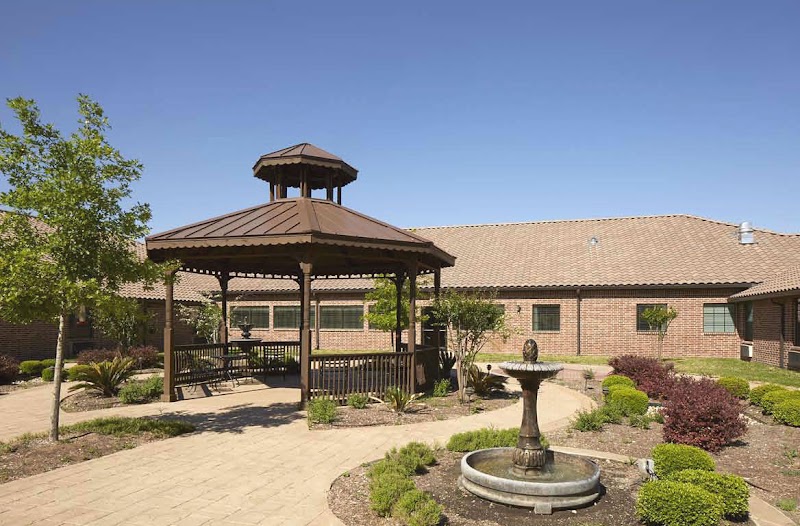
How is San Gabriel Rehabilitation And Care Center Staffed?

CMS rates San Gabriel Rehabilitation and Care Center's staffing level at 1 out of 5 stars, which is much below average compared to other nursing homes. Staff turnover is 53%, compared to the Texas average of 46%.

What Have Inspectors Found at San Gabriel Rehabilitation And Care Center?

State health inspectors documented 29 deficiencies at San Gabriel Rehabilitation and Care Center during 2023 to 2025. These included: 3 Immediate Jeopardy (the most serious level, indicating potential for serious harm or death) and 26 with potential for harm. Immediate Jeopardy findings are rare and represent the most serious regulatory concerns. They require immediate corrective action.
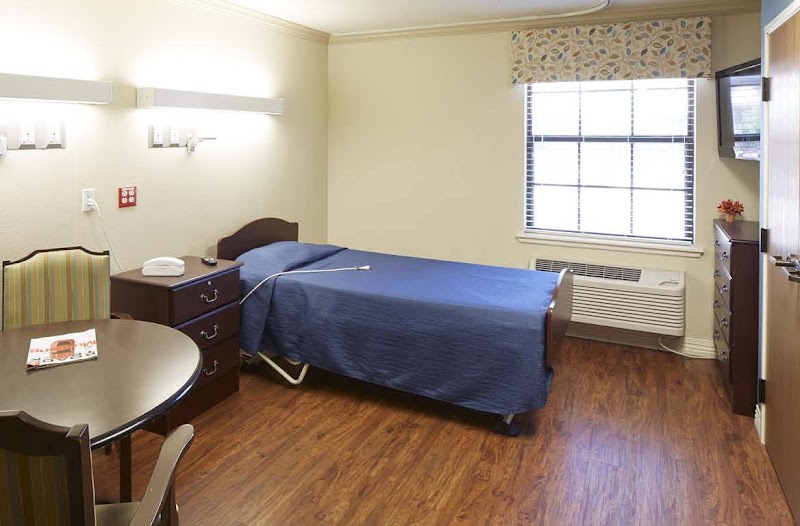
Who Owns and Operates San Gabriel Rehabilitation And Care Center?

San Gabriel Rehabilitation and Care Center is owned by a for-profit company. For-profit facilities operate as businesses with obligations to shareholders or private owners. The facility operates independently rather than as part of a larger chain. With 142 certified beds and approximately 92 residents (about 65% occupancy), it is a mid-sized facility located in Round Rock, Texas.

How Does San Gabriel Rehabilitation And Care Center Compare to Other Texas Nursing Homes?

Compared to the 100 nursing homes in Texas, San Gabriel Rehabilitation and Care Center's overall rating (1 stars) is below the state average of 2.8, staff turnover (53%) is near the state average of 46%, and health inspection rating (1 stars) is much below the national benchmark.

What Should Families Ask When Visiting San Gabriel Rehabilitation And Care Center?

Based on this facility's data, families visiting should ask: "What changes have been made since the serious inspection findings, and how are you preventing similar issues?" "What safeguards and monitoring systems are in place to protect residents from abuse or neglect?" "Can you walk me through typical staffing levels on day, evening, and night shifts?" "Can I visit during a mealtime to observe dining assistance and food quality?" These questions are particularly relevant given the facility's Immediate Jeopardy citations, the substantiated abuse finding on record, and the below-average staffing rating.

Is San Gabriel Rehabilitation And Care Center Safe?

Based on CMS inspection data, San Gabriel Rehabilitation and Care Center has documented safety concerns. The facility has 1 substantiated abuse finding (meaning confirmed case of resident harm by staff or other residents). Inspectors have issued 3 Immediate Jeopardy citations (the most serious violation level indicating risk of serious injury or death). The facility has a 1-star overall rating and ranks #100 of 100 nursing homes in Texas. Families considering this facility should ask detailed questions about what corrective actions have been taken since these incidents.

Do Nurses at San Gabriel Rehabilitation And Care Center Stick Around?

San Gabriel Rehabilitation and Care Center has a staff turnover rate of 53%, which is 7 percentage points above the Texas average of 46%. Moderate turnover is common in nursing homes, but families should still ask about staff tenure and how the facility maintains care continuity when employees leave.

Was San Gabriel Rehabilitation And Care Center Ever Fined?

San Gabriel Rehabilitation and Care Center has been fined $25,101 across 2 penalty actions. This is below the Texas average of $33,330. While any fine indicates a compliance issue, fines under $50,000 are relatively common and typically reflect isolated problems that were subsequently corrected. Families should ask what specific issues led to these fines and confirm they've been resolved.

Is San Gabriel Rehabilitation And Care Center on Any Federal Watch List?

San Gabriel Rehabilitation and Care Center is not on any federal watch list. The most significant is the Special Focus Facility (SFF) program, which identifies the bottom 1% of nursing homes nationally based on persistent, serious quality problems. Not being on this list means the facility has avoided the pattern of deficiencies that triggers enhanced federal oversight. This is a positive indicator, though families should still review the facility's inspection history directly.