Trinity Care Center

1000 E Main St, Round Rock, TX 78664 (512) 634-3000
For profit - Corporation 179 Beds CARADAY HEALTHCARE Data: November 2025 2 Immediate Jeopardy citations
Trust Grade
34/100
#604 of 1168 in TX
Last Inspection: October 2024

Within standard 12-15 month inspection cycle. Federal law requires annual inspections.

Overview

Trinity Care Center has received a Trust Grade of F, indicating significant concerns about its operations and care quality. With a state ranking of #604 out of 1168 facilities in Texas, it sits in the bottom half, and at #7 out of 15 in Williamson County, only a few local options are worse. The facility is improving slightly, having reduced its issues from 9 in 2024 to 4 in 2025, but it still faces serious challenges, including incidents of neglect that resulted in a resident falling and suffering severe injuries. Staffing is a weakness, with a rating of only 2 out of 5 stars and RN coverage lower than 87% of Texas facilities, raising concerns about the quality of care provided. Additionally, there were critical findings regarding food safety practices and staff training, which further highlight areas needing significant improvement.

Trust Score
F
34/100
In Texas
#604/1168
Bottom 49%
Safety Record
High Risk
Review needed
Inspections
Getting Better
9 → 4 violations
Staff Stability
⚠ Watch
48% turnover. Above average. Higher turnover means staff may not know residents' routines.
Penalties
✓ Good
$10,293 in fines. Lower than most Texas facilities. Relatively clean record.
Skilled Nurses
⚠ Watch
Each resident gets only 12 minutes of Registered Nurse (RN) attention daily — below average for Texas. Fewer RN minutes means fewer trained eyes watching for problems.
Violations
⚠ Watch
25 deficiencies on record. Higher than average. Multiple issues found across inspections.
★★★☆☆
3.0
Overall Rating
★★☆☆☆
2.0
Staff Levels
★★★☆☆
3.0
Care Quality
★★★☆☆
3.0
Inspection Score
Stable
2024: 9 issues
2025: 4 issues

The Good

  • Full Sprinkler Coverage · Fire safety systems throughout facility
  • No fines on record

Facility shows strength in fire safety.

The Bad

3-Star Overall Rating

Near Texas average (2.8)

Meets federal standards, typical of most facilities

Staff Turnover: 48%

Near Texas avg (46%)

Higher turnover may affect care consistency

Federal Fines: $10,293

Below median ($33,413)

Minor penalties assessed

Chain: CARADAY HEALTHCARE

Part of a multi-facility chain

Ask about local staffing decisions and management

The Ugly 25 deficiencies on record

2 life-threatening
Jul 2025 3 deficiencies
CONCERN (E) 📢 Someone Reported This

A family member, employee, or ombudsman was alarmed enough to file a formal complaint

Potential for Harm - no one hurt, but risky conditions existed

Resident Rights (Tag F0550)

Could have caused harm · This affected multiple residents

**NOTE- TERMS IN BRACKETS HAVE BEEN EDITED TO PROTECT CONFIDENTIALITY** Based on observation, interview, and record review, the facility failed to treat each resident with respect and dignity and care...

Read full inspector narrative →
**NOTE- TERMS IN BRACKETS HAVE BEEN EDITED TO PROTECT CONFIDENTIALITY** Based on observation, interview, and record review, the facility failed to treat each resident with respect and dignity and care for each resident in a manner and in an environment that promotes maintenance or enhancement of his or her quality of life for 3 of 18 residents (Resident#1, Resident #3, and Resident #4) reviewed for dignity. The facility failed to ensure catheter bag was covered and not visible Resident#1, Resident #3, and Resident #4. This failure placed residents at risk of embarrassment and diminished quality of life. Findings included: Record review of Resident#1's admission Record updated 7/9/25 revealed, Resident #1 was a [AGE] year-old female admitted to the facility on [DATE]. She had diagnosis of nontraumatic intracerebral hemorrhage (stroke), acute respiratory failure (difficulty breathing), dysphagia following cerebral infarction (difficulty swallowing after stroke).Record review of Resident#1's care plan updated 7/8/25 revealed, IN INTERVENTION: The resident requires SKIN inspection per facility protocol. Observe for redness, open areas, scratches, cuts, bruises and report changes to the Nurse. Record review of Resident#1's MDS dated [DATE] revealed, Resident #1 has a stage 2 pressure ulcer that was present upon admission. Resident#1 is receiving Ulcer/Injury treatment: pressure reducing device for bed; pressure ulcer/injury care; applications of ointments/medications.[JM1] In an observation 7/8/25 at 12:02 pm Resident #1 revealed her catheter bag was half full of a pale-yellow liquid visible from the hallway. There was not a cover on the catheter bag to disguise or cover the fact Resident #1 had a catheter bag. In an interview 7/8/25 at 12:02 pm Resident #1 revealed she has no modesty or dignity while at the facility. She said the staff does not care about her, they show no empathy, treat her like a child or like she is not even human. She said she did not know why she had a catheter because she could go to the restroom with assistance. Resident #1 said she was a nurse for many years, and she knows when things are wrong. Record review of Resident#3's admission Record updated 7/9/25 revealed, Resident #3 was an [AGE] year-old female with a diagnosis of Type II Diabetes (elevated blood sugar), Chronic Kidney Disease, Stage 3, and Pain in unspecified toes. Record review of Resident#3's care plan updated 7/8/25 revealed, Problem #1 The resident has an arterial ulcer to right heel. Intervention 1: Evaluate wound for: Size, Depth, Margins: peri-wound skin, sinuses, undermining, exudates, edema, granulation, infection, necrosis, eschar, gangrene. Document progress in wound healing on an ongoing basis. Notify physician as indicated. Intervention 2: Weekly treatment documentation to include measurement of each area of skin breakdown's width, length, depth, type of tissue and exudate and any other notable changes or observations. Problem #2: The resident has potential/actual impairment to skin integrity r/t immobility, foley catheter, history of wounds and bowel incontinence. Intervention#1: Monitor/document location, size and treatment of skin injury. Report abnormalities, failure to heal, s/sx (signs and symptoms) of infection, maceration etc. to MD. Intervention #2 Weekly treatment documentation to include measurement of each area of skin breakdown's width, length, depth, type of tissue and exudate and any other notable changes or observations. Problem #3: The resident has an ADL self-care performance deficit r/t had surgical procedure of right hip, previous right shoulder replacement, chronic pain, OA of right shoulder, and weakness. Intervention: SKIN INSPECTION: The resident requires SKIN inspection per facility protocol Observe for redness, open areas, scratches, cuts, bruises and report changes to the Nurse. Record review of Resident#3's MDS dated [DATE] revealed, Section M- Skin Conditions revealed, Determination of Pressure Ulcer/Injury risk Formal assessment instrument/tool and Clinical Assessment. Yes, this resident is at risk of developing pressure ulcers/injuries. No, this resident does not have one or more unhealed pressure ulcers/injuries. Other Ulcers, Wounds, and Skin Problems: E: surgical wounds Skin and Ulcer/injury treatments: E: Pressure ulcer/injury care; F: Surgical wound care; H: Applications of ointments/medications. In an observation 7/8/25 at 3:17 pm Resident #3's catheter bag was half full of a pale-yellow liquid visible from the hallway. There was not a cover on the catheter bag to disguise or cover the fact Resident #3 had a catheter bag. In an interview on 7/9/25 at 3:54PM the ADON revealed a catheter bag should have a cover over it or not be visible to the public. They should have privacy bags/covers. The ADON said it is the CNA and nurses' responsibility to ensure all catheter bags are covered. The ADON stated it is the responsibility of all staff members to ensure each resident's dignity is intact to prevent embarrassment or quality of life. Record review of Resident#4's admission Record updated 7/9/25 revealed, Resident #4 was an [AGE] year-old male with no listed diagnosis. Record review of Resident#4's care plan updated 7/8/25 revealed, Problem: The resident has potential/actual impairment to skin integrity of the (specify location) r/t. Intervention: Educate Resident/family/caregivers of causative factors and measures to prevent skin injury. Record review of Resident#4's MDS dated [DATE] revealed, No mention of any skin related problems. In an observation 7/8/25 at 3:15 pm Resident #4's catheter bag was half full of a pale-yellow liquid visible from the hallway. The bag did not have a cover to disguise and prevent any dignity issues for Resident #4. In an interview on 7/9/25 at 4:05 PM RN B revealed a catheter bag should have a cover over it or not be visible to the public. They should have privacy bags/covers. RN B said it is the CNA and nurses' responsibility to ensure all catheter bags are covered. RN B stated it is the responsibility of all staff members to ensure each resident's dignity is intact to prevent embarrassment or quality of life. n an interview on 7/9/25 at 4:15 PM CNA C revealed a catheter bag should have a cover over it or not be visible to the public. They should have privacy bags/covers. CNA C said it is the CNA and nurses' responsibility to ensure all catheter bags are covered. CNA C stated it is the responsibility of all staff members to ensure each resident's dignity is intact to prevent embarrassment or quality of life. In an interview on 7/9/25 at 4:25PM The DON revealed a catheter bag should have a cover over it or not be visible to the public. DON said it is all staff's responsibility to ensure all catheter bags are covered. The DON stated it is the responsibility of all staff members to ensure each resident's dignity is intact to prevent embarrassment or quality of life. The DON stated the facility did not have a policy regarding privacy bags to disguise/cover catheter bags.
CONCERN (E) 📢 Someone Reported This

A family member, employee, or ombudsman was alarmed enough to file a formal complaint

Potential for Harm - no one hurt, but risky conditions existed

Deficiency F0558 (Tag F0558)

Could have caused harm · This affected multiple residents

**NOTE- TERMS IN BRACKETS HAVE BEEN EDITED TO PROTECT CONFIDENTIALITY** Based on observations, interviews, and record review the facility failed to ensure residents received services in the facility w...

Read full inspector narrative →
**NOTE- TERMS IN BRACKETS HAVE BEEN EDITED TO PROTECT CONFIDENTIALITY** Based on observations, interviews, and record review the facility failed to ensure residents received services in the facility with reasonable accommodation of each resident's needs for three (Resident #1, Resident #2, and Resident #17) of 18 residents reviewed for resident call system in that: The facility failed to ensure call lights were within reach for Resident #1, Resident#2, and Resident #17.This failure could have placed residents at risk of being unable to obtain assistance when needed Findings included:Record review of Resident#1's admission Record updated 7/9/25 revealed, Resident #1 was a [AGE] year-old female admitted to the facility on [DATE]. She had diagnosis of nontraumatic intracerebral hemorrhage (stroke), acute respiratory failure (difficulty breathing), dysphagia following cerebral infarction (difficulty swallowing after stroke).Record review of Resident#1's care plan updated 7/8/25 revealed, Problem: The resident has an ADL self-care performance deficit r/t CVA with hemiplegia of left side and weakness. Intervention revealed Resident #1 required 1 person assist with bathing, dressing, bed repositioning, and eating.Record review of Resident#1's MDS dated [DATE] revealed, Resident #1 was dependent on oral hygiene, toileting, upper and lower body dressing, and putting on/off footwear.In an observation and interview on 7/8/25 at 12:02 pm Resident #1 revealed she did not know where the call light was. She was looking on the wall but the plug for the call light was behind her head on her left side. She reached for the wall but was unable to locate the call light on her own. The call light itself was observed on the floor under her bed. She further stated when she needed assistance she yells out for help because she did not know where the call light was located. She stated last night she yelled for help for a long time before someone finally came to assist her.In an interview on 7/8/25 at 2:08 PM the DON stated the facility does not have a policy regarding call lights.Record review of Resident#2's admission Record updated 6/6/25 revealed, Resident #2 was a [AGE] year-old female with a diagnosis of unspecified dementia (memory loss); essential hypertension (elevated blood pressure); sarcopenia (age related muscle loss).Record review of Resident#2's care plan updated 7/8/25 revealed, Intervention for fall risk; Be sure Resident#2's call light is within reach and encourage the resident to use it for assistance as needed. The resident needs prompt response to all requests for assistance. Intervention for ADL self-care encourage Resident #2 to use bell to call for assistance.Record review of Resident#2's MDS dated [DATE] revealed, supervision or touching assistance for transfers and not applicable or not attempted for walking 10 feet.In an observation 7/8/25 at 3:25 pm Resident #2 the call light was on the floor behind the bed where Resident #2 could not locate without assistance. In an interview on 7/8/25 at 3:25 pm Resident #2 said the staff always put the call light where she cannot reach it. She said she has asked them multiple times to leave it where she can push it when she needs help, but they never do as she asked.Record review of Resident#17's admission Record updated 7/9/25 revealed, Resident #17 was an [AGE] year-old female with diagnosis of unspecified dementia (memory loss) hyperlipidemia (elevated cholesterol), essential tremor (rhythmic shaking)Record review of Resident#17's care plan updated 7/8/25 revealed, an ADL self-care performance.deficit r/t dementia, parkinsonism, tremors, gait with Intervention: Encourage the resident to use bell to call for assistance. High risk for falls intervention; Be sure the resident's call light is within reach and encourage the resident to use it for assistance as needed. The resident needs prompt response to all requests for assistance.In an observation 7/9/25 at 10:10 am Resident #17 the call light was on the floor behind the bed where Resident #17 could not locate without assistance. In an observation on 7/9/25 at 10:17 am RN A came into Resident #17's room. RN A located the call button tangled up off the left-hand side of bed, not within reach of resident. RN A untangled the call button. In an interview on 7/9/25 at 3:54 pm ADON stated the expectation for a call light is that a call light should be placed where a resident can reach the button in case care is needed. The ADON stated it is all staff's responsibility to place call light within resident's reach. The ADON stated if a call light is not within reach, then a resident would have to yell out if they can, to notify staff care is needed, but staff should be verifying call light placement prior to leaving the room.In an interview on 7/9/25 at 4:05 pm RN B stated the expectation for a call light is that a call light should be placed where a resident can reach the button in case care is needed. RN B stated it is all staff's responsibility to place call light within resident's reach. RN B stated if a call light is not within reach, then a resident would have to yell out if they can, to notify staff care is needed, but staff should be verifying call light placement prior to leaving the room.In an interview on 7/9/25 at 4:15 pm CNA C stated the expectation for a call light is that a call light should be placed where a resident can reach the button in case care is always needed. CNA C stated it is all staff's responsibility to place call light within resident's reach. CNA C stated if a call light is not within reach, then a resident would have to yell out if they can, to notify staff care is needed, but staff should be verifying call light placement prior to leaving the room.In an interview on 7/9/25 at 4:25pm the DON stated the expectation for a call light is that a call light should be placed where a resident can reach the button in case care is needed. The DON stated it is all staff responsibility to place call light within resident's reach. The DON stated if a call light is not within reach, then a resident would have to yell out if they can, to notify staff care is needed. The DON stated there is not a facility policy or procedure regarding call lights.Record review of Resident#17's MDS dated [DATE] revealed, Resident #17 required extensive assistance with bed mobility, transfers, and toilet use.
CONCERN (E) 📢 Someone Reported This

A family member, employee, or ombudsman was alarmed enough to file a formal complaint

Potential for Harm - no one hurt, but risky conditions existed

Medical Records (Tag F0842)

Could have caused harm · This affected multiple residents

**NOTE- TERMS IN BRACKETS HAVE BEEN EDITED TO PROTECT CONFIDENTIALITY** Based on observation, interview, and record review the facility failed to ensure maintain medical records on each resident that ...

Read full inspector narrative →
**NOTE- TERMS IN BRACKETS HAVE BEEN EDITED TO PROTECT CONFIDENTIALITY** Based on observation, interview, and record review the facility failed to ensure maintain medical records on each resident that are- Complete and accurately documented, for 3 (Resident #1, Resident #9, and Resident #10) of 5 residents reviewed for assessments in that: -The facility did not ensure Resident #1, Resident #9, and Resident #10's wound assessments accurately reflected current wound locations, measurements, or wound typeThis failure could place residents needing wound care at risk of not receiving proper care, treatments, and interventions.Findings included:Record review of Resident#1's admission Record updated 7/9/25 revealed, Resident #1 was a [AGE] year-old female admitted to the facility on [DATE]. She had diagnosis of nontraumatic intracerebral hemorrhage (stroke), acute respiratory failure (difficulty breathing), dysphagia following cerebral infarction (difficulty swallowing after stroke).Record review of Resident#1's care plan updated 7/8/25 revealed, IN INTERVENTION: The resident requires SKIN inspection per facility protocol. Observe for redness, open areas, scratches, cuts, bruises and report changes to the Nurse.Record review of Resident#1's MDS dated [DATE] revealed, Resident #1 has a stage 2 pressure ulcer that was present upon admission. Resident#1 is receiving Ulcer/Injury treatment: pressure reducing device for bed; pressure ulcer/injury care; applications of ointments/medications.Record review of Weekly Skin Observation dated 6/11/25 for Resident#1 revealed, Location 14 abdomen, peg tube site; location 38 left knee (front) scar; location 53 Sacrum, Pressure, Measurements 1x0.5x0.1, Stage II; Other IC/Sub q/implanted port; neck trach removed 0.5x0.4x0.1.Record review of Weekly Wound Progress dated 6/12/25 for Resident#1 revealed, Wound#1 Pressure ulcer to Sacrum 100% Epithelial, Stage II to Sacrum measuring 1x0.5x0.1.Record review of Weekly Skin Observation dated 6/18/25 for Resident#1 revealed, location 14 abdomen peg tube; location 31 right buttock pressure depth 0; location 34 left thigh (front) blister; Anterior neck surgical incision.Record review of Weekly Wound Progress dated 6/19/25 for Resident#1 revealed, pressure ulcer 100% epithelial, stage II, sacrum, 1x0.5x0.Record review of Weekly Skin Observation dated 6/25/25 for Resident#1 revealed, document is marked yes for Does resident have any observed skin issues? The rest of the document is blank.Record review of Weekly Wound Progress dated 6/26/25 for Resident#1 revealed, pressure ulcer 100% epithelial, stage II, sacrum, 2x2x0.Record review of Weekly Skin Observation dated 7/2/25 for Resident#1 revealed, document is marked yes for Does resident have any observed skin issues? Then in notes it stated, wound to sacrum area.Record review of Weekly Wound Progress dated 7/3/25 for Resident#1 revealed, pressure ulcer 50% granulation 50% epithelial, stage II, sacrum, 2x2x0.Record review of Resident#9's admission Record updated 7/9/25 revealed, Resident #9 was a [AGE] year old male with HEMIPLEGIA (complete or severe paralysis to one side of the body) AND HEMIPARESIS (weakness on one side) FOLLOWING CEREBRAL INFARCTION affecting the right dominant side; Hepatic encephalopathy (serious brain condition caused by liver dysfunction, leading to the accumulation of toxins in the blood that affect brain function.).Record review of Resident#9's care plan updated 4/18/25 revealed, Weekly skin assessments started 12/9/21. Monitor/document/report PRN: Edema (swelling caused by too much fluid trapped in skin tissue), Bruising/discoloration of skin. Provide skin care to keep clean and prevent skin breakdown.Record review of Resident#9's MDS updated 5/13/25 revealed, Skin and Ulcer/Injury Treatments: Pressure reducing device for bed; Applications of ointments/medications other than to feet; Application of dressings to feet (with or without topical medications).Record review of Weekly Skin Observation dated 6/16/25 for Resident#9 revealed, wound to left heel (location 50), pressure without measurements; left shin open area without location # or measurements; left forearm skin tear without location # or measurements.Record review of Weekly Wound Progress dated 6/19/25 for Resident#9 revealed, 1 wound to Sacrum with measurements 4.5 X 4 X 0.1 with 100% granulation for deep tissue wound.Record review of Weekly Skin Observation dated 6/23/25 for Resident#9 revealed, under notes section left heel wound, scabs to BLE (bilateral lower extremities), skin tear both arms. There was no site location # or measurements. Record review of Weekly Wound Progress dated 6/26/25 for Resident#9 revealed 1 wound pressure ulcer to Sacrum with measurements 4 X 2.8 X 0.1 with 100% granulation for deep tissue wound. Record review of Weekly Skin Observation dated 6/30/25 for Resident#9 revealed, under notes section left heel wound, scabs on BLE (bilateral lower extremities), scabs on arms.Record review of Weekly Wound Progress dated 7/3/25 for Resident#9 revealed, 1 wound pressure ulcer to Sacrum with measurements 3.5 X 2.5 X 0.1 with 100% granulation for stage II ulcer.Record review of Weekly Skin Observation dated 7/7/25 for Resident#9 revealed, under notes section wound to left heel.Record review of Skin Monitoring: comprehensive CNA shower review dated 7/8/25 for Resident#9 revealed, a diagram of the back of the body with a circle to the left arm stating, scabbed 1,2 and the left heel circled stating pressure.Record review of Resident#10's admission Record updated 7/9/25 revealed Resident #10 was a [AGE] year-old male with VASCULAR DEMENTIA, UNSPECIFIED SEVERITY, WITH OTHER BEHAVIORAL DISTURBANCE (memory loss), hyperlipidemia (elevated cholesterol), type 2 diabetes mellitus (frequently elevated blood sugar).Record review of Resident#10's care plan updated 1/7/25 revealed, Intervention: skin care to keep clean and prevent skin breakdown; Monitor/document/report PRN any s/sx (signs and symptoms) of poor wound healing; Follow facility policies/protocols for the prevention/treatment of skin breakdown. Date Initiated: Inform the resident/family/caregivers of any new area of skin breakdown. Monitor/document/report PRN any changes in skin status: appearance, color, wound healing, s/sx (signs and symptoms) of infection, wound size (length X width X depth), stage. Weekly treatment documentation to include measurement of each area of skin breakdown's width, length, depth, type of tissue and exudate. Monitor skin rashes for increased spread or signs of infection.Record review of Resident#10's MDS updated 7/8/25 revealed, Resident #10 Skin Conditions included: Resident has a pressure ulcer/injury, a scar over bony prominence, or a non-removable dressing/device. Formal assessment instrument/tool (e.g., Braden, [NAME], or other). Clinical assessment. Resident #10 had 1 Stage 2 pressure ulcers: 1 Stage 3 pressure ulcers. Other problems: Skin tears. Skin and Ulcer/injury treatments: Pressure reducing device for bed, Nutrition, or hydration intervention to manage skin problems, Pressure ulcer/injury care, Application of nonsurgical dressings (with or without topical medications) other than to feet, Applications of ointments/medications other than to feet.Record review of Weekly Skin Observation dated 6/12/25 for Resident#10 revealed, location 13 vertebrae (upper-mid) shear; location 26 left trochanter (hip) pressure wound; location 53 Sacrum pressure wound. Notes: LAL mattress in place, treatment in place for wounds.Record review of Weekly Wound Progress dated 6/12/25 for Resident#10 revealed, wound #1; pressure ulcer left hip 100% granulation, Stage 2, minimal exudate measurements 2.5x2.5x0.1. Wound #2: sacrum 50% granulation 50% slough, Stage 3 minimal exudate, measurements 4x2.5x0.1. Wound #3 abrasion upper back left side 100! Granulation 2x2x0.1 scant red exudate.Record review of Weekly Skin Observation dated 6/19/25 for Resident#10 revealed, observed skin issue at site #53 sacrum pressure; left hip pressure.Record review of Weekly Skin Observation dated 6/26/25 for Resident#10 revealed, location 13 vertebrae (upper-mid) pressure wound; location 26 left trochanter (hip) pressure wound; location 53 Sacrum pressure wound. Notes: Tx in progress LAL mattress . improvement to areas noted.Record review of Weekly Wound Progress dated 6/26/25 for Resident#10 revealed, wound #1; pressure ulcer left hip 50% epithelial 50% granulation, Stage 2, scant tan exudate measurements 2x0.5x0.1. Wound #2: sacrum 50% granulation 50% slough, Stage 3 minimal exudate, measurements 4x2.5x0.1. Wound #3 abrasion upper back left side 100! Granulation 2x2x0.1 Record review of Weekly Wound Progress dated 7/3/25 for Resident#10 revealed,Wound #1; pressure ulcer left hip 100% epithelial, Stage 2, scant red exudate measurements 2x2x0.1. Wound #2: sacrum 25% granulation 75% slough, Stage 3 moderate exudate, measurements 2x0.9x0.1. Record review of Weekly Skin Observation dated 7/7/25 for Resident#10 revealed, location 26 left trochanter (hip) pressure wound; location 53 Sacrum pressure wound. Notes: Tx in progress see wound care notes. improvement noted. In an interview on 7/9/25 at 3:54 pm the ADON revealed skin assessments are completed weekly by the charge nurses and the CNAs do a shower sheet with any abnormalities. The ADON stated anytime on an assessment where a body is seen the nurse is to indicate location with the number on the picture. Then under notes if you need to add more information you would use the notes section. The ADON stated when documenting any observed skin issues the nurse should document anything noted on the skin during an assessment. The ADON stated if a skin issue is documented on one skin assessment it should be documented on the following skin assessment. The ADON stated if a previous listed skin issue has healed it should be indicated on the notes section or in a progress note when care was discontinued. If documentation of wounds did not make it to the new assessment it could lead to the wound getting worse. In an interview on 7/9/25 at 4:05 pm RN B revealed she had been one of the nurses that documented the skin assessments on Resident #1, Resident #9, and Resident #10's wound assessments. She said skin assessments are completed weekly by the charge nurses and the CNAs do a shower sheet with any abnormalities. RN B stated anytime on an assessment where a body is seen the nurse is to indicate location with the number on the picture. RN B stated when documenting any observed skin issues the nurse should document anything noted on the skin during an assessment. RN B stated if a skin issue was documented on one skin assessment it should be documented on the following skin assessment. RN B stated if a previous listed skin issue has healed it should be indicated on the notes section or in a progress note when care was discontinued. RN B said the diagram of the body did not mark every part of the body and that measurements were not always documented on those forms even though they should have been. In an interview on 7/9/25 at 4:15 pm CNA C revealed she does a skin assessment every day because she knows what she saw the day before. CNA C stated anytime on an assessment where a body is seen the CNA is to indicate location with the number on the picture. CNA C stated when documenting any observed skin issues the nurse should document anything noted on the skin during an assessment. CNA C stated if a skin issue is documented on one skin assessment it should be documented on the following skin assessment. CNA C stated if a previous listed skin issue has healed it should be indicated on the notes section or in a progress note when care was discontinued. In an interview on 7/9/25 at 4:25pm the DON revealed skin assessments are completed weekly by nurses. The DON stated anytime on an assessment where a body is seen the nurse is to indicate location with the number on the picture. The DON stated when documenting any observed skin issues the nurse should document anything noted on the skin during an assessment. The DON stated if a skin issue is documented on one skin assessment it should be documented on the following skin assessment. The DON stated if a previous listed skin issue has healed it should be indicated on the notes section or in a progress note when care was discontinued. The DON stated there is not a policy or procedure related to skin assessments. She said if a wound goes without being documented correctly it could lead to a wound getting worse.
Jun 2025 1 deficiency
CONCERN (D) 📢 Someone Reported This

A family member, employee, or ombudsman was alarmed enough to file a formal complaint

Potential for Harm - no one hurt, but risky conditions existed

Deficiency F0919 (Tag F0919)

Could have caused harm · This affected 1 resident

**NOTE- TERMS IN BRACKETS HAVE BEEN EDITED TO PROTECT CONFIDENTIALITY** Based on observation, interview and record review the facility failed to ensure the resident had the right to reside and receive...

Read full inspector narrative →
**NOTE- TERMS IN BRACKETS HAVE BEEN EDITED TO PROTECT CONFIDENTIALITY** Based on observation, interview and record review the facility failed to ensure the resident had the right to reside and receive services in the facility with reasonable accommodation of resident needs and preferences except when to do so would endanger the health or safety of the resident or other residents for 2 of 16 (Resident #1 and Resident #2) residents reviewed for accommodation of needs. 1. The facility failed to provide a working communication system, which was easily at reach at the bedside, which would allow Resident #1 to call for assistance. From 06/10/25 until 06/18/25, Resident #1 did not have a working communication system in her room. 2. The facility failed to provide a working communication system for Resident #2 on 06/18/25 when her call light was broken. These failures could place residents at risk of not having a means of directly contacting caregivers in an emergency, a delay in assistance, a decreased quality of life and a loss of dignity. Findings included: 1. Record review of Resident #1's face sheet, printed on 06/18/25, reflected a [AGE] year-old female who was admitted to the facility on [DATE]. Her diagnoses included nontraumatic intracerebral hemorrhage (stroke) and acute respiratory failure with hypoxia (lungs not functioning properly lead to low oxygen levels). Record review of Resident #1's admission MDS assessment, dated 06/12/25, was In Progress. Record review of Resident #1's care plan, initiated on 06/11/25, reflected the resident had an ADL self-care performance deficit. The goal was to maintain current level of functioning. Interventions included total assistance by staff for bathing, bed mobility, dressing, eating, and personal hygiene. The care plan reflected the resident had a communication problem. The goal was to make basic needs known on a daily basis. Interventions included anticipate and meet needs and speak on an adult level. The care plan did not address a call light. Record review of Resident #1's progress note, dated 06/16/25 at 9:01 AM, written by the APRN, reflected in part the resident had expressive dysphasia (difficulty speaking), hemiplegia (paralysis on one side of the body) of left nondominant side, and required a g-tube (a surgically placed tube into the stomach) for medications and nutrition. An observation on 06/18/25 at 9:04 AM, revealed there was no call light or bell in Resident #1's room. Resident #1 was not in the room. During an interview on 06/18/25 at 10:00 AM, the DON stated if a call light was not working, maintenance was notified. The DON stated they had bells that were used if the call light was not working. She stated they used an electronic program for submitting maintenance requests. She stated the maintenance request system was linked to their electronic medical record system, so everyone had access to submit requests. The DON stated they did not have a Policy & Procedure for call lights or maintenance requests . During an observation and attempted interview on 06/18/25 at 10:59 AM, revealed Resident #1 was lying in bed with the head of the bed elevated. A visitor was at the bedside. Resident #1, spoke just above a whisper, was able to state she was comfortable, but not able to say how she contacted staff for assistance. During an interview on 06/18/25 at 11:00 AM, the visitor in the room stated she had not seen a call light in Resident #1's room on previous visits, and she had visited a few times. During a telephone interview on 06/18/25 at 12:30 PM, a FM stated there had not been a call light in the room when she visited Resident #1 on 06/15/25. During an interview on 06/18/25 at 11:03, LVN A stated there had not been a call light in Resident #1's room since the resident moved into the room on 06/10/25. LVN A stated a maintenance request for a call light was placed on 06/10/25 . She stated she would round more frequently on residents if they did not have a call light in the room to ensure their needs were met. She stated without a call light, residents needs or requests may not be met. During an interview on 06/18/25 at 11:13 AM, the DOM stated he had not received a maintenance request for a call light in Resident #1's room until 06/18/25. He stated he was not aware there was not a call light in the room. The DOM stated he had just received the requests for Resident #1 and Resident #2s call lights. During an interview on 06/18/25 at 11:17 AM , CNA B, stated she worked through and agency and was at the facility two or three times a week. She stated Resident #1 and Resident #2 were both on the hall where she was assigned to work. She stated as far as she knew, Resident #1 had a call light in her room. She stated a nurse had been working with the resident earlier, so she had not provided care to the resident yet. She stated she did not know Resident #2's call light was not working. She stated she made rounds on her residents every two hours. She stated without a call light, the residents would not be able to call for assistance to have their needs met. 2. Record review of Resident #2's face sheet, printed on 06/18/25, reflected an [AGE] year-old female who was admitted to the facility on [DATE]. Her diagnoses included unspecified cerebral infarction (stroke), type 2 diabetes (a condition that affects the way the body processes blood sugar), arthritis (swelling and tenderness of the joints), and dementia . Record review of Resident #2's quarterly MDS assessment, dated 05/18/25, reflected a BIMS score of 3, which indicated severely impaired cognition. Record review of Resident #2's care plan, revised 06/06/25, reflected Resident #2 was at risk for falls related to debility with a goal the resident would remain free of falls. Interventions included the call light within reach and encourage the resident to use it for assistance as needed and, The resident needs prompt response to all requests for assistance. An observation on 06/18/25 at 9:14 AM revealed Resident #2 lying in bed with her eyes closed. The head of the bed was elevated. The resident's call light button cord was wrapped around the side rail on the left side of the resident's bed. The end of the call light cord was observed on the floor under the head of the bed. The call light was not plugged into the receptacle on the wall. A connector was plugged into the wall receptacle . During an observation and interview on 06/18/25 at 11:06 AM, LVN A entered Resident #2's room. LVN A told Resident #2 she was going to test the call light. LVN A pushed the button on the call light, but the light did not activate. LVN A looked under the bed and stated, It must have broken. She stated she did not know how long the call light had not been working. She stated Resident #2 used her call light frequently. Resident #2 stated the staff usually answered her light promptly. Resident #2 did not remember the last time she used her call light. During an interview on 06/18/25 at 12:23 PM, the DON stated she did not know how long Resident #1 had been without a call light in the room. She stated it did not meet her expectation that there was not a call light or a bell in the room. She stated if there was not a functioning call light, residents would not be able to notify staff when they needed help. The DON stated she did not know how long Resident #2's call light had been broken. She stated sometimes the cords got caught and broke when the bed positions were adjusted so they always kept extra call lights in stock . During an interview on 06/18/25 at 1:04 PM, the ADM stated it was her expectation every room had a functioning call light. She stated Resident #1 was close to the nursing station and observed frequently. The ADM stated without a functioning call light, residents were not able to let staff know if they needed something. Record review of the facility's Resident Rights Policy, revised December 2016, reflected in part, .f. communication with and access to people and services, both inside and outside the facility
Oct 2024 3 deficiencies
CONCERN (D)

Potential for Harm - no one hurt, but risky conditions existed

Comprehensive Care Plan (Tag F0656)

Could have caused harm · This affected 1 resident

**NOTE- TERMS IN BRACKETS HAVE BEEN EDITED TO PROTECT CONFIDENTIALITY** Based on interview, and record review the facility failed to develop and implement a comprehensive person-centered care plan for...

Read full inspector narrative →
**NOTE- TERMS IN BRACKETS HAVE BEEN EDITED TO PROTECT CONFIDENTIALITY** Based on interview, and record review the facility failed to develop and implement a comprehensive person-centered care plan for 1 of 1 resident (Resident #102) reviewed for care plans. The facility failed to ensure Resident #102 had a care plan that reflected her new 7/8/24 diagnosis of unspecified convulsions (seizures). This failure could cause the staff to miss needed safety measures on the resident and place the resident at risk of injury from seizures. Findings include: Record review of Resident # 102's undated face sheet, revealed she was a [AGE] year-old female admitted [DATE] with diagnoses of Diabetes, Hypertension (high blood pressure), Reflux, Dysfunction of Bladder and High Cholesterol. The face sheet also revealed a new diagnosis of Unspecified Convulsions with an onset date of 7/8/24. Record review of Resident #102's Quarterly MDS assessment dated [DATE] revealed a BIMS score of 03, which indicated the resident's cognitive ability was severely impaired. The MDS did list Seizure Disorder or Epilepsy as an active diagnosis. Record review of Resident #102's undated Care Plan reflected, Unspecified Convulsions listed in the diagnosis list, but not listed in the Problem, Goal, or the Intervention areas of the care plan. Record review of Resident #102's Progress notes reflected the following: 7/8/24 at 08:44 am, staff witnessed pt (patient) having a seizure x 2. 7/9/24 at 09:07 am Continues in hospital. 7/10/24 at 07:53 am resident had returned to the facility and was sitting at nurse's station when vital signs were taken. In an interview on 10/31/24 at 10:25 am the MDS Nurse reviewed Resident #102's care plan and stated, the new July diagnosis of seizures was not added to the care plan. She stated, I don't know how I missed updating the care plan. I did everything else. The MDS Nurse stated the policy was to update the care plan 1 week after the MDS closure date. It was important to keep the care plan current so staff knew how to follow the plan of care for each resident. The potential negative outcome to residents if the care plan was not current then staff could miss something in the care of the residents. In an interview on 10/31/24 at 11:23 am with the DON, she stated the policy is to update the care plan as new diagnosis come up. She stated it is important to keep the care plan current so that all staff are on the same page with care and all staff can see what is going on in the chart. The DON stated the negative outcome to residents if the care plan is not current could be staff could miss treatments or get inappropriate treatments. In an interview on 10/31/24 at 11:27 am with the ADM, she stated the policy on updating diagnosis related to care plan is that once they get a diagnosis the care plan should be updated. She stated it is important to keep the care plan current to make sure residents get the care needed and nothing is missed. The ADM stated the potential negative outcome to residents if the care plan is not current would-be staff could give drugs that are not needed or miss treatments needed. She stated staff must know to know the information, so they could treat the residents best. In an interview on 10/31/24 at 11:30 am with the BOM, she stated that she is unsure of the policy on updating diagnosis related to care plans as she does not do care plans. She stated it is important to keep the care plans current because that is what staff use to go by for resident's care. Staff will not have the appropriate information to provide the care for residents if the care plan is not current. BOM stated the potential negative outcome to residents is they will not get the care needed. A record review of the facility policy titled, Care Plans, Comprehensive Person-Centered dated 2001 with a last revision date of 2016 reflected the following: The comprehensive, person-centered care plan will: o Describe services that are to be furnished to attain or maintain the resident's highest practicable physical, mental, and psychosocial well-being. o Incorporate identified problem areas. o Reflect treatment goals, timetables and objectives. o Assessments of residents are ongoing and care plans are revised as information about the residents and the residents' condition change.
CONCERN (D)

Potential for Harm - no one hurt, but risky conditions existed

Safe Environment (Tag F0921)

Could have caused harm · This affected 1 resident

Based on observations, interviews, and record reviews the facility failed to provide a safe, functional, sanitary, and comfortable environment for residents, staff, and the public for one of one facil...

Read full inspector narrative →
Based on observations, interviews, and record reviews the facility failed to provide a safe, functional, sanitary, and comfortable environment for residents, staff, and the public for one of one facility reviewed for environment in that: 1. The facility failed to properly maintain sanitary emergency eyewash station in the kitchen when the protective eyewash covers were not properly positioned, not capped when not in use, and had a roll of paper towels inside the basin. The facility failed to keep the area clear and accessible to kitchen staff when the area was cluttered and blocked with brooms, a dustpan, a meal cart with soiled meal trays, a trash can, box of gloves, and rolls of trash bags. These failures could place staff at risk for an unsafe, unsanitary, and uncomfortable environment. Findings included: During the initial tour of the kitchen on 10/29/2024 at 07:05 AM the following was observed: A sign on the wall reflected, Emergency Eyewash Keep Area Clear. Test All Emergency Equipment Weekly. An emergency eyewash station was mounted to the wall next to the hand washing sink in the dishwasher room. The plastic bowl basin had a roll of paper towels inside it. The basin appeared dirty with a white film or residue on it. The orange protective eyewash flip-top dust covers were flipped back and open exposing the spray-type head. The protective eyewash flip-top dust covers were not capped. The area was cluttered and blocked by a closed trash can with a box of vinyl exam gloves and rolls of trash bags on top of trash can, two brooms, a dustpan, and a meal tray cart full of old meal trays from the previous day. During an interview on 10/30/2024 at 9:43 AM, the DM stated staff were responsible for cleaning their own areas. There were two kitchen aides that were responsible for cleaning the dishwasher area. They were expected to sweep and mop the area and put away the mop, broom, and dishwasher crates. The mop, broom, and dustpan should be stored in the corner of the room, not in front of the emergency eyewash area. The DM stated there could be cross contamination from the dirty broom and dustpan sitting that close to the emergency eye washing station. The DM stated that she had trained staff to keep the eye washing area clear, clean, and accessible. The surveyor requested a copy of the eye washing station training, policy, and procedures. During an interview on 10/30/2024 at 05:02 PM, CK D stated she was unaware that there was an emergency eye washing station and had not received any training about that. She was not sure what she would do if she got something in her eyes. She would probably tell her manager and go into the bathroom. During an interview on 10/31/2024 at 08:11 AM, DA C stated she washed dishes, swept, mopped, and cleaned the floors in the kitchen daily and stored the mop, broom, and dustpan in the back room. DA C stated she was not aware there was an emergency eye wash station and if something got in her eyes, she would tell her manager. During an observation of the kitchen on 10/31/2024 at 08:15 AM, revealed the emergency eye wash station area was blocked with a trash can on the floor in front of the sink. During an interview on 10/31/2024 at 9:43 AM, with the DM the surveyor requested the eye washing station policy, procedure, or training for the second time. The DM stated she did not know if they had a policy, but she did train her staff on where the sink was located and how to use it as part of staff orientation. The DM did not have any documented training regarding the eye wash station. She stated it was the Maintenance Director's responsibility to service the station and make sure it was in working condition. The DM was not sure how often that was done. She expected her staff to keep the area clear and accessible. During an interview and record review on 10/31/2024 at 11:15 AM the DM provided the surveyor with Inspect eyewash stations task sheet that she received from the Maintenance Director. The DM stated that the task was assigned to the Maintenance Director, and he noted all pass if the inspection passed. Record review of the Inspect eyewash stations task sheet revealed instructions, Verify the eyewash station is on the same level as the hazard and accessible and unobstructed. Verify protective eyewash covers are properly positioned, clean, and intact. Verify that eye wash station was disinfected weekly. Verify capped when not in use. During an interview on 10/31/2024 at 12:30 PM, the ADM stated there was not an emergency eye washing station policy. If kitchen staff got something in their eyes, she would expect them to go to eye washing station and flush their eyes out. The ADM stated that the DM was responsible for ensuring staff had access to the emergency eye washing station and for ensuring the kitchen was properly cleaned. The ADM stated if staff got dishwashing chemicals or something else in their eyes and could not access the emergency eye washing station they could trip and fall and injury themselves. She stated she thought the area by the eye wash station was cluttered because staff were in a hurry. The clutter did not meet her expectations and stated it was important to keep the kitchen clean to prevent potential illness.
CONCERN (F)

Potential for Harm - no one hurt, but risky conditions existed

Food Safety (Tag F0812)

Could have caused harm · This affected most or all residents

Based on observations, interviews, and record reviews, the facility failed to store, prepare, and distribute food in accordance with professional standards for food service safety for one of one kitch...

Read full inspector narrative →
Based on observations, interviews, and record reviews, the facility failed to store, prepare, and distribute food in accordance with professional standards for food service safety for one of one kitchen reviewed for kitchen sanitation. 1. The facility failed to label and date all food items located in the reach-in refrigerator, walk-in refrigerator, and walk-in freezer on 10/29/2024, 10/30/2024, and 10/31/2024. 2. The facility failed to effectively reseal all food items in the walk-in refrigerator and walk-in freezer to prevent contamination or spoilage on 10/29/2024, 10/30/2024, and 10/31/2024. 3. The facility failed to dispose of expired foods items located in the walk-in refrigerator. 4. The facility failed to clean the ice machines properly resulting in the presence of slime and an unidentified black substance build up in the ice machines on 10/29/2024 and 10/30/2024. 5. The facility failed to ensure kitchen staff held cold foods (fortified vanilla pudding and fruit cups) at a temperature of 41 degrees Fahrenheit or less on 10/30/2024. 6. The facility failed to ensure Resident #38, and Resident #84 were free from potentially hazardous food when they were served vanilla pudding at lunch on 10/30/2024 that was held at inappropriate temperatures. 7. The facility failed to ensure one hand-washing sink in the kitchen next to the dishwasher was easily accessible when it was cluttered with two brooms, a dustpan, dishwasher rack, a meal cart with dirty trays, and the trash receptacle was blocked by a box of gloves and rolls of trash bags on top of the trash lid. 8. The facility failed to ensure the dry food pantry floor was free of dust, dirt, food particles, thick white stains, and red residue. These failures could place residents and staff at risk for health complications, food contamination, and foodborne illnesses and at risk for unsanitary conditions. Findings included: During the initial tour of the kitchen on 10/29/2024 at 07:05 AM the following was observed: The reach-in refrigerator contained two trays of fresh cut cantaloupe and green melon cups that were not labeled or dated. One of the fruit cups was open with the lid off and not properly sealed. The walk-in freezer contained an open clear plastic bag of fried okra that was not labeled, dated nor properly sealed. The fried okra was exposed to air. A small clear plastic bag of something yellow in color was tied at the top. It was not labeled nor dated. The walk-in refrigerator contained a square clear container, with a lid, of an orange-colored gelatinous substance that was not labeled nor dated. There was also a square clear container of sliced beets. It was labeled Beets Pureed and dated 10/25/2024. Four trays of premade shredded cheese cups were stacked, labeled, and dated 10/22/2024. The ice machine was observed to have multiple white streaks and stains consisted with hard water on both exterior sides of the stainless-steel sides of the machine from the top of the door, extending all the way to the floor. The prefilter container that was on the wall next to the ice machine was clear plastic and the filter inside was green in color. The lid of the ice machine was propped open by an empty cardboard box. Observation of the inside of the ice machine revealed a black/brown substance on the inside of the chute sending ice into the ice machine storage bin. The substance resembled slime, dirt, or mildew and could be removed with a paper towel. Water drops were dropping off the soiled areas into the ice and on the surveyor's cell phone while the surveyor was taking photos. The storage bin was full of ice cubes. One hand washing sink in the dishwasher room was cluttered with two brooms, a dust pan, a dishwasher rack on the floor, a meal tray cart full of old meal trays from the previous day, chemicals hanging from the shelf above sink, a trash receptacle next to the sink with two rolls of trash bags and a box of vinyl exam gloves on top of the trash can top so that the trash can could not be opened. The dry food pantry floor was dusty, dirty, stained, and visually soiled with gum, food, and trash on the floor. There was a thick white residue on the floor in the corner with some red staining on top that appeared to be ketchup or other type of condiment. During an observation and an interview on 10/29/2024 at 07:20 AM, CK A stated that the fresh fruit cups in the reach-in refrigerator should have been labeled and dated. CK A said he thought the fruit cups might have been prepared on 10/28/2024, but he was not sure because the food was not dated. Observed CK A remove the fruit trays from the reach-in refrigerator and place the trays on the kitchen counter and walked away. CK A stated that bag of fried okra in the walk-in freezer should have been sealed in a zip top bag to keep the food fresh and avoid freezer burn. CK A stated the other container in the freezer was fried chicken nuggets and stated the food in the freezer should have been properly sealed, labeled, and dated to maintain freshness. CK A stated he would throw away the bag of okra and chicken nuggets because he saw freezer burn on the food. CK A stated he did not know what the container of orange stuff in the walk-in refrigerator was because it was not labeled. He stated he thought it could be cheese sauce but was not sure. CK A stated that the container labeled Beets Pureed was wrong and it was expired. Observed CK A leave the unlabeled container and the beets container in the walk-in refrigerator. CK A stated it was the facility's policy to properly store, label, and date all food and all kitchen staff shared that responsibility. CK A stated that it was important to label and date the food to ensure the food was fresh and so that kitchen staff knew what the food was. CK A stated old food could make a resident sick and it was important to serve residents fresh food. He did not know how long freshly made food could stay in the refrigerator. He said, 3 days or maybe 7 days. I'm not really sure. CK A stated he was not responsible for cleaning the ice machine. During an interview on 10/29/2024 at 07:28 AM and 11:00 AM, the DM stated it was the facility's policy to properly seal, label, and date all food and all kitchen staff shared that responsibility and that was her expectation. The DM stated it was important to seal, label, and date the food to ensure the food was fresh. She stated that it was her expectation that kitchen staff would throw away open food or seal it in zip top baggies and label and date food that would be kept. The DM said, I'm not going to lie. Packing, labeling, and dating the food is a real problem. She stated not storing food properly could lead to cross-contamination and could result in a negative outcome to the residents that ate that food. The DM stated that they used a vendor that provided cleaning and maintenance on the ice machine, but she did not know the details. She would have to ask the maintenance worker. The DM stated kitchen staff do not clean the ice machine or change the filter. The DM stated the dietary aides were supposed to sweep and mop the dry food pantry every day. She stated that the soiled area on the floor was from preparing snacks on 10/28/2024 and the staff did not clean the floors. The DM stated her expectations were that the kitchen floors were swept and mopped daily. She stated there was a risk of cross contamination with dirty floors. The DM stated that both she and her staff use the hand washing sink by the dishwasher. The DM stated it was her expectation that staff wash their hands when coming from the dishwasher to the kitchen as that area (by the dishwasher) was considered the dirty area. During a follow up tour of the kitchen on 10/30/2024 at 08:04 AM the following was observed: The reach-in refrigerator contained one tray of fresh cut cantaloupe and green melon cups that was not labeled. One of the fruit cups was dated 10/29/2024, but none of the other fruit cups were dated. Observation of the walk-in refrigerator revealed a block of margarine that was not properly sealed and open to the air. A clear plastic bag containing slices of bread in individual plastic baggies and individually packaged oatmeal cookies were not labeled nor dated. There were three trays of premade shredded cheese cups dated 10/22/2024 with loose cheese all over the top of the tray. Observation of the walk-in freezer revealed an open bag of French fries exposed to the air, which was not labeled nor dated. The inside of the ice machine was unchanged from 10/29/2024. Observation revealed a black/brown substance on the inside of the chute sending ice into the ice machine storage bin. The substance resembled slime, dirt, or mildew. The prefilter container that was on the wall was green. During an interview on 10/30/2024 at 08:27 AM and 9:43 AM, the DM stated it was the kitchen staff's responsibility to clean the outside of the ice machine. The kitchen staff had not been trained on cleaning the inside of the ice maker. The maintenance worker had a log and cleaned the inside of the ice machine. The DM said she thought it was cleaned once a month. The DM did not have a copy of that log. The Surveyor showed the DM the inside of the ice machine and the DM stated she never checked inside the ice machine to see if it was clean or not. The DM stated the area that ice cubes came from had a black/brown slime which was cross contaminating the ice and could cause foodborne illnesses in the residents that consumed the ice in their drinks. The DM stated, The residents could be sick and it's not the food, it's the ice. The DM stated the facility's policy for food storage was that freshly made food could be kept for three days before discarding and throwing it away with day 1 being the day the food was prepared. The DM stated she kept an eye on food, but all kitchen staff were responsible for checking and throwing away expired food by the use by date. The DM had trained kitchen staff on the policy. The DM stated staff were responsible for cleaning their own areas. There were two kitchen aides that were responsible for cleaning the dishwasher area. They were expected to sweep and mop the area and put away the mop, broom, and dishwasher crates. The mop, broom, and dustpan should be stored in the corner of the room, not in front of the sink. After cleaning, staff should be using that sink to wash their hands. During an observation in the kitchen on 10/30/2024 at 11:01 AM, revealed several small plastic cups filled with puddings on trays that were stacked on the kitchen counter. Bowls of canned fruit was observed stacked on a meal cart in the kitchen. During an observation in the kitchen on 10/30/2024 at 11:35 AM, CK A tested the temperature of the vanilla pudding cups with a pocket dial thermometer, and it displayed over 70 degrees Fahrenheit. CK A got a different thermometer that had not been used on the steam table and retested the pudding with a digital thermometer which displayed 66 degrees Fahrenheit. CK B stated CK A was doing it wrong, and it needed to be measured using Celsius. CK A rechecked the pudding for a third time with a digital thermometer which displayed 19 degrees Celsius (66.2 degrees Fahrenheit). CK A tested the temperature of the fruit cups with the same digital thermometer which displayed 44.4 degrees Fahrenheit. During an interview with the DM and CK B on 10/30/2024 at 11:45 AM, CK B stated the vanilla pudding was made with Non-Dairy Frozen Soft Serve Mix, Pie Filling mix, and milk, and had been stored in the reach-in refrigerator. Both the DM and CK B stated that cold food should be held at 41 degrees or lower. CK B stated the fruit cups had been made up that morning, but later stated they had just been pulled out of the walk-in refrigerator. Both the DM and CK B stated their plan was to put the food back in the refrigerator, bring it down to the proper temperature of 41 degrees or lower, and serve it for lunch. The DM stated that residents could get foodborne illnesses by eating food that was not kept at the appropriate temperature. During an observation on 10/30/2024 at 11:53 AM, the vanilla pudding was observed in a bowl of ice on the kitchen counter and in the kitchen sink. At 11:53 AM, CK B led the surveyor to the dry pantry room and showed the surveyor the two mixes used to make the pudding. Review of the Non-Dairy Frozen Soft Serve Mix instructions, reflected to mix, cover, and place in refrigerator (less than 40 degrees [Fahrenheit]). Review of the Pie Filling mix instructions revealed to mix with milk and keep at refrigerated temperatures until served. During an observation and interview on 10/30/2024 at 12:00 PM, CK B and DM both stated they pulled the fruit cups and would serve ice cream instead. They said they would not serve the pudding. Containers of pudding were observed still on the kitchen counter. An observation of the main dining room on 10/30/2024 at 12:01 PM, revealed the pudding had been served to two residents (Resident #38 and Resident #84). Neither one of the residents ate the pudding. Staff took the pudding away. During an observation in the kitchen on 10/30/2024 at 12:15 PM, the surveyor observed all the pudding had been throw in the trash. The Surveyor pulled a pudding cup out of the trash, smelled it, and did not observe any foul odor. During an interview and record review on 10/30/2024 at 03:30 PM the MAIN D. Director stated he just cleaned the inside of the ice machine located in the kitchen because the DM told him the survey team had found a concern. He stated the inside of the ice machine was covered with slime and mold. He stated he had not cleaned the inside of the ice machine in over a year since [VENDOR] was hired to provide service to the ice machine. He provided the surveyor with a copy of a contractor's invoice dated 07/08/2024 which revealed [VENDOR] provided a repair and disassembled all parts and found a large amount of slim and mold on water trough, water pump, water curtain, and water distribution tray. Cleaned and sanitized all parts. Put machine on a cleaning cycle. The MAIN D. stated he had worked at the facility for 20 years and had not cleaned the ice machine in 2024 nor checked the inside of the ice machine because [VENDOR] was supposed to be cleaning it and the facility paid [VENDOR] $800 to clean the inside of the machine. He did not know what the recommended cleaning schedule was based on the manual. The Surveyor requested a copy of the vendor's contract and manufacturer's manual. The MAIN D. stated kitchen staff did not clean the inside of the ice machine. During an interview and record review on 10/30/2024 at 03:50 PM the MAIN D. stated he was incorrect earlier as the facility did not have a contract with the vendor. He stated he called [VENDOR] to service the ice machines once a year. Again, the MAIN D. stated he had not cleaned the inside of the ice machines because they paid [VENDOR] $800 to do that. The MAIN D. stated there were two ice machines listed on the [VENDOR] invoices. He provided the surveyor with three invoices dated 07/08/2024, 08/17/2023, and 10/17/2022. The invoices had two ice machines listed and the MAIN D. stated the first ice machine was the ice machine in the chapel, but it was broken and not used. The bottom machine with the information listed about the large amount of slim and mold was the ice machine in the kitchen that he just cleaned. The MAIN D. stated he changed and put in a new filter because the old filter was dirty. He stated he oversaw checking and changing the filter. During an observation on 10/30/2024 at 03:51 PM of the second ice machine in the chapel revealed it was in use. The inside revealed some black marks/spots that appeared to be mold or mildew. During an interview on 10/30/2024 at 03:54 PM the AAD stated that the ice machine in the chapel was used for residents during activities or special events. During an observation and interview in the kitchen on 10/30/2024 at 05:02 PM, revealed the reach-in refrigerator contained one tray of what appeared to be cups of vanilla pudding that was not labeled nor dated. The DM stated those were vanilla pudding cups that had been remade at lunch on 10/30/2024. During an interview on 10/30/2024 at 05:02 PM, CK D stated she had received training before she started work. She was knowledgeable on the facility's policy on labeling, dating, and properly sealing and storing food. CK D stated that if she saw food that was not properly labeled, dated, or sealed, she would throw it out. CK D had knowledge of the proper temperatures for hot and cold food and said it was important to have foods stored and distributed properly to avoid possible foodborne illnesses. CK D stated she had never cleaned the ice machine. CK D stated she would mop or sweep the pantry floor occasionally if needed. During an interview on 10/31/2024 at 08:11 AM, DA C stated she had received training before she started work. She had work at the facility for 8 years. She was knowledgeable on the facility's policy on labeling, dating, and sealing food and keeping food at the proper temperatures and stated it was important so that resident do not get sick. DA C stated she had never cleaned the inside of ice machine. She stated food could be stored for 7 days before discarding. DA C stated she washed dishes, swept, mopped, and cleaned the floors in the kitchen daily and stored the mop, broom, and dustpan in the back room. She did not clean the pantry floor. During an interview on 10/31/2024 at 8:13 AM, CK B stated she had received training on her job duties before she started work. She stated all food must be sealed properly, labeled, and dated to know which food had to be served first. She stated it was important to label, date, and store food properly to maintained freshness and prevent cross contamination. It was important to have a clean kitchen because that is where the food was being stored and prepared. CK B stated she does not clean the inside of ice machine. CK B stated she cleaned the kitchen and the pantry floor daily. She stated it was important to have a clean kitchen because that was where the food was being stored and prepared. CK B stated not cleaning the pantry floors could cause cross contamination with the food. During an observation of the walk-in freezer on 10/31/2024 at 8:15 AM revealed an opened bag of chicken nuggets that were not properly sealed, labeled, or dated. During a telephone interview on 10/31/2024 at 09:40 AM the RD stated he was the licensed dietitian for the facility, and he came to the facility 3 times a month. His expectation was that foods would be dated, labeled, and properly sealed to maintain the quality and texture of the food and prevent the food from spoiling. Food not property labeled, dated, and sealed could lead to illness if the residents consumed expired or old food. The RD stated that he did an in-service training last month on proper labeling and dating of food because that had been an issue. He stated it was the DM's responsibility to ensure all food were labeled and dated. The RD stated he did look inside the ice machine during his monthly tour and was told it was cleaned on 10/30/2024. He stated serving residents ice from a machine that was not properly cleaned and sanitized could led to illness and would not meet his expectation. He had knowledge of proper food temperatures and did an in-service training on 10/30/2024 about food safety and proper temperatures. The training stated that if food was not held at the proper temperature, it was recommended to throw out the food because the food was not safe to eat. The RD stated residents eating food held at improper temperatures had the potential to cause illness. During an interview on 10/31/2024 at 12:30 PM, the ADM stated all food should be labeled and dated including dry goods, refrigerated items, and frozen food with the date packages were opened or when the food was prepared. The ADM stated that the DM and RD was responsible for monitoring food storage, labeling, and dating in the kitchen. The ADM stated all the staff knew to date and label the food, but They did not do it 100% of the time. She stated this did not meet her expectations. The ADM stated she was aware the RD had reported an issue of not labeling, dating, and properly sealing food and they had been working to resolve the issue. The ADM stated food not properly stored, labeled, and dated could cause residents to become ill due to foodborne illness and it could affect the texture or taste of the food. The ADM was knowledgeable about the proper temperature of cold foods to be held at or below 41 degrees Fahrenheit and stated it was the cooks' responsibility to monitor food temperatures on the line and the DM and the RD were also responsible for monitoring food temperatures. The ADM stated that it was the DM's responsibility to ensure the kitchen was cleaned. They have a contract with [VENDOR] and Maintenance Supervisor should ensure the ice machine was properly cleaned. The ADM stated that the ice machine was cleaned as often as it should have been and that did not meet her expectation. The ADM stated an unclean kitchen and dirty ice machine with slime and possible mildew could cause legionnaires disease and/or foodborne illness. The ADM stated the schedule for cleaning the kitchen was posted in the cleaning area in the kitchen. The ADM stated the cooks and dietary aides were responsible for cleaning the pantry floor and the DM was responsible for monitoring to ensure the kitchen was cleaned appropriately. She stated she thought the area by the hand washing sink was cluttered because staff were in a hurry. The clutter and dirty pantry floor did not meet her expectations and stated it was important to keep the kitchen clean to prevent potential illness. Record review of kitchen in-service trainings revealed on June 14 (no year listed), staff were trained on food temperatures. The training reflected, If state comes in and ask you any questions .Cold items 40 degrees or below for milk, fruit, or anything being served as a cold item. The RD provided training on Labeling and dating on 09/26/2024 and Keeping food safe on 10/30/2024. Training included, For cold foods, leave in fridge until ready to serve to maintain temperature of 40 F or below. The training also reviewed the policy Cooling and Reheating Foods approved 10/01/2028, which stated, Leftover food much be labeled, dated, and reused within 48 hours. Record review of the facility's policy Food Storage revised 06/01/2029 revealed: Policy: To ensure that all food served by the facility is of good quality and safe for consumption, all food will be stored according to the state and US Food Codes and HACCP guidelines. Procedure: 2. Refrigerators d. Date, label, and tightly seal all refrigerated foods using clean, nonabsorbent, covered containers that are approved for food storage. e. Use all leftovers within 72 hours. Discard items that are over 72 hours old. 3. Freezers e. Store frozen foods in moisture-proof wrap or containers that are labeled and dated. Record review of the indigo ice machine manual titled Installation, Operation, and Maintenance Manuel revealed: Cleaning and Sanitizing General You are responsible for maintaining the ice machine in accordance with the instructions in this manual. Clean and sanitize the ice machine every six months for efficient operation. If the ice machine requires more frequent cleaning and sanitizing, consult a qualified service company .An extremely dirty ice machine must be taken apart for cleaning and sanitizing. Cleaning/Sanitizing Procedure This procedure must be performed a minimum of once every six months. The ice machine and bin must be disassembled cleaned and sanitized. All ice produced during the cleaning and sanitizing procedures must be discarded. Removes mineral deposits from areas or surfaces that are in direct contact with water. Preventative Maintenance Cleaning Procedure This procedure cleans all components in the water flow path and is used to clean the ice machine between the bi-yearly cleaning/ sanitizing procedure. Exterior Cleaning Clean the area around the ice machine as often as necessary to maintain cleanliness and efficient operation. Wipe surfaces with a damp cloth rinsed in water to remove dust and dirt from the outside of the ice machine . Ice machine cleaner is used to remove lime scale and mineral deposits. Ice machine sanitizer disinfects and removes algae and slime. Record review of facility's policy General Kitchen Sanitation approved 10/01/2028 revealed: Policy: The facility recognizes that food-borne illness has the potential to harm elderly and frail residents. All Nutrition & Foodservice employees will maintain clean, sanitary kitchen facilities in accordance with the state and US Food Codes in order to minimize the risk of infection and food borne illness. Procedure: 7. Clean non-food-contact surfaces of equipment at intervals as necessary to keep them free of dust, dirt, and food particles and otherwise in a clean and sanitary condition. Record review of kitchen weekly cleaning schedule revealed ice machine maintenance was listed as a task on 01/05/2024 and was not marked or initialed completed. The facility provided a logbook documentation from Direct Supply Tels regarding the ice machine maintenance. It stated Check filters (if present), clean coils, sanitize interior, delime, as necessary. Recurrence: Every 6 months. Next Due: In November 2024 Assigned to: Unassigned. Category: Ice Machines Marked done by MAIN D. on 05/31/2024, with a note about purchasing new filter. Record review of the facility's policy Food Holding and Service revised 06/01/2029 revealed: Policy: To ensure that all food served by the facility is of good quality and safe for consumption, all food will be held and served according to the state and US Food Codes and HACCP guidelines. 5. Cold Food Temperatures d. Maintain all cold prepared items at a temperature of 41 °F or below until ready to serve. Do not remove from refrigeration until ready to serve. Record review of facility's policy General Kitchen Sanitation approved 10/01/2018 revealed: Policy: The facility recognizes that food-borne illness has the potential to harm elderly and frail residents. All Nutrition & Foodservice employees will maintain clean, sanitary kitchen facilities in accordance with the state and US Food Codes in order to minimize the risk of infection and food borne illness. Procedure: 1. Clean non-food-contact surfaces of equipment at intervals as necessary to keep them free of dust, dirt, and food particles and otherwise in a clean and sanitary condition. Record review of kitchen weekly cleaning schedule dated January 1, 2024, through September 30, 2024, revealed dry storage clean and organize was listed as a weekly task. On 07/11/2024, cleaned and swept pantry. The daily cleaning schedule dated July 1, 2024, through October 12, 2024, listed: Floors (swept and mopped each shift) assigned to All Staff sinks (each use) clean and sanitize assigned to All Cooks food carts assigned to Aides/Prep.
Aug 2024 2 deficiencies
CONCERN (D) 📢 Someone Reported This

A family member, employee, or ombudsman was alarmed enough to file a formal complaint

Potential for Harm - no one hurt, but risky conditions existed

Comprehensive Care Plan (Tag F0656)

Could have caused harm · This affected 1 resident

**NOTE- TERMS IN BRACKETS HAVE BEEN EDITED TO PROTECT CONFIDENTIALITY** Based on interview, and record review the facility failed to develop and implement interventions the person-centered care plan t...

Read full inspector narrative →
**NOTE- TERMS IN BRACKETS HAVE BEEN EDITED TO PROTECT CONFIDENTIALITY** Based on interview, and record review the facility failed to develop and implement interventions the person-centered care plan to reflect the current condition for 1 (Residents # 1) of 5 residents reviewed for care plan interventions. The facility failed to update Resident # 1's care plan for diet interventions after her diet order was changed. This failure could affect residents by placing them at risk of not receiving appropriate interventions to meet their current needs. The Findings included: Review of Resident # 1's face sheet revealed an [AGE] year-old female admitted to the facility on [DATE] with diagnosis that included Unspecified protein-calorie malnutrition (lack of proper nutrition or an inability to absorb nutrients from food) , hypertensive heart disease (heart conditions caused by high blood pressure), and vascular dementia (problems with reasoning, planning, judgement, memory and other thought processes caused by brain damage from impaired blood flow to the brain). Review of Resident # 1's quarterly MDS assessment dated [DATE] revealed a BIMS score of 7 which indicated severe cognitive impairment. Review of Resident # 1's care plan not dated revealed a problem of Resident # 1 had nutritional problem r/t dysphagia (difficulty swallowing), malnutrition, and dementia (memory loss). There was no goal or intervention of a vegetarian diet. Review of Resident # 1's physician orders dated 08/03/2024 revealed an order with a start date of 07/27/2024 for a vegetarian diet. Interview with the MDS coordinator on 08/03/2024 at 2:55 PM stated that LVN F would have been responsible for updating the care plan on 07/29/2024 when it was known by the order that Resident # 1 was a vegetarian. The MDS coordinator stated she had updated Resident #1's care plan 08/03/2024 when the DON told her to review Resident #1's care plan. The MDS coordinator stated that care plans needed to be updated when the orders are changed. Interview with LVN F on 08/03/2024 at 3:56 PM stated he came into the facility around 6:00 PM on 07/29/2024. LVN F stated he had a request on his desk to update Resident # 1's diet to vegetarian. LVN F stated he updated Resident # 1's order but he did not go into the care plan to update it. LVN F stated he just got too busy with other facility duties which was the reason he did not update the care plan. LVN F stated he was aware care plans should be updated timely. Interview with ADM on 08/03/2024 at 4:20 PM stated the care plans should be updated when the orders are placed and should be updated timely. The ADM stated that the charge nurse was responsible for updating care plan. ADM stated not having a care plan updated the residents needs would not get met and may cause illness. Review of Policy Care Plan, Comprehensive Person-Centered Revised December 2016, revealed 13. Assessments of residents are ongoing and care plans are revised as information about the residents and the residents' condition change.
CONCERN (D) 📢 Someone Reported This

A family member, employee, or ombudsman was alarmed enough to file a formal complaint

Potential for Harm - no one hurt, but risky conditions existed

Deficiency F0806 (Tag F0806)

Could have caused harm · This affected 1 resident

**NOTE- TERMS IN BRACKETS HAVE BEEN EDITED TO PROTECT CONFIDENTIALITY** Based on interviews and record review, the facility failed to provide food that accommodates residents allergies, intolerances, ...

Read full inspector narrative →
**NOTE- TERMS IN BRACKETS HAVE BEEN EDITED TO PROTECT CONFIDENTIALITY** Based on interviews and record review, the facility failed to provide food that accommodates residents allergies, intolerances, and preferences for 1 (Resident # 1) of 5 residents reviewed for food preferences. The staff did not accommodate Resident # 1's dietary preferences for a vegetarian diet. This failure could affect the residents that are provided daily meals by the facility, by placing them at risk for adverse effect from food, frustration, not enjoying meals, and weight loss. The Findings included: Review of Resident # 1's face sheet revealed an [AGE] year-old female admitted to the facility on [DATE] with diagnoses that included Unspecified protein-calorie malnutrition (lack of proper nutrition or an inability to absorb nutrients from food) , hypertensive heart disease (heart conditions caused by high blood pressure), and vascular dementia (problems with reasoning, planning, judgement, memory and other thought processes caused by brain damage from impaired blood flow to the brain). Review of Resident # 1's quarterly MDS assessment dated [DATE] revealed a BIMS score of 7 which indicated severe cognitive impairment. Review of Resident # 1's care plan not dated revealed a problem of Resident # 1 had nutritional problem r/t dysphagia (difficulty swallowing), malnutrition, and dementia (memory loss). There was no goal or intervention of a vegetarian diet. Review of Resident # 1's physician orders dated 08/03/2024 revealed an order with a start date of 07/27/2024 for vegetarian diet with puree texture and nectar thick consistency. Review of Resident # 1's progress note dated 08/01/2024 at 2:34 PM reflected the DON wrote Resident # 1's RP came to the facility today upset because Resident # 1 had received meat on her tray. CNA C was in the room feeding Resident # 1 her lunch at the time. Review of Resident # 1's RP grievance dated 07/29/2024 revealed [Resident # 1] had been on vegetarian diet but had been receiving meat on her tray. Review of Resident # 1 's RP grievance dated 08/01/2024 revealed [Resident # 1] received meat on her tray. Review of Resident # 1's printed lunch dietary ticket dated 08/01/2024 reflected in notes (no pureed meat) and give extra servings of pureed vegetables. Interview with the DON on 08/03/2024 at 11:00 AM stated that Resident # 1's RP was upset because Resident # 1 was brought ground chicken and she was a vegetarian. The DON stated Resident # 1 was being fed by CNA C and the RP was in the room when the tray came. The DON stated that Dietary matched the resident's food preferences by the meal ticket. The DON stated that the charge nurses would double check the meal ticket and tray. The DON stated once the tray had been verified the CNA staff would deliver the tray to the resident's room. The DON stated the facility did not have a policy on verification of trays and that was just a process that the facility followed to ensure residents received the correct meal. The DON stated on 08/01/2024 Resident # 1's tray did not get verified by LVN A or RN D because both charge nurses were busy with other facility duties. Interview with Resident # 1's RP on 08/03/2024 at 11:15 AM stated on 08/01 when I was at the facility, I got upset and blew a fuse. Resident # 1's RP stated he told LVN A told that they had poisoned Resident # 1 by feeding her meat and she was a vegetarian. Resident # 1's RP stated CNA C had delivered the tray to the room. Resident # 1's RP stated the facility had called the police on him because he would not calm down. Resident # 1's RP stated he left the facility and came back to the facility on [DATE] (time not recalled) to get Resident #1's belongings and he also took Resident # 1 out of the facility to his home. RP stated he had taken Resident #1 out of the facility due to the police kicking him out. RP stated Resident # 1 would not be returning to the facility due to that incident. Interview with LVN A on 08/03/2024 at 1:15 PM stated during lunch time (exact time not recalled) CNA C brought the tray to Resident #1. LVN A stated he did not verify Resident # 1's tray because he was busy with assisting another resident. LVN A stated he was focused on the issue with the resident and he did not get to check Resident # 1's tray. LVN A stated Resident # 1 's RP was upset that meat was on Resident # 1's tray. The facility process that is followed to make sure residents receive the correct diet, the dietary staff review the special instructions on the bottom of the meal ticket, the charge nurse verifies the meal ticket, and the CNA assigned would deliver the tray to the room. Interview with the Kitchen Manager on 08/03/2024 at 1:43 PM stated LVN A brought to her attention that meat was on Resident # 1's plate. The Kitchen Manager stated that [NAME] B had messed up, and the special instructions of no meat was on the bottom of the meal ticket. The Kitchen Manager stated she discarded the tray and made a new tray for Resident #1. The Kitchen Manager was unable to state why LVN A did not check the tray before CNA C delivered to the room. Interview with [NAME] B on 08/03/2024 at 2:05 PM stated she looked at Resident # 1's meal ticket on 08/01/2024 and it did have no meat on the ticket. [NAME] B stated that she made the plate puree, and she did not know what had happened with Resident # 1 receiving the puree meat on the tray. [NAME] B stated that she was told by the Kitchen Manager that Resident # 1 should not get any meat. Interview with CNA C on 08/03/2024 at 3:30 PM stated she delivered the tray on 08/01/2024 and was going to feed Resident # 1 and Resident # 1's RP told her to leave the tray and that he was going to feed Resident # 1. CNA C stated she never looked at the tray and she did not believe LVN A looked at the tray because he was busy with another resident. CNA C stated that Resident # 1 and Resident # 1's RP stated to her that she was vegetarian. CNA C stated she would not have given Resident # 1 any meat. CNA C stated that someone (no name given) dropped the ball that day and Resident #1's RP did not give her a chance because he had taken over. CNA C stated LVN A and RN D were busy with other facility issues, and she could not tell why the tray was not physically checked prior to her bringing to Resident # 1. Interview with RN D on 08/03/2024 at 3:42 PM stated as far as she understands it was the charge nurse of the resident who would verify the meal tray. RN D stated at around lunch time (exact time unknown) she was busy with sending out a resident to the hospital. RN D stated LVN A was busy with a resident and LVN A never checked Resident # 1 's tray from her understanding. Interview with the ADM on 08/03/2024 at 4:20 PM stated she did not know Resident # 1 had received the wrong diet until Resident # 1's RP had became upset on 08/01/2024. The ADM stated it was expected for residents to receive their food preference choices. Review of Policy Tray Service dated 2018, revealed The facility believes that accurate tray service and adequate portion sizes are essential to the residents' well being and safety. The facility will ensure that diets are served accurately and in the correct portions and that resident's preferences are met.
Jul 2024 3 deficiencies 2 IJ
CRITICAL (J) 📢 Someone Reported This

A family member, employee, or ombudsman was alarmed enough to file a formal complaint

Immediate Jeopardy (IJ) - the most serious Medicare violation

Free from Abuse/Neglect (Tag F0600)

Someone could have died · This affected 1 resident

**NOTE- TERMS IN BRACKETS HAVE BEEN EDITED TO PROTECT CONFIDENTIALITY** Based on interviews and record reviews, the facility failed to ensure residents had a right to be free from neglect for 1 (Resid...

Read full inspector narrative →
**NOTE- TERMS IN BRACKETS HAVE BEEN EDITED TO PROTECT CONFIDENTIALITY** Based on interviews and record reviews, the facility failed to ensure residents had a right to be free from neglect for 1 (Resident #1) of 6 residents reviewed for neglect. The facility failed to ensure CNA A reported that she observed signs and symptoms of dizziness from Resident #1 before taking her to the shower room on [DATE]. CNA A did not report to anyone what she observed and continued to take Resident #1 to the shower room. While CNA A's back was turned in the shower room to grab something, Resident #1 got up from a shower bench unassisted, fell, and sustained a nondisplaced right inferior pubic ramus fracture and right parietal scalp hematoma with underlying acute traumatic subarachnoid hemorrhage. Resident #1 was sent to the ER and placed on hospice for comfort care. On [DATE], Resident #1 passed away. An IJ was identified on [DATE]. The IJ template was provided to the facility on [DATE] at 3:56 p.m. While the IJ was removed on [DATE], the facility remained out of compliance at a scope of isolated and severity of no actual harm with potential for more than minimal harm that is not immediate jeopardy because of the facility's need to evaluate the effectiveness of the corrective systems. This failure could place residents at risk of not having change in conditions assessed, falls, injury, decreased quality of life, and/or death. Findings included: Record review of Resident #1's admission Record, dated [DATE], revealed an [AGE] year-old female who was admitted to the facility on [DATE] and had diagnoses including unspecified dementia (a group of thinking and social symptoms that interferes with daily functioning), age-related osteoporosis (a condition in which bones become weak and brittle) without current pathological fracture, and unspecified low back pain. Record review of Resident #1's Quarterly MDS Assessment, dated [DATE], revealed a 3 BIMS score, which indicated she had severe cognitive impairment. Resident #1 also required partial/moderate assistance with showering/bathing herself and supervision or touching assistance with tub-shower transfers. The MDS reflected Resident #1 had no falls since admission. Record review of Resident #1's Care Plan, dated [DATE], revealed Resident #1 was at risk for falls related to confusion, incontinence, and being unaware of safety needs. Resident #1 also had an ADL care performance deficit and required extensive assistance by one staff with showers and supervision assistance by one staff to move between surfaces. Record review of the facility's Incident List, dated [DATE], revealed Resident #1 had a witnessed fall on [DATE] at 6:30 a.m. Record review of the facility's Admission/Discharge Report, from [DATE] through [DATE], revealed Resident #1 discharged to an acute care hospital on [DATE]. Record review of Resident #1's Fall Risk Evaluation, created by RN B on [DATE] at 7:36 a.m., revealed she was categorized as low risk for falls, had no falls in the past three months, had no cognition changes in the last 90 days, displayed cognitive behaviors, had adequate vision, was independent and continent with ambulation and elimination, ambulated without problem and with a device, had a steady balance, no drop in systolic blood pressure (pressure in the arteries when the heart contracts) while lying, sitting, and 1 and 3 minutes after standing, had 1-2 health diseases that placed her at risk for falls, took 1-2 high risk medications within the last seven days, and had no changes in medication and dosage in the past five days. Record review of the facility's Incident List, dated [DATE], revealed Resident #1 had a witnessed fall on [DATE] at 6:30 a.m. Record review of the facility's Admission/Discharge Report, from [DATE] through [DATE], revealed Resident #1 discharged to an acute care hospital on [DATE]. Record review of Resident #1's Progress Notes revealed the following: -A note created by RN B on [DATE] at 7:35 a.m., [CNA A] reported to nurse that [Resident #1] had a fall in the shower. Nurse assessed resident and resident is noted to have a hematoma (A pool of mostly clotted blood that forms in an organ, tissue, or body space) to back of the right side of her head. Ice pack applied to head, vitals stable. Resident assisted into a wheelchair by staff. AROM WNL for resident. CNA stated that resident was noted to have some increase confusion while in the shower and became startled and hopped up out of the chair and fell to the floor. [Family member] made aware of incident. ADON and NP made aware. Neuro checks started. -A note created by RN B on [DATE] 8:34 p.m., [Resident #1] sent to [hospital] for evaluation per family request. -A note created by RN B on [DATE] at 8:40 p.m., [Resident #1] admitted to [hospital]. Record review of Resident #1's Pain Summary, dated [DATE], revealed she reported experiencing 4/10 pain on [DATE] at 7:30 a.m. and 0/10 pain on [DATE] at 8:57 a.m. Record review of Resident #1's Neurological Evaluation Flow Sheet, started by RN B on [DATE] at 6:30 a.m., revealed monitoring was completed from [DATE] at 6:30 a.m. through [DATE] at 10:30 a.m., there were no changes in condition documented, and the last monitoring check documented on [DATE] at 11:30 a.m. indicated Resident #1 went to the hospital. Record review of Resident #1's Hospital Record, from [DATE] through [DATE], revealed she arrived at the hospital emergency department on [DATE] at 11:42 a.m. Resident #1's chief complaint was a fall and hip and rib pain. Resident #1 was presented to the hospital's ER with her family after a fall. Resident #1's family reported Resident #1 was transferring from a chair the morning of [DATE] when she fell backwards and struck her head and had since been complaining of head, ribcage, and pelvic pain. Resident #1's physical exam at the hospital revealed her head was with a contusion (a bruise) and she exhibited decreased range of motion and tenderness to her right hip. Resident #1's x-rays found she had a nondisplaced right inferior pubic ramus (group of bones that park up part of pelvis) fracture and right parietal scalp hematoma (typically appears as a bump on the head) that underlying was an acute traumatic subarachnoid hemorrhage (the accumulation of blood in the space between the arachnoid membrane and the [NAME] mater around the brain referred to as the subarachnoid space). Extensive conversation between Resident #1's family, Neurosurgery and SICU attending regarding how best to proceed moving forward resulted in Resident #1's family felt that she suffered and had significantly deteriorated over the past two days and decided to pursue comfort care only. Hospice was consulted and Resident #1 was transitioned to inpatient hospice the following day ([DATE]). Resident #1 was discharged to an inpatient hospice medical center on [DATE] with no resolved hospital problems. On [DATE], Resident #1 expired at the inpatient hospice medical center. During an interview on [DATE] at 8:25 a.m., CNA D revealed if she observed a resident had s/s of a change in condition, she would inform a nurse and document what she observed. CNA D stated CNAs were responsible for showering residents. CNA D also stated staff were required to never turn their back on a resident during a shower and to have all shower supplies prepared before taking a resident to the shower room. During an interview on [DATE] at 8:29 a.m., CNA E revealed if she observed a resident had s/s of a change in condition, she would notify a nurse. CNA E stated CNAs were responsible for showering residents. CNA E also stated staff were required to never turn their back on a resident during a shower and to have all shower supplies prepared before taking a resident to the shower room. During an interview on [DATE] at 8:38 a.m., LVN F revealed if a CNA observed a resident had s/s of a change in condition, CNAs were required to notify a nurse. LVN F stated CNAs were responsible for showering residents. LVN F also stated staff were required to never turn their back on a resident during a shower and to have all shower supplies prepared before taking a resident to the shower room. During an interview on [DATE] at 8:45 a.m., LVN G revealed if a CNA observed a resident had s/s of a change in condition, CNAs were required to report the incident to a nurse. LVN G stated CNAs and assigned hospice staff showered residents. LVN G also stated staff were required to never turn their back on a resident during shower and to have all shower supplies prepared before taking a resident to the shower room. During an interview on [DATE] at 9:04 a.m., CNA H revealed if a CNA observed a resident had s/s of a change in condition, CNAs were required to report to the nurse. CNA H stated CNAs showered residents. CNA H also stated staff were required to never turn their back on a resident during shower and to have all shower supplies prepared before taking a resident to the shower room. During an interview on [DATE] at 9:23 a.m., CNA I revealed CNAs showered residents. CNA I stated staff were required to never turn their back on a resident during shower and to have all shower supplies prepared before taking a resident to the shower room. CNA I also stated if a CNA observed a resident had s/s of a change in condition, CNAs required to notify a nurse. During an interview on [DATE] at 10:26 a.m., the FAM revealed Resident #1 was on hospice due to a brain injury and hematoma sustained because of the fall she had on [DATE]. The FAM stated they requested Resident #1 be sent to the hospital. The FAM also stated the hospital x-rays and CT scans found Resident #1 had a recent pelvic fracture and brain bleed. The FAM stated Resident #1 was transferred to the trauma center. The FAM also stated he notified staff on [DATE] about Resident #1's hematoma and dehydration found at the hospital. During an interview on [DATE] at 10:48 a.m., the NP revealed the facility staff informed her that Resident #1 fell during a shower and sustained a hematoma (a pocket of blood) to the head. The NP also stated Resident #1 was not on any anticoagulant medication. NP explained the facility's protocol was to conduct neurological checks and vital sign checks for 72 hours if the resident was not taking any anticoagulant medication at the time of their fall. NP went on the explain there were no changes in Resident #1's condition and no abnormal vitals during the monitoring. NP explained Resident #1 denied any changes in condition or pain, even with the FAM present. NP went on to explain the FAM had her reevaluate Resident #1 when they arrived at the facility three hours after the fall, in which she complained of hip pain. The NP explained she informed the FAM that the facility could get a mobile x-ray to evaluate Resident #1's hip. NP went on to explain the FAM still wanted Resident #1 to go to the hospital. NP stated Resident #1 never had any past falls at the facility. NP also stated a hematoma was a great bodily injury, but she was not sure if Resident #1 sustained it due to her fall or that it was a precondition at her admission to the facility. During an interview on [DATE] at 11:12 a.m., the DON stated Resident #1 had no history of falls at the facility. DON stated Resident #1 was ambulatory and had no s/s of injury from previous falls. The DON stated CNA A showered Resident # 1 on [DATE]. DON stated CNA A told her that she had her back turned-on Resident #1 because she was moving another shower chair when Resident #1 got up unassisted and fell. DON also stated an Agency Hospice CNA was present who might have witnessed Resident #1's fall in the shower room. DON stated she made two attempts to contact the Agency Hospice CNA and was waiting for a returned call. DON also stated she was in-servicing staff on performing showers on residents. During an interview on [DATE] at 12:08 p.m., CNA A revealed Resident #1 used a walker. CNA A stated CNAs showered residents. CNA A explained on [DATE], she observed Resident #1 walking without her walker on [DATE] at 6:30 a.m. CNA A stated she noticed Resident #1 was dizzy and might have been dizzy from walking without a walker. CNA A explained she knew Resident #1 was dizzy because Resident #1's eyes looked dizzy, and Resident #1 looked like she was going to fall when she was walking. CNA A stated she reeducated Resident #1 that she could not walk without her walker, helped Resident #1 back to her room, grabbed Resident #1's walker and new clothes, and thought she should shower Resident #1 because Resident #1 was awake. CNA A also stated she did not report that she observed Resident #1's dizziness to a nurse because RN B did not report to work on time. CNA A explained she did not immediately notify a nurse of Resident #1's dizziness because there was no nurse to report to. CNA A went on to explain the previous shift nurse left and RN B had not arrived yet when she observed Resident #1's dizziness. CNA A stated she did not look for another nurse because she was going to shower Resident #1. CNA A stated residents' health and safety could be affected if CNAs did not notify a nurse that a resident was showing s/s of dizziness. CNA A explained the nurses must know everything anytime a CNA observed a change in condition and CNAs must immediately notify a nurse whenever they observed a change in condition. CNA A explained she took Resident #1 to the shower room and helped Resident #1 into a small chair because Resident #1 could not get into the bigger shower chair. CNA A went on to explain she instructed Resident #1 to wait for her and had Resident #1's clothes off from the wrist down . CNA A stated as she looked the other way to prepare the shower, Resident #1 stood up within seconds, held onto the bigger chair, fell, and the bigger chair fell over her. CNA A stated a male witnessed Resident #1's fall incident. CNA A explained she notified RN B when RN B came into work, asked RN B to come to the shower room, RN B came to the shower room and saw Resident #1 on the ground and bleeding. CNA A stated her and RN B picked up Resident #1 and she observed Resident #1 had blood on her hand and hair. She stated RN B assessed Resident #1 and notified the DON, she brought ice and cleaned the blood from Resident #1's face and hand, and then informed RN B that she observed Resident #1 was dizzy before she took Resident #1 to the shower room. CNA A also stated RN B instructed her not to shower Resident #1. During an interview on [DATE] at 1:30 p.m., RN B revealed on [DATE], CNA A came to her and told her that Resident #1 fell. RN B explained she went into the shower room and observed Resident #1 was on the floor and had blood on her head. RN B stated she got gauze, assessed Resident #1's vitals and neuros, determined everything was okay and that ROM was normal, initiated neurological checks, applied ice to the injured area, placed Resident #1 in a wheelchair, and notified the DON, ADON, FAM and NP . RN B also stated CNA A told her that Resident #1 was sitting on a shower bench in the shower room, grabbed another shower chair, and fell. RN B stated CNA A told her that Resident #1 was confused before she brought Resident #1 to the shower room and stated she believed Resident #1 was confused because she was walking without her walker, which was abnormal for her. RN B also stated CNA A did not report to her that Resident #1 was confused before she took Resident #1 to the shower room. RN B stated she did not ask CNA A why CNA A did not inform her about observing confusion from Resident #1 because she was in middle of assessing and treating Resident #1. RN B stated Resident #1's family visited the facility (could not recall what time) and wanted Resident #1 sent out to the hospital. RN B also stated she did not think to ask CNA A about Resident #1's confusion prior to taking her to the shower room. RN B stated CNAs were supposed to immediately report to the nurse any change in condition . During an interview on [DATE] at 1:53 p.m., the DON revealed she conducted in-services on abuse, neglect, and ADL care related to showers. DON stated there were no in-services initiated on change in condition. DON also stated CNA A was suspended pending investigation until she found out what happened and CNA A was given the right training and reeducation before returning to work. DON stated CNA A told her that she helped Resident #1, knew it was Resident #1's shower day. The DON stated Resident #1 was ambulatory, CNA A gathered Resident #1's supplies, took Resident #1 to the shower room, sat Resident #1 on the shower bench that was against the wall, went to grab an extra shower chair, and noticed Resident #1 fell. DON also stated CNA A told her that Resident #1 seemed off before taking her to the shower room and that Resident #1 was like that sometimes. DON stated CNA A told her that Resident #1 was stable with a walker when walking to the shower room when she asked how Resident #1 was walking. DON also stated when she asked why CNA A believed Resident #1 was off before taking her to the shower room, CNA A told her that Resident #1 was off because Resident #1 was walking without her walker and believed it was abnormal behavior. DON stated CNA A mentioned Resident #1's confusion. DON also stated she asked if Resident #1's confusion was new and CNA A told her that Resident #1's confusion was not new because it sometimes happened. DON stated CNA A did not mention anything about Resident #1 showing s/s of dizziness. DON also stated CNA A did not mention reporting Resident #1's dizziness to a nurse before taking Resident #1 to the shower and did not provide an explanation to her as to why she did not tell a nurse before taking Resident #1 to the shower room when she observed abnormal behavior. DON stated she expected CNAs to notify a charge nurse whenever they suspected or observed s/s of a change in condition. DON also stated residents' health or safety could be affected if CNAs did not notify a nurse of a resident's change in condition. DON explained residents' diagnoses or change in condition could go overlooked if CNAs did not notify nurses about residents' change in condition. During an interview on [DATE] at 2:23 p.m., the ADM revealed she was notified that Resident #1 fell in the shower room, hit her head, and went to the hospital. ADM stated when investigating the incident, CNA A told staff that the shower room was not situated before she brought Resident #1 into the shower room, sat Resident #1 onto a shower bench, and grabbed a shower chair. ADM stated she was taught that shower tools were prepared before bringing a resident into the shower room. ADM also stated she could not recall if CNA A told staff that Resident #1 seemed off before taking Resident #1 to the shower room. ADM stated she recalled CNA A stating Resident #1 seemed off in the shower room. ADM explained CNA A described that Resident #1 was off because Resident #1 was acting differently and did not elaborate more than that to staff. ADM stated she was not sure if CNA A told RN B that she observed Resident #1 was off before taking Resident #1 to the shower room. ADM also stated residents' health and safety could be affected if staff were not reporting incidents within required timeframes and not notifying of residents' changes in condition. During an interview on [DATE] at 3:01 p.m., the DON revealed she checked with HR and did not find anything about CNA A completing training on notifying nurse of changes in condition expectation, training, or requirement. Record review of a voicemail from Resident #1's FAM on [DATE] at 10:46 a.m. revealed Resident #1 passed away in the morning of [DATE] and the death was caused by the brain bleed due to the damage it did from Resident #1's physical and mental state. During an interview on [DATE] at 8:38 a.m., CNA A revealed she could not remember if she were given training on how to shower residents. CNA A explained she was trained by an experienced CNA when she first began her employment. CNA A stated she was taught to have everything ready before bringing residents into the shower room and showering residents. CNA A also stated she was supposed to ask another CNA to grab whatever she forgot in the shower room when she was about to shower a resident and forgot something. CNA A stated she did not ask another CNA to grab the shower chair when she was in the shower room with Resident #1 because the other CNA was outside the shower room, she did not think it was necessary, and she was confident because there was another CNA from hospice in the shower room with her. CNA A also stated she did not ask the hospice CNA to grab the shower chair or monitor Resident #1 while she grabbed a shower chair because the hospice CNA was busy bathing the other resident in the shower room and was not able to help her at the same time. CNA A stated she turned her back on Resident #1 because there were two shower chairs in the shower room and she was trying to grab a shower chair. CNA A explained she left Resident #1 for one second. CNA A stated CNAs could not have their backs turned on a memory care resident in the shower room. CNA A also stated she did not think Resident #1 would stand up unassisted. CNA A stated the other CNA who was supposed to work on the shift did not arrive yet. CNA A explained there were three CNAs who were assigned to work on the day Resident #1 fell. CNA A stated RN B told her that she could bathe residents. CNA A stated RN B arrived at the facility at the time when Resident #1 fell. CNA A also stated RN B was not there when she took Resident #1 to the shower room. CNA A stated she was required to shower residents. CNA A also stated residents' health and safety could be affected if a CNA had their back turned on a resident and a resident got up unassisted and fell. During an interview on [DATE] at 9:09 a.m., the DON revealed the facility did not have any ADL policies specific to CNAs showering residents. DON stated the facility followed the ADA's recommendations and reasonably accommodate what they could do as a facility for the residents. During an interview on [DATE] at 9:17 a.m., RN B revealed CNA A showered Resident #1. RN B stated CNA A was assigned to care for the residents in the memory care unit who could walk, which included giving residents showers. RN B also stated she was given in-services on the fall protocol two weeks ago by the ADON. RN B stated the in-services did not address ADL care related to showers. RN B also stated CNAs were expected to press the call light for help if they forget to bring something in the shower room and about to shower resident in the shower room. RN B stated CNAs should get all shower equipment together before taking a resident to the shower room. RN B also stated she could not recall when she had clocked in on [DATE]. RN B stated when she arrived, CNA A was already in the shower room with Resident #1. RN B also stated CNA A did not receive her responsibilities from her before she arrived at the facility. RN B also stated CNA A had been told that she was required to provide care to residents who walked, which included Resident #1. RN B stated residents' health and safety could be affected if a CNA had their back turned and a resident got up unassisted and fell because residents were already in the shower room and residents could end up hurting themselves. RN B also stated CNAs should be keeping their eyes on residents at all times. During an interview on [DATE] at 9:47 a.m., the DON revealed the facility tried to reach out to the Agency Hospice CNA who was in the shower room with CNA A on [DATE]. DON explained she contacted the hospice company the Agency Hospice CNA worked for to see if they could reach him. DON stated she was informed that the agency hospice the CNA was on vacation. An attempt to call the Agency Hospice CNA was made on [DATE] at 9:53 a.m. A voicemail and call back number were left for the aide. The Agency Hospice CNA did not return the call. During an interview on [DATE] at 10:20 a.m., the DON revealed the facility did not have a specific training check off list for CNAs giving showers. An attempt to call CNA C was made on [DATE] at 10:28 a.m. A voicemail and call back number were left for the aide. During an interview on [DATE] at 10:39 a.m., CNA J revealed she was given orientation training on who and when to report a change in condition to. CNA J stated she did not receive an in-service on who and when to report a change in condition . CNA J also stated if she observed a change in condition, she was trained to ensure resident safety and report to a nurse. CNA J stated if her charge nurse were unavailable, she would find another nurse. CNA J also stated she was not given orientation training and recent in-services on ADL care related to how to shower residents. CNA J stated CNAs were required to have everything in place before taking a resident to the shower room. CNA J also stated if she forgot something and was about to give a resident a shower in the shower room, she would ask another CNA to grab what she forgot. CNA J stated CNAs were required to never turn their backs on a resident. During an interview on [DATE] at 10:46 a.m., CNA K revealed she was given orientation training on who and when to report a change in condition to and ADL care related to how to shower residents. CNA K stated she was in-serviced on falls yesterday ([DATE]) by the ADON. CNA K also stated she was not given a recent in-service on ADL care related to how to give showers. CNA K stated CNAs were required to have everything in place before taking a resident to the shower room. CNA K also stated if she forgot something and was about to give a resident a shower in the shower room, she would ask another CNA to grab what she forgot. CNA K stated CNAs were required to never turn their backs on a resident. CNA K also stated if she observed a change in condition, she was trained to report to a nurse. CNA K stated if the charge nurse were unavailable, she would find another nurse. During an interview on [DATE] at 10:52 a.m., CNA L revealed she was given orientation training on who and when to report change in condition to. CNA L stated she was not given recent in-services on who and when to report change in condition. CNA L also stated if she observed a change in condition, she was trained to report to a nurse. CNA L stated if the charge nurse she reported to was not on duty yet, she would find another supervisor. CNA L also stated she was not given orientation training on ADL care related to how to give showers. CNA L stated she was given a recent in-service on ADL care related to how to give showers. CNA L also stated CNAs were required to have everything in place before taking a resident to the shower room. CNA L stated if she forgot something and was about to give a resident a shower in the shower room, she would pull the emergency call light, cover up the resident and get the resident out of the shower room or ask another CNA to get what she forgot. CNA L also stated CNAs were required to never turn their backs on or leave a resident. During an interview on [DATE] at 11:38 a.m., the DON revealed she tried to give CNA A easier residents so she did not have to help with ADLs. DON defined easier as residents who were more independent with ADL care. DON stated she did not know who assigned CNA A to give Resident #1 a shower. DON stated RN B was drawing blood possibly during the time CNA A observed dizziness. DON also stated she in-serviced staff on showers and discussed how to prepare all shower items before taking a resident to the shower room on [DATE]. DON stated newly employed CNAs were paired with an experienced CNA who demonstrated to them how to perform duties. DON also stated she also discussed reporting change in condition during the in-service initiated on [DATE]. DON stated if CNAs noticed anything different or abnormal, CNAs were required and trained to notify a nurse or supervisor. DON also stated CNAs were expected to prepare all shower items before taking resident to shower room. DON stated CNAs could use the shower call light if they forgot something and were about to shower residents in the shower room. DON also stated CNAs were not allowed to have their backs turned on residents in the memory care unit while in the shower room. DON stated she added a reporting change in condition in-service. DON also stated CNAs were taught to find a nurse and notify them of any change in condition observed. DON stated the in-servicing was ongoing. DON stated Resident #1 did not have any dizzy behaviors prior to the fall. DON also stated she did not believe Resident #1's medication contributed to the dizziness observed by CNA A. Record review of the facility staff timesheets, dated [DATE], revealed staff worked in the memory care unit during the following shifts: -RN B [DATE] 6:22 a.m. - [DATE] 10:19 p.m. -CNA C [DATE] 6:53 a.m. - [DATE] 2:39 p.m. and [DATE] 3:24 p.m. - [DATE] 6:48 p.m. -CNA A [DATE] 6:12 a.m. - [DATE] 2:08 p.m. Record review of CNA A's proficiencies upon hire and annually and clinical proficiencies required upon hire and annually revealed no documented evidence of training given and completed related to falls, abuse, neglect, and change in condition. Record review of the facility's orientation, [DATE], revealed staff were trained on resident abuse/neglect and mistreatment, resident rights, customer satisfaction, medical records, dietary service, emergency preparedness, infection control, physical environment, and Nurse/CNA orientation checklists that covered hand hygiene, incontinent care, transfers, infection control, and vitals. Record review of the facility's self-report, received by the State Agency on [DATE], revealed on [DATE] at 6:30 a.m., Resident #1 was in the shower room with CNA A. CNA A sat Resident #1 on a shower bench to prepare the shower stall. When Resident #1 fell when she got up unassisted. The ADM first learned of the incident on [DATE] at approximately 7:00 a.m. RN B immediately assessed Resident #1. The NP reassessed Resident #1 on [DATE] around 9:00 a.m. There was a hematoma noted to Resident #1's right back area of her head. Ice was applied and neurological monitoring was started. Upon assessment, Resident #1 denied headaches or dizziness and did not vomit. Resident #1 did report right hip and groin pain. The facility staff notified Resident #1's family, physician, and the ADON who notified the ADM and DON, and Regional Nurse. Resident #1's family was present during the NP's visit and requested Resident #1 be sent to the hospital. The facility staff sent Resident #1 to the hospital for further evaluation. X-rays were completed in the hospital and noted Resident #1 had a brain bleed. On [DATE] at 5:30 a.m., Resident #1's family spoke with the facility staff and reported Resident #1's hospital scans revealed she had a brain bleed, old rib fractures they attributed to a fall prior to admission, six vertebrae fractures that were osteoporosis related and a broken pubic bone that was unknown if it was acute with the fall or not. Resident #1 was placed on hospice in the hospital on [DATE] and possibly had a stroke that could have caused the fall. CNA A was suspended until further investigation was completed. In-services on abuse and neglect, falls, and reporting were conducted. Record review of the facility's in-services revealed on [DATE], staff were educated on shower safety and taught to gather all supplies, ensure the shower room was ready prior to taking residents into the shower room, and to immediately report any suspicions of abuse/neglect to the ADM. Attached to the in-service was a copy of the State Agency's reporting guidelines and the facility's Assessing Falls and Their Causes policy and procedure revised in [DATE]. Record review of the facility's Abuse Prevention Program policy and procedure, revised [DATE], revealed the following, Our residents have the right to be free from abuse, neg[TRUNCATED]
CRITICAL (J) 📢 Someone Reported This

A family member, employee, or ombudsman was alarmed enough to file a formal complaint

Immediate Jeopardy (IJ) - the most serious Medicare violation

Deficiency F0726 (Tag F0726)

Someone could have died · This affected 1 resident

**NOTE- TERMS IN BRACKETS HAVE BEEN EDITED TO PROTECT CONFIDENTIALITY** Based on observation, interviews and record reviews, the facility failed to have sufficient nursing staff with the appropriate c...

Read full inspector narrative →
**NOTE- TERMS IN BRACKETS HAVE BEEN EDITED TO PROTECT CONFIDENTIALITY** Based on observation, interviews and record reviews, the facility failed to have sufficient nursing staff with the appropriate competencies and skill sets to provide nursing and related services to assure resident safety and attain or maintain the highest practicable, physical, mental and psychosocial well-being for 1 (CNA A) of 9 CNAs reviewed for competent nursing care. The facility failed to ensure CNA A was proficient in reporting residents' change in condition and resident shower safety. CNA A did not report that she observed Resident #1 having s/s of dizziness and did not have all shower supplies prepared before taking Resident #1 to the shower room. CNA A took Resident #1 to the shower room, turned her back to grab something, Resident #1 got up from the shower bench unassisted and fell in the shower room. Resident #1 was sent to the ER, found to have sustained a nondisplaced right inferior pubic ramus fracture and right parietal scalp hematoma with underlying acute traumatic subarachnoid hemorrhage, and placed on hospice for comfort care. On [DATE], Resident #1 passed away. An IJ was identified on [DATE]. The IJ template was provided to the facility on [DATE] at 3:56 p.m. While the IJ was removed on [DATE], the facility remained out of compliance at a scope of isolated and severity of no actual harm with potential for more than minimal harm that is not immediate jeopardy because of the facility's need to evaluate the effectiveness of the corrective systems. This failure could place residents at risk of not having change in conditions assessed, falls, injury, decreased quality of life, and/or death. Findings included: Record review of Resident #1's admission Record, dated [DATE], revealed an [AGE] year-old female who was admitted to the facility on [DATE] and had diagnoses including unspecified dementia (a group of thinking and social symptoms that interferes with daily functioning), age-related osteoporosis (a condition in which bones become weak and brittle) without current pathological fracture, and unspecified low back pain. Record review of Resident #1's Quarterly MDS Assessment, dated [DATE], revealed a 3 BIMS score, which indicated she had severe cognitive impairment. Resident #1 also required partial/moderate assistance with showering/bathing herself and supervision or touching assistance with tub-shower transfers. Resident #1 had no falls since admission. Record review of Resident #1's Care Plan, dated [DATE], revealed Resident #1 at risk for falls related confusion, incontinence, unaware of safety needs. Resident #1 also had an ADL care performance deficit and required extensive assistance by one staff with showers and supervision assistance by one staff to move between surfaces. Record review of Resident #1's Fall Risk Evaluation, created by RN B on [DATE] at 7:36 a.m., revealed she was categorized as low risk for falls, had no falls in the past three months, had no cognition changes in the last 90 days, displayed cognitive behaviors, had adequate vision, was independent and continent with ambulation and elimination, ambulated without problem and with a device, had steady balance, no drop in systolic blood pressure while lying, sitting, and 1 and 3 minutes after standing, had 1-2 health diseases that placed her at risk for falls, took 1-2 high risk medications within the last seven days, and had no changes in medication and dosage in the past five days. Record review of Resident #1's Pain Summary, dated [DATE], revealed she reported experiencing 4/10 pain on [DATE] at 7:30 a.m. and 0/10 pain on [DATE] at 8:57 a.m. Record review of Resident #1's Neurological Evaluation Flow Sheet, started by RN B on [DATE] at 6:30 a.m., revealed monitoring was completed from [DATE] at 6:30 a.m. through [DATE] at 10:30 a.m., there were no changes in condition documented, and the last monitoring check documented on [DATE] at 11:30 a.m. indicated Resident #1 went to the hospital. Record review of Resident #1's Progress Notes revealed the following: -A note created by RN B on [DATE] at 7:35 a.m., [CNA A] reported to nurse that [Resident #1] had a fall in the shower. Nurse assessed resident and resident is noted to have a hematoma to back of the right side of her. Ice pack applied to head, vitals stable. Resident assisted into a wheelchair by staff. AROM WNL for resident. CNA stated that resident was noted to have some increase confusion while in the shower and became startled and hopped up out of the chair and fell to the floor. Son made aware of incident. ADON and NP made aware. Neuro checks started. -A note created by RN B on [DATE] 8:34 p.m., [Resident #1] sent to [hospital] for evaluation per family request. -A note created by RN B on [DATE] at 8:40 p.m., [Resident #1] admitted to [hospital]. During an interview on [DATE] at 8:25 a.m., CNA D revealed if she noticed a resident had a change in condition, she would inform a nurse and document her observations. CNA D stated she would also never turn her back on a resident in the shower room during a shower. CNA D also stated she would have all the shower supplies prepared before taking residents to the shower room. During an interview on [DATE] at 8:29 a.m., CNA E revealed if she noticed a resident had a change in condition, she would notify a nurse. CNA E stated she would also never turn her back on a resident in the shower room during a shower. CNA E also stated she would have all the shower supplies prepared before taking residents to the shower room. During an interview on [DATE] at 8:38 a.m., LVN F revealed if a CNA noticed a resident had a change in condition, CNAs were expected to report the incident to a nurse. LVN F stated CNAs were to never turn their back on a resident in the shower room during a shower. LVN F also stated CNAs were required to have all shower supplies prepared before taking residents to the shower room. During an interview on [DATE] at 8:45 a.m., LVN G revealed if a CNA noticed a resident had a change in condition, CNAs were expected to report the incident to a nurse. LVN G stated CNAs were to never turn their back on a resident in the shower room during a shower. LVN G also stated CNAs were required to have all shower supplies prepared before taking residents to the shower room. During an interview on [DATE] at 9:04 a.m., CNA H revealed if he noticed a resident had a change in condition, he would report the incident to a nurse. CNA H stated he would also never turn his back on a resident in the shower room during a shower. CNA H also stated he would have all the shower supplies prepared before taking residents to the shower room. During an interview on [DATE] at 9:23 a.m., CNA I revealed if she noticed a resident had a change in condition, she would help the resident and notify a nurse. CNA I stated she would also never turn her back on a resident in the shower room during a shower. CNA I also stated she would have all the shower supplies prepared before taking residents to the shower room. During an interview on [DATE] at 10:26 a.m., FAM revealed Resident #1 was placed on hospice care due to a brain injury and hematoma sustained due to her fall at the facility. FAM stated they requested the facility staff to transfer Resident #1 to the hospital. FAM also stated Resident #1 was then transferred to the trauma center. FAM stated he notified the facility staff on [DATE] about Resident #1's hematoma found at the hospital. During an interview on [DATE] at 10:48 a.m., NP revealed the facility staff informed her that Resident #1 fell during a shower and sustained a hematoma, which she defined was a pocket of blood to her head. NP stated Resident #1 was not taking any anticoagulants, which she defined as blood thinning medication. NP also stated FAM wanted Resident #1 to go to the hospital. NP stated Resident #1 did not have any falls at the facility in the past. NP also stated a hematoma was a great bodily injury, but she was not sure if the hematoma Resident #1 sustained was due to her fall or a precondition. During an interview on [DATE] at 11:12 a.m., DON revealed CNA A showered Resident #1. DON stated a brain bleed constituted as a serious bodily injury. DON also stated Resident #1 had no history of falls at the facility, was ambulatory, and had no s/s of injury from past falls. DON stated CNA A told staff that she had her back turned-on Resident #1 because she was moving another shower chair when Resident #1 got up unassisted and fell. DON also stated Agency Hospice CNA was in the shower room and may have witnessed Resident #1's fall, she made two attempts to contact Agency Hospice CNA, and still waiting for Agency Hospice CNA to return her calls. DON stated she was in-servicing staff on performing showers on residents. During an interview on [DATE] at 12:08 p.m., CNA A revealed Resident #1 used a walker, was on the right side of the hallway, and in the memory care unit. CNA A stated CNAs showered residents. CNA A also stated on [DATE] at 6:30 a.m., she observed Resident #1 was walking without a walker, helped walk Resident #1 back to her room, grabbed Resident #1's walker and new clothes from her room, and thought to shower Resident #1 because Resident #1 was awake. CNA A also stated she observed Resident #1 had s/s of dizziness and thought that might have been why she was walking without a walker. CNA A stated she knew Resident #1 was dizzy because Resident #1's eyes looked like she was dizzy and when walking looked like she was going to fall. CNA A also stated the nurse must know everything anytime a CNA observed a change in condition. CNA A stated a CNA must immediately notify a nurse whenever they observe a change in condition. CNA A also stated she did not report dizziness to the nurse because there was no nurse at the time because the nurse did not report to work on time. CNA A stated she did not look for another nurse because she was going to shower Resident #1. CNA A stated she notified RN B that Resident #1 was dizzy when RN B started her work shift, which was during the time she took Resident #1 to the shower room. CNA A stated residents' health and safety could be affected if CNA did not notify a nurse that residents were showing s/s of dizziness. CNA A stated there was a bigger chair in the room, Resident #1 could not sit on the bigger chair, she put Resident #1 in the small shower chair, she instructed Resident #1 to wait for her, and had Resident #1's clothes off from the wrist down. CNA A also stated as she looked away from Resident #1, Resident #1 stood up within seconds, held the bigger chair, fell down, and the bigger chair fell over her. CNA A stated a male had saw the incident in the shower room. CNA A also stated she notified RN B, she asked RN B to come, RN B came to the shower room, and saw Resident #1 on the ground and bleeding on her hand and hair, helped her pick up Resident #1, and assessed Resident #1 and notified the DON. CNA A stated she was not working at the facility at the time of the interview because the facility staff did not want to give her work hours or put her on the schedule and she was suspended pending an investigation. During an interview on [DATE] at 1:30 p.m., RN B revealed CNA A came to her and stated Resident #1 fell in the shower room. RN B stated she went into the shower room and observed Resident #1 on the floor and had blood on her head. RN B also stated CNA A told her that Resident #1 was sitting on shower bench, grabbed a shower chair, and fell in the shower room. RN B stated CNA A told her that Resident #1 was confused before she brought Resident #1 to the shower room and that she believed Resident #1 was confused because she was walking without her walker, which was abnormal behavior for her. RN B also stated CNA A did not tell her that Resident #1 was confused before taking her to the shower room. RN B stated she did not ask CNA A why CNA A did not inform her about Resident #1's confusion because she was in middle of assessing and treating Resident #1 after the fall. RN B also stated a CNA was supposed to immediately report to the nurse if they observe any change in condition. During an interview on [DATE] at 1:53 p.m., DON revealed she conducted in-services on abuse, neglect, and ADL care related to showers with the staff after Resident #1's fall. DON stated she did not initiate in-services on change in condition. DON also stated she did not initiate change in condition in-services because she did not believe Resident #1 had a change in condition at the time. DON explained CNA A told her that on [DATE], she knew it was Resident #1's shower day, Resident #1 was ambulatory, and helped Resident #1. DON also stated CNA A told her that she gathered Resident #1's shower supplies, took Resident #1 to the shower room, sat Resident #1 on the shower bench that was against the wall, went to grab an extra shower chair, and noticed Resident #1 fell. DON stated CNA A also told her that Resident #1 seemed off before taking her to shower room and that Resident #1 acted in that manner sometimes. DON also stated CNA A told her that Resident #1 was stable with a walker when walking to the shower room when she asked how Resident #1 was walking. DON stated CNA A told her that Resident #1 was off because Resident #1 was walking without her walker and believed it was abnormal behavior when she asked CNA A why CNA A believed Resident #1 was off before taking her to the shower room. DON also stated CNA A mentioned Resident #1 had some confusion. DON stated she asked CNA A if Resident #1's confusion was new and CNA A told her that it was not new because it sometimes happened with Resident #1. DON stated CNA A did not mention anything to her about Resident #1 showing s/s of dizziness. DON also stated CNA A also did not mention anything about reporting to a nurse before taking Resident #1 to the shower room and did not provide her with an explanation as to why she did not tell a nurse before taking Resident #1 to the shower room when she observed Resident #1's behavior. DON stated she expected CNAs to notify a charge nurse whenever they suspected or observed s/s of change in condition. DON also stated residents' health or safety could be affected if CNAs did not notify a nurse of a change in condition. DON explained residents' diagnoses or change in condition could go overlooked if CNAs did not notify a nurse. DON stated CNA A was suspended pending investigation until they found out what happened and CNA A had right training and reeducation before returning to work. During an interview on [DATE] at 2:23 p.m., ADM revealed she was notified that Resident #1 fell in the shower room, hit her head, and went to the hospital. ADM stated when investigating the incident, CNA A told staff that the shower room was not situated before bringing Resident #1 into the shower room, sat Resident #1 on a shower bench, and went to grab a shower chair in the shower room. ADM also stated staff were taught that shower supplies were prepared before bringing any resident to the shower room. ADM stated she could not recall if CNA A told staff that Resident #1 seemed off before taking Resident #1 to the shower room. ADM also stated she recalled CNA A stating Resident #1 seemed off in the shower room. ADM stated CNA A described Resident #1 was acting differently and did not describe how Resident #1 was acting differently to the staff. ADM also stated she was not sure if CNA A told a nurse before taking Resident #1 to the shower room about Resident #1 seeming off. ADM stated residents' health and safety could be affected if staff were not notifying residents' changes in condition. During an interview on [DATE] at 3:01 p.m., DON revealed she checked with HR and did not find any expectation, training, or requirement related to CNAs notifying nurses of s/s of change in condition. A voicemail from Resident #1's FAM on [DATE] at 10:46 a.m. revealed Resident #1 passed away in the morning of [DATE] and the death was caused by the brain bleed due to the damage it did from Resident #1's physical and mental state. During an interview on [DATE] at 8:38 a.m., CNA A revealed she could not remember if she were given training on how to shower residents. CNA A explained when she started as a CNA, she was trained by an experienced CNA. CNA A stated she was taught to have all shower supplies ready before bringing residents in the shower room to shower them. CNA A also stated CNAs were supposed to ask another CNA to grab whatever they forgot in the shower room if they are about to shower a resident and forget something. CNA A explained she did not ask another CNA to grab the shower chair when she was in the shower room with Resident #1 and needed it because the other CNA was outside the shower room, she did not think it was necessary to ask, and she was confident because there was an Agency Hospice CNA in the shower room with her. CNA A went on to explain she did not ask the Agency Hospice CNA to help her grab the shower chair or monitor Resident #1 while she grabbed the shower chair because the Agency Hospice CNA was busy bathing another resident and she believed he was unable to help her at the same time. CNA A stated she turned her back on Resident #1 because she was grabbing one of the two shower chairs in the shower room. CNA A also stated she left Resident #1 for one second. CNA A also stated CNAs could not have their back turned on a memory care resident in the shower room. CNA A explained she left Resident #1 for one second because she did not think Resident #1 would stand up unassisted from the shower bench. CNA A stated she was required to shower residents. CNA A stated RN B was not there when she took Resident #1 to the shower room. CNA A stated residents' health and safety could be affected if a CNA had their back turned and a resident got up unassisted and fell. During an interview on [DATE] at 9:09 a.m., DON revealed the facility did not have a policy on ADL care related to showering residents. DON explained the facility followed ADA's recommendations and reasonably accommodate what they can do as a facility for the residents. DON stated CNA A's training orientation was completed in 2010. During an interview on [DATE] at 9:17 a.m., RN B revealed she was given in-services on fall protocol a two weeks ago by the ADON. RN B also stated she was not given an in-service on ADL care related to showering residents. RN B also stated CNAs should get all the shower equipment together before taking a resident to the shower room. RN B stated she expected CNAs to press the call light for help if they forgot to get something and were about to shower a resident in the shower room. RN B stated she could not recall when she had clocked into work on [DATE]. RN B also stated when she arrived to work her shift, CNA A was already in the shower room with Resident #1 and already providing care to Resident #1. RN B stated CNA A did not receive responsibilities from her before she arrived to work her shift. RN B explained CNA A had been told since beginning to provide care to residents who could walk, which included Resident #1. RN B stated CNAs should be keeping eyes on residents at all times. RN B stated residents' health and safety could be affected if a CNA had their back turned on a resident and the resident got up unassisted and fell because the resident was already in the shower room and the resident could end up hurting themselves. During an interview on [DATE] at 9:47 a.m., DON revealed the facility tried to contact the Agency Hospice CNA, who was in the shower room with CNA A on [DATE]. DON explained she contacted the Hospice Company to see if they could reach the Agency Hospice CNA and was notified that he was on vacation. An attempt to call Agency Hospice CNA was made on [DATE] at 9:53 a.m. Left voicemail and call back number. Agency Hospice CNA did not return the call. During an interview on [DATE] at 10:20 a.m., DON revealed the facility did not have a specific training check off list for CNAs giving showers. An attempt to call CNA C was made on [DATE] at 10:28 a.m. Left voicemail and call back number. During an interview on [DATE] at 10:39 a.m., CNA J revealed she was given orientation training on who and when to report change in condition. CNA J stated she did not receive an in-service on who and when to report a change in condition. CNA J also stated if she observed a change in condition, she was trained to ensure resident safety and report to a nurse. CNA J stated if her charge nurse were unavailable, she would find another nurse. CNA J also stated she was not given orientation training and recent in-services on ADL care related to how to shower residents. CNA J stated CNAs were required to have everything in place before taking a resident to the shower room. CNA J also stated if she forgot something and was about to give a resident a shower in the shower room, she would ask another CNA to grab what she forgot. CNA J stated CNAs were required to never turn their backs on a resident. During an interview on [DATE] at 10:46 a.m., CNA K revealed she was given orientation training on who and when to report change in condition and ADL care related to how to shower residents. CNA K stated she was in-serviced on falls yesterday ([DATE]) by the ADON. CNA K also stated she was not given a recent in-service on ADL care related to how to give showers. CNA K stated CNAs were required to have everything in place before taking a resident to the shower room. CNA K also stated if she forgot something and was about to give a resident a shower in the shower room, she would ask another CNA to grab what she forgot. CNA K stated CNAs were required to never turn their backs on a resident. CNA K also stated if she observed a change in condition, she was trained to report to a nurse. CNA K stated if the charge nurse were unavailable, she would find another nurse. During an interview on [DATE] at 10:52 a.m., CNA L revealed she was given orientation training on who and when to report change in condition. CNA L stated she was not given recent in-services on who and when to report change in condition. CNA L also stated if she observed a change in condition, she was trained to report to a nurse. CNA L stated if the charge nurse she reported to was not on duty yet, she would find another supervisor. CNA L also stated she was not given orientation training on ADL care related to how to give showers. CNA L stated she was given a recent in-service on ADL care related to how to give showers. CNA L also stated CNAs were required to have everything in place before taking a resident to the shower room. CNA L stated if she forgot something and was about to give a resident a shower in the shower room, she would pull the emergency call light, cover up the resident and get the resident out of the shower room or ask another CNA to get what she forgot. CNA L also stated CNAs were required to never turn their backs on or leave a resident. During an interview on [DATE] at 11:38 a.m., DON revealed she tried to give CNA A easier residents so she did not have to help with ADLs. DON defined easier as residents who were more independent with ADL care. DON stated she did not know who assigned CNA A to give Resident #1 a shower. DON explained RN B was drawing blood possibly during the time CNA A observed Resident #1's dizziness. DON also stated she in-serviced staff on showers and discussed how to prepare all shower items before taking a resident to the shower room on [DATE]. DON stated newly employed CNAs were paired with an experienced CNA who demonstrated to them how to perform job duties. DON also stated she also discussed reporting residents' change in condition during the in-service initiated on [DATE]. DON stated if CNAs noticed anything different or abnormal, CNAs were required and trained to notify a nurse or supervisor. DON also stated CNAs were expected to prepare all shower items before taking resident to shower room. DON stated CNAs could use shower call light if they forgot something and were about to shower residents in the shower room. DON also stated CNAs were not allowed to have their backs turned on residents in the memory care unit while in the shower room. DON stated she added a reporting change in condition in-service. DON also stated CNAs were taught to find a nurse and notify them of any change in condition observed. DON stated the in-servicing was ongoing. DON stated she did not observe any dizzy behaviors prior to Resident #1's fall. DON also stated she did not believe Resident #1's medication contributed to the dizziness observed by CNA A. Record review of the facility staff timesheets, dated [DATE], revealed staff worked in the memory care unit during the following shifts: -RN B [DATE] 6:22 a.m. - [DATE] 10:19 p.m. -CNA C [DATE] 6:53 a.m. - [DATE] 2:39 p.m. and [DATE] 3:24 p.m. - [DATE] 6:48 p.m. -CNA A [DATE] 6:12 a.m. - [DATE] 2:08 p.m. Record review of CNA A's proficiencies upon hire and annually and clinical proficiencies required upon hire and annually revealed no training given and completed related to falls, abuse, neglect, and change in condition. Record review of the facility's orientation, [DATE], revealed staff were trained on resident abuse/neglect and mistreatment, resident rights, customer satisfaction, medical records, dietary service, emergency preparedness, infection control, physical environment, and Nurse/CNA orientation checklists that covered hand hygiene, incontinent care, transfers, infection control, and vitals. Record review of Resident #1's Hospital Record, from [DATE] through [DATE], revealed she arrived at the hospital emergency department on [DATE] at 11:42 a.m. Resident #1's chief complaint was fall and hip and rib pain. Resident #1 was presented to the hospital's ER with her family after a fall. Resident #1's family reported Resident #1 was transferring from a chair the morning of [DATE] when she fell backwards and struck her head and had since been complaining of head, ribcage, and pelvic pain. Resident #1's physical exam at the hospital revealed her head was with a contusion (a bruise) and she exhibited decreased range of motion and tenderness to her right hip. Resident #1's x-rays found she had a nondisplaced right inferior pubic ramus fracture and right parietal scalp hematoma that underlying was an acute traumatic subarachnoid hemorrhage (the accumulation of blood in the space between the arachnoid membrane and the [NAME] mater around the brain referred to as the subarachnoid space). Extensive conversation between Resident #1's family, Neurosurgery and SICU attending regarding how best to proceed moving forward resulted in Resident #1's family felt that she suffered and had significantly deteriorated over the past two days and decided to pursue comfort care only. Hospice was consulted and Resident #1 was transitioned to inpatient hospice the following day ([DATE]). Resident #1 was discharged to an inpatient hospice medical center on [DATE] with no resolved hospital problems. On [DATE], Resident #1 expired at the inpatient hospice medical center. Record review of the facility's self-report, received by the State Agency on [DATE], revealed on [DATE] at 6:30 a.m., Resident #1 was in the shower room with CNA A. CNA A sat Resident #1 on a shower bench to prepare the shower stall. When Resident #1 fell when she got up unassisted. The ADM first learned of the incident on [DATE] at approximately 7:00 a.m. RN B immediately assess Resident #1. NP reassessed Resident #1 on [DATE] around 9:00 a.m. There was a hematoma noted to Resident #1's right back of head. Ice was applied and neurological monitoring was started. Upon assessment, Resident #1 denied headaches or dizziness and did not vomit. Resident #1 did report right hip and groin pain. The facility staff notified Resident #1's family, physician, ADON who notified the ADM and DON, and Regional Nurse. Resident #1's family was present during NP's visit and requested Resident #1 be sent to the hospital. The facility staff sent Resident #1 to the hospital for further evaluation. X-rays were completed in the hospital and noted Resident #1 had a brain bleed. On [DATE] at 5:30 a.m., Resident #1's family spoke with the facility staff and reported Resident #1's hospital scans revealed she had a brain bleed, old rib fractures they attribute to were sustained due to a fall prior to admission, six vertebrae fractures that were osteoporosis related and a broken pubic bone that was unknown if it was acute with the fall or not, Resident #1 was placed on hospice in the hospital on [DATE] and possibly had a stroke that could have caused the fall. CNA A was suspended until further investigation was completed. In-services on abuse and neglect, falls, and reporting were conducted. Record review of the facility's Incident List, dated [DATE], revealed Resident #1 had a witnessed fall on [DATE] at 6:30 a.m. Record review of the facility's Admission/Discharge Report, from [DATE] through [DATE], revealed Resident #1 discharged to an acute care hospital on [DATE]. Record review of the facility's in-services revealed on [DATE], staff were educated on shower safety and taught to gather all supplies, ensure the shower room was ready prior to taking residents into the shower room, and to immediately report any suspicions of abuse/neglect to the ADM. Attached to the in-service was a copy of the State Agency's reporting guidelines and the facility's Assessing Falls and Their Causes policy and procedure revised in [DATE]. Record review of the facility's Change in a Resident's Condition or Status policy and procedure, revised February 2021, revealed the following, Our community promptly notifies the resident, his or her attending physician, and the resident representative of changes in the resident's medical/mental condition and/or status (e.g., changes in level of care, billing/payments, resident rights, etc.). 1. The nurse will notify the resident's attending physician or physician on call when there has been a(an): a. accident or incident involving the resident. b. discovery of injuries of an unknown source. c. adverse reaction to medication. d. significant change in the resident's physical/emotional/mental condition. e. need to alter the resident's medical treatment significantly. f. refusal of treatment or medications two (2) or more consecutive times). g. need to transfer the resident to a hospital/treatment center. h. discharge without proper medical authority; and/or i. specific instruction to notify the physician of changes in the resident's condition. 2. A significant change of condition is a major decline or improvement in the resident's status that: a. will not normally resolve itself without intervention by staff or by implementing standard disease-related clinical interventions (is not self-limiting). b. impacts more than one area of the resident's health status. c. requires interdisciplinary review and/or revision to the care plan; and d. ultimately is based on the judgment of the clinical team and the guidelines outlined in the Resident Assessment Instrument. 3. Prior to notifying the physician or healthcare provider, the nurse will make detailed observations and gather relevant and pertinent information for the provider, including (for example) information prompted by the Interact SBAR Communication Form. The policy did not indicate CNA's responsibilities for who, what, when where and how to notify if they observe a resident had a change in condition or status. Record review of the facility's ADL's Supporting policy and procedure, revised [DATE], revealed the following, Residents will provided with care, treatment and services as appropriate to maintain or improve their ability to carry out ADLs. Residents who are unable to carry out activities of daily living independently will receive the services necessary to maintain good nutrition, grooming and perso[TRUNCATED]
CONCERN (D) 📢 Someone Reported This

A family member, employee, or ombudsman was alarmed enough to file a formal complaint

Potential for Harm - no one hurt, but risky conditions existed

Report Alleged Abuse (Tag F0609)

Could have caused harm · This affected 1 resident

**NOTE- TERMS IN BRACKETS HAVE BEEN EDITED TO PROTECT CONFIDENTIALITY** Based on interviews and record reviews, the facility failed to ensure that all alleged violations involving abuse, neglect, expl...

Read full inspector narrative →
**NOTE- TERMS IN BRACKETS HAVE BEEN EDITED TO PROTECT CONFIDENTIALITY** Based on interviews and record reviews, the facility failed to ensure that all alleged violations involving abuse, neglect, exploitation or mistreatment, including injuries of unknown source and misappropriation of resident property, are reported immediately, but not later than 2 hours after the allegation is made, if the events that cause the allegation involve abuse or result in serious bodily injury, or not later than 24 hours if the events that cause the allegation do not involve abuse and do not result in serious bodily injury, to the administrator of the facility and to other officials (including to the State Survey Agency and adult protective services where state law provides for jurisdiction in long-term care facilities) in accordance with State law through established procedures for 2 (Residents #1 and #2) of 6 reviewed for neglect and injuries of unknown origin. 1. The facility failed to report to SA within the required time frame of Resident #1's fall that resulted in a brain bleed and broken public bone. On [DATE], Resident #1's family reported to staff that Resident #1 sustained a brain bleed and broken pubic bone from her fall on [DATE]. 2. The facility failed to report to SA within the required time frame of Resident #2's injury of unknown source. On [DATE] at 1:30 a.m., staff observed Resident #2 had a hematoma to the left forehead, a skin tear to the left lower extremity and a swollen left wrist. This failure could place residents at risk of abuse, neglect, pain, and diminished quality of life. Findings included: 1. Record review of Resident #1's admission Record, dated [DATE], revealed an [AGE] year-old female who was admitted to the facility on [DATE] and had diagnoses including unspecified dementia (a group of thinking and social symptoms that interferes with daily functioning), age-related osteoporosis (a condition in which bones become weak and brittle) without current pathological fracture, and unspecified low back pain. Record review of Resident #1's Quarterly MDS Assessment, dated [DATE], revealed a 3 BIMS score, which indicated she had severe cognitive impairment. Resident #1 also required partial/moderate assistance with showering/bathing herself and supervision or touching assistance with tub-shower transfers. Resident #1 had no falls since admission. Record review of Resident #1's Care Plan, dated [DATE], revealed Resident #1 at risk for falls related confusion, incontinence, unaware of safety needs. Resident #1 also had an ADL care performance deficit and required extensive assistance by one staff with showers and supervision assistance by one staff to move between surfaces. Record review of Resident #1's Progress Notes revealed the following: -A note created by RN B on [DATE] at 7:35 a.m., [CNA A] reported to nurse that [Resident #1] had a fall in the shower. Nurse assessed resident and resident is noted to have a hematoma to back of the right side of her. Ice pack applied to head, vitals stable. Resident assisted into a wheelchair by staff. AROM WNL for resident. CNA stated that resident was noted to have some increase confusion while in the shower and became startled and hopped up out of the chair and fell to the floor. Son made aware of incident. ADON and NP made aware. Neuro checks started. -A note created by RN B on [DATE] 8:34 p.m., [Resident #1] sent to [hospital] for evaluation per family request. -A note created by RN B on [DATE] at 8:40 p.m., [Resident #1] admitted to [hospital ]. Record review of Resident #1's Hospital Record, from [DATE] through [DATE], revealed she arrived at the hospital emergency department on [DATE] at 11:42 a.m. Resident #1's chief complaint was fall and hip and rib pain. Resident #1 was presented to the hospital's ER with her family after a fall. Resident #1's family reported Resident #1 was transferring from a chair the morning of [DATE] when she fell backwards and struck her head and had since been complaining of head, ribcage, and pelvic pain. Resident #1's physical exam at the hospital revealed her head was with a contusion (a bruise) and she exhibited decreased range of motion and tenderness to her right hip. Resident #1's x-rays found she had a nondisplaced right inferior pubic ramus fracture and right parietal scalp hematoma that underlying was an acute traumatic subarachnoid hemorrhage (the accumulation of blood in the space between the arachnoid membrane and the [NAME] mater around the brain referred to as the subarachnoid space). Extensive conversation between Resident #1's family, Neurosurgery and SICU attending regarding how best to proceed moving forward resulted in Resident #1's family felt that she suffered and had significantly deteriorated over the past two days and decided to pursue comfort care only. Hospice was consulted and Resident #1 was transitioned to inpatient hospice the following day ([DATE]). Resident #1 was discharged to an inpatient hospice medical center on [DATE] with no resolved hospital problems. On [DATE], Resident #1 expired at the inpatient hospice medical center. Record review of the facility's self-report, received by the SA on [DATE] at 8:11 a.m., revealed on [DATE] at 6:30 a.m., Resident #1 was in the shower room with CNA A. CNA A sat Resident #1 on a shower bench to prepare the shower stall. When Resident #1 fell when she got up unassisted. The ADM first learned of the incident on [DATE] at approximately 7:00 a.m. RN B immediately assess Resident #1. NP reassessed Resident #1 on [DATE] around 9:00 a.m. There was a hematoma noted to Resident #1's right back of head. Ice was applied and neurological monitoring was started. Upon assessment, Resident #1 denied headaches or dizziness and did not vomit. Resident #1 did report right hip and groin pain. The facility staff notified Resident #1's family, physician, ADON who notified the ADM and DON, and Regional Nurse. Resident #1's family was present during NP's visit and requested Resident #1 be sent to the hospital. The facility staff sent Resident #1 to the hospital for further evaluation. X-rays were completed in the hospital and noted Resident #1 had a brain bleed. On [DATE] at 5:30 a.m., Resident #1's family spoke with the facility staff and reported Resident #1's hospital scans revealed she had a brain bleed, old rib fractures they attribute to were sustained due to a fall prior to admission, six vertebrae fractures that were osteoporosis related and a broken pubic bone that was unknown if it was acute with the fall or not, Resident #1 was placed on hospice in the hospital on [DATE] and possibly had a stroke that could have caused the fall. CNA A was suspended until further investigation was completed. In-services on abuse and neglect, falls, and reporting were conducted. Record review of the facility's self-report email to SA revealed the facility staff submitted Resident #1's report on [DATE] at 9:18 a.m. 2. Record review of Resident #2's admission Record, dated [DATE], revealed an [AGE] year-old female who was admitted to the facility on [DATE] and had diagnoses including unspecified dementia, unspecified fracture of the lower end of the left radius (one of two bones in your forearm), chronic pain syndrome, and restlessness and agitation. Record review of Resident #2's Comprehensive MDS Assessment, dated [DATE], revealed a 4 BIMS score, which indicated she had severe cognitive impairment. The MDS reflected Resident #2 had no falls since admission. Record review of Resident #2's Care Plan, dated [DATE], revealed she was at high risk for falls related to impaired cognitions. Resident #1 also had an ADL care performance deficit. Record review of Resident #2's Progress Notes revealed the following: -A note created by LVN O on [DATE] at 3:43 a.m., Resident found lying in bed upon assessment discovered resident with a knot on left side of her head golf-ball size. Nurse did head to toe assessment and found resident left wrist to be sore, swollen, and painful to touch. Notified on call who ordered resident sent to ER for evaluation and treatment. Transported by ambulance to [hospital]. Accompany by EMT. Notified RP and ADON. Record review of the facility's self-report, received by the SA on [DATE] at 3:14 p.m., revealed on [DATE] at 1:30 a.m., Resident #2 fell in her room, there were no witnesses, Resident #2 crawled back in bed by herself, and LVN O noticed a hematoma on Resident #2's head when she turned on the lights during rounds and that Resident #2's left wrist was slightly swollen and sore. LVN O conducted a head-to-toe assessment, took vital signs, found neuros were within normal limits, Resident #2 had a hematoma to the left forehead, a skin tear to the left lower extremity and a swollen left wrist that ended up being fractured. Resident #2 told the staff she thought she fell and would be physically able to get herself up. LVN O applied ice to Resident #2's wrist and forehead before sending her to the hospital on [DATE] at 3:43 a.m. Cat scans were done at the hospital and came back within normal limits. A wrist splint and sling were applied to Resident #2's fractured left wrist. Safe surveys were performed and found all residents feel safe and do not have a problem asking staff for help. Resident #2's roommate was bedbound and no other residents were up wandering at that time. No injuries on other residents observed. Staff confirmed wrist fracture as investigative findings. During an interview on [DATE] at 9:46 a.m., the DON revealed the facility followed the SA's provider letter for reporting timeframes and guidelines. The DON stated her and the ADM reported alleged violations to SA. During an interview on [DATE] at 10:26 a.m., Resident #1's FAM revealed they notified the facility staff on [DATE] about Resident #1's hematoma found at the hospital due to her fall on [DATE]. During an interview on [DATE] at 11:12 a.m., the DON revealed a brain bleed constituted as a serious bodily injury . DON stated facility staff followed reporting guidelines for reporting to SA within 2 or 24 hours. DON also stated she reported to SA within 2 hours of Resident #1's FAM's notification to them of Resident #1's brain bleed. DON stated she was unable to determine at the time of the interview as to what time on [DATE] that LVN O made and reported her observation of Resident #2's swollen wrist and hematoma. DON also stated Resident #2 went to the hospital on [DATE] for injury of unknown origin and returned later that day. DON stated the facility staff notified her on [DATE] before sending Resident #2 to the hospital because of the swollen wrist and bump on her head. DON also stated she did not know why she did not notify SA within 2 hours of being notified of Resident #2's suspected injury of unknown origin and Resident #1's fall that resulted in great bodily injury. The residents' health and safety could be affected if staff were not reporting within required timeframes . During an interview on [DATE] at 2:23 p.m., the ADM revealed she was not aware that injury of unknown origin was to be reported within 2 hours. The ADM stated the residents' health and safety could be affected if staff were not reporting within required timeframes, especially for abuse incidents. During an interview on [DATE] at 3:01 p.m., the DON revealed she was notified of Resident #2's incident on [DATE] at 3:02 a.m. Record review of the facility's admission/transfer/discharge report, [DATE]-[DATE], revealed Resident #1 was discharged to the hospital on [DATE]. Resident #2 was not listed on the report. Record review of the facility's incident log, [DATE]-[DATE], revealed Resident #1's witnessed fall occurred on [DATE] at 6:30 a.m. and Resident #2's unwitnessed fall occurred on [DATE] at 3:14 a.m. Record review of the facility's Abuse, Neglect, Exploitation or Misappropriation Reporting and Investigating policy and procedure, revised [DATE], revealed the following, 1. If resident abuse, neglect, exploitation, misappropriation of resident property or injury of unknown source is suspected, the suspicion must be reported immediately to the administrator and to other officials according to state law. 2. The administrator or the individual making the allegation immediately reports his or her suspicion to the following persons or agencies: a. The state licensing/certification agency responsible for surveying/licensing the facility. 3. Immediately is defined as: a. within two hours of an allegation involving abuse or result in serious bodily injury; or b. within 24 hours of an allegation that does not involve abuse or result in serious bodily injury. 4. Verbal/written notices to agencies are submitted via special carrier, fax, e-mail, or by telephone. Record review of the facility's State Agency's Provider Letter, issued [DATE], revealed a nurse facility must report to the State Agency the following types of incidents, in accordance with applicable state and federal requirements: Neglect. Timeframes for reporting neglect incidents that result in serious bodily injury and injuries of unknown source are immediately, but not later than two hours after the incident occurs or is suspected. Timeframes for reporting an injury that does not result in serious bodily injury and involve neglect are immediately but not later than 24 hours after the incident occurs or is suspected. State Agency rules define neglect as, The failure to provide goods or services, including medical services that are necessary to avoid physical or emotional harm, pain, or mental illness. Federal Agency defines neglect as, The failure of the facility, its employees or service providers to provide goods and services to a resident that are necessary to avoid physical harm, pain, mental anguish, or emotional distress. To determine whether neglect may have occurred, a nurse facility must decide if an injury, emotional harm, pain or death of a resident was due to the facility's failure to provide goods or services to a resident. An injury is defined as an injury of unknown source when both of the following conditions are met: -The source of the injury was not observed by any person, or the source of the injury could not be explained by the resident; and -The injury is suspicious because of the extent of the injury, the location of the injury, the number of injuries observed at one point in time or the incidence of injuries over time. Record review of the facility's Abuse Prevention Program policy and procedure, revised [DATE], revealed the following, Our residents have the right to be free from abuse, neglect, misappropriation of resident property and exploitation. As part of the resident abuse prevention, the administration will: 7. Investigate and report any allegations of abuse within time frames as required by federal requirements.
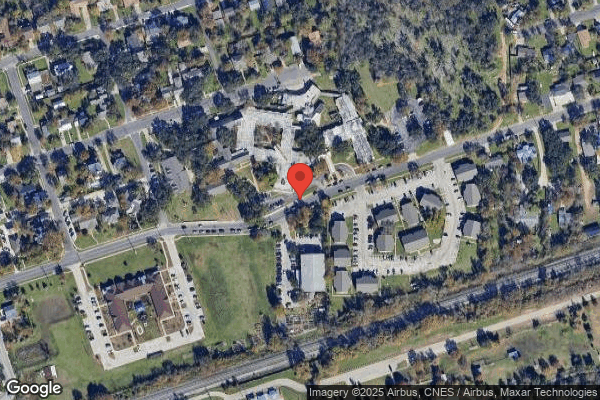
Apr 2024 1 deficiency
CONCERN (E) 📢 Someone Reported This

A family member, employee, or ombudsman was alarmed enough to file a formal complaint

Potential for Harm - no one hurt, but risky conditions existed

Resident Rights (Tag F0550)

Could have caused harm · This affected multiple residents

**NOTE- TERMS IN BRACKETS HAVE BEEN EDITED TO PROTECT CONFIDENTIALITY** Based on observations, interviews, and record reviews, the facility failed to treat residents with respect and dignity and care ...

Read full inspector narrative →
**NOTE- TERMS IN BRACKETS HAVE BEEN EDITED TO PROTECT CONFIDENTIALITY** Based on observations, interviews, and record reviews, the facility failed to treat residents with respect and dignity and care for them in a manner and in an environment that promoted maintenance or enhancement of their quality of life for 6 of 22 residents (Resident #s 1, 2, 3, 4, 5 &6) reviewed for resident rights. The facility failed to treat Resident #s1, 2, 3, 4, 5 & 6 with respect and dignity when they did not receive their lunch meal tray while the other residents seated with them in the dining room were already eating. This failure could place residents at risk for decreased quality of life, decreased self-esteem and increased anxiety. Findings: Review of Resident#1's undated face sheet revealed a [AGE] year-old female with admission date of 01/02/2024. diagnoses included hemiplegia and hemiparesis (hemiplegia refers to compete paralysis while hemiparesis refers to partial weakness on one side of the body that can affect the arm, leg and face) following cerebral infraction (occurs as a result of disrupted blood flow to the brain due to problems with the blood vessels that supply it)., iron deficiency anemia, facial weakness following cerebral infarction. Review of Resident #1's admission MDS assessment dated [DATE] revealed a BIMS score 05, indicating severe cognitive impairment. Review of Resident #1's Care Plan dated 01/23/2024 revealed the resident has an ADL self-care performance deficit related to CVA with right sided weakness, the resident has potential for impaired cognitive function related to dementia. Observation on 04/26/2024 at about 12:15 pm, Resident #1 was noted sitting are a table with 3 other Residents in an auxiliary dining hall on unit C. It was observed the first lunch cart for unit C was in the dining hall, Resident #1 and another resident on the same table were not yet served their lunch trays while the other 2 residents were already served their lunch trays. At about 12:41 pm, the second batch of cart for unit C was brought to the dining area, the 3rd person on Resident #1's table was served her lunch tray while Resident #1 continued to wait. At about 12:52 pm, the first 2 Residents who were served lunch earlier on Resident #1's table were done eating and sitting while Resident #1 was still waiting on her lunch tray. When Survey team asked Resident # 1 if she had gotten her lunch tray, all 4 residents on the table replied, It will come, it is usually on the last food cart. At about 12:56 pm, Resident #1 received her lunch tray. During an interview on 04/26/2024 at about 2:21 pm, Resident #1 stated it usually took 35 minutes to get her lunch tray after her table mates have gotten their food. Resident #1 stated it made her to feel bad that her table mates always get their food her, they are done with eating before her tray is delivered. Resident #1 also stated, We all are supposed to get our tray the same time on the table. We are supposed to eat together, at one time. Review of Resident#2's undated face sheet revealed a [AGE] year-old male with admission date of 12/20/2022. Diagnoses include expressive language disorder, dysphagia (medical term for difficulty swallowing), cognitive communication deficit, anxiety disorder. Review of Resident #2's Nursing Home Optional MDS assessment dated [DATE] revealed a BIMS score 00, staff interview indicating severe cognitive impairment. Review of Resident #2's Care Plan revised 05/04/2023 revealed the resident has an ADL self-care performance deficit related to cognitive deficit, muscle weakness and impaired cognition, communication problems related to expressive aphasia. During an observation on 04/26/2024 at 12:31 pm it was observed Resident #2 was at the same table with another male resident and the male resident received his lunch tray while Resident #2 sat and watch his table mate eat. It was also observed Resident #2 did not get his lunch tray until his table mate was done eating and left the table. It was observed Resident #2 received his lunch tray at about 1:01 pm Review of Resident#3's undated face sheet revealed a [AGE] year-old female with admission date of 06/08/2019 and readmission dated of 05/20/2020. Diagnoses included Alzheimer's disease, unspecified dementia, dysphagia (medical term for difficulty swallowing), generalized anxiety disorder. Review of Resident #3's Nursing Home Optional MDS assessment dated [DATE] revealed a BIMS score 000, staff interview indicating severe cognitive impairment. Review of Resident #3's Care Plan revised 11/20/2023 revealed the resident has an ADL self-care performance deficit related to dementia, the resident has impaired cognitive function/dementia or impaired thought processes related Dementia, Alzheimer's. Review of Resident #3's physician order dated 10/14/2022 reflected the following: Regular diet, pureed texture, nectar consistency. Review of Resident#4's undated face sheet revealed an [AGE] year-old female with admission date of 03/27/2024. Diagnoses included unspecified dementia with other behavior disturbance, dysphagia (medical term for difficulty swallowing), deficiency of other specified B Group vitamins. Review of Resident #4's quarterly MDS assessment dated [DATE] revealed a BIMS score 06, indicating severe cognitive impairment. Review of Resident #4's Care Plan revised 04/22/2024 revealed the resident has an ADL self-care performance deficit related to advancing Dementia, the resident has impaired cognitive function/dementia or impaired thought processes advancing dementia, history of TIA. Observation on 04/26/2024 at about 12:57 pm in the auxiliary dining area on unit C, Resident #3 and Resident #4 were sitting at the same table during lunch. Observation revealed Resident #3 sitting without her lunch tray while Resident # 4 already had her lunch tray and was eating. Observation also revealed Resident #3 trying to reach into Resident #4's plate to eat while Resident #4 was attempting to keep her plate away from Resident #3 by moving her plate to the other side of the table. Resident #3 attempted several times to reach in Resident #4's plate and was licking her fingers with each attempt. During an interview on 04/26/2024 at 1:09:pm Resident #4 stated the Lady [Resident #3] was trying to grab her plate and she [Resident #4] felt sorry for [Resident #3] because she was hungry. Resident #4 stated she wanted to give Resident #3 some her [Resident #4's] drink but she knew better not to do so. During an interview on 04/26/2024 at about 1:24 pm CNA A stated Residents on unit C do not have particular seating arrangement. She also stated there are lot of Residents in the dining hall for lunch. She stated the food carts used to get to unit at the same time and the trays were served according to the residents at the same table. She stated it is not right for some residents to get their food tray while the others at the same table waited. She stated Resident #3 has been trying to grab other resident food that is why she is usually put on a table by herself. She also stated Resident #3's diet is pureed and nectar liquid, if she grab someone with regular diet tray and eat from it, she will choke on the food and drink. During an interview on 04/26/2024 at about 1:45 pm LVN B stated there was an ongoing construction in the main dining hall for about 4 weeks now so residents on unit C ate in the auxiliary dining hall. LVN B also stated there not enough space for residents in the auxiliary dining hall. LVN B stated the food carts were brought on unit C 1 at the time and there were total of 3 carts. LVN B stated there is dignity problem for some residents at a table to receive their meal tray and eat while the others at the same table are sitting and watching. LVN B stated she had discussed the issue with ADON C and ADON C went to the kitchen to address the issue. LVN B stated, Resident [#3] was always reaching out but there were not enough tables. During an interview on 04/26/2024 at about 3:01 pm CMA D stated the food carts on unit C was not usually brought to the unit the same time. CMA D also stated sometimes there is problem because some residents were sitting and waiting for their food while others were eating. She stated some of the residents would be asking for their food. CMA D stated Resident #1's tray is always on the last food cart brought to the dining hall. During an interview on 04/29/2024 at about 11:01 am the Dietary Manager (DM) stated residents are not eating in the main dining area due to construction which started at the end of March 2024. The DM stated there were 3 food carts for unit C out of 7 total food carts in the facility. The DM stated Cart #1, cart # 5 and cart #6 were usually sent to unit C. The DM stated she, the Administrator, the DON and 2 ADON discussed how the trays were to be put on the carts and which food cart to be delivered first. The DM stated food trays were supposed to be served according to seating chart and tables and residents were to be served according to tables. The DM stated all the residents at 1 table should be served before moving to the next table because it was not fair for some residents on a particular table to be served their food while other residents at the same table sit and wait. The DM stated that was a dignity problem and the residents might feel neglected. The DM stated they did not revisit the seating arrangement after the construction started in the main dining hall, the residents who used to eat in the main dining area get their trays first and it took a while for the second food cart to be delivered on unit C. During an interview on 04/29/2024 at about 11:31 am CNA E stated she have seen where some residents would get their meal tray and eat while others at the same table are waiting to get their food. CNA E stated it was not fair, residents at the same table should get their food about the same time and eat together. During an interview on 04/29/2024 at about 11:52 am RN F stated the main dining hall had been closed for about a month and a half. RN F stated some residents get their tray while others at the same table sit and wait for their food tray. RN F stated it was not right but that was the system at the facility, kitchen staff were not updated on the seating arrangement. RN F stated, The residents are not happy when someone on the table was eating, and they were sitting there. I wouldn't feel happy too if it was me. I have had residents ask about their trays and we had to let them know that it is coming on the other cart. I think the system here is the problem. Review of Resident#5's undated face sheet revealed a [AGE] year-old male with admission date of 03/13/2017. Diagnoses included type 2 diabetes mellitus with diabetic amyotrophy (a rare condition in which the patients develop sever aching or burning in the thighs.), dysphagia (medical term for difficulty swallowing), other mixed anxiety, unspecified dementia. Review of Resident #5's Nursing Home Optional MDS assessment dated [DATE] revealed a BIMS score 15, indicating no cognitive impairment. Review of Resident #5's Care Plan revised 12/15/2023 revealed the resident has an ADL self-care performance deficit related to Parkinson's, resident has impaired cognitive function and impaired thought processes related to Dementia/Parkinson's, swallowing problems related to dysphagia (medical term for difficulty swallowing). During an observation on 04/29/2024 at about 12:20 pm to 12:32 pm, cart # 1 was already delivered on unit C, some Residents had gotten their trays, some finished eating while other resident's trays were still on the food cart #1. Resident #3 was sitting against the wall next to a table where another female resident was being fed by CNA G. It was observed Resident #3 was sticking her left hand and fingers in her mouth. Resident #3 was sucking on her thumb and licking the side of her hand. Resident #3 was observed reaching her hand over towards the other female resident who was being fed by CNA G. It was observed Resident #3's food tray was delivered on cart #1 while she was sitting and waiting and not being fed. Resident #5 was also observed standing next to the nurse's station, around the dining area waiting for a place to sit and eat. During an interview on 04/29/2024 at about 12:22 pm ADON C stated the main dining hall in the facility was not being used so each unit was using its auxiliary dining area due to kitchen construction that had been ongoing for the last 3-4 weeks. ADON C stated there were 3 food carts for unit C and it took approximately 20 minutes apart for each food cart to be delivered to unit C. ADON C stated that were dignity problem for some residents at a table to be served their food while other residents at the same table sit and watch them eat. The ADON stated they (DM, ADONs, DON and Administrator) would have to revisit the seating arrangement which should have been done already. ADON C stated nursing was responsible to notify dietary of changes in Resident's seating in the dining area. During an interview on 04/29/2024 at 12:34 pm CNA G stated that they had only received cart #1 for unit C and that there were two other meal carts they were still waiting for unit C. CNA G stated she could not recall how long it had been since cart #1 was delivered on unit C but said it had been a while. During an observation on 04/29/2024 from 12:38 pm through 12:54 pm revealed cart # 2 and #3 for unit C was delivered 7 minutes apart. It was also observed staff were passing out tray from food cart # 2 and #3 while trays were still on food cart #1 that was not yet served. It was observed Resident #3's tray was still on food cart #1 while she was still waiting. During an interview on 04/29/2024 at about 12:43 pm Resident #4 stated he usually had breakfast in his room. Resident #4 stated he was waiting on his lunch tray, he usually had lunch in the dining hall on the unit. Resident #4 stated it made him upset having to wait for his food when other residents were eating or have already eaten. At about 1:02 pm Resident #4 express that he was hungry Review of Resident#6's undated face sheet revealed an [AGE] year-old male with admission date of 10/04/2022. Diagnoses included unspecified dementia, unspecified severity with behavioral disturbance, other specified diabetes mellitus with diabetic neuropathy 9 most often damage the nerves in the feet and legs), cerebral infraction (occurs as a result of disrupted blood flow to the brain due to problems with the blood vessels that supply it). Review of Resident #6's Nursing Home Optional MDS assessment dated [DATE] revealed a BIMS score 08, indicating moderate cognitive impairment. Review of Resident #6's Care Plan revised 02/20/2023 revealed the resident has an ADL self-care performance deficit related to weakness, CVA and dementia, the resident has impaired thought processes related to dementia. During an observation and interview on 04/29/2024 at about 01:06 pm Resident # 6 was observed sitting in a chair in the dining room area by the door on unit C. Resident #7 was not sitting at table, He had been in the area for about 20 minutes. Resident #6 stated he had not eaten yet, a staff member interjected that there was not a table available for Resident #6. At 1:07 pm Resident #6 was served food at a table by himself. Resident #6 stated he was not bothered that he had to wait for his food, he usually got to the dining room earlier, but today he was late to arrive. During an interview on 04/29/2024 at about 1:13 pm the DON stated the facility was not using the main dining area due to construction being done in the kitchen for about 3-4 weeks. The DON stated there were 7 food carts in total for each meal. The DON stated unit C got cart #1, rotate to the other units and back to unit C and then unit A and back to unit C for cart #7 to give staff enough time to care for cart one at a time to prevent the food from sitting there. The DON stated it was her expectation for residents at the same table to be served their meal trays at the same time to prevent residents from sitting watching their mates eat. The DON stated the nurses and CNAs knew how the Residents sat at a table and knew how the trays came out of the kitchen. The DON stated it was not ok for a resident to be reaching out or grabbing another resident's food out of their plate, it could be the wrong diet, or the resident could be allergic to their table mate's food. During an observation on 04/29/2024 at about 1:15 pm it was observed Resident #3 was just being fed by CNA E, her food tray was on cart #1 which was deliver to unit C at or before 12:20 pm. During an interview on 04/29/2024 at about 2:27 pm the Administrator stated she expected resident trays to come out hot and enough time for staff to pass to each Resident. The Administrator stated trays were supposed to come out according to residents at a table. The Administrator stated, If the residents don't get their trays at the same time at a table, they may think that they are being left out. The charge nurses are to verify the diet and so I would say they have to ensure the trays are served according to the tables. It is in the policy for Residents at the table should be serve at the same time. Review of facility's policy titled Meal Service dated 2018 reflected: The facility believes that all residents should be always treated with dignity and respect. A respectful, positive dining experience is essential to the residents' quality of life and helps to identify residents' needs and improve their overall nutritional status. Residents will be properly groomed, and their needs attended to during the meal service. --A seating chart will be used to ensure that residents sit at a table that can accommodate their wheelchair or Geri-chair and to ensure that residents are seated with preferred table mates. A sample Seating Chart form is included in this section. ---All residents at one table will be served at the same time prior to serving residents at other tables. Table service will be rotated so that the same table is not always served first or last. Residents who require dining assistance will not have their trays delivered until a staff member is available to assist with dining. Review of facility's policy titled Resident Rights dated December 2016 reflected the following:' Team members shall treat all residents with kindness, respect, and dignity. ---a dignified existence. ---be treated with respect, kindness, and dignity.'
Aug 2023 5 deficiencies
CONCERN (D)

Potential for Harm - no one hurt, but risky conditions existed

Deficiency F0561 (Tag F0561)

Could have caused harm · This affected 1 resident

**NOTE- TERMS IN BRACKETS HAVE BEEN EDITED TO PROTECT CONFIDENTIALITY** Based on observation, interview and record review, the facility failed to promote and facilitate resident self-determination thr...

Read full inspector narrative →
**NOTE- TERMS IN BRACKETS HAVE BEEN EDITED TO PROTECT CONFIDENTIALITY** Based on observation, interview and record review, the facility failed to promote and facilitate resident self-determination through support of resident choice for one (Resident #1) of eight residents reviewed for self-determination. CNA L denied Resident #1 the right to attend a group therapy activity. This failure placed Resident #1 at risk of mental anguish. Findings included: A record review of Resident #1's face sheet dated 8/30/2023 reflected a [AGE] year-old female originally admitted on [DATE] with diagnoses of multiple sclerosis (autoimmune disease), anxiety disorder, type 2 diabetes (uncontrolled blood sugar), dysthymic disorder (persistent depressive disorder), major depressive disorder (depression), unspecified dementia (cognitive decline), and cauda equina syndrome (spinal cord disease). A record review of Resident #1's MDS assessment dated [DATE] reflected a BIMS score of 12, which indicated mildly impaired cognition. This assessment reflected Resident #1 received hospice care. A record review of Resident #1's care plan last revised on 8/27/2023 reflected she required a two-person mechanical lift for transfers. Resident #1's care plan reflected she was dependent on staff for meeting her needs related to immobility, was very social, loved to be out in activities settings, attended all special events, and liked to get involved by talking to everyone. Interventions reflected CNAs were to assist/escort Resident #1 to activity functions. During an observation and interview on 8/29/2023 at 10:04 a.m., Resident #1 was observed lying in her bed. Resident #1 stated staff did not offer to get her up for group therapy that day and she had asked to get out of bed two hours ago. Resident #1 stated she liked to get up as soon as she could in the mornings and said she usually woke up around 6:00 a.m. Resident #1 stated she wanted to go to the group therapy exercise. During an observation and interview on 8/29/2023 at 10:11 a.m., CNA L entered Resident #1's room to answer her call light. Resident #1 told CNA L she wanted to get up for group therapy and CNA L replied, you don't do therapy because you're hospice. Resident #1's eyebrow then furrowed, she raised her voice and became visibly agitated. During an observation and interview on 8/29/2023 at 10:14 a.m., CNA M stated there was no reason why residents on hospice could not attend the therapy exercise. CNA M stated she knew Resident #1 wanted to join and said she was going to get a sling from laundry. Observed residents in the 400-hall dining room area tossing balloons back and forth between residents and therapy staff. An observation on 8/29/2023 at 10:15 a.m. revealed the balloon activity was complete and residents were dispersing from the 400-hall dining room area. During an interview on 8/29/2023 at 10:19 a.m., PTA O stated residents who attended the group therapy sessions were on therapy services and she did not think they had anyone on hospice on therapy services. PTA O stated she would have to ask the DOR whether hospice residents were allowed to join group therapy activities. PTA O stated hospice residents would not know the activity was going. An observation on 8/29/2023 at 10:25 a.m. revealed CNA L and CNA M were with Resident #1 in her room. Resident #1 had a mechanical lift sling underneath her as she sat in her wheelchair. During an interview on 8/29/2023 at 10:27 a.m., CNA L stated therapy staff got the residents up for group therapy and she did not see any hospice patients going to therapy activities. CNA L stated no one had instructed her not to allow residents on hospice to join group therapy activities but she was not sure whether or not they could join. When asked how Resident #1 or other residents on hospice might feel if they were told they could not join an activity, CNA L stated, I would feel bad. During an interview on 8/29/2023 at 11:04 a.m., PTA O stated that after checking with the DOR, anyone is welcome to join group therapy hospice or not. PTA O stated group therapy was not an activity and the WLED was not involved but said the WLED could coordinate with CNAs to get residents up for group therapy exercises. PTA O stated CNAs were responsible for getting residents up if they wanted to join. During an interview on 8/30/2023 at 9:06 a.m., the DON stated the facility's policy on resident rights was based off their cognition and included offering residents a choice with what they wanted to wear and encouraging them to be involved in their care. The DON stated not necessarily when asked if she expected staff to tell residents they could not join an activity because they were on hospice. The DON stated hospice and therapy were a different ball game and CNA L was probably trying to communicate to Resident #1 that in general, residents on hospice were not on therapy. The DON stated CNA L could have inquired first as to whether Resident #1 was allowed to join before telling her she could not join. The DON stated nurse management monitored staff and, if we're in the hallway and resident brings up a concern we talk to the aide. The DON stated if it were an agency aide, the facility did not use them anymore. The DON stated, we'd talk to that aide about residents' rights to choose and dignity. The DON stated staff were trained on resident rights upon hire, annually and as needed. The DON stated they could feel excluded if residents were denied the right to participate in a group activity. During an interview on 8/30/2023 at 9:49 a.m., the Administrator stated she expected staff to allow residents to attend therapy activities regardless of what their payer source was. The Administrator stated Resident #1 had probably seen the group therapy activity going on before when she was out in the common area. The Administrator stated she did not know why CNA L told Resident #1 she could not attend and stated CNAs should not be deciding which activities they should be attending. The Administrator stated being told she could not join when she wanted to join could make Resident #1 feels sad, upset, and she would wonder why she was being treated differently. A record review of the facility's policy on Resident Rights dated December 2016 reflected the following: Policy Statement Team members shall treat all residents with kindness, respect, and dignity. Policy Interpretation and Implementation 1. Federal and state laws guarantee basic rights to all residents of this facility. These rights include the resident's right to: a. a dignified existence; b. be treated with respect, kindness, and dignity; e. self-determination; f. communication with and access to people and services, both inside and outside the facility; g. exercise his or her rights as a resident of the facility and as a resident or citizen of the United States; h. be supported by the facility in exercising his or her rights; jj. equal access to quality of care, regardless of source of payment. A record review of the facility's undated computer-based training log reflected CNA L was last trained on Resident Rights on 8/01/2023.
CONCERN (D)

Potential for Harm - no one hurt, but risky conditions existed

Accident Prevention (Tag F0689)

Could have caused harm · This affected 1 resident

**NOTE- TERMS IN BRACKETS HAVE BEEN EDITED TO PROTECT CONFIDENTIALITY** Based on observation, interviews and record reviews the facility failed to ensure each resident received adequate supervision an...

Read full inspector narrative →
**NOTE- TERMS IN BRACKETS HAVE BEEN EDITED TO PROTECT CONFIDENTIALITY** Based on observation, interviews and record reviews the facility failed to ensure each resident received adequate supervision and assistant devices to prevent accidents for 1 or 2 residents (Resident # 25) reviewed for accidents and hazards, in that: supervision. The facility failed to ensure staff properly transferred Resident #25 from her bed to wheelchair and suffered pain on her right arm between the elbow and the wrist. This failure could result in residents experiencing accidents, injuries, unrelieved pain, and diminished quality of life. Findings included: Record review of Resident #25's face sheet, dated 08/30/2023, revealed Resident #25 was a [AGE] year-old-female who was admitted to the facility on [DATE] with the diagnoses which included unspecified osteoarthritis, unspecified site (progressive, degenerative joint disease, the most common form of arthritis, especially in older persons), age-related osteoporosis without current pathological fracture (a disorder characterized by reduced bone mass), muscle weakness (lack of muscle strength), muscle wasting and atrophy (the wasting- thinning or loss of muscle tissue), pain in right knee (inflammation from repeated pressure on the knee), and difficulty with walking (problems with the joints such as arthritis, bones, poor circulation and/ or even pain can make it difficult to walk properly). Record review of Resident #25's Annual MDS assessment, dated 07/19/2023, reflected Resident #25 had a BIMS score of ninety-nine, which indicated resident #25 was unable to complete the cognitive assessment. Resident had poor short- and long-term memory recall. Resident #25 was assessed to have moderately impaired decision-making ability ( decisions poor; cues/supervision required). Resident did not reject care. Resident #25 required extensive assistance with one staff person assist with transfers, bed mobility, dressing, toileting, and personal hygiene. Record review of Resident #25's Comprehensive Care Plan, with a completed dated of 08/20/2023, reflected Resident #25 required ADL self-care performance deficit related to muscle weakness and arthritis. Intervention: Resident #25 required assistance by one staff to move between surfaces. She required assistance by one staff to turn and reposition with bed- mobility. Resident was at risk for falls related to gait/balance problems and unaware of safety needs. Record review of Resident #25's last Physician Orders reviewed, dated, 08/14/2023 reflected monitor for pain every shift. Record review of Resident #25's mediation administration record reflected she had a pain level of two ( pain scale of 1 the lowest and 10 is the highest) on 08/28/2023 at 3:00 PM. She was given extra strength Tylenol. Record review of Resident #25's medication administration record reflected she had a pain level of two ( pain scale of 1 being the lowest and 10 the highest) on 08/29/2023 at 7:00 AM. She was given extra strength Tylenol. Record Review of Resident #25's medication administration record reflected she did not have any pain on 08/29/2023 at 3:00 PM. Record Review of Resident #25's medication administration record reflected she did not have any pain on 08/30/2023 at 7:00 AM or 3:00 PM. Record Review of CNA K's Inservice Training for Agency Certified Nurses Aides dated 06/16/2023 reflected CNA K was in- serviced on transfers/ambulation: gait belt, mechanical lift and one and two person assist. Observation on 08/28/2023 at 10:30 AM Resident #25 was lying in bed and CNA K was standing beside Resident #25's bed. CNA K stated to Resident #25 she was in her room to assist her from her bed to her wheelchair. Resident #25 stated ok. CNA K put left hand around Resident #25's right arm between the wrist and the elbow. CNA K put her right hand around Resident #25's left arm between the wrist and the elbow. CNA K did not have a gait belt. CNA K began to pull on Resident #25's both arms and attempted to transfer Resident #25. Resident #25 began to state you are hurting my arms. Resident #25 also stated it would be easier to move me if my bed was lower. CNA K lowered Resident #25's bed and proceeded to place her hands round Resident # 25's arms between the wrist and elbow and pulled Resident #25 from the bed to the locked wheelchair. Observation/Interview on 08/28/2023 at 10:37 AM, Resident #25 stated she was in some pain, and she pointed to area on her right arm between her wrist and her elbow. The area on Resident #25's right arm did not have any redness or bruising. Resident #25 did not respond to any other questions or conversation. In an interview on 08/28/2023 at 10:45 AM, CNA K stated she did not use a gait belt when transferring Resident #25. She stated Resident #25 was not physically capable of transferring herself and did require one person assistance. CNA K stated using a gait belt was a requirement if a resident required assistance with transfers. She stated she was aware any information about residents' care was in the electronic medical record. CNA K stated she had given care to Resident #25 in the past and Resident #25 did require the use of a gait belt. She stated she made a mistake by not using a gait belt when transferring Resident #25. She stated she was in-serviced on transfers from this company approximately within the past 2-3 months. CNA K refused to answer any further questions concerning the transfer or resident #25 such as if the resident stated she was in pain after the transfer. Observation/Interview on 08/28/2023 at 11:30 AM, Resident #25 was sitting in wheelchair in hallway. Resident #25 did not have any red areas or bruises on both arms. Resident #25 stated her arm had been hurting and pointed to the area on her right arm between the elbow and wrist but was currently not hurting. Observation/ Interview on 08/ 28/2023 at 1:10 PM, Resident #25 was in her room. There were no red areas/ bruises to her right or left arms. Resident #25 did not respond to any questions. Observation/ Interview on 08/28/2023 at 2: 30 PM, Resident #25 was in her room. There were no red areas / bruises to her right or left arms. Resident #25 stated she was in some pain and the nurse gave her some medicine. She did not specify where her pain was located. Observation/ Interview on 08/28/2023 at 3:50 PM, Resident #25 was in her room. She did not have any red areas/ bruises to her right or left arm. Resident #25 did not respond to conversation/ questions. Observation/Interview on 08/28/2023 at 11:30 AM, Resident #25 was sitting in wheelchair in hallway. Resident #25 did not have any red areas or bruises on both arms. Resident #25 stated her arm had been hurting and pointed to the area on her right arm between the elbow and wrist but was currently not hurting. Observation/ Interview on 08/ 28/2023 at 1:10 PM, Resident #25 was in her room. There were no red areas/ bruises to her right or left arms. Resident #25 did not respond to any questions. Observation/ Interview on 08/28/2023 at 2:30 PM, Resident #25 was in her room. There were no red areas / bruises to her right or left arms. Resident #25 stated she was in some pain and the nurse gave her some medicine. She did not specify where her pain was located. In an interview on 08/28/2023 at 3:09 PM the Director of Nurses stated if Resident #25 required extensive one staff person assistance the staff was expected to use a gait belt with transfers. She stated any agency staff would complete training with the facility by using a check off list of when a specific training was completed. She stated if CNA K placed her hands on Resident #25's arms when transferring her this was not a proper transfer. The Director of Nurses stated Resident #25 had a potential of having bruises or potential of any type of injury to her arm. She stated it was the nurse supervisor responsibility to monitor CNAs to ensure they were performing their ADL care properly. Observation/ Interview on 08/28/2023 at 3:50 PM, Resident #25 was in her room. She did not have any red areas/ bruises to her right or left arm. Resident #25 did not respond to conversation/ questions. Observation/Interview on 08/29/2023 at 8:00 AM, Resident #25 was in her room in bed. She did not have any red areas/ bruises on either of her arms. Resident #25 denied she was in pain. Observation/Interview on 08/29/2023 at 10:00 AM, Resident #25 was in the common area. She did not have any bruises/ red areas on either of her arms. Resident #25 denied being in pain. Observation/ Interview on 08/29/2023 at 11:30 AM, Resident #25 stated she was not in pain. Resident did not have any red areas/bruises on her left or right arms. Observation/Interview on 08/29/2023 at 2:30 PM, Resident #25 stated she was not in pain. Resident did not have any bruising or red areas on both of her arms. Observation/ Interview on 08/30/2023 at 8:30 AM, Resident #25 did not have any red areas or bruises on both of her arms. She stated she was not in pain. In an interview on 08/30/2023 at 9:50 AM, CNA H stated all staff received training on how to transfer residents properly. She stated if a resident required one-person extensive assistance with transfers, the staff needed to use a gait belt with transfer. CNA H stated if staff used their hands on a resident's arms to transfer from bed to a chair this transfer was not completed correctly. She stated there was a possibility a resident would receive bruises or red marks on their arms. CNA H stated all staff was trained on how to transfer properly when they were hired and during other trainings. She stated she had taken care of Resident #25 sometimes and she did require a gait belt for transfers. CNA H stated all residents information about their transfers and other care was in the electronic medical record and the CNA's had access to these records. In an interview on 08/30/2023 at 10:05 AM, LVN F stated the CNA's had access to the electronic medical record to view all residents ADL care including transfers. She stated if a resident was assessed to require extensive one person assistance with transfers the staff was required to use a gait belt with transfer. LVN F stated she was the nurse supervisor on half of the 500 hall and Resident #25 was not a resident on the half of 500 hall where she was a supervisor. She was not familiar with Resident #25 care. She stated if a CNA held onto a resident's arms during a transfer this was an improper transfer. LVN F stated if a resident required extensive one person assist with transfers the staff was required to use a gait belt. She stated a resident had potential of receiving bruises or a dislocated shoulder. LVN F stated all staff was trained on how to properly transfer residents using gait belts and mechanical lifts. She also stated they have a yearly clinic event on how to correctly transfer residents. She stated she was not certain the date the last time they had this clinic. In an interview on 08/30/2023 at 10:25 AM, RN C stated she was Resident #25's nurse supervisor. She stated Resident #25 did require a gait belt during all transfers. She stated if CNA K held Resident #25's arms during a transfer from bed to wheelchair the CNA did not perform the transfer correctly. She stated CNA K was expected to use gait belt. She stated an assessment was completed on Resident #25 on 08/29/2023 and she did not have injuries from the improper transfer by CAN K. She stated Resident #25 did have some pain as documented on the medication administration record. RN C stated all staff was required to be trained on how to complete proper transfers using a gait belt and a mechanical lift. She stated if a resident was not transferred properly, a resident had potential to sustain an injury such as bruises or a broken bone. In an interview on 08/30/2023 at 10:45 AM, CNA J stated she had not given care to Resident #25. She stated all CNA's had access to electronic medical record. She stated in the electronic medical record was the ADL care information for every resident including transfers. CNA J stated if a resident required extensive one person assist with transfers a gait was required to be used when transferring a resident. She stated if a resident was transferred by a staff holding onto residents' arms and did not use a gait belt there was a possibility a resident may have bruises, skin tear, broken bone and/ or dislocated shoulder. She stated the staff did receive training on transfers during an all-staff meeting. She did not recall the last time they had this meeting. She stated it was usually once a year and as needed. In an interview on 08/30/2023 at 11:35 AM, The Administrator stated if staff used their hands and placed on a resident's arms to transfer a resident from bed to a chair without using a gait belt, it was not considered a proper transfer. She stated if the resident required extensive one staff person assist the CNA was required to use a gait belt. She stated a resident had a potential to sustain an injury such as bruises or a fracture arm. She stated the facility had clinics and trained staff on how to transfer a resident properly when using a gait belt or mechanical lift. The administrator also stated the staff received training upon hire and as needed. She stated it was the Nurse Supervisor responsibility to monitor CNAs to ensure they are completing their tasks properly. The Administrator also stated the facility had an annual clinic where transfers was demonstrated by using gait belt and mechanical lifts. Observation/ Interview on 8/30/2023 at 12:50 PM Resident #25 stated she was not in pain. Resident #25 did not have any bruises or red areas on her left or right arms. In an interview on 08/30/2023 at 11:50 AM, the Director of Nurses stated she contacted the agency where CNA K was employed, and CNA K had been blocked from working at this facility. Record review of the Facilities Policy on Safe Lifting and Movement of Residents dated, July 2017, reflected In order to protect safety and well-being of staff and residents, and to promote quality of care, this facility uses appropriate techniques, and devices to live, and move residents.
CONCERN (D)

Potential for Harm - no one hurt, but risky conditions existed

Deficiency F0711 (Tag F0711)

Could have caused harm · This affected 1 resident

**NOTE- TERMS IN BRACKETS HAVE BEEN EDITED TO PROTECT CONFIDENTIALITY** Based on observation, interview and record review, the facility failed to sign and date all orders for one (Resident #1) of eigh...

Read full inspector narrative →
**NOTE- TERMS IN BRACKETS HAVE BEEN EDITED TO PROTECT CONFIDENTIALITY** Based on observation, interview and record review, the facility failed to sign and date all orders for one (Resident #1) of eight residents reviewed for physician services. The facility's Physician failed to sign Resident #1's verbal order for hospice care. The facility failed to include in Resident #1's chart a signed order for hospice care. These failures placed Resident #1 at risk of receiving unconfirmed hospice services. Findings included: A record review of Resident #1's face sheet dated 8/30/2023 reflected a [AGE] year-old female readmitted on [DATE] with diagnoses of multiple sclerosis (autoimmune disease), anxiety disorder, type 2 diabetes (uncontrolled blood sugar), dysthymic disorder (persistent depressive disorder), major depressive disorder (depression), unspecified dementia (cognitive decline), and cauda equina syndrome (spinal cord disease). A record review of Resident #1's MDS assessment dated [DATE] reflected a BIMS score of 12, which indicated mildly impaired cognition. This assessment reflected Resident #1 received hospice care. A record review of Resident #1's care plan last revised on 8/27/2023 reflected she received hospice services due to terminal illness of multiple sclerosis (autoimmune disease). A record review on of Resident #1's physician orders on 8/30/2023 reflected no orders for hospice care. Resident #1's last order review date reflected 8/14/2023 and next order review date 9/13/2023, respectively. A record review of Resident #1's admission Assessment note dated 10/07/2022 authored by RN G reflected [Resident #1] is a readmission that arrived via stretcher. A record review of the facility's document titled Facility Notification Form dated 10/07/2022 reflected that starting on 10/07/2022, Resident #1 required routine home care. The notification reflected an unknown hospice representative as well as an unknown facility representative signed to acknowledge this on 10/07/2022. A record review of the facility's document titled [Name of hospice removed] Hospice reflected Resident #1 was being admitted to hospice for palliative care. This document reflected the Physician was Resident t#1's attending physician. This document reflected the name of the Hospice Physician's name accompanied by a date of 10/07/2022 and an undated signature from the nurse receiving the verbal order. There was no date or signature of the Hospice Physician receiving the order. A review of Resident #1's hospital discharge instructions dated 10/07/2022 reflected she was discharged to hospice. A review of Resident #1's admit to hospice services order dated 10/07/2022 reflected missing signatures for both the Hospice Physician and Resident #1's (attending) Physician. A record review of Resident #1's nurses note dated 10/08/2022 authored by LVN P reflected Resident admitted to [name of hospice removed] Hospice yesterday. During an observation and interview on 8/29/2023 at 10:04 a.m., Resident #1 was observed lying in her bed. Resident #1 stated staff did not offer to get her up for group therapy that day and she had asked to get out of bed two hours ago. Resident #1 stated she liked to get up as soon as she could in the mornings and said she usually woke up around 6:00 a.m. Resident #1 stated she wanted to go to the group therapy exercise. During an interview on 8/30/2023 at 12:51 p.m., the DON stated she could not find Resident #1's order for hospice services. The DON stated she spoke with the Hospice RN who could see that the order came from the hospital but was unable to open the order itself. The DON stated Resident #1's hospice was looking for the order. During an interview on 8/30/2023 at 2:32 p.m., the RNC stated the facility's policy on physician orders was that we follow them for medications. The RNC stated yes that an order needed to be in place for residents to receive hospice services. The RNC stated the nurse completing the hospice admission was responsible for adding it as an admit order in the resident's chart. The RNC stated nurses were trained on admitting residents and obtaining hospice orders through orientation and nursing school. The RNC stated, in this case she was admitted on hospice. The RNC stated Resident #1's electronic chart contained a special directions tab which reflected she was on hospice so staff would have thought there was already an order in place and that was probably why it got overlooked. The RNC stated honestly when you're admitting someone, you're not looking for that. The RNC stated two nurses looked at discharge orders to ensure necessary orders were obtained but stated it was not normal practice that residents were admitted on hospice. RNC stated it was not in Resident #1's hospital discharge orders that she was on hospice, but it was in the body of her paperwork. RNC stated no the admitting nurse was not responsible for reading the full paperwork before admitting residents and that the expectation was for them to read the discharge orders and make sure they were in place. RNC stated she guessed form then on, when the facility found out there was hospice, they would go back and make sure there was an order. When asked why having a resident's hospice order on file was important, the RNC stated it had not affected anything, Resident #1 was getting services, and the facility was following her code status. During an interview on 8/30/2023 at 2:35 p.m., the DON stated hospice sent Resident #1's order to her and she had just placed it in Resident #1's chart. The DON stated the nurse who admitted Resident #1, RN G, no longer worked at the facility. The DON stated that by not having Resident #1's order for hospice care on file at the facility, she did not know that it would have any potential to affect Resident #1. During an interview on 8/30/2023 at 3:39 p.m., the RNC stated there was no policy on when orders needed to be signed by physicians. A record review of Resident #1's physician order on 8/30/2023 dated 10/07/2022 reflected Admit patient to [Hospice name removed] hospice for terminal diagnosis of multiple sclerosis. The order reflected ORIGINAL COPY Physician Please Sign and Return Within 48 Hrs. The order was signed by an unknown physician but not dated. A record review of the facility's policy titled Medication Orders dated November 2014 reflected the following: Purpose The purpose of this procedure is to establish uniform guidelines in the receiving and recording of medication orders. Supervision by a Physician 2. A current list of orders must be maintained in the clinical record of each resident. 3. Orders must be written and maintained in chronological order. A record review of the facility's undated procedure titled Early Identification of End-of-Life Procedure reflected the following: Early identification of patients that are approaching end of life requires the following: 1) Assessment of the individual prior to admission to the nursing facility to determine if end of life precursors listed below are flagged. 4) If the patient opts for Hospice care: -Contact Physician to request an order for referral to hospice. Facilitate referral to hospice agency of patient's choice.
CONCERN (D)

Potential for Harm - no one hurt, but risky conditions existed

Unnecessary Medications (Tag F0759)

Could have caused harm · This affected 1 resident

**NOTE- TERMS IN BRACKETS HAVE BEEN EDITED TO PROTECT CONFIDENTIALITY** Based on observation, interview, and record review the facility failed to ensure that the medication error rate was not five per...

Read full inspector narrative →
**NOTE- TERMS IN BRACKETS HAVE BEEN EDITED TO PROTECT CONFIDENTIALITY** Based on observation, interview, and record review the facility failed to ensure that the medication error rate was not five percent or greater. The facility had a medication error rate of 7 % based on 2 errors out of 32 opportunities, which involved 2 of 6 residents (Resident #15, and Resident #274) reviewed for medication errors. - MA N failed to apply medications as ordered to Resident #15 as by applying Lidocaine 4% patch to the resident's right knee instead of the back. - Facility failed to store and administer medications as ordered to Resident #274 by not ordering Linaclotide 290 mcg PO mg ER (medication for constipation). These failures could place residents at risk of not receiving the desired therapeutic effect of their medications and uncontrolled pain. Findings included: Resident #15 Record review of Resident #15's Face Sheet dated 06/28/23 revealed, a [AGE] year-old female that admitted to the facility on [DATE] with diagnoses which included: acute pain due to trauma and generalized anxiety disorder. Record Review of MAR on 08/23 Revealed: Lidocaine Patch 4 % Apply to Left Hip topically one time a day for pain and remove per schedule. Doses were given at 09:00 AM and removed at 09:00 PM Record Review of Physician order dated 08/29/23 Revealed: Lidocaine Patch 4 % Apply to Left Hip topically one time a day for pain and remove per schedule. Doses were given at 09:00 AM and removed at 09:00 PM Record Review of care plan dated 08/27/23 revealed Resident #15 was to be receive intervention from facility to administer analgesic medications as ordered by physician. Monitor/document side effects and effectiveness every shift. Record Review of MDS on 08/10/23 Revealed: Resident #15 BIMS score is uncalculatable having a diagnosis of Hip and Knee Replacement receiving pain management and experiencing frequent pain within the last 5 days. An observation on 08/29/23 at 09:33 AM revealed, MA N preparing for administration of medication to Resident #15. She opened 1 patch of Lidocaine 4 %.MA A walked over to Resident # 15's bed and removed a used Lidocaine 4 % patch located on Resident #15's lower back. MA A placed a new Lidocaine 4 % patch on Resident #15's lower back. In an interview on 08/29/23 at 10:10 AM, MA N said prior to administering medication to residents nursing staff are expected to check the medication to be administered against the order verifying the strength, formulation, and route of administration. She said she applied Resident #15's Lidocaine Patch to her lower back even though the order said to the left hip the facility has always done that with Resident #15. In an interview on 08/30/23 at 02:10 PM, LVN E said medication aides are to look at the order and administer pain patches the way the doctor prescribed. LVN E stated that Resident # 15 does have pain in lower back but if patches were to be put on that location that needed to be communicated to a nurse so they can notify the doctor to update the order. Resident #274 Record review of Resident #274's Face Sheet dated 08/29/23 revealed, a [AGE] year-old female who admitted to the facility on [DATE] with diagnoses which included: Prediabetes, Essential Primary Hypertension (Blood Pressure) and Anxiety. Record review of Resident #274's physician order dated 08/25/2023 revealed Linaclotide 290 mcg PO at 08:00 am for constipation. Record review of Resident #274's MAR dated 08/29/2023 revealed Linaclotide 290 mcg PO at 08:00 am for constipation with the following administration schedule: 08/26/2023: Not given 08/27/2023: Not given 08/28/2023: Not given 08/29/2023: Not given An observation on 08/29/23 at 10:00 AM revealed, MA N looked in medication cart and medication room for Linaclotide medication. MA N did not administer the Linaclotide medication to Resident #15. In an interview on 08/29/23 at 10:15 AM, MA N said medications are supposed to be administered 1 hour before and/or an hour after scheduled administration time. MA N said Resident #15 Linaclotide medication was out of stock. In an interview on 08/29/23 at 11:45 AM, RN D said medications that are out of stock are supposed to be communicated to the nurse. The facility was not able to get the medication approved for administering by upper management due to how expensive the medication was so that is why the medication was on hold. RN D said that the facility was able to find another alternative to give Resident # 274 for her constipation. Facility policy titled Medication and Preparation Administration, undated revealed: 1. Facility staff should observe the 6 rights and verify the right resident, right drug, right dose, right route, right time and right documentation. 2. Medication are administered within 60 minutes before or after of scheduled time, except orders to be administered with meals.
CONCERN (E)

Potential for Harm - no one hurt, but risky conditions existed

ADL Care (Tag F0677)

Could have caused harm · This affected multiple residents

**NOTE- TERMS IN BRACKETS HAVE BEEN EDITED TO PROTECT CONFIDENTIALITY** Based on observation, interview, and record review the facility failed to ensure residents unable to conduct activities of daily...

Read full inspector narrative →
**NOTE- TERMS IN BRACKETS HAVE BEEN EDITED TO PROTECT CONFIDENTIALITY** Based on observation, interview, and record review the facility failed to ensure residents unable to conduct activities of daily living (ADLs) received the necessary services to maintain good grooming and personal hygiene for four of fifteen residents (Resident # 4, Resident #4, Resident #73, and Resident #109 ) reviewed for quality of life. The facility failed to ensure Resident#4's, Resident #52's, Resident #73's, and Resident #109's fingernails were trimmed and cleaned. These failures could place residents at risk for poor hygiene, dignity issues and decreased quality of life. Findings included: 1. Record review of Resident #4's face sheet, dated 08/30/2023, reflected an [AGE] year-old male admitted to the facility on [DATE] with diagnoses which included hemiplegia and hemiparesis following cerebral infarction affecting right dominant side (paralysis of partial or total body function on one side of the body, whereas hemiparesis was characterized by one-sided weakness, but without complete paralysis), muscle weakness ( when full effort does not produce a normal muscle movement), and type 2 diabetes mellitus with diabetic chronic kidney disease (a disease that occurs when your blood glucose, also called blood sugar, is too high and poorly controlled diabetes can cause damage to blood vessels in your kidneys that filter waster from your body). Record review of Resident #4's Quarterly MDS Assessment, dated 06/30/2023, reflected Resident #4 had a BIMS score of 10 which indicated residents' cognition was moderately impaired. Resident did not reject care. Resident #4 assessed to require extensive assistance with one person assist with personal hygiene. Record review of Resident #4's Comprehensive Care Plan, completed date of 07/07/2023, reflected Resident #4 had an ADL self-care performance deficit related to cerebral vascular accident with right hemiparesis. Interventions: Bathing/showering: check nail length, trim, and clean on bath days and as needed. Report any changes to the nurse. Personal Hygiene: Resident #4 required extensive assistance by one staff with personal hygiene. Resident had diabetes mellitus. Observation/Interview on 08/28/2023 at 10:12 AM, Resident #4 was in bed watching television. Resident's fingernails on his forefinger and middle finger on the left hand was jagged and had blackish/brownish substance underneath the nails. Resident # 4 stated he wanted his nails cleaned and cut. He did not respond to any further questions concerning his nail care. 2. Record review of Resident #52's face sheet, dated 08/30/2023, reflected a [AGE] year-old male admitted to the facility on [DATE] and readmitted on [DATE] with diagnoses which included contracture of right and left shoulder, and left wrist (brain and nervous system disorders), autistic disorder (affects how people interact with others, communicate, learn, and behaviors), and seizures ( a sudden , uncontrolled burst of electrical activity in the brain). Record review of Resident #52's Quarterly MDS assessment, dated 07/14/2023, reflected Resident #52 cognitive status was assessed by staff related to resident was rarely/ never understood. Resident #52 had poor short- and long-term memory recall. His decision-making ability was severely impaired. Resident did not reject care. had a BIMS score of 1 which indicated residents' cognition was severely impaired. Resident assessed to require total dependence with one person assist with personal hygiene. Record review of Resident #52's Comprehensive Care Plan, dated 08/25/2023, reflected Resident #52 had ADL self-care performance deficit related to contractures, and seizures. Intervention: Resident was totally dependent on one staff for personal hygiene. Bathing/Showering: check nail length, trim, and clean on bath days and as necessary. Report any changes to the nurse. Observation/ Interview on 08/28/2023 at 09:55 AM, Resident #52 was not interviewable. He was in bed with eyes opened. Residents fore finger, middle finger, and ring finger on his right hand was jagged and had blackish/ brownish substance underneath his nails. 3. Record review of Resident #73's face sheet, dated 08/30/2023, reflected a [AGE] year-old male admitted to the facility on [DATE] and readmitted on [DATE] with diagnoses which included type 2 diabetes mellitus with other circulatory complications ( high blood sugar can damage blood vessels and the nerves that control your heart), muscle weakness ( a lack of strength in the muscles), and chronic pain ( pain that carries on for longer than 12 weeks despite medication or treatment). Record review of Resident #73's Quarterly MDS Assessment, dated 06/14/2023, reflected Resident #73 was rarely/never understood. (Resident #73 unable to complete cognitive questions). He was assessed to have poor short- and long-term memory recall. His decision-making ability was moderately impaired ( decisions poor). Resident #73 did not reject care. He was also assessed to be total dependent with one staff assist for personal hygiene. Record review of Resident #73's Comprehensive Care Plan, with a completion date of 08/20/2023, reflected Resident #73 had an ADL self-care performance deficit related to debility, deconditioning and weakness. Intervention: Bathing/Showering check nail length, trim, and clean on bath day and as needed. Report any changes to the nurse. Personal Hygiene: Resident required assistance by one staff for personal hygiene. Resident had diabetes mellitus. Record review of Resident #73's Shower Record for the past 30 days from 08/30/2023 reflected resident did not reject care. Record review of Resident #73's Nurses notes from 08/01/2020 through 08/30/2023 reflected resident did not reject nail care. Observation/ Interview on 08/29/2023 at 11:05 AM , Resident #73 was sitting in his specialty wheelchair near the nurse's station on the 500 hall. Resident #73's fingernails on right and left hand were jagged. Resident # 73's fore finger, middle finger, and ring finger on both hands had blackish/brownish substance underneath the nails. Resident # 73 was not interviewable. Resident #73 mumbled when responded to questions. 4. Record review of Resident #109's face sheet, dated 08/30/2023, reflected a [AGE] year-old male admitted to the facility on [DATE] with diagnoses which included unspecified lack of coordination ( uncoordinated movement), muscle weakness (a lack of strength in the muscles), type 2 diabetes mellitus with other skin complications ( high blood sugar can damage blood vessels and the nerves that control your heart, and skin problems looks like scaly patches may be oval or circular). Record review of Resident #109's Quarterly MDS Assessment, dated 07/11/2023, reflected Resident #109 was assessed to be rarely/never understood. He had poor short- and long-term memory recall. His decision-making ability is moderately impaired (his decisions are poor). Resident #109 did not reject care. Resident #109 required limited assistance with one staff person assist with personal hygiene. Record review of Resident #109's Comprehensive Care Plan, dated 08/17/2023, reflected Resident #109 had an ADL self-care performance deficit related to cognitive deficits, and muscle weakness. Intervention: Bathing/Showering: check nail length, trim, and clean on bath day and as needed. Report any changes to the nurse. Personal hygiene: required by staff with persona hygiene. (Did not specify by how many staff). Resident #109 had diabetes mellitus. Observation/Interview on 08/18/2023 at 11:15 AM, Resident #109 revealed his fingernails on right and left hand were jagged. Resident #109's fore finger, middle finger, and ring finger on his right hand had blackish/brownish substance underneath the nails. Resident was not interviewable. In an interview on 08/30/2023 at 9:50 AM, CNA H stated the nurses were responsible for diabetic nail care. She stated the CNAs were responsible for all other resident's nail care such as cleaning, trimming and filing the nails. She stated nail care was usually completed during showers or as needed. She stated nail care was to be completed daily if a resident's nails were dirty or needed to be trimmed. She stated if a resident had a blackish/brownish substance underneath their nails it could be any type of bacteria. CNA H stated there was a possibility a resident may eat with their hands and the blackish substance may transfer from residents' hands to the food. She stated the resident may become physically ill with some type of stomach problems such a vomiting or diarrhea. She stated it was a possibility a resident may need to be assessed at a hospital if it was severe. CNA H stated if a residents' nails were rough there was a possibility a resident may scratch themselves and develop a skin tear or could scratch their eyes. She stated there was a potential a resident may develop and infection in their eyes. She stated she had been in serviced to clean and trim residents' nails in the shower and/or as needed except for diabetic nails. She stated she did not recall when the last in-service on nail care was given by nurse supervisors. CNA H stated she had given care to Resident #52, Resident #4, Resident #73, and Resident #109 at times. She stated all these residents needed to be monitored closely for dirty nails. CNA H stated some of these residents were diabetic and the nurse would complete nail care on their nails. She stated she documented nail care on the shower record when she gave showers to residents and performed nail care in the shower. CNA H stated she thought the nurses documented nail care in the nurses' notes. In an interview on 08/30/2023 at 10:05 AM, LVN F stated it was the nurses and CNAs responsibility to trim, cut and clean residents' fingernails. She stated only the nurses can trim and clean residents with diagnosis of diabetes. LVN F stated if a resident's nails were jagged there was a possibility a resident my infect their skin if the resident scratched themselves and develop a skin tear. LVN F stated if there was a blackish substance underneath a resident's nails there was a possibility the substance was feces. She stated if a resident placed their finger in their mouth the feces could transfer from their fingers to their mouth. LVN F also stated if the resident swallowed the feces or other bacteria a resident may develop a stomach infection such as E coli (eating contaminated food) and the resident would require to be hospitalized . She stated the symptoms of a stomach infection may include the following: diarrhea, vomiting and/or loss of appetite. She also stated if a nurse trimmed or cleaned resident nails the nail care would be documented in the nurses notes and the CNAs would document it on the shower record. LVN F stated she was not the supervisor over the hall where Resident #52, Resident #4, Resident #109, and Resident #73 resided. In an interview on 08/30/2023 at 10:25 AM, RN C stated the CNAs were responsible for nail care unless a resident was a diabetic. She stated the CNAs usually trimmed, and cleaned nails during showers , however, the nails can be cleaned or trimmed by nurses or CNAs as needed. RN C stated the nursing staff was expected to clean and trim residents' nails immediately if there were blackish substance underneath the residents' nails and/ or if their nails needed to be trimmed. She stated if the nursing staff waited until shower the resident had potential of skin tears because of the residents scratching themselves. said it was a possibility the resident may get an infection from the skin tear. She stated the blackish substance possibly may be fecal matter underneath the residents' nails. She also stated a resident may become physically ill with an intestinal problem and may need to be admitted to the hospital. RN C stated she was the supervisor on the hall where Resident #52, Resident #4, Resident #109, and Resident #73 resided. She stated Resident #109 did have a tendency of getting feces on his hands. She also stated there were times Resident #109 would refuse care. She stated Resident #109 would require a nurse assist resident with nail care related to Resident #109 had a diagnosis of diabetes. She also stated if Resident #109 refused nail care it would be documented in the nurses' notes. In an interview on 08/30/2023 at 10:45 AM, CNA J stated the nurses was responsible to trim and clean all diabetics nails. She stated it was the CNA's responsibility to clean and trim all other residents' nails. She stated the CNAs usually did nail care when residents received a shower or as needed. CNA J stated if anyone observed a brownish and/or blackish substance underneath residents nails the staff was expected to clean the residents' nails or ask the appropriate nurse to complete the nail care. She stated the blackish/ brownish substance possibility could be feces or any type of bacteria underneath the residents' nails. CNA J stated if a resident swallowed the bacteria there was a possibility a resident may become very ill with stomach issues such as diarrhea or vomiting. She also stated a resident may become dehydrated and may require to be transfer to hospital for further medical assessment. CNA J stated if a residents' nails were long or rough a resident may scratch themselves or another resident and cause a skin tear or they could get their nails caught on something and pull the nail off and cause an infection on the finger. She stated she had not been given care to Resident #52, Resident #4, Resident #109, or Resident #73. In an interview on 08/30/2023 at 11:35 AM, The Administrator stated the residents' nail care was the CNAs responsibility. She stated if a resident was a diabetic it was the nurse's responsibility. The Administrator stated nail care was expected to be taken care of when nails were visibly dirty or needed to be trimmed. She stated if the blackish substance was a certain type of bacterial a resident may become physically ill such as vomiting or diarrhea. She stated it depended on what the blackish substance was underneath the nail. She stated it was the nurse supervisor's responsibility to monitor residents nail care. In an interview on 08/30/2023 at 11:50 AM, the Director of Nurses stated if a resident had dirty nails there was a possibility bacteria could be on their fingers and/or underneath the resident's nails. She stated it depended on the type of bacteria of what type an illness a resident could receive from the bacteria. The Director of Nurses stated a resident potentially could become ill with stomach issues or any type of infection. She also stated a resident had a potential to scratch themselves and may develop a skin concern such as a skin tear and may develop an infection if the residents' nails were not trimmed properly. She stated it was the nurse supervisor responsibility to monitor nursing staff to ensure residents were receiving proper nail care. She also stated nail care was expected to be completed on shower days or as needed. Record review of the facilities Policy on Activities of Daily Living (ADLs), Supporting dated, March 2018 reflected Residents will be provided with care, treatment, and services as appropriate to maintain or improve their ability to carry out activities of daily living (ADLs). Residents who are unable to carry out activities of daily living independently will receive the services necessary to maintain good nutrition, grooming, and personal, and oral hygiene.
Mar 2023 1 deficiency
CONCERN (E) 📢 Someone Reported This

A family member, employee, or ombudsman was alarmed enough to file a formal complaint

Potential for Harm - no one hurt, but risky conditions existed

Infection Control (Tag F0880)

Could have caused harm · This affected multiple residents

**NOTE- TERMS IN BRACKETS HAVE BEEN EDITED TO PROTECT CONFIDENTIALITY** Based on observations, interviews, and record reviews, the facility failed to maintain an Infection and Prevention Control Progr...

Read full inspector narrative →
**NOTE- TERMS IN BRACKETS HAVE BEEN EDITED TO PROTECT CONFIDENTIALITY** Based on observations, interviews, and record reviews, the facility failed to maintain an Infection and Prevention Control Program designed to provide a safe, sanitary, and comfortable environment and help prevent the development and transmission of communicable diseases and infections for 8 (Resident #1, #2, #3, #4, #5, #6, #7, and #8) of 21 residents reviewed for infection control. 1. The facility did not have PPE accessible in the resident care areas. The PPE supply bin was stored outside the Alzheimer's unit. 2. The facility did not discard PPE after resident care and before leaving residents' rooms. 3. The facility did not know the type, duration, when, and how isolation should be used for residents in the Alzheimer's unit. These deficient practices could place residents at risk for cross-contamination and the spread of infection. Findings included: During an interview on 3/30/23 at 8:40 a.m., the DON said there were residents who were positive for COVID-19 at the facility. The DON said there were eight residents (Residents #1, #2, #3, #4, #5, #6, #7, and #8) who were positive for COVID-19. The DON said Resident #1 was admitted to the facility and tested positive for COVID-19 on the fifth day since her admission. The DON said Resident #1 resided in the Alzheimer's unit. The DON said Residents #2, #3, #4, #5, #6, #7, and #8 were infected by Resident #1 in the Alzheimer's unit. During an interview on 3/30/23 at 9:00 a.m., the ADM said Residents #1, #2, #3, #4, #5, #6, #7, and #8 were positive for COVID-19 and resided in the Alzheimer's unit. The ADM said there were also residents who were negative for COVID-19 and resided in the Alzheimer's unit. The ADM said the residents who were positive for COVID-19 were cohorted in rooms with other residents who were positive for COVID-19 and residents who were exposed to COVID-19. The ADM said roommates of COVID-19 positive residents were cohorted in the same room together. The ADM said COVID-19 negative residents were cohorted in the same room together. The ADM said staff in the Alzheimer's unit would keep and redirect residents who were positive for COVID-19 back to their rooms. The ADM said she designated staff to work in the Alzheimer's unit. The ADM said the facility had a backstock of PPE and ordered additional supplies twice a month. The ADM said the facility's contingency staffing plan was using agency staff. During an interview on 3/30/23 at 10:21 a.m., the IP said she was responsible for ensuring staff were washing their hands, following guidelines, wearing masks and PPE, properly discarding PPE, placing isolation bins outside residents' rooms, and reporting to CDC, residents' families, medical doctors, and other parties. The IP said some additional interventions taken included attempting to redirect residents who were positive for COVID-19 back to their rooms and having staff wash their hands and wear PPE. The IP said when a resident tests positive for COVID-19, the facility reports the incident to the resident's families, tests the resident's roommate, starts room transfers, puts up isolation precautions and PPE, and notifies the resident's nurse practitioner, medical doctor, and the DON. The IP said staff completed in-service trainings related to infection control. The IP said the recent in-service training related to infection control was completed on 3/24/23. The IP said staff also attend weekly meetings with CDC and the facility's corporate office regarding infection control. The IP said residents in the Alzheimer's unit were not alert and oriented. The IP said staff who worked in the Alzheimer's unit were designated to provide care to residents who were positive and negative for COVID-19. An in-service dated 3/27/23 indicated the facility conducted a review related to infection control. The in-service informed staff of the COVID-19 positive residents in the Alzheimer's unit, the whole unit was to be treated as a hot zone, and to not enter unless needed. The in-service also covered everyone must wear gowns, eye protection, and an N-95 mask when inside the unit, PPE supply cart was set up outside the unit, don before entering unit, doff upon exiting unit, wash hands often, encourage and redirect positive COVID-19 residents to their rooms, and encourage COVID-19 positive residents to wear face masks if they wander out of their rooms. A COVID-19 Plan dated 3/28/23 indicated the facility will treat the Alzheimer's unit as a hot zone, wear full PPE inside the unit, cohort residents by positive test results and exposure, redirect residents who were positive for COVID-19 to their rooms and encourage them to wear a mask if they come out of their rooms, post red signs on the room doors of COVID-19 positive residents, and have staff designated to only working in the Alzheimer's unit. During an interview on 3/30/23 at 12:18 p.m., LVN A said she was trained on infection control before she began working at the facility. LVN A said she was designated to work on the Alzheimer's unit. LVN A said she provided care and services to residents who were positive and negative for COVID-19 in the Alzheimer's unit. LVN A said she wore PPE in the Alzheimer's unit. LVN A said the PPE supply bin was outside the Alzheimer's unit corridor. LVN A said there was also a biohazard bin that was across from the PPE supply bin. LVN A explained she donned PPE before entering the Alzheimer's unit and doffed PPE after exiting the Alzheimer's unit. During an observation on 3/30/23 at 1:00 p.m., there was a PPE supply bin in front of the left corridor to the Alzheimer's unit. There was a box of gloves, a bottle of hand sanitizer, a box of N-95 masks, and a container of disinfectant wipes sitting on top of the PPE supply bin. Instructions for donning PPE were posted on the wall behind the PPE supply bin. There was also a biohazard bin in front of the right corridor to the Alzheimer's unit. The biohazard bin was a box covered with a red bag that was filled with used PPE. Instructions for doffing PPE were posted on the wall behind the biohazard bin. On the left corridor, there was two red postings. One posting stated, We are caring for COVID positive resident(s). The other posting stated, Beyond this point: N95, Gown, Goggles/shield. Inside the Alzheimer's unit, residents who were positive for COVID-19 had their room doors closed with a posting on each door stating, Check in with Nursing Station before entering. Staff in the unit were wearing N-95 masks, face shields, goggles or glasses, gloves, and gowns. During an observation on 3/30/23 at 1:10 p.m., Resident #1 was walking towards the corridor entrance/exit in the Alzheimer's unit. Resident #1 was not wearing a mask. During an interview on 3/30/23 at 1:20 p.m., the ADON said she was trained on infection control. The ADON said residents who were positive for COVID-19 were cohorted in rooms with other residents who were positive for COVID-19. During an interview on 3/30/23 at 3:46 p.m., the IP said staff who were designated to work in the Alzheimer's unit changed their gloves before and after contact with each resident. The IP said she was not sure if staff changed their full PPE before and after contact with each resident. The IP said residents could be at risk of cross-contamination and infection if staff were not changing their PPE. During an interview on 3/30/23 at 3:50 p.m., CNA A said she was designated to work on the Alzheimer's unit. CNA A said she changed her gloves before and after contact with each resident. CNA A said she did not change her PPE unless she was rotating a resident in his/her bed or exiting the Alzheimer's unit. CNA A said residents could be at risk of cross-contamination and infection if staff were not changing their PPE. During an interview on 3/30/23 at 3:55 p.m., CNA B said she was designated to work on the Alzheimer's unit. CNA B said she changed her gloves before and after contact with each resident. CNA A said she did not change her PPE unless she was exiting the Alzheimer's unit. CNA B said residents could be at risk of cross-contamination and infection if staff were not changing their PPE. During an interview on 3/30/23 at 4:00 p.m., LVN A said she was designated to work on the Alzheimer's unit. LVN A said she changed her gloves before and after contact with each resident. LVN A said she did not change her PPE unless she was exiting the Alzheimer's unit. LVN A said residents could be at risk of cross-contamination and infection if staff were not changing their PPE. A COVID Timeline provided by the ADM on 3/30/23 at 4:26 p.m. indicated the facility documented Resident #1 tested positive for COVID-19 on 3/24/23. Resident #1 was tested on the fifth day since her admission on [DATE]. The facility also documented Resident #2 and #7 tested positive for COVID-19 on 3/26/23 and had mild symptoms. The facility documented Resident #3, #4, and #8 tested positive for COVID-19 on 3/27/23. Residents #3 and #8 had mild symptoms and Resident #4 had no symptoms. The facility documented Resident #5 tested positive for COVID-19 on 3/28/23 and had no symptoms. The facility also documented Resident #6 tested positive for COVID-19 on 3/29/23 and had mild symptoms. During an observation on 3/30/23 at 5:00 p.m., residents who were negative and positive for COVID-19 had their room doors open in the Alzheimer's unit. During an observation on 3/30/23 at 5:32 p.m., residents who were positive for COVID-19 were sitting at tables in the lobby area in the Alzheimer's unit without masks. During an observation on 3/30/23 at 5:34 p.m., Resident #3 was sitting at a table in the lobby area in the Alzheimer's unit without a mask. Resident #3 began to cough and did not cover his mouth. There were two other residents sitting at the table with Resident #3. During an interview on 3/30/23 at 5:35 p.m., CNA B confirmed the two other residents who were sitting at the table with Resident #3 were negative for COVID-19. CNA B also said the residents who were sitting at the tables in the lobby area in the Alzheimer's unit were a mixture of residents who were positive and negative for COVID-19. During an observation on 3/30/23 at 5:38 p.m., residents who were negative and positive for COVID-19 were sitting at tables in the lobby area in the Alzheimer's unit. Residents were not wearing masks. Residents who were negative for COVID-19 were sitting next to or across from residents who were positive for COVID-19. During an observation on 3/30/23 at 5:45 p.m., CNA A and CNA B were passing out dinner meal trays to residents who were sitting at the tables in the lobby area in the Alzheimer's unit. CNA A and CNA B were using hand sanitizer before and after contact with each resident. CNA A and CNA B were not wearing gloves when they were passing out dinner meal trays. During an observation on 3/30/23 at 5:50 p.m., a resident who was positive for COVID-19 wandered into another resident's room who was positive for COVID-19. After exiting the resident's room, the resident then wandered into another resident's room who was negative for COVID-19. During an observation on 3/30/23 at 5:55 p.m., CNA A held and escorted a resident who was positive for COVID-19 into a separate room next to the nursing station in the Alzheimer's unit. During an observation on 3/30/23 at 6:00 p.m., CNA B held and escorted a resident who was negative for COVID-19 into a separate room next to the nursing station in the Alzheimer's unit. The resident who was negative for COVID-19 ate dinner next to a resident who was positive for COVID-19. Both residents did not wear masks before they were served their dinner meals. Resident #1's undated face sheet indicated she was a [AGE] year-old woman who was admitted to the facility on [DATE] with diagnoses including multiple rib fractures, a sacrum fracture, cognitive communication deficit, and unspecified dementia. Resident #1's MDS dated [DATE] indicated she had a BIMS summary score of 2 and had non-Alzheimer's dementia. Resident #1's current care plan dated 3/20/23 indicated she tested positive for COVID-19, lived in the secure unit, and was unable to tolerate door being closed related to anxiety. Some of the interventions included: encourage social distancing, encourage use of clean hygiene techniques to avoid cross-contamination, ensure good infection control measures and personal protective equipment is used when working with resident, and isolation per facility protocol, place facemask over mouth and nose of face if resident must leave room or facility, assist to wash hands prior to leaving, and ensure resident stays in her room away from other people as much as possible. Resident #2's undated face sheet indicated she was an [AGE] year-old woman who was admitted to the facility on [DATE] with diagnoses including unspecified Alzheimer's disease and unspecified dementia. Resident #2's MDS dated [DATE] indicated she had a BIMS summary score of 3, Alzheimer's disease, and non-Alzheimer's dementia. Resident #2's current care plan dated 3/16/23 indicated she was at risk for infection due to having signs and symptoms of COVID-19 and had the COVID vaccine. Some of the interventions included: encourage social distancing, encourage use of clean hygiene techniques to avoid cross-contamination, ensure good infection control measures and personal protective equipment is used when working with resident, and observe for signs and symptoms of COVID-19. Resident #3's undated face sheet indicated he was a [AGE] year-old man who was admitted to the facility on [DATE] with diagnoses including unspecified dementia. Resident #3's MDS dated [DATE] indicated he had a BIMS summary score of 3 and non-Alzheimer's dementia. Resident #3's care plan dated 2/10/23 indicated he was at risk for infection due to having signs and symptoms of COVID-19 and had the COVID vaccine. Some of the interventions included: encourage use of clean hygiene techniques to avoid cross-contamination, ensure good infection control measures and personal protective equipment is used when working with resident, and observe for signs and symptoms of COVID-19. Resident #4's undated face sheet indicated she was a [AGE] year-old woman who was admitted to the facility on [DATE] with diagnoses including unspecified Alzheimer's disease, unspecified dementia, personal history of COVID-19, and cognitive communication deficit. Resident #4's MDS dated [DATE] indicated she had no BIMS summary score recorded, Alzheimer's dementia, and non-Alzheimer's dementia. Resident #4's care plan dated 1/13/23 indicated she was at risk for infection due to having signs and symptoms of COVID-19 and had the COVID vaccine. Some of the interventions included: encourage social distancing, encourage use of clean hygiene techniques to avoid cross-contamination, ensure good infection control measures and personal protective equipment is used when working with resident, isolation per facility protocol, and observe for signs and symptoms of COVID-19. Resident #5's undated face sheet indicated he was an [AGE] year-old male who was admitted to the facility on [DATE] with diagnoses including unspecified Alzheimer's disease and unspecified dementia. Resident #5's MDS dated [DATE] indicated he had no BIMS summary score recorded, Alzheimer's disease, and non-Alzheimer's dementia. Resident #5's care plan dated 3/30/23 indicated he tested positive for COVID-19, had a COVID-19 vaccine and booster, and required reminders to wear mask because he did not always comply due to his dementia. Some of the interventions included: encourage use of clean hygiene techniques to avoid cross-contamination, ensure good infection control measures and personal protective equipment is used when working with resident, observe for signs and symptoms of COVID-19, place facemask over mouth and nose of face if resident must leave room or facility, assist to wash hands prior to leaving, and encourage compliance and provide reminders to wear face mask when out of room. Resident #6's undated face sheet indicated she was an [AGE] year-old woman who was admitted to the facility on [DATE] with diagnoses including unspecified Alzheimer's disease, unspecified dementia, personal history of COVID-19, and cognitive communication deficit. Resident #6's MDS dated [DATE] indicated she had no BIMS summary score recorded, Alzheimer's disease, and non-Alzheimer's dementia. Resident #6's care plan dated 2/9/23 indicated she was at risk for infection due to having signs and symptoms of COVID-19, lived in the secure unit, was unable to tolerate her door being closed due to fall risk and anxiety, refused to wear her face mask, and refused the COVID vaccines. Some of the interventions included: encourage social distancing as indicated, isolation per facility protocol, observe for signs and symptoms of COVID-19, place facemask over mouth and nose of face if resident must leave room or facility, and assist to wash hands prior to leaving. Resident #7's undated face sheet indicated he was an [AGE] year-old man who was admitted to the facility on [DATE] with diagnoses including unspecified Alzheimer's disease and cognitive communication deficit. Resident #7's MDS dated [DATE] indicated he had a BIMS summary score of 3 and Alzheimer's dementia. Resident #7's care plan dated 2/1/23 indicated he was at risk for alteration in psychosocial well-being related to restriction on visitation due to COVID-19 safety precautions, tested positive for COVID-19, lived in the secure unit, unable to tolerate the door being closed due to fall risk and anxiety, and had the COVID vaccine. Some of the interventions included: encourage social distancing as indicated, encourage use of clean hygiene techniques to avoid cross-contamination, ensure good infection control measures and personal protective equipment is used when working with resident, isolation per facility protocol, monitor for presence or absence of symptoms, observe for signs and symptoms of COVID-19, encourage compliance and provide reminders to wear face mask when out of room, and assist with hand washing as needed. Resident #8's undated face sheet indicated she was an [AGE] year-old woman who was admitted to the facility on [DATE] with diagnoses including unspecified Alzheimer's disease, unspecified dementia, and cognitive communication deficit. Resident #8's MDS dated [DATE] indicated she had a BIMS summary score of 3, Alzheimer's disease, and non-Alzheimer's dementia. Resident #8's care plan dated 1/18/23 indicated she was for infection due to having signs and symptoms of COVID-19, received the COVID-19 vaccine, and was not compliant with wearing a mask due to her Alzheimer's disease. Some of the interventions included: isolation per facility protocol, observe for signs and symptoms of COVID-19, place facemask over mouth and nose of face if must leave room or facility and assist to wash hands prior to leaving. An Infection Prevention and Control Program policy reviewed September 2022 indicated under the outbreak management section, Outbreak management is a process that consists of: (1) determining the presence of an outbreak; (2) managing the affected residents; (3) preventing the spread to other residents; . (6) educating the staff and the public; (7) monitoring for recurrences; (8) reviewing the care after the outbreak has subsided; . The policy also indicated under the prevention of infection section, Important facets of infection prevention include: (7) implementing appropriate isolation precautions when necessary . An Infection Prevention and Control Measures for Common Infections in LTC facilities handbook dated 10/7/22 indicated under Contact Precautions section, Ensure appropriate resident placement. Make room placement decisions balancing risks to other residents. Use personal protective equipment (PPE) appropriately, including gloves and gown. Wear a gown and gloves for all interactions that may involve contact with the resident or the resident's environment. Donning PPE upon room entry and properly discarding before exiting the resident room is done to contain pathogens. Limit transport and movement of residents outside of the room to medically necessary purposes. When transport or movement is necessary, cover or contain the infected or colonized areas of the resident's body. Remove and dispose of contaminated PPE and perform hand hygiene prior to transporting residents on contact precautions. [NAME] clean PPE to handle the resident at the transport location. The handbook also indicated under Droplet Precautions, Source control: encourage the resident wear a mask, if tolerated. Ensure appropriate resident placement in a single room if possible. Make decisions regarding resident placement on a case-by-case basis considering infection risks to other residents in the room and available alternatives. Instruct residents to follow respiratory hygiene and cough etiquette recommendations. Use personal protective equipment (PPE) appropriately. [NAME] mask upon entry into the resident room or resident space. Limit transport and movement of residents outside of the room to medically necessary purposes. If transport or movement outside of the room is necessary, instruct resident to wear a mask, if tolerated, and follow respiratory hygiene and cough etiquette. The handbook indicated under Contact Precautions, PPE used for these situations: Any room entry. Required PPE: Gloves and gown. [NAME] before room entry, doff before room exit; change before caring for another resident. Face protection may also be needed if performing activity with risk of splash or spray. (Resident room restriction is required except for medically necessary care).
Jun 2022 6 deficiencies
CONCERN (D)

Potential for Harm - no one hurt, but risky conditions existed

Medical Records (Tag F0842)

Could have caused harm · This affected 1 resident

**NOTE- TERMS IN BRACKETS HAVE BEEN EDITED TO PROTECT CONFIDENTIALITY** Based on interview and record review the facility failed to, in accordance with accepted professional standards and practices, m...

Read full inspector narrative →
**NOTE- TERMS IN BRACKETS HAVE BEEN EDITED TO PROTECT CONFIDENTIALITY** Based on interview and record review the facility failed to, in accordance with accepted professional standards and practices, maintain medication records that were complete and accurately documented for 1 of 23 residents (Residents #36) reviewed for accuracy of clinical records. The facility failed to accurately document Residents #36 seizure diagnosis . This failure could place residents at risk of not receiving accurate care and services. Findings include: Record review of Resident #36's electronic face sheet, 06/07/2022, revealed the resident was a [AGE] year-old female admitted to the facility on [DATE]. Resident #36 had diagnoses which included Tourette's disorder, down syndrome unspecified, moderate intellectual disabilities, anxiety disorder, muscle weakness, contracture right and left ankles. Record review of Resident #36's MDS assessment, dated 03/10/22, reflected the resident BIMS score was not completed because the resident was rarely/never understood. The assessment did not reflect Resident #36's seizure diagnosis. Record review of Resident #36's electronic care plan, dated 03/09/22, did not reflect Resident #36 had a history of seizures. Record review of Resident #36 Physician Orders, dated 01/04/2022, indicated levetiracetam Solution 100 MG/ML Give 10 ml by mouth every 12 hours for seizures, give 10 ml= 1000 mg bid Interview on 06/08/22 at 4:37 PM with the DON revealed Resident #36 had the bed rails for seizures. The DON stated she was aware the resident did not have a diagnosis of seizures, however Resident #36 is on seizure medication. The DON stated Resident #36 had a history of seizures and the last time she had was back in January 2022. Interview on 06/09/22 at 9:49 AM with Resident #36's responsible party revealed Resident #36 had a history of seizures. Responsible party stated she has had 2-3 seizures in 2021 and one this year early in January 2022. She stated everyone was aware, even the facility staff. Interview on 06/09/22 at 1:45 PM with MDS Coordinator K revealed the nurses and MDS coordinators oversaw the physician orders. MDS Coordinator K stated Resident #36 had a history of seizures, she stated her first seizure episode was last year and she was given seizure medication and the medication was stopped due to no more episodes of seizures. MDS Coordinator K stated in January 2022 she had another seizure episode and was prescribed Keppra (levetiracetam). MDS Coordinator K stated they just noticed the resident diagnosis was not documented and was asked by the nurse practitioner to update Resident #36 diagnosis yesterday. MDS Coordinator K stated it was important to update the resident's diagnosis because it was part of their plan of care . Interview on 06/09/22 at 2:46 PM with the DON revealed they were not aware Resident #36's diagnosis information was not updated. She stated her expectation was when a diagnosis was given, they should be added to the resident's diagnosis information. The DON stated it was the MDS Coordinator's responsibility to update the resident's diagnosis list. A policy was requested; however, she stated they did not have one.
CONCERN (E)

Potential for Harm - no one hurt, but risky conditions existed

Comprehensive Care Plan (Tag F0656)

Could have caused harm · This affected multiple residents

**NOTE- TERMS IN BRACKETS HAVE BEEN EDITED TO PROTECT CONFIDENTIALITY** Based on interview and record review the facility failed to develop and implement a comprehensive person-centered care plan for ...

Read full inspector narrative →
**NOTE- TERMS IN BRACKETS HAVE BEEN EDITED TO PROTECT CONFIDENTIALITY** Based on interview and record review the facility failed to develop and implement a comprehensive person-centered care plan for each resident, consistent with resident rights, which included measurable objectives and timeframes to meet a resident's medical, nursing, and mental and psychosocial needs which were identified in the comprehensive assessment for 4 of 23 residents (Residents #40, #92, #26 and #36) reviewed for care plans. 1. The facility failed to develop a care plan with measurable objectives and timeframes to address Resident #40 use of a splint. 2. The facility failed to develop a care plan with measurable objectives and timeframes to address Resident #92 use of a splint. 3. The facility failed to develop a care plan with measurable objectives and timeframes to address Resident #26 use of a splint. 4. The facility failed to develop a care plan with measurable objectives and timeframes to address Resident #36 history of seizures. These failures could place residents at risk of receiving inadequate interventions not individualized to their care needs. Findings include: 1. Record review of Resident #40's face sheet, dated 06/09/22, revealed the resident was a [AGE] year-old male admitted to the facility on [DATE] and readmitted on [DATE]. Resident #40 has diagnoses which included cerebral infarction, muscle weakness, muscle wasting and atrophy, other lack of coordination, hemiplegia and hemiparesis following cerebral infarction affecting right dominant side, contracture of right shoulder, right elbow, right hand, right hip and right knee, and right ankle . Record review of Resident #40's MDS assessment, dated 03/15/22, reflected the resident BIMS score was not completed due to the resident having an absence of spoken words and was rarely/never understood and rarely/never understands. Additional active diagnoses included contracture, right shoulder, right elbow, right hand, right hip, and right knee. The assessment did not reflect Resident #40's use of splint or brace assistance. Record review of Resident #40's care plan, dated 03/23/22, did not reflect Resident #40's required use of splint. Record review of Resident #40's Physician Order, dated 3/23/22, revealed Apply right hand splint x 2 hours (1-3pm) daily one time a day for contracture management and remove per schedule. 2. Record review of Resident #92's face sheet, dated 06/09/22, revealed the resident was a [AGE] year-old male admitted to the facility on [DATE] and readmitted on [DATE]. Resident #92 had diagnoses which included dementia with behavioral disturbances, hemiplegia and hemiparesis following non traumatic intracerebral hemorrhage affecting right non-dominant side, Type 2 diabetes, muscle wasting and atrophy, muscle weakness, other lack of coordination. Record review of Resident #92's MDS assessment, dated 05/11/22, reflected the resident's BIMS score was 01, which indicated the resident had severe cognitive impairment. The MDS reflected Resident #92 had additional active diagnoses which included hemiplegia or hemiparesis, seizure disorder or epilepsy and epileptic spasms. The assessment did not reflect Resident #92's use of splint or brace assistance. Record review of Resident #92's care plan, dated 6/04/2022, did not reflect Resident #92's required the use of splint. Record review of Resident #92's Physician order, dated 3/23/22, revealed Apply right hand resting splint x 1 hours/5 days a week per Occupational Therapy, in the morning at (9am-10am) every Monday, Tuesday, Wednesday, Thursday, Friday and remove per schedule. 3. Record review of Resident #26's face sheet, dated 06/09/22, revealed the resident was a [AGE] year-old female admitted to the facility on [DATE] and readmitted on [DATE]. Resident #26 had diagnoses which included cerebral infarction, adult failure to thrive, muscle weakness, contractures, right knee and left knee, and other reduced mobility. Record review of Resident #26's MDS assessment, dated 03/04/22, reflected the resident BIMS score was not completed because the resident was rarely/never understood. The assessment did not reflect Resident #26's use of splint or brace assistance. Record review of Resident #26's care plan, dated 6/04/2022, did not reflect Resident #26's required the use of splint. Record review of Resident #26's physician order, dated 3/23/22, revealed Apply left hand functional resting splint x 2 hours/5 days a week, in the morning every Mon, Tue, Wed, Thu, Fri for contracture management and remove per schedule .Apply right hand roll x 3 hours QD /5 days a week, in the morning every Mon, Tue, Wed, Thu, Fri for contracture management and remove per schedule. 4. Record review of Resident #36's face sheet, dated 06/09/22, revealed the resident was a [AGE] year-old female admitted to the facility on [DATE]. Resident #36 had diagnoses which included Tourette's disorder, down syndrome unspecified, moderate intellectual disabilities, anxiety disorder, muscle weakness, contracture right and left ankles. Record review of Resident #36's MDS assessment, dated 03/10/22, reflected the resident BIMS score was not completed because the resident was rarely/never understood. The assessment did not reflect Resident #36's seizure diagnosis. Record review of Resident #36's care plan, dated 03/09/22, did not reflect Resident #35 had a history of seizures. Record review of Resident #36 Physician Orders, dated 01/04/2022, indicated levetiracetam Solution 100 MG/ML Give 10 ml by mouth every 12 hours for seizures, give 10 ml= 1000 mg bid Interview on 06/08/22 at 4:37 PM with the DON revealed Resident #36 had the bed rails for seizures. The DON stated she was aware the resident did not have a diagnosis of seizures, however Resident #36 is on seizure medication. The DON stated Resident #36 had a history of seizures and the last time she had was back in January 2022. Interview on 06/09/22 at 9:49 AM with Resident #36's responsible party revealed Resident #36 had a history of seizures. Responsible party stated she has had 2-3 seizures in 2021 and one this year early in January 2022. She stated everyone was aware, even the facility staff. Interview on 06/09/22 at 1:18 PM with MDS Coordinator L revealed the MDS Coordinators were responsible for updating residents care plans. She stated if anything changed regarding treatments or diagnoses, it should be updated in the care plans. MDS Coordinator L reviewed Resident #40, Resident #92, Resident #26 and Resident #36 care plans and stated they were not updated. MDS Coordinator L stated she was not aware that Resident #40, #96, #26 care plans did not address the use of splint and was not aware Resident #36 history of seizures. MDS Coordinator L stated it was her mistake. She stated care plans were important because it gave staff a guide on how to meet residents' needs . Interview on 06/09/22 at 2:46 PM with the DON revealed any treatment a resident received should be care planned. She stated the MDS Coordinators were responsible for updating the care plans. Seizures and the use of splits should be care planned. She stated she was not aware care plans were not being updated. She stated care plans were important because it told the staff what the issue the resident was having and what they needed to do to keep the residents safe. Interview on 06/09/22 at 3:28 PM with the Administrator revealed any treatment the resident received should be care planned. She stated she was not aware they were not being updated. She stated the MDS Coordinators were responsible for updating the care plans. She stated care plans were important because it gave the staff a guide on how to take care of the residents and meet the resident's needs . Record review of the facility's current Care plans policy, revised December 2016, reflected the following: A comprehensive, person-centered care plan that includes measurable objectives and timetables to meet the resident's physical, psychosocial and functional needs is developed and implemented for each resident. The care plan interventions are derived from a thorough analysis of information gathered as part of the comprehensive assessment. Assessments of residents are ongoing and care plans are revised as information about the resident's and the residents' condition change.
CONCERN (E)

Potential for Harm - no one hurt, but risky conditions existed

Deficiency F0688 (Tag F0688)

Could have caused harm · This affected multiple residents

**NOTE- TERMS IN BRACKETS HAVE BEEN EDITED TO PROTECT CONFIDENTIALITY** Based on observation, interview and record review the facility failed to ensure a resident with limited range of motion received...

Read full inspector narrative →
**NOTE- TERMS IN BRACKETS HAVE BEEN EDITED TO PROTECT CONFIDENTIALITY** Based on observation, interview and record review the facility failed to ensure a resident with limited range of motion received appropriate treatment and services to increase range of motion and/or to prevent further decrease in range of motion for 2 (of 23 residents (Residents #40 and Resident #92) reviewed for range of motion. 1. The facility failed to ensure Resident #40 had his hand extension splint applied to his left hand per physician orders to prevent contractures. 2. The facility failed to ensure Resident #92 had his hand extension splint applied to his left hand per physician orders to prevent contractures. These failures could place residents at risk for decline in range of motion, decreased mobility, and worsening of contractures. Findings include: 1. Record review of Resident #40's face sheet, dated 06/09/22, revealed the resident was a [AGE] year-old male admitted to the facility on [DATE] and readmitted on [DATE]. Resident #40 had diagnoses which included cerebral infarction, muscle weakness, muscle wasting, other lack of coordination, hemiplegia and hemiparesis (weakness on one side of body) following cerebral infarction affecting right dominant side, contracture of right shoulder, right elbow, right hand, right hip and right knee and right ankle. Record review of Resident #40's MDS assessment, dated 03/15/22, reflected the resident's BIMS score was not completed because the resident had an absence of spoken words and was rarely/never understood and rarely/never understands. Additional active diagnoses included contracture, right shoulder, right elbow, right hand, right hip, and right knee. The assessment did not reflect Resident #40's use of splint or brace assistance. Record review of Resident #40's care plan, dated 03/23/2022, did not reflect Resident #40's required use of splint. Record review of Resident #40's physician order, dated 3/23/22, revealed Apply right hand splint x 2 hours (1 - 3pm) daily one time a day for contracture management and remove per schedule. During observation on 06/07/22 at 2:30 PM Resident #40 was observed lying in bed. Resident #40 was without his splint on his right hand. During observation and interview on 06/08/22 at 3:22 PM, Resident #40 was observed lying in bed. Resident #40 stated he was without his splint on his right hand. Resident #40 revealed he has not worn his splint in several days. Resident #40 stated he was not able to locate his splint. During observation and interview on 06/09/22 at 1:06 PM with LVN D revealed he had not administered the right hand splint for Resident #40. LVN D stated Resident #40 refused to wear the splint so he no longer attempted to place the splint on Resident #40. LVN D stated he communicated with therapy services and would mark the chart of refusals. LVN staff at this that entered Resident #40 refusal. 2. Record review of Resident #92's face sheet, dated 06/09/22, revealed the resident was a [AGE] year-old male admitted to the facility on [DATE] and readmitted on [DATE]. Resident #92 had diagnoses which included dementia with behavioral disturbances, hemiplegia and hemiparesis or weakness following non traumatic intracerebral hemorrhage (ruptured blood vessel) affecting right non-dominant side, type 2 diabetes, muscle wasting and atrophy, muscle weakness, other lack of coordination. Record review of Resident #92's MDS assessment, dated 05/11/22, reflected the resident BIMS score was 01 indicating severe cognitive impairment. Additional active diagnoses included hemiplegia or hemiparesis (weakness on one side of body), seizure disorder or epilepsy (nerves creating abnormal brain activities), and epileptic spasms or flex. The assessment did not reflect Resident #92's use of splint or brace assistance. Record review of Resident #92's care plan, dated 6/04/2022, did not reflect Resident #92's required the use of splint. Record review of Resident #92's physician order, dated 3/23/22, revealed Apply right hand resting splint x 1 hours/5 days a week per Occupational Therapy, in the morning at (9am-10am) every Monday, Tuesday, Wednesday, Thursday, Friday and remove per schedule. During observation on 06/07/22 at 10:33 AM, Resident #92 was observed sitting on the side of his bed in his room without splint on his right hand. During observation on 06/09/22 at 9:00 AM and 9:10 AM, Resident #92 was observed lying in bed. Resident #92 was without his right-hand splint. During observation on 06/09/22 at 10:40 AM, Resident #92 was observed sitting in the dining hall in front of the nursing station without his right-hand splint. During interview on 06/09/22 at 10:40 AM with CNA M, she stated today was her first time working in the facility because she was agency staff and was unaware that Resident #92 had an order to wear splint on his right hand. CNA M stated she had not observed Resident #92 with a splint on at any time today. During interview on 06/09/22 at 10:45 AM with LVN D revealed Resident #92 did have order by Physical Therapy to wear a splint on his right hand for two hours a day, Monday - Friday due to right side weakness. LVN D stated he was responsible for ensuring Resident #92 wore the splint daily, however LVN D stated he had not administered the splint today. LVN D stated he was trained by the therapy department on how to administer the splint and the importance of the resident wearing it daily to prevent contractures. LVN D stated in his opinion there was no risk involved if Resident #92 did not wear the splint on a daily basis because Resident #92's hand would continue to contract. Interview on 06/09/22 at 2:46 PM with the DON revealed any treatment a resident received should be care planned and administered as ordered. She stated the nurses were responsible for ensuring splints were worn. She stated she was not aware when residents weren't wearing their splints unless she looked at their treatment plan. She stated being able to wear their splints as ordered was important to prevent contractures and having a decrease in mobility. Record review of the facility Resident Mobility and Range of Motion policy, revised July 2017, reflected the following: .1) Residents will not experience an avoidable reduction in range of motion (ROM). 2)Resident with limited range of motion will receive treatment and services to increase and /or prevent a further decrease in ROM. 3) Residents with limited mobility will receive appropriate services, equipment, and assistance to maintain or improve mobility unless reduction in mobility in unavoidable. The care plan will include specific interventions, exercises, and therapies to maintain, prevent avoidable decline in, and/or improve mobility and range of motion. Documentation of the resident's progress toward the goals and objectives will include attempts to address any changes or decline in the resident's condition or needs.
CONCERN (E)

Potential for Harm - no one hurt, but risky conditions existed

Accident Prevention (Tag F0689)

Could have caused harm · This affected multiple residents

**NOTE- TERMS IN BRACKETS HAVE BEEN EDITED TO PROTECT CONFIDENTIALITY** Based on observation, interview and record review the facility failed to ensure each resident received adequate supervision and ...

Read full inspector narrative →
**NOTE- TERMS IN BRACKETS HAVE BEEN EDITED TO PROTECT CONFIDENTIALITY** Based on observation, interview and record review the facility failed to ensure each resident received adequate supervision and assistance devices to prevent accidents for two of 23 residents (Resident #24 and #159) reviewed for accidents. The facility failed to ensure a proper fall mat was used for Residents #24 and #159 who were identified as a high fall risk. This failure could place residents at risk for serious injury or harm and decreased quality of life. Findings include: Record review of Resident #24's significant change MDS assessment, dated 03/02/22, revealed the resident was an [AGE] year-old male admitted to the facility on [DATE]. The resident's diagnoses included non-Alzheimer's dementia, Parkinson's disease, traumatic brain injury, anxiety disorder, cognitive communication deficit, muscle weakness, and repeated falls. The resident had a BIMS score of 7, which indicated the resident had severely impaired cognition. The MDS further reflected he was not steady, and only able to stabilize with staff assistance for: moving from seated to standing position, moving on and off the toilet, and surface to surface transfers such as transfer between bed and chair or wheelchair. Record review of Resident #24's, undated, care plan reflected the following: [Resident #24] has a behavior problem; will crawl onto the floor/floor mat, not receptive to care for ADL's; he will not wait for help; very impulsive at all times; .has repeated falls/or slipping out of bed. DX of dementia, Parkinson's, anxiety. [Resident #24] is high risk for falls r/t debility, impulsive, and confusion .wife states he is very stubborn and has been highly intelligent and will not listen to instructions to leave helmet on or ask for assist to transfer. 'thinks he can still walk independently. Approaches included ensure the resident was wearing appropriate footwear when ambulating or mobilizing wheelchair and floor mat next to bed while in bed to decrease risk of injury when resident attempts to put self on floor. Record review of the incident/accident reports for Resident #24 revealed the following: 03/07/22 - Resident just finished eating in the dining room. He tried to get up from wheelchair. He fell forward hitting head on the floor. noted with redness to the left side of forehead. 03/16/22 - Patient was seen hanging on the side rail of his bed with his body on the floor. Patient could not state what happened .patient assisted off the floor back to bed by staff after assessment. 03/30/22 - Med aide notified this writer that resident is on the floor close to his bed and floor mattress .Did head to toe assessment while resident is still on the floor on is right side position with half inch laceration to his right eyebrow area and a tiny open area to his right cheek. Transferred to wheelchair to treat the wounds with another nurse helping this writer. Resident is alert and denies pain . 05/10/22 - Res was observed on the floor in his bedroom, face down. He was near the foot of his bed with his face near bedside table. Bed was in lowest position with floor mat beside his bed as ordered. Res stated he had to go to the bathroom .Peri-orbital left eye was cleansed; skin was approximated, and steri-strips were applied to 4 lacerations . Ice was applied to left eye . 05/27/22 - Resident was observed standing up from wheelchair assistance taking a few steps then falling . 05/28/22 - Observed resident on the floor near the entrance door in his room .Resident was bleeding form his head during the incident. Resident was not able to explain what happened . 06/04/22 - Resident noted lying in hallway in front of his room door on his right side, non-verbal, no injuries observed at the time of incident. 06/09/22 - CNA called nurse to patient's room at 10:56 AM stating the patient was laying on the floor next to fall mat in room. Patient stated he was attempting to go to the bathroom. Nurse reminded patient that he should call for assistance to prevent falls. Skin assessed; no injuries, Patient denies hitting his head Observation on 06/07/22 at 1:40 PM and 3:20 PM revealed Resident #24 was in bed sleeping and there was a bed mattress next to the bed being used as a fall mat. Further observation on 06/08/22 at 11:00 AM revealed Resident #24 was in the dining area in his wheelchair with his eyes closed and appeared to have trouble staying awake and he was noted to have a healing bruise to his left eye. Attempt to interview Resident #24 was unsuccessful as he did not respond to the questions being asked. Observation and interview on 06/09/22 at 11:24 AM revealed Resident #24 was sitting in his wheelchair in the dining area. The resident stated he recently had a fall and he was trying to go to the bathroom. When asked how his fall had occurred, Resident #24 did not respond to the question. Observation on 06/09/22 at 11:47 AM revealed the Maintenance Director measured the mattress that was being used as fall mats in the rooms of Resident #24 and #159, and the width was 7 inches. Interview on 06/08/22 at 10:33 AM with LVN D revealed they added a mattress on the floor next to Resident #24's bed because they felt like a floor mat was too small. LVN D felt like the mattress was safer if he was rolling off onto the floor. He further stated each time the resident was found on the floor it appeared he wanted to go to the bathroom. Interview on 06/08/22 at 10:54 AM with CNA E revealed each time the resident was found on the floor he was trying to go to the bathroom because he was always wet. She stated there was an incident she witnessed when Resident #24 was in the dining area and he tried to stand up and fell forward before she could get to him. Interview on 06/09/22 at 12:03 PM with the DON revealed a bed mattress was being used as a floor mat in Resident #24's room because they felt it was safer for the resident. She stated the mattress was removed the day prior, 06/08/22, because they realized they did not have a care plan for the mattress, only a floor mat. The DON said she had never seen Resident #24 try to stand up from his bed but was aware he was able to stand up from his wheelchair. She further stated if Resident #24 was able to stand up from his bed, standing on a mattress could increase his fall risk because it was less stable than a floor mat. 2. Record review of Resident #159's, undated, face sheet revealed the resident was a [AGE] year-old female admitted to the facility on [DATE] for respite care. Her diagnoses included malignant neoplasm (cancer) of unspecified part of unspecified bronchus or lung, COPD, and age-related osteoporosis without current pathological fracture (broken bone). Record review of Resident #159's, undated, care plan revealed she was at risk for falls r/t debility. Approaches included a floor mat at beside. Observation on 06/08/22 at 9:54 AM revealed Resident #159 was in bed with her eyes closed and there was a mattress on the floor next to her bed being used as a fall mat. Interview on 06/08/22 at 10:42 AM with LVN D revealed Resident #159 had a mattress on the floor next to her bed as precaution because he was told the resident was restless and would try to get out of bed. Interview on 06/08/22 at 10:46 AM with RN F revealed she had only worked with Resident #159 once and she was sitting up trying to get out of bed. The hospice agency told RN F Resident #159 would try to get up and walk if she was in pain. RN F stated she was not aware who put the mattress next to the resident's bed but recalled feeling unsteady when she stood on the mattress as she was checking and monitoring Resident #159. Interview on 06/09/22 at 2:13 AM with PT G revealed it was common for residents who were a high fall risk to have a floor mat while they were in bed. The floor mat was used to prevent the severity of an injury if a resident was to roll off the bed and it lower the impact of the fall. PT G said she would never recommend using a mattress next to the bed as a fall mat because it was too thick/wide and if a resident tried to stand up, they would be wobbly and increase the fall. The PT further stated in case of an emergency where staff would need to get to the resident, a mattress would be too heavy to try and pick up and move out of the way. Record review of the facility's policy and procedure titled Falls and Fall Risk, Managing, revised April 2022, reflected the following: Based on previous evaluations and current data, the staff will identify interventions related to the resident's specific risks and causes to try to prevent the resident from falling an to try to minimize complications from falling. .Fall Risk Factors .d. obstacles in the footpath .2. Resident conditions that may contribute to the risk of falls include: .c. delirium and other cognitive impairment .3. Medical factors that contribute to the risk of falls include: .e. balance and gait disorders
CONCERN (E)

Potential for Harm - no one hurt, but risky conditions existed

Deficiency F0700 (Tag F0700)

Could have caused harm · This affected multiple residents

**NOTE- TERMS IN BRACKETS HAVE BEEN EDITED TO PROTECT CONFIDENTIALITY** Based on observation, interview and record review the facility failed to review the risks and benefits of bed rails with the res...

Read full inspector narrative →
**NOTE- TERMS IN BRACKETS HAVE BEEN EDITED TO PROTECT CONFIDENTIALITY** Based on observation, interview and record review the facility failed to review the risks and benefits of bed rails with the resident or resident representative and obtain informed consent prior to installation for 2 of 23 residents (Resident #36 and Resident #14) reviewed for bedrails. The facility failed to properly assess Resident #36 and Resident #14 for the use of bedrails. Resident #36 and Resident #14 had a history of unspecified convulsions (seizures) and had longer than 1/4 inch bed rails in use. Bed Rail Assessments for Resident #36 and Resident #14 indicated 1/4 side bed rails for use of repositioning. Residnet #36 and Resident #14 were observed and neither resident used the bed rails for repositioning. This deficient practice could place residents at risk for unintended entrapment of the head, neck or limb, restraints and injuries. Findings include: 1. Record review of Resident #36's face sheet, dated 06/09/22, revealed the resident was a [AGE] year-old female admitted to the facility on [DATE]. Resident #36 had diagnoses which included Tourette's disorder, down syndrome unspecified, moderate intellectual disabilities, anxiety disorder, muscle weakness, contracture right and left ankles . Record review of Resident #36's MDS assessment, dated 03/10/22, reflected the resident's BIMS score was not completed because the resident was rarely/never understood. The assessment reflected Resident #36's functional status required total dependence and 2+ persons physical assist for bed mobility and transfers. Record review of Resident #36's care plan, dated 03/09/22, revealed 1/4 SR to aid in turning and positioning while in bed. At risk for injury. Record review of Resident #36's physician orders, dated 12/01/21, indicated 1/4 siderails x 2 to aid with bed mobility and repositioning. Record review of Resident #36's Consent for Use of Side Rails , signed on 11/5/2019, revealed 1/4 partial rail, upper left and right. Side rail(s) are recommended at all times when resident is in bed. Indications for side rails use are: Repositioning. Consent was signed by resident responsible party. 2. Record review of Resident #14's face sheet, dated 06/09/22, revealed the resident was a [AGE] year-old male admitted to the facility on [DATE]. Resident #14 had diagnoses which included unspecified intellectual disabilities, autistic disorder, other seizures, and schizoaffective disorder. Record review of Resident #14's MDS assessment, dated 03/07/22, reflected the resident's BIMS score was not completed because the resident was rarely/never understood. The assessment reflected Resident #14's functional status required total dependence and 2+ persons physical assist for bed mobility. Record review of Resident #14's care plan, dated 06/07/22, revealed no documentation concerning his bed rails. Record review of Resident #14's physician orders, dated 03/04/22, indicated 1/4 side rails up x 2 to assist with bed mobility. Record review of Resident #14's Consent for Use of Side Rails , signed on 03/04/2022, revealed 1/4 partial rail, upper left and right. Side rail(s) are recommended at all times when resident is in bed. Indications for side rails use are: to assist w/bed mobility. Consent was given verbally by resident responsible party. Observation on 06/07/22 at 10:40 AM revealed Resident #36 in her room, in bed and her eyes were closed. Observation revealed what appeared to be ½ bed rails up on both sides and padding of Resident #36's bed. Resident #36 did not respond to the state surveyor's greeting. Observed bed rails to start from the head of the bed going down towards half of the bed . Observation on 06/07/22 at 10:56 AM revealed Resident #14 in his room, had a fall mat at the bedside and the bed was in the low position, bedrails up on both sides, appeared to be 1/2 bed rails. Resident #14 did not respond to the state surveyor's greeting. Interview on 06/07/22 at 3:50 PM with Resident #36's responsible party revealed she was not sure why the resident had the side rails. She stated the resident was not able to turn or move and was not able to use the rails. She stated the resident needed assistance from the staff . Observation on 06/08/22 at 9:50 AM revealed Resident #36 in her room, in bed and her eyes were closed. Observation revealed what appear to be ½ bed rails up on both sides of Resident #36's bed. Resident #36 did not respond to the state surveyor's greeting. Observation on 06/08/22 at 11:40 AM revealed wound care being performed on Resident #14 by the Wound Care Nurse and resident had bed rails up. Resident #14 was repositioned by wound care nurse and the DON to perform wound care; Resident #14 did not assist with repositioning in any manner. Observation and interview on 06/08/22 at 3:58 PM with LVN H, revealed Resident #36 had side rails; however, she was not sure of the size of the rails but to her the bed rails appeared to be ½ bed rails. LVN H stated Resident #36 was not able to move and did not use them for mobility. LVN H stated she was not sure why Resident #36 had bed rails and went to go check her orders. LVN H stated Resident #36 had the bed rails due to seizures and the size of the bed rails were 1/4 bed rails. LVN H stated she was not aware of when the last time the resident had a seizure was but believed it was 3 months ago. LVN H stated she only had one seizure. Observation and interview on 06/08/22 at 4:12 PM with the DON, revealed Resident #36 had ¼ bed rails. She stated Resident #36 needed the bed rails for reposition . The DON was informed that according to her staff resident is not able to move, the DON stated she wasn't sure but believes it was for repositioning. The DON stated she would check Resident #36 orders. Observation on 06/08/22 at 4:24 PM with the Maintenance Director revealed the bed rails measured 28 ¼ inches on a bed that measured 80 inches long, which is 35% of the bed. The Maintenance Director revealed the bed rails were quarter rails. In a follow up interview on 06/08/22 at 4:37 PM with the DON revealed Resident #36 had the bed rails for seizures. The DON was informed that Resident #36 did not have a diagnosis for seizures, the DON stated she was aware the resident didn't have a diagnosis of seizures, however Resident #36 was on seizure medication. The DON stated Resident #36 had a history of seizures and the last time he had a seizure was back in January. Interview on 06/09/22 at 11:20 AM with LVN H revealed Resident #14 did not reposition himself, the staff repositioned him every two hours. Interview on 06/09/22 at 11:28 AM with CNA I and CNA J revealed they repositioned Resident #14 every two hours because he did not reposition himself. Resident #14 was unable to move himself around in bed, he stayed in whichever position he was placed in. Resident #14 was considered total care. Interview on 06/09/22 at 01:06 PM with the DON revealed Resident #14 did not reposition himself in bed, but he did wiggle around a little bit and she felt he probably wiggled around enough that he slid out of bed and on to the floor both times he was found on the floor. Follow up interview on 06/09/22 at 2:46 AM with the DON revealed they were not able to locate Resident #36 bed manufacture. She stated the bed was old and they did not make those type of beds. She stated the bed rails that Resident #36 had they considered them quarter rails and they had always considered them to be. The DON stated it was a standard precaution for residents who had seizures, and the bed rails were patted to hold the resident from getting caught. Record review of the facility provided policy titled, Proper Use of Side Rails, revised December 2016, reflected an assessment will be made to determine the resident's symptoms, risk of entrapment and reason for using side rails. When used for mobility or transfer, and assessment will include a review of the resident's: a) bed mobility, b) ability to change positions, transfer to and from bed or chair and to stand of toilet; c) risk of entrapment form the use of side rails; and d) the at the bed's dimensions are appropriate for the resident's size and weight. Review of Clinical Guidance For the Assessment and Implementation of Bed Rails In Hospitals, Long Term Care Facilities, and Home Care Settings at https://www.fda.gov/media/88765/download , reflected; The automatic use of bed rails may pose unwarranted hazards to patient safety. Bed rail use for treatment of a medical symptom or condition should be accompanied by a care plan (treatment program) designed for that symptom or condition. The plan should present clear directions for further investigation of less restrictive care interventions. The documentation should describe the attempts to use less restrictive care interventions and, if indicated, their failure to meet patients ' assessed needs . Half-Length Rail: A one- piece rail that extends along the side of the bed one-half the length of the bed from the head of the bed . Quarter- length Rail: A one-piece rail that extends along the side of the bed approximately 1/4 the length of the bed from the head of the bed.
CONCERN (E)

Potential for Harm - no one hurt, but risky conditions existed

Deficiency F0727 (Tag F0727)

Could have caused harm · This affected multiple residents

Based on interview and record review the facility failed to use the services of a registered nurse for at least eight consecutive hours a day, seven days a week for 4 of 67 days (03/13/22, 04/16/22, 0...

Read full inspector narrative →
Based on interview and record review the facility failed to use the services of a registered nurse for at least eight consecutive hours a day, seven days a week for 4 of 67 days (03/13/22, 04/16/22, 05/08/22, and 05/22/22) reviewed for nursing services. The facility failed to have RN coverage for eight consecutive hours for 4 days (Saturdays and Sundays) beginning 01/01/22 until 04/24/22. This failure could place residents at risk for missed resident nursing assessments, interventions, care and treatment. Findings included: Record review of timecards for RN A, RN B and RN C for the time period of 02/03/22 to 06/07/22 revealed there was not eight consecutive hours of RN coverage for 4 out of 67 days (03/13/22, 04/16/22, 05/08/22, 05/22/22) reviewed for weekend RN coverage on Saturdays and Sundays. Record review of the Employee Timesheets for the time period of 02/03/22 to 06/07/22 revealed the following for RN A: - Sunday 03/13/22, RN A timesheet: Time in 18:01 (6:00 PM) (Sunday)- Out 7:20 AM (Monday); 6 hours worked on Sunday 03/13/22. Record review of the Employee Timesheets for the time period of 02/03/22 to 06/07/22 revealed the following for RN B: - Saturday 04/16/22, RN B timesheet: Time in 0:00 (12:00 AM) (Saturday)- Out 6:18 AM (Saturday); 6.25 hours worked on Saturday 04/16/22. - Sunday 05/08/22, RN B timesheet: Time in 21:17 (9:17 PM) (Saturday)- Out 0:00 (12:00 AM) (Sunday); 2 hours 43 minutes worked on Saturday 05/08/22. Record review of the Employee Timesheets for the time period of 02/03/22 to 06/07/22 revealed the following for RN C: - Sunday 05/22/22, RN C timesheet: Time in 22:10 (10:10 PM) (Sunday)- Out 6:20 AM (Monday); 1 hour 50 minutes worked on Sunday 05/22/22. Interview with the DON on 06/09/22 at 2:46 PM revealed she was responsible for staffing and completing the monthly schedules and the ADON's were responsible for the day-to-day schedules. She revealed she was not aware RN coverage needed to be eight consecutive hours a day. She stated it was important to have an RN in the facility because they oversaw the LVNs and there were things that LVNs were not able to do that an RN could assist with. Interview with the Administrator on 06/09/22 at 3:28 PM revealed she was not aware the RN coverage needed to be 8 consecutive hours a day. She stated she was not aware of the night slip and was not aware her staff were not completing their 8 hours. She stated it was important to have an RN in the facility to make sure the residents were being taken care off and backup the LVNs in case of an emergency. A policy was requested; however, the Administrator stated they did not have one.
Understanding Severity Codes (click to expand)
Life-Threatening (Immediate Jeopardy)
J - Isolated K - Pattern L - Widespread
Actual Harm
G - Isolated H - Pattern I - Widespread
Potential for Harm
D - Isolated E - Pattern F - Widespread
No Harm (Minor)
A - Isolated B - Pattern C - Widespread

Questions to Ask on Your Visit

  • "What changes have you made since the serious inspection findings?"
  • "Can I speak with families of current residents?"
  • "What's your RN coverage like on weekends and overnight?"

Our Honest Assessment

Strengths
  • • Licensed and certified facility. Meets minimum state requirements.
Concerns
  • • Multiple safety concerns identified: 2 life-threatening violation(s). Review inspection reports carefully.
  • • 25 deficiencies on record, including 2 critical (life-threatening) violations. These warrant careful review before choosing this facility.
  • • $10,293 in fines. Above average for Texas. Some compliance problems on record.
  • • Grade F (34/100). Below average facility with significant concerns.
Bottom line: Trust Score of 34/100 indicates significant concerns. Thoroughly evaluate alternatives.

About This Facility

What is Trinity Care Center's CMS Rating?

CMS assigns Trinity Care Center an overall rating of 3 out of 5 stars, which is considered average nationally. Within Texas, this rating places the facility higher than 99% of the state's 100 nursing homes. This mid-range rating indicates the facility meets federal standards but may have areas for improvement.

How is Trinity Care Center Staffed?

CMS rates Trinity Care Center's staffing level at 2 out of 5 stars, which is below average compared to other nursing homes. Staff turnover is 48%, compared to the Texas average of 46%.

What Have Inspectors Found at Trinity Care Center?

State health inspectors documented 25 deficiencies at Trinity Care Center during 2022 to 2025. These included: 2 Immediate Jeopardy (the most serious level, indicating potential for serious harm or death) and 23 with potential for harm. Immediate Jeopardy findings are rare and represent the most serious regulatory concerns. They require immediate corrective action.

Who Owns and Operates Trinity Care Center?

Trinity Care Center is owned by a for-profit company. For-profit facilities operate as businesses with obligations to shareholders or private owners. The facility is operated by CARADAY HEALTHCARE, a chain that manages multiple nursing homes. With 179 certified beds and approximately 143 residents (about 80% occupancy), it is a mid-sized facility located in Round Rock, Texas.

How Does Trinity Care Center Compare to Other Texas Nursing Homes?

Compared to the 100 nursing homes in Texas, Trinity Care Center's overall rating (3 stars) is above the state average of 2.8, staff turnover (48%) is near the state average of 46%, and health inspection rating (3 stars) is at the national benchmark.

What Should Families Ask When Visiting Trinity Care Center?

Based on this facility's data, families visiting should ask: "What changes have been made since the serious inspection findings, and how are you preventing similar issues?" "Can you walk me through typical staffing levels on day, evening, and night shifts?" "Can I visit during a mealtime to observe dining assistance and food quality?" "How do you handle medical emergencies, and what is your hospital transfer rate?" These questions are particularly relevant given the facility's Immediate Jeopardy citations and the below-average staffing rating.

Is Trinity Care Center Safe?

Based on CMS inspection data, Trinity Care Center has documented safety concerns. Inspectors have issued 2 Immediate Jeopardy citations (the most serious violation level indicating risk of serious injury or death). The facility has a 3-star overall rating and ranks #1 of 100 nursing homes in Texas. Families considering this facility should ask detailed questions about what corrective actions have been taken since these incidents.

Do Nurses at Trinity Care Center Stick Around?

Trinity Care Center has a staff turnover rate of 48%, which is about average for Texas nursing homes (state average: 46%). Moderate turnover is common in nursing homes, but families should still ask about staff tenure and how the facility maintains care continuity when employees leave.

Was Trinity Care Center Ever Fined?

Trinity Care Center has been fined $10,293 across 1 penalty action. This is below the Texas average of $33,182. While any fine indicates a compliance issue, fines under $50,000 are relatively common and typically reflect isolated problems that were subsequently corrected. Families should ask what specific issues led to these fines and confirm they've been resolved.

Is Trinity Care Center on Any Federal Watch List?

Trinity Care Center is not on any federal watch list. The most significant is the Special Focus Facility (SFF) program, which identifies the bottom 1% of nursing homes nationally based on persistent, serious quality problems. Not being on this list means the facility has avoided the pattern of deficiencies that triggers enhanced federal oversight. This is a positive indicator, though families should still review the facility's inspection history directly.