Cedar Manor Nursing and Rehabilitation Center

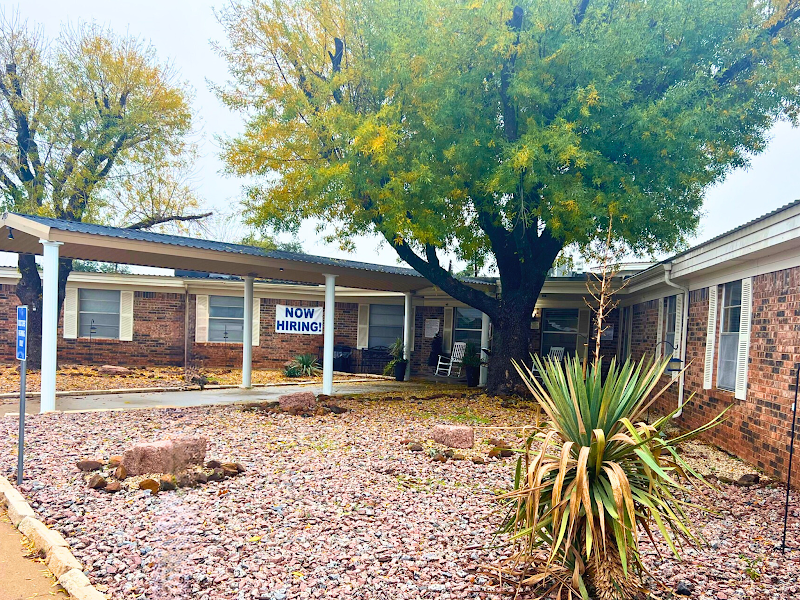
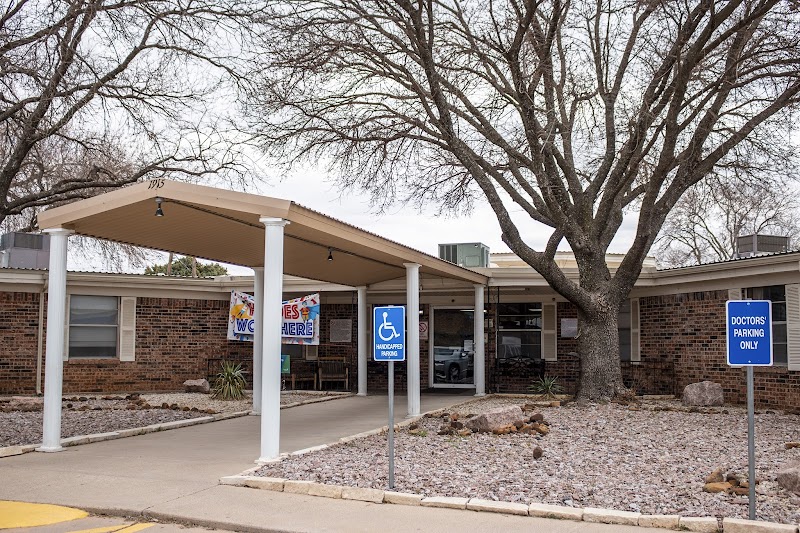
1915 Greenwood St, San Angelo, TX 76901 (325) 942-0677
For profit - Corporation 166 Beds CREATIVE SOLUTIONS IN HEALTHCARE Data: November 2025
Trust Grade
75/100
#225 of 1168 in TX
Last Inspection: December 2024

Within standard 12-15 month inspection cycle. Federal law requires annual inspections.

Overview

Cedar Manor Nursing and Rehabilitation Center has a Trust Grade of B, indicating it is a good choice for families seeking care. With a state rank of #225 out of 1168 facilities in Texas, they are in the top half, and they rank #2 out of 7 in Tom Green County, meaning only one local option is better. However, the facility is experiencing a worsening trend, with issues increasing from 3 in 2024 to 5 in 2025. Staffing is a strength here, with a 4 out of 5-star rating and a turnover rate of 41%, which is below the Texas average of 50%. Notably, there have been no fines reported, and the facility has more RN coverage than 93% of Texas facilities, ensuring better oversight for resident care. On the downside, there are concerns related to infection control, as staff did not use personal protective equipment properly during resident transfers, which could lead to the spread of infections. Additionally, residents in the female secure unit reported feeling neglected during meals, as staff were observed using their cell phones instead of attending to residents. Finally, safety issues were noted regarding hot water temperatures in resident rooms, which could potentially cause burns. Overall, while Cedar Manor has strengths in staffing and oversight, families should be aware of these significant weaknesses.
Trust Score
B
75/100
In Texas
#225/1168
Top 19%
Safety Record
Low Risk
No red flags
Inspections
Getting Worse
3 → 5 violations
Staff Stability
○ Average
41% turnover. Near Texas's 48% average. Typical for the industry.
Penalties
✓ Good
No fines on record. Clean compliance history, better than most Texas facilities.
Skilled Nurses
✓ Good
Each resident gets 42 minutes of Registered Nurse (RN) attention daily — more than average for Texas. RNs are trained to catch health problems early.
Violations
⚠ Watch
17 deficiencies on record. Higher than average. Multiple issues found across inspections.
★★★★☆
4.0
Overall Rating
★★★★☆
4.0
Staff Levels
★★★★☆
4.0
Care Quality
★★★★☆
4.0
Inspection Score
Stable
2024: 3 issues
2025: 5 issues

The Good

  • 4-Star Staffing Rating · Above-average nurse staffing levels
  • 4-Star Quality Measures · Strong clinical quality outcomes
  • Full Sprinkler Coverage · Fire safety systems throughout facility
  • No fines on record
  • Staff turnover below average (41%)

    7 points below Texas average of 48%

Facility shows strength in staffing levels, quality measures, fire safety.

The Bad

Staff Turnover: 41%

Near Texas avg (46%)

Typical for the industry

Chain: CREATIVE SOLUTIONS IN HEALTHCARE

Part of a multi-facility chain

Ask about local staffing decisions and management

The Ugly 17 deficiencies on record

Aug 2025 1 deficiency
CONCERN (E) 📢 Someone Reported This

A family member, employee, or ombudsman was alarmed enough to file a formal complaint

Potential for Harm - no one hurt, but risky conditions existed

Infection Control (Tag F0880)

Could have caused harm · This affected multiple residents

**NOTE- TERMS IN BRACKETS HAVE BEEN EDITED TO PROTECT CONFIDENTIALITY** Based on observations, interviews, and record review, the facility failed to maintain an infection prevention and control progra...

Read full inspector narrative →
**NOTE- TERMS IN BRACKETS HAVE BEEN EDITED TO PROTECT CONFIDENTIALITY** Based on observations, interviews, and record review, the facility failed to maintain an infection prevention and control program designed to provide a safe, sanitary, and comfortable environment to help prevent the development and transmission of communicable diseases and infections for 2 (Residents #1 and #2) of 5 residents reviewed for infection control.The facility failed to ensure RN A and MA B used personal protective equipment during a transfer when the residents were on enhanced barrier precautions. The facility failed to ensure RN A washed his hands correctly while completing wound care on Resident #1. These failures could place residents at risk for cross contamination and the spread of infection. Findings included:Resident #1Review of Resident #1's admission Record, dated 8/28/25, revealed she was a [AGE] year-old female admitted to the facility on [DATE] with diagnoses including Alzheimer's disease (a type of dementia) and chronic ulcer of the right foot with muscle involvement (Resident #4 had a sore that was deep enough to affect muscle tissue). Review of Resident #1's MDS Assessment, dated 6/16/25, revealed she had long and short-term memory impairment with severely impaired decision-making ability. She had one stage III pressure ulcer (the skin was completely gone which might expose fat, but bone or tendon were not exposed). Review of Resident #1's care plan, 4/9/24, revealed a goal of the resident had a potential for pressure ulcer development. The identified goal was the resident would have intact skin, free of redness, blisters or discoloration, by/through the review date. Identified interventions did not include anything related to wound care or enhanced barrier precautions. Review of the Order Summary, dated 8/28/25, revealed orders dated 8/26/25:Clean lateral right foot, apply skin prep (skin cleaner) around wound to prevent maceration (skin made soft by exposure to fluid(s)), apply collagen particles (a protein powder to assist in wound care), cover with bordered foam (type of bandage with foam in center and adhesive all the way around the bandage) every day shift related to other skin changes. Observation on 8/28/25 at 10:21 a.m. revealed there was no sign indicating Resident #1 was supposed to be on enhanced barrier protection and there was no personal protective equipment in the room. Continued observation showed RN A did not put on personal protective equipment prior to entering Resident #1's room. RN A washed his hands five times but did not use a paper towel to turn off the faucet when he washed his hands. Resident #1 was not interviewable. Interview on 8/28/25 at 1:05 p.m. RN A stated the proper way to hand wash was to rinse hands, get soap, lather, rinse hands, use paper towels to turn off the faucet, and then throw paper towels. RN A said to the best of his remembrance he washed his hands correctly. RN A said, I washed my hands multiple times, and can't say I washed them right every time. Interview on 8/28/25 at 1:55 p.m., the DON stated staff were expected to do hand hygiene after they touched bodily fluids or resident contact. The DON said she expected staff to wash their hands by turning on the water, put their hands in water, soap and lather for 20 seconds, rinse their hands, let hands drip-dry, grab a paper towel, pat hands dry, and turn off the water faucet with a paper towel and throw the towel away. The DON said there were annual checkoffs for hand washing procedures, but she did not do random checks. Interview on 8/28/25 at 2:36 p.m., RN A stated enhanced barrier precaution was used for residents with tubes and some kind of wound. RN A said he did not wear personal protective equipment when he did the wound care on Resident #1. RN A explained he did not see a sign when he went into the room and there was no tower (bin) of personal protective equipment to trigger him into thinking about it. Resident #2:Review of Resident #2's admission Record, dated 8/28/25, revealed she was a [AGE] year-old female admitted to the facility on [DATE] with diagnoses including osteomyelitis of vertebra and lumbosacral region (infection in the bones of the lower back). Resident #2 was still in her MDS Assessment time frame. Record review of Resident #2's Care Plan, initiated 8/28/25, revealed the resident had intravenous (IV) access. The goal was the resident would not have any complication related to IV therapy through review date. Identified interventions included Administer IV medications as ordered. Review of Resident #2's Care Plan, initiated 8/28/25, revealed the resident was on enhanced barrier precautions. Identified interventions included gloves and gown should be donned (put on) if any of the following activities were to occur transfer or other high-contact activity. Posting at the resident's room entrance indicating the resident was on enhanced barrier precautions. Review of Resident #2's Care Plan, initiated 8/28/25, revealed Resident #2 was at risk for falls related to (blank). Identified goals included the resident would be free of falls through the review date. Identified interventions included staff x1 to assist with transfers. Observation on 8/28/25 at 4:32 p.m. revealed no Enhanced Barrier Sign posted outside of Resident #2's room or above the resident's bed. MA B did not put on gloves or personal protective equipment. There was a bin full of personal protective equipment inside Resident #2's room. MA B did not put on personal protective equipment prior to completing a one-person transfer with Resident #2. Interview on 8/28/25 at 1:55 p.m., the DON stated with residents on Enhanced Barrier Protections the rooms had bins had gloves, gown and gowns outside of their rooms if needed. The DON said the expectation was the staff were to put on the personal protective equipment prior to going into a resident room. The DON said the personal protective equipment was to be worn during wound care, so it did not infect the wound. Interview on 8/28/25 at 2:58 p.m., the Corporate RN stated Enhanced Barrier Protection was indicated when there was an Intravenous therapy or wounds. The Corporate RN said the staff were to wear personal protective equipment to avoid sharing organisms with the resident. Review of the facility's policy and procedure on Fundamentals of Infection Control Precautions, undated, version 03-8.0, revealed, in part: A variety of infection control measures are used for decreasing risk of transmission or microorganisms in the facility.Hand Hygiene: Hand Hygiene continues to be the primary means of prevention the transmission of infection. The following is a list of some situations that require hand hygiene: before and after isolation precaution settings; before and after changing a dressing; after handling used or soiled dressings.Consistent use by staff of proper hygiene practices and techniques is critical to preventing the spread of infections. Recommended techniques for washing hands with soap and water include: wetting hands first with clean, running warm water, applying the amount of product recommended by the manufacturer to hands, and rubbing hands together vigorously for at least 20 seconds covering all surfaces of the hands and fingers, then rinsing hands with water and drying thoroughly with a new disposable towel, and turning off the faucet on the hand sink with the disposable paper towel. Review of the facility's policy and procedure on Enhanced Barrier Precautions, effective 4/1/24, revealed: Multidrug-resistant organism transmission is common in long term care. Many residents in nursing homes are at increased risk of becoming colonized and developing infections with [NAME]-drug resistant organisms. Enhanced Barrier precautions refer to an infection control intervention designed to reduce transmission of multi-drug resistant organisms that employ targeted gown and glove use during high contact resident care activities. Enhanced barrier precautions are used in conjunction with standard precautions and expand the use of personal protective equipment to donning of gown and gloves during high-contact resident care activities that provide opportunities for transfer of multi-drug resistant organisms to staff hands and clothing. Enhanced barrier precautions are indicated for residents with wounds and/or indwelling medical devices even if the resident is not known to be infected or colonized with a multi-drug resistant organisms. Wounds generally include chronic wounds, not shorter-lasting wounds, such as wound breaks or skin tears covered with an adhesive bandage or similar dressing. Examples of chronic wounds include, but are not limited to, pressure ulcers, diabetic foot ulcers, unhealed surgical wounds, and venous stasis ulcers.Indwelling medical device examples include central lines, urinary catheters, feeding tubes, and tracheostomies. The facility will ensure personal protective equipment and alcohol-based hand rub are readily accessible to staff. Discretion may be used in the placement of supplies which may include placement near or outside the resident's room. The facility will utilize postings outside the room and the electronic document program to communicate to staff if a resident requires enhanced barrier protections.
Aug 2025 2 deficiencies
CONCERN (D) 📢 Someone Reported This

A family member, employee, or ombudsman was alarmed enough to file a formal complaint

Potential for Harm - no one hurt, but risky conditions existed

Safe Environment (Tag F0921)

Could have caused harm · This affected 1 resident

Based on observation, interview, and record review, the facility failed to provide a safe, functional, sanitary, and comfortable environment for residents for 1 of 6 resident halls (Hall 3) reviewed f...

Read full inspector narrative →
Based on observation, interview, and record review, the facility failed to provide a safe, functional, sanitary, and comfortable environment for residents for 1 of 6 resident halls (Hall 3) reviewed for environmental concerns. The facility failed to replace missing and damaged ceiling panels in Hall 3. This deficient practice could place residents at risk of a diminished quality of life due to exposure to an environment that is unpleasant, unsanitary, and unsafe.Findings included: Observation conducted on 08/19/25 at 1:45 PM revealed the following: Hall 3 had numerous missing and damaged ceiling tiles. Electrical wires and air ducting in the ceiling were left uncovered. An interview on 08/19/25 at 2:20 PM Resident #6 stated that the tiles in Hall 3 had been torn up for a while now, and it looked like crap. He stated they paid good money to have a nice place, but that looked bad and cheap. Resident #6 stated he had asked staff why tiles were not repaired but they had no idea and stated that maintenance was working on it. In an interview on 08/19/25 at 3:00 PM the Maintenance Director stated that Hall 3 had some work done on it involving the air conditioning system and the tiles were removed. The Maintenance Director stated that the work was completed a few weeks ago and he had not had time to replace the ceiling tiles. The Maintenance Director stated that Hall 3's missing and damaged ceiling tiles needed to be replaced and looked bad. He said he would order tiles to make Hall 3 look better. In an interview on 08/20/25 at 3:30 PM the Administrator stated Hall 3 ceiling tiles needed to be replaced and she would order replacements and have them installed asap[KS1] . Missing and damaged tiles made the facility look junky and un-kept, and residents deserved to have a home that was well taken care of and looked nice. [KS1]Clarify who would order replacements, and have them installed asap
MINOR (C) 📢 Someone Reported This

A family member, employee, or ombudsman was alarmed enough to file a formal complaint

Minor Issue - procedural, no safety impact

Staffing Information (Tag F0732)

Minor procedural issue · This affected most or all residents

Based on observation, interviews and record reviews, the facility failed to ensure nurse staffing information was posted in a prominent place readily accessible to residents and visitors that included...

Read full inspector narrative →
Based on observation, interviews and record reviews, the facility failed to ensure nurse staffing information was posted in a prominent place readily accessible to residents and visitors that included: The total number and the actual hours worked by the registered nurses, licensed practical nurses or licensed vocational nurses and certified nurse aides directly responsible for resident care per shift for 12 of 12 days [KS1] (8/9/25, 8/10/25, 8/11/25, 8/12/25, 8/13/25, 8/14/25, 8/15/25, 8/16/25, 8/17/25, 8/18/25, 8/19/25, 8/20/25)reviewed for required postings. The facility failed to ensure the daily staffing information up to date and was posted in a prominent location on 08/20/25. This failure could place residents, their families, and visitors at risk of not knowing how many nursing staff are currently working to provide care on all shifts. [KS2] [KS1]List the dates of the 12 days in the based on statement [KS2]The failure statement should include the 12 datesFindings Included: During an observation on 08/20/25 at 9:40 AM, the daily staffing posted located outside the Administrator's door was dated 08/08/25. During[KS1] an interview on 08/20/25 at 10:00 AM, the Administrator stated her expectation was that the daily staffing be posted daily. The Administrator stated the ADON was responsible for posting the daily staffing. The Administrator stated she had not realized that it was not being kept current. During[KS2] an interview on 08/20/25 at 10:30 AM the ADON stated she was responsible for posting daily nurse staffing hours but had been busy with other job duties and just had forgotten to keep the posting current for the past 12 days. Review of policy titled Nurse Staffing Posting Information dated 01/01/2024 revealed: It is the policy of this facility to make staffing information readily available in a readable format to residents and visitors at any given time . The nurse staffing sheet will be posted on a daily basis. [KS1]Did we ask the Administrator why it was important the nurse staffing info be posted every day? It would be helpful to have her stating how residents were/could be affected if the information was not posted. [KS2]Did we ask the ADON about the 12 days referenced in the based on statement? It would be helpful to have the ADON saying she had not posted the info for 12 days, starting on 8/9/25.
Apr 2025 1 deficiency
CONCERN (D) 📢 Someone Reported This

A family member, employee, or ombudsman was alarmed enough to file a formal complaint

Potential for Harm - no one hurt, but risky conditions existed

Deficiency F0657 (Tag F0657)

Could have caused harm · This affected 1 resident

**NOTE- TERMS IN BRACKETS HAVE BEEN EDITED TO PROTECT CONFIDENTIALITY** Based on interview, and record review the facility failed to review and revise the Comprehensive Care Plan by the interdisciplin...

Read full inspector narrative →
**NOTE- TERMS IN BRACKETS HAVE BEEN EDITED TO PROTECT CONFIDENTIALITY** Based on interview, and record review the facility failed to review and revise the Comprehensive Care Plan by the interdisciplinary team after each assessment for 1 (Resident #1) of 13 residents. The facility failed to update the care plan for fall interventions for Resident #1 after a fall assessment was completed on 04/13/2025. This failure could affect residents of the facility by placing them at risk for decreased quality of care. Findings included: Record review of Resident #1's electronic file revealed an [AGE] year-old female with an admission date of 11/9/2024 and diagnoses of muscle wasting and atrophy (loss of muscle mass and strength), Dementia with agitation (impairment of at least two brain functions like memory loss and judgement), anxiety disorder (persistent worry and fear), Abnormalities of gait (walks differently from normal), cachexia (ill health involving weight loss and muscle loss). Record review of Resident #1 Fall-Risk assessment dated [DATE] revealed a high-risk score of 10.0 with intermittent confusion, no falls in the past 3 months, and ambulatory. Record review of Resident #1's Care Plan on page 11 of 18 last updated on 11/27/24 revealed the resident was at risk for falls with interventions. No updated care plan interventions after 4/13/25 fall assessment. Record review of Nurse's note dated 4/13/25 for Resident #1 revealed an unwitnessed fall in the resident's room, attempted to toilet herself, and discovered on the floor with no noted interventions in place prior to fall on 04/13/2025 and increased monitoring initiated in response to fall. During an interview on 4/26/25 at 1:57 pm with RN A, who stated Resident #1 was a fall risk and staff did interval monitoring on her and reminded Resident #1 to use her call light. RN A stated staff use the 24-hour report and verbal report to receive updates on patients, not reviewing care plans. During an interview on 4/27/25 at 12:25pm with CNA B, who stated Resident #1 had a fall a couple of weeks ago and she heard the fall and went in to find the resident on the floor, and the nurse came and assessed the resident, and the nurse did neuro checks on her and staff increased monitoring on Resident #1. Resident #1 interventions placed were increased monitoring, and her bed in the lowest position too. CNA B stated staff communicate through verbal report on interventions. CNA B does not review care plans. Prior to this fall, her items were to be in reach. During an interview on 4/27/25 at 4:30pm, with the Regional Corporate Nurse, interim DON, who stated the DON would be responsible for updating clinical information in the care plans and he was not aware Resident #1's care plan had not been updated after her fall. He stated he will be auditing all care plans now. Record review of Fall Risk Assessment policy dated 2/01/2007 revealed Preventing falls requires an interdisciplinary program that focuses on modifying the extrinsic factors, correcting intrinsic factors, and educating the resident and family. A Fall Risk Assessment will be completed on admission and after each fall .7. After risk is assessed, individual plans of care will be implemented to prevent falls.
Feb 2025 1 deficiency
CONCERN (D) 📢 Someone Reported This

A family member, employee, or ombudsman was alarmed enough to file a formal complaint

Potential for Harm - no one hurt, but risky conditions existed

Infection Control (Tag F0880)

Could have caused harm · This affected 1 resident

**NOTE- TERMS IN BRACKETS HAVE BEEN EDITED TO PROTECT CONFIDENTIALITY** Based on observations, interviews, and record reviews the facility failed to establish and maintain an infection prevention and ...

Read full inspector narrative →
**NOTE- TERMS IN BRACKETS HAVE BEEN EDITED TO PROTECT CONFIDENTIALITY** Based on observations, interviews, and record reviews the facility failed to establish and maintain an infection prevention and control program designed to provide a safe, sanitary, and comfortable environment and to help prevent the development and transmission of communicable diseases and infections for 1 of 4 residents (Resident #1) reviewed for infection control. The DON and RN A failed to follow EBP procedures by not wearing a gown while providing Resident #1 wound care. This failure could place residents at risk for cross contamination and infection. The findings include: Record review of Resident #1 's admission record revealed Resident #1 was an [AGE] year-old male with an admission date to the facility of 08/01/2015. admission record revealed Resident #1 had diagnoses list that included acute osteomyelitis (Inflammatory condition of bone secondary to infection) left ankle and foot, type II diabetes, muscle weakness, mild protein calorie malnutrition, peripheral vascular disease (narrowing/blocking of the blood vessels), hypertension, and cerebral infarction (stroke). Record review of Resident #1 's quarterly MDS dated [DATE] revealed the resident had a BIMS of 15 indicating the resident was cognitively intact. Record review of Resident #1 's order summary revealed an order dated 02/03/2025 of Cleanse venous stasis ulcer to left distal great toe with wound cleanser. Pat dry, cover with therahoney, then cover dressing, every Monday, Wednesday Friday, util healed one time a day every Mon, Wed, Fri for wound care. Record review of Resident #1 's Care plan dated 12/30/2024 revealed a focus of Resident is on Enhanced Barrier Precautions. Observation on 02/26/2025 at 2:48 pm the DON nor RN A put on a gown prior to or during wound care for Resident #1. During an interview on 02/27/2025 at 4:30 pm with the DON, whom was also the infection preventionist, stated that Resident #1 is on EBP (Enhanced Barrier Precautions) and she and RN A should have been wearing a gown during wound care. The DON stated that she did not think about it and they had been so busy. The DON stated that this failure is a potential for cross contamination. During an interview on 02/27/2025 at 4:43 pm RN A stated that she didn't think about putting on a gown because she was nervous, and it had been busy. RN A stated the resident should be on EBP to prevent potential cross contamination. Record Review of the facility's policy titled Enhanced Barrier Precautions dated 4/012024 reads in part EBP are used in conjunction with standard precautions and expand the use of PPE (personal protective equipment) to donning of gown and gloves during high contact resident care activities that provide opportunities for transfer of MDROs (multidrug resistant organisms) to staff hands and clothing.
Dec 2024 3 deficiencies
CONCERN (D)

Potential for Harm - no one hurt, but risky conditions existed

Infection Control (Tag F0880)

Could have caused harm · This affected 1 resident

**NOTE- TERMS IN BRACKETS HAVE BEEN EDITED TO PROTECT CONFIDENTIALITY** Based observations, interviews, and record review, the facility failed to maintain an Infection Prevention and Control Program d...

Read full inspector narrative →
**NOTE- TERMS IN BRACKETS HAVE BEEN EDITED TO PROTECT CONFIDENTIALITY** Based observations, interviews, and record review, the facility failed to maintain an Infection Prevention and Control Program designed to provide a safe, sanitary, and comfortable environment and to help prevent the development and transmission of communicable diseases and infections for one of one (Resident #15) residents reviewed for wound care. The facility failed to ensure that RN B changed her gloves and performed hand hygiene while providing wound care to Resident #15. This failure could place the residents at risk of cross-contamination and development of infections. Findings included: Review of Resident #15's admission Record, dated 12/12/24, revealed he was an [AGE] year-old male admitted to the facility on [DATE] with diagnoses including non-pressure chronic ulcer or the left foot. Review of Resident #15's Quarterly MDS Assessment, dated 12/9/24, revealed: Resident # 2? had a mental status exam score of 3 of 15 (indicating severe cognitive impairment) He had 1 venous or arterial ulcer present. Review of Resident #15's Care Plan, initiated 10/18/24, revealed: Focus: The Resident has Venous/Stasis Ulcer related to decreased circulation - ulcer to left 2nd toe. Goal: the resident's ulcer will be healed by review date. Interventions: Document location of wound, amount of drainage, peri-wound (surrounding) area, pain, edema (swelling), and circumference measurements weekly. Evaluate wound for: size, depth, margins (edges). Document progress in wound healing on an ongoing basis, notify physician as indicated. Review of Resident #15's Order Summary, dated 12/12/24, revealed orders dated 11/16/24 Clean venous ulcer to top of 2nd toe of left (foot) with wound cleanser and apply a dry dressing daily and as needed until resolved every day shift. Observation and interview on 12/12/24 at 11:39 a.m. RN B stated Resident #15's orders were to clean, dry and cover with a dressing. RN B opened the cart, gelled her hands with ABHG, donned gloves (put on), and donned PPE. RN B closed the drawer to the cart. RN B pulled out the treatment supplies of wound cleanser spray, a bandage and gauze. RN B took off her gloves washed her hands and returned to the cart. RN B looked around realized she did not clean the bed side table or put a barrier down. RN B donned gloves, cleaned the bed side table and placed wax paper down. RN B brought her wound-care supplies in and placed it on the wax paper. RN B took off her gloves, used ABHG and donned new gloves prior to taking off Resident #15's bandage. Without using any type of hand hygiene. RN B donned new gloves, sprayed Resident #15's toe with wound cleanser and wiped the wound from top to bottom 21 times. RN B took off her gloves, did not use any kind of hand hygiene, and donned a new pair of gloves. RN B wiped the dry gauze across Resident #15's wound 10 times. RN B held the used (dirty) gauze in one hand, took off that glove with the gauze inside of it, and threw away the one glove. With no hand hygiene for the one hand RN B donned a new glove and placed the bandage on Resident #15's toe. RN B changed both gloves, with no hand hygiene and applied lotion to Resident #15's legs. RN B then put the wound cleanser back onto the cart without cleaning it while throwing all other equipment away in a bio-hazard bag. Interview on 12/12/24 at 11:58 a.m. RN B stated she told Resident #15 what she was going to do, gelled her hands, cleaned off the table, laid out her supplies, washed her hands, then reapplied gel. She stated she cleaned the wound well by spraying the wound with wound cleanser and covered it with the bandage, threw everything in a bag and washed her hands. RN B stated she changed her gloves and used alcohol between glove changes on each step. Follow up interview on 12/12/24 at 2:38 p.m. RN B stated when the wound care spray was brought into the room it was considered dirty and she probably did not remember to clean it. RN B stated Resident #15's wound was so small she did not think anything would be accomplished if she did or did not go over the wound repeatedly with the same gauze because there was not any infection to spread. Interview on 12/12/24 at 3:17 p.m. the DON stated her perfect wound care would be for staff to wash their hands, set up a barrier station, get a red bag for biohazard, wash their hands, don glove, remove the soiled dressing, doff gloves, use gel, don new gloves, clean the wound from cleanest to dirtiest, take off gloves, gel, don new gloves, apply the new dressing, take off the gloves and make sure everything went into the red bag. The DON stated by wiping the wound multiple times it re-contaminated the wound. The DON said everyone had wound-care check offs with their annual evaluations, including RN B but she could not remember exactly when RN B's evaluation was. The DON said she did in-services on all thing's infection control including wound care and hand hygiene in July 2024. The DON stated RN B did attend the in-services. Interview on 12/12/24 at 3:39 p.m. the Administrator stated her expectation for wound care was that the wound care be completed appropriately with proper hand hygiene and aseptic technique. The Administrator said wound care was a whole process and the expectation was it be done properly. Review of the facility's policy and procedure on Treatment Table, dated 2003, revealed: Wash hands, put on gloves, Place wax paper on wound care bedside table or small cart Gather treatment supplies (i.e. medicine, tape, extra gloves, etc.) Open up and place on top of wax paper. One end will be considered clean, and the other end of the table will be open for dirty (To replace scissors etc. to be cleaned) Place wax paper over top of supplies. On open end place linens, saline, red bag, scissors, pen camera, etc. on top of second cover of wax paper. After treatment place dirty linens, red bags, scissors, pen etc. to be cleaned on open end (considered dirty end of table). Wash hands, take bed side table/cart to treatment cart. Put on gloves. Discard linens, red bags etc. using universal precautions. Clean scissors, pen, etc. with alcohol prep. Clean top of treatment cart, bedside table/cart with disinfectant. Remove gloves. Wash hands.
CONCERN (E)

Potential for Harm - no one hurt, but risky conditions existed

Resident Rights (Tag F0550)

Could have caused harm · This affected multiple residents

Based on observation, interview, and record review the facility failed to treat each resident with respect and dignity and provide care in a manner that promoted maintenance or enhancement of his or h...

Read full inspector narrative →
Based on observation, interview, and record review the facility failed to treat each resident with respect and dignity and provide care in a manner that promoted maintenance or enhancement of his or her quality of life for 1 of 2 meals reviewed for resident rights and for 10 of 10 residents in the confidential group interview. The facility failed to serve residents in the female secure unit in a manner that was not institutional-like and serve residents on trays. The facility failed to ensure staff provided care to residents while not on their cell phones causing residents to feel left out. This failure could place residents at risk for decreased meal satisfaction and could result in a diminished quality of life for the identified residents and could affect additional residents by causing a loss of self-esteem and increased isolation. The findings included: Observation on 12/10/24 at 12:17 p.m. of the female locked unit lunch meal revealed the lunch meal arrived on a lunch cart. There were six residents present in the dining room. The staff present took the meal off the cart, checked the card and brought the meal to the resident. The staff placed the meal on the tray in front of all six residents in the dining room. Comparison to the main dining room on 12/10/24 at 12:24 p.m. of the main dining room revealed all residents in the main dining room had their food placed on the table. Interview on 12/10/24 at 12:26 p.m. the DON observed the residents eating in the main dining room and then compared it to the female residents in the secured unit. She stated she could not identify a difference since the food was the same and the staff was sitting. The DON stated she did not eat off a tray at home then asked if it was a dignity issue. CNA A stated the last time she ate off a tray that was not fast-food was probably high school. Observation on 12/10/24 at 4:28 p.m. revealed staff setting up smoking materials while texting. Residents were present at the time of the texting. During the confidential resident council meeting on 12/11/24 10 alert residents stated staff were on the cell phones while providing care. The residents stated it did not matter what shift it was, and it did not make a difference what kind of care the staff was providing. One resident stated staff were on the phone while passing medications. Other residents stated staff were on the phone while in the dining room or doing transfers. The resident stated it made them feel left out and not there. Observation on 12/11/24 at 10:32 a.m. revealed the Activity Director cutting through the dining room on her phone with residents present. Review of the Resident Council Minutes, dated 10/16/24, revealed the residents' reported staff were on their cell phones. Review of the Resident Council Minutes, dated 11/20/24, revealed the residents' reported staff were on their cell phones. Review of the facility's Personnel Handbook dated 2015, on Personal Communication Devices, revealed: use of personal communication devices during scheduled work hours is not permitted at the facility. These devices include but are not limited to cell phones and laptop computers. You may only use your personal communication devices during scheduled lunch/ break times. Communication devices issued by the facility/company are permitted as they are tools of the job and are to be used accordingly. Employees may not bring any forms of audio entertainment devices into the facility. This provision does not apply to designated facility personnel who must use such devices in connection with their positions of employment. For the designated employees that are required to use such devices in connection with their position of employment. For the designated employees that required to use their cell phones in the course of business, the phone may NOT be used in the resident area or used in an unprofessional manner.
MINOR (B)

Minor Issue - procedural, no safety impact

Deficiency F0910 (Tag F0910)

Minor procedural issue · This affected multiple residents

Based on observation, interview, and record review, the facility failed to have certified resident rooms equipped for adequate nursing care, comfort, and privacy for 33 of 85 rooms (Rooms 701-710, 712...

Read full inspector narrative →
Based on observation, interview, and record review, the facility failed to have certified resident rooms equipped for adequate nursing care, comfort, and privacy for 33 of 85 rooms (Rooms 701-710, 712-714, 717-722, 801-813, and 815). The facility failed to have 38 Title 18 beds in B Building resident ready. The facility failed to have 24 Dually Certified (Title 19/19) beds in B Building resident ready. This failure could affect residents by placing them at risk of residing in rooms without proper furnishings and privacy. The findings included: Review of the facility-completed Form 3740 Bed Classification, completed and signed by the Administrator on 12/10/24, documented the facility identified rooms 701-710, 712, 714, 717-719, and 801-805 as Title 18 Medicare-Only beds for both A and B beds in each room for a total of 38 beds. Form 3740 documented the facility identified rooms 709, 713-A, 720-722, 806, 807, 808-A, 810-A, 811, 812-A, 813, and 815 as dually certified (Title 18/19) for a total of 24 beds. Observation of B Building on 12/11/24 at 3:15 pm revealed 33 rooms that were not in use. All 33 rooms were not resident ready and could not be made resident ready within a reasonable timeframe due to B Building having not been in use for residents since 2020. In an interview on 12/11/24 at 3:35 pm with Corporate Compliance RN stated there was no possibility of getting all 33 rooms livable for residents in 24 hours. He stated it would take deep cleaning and removal of items being stored in the building to make the rooms adequate for housing residents. In an interview on 12/11/24 at 4:55 pm with the Administrator, she stated that the building had been used for storage since before she started working in the facility in 2023. She stated there had been no residents housed in the building in 4 years. The Administrator stated that the corporate plan was to remodel/update the building and use it for a rehabilitation unit, but due to low census, the remodel/renovation had not been priority. She stated that everything in the building was functional, but it needed to be thoroughly cleaned and have some cosmetic repairs done before it would be suitable for residents. She stated that the corporation did not want to lose the rooms and would not allow them to be declassified due to the cost recertifying the beds. In an interview on 12/12/24 at 5:11 pm, the Administrator stated that there was no facility or corporate policy regarding bed classification.
Nov 2023 3 deficiencies
CONCERN (D) 📢 Someone Reported This

A family member, employee, or ombudsman was alarmed enough to file a formal complaint

Potential for Harm - no one hurt, but risky conditions existed

Comprehensive Care Plan (Tag F0656)

Could have caused harm · This affected 1 resident

Based on interview and record review, the facility failed to ensure that the comprehensive care plan was developed and implemented describing services to be furnished to maintain the resident's highes...

Read full inspector narrative →
Based on interview and record review, the facility failed to ensure that the comprehensive care plan was developed and implemented describing services to be furnished to maintain the resident's highest practicable physical well-being, including services that are not provided due to the resident's exercise of the right to refuse care for 1 of 2 residents (Resident #1) reviewed for care plan revisions The facility failed to ensure Resident #1's care plan was revised to indicate the preference to keep socks on during skin assessment. These failures could place residents at risk of receiving inappropriate care. The findings include: Record review of Resident #1's face sheet dated 11/08/2023 revealed an admission date of 8/28/2023 with diagnoses which included: Type 2 diabetes mellitus, muscle weakness, and dementia. Record review of Resident #1's Care Plan, initiated on 8/29/23, had not been revised to include Resident #1's refusal to have shoes/socks taken off during skin assessments. During an interview on 11/7/23 at 2:45 PM RN A stated that to complete a full skin assessment, resident #1's socks would have to be removed, for the weekly skin assessment. He stated Resident #1 refused a lot, she never liked to have her socks taken off. During an interview on 11/7/23 at 3:30 PM CNA B stated that the resident really did not like to go without her socks or shoes. She stated in general she really did not like her socks removed. She stated that this happened often. During an interview on 11/7/23 at 3:50 PM CNA C stated that Resident #1 rarely had her socks off. She stated there were multiple times that she can remember that Resident #1 refused to take her socks off. During an interview on 11/07/2023 at 10:42 a.m. the MDS Coordinator stated that a change in condition is anything that has a pattern. She stated that if a resident or employee notices of a issue even it's a few times then it should be care planned. She stated it was not communicated to her that Resident #1 refused to take her socks off. She stated now that she knows this will be care planned. During an interview on 11/07/2023 at 12:41 p.m. the DON stated that she did go and talk with RN A, CNA B, and CNA C about Resident #1's refusal to take off her socks. She stated that all of them confirmed that Resident #1 did refuse to take socks off or shoes off. She stated now that she knows this information then it will be care planned, but it should have been care planned a few weeks ago. During an interview on 11/07/2023 at 12:41 p.m., Administrator stated that the care plan should have been done for refusal, but she and the DON did not know this was something stated by Resident #1 until 2 days ago. She stated it should have been care planned earlier, this puts the resident at risk for safety. Record review of a facility policy, titled Care Plan, Comprehensive Person-Centered change in condition should be care planned.
CONCERN (D) 📢 Someone Reported This

A family member, employee, or ombudsman was alarmed enough to file a formal complaint

Potential for Harm - no one hurt, but risky conditions existed

Medical Records (Tag F0842)

Could have caused harm · This affected 1 resident

Based on observation, interview and record review, the facility failed to maintain clinical records in accordance with accepted professional standards and practices that are complete and accurately do...

Read full inspector narrative →
Based on observation, interview and record review, the facility failed to maintain clinical records in accordance with accepted professional standards and practices that are complete and accurately documented for 1 of 5 residents (Resident #1) reviewed for accuracy of medical records. The facility failed to accurately document Resident #1's ulcer assessment for new wounds to her left foot. This failure could affect residents whose records are maintained by the facility and could place them at risk for errors in care and treatment. The findings included: Record review of Resident #1's face sheet, dated 11/08/2023, revealed an admission date of 8/28/2023 with diagnoses which included: Type 2 diabetes mellitus, muscle weakness, and dementia. Record review of weekly skin assessment, dated 10/10/23, indicated a skin tear posterior Left Upper extremity and question marked yes for does the resident have a pressure, venous arterial or diabetic ulcer? If yes complete the ulcer assessment. Signed by RN A Record review of weekly ulcer assessment, dated 10/10/23, indicated medial distal L foot Arterial L 2cm W 1.4cm, unable to measure depth, entire wound covered by necrotic tissue (slough and/or eschar) and unable to determine. Approximate necrotic tissue 76-100%. Currant wound treatment clean, hydro active dsg, q 3 days. Turning and repositioning q2h. PoA N/A wound is not a pressure injury. Signed by RN A Record review of weekly skin assessment, dated 10/17/23, indicated bruise LFA 12.6x15.2 and skin tear LFA 5.6, signed by RN D No documentation of weekly ulcer assessment provided for 10/17/23. Record review of weekly skin assessment, dated 10/24/23, indicated posterior L hand posterior to Ad R elbow hand distal lateral RLE. Signed by RN A Record review of weekly ulcer assessment, dated 10/24/23, indicated medial Left distal foot 2cm W1.4, 0 if unable to measure depth. Entire wound covered by necrotic tissue (slough and/or eschar) and unable to determine. Approximate necrotic tissue 76-100%. Currant wound treatment clean, hydro active dsg, q 3 days. PoA N/A wound is not a pressure injury. During a phone interview, on 11/10/23 at 12:45 p.m., RN D stated yes, it was absolutely her fault that there is no documentation of the Weekly ulcer assessment for 10/17/23. She stated she gets so busy sometimes she forgets to click things in the system. She stated that the ulcer assessment was physically done on 10/17/23 but the paperwork was not completed. She stated that the weekly ulcer assessment was necessary for the new wounds to track the improvement of healing. During an interview, on 11/10/23 at 1:05 p.m., CNA C stated she had her own written notes of each day she works and little things she observes while on shift. Her notes for the 17th of October stated that RN D did go and access the wound and clean the wound. She stated that she knows that RN D did come and accessed the wound. During an interview on 11/8/23 at 11:15 a.m., the DON stated that she did speak with RN D and confirmed that the assessment was done but no documentation was complete. She stated the assessment is key to the progress of the healing of the wounds for the resident. She stated that all wounds in the facility are to be monitored and accessed weekly by the charge nurse.
CONCERN (D) 📢 Someone Reported This

A family member, employee, or ombudsman was alarmed enough to file a formal complaint

Potential for Harm - no one hurt, but risky conditions existed

Deficiency F0849 (Tag F0849)

Could have caused harm · This affected 1 resident

Based on interview and record review, the facility failed to ensure communication with hospice representatives in the provision of care for 1 (Resident #1) of 2 residents reviewed for hospice coordina...

Read full inspector narrative →
Based on interview and record review, the facility failed to ensure communication with hospice representatives in the provision of care for 1 (Resident #1) of 2 residents reviewed for hospice coordination of care,: The facility did not keep written documentation of communication between hospice and facility per hospice contract. This deficient practice could place residents who receive hospice services at-risk of receiving inadequate end-of-life care due to a lack of documentation, coordination of care and communication of resident needs. The findings were: Record review of Resident #1's face sheet, dated 11/08/2023, revealed an admission date of 8/28/2023, with diagnoses which included: Type 2 diabetes mellitus, muscle weakness, and dementia. Record review of Resident #1's care plan, initiated 8/29/23, revealed the resident had a terminal prognosis and/or was receiving hospice services, constipation, dehydration, skin integrity issues, decreased PO intake, weight loss, mental and physical decline in function may be unavoidable due to end-of-life issues from his terminal illness. Interventions to avoid these issues will be initiated but may be unavoidable r/t end stage disease processes. Interventions/tasks stated: If receiving hospice services, work cooperatively with hospice team to ensure the resident's spiritual, emotional, intellectual, physical, and social needs are met. Record review of Progress Note dated 10/8/23, order details that were sent to physician state: Resident #1 exhibits arterial ulcers to posterior, superior, and distal medial Lfoot, physician notified, new orders received to clean apply hydro active 3 days. Entered by RN A. Record review of Order Details dated 10/8/23, by phone, ordered by physician, Description: clean arterial ulcers to posterior, superior, and distal medial L food, apply hypoactive, every-day shift, every 3 days, related to other specified peripheral vascular diseases. During an interview, on 11/7/23 at 11:15 am, RN A stated Resident #1 left the facility, with family, on October 7th and returned to the facility on October 8th. He stated new wounds were observed on top of the left foot and back of the heel. He stated all wounds were roughly the same, round little pieces of eschar (dead tissue that forms over healthy skin and then, over time, falls off (sheds). He stated that the heel wound was the worst. He stated he is not sure how the wound got this bad, his only guess is when they did the wound care on it, the eschar was removed, and the open wound was exposed. He stated he never noticed the wound or anything to the left foot until 10/8/23. He stated that he called the physician and put in an order for wound care due to the new wounds. He stated he did not call hospice because he figured he let the Hospice Nurse know next time she came to the facility which was twice a week. He stated he did not feel it was a big enough concern to contact Hospice immediately only to contact the physician immediately. He stated he verbally let hospice know about the new wounds on 10/10/23. He stated even though that was two days after the discovery of the new wounds and that this was a change in condition, it was not life threatening so he waited to communicate with the Hospice Nurse. He stated he had no idea he needed to keep written documentation of all communication with the hospice aids/nurses. He stated he communicated with them in person and never documented their conversation, he stated he did not know this documentation was required, per the facility contract. During an interview, on 11/10/23 at 11:15 am, DON- stated the newly identified wounds formed only after the resident went on a day pass, with her family, and she believed that the wound was formed because the resident was wearing a sock with shoes, that were too tight. She stated that she confirmed with the nurse and all 3 wounds were discovered on 10/8/23, after Resident #1 returned to the facility. She stated that communication with hospice was done in person. She stated that when she spoke with RN A, he stated that he just communicated in person with hospice and did not know it needed to be documented. She stated from this point on all communication will be either paper documented for the facility or in the progress notes of the resident. During an interview, on 11/10/23 at 11:15 am, Administrator stated that the lack of documented communications puts the resident at risk to know what is happening with the resident or what has been done. She stated informing the hospice company of a change in condition should have been done, immediately, on 10/8/23. Record review of Hospice-Nursing Facility Services Agreement revised 5/2020 stated: Hospice and facility shall communicate with one another regularly and as needed for each hospice patient. Each party is responsible for documenting such communications in its respective clinical records to ensure that the needs of hospice patients are met 24 hours per day. Record review of Hospice-Nursing Facility Services Agreement revised 5/2020 stated: Facility shall immediately inform hospice of any change in the condition of a hospice patient. This includes, without limitation, a significant change in a hospice patients physical, mental, social or emotional status, clinical complications that suggest a need to alter the hospice plan of care, a need to transfer a hospice patient to another facility, or the death of an hospice patient.
Oct 2023 3 deficiencies
CONCERN (D) 📢 Someone Reported This

A family member, employee, or ombudsman was alarmed enough to file a formal complaint

Potential for Harm - no one hurt, but risky conditions existed

Deficiency F0697 (Tag F0697)

Could have caused harm · This affected 1 resident

**NOTE- TERMS IN BRACKETS HAVE BEEN EDITED TO PROTECT CONFIDENTIALITY** Based on observation, interview and record review, the facility failed to ensure pain management was provided to residents who r...

Read full inspector narrative →
**NOTE- TERMS IN BRACKETS HAVE BEEN EDITED TO PROTECT CONFIDENTIALITY** Based on observation, interview and record review, the facility failed to ensure pain management was provided to residents who required such services, consistent with professional standards of practice, the comprehensive person-centered care plan, and the residents' goals and preferences for one (Resident #55) of two residents reviewed for pain in that , 1. RN A failed to accurately assess and administer pain medication to Resident #55 when she complained of left arm pain. This failure could place residents at risk for unnecessary pain, discomfort, and decreased quality of life. The findings included: Review of Resident #55's admission Record dated 10/18/23 revealed she was a [AGE] year-old female admitted to the facility on [DATE] with diagnoses which included dementia, anxiety, pain, major depressive disorder, and palliative care (specialized medical care that focuses on providing relief from pain). Review of Resident #55's Quarterly MDS (Minimum Data Set) assessment dated [DATE] revealed: She scored an 8 on her mental status exam, indicating moderately impaired cognition. She had no signs or symptoms of delirium. She had no reported behaviors and no reported refection of care. She required only supervision or limited assistance for ADLs. She used a walker to ambulate. She did not report any pain at the time of the assessment. She received an antipsychotic medication, anxiety medication, diuretic, and opioid medication. She was on hospice services. Review of Resident #55's Care Plan last revised 10/17/23 revealed: Focus: I have the potential for pain related to end stage disease processes, arthritis, possible colon cancer. I am able to verbally report pain. I have Fentanyl PRN, Lidoderm patches PRN, acetaminophen PRN (date initiated: 8/29/23) Goal: I will not have an interruption in normal activities due to pain through the review date (Date initiated: 8/29/23) Interventions/Tasks: Administer analgesia as per orders. Give ½ hour before treatments or care. (Date initiated: 8/29/23). Anticipate my need for pain relief and respond immediately to any complaint of pain. (Date initiated: 8/29/23). Monitor/record/report to nurse any s/sx of non-verbal pain: changes in breathing (noisy, deep/shallow, labored, fast/slow); vocalizations (grunting, moans, yelling out, silence); Mood/behavior (changes, more irritable, restless, aggressive, squirmy, constant motion); Eyes (wide open/narrow slits/shut, glazed, tearing, no focus); Face (sad, crying, worried, scared, clenched teeth, grimacing); Body (tense, rigid, rocking, curled up, thrashing). (Date initiated: 8/29/23) Focus: I have a terminal prognosis and/or am receiving hospice services for end stage senile degeneration of the brain. I have comfort medications ordered. Fentanyl PRN Pain, Acetaminophen PRN pain/temp (date initiated: 8/29/23) Goal: My comfort will be maintained through the review date. (Date initiated: 8/29/23) Interventions/Tasks: Observe me closely for signs of pain, administer pain medications as ordered, and notify physician immediately if there is breakthrough pain. (Date initiated: 8/29/23); Work with nursing staff to provide maximum comfort. (Date initiated: 8/29/23). Focus: I am resistive to care related to dementia. I will refuse assist from staff. I refuse medications frequently. I refuse to wear shoes. (Date initiated: 10/11/23, Revision date: 10/17/23) Goal: I have the right to refuse treatment through the review date. (Date initiated: 10/11/23) Interventions/Tasks: Allow me to make decisions about treatment regime to provide a sense of control. (Date initiated: 10/11/23). Instruct on potential side effects or possible adverse effects of not taking the medications or treatments. (Date initiated: 10/11/23) Review of Resident #55's Order Summary dated 10/18/23 revealed: Ativan/Benadryl/Haldol 1/25/1mg PLO 1ml/syringe every 6 hours as needed related to palliative care/dementia with agitation/anxiety (order date 9/8/23) Acetaminophen Oral Tablet 500mg give 1 tablet orally every 6 hours as needed for pain/temp (order date 6/6/23) Acetaminophen Rectal Suppository 650mg insert 1 suppository rectally every 6 hours as needed for pain/temp *not to exceed 3 grams in 24 hours (order date 6/13/23) Fentanyl citrate injection solution 250mcg/5ml give 0.2ml sublingually every 2 hours as needed for pain (order date 9/8/23) Fentanyl citrate injection solution 250mcg/5ml give 0.4ml sublingually every 2 hours as needed for pain (order date 9/8/23) Lidocaine external ointment 5% apply topically to bilateral lower extremities two times a day related to pain (order date 10/3/23) Lidocaine external patch 5% apply to proximal left upper extremity one time a day related to pain 12 hours on and 12 hours off (order date 10/18/23) Observation and interview on 10/17/23 at 2:54 PM revealed Resident #55 walking in the hallway in the women's secured unit asking CNA B if she could have a pain patch for her arm. CNA B explained to her that the patch had been discontinued by the doctor but told Resident #55 that she would go speak with the nurse to see if there was something different she could have for the pain. Resident #55 agreed, and CNA B assisted her to her room and into her recliner to wait. When Speaking with Resident #55 in her room, she complained of pain in her left upper arm. The Surveyor asked what happened to cause the pain to her left arm and Resident #55 explained that the footrest on her recliner had become difficult to put down with her legs due to her leg pain and she had been using her arms to push it down and her left arm had started aching in the last day or so. On inspection of the resident's left arm there did appear to be a small raised area protruding from the location she was rubbing and complaining about the pain. During the interview with Resident #55 in her room, RN A entered the room holding a plastic bag in each hand; one containing pre-filled syringes and one containing a prescription bottle, and offered Resident #55 two different pain creams for her arm, stating they were fentanyl and ABH (ativan-benadryl-haldol) cream. RN A began to tell Resident #55 that one of the creams was the same cream she used on her leg earlier and resident stated that she had a patch on her leg. RN A stated that no she had cream because she refused to wear the patches and so the patches had been discontinued. RN A asked Resident #55 if she wanted the cream or not and resident said yes. RN A asked Resident #55 to rate her pain on scale of 1 to 10 and Resident #55 stated oh honey it is a 20. RN A placed the two bags of medication on the resident's bed, donned gloves and applied the ABH cream to the resident's left upper arm. RN A did not assess Resident #55's left arm for injury or cause of the pain. Further inspection of the bags revealed that the bottle of fentanyl was not a cream rather it was oral liquid fentanyl. In an interview on 10/18/23 at 9:45 AM, the DON stated that she was not aware that Resident #55 had been experiencing arm pain. She stated that RN A had not reported the new complaint of pain to her on 10/17/23. She stated that Resident #55 had constant complaints of leg pain. The DON stated that she recently had her lidocaine patches discontinued because she would refuse to wear them. She stated that Resident #55 was a very difficult resident to give medication to because of her dementia. She stated that Resident #55 often refused to take oral medications because she believed the staff was trying to poison her and keep her drugged up. The DON stated that RN A should have assessed Resident #55's left arm for a source for the pain since she had never complained of pain in that location before. The DON acknowledged that ABH cream was not prescribed for pain but for anxiety and RN A should have attempted to give Resident #55 the fentanyl because it was a pain medication. She stated that Resident #55 did have anxiety and that anxiety could manifest as pain but without properly assessing the resident and administering or attempting to administer the appropriate medication it would be impossible to tell what the cause of the pain (DON used air quotes) was. During the interview, the DON opened Resident #55's EHR and found no documentation of the administration of the ABH cream in the nurse's notes regarding a pain assessment by RN A. The DON stated she would assess Resident #55 herself to follow up. In an interview on 10/18/23 at 5:45 PM, RN A stated that Resident #55 had delusions. She stated that Resident #55's family member put her in the facility due to her not taking her medications, not eating, not going to the bathroom, and generally just not being able to care for herself. RN A stated she believed Resident #55 came in on hospice and if not was admitted to hospice services right after her admission to the facility, five or six months ago. She stated that Resident #55 did not complain of pain when she first came to the facility. When Resident #55 first started complaining of pain, she complained of severe chest pain, which they acted on quickly because she did have a history of heart problems. RN A stated that the majority of pain Resident #55 complained of was in her legs, but she refused most of the meds they had for her and walked up and down the halls as though nothing was wrong. RN A stated 10/17/23 was the first time Resident #55 had ever complained about her arm hurting. RN A stated that she chose to give her the cream instead of the pain medication because historically Resident #55 would not take anything by mouth and she had been refusing the lidocaine patches that had recently been discontinued. She stated the cream was the only thing that she would allow the staff to give her even though it was not for pain. RN A stated she understood that the medication that she gave was not indicated for pain but that she knew her residents and what would work for them and sometimes that was more important than what the medication was prescribed for. RN A stated that Resident #55 was putting on a show because of the surveyor's presence in the room, that Resident #55 knew what the meds were and what they were for because she used to be a nurse. She stated that Resident #55 had dementia and she understood that caused residents to act out. She stated she did believe that Resident #55 was in some pain but not as much as she was claiming. RN A stated when she went back into Resident #55's room approximately 30 minutes after applying the cream on her left arm to ask how her pain was, Resident #55 told her she felt much better . When asked if she documented the initial complaint of arm pain, administration of the ABH cream, and the follow up with Resident #55 on 10/17/23, RN A stated she got busy and forgot but when she was called in to speak to the surveyor by the DON, she made a late entry progress note but she had to guess at the time because she was unable to remember the exact time she administered the medication to the resident. In an interview on 10/19/23 at 1:23 PM, CNA B stated that Resident #55 gave staff trouble taking medication every day regardless of which staff it was. CNA B stated Resident #55 had good days and bad days when it came to taking medication. She stated Resident #55 would refuse medication and then ask for it later. She stated that Resident #55 was paranoid that people were trying to keep her drugged up. CNA B stated it was not just oral medication, it was every kind of medication. CNA B stated she felt like it was partially attention seeking because of Resident #55's dementia and because her family did not get to visit her as much as she wanted them to. CNA B stated she believed Resident #55 did have pain at times in her legs and feet because she was constantly up and moving. She stated she had never heard Resident #55 complain of having arm pain before 10/17/23. She stated that Resident #55 was showered by hospice aides on Tuesday's and Thursday's. CNA B stated that the hospice aides did not leave notes but she asked about skin issues so she could document on the shower sheets, and no one reported anything unusual to her on Tuesday (10/17/23). CNA B stated that she had not noted any bruising or swelling to Resident #55's left arm but she had seen Resident #55 using a wheelchair to wheel herself around the secured unit on Monday and Tuesday (10/16/23 and 10/17/23), which she stated she did not require, and stated she believed that might be what caused the pain in her left arm since she was not used to propelling herself in the chair. She stated that Resident #55 told her she was using the wheelchair because her legs were hurting when she walked. In a follow up interview on 10/19/23 at 3:32 PM the DON stated she would expect a nurse to offer a pain medication to a resident when they asked for a pain medication, not an antianxiety medication. RN A should have told Resident #55 that the ABH cream was not for pain before she offered it to her and then asked if she still wanted it instead of just applying it. RN A should have assessed Resident #55 better before giving her anything. The DON stated that RN A told her (DON) and Regional Compliance RN that Resident #55 seemed more anxious than in pain and that when she went back to check on her 20-30 minutes later, she was fine and said her pain was gone. The DON stated she went to speak with Resident #55 the next day and assessed her with the Regional Compliance RN and did not find any abnormalities to her left arm. The DON stated they asked her how her arm was doing, and she told them it felt better, not as sore and that the cream worked well. The DON stated they advised Resident #55 that the cream was not prescribed for pain and that it was an anxiety medication and she (Resident #55) told them that was ok because it did help, and then asked if she could have the pain patch back. The DON stated an x-ray was obtained of Resident #55's left arm as ordered by her physician which showed no fracture or mass. The DON stated the Lidocaine patch was reordered as Resident #55 requested and they were waiting for an order to be approved for voltaren gel for pain since she did better with topical medication. The DON reiterated that Resident #55 was very difficult to give medication to due to her dementia and all staff had the same problem getting her to take medication. The DON stated that RN A had been written up for giving the ABH cream when she should have given pain meds and for not explaining to the resident the difference. The DON also stated that the Regional Compliance RN had started an in-service for all nurses regarding pain. Review of facility in-service Subject: Pain, dated 10/18/23, revealed: Pain is a subjective sensation of discomfort derived from multiple sensory nerve interactions generated by physical, chemical, biological, or psychological stimuli. Complaints of pain will be assessed accordingly by the nurse and effectively managed through prescribed medications, and comfort measures, and all available resources of the facility. Assess resident's physical symptoms of pain, physical complaints, and daily activities. Pain questions based on a resident's communication ability need to be asked. If a resident is non-verbal, the questions will be a PAINAD assessment. When new acute pain is identified staff will complete a pain SBAR. Administer pain medication as prescribed. Monitor and record medication's effectiveness and side effects. PRN - if the resident complains of pain the nurse will assess, implement relief measures as ordered and/or care planned. Regardless of the resident cognition staff must address any c/o signs of pain and administer medication that is appropriate for the symptoms. Do not administer behavioral medication when it comes to addressing pain issues.
CONCERN (D)

Potential for Harm - no one hurt, but risky conditions existed

Medication Errors (Tag F0758)

Could have caused harm · This affected 1 resident

**NOTE- TERMS IN BRACKETS HAVE BEEN EDITED TO PROTECT CONFIDENTIALITY** Based on observation, interview and record review, the facility failed to ensure, based on a comprehensive assessment, residents...

Read full inspector narrative →
**NOTE- TERMS IN BRACKETS HAVE BEEN EDITED TO PROTECT CONFIDENTIALITY** Based on observation, interview and record review, the facility failed to ensure, based on a comprehensive assessment, residents do not receive psychotropic drugs pursuant to a PRN order unless that medication is necessary to treat a diagnosed specific condition for one (Resident #55) of two residents reviewed for pain. 1. RN A administered ABH cream which was prescribed for agitation or anxiety when Resident #55 complained of left arm pain. This failure could place residents at risk for unnecessary pain, discomfort, and decreased quality of life. The findings included: Review of Resident #55's admission Record dated 10/18/23 revealed she was a [AGE] year-old female admitted to the facility on [DATE] with diagnoses which included dementia, anxiety, pain, major depressive disorder, and palliative care (specialized medical care that focuses on providing relief from pain). Review of Resident #55's Quarterly MDS (Minimum Data Set) assessment dated [DATE] revealed: She scored an 8 on her mental status exam, indicating moderately impaired cognition. She had no signs or symptoms of delirium. She had no reported behaviors and no reported refection of care. She required only supervision or limited assistance for ADLs. She used a walker to ambulate. She did not report any pain at the time of the assessment. She received an antipsychotic medication, anxiety medication, diuretic, and opioid medication. She was on hospice services. Review of Resident #55's Care Plan last revised 10/17/23 revealed: Focus: I have the potential for pain related to end stage disease processes, arthritis, possible colon cancer. I am able to verbally report pain. I have Fentanyl PRN, Lidoderm patches PRN, acetaminophen PRN (date initiated: 8/29/23) Goal: I will not have an interruption in normal activities due to pain through the review date (Date initiated: 8/29/23) Interventions/Tasks: Administer analgesia as per orders. Give ½ hour before treatments or care. (Date initiated: 8/29/23). Anticipate my need for pain relief and respond immediately to any complaint of pain. (Date initiated: 8/29/23). Monitor/record/report to nurse any s/sx of non-verbal pain: changes in breathing (noisy, deep/shallow, labored, fast/slow); vocalizations (grunting, moans, yelling out, silence); Mood/behavior (changes, more irritable, restless, aggressive, squirmy, constant motion); Eyes (wide open/narrow slits/shut, glazed, tearing, no focus); Face (sad, crying, worried, scared, clenched teeth, grimacing); Body (tense, rigid, rocking, curled up, thrashing). (Date initiated: 8/29/23) Focus: I have a terminal prognosis and/or am receiving hospice services for end stage senile degeneration of the brain. I have comfort medications ordered. Fentanyl PRN Pain, Acetaminophen PRN pain/temp (date initiated: 8/29/23) Goal: My comfort will be maintained through the review date. (Date initiated: 8/29/23) Interventions/Tasks: Observe me closely for signs of pain, administer pain medications as ordered, and notify physician immediately if there is breakthrough pain. (Date initiated: 8/29/23); Work with nursing staff to provide maximum comfort. (Date initiated: 8/29/23). Focus: I am resistive to care related to dementia. I will refuse assist from staff. I refuse medications frequently. I refuse to wear shoes. (Date initiated: 10/11/23, Revision date: 10/17/23) Goal: I have the right to refuse treatment through the review date. (Date initiated: 10/11/23) Interventions/Tasks: Allow me to make decisions about treatment regime to provide a sense of control. (Date initiated: 10/11/23). Instruct on potential side effects or possible adverse effects of not taking the medications or treatments. (Date initiated: 10/11/23) Review of Resident #55's Order Summary dated 10/18/23 revealed: Ativan/Benadryl/Haldol 1/25/1mg PLO 1ml/syringe every 6 hours as needed related to palliative care/dementia with agitation/anxiety (order date 9/8/23) Acetaminophen Oral Tablet 500mg give 1 tablet orally every 6 hours as needed for pain/temp (order date 6/6/23) Acetaminophen Rectal Suppository 650mg insert 1 suppository rectally every 6 hours as needed for pain/temp *not to exceed 3 grams in 24 hours (order date 6/13/23) Fentanyl citrate injection solution 250mcg/5ml give 0.2ml sublingually every 2 hours as needed for pain (order date 9/8/23) Fentanyl citrate injection solution 250mcg/5ml give 0.4ml sublingually every 2 hours as needed for pain (order date 9/8/23) Lidocaine external ointment 5% apply topically to bilateral lower extremities two times a day related to pain (order date 10/3/23) Lidocaine external patch 5% apply to proximal left upper extremity one time a day related to pain 12 hours on and 12 hours off (order date 10/18/23) Observation and interview on 10/17/23 at 2:54 PM revealed Resident #55 walking in the hallway in the women's secured unit asking CNA B if she could have a pain patch for her arm. CNA B explained to her that the patch had been discontinued by the doctor but told Resident #55 that she would go speak with the nurse to see if there was something different she could have for the pain. Resident #55 agreed, and CNA B assisted her to her room and into her recliner to wait. When Speaking with Resident #55 in her room, she complained of pain in her left upper arm. The Surveyor asked what happened to cause the pain to her left arm and Resident #55 explained that the footrest on her recliner had become difficult to put down with her legs due to her leg pain and she had been using her arms to push it down and her left arm had started aching in the last day or so. On inspection of the resident's left arm there did appear to be a small raised area protruding from the location she was rubbing and complaining about the pain. During the interview with Resident #55 in her room, RN A entered the room holding a plastic bag in each hand; one containing pre-filled syringes and one containing a prescription bottle, and offered Resident #55 two different pain creams for her arm, stating they were fentanyl and ABH (ativan-benadryl-haldol) cream. RN A began to tell Resident #55 that one of the creams was the same cream she used on her leg earlier and resident stated that she had a patch on her leg. RN A stated that no she had cream because she refused to wear the patches and so the patches had been discontinued. RN A asked Resident #55 if she wanted the cream or not and resident said yes. RN A asked Resident #55 to rate her pain on scale of 1 to 10 and Resident #55 stated oh honey it is a 20. RN A placed the two bags of medication on the resident's bed, donned gloves and applied the ABH cream to the resident's left upper arm. RN A did not assess Resident #55's left arm for injury or cause of the pain. Further inspection of the bags revealed that the bottle of fentanyl was not a cream rather it was oral liquid fentanyl. In an interview on 10/18/23 at 9:45 AM, the DON stated that she was not aware that Resident #55 had been experiencing arm pain. She stated that RN A had not reported the new complaint of pain to her on 10/17/23. She stated that Resident #55 had constant complaints of leg pain. The DON stated that she recently had her lidocaine patches discontinued because she would refuse to wear them. She stated that Resident #55 was a very difficult resident to give medication to because of her dementia. She stated that Resident #55 often refused to take oral medications because she believed the staff was trying to poison her and keep her drugged up. The DON stated that RN A should have assessed Resident #55's left arm for a source for the pain since she had never complained of pain in that location before. The DON acknowledged that ABH cream was not prescribed for pain but for anxiety and RN A should have attempted to give Resident #55 the fentanyl because it was a pain medication. She stated that Resident #55 did have anxiety and that anxiety could manifest as pain but without properly assessing the resident and administering or attempting to administer the appropriate medication it would be impossible to tell what the cause of the pain (DON used air quotes) was. During the interview, the DON opened Resident #55's EHR and found no documentation of the administration of the ABH cream in the nurse's notes regarding a pain assessment by RN A. The DON stated she would assess Resident #55 herself to follow up. In an interview on 10/18/23 at 5:45 PM, RN A stated that Resident #55 had delusions. She stated that Resident #55's family member put her in the facility due to her not taking her medications, not eating, not going to the bathroom, and generally just not being able to care for herself. RN A stated she believed Resident #55 came in on hospice and if not was admitted to hospice services right after her admission to the facility, five or six months ago. She stated that Resident #55 did not complain of pain when she first came to the facility. When Resident #55 first started complaining of pain, she complained of severe chest pain, which they acted on quickly because she did have a history of heart problems. RN A stated that the majority of pain Resident #55 complained of was in her legs, but she refused most of the meds they had for her and walked up and down the halls as though nothing was wrong. RN A stated 10/17/23 was the first time Resident #55 had ever complained about her arm hurting. RN A stated that she chose to give her the cream instead of the pain medication because historically Resident #55 would not take anything by mouth and she had been refusing the lidocaine patches that had recently been discontinued. She stated the cream was the only thing that she would allow the staff to give her even though it was not for pain. RN A stated she understood that the medication that she gave was not indicated for pain but that she knew her residents and what would work for them and sometimes that was more important than what the medication was prescribed for. RN A stated that Resident #55 was putting on a show because of the surveyor's presence in the room, that Resident #55 knew what the meds were and what they were for because she used to be a nurse. She stated that Resident #55 had dementia and she understood that caused residents to act out. She stated she did believe that Resident #55 was in some pain but not as much as she was claiming. RN A stated when she went back into Resident #55's room approximately 30 minutes after applying the cream on her left arm to ask how her pain was, Resident #55 told her she felt much better . When asked if she documented the initial complaint of arm pain, administration of the ABH cream, and the follow up with Resident #55 on 10/17/23, RN A stated she got busy and forgot but when she was called in to speak to the surveyor by the DON, she made a late entry progress note but she had to guess at the time because she was unable to remember the exact time she administered the medication to the resident. In an interview on 10/19/23 at 1:23 PM, CNA B stated she had never heard Resident #55 complain of having arm pain before 10/17/23. She stated that Resident #55 was showered by hospice aides on Tuesday's and Thursday's. CNA B stated that the hospice aides did not leave notes but she asked about skin issues so she could document on the shower sheets, and no one reported anything unusual to her on Tuesday (10/17/23). CNA B stated that she had not noted any bruising or swelling to Resident #55's left arm but she had seen Resident #55 using a wheelchair to wheel herself around the secured unit on Monday and Tuesday (10/16/23 and 10/17/23), which she stated she did not require, and stated she believed that might be what caused the pain in her left arm since she was not used to propelling herself in the chair. She stated that Resident #55 told her she was using the wheelchair because her legs were hurting when she walked. In a follow up interview on 10/19/23 at 3:32 PM the DON stated she would expect a nurse to offer a pain medication to a resident when they asked for a pain medication, not an antianxiety medication. RN A should have told Resident #55 that the ABH cream was not for pain before she offered it to her and then asked if she still wanted it instead of just applying it. RN A should have assessed Resident #55 better before giving her anything. The DON stated that RN A told her (DON) and Regional Compliance RN that Resident #55 seemed more anxious than in pain and that when she went back to check on her 20-30 minutes later, she was fine and said her pain was gone. The DON stated she went to speak with Resident #55 the next day and assessed her with the Regional Compliance RN and did not find any abnormalities to her left arm. The DON stated they asked her how her arm was doing, and she told them it felt better, not as sore and that the cream worked well. The DON stated they advised Resident #55 that the cream was not prescribed for pain and that it was an anxiety medication and she (Resident #55) told them that was ok because it did help, and then asked if she could have the pain patch back. The DON stated an x-ray was obtained of Resident #55's left arm as ordered by her physician which showed no fracture or mass. The DON stated the Lidocaine patch was reordered as Resident #55 requested and they were waiting for an order to be approved for voltaren gel for pain since she did better with topical medication. The DON reiterated that Resident #55 was very difficult to give medication to due to her dementia and all staff had the same problem getting her to take medication. The DON stated that RN A had been written up for giving the ABH cream when she should have given pain meds and for not explaining to the resident the difference. The DON also stated that the Regional Compliance RN had started an in-service for all nurses regarding pain. Review of facility in-service Subject: Pain, dated 10/18/23, revealed: Pain is a subjective sensation of discomfort derived from multiple sensory nerve interactions generated by physical, chemical, biological, or psychological stimuli. Complaints of pain will be assessed accordingly by the nurse and effectively managed through prescribed medications, and comfort measures, and all available resources of the facility. Assess resident's physical symptoms of pain, physical complaints, and daily activities. Pain questions based on a resident's communication ability need to be asked. If a resident is non-verbal, the questions will be a PAINAD assessment. When new acute pain is identified staff will complete a pain SBAR. Administer pain medication as prescribed. Monitor and record medication's effectiveness and side effects. PRN - if the resident complains of pain the nurse will assess, implement relief measures as ordered and/or care planned. Regardless of the resident cognition staff must address any c/o signs of pain and administer medication that is appropriate for the symptoms. Do not administer behavioral medication when it comes to addressing pain issues.
CONCERN (E) 📢 Someone Reported This

A family member, employee, or ombudsman was alarmed enough to file a formal complaint

Potential for Harm - no one hurt, but risky conditions existed

Accident Prevention (Tag F0689)

Could have caused harm · This affected multiple residents

**NOTE- TERMS IN BRACKETS HAVE BEEN EDITED TO PROTECT CONFIDENTIALITY** Based on observation, interview, and record review, the facility failed to ensure the resident environment remained as free of a...

Read full inspector narrative →
**NOTE- TERMS IN BRACKETS HAVE BEEN EDITED TO PROTECT CONFIDENTIALITY** Based on observation, interview, and record review, the facility failed to ensure the resident environment remained as free of accident hazards as possible, in 4 rooms (Rooms #103, #106, #203, #204) and one of 3 shower room for halls 100 and 200 reviewed for accident hazards, in that; The facility failed to ensure that the hot water temperatures in the restroom sinks for 4 resident rooms and the shower rooms did not exceed the maximum of 110 degrees Fahrenheit. This failure could place residents at risk for injuries related to hot water temperatures. The findings included: Record review of Resident #1's admission record dated 10/17/23 indicated she was admitted to the facility on [DATE] with diagnoses which included generalized anxiety disorder and muscle weakness. She was [AGE] years of age. Record review of Resident #1's MDS dated [DATE] indicated in part: BIMS = 4. Severe impairment. During an observation and an interview on 10/17/23 at 11:18 AM revealed the hot water temperature in room [ROOM NUMBER] was 123 degrees Fahrenheit. The resident in the room said she had not noticed the water was too hot in the restroom whenever she washed her hands. During an observation and an interview on 10/17/23 at 11:20 AM revealed the hot water temperature in room [ROOM NUMBER] was 122.4 degrees Fahrenheit. The resident in the room said she had not notice the water was too hot in the restroom whenever she washed her hands. During an observation on 10/17/23 at 11:36 AM revealed the hot water temperature in halls 100 and 200 shower room was 120 degrees Fahrenheit. During an observation and an interview on 10/17/23 at 11:50 AM revealed the hot water temperature in room [ROOM NUMBER] was 122 degrees Fahrenheit. Resident #1 said the water in her rest room sink would get very hot at times when she washed her hands. The resident said she had not burned her hands. The resident said she had not told the facility staff the water felt too hot to her. During an observation and an interview on 10/17/23 at 11:55 AM revealed the hot water temperature in room [ROOM NUMBER] was 122.8 degrees Fahrenheit. The resident in the room said she had not noticed the water was too hot in the restroom whenever she washed her hands. During an observation and interview on 10/17/23 at 2:56 PM the Maintenance Director said the water temperature should be in the range of 103 to 108 degrees Fahrenheit. The Maintenance Director said if the water got too hot it could scald the residents. The Maintenance Director said he checked the water temperature once a week and had not noticed them being high, he checked them random rooms throughout the facility. The Maintenance Director was made aware of the temperature readings taken by the surveyor. The Maintenance Director checked the water temperatures in room [ROOM NUMBER] with the facility thermometer and it was 122 degrees Fahrenheit. The Maintenance Director said He would turn the temperature down as it was too high and that the same water heater controlled both halls 100, 200 and the main shower room. During an interview on 10/17/23 at 3:12 PM the Administrator said the water temperature should be around 110 degrees Fahrenheit. The Administrator said she was not sure what the temperature of the water was at the facility as she had just started working as the Administrator the day before today. The Administrator was made aware of the observations of the water temperatures being 122 degrees Fahrenheit on halls 100, 200 and the shower room in between the same two halls. The Administrator said they would get that corrected as the temperature was high and it could lead to the residents getting burned. Record review of the facility's titled Hot water systems dated 2003 indicated in part: Water temperatures should be maintained at 100 degrees Fahrenheit at a minimum and 110 degrees Fahrenheit at a maximum.
Aug 2022 3 deficiencies
CONCERN (D)

Potential for Harm - no one hurt, but risky conditions existed

Assessment Accuracy (Tag F0641)

Could have caused harm · This affected 1 resident

**NOTE- TERMS IN BRACKETS HAVE BEEN EDITED TO PROTECT CONFIDENTIALITY** Based on observation, interview, and record review the facility failed to ensure assessments accurately reflected a resident's s...

Read full inspector narrative →
**NOTE- TERMS IN BRACKETS HAVE BEEN EDITED TO PROTECT CONFIDENTIALITY** Based on observation, interview, and record review the facility failed to ensure assessments accurately reflected a resident's status for 1 of 22 residents (Resident #38) reviewed for accuracy of MDS assessments. The facility failed to accurately complete Resident #38's dental status on MDS assessment dated [DATE]. The assessment was blank. This failure could affect all residents by placing them at risk of not receiving necessary care and services resulting in decreased quality of life. Findings included: Review of Resident #38's admission Record dated 08/31/22 indicated she was [AGE] years old and was admitted to the facility on 01/25 20. Her diagnoses included diabetes, vascular dementia without behavioral disturbance, hypertension, and cerebral infarction (stroke). Review of Resident #38's quarterly MDS assessment dated [DATE] indicated no cognitive deficit. She was incontinent of bowel and bladder. She required 1 - 2 people for ADL's. The dental section of the assessment was blank. Review of Resident #38's care plan revised 11/21/20 indicated she had poor oral health care. Goal was updated 03/31/22 for resident to comply with oral care at least daily. Interventions included coordinating arrangements for dental care, with transportation as needed, and providing oral care per ADL personal hygiene tasks. During an observation and interview with Resident #38 on 08/31/22 at 9:30 AM, her family member came in to visit. She asked Resident #38 what happened to her teeth. Resident #38 said, another one fell out and pointed to her front teeth. She said, My teeth are disintegrating. Observation of Resident #38's teeth revealed her left lower first premolar and the two central incisors were discolored stumps. She denied pain. She said she has not had any dental services but needs it. She said she told the facility she needs to be seen by a dentist but thinks there was a misunderstanding. She said she did not refuse dental services because she didn't want to pay for it. She said, I have insurance and I want to see a dentist. In an interview with the DON on 08/31/22 at 2:45 PM she said she thought Resident #38 had declined dental services in the past because she didn't want to pay for it. She said she thinks Resident #38 was seen by a dentist about a year ago, but they will reevaluate her. She said the facility has a new dental service that started this month. She said she will add Resident #38 to the list to be seen by the dentist on the next visit to the facility which will be in September. She said the MDS Coordinator is responsible for ensuring the MDS assessments are accurate. The dental assessment should not have been left blank. In an interview with the MDS Coordinator on 08/31/22 at 4:30 PM she said she was not aware Resident #38 was having dental problems. There was not any documentation in her chart about it. In an interview with Resident #38 on 08/31/22 at 5:15 PM she said she was happy about getting to see the dentist next month. The facility did not provide any documentation that Resident #38 had received dental services while in the facility. Review of the facility policy, Dental Examination/Assessment, revised 12/2013, included: 4. Upon conducting a dental assessment, residents needing dental services will be promptly referred to a dentist.
CONCERN (D)

Potential for Harm - no one hurt, but risky conditions existed

Medication Errors (Tag F0758)

Could have caused harm · This affected 1 resident

**NOTE- TERMS IN BRACKETS HAVE BEEN EDITED TO PROTECT CONFIDENTIALITY** Based on observation, interview and record review, the facility failed to ensure residents were not given psychotropic drugs unl...

Read full inspector narrative →
**NOTE- TERMS IN BRACKETS HAVE BEEN EDITED TO PROTECT CONFIDENTIALITY** Based on observation, interview and record review, the facility failed to ensure residents were not given psychotropic drugs unless the medication was necessary to treat a specific condition as diagnosed and documented in the clinical record for 1 of 5 residents, (Residents #41) reviewed for unnecessary medications in that:. -Resident #41 received the antipsychotic Quetiapine without an appropriate diagnosis. -Resident #41 had inaccurate side effect and behavior monitoring documented for the use of the antipsychotic Quetiapine, the antipsychotic Haldol, the anti-anxiety diazepam, the antidepressant Trazadone and Sertraline. Resident #41's sedation was not identified nor was the need for the use of as needed medication established. -Resident #41 was given the medications, including as needed doses, in the presence of side effects (excessive sedation) without a risk-benefit review to show the medication's benefits outweighed the risk. These failures could place residents at risk of adverse reactions from medications that could result in side effects including excessive sedation, dizziness, and movement effects (tremors, uncontrolled twitching or jerking, facial spasms). Findings included: Review of Resident #41's admission Record, dated 8/29/22 documented he was an 80- year-old male admitted to the facility on [DATE] with diagnoses which included Alzheimer's Disease, dysphagia, diabetes, depression, anxiety, chronic obstructive pulmonary disease, insomnia, and restlessness and agitation. Review of Resident #41's admission MDS Assessment, dated 8/3/22 revealed: He scored a 3 of 15 on his mental status exam, indicating severe cognitive impairment. He was dependent for one or two staff for all activities of daily living. He was incontinent of bowel and bladder. He was on scheduled pain medications and showed no signs of pain in the previous five. He had 1 fall with a minor injury. Triggering medications included: and antipsychotic, antianxiety, antidepressant, and opiate medication for 6 of 7 days. He was on antibiotic for 1 of 7 days. He was on oxygen and received hospice services. Review of Resident #41's Care Plan, updated 8/30/22 documented: Resident had complaints of pain with agitation, Medication: Quetiapine, ABH Gel (Ativan/ Benadryl/ Haldol), morphine, diazepam/Haldol, Tylenol, Tramadol. The goal was: I will not have an interruption in normal activities through the review date. Identified approaches only addressed the pain Resident #41 experienced. Resident #41 also had a care plan addressing his antidepressant use. Review of Resident #41's Order Summary , dated 8/30/22 revealed orders: The anti-anxiety Clonazepam 0.5mg HS beginning 7/28/22, diagnosis anxiety disorder. Opiate pain medication Morphine Sulfate 20 mg/ 0.5 ml every 2 hours as needed beginning 7/28/22, diagnosis pain or dyspnea (difficulty breathing). The antipsychotic Quetiapine 100mg in the afternoon beginning 7/28/22 for restlessness and agitation The antipsychotic Quetiapine 50mg, 3 tablets (150mg total) at bedtime beginning 7/28/22, diagnosis restlessness and agitation. The pain medication Tramadol 50mg twice a day beginning 7/28/22, diagnosis pain. The antidepressant Trazadone 100mg, 2 tablets (200mg) for insomnia beginning 7/28/22, diagnosis insomnia. The antidepressant Sertraline 100mg at bedtime and 50mg once a day, The antidepressant/antipsychotic compound diazepam/Haldol 2mg-2mg 4 clicks topically every four hours as needed dated 7/28/22, diagnosis anxiety/agitation. Review of Resident #41's Electronic Medication Admiration Records revealed: 8/4/22 8:35 PM Hydromorphone 2mg/0.2 ml given 8/5/22 12:35 AM Hydromorphone 2mg/ 0.2ml given 8/5/22 12:36 AM Diazepam 5mg/ 0.5 ml given 8/5/22 6:52 PM Hydromorphone 2mg/0.2ml given (No nurse's note explaining the circumstance) 8/9/22 7:36 PM Diazepam 2mg /Haldol 2 mg given 8/10/22 12:21 AM Diazepam 5mg/ 0.5 ml given 8/10/22 12:23 AM Hydromorphone 2mg/0.2ml given (No nurse's note explaining the circumstance) 8/15/22 7:00 PM Diazepam 2mg/ 0.2ml given Review of Resident #41's Treatment Administration Record, dated August 2022 documented Anti-depressant Side Effect Monitoring for 8/10/22 in the evening through 8/30/22 through the morning. Drowsiness was identified as a side effect. The nurses all documented 0 for no side effects. There were no behaviors noted on the behavior monitoring form. Review of Resident #41's Treatment Administration Record, dated August 2022, documented Anti-psychtic behavior montitoring 8/10/22 in the evening throuhg 8/30/22 through the morning. There were no behaviors noted on the behavior monitoring form. Review of Resident #41's first monthly pharmacist review documented the pharmacist recommended a review of the antipsychotic Haldol for appropriateness of use. The pharmacist also reminded the facility that the as needed medication orders should only be used for a consecutive 14-day period. Observation on 08/29/22 at 2:25 PM revealed Resident #41 in bed asleep. Observation on 08/29/22 at 4:43 PM revealed Resident #41 up in his recliner asleep. Interview on 8/29/22 at 5:21 PM revealed Resident #41's family member said all he did was sleep now. Observation on 08/30/22 at 03:41 PM revealed Resident #41 asleep in his recliner. Observation on 08/30/22 at 03:49 PM CNA A went into Resident #41's room. Resident #41 was up in his recliner asleep. She woke him up and put a cup of chocolate pudding in his hands with a spoon. Resident #41 immediately went back to sleep without eating his snack. Interview on 8/30/22 at 3:54 PM, CNA A stated Resident #41 slept a lot more than he was awake. She stated the nighttime aides told her he was up a lot of the night. She said he had had slept this much since he came to the facility, she did not know if his medications was or what. CNA A shared that today (8/30/22) at lunch Resident #41 was pocketing food (putting it in his cheek) because he could not stay awake. She said this was pretty normal for him. Observation on 08/30/22 at 6:24 PM revealed Resident #41 still in his recliner some sort of crumbs were scattered on the floor all the way around him. Resident #41 was still asleep. The other residents on the secured unit were finishing dinner. Observation on 08/30/22 at 6:38 PM revealed CNA B entering Resident #41's room. She woke him up and attempted to feed him. Resident #41 was unable to wake up and would cough to clear his throat. Resident #41 never opened his eyes through the entire process. Observation on 08/30/22 at 6:47 PM revealed CNA B brought Resident #41 a health shake to drink. At 6:58 PM CNA B entered his room and held the can to Resident #41's lips and tried to prompt him to drink more. Observation on 08/30/22 at 7:29 PM revealed CNA B and CNA E completed a mechanical lift/transfer for Resident #41. Resident #41 expressed pain twice while positioning but was then unable to stay awake for the rest of the transfer. Interview on 8/31/22 at 11:04 AM, the DON stated Resident #41 just switched hospice companies and they ordered different medications. She stated Resident #41 was originally brought in for respite care but then family wanted him to stay because he was very mobile in his wheelchair, but he mostly stayed in his recliner. The DON stated Resident #41 was on a lot of medications. She stated since the family chose to switch to different hospices there were duplicate orders yesterday. The DON reviewed Resident #41's orders and stated he currently took Tramadol twice a day; the Clonazepam 0.5mg before bed; 200 mg of Trazadone before bed; the quietipine 100mg in the afternoon and 150 mg before bed; sertraline (antidepressant) 50mg in the morning, and morphine as needed. She stated in the 30 days prior to the interview Resident #41 received hydromorphone three times and the anti--anxiety medication diazepam three times. She repeated she discontinued a lot of medications on 8/30/22. She stated Resident #41's medications were sedating but she did not feel Resident #41 was sedated. The DON stated sedated looked like sleeping, not eating, not wanting to do the things he wanted to do. The DON stated when she talked to Resident #41, he did not seem sedated to her. The DON explained Resident #41 entered the facility on a lot of those medications and she did not know if his medications had been reviewed by the pharmacist. She stated Resident #41 was not in the actively dying process. The DON stated hospice ordered him to be medicated quickly because when he was agitated and anxious, he was harder to handle. The DON stated Resident #41's care plan was inappropriate because pain medications were not an appropriate medication for agitation. The DON stated her expectation was the nurses documented when they gave an as-needed medication and that they would need an in-service about it. Observation on 8/31/22 at 2:34 PM revealed Resident #41 sitting in his recliner. Resident was very hard to rouse. He was able to nod his head when asked if he was sleepy and did not answer any further questions and appeared to go back to sleep. Interview on 08/31/22 at 2:39 PM CNA C stated Resident #41 was bubbly and happy when he first arrived in the facility. She stated that he fell soon after being admitted and really had not been the same since. She stated that sometimes she would work with him for 2 days in a row and he slept the whole time. CNA C stated other times he was a bit more alert. She stated that he seemed to be getting worse. Interview on 08/31/22 at 2:47 PM with RN D, he stated he did not remember Resident #41 becoming aggressive on his shift (6 a.m. - 6 p.m.). He stated when Resident #41 first arrived at the facility he would up and down and all around but now he would just sit in his recliner. He stated he was told on rounds that there were a few times when Resident #41 became physically aggressive on the night shift. RN D stated when he went into Resident #41's rooms to give Resident #41 his medication, that Resident #41 would open his eyes and kid around with him. RN D stated he had seen the CNA's have to wake him up to feed him, but he would not fall asleep mid-meal. RN D denied being informed that Resident #41 was pocketing food during meals. Record review of the facility's policy and procedure, updated April 2019, on Administering Medications documented: Policy: Medications are administered in a safe and timely manner and as prescribed: Policy Interpretation and Implementation If a dosage is believed to be inappropriate or excessive for a resident, or medication has been identified as having potential adverse consequences for the resident or is suspected of being associated with associated with adverse consequences, the person preparing or administering the medication will contact the prescriber, the resident's Attending Physician or the facility's medical director to discuss the concerns.
CONCERN (E)

Potential for Harm - no one hurt, but risky conditions existed

Deficiency F0790 (Tag F0790)

Could have caused harm · This affected multiple residents

**NOTE- TERMS IN BRACKETS HAVE BEEN EDITED TO PROTECT CONFIDENTIALITY** Based on observation, interview and record review the facility failed to assist residents in obtaining routine dental care for 1...

Read full inspector narrative →
**NOTE- TERMS IN BRACKETS HAVE BEEN EDITED TO PROTECT CONFIDENTIALITY** Based on observation, interview and record review the facility failed to assist residents in obtaining routine dental care for 1 of 1 resident (#38) reviewed for dental care. The facility failed to offer Resident #38 dental screening or services after admission to assess for dental care needs. This failure could affect all residents by placing them at risk of not receiving needed dental care resulting in decreased quality of life. Findings included: Review of Resident #38's admission Record dated 08/31/22 indicated she was [AGE] years old and was admitted to the facility on [DATE]. Her diagnoses included diabetes, vascular dementia without behavioral disturbance, hypertension, and cerebral infarction (stroke). Review of Resident #38's quarterly MDS assessment dated [DATE] indicated no cognitive deficit. She was incontinent of bowel and bladder. She required 1 - 2 people for ADL's. The dental section of the assessment was blank. Review of Resident #38's care plan revised 11/21/20 indicated she had poor oral health care. Goal was updated 03/31/22 for resident to comply with oral care at least daily. Interventions included coordinating arrangements for dental care, with transportation as needed, and providing oral care per ADL personal hygiene tasks. During an observation and interview with Resident #38 on 08/31/22 at 9:30 AM her family member came in to visit. She asked Resident #38 what happened to her teeth. Resident #38 said, another one fell out and pointed to her front teeth. She said, My teeth are disintegrating. Observation of Resident #38's teeth revealed her left lower first premolar and the two central incisors were discolored stumps. She denied pain. She said she has not had any dental services since admission to the facility but needs it. She said she told the facility she needs to be seen by a dentist but thinks there was a misunderstanding. She said she did not refuse dental services because she didn't want to pay for it. She said, I have insurance and I want to see a dentist. In an interview with the DON on 08/31/22 at 2:45 PM she said she thought Resident #38 had declined dental services in the past because she didn't want to pay for it. She said the facility has a new dental service that started this month. She said she will add Resident #38 to the list to be seen by the dentist on the next visit to the facility which will be in September. In an interview with Resident #38 on 08/31/22 at 5:15 PM she said she was happy about getting to see the dentist next month. The facility did not provide any documentation of Resident #38 receiving dental services while in the facility. Review of facility's policy/procedure, Dental Examination/Assessment, revised 12/2013 included the following: 1. Resident shall be offered dental services as needed. 2. Dental examinations will be made by the resident's personal dentist or by the facility's Consultant Dentist. 3. Records of dental care provided shall be made a part of the resident's medical record. 4. Upon conducting a dental examination, a resident needing dental services will be promptly referred to a dentist.
Understanding Severity Codes (click to expand)
Life-Threatening (Immediate Jeopardy)
J - Isolated K - Pattern L - Widespread
Actual Harm
G - Isolated H - Pattern I - Widespread
Potential for Harm
D - Isolated E - Pattern F - Widespread
No Harm (Minor)
A - Isolated B - Pattern C - Widespread

Questions to Ask on Your Visit

  • "Can I speak with families of current residents?"
  • "What's your RN coverage like on weekends and overnight?"

Our Honest Assessment

Strengths
  • • No major safety red flags. No abuse findings, life-threatening violations, or SFF status.
  • • No fines on record. Clean compliance history, better than most Texas facilities.
  • • 41% turnover. Below Texas's 48% average. Good staff retention means consistent care.
Concerns
  • • 17 deficiencies on record. Higher than average. Multiple issues found across inspections.
Bottom line: Generally positive indicators. Standard due diligence and a personal visit recommended.

About This Facility

What is Cedar Manor Nursing And Rehabilitation Center's CMS Rating?

CMS assigns Cedar Manor Nursing and Rehabilitation Center an overall rating of 4 out of 5 stars, which is considered above average nationally. Within Texas, this rating places the facility higher than 99% of the state's 100 nursing homes. This rating reflects solid performance across the metrics CMS uses to evaluate nursing home quality.
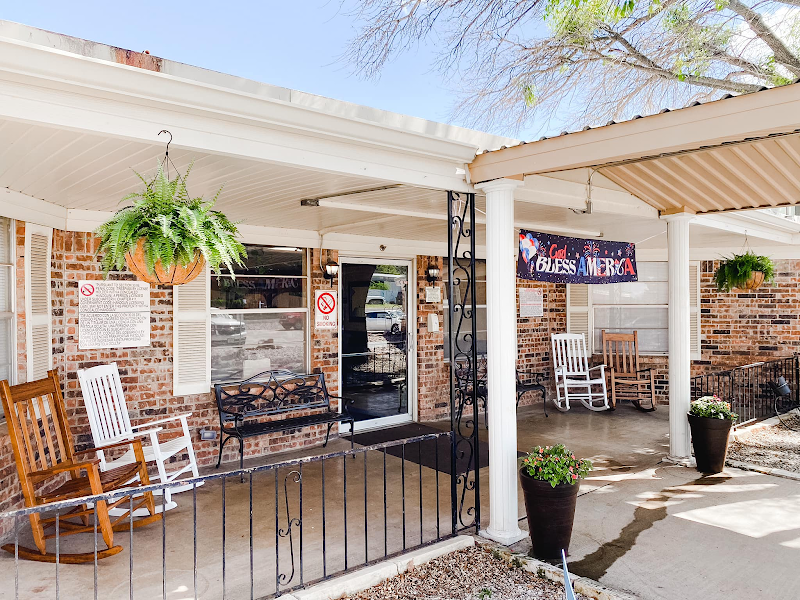
How is Cedar Manor Nursing And Rehabilitation Center Staffed?

CMS rates Cedar Manor Nursing and Rehabilitation Center's staffing level at 4 out of 5 stars, which is above average compared to other nursing homes. Staff turnover is 41%, compared to the Texas average of 46%. This relatively stable workforce can support continuity of care.

What Have Inspectors Found at Cedar Manor Nursing And Rehabilitation Center?

State health inspectors documented 17 deficiencies at Cedar Manor Nursing and Rehabilitation Center during 2022 to 2025. These included: 15 with potential for harm and 2 minor or isolated issues.
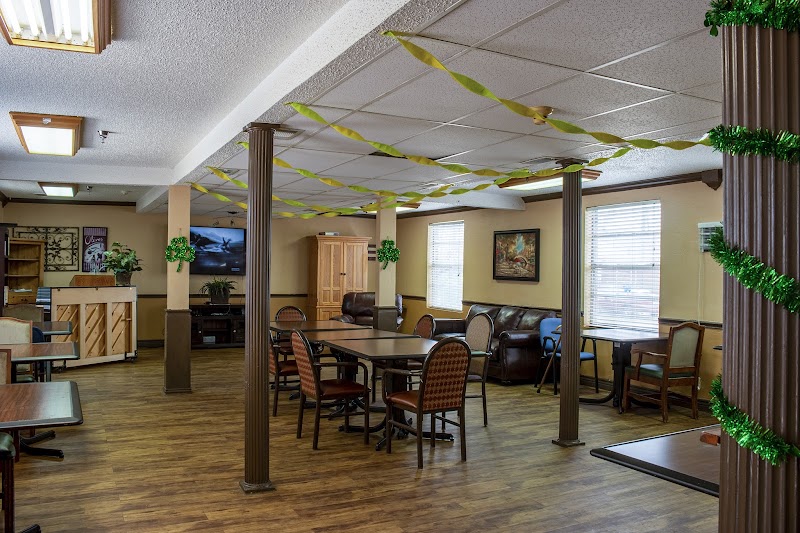
Who Owns and Operates Cedar Manor Nursing And Rehabilitation Center?

Cedar Manor Nursing and Rehabilitation Center is owned by a for-profit company. For-profit facilities operate as businesses with obligations to shareholders or private owners. The facility is operated by CREATIVE SOLUTIONS IN HEALTHCARE, a chain that manages multiple nursing homes. With 166 certified beds and approximately 43 residents (about 26% occupancy), it is a mid-sized facility located in San Angelo, Texas.

How Does Cedar Manor Nursing And Rehabilitation Center Compare to Other Texas Nursing Homes?

Compared to the 100 nursing homes in Texas, Cedar Manor Nursing and Rehabilitation Center's overall rating (4 stars) is above the state average of 2.8, staff turnover (41%) is near the state average of 46%, and health inspection rating (4 stars) is above the national benchmark.

What Should Families Ask When Visiting Cedar Manor Nursing And Rehabilitation Center?

Based on this facility's data, families visiting should ask: "Can I visit during a mealtime to observe dining assistance and food quality?" "How do you handle medical emergencies, and what is your hospital transfer rate?" "Can I speak with family members of current residents about their experience?"

Is Cedar Manor Nursing And Rehabilitation Center Safe?

Based on CMS inspection data, Cedar Manor Nursing and Rehabilitation Center has a clean safety record: no substantiated abuse findings (meaning no confirmed cases of resident harm), no Immediate Jeopardy citations (the most serious violation level indicating risk of serious injury or death), and is not on the Special Focus Facility watch list (a federal program monitoring the lowest-performing 1% of nursing homes). The facility has a 4-star overall rating and ranks #1 of 100 nursing homes in Texas. While no facility is perfect, families should still ask about staff-to-resident ratios and recent inspection results during their visit.

Do Nurses at Cedar Manor Nursing And Rehabilitation Center Stick Around?

Cedar Manor Nursing and Rehabilitation Center has a staff turnover rate of 41%, which is about average for Texas nursing homes (state average: 46%). Moderate turnover is common in nursing homes, but families should still ask about staff tenure and how the facility maintains care continuity when employees leave.

Was Cedar Manor Nursing And Rehabilitation Center Ever Fined?

Cedar Manor Nursing and Rehabilitation Center has no federal fines on record. CMS issues fines when nursing homes fail to meet care standards or don't correct problems found during inspections. The absence of fines suggests the facility has either maintained compliance or corrected any issues before penalties were assessed. This is a positive indicator, though families should still review recent inspection reports for the full picture.

Is Cedar Manor Nursing And Rehabilitation Center on Any Federal Watch List?

Cedar Manor Nursing and Rehabilitation Center is not on any federal watch list. The most significant is the Special Focus Facility (SFF) program, which identifies the bottom 1% of nursing homes nationally based on persistent, serious quality problems. Not being on this list means the facility has avoided the pattern of deficiencies that triggers enhanced federal oversight. This is a positive indicator, though families should still review the facility's inspection history directly.