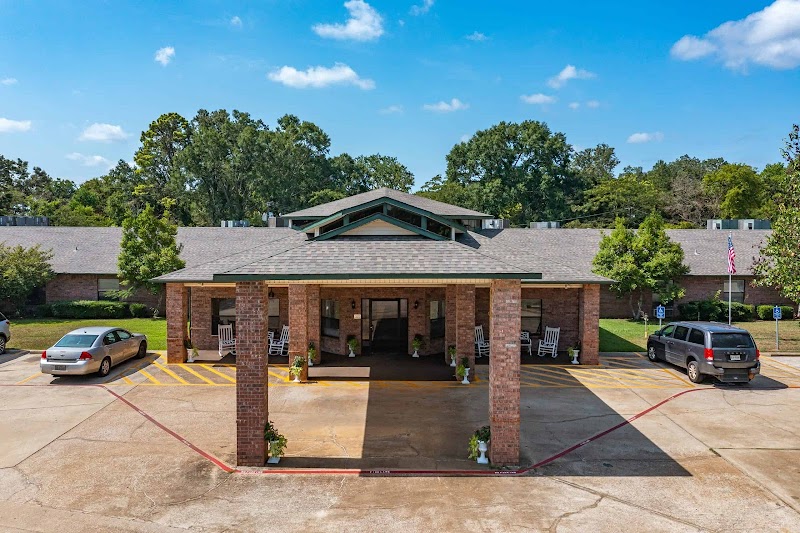
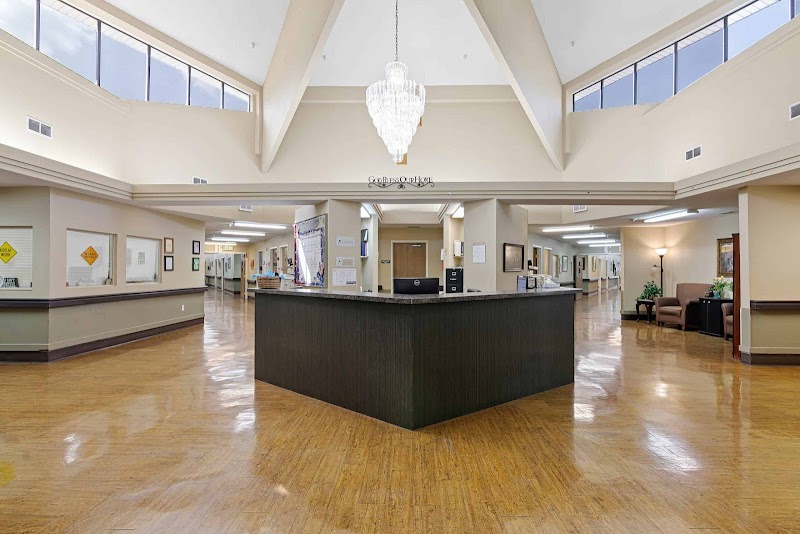
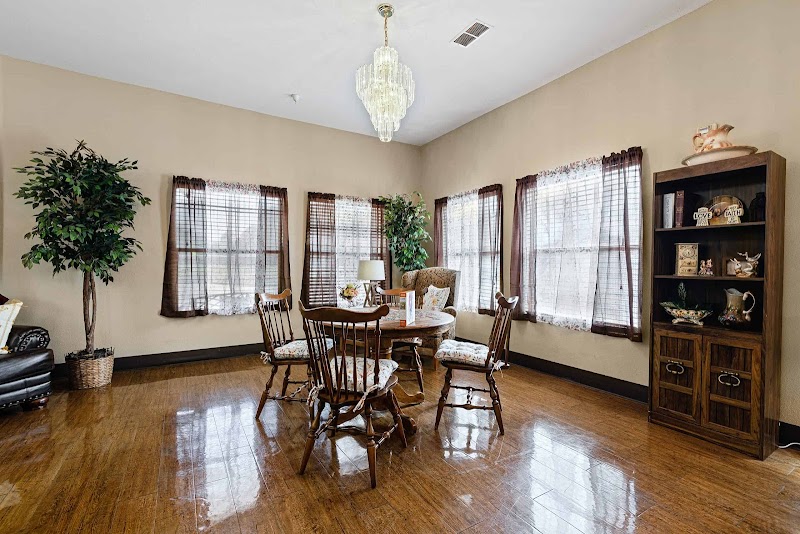
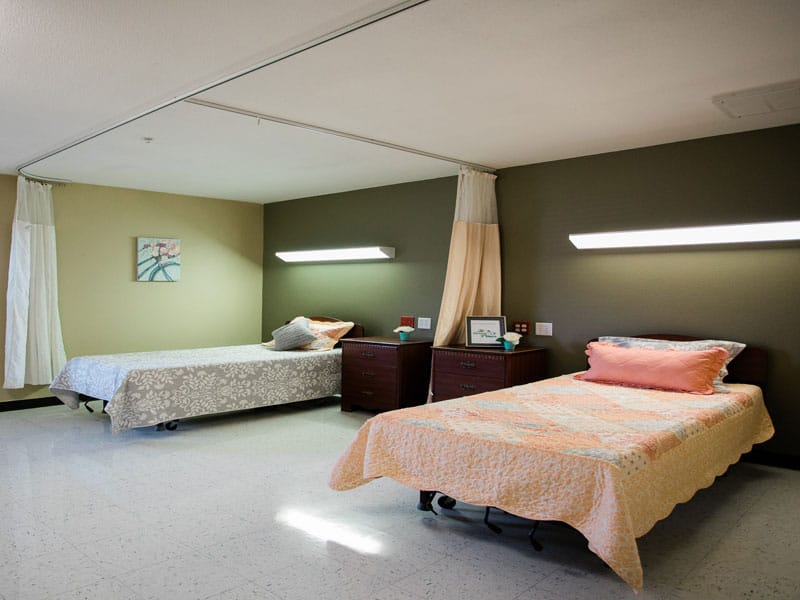
SUMMIT NURSING & REHAB OF SAN AUGUSTINE

902 E MAIN ST, SAN AUGUSTINE, TX 75972 (936) 275-2055
For profit - Limited Liability company 88 Beds SUMMIT LTC Data: November 2025 3 Immediate Jeopardy citations
Trust Grade
0/100
#1104 of 1168 in TX
Last Inspection: March 2025

Within standard 12-15 month inspection cycle. Federal law requires annual inspections.

Overview

Summit Nursing & Rehab of San Augustine has received a Trust Grade of F, indicating significant concerns about the quality of care provided. It ranks #1104 out of 1168 facilities in Texas, placing it in the bottom half overall, and #3 out of 3 in San Augustine County, meaning there are no better local options. While the facility is reportedly improving, having reduced issues from 11 in 2024 to 6 in 2025, the high staff turnover rate of 76% is concerning compared to the Texas average of 50%. Additionally, the facility has incurred $102,752 in fines, which is higher than 85% of Texas facilities, raising red flags about compliance problems. The nursing home has critical incidents, including a failure to provide proper respiratory care to a resident, leading to distress and eventual death. Another incident involved administering excessive medication to a resident, resulting in hospitalization. Lastly, a failure to perform necessary laboratory tests contributed to a resident's critical condition and hospitalization. Overall, while there are some signs of improvement, the facility's serious issues and poor ratings suggest it may not be a suitable choice for your loved one.

Trust Score
F
0/100
In Texas
#1104/1168
Bottom 6%
Safety Record
High Risk
Review needed
Inspections
Getting Better
11 → 6 violations
Staff Stability
⚠ Watch
76% turnover. Very high, 28 points above average. Constant new faces learning your loved one's needs.
Penalties
○ Average
$102,752 in fines. Higher than 53% of Texas facilities. Some compliance issues.
Skilled Nurses
⚠ Watch
Each resident gets only 12 minutes of Registered Nurse (RN) attention daily — below average for Texas. Fewer RN minutes means fewer trained eyes watching for problems.
Violations
⚠ Watch
25 deficiencies on record. Higher than average. Multiple issues found across inspections.
★☆☆☆☆
1.0
Overall Rating
★☆☆☆☆
1.0
Staff Levels
★☆☆☆☆
1.0
Care Quality
★★☆☆☆
2.0
Inspection Score
Stable
2024: 11 issues
2025: 6 issues

The Good

  • Full Sprinkler Coverage · Fire safety systems throughout facility
  • No fines on record

Facility shows strength in fire safety.

The Bad

1-Star Overall Rating

Below Texas average (2.8)

Significant quality concerns identified by CMS

Staff Turnover: 76%

30pts above Texas avg (46%)

Frequent staff changes - ask about care continuity

Federal Fines: $102,752

Well above median ($33,413)

Significant penalties indicating serious issues

Chain: SUMMIT LTC

Part of a multi-facility chain

Ask about local staffing decisions and management

Staff turnover is very high (76%)

28 points above Texas average of 48%

The Ugly 25 deficiencies on record

3 life-threatening
Mar 2025 5 deficiencies
CONCERN (D)

Potential for Harm - no one hurt, but risky conditions existed

Resident Rights (Tag F0550)

Could have caused harm · This affected 1 resident

**NOTE- TERMS IN BRACKETS HAVE BEEN EDITED TO PROTECT CONFIDENTIALITY** Based on observations, interviews, and record reviews, the facility failed to treat residents with respect and dignity and care ...

Read full inspector narrative →
**NOTE- TERMS IN BRACKETS HAVE BEEN EDITED TO PROTECT CONFIDENTIALITY** Based on observations, interviews, and record reviews, the facility failed to treat residents with respect and dignity and care for them in a manner and in an environment that promoted maintenance or enhancement of their quality of life for 1 of 8 residents (Resident #34) reviewed for resident rights. The facility failed to ensure CNA A provided privacy to Resident #34 when providing incontinent care on 3/04/2025. This failure could place residents at risk for decreased quality of life, decreased self-esteem and increased anxiety. Findings include: Record review of Resident #34's facility face sheet dated 3/04/2025 revealed Resident #34 was an [AGE] year-old male and was admitted to the facility on [DATE] with a diagnosis of chronic obstructive pulmonary disease (lung disease causing shortness of breath). Record review of Resident #34's admission MDS assessment dated [DATE] revealed Resident #34 had a BIMS score of 5 indicating severely impaired cognition and required assistance with all activities of daily living. Record review of Resident #34's comprehensive care plan dated 02/12/2025 revealed Resident #34 had impaired self-care and required assistance with activities of daily living. During an observation 03/04/25 at 9:50 AM, CNA A was providing Resident # 34 with incontinent and catheter care. CNA A did not pull the privacy curtain and the hospice nurse opened the resident's door and entered the room, exposing Resident #34 to the hallway . During an interview on 03/04/25 at 10:02 am, Resident #34 said he was not aware someone walked in while the CNA was performing catheter care, but it was a little embarrassing to think someone that did not need to see him naked could. During an interview on 03/04/25 at 10:04 am, the hospice nurse said she knocked and entered the room without waiting for permission and when she opened the door, she should have closed it and not continued to open the door exposing the resident to the hallway. She said by not doing so it could cause the resident embarrassment. During an interview on 03/04/25 at 10:07 am, CNA A said when providing personal care to residents, she should always pull the privacy curtains. She said she pulled the middle curtain but forgot about the one at the door. She said by not pulling the curtain when the hospice nurse walked in the room, Resident #34 was exposed to the hallway. She said this could make the resident feel bad and embarrassed. During an interview on 03/05/25 at 8:50 am, the DON said all staff were responsible for ensuring residents' rights and dignity. She said staff were trained on hire, annually, and as needed on resident rights and dignity and training including the use of privacy curtains. She said she expected all staff to maintain the residents privacy and dignity to prevent embarrassment. She said she would see that all staff were retrained on privacy and dignity. During an interview on 03/05/25 at 9:16 am, the Administrator said she was responsible for resident rights in the facility and that staff were following the rules for resident rights. She said she expected when care was provided, the privacy curtains to be used to prevent resident exposure and possible humiliation. She said she would see that all staff were retrained on dignity and privacy during care. Record review of a Residents' Rights document dated November 2021 revealed, dignity and respect: you have the right to be treated with dignity, courtesy, consideration and respect .
CONCERN (D)

Potential for Harm - no one hurt, but risky conditions existed

Drug Regimen Review (Tag F0756)

Could have caused harm · This affected 1 resident

**NOTE- TERMS IN BRACKETS HAVE BEEN EDITED TO PROTECT CONFIDENTIALITY** Based on interview and record review, the facility failed to ensure the drug regimen review recommendation from the pharmacy con...

Read full inspector narrative →
**NOTE- TERMS IN BRACKETS HAVE BEEN EDITED TO PROTECT CONFIDENTIALITY** Based on interview and record review, the facility failed to ensure the drug regimen review recommendation from the pharmacy consultant were acted upon for 2 of 4 residents reviewed for drug regimen review. (Residents #23 and Resident #253) -The facility did not follow up on the pharmacy consultant's recommendations dated 11/08/24 with the physician for Residents #23 and #253. -The facility did not develop policies and procedures to address the timelines of the MRR. These failures could place residents being at risk for medication errors, unnecessary medications, and incorrect administration. Findings included: 1. Review of Resident #23's admission face sheet dated 3/05/25 indicated Resident #23 was [AGE] year-old male, admitted on [DATE] with diagnoses including nontraumatic intercranial hemorrhage (bleeding within the skull), depression (a mood disorder that causes a persistent feeling of sadness and loss of interest), and anxiety (Fear characterized by behavioral disturbances). Review of the most recent MDS assessment dated [DATE] indicated Resident #23 was moderately cognitively impaired. During a record review of the monthly pharmacy consultant medication regimen review and recommendation dated 11/13/24, the review indicated: A recommendation as follows The resident has been taking Zoloft 50 mg daily and Celexa 10 mg daily (two SSRI's). Please evaluate the current dose and consider a dose reduction. During a record review of Resident #23 physician's orders dated December 2024 indicated that the order for Zolfoft 50 mg and Celexa 10 mg daily were not changed following the pharmacy recommendation dated 11/08/24. 2. Review of Resident #253's admission face sheet dated 3/05/25 indicated Resident #253 was an [AGE] year-old male, admitted on [DATE] with diagnoses including malignant neoplasm of the liver (liver cancer), depression (a mood disorder that causes a persistent feeling of sadness and loss of interest), and anxiety (Fear characterized by behavioral disturbances). Review of the most recent MDS dated [DATE] indicated Resident #253 was cognitively intact. During a record review of the monthly pharmacy consultant medication regimen review and recommendation dated 11/13/24, the review indicated: A recommendation as follows This resident had a recent fall. After reviewing the current medications, please evaluate the following meds for possible discontinuation or change as it has a high potential for causing or contributing to falls and possible fractures: Buspirone and Mirtazapine . During a record review of Resident #253 physician's orders dated December 2024, it indicated that no changes were made to the order for Buspirone and Mirtazapine following the pharmacy recommendations dated 11/08/24. During record review, no evidence of a physician's response to the medication regimen review for Resident # 23 or Resident # 253 was in the pharmacy consultant binder or the EMR. In an interview with the DON on 3/4/25 at 1:30 PM, she stated she was responsible for printing off the pharmacy consultant reports every month and sending all recommendations to the physicians for review and response. The DON said she has been responsible for the pharmacy reviews since January 2025. She said the previous ADON was responsible for the pharmacy consultant reports during the time in question. She stated the pharmacy consultant emails her the monthly report at the end of his visit. She prints out the reports and sends all recommendations to the physician within 24 hours of the visit. She stated she has been tracking the physician responses and follows up with any recommendations that have not been addressed. She stated she follows up on recommendations not returned by the physician weekly. She said when the recommendations are returned to the facility after the physician reviews and signs, the record is to be scanned and placed in the residents' EMR. In an interview with the Administrator on 3/5/25 at 10:45 AM, she said the DON wasresponsible for the pharmacy recommendations and medication review. She said the DON is responsible to sending the recommendations to the physicians and following up on any reports not returned. She said the DON has been overseeing the pharmacy recommendations since January 2025, and before that date, the ADON, that is no longer with the facility, was over the pharmacy recommendations. She said that she expects the recommendations to physician to be sent in a timely manner. She expects the response from the physician to be less than 30 days. In an interview with the pharmacy consultant on 3/5/2025 at 4:20 PM, he stated that he visited the facility on site monthly to perform medication reviews on all residents in the facility. He stated that during his visits, he reviewed the pharmacy binder for all communications relating to the previous pharmacy recommendations. He said if a recommendation from the previous month has not had a physician's response, he will make a notation on the report that the response is pending. He stated it is the facilities responsibility to follow up with the resident's physician to obtain a response to the pharmacy recommendations in a timely manner. He stated he expects physicians to respond to recommendations prior to the following monthly visit. Review of a policy titled Medication- Drug Regimen Review dated December 2017 indicated: The Pharmacy Consultant drug regimen review and nursing medication documentation review reports are processed as follows: The physician provides a written response to the home after the report is sent. The physician's response is provided to the Pharmacy Consultant for review and then filed by the home. There were no stated time frames in the policy. .
CONCERN (E)

Potential for Harm - no one hurt, but risky conditions existed

Infection Control (Tag F0880)

Could have caused harm · This affected multiple residents

**NOTE- TERMS IN BRACKETS HAVE BEEN EDITED TO PROTECT CONFIDENTIALITY** Based on observations, interviews, and record reviews, the facility failed to establish and maintain an infection prevention and...

Read full inspector narrative →
**NOTE- TERMS IN BRACKETS HAVE BEEN EDITED TO PROTECT CONFIDENTIALITY** Based on observations, interviews, and record reviews, the facility failed to establish and maintain an infection prevention and control program designed to provide a safe, sanitary, and comfortable environment and to help prevent the development and transmission of communicable diseases and infections for 2 of 8 residents (Resident #5 and #20) and 4 of 8 staff (CNA A, CNA B, LVN C and LVN D) reviewed for infection control. The facility failed to ensure CNA A and CNA B followed enhanced barrier precautions when providing care to Resident #5 on 3/03/2025. The facility failed to ensure LVN C and LVN D followed enhanced barrier precautions when providing care to Resident #20 on 3/04/2025. This failure could place residents at risk for cross contamination and infection. Findings included: 1. Record review of Resident #5's facility face sheet dated 3/04/2025 revealed Resident #5 was a [AGE] year-old male and was admitted on [DATE] with a diagnosis of dementia. Record review of Resident #5's quarterly MDS assessment dated revealed Resident #5 had a BIMS score of 14 indicating intact cognition. Record review of Resident #5's physician order dated 12/17/2024 revealed Resident #5 had an order for EBP twice daily. Record review of Resident #5's comprehensive care plan dated 12/17/2024 revealed Resident #5 required enhanced barrier precautions and to follow facility infection control policy. During an observation and interview on 3/03/25 at 9:30 am, Resident #5 had a pink dot by his name next to the door. Resident #5 said he thought the pink dot was for the staff to put on a gown when giving him care. He said the staff usually did, but sometimes they forgot. During an observation on 3/03/25 at 9:40 AM, Resident # 5 was transferred by CNA A and CNA B. Neither CNA applied PPE for resident care. During an interview on 3/03/2025 at 3:30 pm, CNA A said she had been trained on EBP and the pink dot on the name was her way of knowing a resident required EBP. She said she got nervous and forgot. She said by not using PPE for resident care it could cause a spread of infection. During an interview on 3/03/25 at 3:33 pm CNA B said EBP was when a resident needed PPE for a reason such as wounds, catheter, and feeding tube . She said Resident #5 had a pink sticker indicating EBP but was not sure what for and she should have put on PPE but forgot. She said by not following EBP, infections could spread. 2. Record review of Resident #20's facility face sheet dated 3/04/2025 revealed Resident #20 was an [AGE] year old female and was admitted on [DATE] with diagnosis of aneurysm of descending aorta (bulge in the artery). Record review of Resident #20's quarterly MDS assessment dated [DATE] revealed Resident #20 had a BIMS of 9 indicating impaired cognition. Record review of Resident #20's physicians order dated 5/01/2024 revealed Resident #20 had an order for EBP twice daily. Record review of Resident #20's comprehensive care plan dated 5/01/2024 revealed Resident #20 required EBP during contact care. During an observation on 3/04/25 at 8:42 am, Resident #20 had a pink dot by her name next to the door indicating EBP. During an observation on 3/04/25 at 8:44 AM, LVN C and LVN D was in Resident # 20's room assessing Resident #20's oral cavity. Both were in contact with the resident and her linen with no PPE in place. During an interview on 3/04/24 at 8:45 am, LVN C said Resident #20 had a pink dot on her name plate and required EBP for resident care. She said she thought she only needed gloves and not a gown. She said she had been trained on EBP and got confused. She said not following EBP could cause the spread of infections. During an interview on 3/04/25 at 8:47 am, LVN D said she had received training on EBP and any resident with a pink dot outside their room, they had to apply gloves and a gown. She said she was only going to look inside Resident #20's mouth but when she was in contact with Resident #20, she should have put on a gown and gloves. She said by not following EBP it could spread infections. During an interview on 03/05/25 at 8:50 am, the DON said she was also the infection prevention nurse and was responsible for the infection control program and training. She said she and the charge nurses were responsible for making sure all staff and visitors were following the enhanced barrier precautions. She said training on EBP was completed on hire, annually, and as needed. She said if EBP was not followed, it could cause the spread of infection. She stated she would retrain all staff on infection control measures and EBP. During an interview on 03/05/25 at 9:16 am, the Administrator said the DON was the infection prevention nurse and responsible for ensuring all staff were following infection control measures. She said staff were trained on infection control on hire, annually, and as needed, and she expected them to follow infection control measures. She said by not following EBP, infections could spread. She said going forward, she would oversee that all staff were retrained on EBP and that it was followed. Record review of staff in-services dated 12/17/2024 and 5/07/2024 revealed staff had been trained on EBP. Record review of a facility policy titled Infection Control Precautions dated 3/2024 revealed, .For residents for whom EBP are indicated: dressing, bathing, transferring, providing hygiene .
CONCERN (E)

Potential for Harm - no one hurt, but risky conditions existed

Safe Environment (Tag F0921)

Could have caused harm · This affected multiple residents

**NOTE- TERMS IN BRACKETS HAVE BEEN EDITED TO PROTECT CONFIDENTIALITY** Based on observation, interview, and record review, the facility failed to provide a safe, clean, and sanitary environment for 1...

Read full inspector narrative →
**NOTE- TERMS IN BRACKETS HAVE BEEN EDITED TO PROTECT CONFIDENTIALITY** Based on observation, interview, and record review, the facility failed to provide a safe, clean, and sanitary environment for 1 of 1 dining room (main dining room) and resident room [ROOM NUMBER]. 1. The facility failed to clean the main dining room ceiling fans (4) and vents (4). 2. The facility failed to maintain sheetrock and paint on the dining room walls and ceiling. 3. The facility failed to repair 3 obstructed/fogged windows in the main dining room. 4. The facility failed to repair a missing tile and broken floor tile in room [ROOM NUMBER]. These failures could place residents at risk for exposure to an unclean, unsanitary environment, risk of falls and other injuries due to an unsafe environment. Findings included: During an observation on 03/03/25 at 12:30 PM until 1:15 PM in the dining room, revealed wall vents on right side wall and 4 ceiling fans blades were covered with think dust and dirt. On the left side of the dining room, there were 3 windows with obstructed views due to fogging between the glass panes . There were two areas of patched bare sheetrock that had no paint near the therapy entrance to the dining room and the main dining entrance. There were cracked floor tiles and a missing green floor tile in front of the therapy entrance to the dining room . There was an area of patched sheetrock on the ceiling that had no paint. Near the patched area was a red/brown splash on the ceiling. The 4 air vents on the right side of the dining room were dirty with lint-dust. During an observation on 03/03/2025 at 3:00 PM of resident room [ROOM NUMBER], revealed a missing and a broken floor tile in the middle of the room During an observation of the dining room and interview on 03/04/2025 at 8:00 AM, the Dietary Manager looked at the ceiling fan above the dining tables and said it was her responsibility to make sure the dining room was clean and maintained for the residents' dining experience. She said she had not noticed the ceiling fans being dirty with dust buildup and she would get the Maintenance Man and housekeeping to clean them. She said that the dust could fall onto the resident's plate while eating. The Dietary Manager said she had not requested the broken floor tiles, sheetrock on the ceiling and walls to be repaired and painted. She said she would put in a request. She said not maintaining the environment could cause the residents to have a decreased dining experience. During an interview on 03/04/25 08:15 AM, Housekeeper E said the red substance splashed on the ceiling should be cleaned and the ceiling fan should be cleaned. He said the dust could fall off the blades and land in the residents' food. He said not cleaning the dining room could decrease the residents' dining experience. He said he had never noticed the fogged windows in the dining room and that the residents could not see out. This could affect the residents' quality of life. During an interview on 03/04/25 09:00 AM, the Maintenance Man said there was a logbook for staff to log requests for repairs. He said he had repaired the sheetrock in the dining room ceiling and walls but had not painted it yet. He said he just didn't have the time. He said the risk to the resident was the area could not be cleaned effectively. The Maintenance Man said he had never paid any attention to the fogged windows, and he had not requested for the windows to be replaced. He said he in the middle of the room the air vents when needed and changed out vent filters usually monthly. He said the staff log maintenance needs in a book at the nurses' station and he checks it daily for issues. During an interview on 3/05/2025 at 9:45 AM, the Administrator said it was the policy of the facility to maintain a clean, sanitary, and orderly environment. She said that not maintaining the environment could lead to decreased quality of life, infections, and hazards. She said the Maintenance Director would be responsible for repairing broken items, such as sheetrock and Housekeeping would be responsible for cleaning the fans. She said the facility was looking at remodeling the dining room with replacement of the windows. Record Review of a maintenance work order book, requests for maintenance dated 1/01/2025 to 3/04/2025 indicated no requests for walls, ceilings, vents, or windows rooms to be repaired. Record Review of the facility's policy entitled, Infection Control-Environmental Rounds, dated 12/2018 indicated: Policy: It is the policy of this home that the Administrator or other appropriate designee completes environmental rounds on a regular basis. Procedure: Environmental rounds will be an integral part of the daily routine and will be performed regularly throughout the entire home, with attention to all units and departments as needed. (It is suggested that a selection of individual units as well as the dietary, laundry, and housekeeping departments be specifically identified for closer scrutiny each month.) The Administrator/designee will identify areas of noncompliance. Areas of concern and the corrective action will be discussed during stand up and with the supervisors of each area. The corrective action will be completed by the supervisor, and completion relayed to the Administrator.
CONCERN (E)

Potential for Harm - no one hurt, but risky conditions existed

Smoking Policies (Tag F0926)

Could have caused harm · This affected multiple residents

Based on observations, interviews, and record reviews, the facility failed to ensure it formulated, adopted, and enforced policies regarding smoking, smoking areas, and smoking safety that also consid...

Read full inspector narrative →
Based on observations, interviews, and record reviews, the facility failed to ensure it formulated, adopted, and enforced policies regarding smoking, smoking areas, and smoking safety that also consider non-smoking residents for 1 of 1 smoking area reviewed for smoking safety. The facility failed to ensure cigarette butts were not discarded into the regular trash can along with flammable products on 3/3/35 and 3/4/25. This failure could place residents at risk of injury, burns, and an unsafe smoking environment. Findings include: During an observation on 3/3/25 at 3:50 pm, a large, silver metal trash can was observed in smoking area, it was lined with a clear plastic liner. When the lid to trash can was opened, multiple cigarette butts were observed along with cigarette boxes, multiple plastic bags, and other paper trash. During an observation and interview on 3/4/25 at 8:36 am, cigarette butts, along with cigarette boxes, plastic bags and other paper trash were still observed to be in large, silver metal trash can in smoking area. Regional MDS Nurse said Maintenance was responsible for the ashtrays and trash cans in the smoking area. She looked inside of the trash can and said she also saw the cigarette butts in the trash can. She said she felt like someone was just emptying the ashtrays in there. She said it could be a fire hazard if cigarette butts were put in the regular trash cans. During an interview on 3/5/35 at 9:06 am, the Administrator said ashtrays should always be emptied into the red metal trashcan. She said maintenance was responsible for emptying ashtrays. She said it could be a fire hazard if ashtrays were emptied into the regular trash. She said she had already begun in-services and would be educating all staff on proper disposal of cigarette butts from ashtrays. Record review of the facility's policy titled Smoking dated 12/2018 indicated that it did not address safe disposable of cigarette butts.
Feb 2025 1 deficiency 1 IJ
CRITICAL (J) 📢 Someone Reported This

A family member, employee, or ombudsman was alarmed enough to file a formal complaint

Immediate Jeopardy (IJ) - the most serious Medicare violation

Respiratory Care (Tag F0695)

Someone could have died · This affected 1 resident

**NOTE- TERMS IN BRACKETS HAVE BEEN EDITED TO PROTECT CONFIDENTIALITY** Based on observation, interview, and record review the facility failed to ensure a resident who needs respiratory care, includin...

Read full inspector narrative →
**NOTE- TERMS IN BRACKETS HAVE BEEN EDITED TO PROTECT CONFIDENTIALITY** Based on observation, interview, and record review the facility failed to ensure a resident who needs respiratory care, including tracheostomy care, is provided such care consistent with professional standards of practice for 1 of 7 residents (Resident #1) reviewed for respiratory care. The facility failed to ensure that Resident # 1 received monitoring during respiratory treatments while experiencing anxiety/nervous-type behaviors on 2/5/25. Resident #1 found in distress with no pulse with ventilator partially disconnected.The resident died on 2/8/25. An Immediate Jeopardy (IJ) was identified on 2/13/25. The IJ template was provided to the facility on 2/13/25 at 5:00 pm. While the IJ was removed on 2/14/25, the facility remained out of compliance at a scope of isolated and a severity level of no actual harm with potential for more than minimal harm that is not immediate jeopardy due to the facility's need to monitor and evaluate the effectiveness of their corrective systems. This failure could place residents at risk of a significant reduction in the quality of oxygen being delivered, inadequate oxygen support, and decline in health. The findings included: Record review of the profile sheet, dated 2/11/25, revealed Resident #1 was a [AGE] year-old female who initially admitted to the facility on [DATE] with diagnoses of acute and chronic respiratory failure with hypoxia (acute respiratory failure occurs when the lungs cannot release enough oxygen into the blood, which prevents the organs from properly functioning. Chronic respiratory failure can occur with conditions that cause the respiratory muscles to weaken over time. Hypoxia means low levels of oxygen in the body tissues), pneumonia (an infection that inflames the air sacs in one or both lungs), tracheostomy status (a procedure to help air and oxygen reach the lungs by creating an opening into the trachea (windpipe) from outside the neck. A person with a tracheostomy breathes through a tracheostomy tube inserted in the opening), dependence on respirator (ventilator) status (a mechanized device that enables the delivery or movement of air and oxygen into the lungs of a patient whose breathing has ceased, is failing, or is inadequate), dysphagia (difficulty swallowing), gastro-esophageal reflux disease without esophagitis (happens when acidic stomach contents flow back into the esophagus, esophagitis in the inflammation or irritation of the esophagus, which is an organ which transports food from the mouth to the digestive system), depressive disorder (depression), anxiety disorder (a group of mental disorders characterized by intense feelings of anxiety and fear), insomnia (trouble falling and/or staying asleep), essential (primary) hypertension (high blood pressure), hypotension (low blood pressure), and neuromuscular dysfunction of bladder (refers to urinary bladder problems due to disease or injury of the central nervous system or peripheral nerves involved in the control of urination). Record review of the MDS quarterly assessment, dated 2/5/25, revealed Resident #1 was understood and made herself understood. The MDS revealed Resident #1 had a BIMS of 11, which indicated moderate cognitive impairment. The MDS revealed Resident #1 had no behaviors or refusal of care. The MDS revealed Resident #1 had an anxiety disorder and depression. The MDS revealed that Resident #1 received oxygen therapy, suctioning, tracheostomy care, and invasive mechanical ventilator. Record review of the baseline care plan for Resident #1, initiated 1/24/25,showed the baseline care plan did not address Resident #1's ventilator use until 2/11/25 (after the resident's discharge) and did not address Resident #1's anxiety until 2/12/2025 even though Resident #1 had a diagnosis of anxiety on admission. Record review of physician orders dated 1/23/25, revealed Resident #1 had a physician's order, which started on 1/23/25 for Alprazolam 0.5 mg. 1 tablet 3 times a day as needed for anxiety. Record review of physician orders dated 1/23/25 revealed Resident #1 had a physician's order for ventilator/alarm checks were to be done every 4 hours. Record review of physician orders dated 1/23/25 revealed Resident #1 had 3 breathing treatment orders: Formoterol fumarate solution every 4 hours Ipratropium-albuterol solution to be given every 6 hours Tobramycin with nebulizer twice a day Record review of the progress notes revealed the following: 1/23/2025 at 4:28 p.m. signed by CRT F: Received resident via EMS from hospital around 1500. Shiley 8CN85H midline and secure, BBS Clear and Diminished. Resident transferred from gurney to facility bed with 2 person assist. Resident then placed on facility vent with prescribed settings AC/VC/450/16/+5/3L bled into it. Resident then showed increased SOB, increased HR 123bpm, Spo2 decreased to 83%. Vent kept alarming circuit disconnect. Switched vents with different circuit with same alarms. RT Director bagged resident until vent was working correctly. Once vent issue was resolved, the resident began to breathe easier and was no longer showing signs of respiratory distress. Residents family member arrived at facility, explaining she has severe anxiety, will hold her breath, and desaturate often. This information was passed on the RT Director, Asst. RT Director and LVN. Resident is now resting comfortably in semi-Fowler's position with husband at bedside. Will continue to monitor. 01/25/2025 at 10:30 signed by LVN P: This nurse called to residents room by CRT. CRT states resident complaining of S.O.B, O2 lower 80's. R.T. suctioned with very little return. CRT started bagging resident, O2 up to 94%, attempted to put resident back on vent and O2 dropped again. Resident heart rate 133-137. Called and spoke with Medical Director, ordered to send resident to hospital. E.R. 1/31/2025 [Recorded as Late Entry on 02/01/2025 03:10 a.m.] at 7:03 p.m. signed by LVN Q: Arrived to facility via stretcher by EMS. AAOx3. Family member at bedside. Trach and vent care and monitoring per R.T. Resp even, non-labored. No SOB. Denies pain or discomfort at this time. HOB elevated. Transferred to bed per staff. G/T patent. Flushes freely with H2O. No residual. Placement checked and confirmed. Continuous Isosource 1.5 @ 45mL/hr with 10mL/hr of H2O flushes per pump. V/S WNL. Awaiting meds to be delivered from a pharmacy. Incontinent care provided and repositioned every 2 hours and as needed. Both heels floated with pillow. No wounds or skin issues noted. NPO. Call light within reach. Checked frequently for needs, all needs met per staff. 2/01/2025 at 6:35 p.m. signed by CRT R: Received resident on ventilator, settings of AC/430/16/+5 with 4LPM of O2. Alarms on and active, ambu bag and ER kit at HOB, E-cylinder sufficient. Spo2 97, HR 102, RR 17, BBS unlabored and diminished. Resident asleep comfortably in her bed. Shiley 8CN85H secure and at midline. 0 complications and 0 distress noted at this time will continue monitor resident. Review of the progress notes dated 2/02/2025 at 6:45 p.m. signed by CRT E: Received resident on vent settings AC/430/16/+7/4L. Shiley 6CN75H secure and at midline and secure. Ambu bag and ER kit at HOB, E-cylinder sufficient. Resident awake and alert 0 distress noted at this time. Spo2 95, HR 64, RR 22. BBS unlabored and diminished. Will continue to monitor resident. Edited By: CRT E on 2/02/2025 08:18 PM Reason: Incorrect data 02/03/2025 at 6:50 a.m., signed by CRT A: Received resident awake and alert on ventilator, settings of AC/430/16/+7 with 4LPM of O2. Alarms on and active, ambu bag and ER kit at HOB, E-cylinder sufficient. Suctioned resident x4 with heavy lavage dt high insp. pressure, resident produced grape sized mucous plug. Spo2 99, HR 83, RR 19, ETCO2 30-50mmhg. BBS unlabored and diminished. Shiley 8CN85H secure and at midline. Installed heat chamber and placed in line with vent. 0 complications and 0 distress noted at this time will continue monitor resident. 02/04/2025 at 7:15 a.m., signed by CRT A: Received resident awake and alert on ventilator, settings of AC/430/16/+7 with 4LPM of O2. Alarms on and active, ambu bag and ER kit at HOB, E-cylinder sufficient. Spo2 93, HR 97, RR 25, ETCO2 30-50mmhg. BBS unlabored and diminished. Shiley 8CN85H secure and at midline. 0 complications and 0 distress noted at this time will continue monitor resident. Review of the progress notes dated 02/05/2025 at 8:06 a.m., signed by CRT F: Received resident resting on vent, settings of AC/430/16/+5/4L. Shiley 8CN85H secure and at midline. Alarms on and active, Spo2 98, HR 74, RR 18, BBS unlabored and diminished. Ambu bag and ER kit at HOB, E-cylinder sufficient. 0 complications and 0 distress noted at this time will continue monitor resident. 2/5/25 at 8:14 a.m. Oral and trach care done at this time. No complications. No distress noted at this time. Resident tolerated procedure well. Will continue to monitor. Signed off by CRT F. 2/5/25 at 9:15 p.m. Resident very anxious and fidgety at this time, nurse notified. Signed off by CRT E. 2/5/25 at 11:30 p.m. CRT E walked in Resident #1's room and found that the ventilator had become partially disconnected. Resident #1 was unresponsive, CRT E called for the nurse and CPR was started immediately. O2 Sat reading 60% This CRT E bagged resident (using an ambu bag which is a medical tool that forces air into the lungs of patients who have either ceased breathing completely or who are struggling to breath properly and need additional assistance) with 100% oxygen while nurse proceeded with compressions. EMS was called. RT director and administrator notified. EMS arrived around 11:54 p.m. to transport Resident #1 to the hospital. Signed off by CRT E. 2/6/25 3:55 a.m. At approximately 11:30 p.m. this writer was called to Resident #1's room by CRT E who stated Resident #1 was not responsive. I immediately got the cordless phone and hurried to the room while calling 911. Upon entering the room, I observed CRT E bagging Resident #1. I checked for a pulse but did not find one. I then began chest compressions. I applied the AED to the resident and was advised of no shock advised. I then began compressions again. We continued to run the code (a medical emergency usually cardiac or respiratory arrest) per facility protocol until EMS arrived at the facility at 11:54 p.m. and took over. Resident #1 had a pulse when she departed the facility with EMS. Signed off by LVN D. 2/8/25 10:55 p.m. Skilled nurse spoke with nurse at hospital, he stated resident passed away, DON notified. Signed off by LVN G. Record review of facility nurses notes indicated that on 2/5/25 there were no relevant entries made between 9:15 p.m. and 11:30 p.m. Record review of hospital records revealed the following: A hospital physician note dated 2/7/25 revealed the following: The patient is an elderly female on a chronic ventilator who comes in after cardiac arrest following her coming unplugged with the ventilator. Patient had roughly 20 minutes of down time. She seems to have significant anoxic insult from the cardiopulmonary arrest. Will continue current supportive treatment. A hospital physician note dated 2/8/25 revealed the following: Assessment: status post cardiac arrest, shock, cardiogenic versus septic. Atrial fibrillation with rapid ventricular response. Diabetes, anxiety. Plan: Patient continues to be on the ventilator, unresponsive on bedside evaluation. Review of hospital documents provided did not include any notes regarding cause or time of death. During an interview on 2/11/25 at 9:45 a.m. the Administrator said Resident #1 had recently been admitted to the vent unit. Administrator said Resident #1 was not clinically stable and was on a ventilator. Administrator said that on 2/5/25 the ventilator connecting tubing came loose. The CRT went into Resident #1's room and found her unresponsive. Administrator said the alarm never went off. The CRT started CPR and called for the nurse. The Administrator said EMS came and Resident #1 was transferred to the hospital and passed away on 2/8/25. The Administrator said she was told Resident #1 had a pulse when she left the facility. The Administrator said she had interviewed all the staff who were working. During an interview on 2/11/25 at 10:15 a.m., CRT A said she had worked in the facility since 2021. CRT A said she was not working the day Resident #1 coded (term used when a cardiopulmonary arrest occurs, and patient needs immediate resuscitative efforts). CRT A said she was told by other staff that there was a slight disconnect of the vent tubing to the trach. CRT A said she had witnessed Resident #1 reach for her trach and pull at it when she was anxious. CRT A said at the disconnection site, she was told the leak was so small that the vent could not register it and the alarms did not go off. CRT A said the vents had routine maintenance done every 10,000 hours, and alarms were checked every shift. CRT A said there had not been any issues with any vents or alarms that she was aware of. CRT A said the CRTs made frequent rounds on all the residents checking settings and doing trach observation. CRT A said the vent alarms were set to go off if 2 breaths were not received. CRT A said the physician had recently tried to decrease Resident #1's vent settings, and after 5 minutes Resident #1's heart rate went up and they had to turn the vent back to full support. CRT A said there were a few residents that would frequently have anxiety, and staff would check them, and sometimes adjusting room temperatures would help. CRT A said Resident #1 had disconnected her vent one time prior to this event, and it was a full disconnect and the alarms went off. CRT A said Resident #1's tube was not fully disconnected at the time of the incident. During observations on 2/11/25 at 10:45 a.m., Residents #2, #3, #4, #5, #6, and #7, were found to be lying in bed. All ventilator tubing appeared to be connected appropriately, and all tubes connected to trach were intact. Alarms were all functional. No residents were interviewable at the time of the observations. No resident appeared in any respiratory distress. During an interview on 2/11/25 at 1:33 p.m. CNA B said she had worked as an aide for 3 months. CNA B said she worked the night of the incident with Resident #1. CNA B said she came in about 6:30 p.m. and made rounds and picked up trays. CNA B said she had gone in Resident #1's room around 8:30 p.m. to check on her. CNA B said she changed Resident #1's bed and cleaned her. CNA B said Resident #1 was very alert and aware. CNA B said Resident #1 told her she was a good aide and gave her two thumbs up and told CNA B she was comfortable. CNA B said around 10:00 p.m. she made rounds and noticed Resident #1 was asleep. CNA B said she did not notice anything abnormal and turned the light out over the bed. CNA B said later that night, she was unsure of time but thought it was around 11-11:30 p.m., she heard the CRT call for help. The nurse came and CPR was started. EMS arrived maybe 10-15 minutes later and they took over the CPR. CNA B said EMS put Resident #1 on a stretcher and put a machine on her that did the CPR. CNA B said she heard someone say Resident #1 had a pulse. During an interview on 2/11/25 at 1:45 p.m. CNA C said she had worked in the facility for 1 year. CNA C said she worked the first day Resident #1 arrived at the facility. CNA C said Resident #1 had some anxiety. CNA C said Resident #1 was able to move around well in the bed by herself, and if she was rolling over for care, she knew to be cautious. CNA C said if any alarms went off, you could hear them in the rooms as well as the hall. During a telephone interview on 2/11/25 at 2:46 p.m. LVN D said she worked the day Resident #1 coded. LVN D said on 2/5/25 around 8:00 p.m. she gave Resident #1 her medications. Resident #1 was alert and oriented at that time. LVN D said she thought it was around 10:00 p.m., the aide went and turned the light out in Resident #1's room. LVN D said around 11:30-11:35 p.m. CRT E called her and said Resident #1 was not breathing. LVN D said 911 was called, and CPR initiated. LVN D said the AED was placed and did not indicate a shock was needed. LVN D said EMS arrived and took over and transported the Resident #1 to the hospital. LVN D said CRT E told her around 9:15 p.m. that evening that Resident #1 had anxiety. LVN D said she was in the hall with CRT E and went in Resident #1's room at that time. LVN D said when she went in the room, she did not notice any anxiety and did not offer Resident #1 any medication. LVN D said CRT E had just checked Resident #1's vital signs, and O2 sats and everything was fine. LVN D asked Resident #1 if she was feeling ok and if she had any anxiety. Resident #1 told her she was okay. LVN D said she had not witnessed Resident #1 have any episodes of anxiety, and never saw her touch her trach tubing, or try to remove it. During a telephone interview on 2/11/25 at 4:29 p.m. CRT E said she was working the night Resident #1 coded. CRT E said she had started doing her breathing treatments around 9:30-10ish p.m. as they were due by 11:00 p.m. CRT E said she usually started in one room and went down the line doing all breathing treatments. CRT E said she went in Resident #1's room and was talking with her. CRT E said Resident #1 would get anxious at the time of her treatments. Resident #1's vital signs were good and vent settings were good. CRT E said she had told the nurse to come look at the resident because she felt anxious, which she did, but was not sure if she gave Resident #1 any medication. CRT E said she started the breathing treatment around 10:00 p.m. and everything was good. CRT E said she had gone to chart and when she went back to the room approximately an hour later she saw that Resident #1 was lifeless. CRT E said she looked at the vent, and the tubing had become partially disconnected close to the airway, and that it was partially, not totally disconnected, and Resident #1 was still receiving breaths. CRT E said she contacted the nurse and started bagging Resident #1 and the nurse started compressions. CRT E said EMS arrived approximately 20 minutes later. CRT E said the AED was applied and did not recommend a shock. CRT E said the tubing was not disconnected enough to set the alarm off on the machine. CRT E said she thought the resident may have pulled it loose. EMS arrived and Resident #1 was transferred to the hospital. CRT E said that the vent machines would beep if the resident missed receiving 2 breaths. CRT E said Resident #1 did have a pulse before her transfer. During an interview on 2/12/25 at 9:30 a.m. the Director of Respiratory said she had started work in the facility on January 23 of this year. Director said she had worked as a Respiratory Director for 21 years. Director said Resident #1 had a habit of holding the connection tubing prior to the incident but had never tried to pull anything off or out. Director said residents' breathing treatments are given in line with the vent circuit through the nebulizer. The tubing for breathing treatments is connected to the vent. Director said Resident #1's vent was providing every breath for her. Director said staff were not required to stay with the resident during treatments unless they were utilizing a handheld nebulizer. Treatment time depends on how many medications are given. Director said most last 15-30 minutes but could be longer if more medications were to be received. Director said none of the residents on the unit were able to hold a nebulizer on their own for a breathing treatment. Director said she had looked at Resident #1's vent after she coded and looked at the alarms and everything was functioning normally. Director said while providing care on Resident #1, she would sometimes get anxious and hold her tubing. Director said she never saw Resident #1 try to pull anything out, and no one had reported to her that this had occurred. Director said she made rounds every day. Director said leaving the tubing/nebulizer connected when breathing treatment was finished would not cause any problems for Resident #1. The Director said the sensitivity settings on their ventilators were 1-4. Director said if they are set on 1, any movement made would set the alarms off. Director said it was standard practice to set them on 2. She said it was the same grade used in hospitals, and all their vents were set to that. Director said the machines received maintenance every 10,000 hours and would also beep if maintenance was needed. During an interview on 2/12/25 at 10:30 a.m. CRT F said she had worked in the facility since August 2024. CRT F said Resident #1 always appeared to be anxious. CRT F said Resident #1's family member had told her that when Resident #1's oxygen levels would go down her anxiety was through the roof. CRT F said all residents were checked at least every hour. CRT F said she had never seen Resident #1 pull on her trach until last week. CRT F said Resident #1's anxiety would get worse when she would hear other alarms going off in the hall. CRT F said Resident #1 had pulled on her inline suction tubing at one time. CRT F said they used a white cloth tie to hold the trach secure to the trach collar on all residents. CRT F said she had seen Resident #1 touching it 2 or 3 times. CRT F said when she would do trach care on Resident #1, which did not take long at all, Resident #1 would desat (when the oxygen saturation level in the blood decreases). CRT F said she was not working the day of the incident but was told the tubing over the trach had come off. CRT F said she could not run a history report from the vent as it had already been set up for another resident. During an interview on 2/12/25 at 11:00 a.m. The Medical Director said he had been notified of the partial disconnect of Resident #1's tubing. Medical Director said Resident #1 was very frail, and from what he had been told, Resident #1 had been checked before the incident. Medical Director said he felt nothing differently could have been done for Resident #1 and it seemed reasonable that the alarm did not go off. Medical Director said something happened from when the breathing treatment started until she was found. Medical Director said he did not feel there was anything that could have made this avoidable. Medical Director said Resident #1 was capable of using her hands, and unlike the hospital they cannot use restraints in the nursing home, which made it tricky. Medical Director said it could have been a mucous plug, we don't know. Medical Director said he did not think this incident was preventable. Medical Director said people respond differently and if Resident #1 had a cardiac episode or a mucous plug, she may have pulled it out. Medical Director said he would be in the nursing home on Friday 2/14/25 to review the chart. During an interview on 2/12/25 at 2:15 p.m. The DON stated that Resident #1 would touch her tubing but had not tried to pull it out. The DON said Resident #1 was able to use her call light when she needed something. The DON said Resident #1 was a very anxious, nervous person and would calm down when staff talked to her and explained things. During a confidential interview on 2/13/25 at 2:28 p.m. the interviewee said the night Resident #1 coded, the tubing was completely disconnected. Interviewee said there were no alarms heard on the vent unit the entire shift which was unusual. Interviewee said they had never worked a shift where the alarms did not go off. Interviewee said when the day shift arrived, the alarms started going off. Interviewee said the CRT who was working at the time stated the tubing had come apart and she had witnessed the tubing on the floor. Interviewee said some of the staff were afraid to speak up. Interviewee said all the staff working had to meet with Administration to get their stories straight. Interviewee said she did not know if the alarms were turned off but felt if they had alarmed when the tubing became disconnected something more could have been done for Resident #1. Interviewee stated a coworker told her she was to say the tubing had been partially disconnected if anyone asked. Record review of the VOCSN Clinical and Technical Ventilator Manual revealed the following: The ventilator will emit an audible series of tones whenever a high or medium priority alarm activates. The visual alarm (indicating the alarm condition and priority) will remain on the ventilator screen. The apnea alarm will activate when the ventilator has not delivered assist or spontaneous breaths. The check 02 source alarm activates when a connected source of external low-pressure oxygen is used and the monitored Fi02 (represents the percentage of oxygen a person inhales from the air or through supplemental oxygen) falls below 24%. The check patient circuit alarm activates when the ventilator detects an inadequate leak in a passive or valveless circuit, or an error on the flow sensor of an active circuit. The low breath rate alarm activates when the monitored breath rate is less than the set low breath rate alarm limit. The low Fi02 alarm activates when the monitored Fi02 falls below the set alarm limit. The low inspirator pressure alarm activates when the monitored Peak Inspiratory Pressure (the highest level of pressure applied to the lungs during inhalation) falls below the set low Inspiratory pressure alarm The patient circuit disconnect alarm will activate when the ventilator detects a large leak. The patient circuit disconnect alarm will activate when no patient breathing is detected for 20 seconds. The Administrator and DON were notified of an IJ on 02/13/25 at 5:00 p.m. and were given a copy of the IJ template and a Plan of Removal (POR) was requested. The Plan of Removal was accepted on 02/14/25 at 9:55 am and included the following: 2/14/2025 Plan of Removal - F695 Immediate Action Taken Resident Specific · Resident #1 was sent to ER on [DATE] at 11:54 p.m. · MD was notified of Resident #1's cardiac arrest, CPR, and transport to the emergency room on 2/5/25. · Family was notified of Resident #1's cardiac arrest, CPR, and transport to the emergency room on 2/5/25. · Medical Directors were notified of IJ on 2/13/25 at 6:32 p.m System Changes · All residents with a tracheostomy or ventilator were assessed on 2/13/25 by Respiratory Therapists. No issues noted during assessment. Residents were assessed for trach patency/placement, adequate oxygenation/ventilation, s/sx of respiratory distress, s/sx of anxiety. Assessment documented on Vent/Trach Resident Assessment (paper form.) · All residents with tracheostomy or ventilator will have their care plan reviewed/revised by the MDS Coordinator to ensure that all interventions related to tracheostomy/ventilator status remain adequate and appropriate. Care plan review to be completed by 12pm on 2/14/25. · Charge Nurse will assess all residents with tracheostomy or ventilator for anxiety at least once per shift and document on the Treatment Administration Record, beginning on 2/13/25. If s/sx of anxiety exist, Charge Nurse is to intervene appropriately, non-pharmacologically or pharmacologically. · Respiratory Therapist will assess all residents with tracheostomy or ventilator for anxiety, prior to nebulizer treatments and document on the Treatment Administration Record, beginning on 2/13/25. If s/sx of anxiety exist, Respiratory Therapist is to notify the Charge Nurse for appropriate intervention. · Vents and Alarms are checked by Respiratory Therapist every 4hrs and documented on the Respiratory Treatment Administration Record. (Alarms to be checked are: breath rate, apnea rate, inspiratory pressure, high PEEP, low PEEP and disconnection.) Education · Director of Nursing provided education to all staff on signs/symptoms of anxiety, and how to intervene appropriately. All staff present in the facility were educated on 2/13/2025. Staff not present for the education will receive education prior to their next shift. · Director of Nursing provided education to nurses and Respiratory Therapists on monitoring for anxiety Q shift, and prior to administering nebulizer treatments. All nurses and Respiratory Therapists present in the facility were educated on 2/13/25. Nurses and Respiratory Therapists not present for the education will receive education prior to their next shift. · Director of Respiratory Therapy provided education to Respiratory Therapists on vent/alarm checks every 4hrs and to visualize tubing/connections when they are in the room. All Respiratory Therapists present in the facility were educated on 2/13/2025. Respiratory Therapists not present for the education will receive education prior to their next shift. · Director of Respiratory Therapy provided education to Respiratory Therapists on what alarms to check during the vent/alarm checks. Alarms to be checked are: breath rate, apnea rate, inspiratory pressure, high PEEP, low PEEP and disconnection. All Respiratory Therapists present in the facility were educated on 2/14/2025. Respiratory Therapists not present for the education will receive education prior to their next shift. · Director of Respiratory Therapy provided education to nursing staff on notifying Respiratory Therapist immediately if they hear an alarm or see any issues with vent or tubing. All nursing staff present in the facility were educated on 2/13/2025. Nursing staff not present for the education will receive education prior to their next shift. Monitoring · DON or designee to monitor completion of Anxiety Assessment by Nurses and Respiratory Therapists 5x/week X 4 weeks, then refer to QAPI committee for efficacy of plan and revision of monitoring frequency. On 02/14/25 the surveyor confirmed the facility implemented their plan of removal sufficiently to remove the IJ by: Verified 9 other residents were in the facility that required mechanical ventilation and 4 that required trach care with supplemental oxygen therapy. Record review of care plans for all 13 residents with tracheostomy or ventilator indicated their care plan was reviewed/revised by the MDS Coordinator to ensure that all interventions related to tracheostomy/ventilator status remain adequate and appropriate. Record review of all 13 residents' orders indicated interventions for Charge Nurse will assess all residents with tracheostomy or ventilator for anxiety at least once per shift and document on the Treatment Administration Record, beginning on 2/13/25. If s/sx of anxiety exist, Charge Nurse is to intervene appropriately, non-pharmacologically or pharmacologically. Record Review of all 13 residents' orders indicated Respiratory Therapist will assess all residents with tracheostomy or ventilator for anxiety, prior to nebulizer treatments and document on the Treatment Administration Record, beginning on 2/13/25. If s/sx of anxiety exist, Respiratory Therapist is to[TRUNCATED]
Feb 2024 11 deficiencies 2 IJ
CRITICAL (J)

Immediate Jeopardy (IJ) - the most serious Medicare violation

Deficiency F0760 (Tag F0760)

Someone could have died · This affected 1 resident

**NOTE- TERMS IN BRACKETS HAVE BEEN EDITED TO PROTECT CONFIDENTIALITY** Based on observation, interview and record review the facility failed to ensure residents were free of significant medication er...

Read full inspector narrative →
**NOTE- TERMS IN BRACKETS HAVE BEEN EDITED TO PROTECT CONFIDENTIALITY** Based on observation, interview and record review the facility failed to ensure residents were free of significant medication errors for 1 of 8 residents (Resident #246) reviewed for significant medication errors. The facility failed to ensure Resident #246 was free of significant medication errors when 11 extra doses of potassium 40 mEq were administered from [DATE] to [DATE] resulting in Resident #246 requiring hospitalization. The noncompliance was identified as PNC (past non-compliance). The IJ (immediate jeopardy) began on [DATE] and ended [DATE]. The facility had corrected the noncompliance before the survey began. This failure could place residents at risk of not receiving the therapeutic effect of their medications as ordered by the physician. Findings include: Record review of a facility face sheet dated [DATE] indicated Resident #246 was a [AGE] year-old female that admitted to the facility on [DATE] with diagnoses of sepsis and acute cholecystitis (inflammation of the gallbladder). Record review of an admission MDS assessment dated [DATE] indicated Resident #246 had a BIMS of 12 indicating intact cognition and had diagnosis for hypokalemia (low potassium level in blood). Record review of a baseline care plan dated [DATE] indicated Resident #246 took diuretics (medications to remove fluid from the body). Record review of comprehensive care plan for Resident #246 revealed the care plan had not been completed at time of the incident. Record review of a facility event report dated [DATE] revealed Resident #246 had an incident involving a medication error. The report was completed by the previous DON and stated that she was informed of a missed lab on Resident #246 and lab was obtained at the local hospital. The facility received a critical result on Resident #246's potassium at 7.6 (normal range was 3.5-5). Resident #246's physician was notified and was sent to the emergency room by EMS (emergency medical services). Later that evening she was notified by the ADON that she failed to place a stop date on Resident #246's new potassium order and was only to have received the potassium at the time of the order and again 4 hours later and at midnight and failed to put in the lab order for Resident #246 for [DATE] and [DATE]. The error was described in the report as Resident #246's potassium lab came back at 2.8 on [DATE]. The ADON contacted the medical director, and the medical director gave the order for Resident #246 to receive potassium 20 mEq(milliequivalents) with a banana, then potassium 40 mEq times two doses and then potassium 20 mEq daily starting [DATE]. Then repeat lab on [DATE] and [DATE]. The potassium increased dose continued until [DATE] when a critical potassium level of 7.6 was received and immediate action was taken. Record review of a consolidated physician order report dated from [DATE] to [DATE] revealed on [DATE] a new order was entered for Resident #246 on [DATE] to receive one time dose of potassium 20 mEq 1 tab orally with a banana and 20 mEq 2 tabs orally two times a day with no stop date and to start on [DATE] potassium 20 mEq 1 tab orally daily. Record review of the medication administration record dated [DATE] for Resident #246 revealed Resident ##246 received 11 extra doses of potassium 40 mEq from [DATE] to [DATE]. Record review of lab result dated [DATE] revealed Resident #246 had a Potassium of 2.8 out of a normal range of 3.5-5.0. Record review of BMP (basic metabolic panel) dated [DATE] revealed Resident #246 had a critical high potassium at 7.6 (normal range 3.5-5.0). Record review of a hospital summary report dated [DATE] indicated Resident #246 admitted to the hospital on [DATE] with hyperkalemia, acute kidney injury, and metabolic acidosis (build up of acid in the body). She had cardiac changes requiring intervention and was admitted to the intensive care unit. During a phone interview on [DATE] at 4:21 pm the previous DON stated she was employed at the facility from [DATE] to [DATE] and stated she was the DON at the facility at the time of the medication error for Resident #246. She stated she was told on [DATE] that Resident #246 did not get routine lab as ordered on [DATE] and she placed an order for lab to be completed by the local hospital that same day. She stated when the results came back on [DATE] around 4:30 pm Resident #246's potassium was critical at 7.6, and she had the resident sent to the emergency room. She stated she had a background in ER (emergency room) nursing and knew critical labs and treatment was needed outside the facility. She stated the ADON called her and told her she had made a mistake on an order for Resident #246's potassium and left it open ended without a stop date and did not put in Resident #246's repeat lab orders. She said the ADON entered the potassium order for Resident #246 and was responsible for checking the orders in the facility for all residents. She stated following the incident, the ADON was suspended, she checked other residents for signs and symptoms of hyperkalemia (high potassium in the blood), and in-serviced staff. She then completed the medication error report and regional staff were notified of the error. She stated an action plan was put in place, but she was not involved in the decision to report the error to state authorities and that decision was made by the regional staff. She stated the medication error and failure to obtain repeat lab was significant and resulting in Resident #246 having to be hospitalized . During an interview on [DATE] at 7:43 am the ADON stated she was responsible for checking orders and she reviewed new orders a few times a week but not daily. She stated she was the nurse that inputted the orders for Resident # 246 incorrect and took full responsibility. She stated she put the order in for the 40mEq of potassium times 2 doses but failed to put a stop date and Resident # 246 received the incorrect dose from [DATE] to [DATE]. She stated she also took the order for the repeat lab on [DATE] and [DATE] but failed to notify the lab of the new order. She stated as soon as she noticed the error on [DATE], she notified the DON at that time, and she was suspended pending investigation. She stated Resident # 246 could have suffered badly and even died over this error. She stated when she returned to work there were new processes in place regarding orders and she was trained regarding inputting orders, lab notification of new orders, order review daily during stand-up meeting, and review the 24-hour report. She stated that all nurses current and new were trained on the new process. During an interview on [DATE] at 10:05 am LVN E stated she had cared for Resident #246 during her stay at the facility. She stated she had administered Resident #246's medications including potassium and followed the EMAR (electronic medication administration record) when administering medications. She stated she did not recognize that the potassium dose was higher than usual. She stated it was not until her potassium level came back critically high and was sent to the hospital that the incorrect potassium dose was recognized. She stated that residents could have a negative outcome if medications were not given correctly. During an interview on [DATE] at 11:25 am Resident #246's primary care physician stated he was made aware of the new potassium and lab orders for Resident # 246 on [DATE] and when her potassium was critical high on [DATE]. He stated he gave the order for her to go to the hospital. He stated someone at the facility but could not remember who notified him later of the medication error regarding the potassium dose. He stated the medication error was significant enough that Resident # 246 required hospitalization. He stated that the facility errors did result in harm to Resident # 246 at that time. During an interview on [DATE] at 11:35 am the regional nurse stated the DON notified her of the medication error for Resident #246 and they immediately started an action plan. She stated a full audit of all residents were completed and in services were started with all nursing staff regarding inputting medication orders, lab orders and drug monitoring, signs and symptoms of increased potassium, the five rights of medication administration and monitoring new orders for accurate transcription. She stated the error caused a negative outcome and expected that all nursing staff were following the new plan to prevent the incident from reoccurring. Record review of a facility policy titled Medication - Unusual Occurrences dated 12/2018 indicated, It is the policy of this facility to administer medications within the Standards of Practice and in Compliance with Regulatory Guidelines. Record review of a facility policy titled Medication Administration dated 12/2018 indicated, 13. Prior to administration, the medication and dosage schedule on the resident's MAR is compared with the medication label. If the label and MAR are different and the container is not flagged indicating a change in directions or if there is any other reason to question the dosage or directions, the physician's orders are checked for the correct dosage schedule. This was determined to be a PNC IJ from [DATE] to [DATE]. The Administrator was notified of the PNC IJ on [DATE] 11:45 am. The facility took the following action to correct the non-compliance on [DATE]: The facility conducted an audit of all orders for accuracy and appropriate stop dates, audited all lab orders and medications requiring therapeutic monitoring, the consultant pharmacist reviewed medication orders requiring lab monitoring for all residents, all residents were assessed for signs and symptoms of hyperkalemia, the DON/ADON began reviewing new orders during the stand-up meeting to ensure correct transcription into the EMR (electronic medical record). The DON provided education to all nurses on signs and symptoms of hyperkalemia, taking verbal orders and clarifying stop dates, lab orders/drug monitoring, and the 5 rights of medication administration. The regional clinical consultant educated the DON, MDS coordinator and Administrator regarding monitoring new orders for accurate transcription into EMR. The DON monitored new order transcription during clinical stand-up meeting 5 times a week times 4 weeks then was referred to QAPI (quality assurance performance improvement) committee for efficacy of plan and monitoring frequency. Administrator or designee to monitor that clinical stand-up meeting follows the correct format. Observation completed during medication pass on [DATE] and the physician orders for the sampled residents in the medication pass observation were reviewed and no medication errors. Residents received medications as ordered. Record review of an In-service Training report named 5 Rights of Medication dated [DATE] and conducted by the DON to the nursing staff included: 1) Right Drug 2) Right Dose 3) Right Route 4) Right Time 5) Right Patient. Make sure we are using the 5 Rights when administering medications to our residents. Record review of an In-service Training report named Signs and Symptoms of Hyperkalemia dated [DATE] and conducted by the DON to the Nursing Staff included: Symptoms of high potassium: stomach pain, diarrhea, fatigue, chest pain, irregular heartbeat that may feel fast or like a fluttering sensation, muscle weakness, numbness or paralysis in arms or legs, nausea or vomiting. Please monitor all residents on potassium for any and all signs and symptoms of elevated potassium. Record review on an In-service Training report named Notifying Personal Care Physician dated [DATE] conducted by the DON to the Nursing staff included: Notify residents' personal care physician with any critical labs, change in condition, clarification of any orders that are out of range, clarify stop dates on meds if needed. Do not resort to hospitalist until all means have been exhausted and the DON is notified. Record review of an In-Service Training report named Entering Lab Orders in the electronic system dated [DATE] and conducted by the DON to the Nursing staff included: When entering a lab order in the electronic system, ensure you put a stop date if appropriate. Record review on an In-service Training report named Read Back Verbal Order and Stop dates dated [DATE] conducted by the DON to the Nursing staff included: Read by the order and verify the details of the order and a stop date. In the electronic system, check all of the components of the order and make sure it has a stop date if one was ordered. Record review on an In-Service training report named medications that Require Monitor dated [DATE] conducted by the DON to the Nursing staff included: Medications that require lab monitoring: Vancomycin, Gentamicin, Amikacin, Digoxin, Procainamide, Phenobarbital, Phenytoin, Lidocaine, Cyclosporine, Tacrolimus, Lithium, Valproic Acid, Coumadin, Potassium, Heparin, levetiracetam, Insulin, Synthroid, and Lipid Medications (used to treat high cholesterol). Record review of new hire list and no new hires for nursing since incident occurred on [DATE]. Interviews with 5 nurses, (LVN C, LVN E, LVN F, LVN G, and the wound care nurse) starting at 7:00 am - 11:00 am on [DATE], revealed they were in-serviced and verbalized regarding the 5 rights of medications. All 5 nurses could identifiy the 5 rights of meddication administration; right drug, right dose, right route, right time and right patient. All 5 nurses could identify signs and symptoms of hyperkalemia to include stomach pain, diarrhea, fatigue, chest pain, irregular heartrate, nausea and vomiting. All 5 nurses verbalized notification to physician for any critical out of range lab results and clarifying all orders to have a stop date if needed. All 5 nurses verbalized when entering lab orders they are to notify the DON/ADON and place the lab order on the 24 hour sheet. All 5 nurses verbalized when taking a verbal order to read the order back to the physician and ask if there is a stop date. All 5 nurses verbalized medications that require lab monitoring and the steps for ordering lab. All 5 nurses verbalized the morning meeting process for addressing new orders for medications and lab. All 5 nurses verbalized the steps for a new lab order to include placing the order in the EHR, send copy of order to lab, place lab on 24 hour report sheet, enter progress notes, when lab results notify DON/ADON and MD of result and place lab in the book and if lab is out of range critical physician to be notified immediately. During an interview on [DATE] at 11:15 am the Administrator stated he was not the administrator at the time of the error but was aware of the incident and measures were in place to prevent future errors. The Administrator stated all nurses including new hires had been in serviced on the processes for medication orders, lab, monitoring medications, stand-up morning report, and the five rights of medications. He stated that the monitoring would continue with the facility QAPI meetings. The noncompliance was identified as PNC. The IJ began on [DATE] and ended [DATE]. The facility had corrected the noncompliance before the survey began.
CRITICAL (J) 📢 Someone Reported This

A family member, employee, or ombudsman was alarmed enough to file a formal complaint

Immediate Jeopardy (IJ) - the most serious Medicare violation

Laboratory Services (Tag F0770)

Someone could have died · This affected 1 resident

**NOTE- TERMS IN BRACKETS HAVE BEEN EDITED TO PROTECT CONFIDENTIALITY** Based on interview and record review the facility failed to provide or obtain laboratory services, to meet the needs of its resi...

Read full inspector narrative →
**NOTE- TERMS IN BRACKETS HAVE BEEN EDITED TO PROTECT CONFIDENTIALITY** Based on interview and record review the facility failed to provide or obtain laboratory services, to meet the needs of its residents for 1 of 8 residents (Resident #246) reviewed for laboratory services. The facility failed to obtain the ordered lab (comprehensive metabolic panel) for Resident #246 on [DATE] and [DATE] when the ADON failed to notify the lab of the new orders and note the lab orders on the 24-hour report on [DATE], resulting in Resident #246 requiring hospitalization for critically high potassium level of 7.6 on [DATE]. The noncompliance was identified as PNC. The IJ began on [DATE] and ended [DATE]. The facility had corrected the noncompliance before the survey began. This failure could place residents at risk for injury and death. Findings include: Record review of a facility face sheet dated [DATE] indicated Resident #246 was a [AGE] year-old female that admitted to the facility on [DATE] with diagnosis of sepsis and acute cholecystitis (inflammation of the gallbladder). Record review of an admission MDS assessment dated [DATE] indicated Resident #246 had a BIMS of 12 indicating intact cognition, had diagnosis for hypokalemia (low potassium level in blood). Record review of a baseline care plan dated [DATE] indicated Resident #246 took diuretics (medications to remove fluid from the body). Record review of comprehensive care plan for Resident #246 revealed the care plan had not been completed at time of the incident. Record review of a facility event report dated [DATE] revealed Resident #246 had an incident involving a medication error. The report was completed by the previous DON and stated that she was informed of a missed lab on Resident #246 and lab was obtained at the local hospital. The facility received a critical result on Resident #246's potassium at 7.6 (normal range was 3.5-5). Resident #246's physician was notified and was sent to the emergency room by EMS (emergency medical services). Later that evening she was notified by the ADON that she failed to place a stop date on Resident #246's new potassium order and was only to have received the potassium at the time of the order and again 4 hours later and at midnight and failed to put in the lab order for Resident #246 for [DATE] and [DATE]. The error was described in the report as Resident #246's potassium lab came back at 2.8 on [DATE]. The ADON contacted the medical director, and the medical director gave the order for Resident #246 to receive potassium 20 mEq(milliequivalents) with a banana, then potassium 40 mEq times two doses and then potassium 20 mEq daily starting [DATE]. Then repeat lab on [DATE] and [DATE]. The potassium increased dose continued until [DATE] when a critical potassium level of 7.6 was received and immediate action was taken. Record review of a consolidated physician order report dated from [DATE] to [DATE] revealed on [DATE] a new order was entered for Resident #246 to have CMP (comprehensive metabolic panel) lab on [DATE] and [DATE]. Record review of Resident #246's [DATE] lab result of Potassium was 2.8 out of a normal range of 3.5-5.0. Record review of BMP (basic metabolic panel) dated [DATE] revealed Resident #246 had a critical high potassium at 7.6 (normal range 3.5-5.0). Record review of a hospital summary report dated [DATE] indicated Resident #246 admitted to the hospital on [DATE] with hyperkalemia, acute kidney injury, and metabolic acidosis (buildup of acid in the body). Potassium level at the hospital was 8.1. She had cardiac changes requiring intervention and was admitted to the intensive care unit. During a phone interview on [DATE] at 4:21 pm the previous DON stated she was employed at the facility from [DATE] to [DATE] and stated was the DON at the facility at the time of the lab error for Resident #246. She stated she was told on [DATE] that Resident #246 did not get routine lab as ordered on [DATE] and placed an order for lab to be completed by the local hospital that same day. She stated when the results came back [DATE] around 4:30 pm Resident #246's potassium was critical, and she had the resident sent to the emergency room. She stated she had a background in ER (emergency room) nursing and knew critical labs and treatment was needed outside the facility. She stated the ADON called her and told her she had made a mistake and did not put in Resident #246's repeat lab orders for [DATE] and [DATE]. She said the ADON was responsible for checking the orders in the facility for all residents. She stated following the incident, she checked other residents for signs and symptoms of hyperkalemia (high potassium in the blood), and in-serviced staff. Regional staff were notified of the error. She stated an action plan was put in place, but she was not involved in the decision to report the error to state authorities and that decision was made by the regional staff. She stated the failure to obtain repeat lab was significant and resulting in Resident #246 having to be hospitalized . During an interview on [DATE] at 7:43 am the ADON stated she was responsible for checking orders and she reviewed new orders a few times a week but not daily. She stated she was the nurse that inputted the orders for Resident # 246 incorrect and took full responsibility. She stated she took the order for the repeat lab to be performed on [DATE] and [DATE] but failed to notify the lab of the new order. She stated as soon as she noticed the error on [DATE], she notified the DON at the time, and she was suspended pending investigation. She stated Resident # 246 could have suffered badly and even died over this error. She stated when she returned to work there were new processes in place regarding orders and she was trained regarding inputting orders, lab notification of new orders, order review daily during stand-up meeting, and review the 24-hour report. She stated that all nurses current and new were trained on the new process. During an interview on [DATE] at 10:05 am LVN E stated she had cared for Resident #246 during her stay at the facility. She stated she was not aware of the new lab orders for Resident #246 for [DATE] and [DATE] and the ADON was the one that handled that order. She stated the new lab orders normally would be on the 24-hour report but not that time and could not speak to why the ADON did not put the orders on the 24-hour report. She stated that residents could have a negative outcome if medications were not given correctly. During an interview on [DATE] at 11:25 am Resident #246's primary care physician stated he was made aware of the new potassium and lab orders for Resident # 246 on [DATE] and when her potassium was critical high on [DATE]. He stated he gave the order for her to go to the hospital He stated he was made aware that the follow-up lab had not been done but would not speak to rather the missed lab would have caught the elevated level sooner or not. He stated that the errors however did result in harm to Resident # 246 at that time. During an interview on [DATE] at 11:35 am the regional nurse stated the DON notified her of the lab error for Resident #246 and they immediately started an action plan. She stated a full audit of all residents were completed and in services were started with all nursing staff regarding inputting medication orders, lab orders and drug monitoring, signs and symptoms of increased potassium, the five rights of medication administration and monitoring new orders for accurate transcription. She stated the error caused a negative outcome and expected that all nursing staff are following the new plan to prevent the incident from reoccurring. Record review of a facility policy titled Lab Monitoring dated 12/2017 indicated it is the policy of this home that physician ordered laboratory services will be provided. This was determined to be a PNC IJ from [DATE] to [DATE]. The Administrator was notified of the PNC IJ on [DATE] 11:45 am. The facility took the following action to correct the non-compliance on [DATE]: The facility conducted an audit of all orders for accuracy and appropriate stop dates, audited all lab orders and medications requiring therapeutic monitoring, the consultant pharmacist reviewed medication orders requiring lab monitoring for all residents, all residents were assessed for signs and symptoms of hyperkalemia, DON/ADON began reviewing new orders during the stand-up meeting to ensure correct transcription into the EMR (electronic medical record). The DON provided education to all nurses on signs and symptoms of hyperkalemia, taking verbal orders and clarifying stop dates, lab orders/drug monitoring, and the 5 rights of medication administration. The regional clinical consultant educated the DON, MDS coordinator and Administrator regarding monitoring new orders for accurate transcription into EMR. The DON monitored new order transcription during clinical stand-up meeting 5 times a week times 4 weeks then was referred to QAPI (quality assurance performance improvement) committee for efficacy of plan and monitoring frequency. Administrator or designee to monitor that clinical stand-up meeting follows the correct format. Record review of the in-services, medication and lab audits, and consultant pharmacist audits verified. Record review of an In-service Training report named 5 Rights of Medication dated [DATE] and conducted by the DON to the nursing staff included: 1) Right Drug 2) Right Dose 3) Right Route 4) Right Time 5) Right Patient. Make sure we are using the 5 Rights when administering medications to our residents. Record review of an In-service Training report named Signs and Symptoms of Hyperkalemia dated [DATE] and conducted by the DON to the Nursing Staff included: Symptoms of high potassium: stomach pain, diarrhea, fatigue, chest pain, irregular heartbeat that may feel fast or like a fluttering sensation, muscle weakness, numbness or paralysis in arms or legs, nausea or vomiting. Please monitor all residents on potassium for any and all signs and symptoms of elevated potassium. Record review on an In-service Training report named Notifying Personal Care Physician dated [DATE] conducted by the DON to the Nursing staff included: Notify residents' personal care physician with any critical labs, change in condition, clarification of any orders that are out of range, clarify stop dates on meds if needed. Do not resort to hospitalist until all means have been exhausted and the DON is notified. Record review of an In-Service Training report named Entering Lab Orders in the electronic system dated [DATE] and conducted by the DON to the Nursing staff included: When entering a lab order in the electronic system, ensure you put a stop date if appropriate. Record review on an In-service Training report named Read Back Verbal Order and Stop dates dated [DATE] conducted by the DON to the Nursing staff included: Read by the order and verify the details of the order and a stop date. In the electronic system, check all of the components of the order and make sure it has a stop date if one was ordered. Record review on an In-Service training report named medications that Require Monitor dated [DATE] conducted by the DON to the Nursing staff included: Medications that require lab monitoring: Vancomycin, Gentamicin, Amikacin, Digoxin, Procainamide, Phenobarbital, Phenytoin, Lidocaine, Cyclosporine, Tacrolimus, Lithium, Valproic Acid, Coumadin, Potassium, Heparin, levetiracetam, Insulin, Synthroid, and Lipid Medications (used to treat high cholesterol). Record review of the current sampled residents lab orders and results and facility in compliance. Record review of new hire list and no new hires for nursing since incident occurred on [DATE]. Interviews with 5 nurses, (LVN C, LVN E, LVN F, LVN G, and the wound care nurse) starting at 7:00 am - 11:00 am on [DATE], revealed they were in-serviced and verbalized regarding the 5 rights of medications. All 5 nurses could identifiy the 5 rights of medication administration; right drug, right dose, right route, right time and right patient. All 5 nurses could identify signs and symptoms of hyperkalemia to include stomach pain, diarrhea, fatigue, chest pain, irregular heartrate, nausea and vomiting. All 5 nurses verbalized notification to physician for any critical out of range lab results and clarifying all orders to have a stop date if needed. All 5 nurses verbalized when entering lab orders they are to notify the DON/ADON and place the lab order on the 24 hour sheet. All 5 nurses verbalized when taking a verbal order to read the order back to the physician and ask if there is a stop date. All 5 nurses verbalized medications that require lab monitoring and the steps for ordering lab. All 5 nurses verbalized the morning meeting process for addressing new orders for medications and lab. All 5 nurses verbalized the steps for a new lab order to include placing the order in the EHR, send copy of order to lab, place lab on 24 hour report sheet, enter progress notes, when lab results notify DON/ADON and MD of result and place lab in the book and if lab is out of range critical physician to be notified immediately. Interviews with 5 nurses, (LVN C, LVN E, LVN F, LVN G, and the wound care nurse) starting at 7:00 AM - 11:00 am on [DATE], revealed they were in-serviced and verbalized regarding the 5 rights of medications, signs and symptoms of hyperkalemia, notification or physician for critical lab results, order clarification, stop dates, entering lab orders and using the 24 hour report for new lab orders, reading back verbal orders and verify stop dated, medications that require lab monitoring and clinical stand-up morning report, and the lab process or orders. During an interview on [DATE] at 11:15 am the Administrator stated he was not the administrator at the time of the error but was aware of the incident and measures were in place to prevent future errors. The Administrator stated all nurses including new hires had been in serviced on the processes for medication orders, lab, monitoring medications, stand-up morning report, and the five rights of medications. He stated that the monitoring would continue with the facility QAPI meetings. The noncompliance was identified as PNC. The IJ began on [DATE] and ended [DATE]. The facility had corrected the noncompliance before the survey began.
CONCERN (D)

Potential for Harm - no one hurt, but risky conditions existed

Resident Rights (Tag F0550)

Could have caused harm · This affected 1 resident

**NOTE- TERMS IN BRACKETS HAVE BEEN EDITED TO PROTECT CONFIDENTIALITY** Based on observation, interview, and record review the facility failed to ensure each resident was treated with respect, dignity...

Read full inspector narrative →
**NOTE- TERMS IN BRACKETS HAVE BEEN EDITED TO PROTECT CONFIDENTIALITY** Based on observation, interview, and record review the facility failed to ensure each resident was treated with respect, dignity, and care for 1 of 4 residents (Resident #26) observed for care in that: The ADON failed to sit while feeding Resident #26 in the dining room. This failure could affect residents in the facility who received care and could result in residents not being treated with dignity and respect. Findings included: Record review of a facility face sheet dated 2/13/14 for Resident #26 indicated that he was a [AGE] year-old male admitted to the facility on [DATE] with diagnosis of Hemiplegia and hemiparesis following cerebral infarction affecting left non-dominant side (partial or complete paralysis of the left side of the body caused by a stroke). Record review of a Quarterly MDS assessment dated [DATE] for Resident #26 indicated that he had a BIMS score of 9 which indicated that he had moderately impaired cognition. Section GG indicated that he required set-up or clean-up assistance with meals. During an observation on 2/12/24 at 12:15 pm the ADON was observed standing beside Resident #26. She fed him three bites of his lunch tray while standing. Another nurse was observed to bring the ADON a chair, and she then sat down to continue assisting him with his meal. During an interview on 2/13/24 at 4:15 pm the ADON said that normally Resident #26 would feed himself, but that he seemed to be struggling and she was hoping that if she helped him a little he would take over, but he did not. She said that it was a dignity issue to stand over residents while feeding them and it can cause them to feel bad about themselves. She said that going forward, she would ensure that she sits before attempting to feed a resident. During an interview on 2/14/24 at 1:15 pm Regional Nurse said staff should not feed residents while standing over them because this was their home, and they should be made to feel at home. She said that it was a dignity issue and that she would be providing education for staff regarding this. During an interview on 2/14/24 at 1:30 pm Administrator said that staff should not stand over residents to feed them because it can cause them to feel embarrassed. He said it goes against their resident rights policy and that he would be doing more education on dignity and ensuring that staff do not feed residents while standing up. Record review of a facility policy titled Resident Rights undated, read .The facility must treat each resident with respect and dignity and care for each resident in a manner and in an environment that promotes maintenance or enhancement of his or her quality of life, recognizing each resident's individuality. The facility must protect and promote the rights of the residents .
CONCERN (D)

Potential for Harm - no one hurt, but risky conditions existed

Free from Abuse/Neglect (Tag F0600)

Could have caused harm · This affected 1 resident

**NOTE- TERMS IN BRACKETS HAVE BEEN EDITED TO PROTECT CONFIDENTIALITY** Based on interview and record review the facility failed to ensure residents were free from abuse for 1 of 4 residents (Resident...

Read full inspector narrative →
**NOTE- TERMS IN BRACKETS HAVE BEEN EDITED TO PROTECT CONFIDENTIALITY** Based on interview and record review the facility failed to ensure residents were free from abuse for 1 of 4 residents (Resident #32) reviewed for resident abuse. The facility did not ensure Resident #32 was free from abuse when Resident #247 touched Resident #32 on his right breast. This failure could place residents at risk of physical harm, mental anguish, or emotional distress. Findings include: Record review of a facility face sheet dated 2/13/24 for Resident #32 indicated that he was a [AGE] year-old male that admitted to the facility on [DATE] with diagnosis of myopathy (a condition that affects your muscles, making them weak, stiff, or painful). Record review of a Quarterly MDS assessment dated [DATE] for Resident #32 indicated that he had a BIMS score of 13 indicating that he had no cognitive deficit. Record review of a comprehensive care plan for Resident #32 revised on 2/12/24 indicated that he was PASRR positive due to developmental disability and received specialized services, which are services provided to assist the individual to reach and maintain the highest quality of life possible. Record review of a facility face sheet dated 2/15/24 for Resident #247 indicated that he was an [AGE] year-old male admitted to the facility on [DATE] with diagnosis of unspecified immune system disorder (when your immune system does not work the way that it should). Record review of a 5-day MDS Assessment for Resident #247 dated 10/8/23 indicated that he had a BIMS score of 15 indicating that he had no cognitive deficit and had no behaviors. Record review of a care plan dated 1016/2023 did not indicate Resident #247 had behaviors. During an interview on 02/12/24 at 2:52 pm Resident #32 told surveyor that a man got romantic with him last year. Resident #32 laughed about it, saying he wanted me all to himself. When asked how that made him feel, he just repeated He wanted me all to himself while laughing. During an interview on 2/12/24 at 4:03 pm SW said that she found out that the local mental health center and MDS coordinator were aware of incident and had a meeting about it, but that she did not document anything about the incident as she had not been here that day and did not find out about it until the next day. During a telephone interview on 2/13/24 at 9:23 am PTA D said that she had been coming in from the smoking area and saw Resident #247 with his arm underneath Resident #32's arm and was fondling his right-side breast area. She said that she separated the residents and notified the abuse coordinator, who was the administrator at that time. She said that she did fill out abuse paperwork (an in-service on who to notify and what was considered abuse). She said that she did not think that Resident #32 suffered any harm. During an interview on 2/13/24 at 9:40 am MDS nurse said that she did address the issue during the 11/13/23 care plan meeting because Resident #32 brought it up to her at that time. She said that they did not have a DON at the time, and she notified the abuse coordinator, who was the administrator at the time. She said that the abuse coordinator had talked to Resident #32, and they set up a meeting with the LAR from the local mental health center. She said she did not know if safe surveys were done or any in-services. She said that she did not feel that Resident #32 suffered any harm. During a telephone interview on 2/13/24 at 11:49 am RP for Resident #32 said that the facility had called her and notified her of the incident. She said that Resident #32 told her that he did not want the other resident to touch him, but he did not say anything to the other resident. She said that she had noticed no behavior changes since the incident. She said that she does think it bothered him, but that he seemed to be dealing with it well. Said that he had been speaking to a psychiatrist. She said that laughing about things was his normal demeanor and she does not think he has suffered any lasting harm. Record review of a facility grievance dated 10/12/23 for Resident #32 indicated that Resident #247 had touched Resident #32's chest area. Attached witness statement read: .To: Abuse Coordinator [name] .Entering building from smoking area I observed [name - Resident #247] next to [name - Resident #32]. Resident #247 had his arm under Resident #32's arm touching his breast, I separated them and told Resident #247 no sir, keep your hands off Resident #32. Inappropriate to touch others. Please keep your hands to yourself Resident #32 never responded to Resident #247 touch to tell him No, not to touch him. Staff told Resident #32 he has a voice and is responsible to tell others no to inappropriate touching. Administrator notified of the situation. Signed by PTA D . Record review of a facility incident log for October 2023 indicated that no incident report was filed for incident between Resident #32 and Resident #247. During an interview on 2/14/24 at 1:15 pm Regional nurse said that going forward she would provide more education on reporting and investigating allegations of abuse. She said that she did not think that the incident between Resident #32 and Resident #247 had really been abuse, but she did see now that it was an allegation of abuse, and all allegations should be taken seriously. During an interview on 2/14/24 at 1:30 pm Administrator said that he was not the administrator at the time this allegation was made. He said that it was an allegation of abuse between Resident #247 and Resident #32, and it was no different than if a male resident had touched a female resident's breast. He said if he had been administrator at the time, he would have investigated it to ensure that all residents felt safe. He said that he would be doing more education on abuse and neglect and conducting in-services. He said that going forward he would ensure that any allegations of abuse were documented, investigated, and reported. Record review of a facility policy titled Abuse/Reportable Events dated 12/01/2018 read .All residents have the right to be free from abuse, neglect, misappropriation of resident property, and exploitation . and .Sexual Abuse: non-consensual sexual contact of any type with a resident . and .Residents should not be subjected to abuse by anyone, including, but not limited to, facility staff, other residents .
CONCERN (D)

Potential for Harm - no one hurt, but risky conditions existed

Investigate Abuse (Tag F0610)

Could have caused harm · This affected 1 resident

**NOTE- TERMS IN BRACKETS HAVE BEEN EDITED TO PROTECT CONFIDENTIALITY** Based on interview and record review, the facility failed to have evidence that allegations of sexual abuse were thoroughly inve...

Read full inspector narrative →
**NOTE- TERMS IN BRACKETS HAVE BEEN EDITED TO PROTECT CONFIDENTIALITY** Based on interview and record review, the facility failed to have evidence that allegations of sexual abuse were thoroughly investigated for 1 of 1 allegation reviewed for resident abuse. (Resident #32) The facility failed to ensure an allegation of sexual abuse on 10/12/23 for Resident #32 was thoroughly investigated. This failure could place residents at risk of sexual abuse and mental anguish due to allegations not being investigated as required. Findings include: Record review of a facility face sheet dated 2/13/24 for Resident #32 indicated that he was a [AGE] year-old male that admitted to the facility on [DATE] with diagnosis of myopathy (a condition that affects your muscles, making them weak, stiff, or painful). Record review of a Quarterly MDS assessment dated [DATE] for Resident #32 indicated that he had a BIMS score of 13 indicating that he had no cognitive deficit. Record review of a comprehensive care plan for Resident #32 revised on 2/12/24 indicated that he was PASSR positive due to developmental disability and received specialized services, which are services provided to assist the individual to reach and maintain the highest quality of life possible. Record review of a facility face sheet dated 2/15/24 for Resident #247 indicated that he was an [AGE] year-old male admitted to the facility on [DATE] with diagnosis of unspecified immune system disorder (when your immune system does not work the way that it should). Face sheet also indicated that Resident #247 was discharged on 10/17/23 and was no longer a resident of the facility. Record review of a 5-day MDS Assessment for Resident #247 dated 10/8/23 indicated that he had a BIMS score of 15 indicating that he had no cognitive deficit and had no behaviors. Record review of a care plan dated 1016/2023 did not indicate Resident #247 had behaviors. During an interview on 02/12/24 at 2:52 pm Resident #32 told surveyor that a man got romantic with him last year. Resident #32 laughed about it, saying he wanted me all to himself. When asked how that made him feel, he just repeated He wanted me all to himself while laughing. During an interview on 2/12/24 at 4:03 pm SW said that she found out that the local mental health center and MDS coordinator were aware of incident and had a meeting about it, but that she did not document anything about the incident as she had not been here that day and did not find out about it until the next day. During a telephone interview on 2/13/24 at 9:23 am PTA D said that she had been coming in from the smoking area and saw Resident #247 with his arm underneath Resident #32's arm and was fondling his right-side breast area. She said that she separated the residents and notified the abuse coordinator, who was the administrator at that time. She said that she did fill out abuse paperwork (an in-service on who to notify and what was considered abuse). She said that she did not think that Resident #32 suffered any harm. During an interview on 2/13/24 at 9:40 am MDS nurse said that she did address the issue during the 11/13/23 care plan meeting because Resident #32 brought it up to her at that time. She said that they did not have a DON at the time, and she notified the abuse coordinator, who was the administrator at the time. She said that the abuse coordinator had talked to Resident #32, and they set up a meeting with the LAR from the local mental health center. She said she did not know if safe surveys were done or any in-services. She said that she did not feel that Resident #32 suffered any harm. During a telephone interview on 2/13/24 at 11:49 am RP for Resident #32 said that the facility had called her and notified her of the incident. She said that Resident #32 told her that he did not want the other resident to touch him, but he did not say anything to the other resident. She said that she had noticed no behavior changes since the incident. She said that she does think it bothered him, but that he seemed to be dealing with it well. Said that he had been speaking to a psychiatrist. She said that laughing about things was his normal demeanor and she did not think he had suffered any lasting harm. Record review of a witness statement dated 10/12/23 for Resident #32 indicated that Resident #247 had touched Resident #32's chest area. Attached witness statement read: .To: Abuse Coordinator [name] .Entering building from smoking area I observed [name - Resident #247] next to [name - Resident #32]. Resident #247 had his arm under Resident #32's arm touching his breast, I separated them and told Resident #247 no sir, keep your hands off Resident #32. Inappropriate to touch others. Please keep your hands to yourself Resident #32 never responded to Resident #247 touch to tell him No, not to touch him. Staff told Resident #32 he has a voice and is responsible to tell others no to inappropriate touching. Administrator notified of the situation. Signed by PTA D . Record review of a facility incident log for October 2023 indicated that no incident report was filed for incident between Resident #32 and Resident #247. Record review of facility incident log dated February 2023 through February 2024 revealed no other allegations of abuse were found in facility documentation. During an interview on 2/14/24 at 1:15 pm Regional nurse said that going forward she would provide more education on reporting and investigating allegations of abuse. She said that she did not think that the incident between Resident #32 and Resident #247 had really been abuse, but she did see now that it was an allegation of abuse, and all allegations should be thoroughly investigated. During an interview on 2/14/24 at 1:30 pm Administrator said that he was not the administrator at the time this allegation was made. He said that it was an allegation of abuse between Resident #247 and Resident #32, and it was no different than if a male resident had touched a female resident's breast. He said if he had been administrator at the time, he would have investigated it to ensure that all residents felt safe. He said that he would be doing more education on abuse and neglect and conducting in-services. He said that going forward he would ensure that any allegations of abuse were documented, investigated, and reported. He said that failure to investigate all allegations of abuse could place residents at further risk of abuse and he said that he wants to ensure the safety of all residents. Record review of a facility policy titled Abuse/Reportable Events dated 12/01/2018 read .All occurrences of potential abuse or criminal behavior will be investigated by the Abuse Preventionist and/or designee .
CONCERN (D)

Potential for Harm - no one hurt, but risky conditions existed

ADL Care (Tag F0677)

Could have caused harm · This affected 1 resident

**NOTE- TERMS IN BRACKETS HAVE BEEN EDITED TO PROTECT CONFIDENTIALITY** Based on observation, interviews, and record review, the facility failed to provide the resident who was unable to carry out ADL...

Read full inspector narrative →
**NOTE- TERMS IN BRACKETS HAVE BEEN EDITED TO PROTECT CONFIDENTIALITY** Based on observation, interviews, and record review, the facility failed to provide the resident who was unable to carry out ADLs the necessary services to maintain good nutrition, grooming, and personal and oral hygiene for 2 of 4 residents (Resident #26 and Resident #35) observed for activities of daily living. The facility failed to ensure that Resident #26 and Resident #35's nails were kept clean and trimmed. This failure could place residents at risk of not receiving care and services to meet their needs which could result in poor care, risk for skin breakdown, feelings of poor self-esteem, lack of dignity and health. Findings Include: 1. Record review of a facility face sheet dated 2/13/14 for Resident #26 indicated that he was a [AGE] year-old male admitted to the facility on [DATE] with diagnosis of Hemiplegia and hemiparesis following cerebral infarction affecting left non-dominant side (partial or complete paralysis of the left side of the body caused by a stroke). Record review of a Quarterly MDS assessment dated [DATE] for Resident #26 indicated that he had a BIMS score of 9 which indicated that he had moderately impaired cognition. Section GG indicated that he was dependent with personal hygiene. Record review of a comprehensive care plan revised on 2/5/24 for Resident #26 indicated that he required assistance with ADL's due to history of CVA (stroke) and interventions included: assist with ADLs as needed. 2. Record review of a facility face sheet dated 2/14/24 for Resident #35 indicated that he was a [AGE] year-old male admitted to the facility on [DATE] with diagnoses of Atherosclerosis of native arteries of extremities with intermittent claudication, left leg (a medical condition where the arteries in the left leg are narrowed by plaque and cause pain when walking). Record review of a Quarterly MDS assessment dated [DATE] for Resident #35 indicated that he had a BIMS score of 6, which indicated that he had severe cognitive impairment. Section GG indicated that he required set-up/clean up assistance with personal hygiene. Record review of a Comprehensive care plan revised on 12/28/23 for Resident #35 indicated that he required assistance with ADLs and had an intervention of set-up, assist, or give nail care as needed. During an observation on 2/12/24 at 9:58 am, Resident # 35 was observed sitting up on the side of his bed with long fingernails with dark brown substance underneath them. During an observation and interview on 2/12/24 at 11:58 am, Resident #26 was observed sitting in dining room with long fingernails and nails had a dark brown substance underneath. During an observation and interview on 2/13/24 at 12:15 pm Resident #35 was observed eating lunch in his room. His nails were still long and with dark brown substance under the nails. He said that he would like his nails cut, because they were very long. During an interview on 2/13/24 at 4:00 pm CNA A said that the CNAs were to clip the nails as long as the resident was not diabetic. She said if a resident was diabetic, then the treatment nurse would trim the nails. She said that the night shift CNAs were normally responsible for scheduled nail trimmings, but that she would clip them if she saw that they needed to be done. During an interview on 2/13/24 at 4:15 pm the ADON said that if a resident was diabetic, the treatment nurse would clip them, otherwise the CNAs would clean and trim them. She said that there should not be a reason for a resident's nails to be that long or dirty. She said that poor hygiene can cause residents to feel bad. During an interview on 2/14/24 at 1:15 pm the Regional Nurse said that ADLs should be provided when needed and that CNAs or nurses could trim nails and that she would be providing education and in-services for nail care. During an interview on 2/14/24 at 1:30 pm the Administrator said that he expected his staff to provide needed care to residents and going forward he would have administrative staff to check resident's nails during their champion rounds. He said he would be providing education and in-services regarding nail care and ADLs. Record review of a facility policy titled Nail/Hand and Foot Care dated 12/2017 read .It is the policy of this home to ensure residents receive nail care (hand and foot) in a safe manner . and .nursing assistants will provide nail care to those residents requiring assistance .
CONCERN (D)

Potential for Harm - no one hurt, but risky conditions existed

Accident Prevention (Tag F0689)

Could have caused harm · This affected 1 resident

Based on observation, interview, and record review, the facility failed to ensure the residents' environment remains as free of accident hazards as possible for 1 of 1 facility reviewed for accident h...

Read full inspector narrative →
Based on observation, interview, and record review, the facility failed to ensure the residents' environment remains as free of accident hazards as possible for 1 of 1 facility reviewed for accident hazards, in that: The facility failed to develop and implement a policy and procedure to properly handle care of Hoyer lift slings including laundry service which resulted in damaged slings, interventions to inspect the Hoyer sling for signs of damage before each use and not removing damaged slings from service. This deficient practice could result in a loss of quality of life due to injuries if the damaged lift sling broke during transfer for residents that use a Hoyer lift for transfers. The findings were: During an observation on 02/12/24 at 3:00 p.m., of a Hoyer lift sling, the colored connection tabs were light in color (almost gray) The green edges are frayed with strings showing, the label was illegible and shrunken and a newer Hoyer lift sling with bright green and bright blue, bright purple. Both Hoyer lifts slings are on a Hoyer lift located on Hallway 100. During an observation and interview on 02/12/24 at 03:20 p.m., of Hoyer lift slings on 300 hallway the Laundry Personnel said she had worked at the facility since 2018. The laundry personnel said she washed the slings with detergent, no bleach, when they are sent to the laundry and puts them in the dryer. She said she was not aware of any special needs they have except to be washed and dried separately from other linens. Laundry Personnel said she was not aware that a color change in the straps or illegible label Indicated the Hoyer lift sling should be removed from service. During an interview on 02/13/24 at 08:58 a.m. CNA A said she worked at the facility for 6 months; she would take any Hoyer sling out of service that had tears or fraying and does not know how long they stay in service before they are removed. She said she had several residents that required a Hoyer lift for transfers. She said that if a sling was not available on the hallway she would go to the laundry and retrieve one for use. She said the resident could suffer an injury or could be scared to get up with a lift if they were dropped. During an interview with the housekeeping supervisor on 02/13/24 at 11:30 a.m. said she worked for the facility for 5 years. She said that she has always washed and dried the Hoyer lift slings in the dryer. The housekeeping supervisor said she did not use bleach when washing the Hoyer Lift slings. She said that all slings at the facility had been dried in the dryer. She said she had worked at another facility and was instructed to always hang them to air dry there. She said she thought that was because the lifts were a different brand that required air drying. She said she takes slings out of use if they have holes, frays or strings but no one had ever told her to take them out of service if the sling had a change in color or the label was illegible that indicated it had been bleached or was compromised. The Housekeeping Supervisor said the resident could suffer in injury of the straps broke. During an interview on 02/13/24 at 12:30 p.m., The administrator he said that he was aware that the slings required special care, the facility needed to follow manufacturers suggested practices regarding air drying but did not know that the color change could indicate the Hoyer lift slings should not be used. He said if the sling broke it could cause injury to the resident being transferred. During an observation and interview on 02/13/24 1:10 p.m., the Regional Nurse Consultant was shown the damaged and the newer Hoyer lifts slings. She said the Hoyer sling needed to be removed from service, the sling was damaged, it was frayed, and stitching was loose. The Regional Nurse Consultant said that the Hoyer Slings should be laundered according to manufactures suggestions. The risk to the resident could be a fall and injury. A record review of a facility 672 dated 2/13/24 indicated 14 residents required Hoyer lift for transfers. A record review of Full Body Slings- Medline, Instructions for use www.medline.com accessed 02/12/24 reflected .Always inspect slings prior to each use. Signs of rips, tears, or frays indicate sling wear which is unsafe and could result in injury. Signs of color fading, bleached areas, or permanent wrinkles on the straps indicate improper laundering which is unsafe and could result in injury. Any slings with signs of wear or improper laundering should be immediately removed from use Sling maintenance best practices Check condition before each use. If there is any fraying or visible wear and tear, do not use. Reusable slings should be replaced every six months. Follow care instructions on wash tag. If illegible, do not use. Keep at least two reusable slings per patient on hand-one available and one in the laundry. A record review of a facility policy for Mechanical lift dated 12/2017 indicated no interventions to inspect the Hoyer sling for signs of damage before use.
CONCERN (E)

Potential for Harm - no one hurt, but risky conditions existed

Report Alleged Abuse (Tag F0609)

Could have caused harm · This affected multiple residents

**NOTE- TERMS IN BRACKETS HAVE BEEN EDITED TO PROTECT CONFIDENTIALITY** Based on interview and record review the facility failed to ensure that all alleged violations involving abuse, are reported to ...

Read full inspector narrative →
**NOTE- TERMS IN BRACKETS HAVE BEEN EDITED TO PROTECT CONFIDENTIALITY** Based on interview and record review the facility failed to ensure that all alleged violations involving abuse, are reported to Texas Health and Human Services Commision immediately, but not later than 2 hours after forming the suspicion, if the events that cause the suspicion result in serious bodily injury, or not later than 24 hours if the events that cause the suspicion do not result in serious bodily injury for 2 of 8 (Resident #32, Resident #246) residents reviewed for abuse and neglect. The facility did not report an allegation of abuse that occurred when Resident #247 touched Resident #32 on the breast on 10/12/2023. The facility did not report a significant medication error for Resident #246 that resulted in Resident #246 requiring hospitalization on 12/13/2023. This failure could place residents at risk of injuries, abuse, and/or neglect. Findings include: 1. Record review of a facility face sheet dated 2/13/24 for Resident #32 indicated that he was a [AGE] year-old male that admitted to the facility on [DATE] with diagnosis of myopathy (a condition that affects your muscles, making them weak, stiff, or painful). Record review of a Quarterly MDS assessment dated [DATE] for Resident #32 indicated that he had a BIMS score of 13 indicating that he had no cognitive deficit. Record review of a comprehensive care plan for Resident #32 revised on 2/12/24 indicated that he was PASSR positive due to developmental disability and received specialized services, which are services provided to assist the individual to reach and maintain the highest quality of life possible. Record review of a facility face sheet dated 2/15/24 for Resident #247 indicated that he was an [AGE] year-old male admitted to the facility on [DATE] with diagnosis of unspecified immune system disorder (when your immune system does not work the way that it should). Record review of a 5-day MDS Assessment for Resident #247 dated 10/8/23 indicated that he had a BIMS score of 15 indicating that he had no cognitive deficit and had no behaviors. Record review of a care plan dated 1016/2023 did not indicate Resident #247 had behaviors. Record review of a facility grievance dated 10/12/23 for Resident #32 indicated that Resident #247 had touched Resident #32's chest area. Attached witness statement read: .To: Abuse Coordinator [name] .Entering building from smoking area I observed [Resident #247] next to [Resident #32]. Resident #247 had his arm under Resident #32's arm touching his breast, I separated them and told Resident #247 no sir, keep your hands off Resident #32. Inappropriate to touch others. Please keep your hands to yourself Resident #32 never responded to Resident #247 touch to tell him No, not to touch him. Staff told Resident #32 he has a voice and is responsible to tell others no to inappropriate touching. Administrator notified of the situation. Signed by PTA D . Record review of a facility grievance form dated 10/12/23 filed by Resident #32 indicated that administrator was made aware of incident on 10/12/23 at 2:30 pm and should have reported to Texas Health and Human Services Commision by 10/12/23 at 4:30 pm, but no later than 10/13/23 at 2:30 pm. Record review of a facility incident log for October 2023 indicated that no incident report was filed for incident between Resident #32 and Resident #247. Review of website for state complaints and incidents revealed there was no self-report for incident on 10/12/23 from facility. During an interview on 02/12/24 at 2:52 pm Resident #32 told surveyor that a man got romantic with him last year. Resident #32 laughed about it, saying he wanted me all to himself. When asked how that made him feel, he just repeated He wanted me all to himself while laughing. During an interview on 2/12/24 at 4:03 pm SW said that she found out that the -behavioral center and MDS coordinator were aware of incident and had a meeting about it, but that she did not document anything about the incident as she had not been here that day and did not find out about it until the next day. She said that the administrator had been notified and she thought that it had been reported to the state, but that was the previous administrator, and she was no longer here. During a telephone interview on 2/13/24 at 9:23 am PTA D said that she had been coming in from the smoking area and saw Resident #247 with his arm underneath Resident #32's arm and was fondling his right-side breast area. She said that she separated the residents and notified the abuse coordinator, who was the administrator at that time. She said that she did fill out abuse paperwork (an in-service on who to notify and what was considered abuse). She said that she did not think that Resident #32 suffered any harm. During an interview on 2/13/24 at 9:35 am SW said that she did not know if safe surveys were done after incident. During an interview on 2/13/24 at 9:40 am MDS nurse said that she did address the issue during the 11/13/23 care plan meeting because Resident #32 brought it up to her at that time. She said that they did not have a DON at the time, and she notified the abuse coordinator, who was the administrator at the time. She said that the abuse coordinator had talked to Resident #32, and they set up a meeting with the LAR from the local mental health center. She said she did not know if safe surveys were done or any in-services. She said that she did not feel that Resident #32 suffered any harm. During a telephone interview on 2/13/24 at 11:49 am RP for Resident #32 said that the facility had called her and notified her of the incident. She said that Resident #32 told her that he did not want the other resident to touch him, but he did not say anything to the other resident. She said that she had noticed no behavior changes since the incident. She said that she does think it bothered him, but that he seemed to be dealing with it well. She said that he had been speaking to a psychiatrist. She said that laughing about things was his normal demeanor and she does not think he has suffered any lasting harm. During an interview on 2/14/24 at 1:15 pm Regional nurse said that going forward she would provide more education on reporting and investigating allegations of abuse. She said that she did not think that the incident between Resident #32 and Resident #247 had been a reportable incident, but she did see now that it was an allegation of abuse, and all allegations should be reported and investigated. During an interview on 2/14/24 at 1:30 pm Administrator said that yes, allegation of abuse between Resident #247 and Resident #32 should have been reported to the state and it was no different than if a male resident had touched a female resident's breast. He said if he had been administrator at the time, he would have reported it and investigated it to ensure that all residents felt safe. He said that he would be doing more education on abuse and neglect and conducting in-services. He said that going forward he would ensure that any allegations of abuse were reported. 2. Record Review of a facility face sheet indicated Resident #246 was a [AGE] year-old female that admitted to the facility on [DATE] with diagnosis of sepsis and acute cholecystitis (inflammation of the gallbladder). Record review of an admission MDS assessment dated [DATE] indicated Resident #246 had a BIMS of 12 indicating intact cognition, had diagnosis for hypokalemia (low potassium level in blood). Record review of a baseline care plan dated 12/01/2023 indicated Resident #246 took diuretics (medications to remove fluid from the body and can lower potassium levels). Record review of comprehensive care plan for Resident #246 revealed the care plan had not been completed at time of the incident. Record review of a facility event report dated 12/13/2023 revealed Resident #246 had an incident involving a medication error. The report was completed by the previous DON and stated that she was informed of a missed lab on Resident #246 and lab was obtained at the local hospital. The facility received a critical result on Resident #246's potassium at 7.6 (normal range was 3.5-5). Resident #246's physician was notified and was sent to the emergency room by EMS (emergency medical services). Later that evening she was notified by the ADON that she failed to place a stop date on Resident #246's new potassium order and was only to have received the potassium at the time of the order and again 4 hours later and at midnight and failed to put in the lab order for Resident #246 for 12/08/23 and 12/11/2023. The error was described in the report as Resident #246's potassium lab came back at 2.8 on 12/07/2023. The ADON contacted the medical director, and the medical director gave the order for Resident #246 to receive potassium 20 mEq(milliequivalents) with a banana, then potassium 40 mEq times two doses and then potassium 20 mEq daily starting 12/08/2023. Then repeat lab on 12/08/2023 and 12/11/2023. The potassium increased dose continued until 12/13/2023 when a critical potassium level of 7.6 was received and immediate action was taken. Record review of Resident #246's MAR December 2023 indicated Resident #246 received 11 doses of potassium incorrectly. Record review of BMP dated 12/13/2023 revealed Resident #246 had a potassium level 7.6 with normal range being 3.5 -5.0. Record review of hospital summary report dated 12/15/2023 indicatd Resident #246 was admitted to the hospital for hyperkalemia and acute kidney injury. During a phone interview on 02/12/2024 at 4:21 pm the previous DON stated she was employed at the facility from 11/02/2023 to 02/09/2024 and stated was the DON at the facility at the time of the incident involving Resident #246 receiving the wrong dose of potassium from 12/08/2023 to 12/13/2023 and repeat lab not being done on 12/08/2023 and 12/11/2023. She stated an action plan was put in place, but she was not involved in the decision to report the error to state authorities and that decision was made by the regional staff. She stated she felt the incident should have been reported and by not doing so could cause negative outcomes to other residents. During an interview on 02/13/2024 at 11:56 am the regional nurse stated the DON notified her of the medication error and they immediately started an action plan. She stated a full audit of all residents were completed and in-services were started with all nursing staff regarding inputting orders, lab orders and drug monitoring, signs and symptoms of increased potassium, the five rights of medication administration and monitoring new orders for accurate transcription. She stated the decision was made by herself, administrator at that time and the regional director of operations not to report incident to the state. She stated they felt there was no actual harm to the resident. She stated the risk of not reporting could be resident negative outcomes. During an interview on 02/13/2024 at 11:45 am the Administrator stated he was not the administrator at the time of the incident with Resident #246 but as an administrator he would have reported the incident to the state. He stated Resident #246 suffered a negative outcome and harm requiring hospitalization and going forward would report all allegations per the regulatory guidelines. Record review of a facility policy titled Abuse/Reportable Events dated 12/01/2018 indicated, .adverse events an unanticipated event that causes death or serious injury or the risk thereof, Facility employees must report all allegations of abuse, neglect, exploitation, mistreatment of residents, misappropriation of resident property or injury of unknown source to the facility administrator. The facility administrator or designee will report the allegation to HHSC .
CONCERN (E)

Potential for Harm - no one hurt, but risky conditions existed

Food Safety (Tag F0812)

Could have caused harm · This affected multiple residents

Based on observation, interview, and record review, the facility failed to store, prepare, distribute, and serve food under sanitary conditions in the facility's only kitchen. The facility failed to ...

Read full inspector narrative →
Based on observation, interview, and record review, the facility failed to store, prepare, distribute, and serve food under sanitary conditions in the facility's only kitchen. The facility failed to discard a boiled egg that was in a plastic bag in the refrigerator dated 2/8/2024. The facility failed to ensure the DM wore a hairnet effectively to cover all of her hair. These failures could place residents at risk for food-borne illnesses. Findings included: During an observation on 2/12/2024 at 9:08 AM in the kitchen, the refrigerator had a plastic bag with a boiled egg inside dated 2/8/2024. During an interview on 2/12/2024 at 12:15 PM, the DM said the cooks were responsible for checking foods in the refrigerators and freezers for expired foods daily. She said usually the cooks checked between 8:30 AM and 9:00 AM. She said the boiled egg that was observed earlier in the refrigerator should have been removed on 2/11/2024. During an interview on 2/12/2024 at 12:30 PM, the [NAME] said the morning crew were responsible for checking foods in the freezers and refrigerators daily and remove items that were outdated daily. She said the DM told her earlier that morning about the boiled egg that was in the refrigerator, and she did not have a chance to check it since the Surveyor was in the kitchen. She said when she worked, she checked the freezers and refrigerators before her break at 9:30 AM daily when she worked. She said residents could get sick if they ate foods that were past the date to be removed. She said leftovers had to be used within 3 days and if not then disposed. During an observation on 2/13/2024 at 12:18 PM, the DM was assisting with pureeing churros for the lunch meal and her hair was not completely covered. She had hair sticking out from underneath the hair net on the sides of both of her ears and at the back of her neck. During an observation and interview on 2/13/2024 at 2:00 PM, the DM still had the back of her hair not completely covered in the hair net. She said any staff that entered into the kitchen must wear a hairnet and their hair must be completely covered. She said she did not realize now or earlier that her hair was not completely covered. She said there could be a risk for hair to get in the food if hair was not covered up with a hairnet. She said they discussed getting a mirror for staff to look at themselves to ensure all hair was covered. During an interview on 2/14/2024 at 9:00 AM, the Administrator said he had been employed at the facility since January 2, 2024. He said he was not aware of the kitchen issues that included leftovers being in the refrigerator past the date or the DM not having her hair completely covered in a hairnet. He said going forward they would in-service the staff in the kitchen and would re-educate them. He said the RD visited the facility regularly. He said he would give the DM all the help she needed. He said leftovers should be discarded within 3 days. He said dietary staff would be in-serviced on infection control. He said residents could be at risk of spoiled foods or hair in their food. Record review of a facility policy revised June 1, 2019, titled Food Storage indicated, .To ensure that all food served by the facility is of good quality and safe for consumption, all food will be stored according to the state, federal and US Food Codes. 2. Refrigerators e. Use all leftovers within 72 hours. Discard items that are over 72 hours old . Record review of a facility policy dated October 1, 2018, titled Employee Sanitation indicated, .The Nutrition and Foodservice employees of the facility will practice good sanitation practices in accordance with the state and US Food Codes in order to minimize the risk of infection and food borne illness. 3. Employee Cleanliness Requirements B. Hairnets, headbands, caps, beard coverings or other effective hair restraints must be worn to keep hair from food and food-contact surfaces .
CONCERN (E) 📢 Someone Reported This

A family member, employee, or ombudsman was alarmed enough to file a formal complaint

Potential for Harm - no one hurt, but risky conditions existed

Infection Control (Tag F0880)

Could have caused harm · This affected multiple residents

**NOTE- TERMS IN BRACKETS HAVE BEEN EDITED TO PROTECT CONFIDENTIALITY** Based on observations, interviews, and record reviews, the facility failed to establish and maintain an infection prevention and...

Read full inspector narrative →
**NOTE- TERMS IN BRACKETS HAVE BEEN EDITED TO PROTECT CONFIDENTIALITY** Based on observations, interviews, and record reviews, the facility failed to establish and maintain an infection prevention and control program designed to provide a safe, sanitary, and comfortable environment and to help prevent the development and transmission of communicable diseases and infections for 2 of 8 residents (Resident #39 and Resident #30) and 2 of 6 staff (Wound care nurse and CNA B) reviewed for infection control. The Wound care nurse failed to perform proper hand hygiene while providing wound care to Resident #39 on 02/13/2024. CNA B failed to perform hand hygiene while performing incontinent care to Resident #30 on 2/13/2024. These failures could place residents at risk of exposure to communicable diseases and infections. Findings: 1.Record review of a face sheet dated 2/13/2024 for Resident #39 indicated he readmitted to the facility on [DATE] and was [AGE] years old with diagnosis of Type 2 diabetes, GERD (acid reflux disease) and impaired mobility. Record review of a Quarterly MDS assessment dated [DATE] for Resident #39 indicated he did not have any impairment in thinking with a BIMS score of 15. He had an indwelling foley catheter, stage 4 pressure ulcer and always incontinent of bowel. Record review of a care plan dated 2/13/2024 for Resident #39 indicated he had an ADL performance deficit related to limited mobility with interventions the was totally dependent on one staff for incontinent care and had a stage 4 pressure ulcer. During an observation and interview on 02/13/24 at 2:10 p.m., the Wound care nurse sanitized and don gloves to turn resident to left side. He contaminated his right hand by using the remote to turn down the TV. He then removed the one glove on his right hand and attempted to sanitize the one hand alone. The dressing was removed from the sacral wound and cleaned with normal saline. The wound care nurse did not remove gloves and sanitize before using dry clean gauze to pat dry. He then cleaned the stage 4 pressure wound to sacrum with normal saline, he then patted dry without removing gloves and sanitizing. The wound care nurse then applied dry apply collagen powder, alginate calcium, and covered with gauze island dressing. The wound care nurse said that he should have removed both gloves after he contaminated with the remote and he should have removed gloves and sanitized after cleaning the wound and before patting the wound dry. 2. Record review of a face sheet dated 2/13/2024 for Resident #30 indicated he admitted to the facility on [DATE] and was [AGE] years old with diagnoses of unspecified fracture of right femur (broken thigh bone), other retention of urine (unable to completely empty your bladder), and personal history of COVID-19. Record review of a Quarterly MDS assessment dated [DATE] for Resident #30 indicated he had moderate impairment in thinking with a BIMS score of 12. He had an indwelling catheter, and his urinary incontinence was not rated because he had a catheter for the entire 7 days of the look back period. Record review of a care plan dated 2/9/2024 for Resident #30 indicated he had an indwelling catheter (a tube in the bladder to help drain urine) related to neuromuscular dysfunction of bladder (lack of bladder control due to brain or nerve problems) with interventions to use an anchor when in bed. During an observation on 2/13/2024 at 3:20 PM, CNA B was observed in the hallway of Resident #30 outside of his room door wearing a N-95 mask (a respiratory mask that protects against breathing in airborne particles). CNA B was observed washing her hands prior to putting on PPE which included a gown, face shield and gloves in the hallway before entering Resident #30's room as he was on droplet/contact precautions for COVID. She removed Resident #30's boxers and placed them in a plastic bag. She sprayed peri wash and cleaned Resident #30's penis with a washcloth and pulled his foreskin back and cleaned in a circular motion using two different washcloths and placed them in a plastic bag. She used another washcloth and cleaned the catheter from where the catheter goes into the penis down the tubing and placed it in the plastic bag. She did not remove her gloves before she touched and opened the nightstand drawers with the dirty gloves, took out a clean pair of boxers, and placed them on Resident #30 who was then positioned onto his left side. She removed her gloves and PPE except for the N95 mask and placed them in the biohazard box in the room. During an interview on 2/13/2024 at 3:40 PM, CNA B said she was agency staff that worked in the facility at times and had been since September 2023 but today was her second day back since November 2023. She said during the foley catheter care provided to Resident #30, she should have made sure she had all supplies in the room before starting the care. She said hands should be washed before and after care provided, when hands were visibly soiled and when going from dirty to clean. She said she should have changed her gloves after providing care and before she touched the drawers and removed cleaned boxers to be placed on Resident #30. She said as agency staff she had not had a check off with hand hygiene by anyone in the facility. She said residents could be at risk for diseases or COVID since Resident #30 was in isolation if staff did not change their gloves. During an interview on 2/13/24 at 3:00 p.m., the ADON said the wound care nurse had been trained and checked off on would care and infection control processes. She said between herself and charge nurses they conducted skills check offs with staff on hire, annually and as needed if they noticed any concerns. She said staff should be washing or sanitizing their hands any time they were dirty, and before and after glove changes. She said going forward she would reeducate the nurses on infection control and hand hygiene. She said residents could be at risk of infections. During an interview on 2/14/2024 at 8:50 AM, the Regional Nurse said staff should be changing gloves when going from dirty to clean. She said agency staff completed in-service trainings when at the facility and staff should provide education to agency staff and give them report on residents. She said going forward, she would in-service agency CNA B on infection control. She said they started an in-service on hand hygiene on 2/14/2023 and peri care with the facility staff. She said there could be a risk of contaminating other areas if staff did not change their gloves and touching clean items. Record review of an in-service training report dated 2/14/2024 on incontinent care conducted by the Regional Nurse to nursing staff indicated, .When providing incontinent care, you must change your gloves and sanitize your hands in between clean and dirty tasks. When in doubt, change your gloves and sanitize . During an interview on 2/14/24 at 9:00 AM, the Administrator said he had been employed at the facility since January 2, 2024. He said he was not aware of agency CNA B not following infection control during the care provided on yesterday. He said going forward, when they used agency staff, they would ensure they had check offs when they were working in the facility. He said they cannot assume the agency knew the information. Record review of a facility policy dated 12/2017 titled Hand Washing indicated, .It is the policy of this home that hand hygiene is the primary means to prevent the spread of infection. Hand Hygiene products and supplies (sinks, soap, towels, alcohol-based hand rub shall be readily available and convenient for staff to use to encourage the compliance with the hand hygiene. Washing Hands 1. The use of gloves does not replace [NAME] handwashing. Using Alcohol-based Hand Rubs: 1. The following equipment and supplies will be necessary when performing this procedure. a. Alcohol based hand rub containing 60-95% ethanol or isopropanol. 2. Apply product to palm of hand and rub hands together. 3. Cover all surfaces of hands and fingers until hands are dry. 4. Follow manufacturers' directions for volume of product to use. Employees must wash their hands for at least twenty (20) seconds using antimicrobial or non-antimicrobial soap and water under the following conditions: Before and after direct resident contact; Before and after assisting a resident with personal care; After handling soiled or used linens, dressing, bedpans, catheters, and urinals .
MINOR (C)

Minor Issue - procedural, no safety impact

Staffing Information (Tag F0732)

Minor procedural issue · This affected most or all residents

Based on observation, interview, and record review the facility failed to ensure the posted daily staffing information was posted in a prominent and high visible area for residents and visitors. The f...

Read full inspector narrative →
Based on observation, interview, and record review the facility failed to ensure the posted daily staffing information was posted in a prominent and high visible area for residents and visitors. The facility did not post the actual hours worked by licensed and unlicensed nursing staff directly responsible for care in the facility in a prominent place visible to the public. Findings included: During an observation on 02/14/24 at 10:00 a.m. of the daily staffing report dated 02/14/24 revealed the posting was located on the wall behind the nurse's station, in a low visibility area. This surveyor had to walk inside the nurse's station to read the staffing posting for 6a-6p, which indicated 0 RN, 2 LVNs, and 3 CNAs and for 6p-6a indicated 0 RN, 2 LVNs and 3. There was a census of 44 indicated, facility name, total actual hours worked by Registered nurses, licensed vocational nurses, and Certified nurse aides. A resident or visitor would not be able to read the posting at its location. During an observation and interview on 02/14/24 at 10:05 a.m., the staff posting could not be read due to its location. The ADON said the staff posting for 02/14/24 had been posted for today and she or the MDS completes and posts it daily. She said she knew it had to be posted daily in a prominent area due to staffing regulations. She said that the sign would not be readable for residents and visitors due to it was posted on the wall inside the nurse's station with a parked cart and a better location would be the entrance hallway. During an observation on 02/14/24 10:53 AM of the Nurse Staffing Information for 2/14/24. The report has been relocated to the main entrance hallway left side at a level visible to residents and visitors. Record Review of Policy for Staff postings dated 12/2017 Policy .It is the policy of this home to post staff information daily, per regulation. Postings requirements . 2. Data must be posted as follows: A. Clear and readable format B. In a prominent place readily accessible to residents and visitors. 3. Census changes must be made as soon as possible.
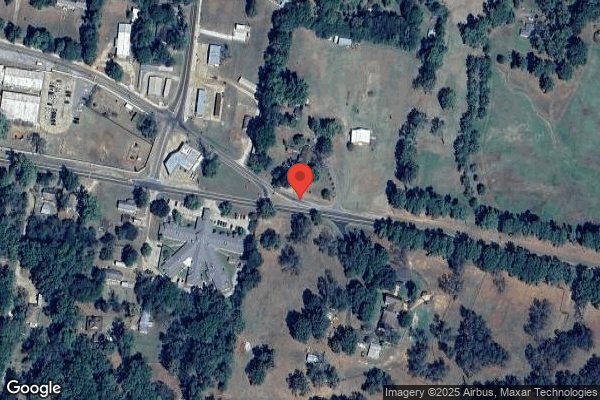
Dec 2022 8 deficiencies
CONCERN (D)

Potential for Harm - no one hurt, but risky conditions existed

Tube Feeding (Tag F0693)

Could have caused harm · This affected 1 resident

**NOTE- TERMS IN BRACKETS HAVE BEEN EDITED TO PROTECT CONFIDENTIALITY** Based on observation, interview, and record review the facility failed to ensure residents who are fed by enteral feeding receiv...

Read full inspector narrative →
**NOTE- TERMS IN BRACKETS HAVE BEEN EDITED TO PROTECT CONFIDENTIALITY** Based on observation, interview, and record review the facility failed to ensure residents who are fed by enteral feeding received the appropriate treatment and services to prevent potential complications for 1 of 1 resident reviewed with feeding tubes. (Resident #34) The facility did not ensure Resident #34's enteral feeding was initialed, timed and dated when hung as required by facility policy and standard of care. This failure could place residents with feeding tubes at risk for dehydration, calorie deficiency, infection and/or metabolic abnormalities. Findings included: Record Review of Physician orders dated 12/06/22 indicated resident #34 admitted on [DATE] was [AGE] years old with diagnoses of chronic respiratory failure with hypoxia (inability of maintain oxygen levels in the blood), disorder of the skin and subcutaneous tissue, unspecified and dependence on respirator [ventilator] status (unable to breathe without assistance). An order dated 10/12/22 indicated she received Isosource via G tube feeding at 50 ml per hour per feeding pump. Record review of MDS dated [DATE] for Resident #34 indicated she was in a comatose state, was unaware of her surroundings and received enteral feedings per gastrostomy tube. Record review of care plan dated 11/30/22 indicated Resident #34 received interventions including continuous feedings per pump via gastrostomy tube. During an observation on 12/05/22 at 11:55 AM Resident #34 was lying in bed with G-tube feeding infusing at 50 ml/per hour. The feeding bag and a bag of water were not labeled with date, initials, order for formula, rate, and route and of administrations as required by policy. A piston syringe (a large syringe used for aspiration of stomach contents and flushing the g-tube) at bedside was not labeled with time, room number or initials as required by policy. During an interview on 12/05/22 at 12:00 PM LVN A said not labeling G tube feeding bags, water bags or piston syringes, could cause in increased risk of infection due to spoiled feeding. LVN A said all gastric tube feedings, bags, tubing, and syringes should be changed out daily to prevent infection and labeled with documentation of date, time, and initials. She said without a date and time there would not be a way to ensure how much of the feeding had infused or how long the feeding had been hanging to ensure no harmful bacterial load in the feeding. During an interview on 12/05/22 at 12:16 PM the ADON said she had worked at the facility for 3 ½ years and recently transitioned into the ADON position after the DON left. The ADON said not labeling G Tubes feedings, water bags and syringes could cause an increased risk of infection due to spoiled feeding infusing. She said that all enteral feeding, water bags and syringes should be changed at least out every 24 hours or more often depending on orders. The ADON said that the nurse hanging the feeding was responsible for labeling and changing out the piston syringes and bags containing enteral feedings as required by policy and it is her expectation that all G-tube feedings, water bags and syringes be labeled with time, date, and initials. She said she makes rounds daily but had not done so this morning. Record Review of a Nursing Policy and Procedure: Subject- Enteral Formula via: Feeding tube, bolus, gravity, pump (closed/open) administration, effective date 12/2018, Policy: It is the policy of this home that the resident, who utilizes enteral nutrition will be free, to the extent possible, from complications related to enteral nutrition Procedure General Administration 5. The syringe and bag should be changed every 24 hours. 6. The syringe, bag and or bottle should be labeled with the resident's name, room number, date changed and the nurses' signature/initials. The bag should specify the physician order for formula, rate, route and means of administration.
CONCERN (D)

Potential for Harm - no one hurt, but risky conditions existed

Food Safety (Tag F0812)

Could have caused harm · This affected 1 resident

Based on observation, interview, and record review, the facility failed to ensure food was stored, prepared, and distributed under sanitary conditions in 1 of 1 kitchen reviewed for food storage. Ther...

Read full inspector narrative →
Based on observation, interview, and record review, the facility failed to ensure food was stored, prepared, and distributed under sanitary conditions in 1 of 1 kitchen reviewed for food storage. There was left over lasagna in the refrigerator dated 12/1/22 with a use by date of 12/4/22. This failures could place the residents at risk of foodborne illnesses. Findings include: During an observation on 12/5/22 at 9:40 a.m., in the dining room there was Lasagna listed as the substitute for the lunch time meal. During an observation on 12/5/22 at 9:42 a.m., there was left over Lasagna in the refrigerator dated 12/1/22 with a use by date of 12/4/22. During an interview on 12/5/22 at 9:45 a.m., the DM, she said the Lasagna was the substitute for the noon meal. She said she did not know it had a use by date of 12/4/22. She said she would throw it away. During an interview on 12/7/22 at 10:00 a.m., the DM said she had been the DM for two and a half years. She said it was her responsibility to train her staff to check the refrigerator for expired food. She said she had already talked to the Administrator, and it had been the responsibility of the evening cook to check the refrigerator for expired food and discard it. She said the Administrator and her had decided to switch the responsibility of checking the refrigerator to the morning cook. The DM said that way she could better monitor that it was getting done. She said if she had pulled the Lasagna out, she would have seen the dates, and discarded it and changed the substitution for the lunch meal. She said eating expired food could make the residents sick. During an interview on 12/7/22 at 10:30 a.m., the Administrator said she had already talked to the DM about the expired Lasagna, and they decided to change the responsibility of checking the refrigerators for expired food from the night cook to the day cook so the DM could better monitor that it was being done. She said there would be additional training and monitoring. She said the DM would in-service the kitchen staff on checking all foods in the kitchen for expiration and use by dates. Review of the facility's policy, Cooling and Reheating Foods date approved 4/16/19, indicated: POLICY: To ensure that all food served by the facility is of good quality and safe for consumption, all food will be cooled and reheated according to state and US Food Codes and HACCP (Hazard Analysis Critical Control Point) guidelines. And reused within 72 hours. vii. Leftover food must be labeled, dated, and reused within 72 hours.
CONCERN (D)

Potential for Harm - no one hurt, but risky conditions existed

Deficiency F0813 (Tag F0813)

Could have caused harm · This affected 1 resident

**NOTE- TERMS IN BRACKETS HAVE BEEN EDITED TO PROTECT CONFIDENTIALITY** Based on observation, interview, and record review the facility failed develop a policy to ensure safe and sanitary storage of r...

Read full inspector narrative →
**NOTE- TERMS IN BRACKETS HAVE BEEN EDITED TO PROTECT CONFIDENTIALITY** Based on observation, interview, and record review the facility failed develop a policy to ensure safe and sanitary storage of resident's food items for 2 of 15 residents (Residents #8 and Resident #15) reviewed for food safety. The facility did not implement the personal food policy related to personal refrigerators for Resident #8 and #15. The personal refrigerator for Resident #8 had expired food items. The personal refrigerator for Resident #15 had expired food items. These failures could place the residents at risk for food borne illnesses. Findings: 1. Record review of facility face sheet dated 12/06/2022 indicated Resident #8 was [AGE] years old and admitted [DATE] with diagnosis of chronic systolic heart failure (inability of the heart to pump), acquired absence of right hip joint and unspecified abdominal hernia without obstruction or gangrene. Record review of Quarterly MDS dated [DATE] indicated Resident #8 had a BIMS score of 14 indicating intact cognition. During an observation on 12/05/22 at 10:00 AM Residents #8 had a jar of pig's feet in his personal refrigerator with a best by date of 9/13/2022. During an interview on 12/05/2022 at 10:01 AM Resident #8 stated he keeps and eats a few items in his personal refrigerator. Resident #8 stated he had the pig feet in his refrigerator for several months. Resident #8 stated the facility staff maintain and clean his refrigerator but did not know how often it was cleaned. 2. Record review of face sheet dated 12/06/2022 indicated Resident #15 admitted [DATE] with diagnosis of myocardial infarction (heart attack). Record review of Quarterly MDS dated [DATE] indicated Resident #15 had a BIMS of 13 indicating intact cognition. During an observation on 12/05/22 at 10:37 AM Resident # 15's personal refrigerator was observed with 2 containers of Activia yogurt with expiration date of January 21, 2022, and 1 carton of chicken broth that was open without an opened date. The Chicken broth carton directions indicated to dispose of after 10 days of opening. During an interview on 12/05/2022 at 10:38 AM Resident #15 stated her family member brings her food items and heats up the chicken broth when she wants it. She stated she had yogurt recently, but it didn't taste bad. She stated she did not know who was responsible for cleaning out her refrigerator or when it was last cleaned. During an interview on 12/05/2022 at 11:29 AM LVN A stated that personal refrigerators are usually cleaned by housekeeping but if a resident ask anyone can clean them out. She stated the risk of not removing expired food items could be food borne illnesses. During an interview on 12/05/2022 at 11:33 AM HSK B stated he had been employed at the facility for almost a year. He stated that the housekeeping supervisor was responsible for checking and cleaning the refrigerators in the resident's rooms but if a resident asked, he would check them and remove items if they needed it. He stated that expired foods could make a resident sick. During an interview on 12/05/2022 at 11:51 AM HSK C stated she was responsible for cleaning and removing expired items from the resident's personal refrigerators. She stated she tried to get to them at least 2 times a month and as needed. She stated they used a form in the past to date and sign when personal refrigerators were checked and cleaned but had not been using it recently. HSK C was not sure why they were no longer using the form but she would start back using the form in order to track when they are done. She stated the risk to resident could be infections and sickness. During an interview on 12/05/2022 at 11:55 AM LVN D stated Resident # 15 does ask to have chicken broth heated for her at times, but her family member was the one who usually does it. She stated she was not aware that Resident #15 had expired items in her refrigerator or that after 10 days of opening the chicken broth it had to be disposed. She stated the risk of a resident consuming expired food items could be sickness. During an interview on 12/05/2022 at 12:00 PM CNA E stated she had not gotten any food items out of Resident # 15's personal refrigerator for her to eat. She stated she had observed her family member bringing in food and giving her items from the refrigerator. She stated that the housekeepers were responsible for cleaning the personal refrigerators. She stated the risk of a resident consuming expired items could be getting sick to their stomach. During an interview on 12/05/2022 at 12:32 AM Resident # 15's family member stated they did not know anything about food items in the refrigerator being expired. She stated her family members bring those things. She stated Resident #15 rarely does not eat the food at the facility but when she does not eat well her family member would warm her up some chicken broth. She stated the facility staff manage the refrigerator, but she would clean it out today while she was present. During an interview on 12/06/2022 at 4:14 PM ADM stated the risk to residents consuming expired food could be sickness. She stated her expectation regarding personal refrigerators was that the policy and procedure was followed. She stated she would meet with the housekeeping supervisor and ensure she knew the facility policy and would oversee those personal refrigerators are cleaned weekly. Record review of facility policy and procedure dated 12/01/2018 titled Refrigerator-Personal indicated, .1. the housekeeping supervisor/designee will monitor resident's refrigerator weekly, 3. clean and remove expired food as needed .
CONCERN (D)

Potential for Harm - no one hurt, but risky conditions existed

Infection Control (Tag F0880)

Could have caused harm · This affected 1 resident

**NOTE- TERMS IN BRACKETS HAVE BEEN EDITED TO PROTECT CONFIDENTIALITY** Based on observation, interview, and record review, the facility did not maintain an infection prevention program designed to pr...

Read full inspector narrative →
**NOTE- TERMS IN BRACKETS HAVE BEEN EDITED TO PROTECT CONFIDENTIALITY** Based on observation, interview, and record review, the facility did not maintain an infection prevention program designed to provide a safe, sanitary, and comfortable environment and to help prevent the development and transmission of communicable diseases and infections for 1 of 4 resident reviewed for infection control. (Resident # 197) The facility did not ensure LVN D wore gloves, a gown and did not perform hand washing after providing care for Resident #197 who had physician orders for droplet isolation. Findings included: Record review of Physician Orders dated 12/05/22 indicated Resident #197 readmitted on [DATE] and was an [AGE] year-old female. She was sent back to the hospital on [DATE] and diagnosed with Influenza due to identified novel influenza A virus with pneumonia. Other diagnoses include:, Acute on chronic diastolic (congested) heart failure (Primary, Admission), Influenza due to Candidas (yeast) identified novel influenza A virus with pneumonia, DM, Chronic Kidney disease stage 3, Systemic inflammatory response syndrome of noninfectious origin without acute organ disfunction, (Body Pain, arthritis, myalgia, (Muscle pain), ( Chronic obstructive pulmonary disease with (acute) exacerbation, Alzheimer's disease late onset, Psychotic disorder with hallucination due to known physiological condition, Major depressive disorder, recurrent severe without psychotic features. Record review of MDS dated [DATE] indicated Resident #197 was cognitively impaired and required limited to extensive assist with ADL's. Record review of care plan initiated 12/05/22 for Resident #197 indicated droplet precautions due to increased risk of infection. Resident #197 had been diagnosed with Flu A, with interventions to wear personal protective equipment PPE properly. Follow facility infection control policy, inform staff and visitors of resident's precaution requirements. Record review of a physician order dated 12/05/22 indicated Resident #197 was to be placed in Droplet Precautions (dx Influenza A) isolation. During an observation on 12/05/22 at 1:00 p.m., a sign posted on Resident #197's door read .Please see nurse before entering room droplet precautions . A container was sitting outside the door containing gowns, gloves, masks. During an observation on 12/06/22 at 5:30 p.m., LVN D was observed standing over resident #197, adjusting her oxygen tubing. LVN D was not wearing a gown or gloves from an isolation kit outside the resident's door. LVN D came out of the resident's room without washing her hands and was standing at the nurse's cart. During an interview on 12/06/22 at 5:35 p.m., surveyor asked LVN D if the resident was alright, and she said yes. She then said and you are who? LVN D would not look at surveyor. Surveyor then asked LVN D doesn't the resident have the flu, and she answered yes. During an interview on 12/07/22 at 9:20 a.m., with the Administrator she said LVN D was new but had her infection prevention/control training on 11/29/22. She said LVN D had just left the facility aggressively and she didn't think she would be back, but if she did, she would be reeducated on donning and doffing, (putting on and taking off personnel protective equipment, a gown, mask, and gloves) and receive one on one training with the nurse to prevent the spread of infection. During an interview on 12/07/22 at 9:31 a.m., with the ADON she said when she interviewed LVN D on 12/06/22 and asked why she didn't have on PPE while caring for the resident with the Flu, LVN D just shrugged her shoulders. The ADON said LVN D had been a nurse a long time. The ADON said she made sure LVN D followed proper infection control protocol the rest of her shift by instructing and monitoring her. The ADON said she had talked to LVN D, this morning and she was upset and left the building aggressively, so if she comes back, she will receive additional training before she's allowed to work the floor. LVN D was provided three days of training before she was allowed to work the floor. A policy, Nursing Policy and Procedure, effective 12/2017, POLICY: It is the policy of this home to assure that appropriate precautions will be established to ensure that the necessary isolation techniques are implemented. Precaution notices will be posted when isolation precautions are implemented. Isolation Policy with the effective date 12/20/17 noted .In addition to wearing gloves as outlined under Standard Precautions, wear gloves when entering the room .Wear a disposable gown upon entering the Contact Precautions . During a record review on 12/07/22 03:09 p.m., a policy titled Nursing Policy and Procedure-Infection Control-Precautions dated 12/2017. POLICY- It is the policy of this home to assure that the necessary isolation techniques are implemented. Precautions notices will be posted when isolation precautions are implemented. PROCEDURE 1. Transmission bases precautions have been established to assure that appropriate isolation techniques are implemented in this home when necessary. 4. In addition to Standard Precautions include, but are not limited to: c. Gloves and handwashing: During the course of caring for a resident, change gloves after having contact infective material that may contain high concentration of microorganisms (fecal material and wound drainage.) Remove gloves before leaving the room and wash hands immediately with an antimicrobial agent or a waterless antiseptic agent. After glove removal and hand washing, ensure that hands do not touch potentially contaminated environmental surfaces. d. GOWN In addition to wearing a gown as outlines under Standard Precautions, wear a gown (clean, non-sterile) when entering the room if you anticipate that your clothing will have substantial contact with the infectious material. Remove the gown before leaving the resident's environment. After gown removal, ensure that clothing does not contact potentially contaminated environmental surfaces. 5. In addition to Standard Precautions, DROPLET PRECATIONS must be implemented for a resident documented or suspected or suspected to be infected with microorganisms transmitted by droplets (large particle droplets [larger than 5 microns in size] that can be generated by the resident coughing, sneezing, talking, or the performance of procedures.)
CONCERN (D)

Potential for Harm - no one hurt, but risky conditions existed

Room Equipment (Tag F0908)

Could have caused harm · This affected 1 resident

Based on observation, interview, and record review the facility failed to maintain all mechanical, electrical, and patient care equipment in safe operating condition for 1 of 1 stove in the kitchen re...

Read full inspector narrative →
Based on observation, interview, and record review the facility failed to maintain all mechanical, electrical, and patient care equipment in safe operating condition for 1 of 1 stove in the kitchen reviewed for essential equipment. The facility did not ensure the stove was in working order. Two of the eight burners on the stove did not light, when the knobs were turned. This failure could place the residents at risk of not having safe operating equipment. Findings included: During an observation on 12/5/22 at 10:15 a.m., in the kitchen, two of six stove burners, the back right and the front middle, did not light automatically when the knob was turned. The DM had to use a striker (a lighter) to light the burners on the stove. During an interview on 12/5/22 at 10:20 a.m., the DM said the service technician had been here a month ago, but the pilot light would not stay lit. She said they had to use a lighter to light the stove because the burner would not light when the knob was turned. She said she had not reported it to the Administrator because the technician was just here a month ago. During an interview on 12/05/22 at 10:45 a.m., the Administrator said she just found out the stove was not working yesterday. She said the technician had just been out in October 2022 and she thought the stove was fixed. She said from now on she would have to check it herself to be sure the technician fixed it. She said the DM had not told her the burners did not light when the knob was turned. She said the burners not lighting when the knobs are turned could cause a fire. During a record review a bill from Commercial Kitchen Sales and Service dated 10/24/22 indicated: the technician replaced the thermostat on the left oven and replaced a knob. He had not serviced the burners on the stove. During a record review of a facility policy titled General kitchen Safety Guidelines, indicated: POLICY: The facility will follow basic safety guidelines in order to reduce the risk of accidents and ensure the safety of employees. .10. Keep all equipment in working order and report any malfunctioning to the Maintenance Department.
CONCERN (E)

Potential for Harm - no one hurt, but risky conditions existed

Respiratory Care (Tag F0695)

Could have caused harm · This affected multiple residents

**NOTE- TERMS IN BRACKETS HAVE BEEN EDITED TO PROTECT CONFIDENTIALITY** Based on observations, interviews and record reviews, the facility failed to ensure that respiratory care was provided consisten...

Read full inspector narrative →
**NOTE- TERMS IN BRACKETS HAVE BEEN EDITED TO PROTECT CONFIDENTIALITY** Based on observations, interviews and record reviews, the facility failed to ensure that respiratory care was provided consistent with professional standards of practice and their care plans for 5 of 15 residents (Resident #4, #6, #10, #15, #34) observed for respiratory care and services. Resident # 4, who required oxygen had nasal cannula tubing and prefilled humidifier bottle attached to oxygen concentrator was not labeled with date or initials. Resident # 6, who required oxygen as needed had prefilled humidifier bottle connected to oxygen concentrator labeled 11/10/22. Resident # 10, who was oxygen dependent had prefilled humidifier bottle connected to oxygen concentrator dated 11/21/2022 and the nasal cannula tubing was not labeled with date or initials. Resident # 15, who was oxygen dependent had prefilled humidifier bottle and nasal cannula not labeled with date or initials. Resident # 34, who was ventilator dependent had prefilled humidifier bottle not labeled with date or initials. These deficient practices could place residents who receive respiratory care and services at risk of developing respiratory infections and complications. Findings: 1. Record review of face sheet dated 12/06/2022 indicated Resident # 4 admitted [DATE] with diagnosis of dementia. Record review of physician order report for Resident # 4 indicated an order on 09/23/2022 for oxygen at 1-2 liters per nasal cannula as needed and change bubble humidification and nasal cannula every Monday on night shift. Record review of Quarterly MDS dated [DATE] indicated Resident # 4 had a BIMS of 04 indicating impaired cognition and required oxygen therapy. Record review of care plan dated 10/26/2022 indicated Resident # 4 required oxygen as needed. During an observation on 12/05/22 at 10:37 AM Resident # 4 had an oxygen concentrator at bedside with nasal cannula and humidifier bottle not labeled with date or staff initials. During an observation on 12/05/22 at 10:46 AM Resident # 4 was sitting in a wheelchair in her room with oxygen in place per portable oxygen tank at 2 liters per minute. Nasal cannula connected to portable oxygen was not dated or initialed. During an interview on 12/05/2022 at 10:48 AM Resident # 4 stated she wore her oxygen every day but could not recall when her oxygen supplies were last changed. 2. Record review of a facility face sheet dated 12/06/2022 indicated Resident #6 admitted [DATE] with diagnoses of chronic obstructive pulmonary disease (lung disease), hypertension (high blood pressure), restless leg syndrome (movement of legs), and peripheral vascular disease (disease of lower leg veins). Record Review of Quarterly MDS dated [DATE] indicated Resident # 6 had a BIMS score of 13 indicating intact cognition. Record review of physician order dated 10/27/2022 for Resident # #6 indicated to change nasal cannula and bubble humidifier once a week on Mondays and as needed. Record review of physician order dated 10/27/2022 for Resident # 6 indicated oxygen via nasal cannula as needed at 1- 4 liters per minute every shift. Record review of MAR dated 12/07/2022 indicated no staff initials for weekly change of nasal cannula and bubble humidifier on 12/05/2022. During an observation on 12/05/2022 at 10:10 AM Resident # 6's prefilled humidifier bottle attached to oxygen concentrator was dated 11/10/2022. During an interview on 12/05/2022 at 10:10 AM Resident # 6 stated that he did not use oxygen very often and could not remember the last time he used it. During an interview on 12/06/2022 at 2:55 PM LVN A stated Resident # 6 only used the oxygen approximately once every couple of weeks and it is documented on the treatment administration record. 3. Record review of facility face sheet dated 12/06/2022 indicated Resident # 10 admitted [DATE] with diagnosis of acute respiratory failure (inability to breath on your own). Record review of physician order dated 04/05/2022 for Resident # 10 indicated bubble humidification on oxygen concentrator and nasal cannula are to be changed Mondays on night shift. Record review of Quarterly MDS dated [DATE] indicated Resident # 10 had a BIMS of 11 indicating moderately impaired cognition and required oxygen therapy. Record review of comprehensive care plan dated 11/16/2022 indicated Resident # 10 required oxygen related to diagnosis of respiratory failure and history of tracheostomy and ventilator dependence. During an observation on 12/05/22 at 10:16 AM Resident # 10 had oxygen at 2 liters per nasal cannula in place. Prefilled humidifier bottle was dated 11/21/2022 and nasal cannula was not labeled with date or initials. During an interview on 12/05/2022 at 10:18 AM Resident # 10 stated she wears her oxygen at all times and is not sure when the facility last changed her oxygen supplies. 4. Record review of face sheet dated 12/06/2022 indicated Resident # 15 was admitted on [DATE] with diagnosis of myocardial infarction (heart attack). Record review of physician orders for Resident # 15 indicated start date of 03/03/2021 indicated Oxygen 1-3 liters per NC to keep oxygen saturation greater than 88%. On 04/05/2022 order indicated to change bubble humidification and nasal cannula every Monday on night shift. Record review of Quarterly MDS dated [DATE] indicated Resident # 15 had a BIMS of 13 indicating intact cognition and required oxygen therapy. Record review of comprehensive care plan dated 11/23/2022 indicated Resident # 15 required oxygen therapy as needed. During an observation on 12/05/22 at 10:46 AM Resident # 15 had oxygen in place per nasal cannula at 2 liters. The nasal cannula and prefilled humidifier bottle were unlabeled with date or staff initials. During an interview on 12/05/2022 at 10:47 AM Resident #15 was unsure on when oxygen supplies were last changed. 5. Record review of facility face sheet dated 12/06/2022 indicated Resident #34 admitted [DATE] with diagnoses of chronic respiratory failure with hypoxia (lack of oxygen), disorder of the skin and subcutaneous tissue, unspecified and dependence on respirator [ventilator] status. Record review of Quarterly MDS dated [DATE] indicated Resident #34 was in a comatose state and unaware of surroundings. Resident # 34 required oxygen therapy and mechanical ventilation. Record review of care plan dated 10/22/22 indicated Resident #34 received constant high flow oxygen therapy per ventilator via trach collar. Record review of physician order dated 10/11/2022 indicated bubble humidification was to be changed every week on Sunday. During an observation on 12/05/2022 at 12:27 PM Resident #34 was lying in bed with high flow oxygen per trach collar attached to tubing, and prefilled humidifier bottle attached to oxygen concentrator was not labeled with date or staff initials. During an interview on 12/05/2022 at 11:25 AM LVN A stated that oxygen tubing and prefilled humidifier bottles should be changed weekly and as needed. She stated that weekend RN is was responsible for changing the tubing and humidifier out. She stated oxygen supplies should be dated and signed as well as signed out on the treatment administration record. She stated the risk would be nasal irritation, poor oxygen delivery, and infection. During an interview on 12/05/2022 at 11:31 AM RRT stated the Respiratory Therapist was responsible for changing the oxygen tubing and humidifiers on the ventilator hall but the nurses on the other halls are responsible for changing out their own oxygen supplies. She stated the tubing and humidifier should be changed weekly and as needed and should be dated and initialed when changed. RRT stated when oxygen supplies are changed it is documented on the treatment administration record. RRT stated the risk could be improper oxygen delivery and infections. During interview on 12/06/2022 at 10:52 AM the ADON stated she had worked at the facility for over 3 years. She stated oxygen tubing and prefilled humidifier bottles are to be changed weekly and as needed. She stated when oxygen supplies are changed, they should be dated and initialed. The ADON stated the nurses on the floor were responsible for making sure oxygen supplies were changed weekly and as needed and the respiratory therapist were responsible for ventilator residents. The risk to the resident would be infection control. The ADON stated the plan was to reeducate all staff on the policy and procedure for oxygen therapy and monitor to make sure that the policy was being followed. The ADON stated the facility would work together to make sure the error was corrected. During an interview on 12/06/2022 at 4:15 PM the ADM stated this failure could place the residents at risk for infections. ADM stated her expectation was that all staff were following the facility policy and procedure for oxygen therapy, and she would monitor weekly with the ADON to see that the error is corrected. Record review of facility policy and procedure dated 12/01/2018 titled Respiratory Therapy Equipment indicated, . #3. [NAME] bottle with date and initials upon opening and discard after seven days or as needed, #6. Change the prefilled humidifier when water level becomes low at a minimum every 7 days, #7. Change oxygen cannula and tubing every 7 days and as necessary
CONCERN (E)

Potential for Harm - no one hurt, but risky conditions existed

Pharmacy Services (Tag F0755)

Could have caused harm · This affected multiple residents

**NOTE- TERMS IN BRACKETS HAVE BEEN EDITED TO PROTECT CONFIDENTIALITY** Based on observation, interview, and record review, the facility failed to provide pharmaceutical services, including procedures...

Read full inspector narrative →
**NOTE- TERMS IN BRACKETS HAVE BEEN EDITED TO PROTECT CONFIDENTIALITY** Based on observation, interview, and record review, the facility failed to provide pharmaceutical services, including procedures that assures the accurate acquiring, receiving, dispensing, and administering of medications for 2 of 6 residents (Resident # 10 and Resident #15) and 1 of 3 staff (LVD D) reviewed for pharmacy services. Resident # 10 had a blood pressure of 106/62 and received spironolactone 25mg 1 tablet by mouth and carvedilol 3.125 mg 1 tablet by mouth when order indicated to hold medications if systolic blood pressure was less than 110. Resident # 10 received aspirin 81 mg 1 tablet by mouth when order indicated to administer aspirin 81 mg 2 tablets by mouth. Resident # 15 received simethicone 80 mg 1 tablet by mouth when the order indicated to administer simethicone 125 mg 1 tablet by mouth. LVN D did not ensure Resident # 15 took her medication before leaving resident room. These failures could place residents who receive medications at risk of not receiving the intended therapeutic benefit of the medications, decreased quality of life, and hospitalization. Findings: 1. Record review of facility face sheet dated 12/06/2022 indicated Resident #10 admitted [DATE] with diagnosis of acute respiratory failure (inability to breath on your own). Record review of physician order report for Resident #10 indicated order dated 02/02/2019 Aspirin 81 mg 2 tabs by mouth once a day. Order dated 08/23/2019 indicated spironolactone 25 mg 1 tablet by mouth once a day with special instructions to hold if SBP less than 110. Order dated 03/19/2020 indicated carvedilol 3.125 mg 1 tablet by mouth twice a day with special instructions to hold if SBP less than 110. Record review of Quarterly MDS dated [DATE] indicated Resident #10 had a BIMS of 11 indicating moderately impaired cognition. Record review of care plan dated 11/16/2022 indicated Resident # 10 required diuretic (fluid pill) and anti-hypertensive (high blood pressure) medications to control fluid volume overload and hypertension. During a medication administration observation on 12/06/2022 at 07:14 AM LVN D assessed Resident #10's blood pressure and the result was 106/62. LVN D prepared Resident # 10's medication and administered spironolactone 25 mg 1 tablet by mouth and carvedilol 3.125 mg 1 tablet by mouth, and aspirin 81 mg 1 tablet by mouth. Resident #10 had an order that indicated to hold spironolactone and carvedilol if systolic blood pressure was less than 110 and to administer aspirin 81 mg 2 tablets by mouth daily. 2. Record review of face sheet dated 12/06/2022 indicated Resident #15 admitted on [DATE] with diagnosis of myocardial infarction (heart attack). Record review of physician order report indicated Resident #15 had order dated 04/09/2022 for simethicone 125 mg 1 tablet by mouth before meals and at bedtime and an order dated 03/02/2022 for potassium chloride 20 mEq/15ml give 7.5 ml to equal 10 mEq once a day with special instructions to dilute in water. Record review of Quarterly MDS dated [DATE] indicated Resident #15 had a BIMS of 13 indicating intact cognition. Record review of care plan dated 11/23/2022 indicated Resident #15 to give medications as ordered due to hypertension (high blood pressure) and diuretic use. During a medication administration observation on 12/06/2022 at 07:43 AM LVN D administered Resident #15 simethicone 80 mg 1 tablet by mouth and order indicated to administer simethicone 125 mg 1 tablet by mouth before meals and at bedtime. LVN D prepared potassium chloride 20 mEq/15 ml 7.5 ml and left medication at the bedside With surveyor intervention, LVN D returned to room and observed Resident # 15 finish her liquid potassium chloride. During an interview on 12/06/2022 at 07:54 AM LVN D stated she forgot that medications could not be left for the resident to finish. During an interview on 12/06/2022 at 3:51 PM LVN D stated she had been employed at the facility for about 4 weeks and she was properly trained on medication administration. She stated she looked at the MAR and just overlooked the parameters for Resident # 10's spironolactone and carvedilol and that Resident #10 took 2 not 1 tab of Aspirin 81mg daily. She stated she was nervous and made the mistake. She stated Resident # 15 should have gotten 125 mg of simethicone not 80 mg and she thought the supply on the medication cart was the correct dose. She stated she should have looked at the medicine and MAR more closely to make sure she was giving the correct dose of medicine. LVN D stated she left the potassium chloride liquid for Resident #15 to finish drinking but should never leave medicine at the bedside. LVN D stated she should have stayed in the room to ensure Resident # 15 took her medicine. LVN D stated she reported the administration errors to the RCN and ADON and Resident #10 and #15 were reassessed with no adverse reactions. She stated the risk of residents not receiving their medications as ordered could be exacerbation of their disease processes and the risk to leaving medicine at the bedside could be the resident not taking their medicine or another resident could have taken the medicine. During an interview on 12/06/2022 at 4:00 PM the ADON stated LVN D was properly trained and checked off on medication administration and that when she passed medications with her, she did it correctly. ADON stated the errors have been reported to the physician and each resident was monitored for adverse reactions. She stated she would begin retraining her and overseeing that she can properly administer medications safely and as ordered. During an interview on 12/06/2022 at 4:05 PM RNC stated the risk of improper medication administration could be exacerbation of illnesses. Her expectation was that all medications were given safely and as ordered. RNC stated each resident was reassessed and their physicians were notified of the medication errors. She stated her plan will be to retrain, monitor medication pass with all nurses, and audit all orders with current available medications in the facility and on the medication carts. During an interview on 12/06/2022 at 4:12 PM the ADM stated her expectation was for all nurses administering medications to do so correctly. She stated she would oversee that the ADON closely monitors LVN D and all nurses to see that medications are administered correctly. ADM stated the facility had followed their policy for medication administration. Record review of nurse proficiency dated 12/02/2022 indicated LVN D had been properly trained on medication administration. Record review of facility policy and procedure dated 12/01/2018, titled Medication - Unusual Occurrences indicated, .it is the policy of this home to administer medications within the Standards of Practice and in compliance with Regulatory Guidelines. Record review of facility policy and procedure dated 12/01/2018, titled Medication - Administration indicated, .3. Medications are administered at the time they are prepared. 13.Prior to administration, the medication and dosage schedule on the resident's MAR is compared with the medication label
CONCERN (E)

Potential for Harm - no one hurt, but risky conditions existed

Unnecessary Medications (Tag F0759)

Could have caused harm · This affected multiple residents

**NOTE- TERMS IN BRACKETS HAVE BEEN EDITED TO PROTECT CONFIDENTIALITY** Based on observation, interview, and record review, the facility failed to ensure a medication error rate of less than 5 percent...

Read full inspector narrative →
**NOTE- TERMS IN BRACKETS HAVE BEEN EDITED TO PROTECT CONFIDENTIALITY** Based on observation, interview, and record review, the facility failed to ensure a medication error rate of less than 5 percent. The facility had a medication error rate of 15.63%, based on 5 errors out of 32 opportunities, involving 2 of 6 residents (Resident #10 and Resident #15) and 1 of 3 staff (LVN D) reviewed for medication errors. LVN D administered spironolactone 25mg 1 tablet by mouth to Resident # 10 that had a blood pressure of 106/62 and order indicated to hold the medication if the systolic blood pressure (top number) was less than 110. LVN D administered carvedilol 3.125 mg 1 tablet by mouth to Resident # 10 that had a blood pressure of 106/62 and order indicated to hold the medication if the systolic blood pressure (top number) was less than 110. LVN D administered aspirin 81 mg 1 tablet by mouth to Resident # 10 and order indicated to administer aspirin 81 mg 2 tablets by mouth. LVN D administered simethicone 80 mg 1 tablet by mouth to Resident # 15 and order indicated to administer simethicone 125 mg 1 tablet by mouth. LVN D prepared potassium chloride (20 mEq/15 ml) 7.5 ml by mouth and left medication at Resident # 15's bedside. These failures could place residents at risk of not receiving the intended therapeutic benefits of their medications. Findings: 1. Record review of facility face sheet dated 12/06/2022 indicated Resident #10 admitted [DATE] with diagnosis of acute respiratory failure (inability to breath on your own). Record review of physician order report for Resident #10 indicated order dated 02/02/2019 Aspirin 81 mg 2 tabs by mouth once a day. Order dated 08/23/2019 indicated spironolactone 25 mg 1 tablet by mouth once a day with special instructions to hold if SBP less than 110. Order dated 03/19/2020 indicated carvedilol 3.125 mg 1 tablet by mouth twice a day with special instructions to hold if SBP less than 110. Record review of Quarterly MDS dated [DATE] indicated Resident #10 had a BIMS of 11 indicating moderately impaired cognition. Record review of care plan dated 11/16/2022 indicated Resident # 10 required diuretic (fluid pill) and anti-hypertensive (high blood pressure) medications to control fluid volume overload and hypertension. During a medication administration observation on 12/06/2022 at 07:14 AM LVN D assessed Resident #10's blood pressure and the result was 106/62. LVN D prepared Resident # 10's medication and administered spironolactone 25 mg 1 tablet by mouth and carvedilol 3.125 mg 1 tablet by mouth, and aspirin 81 mg 1 tablet by mouth. Resident #10 had an order that indicated to hold spironolactone and carvedilol if systolic blood pressure was less than 110 and to administer aspirin 81 mg 2 tablets by mouth daily. 2. Record review of face sheet dated 12/06/2022 indicated Resident #15 admitted on [DATE] with diagnosis of myocardial infarction (heart attack). Record review of physician order report indicated Resident #15 had order dated 04/09/2022 for simethicone 125 mg 1 tablet by mouth before meals and at bedtime and order dated 03/02/2022 for potassium chloride 20 mEq/15ml give 7.5 ml to equal 10 mEq once a day with special instructions to dilute in water. Record review of Quarterly MDS dated [DATE] indicated Resident #15 had a BIMS of 13 indicating intact cognition. Record review of care plan dated 11/23/2022 indicated Resident #15 to give medications as ordered due to hypertension (high blood pressure) and diuretic use. During a medication administration observation on 12/06/2022 at 07:43 AM LVN D administered Resident #15 simethicone 80 mg 1 tablet by mouth and order indicated to administer simethicone 125 mg 1 tablet by mouth before meals and at bedtime. LVN D prepared potassium chloride 20 mEq/15 ml 7.5 ml and left medication at bedside. With surveyor intervention, LVN D returned to room and observed Resident # 15 finish her liquid potassium chloride. During an interview on 12/06/2022 at 07:54 AM LVN D stated she forgot that medications could not be left for the resident to finish. During an interview on 12/06/2022 at 3:51 PM LVN D stated she had been employed at the facility for about 4 weeks and she was properly trained on medication administration. She stated she looked at the MAR and just overlooked the parameters for Resident # 10's spironolactone and carvedilol and that Resident #10 took 2 not 1 tab of Aspirin 81mg daily. She stated she was nervous and made the mistake. She stated Resident # 15 should have gotten 125 mg of simethicone not 80 mg and she thought the supply on the medication cart was the correct dose. She stated she should have looked at the medicine and MAR more closely to make sure she was giving the correct dose of medicine. LVN D stated she left the potassium chloride liquid for Resident #15 to finish drinking but should never leave medicine at the bedside. LVN D stated she should have stayed to make sure she took it. LVN D stated she reported the administration errors to the RCN and ADON and Resident #10 and #15 were reassessed with no adverse reactions. She stated the risk of residents not receiving their medications as ordered could be exacerbation of their disease processes and the risk to leaving medicine at the bedside could be the resident not taking it or another resident taking the medicine. During an interview on 12/06/2022 at 4:00 PM ADON stated the medication error rate should be below 5%. ADON stated the facility followed their policy for reporting medication errors and each resident was reassessed with no adverse reactions. She stated LVN D was properly trained and checked off on medication administration and that when she passed medications with her, she did it correctly. She stated she would begin retraining her and overseeing that she can properly administer medications safely and as ordered. During an interview on 12/06/2022 at 4:05 PM RNC stated the medication error rate should be below 5%. RNC stated each resident was reassessed with no adverse reactions and each physician was notified of the medication errors. the risk of improper medication administration could be exacerbation of illnesses. Her expectation is that all medications are given safely and as ordered. She stated her plan will be to retrain, monitor medication pass with all nurses, and audit all orders with current available medications in the facility and on the medication carts. During an interview on 12/06/2022 at 4:12 PM the ADM stated her expectation was to have a medication error less than 5 % and will reeducate and see that the ADON closely monitors LVN D to see that she was properly administering medications. ADM stated she would follow the facility policy for medication errors. Record review of nurse proficiency dated 12/02/2022 indicated LVN D had been properly trained on medication administration. Record review of facility policy and procedure dated 12/01/2018, titled Medication - Unusual Occurrences indicated, .it is the policy of this home to administer medications within the Standards of Practice and in compliance with Regulatory Guidelines. Record review of facility policy and procedure dated 12/01/2018, titled Medication - Administration indicated, .3. Medications are administered at the time they are prepared. 13.Prior to administration, the medication and dosage schedule on the resident's MAR is compared with the medication label
Understanding Severity Codes (click to expand)
Life-Threatening (Immediate Jeopardy)
J - Isolated K - Pattern L - Widespread
Actual Harm
G - Isolated H - Pattern I - Widespread
Potential for Harm
D - Isolated E - Pattern F - Widespread
No Harm (Minor)
A - Isolated B - Pattern C - Widespread

Questions to Ask on Your Visit

  • "What changes have you made since the serious inspection findings?"
  • "Why is there high staff turnover? How do you retain staff?"
  • "Can I speak with families of current residents?"
  • "What's your RN coverage like on weekends and overnight?"

Our Honest Assessment

Strengths
  • • Licensed and certified facility. Meets minimum state requirements.
Concerns
  • • Multiple safety concerns identified: 3 life-threatening violation(s), $102,752 in fines. Review inspection reports carefully.
  • • 25 deficiencies on record, including 3 critical (life-threatening) violations. These warrant careful review before choosing this facility.
  • • $102,752 in fines. Extremely high, among the most fined facilities in Texas. Major compliance failures.
  • • Grade F (0/100). Below average facility with significant concerns.
Bottom line: This facility has 3 Immediate Jeopardy findings. Serious concerns require careful evaluation.

About This Facility

What is Summit Nursing & Rehab Of San Augustine's CMS Rating?

CMS assigns SUMMIT NURSING & REHAB OF SAN AUGUSTINE an overall rating of 1 out of 5 stars, which is considered much below average nationally. Within Texas, this rating places the facility higher than 0% of the state's 100 nursing homes. A rating at this level reflects concerns identified through health inspections, staffing assessments, or quality measures that families should carefully consider.

How is Summit Nursing & Rehab Of San Augustine Staffed?

CMS rates SUMMIT NURSING & REHAB OF SAN AUGUSTINE's staffing level at 1 out of 5 stars, which is much below average compared to other nursing homes. Staff turnover is 76%, which is 30 percentage points above the Texas average of 46%. High turnover can affect care consistency as new staff learn residents' individual needs. RN turnover specifically is 60%, which is notably high. RNs provide skilled clinical oversight, so turnover in this role can affect medical care quality.

What Have Inspectors Found at Summit Nursing & Rehab Of San Augustine?

State health inspectors documented 25 deficiencies at SUMMIT NURSING & REHAB OF SAN AUGUSTINE during 2022 to 2025. These included: 3 Immediate Jeopardy (the most serious level, indicating potential for serious harm or death), 21 with potential for harm, and 1 minor or isolated issues. Immediate Jeopardy findings are rare and represent the most serious regulatory concerns. They require immediate corrective action.

Who Owns and Operates Summit Nursing & Rehab Of San Augustine?

SUMMIT NURSING & REHAB OF SAN AUGUSTINE is owned by a for-profit company. For-profit facilities operate as businesses with obligations to shareholders or private owners. The facility is operated by SUMMIT LTC, a chain that manages multiple nursing homes. With 88 certified beds and approximately 39 residents (about 44% occupancy), it is a smaller facility located in SAN AUGUSTINE, Texas.

How Does Summit Nursing & Rehab Of San Augustine Compare to Other Texas Nursing Homes?

Compared to the 100 nursing homes in Texas, SUMMIT NURSING & REHAB OF SAN AUGUSTINE's overall rating (1 stars) is below the state average of 2.8, staff turnover (76%) is significantly higher than the state average of 46%, and health inspection rating (2 stars) is below the national benchmark.

What Should Families Ask When Visiting Summit Nursing & Rehab Of San Augustine?

Based on this facility's data, families visiting should ask: "What changes have been made since the serious inspection findings, and how are you preventing similar issues?" "How do you ensure continuity of care given staff turnover, and what is your staff retention strategy?" "Can you walk me through typical staffing levels on day, evening, and night shifts?" "Can I visit during a mealtime to observe dining assistance and food quality?" These questions are particularly relevant given the facility's Immediate Jeopardy citations, the facility's high staff turnover rate, and the below-average staffing rating.

Is Summit Nursing & Rehab Of San Augustine Safe?

Based on CMS inspection data, SUMMIT NURSING & REHAB OF SAN AUGUSTINE has documented safety concerns. Inspectors have issued 3 Immediate Jeopardy citations (the most serious violation level indicating risk of serious injury or death). The facility has a 1-star overall rating and ranks #100 of 100 nursing homes in Texas. Families considering this facility should ask detailed questions about what corrective actions have been taken since these incidents.

Do Nurses at Summit Nursing & Rehab Of San Augustine Stick Around?

Staff turnover at SUMMIT NURSING & REHAB OF SAN AUGUSTINE is high. At 76%, the facility is 30 percentage points above the Texas average of 46%. Registered Nurse turnover is particularly concerning at 60%. RNs handle complex medical decisions and coordinate care — frequent RN changes can directly impact care quality. High turnover means new staff may not know residents' individual needs, medications, or preferences. It can also be disorienting for residents, especially those with dementia who rely on familiar faces. Families should ask: What is causing the turnover? What retention programs are in place? How do you ensure care continuity during staff transitions?

Was Summit Nursing & Rehab Of San Augustine Ever Fined?

SUMMIT NURSING & REHAB OF SAN AUGUSTINE has been fined $102,752 across 3 penalty actions. This is 3.0x the Texas average of $34,106. Fines at this level are uncommon and typically indicate a pattern of serious deficiencies, repeated violations, or failure to correct problems promptly. CMS reserves penalties of this magnitude for facilities that pose significant, documented risk to resident health or safety. Families should request specific documentation of what issues led to these fines and what systemic changes have been implemented.

Is Summit Nursing & Rehab Of San Augustine on Any Federal Watch List?

SUMMIT NURSING & REHAB OF SAN AUGUSTINE is not on any federal watch list. The most significant is the Special Focus Facility (SFF) program, which identifies the bottom 1% of nursing homes nationally based on persistent, serious quality problems. Not being on this list means the facility has avoided the pattern of deficiencies that triggers enhanced federal oversight. This is a positive indicator, though families should still review the facility's inspection history directly.