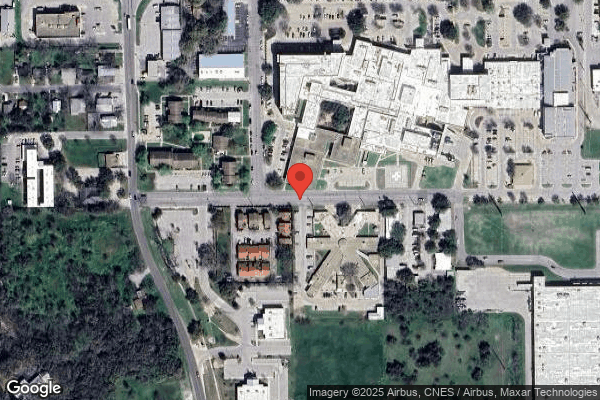
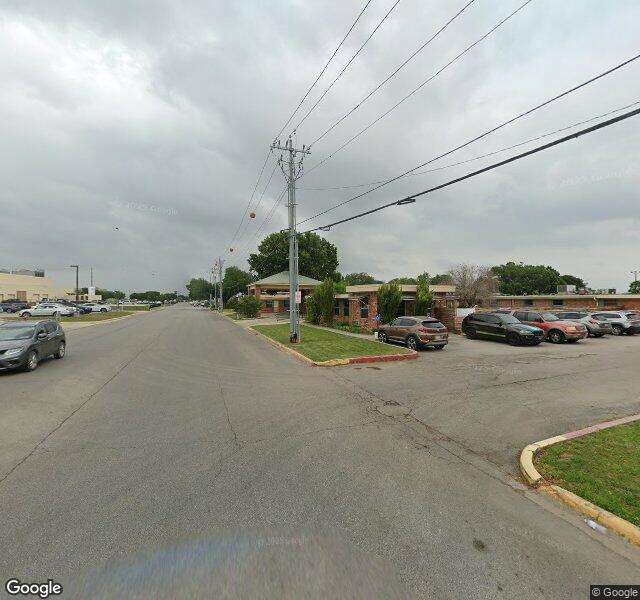
Avir at Seguin

1215 ASHBY, SEGUIN, TX 78155 (830) 379-1606
For profit - Limited Liability company 134 Beds AVIR HEALTH GROUP Data: November 2025 2 Immediate Jeopardy citations
Trust Grade
9/100
#933 of 1168 in TX
Last Inspection: June 2024

Within standard 12-15 month inspection cycle. Federal law requires annual inspections.

Overview

Families considering Avir at Seguin should be aware that the facility has a Trust Grade of F, indicating significant concerns and poor overall quality. It ranks #933 out of 1168 nursing homes in Texas, placing it in the bottom half of facilities statewide and last in Guadalupe County. Although the facility is improving, with issues decreasing from 19 in 2024 to 2 in 2025, there are still serious concerns, including critical deficiencies related to pressure ulcer care and pest control. Staffing is a major weakness, with only 1 out of 5 stars and a 65% turnover rate, which is higher than the Texas average. Additionally, there have been specific incidents where a resident developed a severe pressure ulcer due to inadequate care and another was affected by a pest infestation, highlighting significant gaps in the quality of care provided.

Trust Score
F
9/100
In Texas
#933/1168
Bottom 21%
Safety Record
High Risk
Review needed
Inspections
Getting Better
19 → 2 violations
Staff Stability
⚠ Watch
65% turnover. Above average. Higher turnover means staff may not know residents' routines.
Penalties
✓ Good
$13,877 in fines. Lower than most Texas facilities. Relatively clean record.
Skilled Nurses
⚠ Watch
Each resident gets only 6 minutes of Registered Nurse (RN) attention daily — below average for Texas. Fewer RN minutes means fewer trained eyes watching for problems.
Violations
⚠ Watch
45 deficiencies on record. Higher than average. Multiple issues found across inspections.
★☆☆☆☆
1.0
Overall Rating
★☆☆☆☆
1.0
Staff Levels
★★★☆☆
3.0
Care Quality
★★☆☆☆
2.0
Inspection Score
Stable
2024: 19 issues
2025: 2 issues

The Good

  • Full Sprinkler Coverage · Fire safety systems throughout facility
  • No fines on record

Facility shows strength in fire safety.

The Bad

1-Star Overall Rating

Below Texas average (2.8)

Significant quality concerns identified by CMS

Staff Turnover: 65%

19pts above Texas avg (46%)

Frequent staff changes - ask about care continuity

Federal Fines: $13,877

Below median ($33,413)

Minor penalties assessed

Chain: AVIR HEALTH GROUP

Part of a multi-facility chain

Ask about local staffing decisions and management

Staff turnover is elevated (65%)

17 points above Texas average of 48%

The Ugly 45 deficiencies on record

2 life-threatening
Mar 2025 2 deficiencies
CONCERN (D) 📢 Someone Reported This

A family member, employee, or ombudsman was alarmed enough to file a formal complaint

Potential for Harm - no one hurt, but risky conditions existed

Deficiency F0561 (Tag F0561)

Could have caused harm · This affected 1 resident

**NOTE- TERMS IN BRACKETS HAVE BEEN EDITED TO PROTECT CONFIDENTIALITY** Based on observation, interview, and record review, the facility failed to promote and facilitate resident self-determination th...

Read full inspector narrative →
**NOTE- TERMS IN BRACKETS HAVE BEEN EDITED TO PROTECT CONFIDENTIALITY** Based on observation, interview, and record review, the facility failed to promote and facilitate resident self-determination through support of resident choice to including but not limited to the residents choice to activities, schedules (including sleeping and waking times), healthcare and providers of healthcare services consistent with his or her interest, assessments, and plan of care and other applicable provisions of this part for 1 (Resident #1) of 4 residents reviewed for resident rights. The facility failed to honor Resident #1's request to be assisted out of bed at least once a day. This failure could place residents at risk for depression, diminished quality of life and isolation. Findings included: Record review of Resident #1's face sheet dated 03/14/2025 revealed an admission date of 07/23/2021 with latest re-admission on [DATE], and with diagnoses which included: Cerebral infarction (stroke); Hemiplegia (weakness or paralysis on one side of body)affecting right dominant side; Aphasia (language disorder that affects a person's ability to communicate) following cerebral infarction; Major Depressive Disorder (a mental health disorder characterized by persistently depressed mood); and Morbid obesity due to excess calories (Body Mass Index of 40 or higher which can increase risk of serious health problems and can shorten lifespan). Record review of Resident #1's Quarterly MDS assessment dated [DATE] revealed her BIMS score was left blank, and she was assessed as being dependent for transfers and mobility with wheelchair. Record review of Resident #1's Care Plan dated 01/29/2925 revealed a problem area which included: - Resident requires use of hoyer/mechanical lift and is at risk for injury, with intervention of 2 staff at all times for transfer with mechanical lift; and - Resident has low attendance in activities, goal Resident will attend activities 1xw. Record review of Resident #1's Physician Orders dated 03/14/2025 revealed an order for Resident may attend activities and social events of choice and ADL-Transfer: Total dependence x2 [mechanical] lift Record review of Resident #1's vital signs record revealed her current weight is 316lbs., down from 328.2 lbs in December 2024. Record review of Resident #1's Point of Care History for ADL's -Transfers from 1/10/2025 through 3/4/2025 revealed that her log was marked as Activity did not occur on 22 days during that time period. Those days marked as did not occur were: 3/9/2025, 3/6/2025, 3/2/2025, 3/1/2025, 2/28/2025, 2/23/2025, 2/22/2025, 2/21/2025, 2/20/2025, 2/16//2025, 2/12/2025, 2/9/2025, 2/5/2025, 2/1/2025, 1/31/2025, 1/28/2025, 1/25/2025, 1/24/2025, 1/23/2025, 1/22/2025, 1/13/2025, and 1/10/2025. Further review revealed all of the other days are noted with at least one entry of total dependence and 4 days have entries of limited assistance. Further review of the days marked as mechanical lift having been done with total dependence revealed the majority were done in late afternoon- early evening. Observation and interview with Resident #1 on 03/11/2025 at 10:42 a.m. revealed Resident #1 was lying in a large, oversized bed, and was unable to move her right arm and leg. Due to speech disorder which resulted from her stroke, Resident #1 was only able to say a few single words over and over, but she was able to point to what she wants/needs and could nod her head yes/no to answer basic questions. During this interview, she pointed to the overhead light, and activated her call light. CNA-B answered the call light within a few seconds and saw Resident #1 point to the overhead room light, and CNA-B asked her if she wanted the light off, Resident #1 shook her head yes, and CNA-B turned off the light. During a telephone interview with family members #1 and #2 on 03/12/2025 at 10:59 a.m., family member #1 stated that Resident #1 was not getting out of bed, and when they request she be assisted up into her wheelchair, they have been told they do not have 2 people on duty to do that. Family #2 stated the staff tell them that they get her up for lunch every day, but she was never up when the family comes to visit and noted that family visits about every other day and on weekends. Family Member #2 stated sometimes the staff will get Resident #1 up in her wheelchair for special occasions, but they always have to ask in advance. During a telephone interview with family member #3 on 03/14/2025 at 10:02 a.m. revealed she was aware Resident #1 was very overweight, and was difficult to transfer her to her wheelchair, but stated Resident #1 was left in bed way too much. Family member #3 asked how is she supposed to be active and lose weight if she never gets out of bed? Family member #3 stated she that if Resident #3 was able to be up in her wheelchair more, she would build up tolerance for it and participate in activities, go to exercises with therapy, and all of this would help her be more active, exercise more and help her lose that weight. Family member #3 stated the only time staff get Resident #1 up into her wheelchair is when they, her family, are there and request it. During interview with the Social Worker on 3/14/2025 at 9:48 a.m. the Social Worker clarified that Resident #1's BIMS score was 00, indicating severe cognitive impairment, not only due to her speech impediment, but noted that even by nodding her head, she was unable to remember the words given to her during the assessment. The Social Worker also stated that Resident #1's family has requested that Resident #1 be assisted up into her wheelchair at noon meals every day, or to get her up for at least one meal a day out of her room. Record review of Resident #1's Quarterly MDS assessment dated [DATE] revealed her BIMS score was left blank. During an interview with the Social Worker on 3/14/2025 at 9:48 a.m. the Social Worker clarified that Resident #1's BIMS score was 00, indicating severe cognitive impairment, not only due to her speech impediment, but noted that even by nodding her head, she was unable to remember the words given to her during the assessmentInterview on 3/14/2025 at 9:48 a.m. with the Social Worker revealed that the family has requested that Resident #1 be assisted up into her wheelchair at noon meals every day, or to get her up for at least one meal a day out of her room. Observation on 03/11/2025 at 12:25 p.m. on Hall 500 revealed Resident #1 was in her room, in her bed, and was provided a lunch tray in her room. Observation and interview with Resident #1 on 03/12/2025 at 12:26 p.m. revealed she was sitting in her bed, with her lunch tray on the bedside table in front of her eating lunch. When asked if she wanted to get up into her wheelchair and eat lunch in the dining room, she nodded affirmatively, indicating yes. When asked if she would like to get up in her wheelchair every day for lunch, she nodded affirmatively. When asked if staff get her up in her wheelchair for lunch, she shook her head negatively, indicataing no. Observation on 03/12/2025 at 1:46 p.m. of a mechanical lift transfer for Resident #1 from her bed to her wheelchair by CNA -B and CMA-E revealed privacy was provided, and proper procedure followed for the transfer. When she was initially being lifted in the sling, Resident #1 verbalized loudly and pointed to the back of her knees, indicating she felt pain there. The staff stopped the transfer, lowered her back to the bed and provided padding to the area behind her knees and when Resident #1 indicated she no longer felt pain, the transfer was resumed. Resident #1 did express some discomfort through grunts and facial expressions while being lifted in the mechanical lift sling. Observation revealed that her body was pressed together tightly with the sling, but her breathing did not appear compromised. As soon as Resident #1 was seated safely in her wheelchair and released from the sling, she smiled and indicated with head nods that she was okay, but did nod her head affirmatively when asked if the mechanical lift sling caused her discomfort. She shook her head negatively when asked if she felt fear during the mechanical lift transfer. Interview on 3/11/2025 at 10:49 a.m. with CNA-B revealed she was agency staff and has worked at this facility about 3 years and knows Resident #1 well. CNA-B stated Resident #1 does have a specially made wheelchair that they store in one of the empty rooms due to space concerns. She stated Resident #1 requires a 2-person mechanical lift, and that sometimes therapy will get her up into her wheelchair for special occasions, but not very often. For showers, she stated Resident #1 receives bed baths with 2 staff. Interview on 3/11/2025 at 11:52 a.m. with CMA-E revealed she has worked at the facility for about 3 years and works as both a CMA and a CNA. CMA-E stated that Resident #1 is not gotten out of bed into her wheelchair very often, and she has only seen her get out of bed when family are here and request it. CMA-E noted that it is difficult and takes a lot of time to transfer Resident #1, and that Resident #1 is only able to tolerate sitting up for about 30 minutes, and then wants to be transferred back to bed. CMA-E stated that Resident #1 gets bed baths only and is very cooperative with staff when they provide care to her. Interview on 3/13/2025 at 7:34 a.m. with LVN-D revealed she was a facility staff who had been at the facility about 2 months. She stated Resident #1 was able to communicate by pointing to what she wants, or pointing to where she hurts, and by answering yes/no questions with head nods. LVN-D stated Resident #1 will repeat the same 2-3 words over and over and will continue pointing and gesturing until staff can understand what she is trying to communicate. LVN-D stated Resident #1 required a mechanical lift with 2 staff assist, but also stated Resident #1 does not get out of bed very often. LVN-D stated that the last time she saw Resident #1 out of bed was for her Mammogram appointment the previous week. Interview with the ADON on 03/12/2025 at 12:43 p.m. revealed that Resident #1 had a stroke years ago, and has gained a lot of weight. She stated Resident #1 has a specially made wheelchair to accommodate her and required use of a mechanical lift with at least 2 persons to assist. She further stated Resident #1 gets up and into her wheelchair about one time a week, for activities or meals. She stated for medical appointments Resident #1 is taken via stretcher by Ambulance. The ADON stated that they are working with the family, and her interdisciplinary team to aide in her weight loss, and noted she was recently put on a new medication to aid in weight loss. Interview with the Director of Rehabilitation on 03/13/2025 at 2:05 p.m. revealed Resident #1 was receiving physical therapy 3 times a week, and specifically was on a functional maintenance program. She stated physical therapy was working on increasing her bed mobility, for example using her left leg to help her turn over in bed. She stated Resident #1 needs a mechanical lift transfer with 2 staff. She stated she had not been notified by any staff of any concerns in using the mechanical lift to transfer Resident #1. Interview with PTA-C on 03/14/2025 at 10:45 a.m. revealed that Resident #1 received physical therapy services 3 times a week for 40- minute sessions, working on increasing her range of motion, and reaching exercises. She stated the therapy was done in her room, with Resident #1 lying in bed. She stated she has never seen Resident #1 get up in her wheelchair for her therapy sessions, but that it would be good if she could, as she felt Resident #1 could benefit from working on some of the equipment they have in the therapy room. She further stated that she has never gotten Resident #1 up in her wheelchair using the mechanical lift, because she would not feel safe doing that unless there were 3-4 staff there to help. PTA-C stated that Resident #1 was not able to tolerate being up in the wheelchair very long, and will cry because it causes her pain if she stays up too long in her wheelchair. During an interview with the Administrator, RN-F and the ADON on 03/14/2025 at 12:15 p.m., RN-F stated Resident #1 was transferred out of her bed regularly, and that this is documented in their EHR system. RN-F pulled up the ADL [Mechanical Lift] transfer log in their EHR system for January 10- March 4 2025 and provided a copy for the State Surveyor. RN-F did note there were some gaps of several days on the log, noting no mechanical lift transfers occurred on the days around 2/21/2025. The ADON stated that Resident #1 does refuse transfers at times because the transfers hurt her, but was not able to identify where these refusals are documented, Record review of facility policy titled Resident Rights revised February 2021 revealed: Federal and state laws guarantee certain basic rights to all residents of this facility. These rights include the resident's right to: a. a dignified existence and self-determination.
CONCERN (E) 📢 Someone Reported This

A family member, employee, or ombudsman was alarmed enough to file a formal complaint

Potential for Harm - no one hurt, but risky conditions existed

Infection Control (Tag F0880)

Could have caused harm · This affected multiple residents

**NOTE- TERMS IN BRACKETS HAVE BEEN EDITED TO PROTECT CONFIDENTIALITY** Based on observations, interviews, and record review the facility failed to maintain an infection prevention and control program...

Read full inspector narrative →
**NOTE- TERMS IN BRACKETS HAVE BEEN EDITED TO PROTECT CONFIDENTIALITY** Based on observations, interviews, and record review the facility failed to maintain an infection prevention and control program designed to provide a safe, sanitary and comfortable environment and to help prevent the development and transmission of communicable diseases and infections for residents who eat in their rooms in one (Hall 500) of six halls observed for in-room dining services. While passing lunch trays in hallway 500, CNA-A did not sanitize or clean her hands in between residents. This failure could place residents at risk for infection. Findings included: Observation of meal services on Hall 500 on 03/12/2025 at 12:17 p.m. revealed CNA-A was in process of distributing lunch trays to residents in their rooms on Hall 500. CNA-A was observed to check a tray card on the lunch tray, and then carry the tray to a resident in room [ROOM NUMBER]. CNA-A then returned to the rack of lunch trays, checked tray card on another lunch tray and carried that lunch tray to room [ROOM NUMBER]A, where she assisted Resident #1 with set up of her lunch tray by placing the tray on a nearby table, cleared Resident #1's bedside table of the previous meal's tray, then placed the lunch tray on her bedside table, and moved the table over Resident #1's lap. CNA-A raised the head of bed for Resident #1 by using the bed remote, and then helped set up the tray by removing plastic covers from the drink containers, and opening the utensils wrap. Without sanitizing her hands, CNA-A then went back to the rack of lunch trays and grabbed another lunch tray and brought it to room [ROOM NUMBER]. CNA- A pushed the rack of lunch trays down the hall and repeated this process for rooms [ROOM NUMBERS]. CNA-A did not wash or sanitize her hands in between delivering trays to the different residents' rooms, or before and after assisting Resident #1 with her lunch tray set-up, and touching several items in Resident #1's environment (bed remote, bedside table, previous meal tray) in process. Interview on 03/12/2025 at 12:33p.m. with CNA-A revealed she was an agency staff who had only worked at the facility about 2 months. CNA-A stated she had received training in infection control and stated that she did not sanitize her hands in between delivering each tray to different residents and helping them set up their trays, because it would dry out her hands too much. The CNA-A did not respond when asked what the result could be of not sanitizing her hands in between working with different residents, and stated she washed her hands prior to starting the meal service. During an interview with the ADON on 03/12/2025 at 12:43 p.m., the ADON stated all staff much sanitize their hands in between working with different residents, which included when passing lunch trays to different residents' rooms. The ADON stated that by not sanitizing hands in-between working with different residents, it could result in the spread of infection. Record review of facility policy titled Handwashing/Hand Hygiene dated 2001 revealed a policy statement: this facility considers hand hygiene the primary means to prevent the spread of healthcare-associated infections. Continued review revealed: Hand hygiene is indicated: a. immediately before touching a resident . after touching a resident and .after touching a resident's environment.
Jul 2024 2 deficiencies 2 IJ
CRITICAL (J) 📢 Someone Reported This

A family member, employee, or ombudsman was alarmed enough to file a formal complaint

Immediate Jeopardy (IJ) - the most serious Medicare violation

Pressure Ulcer Prevention (Tag F0686)

Someone could have died · This affected 1 resident

**NOTE- TERMS IN BRACKETS HAVE BEEN EDITED TO PROTECT CONFIDENTIALITY** Based on observation, interview and record review the facility failed to ensure that a resident receives care, consistent with p...

Read full inspector narrative →
**NOTE- TERMS IN BRACKETS HAVE BEEN EDITED TO PROTECT CONFIDENTIALITY** Based on observation, interview and record review the facility failed to ensure that a resident receives care, consistent with professional standards of practice, to prevent pressure ulcers based on the comprehensive assessment for 1 of 4 Residents (Resident #1) whose records were reviewed for pressure ulcer care. The facility failed to obtain a physician order for treatment and wound care for Resident #1's right heel resulting in the wound declining from a blister to a stage 4 pressure injury that was later found to have maggots. An IJ was identified on 7/5/2024. The IJ template was provided to the facility on 7/5/2024 at 8:26 pm. While the IJ was removed on 7/6/2024 the facility remained out of compliance at a scope of pattern and severity level of no actual harm because of the facility's need to evaluate the effectiveness of their plan of removal. The findings included: Record review of Resident #1's electronic face sheet (printed 7/5/2024) revealed Resident #1 was admitted on [DATE]. His diagnoses included: pressure ulcer of right heal (stage 4 wound which reveals skin and bone), unspecified dementia, protein-calorie malnutrition, cognitive communication deficit, pathological fracture right femur, iron deficiency, and vitamin deficiency. Record review of Resident #1's MDS (Quarterly), dated 2/9/2024 revealed Resident #1 had a BIMS Score of 4, indicating severe cognitive impairment. Record review of Resident #1's Care plan, reflected the following: Potential for altered skin integrity related to dementia as evidenced by noncompliance of care (as of 2/14/2024). Goals included, Will have intact skin, with minimal redness, blisters or discoloration through review date. Interventions included, Notify family of any new areas of skin breakdown; Obtain and monitor lab/ diagnostic work as ordered. Report to MD and follow up as indicated; Monitor nutritional status. Serve diet as ordered, monitor intake and record; Notify nurse immediately of any new areas of skin breakdown, redness, blisters, bruises, discoloration noted during bath or daily care; Body audits at least weekly by licensed staff. Record review of Resident #1's Care plan, stated the following: Problem: (Resident #1) has a pressure ulcer to right heel (as of 5/8/2024). Interventions included, Wound care as per MD orders; Wound care physician to see (Resident #1) as needed; Position with pillows to elevate pressure points off the bed. Record review of Resident #1's EMR progress note on 6/1/2024 authored by Agency LVN A revealed Resident #1 had an open blister to right heel identified by facility a CNA. Record review of Resident #1's last skin assessment on 5/30/2024 revealed no issues. Record review of Resident #'1's skin assessment dated [DATE] identified Stage 2 pressure injury to right heel 5.5cm x 8.2cm x 0.1cm with granulation tissue Record review of Resident # 1's skin assessment dated [DATE] indetified Stage 4 pressure injury to right heel, 3.2cm x 7.5cm x 0.1cm with necrotic tissue Record review of Residnt # 1 skin assessment dated [DATE] indetified Stage 4 pressure injury to right heel, 5.2cm x 7.2cm x 0.1cm with necrotic tissue. Record review revealed Agency LVN A did not obtain a physician order on 6/1/2024 for wound care. Record review of Resident #1's EMR revealed no documentation for deterioration in wound from 6/1/2024-6/4/2024. Record review of Resident #1's EMR revealed on 6/4/2024 wound care physician observed Resident #1's right heel to be a Stage 4 and ordered a wound care treatment plan. Record review of Resident #1's EMR revealed on 6/16/2024 Resident #1 was transferred to hospital for wound care debridement and due to maggots in wound. Resulting in a right below knee amputation. Record review of Resident #1's physician consolidated orders for 6/1/2024-7/2/2024 revealed no physician order on 6/1/2024 when right heel wound was identified. Record review of Resident #1's physician consolidated orders revealed Orders dated 06/02/2024 to Cleanse with wound cleanser, Apply TAO open area to patient;s right heel, dry dressing until healed. Start date 06/02/2024-06/03/0224 (Dc Date) Record review of Resident #1's physician consolidated orders revealed Orders dated 06/02/2024 to Cleanse with wound cleanser, apply CA alginate to open area to patient's right heel then dry dressing QD until healed Start date 06/03/2024006/04/2024 (Dc Date) Unable to reach Agency LVN A for interview after 2 attempts. Unable to reach Agency Nurse Aide B for interview after 2 attempts. During a telephone interview on 7/2/2024 at 10:28 am facility DON stated she was first informed of Resident #1 having a blister to his left heel on 6/1/2024. DON stated she saw Resident #1's wound to right heel on 6/1/2024 and determined a blister was present and advised Agency nurse to notify MD for treatment. During an interview on 7/2/2024 at 1:10 pm, Regional Nurse Consultant (RNC) stated if a nurse needed an order from a physician to provide care, the nurse would call the residents physician and then write the order so that it would transcribe to the resident's treatment record. She further revealed any orders written by nursing staff would transcribe to the Facility Activity Report and the nurses would give report from shift to shift. When asked if there was an order written for Resident #1 [Heel cleaned with normal saline and covered with boarded gauze.} RNC stated I do not see one in the EMR until the next day on t 6/2, though the treatment was done on 6/1. She stated there should have been an order written. Unable to reach wound care physician for interview. During a telephone interview on 7/6/2024 at 9:10 am Resident #1's primary physician stated he was aware of Resident #1's right heel wound and further revealed he knew the wound care physician was addressing the treatment plan for Resident #1, prior to a right below the knee amputation. The Administrator was given the IJ template and was notified of the Immediate Jeopardy {IJ} on 7/5/2024 at 8:31 p.m. and a plan of removal was requested. On 7/6/2024 at 11:09 am, the facility provided a plan of removal that was accepted. It was documented as follows: On 7/5/24, a complaint survey resulted in Immediate Jeopardy (IJ). On 7/5/24, the administrator was provided with an Immediate Jeopardy template notification that the Regulatory Services has determined that the practice at the facility constitutes an immediate threat to resident health and safety. The notification of Immediate Jeopardy states as follows; The facility failed to obtain a physician order for treatment and wound care for Resident #1 and the facility failed to assess and document residents wound care in a manner consistent with professional standards of practice and in accordance with the facility policy. On 7/5/24, the director of nursing in-serviced all licensed nursing staff regarding the policy when a new wound is identified. The licensed nurse will create an incident report, notify the physician to receive new orders, and enter those orders into the Matrix EMR. The licensed nurse will then enter the assessment of the wound into the Matrix EMR wound management system and notify the director of nursing and the resident's responsible party. Nursing staff not available for this in-service will receive it before starting their next assigned shift. Agency nursing staff will receive the training before starting their assigned shift. The in-service will be kept, to refer to, in the nursing 24hr book. On 7/5/24, under the direction of the director of nursing, a full facility skin sweep was completed on all residents. Any new areas of concern were documented per the facility policy listed above On 7/6/24, the facility DON in-service facility CNAs about notifying the charge nurse for any concerns with the resident's skin. Any CNAs not receiving the initial education will not be allowed to work their next assigned shift until they receive the information. On 7/6/24, the director of nursing in-service licensed nursing staff on how to complete a skin assessment. Agency nurses will receive this information before starting their next assigned shift and the information will be kept in the 24hr nursing book for reference. The director of nursing/assistant director of nursing will be responsible for reviewing the skin assessment documentation on any newly identified skin abnormality and re-educating when necessary. The regional nurse consultant will monitor compliance of the wound management system by reviewing the facility activity report, weekly, to identify concerns. An Ad-Hoc QAPI meeting was held on 7/6/24, with the Medical Director, Regional Director of Operations, Director of Nursing, and the Regional Nurse Consultant to review the deficiency, policy and procedures, and the plan for removal of immediacy. Policies for monitoring the wound care system were discussed. Verification: began 7/6/2024 at 11:30 am: 1. Record review on 7/6/2024 of Inservice titled Wounds Skin System with policy and procedure revealed signatures of 8 of 10 staff nurses and 4 agency nurses who attended the in service. 2. During an interview on 7/6/2024 at 11:40 am Regional Nurse Consult stated the 2 prn staff nurses would receive in service before working their next shift. 3. During interviews conducted on 7/6/2024 from 11:30 am - 3:30 pm with 6 day shift 6 am- 6pm nursing staff (LVN's RN ) an 6pm-6am nursing staff (LVN's RN) revealed they had been in-serviced on wounds , skin system with policy and procedures. . 1. Record review of Facility Wound Summary Report dated: 6/6/2024-7/6/2024 revealed current wounds being treated in facility were 1- Resident with Stage IV to right heel and left heel with measurements and orders for treatment. 1- Resident with arterial ulcer right heel with measurements and orders for treatment. 2. During an observation on 7/6/2024 at 11:13 am with RN treatment done to right heel of Resident in 608 per physician orders and infection control with no issues. Measurements and appearance were as documented on facility wound record dated 6/6/2024-7/6/2024. On 7/5/24, all current resident skin abnormalities were audited by the regional nurse consultant to validate that there was a physician's order and that the skin abnormality was in the wound management system and was being documented on. Any concerns were corrected immediately. 1. Record review of Facility Wound Summary Report dated 6/6/2024- 7/6/2024 revealed residents with a total of: 2 skin tear, 1 stage vii,3 other,1 arterial ulcer, 1 surgical incision, 1 abrasion,1 laceration. 2. Record review of Residents EMR dated 7/1/2024-7/6/2024 revealed residents on the Facility Wound Summary Report with current treatment orders. To total: 10 residents. On 7/5/24, the Regional Nurse Consultant re-educated the director of nursing and the assistant director of nursing regarding the process for monitoring and validating completion of nursing tasks in relation to skin abnormalities by reviewing the facility activity report, daily for new orders, as well as the dashboard of the EMR for any new incident reports. The wound management system will be reviewed weekly during the Quality of Care, meeting to validate completeness and to ensure wounds are entered correctly. Notifications will also be reviewed at that time. The ADON will be responsible for this process when the DON is not available. The Regional Nurse Consultant will attend the Quality of Care meeting weekly with the IDT for one month and randomly thereafter. The regional nurse consultant will be available for consultation when needed. Any concerns will be addressed immediately upon discovery. 1. During an interview on 7/6/2024 at 1:35 pm facility DON stated she was in serviced by the RNC regarding the process for skin system follow up and problem identification. 2. During an interview on 7/6/2024 at 1:36 pm facility ADON stated she was in serviced by the RNC regarding the process for skin system follow up and problem identification. During an interview on 7/6/2024 1:45 pm RNC stated we(Regional Director of Operations, DON and Administrator, RNC.) met this morning(7/6/2024), (Medical Director was not available ). During an interview on 7/6/2024 at 2:25 pm facility Administrator stated Medical Director had called him back and was informed of POR and IT . Medical Director told administrator he would see them at QAPI. The Administrator was notified of the IJ was identified on 7/5/2024. The IJ template was provided to the facility on 7/5/2024 at 8:26 pm. While the IJ was removed on 7/6/2024 the facility remained out of compliance at a scope of pattern and severity level of no actual harm because of the facility's need to evaluate the effectiveness of their plan of removal.
CRITICAL (J) 📢 Someone Reported This

A family member, employee, or ombudsman was alarmed enough to file a formal complaint

Immediate Jeopardy (IJ) - the most serious Medicare violation

Deficiency F0925 (Tag F0925)

Someone could have died · This affected 1 resident

**NOTE- TERMS IN BRACKETS HAVE BEEN EDITED TO PROTECT CONFIDENTIALITY** Based on observation, interview, and record review, the facility failed to maintain an effective pest control program to keep th...

Read full inspector narrative →
**NOTE- TERMS IN BRACKETS HAVE BEEN EDITED TO PROTECT CONFIDENTIALITY** Based on observation, interview, and record review, the facility failed to maintain an effective pest control program to keep the facility free from pests for 1 of 4 residents (Resident #1) reviewed for pest control, in that: The facility failed to ensure an effective pest control program was in place to keep flies out of resident rooms resulting in an infestation of maggots in Resident #1's right heel wound. The noncompliance was identified as PNC. The IJ began on 06/16/2024 and ended on 06/18/2024. The facility had corrected the noncompliance before the investigation began. The failure could place residents with wounds at risk for infection or infestations from pests. The findings included: Record review of Resident #1's electronic face sheet (printed 6/20/2024) revealed Resident #1 was admitted on [DATE]. His diagnoses included: pressure ulcer of right heal (stage 4 pressure injury a full-thickness wound with skin loss with extensive destruction, tissue necrosis, and damage to the underlying muscle, tendon, bone, or other exposed supporting structures.), unspecified dementia, protein-calorie malnutrition, UTI, cognitive communication deficit, pathological fracture right femur, iron deficiency, vitamin deficiency. Record review of Resident #1's MDS (Quarterly), dated 2/9/2024 revealed Resident #1 had a BIMS Score of 4, indicating severe cognitive impairment. Record review of Resident #1's Careplan, reflected the following: Potential for altered skin integrity related to dementia as evidenced by noncompliance of care (as of 2/14/2024). Goals included, Will have intact skin, with minimal redness, blisters or discoloration through review date. Interventions included, Notify family of any new areas of skin breakdown; Obtain and monitor lab/ diagnostic work as ordered. Report to MD and follow up as indicated; Monitor nutritional status. Serve diet as ordered, monitor intake and record; Notify nurse immediately of any new areas of skin breakdown, redness, blisters, bruises, discoloration noted during bath or daily care; Body audits at least weekly by licensed staff. Record review of Resident #1's Careplan, reflected the following: Problem: (Resident #1) has a pressure ulcer to right heel (as of 5/8/2024). Interventions included, Wound care as per MD orders; Wound care physician to see (Resident #1) as needed; Position with pillows to elevate pressure points off the bed as needed; Turn and reposition resident throughout the shift. Record review of Resident #1's 6/16/2024 progress note revealed, (Resident #1) supine in bed refusing snacks and beverages. (Resident #1)had body temp of 99 at 2 PM and is now at 96.6. He is shivering as if cold even with blanket. His heart rate is 98, R20. (Resident #1) has low urine output today. Wound care done and (Resident #1) found to have necrotic tissue with maggots coming out of foot heel. Wound cleaned and dressed. MD notified and wants (Resident #1) to be sent to ER. Supervisor notified. (Responsible Party) notified and notification to (Hospital Staff) in ER. Interview on 6/19/2024 at 10:10 AM, the Administrator stated Resident #1 was not currently at the facility. The Administrator was asked if Resident #1 was at the hospital and stated that he was. Initial rounds on 6/19/2024 at 10:54 AM, staff were appropriately engaged with residents, staffing appeared sufficient, no profuse or lingering odors were detected. No flies or other insects were observed during these rounds. Observation on 6/19/2024 at 12:15 PM of the dining area during lunch meal service Reveal no flies or insects in the dining area. Interview on 6/19/2024 at 12:20 PM, the Administrator stated interventions had been put into place including electric fly traps on the interior of the building, air curtains, and water traps, which utilized yeast to attract and trap flies on the exterior of the building. The administrator stated that when the temperatures became warmer outside along with the additional rain, some flies had been able to enter the building when residents would exit and enter the building during smoke breaks. He said they recently had pest control treat the facility for this issue. Observation and attempted interview on 6/19/2024 at 1:29 PM, of Resident #1 at the hospital revealed Resident #1 was in bed sitting in an upright position. Resident #1 appeared clean and well kept. Resident #1 did not exhibit any s/s of pain or grimacing. During an interview at this time, Resident #1 did not respond to questions but stared blankly at the wall. Interview on 6/19/2024 at 1:35 PM, Hospital RN A stated Resident #1 was recently admitted several days ago with a necrotic wound to his heal which resulted in a below the knee amputation. Hospital RN A said Resident #1 was currently on isolation precautions with dx, ESBL of the urine and was not alert or oriented. Interview on 6/19/2024 at 2:05 PM, Hospital DR B, stated Resident #1 was admitted to the hospital with a stage 4 ulcer to his heal. The Hospital DR B said it was likely acquired following surgery for hip fracture in April of 2024. Hospital DR B said it was likely that given Resident #1's dementia and comorbidities, he was likely more prone to acquiring that type of an injury. Interview on 6/19/2024 at 2:21 PM, Hospital DR C, stated he was a part of Resident #1's hospital admission and stated that in his professional opinion, he did not believe that the presence of maggots to Resident #1's wound had an impact on the outcome of Resident #1's below the knee amputation, indicating Resident #1 would likely have had to have the amputation even if the maggots were not in Resident #1's wound. Hospital DR C opined that the resident had multiple diagnoses that made him more susceptible to acquiring said wound. Interview on 6/20/2024 at 11:43 AM, Treatment Nurse, LVN C said she was reassigned to Resident #1's Hall on 6/16/2024 and said upon removing Resident #1's dressing for treatment, she discovered approximately 5 maggots on his wound. LVN C said she then called the Resident #1's physician and subsequently sent Resident #1 to the hospital. Observation and interview on 6/20/2024 at 12:05 PM, Resident #2 was observed sitting in his bed watching the television. Resident #2 appeared clean and well kept. No s/s of pain or grimacing were observed. Resident #2 was asked how long he had been at the facility and responded, since May. Resident #2 was asked if he had any concerns regarding fly infestations and responded that he would occasionally see flies but that it had improved. Interview on 6/20/2024 at 2:15 PM, the Administrator stated about 2-3 weeks ago the facility became overwhelmed by flies, likely due to the weather conditions and the frequency with which the residents who smoked would open and close the door leading to the smoking area adjacent to the dining area. The administrator was asked if Resident #1 would leave his room and responded that staff would wheel Resident #1 to the dining area for meals and to watch television. Observation and interview on 6/20/2024 at 3:18 PM, Resident #3 was observed watching television in her room. Resident #3 appeared clean and well kept. During an interview at this time, Resident #3 was asked if she had any concerns specific to flies in the facility. Resident #3 grabbed a fly swatter and said several weeks ago, they were really bad. Resident #3 said the fly infestation seemed have improved. Telephone interview on 6/20/2024 at 3:32 PM, Wound Care Physician, TDR E, said he worked on Resident #1's wounds once per week and said he had no concerns specific to the care Resident #1 was receiving. TDR E said Resident #1's wounds were covered on every visit he had with the resident. TDR E said that at times Resident #1 seemed non-compliant and combative so may have removed coverings on those occasions but was never something he had observed. TDR E was asked how long it would take for a fly larvae (maggot) to hatch once the egg was laid and he responded, approximately 7-24 hours. The facility course of action prior to surveyor entrance included: Record review of the Administrator's PIR dated 6/18/2024 revealed: All required notifications were made which included the Medical Director, Responsible Party, Physician, Nurse Practitioner, and HHSC. Record review dated 6/17/2024- 46 staff, all staff, were in-serviced on using a staff roster were checked off and signed for in-services titled: Wound Information. STAFF INTERVIEWS ON TRAINING: 6/20/2024 from 3:30 PM to 6:00 PM revealed staff were scheduled for 12-hour shifts, many worked both day, evening, and night shifts. On 6/20/2024 at total of 3 LVN's, 5 CNA's and 2 NAs were interviewed on the maggot identification, intervening, reporting, abuse, and neglect. They were trained on asking for assistance, reporting if they witnessed flies and/or maggots and to let the charge nurse know if either was identified. On 6/20/2024, the Administrator was interviewed and revealed all interventions that the facility proactively put into place in response to pest control which included the purchase of air curtains, electronic fly traps, water traps, baiting around the exterior of the facility, trash cans, and dumpsters, and a treated wipe down of the entire facility. Observation rounds were conducted on 6/20/2024 and revealed screens were on all resident windows on the 500 hall, trash cans and dumpsters were located at an appropriate distance from the facility, electronic fly traps were activated, and the facility appeared to be free of fly infestations. Sampled residents were also interviewed and stated significant improvement specific to the presence of flies at this facility. Record review of a document, not dated, revealed an invoice, not titled. Further review of this document stated, Order placed 6/4/2024 in the amount of $422.16, and stated, Arriving Friday - [NAME] WS-95 Wall Sconce Flight light Trap Lamp . Record review of a document, titled, Order Summary, dated 6/5/2024, stated, Fly bait used to control fly problem at facility. Suggested by pest control. Further review of section, Total, revealed a charge of $63. Record review of document titled, Additional Service/Equipment Proposal, Commercial Pest Management Program, dated 6/17/2024, stated, Service needed for - Flies. Section, Estimated Price of Proposed Services, stated, Targeted Fly Wipe-down $300 . Full Facility Wipe-down - $750. Record review of a facility policy, Flies, not dated, stated, Sources - open exterior doors, filth, smoking patios, dumpsters/garbage . Control Methods - Keep doors closed; keep dumpsters closed and trash-drip area clean; frequently power wash dumpsters/smoking areas and empty ashtrays . Record review of a facility policy, Fly Protocol, not dated, stated, There is not a single tactic that can keep flies out. It requires using a combination of multiple chemicals and equipment, along with diligent good habits from the facility to keep flies mitigated The noncompliance was identified as PNC. The IJ began on 06/16/2024 and ended on 06/18/2024. The facility had corrected the noncompliance before the investigation began.
Jun 2024 15 deficiencies
CONCERN (D)

Potential for Harm - no one hurt, but risky conditions existed

Deficiency F0558 (Tag F0558)

Could have caused harm · This affected 1 resident

**NOTE- TERMS IN BRACKETS HAVE BEEN EDITED TO PROTECT CONFIDENTIALITY** Based on observation, interview and record review the facility failed to ensure residents received services in the facility with...

Read full inspector narrative →
**NOTE- TERMS IN BRACKETS HAVE BEEN EDITED TO PROTECT CONFIDENTIALITY** Based on observation, interview and record review the facility failed to ensure residents received services in the facility with reasonable accommodation of resident needs for 1 of 8 Residents (Resident #16) who were observed for call light placement. Nursing staff failed to ensure Resident #16's call light was within reach for use if she needed to ask for assistance. This deficient practice could affect any resident who used a call light and could contribute to resident's needs not being met. The findings were: Review of Resident #16's significant change MDS assessment, dated 3/20/24, revealed she was admitted to the facility on [DATE] with diagnoses including Alzheimer's Disease (brain disorder that causes problems with memory, thinking and behavior) and Dementia (group of symptoms affecting memory, thinking and social abilities). Further review revealed Resident #16's BIMS was 8 out of 15 indicative of moderate cognitive impairment, her vision was moderately impaired, she was dependent on staff from substantial to maximal assistance for most ADL's and she had limited range of motion to both lower extremities. She used a wheelchair for mobility. Review of Resident #16's Care Plan, revised 3/20/24, revealed Resident #16 had impaired vision, two approaches included to Keep a safe room environment at all times. Keep call light in reach. Observation on 6/2/24 at 11:31 AM revealed Resident #16 sitting in wheelchair with her head hanging forward on her chest. Further observation revealed the call light was dangling on the wall between the. Resident's bed and night stand behind Resident #16. It was not within her reach. Interview on 6/2/24 at 11:31 AM with Agency LVN F revealed she did not know Resident #16 very well. She stated the call light should be within reach at all times, but did not know if Resident #16 used the call light. Interaction on 6/2/24 at 11:40 AM with Agency CNA G revealed Resident #16 used her call light when she wanted to get her out of bed and put back into bed. He stated he transferred Resident #16 to her wheelchair to get ready for lunch. CNA G stated he must have forgotten to clip the call light on Resident #16's shirt. Interview on 6/2/24 at 12 PM with the DON revealed Resident #16 was usually able to make her needs known. She stated Resident #16 used the call light to ask staff to get her up from bed or to put her back into bed. The DON stated staff should keep the call light within Resident #16's reach at all times. She stated all floor nursing staff was to check call light placement when entering the room.
CONCERN (D)

Potential for Harm - no one hurt, but risky conditions existed

Deficiency F0561 (Tag F0561)

Could have caused harm · This affected 1 resident

**NOTE- TERMS IN BRACKETS HAVE BEEN EDITED TO PROTECT CONFIDENTIALITY** Based on observation, interview and record review the facility failed to ensure the resident had the right to and the facility m...

Read full inspector narrative →
**NOTE- TERMS IN BRACKETS HAVE BEEN EDITED TO PROTECT CONFIDENTIALITY** Based on observation, interview and record review the facility failed to ensure the resident had the right to and the facility must promote and facilitate resident self-determination through support of resident choice, including but not limited to choose health care and providers of health care services consistent with his or her interests, assessments, and plan of care for 1 of 8 Residents (Resident #61) whose records were reviewed for health care services. Resident #61 expressed her desire to find a psychiatrist within the community. The SS worker told Resident #61 she could select a psychiatrist of her choice but because the facility provided in house psychiatry services, she would have to secure her own transportation. This deficient practice could affect any resident exercising their rights to choose their own health care providers and result in a direct violation of the resident's right to autonomy. The findings were: Review of Resident #61's quarterly MDS assessment, dated 3/31/24, revealed she was admitted to the facility on [DATE] with diagnoses including Dementia, Anxiety Disorder, Manic Depression (Bi-polar disorder) and Seizure Disorder. Further review revealed Resident #61's BIMS was 6 out of 15 indicative of severe cognitive impairment. Review of Resident #61's Care Plan dated 3/31/24 read: Resident has bipolar disorder, current episode depressed, severe, with psychotic features and is at risk for hallucinations, delusions and behaviors. Two (2) of the approaches included Administer medications as ordered, monitor effectiveness, side effects and notify MD as needed. Psych consult as needed per MD referral. Observation and interview on 6/2/24 at 10:24 AM revealed Resident #61 was lying in bed. Resident #61 expressed her concerns about her mental health provider and immediately became very loud and presented as being very angry. Resident #61 stated her counselor recommended she see a psychiatrist. The SS Worker refused to refer her to a community Psychiatrist and told her she could see the in-house NP. Resident #61 stated she did not want to see the NP. She stated the SS Worker further stated if she did get a referral for a community Psychiatrist then she would have to get her own transportation. Resident #61 continued to express her frustration and anger about the situation for about 15 to 20 minutes. She stated she did not understand why she was being forced to see the NP. Interview on 06/05/24 at 09:49 AM with SS Worker revealed Resident #61 was being followed by a Psy services organization for medication management and she received counseling services from a different provider. The services were provided in-house. The SS Worker stated she referred Resident #61 to a local provider in private practice for Psychiatric services. The SS Worker stated the provider was within network with the Resident's insurance. She stated she shared the information with Resident #61 and the Resident walked away because she didn't like the answer. The SS Worker stated Resident #61 wanted someone who would come see her at the facility. SS Worker stated transportation was offered in house but was told Resident #61 would have to find her own transportation because Psy services and counseling was offered in house. The SS Worker stated she could not remember who provided her with the guidance. Interview on 06/05/24 at 02:45 PM with the DON revealed she was not sure if the facility would provide Resident #61 with transportation to a community Psychiatrist since Psy services were offered in house. The DON stated Resident #61 had family who could take her to appointments. The DON stated the facility provided all residents with transportation to specialist and other appointments as needed. She stated she started her position during January 2024 and was learning the processes. Interview on 06/05/24 at 3 PM with the DON revealed she talked with Corporate Regional Reimbursement MDS Coordinator and she said the facility would provide transportation for Resident #61 even if she saw a community Psychiatrist. She stated there had been a miscommunication but was not sure on whose behalf. When asked how there had been miscommunication, she stated I don't know but we will provide transporation. The DON stated they usually discuss Resident concerns, appointments and the like during morning meetings to ensure they were all on the same page. Review of a facility policy, Resident Rights, revised October 2009) read: Employees shall treat all residents with kindness, respect and dignity. 1. Federal and State laws guarantee certain basic rights to all residents of this facility. These rights include the resident's right to: c. choose a physician and treatment and participate in decisions and care planning; 2. Residents are entitled to exercise their rights and privileges to the fullest extent possible. 3. Our facility will make every effort to assist each resident in exercising his/her rights to assure that the resident is always treated with respect, kindness and dignity.
CONCERN (D)

Potential for Harm - no one hurt, but risky conditions existed

Deficiency F0583 (Tag F0583)

Could have caused harm · This affected 1 resident

**NOTE- TERMS IN BRACKETS HAVE BEEN EDITED TO PROTECT CONFIDENTIALITY** Based on observation, interview, and record review, the facility failed to ensure residents had the right to personal privacy an...

Read full inspector narrative →
**NOTE- TERMS IN BRACKETS HAVE BEEN EDITED TO PROTECT CONFIDENTIALITY** Based on observation, interview, and record review, the facility failed to ensure residents had the right to personal privacy and confidentiality of his or her personal and medical records for one of five residents (Resident # 15) reviewed for privacy. The facility failed to ensure CMA E locked the computer, which exposed Resident #15's morning medication list after she walked away and left the computer unattended. This failure could place residents at risk of having medical information exposed to others and cause residents to feel uncomfortable and disrespected. The findings include: Record review of Resident # 15's face sheet, dated 6/4/24, revealed a [AGE] year-old male was admitted to the facility on [DATE] and readmitted on [DATE] with the diagnoses that included Acute Kidney Failure ( occurs when your kidneys suddenly become unable to filter waste products from your blood) , aphagia (The loss of the ability to swallow) and Right hemiplegia ( is a condition that causes paralysis on the right side of the body due to damage to the brain or spinal cord. Record review of Resident # 15's quarterly MDS assessment, dated 3/24/24, revealed Resident # 15 had a BIMS score left blank, which indicated resident was unable to complete interview. Observation on 06/04/24 at 9:30 AM-9:40 AM revealed that CMA E prepared Resident # 15's morning medication, walked away from the computer (did not lock screen), and displayed morning medication orders for Resident # 15. In an interview on 06/4/24 at 9:42 AM, CMA E stated she forgot to lock the computer screen when she walked away from the computer; she added that Resident # 15's private medical information was possibly exposed. In an interview on 06/04/24 at 10:49 AM, the DON stated she was not aware Resident #15's records were left open and unattended. The DON stated it was her expectation for facility nursing staff to uphold HIPAA and lock computer screens when they were away from them. The DON stated all staff were to ensure residents charts were protected at all times. The DON stated leaving residents charts open and unattended could give unauthorized access to resident charts. The DON stated her ADON was responsiable for overseeing compliance of this task and it was monitored by doing at random computer screen checks. Record review of the facility policy entitled Confidentiality of Information, 2001, revised March 2014, Revealed: The facility will safe guard all residents' records, whether medical, financial, or social in nature, to protect the confidentiality of the information.
CONCERN (D)

Potential for Harm - no one hurt, but risky conditions existed

Comprehensive Care Plan (Tag F0656)

Could have caused harm · This affected 1 resident

**NOTE- TERMS IN BRACKETS HAVE BEEN EDITED TO PROTECT CONFIDENTIALITY** Based on observation, interview and record review the facility failed to develop and implement a comprehensive person-centered c...

Read full inspector narrative →
**NOTE- TERMS IN BRACKETS HAVE BEEN EDITED TO PROTECT CONFIDENTIALITY** Based on observation, interview and record review the facility failed to develop and implement a comprehensive person-centered care plan for each resident, consistent with the resident rights that included measurable objectives and timeframes to meet a resident's medical, nursing, and mental and psychosocial needs that were identified in the comprehensive assessment for 1 of 3 (Resident #71) residents reviewed for comprehensive assessments. The facility failed to ensure that Resident #71's care plan documented interventions for the diagnosis of General anxiety disorder. This failure could place residents at risk of not receiving proper care and services related to the disease process. The findings were: Record review of Resident # 71's face sheet, dated 6/4/24, revealed a [AGE] year-old female was admitted to the facility on [DATE] and readmitted on [DATE] with the diagnosis that Included General anxiety disorder (involving a persistent feeling of anxiety or dread that interferes with how you live your life), Cerebral infarction ( is a condition that occurs when blood flow to the brain is disrupted, resulting in necrotic tissue in the brain ) and Type 2 diabetes ( is a chronic condition that occurs when the body doesn't produce enough insulin or doesn't use insulin properly, resulting in high blood sugar levels). Record review of Resident # 71's Care Plan, dated 4/03/24, reflected no specific listing to address General anxiety disorder. Record review of Resident # 71's admission MDS, dated [DATE], revealed that Resident # 71 had a BIMS score of 14, which indicated intact cognition. Interview with the MDS nurse on 6/04/24 at 2:20 p.m., reveiled, she was responsible for updating the care plans .The MDS nurse stated she did not know why Resident # 71's addressed General anxiety disorder was not care planned. She added that by her not updating the care plan, Resident # 71 risked not having all team members on same page when providing care . Interview with the DON on 6/04/24 at 2:35 p.m. revealed Resident # 71 had diagnosis of General anxiety disorder that was not care planned , and it was her expectation the care provided was care planned accordingly to ensure all team members are on the same page when providing care. The DON stated the ADON was responsible for ensuring that care plans were completed, and she currently monitors this monthly intermittently which was why this was missed. Record review of facility policy titled Care Plans, Comprehensive Person-Centered 2001, Revised December 2016, revealed that The Comprehensive, Person-Centered care plan is developed within 7 days of completion of the required comprehensive assessment MDS.
CONCERN (D)

Potential for Harm - no one hurt, but risky conditions existed

ADL Care (Tag F0677)

Could have caused harm · This affected 1 resident

**NOTE- TERMS IN BRACKETS HAVE BEEN EDITED TO PROTECT CONFIDENTIALITY** Based on observation, interview and record review the facility failed to ensure residents who were unable to carry out activitie...

Read full inspector narrative →
**NOTE- TERMS IN BRACKETS HAVE BEEN EDITED TO PROTECT CONFIDENTIALITY** Based on observation, interview and record review the facility failed to ensure residents who were unable to carry out activities of daily living received the necessary services to maintain good personal hygiene for 1 of 8 Residents (Resident #56) whose records were reviewed for ADL care. Nursing staff failed to ensure Resident #56 received a shower on 6/3/24 and on 6/5/24. This deficient practice could affect any resident and contribute to feelings of low self-esteem. The findings were: Review of Resident #56's quarterly MDS assessment, dated 4/12/24, revealed Resident #56 was admitted to the facility on [DATE], with diagnoses including Hypertension (high blood pressure), ESRD (also called end-stage kidney disease or kidney failure, occurs when chronic kidney disease, the gradual loss of kidney function, reaches an advanced state. In end-stage renal disease, your kidneys no longer work as they should to meet your body's needs) and PVD (a condition that affects the blood vessels outside of the heart and brain). Further review revealed Resident #56's BIMS was 12 out of 15 indicative of some cogntive impairment; required supervision or touching assistance, from partial to moderate assistance by 1 staff for ADL's including showers and had limited range of motion on one side, lower extremity. Review of Resident #56's Care Plan, revised 3/20/24, revealed there was no mention of interventiions for necessary care for any ADL's including showers for Resident #56 . Observation and interview on 06/05/24 at 12:45 PM revealed Resident #56 was sitting in his wheelchair in the bathroom getting toilet paper. Further observation revealed Resident #56's looked upkept (his hair looked uncombed, he had not been shaved). Interview with Resident #56 revealed CNA A would shower him and he did a good job but it was on his terms. Resident #56 stated he mentioned to the CNA's he had not showered like in 2 weeks, but it did not do any good. Resident #56 stated he was a clean man and liked to shower like anyone else. He stated he could complain but it didn't matter bc it didn't help. Interview on 6/5/24 at 1PM with MA D revealed she was working as an aide today (6/5/24) and knew Resident #56 very well. She stated he was a clean man. She stated she thought Resident #56 received showers on Tuesday's, Thursday's and Saturday's during the morning shift. She stated she had not showered Resident #56 on this date, 6/5/24 (Wednesday). Interview on 6/5/24 at 2 PM with LVN B revealed she was a full time employee and worked from 7 AM to 7 PM. She stated the CNA's worked from 6 AM to 6 PM. LVN B stated the CNA's would communicate regularly with her; would tell her when they showered Residents per their scheduled shower days or if they refused. LVN B stated she could see the CNA's in and out of the shower room with the Residents. She presented a shower book which revealed Resident #56 received showers on Monday's, Wednesday's and Friday's. Further review revealed he did not receive a shower on 6/3/24 and on 6/5/24. LVN B stated MA D did not tell her Resident #56 refused a shower on this date. She stated she was not aware that Resident #56 had not showered or if he refused. Interview on 6/5/24 at 1:45 PM with the DON revealed the CNA's knew they were responsible for showering Resident's on their scheduled shower days. The CNA's were supposed to tell the charge nurse if a Resident refused a shower. She stated the nurse's provided oversight. The DON stated there had not been any Residents of late that had complained about not receiving showers. The DON stated maintaing the Residents clean promoted dignity and feelings of self-worth. The DON stated she was not aware Resident #56 was not getting showers on his scheduled days. Review of a facility policy, Resident Rights, revised October 2009) read: Employees shall treat all residents with kindness, respect and dignity. 2. Residents are entitled to exercise their rights and privileges to the fullest extent possible. 3. Our facility will make every effort to assist each resident in exercising his/her rights to assure that the resident is always treated with respect, kindness and dignity. Review of a facility policy, Shower/Tub Bath, Revised October 2010, read: The purpose of this procedure are to promote cleanliness, provie comfort to the resident and to observe the condition of the resident's skin.
CONCERN (D)

Potential for Harm - no one hurt, but risky conditions existed

Accident Prevention (Tag F0689)

Could have caused harm · This affected 1 resident

**NOTE- TERMS IN BRACKETS HAVE BEEN EDITED TO PROTECT CONFIDENTIALITY** Based on observation, interview and record review the facility failed to ensure each resident received adequate supervision and ...

Read full inspector narrative →
**NOTE- TERMS IN BRACKETS HAVE BEEN EDITED TO PROTECT CONFIDENTIALITY** Based on observation, interview and record review the facility failed to ensure each resident received adequate supervision and assistive devices to prevent accidents for 1 of 8 Residents (Resident #12) reviewed for falls. Nursing staff failed to provide adequate supervision for Resident #12 which resulted in her experiencing a fall on 6/3/24. On 6/5/24 nursing staff failed to ensure the fall mats were next to her bed to cushion her fall in an effort to prevent injuries related to having a history of frequent falls. These deficient practices could affect residents at risk for falls and could result in avoidable falls and injuries. The findings were: Review of Resident #12's quarterly MDS, dated [DATE], revealed she was admitted to the facility on [DATE] with diagnoses including Hypertension (high blood pressure), Alzheimer's Disease (causes the brain to shrink and brain cells to eventually die. Alzheimer's disease is the most common cause of dementia, a gradual decline in memory) and Hemiplegia (is a condition caused by brain damage or spinal cord injury that leads to paralysis on one side of the body. It causes weakness). Further review revealed Resident #12's BIMS was 1 out of 15 indicative of severe cognitive impairment; was dependent on 1 to 2 staff for all ADL's; experienced moderate pain on a frequent basis and had a history of falling. Review of Resident #12's Care Plan, revised 5/15/24, read: Individual requires max assist x 1 person with ADL'S due to CVA; Resident is unable to make daily decisions without cues/supervision R/T dx. Alzheimer. Resident is unable to make daily decisions without cues/supervision R/T dx. Alzheimer's. One of the interventions included Re-direct resident when potential for injury is evident. Further review revealed Resident 12 was at risk for falls and had experienced falls. Interventions included Fall mat in place while in bed. Check room for hazards and keep a safe environment at all times. Observe frequently and assist as needed; place in supervised area when out of bed if needed. Review of Resident #12's incident/accident log revealed she had multiple falls including: 1. On 12/6/23 Resident #12 had an unwitnessed fall with no injuries. Agitation noted. Review of post-fall evaluation, dated 12/7/24, revealed plan of care included frequent checks through shift and education on using call light when assurance is needed. 2. On 12/24/23 Resident #12 had an unwitnessed fall; was found by her bed. Agitation noted. No injuries were noted. Review of post fall evaluation, dated 1/2/24, revealed plan of care included education on safety and frequent checks. 3. On 1/4/24 Resident #12 had an unwitnessed fall. Staff believed slid out of bed. Agitation noted. No injuries were noted. Review of post fall evaluation, dated 1/9/24, revealed the plan of care included medication review. 4. On 1/8/24 Resident #12 had an unwitnessed fall. She was found on floor at base of wheelchair in dining room. Resident noted throwing self off floor. Agitation noted. Intervention included medication review. No injuries were noted. It was noted interventions were unsuccessful. Review of post fall evaluation, dated 1/9/24, revealed plan of care included medication review. 5. On 4/7/24 Resident #12 was found on the floor mats next to her bed. Staff believed she fell out of bed. Agitation noted. No injuries were noted. Review of post fall evaluation, dated 4/11/14, revealed the plan of care included Hospice to complete a volunteer coordinator assessment. 6. On 5/4/24 at 9:36 AM and then at 11:29 AM revealed Resident #12 had an unwitnessed fall in her room. Staff noted Resident #12 was agitated. She had pulled the mattress off the bed; the covers and wedges were also on the floor. Review of of post fall evaluation, dated 5/10/24, revealed plan of care included medication adjustments. 7. On 5/8/24 Resident #12 was found on top of the floor mat next to her bed. No injuries noted. Staff noted agitation and increased the dose of Clonazepam (anti-anxiety medication.) Review of post fall evaluation, dated 5/13/24, revealed the plan of care included rearrange bed in room. 8. On 5/11/24 Resident #12 had an unwitnessed fall in her room. No injuries noted. Resident #12 noted with restlessness. Review of post fall evaluation, dated 5/20/24, revealed plan of care included frequent rounding for resident. 9. On 5/24/24 Resident #12 found on the mat on the floor next to the bed. Resident noted with an abrasion on her left elbow. Wound care provided. Review of post fall evaluation, dated 5/27/24, revealed plan of care included bolster mattress. Observation on 6/2/24 at 11: 05 AM revealed Resident #12 lying on a bolstered mattress. There was a foam wedge was on the floor by a mat positioned in front of the bed. The bed was positioned along the back wall perpendicular to the wall. Resident was noted hitting the blinds with her right hand over and over. Further observation revealed Resident #12 speech was minimal She was very thin and had a left hand contracture. The privacy curtain was drawn and the Residents was not visible from the doorway. Observation on 06/03/24 at 12:20 PM OB revealed Resident #12 was lying diagonal across the bolstered mattress. The privacy curtain was drawn across the bed and was not visible from the doorway. The window blind was open; the foam wedge was lodged under the mattress closer to the head of the bed;, Resident #12's legs were draped over the mattress. Resident #12 was rambling and kept reaching out in front of her. Further observation revealed no staff in the near vicinity in the hallway. LVN B was at the very end of the hall talking with someone else. Surveyor intervened and called LVN B over to Resident 12's room. Upon walking into the room Resident #12 was face down on the mattress, left arm under her body, knees on the floor mat. LVN B triggered the call light and stated she could not roll the Resident over on her own. There were two staff passing out lunch trays. They did not notice Resident #12 or that the call light was on. LVN B called out and within a few minutes the DON responded. LVN B and the DON rolled Resident #12 back over onto the bed. They lifted her up in bed by using the bed pad. The DON stated Resident #12 ate in her room and was able to feed herself. No injuries were noted. Interview on 06/03/24 at 1:30 PM with LVN B revealed Resident #12 was a high risk for falling. She would roll out of bed all of the time. She stated she was passing out medications and the aides were helping with lunch when Resident #12 rolled out of bed on this date (6/3/24). She stated she was in Resident #12's room about an hour and a half before Resident #12 fell. She stated the Resident did not sustain any injuries. She administered a PRN Clonazepam (anti-anxiety medication). Observation on 06/05/24 at 3:30 PM revealed Resident #12 was lying in bed. The head and foot of the bed were positioned at about a 25 to 30 degree angle. Resident #12 had her legs draped over the hump at the foot of the bed. Further observation revealed two fall mats were positioned away from the bed. Resident #12's bed had been moved and aligned along the wall alongside the right side of the room upon entering the room. Resident #12 was facing the doorway. The privacy curtain was drawn half-way but Resident #12 was still visible from the doorway. Surveyor triggered the call light. Observation and interview on 06/05/24 at 3:47 PM revealed LVN B responded to Resident #12's call light. Interview with LVN B revealed she checked in on Resident #12 about 45 minutes prior to responding to the call light. LVN B was observed repositioning the fall mats and moving them to Resident #12's bedside. She stated the mats were supposed to stay by the side of the bed at all times. All nursing staff was responsible for ensuring placement. LVN B stated the fall mats were meant to cushion a fall and to prevent injuries. LVN B stated she had no idea why the mats were not by the bedside. She stated Resident #12 fidgeted in bed all day. Interview on 06/05/24 at 4:45 PM with the DON revealed Resident #12 was a high fall risk and had rolled out of bed many times and out of her wheelchair once but had not sustained any injuries. She stated all of the falls had been unwitnessed and it was almost impossible to provide Resident #12 with the level of supervision she required. The DON stated the interventions in place included bolstered mattress, foam wedge, low bed, call light within reach, fall mats, non-skid socks, medication review and nursing staff rounded on her frequently. She stated Resident #12 was highly anxious and they increased the dose for Clonazepam and it was effective at times but she continued to fidget in bed. The DON stated the interventions had minimized the risk for injuries but had not minimized the risk for falling because the Resident would roll herself out of bed. The DON stated Resident #12 was also receiving Hospice services. The DON stated all nursing staff was responsible for ensuring all interventions were in place to prevent falls and injuries as much as possible. Review of a facility policy, Falls and Fall Risk, Managing, revised December 2007, read Based on previous evaluations and current data, the staff will identify interventions related to the resident's specific risks and causes to try to prevent the resident from falling and to try to minimize complications from falling. Prioritizing Approaches to Managing Falls and Fall Risk. 4. If falling recurs despite initial interventions, staff will implement additional or different interventions, or indicate why the current approach remains relevant. Monitoring Subsequent Falls and Fall Risk. 1. The staff will monitor and document each resident's response to interventions intended to reduce falling or the risks of falling. 3. If the resident continues to fall, staff will re-evaluate the situation and whether it is appropriate to continue or change current interventions. As needed, the Attending Physician will help the staff reconsider possible causes that may not previously have been identified.
CONCERN (D)

Potential for Harm - no one hurt, but risky conditions existed

Drug Regimen Review (Tag F0756)

Could have caused harm · This affected 1 resident

**NOTE- TERMS IN BRACKETS HAVE BEEN EDITED TO PROTECT CONFIDENTIALITY** Based on interview and record review the facility failed to ensure the attending physician documented in the resident's medical ...

Read full inspector narrative →
**NOTE- TERMS IN BRACKETS HAVE BEEN EDITED TO PROTECT CONFIDENTIALITY** Based on interview and record review the facility failed to ensure the attending physician documented in the resident's medical record that the identified irregularity made by the pharmacist had been reviewed and what, if any, action had been taken to address it. If there was to be no change in the medication, the attending physician should document his or her rationale in the resident's medical record for 1 of 3 Residents (Resident #25) whose records were reviewed for unnecessary medications. The DON and ADON failed to identify the pharmacist addressed identified medication irregularities to the wrong physician when completing the pharmacy review for Resident #25. This resulted in a delay in the physician's response to the medication irregularity including Zyrtec (used for allergies) and Hydrocodone (used for pain). This deficient practice could affect any resident, delay a physician's response and result in a decline in the residents health. The findings were: Review of Resident #25's quarterly MDS assessment, dated 4/16/24, revealed he was admitted to the facility on [DATE] with diagnoses including Heart Failure ( the heart muscle doesn't pump blood as well as it should), Hypertension (high blood pressure), PVD (disease or disorder of the circulatory system outside of the brain and heart. The term can include any disorder that affects any blood vessels). Further review revealed Resident #25's BIMS was 15 out of 15 indicating no cognitive impairment. Review of Resident #25's Care Plan revised on 6/2/24 revealed Resident #25 had amputation to: Bilateral legs above the knee, recent amputation to left leg. One of the approaches included administer medications as ordered, assess resident response to pain medication and notify MD if pain is not controlled or resident experiences adverse reaction. Review of pharmacy recommendation for Resident #25 dated 5/21/24 read Patient is receiving cetirizine 10 mg po QD and Hydrocodone/APAP 10/325 po TID. These medications have a class D interaction which may increase the risk of CNS depression. Please reduce cetirizine 10 mg po QD PRN allergies. Further review revealed Resident #25's physician had not addressed the pharmacist recommendation. Interview on 6/5/24 at 5:45 PM with the ADON revealed she and the DON were responsible for reviewing the pharmacist recommendations and forwarding to the physician so he could make changes as needed. The ADON stated the pharmacist would provide the reviews via email and they would review and send them forward to the physician within 24 hours. The ADON stated they did not notice that the Pharmacist had addressed the wrong physician; therefore, Resident #25's physician had not had the opportunity to review and respond. Review of a facility policy, Consultant Pharmacist Services Provider Requirements, dated 2007, read Regular and reliable consultant pharmacist services are provided to residents. d. Medication Regimen Reviews (RR) for each Skilled Nursing (SNAFU) resident at least monthly, or more frequently under certain conditions, incorporating the federally mandated standards of care in addition to other applicable professional standards. e. Communicate to the responsible prescriber, the facility's medical director and the director of nursing potential or actual problems detected and other findings related to medication therapy orders at least monthly. Communicate recommendations for changes in medication therapy and the monitoring of medication therapy.
CONCERN (D)

Potential for Harm - no one hurt, but risky conditions existed

Deficiency F0761 (Tag F0761)

Could have caused harm · This affected 1 resident

Based on observations, interviews, and record review, the facility failed to store all drugs and biologicals in locked compartments under proper temperature controls and permit only authorized personn...

Read full inspector narrative →
Based on observations, interviews, and record review, the facility failed to store all drugs and biologicals in locked compartments under proper temperature controls and permit only authorized personnel to have access to the keys for one medication cart out of two carts reviewed for medication storage , in that : 1. LVN B left the medication cart unsecured on 100 Hallway while administering medications. These deficient practices could place residents at risk for misappropriation, misuse or tampering of medications. The findings included: Observation on 06/04/2024 at 08:28 a.m. on the 100 Hall revealed that the medication cart was left unattended and not locked. During an interview on June 4, 2024, at 08:28 with LVN B, it was revealed that she had left the medication cart unlocked, which was a practice she claimed to have never done before. Her focus on checking a resident led to this oversight. She acknowledged the potential for misappropriation, misuse, and harm if someone were to gain unauthorized access to the cart and acquire medications, including insulin. In an interview conducted on 06/04/2024 at 1:27 p.m. with the Director of Nursing (DON), she unequivocally stated that LVN B was one of her best nurses. She expressed bewilderment at LVN B's oversight in failing to lock the medication cart. The DON emphasized that it is imperative for nurses and medication aides to rigorously adhere to the protocol of securing medication carts when not in use due to the potential risks of misappropriation and harm if unauthorized individuals access the medications. Furthermore, she stated that her Assistant Director of Nursing (ADON) is accountable for overseeing the random locking of medication carts, while her MDS nurse was tasked with daily monitoring of this crucial security measure during rounds. Record review of facilities policy and procedure titled Security of Medication Cart, 2001, revised April 2007 revealed: Medication Carts must be securely locked at all times when out of nurses view.
CONCERN (D)

Potential for Harm - no one hurt, but risky conditions existed

Deficiency F0813 (Tag F0813)

Could have caused harm · This affected 1 resident

**NOTE- TERMS IN BRACKETS HAVE BEEN EDITED TO PROTECT CONFIDENTIALITY** Based on observation, interview, and record review, the facility failed to maintain and ensure safe and sanitary storage of resi...

Read full inspector narrative →
**NOTE- TERMS IN BRACKETS HAVE BEEN EDITED TO PROTECT CONFIDENTIALITY** Based on observation, interview, and record review, the facility failed to maintain and ensure safe and sanitary storage of residents' food items for 2 (refrigerators in resident room [ROOM NUMBER] and room [ROOM NUMBER]) of 5 residents' refrigerators reviewed in that: The personal refrigerators in two residents' rooms contained food items that were unlabeled and undated. This deficient practice could place residents at risk of foodborne illness due to consuming foods which are spoiled. The findings were: Observation on 06/01/2024 at 10:02 a.m. revealed the personal refrigerator in resident room [ROOM NUMBER] contained a burrito with expiration date of 2/12/24, which was unlabeled and undated. Observation on 06/01/2024 at 10:48 a.m. revealed the personal refrigerator in resident room [ROOM NUMBER] contained bologna that was unlabeled and undated. Further observation on 06/01/2024 at 11:54 a.m. revealed the bologna was still present. On June 1, 2024, at 10:37 a.m. during an interview with CNA A, it was confirmed that the refrigerator in resident room [ROOM NUMBER] contained a burrito with an expiration date of 2/12/24. Additionally, the personal refrigerator in resident room [ROOM NUMBER] contained bologna that was unlabeled and undated. During an interview with the Director of Nursing (DON) on June 2, 2024, at 9:47 a.m., the DON confirmed that perishable food in residents' personal refrigerators should be labeled and dated to prevent residents from consuming spoiled foods. The DON stated that the night shift nurses are responsible for overseeing this, and currently, this was not being monitored. Record review of the facility policy, Foods Brought by Family/Visitors, dated 2001, revised December 2008, revealed, .Food brought to the facility by visitors and family is permitted. The nursing staff is responsible for discarding perishable foods after 3 days in a resident's personal refrigerator .
CONCERN (E)

Potential for Harm - no one hurt, but risky conditions existed

Safe Environment (Tag F0584)

Could have caused harm · This affected multiple residents

**NOTE- TERMS IN BRACKETS HAVE BEEN EDITED TO PROTECT CONFIDENTIALITY** Based on observation, interview and record review revealed residents has a right to a clean and comfortable and homelike environ...

Read full inspector narrative →
**NOTE- TERMS IN BRACKETS HAVE BEEN EDITED TO PROTECT CONFIDENTIALITY** Based on observation, interview and record review revealed residents has a right to a clean and comfortable and homelike environment, including but not limited to receiving support for daily living including clean bed for 1 of 8 Residents (Resident #56) for 3 of 4 survey days (6/2/24 to 6/5/24) whose environment was observed for clean linens. Nursing staff failed to ensure they changed Resident #56's bed sheets for 3 of 4 survey days (6/2/24 to 6/5/24. Resident #56's bed sheets were stained with brown spots and had residue all over them. This deficient practice could affect any resident and contribute to feelings of low self-esteem. The findings were: Review of Resident #56's quarterly MD'S assessment, dated 4/12/24, revealed Resident #56 was admitted to the facility on [DATE], with diagnoses including Hypertension (high blood pressure), ESRD (also called end-stage kidney disease or kidney failure, occurs when chronic kidney disease, the gradual loss of kidney function, reaches an advanced state. In end-stage renal disease, your kidneys no longer work as they should to meet your body's needs) and PVD (a condition that affects the blood vessels outside of the heart and brain). Further review revealed Resident #56's BIMS was 12 out of 15 indicative of some cogntive impairment; required supervision or touching assistance, from partial to moderate assistance by 1 staff for ADL's and had limited range of motion on one side, lower extremity. Review of Resident #56's Care Plan, revised 3/20/24, revealed there was no mention of interventions for Resident #56's ADL's. Observation on 6/2/24 at 10:21 AM revealed Resident #56's bed was not made; the linens including the sheets, pillow case and blankets were dingy. The fitted sheet had brown stains and crumbs all over it. Observation and interview on 06/05/24 at 12:45 PM revealed Resident #56's bed was not made. The linens including the sheets, pillow case and blankets were dingy. The fitted sheet had brown stains and crumbs all over it. Interview with Resident #56 revealed the male CNA A, who showered him would not change out his sheets. Resident #56 stated he mentioned his sheets were dirty to the CNA's, but it did not do any good. Resident #56 stated he was a clean man and liked to sleep on clean linens but what could he do. He could complain but it didn't matter because it didn't help. Interview on 6/5/24 at 1 PM with MA D revealed she was working as an aide today (6/5/24) and knew Resident #56 very well. She stated he was a clean man. She looked at his bed and stated the linens were not clean; the fitted sheet was stained and there were crumbs all over it. She stated the pillow case was bad, very dirty. CMA stated she would feel horrible if she had to lay down in the bed with the sheets looking like they did. She stated Resident #56 was fairly independent but he did not help with showering and changing his linens. Interview on 6/5/24 at 1:45 PM with the DON revealed the CNA's were responsible for changing out the Resident's bed linens on shower days. She stated the nurse's could make sure this was done when they made their daily rounds. The DON stated that maintaining a clean envioronment including changing out the Resident's sheets was a basic right. It promoted feelings of satisfaction. Review of a facility policy, Resident Rights, revised October 2009) read: Employees shall treat all residents with kindness, respect and dignity. 2. Residents are entitled to exercise their rights and privileges to the fullest extent possible. 3. Our facility will make every effort to assist each resident in exercising his/her rights to assure that the resident is always treated with respect, kindness and dignity.
CONCERN (E)

Potential for Harm - no one hurt, but risky conditions existed

Deficiency F0645 (Tag F0645)

Could have caused harm · This affected multiple residents

**NOTE- TERMS IN BRACKETS HAVE BEEN EDITED TO PROTECT CONFIDENTIALITY** Base d on observation, interview and record review the facility failed to provide Preadmission Screening for individuals with a ...

Read full inspector narrative →
**NOTE- TERMS IN BRACKETS HAVE BEEN EDITED TO PROTECT CONFIDENTIALITY** Base d on observation, interview and record review the facility failed to provide Preadmission Screening for individuals with a mental disorder for 1 of 1 Resident (Resident #61) whose records were reviewed for PASRR services. The facility failed to recognize on the Level 1 PASRR screening that Resident #61 had a mental illness diagnosis of Bi-polar Disorder which would qualify her for a PASRR evaluation. This deficient practice could affect residents with a mental illness and could result in Resident's not receiving mental health services as needed. The findings were: Review of Resident #61's quarterly MDS assessment, dated 3/31/24, revealed she was admitted to the facility on [DATE] with diagnoses including Dementia, Anxiety Disorder, Manic Depression (Bi-polar disorder) and Seizure Disorder. Further review revealed Resident #61's BIMS was 6 out of 15 indicative of severe cognitive impairment. Review of Resident #61's Care Plan dated 3/31/24 read: Resident has bipolar disorder, current episode depressed, severe, with psychotic features and is at risk for hallucinations, delusions and behaviors. Two (2) of the approaches included Administer medications as ordered, monitor effectiveness, side effects and notify MD as needed. Psych consult as needed per MD referral. Review of Resident #61's electronic medical record revealed there was no PASRR level 1 on file. Observation and interview on 6/2/24 at 10:24 AM revealed Resident #61 was lying in bed. Resident #61 expressed her concerns and immediately became very loud and presented as being very angry. Resident #61 expressed frustration about the facility not being supportive of her mental health. She stated she had been Bi-polar for 20 years and required psychiatric services and anti-psychotic medication which assisted with managing her disorder. Interview on 06/05/24 at 03:41 PM with Regional reimbursement MDS Coordinator and the MDS Coordinator revealed she provided the MDS Coordinator with guidance when completing the screenings. She stated they coded Resident #61 not being mentally ill when she was initially admitted to the facility. However, it was an error and would be correcting it. Regional reimbursement MDS Coordinator stated the purpose of ensuring the screenings were filled out correctly and referring Residents to the LA for assessment was so the Resident's could receive the services they needed based on their identified needs. She further stated that if Residents met the criteria to receive services they would also be eligible for community services in the event they returned to the community.
CONCERN (E)

Potential for Harm - no one hurt, but risky conditions existed

Respiratory Care (Tag F0695)

Could have caused harm · This affected multiple residents

**NOTE- TERMS IN BRACKETS HAVE BEEN EDITED TO PROTECT CONFIDENTIALITY** Based on observation, interview, and record review, the facility failed to ensure that residents who needed respiratory care wer...

Read full inspector narrative →
**NOTE- TERMS IN BRACKETS HAVE BEEN EDITED TO PROTECT CONFIDENTIALITY** Based on observation, interview, and record review, the facility failed to ensure that residents who needed respiratory care were provided such care, consistent with professional standards of practice, for 3 residents (Resident #4, Resident #43 and Resident #52) reviewed for oxygen therapy in that: 1. Residents #4 and #52's, nebulizer tubing was on the bedside table unbagged and undated. 2. Resident #43's filter on the oxygen concentrator had lint build up on it. These failures could place residents who received oxygen therapy at risk for an increase in respiratory complications and or infections. The findings were: 1. Record review of Resident # 4's face sheet dated 6/2/24 revealed an [AGE] year-old male admitted to the facility on [DATE] and readmitted on [DATE] with the diagnosis that included Peripheral vascular disease (is a chronic condition that affects blood vessels outside of the heart and brain), Dementia (a general term for the impaired ability to remember, think, or make decisions that interfere with doing everyday activities) and Osteoarthritis ( disease in which the tissues in the joint break down over time). Record review of Resident # 4's Quarterly MDS dated [DATE] revealed a BIMS score of 11, which indicated moderate cognitive impairment. Record review of Resident #4's Physician monthly orders dated June 2024 revealed an order start date of 5/29/24, Ipratropium - Albuterol Solution for nebulization 0.5 mg -3 mg every 4 hours as needed. Observation on 6/1/24 at 10:35 a.m. revealed Resident # 4 's nebulizer tubing was unbagged, undated, and on the bedside table. 2. Record review of Resident # 52's face sheet dated 6/2/24 revealed an [AGE] year-old female admitted to the facility on [DATE] and readmitted on [DATE] with the diagnosis that included Vascular dementia ( brain damage caused by multiple strokes), Schizophrenia ( a serious mental health condition that affects how people think, feel and behave) and Major Depressive disorder ( is a serious mood disorder that can affect how people feel, think, and function in their daily lives). Record review of Resident # 52's Quarterly MDS dated [DATE] revealed a BIMS score of 7 which indicated severe cognitive impairment. Record review of Resident #52's Physician monthly orders dated June 2024 revealed an order start date of 5/28/24, Ipratropium - Albuterol Solution for nebulization 0.5 mg -3 mg every 6 hours as needed. Observation on 6/1/24 at 10:40 a.m. revealed Resident # 52 's nebulizer tubing was unbagged and updated on the bedside table. In an interview with LVN B on 6/1/24, at 10:55 a.m., it was revealed that the night shift changes nebulizer tubing weekly and bags them. However, she did not know why the nebulizer tubing was not being bagged and dated. LVN B stated that residents were at risk of possible respiratory infection due to the nebulizer tubing being undated and unbagged. During an interview with the DON on 6/2/24 at 11:05 AM, she stated that Resident #4 and #52 should have had their nebulizer tubing bagged and dated by the night shift. The DON mentioned that the facility currently uses agency night shift nurses, and it was possible that they had forgotten to date and bag the nebulizer tubing for these residents. She also stated that the ADON oversees this task and assured that she would be monitoring it for compliance. The DON emphasized that Residents #4 and #52 were at risk of possible respiratory infection due to the nebulizer tubing being undated and unbagged. Record review of facility policy dated 2001 revised October 2010 titled Administering medications through a volume handheld revealed Change equipment every 7 days or according to facility protocol. 3. Review of Resident #43's face sheet, dated 6/5/24, revealed he was admitted to the facility on [DATE] and re-admitted on [DATE] with diagnoses including Acute upper respiratory infection, Chronic systolic (congestive) heart failure-re-admitting diagnosis (is also called heart failure with reduced ejection fraction. Ejection fraction (EF) is a measurement that represents the percentage of blood the left ventricle pumps out with every contraction), Shortness of breath and Acute pulmonary edema (A condition where fluid accumulates in lung tissues. Causing shortness of breath, wheezing and coughing up blood), Review of Resident #43's quarterly MDS assessment, dated 5/23/24, revealed his BIMS was 15 out of 15 reflecting he did not have cognitive impairment and he received oxygen therapy while a Resident. Review of Resident #43's Care Plan, dated revised 4/9/24, read Oxygen Therapy: Resident requires oxygen therapy related to SOB (shortness of breath); Administer oxygen as ordered, Change canula or mask and tubing as per facility protocol and prn. Further review did not include any instruction on cleaning the filter on the oxygen concentrator. Observation on 6/2/24 at 11:26 AM revealed Resident #43 lying in bed with oxygen infusing via nasal canula at 2L. The filter on Resident #43's oxygen concentrator had a white layer of lint over it. Resident #43 stated he had lived in the facility for 4 1/2 years. He stated staff would change out the water bottle when it ran out and would change out the tubing at the same time. He stated he had not seen staff clean the filter. Observation on 6/5/24 at 11:26 AM revealed Resident #43 lying in bed with oxygen infusing via nasal canula at 2L. The filter on Resident #43 oxygen concentrator had a white layer of lint over it. Observation and interview on 6/5/24 at 12:00 PM with the DON revealed the filter on Resident #43's oxygen concentrator was not clean and full of lint. She stated nursing staff was supposed to clean it every Sunday on the night shift. The DON stated Resident #43 was inhaling lint particles into his lungs via nasal canula and it could cause upper respiratory complications and possibly an infection. The DON stated Resident #43 was highly susceptible to complication because of his condition. The DON further stated nursing staff should check the filter while making rounds and clean it as needed. Record review of facility policy dated 2001 revised October 2010 titled Administering medications through a volume handheld revealed Change equipment every 7 days or according to facility protocol.
CONCERN (E) 📢 Someone Reported This

A family member, employee, or ombudsman was alarmed enough to file a formal complaint

Potential for Harm - no one hurt, but risky conditions existed

Deficiency F0727 (Tag F0727)

Could have caused harm · This affected multiple residents

Based on interview and record review, the facility failed to have sufficient nursing staff to provide nursing and related services to assure resident safety and attain or maintain the highest practica...

Read full inspector narrative →
Based on interview and record review, the facility failed to have sufficient nursing staff to provide nursing and related services to assure resident safety and attain or maintain the highest practicable physical, mental, and psychosocial well-being of each resident, for one of four quarters for 2024 (Quarter 3) reviewed for sufficient nursing staff. According to the PBJ report for Quarter 3 2024 (March 1 through May 31), the facility did not have sufficient staff on weekends. This failure could place residents at risk of diminished quality of life and quality of care. Findings: Record review of the CMS PBJ reports Quarter 3 2024 ( March 1 through May 31) indicated: the facility had a 1-star staffing rating. Record review of CMS PBJ report for Quarter 3 202 (March 1 through May 31) indicated the facility had excessively low weekend staffing. Record review of RN staffing hours for February 2024 - May 2024 revealed that there was no RN coverage on 3/16/24, 3/17/24,3/24/24,3/24/24,3/30/24/3/31/24,4/6/24, 4/7/24, 4/20/24,4/27/24,5/11/24,5/12/24,5/25/24 and 5/26/24. Interview on June 4, 2023, at 8:45 AM: The Director of Nursing (DON) mentioned that there was a lack of licensed nursing (RN) coverage at the facility during weekends which can possibly lead to compromised patient outcomes, longer hospital stays, and increased readmission rates. On 6/05/24 at 11:18 AM, the Administrator mentioned that the facility does not have a staffing policy for licensed RN nursing coverage. Additionally, the administrator noted that there are posted openings for RN weekends, but no one has applied due to the location of the facility.
CONCERN (E)

Potential for Harm - no one hurt, but risky conditions existed

Infection Control (Tag F0880)

Could have caused harm · This affected multiple residents

Based on interview, observation, and record review the facility failed to maintain an infection prevention and control program designed to provide a safe, sanitary and comfortable environment and to h...

Read full inspector narrative →
Based on interview, observation, and record review the facility failed to maintain an infection prevention and control program designed to provide a safe, sanitary and comfortable environment and to help prevent the development and transmission of communicable diseases and infections for residents who eat in their rooms in halls 100 and 200. While passing lunch trays in hallways 100 and 200 staff did not sanitize or clean hands in between residents. This failure could place residents at risk for infection. Findings included: Observation of meal services on 06/02/2024 at 12:16 PM revealed the Business Office Manager (BOM) passing trays in the 100 and 200 halls. The BOM went from the rack of trays into resident's rooms with lunch trays then back to the rack of lunch trays in the hallway. The BOM pushed the rack of lunch trays down the hall and repeated the process for all residents eating in their rooms in halls 100 and 200. The BOM did not wash or sanitize her hands after pushing the rack of trays down the hallways or between passing each resident's trays. Interview on 06/02/2024 at 12:33 PM revealed the BOM sanitizes her hands between passing trays when in the dining room. The BOM stated she did not sanitize her hands when passing trays in the hallways because there is no hand sanitizer stations on the hallways. The BOM stated by not sanitizing her hands while passing trays in the hallway she could spread infections and/or germs down the hallways to other residents. Record review of facility policy Food Preparation and Service dated November 2010, Food Service/Distribution, .4. Food service staff, including nursing service personnel, will wash their hands before serving food to residents. Employees also will wash their hands· after collecting soiled plates and food waste prior to handling food trays.
CONCERN (F)

Potential for Harm - no one hurt, but risky conditions existed

Food Safety (Tag F0812)

Could have caused harm · This affected most or all residents

Based on observations, interviews, and record reviews the facility failed to store, prepare, distribute, and serve food in accordance with professional standards for 1 of 1 kitchen observed for food s...

Read full inspector narrative →
Based on observations, interviews, and record reviews the facility failed to store, prepare, distribute, and serve food in accordance with professional standards for 1 of 1 kitchen observed for food service. 1. The facility failed to ensure all open items in the freezers were labeled and dated. a. 4 bags of open frozen foods not labeled with contents or date opened/used by 2. The facility failed to ensure all foods in the refrigerator were labeled and dated. a. Two trays of portioned foods covered and not labeled in the reach in refrigerator (1 of 2) 3. The facility failed to ensure all equipment was clean and sanitary. a. Spilled and partially dried liquid in the bottom of the reach in refrigerator (1 of 2) b. The table-mounted can opener had sticky black and brown grime on the blade and along the base of the equipment. These failures affect all the residents who received meals from the kitchen and place them at risk for foodborne illness. Findings included: Observation of the facility's only kitchen on 06/02/2024 at 9:39 AM revealed 4 bags of opened foods in reach in freezer (1 of 3) were unlabeled and undated. Contents of the opened bags were not labeled on the open bags. Reach in refrigerator (1 of 2) had two trays of portioned foods in small bowls covered in plastic wrap unlabeled with the contents or the date prepared. Reach in refrigerator (1 of 2) had spilled and partially dried liquid on the bottom. Interview with Dietary Aide K on 06/02/2024 at 10:15 AM revealed she received training when she started on food storage and labeling by the Dietary Manager. DA K stated that all kitchen staff are responsible to label any stored foods in the refrigerator, freezer and dry storage when opened. DA K stated that opened food should be labeled with the contents and date used by. DA K stated that the kitchen has a cleaning check list to ensure equipment is clean. Interview with Dietary Manager on 06/04/2024 at 9:48 AM revealed all staff hired receive training from the Dietary Manager or designee on proper food storage and labeling. DM stated that all kitchen staff are responsible to label all food stored in the refrigerator and freezer with the contents and date used by. DM stated the kitchen has a cleaning check list that all kitchen staff work on daily. DM stated by not labeling foods being stored in the refrigerator and freezer the residents were at risk of food born illness. DM also stated by not cleaning up spills or cleaning the table mounted can opener also put residents at risk for food born illness. Record review of the kitchen's daily cleaning check list for the month of June on 06/04/2024 revealed nothing on the checklist had been signed as completed. Record review of the facility's policy Food Receiving and Storage dated December 2008 revealed 7. All foods stored in the refrigerator or freezer will be covered, labeled and dated (use by date). Record review of Facility's policy Sanitization dated December 2008 revealed 2. All utensils, counters, shelves and equipment shall be kept clean, maintained in good repair and shall be free from breaks, corrosions, open seams, cracks and chipped areas that may affect their use or proper cleaning. Sea ls, hinges and fasteners will be kept in good repair. 3. All equipment, food contact surfaces and utensils shall be washed to remove or completely loosen soils by using the manual or mechanical means necessary and sanitized using hot water and/or chemical sanitizing solutions. Record review of the Food Code, U.S. Public Health Service, U.S. FDA, 2022 U.S. Department of H&HS, revealed 3-501.17 Ready-to-Eat/Time Temperature Control for Safety Food, Date Marking. (A) Except as specified in (E) -(G) of this section, refrigerated, ready-to-eat, time/temperature control for safety food prepared held in a food establishment for more than 24 hours shall be clearly marked to indicate the date or day by which the food shall be consumed on the premises, sold, or discarded when held at a temperature of 5ºC (41ºF) or less for a maximum of 7 days. The day of preparation shall be counted as Day 1. Record review of the Food Code, U.S. Public Health Service, U.S. FDA, 2022 U.S. Department of H&HS, revealed 3-501.17 Ready-to-Eat/Time Temperature Control for Safety Food, Date Marking. (B) Except as specified in (E) -(G) of this section, refrigerated, ready-to-eat, time/temperature control for safety food prepared and packaged by a food processing plant shall be clearly marked, at the time the original container is opened in a food establishment and if the food is held for more than 24 hours, to indicate the date or day by which the food shall be consumed on the premises, sold, or discarded, based on the temperature and time combinations specified in (A) of this section and: (1) The day the original container is opened in the food establishment shall be counted as Day 1; and (2) The day or date marked by the food establishment may not exceed a manufacturer's use-by date if the manufacturer determined the use-by date based on food safety. Record review of the Food Code, U.S. Public Health Service, U.S. FDA, 2022, U.S. Department of H&HS, revealed, 3-304.12 In-Use Utensils, Between-Use Storage. During pauses in FOOD preparation or dispensing, FOOD preparation and dispensing UTENSILS shall be stored: (A) Except as specified under (B) of this section, in the food with their handles above the top of the food and the container; (B) In food that is not time/temperature control for safety food with their handles above the top of the food within containers or equipment that can be closed, such as bins of sugar, flour, or cinnamon. Record review of the Food Code, U.S. Public Health Service, U.S. FDA, 2022, U.S. Department of H&HS, revealed 3-305.1, Food Storage, (A) Food shall be protected from contamination by storing the food: (1) in a clean, dry location; (2) Where it is not exposited to splash, dust, or other contamination.
May 2024 1 deficiency
CONCERN (E) 📢 Someone Reported This

A family member, employee, or ombudsman was alarmed enough to file a formal complaint

Potential for Harm - no one hurt, but risky conditions existed

Safe Environment (Tag F0921)

Could have caused harm · This affected multiple residents

**NOTE- TERMS IN BRACKETS HAVE BEEN EDITED TO PROTECT CONFIDENTIALITY** Based on observation, interview, and record review, the facility failed to provide a safe, functional, sanitary, and comfortable...

Read full inspector narrative →
**NOTE- TERMS IN BRACKETS HAVE BEEN EDITED TO PROTECT CONFIDENTIALITY** Based on observation, interview, and record review, the facility failed to provide a safe, functional, sanitary, and comfortable environment for residents for two (Hall 400 and 500) of six halls and one resident shower rooms on Hall 400 observed for environment. The facility failed to ensure resident rooms on Halls 400 and 500 and the resident shower room on Hall 400 were clean, safe, and in good repair. This failure could place residents at risk for diminished quality of life due to the lack of a well-kept environment. Findings included: An unidentified complainant had notified the surveyor that several months prior to this investigation, one of the rooms on 500 Hall had been closed off due to the collapse of the ceiling and a smell of mold. Upon investigation on 05/14/24 at 12:00 pm, room [ROOM NUMBER] was observed to have a large hole in the ceiling approximately 3 feet square with an adjacent piece of ceiling about the same size with the drywall to the ceiling removed and covered only by insulation. Insulation was hanging out of the open part of the ceiling and was occasionally dripping water into one of 2 large barrels located on the floor beneath the opening. There was an odor of mold or mildew in the room. The room was devoid of furniture, call lights or any decorations. During an interview with the Administrator on 05/14/24 at 12:40 pm, the administrator stated the facility had experienced several leaks throughout the building. The Administrator stated they had attempted to repair the leaks but were unable to find the exact spot where a repair would be effective. When asked about other areas affected, the Administrator stated they had to move a resident out of the 400 Hall, room [ROOM NUMBER], and the shower room on 400 Hall had been affected. Observation of room [ROOM NUMBER] on 05/14/24 at 1:49 pm revealed a sign on the door that was in the form of a Stop sign that had Stop DO NOT ENTER on it. Upon opening the door, a corner of the room above the overbed light had ceiling drywall torn off in about a 2 ½ foot circumference with a black substance on the dry wall. The room was also devoid of furniture. Next door to this room and sharing a wall revealed a large resident shower room with 2 shower stalls. The wall that was shared with the adjoining resident room, had a very large area approximately 8 feet in length and 4 feet in height that appeared to have been a cabinet that had been taken off the wall. There were also large pieces of drywall above and below this area that had been ripped off the wall with a black substance remaining. In the ceiling in this area, was what appeared to be a rusted fan without a cover. Toiletries such as soap were noted across the room near the shower stall that seemed to indicate the shower was still being used. Upon exiting this room about 2:00 pm on 05/14/24, CNA A was observed getting ready to go into the resident room across the hall from the shower room. CNA A was asked if the shower room was still in use and she said that it was. CNA A stated the residents complained about the smell of mold and mildew in the room and stated they really don't like using the shower. During an interview with the Administrator on 05/14/24 at 2:10 pm, the Administrator stated that the shower room shouldn't be used but that he knew that some residents who were more independent went in there anyway. At the request of the health survey team, a Life Safety Code surveyor came to the facility on [DATE] to look at the damaged areas and walk the property, including the roof, with the Maintenance Director. Record review of invoices for previous repairs was conducted on 05/16/24. There was a bid dated 01/22/22 with an accepted date of 04/12/22 which indicated repairs to be completed. Another invoice from another roofer dated 12/13/23 was also provided for leak repair. Pictures were provided along with these invoices which indicated the roof was patched in various places and included notations of patches done above the 400 and 500 Halls. During an interview with CNA A on 05/15/24 at 2:22 pm, CNA A stated the staff were told yesterday not to use the shower on 400 hall and take residents to the showers on the other halls. CNA A stated that prior to the surveyor's entrance, they were still using the 400 Hall shower. Interview with Resident #1 on 05/16/24 at 2:44 pm revealed he had previously been housed in room [ROOM NUMBER]. He said it did leak for a while before he was moved but it never got on him. Resident #1 said the aides complained that they got their shoes wet since there was water on the floor. Resident #1 stated the leak went on for about 5 months and then he was moved in January of this year. Resident #1 thought he would move back but was not aware the leak had not been fixed as of this date. Interview with Resident #2 on 05/16/24 at 2:56 pm revealed she did take showers in the 400 Hall shower room. Resident #2 stated she was independent but the staff knew when she was going in the shower and would come and check on her. Resident #2 stated the smell in the shower room is horrible and sometimes the water is too cold. When asked what she did about this, Resident #2 stated she would just tell the Maintenance Director about the water. Resident #2 stated she kept a fan in her room for circulation and she had had trouble with allergies since she came here 3 years ago. Resident #2 stated the water used to come through the wall like a hydrant was on. When Resident #2 was informed that a sign had been put on the door not to use the shower as of today, Resident #2 stated no one had told me about that. Administrator was asked about policies for the physical plant but he stated they just used a Maintenance Log book which was located at the Nurses Station. When something needed to be fixed, the issue was written in the book and the Maintenance Director would check it off as he completed the repair. This Maintenance Log was observed at the Nurses Station.
Mar 2024 1 deficiency
CONCERN (E) 📢 Someone Reported This

A family member, employee, or ombudsman was alarmed enough to file a formal complaint

Potential for Harm - no one hurt, but risky conditions existed

Deficiency F0839 (Tag F0839)

Could have caused harm · This affected multiple residents

Based on observation, interview and record review the facility failed to ensure professional staff were licensed, certified, or registered in accordance with applicable State laws for 1 of 3 staff (St...

Read full inspector narrative →
Based on observation, interview and record review the facility failed to ensure professional staff were licensed, certified, or registered in accordance with applicable State laws for 1 of 3 staff (Staff A) reviewed for staff qualifications. The facility failed to ensure Staff A completed the appropriate educational requirements of a bachelor's degree in social work and was appropriately licensed to practice social work in the State of Texas. This failure could place residents at risk of not receiving care and services from staff who were properly trained and supervised. The findings included: Record review of staff Roster (undated) revealed Staff A had a job title listed as Social Services with a hire date of 07/01/2022. Record Review of a job description titled Social Service Director dated 7/02/2022 signed by Staff A revealed: Job Requirements: Education Experience: bachelor's degree in social work. During an interview on 3/21/2024 at 4:00 p.m., Staff A stated she was hired as the facility Social Worker approximately 1.5 years ago. She stated she had completed a bachelor's degree in psychology from a local university. She stated she did not have a degree in social work and was not licensed to work as a Social Worker. Staff A stated her job duties included: assessments, observations, referrals to community resources, liaison between staff, helping resident find community partners to meet their needs, resolving grievances, documentation, signing up residents for optometry, podiatry and dental services. She stated assessments included: social history, trauma informed cares, BIMS assessments and PHQ-9 assessments. She stated trauma informed care included understanding a resident's history and any traumatic experiences and how the facility served them while being conscious about the triggers that might affect them. She stated her training for trauma informed care had been online and not in a licensed social worker capacity. She stated she was trained to do social history, BIMS assessments and PHQ-9 assessments by shadowing another social worker at another facility for a few days when she was first hired. When asked if she performed counseling services, she stated she does speak with residents to help them talk through grievances and things that might have upset them or things that have brought them joy and they were happy about. She stated for residents who were having adjustment difficulties she meets with them when they arrive at the facility or the next day and help familiarize them with the building and surroundings. She stated if they were still having trouble adjusting in a month or two, she will ask them what they need and provide what she can. Staff A stated she helps develop care plans but not in a licensed sense. What asked what a licensed sense was she stated, I don't know. Staff A stated she left like a lot of her duties and things she does at the facility align with the duties of a licensed social worker. Staff A stated she found this job by an ad on an internet job recruiting board. She stated the ad indicated the facility was not specifically hiring a licensed social worker. She stated the ad indicated they were hiring someone who had a bachelor's degree in a human science field. Staff A stated the facility was licensed for 134 beds (which required a full-time social worker for 120 or greater beds). Staff A stated she works full time as the Social Worker. She stated there were no other Social Workers that came to the facility to help with the residents, and she was not aware of any contracted Social Workers that came to the facility. Staff A stated her supervisor, the Administrator was aware she was not licensed. She stated she was originally hired from a previous Administrator. Staff A stated if she had any questions about her job duties she asked anyone on her team but did not have a licensed Social Worker to ask questions. During an interview on 3/21/2024 at 4:28 p.m., the HR Specialists stated Staff A was not a licensed Social Worker. She stated Staff A was already an employee of the facility when she (HR Specialists) started working. She stated all personnel files were kept online. She stated Staff A did not have a resume or job application in her personnel file. The HR Specialist stated if she were hiring for the position of a Social Worker, she would hire someone who was licensed. She stated the facility management had talked to Staff A about furthering her education because they do want her licensed. During an interview on 3/22/2024 at 1:37 p.m., the Administrator stated he was aware Staff A was not a licensed Social Worker. He stated he was aware of the regulations and requirements to have a licensed Social Worker on staff. He stated the facility had an open ad and were actively looking for a licensed Social Worker. The Administrator Staff A's title was social services. He stated if a resident needed assistance that Staff A could not provide, they could refer the resident to psychological services who had the capacity to refer to a licensed social worker for counseling if needed. The Administrator stated Staff A was performing resident assessments which were reviewed by nursing staff but not a licensed social worker. During an observation/interview on 3/22/2024 at 2:35 p.m., Staff A was observed wearing a handwritten name badge that read: Social Work. Staff A stated she could not find her official name badge. She stated the HR Specialist made her a handwritten name badge that stated, Social Work. She stated her official name badge also stated, Social Work. Record review of a facility recruitment document dated 3/22/2024 (after surveyor intervention) revealed a job posting for Social Services with requirements which included: master's degree in social work, two years of experience working in geriatrics, previous experience with nursing homes preferred and licensure preferred.
May 2023 17 deficiencies
CONCERN (D)

Potential for Harm - no one hurt, but risky conditions existed

Deficiency F0553 (Tag F0553)

Could have caused harm · This affected 1 resident

**NOTE- TERMS IN BRACKETS HAVE BEEN EDITED TO PROTECT CONFIDENTIALITY** Based on interview, and record review the facility failed to facilitate the inclusion of the resident or resident representative...

Read full inspector narrative →
**NOTE- TERMS IN BRACKETS HAVE BEEN EDITED TO PROTECT CONFIDENTIALITY** Based on interview, and record review the facility failed to facilitate the inclusion of the resident or resident representative in the care planning process for 3 (Resident #68, #4, and #10) of 8 residents care plans reviewed, in that: The facility failed to include Resident's #68, #4, and #10 or resident representative in their Care Conference meeting. This failure could affect residents and place them at-risk by contributing to inadequate care. The findings included: Resident #68 Record review of the admission MDS assessment dated [DATE] revealed Resident #68 was a [AGE] year-old male admitted [DATE] with the primary admitting diagnosis of other neurological conditions related to stroke and dementia. Resident #68's summary BIMS score was 9, indicative of moderately impaired cognition. Record review of the Progress Note written by SS for Resident #68 dated 3/13/2023 at 11:25 AM revealed an attempt to reach Resident #68's responsible party but no indication that the care plan meeting was held, an attendance roster or other notes to verify the resident or a responsible party was included in the planning or participation of care plan meeting. In an interview on 5/03/2023 at 6:11 PM Resident #68 stated he had not been invited to a care plan meeting since admission to this facility a few months ago. Resident #4 Record review of the quarterly MDS assessment dated [DATE] revealed Resident #4 was an [AGE] year-old male admitted [DATE] with the primary admitting diagnosis of progressive neurological conditions related to dementia. Resident #4's summary BIMS score was 3, indicative of severely impaired cognition. Record review of the Progress Note written by SS for Resident #4 dated 9/20/2022 at 11:16 AM revealed invitation to care plan [meeting] scheduled for 9/21/2022, no answer but voice mail left with details but no indication that the care plan meeting was held, an attendance roster or other notes to verify the resident or a responsible party was included in the planning or participation of care plan meeting. In a telephone interview on 5/03/2023 at 8:41 PM with the responsible party for Resident #4, he stated he has not been invited to a care plan meeting in over a year for either Resident #4. The responsible party stated he was contacted within the last two weeks by staff at the facility to authorize Resident #4 being moved to the memory care unit. The responsible party stated Resident #4 had been on the memory care unit approximately 4 or 5 nights as of this conversation. Resident #10 Record review of the quarterly MDS assessment dated [DATE] revealed Resident #10 was an [AGE] year-old female admitted [DATE] with the primary admitting diagnosis of medically complex conditions related to Alzheimer's disease. Resident #10's summary BIMS score was 8, indicative of moderately impaired cognition. Record review of the Progress Note written by SS for Resident #10 dated 10/17/2022 at 11:19 AM revealed invitation to care plan [meeting] scheduled for 10/19/2022, no answer but voice mail left with details but no indication that the care plan meeting was held, an attendance roster or other notes to verify the resident or a responsible party was included in the planning or participation of care plan meeting. In a telephone interview on 5/03/2023 at 7:56 PM with the responsible party for Resident #10, she stated she has not been invited to a care plan meeting in 9 months to a year for Resident #10. In an interview on 5/05/2023 at 3:12 PM with the SS stated, she did not have any documentation that recent care plan meetings had been held for Resident #68, Resident #4, or Resident #10. The SS stated, We are in the process of getting the residents back on a rotating schedule for care plan meetings that would also include the residents' responsible party or involved family member. In an interview on 5/05/2023 at 6:27 PM with ADON C, she stated having the residents and the family or responsible party participate in a care plan meeting was very important. ADON C stated care plan meeting invitations should include both the resident and their family or responsible party. ADON C stated this was a very important opportunity for them to voice their concerns, talk to the staff regarding expectations and the residents' general condition. ADON C stated she believed ensuring care plan meetings included residents and their family member would be the responsibility a Registered Nurse Director of Nursing. ADON C stated she believed the LVN's on staff, including herself and the other ADON [F] were competent and provide adequate care and services within the scope of their practice to ensure resident safety, health, and happiness. Record review of facility policy titled Care Plans - Comprehensive, revised 10/2010 which read Policy Interpretation and Implementation. 1. Our facility's Care Planning/Interdisciplinary Team, in coordination with the resident, his/her family or representative (sponsor), develops and maintains a comprehensive care plan for each resident that identifies the highest level of functioning the resident may be expected to attain.
CONCERN (D)

Potential for Harm - no one hurt, but risky conditions existed

Deficiency F0657 (Tag F0657)

Could have caused harm · This affected 1 resident

**NOTE- TERMS IN BRACKETS HAVE BEEN EDITED TO PROTECT CONFIDENTIALITY** Based on interviews and record reviews, the facility failed to ensure the comprehensive care plan was reviewed and revised by th...

Read full inspector narrative →
**NOTE- TERMS IN BRACKETS HAVE BEEN EDITED TO PROTECT CONFIDENTIALITY** Based on interviews and record reviews, the facility failed to ensure the comprehensive care plan was reviewed and revised by the interdisciplinary team after there was an update for 1 of 39 residents (Resident #16) whose care plan was reviewed, in that: The facility failed to ensure Resident #16's care plan reflected full code instead of DNR. This failure could place residents at risk of receiving the incorrect care and cause health complications with subsequent illness. The findings were: Record review of Resident #16's face sheet, dated 05/04/2023, revealed the resident was re-admitted on [DATE] with diagnoses that included: schizoaffective, bipolar type, shortness of breath, dementia, and Parkinson's disease. Further record review revealed Do Not Resuscitate (DNR) as Yes. Record review of Resident #16's quarterly MDS assessment, dated 04/03/2023, revealed the resident had a BIMS score of 09, which indicated moderate cognitive impairment. Record review of Resident #16's care plan, reviewed 12/09/2021, revealed a Problem started 01/27/2020 which read Status of Advance Directives/Full Code. Further record review did not reveal DNR care planned. During an interview and record review, of Resident #16's CP, on 05/05/2023 at 3:22 p.m., the MDS Coordinator confirmed, by record review, Full code was listed instead of DNR. She stated the care plan was supposed to be updated when the DNR was completed, which was after the OOH-DNR was signed by the doctor. The MDS Coordinator stated the IDT does reviews of care plans on a quarterly and yearly basis. She stated the potential harm to the resident was the wrong code given to the resident. Record review of facility policy titled Care Plans - Comprehensive, revised 10/2010, read Policy Interpretation and Implementation. 1. Our facility's Care Planning/Interdisciplinary Team, in coordination with the resident, his/her family or representative (sponsor), develops and maintains a comprehensive care plan for each resident that identifies the highest level of functioning the resident may be expected to attain. 8. Assessments of residents are ongoing and care plans are revised as information about the resident and the resident's condition change.
CONCERN (D)

Potential for Harm - no one hurt, but risky conditions existed

Deficiency F0760 (Tag F0760)

Could have caused harm · This affected 1 resident

**NOTE- TERMS IN BRACKETS HAVE BEEN EDITED TO PROTECT CONFIDENTIALITY** Based on observation, interview and record review, the facility failed to ensure that residents were free of any significant med...

Read full inspector narrative →
**NOTE- TERMS IN BRACKETS HAVE BEEN EDITED TO PROTECT CONFIDENTIALITY** Based on observation, interview and record review, the facility failed to ensure that residents were free of any significant medication errors for 1 (Resident #35) of 10 residents reviewed for safe administration of medications, in that: Resident #35 was administered 3, 300 mg capsules of Gabapentin when 1, 300 mg capsule of Gabapentin was ordered. This failure could place residents at risk of not receiving the intended therapeutic benefit of drugs and biologics, worsening or exacerbation of chronic medical conditions such as physiological and/or psychological addiction. The findings include: Record review of the quarterly MDS assessment dated [DATE] revealed Resident #35 was a [AGE] year-old female admitted [DATE] with traumatic brain dysfunction associated with cerebral infarction [stroke] as the primary medical condition category for admission. Her current BIMS summary score of 10 was indicative or moderately impaired cognition. Active diagnoses included anxiety disorder, depression. Pain assessment interview revealed frequently in pain with difficulty to sleep at night. Pain intensity reported at a 3 on a scale of 0-10 and received opioid medication on 7 of 7 days during the look back period of the MDS assessment. Record review of the Prescription Order page of the electronic health record accessed 5/04/2023 revealed Resident #35 had the following pharmacological orders: *Gabapentin 300 mg capsule, 1 cap, oral, three times a day 9:00 AM, 5:00 PM, 10:00 PM [a medication for pain relief] with a start date of 3/10/2023. At 5/4/2023 at 4:23 PM, the order was discontinued. Record review of the electronic medication administration record, generated 5/05/2023 at 9:51 AM, revealed Resident #35 had documented administration of gabapentin capsule 300 mg, amount to administer: 1 cap; oral at 9:00 AM, 5:00 PM and 10:00 PM 5/01/2023-5/03/2023 and at 9:00 AM on 5/04/2023. Administration documented of gabapentin capsule 300 mg, amount to administer: 3 caps; oral at 5:00 PM on 5/04/2023. Administration documented of gabapentin capsule 300 mg, amount to administer: 1 capsule; oral at 5:00 PM on 5/04/2023. [Indicative of rapid order changes occurring at time of administration of medication.] Administration documented of gabapentin capsule 300 mg, amount to administer: 2 caps; oral at 10:00 PM on 5/04/2023 and 9:00 AM on 5/05/2023. Record review of the screen shot of text message between ADON F and medical doctor received 5/04/2023 at 6:26 PM, revealed instructions that Resident #35 was to receive 1 cap[[NAME]] of gabapentin. During an observation on 5/04/2023 between 3:39 PM and 4:22 PM revealed MA D administered medications to Resident #35 at 4:22 PM. The medications were as follows: Tylenol #3 300-30 mg; Gabapentin 900 mg. Observation on 5/4/2023 at 4:24 PM with MA D present revealed the gabapentin blister pack for Resident #35 included printed instructions Give 3 capsules to = 900 mg. Observation of the electronic medication administration screen revealed updated orders to administer 3, 300 mg capsules of gabapentin. In an interview on 5/4/2023 at 4:25 PM with MA D, she stated she spoke with the nurse [ADON F] who instructed to administer the 3, 300 mg capsules to Resident #35 as per the written instructions on the blister pack and the nurse [ADON F] would update the orders. MA D stated she had been giving Resident #35 3, 300 mg capsules of gabapentin as per the printed instructions on the gabapentin blister pack since the resident returned from the hospital a few months ago. MA D stated she had given Resident #35 3, 300 mg capsules of gabapentin during the morning medication pass at around 7:00 AM on 5/4/2023. In an interview on 5/4/2023 at 6:05 PM, ADON F stated she received a text from the medical doctor that the correct dosage was 1, 300 mg capsule of gabapentin three times per day. ADON F stated she would forward a screen shot of that text message and the physicians contact information. In a joint interview on 5/04/2023 at 6:10 PM with MA D and ADON C, ADON C stated green alert stickers were place on blister packs to indicate that the pre-printed instructions had been changed. ADON C stated she had instructed MA D to apply the green alert stickers on the 300 mg gabapentin blister packs for Resident # 35 to indicate the change from 3, 300 mg capsules to 2, 300 mg capsules for administration. MA D stated she had already completed that task as instructed. Attempted interview on 5/4/2023 at 5:45 PM with the medical doctor but did not receive a return telephone call prior to exit. In an interview on 5/06/2023 at 6:27 PM with ADON C, she stated that she did not believe any harm came to the resident in this situation but the potential for harm was there. ADON stated she believed a Registered Nurse acting as Director of Nursing would normally be responsible for reconciling medications when a resident returns from the hospital. ADON C stated she contact the medical doctor and explained that Resident #35 had been receiving 3, 300 mg capsules three times a day since her return from the hospital on 3/10/2023, but the return from hospital orders were for Resident #35 to receive 300 mg gabapentin three times a day. ADON C stated she was told by the medical doctor, a significant and sharp dose reduction was not in the best interest of the resident at this time and was given verbal orders 600 mg gabapentin three times a day. ADON C stated the goal would be to decrease the dosage to the 300 mg gabapentin three times a day in the future. Record review of policy entitled Administering Medications, revised [DATE], revealed in step 2.) Director of Nursing Services will supervise and direct all nursing personnel who administer mediations . 3.) Medications must be administered in accordance with the orders, including any required time frame. 4.) Medications must be administered within one (1) hour of their prescribed time. 5.) If a dosage is believed to be inappropriate or excessive .contact the residents attending physician or facility's medical director.
CONCERN (E)

Potential for Harm - no one hurt, but risky conditions existed

Deficiency F0570 (Tag F0570)

Could have caused harm · This affected multiple residents

Based on interview and record review, the facility failed to purchase a surety bond to assure the security of all personal funds of residents deposited with the facility for 1 of 1 resident trust acco...

Read full inspector narrative →
Based on interview and record review, the facility failed to purchase a surety bond to assure the security of all personal funds of residents deposited with the facility for 1 of 1 resident trust account reviewed, in that: The amount on deposit in the resident trust fund was less than the amount of the surety bond. This failure could affect all residents with funds on deposit in the resident trust fund and cause a lack of security of resident personal funds. The findings were: Record review of the facility's surety bond, dated 08/24/2022, revealed the bond amount was $40,000.00. Record review of the resident trust fund as of 05/05/2023, revealed the balance was $51,125.39. During an interview with the BOM on 05/05/2023 at 3:05 p.m., the BOM confirmed the amount of the surety bond was greater than the amount on deposit in the resident trust fund. During an interview with ADON C on 5/05/2023 at 6:27 p.m., ADON C stated the residents' funds on deposit in the resident trust fund should be secured. During an interview with the Regional RN on 05/05/2023 at 4:07 p.m., the Regional RN stated the facility did not have a policy regarding surety bonds or resident trust accounts.
CONCERN (E)

Potential for Harm - no one hurt, but risky conditions existed

Deficiency F0578 (Tag F0578)

Could have caused harm · This affected multiple residents

**NOTE- TERMS IN BRACKETS HAVE BEEN EDITED TO PROTECT CONFIDENTIALITY** Based on interview and record review, the facility failed to ensure residents' right to formulate an advance directive for 5 of ...

Read full inspector narrative →
**NOTE- TERMS IN BRACKETS HAVE BEEN EDITED TO PROTECT CONFIDENTIALITY** Based on interview and record review, the facility failed to ensure residents' right to formulate an advance directive for 5 of 39 residents (Resident #4, Resident #20, Resident #66, Resident #28 and Resident #33) reviewed for advanced directives, in that: 1. Resident #4's OOH-DNR was executed by two physicians and the resident had family members. 2. Resident #20's OOH-DNR was not witnessed and had no accompanying physician order. 3. Resident #66's OOH-DNR was not signed twice by her qualified relative. 4. The facility failed to ensure Resident #28's and Resident #33's OOH-DNR's were signed at the bottom, by either the nearest living relative or the resident. These failures could place residents at-risk for residents' rights not being honored and having CPS performed against the residents' will. The findings were: 1. Record review of Resident #4's face sheet, dated [DATE], revealed the resident was admitted to the facility on [DATE] with diagnoses including: encephalopathy, unspecified dementia, and hypertension. Record review of Resident #4's MDS assessment, dated [DATE], revealed a BIMS score of 3 which indicated severe cognitive impairment. Record review of Resident #4's care plan, revised [DATE], revealed a problem, Status of Advance Directives/ DNR Code and an approach, End of life decisions discussed with resident/family and choices will be respected. Record review of Resident #4's OOH-DNR, dated [DATE], revealed the form had been executed by two physicians. Record review of the Instructions for Issuing an OOH-DNR Order, located on the back of the OOH-DNR form, revised [DATE], revealed, Section F - If an adult person is incompetent or otherwise mentally or physically incapable of communication and does not have a guardian, agent, proxy, or available qualified relative to act on his/her behalf, then the attending physician may execute the OOH-DNR Order by signing and dating it in Section F with concurrence of a second physician (signing it in Section F) . 2. Record review of Resident #20's face sheet, dated [DATE], revealed the resident was admitted to the facility on [DATE] with diagnoses including unspecified bacterial pneumonia, hyperlipidemia, and anemia. Record review of Resident #20's MDS assessment, dated [DATE], revealed a BIMS score of 14 which indicated intact cognition. Record review of Resident #20's care plan, reviewed [DATE], revealed a problem, Status of Advance Directives/Full Code and an approach, Staff will start CPR should cardiac arrest occur and/or breathing cease, call EMS, and transport to hospital as ordered. Record review of Resident #20's OOH-DNR, dated [DATE], revealed the form had not been signed by two witnesses. Record review of the Instructions for Issuing an OOH-DNR Order, located on the back of the OOH-DNR form, revised [DATE], revealed, In addition, the OOH-DNR Order must be signed and dated by two competent adult witnesses, who have witnessed either the competent adult person making his/her signature in section A, or authorized declarant making his/her signature in either sections B, C, or E . Record review of the OOH-DNR form, revised [DATE], revealed instructions on the front of the form, All persons who have signed above must sign below, acknowledging that this document has been properly completed. 3. Record review of Resident #66's face sheet, dated [DATE], revealed the resident was admitted to the facility on [DATE] with diagnoses including: unspecified dementia with behavioral disturbance, urinary tract infection, and 2019-nCoV acute respiratory disease. Record review of Resident #66's MDS assessment, dated [DATE], revealed a staff assessment for mental status was completed and the resident had long-term and short-term memory problems. Record review of Resident #66's care plan, revised [DATE], revealed a problem, Resident/ or family member has requested DNR code status and a goal, DNR code status will be honored through next review date. Record review of Resident #66's OOH-DNR, dated [DATE], revealed the form was not signed in the bottom section by the resident's qualifying relative. Record review of the OOH-DNR form, revised [DATE], revealed instructions on the front of the form, All persons who have signed above must sign below, acknowledging that this document has been properly completed. 4. Record review of Resident #28's face sheet, dated [DATE], revealed the resident was admitted on [DATE] with diagnoses that included: dementia, anxiety, major depressive disorder, mood disturbance, and moderate protein-calorie malnutrition. Further record review revealed nearest living relative located the closest to [Name of Facility]. Record review of Resident #28's quarterly MDS assessment, dated [DATE], revealed the resident had a BIMS score of 08, which indicated moderate cognitive impairment. Record review of Resident #28's signed OOH-DNR, on [DATE], revealed that the nearest living relative, and I am qualified to make this treatment decision under Health and Safety Code $166.088 did not sign at the required spot on the bottom of the form. Further record review revealed section C was signed by the nearest living relative. Record review of Resident #33's face sheet dated [DATE] revealed the resident was admitted on [DATE] with diagnoses that included: delusional disorder, depression, and pain. Record review of Resident #33's quarterly MDS assessment, dated [DATE], revealed the resident had a BIMS score of 15, which indicated borderline/intact cognitive impairment. Record review of Resident #33's signed OOH-DNR, on [DATE], revealed that the Person's signature [Resident #33] did not sign at the required spot on the bottom of the form. During an interview and record reviews on [DATE] at 2:07 p.m., the SW stated she had limited knowledge about the DNR's prior to working at this current facility. She stated she knew the purpose of the form and that the form existed but that was all. The SW stated she believed no one specific was responsible for the DNR's. She stated she was basically collecting them and making sure they were in the charts. The SW was unable to state why the DNR's were not done correctly and that the potential harm to resident was their final wishes would not be honored. Record review of the Texas Health and Human Services webpage titled, Out of Hospital Do Not Resuscitate Program, updated [DATE], revealed, Frequently Asked Questions for DNR: What happens if the form is not filled out correctly or EMS has doubts about any of the information? Health professionals can refuse to honor a DNR if they think: The form is not signed twice by all who need to sign it or is filled out incorrectly. Record review of the facility policy, Advanced Directives, revised February 2014, revealed, Advance directives will be respected in accordance with state laws and facility policy.
CONCERN (E)

Potential for Harm - no one hurt, but risky conditions existed

Abuse Prevention Policies (Tag F0607)

Could have caused harm · This affected multiple residents

Based on interview and record review, the facility failed to implement their written policies and procedures that prohibited and prevented abuse, neglect, and exploitation of residents for 5 of 21 sta...

Read full inspector narrative →
Based on interview and record review, the facility failed to implement their written policies and procedures that prohibited and prevented abuse, neglect, and exploitation of residents for 5 of 21 staff (MA I, [NAME] J, Hskg K, AD and MDS Coordinator ) reviewed for abuse and neglect, in that: 1. The facility failed to follow their abuse policy when a criminal background check and the EMR was not completed in a timely manner prior to their hired dates for MA I, [NAME] J, and Hskg K. 2. The facility failed to follow their abuse policy when the AD's and the MDS's annual EMR was not completed within the past year. These failures could place residents at risk for abuse and neglect. The findings were: Record review of facility policy titled Abuse Prevention Program, revised 08/2006, which read Policy Interpretation and Implementation. 1. Our facility is committed to protecting out residents from abuse by anyone including but not necessarily limited to: facility staff, other residents, consultants, volunteers, staff from other agencies providing services to our residents, family members, legal guardians, surrogates, sponsors, friends, visitors, or any other individual. 2. Our facility conducts employee background checks and will not knowingly employ any individual who has been convicted of abusing, neglecting, or mistreating individuals. 1. Record review of the Staff Roster, dated 05/03/2023, revealed MA I was hired on 02/01/2023. Record review of MA I's training history revealed MA I's criminal history and EMR, dated 06/09/2022, was completed too early, prior to hired date of 02/01/2023. Record review of the Staff Roster, dated 05/03/2023, revealed [NAME] J was hired on 01/17/2023. Record review of [NAME] J's training history revealed [NAME] J's criminal history and EMR, dated 05/04/2022, was not completed prior to hired date of 01/17/2023. Record review of the Staff Roster, dated 05/03/2023, revealed Hskg K was hired on 01/13/2023. Record review of Hskg K's training history revealed Hskg K's criminal history and EMR, dated 05/04/2022, was not completed prior to hired date of 01/13/2023. 2. Record review of the Staff Roster, dated 12/13/2022, revealed the AD was hired on 06/20/2022. Record review of the AD's training history revealed there was not annual EMR completed within the last year for the AD. Record review of the Staff Roster, dated 12/13/2022, revealed MDS was hired on 03/20/2014. Record review of MDS Coordinator's training history revealed there was not annual EMR completed within the last year for the MDS Coordinator. During an interview and record review on 05/05/2023 at 3:38 p.m., ADON C stated she took over the HR records in February or March of 2023. ADON C stated the facility did not believe the previous HR staff completed the HR paperwork for new hires or current staff. The facility staff had attempted to find all the missing items, however, unsuccessful. ADON C stated there was not a process to ensure all HR paperwork was, previously, completed. ADON C stated the potential harm to residents by not having all the HR paperwork completed was residents could get harmed. During an interview and record review with the Administrator and the Regional RN on 05/05/2023 at 4:07 p.m. the Administrator deflected to the Regional RN when asked about the missing HR paperwork. The Regional RN stated the HR manager was ultimately responsible for ensuring all HR staff paperwork was completed, to include any required training. However, she wanted to reiterate that the facility was without an HR person for a time. The Regional RN stated if staff was not properly trained then the potential harm to residents was the staff not performing the task at the fullest. The Administrator and Regional RN verbalized understanding that some of the missing items were considered not following their abuse policy. During an interview on 05/05/2023 at 6:27 p.m., ADON C stated, as a department head, she wanted all required training completed by all staff. She stated she was, only, responsible for the in-services and did them monthly. ADON C was not able to recall what the potential harm to residents were by not having all the required training completed.
CONCERN (E)

Potential for Harm - no one hurt, but risky conditions existed

Unnecessary Medications (Tag F0759)

Could have caused harm · This affected multiple residents

**NOTE- TERMS IN BRACKETS HAVE BEEN EDITED TO PROTECT CONFIDENTIALITY** Based on observations, interviews, and record reviews the facility failed to ensure a medication error rate below 5% for 5 of 10...

Read full inspector narrative →
**NOTE- TERMS IN BRACKETS HAVE BEEN EDITED TO PROTECT CONFIDENTIALITY** Based on observations, interviews, and record reviews the facility failed to ensure a medication error rate below 5% for 5 of 10 Residents (Residents #25, #48, #19, #50, and #35) reviewed for medication administration errors, in that: The Facility staff administered 45 medications of which 25 were administered to Residents #25, #48, #19, and #50, outside of acceptable parameters for safe medication administration; and one medication at the wrong dosage for Resident #35, which resulted in a 57% medication error rate. This failure could place residents at risk for not receiving the intended therapeutic effects of their medications and possible adverse reactions. The findings included: Residents #25 Record review of the Face Sheet dated 5/05/2023 revealed Resident #25 was a [AGE] year-old female admitted [DATE]. Record review of the quarterly MDS assessment dated [DATE] revealed Resident #25 was admitted with non-traumatic brain dysfunction related to unspecified psychosis [not related to substance or physiological cause] as the primary medical condition category for admission. Record Review of the Care Plan with a last reviewed date of 4/20/2023 revealed Resident #25 had the following problem areas and associated approaches: Diagnosis of hypertension; administer medications as ordered Diagnosis of depression .risk for fluctuations in mood, little interest, or pleasure in doing things and decreased socialization; administer medications as ordered. Self-care deficit: administer medications and treatments as ordered .Psychotropic drug use; administer medications as per MD orders. Record review of the Orders page of the electronic health record accessed 5/04/2023 revealed Resident #25 had the following pharmacological orders: *Nebivolol 5 mg tablet, 1 tab, oral, once a day 7:00 AM [a medication for high blood pressure] with a start date of 4/12/2023. *Ferrous sulfate 325 mg, 1, oral, three times a day 7:00 AM, 11:00 AM, 4:00 PM [a medication for low iron] with a start date of 7/10/2022. *Fluoxetine 20 mg capsule, 1 cap, oral, once a day 7:00 AM [a medication for depression] with a start date of 4/05/2023. *Potassium chloride 40 mEq/15 mL liquid, 15 mL = 40 mEq, twice a day 7:00 AM, 4:00 PM [a medication for low potassium] with a start date of 6/08/2023. *Vitamin D3 1000-unit tab, 1 tab, oral, once a day 7:00 AM [a medication for low vitamin D] with a start date of 4/27/2021. Record review of the Medications Continuity of Care Document page of the electronic health record accessed 5/4/2023 revealed Residents #25's medications were administered as follows: *Nebivolol 5 mg tablet, 1 tab, oral, once a day for diagnosis of essential (primary) hypertension [high blood pressure] Last administered 5/04/2023 at 8:03 AM. *Ferrous sulfate 325 mg, 1, oral, three times a day for diagnosis of iron deficiency anemia secondary to blood loss (chronic) administered 5/04/2023 at 8:03 AM. *Fluoxetine 20 mg capsule, 1 cap, oral, once a day for diagnosis of major depressive disorder, recurrent unspecified, administered 5/04/2023 8:03 AM. *Potassium chloride 40 mEq/15 mL liquid, 15 mL = 40 mEq, twice a day, mix with 4oz [4 ounces] water for diagnosis of hypokalemia [low potassium] administered 5/04/2023 at 8:03 AM. *Vitamin D3 1000-unit tab, 1 tab, oral, once a day for diagnosis of vitamin D deficiency administered 5/04/2023 at 8:03 AM. During an observation on 5/04/2023 between 7:55 AM and 8:25 AM revealed MA B administered medications to Resident #25 at 8:02 AM which were scheduled for 7:00 AM. The medications were as follows: Nebivolol 5 mg; Ferrous sulfate 325 mg; Fluoxetine 20 mg; Potassium Chloride 40 mEq/15 mL; Vitamin D3 100 units. Resident #48 Record review of the Face Sheet dated 5/05/2023 revealed Resident #48 was a [AGE] year-old male admitted [DATE]. Record review of the quarterly MDS assessment dated [DATE] revealed Resident #48 was admitted with stroke and related hemiplegia and hemiparesis [weakness, stiffness, or paralysis that affects one side of the body] as the primary medical condition category for admission. Record Review of the Care Plan with a last reviewed date of 5/03/2023 revealed Resident #48 had the following problem areas and associated approaches: Diagnosis of hypertension; administer medications as ordered. Record review of the Orders page of the electronic health record accessed 5/04/2023 revealed Resident #48 had the following pharmacological orders: *Aspirin 81 mg tablet, 1 tab, oral, once a day 7:00 AM [a medication for cerebral vascular disease or stroke] with a start date of 2/07/2020. *Glipizide 10 mg tablet, 1 tab, oral, twice times a day 7:00 AM, 4:00 PM [a medication type 2 diabetes] with a start date of 3/21/2023. *Hydralazine 50 mg tablet, 1 tab, oral, once a day 7:00 AM [a medication for high blood pressure] with a start date of 3/27/2023. *Lisinopril 5 mg tablet, 1 tab, oral, once a day 7:00 AM [a medication for high blood pressure] with a start date of 4/06/2023. *Metformin 500 mg tablet, 1 tab, oral, twice a day 7:00 AM, 4:00 PM [a medication for type 2 diabetes] with a start date of 3/12/23. Metoprolol tartrate 25 mg tablet, 1 tab, oral, once a day 7:00 AM [a medication for high blood pressure] with a start date of 4/06/2023. *Vitamin D3 1000-unit tab, 1 tab, oral, once a day 7:00 AM [a medication for low vitamin D] with a start date of 4/26/2021. Record review of the Medications Continuity of Care Document page of the electronic health record accessed 5/4/2023 revealed Residents #48's medications were administered as follows: *Aspirin 81 mg tablet, 1 tab, oral, once a day for diagnosis of unspecified cerebrovascular disease [stroke] last administered 5/04/2023 at 8:12 AM. *Glipizide 10 mg tablet, 1, oral, twice a day for diagnosis of type 2 diabetes, last administered 5/04/2023 at 8:12 AM. *Hydralazine 50 mg tablet, 1 cap, oral, once a day for diagnosis of essential (primary) hypertension, last administered 5/04/2023 8:12 AM. *Lisinopril 5 mg tablet, 1 tab, oral, once a day a day, for diagnosis of essential (primary) hypertension, last administered 5/04/2023 at 8:12 AM. *Metformin 500 mg tablet, 1 tab, oral, twice a day for diagnosis of type 2 diabetes, last administered 5/04/2023 at 8:12 AM. *Metoprolol tartrate 25 mg tablet, 1 tablet, oral, once a day for diagnosis of essential (primary) hypertension, last administered 5/04/2023 at 8:12 AM. Vitamin D3 1000-unit tablet, 1 tab, oral, once a day for diagnosis of vitamin D deficiency, last administered 5/04/2023 at 8:12 AM. During an observation on 5/04/2023 between 7:55 AM and 8:25 AM revealed MA B administered medications to Resident #48 at 8:10 AM which were scheduled for 7:00 AM. The medications were as follows: Aspirin 81 mg; Glipizide 10 mg; Hydralazine 50 mg; Lisinopril 5 mg; Metformin 500 mg; Metoprolol tartrate 25 mg; Vitamin D3 1000 units. Resident #19 Record review of the Face Sheet dated 5/05/2023 revealed Resident #19 was a [AGE] year-old female admitted [DATE]. Record review of the quarterly MDS assessment dated [DATE] revealed Resident #19 was admitted with traumatic brain dysfunction related to cerebrovascular disease as the primary medical condition category for admission. Record Review of the Care Plan with a last reviewed date of 4/18/2023 revealed Resident #19 had the following problem areas and associated approaches: Anticoagulants for diagnosis of CVA [stroke or cerebrovascular disease]; administer medications as ordered. Record review of the Orders page of the electronic health record accessed 5/04/2023 revealed Resident #19 had the following pharmacological orders: *Coreg 3.125 mg tablet, 1 tab, oral, twice a day 7:00 AM, 4:00 PM [a medication for _] with a start date of 11/30/2022. *Entresto 24-26 mg tablet, 1 tab, oral, once a day 7:00 AM [a medication for _] with a start date of 11/30/2022. *Lamotrigine 100 mg tablet, 1 tab, oral, twice a day 7:00 AM, 4:00 PM [a medication for _] with a start date of 11/30/2022. *Pyridoxine 100 mg tablet, 1 tab, oral, once a day 7:00 AM [a medication for low vitamin B6] with a start date of 11/30/2022. *Sertraline 100 mg tablet, 1 tab, oral, once a day 7:00 AM [a medication for depression] with a start date of 11/30/2022. *Multivitamin 0.4-600 mg-mcg tablet, 1 tab, oral, once a day 7:00 AM [a medication for nutritional supplement] with a start date of 11/30/2022. Record review the Medications Continuity of Care Document page of the electronic health record accessed 5/4/2023 revealed Residents #19's medications were administered as follows: *Coreg 3.125 mg tablet, 1 tab, oral, twice a day for diagnosis of essential (primary) hypertension, last administered 5/04/2023 at 8:21 AM. *Entresto 24-26 mg tablet, 1, oral, once a day for diagnosis of _, last administered 5/04/2023 at 8:21 AM. *Lamotrigine 100 mg tablet, 1 tab, oral, twice a day for diagnosis of _, last administered 5/04/2023 8:21 AM. *Pyridoxine 100 mg tablet, 1 tab, oral, once a day a day, for diagnosis of _, last administered 5/04/2023 at 8:21 AM. *Sertraline 100 mg tablet, 1 tab, oral, once a day for diagnosis of _, last administered 5/04/2023 at 8:21AM. *Multivitamin 0.4-600 mg-mcg tablet, 1 tablet, oral, once a day for diagnosis of _, last administered 5/04/2023 at 8:21 AM. During an observation on 5/04/2023 between 7:55 AM and 8:25 AM revealed MA B administered medications to Resident #19 at 8:18 AM which were scheduled for 7:00 AM. The medications were as follows: Coreg 3.125 mg; Entresto 24-26 mg; Lamotrigine 100 mg; Multivitamin 4-6000 units; Pyridoxine 100 mg; Sertraline 100 mg; Resident #50 Record review of the Face Sheet dated 5/05/2023 revealed Resident #50 was a [AGE] year-old female admitted [DATE]. Record review of the quarterly MDS assessment dated [DATE] revealed Resident #50 was admitted with medically complex conditions with pneumonia as the primary medical condition category for admission. Record Review of the Care Plan with a last reviewed date of 4/18/2023 revealed Resident #50 had the following problem areas and associated approaches: Behavioral symptoms; administer medications as ordered. Urinary incontinence; administer medications as ordered. Behavior problem; administer medications as ordered. Record review of the Orders page of the electronic health record accessed 5/04/2023 revealed Resident #19 had the following pharmacological orders: *Lisinopril 30 mg tablet, 1 tab, oral, once a day 7:00 AM [a medication for _] with a start date of 6/29/2021. *Losartan (Diosartan) 50 mg tablet, 1 tab, oral, once a day 7:00 AM [a medication for _] with a start date of 4/05/02022. *Magnesium 400 mg tablet, 1 tab, oral, twice a day 7:00 AM, 4:00 PM [a medication for _] with a start date of 7/24/2020. *Potassium chloride liquid 20 mEq/15 mL, oral, three times a day 7:00 AM, 11:00 AM, 4:00 PM [a medication for _] with a start date of 4/05/2023. *Prednisone 5 mg tablet, 1 tab, oral, once a day 7:00 AM [a medication for _] with a start date of 4/12/2023. *Vitamin D 1000-unit capsule, 2 caps, oral, once a day 7:00 AM [a medication for nutritional supplement] with a start date of 9/24/2020. *Actos 15 mg tablet, 1 tab, oral, once a day 7:00 AM [a medication for _] with a start date of 3/6/23/2023. Record review of the Medications Continuity of Care Document page of the electronic health record accessed 5/4/2023 revealed Residents #19's medications were administered as follows: * Lisinopril 30 mg tablet, 1 tab, oral, twice a day for diagnosis of essential (primary) hypertension, last administered 5/04/2023 at 8:35 AM. *Losartan (Diosartan) 50 mg tablet, 1, oral, once a day for diagnosis of essential (primary) hypertension, last administered 5/04/2023 at 8:35 AM. *Magnesium 400 mg tablet, 1 tab, oral, twice a day for diagnosis of low potassium, last administered 5/04/2023 8:35 AM. *Potassium Chloride 20 mEq/15 mL, liquid, oral, three times a day a day, for diagnosis of low potassium, last administered 5/04/2023 at 8:35 AM. *Prednisone 5 mg tablet, 1 tab, oral, once a day for diagnosis of malignant neoplasm of transverse colon, last administered 5/04/2023 at 8:35 AM. *Vitamin D3 1000 units capsule, 2 caps, oral, once a day for diagnosis of vitamin deficiency, last administered 5/04/2023 at 8:35 AM. *Actos 15 mg tablet, 1 tab, oral, once a day for diagnosis of type 2 diabetes, last administered 5/04/2023 at 8:35 AM. During an observation on 5/04/2023 between 7:55 AM and 8:25 AM revealed MA B administered medications to Resident #50 at 8:23 AM which were scheduled for 7:00 AM. The medications were as follows: Lisinopril 30 mg; Diosartan [losartan] 50 mg; Magnesium 400 mg; Potassium Chloride 20 mEq/15 ml; Prednisone 5 mg; Vitamin D3 1000 units; Actos 15 mg; In an interview on 5/04/2023 at 8:40 AM, MA B stated, All of the medications observed during this 'med pass' were late. MA B stated all late entries were documented in the electronic medication administration record and automatically electronically notified the nurse. MA B stated she believed that it was the process of being observed that resulted in medication administration not occurring within the normal acceptable time parameters. MA B stated, nothing specific happened that morning to interrupt or delay the medication administration process, other than knowing that state surveyors were in the building before being approached for medication administration observation. MA B stated it very rarely happens that medications were administered late. MA B stated her shift started at 6:00 AM and she was normally done with her medication administration duties well before the 7:59 AM cut off. MA B stated she was not late to work and started the medication administration process at her usual time. MA B re-iterated she believed that it was the process of being observed by state surveyors that resulted in medication administration not occurring within the normal acceptable time rules. MA B stated she would be the staff member assigned to administer the same residents' medications at the next round either 11:00 AM, or 4:00 PM, as her shift was over at 6:00 PM. In an interview on 5/4/2023 at 8:45 AM, Agency RN E stated she was unaware medications administered by MA B were late at that time. Agency RN E demonstrated on her tablet that she could access the medication administration portion of the electronic health record and several of the residents did have indications of alerts. Resident #35 Record review of the quarterly MDS assessment dated [DATE] revealed Resident #35 was a [AGE] year-old female admitted [DATE] with traumatic brain dysfunction associated with cerebral infarction [stroke] as the primary medical condition category for admission. Her current BIMS summary score of 10 was indicative or moderately impaired cognition. Active diagnoses included anxiety disorder, depression. Pain assessment interview revealed frequently in pain with difficulty to sleep at night. Pain intensity reported at a 3 on a scale of 0-10 and received opioid medication on 7 of 7 days during the look back period of the MDS assessment. Record review of the Prescription Order page of the electronic health record accessed 5/04/2023 revealed Resident #35 had the following pharmacological orders: *Gabapentin 300 mg capsule, 1 cap, oral, three times a day 9:00 AM, 5:00 PM, 10:00 PM [a medication for pain relief] with a start date of 3/10/2023. At 5/4/2023 at 4:23 PM, the order was discontinued. During an observation on 5/04/2023 between 3:39 PM and 4:22 PM revealed MA D administered medications to Resident #35 at 4:22 PM. The medications were as follows: Tylenol #3 300-30 mg; Gabapentin 900 mg. Observation on 5/4/2023 at 4:24 PM with MA D present revealed the gabapentin blister pack for Resident #35 included printed instructions Give 3 capsules to = 900 mg. Observation of the electronic medication administration screen revealed updated orders to administer 3, 300 mg capsules of gabapentin. In an interview on 5/4/2023 at 4:25 PM with MA D, she stated she spoke with the nurse [ADON F] who instructed to administer the 3, 300 mg capsules to Resident #35 as per the written instructions on the blister pack and the nurse [ADON F] would update the orders. MA D stated she had been giving Resident #35 3, 300 mg capsules of gabapentin as per the printed instructions on the gabapentin blister pack since the resident returned from the hospital a few months ago. MA D stated she had given Resident #35 3, 300 mg capsules of gabapentin during the morning medication pass at around 7:00 AM on 5/4/2023. In an interview on 5/04/2023 at 6:05 PM, ADON F stated she received a text from the medical doctor that the correct dosage was 1, 300 mg capsule of gabapentin three times per day. ADON F stated she would forward a screen shot of that text message and the physicians contact information. Attempted interview on 5/4/2023 at 5:45 PM with the medical doctor but did not receive a return telephone call prior to exit. In an interview on 5/06/2023 at 6:27 PM with ADON C, she stated that she did not believe any harm came to the resident in this situation but the potential for harm was there. ADON stated she believed a Registered Nurse acting as Director of Nursing would normally be responsible for reconciling medications when a resident returns from the hospital. ADON C stated she contacted the medical doctor and explained that Resident #35 had been receiving 3, 300 mg capsules three times a day since her return from the hospital on 3/10/2023, but the return from hospital orders were for Resident #35 to receive 300 mg gabapentin three times a day. ADON C stated she was told by the medical doctor, a significant and sharp dose reduction was not in the best interest of the resident at this time and was given verbal orders 600 mg gabapentin three times a day. ADON C stated the goal would be to decrease the dosage to the 300 mg gabapentin three times a day in the future. Record review of the policy entitled Administering Medications, revised [DATE], revealed in step 2.) Director of Nursing Services will supervise and direct all nursing personnel who administer mediations . 3.) Medications must be administered in accordance with the orders, including any required time frame. 4.) Medications must be administered within one (1) hour of their prescribed time. 5.) If a dosage is believed to be inappropriate or excessive .contact the residents attending physician or facility's medical director.
CONCERN (E)

Potential for Harm - no one hurt, but risky conditions existed

Medical Records (Tag F0842)

Could have caused harm · This affected multiple residents

**NOTE- TERMS IN BRACKETS HAVE BEEN EDITED TO PROTECT CONFIDENTIALITY** Based on interview and record review, the facility failed to maintain clinical records in accordance with accepted professional ...

Read full inspector narrative →
**NOTE- TERMS IN BRACKETS HAVE BEEN EDITED TO PROTECT CONFIDENTIALITY** Based on interview and record review, the facility failed to maintain clinical records in accordance with accepted professional standards and practices that were accurately documented for 1 of 39 Residents (Resident #174) reviewed for medical records, in that: The facility failed to ensure Resident #174's Schizoaffective disorder, bipolar type diagnoses was listed throughout the residents EHR. This failure could place residents at risk for improper care due to inaccurate records. The findings were: Record review of Resident #174's face sheet, dated 05/04/2023, revealed the resident was admitted on [DATE] with diagnoses that included: dementia, anxiety, mood disturbance, unspecified psychosis. Further record review did not reveal a diagnosis of schizoaffective disorder, bipolar type Record review of Resident #174's clinical notes, entered on 04/19/2023 at 12:44 pm by RN E, which read Patient admitted to [Facility Name] at 0800 from [State Hospital Name]. Transported by State Hospital facility van with medications and minimal belongings, accompanied by driver. Patient has a PMH of schizoaffective disorder bipolar type, neurocognitive deficits, HTN, T2DM, and nicotine dependence. [ .] Record review of Resident #174's care plan, last reviewed 05/02/2023, revealed diagnosis that included: dementia, anxiety, mood disturbance, unspecified psychosis. Further record review did not reveal a diagnosis of schizoaffective disorder, bipolar type Record review of Resident #174's History and Physical, date of service 04/24/2023, which read under Active Medical Problems [ .] schizoaffective disorder, bipolar type. Record review of Resident #174's pre-admission hospital paperwork, faxed on 04/04/2023, revealed under Diagnosis which read; primary [diagnosis] as schizoaffective disorder, bipolar type. During an interview on 05/05/2023 at 3:18 p.m., RN E stated she was the nurse that entered Resident #174's progress note. However, she stated she was not the staff responsible for entering the resident's diagnosis in the EHR, and that she only put the progress note in on the day this resident entered the facility. RN E was unable to recall who was responsible for entered the resident's diagnosis in their EHR. During an interview on 05/05/2023 at 3:26 p.m., the MDS Coordinator stated she was not finished completing Resident #174's admission paperwork. She further stated schizoaffective disorder, bipolar type was supposed to be entered when this resident's other diagnosis' were entered into his EHR. The MDS Coordinator stated she believed there was not potential harm to the resident because the staff communicate on a regular basis with the nurses. Record review of the facility policy titled Charting and Documentation, revised 04/2008, which read Policy Statement. All services provided to the resident, or any changes in the resident's medical or mental condition, shall be documented in the resident's medical record.
CONCERN (E)

Potential for Harm - no one hurt, but risky conditions existed

Deficiency F0847 (Tag F0847)

Could have caused harm · This affected multiple residents

Based on record review and interview the facility failed to ensure the Arbitration Agreement contained all the required elements for all current residents. The facility failed to ensure the arbitrati...

Read full inspector narrative →
Based on record review and interview the facility failed to ensure the Arbitration Agreement contained all the required elements for all current residents. The facility failed to ensure the arbitration agreement contained the required element: The right to rescind within 30 calendar days of signing. This failure could place the residents and their representatives at risk of being uninformed about their rights regarding binding arbitration and less able to defend their rights related to disputes, controversy or claims arising out of or related to the services provided by the nursing facility. Findings included: During the entrance conference on 5/02/2023 at 8:45 AM with the ADM, a blank copy of the facility's admission packet and of the facility's binding Arbitration Agreement were requested and these were received by the survey team on 5/02/2023 by 5:00 PM. Record review of the facility's admission agreement, dated June 2020, revealed an Arbitration Agreement dated Jan[uary] 2014. The Arbitration Agreement did not state that the resident had the right to rescind the binding Arbitration Agreement within 30 calendar days of signing the agreement. The Arbitration Agreement stated the resident had the right to rescind the binding Arbitration Agreement within 10 days of signing the agreement. During the confidential Resident Council Meeting on on 05/08/2023 at 3:30 p.m., with eight members in attendance, revealed residents were unaware of the content or meaning of the facility's Arbitration Agreement. In an interview on 5/04/2023 at 6:18 p.m., the Corporate LNFA stated there were no updated admission packets, to include Arbitration Agreements, since June 2020 for the current (5/04/2023) census of 74 residents. In an interview on 5/05/2023 at 6:27 PM, ADON C stated she was unsure what possible negative outcome could affect residents if they were subjected to binding arbitration. No policy on admission agreements or specifically Arbitration Agreements were received prior to exit.
CONCERN (E)

Potential for Harm - no one hurt, but risky conditions existed

Social Worker (Tag F0850)

Could have caused harm · This affected multiple residents

Based on interview and record review, the facility failed to provide medically related social services to attain or maintain the highest practicable physical, mental and psychosocial well-being of eac...

Read full inspector narrative →
Based on interview and record review, the facility failed to provide medically related social services to attain or maintain the highest practicable physical, mental and psychosocial well-being of each resident, for 5 (Resident #4, Resident #20, Resident #66, Resident #28 and Resident #33) of 39 residents reviewed, in that: The Advanced Directives of five residents were incorrectly executed and were therefore invalid. The Social Services Director was unaware of the Advanced Directive errors, the Social Services Director was unaware that her department was responsible to ensure the accuracy of Advanced Directives, the Social Services Director was unaware of how to correctly execute an OOH-DNR, and the Social Services Director was not a licensed Social Worker. This failure could affect all residents and lead to a decline in mental and psychosocial well-being, and residents' wishes not being honored. The findings were: During an interview with the Social Services Director on 05/05/2023 at 12:36 p.m., the Social Services Director stated she was currently enrolled in a Social Work Master's degree program, she had not been granted a bachelor's degree in Social Work, and that she was not a licensed Social Worker. The Social Services Director stated that there was no licensed Social Worker employed by the facility's parent company from whom she could seek assistance. During an interview with the Social Services Director on 05/05/2023 at 2:07 p.m., the Social Services Director stated she had limited knowledge about Advanced Directives, specifically OOH-DNRs prior to working at this current facility. She stated she knew the purpose of the form and that the form existed but that was all. The Social Services Director stated she believed no one specific was responsible for ensuring the accuracy of OOH-DNRs. She stated she just collected the documents and ensured they were placed in the residents' charts and was not aware of how the form should be completed. The Social Services stated she was not aware that some had been incorrectly executed, and indicated she had not previously been familiar with the OOH-DNR process. During an interview with the Administrator on 05/05/2023 at 2:36 p.m., the Administrator confirmed the Social Services Director was not a licensed Social Worker. During an interview with the Regional RN on 05/05/2023 at 4:07 p.m., the Regional RN stated the facility did not have a policy regarding the facility employing the services of a licensed Social Worker. Record review of the facility document, Social Services Director Job Description, undated, revealed, Must be able to identify social and emotional needs; knowledgeable of methods used to meet those needs; and provide services to meet those needs. Experience: Bachelor's degree in social work.
CONCERN (E)

Potential for Harm - no one hurt, but risky conditions existed

Safe Environment (Tag F0921)

Could have caused harm · This affected multiple residents

**NOTE- TERMS IN BRACKETS HAVE BEEN EDITED TO PROTECT CONFIDENTIALITY** Based on observation, interview, and record review, the facility failed to provide a safe, functional, sanitary, and comfortable...

Read full inspector narrative →
**NOTE- TERMS IN BRACKETS HAVE BEEN EDITED TO PROTECT CONFIDENTIALITY** Based on observation, interview, and record review, the facility failed to provide a safe, functional, sanitary, and comfortable environment for residents, staff and the public, for 1 (room [ROOM NUMBER]) of 67 resident restrooms reviewed, 1 (400/500 hall) of 2 resident shower rooms reviewed, and 1 (500 hall) of 2 public restrooms reviewed, in that: 1. The sink in resident room [ROOM NUMBER] was loosely affixed to the wall. 2. The resident shower room serving 400 and 500 halls had a foul odor and had soiled briefs in two trashcans. 3. The public restroom located on 500 hall had clothing and trash in the floor and there was brown liquid in the commode. 4. Resident #68 was not provided a safe, functional, sanitary, or comfortable environment due to non-functional window blinds. 5. Resident # 74 was not provided a safe, functional, sanitary, or comfortable environment due to the smell of cigarette smoke in her room from the smoking area outside her closed window. These failures could lead to residents living in, staff working in, and visitors visiting in an environment that is unsafe, unfunctional, and/or unsanitary, and could impact the residents' ability to achieve or maintain their highest practicable physical, mental, and psychosocial well-being resulting in a diminished quality of life. The findings were: Observation on 05/02/2023 at 11:16 a.m. revealed the sink in the restroom of resident room [ROOM NUMBER] was loosely affixed to the wall. During an interview with Resident #37 on 05/02/2023 at 11:16 a.m., Resident #37 stated she knew the sink was loosely affixed to the wall. She stated that she leaned on the sink to assist her in rising from her wheelchair, and she was concerned that the sink would fall from the wall and injure her. During an interview with the Marketing Director on 05/02/2023 at 11:18 a.m., the Marketing Director confirmed the sink in the restroom of resident room [ROOM NUMBER] was loosely affixed to the wall. The Marketing Director stated that the facility Maintenance Director was new to the post and was catching up with needed repairs. 2. Observation on 05/03/2023 at 4:45 p.m. revealed the resident shower room serving 400 and 500 halls had a foul odor and had soiled briefs in two trashcans. During an interview with LVN G on 05/03/2023 at 4:46 p.m., LVN G confirmed the resident shower room serving 400 and 500 halls had a foul odor and had soiled briefs in two trashcans. 3. Observation on 05/03/2023 at 4:47 p.m. revealed the public restroom located on 500 hall had clothing and trash in the floor and there was brown liquid in the commode. During an interview with LVN G on 05/03/2023 at 4:48 p.m., LVN G confirmed the public restroom located on 500 hall had clothing and trash in the floor and there was brown liquid in the commode. 4. Record review of the quarterly MDS assessment dated [DATE], revealed Resident #68 was a [AGE] year-old male, admitted [DATE] with Other Neurological Conditions related to Cerebral Infarction [damage to tissues in the brain due to a loss of oxygen] as the primary medical condition for admission. The BIMS summary score of 9 indicative of moderate impairment of cognition. In an observation on 5/02/23 at 11:26 AM, Resident #68 was observed supine in bed with head of bed elevated approximately 30-45 degrees with the overhead lights off and watching the TV playing at a low volume a black and white TV western. Resident #68 had a long sleeve flannel shirt threaded through the slats of the window blinds at about the mid-way point on the right-hand side of his window. In an interview on 5/03/2023 at 6:12 PM, Resident #68 stated the window blinds have been broken approximately 1 week. Resident #68 stated he put his flannel shirt in the blinds in an effort to block out the light that shines on his face through the window at night. Resident #68 stated that he had not made a formal complaint to any member of facility staff about it but felt that the CNAs that enter his room to provide daily assistance, or any of the nurses that bring his medications, or any of the housekeeping staff that clean his room each morning, should have reported the issue to get the blinds repaired. Resident #68 stated he would like the blinds to be fixed before he needs his long-sleeved flannel shirt. 5. Record review of the Face Sheet dated 5/05/2023 revealed Resident #74 was a [AGE] year-old female, admitted on [DATE] with diagnoses that included Alzheimer's disease, and Parkinson's disease. In an observation on 5/02/2023 at 11:23 AM, Resident #74 was observed to be sitting upright in her bed, with the head of bed elevated 75-90 degrees, wearing a hospital gown, awake and looking around. A faint smell of cigarettes could be smelled near the window. In an observation and interview on 5/03/2023 at 3:34 PM, during an observation of a non-weight bearing transfer with a gait belt with the DOR a faint smell of cigarette smoke was observed in Resident #74's room. Resident #74 denied being a smoker. Resident #74 stated she could only very faintly smell cigarettes and stated she did not know who was smoking but wished they'd stop. Resident #74's window faced the patio smoking area utilized by residents who smoked. The window was firmly closed. Resident #74 stated she did not believe the window opened. Resident #74 stated the window had not been opened while she was in the room. In an interview and observation on 5/05/2023 at 2:48 PM, with the SS and Family Member present, the SS did not disclose if cigarettes could be smelled in the room. The Family Member stated, I could smell it earlier, but not right now. I found that very odd since Resident #74 has never smoked and neither have I. It's disturbing. The Family Member was returning clean clothing to the closet near the window that overlooked the patio smoking area. A very faint smell of cigarette smoke could be observed in the room. In an interview on 5/05/2023 at 6:27 PM, ADON C, stated she was not sure what harm could come to a resident whose blinds did not work. [ADON C was not asked what harm could affect a non-smoking resident if they could smell cigarette smoke in their room.] Record review of the facility policy, Homelike Environment, revised February 2014, revealed, Residents are provided with a safe, clean, comfortable, and homelike environment .
CONCERN (E)

Potential for Harm - no one hurt, but risky conditions existed

Deficiency F0942 (Tag F0942)

Could have caused harm · This affected multiple residents

Based on interview and record review, the facility failed to provide the required education on the rights of the resident and the responsibilities of a facility to properly care for its resident for 3...

Read full inspector narrative →
Based on interview and record review, the facility failed to provide the required education on the rights of the resident and the responsibilities of a facility to properly care for its resident for 3 of 16 employees (the DM, the AD, RN T) reviewed for training, in that: The facility failed to ensure the DM, the AD, and RN T completed resident rights training within the previous year. These failures could affect residents and place them at risk of being uninformed due to lack of staff training. The findings were: a. Record review of Staff Roster, dated 12/13/2022, revealed the DM was hired on 09/06/2011. Record review of the DM's training history revealed the DM had not completed resident rights training in the last year. b. Record review of Staff Roster, dated 12/13/2022, revealed the AD was hired on 06/20/2022. Record review of the AD's training history revealed the AD had not completed resident rights training in the last year. c. Record review of Staff Roster, dated 12/13/2022, revealed RN T was hired on 07/23/2020. Record review of RN T's training history revealed RN T had not completed resident rights training in the last year. During an interview and record review on 05/05/2023 beginning at 3:38 p.m., ADON C stated she took over the HR records in February 2023 or March of 2023 ADON C stated the facility did not believe the previous HR staff completed the HR paperwork for new hires or current staff. The facility staff had attempted to find all the missing items, however, unsuccessful. ADON C stated there was not a process to ensure all HR paperwork was, previously, completed. ADON C stated the potential harm to residents by not having all the HR paperwork completed was residents could get harmed. During an interview and record review with the Administrator and the Regional RN on 05/05/202 beginning at 4:07 p.m. the Administrator looked at the Regional RN to answer, The Regional RN stated the HR manager was ultimately responsible for ensuring all HR staff paperwork was completed, to include any required training. However, she wanted to reiterate that the facility was without an HR person for a time. The Regional RN stated if staff was not properly trained then the potential harm to residents was the staff not performing the task at the fullest. During an interview on 05/05/2023 at 6:27 p.m., ADON C stated, as a department head, she wanted all required training completed by all staff. She stated she was, only, responsible for the in-services and did them monthly. ADON C was not able to recall what the potential harm to residents were by not having all the required training completed. Record review of facility policy titled Staff Development Program, revised 2010, which stated Policy Statement. All personnel must participate in initial orientation and regularly scheduled in-services training. Policy Interpretation and Implementation. 1. Staff development is defined as initial orientation, followed by regularly scheduled in-service training programs. 2. All personnel are required to attend staff development classes.
CONCERN (E)

Potential for Harm - no one hurt, but risky conditions existed

Deficiency F0946 (Tag F0946)

Could have caused harm · This affected multiple residents

Based on interview and record review, the facility failed to provide the required compliance and ethics training for 5 of 16 employees (CNA O, DM, AD, MDS, and RN T) reviewed for training, in that: Th...

Read full inspector narrative →
Based on interview and record review, the facility failed to provide the required compliance and ethics training for 5 of 16 employees (CNA O, DM, AD, MDS, and RN T) reviewed for training, in that: The facility failed to ensure CNA O, DM, AD, MDS, and RN T completed compliance and ethics within the previous year. These failures could affect residents and place them at risk of poor care or victimization due to lack of staff training. Findings included: a. Record review of Staff Roster, dated 12/13/2022, revealed CNA O was hired on 03/21/2022. Record review of CNA O's training history revealed CNA O had not completed ethics training in the last year. b. Record review of Staff Roster, dated 12/13/2022, revealed the DM was hired on 09/06/2011. Record review of the DM's training history revealed the DM had not completed ethics training in the last year. c. Record review of Staff Roster, dated 12/13/2022, revealed the AD was hired on 06/20/2022. Record review of the AD's training history revealed the AD had not completed ethics training in the last year. d. Record review of Staff Roster, dated 12/13/2022, revealed MDS was hired on 03/20/2014. Record review of MDS's training history revealed MDS had not completed ethics training in the last year. e. Record review of Staff Roster, dated 12/13/2022, revealed RN T was hired on 07/23/2020. Record review of RN T's training history revealed RN T had not completed ethics training in the last year. During an interview and record review on 05/05/2023 at 3:38 p.m., ADON C stated she took over the HR records in February 2023 or March of 2023. ADON C stated the facility did not believe the previous HR staff completed the HR paperwork for new hires or current staff. The facility staff had attempted to find all the missing items, however, unsuccessful. ADON C stated there was not a process to ensure all HR paperwork was, previously, completed. ADON C stated the potential harm to residents by not having all the HR paperwork completed was residents could get harmed. During an interview and record review with the Administrator and the Regional RN on 05/05/2023 at 4:07 p.m. the Administrator looked at the Regional RN to answer, when asked about the missing HR paperwork. The Regional RN stated the HR manager was ultimately responsible for ensuring all HR staff paperwork was completed, to include any required training. However, she wanted to reiterate that the facility was without an HR person for a time. The Regional RN stated if staff was not properly trained then the potential harm to residents was the staff not performing the task at the fullest. During an interview on 05/05/2023 at 6:27 p.m., ADON C stated, as a department head, she wanted all required training completed by all staff. She stated she was, only, responsible for the in-services and did them monthly. ADON C was not able to recall what the potential harm to residents were by not having all the required training completed. Record review of facility policy titled Staff Development Program, revised 2010, which stated Policy Statement. All personnel must participate in initial orientation and regularly scheduled in-services training. Policy Interpretation and Implementation. 1. Staff development is defined as initial orientation, followed by regularly scheduled in-service training programs. 2. All personnel are required to attend staff development classes.
CONCERN (E)

Potential for Harm - no one hurt, but risky conditions existed

Deficiency F0949 (Tag F0949)

Could have caused harm · This affected multiple residents

Based on interview and record review, the facility failed to provide mandatory effective behavioral health training for 8 of 16 employees (CNA O, DM, AD, MDS, RN T, LVN C, LVN F, and SS) reviewed for ...

Read full inspector narrative →
Based on interview and record review, the facility failed to provide mandatory effective behavioral health training for 8 of 16 employees (CNA O, DM, AD, MDS, RN T, LVN C, LVN F, and SS) reviewed for training, in that: The facility failed to ensure CNA O, the DM, the AD, the MDS, RN T, LVN C, LVN F, and the SS completed behavioral health training within the previous year. These failures could place residents at risk of not attaining or maintaining their highest practicable physical, mental, and psychosocial well-being due to lack of staff training. The findings were: a. Record review of Staff Roster, dated 12/13/2022, revealed CNA O was hired on 03/21/2022. Record review of CNA O's training history revealed CNA O had not completed behavioral health training in the last year. b. Record review of Staff Roster, dated 12/13/2022, revealed the DM was hired on 09/06/2011. Record review of the DM's training history revealed the DM had not completed behavioral health training in the last year. c. Record review of Staff Roster, dated 12/13/2022, revealed the AD was hired on 06/20/2022. Record review of the AD's training history revealed the AD had not completed behavioral health training in the last year. d. Record review of Staff Roster, dated 12/13/2022, revealed MDS was hired on 03/20/2014. Record review of MDS's training history revealed MDS had not completed behavioral health training in the last year e. Record review of Staff Roster, dated 12/13/2022, revealed RN T was hired on 07/23/2020. Record review of RN T's training history revealed RN T had not completed behavioral health training in the last year f. Record review of Staff Roster, dated 12/13/2022, revealed LVN C was hired on 11/07/2022. Record review of LVN C's training history revealed LVN C had not completed behavioral health training in the last year g. Record review of Staff Roster, dated 12/13/2022, revealed LVN F was hired on 05/31/2022. Record review of LVN F's training history revealed LVN F had not completed behavioral health training in the last year h. Record review of Staff Roster, dated 12/13/2022, revealed SS was hired on 07/01/2022. Record review of SS's training history revealed SS had not completed behavioral health training in the last year During an interview and record review on 05/05/2023 at 3:38 p.m., ADON C stated she took over the HR records in February 2023 or March of 2023. ADON C stated the facility did not believe the previous HR staff completed the HR paperwork for new hires or current staff. The facility staff had attempted to find all the missing items, however, unsuccessful. ADON C stated there was not a process to ensure all HR paperwork was, previously, completed. ADON C stated the potential harm to residents by not having all the HR paperwork completed was residents could get harmed. During an interview and record review with the Administrator and the Regional RN on 05/05/2023 at 4:07 p.m. the Administrator looked at the Regional RN to answer, when asked about the missing HR paperwork. The Regional RN stated the HR manager was ultimately responsible for ensuring all HR staff paperwork was completed, to include any required training. However, she wanted to reiterate that the facility was without an HR person for a time. The Regional RN stated if staff was not properly trained then the potential harm to residents was the staff not performing the task at the fullest. During an interview on 05/05/2023 at 6:27 p.m., ADON C stated, as a department head, she wanted all required training completed by all staff. She stated she was, only, responsible for the in-services and did them monthly. ADON C was not able to recall what the potential harm to residents were by not having all the required training completed. Record review of facility policy titled Staff Development Program, revised 2010, which stated Policy Statement. All personnel must participate in initial orientation and regularly scheduled in-services training. Policy Interpretation and Implementation. 1. Staff development is defined as initial orientation, followed by regularly scheduled in-service training programs. 2. All personnel are required to attend staff development classes.
CONCERN (F)

Potential for Harm - no one hurt, but risky conditions existed

Deficiency F0727 (Tag F0727)

Could have caused harm · This affected most or all residents

Based on interview and record review, the facility failed to ensure a registered nurse was present in the facility for at least eight consecutive hours per day and seven days per week, and designate a...

Read full inspector narrative →
Based on interview and record review, the facility failed to ensure a registered nurse was present in the facility for at least eight consecutive hours per day and seven days per week, and designate a registered nurse to serve as the director of nursing, for 1 of 1 facility reviewed for registered nursing coverage and presence of a director of nursing, in that: A registered nurse was not present in the facility for at least eight consecutive hours per day and seven days per week, and the facility did not have a director of nursing in its employ for approximately five months prior to the survey period. This failure could affect all residents receiving care from facility staff who did not have the advanced training of a registered nurse. The findings were: Record review of the facility staff posting, dated 05/02/2023, revealed a registered nurse was not scheduled at anytime during the twenty-four hour period. During an interview with the Regional RN on 05/05/2023 at 1:42 p.m., the Regional RN stated that the facility had not employed a registered nurse serving as director of nursing for approximately five months' time prior to the survey period. The Regional RN stated she works in the facility approximately two or three weekdays each week and therefore, a registered nurse was not present for the remaining two or three weekdays each week. The Regional RN stated that the facility employs a registered nurse who works at least eight hours per day every weekend. The Regional RN also stated that the position of director of nursing had been unfilled for approximately five months' time prior to the survey period and that the facility was attempting to hire a registered nurse. Record review of a job posting provided by the Administrator, dated 05/02/2023, revealed the position of director of nursing was listed on an internet based job site. During an interview with ADON C on 5/05/2023 at 6:27 p.m., ADON C confirmed she was an LVN and stated she and her fellow LVNs took care of residents to the best of their ability. During an interview with the Regional RN on 05/05/2023 at 4:07 p.m., the Regional RN stated the facility neither had a policy regarding having a registered nurse onsite for eight hours per twenty-four hour period, nor did the facility have a policy regarding employment of a registered nurse serving as the director of nursing.
CONCERN (F)

Potential for Harm - no one hurt, but risky conditions existed

Deficiency F0941 (Tag F0941)

Could have caused harm · This affected most or all residents

Based on interview and record review, the facility failed to provide effective Communications Mandatory Training for 16 of 16 employees (Laundry M, CNA N, CNA O, Transporter P, MA B, CNA Q, Dietary R,...

Read full inspector narrative →
Based on interview and record review, the facility failed to provide effective Communications Mandatory Training for 16 of 16 employees (Laundry M, CNA N, CNA O, Transporter P, MA B, CNA Q, Dietary R, DM, AD, LVN S, LVN, A, MDS, RN T, LVN C, LVN F, and SS) reviewed for training, in that: The facility failed to ensure Laundry M, CNA N, CNA O, Transporter P, MA B, CNA Q, Dietary R, DM, AD, LVN S, LVN, A, MDS, RN T, LVN C, LVN F, and SS completed effective communication training. These failures could place residents at risk of miscommunication and social isolation due to lack of staff training. The findings were: a. Record review of Staff Roster, dated 12/13/2022, revealed CNA M was hired on 09/12/1998. Record review of Laundry M's training history revealed Laundry M had not completed communication training in the last year. b. Record review of Staff Roster, dated 12/13/2022, revealed CNA N was hired on 06/24/2002. Record review of CNA N's training history revealed CNA N had not completed communication training in the last year. c. Record review of Staff Roster, dated 12/13/2022, revealed CNA O was hired on 03/21/2022. Record review of CNA O's training history revealed CNA O had not completed communication training in the last year. d. Record review of Staff Roster, dated 12/13/2022, revealed Transporter P was hired on 03/23/1987. Record review of Transporter P's training history revealed Transporter P had not completed communication training in the last year. e. Record review of Staff Roster, dated 12/13/2022, revealed MA B was hired on 01/29/2001. Record review of MA B's training history revealed MA B had not completed communication training in the last year. f. Record review of Staff Roster, dated 12/13/2022, revealed CNA Q was hired on 12/07/2016. Record review of CNA Q's training history CNA Q had not completed communication training in the last year. g. Record review of Staff Roster, dated 12/13/2022, revealed Dietary R was hired on 03/10/2020. Record review of Dietary R's training history revealed Dietary R had not completed communication training in the last year. h. Record review of Staff Roster, dated 12/13/2022, revealed the DM was hired on 09/06/2011. Record review of the DM's training history revealed the DM had not completed communication training in the last year. i. Record review of Staff Roster, dated 12/13/2022, revealed the AD was hired on 06/20/2022. Record review of the AD's training history revealed the AD had not completed communication training in the last year. j. Record review of Staff Roster, dated 12/13/2022, revealed LVN S was hired on 09/12/1997. Record review of LVN S's training history revealed LVN S had not completed communication training in the last year. k. Record review of Staff Roster, dated 12/13/2022, revealed LVN A was hired on 01/27/1994. Record review of LVN A's training history revealed LVN A had not completed communication training in the last year. l. Record review of Staff Roster, dated 12/13/2022, revealed MDS was hired on 03/20/2014. Record review of MDS's training history revealed MDS had not completed communication training in the last year. m. Record review of Staff Roster, dated 12/13/2022, revealed RN T was hired on 07/23/2020. Record review of RN T's training history revealed RN T had not completed communication training in the last year. n. Record review of Staff Roster, dated 12/13/2022, revealed LVN C was hired on 11/07/2022. Record review of LVN C's training history revealed LVN C had not completed communication training in the last year. o. Record review of Staff Roster, dated 12/13/2022, revealed LVN F was hired on 05/31/2022. Record review of LVN F's training history revealed LVN F had not completed communication training in the last year. p. Record review of Staff Roster, dated 12/13/2022, revealed SS was hired on 07/01/2022. Record review of SS's training history revealed SS had not completed communication training in the last year. During an interview and record review on 05/05/2023 beginning at 3:38 p.m., ADON C stated she took over the HR records in February 2023 or March of 2023. ADON C stated the facility did not believe the previous HR staff completed the HR paperwork for new hires or current staff. The facility staff had attempted to find all the missing items, however, unsuccessful. ADON C stated there was not a process to ensure all HR paperwork was, previously, completed. ADON C stated the potential harm to residents by not having all the HR paperwork completed was residents could get harmed. During an interview and record review with the Administrator and the Regional RN on 05/05/2023 beginning at 4:07 p.m. the Administrator looked at the Regional RN to answer, when asked about the missing HR paperwork. The Regional RN stated the HR manager was ultimately responsible for ensuring all HR staff paperwork was completed, to include any required training. However, she wanted to reiterate that the facility was without an HR person for a time. The Regional RN stated if staff was not properly trained then the potential harm to residents was the staff not performing the task at the fullest. During an interview on 05/05/2023 at 6:27 p.m., ADON C stated, as a department head, she wanted all required training completed by all staff. She stated she was, only, responsible for the in-services and did them monthly. ADON C was not able to recall what the potential harm to residents were by not having all the required training completed. Record review of facility policy titled Staff Development Program, revised 2010, which stated Policy Statement. All personnel must participate in initial orientation and regularly scheduled in-services training. Policy Interpretation and Implementation. 1. Staff development is defined as initial orientation, followed by regularly scheduled in-service training programs. 2. All personnel are required to attend staff development classes.
CONCERN (F)

Potential for Harm - no one hurt, but risky conditions existed

Deficiency F0944 (Tag F0944)

Could have caused harm · This affected most or all residents

Based on interviews and record reviews, the facility failed to ensure Quality Assurance and Performance Improvement (QAPI) training that outlines and informs staff of the elements and goals of the fac...

Read full inspector narrative →
Based on interviews and record reviews, the facility failed to ensure Quality Assurance and Performance Improvement (QAPI) training that outlines and informs staff of the elements and goals of the facility's QAPI program for 16 of 16 employees (Laundry M, CNA N, CNA O, Transporter P, MA B, CNA Q, Dietary R, DM, AD, LVN S, LVN, A, MDS, RN T, LVN C, LVN F, and SS) reviewed for training, in that: The facility failed to ensure Laundry M, CNA N, CNA O, Transporter P, MA B, CNA Q, Dietary R, DM, AD, LVN S, LVN, A, MDS, RN T, LVN C, LVN F, and SS completed QAPI training within the last year. These failures could affect residents and place them at risk of poor care or victimization due to lack of staff training. Findings included: a. Record review of Staff Roster, dated 12/13/2022, revealed CNA M was hired on 09/12/1998. Record review of Laundry M's training history revealed Laundry M had not completed QAPI training in the last year. b. Record review of Staff Roster, dated 12/13/2022, revealed CNA N was hired on 06/24/2002. Record review of CNA N's training history revealed CNA N had not completed QAPI training in the last year. c. Record review of Staff Roster, dated 12/13/2022, revealed CNA O was hired on 03/21/2022. Record review of CNA O's training history revealed CNA O had not completed QAPI training in the last year. d. Record review of Staff Roster, dated 12/13/2022, revealed Transporter P was hired on 03/23/1987. Record review of Transporter P's training history revealed Transporter P had not completed QAPI training in the last year. e. Record review of Staff Roster, dated 12/13/2022, revealed MA B was hired on 01/29/2001. Record review of MA B's training history revealed MA B had not completed QAPI training in the last year. f. Record review of Staff Roster, dated 12/13/2022, revealed CNA Q was hired on 12/07/2016. Record review of CNA Q's training history CNA Q had not completed QAPI training in the last year. g. Record review of Staff Roster, dated 12/13/2022, revealed Dietary R was hired on 03/10/2020. Record review of Dietary R's training history revealed Dietary R had not completed QAPI training in the last year. h. Record review of Staff Roster, dated 12/13/2022, revealed the DM was hired on 09/06/2011. Record review of the DM's training history revealed the DM had not completed QAPI training in the last year. i. Record review of Staff Roster, dated 12/13/2022, revealed the AD was hired on 06/20/2022. Record review of the AD's training history revealed the AD had not completed QAPI training in the last year. j. Record review of Staff Roster, dated 12/13/2022, revealed LVN S was hired on 09/12/1997. Record review of LVN S's training history revealed LVN S had not completed QAPI training in the last year. k. Record review of Staff Roster, dated 12/13/2022, revealed LVN A was hired on 01/27/1994. Record review of LVN A's training history revealed LVN A had not completed QAPI training in the last year. l. Record review of Staff Roster, dated 12/13/2022, revealed MDS was hired on 03/20/2014. Record review of MDS's training history revealed MDS had not completed QAPI training in the last year. m. Record review of Staff Roster, dated 12/13/2022, revealed RN T was hired on 07/23/2020. Record review of RN T's training history revealed RN T had not completed QAPI training in the last year. n. Record review of Staff Roster, dated 12/13/2022, revealed LVN C was hired on 11/07/2022. Record review of LVN C's training history revealed LVN C had not completed QAPI training in the last year. o. Record review of Staff Roster, dated 12/13/2022, revealed LVN F was hired on 05/31/2022. Record review of LVN F's training history revealed LVN F had not completed QAPI training in the last year. p. Record review of Staff Roster, dated 12/13/2022, revealed SS was hired on 07/01/2022. Record review of SS's training history revealed SS had not completed QAPI training in the last year. During an interview and record review on 05/05/2023 at 3:38 p.m., ADON C stated she took over the HR records in February 2023 or March of 2023. ADON C stated the facility did not believe the previous HR staff completed the HR paperwork for new hires or current staff. The facility staff had attempted to find all the missing items, however, unsuccessful. ADON C stated there was not a process to ensure all HR paperwork was, previously, completed. ADON C stated the potential harm to residents by not having all the HR paperwork completed was residents could get harmed. During an interview and record review with the Administrator and the Regional RN on 05/05/2023 at 4:07 p.m. the Administrator looked at the Regional RN to answer, when asked about the missing HR paperwork. The Regional RN stated the HR manager was ultimately responsible for ensuring all HR staff paperwork was completed, to include any required training. However, she wanted to reiterate that the facility was without an HR person for a time. The Regional RN stated if staff was not properly trained then the potential harm to residents was the staff not performing the task at the fullest. During an interview on 05/05/2023 at 6:27 p.m., ADON C stated, as a department head, she wanted all required training completed by all staff. She stated she was, only, responsible for the in-services and did them monthly. ADON C was not able to recall what the potential harm to residents were by not having all the required training completed. ADON C stated the resident's care plans was supposed to match and was not sure what the potential harm to residents was with care plans not updated accurately. Record review of facility policy titled Staff Development Program, revised 2010, which stated Policy Statement. All personnel must participate in initial orientation and regularly scheduled in-services training. Policy Interpretation and Implementation. 1. Staff development is defined as initial orientation, followed by regularly scheduled in-service training programs. 2. All personnel are required to attend staff development classes.
Mar 2022 7 deficiencies
CONCERN (D)

Potential for Harm - no one hurt, but risky conditions existed

Deficiency F0637 (Tag F0637)

Could have caused harm · This affected 1 resident

**NOTE- TERMS IN BRACKETS HAVE BEEN EDITED TO PROTECT CONFIDENTIALITY** Based on interview and record review, the facility failed to complete a significant change MDS assessment within 14 days after a...

Read full inspector narrative →
**NOTE- TERMS IN BRACKETS HAVE BEEN EDITED TO PROTECT CONFIDENTIALITY** Based on interview and record review, the facility failed to complete a significant change MDS assessment within 14 days after a significant change in the resident's mental and physical condition for 1 of 18 residents (Resident #9) reviewed for assessments in that: Resident #9 did not have a significant change MDS after a decline in physical functioning which resulted in a decrease in activities, activities of daily living and nutritional status resulting in new physician orders for hospice services. This failure could place residents at risk for not having their individual needs met. The findings were: Review of Resident #9's electronic face sheet dated 03/09/2022, revealed an[AGE] year old male with admission date of 6/25/2021 with diagnoses which included: malignant neoplasm of prostate (cancer), intracerebral hemorrhage (ruptured blood vessel in brain), cerebrovascular diseases (brain disorder), atherosclerotic heat disease ([NAME] of vessels in heart), diabetes (high sugar level), protein calorie nutrition(nutritional deficiency), hypercholesteremia (high cholesterol), pain, cognitive communication deficit (difficulty thinking and communication), and major depression. Review of Resident #9's admission MDS dated [DATE] revealed a BIMs of 6 which indicated a severe cognitive impairment. Review of Resident #9's Physician order summary for 9/11/2021 to 3/11/2022 revealed an order written on 12/17/2022, admit for hospice/palliative care. No labs, x-ray, diagnostic or transfer without hospice approval. In an interview on 3/10/2022 at 1:35 PM LVN 1 indicated during an interview that Resident #9 was on hospice service, often refuses healthcare services such as, medications, insulin, food etc. and was declining in function. In an interview on 03/10/2022 at 1:48 PM the RRC stated that a significant change MDS had been started on 12/26/2022 for Resident #9 but had never been submitted. The RRC revealed that the facility had not had an MDS coordinator for a while and that corporate and region have been assisting with input of MDS information. The facility DON stated that they doi not have a policy on significant change and that the faciity follows the MDS guidelies.
CONCERN (D)

Potential for Harm - no one hurt, but risky conditions existed

Assessment Accuracy (Tag F0641)

Could have caused harm · This affected 1 resident

**NOTE- TERMS IN BRACKETS HAVE BEEN EDITED TO PROTECT CONFIDENTIALITY** Based on observations, interviews and record reviews, the facility failed to have an accurate assessment for 2 (Resident #47 and...

Read full inspector narrative →
**NOTE- TERMS IN BRACKETS HAVE BEEN EDITED TO PROTECT CONFIDENTIALITY** Based on observations, interviews and record reviews, the facility failed to have an accurate assessment for 2 (Resident #47 and #72) of 8 residents reviewed for assessments in that: 1. Resident #47 was coded to always be continent of bladder when she had no kidney function. 2. Resident #72 was not coded to be on a mechanically altered diet. This deficient practice could affect residents who receive assessments and result in inaccurate care and treatments. The findings were: 1. Review of Resident #47's electronic face sheet dated 3/11/22 revealed she was admitted to the facility on [DATE] with diagnoses of metabolic encephalopathy (disease that affects brain function and causes confusion), diabetes (blood sugar disorder), dysphagia (difficulty swallowing), and end stage renal disease (kidney failure). Observation on 3/10/21 at 11:15 a.m. revealed Resident #47 had taken herself to the restroom. 03/10/22 11:21 An interview with Resident #47 stated that she had not urinated in 12 years and that is why she goes to dialysis. Review of Resident #47's annual MDS assessment with an ARD of 1/26/22 revealed under section C, Cognitive Patterns revealed she scored a 15/15 which indicated she was cognitively intact. She could understand and be understood. Review of section H, Bowel and Bladder revealed she was checked off for being always continent of urine and always continent of bowel. Review of Resident #47's comprehensive plan of care dated 1/24/21 revealed Category, Urinary Incontinence .potential for complications related to occasional urinary incontinence and frequent bowel incontinence. 2. Review of Resident #72's electronic face sheet dated 3/11/22 revealed she was admitted to the facility with diagnoses of dementia (cognitive loss), Parkinson's disease )neuromuscular disorder), hypothyroidism (low thyroxin), pressure ulcer of left buttock stage 4 (sore on left buttock reaching bone), hypokalemia and dysphagia (difficulty swallowing). Review of Resident #72's admission MDS with an ARD of 218/22 revealed she scored a 12/15 on her BIMS which indicated she was moderately cognitively impaired. Further review of her MDS under section K-Swallowing/Nutritional status she was coded to have a feeding tube. She was not coded to have a mechanically altered diet. Review of Resident #72's physician orders dated 9/11/21-3/11/22 revealed she had a diet order of Regular with Fortified Foods/Mechanical Soft diet with thin liquids and a start date of 7/13/21. She also had a physician's order for Enteral feedings: Jevity 1.5 continuously at 55 ml/hr x 22 hours, down time 12 a.m. to 2 a.m. Review of Resident #72's comprehensive person-centered care plan dated 2/3/2018 revealed diet is Mechanical Soft/chopped meat/thin liquids. 03/11/22 11:01 AM Interview with the RCC revealed that she has been doing the MDS assessments since January 2022. Prior to that they had an MDS coordinator. The previous DON was supposed to do the care plans. She stated she was not familiar with the residents and relied on the system and other staff for information. She stated that an accurate assessment and correct information is important because it individualizes the care for the resident and is reflected then in the care plan. 03/11/22 11:01 AM Interview with the RCC revealed that she has been doing the MDS assessments since January 2022. Prior to that they had an MDS coordinator. The previous DON was supposed to do the care plans. She stated she was not familiar with the residents and relied on the system and other staff for information. She stated that an accurate assessment and correct information is important because it individualizes the care for the resident. Review of CMS RAI Version 3.0 Manual (dated October 2017) revealed In addition, an accurate assessment requires collecting information from multiple sources, some of which are mandated by regulations. Those sources must include the resident and direct care staff on all shifts, and should also include the resident ' s medical record, physician, and family, guardian, or significant other as appropriate or acceptable. It is important to note here that information obtained should cover the same observation period as specified by the MDS items on the assessment, and should be validated for accuracy (what the resident ' s actual status was during that observation period) by the IDT completing the assessment. As such, nursing homes are responsible for ensuring that all participants in the assessment process have the requisite knowledge to complete an accurate assessment.
CONCERN (D)

Potential for Harm - no one hurt, but risky conditions existed

Deficiency F0804 (Tag F0804)

Could have caused harm · This affected 1 resident

.The facility failed to provide food prepared by methods that conserve nutritive value, flavor, and appearance for 1 of 1 kitchen in that: DA A did not follow the recipe and used water when she pureed...

Read full inspector narrative →
.The facility failed to provide food prepared by methods that conserve nutritive value, flavor, and appearance for 1 of 1 kitchen in that: DA A did not follow the recipe and used water when she pureed frosted banana cake for lunch. This deficient practice could affect residents on a therapeutic or mechanically altered diet and result in weight loss or choking. The findings were: Observation on 3/9/22 at 12:00 p.m. of DA A pureeing cake for lunch revealed she added one cup of water and then checked the blender again and added another cup of water. She took a scoop and placed the liquid frosted banana cake mixture into 4 small desert bowels. In an interview on 3/9/22 at 12:10 p.m. with DA A when asked if she followed the recipe for pureed food, she answered we don't use a recipe, and I use water instead of milk in case there are any lactose intolerant residents. On 3/9/22 at 12:15 p.m. when the liquid pureed frosted banana cake was brought to the attentions of the DM by the surveyor, she stated it was too runny and she went and found the recipe in a big book stored under a shelf on the adjacent wall. She asked DA A to redo the pureed cake, and to follow the recipe which needed milk and not water, and more thickener. DA A left the area and was no longer talking. The DM redid the pureed cake to an appropriate consistency and followed the recipe. Interview on 3/10/22 at 09:17 AM with the DM, she stated it was important to have the pureed the right consistency because of the residents who can't swallow thin liquids. She stated she trained her staff and DA A had worked in the kitchen for years and she did it on her own yesterday. Review of the facility Order Report by Category revealed 3 residents were on pureed diets. Review of the facility recipe titled Dining RD. com .Pureed Frosted Banana Cake copyright 2021 revealed Place cake servings in a washed and sanitized food processor; gradually add milk and blend until smooth .If product needs thinning, gradually add an appropriate amount of liquid (NOT WATER) to achieve a smooth, pudding or soft mashed potato consistency.
CONCERN (D)

Potential for Harm - no one hurt, but risky conditions existed

Deficiency F0808 (Tag F0808)

Could have caused harm · This affected 1 resident

**NOTE- TERMS IN BRACKETS HAVE BEEN EDITED TO PROTECT CONFIDENTIALITY** Based on observation, interviews and record review, the facility failed to provide the therapeutic diet as prescribed by the att...

Read full inspector narrative →
**NOTE- TERMS IN BRACKETS HAVE BEEN EDITED TO PROTECT CONFIDENTIALITY** Based on observation, interviews and record review, the facility failed to provide the therapeutic diet as prescribed by the attending physician for 1 (# 77) of three residents observed for therapeutic diets in that: Resident #77 was provided and served added salt when diet was no added salt. This deficient practices could affect all residents ordered therapeutic diets and result in worsening of disease conditions. The findings were: Review of Resident # 77's electronic Face Sheet dated 3/9/2022 revealed a [AGE] year-old non-Hispanic female, admitted to the facility on [DATE] with a readmission on [DATE], with diagnoses of hypertension, aortic valve stenosis with insufficiency, chronic atrial fibrillation, retention of urine. Review of Resident #77's significant change in status, minimum data set (MDS), dated [DATE], revealed a BIMS score of 00, and required supervision while eating. Review of Resident #77''s Comprehensive Plan of Care dated 1/29/2022 revealed a category; nutritional status, potential nutritional problem as evidenced by: low BMI with an approach of provide and serve diet as ordered. Review of Resident #77's Physician Orders for 09/11/2021 to 03/11/2022 revealed mechanical soft diet with thin liquids, no added salt, fortified food with meals and large protein and carbs. Review of the posted menu for lunch revealed, Garlic roasted pork loin, baked sweet potato, broccoli florets, cornbread and frosted banana cake. Observation on 03/10/2022 at 12:05 p.m. in the dining hall revealed Resident #77 had an opened packet of salt beside her tray. Interview on 03/10/2022 at 12:06 CMA 1 revealed that she was assisting resident #77 with the lunch meal and had opened and sprinkled salt on food without checking the diet card provided with the tray. Interview on 03/10/2022 at 2:07 p.m. with the Dietary Manager confirmed that Resident #77 was prescribed, mechanical soft diet with no added salt diet. The Dietary Manager revealed that the facility was currently utilizing plastic silverware packages and had placed them on all trays without considering that the packets contained salt and pepper. The facility policy and procedure, Nursing Services Policy and Procedure manual 2001, MEDPASSS, Inc. (revised 2008) titled, Therapeutic Diets , #5 stated the Food Service Manager will establish and use a tray identification system to ensure that each resident receives his or her diet as ordered.
CONCERN (E)

Potential for Harm - no one hurt, but risky conditions existed

Staffing Information (Tag F0732)

Could have caused harm · This affected multiple residents

Based on observation and interview the facility failed to ensure the daily nursing staffing was posted as required in that, The facility did not post the daily staffing for two days. This failure cou...

Read full inspector narrative →
Based on observation and interview the facility failed to ensure the daily nursing staffing was posted as required in that, The facility did not post the daily staffing for two days. This failure could place 86 residents, their families, and facility visitors at risk of not having access to information regarding staffing data and facility census. Findings include: Observation on 3/08/2022 at 10:00 a.m. revealed the Nursing staffing post on the wall by the nursing station was dated 3/2/22. Observation on 3/09/2022 at 10:15 a.m. revealed the Nursing staffing post on the wall by the nursing station was dated 3/8/22. Observation on 3/11/2022 at 11:00 a.m. revealed the Nursing staffing post on the wall by the nursing station was dated 3/10/22, In an interview on 3/11/20200 at 10:15 a.m., the facility DON confirmed the Nursing staffing post should have been updated daily. She states that it is the responsibility of the ADON to update the posting daily. In an interview on 3/11/20200 at 11:00 a.m., the facility ADON confirmed the Nursing staffing post should have been updated daily. She states that it is her and she has been neglecting the posting due to other resposibilities. The CMS 672 dated 3/8/2022 revealed the census was 86 residents.
CONCERN (E)

Potential for Harm - no one hurt, but risky conditions existed

Food Safety (Tag F0812)

Could have caused harm · This affected multiple residents

Based on observation, interviews, and record review, the facility failed to store, prepare, distribute, and serve food in accordance with professional standards for food service safety for 1 of 1 kitc...

Read full inspector narrative →
Based on observation, interviews, and record review, the facility failed to store, prepare, distribute, and serve food in accordance with professional standards for food service safety for 1 of 1 kitchen reviewed for kitchen sanitation, in that: 1. Two plastic containers in the refrigerator with salsa were not labeled and not dated. 2. There was wet and dried grease from the roaster on the sides of the stove next to it, on the floor around it and on it. 3. There was an open bag of dried milk in a container in the store room with the lid open. 4. There were bags of sugar cookies and peanut butter sandwiches on a low shelf in the kitchen right next to a bucket with water and soap and a cleaning rag. 5. There were 3 uncovered trays of rolls rising on the steam table prior to baking. 6. Temperature log book in the kitchen revealed no documentation for dinner on 3/7/22. These deficient practices could affect the residents who ate food from the kitchen and put them at risk for foodborne illness. Findings were: 03/08/22 09:57 AM Observation of 2 sealed plastic containers of salsa unlabeled and undated. Both ovens on stove next to the fryolator had dried old and fresh grease on sides of the unit and on the floor between the stove and the fryolator and under the stove had fresh grease. Bagged sugar cookies and baggies of peanut butter and jelly sandwiches were in a container on the lower shelf next to a bucket of soap and water and a cleaning rag. In the dry goods storage area an opened bag of dried milk was in a closed container with lid and the lid was not secured on the container. 3/8/22 11:00 a.m. Observation of the food temperature log and review, revealed it had no temperatures listed for dinner on 3/7/22. Interview on 3/8/22 at 09:57 a.m. with DA A revealed the salsa should be dated and labeled. Observation on 3/8/22 at 10:30 a.m. with the DM revealed the fryolator had not been used since March 4th for fried fish, and that the surfaces around it and the floor should be cleaned right after it is used to prevent a fire or accidents. She stated the staff was so busy in the kitchen it was overlooked and she was accountable for anything that happens in the kitchen. She acknowledged the dried milk storage container needed to have the lid closed and that the baggies of cookies and sandwiches should not be on the same shelf as cleaning solutions and rags. Observation on 3/9/22 at 11:30 a.m. in the kitchen revealed 3 trays of uncovered rolls rising in pans on the steam table. Interview on 3/10/22 at 09:17 AM with the DM revealed that the rolls needed to be covered to keep them untainted. She stated she was guilty of not writing down the food temperatures at dinner time on 3/7/22, and they needed to be written to show the food was at the right and safe temperatures for serving to prevent food borne illnesses. Record review of facility policy Food Storage, dated March 2019, revealed in part: 4. Plastic container with tight-fitting covers must be used for storing cereals, cereal products, flour, sugar, dried vegetables, and broken lots of bulk foods. All containers must be legible and accurately labeled, including the date the package was opened.,13. Leftover food is stored in covered containers or wrapped carefully and securely. Each item is clearly labeled and dated before being refrigerated. Leftover food is used within 2-3 days or discarded. 1. all food should be covered, labeled and dated. Section 16 Frozen foods 16 a, temperature for the freezer should 0 degrees Fahrenheit or below and should be checked at least two times each day, 16c, Foods should be covered, labeled and dated . Record review of the facility policy Sanitation of Dietary Department, dated November 3, 2004, stated in part: the dietary staff shall maintain the sanitation of the dietary department through compliance with a written comprehensive cleaning schedule.2. Task shall be designated to be the responsibility of specific positions in the department. exterior of appliances . Record review of the facility policy, no date reveals the cleaning schedule for counters, mixers, coffee machine, stove tops, pots and pans are to be cleaned daily or after each use. Record review of facility policy IC 00-8.0, Food Storage and Supplies revealed: Procedure: 3. Dry bulk foods (e.g., flour, sugar) are stored in seamless metal or plastic containers with tight covers or bins with are easily sanitized. Containers are labeled. 4. Open packages of food are stored in closed containers with covers or in sealed bags and dated as to when opened.
CONCERN (F)

Potential for Harm - no one hurt, but risky conditions existed

Comprehensive Care Plan (Tag F0656)

Could have caused harm · This affected most or all residents

**NOTE- TERMS IN BRACKETS HAVE BEEN EDITED TO PROTECT CONFIDENTIALITY** Based on observations, interviews and record reviews, the facility failed to develop and implement a comprehensive person-center...

Read full inspector narrative →
**NOTE- TERMS IN BRACKETS HAVE BEEN EDITED TO PROTECT CONFIDENTIALITY** Based on observations, interviews and record reviews, the facility failed to develop and implement a comprehensive person-centered care plan for each resident, consistent with the resident rights, that include measurable objectives and time frames to meet a resident's medical, nursing and mental and psychosocial needs that are identified in the comprehensive assessment for 12 (resident #9,#15, #23, #24,#35, #40, #43, #47, #71, #72, #74 and #77) of 21 residents reviewed for care plans in that: 1. Resident #9's comprehensive plan of care dated from his admission on [DATE] was not developed to reflect his medical, nursing and mental psychosocial needs. 2. Resident #15's comprehensive plan of care dated from her admission on [DATE] was not developed to reflect her physical needs to include pain. 3. Resident #23's person-centered comprehensive care plan was not updated to reflect anti-depressant use or the behaviors being addressed by the medications. 4. Resident #24's comprehensive plan of care dated from her admission on [DATE] was not developed to reflect her feeding tube removal and the start of a regular diet needs. 5. Resident #35's comprehensive plan of care dated from her admission on [DATE]was not developed to reflect her medical, nursing and mental psychosocial needs. 6. Resident #40's person-centered comprehensive care plan was not updated to reflect the correct diet or bowel status. 7. Resident #43's comprehensive plan of care dated from his admission on [DATE] was not developed to reflect her medical, nursing and mental psychosocial needs. 8. Resident #47's person-centered comprehensive care plan was not updated to reflect her correct bladder and bowel status and diet. 9. Resident #71's comprehensive plan of care dated from her admission on [DATE] was not developed to reflect her medical, nursing and mental psychosocial needs. 10. Resident #72's person-centered comprehensive care plan was not updated to reflect her nutritional status. 11. Resident #74's comprehensive plan of care dated from her admission on [DATE] was not developed to reflect her discontinued use of anti-psychotic medication and the starting of an anti-depressant medication. 12. Resident #77's comprehensive plan of care dated from her admission on [DATE] was not developed to reflect his medical, nursing and mental psychosocial needs. This deficient practice could affect all residents who require care and result in missed or inaccurate care provided. The findings were: 1. Review of Resident #9's electronic face sheet dated 03/09/2022, revealed an admission date of 6/25/2021 with diagnoses which included: malignant neoplasm of prostate ( cancer), intracerebral hemorrhage( leaking blood vessel in brain), cerebrovascular diseases, atherosclerotic heart disease ( hardening of vessels in heart), diabetes( high blood sugar), protein calorie nutrition( dietary deficency), hypercholesteremia( high cholesterol), pain, cognitive communication deficit( difficulty in thinking and communication), and major depression. Review of Resident #9's admission MDS dated [DATE] revealed a BIMs of 6 which indicated a severe cognitive impairment Review of Resident #9's Physician order summary for 9/11/2021 to 3/11/2022 revealed an order written on 12/17/2022, admit to heart to heart for hospice/palliative care. No labs, x-ray, diagnostic or transfer without hospice approval. Review of Resident #9's comprehensive plan of care had 10 areas care planned since his admission on [DATE]: Other (COVID-19) (2/07/22),Pressure Ulcer(10/28/21), Nutritional Status(G-Tube)(9/01/21), Behavioral symptoms (8/23/21), Falls(6/26/21), Other(mattress plaement) (7/02/21), admission(constipation)(11/3/16),Other(burns)(11/3/16),Activities (11/4/2016),advance directives-DNR(11/3/16). Review of Resident #9's comprehensive care plan revealed that hospice care was not addressed. Interview on 3/10/22 at 08:32 a.m. with the ADM revealed the facility was without a care plan nurse and that he thought corporate was helping out. He stated he was not aware the previous interim DON was not completing and updating residents care plans and that he was accountable. Interview on 3/11/22 at 11:01 a.m. with the RCC revealed she had been doing the MDS for the last few months and has not been working on the care plans they are done in house. She stated that the previous DON was responsible to do them and had been trained. She stated the previous DON was no longer at the facility and she did not know if anyone was doing care plans. She stated that items triggered on the MDS assessment needed to be care planned. Review of the facility policy and procedure titled Care Plans - Comprehensive dated 2001 Med-Pass-revised (2010) revealed Our facility's care planning/interdisciplinary team, in coordination with the resident, his/her family or representative (sponsor), develops and maintains a comprehensive care plan for each resident that identifies the highest level of functioning the resident may be expected to attain. The comprehensive care plan is based on a thorough assessment that includes, but is not limited to, the MDS .Each resident's comprehensive care plan is designed to: incorporate identified problem areas, risk factors, build on resident's strengths, reflect the expressed wishes, reflect treatment goals, timetables and objectives, identify professional services that are responsible for each element of care, aid in preventing or reducing declines in the resident's functional status and reflect currently recognized standards of practice for problem areas and conditions .areas of concern that are triggered during the resident assessment are evaluated using specific assessment tools (including Care Area Assessments) before interventions are added to the care plan. 2. Review of Resident #15's electronic face sheet dated 03/10/2022 revealed she was admitted to the facility on [DATE] and readmission on [DATE] with diagnosis of type 2 diabetes mellitus without complications, arthritis, left ankle and foot, hypokalemia, cutaneous abscess of left foot, infective myositis left foot, secondary osteoarthritis, left ankle and foot, peripheral vascular disease, and personal history of diabetic foot ulcer. Record review of Resident #15's Quarterly MDS dated [DATE] revealed a BIMs of 13 which indicated a intact/borderline cognition. Record review of Resident #15's physician order summary dated 02/11/2022 to 03/11/2022 revealed physician orders acetaminophen-codeine schedule III table: 300-30mg: amt 1oral Special Instructions DO NOT EXCEED MORE THAN 300MG IN 24 HOURS FROM ALL SOURCES on 01/28/2020 TO 02/11/2022. Record review of #15's comprehensive plan of care dated 12/01/2021 revealed that it did not address pain or the use of pain medication. 3. Record review of Resident #23's electronic face sheet dated 03/10/2022 revealed she was admitted to the facility on [DATE] with diagnosis of unspecified fracture of right femur, initial encounter for closed fracture, osteoporosis, hypertension, iron deficiency anemia, dementia without behavioral disturbance, hyperlipidemia, hypokalemia, acute pain due to trauma, depression, and pseudobulbar affect. Record review of Resident #23's Quarterly MDS dated [DATE] revealed a BIMs of 6 which indicated a severe cognitive impairment. Record review of Resident #23's physician order summary dated 02/11/2022 to 03/11/2022 revealed physician orders written for citalopram tablet 20mg 1 tab oral for depression on 02/10/2022 and trazodone tablet 50mg 1 tab oral for pseudobulbar affect on 12/24/2021. Record review of #23's comprehensive plan of care dated 12/09/2021 revealed that it did not address the use of anti-depressant medications and the behaviors to be addressed by the medication. 4. Review of Resident #24's electronic face sheet dated dated 03/10/2022 revealed she was admitted to the facility on [DATE] with diagnosis of dysphagia, oropharyngeal phase, dysphagia following cerebral infarction, chronic obstructive pulmonary disease, weakness, lack of coordination, gastro-esophageal reflux disease with out esophagitis, hyperlipidemia, major depressive disorder, aphasia following cerebral infarction and dysphasia following cerebral infarction. Record Review of Resident #24's Quarterly MDS dated [DATE] revealed a BIMs of 9 which indicated a moderate cognitive impairment. Record review of Resident #24's physician order summary dated 02/11/2022 to 03/11/2022 revealed physician order written for Regular/regular solids/thing liquids Special instructions: Cut food into bite sized pieces. NO ORANGE JUICE or SEAFOOD on 01/05/2022. Record review of Resident #24's nursing note dated 02/02/2022 revealed Ind went to appt for g-tube removal at 2:30 p.m. Ind returned to NLRC at 3:30 per Ambulance/wheelchair transport. New order received for no food for 6 hours or until 9pm today .Ind with gauze bandage over g-tube removal site. Record review of #24's comprehensive plan of care dated 12/09/2021 revealed that it did not address the removal of g-tube and new diet via mouth. 5. Review of Resident #35's electronic face sheet dated electronic face sheet dated 3/10/2022 revealed an admision date of 9/28/21 with a readmision on 1/3/2022 with diagnosis that included; atherosclerotic heart disease( hardening of blood vessel), vascular dementia(problem with reasoning,planning,judgement and memory), hypertension( high blood pressure), dysphagia( difficulty swallowing). Review of Resident #35's admission MDS dated [DATE] revealed a BIMs of 10 which indicated a moderate cognitive impairment. Review of Resident #35's Physician order summary for 9/11/2021 to 03/11/2022 revealed Physican orders written on 11/08/2021 that stated,02 via NC at 2 L to keep sats >90 %- May titrate as needed;PRN, 7A-7P,7P-7A,Change 02 tubing and humidifer. Wash filter as needed on Sun;PRN 1. Review of Resident #35's comprehensive plan of care had 10 areas care planned since his admission on [DATE]: Other (fracture Rt hip)(1/6/22),activities(1031/21), behavioral symptoms (10/27/21), ADL function(10/11/21), other(full code)(10/21/21,dehydration(10/11/21),psychotropic drug use(10/11/21), pressure ulcer (10/11/21), falls (10/11/21), Dementia (10/11/21). Review of Resident #35's comprehensive care plan revealed it did not address respiratory issues and oxygen usage on her comprehensive care plan. Interview on 3/10/22 at 08:32 a.m. with the ADM revealed the facility was without a care plan nurse and that he thought corporate was helping out. He stated he was not aware the previous interim DON was not completing and updating residents care plans and that he was accountable. Interview on 3/11/22 at 11:01 a.m. with the RCC revealed she had been doing the MDS for the last few months and has not been working on the care plans they are done in house. She stated that the previous DON was responsible to do them and had been trained. She stated the previous DON was no longer at the facility and she did not know if anyone was doing care plans. She stated that items triggered on the MDS assessment needed to be care planned. Review of the facility policy and procedure titled Care Plans - Comprehensive dated 2001 Med-Pass-revised (2010) revealed Our facility's care planning/interdisciplinary team, in coordination with the resident, his/her family or representative (sponsor), develops and maintains a comprehensive care plan for each resident that identifies the highest level of functioning the resident may be expected to attain. The comprehensive care plan is based on a thorough assessment that includes, but is not limited to, the MDS .Each resident's comprehensive care plan is designed to: incorporate identified problem areas, risk factors, build on resident's strengths, reflect the expressed wishes, reflect treatment goals, timetables and objectives, identify professional services that are responsible for each element of care, aid in preventing or reducing declines in the resident's functional status and reflect currently recognized standards of practice for problem areas and conditions .areas of concern that are triggered during the resident assessment are evaluated using specific assessment tools (including Care Area Assessments) before interventions are added to the care plan. 6. Review of Resident #40's electronic face sheet dated 3/11/22 revealed she was admitted to the facility on [DATE] with diagnoses of anxiety, anemia, dehydration, dysphagia, Alzheimer's disease (cognitive loss) with early onset, heart failure and acute pain. Review of Resident #40's physician orders dated 9/11/21 - 3/11/22 revealed Diet: LCS/REG/Thin Liquids with a start date of 11/15.2021. Review of Resident #40's quarterly MDS assessment with an ARD of 1/21/22 revealed under section K-Swallowing/Nutritional Status that she was checked off for a therapeutic diet and not a mechanically altered diet. Under section H-Bowel and Bladder she was coded a 3 which indicated she was always incontinent of bowel and bladder. Observation on 3/9/22 at 1:20 p.m. of Resident #40 eating her lunch revealed she had a regular diet, pork loin, broccoli and sweet potato. Review of Resident #40's person-centered comprehensive care plan dated 10/21/21 revealed under nutritional status .resident requires a mechanically altered diet .and did not reflect she was incontinent of bowel. Interview on 3/10/22 at 08:32 a.m. with the ADM revealed the facility was without a care plan nurse and that he thought corporate was helping out. He stated he was not aware the previous interim DON was not completing and updating residents care plans and that he was accountable. 03/11/22 11:01 AM interview with the RCC revealed she had been doing the MDS for the last few months and has not been working on the care plans they are done in house. She stated that the previous DON was responsible to do them and had been trained. She stated the previous DON was no longer at the facility and she did not know if anyone was doing care plans. She stated that items triggered on the MDS assessment needed to be care planned. Review of the facility policy and procedure titled Care Plans - Comprehensive dated 2001 Med-Pass-revised (2010) revealed Our facility's care planning/interdisciplinary team, in coordination with the resident, his/her family or representative (sponsor), develops and maintains a comprehensive care plan for each resident that identifies the highest level of functioning the resident may be expected to attain. The comprehensive care plan is based on a thorough assessment that includes, but is not limited to, the MDS .Each resident's comprehensive care plan is designed to: incorporate identified problem areas, risk factors, build on resident's strengths, reflect the expressed wishes, reflect treatment goals, timetables and objectives, identify professional services that are responsible for each element of care, aid in preventing or reducing declines in the resident's functional status and reflect currently recognized standards of practice for problem areas and conditions .areas of concern that are triggered during the resident assessment are evaluated using specific assessment tools (including Care Area Assessments) before interventions are added to the care plan .The Care Planning/Interdisciplinary Team is responsible for the review and updating of care plans: when there has been a significant change, when the desired outcome is not met, when the residents has been readmitted and at least quarterly. 7. Review of Resident #43's electronic face sheet dated 3/10/2022 revealed he was admitted to the facility on [DATE] with diagnosis that included diabetes, hypertension, amputation of left lower leg, pain, amputation of right lower leg at knee level, lack of coordination, muscle wasting and atrophy, age related physcial debility, and pressure ulcer of sacral region, Review of Resident #43's admission MDS dated [DATE] revealed a BIMs of 09 which indicated a moderate cognitive impairment. Review of Resident #43's Physicans orders summary for 9/11/2021 to 3/11/2022 revealed orders for, Novolog Flexpen U-100 insulin pen; . per sliding scale,tramadol-Schedule IV tablet; 50 mg ;amt:1 tab;oral every 6 hours -PRN.,Cleanse wound, pat dry; apply skin prep to periwound, use collagen as needed to wound bed. Fill wound with black granufoam and seal with vac drape. Bridge to top of thigh. Run wound vac at 125 mmhg continously. May use stoma paste for seal. Cover with large meplex sacral to assist with seal. Change on M-W-F. and Left posterior thigh: cleanse with wound cleanser, pat dry, apply collagen powder alginate calcium with silver and cover with guaze island border dressing three times a week on M-W-F. Review of Resident #43's comprehensive plan of care had 1 area care planned since his admission on [DATE]: activities (2/9/22). Review of Resident #43's comphrensive care plan revealed that Diabetes, Pressure ulcers, wound Care, pain, fall risk and diets were not addressed oh his comphrensive care plan. Review of Resident #43's admission MDS assessment dated [DATE] revealed in section V Care Area Assessed Summary that he triggered dementia,ADL functioning,,urinary incontience,nutritional status,dehydration,pressure ulcer and a care plan for each of these areas was triggered. Interview on 3/10/22 at 08:32 a.m. with the ADM revealed the facility was without a care plan nurse and that he thought corporate was helping out. He stated he was not aware the previous interim DON was not completing and updating residents care plans and that he was accountable. Interview on 3/11/22 at 11:01 a.m. with the RCC revealed she had been doing the MDS for the last few months and has not been working on the care plans they are done in house. She stated that the previous DON was responsible to do them and had been trained. She stated the previous DON was no longer at the facility and she did not know if anyone was doing care plans. She stated that items triggered on the MDS assessment needed to be care planned. Review of the facility policy and procedure titled Care Plans - Comprehensive dated 2001 Med-Pass-revised (2010) revealed Our facility's care planning/interdisciplinary team, in coordination with the resident, his/her family or representative (sponsor), develops and maintains a comprehensive care plan for each resident that identifies the highest level of functioning the resident may be expected to attain. The comprehensive care plan is based on a thorough assessment that includes, but is not limited to, the MDS .Each resident's comprehensive care plan is designed to: incorporate identified problem areas, risk factors, build on resident's strengths, reflect the expressed wishes, reflect treatment goals, timetables and objectives, identify professional services that are responsible for each element of care, aid in preventing or reducing declines in the resident's functional status and reflect currently recognized standards of practice for problem areas and conditions .areas of concern that are triggered during the resident assessment are evaluated using specific assessment tools (including Care Area Assessments) before interventions are added to the care plan. 8. Review of Resident #47's electronic face sheet dated 3/11/22 revealed she was admitted to the facility on [DATE] with diagnoses of metabolic encephalopathy (disease that affects brain function and causes confusion), diabetes (blood sugar disorder), dysphagia (difficulty swallowing), and end stage renal disease (kidney failure). Observation on 3/10/21 at 11:15 a.m. revealed Resident #47 had taken herself to the restroom. 03/10/22 11:21 An interview with Resident #47 stated that she had not urinated in 12 years and that is why she goes to dialysis. She stated she was on a regular diet because she knew which foods she was supposed to eat or not. Review of Resident #47's annual MDS assessment with an ARD of 1/26/22 revealed under section C, Cognitive Patterns revealed she scored a 15/15 which indicated she was cognitively intact. She could understand and be understood. Review of section H, Bowel and Bladder revealed she was checked off for being always continent of urine and always continent of bowel. Review of section K-Swallowing/Nutrition revealed she was not on a mechanically altered diet. Review of Resident #47's comprehensive plan of care dated 1/24/21 revealed Category, Urinary Incontinence .potential for complications related to occasional urinary incontinence and frequent bowel incontinence .and under Nutritional Status .potential nutritional problem .evidenced by low BMI and being on a mechanically altered diet. Review of Resident #47's physician orders dated 9/11/21-3/11/22 revealed Diet: Regular/Regular/Thin Liquids .limit potatoes, tomatoes, bananas, cantaloupe, dry beans and orange juice with a start date of 4/6/21. Interview on 3/10/22 at 08:32 a.m. with the ADM revealed the facility was without a care plan nurse and that he thought corporate was helping out. He stated he was not aware the previous interim DON was not completing and updating residents care plans and that he was accountable. 03/11/22 11:01 AM Interview with the RCC revealed that she has been doing the MDS assessments since January 2022. Prior to that they had an MDS coordinator. The previous DON was supposed to do the care plans. She stated she was not familiar with the residents and relied on the system and other staff for information. She stated that an accurate assessment and correct information is important because it individualizes the care for the resident and is reflected then in the care plan. 9. Review of Resident #71's electronic face sheet dated 3/11/22 revealed she was admitted to the facility on [DATE] with diagnoses of cerebral infarction (stroke to the brain), gastrointestinal hemorrhage (stomach bleed), muscle wasting and atrophy (shrinking of muscles), hyperlipidemia (high fat in blood stream), pain, major depressive disorder, anxiety, chronic obstructive pulmonary disease (lung condition causes shortness of breath), pressure ulcer of sacral area stage 2 (sore to sacrum) and pressure ulcer of right buttock stage 3 (sore to right buttock, to include muscle). Review of Resident #71's comprehensive plan of care had 4 areas care planned since her admission on [DATE]: Other (COVID-19) (2/11/22), Dehydration (7/2/21) Activities (8/25/21) and Behavioral Symptoms (8/23/21). Review of Resident #71's physician orders dated 9/11/21-3/11/22 revealed she was on a regular diet with fortified foods/regular/thin liquids, received medications for chronic pain, depression, high lipids and had wound treatments, and supplements, all of which were not care planned. The last review of Resident #71's care plan was done on 12/1/21 by the previous interim DON who was no longer at the facility. Review of Resident #71's admission MDS assessment dated [DATE] revealed in section V Care Area Assessed Summary that she triggered dementia, communication, ADL's, urinary incontinence, falls, nutrition, pressure ulcer, psychoactive drugs and pain .she was also checked off for hyperlipidemia (high lipids) and a care plan for each of these areas was triggered. Review of Residents #71's previous MDS assessments revealed she had an admission assessment dated [DATE] and a quarterly MDS assessment with an ARD of 11/22/21 and a quarterly assessment with an ARD of 2/13/22. Interview on 3/10/22 at 08:32 a.m. with the ADM revealed the facility was without a care plan nurse and that he thought corporate was helping out. He stated he was not aware the previous interim DON was not completing and updating residents care plans and that he was accountable. Interview on 3/11/22 at 11:01 a.m. with the RCC revealed she had been doing the MDS for the last few months and has not been working on the care plans they are done in house. She stated that the previous DON was responsible to do them and had been trained. She stated the previous DON was no longer at the facility and she did not know if anyone was doing care plans. She stated that items triggered on the MDS assessment needed to be care planned. Review of the facility policy and procedure titled Care Plans - Comprehensive dated 2001 Med-Pass-revised (2010) revealed Our facility's care planning/interdisciplinary team, in coordination with the resident, his/her family or representative (sponsor), develops and maintains a comprehensive care plan for each resident that identifies the highest level of functioning the resident may be expected to attain. The comprehensive care plan is based on a thorough assessment that includes, but is not limited to, the MDS .Each resident's comprehensive care plan is designed to: incorporate identified problem areas, risk factors, build on resident's strengths, reflect the expressed wishes, reflect treatment goals, timetables and objectives, identify professional services that are responsible for each element of care, aid in preventing or reducing declines in the resident's functional status and reflect currently recognized standards of practice for problem areas and conditions .areas of concern that are triggered during the resident assessment are evaluated using specific assessment tools (including Care Area Assessments) before interventions are added to the care plan. 10. Review of Resident #72's electronic face sheet dated 3/11/22 revealed she was admitted to the facility with diagnoses of dementia (cognitive loss), Parkinson's disease )neuromuscular disorder), hypothyroidism (low thyroxin), pressure ulcer of left buttock stage 4 (sore on left buttock reaching bone), hypokalemia and dysphagia (difficulty swallowing). Review of Resident #72's admission MDS with an ARD of 218/22 revealed she scored a 12/15 on her BIMS which indicated she was moderately cognitively impaired. Further review of her MDS under Section H-Bladder and Bowel she was coded a 3 for urinary and bowel which indicated she was always incontinent of both. Under section K-Swallowing/Nutritional status she was coded to have a feeding tube. She was not coded to have a mechanically altered diet. Review of Resident #72's physician orders dated 9/11/21-3/11/22 revealed she had a diet order of Regular with Fortified Foods/Mechanical Soft diet with thin liquids and a start date of 7/13/21. She also had a physician's order for Enteral feedings: Jevity 1.5 continuously at 55 ml/hr x 22 hours, down time 12 a.m. to 2 a.m. Review of Resident #72's comprehensive person-centered care plan dated 2/3/2018 revealed diet is Mechanical Soft/chopped meat/thin liquids. Fortified foods was not care planned or her enteral feedings which started on 2/9/22. She was care planned to have urinary incontinence, but not bowel incontinence. Interview on 3/10/22 at 08:32 a.m. with the ADM revealed the facility was without a care plan nurse and that he thought corporate was helping out. He stated he was not aware the previous interim DON was not completing and updating residents care plans and that he was accountable. 03/11/22 11:01 AM Interview with the RCC revealed that she has been doing the MDS assessments since January 2022. Prior to that they had an MDS coordinator. The previous DON was supposed to do the care plans. She stated she was not familiar with the residents and relied on the system and other staff for information. She stated that an accurate assessment and correct information is important because it individualizes the care for the resident and is reflected then in the care plan. 11. Review of Resident #74's electronic face sheet dated 03/11/2022 revealed she was admitted to the facility on [DATE] with a readmission on [DATE] with diagnosis of unspecified fracture of shat of humerus, right arm, hypertension, history of falling, difficulty in walking, unsteadiness on feet, lack of coordination, restlessness and agitation, Alzheimer's disease, mood disorder due to known physiological condition, muscle weakness (generalized), type 2 diabetes, and hyperlipidemia. Record review of Resident #74's Quarterly MDS dated [DATE] revealed a BIMs of 3 which indicated a severe cognitive impairment. Record review of Resident #74's physician order summary dated 02/11/2022 to 03/11/2022 revealed physician orders written for citalopram tablet 20mg 1 tab oral for depression on 02/10/2022 and trazodone tablet 50mg 1 tab oral for pseudobulbar affect on 12/24/2021. Record review of #74's comprehensive plan of care dated 01/28/2022 revealed that it had not been revised and did not address anti-psychotropic medications or the behaviors for the medications. 12. Review of Resident #77's electronic face sheet dated 3/9/2022 revealed she was admitted to the facility on [DATE] with a readmission on [DATE] with diagnoses of dementia(neurocognitive disorder), cognitive communication deficit( difficutly with thinking and speech),aortic valve stenois( narrowing of blood vessels), hypertension( high blood pressure),anxiety, adjustment disorder with depressed mood, encephalopathy( disease affecting brain structure and function), wedge compression fracture of second lumbar verterbra, cellulitis( local infection of skin), pain, unsteadiness on feet,muscle wasting and atrophy, muscle weakness, and abnormalities of gait and mobility. Review of Resident #77's significant change MDS dated 2/6//2022 revealed a BIMs of 00 which indicated severe cognitive impairment. Review of Resident #77's Physicans orders summary for 9/11/2021 to 3/11/2022 revealed orders for,Eligus(apixaban) tablet; 2.5 mg ; amt: 1; oral(Dx: chronic atrial fibrilation,unspecified, twice a day , Morphine concentrate-Shedule II solution;100 mg/5ml(20 mg/ml); amt : 0.5 ml;oral special instruction: give Qhr/mild/moderate pain/SOB(Dx: pain,unspecifed ) as needed ., Morphine concentrate-Shedule II solution;100 mg/5ml(20 mg/ml); amt : 0.75 ml Morphine concentrate-Shedule II solution;100 mg/5ml(20 mg/ml); amt : 1 ml;oral special instruction: give Qhr/mild/moderate pain/SOB(Dx: pain,unspecifed ) as needed ., Oxygen 2L/NC PRN SOB, Special instructions: may take 02 sats PRN as needed Review of Resident #77's comprehensive plan of care had 7 areas care planned since her admission on [DATE]: Other (bruise) (2/01/22), psychosocial well being (1/31/22), Behavioral symptoms (2/4/22), other (anticoagulant) (4/28/21), psychotropic drug use (2/25/21), falls (2/5/21,dementia (1/24/21). Review of Resident #77's comphrensive care plan revealed that pain and oxygen usage were not addressed on the comperhensive care plan. Interview on 3/10/22 at 08:32 a.m. with the ADM revealed the facility was without a care plan nurse and that he thought corporate was helping out. He stated he was not aware the previous interim DON was not completing and updating residents care plans and that he was accountable. Interview on 3/11/22 at 11:01 a.m. with the RCC revealed she had been doing the MDS for the last few months and has not been working on the care plans they are done in house. She stated that the previous DON was responsible to do them and had been trained. She stated the previous DON was no longer at the facility and she did not know if anyone was doing care plans. She stated that items triggered on the MDS assessment needed to be care planned. Review of the facility policy and procedure titled Care Plans - Comprehensive dated 2001 Med-Pass-revised (2010) revealed Our facility's care planning/interdisciplinary team, in coordinat[TRUNCATED]
Understanding Severity Codes (click to expand)
Life-Threatening (Immediate Jeopardy)
J - Isolated K - Pattern L - Widespread
Actual Harm
G - Isolated H - Pattern I - Widespread
Potential for Harm
D - Isolated E - Pattern F - Widespread
No Harm (Minor)
A - Isolated B - Pattern C - Widespread

Questions to Ask on Your Visit

  • "What changes have you made since the serious inspection findings?"
  • "Why is there high staff turnover? How do you retain staff?"
  • "Can I speak with families of current residents?"
  • "What's your RN coverage like on weekends and overnight?"

Our Honest Assessment

Strengths
  • • Licensed and certified facility. Meets minimum state requirements.
Concerns
  • • Multiple safety concerns identified: 2 life-threatening violation(s). Review inspection reports carefully.
  • • 45 deficiencies on record, including 2 critical (life-threatening) violations. These warrant careful review before choosing this facility.
  • • $13,877 in fines. Above average for Texas. Some compliance problems on record.
  • • Grade F (9/100). Below average facility with significant concerns.
Bottom line: Trust Score of 9/100 indicates significant concerns. Thoroughly evaluate alternatives.

About This Facility

What is Avir At Seguin's CMS Rating?

CMS assigns Avir at Seguin an overall rating of 1 out of 5 stars, which is considered much below average nationally. Within Texas, this rating places the facility higher than 0% of the state's 100 nursing homes. A rating at this level reflects concerns identified through health inspections, staffing assessments, or quality measures that families should carefully consider.

How is Avir At Seguin Staffed?

CMS rates Avir at Seguin's staffing level at 1 out of 5 stars, which is much below average compared to other nursing homes. Staff turnover is 65%, which is 19 percentage points above the Texas average of 46%. High turnover can affect care consistency as new staff learn residents' individual needs.

What Have Inspectors Found at Avir At Seguin?

State health inspectors documented 45 deficiencies at Avir at Seguin during 2022 to 2025. These included: 2 Immediate Jeopardy (the most serious level, indicating potential for serious harm or death) and 43 with potential for harm. Immediate Jeopardy findings are rare and represent the most serious regulatory concerns. They require immediate corrective action.

Who Owns and Operates Avir At Seguin?

Avir at Seguin is owned by a for-profit company. For-profit facilities operate as businesses with obligations to shareholders or private owners. The facility is operated by AVIR HEALTH GROUP, a chain that manages multiple nursing homes. With 134 certified beds and approximately 67 residents (about 50% occupancy), it is a mid-sized facility located in SEGUIN, Texas.

How Does Avir At Seguin Compare to Other Texas Nursing Homes?

Compared to the 100 nursing homes in Texas, Avir at Seguin's overall rating (1 stars) is below the state average of 2.8, staff turnover (65%) is significantly higher than the state average of 46%, and health inspection rating (2 stars) is below the national benchmark.

What Should Families Ask When Visiting Avir At Seguin?

Based on this facility's data, families visiting should ask: "What changes have been made since the serious inspection findings, and how are you preventing similar issues?" "How do you ensure continuity of care given staff turnover, and what is your staff retention strategy?" "Can you walk me through typical staffing levels on day, evening, and night shifts?" "Can I visit during a mealtime to observe dining assistance and food quality?" These questions are particularly relevant given the facility's Immediate Jeopardy citations, the facility's high staff turnover rate, and the below-average staffing rating.

Is Avir At Seguin Safe?

Based on CMS inspection data, Avir at Seguin has documented safety concerns. Inspectors have issued 2 Immediate Jeopardy citations (the most serious violation level indicating risk of serious injury or death). The facility has a 1-star overall rating and ranks #100 of 100 nursing homes in Texas. Families considering this facility should ask detailed questions about what corrective actions have been taken since these incidents.

Do Nurses at Avir At Seguin Stick Around?

Staff turnover at Avir at Seguin is high. At 65%, the facility is 19 percentage points above the Texas average of 46%. High turnover means new staff may not know residents' individual needs, medications, or preferences. It can also be disorienting for residents, especially those with dementia who rely on familiar faces. Families should ask: What is causing the turnover? What retention programs are in place? How do you ensure care continuity during staff transitions?

Was Avir At Seguin Ever Fined?

Avir at Seguin has been fined $13,877 across 1 penalty action. This is below the Texas average of $33,218. While any fine indicates a compliance issue, fines under $50,000 are relatively common and typically reflect isolated problems that were subsequently corrected. Families should ask what specific issues led to these fines and confirm they've been resolved.

Is Avir At Seguin on Any Federal Watch List?

Avir at Seguin is not on any federal watch list. The most significant is the Special Focus Facility (SFF) program, which identifies the bottom 1% of nursing homes nationally based on persistent, serious quality problems. Not being on this list means the facility has avoided the pattern of deficiencies that triggers enhanced federal oversight. This is a positive indicator, though families should still review the facility's inspection history directly.