TRUCARE LIVING CENTERS - SELMA

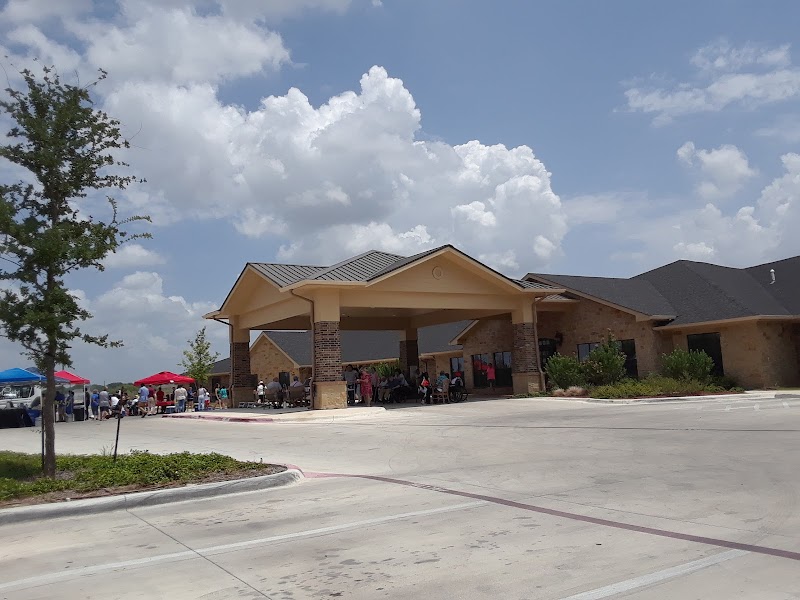
16550 RETAMA PARKWAY, SELMA, TX 78154 (210) 886-8393
For profit - Corporation 128 Beds Independent Data: November 2025
Trust Grade
50/100
#598 of 1168 in TX
Last Inspection: November 2024

Within standard 12-15 month inspection cycle. Federal law requires annual inspections.

Overview

TruCare Living Centers in Selma, Texas, has received a Trust Grade of C, which means it is average-neither standing out as good nor poor. It ranks #598 out of 1,168 facilities in Texas, placing it in the bottom half, but it is #3 out of 8 in Guadalupe County, indicating only two local options are better. The facility's trend is improving, with a reduction in issues from 8 in 2024 to 5 in 2025. However, staffing is a concern, as it has a low rating of 1 out of 5 stars and a high turnover rate of 71%, which is significantly above the Texas average of 50%. Notably, no fines have been recorded, which is a positive sign. Despite these strengths, there are serious weaknesses. Recent inspector findings revealed that staff did not follow proper infection control practices, risking cross-contamination for two residents. Additionally, there were failures to update care plans for residents, which could lead to unmet needs. The facility also neglected to refer residents with mental health diagnoses for necessary evaluations, raising concerns about appropriate care. Overall, while there are some positive aspects, families should weigh these issues seriously when considering TruCare Living Centers.

Trust Score
C
50/100
In Texas
#598/1168
Bottom 49%
Safety Record
Low Risk
No red flags
Inspections
Getting Better
8 → 5 violations
Staff Stability
⚠ Watch
71% turnover. Very high, 23 points above average. Constant new faces learning your loved one's needs.
Penalties
✓ Good
No fines on record. Clean compliance history, better than most Texas facilities.
Skilled Nurses
⚠ Watch
Each resident gets only 20 minutes of Registered Nurse (RN) attention daily — below average for Texas. Fewer RN minutes means fewer trained eyes watching for problems.
Violations
⚠ Watch
23 deficiencies on record. Higher than average. Multiple issues found across inspections.
★★★☆☆
3.0
Overall Rating
★☆☆☆☆
1.0
Staff Levels
★★★☆☆
3.0
Care Quality
★★★★☆
4.0
Inspection Score
Stable
2024: 8 issues
2025: 5 issues

The Good

  • Full Sprinkler Coverage · Fire safety systems throughout facility
  • No fines on record

Facility shows strength in fire safety.

The Bad

3-Star Overall Rating

Near Texas average (2.8)

Meets federal standards, typical of most facilities

Staff Turnover: 71%

25pts above Texas avg (46%)

Frequent staff changes - ask about care continuity

Staff turnover is very high (71%)

23 points above Texas average of 48%

The Ugly 23 deficiencies on record

Apr 2025 1 deficiency
CONCERN (D) 📢 Someone Reported This

A family member, employee, or ombudsman was alarmed enough to file a formal complaint

Potential for Harm - no one hurt, but risky conditions existed

Report Alleged Abuse (Tag F0609)

Could have caused harm · This affected 1 resident

**NOTE- TERMS IN BRACKETS HAVE BEEN EDITED TO PROTECT CONFIDENTIALITY** Based on observation, interview and record review, the facility failed to ensure that all allegations involving abuse, neglect, ...

Read full inspector narrative →
**NOTE- TERMS IN BRACKETS HAVE BEEN EDITED TO PROTECT CONFIDENTIALITY** Based on observation, interview and record review, the facility failed to ensure that all allegations involving abuse, neglect, and misappropriation were reported immediately, but no later than 2 hours after the allegation is made, if the events that cause the allegation involve abuse, to the State Survey Agency for 1 of 4 residents (Resident #1) reviewed for abuse. The facility did not report to the State Survey Agency (HHSC) an incident of Resident #1 being physically abused by the RP in the facility. This failure could place residents at risk for harm to include physical abuse, a diminished quality of life, and psychosocial harm. The findings included: Record review of Resident #1 's face sheet, dated 4/11/25 reflected resident was a female aged 81 admitted on [DATE] with diagnoses that included: UTI and sepsis (infection) at admissions, and dementia (disease leading to decline in memory, cognition, and activity of daily living). The RP was listed as: a family member. Record review of Resident#1's quarterly MDS, dated [DATE], revealed: the resident's BIMS score was zero (severely impaired in cognition). The resident was incontinent of both bowel and bladder and required maximum assistance with incontinent care. As for transfer and mobility, the resident required maximum assistance with two staff in transferring and bed mobility. Record review of Resident# 1's Care Plan, undated, revealed, the goals and interventions included: monitoring of combative and aggressive behaviors due to dementia. Interventions included: providing verbal cues, engage in calmed conversations, and re-direction. Record review of facility's incident log for the month of March 2025 reflected it did not document an incident of a family member or RP physically abusing Resident #1 in the presence of CNA A on 3/29/25. Record review of Resident#1's Skin Assessments completed by LVN B reflected: 3/29/25: Resident's skin was thoroughly inspected during routine assessment. No skin abnormalities, redness, bruising, or open areas were observed. Skin is intact and within normal limits. Record review of Resident #1's vitals on 3/19/25 reflected vitals within normal limits. Observation and interview on 4/10/25 at 11:00 AM, revealed Resident#1 was in bed, alert and oriented to person. There were no injuries, skin tears or bruises present. Her disposition was one of anxiety. The Resident had difficulties answering direct questions. Resident #1 said she did not remember how staff placed the brief when they change her. Resident #1 said she sometimes felt bad when staff turn her. No response was given by the resident regarding any complaints involving staff. [Resident became exhausted, and interview was ended by the surveyor] Observation and interview on 4/10/25 at 2:40 PM, revealed Resident #1 and RP were present for a joint interview. Resident #1 was sitting in a W/C and disengaged from the conversation. The RP stated he was restricted in his movements in the facility. The RP stated, the facility alleged that, the RP slapped her (Resident #1). The RP denied physically abusing Resident #1 on 3/29/25. During a brief interview on 4/10/25 at 3:15 PM, in a private setting without the presence of the RP, Resident #1 said she did not know if she was afraid of the RP or whether she had ever been abused by the RP in the facility. During an interview on 4/11/25 at 11:47 AM, the SW stated: there was an allegation by a CNA [A]) . the RP slapping the resident in the face in the resident's room. The SW stated, the facility decided to restrict the RP's' movement to common areas. The restriction was verbal and the RP agreed to visit the resident in the common area. The SW stated, the RP was informed that the facility needed to complete an investigation before allowing RP liberal visits in the resident's room. The SW stated that the allegation the RP slapped the resident was a reportable event to HHSC. The SW stated that she did not know why the event was not reported. The SW stated she fully knew the regulations on reporting abuse either by a staff member, resident, visitor, or a family member. During an interview on 4/11/25 at 1:04 PM, LVN B, stated: on 3/29/25, they were alerted by CNA A and LVN C that while Resident #1 was repositioned and agitated, the RP slapped the resident in the face and jaw to control the resident's agitation. LVN B stated that CNA A witnessed the physical abuse of Resident #1 by the RP. LVN B said it was absolutely a reportable event if a family member slapped a resident; and could be reportable to police as an assault. LVN B stated, the said incident was reported to the DON and the Administrator at the time of the incident. During an interview on 4/11/25 at 1:42 pm, CNA D stated: she assisted CNA A in transferring Resident #1 after lunch to her room to check on peri-care. CNA D stated, we explained the transfer procedures to the Resident and the RP who was present. CNA D stated, the resident attempted to strike the CNAs and the RP held the resident's hand. CNA D stated, the RP informed her that he was going to assist CNA A and no need existed for CNA D to stay in the room. CNA D stated, shortly after leaving Resident #1's room, she heard CNA A tell the RP that he could not slap the resident on the face. CNA D stated that she was trained on ANE and one of the highlights of the training was to report abuse. During an interview on 4/11/25 at 2:37 PM, the DON stated that there was an allegation made by CNA A that the RP slapped Resident #1 in the face during a transfer on 3/29/25 around 5:00 PM. The DON stated, CNA A informed LVN C of the alleged physical abuse of the resident by the RP. The DON was notified, and he notified the Abuse Coordinator. The DON stated law enforcement was not called. The DON stated the abuse incident by the RP was still under investigation by the facility. The DON stated that he was not sure whether the incident on 3/29/25 was reported to HHSC. The DON stated that all incidents of abuse whether from a staff member, visitor, or family member were reportable to HHSC; and could be reported to law enforcement. During a telephone interview on 4/11/25 at 2:45 PM, CNA A, stated: she witnessed Resident #1's RP slap her in the face on 3/29/25 in the late afternoon during a transfer from W/C to bed. CNA A stated, she and CNA D transferred Resident #1 back to her room and the RP was present. CNA A stated Resident #1 was agitated and combative. CNA A stated that the RP excused CNA D from the room and that he was going to assist CNA A with the transfer. CNA A stated that Resident #1 was resistant to the transfer and the RP slapped her on the face. CNA A stated, I told him it was abuse and he (the RP) should not have engaged in the abusive behavior. CNA A stated, she then informed LVN C about the abuse. CNA A stated that she was trained on ANE and learned to immediately report any incidents of abuse. During a telephone interview on 4/11/25 at 3:00 PM, LVN C stated: CNA A reported to her on 3/29/25 that she witnessed the RP slap Resident #1 in the face and chin during a transfer. LVN C stated she reported the alleged abuse to the DON. LVN C stated, she assessed the resident, and the resident's vitals were within limits, there was no psychosocial harm, and the skin was intact. The resident also did not exhibit any pain. LVN C stated she confronted the RP about the alleged abuse and he said nothing and left the facility. LVN C stated that she reminded the RP that he could not cause injury to a resident. LVN C stated she attended ANE in-service, and the highlight of the training was to report abuse to the Abuse Coordinator (the Administrator). During a telephone interview on 4/11/25 at 3:15 PM, the Administrator stated: she was informed of the incident on 3/29/25 where the RP slapped R#1 in the face witnessed by CNA A. The Administrator stated, on 4/1/25 she interviewed the RP, and he denied the abuse of Resident #1. The Administrator stated, that pending a facility investigation [not completed as of 4/11/25], out of safety for Resident#1, the RP needed to visit the resident in common areas. The Administrator stated the incident was not reported to law enforcement or HHSC. The Administrator stated that all allegations of abuse were reportable to HHSC. The Administrator did not provide a reason for not reporting the incident of physical abuse by the RP on 3/29/25 to HHSC within the 2 hours after an allegation of physical abuse of a resident was made by a staff member. Record review of Facility's policy titled. Abuse Neglect, dated revised 8/10/2022, read . Abuse is defined as the willful inflection of injury .resulting in physical harm, pain or mental anguish .Any employee or individual in the facility engages with that witness, suspect, or receive alleged statements of abuse .must report to the Administrator or Designated Representative according to the following: a. Immediately after the allegation is made, .The Administrator, DON, or Designated Representative will be responsible to report according to regulations including: a. DADS no later than 2 hours following discover[y] .
Mar 2025 4 deficiencies
CONCERN (D) 📢 Someone Reported This

A family member, employee, or ombudsman was alarmed enough to file a formal complaint

Potential for Harm - no one hurt, but risky conditions existed

Resident Rights (Tag F0550)

Could have caused harm · This affected 1 resident

**NOTE- TERMS IN BRACKETS HAVE BEEN EDITED TO PROTECT CONFIDENTIALITY** Based on observations, interview and record review, the facility failed to treat each resident with respect and dignity and care...

Read full inspector narrative →
**NOTE- TERMS IN BRACKETS HAVE BEEN EDITED TO PROTECT CONFIDENTIALITY** Based on observations, interview and record review, the facility failed to treat each resident with respect and dignity and care for each resident in a manner and environment that promoted personal privacy for each resident's individuality for 1 (Resident #6) of 12 residents reviewed for dignity in that: Resident #6's Foley catheter bag was observed without a privacy cover on it to provide dignity and privacy. This failure could affect the privacy and dignity of residents with Foley catheters. Findings included: Record review of Resident #6's face sheet revealed Resident #6 was a [AGE] year-old male who admitted to the facility on [DATE] with diagnoses that included pneumonia (an infection that inflames one or both lungs), acute respiratory failure with hypoxia (caused when a person does not have enough oxygen in the blood) and reflux uropathy (a urinary tract obstruction). Record review of Resident #6's care plan, date initiated 02/24/2025 revealed Resident #6 had an indwelling Foley catheter and the potential to display physical and verbally abusive behaviors related to Dementia (a general term for impaired ability to remember, think or make decisions). Record review of Resident #6's February MAR revealed an order that stated, verify privacy bag in place every shift, order date was 02/23/2025. The MAR is initialed as completed on every shift for 02/24/2025, 02/25/2025, 02/26/2025 and 02/27/2025. Observation of Resident #6 on 02/27/2025 at 10:35 a.m., revealed the resident was in bed, asleep, with his door open. Resident #6 had a Foley catheter bag hanging on the side of the bed facing the door making it visible to anyone who walked by the room. The bag contained a yellow fluid and did not have a cover to provide privacy. During an interview with CNA A, 02/27/2025 at 11:05 a.m., CNA A stated she was the CNA assigned to provide care to Resident #6 that day. CNA A stated Resident #6 did not have a privacy cover over his Foley bag. CNA A stated the nurses were responsible for placing the privacy covers over the bags and CNA A stated she did not have access to the privacy covers. CNA A stated the privacy bags were important because no one needs to see their business and what output they had and stated the privacy covers should be on at all times. During an interview with LVN B, 02/27/2025 at 11:51 a.m., LVN B stated she was the charge nurse assigned to provide care to Resident #6 that day and stated that Resident #6 did not have a privacy cover over his Foley catheter bag. LVN B stated the nurses and CNAs were responsible for ensuring the privacy covers were on the bags. LVN B stated the covers were important to provide privacy to the resident. LVN B stated she had been trained on the importance of privacy covers in orientation. During an interview with the DON, 03/04/2025 at 8:58 a.m., the DON stated that all staff were responsible for making sure catheter bags had privacy covers when rounding in the facility and stated the CNAs and nurses were responsible for providing the providing the Foley catheter bags with privacy covers. The DON stated all residents should have privacy covers on the Foley catheter bags at all times. The DON stated he was not sure when facility staff received training on providing privacy to residents by using privacy covers on the catheter bags but stated it was important for the resident's dignity and their right to privacy. Record review of a facility document titled, Resident's Rights in Nursing Homes (dated April 2019), stated in part that a resident has the right to privacy and confidentiality, including the right to privacy in treatment, and the care of their personal needs and confidentiality regarding their medical, personal or financial affairs. It also stated residents had the right to dignity, respect and freedom including the right to be treated with the fullest measure of consideration, respect and dignity.
CONCERN (D) 📢 Someone Reported This

A family member, employee, or ombudsman was alarmed enough to file a formal complaint

Potential for Harm - no one hurt, but risky conditions existed

Notification of Changes (Tag F0580)

Could have caused harm · This affected 1 resident

**NOTE- TERMS IN BRACKETS HAVE BEEN EDITED TO PROTECT CONFIDENTIALITY** Based on observation, interview and record review, the facility failed to notify the residents representative when the resident ...

Read full inspector narrative →
**NOTE- TERMS IN BRACKETS HAVE BEEN EDITED TO PROTECT CONFIDENTIALITY** Based on observation, interview and record review, the facility failed to notify the residents representative when the resident experienced a change in physical condition for 1 (Resident #1) of 12 residents reviewed for change in condition. The facility failed to notify Resident #1's resident representative when Resident #1 had episodes of diarrhea, a temperature and exhibited increased lethargy. This failure could result in the family or guardian not being aware of conditions that may require them to make medical decisions. The findings included: Record review of Resident #1's undated face sheet revealed Resident #1 was a [AGE] year old female who admitted to the facility in 06/15/2023 and had diagnoses that included Kidney Failure (a condition in which the kidneys can no longer filter waste products from the blood sufficiently), Dementia (a general term for impaired ability to remember, think, or make decisions), Edema (swelling caused by excess fluid trapped in the body's tissues), Type II Diabetes (a disease that occurs when a person's blood sugar is too high), Peripheral Vascular Disease (narrowing of the blood vessels), Hypertension (high blood pressure) surgical amputation (surgical removal of a limb) and morbid obesity (defined as having a body mass index of 40 or higher). Record review of Resident #1's undated face sheet revealed Resident #1 family member was listed as responsible party, POA -Financial, POA -Care, Substitute Decision Maker, Care Conference Person and Emergency Contact #1. Record review of Resident #1's quarterly MDS assessment, dated 02/08/2025, revealed a BIMS score of 9, indicating moderate cognitive impairment. Record review of Resident #1's care plan, date initiated 06/16/2023, revealed Resident #1 had care plan that reflected the resident had a history of osteomyelitis (an infection in the bone) and was at risk for future infections. The care plan was updated 02/07/2025 to reflect Resident #1 readmitted from the hospital with antibiotics for colitis (inflammation of the lining of the colon) x 7 days and 2/13/2025 Resident #1 was on antibiotics for the flu x 7 days. Resident #1 also had a care plan for Dementia, Diabetes, Hypertension, Peripheral Vascular Disease and full code status. Record review of Resident #1's progress note written by LVN H, dated 2/24/2025 at 1:00 p.m., revealed, LVN H notified NP N that Resident #1 has a slight temperature of 101.2 [degrees Fahrenheit], B/P 125/69, pulse 89, Res. 18, 02 is 95RA. Informed resident has no appetite, had three episodes of diarrhea and that resident was previously hospitalized with Dx of ileus (temporary and often painful lack of movement in the bowels that can lead to a bowel obstruction) and proctocolitis (a general term for inflammation of the rectum and colon). New order received for a STAT KUB, CBC, CMP. Record review of Resident #1's progress note written by the DON, dated 02/24/2025 at 8:50 p.m., revealed, during morning clinical, it was reported that the resident was not feeling well and had experienced a loose bowel movement the previous afternoon. The resident's vital signs obtained that morning were blood pressure 116/70 mmHg, temperature 99.1F (temporal), heart rate 85bpm, and respiratory rate 19 breaths per minute. The Nurse Practitioner was notified promptly, and stat orders were obtained for a KUB, CBC and CMP at approximately 11:30 a.m. At 4:30 p.m., the [resident's family member] stated that the resident was not feeling well; upon immediate reassessment, the resident exhibited an altered mental status, being non-verbal and responding only to gentle stimuli. At that time, the resident's vital signs had declined to blood pressure 88/52 mmHg, temperature 97.9F, heart rate 86 bpm, and respiratory rate 17 breaths per minute. Due to this rapid deterioration in her condition, a 911 emergency call was placed, and the resident was transferred to the hospital, with the resident's [family member] escorting her to the hospital. During an interview with Resident #1's family member, 02/26/2025 at 3:30 p.m., Resident #1's family member stated she arrived at the facility on 2/24/2025 around 4:30 p.m. to visit Resident #1. The family member stated no one had called her during the day to tell her that Resident #1 was having a change in condition. The family member said when she entered Resident #1's room she immediately knew something was wrong and said she looked like a corpse and her face looked swollen. I went to the charge nurse and told her that I wanted [Resident #1] sent out to the hospital and she said she had to call the Nurse Practitioner and get an order to send her out. The DON came in the room to check on her and her blood pressure was 85/52 when EMS got there. She was sent to the hospital, and she was being treated for a change in her dementia, low potassium and an infection of sort. I don't think they know yet. During an interview with the Hospital RN, 02/27/2025 at 3:45 p.m., the hospital RN stated Resident #1's admitting diagnosis was altered mental status, hypotension (low blood pressure), acute kidney injury (reduce in kidney function), and C-Diff (a highly contagious bacterium that causes diarrhea and colitis often infects people who've recently taken antibiotics).The Hospital RN stated the acute kidney injury was likely contributed to the diarrhea with the CDIFF and the CDIFF was a side effect of the recent usage of antibiotics to treat previous infections. During an interview with LVN H, 02/28/2025 at 3:11 p.m., LVN H stated she was notified on Monday, 02/24/2025, by the CNA that Resident #1 was having diarrhea and the CNA had asked for a medication to be administered. LVN H stated she obtained Resident #1's vitals and then notified NP N around 12:00 p.m. of the temperature and diarrhea. LVN H stated she provided NP N a background of Resident #1's recent hospitalization for an ileus so NP N ordered a STAT KUB, CBC and CMP. LVN H said she entered the orders for the stat labs and stated Resident #1's family member came in later in the day and I told her I had not had a chance to call her yet, but we were doing STAT labs for [Resident #1] because of the diarrhea and temperature. LVN H stated Resident #1's family member became upset and was yelling and stating Resident #1 looked bad and she wanted her sent out 911. LVN H stated she told the family member that she had to call and get an order from NP N to send her out and Resident #1's family member stated she did not want to wait for the labs to come back and wanted Resident #1 assessed in the hospital. LVN H stated she spoke to NP N and she gave orders to send Resident #1 to the hospital for an evaluation. During an interview with LVN H, 03/02/2025 at 11:35 a.m. LVN H stated she did not notify Resident #1's responsible party at the time of the change in condition and she should have notified the responsible party around the same time she notified NP N of the changes in condition Resident #1 was experiencing. LVN H stated she last observed Resident #1 around 4 p.m. when she completed an accu check for Resident #1 and stated Resident #1's blood sugar was 98. LVN H stated she provided Resident #1 some orange juice. LVN H stated Resident #1 was talking and alert at that time. LVN H stated Resident #1's responsible party arrived at the facility around 4:30 p.m. and that was when she notified her of the change in condition. LVN H stated it was important to notify the responsible at the time of the change of condition so they are aware. During an interview with the DON, 03/04/2025 at 8:58 a.m., the DON stated that staff had received training on notifying the physician and responsible party when a resident has a change in condition. The DON stated some examples of changes in condition included fever, abnormal labs, not eating, and skin tears or breakdown. The DON stated that LVN H failed to notify Resident #1's responsible party at the time of the change in condition and stated it was extremely important to notify the responsible party. The DON stated LVN H got busy with an admission or it was lunch time but yes, she should have called. The DON stated staff had received training on changes in condition and notifications as recently as 01/30/2025. During an interview with NP N, 03/04/2025 at 11:50 a.m., NP N stated she started providing clinical services to the facility on [DATE]. NP N stated she was notified by LVN H on 02/24/2025 around noon that Resident #1 was having diarrhea, was not feeling well and had a slight temperature and all other vitals were ok. NP N stated LVN H informed NP N of Resident #1 history of a recent ileus and NP N ordered a STAT KUB, CMP and CBC. NP N stated she was notified later in the day by a nurse that the [family member] was at the facility and the resident was continuing to decline and wanted her to go to the hospital and NP N stated she gave the orders to send Resident #1 to the hospital for evaluation. Record review of a facility document titled, [Facility Name] Inservice Education, revealed an in-service topic, Importance of Reporting Changes of Condition, dated 01/22/2025 and listed the Instructor as the DON. The in-service revealed, Monitoring and reporting changes in a resident's condition is a critical part of ensuring their safety and well-being. Early detection of subtle changes, such as unusual behavior, altered mental status, changes in appetite, or new physical symptoms, can be a sign of an underlying health issue. By promptly recognizing and reporting these changes, nurses can initiate early interventions that may prevent condition from worsening. Failure to report these changes can delay treatment, leading to complications or even life-threatening situations. Nurses are responsible for completing the Change of Condition (COC) assessment in (PCC) to ensure proper documentation of any changes. They must also promptly notify the resident's physician, family and the Director of Nursing to ensure a coordinated response. Timely reporting saves lives by notifying providers to identify potential problems before they escalate, enabling early treatment and improved outcomes. The document was signed by 25 direct care employees. Record review of a facility document titled, [Facility Name] Inservice Education, revealed an in-service topic, Change of Condition and Notification, dated 02/25/2025 and listed the Instructor as the DON. The in-service revealed, All nursing staff are required to complete a change in condition report immediately for any resident showing signs of illness or when it is reported that a resident is not feeling well, with immediate notification to the attending physician and family members; failure to follow these protocols will be considered a serious breach of policy and may result in disciplinary action, up to and including termination. The document was signed by 20 direct care staff including LVN H.
CONCERN (D) 📢 Someone Reported This

A family member, employee, or ombudsman was alarmed enough to file a formal complaint

Potential for Harm - no one hurt, but risky conditions existed

Tube Feeding (Tag F0693)

Could have caused harm · This affected 1 resident

**NOTE- TERMS IN BRACKETS HAVE BEEN EDITED TO PROTECT CONFIDENTIALITY** Based on observation, interview, and record review, the facility failed to provide care and services to prevent complications fo...

Read full inspector narrative →
**NOTE- TERMS IN BRACKETS HAVE BEEN EDITED TO PROTECT CONFIDENTIALITY** Based on observation, interview, and record review, the facility failed to provide care and services to prevent complications for 1 (Resident# 6) of 3 residents reviewed for enteral nutrition, in that; Resident #6's enteral feeding order did not include a frequency for changing the formula bottle or tubing. This failure could affect residents receiving enteral feedings by placing them at risk of complications related to expired formula, clogged tubing, delay in care and decline in health. The findings included: Record review of Resident #6's face sheet revealed Resident #6 was a [AGE] year-old male who admitted to the facility on [DATE] with diagnoses that included pneumonia (an infection that inflames one or both lungs), acute respiratory failure with hypoxia (caused when a person does not have enough oxygen in the blood) and reflux uropathy (a urinary tract obstruction). Record review of Resident #6's care plan, date initiated [DATE], revealed Resident #6 required a tube feeding related to Dysphagia (difficulty swallowing) and stated Resident #6 was dependent for tube feedings and water flushes. Record review, [DATE] at 12:14 p.m., of Resident #6 February 2025 MAR revealed, Enteral Feed Order. Every shift formula: Jevity 1.2 at 20ml/hr for 24 hours. The order date was [DATE] at 10:57 p.m. The MAR was initialed as completed on [DATE], [DATE] and [DATE] on shifts 6 a.m. -2 p.m., 2 p.m. -10 p.m., 10 pm. - 6 a.m., and on [DATE] on 6 a.m. -2 p.m. Record review, [DATE] at 12:41 p.m., of Resident #6's February 2025 MAR revealed,, change all tubing and hang new formula of Jevity 1.2 to run at 20ml/hr one time a day for enteral feed, order date [DATE] at 12:34 p.m. The MAR reflected a scheduled time of 1:00 a.m. daily. During an observation, [DATE] at 10:35 a.m., Resident #6 was observed lying in bed in his room. Resident #6's tube feeding formula was on a feeding pump and the pump was running at a rate of 20ml/hr. The tube feeding formula was a 1500ml bottle of Jevity 1.2 and it was dated [DATE] at 1030hrs. During an observation, [DATE] at 3:05p.m., Resident #6 was observed lying in bed in his room. Resident #6's feeding pump was running at a rate of 20ml/hr. The Jevity 1.2 bottle was dated [DATE] at 12:45 p.m. During an observation, [DATE] at 1:44 p.m., Resident #6 was observed lying in bed in his room. Resident #6's feeding pump was running at a rate of 20ml/hr. The Jevity 1.2 bottle was dated [DATE] at 12:45 p.m. During an interview with LVN B, [DATE] at 11:51a.m., LVN B stated Resident #6's Jevity formula was dated [DATE] and stated 1030hrs meant the bottle was hung at 10:30 a.m. LVN B stated she knew when to change a resident's formula and tubing because it was reflected in a resident's administration record. LVN B stated Resident #6's orders did not specify when to change the tubing and formula and stated the order should have had included how often the tubing and formula should be changed. LVN B stated her initials on the MAR on [DATE] for the 6 a.m.- 2p.m. shift meant that Resident #6's formula was running but she had not changed the formula or the tubing. During an interview with the LVN B, [DATE] at 3:04 p.m., LVN B stated she hung a new formula bag and changed out the tubing for Resident #6. LVN B said she clarified the administration order for Resident #6 to include changing the tubing and formula once a day. During an interview with the facility Dietician, [DATE] at 12:50 p.m., the Dietician stated she was notified of Resident #6's admission on [DATE] and was planning to assess Resident #6 and increase his tube feeding rate on [DATE]. The Dietician stated the tube feeding orders should include a frequency on changing the tubing and the formula and stated that should be completed every 24 hours. The Dietician stated she did not give the original order and stated the facility must have received it from the hospital and had not clarified it. The Dietician stated the order was corrected to include a frequency for changing the formula and tubing on [DATE]. The Dietician stated Resident #6's feedings were running at a rate of 20ml/hr because Resident #6 had been an aspiration risk. The Dietician stated the tube feeding formula would expire after being hung for 48 hours. The Dietician stated the original order, without clarification of when to change the tubing and formula, could cause the formula to expire leading to the resident receiving expired nutritional formula. During an interview with the DON, [DATE] at 8:58 a.m., the DON stated that tube feeding orders from the hospital for a new admission are entered in the administration record by the admitting nurse and then the nurse managers, including himself, review the orders in the clinical meeting to validate accuracy. The DON stated that the facility policy was that tube feeding tubing had to be changed every 24 hours and a new bottle of formula would be hung with the new tubing because the bottle cannot be re-spiked (reinserted). The DON said staff had been educated that tubing should be changed every 24 hours and the staff have to sign off on it in the MAR as being completed. The DON stated if a resident's formula expired, or the tubing was not changed it could cause the resident to become sick or contract an infection. Record review of [Product Manufacturer] Product Information Sheet for Jevity 1.2 Cal, updated [DATE], revealed in part for ready to hang containers hang product up to 48 hours when clean technique and only one screw cap set is used. Record review of facility policy titled, Administration Set Changes with revision date of [DATE], revealed the purpose of the policy was to provide guidelines for aseptic administration set changes in order to prevent infections associated with contaminated IV therapy equipment and stated, if parenteral nutrition is administered continuously or intermittently, change administration set every 24 hours.
CONCERN (D) 📢 Someone Reported This

A family member, employee, or ombudsman was alarmed enough to file a formal complaint

Potential for Harm - no one hurt, but risky conditions existed

Medical Records (Tag F0842)

Could have caused harm · This affected 1 resident

**NOTE- TERMS IN BRACKETS HAVE BEEN EDITED TO PROTECT CONFIDENTIALITY** Based on interview and record review, the facility failed to have complete and accurate documented medical records for 1 (Reside...

Read full inspector narrative →
**NOTE- TERMS IN BRACKETS HAVE BEEN EDITED TO PROTECT CONFIDENTIALITY** Based on interview and record review, the facility failed to have complete and accurate documented medical records for 1 (Resident #1) of 12 residents whose clinical record was reviewed for accuracy. The facility failed to identify and discontinue an order for a fluid restriction for Resident #1 that was listed on Resident #1's MAR twice and listed as an intervention in Resident #1's care plan. This deficient practice could place residents at risk for not receiving necessary care and services due to the staff not having an accurate record upon which to make care decisions. The findings included: Record review of Resident #1's undated face sheet revealed Resident #1 was an [AGE] year old female who admitted to the facility in 06/15/2023 and had diagnoses that included Kidney Failure (a condition in which the kidneys can no longer filter waste products from the blood sufficiently), Dementia (a general term for impaired ability to remember, think, or make decisions), Edema (swelling caused by excess fluid trapped in the body's tissues), Type II Diabetes (a disease that occurs when a person's blood sugar is too high), Peripheral Vascular Disease (narrowing of the blood vessels), Hypertension (high blood pressure) surgical Amputation (surgical removal of a limb) and Morbid Obesity (defined as having a body mass index of 40 or higher). Record review of Resident #1's quarterly MDS assessment, dated 02/08/2025, revealed a BIMS score of 9, indicating moderate cognitive impairment. Section J - Health Conditions revealed Resident #1 had not been dehydrated at the time of the MDS assessment. Section K -Swallowing/Nutritional Status revealed Resident #1 had not had weight loss or weight gain at the time of the assessment and was on a therapeutic diet (e.g., low salt, diabetic, low cholesterol). Section M -Skin Conditions revealed Resident #1 did not have any ulcers or wounds at the time of the assessment. Record review of Resident #1's care plan revealed Resident #1 had a care plan, date initiated 06/16/2023, that reflected, Nutrition: at risk for changes and was updated 12/28/2023 to reflect Resident #1 was on a CCD/NAS (no added salt) diet, regular texture, thin consistency. An intervention listed on the nutrition care plan was, 07/28/23 Fluid restriction 300cc 6-2pm-125mls, 2-10pm -125mls and 10-6am 50mls 3 x a day for fluid monitoring, dated initiated 07/31/2023. Resident #1 had a care plan that reflected she was on diuretic therapy related to edema, date initiated 07/27/2023. Record review of Resident #1's February 2025 MAR, dated 08/19/2023 revealed, Fluid restriction Nursing-300cc - 6-2p, - 125mls, 2-10pm 125mls and 10-6am 50mls every shift for fluid monitoring. The order was initialed as completed on the MAR on all 3 shifts. Resident #1's MAR revealed a duplicate order for the same fluid restriction and was also initialed as completed. Record review of Resident #1's Nutritional Comprehensive Assessment, effective date 02/11/2025, by the Dietician revealed Resident #1's current food and fluid intake at the time of the assessment was 75% and listed a nutrition goal of 2470cc of fluid per day. Record review of Resident #1's assessment titled, Dietary Profile Admission/Change of Status/Quarterly, and completed by the Dietary Manager or the Dietician on 06/16/2023, 03/18/2024, 06/17/2024, 09/23/2024, 12/24/2024 and 02/10/2025 revealed Resident #1 was not on a fluid restriction. A Dietary Profile assessment completed by the Dietitian on 09/19/2023 and 12/18/2023 revealed Resident #1 was on a 1500cc fluid restriction. Record review of a facility document titled, Diet Order & Communication, listed Resident #1 name, indicated with a check mark the communication form was for a diet change. Under a section titled, Restrictions/Modifications, the Fluid Restriction option was circled and 900 was written in the space for the amount of mls/24hrs. Beside the number 900 reflected (Dietary) and beneath it reflected, Nursing = 300mls. The document was signed by an LVN and dated 07/27/2023. Record review of Resident #1's meal tray ticket, dated 02/23/2025, revealed Resident #1 was on a 300cc fluid restriction per day. Fluids listed on Resident #1's breakfast tray card was Milk 8 oz, Coffee or hot tea 6 oz, and orange juice 4 oz., Lunch and Dinner fluid listed was Tea of choice 6 oz. During an interview with CNA A, 02/27/2025 at 11:05 a.m., CNA A stated she was not aware of Resident #1 being on a fluid restriction. CNA A stated she did not usually provide direct care to Resident #1 but would see Resident #1 at meals in the dining room and stated she always had juice, tea, and water on her tray and she knew other staff would get her cokes and other drinks. During an interview with LVN D, 02/28/2025 at 8:45 a.m., LVN D stated she no longer worked at the facility but stated she had worked with Resident #1 and that Resident #1 had always been on a fluid restriction. LVN D stated she could not remember the exact amount of the fluid restriction but thought it was 1200cc or 1500cc a day. LVN D stated she did not know why Resident #1 was on a fluid restriction. During an interview with LVN E, 02/28/2025 at 9:53 a.m., LVN E stated Resident #1 was on a fluid restriction, but LVN E did not know how much. LVN E stated the fluid restriction was listed on the MAR and care plan and she believed Resident #1 was on the fluid restriction due to edema. LVN E stated nursing was responsible for communicating fluid restrictions to dietary so the fluid restriction dietary was provided would have been the same as the order in Resident #1's MAR. During an interview with CNA G, 02/28/2025 at 10:44 a.m., CNA G stated she was not sure if Resident #1 was on a fluid restriction and stated Resident #1 always had at least 2 drinks on her meal trays and CNA G stated she would fill up Resident #1 water pitcher in her room each day. CNA G stated she had not seen a fluid restriction listed with Resident #1's diet on the resident's profile in the computer where a fluid restriction would be listed. During an interview with the Dietician, 02/28/2025 at 12:50 p.m., the Dietician stated the physician was responsible for prescribing a fluid restriction and it should have been reevaluated by the physician probably monthly I would say. The Dietician stated Resident #1's order in the administration record said Resident #1 had a fluid restriction with nursing for 300cc but stated the order did not look right and stated that was not how the fluid restriction orders were written. The Dietician stated there was a duplicate order in the MAR and it did not make any sense to her that the order was for nursing only. The Dietician stated she completed dietary profiles on Resident #1 monthly and did not recall her being on a fluid restriction. During an interview with CNA C, 02/28/2025 at 3:03 p.m., CNA C stated she did not think Resident #1 had a fluid restriction and she would give Resident #1 the Dr. Pepper's Resident #1 kept in her refrigerator. CNA C stated she passed fresh ice water to Resident #1 at the start of each shift and Resident #1 always drank the water. CNA C also stated she observed fluids on Resident #1's meal trays and Resident #1 would ask for additional coffee and would be served. CNA C stated she would know if a resident was on a fluid restriction because it would be reflected at the top of a resident's profile in the computer and it was not listed there. During an interview with LVN H, 02/28/2025 at 3:11 p.m., LVN H stated Resident #1 was on a 1500cc fluid restriction and stated the fluid restriction was on Resident #1's MAR that the nurses had to sign off on and stated dietary gave Resident #1 300cc at each meal. LVN H looked at Resident #1's MAR and stated it did not say 1500cc and she thought it used to say 1500cc. LVN H stated Resident #1 carried around a large cup that was always full of fluid and Resident #1 was noncompliant with the fluid restriction. LVN H stated Resident #1's family member would bring her drinks for her refrigerator and flavor packets to mix in her water and Resident #1 would always get water and fluids from the drink stations provided in the facility. LVN H stated Resident #1 was put on a fluid restriction a long time ago after going to a doctor appointment for edema and fluid retention. During an interview with Resident #1's Responsible Party, 02/28/2025 at 4:45 p.m., the Responsible Party stated Resident #1 was on a fluid restriction a long time ago when Resident #1 went to a kidney doctor and that doctor told her she was retaining fluids and had edema. The Responsible Party stated Resident #1 had been seeing a nephrologist for years prior to admitting to the facility and had kidney issues for a long time but stated she did not think Resident #1 was currently on a fluid restriction. The responsible party stated if Resident #1 was on a fluid restriction she would not have been compliant and stated Resident #1 did what she wanted and she loved her drinks and she drank what she wanted and when she wanted. The Responsible Party stated Resident #1 was always carrying around a large cup and the she (Responsible Party) never had concerns about Resident #1 not getting enough fluids. During an interview with the Dietary Manager, 03/03/2025 at 9:41 a.m., the Dietary Manager stated she received a diet communication form from nursing on new admissions and readmission residents that included the type of diet the resident was on and if the resident was on a fluid restriction. The Dietary Manager stated she entered the diet information into her tray card system and the diet would appear on each resident's tray card along with their food preferences. The Dietary Manager stated she was provided a dietary communication form by a nurse a long time ago and said Resident #1 was on a 300cc a day diet. The Dietary Manager stated she felt that number was very odd but did not question the fluid restriction. The Dietary Manager stated she provided Resident #1 10 oz of fluid at each meal. The Dietary Manager stated she tried to audit her diet tickets about once a month and stated if Resident #1 returned from a hospital stay and The Dietary Manager did not receive a new diet communication form, the Dietary Manager would just continue what was already on the tray ticket. During an interview with LVN H, 03/03/2025 at 11:35 a.m., LVN H stated she believed Resident #1's fluid restriction originated from a vascular surgeon appointment Resident #1 went to a few months after her admission because her amputation stump was swollen. LVN H stated she remembered there being an order that the DON put in the system and nursing was providing 300cc of fluid a day and dietary would provide 300cc each meal. LVN H stated she did not know why the order was entered like it was and believed the order had been entered wrong. During an interview with NP M, 03/03/2025 at 1:16 p.m., NP M stated she reviewed a resident's prescribed orders every time she would assess a resident and stated fluid restrictions were usually determined by the resident physician or outside specialist and was monitored by the facility. NP M stated she did not know when Resident #1 was placed on a 300cc fluid restriction and stated That is not a normal order,. I do not know if she came back from the hospital with that order or where that came from. I cannot imagine the facility was following that order. The group I work for was not even seeing patients in the building at that time when it was ordered. NP M stated she never saw that fluid restriction in her orders and stated, It had to have been buried way back in her orders because I would have questioned that. NP M stated, That is not a common fluid restriction, and she is not even a dialysis patient. A nephrologist would not even order that. During an interview with Resident #1's facility Physician,03/03/2025 at 3:02 p.m., the Physician stated he was not aware that Resident #1 was on a fluid restriction and stated, I know she had the flu and diarrhea and I know she was in and out of the hospital. I am not sure what fluid restriction you are talking about. The Physician stated, If we do a fluid restriction it would not be 300cc.; 3000cc maybe or 1500cc, but that is not correct. We would not have been following that. I think someone missed a zero The Physician stated, This is the first time I am hearing about this whatsoever. She would be dehydrated in a week if she had that for 2 years. There is no way. The Physician stated he reviewed residents' orders monthly and did not recall seeing Resident #1's fluid restriction. During an interview with the MDS Nurse, 03/04/2025 a 11:34 a.m., the MDS Nurse stated she was responsible for completing and updating resident care plans. The MDS Nurse stated she was not aware that Resident #1 was on a fluid restriction and MDS Nurse stated she reviewed the care plans quarterly and updated the care plan as needed when a change occurred. The MDS Nurse stated reviewing a residents' orders and care plan was part of the MDS assessment process when an MDS and care plan was updated quarterly or annually. During an interview with the DON, 03/04/2025 at 8:58 a.m., the DON stated a physician would have given a fluid restriction order and some of the reasons a resident was placed on a fluid restriction included dialysis, heart problems, edema or kidney problems. The DON stated when a fluid restriction order was received by a nurse for a resident, that nurse would have entered the order in the resident's MAR provided a dietary communication form to dietary to inform dietary of the fluid restriction. The DON stated staff were able to identify residents on a fluid restriction because the fluid restriction was listed in the resident [NAME] (summary of resident plan of care) that contained profile information. The DON stated the facility had a subcommittee meeting that meets monthly to discuss resident weights, fluid restriction, skin changes, etc. and stated he did not think they had discussed Resident #1. The DON stated he thought Resident #1 was on a 1200cc diet and then looked in Resident #1's chart and stated he could not find the 1200cc anywhere mentioned in the orders or notes. The DON said Resident #1 was discussed in the clinical meeting around 02/06/2025 or 02/13/2025 and the DON thought Resident #1 was on a 1200cc fluid restriction. The DON stated no one had looked at the orders and stated the Dietary Manager was not at the meeting that day and stated, We should have looked at it. There is no excuse but the order for the 300 cc probably should have been discontinued a long time ago and it was not. The DON said Resident #1 was very noncompliant with her fluid restriction and would drink whatever she wanted to drink, including coffee in the morning and multiple hot cocoas at lunch or dinner meals in addition to other fluids and her family brought her snacks and drinks. The DON said, since becoming DON of the facility in December 2024, when a resident admitted to the facility or returned from the hospital, the nursing managers reviewed the hospital orders and orders added to the resident's MAR to validate accuracy of the transcribed orders. During an interview with the DON, 03/04/2025 at 1:38 p.m., the DON stated that when a resident returned from the hospital, the nursing staff reviewed the hospital orders and got clarification orders as needed. The DON stated when Resident #1 would return from hospital stays, the DON thought the fluid restriction orders were entered as part of the standard house orders for Resident #1 and that was why the order was reinstated each time she returned from the hospital. The DON stated the fluid restriction should have been discontinued and that NP M and the physician were not aware of Resident #1 being on a fluid restriction. The DON stated the facility did not have a policy for fluid restriction.
Nov 2024 2 deficiencies
CONCERN (D)

Potential for Harm - no one hurt, but risky conditions existed

Pharmacy Services (Tag F0755)

Could have caused harm · This affected 1 resident

Based on observations, interviews, and record review the facility failed to ensure that all drugs and biologicals used in the facility were labeled and stored in accordance with professional standards...

Read full inspector narrative →
Based on observations, interviews, and record review the facility failed to ensure that all drugs and biologicals used in the facility were labeled and stored in accordance with professional standards for 1 of 1 medication rooms reviewed for drugs and biologicals. 1. The facility failed to ensure one over-the-counter medication Feosol was removed from the medication room when it had expired on 06/2024. 2. The facility failed to ensure medications for 2 of 2 discharged residents (DR's #1 and #2) were removed from current medication supply for proper disposition. These failures could place residents at risk of not receiving the therapeutic benefit of medications, adverse reactions to medications, medication misuse, and drug diversion. Findings included: 1. Observation of the facility medication storage room with the DON present on 11/20/2024 starting at 1:18 p.m., revealed one over-the-counter medication Feosol with an expiration date of 06/2024 found stored with other current OTC medications in the medication room. 2. Further observation of the facility medication room on 11/20/2024 starting at 1:18 p.m. revealed 2 baskets filled with medications labeled with the names of 2 discharged residents (DR's #1 and #2), stored on a storage rack at back of medication room. The basket labeled with DR #1's name contained medications that included: Diclofenac Topical 1% cream and Probiotic Culturelle and the basket labeled with DR #2's name contained medications which included Lidocaine 4% ointment, along with bottles containing Simvastatin and Midodrin. During an interview on 11/20/24 at 1:30 p.m., the DON stated that all expired medications should be removed from stock, as expired medications were at risk of being ineffective. The DON also stated that medications for discharged residents should be stored in the locked disposal box with the expired/discontinued medications for proper disposal by the pharmacist. The DON stated that the supply clerk, MA-D was responsible for stocking and maintaining the medication room, which included rotating stock and removing expired medications and medications for discharged residents. Interview on 11/22/24 at 10:00 a.m., with MA-D revealed that she had worked at facility for about a year and in addition to working as a medication aide, was responsible for stocking the supply room and ensuring all expired medications, and medications for discharged residents were removed from the medication room. She stated when she received new medication stock once a week, she would rotate and check all medications for expiration dates, circling the dates on the bottles as she stocked the new medication. She did not know how she missed the expired Feosol. Further interview with MA-D revealed she did not know how the medications for the discharged patients ended up in the medication room, noting all the nurses and medication aides had access to the room, and postulated that one of the nurses or medication aides removed the medications from a medication cart and placed them in the medication storage room without her knowledge. MA-D stated that DR #1 was discharged home, and DR #2 was in the hospital, and it was unknown if he would be returning to the facility. Further interview revealed that MA-D stated non-controlled expired and medications for discharged residents should be placed in the locked medication disposal box in the medication room to be stored until disposal with pharmacist. Record review of facility policy titled Storage of Medications revised April 2007, revealed under #4. The facility shall not use discontinued, outdated, or deteriorated drugs or biologicals. All such drugs shall be returned to the dispensing pharmacy or destroyed.
CONCERN (E) 📢 Someone Reported This

A family member, employee, or ombudsman was alarmed enough to file a formal complaint

Potential for Harm - no one hurt, but risky conditions existed

Infection Control (Tag F0880)

Could have caused harm · This affected multiple residents

**NOTE- TERMS IN BRACKETS HAVE BEEN EDITED TO PROTECT CONFIDENTIALITY** Based on observation, interview, and record review, the facility failed to maintain an infection prevention and control program ...

Read full inspector narrative →
**NOTE- TERMS IN BRACKETS HAVE BEEN EDITED TO PROTECT CONFIDENTIALITY** Based on observation, interview, and record review, the facility failed to maintain an infection prevention and control program designed to provide a safe, sanitary, and comfortable environment to help prevent the development and transmission of communicable diseases and infections for 2 of 7 residents (Residents #121 and #55) reviewed for infection control in that: 1. The facility failed to ensure CNA-A followed proper infection control practices while providing peri -care to Resident #121 by not wiping in the proper direction (front to back) and by not changing her gloves after going from dirty to clean. 2. The facility failed to ensure LVN-C followed Enhanced Barrier Precautions (EBP) when she did not wear a gown while administering medications via g-tube for Resident #55. These failures could place residents at risk for cross contamination and the spread of infection. Finding include: 1. Record review of Resident #121's face sheet dated 11/22/2024 revealed he was a [AGE] year-old male admitted to the facility initially on 07/11/2023 with re-admission on [DATE], with diagnoses that included: Encounter for surgical aftercare following surgery on the skin and subcutaneous tissue; Epididymitis (Inflammation of coiled tube that stores and carries sperm in scrotum); and obstructive and reflux uropathy (condition where flow of urine is blocked). Record review of Resident #121's Quarterly MDS assessment dated 0829/2024 revealed a BIMS score of 15, indicating normal cognition. Review of Section GG - Functional Abilities and Goals, revealed he was assessed at 01 - Dependent for toileting hygiene, indicating helper does ALL the effort. Record review of Resident #121's Care plan initiated 07/23/2023 revealed a focus area of incontinent of bowel and bladder with risk for complications, with goal to remain free from skin breakdown due to incontinence and indwelling catheter dx [diagnosis] obstructive uropathy and urethral stricture' with goal to show no s/sx [signs or symptoms] of urinary infection. Record review of Resident #121's Order Summary dated 11/22/2024 includes orders for: Foley cath [catheter] care q [each] shift and prn [as needed], and staff to clean penis (urethra) daily to prevent infection. Observation of peri-care for Resident #121 on 11/20/2024 at 01:54 p.m., revealed CNA-A wiped from back to front while cleansing his buttocks/anal area, pushing material cleaned from anal area towards a surgical wound dressing on his scrotum, changing direction of wipe only after verbal intervention from assisting CNA-B, and then after cleansing the buttocks area, did not wash her hands or change gloves before placing a clean brief under the resident and assisting in re-dressing and repositioning him. Interview with CNA-A on 11/20/2024 at 2:10 p.m. revealed CNA-A had worked at the facility for 3 years and did not know why she had wiped in the wrong direction and was not aware that she had forgotten to wash her hands/change gloves after cleaning the resident's buttocks area and before placing a clean brief and repositioning the resident. She stated she had received training in peri-care and passed the performance checks. Interview with CNA-B on 11/20/2024 at 2:13 p.m. revealed she had worked at the facility about 8 months, but had many years experience as a CNA in other facilities prior to working at this facility. She stated she did observe CNA-A wipe in the wrong direction when cleansing the buttocks area and had told her she was wiping in wrong direction. CNA-B also stated that she observed CNA-A did not wash her hands or change gloves after completing cleansing of buttocks area, and verbally asked CNA-A to change her gloves before moving on, but stated CNA-A may not have heard her, as she did not change her gloves. CNA-B stated it was important to wipe from front to back, and to change gloves when going from dirty to clean to prevent infection. During an interview with the DON on 11/21/2024 at 09:00 a.m., the DON stated when performing peri-care, cleansing wipes should always be done front to back, and hands should be washed and gloves changed when moving from dirty to clean. The DON stated that CNA-A received training and passed performance checklists in peri-care and had always done a good job, so the DON was surprised with the observation. Record review of Personnel Competency Review for CNA-A in area of Perineal Care, dated 8/14/2024 revealed CNA-A had passed all areas of competency for perineal care, including: cleanse skin folds from front to back, and to wash hands and change gloves after step of cleansing rectal area/buttocks and wiping downward on thighs Review of facility policy titled Perineal Care revised 10-3-2016 revealed directions for step 12. Remove gloves and discard into designated container. Wash and dry your hands thoroughly. Then step 13. Reposition the bed covers, make resident comfortable. 2. Record review of Resident #55's face sheet dated 11/22/2024 revealed he was a [AGE] year-old male who was admitted on [DATE], with diagnoses that included: Acute Cerebrovascular Insufficiency (obstruction of one or more arteries supply blood to brain); Dysphagia (difficulty swallowing food/liquids), and Gastrostomy Status (has surgical opening into stomach for nutritional support). Record review of Resident #55's Quarterly MDS assessment dated [DATE] revealed Resident #55 had a BIMS score of 01, indicating severe cognitive impairment, and was assessed under Section K - Swallowing/Nutritional Status as coughing or choking during meals or when swallowing medications with subsequent placement of feeding tube. Record review of Resident #55's Care Plan initiated 12/02/2022 revealed a focus area of enhanced barrier precautions D/T use g-tube, with interventions that included: proper use of PPE to be observed, use of gown and gloves during high contact resident care activities that provide opportunities for transfer of MDRO Record review of Resident #55's Order Summary dated 11/22/2024 revealed an order for Enteral Feed Order every 8 hours three times a day. Observation on 11/22/2024 at 10:40a.m. revealed there was an Enhanced Barrier Protection sign posted on the wall to the right of the Resident #55's door, and a PPE supply drawer next to the door underneath the EBP sign. Further observation inside the room revealed LVN-C was at the side of Resident #55's bed, administering a bolus feeding through Resident #55's g-tube. LVN-C was wearing gloves, but not a gown. During an interview on 11/22/2024 at 10:45 a.m., LVN-C stated she was administering a bolus feeding to Resident #55 via his g-tube and was aware that EBP precautions should be used when administering feedings through a g-tube, but stated she just forgot, and normally does wear gown and gloves to administer g-tube feedings. LVN-C stated she had received training on infection control and stated Enhanced Barrier Precautions were used to prevent spread of infection. Interview with the DON on 11/22/2024 at 10:53 a.m. revealed that the DON confirmed that both gown and gloves should be worn by Nurse when administering g-tube feedings to a resident, and stated that LVN-C had received training in infection control and Enhanced Barrier Precautions. Record review of LVN-C's Personnel Competency Review for area of Personal Protection Equipment dated 5/30/2024 showed that LVN-C did pass her competency in use of PPE. Record review of facility policy titled Enhance Barrier Precautions dated 6/17/2024 revealed EBP are indicated for residents with any of the following: Infection of colonization with a CDC targeted MDRO when contact precautions do not otherwise apply or wounds and/or indwelling medical devices even if the resident is not known to be infected or colonized with a MDRO.
Oct 2024 1 deficiency
CONCERN (D) 📢 Someone Reported This

A family member, employee, or ombudsman was alarmed enough to file a formal complaint

Potential for Harm - no one hurt, but risky conditions existed

Transfer Notice (Tag F0623)

Could have caused harm · This affected 1 resident

**NOTE- TERMS IN BRACKETS HAVE BEEN EDITED TO PROTECT CONFIDENTIALITY** Based on interviews and record reviews, the facility failed to ensure before a resident was transferred or discharged the facili...

Read full inspector narrative →
**NOTE- TERMS IN BRACKETS HAVE BEEN EDITED TO PROTECT CONFIDENTIALITY** Based on interviews and record reviews, the facility failed to ensure before a resident was transferred or discharged the facility must notify the resident and the resident's representative of the transfer or discharge and the reasons for the move in writing and in a language and manner they understood and the facility must send a copy of the notice to a representative of the Office of the State Long-Term Care Ombudsman for 1 of 5 residents (Resident #1) reviewed for transfer or discharge. in that: The facility failed to give the representative of Resident #1 written documentation which informed them of the facility- initiated decision to discharge the resident. This deficient practice could affect residents who are discharged from the facility and could place them at risk of having their discharge rights violated. The findings were: Record review of Resident #1's face sheet dated 10/23/24 reflected Resident # 1 was an [AGE] year old male admitted on [DATE]. Resident #1 had diagnoses which included unspecified dementia (a condition in which a persons cognitive abilities decline which affects their daily life and activities), major depressive disorder (a condition in which there is persistent low or depressed mood), and unspecified pulmonary fibrosis (a condition in which scarring of the lungs creates breathing difficulty). Resident #1 was discharged on 10/23/24. Record review of Resident #1's quarterly MDS dated [DATE] reflected a BIMS's score of 10 which indicated moderate cognitive impairment. Record review of Resident # 1's current care plan initiated on 6/7/23 reflected that in staff discussions with the resident and family there was an expectation of remaining in the facility on a long-term basis During an interview on 10/23/24 at 10:05am with family members (FM#2 and FM#3) revealed they were the family representatives for Resident #1. They stated they met with the facility social worker and Administrator during the week of 10/8/24 to 10/11/24 and were informed Resident #1, had to be discharged from the facility because of his wandering behaviors. FM#2 and FM#3 stated they agreed to Resident #1's discharge to another facility because they felt they had no other choice or option. FM#2 and FM#3 stated the family provided transportation for Resident #1 to attend an adult day care while at the facility and the resident was taking medication for his wandering behavior. FM #2 and FM #3 stated they had not received any written notice of the facility's discharge decision for Resident #1. During an interview on 10/24/24 at 2:15pm with the facility social worker she stated she was not aware of the family representatives having received written notification of the facility's decision to discharge Resident #1. During an interview on 10/24/24 at 2:40pm with the Administrator she stated the family representatives for Resident #1 had not received a written notice of the Resident's discharge. The Administrator stated she did not feel a written notice was necessary since the family agreed to the facility's discharge request. The Administrator stated the facility did not have a policy requiring written notification to the responsible party for the discharge decision for Resident #1.
Sept 2024 4 deficiencies
CONCERN (D) 📢 Someone Reported This

A family member, employee, or ombudsman was alarmed enough to file a formal complaint

Potential for Harm - no one hurt, but risky conditions existed

Quality of Care (Tag F0684)

Could have caused harm · This affected 1 resident

**NOTE- TERMS IN BRACKETS HAVE BEEN EDITED TO PROTECT CONFIDENTIALITY** Based on observation, interview, and record review the facility failed to ensure that residents receive treatment and care in ac...

Read full inspector narrative →
**NOTE- TERMS IN BRACKETS HAVE BEEN EDITED TO PROTECT CONFIDENTIALITY** Based on observation, interview, and record review the facility failed to ensure that residents receive treatment and care in accordance with professional standards of practice, the comprehensive care plan, and the residents' choices for 1 of 4 residents (Resident #1) reviewed for quality of care/treatment, in that: The facility failed to obtain device orders for Resident #1 on (2) occasions. These failures could place residents at risk for improper care due to inaccurate records. Findings included: Record review of Resident #1's admission Record, dated 9/24/24, revealed the resident was admitted to the facility on [DATE] with diagnoses which included: Cellulitis (common bacterial skin infection), Hypothyroidism (condition in which the thyroid gland doesn't produce enough thyroid hormone), Type 2 Diabetes (condition in which the body has trouble controlling blood sugar and using it for energy) , Major Depressive Disorder (mental health disorder characterized by persistently depressed mood or loss of interest in activities), Obstructive Sleep Apnea (disorder that occurs when the upper airway partially /completely collapses leading to reduced/absent breathing during sleep), Hypertension (high blood pressure) and Atrial Fibrillation (An irregular, often rapid heart rate that commonly causes poor blood flow). Record review of Resident #1's Physical Device Consent and Acknowledgement, dated 9/5/24, revealed the resident signed consent for ¼ bilateral side rails for generalized weakness and to improve mobility during transfers and repositioning. Record review of Resident #1's Side Rail/Mobility/Positioning Bar Assessment, dated 9/6/24 and authored by RN A, revealed the resident requested the use of ¼ rails for general weakness or impaired mobility. Further review of this document revealed the resident was observed using the device on 9/5/24. The physician and DON were notified, and the intervention was care planned. Record review of Resident #1's comprehensive MDS assessment, dated 9/9/24, revealed the Resident #1 had a BIMS score of 15, suggesting intact cognition. Record review of Resident #1's Care Plan, dated 9/6/24, revealed the document did not include the use of a bedrails or CPAP. Record review of Resident #1's Order Summary revealed the resident did not have orders for bedrails or CPAP. Record review of Resident #1's Progress Note, dated 9/5/24 and authored by LVN B, revealed: .Resident is bedbound at this time and is able help turn. ¼ rails on bed to assist resident in repositioning Record review of Resident #1's Order Summary, dated 9/24/24, revealed the resident did not have an order for bedrails or CPAP. During an observation and interview on 9/24/24 at 12:58 PM, Resident #1 was lying in bed, cleaned/groomed, with no visible injuries. ¼ rails were observed on the bed as well as a CPAP on the side table. Resident #1 said he had a CPAP. Resident #1 said he used the bed rails to help the staff with repositioning. During an interview on 9/25/24 at 1:54 PM, Resident #1 said he brought the CPAP from home, used it every night and applied it himself because the nurses refused to assist him due to not having an order. Resident #1's family member said she brought the CPAP to the facility when he was admitted but did not remember when that was. Resident #1's family member further stated he had been using the CPAP for at least 35 years. During an interview on 9/25/24 at 12:50 PM, LVN E said Resident #1's assessment for bedrails was completed on 9/5/24. LVN E further stated Resident #1 did not have an order for bedrails. LVN E said it was important the physician was contacted for an order for bedrails to ensure bedrails were appropriate for the resident. LVN E said the bedrails were a device Resident #1 consented to and were utilized for bed mobility and increased independence. LVN further stated that due to Resident #1 no having an order for the bedrails, staff may think that this intervention was not correct and remove them, limiting his independence and bed mobility. LVN E said Resident #1 did have a diagnosis of OSA, but the resident did not have an order for a CPAP. LVN E further stated if a CPAP was brought from home for Resident #1 the facility was responsible for contacting the physician to see if this is a treatment he wanted to implement at the facility. LVN E said she believed the charge nurses were responsible for entering orders for the residents. LVN E further stated obtaining orders was important because resident could receive treatment that were not beneficial or could potentially harm them. During an interview on 9/25/24 at 2:04 pm, LVN A said she did not work overnight, but knew that Resident #1 did have a CPAP which he used every night. LVN A said she had not seen the order for a CPAP for Resident #1 but was knew he had orders to wear it overnight because an order was required for CPAP. LVN A said the nurse that admitted Resident #1 was responsible for ensuring the resident had an order for a CPAP or call the physician to obtain an order. LVN A further stated it was important to obtain orders to ensure it was approved by the physician, they had the proper settings, and the resident was wearing it correctly. During an interview on 9/25/24 at 2:58 pm, LVN B said Resident #1 was admitted to the facility on [DATE] and she had the resident sign the consent for the bedrails to assist with repositioning. LVN B further stated she did not remember if she added an order for the bedrails when Resident #1 was admitted . LVN B said an order was required if a resident used bed rails. LVN B further stated an order was needed to verify the bedrails were being used as an assistive device and not a restraint. LVN B said she was not aware that Resident #1 didn't not have an order for bedrails, and she did not have time to review the records for accuracy. LVN B said Resident #1 did not have a CPAP when he was admitted but his family member brought it to the facility the next day. LVN B further stated she refused to assist Resident #1 apply the CPAP when he asked for help because he didn't have an order. LVN B said she messaged the physician a couple days later in regard to the CPAP and had not received a response. LVN B further stated she did not remember if the physician responded to her message or not, adding she deleted all messages to the physician. LVN B said she did not actually call the physician for follow-up. LVN B said she was responsible for orders, as well as other nurses that provide care to Resident #1. LVN B further stated the nurses that audit the charts, sometimes the DON or the ADON were also responsible for ensuring residents had the required orders B said it was important that Resident #1 had an order for the CPAP because it was considered a treatment and they had to make sure he could breathe adequately, are getting the oxygen that they need, are not having difficulties, and the pressure settings were correct. LVN B further stated the facility did not have a way of verifying if Resident #1's CPAP settings were correct because he did not have an order. LVN B said not having an order for the CPAP may affect Resident #1 negatively because he may be dependent on the CPAP to help him rest. LVN B further stated she was not sure what the indications were because there were no orders, he may have apnea, which means he stops breathing at night and may wake up gasping for air which affected his sleep/rest and possible also affected activities due to lack of rest. LVN B said she did miss stuff because she was overworked at times. Attempted telephone interview on 9/25/24 at 3:40 pm with the ADON was unsuccessful. During an interview on 9/25/24 at 3:45 pm, the DON said Resident #1 did have bedrails and a diagnosis of OSA but did not have an order for bedrails or CPAP. The DON further stated she did not know why Resident #1 did not have an order for bedrails. The DON said she did not believe not having orders for the bedrails could result in a negative outcome because the facility obtained a consent from Resident #1 and just did not document for medical record purposes. The DON said she did not know if Resident #1 had a CPAP and had not seen it in his room. The DON further stated Resident #1 did have a diagnosis of OSA and she guessed this was why the family member brought in the CPAP. The DON said she was told by LVN B that Resident #1's family member had brought his CPAP, but she didn't know he had it. The DON further stated Resident #1 did not have an order for a CPAP and that if it were in his room, Resident #1 would have orders. The DON further stated she had never seen Resident #1 with a CPAP or seen it in his room. The DON said the admitting nurse was responsible for ensuring residents had the proper equipment orders. The DON said she was responsible for ensuring resident orders were accurate to ensure the admission process was completed and the ADON was responsible for auditing orders. The DON further stated this was important for continuity of care and so that staff were aware what the resident needs were.
CONCERN (D) 📢 Someone Reported This

A family member, employee, or ombudsman was alarmed enough to file a formal complaint

Potential for Harm - no one hurt, but risky conditions existed

Respiratory Care (Tag F0695)

Could have caused harm · This affected 1 resident

**NOTE- TERMS IN BRACKETS HAVE BEEN EDITED TO PROTECT CONFIDENTIALITY** Based on observation, interview, and record review the facility failed to ensure that a resident who needs respiratory care, inc...

Read full inspector narrative →
**NOTE- TERMS IN BRACKETS HAVE BEEN EDITED TO PROTECT CONFIDENTIALITY** Based on observation, interview, and record review the facility failed to ensure that a resident who needs respiratory care, including tracheostomy care and tracheal suctioning, is provided such care, consistent with professional standards of practice, the comprehensive person-centered care plan, the residents' goals, and preferences for 2 of 4 (Resident #1 and Resident #2) reviewed for respiratory care. 1. The facility failed to ensure Resident #1 was assessed for the use of a CPAP to obtain orders. 2. The facility failed to ensure Resident #2 received CPAP treatments at bedtime or while sleeping per physician orders. These failures could place residents who receive CPAP treatments at risk of no receiving the full therapeutic treatments. Findings included: 1. Record review of Resident #1's admission Record, dated 9/24/24, revealed the resident was admitted to the facility on [DATE] with diagnoses which included: Cellulitis (common bacterial skin infection), Hypothyroidism (condition in which the thyroid gland doesn't produce enough thyroid hormone), Type 2 Diabetes (condition in which the body has trouble controlling blood sugar and using it for energy) , Major Depressive Disorder (mental health disorder characterized by persistently depressed mood or loss of interest in activities), Obstructive Sleep Apnea (disorder that occurs when the upper airway partially /completely collapses leading to reduced/absent breathing during sleep), Hypertension (high blood pressure) and Atrial Fibrillation (An irregular, often rapid heart rate that commonly causes poor blood flow). Record review of Resident #1's comprehensive MDS assessment, dated 9/9/24, revealed the Resident #1 had a BIMS score of 15, suggesting intact cognition. The MDS did not include the diagnosis of OSA or need for CPAP. Record review of Resident #1's Care Plan, dated 9/6/24, revealed the document did not include the diagnosis of OSA or need for a CPAP. Record review of Resident #1's Order Summary, dated 9/24/24, revealed the resident did not have an order for a CPAP. During an observation and interview on 9/24/24 at 12:58 PM, Resident #1 was lying in bed and a CPAP was observed on the side table. Resident #1 said he had a CPAP. During an interview on 9/25/24 at 12:50 PM, LVN E said Resident #1 had a diagnosis of OSA, but this diagnosis/CPAP were not included in the care plan. During an interview on 9/25/24 at 1:54 PM, Resident #1 said he brought the CPAP from home, used it every night and applied it himself because the nurses refused to assist him due to not having an order. Resident #1's family member said she brought the CPAP to the facility when he was admitted but did not remember when that was. Resident #1's family member further stated he had been using the CPAP for at least 35 years. During an interview on 9/25/24 at 2:04 PM, LVN A said she did not work overnight, but knew Resident #1 did have a CPAP which he used every night. During an interview on 9/25/24 at 2:58 PM, LVN B said Resident #1 did not have a CPAP when he was admitted but his family member brought it to the facility the next day. During an interview on 9/25/24 at 3:45 PM, the DON said she did not know if Resident #1 had a CPAP and had not seen it in his room. The DON said CPAPs were usually included in the resident care plan. The DON stated Resident #1 had a diagnosis of OSA and she guessed this was why the family member brought in the CPAP. The DON said she was told by LVN B that Resident #1's family member brought his CPAP, but she didn't know he had it. 2. Record review of Resident #2's admission Record, dated 9/24/24, revealed the resident was admitted to the facility on [DATE] with diagnoses which included: Pulmonary Fibrosis (scarring in the lungs making it difficult to breathe), Type 2 Diabetes (condition in which the body has trouble controlling blood sugar and using it for energy), Hyperlipidemia (high levels of fat in the blood), Dementia (group of thinking and social symptoms that interferes with daily functioning) , Major Depressive Disorder (mental health disorder characterized by persistently depressed mood or loss of interest in activities), Hemiplegia (paralysis of one side of the body), Pulmonary Hypertension (high blood pressure affecting the arteries of the lungs and heart), Atrial Fibrillation (An irregular, often rapid heart rate that commonly causes poor blood flow), Peripheral Vascular Disease (circulatory condition in which narrowed blood vessels reduce blood flow to the limbs), and Emphysema (lung disease causing shortness of breath, coughing, and fatigue). Record review of Resident #2's Care Plan revealed the following: [Resident] has altered respiratory status/Difficulty Breathing .has a terminal prognosis r/t pulmonary fibrosis . Resident #2's Care Plan revealed the document did not include the use of a CPAP. Record review of Resident #2's comprehensive MDS assessment, dated 6/14/24, revealed Resident #2's had a BIMS score of 14, suggesting intact cognition. Further review of the MDS revealed Resident #2 had a diagnosis of chronic lung disease and listed Pulmonary Fibrosis as an active diagnosis. Record review of Resident #2's Order Summary revealed: .C-pap, apply at bedtime or when sleeping .order date 9/10/24 During an observation and interview on 9/24/24 at 1:04 PM, Resident #2 was lying in bed, cleaned/groomed, with no visible injuries, the CPAP was on the side table. Resident #2 said she had a CPAP, but it was missing pieces and was not using it. During an interview on 9/25/24 at 12:50 PM, LVN E said Resident #2 had an order for a CPAP but did not see it in her care plan. LVN E further stated she did not know why the CPAP was not included in Resident #2's care plan. During an interview on 9/25/24 at 3:45 PM, the DON said Resident #2 had a CPAP but was not sure how it got out because it was missing pieces and she had put it away. The DON further stated Resident #2 had never used the CPAP and she did not have an order for it. The DON said Resident #2's care plan did not include a CPAP because the resident did not have an order for CPAP. Facility policy regarding physician orders for medications/treatments was requested on 9/25/24 at 3:45 pm. The facility provided a policy titled Physician Medication Orders, which did not address physician orders for treatments/devices.
CONCERN (D) 📢 Someone Reported This

A family member, employee, or ombudsman was alarmed enough to file a formal complaint

Potential for Harm - no one hurt, but risky conditions existed

Pharmacy Services (Tag F0755)

Could have caused harm · This affected 1 resident

**NOTE- TERMS IN BRACKETS HAVE BEEN EDITED TO PROTECT CONFIDENTIALITY** Based on observation, interview, and record review the facility failed to provide pharmacological services to meet the needs of ...

Read full inspector narrative →
**NOTE- TERMS IN BRACKETS HAVE BEEN EDITED TO PROTECT CONFIDENTIALITY** Based on observation, interview, and record review the facility failed to provide pharmacological services to meet the needs of each resident for 1 of 4 residents (Resident #4) reviewed for pharmacy services. The facility failed to obtain medication orders for Resident #4. These failures could place residents at risk for improper care due to inaccurate records. Findings included: Record review of Resident #4's admission Record, dated 9/24/24, revealed the resident was initially admitted to the facility on [DATE] and re-admitted on [DATE] with diagnoses that included: Congestive Heart Failure (condition in which the heart can't pump blood well enough to meet the body's needs) , Morbid Obesity (disorder that involves having too much body fat), Major Depressive Disorder (mental health disorder characterized by persistently depressed mood or loss of interest in activities), Anxiety (feeling of dread, fear, or uneasiness), Insomnia (sleep disorder that makes it difficult to fall asleep or stay asleep), OSA (disorder that occurs when the upper airway partially/completely collapses leading to reduced/absent breathing during sleep), and Lymphedema (swelling in the extremities caused by a lymphatic blockage). Record review of Resident #4's quarterly MDS assessment, dated 7/29/24, revealed Resident #4 had a BIMS score of 15, suggesting intact cognition. Record review of Resident #4's Physician Note, dated 9/19/24 and authored by the FNP, revealed: .CHF: cont. Bumex . Record review of Resident #4's hospital record, dated 9/17/24, revealed: .Furosemide (Lasix) 40 MG .CHF .Lasix started . Record review of Resident #4's Discharge Reconciliation Report, dated 9/19/24, revealed: Furosemide (Lasix) 40 MG by mouth Daily . Record Review of Resident #4's EMR revealed she was not receiving any diuretics (neither Lasix nor Bumex). During an observation and interview on 9/24/24 at 1:15 pm, Resident #4 said she received a copy of medications she received at the hospital and Lasix was listed on it and gave the facility a copy, but she did not receive a diuretic at the facility. Resident #4 provided the state investigator a copy of the Discharge Reconciliation Report from the hospital dated 9/19/24. During an interview on 9/25/24 at 2:19 pm, LVN C said she did see a diuretic on Resident#4's medication list from the hospital, but the FNP did not check of the medication to add to Resident #4's orders. LVN C further stated she entered orders for the medications that were checked off by the FNP on 9/19/24. LVN C said she had not reviewed the FNP's progress note on 9/19/24. LVN C said it was important that orders were accurate so that medications appear on the MAR and the MA knows to administer the medications ordered. During an interview on 9/25/24 at 3:35 pm, the DON said Resident #4 was not on a diuretic, adding the only thing she thought of was that it was not on the medication reconciliation from the hospital on 9/19/24. The DON further stated she did not know why the FNP added Bumex in her note if it was not on the medication reconciliation. The DON said it was important that orders were accurate because other staff saw this information. The DON said she did not believe that not having an order for the diuretic could result in a negative outcome for Resident #4 because it was not on the MAR and had not been administered. Audits - for orders and care plans, usually the ADON. Attempted telephone interview on 9/25/24 at 12:00 pm with the NP was unsuccessful. Attempted telephone interview on 9/25/24 at 12:01 pm with the MD was unsuccessful. Attempted telephone interview on 9/25/24 at 3:40 pm with the ADON was unsuccessful. Attempted telephone interview on 9/25/24 at 4:30 pm with RN A was unsuccessful. During an interview on 9/25/24 at 5:17 pm, the Administrator said orders were required for bedrails and CPAPs. The Administrator further stated if a resident brought a CPAP from home an order was still required to ensure the resident is using the device correctly. The Administrator said if the resident did not have an order, the facility could not provide the treatment and the physician should have been called for clarification. The Administrator further stated the admitting nurse or the nurse caring for the resident was responsible for obtaining the orders. The Administrator said the nurse management team were responsible for ensuring the accuracy of resident orders. The Administrator further stated if there was not an order for specific medications/treatments the facility may not be aware of the residents' needs. Facility policy regarding physician orders for medications/treatments was requested on 9/25/24 at 3:45 pm. The facility provided a policy titled Physician Medication Orders, which did not address physician orders for treatments/devices.
CONCERN (E) 📢 Someone Reported This

A family member, employee, or ombudsman was alarmed enough to file a formal complaint

Potential for Harm - no one hurt, but risky conditions existed

Comprehensive Care Plan (Tag F0656)

Could have caused harm · This affected multiple residents

**NOTE- TERMS IN BRACKETS HAVE BEEN EDITED TO PROTECT CONFIDENTIALITY** Based on observation, interview and record review the facility failed to ensure the comprehensive care plan described the servic...

Read full inspector narrative →
**NOTE- TERMS IN BRACKETS HAVE BEEN EDITED TO PROTECT CONFIDENTIALITY** Based on observation, interview and record review the facility failed to ensure the comprehensive care plan described the services that were to be furnished to attain or maintain the residents' highest practicable physical, mental, and psychosocial well-being for 2 of 4 residents (Residents #1 and #4) reviewed for care plans, in that: 1. The facility failed to ensure Resident #1's care plan was revised on (2) occasion, to reflect the use of bedrails, diagnosis of OSA, and the use of CPAP. 2. The facility failed to ensure Resident #4's care plan was revised on (2) occasions, to reflect the discontinuation of hospice services and diuretic medications. These failures could place residents at risk of current needs not being met. Findings included: 1. Record review of Resident #1's admission Record, dated 9/24/24, revealed the resident was admitted to the facility on [DATE] with diagnoses which included: Cellulitis (common bacterial skin infection), Hypothyroidism (condition in which the thyroid gland doesn't produce enough thyroid hormone), Type 2 Diabetes (condition in which the body has trouble controlling blood sugar and using it for energy) , Major Depressive Disorder (mental health disorder characterized by persistently depressed mood or loss of interest in activities), Obstructive Sleep Apnea (disorder that occurs when the upper airway partially /completely collapses leading to reduced/absent breathing during sleep), Hypertension (high blood pressure) and Atrial Fibrillation (An irregular, often rapid heart rate that commonly causes poor blood flow). Record review of Resident #1's Physical Device Consent and Acknowledgement, dated 9/5/24, revealed the resident signed consent for ¼ bilateral side rails for generalized weakness and to improve mobility during transfers and repositioning. Record review of Resident #1's Progress Note, dated 9/5/24 and authored by LVN B, revealed: .Resident is bedbound at this time and is able help turn. ¼ rails on bed to assist resident in repositioning . Record review of Resident #1's Side Rail/Mobility/Positioning Bar Assessment, dated 9/6/24 and authored by RN A, revealed the resident requested the use of ¼ rails for general weakness or impaired mobility. Further review of this document revealed the resident was observed using the device on 9/5/24. The physician and DON were notified, and the intervention was care planned. Record review of Resident #1's comprehensive MDS assessment, dated 9/9/24, revealed the Resident #1 had a BIMS score of 15, suggesting intact cognition. Record review of Resident #1's Care Plan, dated 9/6/24, revealed the document did not include the use of a bedrails , CPAP, or diagnosis of OSA. Record review of Resident #1's Order Summary, dated 9/24/24, revealed the resident did not have an order for bedrails or CPAP. During an observation and interview on 9/24/24 at 12:58 PM, Resident #1 was lying in bed, cleaned/groomed, with no visible injuries. ¼ rails were observed on the bed as well as a CPAP on the side table. Resident #1 said he had a CPAP. Resident #1 said he used the bed rails to help the staff with repositioning. During an interview on 9/25/24 at 1:54 PM, Resident #1 said he brought the CPAP from home, used it every night and applied it himself because the nurses refused to assist him due to not having an order. Resident #1's family member said she brought the CPAP to the facility when he was admitted but did not remember when that was. Resident #1's family member further stated he had been using the CPAP for at least 35 years. During an interview on 9/25/24 at 12:50 PM, LVN E said Resident #1 had a diagnosis of OSA, but this diagnosis/CPAP were not included in the care plan. During an interview on 9/25/24 at 2:04 PM, LVN A said she did not work overnight, but knew Resident #1 did have a CPAP which he used every night. During an interview on 9/25/24 at 2:58 PM, LVN B said Resident #1 was admitted to the facility on [DATE] and she had the resident sign the consent for the bedrails to assist with repositioning. During an interview on 9/25/24 at 3:45 PM, the DON said Resident #1 had bedrails, but they were not included in the care plan. The DON further stated the facility included bedrails in the care plans. The DON said she did not know why bedrails were not included in Resident #1's care plan. The DON said she did not know if Resident #1 had a CPAP and had not seen it in his room. The DON said CPAPs were usually included in the resident care plan. The DON stated Resident #1 had a diagnosis of OSA and she guessed this was why the family member brought in the CPAP. The DON said she was told by LVN B that Resident #1's family member brought his CPAP, but she didn't know he had it. The DON further stated she was responsible for ensuring the resident's care plan was accurate. The DON said accuracy of care plans was important for continuity of care and so staff were aware what the needs of the residents were. 2. Record review of Resident #4's admission Record, dated 9/24/24, revealed the was initially admitted to the facility on [DATE] and re-admitted on [DATE] with diagnoses which included: Congestive Heart Failure (condition in which the heart can't pump blood well enough to meet the body's needs) , Morbid Obesity (disorder that involves having too much body fat), Major Depressive Disorder (mental health disorder characterized by persistently depressed mood or loss of interest in activities), Anxiety (feeling of dread, fear, or uneasiness), Insomnia (sleep disorder that makes it difficult to fall asleep or stay asleep), OSA (disorder that occurs when the upper airway partially/completely collapses leading to reduced/absent breathing during sleep), and Lymphedema (swelling in the extremities caused by a lymphatic blockage). Record review of Resident #4's Care Plan, dated 3/14/24 and revised 7/17/24, revealed: [Resident #4] has a terminal prognosis r/t Chronic Systolic (Congestive) Heart Failure Hospice Record review of Resident #4's quarterly MDS assessment, dated 7/29/24, revealed Resident #4 had a BIMS score of 15, suggesting intact cognition. Record review of Resident #4's Medicaid Hospice Program Individual Election/Cancellation/Update, signed by Resident #4 on 9/5/24, revealed: Terminal diagnoses of Chronic Systolic Heart Failure, Lymphedema, and Depression, Pt wishes to seek aggressive treatment. Record review of Resident #4's Baseline Care Plan, dated 9/19/24, revealed Resident #2 did not require terminal care. Attempted interview on 9/25/24 at 11:58 AM to the Hospice A nurse was unsuccessful. During an interview on 9/25/24 at 12:50 PM, LVN E said Resident #4's diuretics were discontinued prior to the hospitalization on 9/6/24 and should have been resolved on her care plan. LVN E said Resident #4 was not receiving hospice services anymore because the resident revoked the services before going to the hospital on 9/6/24 in order to receive extensive therapy at the hospital. LVN E further stated Resident #4 was not re-admitted to hospice upon her return from the hospital. LVN E said she did not know how she missed that Resident #4's care plan still had hospice services included and was not sure what happened. During an interview on 9/25/24 at 3:45 pm, the DON said Resident #4 was not receiving hospice services, adding Resident #4 completed a hospice revocation form on 9/5/24. The DON further stated LVN E must have updated Resident #4's care plan when she saw the discharge order. Record review of Resident #4's Care Plan, dated 3/14/24 and revised 7/15/24, revealed: [Resident #4] is on diuretic therapy r/t edema, fluid retention . Record review of Resident #4's Order Summary revealed: .Bumex Oral Tablet 2 MG .for edema .Discontinued .Order Date 04/15/2024 .Bumex Oral Tablet 2 MG .for edema .Discontinued .Order Date 07/14/2024 .Furosemide Oral Tablet 40 MG .for DIURETICS .Discontinued .Order Date 03/13/24 During an observation and interview on 9/24/24 at 1:15 PM, Resident #4 was sitting in her wheelchair, she said she was on hospice but terminated the services because she wanted to go to the hospital for rehabilitation. Resident #4 said she was not receiving a diuretic at the facility. During an interview on 9/25/24 at 12:50 PM, LVN E said when Resident #4 was re-admitted to the facility she reinstated the care plan that she previously had. LVN E further stated she ran daily reports for medications and changes in condition, so the discontinued medication should have been caught, adding an audit should be done with each MDS assessment. LVN E said the expectation was care plans be updated as necessary after each daily audit (or 72-hour audit following the weekends). LVN E said it was her responsibly, as the MDS nurse, to ensure the accuracy of care plans. During an interview on 9/25/24 at 1:49 PM, MA B said she had not administered a diuretic to Resident #4 during her shift since her return from the hospital. MA B further stated Resident #4 refused the diuretic because it made her urinate too much and she did not like that. During an interview on 9/25/24 at 3:45 PM, the DON said Resident #4 was currently not on a diuretic. The DON further stated Resident #4's care plan did reflect she received diuretic therapy. The DON said the expectation was for the diuretic therapy to be removed from the care plan within I'm guessing 72 hours after it was discontinued. The DON said she did not have a timeline for care plans to be updated. The DON further stated she did not know why Resident #4's care plan was not updated. The DON said LVN E was responsible for auditing the care plans for accuracy. The DON further stated she audited resident records on a weekly basis but focused on different areas, such as weights and falls. the DON said LVN E was responsible for ensuring care plans were accurate, but she took responsibility. The DON further stated it was important that care plans were correct because other staff could see the information and so ensuring they were kept accurate was important. During an interview on 9/25/24 at 5:17 PM, the Administrator said bedrails were supposed to be included in resident care plans and nursing management was responsible for ensuring this. The Administrator further stated CPAPs should be included in resident care plans and her expectation was care plans were updated within 7 days of a change. The Administrator said LVN E was responsible for ensuring the accuracy of resident care plans. Record review of the facility's policy, titled Care Plans, Comprehensive, revised 3/1/2022, revealed: .An individualized Comprehensive Care Plan that includes measurable objectives and timetables to meet the resident's medical, nursing, mental and psychological needs is developed for each resident . 5. Care plans are revised as changes in the resident's condition dictate. Care plans are reviewed at least quarterly and any significant change in status
Apr 2024 1 deficiency
CONCERN (D) 📢 Someone Reported This

A family member, employee, or ombudsman was alarmed enough to file a formal complaint

Potential for Harm - no one hurt, but risky conditions existed

Medical Records (Tag F0842)

Could have caused harm · This affected 1 resident

**NOTE- TERMS IN BRACKETS HAVE BEEN EDITED TO PROTECT CONFIDENTIALITY** Based on observations, interviews, and record review, the facility failed to maintain medical records, in accordance with accept...

Read full inspector narrative →
**NOTE- TERMS IN BRACKETS HAVE BEEN EDITED TO PROTECT CONFIDENTIALITY** Based on observations, interviews, and record review, the facility failed to maintain medical records, in accordance with accepted professional standards and practices, which were complete and accurately documented for 1 of 5 residents (Resident #1) reviewed for documentation. Resident #'1's electronic medical record did not contain complete and accurate documentation that CNA A recorded the resident's toileting activity numerous days in the month of March 2024. This failure could result in residents' records not accurately documenting interventions, monitoring, and information provided to nursing staff and the RP and could lead to the assumption that residents do not receive incontinent care and could develop skin issues and infections. The findings were: Record review of Resident #1's face sheet, dated 3/28/24, revealed the resident was re-admitted on [DATE] with diagnoses that included dementia, CVA (stroke), and major depressive disorder. Resident was a female; age [AGE]. RP was listed as a family member. Record review of Resident#1's quarterly MDS assessment dated [DATE], revealed: o BIMS Score was 12 (6-12 indicated a moderate impairment). o ADLs : bowel and bladder incontinent of both. Transfer was listed as dependent and bed mobility was listed dependent. ROM was documented as impairment to upper left arm (contracture). o Record review of Resident# 1's Care Plan, undated, revealed the goals and interventions for incontinent care included: Check resident every two hours and assist with toileting as needed. Record review of Resident #1's POC sheet for the month of March 2024 reflected no incontinent care documented on the following days and shifts [6 A-2P, 2P-10P, and 10P-6A]: 3/8/24-changed 3 times on the evening shift. No documentation for day or night shift. 3/20/24 2P-10P 3/21/24 2P-10P 3/23/24 10P-6A 3/14/24 2P-10P 3/25/24 2P-10P 3/26/24 2P-10P 3/27/24 6A-2P Record review of Resident #1's ADL sheet for the month of March 2024 revealed: incontinent care was not documented by CNA A on the following days: 3/2 (6A-2P), 3/12 (2P-10P), 3/17 (2P-10P), 3/18 (2P-10P), 3/20 (2P-10P), 3/21 (2P-10P), 3/24 (2P-10P), 3/25 (2P-10P), and 3/27 (6A-2P). Observation and interview on 3/28/23 at 2:15 PM, Resident #1 was in bed watching TV. There was no incontinent odor in the room. The resident was cleaned and groomed and alert and oriented to person, place, and time. There was a camera in the room and a W/C. The resident had a contracture to the left arm. There were no injuries, skin tears, or bruises present. The call light was within reach, room was cleaned, there were no fall hazards, and the room was homelike. The resident stated, .I am not wet or soiled .the staff changes me every two hours . Resident #1 stated that there was usually a delay in staff answering the call light to perform incontinent care. Observation and interview on 4/3/24 at 2:40 PM, Resident #1 was in bed watching TV. The resident stated that she was dry and had no issues with incontinent care on 4/3/24. During an interview on 4/4/24 at 9 AM, the Administrator stated that CNA B was terminated on 4/3/24 for failure to document the ADL sheet for March 2024 when providing incontinent care to Resident #1. During a telephone interview on 4/4/24 at 9:45 AM, CNA B stated, she provided incontinent care to Resident #1 and forgot to document it in the ADL sheet in March 2024 because she did not have a POC log in. CNA B stated that she mentioned to LVN A the log-in issue but did not follow up. CNA B stated that she was terminated for not showing up to work on time and not calling in to nurse management; and not documenting ADLs which could give the impression that Resident #1 did not receive incontinent care services. During an interview on 4/3/24 at 4:45 PM, LVN A stated, there was documentation missing for the date range 3/20/24 to 3/27/24 for Resident #1's toileting care. LVN A stated that best care practice was to check every 2 hours to see whether incontinent care was required. LVN A stated there was no requirement to change Resident #1's brief as long as it was dry. LVN A stated that there was no documentation in the POC sheet and on certain days and she could not provide an explanation. LVN A stated that the responsibility to check on incontinent care every shift was the responsibility of the charge nurse; and not checking could lead to a false allegation that incontinent care was not done for Resident #1. During an interview on 4/03/24 at 4:50 PM, the Corporate RN stated, documentation was lacking as evidenced by blanks in the ADL sheet for March 2024 for Resident# 1. The Corporate Nurse stated the responsibility to check on documentation lied with the charge nurses and the DON. The Corporate RN stated the X marked on the ADL sheet meant the event did not occur and it was not known whether the resident refused incontinent care, or the resident was dry; and lack of documentation could lead to a false allegation that Resident #1 was not changed During a telephone interview on 4/4/24 at 10:00 AM, the Medical Director stated, Resident #1 was resistant to care and at times would refuse incontinent care which could lead to a UTI. The Medical Director stated that he had no information that the resident was ever denied incontinent care or left in a soiled brief. During a telephone interview on 4/4/24 at 10:24 AM, CNA C stated: she provided incontinent care to Resident #1 and the resident triggered her call light every 10 minutes wanting to be changed. CNA C stated the resident sometimes purposely soils the cleaned brief after being changed so as to be changed again CNA C stated the resident has never been left in a soiled brief or denied water. CNA C stated there had been no skin breakdown and the resident sometimes refused barrier cream. CNA C stated she documented episodes of incontinent care or refusal in the ADL POC sheet. CNA C stated not documenting could lead to a false allegation that Resident #1 was not receiving incontinent care. Record review of facility's in-service conducted by LVN A on the topic of POC documentation revealed (4/1-4/2/24) 16 CNAs signed the attendance sheet. Record review of facility's in-service conducted by LVN A on the topic of POC documentation given to the nursing staff other than CNAs revealed: 6 LVNs signatures (4/1-4/2/24) signed the attendance sheet. Record review of facility's Charting and Documentation policy dated 3-1-2022 read: All services provided to the resident .shall be documented in the resident's medical record .
Oct 2023 3 deficiencies
CONCERN (D) 📢 Someone Reported This

A family member, employee, or ombudsman was alarmed enough to file a formal complaint

Potential for Harm - no one hurt, but risky conditions existed

Garbage Disposal (Tag F0814)

Could have caused harm · This affected 1 resident

Based on observation, interview and record review, the facility failed to dispose garbage and refuse properly for 2 of 2 dumpsters reviewed for proper storage of garbage and refuse in that: The facil...

Read full inspector narrative →
Based on observation, interview and record review, the facility failed to dispose garbage and refuse properly for 2 of 2 dumpsters reviewed for proper storage of garbage and refuse in that: The facility failed to keep the dumpsters lids closed and the area free of trash and outside of the dumpster. This failure could affect the residents placing them at risk for infection and a decreased quality of life due to having an exterior environment which could attract flying pests, rodents and other animals. The evidence is as follows: On 10/03/2023 at 10:05 a.m. the following observations and interviews were made: Two dumpsters enclosed in a locked fence behind a solid enclosure. Items on the ground in various places on the outside of the dumpsters on the ground were identified by the DM as bags of trash on both sides of each dumpster that should have been placed in the dumpsters. The dumpster lids were pushed back and all dumpster lids for the two dumpsters were completely opened. There was one bag of trash torn and partially opened hanging out the side door of one dumpster exposing food items. During an interview with the DM, while viewing the dumpster area, on 10/03/2023 at 10:05 a.m., the DM stated, we got a tag for the same thing last year, they should not be like that the trash is supposed to be inside with the lids closed. The DM did not comment further. During an interview with the Administrator, on 10/06/2023 a.m. at 4:51 p.m., the Administrator said, I did see the dumpsters, I immediately called the dumpster company and asked them to come and empty the dumpsters. They came on Tuesday afternoon and emptied them. The lids should have been closed and they were not. They should have been closed so nothing comes out and for sanitation reasons. I do not think that affects the residents in any way. Record review of a policy, Food related Garbage and Rubbish Disposal, Revised December 2008, provided by the Administrator prior to exit revealed: 1. All garbage and rubbish containing food wastes shall be kept in containers. 2. All garbage and rubbish containers shall be provided with tight-fitting lids or covers and must be kept covered when stored or not in continuous use. 5. Garbage and rubbish containing food wastes will be stored in a manner that is inaccessible to vermin. 7. Outside dumpsters provided by garbage pick up service will be kept closed and free of surrounding litter.
CONCERN (E) 📢 Someone Reported This

A family member, employee, or ombudsman was alarmed enough to file a formal complaint

Potential for Harm - no one hurt, but risky conditions existed

PASARR Coordination (Tag F0644)

Could have caused harm · This affected multiple residents

**NOTE- TERMS IN BRACKETS HAVE BEEN EDITED TO PROTECT CONFIDENTIALITY** Based on interview and record review the facility failed to refer a resident with newly evident or possible serious mental disor...

Read full inspector narrative →
**NOTE- TERMS IN BRACKETS HAVE BEEN EDITED TO PROTECT CONFIDENTIALITY** Based on interview and record review the facility failed to refer a resident with newly evident or possible serious mental disorder for a PASRR Level II resident review upon a significant change of condition for 3 of 3 Residents (Residents #8, #53 and #62) reviewed for PASRR The facility failed to refer Resident #8 for a PASRR Evaluation upon admission due to a primary diagnosis of bipolar disorder. The facility failed to refer Resident #53 for a PASRR Evaluation upon admission for schizophrenia and upon receiving later diagnoses of anxiety disorder and major depressive disorder. The facility failed to refer Resident #62 for a resident review after updating the Resident's diagnosis to indicate a diagnosis of mental illness. These failures could place residents at risk of not receiving the needed PASRR services. The findings were: Record review of Resident #8's Face Sheet dated 10/6/23, documented a [AGE] year-old female admitted to the facility on [DATE]. Her primary diagnosis was bipolar disorder, unspecified (A disorder associated with episodes of mood swings ranging from depressive lows to manic highs). On 06/20/23, the diagnosis of generalized anxiety disorder (a normal reaction to stress an intense, excessive, and persistent worry and fear about everyday situations) was added to the face sheet. Record review of Resident #8's PASRR I screening, completed by the referring entity dated 05/19/23, prior to admission on [DATE] indicated in Section C PASRR Screen questions C0100 asks is there evidence or an indicator this individual has Mental Illness? The answer was 0 (0. No). Record review of Resident #8's Quarterly MDS dated [DATE] revealed a BIMS score of 13, indicating she was cognitively intact; a score of 12 on the PHQ-9 Mood Assessment, indicating she was moderately depressed; and it listed her Active Diagnoses as anxiety disorder, depression and bipolar disorder. Record review of Resident #8's care plan revealed a Focus of R #8 will have a PASRR screening according to regulatory guidelines. This was completed on admit. The Interventions revealed No specialized services are required at this time. The Care Plan had a revision date of 05/31/23. Another Focus of this care plan with a revision date of 05/31/23 revealed R #8 uses psychotropic medication related to bipolar disease. The Goal was listed as Will reduce the use of psychoactive medication through the review date in efforts to DC or least dose to manage signs and symptoms of behaviors. Record review of Resident #53's Face Sheet dated 10/06/23 documented an [AGE] year-old female with an original admission date of 04/19/22 with the last admission date of 05/07/23. Resident #53 had a diagnosis of schizophrenia (a disorder that affects a person's ability to think, feel, and behave clearly) with an onset date of 04/01/22, a diagnosis of anxiety disorder with an onset date of 05/29/22 and a diagnosis of major depressive disorder, recurrent, mild (a mental health disorder characterized by persistently depressed mood or loss of interest in activities, causing significant impairment in daily life) with an onset date of 05/25/23. Record review of Resident #53's PASRR I screening, completed by the referring entity dated 03/23/22, prior to admission on [DATE] indicated in Section C PASRR Screen questions C0100 asks is there evidence or an indicator this individual has Mental Illness? The answer was 0 (0. No). Record review of Resident #53's Quarterly MDS dated [DATE] revealed a BIMS score of 15, indicating she was cognitively intact, and Active Diagnoses that included anxiety disorder, depression and schizophrenia. Record review of Resident #53's Care Plan documented a Focus of R #53 uses anti-anxiety medications related to anxiety disorder, with a revision date of 06/01/22 and a Focus of R #53 has a potential psychosocial well-being problem related to anxiety with a revision date of 06/01/22. Resident #53 also had a Focus of R #53 uses antidepressant medication related to depression. Review of Resident # 62's Face Sheet dated 10/06/2023 revealed Resident #62 was admitted to the facility on [DATE] with the primary diagnoses including but not limited to the following: Acute posthemorrhagic anemia ( a condition in which a person quickly loses a large volume of circulating hemoglobin). Resident #62's face sheet revealed an updated diagnosis of Bipolar Disorder, current episode mixed, unspecified on 07/03/2023 and Major Depressive Disorder, Recurrent, Unspecified. Review of Resident #62's MDS dated [DATE] revealed in Section C a BIMS of 6 indicating severe cognitive impairment. Review of Resident # #62's older MDS Assessment with a submission date of 07/04/2023 revealed in Section A, A 1500 has documented 0. No for Has the resident been evaluated by Level II PASSR and determined to have a serious mental illness and/or Mental retardation or a related condition?. Review of Resident #62's PASSR Level I Screening, completed by the referring entity prior to admission on [DATE] indicated in Section C PASRR Screen questions C0100 asks is there evidence or an indicator this individual has Mental Illness? The answer was 0 (0. No). Interview with the MDS Coordinator on 10/06/23 at 12:56 p.m., the MDS Coordinator stated, Resident #62 should have had a PL 1 upon admission. I am new to the facility, but the previous MDS Coordinator should have made sure the Resident was evaluated for PASSR services and followed through. If the diagnosis came after, the resident should have been evaluated by the Authority. If a resident has Bipolar, Depression, Schizophrenia or any diagnosis that could make them eligible for PASSR services they should be evaluated when that diagnosis is presented. If the Resident is not evaluated correctly, they will not get the services they are supposed to receive. After being asked by the Survey team about whether or not Resident #62 had been evaluated for PASRR services we started auditing and are putting a new process into place to ensure the PASSR evaluations are completed. I was told by the Administrator; I will be in charge of that process to make sure the residents get the services they are supposed to get. Interview with the Administrator on 10/06/23 at 2:30 p.m., the Administrator said the PASSR process was used to make sure the needs of the residents were individually met. Each resident should be evaluated for PASSR services and followed through with based on needs. If a resident was not evaluated correctly, they would not get the services they are supposed to receive. The current MDS Coordinator and I are both new to the facility and are currently auditing the PASSR process in this facility to ensure all residents who are supposed to be evaluated for or receiving PASSR services receive them as they should. A PASSR policy was requested from the facility Administrator during the interview on 10/06/2023 at 2:30 p.m. , the Administrator stated the facility did not have a PASSR policy which she was able to locate at that time. A PASSR policy was not provided to the survey team prior to exit.
CONCERN (E) 📢 Someone Reported This

A family member, employee, or ombudsman was alarmed enough to file a formal complaint

Potential for Harm - no one hurt, but risky conditions existed

Deficiency F0645 (Tag F0645)

Could have caused harm · This affected multiple residents

**NOTE- TERMS IN BRACKETS HAVE BEEN EDITED TO PROTECT CONFIDENTIALITY** Based on interviews and record review, the facility failed to ensure all Pre-admission Screening and Resident Review (PASRR) Lev...

Read full inspector narrative →
**NOTE- TERMS IN BRACKETS HAVE BEEN EDITED TO PROTECT CONFIDENTIALITY** Based on interviews and record review, the facility failed to ensure all Pre-admission Screening and Resident Review (PASRR) Level I residents with mental illness were provided with a PASRR Evaluation assessment for 2 of 2 residents (Residents #8 and #53) reviewed for PASRR screening, in that: Residents #8 and #53 did not have an accurate PASRR Level 1 assessment when they had a diagnosis of mental illness. These failures could place residents with an inaccurate PASRR Level 1 Evaluation at risk for not receiving care and services to meet their needs. The findings were: Record review of Resident #8's Face Sheet dated 10/6/23, documented a [AGE] year-old female admitted to the facility on [DATE]. Her primary diagnosis was bipolar disorder, unspecified (A disorder associated with episodes of mood swings ranging from depressive lows to manic highs). On 06/20/23, the diagnosis of generalized anxiety disorder (a normal reaction to stress an intense, excessive, and persistent worry and fear about everyday situations) was added to the face sheet. Record review of Resident #8's PASRR I screening, completed by the referring entity dated 05/19/23, prior to admission on [DATE] indicated in Section C PASRR Screen questions C0100 asks is there evidence or an indicator this individual has Mental Illness? The answer was 0 (0. No). Record review of Resident #8's Quarterly MDS dated [DATE] revealed a BIMS score of 13, indicating she was cognitively intact; a score of 12 on the PHQ-9 Mood Assessment, indicating she was moderately depressed; and it listed her Active Diagnoses as anxiety disorder, depression and bipolar disorder. Record review of Resident #8's care plan revealed a Focus of R #8 will have a PASRR screening according to regulatory guidelines. This was completed on admit. The Interventions revealed No specialized services are required at this time. The Care Plan had a revision date of 05/31/23. Another Focus of this care plan with a revision date of 05/31/23 revealed R #8 uses psychotropic medication related to bipolar disease. The Goal was listed as Will reduce the use of psychoactive medication through the review date in efforts to DC or least dose to manage signs and symptoms of behaviors. Record review of Resident #53's Face Sheet dated 10/06/23 documented an [AGE] year-old female with an original admission date of 04/19/22 with the last admission date of 05/07/23. Resident #53 had a diagnosis of schizophrenia (a disorder that affects a person's ability to think, feel, and behave clearly) with an onset date of 04/01/22, a diagnosis of anxiety disorder with an onset date of 05/29/22 and a diagnosis of major depressive disorder, recurrent, mild (a mental health disorder characterized by persistently depressed mood or loss of interest in activities, causing significant impairment in daily life) with an onset date of 05/25/23. Record review of Resident #53's PASRR I screening, completed by the referring entity dated 03/23/22, prior to admission on [DATE] indicated in Section C PASRR Screen questions C0100 asks is there evidence or an indicator this individual has Mental Illness? The answer was 0 (0. No). Record review of Resident #53's Quarterly MDS dated [DATE] revealed a BIMS score of 15, indicating she was cognitively intact, and Active Diagnoses that included anxiety disorder, depression and schizophrenia. Record review of Resident #53's Care Plan documented a Focus of R #53 uses anti-anxiety medications related to anxiety disorder, with a revision date of 06/01/22 and a Focus of R #53 has a potential psychosocial well-being problem related to anxiety with a revision date of 06/01/22. Resident #53 also had a Focus of R #53 uses antidepressant medication related to depression. During an interview with the MDS Coordinator on 10/05/23 at 3:06 p.m., she stated, the social worker and I work together with [the local mental health authority] to discuss PASRRs. The local authority can often give us the history of the person. The MDS Coordinator acknowledged that Resident #53 had a diagnosis of schizophrenia, major depressive disorder and anxiety disorder and should have been marked positive. Resident #8 also had a diagnosis of bipolar disorder and should have been marked positive on the PASRR I screening. The MDS Coordinator was aware that a Form 1012 could be used to make this correction. On 10/06/23 at 2:47 p.m., the MDS Coordinator presented copies of Form 1012 for Resident #8 and Resident #53 to surveyors. The MDS Coordinator stated I have talked with [NAME], the representative from the local mental health authority, and she will be here next week to conduct a PASRR Evaluation on Resident #8 and Resident #53. A PASSR policy was requested from the facility Administrator during the interview on 10/06/2023 at 2:30 p.m. The Administrator stated the facility did not have a PASRR policy which she was able to locate at that time. A PASSR policy was not provided to the survey team prior to exit.
Aug 2022 7 deficiencies
CONCERN (D)

Potential for Harm - no one hurt, but risky conditions existed

Safe Environment (Tag F0584)

Could have caused harm · This affected 1 resident

**NOTE- TERMS IN BRACKETS HAVE BEEN EDITED TO PROTECT CONFIDENTIALITY** Based on observation and interview, the facility failed to provide a safe, clean, comfortable, and homelike environment for 2 of...

Read full inspector narrative →
**NOTE- TERMS IN BRACKETS HAVE BEEN EDITED TO PROTECT CONFIDENTIALITY** Based on observation and interview, the facility failed to provide a safe, clean, comfortable, and homelike environment for 2 of 8 residents (Residents #35 and #58) whose environment was reviewed for homelike setting in that: 1. The privacy curtain for Resident #35 was observed to be stained and dirty. 2. The empty bed in the room for Resident #58 had several pieces of equipment laying unused on top of and beside the unmade bed. These deficient practices could place residents at risk of a diminished quality of life. The findings were: 1. Record review of admission Record for Resident #35 documented a [AGE] year-old female admitted to the facility 07/03/21. Diagnoses included chronic obstructive pulmonary disease (a progressive lung disease characterized by long-term respiratory symptoms and airflow limitation), acute chronic diastolic (congestive) heart failure (a stiff left heart ventricle) and unspecified dementia (progressive impairments in memory, thinking and behavior) without behavioral disturbance. Review of Resident #35's Quarterly MDS dated [DATE] revealed a BIMS score of 10, indicating moderate cognitive impairment. 2. During an interview with Resident #35 on 08/24/22 at 9:06 AM, resident stated she was unhappy with how her room was cleaned and pointed out a dirty privacy curtain. The privacy curtain, which was drawn around her bed during personal care, was observed to have at least 4 large black stains of an unknown substance. Resident #35 stated she did not know what the substance was and did not indicate how long it had been there. Record review of admission Record for Resident #58 documented a [AGE] year-old male originally admitted to the facility on [DATE]. Diagnoses included malignant neoplasm (cancerous tumors) of unspecified part of lung, hydrocephalus (fluid in the cavities within the brain) in diseases classified elsewhere and meningeal tuberculoma (tuberculosis in the brain). Record review of Resident #58's Care Plan dated 06/24/22 indicated he received hospice services. Observation of Resident #58's room on 08/24/22 at 9:33 AM, revealed several pieces of durable medical equipment on the empty, unmade bed on one side of the room. The equipment included a rolled-up air mattress with a motor in a large plastic bag and an oxygen concentrator on the bed and another oxygen concentrator on the floor beside the bed. Resident #58 was not using any of these items and was unable to communicate about how he felt about the situation. During an interview with ADM on 08/25/22 at 2:35 PM, the ADM stated Resident #58 was on hospice and hospice had brought in this equipment. The ADM stated the facility used their own equipment so she would call hospice to come and pick up these items. The ADM did not know when they were brought into the room. The ADM called the Housekeeping Supervisor to discuss the dirty privacy curtain for Resident #35, HSK stated, We change privacy curtains every quarter. When HSK was asked if anyone monitored the work of the housekeepers, HSK stated that he randomly checked behind the housekeepers. HSK stated that no one had mentioned the dirty privacy curtain in Resident #35's room. HSK stated, If the stains don't come out, we can order new ones. We have extras to hang up while we are washing them. HSK stated the curtain would be changed following our interview. Surveyor verified the curtain had been changed on 08/25/22 as of 5:00 PM.
CONCERN (D)

Potential for Harm - no one hurt, but risky conditions existed

Deficiency F0679 (Tag F0679)

Could have caused harm · This affected 1 resident

**NOTE- TERMS IN BRACKETS HAVE BEEN EDITED TO PROTECT CONFIDENTIALITY** Based on observation, interview and record review the facility failed to provide, based on the comprehensive assessment and care...

Read full inspector narrative →
**NOTE- TERMS IN BRACKETS HAVE BEEN EDITED TO PROTECT CONFIDENTIALITY** Based on observation, interview and record review the facility failed to provide, based on the comprehensive assessment and care plan, activities designed to meet the interests of and support the physical, mental and psychosocial well-being of each resident for 2 of 2 bedridden residents (Residents #17 and #58), reviewed for activities in that Residents #17 and #58 did not have in-room activities or any preferences for activities care planned or documented as being provided. This deficient practice placed residents who are bedridden at risk for isolation, low self-esteem, and decline in mental status. Findings include: 1. Record review of admission Record for Resident #17 documented an [AGE] year-old female admitted to the facility 10/07/20 with diagnoses that included atherosclerotic heart disease of native coronary artery (buildup of fats, cholesterol and other substances in artery walls), unspecified dementia without behavioral disturbance, unspecified psychosis (mental disorder characterized by a disconnection from reality) not due to a substance or known physiological condition, major depressive disorder, and anxiety disorder. Record review of the Care Plan for Resident #17 with most recent revision date of 10/14/21, did not address activity preferences or abilities to participate in activities. Observation and interview on 08/22/22 at 1:13 PM, Resident #17 was sitting up in bed being fed by CNA B. CNA B said Resident #17 does not talk and requires total assistance. 2. Record review of admission Record for Resident #58 documented a [AGE] year-old male originally admitted to the facility on [DATE]. Diagnoses included malignant neoplasm (cancerous tumors) of unspecified part of lung, hydrocephalus (fluid in the cavities within the brain) in diseases classified elsewhere and meningeal tuberculoma (tuberculosis in the brain). Record review of Resident #58's Care Plan with the most recent revision date of 08/14/22, did not address activity preferences or abilities to participate in activities. Observations of Resident #58 during course of survey revealed resident always asleep. Resident #58 received feeding via peg-tube and was not up for meals. Observations throughout survey from 08/22/22 through 08/25/22 did not reveal any in-room activities being completed for either Resident #17 or Resident #58. During an interview on 08/25/22 at 9:51 AM, the AD stated that Resident #17 does not like to interact. The AD stated, I play music for her. I can also start her on coloring, but she loses interest quickly. For Resident #58, the AD stated she plays music from resident's culture which son had told her his father enjoys. The AD acknowledged that she does not document room to room visits and does not participate in writing the care plans. AD further acknowledged she did not have documentation on the effectiveness of the activities, or the responses made by residents. The AD was asked if anyone had tried using a picture communication board with Resident #58 to determine if he enjoyed the music and could make other preferences known since he was not English speaking. The AD stated that she was not aware if anyone had tried this. The AD stated she had only been in the AD position for a few months and had not received any special training on residents with dementia or those who were unable to communicate. Review of The Care Plans-Comprehensive policy with a revision date of 03/01/22 documented: Policy Statement: An individualized Comprehensive Care Plan that includes measurable objectives and timetables to meet the resident's medical, nursing, mental and psychological needs is developed for each resident. Policy Interpretation and Implementation: 1. Our facility's Care Planning/Interdisciplinary Team, in coordination with the resident, his/her family or representative (sponsor), develops and maintains a comprehensive care plan for each resident that identifies the highest level of functioning the resident may be expected to attain. 3. Each resident's Comprehensive Care Plan has been designed to: a. Incorporate identified problem areas; b. Incorporate risk factors associated with identified problems; c. Build on the resident's strength; d. Reflect treatment goals and objectives in measurable outcomes; e. Identify the professional services that are responsible for each element of care; f. Aid in preventing or reducing declines in the resident's functional status and/or functional levels; and g. Enhance the optimal functioning of the resident by focusing on a rehabilitative program. 5. Care plans are revised as changes in the resident's condition dictate. Care plans are reviewed at least quarterly and any significant change in status.
CONCERN (D)

Potential for Harm - no one hurt, but risky conditions existed

Deficiency F0757 (Tag F0757)

Could have caused harm · This affected 1 resident

**NOTE- TERMS IN BRACKETS HAVE BEEN EDITED TO PROTECT CONFIDENTIALITY** Based on interview and record review, the facility failed to ensure each resident's drug regimen was free from unnecessary medic...

Read full inspector narrative →
**NOTE- TERMS IN BRACKETS HAVE BEEN EDITED TO PROTECT CONFIDENTIALITY** Based on interview and record review, the facility failed to ensure each resident's drug regimen was free from unnecessary medications (excessive dose and duplicative therapy) for 1 of 6 Residents (#15) reviewed for unnecessary medications: 1. Resident #15 received Metformin HCL (hydrochloride) 500mg tablet by PO (by mouth) 3 times a day for diabetes mellitus. The facility's Pharmacist Consultant suggested on 06/06/2022 to amend order for Metformin to include take with food to avoid stomach upset and re-time to correspond with meals if necessary. 2. Resident #15 was also receiving Amlodipine Besylate tab 5 mg for diabetes mellitus instead of for high blood pressure. This failure could place residents at risk for adverse drug consequences and receiving unnecessary medications. The findings were: Record review of Resident #15's admission Record, undated, revealed the resident was admitted to the facility on [DATE] with diagnoses which included: diabetes mellitus ((a chronic (long-lasting) health condition that affects how your body turns food into energy) with diabetic neuropathy (a type of nerve damage that can occur if you have diabetes), depression (mood disorder) with psychotic features (any clinical symptom that entails a marked loss of contact with reality, notably including delusions, hallucinations, disorganized speech, or disorganized behavior), blind (can't see) and high blood pressure (a common condition in which the long-term force of the blood against your artery walls is high enough that it may eventually cause health problems, such as heart disease). Record review of Resident #15's Annual MDS, dated [DATE], revealed the resident had a BIMS score of 15, which indicated the resident was cognitively intact, and ADLs only required supervision with setup only which included bed mobility, transferring, dressing, eating, toileting and personal hygiene, and was not receiving any antipsychotics (used to treat psychotic disorders. But they can also be used to treat bipolar disorder and depression). Record review of Resident #15's comprehensive physician orders, dated 08/25/2022, revealed orders for: - Metformin HCL (hydrochloride) 500 mg tablet by PO (by mouth) 3 times a day for diabetes mellitus. There was no documentation indicating the suggestion by the Pharmacy Consultant to include on the orders: take with food to avoid stomach upset and re-time to correspond with meals if necessary. Further review revealed Resident #15 had been on the medication since 06/25/2021 and changed to indefinitely on 06/24/2021. - Amlodipine Besylate tab 5 mg (miligrams) for Type 2 diabetes and to hold for systolic blood pressure under 110 and pulse under 60. The order should have read for high blood pressure. Resident #15 has been on the medication since 06/12/2021. Further review revealed Resident #15 had been on the medication since 06/12/2021 and changed to indefinitely on 04/19/2022. Record review of Resident #15's comprehensive care plan, dated 06/23/2021 to 09/13/2022, revealed a care plan for Diabetes Mellitus but, does not indicate to administer any medications. The care plan for Resident #15's high blood pressure has documented to give anti- hypertensive medications and monitor for side effect such as orthostatic hypotension (low blood pressure) and increased heart rate but does not indicate the type of medication. Record review of the pharmacy consultation's Medication Regimen Review, dated 06/01/2022 and 06/09/2022, revealed a suggestion at the bottom of page 2 of 3, dated 06/09/2022 and stated, Suggest amend order for METFORMIN to include TAKE WITH FOOD to avoid stomach upset and re-time to correspond with meals if necessary. Record review of Resident #15's Pharmacy Consultant's Drug Regimen Reviews, from 01/01/22 to 07/01/22, revealed there was no recommendation for Amlodipine Besylate found indicating an issue. Interview on 08/25/2022 at 5:15 p.m. with the DON confirmed Resident #15 was on Amlodipine Besylate tab 5 mg for high blood pressure but, documented on the orders Resident #15 was receiving the medication for Type II Diabetes and to hold for SBP<110 and pulse <60. (Note: with the electronic orders, the medication administration record indicates the same thing as the consolidated physician's orders). Interview on 08/25/2022 at 6:00 p.m. with the DON confirmed the suggestion by the pharmacy consultant on 06/09/22 was not found on the consolidated physician's orders dated 08/25/2022 and there was no response from the physician found as of 08/25/2022. Record review of the facility policy titled, Medication Regimen Reviews, dated 07/01/2018, revealed, The Consultant Pharmacist will perform a medication regimen review (MRR) for each resident at least monthly . 5. The primary purpose of this review is to help the facility maintain each resident's highest practicable level of functioning by helping them utilize medications appropriately and prevent or minimize adverse consequences related to medication therapy to the extent possible. 6. As part of the MRR, the Consultant Pharmacist will: e. Be alert to medications with potentialy significant medication- related adverse consequences and to actual signs and symptoms that could represent adverse consequences; and f. Identify medication errors, including those related to documentation 7. The Consultant Pharmacist will document his/her findings and recommendations on the monthly drug/medication regimen review report. 8. The Consultant Pharmacist will provide a written report to the physicians for each resident with any identified irregularities 9. The Consultant Pharmacist will provide the Director of Nursing Services and Medical Director with a written, signed and dated copy of the report .
CONCERN (D)

Potential for Harm - no one hurt, but risky conditions existed

Garbage Disposal (Tag F0814)

Could have caused harm · This affected 1 resident

Based on observation and interview, it was determined the facility failed to dispose garbage and refuse properly for the dumpster area reviewed for proper storage of garbage and refuse, in that; The f...

Read full inspector narrative →
Based on observation and interview, it was determined the facility failed to dispose garbage and refuse properly for the dumpster area reviewed for proper storage of garbage and refuse, in that; The facility failed to keep the dumpsters free of trash outside of the dumpster. This failure could affect residents by placing them at risk for infection and a decreased quality of life due to an exterior environment which could attract flying pests, rodents and animals. The evidence is as follows: On 8/25/2022 at 10:30 a.m. the following observations were made: Two dumpsters enclosed in a locked fence behind a solid enclosure. Items on the ground in various places on the outside of the dumpsters on the ground were identified by the Dietary Manger as a COVID-19 testing solution bottle (with clean liquid inside), empty wipe container, 12 individual latex gloves, cigarette butts, various pieces of clear and white wrapper type plastic stuck in a sticky black substance identified by the DM as mud. In addition, there were cigarettes around and hanging out of a cigarette package, as well as a clear plastic container, approximately 3 inches and length and one quarter inch in diameter approximately twenty five percent full outside of the gate to the dumpster area. During an interview with the Dietary Manager, while viewing the dumpster area, on 8/25/2022 at 10:40 a.m., the Dietary Manager stated it could be a hazard because then they could bring germs back into the building, when referring to staff working at the facility who take trash to the dumpster area and go back inside the building. She further stated although the kitchen staff is responsible for ensuring the trash area is clean and free of trash, it is difficult to keep the area clean. During an Interview with a Dietary Aide, viewing the dumpster area, on 8/25/2022 at 10:45 a.m. said the trash area should be spotless explaining if it is not, it could cause an infestation. During an interview with the Administrator on 8/25/2022 at 3:12 p.m., the Administrator explained the Dietary Manger showed her photos of the observed dumpster area and it should not look like that. She explained she did see the COVID-19 testing solution bottle on the ground in one of the pictures of the dumpster area. She said it the dumpster area should be neat and clean because that is the way it is supposed to be.
CONCERN (E)

Potential for Harm - no one hurt, but risky conditions existed

Comprehensive Care Plan (Tag F0656)

Could have caused harm · This affected multiple residents

**NOTE- TERMS IN BRACKETS HAVE BEEN EDITED TO PROTECT CONFIDENTIALITY** Based on observation, interview, and record review, the facility failed to develop and implement a comprehensive person-centered...

Read full inspector narrative →
**NOTE- TERMS IN BRACKETS HAVE BEEN EDITED TO PROTECT CONFIDENTIALITY** Based on observation, interview, and record review, the facility failed to develop and implement a comprehensive person-centered care plan that includes measurable objectives and time frames to meet a resident's medical and nursing needs to attain or maintain the resident's highest practicable physical, mental, and psychosocial well-being for 4 of 16 residents (Residents #17, #21, #58, #36) reviewed for care plans, in that: Residents #17 and #58 did not have in-room activities or any preferences for activities care planned. Resident #21 did not have an order or care plan for her pacemaker. Resident #36 did not have an order or care plan for her pacemaker or for a device in her room that monitored her pacemaker. This failure could affect residents in the facility by placing them at risk of not being provided necessary care and services, and not having plans developed to address their needs. The findings included: Record review of admission Record for Resident #17 documented an 81year old female admitted to the facility on [DATE] with diagnoses that included atherosclerotic heart disease of native coronary artery (buildup of fats, cholesterol and other substances in artery walls), unspecified dementia without behavioral disturbance, unspecified psychosis (mental disorder characterized by a disconnection from reality) not due to a substance or known physiological condition, major depressive disorder, and anxiety disorder. Record review of an undated Care Plan with most recent revision date of 10/14/21, did not reveal any care plan for activity preferences or abilities to participate in activities. Observation of Resident #17 on 08/22/22 at 1:00 PM, noted resident to be sleeping. Observation on 8/22/22 at 1:13 PM, CNA B went into Resident #17's room, she washed her hands in the restroom and set Resident #17 up for feeding. CNA B stated Resident #17 doesn't talk and requires total assistance. Surveyor attempted to talk with Resident #17 but she did not respond and only looked at surveyor. Record review of admission Record for Resident #58 documented a [AGE] year-old male originally admitted to the facility on [DATE]. Diagnoses included malignant neoplasm of unspecified part of lung, hydrocephalus in diseases classified elsewhere and meningeal tuberculoma. Record review of Resident #58's undated Care Plan with the most recent revision on 08/14/22, did not reveal any care plan for activity preferences or abilities to participate in activities. Observations of Resident #58 during course of survey revealed resident always asleep. Since he received feeding via peg-tube he was not up for meals. During an interview on 08/25/22 at 9:51 AM, the AD stated Resident #17 does not like to interact. The AD stated, I play music for her. I can also start her on coloring, but she loses interest quickly. For Resident #58, the AD stated she plays music for resident which son had told her his father enjoys. The AD stated that she does not document room to room visits and does not participate in writing the care plans. The AD further stated she did not have documentation on the effectiveness of the activities, or the responses made by residents. AD explained to surveyor she had not taken any specific courses designed for dementia or bed-bound residents. 3. Record review of Resident #21's Face Sheet, dated 08/24/2022, revealed the resident was admitted on [DATE] with diagnoses which included: coronary heart disease (is a type of heart disease where the arteries of the heart cannot deliver enough oxygen-rich blood to the heart), dementia (impaired ability to remember, think, or make decisions that interferes with doing everyday activities), and Parkinson's disease (a progressive disease of the nervous system marked by tremor, muscular rigidity, and slow, imprecise movement, chiefly affecting middle-aged and elderly people). Further review revealed the resident's diagnoses did not include evidence of a pacemaker. Record review of Resident #21's Consolidated Physician's Orders for August 2022 revealed there was no order found which indicated the resident had a cardiac pacemaker and the pacemaker model, parameters or when to have the pacemaker checked. Record review of Resident #21's Quarterly MDS, dated [DATE], revealed the resident had a BIMS of 14, which indicated the resident was cognitively intact. Record review of Resident #21's Care Plan, dated 03/31/2022 to 06/26/2022, revealed there was no care plan for Resident #21's cardiac pacemaker. During an interview with Resident #21 on 08/24/22 at 3:47 p.m., the resident stated she had a cardiac pacemaker and pointing to the left upper side of her chest. Resident #21 stated, you can't see it but I can feel it. During an interview with the DON on 08/25/22 at 5:30 p.m., the DON confirmed Resident #21 had under diagnoses on the resident's face sheet a diagnosis of a cardiac pacemaker. The DON confirmed there was no order for the resident's pacemaker and was not on the resident's care plan. Observation on 08/25/22 at 5:35 p.m., the DON was observed interviewing Resident #21 who confirmed she had a pacemaker for 18 years. Resident #21 stated she did not have the information for the pacemaker but, her cardiologist has the information. Resident #21 confirmed the cardiologist she used was the same one who placed the cardiac pacemaker in her, chest. 4. Record review of undated admission Record for Resident #36 documented a [AGE] year-old female admitted to facility 11/26/21 with diagnoses that included unspecified dementia without behavioral disturbance, essential (primary) hypertension (high blood pressure), generalized osteoarthritis and age-related osteoporosis without current pathological fracture. The diagnoses did not include evidence of a pacemaker. During an interview with Resident #36 on 08/24/22 at 10:53 AM, surveyor noted a monitoring device on her nightstand. When asked what the device was, Resident #36 replied, I haven't noticed that so I'm not sure. Record review of Resident #36's care plan with the last revision date of 06/21/22, August 2022 Physician's Orders and progress notes did not reveal any evidence of what the device was nor was there any mention of resident having a pacemaker. There were also no instructions found regarding what, if anything, staff was supposed to do with the monitor nor were there orders to maintain and monitor the pacemaker. During an interview on 08/25/22 at 9:18 AM, LVN A stated they do not do anything with the machine in Resident #36's room. LVN A was aware Resident #36 had a pacemaker and stated that the monitor was connected to the cardiologist's office and if it went off, they would call us. During an interview with the DON on 08/25/22 at 10:04 AM, the DON stated the device goes to cardiologist and they will notify us if it goes off. The charge nurses should know she has a pacemaker, and all nursing staff should know about it and should note if her heart rate is irregular. When asked if there were any areas of the facility the resident should avoid, the DON stated, The pacemaker should not be around microwaves. When asked how they can ensure it is always working properly, the DON stated, it is plugged into an emergency outlet so even if the electricity goes off, it will remain on. The DON stated that Information about the monitor should be in the CNA [NAME]. The DON showed surveyor the [NAME] which had been changed to reflect the presence of the monitor but did not give instructions about what CNAs were expected to do for resident. The DON stated, The CNAs should report any irregular pulse; that is, anything under 60 or over 100 for pulse rate would be considered irregular. The DON then stated the monitor was in the care plan. The Care Plan had been revised on 8/25/22 to add the monitor in her room. The previous undated care plan with the most recent revision of 06/21/22 did not mention the monitor or presence of a pacemaker. During an interview on 08/25/22 at 2:05 PM, CNA B stated I don't know what the machine in her (Resident #36) room does - sometimes it's not plugged in when I come in for my morning shift. CNA B stated that no one had ever told her what to do with it. CNA B was aware that if resident had a pulse below 60 and above 100, this had to be reported to the nurse. CNA B stated Today it was over 100. I think she is more anxious when its high. During an interview on 08/25/22 at 2:09 PM, LVN A stated when the pulse for any resident is over facility parameters, we call the physician. The parameters are 60-100 or symptomatic. Regarding Resident #36, LVN A stated She was high and then she was OK. She was anxious this morning, so we had her lay down. On 08/25/22 at 2:10 PM, surveyor and LVN A went into Resident #36's room to look at the machine and observed it was plugged into a regular plug behind her bed. LVN A was not sure if she could unplug it and then plug it into the red emergency plug. She said they had not been given any information on the device. She said she would call the 800 number on the machine to get information. Record review of Care Plan-Comprehensive policy with last revision date of 03/01/22 stated: 3 Each resident's Comprehensive Care Plan has been designed to: a. Incorporate identified problem areas; b. Incorporate risk factors associated with identified problems; c. Build on the resident's strength; d. Reflect treatment goals and objectives in measurable outcomes; e. Identify the professional services that are responsible for each element of care; f. Aid in preventing or reducing declines in the resident's functional status and/or functional levels; and g. Enhance the optimal functioning of the resident by focusing on a rehabilitative program. 5. Care plans are revised as changes in the resident's condition dictate. Care plans are reviewed at least quarterly and any significant change in status.
CONCERN (E)

Potential for Harm - no one hurt, but risky conditions existed

Pharmacy Services (Tag F0755)

Could have caused harm · This affected multiple residents

**NOTE- TERMS IN BRACKETS HAVE BEEN EDITED TO PROTECT CONFIDENTIALITY** Based on observation, interview and record review the facility failed to provide pharmaceutical services (including procedures t...

Read full inspector narrative →
**NOTE- TERMS IN BRACKETS HAVE BEEN EDITED TO PROTECT CONFIDENTIALITY** Based on observation, interview and record review the facility failed to provide pharmaceutical services (including procedures that assure the accurate acquiring, receiving, dispensing, and administering of all drugs and biological's) to meet the needs of each resident, for 2 of 4 Residents (Residents #3 and #18) reviewed for insulin injection, in that: 1. LVN C administered Novolog (insulin) to Resident #3 without cleaning the rubber stopper on the end of the insulin pen barrel prior to attaching the needle on the end of the barrel. 2. LVN C administered Admelog Solostar (insulin) to Resident #18 without cleaning the rubber stopper on the end of the insulin pen barrel prior to attaching the needle on the end of the barrel. This deficient practice could affect residents who receive insulin medication via an insulin pen and place them at risk for infection. The findings were: 1. Record review of Resident #3's face sheet, dated 08/25/22 revealed a [AGE] year old male with an original admission date of 12/22/2017 with diagnoses which included adrenocortical insufficiency (a disorder that occurs when the adrenal glands don't make enough of certain hormones), osteoporosis (causes bones to become weak and brittle), dysphagia (difficulty swallowing), thyrotoxicosis (a condition in which you have too much thyroid hormone in your body), cerebral infarction (stroke) (occurs as a result of disrupted blood flow to the brain due to problems with the blood vessels that supply it) with hemiplegia and hemiparesis (hemiplegia is defined as paralysis of partial or total body function on one side of the body, whereas hemiparesis is characterized by one?sided weakness, but without complete paralysis), gastro esophageal reflux (occurs when stomach acid repeatedly flows back into the tube connecting your mouth and stomach (esophagus), anemia (a condition in which you lack enough healthy red blood cells to carry adequate oxygen to your body's tissues), high blood pressure (a common condition in which the long-term force of the blood against your artery walls is high enough that it may eventually cause health problems, such as heart disease), depression (mood disorder), and dementia (impaired ability to remember, think, or make decisions that interferes with doing everyday activities). Record review of Resident #3's physician's orders dated 08/25/2022 revealed an order for Novolog 100 Units/ml solution pen injector. Record review of Resident #3's most recent quarterly MDS assessment, dated 05/17/2022 revealed a BIMS score of 09, which indicated the resident's cognition was moderately impaired for daily decision-making skills and required insulin injections. Observation on 08/25/2022 at 12:05 p.m., during the medication pass, revealed LVN C picked up the Novolog insulin pen for Resident #3 and set the dial on 6 units. LVN C proceeded to place the capped needle on the end of the barrel to inject the insulin. LVN C did not clean the rubber stopper on the end of the barrel off with an alcohol wipe. During an interview on 07/25/2022 at 12:26 p.m., LVN C confirmed she had not cleaned the barrel (the syringe) on the Novolog insulin pen used on Resident #3 and the Admelog Solostar insulin pen for Resident #18 prior to placing the needle on the end. LVN C stated she knew she should have cleaned the rubber stopper on the end of the barrel before placing the needle on the end. 2. Record review of Resident #18's face sheet, dated 08/25/22 revealed an [AGE] year old female with an original admission date of 09/30/2021 with diagnoses which included anemia (a condition in which you lack enough healthy red blood cells to carry adequate oxygen to your body's tissues), diabetes (a chronic (long-lasting) health condition that affects how your body turns food into energy), psychosis (disruptions to a person's thoughts and perceptions that make it difficult for them to recognize what is real and what isn't), anxiety (a normal reaction to stress, an intense, excessive, and persistent worry and fear about everyday situations), Alzheimer's Disease (a brain disorder that slowly destroys memory and thinking skills, and, eventually, the ability to carry out the simplest tasks), high blood pressure (a common condition in which the long-term force of the blood against your artery walls is high enough that it may eventually cause health problems, such as heart disease), depression (mood disorder), dementia (impaired ability to remember, think, or make decisions that interferes with doing everyday activities) and cardiomyopathy ( a disease of the heart muscle that makes it harder for the heart to pump blood to the rest of the body). Record review of Resident #18's physician's orders dated 08/25/2022 revealed an order for Admelog Solostar 100 Units/ml solution pen injector. Record review of Resident #18's most recent quarterly MDS assessment, dated 06/23/2022 revealed a BIMS score of 01, which indicated the resident's cognition was severely impaired for daily decision-making skills and required insulin injections. Observation on 08/25/2022 at 12:00 noon, during the medication pass, revealed LVN C picked up the Admelog Solostar insulin pen for Resident #18 and set the dial on 6 units. LVN C proceeded to place the capped needle on the end of the barrel to inject the insulin. LVN C did not clean the rubber stopper on the end of the barrel off with an alcohol wipe. During an interview on 07/25/2022 at 12:26 p.m., LVN C confirmed she had not cleaned the rubber stopper on the end of the barrel (the syringe) on the Novolog insulin pen used on Resident #3 and the Admelog Solostar insulin pen used on Resident #18 prior to placing the needle on the end. LVN C stated she knew she should have cleaned the barrel off before placing the needle on the end but, had forgotten. Stated it would be nice to have it on the medication administration record to remind us. During an interview on 07/25/2022 at 1:23 p.m. with the DON, stated LVN C knows she should clean the rubber stopper on the end of the insulin pens before putting the needle on and giving the residents their insulin. The DON stated a resident could get an infection from not cleaning the stopper prior to adding a needle. Review of the Novolog Flex Pen insert, Patient Information, Novolog, Reference ID: 3733966, Revised 04/2015 for infection control while using the Novolog Pen states in part: Preparing your Novolog Flex Pen Pull the pen cap straight off. Wipe the rubber stopper with an alcohol swab. Select a new needle. Pull off the paper tab from the outer needle cap. Review of the Admelog Solostar, the manufacture's instructions insert (no date or reference number), stated the same procedure about pulling the cap off, and wiping the end of the rubber seal (stopper) with an alcohol swab prior to attaching the needle. On the insert it stated The Instructions for Use has been approved by the U.S. Food and Drug Administration.) On 08/25/2022 at 1:32 p.m. the Policy and Procedure for the use of the Novolog and Admelog Solostar Pen was requested from the Director of Nurses for a Procedure to prepare the Novolog Flex Pen and the Admelog Solostar pen before use. The Director of Nurses only provided the manufacturer's instructions for the Novolog pen.
CONCERN (E)

Potential for Harm - no one hurt, but risky conditions existed

Food Safety (Tag F0812)

Could have caused harm · This affected multiple residents

Based on observation, interview, and record review, the facility failed to store, prepare, distribute, and serve food in accordance with professional standards for food service safety for 1 of 1 kitch...

Read full inspector narrative →
Based on observation, interview, and record review, the facility failed to store, prepare, distribute, and serve food in accordance with professional standards for food service safety for 1 of 1 kitchen, in that: 1. 2 metal items identified by the Dietary Manger as being parts of the juice dispensers in the handwashing sink. 2. One large cardboard box of 8 packages of 12 each hamburger buns in the dry storage area dated 5/20/2022 on bread packaging, 8/4/2022 was on the outside of the cardboard box. 3. No thermometer in the walk-in refrigerator. 4. Half gallon of milk opened and approximately half empty with no open date. 5. Toaster with yellowish gold brown substance on metal grates and black particles covered the front internal bottom portion of the toaster. 6. The Water and Ice Machine in dining area, original color lite gray on plastic covering portion of drain where items are usually placed when filling with water or ice was covered with a thick layer of tannish brown substance covering eighty percent of the tray. 7. Coffee dispenser in dining area with an open hole on top. 8. Dropped plate topper during meal service in kitchen, placed on cart with clean plate toppers. These failures could place residents who received meals and/or snacks from the kitchen at risk for food borne illness. The findings were: 1. Observation on 8/22/2022 at 9:50 am. revealed metal items in the handwashing sink. During an interview on 8/22/2022 at 9:50 a.m. the Dietary Manager said she had just placed the two items in the handwashing sink, she further indicated those parts belonged to the juice dispenser machine. During an interview with the Administrator on 8/25/2022 at she stated no items should be placed in the handwashing sink, the handwashing sink is for handwashing. 2. Observation on 8/22/2022 at 9:58 a.m. revealed One large box of 8 packages of 12 each hamburger buns in the dry storage area dated 5/20/2022. During an interview on 8/22/2022 at 9:58 a.m. the Dietary Manger explained she had received the buns last week and they were fresh and were going to be used. During an interview on 8/25/2022 at 3:25 p.m. the Administrator said the kitchen is supposed to label and date very item that is opened so the residents don't get sick. 3. Observation on 8/22/2022 at 10:05 a.m. revealed there was no thermometer in the walk- in refrigerator. During an interview on 8/22/2022 with the Dietary Manager she stated there was no thermometer in the walk- in refrigerator and she did not know if one was supposed to be in there. 4. Observation on 8/22/2022 at 10:05 a.m. revealed an opened half gallon of milk with no open date. During an interview with the Dietary Manager on 822/2022 at 10:05 a.m. she said they opened the milk today, but did not give a time. 5. Observation on 8/22/2022 at 10:45 a.m. revealed a Toaster with yellowish gold brown substance on metal grates and black particles covered the front internal bottom portion of the toaster. During an interview with the Dietary Manger on 8/22/2022, when asked about the substances on the toaster she said, all of it is from this morning. 6. Observation on 8/22/2022 at 12:30 p.m. revealed a Meridian Water and Ice Machine in dining area, original color lite gray on plastic covering portion of drain where items are usually placed when filling with water or ice was covered with a thick layer of tannish brown substance covering eighty percent of the tray. During an interview on 8/22/2022 at 12:31 p.m. the Dietary Manager explained the ice and water machine had been leaking for a long time and she said she tried to clean it but the build up of hard water will not come off of the machine. She said it had been reported to the facility director she thought but was not sure which one. During an interview on 8/25/2022 at 3:35 p.m. the Administrator stated there was a sign placed on the ice machine today and it is not in use now, a new one has been ordered. 7. Observation on 8/22/2022 of a coffee dispenser/machine in the dining area revealed the top of the coffee machine had an uncovered hole in the top and was covered with a flat brown substance. During an interview with the DM on 8/22/2022 at 12:35 PM the Dietary Manger explained she did not know if the hole should be covered and stated she had tried to clean the top of the coffee maker several time but was unable to get the brown substance off, she identified it as a build up of coffee. 8. Observation of meal service in the kitchen on 8/24/2022 at 11:52 a.m. Dietary Aide B dropped plate topper on floor and put it back on the tier plate and plate topper stacker with the clean ones. During an interview with Dietary Aide B on 8/24/2022 at 11:54 am, she stated she did place the plate topper with the clean items on the cart, however she should have placed it in the dirty dish area and explained that could have caused contamination. During an interview with the Administrator, she explained once dishes are on the floor, they should not be used. Review of HCSG Policy 019, dated 4/2018; revealed an accurate thermometer will be kept in each refrigerator and freezer. All foods will be stored wrapped or in covered containers, labeled and dated and arranged in a manner to prevent cross contamination. Review of HCSG Policy 027, dated 9/2017 revealed, All food equipment will cleaned and sanitized after every use. Review of the Food Code, U.S. Public Health Service, U.S. FDA, 2017, U.S. Department of H&HS, revealed, 3-501.17, revealed, Ready-to-Eat, Time/Temperature Control for Safety Food, Date Marking. (B) refrigerated, ready-to eat/temperature controlled for safety, prepared and packaged by a food processing plant shall be clearly marked, at the time the original container is opened in a food establishment and if the food is held for more than 24 hours, to indicate the date or day by which the food shall be consumed on the premises, sold, or discarded, based on the temperature and time combinations specified in (A) of this section and: (1) The day the original container is opened in the food establishment shall be counted as Day 1; and (2) The day or date marked by the food establishment may not exceed a manufacturer's use-by date if the manufacturer determined the use-by date based on food safety.
Understanding Severity Codes (click to expand)
Life-Threatening (Immediate Jeopardy)
J - Isolated K - Pattern L - Widespread
Actual Harm
G - Isolated H - Pattern I - Widespread
Potential for Harm
D - Isolated E - Pattern F - Widespread
No Harm (Minor)
A - Isolated B - Pattern C - Widespread

Questions to Ask on Your Visit

  • "Why is there high staff turnover? How do you retain staff?"
  • "Can I speak with families of current residents?"
  • "What's your RN coverage like on weekends and overnight?"

Our Honest Assessment

Strengths
  • • No major safety red flags. No abuse findings, life-threatening violations, or SFF status.
  • • No fines on record. Clean compliance history, better than most Texas facilities.
Concerns
  • • 23 deficiencies on record. Higher than average. Multiple issues found across inspections.
  • • Grade C (50/100). Below average facility with significant concerns.
  • • 71% turnover. Very high, 23 points above average. Constant new faces learning your loved one's needs.
Bottom line: Mixed indicators with Trust Score of 50/100. Visit in person and ask pointed questions.

About This Facility

What is Trucare Living Centers - Selma's CMS Rating?

CMS assigns TRUCARE LIVING CENTERS - SELMA an overall rating of 3 out of 5 stars, which is considered average nationally. Within Texas, this rating places the facility higher than 99% of the state's 100 nursing homes. This mid-range rating indicates the facility meets federal standards but may have areas for improvement.

How is Trucare Living Centers - Selma Staffed?

CMS rates TRUCARE LIVING CENTERS - SELMA's staffing level at 1 out of 5 stars, which is much below average compared to other nursing homes. Staff turnover is 71%, which is 25 percentage points above the Texas average of 46%. High turnover can affect care consistency as new staff learn residents' individual needs. RN turnover specifically is 100%, which is notably high. RNs provide skilled clinical oversight, so turnover in this role can affect medical care quality.

What Have Inspectors Found at Trucare Living Centers - Selma?

State health inspectors documented 23 deficiencies at TRUCARE LIVING CENTERS - SELMA during 2022 to 2025. These included: 23 with potential for harm.
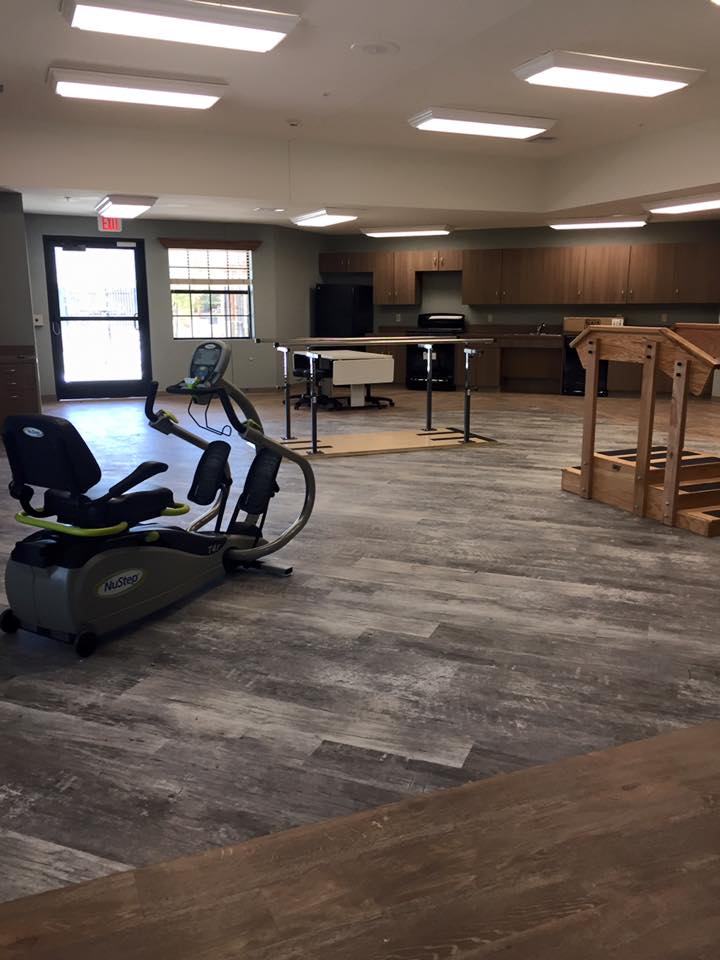
Who Owns and Operates Trucare Living Centers - Selma?

TRUCARE LIVING CENTERS - SELMA is owned by a for-profit company. For-profit facilities operate as businesses with obligations to shareholders or private owners. The facility operates independently rather than as part of a larger chain. With 128 certified beds and approximately 71 residents (about 55% occupancy), it is a mid-sized facility located in SELMA, Texas.

How Does Trucare Living Centers - Selma Compare to Other Texas Nursing Homes?

Compared to the 100 nursing homes in Texas, TRUCARE LIVING CENTERS - SELMA's overall rating (3 stars) is above the state average of 2.8, staff turnover (71%) is significantly higher than the state average of 46%, and health inspection rating (4 stars) is above the national benchmark.

What Should Families Ask When Visiting Trucare Living Centers - Selma?

Based on this facility's data, families visiting should ask: "How do you ensure continuity of care given staff turnover, and what is your staff retention strategy?" "Can you walk me through typical staffing levels on day, evening, and night shifts?" "Can I visit during a mealtime to observe dining assistance and food quality?" "How do you handle medical emergencies, and what is your hospital transfer rate?" These questions are particularly relevant given the facility's high staff turnover rate and the below-average staffing rating.

Is Trucare Living Centers - Selma Safe?

Based on CMS inspection data, TRUCARE LIVING CENTERS - SELMA has a clean safety record: no substantiated abuse findings (meaning no confirmed cases of resident harm), no Immediate Jeopardy citations (the most serious violation level indicating risk of serious injury or death), and is not on the Special Focus Facility watch list (a federal program monitoring the lowest-performing 1% of nursing homes). The facility has a 3-star overall rating and ranks #1 of 100 nursing homes in Texas. While no facility is perfect, families should still ask about staff-to-resident ratios and recent inspection results during their visit.

Do Nurses at Trucare Living Centers - Selma Stick Around?

Staff turnover at TRUCARE LIVING CENTERS - SELMA is high. At 71%, the facility is 25 percentage points above the Texas average of 46%. Registered Nurse turnover is particularly concerning at 100%. RNs handle complex medical decisions and coordinate care — frequent RN changes can directly impact care quality. High turnover means new staff may not know residents' individual needs, medications, or preferences. It can also be disorienting for residents, especially those with dementia who rely on familiar faces. Families should ask: What is causing the turnover? What retention programs are in place? How do you ensure care continuity during staff transitions?

Was Trucare Living Centers - Selma Ever Fined?

TRUCARE LIVING CENTERS - SELMA has no federal fines on record. CMS issues fines when nursing homes fail to meet care standards or don't correct problems found during inspections. The absence of fines suggests the facility has either maintained compliance or corrected any issues before penalties were assessed. This is a positive indicator, though families should still review recent inspection reports for the full picture.

Is Trucare Living Centers - Selma on Any Federal Watch List?

TRUCARE LIVING CENTERS - SELMA is not on any federal watch list. The most significant is the Special Focus Facility (SFF) program, which identifies the bottom 1% of nursing homes nationally based on persistent, serious quality problems. Not being on this list means the facility has avoided the pattern of deficiencies that triggers enhanced federal oversight. This is a positive indicator, though families should still review the facility's inspection history directly.