REMARKABLE HEALTHCARE OF SEGUIN

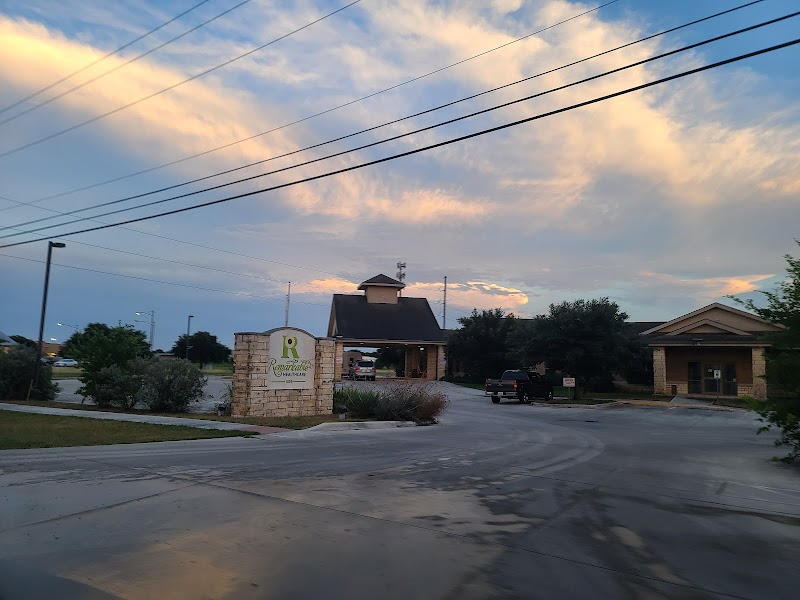
1339 EASTWOOD DR, SEGUIN, TX 78155 (830) 379-3900
Government - Hospital district 115 Beds Independent Data: November 2025
Trust Grade
38/100
#818 of 1168 in TX
Last Inspection: December 2024

Within standard 12-15 month inspection cycle. Federal law requires annual inspections.

Overview

Remarkable Healthcare of Seguin has a Trust Grade of F, indicating significant concerns and performance issues. With a state rank of #818 out of 1168 in Texas, they are in the bottom half of facilities, and their county rank of #6 out of 8 suggests that there are only two options in the area that are better. The facility's trend is worsening, with the number of reported issues increasing from 15 in 2023 to 23 in 2024. While staffing turnover is impressively low at 0%, indicating staff stability, the overall staffing rating is poor at 1 out of 5 stars. The facility has faced fines totaling $21,456, which is concerning, suggesting compliance problems. Additionally, the RN coverage is average, which means the care provided may not consistently catch issues that could be missed by lower-level staff. Specific incidents have raised alarms, such as a resident suffering a fractured femur when proper support devices were not used during a transfer, and serious concerns regarding medication management that could risk adverse reactions for residents. There were also issues related to food safety practices in the kitchen, which could lead to foodborne illnesses. Overall, while there are some strengths, the significant weaknesses and troubling trends warrant careful consideration for families researching this facility.

Trust Score
F
38/100
In Texas
#818/1168
Bottom 30%
Safety Record
Moderate
Needs review
Inspections
Getting Worse
15 → 23 violations
Staff Stability
○ Average
Turnover data not reported for this facility.
Penalties
⚠ Watch
$21,456 in fines. Higher than 81% of Texas facilities, suggesting repeated compliance issues.
Skilled Nurses
⚠ Watch
Each resident gets only 20 minutes of Registered Nurse (RN) attention daily — below average for Texas. Fewer RN minutes means fewer trained eyes watching for problems.
Violations
⚠ Watch
54 deficiencies on record. Higher than average. Multiple issues found across inspections.
★★☆☆☆
2.0
Overall Rating
★☆☆☆☆
1.0
Staff Levels
★★★★★
5.0
Care Quality
★★☆☆☆
2.0
Inspection Score
Stable
2023: 15 issues
2024: 23 issues

The Good

  • 5-Star Quality Measures · Strong clinical quality outcomes
  • Full Sprinkler Coverage · Fire safety systems throughout facility
  • No fines on record

Facility shows strength in quality measures, fire safety.

The Bad

2-Star Overall Rating

Below Texas average (2.8)

Below average - review inspection findings carefully

Federal Fines: $21,456

Below median ($33,413)

Minor penalties assessed

The Ugly 54 deficiencies on record

2 actual harm
Dec 2024 14 deficiencies
CONCERN (D) 📢 Someone Reported This

A family member, employee, or ombudsman was alarmed enough to file a formal complaint

Potential for Harm - no one hurt, but risky conditions existed

Deficiency F0558 (Tag F0558)

Could have caused harm · This affected 1 resident

**NOTE- TERMS IN BRACKETS HAVE BEEN EDITED TO PROTECT CONFIDENTIALITY** Based on observation, interview, and record review, the facility failed to ensure residents had the right to reside and receive ...

Read full inspector narrative →
**NOTE- TERMS IN BRACKETS HAVE BEEN EDITED TO PROTECT CONFIDENTIALITY** Based on observation, interview, and record review, the facility failed to ensure residents had the right to reside and receive services in the facility with reasonable accommodation of resident needs and preferences except when to do so would endanger the health or safety of the resident or other residents for 1 of 19 residents (Residents #34) reviewed for accommodation of needs. The facility failed to ensure Resident #34's call light was within reach while he was positioned in her wheelchair. This failure could place residents at risk for delay in care and services, and increased risk of falls and injuries. The findings included: Record review of Resident #34's face sheet, dated 12/04/2024, revealed the resident was [AGE] years old male and an original admission date of 07/19/2019 and re-admission date of 11/29/2021 with diagnoses that included: Dementia (loss of cognitive function), hemiplegia and hemiparesis (weakness and loss of strength on one side of the body), muscle weakness, muscle wasting and atrophy (muscles to decrease in size and strength), and rhinitis (nasal congestion, sneezing, and itching). Record review of Resident #34's quarterly MDS assessment, dated 11/08/2024, indicated his BIMS score was 99 reflecting he chooses not to participate or gave a nonsensical response. Further record review indicated the resident was dependent (Helper does all of the effort) to toilet hygiene, dressing, personal hygiene, and chair-to-bed transfer. Record review of Resident #34's comprehensive care plan, dated 11/29/2021, reflected [Resident #34] am at risk for falls related to unsteady gait/balance, weakness, and hemiplegia. For intervention - keep call light within reached and encourage to ask for assistance. Observation on 12/02/2024 at 9:16 a.m. revealed Resident #34 was on his wheelchair located in front of his bed in his room, and the call light was on the bed, which was behind him. At 9:18 a.m. revealed Resident #34 said on his wheelchair in his room, Help! Help! However, the resident's voice was very low, so most of staff could not hear the resident's voice. On at 9:25 a.m., CNA-I heard the resident's voice and entered to the resident room to help the resident. Interview on 12/02/2024 at 9:25 a.m. CNA-I stated Resident #34 was on his wheelchair located in front of his bed in his room, and the call light was on the bed, which was behind him. Resident #34 could not reach his call light. The call light should have been within reached all the time. Resident #34 could use the call light to get help. CNA-I did not know what reason the call light was on the bed. CNAs probably forgot putting the call light on him after transferring the resident from the bed to the wheelchair. Interview on 12/02/2024 at 9:38 a.m. with LVN-J stated Resident #34 could use the call light to get help. The call light should have been within reached all the time. Interview on 12/02/2024 at 4:16 p.m. with DON stated Resident #34 could use the call light to get help. The call light should have been within reached all the time per the facility policy, and if Resident #34 could not use the call light because it was not within reached, the resident's care might be delayed. Record review of the facility policy, titled Answering the call light, revised 09/2003, revealed Be sure that the call light is plugged in at all times. When the resident is in bed or confined to a chair be sure the call light is within easy reach of the resident.
CONCERN (D)

Potential for Harm - no one hurt, but risky conditions existed

Assessment Accuracy (Tag F0641)

Could have caused harm · This affected 1 resident

**NOTE- TERMS IN BRACKETS HAVE BEEN EDITED TO PROTECT CONFIDENTIALITY** Based on observations, interviews, and record reviews, the facility failed to ensure the assessment accurately reflected the res...

Read full inspector narrative →
**NOTE- TERMS IN BRACKETS HAVE BEEN EDITED TO PROTECT CONFIDENTIALITY** Based on observations, interviews, and record reviews, the facility failed to ensure the assessment accurately reflected the resident's status for 1 of 19 residents (Residents #34) whose assessments were reviewed, in that: The facility failed to ensure Resident #34's quarterly MDS, dated [DATE], correctly assessed the resident's functional limitation in range of motion status as evidence by coding No impairment to upper extremity. However, Resident #34 had impairment regarding function limitation in range of motion to his left arm. These failures could place residents at-risk for inadequate care and services. The findings were: Record review of Resident #34's face sheet, dated 12/04/2024, revealed the resident was [AGE] years old male and an original admission date of 07/19/2019 and re-admission date of 11/29/2021 with diagnoses that included: Dementia (loss of cognitive function), hemiplegia and hemiparesis (weakness and loss of strength on one side of the body), muscle weakness, muscle wasting and atrophy (muscles to decrease in size and strength), and rhinitis (nasal congestion, sneezing, and itching). Record review of Resident #34's quarterly MDS assessment, dated 11/08/2024, indicated his BIMS score was 99 reflecting he chooses not to participate or gave a nonsensical response. Further record review indicated GG0115: Functional limitation in range of motion in the Section GG (function abilities and goals) was answered No impairment to upper extremity (shoulder, elbow, wrist, and hand). Record review of Resident #34's comprehensive care plan, dated 11/29/2021, reflected [Resident #34] have an alteration in neurological status related to of stroke with left hemiplegia, pseudobulbar affect, and the intervention was physical therapy and occupational therapy evaluated and treat as ordered. Record review of Resident #34's mobility assessment, dated 08/01/2024, reflected Resident #34's upper extremity (shoulder, elbow, wrist, and hand) had impairment on one side. Observation on 12/02/2024 at 9:28 a.m. indicated Resident #34 was on the bed and had contracture (condition of shortening and hardening of muscle) and limitation in range of motion to his left arm. Interview on 12/03/2024 at 5:17 p.m. the Director of Rehab stated Resident #34 had limitation in range of motion to his left arm due to left arm's contracture since the resident was admitted to the facility on [DATE], and the resident was receiving physical therapy including body stretching and range of motion exercise five times a week since 10/30/2024. Interview on 12/03/2024 at 5:19 p.m. the DON stated Resident #34's quarterly MDS, dated [DATE], was inaccurate regarding No impairment to upper extremity in range of motion because the resident had limitation in range of motion to his left arm. MDS nurse had responsibility to assess the resident accurately. The facility used contracted MDS nurse until hiring full-time MDS nurse, and the contracted MDS nurse should have coded impairment on one side to the resident's function limitation in range of motion to upper extremity. Further interview with the DON stated she did not know what reason the MDS nurses coded it inaccurately, and the inaccurate MDS assessment might cause inaccurate care to the resident. On 12/04/2024 at 1:35 p.m., the surveyor called to the MDS a voice message was left . The MDS nurse did not return phone call prior to exit. Record review of the facility policy, titled Resident assessment instrument, revised 01/2017, revealed The purpose of the assessment is to describe the resident's capability to perform daily life functions and to identify significant impairments in functional capacity. Record review of the CMS MDS 3.0 Manual dated October 2023 revealed in part, . The Resident Assessment Instrument (RAI) process is the basis for the accurate assessment of each resident. The MDS 3.0 is part of that assessment process and is required by CMS .
CONCERN (D)

Potential for Harm - no one hurt, but risky conditions existed

Respiratory Care (Tag F0695)

Could have caused harm · This affected 1 resident

**NOTE- TERMS IN BRACKETS HAVE BEEN EDITED TO PROTECT CONFIDENTIALITY** Based on observation, interviews, and record review, the facility failed to ensure that a resident who needs respiratory care, i...

Read full inspector narrative →
**NOTE- TERMS IN BRACKETS HAVE BEEN EDITED TO PROTECT CONFIDENTIALITY** Based on observation, interviews, and record review, the facility failed to ensure that a resident who needs respiratory care, including tracheostomy care and tracheal suctioning, is provided such care, consistent with professional standards of practice for 1 of 3 (Resident #30) reviewed for respiratory care. Resident #30's physician order indicated the resident had oxygen via nasal cannular on 2 liter per minute, but the resident was observed on 12/01/2024 at 3:10 p.m. receiving oxygen 2.5 liter per minutes and on 12/03/2024 at 11:30 p.m. receiving 3.5 liter per minutes. This failure could affect residents with oxygen therapy and could lead to care as ordered by the physician. The findings included: Record review of Resident #30's face sheet, dated 12/04/2024, revealed the resident was [AGE] years old male and an original admission date of 11/13/2022 and re-admission date of 04/29/2024 with diagnosis of chronic obstructive pulmonary disease (restricted airflow and breathing problems). Record review of Resident #30's quarterly MDS, dated [DATE], revealed Resident #30's BIMS score was 15 reflecting his cognitive function was intact, and Section O (Special treatment and program indicated the resident was receiving oxygen therapy. Record review of Resident #30's physician order, dated 02/08/2023, revealed the resident had the order of oxygen at 2 liter per minute via nasal cannular continuously for chronic obstructive pulmonary disease. Observation on 12/01/2024 at 3:10 p.m. revealed the resident was on the bed and receiving oxygen via nasal cannula, and the oxygen rate was setting on 2.5 liter per minutes. Observation on 12/03/2024 at 11:30 p.m. revealed the resident was receiving oxygen with rate of 3.5 liter per minutes. Interview on 12/03/2024 at 11:39 a.m. with RN-E stated Resident #30 was receiving oxygen via nasal cannula with the rate above 2 liter per minutes. RN-E stated when the nurse checked the resident's oxygen rate as the beginning of shift, the oxygen rate was 2 liter per minutes. The nurse did not know what reason the oxygen rate was above 2 liter per minutes. The nurse had responsibility to check oxygen rate, and the resident might be over oxygenated. Interview on 12/04/2024 at 1:16 p.m. with DON stated the facility nurses should have followed physician order for oxygen rate, and for Resident #30, it was 2 liter per minute. Record review of the facility policy, titled Oxygen Administration, revised 03/2012, revealed Verify that there is a physician's order for this procedure. Review the physician's orders or facility protocol for oxygen administration.
CONCERN (D)

Potential for Harm - no one hurt, but risky conditions existed

Pharmacy Services (Tag F0755)

Could have caused harm · This affected 1 resident

Based on observation, interview, and record review, the facility failed to provide pharmaceutical services (including procedures that assure the accurate acquiring, receiving, dispensing, and administ...

Read full inspector narrative →
Based on observation, interview, and record review, the facility failed to provide pharmaceutical services (including procedures that assure the accurate acquiring, receiving, dispensing, and administering of all drugs and biologicals) to meet the needs of each resident for 1 of 2 medication room (Recovery Medication Room) and 1 of 4 medication carts (Recovery Nursing Cart) reviewed for pharmacy services. 1. There was one bottle of medication (Ocular Vitamins for eye) expired on 09/2024 found inside the Recovery medication room on 12/04/2024. 2. There was one gel of medication (antimicrobial skin and wound gel hospital and professional use only) expired on 08/01/2024 found inside the Recovery nursing cart on 12/04/2024. These failures could place residents at risk of inaccurate drug administration and not having appropriate therapeutic effects. The findings included: 1. Observation on 12/04/2024 at 10:14 a.m. revealed there was one bottle of medication (Ocular Vitamins for eye) expired on 09/2024 found inside the Recovery medication room. Interview on 12/04/2024 at 10:14 a.m. the ADON stated there was one bottle of medication (Ocular Vitamins for eye) expired on 09/2024 found inside the Recovery medication room. The ADON stated she did not know why the expired medication was in the medication room. The facility medication aides usually reviewed the medication room weekly, and the facility nurses had responsibility to remove all expired medications from the medication room. Using expired mediation to residents might cause incorrect therapeutic effects. 2. Observation on 12/04/2024 at 10:26 a.m. revealed there was one gel of medication (antimicrobial skin and wound gel hospital and professional use only) expired on 08/01/2024 found inside the Recovery nursing cart. Interview on 12/04/2024 at 10:29 a.m. the ADON stated there was one gel of medication (antimicrobial skin and wound gel hospital and professional use only) expired on 08/01/2024 found inside the Recovery nursing cart, and per the facility policy all expired medications could not be inside the nursing and medication aide carts. The Recovery nurse had responsibility to review their carts and removed all expired medications. Using expired mediation to residents might cause incorrect therapeutic effects. Interview on 12/04/2024 at 10:31 a.m. with Recovery nurse LVN-F stated he did not know why the medication (antimicrobial skin and wound gel hospital and professional use only) was in the cart. LVN-F said he did not use the medication, but it should have been removed from the cart because it was already expired. Record review of the facility policy, titled Administering Medications, revised 04/2011, revealed The expiration date on the medication label must be checked.
CONCERN (D)

Potential for Harm - no one hurt, but risky conditions existed

Deficiency F0757 (Tag F0757)

Could have caused harm · This affected 1 resident

**NOTE- TERMS IN BRACKETS HAVE BEEN EDITED TO PROTECT CONFIDENTIALITY** Based on interview and record review, the facility failed to ensure each resident's drug regimen be free from unnecessary drugs ...

Read full inspector narrative →
**NOTE- TERMS IN BRACKETS HAVE BEEN EDITED TO PROTECT CONFIDENTIALITY** Based on interview and record review, the facility failed to ensure each resident's drug regimen be free from unnecessary drugs without adequate indications for its use for 1 of 5 (Resident #30) reviewed for unnecessary medications. The facility failed to discontinue Resident #30's Melatonin 5 mg for sleep after the resident's primary care physician agreed on 09/18/2024 to the pharmacist's recommendation on 08/21/2024, which was for Resident #30, melatonin 5 mg due for gradual dose reduction, consider as needed for 14 days, then discontinue. This failure could lead to residents being prescribed medications without indication and place residents at risk of unnecessary side effects and a decline in overall health. Findings included: Record review of Resident #30's face sheet, dated 12/04/2024, revealed the resident was [AGE] years old male and an original admission date of 11/13/2022 and re-admission date of 04/29/2024 a diagnosis of insomnia (difficulty of sleeping). Record review of Resident #30's quarterly MDS, dated [DATE], revealed Resident #30's BIMS score was 15 reflecting his cognitive function was intact. Record review of Resident #30's pharmacy review, dated 08/21/2024, revealed the pharmacist recommended Melatonin 5 mg at hours at sleep due to for gradual dose reduction, consider as needed for 14 days then discontinue. Record review of Resident #30's Note to attending physician, dated 09-18-2024, revealed Resident #30's primary care physician agreed to the pharmacist recommendation (Melatonin 5 mg at hours at sleep due to for gradual dose reduction, consider as needed for 14 days then discontinue). Record review of Resident #30's physician order, start dated 10/31/2023, revealed the resident had the order of Melatonin oral tablet 5 mg give one tablet by mouth at bedtime for insomnia (difficulty of sleeping). Record review of Resident #30's medication administration record, dated from 12/01/2024 to 12/31/2024 revealed the resident was still receiving his Melatonin oral tablet 5 mg by mouth at bedtime for insomnia. Interview on 12/03/2024 at 3:44 p.m. the DON stated Resident #30 was still taking his Melatonin 5 mg one tablet by mouth at bedtime, and the pharmacist recommended on 08/21/2024 For Resident #30 Melatonin 5 mg at hours at sleep due to for gradual dose reduction, consider as needed for 14 days then discontinue. The DON notified it to the resident's primary care physician, and the physician agreed it on 09/18/2024. However, the DON forgot discontinuing Resident #30's melatonin. It was DON's responsibility to make sure following pharmacist recommendations and physician orders. The resident did not have gradual dose reduction trials. Record review of the facility policy, titled Pharmacy Services, revised 12/2010, revealed Collaborate with the staff and practitioners to address and resolve medication-related needs or problems; Help establish procedures for conducting the monthly medication regimen review (MRR) for each resident in the facility; Help the facility establish procedures related to medication regimen reviews for individuals who are anticipated to stay less than 30 days or when residents experience acute changes of condition; Help develop procedures and guidance regarding when to contact a prescriber about a medication issue.
CONCERN (D)

Potential for Harm - no one hurt, but risky conditions existed

Deficiency F0761 (Tag F0761)

Could have caused harm · This affected 1 resident

Based on observation, interview, and record review, the facility failed to ensure all drugs and biological were stored in locked compartments for 1 of 4 nursing carts (treatment cart) reviewed for sto...

Read full inspector narrative →
Based on observation, interview, and record review, the facility failed to ensure all drugs and biological were stored in locked compartments for 1 of 4 nursing carts (treatment cart) reviewed for storage, in that: The facility failed to ensure the Treatment Cart was locked when left unattended. This failure could place residents at risk of misappropriation of medications or harm due to accidental ingestion of unprescribed mediations. The findings were: During an observation on 12/02/2024 at 11:57 a.m. revealed the treatment cart was found unlocked and unattended on the 200 hall. This surveyor was able to open all drawers revealing multiple creams, scissors, and bottles of medications. Interview on 12/02/2024 at 11:58 p.m. with Wound care nurse RN-G stated the treatment cart was unlocked and unattended on the 200 hall. The wound care nurse RN-G stated he did not realize he left the treatment cart unlocked. The wound care nurse RN-G stated it was important the treatment cart was locked at all times due to resident, visitor, and staff safety. The wound care nurse RN-G stated by the treatment cart being unlocked, anyone could get into the cart and take medications or scissors from the cart. Interview on 12/02/2024 at 4:16 p.m. the DON stated the treatment cart should not have been unlocked as it would not be safe for residents and visitors. The DON stated if the treatment cart was not locked someone other than the nurse, like a resident with dementia, could open the medication cart, take out the medications and take them. The wound care nurse was responsible for overseeing this and monitored if or not the treatment cart was locked sometimes. Record review of the facility's policy, titled Administering Medications, revised 04/2011, revealed . 11. During administration of medications, the medication cart is kept closed and locked when out of sight of the medication nurse or aide.
CONCERN (D)

Potential for Harm - no one hurt, but risky conditions existed

Deficiency F0849 (Tag F0849)

Could have caused harm · This affected 1 resident

**NOTE- TERMS IN BRACKETS HAVE BEEN EDITED TO PROTECT CONFIDENTIALITY** Based on observation, interview and record review the facility failed to ensure that the hospice services met professional stand...

Read full inspector narrative →
**NOTE- TERMS IN BRACKETS HAVE BEEN EDITED TO PROTECT CONFIDENTIALITY** Based on observation, interview and record review the facility failed to ensure that the hospice services met professional standards and principles that apply to individuals providing services in the facility, and to the timeliness of the services for 1 of 3 residents (Resident #27) reviewed for administration: There were no hospice nursing notes, records of visits or care available for Resident #27 at the facility. This failure could place residents receiving hospice services at risk of not receiving their needed services and care, and a decreased continuity of care between facility staff and hospice staff. The findings were: Record review of Resident #27's face sheet dated 12/4/24 revealed the resident was admitted to the facility on [DATE] and readmitted on [DATE]. Resident #27's diagnoses included heart failure (the heart muscle can't pump enough blood to meet the body's needs for blood and oxygen.), age related cognitive decline (refers to the concern of or difficulty with a person's thinking, memory, concentration, and other brain functions beyond what is typically expected due to aging), muscle wasting, and atrophy not elsewhere classified multiple sites (wasting or loss of muscle tissue). Record review of Resident #27's annual MDS assessment dated [DATE] indicated the resident's BIMS was blank and staff assessment of cognitive skills indicated the resident was moderately impaired cognitively. The resident was always incontinent of urine and bowel and had medically complex conditions. The resident was on hospice care. Record review of Resident #27's care plan with a print date of 12/4/24 sent by the facility revealed the resident was admitted to hospice services on 10/27/24. There were no interventions listed for hospice services. There were no dates of focus initiation, goals, or revisions on this care plan for any problems listed. Record review of Resident #27's EHR on 12/2/24, 12/3/24, and 12/4/24 revealed no documentation from hospice nurse visits or hospice care staff. Record review of Resident #27's hospice notes that were faxed to the DON on 12/2/24 at 4:03 p.m. revealed 15 pages of hospice nursing communication notes detailing resident observations, vital signs, and interviews with the resident and family including phone calls and requests from the resident's family. Documentation dates were 10/27/24, 10/28/24, 10/29/24, 10/30/24, 10/31/24, 11/1/24, 11/2/24, 11/5/24, 11/7/24, 11/8/24, 11/12/24, 11/18/24, 11/19/24, 11/20/24, 11/26/24, 12/1/24, and 12/2/24. During an observation on 12/02/24 at 12:10 p.m. hospice staff X2 arrived and entered Resident #27's room and were speaking with the resident and family and were about to provide a bed bath. The resident's family was updating hospice staff that the hospice nurse changed her medications because when they would move the resident she would holler out as if in pain. During observations on 12/2/24 at 12:25 p.m., 12/3/24 at 3:00 p.m., and 12/4/24 at 11:30 a.m. Resident #27's hospice services binder located at the nursing station revealed handwritten orders to admit the resident to hospice dated 10/27/24, a hospice visit note dated 10/27/24, and a visitation log with one visit logged on 10/27/24. There was no other documentation and no nursing visit notes. In an interview on 12/2/24 at 12:20 p.m. RN E stated the hospice service binder should have all the hospice notes for resident #27 and further stated all hospice residents had their own binders and she had not seen any hospice notes in the EHR as their systems are different. RN E was unsure who was responsible for putting the notes in the binder. RN E stated the hospice nurses give the facility nurses a verbal report on their visits. In an interview on 12/2/24 at 12:45 p.m. the DON stated all hospice visits and notes from hospice nurses should be in the hospice binder at the nurses' station. The DON further stated that was the only place the hospice nursing notes were kept and she would contact them immediately. The DON stated hospice was responsible for getting their notes to the facility. In an interview on 12/02/24 at 4:30 p.m. hospice RN S stated she was the on-call nurse and she had visited the resident on 12/1/24 and had put new orders in for the resident. RN S further stated they have their own computer system that they document on and she was unsure of when or how their notes get to the resident's record. RN S stated she was not the resident's regular hospice nurse and RN T was her regular hospice nurse. In an attempted interview on 12/4/24 at 11:26 a.m. a call was placed to hospice RN T and a message left. Did not receive a return call. In an interview on 12/04/24 at 2:00 p.m. the DON stated it was important that hospice notes be available so that the facility knows what services were provided by hospice and to ensure continuity of care and to know what was going on with the resident. The facility hospice documentation policy was requested from the DON on 12/4/24 at 12:35 p.m. and was never received.
CONCERN (D)

Potential for Harm - no one hurt, but risky conditions existed

Infection Control (Tag F0880)

Could have caused harm · This affected 1 resident

**NOTE- TERMS IN BRACKETS HAVE BEEN EDITED TO PROTECT CONFIDENTIALITY** Based on observations, interviews, and record reviews, the facility failed to establish and maintain an infection control progra...

Read full inspector narrative →
**NOTE- TERMS IN BRACKETS HAVE BEEN EDITED TO PROTECT CONFIDENTIALITY** Based on observations, interviews, and record reviews, the facility failed to establish and maintain an infection control program designed to provide a safe, sanitary, and comfortable environment and to help prevent the development of communicable diseases and infections for 2 residents (Residents #48 and #59) of 19 residents reviewed for infection control. 1. The facility failed to Resident #48's suction tube Yankauer (oral suction tool used in medical procedure) to be covered in a plastic bag when it was not used on 12/01/2024. The Yankauer was connected to the suction machine and hanging without a plastic bag. 2. When CNA-H was providing incontinence care to Resident #59, the CNA-H had multiple pass with one wipe and touched new and clean brief with old and dirty gloves on 12/03/2024 at 2:07 PM. These deficient practices could place residents at risk for cross contamination and infections. The findings included: 1. Record review of Resident #48's face sheet, dated 12/04/2024, revealed the resident was [AGE] years old female and admitted [DATE] and re-admitted to the facility on [DATE] with the diagnosis of encephalopathy (brain dysfunction), muscle wasting and atrophy (muscles to decrease in size and strength), hypertension (high blood pressures), Acute upper respiratory infection (runny nose, sore throat, and cough), and hypothyroidism (not enough thyroid hormone in the body). Record review of Resident #48's significant change MDS, dated [DATE], revealed her BIMS score was 0 of 15 reflecting she had severe cognitive impairment, and the resident required supervision or touching assistance (Helper provides verbal cues or touching/steadying assistance as resident completes activity) to oral hygiene. Record review of Resident #48's care plan, date initiated 08/30/2024, revealed [Resident #48] has a significant weight loss related to swallowing impairment, poor intake, and aging process - Intervention: Staff to assist neighbor as necessary. Observation on 12/01/2024 at 11:50 a.m. revealed a suction tube Yankauer was connecting to the suction machine and hanging on Resident #48's nightstand. The Yankauer was not covered in a plastic bag. Interview on 12/01/2024 at 11:54 a.m. with RN-E stated Resident #48's Yankauer was not covered in the plastic bag connected to the suction machine was on Resident #48's nightstand, and the Yankauer was hanging. Further interview with the RN-E said nurses should have covered the Yankauer in a plastic bag when not using it to prevent infection. The nurse did not know what reason the Yankauer was not covered in a plastic bag when not using it. The potential harm was the resident could have infection. Interview on 12/02/2024 at 4:16 p.m. with the DON stated nurses should have covered the Yankauer in a plastic bag when they did not use it to prevent infection. 2. Record review of Resident #59's face sheet, dated 12/04/2024, revealed the resident was [AGE] years old male and admitted [DATE] to the facility with the diagnosis of malignant neoplasm of prostate (prostate cancer), dementia (loss of cognitive function), repeated falls, muscle wasting and atrophy (muscles to decrease in size and strength), and need for assistance with personal care. Record review of Resident #59's significant change MDS, dated [DATE], revealed his BIMS score was 2 of 15 reflecting he had severe cognitive impairment, the resident required partial/moderate assistance (Helper does less than half the effort) to toilet hygiene and chair-to-bed transfer, and the resident was occasionally incontinent to bowel and bladder. Record review of Resident #59's comprehensive care plan, initiated dated 06/05/2024, revealed I [Resident #59] have activities of daily living self-care performance deficit - intervention: required assistance to use toilet. Observation on 12/03/2024 at 2:07 p.m. revealed CNA-H was cleaning Resident #59's genital area with wipe, and the CNA-H was cleaning the area with multiple pass by one wipe, then turned the resident to right side. CNA-H was cleaning the resident's buttock area and put the new and clean brief under the resident's buttock area with the old and dirty gloves, then CNA-H closed the brief. Interview on 12/03/2024 at 2:30 p.m. CNA-H stated she cleaned Resident #59's genital area with multiple pass by one wipe and touched the new and clean brief with the old and dirty gloves. Further interview with the CNA-H stated she should have cleaned the resident's genital area with only one pass by one wipe and touched the new and clean brief with new and clean gloves by changing the CNA-H's gloves after sanitizing her hands to prevent possible infection. The CNA-H forgot them because she was nervous. Interview on 12/04/2024 at 1:16 p.m. the DON said the CNA-H should clean Resident #59's genital area with one pass by one wipe and touched the new and clean brief with the new and clean gloves. Clean to clean and dirty to dirty to prevent possible infection. The DON had responsibility to monitor and provide training CNAs for infection control, and DON provided a lot of training for infection control in 2024 but did not know what reason the CNA did not follow the instructions. The CNA might be very nervous. Record review of the facility policy, titled Hand washing/Hand hygiene, revised 04/2010, revealed Hand washing - After handling soiled or used linens, dressings, bedpans, catheters and urinals; After handling soiled equipment or utensils; After performing your personal hygiene (hand washing with soap and water); After removing gloves or aprons; and After completing duty.
CONCERN (E)

Potential for Harm - no one hurt, but risky conditions existed

Comprehensive Care Plan (Tag F0656)

Could have caused harm · This affected multiple residents

**NOTE- TERMS IN BRACKETS HAVE BEEN EDITED TO PROTECT CONFIDENTIALITY** Based on observation, interview, and record review, the facility failed to develop and implement a comprehensive person-centered...

Read full inspector narrative →
**NOTE- TERMS IN BRACKETS HAVE BEEN EDITED TO PROTECT CONFIDENTIALITY** Based on observation, interview, and record review, the facility failed to develop and implement a comprehensive person-centered care plan for each that includes measurable objectives and timeframes to meet a resident's medical, nursing, and mental needs that are identified in the comprehensive assessment, and services that are to be furnished to attain or maintain the resident's highest practicable physical, mental, and psychosocial well-being for 3 of 11 residents (Resident #6, Resident #22 and Resident #62) reviewed for care plans. 1. The facility failed to ensure Resident #6's care plan reflected his receiving hospice services and did not have an active care plan. 2. The facility failed to ensure Resident #22's care plan reflected his pain management. 3. The facility filed to ensure Resident #62's care plan reflected his full code status, need for assistance with ADLs (activities of daily living), and only communicating in Spanish. These deficient practices place residents at risk for not receiving proper care and services due to inaccurate care plans. The findings included: 1. Record review of Resident #6's face sheet, dated 12/04/2024, revealed Resident #6 was admitted on [DATE] with a readmission date on 08/22/2024 with diagnoses which included: acute diastolic (congestive) heart failure, chronic atrial fibrillation, unspecified dementia, moderate, without behavioral disturbance, heart failure, hypothyroidism, and hypertension. Record review of Resident #6's Significant change MDS assessment, dated 08/26/2024, revealed Resident #6's BIMS score was 5 for severe cognitive impairment and coded as receiving hospice services while a resident at the facility. Record review of Resident #6's physician order summary report, dated 12/04/2024, read, ADMIT TO [name of hospice service], with an order date of 08/23/2024. Record review of Resident #6's care plan with a closed date of 08/30/2024 and a targeted date 09/04/2024, revealed the care plan was closed and did not have a care plan addressing Resident #6 receiving hospice services. During an interview on 12/03/2024 at 3:32 p.m. with the SW stated the DON would care plan when a resident goes on hospice services. During an interview on 12/03/2024 at 3:55 p.m. the DON stated Resident #6's care plan had been deactivated, did not have a care plan for hospice and did not have an active care plan. The DON further stated Resident #6 not having an active care plan would cause the staff to not be aware of his wishes or how they were to care for him correctly. 2.Record review of Resident #22's face sheet, dated 12/04/2024, revealed the resident was [AGE] years old male and an original admission date of 02/09/2017 and re-admission date of 11/30/2024 with diagnoses that included pain in left shoulder and muscle wasting and atrophy (muscles to decrease in size and strength). Record review of Resident #22's quarterly MDS, dated [DATE], revealed Resident #22's BIMS score was 15 reflecting his cognitive function was intact. Further record review indicated J0100: Pain Management in the Section J (Health Conditions) was answered the resident received scheduled pain medication as ordered. Record review of Resident #22's physician order, dated 10/31/2024, revealed the resident had the order of Norco (Hydrocodone-Acetaminophen) oral tablet 10-325 mg. Give one tablet by mouth every 6 hours as needed for pain, referral for out-patient rehab for occupational therapy due to shoulder pain, and Monitor level of pain every shift using the following scale: 0=no pain, 1-3=mild pain, 4-6=moderate pain, and 7-10=severe pain every shift. Record review of Resident #22's nursing note, dated 10/28/2024 and 11/18/2024, revealed the resident was transferred to the local acute hospital due to his shoulder pain per the resident's request. Record review of Resident #22's comprehensive care plan, dated 08/16/2024, revealed there were no care plan regarding pain management. Interview on 12/03/2024 at 1:53 p.m. the DON stated Resident #22 had pain to his left shoulder, and for the pain management, the resident had medications and out-patient therapy, and transferred the resident to the local acute hospital because the resident requested it. IDT discussed the resident's pain. However, the facility did not develop the care plan for pain. Interview on 12/03/2024 at 2:47 p.m. the DON said developing care plans was her responsibility, and forgetting to develop Resident #22's care plan for pain, might cause lack of pain management. 3. Record review of Resident #62's face sheet, dated 12/04/2024, revealed Resident #62 was admitted on [DATE] with a readmission date on 10/19/2024 with diagnoses which included: encounter for orthopedic aftercare following surgical amputation, type 2 diabetes mellitus without complications, polyneuropathy, unspecified, hypertension, acquired absence of right leg below knee, end stage renal disease, unsteadiness of feet, difficulty in walking, not elsewhere classified, and dependence on renal dialysis. Record review of Resident #62's Quarterly MDS assessment, dated 10/26/2024, revealed Resident #62's BIMS score was 11 for moderate cognitive impairment and substantial/maximal assistance (helper does more than half the effort) with toileting hygiene, shower/bathing self, lower body dressing, sit to lying (the ability to move from sitting on side of bed to lying flat on the bed), and lying to sitting on the side of bed (the ability to safely move from lying on the back to sitting on the side of the bed with feet flat on the floor and with no back support). Record review of Resident #62's physician order summary report, dated 12/04/2024, read, FULLCODE, with an order date of 09/28/2024. Record review of Resident #62's care plan with a target date of 10/09/2024, revealed the care plan did not address Resident #62's need for assistance with ADLs, code status and only communicating in Spanish. During an interview on 12/01/2024 at 10:52 a.m. Family Member A of Resident #62 stated when she is visiting, she would translate for Resident #62 due to him only speaking Spanish. Family Member A further stated Resident #62's Family Member B was present daily, but she also only spoke Spanish. During an interview and observation on 12/03/2024 at 3:32 p.m. with the SW revealed care plans are done by the DON and if she needs assistance the ADON will help with care plans. The SW further stated the SW was responsible for completing the code status, behaviors and communication in the care plan. The SW stated she would typically care plan a resident speaking only Spanish and code status. The SW was observed reviewing Resident #62's care plan on her computer when she stated Resident #62's care plan did not address his Spanish speaking only nor his code status being full code. The SW stated the importance of the care plan was to show the resident's diagnoses, the nursing he gets, any behaviors he has, and what the staff need to look for when caring for him. The SW stated the importance of the code status being care planned was for staff to know what to do and the resident's wishes for resuscitation or not to be resuscitated. She further stated the importance of care planning his communication would make staff aware of the need possibly for a translator. During an interview on 12/03/2024 at 3:55 p.m. the DON reviewed Resident #62/s care plan on her computer of which she revealed ADLs (activities of daily living), communication and code status were not care planned. The DON further stated ADLs, communication and code status were things that would be care planned. The DON stated the ADLs were not care planned which she felt was odd due to the admission care plan when completed usually triggers them in the comprehensive care plan. The DON further stated Resident #62 only speaking Spanish should have been care planned. The DON stated Resident #62 was Spanish speaking mostly. The DON stated the importance of a care plan was to inform the staff of the needs of the resident, how to care for them and what their wishes were. During an interview on 12/04/2024 at 1:55 p.m. with the ADM revealed the DON, a nurse the facility contracts had been doing the care plans. He further stated when they took over in July it was found the care plans had not been done for residents and the issue was part of QA with the goal of completing them being within 90 days. The ADM further stated he believed they were behind on meeting the 90-day goal. Record review of facility's Care Plans - Comprehensive policy, revision date April 2010, read, Policy Statement: An individualized comprehensive care plan that includes measurable objectives and timetables to meet the resident's medical, nursing, mental and psychological needs is developed for each resident. Policy Interpretation and Implementation: 1. Our facility's Care Planning/Interdisciplinary Team, in coordination with the resident, his/her family or representative (sponsor) develops and maintains a comprehensive care plan for each resident that identifies the highest level of functioning the resident may be expected to attain. 3. Each resident's comprehensive care plan is designed to: a. Incorporate identified problems areas; b. Incorporate risk factors associated with identified problems; c. Build on the resident's strengths; d. Reflect resident's expressed wishes regarding care and treatment goals; e. Reflect treatment goals, timetables and objectives in measurable outcomes; f. Identify the professional services that are responsible for each element of care; g. Aid in preventing or reducing declines in the resident's functional status and/or functional levels; h. Enhance the optimal functioning of the resident by focusing on a rehabilitative program; and i. Reflects currently recognized standards of practice for problem areas and conditions. 4. The resident's comprehensive care plan is developed within seven (7) days of the completion of the resident's comprehensive assessment (MDS).
CONCERN (E)

Potential for Harm - no one hurt, but risky conditions existed

Deficiency F0657 (Tag F0657)

Could have caused harm · This affected multiple residents

**NOTE- TERMS IN BRACKETS HAVE BEEN EDITED TO PROTECT CONFIDENTIALITY** Based on interview and record review the facility failed to ensure the comprehensive care plan was reviewed and revised by the i...

Read full inspector narrative →
**NOTE- TERMS IN BRACKETS HAVE BEEN EDITED TO PROTECT CONFIDENTIALITY** Based on interview and record review the facility failed to ensure the comprehensive care plan was reviewed and revised by the interdisciplinary team after each assessment including both the comprehensive and quarterly review assessments person-centered care plan to reflect the current condition for 4 of 19 residents (Resident #4, Resident #25, Resident #30 and Resident #39) reviewed for care plan revisions. 1. The facility failed to ensure Resident #4's care plan was revised quarterly. 2. The facility failed to ensure Resident #25 care plan was revised after Significant Change in condition and when resident returned from the hospital. 3. The facility failed to ensure Resident #30's care plan was revised or reviewed after the quarterly MDS was completed on 09/25/2024. 4. The facility failed to ensure Resident #39's care plan was revised after revised after re-entry to facility and Significant Change in condition. These deficient practices could place residents at risk of not receiving appropriate interventions to meet their current needs. The findings included: 1. Record review of Resident #4's face sheet dated 12/4/2024 revealed the resident was admitted to the facility on [DATE], with readmissions on 8/3/2017, and 5/17/2024. Resident #4's diagnoses included secondary parkinsonism, unspecified (any condition that involves the types of movement problems seen in Parkinson disease but is not Parkinson's disease), chronic kidney disease (chronic progressive loss of kidney function), and repeated falls. Record review of Resident #4's quarterly MDS assessment dated [DATE] revealed the resident had a BIMS score of 7 indicating the resident was severely cognitively impaired. The resident was totally dependent on staff for dressing and footwear, and required partial assistance for eating, showering, and personal hygiene. The resident was always incontinent of urine and frequently incontinent of bowel and was at risk of developing pressure ulcers. Record review of Resident #4's EHR (Electronic Health Record) revealed under the care plan tab there was no current care plan for the resident. Under this care plan tab there were three care plans under history, with the newest care plan with a date initiated on 8/3/2022 with a next review date of 6/9/2024. During an interview on 12/03/2024 at 2:30 p.m. the DON stated she was responsible for updating the care plans and she had a PRN (as needed) RN that assisted her. The DON stated she was not sure why Resident #4 had no current care plan and they must have missed revising it in June of 2024. During an interview on 12/4/2024 at 2:00 p.m. the DON stated it was important for the resident's care plans to be revised and current to ensure they received any needed services. 2. Record review of Resident #25's face sheet, dated 12/04/2024, revealed Resident #25 was originally admitted on [DATE] with an admission date of 08/12/2024 with diagnoses which included: acute respiratory failure with hypoxia, end stage renal disease, parkinsonism, major depressive disorder, hyperlipidemia, anxiety disorder, and dependence on renal dialysis. Record review of Resident #25's Significant change MDS assessment, dated 10/18/2024, revealed Resident 25 unable to complete the BIMS interview with long- and short-term memory loss. Record review of Resident #25's care plan revealed a start date of 08/18/2024, target date 11/27/2024 and next review date 09/01/2024 without a review having been completed. During an interview on 12/04/2024 at 1:36 p.m. the DON stated regarding the revision of Resident #25's care plan 08/18/2024 it looked like there were some nursing items updated however, the care plan had not been reviewed or revised for the quarter. The DON further stated the facility had been trying to go through all the care plans because they were not getting done before she came to the facility. The DON stated the importance of revision was to be up to date on the care of the resident for the staff to know how to care for the resident. 3. Record review of Resident #30's face sheet, dated 12/04/2024, revealed the resident was [AGE] years old male and an original admission date of 11/13/2022 and re-admission date of 04/29/2024 with diagnoses that included: displaced intertrochanteric fracture of left femur (fracture to hip area), heart failure (does not pump enough blood for the body's need), muscle wasting and atrophy (muscles to decrease in size and strength), hypertension (high blood pressure), and chronic obstructive pulmonary disease (restricted airflow and breathing problems). Record review of Resident #30's quarterly MDS, dated [DATE], revealed Resident #30's BIMS score was 15 reflecting his cognitive function was intact. Record review of Resident #30's comprehensive care plan revealed the care plan's start date was 03/24/2024, and next review date for the care plan was 06/04/2024. However, there was no reviewed or revised care plan since 06/04/2024. Interview on 12/03/2024 at 11:07 a.m. the DON stated Resident #30's care plan was not revised or reviewed after the resident's quarterly MDS was completed on 09/25/2024. The facility generally had IDT meeting after completion of quarterly MDS, but the DON did not know what reason she did not revise the resident's care plan. Updating or revising the care plan was IDT and DON's responsibility, and not revising care plan after comprehensive assessment might cause incorrect care to the resident. 4. Record review of Resident #39's face sheet, dated 12/04/2024, revealed Resident #39 was originally admitted on [DATE] with an admission date of 09/07/2024 with diagnoses which included: other cerebral infarction, unspecified atrial fibrillation, hemiplegia, unspecified affecting right nondominant side, aphasia, hemiplegia and hemiparesis following cerebral infarction affecting right dominant side, and traumatic subdural hemorrhage without loss of consciousness subsequent encounter. Record review of Resident #39's MDS assessments indicated the following: *Entry MDS completed 09/07/2024 *5-day MDS dated [DATE] *Significant Change MDS assessment, dated 10/18/2024 The Significant Change MDS assessment revealed Resident #39 unable to complete the BIMS interview with long- and short-term memory loss. Record review of Resident #39's care plan revealed a start date of 12/01/2024, target completion date 03/20/2025 without a review having been completed after her return form the hospital. During an interview 12/03/2024 at 3:55 p.m. the DON revealed when Resident #39 returned from the hospital they should have reviewed his care plan. DON further stated they just didn't catch it which was why the care plan had not been revised. Record review of facility's Care Plans - Comprehensive policy, revision date April 2010, read, Policy Statement: An individualized comprehensive care plan that includes measurable objectives and timetables to meet the resident's medical, nursing, mental and psychological needs is developed for each resident. Policy Interpretation and Implementation: 1. Our facility's Care Planning/Interdisciplinary Team, in coordination with the resident, his/her family or representative (sponsor) develops and maintains a comprehensive care plan for each resident that identifies the highest level of functioning the resident may be expected to attain. 2. The comprehensive care plan is based on a thorough assessment that includes, but is not limited to, the MDS. Assessments of residents are ongoing and care plans are revised as information about the resident and the resident's condition change. 3. Each resident's comprehensive care plan is designed to: a. Incorporate identified problems areas; b. Incorporate risk factors associated with identified problems; c. Build on the resident's strengths; d. Reflect resident's expressed wishes regarding care and treatment goals; e. Reflect treatment goals, timetables and objectives in measurable outcomes; f. Identify the professional services that are responsible for each element of care; g. Aid in preventing or reducing declines in the resident's functional status and/or functional levels; h. Enhance the optimal functioning of the resident by focusing on a rehabilitative program; and i. Reflects currently recognized standards of practice for problem areas and conditions. 4. The resident's comprehensive care plan is developed within seven (7) days of the completion of the resident's comprehensive assessment (MDS). 5. The Care Planning/Interdisciplinary Team is responsible for the periodic review and updating of care plans: a. When there has been a significant change in the resident's condition; b. When the desired outcome is not met; When the resident has been readmitted to the facility from a hospital stay; and d. at least quarterly. Record review of the CMS MDS 3.0 Manual dated October 2023 revealed in section 2-44, Care plan completion based on the CAA process is required for OBRA-required comprehensive assessments. It is not required for non-comprehensive assessments (Quarterly, SCQA), PPS assessments, Discharge assessments, or Tracking records. However, the resident's care plan must be reviewed after each assessment, as required by §483.20, except discharge assessments, and revised based on changing goals, preferences and needs of the resident and in response to current interventions.
CONCERN (E)

Potential for Harm - no one hurt, but risky conditions existed

Deficiency F0805 (Tag F0805)

Could have caused harm · This affected multiple residents

Based on observation, record review, and interviews, the facility failed to ensure resident received food prepared in a from designed to meet individual needs for 1 of 2 meals, reviewed for nutrition ...

Read full inspector narrative →
Based on observation, record review, and interviews, the facility failed to ensure resident received food prepared in a from designed to meet individual needs for 1 of 2 meals, reviewed for nutrition services. The facility failed to ensure the breakfast meal served on 12/03/2024 had the appropriate consistency for the meat serving for the puree textured diet. This deficient practice could affect residents who received pureed meals from the kitchen by contributing to choking, poor intake, and/or weight loss. The findings included: Observation on 12/03/2024 at 8:40 a.m. revealed [NAME] D preparing breakfast plates for puree residents with meat (sausage) that appeared grainy, closer to a fine ground meat consistency than a pudding consistency. [NAME] D put gravy over the meat as he served the plates. [NAME] D placed a scoop of the puree meat on a plate when asked about the texture of the meat. The DM then took a plastic spoon and mashed the puree meat. The DM after mashing the meat with a plastic spoon then removed from the serving line and pureed the meat. [NAME] D only had 2 tray tickets remaining when the puree meat was removed from the serving table to be processed more by the DM. Observation, record review and interview on 12/03/2024 at 11:12 a.m. revealed [NAME] D preparing puree chicken fried steak with gravy for the lunch meal using microwave warmed milk as the liquid to assist with the processing of the pureed chicken fried steak. Review of the recipe book read gravy to be used when pureeing the chicken fried steak. [NAME] D stated he did not know to use the recipe book and had been instructed to use milk when preparing the chicken fried steak. During an interview on 12/04/2024 at 12:43 p.m. the DM stated the facility had 9 residents who received puree diets. The DM further stated they are served last. The DM could not recall if any purees had been served however, stated there may be some residents who received a puree diet may have eaten in their room, she was not sure who was present the day before in the dining room for the breakfast meal. During an interview on 12/04/2024 at 12:47 p.m. the DM stated she has not had any in-services regarding training meal texture preparation. The DM stated they had had in-services to follow the recipe when preparing diets. The DM further stated the sausage did look to dry to be pureed consistency. The DM stated puree diets are for residents with swallowing issues. She stated the resident could be at risk of chocking or aspiration by receiving non-puree food. During an interview on 12/04/2024 at 1:40 p.m. the DON stated if the diet was not right consistency a resident could choke on it, and possibly get aspiration pneumonia. During an interview on 12/04/2024 at 1:42 p.m. the DM and DON revealed the facility did not have a policy regarding diet textures and preparation. The DM stated the recipe told staff how to make the puree. During an interview on 12/04/2024 at 1:45 p.m. the ADM stated food consistencies should reflect the order when served. The ADM stated pureed diets should have a pudding consistency. The ADM further stated they do not want residents to suffer aspiration pneumonia if served the wrong diet.
CONCERN (E)

Potential for Harm - no one hurt, but risky conditions existed

Deficiency F0944 (Tag F0944)

Could have caused harm · This affected multiple residents

Based on interview and record review, the facility failed to ensure Quality Assurance Performance Improvement (QAPI) Training that outlines and informs staff of the elements and goals of the facility'...

Read full inspector narrative →
Based on interview and record review, the facility failed to ensure Quality Assurance Performance Improvement (QAPI) Training that outlines and informs staff of the elements and goals of the facility's QAPI program for 10 of 19 staff (CNA-K, CMA-L, CMA-M, CMA-N, CNA-O, Hospitality-P, CNA-Q, Hospitality-R, Dietary Manger, and Activity Director) reviewed for training, in that: The facility failed to ensure that CNA-K, CMA-L, CMA-M, CMA-N, CNA-O, Hospitality-P, CNA-Q, Hospitality-R, Dietary Manger, and Activity Director had completed their mandatory QAPI annual training. This failure could place residents at risk for care by staff who had been insufficiently trained while working in the facility. The findings included: Record review of the annual staff training information revealed the following staff had not completed their mandatory QAPI annual training requirement: *CNA-K (hired 11/02/2023), *CMA-L (hired 05/09/2023), *CMA-M (hired 11/14/2019), *CMA-N (hired 01/18/2021), *CNA-O (hired01/13/2021), *Hospitality-P (hired09/23/2023), *CNA-Q (hired08/07/2023), *Hospitality-R (hired11/22/2022), *Dietary Manger (02/26/2024), and *Activity Director (hired 11/12/2024). Interview on 12/04/2024 at 1:07 p.m. with Administrator and DON stated CNA-K, CMA-L, CMA-M, CMA-N, CNA-O, Hospitality-P, CNA-Q, Hospitality-R, Dietary Manger, and Activity Director did not complete their mandatory QAPI annual training. Further interview with DON stated because the facility Human Resources staff was on vacation at this time, the facility did not know what reason the staff did not take the QAPI annual training. It was Human Resources staff's responsibility, but the staff had just promotion recently to Human Resources from CNA position. The staff might be catching all missing trainings. The possible negative outcome was that they might not know what QAPI was.
CONCERN (E)

Potential for Harm - no one hurt, but risky conditions existed

Deficiency F0946 (Tag F0946)

Could have caused harm · This affected multiple residents

Based on interview and record review, the facility failed to ensure compliance and ethics training was completed for 10 of 19 employees (CNA-K, CMA-L, CMA-M, CMA-N, CNA-O, Hospitality-P, CNA-Q, Hospit...

Read full inspector narrative →
Based on interview and record review, the facility failed to ensure compliance and ethics training was completed for 10 of 19 employees (CNA-K, CMA-L, CMA-M, CMA-N, CNA-O, Hospitality-P, CNA-Q, Hospitality-R, Dietary Manger, and Activity Director) reviewed for orientation training. The facility failed to ensure that CNA-K, CMA-L, CMA-M, CMA-N, CNA-O, Hospitality-P, CNA-Q, Hospitality-R, Dietary Manger, and Activity Director had completed their mandatory ethics training. This failure could affect residents and place them at risk of poor care or victimization due to lack of staff training. Findings included: Record review of the annual staff training information revealed the following staff had not completed their mandatory ethics annual training requirement t: *CNA-K (hired 11/02/2023), *CMA-L (hired 05/09/2023), *CMA-M (hired 11/14/2019), *CMA-N (hired 01/18/2021), *CNA-O (hired01/13/2021), *Hospitality-P (hired09/23/2023), *CNA-Q (hired08/07/2023), *Hospitality-R (hired11/22/2022), *Dietary Manger (02/26/2024), and *Activity Director (hired 11/12/2024). Interview on 12/04/2024 at 1:07 p.m. with Administrator and DON stated CNA-K, CMA-L, CMA-M, CMA-N, CNA-O, Hospitality-P, CNA-Q, Hospitality-R, Dietary Manger, and Activity Director did not complete their mandatory ethics annual training. Further interview with DON stated because the facility Human Resources staff was on vacation at this time, the facility did not know what reason the staff did not take the ethics annual training. It was Human Resources staff's responsibility, but the staff had just promotion recently to Human Resources from CNA position. The staff might be catching all missing trainings. The possible negative outcome was that they might not know the procedures for resolving issues in the facility or how to deal with residents in an appropriate manner.
CONCERN (F)

Potential for Harm - no one hurt, but risky conditions existed

Food Safety (Tag F0812)

Could have caused harm · This affected most or all residents

**NOTE- TERMS IN BRACKETS HAVE BEEN EDITED TO PROTECT CONFIDENTIALITY** Based on observation, interview, and record review, the facility failed to store, prepare, distribute, and serve food in accorda...

Read full inspector narrative →
**NOTE- TERMS IN BRACKETS HAVE BEEN EDITED TO PROTECT CONFIDENTIALITY** Based on observation, interview, and record review, the facility failed to store, prepare, distribute, and serve food in accordance with professional standards for food service safety for 1 of 1 kitchen observed for kitchen sanitation. 1. The facility failed to ensure 4 pitchers of beverages were covered and dated when prepared. 2. The facility failed to ensure box of powder sugar was dated with open date. 3. The facility failed to ensure opened bag of spaghetti was properly sealed with an opened date. 4. The facility failed to ensure opened bag of elbow noodles was dated with an opened date. 5. The facility failed to ensure food temperatures were taken in a sanitary fashion. 6. The facility failed to ensure staff with facial hair was covered by a hair restraint. These failures could place residents who received meals and/or snacks from the kitchen at risk for food borne illness. The findings included: Observation on 12/01/2024 at 9:24 a.m. during the initial tour of the kitchen revealed in the standing refrigerator 3 pitchers of beverages not dated with what looked to be apple juice, orange juice and milk all were approximately 3/4th emptied and a large pitcher toward the back with what looked to be a juice with no lid and no date. Further observation during the initial tour of the kitchen revealed in the pantry an opened box of powder sugar half empty with no date as to when it was opened, a 10-pound bag of spaghetti in a zip lock bag with top of bag opened to air not dated as to when it was opened, and a quarter of a bag of elbow macaroni noodles with the open end tied off not dated when opened. During an interview on 12/01/2024 at 9:31 a.m. [NAME] A stated she did not know when the spaghetti and elbow pasta were opened and didnot know when it was used. [NAME] A further stated it should have been dated. [NAME] A stated it was important to date items due to it could be dangerous to serve them not knowing when it was opened, and it could cause sickness. [NAME] A stated she did not prep the juices. During an interview and observation on 12/01/2024at 9:40 a.m. the DA B stated the drinks should be dated when they were prepared. DA B further stated it could make people sick if they did not know when the juice had been prepared. DA B stated he was not there when juices were prepared, but when he came to work there were already there. DA B removed the beverages from the refrigerator and threw them out. Observation on 12/02/2024 at 4:14 p.m. revealed [NAME] C taking the food temperatures. [NAME] C was observed while taking temperatures of ground meat, beans, and rice would place the digital thermometer in iced water and wipe with napkin then place in the next item to take temperature of the food item. Observation on 12/02/2024 at 4:20 p.m. revealed when the DM when asked how staff typically took the temperature of food, she gathered the items from the table including alcohol swabs, pieces of napkin and the digital thermometer. The DM used the digital thermometer after wiping with alcohol swab took the temperature of puree beans. During an interview on 12/02/2024 at 4:26 p.m. with the DM and [NAME] C the DM stated alcohol swabs should be used when taking temperatures of items due to it would not being sanitary going from one item to another. [NAME] C stated the digital thermometer should be sanitized stating by not sanitizing it could cause contamination of the food. [NAME] C further stated by not sanitizing the thermometer could make residents sick. Observation on 12/03/2024 at 8:30 a.m. revealed [NAME] D not wearing a beard restraint (hair net) with a mustache, beard to his chin and hair along the jaw line while preparing breakfast plates. During an interview and observation on 12/03/2024 at 8:45 a.m. [NAME] D stated he did not normally have facial hair so he does not usually need a beard net. [NAME] D further stated beard nets were worn so hair would not go in the food. [NAME] D was not able to explain the risk of hair going into the food. [NAME] D upset by questions regarding beard restraint, stated he wasn't stupid as he was observed to continue to prepare plates and did not put on beard restraint. [NAME] D finished preparing plates. The DM was observed to then provide [NAME] D with a beard restraint. During an interview on 12/03/2024 at 8:50 a.m. the DM stated the purpose of the beard restraints were to prevent hair from going into the food. The DM further stated they prevent cross contamination of the food. The DM stated by hair getting into the food it could cause residents to get sick or even choke on the hair. During an interview on 12/03/2024 at 3:55 p.m. the DON stated beard restraints were used so hair did not fall in the food. The DON further stated if hair was to get in the food it could cause food contamination and the resident could get sick. During an interview on 12/04/2024 at 12:47 p.m. the DM stated pasta noodles should be stored in a zip lock bag, sealed properly, dated with the opened date. The DM stated sealing dried items prevented contamination and by ensuring the opened date was on items ensued staff knew when it was opened. The DM stated beverages should have lids or be covered with a date it was put in the pitcher. The DM further stated beverages could be in the refrigerator for 3 days from the poor date. She stated by not knowing the date it was poured it could be contaminated and make someone sick. During an interview on 12/04/2024 at 1:45 p.m. with the ADM revealed dried food items should be in a resealable container or in a sealable package with a date. The ADM further stated by dating items when opened was for staff to know it was fresh and not expired. The ADM stated by sealing items keep them from getting pest in them and it would stay fresh. The ADM stated beard guards kept hair from getting in the food. He further stated staff were to wear beard restraints any time they were in the kitchen just like a hair net. The ADM stated beard restraints keep hair out of the food and was important due to the hygiene issue. The ADM stated food temperatures should be taken with a digital thermometer, and an alcohol wipe should be used between food items. Review of facility's policy, Food Receiving and Storage, date revised December 2008, read, Policy Statement: Foods shall be received and stored in a manner that complies with safe food handling practices. Policy Interpretation and Implementation: 6. Dry foods that are stored in bins will be removed from original packaging, labeled, and dated (use by date). Such food will be rotated using a first in - first out system. 7. All foods stored in the refrigerator or freezer will be covered, labeled and dated (use by date). Review of facility's policy, Preventing Foodborne Illness-Employee Hygiene and Sanitary Practices, Policy Statement: Food Services employees shall follow appropriate hygiene and sanitary procedures to prevent the spread of foodborne illness., Policy Interpretation and implementation: 12. Hair nets or [NAME] and/or beard restraints must be worn to keep hair from contacting exposed food, clean equipment, utensils and linens. Review of the Food Code, U.S. Public Health Service, U.S. FDA, 2022, U.S. Department of H&HS, revealed, 3-305.11, Food Storage, (A) Food shall be protected from contamination by storing the food: (1) in a clean, dry location; (2) Where it is not exposited to splash, dust, or other contamination. Review of the Food Code, U.S. Public Health Service, U.S. FDA, 2022, U.S. Department of H&HS, revealed, 2-402 Hair Restraints, 2-402.11, Effectiveness., (A) Except as provided in paragraph (B) of this section, FOOD EMPLOYEES shall wear hair restraints such as hats, hair coverings or nets, beard restraints, and clothing that covers body hair, that are designed and worn to effectively keep their hair from contacting exposed FOOD; clean EQUIPMENT, UTENSILS, and LINENS; and unwrapped SINGLE-SERVICE and SINGLE-USE ARTICLES.
Nov 2024 1 deficiency
CONCERN (D) 📢 Someone Reported This

A family member, employee, or ombudsman was alarmed enough to file a formal complaint

Potential for Harm - no one hurt, but risky conditions existed

Deficiency F0761 (Tag F0761)

Could have caused harm · This affected 1 resident

**NOTE- TERMS IN BRACKETS HAVE BEEN EDITED TO PROTECT CONFIDENTIALITY** Based on observation, interview, and record review, the facility failed to ensure all drugs and biologicals were stored in locke...

Read full inspector narrative →
**NOTE- TERMS IN BRACKETS HAVE BEEN EDITED TO PROTECT CONFIDENTIALITY** Based on observation, interview, and record review, the facility failed to ensure all drugs and biologicals were stored in locked compartments under proper temperature controls and permitted only authorized personnel to have access to the keys (the Medication Cart) for 1 medication cart out of 3 medication cart's reviewed for medication storage. The facility failed to ensure medications were secured on medication cart # 2 The non-compliance was identified as past non-compliance. The noncompliance began on 10/3/2024 and ended on 10/5/23. The facility had corrected the non-compliance before the survey began. This deficient practice could place residents at risk of medication misuse or drug diversion. The findings were: Record review of Resident # 1 face sheet dated 11/13/24 , revealed an [AGE] year old male admitted to the facility on [DATE] with diagnosis that included: Congestive heart failure,(is a long-term condition in which your heart can't pump blood well enough to meet your body's needs) , Osteoarthritis (condition in which the cushions at the ends of the bones wears down over time and type II diabetes (condition that happens because of a problem in the way body regulates and uses sugar as fuel). Record review of Resident's # 1 Quarterly MDS assessment dated [DATE] reflected a BIMS score left blank which indicated Resident # 1 was unable to complete the interview. Record review of Resident's # 1 monthly physician orders for November 2024, revealed an order for Norco oral tablet 10-325 mg administer one tablet by mouth three times a day at 0500, 1300 and 2000. Record review of Resident # 1 pain assessment for 10/3/24, revealed he was not in any pain and was given Tylenol 325 mg two tabs at 0515 a.m. In an interview with Resident # 1 on 11/13/24 at 8:35 a.m., revealed he was not in any pain on 10/3/24 when his medication Norco 10-325 mg went missing and he was glad that the facility was able to get replacement pain medication promptly on 10/3/2024 for his 1300 dose. In an interview with RN A on November 13, 2024, at 9:10 AM, she reported that the Norco oral tablet (10-325 mg) count for Resident #1 was accurate when she started her shift on October 3, 2024, at 10:00 p.m., RN A mentioned that she left the medication cart keys unattended in her coat at the nursing station for an unspecified period. Additionally, she stated that at 5:00 AM on October 3, 2024, she could not locate approximately forty Norco oral tablets (10-325 mg) in the medication cart and the narcotic sheet , this was when RN A contacted the DON . In an Interview with the DON on 11/13/24 at 9:28 a.m., she stated that on 10/3/2024 at approximately 5:15 am RN A called her to notify that 40 Norco (10-325 mg) and narcotic sheet were missing from medication cart. The DON called the police and filed a report, nurses on shift were drug tested, and it was determined that RN A left keys unattended which led to the missing Norco (10-325 mg). Record review of inservice dated 10/03/2024 revealed inservice to all nursing staff on medication storage to include securing narcotic keys prior to survey entrance. During staff interviews on 11/13/2024 at 7:35 a.m., with three LVN's and two RN's from all shifts staff stated they had been in-serviced on ensuring keys were with the nurse at all times. Observation on 11/12/24 at 2:00 p.m, revealed that licensed nurses were appropriately securing keys and upon rounds and all the medication carts in building were appropriately locked and secured. Record review of the facility policy Storage of Medications, revised December 2010, reflected only persons authorized to prepare and administer medications shall have access to the medication room, including keys . The non-compliance was identified as past non-compliance. The noncompliance began on 10/3/2024 and ended on 10/5/23. The facility had corrected the non-compliance before the survey began.
Jul 2024 2 deficiencies
CONCERN (D) 📢 Someone Reported This

A family member, employee, or ombudsman was alarmed enough to file a formal complaint

Potential for Harm - no one hurt, but risky conditions existed

Deficiency F0602 (Tag F0602)

Could have caused harm · This affected 1 resident

**NOTE- TERMS IN BRACKETS HAVE BEEN EDITED TO PROTECT CONFIDENTIALITY** Based on observation, interview, and record review the facility failed to ensure the resident's right to be free from misappropr...

Read full inspector narrative →
**NOTE- TERMS IN BRACKETS HAVE BEEN EDITED TO PROTECT CONFIDENTIALITY** Based on observation, interview, and record review the facility failed to ensure the resident's right to be free from misappropriation of resident property for 1 of 3 residents (Resident #1), reviewed for drug diversion. Resident #1's scheduled narcotic pain medication, 81 tablets (2 pharmacy cards) went missing from the medication cart and was never found. This failure could place residents at risk of misappropriation, and could result in increased pain, and poor quality of life. The findings were: Record review of Resident #1's face sheet dated 7/3/24 revealed the resident was an [AGE] year-old male admitted to the facility on [DATE] with readmission on [DATE]. His diagnoses included alcohol dependence with alcohol induced persisting dementia (form of dementia caused by long-term, excessive consumption of alcohol, resulting in neurological damage and impaired cognitive function.), Type 2 diabetes with other circulatory problems (chronic condition that affects the way the body processes blood sugar and has caused circulation-blood flow problems), and chronic pain (long standing pain that persists beyond the usual recovery period or occurs along with a chronic health condition). Record review of Resident #1's annual MDS assessment dated [DATE] had no BIMS score documented, had chronic pain with no pain assessment completed and he received scheduled pain medication and no as needed pain medication. Record review of Resident #1's quarterly MDS assessment dated [DATE] had a BIMS score of 14 indicating the resident was cognitively intact . Record review of Resident #1's care plan undated revealed a focus for the resident had chronic pain with a risk of uncontrolled pain with a goal the resident will verbalize adequate pain control. Interventions included to monitor effectiveness and side effects of scheduled pain medication three times daily and notify the physician. Record review of Resident #1's EHR physician orders revealed an order with a revised date of 2/29/24 with a start date of 6/13/24 for norco oral tablet 10mg-325mg (hydrocodone-acetaminophen) three times daily. (is a combination opioid pain medication used for treating moderate to severe pain). Record review of Resident #1's EHR physician orders revealed an order with a start date of 5/21/19 for Tylenol 325mg tabs (acetaminophen) give 2 tablets (650mg) every 4 hours as needed for pain or temp >100 degrees. Record review of the facility self-report intake received 6/13/24 revealed LVN A notified the DON at 5:30 a.m. on 6/13/24 Resident #1's norco 10-325mg was missing from the narcotic lock box on the medication cart and could not be located. And all staff on 10p-6a shift and the 2p-10p medication aide had been drug tested. The MD was notified and a new triplicate prescription was requested. Pharmacy was also notified to bill the facility for the replacement and the police were notified. Record review of the facility investigation revealed all staff drug tested were negative. LVN A had reported not counting the narcotics with the off-going Medication aide but took the keys to the cart. There were 2 pharmacy cards of norco 10-325 that had been delivered on 6/7/24 and totaled 87 pills. The first card of 60 had 54 pills left with 6 of them being documented as administered. The second card of 27 had all 27 pills which equaled a total 81 pills remaining that were missing. The narcotic sign out sheets for these 2 cards remained in the narcotic sign out book. In-services were conducted on counting narcotics, reporting discrepancies, not leaving keys to medication carts unattended. Record review of Resident #1's EMAR for June 2024 revealed norco 10-325 tablets were scheduled to be given three times daily at 5:00 a.m., 1:00 p.m., and 8:00 p.m The resident did not receive his doses on 6/13/24 at 5:00 a.m., 1:00 p.m., or 8:00 p.m. and on 6/14/24 at 5:00 a.m Documentation the resident received all other doses scheduled for June 2024. Further review revealed Resident #1 was administered 2 Tylenol 325mg tabs on 6/13/24 at 5:10 a.m. by LVN A with a pain level of 0. During an observation and interview on 7/3/24 at 5:15 a.m., LVN B was outside of Resident #1's room and stated she needed to give the resident his medication and would be available after. LVN B stated she had given Resident #1 his pain medication norco as scheduled. During an observation on 7/3/24 at 6:04 a.m. of the 800-hall med cart narcotic count between LVN B and CMA E. LVN B was calling out the resident's last name and narcotic count number and CMA E was viewing the card confirming and moving to the next card. No verification of the medication or dosage was observed. LVN B and CMA E signed the count was correct. During an observation and interview on 7/3/24 at 6:09 a.m., of the 600-hall med cart narcotic count between LVN B and CMA E again calling out the resident's name and amount of drug but not verifying the dosage or the medication. When LVN B came to Resident #1's norco 10-325mg tabs the count was not correct and she stated she had not signed out for his 5:00 a.m. dose and stated she normally signs out when she pops the medication but surveyor's arrival made her forget. LVN B signed out for the norco 10-325mg tabs while surveyor and CMA E observed and the count was then verified as correct. During an observation on 7/3/24 at 6:10 a.m., of the treatment/PRN cart narcotic count between LVN B and RN D. LVN B was calling out the resident's name and amount of drug and RN D was stating name and dosage of drug, the count was correct without issues or concerns to include morphine solutions. During an observation and interview on 7/3/24 at 6:15 a.m., of the 800-hall nurse cart narcotic count between LVN B and LVN I. LVN B was calling out the resident's last name, drug, dosage, and amount left and LVN I was verifying on the drug card. LVN B stated she was flagging a med for a resident and stated she needed to sign out for it but needed to verify the time she gave it. LVN B flagged the narcotic sheet in the binder. LVN B went behind the nurses station to check the time she administered the medication. At 6:22 a.m. The narcotic sheet remained flagged and LVN I was observed signing the narcotic book that the count was correct. LVN I confirmed that she had just signed the narcotic count was correct with the narcotic sheet still flagged and when asked if she normally signed the shift narcotic count sheet when it was not correct LVN B and LVN I both stated LVN B was currently fixing the issue. LVN B then stated it was given at 4:32 a.m. and signed the narcotic count sheet that she gave it at 4:30am and unflagged the narcotic sheet. During an observation and interview on 7/3/24 at 8:25 a.m., Resident #1 was self-propelling in his wheelchair to his room from the dining room. The resident was dressed in decorative pajama pants and a shirt with slippers. In the resident's room when asked about the previous incident with his missing pain pills the resident stated, you're here for something that happened 3 months ago? I explained it happened in June as reported to us and the resident stated, I don't know. I asked the resident about his missed doses of his pain medication and if he had been in pain when he missed the 4 doses of his pain medication and the resident stated of course I was in pain, that's why I take them when asked the resident for a number on the pain scale or what level of pain, mild, moderate, or severe the resident turned his head, sighed loudly and stated I don't know the resident then turned away from surveyor and would not speak after that. This surveyor excused themselves and thanked the resident for his time. As this surveyor was leaving the room the resident stated, oh Lord why me . In an interview on 7/3/24 at 5:20 a.m., LVN B stated she Counted narcotics with the off-going CMA, and nurses and there were no narcotic count issues, and will count with the on-coming shift CMA and nurses. LVN B denied any knowledge of any staff doing drugs at the facility or any knowledge of drug diversion or missing narcotics at the facility beyond the one reported incident for Resident #1. In an interview on 7/3/24 at 5:31 a.m., CNA F denied any knowledge of staff taking narcotics or narcotics being an issue, stated she was aware of issue with Resident #1's narcotic pain medication but not since that time, CNA F denied any knowledge of ANE, misappropriation, or drug diversion at the facility. In an interview on 7/3/24 at 5:33 a.m. CNA G denied any knowledge of any narcotic count issues besides the previous incident with Resident #1's narcotic. CNA G denied any knowledge of ANE or any staff doing drugs at the facility or any knowledge of drug diversion at the facility and would report it if she did. In an interview on 7/3/24 at 5:40 a.m., LVN C stated he had no narcotic issues on his side of the building, denied any knowledge of staff doing drugs at the facility, or ANE, misappropriation, or drug diversion at the facility. In an interview on 7/3/24 5:45 a.m., CNA H denied any knowledge of narcotic issues or knowledge of any staff doing drugs at the facility. Denied any knowledge of ANE, misappropriation, or drug diversion at the facility. In an interview on 7/3/24 at 6:12 a.m., CMA E stated the way they counted this morning was the normal way but usually they call out the drug name and dosage as well and then stated the count this morning was how they normally do it. Denied any knowledge of missing narcotics other than the incident for Resident #1 and denied any knowledge of ANE, misappropriation, or drug diversion at the facility. In a telephone interview on 7/3/24 at 10:34 a.m., LVN A stated she was the nurse for Resident #1 on the night of 6/12/24-6/13/24 and had discovered the missing narcotics for Resident #1 when she went to administer his 5:00 a.m. dose on 6/13/24 and she notified the DON immediately. LVN A stated the scheduled narcotics were on the CMA cart, when she got ready to do the med pass the sheets were there but the narcotic was not. LVN A stated the CMAs leave at 10pm and she keeps the keys for the CMA carts. LVN A stated she did not count with the CMA J prior to her leaving because she was tending to a Resident and CMA J had told her the count was correct and handed her the keys. LVN A stated she left for 10 minutes to get a soda but still had all the keys. LVN A stated she did leave the keys to the CMA carts in the drawer at the nursing station when she went to the bathroom because she had too many keys in her pockets to all the carts. Denied any knowledge of who took the medication. LVN A further stated she will lock the keys up in the medication room or in her cart if she doesn't have room in her pockets and will not leave them in drawers anymore and stated she knew she should have counted and not left the keys unattended. LVN A further stated she had no idea who could have taken Resident #1's narcotic medication and she was only gone for a few minutes and she does not know if the count was truly correct when she received the keys to the cart. In a telephone interview on 7/3/24 at 10:46 a.m., CMA J stated she was the off-going CMA and she had counted with the nurse when she came on duty on 6/12/24 and the count was correct for the start of her shift, CMA J stated LVN A was busy with a readmission, so she counted by herself when she left at 10:00 p.m. and it was the normal procedure and she handed the keys to LVN A and told her the count was correct and left. CMA J stated it was the normal routine for the CMAs to count by themselves but the narcotics were just put on the CMAs cart and Resident #1 had not complained of pain. CMA J denied taking any medications and stated she does not know what happened to them. CMA J further stated the nurse always counts with the CMA now and further stated she should have counted with another nurse if LVN A was busy. In an interview on 7/3/24 at 1:57 p.m., LVN I denied any issues with narcotics missing except for Resident #1's incident. Denied any knowledge of ANE, misappropriation, or drug diversion at the facility and further stated she was counting narcotics on-coming and off-going for her shifts. In an interview on 7/3/24 at 2:43 p.m., the DON stated the harm of the resident's pain medication missing could have been the possibility of pain. The DON confirmed Resident #1 missed 4 doses total of his norco scheduled pain medication. The DON further stated if Resident #1 had stated he had pain they could have contacted the physician for an alternate pain medication that does not require a triplicate prescription until his norco could be obtained from the pharmacy. The DON further stated he was assessed by the charge nurse and the DON and had stated he was not in pain . Review of the facility personnel records revealed background checks were completed as required for all staff on duty that evening (LVN A, CMA J, CNA F, and CNA G) Review of the facility policy on reporting ANE revised December 2006 indicated . Misappropriation of resident property is defined as the deliberate misplacement, exploitation, or wrongful, temporary, or permanent use of a resident's belongings or money without the resident's consent. Review of the facility policy on controlled substances revised December 2010 indicated . 5. Controlled substances must be stored in the medication room in a locked container, separate from containers for any non-controlled medications. This container must remain locked at all times, except when it is accessed to obtain medications for residents. 6. All keys to controlled substance containers shall be on a single key ring that is different from any other keys. 7. The Charge Nurse on duty will maintain the keys to controlled substance containers. The Director of Nursing Services will maintain a set of back-up keys for all drug storage areas including keys to controlled substance containers. 1. Nursing staff must count controlled drugs at the end of each shift. The nurse coming on duty and the nurse going off duty must make the count together. They must document and report any discrepancies to the Director of Nursing Services.
CONCERN (D) 📢 Someone Reported This

A family member, employee, or ombudsman was alarmed enough to file a formal complaint

Potential for Harm - no one hurt, but risky conditions existed

Pharmacy Services (Tag F0755)

Could have caused harm · This affected 1 resident

**NOTE- TERMS IN BRACKETS HAVE BEEN EDITED TO PROTECT CONFIDENTIALITY** Based on observation, interview, and record review the facility failed to provide pharmaceutical services (including procedures ...

Read full inspector narrative →
**NOTE- TERMS IN BRACKETS HAVE BEEN EDITED TO PROTECT CONFIDENTIALITY** Based on observation, interview, and record review the facility failed to provide pharmaceutical services (including procedures that assure the accurate acquiring, receiving, dispensing, and administering of all drugs and biologicals) to meet the needs of each resident for 1 of 3 residents (Resident #1) reviewed for pharmacy services. Resident #1's narcotic pain medication was not counted as required, the keys to the medication cart left unsecured, and resulted in 81 tablets being drug diverted and the resident missed 4 doses of his scheduled pain medication . This failure could place residents at risk of misappropriation by drug diversion, and could result in increased pain, and poor quality of life. The Findings were: Record review of Resident #1's face sheet dated 7/3/24 revealed the resident was an [AGE] year-old male admitted to the facility on [DATE] with readmission on [DATE]. His diagnoses included alcohol dependence with alcohol induced persisting dementia (form of dementia caused by long-term, excessive consumption of alcohol, resulting in neurological damage and impaired cognitive function.), Type 2 diabetes with other circulatory problems (chronic condition that affects the way the body processes blood sugar and has caused circulation-blood flow problems), and chronic pain (long standing pain that persists beyond the usual recovery period or occurs along with a chronic health condition). Record review of Resident #1's annual MDS assessment dated [DATE] had no BIMS score documented, had chronic pain with no pain assessment completed and he received scheduled pain medication and no as needed pain medication. Record review of Resident #1's quarterly MDS assessment dated [DATE] had a BIMS score of 14 indicating the resident was cognitively intact. Record review of Resident #1's care plan undated revealed a focus for the resident had chronic pain with a risk of uncontrolled pain with a goal the resident will verbalize adequate pain control. Interventions included to monitor effectiveness and side effects of scheduled pain medication three times daily and notify the physician. Record review of Resident #1's EHR physician orders revealed an order with a revised date of 2/29/24 with a start date of 6/13/24 for norco oral tablet 10mg-325mg (hydrocodone-acetaminophen) three times daily. (is a combination opioid pain medication used for treating moderate to severe pain). Record review of Resident #1's EHR physician orders revealed an order with a start date of 5/21/19 for Tylenol 325mg tabs (acetaminophen) give 2 tablets (650mg) every 4 hours as needed for pain or temp >100 degrees. Record review of the facility self-report intake received 6/13/24 revealed LVN A notified the DON at 5:30 a.m. on 6/13/24 Resident #1's norco 10-325 were missing from the narcotic lock box on the medication cart and could not be located. And all staff on 10p-6a shift and the 2p-10p medication aide had been drug tested. The MD was notified and a new triplicate prescription was requested. Pharmacy was also notified to bill the facility for the replacement and the police were notified. Record review of the facility investigation revealed all staff drug tested were negative. LVN A had reported not counting the narcotics with the off-going Medication aide but took the keys to the cart. There were 2 pharmacy cards of norco 10-325 that had been delivered on 6/7/24 and totaled 87 pills. The first card of 60 had 54 pills left with 6 of them being documented as administered. The second card of 27 had all 27 pills which equaled a total 81 pills remaining that were missing. The narcotic sign out sheets for these 2 cards remained in the narcotic sign out book. In-services were conducted on counting narcotics, reporting discrepancies, not leaving keys to medication carts unattended. Record review of Resident #1's EMAR for June 2024 revealed Norco 10-325 tablets were scheduled to be given three times daily at 5:00 a.m., 1:00 p.m., and 8:00 p.m. The resident did not receive his doses on 6/13/24 at 5:00 a.m., 1:00 p.m., or 8:00 p.m. and on 6/14/24 at 5:00 a.m Documentation the resident received all other doses scheduled for June 2024. Further review revealed Resident #1 was administered 2 Tylenol 325mg tabs on 6/13/24 at 5:10 a.m. by LVN A with a pain level of 0. During an observation on 7/3/24 at 6:04 a.m., of the 800-hall med cart narcotic count between LVN B and CMA E. LVN B was calling out the resident's last name and narcotic count number and CMA E was viewing the card confirming and moving to the next card. No verification of the medication or dosage was observed being done. LVN B and CMA E signed the count was correct . During an observation and interview on 7/3/24 at 6:09am of the 600-hall med cart narcotic count between LVN B and CMA E again calling out the resident's name and amount of drug but not verifying the dosage or the medication. When LVN B came to Resident #1's norco 10-325 tabs the count was not correct and she stated she had not signed out for his 5:00 a.m. dose and stated she normally signs out when she pops the medication but surveyor's arrival made her forget. LVN B signed out for the norco 10-325mg tabs while surveyor and CMA E observed and the count was then verified as correct. During an observation and interview on 7/3/24 at 6:15am of the 800-hall nurse cart narcotic count between LVN B and LVN I. LVN B was calling out the resident's last name, drug, dosage, and amount left and LVN I was verifying on the drug card. LVN B stated she was flagging a med for a resident and stated she needed to sign out for it but needed to verify the time she gave it. LVN B flagged the narcotic sheet in the binder. LVN B went behind the nurses station to check the time she administered the medication. At 6:22 a.m. The narcotic sheet remained flagged and LVN I was observed signing the narcotic book that the count was correct. LVN I confirmed that she had just signed the narcotic count was correct with the narcotic sheet still flagged and when asked if she normally signed the shift narcotic count sheet when it was not correct LVN B and LVN I both stated LVN B was currently fixing the issue. LVN B then stated it was given at 4:32 a.m. and signed the narcotic count sheet that she gave it at 4:30am and unflagged the narcotic sheet. During an observation and interview on 7/3/24 at 8:25 a.m., Resident #1 was self-propelling in his wheelchair to his room from the dining room. The resident was dressed in decorative pajama pants and a shirt with slippers. In the resident's room when asked about the previous incident with his missing pain pills the resident stated, you're here for something that happened 3 months ago? I explained it happened in June as reported to us and the resident stated, I don't know. I asked the resident about his missed doses of his pain medication and if he had been in pain when he missed the 4 doses of his pain medication and the resident stated of course I was in pain, that's why I take them when asked the resident for a number on the pain scale or what level of pain, mild, moderate, or severe the resident turned his head, sighed loudly and stated I don't know the resident then turned away from surveyor and would not speak after that. I excused myself and thanked the resident for his time. As I was leaving the room the resident stated, oh Lord why me. In a telephone interview on 7/3/24 at 10:34 a.m., LVN A stated she was the nurse for Resident #1 on the night of 6/12/24-6/13/24 and had discovered the missing narcotics for Resident #1 when she went to administer his 5:00 a.m. dose on 6/13/24 and she notified the DON immediately. LVN A stated the scheduled narcotics were on the CMA cart, when she got ready to do the med pass the sheets were there but the narcotic was not. LVN A stated the CMAs leave at 10pm and she keeps the keys for the CMA carts. LVN A stated she did not count with the CMA J prior to her leaving because she was tending to a Resident and CMA J had told her the count was correct and handed her the keys. LVN A stated she left for 10 minutes to get a soda but still had all the keys. LVN A stated she did leave the keys to the CMA carts in the drawer at the nursing station when she went to the bathroom because she had too many keys in her pockets to all the carts. Denied any knowledge of who took the medication. LVN A further stated she will lock the keys up in the medication room or in her cart if she doesn't have room in her pockets and will not leave them in drawers anymore and stated she knew she should have counted and not left the keys unattended. LVN A further stated she had no idea who could have taken Resident #1's narcotic medication and she was only gone for a few minutes and she does not know if the count was truly correct when she received the keys to the cart. In a telephone interview on 7/3/24 at 10:46 a.m., CMA J stated she was the off-going CMA and she had counted with the nurse when she came on duty on 6/12/24 and the count was correct for the start of her shift, CMA J stated LVN A was busy with a readmission, so she counted by herself when she left at 10:00 p.m. and it was the normal procedure and she handed the keys to LVN A and told her the count was correct and left. CMA J stated it was the normal routine for the CMAs to count by themselves but the narcotics were just put on the CMAs cart and Resident #1 had not complained of pain. CMA J denied taking any medications and stated she does not know what happened to them. CMA J further stated the nurse always counts with the CMA now and further stated she should have counted with another nurse if LVN A was busy. In an interview on 7/3/24 at 2:43 p.m., the DON stated the harm of the resident's pain medication missing could have been the possibility of pain. The DON confirmed Resident #1 missed 4 doses total of his norco scheduled pain medication. The DON further stated if Resident #1 had stated he had pain they could have contacted the physician for an alternate pain medication that does not require a triplicate prescription until his norco could be obtained from the pharmacy. The DON further stated he was assessed by the charge nurse and the DON and had stated he was not in pain. Review of the facility personnel records revealed background checks were completed as required for all staff on duty that evening (LVN A, CMA J, CNA F, and CNA G) Review of the facility policy on reporting ANE revised December 2006 indicated . Misappropriation of resident property is defined as the deliberate misplacement, exploitation, or wrongful, temporary, or permanent use of a resident's belongings or money without the resident's consent. Review of the facility policy on controlled substances revised December 2010 indicated . 5. Controlled substances must be stored in the medication room in a locked container, separate from containers for any non-controlled medications. This container must remain locked at all times, except when it is accessed to obtain medications for residents. 6. All keys to controlled substance containers shall be on a single key ring that is different from any other keys. 7. The Charge Nurse on duty will maintain the keys to controlled substance containers. The Director of Nursing Services will maintain a set of back-up keys for all drug storage areas including keys to controlled substance containers. 1. Nursing staff must count controlled drugs at the end of each shift. The nurse coming on duty and the nurse going off duty must make the count together. They must document and report any discrepancies to the Director of Nursing Services.
May 2024 3 deficiencies 1 Harm
SERIOUS (G) 📢 Someone Reported This

A family member, employee, or ombudsman was alarmed enough to file a formal complaint

Actual Harm - a resident was hurt due to facility failures

Accident Prevention (Tag F0689)

A resident was harmed · This affected 1 resident

**NOTE- TERMS IN BRACKETS HAVE BEEN EDITED TO PROTECT CONFIDENTIALITY** Based on observation, interviews, and record reviews, the facility failed to ensure each resident receives adequate supervision ...

Read full inspector narrative →
**NOTE- TERMS IN BRACKETS HAVE BEEN EDITED TO PROTECT CONFIDENTIALITY** Based on observation, interviews, and record reviews, the facility failed to ensure each resident receives adequate supervision and assistance devices to prevent accidents for 1 (Resident #1) of 3 residents reviewed who required having leg rests and foot pedals on their wheel chairs for quality of care. The facility failed to ensure Resident #1 had her leg rests and foot pedals on her wheelchair when she went to an appointment on 04/17/2024 and her unsupported right foot slid off from her other foot which was supporting it and was caught under the moving wheelchair pushed by the Maintenance Director and resulted in a fractured femur (thigh and upper hind limb bone, longest strongest bone in the body) . This deficient practice affects residents in wheelchairs who required assistive devices to support their legs and feet such as leg rests and foot pedals and could result in falls and fractures. The findings included: Record review of Resident #1's electronic face sheet dated 04/27/2024 reflected she was originally admitted to the facility on [DATE]. Her diagnoses included: hypertensive chronic kidney disease (high blood pressure makes it more likely that the kidney disease will get worse and end up with heart problems), rheumatoid arthritis (an autoimmune and inflammatory disease causing inflammation (painful swelling) in the affected parts of the body and mainly attacks the joints), specified disorders of bone density and structure (a disease caused by low bone mass and deterioration of bone structure that causes bone fragility and increases risk of fracture), age-related osteoporosis (deterioration in bone mass and microarchitecture, with increasing risk to fragility fractures) with current pathological fracture right femur (occurs in abnormal bone, typically with normal activity or minimal trauma). Record review of Resident #1's quarterly MDS assessment with an ARD of 02/10/2024 reflected she could usually be understood and could usually understand others. She scored a 13/15 on her BIMS which signified she was cognitively intact. She required the use of a manual wheelchair for mobility. She required moderate assistance with her ADL's and was able with moderate assistance from staff to wheel 50 feet doing half of the effort. Helper lifts, holds trunk or limbs and provides more than half the effort. (Resident has more upper body support) She received a pain medication regimen. She took opioid medication (medication prescribed by the doctor to treat persistent or severe pain). Record review of Resident #1's comprehensive person-centered care plan (undated) reflected Focus, have osteoporosis (a bone disease that develops when bone density and bone mass decreases, or when the structure and strength of bone changes), 4/18/2024, was sent to ER for evaluation and treatment r/t x-rays completed revealed mildly displaced intertrochanteric (Do fracture femur with varus deformity (a deformity involving oblique displacement (broken at an angle, fracture is a straight line that's angled across the width of the bone and usually caused by landing on the bone at an angle, after a fall or hit suddenly from an angle) of part of a limb toward the midline). Interventions/Tasks, use of supportive devices such as splints, braces, canes, crutches, etc. Use of a wheelchair with leg rests and foot pedals was not care planned. Further review reflected Focus, on pain medication therapy, Intervention/Tasks, administer medication as ordered. Record review of Resident #1's MAR dated 04/1/2024 - 04/30/2024 reflected she received Tylenol with Codeine #3 tablet 300-30 (narcotic pain medication) MG, one tablet tid for pain. Original order start date 10/16/2023. She received a dose on April 17th at 08:00 AM prior to going to her hospital appointment to receive her blood transfusion. The order for Tylenol with Codeine #3 was discontinued on 04/20/2024 and new orders for oxycodone HCL (narcotic medication for pain) was ordered when she returned from the hospital. Record review of Resident #1's progress note written by LVN dated 04/17/2024 at 4:45 PM reflected resident arrived via facility w/c van from transfusion c/o pain to lower extremity per CNA. Nurse assessed bilateral lower extremities swollen from sitting up too long. Socks pulled halfway down calf tight around calves. Removed socks, patient stated she felt better repositioned bilateral legs placed on small pillow. Resident requested and received her routine pain medication. Record review of Resident #1's progress note Late Entry dated 04/17/2024 at 09:30 PM written by LVN C reflected Called to room by med aide after neighbor requested and was given prn pain medication for right hip/leg pain. Neighbor reporting that feet were caught up in w/c this am during transport appointment at hospital. Right hip area and right leg swollen. Neighbor calls out in pain on movement. Placed call to Dr .after hr. on call and received order for 2 view hip/femur x-rays. Order completed. ETA couple hours. Record review of Resident #1's Final X-ray Report dated 04/17/2024 reflected significant findings, acute, obliquely oriented, comminuted, mildly displaced intertrochanteric fracture femur with varus deformity. Observation on 04/27/2024 at 09:40 a.m. of Resident #1 revealed she was lying in bed, appeared comfortable, and her wheelchair was at the foot of her bed with leg rests and foot pedals unattached. In an interview on 04/27/2024 at 09:45 a.m. with Resident #1, she stated the man who took her to her blood transfusion appointment was not Van Driver A. She stated the man who took her to get her blood drawn, which happens two to three times a month, did not put on her regular footrests. She stated she always had the leg rests and foot pedals on her wheelchair because she needed them to support her legs. She stated she did not think to tell the man she needed them because she thought it would be her regular van driver. She stated she had to carry her right leg by placing it on top of her left leg and her foot slipped causing her right leg to get stuck under the wheelchair. She stated the man stopped and helped her free her leg, and she was in pain, but not severely hurt. She stated she told the hospital staff about her pain, but it was not addressed. She stated her pain was about a 10 out of 1-10 pain scale, 10 being the highest during her appointment which lasted from 11:00 to when she returned to the facility at 04:30 PM. She stated after she returned to the facility, she told CNA B she was in pain and to tell the nurse. She stated LVN C entered the room and treated her for pain, and later she had an x-ray, and was sent to the hospital where they were unable to treat her due to her blood condition. She stated she was then sent to a Navy hospital, but they could not treat her and then she went back to the local hospital where she was sent back to the facility. An interview on 04/27/2024 at 1:21 PM with CNA D revealed she collaborated with Resident #1 the morning of her appointment and no one told her the resident had an appointment. She stated she did not put on the leg extensions and foot pedals on Resident #1's wheelchair and usually never did. She stated she did not know the resident needed the leg rests and foot pedals. An interview on 04/27/2024 at 3:20 pm with the Maintenance Director revealed he was not the routine van driver, but a backup driver for Van Driver A. He stated he got Resident #1 out of the room on 04/17/2024. He stated he was unaware of who needed leg rests or foot pedals. He stated Resident #1 had no leg rests on her chair. When he arrived at the hospital and put the lift down and got her on the ground, her right leg slipped under her and he kept moving ahead. He stated Resident #1 did not ask him for any footrests prior to leaving. He stated he went to the nurse's station at the facility and obtained paperwork prior to going. He stated Resident #1 was holding both legs up just enough so they were not touching the ground. He stated when Resident #1's right leg went under her wheelchair, she complained of pain and told me it hurt a bit. He stated he had 4 other rides and did not think to tell anyone about the incident. He stated he was not informed Resident #1 needed the leg rests and foot pedals, and that it was not a requirement. He stated it was his fault and he did not think about the incident until the next morning at their meeting when he told the Administrator and was suspended for not reporting the incident immediately. He stated he was trained to report anything, and was so busy, he did not think about reporting it at the time. An interview on 04/28/2024 at 1:42 PM with Van Driver A revealed he worked at the facility for 2 years and had received training on van safety when he was first hired and then after the recent incident with Resident #1. He stated he never took Resident #1 to her appointment without the wheelchair leg rests and foot pedals attached. He stated Resident #1 should always have them on because she was frail. He stated he kept spare leg rests and foot pedals in the van. An interview on 04/28/2024 at 3:41 PM with LVN D revealed she collaborated with Resident #1 and the resident required the leg extenders and foot pedals on because she was frail and needed the support. An interview on 04/28/2024 at 3:47 PM with CNA E revealed she worked at the facility since 2010 and collaborated with Resident #1. She stated Resident #1 needed her leg rests and foot pedals, and the only time they were removed when they took her to the toilet and she never told her she did not want them on the wheelchair. An interview on 04/28/2024 at 4:05 PM with the DON revealed she found out about the incident with Resident #1, and staff were in-serviced immediately about communicating with the resident and putting on leg rests and foot pedals if needed. She stated staff needed to be aware of who required leg rests and foot pedals, and it should be care planned if the resident needed them for support and safety such as Resident #1. She stated accidents could happen and the resident could fall or fracture a limb. Record review of the three van drivers revealed Van Driver A was trained on van safety on his DOH: 07/27/2022 and retrained on 04/18/2024. The Maintenance Director was trained on van safety on his DOH: 12/19/2016 and retrained on 04/19/2024. Van Driver F was trained on her DOH: 07/27/2022 and retrained on 04/18/2024. Record review of the facility policy and procedure titled Safety and Supervision of Residents revised December 2007 reflected Our facility strives to make the environment as free from accident hazards as possible. Resident safety and supervision and assistance to prevent accidents are facility-wide priorities. Record review of the facility policy and procedure titled Preventing Resident Abuse revised April 2014 reflected Encouraging all personnel, residents, family members, visitors, etc. to report any signs or suspected incidents of abuse to facility management immediately. Record review of the facility policy and procedure titled Van Safety Policy dated 01/01/2021 reflected All accidents in company vehicles must be reported immediately .to the administrator to include any driver or passenger injuries.
CONCERN (D) 📢 Someone Reported This

A family member, employee, or ombudsman was alarmed enough to file a formal complaint

Potential for Harm - no one hurt, but risky conditions existed

Report Alleged Abuse (Tag F0609)

Could have caused harm · This affected 1 resident

**NOTE- TERMS IN BRACKETS HAVE BEEN EDITED TO PROTECT CONFIDENTIALITY** Based on observation, interviews and record reviews, the facility failed to ensure that all alleged violations involving abuse, ...

Read full inspector narrative →
**NOTE- TERMS IN BRACKETS HAVE BEEN EDITED TO PROTECT CONFIDENTIALITY** Based on observation, interviews and record reviews, the facility failed to ensure that all alleged violations involving abuse, neglect, exploitation or mistreatment, including injuries of unknown source and misappropriation of resident property, are reported immediately, but not later than 2 hours after the allegation is made, if the events that cause the allegation involve abuse or serious bodily injury for 1 (Resident #1) of 3 resident reviewed who required having their wheelchairs for transport for freedom from abuse, neglect, and exploitation. The facility failed to ensure the Maintenance Director, who drove Resident #1 to an appointment, reported that Resident #1 had an incident with her right foot and leg dropping down under the moving wheelchair and getting caught as she was assisted out of the van, until the next morning. This deficient practice affects residents in wheelchairs who require leg rests and foot pedals and affects residents transported to appointments and placed residents at risk of pain and could result in delay in assessment and treatment. The findings included: Record review of Resident #1's electronic face sheet dated 04/27/2024 reflected she was originally admitted to the facility on [DATE]. Her diagnoses included: hypertensive chronic kidney disease (high blood pressure makes it more likely that the kidney disease will get worse and end up with heart problems), rheumatoid arthritis (an autoimmune and inflammatory disease causing inflammation (painful swelling) in the affected parts of the body and mainly attacks the joints), specified disorders of bone density and structure (a disease caused by low bone mass and deterioration of bone structure that causes bone fragility and increases risk of fracture), age-related osteoporosis (deterioration in bone mass and microarchitecture, with increasing risk to fragility fractures) with current pathological fracture right femur (occurs in abnormal bone, typically with normal activity or minimal trauma). Record review of Resident #1's quarterly MDS assessment with an ARD of 02/10/2024 reflected she could usually be understood and could usually understand others. She scored a 13/15 on her BIMS which signified she was cognitively intact. She required the use of a manual wheelchair for mobility. She required moderate assistance with her ADL's and was able with moderate assistance from staff to wheel 50 feet doing half of the effort. Helper lifts, holds trunk or limbs and provides more than half the effort. She received a pain medication regimen. She took opioid medication (medication prescribed by the doctor to treat persistent or severe pain). Record review of Resident #1's comprehensive person-centered care plan (undated) reflected Focus, have osteoporosis (a bone disease that develops when bone density and bone mass decreases, or when the structure and strength of bone changes), 4/18/2024, was sent to ER for evaluation and treatment r/t x-rays completed revealed mildly displaced intertrochanteric fracture femur with varus deformity (a deformity involving oblique displacement (broken at an angle, fracture is a straight line that's angled across the width of the bone and usually caused by landing on the bone at an angle, after a fall or hit suddenly from an angle) of part of a limb toward the midline). Interventions/Tasks, use of supportive devices such as splints, braces, canes, crutches, etc. Use of a wheelchair with leg rests and foot pedals was not care planned. Further review reflected Focus, on pain medication therapy, Intervention/Tasks, administer medication as ordered. Record review of Resident #1's MAR dated 04/1/2024 - 04/30/2024 reflected she received Tylenol with Codeine #3 tablet 300-30 MG, one tablet tid for pain. Original order start date 10/16/2023. She received a dose on April 17th at 08:00 AM prior to going to her hospital appointment to receive her blood transfusion. The order for Tylenol with Codeine #3 was discontinued on 04/20/2024 and new orders for oxycodone HCL was ordered when she returned from the hospital. Record review of Resident #1's progress note written by LVN dated 04/17/2024 at 4:45 PM reflected resident arrived via facility w/c van from transfusion c/o pain to lower extremity per CNA. Nurse assessed bilateral lower extremities swollen from sitting up too long. Socks pulled halfway down calf tight around calves. Removed socks, patient stated she felt better repositioned bilateral legs placed on small pillow. Resident requested and received her routine pain medication. Record review of Resident #1's progress note Late Entry dated 04/17/2024 at 09:30 PM written by LVN C reflected Called to room by med aide after neighbor requested and was given prn pain medication for right hip/leg pain. Neighbor reporting that feet were caught up in w/c this am during transport appointment at hospital. Right hip area and right leg swollen. Neighbor calls out in pain on movement. Placed call to Dr .after hr. on call and received order for 2 view hip/femur x-rays. Order completed. ETA couple hours. Record review of Resident #1's Final X-ray Report dated 04/17/2024 reflected significant findings, acute, obliquely oriented, comminuted, mildly displaced intertrochanteric fracture femur with varus deformity. Observation on 04/27/2024 at 09:40 a.m. of Resident #1 revealed she was lying in bed, appeared comfortable and her wheelchair was at the foot of her bed with leg rests and foot pedals unattached. Interview on 04/27/2024 at 09:45 a.m. with Resident #1, she stated the man who took her to her blood transfusion appointment was not Van Driver A. She stated the man who took her to get her blood drawn, which happens two to three times a month did not put on her regular footrests. She stated she always had the leg rests and foot pedals on her wheelchair because she needed them to support her legs. She stated she did not think to tell the man she needed them because she thought it would be her regular van driver. She stated she had to carry her right leg by placing it on top of her left leg and her foot slipped causing her right leg to get stuck under the wheelchair. She stated the man stopped and helped her free her leg, and she was in pain, but not severely hurt. She stated she told the hospital staff about her pain, but it was not addressed. She stated her pain was about a 10 out of 1-10 pain scale, 10 being the highest during her appointment which lasted from 11:00 to when she returned to the facility at 04:30 PM. She stated after she returned to the facility, she told CNA B she was in pain and to tell the nurse. She stated LVN C entered the room and treated her for pain, and later she had an x-ray, and was sent to the hospital where they were unable to treat her due to her blood condition. She stated she was then sent to a Navy hospital and they could not treat her and then she went back to the local hospital where she was sent back to the facility. Interview on 04/27/2024 at 1:21 PM with CNA D revealed she collaborated with Resident #1 the morning of her appointment and no one told her the resident had an appointment. She stated she did not put on the leg extensions and foot pedals on Resident #1's wheelchair and usually never did. She stated she did not know the resident needed the leg rests and foot pedals. Interview on 04/27/2024 at 3:20 pm with the Maintenance Director revealed he was not the routine van driver, but a backup driver for Van Driver A. He stated he got Resident #1 out of the room on 04/17/2024. He stated he was unaware of who needed leg rests or foot pedals. He stated Resident #1 had no leg rests on her chair. When he arrived at the hospital and put the lift down and got her on the ground, her right leg slipped under her and he kept moving ahead. He stated Resident #1 did not ask him for any footrests prior to leaving. He stated he went to the nurse's station at the facility and obtained paperwork prior to going. He stated Resident #1 was holding both legs up just enough so they were not touching the ground. He stated when Resident #1's right leg went under her wheelchair, she complained of pain and told me it hurt a bit. He stated he had 4 other rides and did not think to tell anyone about the incident. He stated he was not informed Resident #1 needed the leg rests and foot pedals, and that it was not a requirement. He stated it was his fault and he did not think about the incident until the next morning at their meeting when he told the administrator and was suspended for not reporting the incident immediately. He stated he was trained to report anything, and was so busy, he did not think about reporting it at the time. Interview on 04/28/2024 at 4:05 PM with the DON revealed she found out about the incident with Resident #1, and staff were in-serviced immediately about communicating with the resident and putting on leg rests and foot pedals if needed. She stated staff needed to be aware of who required leg rests and foot pedals, and it should be care planned if the resident needed them for support and safety such as Resident #1. She stated accidents could happen and the resident could fall or fracture a limb. Interview on 04/28/2024 at 4:15 PM with the ADM revealed he was called about Resident #1's fracture and did not find out about the incident until the next morning on 04/18/2024 by the Maintenance Director. He stated staff was trained to report any incidents immediately and he suspended the worker pending investigation. He stated he had one regular van driver A, and the Maintenance Director was a back up van driver. He stated Van driver A was sick on the day of Resident #1's appointment, so the Maintenance Director was asked to take Resident #1. He stated he had one other van driver who was the Medical Records clerk and that the 3 of them were on van safety. Record review of the facility policy and procedure titled Safety and Supervision of Residents revised December 2007 reflected Our facility strives to make the environment as free from accident hazards as possible. Resident safety and supervision and assistance to prevent accidents are facility-wide priorities. Record review of the facility policy and procedure titled Preventing Resident Abuse revised April 2014 reflected Encouraging all personnel, residents, family members, visitors, etc. to report any signs or suspected incidents of abuse to facility management immediately. Record review of the facility policy and procedure titled Van Safety Policy dated 01/01/2021 reflected All accidents in company vehicles must be reported immediately .to the administrator to include any driver or passenger injuries.
CONCERN (E) 📢 Someone Reported This

A family member, employee, or ombudsman was alarmed enough to file a formal complaint

Potential for Harm - no one hurt, but risky conditions existed

Comprehensive Care Plan (Tag F0656)

Could have caused harm · This affected multiple residents

**NOTE- TERMS IN BRACKETS HAVE BEEN EDITED TO PROTECT CONFIDENTIALITY** Based on observations, interviews, and record reviews, the facility failed to develop and implement a comprehensive person-cente...

Read full inspector narrative →
**NOTE- TERMS IN BRACKETS HAVE BEEN EDITED TO PROTECT CONFIDENTIALITY** Based on observations, interviews, and record reviews, the facility failed to develop and implement a comprehensive person-centered care plan for each resident, consistent with the residents rights, that includes measurable objectives and timeframes to meet a resident's medical, nursing, mental and psychosocial needs that are identified in the comprehensive assessment for 3 (Residents #1, #2, and #3) out of 3 residents reviewed who required wheelchair leg rests and foot pedals for comprehensive resident centered care plans. 1. Resident #1's comprehensive care plan (undated) did not reflect she partially depended on staff to wheel her in a wheelchair for locomotion and she needed the leg rests and foot pedals for support. 2. Resident #2's comprehensive care plan inaccurately reflected she was ambulatory and mobilized in her wheelchair. It did not address she was in a tall wheelchair dependent on staff to be mobile and needed leg rests with foot pedals for support. 3. Resident #3's comprehensive care plan did not reflect he used a leg rest and foot pedal for support for his affected leg. This deficient practice affects residents who require wheelchairs for mobilization and need leg rest/s and foot pedals to support a limb/limbs and could result in injury or fracture. The findings included: 1. Record review of Resident #1's electronic face sheet dated 04/27/2024 reflected she was originally admitted to the facility on [DATE]. Her diagnoses included: hypertensive chronic kidney disease (high blood pressure makes it more likely that the kidney disease will get worse and end up with heart problems), rheumatoid arthritis (an autoimmune and inflammatory disease causing inflammation (painful swelling) in the affected parts of the body and mainly attacks the joints), specified disorders of bone density and structure (a disease caused by low bone mass and deterioration of bone structure that causes bone fragility and increases risk of fracture), age-related osteoporosis (deterioration in bone mass and microarchitecture, with increasing risk to fragility fractures) with current pathological fracture right femur (occurs in abnormal bone, typically with normal activity or minimal trauma). Record review of Resident #1's quarterly MDS assessment with an ARD of 02/10/2024 reflected she could usually be understood and could usually understand others. She scored a 13/15 on her BIMS which signified she was cognitively intact. She required the use of a manual wheelchair for mobility. She required moderate assistance with her ADL's and was able with moderate assistance from staff to wheel 50 feet doing half of the effort. Helper lifts, holds trunk or limbs and provides more than half the effort. She received a pain medication regimen. She took opioid medication (medication prescribed by the doctor to treat persistent or severe pain). Record review of Resident #1's comprehensive person-centered care plan (undated) reflected Focus, have osteoporosis (a bone disease that develops when bone density and bone mass decreases, or when the structure and strength of bone changes), 4/18/2024, was sent to ER for evaluation and treatment r/t x-rays completed revealed mildly displaced intertrochanteric fracture femur with varus deformity (a deformity involving oblique displacement (broken at an angle, fracture is a straight line that's angled across the width of the bone and usually caused by landing on the bone at an angle, after a fall or hit suddenly from an angle) of part of a limb toward the midline). Interventions/Tasks, use of supportive devices such as splints, braces, canes, crutches, etc. Use of a wheelchair with leg rests and foot pedals was not care planned. Further review reflected Focus, on pain medication therapy, Intervention/Tasks, administer medication as ordered. Observation on 04/27/2024 at 09:40 a.m. of Resident #1 revealed she was lying in bed, appeared comfortable and her wheelchair was at the foot of her bed with leg rests and foot pedals unattached. In an interview on 04/27/2024 at 09:43 a.m. with Resident #1, she stated she always had leg rests and foot pedals on her wheelchair for support. 2. Record review of Resident #2's electronic face sheet dated 04/28/2024 reflected she was originally admitted to the facility on [DATE] and readmitted on [DATE]. Her diagnoses included: hemiplegia and hemiparesis (partial or total body weakness or paralysis) following cerebral infarction (damage to tissues in the brain due to loss of oxygen to the area) affecting right dominant side, diabetes mellitus (a disease in which the body's ability to produce or respond to the hormone insulin is impaired), major depressive disorder (causes persistent feeling of sadness and loss of interest and can interfere in daily activities), disorder of bone density (bone mineral density and bone mass decreases) and structure and aphasia (loss of ability to understand and express speech, caused by brain damage). Record review of Resident #2's quarterly MDS assessment with an ARD of 03/08/2024 reflected she rarely was understood and sometimes understood others. She scored a 99 on her BIMS which signified she was unable to complete the interview and not able to respond. She used a manual wheelchair and was dependent on staff to move while in the wheelchair and no attempt to ambulate due to medical condition or safety concerns. Review of Resident #2's comprehensive person-centered care plan (undated) reflected Focus, at moderate risk for falls r/t gait/balance problems, paralysis, unaware safety needs, Interventions/Tasks, ensure wearing appropriate footwear/slippers, and/or non-skid socks when ambulating or mobilizing in w/c. Observation on 04/28/2024 at 12:30 p.m. of Resident #2 revealed she was in the dining room, sitting in a tall wheelchair and she had leg rests and foot pedals attached to support her legs and feet. She was not interviewable. 3. Record review of Resident #3's electronic face sheet dated 04/28/2024 reflected he was admitted to the facility on [DATE]. His diagnoses included: hemiplegia and hemiparesis (partial or total body weakness or paralysis) following unspecified cerebrovascular accident (damage to tissues in the brain due to loss of oxygen to the area) affecting left dominant side, aphasia (loss of ability to understand and express speech, caused by brain damage), dysphagia (difficulty swallowing), and age-related osteoporosis without current pathological fracture (Deterioration in bone mass and microarchitecture, with increasing risk to fragility fractures). Record review of Resident #3's quarterly MDS assessment with an ARD of 02/13/2024 reflected he was usually understood and could usually understand others. He was not able to complete a BIMS which signified he was severely cognitively impaired. He independently used a manual wheelchair for locomotion. Record review of Resident #3's comprehensive person-centered care plan (undated) reflected Focus, have limited physical mobility r/t stroke, Interventions/Tasks, Mobility: use a wheelchair for locomotion. The care plan did not address Resident #3 used a leg rest and foot pedal for his affected leg. Observation and interview on 04/28/2024 at 1:00 p.m. of Resident #3 revealed he was in his room wheeling around in his wheelchair and had a leg rest and foot pedal supporting his lower right leg and foot. When asked by the surveyor if he always used the leg rest and foot pedal, he gave a thumbs up. An interview on 04/28/2024 at 4:05 PM with the DON revealed staff needed to know who the residents were who needed leg rests and foot pedals for support and safety such as Residents #1, #2, and #3. She stated accidents could happen and the resident could fall or fracture a limb. She stated the leg rests and foot pedals should be in the resident's person-centered plan of care to include with their wheelchairs because that was a major part of their quality of life and the staff needed to know what to do to provide care for them. Record review of the facility's policy and procedure titled Care Plans-Comprehensive revised December 2009 reflected An individualized comprehensive care plan that includes measurable, objectives and timetables to meet the resident's medical, nursing, mental and psychological needs is developed for each resident.
Feb 2024 2 deficiencies
CONCERN (D) 📢 Someone Reported This

A family member, employee, or ombudsman was alarmed enough to file a formal complaint

Potential for Harm - no one hurt, but risky conditions existed

Deficiency F0808 (Tag F0808)

Could have caused harm · This affected 1 resident

**NOTE- TERMS IN BRACKETS HAVE BEEN EDITED TO PROTECT CONFIDENTIALITY** Based on observation, interview, and record review the facility failed to assure that residents received a therapeutic diet as p...

Read full inspector narrative →
**NOTE- TERMS IN BRACKETS HAVE BEEN EDITED TO PROTECT CONFIDENTIALITY** Based on observation, interview, and record review the facility failed to assure that residents received a therapeutic diet as prescribed by the physician for 1 of 5 residents (Resident #4) reviewed in that: Resident #4 was on a regular diet with no fried or high fat foods and was given fried okra during meal service which did not meet his dietary needs. This failure could affect residents who are prescribed a no fried or high fat foods diet and could result in heart disease or stroke. The findings include: Record review of Resident #4's face sheet dated 2/15/2024 revealed Resident #4 was a [AGE] year-old male admitted to the facility on [DATE] and had diagnoses that included colostomy status (an opening into the colon from the outside of the body, providing a new path for waste material to leave the body after bowel surgery or injury), vascular dementia (a form of dementia caused by an impaired supply of blood to the brain), bipolar disorder with psychotic features (a mental disorder that causes unusual shifts in mood, energy, activity level and concentration with delusions, hallucinations or both), pure hypercholesterolemia (a genetic disorder associated with high cholesterol), and major depressive disorder (characterized by persistently depressed mood or loss of interest in activities, causing significant impairment in daily life). Record review of Resident #4's physician orders revealed the resident had a diet order, with a start date 7/24/2019, which specified, NAS, no fried or high fat foods diet, mechanical soft texture, thin/regular consistency. Record review of Resident #4's Dietary Profile dated 2/5/2024 revealed NAS, no fried or high fat foods, texture mechanical soft, with regular fluid consistency and regular portions. The profile also noted the resident had no chewing or swallowing problems, required total assistance with meals, and had a good appetite. Further review of Resident #4's Dietary Profile revealed the resident's hearing and eyesight were good, however, the resident exhibited confusion. Record review of Resident #4's tray ticket dated 2/15/2024 reflected the resident was on a mechanical soft diet, NAS, no fried or high fats foods. Observation on 2/15/2024 at 12:10 p.m. revealed Resident #4 was being fed by MA B. Observation of Resident #4's meal tray revealed there was fried okra on his tray. In an interview on 2/15/2024 at 12:10 p.m. with MA B, she stated she did not notice that Resident #4's meal ticket indicated he had an order for no fried or high fat foods and there was fried okra on the meal tray. Interview on 2/15/2024 at 12:31 p.m. with LVN A revealed she checked each tray that came out of the kitchen and assured the meal ticket matched what was on the tray before the food was served to the resident. The LVN stated she did not catch that Resident #4's meal ticket indicated no fried foods and he was served fried okra. Interview on 2/15/2024 at 12:20 p.m. with the FSS revealed she had a new cook in the kitchen serving the noon meal service. The FSS reported the resident would not get proper nutrition and could have difficulty swallowing their meal if a resident was served the wrong diet. Record review of the facility policy, revised December 2008, titled Resident Nutrition Services revealed 2. Nursing personnel will ensure that residents are served the correct food tray, 3. Prior to serving the food tray, the nurse aide/feeding assistant must check the tray card to assure that the correct food tray is being served. If there is doubt, the Nurse Supervisor will check the written physician's order, and 4. If an incorrect meal has been delivered, nursing staff will report it to the Food Service Manager so that a new food tray can be issued.
CONCERN (D) 📢 Someone Reported This

A family member, employee, or ombudsman was alarmed enough to file a formal complaint

Potential for Harm - no one hurt, but risky conditions existed

Deficiency F0810 (Tag F0810)

Could have caused harm · This affected 1 resident

**NOTE- TERMS IN BRACKETS HAVE BEEN EDITED TO PROTECT CONFIDENTIALITY** Based on observation, interview and record review the facility failed to provide special eating equipment for 1 of 5 residents (...

Read full inspector narrative →
**NOTE- TERMS IN BRACKETS HAVE BEEN EDITED TO PROTECT CONFIDENTIALITY** Based on observation, interview and record review the facility failed to provide special eating equipment for 1 of 5 residents (Resident #1) reviewed for assistive devices in that: Resident #1 was not provided with a plate guard (helps prevent food from accidently being pushed off the plate while eating) during meal service to minimize food spillage and help the resident remain as independent as possible. This deficient practice could affect residents who required assistive devices for meals and could result in poor nutritional intake. The findings were: Record review of Resident #1's face sheet, dated 2/15/2024 revealed she was a [AGE] year old female admitted on to the facility on 8/29/2023 and had diagnoses that included hemiplegia and hemiparesis (hemiplegia is defined as paralysis of partial or total body function on one side of the body, whereas hemiparesis is characterized by one-sided weakness, but without complete paralysis) following cerebral infarction (occurs due to disrupted blood flow to the brain due to problems with blood vessels that supply it), type 2 diabetes mellitus (when the pancreas does not make enough insulin), bipolar disorder ((a mental disorder that causes unusual shifts in mood, energy, activity level and concentration), heart disease, and mild intellectual disabilities. Record review of Resident #1's February 2024 Consolidated Physician Orders revealed the resident's diet orders initiated 8/29/2023, noted the resident was on a low concentrated sweets diet, mechanical soft texture, thin/regular consistency, and plate guard for diet. Observation on 2/15/2024 at 12:26 p.m. revealed Resident #1 was in the dining room feeding herself her lunch. Record review of Resident #1's tray ticket placed next to her plate, dated 2/15/2024, revealed the resident was on a low concentrated sweets diet, mechanical soft texture, thin/regular consistency, and plate guard for diet. Observation of Resident #1's lunch tray revealed there was not a plate guard on the resident's plate as ordered. Interview on 2/15/2024 at 12:31 p.m. with LVN A revealed she checked each tray that came out of the kitchen and assured the meal ticket matched what was on the tray before the food was served to the resident. The LVN stated she did not catch that Resident #1's meal ticket indicated the resident's plate required a plate guard to assist the resident with her meals. Interview on 2/15/2024 at 12:20 p.m. with the FSS revealed she had a new cook in the kitchen serving the noon meal service. The FSS reported if a resident did not have a plate guard according to the resident's physician orders the resident would not get proper nutrition and could result in weight loss. Record review of the facility policy, revised December 2008, titled Resident Nutrition Services, revealed, 6. Assistive devices will be made available to residents who need them.
Jan 2024 1 deficiency
CONCERN (E) 📢 Someone Reported This

A family member, employee, or ombudsman was alarmed enough to file a formal complaint

Potential for Harm - no one hurt, but risky conditions existed

Deficiency F0910 (Tag F0910)

Could have caused harm · This affected multiple residents

**NOTE- TERMS IN BRACKETS HAVE BEEN EDITED TO PROTECT CONFIDENTIALITY** Based on observation, interview, and record review of residents' rooms revealed the facility failed to equip for adequate nursin...

Read full inspector narrative →
**NOTE- TERMS IN BRACKETS HAVE BEEN EDITED TO PROTECT CONFIDENTIALITY** Based on observation, interview, and record review of residents' rooms revealed the facility failed to equip for adequate nursing care, comfort, and privacy of residents, 8 out of 8 Rooms (110, 212, 210, 209, 208, 408, 514, and 512) reviewed for equipped for adequate nursing care, in that: rooms [ROOM NUMBERS], were used as storage rooms. Rooms 210, 209, 208, 408, and 514, AC blower was not working. room [ROOM NUMBER], the AC unit was not working. These failures could result in rooms not being available for an influx of new residents in the event of a local or national emergency. The findings were: Observation on 01/04/24 at 4:12 PM of room [ROOM NUMBER] (Hall 100) revealed: the room was used for storage of PPE boxes, about 50 ; 3 briefs boxes; 2 gauze bags; and 13 hand sanitizers. Observation on 01/04/24 at 4:15 PM revealed: room [ROOM NUMBER] was used for storage; no resident was present. Room temperature taken by Maintenance Director's laser reader revealed: average of 67 F and hot water in the sink was 98 F. The blower wheel for the AC system was not working. During an interview on 01/04/23 at 4:33 PM, the Maintenance Director stated: the blower wheel in the PTAC was not working in rooms 212, 210 , 209, and 208; the unit had been down for six months. The Maintenance Director stated, no work order was present for rooms 212, 210 , 209, and 208 . and no parts have been ordered. Observation on 01/04/24 at 4:35 PM revealed, room [ROOM NUMBER] revealed: no residents were present, AC wheel blower was not working; air temperature was 65 F; H20 was 98 F. During an interview on 01/04/24 at 4:40 PM, the Administrator stated: rooms 212, 210, 209, and 208 had not been repaired because there were no plans to house the residents in the said rooms. The Administrator stated, we have plenty of empty rooms for new admissions. Observation on 01/04/24 at 4: 43 PM revealed :room [ROOM NUMBER]: no residents were present, AC wheel blower not working; air temperature was 65 F; H20 was 98 F. Observation on 01/04/24 at 4:45 PM revealed: room [ROOM NUMBER]: no residents were present, AC wheel blower not working; air temp was 67 F; H20 was 101 F. Observation on 01/04/24 at 4:47 PM revealed: room [ROOM NUMBER]: no residents were present, AC wheel blower not working; air temp was 68 F; H20 was 98 F. During an interview on 01/04/24 at 4:51 PM, the Maintenance Director stated that rooms [ROOM NUMBER] were repaired in December 2023. Observation on 01/04/24 at 4:55 PM revealed: room [ROOM NUMBER]: no residents were present; AC blower motor not working; air temperature was 72 F and H2O was 98. During an interview on 01/04/24 at 5:01 PM, the Maintenance Director stated: the AC motor had been out over one month in room [ROOM NUMBER]; work order was present. The Maintenance Director stated, .Part [for room [ROOM NUMBER]] should arrive early next week. The Maintenance Director stated, the facility did not maintain written maintenance logs. Instead the Maintenance Director annotated work orders in a computer system. The Maintenance Director stated that no work orders were documented in the computer system as of 01/04/24 for the AC/Heating systems in Rooms 212, 210 , 209, and 208. Observation on 01/04/24 at 5:05 PM revealed: room [ROOM NUMBER]: no residents were present, AC/Heat unit not working. Air temperature was 69 F; H20 was 98 F. Observation on 01/04/24 from 4:12 PM to 5:05 PM revealed the facility's air and hot water temperatures were within regulatory limits for rooms occupied by residents. Record review of facility's water temperature logs and for December 2023 and January 2024 revealed temperature for hot water temperatures were within regulatory limits. Record review of facility air temperature readings on 01/04/24 revealed air temperatures were within regulatory limits. Record review of facility's Emergency Operations Manual, undated, read: We also have systems for immediate equipment and physical plant repairs necessary for receiving an influx of admissions due to local emergencies .within 72 hours . Record review of facility's Maintenance Service policy dated revised 2009 read: The Maintenance Department is responsible for maintaining the buildings, grounds, and equipment in a safe and operable manner at all times. Record review of the facility's Maintenance Logs from October 2023 to January 06, 2024, revealed no logs and no work orders to repair the AC/Heating systems in rooms 208, 209, 210, 212, 408 and 514 were present [facility did not keep written logs.].
Oct 2023 12 deficiencies
CONCERN (D)

Potential for Harm - no one hurt, but risky conditions existed

Deficiency F0561 (Tag F0561)

Could have caused harm · This affected 1 resident

**NOTE- TERMS IN BRACKETS HAVE BEEN EDITED TO PROTECT CONFIDENTIALITY** Based on observation, interview and record review the facility failed to promote and facilitate the residents right to choose ac...

Read full inspector narrative →
**NOTE- TERMS IN BRACKETS HAVE BEEN EDITED TO PROTECT CONFIDENTIALITY** Based on observation, interview and record review the facility failed to promote and facilitate the residents right to choose activities, schedules (including sleeping and waking times), health care and providers of health care services consistent with his or her interests, assessments, and plan of care for 1 of 4 residents (Resident #6) reviewed for self-determination in that: Resident #6 was taken to his room during a behavior and put in bed despite the resident protesting by yelling and hitting staff during transfer. This failure could place residents at risk of feeling like they have no rights, no choice, and no control, and could result in increased aggression, anger, and a decreased quality of life. The findings included: Record review of Resident #6's profile dated 10/27/23 revealed the resident was a [AGE] year-old male admitted to the facility on [DATE] and readmitted on [DATE] with diagnoses that included Cerebral infarction (stroke), profound intellectual disabilities (profound limitations in cognitive functioning and skills, including conceptual, social and practical skills, such as language, social and self-care skills), unspecified behavioral syndromes associated with physiological disturbances and physical factors, adjustment disorder with anxiety (excessive reactions to stress, feeling worried, anxious and overwhelmed, trouble concentrating), Impulse disorder (behavioral conditions that involve an inability to control impulses and behaviors), anxiety disorder, and Schizophrenia (a serious mental illness that affects how a person thinks, feels, and behaves and can include a combination of hallucinations, delusions, and extremely disordered thinking and behavior that impairs daily functioning). Record review of Resident #6's annual MDS assessment dated [DATE] indicated the resident had slurred speech, was sometimes understood, and sometimes understands and the resident responded to simple, direct communication only. The resident had a BIMS score of 99 indicating the resident was not able to complete assessment and the resident had impaired short- and long-term memory. Assessment of cognitive skills for decision making indicated the resident was moderately impaired, made poor decisions, required cues and supervision. Physical and verbal behaviors occurred 1-3 days but did not put others at risk for physical injury or significantly intrude on others privacy or activity. The resident rejected care 1-3 days and was dependent on staff for getting in and out of bed and was substantial assistance for rolling left or right. The resident was always incontinent of bowel and bladder. Record review of Resident #6's care plan with a review start date of 10/10/23 and a target completion date of 11/11/23 indicated a focuses for impaired cognitive function and thought processes, physical and verbal behaviors and the interventions included to remove the resident from the area if in a public or common area and to stop and return later if he was agitated. There were no interventions for putting the resident to bed if agitated. Record review of Resident #6's nurses notes revealed a note dated 9/25/23 at 8:49 p.m. by an unknown nurse the resident hit another resident who was leaving the dining room unprovoked, and the residents were separated, and Resident #6 was taken to his room where he was assisted to bed. While being assisted to bed, (Resident #6) became physical with the staff and began spitting and hitting them . Record review of Resident #6's nurses notes revealed a note dated 9/28/23 at 12:09 p.m. by an unknown nurse the resident grabbed at another resident who was wheeling by him and pinched the medication aide that was trying to pull him away. Resident #6 had a pen in his hand and attempted stabbing at staff with it. The resident taken to his room to be changed and laid down. He continued to hit and curse at staff throughout incontinent care. And a message was left for the NP. Record review of Resident #6's nurses notes revealed a note dated 10/9/23 at 9:13 a.m. by RN E while leaving the dining room the resident had kicked the back of another resident's chair. Residents were separated and Resident #6 was brought to the nursing station where he began displaying his middle finger and yelling obscenities to everyone who approached him. He was then taken to his room while continuing to yell obscenities. The CNA attempted to put him to bed and he was aggressively yelling and coming at her as if to hit her. We separated ourselves from the resident and gave him cool-down time. Later another CNA attempted to put him to bed. While she was putting him to bed, he continued to become aggressive and punched her right arm until it became bruised . Record review of Resident #6's physician orders revealed an order with a start date of 11/17/22 and a revision date of 12/11/22 for behavior monitoring and documenting interventions each shift . Record review of Resident #6's EMAR for October 2023 indicated the resident had 0 behaviors from 10/1/23 to the first shift on 10/26/23. Available codes for interventions were 1-1 to 1, 2-activity, 3-adjust room temperature, 4-backrub, 5-change position, 6-give fluids, 7-give food, 7-redirect. There were no interventions documented. Observation on 10/24/23 at 11:58 a.m. Resident #6 was in the dining room sitting at a table next to his brother (roommate) eating lunch. No aggression observed. Observation and interview on 10/25/23 beginning at 10:25 a.m. Resident #6 was sitting inside the nurses station coloring. The resident was calm and quiet and agreed to be interviewed. The resident stopped coloring, put down the crayon and backed away from the counter and turned to face surveyor. The resident was slow in his responses and his speech was slurred but able to understand the resident. The resident was able to answer simple yes or no questions and stated staff were nice and good when asked how the staff treated him. When asked if he was able to make choices about when to go to bed the resident stared at surveyor and did not respond to the question. The resident continued answering other questions after and no aggression or behavior was observed. In an interview on 10/26/23 at 10:18 a.m. CNA I stated if a resident was hitting her or being combative with care, showers, or going to bed she would tell the nurse and try again later once the resident had calmed down but would not continue with attempting care at that time. In an interview on 10/26/23 at 10:20 a.m. CNA J stated if a resident were combative, she would let the nurse know, and come back later and try again but would not continue with attempted care despite aggression. In an interview on 10/26/23 at 2:45 p.m. CNA K stated she works with Resident #6 and when he becomes aggressive, she attempts to find out what was causing the aggression. CNA K further stated staff sometimes offer snacks to the resident and she will have the resident sit next to her while she was documenting when he was in a bad mood or yelling and cussing at people, and he usually calms down, but she tells him that he needs to be nice, and he will sit next to her and color. In an interview on 10/27/23 at 4:10 p.m. RN E stated she had worked at the facility for 6 months and Resident #6 was having more behaviors recently and she was unsure what was causing the behaviors. RN E stated Resident #6 becomes aggressive at different times, but she attempts to talk to him because he likes 1 to 1 attention, and he will sit behind the nurses station and color. RN E further stated on 10/6/23 when the resident became aggressive RN E and the other staff left the room so the resident could calm down and later (unsure of the length of time) the CNA notified RN E the resident had punched her arm multiple times leaving a bruise. RN E stated she checked on the resident and he was in bed calm and quiet. RN E stated she was unsure of the time the CNA had put the resident to bed because she was not present. RN E further stated the resident does get tired and will sometimes state lay down when he wants to go to bed or I'm wet when he needs incontinent care and was usually cooperative during those times. In an anonymous interview it was stated staff (no names given) will often times just go in and start doing stuff and not explaining what they are going to do and Resident #6 will start yelling and become aggressive. It was further stated Resident #6 was often taken to his room and put to bed during a behavior but trying to put him to bed only makes the Resident's behavior worse because he does not want to go to bed and he does not like to be isolated or secluded and or feel like he's in trouble for the behaviors. It was further stated the resident will yell, cuss, and hit staff but they continue to put him to bed instead of giving him time sitting in his room to calm down and the resident responded favorably when offered snacks that he likes and positive 1 on 1 attention. It was further stated they felt putting the resident to bed was a trigger for the Resident's behavior and only made him angrier and more aggressive. In an interview on 10/27/23 at 1:50 p.m. the DON stated during behaviors Resident #6 was agitated, yelling, and screaming prior to being taken to his room and was brought to his room to decrease stimulation and let the resident relax but he continued the behavior and was not yelling and being aggressive towards staff about going to bed. The DON further stated a lot of times the resident will relax and calm down once he was in bed. Review of facility policy titled Resident Rights revealed . 2. Residents are entitled to exercise their rights and privileges to the fullest extent possible. 3. Our facility will make every effort to assist each resident in exercising his/her rights to assure that the resident is always treated with respect, kindness, and dignity. Review of facility policy titled Quality of life - Dignity, 2001, revised October 2009 revealed under treatment for cognitively impaired residents .12. Staff shall treat cognitively impaired residents with dignity and sensitivity; for example: a. Addressing the underlying motives or root causes for behavior; and b. Not challenging or contradicting the resident's beliefs or statements.
CONCERN (D)

Potential for Harm - no one hurt, but risky conditions existed

Deficiency F0578 (Tag F0578)

Could have caused harm · This affected 1 resident

**NOTE- TERMS IN BRACKETS HAVE BEEN EDITED TO PROTECT CONFIDENTIALITY** Based on interview and record review, the facility failed to ensure the residents' right to request, refuse, and/or discontinue ...

Read full inspector narrative →
**NOTE- TERMS IN BRACKETS HAVE BEEN EDITED TO PROTECT CONFIDENTIALITY** Based on interview and record review, the facility failed to ensure the residents' right to request, refuse, and/or discontinue treatment and to formulate an advance directive for 1 (Resident #16) of 18 residents reviewed for advance directives, in that: Resident #16 was able to make her wishes known and her OOH-DNR was executed by her daughter. This deficient practice put residents at risk of not having their rights honored and of receiving CPR against their will. The findings were: Record review of Resident #16's face sheet, dated [DATE], revealed an admission date of [DATE] with diagnoses including: Type 2 Diabetes Mellitus with Hyperglycemia, Hypertensive Heart Disease with Heart Failure, and Bilateral Primary Osteoporosis of Knee. Record review of Resident #16's comprehensive MDS, dated [DATE], revealed a BIMS of 12 which indicated moderately impaired cognition. Record review of Resident #16's quarterly MDS, dated [DATE], revealed a BIMS of 11 which indicated moderately impaired cognition. Record review of Resident #16's care plan, as of [DATE], revealed, My code status is DNR. Record review of Resident #16's physician orders as of [DATE], revealed an order dated [DATE], DNR. Record review of Resident #16's clinical record did not reveal findings of incompetence from a psychiatric practitioner and did not reveal letters of guardianship from a judge. Record review of Resident #16's OOH-DNR form revealed it was executed by the resident's family member. During an interview with Resident #16 on [DATE] at 4:45 p.m., Resident #16 stated she was aware of the OOH-DNR and agreed with it, but had not been given the opportunity to execute the document for herself. During an interview with the DON on [DATE] at 4:52 p.m., the DON confirmed Resident #16 had not been deemed mentally incompetent and should have been given the opportunity to execute an OOH-DNR for herself. Record review of the Texas Health and Human Services webpage titled, Out of Hospital Do Not Resuscitate Program, updated [DATE], revealed, Frequently Asked Questions for DNR: --What happens if the form is not filled out correctly or EMS has doubts about any of the information? Health professionals can refuse to honor a DNR if they think: The form is not signed twice by all who need to sign it or is filled out incorrectly. Further review of the Texas Health and Human Services webpage titled, Out of Hospital Do Not Resuscitate Program, updated [DATE], revealed, Filling out the Out-of-Hospital Do-Not-Resuscitate Form: Declaration A. This box is for patients who are competent . B. This box is used when the order is being completed by a legal guardian, the person with medical power of attorney for the patient or a proxy in a directive to physician for a person who is incompetent or otherwise mentally or physically incapable of communication. Record review of the facility policy, Advance Directives, revised [DATE], revealed, Advance directives will be respected in accordance with state law and facility policy.
CONCERN (D)

Potential for Harm - no one hurt, but risky conditions existed

Deficiency F0637 (Tag F0637)

Could have caused harm · This affected 1 resident

**NOTE- TERMS IN BRACKETS HAVE BEEN EDITED TO PROTECT CONFIDENTIALITY** Based on interview and record review, the facility failed to complete an assessment within 14 days after the resident experience...

Read full inspector narrative →
**NOTE- TERMS IN BRACKETS HAVE BEEN EDITED TO PROTECT CONFIDENTIALITY** Based on interview and record review, the facility failed to complete an assessment within 14 days after the resident experienced a significant change in status for 1 (Resident #53) of 18 residents reviewed for resident assessment, in that: A feeding tube was placed for Resident #53 and the facility failed to re-assess the resident. This deficient practice could lead to improper care and diminished quality of life for residents whose needs are not fully assessed. The findings were: Record review of Resident #53's face sheet, dated 10/27/2023, revealed an admission date of 07/12/2023 with diagnoses including: Critical Illness Myopathy, Unspecified Severe Protein Calorie Malnutrition, and Adult Failure to Thrive. Record review of Resident #53's comprehensive MDS dated [DATE], revealed a BIMS score of 14 which indicated intact cognition. Record review of Resident #53's care plan, as of 10/27/2023, revealed [Resident #53] require tube feeding [related to] weight loss. Record review of Resident #53's clinical record as of 10/27/2023 revealed the resident was hospitalized from [DATE] 10/09/2023 and a feeding tube was placed during her hospital stay. Record review of Resident #53's clinical record as of 10/27/2023 revealed a significant change MDS assessment had not been completed following the resident's hospitalization and placement of the feeding tube. During an interview with the MDS/Care Plan Coordinator on 10/27/2023 at 4:24 p.m., the MDS/Care Plan Coordinator confirmed the significant change MDS assessment had not been completed and should have been. The MDS/Care Plan Coordinator stated she was responsible for completing MDS assessments and stated she was new to the position and had not yet completed a review of past work. The MDS/Care Plan Coordinator stated the potential harm to the resident of not having a complete and correct assessment was receiving care from staff who are unaware of the resident's needs. Record review of the facility policy, Resident Assessment Instrument, revised April 2010, revealed, 1. The Assessment Coordinator is responsible for ensuring that the Interdisciplinary Assessment Team conduct timely resident assessments and reviews according to the following schedule: b. When there has been a significant change in the resident's condition .
CONCERN (D)

Potential for Harm - no one hurt, but risky conditions existed

Comprehensive Care Plan (Tag F0656)

Could have caused harm · This affected 1 resident

**NOTE- TERMS IN BRACKETS HAVE BEEN EDITED TO PROTECT CONFIDENTIALITY** Based on interview and record review, the facility failed to develop and implement a comprehensive person-centered care plan for...

Read full inspector narrative →
**NOTE- TERMS IN BRACKETS HAVE BEEN EDITED TO PROTECT CONFIDENTIALITY** Based on interview and record review, the facility failed to develop and implement a comprehensive person-centered care plan for each resident for 1 (Resident #68) of 18 residents reviewed for comprehensive care plans, in that: Resident # 68's therapeutic diet was not listed on his care plan. This deficient practice could result in resident's receiving improper care and improper diets due to a lack of communication. The findings were: Record review of Resident #68's face sheet, dated 10/27/2023, revealed the resident was admitted to the facility on [DATE] with diagnoses including: Metabolic Encephalopathy, Muscle Wasting and Atrophy, and Chronic Obstructive Pulmonary Disease. Record review of Resident #68's admission MDS, dated [DATE], revealed a BIMS score of 15 which indicated intact cognition. Record review of Resident #68's care plan, as of 10/27/2023, revealed it did not include the resident's therapeutic diet order. Record review of Resident #68's clinical record revealed a physician order dated 09/18/2023, [No added salt], no fried or high fat foods, mechanical soft texture, nectar consistency. During an interview with the MDS/Care Plan Coordinator on 10/27/2023 at 4:24 p.m., the MDS/Care Plan Coordinator confirmed Resident #68's therapeutic diet should have been included in his care plan. The MDS/Care Plan Coordinator stated she was responsible for completing MDS assessments and stated she was new to the position and had not yet completed a review of past work. The MDS/Care Plan Coordinator stated the potential harm to the resident of not having a complete and correct assessment was receiving care from staff who are unaware of the resident's needs. Record review of the facility policy, Care Plan-Comprehensive revised April 2010, revealed, An individualized comprehensive care plan that includes measurable objectives and timeframes to meet a resident's medical, nursing, and mental and psychosocial needs is developed for each resident. The comprehensive care plan is based on a thorough assessment that includes, but is not limited to, the MDS, Assessments of residents are ongoing and care plans are revised as information about the resident and the resident's condition change.
CONCERN (D)

Potential for Harm - no one hurt, but risky conditions existed

Pressure Ulcer Prevention (Tag F0686)

Could have caused harm · This affected 1 resident

**NOTE- TERMS IN BRACKETS HAVE BEEN EDITED TO PROTECT CONFIDENTIALITY** Based on interview and record review, the facility failed to ensure residents with pressure ulcers received necessary treatment ...

Read full inspector narrative →
**NOTE- TERMS IN BRACKETS HAVE BEEN EDITED TO PROTECT CONFIDENTIALITY** Based on interview and record review, the facility failed to ensure residents with pressure ulcers received necessary treatment and services, consistent with professional standards of practice, to promote healing, prevent infection and prevent new ulcers from developing, for 1 (Resident #53) of 4 residents with pressure ulcers reviewed, in that: Resident #53 did not receive treatment for her pressure ulcer for 10 days and the pressure ulcer worsened. This deficient practice could place residents with pressure ulcers at risk of pain and diminished quality of life due to wounds. The findings were: Record review of Resident #53's face sheet, dated 10/27/2023, revealed an admission date of 07/12/2023 with diagnoses including: Critical Illness Myopathy, Unspecified Severe Protein Calorie Malnutrition, and Adult Failure to Thrive. Record review of Resident #53's comprehensive MDS dated [DATE], revealed a BIMS score of 14 which indicated intact cognition. Record review of Resident #53's care plan, as of 10/27/2023, revealed [Resident #53] have actual impairment to skin integrity. Record review of Resident #53's clinical record as of 10/27/2023 revealed the resident was hospitalized from [DATE] 10/09/2023 and developed a pressure ulcer while in the hospital. Record review of Resident #53's Admit/Readmit Screener, dated 10/09/2023, revealed the resident had a pressure ulcer on her sacrum which measured 0.4 cm long x 0.3 cm wide x 0.1 cm deep. Record review of Resident #53's Weekly Skin Assessment, dated 10/18/2023, revealed a wound is present to the sacrum measuring 1.0 cm long x 0.4 wide x 0.1 cm deep. Record review of Resident #53's clinical record revealed an order dated 10/19/2023 for daily wound care. Record review of Resident #53's clinical record revealed no treatments were conducted between 10/09/2023 and 10/19/2023. During an interview with Resident #53 on 10/24/2023 at 12:15 p.m., Resident #53 stated she experienced pain in her sacral area. During an interview with the DON on 10/27/2023 at 4:52 p.m., the DON confirmed Resident #53 did not receive wound care for her sacral pressure ulcer between 10/09/2023 and 10/19/2023 and that the resident should have received treatment. The DON stated she was responsible for nursing care and the deficient practice was an oversight. The DON confirmed the harm to the resident was that her wound worsened and added the resident had received daily treatments since 10/19/2023. Record review of the facility policy, Pressure Ulcer Treatment, revised September 2016, revealed, The purpose of this procedure is to provide guidelines for the care of existing pressure ulcers and the prevention of additional pressure ulcers. 1. The pressure ulcer treatment program should focus on the following strategies: a. Assessing the resident and the pressure ulcer(s); b. Managing tissue loads; c. Pressure ulcer care; d. Managing bacterial colonization and infection; e. Operative repair of the pressure ulcers(s).
CONCERN (D)

Potential for Harm - no one hurt, but risky conditions existed

Incontinence Care (Tag F0690)

Could have caused harm · This affected 1 resident

**NOTE- TERMS IN BRACKETS HAVE BEEN EDITED TO PROTECT CONFIDENTIALITY** Based on observation, interview, and record review, the facility failed to ensure that residents received appropriate treatment ...

Read full inspector narrative →
**NOTE- TERMS IN BRACKETS HAVE BEEN EDITED TO PROTECT CONFIDENTIALITY** Based on observation, interview, and record review, the facility failed to ensure that residents received appropriate treatment and services to prevent urinary tract infections for 1 of 15 residents (Resident #7) who were reviewed for indwelling urinary catheter care, in that; a. Residents # 7's Condom catheter was not removed on 10/25/23 and 10/26/23 as per physician orders These deficient practices could affect residents with indwelling urinary catheters and place them at risk of urinary tract infections. The findings included: Record review of resident #7's face sheet undated revealed an [AGE] year-old male admitted to the facility on [DATE] with a diagnosis that included [Parkinson's disease], a progressive disease of the nervous system marked by tremor, muscular rigidity, and slow, imprecise movement. [Benign prostatic hyperplasia] causes your prostate to increase in size, leading to decreased urine flow, and [Depression] is a mood disorder that causes a persistent feeling of sadness and loss of interest and can interfere with your daily activities. Record review of Resident's # 7 Quarterly MDS, dated [DATE], revealed the resident had a BIMS of 12, which indicated Resident # 7 was moderately impaired. Record review of Resident #7's physician order, dated 03/05/2023, revealed the order Remove condom catheter, first thing in the a.m. Record review of Resident # 7's care plan, undated, revealed: Resident uses condom catheter at night. a. Observation on 10/25/23 at 10:45 a.m. revealed Resident # 7 in his wheelchair, propelling himself to the dining room with the urinary bag attached to his wheelchair. b. Observation on 10/26/23 at 11:34 a.m. revealed Resident #7 in his room, sitting in his wheelchair, watching television with the urinary bag attached to his wheelchair. During an interview with Resident # 7 on 10/26/23 at 11:50 a.m., resident #7 stated, They (Nurses) sometimes forget to remove my condom catheter in the morning, but I don't mind it on . During an interview with CNA G on 10/26/23/2023 at 11:55 AM, CNA G confirmed that Resident #7's condom catheter was present on Resident #7, as she was the assigned CNA today, and on 10/25/23, CNA G did not know why resident # 7 was wearing a Condom catheter on 10/25/23 and today, but she directed the surveyor to speak to the Nurse. During an interview with RN E on 10/26/2023 at 12:05 a.m., RN E stated she was the assigned nurse for resident #7 on 10/25/23, and on 10/26/23, RN E stated she did not remove the condom catheter on both days because the resident requested to keep it on, and she had forgotten to call the doctor and change the condom catheter orders. RN E stated that Resident #7 risked a possible urinary tract infection by keeping the condom catheter past physicians' orders. During an interview with the DON on 10/26/2023 at 12:33 p.m., the DON stated that Resident #7's condom catheter should have been removed by RN E as directed by physician's orders. The DON stated nursing staff had been in-serviced on following physician orders. DON stated she did not know this deficient practice occurred. The DON noted the possible risk to the resident wearing a condom catheter longer than ordered by the physician, which could possibly affect the resident negatively. Record review of facility policy Catheter Insertion , dated 2001, revised 2016, revealed, Verify there is a physician's order.
CONCERN (D)

Potential for Harm - no one hurt, but risky conditions existed

Unnecessary Medications (Tag F0759)

Could have caused harm · This affected 1 resident

**NOTE- TERMS IN BRACKETS HAVE BEEN EDITED TO PROTECT CONFIDENTIALITY** Based on observation, interview, and record review the facility failed to ensure a medication error rate was not 5% or greater. ...

Read full inspector narrative →
**NOTE- TERMS IN BRACKETS HAVE BEEN EDITED TO PROTECT CONFIDENTIALITY** Based on observation, interview, and record review the facility failed to ensure a medication error rate was not 5% or greater. The facility had a medication error rate of 32%, based on 7 errors out of 25 opportunities, which involved 2 of 5 residents (Resident #40, Resident # 13) and 1 of 4 staff (CMA D) reviewed for medication administration. The facility failed to ensure CMA D administered medications according to the physician's orders and per professional standards which resulted in a 32% medication administration error rate. This deficient practice could place residents at risk of not receiving the therapeutic effects of their medications and possible adverse reactions. The findings are: 1. Record Review of Resident # 40's face sheet dated 10/25/23 revealed an [AGE] year-old female with an admission date of 02/27/2023 with a diagnosis that included: [Dementia] loss of memory, language, problem-solving, and other thinking abilities that are severe enough to interfere with daily life. [Anxiety] feelings of unease, such as worry or fear, that can be mild or severe, and [Mood Disorder] marked disruptions in emotions. Record review of Resident # 40's quarterly MDS assessment, dated 8/18/23, revealed a BIMS score of 03, indicating severe cognitive impairment. Record review of Resident #40's order summary report for October 2023 revealed the following orders at 900 am : -Claritin 10 mg, give one tab by mouth daily for allergies. -Losartan 50 mg, give one tablet by mouth daily for hypertension. -Evista 60 mg, give one tab by mouth daily for diabetes. - Aspirin chews 81mg, give one tablet by mouth daily for heart health. -Colace 100 mg capsule, give one capsule by mouth daily for constipation. -Pepcid 20 mg tablet, give one tablet by mouth daily for indigestion. -Mag Ox 400 mg tablet, give one tablet by mouth daily for hypomagnesemia - Meloxicam 7.5 mg tablet, give one tablet by mouth daily for arthritis. - Zoloft 50 mg tablet, give one tablet by mouth daily for depression. - Calcium 600 mg tablet, give one tablet by mouth daily for osteoporosis. - Sodium Chloride (no dose), give one tablet by mouth daily for hyponatremia ( low sodium ) Observation and interview during the medication pass on 10/26/23 at 9:31 a.m., CMA D, prepared Resident #40's medications. When CMA D pulled the medication Sodium Chloride, she noted that she did not have a strength listed on her Maedicaion Adminstration Record CMA D stated that the resident risked possible medication error if this is not corrected. CMA D referred the surveyor to RN E for clarification. During an interview on 10/26/23 at 9:35 a.m., RN A stated, that she did not know why the medication Sodium Chloride did not list strength on the Medication Adminstration Record , but she would call Dr. and have the order clarified. RN E noted that the resident risked a possible medication error if this was not corrected. 2. Record review of Resident's # 13 face sheet dated 10/25/23 revealed a [AGE] year-old male admitted to the facility on [DATE] , with diagnosis that included :[ Benign prostatic hyperplasia] is when the prostate and surrounding tissue expand.[COPD] is a chronic inflammatory lung disease that causes obstructed airflow from the lungs, and [Depression] is a common and serious medical illness that negatively affects how you feel, the way you think, and how you act. Record review of Resident # 13's quarterly MDS assessment, dated 7/15/23, revealed a BIMS score of 15, indicating intact cognition. Record review of Resident #13's order summary report for October 2023 revealed the following orders at 7:00 am: - Aspirin chews 81mg; give one tablet by mouth daily for heart health. -Finasteride 5 mg tablet, give one tablet by mouth daily for Benign prostatic hyperplasia -Folic acid 5 mg tablet, give one tablet by mouth daily for red blood cell production - Gabapentin 800 mg, give one tablet by mouth three times a day for neuropathy pain -Hydroquinone 200 mg, give one tablet by mouth daily for rheumatoid arthritis -Senna 8.6 mg, give one tablet by mouth daily for constipation. -B-12 vitamin /25mcg, give one tablet by mouth daily for vitamin supplementation. Observation and Interview During the medication pass on 10/26/23 at 9:40 a.m., CMA D prepared Resident #13's medications. When CMA D pulled the medication, she noted that they were scheduled at 0700 and were now late; she continued to pull the medications and give them to Resident # 13. CMA D stated that she would request the charge nurse change the medication times, so they don't show late. CMA D referred the surveyor to LVN F for further questioning. During an interview on 10/26/23 at 9:45 a.m., LVN F stated she was the assigned nurse for Resident # 13. She did not know why the medications were scheduled at 700 a.m. and administered at 9:40 a.m. but she would call the Dr. and get the order clarified. LVN F stated that the resident risked possible drug interactions by administering the medications late. During an interview on 10/26/23 at 10:28 a.m., the DON stated that the medication administered without dosage on MAR was a medication error and that Medication administered at a time different from Dr. Orders was a medication error. The DON stated that Resident # 40 and 13 risked possible medication interactions by medications administered late and without a proper medication dose on MAR. Record Review of Facility policy titled, Medication Orders, 2001, revised April 2010 revealed Medication Orders - When recording orders for medication, specify the type, route, dosage, frequency, and strength of the medication ordered.
CONCERN (D)

Potential for Harm - no one hurt, but risky conditions existed

Medical Records (Tag F0842)

Could have caused harm · This affected 1 resident

**NOTE- TERMS IN BRACKETS HAVE BEEN EDITED TO PROTECT CONFIDENTIALITY** Based on interview and record review, the facility failed to maintain clinical records in accordance with accepted professional ...

Read full inspector narrative →
**NOTE- TERMS IN BRACKETS HAVE BEEN EDITED TO PROTECT CONFIDENTIALITY** Based on interview and record review, the facility failed to maintain clinical records in accordance with accepted professional standards and practices that are complete and accurately documented for 1 of 4 residents (Resident # 7) reviewed for accuracy of medical records in that: Resident # 7's order to remove condom cathater in the [NAME] was not done and treatment record signed . This deficient practice could affect residents whose records are maintained by the facility and could place them at risk for errors in care and treatment. The findings included: Record review of resident #7's face sheet undated revealed an [AGE] year-old male admitted to the facility on [DATE] with a diagnosis that included [Parkinson's disease], a progressive disease of the nervous system marked by tremor, muscular rigidity, and slow, imprecise movement. [Benign prostatic hyperplasia] causes your prostate to increase in size, leading to decreased urine flow, and [Depression] is a mood disorder that causes a persistent feeling of sadness and loss of interest and can interfere with your daily activities. Record review of Resident's # 7 Quarterly MDS, dated [DATE], revealed the resident had a BIMS of 12, which indicated Resident # 7 is moderately impaired. Record review of Resident's # 7 physicans orders for month of October 2023 , reveiled orders for condom catheter to be removed first thign in the morning. Record review of Resident's #7 treatment adminstration record for October 2023 , reveled RN E had signed treatment adminstration record for 10/25/23 , indicating conodm cathater was removed . Observation on 10/25/23 at 10:35 reveiled resident # 7 was wearing condom catheter During an interview with Resident # 7 on 10/25/23 at 10:50 a.m., resident #7 stated, They (Nurses) sometimes forget to remove my condom catheter in the morning, but I don't mind it on. During an interview with CNA G on 10/25/23/2023 at 11:50 AM, CNA G confirmed that Resident #7's condom catheter was present on Resident #7, as she was the assigned CNA today, CNA G did not know why resident # 7 was wearing a Condom catheter today, but she directed the surveyor to speak to the Nurse. During an interview with RN E on 10/25/2023 at 12:05 p.m., RN E stated she was the assigned nurse for resident #7 , RN E stated she did not remove the condom catheter because the resident requested to keep it on, and she had forgotten to call the doctor and change the condom catheter orders. RN E stated that Resident #7 risked a possible urinary tract infection by keeping the condom catheter past physicians' orders. During an interview with the DON on 10/25/2023 at 12:33 p.m., the DON stated that Resident #7's condom catheter should have been removed by RN E as directed by physician's orders. The DON stated nursing staff had been in-serviced on following physician orders. DON stated she did not know this deficient practice occurred. The DON noted the possible risk to the resident wearing a condom catheter longer than ordered by the physician, which could possibly affect the resident negatively. Record review of facility policies revealed none addressed physicians' orders.
CONCERN (E)

Potential for Harm - no one hurt, but risky conditions existed

Resident Rights (Tag F0550)

Could have caused harm · This affected multiple residents

**NOTE- TERMS IN BRACKETS HAVE BEEN EDITED TO PROTECT CONFIDENTIALITY** Based on observation, interview, and record review, the facility failed to treat each resident with respect and dignity and care...

Read full inspector narrative →
**NOTE- TERMS IN BRACKETS HAVE BEEN EDITED TO PROTECT CONFIDENTIALITY** Based on observation, interview, and record review, the facility failed to treat each resident with respect and dignity and care for each resident in a manner and in an environment that promotes maintenance or enhancement of his or her quality of life, recognizing each resident's individuality and protect and promoted the rights of the resident for 2 of 15 residents (Resident #7 and #64) reviewed for dignity, in that: Residents #7, and #64 urinary drainage bags were not covered or in a dignity bag for privacy. This deficient practice could place residents at risk of embarrassment, lack of privacy, and loss of dignity. The findings were: Record review of resident #7's face sheet undated revealed an [AGE] year-old male admitted to the facility on [DATE] with a diagnosis that included [Parkinson's disease], a progressive disease of the nervous system marked by tremor, muscular rigidity, and slow, imprecise movement. [Benign prostatic hyperplasia] causes your prostate to increase in size, leading to decreased urine flow, and [Depression] is a mood disorder that causes a persistent feeling of sadness and loss of interest and can interfere with your daily activities. Record review of Resident's # 7 Quarterly MDS, dated [DATE], revealed the resident had a BIMS of 12, which indicated Resident # 7 is moderately impaired. During observation and interview on 10/26/23 at 910 a.m., resident # 7 was observed in the room watching television, sitting in his wheelchair with a urinary bag hanging under the chair; straw-colored urine was noted. Resident # 7 stated, they usually put a cover on the urinary bag, but they must have forgotten it. During an Interview with RN E on 10/26/23 at 920 a.m., she stated she was the assigned nurse for resident #7, and she did not know where the urinary bag covers [NAME] but would locate one and put it on the urine bag. RN E stated that the resident risked possible embarrassment by not having the urinary bag covered. Record review of Resident #64's profile dated 10/27/23 revealed the resident was a [AGE] year-old female admitted to the facility on [DATE] with readmission on [DATE] with diagnoses that included other specified myopathies (group of disorders primarily affecting the skeletal muscle structure, metabolism, or channel function), irritant contact dermatitis due to fecal, urinary, or dual incontinence (nonallergic skin reaction that occurs when an irritant damages your skin's outer protective layer), personal history of malignant neoplasm unspecified (cancerous tumor), Morbid (severe) obesity due to excess calories, and repeated falls. Record review of Resident #64's quarterly MDS assessment dated [DATE] indicated the resident had a BIMS score 15/15 indicating the resident was cognitively intact. The resident was dependent on staff for bed mobility. The resident had a foley catheter for urine and was frequently incontinent of bowel. Section F for preferences was blank. In an observation on 10/24/23 at 9:58 a.m. Resident #64 was in bed watching TV (television), Foley catheter drainage bag was on bed frame, and could be seen from the hallway draining clear yellow urine, no dignity or privacy cover was observed. Observation and interview on 10/24/23 beginning at 2:02 p.m. Resident #64 was in bed watching TV (television), Foley catheter drainage bag was on bed frame, and could be seen from the hallway draining clear yellow urine, no dignity or privacy cover was observed. The resident stated she was doing fine and preferred to stay in her room but was invited to activities by staff. During an interview with the DON on 10/26/2023 at 12:33 p.m., the DON stated that Resident #7's urinary bag should have been covered. She did not know why it was not covered, but he would In-service staff. The DON noted that by having Resident's # 7 urinary bag not covered the resident risked possible embarrassment. Record review of facility policy titled Quality of life - Dignity 2001, revised October 2009 revealed. Resident shall be treated with dignity and respect at all times . 11. Demeaning practices and standards of care that compromise dignity are prohibited. Staff shall promote dignity and assist residents as needed by: a. Helping the resident to keep urinary catheter bags covered; .
CONCERN (E)

Potential for Harm - no one hurt, but risky conditions existed

Accident Prevention (Tag F0689)

Could have caused harm · This affected multiple residents

Based on observation, interview, and record review, the facility failed to ensure the resident environment remained as free of accident hazards as was possible for 1 (Hall 400) 8 halls reviewed for ac...

Read full inspector narrative →
Based on observation, interview, and record review, the facility failed to ensure the resident environment remained as free of accident hazards as was possible for 1 (Hall 400) 8 halls reviewed for accident hazards, in that: A container of liquid disinfectant was stored in an unlocked room in Hall 400. This deficient practice could place residents at risk of harm by coming into contact with hazardous materials. The findings were: Observation on 10/24/2023 at 12:30 p.m. revealed a container of liquid disinfectant mixture in an unlocked room in Hall 400. During an interview with the Maintenance Director on 10/27/2023 at 4:20 p.m., the Maintenance Director stated the disinfectant was made up of peroxide disinfectant or bleach disinfectant, of which both containers were labeled, Danger and Keep Out of Reach of Children. The Maintenance Director confirmed the disinfectant mixture had been stored in an unlocked room on Hall 400 following its use during an outbreak of Covid-19. The Maintenance Director confirmed a resident could be harmed if he or she came into contact with the disinfectant mixture. Record review of the facility's policy titled, Accidents, undated, revealed, Purpose: The facility must ensure the resident's environment remains as free from accident hazards as is possible . 'Avoidable Accident' means that an accident occurred because the facility failed to: identify environmental hazards and/or individual resident risk of an accident . 'Hazards' refer to elements of the resident environment that have the potential to cause injury .
CONCERN (E)

Potential for Harm - no one hurt, but risky conditions existed

Respiratory Care (Tag F0695)

Could have caused harm · This affected multiple residents

**NOTE- TERMS IN BRACKETS HAVE BEEN EDITED TO PROTECT CONFIDENTIALITY** Based on observation, interview, and record review, the facility failed to ensure each resident was provided necessary respirato...

Read full inspector narrative →
**NOTE- TERMS IN BRACKETS HAVE BEEN EDITED TO PROTECT CONFIDENTIALITY** Based on observation, interview, and record review, the facility failed to ensure each resident was provided necessary respiratory care consistent with professional standards of practice for 3 of 6 residents (Residents #34, and #11, and #30) reviewed for respiratory care in that: 1. Resident #34's nebulizer tubing was outdated, and on the floor. The resident's nebulizer mask was disconnected from the tubing and on the floor on 4 of 4 days (10/24/23, 10/25/23, 10/26/23. and 10/27/23) of observations. 2. Resident #11's humidification water bottle was not connected. 3. Resident # 30 did not have physician orders for oxygen and oxygen was in use. This failure could place residents at risk of delays in receiving necessary respiratory care, and illness. The findings included: 1. Record review of Resident #34's profile dated 10/26/23 revealed the resident was a [AGE] year-old male admitted on [DATE] with readmission on [DATE] with diagnoses that included COPD (Chronic Obstructive Pulmonary Disease - lung disease restricting airways, making breathing difficult), dependence on supplemental oxygen, unspecified diastolic (congestive) heart failure ( The heart's main pumping chamber (left ventricle) becomes stiff and unable to fill properly), and Morbid (severe) obesity with alveolar hypoventilation (Overweight with insufficient ventilation leading to elevated carbon dioxide blood levels). Record review of Resident #34's quarterly MDS assessment dated [DATE] revealed the resident had a BIMS of 15/15 indicating the resident was cognitively intact. Further review revealed the resident was frequently incontinent of urine and always incontinent of bowel. Section O revealed oxygen therapy was blank. Record review of Resident #34's care plan with a review start date of 8/16/23 and target completion date of 11/30/23 indicated the resident was on oxygen therapy for COPD and a history of respiratory failure with interventions to monitor vital signs, position changes, notify the doctor as needed, and administer oxygen as ordered. Record review of Resident #34's physician orders revealed an active order with a start date of 2/12/23 to change oxygen tubing every Sunday night, change tubing and masks and cover with a plastic safeguard. Record review of Resident #34's physician orders revealed an active order with a start date of 2/8/23 for Ipratropium/Albuterol solution 0.5-2.5 (3) mg/ml, inhale every 4 hours as needed for shortness of breath or wheezing via nebulizer. Record review on 10/25/23 at 4:44 p.m. of Resident #34's Electronic Medical Record for October 2023 revealed the resident had no documentation of the ordered nebulizer treatment being administered for October 2023. Record review of Resident #34's Electronic Medical Record for October 2023 revealed the oxygen tubing was documented as changed on 10/15/23, and 10/22/23. In an observation on 10/24/23 at 10:42 a.m., in Resident #34's room, a nebulizer machine was observed on the nightstand with tubing attached and dated 10/15/23, and a clear plastic bag with a small coil of the nebulizer tubing in the bag and the opposite end of the tubing that connects to the nebulizer mask was on the floor next to the resident's electric wheelchair and also observed the nebulizer mask on the floor approximately 1 foot away from the tubing behind the wheelchair. Neither the end of the tubing nor the mask was connected. In an interview on 10/24/23 2:41 p.m. Resident #34 stated he receives nebulizer treatments as needed and had received one earlier today but had not needed one for weeks probably months prior to today. The resident was sitting in bed with HOB (Head Of Bed) elevated. The nebulizer tubing dated 10/15/23 and mask remained in the same positions as previously observed on the floor. In an observation on 10/25/23 at 11:45am in Resident #34's room, the nebulizer tubing dated 10/15/23 and mask remained in the same positions as previously observed on the floor. In an observation on 10/26/23 at 2:30 p.m. in Resident #34's room, the nebulizer tubing dated 10/15/23 and mask remained in the same positions as previously observed on the floor. In an observation and interview on 10/27/23 at 11:32 a.m., in Resident #34's room with the DON, the nebulizer tubing dated 10/15/23 and mask remained in the same positions as previously observed on the floor. The DON disconnected the tubing from the nebulizer machine and picked up the tubing and mask from the floor and threw them in the trash. The DON stated staff would be in-serviced on proper storage and dating of respiratory equipment. 2. Record review of Resident's # 11 face sheet dated 10/26/23 revealed a [AGE] year old female was admitted on [DATE] with diagnosis that included [Chronic Resspiratory Failer ] a condition that occurs when the lungs cannot get enough oxygen into the blood or eliminate enough carbon dioxide from the body. [Chronic Pain] pain that lasts for over three months and [Atrial fibrillation ] is an irregular and often very rapid heart rhythm. Record review of Residents # 11's quarterly MDS assessment dated [DATE] revealed a BIMS of 15 indicating the resident was cognitively intact . Further review of Quartlerly MDS dated [DATE] revealed Section O was selected indicating use of oxygen in the last 14 days . Record review of Resident #11's care plan with a review start date of 8/7/23 and target completion date of 11/30/23 indicated the resident was on oxygen therapy for Respiratory Failer with interventions to monitor vital signs, position changes, notify the doctor as needed, and administer oxygen as ordered. Record review of Resident #11's physician orders revealed an active order with a start date of 10/20/22 to change oxygen tubing, humidifer bottle every Sunday night, Record review of Resident #11's Electronic Medical Record for October 2023 revealed the oxygen tubing, humidifer bottle was documented as changed on 10/15/23, and 10/22/23. In an observation on 10/23/23 at 9:42 a.m , in Resident #11's room, O2 concentrator was noted next to residents bed with tubing dated 10/22/23 , however 02 humidification was not noted . In an observation and interview on 10/23/23 10:41 a.m. Resident #11 stated she is on 02 all the time and does not like the 02 conected to the humidification . In an observation and interview on 10/24/23 at 12:32 p.m., in Resident #11's room with RN A , the 02 tubing with noted with date of 10/22/23 and no humidification . RN A stated she did not now why the 02 hummidifacation was not connected but she would verify orders . In an interview with the DON on 10/24/23 at 1:30 p.m the DON stated that she had not had a chance to review orders , The DON stated she would inservice licensed staff regarding physicans orders matching treatment adminstration record . 3. Record review of Resident # 30's face sheet, dated 10/27/23, revealed an [AGE] year-old female admitted to the facility on [DATE] with the following diagnosis: [Acute Respiratory Failure] the inability of the respiratory system to meet the oxygenation, ventilation, or metabolic requirements of the patient. [Hypertension] is when the pressure in your blood vessels is too high. [Restless legs syndrome] is a condition that causes an uncontrollable urge to move the legs. Record review of Resident # 30's Quarterly MDS dated [DATE] revealed Resident # 30 had a BIMS score 15, indicating intact cognition. Record review of Resident #30's Treatment Physican Orders February 2023 - October 2023 did not reveal an order for O2. Record review of Residents # 30's Physicans orders for January 2023 revealed 02 was discontinued on 1/19/23. Record review of quarterly MDS dated [DATE] revealed section O left blank, indicating 02 was not in use . Record review of the care plan dated 8/16/23 revealed a care plan I require oxygen at times, with interventions administered medication as ordered. Observation and interview with resident # 30 on 10/25/23 at 9:25 a.m. observed resident using oxygen at two liters per nasal cannula. Resident # 30 states she uses it whenever she feels she needs it. Further observation noted oxygen tubing with the date of 10/8/2023 unbagged. During an Interview with CNA C on 10/25/23 at 10:15 a.m. She states she is the assigned CNA for resident # 30, and to her knowledge, Resident # 30 has used oxygen as far as she can recall, but the surveyor to speak to the assigned nurse to make sure. During an Interview with RN E on 10/25/23 at 10:30 a.m., she stated she is the nurse assigned to Resident # 30. She stated that resident # 30 is currently on 02 without order; she does not know why this occurred and for the surveyor to speak to the DON for clarification. During an interview with the DON on 10/25/23 at 1120 a.m., the DON stated that the resident had been admitted to the hospital sometime in January of 2023. When resident # 30 returned to the facility, the admitting nurse did not add the oxygen to the treatment administration record. She stated resident # 30 risked possible respiratory illness exacerbation if no orders for 02 were on the treatment administration record; she stated he would Inservice all nursing staff regarding this issue. Review of the policy provided by the facility did not address oxygen or nebulizer tubing being outdated, undated, unbagged, or on the floor.
CONCERN (F)

Potential for Harm - no one hurt, but risky conditions existed

Food Safety (Tag F0812)

Could have caused harm · This affected most or all residents

Based on observation, interview, and record review, the facility failed to store, prepare, distribute, and serve food in accordance with professional standards for food service safety for 1 of 1 kitch...

Read full inspector narrative →
Based on observation, interview, and record review, the facility failed to store, prepare, distribute, and serve food in accordance with professional standards for food service safety for 1 of 1 kitchen reviewed, in that: 1. The top of the dish machine was soiled with a sand-like substance. 2. The door of the freezer near the dish room was soiled. 3. Three containers of ground meat wrapped in plastic were thawing on a countertop. 4. Powdered milk container in the pantry was labeled milk and also labeled rice. 5. The containers of loose sugar and flour had lids that were not secure. 6. The large walk-in refrigerator had debris in the floor and contained: -two thermometers with different temperature readings -a container of heads of lettuce with multiple brown spots. -a container of breadsticks labeled keep frozen -a container of heavy whipping cream with a best by date of 09/27/2023 -a container of individual servings of sour cream with a best by date of 09/18/2023 -a container of scrambled egg blend labeled keep frozen -an open container of teriyaki sauce with no date -a container of bacon strips labeled keep frozen that was unsealed with a tray sitting on top of it -a container of raisin bread labeled keep frozen -a container with sliced turkey labeled use or freeze by 10/13 and a handwritten note do not use -containers of individual servings of cranberry, apple, and orange juice cups labeled keep frozen and a cranberry juice cup that had leaked and stained the container and other cranberry juice cups with sticky residue -the fan in the refrigerator was soiled with a substance that appeared to be dust. 7. The walk-in freezer contained: -a container of loose sliced carrots that was unsealed -a container of burritos that was unsealed -a container of meat patties that was unsealed -a container of frozen strawberries that was undated -a bag of frozen vegetables closed with a binder clip for papers. 8. The refrigerator near the kitchen workstation had a container of pimento cheese that was undated. 9. The fryer contained crumbs and had grease on the side. 10. The food heater had debris on the top and grease on the sides. 11. The hood over the stove and oven had grease on the sides. 12. A wet floor hazard sign was stored on a shelf above dishes. 13. A serving cart had sticky residue and spilled syrup. 14. The iced tea dispenser was soiled with drips from the machine. 15. The coffee pot was opaque due to residue. 16. The coffee cart was soiled with spilled sugar. 17. Coffee and tea were spilled on the drinks station. 18. The juice dispenser was soiled on top. 19. The toaster had crumbs. 20. A container under the workstation held several loaves of bread which were undated. These failures could place residents who received meals and/or snacks from the kitchen at risk for food borne illness. The findings were: During observations on 10/24/2023 between 10:20 a.m. and 11:40 a.m. in the facility kitchen: 1. The top of the dish machine was soiled with a sand-like substance. 2. The door of the freezer near the dish room was soiled. 3. Three containers of ground meat wrapped in plastic were thawing on a countertop. 4. Powdered milk container in the pantry was labeled milk and also labeled rice. 5. The containers of loose sugar and flour had lids that were not secure. 6. The large walk-in refrigerator had debris in the floor and contained: -two thermometers with different temperature readings -a container of heads of lettuce with multiple brown spots. -a container of breadsticks labeled keep frozen -a container of heavy whipping cream with a best by date of 09/27/2023 -a container of individual servings of sour cream with a best by date of 09/18/2023 -a container of scrambled egg blend labeled keep frozen -an open container of teriyaki sauce with no date -a container of bacon strips labeled keep frozen that was unsealed with a tray sitting on top of it -a container of raisin bread labeled keep frozen -a container with sliced turkey labeled use or freeze by 10/13 and a handwritten note do not use -containers of individual servings of cranberry, apple, and orange juice cups labeled keep frozen and a cranberry juice cup that had leaked and stained the container and other cranberry juice cups with sticky residue -the fan in the refrigerator was soiled with a substance that appeared to be dust. 7. The walk-in freezer contained: -a container of loose sliced carrots that was unsealed -a container of burritos that was unsealed -a container of meat patties that was unsealed -a container of frozen strawberries that was undated -a bag of frozen vegetables closed with a binder clip for papers. 8. The refrigerator near the kitchen workstation had a container of pimento cheese that was undated. 9. The fryer contained crumbs and had grease on the side. 10. The food heater had debris on the top and grease on the sides. 11. The hood over the stove and oven had grease on the sides. 12. A wet floor hazard sign was stored on a shelf above dishes. 13. A serving cart had sticky residue and spilled syrup. 14. The iced tea dispenser was soiled with drips from the machine. 15. The coffee pot was opaque due to residue. 16. The coffee cart was soiled with spilled sugar. 17. Coffee and tea were spilled on the drinks station. 18. The juice dispenser was soiled on top. 19. The toaster had crumbs. 20. A container under the workstation held several loaves of bread which were undated. During an interview with Dietary Aide L on 10/24/2023 at 10:40 a.m., Dietary Aide L stated the ground meat had been removed from the freezer at approximately 6:15 a.m. and had been left to thaw on the kitchen counter. During an interview with the Dietary Manager on 10/24/2023 between 11:40 a.m. and 11:45 a.m., a walk-through of the facility kitchen was performed, and the Dietary Manager confirmed the Surveyor observations and stated the listed items would be corrected. The Dietary Manager confirmed she was responsible for kitchen sanitation and proper storage of food products and that the deficient practices were oversights. Record review of the facility policy, Sanitation, revised December 2008, revealed, The food service area shall be maintained in a clean and sanitary manner. Record review of the facility policy, Food Receiving and Storage, revised December 2008, revealed, Foods shall be received and stored in a manner that complies with safe food handling practices.
Oct 2023 2 deficiencies
CONCERN (E) 📢 Someone Reported This

A family member, employee, or ombudsman was alarmed enough to file a formal complaint

Potential for Harm - no one hurt, but risky conditions existed

Deficiency F0805 (Tag F0805)

Could have caused harm · This affected multiple residents

Based on observation, interviews, and record reviews, the facility failed to ensure food was prepared in a form designed to meet individual needs for 4 of five residents (Residents #1, #2, #3 and #4) ...

Read full inspector narrative →
Based on observation, interviews, and record reviews, the facility failed to ensure food was prepared in a form designed to meet individual needs for 4 of five residents (Residents #1, #2, #3 and #4) reviewed for food meeting residents' needs, in that: Cook E did not puree ground beef to a pudding or mashed potato consistency as required for food served to residents who received a pureed diet. This deficient practice could affect residents who received pureed meals from the kitchen by contributing to dissatisfaction, poor intake, choking, and/or weight loss. The findings included: Record review of menu for 10/05/2023 revealed the menu for the pureed meal for residents included pureed soft beef tacos, pureed refried beans, pureed Spanish rice, pureed melon cup and a beverage. Record review of the electronic health records revealed for Residents #1, #2, #3, and #4 revealed all the residents had the following diet order: Regular diet, Pureed texture, Thin/Regular consistency. The dates of the order for the residents are as follows: Resident #1: 06/14/2022; Resident #2: 09/21/2023; Resident #3: 05/08/2023; Resident #4: 09/24/2020. Observation on 10/05/2023 at 11:30 a.m. in the kitchen revealed a 1/3 pan, 6 deep of ground beef on steam table. The ground beef was of a grainy texture with large lumps and there were several puddles of grease inside the mixture and at the bottom of the pan that had separated from the beef. Interview on 10/05/2023 at 11:31 a.m. with [NAME] E revealed the ground beef in the pan was the pureed beef being used for the five residents prescribed a pureed diet. Further interview with [NAME] E revealed she had prepared the ground beef, it was not of a pudding- or mashed potato-like consistency, she had been employed in the dietary department for less than two weeks and had never been shown how to prepare pureed food. Interview on 10/05/2023 at 11:35 a.m. with the DM revealed the pureed beef intended for tacos for residents on a pureed diet was not of a pudding, mashed potato-like consistency. At the time of the observation, Residents #1, #2, #3 and #4 had already been served their lunch tray. The DM took the remaining beef in the pan to puree it more in order to get the correct smooth consistency. During an interview on 10/05/2023 at 3:45 p.m. with Resident #1 she stated that her throat was small, she tried to eat the meat but she could not swallow it. During an interview on 10/05/2023 at 3:50 p.m. with Resident #2 he stated he mixed the beef with the other food on his tray so he could eat it but choked a little during the meal. Attempted interviews on 10/05/2023 at 4:00 p.m. and 4:10 p.m. with Residents #3 and #4 were unsuccessful as they were not interviewable. Interview with the administrator on 10/06/2023 at 3:10 p.m. revealed the facility did not have a specific policy regarding the preparation of pureed food. Record review of position descriptions and job functions provided by the facility revealed the job functions for a Cook, revised 2008, revealed, Prepare food for therapeutic diets in accordance with planned menus.
CONCERN (F) 📢 Someone Reported This

A family member, employee, or ombudsman was alarmed enough to file a formal complaint

Potential for Harm - no one hurt, but risky conditions existed

Food Safety (Tag F0812)

Could have caused harm · This affected most or all residents

Based on observation, interview, and record review, the facility failed to store, prepare, distribute, and serve food in accordance with professional standards for food service safety for 1 of 1 kitch...

Read full inspector narrative →
Based on observation, interview, and record review, the facility failed to store, prepare, distribute, and serve food in accordance with professional standards for food service safety for 1 of 1 kitchen, in that: 1. DA A had facial hair and did not wear a facial hair restraint in the kitchen while portioning food for the lunch meal. 2. DA B did not change gloves or wash her hands after touching a cellular phone while preparing food in the kitchen. 3. DA B wore jewelry on her arm while engaged in food preparation in the kitchen. These failures could place residents who received meals and/or snacks from the kitchen at risk for food borne illness. The findings included: 1. Observation on 10/05/2023 at 11:27 a.m. in the kitchen revealed DA A was standing in front of the steam table. DA A was portioning food from the steam table onto plates for the lunch meal. DA A had facial hair on his upper lip ¼ long and hair on his chin approximately ½ long. DA A did not wear a facial hair restraint. Interview on 10/05/2023 at 11:28 a.m. with DA A revealed he acknowledged he had facial hair and was not wearing a facial hair restraint. DA A stated he believed a facial hair restraint was only needed if he had a full beard. Interview on 10/05/2023 at 11:35 a.m. with the DM revealed DA A had facial hair and should have worn a facial hair restraint while involved in food preparation and service to prevent the potential cross contamination of food with bacteria and other microorganisms. 2. Observation on 10/06/2023 at 10:45 a.m. in the kitchen revealed DA B wore gloves and placed slices of bread in a toaster. DA B took a cellular phone, plugged into an outlet on the wall, returned to the toaster and resumed placing slices of bread in the toaster without changing gloves or washing her hands. Interview on 10/06/2023 at 10:46 a.m. with DA B revealed she acknowledged she touched a cellular phone and did not change her gloves and wash her hands before resuming food preparation. Interview on 10/06/2023 at 10:47 a.m. with the DM revealed DA B failed to change her gloves and wash her hands after touching a cellular phone and before touching slices of bread. The DM stated that changing gloves and washing hands was critical to prevent potential cross contamination of food with bacteria and other microorganisms. 3. Observation 10/06/2023 at 10:48 a.m. in kitchen revealed DA B had two silver bracelets on her wrists. DA B was placing slices of bread in the toaster and using a brush to spread melted butter on the bread after they were toasted at the time of the observation. Interview on 10/06/2023 at 10:49 a.m. with DA B revealed she acknowledged she was wearing two silver bracelets on her right wrist and was unaware that she was not permitted to wear jewelry in the kitchen. Interview with the DM on 10/06/2023 at 10:50 a.m. revealed she acknowledged DA B was wearing bracelets on her wrist and should not have been, as jewelry worn on the hands and arms presented a potential source of cross contamination for food. The DM further stated she had been in the position for three weeks and had not had adequate time to train the staff. Record review of facility policy, Preventing Foodborne Illness - Employee Hygiene Sanitary Practices updated December 2010 revealed: 6. Employees must wash their hands: f. After handling soiled equipment or utensils; g. During food preparation, as often as necessary to remove soil and contamination and to prevent cross contamination when changing tasks; and/or h. After engaging in activities that contaminate the hands. 9. Food service employees will be trained in the proper use of utensils such as tongs, gloves, deli paper and spatulas as tools to prevent foodborne illness. 10. Gloves are considered single-use items and must be discarded after completing the task for which they are used. The use of disposable gloves does not substitute for proper handwashing. 12. Hair nets or caps and/or beard restraints must be worn to keep hair from contacting exposed food, clean equipment, utensils and linens. 13. Jewelry will be kept to a minimum and hand jewelry (rings) will be kept covered with gloves during food handling. Review of the Food Code, U.S. Public Health Service, U.S. FDA, 2022, U.S. Department of H&HS, 2-402.11, revealed, (A) Except as provided in (B) of this section, Food employees shall wear hair restraints such as hats, hair coverings or nets, beard restraints, and clothing that covers body hair, that are designed and worn to effectively keep their hair from contacting exposed food; clean equipment, utensils, and linens; and unwrapped single service and single-use articles. Review of the Food Code, U.S. Public Health Service, U.S. FDA, 2022, U.S. Department of H&HS, revealed: 2-301.14 When to Wash. FOOD EMPLOYEES shall clean their hands and exposed portions of their arms as specified under § 2-301.12 immediately before engaging in FOOD preparation including working with exposed FOOD, clean EQUIPMENT and UTENSILS, and unwrapped SINGLE-SERVICE and SINGLE-USE ARTICLES and: (A) After touching bare human body parts other than clean hands and clean, exposed portions of arms; (B) After using the toilet room; (C) After caring for or handling SERVICE ANIMALS or aquatic animals as specified in 2-403.11(B); (D) Except as specified in 2-401.11(B), after coughing, sneezing, using a handkerchief or disposable tissue, using TOBACCO PRODUCTS, eating, or drinking; (E) After handling soiled EQUIPMENT or UTENSILS; (F) During FOOD preparation, as often as necessary to remove soil and contamination and to prevent cross contamination when changing tasks; (G) When switching between working with raw FOOD and working with READY-TO-EAT FOOD; (H) Before donning gloves to initiate a task that involves working with FOOD; and (I) After engaging in other activities that contaminate the hands. Record review of the Food Code, U.S. Public Health Service, U.S. FDA, 2017, U.S. Department of H&HS, revealed, 2-303.11 Jewelry Prohibition. Except for a plain ring such as a wedding band, while preparing food, food employees may not wear jewelry including medical information jewelry on their arms and hands.
Feb 2023 1 deficiency 1 Harm
SERIOUS (G) 📢 Someone Reported This

A family member, employee, or ombudsman was alarmed enough to file a formal complaint

Actual Harm - a resident was hurt due to facility failures

Deficiency F0760 (Tag F0760)

A resident was harmed · This affected 1 resident

**NOTE- TERMS IN BRACKETS HAVE BEEN EDITED TO PROTECT CONFIDENTIALITY** Based on interview and record review the facility failed to ensure residents were free from any significant medication errors fo...

Read full inspector narrative →
**NOTE- TERMS IN BRACKETS HAVE BEEN EDITED TO PROTECT CONFIDENTIALITY** Based on interview and record review the facility failed to ensure residents were free from any significant medication errors for 1 of 5 residents (Resident #3) reviewed for significant medication errors in that: LVN D mistakenly administered Resident #4's evening medications to Resident #3 on 2/13/23. Resident #3 was transferred to a local hospital for observation the next day, 2/14/23. This deficient practice could affect residents who receive medication from the facility and place them at risk for adverse reactions, decline, and hospitalization. The findings were: Record review of Resident #3's diagnosis sheet, dated 2/16/23, revealed Resident #3 was admitted to the facility on [DATE] with diagnoses of urinary tract infection, site not specified, poisoning by unspecified drugs, medicaments [a substance used for medical treatment] and biological substances, accidental (unintentional) subsequent encounter, chronic kidney disease, malignant neoplasm [tumor] of cheek mucosa [inner lining of the cheek], and chronic diastolic (congestive) heart failure. Record review of Resident #3's MDS, dated [DATE], revealed Resident #3 had a BIMS score of 13, signifying little cognitive impairment. Record review of Resident #3's physician orders, dated 2/16/23 revealed the following order dated 7/1/21: HYDROcodone-Acetaminophen [also known as Tylenol #3, a combination of Tylenol and codeine, a narcotic, used to treat mild to moderately severe pain] Tablet 5-325 MG. There are no orders for Xanax [also known as alprazolam, a medication used to treat anxiety and panic disorder] or Lyrica [also known as pregabalin, a medication used to treat nerve pain, seizures and anxiety.] Record review of Resident #3's Controlled Drug Receipt/Record/Disposition Form for Hydrocodone/APAP [APAP is another name for Tylenol or Acetaminophen] 5-325 MG take 1 tablet by mouth every 5 hours as needed for pain, dated 12/23/22, revealed Resident #3's Hydrocodone/Acetaminophen was signed out as given on 2/13/23 at 9:00 p.m. by LVN D. Record review of Resident #3's medication error incident report (also known to the facility as risk management), dated 2/13/23, revealed the following note written by LVN D: this nurse and CMA entered [resident's] room to answer [resident question, what was the round pill I took? This nurse informed [resident,] apap. [Resident acknowledged and accepted.] Record review of Resident #3's medication error incident report, dated 2/13/23 and written by the CNO revealed: Resident transferred to ER for evaluation of treatment due to confusion, change in functional abilities post medication error. Nurse [LVN D] acknowledged med error on 2/13/ 10pm with CNO stated that she [LVN D] thinks that resident took 2 lyrica by mistake. Nurse states she placed roommate's [Resident #4's] pills on the table out side restroom because roommate was in restroom. When roommate [Resident #4] stated she hadn't received her medication nurse questioned [Resident #3] who proceeded to ask what the red capsules were. Nurse was directed to obtain VS [vital signs], call MD on call for directive and complete risk management. Discovery on 2/14 reveals [LVN D's] risk management inconsistent with verbal report. Call and messages to nurse [LVN D] without return call. LVN Position was terminated. Resident received Narcan at hospital. Record review of Resident #3's nursing progress notes revealed a progress note dated 2/14/23 and written by LVN E which read: [Resident #3] stated this morning she is unsure of what pills she took last night and she feels sleepy and weak. Record review of Resident #3's hospital history and physical, dated 2/14/23, revealed the following verbiage: It appears patient has an accidental overdose per facility. They had given her a Xanax pill and Lyrica and she has already take Norco.Assessment/Plan: 1. Accidental drug overdose . Per ED provider and information obtained from [the facility], patient was provided with Xanax and Lyrica unknown why she takes hydrocodone for pain. She is coming back to her baseline.2. Altered mental status . resolving secondary to accidental overdose.] Record review of Resident #4's diagnoses sheet revealed Resident #4 was admitted to the facility on [DATE] with diagnosis of acute respiratory failure with hypoxia [low oxygen levels in the blood], hypertensive heart and chronic kidney disease with heart failure with stage 5 chronic kidney disease, or end stage renal disease, unspecified dementia [a general term for impaired ability to remember, think, or make decisions], unspecified severity, with anxiety, and type 2 diabetes mellitus with diabetic neuropathy [nerve damage due to diabetes.] Record review of Resident #4's MDS assessment, dated 1/25/23, revealed Resident #4 had a BIMS score of 15, signifying no cognitive impairment. Record review of Resident #4's physician orders, obtained 2/16/23, revealed Resident #4 had alprazolam oral tablet 0.5 mg ordered on 1/29/23 and Lyrica oral capsule 100 mg ordered on 1/19/23. Record review of Resident #4's Controlled Substance Administration Record of alprazolam tablet 0.5 mg, take 1 tablet by mouth every night at bedtime, dated 2/7/23, revealed Resident #4's alprazolam was administered on 2/13/22 at 9:00 p.m. by LVN D. Record review of Resident #4's Controlled Substance Administration Record of pregabalin cap 100 mg take 2 capsules by mouth every night at bedtime and take 1 capsule by mouth every day, dated 1/20/23, revealed Resident #4's pregabalin was administered on 2/13/23 at 9:00 p.m. by LVN D. Record review of a statement given by CMA F, dated 2/14/23, revealed the following: I went into [Resident #4's] room around 9:45 PM to give her a medication and take her blood pressure. [Resident #4] was in bed and stated the nurse did not give her medication . She was looking for her Lyrica and Xanax. She said the nurse brought them in to her and sat them down and left but she doesn't see them.As I got ready to leave [Resident #3] asked me what the red capsules were she took. I told her I was not sure and could go ask the nurse. Spoke with [LVN D] the nurse and let her know [Resident #3] was asking about the medication she was given. [LVN D] stated she gave her Tylenol. Told her [Resident #4] states she didn't receive her Lyrica. [LVN D] said she set them down on her table. [LVN D] went to the count sheet and said see I signed them out. We went back into their room and let [Resident #4] know she had received her medication. [Resident #4] stated she did not receive them. [Resident #3] said she had taken 2 red pills and asked when they were. [LVN D] stated she'll go talk to [the CNO] who was working on [the other unit.] During an interview on 2/16/23 at 2:07 p.m., LVN E stated she worked the shift after LVN D, on the morning of 2/14/23. LVN E stated, I received report from one of the nurses [LVN D] and it was unclear as to what she [Resident #3] may have taken. [LVN D] told me [Resident #3] may have taken Lyrica that wasn't hers and [LVN D] informed me that the on-call physician had been notified and that [Resident #3] was ok. And so when I went to go assess [Resident #3] she was talking and she was answering questions but she did tell me that she was feeling sleepy and weaker than normal. I notified the MD that we weren't sure what she had taken because at that point we didn't have any clear answers from the nurse. LVN E stated she believed Resident #3 took Resident #4's Lyrica, but she was unsure. During an interview on 2/16/23 at 3:42 p.m., Resident #3 stated she didn't remember the sequence of events that lead to her hospitalization. Resident #3 stated, I took some overdose of medication, they say. I don't remember which I'm taking or what I was taking. On 2/16/23 at 4:33 p.m., an interview was attempted with LVN D but LVN D did not answer. An automated message stated the voice mailbox was not set up and the call disconnected itself. LVN D did not return this surveyor's phone call prior to the end of the investigation. During an interview on 2/17/23 at 8:05 a.m., Resident #4 stated, I saw it all. A nurse came in and told [Resident #3] here's your meds. And she came to me and said, 'here's your meds.' I said 'I don't take those pills.' I looked at the pills and I knew they weren't mine.I take 2 Lyrica and my Xanax at night, and that what I saw them give [Resident #3.] During an interview on 2/17/23 at 7:39 a.m., the CNO stated, I was actually working on the floor on the other side of the building. [LVN D] actually came over to me and told me she thought she made a med error, a bad med error.And [Resident #4] was in the bathroom at the time. [LVN D] put the pills on the table in the bathroom. Then [Resident #4] said she wasn't getting her pills or her meds. [Resident #3] said she had taken 2 red capsules. [LVN D] said it was the Lyrica. I said you need to get vitals [vital signs] and you need to call the on-call physician and we need an incident report.When I went back to review the incident report it was not consistent with what she verbally told me. We've all attempted to contact her and nor did she come into work.[ADON C] went and asked a lot of questions. We went through what she investigated and discussed with the med aide [CMA F] what had happened. During an interview on 2/17/23 at 11:54 a.m., ADON C stated she was informed of the medication error involving Resident #3 on the morning of 2/14/23. ADON C stated, I went to check the incident report. I thought ok, [Resident #3] was given Tylenol. I went to the administration record and I didn't see Tylenol signed out for her . [LVN E] said [Resident #3] is stating she took 2 red pills.Usually red pills are lyrica, not Tylenol. [LVN E] said, 'I think [Resident #3] took her neighbor's medication, because [Resident #4] had scheduled 2 Lyrica and Xanax. ADON C said she reviewed Resident #4's Lyrica and Xanax count sheets to confirm the medications were administered. Record review of a facility policy titled, Administering Medications, dated December 2010, revealed, Medications shall be administered in a safe and timely manner, and as prescribed . The individual administering medications must verify the resident's identity before giving the resident his/her medications . Medications ordered for a particular resident may not be administered to another resident, unless permitted by State law and facility policy, and approved by the Director of Nursing Services.
Sept 2022 16 deficiencies
CONCERN (D)

Potential for Harm - no one hurt, but risky conditions existed

Deficiency F0583 (Tag F0583)

Could have caused harm · This affected 1 resident

**NOTE- TERMS IN BRACKETS HAVE BEEN EDITED TO PROTECT CONFIDENTIALITY** Based on observations, interviews and record review, the facility failed to ensure that each resident has the right to personal ...

Read full inspector narrative →
**NOTE- TERMS IN BRACKETS HAVE BEEN EDITED TO PROTECT CONFIDENTIALITY** Based on observations, interviews and record review, the facility failed to ensure that each resident has the right to personal privacy for one resident (#272) of 8 residents reviewed for privacy in that: CNA C did not close the window blinds and when she performed incontinent care for the resident #272. This deficient practice could affect residents who require assistance with ADL's and could result in decreased self-esteem. The findings were: Review of Resident #272's electronic face sheet dated [DATE] revealed she was admitted to the facility on [DATE] with diagnoses of dementia (significant memory loss), hypothyroidism (low thyroxin levels leading to fatigue) and cognitive communication deficit (inability at times to communicate). Review of Resident #272's electronic face sheet dated [DATE] revealed she had not been at the facility long enough to have a completed MDS assessment. Review of Resident #272's baseline care plan revealed she only had CPR listed as a FOCUS area. Observation on [DATE] at 12:14 p.m. of CNA C while she provided incontinent care for Resident #272. CNA C failed to close the wooden blinds on Resident #272's window, which exposed her care to be seen from outside the building. CNA C referred to Resident #272 constantly as Honey while she provided the care. Interview on [DATE] at 12:40 p.m. with CNA C revealed she forgot to close the blinds to provide Resident #272 privacyShe stated that she realized that dignity and privacy were important for the resident and that she was trained to respect the residents, close blinds, pull curtains. Interview on [DATE] at 12:15 p.m. with the DON revealed that CNA C needed to refer to Resident #272 appropriately and in a respectful manner. She stated that CNA C needed to close Resident #272's window blind when she provided incontinent care which would provide the resident with dignity. Review of CNA C's competency checklist on perineal care dated [DATE] revealed she was checked off #4. Provide privacy for the resident-close blinds: keep resident covered as much as possible during care. Review of the facility policy and procedure titled Quality of Life-Dignity dated revised [DATE] revealed Each resident will be cared for in a manner that promotes and enhances quality of life, dignity, respect and individuality .staff shall promote, maintain and protect resident privacy, including bodily privacy during assistance with personal care and during treatment procedures. Review of the facility in-service training dated [DATE] revealed staff had training on Resident Rights.
CONCERN (D)

Potential for Harm - no one hurt, but risky conditions existed

Report Alleged Abuse (Tag F0609)

Could have caused harm · This affected 1 resident

**NOTE- TERMS IN BRACKETS HAVE BEEN EDITED TO PROTECT CONFIDENTIALITY** Based on interview and record review the facility failed to ensure that all alleged violations involving abuse, neglect,or mistr...

Read full inspector narrative →
**NOTE- TERMS IN BRACKETS HAVE BEEN EDITED TO PROTECT CONFIDENTIALITY** Based on interview and record review the facility failed to ensure that all alleged violations involving abuse, neglect,or mistreatment, including injuries of unknown source are reported immediately, but not later than 2 hours after the allegation is made, if the events that cause the allegation, involve abuse or result in serious bodily injury for 1 of 7 Residents (Resident #47) whose records were reviewed for abuse/neglect. The CEO and nursing staff failed to report an injury of unknown source to HHSC within 2 hours after observing Resident #47 with significant bruising and swelling to his right upper arm and then after receiving an x-ray result showing Resident #4 had acute fracture to his right elbow. This deficient practice could affect any resident who sustained an injury and could contribute to resident abuse and or neglect. The findings were: Review of a facility policy titled, Reporting Abuse to Facility Management revised on January 2011 read in part: It is the responsibility of our employees to promptly report any incident or suspected incident of neglect or resident abuse, including injuries of unknown source, to facility management. An injury of unknown source is defined as an injury that meets both of the following conditions; The source of the injury was not witnessed by any person or the source of the injury could not be explained by the resident; and The injury is suspicious because of: the extent of the injury; or the location of the injury; or the number of injuries observed at one particular point in time. The Administrator or Director of Nursing must be immediately notified of suspected abuse or incidents of abuse. If such incident occur or are discovered after hours, the Administrator and Director of Nursing Services must be called at home or must be paged and informed of such incident. Record review of Resident #47's face sheet, dated 8/19/22, revealed he was admitted to the facility on [DATE] with diagnoses including cerebral infarction (stroke) due to unspecified occlusion of stenosis (a condition in which one or both of the carotid arteries becomes narrowed or blocked) of unspecified cerebral artery, hemiplegia (paralysis), unspecified affected side, muscle weakness (generalized) and cognitive communication deficit. Review of Resident #47's quarterly MDS dated [DATE] revealed his BIMS score was 1 indicative of severe cognitive impairment; he was usually understood and usually understands; required extensive assistance by 1 person for bed mobility, hygiene, dressing, and extensive assistance by 2 persons for transfers and toileting; he had upper and lower extremity impairment on one side and he used a wheelchair for mobility. Review of incident report for Resident #47, dated 8/13/22, revealed nursing description stated, a large area of bruising, purple and green, noted to residents RUE, Bruising around the inside of the elbow and upper arm. Swelling present. ROM normal for the resident. Resident stated he does not know what happened to cause injury. Further review revealed resident had a sad facial expression. Review of a nurse's note dated 8/13/22 at 13:19 (1:19 PM) revealed Resident #47 had a large area of bruising, purple and green, noted to Resident's RUE. Bruising around the inside of the elbow and upper arm. Swelling present. ROM normal for Resident. Resident stated he did not know what happened to cause the injury. MD notified and orders given to obtain X-ray. Further review revealed nurse notified the CNO. Review of Resident #4's X-ray report dated 8/13/22 signed at 15:31: 15 (3:31 PM). Significant Findings revealed: Right shoulder X-ray Complete 2 or more views: Findings: AP and oblique views of the right shoulder demonstrate a diffuse osteoporosis. There is no dislocation or fracture. There is no radiopaque foreign body. No significant AC joint degenerative disease is visualized. The [NAME]-humeral joint is adequate. The soft tissues are unremarkable. Impression: The bones are osteoporotic. There is no dislocation or fracture. Right Elbow X-ray Complete 2 view: Findings: AP ad lateral views of the right elbow demonstrate a diffuse osteoporosis. The radial head irregularity present. No bony erosion or destruction is present. The soft tissues are unremarkable. There is no radiopaque foreign body. Impression: The bones are osteoporotic. The radial head irregularity is present, likely an acute fracture. Review of a nurse's note dated 8/13/22 at 19:23 (7:23 PM) revealed X-ray result stated right elbow likely has an acute fracture. MD notified and provided order to send Resident #47 to the ER for evaluation and treatment of right elbow fracture. Review of Intake Investigation Worksheet revealed an allegation of Injuries of Unknown Source was reported to HHSC on 8/14/22 at 5:42PM. Review of Provider Investigation Report dated 8/19/22 revealed Resident #47 was noted to have an injury of unknown source, significant bruising and swelling to his right upper arm. Further review revealed X-rays results were possible acute fracture. MD ordered for resident to go to the ER for further evaluation. The incident was reported on 8/14/22 at 5:42 PM. Interview on 9/6/22 at 12:11 PM with Resident #47 in his room revealed he was sitting in his wheelchair with right hand/arm contracture propped on hemi-tray mounted on right wheelchair armrest. Resident #47 presented as being alert and oriented to person and place. His speech was unclear and it was difficult to understand him. Resident #47 nodded when asked if he remembered going to the hospital. He shrugged his shoulders and mumbled that he did not know what happened to his arm when asked about his injury. Interview on 9/6/22 at 12:15 PM with Resident #47's roommate revealed he was in the room the day before staff noted Resident #47's injury. The roommate stated he was blind but he heard a female CNA tell Resident #47 I'm sorry are you ok. The CNA and Resident #47 were on Resident #47's side of the room. Resident #47's roommate stated he did not hear Resident #47 fall to the floor or anything that sounded like he hit any part of the bed. He further stated staff talked to him in the morning and he told staff the thing. Interview on 9/8/22 at 4 PM with the CEO revealed she was the Abuse Coordinator and she received notification of Resident #47's injury via text on 8/13/22 at 10 PM. The CEO stated staff was expected to report an injury of unknown source pretty quickly after noting the injury. She further stated she believed she had 24 hours to make a report to HHSC. The CEO further stated the purpose was to prevent further abuse/neglect and maintain the safety of the residents.
CONCERN (D)

Potential for Harm - no one hurt, but risky conditions existed

Assessment Accuracy (Tag F0641)

Could have caused harm · This affected 1 resident

**NOTE- TERMS IN BRACKETS HAVE BEEN EDITED TO PROTECT CONFIDENTIALITY** Based on interviews and record reviews, the facility failed to ensure the assessment accurately reflect the resident's status fo...

Read full inspector narrative →
**NOTE- TERMS IN BRACKETS HAVE BEEN EDITED TO PROTECT CONFIDENTIALITY** Based on interviews and record reviews, the facility failed to ensure the assessment accurately reflect the resident's status for one resident (Resident #10) out of 8 residents reviewed for MDS assessments in that: Resident #4's Significant Change MDS, did not reflect the Resident had a fall with a major injury which required surgery. This deficient practice could affect residents who required an MDS assessment and could result in an inaccurate reflection of their care needs. The findings were: Review of Resident #10's face sheet, dated 9/9/22 revealed she was admitted into the facility on [DATE] with diagnoses including History of falling and Generalized Anxiety Disorder. Review of Resident #10's Significant Change MDS, dated [DATE], revealed Resident #10 had a fall with major injury but it did not reflect that as a result she had surgery and the surgery required active SNF care. Review of Resident #10's progress note dated 5/24/22 revealed staff found Resident #10 on the floor with her feet in front of her and leaning on the bed. Resident #10 stated lost her balance while self-transferring to w/c and fell to floor. Further review revealed she was sent out to the hospital for evaluation and treatment. Review of Resident #10's progress note dated 7/20/22 revealed she was admitted to the facility post left hip fracture/surgery on 5/29/22 on skilled services. Interview on 9/9/22 at 12:15 p.m. with the DON revealed that it was important for the MDS to accurately reflect the resident. She explained the MDS drove the care plan development which lead to the best care the resident required. Interview on 9/09/22 at 3:13 PM with the MDS Coordinator confirmed the Significant Change MDS, dated [DATE], did not reflect Resident #10 had surgery and it required active SNF care which included rehabilitation services. Review of the Long-Term Care Facility Resident Assessment Instrument 3.0 User's Manual Version 1.17.1 dated October 2019 revealed: The RAI process has multiple regulatory requirements. Federal regulations at 42 CFR 483.20 (b)(1)(xviii), (g), and (h) require that (1) the assessment accurately reflects the resident ' s status (2) a registered nurse conducts or coordinates each assessment with the appropriate participation of health professionals (3) the assessment process includes direct observation, as well as communication with the resident and direct care staff on all shifts.
CONCERN (D)

Potential for Harm - no one hurt, but risky conditions existed

Deficiency F0655 (Tag F0655)

Could have caused harm · This affected 1 resident

**NOTE- TERMS IN BRACKETS HAVE BEEN EDITED TO PROTECT CONFIDENTIALITY** Based on observations, interviews and record review, the facility failed to develop and implement a baseline care plan for one (...

Read full inspector narrative →
**NOTE- TERMS IN BRACKETS HAVE BEEN EDITED TO PROTECT CONFIDENTIALITY** Based on observations, interviews and record review, the facility failed to develop and implement a baseline care plan for one (#272) of 4 residents reviewed for baseline care plans in that: Resident #272's cognitive status, vaginitis, hyperglycemia, bladder incontinence and skin care status was not identified on her baseline plan of care. This deficient practice could affect residents who are new admissions and could result in a loss of physical or mental status related to missed or inadequate The findings were: Review of Resident #272's electronic face sheet dated [DATE] revealed she was admitted to the facility on [DATE] with diagnoses of dementia (significant memory loss), hypothyroidism (low thyroxin levels leading to fatigue), hyperglycemia and cognitive communication deficit (inability at times to communicate). Review of Resident #272's electronic face sheet dated [DATE] revealed she had not been at the facility long enough to have a completed MDS assessment. Review of Resident #272's baseline care plan revealed she only had CPR listed as a FOCUS area. Review of Resident #272's Active Orders As of: [DATE] revealed she was ordered Flagyl (antiviral) Tablet 500 MG, Give 1 tablet by mouth every 12 hours for Bacterial Vaginosis (infection in vagina of overgrowth of bacteria) for 7 days with a start date of [DATE] .Memantine (used to treat confusion related to Alzheimer's disease) HCL ER Capsule Extended Release 24 Hour 28 MG, Give 1 capsule by mouth one time a day for dementia, Novolog Solution 100 Unit/ML, inject 5 units subcutaneous before meals for hyperglycemia (high level of sugar in the blood), Levothyroxine Sodium Tablet 75 MCG, give one table by mouth one time a day for hypothyroidism (disorder of thyroid gland) and cleanse skin tears to LLE with wound cleanser, pat dry, apply Xeroform (sterile wound dressing that is non-adherent) and cover with Border Gauze, one time a day for wound care. Observation on [DATE] at 12:30 p.m. of Resident #272's lunch in her room revealed she was on a LCS, NAS diet. Interview on 97/22 at 12:35 p.m. with Resident #272's family member who was at her bedside revealed she was diabetic and her blood sugar levels required monitoring. Interview on [DATE] at 11:36 a.m. with the MDS nurse revealed she started working at the facility in [DATE]. She stated she worked on the comprehensive care plans and had made some progress but still had a ways to go. She stated that she realized the baseline care plans needed more work. She stated that Resident #272's baseline care plan needed to include her cognitive issues, vaginitis, incontinence, hypothyroidism (disorder of thyroid gland), hyperglycemia (high blood sugar levels) and skin conditions. She stated the information was important to have the care provided to the resident that is needed. She stated she could have looked at the active order summary and updated the baseline plan of care which would have made it more accurate. She stated she paid for and completed the MDS certification course. Interview on [DATE] at 12:15 p.m. with the DON revealed that it was important for the baseline care plans to reflect the immediate care needs of the resident and this can be done by also looking at the active physician orders. She stated that Resident #272's base line care plan needed to reflect her hyperglycemia, hypothyroidism, cognitive status, bladder incontinence and skin treatments. Review of the facility policy and procedure titled Care Plans-Basic/Interim dated revised [DATE] revealed a preliminary, interim plan of care to meet the resident's immediate needs shall be developed for each resident within 48 hours of admission .the interdisciplinary team will review the attending physician's orders, dietary needs, medications and routine treatments and implement a nursing care plan to meet the resident's immediate care needs.
CONCERN (D)

Potential for Harm - no one hurt, but risky conditions existed

Deficiency F0687 (Tag F0687)

Could have caused harm · This affected 1 resident

**NOTE- TERMS IN BRACKETS HAVE BEEN EDITED TO PROTECT CONFIDENTIALITY** Based on observation, interview and record review revealed the facility failed to provide foot care and treatment, in accordance...

Read full inspector narrative →
**NOTE- TERMS IN BRACKETS HAVE BEEN EDITED TO PROTECT CONFIDENTIALITY** Based on observation, interview and record review revealed the facility failed to provide foot care and treatment, in accordance with professional standards of practice for 1 of 7 Residents, (Resident #59) whose records were reviewed for podiatry care. Nursing staff and the SW failed to ensure Resident #59 was seen by the podiatrist. This deficient practice could affect residents who had Diabetes and could result in residents not receiving necessary care and a decline in physical condition. Review of Resident #59's face sheet, dated 9/8/22, revealed she was admitted to the facility on [DATE] with diagnoses including low vision, both eyes, other specified Diabetes Mellitus with Diabetic neuropathy, unspecified. Review Resident #59's quarterly MDS, dated [DATE], revealed she had a BIMS of 11 indicative of moderate cognitive impairment and she required extensive assistance by 1 person for hygiene and personal grooming. Review of Resident #59's consolidated physician orders, dated September 2022, revealed an order for podiatry care, dated 3/2/22. Observation on 9/6/22 at 12:29 PM revealed Resident #59 lying in bed. She stated her experience upon admission was rough, but it was a lot better now. However, she stated she had not seen a podiatrist and her toenails were long and curling in. She stated she had Diabetes and her toenails would get caught on the sheets. Further observation revealed Resident #59's toenails were long (past the tip of her toes) on both feet especially her great toenails. Her great toenails were also thick. Interview on 9/6/22 at 12:40 PM with LVN D revealed she did not know Resident #59's toenails were long or that the Resident needed a referral for podiatry care. She stated nursing staff were able to cut resident's toenails who had Diabetes but again stated she did not know Resident #59 needed her toenails cut. She stated nursing staff completed weekly skin assessments for every resident. The nurse assessing the resident should make notation of the long toenails on the assessment and in a progress note. The nurse should then refer the resident to the SW so the SW could add the resident to the podiatrist list to be seen during the next facility visit. Interview on 9/6/22 at 1:41 PM with LVN D revealed she attempted to cut Resident #59's toenails but they were too thick. She stated she talked to the SW who said she would be putting Resident #59 on the list for the next scheduled podiatrist facility visit. Interview on 9/8/22 at 2 PM with the SW confirmed she was responsible for referring residents for podiatry care. She stated she referred Resident #59 for podiatry care on 7/28/22 but the podiatrist did not see Resident #59 on the scheduled treatment date, 8/2/22. The SW stated she was also responsible for ensuring all residents referred for services were seen by the podiatrist on the scheduled treatment date. The podiatrist should also let her know when a resident was not seen. The SW stated if a resident was not seen she would contact the podiatry group and refer the resident again. The SW stated she did not check the list ensuring all residents were seen; she did not know Resident #59 was not seen on 8/2/22 and had not re-referred the Resident for podiatry services. Interview on 9/9/22 at 3;13 PM with the DON confirmed the referral process for podiatry services per the interview with LVN D and the SW. Review of a facility policy, Care of Fingernails/Toenails revised December 2010 read in part: The purposes of this procedure are to clean the nail bed, to keep nails trimmed, and to prevent infections. 1. Review the resident's care plan to assess for any special needs of the resident. Assemble the equipment and supplies as needed. 2. Podiatrist will see residents q 3 months. 1. Nail care includes daily cleaning and regular trimming. 2. Proper nail care can aid in the prevention of skin problems around the nail bed. 3. Unless otherwise permitted, do not trim the nails of diabetic residents or residents with circulatory impairments. 4. Trimmed and smooth nails prevent the resident from accidentally scratching and injuring his or her skin. 5. Watch for and report any changes in the color of the skin around the nail bed, blueness of the nails, any signs of poor circulation, cracking of the skin between the toes, any swelling, bleeding, etc. 6. Stop and report to the nurse supervisor if there is evidence of ingrown nails, infections, pain, or if nails are too hard or too thick to cut with ease.
CONCERN (D)

Potential for Harm - no one hurt, but risky conditions existed

Respiratory Care (Tag F0695)

Could have caused harm · This affected 1 resident

**NOTE- TERMS IN BRACKETS HAVE BEEN EDITED TO PROTECT CONFIDENTIALITY** Based on observation, interview and record review the facility failed to ensure residents who need respiratory care were provide...

Read full inspector narrative →
**NOTE- TERMS IN BRACKETS HAVE BEEN EDITED TO PROTECT CONFIDENTIALITY** Based on observation, interview and record review the facility failed to ensure residents who need respiratory care were provided such care, consistent with professional standards of practice for 1 of 2 resident (Resident #50) reviewed for respiratory care. Resident #50 oxygen concentrator filter was dirty with thick layer of dust particles. This deficient practice could affect residents who receive oxygen therapy and could contribute to respiratory infections. The findings were: Record review of Resident #50's face sheet, dated 09/08/2022, revealed she was readmitted on [DATE] with an original admission date of 02/22/2019 with diagnoses that included: COVID-19 (contagious disease caused by severe acute respiratory syndrome coronavirus 2), chronic respiratory failure with hypoxia (inadequate gas exchange by the respiratory system, meaning that the arterial oxygen, carbon dioxide, or both cannot be kept at normal levels), dependence on supplemental oxygen, and hypertension. Record review of Resident #50's Quarterly MDS, dated [DATE], revealed the resident's BIMS score was 11, which indicated moderate cognitive impairment. Section O of the MDS titled Special Treatments, Procedures and Programs further revealed having received oxygen therapy while a resident. Record review of Resident #50's care plan with a targeted date 08/07/2022, revealed Resident #50 had a Focus: I am on Oxygen Therapy and an Outcome: I will have no signs or symptoms of poor oxygen absorption through the review date and Interventions/Tasks: oxygen settings: O2/2L/NC. (Oxygen at 2L per minute using nasal canula). Record review of Resident #50's physician order summary report, dated, 09/07/2022, revealed an order for Change O2 set up Q week on Sunday while in use every night shift on Sunday. O2 via NC (nasal cannula) PRN to keep sats 92% or greater as needed for SOB Observation on 09/06/2022 at 11:46 a.m. revealed Resident #50's oxygen concentrator running with tubing and nasal cannula lying across her bed while she was out of the room. Further observation revealed filter with a thick gray layer of dirt/lint covering the filter. Observation and interview on 09/07/2022 at 9:00 a.m. revealed Resident #50 in her room with her oxygen tubing and nasal cannula lying across her bed with oxygen concentrator running. Oxygen concentrator filter was dirty with a thick layer of dust and what looked to be lint. Resident #50 stated the staff had told her she was to wear her oxygen, but she didn't know why. Further stated that she was supposed to wear it all the time. Resident #50 stated she did not know when the staff changed the filter or cleaned it. During an interview on 09/07/2022 at 9:14 a.m. LVN D stated the night shift changed the tubing and cleaned the air filters for the oxygen concentrators but, was not sure when. LVN D further stated Resident #50's oxygen concentrator filter looked bad, and it was dirty. LVN D stated Resident #50 was supposed to wear her oxygen all the time when in her room, but Resident #50 could remove it when she left the room for meals and activities. During an interview and observation on 09/07/2022 at 9:23 a.m. the CNO stated the oxygen concentrator's filter for Resident #50 was crazy dirty and removed it from the concentrator, picked the dirt/lint from the filter, took it to the restroom and cleaned it by rinsing it out in the sink then replaced it in the oxygen concentrator. The CNO further stated the filter for the oxygen concentrator should be cleaned weekly and stated the tubing/nasal cannula for the oxygen concentrator were changed on Sunday of which was when the filter should have been cleaned. During an interview on 09/09/2022 at 3:48 p.m. the CNO stated a dirty oxygen concentrator filter could possibly not be as affective for the resident due to it could decrease the purity of oxygen and the quality of the oxygen. The CNO further stated she had not given any in-services for the care of the concentrator or the changing of the filters. Record review of the facility's titled Oxygen Administration, revised March 2012, revealed under Steps in the Procedure #10, Check the mask, tank, humidifying jar, etc., to be sure they are in good working order and are securely fastened.
CONCERN (D)

Potential for Harm - no one hurt, but risky conditions existed

Pharmacy Services (Tag F0755)

Could have caused harm · This affected 1 resident

**NOTE- TERMS IN BRACKETS HAVE BEEN EDITED TO PROTECT CONFIDENTIALITY** Based on observations, interviews and record reviews, the facility failed to provide pharmaceutical services (including procedur...

Read full inspector narrative →
**NOTE- TERMS IN BRACKETS HAVE BEEN EDITED TO PROTECT CONFIDENTIALITY** Based on observations, interviews and record reviews, the facility failed to provide pharmaceutical services (including procedures that assure the accurate acquiring, receiving, dispensing, and administering of all drugs and biological's) to meet the needs of each resident for medications stored in 2 (800/500 Hall and 502-B/600 Hall) of 2 medication carts. A bottle of Active Liquid Protein was found on cart 800/500 hall opened and being used for the more than 3-month manufacturer recommendation, and an expired bottle of eye drops was found on cart 502-B/600 hall. This deficient practice could affect residents with liquid protein used for wound supplementation and with eye drops used for dry eye symptoms and result in less effectiveness of the product. The findings were: Observation on [DATE] at 2:05 p.m. of Medication Cart 800/500 Hall revealed a bottle of Active Liquid Protein (orange cream) which had an opened date of [DATE]. Review of the label revealed, 3-month shelf life from date opened. Observation of Medication Cart 502-B/600 Hall revealed a bottle of Alphagan P OP sol 0.1%. Review of the label revealed expiration date, 5/2022. Interview on [DATE] at 2:30 p.m. with CMA B revealed that she checked the carts and must have missed the expired date. She stated that she was not aware that the liquid protein was only good once opened for 3 months. She stated it was important to check the medications and biologicals on the medication carts and to dispose of outdated or expired substances because they could lose their potency or effectiveness. Interview on [DATE] at 3:00 p.m. with the DON revealed that pharmacy comes and checks the medication carts, but that the nursing staff are also responsible to check the medications or solutions when they administer them. She said staff was trained to check the medications and biologicals, and it was important because old medications may not have the effective results for residents as current ones. Review of the facility in-service training dated [DATE] revealed nursing staff and CMA B had training titled Medication Cart Compliance. Review of the facility policy and procedure titled Administering Medications revised date [DATE] revealed 8. The expiration date on the medication label must be checked prior to administering.
CONCERN (D)

Potential for Harm - no one hurt, but risky conditions existed

Drug Regimen Review (Tag F0756)

Could have caused harm · This affected 1 resident

**NOTE- TERMS IN BRACKETS HAVE BEEN EDITED TO PROTECT CONFIDENTIALITY** Based on interview and record review the facility failed to ensure any irregularities noted by the pharmacist were sent to the a...

Read full inspector narrative →
**NOTE- TERMS IN BRACKETS HAVE BEEN EDITED TO PROTECT CONFIDENTIALITY** Based on interview and record review the facility failed to ensure any irregularities noted by the pharmacist were sent to the attending physician and the attending physician documented in the resident's medical record the identified irregularity had been reviewed and what, if any, action had been taken to address it. If there was to be no change in the medication, the attending physician should document his or her rationale in the resident's medical record for 2 of 7 Resident's (Resident #44 and Resident #59) whose records were reviewed for pharmacy services. CNO failed to provide Resident #44 and Resident #59's Psychiatric NP with a copy of the consultant Pharmacist's medications regimen review. This deficient practice could affect any resident and could result in pharmacy irregularities not being addressed and a decline in residents physical, mental and psychosocial condition. The findings were: 1. Review of Resident #44's face sheet, dated 9/9/22, revealed she was admitted to the facility on [DATE] with diagnoses including Depression, unspecified Dementia without behavior disturbance, Psychotic Disorder with delusions due to known physiological condition, hallucinations, Traumatic Brain Injury and Mood Disorder due to known physiological condition with depressive features. Review of Resident #44's quarterly MDS dated [DATE] revealed Resident #44's BIMS score was 12 indicative of minimal cognitive impairment and she had received anti-psychotic and anti-depressant medications in previous 7 days from the review period. Review of Resident #44's consultant Pharmacist's medication regimen review dated 6/27/22 revealed Resident #44 had been taking Zoloft 50 mg 1 PO daily since 7/2/21 without a GDR and asked if a GDR could be attempted to verify this resident is on the lowest possible dose. The pharmacist also stated the Resident was taking Seroquel 50 mg 1 PO QHS. Further review revealed a statement written on the document refer to Psych. It was not signed or dated. Review of Resident #44's consolidated physician orders dated September 2022 revealed Resident #44 was receiving Zoloft 50 mg 1 PO daily for Depression as of 7/2/21 and Seroquel 50 mg 1 PO QHS for Delusional disorder as of 12/3/21. Interview on 3:56 PM at 4:07 PM with the CNO revealed the residents' PCP deferred pharmacist recommendations to the treating Psychiatric NP. She further stated she received the reports and did not forward them to the Psychiatric NP and did not delegate any other nursing staff to forward the reports. The end result was that no one addressed the pharmacist recommendations and it could have a negative impact on the resident's physical, mental or psychosocial condition. The CNO confirmed Resident #44 continued to receive Zoloft and Seroquel per physician orders. 2. Review of Resident #59's face sheet, dated 9/8/22, revealed she was admitted to the facility on [DATE] with diagnosis to include Depression. Review Resident #59's quarterly MDS, dated [DATE], revealed she had a BIMS of 11 indicative of moderate cognitive impairment and confirmed she had received an anti-depressant medication in the previous 7 days from the review period. Review of Resident #59's consultant Pharmacist's medication regimen review dated 6/27/22 revealed Resident #59 had been taking Trazadone 100 mg 1 PO QHS since 12/1/21 without a GDR and asked if a GDR could be attempted to verify this resident was on the lowest possible dose. Further review revealed a statement written on the document refer to Psych. It was not signed or dated. Review of Resident #59's consolidated physician orders, dated September 2022, revealed an order for Trazadone HCI tablet 100 mg, give 1 table by mouth at bedtime for Antidepression. Interview on 3:56 PM at 4:07 PM with the CNO revealed the residents' PCP deferred pharmacist recommendations to the treating Psychiatric NP. She further stated she received the reports and did not forward them to the Psychiatric NP and did not delegate any other nursing staff to forward the reports. The end result was that no one addressed the pharmacist recommendations and it could have a negative impact on the resident's physical, mental or psychosocial condition. The CNO confirmed Resident #59 continued to receive Trazadone per physician orders. Review of facility policy titled, Tapering Medications and Gradual Drug Dose Reduction revised December 2010 read in part: 5. The Physician will review periodically whether current medications are still necessary in their current doses; for example, whether an individuals's conditions or risk factors are sufficiently prominent or enduring that they require medications therapy to continue in the current dose, or whether those conditions and risks could potentially be equally well managed or controlled without certain medications, or with a lower does.
CONCERN (D)

Potential for Harm - no one hurt, but risky conditions existed

Medication Errors (Tag F0758)

Could have caused harm · This affected 1 resident

**NOTE- TERMS IN BRACKETS HAVE BEEN EDITED TO PROTECT CONFIDENTIALITY** Based on interview and record review the facility failed to ensure residents who used psychotropic drugs received gradual dose r...

Read full inspector narrative →
**NOTE- TERMS IN BRACKETS HAVE BEEN EDITED TO PROTECT CONFIDENTIALITY** Based on interview and record review the facility failed to ensure residents who used psychotropic drugs received gradual dose reductions unless clinically contraindicated, in an effort to discontinue these drugs based on a comprehensive assessment of a resident for 2 of 7 Resident's (Resident #44 and Resident #59)) whose records were reviewed for unnecessary medications. CNO failed to ensure Resident #44 and Resident #59's received gradual dose reductions for the use of psychotropic medications. This deficient practice could affect any resident and could result in pharmacy irregularities not being addressed and a decline in residents physical, mental and psychosocial condition. The findings were: 1. Review of Resident #44's face sheet, dated 9/9/22, revealed she was admitted to the facility on [DATE] with diagnoses including Depression, unspecified Dementia without behavior disturbance, Psychotic Disorder with delusions due to known physiological condition, hallucinations, Traumatic Brain Injury and Mood Disorder due to known physiological condition with depressive features. Review of Resident #44's quarterly MDS dated [DATE] revealed Resident #44's BIMS score was 12 indicative of minimal cognitive impairment and she had received anti-psychotic and anti-depressant medications in previous 7 days from the review period. Review of Resident #44's consultant Pharmacist's medication regimen review dated 6/27/22 revealed Resident #44 had been taking Zoloft 50 mg 1 PO daily since 7/2/21 without a GDR and asked if a GDR could be attempted to verify this resident is on the lowest possible dose. The pharmacist also stated the Resident was taking Seroquel 50 mg 1 PO QHS. Further review revealed a statement written on the document refer to Psych. It was not signed or dated. Review of Resident #44's consolidated physician orders dated September 2022 revealed Resident #44 was receiving Zoloft 50 mg 1 tablet PO daily for Depression as of 7/2/21 and Seroquel 50 mg 1 PO QHS for Delusional disorder as of 12/3/21. Review of Resident #44's medical chart revealed there was no record of a GDR attempt for either medication, Zoloft and Seroquel. Interview on 3:56 PM at 4:07 PM with the CNO revealed the residents' PCP deferred pharmacist recommendations to the treating Psychiatric NP. She further stated she received the reports and did not forward them to the Psychiatric NP and did not delegate any other nursing staff to forward the reports. The end result was that no one addressed the pharmacist recommendations and it could have a negative impact on the resident's physical, mental or psychosocial condition. The CNO confirmed Resident #44 continued to receive Zoloft and Seroquel per physician orders. 2. Review of Resident #59's face sheet, dated 9/8/22, revealed she was admitted to the facility on [DATE] with diagnosis to include Depression. Review Resident #59's quarterly MDS, dated [DATE], revealed she had a BIMS of 11 indicative of moderate cognitive impairment and confirmed she had received an anti-depressant medication in the previous 7 days from the review period. Review of Resident #59's consultant Pharmacist's medication regimen review dated 6/27/22 revealed Resident #59 had been taking Trazadone 100 mg 1 PO QHS since 12/1/21 without a GDR and asked if a GDR could be attempted to verify this resident was on the lowest possible dose. Further review revealed a statement written on the document refer to Psych. It was not signed or dated. Review of Resident #59's consolidated physician orders, dated September 2022, revealed an order for Trazadone HCI tablet 100 mg, give 1 table by mouth at bedtime for Antidepression. Review of Resident #59's medical chart revealed there was no record of a GDR attempt for the use of Trazadone. Interview on 3:56 PM at 4:07 PM with the CNO revealed the residents' PCP deferred pharmacist recommendations to the treating Psychiatric NP. She further stated she received the reports and did not forward them to the Psychiatric NP and did not delegate any other nursing staff to forward the reports. The end result was that no one addressed the pharmacist recommendations and it could have a negative impact on the resident's physical, mental or psychosocial condition. The CNO confirmed Resident #59 continued to receive Trazadone per physician orders. Review of facility policy titled, Tapering Medications and Gradual Drug Dose Reduction revised December 2010 read in part: After medications are ordered for a resident, the staff and practitioner shall seek an appropriate dose and duration for each medication that also minimizes the risk of adverse consequences. All medications shall be considered for possible tapering. Tapering that is applicable to antipathetic medications shall be referred to as gradual dose reduction. Resident show use antipsychotic drugs shall receive gradual dose reductions and behavioral interventions, unless clinically contraindicated in an effort to discontinue these drugs. 1. Periodically, the staff and practitioner will review the continued relevance of each resident's medications. 5. The Physician will review periodically whether current medications are still necessary in their current doses; for example, whether an individuals's conditions or risk factors are sufficiently prominent or enduring that they require medications therapy to continue in the current dose, or whether those conditions and risks could potentially be equally well managed or controlled without certain medications, or with a lower dose. 11. Within the first year after a resident is admitted on an antipsychotic medication or after the resident has been started on an antipsychotic medication, the staff and practitioner shall attempt a GDR in two separate quarters (with at the least one month between the attempts), unless clinically contraindicated. After the first year the facility shall attempt a GDR at least annually, unless clinically contraindicated.
CONCERN (E)

Potential for Harm - no one hurt, but risky conditions existed

Comprehensive Care Plan (Tag F0656)

Could have caused harm · This affected multiple residents

**NOTE- TERMS IN BRACKETS HAVE BEEN EDITED TO PROTECT CONFIDENTIALITY** Based on observation, interview and record review the facility failed to develop and implement a comprehensive person-centered c...

Read full inspector narrative →
**NOTE- TERMS IN BRACKETS HAVE BEEN EDITED TO PROTECT CONFIDENTIALITY** Based on observation, interview and record review the facility failed to develop and implement a comprehensive person-centered care plan for each resident, that includes measurable objectives and time frames to meet a resident's medical, nursing, mental and psychosocial needs that are identified in the comprehensive assessment for 1 of 7 (Resident #9) whose records were reviewed for Care Plans. MDS Coordinator did not complete a Comprehensive Care Plan for Resident #9 after admission. This deficient practice could affect any resident and result in the resident's not receiving the necessary care and treatment. The findings were: Review of Resident #9's face sheet, dated 9/8/22, revealed she was admitted to the facility on [DATE] with Type 2 Diabetes Mellitus with Diabetic polyneuropathy. Review of admission MDS dated [DATE] revealed Resident #9's BIMS score was 12 indicative of some cognitive impairment and she required physical care in part by 1 person for bathing/showers. Review of Resident #9s baseline Care Plan initiated on 6/11/22 did not reflect Resident #9's ADL status including bathing. Further review revealed the comprehensive Care Plan was not developed and implemented to include Resident #9's complete medical history, focused areas for care, approaches and interventions. Review of Resident #9' clinical record revealed that a comprehensive Care Plan had not been completed. Observation and interview on 9/6/22 at 12:43 PM revealed Resident #9 sitting in a w/c in her room. Resident reported she did not have shower on Sat (9/3/22) and was ready for her shower on this date. Noted her clothes folded and placed on top of her walker. Resident #4 stated she was pretty independent with ADL's but required 1 person stand by assist for showers. Interview on 9/9/22 at 3:13 PM with the MDS Coordinator confirmed that a baseline Care Plan was completed on 6/11/22 but a comprehensive Care Plan was not completed upon 21 days after admission. She stated the purpose of the comprehensive Care Plan was to identify focused areas which required care, services and treatment per the admission MDS Resident assessment. Review of a facility policy, Care Plan-Comprehensive revised April 2010 read in part: An individualized comprehensive care plan that includes measurable objectives and timeframes to meet a resident's medical, nursing, and mental and psychosocial needs is developed for each resident. The comprehensive care plan is based on a thorough assessment that includes, but is not limited to, the MDS, Assessments of residents are ongoing and care plans are revised as information about the resident and the resident's condition change.
CONCERN (E)

Potential for Harm - no one hurt, but risky conditions existed

Deficiency F0657 (Tag F0657)

Could have caused harm · This affected multiple residents

**NOTE- TERMS IN BRACKETS HAVE BEEN EDITED TO PROTECT CONFIDENTIALITY** Based on observation, interview and record review the facility failed to review and revise resident's care plan if necessary to ...

Read full inspector narrative →
**NOTE- TERMS IN BRACKETS HAVE BEEN EDITED TO PROTECT CONFIDENTIALITY** Based on observation, interview and record review the facility failed to review and revise resident's care plan if necessary to meet the resident's need for 4 of 19 Residents (Resident #22, Resident #11, Resident #49, and Resident #44) whose records were reviewed for Care Plans revisions. 1. MDS Coordinator did not include pain management as a focused area in Resident #22's Care Plan and the Care Plan was not completed by the review date. 2. MDS Coordinator did not include on Resident #11's Care Plan that she had a visual impairment and needed glasses. The Care Plan was scheduled for review on [DATE] and it was not completed. 3. MDS Coordinator did not review Resident #44's Care Plan to reflect the Resident's current status. 4. Facility failed to ensure Resident #48's comprehensive care plan was revised to address the change in code status from Full code to DNR (Do Not Resuscitate) and was not revised when Resident #48 was placed on hospice care. These deficient practices could affect any residents and could result in residents not receiving necessary treatment. The findings were: 1. Review of Resident #22's face sheet, dated [DATE], revealed he was admitted to the facility on [DATE] with diagnoses including adult failure to thrive and age-related physical debility. Review of Resident #22's consolidated physician orders, dated [DATE], revealed an order for Tylenol 325 mg Q4 hrs PRN, dated [DATE]. Review of Quarterly MDS dated [DATE] revealed Resident #22 had not complained of pain in the last 5 days. He was not on scheduled pain medications. Review of progress note for Resident #22, dated [DATE], revealed a telephone order for Tylenol 1000 mg TID for pain and an x-ray to right hip. No further information was recorded. Review of progress note for Resident #22, dated [DATE], revealed Resident denied Tylenol and stated, it has poison. Review of progress note for Resident #22, dated [DATE], revealed APAP ES (Acetaminophen Extra Strength) and Ultram PRN (both medications used for pain) were discontinued related to daily refusals and non-use. Review of Resident #22's initial Care Plan dated [DATE] revealed Resident #22 was prescribed APAP ES and Ultram but no indication for its use. Review of Resident #22' Care Plan revision initiated [DATE] with target date for completion, [DATE], revealed it had not been completed. Further review revealed the use of pain medications was also not included as a focused area in the Care Plan initiated for revision. Interview on [DATE] at 3:13 PM with the MDS Coordinator confirmed according to Resident #22's progress notes dated [DATE], [DATE] and [DATE] the Resident was ordered pain medications. She stated the Care Plan dated [DATE] was not completely revised. The MDS Coordinator further stated the Care Plan should have been updated to include the reason why the pain medications were ordered, the goals and interventions which would be provided for the Resident. 2. Review of Resident #11's, face sheet, dated [DATE] revealed she was admitted to the facility on [DATE] with diagnosis to include other idiopathic peripheral autonomic neuropathy (Neuropathy is when nerve damage interferes with the functioning of the peripheral nervous system (PNS). When the cause can ' t be determined, it ' s called idiopathic neuropathy). Review of Resident #11's Significant Change MDS dated [DATE] revealed Resident #4 had a visual impairment. Review of Resident #11's Care Plan dated [DATE] did not reflect that Resident #11 was visually impaired and needed glasses. Further review revealed the Care Plan did not reflect a review date. Observation on [DATE] at 12:50 PM revealed Resident #11 sitting in bed. Resident #11 reported she had seen the facility optometrist and she needed glasses. Interview on [DATE] at 3:43 PM with the MDS Coordinator confirmed Resident #11's Care Plan did not reflect she was visually impaired, and she needed glasses. In addition, the Care Plan did not reflect a revision date. The MDS Coordinator stated the facility had been using PRN MDS Coordinator's and it was evident the staff did not understand the system. 3. Review of Resident #44's face sheet, dated [DATE], revealed she was admitted to the facility on [DATE] with diagnoses including Depression, unspecified Dementia without behavior disturbance, Psychotic Disorder with delusions due to known physiological condition, hallucinations, Traumatic Brain Injury and Mood Disorder due to known physiological condition with depressive features. Review of Resident #44's quarterly MDS dated [DATE] revealed Res received anti-psychotic and anti-depressant medications; the MDS assessment confirmed diagnoses of Dementia and Depression which included delusional behavior. Review of Resident #44's Care Plan dated [DATE] revealed it had not been reviewed or revised. Interview on [DATE] at 3:43 PM with the MDS Coordinator confirmed Resident #44's Care Plan had not been reviewed or revised since [DATE]. She stated the Care Plan was a representation of the Resident's current status and any new goals, approaches and interventions should be reflected in order to provide the necessary and care for the Resident. 4. Record review of Resident #48's face sheet, dated [DATE], revealed she was readmitted to the facility on [DATE] (original admission on [DATE]) with diagnoses which included: coronary artery disease (plaque buildup in the wall of the arteries that supply blood to the heart), chronic obstructive pulmonary disease (chronic inflammatory lung disease that causes obstructed airflow from the lungs), hypertension (high blood pressure), muscle wasting and atrophy multiple sites, lack of coordination, cognitive communication deficit, and malaise (a general feeling of discomfort, illness, or uneasiness whose exact cause is difficult to identify). Record review of Resident #48's Significant Change MDS, dated [DATE], revealed the resident's BIMS score was 01, which indicated severe cognitive impairment, and while a resident at the facility resident was receiving hospice care. Record review of Resident#48's physician order summary dated [DATE] revealed the following order Admit to Hope Hospice under c/o [physician's name]: dx: CAD (coronary artery disease) on [DATE] and on [DATE] the order for DNR (do not resuscitate). Record review of Resident #48's Texas Out of Hospital DNR (form instructs emergency medical personnel and other health care professionals to forgo resuscitation attempts) revealed signed and completed on [DATE]. Record review of Resident #48's care plan printed [DATE] revealed had not been revised to reflect Resident #48 having been placed on hospice care. Care plan further revealed Focus: code status: Full code .Interventions/Task: Perform CPR when needed (Cardiopulmonary resuscitation (CPR) is a lifesaving technique) with a target date of [DATE]. During an interview on [DATE] at 12:10 p.m. the MDS coordinator stated the SW was responsible for revising a resident's code status (lets the resident's medical team know what they want and do not want in the event of a medical emergency such as their heart stopping) and initiating care plans for hospice care. During an interview on [DATE] at 12:30 p.m. the SW stated she was responsible for revising a resident's code status in the care plan when it changes. She further stated she had not yet revised Resident #48's care plan to reflect the change in code status from full code to DNR nor had she revised the care plan to address Resident #48 having been receiving hospice care. SW stated she typically revised the care plan when the hospice care started and the immediately when the Texas Out of Hospital DNR form was completed. During an interview on [DATE] at 12:56 p.m. the CNO revealed revisions to the care plans regarding the code status or if a resident was receiving hospice care was the responsibility of the SW. The CNO stated by care planning those items would give guidance to ensure the resident's wishes are respected and to honor the plan of care. The CNO further stated by care planning hospice care would make sure the nurse had the guidance regarding interaction and care of the resident with hospice care. Record review of the facility's Care Plan - Comprehensive policy, revised [DATE], revealed Policy Statement: An individualized comprehensive care plan that includes measurable objectives and timetables to meet the resident's medical, nursing, mental and psychological needs is developed for each resident. Policy Interpretation and Implementation .2. The comprehensive care plan is based on a thorough assessment that includes, but is not limited to, the MDS. Assessment of residents are ongoing and care plans are revised as information about the resident and the resident's condition change.
CONCERN (E)

Potential for Harm - no one hurt, but risky conditions existed

Deficiency F0700 (Tag F0700)

Could have caused harm · This affected multiple residents

**NOTE- TERMS IN BRACKETS HAVE BEEN EDITED TO PROTECT CONFIDENTIALITY** Based on observation, interview, and record review the facility failed to ensure residents were assessed and had consents for be...

Read full inspector narrative →
**NOTE- TERMS IN BRACKETS HAVE BEEN EDITED TO PROTECT CONFIDENTIALITY** Based on observation, interview, and record review the facility failed to ensure residents were assessed and had consents for bed rails for 4 of 12 residents (Resident #20, Resident #47, Resident #48, and Resident #53) reviewed for bed rails. Resident #20, Resident #47, Resident #48, and Resident #53 did not have assessments or informed consent for the use of bed rails. These deficient practices could affect residents who utilized some type of bed rails in the facility and could place the residents at risk for potential and avoidable injuries. The findings were: 1. Record review of Resident #20's face sheet, dated 09/08/2022, revealed she was readmitted to the facility on [DATE] (original admission on [DATE]) with diagnoses which included: senile degeneration of the brain (group of symptoms that affects memory, thinking and interferes with daily life), dementia (a condition characterized by progressive or persistent loss of intellectual functioning), anxiety disorder (feeling nervous, restless or tense), and behavioral disturbance. Record review of Resident #20's Quarterly MDS, dated [DATE], revealed the resident's BIMS score was 00, which indicated severe cognitive impairment, and the resident required extensive assistance (resident involved in activity, staff provide weight-bearing assistance) with two-person physical assistance for transfers and bed mobility. Record review of Resident #20's care plan with a targeted date 09/16/2022, revealed Resident #20 had a Focus: I have an ADL Self Care Performance Deficit r/t Dementia with Interventions/Tasks: Bed Mobility: extensive two staff participation to reposition and turn in bed .Transfer: extensive tow staff assist with transferring. Record review of Resident #20's clinical record revealed there was not an assessment or informed consent documented for use of bed rails. Observation on 09/06/2022 at 10:43 a.m. Resident #20 was not present in her room however, bed made with both quarter length bed rails were in the upright position at the head of her bed. During an interview on 09/09/2022 at 9:35 a.m. CNA A revealed Resident #20 would grab the bed rails during care but was not able to pull herself up with the bed rails and Resident #20 did not use the bed rails to position. 2. Record review of Resident #47's face sheet, dated 8/19/22, revealed he was admitted to the facility on [DATE] with diagnoses including cerebral infarction (stroke) due to unspecified occlusion of stenosis (a condition in which one or both of the carotid arteries becomes narrowed or blocked) of unspecified cerebral artery, hemiplegia (paralysis), unspecified affected side, muscle weakness (generalized) and cognitive communication deficit. Record review of Resident #47's quarterly MDS, dated [DATE] did not reveal the use of bed rails. Record review of Resident #47's Care Plan dated, 7/23/22, revealed Resident #47 used quarter side rails to right side to assist with bed mobility and repositioning. Review of Resident #47's clinical record revealed an assessment was not completed at any point during his admission and there was no a consent for the use of side rails. Observation and Interview on 9/6/22 at 12:11 PM revealed Resident #47 sitting in a w/c. Noted right hand contracture. Further observation revealed quarter side rails up on left and right side of the Resident's bed. Resident #47 shook his head when asked if he used the side rails. He attempted to provide an explanation but could not understand him. Observation on 09/08/22 at 10:18 AM revealed quarter side rails up on left and right side of the Resident #47's bed. Interview on 9/9/22 at 4:07 PM with the CNO revealed she was unable to find the bed rail assessment and consent for Resident #47. She stated the admitting nurse should complete the assessment and obtain a consent. Charge nursing staff should then follow up with quarterly assessments as needed to determine if the use of the bed rails was still safe for Resident #47. 3. Record review of Resident #48's face sheet, dated 09/08/2022, revealed she was readmitted to the facility on [DATE] (original admission on [DATE]) with diagnoses which included: muscle wasting and atrophy multiple sites, lack of coordination, cognitive communication deficit, and malaise (a general feeling of discomfort, illness, or uneasiness whose exact cause is difficult to identify). Record review of Resident #48's Significant Change MDS, dated [DATE], revealed the resident's BIMS score was 01, which indicated severe cognitive impairment, and the resident required limited assistance (resident highly involved in activity, staff provide weight-bearing support) with one-person physical assistance for transfers and bed mobility. Record review of Resident #48's clinical record revealed there was not an assessment or informed consent documented for use of bed rails. Observation on 09/06/2022 at 10:00 a.m. of Resident #48 revealed her sleeping in her bed with quarter length bed rails in the upright position at the head of her bed. During an interview on 09/09/2022 at 9:35 a.m. CNA A revealed Resident #48 did use her bed rails for turning, positioning in bed and during care Resident #48 would use the bed rails to hold herself on her side. 4. Record review of Resident #53's face sheet, dated 09/08/2022, revealed he was readmitted to the facility on [DATE] (original admission on [DATE]) with diagnoses which included: schizophrenia (mental disorder in which people interpret reality abnormally), anxiety disorder, muscle wasting and atrophy multiple sites, generalized muscle weakness, and difficulty in walking. Record review of Resident #53's Quarterly MDS, dated [DATE], revealed the resident's BIMS score was 00, which indicated severe cognitive impairment, and the resident required extensive assistance (resident involved in activity, staff provide weight-bearing support) with two-person physical assistance for bed mobility. Record review of Resident #53's care plan with a targeted date 11/28/2022, revealed Resident #53 had a Focus: I have an ADL Self Care Performance Deficit r/t intellectual disability, CHF, Conversion disorder, and Metabolic encephalopathy with Interventions/Tasks: Bed Mobility: I am totally dependent on staff for repositioning and turning in bed .Transfer: I require (2) staff participation with transfers. Record review of Resident #53's clinical record revealed there was not an assessment or informed consent documented for use of bed rails. Observation on 09/09/2022 at 9:24 a.m. of Resident #53 revealed him lying in bed with both quarter length bed rails in the upright position at the head of his bed. During interview on 09/09/2022 at 9:28 a.m. CNA G stated Resident #53 will roll over and grab his bed rails when he is sleeping in bed (sleeping in this position). CNA G further stated during care Resident #53 would hold the bed rails when he was rolled over to his sides for incontinent care. During interview on 09/09/2022 at 9:30 a.m. LVN F stated residents did have to have consents for bed rails, but she believed the consents were obtained during care plans. LVN F further stated a lot of information was brought to the SW, then she would go forth with the information and the CNO was also involved. During an interview on 09/09/2022 at 9:43 a.m. RN E revealed assessments and consents should be on the chart for residents but if residents had been there for a while the assessments or consents might have been thinned from the paper chart. RN E further stated the assessments and consents were completed on the day of admission by the admitting nurse or would be completed by the charge nurse if there were a change and bed rails were added to the bed after admission. During an interview on 09/09/2022 at 9:53 a.m. the CNO revealed she was not able to locate Resident #20's, Resident #48 and Resident #53's assessments nor the consents for their bed rails. During an interview on 09/09/2022 at 12:56 p.m. the CNO revealed it was important for residents to be assessed for bed rail due it could benefit or harm the resident if the resident was not able to utilize the bed rails properly for positioning it could put the resident at risk of harm. The CNO further revealed the bed rail assessments and consents were to be completed by the admitting nurse upon admission and if there were a change requiring the resident to have bed rails after admission the charge nurse was responsible for completing the assessment and get consent. Record review of the facility's policy titled Proper Use of Side Rails, revised December 2007, revealed under Purpose: The purpose of these guidelines are to ensure the safe use of side rails as resident mobility aids and to prohibit the use of side rails as restraints unless necessary to treat a resident's medical symptoms. General Guidelines: #3. An assessment will be made to determine the resident's symptoms or reason for using side rails. When used for mobility or transfer, an assessment will include a review of the resident's: a. Bed mobility and b. Ability to change positions, transfer to and from bed or chair, and to stand and toilet #9. Consent for side rail use will be obtained from the resident or legal representative, after presenting potential benefits and risk.
CONCERN (E)

Potential for Harm - no one hurt, but risky conditions existed

Menu Adequacy (Tag F0803)

Could have caused harm · This affected multiple residents

Based on observation, interview and record review the facility failed to follow the menu for 1 of 2 lunch meals during meal observation. Dietary staff did not post the weekly menu in advance and did n...

Read full inspector narrative →
Based on observation, interview and record review the facility failed to follow the menu for 1 of 2 lunch meals during meal observation. Dietary staff did not post the weekly menu in advance and did not serve meals according to the menu. This deficient practice could affect most residents and result in the resident's dissatisfaction. The findings were: Review of the menu, dated 9/8/22, revealed the following scheduled lunch meal: crispy potato chicken, mashed garlic cauliflower, broccoli florets, wheat dinner roll, margarine, cinnamon baked applies, 2% milk, hot tea and and coffee. Review of the menu board in the dining room revealed the following lunch meal for the day: spaghetti and meat sauce, mashed potatoes, broccoli, wheat bun. Observation on 9/8/22 at revealed residents were served the lunch meal posted on the menu board. Interview on 9/8/22 at 3:30 PM with Resident 22 revealed he ate his meals in his room. He stated he was not provided with a weekly menu. He stated he would like to be able to look at the daily menu and have the opportunity to choose the alternative in advance. He stated he often did not eat because in the past he asked for the alternative and it took staff a long time to return with his meal. Resident 22 stated he received spaghetti, mashed potatoes and broccoli for lunch. He stated it was ok. Interview with the DM on 9/9/22 at 5:00 PM revealed residents were not served what was on the weekly menu for lunch on 9/8/22. She stated that many times they did not have some of the food items on the menu and she would substitute another food item that was comparable. The DM stated she was new to long-term care and did not know she had to post the menus in advance and that she had to let the residents know of any menu changes in advance. She stated she did not post or provide the residents with a copy of the weekly/monthly menu. She stated she posted the daily planned meal for breakfast, lunch and dinner on the date it would be served. She wrote it on the menu board posted in the main dining room. The DM confirmed residents did not know what was being served on a daily basis and did not have the opportunity to request an alternative until after the meal was posted or served. Review of facility policy, Menus shall c) be followed. 1. Menus will be planned that meet the nutritional needs of residents in accordance with the recommended dietary allowances of the Food and Nutrition Board (National Research Council and National Academy of Sciences). 3. Menus for regular and therapeutic diets are written at least two (2) weeks in advance, and are dated and posted in the kitchen at least one (1) week in advance. 6. Deviations from menus that have already been posted will be noted (including the reason for the substitution and/or deviation) in the kitchen and/or in the record book used solely for recording such changes.
CONCERN (E)

Potential for Harm - no one hurt, but risky conditions existed

Deficiency F0805 (Tag F0805)

Could have caused harm · This affected multiple residents

Based on observation, interview and record review the facility failed to ensure each resident received food prepared in a form designed to meet individual needs for 4 of 4 unsampled Residents ()Reside...

Read full inspector narrative →
Based on observation, interview and record review the facility failed to ensure each resident received food prepared in a form designed to meet individual needs for 4 of 4 unsampled Residents ()Resident #63, Resident #20, Resident #42 and Resident #5) whose records were reviewed for a therapeutic diet. Cook K failed to prepare the puree food in an acceptable form Resident #63, Resident #20, Resident #42 and Resident #5. This deficient practice could affect all residents on a puree diet and could contribute to the resident's choking on their food. The findings were: Review of the facility Diet Type Report dated 9/8/22 revealed 4 residents were on a pureed diet. Observation on 9/8/22 at 11:17 AM revealed [NAME] K preparing puree broccoli. She added 3 scoops of thickener. Further observation revealed [NAME] K using a chopper instead of a blender. Interview at this same time with [NAME] K revealed it took a long time to puree the food because she really needed a blender. She stated the chopper did not always puree the food to the right consistency. Interview on 9/8/22 at 11:20 AM with the DM revealed she had ordered a blender to puree the food. She was asked to provide an invoice. The DM manager did not provide an invoice by the end of the survey on 9/9/22 at 6 PM. Observation on 9/8/22 at 11:25 AM revealed [NAME] K chopping the spaghetti in the food chopper. She added 3 scoops of thickener and then she added water. [NAME] K then poured the spaghetti into a metal pan and put it on the steam table. The spaghetti had small lumps in it. Interview with [NAME] K at this same time confirmed the spaghetti was lumpy and stated it was the smallest she could get the spaghetti again because she needed a blender to get it to the right form. Further interview revealed she did not use a recipe to prepare the puree food. [NAME] K stated one of the other Cooks had instructed her to add 3 scoops of puree to any food she processed. Observation on 9/8/22 at 12:12 PM revealed [NAME] K prepped and served the lunch trays for the residents eating in the assisted dining room including the 4 puree trays for Resident #63, Resident #20, Resident #42 and Resident #5. Interview on 9/8/22 at 2:23 PM with [NAME] K confirmed the puree spaghetti had lumps in it and it could cause the residents to choke. [NAME] K stated she prepared 4 puree trays. Interview on 9/9/22 at 5 PM with the DM revealed she and [NAME] K talked about the puree form of the spaghetti on 9/8/22. The DM stated she had looked at it and confirmed that it was lumpy and it should not be lumpy. The DM stated residents on a puree diet had swallowing problems and lumpy food could make it difficult for them to swallow the food or it could cause the residents to choke. She stated it was not safe. Review of a facility policy titled, Training Staff on Puree Food undated read in part: 3. Blend product until smooth, adding additional liquid as needed to keep the product moist and soft. There should be no lumps or texture when the blending is complete. 4. Liquids should be those that contain nutritive value. NEVER ADD WATER WHEN BLENDING A PRODUCT. Follow the recipes for your facility. 5. Hot foods will lose their temperature during the pureeing process. You must reheat the puree product to 165 degrees for at least 15 seconds before putting it on the steam table.
CONCERN (E)

Potential for Harm - no one hurt, but risky conditions existed

Infection Control (Tag F0880)

Could have caused harm · This affected multiple residents

**NOTE- TERMS IN BRACKETS HAVE BEEN EDITED TO PROTECT CONFIDENTIALITY** Based on observations, interviews and record review, the facility failed to establish and maintain an infection prevention and c...

Read full inspector narrative →
**NOTE- TERMS IN BRACKETS HAVE BEEN EDITED TO PROTECT CONFIDENTIALITY** Based on observations, interviews and record review, the facility failed to establish and maintain an infection prevention and control program designed to provide a safe, sanitary, and comfortable environment and to help prevent the development and transmission of communicable diseases and infections for 4 (Residents #16, #51, and #59 and #272) of 8 residents reviewed for infection control in that: 1. CNA A did not change gloves and sanitize hands when she finished cleaning Resident #59 during incontinent care and prior to applying a clean brief to the resident. 2. CMA B did not sanitize the blood pressure cuff between the residents when she used it on Resident #16 (a) and Resident #51 (b). 3. CNA C wiped Resident #272's buttock area from back to front instead of front to back when she performed incontinent care for the resident. These deficient practices could affect residents who require assistance with ADL's and could result in the transmission of viruses or bacteria. The findings were: 1. Review of Resident #59's electronic face sheet dated [DATE] revealed she was admitted to the facility on [DATE] with diagnoses of hypothyroidism (thyroid disorder), vascular dementia (cognitive impairment), depression (low mood), diabetes (blood glucose disorder) and chronic respiratory failure (difficulty with breathing). Review of Resident #59's quarterly MDS assessment with an ARD of [DATE] revealed she scored an 11/15 on her BIMS which indicated she was moderately cognitively impaired. She was coded as frequently incontinent of bowel and bladder and required extensive assistance with her ADL's. Review of Resident #59's Bowel and Bladder Program Screener dated [DATE] revealed she was always incontinent of bowel and bladder. Observation on [DATE] at 09:30 a.m. of CNA A who provided incontinent care for Resident #59 revealed that CNA A did not change her gloves after wiping the backside of the resident and placed a clean brief onto the resident with soiled gloves. Interview on [DATE] at 09:45 a.m. with CNA A revealed she was nervous and forgot to change her gloves from dirty to clean and it was important to do because of bacteria transmission. Interview on [DATE] at 12:45 p.m. with the DON revealed CNA A should have changed her gloves and sanitized her hands after she cleaned Resident #59's peri care and prior to putting on Resident #59's clean brief. She said this was important to diminish the risk of spreading bacteria which can cause infections. She stated nursing staff was trained on proper hand washing and the wear of gloves. Review of CNA A's competency checklist for perineal care dated [DATE] revealed she was checked off #9. Change pad or brief, remember to change gloves before handling clean linen/pad. 2. a. Review of Resident #16's electronic face sheet dated [DATE] revealed he was admitted to the facility on [DATE] with diagnoses of atrial fibrillation (heart dysrhythmia), hypertension (high blood pressure) and malignant neoplasm of prostate (cancer that has spread of prostate). Review of Resident #16's quarterly MDS assessment with an ARD of [DATE] revealed he had an active diagnosis of hypertension. Review of Resident #16's active order summary dated [DATE] revealed Lisinopril Tablet 5 MG Give 1 tablet by mouth one time a day for hypertension HOLD IF SBP IS LESS THAN < 100 OR DBP IS LESS THAN < 60 OR IF PULSE IS LESS THAN < 60. 2. b. Review of Resident #51's electronic face sheet dated [DATE] revealed she was admitted to the facility on [DATE] with diagnoses of hypokalemia (low potassium in blood), major depressive disorder (low mood), diabetes mellitus (blood glucose dysfunction) and hypertension (high blood pressure). Review of Resident #51's quarterly MDS assessment with an ARD of [DATE] revealed an active diagnosis of hypertension (high blood pressure). Review of Resident #51's active order summary dated [DATE] revealed hydrALAZINE HCl Tablet 50 MG Give 1 tablet by mouth three times a day related to ESSENTIAL (PRIMARY) HYPERTENSION (110) HOLD FOR SBP <110 OR DPB <60 AND/OR PULSE LESS THAN 60. Observation on [DATE] at 09:40 a.m. of CMA B as she provided medications to Resident #51 revealed she did not sanitize the wrist blood pressure cuff after use and then continued to use it on Resident #16. Interview on [DATE] at 09:45 a.m. with CMA B revealed she needed to sanitize the cuff between resident use because it was an infection control issue and could spread bacteria resulting in an infection. Interview on [DATE] at 12:45 p.m. with the DON revealed CMA B should have sanitized the blood pressure cuff between residents #51 and #16. She stated that she could cross contaminate when she did not, and residents could get ill. She stated nursing staff are trained to sanitize direct patient care equipment between use such as stethoscopes, blood pressure cuffs and glucometers. 3.Review of Resident #272's electronic face sheet dated [DATE] revealed she was admitted to the facility on [DATE] with diagnoses of dementia (significant memory loss), hypothyroidism (low thyroxin levels leading to fatigue) and cognitive communication deficit (inability at times to communicate). Review of Resident #272's electronic face sheet dated [DATE] revealed she had not been at the facility long enough to have a completed MDS assessment. Review of Resident #272's baseline care plan revealed she only had CPR listed as a FOCUS area. Review of Resident #272's Active Orders As of: [DATE] revealed she was ordered Flagyl (antiviral) Tablet 500 MG, Give 1 tablet by mouth every 12 hours for Bacterial Vaginosis (infection in vagina of overgrowth of bacteria) for 7 days with a start date of [DATE]. Observation on [DATE] at 12:14 p.m. of CNA C while she provided incontinent care to Resident #272. CNA C wiped Resident #272's buttocks and in between them from back to front (bringing any bacteria down into the vaginal area). Interview on [DATE] at 12:40 p.m. with CNA C revealed she was nervous and should not have wiped Resident #272's buttocks and anal area from back to front. She stated that she was trained to provide incontinent care on the buttocks and anal area and to wipe front to back not back to front because of the spread of infection and it could cause a urinary tract infection. Interview on [DATE] at 12:15 p.m. with the DON revealed that CNA C needed to wipe resident #271's bottom from back to front when she performed incontinent care because infection could result from the transmission of bacteria. Review of the facility in-service trainings dated [DATE], [DATE], [DATE] and [DATE] revealed staff had training on handwashing and infection control. Review of CNA C's competency checklist on perineal care dated [DATE] revealed she was checked off #8. Turn resident to each side and wipe buttocks front to back. Review of the facility policy and procedure titled Perineal Care revised date [DATE] revealed For a female resident .wash perineal area, wiping from front to back .wash the rectal area thoroughly, wiping from the base of the labia towards and extending over the buttocks .remove gloves and discard into designated container. Wash and dry your hands thoroughly. Put on clean gloves. Review of the facility policy and procedure titled Personal Protective Equipment-Using Gloves revised date [DATE] revealed Use non-sterile gloves primarily to prevent the contamination of the patient, and to decrease the risk of infection. Review of the facility policy and procedure titled Standard Precautions revised date [DATE] revealed Change gloves as necessary, during the care of a resident to prevent cross-contamination from one body site to another (when moving from a dirty site to a clean one .ensure that reusable equipment is not used for the care of another resident until it has been appropriately cleaned and reprocessed. Review of the facility policy and procedure titled Cleaning and Disinfection of Resident Care Items and Equipment revised date [DATE] revealed Reusable items are cleaned and disinfected between residents. Review of the facility in-service training's dated [DATE], [DATE], [DATE] and [DATE] revealed staff had training on handwashing and infection control.
CONCERN (F)

Potential for Harm - no one hurt, but risky conditions existed

Food Safety (Tag F0812)

Could have caused harm · This affected most or all residents

Based on observation, interview and record review the facility failed to Store, prepare, distribute and serve food in accordance with professional standards for food service safety in 1 of 1 kitchen. ...

Read full inspector narrative →
Based on observation, interview and record review the facility failed to Store, prepare, distribute and serve food in accordance with professional standards for food service safety in 1 of 1 kitchen. 1. Dietary Staff failed to date a plastic bag of celery and chicken when opened and they did not ensure the bag was sealed stored in the walk in refrigerator. 2. Dietary Staff failed to cover and date the pitchers of tea, OJ and cranberry juice stored in the reach in refrigerator. Furthermore, staff failed to dispose of a pitcher of half and half that had an expired use by date. 3. [NAME] K and DA J failed to contain their hair in their hair net. They had hair coming out of their hair net on the back of their head while working in the kitchen. 4. Dietary Staff stacked wet pans on the lower shelf of the steam table. 5. [NAME] K dipped the base of the thermometer into the spaghetti sauce and into the noodles while taking temperatures. She did not wipe it clean with a sanitizing wipe before dipping into the other pans of food. 6. [NAME] K handled the menu tickets with the same gloved hands that she handled the plates touching the middle of the plate. She also scooped up the noodles from the side of the plate with the same gloved hands. She did not change or wash her hands. 7. [NAME] K took the temperature of the puree spaghetti while on the steam table which was 125 degrees with the holding temperature being 135 degrees. She served the puree spaghetti to residents who were on a puree diet. 8. The facility failed to maintain the three compartment sink in working condition. These deficient practices could affect most residents who ate food prepared in the kitchen and could contribute to the spread of diseases and illnesses. The findings were: 1. Observation on 9/6/22 at 10:45 AM in the walk in refrigerator revealed an open plastic bag of chicken and celery. The bags of food did not have a date of when the bag was opened. Interview at this same time with DA J confirmed these findings and stated staff should date the bags of food when opened and then should also add a use by date. She stated it was important that the food was fresh and served within the expiration date to prevent residents from getting sick. 2. Observation on 9/6/22 at 10:45 AM in the reach in refrigerator revealed pitchers of tea, OJ and cranberry juice were uncovered and not dated. Further observation revealed a pitcher of half and half with a use by date of 8/29/22. Interview with the DM at this same time confirmed stated findings and stated staff should label the pitchers of tea, OJ and cranberry juice on the date they were prepared and a used by date. She further confirmed the pitcher of half and half was expired according to the use by date 8/29/22. She stated items should be disposed after 6 days. The DM further stated staff should also dispose of any items that had passed their use by date to ensure they served fresh drinks and avoid residents getting sick. 3. Observation on 9/6/22 at 10:50 AM revealed [NAME] K and DA J hair net did not contain the hair on the back of their head within the hair net. [NAME] K looked at DA J and confirmed she had hair out of the net on the back of her head. DA J also confirmed that [NAME] K had hair out of the net on the back of her head. Both staff stated the hair nets would slowly creep up the back of their head while working. Both staff stated they were to ensure their hair was in the hair net so that it did not fall in the food while preparing and serving. [NAME] K and DA J stated it was unsanitary and could contribute to the spread of diseases. 4. Observation on 9/8/22 at 11:32 AM revealed stacked metal pans on the lower shelf of the steam table evidenced by moisture on top of the pans. Interview at this same time with the DM confirmed the pans were wet and should have aired dried before stacking and before using them. She stated the moisture could create bacteria and contaminate the resident's food which might cause the resident's to get sick. Further observation revealed [NAME] K prying two pans apart and water dripped out of the pans. 5. Observation on 9/8/22 at 11:45 AM revealed [NAME] K taking temperatures of the food on the steam table using a digital thermometer. Further observation revealed she dipped the thermometer into the spaghetti meat sauce dipping the base of the thermometer into the spaghetti. [NAME] K then dipped the thermometer into the noodles and also dipped the base of the thermometer into the noodles. She wiped the needle of the thermometer with a sani-wipe in between but did not wipe the base of the thermometer. [NAME] K proceeded to take the temperature of the broccoli, pureed spaghetti and mashed potatoes. [NAME] K never wiped the base of the thermometer. Further observation revealed the pureed spaghetti was 125 degrees. Interview on 9/8/22 at 11:56 AM with [NAME] K confirmed she dipped the base of the thermometer into the spaghetti and into the noodles when taking the temperatures. She stated she thought she wiped the base down with a sani-wipe but was not sure. She further stated she should wipe down the entire thermometer before taking temperatures and while taking temperatures to prevent cross contamination. She stated she did not wipe down the entire thermometer prior to using it and was uncertain if it was clean. [NAME] K stated the holding temperature at the steam table should be at least 135 degrees. She confirmed that the pureed spaghetti's temperature was 125 degrees. She stated maybe she should have let her DM know so that she could suggest a remedy but did not talk to the DM. [NAME] K confirmed she served the puree spaghetti. 6. Observation on 9/8/22 at 11:58 AM revealed [NAME] K washed her hands and put on gloves. [NAME] K proceeded serving the lunch meal which included spaghetti with meat sauce, noodles, broccoli, mashed potatoes and a wheat bun. She would take each menu ticket for each tray, read it and would put it on the tray. Then she would reach for a plate, from the plate warmer, taking the plate from the edges and would place her thumb in the middle of the plate. Further observation revealed [NAME] K scooping up noodles from the side of one of the plates because they were dangling. [NAME] K did not change her gloves or wash her hands as she continued serving and prepping all trays for the recovery unit. Observation on 9/8/22 at 12:12 PM revealed [NAME] K proceeded to serve and prep the lunch trays for the residents eating in the assisted dining room including the 4 trays consisting of the puree food. She never removed her gloves or washed her hands after prepping the trays for the recovery unit. Further observation revealed [NAME] K used the same technique she used when serving and prepping the trays for the recovering unit. She would take each menu ticket for each tray, read it and would put it on the tray. Then she would reach for a plate from the plate warmer taking the plate from the edges and would place her thumb in the middle of the plate. She proceeded to plate the food. [NAME] K completed serving and prepping all trays for residents in the assisted dining room. [NAME] K did not change her gloves or wash her hands throughout this process. Observation on 9/8/22 at 12:16 PM revealed [NAME] K continuing to serve and prep the lunch trays for the residents eating in the main dining room. She never changed her gloves or washed her hands after prepping the trays for the assisted dining room. Further observation revealed [NAME] K continued to use the same technique. [NAME] K scooped up the noodles onto the first plate because they were dangling off the plate. Interview at this same time with [NAME] K revealed she had not changed her gloves or washed her hands up to this point. [NAME] K stopped, took her gloves off and disposed of them. [NAME] K then went to the hand sink and washed her hands and put on a clean pair of gloves. Interview on 9/8/22 at 2:23 PM with [NAME] K revealed she realized she was contaminating her gloves once she handled the meal tickets because they were not clean. She stated she had realized this previously but had not said anything to the DM. [NAME] K confirmed that she did not change her gloves or wash her hands until Surveyor questioned her about it. She confirmed that she scooped noodles from the side of the plate on at least two occasions. [NAME] K stated she did not realize she placed her thumb in the middle of the plate when picking up a plate. [NAME] K stated she had worked as a [NAME] for about 3 weeks and had not completed her Food Handlers Certification. [NAME] K stated one of the other Cooks and the DM had provided some training. She mentioned she had worked in the kitchen before but it was years back. 7. Observation on 9/6/22 at 10:25 AM, during initial kitchen tour, revealed the PVC pipe under the three compartment sink was leaking and the 2nd sink did not hold water. Interview o 9/6/22 at 10:42 AM with DA J revealed the three compartment sink would often leak and not hold water since last survey during 2021. DA J stated she had told the MS who stated he would fix it but had not fixed it. She stated they would often report broken equipment and the DM did not seem to listen. DA J stated they were not able to use the three compartment sink and set up the wash, rinse and sanitation water as needed to wash the pots and pans. Interview on 9/9/22 at 1:47 PM with the MS confirmed the findings per DA J including the conditions of the three compartment sink. However, stated that it was not leaking from the PVC pipe but the 3rd sink was leaking from the sink drain. He stated it had corroded at the place where it was mounted and he had ordered the necessary parts and repaired it a few days ago. The MS stated he would provide an invoice but did not produce by the end of survey on 9/9/22 at 6 PM. The CEO sent an email at 3:37 PM via stating the MS did not have an invoice for the parts he ordered to repair the three compartment sink. Review of a facility policy titled, Sanitation revised December 2008 read in part: The food service area shall be maintained in a clean and sanitary manner. 2. Hair nets are to be worn by persons in the kitchen area. All utensils, counters, shelves and equipment shall be kept clean, maintained in good repair and shall be free from breaks, corrosions, open seams, cracks and chipped areas that may affect their use or proper cleaning. Seals, hinges and fasteners will be kept in good repair. Review of a facility policy titled, Food Receiving and Storage revised December 2008 read in part: Foods shall be received and stored in a manner that complies with safe food handling practices. 7. All foods stored in the refrigerator or freezer will be covered, labeled and dated (use by date). 13. d. Beverages must be dated when opened and discarded after twenty-four (24) hours. e. Other opened containers must be dated and sealed or covered during storage. Review of facility policy titled, Food Preparation and Service revised December 2010 read in part: Cooking and Holding Temperatures and Times. Food service employees shall prepare and serve food in a manner that complies with safe food handling practices. 1. The danger zone for food temperatures is between 41 degrees and 135 degrees Fahrenheit. This temperatures promotes the rapid growth of pathogenic microorganisms that cause foodborne illness. 8. Mechanically altered hot foods prepared for a mechanical consistency diet must stay above 135 degrees F during preparation or they must be reheated to 165 degrees F for at least 15 seconds. Food Service and Distribution.
Understanding Severity Codes (click to expand)
Life-Threatening (Immediate Jeopardy)
J - Isolated K - Pattern L - Widespread
Actual Harm
G - Isolated H - Pattern I - Widespread
Potential for Harm
D - Isolated E - Pattern F - Widespread
No Harm (Minor)
A - Isolated B - Pattern C - Widespread

Questions to Ask on Your Visit

  • "Can I speak with families of current residents?"
  • "What's your RN coverage like on weekends and overnight?"

Our Honest Assessment

Strengths
  • • Licensed and certified facility. Meets minimum state requirements.
Concerns
  • • 54 deficiencies on record, including 2 serious (caused harm) violations. Ask about corrective actions taken.
  • • $21,456 in fines. Higher than 94% of Texas facilities, suggesting repeated compliance issues.
  • • Grade F (38/100). Below average facility with significant concerns.
Bottom line: Trust Score of 38/100 indicates significant concerns. Thoroughly evaluate alternatives.

About This Facility

What is Remarkable Healthcare Of Seguin's CMS Rating?

CMS assigns REMARKABLE HEALTHCARE OF SEGUIN an overall rating of 2 out of 5 stars, which is considered below average nationally. Within Texas, this rating places the facility higher than 0% of the state's 100 nursing homes. A rating at this level reflects concerns identified through health inspections, staffing assessments, or quality measures that families should carefully consider.

How is Remarkable Healthcare Of Seguin Staffed?

CMS rates REMARKABLE HEALTHCARE OF SEGUIN's staffing level at 1 out of 5 stars, which is much below average compared to other nursing homes.

What Have Inspectors Found at Remarkable Healthcare Of Seguin?

State health inspectors documented 54 deficiencies at REMARKABLE HEALTHCARE OF SEGUIN during 2022 to 2024. These included: 2 that caused actual resident harm and 52 with potential for harm. Deficiencies causing actual harm indicate documented cases where residents experienced negative health consequences.

Who Owns and Operates Remarkable Healthcare Of Seguin?

REMARKABLE HEALTHCARE OF SEGUIN is owned by a government entity. Government-operated facilities are typically run by state, county, or municipal agencies. The facility operates independently rather than as part of a larger chain. With 115 certified beds and approximately 63 residents (about 55% occupancy), it is a mid-sized facility located in SEGUIN, Texas.

How Does Remarkable Healthcare Of Seguin Compare to Other Texas Nursing Homes?

Compared to the 100 nursing homes in Texas, REMARKABLE HEALTHCARE OF SEGUIN's overall rating (2 stars) is below the state average of 2.8 and health inspection rating (2 stars) is below the national benchmark.

What Should Families Ask When Visiting Remarkable Healthcare Of Seguin?

Based on this facility's data, families visiting should ask: "Can you walk me through typical staffing levels on day, evening, and night shifts?" "Can I visit during a mealtime to observe dining assistance and food quality?" "How do you handle medical emergencies, and what is your hospital transfer rate?" "Can I speak with family members of current residents about their experience?" These questions are particularly relevant given the below-average staffing rating.

Is Remarkable Healthcare Of Seguin Safe?

Based on CMS inspection data, REMARKABLE HEALTHCARE OF SEGUIN has a clean safety record: no substantiated abuse findings (meaning no confirmed cases of resident harm), no Immediate Jeopardy citations (the most serious violation level indicating risk of serious injury or death), and is not on the Special Focus Facility watch list (a federal program monitoring the lowest-performing 1% of nursing homes). The facility has a 2-star overall rating and ranks #100 of 100 nursing homes in Texas. While no facility is perfect, families should still ask about staff-to-resident ratios and recent inspection results during their visit.

Do Nurses at Remarkable Healthcare Of Seguin Stick Around?

REMARKABLE HEALTHCARE OF SEGUIN has not reported staff turnover data to CMS. Staff turnover matters because consistent caregivers learn residents' individual needs, medications, and preferences. When staff frequently change, this institutional knowledge is lost. Families should ask the facility directly about their staff retention rates and average employee tenure.

Was Remarkable Healthcare Of Seguin Ever Fined?

REMARKABLE HEALTHCARE OF SEGUIN has been fined $21,456 across 2 penalty actions. This is below the Texas average of $33,293. While any fine indicates a compliance issue, fines under $50,000 are relatively common and typically reflect isolated problems that were subsequently corrected. Families should ask what specific issues led to these fines and confirm they've been resolved.

Is Remarkable Healthcare Of Seguin on Any Federal Watch List?

REMARKABLE HEALTHCARE OF SEGUIN is not on any federal watch list. The most significant is the Special Focus Facility (SFF) program, which identifies the bottom 1% of nursing homes nationally based on persistent, serious quality problems. Not being on this list means the facility has avoided the pattern of deficiencies that triggers enhanced federal oversight. This is a positive indicator, though families should still review the facility's inspection history directly.