WINDSOR NURSING AND REHABILITATION CENTER OF SEGUI
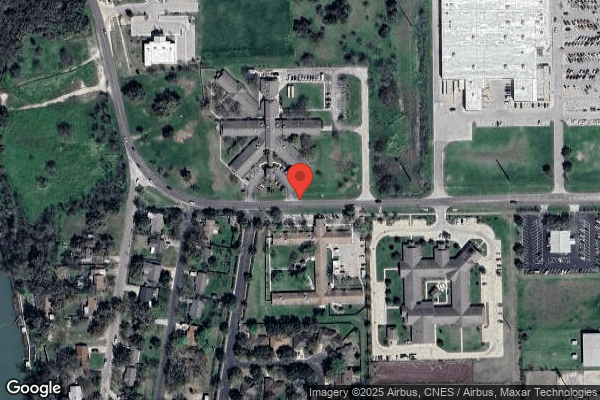
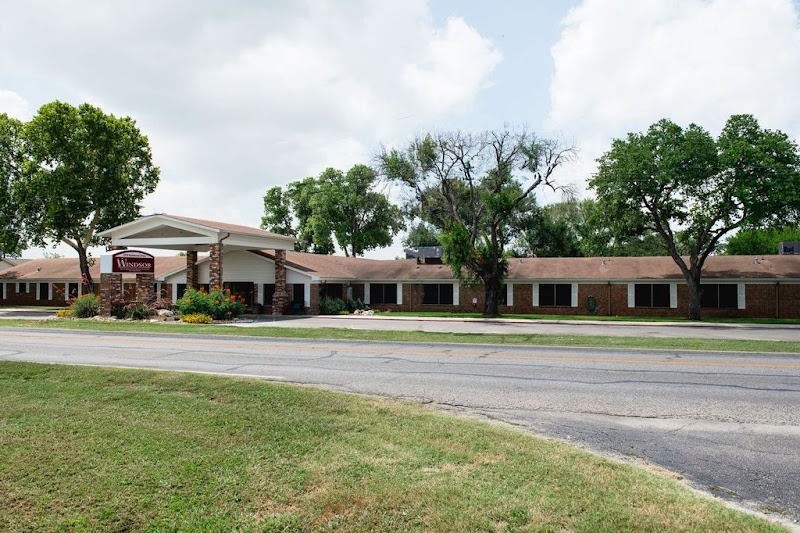
1219 EASTWOOD DR, SEGUIN, TX 78155 (830) 379-7777
Non profit - Corporation 122 Beds WELLSENTIAL HEALTH Data: November 2025 1 Immediate Jeopardy citation
Trust Grade
28/100
#901 of 1168 in TX
Last Inspection: May 2024

Within standard 12-15 month inspection cycle. Federal law requires annual inspections.

Overview

Windsor Nursing and Rehabilitation Center of Seguin has received a Trust Grade of F, indicating significant concerns about the quality of care provided. They rank #901 out of 1168 facilities in Texas, placing them in the bottom half of all nursing homes in the state, and #7 out of 8 in Guadalupe County, meaning only one local option is better. The facility's performance has remained stable, with 13 issues identified both in 2023 and 2024, but the staffing rating is concerning, as they have less RN coverage than 83% of Texas facilities, despite a relatively low staff turnover of 34%. There have been some serious incidents, including a resident who eloped from the facility onto a busy street and another resident who suffered a broken ankle due to improper transfer techniques, raising serious concerns about resident safety. While the staffing turnover is better than average, the numerous deficiencies, including a medication error rate of 6.9%, highlight areas that need urgent improvement.

Trust Score
F
28/100
In Texas
#901/1168
Bottom 23%
Safety Record
High Risk
Review needed
Inspections
Holding Steady
13 → 13 violations
Staff Stability
○ Average
34% turnover. Near Texas's 48% average. Typical for the industry.
Penalties
✓ Good
$34,249 in fines. Lower than most Texas facilities. Relatively clean record.
Skilled Nurses
⚠ Watch
Each resident gets only 12 minutes of Registered Nurse (RN) attention daily — below average for Texas. Fewer RN minutes means fewer trained eyes watching for problems.
Violations
⚠ Watch
36 deficiencies on record. Higher than average. Multiple issues found across inspections.
★★☆☆☆
2.0
Overall Rating
★★☆☆☆
2.0
Staff Levels
★★☆☆☆
2.0
Care Quality
★★☆☆☆
2.0
Inspection Score
Stable
2023: 13 issues
2024: 13 issues

The Good

  • Full Sprinkler Coverage · Fire safety systems throughout facility
  • No fines on record
  • Staff turnover below average (34%)

    14 points below Texas average of 48%

Facility shows strength in fire safety.

The Bad

2-Star Overall Rating

Below Texas average (2.8)

Below average - review inspection findings carefully

Staff Turnover: 34%

12pts below Texas avg (46%)

Typical for the industry

Federal Fines: $34,249

Above median ($33,413)

Moderate penalties - review what triggered them

Chain: WELLSENTIAL HEALTH

Part of a multi-facility chain

Ask about local staffing decisions and management

The Ugly 36 deficiencies on record

1 life-threatening 1 actual harm
May 2024 10 deficiencies 1 Harm
SERIOUS (G) 📢 Someone Reported This

A family member, employee, or ombudsman was alarmed enough to file a formal complaint

Actual Harm - a resident was hurt due to facility failures

Accident Prevention (Tag F0689)

A resident was harmed · This affected 1 resident

**NOTE- TERMS IN BRACKETS HAVE BEEN EDITED TO PROTECT CONFIDENTIALITY** Based on interview and record review, the facility failed to ensure residents received adequate supervision to prevent accidents...

Read full inspector narrative →
**NOTE- TERMS IN BRACKETS HAVE BEEN EDITED TO PROTECT CONFIDENTIALITY** Based on interview and record review, the facility failed to ensure residents received adequate supervision to prevent accidents for 1 of 10 residents (Resident #29) reviewed for quality of care. On 05/17/2024, Resident #29 suffered a broken ankle when CNA C and CNA I used a sheet to transfer Resident #29 from a shower chair to a wheelchair. This failure could place residents at risk for serious injuries. The findings included: A record review of Resident #29's admission record dated 05/23/2024, revealed an admission date of 05/02/2022 with diagnoses which included disorder of bone density and structure, pain in knees, and muscle weakness. A record review of Resident #29's annual MDS assessment dated [DATE], revealed Resident #29 was an [AGE] year-old female admitted for long term care and assessed with an ability to hear, make herself understood with clear speech, and had impaired vision without eyeglasses. Resident #29 was assessed with a BIMS score of 09 out of a possible 15 which indicated moderate cognitive impairment. Resident #29 was assessed as Dependent - Helper does ALL of the effort. Resident does none of the effort to complete the activity. Or the assistance of 2 or more helpers is required for the resident to complete the activity for the following activities of daily life: toileting, bathing / showering, chair to bed transfers, and tub / shower transfers. A record review of Resident #29's care plan dated 05/21/2024 revealed Resident #29 was a 2-person assist for transfers and bathing / showering. A record review of Resident #29's Occupational Therapy Evaluation and Plan of treatment certification period 04/17/2024 - 05/15/2024, dated 05/14/2024, revealed Resident #29's PLOF (prior level of functioning) was total dependence with bathing, toileting, lower body dressing, functional mobility during ADLs (activities of daily living) and required maximum assistance with a Hoyer lift (a mechanical lift). Resident #29 was assessed as having pain with movement: intensity = 09/10 due to severe arthritis in joints .location bilateral knees . Resident #29 was assessed with risk factors, due to the documented physical impairments and associated functional deficits, the patient is at risk for: falls, further decline in function, muscle atrophy, decreased participation with functional tasks and decreased ability to return to prior living environment A record review of Resident #29's Facility's Investigation report dated 05/28/2024, revealed the Administrator investigated and concluded CNA C and CNA I on the evening of 05/17/2024 assisted Resident with a shower and when Resident #29 was transferred back into her wheelchair when her legs were under her and the wheelchair and thus felt pain which was assessed as an ankle fracture. During an interview on 05/21/2024 at 03:10 PM, Resident #29 stated she was bed bound and had pain in her knees. Resident #29 stated she preferred to be showered in a shower chair and CNA C and CNA I would transfer her with a bed sheet from her bed to her wheelchair and then to the shower room where she would be transferred from the wheelchair to a shower chair. Resident #29 stated she preferred the bed sheet transfer and would refuse to be transferred any other way. Resident #29 stated the Hoyer lift was uncomfortable. Resident #29 stated on 05/17/2024 when CNA C and CNA I transferred her from the shower chair to the wheelchair using a draw sheet, and she was put in the wheelchair while her legs went under her and felt pain to her right foot . Resident #29 stated she was assessed with a broken ankle; the x-ray showed my broken foot. Interview on 05/22/2024 at 01:30 PM with Resident #29 revealed she could not place weight on her feet. She stated the staff were good to her at the facility and what happened with her ankle was an accident. She stated the staff took her from the shower chair and placed her into the wheelchair, where her knee buckled, and she started sliding out of the chair and landed on her ankle. She stated she did not like the mechanical lift or gait belt, and the staff transferred her with a draw sheet which did not hurt her like the mechanical lift. During a joint interview on 05/23/24 at 03:32 PM CNA C and CNA I stated Resident #29 was not able to stand or walk and needed the assistance of 2 staff to transfer from a bed to a wheelchair. CNA C and CNA I stated Resident #29 would refuse transfer assistance with a Hoyer lift and would also usually refuse a bed bath. CNA C and CNA I stated Resident #29 preferred a shower in the shower chair and over the last months they had developed a rapport with Resident #29 and successfully transferred Resident #29 with a 2 person assist bed sheet transfer. CNA C and CNA I stated they used a bed sheet as a draw sheet and would place the sheet under Resident #29 then they would grasp the sheet and pick Resident #29 above the bed and over to the wheelchair. CNA C and CNA I stated on 05/17/2024 they transferred Resident #29, with the draw sheet from her bed to her wheelchair, to the shower room, to the shower chair, and afterwards transferred Resident #29 from the shower chair to the wheelchair. CNA C and CNA I stated when they used the draw sheet to pick up Resident #29 and transferred her to the wheelchair, they had not seen Resident #29 bend her knees and tucked them under her while they sat her down and thus Resident called out in pain. CNA C stated she used her strength to pick up the front wheels of Resident #29's wheelchair to allow Resident #29 to extend her legs from under the wheelchair. CNA C and CNA I stated Resident #29 was assessed by the nurse and then sent to the hospital where she was assessed with a broken right ankle. CNA C and CNA I stated Resident #29 had always had her legs extended straight out and they had never known Resident #29 had the ability to bend her knees therefore they never expected Resident #29 could bend her legs and have them under the wheelchair. During an interview on 05/23/24 at 04:30 PM, ADON K stated Resident #29 often preferred to stay in bed and was assessed as a 2 person assist for transfers. ADON K stated Resident #29 would refuse to be transferred with a gait belt and or a Hoyer mechanical lift . ADON K stated CNA C and CNA I were Resident #29's preferred staff and had developed a rapport and technique to transfer Resident #29 with a draw sheet. On 05/24/2024 at 10:00 AM, a facility policy regarding transfers was requested from the facility and a policy regarding Activities of Daily living was provided. A record review of the facility's Activities of Daily Living policy dated 05/26/2023 revealed, the facility will, based on the Resident's comprehensive assessment and consistent with the Resident's needs and choices, ensure a Resident's ability in activities of daily life do not deteriorate unless deterioration is unavoidable. Care and services will be provided for the following activities of daily living: bathing, dressing, grooming, and oral care; transfer and ambulation; toileting
CONCERN (D)

Potential for Harm - no one hurt, but risky conditions existed

Assessment Accuracy (Tag F0641)

Could have caused harm · This affected 1 resident

**NOTE- TERMS IN BRACKETS HAVE BEEN EDITED TO PROTECT CONFIDENTIALITY** Based on observation, interviews and record reviews, the facility failed to ensure the MDS assessment must accurately reflect th...

Read full inspector narrative →
**NOTE- TERMS IN BRACKETS HAVE BEEN EDITED TO PROTECT CONFIDENTIALITY** Based on observation, interviews and record reviews, the facility failed to ensure the MDS assessment must accurately reflect the resident's status for 1 (Resident #3) of 24 residents reviewed for assessments. Resident #3 was ordered an RCS diet with pureed texture and fortified foods, and her annual MDS assessment with an ARD of 05/03/2024 did not reflect she was on a therapeutic diet. This deficient practice affects residents with specialized care and could result in inaccurate or missed care. The findings included: Record review of Resident #3's electronic face sheet dated 05/22/2024 reflected she was admitted to the facility on [DATE]. Her diagnoses included: Alzheimer's disease (a type of dementia that affects memory, thinking and behaviors), chronic obstructive pulmonary disease (chronic inflammatory lung disease that causes obstructed airflow from the lungs), diabetes mellitus (a disease in which the body does not control the amount of glucose (a type of sugar) in the blood and the kidneys make a large amount of urine) and anxiety (a feeling of worry, nervousness and unease). Record review of Resident #3's annual assessment with an ARD of 05/03/2024 reflected she scored a 03 out of 15 on her BIMS which signified her cognition was severely impaired. She was dependent on staff for ADLs, and she was prescribed a mechanically altered diet and not therapeutic. Record review of Resident #3's comprehensive person-centered care plan revised on 04/05/2024 reflected on a reduced concentrated sweets diet, pureed texture, regular liquids. Record review of Resident #3's Active Orders as of: 05/23/2024 reflected Diet, Reduced Concentrated Sweets Diet Pureed Texture, regular liquids consistency, start date, 08/27/2023. Observation on 05/23/2024 at 08:15 a.m. of Resident #3 revealed she was lying in bed with her food tray on her bedside table. Her food was of a pureed texture. Record review on 05/23/2024 at 08:15 a.m. of Resident #3's meal ticket, it read RCS, pureed, regular liquid diet. During an interview on 05/24/2024 at 1:27 p.m. with the DON, she stated reduced concentrated sweets was a therapeutic diet and should have been indicated on Resident #3's annual MDS assessment. She stated the accuracy of the MDS assessment was important because it communicated the type of care a resident required. During an interview on 05/24/2024 at 2:50 PM with the MDS nurse she stated Resident #3 was on an RCS diet which was therapeutic and she did not know how it was missed on her 05/23/2024 MDS assessment, but that the assessment was inaccurate. She stated accuracy of the MDS assessment was important for communication about care for a resident and the care could be missed or inaccurately provided. She stated she was accountable for the MDS accuracy. During an interview on 05/24/2024 at 03:06 PM with CNA C revealed, she worked on Resident #3's hall and delivered her meal trays often. She stated Resident #3 was on an RCS, pureed diet with regular liquids. Record review of the CMS Long-Term Care Facility Resident Assessment Instrument 3.0 User's Manual Version 1.17.1, October 2019 reflected The RAI process has multiple regulatory requirements . (1) the assessment accurately reflects the resident's status.
CONCERN (D)

Potential for Harm - no one hurt, but risky conditions existed

Comprehensive Care Plan (Tag F0656)

Could have caused harm · This affected 1 resident

**NOTE- TERMS IN BRACKETS HAVE BEEN EDITED TO PROTECT CONFIDENTIALITY** Based on observation, interview, and record review, the facility failed to develop and implement a comprehensive person-centered...

Read full inspector narrative →
**NOTE- TERMS IN BRACKETS HAVE BEEN EDITED TO PROTECT CONFIDENTIALITY** Based on observation, interview, and record review, the facility failed to develop and implement a comprehensive person-centered care plan for each resident consistent with the resident rights, that includes measurable objectives and timeframes to meet a resident's medical, nursing, and mental, and psychosocial needs that were identified in the comprehensive assessment, for 1 of 24 residents (Residents #3) reviewed for care plans. Resident #3 had compression stockings ordered to be on in AM and off in PM which was not reflected in her person-centered care plan. This deficient practice affected residents who require assistance with ADL's and could result in missed or inadequate care. The findings included: Record review of Resident #3's electronic face sheet dated 05/22/2024 reflected she was admitted to the facility on [DATE]. Her diagnoses included: Alzheimer's disease (a type of dementia that affects memory, thinking and behaviors), chronic obstructive pulmonary disease (chronic inflammatory lung disease that causes obstructed airflow from the lungs), diabetes mellitus (a disease in which the body does not control the amount of glucose (a type of sugar) in the blood and the kidneys make a large amount of urine) and anxiety (a feeling of worry, nervousness and unease). Record review of Resident #3's annual assessment with an ARD of 05/03/2024 reflected she scored a 03 out of 15 on her BIMS which signified she was severely cognitively impaired. She was dependent on staff for ADLs. Record review of Resident #3's comprehensive person-centered care plan dated revised on 07/06/2023 reflected Resident has an ADL self-care performance deficit, Interventions, able to help pull clothes down at times but relies on extensive assistance x1 from staff to lift arms/legs into clothes. Record review of Resident #3's Active Orders as of: 05/23/2024 reflected KNEE HIGH COMPRESSION STOCKINGS 15-20 MMHG at bedtime for EDEMA APPLY IN THE MORNING AND REMOVE AT BEDTIME Verbal Active 09/08/2022 Observation on 05/23/2024 at 08:15 a.m. of Resident #3 revealed she was lying in bed and she did not have knee high compression stockings on her lower legs. Record review of Resident #3's EMAR dated 05/01/2024 to 05/31/2024 reflected she refused the Knee-High Compression Stockings daily. During an interview on 05/24/2024 at 1:27 p.m. with the DON, she stated she would look at the order to see if Resident #3 still required the stockings, and if not she would get the order discontinued. She stated a daily treatment for the resident should have been in the resident's comprehensive person-centered care plan as a part of her care. She stated care could be missed and the stockings may be care she no longer required. During an interview on 05/24/2024 at 2:50 PM with the MDS Nurse she stated Resident #3's compression stockings needed to be in her comprehensive plan of care. She stated Resident #3 had the stockings ordered for daily, so they must have been an important part of care to reduce swelling in her legs. Record review of the CMS Long-Term Care Facility Resident Assessment Instrument 3.0 User's Manual Version 1.17.1, October 2019 reflected the comprehensive care plan is an interdisciplinary communication tool. It must include measurable objectives and time limits and must describe the services that are to be furnished to attain or maintain the resident's highest practicable physical, mental, and psychosocial well-being. The care plan must be reviewed and revised periodically, and the services provided or arranged must be consistent with each resident's written plan of care.
CONCERN (D)

Potential for Harm - no one hurt, but risky conditions existed

Deficiency F0657 (Tag F0657)

Could have caused harm · This affected 1 resident

**NOTE- TERMS IN BRACKETS HAVE BEEN EDITED TO PROTECT CONFIDENTIALITY** Based on interviews and record reviews, the facility failed to ensure the comprehensive care plan was reviewed and revised by th...

Read full inspector narrative →
**NOTE- TERMS IN BRACKETS HAVE BEEN EDITED TO PROTECT CONFIDENTIALITY** Based on interviews and record reviews, the facility failed to ensure the comprehensive care plan was reviewed and revised by the interdisciplinary team after each assessment, including both the comprehensive and quarterly review assessments for 2 (Residents #22 and #64) of 24 residents reviewed for care plans. 1.Resident #22's comprehensive person-centered care plan was not revised after her quarterly MDS assessment with an ARD of 05/09/24 to reflect she was incontinent of bladder. 2.Resident #64's comprehensive person-centered care plan was not revised after his quarterly MDS assessment with an ARD of 04/09/2024 to reflect he was always incontinent of bowel and bladder. This deficient practice affects residents who require assistance with ADL's and could place residents at risk of missing required care. The findings included: 1.Record review of Resident #22's electronic face sheet dated 05/22/2024 reflected she was admitted to the facility on [DATE]. Her diagnoses included: chronic obstructive pulmonary disease (chronic inflammatory lung disease that causes obstructed airflow from the lungs), dysphagia (difficulty swallowing), asthma (inflamed airways, producing mucous which makes it difficult to breath), vascular dementia (brain damage caused by multiple strokes), and cerebral infarction (damage to tissues in the brain due to loss of oxygen to the area). Record review of Resident #22's quarterly MDS assessment with an ARD of 05/09/2024 reflected she was not a candidate for a BIMS which signified she was severely cognitively impaired. She sometimes could understand, but rarely could be understood. She was dependent on staff for her ADL care and was always incontinent of bowel and bladder. Record review of Resident #22's comprehensive person-centered care plan revision date of 05/08/2023 reflected has bowel incontinence r/t CVA. The care plan did not address she was always incontinent of bladder. During an interview on 05/24/2024 at 1:27 p.m. with the DON, she stated Resident #22 was always incontinent of bowel and bladder and that information needed to be reflected on the person-centered care plan. She stated revisions of care plans are completed after the MDS assessment and this one must have been missed, and she did not know why. She stated proper care for a resident was communicated through the care plan and care could be missed. During an interview on 05/24/2024 at 2:50 PM with the MDS nurse she stated Resident #22 was always incontinent of bladder and somehow she missed putting that information into her care plan revision. She stated the importance of updating and revising care plans to keep information of care accurate and current to meet the resident's needs. During an interview on 05/24/2024 at 03:06 PM with CNA C revealed, she worked on Resident #22's hall and Resident #22 was always incontinent of bowel and bladder. 2. Record review of Resident #64's electronic face sheet dated 05/22/2024 reflected he was admitted to the facility on [DATE]. His diagnoses included: Alzheimer's disease (a type of dementia that affects memory, thinking and behaviors), Parkinson's disease (a brain disorder that causes unintended or uncontrollable movements, such as shaking, stiffness, and difficulty with balance and coordination), end stage renal disease (the final permanent stage of chronic kidney disease) and malignant neoplasm of prostate (prostate cancer that can grow and spread to other parts of the body). Record review of Resident #64's quarterly MDS assessment with an ARD of 04/09/2024 reflected he scored a 03 out of 15 on his BIMS which signified he was severely cognitively impaired. He could be understood and usually could understand. He required moderate to extensive assistance with his ADL's. He was always incontinent of bowel and bladder. Observation on 05/23/2024 at 2:22 PM of CNA D and CNA E perform incontinent care for Resident #64 revealed he was incontinent of bowel and bladder. Record review of Resident #64's comprehensive person-centered care plan revised on 01/31/2022 reflected has an ADL self-care performance deficit r/t Alzheimer's disease, Interventions, TOILET USE: The resident requires limited to extensive assistance x1-2 staff for toileting. Resident will need staff assistance on and off toilet and with peri care brief changes daily and as needed. The care plan did not reflect he was always incontinent of bowel and bladder. During an interview on 05/24/2024 at 1:27 p.m. with the DON, she stated Resident #64 was incontinent of bowel and bladder and that information needed to be updated in his care plan for him to receive the appropriate care needed. During an interview on 05/24/2024 at 2:50 PM with the MDS nurse she stated Resident #64 was always incontinent of bowel and bladder and she did not know why she missed updating the information in his care plan. She stated the care plan reflected the care required for residents. During an interview on 05/24/2024 at 03:06 PM with CNA C revealed, she worked on Resident #64's hall and stated he was always incontinent of bowel and bladder. Record review of the CMS Long-Term Care Facility Resident Assessment Instrument 3.0 User's Manual Version 1.17.1, October 2019 reflected the comprehensive care plan is an interdisciplinary communication tool. It must include measurable objectives and time limits and must describe the services that are to be furnished to attain or maintain the resident's highest practicable physical, mental, and psychosocial well-being. The care plan must be reviewed and revised periodically, and the services provided or arranged must be consistent with each resident's written plan of care.
CONCERN (D)

Potential for Harm - no one hurt, but risky conditions existed

Deficiency F0760 (Tag F0760)

Could have caused harm · This affected 1 resident

**NOTE- TERMS IN BRACKETS HAVE BEEN EDITED TO PROTECT CONFIDENTIALITY** Based on observations, interviews, and record reviews, the facility failed to ensure residents were free from significant medica...

Read full inspector narrative →
**NOTE- TERMS IN BRACKETS HAVE BEEN EDITED TO PROTECT CONFIDENTIALITY** Based on observations, interviews, and record reviews, the facility failed to ensure residents were free from significant medication errors for 3 of 6 residents (Residents #31, #34, and #104) reviewed for significant medication errors. 1. On 05/23/2024 at 09:42 AM, Medication Aide J administered sodium chloride (salt; is an important mineral that helps balance the amount of fluid (water) in your body. It also helps your nerves and muscles to work properly. When the salt level in your blood is too low, extra water moves into your cells and makes them swell. This can be dangerous, especially in the brain where there is not a lot of room to expand) to Resident #104 late by 42 minutes. 2. On 05/23/2024 at 09:43 AM, Medication Aide J administered buspirone (primarily used to treat generalized anxiety) 10 mg to Resident #31 late by 43 minutes. 3. On 05/23/2024 at 09:48 AM, Medication Aide J administered carbidopa- levodopa (a combination medications used to treat symptoms of Parkinson's disease or Parkinson-like symptoms, such as: shakiness, stiffness, and difficulty moving) to Resident #34 late by 48 minutes. These deficient practices placed residents at risk for not receiving the therapeutic effects of their prescribed medications. The findings include: 1. A record review of Resident #104's admission record dated 5/24/2024 revealed an admission date of 03/28/2024 with diagnoses which included cerebral infarction (stroke) and hypo-osmolality (a condition where the levels of electrolytes, proteins, and nutrients in the blood are lower than normal) and hyponatremia (a condition that occurs when the level of sodium in the blood is too low). A record review of Resident #104's MDS assessment dated [DATE] revealed Resident #104 was a [AGE] year-old male admitted for long term care and was assessed with medically complex conditions which included low blood sodium. Resident #104 was assessed with a BIMS score of 03 out of a possible 15 which indicated severe cognition impairment. A record review of Resident #104's care plan dated 05/04/2024 revealed, (Resident #104) has had a cerebral vascular accident, causing weakness, aphasia (difficulty speaking), dysphagia (difficulty swallowing), and impaired cognition .Give medications as ordered by the physician. Monitor/document side effects and effectiveness A record review of Resident #104's physician's orders dated 05/24/2024 revealed the physician prescribed Resident #104 sodium chloride 1 gram, three times a day, at 08:00 AM, 02:00 PM, and 08:00 PM, related to low salt in his blood. A record review of Resident #104's Medication Adim Audit Report dated 05/24/2024 revealed Medication Aide J administered to Resident #104 his sodium at 09:42 AM when it was scheduled at 08:00 AM, 42 minutes late. 2. A record review of Resident #31's admission record dated 05/24/2024 revealed an admission date of 09/26/2022 with diagnoses which included generalized anxiety disorder. A record review of Resident #31's quarterly MDS assessment dated [DATE], revealed Resident #31 was a [AGE] year-old female admitted for long term care and assessed with medically complex diagnoses which included generalized anxiety and a BIMS score of 07 out of a possible of 15 which indicated severe cognitive impairment. A record review of Resident #31's care plan revealed, (Resident #31) uses anti-anxiety medications r/t (related to) anxiety . Administer anti-anxiety medications as ordered by physician. Monitor for side effects and effectiveness Q-SHIFT (every shift) A record review of Resident #31's physician's orders dated 05/24/2024 revealed Resident #31 was prescribed buspirone 10mg three times a day, at 08:00 AM, 02:00 PM, and 08:00 PM, for generalized anxiety. A record review of Resident #31's Medication Adimn Audit Report dated 05/24/2024 revealed Medication Aide J administered to Resident #31 her buspirone at 09:43 AM when it was scheduled at 08:00 AM, 43 minutes late. 3. A record review of Resident #34's admission record dated 05/24/2024 revealed an admission date of 02/16/2018 with diagnoses which included dementia (not a specific disease but is rather a general term for the impaired ability to remember, think, or make decisions that interferes with doing everyday activities) and Parkinson's disease (a brain disorder that causes unintended or uncontrollable movements, such as shaking, stiffness, and difficulty with balance and coordination). A record review of Resident #34's quarterly MDS assessment dated [DATE], revealed Resident #34 was a [AGE] year-old male admitted for long term care and assessed with medically complex diagnoses which included Parkinson's disease and a BIMS score of 08 out of a possible of 15 which indicated moderate cognitive impairment. A record review of Resident #34's physician's orders dated 05/24/2024 revealed Resident #34 was prescribed carbidopa-levodopa 10-100mg three times a day, at 08:00 AM, 02:00 PM, and 08:00 PM, for Parkinson's disease. A record review of Resident #34's care plan revealed, (Resident #34) is at risk for pain r/t Parkinson's disease . Notify physician if interventions are unsuccessful or if current complaint is a significant change from residents past experience of pain A record review of Resident #34's Medication Adimn Audit Report dated 05/24/2024 revealed Medication Aide J administered to Resident #34 his carbidopa-levodopa at 09:48 AM when it was scheduled at 08:00 AM, 48 minutes late. During an observation and interview on 05/23/2024 at 09:35 AM revealed Med Aide J at her medication cart with the electronic medication administration record displayed which revealed a red highlighted medication for Resident 31, Resident #34, and Resident #104. Medication Aide J stated she had yet to administer 08:00 AM scheduled medications for residents #31, #34, and #104 due to her running a little late earlier in the morning. Medication Aide J stated she had to assist a couple of residents prepare for their physicians' appointments. Medication Aide J stated she had not reported the potential late medication administrations to her supervisor or the DON. During an interview on 05/24/2024 at 09:17 AM the DON stated nursing staff should administer medications on time as prescribed and staff were expected to communicate with their supervisor and or the DON if they had a potential to administer medications late. A record review of the facility's Medication Administration policy dated 10/01/2019, revealed, Policy: medications are administered as prescribed in accordance with good nursing principles and practices and only by persons legally authorized to do so . the facility has sufficient staff and a medication distribution system to ensure safe administration of medications without unnecessary interruptions .Procedure: . 10 rights of medication administration-whenever you are preparing to give someone medication, it is important to understand the 10 rights of medication administration. safety should be the first thing on your mind with medications. there is always a risk of giving the wrong pill, the wrong dose, or the wrong person's medication. If this happens, harm to the person can occur and some reactions can be deadly . In the past, you may have heard of the five rights of medication administration: right patient, right drug, right route, right time, and right dose. medical practices have changed to include a few more rights . right time- the time a medication is given is important. check the frequency of the ordered medication. double check that you are giving the ordered dose at the correct time. confirm when the last dose was given A record review of The Institute for Safe Medication Practices website, Guidelines for Timely Administration of Scheduled Medications (Acute) | Institute For Safe Medication Practices (ismp.org) , accessed 05/24/2024, titled, Guidelines for Timely Administration of Scheduled Medications revealed, .How to Use the Guidelines: These guidelines are applicable ONLY to scheduled medications (see definition section) . Definitions: 1. Scheduled medications include all maintenance doses administered according to a standard, repeated cycle of frequency (e.g., q4h, QID, TID, BID, daily, weekly, monthly, annually) . 2. Medications administered more frequently than daily but not more frequently than every 4 hours (e.g., BID, TID, q4h, q6h) Administer these medications within 1 hour before or after the scheduled time A record review of the National Library of Medicine's website, Nursing Rights of Medication Administration - StatPearls - NCBI Bookshelf (nih.gov) , accessed 05/24/2024 titled Nursing Rights of Medication Administration updated 09/04/2023, revealed, Definition/Introduction: Nurses have a unique role and responsibility in medication administration, in that they are frequently the final person to check to see that the medication is correctly prescribed and dispensed before administration.[1] It is standard during nursing education to receive instruction on a guide to clinical medication administration and upholding patient safety known as the 'five rights' or 'five R's' of medication administration. These 'rights' came into being during an era in medicine in which the precedent was that an error committed by a provider was that provider's sole responsibility and patients did not have as much involvement in their own care.[2]; The five traditional rights in the traditional sequence include: . 'Right time' - administering medications at a time that was intended by the prescriber. Often, certain drugs have specific intervals or window periods during which another dose should be given to maintain a therapeutic effect or level. A guiding principle of this 'right' is that medications should be prescribed as closely to the time as possible, and nurses should not deviate from this time
CONCERN (E)

Potential for Harm - no one hurt, but risky conditions existed

Unnecessary Medications (Tag F0759)

Could have caused harm · This affected multiple residents

**NOTE- TERMS IN BRACKETS HAVE BEEN EDITED TO PROTECT CONFIDENTIALITY** Based on observation, interview and record review the facility failed to ensure its medication error rates were not 5% or greate...

Read full inspector narrative →
**NOTE- TERMS IN BRACKETS HAVE BEEN EDITED TO PROTECT CONFIDENTIALITY** Based on observation, interview and record review the facility failed to ensure its medication error rates were not 5% or greater. The facility had a medication error rate of 6.9%, based on 2 errors out of 29 opportunities which involved 2 of 6 residents (Resident #16 and #53) reviewed for medication administration and medication errors. 1. Medication Aide J administered Resident #16's clonazepam, a drug used to treat panic disorder, 17 minutes late. 2. Medication Aide J administered Resident #53's gabapentin, a drug used to treat nerve pain, 30 minutes late. These deficient practices could place residents at risk for not receiving therapeutic effects of their medications and possible adverse reactions. The findings included: A record review of Resident #16's admission record dated 5/24/2024 revealed an admission date of 08/16/2024 with diagnoses which included anxiety, bipolar disorder (a mental illness that causes unusual shifts in a person's mood, energy, activity levels, and concentration), and malignant neoplasm of brain (brain cancer). A record review of Resident #16's admission MDS dated [DATE] revealed Resident #16 was a [AGE] year-old female admitted for long term care and was assessed with medically complex conditions which included non-traumatic brain dysfunction and cancer. Resident #16 was assessed with a BIMS score of 11 out of a possible 15 which indicated intact cognition. A record review of Resident #16's care plan dated 05/04/2024 revealed, (Resident #16) will exhibit indicators of depression, anxiety, or sad mood less than daily by review date .Administer medications as ordered. Monitor/document for side effects and effectiveness A record review of Resident #16's physician's orders dated 05/24/2024 revealed the physician prescribed Resident #16 clonazepam tablet 0.5mg three times a day, at 08:00 AM, 02:00 PM, and 08:00 PM, related to anxiety disorder. During an observation on 05/23/2024 at 09:17 AM revealed Med Aide J prepared and administered to Resident #16's her clonazepam. A record review of Resident #53's admission record revealed an admission date of 07/31/2022 with diagnoses which included type 2 diabetes mellitus (a disease that occurs when your blood glucose, also called blood sugar, is too high) with diabetic polyneuropathy (many nerves in pain). A record review of Resident #53's quarterly MDS assessment dated [DATE], revealed Resident #53 was a [AGE] year-old female admitted for long term care and assessed with medically complex diagnoses which included diabetes, and a BIMS score of 05 out of a possible of 15 which indicated severe cognitive impairment. A record review of Resident #53's physician's orders dated 05/24/2024 revealed Resident #53 was prescribed Gabapentin 100mg 1 capsule three times a day, at 08:00 AM, 02:00 PM, and 08:00 PM, for diabetic polyneuropathy. A record review of Resident #53's care plan revealed Resident #53 had nerve pain related to the diabetes, (Resident #53) receives scheduled medications and has PRN (as needed) meds available as well During an observation on 05/23/2024 at 09:30 AM revealed Medication Aide J prepared and administered to Resident #53 her gabapentin. During an observation on 05/23/2024 at 09:35 AM Medication Aide J stated she administered Resident #16's clonazepam a few minutes late and administered Resident 53's gabapentin 30 minutes late. Medication Aide J stated she was running a little late due to preparing residents for their physicians' appointments earlier in the morning. Medication Aide J stated she had not reported to her supervisor she had a potential for administering medications late. During an interview on 05/24/2024 at 09:17 AM the DON stated nursing staff should administer medications on time as prescribed and staff are expected to communicate with their supervisor and or the DON if they have a potential to administer medications late. A record review of the facility's Medication Administration policy dated 10/01/2019, revealed, Policy: medications are administered as prescribed in accordance with good nursing principles and practices and only by persons legally authorized to do so . the facility has sufficient staff and a medication distribution system to ensure safe administration of medications without unnecessary interruptions .Procedure: . 10 rights of medication administration-whenever you are preparing to give someone medication, it is important to understand the 10 rights of medication administration. safety should be the first thing on your mind with medications. there is always a risk of giving the wrong pill, the wrong dose, or the wrong person's medication. If this happens, harm to the person can occur and some reactions can be deadly . In the past, you may have heard of the five rights of medication administration: right patient, right drug, right route, right time, and right dose. medical practices have changed to include a few more rights . right time- the time a medication is given is important. check the frequency of the ordered medication. double check that you are giving the ordered dose at the correct time. confirm when the last dose was given A record review of The Institute for Safe Medication Practices website, Guidelines for Timely Administration of Scheduled Medications (Acute) | Institute For Safe Medication Practices (ismp.org) , accessed 05/24/2024, titled, Guidelines for Timely Administration of Scheduled Medications revealed, .How to Use the Guidelines: These guidelines are applicable ONLY to scheduled medications (see definition section) . Definitions: 1. Scheduled medications include all maintenance doses administered according to a standard, repeated cycle of frequency (e.g., q4h, QID, TID, BID, daily, weekly, monthly, annually) . 2. Medications administered more frequently than daily but not more frequently than every 4 hours (e.g., BID, TID, q4h, q6h) Administer these medications within 1 hour before or after the scheduled time A record review of the National Library of Medicine's website, Nursing Rights of Medication Administration - StatPearls - NCBI Bookshelf (nih.gov) , accessed 05/24/2024 titled Nursing Rights of Medication Administration updated 09/04/2023, revealed, Definition/Introduction: Nurses have a unique role and responsibility in medication administration, in that they are frequently the final person to check to see that the medication is correctly prescribed and dispensed before administration.[1] It is standard during nursing education to receive instruction on a guide to clinical medication administration and upholding patient safety known as the 'five rights' or 'five R's' of medication administration. These 'rights' came into being during an era in medicine in which the precedent was that an error committed by a provider was that provider's sole responsibility and patients did not have as much involvement in their own care.[2]; The five traditional rights in the traditional sequence include: . 'Right time' - administering medications at a time that was intended by the prescriber. Often, certain drugs have specific intervals or window periods during which another dose should be given to maintain a therapeutic effect or level. A guiding principle of this 'right' is that medications should be prescribed as closely to the time as possible, and nurses should not deviate from this time
CONCERN (E)

Potential for Harm - no one hurt, but risky conditions existed

Deficiency F0761 (Tag F0761)

Could have caused harm · This affected multiple residents

Based on observations, interviews, and record review, the facility failed to store all drugs and biologicals in locked compartments under proper temperature controls and permit only authorized personn...

Read full inspector narrative →
Based on observations, interviews, and record review, the facility failed to store all drugs and biologicals in locked compartments under proper temperature controls and permit only authorized personnel to have access to the keys for 1 medication cart and 1 Treatment cart of 2 carts observed for secure biologicals and drugs. 1.LVN F left the medication cart unsecured on 200 Hallway while administering medications. 2.The Treatment Nurse left the treatment cart unsecured on 05/22/2024 on the 100 Hallway, and on 05/23/2024 on the 300 Hallway prior to wound care for a resident. These deficient practices could place residents at risk for misappropriation, misuse or tampering of medications. The findings included: Observation on 05/22/2024 at 08:29 a.m. on the 200 Hall revealed the medication cart was left unattended and not locked. During an interview on 05/22/2024 at 08:30 with LVN F, who returned to the unlocked cart from a resident's room, she stated she had not left the medication cart unlocked before and did not know why she did. She stated she was focused on checking a resident and did not secure the cart. She stated she knew she should have secured the medication cart because there were resident medications on the cart to include insulin. She stated misappropriation, misuse, and harm could happen if someone were to get into the cart and acquire something they should not have. Observation on 05/24/2024 at 08:40 am on 100 Hall revealed the treatment cart was left unlocked and unattended. Inside were solutions and ointments for wound care, dressings, and other supplies. During an interview on 05/24/2024 at 08:45 a.m. with the Treatment Nurse, she stated she had never left the cart unlocked and unattended. She stated residents and others could have access to the cart, take items, or use them and be harmed. Observation on 05/24/2024 at 11:09 a.m., before going to observe a treatment for a resident, the Treatment Nurse gathered her supplies and went into the resident's room. She motioned for the surveyor to follow. The treatment cart was left unlocked. The surveyor lingered to see if the Treatment Nurse would come back to the cart, but she did not. The surveyor stepped inside the resident's room halfway and motioned for the Treatment Nurse to check her cart. During an interview on 05/24/2024 at 11:15 a.m. with the Treatment Nurse, she stated she could not believe she left the treatment cart unlocked and unattended again. She stated she did not know why she left the cart unlocked twice in one morning. During an interview on 05/24/2024 at 1:27 p.m. with the DON, she stated LVN F and the Treatment Nurse were two of her nurses who had worked at the facility the longest, and she could not understand how both could have forgotten to lock the carts. She stated nurses and medication aides were trained to keep the medication carts secure when not in use because of the potential of misappropriation and harm if someone took medications they were not prescribed. Record review of the facility's policy and procedure titled Medication Carts and Supplies for Administering Meds revised 10/01/19 reflected The facility maintains equipment and supplies necessary for the preparation and administration of medications to residents. The mobile medication cart will be used to facilitate administration of medications to residents. The purpose of the mobile medication system is to ensure appropriate control and surveillance of resident assigned medications. Procedure, only a licensed nurse or certified medical aide may carry keys to the medication cart, the medication cart is locked at all times when not in use, do not leave the medication cart unlocked or unattended in the resident care areas.
CONCERN (E)

Potential for Harm - no one hurt, but risky conditions existed

Food Safety (Tag F0812)

Could have caused harm · This affected multiple residents

Based on observation, interview, and record review, the facility failed to store, prepare, distribute, and serve food in accordance with professional standards for food service safety for 1 of 1 kitch...

Read full inspector narrative →
Based on observation, interview, and record review, the facility failed to store, prepare, distribute, and serve food in accordance with professional standards for food service safety for 1 of 1 kitchen. 1. The facility failed to ensure pre-packaged chicken salad was discarded after the use by date. 2. The facility failed to ensure beverage machines dispenser gun with dispenser buttons was clean and properly stored. 3. The facility failed to ensure staff with facial hair was covered by a hair restraint. 4. The facility failed to ensure refrigerated items were dated and properly sealed. 5. The facility failed to ensure puree carrots were prepared in a sanitary fashion. These failures could place residents who received meals and/or snacks from the kitchen at risk for food borne illness. The findings included: Observation on 05/21/2024 at 9:46 a.m. during the initial tour of the kitchen walk in refrigerator revealed pre-packaged chicken salad in producer container with less than ¼ of the container left, dated use by 05/09/2024 and received date 04/20/2024. The beverage machine dispenser guns with dispenser buttons were hanging down over the side of the counter with beverage build up on them. During an interview on 05/21/2024 at 10:00 a.m. the DM stated the beverage machine dispenser guns should have been placed in the holders next to the machine and needed to be cleaned due to risk of cross contamination. The DM further stated the chicken salad had last been used to make sandwiches for residents on Monday (05/20/2024). The DM stated the chicken salad was expired and it should have been thrown out. The DM further stated the chicken salad could have made the resident's sick due to possibility of being spoiled. Observation on 05/22/2024 at 10:20 a.m. DA L was observed with a mustache and thin beard not wearing a facial hair restraint while washing dishes and using the dish washing machine. Observation and interview on 05/22/2024 at 11:27 a.m. DA L was observed to still be washing dishes with a mustache and thin beard not restrained by facial hair restraint. DA L stated he had just started 3 days ago and did not believe he needed to wear a beard restrain in the dish room, but knew he was supposed to wear one when handling food. During an interview on 05/22/2024 at 11:33 a.m. the dietician stated DA L should have been wearing a facial hair restraint to his beard. The dietician further stated by wearing the restraint it would prevent hair from getting in the food and contaminating it. The dietician then instructed DA L to get a hair net and use it over his beard and mustache. Observation on 05/23/2024 at 11:07 a.m. the walk- in refrigerator revealed a tray of cranberry juices, and a tray of milk covered but not dated, along with a tray with 8 glasses of apple juice not covered or dated. During an interview on 05/23/2024 at 11:12 a.m. DA A stated the apple juices should have been covered so nothing could fall in them and dated so staff would know when they were prepared. During an interview on 05/23/2024 at 11:14 a.m. DA B stated she had put the juices and milk in the fridge and had forgotten to date them. DA B further stated it was important to date drinks so staff would know how long they had been in the fridge. DA B stated she did not want to give someone something old they could get sick. Observation on 05/23/2024 at 3:20 p.m. the [NAME] was observed during puree prep of carrots. When she finished completing the puree of the carrots, she grabbed the spatula from the counter by the spatula side not the handle with her bare hand she had been using to push buttons on food processor, worn oven mitts, and handled the pans. The [NAME] then proceeded to scrape the carrots from the processor into the pan. The [NAME] covered the carrots and placed carrots in oven to warm. During an interview on 05/24/2024 at 3:23 p.m. the [NAME] stated by touching the spatula end instead of the handle she could have caused the food to be contaminated. During an interview on 05/24/2024 at 3:28 p.m. the DM stated when items were stored in the refrigerator they should covered to prevent bugs and things from getting in them to avoid cross contamination. The DM further stated items stored in the refrigerator should have been dated so items were not stored in the refrigerator too long. The DM stated the pre-poured drinks should have been used the same day. The DM stated the [NAME] should have washed the spatula prior to using it after she grabbed the wrong end due to by her touching it with her hand, she caused it to be contaminated. The DM further stated by touching the spatula with her hand and using it in the food it could cause the residents to get sick. Review of facility's policy Food Storage, date approved 10/1/20218 and revised 06/01/2019, read Policy: To ensure that all food served by the facility is of good quality and safe for consumption, all food will be stored according to the state, federal and US Food Codes and HACCP guidelines., Procedure: 2. Refrigerators: d. Date, label and tightly seal all refrigerated foods using clean, non-absorbent, covered containers that are approved for food storage. e. Use all leftovers within 72 hours. Discard items that are over 72 hours old. Review of facility's policy Employee Sanitation, date approved October 1, 2018, read Policy: The Nutrition & Food service employees of the facility will practice good sanitation practices in accordance with the state and US Food Codes in order to minimize the risk of infection and food borne illness., Procedure: 3. Employee Cleanliness Requirements, b. Hairnets, headbands, caps, beard coverings or other effective hair restraints must be worn to keep hair from food and food-contact surfaces. Review of the Food Code , U.S. Public Health Service, U.S. FDA, 2022, U.S. Department of H&HS, revealed, 3-305.11, Food Storage, (A) Food shall be protected from contamination by storing the food: (1) in a clean, dry location; (2) Where it is not exposited to splash, dust, or other contamination. Review of the Food Code, U.S. Public Health Service, U.S. FDA, 2022, U.S. Department of H&HS, revealed, 2-402 Hair Restraints, 2-402.11, Effectiveness., (A) Except as provided in paragraph (B) of this section, FOOD EMPLOYEES shall wear hair restraints such as hats, hair coverings or nets, beard restraints, and clothing that covers body hair, that are designed and worn to effectively keep their hair from contacting exposed FOOD; clean EQUIPMENT, UTENSILS, and LINENS; and unwrapped SINGLE-SERVICE and SINGLE-USE ARTICLES.
CONCERN (E)

Potential for Harm - no one hurt, but risky conditions existed

Infection Control (Tag F0880)

Could have caused harm · This affected multiple residents

**NOTE- TERMS IN BRACKETS HAVE BEEN EDITED TO PROTECT CONFIDENTIALITY** Based on observations, interviews, and record reviews, the facility failed to establish and maintain an infection control progra...

Read full inspector narrative →
**NOTE- TERMS IN BRACKETS HAVE BEEN EDITED TO PROTECT CONFIDENTIALITY** Based on observations, interviews, and record reviews, the facility failed to establish and maintain an infection control program designed to provide a safe, sanitary, and comfortable environment and to help prevent the development of communicable diseases and infections for 3 residents (Residents #3, #102 and #308) of 24 residents reviewed for infection control. 1.Resident #3 had an opened wound and received treatment but was not on EBP. 2. Resident #102's urinary drainage bag was on the floor wedged between the low bed frame and the floor. 3. Resident #308 had a Stage II pressure ulcer (partial thickness loss of dermis presenting as a shallow open ulcer with a red or pink wound bed) to her sacrum, received treatment and was not on EBP. These deficient practices affect residents who require assistance treatments and indwelling catheters and could place residents at risk for cross contamination and infections. The findings included: 1. Record review of Resident #3's electronic face sheet dated 05/22/2024 reflected she was admitted to the facility on [DATE]. Her diagnoses included: Alzheimer's disease (a type of dementia that affects memory, thinking and behaviors), chronic obstructive pulmonary disease (chronic inflammatory lung disease that causes obstructed airflow from the lungs), diabetes mellitus (a disease in which the body does not control the amount of glucose (a type of sugar) in the blood and the kidneys make a large amount of urine) and anxiety (a feeling of worry, nervousness and unease). Record review of Resident #3's annual MDS assessment with an ARD of 05/03/2024 reflected she scored a 03 out of 15 on her BIMS which signified she was severely cognitively impaired. She was dependent on staff for ADLs, and had an open cancerous lesion. Record review of Resident #3's comprehensive person-centered care plan dated revised on 03/05/2024 reflected Resident's left lateral breast has an area of hardness and has some clear drainage noted, Interventions, clean with skin wound cleanser and apply triple antibiotic ointment and cover with a nonstick dressing QD until resolved. Further review reflected, has an open wound #2 to the medial aspect of the left breast 05/07/2024 merged into one wound, Interventions, clean with skin wound cleanser and apply triple antibiotic ointment and cover with nonstick dressing QD until resolved. Record review of Resident #3's Active Orders as of: 05/23/2024 reflected Wound to left breast each day shift cleanse with skin wound cleanser and apply triple antibiotic ointment and cover with nonstick dressing until resolved, start date 05/17/2024. During an interview on 05/23/2024 at 10:30 AM with the Treatment Nurse, she stated Resident #3 had breast cancer and her lesions were open and received treatment each day. Record review of facility training titled Enhanced Barrier Precautions dated 04/29/2024 revealed 35 staff members were signed off as trained. Record review of the EBP sign on Residents doors who were identified to need EBP reflected STOP, EVERYONE MUST: Clean their hands, including before entering and when leaving the room. Wear gloves and a gown for the following High-Contact Resident Care Activities .Changing briefs and assisting with toileting .Wound Care: Any skin opening requiring a dressing. During an interview on 05/24/2024 at 1:27 p.m. with the DON, she stated Resident #3 had an open wound area and should have been placed on EBP. She stated it was important to reduce the potential of cross contamination and infection and to reduce transmission of multidrug-resistant organisms. She stated staff were trained on EBP and residents would get EBP in their physician orders. 2. Record review of Resident #102's electronic face sheet dated 05/23/2024 reflected he was admitted to the facility on [DATE]. His diagnoses included: acute respiratory failure with hypoxia (a condition where there is not enough oxygen in the tissues in the body), diabetes mellitus (a long-term condition in which the body has trouble controlling blood sugar and using it for energy), neuromuscular dysfunction of bladder (lack of bladder control due to brain, spinal cord, or nerve problems) and dysphagia (difficulty or discomfort in swallowing). Record review of Resident #102's significant change MDS assessment dated [DATE] reflected he was not a candidate for a BIMS which signified he was severely cognitively impaired. He could usually understand and usually be understood. He was dependent on staff for his ADL care. He had an indwelling urinary catheter. Record review of Resident #102's comprehensive person-centered care plan revised 05/22/2024 reflected Problem, has a need for Enhanced Barrier Precautions due to foley catheter, G-tube status, Interventions place on Enhanced Barrier Precautions. Observation on 05/23/2024 at 03:15 PM of MA G and CNA H perform catheter care for Resident #102 reflected they gowned, sanitized hands, and put on clean gloves. Resident #102's bed was in a low position, to the floor, and his indwelling urinary catheter bag was lying on the floor wedged between the floor and the bed frame. In an interview on 05/23/2024 at 3:20 PM with CNA H, she stated Resident #102's drainage bag was in a basin earlier and not on the floor. She stated someone must have placed his bed in the low position. She stated the drainage bag should not be on the floor because of cross contamination. During an interview on 05/24/2024 at 1:27 p.m. with the DON, she stated Resident #102's urinary drainage bag should not have been on the floor, but in a basin. She stated cross contamination could occur and give the resident an infection. 3. Record review of Resident #308's electronic face sheet dated 05/21/2024 reflected she was admitted to the facility on [DATE]. Her diagnoses included: hydrocephalus (fluid accumulates in the brain, enlarging the head and sometimes causing brain damage), severe protein-calorie malnutrition (significant muscle wasting and loss of subcutaneous fat), Down syndrome (genetic disorder caused when abnormal cell division results in extra genetic material from chromosome 21 and causes a distinct facial appearance, intellectual disability, and developmental delays), and Alzheimer's disease (a progressive disease that destroys memory and other important mental functions). Record review of Resident #308's admission MDS assessment dated [DATE] reflected she was not a candidate for BIMS which signified she was severely cognitively impaired. She could usually understand and usually be understood. She was dependent on staff for her ADL care. She had a Stage II pressure ulcer. Record review of Resident #308's comprehensive person-centered care plan revised 05/16/2024 reflected Problem, has a stage II pressure injury to the sacrum. Always stays on back while in bed with head of bed up, over scar tissue. Record review of Resident #308's Wound Care Notes dated 04/25/2024 reflected Assessments: 1. Pressure ulcer of sacral region, Stage II. Record review of Resident #308's Wound Care Notes dated 05/08/2024 reflected Assessments: 1. Pressure ulcer of sacral region, Stage II. Record review of Resident #308's weekly skin assessments dated 04/22/2024, 04/29/2024, 5/11/2024 and 5/13/2024 reflected she had a Stage II pressure injury to her sacrum. Observation on 05/23/2024 at 11:09 a.m. of the Treatment Nurse provide incontinent care and wound care for Resident #308 reflected she had a Stage II pressure sore which was open to her sacral area. She was not on EBP. Interview on 05/23/2024 at 11:20 a.m. with the Treatment Nurse, she stated Resident #308's stage II pressure sore was recurring and she had the open sore now for weeks. When asked why Resident #308 was not on EBP, she stated she did not know, but the resident should have been. During an interview on 05/24/2024 at 1:27 p.m. with the DON, she stated Resident #308 had an open pressure sore and should have been placed on EBP. She stated it was important to reduce the potential of cross contamination and infection and to reduce transmission of multidrug-resistant organisms. She stated staff were trained on EBP and residents would get EBP in their physician orders. Record review of the facility's policy and procedure titled Enhanced Barrier Precautions dated 04/05/2024 reflected An order for Enhanced Barrier Precautions will be obtained for residents with any of the following, wounds, diabetic foot ulcers, unhealed surgical wounds, chronic venous stasis ulcers). Record review of CDC presentation titled Indwelling Urinary Catheter Insertion and Maintenance undated https://www.cdc.gov/infection-control/media/pdfs/Strive-CAUTI104-508.pdf reflected Maintain Unobstructed Urine Flow .Keep the urine bag off the floor.
MINOR (C)

Minor Issue - procedural, no safety impact

Deficiency F0577 (Tag F0577)

Minor procedural issue · This affected most or all residents

Based on observations and interviews, the facility failed to post, in a place readily accessible to residents, family members, and legal representatives of residents, the results of the most recent su...

Read full inspector narrative →
Based on observations and interviews, the facility failed to post, in a place readily accessible to residents, family members, and legal representatives of residents, the results of the most recent survey of the facility for 1 of 1 facility reviewed for resident rights. The facility did not have the survey results available and accessible to residents and visitors without having to ask for them on 5/21/24, 5/22/24, and 5/23/24 during the survey period. This failure resulted in residents, family members, and legal representatives of residents having a lack of knowledge of the facility's past inspections, violating resident rights. The findings were: In an observation on 05/21/24 at 9:09 a.m., there was no sign indicating where the survey results were located and no survey results were observed at the entrance, lobby area, or at the nursing station. In an observation on 5/22/24 at 8:50 a.m., there was no sign indicating where the survey results were located and no survey results were observed at the entrance, lobby area, or at the nursing station. In the resident council group meeting on 5/22/24 at 10:00 a.m. the residents stated they were not aware of being able to read previous survey results and denied knowledge of a sign indicating where the survey results were or a binder or book in the facility or an area where they could read the previous survey results. The residents stated they were not aware they could read the results and would like to be able to. In an observation and interview on 5/23/24 at 1:15 p.m., the DON stated the results used to be in the lobby area and she was unsure of where the sign was regarding the survey results or where the survey results were located and would check with the Administrator. The Administrator was able to show surveyor an approximately 4-inch x 8-inch piece of paper behind a framed glass case hanging on the wall at the entrance that was typed and indicated the survey results were available for viewing behind the receptionist area and to please see a staff member for assistance. The Administrator stated the reason for them to ask a staff member for assistance to access and read the results was on several occasions pages were torn out and were missing so they were placed behind the receptionist area as a solution but were still available upon request. In an observation on 5/23/24 at 6:00 p.m., the survey results were in a binder clearly marked on a conversation table between two chairs in the entrance/lobby area and readily accessible to anyone wishing to view them. In an interview on 5/24/24 at 11:05 a.m., the Administrator stated he was unsure of when the survey results had been placed behind the receptionist area. The Administrator stated the consequences could be a knowledge deficit for people who wanted to view them. On 5/24/24 at 2:16 p.m., the DON stated they did not have a policy on survey results being readily accessible.
Apr 2024 3 deficiencies 1 IJ (1 affecting multiple)
CRITICAL (K) 📢 Someone Reported This

A family member, employee, or ombudsman was alarmed enough to file a formal complaint

Immediate Jeopardy (IJ) - the most serious Medicare violation

Accident Prevention (Tag F0689)

Someone could have died · This affected multiple residents

**NOTE- TERMS IN BRACKETS HAVE BEEN EDITED TO PROTECT CONFIDENTIALITY** Based on observation, interview and record review the facility failed to ensure the resident environment was as free of accident...

Read full inspector narrative →
**NOTE- TERMS IN BRACKETS HAVE BEEN EDITED TO PROTECT CONFIDENTIALITY** Based on observation, interview and record review the facility failed to ensure the resident environment was as free of accident hazards as was possible and each resident received adequate supervision and assistance devices to prevent accidents for 2 of 9 residents (Residents #1 and #2) reviewed for accidents and hazards. 1. The facility failed to ensure Resident #1 did not elope from the facility. Resident #1 eloped to a busy street on 12/18/23. 2. The facility failed to ensure staff were adequately trained on the elopement process, which included not training the therapy department after 12/18/23 elopement incident. 3. The facility failed to ensure interventions for elopement were updated and appropriate to prevent elopements for Resident #1 and #2. Resident #1 successfully eloped 12/18/23. An Immediate Jeopardy (IJ) situation was identified on 04/19/24 at 03:28 PM. While the IJ was removed on 04/20/2024, the facility remained out of compliance at a scope of a pattern with the potential for more than minimal harm that was an Immediate Jeopardy due to the facility's need to evaluate the effectiveness of the corrective systems. These failures could place residents at risk of harm, severe injury, and possible death to residents who require supervision to prevent elopement. The findings were: 1. Record review of Resident #1's admission record, dated 04/17/24, reflected an [AGE] year-old male who was admitted to the facility on [DATE]. Resident #1 had diagnoses which included dementia (loss of cognitive function that interferes with daily life and activities), age relative cognitive decline, alcohol abuse and difficulty in walking. Record Review of the facility's Investigation report, dated 12/26/23, reflected On 12/18/23 at approximately 10:45 AM, [Admissions Director] noted Resident #1 was attempting to leave the premises via the front entrance. [Admissions Director] had attempted to redirect [Resident #1] back into the main portion of the building, but the resident became verbally and physically aggressive. [Admissions Director] did not have any way to flag down assistance and after numerous attempts to call for help failed and with the resident becoming more agitated, she sought help from someone in the facility to come and help her redirect the resident back into the facility. The facility social worker was the first person she was able to call for help and he was the first on the scene to attempt to redirect the resident back to the facility. The social worker was unable to determine which way the resident exited; the facility called for an immediate search from all available staff members. The staff members were able to locate the resident walking on the sidewalk approximately 100 yards from the facility grounds. The search for the resident lasted less than 5 minutes from the time the resident was unable to be redirected to the time the resident was assisted safely back inside the building. The resident was given a head-to-toe assessment, and no abnormal findings were noted. The resident's physician and family were notified and an order as well as a consent for the resident to admit to the facility unit were obtained. The resident now resides in the facility secure unit . The resident will continue to be monitored and the facility will continue to monitor the resident and make changes to the plan of care as necessary. Record review of Resident #1's Social Services-Wandering Evaluation- V 1, dated 11/13/23, reflected Resident #1 had a moderate risk score for elopement. Record review of Resident #1's the Nurse Note, dated 09/05/23, authored by LVN B, reflected Resident with exit seeing behaviors. Trying to open exit front doors setting alarm off. Resident yelling at staff and difficult to redirect. Record review of Resident #1's Nurse Note, dated 10/25/23, authored by LVN A, reflected .Resident then self-propelled in w/c to front door of facility and repeated set off the exit alarms. Nurses x 3 attempted to stop and redirect. Not effective. Resident states that he is just going to leave facility Observation on 04/17/24 to 04/21/24 revealed a busy street less than 50 yards away from the front entrance of the facility with a speed limit of 20 mph. Attempted interview with Resident #1 on 04/17/24 at 03:11 PM denied leaving the facility. During an interview on 04/17/24 at 03:18 PM, LVN A revealed Resident #1 previously tried to elope before he was successful on 12/18/23. She revealed she told the Administrator about this incident before 12/18/23 and she was unsure if interventions were care planned for Resident #1's exit seeking behavior. LVN A further revealed she was not present at the facility on the day of Resident #1's elopement. During an interview on 04/17/24 at 04:08 PM, the Administrator revealed elopement risk was care planned on a case-by-case basis. He further revealed he would not care plan if a resident set off the exit door alarm but would care plan if the resident was pushing the doors and tried to exit the facility. During an interview on 04/17/24 at 04:59 PM, MDS Nurse C stated Resident #1 was a moderate risk for elopement on 11/13/23 and this should have been care planned. She further revealed it was care planned on 11/27/24 that Resident #1 had adjustment issues to the facility, but not that he was an elopement risk. During an interview on 04/17/24 at 05:10 PM, the Administrator could not recall if he knew of Resident #1 triggering the exit doors and vocalizing that he wanted to exit prior to the 12/18/23 incident, but this would have been mentioned in the morning meeting and care planned appropriately. During an interview on 04/18/24 at 10:53 AM, the Admissions Director revealed she was not able to redirect Resident #1 from trying to exit the front doors. She further revealed she was looking out for Resident #1's safety and did not want him to hit her and be evicted from the facility. She revealed Resident #1's safety was impacted either way because he eloped. She further revealed she should have stayed with Resident #1 as he was eloping. She further revealed there were no other staff around and she had to run to get another staff member for help. During an interview on 04/18/24 at 12:20 PM, the Social Worker revealed Resident #1 should have had interventions in his care plan to prevent his elopement on 12/18/23. Attempted interview with LVN B on 04/18/24 at 1:49 PM was unsuccessful. A voicemail was left for LVN B . 2. During an interview on 04/18/24 at 09:23 AM, CNA D revealed he was trained on elopement last month. He revealed he was not aware of what to do when a resident left the facility or when a resident was heading to the exit door. During an interview on 04/18/24 at 10:15 AM, the Administrator revealed if the in-service sign in sheets were missing signatures, it may have been the therapy department because the facility did not train the therapy department. During an interview on 04/18/24 at 10:18 AM, the Director of Rehab revealed she did not specifically train her staff on elopement, but it was the facility that would come to her department and train her staff members. She further revealed if her staff were trained, they would have signed the in-service sign in sheet. During an interview on 04/18/24 at 11:35 AM, the Maintenance Director revealed he was not sure if he needed to accompany the residents when they were in the process of eloping, but he would let a nurse know and get some help. During an interview on 04/18/24 at 02:13 PM, the Director of Rehab provided documentation of the therapy department receiving training for elopement, but they did not have any documentation for training for the facility policy for elopement. Observation on 04/18/24 revealed the therapy department was located to left side of the front entrance before walking out of the facility. Record review of the facility's, undated, In-Service training Report for Elopement reflected all departments were trained, however, no one in the therapy department singed the in-service sign in sheet. 3. Record review of Resident #2's admission record reflected a [AGE] year-old female who was admitted to the facility on [DATE]. Resident #2 had diagnoses which included Alzheimer's (degenerative brain disorder causing problems with memory, thinking, and behavior), difficulty in walking, and cerebral infarction (condition that results in the death of brain tissue due to lack of blood and oxygen supply). Record review of Resident #2's care plan reflected problem [Resident #2] scored 6 or above on wandering assessment is at risk for elopement., dated 12/19/23 with interventions complete wandering risk tool and fall risk assessment. Record review of Resident #2's quarterly MDS assessment, dated 03/01/24, reflected the resident was not a wanderer. Resident #2 had a BIMS score of 03/15, which indicated severe cognitive impairment. Record review of Resident #2's Social Services-Wandering Evaluation- V 1, dated 03/01/24, reflected Resident #2 had a moderate risk score for elopement. Resident #2 had not had any elopements in the facility. Record review of Resident #2's Psychiatric Services note, dated 02/09/24, reflected Resident #2 had a diagnosis of Dementia . with other behavioral disturbance [unsafe wandering, exit-seeking] .Resident frequently says she needs to go home . poor safety awareness. During an interview on 04/18/24 at 12:20 PM, the Social Worker revealed Resident #2 had interventions to be distracted to not elope, but this was not care planned and should be care planned. During an interview on 04/19/24 at 09:38 AM, LVN F revealed if a resident was exit seeking, she would have to look at that specific resident's care plan for interventions. During an interview on 04/19/24 at 10:13 AM, Resident #2's RP did not have any concerns with Resident #2 trying to leave the facility, but every time the RP left, she made sure to tell the nurses what to do in order to prevent Resident #2 from trying to exit the facility, which included re-direct her and don't let her go past the nurse's desk. She further revealed she expected the nurses to prevent Resident #2 from trying to head to the exit doors. During an interview on 04/19/24 at 11:05 AM, ADON E revealed there was no policy or procedure to follow for when residents were transitioned from the secure unit to other hallways in the facility. She further revealed there was no documentation other than signing a consent form for transitioning out of the secure unit. She confirmed there were no specific interventions for Resident #2 to prevent her from eloping and there should be specific interventions for any resident transitioning out of the secure unit. She was able to verbalize what interventions she does do for Resident #2 even though they were not documented on Resident #2's care plan. During an interview on 04/19/24 at 12:55 PM, the DON revealed she was not aware if there were any policies for residents who moved from the secure unit to other hallways in the facility. She further revealed she knew they did a trial run for residents who moved out of the secure unit and the family was involved. During an interview on 04/19/24 at 12:45 PM, ADON G revealed when a resident came off the secure unit, the nursing staff would communicate through nurse's report and verbally but was not aware of any policies to follow for this transition. During an interview and record review on 04/19/24 at 01:30 PM, the ADON E revealed there were no progress notes documented when Resident #2 transitioned from the secure unit to the 400-hallway. She further revealed Resident #2 moved to 400-hallway from the secure unit 04/01/2023. Record review of nursing notes from 02/2023 to 05/2023 reflected no nursing note of the resident transitioning from the secure unit to 400 hallways. During an interview on 04/19/24 at 02:15 PM, the Administrator revealed he did not have a policy to take residents out of the secure unit to put them in the other hallways in the facility. He revealed there was discussion with the IDT when a resident left the secure unit, in order to reside in another hallway in the facility. He revealed his expectation was for documentation at least once a day for resident's adjustment and it's the nurse's standard of practice to check on residents frequently. He revealed care plans should be as person-centered as possible. During an interview on 04/18/24 at 03:24 PM, ADON E revealed the interventions listed for Resident #2's problem of being at risk for elopement (completing tool and doing fall risk assessment) would not be an appropriate intervention to prevent Resident #2 from eloping. She further revealed appropriate interventions were needed so the CNA and nurses knew about resident care and how to keep the resident safe. She knew some interventions for Resident #2 could be re-direction and distracting her with activities. She further revealed Resident #2 packed her bags and stated she was leaving the facility frequently. During an interview on 04/18/24 at 03:49 PM, MDS nurse C revealed she reviewed residents' care plans and there could be a more personalized intervention to prevent elopement. During an interview and observation on 04/18/24 at 04:13 PM, Resident #2's roommate revealed Resident #2's clothing were stacked on her bed because Resident #2 frequently stated she was going to go home. She further revealed Resident #2 had not attempted to exit facility yet. During an interview on 04/20/24 at 06:41 PM, NP Y (on call NP for the facility) revealed if resident was exit-seeking, the expectation was for the facility to protect the resident and keep them safe. She revealed the residents of the facility could run into the car because of the street in front of the facility. She further revealed the interventions in the care plan, for those at risk for elopement, should be to prevent elopements. She suggested some interventions could include psychiatric evaluation, redirect resident, or keep them busy with activities. When looking at Resident #2's interventions due to being at risk for elopement, she revealed fall risk assessment was not an intervention for elopement and any assessment was not enough to stop an elopement from happening. She further revealed care plan interventions should be individualized because every resident was different. Record review of the facility's policy Elopements and Wandering Residents, dated 11/21/22, reflected the following: The facility shall establish and utilize systemic approach to monitoring and managing residents at risk for elopement or unsafe wandering, including identification and assessment of risk, evaluation and analysis of hazards and risks, implementing interventions to reduce hazards and risks, and monitoring for effectiveness and modifying interventions when necessary . 4. Monitoring and Managing Residents at Risk for Elopement or Unsafe Wandering a. Residents will be assessed for risk of elopement and unsafe wandering upon admission and throughout their stay by the interdisciplinary care plan team. b. The interdisciplinary team will evaluate the unique factors contributing to risk in order to develop a person-centered care plan. c. Interventions to increase staff awareness of the resident's risk, modify the resident's behavior, or to minimize risks associated with hazards will be added to the resident's care plan and communicated to appropriate staff 6. Procedure Post-Elopement e. Staff may be educated on the reasons for elopement and possible strategies for avoiding such behavior. This was determined to be an Immediate Jeopardy (IJ) on 04/19/24 at 3:28 PM. The facility Administrator and the DON were notified. The Administrator was provided with the IJ template on 4/19/24 at 3:28 PM. The following Plan of Removal submitted by the facility was accepted on 04/19/24 at 7:43 AM: Windsor Nursing and Rehabilitation Center of [NAME] Issue: F689 Free of Accident Hazards/ Supervision/ Devices For Residents Involved: Resident #1: 4/19/24, wandering/ elopement risk evaluation completed by Social Services Director 4/19/24, care plan for wandering evaluation was reviewed and revised 4/19/24, exit seeking behavior added to the Medication Administration Record to track every shift behavior 12/18/23, wandering evaluation completed by Social Services Director 12/18/23, Resident #1 was transferred to the secure unit. M.D. and RP notified 12/18/23 12/18/23, Resident #1's care plan was completed for wandering behavior and placement on secure unit. Resident #2: 4/19/24, wandering evaluation completed by Social Services Director 4/19/24, care plan for wandering evaluation was reviewed and revised 4/19/24, exit seeking behavior added to the Medication Administration Record to track every shift behavior To Identify Any Other Residents to Have the Potential: The Director of Nursing and/ or designee is reviewing that all current residents have a current wandering/elopement risk evaluation. 4/19/24 The Director of Nursing and/ or designee will review those with moderate risk or above are being reviewed for care plan interventions 4/19/24 The Director of Nursing and/ or designee will ensure those with exit seeking behavior have that on the Medication Administration Record for every shift documentation. 4/19/24 The Director of Nursing and/ or designee will review residents admitted in the last 30 days to ensure that wandering evaluations are complete and if have wandering risk will have care plans reviewed to ensure interventions are care planned. 4/19/24 Education/ System Change: All staff including Therapy will be reeducated by the Director of Nursing and/ or designee on the following topics: 4/19/24 Abuse and Neglect Wandering/ Elopement Policy to include what to do if a resident displays exit seeking behavior Adding exit seeking behavior to the Medication Administration Record to track behavior each shift for number of times Care plan development and interventions to prevent wandering behavior/ exit seeking To complete Interdisciplinary Team documentation as to evaluation to remove a resident from the secure unit To update care plan when removing a resident from secure unit Re-education will continue for all staff until 100% of staff have completed the education. Those that are PRN, Agency and/ or out on FMLA/ LOA will have the education completed prior to accepting assignment for their next scheduled shift. Employee roster will be used to validate completion. Monitoring: The Director of Nursing or designee will review the 24- hour report in the morning clinical meeting to ensure that changes of condition such as those with wandering/ exit seeking behavior that are documented in the clinical record are identified and care planned interventions are in place. The Director of Nursing or designee will ensure new admissions have wandering evaluations completed and that interventions are care planned if exit seeking. The Director of Nursing or designee will monitor compliance each weekly morning. Results of findings will be discussed in the monthly QAPI meeting for three months and the plan will be continues as needed. The Administrator will attend the morning clinical meeting to ensure the Director of Nursing or designee is reviewing the admissions and the 24-hour report in the morning clinical meeting. An AdHoc QAPI was conducted on April 19, 2024, by the Administrator, with the Medical Director, Director of Nursing, and the Regional Clinical Specialist to discuss the immediate jeopardy concerning F 689 and to develop the above-mentioned plan of care. We respectfully submit this action plan for removal of Immediate Jeopardy. Monitoring of the POR was as follows: Observation on 4/20/2024 at 12:29 PM in the facility's locked unit, Resident #1 was in the dining area eating lunch. Record review of Resident #1 Wandering Evaluation, dated 4/19/2024, reflected he scored a 10- moderate risk signed by the Social Worker (4.) SW stated on Wandering Evaluation [Resident #1] was reassessed today, he scored severely impaired cognitively. He has a dx of dementia, disoriented to year and day of the week. He continues to benefit from residing in the the facility's locked unit. Record review of Resident #1's care plan, dated updated on 4/19/2024, reflected Resident #1 scored a 6 or above on his wandering assessment r/t disoriented x 2, independent no assist, taking antidepressant and antianxiety, known wanderer/history of wandering, is an elopement risk/wanderer r/t dementia, currently resides in Generations Unit for structured environment. Interventions-Asses for fall risk, becomes easily agitated when he is hungry, will be easily redirected with snacks and drinks, Complete wandering evaluation tool, Monitor for fatigue and weight loss Resident #1 placed in Generations Secure unit, Provide structured activities: toileting, walking inside and outside, reorientation strategies including signs, pictures and memory boxes, Staff to redirect Resident #1 as needed/Engage Resident #1 in social activities, provide alternate task/Admit to generations unit for exit seeking behaviors. Record review of Resident #'s 1 consolidated orders reflected Resident #1 was admitted to the facility's secure unit on 12/18/2023 for a structured environment. An order, dated 4/19/2024, document the number of times Resident #1 was exit seeking on current shift. Record review of Resident #1's consent for the Generations Unit placement, dated 12/18/2024, reflected via phone by family. Record review of Resident #1's MAR was reflected document the number of times Resident #1 was exit seeking on current shift. No times xd as exit seeking. Record review of Resident #1's progress notes, dated 12/18/2023, reflected 11:30 a.m. Informed resident's RP of exit seeking behavior with verbal consent given via telephone for placement in Generation's Unit for Structured Environment. Care ongoing. Record review of Resident #1's care plan dated 2/22/2024 revealed Resident #1- is an elopement risk/wanderer r/t dementia, currently resides in the Generations Unit for structured environment, scored 6 or above on wandering assessment. Interventions were Assess for fall, risk, Complete wandering evaluation too, Monitor for fatigue and weight loss, Provide structured activities: toileting, walking inside and outside, reorientation strategies including signs, pictures and memory boxes, Resident placed in Generations Secure Unit and Staff to redirect resident as needed/Engage resident in social activities, provide alternate task/Admit to generations unit for exit seeking behaviors. Observation on 4/20/2024 at 12:33 PM in the main dining room, Resident #2 was sitting in wheelchair with family. Record review of Resident #2 Wandering Evaluation, dated 4/19/2024, reflected the resident scored a 9, which meant Moderate risk. This was signed by the Social Worker. The Social Worker documented Resident #2 was apt to wander within the facility. She did pack her personal belongings and made statements of wanting to go home. Her family members do not believe she would attempt to leave the facility. She was redirected by reminding her that she was staying at the facility and her family members knew. She could call her family members at any time if verbal redirection did not work or if she just wanted to talk to them. She is not exhibiting exit seeking behaviors. Record review of Resident #2's care plan, updated on 4/19/2024, reflected Resident #2 had scored 6 or above on the wandering assessment r/t disoriented x 3, forgetfulness, short attention span, independent with aide, Alzheimer's disease, taking antidepressant medication. Has a history of wandering. She was not exhibiting any exit seeking behaviors. Interventions were Complete wandering assessment quarterly and as needed. Resident #2 was easily redirected by calling her family members at any time of the day or night. Staff to let Resident #2 pack personal items as desired and staff would help unpack items at her discretion. Resident #2 stayed in bed once staff assisted her into bed. When Resident #2 made statements about going home, she was easily redirected with reminding her that she lived in the facility and her family members were aware she was there. Record review of Resident #2's consolidated orders reflected an order to document the number of times resident was exit seeking on current shift (ordered on 4/19/2024). Record review of Resident #2's MAR reflected document the number of times Resident #2 was exit seeking on current shift. No times xd as exit seeking. Interview and record review on 04/20/24 at 07:14 PM, Regional Clinical Specialist X and the DON revealed: 1. 107 out of 107 residents had a wandering/elopement risk evaluation done 4/19/24. 61 out of 107 residents scored moderate to high risk of wandering/elopement. 2. Sample of 10 out of 61 residents reflected care plan interventions. 3. Every calendar day the charge nurse will Document the number of times resident is exit seeking on current shift. Every shift. The DON or designee will mark every calendar day that they reviewed each resident's MAR that is exit seeking. 4. 107 out of 107 residents had a wandering/elopement risk evaluation done 4/19/24, including residents admitted in the last 30 days. Observation on 04/20/24 at 06:15 PM revealed a sign on the front door of the facility which stated ATTENTION VISITORS. Please check with a facility team member before assisting a patient/resident outdoors. Interview on 04/20/24 at 7:14 PM, Regional Clinical Specialist X and the DON revealed all departments were trained on ANE and Wandering/Elopement Policy. Staff who were not interviewed would be interviewed before they worked the floor. Record review of all staff were trained on 04/19/24 on topic Elopement Prevention with summary including, Preventing, identifying, and reporting abuse and neglect; Wandering/Elopement Policy; Identifying and responding to behaviors/triggers to prevent elopement; Evaluation and identifying exit seeking/wandering risk for all new admissions/readmissions/quarterly/change in condition. Interviews with the following staff included: 3 out of 6 MAs 6 out of 28 CNAs 1 out of 10 Dietary Department 3 out of 10 Therapy Department 1 out of 5 Housekeepers 3 out of 13 LVNs 1 out of 5 RNs Shift breakdown was as follows: 6 AM- 2 PM: 11 out of 39 2 PM- 10 PM: 12 out of 20 10 PM- 6 AM: 4 out 16 8 AM- 5 PM: 7 out of 21 The interviews below were separated into shifts: All shifts (6 AM-2 PM, 2 PM-10 PM, 10 PM-6 AM) Interview on 04/20/224 at 01:05 PM with CNA J revealed CNA worked for 1 year and worked all shifts. She revealed she attended in-services on Elopement and ANE. Interview on 04/20/24 at 01:25 PM with LVN L revealed LVN has worked at the facility for 14 years and worked all shifts. She further revealed she was in-serviced on ANE, elopement process, and change of condition. Interview on 04/20/24 at 03:24 PM with CMA/CNA/Medical record P revealed she worked for 14 years and worked all shifts. She revealed she was in-serviced on elopement, change of condition and ANE. Shifts 6 AM-2 PM and 2 PM-10 PM Interview on 4/20/2024 at 12:47 PM with MA H revealed she worked at the facility for 35 years and worked the 6 AM-2 PM and 2 PM-10 PM. She further revealed she was in-serviced on Abuse and Elopement. She further revealed if she saw possible abuse, she would try to separate resident and perpetrator, keep resident safe, notify nurse, and report to Administrator. She further revealed in elopement training, she learned she would stay with resident and re-direct resident as needed. Interview on 4/20/2024 at 01:18 PM, Laundry Aid K stated she worked for 1.5 years. and worked 2 PM-10PM, then 6 AM -2 PM. She revealed she was in-serviced on elopement and ANE. She learned if resident left the building, she needed to follow the resident and not leave them alone. She would call someone for help and she notified the Administrator. Interview on 4/20/2024 at 01:38 PM with CNA M revealed she worked for 41 yrs. and worked the 6 AM-2 PM, 2 PM-10 PM. She revealed she was in-serviced on ANE and Elopement. Interview on 4/20/2024 at 03:18 PM with CNA/Central Supply staff member O worked for 16 years. She revealed she was in-serviced Elopement, notifications of changes and ANE. She learned if sees any abuse, she would notify the administrator. Interview on at 01:57 PM with LVN A revealed she worked for 4 years for the 6 AM-2 PM, 2 PM-10 PM shifts. She revealed she was in-serviced on ANE and Elopement and change of condition. She further revealed if a resident had a change of condition, she would notify MD, SBAR, ADON/DON and family. Interview on 4/20/2024 at 3:55 PM with CNA S revealed she worked for 5 months for 6 AM-2 PM and 2 PM-10 PM shift. She further revealed she was in-serviced on ANE and elopement. She revealed she would call the Administrator if she observed ANE with a resident. Shift: 6 AM-2 PM Interview on 04/20/24 at 12:56 PM, HSK I stated she worked for 8-9 years and 6 AM-2 PM shift. She revealed she was in-serviced on Elopement and ANE. She identified examples of abuse and revealed reporting ANE and the elopement process. Interview on 04/20/24 at 01:46 PM, RN N revealed she worked for 1 year. She further revealed she was in-serviced on Elopement and ANE reporting. She reviewed ANE reporting and the elopement process. Shift: 8 AM- 5 PM Interview on 04/20/24 at 01:11 PM, the Maintenance Director worked for 2 years and worked 7:30 AM -4 PM shift. He further revealed he was in-serviced on the elopement process including staying He further revealed he was trained on ANE including reporting to the administrator as soon as possible. Interview on 04/20/24 at 04:10 PM with Food Service Supervisor reveal she worked for 2 years and worked the 8 AM-5 PM shift. She further revealed she was in-serviced on the Elopement and ANE process. She revealed different examples of ANE and the elopement process. Interview on 04/20/24 at 04:44 PM with PTA V revealed they worked for 10 years. They were in-serviced on the elopement process and ANE. They gave examples of ANE and would report to Administrator as soon as possible. They revealed the elopeme[TRUNCATED]
CONCERN (D) 📢 Someone Reported This

A family member, employee, or ombudsman was alarmed enough to file a formal complaint

Potential for Harm - no one hurt, but risky conditions existed

Report Alleged Abuse (Tag F0609)

Could have caused harm · This affected 1 resident

**NOTE- TERMS IN BRACKETS HAVE BEEN EDITED TO PROTECT CONFIDENTIALITY** Based on interviews and record reviews the facility failed to ensure that all alleged violations involving abuse, neglect, explo...

Read full inspector narrative →
**NOTE- TERMS IN BRACKETS HAVE BEEN EDITED TO PROTECT CONFIDENTIALITY** Based on interviews and record reviews the facility failed to ensure that all alleged violations involving abuse, neglect, exploitation or mistreatment, including injuries of unknown source and misappropriation of resident property were reported immediately, but no later than 2 hours after the allegation was made, in events that caused the allegation involved abuse or resulted in serious bodily injury to the Administrator of the facility and other officials, which included to the State Survey Agency, for 1 of 9 residents (Resident #3) reviewed for reporting abuse and neglect. LVN F failed to report to the administrator and HHSC an allegation of sexual abuse made by Resident #3 on 02/05/24. This failure could place residents at risk for harm to include neglect, a diminished quality of life, and possible death. Findings include: Record review of Resident #3's admission record reflected a [AGE] year-old male initially admitted to the facility on [DATE]. Resident #3 had diagnoses which included Alzheimer's (degenerative brain disorder causing problems with memory, thinking, and behavior), dementia (group of symptoms that affects memory, thinking and interferes with daily life) and schizoaffective disorder (a mental disorder that is marked by a combination of schizophrenia symptoms, such as hallucinations or delusions, and mood disorder symptoms, such as depression or mania). Record Review of Resident #3's care plan reflected problem [Resident #3] has a behavior problem . [Resident #3] is apt to hear voices in his head, he will call his [RP] to leave voicemails about the FBI and working for the mafia, he says he is 'losing his mind' . [Resident #3] is apt to make delusions allegations reaching out to attorneys and government officials . [Resident #3] will make false claims against staff members. Record Review of Resident #3's MDS assessment, dated 02/22/24, reflected a BIMS score of 11/15, which indicated moderate cognitive impairment. Record review of Nurse note, dated 02/05/24 at 02:35 PM, authored by LVN F, reflected, resident was on resident phone south station I heard resident talking stating that [the DON] came to him wanting to have sex . During an interview on 04/18/24 at 03:24 PM, ADON E revealed Resident #3 was always making accusations. She further revealed he would use the phone frequently trying to report accusations, but there was not truth to these accusations due to history of hallucinations. She further revealed this was care planned. During an interview on 04/19/24 at 12:24 PM, the Administrator revealed Resident #3 would make inappropriate comments to staff members, his RP and providers. During an interview on 04/19/24 at 12:55 PM, the DON revealed Resident #3 did not bring up any abuse allegations. She noted the resident had inappropriate behaviors. During an interview on 04/19/24 at 02:10 PM, the Administrator revealed he could not recall any allegations made by Resident #3. He read the nursing note, dated 02/05/24 at 02:35 PM, and revealed he would not report this to the state agency but would do an internal investigation to see if the allegation was valid. He further revealed the resident was allowed to have sexual relations with anyone he chooses. He revealed he would report if the resident had an allegation of abuse after internal investigation, but he was not aware of this nursing note. During an interview on 04/19/24 at 02:46 PM, the DON was doing some medication changes and behaviors were escalating. She further revealed she did not recall LVN F reporting this allegation of sexual abuse to her. The DON tried to review nursing notes daily but did not recall this specific nursing note. She further revealed had she known about this allegation she would speak with the Administrator and the team. She would have asked the Social Worker to interview the resident and kept her distance. When asked if the DON would report this to the state, she did not say yes. Attempted interview on 04/19/24 at 03:52 PM with LVN F was unsuccessful. A voicemail was left. No call back. During an interview on 04/19/24 at 02:03 PM, ADON E revealed she reported Resident #3's abuse allegations to the appropriate nursing staff and the Administrator. She further revealed she expected the Administrator to report these allegations to the state agency and do an appropriate investigation. She revealed this needed to be investigated to ensure resident's safety. During an interview on 4/19/2024 at 2:30 PM, the SW stated he would report the nurse note on 02/05/24 at 02:35 PM that mentioned the DON, to the Administrator as an alleged sexual abuse. Attempted interview with Resident #3's RP was unsuccessful. A voicemail left on 04/19/24 at 01:47 PM. No call back. Record review of the facility's policy Abuse, Neglect and Exploitation, dated 08/15/22, reflected the following: IV. Identification of Abuse, Neglect and Exploitation B. Possible indicators of abuse include, but are not limited to: 1. Resident, staff or family report of abuse . VII. Reporting/Response A. The facility will have written procedures that include: 1. Report of all alleged violations to the Administrator, state agency . a. Immediately, but not later than 2 hours after the allegation is made; if the events that cause the allegation involve abuse or result in serious bodily injury
CONCERN (E) 📢 Someone Reported This

A family member, employee, or ombudsman was alarmed enough to file a formal complaint

Potential for Harm - no one hurt, but risky conditions existed

Comprehensive Care Plan (Tag F0656)

Could have caused harm · This affected multiple residents

**NOTE- TERMS IN BRACKETS HAVE BEEN EDITED TO PROTECT CONFIDENTIALITY** Based on interview and record review the facility failed to develop and implement a comprehensive person-centered care plan for ...

Read full inspector narrative →
**NOTE- TERMS IN BRACKETS HAVE BEEN EDITED TO PROTECT CONFIDENTIALITY** Based on interview and record review the facility failed to develop and implement a comprehensive person-centered care plan for each resident, consistent with the resident rights, that included measurable objectives and timeframes to meet a resident's medical, nursing, and mental and psychosocial needs that were identified in the comprehensive assessment for 3 of 12 residents (Residents #2, #4 and #5) reviewed for care plans. The facility failed to develop person-centered care plan to include interventions to prevent elopement for Residents #2, #4 and #5. This failure could place residents at risk of not having their needs met. The findings include: 1. Record review of Resident #2's admission record, dated 04/18/24, reflected a [AGE] year-old female who was admitted to the facility on [DATE]. Resident #2 had diagnoses which included Alzheimer's (degenerative brain disorder causing problems with memory, thinking, and behavior), difficulty in walking and cerebral infarction (condition that results in the death of brain tissue due to lack of blood and oxygen supply). Record review of Resident #2's care plan, undated, reflected problem [Resident #2] scored 6 or above on wandering assessment is at risk for elopement., dated 12/19/23 with interventions complete wandering risk tool and fall risk assessment. Record review of Resident #2's quarterly MDS assessment, dated 03/01/24, reflected the resident was not a wanderer and had a BIMS score of 03/15, which indicated severe cognitive impairment. Record review of 03/01/24 Social Services-Wandering Evaluation- V 1 reflected Resident #2 had a moderate risk score for elopement. Record review of Resident #2's Psychiatric Services note, dated 02/09/24, reflected Resident #2 had a diagnosis of Dementia . with other behavioral disturbance [unsafe wandering, exit-seeking] .Resident frequently says she needs to go home . poor safety awareness. 2. Record review of Resident #4's admission record reflected a [AGE] year-old male initially admitted to the facility on [DATE]. Resident #4 had diagnoses which included dementia (group of symptoms that affects memory, thinking and interferes with daily life), major depressive disorder, alcohol abuse, and paranoid schizophrenia (serious mental disorder in which people interpret reality abnormally). Record review of Resident #4's care plan reflected problem [Resident #4] scored 6 or above on wandering assessment is at risk for elopement., dated 12/19/23 with interventions complete wandering risk tool and fall risk assessment. Record Review of Resident #4's quarterly MDS assessment, dated 02/28/24, reflected the resident was not a wanderer and had a BIMS score of 10/15, which indicated moderate cognitive impairment. Record Review of Resident #4's SOCIAL SERVICES-Wandering Evaluation- V 1 dated 02/28/24 reflected Resident #4 had a moderate risk score for elopement. 3. Record Review of Resident #5's admission record reflected a [AGE] year-old female initially admitted to the facility on [DATE]. Resident #5 had diagnoses which included Alzheimer's (degenerative brain disorder causing problems with memory, thinking, and behavior), impulsiveness, mild cognitive impairment and generalized anxiety disorder. Record review of Resident #5's care plan reflected problem [Resident #5] scored 6 or above on wandering assessment is at risk for elopement., dated 12/20/23 with interventions complete wandering risk tool and fall risk assessment. Record review of Resident #5's quarterly MDS assessment, dated 01/26/24 reflected the resident had wandering behavior in the last 1 to 3 days and had a BIMS score of 03/15, which indicated severe cognitive impairment. Record review of Resident #5's social services-Wandering Evaluation- V 1, dated 01/26/24, reflected Resident #5 had a moderate risk score for elopement. During an interview on 04/18/24 at 12:20 PM, the Social Worker revealed Resident #2 had interventions to be distracted to not elope, but this was not care planned and should be care planned to prevent elopement. He did not mention who should care plan this but it should be care planned. During an interview on 04/19/24 at 09:38 AM, LVN F revealed if a resident was exit seeking, she would have to look at the specific resident's care plan for interventions to keep the resident safe. During an interview on 04/19/24 at 10:13 AM, Resident #2's RP did not have any concerns with Resident #2 trying to leave the facility, but every time the RP left she made sure to tell the nurses what to do in order to prevent Resident #2 from trying to exit the facility, which included re-direct her and don't let her go past the nurse's desk. She further revealed she expected the nurses to prevent Resident #2 from trying to head to the exit doors. During an interview on 04/19/24 at 11:05 AM, ADON E revealed there was no policy or procedure to follow for when residents were transitioned from the secure unit to other hallways in the facility. She further revealed there was no documentation other than signing a consent form for transitioning out of the secure unit. She stated there were no specific interventions for Resident #2 to prevent her from eloping and there should be specific interventions for any resident transitioning out of the secure unit. She was able to verbalize what interventions she did for Resident #2 even though they were not documented on Resident #2's care plan. During an interview on 04/19/24 at 12:55 PM, the DON revealed she was not aware if there were any policies for residents that move from the secure unit to other hallways in the facility. She further revealed she knew they did a trial run for residents that moved out of the secure unit and family was involved. During an interview on 04/19/24 at 12:45 PM, ADON G revealed when a resident came off the secure unit, the nursing staff will communicate through nurse's report and verbally but was not aware of any policies to follow for this transition. During an interview and record review on 04/19/24 at 01:30 PM, the ADON E revealed there were no progress notes documented when Resident #2 transitioned from the secure unit to the 400-hallway. She further revealed Resident #2 moved to 400-hallway from the secure unit 04/01/2023. Record review of the nursing notes from 02/2023 to 05/2023 revealed no nursing note of the resident transitioning from secure unit to 400 hallway. During an interview on 04/19/24 at 02:15 PM, the Administrator revealed he did not have a policy to take residents out of the secure unit to put them in the other hallways in the facility. He revealed there was discussion with the IDT when a resident left the secure unit to reside in another hallway in the facility. He revealed his expectation was for documentation at least once a day for the resident's adjustment and it's the nurse's standard of practice to check on residents frequently. He revealed care plans should be as person-centered as possible. He further revealed interventions would be discussed in morning meetings as an IDT and care plans updated accordingly. During an interview on 04/18/24 at 03:24 PM, ADON E revealed the interventions listed for Resident #2's problem of being at risk for elopement (completing tool and doing fall risk assessment) would not be an appropriate intervention to prevent Resident #2 from eloping. She further revealed appropriate interventions were needed so CNA and nurses knew about resident care and how to keep the resident safe. She knew some interventions for Resident #2 could be re-direction and distracting her with activities. She further revealed Resident #2 packed her bags and stated she was leaving the facility frequently. During an interview on 04/18/24 at 03:49 PM, MDS nurse C revealed she reviewed residents' care plans and there could be a more personalized intervention to prevent elopement. During an interview on 04/19/24 at 09:38 AM, CNA D revealed he was unsure if Residents #4 and #5 were at risk for elopement and he was unaware of any interventions to do to prevent elopement for these residents. He further revealed Resident #2 was at risk for elopement, however he was not aware of interventions for Resident #2 and would go to the nurse for help. During an interview on 04/20/24 at 06:41 PM, NP Y (on call NP for the facility) revealed if a resident was exit-seeking, the expectation was for the facility to protect the resident and keep them safe. She revealed the residents of the facility could run into the car because of the street in front of the facility. She further revealed the interventions in the care plan, for those at risk for elopement, should be to prevent elopements. She suggested some interventions could include psychiatric evaluation, redirect resident, or keep them busy with activities. When looking at Resident #2's interventions due to being at risk for elopement, she revealed fall risk assessment was not an intervention for elopement and any assessment was not enough to stop an elopement from happening. She further revealed care plan interventions should be individualized because every resident was different. Record review of the facility's policy Comprehensive Care Plans, dated 10/24/22, reflected The comprehensive care plan will describe, at a minimum .The services that are to be furnished to attain and maintain the resident's highest practicable physical, mental, and psychosocial well-being Resident specific interventions that reflect the resident's needs and preferences. Record review of the facility's policy Elopements and Wandering Residents, dated 11/21/22, reflected, The facility shall establish and utilize systemic approach to monitoring and managing residents at risk for elopement or unsafe wandering, including identification and assessment of risk, evaluation and analysis of hazards and risks, implementing interventions to reduce hazards and risks, and monitoring for effectiveness and modifying interventions when necessary . 4. Monitoring and Managing Residents at Risk for Elopement or Unsafe Wandering a. Residents will be assessed for risk of elopement and unsafe wandering upon admission and throughout their stay by the interdisciplinary care plan team. b. The interdisciplinary team will evaluate the unique factors contributing to risk in order to develop a person-centered care plan. c. Interventions to increase staff awareness of the resident's risk, modify the resident's behavior, or to minimize risks associated with hazards will be added to the resident's care plan and communicated to appropriate staff.
Mar 2023 13 deficiencies
CONCERN (D)

Potential for Harm - no one hurt, but risky conditions existed

Deficiency F0578 (Tag F0578)

Could have caused harm · This affected 1 resident

**NOTE- TERMS IN BRACKETS HAVE BEEN EDITED TO PROTECT CONFIDENTIALITY** Based on interview and record review, the facility failed to ensure residents' right to formulate an advance directive for 1 of ...

Read full inspector narrative →
**NOTE- TERMS IN BRACKETS HAVE BEEN EDITED TO PROTECT CONFIDENTIALITY** Based on interview and record review, the facility failed to ensure residents' right to formulate an advance directive for 1 of 4 residents (Resident #85) reviewed for advanced directives, in that: The facility failed to ensure the completed OOH-DNR was in the facility for Resident #85. This failure could place residents at-risk of having their end of life wishes dishonored, and of having CPR performed against their wishes. Record review of Resident #85's face sheet, dated [DATE], revealed an admission date of [DATE] with diagnoses that included: dementia (group of symptoms affecting memory, thinking and social abilities severely enough to interfere with your daily life), major depressive disorder (persistent feeling of sadness and loss of interest), hyperlipidemia (abnormally high levels of fats (lipids) in the blood, which include cholesterol and triglycerides) and hypertension (high blood pressure). Record review of Resident #85's Quarterly MDS, dated [DATE], revealed the resident's BIMS score was 06, which indicated severe cognitive impairment. Record review of Resident #85's care plan, date initiated [DATE], revealed a problem area; Resident is a DNR and an intervention Ensure signed DNR is in medical record. Record review of Resident #85's electronic medical record revealed active orders as of [DATE], with an order, DNR (Do Not Resuscitate), dated [DATE]. Further review of the EMR revealed there was not an OOH-DNR on file for Resident #85. During a record review and interview with the SW on [DATE] at 12:35 p.m., the SW stated he is the one responsible for advanced directives. The SW confirmed Resident #85's OOH-DNR was not found in the electronic medical record. The SW stated he keeps copies of the documents and checked his binder for Resident #85's OOH-DNR and revealed he had only copies of Resident #85's MPOA. The SW revealed due to Resident #85's cognitive status she would be unable to sign another OOH-DNR so he would contact her family/MPOA and get it taken care of right away. The SW added that Resident #85 would have to be changed back to Full Code status in her electronic record until that document was completed and identified the potential harm could be the resident's wishes would not be followed. In an interview on [DATE] at 12:54 p.m., the DON stated she would have the Medical Records department search for the document to see if maybe it was never scanned into Resident #85's electronic chart. The DON confirmed Resident #85's code status would have to be changed back to Full Code without the OOH-DNR in place. The OOH-DNR was not located prior to exit. Record review of the facility's policy titled, Residents' Rights Regarding Treatment and Advance Directives, dated [DATE], revealed, Policy: It is the policy of this facility to support and facilitate a resident's right to request, refuse and/or discontinue medical or surgical treatment and to formulate an advance directive.
CONCERN (D)

Potential for Harm - no one hurt, but risky conditions existed

Deficiency F0583 (Tag F0583)

Could have caused harm · This affected 1 resident

Based on observation, interview, and record review the facility failed to ensure personal privacy during medical treatment and personal care for two of five residents (#41 and #68) observed for medica...

Read full inspector narrative →
Based on observation, interview, and record review the facility failed to ensure personal privacy during medical treatment and personal care for two of five residents (#41 and #68) observed for medication observation. A. LVN G did not ensure residents personal health information was protected during medication administration for Resident #41. B. CMA F did not provide privacy during administration of Resident #68's Lidocaine Patch to his lower back. This failure could affect all residents in the facility that received care where privacy is required and could result in embarassment for the residents. The findings were: A. Observation on 03/19/23 at 11:22 a.m. revealed LVN G administered Insulin Lispro 10 units for Resident #41. Further observation revealed during the process of medication preparation, LVN G closed the laptop computer screen that displayed Resident #41's TARs; however, did not lock the laptop screen to prevent access to resident informtation when she left went to get Resident #41's insulin from the refrigerator (in the medication room). LVN G left the treatment cart (which had the laptop attached) at 11:25 a.m. and returned on 03/19/2023 at 11:32 a.m. Observation on 03/19/2023 at 11:32 a.m. revealed LVN G she was able to access the facility's electronic record (containing patient information) by double clicking on the facility's electronic record (via P icon) from the unlocked laptop screen without a pass word. During an interview on 03/19/2023 at 11:33 a.m., LVN G stated the P icon (used to access the electronic record) had a password. Further interview revealed she thought it was okay to leave the screen unlocked but further stated I should've logged out. B. Record review of Resident #68's facesheet (03/22/2023) revealed an admission date of 09/25/2022, diagnoses included Unspecified Dementia, Strain of Muscle Fascia and Tendon of Lower Back. Record review of Resident #68's careplan (10/20/2022) revealed Resident #68 had chronic pain and received scheduled and PRN medication. Record review of Resident #68's MDS (02/20/2023) revealed BIMS score of 11 (moderate impairment). Observation on 03/20/23 at 09:49 a.m. revealed CMA F administered Resident #68's Lidocaine Patch (in his room). Further observation revealed (during the administration of the patch) CMA F instructed Resident #68 to turn to his leftside, pulled down his pants to expose Resident #68's lower back area and applied the patch. CMA F did not pull Resident #68's privacy curtain (between the resident and his roommate) or closed the door. Resident resided in A bed near to the door and Resident #68's roommate was in his room at the time of the patch administration. During an interview on 03/20/2023 at 09:53 AM, CMA F acknowledged the privacy curtain or door wasn't closed and stated, I didn't close the door or pull the curtain, that's an important one, privacy, I got nervous. During an interview on 03/22/2023 at 2:37 p.m., the DON stated. there were no policy and procedure for Hippa or confidentiality of resident records other than the policy for dignity. Further interview with the DON revealed not providing privacy could result in visitors or residents visualizing the resident receiving care or if clinical records were not kept confidential people could potentially see personal health information. During an interview on 03/22/23 at 03:07 p.m., Resident #68 stated, I didn't pay much attention to the curtains being pulled or door being open, but it'd be like mooning someone, I guess. Record review of the agency's policy and procedure titled Promoting/Maintaining Resident Dignity((01/13/2023) read in part, It is the practice of the facility to protect and promote resident rights and treat each resident with respect and dignity .compliance guidelines included .12. Maintain resident privacy.
CONCERN (D)

Potential for Harm - no one hurt, but risky conditions existed

Comprehensive Care Plan (Tag F0656)

Could have caused harm · This affected 1 resident

**NOTE- TERMS IN BRACKETS HAVE BEEN EDITED TO PROTECT CONFIDENTIALITY** Based on observation, interview and record review the facility failed to develop and implement a comprehensive person-centered c...

Read full inspector narrative →
**NOTE- TERMS IN BRACKETS HAVE BEEN EDITED TO PROTECT CONFIDENTIALITY** Based on observation, interview and record review the facility failed to develop and implement a comprehensive person-centered care plan for each resident to meet a resident's medical, nursing, and mental and psychosocial needs that are identified in the comprehensive assessment. for 1 of 8 (#102) residents reviewed for care plans, in that: Resident #102 did not have care plan for smoking. This could affect residents with care plans and could result in residents not provided care by staff. The Findings were: Record review of Resident # 102's Quarterly MDS dated [DATE] section A1600 Entry date-11/24/2022, section C Cognition Patterns -BIMS score was 15/15 (cognitively intact), section J1300 Current Tobacco Use-yes. Section I Active diagnosis included renal insufficiency, diabetes (a metabolic disorder in which the body has high sugar levels for prolonged periods of time), depression, schizophrenia characterized by significant impairments in the way reality is perceived and changes in behaviors and (, nicotine dependence Record review of Resident # 102's care plan (no date) revealed no care plan for smoking. Record review of Resident # 102's chart revealed no smoking assessments or Acknowledgement form for smoking since the time of the resident's admission to the facility. Observation on 3/20/2023 at 1:36 PM outside in designated smoking area, supervised by staff, revealed Resident # 102 was smoking. Interview on 3/20/2023 at 12:52 PM with Resident #102 revealed he had no concerns with smoking at the facility. Interview on 3/21/2023 at 2:16 PM SW stated he was responsible for the smoking assessments and the IDT TEAM was responsible for care plans, to include the SW. The SW stated the smoking assessments should be done every 3 months. The SW stated he missed Resident #102's smoking assessments and care plans. Record review of the Smoking Policy dated 9/14 revealed the Facility respects the resident rights to smoke, 5. Smoking/Tobacco acknowledge to be completed upon admission and as needed. 6. Smoking/Tobacco evaluation, plan of care and summary to be completed upon admission, quarterly, annual and for change of condition assessments. Record review of policy dated 9/14 Smoking/Tobacco Acknowledgement residents are required to sign and date. Record review of policy for Care Plans was not provided before exit.
CONCERN (D)

Potential for Harm - no one hurt, but risky conditions existed

ADL Care (Tag F0677)

Could have caused harm · This affected 1 resident

**NOTE- TERMS IN BRACKETS HAVE BEEN EDITED TO PROTECT CONFIDENTIALITY** Based on observation, interview and record review revealed the facility failed to ensure a resident who was unable to carry out ...

Read full inspector narrative →
**NOTE- TERMS IN BRACKETS HAVE BEEN EDITED TO PROTECT CONFIDENTIALITY** Based on observation, interview and record review revealed the facility failed to ensure a resident who was unable to carry out activities of daily living received the necessary services to maintain good personal hygiene for 1 of 8 residents (Resident #71) reviewed for ADL care, in that: The facility failed to assist Resident #71 maintain personal hygiene. This failure could place residents at risk of feelings of poor self-esteem and loss of dignity. The findings were: Record review of Resident #71's face sheet, dated 03/22/2023, revealed an admission date of 06/15/2021 with diagnoses that included: dementia (group of symptoms affecting memory, thinking and social abilities severely enough to interfere with your daily life), transient cerebral ischemic attack or TIA (temporary period of symptoms similar to those of a stroke), hemiplegia (paralysis), affecting right dominant side and lack of coordination. Record review of Resident #71's Quarterly MDS, dated [DATE], revealed the resident had a BIMS score of 99, which indicated severe cognitive impairment. Further review revealed Resident #71 was always incontinent of bladder and bowel and required extensive assistance of one-person for toilet use and personal hygiene. Record review of Resident #71's Care Plan, date initiated 06/16/2021, revealed a Problem: The resident has an ADL self-care performance deficit r/t dementia. Further review revealed an Intervention: The resident requires limited to extensive assistance x 1 staff for toileting. In an observation and interviews on 03/19/2023 from 11:17 a.m. to 11:26 a.m., revealed a strong odor that appeared to be urine upon entrance into the secured unit of the facility. Observation of 8 residents, including Resident #71 were sitting in the dining room while NA H passed out snacks. Resident #71 was sitting in a chair and waiting for a snack. Resident #71 was picking at and looking down at his pants and holding them up off his leg. Resident #71's pants were completely wet on the front and down the leg. In an observation during this same time, NA H walked up to Resident #71 and offered a snack, sat crackers and juice on the table and walked to the next resident without addressing personal care needs. CNA I entered the dining room and was asked if NA H or CNA I were responsible for Resident #71's personal care needs. CNA I stated both staff members are assigned to the unit and that she would attend to resident at that time. NA H was asked if she was trained to care for residents. NA H stated she was but that she had not noticed Resident #71 needing assistance. NA H identified the potential negative outcome of resident's personal care needs not being met as he could get a rash or maybe be uncomfortable. In an interview with the charge nurse, LVN G on 03/19/2023 at 11:27 a.m., LVN G confirmed both the NA H and CNA I are responsible for personal care needs of residents in the secured unit and toileting needs should be addressed as soon as possible.
CONCERN (D)

Potential for Harm - no one hurt, but risky conditions existed

Accident Prevention (Tag F0689)

Could have caused harm · This affected 1 resident

**NOTE- TERMS IN BRACKETS HAVE BEEN EDITED TO PROTECT CONFIDENTIALITY** Based on observation, interview, and record review, the facility failed to ensure that the resident environment remained as free...

Read full inspector narrative →
**NOTE- TERMS IN BRACKETS HAVE BEEN EDITED TO PROTECT CONFIDENTIALITY** Based on observation, interview, and record review, the facility failed to ensure that the resident environment remained as free of accident hazards as was possible and that each resident received adequate supervision to prevent accidents for 1 of 1 resident (Resident #102) and for 1 of 5 halls (Hall 500) observed for accidents/supervision, in that: 1. Resident #102 was missing his initial and quarterly assessments for smoking. 2. A dirty dish cart with sanitizing cleaner was left unattended on Hall 500 (secured unit) to which 7 residents had direct access. These failures could place residents at risk of living in an unsafe environment. The findings were: 1. Record review of Resident #102's Quarterly MDS dated [DATE] section A1600 Entry date-11/24/2022, section C Cognition Patterns -BIMS score was 15/15 (cognitively intact), section J1300 Current Tobacco Use-yes. Section I Active diagnosis included renal insufficiency, diabetes (a metabolic disorder in which the body has high sugar levels for prolonged periods of time), depression, schizophrenia characterized by significant impairments in the wasy reality is perceived and changes in behaviores and (, nicotine dependence. Record review of Resident #102's care plan, undated, revealed no care plan for smoking. Record review of Resident #102's chart revealed no initial or quarterly smoking assessments or Acknowledgement form. Interview on 3/20/2023 at 12:52 PM with Resident #102 revealed he had no concerns with smoking at the facility. Interview on 3/21/2023 at 2:16 PM with the SW stated he was responsible for the smoking assessments and the IDT Team was responsible for care plans, to include the SW. The SW stated the smoking assessments should be done every 3 months. The SW stated he missed Resident #102's smoking assessments and care plans. No smoking assessment was completed. Record review of the Smoking Policy dated 9/14 revealed the Facility respects the resident rights to smoke, 5. Smoking/Tobacco acknowledge to be completed upon admission and as needed. 6. Smoking/Tobacco evaluation, plan of care and summary to be completed upon admission, quarterly, annual and for change of condition assessments. Record review of policy dated 9/14 Smoking/Tobacco Acknowledgement residents are required to sign and date. 2. In an observation on Hall 500, the facility's secured unit on 03/19/2023 at 11:27 a.m. revealed a rolling cart in the hallway on the opposite wall to the entrance of the resident's dining area. Observation of the cart revealed a large dish pan on top that contained a dirty plate and coffee cup and a bucket on the side of the cart which contained a used knife, fork, and spoon. Further observation revealed a red bucket on the second shelf that contained a sudsy liquid and a rag. Further observation revealed there were no staff within eyesight and 7 ambulatory residents were wandering near the area of the cart as they gathered for the noon meal. In a continued observation in the secured unit (Hall 500) on 03/19/2023 at 11:46 a.m., CS Staff S entered Hall 500 and asked if assistance was needed. When asked where to find staff for Hall 500 CS Staff S revealed CNA staff are probably providing care to residents in a room and the charge nurse is at the nurse's station through the closed doors. CS Staff S was asked about the rolling cart in the hallway, and she stated that she would need to get the nurse to answer why it was there. CS Staff S walked through the closed doors of the secured unit to the nurses station and returned with the charge nurse. In an observation and interview with LVN G on 03/19/2023 at 11:48 a.m., LVN G revealed she is the charge nurse for Hall 400 and Hall 500. LVN G revealed the liquid in the red bucket to be a cleaning solution staff use following each meal to clean and sanitize the tables. LVN G revealed the dirty dish cart was to be brought to the unit after meals to clear dirty dishes and clean tables. LVN G verified the dirty dish cart should not be in the hallway with unattended residents. LVN G revealed potential harm could be the safety of residents if a resident took a knife and staff were unaware or the dangers if a resident ingested the cleaning solution. During interview with LVN G, CNA staff for Hall 500 entered the hallway from a resident's room. LVN G educated CNAs of the risk to residents of leaving the dirty dish cart unattended and then removed the cart from the unit. In an observation and interview with [NAME] J on 03/19/2023 at 12:45 p.m., [NAME] J revealed the cleaning solution in red buckets which is prepared for cleaning surfaces after meals is called Solution QA Sanitizer. On the front of the bottle were the words, DANGER. On one side of the solution were Precautionary Statements, HAZARDS TO HUMANS .DANGER. Corrosive. Causes irreversible eye damage and skin irritation. Harmful if swallowed or absorbed through the skin. Do not get in eyes, on skin or on clothing. In an interview with the DON on 03/19/2023 at 11:52 a.m., the DON confirmed the dirty dish cart should not be in the hallway with unattended residents. Record review of the facility's policies with the DON revealed the facility did not have a safe environment policy.
CONCERN (D)

Potential for Harm - no one hurt, but risky conditions existed

Incontinence Care (Tag F0690)

Could have caused harm · This affected 1 resident

**NOTE- TERMS IN BRACKETS HAVE BEEN EDITED TO PROTECT CONFIDENTIALITY** Based on observation, interview, and record review, the facility failed to ensure a resident who is incontinent of bladder recei...

Read full inspector narrative →
**NOTE- TERMS IN BRACKETS HAVE BEEN EDITED TO PROTECT CONFIDENTIALITY** Based on observation, interview, and record review, the facility failed to ensure a resident who is incontinent of bladder receives appropriate treatment and services to prevent urinary tract infections and to restore continence to the extent possible for 1 of 6 resident (Resident #36) reviewed for incontinent care, in that: While providing incontinent care for Resident #36, CNA A made multiple pass with the same wipe and used a back to front motion to clean Resident #36's genitals. CNA did not clean Resident #36's buttocks. This deficient practice could place residents at-risk for infection and skin break down due to improper care practices. The findings were: Record review of Resident #36's face sheet, dated 03/21/2023, revealed an admission date of 03/02/2015 and, a readmission date of 02/08/2021, with diagnoses which included: Alzheimer's disease (brain disorder that causes problems with memory, thinking and behavior), Chronic kidney disease(gradual loss of kidney function) , Mood disorder (general emotional state or mood is distorted or inconsistent with circumstances and interferes with the ability to function), Hypertension (High blood pressure), Hyperlipidemia (too much lipids (fat) in the blood). Record review of Resident #36's Quarterly MDS, dated [DATE], revealed Resident #36 did not have a BIMS score and, had severe cognitive impairment. Resident #36 was indicated to always be incontinent of bladder and bowel and needed extensive assistance to total care with his activities of daily living. Review of Resident #36's care plan, dated 10/20/22, revealed a problem of The resident has bladder incontinence ALWAYS related to dx Alzheimer's / lack of awareness, with an intervention of Monitor/document for s/sx UTI, notify MD for any changes in status Observation on 03/21/2023 at 11:34 a.m. revealed while providing incontinent care for Resident #36, CNA A used the same wipe to do multiple passes to clean the resident's genital. CNA used a back to front motion to wipe the resident's scrotum. CNA A, while cleaning the resident's buttocks, cleaned between the cheeks but not the surface of the cheeks. During an interview on 03/21/2023 at 11:55 a.m. with CNA A, she confirmed she had wiped back to front instead of using a front to back motion. She confirmed not changing wipes and using the same wipe to do multiple passes and cleaning only between the buttocks cheeks of the resident. She added she was nervous. During an interview with the DON on 03/22/2023 at 10:30 a.m., she confirmed the correct motion to clean the residents during perineal care was front to back to prevent fecal matter to get in contact with the urethra and possibly cause an infection. She confirmed a wipe should be used for one pass and confirmed the buttocks surface should have been cleaned, The DON reveled the staff received training on infection control and incontinent care at least annually. The staff skills were check yearly. The facility had a CNA instructor that would train the CNA and would spot check the staff while they provided care for infection control and quality of care. Review of annual skills check for CNA A revealed CNA A passed competency for Perineal care/incontinent care on 01/04/2023. Review of facility policy, titled Incontinent care proficiency checklist, undated, revealed [ .] wipe down center front to back with one stroke, then each side with clean side of cloth each time. For men wipe the head of the penis using a circular motion first then down the shaft of the penis and then the scrotum. Review of Hartman's Nursing assistant care The basics, Fifth edition, undated, revealed using a clean washcloth, wash and rinse buttocks and anal area. Work from front to back. Clean the anal area without contaminating the perineal area
CONCERN (D)

Potential for Harm - no one hurt, but risky conditions existed

Deficiency F0692 (Tag F0692)

Could have caused harm · This affected 1 resident

**NOTE- TERMS IN BRACKETS HAVE BEEN EDITED TO PROTECT CONFIDENTIALITY** Based on observation, interview and record review the facility failed to maintain acceptable parameters of nutritional status, s...

Read full inspector narrative →
**NOTE- TERMS IN BRACKETS HAVE BEEN EDITED TO PROTECT CONFIDENTIALITY** Based on observation, interview and record review the facility failed to maintain acceptable parameters of nutritional status, such as usual body weight or desirable body weight range and electrolyte balance, unless the resident's clinical condition demonstrates that this is not possible or resident preferences indicate otherwise; was offered sufficient fluid intake to maintain proper hydration and health; or was offered a therapeutic diet when there is a nutritional problem and the health care provider orders a therapeutic diet for 1 of 8 residents (Resident #50) reviewed for assisted nutrition and hydration, in that: Resident #50 did not receive her supplement, ice cream during lunch service. This failure could affect residents with therapeutic diets and could result in residents weight loss. The Findings were: Record review of Resident # 50's admission Record dated 3/22/2023 revealed she was admitted on [DATE] with diagnoses of Dementia, bipolar disorder, chronic kidney disease, mild cognitive impairment and anemia. Record review of Resident # 50's diet order card dated 3/21/2023 revealed ice cream was included as part of her diet; all other food items were on her tray . Record review Resident # 50's diet card on the lunch tray, dated 3/20/2023 was documented as regular diet with ice cream . Record review of Resident # 50's telephone order dated 11/10/2022 revealed an order for ice cream two times a day with lunch and supper. Record review of Resident # 50's Quarterly MDS 1/19/2023 revealed section C cognition patterns BIMS score was 8/15 (moderate cognitive impairment), section K -swallowing/nutritional status- K0200-height/weight-62/136, K0300 weight loss--no or unknown. Record review of Resident # 50's care plan dated 2/13/2023 revealed resident #50 is on a regular diet, regular texture, regular, encourage died diet as ordered, offer supplements if intakes is less than 50%. Observation on 3/20/2023 at 1:23 PM in Resident # 50's room, during lunch, her lunch tray did not have ice cream. Interview on 3/20/2023 at 1:22 PM with Resident #50 stated she did not see ice cream on her lunch tray for today and had not eaten any for her lunch today . Interview on 3/20/2023 at 1:27 PM with the Charge nurse for Resident #50's, RN K, verified she did not have no ice cream on her tray and will get some for her. Interview on 03/20/23 5:25 PM the Administrator stated will search polices for kitchen, but not sure they will have all of them . The policy below was the policy he provided for resident's therapeutic diet. Record review of the Job description of the Certified Dietary Manager (dated) revealed Responsible for the daily operations of the dietary department, according to the facility policy and procedures and federal/state regulations. CDM provided leadership and guidance to ensure the food quality, safety standards, and client expectations are satisfactorily met. Essential Functions: Operations Management-Interview, train, coach and evaluate dietary staff. Food Service Management: participates in menu planning, including responding to client preferences, .therapeutic diets, inspect meals and assure the standards for .serving times are met. Food safety assure safe , storage, preparations, an service of food, protect food in all phases in preparation, .service, , transportation,, ensure proper sanitation and safety practices of staff. Record review of Tray Service policy dated October 1, 2018, revised June 1, 2019, was documented, The facility believes that accurate tray service and adequate portion sizes are essential to the residents' well -being and safety. The facility will ensure that diets are served accurately and in the correct portions and that resident preferences are met. 6. The Nutrition and Foodservice Manager or consultant will conduct in-service with the nutrition, foodservice as needed to ensure all serving staff are familiar with the portion sizes and therapeutic and mechanically altered diets.
CONCERN (D)

Potential for Harm - no one hurt, but risky conditions existed

Unnecessary Medications (Tag F0759)

Could have caused harm · This affected 1 resident

Based on observation, interview, and record review the facility failed to ensure medication error rates are not 5 percent or greater during observation of two CMAs, one LVN, and one RN administering m...

Read full inspector narrative →
Based on observation, interview, and record review the facility failed to ensure medication error rates are not 5 percent or greater during observation of two CMAs, one LVN, and one RN administering medication to one of five residents (#19). There were seven errors in 31 opportunities for errors, resulting in a 22 percent medication error rate. Resident #19's 09:00 a.m. medications were not administered within one hour before or one hour after the scheduled time by CMA E. This failure could affect residents who receive medication and could result in residents not receiving the highest possible therapeutic outcome for the medication regimen. The finding were: Record review of Resident #19's facesheet dated 03/22/2023 revealed an admission date of 10/21/2022 and diagnoses of Unspecified Dementia, Unspecified Severity, without behavioral disturbance, Psychotic Disturbance, Mood Disturbance, and Anxiety, Schizophrenia (a serious mental illness that affects how a person thinks, feels, and behaves), Gastroesophageal Reflux Disease without Esophagitis, Anemia, Pain in Left Lower Leg, and Essential Hypertension. Record review of resident #19's Physician's order (11/6/2022) and MARs for March 2023 revealed the following medications: Meloxicam 15 mg give one tablet by mouth one time a day (scheduled at 09:00 a.m.). Ferrous Sulfate Tablet 325 mg give one tablet by mouth one time a day (scheduled at 09:00 a.m.). Propanolol 60 mg give 60 mg by mouth one time a day (scheduled at 09:00 a.m.). Senokot S oral tablet 8.6-50 mg give two tablets by mouth two times a day (scheduled at 09:00 a.m. and 21:00 p.m.). Topiramide 25 mg give 25 mg by mouth one time a day (scheduled at 09:00 a.m.). Vitamin C 500 mg one tab give one tablet by mouth two times a day (scheduled at 09:00 a.m. and 21:00 p.m.). Record review of Resident #19's MDS (03/02/2023) revealed a BIMS score of 11 (moderately impaired). Further review revealed she was assessed for receiving antipsychotic and opioid medications. During an observation on 03/19/2023 at 11:04 a.m., CMA E administered Resident #19's morning medications. Further observation revealed CMA E was pouring Resident #19's medications using the electronic MARS (03/2023). Review of Resident #19's electronic MARs at this time revealed the medications poured to be given were scheduled at 09:00 a.m. (two hours after the scheduled time). During an interview with CMA E on 03/19/2023 at 11:04 a.m. CMA E stated, the medications were past due. During further interview CMA E revealed I didn't have time to give Resident #19's medication on time because they had to give 500 hall first then 400 hall. CMA E acknowledged the medications had to be given one hour before or one after the scheduled time. During an interview on 03/22/2023 at 2:37 p.m., the DON stated if medications are given after the scheduled time, depending on the medication, it could have a negative effect on the residents. Record review of the agency's policy and procedure titled Medication Administration (10/01/2019), read in part, 2. Administration: L. Medications are administered within 60 minutes of scheduled time, except before .routine medications are administered according to the established medication administration scheduled for the facility.
CONCERN (D)

Potential for Harm - no one hurt, but risky conditions existed

Garbage Disposal (Tag F0814)

Could have caused harm · This affected 1 resident

Based on observation, interview and record review the facility failed to dispose of garbage and refuse properly for 1 of 1 facility in that: The one dumpster side door was open, a trash bag was on the...

Read full inspector narrative →
Based on observation, interview and record review the facility failed to dispose of garbage and refuse properly for 1 of 1 facility in that: The one dumpster side door was open, a trash bag was on the ground near the dumpster and trash was scatted on the ground near the dumpster. This could affect all residents and could result in pest in the facility. The Findings were: Observation on 3/19/2023 at 9:41 AM with [NAME] N revealed the one dumpster side door was open, a trash bag was on the ground near the dumpster and trash was scattered on the ground near the dumpster. Interview on 3/19/2023 at 9:42 AM with [NAME] N confirmed the one dumpster side door was open, a trash bag was on the ground near the dumpster and trash was scattered on the ground near the dumpster. [NAME] N picked up trash, threw it in the dumpster and closed the side door. Interview on 3/20/2023 at 11:27 PM with the dietary manager listened to the surveyor's concerns in kitchen and stated she will in-service staff. Interview on 3/20/2023 at 5:25 PM with the Administrator stated will search for kitchen polices, but not sure they will have all of them. Record review of Garbage Receptacles policy dated October 1, 2018, revised on June 1, 2019, revealed, the facility will maintain garbage receptacles in a clean and sanitary manner to minimize the risk if food hazards.
CONCERN (D)

Potential for Harm - no one hurt, but risky conditions existed

Deficiency F0849 (Tag F0849)

Could have caused harm · This affected 1 resident

**NOTE- TERMS IN BRACKETS HAVE BEEN EDITED TO PROTECT CONFIDENTIALITY** Based on interview and record review the facility failed to designate a member of the facility's interdisciplinary team who is r...

Read full inspector narrative →
**NOTE- TERMS IN BRACKETS HAVE BEEN EDITED TO PROTECT CONFIDENTIALITY** Based on interview and record review the facility failed to designate a member of the facility's interdisciplinary team who is responsible for working with hospice representatives to coordinate care to the resident provided by the LTC facility staff and hospice staff and obtain the required information for 2 of 3 (Resident #70 and #87) residents reviewed for hospice services, in that: 1. The facility failed to obtain Resident #70's most recent hospice plan of care, names and contact information for hospice personnel involved in hospice care of each resident, documentation by specific interdisciplinary hospice staff providing services. 2. The facility failed to obtain Resident #87's most recent hospice plan of care, names and contact information for hospice personnel involved in hospice care of each resident, documentation by specific interdisciplinary hospice staff providing services. This failure could place the resident who received hospice services at-risk of receiving inadequate end-of-life care due to a lack of documentation, coordination of care and communication of resident needs. The findings were: 1. Record review of Resident #70's face sheet, dated 03/22/2023, revealed the resident was admitted to the facility on [DATE] with diagnoses that included: Alzheimer's Disease (type of brain disorder that causes problems with memory, thinking and behavior), peripheral vascular disease (PVD, systemic disorder that involves the narrowing of peripheral blood vessels), hyperparathyroidism of renal origin (complication of kidney disease characterized by elevated parathyroid hormones), and hypertensive chronic kidney disease (damage to the kidney due to chronic high blood pressure). Record review of Resident #70's Quarterly MDS dated [DATE] revealed a BIMS of 03, which indicated severe cognitive impairment. Further review revealed the resident had a life expectancy of less than 6 months and had received hospice care while a resident at the facility. Record review of Resident #70's comprehensive care plan initiated 08/04/2022 revealed a problem Admit to Hospice Company A Dx. Moderate Protein Calorie Malnutrition/deficiency. Call [phone number] for any changes in condition, questions or concerns. No labs or x-rays without hospice approval. RN Hospice nurse to pronounce. Record review of Resident #70's electronic medical record active orders as of 03/22/2023 revealed an order on 06/21/2022 for: Admit to Hospice Company A Dx. Moderate Protein Calorie Malnutrition/deficiency. Call [phone number] for any changes in condition, questions or concerns. No labs or x-rays without hospice approval. RN Hospice nurse to pronounce. Record review of Resident #70's electronic medical record, miscellaneous documents section, category Hospice, revealed only a hospice election and physician certification of terminal illness form were uploaded. 2. Record review of Resident #87's face sheet, dated 03/22/2023, revealed the resident had an initial admission date of 10/08/2021 with a re-admission on [DATE] with diagnoses that included: dementia (group of symptoms affecting memory, thinking and social abilities severely enough to interfere with your daily life), acute kidney failure (kidneys suddenly become unable to filter waste products from your blood) and cerebrovascular disease (group of disorders that affect the blood vessels and blood supply to the brain). Record review of Resident #87's Quarterly MDS, dated [DATE], revealed an unscored BIMS score. Further review revealed the staff assessment for mental status scored Resident #87 as severely impaired - never/rarely made decisions. Continued review of Resident #87's MDS revealed the resident had a life expectancy of less than 6 months and had received hospice care while a resident at the facility. Record review of Resident #87's Care Plan with a date initiated 03/15/2022, revealed Admit to Hospice Company B. Dx: End Stage Alzheimer's No labs or X-Rays ordered without Hospice approval. Call Hospice Company B for any changes in condition, concerns, questions or falls @ [phone number] [fax number] RN Hospice Nurse to pronounce. Record review of Resident #87's electronic medical record active orders as of 03/22/2023, revealed an order on 03/15/2022 for: Admit to Hospice Company B with DX of Alzheimer's Admit to Hospice Company B. Dx: End Stage Alzheimer's No labs or X-Rays ordered without Hospice approval. Call Hospice Company B for any changes in condition, concerns, questions or falls @ [phone number] [fax number] RN Hospice Nurse to pronounce. Record review of Resident #87's electronic medical record, miscellaneous documents section, category Hospice, revealed only a hospice election and physician certification of terminal illness form were uploaded. In an interview with LVN O on 03/22/2023 at 11:55 a.m., LVN O revealed all records regarding resident care was kept in the resident's electronic medical record. LVN O revealed that only hospice residents have additional paper records kept in hospice binders. LVN O was unable to locate a hospice binder for Resident #70 or Resident #87. LVN O was asked who is responsible for organizing hospice services for residents and LVN O stated the SW meets with families when the doctor orders hospice so the family can choose which agency they want. LVN O was asked how resident care is coordinated between hospice and nursing staff and LVN O revealed when the hospice nurse is finished with the visit, they stop by the nursing station and give a report. In an interview with the SW on 03/22/2023 at 12:35 p.m., the SW revealed that after the resident/family had chosen which hospice agency they wanted to use he wouldn't play a part in the coordination of hospice services unless something was needed. In an interview with the DON on 03/22/2023 at 12:54 p.m., the DON was asked who is responsible for the coordination of hospice care for the residents. The DON revealed the ADON staff had been the point of contact at one time for the assigned hospice nurse case manager to update following each visit. The DON added the hospice nurses now communicate more closely with the charge nurses. Record review of the facility's hospice services agreement with Hospice Company A, with effective date, August 1, 2012, revealed, in 2.12 Plan of Care .The Hospice and Nursing facility will jointly develop and agree upon a coordinated Plan of Care which is consistent with the hospice philosophy ad is responsive to the unique needs of the Residential Hospice Patient and his/her expressed desire for hospice care. 3.2 (i) Hospice shall furnish Nursing Facility with a copy of the Plan of Care. 3.15 Providing Information. At a minimum Hospice shall provide the following information to Facility for each Hospice Patient residing at Facility: A. Hospice Plan of Care . 6.1. Liaison. On or prior to the execution of this Agreement, Hospice and Nursing Facility shall each designate two (2) representative(s) to serve as designees between them and to facilitate cooperative efforts in performance of their respective obligations under this Agreement. Record review of the facility's hospice services agreement with Hospice Company A, with effective date, December 30, 2014, revealed, in 2.12 Plan of Care .The Hospice and Nursing facility will jointly develop and agree upon a coordinated Plan of Care which is consistent with the hospice philosophy ad is responsive to the unique needs of the Residential Hospice Patient and his/her expressed desire for hospice care. 3.2 (i) Hospice shall furnish Nursing Facility with a copy of the Plan of Care. 3.15 Providing Information. At a minimum Hospice shall provide the following information to Facility for each Hospice Patient residing at Facility: A. Hospice Plan of Care . 6.1. Liaison. On or prior to the execution of this Agreement, Hospice and Nursing Facility shall each designate two (2) representative(s) to serve as designees between them and to facilitate cooperative efforts in performance of their respective obligations under this Agreement. Record review of the facility's policies revealed the facility did not have a hospice policy.
CONCERN (D)

Potential for Harm - no one hurt, but risky conditions existed

Infection Control (Tag F0880)

Could have caused harm · This affected 1 resident

**NOTE- TERMS IN BRACKETS HAVE BEEN EDITED TO PROTECT CONFIDENTIALITY** Based on observation, interview, and record review, the facility failed to maintain an Infection prevention and control program ...

Read full inspector narrative →
**NOTE- TERMS IN BRACKETS HAVE BEEN EDITED TO PROTECT CONFIDENTIALITY** Based on observation, interview, and record review, the facility failed to maintain an Infection prevention and control program designed to provide a safe, sanitary and comfortable environment and to help prevent the development and transmission of communicable disease and infection for 2 of 6 residents (Residents #36 and, #59) reviewed for infection control, in that: 1. While providing incontinent care for Resident #36 CNA A did not wash or sanitize her hands between change of gloves. 2. While providing incontinent care for Resident #59 CNA C and CNA D cross contaminated the clean brief of the resident with the soiled incontinent pad. These deficient practices could place residents at-risk for infection due to improper care practices. The findings include: 1. Record review of Resident #36's face sheet, dated 03/21/2023, revealed an admission date of 03/02/2015 and, a readmission date of 02/08/2021, with diagnoses which included: Alzheimer's disease (brain disorder that causes problems with memory, thinking and behavior), Chronic kidney disease(gradual loss of kidney function) , Mood disorder (general emotional state or mood is distorted or inconsistent with circumstances and interferes with the ability to function), Hypertension (High blood pressure), Hyperlipidemia (too much lipids (fat) in the blood). Record review of Resident #36's Quarterly MDS, dated [DATE], revealed Resident #36 did not have a BIMS score and, had severe cognitive impairment. Resident #36 was indicated to always be incontinent of bladder and bowel and needed extensive assistance to total care with his activities of daily living. Review of Resident #36's care plan revealed a problem of The resident has bladder incontinence ALWAYS related to dx Alzheimer's / lack of awareness, with an intervention of Monitor/document for s/sx UTI, notify MD for any changes in status Observation on 03/21/2023 at 11:34 a.m. revealed while providing incontinent care for Resident #36, CNA A change her gloves after cleaning the resident and before touching the clean brief but did not sanitize or wash her hands. During an interview on 03/21/2023 at 11:55 a.m. with CNA A, she confirmed she did not use sanitizer or wash her hands between change of gloves. During an interview with the DON on 03/22/2023 at 10:30 a.m., she confirmed the staff should sanitize or wash their hands between change of gloves to prevent infection to the residents, The DON reveled the staff received training on infection control and incontinent care at least annually. The staff skills were check yearly. The facility had a CNA instructor that would train the CNA and would spot check the staff while they provided care for infection control and quality of care. 2. Record review of Resident #59's face sheet, dated 03/21/2023, revealed an admission date of 07/31/2018 and, a readmission date of 06/25/2019, with diagnoses which included: Dementia(loss of cognitive functioning - thinking, remembering, and reasoning), Wernicke's encephalopathy(Degenerative brain disorder), Psychotic disorder(Mental disorders characterized by disconnection from reality which results in strange behavior) Record review of Resident #59's Quarterly MDS, dated [DATE], revealed Resident #59 had a BIMS score of 3 indicating severe cognitive impairment. Resident #59 was indicated to always be incontinent of bladder and bowel and needed extensive assistance with her activities of daily living. Review of Resident #59's care plan revealed a problem of The resident has bladder incontinence r/t cognitive deficit, with an intervention of Check q 2 hrs and as required for incontinence. Wash, rinse and dry perineum (Space between anus and genitals). Change clothing PRN after incontinence episodes. Observation on 03/21/2023 at 12:21 a.m. revealed during incontinent care for Resident #59 provided by CNA C and CNA D, the soiled incontinent pad came in contact with the inside of the new brief when the CNAs were changing the brief and incontinent pad for Resident #59. During an interview on 03/21/2023 at 11:55 a.m. with CNA C, she confirmed the soiled incontinent pad should not have touched the clean brief. She revealed the brief may get dirty and then touched the resident skin. She confirmed she received infection control from the facility. During an interview with the DON on 03/22/2023 at 10:30 a.m., she confirmed the staff should have completely removed the soiled pad and brief before placing the clean pad and brief on the resident to prevent contact and cross contamination. The DON revealed the staff received training on infection control and incontinent care at least annually. The staff skills were check yearly. The facility had a CNA instructor that would train the CNA and would spot check the staff while they provided care for infection control and quality of care. Review of facility policy, titled Hand washing - Hand Hygiene, dated January 2018, revealed Use an alcohol based hand rub [ .] for the following situations [ .] Before and after direct contact with resident [ .] Before moving from a contaminated body site to a clean body site during resident care [ .] After contact with blood or bodily fluids [ .] After removing gloves.
CONCERN (E)

Potential for Harm - no one hurt, but risky conditions existed

Food Safety (Tag F0812)

Could have caused harm · This affected multiple residents

Based on observation, interview, and record review, the facility failed to store, prepare, distribute, and serve food in accordance with professional standards for food service safety for 1 of 1 kitch...

Read full inspector narrative →
Based on observation, interview, and record review, the facility failed to store, prepare, distribute, and serve food in accordance with professional standards for food service safety for 1 of 1 kitchen, in that: 1.a. Food items were not sealed, dated in the kitchen refrigerator. b. Two fryer baskets on a cookie tray, were dirty. 2. The chlorine sanitizer in the dish machine was not at the required concentration to sanitize the dishes and utensils. The daily dish machine temperature and sanitizer log were not completed for February/March 2023. The facility was utilizing expired chlorine testing strips to test the chlorine level of the dish machine. This deficient practice could place residents who received meals and/or snacks from the kitchen at risk for food borne illness. The Findings were: Observation on 3/19/2023 beginning at 9:23 AM in the kitchen, with [NAME] N revealed the following food items in the refrigerator: a.- 1/2 and 1/2 milk carton was open with no date -5lb cheddar cheese block was not sealed and no date. -butter block was not sealed and no date. -container of chocolate pudding was dated 3/12/2023, and today date was 3/19/2023. b.-two fryer baskets were not cleaned since Friday (3/17/2023) and they were on the deep fryer bin, on top of cooking sheet. The two fryer baskets were crusted with food and grease. Interview on 3/19/2023 at 9:24 AM in the kitchen, with [NAME] N confirmed the food items in the refrigerator were not sealed and dated. [NAME] N stated the 2 fryers had been left on the deep fryer and she had not cleaned them after use on Friday, 3/12/2023. [NAME] N threw food items away and stated the food items if opened, should be sealed and dated by kitchen staff . [NAME] N stated the night shift should look and check there refrigerator for expired food items and to check if food items need to be sealed and dated. 2. Observation and interview on 3/20/2023 beginning at 10:48 AM revealed the dietary aide (DA) T, ran the facility's dish machine in the dish room. The dish machine was a low-temperature machine that used a chemical sanitizer to sanitize dishes and utensils. The machine reached 120 degrees Fahrenheit during the wash cycle. After the cycle was completed, (DA) T stated checked the chlorine level of the water in the dish machine by placing a chlorine test strip in the water. The test strip turned the color of a very pale lavender, indicating the chlorine level was in the range of 10 parts per million (ppm) when compared to the color chart on the test kit container. DA T tried the chlorine test strip #2 from container it was in , then she tried #2 other chlorine test strip from a 2nd container that help the chlorine test strip, the range continued to be 10 parts per million (ppm) when compared to the color chart on the test kit container. Surveyor asked to see both chlorine test strip containers the 1st container expired on 8/2018, the 2nd container expired on 7/2020. The surveyor asked for the dish machine temperature log, she DA T stated she documents the dish machine sanitizer when she used the dish machine and had no problems with sanitizer . DA T continued to run the dish machine dirty dishes from breakfast and place dished them (4 trays of bowls and cups) on a shelf (4 trays of bowls and cups). Observation on 3/20/2023 at 11:33 AM revealed DA U was using bowls from the shelf and putting dessert for lunch service while talking with the Certified Dietary Manger (CDM), in the kitchen. Record review of the daily dish machine temperature and sanitizer logs revealed it was were missing temperature and sanitizer PPM's for February 6-28, 2023 and in March 1-19, 2023. Interview on 3/20/2023 at 11:15 AM CDM and surveyor discussed concerns with food items in refrigerator, two fryer baskets and the dish machine sanitizer. The CDM stated she had a new container of chlorine test strips dated 8/2024. The CDM stated she would in-service staff on storing food items in refrigerator. The CDM found the dish machine log and stated she reviewed them every month and in-serviced staff with any current updates or if they needed to be trained on their job duties. The CDM stated she missed reviewing the dish machine logs in March 2023. The CDM stated she was not sure what to do about the dish machine sanitizer not working. The surveyor discussed again the situation about the dish machine sanitizer and DA T's continued dish machine use and placing the dishes back on the shelf when they had not been properly sanitized. The CDM stated maybe they could use disposable, but she would talk about it with her manager. The DM stated she would call the company for the dish machine to get further advice. Interview on 3/20/2023 at 11:58 AM with the Administrator, the surveyor discussed situation in the kitchen, food items in refrigerator, two fryer baskets, and kitchen staff using dishes for dessert, the dish machine sanitizer too low and the DM not sure what to do next. The surveyor stated I wanted to come talk to him, due to CDM not sure what to do and lunch was going to be served soon. The Administrator stated he was going to the kitchen to see what was going on. The surveyor went to kitchen, Administrator and DM stated the new chlorine test strips worked and had the correct sanitizer. Interview on 3/21/2023 at 2:59 PM with the consultant dietician stated the CDM made her aware of the kitchen concerns, meals late, food items in refrigerator, dish machine logs and DA T using 2 expired containers of chlorine test strips to test the chlorine sanitizer on dish machine cycle. The consultant dietician stated she will in-service staff in the kitchen; This was all she said for the meals being late. The consultant dietitian stated the harm to residents would be the food flavor would not be good, general food quality, cross contamination, and the sanitizer would cause cross contamination and food borne illness. Record review of the Job description of the Certified Dietary Manager (dated) revealed Responsible for the daily operations of the dietary department, according to the facility policy and procedures and federal/state regulations. CDM provided leadership and guidance to ensure the food quality, safety standards, and client expectations are satisfactorily met. essential Functions: Operations Management-Interview, train, coach and evaluate dietary staff. Food Service Management: participates in menu planning, including responding to client preferences, .therapeutic diets, inspect meals and assure the standards for .serving times are met. Food safety assure safe , storage, preparations, an service of food, protect food in all phases in preparation, .service, , transportation,, ensure proper sanitation and safety practices of staff. Record review of Policy General Kitchen Sanitation dated 12/1/2011, The consultant dietician will monitor each facility to ensure that the facility maintains clean, sanitary kitchen facilities in accordance with the county health department regulations and the sated and Federal Food codes. 1. All food preparation area, food-contact surfaces, dining facilities and equipment are cleaned and sanitized after each use, including kitchen, and food-contact surfaces of equipment, except cooking surfaces of equipment and pots and pans that are not used to holed or store food and are used solely for cooking purposes. 3. Food-contact surfaces of all cooking equipment are kept free of encrusted grease deposits and other accumulated soil. Record review of Policy Mechanical cleaning and sanitizing of Utensils and portable equipment dated 12/1/2011 revealed the consultant dietitian will monitor each facility to ensure these cleaning and sanitizing requirements of the county health department and state and federal Food Codes for mechanical cleaning are followed. The following guidelines should be used to ensure adequate sanitation practices are in place. Guidelines: 2. The automatic detergent dispenser and or liquid sanitizer injector is working properly. 7. The machine that uses chemicals for sanitizing is in use, the following guidelines are used: c. chemicals added for sanitation purposes are automatically dispensed. d., Utensils and equipment are exposed to the final chemical sanitizing rinse in accordance with the manufacturer's specifications for time and concentration. F. chemical sanitizers used shall meet the following requirements: 1) A minimum of 50 part per million (ppm) of available chlorine at a temperature not less than 75 degrees Fahrenheit less than 75 degrees. d. A test kit or other device that accurately measures the ppm concentration of the solution is available and used. A simple Dish Machine Temperature and Sanitizing Log follows this policy. Record review of the Food Code, U.S. Public Health Service, U.S. FDA, 2017, U.S. Department of H&HS, revealed: 4-501.114 Manual and Mechanical Warewashing Equipment, Chemical Sanitization -Temperature, pH, Concentration, and Hardness. A chemical SANITIZER used in a SANITIZING solution for a manual or mechanical operation at contact times specified under 4-703.11(C) shall meet the criteria specified under §7-204.11 Sanitizers, Criteria, shall be used in accordance with the EPA-registered label use instructions, and shall be used as follows: (A) A chlorine solution shall have a minimum temperature based on the concentration and PH of the solution as listed in the following chart; mg/L pH 10 or Less pH 8 or Less 25-49 120 degrees F 120 degrees F 50-99 100 degrees F 75 degrees F 4-501.116 Warewashing Equipment, Determining Chemical Sanitizer Concentration. Concentration of the SANITIZING solution shall be accurately determined by using a test kit or other device.
CONCERN (E)

Potential for Harm - no one hurt, but risky conditions existed

Deficiency F0940 (Tag F0940)

Could have caused harm · This affected multiple residents

Based on interview and record review, the facility failed to develop, implement, and maintain annually an effective training program for individuals providing services under a contractual arrangement,...

Read full inspector narrative →
Based on interview and record review, the facility failed to develop, implement, and maintain annually an effective training program for individuals providing services under a contractual arrangement, consistent with their expected roles, that included but are not limited to the mandatory training topics of communication, resident rights, abuse and neglect, QAPI, infection control, compliance and ethics, and behavioral health for 3 of 3 contract employees (PT P, OT Q and ST R) reviewed for training, in that: The facility failed to ensure required trainings were provided for PT P, OT Q and ST R working in the therapy department at the facility under a contractual agreement for the review period of March 2022 to March 2023. This failure could place residents at risk of being cared for by staff who have been insufficiently trained. The findings were: Record review of personnel records for PT P revealed a hire date of 01/02/2015. Further review of a training log, from a web-based training platform used by the facility, from January 2022 to March 2023, and provided by the HR Manager revealed no evidence of communication, ethics, or behavioral health trainings. Record review of personnel records for OT Q revealed a hire date of 01/02/2014. Further review of a training log, from a web-based training platform used by the facility, from January 2022 to March 2023, and provided by the HR Manager revealed no evidence of communication, resident rights, QAPI, ethics, or behavioral health trainings. Record review of personnel records for ST R revealed a hire date of 07/22/2014. Further review of a training log, from a web-based training platform used by the facility, from January 2022 to March 2023, and provided by the HR Manager revealed no evidence of communication, QAPI, ethics, or behavioral health trainings. In an interview with the HR Manager on 03/22/2023 at 9:48 a.m., the HR Manager revealed therapy staff have a different relationship with the facility. The HR Manager added that the therapy staff are contract however owned by the same corporate company as the facility. The HR Manager stated she had provided all training she had for therapy staff however would contact corporate office to asked if any additional training logs were available. In a follow-up interview with the HR Manager and DON on 03/22/2023 at 3:14 p.m., the HR Manager revealed no other trainings were available for PT P, OT Q and ST R and confirmed the staff had not received all the required trainings. The HR Manager revealed when corporate added the Phase 3 mandatory training requirements for all facility staff, they didn't get added to the therapy staff's modules to complete. Record review of the facility's policy titled, Training Requirements, dated 10/13/22, revealed, It is the policy of this facility to develop, implement, and maintain an effective training program for all new and existing staff, individuals providing services under a contractual arrangement, and volunteers, consistent with their expected roles. 6. Training content includes, at a minimum: a. Effective communication for direct care staff, b. Resident rights and facility responsibilities for caring of residents, c. Elements and goals of the facility's QAPI program, e.facility's compliance and ethics program, f. Behavioral health.
Jan 2022 10 deficiencies
CONCERN (D)

Potential for Harm - no one hurt, but risky conditions existed

Deficiency F0558 (Tag F0558)

Could have caused harm · This affected 1 resident

**NOTE- TERMS IN BRACKETS HAVE BEEN EDITED TO PROTECT CONFIDENTIALITY** Based on observation, interview, and record review, the facility failed to have reasonable accommodation of resident needs and p...

Read full inspector narrative →
**NOTE- TERMS IN BRACKETS HAVE BEEN EDITED TO PROTECT CONFIDENTIALITY** Based on observation, interview, and record review, the facility failed to have reasonable accommodation of resident needs and preferences except when to do so would endanger the health or safety of the resident or other residents for 1 of 5 residents (Resident #95), reviewed for accommodation of needs. Resident #95 could not reach or trigger the call light installed near her bed. This failure could result in residents not receiving timely care and nursing interventions; and could result in falls, injuries, and a diminished quality of life. The findings included: Record review of Resident #95's face sheet, dated 01/17/22, and MR (electronic medical record), revealed, the resident was admitted on [DATE] (hospice admission) with diagnose that included, Alzheimer's disease, hypertension, acute kidney failure, dementia, history of falling, and age related physical debility. The Resident was a female age [AGE]. The responsible party was a family member. Record review of Resident # 95's MDS (minimum data set), dated 01/04/22( quarterly), revealed, the resident had a BIMS (brief interview of mental status ) score of 3 (severely impaired in cognition). In the area of ADLs (activities of daily living) the resident required: bed mobility and transfer extensive assistance two staff members, dressing, eating, toilet use, and personal hygiene extensive assistance one staff member. The resident was always incontinent in bowel and bladder. Record review of Resident #95's care plan, 02/10/21, revealed, in the problem of risk for falls, an intervention that read, Be sure the resident's call light is within reach and encourage the resident to use it for assistance as need . In the problem of ADL deficit, the care plan's interventions included those listed in the 01/04/22 MDS (found above). During an observation and interview on 01/17/22 at 10:00 AM, Resident #95 was sitting on a wheel chair, in her room, not alert or oriented. The television was on. A pressure release call light was present near the resident's bed. Room was homelike; a folded floor mat was present; and the resident revealed no skin tears or bruises. The resident could not answer any direct questions. The resident muttered pain in stomach. The surveyor directed to resident to trigger the call light; the resident did not reach or trigger the call light. [Surveyor alerted staff that resident uttered the phrase pain in stomach.] During an interview on 01/17/22 at 12:44 PM, Administrator revealed, the facility did not have a policy on accommodations of need. Instead, the Administrator stated, the surveyor would be provided a policy on falls, which required the assessment of residents. During an interview on 01/17/22 3:55 PM, DON stated, .(Resident #95) has a padded call light .she has decline in ADLs .and she is on hospice .and fall prevention measures have put in place to include: scoop mattress .low bed .clutter free room .monitoring every two hours .room in high traffic area I am responsible for accommodations of needs for a resident from a nursing perspective . During an interview on 01/17/22 at 4:09 PM , Administrator stated, .(Resident # 95) is not verbal or oriented .we will explore issue of call light to meet the resident's needs .she has not fallen .interventions in place have prevented a fall . we do not have a policy specific to accommodation of needs . During an interview on 01/18/22 at 8:40 AM, CAN D stated, .I am aware that Resident (#95) has a pressure release pad that she cannot trigger .she is contracted on both arms and legs .her chair reclines for positioning .she is not alert and not oriented .we anticipate her needs by making rounds every two hours .her habit is to yell if she is in distress or discomfort .she would yell when she is in pain .her call light method is to yell .that is the best way for now . During an interview on 01/18/22 10:07 AM, LVN E stated, .I am aware that Resident (#95) is not alert or oriented and cannot trigger the call light .(to meet her needs) I make rounds to anticipate her needs and check with the staff .we use the pressure pad as her call light .I rely on rounds to meet her needs .she would yell if she is in pain .staff is aware of residents that need more monitoring like (Resident #95) . Record review of facility's Fall Risk policy, dated December 2017, read, .The staff will identify appropriate interventions to reduce the risk of falls . Record review of facility's incident log for the months of November 2021, December 2021, and January 2022 revealed, Resident # 93 had not recorded fall incidents. Record review of facility policies did not reveal a policy on accommodation of needs. [On the date and time of exit, 01/19/22 at 5 PM, the Administrator did not provide a policy on accommodations of needs.]
CONCERN (D)

Potential for Harm - no one hurt, but risky conditions existed

Deficiency F0583 (Tag F0583)

Could have caused harm · This affected 1 resident

**NOTE- TERMS IN BRACKETS HAVE BEEN EDITED TO PROTECT CONFIDENTIALITY** F 583-Personal Privacy/Confidentiality of Records Scope D [NAME] Trayhan Based on observation, interview and record review the f...

Read full inspector narrative →
**NOTE- TERMS IN BRACKETS HAVE BEEN EDITED TO PROTECT CONFIDENTIALITY** F 583-Personal Privacy/Confidentiality of Records Scope D [NAME] Trayhan Based on observation, interview and record review the facility failed to provide personal privacy for 2 of 23 Residents (Resident #39, #77) observed in that: 1. Resident #39 did not have a full privacy curtain to provide full visual privacy. 2. Resident #77 did not have a full privacy curtain to provide full visual privacy. This deficient practice could affect residents by not providing private space and being unnecessarily exposed or embarrassed when providing care. The findings were: 1. Record review of Resident #39's face sheet, dated 1/18/2022, revealed an admission date of 10/18/2022, resided in room [ROOM NUMBER]A, and had diagnoses which included paranoid schizophrenia, hypertension (high blood pressure), chronic obstructive pulmonary disease, anxiety disorder, bipolar disorder and cognitive communication deficit. Review of Resident #39's annual Minimum Data Set (MDS), dated [DATE], revealed a Basic Interview for Mental Status (BIMS) score of 11 which indicated moderately impaired cognition for daily decision-making skills. Continued review of the MDS revealed Resident #39 was continent. Review of Resident #7's face sheet dated 1/18/2022 revealed the resident was admitted on [DATE], assigned resided in room [ROOM NUMBER]B, and had diagnoses that included chronic obstructive pulmonary disease, anxiety disorder, congestive heart failure and type 2 diabetes mellitus. Review of Resident #7's admission MDS dated [DATE] revealed she had a BIMS score of 11 which indicated moderately impaired cognition for decision-making. Observation on 1/16/2021 at 11:27 a.m. revealed there was not a privacy curtain in room [ROOM NUMBER], bed A, for Resident #39. Further observation of the curtain rod revealed part of the curtain rod had become loss from the ceiling. Interview on 1/16/2022 at 11:27 a.m. with Resident #7 and Resident # 39 revealed the privacy curtain had been off for a while. Resident #7 went on to say, they (staff) keep saying they were going to fix it, but nothing happens. Interview on 1/17/2022 at 10:01 with the Administrator revealed the maintenance director was out sick and would not be back until the following day. When the Administrator saw the loose curtain rod and missing privacy curtain, he reported he was not aware the curtain rod was loose, and the curtain was missing. 2. Review of Resident #77's face sheet dated 1/18/2022 revealed the resident resided in room [ROOM NUMBER] and had diagnoses that included Alzheimer's disease, hypertension and dementia without behavioral disturbance. Review of Resident #77's Quarterly MDS dated [DATE] revealed she had a BIMS score of 9, moderately impaired cognition for decision-making. Observation on 1/17/2022 at 1:44 p.m. revealed the privacy curtain from 501, bed B, where Resident #77 resided, was missing a privacy curtain. Interview on 1/17/2022 at 1:44 p.m. with CNA F revealed the curtain had been missing for a while. Interview on 1/17/2022 at 1:54 p.m. with the Administrator he reported he knew some privacy curtains had been removed today to be washed and would be returned after cleaned but he was not certain which ones had been removed. He reported staff should notify maintenance if there were any issues with residents' rooms, such as missing curtains, could be reported on the Kios, which creates a work order that was sent to the Maintenance Supervisor. Interview on 1/17/2022 at 5:09 p.m. with the Housekeeping Manager Trainee revealed she had removed some of the privacy curtains to be washed. The Housekeeping Manager Trainee reported she had not removed the privacy curtain from room [ROOM NUMBER] bed B. She went on to say she was asked to replace the curtain in room [ROOM NUMBER] bed B because the curtain was missing. She reported she had not removed curtains from 403 either. The facility reported they did not have a policy on assuring there was a privacy curtain in place for each bed.
CONCERN (D)

Potential for Harm - no one hurt, but risky conditions existed

Safe Environment (Tag F0584)

Could have caused harm · This affected 1 resident

**NOTE- TERMS IN BRACKETS HAVE BEEN EDITED TO PROTECT CONFIDENTIALITY** Based on observation and interview the facility failed to provide a safe, functional, sanitary, comfortable environment for 1 of...

Read full inspector narrative →
**NOTE- TERMS IN BRACKETS HAVE BEEN EDITED TO PROTECT CONFIDENTIALITY** Based on observation and interview the facility failed to provide a safe, functional, sanitary, comfortable environment for 1 of 11 resident rooms (room [ROOM NUMBER]) observed on 500 Hall in that: 1. Resident room [ROOM NUMBER], occupied by Resident #46 and 41, hand a toilet tank cover missing from their toilet. This deficient practice could place residents at-risk for injury and a decline in quality of life due to environment. The findings were: Review of Resident #46's face sheet dated 1/18/2022 revealed the resident was admitted to the facility on [DATE], resided in room [ROOM NUMBER], and had diagnoses that included dementia with behavioral disturbance, moderate intellectual disabilities, schizophrenia and anxiety disorder. Review of Resident #46's Quarterly Minimum Data Set (MDS) dated [DATE] revealed the resident had a Brief Interview for Mental Status (BIMS) score of 10, moderately impaired cognitive status. Further review of the MDS revealed Resident #46 required limited assistance with toileting and ambulation. Review of Resident #41 face sheet dated 1/18/2022 revealed the resident resided in room [ROOM NUMBER] and had diagnoses that included dementia without behavioral disturbance, hypertension (high blood pressure), heart disease and depressive disorder. Review of Resident #41 Quarterly MDS dated [DATE] revealed he had a BIMS score of 11, moderately impaired decision making, and required limited assistance with toileting and ambulation. Observation on 1/17/2022 at 3:08 p.m. in room [ROOM NUMBER] restroom revealed there was no tank cover on the commode tank. Observation and interview on 1/17/2022 at 11:00 a.m. with the Administrator revealed the Maintenance Director was out sick and expected to return to work the following day. After the Administrator observed the toilet tank was missing a tank cover in room [ROOM NUMBER], he stated he was not aware the toilet in room [ROOM NUMBER] did not have a tank cover. Interview with the Administrator revealed the facility did not have a policy that addressed missing or broken parts to residents' commodes.
CONCERN (D)

Potential for Harm - no one hurt, but risky conditions existed

Comprehensive Care Plan (Tag F0656)

Could have caused harm · This affected 1 resident

**NOTE- TERMS IN BRACKETS HAVE BEEN EDITED TO PROTECT CONFIDENTIALITY** Citation Text for Tag 0656, Regulation FF11 [NAME], [NAME] Based on observation, interview and record review the facility failed...

Read full inspector narrative →
**NOTE- TERMS IN BRACKETS HAVE BEEN EDITED TO PROTECT CONFIDENTIALITY** Citation Text for Tag 0656, Regulation FF11 [NAME], [NAME] Based on observation, interview and record review the facility failed to develop and implement a person-centered comprehensive care plan for the resident, with no interventions to attain or maintain the resident's highest practical physical, mental and psychosocial well-being, for 1 of 6 residents (Resident #37) reviewed for comprehensive care plans in that: The facility failed to develop a comprehensive care plan that addressed Resident 37's C-collar (known as a neck brace, is a medical device used to support a person's neck) for C-2 Fracture (The hangman's fracture refers to a break in a bone known as C-2, because it is the second bone down from the skull in your cervical (neck) vertebrae). These deficient practices could affect residents at the facility who require a care plan and place them at risk for not receiving the appropriate care and services needed to maintain optimal health. The findings were: Record review of Resident #37's face sheet, dated 01/18/2022, revealed the resident was readmitted to the facility on [DATE] (original admission [DATE]) with diagnoses that include: unspecified displaced fracture of second cervical vertebra, subsequent encounter for fracture with routine healing. Record review of Resident #37's progress notes dated 11/03/2021 that read resident admitted from hospital, A&OX3 (alert and oriented times 3). Neck brace in place. Record review of Resident #37's Physician Order Summary, dated 01/18/2022, revealed Physician Order dated 12/02/2021 that read C-Collar to be worn at all times x2 months every shift for C-2 fracture for 2 months. Record review of Resident #37's Significant Change MDS (Minimum Data Set), dated 11/15/2021, revealed the resident's BIMS score was 11, which indicated moderate cognitive impairment, with diagnosis of unspecified displace fracture of second cervical vertebra, subsequent encounter for fracture with routine healing. Record review of Resident #37's Care Plan, start date 10/22/2021 and completion date 12/01/2021 revealed that it did not address Resident #37's requiring the use of the C-Collar (known as a neck brace, is a medical device used to support a person's neck) for C-2 Fracture (The hangman's fracture refers to a break in a bone known as C-2, because it is the second bone down from the skull in your cervical (neck) vertebrae). During observation and interview on 01/17/2022 at 11:48 a.m. Resident #37 she was observed lying in bed with her C-Collar on and Resident #37 stated that she had broken her neck back in about October. Further stated that she was seeing a doctor for the care of her neck and had to wear the neck brace all the time. During interview on 01/18/2022 at 4:03 p.m. RCS LVN C stated that Resident #37's neck collar was in place when she returned on 11/3/2021 from the hospital and confirmed that C-Collar was not addressed in the care plan but should have been. RCS LVN C further stated that the collar was for immobilization of the neck due to Resident #37 having had surgery and that she was to wear it for two months. During interview on 01/19/2022 at 2:42 p.m. DON stated that it was a little bit of everyone's responsibility to update care plans from the ADON, MDS (RCS LVN), treatment nurse and herself. DON further stated that by not wearing the brace (C-Collar) would put Resident #37 at risk of the fracture not healing and that staff had been in-service on the brace (C-Collar). DON confirmed that the C-Collar should have been care planned and it was definitely important for Resident #37 to wear it. Record review of the facility's Nursing Services Policy and Procedure Manual policy, titled Care Planning, revised December 2017, revealed A comprehensive, person-centered care plan is developed and implemented for each resident to meet the resident's physical, psychosocial, and functional needs .A comprehensive care plan for each resident is developed within seven (7) days of completion of the resident assessment (MDS).
CONCERN (D)

Potential for Harm - no one hurt, but risky conditions existed

Tube Feeding (Tag F0693)

Could have caused harm · This affected 1 resident

**NOTE- TERMS IN BRACKETS HAVE BEEN EDITED TO PROTECT CONFIDENTIALITY** Based on observations, record reviews, and interviews, the facility failed to ensure residents who were fed by enteral means rec...

Read full inspector narrative →
**NOTE- TERMS IN BRACKETS HAVE BEEN EDITED TO PROTECT CONFIDENTIALITY** Based on observations, record reviews, and interviews, the facility failed to ensure residents who were fed by enteral means received the appropriate treatment and services to prevent potential complications of enteral feeding for 1 of 1 residents reviewed for enteral nutrition (Resident #44). The facility failed to ensure Resident #44 was positioned in her bed at 30-45 degrees elevation per physicians' orders during feeding and for one (1) hour after administration of feeding. This failure placed Resident #44 at risk for aspiration of enteral feeding which could lead to health decline, infection and hospitalization. Findings include: Record review of Resident #44's face sheet, dated 1/17/2022, revealed the resident was admitted to the facility on [DATE] with diagnoses that include: Alzheimer's disease with early onset, dysphagia, oropharyngeal phase (swallowing problems occurring in the mouth and/or throat), and gastrostomy (an opening into the stomach from the abdominal wall, made surgically for the introduction of food). Record review of Resident #44's physician order summary dated 1/17/2022, revealed order Elevate HOB (head of bed) 30 to 45 degrees at all times during feeding and for at least 1 hr. (hour) after administration of feeding every shift. Record review of Resident #44's Quarterly MDS (minimum data sheet) dated 11/23/2021 revealed she required extensive assistance to move to and from lying position, turn side to side and position body while in bed with two-person physical assist. Record review of Resident #44's Care Plan dated 1/28/2019 and reviewed on 12/06//2021 read The resident needs the HOB elevated 45 degrees during and thirty minutes after tube feed. Record review of Resident #44's enteral tube feeding (allow liquid food to enter your stomach or intestine through a tube) administration record on the date of 1/17/2021 revealed resident had been administered her bolus enteral tube feeding (type of feeding where a syringe is used to send formula through your feeding tube) at 1:18 p.m. Observation on 1/17/2022 at 1:36 p.m. of Resident #44 lying in bed without the head of bed elevated. CNA B had just exited Resident #44's room after providing patient care. During an interview on 01/17/2022 at 1:46 p.m. CNA B confirmed that Resident #44's head of bed should have been elevated and picked up the remote control then elevated the head of Resident #44's bed. During an interview on 01/18/2022 at 10:49 a.m. LVN A stated that Resident #44's enteral tube feedings were done at 7 in the morning and around 12:30 in the afternoons. LVN A further stated that the morning tube feeding had to be given by 8:00 a.m. and the second was ordered for 12:30 p.m. and that the tube feedings could be given an hour before or an hour after the ordered times. During an interview on 01/18/2022 at 1:06 p.m. LVN A confirmed that Resident #44's 12:30 p.m. enteral tube feeding was given at 1:18 p.m. on 01/17/2022 according to the medication administration record available to the nurse showing the time on the EMR (electronic medical record) at the nurses station. During an interview on 01/18/22 at 1:58 p.m. LVN A stated Resident #44's head of bed should have been elevated 30 to 45 degrees for 30 minutes to 1 hour after receiving enteral tube feeding. During an interview on 01/18/2022 at 3:55 p.m. the ADON stated that the procedure after a tube (enteral) feeding was the head of bed should be elevated 30 to 45 degrees and that a resident should already be in that position due to tube feedings for all times. ADON further stated that Resident #44's order read that she should have been elevated for at least an hour after administration of feeding. ADON also stated that most of the time the CNAs should already know that the head of bed should be elevated 30 to 45 degrees and CNAs should already know that residents have received their tube feeding. ADON stated that the Task Care Plan should tell CNAs to make sure the head of the bed is elevated, and she then confirmed that Resident #44's Task Care Plan (under the CNA task care plan in the electronic medical record) did say that head of bed was to be elevated at all times. ADON continued to state that the evaluation was to prevent aspiration (when something enters your airway or lungs by accident). During an interview on 01/19/2022 at 2:33 p.m. the DON stated that if residents are a bolus fed (a way of receiving a set amount of feed as required, without use of a feeding pump. This is given over a period of time, as advised by your healthcare professional, using an enteral feeding syringe) the resident's head of bed should be elevated and should remain that way. DON further stated that if CNAs provide care during care the CNA may need to lower head of bed but once completed care CNA should position bed back to elevations of 30 to 45 degrees and that by not having resident elevated it could put resident at risk for aspiration. During an interview at 01/19/2022 at 2:55 p.m. administrator stated that the facility did not have a tube (enteral) feeding policy. Record Review on 01/19/2022 at 3:01 p.m. of the Regency Integrated Health Services Policy and Procedure Nursing Services Manual revealed that there was not a tube feeding policy. Review of a CDC article dated March 26, 2004 and titled Guidelines for preventing Health-Care-Associated Pneumonia stated, Prevention of Aspiration associated with enteral feeding: elevate at an angle of 30-45 degrees of the head of the bed of a patient at high risk for aspiration (A person who has an enteral tube in place.)
CONCERN (E)

Potential for Harm - no one hurt, but risky conditions existed

ADL Care (Tag F0677)

Could have caused harm · This affected multiple residents

**NOTE- TERMS IN BRACKETS HAVE BEEN EDITED TO PROTECT CONFIDENTIALITY** . Based on observations, interviews, and record reviews, the facility failed to provide the necessary services to maintain good ...

Read full inspector narrative →
**NOTE- TERMS IN BRACKETS HAVE BEEN EDITED TO PROTECT CONFIDENTIALITY** . Based on observations, interviews, and record reviews, the facility failed to provide the necessary services to maintain good nutrition, grooming and personal and oral hygiene for 4 of 13 residents reviewed for ADLs (resident # 86, # 89, #95 and #96) in that: The facility failed to ensure staff provided consistent showers/baths to resident # 86 and resident # 89. 1.) Resident # 86 was denied 8 bathing or showers over previous 30 days from 12/21/2021 through 01/17/2022. 2.) Resident # 89 was denied 11 bathing or showers over previous 30 days from 12/21/2021 through 01/17/2022. Resident # 89 did not receive extensive assistance x 2 staff with bathing 3 x week and as necessary. 3.) Resident # 95 was denied 9 bathing or showers from 01/01/22 to 01/12/22. 4.) Resident # 96 was denied 9 bathing or showers from 01/01/22 to 01/12/22. This deficient practice could place residents at risk of not receiving needed hygiene care which could cause skin breakdown, a decline in their highest practicable physical, mental and psychosocial well-being. The findings included: In a record review of resident # 89's admission record dated 1/19/2022 revealed resident # 89 was a [AGE] year-old female admitted [DATE]. Diagnoses included unspecified heart failure; unspecified dementia without behavioral disturbance; unspecified anxiety disorder; muscle wasting and atrophy; lack of coordination. In a record review of resident # 89's Minimum Data Set 3.0 dated 10/04/2021 revealed in Section C - cognitive patterns for Brief Interview for Mental Status indicated a Summary Score of 11 [indicates moderately impaired cognition]. In Section G - indicated 1-person physical assistance for bathing activities. In a record review of resident # 89's Care Plan with a revision date of 02/23/2021 revealed resident # 89 had a problem of ADL self-care performance deficit related to heart failure and dementia. With a goal of improved current level of functioning through the review date of 04/06/2022. Interventions included extensive assistance with two staff, three times a week and as necessary for bathing. In a record review of an undated Shower Schedule resident # 89 was to receive showers three times a week on Mondays, Wednesdays, and Fridays on the day shift between 6:00 AM and 2:00 PM. In a record review of resident # 89's Tasks documentation for the previous 30 days [12/21/21 - 01/17/22] from the electronic health record retrieved 01/18/2022, revealed resident # 89 received showers on 12/23/2021 and 01/17/2022 with Not Applicable indicated on the following dates: 12/21/2021, 12/26/2021, 12/27/2021, 01/01/2022, 01/06/2022, 01/15/2022. Review of Bathing Support Provided revealed resident # 89 received supervision and set up help only on 12/23/2021 and 01/17/2022. Extrapolating from preferred shower schedule and available documentation, resident # 89 should have received 11 showers on Wednesday 12/22/2021, Friday 12/24/2021, Monday 12/27/2021, Wednesday 12/29/2021, Friday 12/31/2021, Monday 1/3/2022, Wednesday 1/5 2022, Friday 1/7/2022, Monday 1/10/2022, Wednesday 1/12/2022, and Friday 1/14 2022. In a record review of resident # 89's Weekly Skin Assessment from 12/18/2020 - 01/03/2022, did not reveal any entries indicating skin breakdown, rashes, or other issues with the exception of an annotation indicating bruises to both arms, Caesarean section surgical scar to abdomen noted upon admission [DATE]]. In a record review of resident # 86's Minimum Data Set 3.0 dated 07/07/2021 revealed resident # 86 was a [AGE] year-old female admitted [DATE]. Diagnoses included cancer; gastroesophageal reflux disease; arthritis; seizure disorder or epilepsy; anxiety disorder; depression; asthma, chronic obstructive pulmonary disease, or chronic lung disease; Crohn's disease with this fistula; female intestinal-genital tract fistulae. In Section C - cognitive patterns for Brief Interview for Mental Status indicated a Summary Score of 10 [indicates moderately impaired cognition]. In Section G - indicated 1-person physical assistance for bathing activities. In a record review of resident # 86's Care Plan dated 07/01/2021 revealed resident # 86 had a problem of ADL self-care performance deficit related to tumor. With a goal of improve current level of functioning through the review date of 04/07/2022. Interventions included extensive assistance with one staff, three times a week and as necessary for bathing. In a record review of an undated Shower Schedule resident # 86 was to receive showers three times a week on Tuesdays, Thursdays, and Saturdays, on the evening shift between 2:00 PM and 6 PM. In a record review of resident # 86's Tasks documentation for the previous 30 days [12/21/21 - 01/17/22] from the electronic health record retrieved 01/18/2022, revealed resident # 86 received eight showers on 12/22/2021, 12/28/2021, 12/30/2021, 1/4/2021, 1/5/2021, 1/6/2021, 1/12/2021, and 1/15/2021 with Not Applicable indicated on the following dates: 12/21/2021, 12/26/2021, 12/27/2021, 1/1/2022, and 1/17/2022. Extrapolating from preferred shower schedule and available documentation, resident # 86 should have received showers on Saturday 12/18/2021, Tuesday 12/21/21, Thursday 12/23/21, Saturday 12/25/21, Saturday 1/1/2022, Saturday 1/8/2022, Tuesday 1/11/2022, and Thursday 1/13/2022. In a record review of resident # 86's Weekly Skin Assessment from 6/30/2021 - 01/12/2022, did not reveal any entries indicating skin breakdown, rashes, or other issues with the following 3 exceptions indicating ileostomy to the mid lower abd [abdomen] multiple scars to abd [abdomen], scar to the r [right] buttock with 'pain pump non working (sp) noted upon admission [DATE]] and an entry on 10/27/2021 indicating unable to see the ulcer to the colostomy stoma site today. Res. States she will let this LVN know when she changes the bag so the ulcer can be tx [treated]; and finally, an entry on 12/15/2021 indicating will check the colostomy site when bag is changed. In an interview on 01/16/2022 at 12:06 PM, Resident # 86 stated that she does not get assistance from facility staff to shower. She stated the hospice staff assist her on the days they come to see her. Resident # 86 stated this was about once a week, but wasn't 100% sure. She stated she has reminded staff on the days she is scheduled for a shower, but they don't always get to it before they leave. Resident #86 stated she has asked staff to assist her with showering on days she is not normally scheduled and has been told by various staff that if they can squeeze her in after the residents scheduled for showers they will, but most times the staff are unable to shower her on the off days. In an interview on 01/16/2022 at 12:10 PM, Resident # 89 stated that one thing that bothered her about the care that she receives at this facility is the lack of consistent opportunities for bathing. She stated in the last two weeks she has been offered maybe twice to receive a shower. She stated that on the days she is not afforded the opportunity to have a shower she uses a washcloth at the sink in her restroom to freshen up. Resident # 89 stated she has reminded the aides that she needs a shower on her scheduled days but mostly they do not get around to it before the end of their shift. Resident # 89 stated she has not ever been offered a shower on a day she is not normally scheduled for it. In an interview on 01/17/2022 at 2:23 PM, Resident # 89 stated she declined her opportunity to shower today [Monday] due to not feeling well and did not think she would get another opportunity to shower until her next scheduled shower day on Wednesday. Resident # 89 stated she could not remember when her last shower was and reiterated that she keeps a washcloth in her restroom to use between showers. In an interview on 01/18/2022 at 9:55 AM, Resident # 86 stated that today was her scheduled shower day, and she expected to get a shower in the afternoon. Resident # 86 stated her last shower was over the weekend, but she could not recall if it was on Friday, Saturday, or Sunday. Resident # 86 stated she usually received a shower weekly with the hospice staff. Resident # 86 stated the shower she received over the weekend was facility staff and she did not think it was on her normally scheduled day [Saturday]. In an interview on 01/19/2022 at 12:52 with the Director of Nurses (DON), she stated she had not received any concerns from residents or staff that residents are not getting showers as scheduled. She stated that Resident # 89 does receive some services from hospice, but she thought bathing was an activity normally provided by facility staff. The DON stated she had not heard any concerns regarding Resident #89 and showering. The DON stated she thinks that Resident #89 would occasionally refuse a shower but not frequently. The DON stated that the expectation would be for showers to be documented; that refusals or missed showers is communicated to the oncoming shift; and that showers be offered after the normally scheduled residents were taken care either on the next shift, or on an alternate day. The DON said she would check for a policy. The DON did not state effects on residents not receiving showers. Policy not received prior to exit. R#95 Record review of R#95's face sheet, dated 01/12/22, and EMR revealed, the resident was admitted on [DATE] with diagnoses that included: fracture left rib, lack of coordination, and weakness. Female age [AGE]. Record review of Physician's order, dated 11/30/21, revealed, skin evaluation weekly and provide showers Monday, Wednesday and Friday 2 PM-10 PM and as needed. Record review of R#95's MDS, admissions (12/07/21) revealed, BIMS score of 07 (moderately impaired). ADLs for bed mobility was limited assistance one staff, transfer extensive one staff, toileting and personal hygiene was extensive one staff, bathing was physical help one staff. Record review of R#95's CP, undated, revealed, ADLs: goals-will maintain ability at selfcare, anticipate needs; clean and dry free of odors. Record review of R#95's skin assessment, dated, 01/11/22, revealed, skin intact. Record review of R#95's skin assessment, dated 01/12/22, revealed, skin intact. Record review of Nurse Notes for R #95, 01/01/22 to 01/12/22, revealed, no documentation of shower refusals or showers given. Record review of R#95's POC, revealed, no entries from 01/01/22 to 01/12/22. Observation and interview on 01/12/22 at 10:10 AM , R#95 was in bed taking a nap and awaken for the surveyor. [NAME] present. There were no skin tears or bruises present. The resident did not reveal signs of neglect or abuse. R#95 stated, .I have not taken a shower in about a week .do not know shower days .might have a rash .I feel terrible not having a shower .I complained to the nursing staff .no excuse given .staff is busy so I do not feel angry . During an interview on 01/12/22 at 11:02 AM, LVN K stated, .I am aware that residents ( R#96) and( R# 95) have missed showers .it might be a staffing issue .I am responsible that nurse aides shower residents we had problems getting the shower list updated .I became aware yesterday about the residents (R#96 and R#95) missing showers . During an interview on 01/12/22 at 11:15 AM, OTA (Occupational Therapy Assistant) C stated, .I have showered both (R#96 and R#95) .one day last week I showered (R#96) .we sadly have a staffing issue .on some days we do not have enough staff in Hall 200, nurse aides, to provide ADLs around showering but ADLs are met .the issue is showering .and time for documentation . During an interview on 01/12/22 at 11:28 AM, DON stated, .we do not have shower sheets for (R#96 and R#95) .we have not documented on (R#96 and R#95) for the month of January 2022 .because of a staffing shortage .we need more Nurse Aides about 10; but, we are having difficulties hiring nurse aides .we have a contract service for one aide and one nurse .we have been advertising .and we continue to seek more applicants (R#96 and R#95) have been showered but, I cannot prove it .aides have not found time to document .our POC (point of care) documentation is at 11 % rather than 100% for January 2022 . During an interview on 01/12/22 at 11:40 AM, Resident Aide D stated, .I provide showers to all residents and all Halls .we do our best to document .we are short on staff .but I do provide showers .I get lists daily when residents who are schedule to be showered .the list is a guide .and PRN (as needed) showers for residents with accidents are given .we scramble to do showers .there are no other issues with ADLs other than showers .and documentation .in the POC and clinical record . During an interview on 01/12/22 at 11:54 AM, Administrator stated, .I started here as the Administrator on November 29, 2021 .there is staffing shortage for nurse aides .we are doing signed on bonuses .contracting with two staffing agencies .difficult to hire nurse aides .we are advertising .the shortage has affected ADLs around showers .not around care .the therapy department is helping with showering .Hospice provides showers as well .we lack oversight of nursing supervisors to ensure we have a system to document in the clinical record; it is an issue I am exploring .they need to follow the POC .and document . Record review of facility's, Shower/Tub Bath, policy dated October 20, 2010, read, .Documentation: The following information should be recorded on the resident's ADL record and/or in the resident's medical record: 1. The date and time the shower/tub bath was performed . 5. If the resident refused the shower/tub bath, the reason(s) why and the intervention taken . R#96 Record review of R#1's face sheet, dated 01/12/22, and EMR (electronic medical record) revealed, the resident was admitted [DATE] with diagnoses that included: arthritis, fracture of right patella (knee cap), and constipation. Female age [AGE]. Record review of Physician's order, dated 11/09/21, revealed, skin evaluation weekly (nothing mentioned on showers). Record review of R#96's MDS (minimum data set), admissions (11/16/21) revealed, BIMS (brief interview of mental status) score of 15 (cognitively intact). ADLs (activity of daily living) for bed mobility was extensive one staff, transfer extensive one staff, toileting and personal hygiene was extensive one staff, bathing was physical help one staff. Record review of R#96's CP (care plan), undated, revealed, resident frequently refused showers and resident stated not receiving showers. Interventions included: nursing to document resident refusal of showers in the POC (point of care)/progress notes; and respect resident wishes. Document ADL performance. Shower schedule not present. Record review of R#96's skin assessment, dated 01/05/22, revealed, slight redness to buttocks, barrier cream applied. Record review of R#96's skin assessment, dated 01/12/22, revealed, light redness in stomach folds. Improved redness to buttocks. Record review of Nurse Notes for R #96, 01/01/22 to 01/12/22, revealed, no documentation of shower refusal or showers given. Record review of R#96's POC, revealed, no entries from 01/01/22 to 01/12/22. Observation and interview on 01/12/22 at 9:55 AM , R#96 revealed, resident was in room sitting on a recliner .wheelchair and walker present .There were no skin tears or bruises present. The resident did not reveal signs of neglect or abuse. R#1 stated, .I only had three showers in two months .it has been about a week and half since I had my shower .I complained to everybody constantly .I mentioned it to the Administrator .I do not know the shower days .they do not give me any excuse for not showering me .I have a rash based on history from home and not the facility . .
CONCERN (E)

Potential for Harm - no one hurt, but risky conditions existed

Accident Prevention (Tag F0689)

Could have caused harm · This affected multiple residents

**NOTE- TERMS IN BRACKETS HAVE BEEN EDITED TO PROTECT CONFIDENTIALITY** Based on observation, interview, and record review, the facility failed to ensure the resident environment remained as free of a...

Read full inspector narrative →
**NOTE- TERMS IN BRACKETS HAVE BEEN EDITED TO PROTECT CONFIDENTIALITY** Based on observation, interview, and record review, the facility failed to ensure the resident environment remained as free of accident hazards as possible, in 3 rooms (Rooms #502, #503, #508) out of eleven resident rooms on 500 Hall (Secure Unit) reviewed for accident hazards, in that; The facility failed to ensure that the hot water temperatures in the restroom sinks for 3 resident rooms did not exceed the maximum of 110 degrees Fahrenheit. This failure could place residents at risk for injuries related to hot water temperatures. The findings included: Review of Resident #46's face sheet dated 1/18/2022 revealed the resident was admitted to the facility on [DATE], resided in room [ROOM NUMBER], and had diagnoses that included dementia with behavioral disturbance, moderate intellectual disabilities, schizophrenia and anxiety disorder. Review of Resident #46's Quarterly Minimum Data Set (MDS) dated [DATE] revealed the resident had a Brief Interview for Mental Status (BIMS) score of 10, moderately impaired cognitive status. Further review of the MDS revealed Resident #46 required limited assistance with toileting and ambulation. Observation and interview on 01/17/22 at 10:49 a.m. with Resident #46 in room [ROOM NUMBER] the resident reported to be careful when checking the hot water temperature because the hot water gets really hot. When the surveyor checked the hot water temperature with a thermometer it registered 136 degrees Fahrenheit. Observation on 1/17/2022 at 10:51 a.m. the hot water temperature in room [ROOM NUMBER] was 137.4 degrees Fahrenheit. The residents that resided in this room were not interviewable. Observation on 1/17/2022 at 10:55 a.m. the hot water temperature in room [ROOM NUMBER] measured 142 degrees Fahrenheit. The residents that resided in this room were not interviewable. Interview on 11/17/2022 at 10:59 a.m. with the Administrator he reported the Maintenance Supervisor was out sick but expected to return to work the following day. Observation on 1/17/2022 at 11:00 a.m. in room [ROOM NUMBER] with the Administrator, the Administrator checked the hot water temperature using his own thermometer and it measured 134 degrees Fahrenheit. Observation on 1/17/2022 at 11:04 a.m. in room [ROOM NUMBER] with the Administrator, the Administrator checked the hot water temperature using his own thermometer and it measured 139 degrees Fahrenheit. Review of the temperature logs for the hot water monitoring, provided by the facility, revealed hot water temperature checks from 12/27/2021 to present time. Review of the hot water temperatures that were checked on 500 Hall had ranged in temperatures from 100-110. Interview on 1/18/2021 at 9:02 a.m. with the Maintenance Supervisor he revealed he checked hot water temperatures in random rooms on each hall daily. The Maintenance Supervisor reported the requirements for the hot water temperatures in the residents' restroom sinks and shower rooms were to be no less than 100 degrees Fahrenheit and no more than 110 degrees Fahrenheit. The Maintenance Supervisor reported he had some issues with the hot water temperatures being out of range on the 500 Hall about 2 weeks ago, but the problem had been resolved and he did not have any further issues. The Maintenance Supervisor reported if the hot water temperature measure above 110 degrees, it places the residents at risk for burns. Record review of the facility's undated TELS Testing and Logging of Hot Water Temperatures documented The dial thermometer is accurate to 1 to 2 degrees F, however it is not precision instrument and should be calibrated on a regular basis As the temperature of the water is taken, hold hand under the running water at about the same time to assess how the water feels on your skin .Test the water at various locations throughout your facility .Ensure patient room temperatures (as specified by Texas requirements) are between 100-110 degrees Fahrenheit.
CONCERN (E)

Potential for Harm - no one hurt, but risky conditions existed

Deficiency F0727 (Tag F0727)

Could have caused harm · This affected multiple residents

Based on observation, interview, and record review, the facility failed to ensure the services of a registered nurse for at least 8 consecutive hours a day, 7 days a week for 1 of 1 facility, reviewed...

Read full inspector narrative →
Based on observation, interview, and record review, the facility failed to ensure the services of a registered nurse for at least 8 consecutive hours a day, 7 days a week for 1 of 1 facility, reviewed for registered nurse coverage. RN 8 hour coverage was not available for 7 days in the time frame 11/01/21 to 01/16/22. This deficient practice had the potential to affect all residents in the facility by leaving staff without supervisory coverage for coordination of events such as emergency care; and disasters such as severe weather conditions, COVID-19 outbreak, along with the potential for missed assessments, interventions, care; and treatment requiring the education, skills and judgement of an RN. The findings included: Record review of facility's RN hour time sheets from November 2021 to January 16, 2022 revealed no 8 hours of RN coverage on the following days: 11/27/21=0 hours 11/28/21=1 hour 12/12/21=7.90 hours 12/18/21=7.60 hours 01/08/22=0 hours 01/09/22=0 hours 01/15/22=7.32 hours During an interview on 01/18/22 at 3:10 PM, HR Coordinator stated, .I confirm that the time sheets reveal no RN coverage up to 8 hours on 11/27/2021, 11/28/2021, 12/12/2021, 12/18/21, 12/26/21, 01/02/22, 01/08/22, 01/09/22, and 01/15/21 .I cannot give an explanation; but I am aware to the requirement of 8 hour RN coverage everyday . During an interview on 01/18/22 at 3:17 PM , the Administrator stated, I would like to review the time cards and get back with you .but, I am aware of the regulation of 8 hour RN coverage per day . [Surveyor requested of the Administrator any policy on RN coverage.] During an interview on 01/18/22 at 3:26 PM , the DON stated, I will check the time cards for accuracy and to make sure missing hours were recorded .I am aware of the regulation involving 8 RN coverage .it is a shared responsibility between the DON and Administrator to ensure the facility has RN coverage . Record review of facility's policies did not reveal a policy on RN coverage 8 hours/7 days and weekly. [On the date and time of exit, 01/19/22 at 5 PM, the Administrator did not provide a policy on RN coverage.]
CONCERN (E)

Potential for Harm - no one hurt, but risky conditions existed

Food Safety (Tag F0812)

Could have caused harm · This affected multiple residents

**NOTE- TERMS IN BRACKETS HAVE BEEN EDITED TO PROTECT CONFIDENTIALITY** Based on observation, interview, and record review, the facility failed to store, prepare, distribute, and serve food in accorda...

Read full inspector narrative →
**NOTE- TERMS IN BRACKETS HAVE BEEN EDITED TO PROTECT CONFIDENTIALITY** Based on observation, interview, and record review, the facility failed to store, prepare, distribute, and serve food in accordance with professional standards for food service safety for 1 of 1 kitchen, in that: 1. A large pan of pot roast was not labeled or dated. 2. A large pan of baked pears was not labeled or dated. 3. A quart bag with prepared Sloppy [NAME] mix was not labeled or dated These failures could place residents who received meals and/or snacks from the kitchen at risk for food borne illness. Findings included: Observation on 1/16/2022 at 9:38 a.m. in the kitchens walk-in refrigerator revealed: 1. A large pan of pot roast, covered with foil, was not labeled with name of product and did not have a date when made and when to discard. 2. A large pan, 1/3 filled with cooked pears, covered with foil, was not labeled with name of product and did not have a date when made and when to discard. 3. A quart bag, 1/2 filled with Sloppy [NAME] mix, was not labeled with name of product and did not have a date when made and when to discard. Interview on 1/16/2022 at 9:40 a.m. with [NAME] H revealed the pot roast was made the day before, 1/15/2022. She reported pot roast had not been listed on the menu to be served that week and assumed the pot roast was made to serve as an alternative for meal service. [NAME] H revealed she was not sure when cooked pears had been on the menu to be served. [NAME] H also revealed the Sloppy [NAME] mix was likely the left-over mix from dinner the evening before. Interview on 1/16/2022 at 10:05 a.m. with the Administrator revealed he had hired a new Dietary Supervisor who was expected to start work today had not showed up yet. Interview on 1/19/2022 with Dietician G revealed food that was not labeled or dated could result in food being served that was spoiled and result in food-borne illnesses. She reported the Dietary Manager was responsible for training staff and assuring food was label and dated. Review of the facility policy, Food Storage, revised 6/1/2019, under the heading, Refrigerators revealed, d. Date, label and tightly seal all refrigerated foods using clean, nonabsorbent, covered containers that are approved for food storage and e. Use all leftovers within 72 hours. Discard items that are over 72 hours old. Record review of the TFER 2015, page 72, section §228.75(g)(4)(B) revealed prepared food was to be marked with the date or day of preparation, with a procedure to discard the food on or before the last date or day by which the food must be consumed on the premises or discarded. Record review of the Food Code, U.S. Public Health Service, U.S. FDA, 2017, U.S. Department of H&HS, revealed 3-501.17, Ready-to-Eat, Time/Temperature Control for Safety Food, Date Marking, revealed (A) .food prepared and held in a food establishment for more than 24 hours shall be clearly marked to indicate the date or day by which the food shall be consumed on the premises, sold or discarded when held at a temperature 5 C (41 F) or less for a maximum of 7 days. The day of preparation shall be counted as Day 1.
CONCERN (E)

Potential for Harm - no one hurt, but risky conditions existed

Medical Records (Tag F0842)

Could have caused harm · This affected multiple residents

**NOTE- TERMS IN BRACKETS HAVE BEEN EDITED TO PROTECT CONFIDENTIALITY** Based on observation, interview, and record review, the facility failed to maintain medical records, in accordance with accepted...

Read full inspector narrative →
**NOTE- TERMS IN BRACKETS HAVE BEEN EDITED TO PROTECT CONFIDENTIALITY** Based on observation, interview, and record review, the facility failed to maintain medical records, in accordance with accepted professional standards and practices, that are complete; and accurately documented for 2 of 5 residents (R#96 and R#95) reviewed for ADLs (activity of daily living). R#'96's and R#95's medical records did not contain documentation of showers being given in January 2022. This failure could result in the residents not receiving scheduled showers and could lead to a diminished quality of life, and infections associated with lack of showering. The findings were: R#96 Record review of R#1's face sheet, dated 01/12/22, and EMR (electronic medical record) revealed, the resident was admitted [DATE] with diagnoses that included: arthritis, fracture of right patella (knee cap), and constipation. Female age [AGE]. Record review of Physician's order, dated 11/09/21, revealed, skin evaluation weekly (nothing mentioned on showers). Record review of R#96's MDS (minimum data set), admissions (11/16/21) revealed, BIMS (brief interview of mental status) score of 15 (cognitively intact). ADLs (activity of daily living) for bed mobility was extensive one staff, transfer extensive one staff, toileting and personal hygiene was extensive one staff, bathing was physical help one staff. Record review of R#96's CP (care plan), undated, revealed, resident frequently refused showers and resident stated not receiving showers. Interventions included: nursing to document resident refusal of showers in the POC (point of care)/progress notes; and respect resident wishes. Document ADL performance. Shower schedule revealed the resident's shower days were Tuesday, Thursday, and Saturday. Record review of R#96's skin assessment, dated 01/05/22, revealed, slight redness to buttocks, barrier cream applied. Record review of R#96's skin assessment, dated 01/12/22, revealed, light redness in stomach folds. Improved redness to buttocks. Record review of Nurse Notes for R #96, 01/01/22 to 01/12/22, revealed, no documentation of shower refusal or showers given. Record review of R#96's POC, revealed, no entries from 01/01/22 to 01/12/22. Observation and interview on 01/12/22 at 9:55 AM , R#96 revealed, resident was in room sitting on a recliner .wheelchair and walker present .There were no skin tears or bruises present. The resident did not reveal signs of neglect or abuse. R#96 stated, .I only had three showers in two months .it has been about a week and half since I had my shower .I complained to everybody constantly .I mentioned it to the Administrator .I do not know the shower days .they do not give me any excuse for not showering me .I have a rash based on history . R#95 Record review of R#95's face sheet, dated 01/12/22, and EMR revealed, the resident was admitted on [DATE] with diagnoses that included: fracture left rib, lack of coordination, and weakness. Female age [AGE]. Record review of Physician's order, dated 11/30/21, revealed, skin evaluation weekly and provide showers Monday, Wednesday and Friday 2 PM-10 PM and as needed. Record review of R#95's MDS, admissions (12/07/21) revealed, BIMS score of 07 (moderately impaired). ADLs for bed mobility was limited assistance one staff, transfer extensive one staff, toileting and personal hygiene was extensive one staff, bathing was physical help one staff. Record review of R#95's CP, undated, revealed, ADLs: goals-will maintain ability at selfcare, anticipate needs; clean and dry free of odors. Record review of R#95's skin assessment, dated, 01/11/22, revealed, skin intact. Record review of R#95's skin assessment, dated 01/12/22, revealed, skin intact. Record review of Nurse Notes for R #95, 01/01/22 to 01/12/22, revealed no documentation of shower refusals or showers given. Record review of R#95's POC, revealed, no entries from 01/01/22 to 01/12/22. Observation and interview on 01/12/22 at 10:10 AM , R#95 was in bed taking a nap and awaken for the surveyor. [NAME] present. There were no skin tears or bruises present. The residents did not reveal signs of neglect or abuse. R#2 stated, .I have not taken a shower in about a week .do not know shower days .might have a rash .I feel terrible not having a shower .I complained to the nursing staff .no excuse given .staff is busy so I do not feel angry . During an interview on 01/12/22 at 11:02 AM, LVN K stated, .I am aware that residents ( R#96) and( R# 95) have missed showers .it might be a staffing issue .I am responsible that nurse aides shower residents we had problems getting the shower list updated .I became aware yesterday about residents (R#1 and R#2) missing showers . During an interview on 01/12/22 at 11:15 AM, OTA (Occupational Therapy Assistant) C stated, .I have showered both (R#96 and R#95) .one day last week I showered (R#96) .we sadly have a staffing issue .on some days we do not have enough staff in Hall 200, nurse aides, to provide ADLs around showering but ADLs are met .the issue is showering .and time for documentation . During an interview on 01/12/22 at 11:28 AM, DON stated, .we do not have shower sheets for (R#96 and R#95) .we have not documented on (R#1 and R#2) for the month of January 2022 .because of a staffing shortage .we need more Nurse Aides about 10; but, we are having difficulties hiring nurse aides .we have a contact service for one aide and one nurse .we have been advertising .and we continue to seek more applicants (R#96 and R#95) have been showered but, I cannot prove it .aides have not found time to document .our POC (point of care) documentation is at 11 % rather than 100% for January 2022 . During an interview on 01/12/22 at 11:40 AM, Resident Aide D stated, .I provide showers to all residents and all Halls .we do our best to document .we are short on staff .but I do provide showers .I get lists daily when residents who are schedule to be showered .the list is a guide .and PRN (as needed) showers for residents with accidents are given .we scramble to do showers .there are no other issues with ADLs other than showers .and documentation .in the POC and clinical record . During an interview on 01/12/22 at 11:54 AM, Administrator stated, .I started here as the Administrator on November 29, 2021 .there is staffing shortage for nurse aides .we are doing signed on bonuses .contracting with two staffing agencies .difficult to hire nurse aides .we are advertising .the shortage has affected ADLs around showers .not around care .the therapy department is helping with showering .Hospice provides showers as well .we lack oversight of nursing supervisors to ensure we have a system to document in the clinical record .they need to follow the POC .and document . Record review of facility's, Shower/Tub Bath, policy dated October 20, 2010, read, .Documentation: The following information should be recorded on the resident's ADL record and/or in the resident's medical record: 2.The date and time the shower/tub bath was performed . 5. If the resident refused the shower/tub bath, the reason(s) why and the intervention taken .
Understanding Severity Codes (click to expand)
Life-Threatening (Immediate Jeopardy)
J - Isolated K - Pattern L - Widespread
Actual Harm
G - Isolated H - Pattern I - Widespread
Potential for Harm
D - Isolated E - Pattern F - Widespread
No Harm (Minor)
A - Isolated B - Pattern C - Widespread

Questions to Ask on Your Visit

  • "What changes have you made since the serious inspection findings?"
  • "Can I speak with families of current residents?"
  • "What's your RN coverage like on weekends and overnight?"

Our Honest Assessment

Strengths
  • • 34% turnover. Below Texas's 48% average. Good staff retention means consistent care.
Concerns
  • • Multiple safety concerns identified: 1 life-threatening violation(s), 1 harm violation(s), $34,249 in fines. Review inspection reports carefully.
  • • 36 deficiencies on record, including 1 critical (life-threatening) violation. These warrant careful review before choosing this facility.
  • • $34,249 in fines. Higher than 94% of Texas facilities, suggesting repeated compliance issues.
  • • Grade F (28/100). Below average facility with significant concerns.
Bottom line: Trust Score of 28/100 indicates significant concerns. Thoroughly evaluate alternatives.

About This Facility

What is Windsor Of Segui's CMS Rating?

CMS assigns WINDSOR NURSING AND REHABILITATION CENTER OF SEGUI an overall rating of 2 out of 5 stars, which is considered below average nationally. Within Texas, this rating places the facility higher than 0% of the state's 100 nursing homes. A rating at this level reflects concerns identified through health inspections, staffing assessments, or quality measures that families should carefully consider.
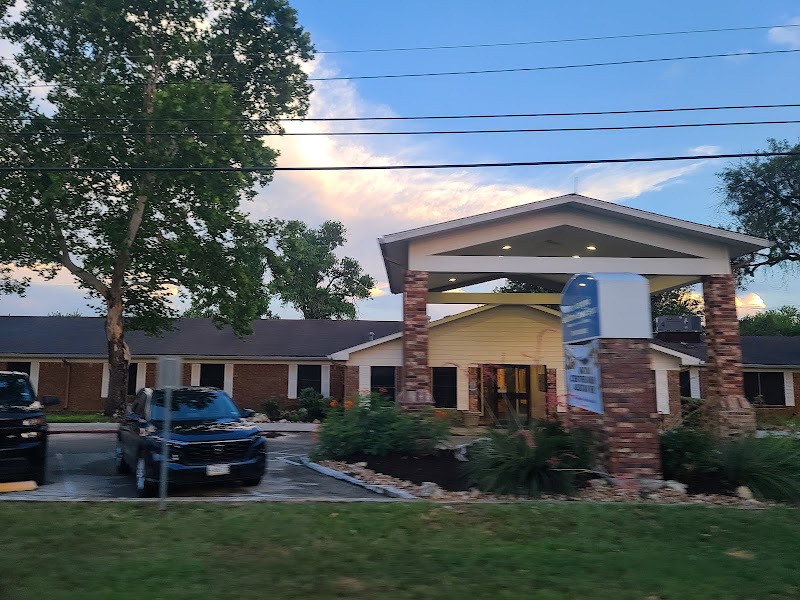
How is Windsor Of Segui Staffed?

CMS rates WINDSOR NURSING AND REHABILITATION CENTER OF SEGUI's staffing level at 2 out of 5 stars, which is below average compared to other nursing homes. Staff turnover is 34%, compared to the Texas average of 46%. This relatively stable workforce can support continuity of care.

What Have Inspectors Found at Windsor Of Segui?

State health inspectors documented 36 deficiencies at WINDSOR NURSING AND REHABILITATION CENTER OF SEGUI during 2022 to 2024. These included: 1 Immediate Jeopardy (the most serious level, indicating potential for serious harm or death), 1 that caused actual resident harm, 33 with potential for harm, and 1 minor or isolated issues. Immediate Jeopardy findings are rare and represent the most serious regulatory concerns. They require immediate corrective action.
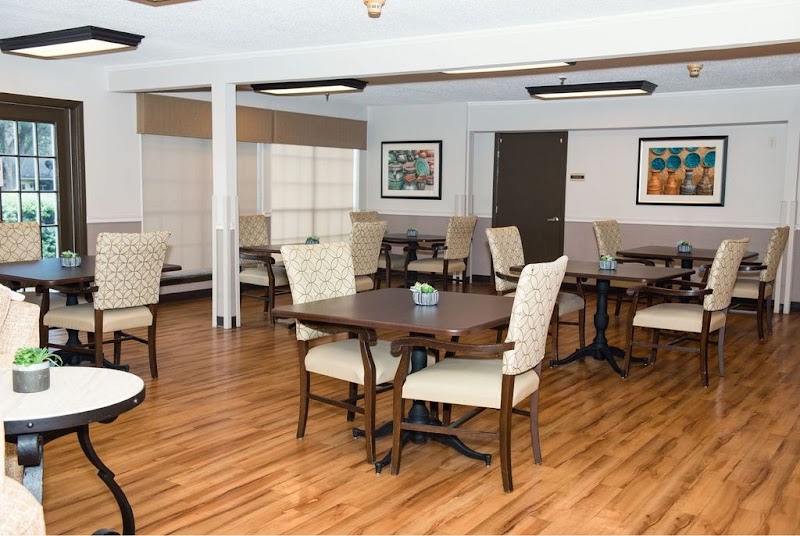
Who Owns and Operates Windsor Of Segui?

WINDSOR NURSING AND REHABILITATION CENTER OF SEGUI is owned by a non-profit organization. Non-profit facilities reinvest revenue into operations rather than distributing to shareholders. The facility is operated by WELLSENTIAL HEALTH, a chain that manages multiple nursing homes. With 122 certified beds and approximately 103 residents (about 84% occupancy), it is a mid-sized facility located in SEGUIN, Texas.
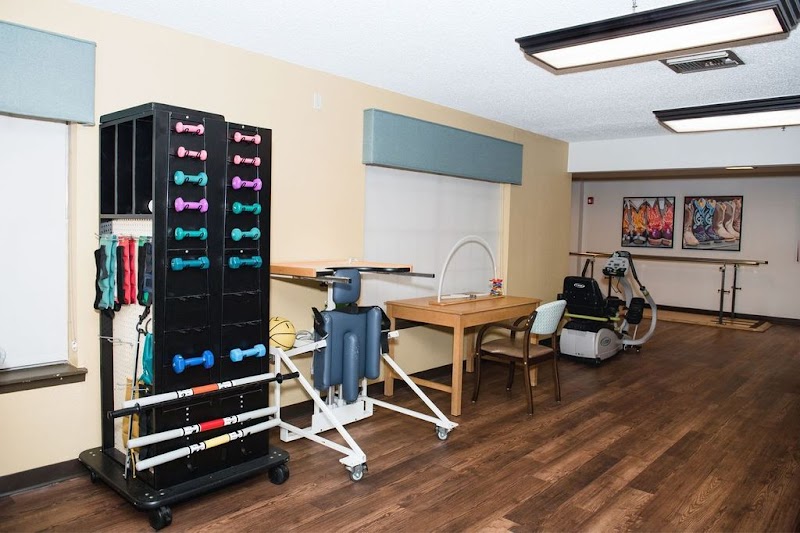
How Does Windsor Of Segui Compare to Other Texas Nursing Homes?

Compared to the 100 nursing homes in Texas, WINDSOR NURSING AND REHABILITATION CENTER OF SEGUI's overall rating (2 stars) is below the state average of 2.8, staff turnover (34%) is significantly lower than the state average of 46%, and health inspection rating (2 stars) is below the national benchmark.

What Should Families Ask When Visiting Windsor Of Segui?

Based on this facility's data, families visiting should ask: "What changes have been made since the serious inspection findings, and how are you preventing similar issues?" "Can you walk me through typical staffing levels on day, evening, and night shifts?" "Can I visit during a mealtime to observe dining assistance and food quality?" "How do you handle medical emergencies, and what is your hospital transfer rate?" These questions are particularly relevant given the facility's Immediate Jeopardy citations and the below-average staffing rating.

Is Windsor Of Segui Safe?

Based on CMS inspection data, WINDSOR NURSING AND REHABILITATION CENTER OF SEGUI has documented safety concerns. Inspectors have issued 1 Immediate Jeopardy citation (the most serious violation level indicating risk of serious injury or death). The facility has a 2-star overall rating and ranks #100 of 100 nursing homes in Texas. Families considering this facility should ask detailed questions about what corrective actions have been taken since these incidents.

Do Nurses at Windsor Of Segui Stick Around?

WINDSOR NURSING AND REHABILITATION CENTER OF SEGUI has a staff turnover rate of 34%, which is about average for Texas nursing homes (state average: 46%). Moderate turnover is common in nursing homes, but families should still ask about staff tenure and how the facility maintains care continuity when employees leave.

Was Windsor Of Segui Ever Fined?

WINDSOR NURSING AND REHABILITATION CENTER OF SEGUI has been fined $34,249 across 3 penalty actions. The Texas average is $33,421. While any fine indicates a compliance issue, fines under $50,000 are relatively common and typically reflect isolated problems that were subsequently corrected. Families should ask what specific issues led to these fines and confirm they've been resolved.

Is Windsor Of Segui on Any Federal Watch List?

WINDSOR NURSING AND REHABILITATION CENTER OF SEGUI is not on any federal watch list. The most significant is the Special Focus Facility (SFF) program, which identifies the bottom 1% of nursing homes nationally based on persistent, serious quality problems. Not being on this list means the facility has avoided the pattern of deficiencies that triggers enhanced federal oversight. This is a positive indicator, though families should still review the facility's inspection history directly.