SPRINGTOWN PARK REHABILITATION AND CARE CENTER
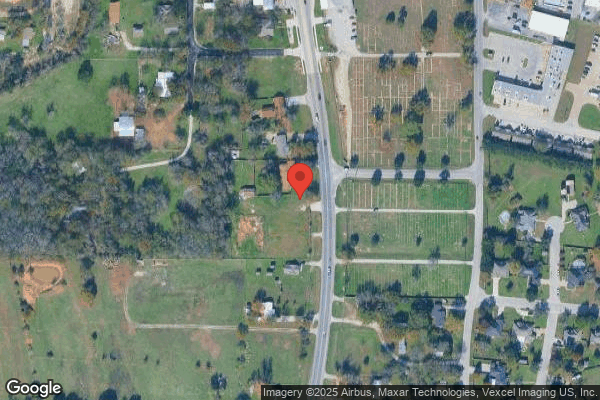

201 WILLIAMS WARD RD., SPRINGTOWN, TX 76082 (817) 755-5116
For profit - Corporation 120 Beds PRIORITY MANAGEMENT Data: November 2025
Trust Grade
65/100
#567 of 1168 in TX
Last Inspection: September 2024

Within standard 12-15 month inspection cycle. Federal law requires annual inspections.

Overview

Springtown Park Rehabilitation and Care Center has a Trust Grade of C+, indicating it is slightly above average, which suggests a decent level of care but not exceptional. It ranks #567 out of 1168 facilities in Texas, placing it in the top half, and #6 out of 9 in Parker County, meaning there are only five facilities in the county that are rated higher. The facility is on an improving trend, with the number of issues declining from 11 in 2023 to 7 in 2024. However, staffing is a concern, as it has a poor rating of 1 out of 5 stars and a turnover rate of 51%, which is slightly above the Texas average. There have been no fines recorded, which is a positive sign, but the RN coverage is concerning, as it is lower than 89% of Texas facilities. Specific incidents noted in inspections include inadequate food safety practices, such as unsanitary kitchen conditions with food particles and flies present, and failures in the care of intravenous catheters for multiple residents, which could lead to serious complications. While the facility demonstrates strengths in its overall health inspection and quality measures, the weaknesses in staffing and food safety practices are significant concerns for families considering this nursing home.

Trust Score
C+
65/100
In Texas
#567/1168
Top 48%
Safety Record
Low Risk
No red flags
Inspections
Getting Better
11 → 7 violations
Staff Stability
⚠ Watch
51% turnover. Above average. Higher turnover means staff may not know residents' routines.
Penalties
✓ Good
No fines on record. Clean compliance history, better than most Texas facilities.
Skilled Nurses
⚠ Watch
Each resident gets only 12 minutes of Registered Nurse (RN) attention daily — below average for Texas. Fewer RN minutes means fewer trained eyes watching for problems.
Violations
⚠ Watch
19 deficiencies on record. Higher than average. Multiple issues found across inspections.
★★★☆☆
3.0
Overall Rating
★☆☆☆☆
1.0
Staff Levels
★★★★☆
4.0
Care Quality
★★★★☆
4.0
Inspection Score
Stable
2023: 11 issues
2024: 7 issues

The Good

  • 4-Star Quality Measures · Strong clinical quality outcomes
  • Full Sprinkler Coverage · Fire safety systems throughout facility
  • No fines on record

Facility shows strength in quality measures, fire safety.

The Bad

3-Star Overall Rating

Near Texas average (2.8)

Meets federal standards, typical of most facilities

Staff Turnover: 51%

Near Texas avg (46%)

Higher turnover may affect care consistency

Chain: PRIORITY MANAGEMENT

Part of a multi-facility chain

Ask about local staffing decisions and management

The Ugly 19 deficiencies on record

Sept 2024 5 deficiencies
CONCERN (D)

Potential for Harm - no one hurt, but risky conditions existed

Deficiency F0582 (Tag F0582)

Could have caused harm · This affected 1 resident

**NOTE- TERMS IN BRACKETS HAVE BEEN EDITED TO PROTECT CONFIDENTIALITY** Based on interview and record review, the facility failed to ensure each resident was informed before, or at the time of admissi...

Read full inspector narrative →
**NOTE- TERMS IN BRACKETS HAVE BEEN EDITED TO PROTECT CONFIDENTIALITY** Based on interview and record review, the facility failed to ensure each resident was informed before, or at the time of admission, and periodically during the residents stay, of services available in the facility and of changes for those services, which included changes for services not covered under Medicare/Medicaid or by the facility's per diem rate for 2 of 3 residents (Resident #60, and #98) reviewed for Medicare/Medicaid coverage. The facility failed to ensure Residents #60 and #98 were given a completed SNF ABN (a notice given to Medicare beneficiaries to transfer financial liability to the beneficiary before the SNF provides an item or service that would usually be paid for by Medicare, but Medicare was not likely to provide coverage because care was not medically reasonable and necessary, or was custodial in nature) when discharged from skilled services at the facility prior to covered days being exhausted. This failure could place residents at risk for not being aware of changes to provided services. Findings included: 1. Record review of Resident #60's electronic face sheet dated 09/26/24 revealed resident was a [AGE] year-old female who was admitted on [DATE] with diagnoses that include: muscle wasting and atrophy, muscle weakness, acute respiratory failure with hypoxia (lung disease resulting in lack of oxygen), abnormalities of gait. Record review of the SNF Beneficiary Protection Notification Review indicated Resident #60 received Medicare Part A Skilled Services on 6/22/24 and her last covered day of Part A services was 8/16/24. The SNF Beneficiary Protection Notification Review indicated the facility/provider did not document on CMS 10123-NOMNC form which covered Medicare Part A service was ending. 2. Record review of Resident #98's electronic face sheet dated 09/26/24 revealed the resident was a [AGE] year-old female who was originally admitted on [DATE] with diagnoses that include: muscle weakness, cerebral infarction (reduced blood flow to brain), chronic respiratory failure with hypoxia (decreased oxygen), unspecified asthma. Record review of the SNF Beneficiary Protection Notification Review indicated Resident #98 received Medicare Part A Skilled Services on 06/20/24 and her last covered day of Part A services was 08/23/24. The SNF Beneficiary Protection Notification Review indicated the facility/provider initiated did not document on CMS 10123-NOMNC form which covered Medicare Part A service was ending. During an interview on 09/26/24 at 02:49 PM the MDS nurse stated the NOMNC form wasn't completely filled out for Residents #60 and #98. The MDS nurse further stated, That's why you complete an ADN. The MDS nurse explained the NOMNC form was used when Medicaid part A services are discontinued or end. She further explained that the ADN form was used for a payor change. She continued to deny the form wasn't completed correctly and stated that I will get with my corporate on that. During an interview on 9/26/24 at 3:15 PM the MDS nurse stated that she spoke with her corporate nurse and the NOMNC form should be completed in its entirety and stated that she did not have the two reviewed filled out completely. She stated the error happened due to receiving a new form 8/3/24 and she was not aware it needed to be completed. She further stated that incomplete forms could lead to a resident not being aware of actual services that were ending. The MDS Nurse stated that she was responsible for NOMNC forms. Review of Form Instructions for the Notice of Medicare Non-Coverage (NOMNC) CMS-10123 revealed the form must include [in part]: THE EFFECTIVE DATE YOUR {INSERT TYPE} SERVICES WILL END: {Insert Effective Date}: Fill the type of services ending, {home health, skilled nursing, comprehensive outpatient rehabilitation services, or hospice} and the actual date the service will end.
CONCERN (D)

Potential for Harm - no one hurt, but risky conditions existed

Respiratory Care (Tag F0695)

Could have caused harm · This affected 1 resident

**NOTE- TERMS IN BRACKETS HAVE BEEN EDITED TO PROTECT CONFIDENTIALITY** Based on observation, interview, and record review the facility failed to ensure that a resident who needed respiratory care, wa...

Read full inspector narrative →
**NOTE- TERMS IN BRACKETS HAVE BEEN EDITED TO PROTECT CONFIDENTIALITY** Based on observation, interview, and record review the facility failed to ensure that a resident who needed respiratory care, was provided such care, consistent with professional standards of practice, the comprehensive person-centered care plan, the residents' goals and preferences for 1 of 1 resident (Residents #12's) reviewed for respiratory care. 1. The facility failed to ensure Residents #12's nasal cannula was kept in a bag while not in use. These failures could place residents at risk for infections and transmission of communicable diseases. The findings included: 1. Record review of Resident #12's face sheet, dated 09/26/2024, reflected an [AGE] year-old female, who was admitted to the facility on [DATE]. Resident #12 had diagnoses which included Congestive Heart Failure (heart cannot pump blood efficiently enough to supply the body), Shortness of breath, Depression, Anxiety, chronic obstructive pulmonary disease (a lung disease that blocks airflow and makes it difficult to breathe). Record review of Resident #12's annual MDS assessment, dated 01/02/2024, reflected a BIMS score of 00, which indicated severe cognitive impairment. Section I: Active diagnosis reflected chronic pulmonary disease, or chronic lung disease. Section O: Respiratory Treatments was marked for Oxygen Therapy. Record review of Resident #12's quarterly Care Plan, 06/17/2024, reflected a care plan for has COPD (obstructive pulmonary disease) - Oxygen at 3 liters per minute continuously to keep oxygen saturation above 90%. The Care Plan did not have an intervention regarding when the oxygen tubing needed to be changed. Record review of Resident #12's Physician's Orders, dated 09/26/2024, reflected an order for Oxygen at 3 liters per minute via nasal cannula to maintain 02 saturation above 90%. Change oxygen and nebulizer tubing weekly. In an observation on 09/23/2024 at 10:30 AM revealed Resident #12 was sitting in the dayroom in her wheelchair. Her nasal cannula was uncovered and hanging over the bed rail in her room with the nose prongs on the floor. In an observation and interview on 09/24/2024 at 10:45 AM, during morning rounds, revealed Resident #12 was sitting in her wheelchair in her room and her nasal cannula was uncovered and hanging over the concentrator in her room with the nose prongs on the floor. Attempted to interview Resident #12 regarding the oxygen tubing, however she very confused and unable to answer. In an Interview on 09/26/2024 at 3:10 PM the DON stated oxygen tubing was changed weekly based on the resident's orders, or as needed if the tubing become contaminated or occluded. The DON said oxygen tubing and the humidifier bottle should be changed per doctor's orders and the nasal cannula should have been stored in a plastic bag when not in use to prevent cross contamination and infection. He. The DON said the charge nurses were responsible for seeing that it was done. In an Interview on 09/26/2024 at 4:00 PM the Administrator stated the resident care was handled by the nursing department and nasal cannulas should be put in a plastic bag when not in use. Policy requested from the DON on 09/26/2024 at 3:10 PM. Policy requested from the ADM on 09/26/2024 at 4:00 PM. No policies given.
CONCERN (D)

Potential for Harm - no one hurt, but risky conditions existed

Deficiency F0761 (Tag F0761)

Could have caused harm · This affected 1 resident

Based on observation, interview, and record review the facility failed to ensure that drugs and biologicals used in the facility were secured and stored in accordance with current accepted professiona...

Read full inspector narrative →
Based on observation, interview, and record review the facility failed to ensure that drugs and biologicals used in the facility were secured and stored in accordance with current accepted professional principles for 1 Treatment Cart observed for medication storage. The facility did not ensure the Treatment Cart was locked and secured. This failure could place the residents at risk of gaining access to unlocked medications not prescribed to them. Findings included: Observation on 9/24/24 at 1:19 PM revealed the treatment cart was parked in the 200 hallway with a resident within 6 feet of the opened, unsecured cart. The cart lock was popped out, and all drawers were able to be opened. No nurse was in sight of the cart. Present in cart were medicated dressings, prescription ointments and creams, over the counter creams, antifungal creams, Iodine swab sticks, adhesive remover, and wound cleanser. In an interview on 09/24/2024 at 1:24 ADON B stated that her expectation was for carts to be locked if nurse walks away from the cart. ADON B further stated that lack of ensuring cart security could lead to adverse outcomes due to residents being able to get into the cart. ADON B also stated the person responsible for cart security is the nurse assigned to cart with keys. ADON B stated that she is also responsible and should be observing to ensure cart is secure. In an interview on 9/24/2024 at 1:28 PM the Wound Care Nurse stated the treatment cart is to be always locked when not in use or directly in her sight to prevent residents accessing cart items that could harm them. The Wound Care Nurse further stated that it was her responsibility to ensure the treatment cart was locked. In an interview with the DON on 9/24/24 at PM revealed her expectation is for treatment cart to be locked if not in use by the nurse. The DON also stated if the cart is not locked residents could get into the cart and have access to contents of the cart. The DON further stated that nurse who receives the cart is responsible for making sure it is secure. The DON continued stating that it is the DON's responsibility to observe cart security. In an interview on 9/24/24 ADM at 4:08 PM the ADM stated that medication carts security should follow policy. The ADM that he could not speculate outcome regarding effect of unsecured cart. Record review of policy Storage of Medication dated 2001 revealed the following [in-part]: 8. Compartments (including, but not limited to, drawers, cabinets, rooms, refrigerators, carts and boxes) containing drugs and biologicals are locked when not in use. 9. Unlocked medication carts are not left unattended.
CONCERN (E)

Potential for Harm - no one hurt, but risky conditions existed

Deficiency F0694 (Tag F0694)

Could have caused harm · This affected multiple residents

**NOTE- TERMS IN BRACKETS HAVE BEEN EDITED TO PROTECT CONFIDENTIALITY** Based on observations, interviews and record reviews, the facility failed to ensure they followed professional standards of prac...

Read full inspector narrative →
**NOTE- TERMS IN BRACKETS HAVE BEEN EDITED TO PROTECT CONFIDENTIALITY** Based on observations, interviews and record reviews, the facility failed to ensure they followed professional standards of practice in accordance with physician orders and facility policy for care of midline for 3 (Residents #13, #349, #354) of 4 residents reviewed for parenteral and intravenous care. The facility failed to assess the midline intravenous catheter (an intravenous catheter that is suitable for long term infusion therapy) dressing on Resident #13. Dressing was observed as soiled and dislodged before flush being performed. The facility failed to change the midline intravenous catheter (an intravenous catheter that is suitable for long term infusion therapy) dressing on Resident #349 for more than 7 days. The facility failed to change the midline intravenous catheter (an intravenous catheter that is suitable for long term infusion therapy) dressing on Resident #354 for more than 7 days. These failures placed the residents at risk of complications with their midlines needed for infusion therapy. Findings included: Resident #13 Review of Resident #13's face sheet dated 09/24/2024 revealed she was a [AGE] year-old female admitted to the facility on [DATE] with diagnoses of Sepsis , (infection of the blood) Pneumonia, and Urinary Tract Infection. Review of Resident #13's MDS dated [DATE] revealed the resident had BIMS (Brief Interview Mental Status) of 2 which suggest severe cognitive impairment . Review of Resident #13's physician's orders dated 09/24/2024 revealed an order 09/04/2024 intravenously for antibiotics of Ertapenem Sodium Solution 1 Gram intravenously one time a day for urinary tract infection for 10 days from 09/18/2024 thru 09/28/2024. Record review of Resident # 13's progress note dated 09/24/2024 revealed the midline was removed and replaced 09/24/24 due to occlusion. Observation and interview on 09/24/2024 at 4:24 pm, Resident # 13's midline dressing site was wet and not sealed. The DON said it needed to be changed due to being saturated and not secured. Observation and interview 09/24/2024 at 4:30 pm with LVN A revealed Resident #13's midline site to right arm was flushed by LVN A before checking infusion site. Site was dripping around soiled dressing covering midline insertion site. Post flush of midline dressing caused Resident #13's face to grimace. LVN A stated post flush, midline was occluded and would need to be changed. She said she did not look at site until flush was injected. Resident #349 Record review of Resident # 349's face sheet dated 09/24/2024 revealed she was a [AGE] year-old-female admitted to services on 09/17/2024 with diagnosis of Metabolic Encephalopathy (which happens due to organ dysfunction) and Extended Spectrum Beta Lactamase (ESBL) Resistance which is a type of enzyme that is produced by certain bacteria, making resistance to certain antibiotics which cause urinary tract infection difficult to treat (give medical care or attention to). Record review of Resident # 349's Care Plan dated 9/17/2024 revealed the resident's cognition was alert, cognitively intact. Resident was admitted to service for IV medications. Record review of #349's Order summary report dated 09/24/2024 revealed order for midline dressing change once a week and as needed if dressing becomes soiled. Record review Resident # 349's Medication Administration Record under Schedule for Sep 2024 revealed, Changed Midline Dressing once a week and PRN if becomes soiled. Observation and interview on 09/23/2024 at 12:10 PM revealed Resident # 349 had a single lumen midline to left arm with a dressing dated 9/13/2024. Dressing edges were not intact, and tape was discolored. Resident #349 stated the same dressing had been on since insertion. Resident #354 Review of Resident # 354's face sheet dated 9/24/2024 revealed she was an [AGE] year-old female admitted to facility on 09/16/2024 for metabolic encephalopathy (a change in how a brain works due to an underlying condition) and sepsis with bone infection to right ankle, foot which is resistance to multiple antimicrobial drugs. Review of Resident # 354's physician's orders dated 9/24/2024 revealed an order in part: May change Midline dressing every seven days or as indicated for soiled or damaged dressing. Change stabilization device and injection caps with each dressing change. As needed for soiled or damaged dressing. Observation on 09/23/2024 at 11:59 AM revealed Resident #354's midline to left arm with dressing covering site dated 09/11/2024. Interview 09/24/24 @ 3:30 PM with LVN A. She said, usually the nurse on 6am-2pm shift changed the midline dressing, but the 6am-2pm shift nurse has been off a few days. LVN A said she did change dressing for Resident #354 that morning (9/24/24) and the previous dressing was dated 9/13/24. She stated that upon admission they add 7 days from date of admission not date of dressing for dressing to be changed. She further stated she had IV training at hospital. Interview on 09/24/24 at 3:33PM with the DON, she said a midline dressing should be changed every 7 days or PRN as needed. The DON said Charge nurses were responsible for changing the dressings and the residents should have had orders that would show up on the MAR when the dressings needed to be changed. Possible failures to change the dressings on the midlines could cause infections at the infusion sites. Review of the facility's current Midline Dressing Changes policy and procedure Level III, dated April 2016: In-part: General Guidelines 1. Change midline dressing 24 hours after insertion, every 5-7 days, or if it is wet, dirty, not intact, or compromised in any way. Documentation 1. The following information should be recorded in the resident's medical record: (in-part) a. Date and time dressing was changed. b. Location and objective description of insertion site. c. Any complications, interventions that were done. Reporting 2. Intervene as necessary. Review on 09/26/2024 of the Guidelines for the Prevention of Intravascular Catheter-Related Infections at: https://www.cdc.gov/infectioncontrol/guidelines/bsi/recommendations revealed evidenced based recommendations for the preparation, insertion, administration, maintenance, and discontinuance of the IV as well as prevention of infection at the site to the extent possible.
CONCERN (E)

Potential for Harm - no one hurt, but risky conditions existed

Food Safety (Tag F0812)

Could have caused harm · This affected multiple residents

Based on observations, interviews, and record reviews the facility failed to properly store, prepare, distribute, and serve food in accordance with professional standards for food service safety for 1...

Read full inspector narrative →
Based on observations, interviews, and record reviews the facility failed to properly store, prepare, distribute, and serve food in accordance with professional standards for food service safety for 1 of 1 kitchen reviewed. The facility failed to ensure foods were labeled properly in the refrigerator and the freezer. The facility failed to ensure food that had spoiled was discarded timely. The facility failed to ensure that staff performed hand hygiene while preparing food. These failures could place residents that eat out of the kitchen at risk for food borne illnesses. The findings included: During an observation on 09/23/24 between 9:40 AM and 10:15 AM, in the kitchen, revealed: Refrigerator #1 1. An open box, that contained 15 individually wrapped uncrustable peanut butter and jelly sandwiches, that were unthawed. The box had a manufacturer label that reflected keep frozen and did not have a date when opened and/or removed from the freezer. 2. One green bell pepper with a black soft spot on the top on the green pepper. Freezer #1 1. A plastic bag that contained garlic bread, out of the original container, that was not labeled with contents of package or with an open or use by date. 2. A plastic bag that contained cookie dough, out of the original container, that was not labeled with contents in package or with an open or use by date. During an interview on 09/23/2024 at 10:15 AM the DM stated items that had been removed from the original container should have been labeled with an item description and an open date. The DM stated if the manufacturer directions said to keep frozen then the item should have been kept frozen. The DM stated she was not sure how long the uncrustables had been out of the freezer. During an observation on 09/23/2024 between 11:30 AM and 12:15 PM revealed the DA exited the kitchen and returned to the kitchen pushing a cart. The DA failed to wash her hands when entering the kitchen. The DA emptied the container and refilled the container with ice. The DA failed to wash her hands before and after switching between preparing food The DM failed to wash her hands numerous times after touching her face, glasses and changing between tasks and assisting the cook. During an interview on 09/26/24 at 4:03 PM the DM stated her expectation was that food items be discarded per policy, and food times should have be labeled with an open date and/or use by date, item and description. The DM stated the affect could have been residents received food that was spoiled or the wrong food. The failure was staff got in a hurry and new staff. The DM stated her expectation was that staff perform hand hygiene every time they changed tasks, touched their face or glasses. The DM stated she was responsible for monitoring staff. The DM stated residents could have been affected by bacteria which could have led to residents getting sick. The DM stated what led to failure was staff was nervous and new staff. During an interview on 09/26/2024 at 4:45 Pm the ADM stated he expected staff to follow the polices for hand hygiene and labeling food. The ADM stated the DM was responsible to monitor the kitchen. The ADM stated he would not speculate to what led to the failures in the kitchen. Record review of the facility policy titled, Hand Washing dated 2021 revealed: Hands and exposed portions of arms (or surrogate prosthetic devices) should be washed immediately before engaging in food preparation. When to wash hands: a. When entering the kitchen at the start of a shift. b. After touching bare human body parts other than clean hands and wrists. c. After using the restroom .f. After handling soiled equipment or utensils. g. During food preparation, as often as necessary to remove soil or contamination and to prevent cross contamination when changing tasks .j. After engaging in other activities that contaminate the hands. Record review of the facility policy titled, Food Receiving and Storage dated July 2014 revealed: All foods stored in the refrigerator or freezer will be covered, labeled and dated (useby).
Feb 2024 2 deficiencies
CONCERN (D) 📢 Someone Reported This

A family member, employee, or ombudsman was alarmed enough to file a formal complaint

Potential for Harm - no one hurt, but risky conditions existed

Transfer Requirements (Tag F0622)

Could have caused harm · This affected 1 resident

**NOTE- TERMS IN BRACKETS HAVE BEEN EDITED TO PROTECT CONFIDENTIALITY** Based on interview and record review the facility failed to ensure before a resident transfers or discharges from the facility t...

Read full inspector narrative →
**NOTE- TERMS IN BRACKETS HAVE BEEN EDITED TO PROTECT CONFIDENTIALITY** Based on interview and record review the facility failed to ensure before a resident transfers or discharges from the facility the notice of transfer or discharge required under this section was made by the facility at least 30 days before the resident was transferred or discharged for one of 2 residents (Resident #1) reviewed for discharge requirement. 1) The facility failed and refused to readmit Resident #1 from the hospital where she was transferred for evaluation and treatment. 2) The facility did not give Resident #1 or the representative a discharge notice when she was transferred to another facility from the hospital. 3) The facility did not permit Resident #1 to remain in the facility and failed to initiate a 30-day discharge based upon the facility's ability to meet the resident's needs and welfare. 4) There was no documentation from the physician indicating that the resident had specific needs that could not be met in the facility. 5) The facility failed to ensure residents had a discharge summary that included a recapitulation of the resident's stay that included, but was not limited to diagnoses, course of illness/treatment or therapy, and pertinent lab, radiology, and consultation results. 6) The facility failed to establish and follow a written policy on permitting resident to return to the facility after she was hospitalized . These failures could place residents at risk of being discharged and not having access to available advocacy services, discharge/transfer options and appeal processes. Findings include: Record review of Resident #1's face sheet reflected a [AGE] year-old female who was admitted to the facility on [DATE]. Her diagnoses included dementia (memory loss), acute kidney disease, cyst of pancreas (swollen), cognitive communication deficit (difficulty with thinking and language), insomnia (difficulty sleeping) and Covid-19 (viral infection). Record review of Resident #1's admission MDS assessment, dated 06/09/23, reflected the resident had a BIMS score of 13, which reflected the resident was cognitively intact. Section BO300 indicated moderate difficulty in hearing. Resident #1 required limited assistance with most ADLs. Record review of Resident #1's, undated, care plan reflected a care area with risk of complication and poor quality of life due to, use of anti-depressant medication related to depression and insomnia. There was no care plan for behavioral issues. Record review of Resident #1 history and physical, dated 02/13/24, reflected: History of present illness: 95 F (female) nursing resident with history of age-related dementia, HTN, HLD , pancreatitis cyst on thyroid disease, admitted in [DATE] for GLF (ground level fall) and acute respiratory failure, for covid-19 infection and pneumonia, discharged back to SNF (skilled nursing facility). Patient has been confused for last 1 week, lately showing aggressive behavior, went out of SNF twice, requiring 2-3 people to bring her back to SNF. Three of her sons brought her to the ER today, patient was treated recently for UTI, patient was started on medications for aggressive behavior and anxiety recently at nursing home. On arrival to the ER patient was aggressive requiring IM Geodon and IM Versed, patient pulled IV again, received IV fluid bolus, during my evaluation, patient is sleeping, not able to give history During interview with SWH on 02/26/24 at 1:16 p.m., she said she was the Social Worker at the hospital where Resident #1 was transferred for evaluation and treatment of altered mental status with agitation and flight risk. The SWH explained the family member reported the facility called them to come pick up the resident. The family member and his brothers stated the facility declined to call for an ambulance and the family was forced to transport her to the hospital to keep the resident from leaving the facility. The SWH noted the facility notified the family member that they could no longer meet Resident #1's needs and asked she not to be brought back. The SWH explained she spoke with the DON who confirmed they were not able to meet her needs because in the last 24 hours she attempted to exit seek and they did not have a secured unit. The DON noted even if the problem was an underlying medical issue, they would not take the resident back. The SWH stated they treated and stabilized Resident #1 and was ready to discharge the resident to the facility. She contacted the facility who said they were not taking Resident #1 back because they could not meet her care needs. The SWH stated the hospital was not able to find a facility that would take the resident. During interview with CNA B on 02/23/24 at 11:05 a.m., she said she was the aide responsible for Resident #1 and was present when the resident was transferred to the hospital. CNA A explained the resident was exit seeking and was trying to leave the facility. She stopped the resident and she was ramping her leg with the walker. She notified the nurse and the DON. When the DON arrived, the resident was saying she wanted to jump in front of a car and die. CNA A did not calm down. She stated LVN A called the family member to come and sit with the resident. The family members arrived and decided to drive Resident #1 to the hospital. In an interview with LVN A on 02/23/23 at 11:16 a.m., she said she was the charge nurse responsible for Resident #1 during the morning shifts. LVN A explained she was the nurse who transferred the resident to the hospital because she tried to get out of the facility. She stated Resident #1 had COVID-19 which affected the resident's behavior. LVN A said she called the family members to come and pick her up because the ambulance would not take the resident with her behavior. The resident was trying to leave the facility and was hitting the family member with her walker. The family members decided to drive the resident to the hospital for evaluation and treatment. In an interview with RP D on 02/23/24 at 11:39 a.m., he said Resident #1 was stabilized in the hospital and ready to leave to a facility. RP D explained the hospital told him the facility refused to take the resident back. RP D said the hospital was unable to find another facility for the resident. The hospital gave him a list. He visited 2-3 of the facilities on the list but they would not take Resident #1 because of her behavior. RP D noted he was confused and didn't know what to do. During an interview with the DON on 02/23/2023 at 1:32 p.m., she said she was the DON and familiar with Resident #1. The DON explained Resident #1 was transferred to the hospital for suicidal ideation and exit seeking and did not return to the facility. The DON said the resident almost left the facility because she wanted to go to the road for a truck to run over her. The resident tried to drag the roommate out of bed to shower. The next day the resident attempted to get out of the facility before CNA B caught her. The DON explained the facility could not send the resident to the hospital because the ambulance would not take her because of her behavior. The family was notified who decided to take the resident in their car to the hospital. The DON said when the hospital called to bring the resident back, she told them she should have a psych evaluation before they could take her back. The DON was asked to provide information about the discharge of Resident #1. She said they did not have documentation because she was not planning on discharging Resident #1 when she went to the hospital. She stated she did not have the following: 1) Resident/Representative verbal or written notice of intent to leave the facility. 2) Comprehensive care plan that includes the resident's goals for admission and discharge 3) Discharge planning process 4) Discharge summary 5) Signed physician order of discharge 6) Notice to Adult Protective Service (APS) 7) Meeting with Interdisciplinary Team (IDT) about discharge 8) Required 30-day notice to Resident #1 9) No communication with receiving facility . During interview with Phy P on 02/26/24 at 1:55 p.m., he said he was the doctor for Resident #1. Phy P stated he did not necessarily order Resident #1's transfer to the hospital. The DON told her, she informed the hospital they needed to have a psych evaluation before the resident could come back. Phy P stated she was not involved with the facility process of deciding who to admit or not. She said she did not discharge the resident. Record review of the facility policy on Admission, Transfer and Discharge, revised December 2016, reflected: Policy Statement When a resident is transferred or discharged , details of the transfer or discharge will be documented in the medical record and appropriate information will be communicated to the receiving health care facility or provider. Policy Interpretation and Implementation I. Each resident will be permitted to remain in the facility, and not be transferred or discharged unless- a. The transfer or discharge is necessary for the resident's welfare and the resident's needs cannot be met in this facility. b. The transfer or discharge is appropriate because the resident's health has improved sufficiently so the resident no longer needs the services provided by this facility. c. The safety of individuals in the facility is endangered due to the clinical or behavioral status of the resident. d. The health of individuals in the facility would otherwise be endangered . When a resident is transferred or discharged from the facility, the following information will be documented in the medical record: a. The basis for the transfer or discharge. b. That an appropriate notice was provided to the resident and/or legal representative. c. The date and time of the transfer or discharge. d. The new location of the resident.
CONCERN (D) 📢 Someone Reported This

A family member, employee, or ombudsman was alarmed enough to file a formal complaint

Potential for Harm - no one hurt, but risky conditions existed

Infection Control (Tag F0880)

Could have caused harm · This affected 1 resident

**NOTE- TERMS IN BRACKETS HAVE BEEN EDITED TO PROTECT CONFIDENTIALITY** Based on observation, interview and record review, the facility failed to establish and maintain an infection prevention and con...

Read full inspector narrative →
**NOTE- TERMS IN BRACKETS HAVE BEEN EDITED TO PROTECT CONFIDENTIALITY** Based on observation, interview and record review, the facility failed to establish and maintain an infection prevention and control program designed to provide a safe, sanitary and comfortable environment and to help prevent the development and transmission of communicable diseases and infections for 1 of 2 residents (Resident #2) reviewed for infection control practice. LVN A failed to perform hand hygiene and change gloves while providing wound care to Resident #2. These failures could place residents at risk for the spread of infection. Findings include: Record review of Resident #2's face sheet, dated 02/23/24, reflected a 57- year- old female who was admitted to the facility on [DATE]. with diagnoses of pressure ulcer of left hip, gastronomy, dysphagia, anxiety disorder and severe intellectual disability. Record review of Resident #2's quarterly MDS assessment, dated 01/15/24, reflected Resident #2 required total assistance with most activity of daily living (ADLs) and two-person assist. Resident #2 was always incontinent of bowel and always of bladder. Record review of Resident #2's care plan, dated 10/30/22, reflected the resident was care planned for pressure ulcers to the left hip. Record review of physician orders for February 2024 for Resident #2 reflected: Cleanse wound to left hip with wound cleanser, apply alginate calcium with silver, apply daily. Cover with gauze island dressing every shift for wound care. Observation of Resident #2's pressure ulcer on 02/23/24 at 12:03 p.m. revealed LVN E did not wash her hands but donned gloves before the start of care. She did not prepare a clean field before commencing care. LVN E took her supplies to the resident room and placed on her bed. She was holding the supplies in one hand and used the other hand to move the resident. LVN E did not change her gloves. She removed the old dressing which revealed a thick moist wound on the left hip. LVN E cleansed the wound with normal saline and patted dry. She did not wash hands, change gloves, or perform hand hygiene before retrieving the clean dressing and placed on Resident #2's wound. LVN E picked up the trash and walked out of the room without washing her hands. In an interview on 02/23/24 at 12:15 p.m. with LVN E, she revealed she should have washed her hands before starting care and changed her gloves during care. LVN E also revealed she should have changed her gloves before retrieving a clean dressing and placing on Resident #2's wound. LVN E explained she had been employed in the facility about 1 month and received infection control training during orientation. She said the resident could acquire an infection when she did not follow good infection control practices which included washing hands before commencing care. During an interview with the DON 02/12/24 at 11:20 a.m., she stated she was aware of some of the concerns raised about infection control. She stated the staff were expected to wash their hands and don gloves before and after providing care.
Dec 2023 1 deficiency
CONCERN (D) 📢 Someone Reported This

A family member, employee, or ombudsman was alarmed enough to file a formal complaint

Potential for Harm - no one hurt, but risky conditions existed

Deficiency F0761 (Tag F0761)

Could have caused harm · This affected 1 resident

Based on observation, interview, and record review, the facility failed to ensure medications were secured on 1 (Medication Cart 1) of 8 medication carts reviewed for pharmacy services. The facility ...

Read full inspector narrative →
Based on observation, interview, and record review, the facility failed to ensure medications were secured on 1 (Medication Cart 1) of 8 medication carts reviewed for pharmacy services. The facility did not ensure medication cart (Medication Cart 1) was secured and locked. This failure could place the residents at risk of gaining access to unlocked medications not prescribed to them. Findings included: During an observation on 12/21/2023 at 2:00 PM, LVN A left Med Cart 1 unsecured and out of LVN A's sight, on the front hallway by the resident's living room, while she walked away to the medication room. There were not any other staff in visual sight of the medication cart, and there were residents that were within 8 feet of the medication cart. The State Surveyor was unsure where the nurse went and took Medication Cart 1 to the Administrator. During an interview and observation on 12/21/2023 at 2:35 PM, The Administrator immediately locked Med Cart 1. He revealed that the facility policy and expectations were that all medications were to be locked when not in use or when the nurse walked away. He revealed that he was unsure whose cart it was, but that he would find out and correct the issue. He stated that it was the responsibility of the nurse who was assigned the medication cart to ensure that it was locked. During an interview on 12/21/2023 at 2:45 PM, LVN A said that she walked away to go into the medication room. She said that she had not realized that the medication cart was unlocked and that she knew that it was to be always locked, when not in use. She said that she should have locked the medication cart up before she left it unattended with residents around it. She said that this could cause a patient to get into it and take the medications. She stated that this failure could cause a resident who gained access to the medication to get sick. During an interview on 12/22/2023 at 10:45 AM, the DON said that her expectations were for medications to be locked up anytime a nurse walked away from a medication cart. She said that staff were all trained on medication expectations and know not to leave medications out or unattended. She stated she was responsible for the training on securing medication carts and that the LVN was up to date on her in-service. She had just completed a staff training on securing medication carts. A policy and procedure titled Security of Medication dated April 2007 revealed the following: Policy statement: The medication cart shall be secured during medication passes. Policy Interpretation and Implementation: 1) The nurse shall secure the medication cart during the medication pass to prevent unauthorized entry. 2) The medication cart should be parked in the doorway of the resident's room during the medication pass. The cart doors and drawers should be facing the resident's room. 3) Medication carts must be securely locked at all times when out of the nurse's view. 4) When the medication cart is not being used, it must be locked and parked at the nurses' station or inside the medication room.
Nov 2023 1 deficiency
CONCERN (D) 📢 Someone Reported This

A family member, employee, or ombudsman was alarmed enough to file a formal complaint

Potential for Harm - no one hurt, but risky conditions existed

Infection Control (Tag F0880)

Could have caused harm · This affected 1 resident

**NOTE- TERMS IN BRACKETS HAVE BEEN EDITED TO PROTECT CONFIDENTIALITY** Based on observations, interviews, and record reviews, the facility failed to establish and maintain an infection prevention and...

Read full inspector narrative →
**NOTE- TERMS IN BRACKETS HAVE BEEN EDITED TO PROTECT CONFIDENTIALITY** Based on observations, interviews, and record reviews, the facility failed to establish and maintain an infection prevention and control program designed to provide a safe, sanitary, and comfortable environment and to help prevent the development and transmission of communicable diseases for 1 (Resident #1) of 2 residents reviewed for infection control practice. CNA A and CNA B failed to perform hand hygiene and change their gloves while providing incontinence care for Resident #1. These failures placed residents at risk for the spread of infection. Findings included: Review of Resident #1's face sheet, dated 11/29/23, revealed the resident was an 80- year- old female admitted to the facility on [DATE] with diagnoses of urinary tract infection, muscle weakness and dementia. Review of Resident #1's MDS assessment, dated 11/02/21, revealed she required total assistance with most activities of daily living (ADLs) and one-person assist. Resident #1 was frequently incontinent of bladder and bowel. Review of Resident #1's care plan, undated, revealed the Resident #1 did not have a specific plan for being incontinent of bladder and bowel. Observation of incontinent care for Resident #1 on 11/29/23 at 3:39 p.m. revealed CNA A and CNA B did not wash their hands before the start of care. Both CNAs donned gloves. CNA A and CNA B removed the resident's brief which was completely soiled with urine and fecal matter. CNA A wiped the resident from front to back. CNA A made 5 strokes of clean with the same soiled wipe. CNA A did not wash her hands, change gloves, or perform hand hygiene but proceeded to retrieve Resident #1's clean brief. She placed the clean brief on the resident and fastened it. Meanwhile, CNA B was assisting CNA A to provide care to Resident #1. CNA B wore the same gloves for repositioning including touching the perineal area and fastened the clean brief to the resident. CNA A and CNA B doffed their gloves. Both washed their hands before exiting Resident #1's room. In an interview on 11/29/23 at 3:50p.m with CNA A, she said she had been employed in the facility for 2 years and received infection control training last month. CNA A stated cross contamination meant mixing clean with dirty. CNA A acknowledged she should have washed hands and changed gloves before retrieving the clean brief and placing on Resident #1. Interview with CNA B on 06/27/21 at 3:47p.m revealed she worked for agency and today was her first day in the facility. CNA B stated she received infection control from shift key. She noted she did not receive infection control training from the facility before starting work. CNA B said cross contamination was not washing hands or changing gloves. CNA B acknowledged she should have changed her gloves and washed her hands before assisting after repositioning before fastening Resident #1 clean brief. During an interview with the DON 11/29/22 at 3:59 p.m. she acknowledged she was aware of some of the concerns raised about infection control. She stated the staff were expected to wash hands before any care was provided and change gloves at appropriate times. The DON explained she and the ADON was responsible for infection control. Review of the facility policy on hand washing/hand hygiene revised August 2019 reflected the following: Policy Statement: This facility considers hand hygiene the primary means to prevent the spread of infection. Policy interpretation and implementation: 1) All personnel shall be trained and regularly in-serviced on the importance of hand hygiene in preventing the transmission of healthcare-associated infections. 2) All personnel shall follow the handwashing/hand hygiene procedure to help prevent the spread of infections to other personnel, residents, and visitors . 3) Wash hands with soap (antimicrobial or non-antimicrobial) and water for the following situations: a) When hands are visibly soiled; and b) After contact with a resident with infectious diarrhea including but not limited to infections caused by norovirus, salmonella, shigella and C. difficile.
Nov 2023 1 deficiency
CONCERN (D) 📢 Someone Reported This

A family member, employee, or ombudsman was alarmed enough to file a formal complaint

Potential for Harm - no one hurt, but risky conditions existed

Deficiency F0655 (Tag F0655)

Could have caused harm · This affected 1 resident

**NOTE- TERMS IN BRACKETS HAVE BEEN EDITED TO PROTECT CONFIDENTIALITY** Based on, interview and record review the facility failed to develop a baseline care plan within 48 hours of admission for 2 of ...

Read full inspector narrative →
**NOTE- TERMS IN BRACKETS HAVE BEEN EDITED TO PROTECT CONFIDENTIALITY** Based on, interview and record review the facility failed to develop a baseline care plan within 48 hours of admission for 2 of 5 residents reviewed for baseline care plans, (Resident #'s 1 and 2). Resident # 1 was admitted on [DATE] and did not have a baseline care plan. Resident #2's family did not receive a written summary of his baseline care plan. This failure could affect residents by the facility not having the minimum healthcare information necessary to properly care for the resident immediately upon their admission. Findings Included: Record review of Resident #1's face sheet revealed he was a [AGE] year-old, male with an admission date of 11/02/2023. Record review of Resident #1's Diagnosis list revealed the following diagnoses: Atrial fibrillation (an irregular heart rhythm that causes the heart to beat to beat too quickly which leads to the development of blood clots that can cause a stroke) Pain, Cerebral infarct (stroke), Stage 3 kidney disease (classified as moderate damage to the kidneys), hyperglycemia (too much sugar in the blood), know as high blood sugar), dysphagia (difficulty swallowing), and dementia (decreased cognitive function, and Pain. The list indicated Resident #1 was a full code. Record review on 11/06/19 at 12:20 PM, revealed no baseline care plan in rResident #1', s chart and no comprehensive care plan. Record review of Resident 2'''s face sheet revealed he was a [AGE] year-old, male with a most recent admission date of 07/12/2023. Resident #2 had the following diagnoses: Parkinson's disease (a disease of the central nervous system that affects movement and brain function, Alzheimer's Disease and, Diabetes (a disease resulting in too much sugar in the blood Record review on 11/06/19 at 12:20 PM, revealed no baseline care plan in Resident #2's chart, there was no documentation that Resident #2's responsible party received of a written summary of his baseline care plan. An interview on 11/06/23 at 11:00 AM,Resident #2's RP revealed she did not receive a written summary of the resident's baseline care plan on admission which she stated resulted in her not knowing the resident was not his Alzheimer's medication. She stated his cognitive status had declined. She stated she felt this could have been prevented if she been a part of his care plan process at the time of admission. An interview with the DON on 11/06/23 at 1:00 PM, revealed she was not sure who is responsible for initiating the baseline care plan. She stated she was not aware that a baseline care plan should be completed within 48 hours if the admission occurred on a Friday, or over the weekend. She stated the weekend supervisor should do it if the resident comes in on the weekend. She stated she is not sure what the facilities policy is regarding responsibility for initiating baseline care plans. She stated the residents medications should be reconciled with the resident, the family, and the physician at the time of admission as a part of the baseline care plan process. She stated she did not know the resident and responsible party should be given a written summary of the baseline care plan. Interview with ADON on 11/06/2023 at 1:15 PM, revealed she did not know until today that a baseline care plan should be done within 48 hours of admission to the facility or that the family should be provided a written summary of the baseline care plan. She stated she knew she was responsible for doing the baseline care plans, but thought she had until the following Monday if the resident was admitted on Friday. She stated she was working on Resident #1's baseline care plan now but had not completed it at the time of the interview. She stated she had been doing the care plans from Fri, Sat, or Sundays when she returns to the facility on Monday. She stated she was not familiar with the facilities policy on baseline care plans. The DON provided the following policy titled Care Plans - Baseline, dated as revised in March 2022 revealed the following in part: A baseline care plan to meet the resident's immediate health and safety needs is developed for each resident within 48 hours of admission. The baseline care plan includes instructions needed to provide effective, person-centered care of the resident that meet professional standard of quality of care and must include the minimum healthcare information needed to properly care for the resident The resident and resident representative are provided a written summary of the baseline care plan that includes but is not limited to a summary of medications, any treatments, or services to be provided for the resident and the stated goals and objectives of the resident.
Aug 2023 8 deficiencies
CONCERN (D)

Potential for Harm - no one hurt, but risky conditions existed

Deficiency F0679 (Tag F0679)

Could have caused harm · This affected 1 resident

**NOTE- TERMS IN BRACKETS HAVE BEEN EDITED TO PROTECT CONFIDENTIALITY** Based on observation, interview, and record review, the facility failed to provide each resident with an ongoing program of indi...

Read full inspector narrative →
**NOTE- TERMS IN BRACKETS HAVE BEEN EDITED TO PROTECT CONFIDENTIALITY** Based on observation, interview, and record review, the facility failed to provide each resident with an ongoing program of individual activities designed to meet the interests and support the physical, mental, and psychosocial well-being of each resident for 1 of 1 resident (Resident #82) who was reviewed for individual in-room activity programs, in that: Resident #82 did not have an individualized activity program developed and implemented for in-room activity pursuits based on her past and current activity interests. This failure could place the residents at risk for social isolation, a decline in mental health status, and decreased feelings of well-being within their environment. The findings included: Review of Resident #82's admission Record, dated 8/18/2023, revealed an [AGE] year-old female who was initially admitted to the facility on [DATE]. The resident's admission diagnoses included acute respiratory failure with hypoxia (low blood oxygen saturation), cognitive communication deficit, dysphagia, oropharyngeal phase (difficulty swallowing), chronic obstructive pulmonary disease (breathing disorder), unspecified dementia, anxiety, essential (primary) hypertension (high blood pressure), congestive heart failure, cerebral infarction (stroke), gastro-esophageal reflux disease (regurgitation of stomach acid), anxiety, and depression. A diagnosis of gastrostomy status was added 6/11/23 after the resident returned from the hospital following placement of a feeding tube. Review of Resident #82's Initial admission Activity Review, dated 5/08/2023, revealed the resident's past activity interests were watching television, puzzles, sewing, and socializing. The review documented the resident wished to participate in activities, group activities, and individual activities. The review documented the resident required assistance to and from activities. Review of Resident #82's admission MDS Assessment with an ARD of 5/08/2023 revealed a BIMS score of 14 out of 15 (cognitively intact). Review of Section F0500 for Interview for Activity Preferences revealed it was somewhat important to do favorite activities. The remaining activity preference options were documented as not very important. Review of Resident #82's admission MDS Assessment CAA Summary, dated 8/15/2023, revealed the category of Activities did not trigger as a care area. Review of Resident #82's comprehensive care plan, dated 5/24/23, addressed the resident's desire to maintain long fingernails, but did not address activity programs. Review of Resident #82's re-admission Activity Review, dated 6/23/2023, revealed the resident wished to participate in individual activities and liked watching television and listening to stories. She wished to have visits from clergy. She did not wish to participate in group activities. During an observation and interview of 8/16/23 at 9:50 AM, Resident #82 was resting on her back in bed with the head of the bed elevated. She stated she had a stroke and had right-sided weakness. Resident #82 stated she had been in the facility for 3 months and had gone to the hospital and had a feeding tube placed. She stated she got out of bed for therapy and received speech therapy and physical therapy. Resident #82 stated she did not go to scheduled group activities. She stated she could hear the country music singer yesterday afternoon from her room. In an interview on 8/18/23 at 4:07 PM, the Activity Director stated she did in-room activity programs with Resident #82. She stated she went in and did chit-chats with the resident 3 times a week. She stated the resident liked her fingernails long and polished and only wanted them filed if they were chipped. The Activity Director stated Resident #82 did not want to come out of her room. She stated the resident's family visited. The Activity director stated she would not know what was on the resident's MDS assessment and activity assessments for activity preferences, because she was not working there when they were completed. In an interview on 8/18/23 at 4:19 PM, the Activity Director stated she had been employed in the facility since 6/26/23. She stated she did in-room activity programming with 3 residents, which included Resident #82. The Activity Director stated she did not have or use individual activity programming sheets or participation record forms. She stated she used a daily resident census sheet to document P for participate or R for refused. She did not document the activities the residents participated in or refused. She stated she was doing what the prior Activity Director had done. The Activity Director stated she did not have a printed job description or a policy and procedure for activity programs. In an interview on 8/18/23 at 4:51 PM, the Director of Human Resources provided a copy of the Job Description of Activity Director for review. She stated the current Activity Director signed the job description the day she was hired on 6/26/23. The Director of Human Resources stated she did not know if she gave the Activity Director a copy of the signed job description. She stated the prior Activity Director had already left and was not able to help the current Activity Director transition into the position. Review of the Job Description for Activity Director, not dated, revealed [in part]: Duties: - Ability to develop, organize and implement a program of activities for the social, emotional, physical, and other therapeutic needs of the residents within a specified budget. - Maintain detailed records of activity programs and participation records of individual residents, identifying progress toward established care plan goals . Review of the facility policy and procedure for Activity Programs, dated as revised June 2018, revealed [in part]: Policy Statement Activity programs are designed to meet the interests of and support the physical, mental and psychosocial well-being of each resident. Policy Interpretation and Implementation 1. The Activities Program is provided to support the well-being of residents and to encourage both independence and community interaction. 2. Activities offered are based on the comprehensive resident-centered assessment and the preferences of each resident. 3. The Activities Program is ongoing and includes facility-organized group activities, independent individual activities, and assisted individual activities. 4. Activities are considered any endeavor, other than routine ADLs, in which the resident participates, that is intended to enhance his or her sense of well-being and to promote or enhance physical, cognitive or emotional health. 5. Our activity programs are designed to encourage maximum individual participation and are geared to the individual resident's needs .
CONCERN (D)

Potential for Harm - no one hurt, but risky conditions existed

Medical Records (Tag F0842)

Could have caused harm · This affected 1 resident

**NOTE- TERMS IN BRACKETS HAVE BEEN EDITED TO PROTECT CONFIDENTIALITY** Based on interview and record review, the facility failed to maintain medical records that were complete and accurately document...

Read full inspector narrative →
**NOTE- TERMS IN BRACKETS HAVE BEEN EDITED TO PROTECT CONFIDENTIALITY** Based on interview and record review, the facility failed to maintain medical records that were complete and accurately documented in accordance with accepted professional standards and practices for 1 of 1 resident (Resident #146) whose record was reviewed for accurate and complete documentation, in that: 1. Resident #146 was admitted to the facility on [DATE]. A copy of an existing Out of Hospital - Do Not Resuscitate Order form was provided to the to the facility and had been scanned into her electronic health record. A DNR order was entered into the Physician Order Summary on [DATE]. 2. The OOH-DNR Order form was signed by the resident's family member on [DATE], with her signature witnessed and notarized. The OOH-DNR Order form was not accurately completed and had not been signed by a physician. This failure could place residents at risk for discrepancies in the provision of necessary medical care and services and desired end-of-life decisions not being honored. The findings included: Review of Resident #146's admission Record, dated [DATE], revealed an [AGE] year-old female who was admitted to the facility from an acute care hospital on [DATE]. The resident had a principal admitting diagnosis of unspecified dementia, moderate, with psychotic disturbance. Additional diagnoses included nontraumatic intracerebral hemorrhage, unspecified (bleeding in the brain); acute respiratory failure with hypoxia (low blood oxygen level); unspecified acute lower respiratory infection (pneumonia); depression; anxiety disorder; insomnia; essential (primary) hypertension (high blood pressure); hyperlipidemia (high cholesterol); and cerebral infarction due to unspecified occlusion or stenosis of left cerebellar artery (stroke). Review of Resident #146's electronic health record revealed copies of advance directives had been scanned into the record, including: - Medical Power of Attorney, signed by Resident #146 on [DATE] with her family member designated as her agent; - Durable Power of Attorney, signed by Resident #146 on [DATE] with her family member designated as her agent; - Directive to Physicians, signed by Resident #146 on [DATE]; - Out of Hospital - Do Not Resuscitate Order form, signed by Resident #146's family member on [DATE]. Review of the OOH-DNR Order form for Resident #146 revealed her family member, the designated agent for medical power of attorney, had signed the form on [DATE]. The family member's signature had been witnessed and notarized. The family member selected the incorrect option as the qualified relative for Resident #146. The form had not been completed or signed by a physician and did not document any physician information. Review of Resident #146's Physician Order Summary revealed an order for DNR dated [DATE]. Review of the Social Service Note dated [DATE] revealed a care plan meeting was held on that date for Resident #146 with her family in attendance. The Social Worker documented the resident was new to the facility and had been living at an assisted living facility. The family reported they would like Resident #146 to return there someday, if possible. The Social Worker documented the resident enjoyed doing activities and was currently on a pureed diet. The Social Worker documented the family had no further concerns at this time. [There was no documented evidence that Resident #146's code status had been included in the discussion with the family.] During an interview and record review on [DATE] at 5:30 PM, the facility Social Worker stated she was not aware of a facility policy for advance directives or DNRs. She stated she talked with the residents and responsible parties about code status at the time of admission. The Social Worker stated when there were existing advance directives, copies were obtained and given to the Medical Records Coordinator to scan into the resident's EHR. The Social Worker reviewed Resident #146's OOH-DNR Order form in the EHR. She stated it was the first time she had looked at it, and the copy may have been given to the admissions Coordinator. She reviewed the form and stated that it had not been signed by the doctor. The Social Worker stated she would call Resident #146's family and explain the need to sign a new OOH-DNR Order form. In an interview on [DATE] at 5:39 PM, the Medical Records Coordinator stated she had scanned Resident #146's OOH-DNR Order form into the EHR. She stated she had not noticed that it had not been signed by the physician. In an interview on [DATE] at 7:23 PM, the DON stated the OOH-DNR form had been removed from Resident #146's EHR and the DNR order had been removed from her physician orders. She stated the resident's family was notified that the OOH-DNR was not signed by the physician, and it was not an order yet. The DON stated she was not sure where the OOH-DNR form had originated. She stated it was completed prior to Resident #146's admission to the facility and a copy had been provided to the facility following the resident's admission. Review of the facility's resident admission packet revealed General Policies and Procedures, not dated, which included Advance Directives. The policy documented: Advance Directives: To the extent allowed by law, it is our policy to follow the directions of our residents who have the capacity to make decisions. If the resident is unable to make decisions, but has signed a valid advance directive, we will follow the directive to the extent allowed under [state name] law. If you need information about Advance Directives, No CPR, or Living Wills, please contact our Social Service Director. Review of the facility's policy and procedure for Charting and Documentation, dated as revised [DATE], revealed the following [in part]: Policy Statement All services provided to the resident, progress toward the care plan goals, or any changes in the resident's medical, physical, functional or psychosocial condition shall be documented in the resident's medical record . Policy Interpretation and Implementation 1. Documentation in the medical record may be electronic, manual or a combination . 3. Documentation in the medical record will be objective (not opinionated or speculative), complete, and accurate .
CONCERN (E)

Potential for Harm - no one hurt, but risky conditions existed

Assessment Accuracy (Tag F0641)

Could have caused harm · This affected multiple residents

**NOTE- TERMS IN BRACKETS HAVE BEEN EDITED TO PROTECT CONFIDENTIALITY** Based on observation, interview, and record review the facility failed to complete an assessment that accurately reflected the r...

Read full inspector narrative →
**NOTE- TERMS IN BRACKETS HAVE BEEN EDITED TO PROTECT CONFIDENTIALITY** Based on observation, interview, and record review the facility failed to complete an assessment that accurately reflected the resident's status for 2 of 23 residents (Residents #11 and #243) whose records were reviewed for MDS accuracy, in that: 1. Resident #11 had an order for the anti-platelet medication of Clopidogrel (Plavix). The resident's Comprehensive MDS Assessment documented the use of an anticoagulant medication. 2. Resident #243 had an admission medication order, dated 8/06/2023, for a pain patch to be applied one time a week every Monday. She received an order on 8/09/2023 for pain medication as needed. The resident's admission MDS Assessment, dated 8/09/23, documented the resident did not receive scheduled pain medication. 3. Resident #243 stated she had pain in her right shoulder due to having a torn rotator cuff and had back and leg pain, which limited movement and use of her right arm and legs. The admission MDS Assessment, dated 8/09/2023, documented the resident did not have any limitations in range of motion in her upper or lower extremities and did not use any devices for mobility assistance. This failure could place residents at risk for not receiving care and services to meet their needs. The findings included: 1. Resident #11 Review of Resident #11's admission MDS dated [DATE] revealed she was an [AGE] year-old female admitted to the facility 06/18/2023. She had diagnoses which included cerebrovascular accident (stroke) heart failure, hypertension (high blood pressure) and coronary artery disease (hardening of the major blood vessels of the heart). Review of Resident #11's admission MDS dated [DATE], section N revealed Resident #11 had taken an anticoagulant for 2 days prior to the assessment reference date (06/21/2023). Review of Resident #11's order summary report dated 06/18/2023 revealed Resident #11 took clopidogrel 75 mg for the prevention of blood clots. Review of Resident #11's care plan dated 7/21/2023 revealed Resident #11 was at risk for complications related to anticoagulant/antiplatelet therapy and took Aspirin and Plavix (clopidogrel) for coronary artery disease (hardening of the coronary artery vessels). Her goal was to be free of anticoagulant side effects. In an interview on 08/18/2023 at 2:30 PM the MDS Coordinator stated she was the nurse responsible for doing MDS assessments. She stated she completed the admission MDS for Resident #11 which was dated 06/21/2023. She stated the nurse completing the assessment was responsible for the accuracy of the MDS. She stated an inaccuracy on the resident's MDS could lead to the resident not receiving necessary care and services. She stated the failure occurred because she was not aware that the clopidogrel was an anti-platelet. She stated she thought it was classified as an anticoagulant. She also stated she referred to MDS 3.0 RAI Manual provided by CMS for instructions on how to complete assessments. She stated the facility did not have a written policy regarding resident assessment. 2. Resident #243 Review of the Resident Profile Information, not dated, for Resident #243 revealed an [AGE] year-old female who was admitted to the facility on [DATE]. Review of Resident #243's diagnoses list revealed it included diagnoses of pain in unspecified joint and restless leg syndrome (an uncontrollable urge to move the legs). Review of Resident #243's Interim Plan of Care (Admit), dated 8/06/23, documented the resident had constant pain. Review of Resident #243's Physician Order Summary revealed an order dated 8/06/2023 to assess pain every shift using 0-10 pain scale for pain monitoring. Review of Resident #243's Physician Order Summary revealed the following orders for pain medication: 8/06/23 - Butrans Transdermal Patch - weekly 5 mcg/hour (Buprenorphine) *Controlled Drug*; apply 1 patch transdermally (topically on the skin) one time a day every Monday for arthritis pain and remove per schedule. 8/09/23 - Tylenol with Codeine #4 oral tablet (Acetaminophen 300 mg with Codeine 60 mg) *Controlled Drug*; give 1 tablet by mouth every 8 hours as needed for pain control, and give 2 tablets by mouth every 8 hours as needed for pain. 8/16/23 - Ropinirole Hydrochloride 2 mg oral tablet; give 2 tablets by mouth two times a day for restless legs. [Order received following completion of the admission MDS Assessment.] Review of Resident #243's admission MDS Assessment, with an ARD of 8/09/23, revealed Section J documented scheduled pain medication was not received, PRN pain medication was received, and the resident had occasional pain at an intensity of 4. Section G Functional Status and ADLs documented the resident required extensive assistance with 2 persons assisting for bed mobility and required extensive assistance with one person assisting for transfers and mobility. The resident did not walk. Section G for Range of Motion documented there were no limitations in the upper or lower extremities and no mobility devices were used. Review of Resident #243's admission MDS Assessment CAA Summary, signed by the DON on 8/14/2023, revealed pain did not trigger as a care area. During and observation and interview on 8/16/23 at 3:34 PM, Resident #243 was lying on her back in bed, with the head of the bed slightly elevated, and with a bed pillow positioned under her right arm and against her right side. A wheelchair was in the room. She stated she had right shoulder surgery for a torn rotator cuff during the past, about 2 years ago, and her right shoulder had torn again. The resident stated she had pain in right shoulder, back and legs. She stated she took pain medication but needed to ask for it. In an interview on 8/18/23 at 7:35 PM, the DON stated Resident #243 had a right bicep tear. She stated the resident kept her right arm tight against her side and a positioning pillow was placed under her right arm for support. Review of the CMS Long-Term Care Facility Resident Assessment Instrument 3.0 User's Manual, Version 1.17.1, dated October 2019 revealed [in part]: The RAI process has multiple regulatory requirements. Federal regulations at 42 CFR 483.20 (b)(1)(xviii), (g), and (h) require that (1) the assessment accurately reflects the resident's status (2) a registered nurse conducts or coordinates each assessment with the appropriate participation of health professionals (3) the assessment process includes direct observation, as well as communication with the resident and direct care staff on all shifts. Nursing homes are left to determine (1) who should participate in the assessment process (2) how the assessment process is completed (3) how the assessment information is documented while remaining in compliance with the requirements of the Federal regulations and the instructions contained within this manual.
CONCERN (E)

Potential for Harm - no one hurt, but risky conditions existed

ADL Care (Tag F0677)

Could have caused harm · This affected multiple residents

**NOTE- TERMS IN BRACKETS HAVE BEEN EDITED TO PROTECT CONFIDENTIALITY** Based on observation, interview, and record review, the facility failed to ensure residents received adequate care to maintain h...

Read full inspector narrative →
**NOTE- TERMS IN BRACKETS HAVE BEEN EDITED TO PROTECT CONFIDENTIALITY** Based on observation, interview, and record review, the facility failed to ensure residents received adequate care to maintain highest practical physical and psychosocial well-being for 1of 23 residents (Resident # 62) reviewed for ADL care, in that: The facility failed to ensure Resident #62's fingernails were cut This failure placed residents at risk of experiencing a decreased quality of life and an increased risk of infection. Findings included: Resident #62 Record review of the Quarterly MDS dated [DATE] revealed Resident # 62 was a [AGE] year-old female originally admitted to the facility on [DATE]. Her diagnoses included: dementia, malnutrition, and neurogenic bladder (lack of bladder control due to brain, spinal cord, or nerve problem). Her BIMS score was 8 (moderate cognitive impairment). Section G of Resident # 62's MDS revealed the resident required extensive assistance for bed mobility, dressing, and personal hygiene. . In an observation and interview on 08/15/2023 at 10:30AM, Resident #62 was sitting up in her bed alone in her room. She was noted to have a contracture to her right hand. Her fingernails on her contraccted rt hand needed to be trimmed. She stated she would like to have them trimmed. Indentations were noted on her Rt palm from her nailsdigging in to them. In an interview and observation on 08/15/23 at 03:31 Resident # 62's fingernails remained untrimmed. The observation revealed the 4th finger had a fungus and was large and untrimmed. The skin at the base of the nail was slightly swollen. Resident # 62 stated again her fingernails were too long and she would like to have them trimmed. She stated she had asked to have them cut, but she did not remember who she asked. In an interview with CNA E on 8/16/23 at 10:10 AM she stated CNAs were responsible for checking incontinent residents and residents that could not reposition themselves every 2 hours. She stated The CNA'S were responsible for keeping the resident's nails clean and cut unless they were diabetic. She stated the LVN's were responsible for keeping the diabetic residents' nails trimmed. She stated nail care should be done on resident bath day. She stated Nail care was not documented when it was performed in the CNA point of care. She stated should be documented on the resident shower sheet if the aide does nail care. She stated she always does nail care with her showers. A record review of the facility shower sheets provided by the DON on 8/1 /23 showed documentation of nail care for Resident #62 on 8/16/23 and for no other dates. A record review of Resident # 62's care plan revealed the following in part: Resident has an ADL self-care performance deficit related to immobility, weakness, contracture to right hand, muscle wasting and atrophy. Resident will maintain current level of function in ADLs through the review date Intervention: Bathing/Showering: Check nail length trim and clean on bath day and as necessary. Report any changes to the nurse. Record Review of the facility policy Activities of Daily Living (ADLs), Supporting, revised March 2018, revealed the following in part: .Policy Statement Residents will provide with care, treatment, and services as appropriate to maintain or improve their ability to carry out activities of daily living (ADLs). Residents who are unable to carry out activities of daily living independently will receive the services necessary to maintain good nutrition, grooming and personal and oral hygiene. Policy Interpretation and Implementation . 2. Appropriate care and services will be provided for residents who are unable to carry out ADLs independently, with the consent of the resident and in accordance with the plan of care, including appropriate support and assistance with: a. Hygiene (bathing, dressing, grooming, and oral care). b. Mobility (transfer and ambulation, including walking). c. Elimination (toileting).
CONCERN (E)

Potential for Harm - no one hurt, but risky conditions existed

Quality of Care (Tag F0684)

Could have caused harm · This affected multiple residents

**NOTE- TERMS IN BRACKETS HAVE BEEN EDITED TO PROTECT CONFIDENTIALITY** Based on observation, interview, and record review the facility failed to ensure residents received treatment and care in accord...

Read full inspector narrative →
**NOTE- TERMS IN BRACKETS HAVE BEEN EDITED TO PROTECT CONFIDENTIALITY** Based on observation, interview, and record review the facility failed to ensure residents received treatment and care in accordance with professional standards of practice, the comprehensive person-centered care plan, and the resident's choices for 1 of 23 residents (Resident #46) reviewed for resident care, in that: The facility failed to ensure Resident #46 was provided treatment for her edema. This failure could place residents at risk for a decline in health status. Findings included: Record review of Resident #46's MDS admission assessment, dated 04/05/2023, revealed Resident #46 was admitted to the facility on [DATE]. Section C: Cognitive Patterns revealed a BIMS score of 6 (severe impairment). Section I: Active diagnosis revealed heart failure, peripheral vascular disease (a circulatory condition in which narrowed blood vessels reduce blood flow to the limbs), and pneumonia. Review of Resident #46's Care Plan (review date 7/27/23) reflected, the resident had congestive heart failure (a chronic condition in which the heart does not pump blood as well as it should). The goal was for the resident to be free of peripheral edema (swelling caused by the retention of fluid in the legs, arms, feet, ankles, or hands) and have clear lung sounds. Review of Resident #46's physician order summary report dated 8/17/23, reflected an order to check for edema every shift, and see order for prn furosemide 20 mg if 1+ edema is noted. Review of Resident #46's treatment administration record for the month of August, dated 8/17/23 reflected the resident had no edema documented. on 08/01/23 thru 8/15/23 on the day, evening or night, shift. On 08/16/ 23 there was no edema documented on the day and evening shift and 2+ edema was documented to bilateral lower extremities on the night shift. Review of Resident #46's medication administration record for August 2023 dated 08/17/23 revealed furosemide 20 mg (a diuretic) was administered on 8/17/23 by the night shift charge nurse for 2+ edema. Review of nurse's progress notes for 8/7/23 at 7:04 AM revealed the following documentation: 2+ bilateral lower extremity edema, skin warm and dry, pedal pulses palpable bilaterally. An observation by the RN surveyor, on 08/15/23 at 12:28 PM revealed the resident sitting up in her wheelchair 2+ bilateral lower extremity edema was noted. An observation on 08/16/23 09:25 AM revealed Resident #46 sitting in her wheelchair with 2+ edema to bilateral lower extremities. An observation on 08/16/23 at 11:30 AM revealed Resident #46 remained up in in her wheelchair with 2+ edema to bilateral extremities. In an interview on 08/18/23 at 8:15 AM, LVN C stated it is the Charge Nurse's responsibility to monitor residents for edema. She stated the charge nurse is responsible for administering prn Lasix. She stated she was charge nurse for Resident #46 and did not notice her having edema on 8/15/23 or 8/16/23. She stated failure to administer prn furosemide could lead to fluid overload. She stated the failure occurred due to her not noticing the edema. In an interview at 8:40 AM on 08/18/23 the ADON stated it was the charge nurse's responsibility to monitor residents for edema. She looked at the medication administration record and treatment administration record and confirmed that Resident # 46 was first documented as having edema on the night shift nurse. and did not receive her furosemide until 8/17 /23 when the night shift nurse administered, she stated the resident had Lasix 20 mg po for 1+ edema or greater. In an interview on 08/18/23 at 1:13 PM the DON stated the charge nurse is responsibility to monitor residents for edema. She looked at the medication administration record and treatment administration record and confirmed that Resident # 46 was first documented as having edema on the night shift on 8/16/23 nurse and did not receive her furosemide until 8/17 /23 when the night shift nurse administered it. The DON stated Resident #46 had a diagnoses of congestive heart failure and failure to administer the prn furosemide could result in fluid overload. Review of the facility policy titled Resident Examination and Assessment, dated as revised February 2014, reflected [in part]: Purpose: the purpose of this procedure is to examine and assess the resident for any abnormalities in health status, which provides a basis for the care plan. Steps in the procedure 8. (Areas to note) Skin: a. intactness, b. moisture. C. color, d. texture and presence of bruises pressure sores, redness, edema, or rashes.
CONCERN (E)

Potential for Harm - no one hurt, but risky conditions existed

Respiratory Care (Tag F0695)

Could have caused harm · This affected multiple residents

**NOTE- TERMS IN BRACKETS HAVE BEEN EDITED TO PROTECT CONFIDENTIALITY** Based on observation, interview, and record review the facility failed to ensure that a resident who needs respiratory care, is ...

Read full inspector narrative →
**NOTE- TERMS IN BRACKETS HAVE BEEN EDITED TO PROTECT CONFIDENTIALITY** Based on observation, interview, and record review the facility failed to ensure that a resident who needs respiratory care, is provided such care, consistent with professional standards of practice, the comprehensive person-centered care plan, the residents' goals, and preferences for 2 of 3 residents (Resident #'s 46 and #191) reviewed for respiratory care. 1. The facility failed to ensure oxygen tubing for Residents #46 was dated and kept in a bag when not in use. 2. The facility failed to ensure Resident #191's nebulizer tubing was dated and kept in a bag while not in use. These failures could place residents at risk for infections and transmission of communicable diseases. The findings included: 1. Resident #46 Record review of Resident #46's MDS admission assessment, dated 04/05/2023, revealed Resident was admitted to the facility on [DATE]. Section C: Cognitive Patterns revealed a BIMS score of 6 (severe impairment). Section I: Active diagnosis revealed heart failure, peripheral vascular, and pneumonia. In an observation on 8/15/2023, at 11:30 AM Resident #46 was not in her room. Her O2 tubing was hanging over the concentrator with the nasal cannula touching the floor. It was dated 8/15/2023. There was no plastic bag for storage of the tubing when not in use. In an observation on 08/15/23 at 12:10 PM, Resident #46 was sitting in the dining room with her oxygen cannister was on the back of the back of the wheelchair and her oxygen was on via nasal cannula at 2 liters per minute. The tubing was not dated. The resident was not interviewable. In an observation on 08/16/2023 at 8:30 AM, the resident's oxygen tubing was hanging over the top of the portable cannister while not in use. The tubing was dated 08/15/2023. Record review of Resident #46's Order Summary Report, accessed on 08/18/2023 revealed an order for O2: Oxygen @ 2 liters via nasal cannula as needed for O2 saturation of less than 92 % room air (start date 11/20/2021). Record review of Resident #46's care plan revealed it did not include the use of oxygen. The care plan had a start date of 07/26/2023. 2. Resident #191 Record review of Resident #45's Order Summary Report, dated 08/22/2023 revealed an order for Ipratropium-Albuterol Inhalation Solution 0.5-2.5 (3) MG/3ML (Ipratropium-Albuterol) 1 vial inhale orally via nebulizer four times a day for SHORTNESS OF BREATH (R06.02). Record review of Resident #191's MDS admission assessment, dated 08/09/2023, revealed Resident was admitted to the facility on [DATE]. Section C: Cognitive Patterns revealed a BIMS score of 3 (severe impairment). Section I: Active diagnosis revealed heart failure and shortness of breath. In an observation on 08/15/23 at 2:57 PM during initial rounds, Resident #191 was lying in bed with a nebulizer machine on his bedside table. His mask was lying uncovered on the bedside table and the tubing was not dated. The resident was not interviewable. In an Interview with the DON on 08/18/23 at 2:55 PM the DON stated she expected 02 tubing to be changed weekly and dated and stored in a zip lock baggie when not in use. She stated nebulizer mask and tubing should be stored in a baggie when not in use. She said failure to store oxygen tubing and nebulizer equipment properly could result in infection. A policy on respiratory care was requested from the DON, but was not provided by the time of exit.
CONCERN (E)

Potential for Harm - no one hurt, but risky conditions existed

Pharmacy Services (Tag F0755)

Could have caused harm · This affected multiple residents

**NOTE- TERMS IN BRACKETS HAVE BEEN EDITED TO PROTECT CONFIDENTIALITY** Based on observation, interview, and record review the facility failed to provide pharmaceutical services (including procedures ...

Read full inspector narrative →
**NOTE- TERMS IN BRACKETS HAVE BEEN EDITED TO PROTECT CONFIDENTIALITY** Based on observation, interview, and record review the facility failed to provide pharmaceutical services (including procedures that assure the accurate acquiring, receiving, dispensing, and administering of all drugs) to meet the needs for 2 of 6 residents (Residents #62 and #63) reviewed for pharmaceutical services, in that: 1. Medication Aide A left Resident #62's medication with her in a cup to take later. 2. Medication Aide B failed to reorder medication for Resident #63 before her supply was depleted. These failures could place residents who receive medications at risk for a decline in health and of not receiving the intended therapeutic benefit of the medications. The findings included: 1. Resident #62 Record review of the MDS dated [DATE] revealed Resident #62 was a [AGE] year-old female originally admitted to the facility on [DATE]. Her diagnoses included: dementia, malnutrition, and neurogenic bladder (lack of bladder control due to brain, spinal cord, or nerve problem). Her BIMS score was 8 (moderate cognitive impairment). In an observation and interview on 08/15/2023 at 10:30AM, Resident #62 was sitting up in her bed alone in her room. A plastic cup with a pink liquid was sitting in front of her and a cup of nutritional supplement was also on the bedside table. There was a white powdery like residue along the sides of the cup just above the pink liquid. Resident #62 stated the medicine nurse leaves my medicine for me to take later, because I do not like to take it before lunch. She stated the medicine nurse left it for her to take every morning because she does not like to take it before lunch. She stated she did not know what the medicine was. Record review of the medication administration record on 08/15/2023 at 10:35 AM revealed Resident #62's azo-cranberry 250-60 mg was initialed by medication Aide A as taken, her D3 k2 complex was initialed as taken, and her Ensure was also initialed as taken while they remained sitting on her bedside table. Record review of Resident #62's physician's orders dated 10/05/2023 documented an order for Neo40 Give 1 tablet in the morning for supplement one time a day for supplement dissolve in 8oz water with d3k2 complex, ensure 1 can by mouth three times a day for inadequate nutrition, and azo cranberry urinary tract capsule 250-60 mg give 2 capsules by mouth one time a day. In an interview on 08/15/2023 at 10:45 AM with Medication Aide A, (who was assigned the med pass for Resident #62) stated she did not know why she had left the medication with the resident to take. She stated residents should be observed to ensure the medication was taken by the correct resident at the correct time. She stated the medication should not be documented as taken unless the nurse actually watched them take the medication. In an interview on 08/15/2022 at 1:05 PM, the DON stated the person administering the medication should always verify medication with resident, date, time, and route with medication being given. When giving medication to a resident the nurse providing medications should always witness medication has been taken by the resident for whom it was ordered. She stated failure to do so could result in the resident not receiving the intended dose and effect and result in a decline in health. 2. Resident # 63 Record review of the MDS dated [DATE] revealed Resident # 63 was a [AGE] year-old female originally admitted to the facility on [DATE]. Her diagnoses included: glaucoma, dementia, Alzheimer's Disease, and hypertension. Her BIMS score was 11 (moderate cognitive impairment). In an observation and interview on 08/15/23 at 11:11 AM, Resident #63 stated she had been out of her glaucoma medicine for 3 days. She stated she takes the medication at night (1 drop in each eye). She stated it was not the first time she has run out of medicine. She stated she was not sure what the medicine was called but she needs it for her glaucoma. Record review of Resident #63's Medication orders dated 8/15/23 revealed the resident had Lantoprost Solution 0.005% 1 drop in each eye at bedtime ordered for glaucoma. Record review of the medication administration record dated 8/2023 revealed the resident had not received her eye drops on 8/11/23 and 8/14/23. In an interview with the DON on 08/15/23 at 11:30 AM, she reported she expects medication to be ordered and residents should not run out of their medications . She stated failure to receive medication as ordered could be detrimental to a resident's health. She confirmed the medication could not be found and it had been ordered today. She stated the family and the physician had been notified of the missed doses. In an interview with Medication Aide B on 8/15/23 at 3:00 PM she stated on 8/14/23 Resident #63 was out of her medication. She stated she ordered the medication, disposed of the empty bottle, and reported the missed dose to the charge nurse. She stated she came back on Monday and still could not find the medication and she ordered it again. Review of the facility policy statement on medication administration, dated 2007 PharMerica, Inc. (Revised October 2010) stated [in part]: Follow documentation guidelines. The individual administering the medication initials the resident's MAR on the appropriate line after giving each medication. The physician and the family should be notified if a medication is not administered. The resident is always observed after administration to ensure that the dose was completely ingested. If only a partial dose is ingested, this is noted on the MAR, and action is taken as appropriate. Review of the facility policy titled Ordering and Receiving Non-Controlled Medications dated 1/20 stated in part: Timely delivery of new orders is required so that medication is not delayed. If available, the emergency kit is used when the resident needs a non-controlled medication prior to pharmacy delivery. Licensed nurse or appropriate personnel receives medication delivered from the pharmacy and should check the medications and document delivery on the pharmacy manifest.
MINOR (C)

Minor Issue - procedural, no safety impact

Deficiency F0577 (Tag F0577)

Minor procedural issue · This affected most or all residents

Based on observation, interview, and record review, the facility failed to ensure the results of the most recent survey of the facility conducted by the State surveyors and the facility's plan of corr...

Read full inspector narrative →
Based on observation, interview, and record review, the facility failed to ensure the results of the most recent survey of the facility conducted by the State surveyors and the facility's plan of correction were posted in a place readily accessible to residents, family members and legal representatives of residents, and the public in 1 of 1 facility, in that: The most recent State survey results and intake investigation findings of non-compliance with the facility's plan of correction were not readily accessible to residents. This failure could place residents and their family members and representatives at risk for violation of the right to review the findings from State surveys and investigations conducted in the facility without asking to review the reports. The findings included: Review of the facility's history during the off-site survey preparation revealed the facility was cited with non-compliance during the annual recertification survey dated 6/30/2022, and during intake investigations dated 8/31/2022 and 9/28/2022. Observation on 8/15/23 at 9:30 AM revealed required resident advocacy and other resident information was posted along the wall in the hallway to the right of the front entrance leading toward Hall 100. The posted information was located across the hallway from the front entrance reception desk and the Administrator's office. In a confidential group interview on 8/17/23 at 10:39 AM, during a Resident Council Meeting with 7 residents in attendance, the residents stated they were not aware they could review the State inspection findings from the facility's annual survey and intake investigations that cited noncompliance. They did not know where the inspection results were located for review. During an interview, observation, and record review on 8/17/23 at 11:41 AM, the RN Corporate Nurse stated there was a framed notice on the wall across from the front reception desk that indicated the State inspection results were located at the reception desk. She pointed to the framed notice hanging on the wall between other required posted information. The RN Corporate Nurse located the survey results on the reception desk in large white binder notebook that contained other facility information. The survey information was located in the back portion of the binder notebook. It did not include the CMS 2567 findings for the last annual survey or the citations from investigations since the last annual survey. The RN Corporate Nurse took the large binder notebook and stated it would be fixed.
Jun 2022 1 deficiency
CONCERN (F)

Potential for Harm - no one hurt, but risky conditions existed

Food Safety (Tag F0812)

Could have caused harm · This affected most or all residents

Based on observation, interview, and record review the facility failed to store, prepare, distribute, and serve food in accordance with professional standards for food service safety in one of one kit...

Read full inspector narrative →
Based on observation, interview, and record review the facility failed to store, prepare, distribute, and serve food in accordance with professional standards for food service safety in one of one kitchen reviewed. 1. The floors were soiled with food particles and grease beneath the appliances and stainless-steel shelf units throughout the kitchen. 2. The stainless-steel shelf units were soiled with spilled spices, food crumbs, and dried liquids. 3. The appliance surfaces were soiled with dust and grease build-up. 4. Bowls and pans used for food preparation were not stored inverted to protect their sanitized food surfaces from potential contaminants in the air. 5. Cooking and serving utensils were stored uncovered in large plastic bins and were exposed to potential contaminants in the air. 6. Dessert bowls with mixed fruit were uncovered and placed on pans on an open metal tray rack until serving. 7. Live flies were observed moving throughout the kitchen's food preparation areas and dish room. These failures could place residents at risk for foodborne illness and a decline in health status. The findings include: Observations on 06/27/22 at 9:30 AM, during the initial tour of the facility kitchen, revealed the following: - the exterior surface of the ice making machine was soiled with dust on the top and dried food splatters on the door surface; - 2 small metal scoops rested to the side of the ice machine and were not in a holder; - water was on the floor in front and under the ice machine; - the floor was soiled with food debris and grease beneath shelves and appliances throughout the kitchen; - stainless steel shelf units were soiled with food crumbs and dust throughout the kitchen; - spices were spilled on the top shelf where the spice containers were stored; - interior surfaces of the ovens and the convection oven were soiled with grease and spilled food debris; - a rack shelf unit near the dish room which held large stainless-steel bowls were stacked upright and not inverted. Observations on 06/29/22 at 10:50 AM revealed a live fly moving throughout the food preparation area; the manual can opener surface was soiled with build-up of a dark colored substance; the top surface of the oven door was coated with a layer of grease/oil from the grill above it and the oil/grease dripped onto the floor when the oven door was opened. Observation on 06/29/22 at 11:10 AM revealed the Dietary Manager was preparing to mash drained boiled potatoes in the industrial electric mixer located next to a food preparation counter in the back area of the kitchen. The Dietary Manager took a deep rectangular stainless-steel pan from a shelf and placed the pan on the surface of the lid to the garbage barrel, which was sticky when touched. The Dietary Manager sprayed the inside of the pan with a non-stick spray and moved the pan to the food preparation counter. He poured the mashed potatoes into the pan. An opened 50-pound paper bag with dry pinto beans was positioned on the back food preparation counter; the bag was open to the air and had not been resealed. Observation on 06/29/22 at 11:13 AM revealed Dietary Aide A placed small dessert bowls on a large rectangular metal sheet pan and touched the interior bowl surfaces with her bare hands. She proceeded to open two 6-pound cans with mixed fruit cocktail, using the soiled manual can opener. She carried the cans one at a time, held against the front of her shirt, to the back food preparation counter. She proceeded to use a slotted spoon to dip fruit cocktail from the can and place it in the small dessert bowls on the metal pan. She used her bare finger to knock a piece of fruit that was stuck to the inside surface near the top of the can back in with the remaining fruit. The metal pans with filled dessert bowls were placed on an open shelf rack; the bowls were not covered and were exposed to the air. The shelf rack was positioned beneath the air duct vent in the ceiling. Observation on 06/29/22 at 11:23 AM revealed Dietary Aide B carried the washed electric mixer bowl from the dish room to the mixer stand. He carried the bowl with it touching the front of his shirt, placed the bowl on the mixer stand, and covered it with a heavy plastic cover. Observation on 06/29/22 at 11:56 AM revealed two live flies landed on the open shelf rack holding 3 pans with mixed fruit in dessert bowls. The bowls remained uncovered and open to the air. The flies moved along the surface of the shelf rack. (They were not observed to land directly on the uncovered fruit.) Observation on 06/30/22 at 9:30 AM revealed daily temperature logs dated June 2022, used for the walk-in refrigerator and freezer units and the small refrigerator for condiments in the food preparation area, were posted in the kitchen. No cleaning schedules were observed. In an interview on 06/30/22 at 9:40 AM, Dietary Aide A stated she had not seen or used a cleaning schedule or any type of cleaning checklist. She stated she used a solution of water and peroxide disinfectant and a rag to wipe down counters and clean the beverage station. Dietary Aide A stated she had an unwritten cleaning schedule. She stated she did not know what the dietary staff did at night. During observations and an interview on 06/30/22 at 9:47 AM, revealed no cleaning schedules were observed posted in the kitchen, only temperature logs. A live fly was observed in the Dietary Manager's office, located near the dish room. The Dietary Manager stated cleaning schedules were used weekly and were not posted. He stated they were kept in a binder notebook on the shelf in the kitchen. He provided a copy of a blank cleaning schedule worksheet form, which listed columns for the equipment/surface to be cleaned, the date, name of the person who did the cleaning, and when completed. During an observation and interview on 06/30/22 at 9:50 AM, the Dietary Manager went to the front of the kitchen to the area where binder notebooks were stored on a shelf. The binder notebooks contained documented food temperature logs, freezer and refrigerator temperature logs, and menus. There were no documented cleaning schedule worksheets found in the binder notebooks. The Dietary Manager stated he did not know the last time the cleaning schedule worksheets were used. He stated he would provide a copy the facility's policy and procedure for cleaning and use of schedules. During an observation and interview on 06/30/22 at 10:08 AM, a live fly was moving throughout the dish room area. The area for clean pan and utensil storage had a metal rack shelf units. Large stainless-steel bowls and sauce-pans were stacked upright and not inverted, with their interior food surfaces exposed to the air, on a middle rack. Two plastic rectangular storage bins containing cooking and serving utensils were stored on a bottom shelf and were not covered, with the sanitized utensils exposed to possible contaminants in the air. The Dietary Manager stated the storage bins could be covered with lids to protect the cooking and serving utensils. Review of the facility's dietary Policy and Procedure Manual, Sample Cleaning Schedule, not dated, revealed the policy and procedure listed cleaning to be completed after each use, daily, weekly, monthly, twice per month, and cleaning tasks to be referred to housekeeping (e.g. walls, ceilings, doors, fixtures, and waxing floors). The Sample Daily Cleaning Schedule Form had columns for items (blank/no items listed - to be written in by staff), responsible party, initials and dates, columns for the days of the week Monday through Sunday, and a column for the Director of Food and Nutrition Services to initial after checking to ensure the work was done satisfactorily. Review of the U.S. Food and Drug Administration, 2017 Food Code, reflected: Preventing Contamination from the Premises 3-305.11 Food Storage. (A) Except as specified in (B) and (C) of this section, FOOD shall be protected from contamination by storing the FOOD: (1) In a clean, dry location; (2) Where it is not exposed to splash, dust, or other contamination . Storing 4-903.11 Equipment, Utensils, Linens, and Single-Service and Single-Use Articles. (A) Except as specified in (D) of this section, cleaned EQUIPMENT and UTENSILS, laundered LINENS, and SINGLE-SERVICE and SINGLEUSE ARTICLES shall be stored: (1) In a clean, dry location; (2) Where they are not exposed to splash, dust, or other contamination; and (3) At least 15 cm (6 inches) above the floor. (B) Clean EQUIPMENT and UTENSILS shall be stored as specified under (A) of this section and shall be stored: (1) In a self-draining position that allows air drying; and (2) Covered or inverted. 6-501.111 Controlling Pests. The PREMISES shall be maintained free of insects, rodents, and other pests. The presence of insects, rodents, and other pests shall be controlled to eliminate their presence on the PREMISES by: (A) Routinely inspecting incoming shipments of FOOD and supplies; (B) Routinely inspecting the PREMISES for evidence of pests; (C) Using methods, if pests are found, such as trapping devices or other means of pest control as specified under §§ 7-202.12, 7-206.12, and 7-206.13; and (D) Eliminating harborage conditions.
Understanding Severity Codes (click to expand)
Life-Threatening (Immediate Jeopardy)
J - Isolated K - Pattern L - Widespread
Actual Harm
G - Isolated H - Pattern I - Widespread
Potential for Harm
D - Isolated E - Pattern F - Widespread
No Harm (Minor)
A - Isolated B - Pattern C - Widespread

Questions to Ask on Your Visit

  • "Can I speak with families of current residents?"
  • "What's your RN coverage like on weekends and overnight?"

Our Honest Assessment

Strengths
  • • No major safety red flags. No abuse findings, life-threatening violations, or SFF status.
  • • No fines on record. Clean compliance history, better than most Texas facilities.
Concerns
  • • 19 deficiencies on record. Higher than average. Multiple issues found across inspections.
Bottom line: Mixed indicators with Trust Score of 65/100. Visit in person and ask pointed questions.

About This Facility

What is Springtown Park Rehabilitation And's CMS Rating?

CMS assigns SPRINGTOWN PARK REHABILITATION AND CARE CENTER an overall rating of 3 out of 5 stars, which is considered average nationally. Within Texas, this rating places the facility higher than 99% of the state's 100 nursing homes. This mid-range rating indicates the facility meets federal standards but may have areas for improvement.

How is Springtown Park Rehabilitation And Staffed?

CMS rates SPRINGTOWN PARK REHABILITATION AND CARE CENTER's staffing level at 1 out of 5 stars, which is much below average compared to other nursing homes. Staff turnover is 51%, compared to the Texas average of 46%.

What Have Inspectors Found at Springtown Park Rehabilitation And?

State health inspectors documented 19 deficiencies at SPRINGTOWN PARK REHABILITATION AND CARE CENTER during 2022 to 2024. These included: 18 with potential for harm and 1 minor or isolated issues.

Who Owns and Operates Springtown Park Rehabilitation And?

SPRINGTOWN PARK REHABILITATION AND CARE CENTER is owned by a for-profit company. For-profit facilities operate as businesses with obligations to shareholders or private owners. The facility is operated by PRIORITY MANAGEMENT, a chain that manages multiple nursing homes. With 120 certified beds and approximately 98 residents (about 82% occupancy), it is a mid-sized facility located in SPRINGTOWN, Texas.

How Does Springtown Park Rehabilitation And Compare to Other Texas Nursing Homes?

Compared to the 100 nursing homes in Texas, SPRINGTOWN PARK REHABILITATION AND CARE CENTER's overall rating (3 stars) is above the state average of 2.8, staff turnover (51%) is near the state average of 46%, and health inspection rating (4 stars) is above the national benchmark.

What Should Families Ask When Visiting Springtown Park Rehabilitation And?

Based on this facility's data, families visiting should ask: "Can you walk me through typical staffing levels on day, evening, and night shifts?" "Can I visit during a mealtime to observe dining assistance and food quality?" "How do you handle medical emergencies, and what is your hospital transfer rate?" "Can I speak with family members of current residents about their experience?" These questions are particularly relevant given the below-average staffing rating.

Is Springtown Park Rehabilitation And Safe?

Based on CMS inspection data, SPRINGTOWN PARK REHABILITATION AND CARE CENTER has a clean safety record: no substantiated abuse findings (meaning no confirmed cases of resident harm), no Immediate Jeopardy citations (the most serious violation level indicating risk of serious injury or death), and is not on the Special Focus Facility watch list (a federal program monitoring the lowest-performing 1% of nursing homes). The facility has a 3-star overall rating and ranks #1 of 100 nursing homes in Texas. While no facility is perfect, families should still ask about staff-to-resident ratios and recent inspection results during their visit.

Do Nurses at Springtown Park Rehabilitation And Stick Around?

SPRINGTOWN PARK REHABILITATION AND CARE CENTER has a staff turnover rate of 51%, which is about average for Texas nursing homes (state average: 46%). Moderate turnover is common in nursing homes, but families should still ask about staff tenure and how the facility maintains care continuity when employees leave.

Was Springtown Park Rehabilitation And Ever Fined?

SPRINGTOWN PARK REHABILITATION AND CARE CENTER has no federal fines on record. CMS issues fines when nursing homes fail to meet care standards or don't correct problems found during inspections. The absence of fines suggests the facility has either maintained compliance or corrected any issues before penalties were assessed. This is a positive indicator, though families should still review recent inspection reports for the full picture.

Is Springtown Park Rehabilitation And on Any Federal Watch List?

SPRINGTOWN PARK REHABILITATION AND CARE CENTER is not on any federal watch list. The most significant is the Special Focus Facility (SFF) program, which identifies the bottom 1% of nursing homes nationally based on persistent, serious quality problems. Not being on this list means the facility has avoided the pattern of deficiencies that triggers enhanced federal oversight. This is a positive indicator, though families should still review the facility's inspection history directly.