LONE STAR REHABILITATION & WELLNESS CENTER
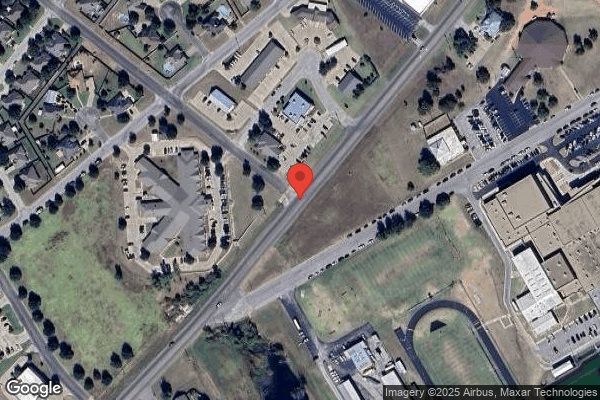
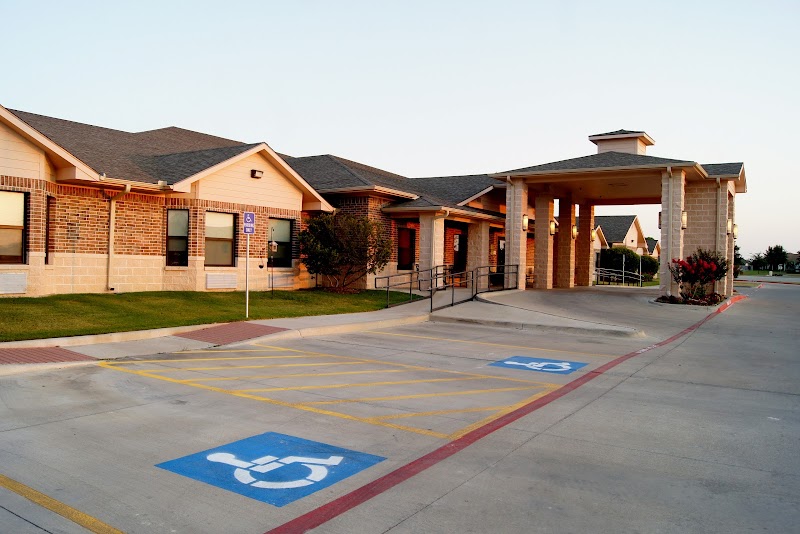
2601 NORTHWEST LOOP, STEPHENVILLE, TX 76401 (254) 968-4649
For profit - Limited Liability company 122 Beds HMG HEALTHCARE Data: November 2025
Trust Grade
75/100
#280 of 1168 in TX
Last Inspection: August 2024

Within standard 12-15 month inspection cycle. Federal law requires annual inspections.

Overview

Lone Star Rehabilitation & Wellness Center has a Trust Grade of B, indicating that it is a good choice for families seeking care, positioned solidly within the middle range of facilities. It ranks #280 out of 1,168 in Texas, placing it in the top half of state facilities and #2 out of 3 in Erath County, meaning only one local option is better. The facility is improving, with the number of issues identified decreasing from five in 2024 to three in 2025. Staffing is a relative strength, with a 3 out of 5-star rating and a turnover rate of 38%, which is below the Texas average of 50%. Notably, the facility has not incurred any fines, reflecting good compliance, and benefits from more RN coverage than 93% of Texas facilities, ensuring that residents receive attentive care. However, there are some areas of concern. Recent inspections found that the facility failed to properly screen some employees for criminal history, which could put residents at risk for receiving care from unsuitable staff. Additionally, there were issues with meal preparation, where one resident did not receive a proper meal according to their dietary needs, resulting in potential health risks due to inadequate nutrition. Meals served were also reported to be cold and unappetizing during inspections, which could lead to dissatisfaction among residents. Overall, while the facility has strengths in staffing and compliance, families should be aware of the specific concerns raised in recent inspections.

Trust Score
B
75/100
In Texas
#280/1168
Top 23%
Safety Record
Low Risk
No red flags
Inspections
Getting Better
5 → 3 violations
Staff Stability
○ Average
38% turnover. Near Texas's 48% average. Typical for the industry.
Penalties
✓ Good
No fines on record. Clean compliance history, better than most Texas facilities.
Skilled Nurses
○ Average
Each resident gets 39 minutes of Registered Nurse (RN) attention daily — about average for Texas. RNs are the most trained staff who monitor for health changes.
Violations
⚠ Watch
17 deficiencies on record. Higher than average. Multiple issues found across inspections.
★★★★☆
4.0
Overall Rating
★★★☆☆
3.0
Staff Levels
★★★☆☆
3.0
Care Quality
★★★★☆
4.0
Inspection Score
Stable
2024: 5 issues
2025: 3 issues

The Good

  • Full Sprinkler Coverage · Fire safety systems throughout facility
  • No fines on record
  • Staff turnover below average (38%)

    10 points below Texas average of 48%

Facility shows strength in fire safety.

The Bad

Staff Turnover: 38%

Near Texas avg (46%)

Typical for the industry

Chain: HMG HEALTHCARE

Part of a multi-facility chain

Ask about local staffing decisions and management

The Ugly 17 deficiencies on record

Sept 2025 2 deficiencies
CONCERN (D) 📢 Someone Reported This

A family member, employee, or ombudsman was alarmed enough to file a formal complaint

Potential for Harm - no one hurt, but risky conditions existed

Deficiency F0558 (Tag F0558)

Could have caused harm · This affected 1 resident

**NOTE- TERMS IN BRACKETS HAVE BEEN EDITED TO PROTECT CONFIDENTIALITY** Based on observation, interview and record review, the facility failed to accommodate residents' needs, preferences and accommod...

Read full inspector narrative →
**NOTE- TERMS IN BRACKETS HAVE BEEN EDITED TO PROTECT CONFIDENTIALITY** Based on observation, interview and record review, the facility failed to accommodate residents' needs, preferences and accommodation of needs, for 1 (Resident #6) of 19 residents reviewed for dignity. The facility failed to ensure Resident #6's call light was within reach while he was in bed on 09/02/2025 and 09/03/2025. This failure could place residents at risk of a diminished quality of life and lead to a loss of self-esteem and isolation.Findings included: Review of Resident #6's face sheet dated 09/04/2025 revealed a [AGE] year-old male admitted on [DATE] with the following diagnosis: aphasia following cerebral infarction (difficulty speaking following a stroke), hemiplegia and hemiparesis following cerebral infarction affecting unspecified side (muscle weakness and inability to move muscles following stroke), and cerebral infarction (stroke). Review of Resident #6's quarterly MDS assessment dated [DATE] revealed: Resident #6 was rarely or never understood, and BIMS was not able to be performed. Section GG: Functional Abilities revealed Resident #6 had impaired range of motion to one side of upper extremities and had impaired range of motion on both sides of lower extremities. He was dependent on staff for bed mobility and helper did all the effort with bed to chair transfer. Section J: Health Conditions revealed Resident #6 had falls since admission with no injury. Review of Resident #6's most recent Care plan reviewed on 09/04/2025 revealed: Resident #6 has had an actual fall: 07/05/25 Fall, no injury 07/11/25 Fall, no injury Date Initiated: 07/07/2025 Revision on: 07/15/2025. During an observation on 09/02/2025 at 10:14 a.m., Resident #6 was lying in bed. He opened eyes to sounds but did not answer questions asked. He had a fall mat to the right of his bed. The call light was hanging on the wall behind and to the right of the head of his bed where the cable exits the wall. No staff were in his room. There were signs on two of the doors in Resident #6's room with message call, don't fall written on them. During an observation and interview on 09/03/2025 at 9:10 a.m., Resident #6 was lying in bed with a fall mat to the right of his bed. The call light was hanging on the wall behind and to the right of the head of his bed where the cable exits the wall. CNA A stated that the call light hanging on the wall was Resident #6's call light. She stated Resident #6 would not be able to reach the call light while it was hanging on the wall. She stated she did not know why the call light was not in Resident #6's reach. She stated she had been helping on another hall this morning and did not realize that the call light was hanging on Resident #6's wall. She stated not having call light in reach could cause Resident #6 to fall. During a telephone interview on 09/03/2025 at 2:26 p.m., Resident #6's representative stated Resident #6 was not able to get out of bed without help. During an interview on 09/03/2025 at 3:58 p.m., LVN B stated she was responsible for Resident #6. She stated Resident #6 could not exit his bed without assistance. She stated if Resident #6 was in bed and the call light was hanging on the wall where the cable exits the wall, Resident #6 would not be able to reach it. She stated all staff were responsible for making sure call lights were in the reach of the residents. She stated not having the call light in reach could interfere with residents being able to call for assistance. During an interview on 09/03/2025 at 4:07 p.m., the DON stated her expectation would be that call lights were in reach of residents when they were in bed. She stated that Resident #6 was not able to exit the bed to reach the call light if the call light was hanging on the cable where it exits the wall behind the head of his bed. She stated not having the call light in reach could interfere with residents calling for assistance. She stated the CNAs were responsible for call lights being in reach and the charge nurse was to monitor that call lights were in reach. During an interview on 09/04/2025 at 12:32 p.m., the ADMN stated it was her expectation that call lights were in reach of residents lying in bed. She stated Resident #6 could not get out of the bed safely to reach a call light if it was handing on the wall behind the head of his bed. She stated Resident #6 would not use his call light and would yell out if he needed assistance but even so, she expected for him to have access to his call light. The ADMN stated the CNAs were responsible for making sure call lights were in residents' reach. She stated the charge nurses were who monitored the CNAs were keeping call lights in reach. She stated the department heads rounded the halls daily during the week to monitor nursing staff. The ADMN added the department head that was assigned to the hall where Resident #6 resided was on vacation and could have led to failure of call light not being in reach. Review of facility document titled Strategies for Reducing the Risk of Falls revised on date December 2007 revealed: Transfer and Ambulation: Remind the resident and family to call as needed for assistance with transfer and ambulation.Room: call light within reach. Review of facility policy titled Answering the Call Light revised date March 2021 revealed: Upon admission and periodically as needed, explain and demonstrate use of the call light to the resident. Ask the resident to return the demonstration.When a resident is in bed or confined to a chair be sure the call light is within easy reach of the resident.
CONCERN (E) 📢 Someone Reported This

A family member, employee, or ombudsman was alarmed enough to file a formal complaint

Potential for Harm - no one hurt, but risky conditions existed

Abuse Prevention Policies (Tag F0607)

Could have caused harm · This affected multiple residents

Based on interviews and record reviews, the facility failed to implement written policies and procedures that prohibit and prevent abuse, neglect, exploitation of residents and misappropriation of res...

Read full inspector narrative →
Based on interviews and record reviews, the facility failed to implement written policies and procedures that prohibit and prevent abuse, neglect, exploitation of residents and misappropriation of resident property for 4 of 16 employees (SW, ADMN, CNA C and CNA D) reviewed for employability.The facility failed to ensure record of criminal history check and/or an EMR/NAR check prior to hire were maintained for the SW.The facility failed to ensure record of annual EMR/NAR checks were maintained for the (SW, ADMN, CNA C and CNA D).These findings placed residents at risk of receiving care by someone that was unemployable.The findings included:Record review of the SW's employee file revealed a hire date of 03/28/2022 and no evidence of a criminal history or an EMR/NAR check were completed prior to hire. Further review revealed no evidence of annual EMR/NAR check was completed annually. Record review of the ADMN's employee file revealed a hire date of 02/07/2023 and no evidence of an annual EMR/NAR check completed annually. Record review of the CNA C's employee file revealed a hire date of 03/30/2023 and no evidence of an annual EMR/NAR check completed annually.Record review of the CNA D's employee file revealed a hire date of 11/11/2022 and no evidence of an annual EMR/NAR check completed annually.During an interview on 09/04/2025 at 1:10 PM Payroll E stated she had only been in the position since March 2025. Payroll E stated she was responsible for completing criminal history and EMR/NAR checks. Payroll E stated criminal history checks and EMR/NAR checks were supposed to be completed prior to hire and EMR/NAR checks were supposed to be completed annually. Payroll E stated she had been working since March 2025 and that when she started at the facility, she was told to upload employee files to electronic files. Payroll E stated she uploaded all the documents could find. During an interview on 09/04/2025 at 1:45 PM the ADMN stated her expectation was criminal history checks and EMR/NAR checks were supposed to be ran prior to hire and EMR/NAR check should have been ran annually at date of hire. The ADMN stated Payroll was responsible for ensuring Criminal/EMR NAR checks were to be completed prior to hire and EMR/NAR checks were to be ran annually upon anniversary date. The ADMN stated she was ultimately responsible to ensure checks were completed. The ADMN stated residents could have been affected by being exposed to staff who should not have been hired. The ADMN stated what led to failure was turnover in the payroll in position. The ADMN stated she felt they were completed but the facility had started having employee files uploaded electronically and documents may have been misplaced. Record review of facility policy titled, Personnel Records dated 2/17/2023 revealed: A separate confidential folder will be maintained in conjunction with the personnel contents of payroll record folder and will contain the following confidential information: .a. Criminal History Check (completed prior to hire) . d. Misconduct Registry and Nurse Aide Registry Checks (completed prior to hire and annually)
Jan 2025 1 deficiency
CONCERN (D) 📢 Someone Reported This

A family member, employee, or ombudsman was alarmed enough to file a formal complaint

Potential for Harm - no one hurt, but risky conditions existed

Infection Control (Tag F0880)

Could have caused harm · This affected 1 resident

**NOTE- TERMS IN BRACKETS HAVE BEEN EDITED TO PROTECT CONFIDENTIALITY** Based on observations, interviews, and record review, the facility failed to establish and maintain an infection prevention and ...

Read full inspector narrative →
**NOTE- TERMS IN BRACKETS HAVE BEEN EDITED TO PROTECT CONFIDENTIALITY** Based on observations, interviews, and record review, the facility failed to establish and maintain an infection prevention and control program designed to provide a safe, sanitary, and comfortable environment and to help prevent the development and transmission of communicable diseases for 1 (Resident #1) of 3 residents reviewed for infection control practice. CNA A and CNA B failed to perform hand hygiene and change their gloves while providing incontinence care for Resident #1. These failures placed residents at risk for the spread of infection. Findings included: Review of Resident #1's face sheet, dated 01/29/25, revealed the resident was a 78- year- old female admitted to the facility on [DATE] with diagnoses diabetes mellitus and Alzheimer's disease. Review of Resident #1's quarterly MDS assessment, dated 01/13/25, revealed she required dependent assistance with most activity of daily living (ADLs) and one-person assist. Resident #1 was always incontinent of bladder and bowel. Review of Resident #1's care plan undated revealed the Resident #1 is at risk for skin breakdown due to decreased circulation in the lower extremities relate to peripheral vascular disease. Observation of incontinent care for Resident #1 on 01/29/25 at 1:42 p.m. revealed CNA A and CNA B did not wash their hands before the start of care. Both CNAs donned gloves. CNA A and CNA B removed the resident's brief which was completely soiled with urine and fecal matter. CNA A wiped the resident from front to back. Her gloves were visibly soiled, but she continued to use it to clean the resident. CNA A did not wash her hands, change gloves, or perform hand hygiene but proceeded to retrieve Resident #1's clean brief. She placed the clean brief on the resident and fastened it. Meanwhile, CNA B was assisting CNA A to provide care to Resident #1. CNA B wore the same gloves for repositioning including touching the perineal area and fastened the clean brief to the resident. CNA A and CNA B doffed their gloves. Both exited Resident #1's room without washing hands or performing hand hygiene. In an interview on 01/29/25 at 1:55p.m with CNA A, she said she had been employed in the facility for 2 years but left and started again today. She could not remember the last time she received infection control training or in-services. CNA A stated cross contamination meant mixing clean with dirty. CNA A stated she should have washed hands and changed gloves before retrieving the clean brief and placing it on Resident #1. CNA A noted the Resident #1 could get sick for not following good infection control practice. Interview with CNA B on 01/29/25 at 1:58p.m revealed she had been working for the facility for 3-4 months and received infection control training during orientation. CNA B said cross contamination could be caused by not washing hands or changing gloves. CNA B stated she should have changed her gloves and washed her hands before assisting, after repositioning, and before fastening Resident #1's clean brief. During an interview with the DON on 11/29/22 at 3:59 p.m. she acknowledged she was aware of some of the concerns raised about infection control. She stated the staff were expected to wash hands before any care was provided and changed gloves at appropriate times. The DON stated the employee received infection control training annually and periodically as needed. She explained the facility monitored the employees by observing them give care to the residents. Review of the facility policy on hand washing/hand hygiene revised August 2015 reflected the following: Policy Statement: This facility considers hand hygiene the primary means to prevent the spread of infections. Policy Interpretation and Implementation 1. All personnel shall be trained and regularly in-serviced on the importance of hand hygiene in preventing the transmission of healthcare-associated infections. 2. All personnel shall follow the handwashing/hand hygiene procedures to help prevent the spread of infections to other personnel, residents, and visitors. 3. Residents, family members and/or visitors will be encouraged to practice hand hygiene through the use of fact sheets, pamphlets and/or other written materials provided at the time of admission and/or posted throughout the facility. 4. Wash hands with soap (antimicrobial or non-antimicrobial) and water for the following situations: a. When hands are visibly soiled; and b. After contact with a resident with infectious diarrhea including, but not limited to
Aug 2024 5 deficiencies
CONCERN (D) 📢 Someone Reported This

A family member, employee, or ombudsman was alarmed enough to file a formal complaint

Potential for Harm - no one hurt, but risky conditions existed

Unnecessary Medications (Tag F0759)

Could have caused harm · This affected 1 resident

**NOTE- TERMS IN BRACKETS HAVE BEEN EDITED TO PROTECT CONFIDENTIALITY** Based on observation, interview, and record review, the facility failed to ensure that the medication error rate was not five pe...

Read full inspector narrative →
**NOTE- TERMS IN BRACKETS HAVE BEEN EDITED TO PROTECT CONFIDENTIALITY** Based on observation, interview, and record review, the facility failed to ensure that the medication error rate was not five percent (%) or greater. The facility had a medication error rate of 5.88% based on 2 errors out of 34 opportunities, which involved 2 of 7 residents (Resident #24 & Resident #39) reviewed for medication errors. 1. The facility failed to ensure LVN B administered potassium chloride liquid diluted with 4-6 oz (ounces) of water prior to administration given for hypokalemia (low potassium) to Resident #24 according to physician orders. 2. The facility failed to ensure MA A administered the correct dose of Ferrous gluconate (iron) given for anemia (a problem of not having enough healthy red blood cells or hemoglobin to carry oxygen to the body's tissues) to Resident #39 according to physician orders. These failures could place residents at risk of inadequate therapeutic outcomes and GI distress. Findings included: Resident #24 Review of Resident #24's electronic face sheet dated 08/29/2024 revealed he was a [AGE] year-old male admitted to the facility on [DATE] with diagnoses to include: aphasia (difficulty swallowing), and gastrostomy status (tube that allows fluid, medication, and formula to be administered into stomach without having to swallow). No evidence that hypokalemia (low potassium) was a diagnosis. Review of Resident #24's annual MDS assessment dated [DATE] revealed Resident #24 was rarely or never understood. Further investigation revealed Resident #24 had a feeding tube while a resident. Review of Resident #24's comprehensive care plan last reviewed on 06/21/2024 revealed Resident had ADL self-care performance deficit related to impaired mobility. Goal: ADL needs will be anticipated and met by staff through next review. Interventions: Eating: The resident is NPO (nothing by mouth) and is totally dependent on licensed nurse for G-tube (gastric tube) feeding. Further review of care plan revealed Resident #24 had diagnosis of hypokalemia. Goal: The resident will be free from s/sx of complications of cardiac problems through the review date. Interventions: Give meds as ordered by the physician. Monitor and document side effects. Report adverse reactions to MD PRN. Review of Resident #24's electronic Physician Orders revealed the following order dated 09/22/2021: Potassium Chloride Solution 20 mEq/15ml (10%) Give 15ml via G-tube three times a day for hypokalemia. Dilute with 4-6 oz of water prior to administration. Review of Resident #24's electronic August 2024 MAR revealed Potassium Chloride Solution 20 MEQ/15ML (10%) Give 15ml via G-tube three times a day for Hypokalemia Dilute with 4-6 oz of water prior to administration. Start Date- 09/22/2021 During an observation on 08/28/2024 at 8:55 a.m., LVN B administered Potassium Chloride Solution 15ml through G-tube after flushing tube with 30cc water before and after administration. LVN B did not dilute Potassium Chloride in 4-6 oz of water prior to administration. During an interview on 08/29/2024 at 9:24 a.m., LVN B stated she did not dilute Potassium with 4-6 oz of water prior to administering through G-tube. She stated she did not read the physician's order fully which led to the failure. She stated she did not know what negative effect not diluting medication could have on the resident without looking it up. Resident #39 Record review of Resident #39's electronic face sheet dated 08/29/2024 revealed she was a [AGE] year-old female admitted to the facility on [DATE] with diagnoses to include: anemia (a problem of not having enough healthy red blood cells or hemoglobin to carry oxygen to the body's tissues). Record review of Resident #39's quarterly MDS assessment dated [DATE] revealed: BIMS score of 15 which indication cognition was intact. Record review of Resident #39's comprehensive care plan last reviewed on 07/22/2024 revealed Resident had anemia. Goal: Will remain free of s/sx or complications related to anemia through review date. Interventions: Give medications as ordered. Record review of Resident #39's Physician Orders revealed the following order dated 06/11/2024: Ferrous Gluconate Tablet 324 (38Fe) mg Give 1 tablet by mouth two times a day for anemia. Review of Resident #39's electronic August 2024 MAR revealed Ferrous Gluconate Tablet 324 (38Fe) MG Give 1 tablet by mouth two times a day for anemia. Start Date- 04/11/2024 During an observation on 08/28/2024 at 7:50 a.m., MA A put Ferrous Gluconate 240 (27Fe) mg 1 tablet into medication cup. Resident #39 swallowed Ferrous Gluconate 240 (27Fe) mg tablet. During an interview on 08/28/2024 at 7:55 a.m., MA A stated she had given 240mg Ferrous Gluconate to Resident #39. She did not state that medication was the wrong dosage. During an interview on 08/29/2024 at 8:18 a.m., the DON stated she expected facility staff to follow physician's orders. She stated if OTC (over the counter) medication was not available with correct mg she expected for facility staff to notify herself or ADON so that physician could be notified, and order clarified. She stated that she had been told by MA A wrong dosage of Ferrous Gluconate had been administered to Resident #39 and she notified ordering physician. She stated Resident #39's order has since been updated with correct dosage of 240 mg. She stated the pharmacy monitors that orders are followed by nurses and MAs by performing medication passes with facility staff. She stated the pharmacy monitors that orders are correct in the medical record. She denied any negative effect occurred to Resident #39 from MA administering wrong dosage of medication. During a follow up interview on 08/29/2024 at 1:06 p.m., the DON stated she was informed by LVN B of not diluting Potassium Chloride Solution was not diluted during medication pass to Resident #24 on 08/28/2024. She stated MD had been present at facility during lunch time on 08/29/2024 and he did not know why his order stated Potassium Chloride Solution should be diluted. She stated she had reached out the pharmacy and due to Potassium Chloride being administered via G-tube, was not told it had to be diluted. She stated no negative effect occurred to Resident #24 for medication not being diluted but stated that the physician's order should have been followed. She stated that staff should reach out to her or the ADON who would communicate with MD to get order clarified if there was a question on MD's orders. Record review of the facility's policy titled Administering Medication revised in December 2012 revealed: Medication shall be administered in a safe and timely manner, and as prescribed .The Director of Nursing Services will supervise and direct all nursing personnel who administer medications and/or have related function .Medication must be administered in accordance with the orders, including and required time frame .If a dosage is believed to be inappropriate or excessive for a resident, or a medication has been identified as having potential adverse consequences for the resident or is suspected of being associated with adverse consequence, the person preparing or administering the medication call contact the resident's Attending Physician or the facility's Medical Director to discuss the concerns .The individual administering the medication must check the label to verify the right resident, right medication, right dosage, right time and right method (route) of administration before giving the medication. Review of drugs.com accessed on 08/30/2024 at https://www.drugs.com/cdi/potassium-chloride-liquid-and-powder.html revealed: Use potassium chloride liquid and powder as ordered by your doctor. Read all information given to you. Follow all instructions Closely. Take with or right after a meal. Mix with water as you have been told before drinking. Review of drugs.com accessed on 08/30/2024 at https://www.drugs.com/mtm/ferrous-gluconate.html revealed: Use this medication exactly as directed on the label, or as prescribed by your doctor. Do not use it in larger amounts or for longer than recommended.
CONCERN (D) 📢 Someone Reported This

A family member, employee, or ombudsman was alarmed enough to file a formal complaint

Potential for Harm - no one hurt, but risky conditions existed

Deficiency F0761 (Tag F0761)

Could have caused harm · This affected 1 resident

**NOTE- TERMS IN BRACKETS HAVE BEEN EDITED TO PROTECT CONFIDENTIALITY** Based on observation, interview, and record review, the facility failed to store all drugs and biologicals in locked compartment...

Read full inspector narrative →
**NOTE- TERMS IN BRACKETS HAVE BEEN EDITED TO PROTECT CONFIDENTIALITY** Based on observation, interview, and record review, the facility failed to store all drugs and biologicals in locked compartments and permit only authorized personnel to have access to the keys for 1 (cart #1) of 8 medication carts reviewed for medication storage in that: The facility failed to ensure medication cart #1 was locked and secured while unattended. This failure could result in a drug diversion. Findings included: During an observation on 08/27/2024 at 12:36 PM, revealed the 200-hall medication cart on 200 hall was unlocked with no staff present or within eyesight. There was also a visitor walking down the hall with unlocked medication cart. Nurse observed toward the end of the hall near the nurses' station checking meal tickets and assisting with passing out lunch trays. The medication cart had medications that included albuterol inhaler, Miralax (laxative), artificial tears, nitroglycerin (vessel dilation), lancets (needles to prick skin during glucometer checks), insulin pens and insulin pen needles, nasal sprays, docusate sodium (for constipation), Bisacodyl (laxative), acetaminophen (pain medication), lactulose (laxative), amiodarone (heart antiarrhythmic medication), Eliquis (anticoagulant), metoprolol (heart antiarrhythmic medication), potassium, Singulair (used to treat asthma), Depakote (anticonvulsant), melatonin, multivitamin, acidophilus (probiotic), Aspirin, cholestyramine (binds to bile to prevent reabsorption in the intestinal tract), and duloxetine (antidepressant). During an interview on 08/27/2024 at 12:41 PM, RN C stated she was responsible for unlocked medication cart. She stated the cart should be locked when she was not present. She stated she should have locked the cart. RN C stated she had just given medication to room [ROOM NUMBER] then had to start passing hall lunch trays. She stated that leaving medication cart unlocked could allow resident to have access to medication inside of cart. During an observation on 08/28/2024 at 07:11 AM revealed the 200-hall medication cart on 200 hall was unlocked with no staff present or within eyesight. LVN D was in resident's room with door closed. LVN D left out of the room with an insulin pen in her hand. The medication cart had medications that included albuterol inhaler, Miralax (laxative), artificial tears, nitroglycerin (vessel dilation), lancets (needles to prick skin during glucometer checks), insulin pens and insulin pen needles, nasal sprays, docusate sodium (for constipation), Bisacodyl (laxative), acetaminophen (pain medication), lactulose (laxative), amiodarone (heart antiarrhythmic medication), Eliquis (anticoagulant), metoprolol (heart antiarrhythmic medication), potassium, Singulair (used to treat asthma), Depakote (anticonvulsant), melatonin, multivitamin, acidophilus (probiotic), Aspirin, cholestyramine (binds to bile to prevent reabsorption in the intestinal tract), and duloxetine (antidepressant). During an interview on 08/28/2024 at 07:13 AM, LVN D stated the medication cart should have been locked. She stated she was responsible for the medication cart and felt the failure occurred due to button on the medication cart needed to be pushed hard. She thought that she had locked the cart when she walked away. During an interview on 08/29/2024 at 08:18 AM, the DON stated she expected for medication carts to be locked when not in use by nurse and nurse not within eyeshot of the cart. She stated nurses had been trained on locking medication carts and she did not know why medication cart had been unlocked. She stated nurse managers and pharmacist were responsible for monitoring that medication carts were stored locked. She stated not locking medication cart could lead to medication diversion. Review of facility policy titled Storage of Medications dated April 2007 revealed: The facility shall store all drugs and biologicals in a safe, secure, and orderly manner .The nursing staff shall be responsible for maintaining medication storage and preparation areas in a clean, safe, and sanitary manner .Compartments (including, but not limited to, drawers, cabinets, rooms, refrigerators, carts, and boxes.) containing drugs and biologicals shall be locked when not in use, and trays or carts used to transport such items shall not be left unattended if open or otherwise potentially available to others.
CONCERN (E) 📢 Someone Reported This

A family member, employee, or ombudsman was alarmed enough to file a formal complaint

Potential for Harm - no one hurt, but risky conditions existed

Menu Adequacy (Tag F0803)

Could have caused harm · This affected multiple residents

**NOTE- TERMS IN BRACKETS HAVE BEEN EDITED TO PROTECT CONFIDENTIALITY** Based on observation, interview, and record review the facility failed to follow menus for 1 of 1 lunch meal reviewed. This fa...

Read full inspector narrative →
**NOTE- TERMS IN BRACKETS HAVE BEEN EDITED TO PROTECT CONFIDENTIALITY** Based on observation, interview, and record review the facility failed to follow menus for 1 of 1 lunch meal reviewed. This facility failed to follow the menu when preparing lunch meal on 08/27/2024. This failure could place residents at risk for a decline in health status due to inadequate or inappropriate nutritional intake. The findings included: Review of Resident #50's face sheet reflected a [AGE] year-old female who was admitted on [DATE] with diagnoses included Alzheimer's Disease, Hyperlipidemia (an excess of lipids or fats in your blood), Type II Diabetes Meletus. During an observation on 08/27/2024 at 12:22 PM revealed Resident #50's pureed diet at the lunch mealtime did not have a dessert or mixed vegetables on her tray. During an interview on 08/27/2024 at 4:36 PM, the Dietician stated she expected the facility to follow the recipes. The Dietician stated if an item was on the meal ticket, then it should be provided unless there was a substitution. The Dietician stated the substitution should have been documented before the meal. The Dietician stated if a resident was on a pureed diet, the resident should receive a desert. The dietician stated she and the Dietary Manager would monitor to ensure the menus were followed. The dietician stated since she was not in the building, she did not know why the menu was not followed. The dietician stated the facility had menus that the facility followed due to nutrition and resident's rights. The dietician stated not following the menu could cause residents to be missing proper nutrition if all items were not served. The dietician stated she believed the dietary manager and dietary staff in the kitchen would monitor that the kitchen was serving out meals in a timely manner. The dietician stated cold foods should be served cold, hot foods should be served hot and that French fries should not be served cold and hard. The dietician stated she did not know what effect it could have on residents as she was not in the building at the time. During an interview on 08/27/2024 at 2:24 PM, the Dietary manager stated the marinated vegetables did not get made and that was why the resident did not receive them. The dietary manager stated she saw that the desert did not get pureed, and she tried to start making it, but could not get enough made because she kept getting called to other things in the kitchen. The dietary manager stated her expectations were that all the residents receive the food on the menu. The dietary manager stated she personally does the prep work and due to her boss being in the kitchen checking everything, it affected the dietary manager of not seeing that the marinated vegetables had not been prepared. The dietary manager stated the failure could affect the resident's and could cause weight loss. During an interview on 08/29/2024 at 8:51 AM, the ADMN stated her expectations were that the menus be followed for all diet types. The ADMN stated mechanical soft diets and puree diets should have gotten a vegetable and a desert. The ADMN stated the failure occurred because the dietary aide missed it. The ADMN stated if the resident were not getting the full meal, it would cause a decreased intake, decreased nutritive value and a decreased calorie intake. The ADMN stated she and the nurses were responsible for ensuring the meal trays have the appropriated diet, and diet consistency. The ADMN stated the menus should be followed. The ADMN stated all but one resident ate meals from the kitchen. Review of Week at a Glance menus reflected for lunch on 08/27/2024 was BBQ Cheeseburger on a bun, lettuce and tomato, pickle spear, Confetti Coleslaw, French Fries, Chocolate Chip Cookie. The alternate menu was Tuna Salad Sandwich, lettuce and tomato, broccoli salad, Garden Pasta salad. During a review of facility's policy titled Meal Distribution (dated 0/2017) reflected: Procedures: All meals will be assembled in accordance with the individualized diet order, plan of care and preferences. All food items will be transported promptly for appropriated temperature maintenance. The nursing staff will be responsible for verifying meal accuracy and the timely delivery. During a review of facility's titled Menus (dated revised 9/2017) reflected: Menus will be served as written, unless a substitution is provided in response to preference, unavailability of an item, or a special meal.
CONCERN (E) 📢 Someone Reported This

A family member, employee, or ombudsman was alarmed enough to file a formal complaint

Potential for Harm - no one hurt, but risky conditions existed

Deficiency F0804 (Tag F0804)

Could have caused harm · This affected multiple residents

**NOTE- TERMS IN BRACKETS HAVE BEEN EDITED TO PROTECT CONFIDENTIALITY** Based on observation, interview and record review, the facility failed to ensure that each resident received food that was palat...

Read full inspector narrative →
**NOTE- TERMS IN BRACKETS HAVE BEEN EDITED TO PROTECT CONFIDENTIALITY** Based on observation, interview and record review, the facility failed to ensure that each resident received food that was palatable, attractive and at a safe and appetizing temperature of 1 of 1 lunch meal in 1 of 1 kitchen tested for nutritive value, flavor, and appearance. The facility failed to provide palatable food served at an appetizing temperature to residents, during lunch on 08/27/2024. This failure could affect the residents who ate food from the facility kitchen by placing them at risk of poor food intake and/or dissatisfaction of meals served. The findings included: During an observation on 08/27/2024 at 2:24 PM, the DM obtained temperatures of test tray. The results were: [NAME] slaw vinegary to taste, flavor of burger good but cold; French Fries cold. The temperature of BBQ burger patty was 100.5 degrees Fahrenheit; temperature of [NAME] slaw 54.6 degrees; temperature of French Fries 94.1; and temperature of salad lettuce/tomato/onion 70.1 degrees. During an interview on 08/27/2024 at 2:24 PM the DM stated the temperature of the BBQ burger patty should have been at least 165 degrees. The temperature of the [NAME] slaw should have been 41 degrees or lower. The temperature of the French Fries should have been 135 degrees or higher. The temperature of the salad: lettuce/tomato/onion should have been 41 degrees or lower. During an interview on 08/27/2024 at 2:32 PM, the DM stated that everything was not reaching correct temperature due to having to use Styrofoam containers. The DM also stated having to wait for trays to be hand washed and waiting for trays to dry before sending out rest of meal prevented the meals to remain at palatable temperature. The DM stated the effect on residents was that they could have weight loss. The temperature of the BBQ burger patty should have been at least 165 degrees. The temperature of the [NAME] slaw should have been 41 degrees or lower. The temperature of the French Fries should have been 135 degrees or higher. The temperature of the salad: lettuce/tomato/onion should have been 41 degrees or lower. During an interview on 08/27/2024 at 4:36 PM, The dietician stated cold foods should be served cold and hot foods served hot. She stated the French Fires should not be served cold and hard. The dietician did not have an answer to why coleslaw taste like vinegar. During an interview on 08/29/2024 at 2:26 PM, ADMN stated all but one resident eats meals from the kitchen. The ADMN stated his expectations were that all food be served to the residents at palatable temperature. During a review of facility's policy titled Meal Distribution (dated 0/2017) reflected: Procedures: All food items will be transported promptly for appropriated temperature maintenance.
CONCERN (E) 📢 Someone Reported This

A family member, employee, or ombudsman was alarmed enough to file a formal complaint

Potential for Harm - no one hurt, but risky conditions existed

Deficiency F0849 (Tag F0849)

Could have caused harm · This affected multiple residents

**NOTE- TERMS IN BRACKETS HAVE BEEN EDITED TO PROTECT CONFIDENTIALITY** Based on interview and record review, the facility failed to collaborate with hospice representatives and coordinate the hospice...

Read full inspector narrative →
**NOTE- TERMS IN BRACKETS HAVE BEEN EDITED TO PROTECT CONFIDENTIALITY** Based on interview and record review, the facility failed to collaborate with hospice representatives and coordinate the hospice care planning process for each resident receiving hospice services, to ensure quality of care for the resident, ensuring communication with the hospice medical director, the resident's attending physician and others participating in the provision of care for 3 (Resident #80, Resident #63, and Resident #46) of 12 residents reviewed for hospice services. The facility failed to maintain required hospice forms and documentation, that included the hospice plan of care and certificate of terminal illness to ensure Resident #80, Resident #63, and Resident #46 received adequate end-of-life care. The facility failed to have physicians' orders for Hospice Care for Resident #80, Resident #63, and Resident #46. This failure could place the residents who receive hospice services at-risk of receiving inadequate end-of-life care due to a lack of documentation, coordination of care, and communication of resident needs. The findings included: Resident #80 Review of Resident #80's electronic face sheet revealed a [AGE] year-old male admitted to the facility on [DATE] with diagnoses to include: anxiety, depression, and dementia. Further review of electronic face sheet revealed resident was on hospice services. Review of Resident #80's Quarterly MDS assessment dated [DATE] revealed: BIMS score of 08 which indicated mild cognitive impairment. Further review of the MDS Section O Special Treatments, Procedures, and Programs revealed Hospice Care. Review of Resident #80's Care plan last reviewed on 06/10/2024 revealed: Focus: The resident has a terminal prognosis. Admit to Hospice Services on 03/19/24. Goal: Dignity and autonomy will be maintained at highest level. Interventions: Observe resident closely for signs of pain, administer pain medication as ordered, and notify physicians immediately if there is breakthrough pain. Work with hospice team to ensure the resident's spiritual, emotional, intellectual, physical, and social need are met. Review of Resident #80's electronic Physicians Orders revealed no evidence of an order for Hospice services. Review of Resident #80's electronic record revealed no evidence of the required hospice forms and documentation, that included the hospice plan of care and certificate of terminal illness for Resident #80. During an interview on 08/28/24 at 10:13 AM, LVN B stated she did not know if Resident #80 was on hospice services or not. She stated the only way to know was to look at the orders. LVN B stated Resident #80 did not have an order for hospice which as to her understanding meant he was not on hospice services. Resident #63 Review of Resident #63's electronic face sheet revealed an [AGE] year-old female admitted to the facility on [DATE] with diagnoses to include: depression, anxiety, and dementia, and kidney disease. Further review of electronic face sheet revealed resident was on hospice services. Review of Resident #63's Quarterly MDS assessment dated [DATE] revealed: BIMS score of 14 which indicated no cognitive impairment. Further review of the MDS Section O Special Treatments, Procedures, and Programs revealed Hospice Care. Review of Resident #63's Care plan last reviewed on 06/06/2024 revealed: Focus: The resident has a terminal prognosis. Receiving Hospice Services. Goal: Comfort will be maintained. Interventions: Work with hospice team to ensure the resident's spiritual, emotional, intellectual, physical, and social need are met. Review of Resident #63's electronic Physicians Orders revealed no evidence of an order for Hospice services. Review of Resident #63's electronic record revealed initial hospice care plan initiated 05/26/22 with no updates to date. Resident #46 Review of Resident #46's electronic face sheet revealed a [AGE] year-old male admitted to the facility on [DATE] with diagnoses to include: depression, anxiety, and dementia. Further review of electronic face sheet revealed resident was on hospice services. Review of Resident #46's Quarterly MDS assessment dated [DATE] revealed: BIMS score of 14 which indicated no cognitive impairment. Further review of the MDS Section O Special Treatments, Procedures, and Programs revealed Hospice Care. Review of Resident #46's Care plan last reviewed on 08/19/2024 revealed: Focus: The resident has a terminal prognosis. Receiving Hospice Services. Goal: Comfort will be maintained. Interventions: Observe resident closely for signs of pain, administer pain medication as ordered, and notify physicians immediately if there is breakthrough pain. Work with hospice team to ensure the resident's spiritual, emotional, intellectual, physical, and social need are met. Review of Resident #46's electronic Physicians Orders revealed no evidence of an order for Hospice services. Review of Resident #46's electronic record revealed no evidence of the required hospice forms and documentation, that included the hospice plan of care and certificate of terminal illness for Resident #46. During an interview on 08/29/24 at 9:50 AM, RN E stated the only way she would know that a resident was on hospice services would be to look at the orders. During an interview on 08/29/24 at 2:00 PM, the DON who stated all hospice residents should have an order in the computer and have a binder on cite. DON stated she was not sure what documents were required from hospice, but she could get them at any time. She stated residents did not have to have a binder and nothing in the binder affected the care of hospice residents. DON stated not having an order for hospice did not affect residents care because the nurse would still have contacted the primary doctor and treat the resident the same whether being on hospice services or not. The DON stated her staff needed more training on hospice services. She stated communication with hospice services was not needed because her staff would communicate with the physician if any extra care was needed. During an interview on 08/29/2024 at 2:18 PM, the ADON who stated the Hospice records were in the Hospice notebook that was located at the nurse's station. ADON stated the required documents were not in the facility at this time after looking for the Hospice Notebook at the nurses' station without finding it, and that she called Hospice and was faxed the required documents. She stated the documents should have already been in the facility. Record review of the facility's Hospice Services Nursing Home Hospice Agreement dated effective April 4, 2023, between the nursing facility and Hospice revealed: .Section III. Services Furnished by The Hospice. Subsection A. Hospice Plan, the hospice is responsible for the professional management of the hospice patient's hospice care. The hospice shall develop, at the time an eligible resident is admitted to the hospice program, a hospice plan for management and palliation of the resident's terminal illness. The hospice plan is in a written document which will be a detailed description of the scope and frequency of hospice services and supplies needed to meet the resident's needs. The hospice plan will specify services and supplies are related to the patient's terminal illness, and therefor, will be furnished by hospice. The hospice shall furnish a copy of the hospice plane to the home within 8 days of being accepted by the hospice into its hospice program. Such hospice plan will be furnished to the home in and will be updated every two weeks or more frequently as deemed necessary by the hospice, and a copy of the updated hospice plan will be furnished every two weeks to the home.
Jun 2023 3 deficiencies
CONCERN (E)

Potential for Harm - no one hurt, but risky conditions existed

Deficiency F0565 (Tag F0565)

Could have caused harm · This affected multiple residents

Based on interview and record review, the facility failed to ensure resident group meetings were held as scheduled, the residents were made aware of upcoming meetings, and resident group concerns were...

Read full inspector narrative →
Based on interview and record review, the facility failed to ensure resident group meetings were held as scheduled, the residents were made aware of upcoming meetings, and resident group concerns were promptly acted upon for reviewed resident group meeting minutes, in that: 1. The facility failed to ensure Resident Council Meetings that were scheduled during May 2023 and June 2023 were held as scheduled. 2. The facility failed to ensure there was documented evidence that residents' concerns, as noted in the Resident Council Minutes dated 4/18/23, regarding not knowing how to use the remote controls for the new televisions in their rooms had been addressed or resolved. The facility's failure placed the residents at risk for violation of their right to meet as a group and voice concerns, which could result in decreased feelings of quality of life and well-being within their living environment. The findings included: Review of the Monthly Activity Calendars for April 2023, May 2023, and June 2023 revealed Resident Council meetings were scheduled for 4/04/23 at 1:00 PM, 5/09/23 at 1:00 PM, and 6/13/23 at 2:00 PM. Review of the Resident Council Minutes, dated 4/18/23 at 2:30 PM, revealed documentation that 4 residents had attended. Old business from the previous month's meeting was reviewed, and new business was discussed. The new business documented concerns regarding new televisions in the residents' rooms. The residents could not see them and needed help learning how to use the new remote controls. The Activity Director documented the concern was reported to the appropriate department. There was no further documented follow-up to the concern regarding the new in-room televisions. The meeting was not held on the originally scheduled dated of 4/04/23. Review of the Resident Council Minutes, dated 5/09/23 at 2:00 PM, documented no meeting, on floor. There were no documented Resident Council Minutes for the meeting scheduled on 6/13/23 at 2:00 PM or for any other date during June 2023. Review of the Monthly Grievance Logs and Grievance Report Forms revealed there were no documented grievances from the Resident Council during the past 6 months (December 2022 - June 2023 to date). In an interview on 6/27/23 at 3:30 PM, the Activity Director stated if there were Resident Council concerns, she filled out a grievance form and gave it to the department that needed to address it. She stated she followed-up with the residents and asked them questions about the concern. She stated she reviewed old business at the next Resident Council Meeting and reviewed concerns and what was done to correct any problems, such as laundry issues. The Activity Director provided copies of last two Resident Council Meeting Minutes and last three months of activity calendars for review. In an interview on 6/27/23 at 3:56 PM, the facility's Social Worker stated she kept a grievance log and would provide the grievance log for 2023 for review. In an interview on 6/28/23 at 3:34 PM, the Activity Director stated a Resident Council meeting was not held during May 2023 because she worked the floor as a CNA. In a confidential group interview on 6/28/23 on 3:42 PM, during a Resident Council Meeting, the 7 residents in attendance stated Resident Council meetings were not held regularly. One resident stated a meeting during May was not held because the Activity Director had to work the floor as a CNA. A resident stated the Activity Director wears many hats, drives the facility van, and does a lot of other things. The Resident Council President stated the meetings were not held routinely and the last meeting was held in April 2023. One resident stated the previous Activity Director held Resident Council Meetings regularly every month, but she had been gone for almost 2 years. The residents stated they did not attend Resident Council Meetings regularly because the meetings were not held regularly. Some of the residents stated they did not know about the Resident Council Meetings so had not ever attended. The residents stated they did not know they could meet as a group to discuss their concerns without the Activity Director or other staff present. In an interview on 6/29/23 at 10:13 AM, the Administrator stated the grievance process started with the Social Worker, who did the tracking log, and initiated the investigation. The Administrator stated anyone could complete the grievance form and give it to the Social Worker. The Administrator stated grievances were discussed in the morning meetings and she assigned the person to address the concern or grievance. The Administrator stated she reviewed and signed the grievance form after verifying the concern has been addressed and resolved. She stated the facility grievance policy was included in the admission packet, as well as resident rights. The Administrator stated maybe she needed to have a meeting with the Resident Council regarding the Grievance Process. She provided a copy of the facility's policy and procedures for filing grievances for review. She stated a copy of the resident rights was included in the admission packet. During an interview and record review on 6/29/23 at 10:35 AM, the Payroll Coordinator stated she had started employment in the facility during December 2022 and had not known the prior Activity Director. She reviewed the files for the Activity Department staff and stated she the current Activity Director was hired on 12/09/21 and was also listed as a CNA. She stated the prior Activity Director had given a 30-day notice and left voluntarily during the first part of December 2021. In an interview on 6/29/23 at 10:47 AM , the Activity Director stated she had taken nurse aide training and passed the certification test last summer, about 1 year ago, so she could drive the facility van and be the transportation driver for resident appointments and activity outings. She stated she took residents to appointments, which were local and out of town. She stated sometimes she found out the morning of the appointment and other times she found out 1 or 2 days in advance. The Activity Director stated some appointments required her to be gone all day. The Activity Director stated she had been filling in as a CNA on the day shift during May and June. She stated she had not been able to have activities and Resident Council meetings as scheduled . The Activity Director stated there was not a Resident Council meeting held during May 2023 and there had not been a Resident Council Meeting for this month [June] so far. In an interview on 6/29/23 at 5:03 PM , the facility's Social Worker and the Administrator stated the stated the Activity Director was good about telling them when the Resident Council had concerns or complaints. The Social Worker stated sometimes she filled out a grievance report form with Resident Council on it and other times she put the resident's name on it. The Administrator stated she did not think there were any grievance forms from the March 2023 and April 2023 Resident Council meetings. The Administrator stated she had not realized the Resident Council meetings were not being held as scheduled. She stated she spoke with the nursing staff and told them that they could not keep pulling the Activity Director from activities and have her work the floor. Review of the facility's policy and procedure for Resident Council, not dated, revealed the following [in part]: Policy Statement The facility supports residents' desires to be involved and have input in the operation of the facility through the Resident Council. Policy Interpretation and Implementation 1. The purpose of the Resident Council is to provide a forum for: a. Residents too have input in the operation of the facility; b. Discussion of concerns; c. Consensus building and communication between residents and facility staff; and d. Staff to disseminate information and feedback from interested residents . 2. Appointment to the council: c. The facility will designate, with the approval of the council, and administrative representative. However, the facility representative will only remain in council meetings as requested by the council. Minutes must reflect such requests. 7. Council meetings are scheduled monthly or more frequently if requested by residents or the Administrator. The date, time, and location of the meetings are noted in the Activities calendar. A Resident Council Response Form will be utilized to track issues and their resolution. The facility department related to any issues will be responsible to address the item(s) of concern. 8. Minutes include names of the council members and guests present; issues discussed; recommendations from the council to the Administrator; and follow-up on prior issues. 9. The Administrator reviews the minutes and any responses from departments within the facility. Responses are presented at the next meeting, or sooner, if indicated
CONCERN (E)

Potential for Harm - no one hurt, but risky conditions existed

Grievances (Tag F0585)

Could have caused harm · This affected multiple residents

Based on interview and record review, the facility failed to make information on how to file a grievance or complaint available to the residents, including notifying residents individually or through ...

Read full inspector narrative →
Based on interview and record review, the facility failed to make information on how to file a grievance or complaint available to the residents, including notifying residents individually or through postings in prominent locations throughout the facility of the right to file grievances orally (meaning spoken) or in writing; the right to file grievances anonymously; the contact information of the grievance official with whom a grievance can be filed for reviewed for resident rights, in that: 1. The facility failed to ensure residents knew how to file a grievance, as expressed during the Resident Council group meeting held 6/28/23. 2. The facility failed to ensure residents knew who was responsible for addressing and investigating any complaints or concerns they may have regarding life in the facility. The facility's failure placed the residents at risk for concerns not being reported and addressed, decreased quality of life, and a decreased feeling of well-being within their living environment. The findings included: Review of the Resident Council Minutes, dated 4/18/23 at 2:30 PM, revealed documentation that 4 residents had attended, old business from the last month's minutes was reviewed, and new business was discussed. The new business documented concerns regarding new televisions in the residents' rooms. The residents could not see them and needed help learning how to use the new remote controls. The Activity Director documented the concern was reported to the appropriate department. There was no further documented follow-up to the concern regarding the new in-room televisions. The meeting was not held on the originally scheduled dated of 4/04/23. Review of the facility Grievance /Complaint Report form revealed sections to document the date, name of resident and/or representative, nature of the grievance/complaint, documented facility follow-up, and documented resolution of grievance/complaint. Review of the Monthly Grievance Logs and Grievance Report Forms revealed there were no documented grievances from the Resident Council during the past 6 months (December 2022 - June 2023 to date). In an interview on 6/27/23 at 3:30 PM , the Activity Director stated if there were Resident Council concerns, she filled out a grievance form and gave it to the department that needed to address it. She stated she followed-up with the residents and asked them questions about the concern. She stated she reviewed old business at the next Resident Council Meeting and reviewed concerns and what was done to correct any problems, such as laundry issues. In an interview on 6/27/23 at 3:56 PM, the facility's Social Worker stated she kept a grievance log and would provide the grievance log for 2023 for review. In a confidential group interview on 6/28/23 on 3:42 PM, during a Resident Council Meeting, the 7 residents in attendance stated they were not sure how to file a complaint or grievance. One resident stated she did not know how to fill out a grievance form and stated some of the residents could not write. The residents did not know who was in charge for addressing complaints. The stated they could tell concerns to the nurse working on their hall. Observation of 6/29/23 at 10:04 AM revealed a table desk located in the front lobby against wall outside the door to the Business Office Manager's office. Grievance forms in a tray were located on the upper left hand side corner of the table. In an interview on 6/29/23 at 10:13 AM, the Administrator stated the grievance process started with the Social Worker, who did the tracking log and initiated the investigation. The Administrator stated anyone could complete the grievance form and give it to the Social Worker. The Administrator stated grievances were discussed in the morning meetings and she assigned the person to address the concern or grievance. The Administrator stated she reviewed and signed the grievance form after verifying the concern has been addressed and resolved. She stated the facility's grievance policy was included in the admission packet, as well as resident rights. The Administrator stated maybe she needed to have a meeting with the Resident Council regarding the Grievance Process. She provided a copy of the facility's policy and procedure for filing grievances for review. In an interview on 6/29/23 at 5:03 PM, the facility's Social Worker and the Administrator stated the stated the Activity Director was good about telling them when the Resident Council had concerns or complaints. The Social Worker stated sometimes she filled out a grievance report form with Resident Council on it and other times she put the resident's name on it. The Administrator stated she did not think there were any grievance forms from the March 2023 and April 2023 Resident Council meetings. Review of the facility's policy and procedure for Grievances/Complaints, Filing, dated as revised April 2017, revealed the following [in part]: Policy Statement Residents and their representatives have the right to file grievances, either orally or in writing, to the facility staff or to the agency designated to hear grievances (e.g. the State Ombudsman). The Administrator and staff will make prompt efforts to resolve grievances to the satisfaction of the resident and/or representative. Policy Interpretation and Implementation 1. Any resident, family member, or appointed resident representative may file a grievance or complaint concerning care, treatment, behavior of other residents, staff members, theft of property, or any other concerns regarding his or her stay at the facility. Grievances also may be voiced or filed regarding care that has not been furnished. 2. Residents, family and resident representatives have the right to voice or file a grievance without discrimination or reprisal in any form, and without fear of discrimination or reprisal. 3. All grievances, complaints or recommendations stemming from resident or family groups concerning issues of resident care in the facility will be considered. Actions on such issues will be responded to in writing, including a rationale for the response. 4. Upon admission, residents are provided with written information on how to file a grievance or complaint . 6. The contact information for the individual(s) with whom a grievance may be filed is provided to the resident and/or representative upon admission . 8. Upon receipt of a grievance and/or complaint, the Grievance Officer will review and investigate the allegations and submit a written report of such findings to the Administrator within five (5) working days of receiving the grievance and/or complaint . 10. The Grievance Officer, Administrator and Staff will take immediate action to prevent further potential violations of resident rights while the alleged violation is being investigated . 12. The resident, or person filing the grievance and/or complaint on behalf of the resident, will be informed (verbally and in writing) of the findings of the investigation and the actions that will be taken to correct any identified problems .
MINOR (C)

Minor Issue - procedural, no safety impact

Staffing Information (Tag F0732)

Minor procedural issue · This affected most or all residents

Based on observation interview and record review, the facility failed to ensure that the daily nurse staffing was posted as required for 2 of 3 days (06/27/23 and 06/28/23) reviewed for nursing servic...

Read full inspector narrative →
Based on observation interview and record review, the facility failed to ensure that the daily nurse staffing was posted as required for 2 of 3 days (06/27/23 and 06/28/23) reviewed for nursing services and postings. The facility failed to update the daily staffing information posting. This failure could affect residents, their families, and facility visitors by placing them at risk of not having access to information regarding staffing data and facility census. Findings included: Observation with the DON on 06/27/23 at 03:49 PM, concerning staffing posting, revealed the DON showed where it was located. It was on a counter near the front entrance, and it was not prominently posted where everyone could see it. It only had the shift with a number identifying who (which type of staff) was working and did not identify the name of the facility. It did have the date and census. It did not identify the total number of hours worked. Interview with the DON on 06/27/2023 at 03:49 PM, The DON said this is the format they have been using for 20 years and did not know of another way to do it. She provided copies of the same form the facility saved that dated back to 06/02/23. Interview with the ADM on 06/27/23 at 04:10 PM, The ADM said staff postings should have the date, number of different types of staff, RN, LVN, CNA. She then read the Texas Health and Human Services required postings from her computer. The ADM said her posting did not have the name of the facility on it. And she also said it does not have the hours worked. Interview with the ADM and DON on 06/28/23 at 02:31 PM, Interview with the Administrator and the DON about nurse staffing posting. The ADM said that the staff reviewed information that was required to be posted. The ADM said discussions about how the form should have the census for each shift and a column for scheduled hours and actual hours worked were done. The DON stated the facility did not have a policy about staff postings. Observation 0n 0627/2023 at 2:55 PM revealed a new posting form for nurse staffing with all required information was presented to the survey team. 06/27/23 at 04:35 PM, record review of the form used by the facility to show nursing staff working each day revealed an 8.5 x 11 white sheet of paper with the following information on it; o Upper left corner, the day's date o Top center of the page, Census o Single column broken down into Day Shift 6A-6P and below that Night Shift 6P-6A o Under the 6A-6P heading it had RN:, LVN:, CMA:, and CNA: with total number of staff working that shift only. o Beneath Night Shift 6P-6a it had RN:, LVN;, CNA: with total number of staff working that shift only. The form did not include the facility name, the total number and the actual hours worked for each category listed on form for those categories of both licensed and unlicensed nursing staff who had direct contact with residents The facility provided copies of their nurse staffing information for the following dates: 06/02/23, 06/05/23, 06/06/23, 06/09/23, 06/12/23, 06/13/23, 06/14/23, 06/15/23, 06/16/23, 06/19/23, 06/20/23, and 06/23/23. The facility did not provide a policy on nursing staff postings.
May 2022 6 deficiencies
CONCERN (D)

Potential for Harm - no one hurt, but risky conditions existed

Comprehensive Assessments (Tag F0636)

Could have caused harm · This affected 1 resident

**NOTE- TERMS IN BRACKETS HAVE BEEN EDITED TO PROTECT CONFIDENTIALITY** Based on interview and record review, the facility failed to complete a resident assessment within the required time frame for 1...

Read full inspector narrative →
**NOTE- TERMS IN BRACKETS HAVE BEEN EDITED TO PROTECT CONFIDENTIALITY** Based on interview and record review, the facility failed to complete a resident assessment within the required time frame for 1 of 1 resident (Resident # 76) reviewed for data transmission in that: The facility failed to complete required discharge assessment for Resident # 76 within 7 days after a facility completes a resident ' s assessment. This failure could place the facility of not being in compliance with CMS regulations regarding the timely transmissions of MDS. Findings include: Review of Resident #76's Electronic Face Sheet accessed on 05/05/2022 revealed Resident #76 was an [AGE] year-old female that was admitted [DATE] with diagnosis that included: Cellulitis (Inflammation) of right eye orbit, Asthma (respiratory condition), Urinary Tract Infection, Chronic Pain, Hypertension (high blood pressure), Depression. Per review of MDS dated [DATE] BIMS score was 00 (severely impaired), there was no evidence of a discharge MDS. Per review of Physician's Discharge summary dated [DATE], resident was discharged from the facility. Per review of discharge instructions dated 12/27/2021, Resident #76 was discharged from the facility on 12/27/2022. Per interview with LVN A who was also the MDS Coordinator on 05/05/22 09:36 AM, LVN A stated she would do the discharge MDS on the day of discharge and transmit MDS at the end of each week. She also stated she kept a schedule in her office. She then stated that the corporation regional nurse came in on a weekly basis and verified the MDS with the MDS schedule. LVN A also stated that six months ago the corporation regional nurse was completing the MDS's for the resident. Per interview on 05/05/2022 at 10:03 AM with DON, she stated the Regional Nurse was responsible for overseeing the MDS. She also stated that her expectations would be that the MDS would be timely, and accurate. Per telephone interview on 05/05/2022 at 11:01 AM with Regional Nurse Consultant. She stated, she would check MDS for compliance and that a discharge MDS should be done with 14 days post discharge. The EMR had a scheduler in the computer that alerted the staff to MDS that were due or overdue. She stated she had no idea why this one did not come up on EMR as being due. She stated that she was monitoring the MDS schedule in December 2021 and January 2022. She stated that during that time the facility did not have a MDS Coordinator in the building. The Regional Nurse Consultant then stated that by not completing the discharge MDS in a timely manner would cause issues for the facility during the resident transferred. Per review of document provided by facility titled: Resident Assessment Instrument (MDS 3.0) with no date: Policy Statement A comprehensive assessment of a resident's needs shall be made within fourteen (14) days of the discharge. Policy Interpretation and Implementation 2. The Interdisciplinary Assessment Team must use the MDS 3.0 form currently mandated by Federal and state regulations to conduct the resident assessment. 9. The RN Coordinator complete the MDS. The MDS Coordinator is responsible in transmitting the MDS assessments.
CONCERN (D)

Potential for Harm - no one hurt, but risky conditions existed

MDS Data Transmission (Tag F0640)

Could have caused harm · This affected 1 resident

**NOTE- TERMS IN BRACKETS HAVE BEEN EDITED TO PROTECT CONFIDENTIALITY** Based on interview and record review, the facility failed to transmit a resident assessment within the required time frame for 1...

Read full inspector narrative →
**NOTE- TERMS IN BRACKETS HAVE BEEN EDITED TO PROTECT CONFIDENTIALITY** Based on interview and record review, the facility failed to transmit a resident assessment within the required time frame for 1 of 1 resident (Resident # 76) reviewed for data transmission in that: The facility failed to transmit required discharge assessment for Resident # 76 within 14 days of resident discharge. This failure could place residents at risk of not having their assessments transmitted timely. Findings include: Review of Resident #76's Electronic Face Sheet accessed on 05/05/2022 revealed Resident #76 was an [AGE] year-old female admitted [DATE] with diagnosis that included: Cellulitis (Inflammation) of right eye orbit, Asthma (respiratory condition), Urinary Tract Infection, Chronic Pain, Hypertension (high blood pressure), Depression. Per review of MDS dated [DATE] BIMS score was 00 (severely impaired), there was no evidence of a discharge MDS. Per review of Physician's Discharge summary dated [DATE], resident was discharged from the facility. Per review of discharge instructions dated 12/27/2021, Resident #76 was discharged from the facility on 12/27/2022. Per interview with LVN A who was also the MDS Coordinator on 05/05/22 09:36 AM, LVN A stated she would do the discharge MDS on the day of discharge and transmit MDS at the end of each week. She also stated she kept a schedule in her office. She then stated that the corporation regional nurse came in on a weekly basis and verified the MDS with the MDS schedule. LVN A also stated that six months ago the corporation regional nurse was completing the MDS's for the resident. Per interview on 05/05/2022 at 10:03 AM with DON, she stated the Regional Nurse was responsible for overseeing the MDS. She also stated that her expectations would be that the MDS would be timely, and accurate. Per telephone interview on 05/05/2022 at 11:01 AM with Regional Nurse Consultant. She stated, she would check MDS for compliance and that a discharge MDS should be done with 14 days post discharge. The EMR had a scheduler in the computer that alerted the staff to MDS that were due or overdue. She stated she had no idea why this one did not come up on EMR as being due. She stated that she was monitoring the MDS schedule in December 2021 and January 2022. She stated that during that time the facility did not have a MDS Coordinator in the building. The Regional Nurse Consultant then stated that by not completing the discharge MDS in a timely manner would cause issues for the facility during the resident transferred. Per review of document provided by facility titled: Resident Assessment Instrument (MDS 3.0) with no date: Policy Statement A comprehensive assessment of a resident's needs shall be made within fourteen (14) days of the discharge. Policy Interpretation and Implementation 2. The Interdisciplinary Assessment Team must use the MDS 3.0 form currently mandated by Federal and state regulations to conduct the resident assessment. 9. The RN Coordinator complete the MDS. The MDS Coordinator is responsible in transmitting the MDS assessments.
CONCERN (D)

Potential for Harm - no one hurt, but risky conditions existed

Drug Regimen Review (Tag F0756)

Could have caused harm · This affected 1 resident

**NOTE- TERMS IN BRACKETS HAVE BEEN EDITED TO PROTECT CONFIDENTIALITY** Based on interview and record review, the facility failed to ensure residents with PRN orders for psychotropic drugs were limite...

Read full inspector narrative →
**NOTE- TERMS IN BRACKETS HAVE BEEN EDITED TO PROTECT CONFIDENTIALITY** Based on interview and record review, the facility failed to ensure residents with PRN orders for psychotropic drugs were limited to 14 days for 2 (Resident #14, Resident #45) of 6 residents reviewed for unnecessary medications. 1. The facility failed to ensure Resident #14's PRN Vistaril (medicine used to treat the symptoms of anxiety) medication and clonazepam (medicine used to treat the symptoms of anxiety) was discontinued after 14 days or a documented rational for the continued provision of the medication. 2. The facility failed to ensure Resident #45's PRN Quetiapine (medicine used to treat symptoms of schizophrenia and behaviors) medication was discontinued after 14 days or a documented rational for the continued provision of the medication. These failures could place residents at risk for psychotropic medication side effects, adverse consequences, decreased quality of life and dependence on unnecessary medications. The findings included: 1. Review of Resident #14's electronic face sheet dated 05/05/2022 revealed: resident was an [AGE] year-old female who was admitted to the facility on [DATE] with diagnosis of Alzheimer's disease, fracture of left femur, lack of coordination, muscle weakness, and anxiety. Review of Resident #14's MDS dated [DATE] revealed a BIMS score of 04 which indicated severe cognitive impairment. Section N. Medications received during the last 7 days. 0 days of antianxiety medications. Review of Resident #14's electronic physicians orders dated 05/04/2022 revealed: Vistaril capsule 25mg Give 1 capsule by mouth every 6 hours as needed for anxiety with a start date of 04/29/2022 and no stop date. Orders also revealed a previous order for Vistaril which was discontinued on 04/29/2022. Further review of physician's orders revealed: Clonazepam 0.5mg tablet Give 1 tablet by mouth as needed for agitation/restlessness BID (twice a day) with a start date of 04/11/2022 and no stop date. Review of Resident #14's electronic MAR for 04/2022 and 05/2022 revealed: Vistaril had been administered 6 times between the dates 04/21/2022 to 05/03/2022. Further review revealed: Clonazepam had been administered 9 times between the dates of 04/11/2022 and 05/02/2022. Review of pharmacy consultation note dated 03/21/2022 revealed: Resident #14 Please add stop date to PRN Vistaril per CMS guidelines. Review of pharmacy consultation note dated 04/24/2022 revealed: Resident #14 Please DC Vistaril PRN and Clonazepam PRN from active med list. PRN orders for psychotropics are limited to 14 days only. 2. Review of Resident #45's electronic face sheet dated 05/05/2022 revealed: resident was a [AGE] year-old male who was admitted to the facility on [DATE] with diagnosis of injury of head, lack of coordination, major depressive disorder, and mood disorder. Review of Resident #45's MDS dated [DATE] revealed a BIMS score of 05 which indicated severe cognitive impairment. Review of Resident #45's electronic physicians orders dated 05/05/2022 revealed: Quetiapine Tablet 25mg Give 1 tablet as need TID (3 times a day) for behaviors/agitation with a start date of 03/13/2022 and no stop date. Review of Resident #45's electronic MAR for 04/2022 and 05/2022 revealed no evidence that Resident #45's PRN Quetiapine had been administered. Review of pharmacy consultation note dated 04/24/2022 revealed: Resident #45 Please DC Quetiapine PRN from active med list. PRN orders for psychotropics are limited to 14 days only. During interview on 05/05/2022 at 2:00 PM ADON stated she was aware that PRN psychotropic medications must have a 14 day stop date. She stated she had not reviewed the pharmacy recommendations for April yet because she received them on 04/24/2022 and has not had time yet. She stated she had placed a stop date for Resident #14's Vistaril when advised by pharmacy recommendations on 03/21/2022 but when she entered the new order on 04/29/2022 she must have forgotten to enter the stop date. She stated she was unaware of Resident #45's PRN Quetiapine order and she had not reviewed April's pharmacy recommendations yet. During an interview on 05/05/2022 at 2:30 PM DON stated all PRN psychotropic medications should have a 14 day stop date. She stated Clonazepam, Vistaril, and Quetiapine used as a PRN medication are all medications that require a stop date. She stated every 14 days the facility should reevaluate the need for these medications and request a new order if needed. She stated these orders were just somehow overlooked and she does not know why the failure occurred. DON stated this failure could lead to residents receiving unnecessary medications. She stated the frequent use of Clonazepam and Vistaril for Resident # 14 should be reported to the physician and reviewed for the need for routine use instead of as needed. DON stated Quetiapine as needed or Resident # 45 should be discontinued for non-use. The facility did not provide a policy for the use of psychotropic medications upon request from DON after interview.
CONCERN (D)

Potential for Harm - no one hurt, but risky conditions existed

Deficiency F0760 (Tag F0760)

Could have caused harm · This affected 1 resident

**NOTE- TERMS IN BRACKETS HAVE BEEN EDITED TO PROTECT CONFIDENTIALITY** Based on interview and record review, the facility failed to ensure each resident's drug regimen was free of significant medicat...

Read full inspector narrative →
**NOTE- TERMS IN BRACKETS HAVE BEEN EDITED TO PROTECT CONFIDENTIALITY** Based on interview and record review, the facility failed to ensure each resident's drug regimen was free of significant medication errors for 1 (Resident # 47) of 11 residents reviewed for medications. The facility failed to administer Resident #47's Glucotrol XL (medication used to treat diabetes) as recommended by the manufacturer and dispensing pharmacy. The deficient practice placed the residents at risk of harm or not receiving desired outcomes from medications not administered according to physician's orders and manufacturer's specifications. Findings Included: Review of Resident #47's electronic face sheet dated 05/04/2022 revealed: resident was a [AGE] year-old female who was admitted to the facility on [DATE] with diagnosis of Alzheimer's disease, high blood pressure, diabetes, and lack of coordination. Observation on 05/04/2022 at 8:50 AM LVN B prepared Resident #47's medications for administration. She placed Aspirin 81MG chewable tablet, Vitamin B Complex tablet, Multivitamin with mineral tablet, Glipizide ER 5MG ablet, and Amlodipine 5MG tablet into a cup. She crushed the medications together and administered them to the resident with a spoonful of pudding. She offered Resident #47 a supplement drink to swallow the pills with, but resident refused. Review of Resident #47's MDS dated [DATE] revealed a BIMS score of 00 which indicated severe cognitive impairment. Review of MDS dated [DATE] also revealed Section K Swallowing/Nutritional Status: Swallowing Disorder: None of the above which indicated no swallowing issues. Review of Resident #47's electronic physicians orders dated 05/04/2022 revealed May alter medications by crushing, opening caps, or administration in food or fluids (Only open or crush medications if manufacture allows) and Glipizide ER Tablet Extended Release 24 Hour 5 MG Give 1 tablet by mouth one time a day DO Not Crush, Vitamin B Complex Give 1 tablet by mouth in the morning, Multi Vitamin/Minerals Tablet Give 1 tablet by mouth once a day, Aspirin Tablet Chewable 81MG Give 1 tablet by mouth once a day, Amlodipine Besylate Tablet 5MG Give 1 tablet by mouth once a day. Review of Resident #47'S comprehensive care plan last revised 04/07/2022 revealed no evidence of crushing or mixing medications. During an interview on 05/04/2022 at 2:00 PM LVN B stated she took Resident #47's blood pressure earlier that morning and it was 96/65. She stated she always crushes Resident #47's medications and administers them together with pudding. LVN B stated Resident #47 is slow to follow commands and takes a long time to swallow her medications. She stated she had not noticed the Do Not Crush alert on the Glipizide order. LVN B stated that extended-release medications should not be crushed. During an interview on 05/05/2022 at 2:30 PM the DON stated the facility does not crush any medication that is extended release, enteric coated, or has an order not to crush. She stated the Glipizide for Resident #47 should not have been crushed. She stated she is unaware why the glipizide was crushed. Review of facility policy titled Crushing Medications, revised April 2007, revealed: Policy Statement; Medications shall be crushed only when it is appropriate and safe to do, consistent with physicians orders. Review of FDA manufacturer's instructions accessed 05/10/2022 https://www.accessdata.fda.gov/drugsatfda_docs/label/2008/020329s22lbl.pdf revealed: Glucotrol XL Information for Patients: Patients should be informed that GLUCOTROL XL Extended Release Tablets should be swallowed whole. Patients should not chew, divide, or crush tablets. How should I take Glucotrol XL? Swallow the tablet whole. Never chew, crush, or cut the tablet in half. This would damage the tablet and release too much medicine into your body at one time.
CONCERN (E)

Potential for Harm - no one hurt, but risky conditions existed

Deficiency F0578 (Tag F0578)

Could have caused harm · This affected multiple residents

**NOTE- TERMS IN BRACKETS HAVE BEEN EDITED TO PROTECT CONFIDENTIALITY** Based on interview and record review, the facility failed to ensure residents have the right to formulate an advance directive f...

Read full inspector narrative →
**NOTE- TERMS IN BRACKETS HAVE BEEN EDITED TO PROTECT CONFIDENTIALITY** Based on interview and record review, the facility failed to ensure residents have the right to formulate an advance directive for 2 of 24 residents (Resident #14, Resident #232) reviewed for advanced directives. The facility failed to have an Advanced Directive, Out of Hospital Do Not Resuscitate (OOHDNR) consent form which includes a Representative and physician signature and License # in the electronic charting or admission paperwork for Resident #14 and Resident #232. This failure could affect residents by not having their preferences honored concerning advanced directives. Finding included: Record review on [DATE] of the electronic face sheet revealed Resident #14 was an [AGE] year-old female, admitted on [DATE] with DNR status and a diagnosis of Alzheimer's Disease (loss of memory). Residents Brief Interview of Mental Status (BIMS) assessment on [DATE] was 99 (unable to complete assessment) and the physician's orders dated [DATE] revealed an order for DNR. Review of resident's electronic health record revealed: no evidence of an Advanced Directive for Out of Hospital Do Not Resuscitate Order (OOH-DNR) form; no evidence of documentation of progress notes relating to the DNR status; and no evidence of a preadmission Advanced Directive Information form. Record review on [DATE] of the electronic face sheet revealed Resident #232 was an [AGE] year-old female, admitted on [DATE] with a DNR status and a diagnosis of Dementia (loss of brain function) and Cognitive Communication Deficit. Residents Brief Interview of Mental Status (BIMS) assessment dated [DATE] was 4 (severe Impairment). Record review of #232's physician's orders dated [DATE] revealed DNR order. There was no evidence of an Advanced Directive for Out of Hospital Do Not Resuscitate Order (OOH-DNR) form; and no evidence of documentation of progress notes relating to the DNR status. Record Review of Resident #232's preadmission revealed no evidence was provided from the Advanced Directive Information form dated [DATE] which read in part to the Representative: Please check below each of the documents which you currently have provide a copy of each document checked: Directive to Physician to withhold Cardio-Pulmonary Resuscitation Living Will Out of Hospital DNR Designated Health Care Agent Assigned Guardianship Power of Attorney: Durable, Medical or Financial Full Code-CPR E-signed by Representative dated [DATE] at 16:53 PM. Also, E-signed by Facility Representative dated [DATE] at 14:42 PM In an interview [DATE] at 4:30 PM with the SW, she stated the facility did not have a DNR consent from representative and resident would be considered a full code (CPR) until they get the Texas DNR consent form returned to the facility with the proper signatures of Representative and Physician. In an interview [DATE] at 4:45 PM with the DON, she stated the process of preadmission of the Resident is done by the charge nurse, and the DNR form should be in the packet called Advanced Directive Information. She also stated they go by the physician's order in the electronic chart, as they don't have time to look for a consent when resuscitation is possibly needing to be done. The DON also stated the facility did not need a Representative signature consent to honor a DNR. Record Review on [DATE] at 11:21 AM of Resident #232's progress note, ADON-A entered Late entry, dated [DATE] at 17:50:07 with the effective date being [DATE] at 11:32:00, revealing no documentation of Resident Representative phone call for Advance Directive wishes. In an interview on [DATE] at 10:00 AM with the ADMIN, she stated the process for retaining an Advanced Directive is done through admissions with the Advanced Directive Information form. She also stated, if they do not check the options listed, the Resident will be full code until further legal documents are obtained. The ADMIN also stated, a resident should not have DNR status on the face sheet or get a Physicians order unless they have the OOH-DNR order signed by the Representative and Physician. There are proper channels of obtaining the signatures to have the OOH-DNR consent form legal, that being with Representative and physicians' signature and license #. She then stated, the nurse will then ask or request for an order of DNR, once that is in place and signed by the physician, only then should it be documented on the face sheet. In an interview on [DATE] at 10:05 AM, the SW stated, when she spoke to Resident #232's Representative via phone call [DATE] at 4:32 PM, Representative stated to her, he would need to speak to the rest of the family to see what their wishes would be before proceeding with the DNR consent form. In an interview [DATE] at 10:23 AM, with ADON-A, she stated during any admission the charge nurse goes through the admission assessment forms when the resident enters the building. The charge nurse only puts DNR orders in the electronic chart only after she asks the family's' request of preference, that being in part of, the Advanced Directive Information Form. She also stated, she would need no other consent form to request and place an order in electronic charting for the physician to accept and sign. She stated she admitted Resident #232 and called the Representative via phone. The Representative stated yes to DNR, so she filled out the electronic signature paperwork with no boxes checked. She also stated they go by the order signed by the physician to act on a DNR, and the physicians order is the legal document notated. She said, once the order is in the system, the SW is in charge of getting the signatures for the OOH-DNR. In an interview [DATE] at 11:01 AM, the SW stated, historically the OOH-DNR consent would need to be in place before writing an order, but she did not know how this facility does things as she is a new staff member. In an interview [DATE] at 11:31 AM with ADMIN, she stated there are procedures required both Dr's signature on the OOH-DNR consent form, as well as verbal or phone order before placing an order of DNR for the Doctor to sign. She also stated her expectations are to protect and provide care needed for the residents and follow regulations. She could not provide where the failure occurred without reading the policy, but stated later at 1:51 PM, the policy did not read in part of staff having to provide documentation of an OOH-DNR consent before writing an order for the physician to sign. Record Review of a blank facility's Out of Hospital Do Not Resuscitate (OOH-DNR) Order Tx Dept. of State Health Services consent form, page 1, reads in part: This document becomes effective immediately on the date of execution for health care professionals acting in out of hospital settings. It remains in effect until the person is pronounced dead by an authorized medical or legal authority or the document is revoked. Resuscitation measures include cardiopulmonary resuscitation (CPR), transcutaneous cardiac pacing, Defibrillation, advanced airway management, artificial ventilation. Comfort care will be given with a Representative and physician signature and License # in the electronic charting or admission paperwork. The Physician Statement section and the final section instructs and reads in part, All persons who have signed above must sign, acknowledging the document has been properly completed. Record Review of page 2 of the Texas Out of Hospital Do Not Resuscitate form, Publication No EF01-11421 revised [DATE] by the Texas Department of State Health Services titled Instructions for Issuing an OOH-DNR Order reads in part: IMPLEMENTATION: A competent adult person .or the person's authorized representative or qualified relative may execute or issue an OOH-DNR Order. The person's attending physician will document existence of the Order in the person's permanent medical record. The OOH-DNR Order may be executed as follows: Section A-If an adult person is competent and at least [AGE] years of age, he/she will sign and date the Order in Section A. Section B-If An adult person is incompetent or otherwise mentally or physically incapable of communication and has either a legal guardian, agent in a medical power of attorney, or proxy in a directive to physicians, a guardian, agent, or proxy may execute the OOH-DNR Order by signing and dating in section B. Section D if the person is incompetent and his/her attending physician has seen evidence of the person previously issued proper directive to physicians or observe the person competently issue and OH DNR order or a nonwritten manner, the physician may execute the order on behalf of the person signing and dating it in section D. In addition, the OOH-DNR order must be signed and dated by two competent adult witnesses, who have witnessed either the competent adult person making his/her signature in section A, or authorized declarant making his/her signature in either section B, C, or E, and if applicable have witnessed a competent adult person making an OOH-DNR order by nonwritten communication to the attending physician, who must sign in section D and also the physicians statement section. Record Review of the electronic Texas Health and Safety Code, Chapter 166 (C), Section 166.082 (b) accessed [DATE] stated The attending physician of the declarant must sign the order . (statutes.capitol.texas.gov/Docs/HS/htm/HS.166.htm). Record Review of the facility policy Advance Directives, revised 2016, reads in part: Policy Statement Advance directives will be Respected in accordance with state law and facility policy. Policy Interpretation and Implementation: 1. Upon admission, the resident will be provided with written information concerning the right to refuse or accept medical or surgical treatment and to formulate an advance directive if he or she chooses to do so. 2. Written information will include a description Have the facilities policies to implement advanced directives and applicable state law. 3. If the resident is incapacitated and unable to receive information about his or her right to formulate an advanced directive, the information may be provided to the resident's legal representative 6. Prior to or upon admission of a resident, the Social Services Director or designee will inquire of the resident, his/her family members and/or his or her legal representative, about the existence of any written advance directive. 7. Information about whether or not the resident has executed an advanced directive shall be displayed prominently in the medical record . 15. a. Advance Directive-A written instruction, such as a living will or durable power of attorney or health care, recognized by state law, relating to the provisions of health care when the individual is incapacitated.
CONCERN (E)

Potential for Harm - no one hurt, but risky conditions existed

Food Safety (Tag F0812)

Could have caused harm · This affected multiple residents

Based on observation, interviews and record review, the facility failed to store, prepare, distribute, and serve food in accordance with professional standards for food service safety for 1 of 1 kitch...

Read full inspector narrative →
Based on observation, interviews and record review, the facility failed to store, prepare, distribute, and serve food in accordance with professional standards for food service safety for 1 of 1 kitchen reviewed in that: The facility's kitchen staff failed to thaw food properly. These failures placed residents at risk for food borne illness. Findings included: During observation of meal preparation on 05/03/2022 at 11:26 AM, one uncovered sheet pan that included 7 hamburger meat patties were placed on sheet pan beside oven and one chicken breast in uncovered metal pan on top of oven, left to thaw, observing they had been out approximately 20 minutes. In an Interview 05/03/2022 at 12:56 PM, MIT stated, per policy he should thaw meat under running water, and he continued to state, he does not like to do that because the hamburger meat falls apart and he did not feel he had to go through the proper steps of thawing in the refrigerator over night, under running water or microwave, because there was only one chicken breast. In an interview on 05/04/2022 at 1:35 PM with DM , she stated the policy for thawing food is to take out of freezer the night before and place into refrigerator, if it's not thawed enough overnight, it is then placed in the sink with running water . She stated it is her job as DM as well as the cook (MIT) to make sure this is done correctly, and the expectations are for all staff to be responsible for preparing safe food for the residents. She also stated the failures are the staff are not practicing with what they learned previously in their in-services. During an interview on 05/05/22 at 01:53 PM with ADMIN, she stated, with thawing frozen meat staff should follow the menu/recipe on the prep and pull and not ever thaw meat out in the open. She also stated her expectations would be for staff to follow the pull and prep of the recipe, with the failure being, not following the recipes for thawing instructions with the cook overseeing proper procedures of food prep. Record review of facility policy Food Preparation, with revision date of 09/2017, the policy statement is as follows: All foods are prepared in accordance with the FDA Food Code. Procedures: 5. The Cook(s) thaws frozen items that requires defrosting prior to preparation using one of the following methods: a. Thawing in the refrigerator b. Thawing in a microwave oven, then transferring immediately to conventional cooking equipment. c. Completely submerging the item under cold water (at a temperature of 70 degrees) d. Cooking directly from the frozen state, when directed. 9. The Cook(s) will prepare all cooked food items in a fashion that permits rapid heating to appropriate minimum internal temperature.
Understanding Severity Codes (click to expand)
Life-Threatening (Immediate Jeopardy)
J - Isolated K - Pattern L - Widespread
Actual Harm
G - Isolated H - Pattern I - Widespread
Potential for Harm
D - Isolated E - Pattern F - Widespread
No Harm (Minor)
A - Isolated B - Pattern C - Widespread

Questions to Ask on Your Visit

  • "Can I speak with families of current residents?"
  • "What's your RN coverage like on weekends and overnight?"

Our Honest Assessment

Strengths
  • • No major safety red flags. No abuse findings, life-threatening violations, or SFF status.
  • • No fines on record. Clean compliance history, better than most Texas facilities.
  • • 38% turnover. Below Texas's 48% average. Good staff retention means consistent care.
Concerns
  • • 17 deficiencies on record. Higher than average. Multiple issues found across inspections.
Bottom line: Generally positive indicators. Standard due diligence and a personal visit recommended.

About This Facility

What is Lone Star Rehabilitation & Wellness Center's CMS Rating?

CMS assigns LONE STAR REHABILITATION & WELLNESS CENTER an overall rating of 4 out of 5 stars, which is considered above average nationally. Within Texas, this rating places the facility higher than 99% of the state's 100 nursing homes. This rating reflects solid performance across the metrics CMS uses to evaluate nursing home quality.

How is Lone Star Rehabilitation & Wellness Center Staffed?

CMS rates LONE STAR REHABILITATION & WELLNESS CENTER's staffing level at 3 out of 5 stars, which is average compared to other nursing homes. Staff turnover is 38%, compared to the Texas average of 46%. This relatively stable workforce can support continuity of care.

What Have Inspectors Found at Lone Star Rehabilitation & Wellness Center?

State health inspectors documented 17 deficiencies at LONE STAR REHABILITATION & WELLNESS CENTER during 2022 to 2025. These included: 16 with potential for harm and 1 minor or isolated issues.
Who Owns and Operates Lone Star Rehabilitation & Wellness Center?

LONE STAR REHABILITATION & WELLNESS CENTER is owned by a for-profit company. For-profit facilities operate as businesses with obligations to shareholders or private owners. The facility is operated by HMG HEALTHCARE, a chain that manages multiple nursing homes. With 122 certified beds and approximately 84 residents (about 69% occupancy), it is a mid-sized facility located in STEPHENVILLE, Texas.
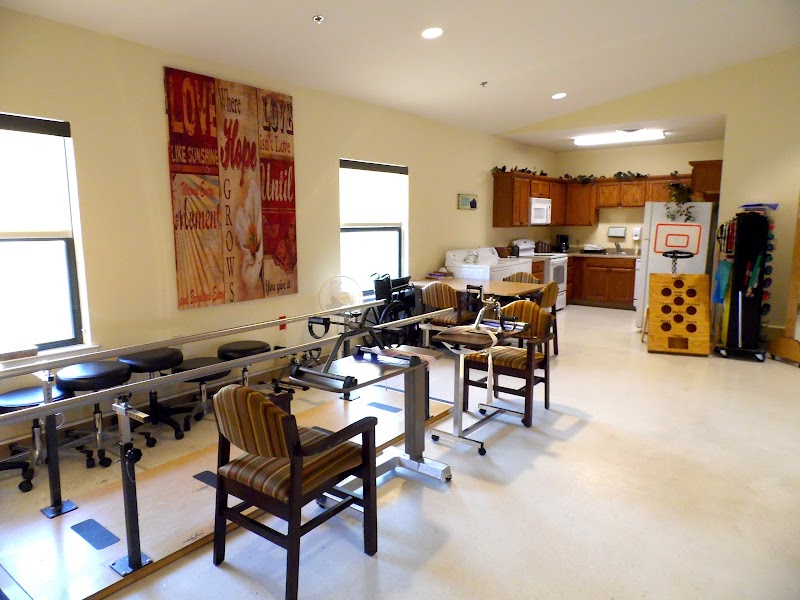
How Does Lone Star Rehabilitation & Wellness Center Compare to Other Texas Nursing Homes?

Compared to the 100 nursing homes in Texas, LONE STAR REHABILITATION & WELLNESS CENTER's overall rating (4 stars) is above the state average of 2.8, staff turnover (38%) is near the state average of 46%, and health inspection rating (4 stars) is above the national benchmark.

What Should Families Ask When Visiting Lone Star Rehabilitation & Wellness Center?

Based on this facility's data, families visiting should ask: "Can I visit during a mealtime to observe dining assistance and food quality?" "How do you handle medical emergencies, and what is your hospital transfer rate?" "Can I speak with family members of current residents about their experience?"

Is Lone Star Rehabilitation & Wellness Center Safe?

Based on CMS inspection data, LONE STAR REHABILITATION & WELLNESS CENTER has a clean safety record: no substantiated abuse findings (meaning no confirmed cases of resident harm), no Immediate Jeopardy citations (the most serious violation level indicating risk of serious injury or death), and is not on the Special Focus Facility watch list (a federal program monitoring the lowest-performing 1% of nursing homes). The facility has a 4-star overall rating and ranks #1 of 100 nursing homes in Texas. While no facility is perfect, families should still ask about staff-to-resident ratios and recent inspection results during their visit.

Do Nurses at Lone Star Rehabilitation & Wellness Center Stick Around?

LONE STAR REHABILITATION & WELLNESS CENTER has a staff turnover rate of 38%, which is about average for Texas nursing homes (state average: 46%). Moderate turnover is common in nursing homes, but families should still ask about staff tenure and how the facility maintains care continuity when employees leave.

Was Lone Star Rehabilitation & Wellness Center Ever Fined?

LONE STAR REHABILITATION & WELLNESS CENTER has no federal fines on record. CMS issues fines when nursing homes fail to meet care standards or don't correct problems found during inspections. The absence of fines suggests the facility has either maintained compliance or corrected any issues before penalties were assessed. This is a positive indicator, though families should still review recent inspection reports for the full picture.

Is Lone Star Rehabilitation & Wellness Center on Any Federal Watch List?

LONE STAR REHABILITATION & WELLNESS CENTER is not on any federal watch list. The most significant is the Special Focus Facility (SFF) program, which identifies the bottom 1% of nursing homes nationally based on persistent, serious quality problems. Not being on this list means the facility has avoided the pattern of deficiencies that triggers enhanced federal oversight. This is a positive indicator, though families should still review the facility's inspection history directly.