SUNNY SPRINGS NURSING & REHAB
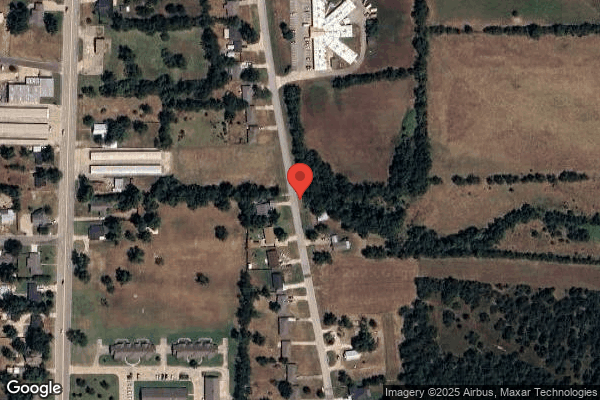

1200 JACKSON ST N, SULPHUR SPRINGS, TX 75482 (903) 885-6571
Government - Hospital district 95 Beds OPCO SKILLED MANAGEMENT Data: November 2025 2 Immediate Jeopardy citations
Trust Grade
24/100
#847 of 1168 in TX
Last Inspection: September 2025

Inspected within the last 6 months. Data reflects current conditions.

Overview

Sunny Springs Nursing & Rehab has received a Trust Grade of F, indicating significant concerns about the quality of care provided. Ranking #847 out of 1168 facilities in Texas places it in the bottom half, and it's the lowest-rated of the four nursing homes in Hopkins County. The facility's trend is worsening, with the number of reported issues increasing from 20 in 2024 to 21 in 2025. Staffing is a relative strength, with a turnover rate of 34%, which is lower than the state average, but the overall staffing rating is only 2 out of 5 stars. However, there have been serious incidents of concern, such as failing to notify a resident's physician about increased bruising while on blood thinners, which delayed treatment and posed a risk to their health. Additionally, medications were not properly secured, putting residents at risk of not receiving their necessary treatments. While there are areas of strength, such as lower staff turnover, the overall picture indicates significant weaknesses that families should consider carefully.

Trust Score
F
24/100
In Texas
#847/1168
Bottom 28%
Safety Record
High Risk
Review needed
Inspections
Getting Worse
20 → 21 violations
Staff Stability
○ Average
34% turnover. Near Texas's 48% average. Typical for the industry.
Penalties
✓ Good
$15,265 in fines. Lower than most Texas facilities. Relatively clean record.
Skilled Nurses
⚠ Watch
Each resident gets only 21 minutes of Registered Nurse (RN) attention daily — below average for Texas. Fewer RN minutes means fewer trained eyes watching for problems.
Violations
⚠ Watch
57 deficiencies on record. Higher than average. Multiple issues found across inspections.
★★☆☆☆
2.0
Overall Rating
★★☆☆☆
2.0
Staff Levels
★★★★☆
4.0
Care Quality
★★☆☆☆
2.0
Inspection Score
Stable
2024: 20 issues
2025: 21 issues

The Good

  • 4-Star Quality Measures · Strong clinical quality outcomes
  • Full Sprinkler Coverage · Fire safety systems throughout facility
  • No fines on record
  • Staff turnover below average (34%)

    14 points below Texas average of 48%

Facility shows strength in quality measures, fire safety.

The Bad

2-Star Overall Rating

Below Texas average (2.8)

Below average - review inspection findings carefully

Staff Turnover: 34%

11pts below Texas avg (46%)

Typical for the industry

Federal Fines: $15,265

Below median ($33,413)

Minor penalties assessed

Chain: OPCO SKILLED MANAGEMENT

Part of a multi-facility chain

Ask about local staffing decisions and management

The Ugly 57 deficiencies on record

2 life-threatening
Sept 2025 15 deficiencies
CONCERN (D)

Potential for Harm - no one hurt, but risky conditions existed

Deficiency F0552 (Tag F0552)

Could have caused harm · This affected 1 resident

**NOTE- TERMS IN BRACKETS HAVE BEEN EDITED TO PROTECT CONFIDENTIALITY** Based on interviews and record review, the facility failed to ensure resident had the right to be informed in advance, by the ph...

Read full inspector narrative →
**NOTE- TERMS IN BRACKETS HAVE BEEN EDITED TO PROTECT CONFIDENTIALITY** Based on interviews and record review, the facility failed to ensure resident had the right to be informed in advance, by the physician or other practitioner or professional, of the risks and benefits of proposed care, of treatment and treatment alternatives or treatment options and to choose the alternative or option he or she prefers. for 1 of 21 (Residents #60) residents reviewed for psychoactive medications. The facility failed to ensure Resident #60 had signed a psychotropic consent for Remeron (antidepressant medication). This failure could place residents at risk for receiving unnecessary antipsychotic medications without informed consent.Findings included: Record review of Resident #60's face sheet, dated 09/10/25, indicated a [AGE] year-old male who was his own responsible party was re-admitted to the facility on [DATE] with the diagnoses which included dementia (a group of conditions that cause a decline in cognitive abilities, such as memory, language, attention, and problem-solving, severe enough to interfere with daily life), stroke, and high blood pressure. Record review of Resident #60's significant change in MDS assessment, dated 07/28/25, indicated Resident #60 rarely understood and was rarely understood by others. Resident #60 had severe daily decision-making skills. The MDS indicated Resident #60 required assistance with toileting, bed mobility, dressing, and transfers. Resident #60 had 7 days of antidepressant medication during the look-back period. Record review of the comprehensive care plan, dated 07/31/25, indicated Resident #60 required antidepressant medication due to a diagnosis of depression. The intervention of the care plan indicated staff would give medication as ordered and educate the resident/family/caregivers about risks, benefits, and the side effects and/or toxic symptoms. Record review of Resident #60's physician's orders, dated 09/08/25, indicated the resident had an order for Remeron (Mirtazapine) Oral Tablet 15 MG. Give 1 tablet by mouth at bedtime for dementia. Record review for Resident #60's medication administration record, dated 09/10/25, indicated he received Remeron as ordered over the last 2 nights (09/08/25 and 09/09/25). Record review for Resident #60's consent for use of psychotropic medication, Remeron, revealed that it was not found in his chart. During an interview on 09/10/25 at 5:23 p.m., RN D said she was the charge nurse for Resident #60. She said psychoactive consents should be obtained for all psychotropic medications before being given. RN D said she did not fill out the psychotropic consent form in the computer for Resident #60 because she forgot. She said it was important to get consents to show that we educated the family about the reason for the medication. During an interview on 09/10/2025 5:31 p.m., Resident #60 was not aware of his medication, but knew his appetite was not good. During an interview on 09/10/2025 at 5:35 p.m., the ADON said the charge nurse who took an order for psychotropic medication should have gotten the consent, and she should have followed up the next day. She said she had not printed the order summary report over the last 2 days because the state surveyors were in the building and she had not had time. She said it was important to obtain consent before medication was given. During an interview on 09/10/25 at 5:50 p.m., the DON said consents should be signed before administering any psychoactive medication. The DON said one reason consents were obtained was to inform the family about the risks and benefits before receiving medications. The DON said the charge nurse who received the order was responsible for obtaining consents, and the ADONs were the overseers. The DON said it was the state guidelines to obtain consents, and failure to obtain consents could cause the resident or families not to have all the information about the medication or a choice about the resident's care. During an interview on 09/10/25 at 6:11 p.m., the Administrator said she expected the DON or nurse management to ensure the consent forms were filled out for psychotropic medications. The Administrator said consents should be obtained to inform residents and families of risks and/or benefits of medication or a choice to decline it. Record review of the facility's policy titled Psychotherapeutic Drug management updated 01/2025, indicated Purpose: I. To implement the most desirable and effective interventions to change, modify, decrease, or eliminate behaviors that are distressing to the resident, and/or are decreasing or negatively impacting the residents' quality of life. II. To help promote or maintain the resident's highest practicable mental, physical, and psychosocial well-being, promote resident safety and security, and enhance the resident's ability to interact positively with his/her environment. Procedure: X. Nurse responsibility: G. The Licensed Nurse will not administer the psychotherapeutic medication until an informed consent form has been obtained and documented by the Attending Physician from the resident and/or surrogate decision maker, unless it is an emergency situation .
CONCERN (D)

Potential for Harm - no one hurt, but risky conditions existed

Deficiency F0578 (Tag F0578)

Could have caused harm · This affected 1 resident

**NOTE- TERMS IN BRACKETS HAVE BEEN EDITED TO PROTECT CONFIDENTIALITY** Based on interview, and record review, the facility failed to ensure the right to formulate an advanced directive was provided f...

Read full inspector narrative →
**NOTE- TERMS IN BRACKETS HAVE BEEN EDITED TO PROTECT CONFIDENTIALITY** Based on interview, and record review, the facility failed to ensure the right to formulate an advanced directive was provided for 1 of 26 residents (Residents #13) reviewed for advanced directives. The facility did not ensure Resident #13 had a physician's order in his chart for DNR. This failure could place residents at risk of not receiving care and services to meet their needs. Findings included: Record review of Resident #13's face sheet, dated [DATE], reflected Resident #13 was a [AGE] year-old male, readmitted to the facility on [DATE] with diagnoses which included acute and chronic respiratory failure with hypoxia (absence of enough oxygen in the tissues to sustain bodily functions). Record review of Resident #13's admission MDS assessment, dated [DATE], reflected Resident #13 usually made himself understood, and usually understood others. Resident #13's BIMS score was 12, which reflected his cognition was moderately impaired. Record review of Resident #13's undated comprehensive care plan, reflected Resident #13 had an order for DNR. The care plan interventions specified, in absence of b/p, pulse, respiration, CPR will not be initiated. Record review of Resident #13's physician order report, dated [DATE], reflected an active physician's order for code status: DNR with an order date [DATE]. Record review of Resident #13's OOH-DNR form reflected Resident #13 had an active DNR since [DATE]. During an interview on [DATE] at 3:33 p.m., the ADON stated the nurse that readmitted Resident #13 was responsible for putting in the DNR. The ADON stated Resident #13 came in at the end of one shift and that nurse started the orders and the 2nd shift nurse completed the orders. The ADON stated she was responsible for monitoring and overseeing all orders were put in correctly after a resident was admitted to the facility by reviewing the orders after each admission/readmission. When asked why there was not a physician order for Resident #13 advance directive status, the ADON stated, it was just missed. The ADON stated it was important an order for DNR was placed in the residents' electronic medical records to respect the resident's wishes. During an interview on [DATE] at 5:05 p.m., the DON stated she expected a DNR order to be in PCC when a resident admitted to the facility or if the status changed. The DON stated charge nurses were responsible for inputting code status upon admission. The DON stated the ADON was responsible for monitoring by reviewing the orders against the discharged orders after every admission. The DON stated it was important an order was placed in the resident's chart to ensure his wishes was respected. During an interview on [DATE] at 6:40 p.m., the Administrator stated she expected a DNR order to be placed in PCC upon admission. The Administrator stated the charge nurse was responsible for ensuring that the order was input into the resident's chart after he was readmitted to the facility. The Administrator stated the ADON was responsible for monitoring and overseeing orders when a resident admit to the facility. The Administrator stated it was important to ensure an order was placed in PCC to ensure the resident wishes was respected. Record review of the facility's policy Do Not Resuscitate Orders and the Withholding or Withdrawal of Life Support and Life Sustaining Treatment, revised on 08/2020, reflected. to ensure that the facility abides by state and federal law as well as resident preferences regarding withdrawal of life support and life sustaining treatment and orders not to resuscitate. D. ii. All documents concerning decision-makers consulted by the facility and the attending physician will be in the resident's medical record.
CONCERN (D)

Potential for Harm - no one hurt, but risky conditions existed

Comprehensive Care Plan (Tag F0656)

Could have caused harm · This affected 1 resident

**NOTE- TERMS IN BRACKETS HAVE BEEN EDITED TO PROTECT CONFIDENTIALITY** Based on observation, interview, and record review, the facility failed to develop and implement a comprehensive person-centered...

Read full inspector narrative →
**NOTE- TERMS IN BRACKETS HAVE BEEN EDITED TO PROTECT CONFIDENTIALITY** Based on observation, interview, and record review, the facility failed to develop and implement a comprehensive person-centered care plan for each resident, that includes measurable objectives and timeframes to meet a resident's medical, nursing, and mental and psychosocial needs, for 1 of 26 (Resident 32) residents reviewed for comprehensive person-centered care plans. The facility failed to ensure Resident #32's comprehensive care plan addressed she received an IV antibiotic via her central line. This failure could affect residents by placing them at risk of not receiving appropriate interventions to meet their current needs.Findings included: Record review of Resident #32's face sheet dated 09/10/25, indicated a [AGE] year-old female who admitted to the facility on [DATE] with diagnoses which included partial intestinal obstruction (bowel obstruction), diabetes type 2 (a group of diseases that result in too much sugar in the blood), and atrial fibrillation (irregular heart rhythm). Record review of Resident #32's admission MDS assessment dated [DATE], indicated she was usually understood and usually understood others. Resident #32 had a BIMS score of 15, which indicated her cognition was intact. Resident #32 had received IV medications and had an IV access. Record review of Resident #32's comprehensive care plan dated 08/28/25 indicated Resident #32 had an actual skin impairment related to left chest central catheter. The care plan interventions indicated to access/record/monitor wound healing at least weekly. The care plan did not address Resident #32 received IV antibiotics via her central line. Record review of Resident #32's orders summary report with order date range of 08/20/25-09/10/25, indicated the following orders:*meropenem (antibiotic used to treat bacterial infections of the skin, stomach and meninges) intravenous solution 2 GM intravenously three times a day for 20 days with an order date of 08/20/25. Record review of Resident #32's Nurse Administration Record dated 09/01/25-09/30/25, indicated Meropenem 2 GM was administered intravenously three times a day at 9:00 AM, 3:00 PM, and 11:00 PM. During an observation and interview on 09/08/25 at 10:31 AM, Resident #32 was in her bed. The IV pump was on with meropenem infusing to Resident #32's central catheter at 100 ml/hr. Resident #32 said she had been on IV antibiotics since she admitted to the facility due to recent abdominal surgery. During an interview on 09/10/25 at 4:14 PM, the Regional MDS Coordinator said the DON and ADON were responsible for the acute care plans. She said not having Resident #32's IV medications care planned did not affect her, because the resident still received her IV antibiotic by following the physician orders. During an interview on 09/10/25 at 4:19 PM, the DON said she was not responsible for the care plans. She said the MDS Coordinator was responsible for updating the care plans. She said she expected the care plans to be updated because it was part of the resident's care. The DON said she was unsure of the risks for the IV medications not being care planned. During an interview on 09/10/25 at 4:35 PM, the ADON said she could have sworn she had updated Resident #32's care plan to reflect the IV medications she was receiving. The ADON reviewed Resident #32's care plan and said she could not find it. The ADON said the DON and herself were responsible for ensuring the antibiotics were care planned. The ADON said failure to care plan Resident #32's IV antibiotic would place her a risk for not receiving the care she needed. She said someone who looked at the care plan would not be aware to monitor for side effects. During an interview on 09/10/25 at 4:45 PM, the Administrator said she expected Resident #32's IV medications to be care planned because it was part of her care. She said since the IV medication was not care planned, the staff would not be aware of Resident #32 required an IV antibiotic. The Administrator said nursing was responsible for ensuring the care plans were updated. Record review of the facility's policy Care Planning revised October 24, 2022, indicated . To ensure that a comprehensive person-centered care plan is developed for each resident based on their individual assessed needs. Each resident's comprehensive care plan will describe the following: A. Services that are to be furnished to attain or maintain the resident's highest practicable physical, mental, and psychosocial well-being.
CONCERN (D)

Potential for Harm - no one hurt, but risky conditions existed

ADL Care (Tag F0677)

Could have caused harm · This affected 1 resident

**NOTE- TERMS IN BRACKETS HAVE BEEN EDITED TO PROTECT CONFIDENTIALITY** Based on interview and record review, the facility failed to ensure a resident who was unable to conduct activities of daily liv...

Read full inspector narrative →
**NOTE- TERMS IN BRACKETS HAVE BEEN EDITED TO PROTECT CONFIDENTIALITY** Based on interview and record review, the facility failed to ensure a resident who was unable to conduct activities of daily living received the necessary services to maintain grooming, personal, and oral hygiene were provided for 1 of 6 residents (Resident #1) reviewed for ADL care. The facility failed to ensure Resident #1 was showered or bed bathed during the dates of 09/01/25 through 09/10/25. This failure could place residents at risk of not receiving care/services, decreased quality of life, and loss of dignity. Findings included: Record review of Resident #1's face sheet, dated 09/10/25, indicated a [AGE] year-old female who was admitted to the facility on [DATE] and re-admitted on [DATE] with diagnoses which included obesity, depression (sadness), diabetes, and Chronic obstructive pulmonary disease, also known as COPD (a group of lung diseases that cause airflow obstruction and breathing problems). Record review of Resident #1's quarterly MDS assessment, dated 08/20/25, indicated Resident #1 understood and was understood by others. Her BIMs score was a 15, which indicated she was cognitively intact. The MDS indicated she required total assistance for showering, dressing, and transferring. The MDS indicated she was always incontinent of bowel and bladder. Record review of the care plan dated 07/21/25 indicated Resident #1 had an ADL self-care performance deficit. The interventions were for staff to assist with bathing. Record review of Resident #1's point of care history dated 09/01/25-09/10/25, did not indicate Resident #1 was bathed on the following dates:09/01/25, 09/02/25, 09/03/25, 09/04/25, 09/05/25, 09/06,25, 09/07/25, 09/08/25, 09/09/25, or 09/10/25. During an interview on 09/08/25 11:26 p.m., Resident #1 said she was not getting her showers three times a week. She said she had not had a shower or bed bath in about 2 weeks. She said she was supposed to be showered/bed bathed on the day shift. She said she was scheduled to have her showers on Monday and Friday and her bed baths on Wednesdays. She said they did not offer her a shower on Monday (09/01/25) or a bed bath on Wednesday (09/03/25). She said they told her something was wrong with the shower on Friday (09/05/25), but they did not even offer a bed bath. She said she felt dirty and wanted a shower. She said today (09/08/25) was her shower day but had not been offered a shower yet. During an interview on 09/09/25 at 3:58 p.m., Resident #1 was in bed and said she did not receive her shower yesterday (09/08/25) or even offered a bed bath. During an interview on 09/10/25 at 1:37 p.m., CNA G said she was assigned to Resident #1 on Monday (09/08/25) but did not shower or bed bathe her. She said the shower room was out of order, so she just wiped Resident #1 off and changed her gown. During an interview on 09/10/25 at 1:48 p.m., CNA L said she was the shower aide, but had not given Resident #1 a shower in about 2 weeks. She said the aides were supposed to bring Resident #1 to her, and they did not, so she did not shower her. She said she did not ask the aides why Resident #1 was not coming to get a shower. During an interview on 09/10/25 at 4:19 p.m., Resident #1 was in bed and said she did not receive her shower today (09/10/25) or even offered a bed bath. During an interview on 09/10/25 at 4:36 p.m., RN K said she was Resident #1's evening nurse (2 pm-10 pm). She said showers should be given according to the shower schedule. She said Resident #1 was a day shift bath but had not heard of her refusing her baths in the past. She said she was usually compliant with her showers and bed baths. She said residents should receive their baths for hygiene purposes. During an interview on 09/10/25 at 5:50 p.m., the DON said she expected showers to be given according to the shower schedule. She said she was unaware that Resident #1 missed showers. She said if a resident refused his/her shower(s), then the charge nurse was supposed to talk with the resident and see why they were refusing and document it in his/her chart. She said showers should be given for cleanliness and prevention of skin breakdown or infection. During an interview on 09/10/25 at 6:11 p.m., the Administrator said she expected the residents to receive their baths and expected the staff to document if they did not receive them. The Administrator said the aides were supposed to give the baths, and the charge nurse was responsible for ensuring the showers were completed. She said showers were given to prevent skin breakdown and maintain hygiene. She said she had staff to give Resident #1 a shower/bed bath today (09/10/25) after surveyor intervention. Record review of the facility's policy titled, Showering a Resident, undated, indicated, Purpose: A shower bath is given to the resident to provide cleanliness, comfort, and to prevent body odors. Policy: Residents are offered a shower at a minimum of once weekly and given per the residents' request.
CONCERN (D)

Potential for Harm - no one hurt, but risky conditions existed

Deficiency F0685 (Tag F0685)

Could have caused harm · This affected 1 resident

**NOTE- TERMS IN BRACKETS HAVE BEEN EDITED TO PROTECT CONFIDENTIALITY** Based on interview and record review, the facility failed to ensure that residents received proper treatment and assistive devic...

Read full inspector narrative →
**NOTE- TERMS IN BRACKETS HAVE BEEN EDITED TO PROTECT CONFIDENTIALITY** Based on interview and record review, the facility failed to ensure that residents received proper treatment and assistive devices to maintain vision and hearing abilities, the facility must, if necessary, assist the resident in making appointments for 1 of 26 residents (Resident #51). The facility failed to ensure Resident #11 had his ketorolac eye drops by 08/31/25 to ensure he had his surgery on 09/02/25. This failure placed resident at risk of a delay in treatments for the residents' conditions. Findings included: Record review of Resident #51's face sheet dated 09/10/25 indicated he was a[AGE] year-old male who admitted to the facility on [DATE] with the diagnoses of legal blindness, unspecified cataract, need for assistance with personal care, Parkinsonism (clinical syndrome characterized by tremor, slow heart rates, and postural instability), and heart failure. Record review of Resident #51's admission MDS assessment dated [DATE] indicated he was able to make himself understood and able to understand others. The MDS also indicate he had a BIMS score of 14 which meant his cognition was intact. The MDS also indicated he required moderate assistance from staff for toileting, bathing, dressing, and transfers, and he was independent with eating. Record review of Resident #51's care plan dated 03/26/25 indicated he was legally blind as defined in the USA and had cataracts with the goal to maintain optimal quality of life within limitation imposed by visual function and interventions to identify/record factors affecting visual function, monitor/document/report to Medical Doctor signs and symptoms of acute eye problems. Record review of Resident #51's order summary report dated 09/10/25 that included orders that were active, completed, and discontinued indicated he had and order for:1) Ketorolac Tromethamine Ophthalmic Solution 0.4 % Instill 1 drop in right eye four times a day for preventative that was discontinued but was dated 09/01/2025 with a start date of 09/01/2025. Record review of Resident #11's prescription from the ophthalmologist office visit dated 07/24/25 indicated:1) Ketorolac 0.5% eye drops Dispense:5 (five) milliliter Instill drop by ophthalmic route 4 times every day into the left eye starting 2 days before surgery (09/02/25), (which meant he should have started the eye drops on 08/31/25) Record review of Resident #11's progress notes dated 09/01/25 at 8:56 PM indicated the ketorolac was not received from the pharmacy. Record review of Resident #11's progress notes dated 09/02/25 at 10:02 AM indicated his cataract surgery would be rescheduled per charge nurse. During an interview on 09/09/25 at 11:12 AM the Social Worker said she charted Resident #11's surgery was rescheduled on 09/02/25 because LVN B told her the appointment was rescheduled. She said she did not assist in scheduling the appointments for Resident #11's cataract surgery. During an interview on 09/09/25 at 11:15 AM, LVN B said she input Resident #11's order on 09/01/25 and attempted to order it from the pharmacy, but the pharmacy was out of the medication and had to order it, and it came the next day. She said since Resident #11 did not get his eye drops in time, the surgery was rescheduled to 09/30/25. LVN B said the facility had the ketorolac eye drops in the facility to ensure Resident #11 would get them on time. She said she should have input the order when she received it but guessed she forgot to chart the medication order and input the order in the computer when she received the order. LVN B said she would have to find paperwork because she could not remember the exact day since it had been a while. LVN B said she had to go give medications and would let the surveyor know when she found more information. During an interview on 09/09/25 at 11:46 AM the facility pharmacist said the pharmacy received the order for Resident #11's Ketorolac on 09/01/25 at 11:43 AM and they did not have the medication at on hand. The pharmacist said the pharmacy ordered the medication and se to the pharmacy on 09/02/25 morning run. The pharmacist said if the facility had the facility sent the order at an earlier date the pharmacy would have sent the medication earlier. During an interview on 09/10/2025 at 4:51 PM the ADON said LVN B did not input the ketorolac order when she received the order from the ophthalmologist and thought she could get the ketorolac in the facility in time. The ADON said LVN B got the order in the computer the day before the surgery on 09/01/25 and when she ordered the ketorolac, it did not come in. The ADON said she called the pharmacy to check on the ketorolac and the pharmacy told her the ketorolac was on back order and they did not receive the medication until 9/2/25. The ADON said the failure placed a risk id for Resident #11 having worsening eyesight or psychological effects. During an interview on 09/10/2025 at 6:04 PM the DON said she was not aware of when the medication ketorolac was supposed to be started for Resident #11's eye surgery until 09/10/25. The DON said LVN B should have placed the order in the computer when she received it from the ophthalmologist to prevent it from being missed. The DON said LVN could have set the start date to begin in future on 08/31/25. The DON said the Social Worker had been helping with setting up appointments and now that they have a Medical Records Personnel, she would begin to follow up on appointments being made. The DON said the failure placed a risk of Resident #11 not getting the care he needs and having to wait longer for his eye surgery. During an interview on 09/10/2025 at 6:17 PM the Administrator said her expectation was for all nurses to input orders in a timely manner to prevent errors. The Administrator said the failure placed a risk for Resident #11 not being provided services and Resident #11 at risk for increased difficulties related to his vision. She said charge nurses were responsible for inputting orders and DON and ADON should have been following up to ensure orders were in timely. Record review of the facility policy Telephone Orders for Medication revised 1/2025 indicated:Purpose: To reduce errors associated with misinterpreted verbal or telephone communication of physicianPolicy: I. Verbal communication of a prescription or medication orders.Procedure: I. Receiving a Telephone Order.B The receiver documents the order immediately on the prescriber order form. Record review of the facility policy Referrals to Outside services revised 8/2020 indicated:Purpose: To provide residents with outside services as required by physician orders or the Care Plan. Policy: I. The Director of Social Services coordinates the referral of residents to outside agencies/programs to fulfill resident needs for services not offered by the Facility.II. This policy does not give the Director of Social Services the authority to unilaterally enter into any service provider contract. Examples of service provider contracts that the Director of Social Services may coordinate include, but are not limited to dental, audiology, vision, psychiatric, and podiatry services . V. The Director of Social Services or his or her designee will coordinate with Nursing Staff to ensure that the Attending Physician's order and referral to outside provider is documented in the resident's medical record.
CONCERN (D)

Potential for Harm - no one hurt, but risky conditions existed

Accident Prevention (Tag F0689)

Could have caused harm · This affected 1 resident

**NOTE- TERMS IN BRACKETS HAVE BEEN EDITED TO PROTECT CONFIDENTIALITY** Based on observation, interview, and record review, the facility failed to ensure the residents environment remained free of acc...

Read full inspector narrative →
**NOTE- TERMS IN BRACKETS HAVE BEEN EDITED TO PROTECT CONFIDENTIALITY** Based on observation, interview, and record review, the facility failed to ensure the residents environment remained free of accident hazards for 1 of 26 residents (Residents #11) reviewed for accident hazards. The facility failed to ensure a safe environment to prevent accidents and hazards for Residents #11 by not ensuring 3 razors (1 razor that did not have a cover over the blades and 2 razors in the open package) in his drawer were stored securely. This failure could place residents at risk for injuries. Findings included: Record review of Resident #11's face sheet dated 09/10/25 indicated he was a [AGE] year-old male who admitted to the facility on [DATE] with the diagnoses legal blindness, high blood pressure, malignant neoplasm of the prostate (prostate cancer), and depression. Record review of Resident #11's quarterly MDS assessment dated [DATE] indicated he usually understood others and usually made himself understood. The MDS also indicated he had a BIMS score of 15 which meant he was cognitively intact. The MDS also indicated he required total assistance with toileting, transfers, bathing, and bed mobility and required setup assistance for eating and hygiene. Record review of Resident #11's undated care plan indicated he had impaired visual function related to cataracts, poor vision, and macular degeneration and ADL self-care performance deficit with interventions of dependent staff participation in toileting, transfers, bed mobility, bathing, and personal hygiene. During an interview and observation on 09/08/25 at 3:05 PM, Resident #11 said the facility removed items from the residents' rooms in the facility and then returned items back to them. Resident #11 told surveyor to look in his drawer. Resident #11 had 3 razors (1 razor that did not have a cover over the blades and 2 razors in the open package). He said the staff shaved him when needed. During an interview on 09/10/2025 at 4:58 PM, the ADON said Resident #11 should not have had the razors in his room. She said the failure placed a risk for someone getting the razors and cutting themselves. She stated the facility does have wanders that goes all over the facility and open doors. During an interview on 09/10/2025 at 6:08 PM, Tthe DON said Resident #11 should not have had the razors in his room. The DON said the failure placed a risk for other residents getting the razors out of the drawers and cutting themselves, and the risk for Resident #11 using the wrong items related to him being blind. She said Resident #11 could have reached in drawer and cut himself. During an interview on 09/10/2025 at 6:23 PM, the Administrator said Resident #11 should not have had the razors in his drawers. She said the razors were hazardous items and placed a risk for Resident #11 cutting his hands. The Administrator said the department heads were responsible for monitoring each residents' room daily. She said the CNAs should have removed the razors after care. Record review of the facility's policy Resident Rooms and Environment revised 08/2020 indicated:PurposeTo provide residents with a safe, clean, comfortable and homelike environment.PolicyThe Facility provides residents with a safe, clean, comfortable, and homelike environment. Facility Staff will provide residents with a pleasant environment and person-centered care that emphasizes the residents' comfort, independence, and personal needs and preferences. This shall include ensuring that residents can receive care and services safely and that the physical layout of the Facility maximizes resident independence and does not pose a safety risk.
CONCERN (D)

Potential for Harm - no one hurt, but risky conditions existed

Deficiency F0692 (Tag F0692)

Could have caused harm · This affected 1 resident

**NOTE- TERMS IN BRACKETS HAVE BEEN EDITED TO PROTECT CONFIDENTIALITY** Based on interview and record review, the facility failed to maintain acceptable parameters of nutritional status, such as usual...

Read full inspector narrative →
**NOTE- TERMS IN BRACKETS HAVE BEEN EDITED TO PROTECT CONFIDENTIALITY** Based on interview and record review, the facility failed to maintain acceptable parameters of nutritional status, such as usual body weight or desirable body weight range and electrolyte balance, unless the resident's clinical condition demonstrates that this is not possible or resident preferences indicate otherwise for 1 of 2 residents reviewed for nutritional status (Resident #12). The facility failed to ensure Resident #12's enteral feeding (a form of nutrition that is delivered into the digestive system as a liquid form via the feeding tube) was administered as ordered by the physician on 09/08/25. This failure could place residents at risk for malnourishment, illness, skin breakdown, and decreased quality of life.Findings included: Record review of Resident #12's face sheet dated 09/10/25, indicated a [AGE] year-old male who readmitted to the facility on [DATE] with diagnoses which included dysphagia (difficulty swallowing) and gastrostomy status (surgical opening in stomach to provide nutrition and medications). Record review of Resident #12's quarterly MDS assessment dated [DATE], indicated usually understood and usually understood others. Resident #12 had short and long-term memory problems. The MDS assessment did not indicate Resident #12 had a weight loss or weight gain of 5% or more in the last month or 10% or more in the last 6 months. Resident #12 had a feeding tube. Record review of Resident #12's comprehensive care plan dated 01/13/23, indicated Resident #12 had a NPO diet and had a peg tube for feeding and medication purposes. The care plan interventions included the nurse to administer feeding as ordered. Record review of Resident #12's order summary report dated 09/10/25, indicated the following orders:*Enteral Feed Order every shift, Jevity 1.5 or equivalent (ie isosource 1.5) at 78 ml/hr for at least 20 hours daily with a start date of 07/03/25. Record review of Resident #12's nurse administration record dated 09/01/25-09/30/25, indicated Resident #12's enteral feeding nutrition was removed in the morning at 11:00 AM. The record indicated it had been completed daily. The nurse administration record did not indicate the time Resident #12's feeding needed to be restarted. During an observation on 09/08/25 at 11:10 AM, Resident #12 was sitting up in his wheelchair in his room. Resident #12's enteral feeding pump was off. During an observation and interview on 09/08/25 at 4:20 PM, Resident #12's enteral feeding pump continued to be off. LVN A said Resident #12's pump could be off for 4 hours. LVN A said she was not aware Resident #12's feeding was turned off and LVN B did not relay it in report. She said if LVN B told her to check Resident #12's machine, she would have checked it. LVN A said the nurses were responsible for ensuring Resident #12's feeding was turned on within the timeframe. LVN A said by not administering his enteral feeding as ordered, Resident #12 was at risk for weight loss. During an interview on 09/10/25 at 11:45 AM, LVN B said Resident #12's enteral feeding pump could be off for 4 hours. LVN B said they turned the pump off for incontinent care and showers. LVN B said Resident #12 sometimes removed the feeding himself. LVN B said on 09/08/25, she did not relay in report to LVN A that Resident #12's feeding was off. She said she usually set an alarm on her phone to turn Resident #12's pump back on, but she did not set one on 09/08/25 since she had been busy. She said Resident #12 was at risk for not receiving his nutrition for the day since he had been left off for an hour more than the ordered amount. LVN B said she was responsible to ensure Resident #12's feeding was restarted as per physician orders. During an interview on 09/10/25 at 1:25 PM, the Registered Dietician said depending on the care being provided to Resident #12, the feeding could have exceeded the time frame of 4 hours. She said Resident #12's feeding being off for an extra hour was not going to affect him. She said nursing was responsible for ensuring Resident #12's feeding was being administered as ordered. During an interview on 09/10/25 at 4:19 PM, the DON said Resident #12 had an order to turn off the feeding at 11:00 AM and there was not an order to turn it back on. She said Resident #12's feeding order was for 20 hours a day and had a 4 hour down time for ADL care. The DON said the nurses were responsible for ensuring Resident #12's feeding was not off for a prolonged time. She said if happened often, Resident #12 was at risk for weight loss. During an interview on 09/10/25 at 4:45 PM, the Administrator said she expected the nurses to follow the physician orders. The Administrator said failure to provide the enteral feedings as ordered could cause Resident #12 to have weight loss. Record review of the facility's policy Tube Feeding/TPN/PPN revised 09/24/24, indicated . To ensure that the facility meets the nutritional guidelines and residents' nutritional requirements per physician orders.
CONCERN (D)

Potential for Harm - no one hurt, but risky conditions existed

Respiratory Care (Tag F0695)

Could have caused harm · This affected 1 resident

**NOTE- TERMS IN BRACKETS HAVE BEEN EDITED TO PROTECT CONFIDENTIALITY** Based on observation, interview, and record review the facility failed to ensure that a resident who needed respiratory care was...

Read full inspector narrative →
**NOTE- TERMS IN BRACKETS HAVE BEEN EDITED TO PROTECT CONFIDENTIALITY** Based on observation, interview, and record review the facility failed to ensure that a resident who needed respiratory care was provided such care, consistent with professional standards of practice, the comprehensive person-centered care plan, and the resident's goals and preferences for 1 of 6 residents (Resident #1) reviewed for respiratory care. The facility failed to ensure Resident #1 had a physician's order for oxygen. This failure could place residents who receive respiratory care at risk of developing respiratory complications and a decreased quality of care.Findings included: Record review of Resident #1's face sheet, dated 09/10/25, indicated a [AGE] year-old female who was admitted to the facility on [DATE] and re-admitted on [DATE] with diagnoses which included shortness of breath also known as SOB, (feeling of difficulty breathing or not being able to get enough air), obesity, depression (sadness), diabetes, and Chronic obstructive pulmonary disease, also known as COPD (a group of lung diseases that cause airflow obstruction and breathing problems. Record review of Resident #1's quarterly MDS assessment, dated 08/20/25, indicated Resident #1 understood and was understood by others. Her BIMS score was a 15, which indicated her cognition was intact. The MDS indicated she required total assistance for showering, dressing, grooming, and transferring, and was set up for eating. The MDS indicated she wore oxygen during the 7-day look-back period. Record review of Resident#1's care plan dated 07/21/25 indicated she required oxygen for shortness of breath and COPD. The staff interventions were to give oxygen as ordered by the physician. Record review of Resident #1 ‘s physician orders dated 09/09/25 did not indicate any oxygen orders. Record review of Resident #1 ‘s physician orders dated 09/10/25, after the surveyor intervention, indicated oxygen at 3 liters per minute via nasal canula every shift for shortness of breath. During an observation on 09/08/25 at 11:39 a.m., Resident #1 was in her room wearing oxygen at 2 liters per minute via nasal cannula. She said she had been wearing oxygen for a while (unknown time) and needed it to help her breathe. During an observation on 09/10/25 at 4:09 p.m., Resident #1 was in her room wearing oxygen at 2 liters per minute via nasal cannula. RN H came in and verified she was on oxygen at 2 liters per minute via nasal canula. During an interview on 09/10/25 at 4:11 p.m., RN H went to look at Resident #1's physician's order and said she did not see an order, but knew Resident #1 wore oxygen. She said Resident #1 went to the hospital, and maybe the oxygen order fell off. She said it was important to have an order as part of her care, and having oxygen too low or not at all could cause respiratory issues. During an interview on 09/10/25 at 5:50 p.m., the DON said the charge nurses were responsible for placing orders in the computer when they received a new order. She said she did not know why Resident #1 did not have oxygen orders. She said the ADON was the overseer for ensuring the orders were placed in the electronic records. She said it was important to have orders in the system and follow them to prevent respiratory issues. During an interview on 09/10/25 6:11 p.m., the Administrator said nurse managers were the overseers of orders. She said oxygen should not be applied without an order. She said that without a written order, staff would not know the correct oxygen rate. She said failure to have an oxygen order or follow the oxygen order could cause respiratory issues. Record review of the facility's policy titled, Oxygen Administration, revised June 2020, indicated, Purpose: To prevent or reverse hypoxemia and provide oxygen to the tissues. Policy: #1 initiation of oxygen, A. A physician's order is required to initiate oxygen therapy, except in an emergency. The order shall include: #1 oxygen flow, # 2 Method of administration (e.g., nasal canula), # 3 Usage of therapy (continuous or PRN), and #5 Indication for use .
CONCERN (D)

Potential for Harm - no one hurt, but risky conditions existed

Pharmacy Services (Tag F0755)

Could have caused harm · This affected 1 resident

**NOTE- TERMS IN BRACKETS HAVE BEEN EDITED TO PROTECT CONFIDENTIALITY** Based on observation, interviews, and record reviews, the facility failed to provide pharmaceutical services (including procedur...

Read full inspector narrative →
**NOTE- TERMS IN BRACKETS HAVE BEEN EDITED TO PROTECT CONFIDENTIALITY** Based on observation, interviews, and record reviews, the facility failed to provide pharmaceutical services (including procedures that assure the accurate acquiring, receiving, dispensing, and administering of all drugs and biologicals) to meet the needs of 1 of 6 residents (Resident #42) reviewed for pharmacy services. The facility failed to ensure Resident #42 did not have duplicate orders for his potassium. This failure could place the residents at risk of not receiving the intended therapeutic benefits of prescribed medications.Findings included: Record review of Resident #42's face sheet dated 09/10/25, indicated a [AGE] year-old male who admitted to the facility on [DATE] with diagnoses which included dementia (memory loss) and hypertension (high blood pressure). Record review of Resident #42's annual MDS assessment dated [DATE], indicated he was usually understood and usually understood others. Resident #42 had a BIMS score of 15, which indicated his cognition was intact. Record review of Resident #42's comprehensive care plan revised on 06/24/24 indicated Resident #42 had GERD (acid reflux) and diverticulosis (condition in which small, bulging pouches develop in the digestive tract). The care plan interventions indicated to administer medications as ordered. Record review of Resident #42's order summary report date 09/10/25, indicated the following orders:*Potassium Chloride ER 20 MEQ give one tablet by mouth in the morning for BLE edema with a start date of 07/18/25.*Potassium Chloride ER 20 MEQ give one tablet by mouth one time a day for supplement with a start date of 07/31/25.*Potassium chloride ER 20 MEQ give one tablet by mouth in the afternoon for supplement with a start date of 07/30/25. Record review of Resident #42's medication administration record dated 09/01/25-09/30/25 indicated Resident #42 had received one tablet of potassium 20meq daily at 09:00 AM, 09:00 AM, and 2:00 PM. During an observation on 09/09/25 at 8:33 AM, MA C administered Resident #42 the following medications:*amlodipine 5mg- 1 tablet*famotidine 20mg- 1 tablet*multivitamin with minerals- 1 tablet*furosemide 80mg- 1 tablet*Folic acid 1mg- 1 tablet*sertraline 50mg- 1 tablet*thiamine 100mg- 1 tablet*Potassium chloride 20MEQ- 1 tablet During an interview on 09/10/25 at 12:13 PM, MA C reviewed Resident #42's MAR and said she did not realize Resident #42 had 2 orders for potassium 20 MEQ. She said it was a duplicate order. She said since she had been signing off for both potassium orders at 09:00 AM; it looked like a medication error. She said during the medication administration observed, she only administered one tablet of potassium to Resident #42. She said by having duplicate orders, Resident #42 was at risk for receiving double the medication. MA C said she was responsible for administering medications as ordered, and if a discrepancy was noted to notify the nurse. During an interview on 09/10/25 at 2:44 PM, RN D said when Resident #42 lasix was increased to twice a day, his order for his potassium was also increased. RN D said she failed to discontinue Resident #42's previous potassium order. She said she had been having trouble inputting the orders that in the midst of things she forgot to discontinue the order. RN D said failure to ensure Resident #42 did not have duplicate orders placed him at risk for receiving an extra dose of potassium which could cause cardiac issues. During an interview on 09/10/25 4:19 PM, the DON said she expected the nurse to have reviewed the Resident #42's orders prior to implementing a new order to ensure there were no duplicate orders. The DON said the medication aide was responsible for looking at the orders during medication administration. She said although one tablet was given, the MA still signed off as she had administered 2 tablets of potassium. The DON said since Resident #42 had duplicate potassium orders, it placed him at risk for an increased potassium level. The DON said the ADON clarified new orders the next day and was unsure how Resident #42's potassium order was missed. During an interview on 09/10/25 at 4:35 PM, the ADON said she when she came in the morning, she printed off any new orders and reviewed them. She said she was unsure of how Resident #42's order was missed. She said Resident #42 having duplicate potassium orders placed him at risk for overdosing on potassium. During an interview on 09/10/25 at 4:45 PM, the Administrator said she expected the person administering the medication was responsible for alerting the nurse of the duplicate orders. The Administrator said she expected the nurse to have looked at Resident #42's orders prior to initiating a new order to ensure there were no duplicate orders. The Administrator said Resident #42 was at risk for receiving an extra dose of potassium. Record review of the facility's policy Physician Orders revised on 06/2020, indicated . Purpose: This will ensure that all physician orders are complete and accurate. Record review of the facility's undated policy Medication Administration indicated . Purpose: To provide practice standards for safe administration of medications for residents in the facility.IV. The licensed nurse must know the following about any medication they are administering: A. the drug's name (generic and trade). B. The drug's route of administration. C. The drug's action. D. The drug's indication for use and desired outcome. E. The drug's usual dosage. F. The drug's side effects and adverse effects. G. Any precautions and special considerations .
CONCERN (D)

Potential for Harm - no one hurt, but risky conditions existed

Deficiency F0806 (Tag F0806)

Could have caused harm · This affected 1 resident

**NOTE- TERMS IN BRACKETS HAVE BEEN EDITED TO PROTECT CONFIDENTIALITY** Based on observations, interviews, and record review, the facility failed to provide food and drink that accommodated the reside...

Read full inspector narrative →
**NOTE- TERMS IN BRACKETS HAVE BEEN EDITED TO PROTECT CONFIDENTIALITY** Based on observations, interviews, and record review, the facility failed to provide food and drink that accommodated the residents' preferences for 1 of 23 residents (Resident #1) reviewed for preferences. The facility did not honor Resident #1's preference for two milks with her breakfast on 09/09/25 and 09/10/25. This failure could result in a decrease in resident choices. Findings included: Record review of Resident #1's face sheet, dated 09/10/25, indicated a [AGE] year-old female who was admitted to the facility on [DATE] and re-admitted on [DATE] with diagnoses which included shortness of breath also known as SOB, (feeling of difficulty breathing or not being able to get enough air), obesity, depression (sadness), diabetes, and Chronic obstructive pulmonary disease, also known as COPD (a group of lung diseases that cause airflow obstruction and breathing problems. Record review of Resident #1's quarterly MDS assessment, dated 08/20/25, indicated Resident #1 understood and was understood by others. Her BIMs score was a 15, which indicated she was cognitively intact. The MDS indicated she required total assistance for showering, dressing, grooming, and transferring, and was set up for eating. Record review of Resident #1 ‘s physician orders dated 08/16/25, indicated Regular diet, Regular texture, Regular consistency. Record review of Resident #1's comprehensive care plan dated 07/21/25, indicated Resident #1 had a potential for nutritional problems related to obesity. The interventions were to serve the diet as ordered and consult a dietitian as needed. Record review of the breakfast meal ticket dated 09/10/25 for Resident #1 indicated regular diet, and under the note section indicated two milks with all meals. During an observation on 09/09/25 at 9:01 a.m., Resident #1 was in her bed eating her breakfast, and had one juice and one milk on her tray. During an observation and interview on 09/10/25 at 8:10 a.m., Resident #1 had her breakfast and only had one milk on her tray. Resident #1 said they only bring her one glass of milk most of the time, and the nurses must go back and get her another milk to take her medications. She said she likes two milks, one for her breakfast meal, and the other to help get her medications down. The Social Worker walked into the room and verified that the tray card said two milks. The Social Worker walked to the kitchen and brought Resident #1 a glass of milk. During an interview on 09/10/25 at 8:13 a.m., CNA K said she was the aide who served Resident #1 her breakfast tray this morning (09/10/25). She said she did not give her two milks; she said it was an oversight. She said the aides were responsible for putting the drinks on the hall trays. During an interview on 09/10/2025 at 10:35 a.m., MA N said most days she had to get Resident #1 either her milk or juice. She said she would not take her medication unless she had one or the other. She said Resident #1 preferred milk. She said she was not aware who was supposed to put the beverage on the tray, but knew she did not have the beverage most days when she administered medications to Resident #1. During an interview on 09/10/2025 at 10:37 a.m., RN D said she was the nurse who checked the trays before they left the dining room. She said the aides passed out the beverages on the halls, so she was unaware of why Resident #1 did not receive the milk she requested. She said she did not usually give medication, so she was unaware that Resident #1 was not receiving her milk. During an interview on 09/10/25 at 5:11 p.m., the Dietary Manager said she expected Resident #1 to receive her two milks as requested. She said she could not remember who told her Resident #1 wanted two milks with breakfast, but she added it on her tray card. She said the kitchen staff were responsible for the beverages in the dining room, but the nursing staff was responsible for the hallways. The Dietary Manager said it was important for Resident #1's beverage preference to be followed because it was what she wanted. During an interview on 09/10/25 at 5:50 p.m., the DON said if Resident #1 wanted two glasses of milk, then staff should be providing her with them. She said the aides were responsible for ensuring they provided the milk to Resident #1 according to her meal ticket. She said it was important to honor their wish because this was their home, and they should have what they wanted. During an interview on 09/10/25 at 6:11 p.m., the Administrator said she expected the meal tickets and food preferences to be followed. The Administrator said the aides should ensure it was on the tray, and the nursing staff was responsible for overseeing that it was. She said if it helped Resident #1 to take her medications more easily, then she wanted her to have it. The Administrator said it was important for their food/beverage preferences to be followed because it was their right. Record review of the facility's policy titled, Meal Service, dated 01/01/25, indicated, Purpose: To ensure the facility provides meals to the resident that meet the requirements of the food and nutrition board of the National Research Council of the National Academy of Sciences. Procedure: V. Nothing in this policy limits the resident's right to make personal nutrition choices. Record review of the facility's policy titled Resident preference interview, revised 12/2020, indicated . Procedure: #3 Resident preference will be reflected on the tray card and updated in a timely manner.
CONCERN (E)

Potential for Harm - no one hurt, but risky conditions existed

Deficiency F0761 (Tag F0761)

Could have caused harm · This affected multiple residents

**NOTE- TERMS IN BRACKETS HAVE BEEN EDITED TO PROTECT CONFIDENTIALITY** Based on observation and interview, the facility failed to ensure all drugs were stored in a locked compartment, only accessible...

Read full inspector narrative →
**NOTE- TERMS IN BRACKETS HAVE BEEN EDITED TO PROTECT CONFIDENTIALITY** Based on observation and interview, the facility failed to ensure all drugs were stored in a locked compartment, only accessible by authorized personnel, and labeled and dated correctly for 1 of 5 medication carts (100-200 halls nurse's cart) and 3 of 8 residents (Residents #21, #11, and #39) reviewed for pharmacy services. 1. The facility failed to ensure RN D secured the 100-200 hall nurse's cart when she left it unattended on 09/09/25. 2. The facility failed to ensure RN D properly secured Resident #21's insulin pen when she left it on top of the 100-200 hall nurse's cart on 09/09/25. 3. The facility failed to ensure Resident #11 did not have wound cleanser in his bedside drawer. 4. Medication aide failed to ensure Resident #39 took her morning medications prior leaving her room and not leaving the medications behind on 09/10/25. These failures could place residents at risk for not receiving drugs and biologicals as needed and a drug diversion. Findings include: 1. During an observation and interview on 09/09/25 at 11:04 AM, RN D entered a resident’s room to answer her call light. RN D left the 100-200 nurse’s cart unlocked with Resident #21’s insulin pen on top of the cart. RN D came out of the resident’s room and said she should not have left the cart unlocked and the insulin pen on top. She said the resident was a high fall risk and made her nervous, so she tried to answer her call light timely. She said she was responsible for ensuring the cart was locked when left unattended and medications secured. RN D said by leaving the cart unlocked and the insulin pen on top of the cart, someone could have taken medications from inside the cart or taken the insulin pen. During an interview on 09/10/25 at 4:19 PM, the DON said she expected the medication cart to be locked when not in view of the nurse. The DON said she expected medications to be always secured. The DON said by leaving the medication cart and the insulin pen unsecured, someone could have taken medications. The DON said the person in charge of the medication cart was responsible for ensuring the medication cart and medications were properly secured when not in view. During an interview on 04/10/25 at 4:45 PM, the Administrator said she expected the medication carts to be locked when the staff stepped away from them. The Administrator said she expected medications to be properly secured. The Administrator said a resident could have gained access to the medications by not properly securing the mediation cart or insulin pen. The Administrator said the nurse providing the medications was responsible for ensuring the cart was locked when left unattended and ensuring medications were properly secured. 2. Record review of Resident #11’s face sheet dated 09/10/25 indicated he was a [AGE] year-old male who admitted to the facility on [DATE] with the diagnoses of legal blindness, high blood pressure, malignant neoplasm of the prostate (prostate cancer), and depression. Record review of Resident #11’s quarterly MDS assessment dated [DATE] indicated he usually understood others and usually made himself understood. The MDS also indicated he had a BIMS score of 15 which meant his cognition was intact. The MDS also indicated he required total assistance with toileting, transfers, bathing, and bed mobility and required setup assistance for eating and hygiene. Record review of Resident #11’s undated care plan indicated he had impaired visual function related to cataracts, poor vision, and macular degeneration and ADL self-care performance deficit with interventions of dependent staff participation in toileting, transfers, bed mobility, bathing, and personal hygiene. During an interview and observation on 09/08/25 at 3:05 PM, Resident #11 said the facility removed items from the residents’ rooms in the facility and then returned the items back to them. Resident #11 told the surveyor to look in his drawer. Resident #11 observed a bottle of wound cleanser in his drawer. During an interview on 09/10/2025 at 4:58 PM the ADON said Resident #11 should not have had the wound cleanser in his room. She said the failure placed a risk for the wound cleanser being ingested because the facility had wanderers that went all over the facility and opened other resident doors. During an interview on 09/10/2025 at 6:08 PM, the DON said Resident #11 should not have had the wound cleanser in his room. The DON said the failure placed a risk for Resident #11 using the wrong items related to him being blind. During an interview on 09/10/2025 at 6:23 PM, the Administrator said the wound cleanser should be stored in the nurse carts or medication rooms. She said the wound cleanser should not be in the resident rooms. The Administrator said wound care items should be removed by the nurse when they were done with the treatments. She said the failure could place a risk for residents ingesting the wound cleanser. The Administrator said management staff and floor staff should monitor resident rooms for items that should not be in the rooms. 3) Record review of Resident #39’s face sheet dated 09/10/25 indicated she was a [AGE] year-old female who admitted to the facility on [DATE] with the diagnoses diabetes mellitus (disease in which the body has trouble controlling blood sugar), schizoaffective disorder (disease with a combination of schizophrenia and mood disorders), anxiety, high blood pressure, and major depression. Record review of Resident #39’s quarterly MDS dated [DATE] indicated she could usually understand others and usually made herself understood. The MDS also indicated she had a BIMS score of 14 which meant her cognition was intact. The MDS also indicated she required moderate assistance with toileting and bathing, supervision with dressing, bed mobility, and transfers, and she was independent with eating. Record review of Resident #39’s care plan dated 01/31/25 indicated she was taking an antipsychotic medication related to her diagnosis schizoaffective disorder, medication for diagnosis of depression, and high blood pressure with interventions in place to administer medications as ordered. During an observation and interview on 09/10/25 at 8:21 AM, Resident #39 was sitting in her wheelchair beside her bed and had a full medicine cup of medication on her completed breakfast tray. Resident #39 said the medication aide did not normally leave her medications. She thanked the surveyor for pointing them out because she did not realize they were on her breakfast tray. Resident #39 started swallowing the medications quicky and said, “Thank you”. During an interview on 09/10/25 at 8:23 AM, Medication Aide T was standing in the hall next to Resident #39’s room. Medication Aide T stated she was in a hurry and left the medications in the room for Resident #39 to take. She said she did not normally do that, but she was running behind. Medication Aide T said the failure placed a risk for other residents getting the medication and taking it. During an interview on 09/10/2025 at 4:49 PM, the ADON said she expected the medication aides to administer the medications, ensure the medications were swallowed, and for the empty cups to be brought out of the room and thrown away. The ADON said the medication aide had been checked off for medication administration and the ADON was responsible for ensuring the medication aides were competent. The ADON said the failure placed a risk for other residents coming in and taking Resident #39’s medications, overdose, or even death. During an interview on 09/10/2025 at 6:02 PM, the DON said her expectation was for the nurses and medication aides to not to ever set medicine down and leave it in residents’ rooms. The DON said her and the ADON were responsible for ensuring the nurses and medication aides were competent with medication check administration. The DON said the failure placed a risk for Resident #39 not taking the medication, and could have sub therapeutic levels of medications or other residents could have taken and been allergic or overdose. During an interview on 09/10/2025 at 6:21 PM, the Administrator said she expected the medication aides to stay with the resident until they completely take the medications. The Administrator said the DON and ADON were responsible for ensuring the medication aides were competent. The Administrator said the failure placed a risk for Resident #39 missing the medication or risk for other residents ingesting. Record review of the facility’s policy” Medication-Administration with no revision date indicated: Purpose To provide practice standards for safe administration of medications for residents in the Facility. Policy I. Medication will be administered by a Licensed Nurse per the order of an Attending Physician or licensed independent practitioner, or as consistent with state law. II. No medication will be used for any resident other than the resident for whom it was prescribed. Ill. Medications must be given to the resident by the Licensed Nurse preparing the medication, or as consistent with state law…VIII. Medications will not be left at the bedside.” Record review of the facility’s policy “Storage of medications revised 08-2020 indicated: Policy Medications and biologicals are stored safely, securely, and properly, following manufacturer's recommendations or those of the supplier. The medication supply is accessible only to licensed nursing personnel, pharmacy personnel, or staff members lawfully authorized to administer medications… Medication rooms, carts, and medication supplies are locked when they are not attended by persons with authorized access…3. All medications dispensed by the pharmacy are stored in the pharmacy container with the pharmacy label…5. Except for those requiring refrigeration or freezing, medications intended for internal use are stored in a medication cart or other designated area. 6. Medications labeled for individual residents are stored separately from floor stock medications when not in the medication cart.”
CONCERN (E)

Potential for Harm - no one hurt, but risky conditions existed

Deficiency F0804 (Tag F0804)

Could have caused harm · This affected multiple residents

**NOTE- TERMS IN BRACKETS HAVE BEEN EDITED TO PROTECT CONFIDENTIALITY** Based on observations, interviews, and record review, the facility failed to provide food that was palatable, attractive, and at...

Read full inspector narrative →
**NOTE- TERMS IN BRACKETS HAVE BEEN EDITED TO PROTECT CONFIDENTIALITY** Based on observations, interviews, and record review, the facility failed to provide food that was palatable, attractive, and at a safe and appetizing temperature for 1 of 23 (Resident #11) residents and 1 of 3 meals (lunch) reviewed for palatability. The facility failed to provide palatable food served at an appetizing temperature or taste to Resident #11, who complained the food was cold and not good. The dietary staff failed to provide food that was palatable for the lunch meal observed on 09/10/25. Findings included: Record review of Resident #11's face sheet dated 09/10/25 indicated he was a [AGE] year-old male who was admitted to the facility on [DATE] with the diagnoses of legal blindness, high blood pressure, malignant neoplasm of the prostate (prostate cancer), and depression. Record review of Resident #11's quarterly MDS dated [DATE] indicated he usually understood others and usually made himself understood. The MDS also indicated he had a BIMS score of 15 which meant he was cognitively intact. The MDS also indicated he required total assistance with toileting, transfers, bathing, and bed mobility, and required setup assistance for eating and hygiene. Record review of Resident #11's undated care plan indicated he had impaired visual function related to cataracts, poor vision, and macular degeneration, and an ADL self-care performance deficit with interventions of dependent staff participation in toileting, transfers, bed mobility, bathing, and personal hygiene. During an interview on 09/8/25, at 4:50 p.m., Resident #11 said his food was not good and was always cold when he received it in his room. He said he had never asked the staff to warm it up because he felt the facility staff were short-handed. During a confidential group interview on 09/09/25 at 2:30 p.m., the confidential group with 4 residents complained about the food being cold and bland. During an observation and interview on 09/09/25 at 1:16 p.m., the Dietary Manager and four surveyors sampled a lunch tray. The sample tray consisted of fajita chicken, refried beans, and Spanish rice. The Fajita chicken tasted good and was warm. The refried beans and Spanish rice were lukewarm and bland. The Dietary Manager said she felt all the food tasted good and was at a good temperature. During an interview on 09/09/25 at 2:00 p.m., the Dietitian said she was not aware of any food complaints. The Dietitian said the dietary cook was responsible for ensuring the residents received food that was palatable and at the appropriate temperature. The Dietitian said the Dietary Manager's responsibility was to follow up to ensure the food was palatable and temperatures were correct. The Dietitian said it was important for the residents to receive food that was palatable and at the appropriate temperature for nutritional status. During an interview on 09/10/25 at 5:01 p.m., the Dietary manager said she expected the food to be good. She said she was the overseer of the kitchen. She said they had resident council meetings, and in those meetings, the residents would say the food was good. She said she was not aware of any food concerns. She said if the food was not good or at a temperature the resident prefers, it could cause them to not eat. During an interview on 09/10/25 at 5:50 p.m., the DON said the dietary staff was responsible for the palatable and appetizing food. She said she had not heard the residents complain about the food not being good or cold. She said that if the residents did not like the food, it could cause them to lose weight. During an interview on 09/10/25 at 6:11 p.m., the Administrator said she expected the food to be served at the correct temperature, and the food was seasoned and cooked according to the recipe. She said she was not aware that the food was not good or cold. The Administrator said the Dietary Manager was the overseer of the kitchen. She said it was important to ensure food was palatable and had an appetizing temperature because it was their right and to prevent potential weight loss. Record review of the facility's policy titled, Meal Service, dated 01/01/25, indicated, Purpose: To ensure the facility provides meals to the resident that meet the requirements of the food and nutrition board of the National Research Council of the National Academy of Sciences. Record review of the facility's policy titled, Food Temperatures, dated 01/01/25, indicated, Purpose: to provide the dietary department with guidelines for food preparation and service temperature. Policy: Foods prepared and served in the facility will be served at proper temperature to ensure food safety.
CONCERN (E)

Potential for Harm - no one hurt, but risky conditions existed

Deficiency F0847 (Tag F0847)

Could have caused harm · This affected multiple residents

**NOTE- TERMS IN BRACKETS HAVE BEEN EDITED TO PROTECT CONFIDENTIALITY** Based on record review and interview the facility failed to ensure the arbitration agreement was explained in a form and manner,...

Read full inspector narrative →
**NOTE- TERMS IN BRACKETS HAVE BEEN EDITED TO PROTECT CONFIDENTIALITY** Based on record review and interview the facility failed to ensure the arbitration agreement was explained in a form and manner, including a language the resident or representative understood for 3 of 3 residents (Residents #56, #57, and #70) reviewed for arbitration agreements. The facility failed to ensure the binding arbitration agreement was fully understood and explained to Residents #57, #70, and #56's responsible party, prior to signing it as part of the admission packet. These failures could place the residents or the residents' responsible parties in binding agreements not fully understood, have a loss of their legal rights, and cause negative psychological issues. The findings included: 1. Record review of Resident #57's face sheet, dated 09/10/25, reflected Resident #57 was an [AGE] year-old female, admitted to the facility on [DATE] with diagnoses which included cerebral infarction (stroke). Record review of Resident #57's admission MDS assessment, dated 09/02/25, reflected Resident #57 usually made herself understood and usually understood others. Resident #57's BIMS score was 11, which reflected her cognition was moderately impaired. Record review of the updated comprehensive care plan reflected Resident #57 had impaired cognitive function/dementia or impaired thought processes related to confusion. The care plan inventions included administer medications as ordered, communicate with the resident/family/caregivers regarding residents' capabilities, needs, discuss concerns about confusion, disease process and nursing home placement with the resident/family/caregivers. Record review of the What is Arbitration (page 16 of the admission Packet) revealed Resident #57 electronically signed the form on 09/03/25 at 1:36 p.m. The form further revealed the Central Intake admission Director signed the form as the facility representative on 09/03/25 at 1:36 p.m. During an interview on 09/10/25 at 8:42 a.m., the State Surveyor and the Regional Nurse Consultant went into Resident #57's room to asked if she remembered signing an arbitration agreement. The state surveyor explained to Resident #57 what the agreement meant, and Resident #57 stated she was unaware she had signed an arbitration agreement with the facility. Resident #57 expressed she was not provided a thorough explanation of the arbitration agreement because if they would have explained it to her, she would not have sign it. During a telephone interview on 09/10/25 at 10:49 a.m., the Central Intake admission Director stated the arbitration agreements were a part of the admission packet. The Central Intake admission Director stated the admission packet was either sent to the families electronically or completed at the facility. The Central Intake admission Director stated the responsibility of ensuring the admission packets were completed by the admission Coordinator, but she assisted him. The Central Intake admission Director stated when the admission packets were completed either at the facility or electronically, she went over every page individually with the resident/families. The Central Intake admission Director stated the arbitration agreement was not required to have been signed as part of admitting to the facility. The Central Intake admission Director stated Resident #57's completed the paperwork electronically. The Central Intake admission Director stated she explained the arbitration agreement word from word and provided Resident #57 with a realistic example. The Central Intake admission Director stated Resident #57 did not have any questions after she signed it. The Central Intake admission Director stated after she realized Resident #57 had a POA, she contacted her, and she also signed it electronically. The Central Intake admission Director stated Resident #57's POA was also explained the arbitration agreement and she did not have any questions either. The Central Intake admission Director stated it was important to ensure the residents or responsible parties were aware of what paperwork they were signing because they could have entered into legally binding agreements without their knowledge. During an attempted telephone interview on 09/10/25 at 11:45 a.m. with Resident #57's POA was unsuccessful. 2. Record review of Resident #70's face sheet, dated 09/10/25, reflected Resident #70 was a [AGE] year-old female, readmitted to the facility on [DATE] with diagnoses which included Alzheimer's (progressive disease that destroys memory and other important mental functions). Record review of Resident #70's significant change in status MDS assessment, dated 08/06/25, reflected Resident #70 usually made herself understood and usually understood others. Resident #70's BIMS score was 13, which reflected her cognition was intact. Record review of the undated comprehensive care plan reflected Resident #70 had impaired cognitive function/dementia (loss of memory, language, problem-solving and other thinking abilities that are severe enough to interfere with daily life). The care plan interventions included administer medications as ordered. Record review of the What is Arbitration (page 16 of the admission Packet) revealed Resident #70 electronically signed the form on 06/18/25 at 4:06 p.m. The form further revealed the admission Coordinator signed the form as the facility representative on 06/18/25 at 4:06 p.m. During a group meeting on 09/09/25 at 2:30 p.m., the state surveyor with the residents their choices regarding arbitration. Resident #70 stated she was unaware she had signed an arbitration agreement with the facility. Resident #70 expressed she was not provided a thorough explanation of the arbitration agreement. Resident #70 stated she would have never signed it if she was knowledgeable of what was presented. During a telephone interview on 09/10/25 at 11:18 a.m., the admission Coordinator stated him, and the Central Intake admission Director worked on the admission packets together. The admission Coordinator stated he was in the facility with Resident #70 when she signed the arbitration agreement electronically. The admission Coordinator stated Resident #70 was explained what an arbitration was and asked if she had any questions which she did not. The admission Coordinator stated he did not give an example of what she was signing during the conversation. The admission Coordinator stated residents could refuse to sign and still be admitted to the facility. The admission Coordinator stated the Administrator completed Resident #56's admission packet. The admission Coordinator stated it was important to ensure the residents or responsible parties were aware of what paperwork they were signing because it was their right. 3. Record review of Resident #56's face sheet, dated 09/10/25, reflected Resident #56 was a [AGE] year-old male, readmitted to the facility on [DATE] with diagnoses which included cerebrovascular disease (group of conditions that affect the blood vessels in the brain). Record review of Resident #56's quarterly MDS assessment, dated 08/27/25, reflected Resident #56 rarely/never made himself understood and rarely/never understood others. Resident #56's BIMS score was 0, which reflected his cognition was severely impaired. Record review of the undated comprehensive care plan reflected Resident #56 had impaired cognitive function/dementia or impaired thought processes related to dementia. The care plan interventions included communicate with Resident #56 family/caregivers regarding resident's capabilities and needs. Record review of the What is Arbitration (page 16 of the admission Packet) revealed Resident #56 electronically signed the form on 06/30/25 at 1:05 p.m. The form further revealed the Administrator signed the form as the facility representative on 06/30/25 at 1:05 p.m. During a telephone interview on 09/10/25 at 11:13 a.m., Resident #56's Responsible Party stated she did not know what arbitration was or if she had signed an arbitration agreement when Resident #56 was admitted to the facility. The Responsible Party stated a gentleman (unsure of name) emailed her the admission paperwork to her and told her he needed it by end of day. The Responsible Party stated he did not go over the paperwork and she just signed it and sent it back. The Responsible Party stated she was told by the gentleman the admission paperwork would be given to her brother when he came to the facility, but the paperwork was never given. The Responsible Party stated she would have liked to have had a Spanish copy of the paperwork as well so her family would be able to understand. During an interview on 09/10/25 at 6:40 p.m., the Administrator stated the admission coordinator sent the family member of Resident #56 the arbitration agreement electronically. The Administrator stated when she saw the admission packet was completed, she went into the system, signed it and locked which indicated the admission packet was complete. The Administrator stated she expected the staff member completing the admission packet to explain the arbitration agreement to the resident or family. The Administrator stated the admission Coordinator, and the Central Intake admission Director were responsible for monitoring to ensure the residents and family were aware of what they were signing as part of the admission packet. The Administrator stated it was important to ensure the residents and families knew what they were signing before they signed so they could exercise their rights and make informed decisions. Record review of the Arbitration Agreement, dated 10/24/2022, reflected, to provide a lawful opportunity for a provider of health services and residents/responsible parties to ensure into an enforceable written contact to settle a dispute out of court through an arbitration process. The federal government has expressed a policy of support of arbitration agreements because they reduce the burden on court systems to resolve disputes. IV. The person tasked with obtaining signatures for Arbitration Agreements will know how to explain the Agreement to residents/responsible parties. The terms and conditions of the Arbitration Agreement must be clearly explained to the resident/responsible party.
CONCERN (E)

Potential for Harm - no one hurt, but risky conditions existed

Deficiency F0849 (Tag F0849)

Could have caused harm · This affected multiple residents

**NOTE- TERMS IN BRACKETS HAVE BEEN EDITED TO PROTECT CONFIDENTIALITY** Based on interviews and record review, the facility failed to collaborate with hospice representatives and coordinate the hospic...

Read full inspector narrative →
**NOTE- TERMS IN BRACKETS HAVE BEEN EDITED TO PROTECT CONFIDENTIALITY** Based on interviews and record review, the facility failed to collaborate with hospice representatives and coordinate the hospice care planning process for each resident receiving hospice services, to ensure the quality of care for the resident, ensuring communication with the hospice medical director, the resident's attending physician, and others participating in the provision of care for 3 of 7 residents (Resident #8, Resident 11 and Resident #66) reviewed for hospice services. 1. The facility failed to maintain the hospice binder for Resident #8, which contained information related to the hospice services provided to the resident, including the most recent plan of care, hospice election form, medication list, and physician recertification. 2. The facility failed to obtain Resident #11's hospice election form, IDG meetings, most recent medication profile, and the most recent plan of care for his hospice book 3. The facility did not ensure Resident #12's hospice records were a part of their records in the facility. These deficient practices could place residents who receive hospice services at risk of receiving inadequate end-of-life care due to a lack of documentation, coordination of care, and communication of resident needs. Findings included: 1.Record review of Resident #8's face sheet, dated 09/10/25, indicated he was an [AGE] year-old male, admitted to the facility on [DATE] and re-admitted [DATE]. His diagnoses included malnutrition (an imbalance between the nutrients your body needs to function and the nutrients it gets), anxiety (a feeling of unease, worry, or fear, often experienced as a normal reaction to stress), and chronic obstructive pulmonary disease, also known as COPD (a group of lung diseases that cause airflow obstruction and breathing problems). Record review of Resident #8's significant change MDS assessment, dated 07/12/25, indicated Resident #1 usually understood and was usually understood by others. His BIMs score was a 12, which indicated he was moderately cognitively impaired. The MDS indicated Resident #8 was on hospice services. Record review of Resident #8’s comprehensive care plan dated 05/18/25 indicated Resident #8 had a terminal prognosis and was on hospice services. The intervention was to work cooperatively with the hospice team to ensure the resident's spiritual, emotional, intellectual, physical, and social needs were met, and for the nursing staff to provide maximum comfort for the resident. Record review of Resident #8’s physician orders dated 07/10/25 indicated an order for {name} hospice. Record review of Resident #8’s physician orders dated 07/10/25 indicated an order for Gabapentin Oral Capsule 100 MG (Gabapentin), give one capsule by mouth two times a day for nerve pain. Record review of Resident #8’s physician orders dated 08/28/25 indicated an order for Gabapentin Oral Capsule 300 MG (Gabapentin), give 1 capsule by mouth two times a day for neuropathy. Record review of Resident #8’s hospice binder revealed no Physician certification of the terminal illness, Hospice election form, updated care plan, updated medication list, or updated IDG (Interdisciplinary Group) meeting. The last recertification was dated 07/17/25. The hospice binder contained the last care plan, medication list, and IDG meeting dated 07/23/25. During a phone interview on 09/10/25 at 9:42 a.m., the hospice Patient Care Manager said the binders at the facility should contain any supporting notes or documentation needed for Resident #8. She said they met every two weeks for the IDG meetings and said the documentation should be updated at least by the following week after the IDG meetings. She said the marketer usually brought the IDG meeting, but for the last month, the nurses or CNAs took the IDG meeting report to the facility. She said Resident #8’s benefit period was effective from 07-10-25 through 09-10-25, his last IDG meeting was 08/28/25, the aides had visits 5 times a week, and the nurses had visits 3 times a week. She said it was important to have the binders at the facility to help the facility know the care and services they were providing. During an interview on 09/10/25 at 10:41 a.m., RN D said hospice was responsible for keeping their charts/books updated. She said she knew they signed in and out when they visited a resident, but was not sure what else was supposed to be in the folders. She said she knew they had information in the books but was unsure of what it all contained. She said the facility communicated via phone with hospice for any changes, and hospice communicated when they visited about any issues. 2.Record review of Resident #11’s face sheet dated 09/10/25 indicated he was a [AGE] year-old male who admitted to the facility on [DATE] with the diagnoses legal blindness, high blood pressure, malignant neoplasm of the prostate (prostate cancer), and depression. Record review of Resident #11’s quarterly MDS dated [DATE] indicated he usually understood others and usually made himself understood. The MDS also indicated he had a BIMS score of 15 which meant he was cognitively intact. The MDS also indicated he required total assistance with toileting, transfers, bathing, and bed mobility and required setup assistance for eating and hygiene. Record review of Resident #11’s undated care plan indicated he had impaired visual function related to cataracts, poor vision, and macular degeneration and ADL self-care performance deficit with interventions of dependent staff participation in toileting, transfers, bed mobility, bathing, and personal hygiene. The care plan also indicated Resident #11 had a terminal prognosis related to malignant neoplasm of the prostate and he received hospice services with interventions to work cooperatively with the hospice team to ensure the resident’s spiritual, emotional, intellectual, physical, and social needs were met. Record review of Resident #11’s order summary report dated 09/10/25 indicated an order for admit to [hospice company] with an order date of 03/01/24. Record review of Resident #11’s EMR on 09/09/25 at 5:18 p.m., indicated the latest hospice documents were completed uploaded on 12/04/24. Record review of Resident #11’s hospice binder on 09/10/25 at 9:29 a.m., indicated the facility did not have an IDG comprehensive assessment, the most recent plan of care was dated 08/12/25 and reviewed on 08/14/25, and the latest medication review dated 08/14/25. During an interview on 09/10/2025 at 9:35 a.m., the Hospice RN said she was responsible for ensuring Resident #11’s hospice binder was updated but the information kept changing. She said she could not tell me the dates of his benefit period at that time, but she had been evaluating to discharge him and everybody knew that. The Hospice RN said there should have been a face sheet, updated med profile, IDG notes, and an updated plan of care dated 08/27/25. She said Resident #11’s binder should have been updated every 2 weeks. The Hospice RN said she should have delivered the updated paperwork the following Tuesday (09/02/25) and the hospice company was having the next meeting the next morning on (09/11/25). The Hospice RN said the failure placed a risk for the medication list not being accurate and the facility not having any up-to-date information. The Hospice RN also said the failure could cause missed communication between the facility and hospice company staff. 3. Record review of Resident #66’s face sheet, dated 09/10/25, reflected Resident #66 was a [AGE] year-old female, readmitted to the facility on [DATE] with diagnoses which included end stage heart failure (a condition where the heart is unable to pump enough blood to meet the body’s needs). Record review of Resident #66’s quarterly MDS assessment, dated 07/08/25, reflected Resident #66 usually made herself understood and usually understood others. Resident #66’s BIMS score was 8, which reflected her cognition was moderately impaired. The assessment reflected Resident #66 had a life expectancy of less than 6 months and received hospice services. Record review of the undated comprehensive care plan reflected Resident #66 and her representative had elected to be admitted to hospice services as of 05/06/25 for diagnosis of end stage renal disease. The care plan inventions included Resident #66 had orders for comfort meds from hospice to ensure she was kept comfortable until she passed. Record review of the order summary report dated 09/10/25 reflected Resident #66 had an order to admit to hospice with an order date 05/06/25. Record review of Resident #66’s hospice binder, accessed by the state surveyor on 09/10/25 at 9:00 a.m. revealed no updated POC, medication list, nurses, aides, and social worker notes since the last IDG meeting (08/29/25). During a telephone interview on 09/10/25 at 9:14 a.m., the Case Manager for the hospice company stated Resident #66 was admitted to hospice on 05/06/25 for end stage renal failure. The Case Manager stated the last visit was on 09/04/25. The Case Manager stated the updated POC, medication list, nurses, aides, and social worker notes should have been brought in on the next visit which was the week of 09/01/25 by the nurse. The Case Manager stated the process for coordinating with the facility was face to face, via telephone/faxed. During an interview on 09/10/25 at 5:05 p.m., the DON stated she was unaware the binders were not updated. The DON stated she was unsure who was responsible for ensuring the hospice books was updated with all required information. The DON stated the updated POC, aides, nurses, social services notes from the last IDT meeting should be included in the binder. After reviewing Resident #66’s hospice binder with the state surveyor, the DON stated the binder was not updated to include all information that was needed. The DON stated the charge nurses communicated verbally one on one or via telephone with the hospice. The DON stated it was important to ensure recent hospice documentation was in the facility to keep communication between the facility and hospice for continuation of care. During an interview on 09/10/25 at 5:30 p.m., the Social Services stated technically medical records were responsible for ensuring the hospice binders was updated. The Social Services stated the facility had just hired a new medical records person in the last few weeks. The Social Services stated if the hospice providers sent her (Social Services) paperwork via email, she would update the binder when the facility did not have a medical records person. The Social Services stated hospice providers should give all documents to medical records to be placed in the binder. The Social Services stated she did not know how often the binder should be updated because it did not follow under her job category. During an interview on 09/10/25 at 6:08 p.m., the Medical Records stated she had not been aware that she supposed to be update the hospice binders. The Medical Records stated she was currently still in training and has only been at the facility for three weeks. The Medical Records stated if there were any documents in the medical records folder at the nursing station or via email she would scan and upload the documents in PCC. The Medical Records stated she had not received any hospice documentation via email or left in the folder by the hospice providers. The Medical Records stated she was not sure how the hospice providers will be delivering the documentation. The Medical Records stated she would get with her consultant to see how the process worked. The Medical Records stated it was important to ensure recent hospice documentation was in the facility for continuity of care. During a telephone interview on 09/10/25 at 6:30 p.m., the Director of EHR stated currently the Medical Records was in training and the Regional Medical Records Consultant was supposed to had come in on 09/09/25 to complete training which would have included processing hospice documentation but since state was in the building it was rescheduled. The Director of EHR stated the process was the hospice providers either send documentation via email or bring it to the facility and the Medical Records would scan in and uploaded to PCC but due training being delayed, Medical Records was not train on how to receive records. The Director of EHR stated with the previous employee there was a system in place to ensure all binders were updated but due to the change of employee it did not get picked up by someone else at the facility. The Director of EHR stated it was important to ensure recent hospice documentation was in the facility for continuation of care. During an interview on 09/10/25 at 6:40 p.m., the Administrator stated her expectation that all documents were updated and uploaded in PCC. The Administrator stated Medical Records was responsible for ensuring that the documents were scanned in the resident’s chart. The Administrator stated there was not a system in place at this time to ensure all current documents was uploaded in the resident’s chart due to Medical Records only been employed for the past 3 weeks and has not been currently trained. The Administrator stated the facility had been without a medical record person since 07/21/25. The Administrator stated it was important to ensure recent hospice documentation was in the facility for continuity of care. Record review of the “End of Life Care”, dated 08/2020, reflected, “to provide a process to assist the resident in fulfilling their spiritual, physical, and emotional needs, and to provide emotional support to families of residents with a terminal illness… IV. Coordination with hospice… B. Social Services Staff will coordinate with hospice staff to ensure that the resident’s needs are communicated to the hospice… C. Social Services Staff may include the hospice team in the resident’s IDT conference…”
CONCERN (E)

Potential for Harm - no one hurt, but risky conditions existed

Infection Control (Tag F0880)

Could have caused harm · This affected multiple residents

**NOTE- TERMS IN BRACKETS HAVE BEEN EDITED TO PROTECT CONFIDENTIALITY** Based on observations, interviews, and record review the facility failed to establish and maintain an infection prevention and c...

Read full inspector narrative →
**NOTE- TERMS IN BRACKETS HAVE BEEN EDITED TO PROTECT CONFIDENTIALITY** Based on observations, interviews, and record review the facility failed to establish and maintain an infection prevention and control program designed to provide a safe, sanitary, and comfortable environment and to help prevent the development and transmission of communicable diseases and infections for 3 of 26 residents (Resident #66, Resident #11, and Resident #18), reviewed for infection control practices. 1. The facility failed to ensure CNA O did not wear her gown and gloves out of Resident #66's room after providing direct care to Resident #66 who was on Enhanced Barrier Precautions (EBP- an infection control strategy that uses gloves/gowns during high-contact resident care to reduce the spread of multidrug-resistant organisms) on 4/11/25.2. The facility failed to ensure CNA O did not pick up linens off Resident #66's floor, placed in a bag, and then proceeded to provide direct care to Resident #66 without changing her gloves on 4/11/25.3. The facility failed to ensure CNA S did not pick up a plastic bag from Resident #66's floor and place on the resident's bed on 6/26/25.4. The facility failed to ensure CNA N wore gloves throughout providing direct care to Resident #66 who was on EBP on 9/09/25. 5. The facility failed to ensure CNA N wore gown and gloves throughout providing direct care to Resident #66 who was on EBP on 9/09/25.6. CNA E failed to change gloves between dirty and clean surfaces while providing incontinent care for Resident #11. 7. CNA E failed to use proper hand hygiene between glove changes while providing incontinent care for Resident #11.8. The facility failed to ensure RN D changed her gloves and perform hand hygiene after she obtained Resident #18's fingerstick blood sugar on 09/09/25.These failures could place residents at risk for cross contamination, at an increased risk of infection, and the spread of infection. Findings included: 1. Record review of Resident #66's face sheet dated 9/08/25 indicated she was [AGE] years old and was admitted to the facility on [DATE] initially and re-admitted on [DATE]. Resident #66 had diagnoses which included dementia (forgetfulness), chronic kidney disease, diabetes, urinary tract infection, heart failure, chronic kidney disease, extended spectrum beta lactamase (ESBL) resistance (infection that has resistance to many common antibiotics), weakness and lack of coordination. Record review of Resident #66's quarterly MDS assessment dated [DATE] indicated she was usually understood and usually understood others. Resident #66 had a BIMS score of 8, which indicated she had moderate cognitive impairment. Resident #66 was dependent on staff for most ADL’s, including toileting. Resident #66 was always incontinent of bowel and bladder. Record review of Resident #66's Care Plan indicated she had diabetes. Resident #66 was on Enhanced Barrier Precautions related to MDRO infectious disease (multiple drug resistance organism) with interventions including staff would wear a clean gown and gloves while performing high contact resident care activities to include: dressing, bathing/showering, transferring, providing hygiene, changing linens or toileting assistance, and/or caring for indwelling medical devices. Resident #66 had MASD (moisture associated skin damage) to lower extremities due to end stage renal disease causing her skin to weep (fluid comes out of skin). Resident #66 had actual skin impairment related to disease process and immobility, with skin tear to left leg, and right lower leg blister. Resident #66 had an ADL self-care performance deficit and was dependent on staff for toileting. Resident #66 had history of urinary tract infection with ESBL (extended-spectrum beta-lactamase- enzymes produced by bacteria that make them resistant to many commonly used antibiotics (medications that fight infection)). Record review of Resident #66’s Order Summary Report dated 9/09/25 indicated an order for Enhanced Barrier Precautions related to MDRO: staff members would wear a clean gown and gloves while performing high contact resident care activities to include: dressing, bathing/showering, transferring, providing hygiene, changing linens, changing briefs or toileting assistance, and/or caring for indwelling medical devices … every shift for standard precautions with a start date of 6/24/25. Record review of video footage dated 4/11/25 beginning at 4:15 AM, started with CNA O and CNA Q at Resident #66’s bedside wearing gowns and gloves. CNA Q was on Resident #66’s left side of the bed between the bed and wall. CNA O was on Resident #66’s right side. CNA O and CNA Q pulled back Resident #66’s bedding and moved her pillows and CNA O placed a trash bag and a clean brief on the bed. CNA Q pulled Resident #66 toward her using a draw sheet, then CNA O was doing something behind the resident (unable to see due to the positioning of the camera) as CNA Q held Resident #66 on her side. CNA O then left Resident #66’s room, at 4:16 AM, wearing her gown and same gloves she had used to care for Resident #66. CNA O returned to Resident #66 at 4:16 AM, seventeen seconds later, carrying a white folded item that appeared to be a draw sheet. CNA O then proceeded to continue providing care to Resident #66 without changing her gloves. CNA O through linens onto the floor and then reached down and gathered the linen and placed in a plastic bag. CNA O then went back to providing care to Resident #66. Record review of video footage dated 6/26/25 beginning at 2:12 PM started with CNA S wearing a gown and gloves as she was repositioning Resident 66’s bedding. CNA S then begun providing care to Resident #66 and had placed a plastic bag toward the foot of the resident’s bed. CNA S appeared to be providing incontinent care but was not able to visualize the actual care provided due to the position of the camera. During CNA S providing care to Resident #66, the plastic bag fell off the bed onto the floor and CNA S picked up the plastic bag from the floor and placed it back on Resident #66’s bed. Record review of video footage dated 9/09/25 beginning at 4:30 AM, started with CNA N and CNA P at Resident #66’s bedside. CNA N was on Resident #66’s right side and CNA P was on her left side between the wall and her bed. CNA N and CNA P pulled back Resident #66’s bedding. CNA N and CNA P appeared to be providing incontinent care but was unable to actually see the care provided due to the position of the camera. CNA N removed her gloves and left her gown on. CNA P then removed her gown and gloves while still between the wall and the resident’s bed. CNA N and CNA P then both pull the resident’s cover over her. CNA P was not wearing a gown or gloves while leaning over Resident #66 positioning her bedding and pillows and was allowing her clothing to touch the resident’s bedding. CNA N was not wearing gloves whiling positioning Resident #66’s bedding and placing a pillow behind the resident’s head. During an observation and interview on 9/09/25 at 8:45 AM, Resident #66 was lying in bed with her Responsible Party (RP) at her bedside. Resident #66 had a Enhanced Barrier Precautions (EBP) sign posted at the head of the bed on the wall. Resident #66’s RP said she had a camera in the resident’s room, and her main concern were with the staff not changing their gloves during incontinent care and prior to handling multiple surfaces in the resident’s room. During an interview on 9/09/25 at 11:45 AM, CNA K said she had worked at the facility for approximately six years. CNA K said staff should change their gloves after cleaning the resident during incontinent care, when going from dirty to clean areas. CNA K said staff should change their gloves after providing incontinent care and prior to touching other items in the resident’s room. CNA K said if staff did not change their gloves appropriately, their gloves would be soiled, and they would transfer any germs to other surfaces in the room and could cause the resident an infection. CNA K said staff should be wearing gown and gloves while providing care to a resident on Enhanced Barrier Precautions. CNA K said staff should not wear their personal protective equipment (PPE) after providing care and then wear gown and gloves into the hallway to get supplies. CNA K said staff should remove their gown and gloves and then put on new ones when returning to the resident’s room. CNA K said the purpose of EBP was to protect staff and to not transfer germs from one resident to another resident. During an interview on 9/09/25 at 3:11 PM, LVN A said she had worked at the facility for seven years. LVN A said when staff were providing incontinent care, the staff should change their gloves after removing dirty, after cleaning, and anytime they were soiled. LVN A said staff should change their gloves after providing incontinent care and prior to touching other objects in the resident’s room, so not to cross-contaminate. LVN A said the resident could get an infection and transfer to other residents and staff. LVN A said staff should be wearing gowns and gloves anytime while providing care for residents on EBP. LVN A said staff should remove their gown/gloves after all care had been provided. LVN A said EBP was to protect the resident and staff from transmitting infection/disease. LVN A said staff should wear the gown and gloves until all care was completed. LVN A said staff should not leave the resident’s room wearing their gown and gloves after touching the resident, and should remove their gown/gloves prior to leaving the room and then put on new gown/gloves when returning to the resident’s room. LVN A said staff could cross-contaminate anything they touched in the hall/linen cart if the staff wore there gown/gloves out of the resident’s room. LVN A said it would be an infection control issue. During an interview on 9/09/25 at 3:38 PM, CNA R said she had worked at the facility for about a year. CNA R said staff should change gloves every time you do care and use hand sanitizer. CNA R said staff should change their gloves after providing incontinent care and before touching any other items in the resident’s room. CNA R said staff should not remove their gloves and gown until they had finished everything and then take everything (gown/gloves) off just prior to leaving the resident’s room. CNA R said staff should remove their gown/gloves prior to leaving the resident’s room after touching the resident. CNA R said it would be cross-contamination if staff wore their gown and gloves out of the resident’s room and went and got clean linen from the linen cart. CNA R said EBP was, so staff did not pass germs to another resident. CNA R said it would be an infection control issue. During an interview on 9/09/25 at 5:35 PM, CNA Q said she had worked at the facility for a little over a year. CNA Q said staff should change their gloves and wash or sanitize their hands prior to starting care on the resident, and after cleaning the perineal area (private areas) before turning the resident over, after cleaning bowel movement, and change gloves before touching anything such as the resident, their bedding, and/or clothing. CNA Q said staff should change their gloves appropriately to not transmit anything they had on their gloves to the other surfaces and spread bacteria. CNA Q said staff should wash their hands and change gloves appropriately to keep infections down. CNA Q said if you have to leave the resident’s room, who was on EBP, staff should remove their gown and gloves to not transmit anything to other things, like the clean linen cart, and then transmit whatever they had on their gloves and then they could take bacteria to every room and spread bacteria. CNA Q said it was an infection control issue. CNA Q said not changing gloves, sanitizing, wearing gown/gloves out of the room into the hallway, placed the residents at a higher risk of infection. CNA Q said staff should not remove their gown/gloves when caring for a resident on EBP until they were completely done with resident care. CNA Q said the gown/gloves for a resident on EBP was a barrier between staff and the resident to prevent the spread of infection. On 9/09/25 at 5:55 PM, 9/10/25 at 11:31 AM, called CNA O called both numbers provided and there was no answer and was unable to leave voicemail. CNA O did not return call prior to surveyor exiting the facility. During an interview on 9/09/25 at 5:56 PM, CNA N said she had worked at the facility since January 2025. CNA N said staff should change their gloves every time you wipe the resident during incontinent care. CNA N said that was what she did. CNA N said you should change gloves before touching other items in the resident’s room after performing incontinent care. CNA N said so you do not transmit germs or what was on your gloves to other areas or surfaces. CNA N said the EBP was, so you did not transit infections to other residents. CNA N said if you had begun care on a resident wearing a gown and gloves and then had to leave the room to get something, you should remove your gown and gloves and then wash hands/sanitize hands. CNA N said then staff should put on a new gown and gloves to prevent spreading infection to other things such as the linen cart. CNA N said because you would have already touched the resident and could spread infection, if not removing gown/gloves prior to exiting the resident’s room. CNA N said staff should not remove their gown and gloves while still caring for a resident who was on Enhanced Barrier Precautions because the gown and gloves prevented the spread of infection and was a barrier between the staff and the resident. CNA N said she kept gloves in a bag and used hand sanitizer when she changed her gloves when providing incontinent care and placed her clean bag with supplies on a small towel on the resident’s table to keep them clean. On 9/09/25 at 6:14 PM, 9/10/25 at 11:00 AM, and 9/10/25 at 2:30 PM, called CNA P on both numbers provided and there was a recording stating it had restricted calling and was unable to leave voicemail. CNA P did not return call prior to surveyor exiting the facility. On 9/10/25 at 9:26 AM and 11:50 AM, called CNA S and there was no answer but left a detailed voicemail. CNA S did not return call prior to surveyor exiting the facility. During an interview on 9/10/25 beginning at 2:54 PM, the DON said staff should change their gloves anytime soiled and perform hand hygiene. The DON said staff should change gloves prior to touching items in a resident’s room. The DON said if staff did not change gloves appropriately during incontinent care and then touched items in the resident’s room, it could lead up to an infection and it was “just nasty”. The DON said it was an infection control issue. The DON said staff should remove their gown and gloves after completing the resident’s care but could change their gloves whenever needed. The DON said staff should not remove their gown when providing care to a resident on Enhanced Barrier Precautions (EBP) until the staff was ready to leave the resident’s room. The DON said if staff remove their gown and gloves prior to completing the resident’s care, could be an infection control issue. The DON said staff should not leave a resident’s room who is on isolation or on EBP wearing their gown and gloves and should probably use the call light to have another staff member to bring them what they needed. The DON said if staff were wearing their gown and gloves out of a resident’s room who was on isolation or EBP, it could affect other residents by transferring bacteria out of the resident’s room, potentially exposing other residents. The DON said staff should not pick up anything off the floor and place it on the resident’s bed. The DON said dirty linens should not be placed on the resident’s floor but should be placed in a bag. The DON said staff should not pick anything off the floor and then continue the resident’s incontinent care without changing gloves and performing hand hygiene. The DON said whatever was on the floor would be on the resident and was an infection control issue. During an interview on 9/10/25 beginning at 3:35 PM, the ADM said she would expect staff to change gloves appropriately to prevent cross-contamination and spread of infections. The ADM said she expected the staff to follow the facility’s Infection Control and Enhanced Barrier Precautions policies. The ADM said if staff did not change their gloves appropriately during incontinent care, it could increase the resident’s risk of infection and spreading infection to other residents. 2. Record review of Resident #11’s face sheet dated 09/10/25 indicated he was a [AGE] year-old male who admitted to the facility on [DATE] with the diagnoses legal blindness, high blood pressure, malignant neoplasm of the prostate (prostate cancer), and depression. Record review of Resident #11’s quarterly MDS dated [DATE] indicated he usually understood others and usually made himself understood. The MDS also indicated he had a BIMS score of 15 which meant he was cognitively intact. The MDS also indicated he required total assistance with toileting, transfers, bathing, and bed mobility and required setup assistance for eating and hygiene. Record review of Resident #11’s undated care plan indicated he had impaired visual function related to cataracts, poor vision, and macular degeneration and ADL self-care performance deficit with interventions of dependent staff participation in toileting, transfers, bed mobility, bathing, and personal hygiene. During an observation 09/08/2025 at 2:45 PM, CNA E assisted the Treatment Nurse and provided incontinent care to Resident #11. During providing incontinent care CNA E cleaned Resident #11’s fecal matter off of his buttocks and grabbed the clean brief with the same dirty gloves on applied new brief on resident. She then removed her old gloves, and nurse gave her new gloves to put on. Failed to provide hand hygiene between glove changing. During an interview on 09/08/2025 at 3:02 PM, CNA E said she should have used hand sanitizer between glove changes and changed her gloves between dirty and clean surfaces because of germs being transferred. She said she had just started her shift and forgot to grab her hand sanitizer that she usually keeps in her pocket. During an interview on 09/10/2025 at 4:55 PM, the ADON said her expectation was for all the CNAs to change their gloves between clean and dirty and provide proper hand hygiene in between. She said the failure placed a risk for cross contamination and infection. During an interview on 09/10/2025 at 6:12 PM, the DON said she expected the CNAs to change gloves any time the gloves were dirty or soiled and the CNAs should have been using hand sanitizer or hand washing between glove changes. The DON said the failure placed an increased risk for infection. During an interview on 09/10/2025 at 6:27 PM, the Administrator said her expectation was for the CNAs to be changing their gloves and sanitizing appropriately while providing care. The nurse managers were responsible, and the risk is spread of infection. 3. Record review of Resident #18’s face sheet dated 09/10/25, indicated an [AGE] year-old female who readmitted to the facility on [DATE] with diagnoses which included chronic obstructive pulmonary disease (lung diseases that block airflow and make it difficult to breathe) and diabetes type 2 (a group of diseases that result in too much sugar in the blood). Record review of Resident #18’s quarterly MDS assessment dated [DATE], indicated she was usually understood and usually understood others. Resident #18 had a BIMS score of 15, which indicated her cognition was intact. The MDS assessment indicated Resident #18 had received insulin injections 7 days out of the 7-day look back period. Record review of Resident #18’s comprehensive care plan did not address Resident #18 diagnoses of diabetes. Record review of Resident #18’s order summary report dated 09/10/25, indicated an order for Insulin Lispro (insulin which helps lower blood sugar levels) 100unit/ml inject per sliding scale before meals and at bedtime with a start date of 02/07/25. Record review of Resident #18’s nurse administration record dated 09/01/25-09/30/25, indicated Resident #18 had received 2 units of insulin lispro at 11:30 AM on 09/09/25. During an observation and interview on 09/09/25 at 11:24 AM, RN D retrieved supplies from the nurse’s cart and entered Resident #18’s room to obtain her blood sugar. RN D donned gloves and obtained Resident #18’s blood sugar. RN D then obtained the insulin pen from the tray she had taken into Resident #18’s room and went to the nurse’s cart to look at Resident #18’s orders. RN D failed to remove her gloves or perform hand hygiene prior to obtaining the insulin pen or going to the nurse’s cart. RN D administered 2 units of insulin to Resident #18. RN D said she did not change her gloves after she obtained Resident #18’s blood sugar and should have. She said blood could have been on her gloves. RN D said failure to change gloves and perform hand hygiene placed the residents at risk for cross contamination of blood borne pathogens. She said she had been nervous due to surveyor observing her. She said she was responsible for ensuring infection control was maintained. During an interview on 09/10/25 at 4:19 PM, the DON said she expected the nurse to have changed her gloves after she obtained Resident #18’s blood sugar. She said failure to do so placed the residents at risk for infections. She said the employee performing a task was responsible to ensure infection control was maintained. During an interview on 09/10/25 at 4:45 PM, the Administrator said she expected the nurse to have changed her gloves after she obtained Resident #18’s blood sugar to prevent infection. She said the nurse providing the task was responsible to ensure infection control was maintained. Record review of the facility's policy titled Perineal Care dated revised 6/2020 indicated . the purpose was to maintain cleanliness of the genital area, to reduce odor, and to prevent infection or skin breakdown … VII Turn resident to side … VIII Wash, rinse and dry buttocks and peri-anal area without contaminating the perineal area … XII Remove gloves. Wash hands or use alcohol-based hand sanitizer … Note: Do not touch anything with soiled gloves after procedure (ie. Curtain, side rails, clean linen, call bell, etc.) … XIII Put on clean gloves … XIV Clean and return all equipment to its proper place … XV Place soiled linen in proper container … XVI Remove gloves … XVII Wash hands …”. Record review of the facility's policy titled Infection Prevention and Control Program dated revised 6/2020 indicated . the purpose was … to ensure the facility established and maintained and Infection Control Program designed to provide a safe, sanitary and comfortable environment and to help prevent to development and transmission of disease and infection in accordance with federal and state requirements … The Infection Control Policies and Procedures … C. Objectives … i. Prevent, detect, investigate, and control infections in the facility … E. Staff were trained on the infection control policies and procedures upon hire and periodically thereafter …”. Record review of the facility’s policy titled “Hand Hygiene” dated revised 6/2020 indicated “… purpose … to ensure that all individuals use appropriate hand hygiene while at the facility … the facility considers hand hygiene the primary means to prevent the spread of infections … hand hygiene was always the final step after removing and disposing of personal protective equipment … Facility Staff are trained and regularly in-serviced on the importance of hand hygiene in preventing the transmission of healthcare-associated infections … Facility Staff follow the hand hygiene procedures to help prevent the spread of infections to other staff, residents, and visitors … Facility staff and volunteers must perform hand hygiene procedures in the following circumstances including but not limited too … Wash hands with soap and water: Before eating … After using the bathroom … when soiled with visible dirt or debris … after unprotected (ungloved and damaged gloves) contact with blood, other body fluids, secretions, excretions, mucous membranes, non-intact skin, intact skin soiled with blood and other body fluids, wound drainage and soiled dressings … after contact with intact and non-intact skin, clothing, and environmental surfaces of residents with active diarrhea even if gloves are worn … Before and after food preparation … Upon starting of the shift … after removing personal protective equipment before moving to another resident in the same room or exiting the room … Before putting on sterile gloves for the purpose of performing procedures for which aseptic technique is required (e.g., insertion of vascular access devices, urinary catheters, etc.) … Alcohol-based hand hygiene products can and should be used to decontaminate hands … Hand hygiene is always the final step after removing and disposing of personal protective equipment … the use of gloves did not replace hand hygiene procedures …”. Record review of the facility’s policy “Blood Glucose Monitoring” revised 06/2022, indicated… “Purpose: To monitor blood glucose concentrations as ordered by the Attending Physician… Procedure: I. Assemble the equipment at bedside… IV. Wash hands and put on gloves… XI. After collecting the blood sample, briefly apply pressure to the puncture site to stop the bleeding… XIII. Remove the test strip and discard. XIV.
Apr 2025 4 deficiencies
CONCERN (D) 📢 Someone Reported This

A family member, employee, or ombudsman was alarmed enough to file a formal complaint

Potential for Harm - no one hurt, but risky conditions existed

Abuse Prevention Policies (Tag F0607)

Could have caused harm · This affected 1 resident

**NOTE- TERMS IN BRACKETS HAVE BEEN EDITED TO PROTECT CONFIDENTIALITY** Based on interview and record review, the facility failed to develop and implement written policies and procedures that prohibit...

Read full inspector narrative →
**NOTE- TERMS IN BRACKETS HAVE BEEN EDITED TO PROTECT CONFIDENTIALITY** Based on interview and record review, the facility failed to develop and implement written policies and procedures that prohibit mistreatment, neglect, and abuse of residents and establish policies and procedures to report and investigate such allegations, for 1 of 6 residents (Resident #3) reviewed for abuse. The facility did not implement the policy on investigating an injury of unknown origin to the state agency for Resident #3 when Resident # 3 was found with bruising and a skin tear on 02/11/2025 on the left arm. This failure could place the residents at increased risk of abuse and neglect. Findings included: Record review of Resident #3's face sheet, dated 04/09/25, indicated an [AGE] year-old female who was admitted to the facility on [DATE] and re-admitted on [DATE] with diagnoses which included dementia (diseases that affect memory, thinking, and the ability to perform daily activities), diabetes (is a chronic condition that happens when you have persistently high blood sugar levels), and depression (mood disorder that causes a persistent feeling of sadness and loss of interest and can interfere with your daily living). Record review of Resident #3's annual MDS assessment, dated 02/26/25, indicated Resident #3 rarely understood and was rarely understood by others. Resident #3's BIMS score was 00, which meant she was severely cognitively impaired. The MDS indicated Resident #3 required extensive help with toileting, bed mobility, dressing, transfers, personal hygiene, and supervision with eating. The MDS did not indicate Resident #3 had wounds or skin problems. Record review of Resident #3's progress note dated 2/11/25 at 6:22 pm, written by LVN A, revealed Resident #3's family member reported 2 open areas to her left arm, both less than 0.25 x 0.25 in diameter. Both showed no signs of infection. The nurse provided first aid to both, and neither area showed signs of infection. The resident denied pain. The call light was in reach. Record review of Resident #3's progress note updated 2/11/25 at 6:42 pm, written by LVN A revealed Resident #3 had one open area and one bruise to her left arm. Record review of Resident #3's progress note dated 2/12/25 at 2:40 am, written by LVN C revealed to continue to monitor skin tear and bruising to the left arm for Resident #3. No signs or symptoms of infection, pain, or discomfort were noted. Record review of Resident #3's physician orders, dated 02/01/25 through 02/28/23, did not reveal any orders for monitoring bruise to the left arm. Record review of Resident #3's physician orders, dated 02/01/25 through 02/28/25, did not reveal any orders for treating a skin tear to her left arm. Record review of Resident #3's skin assessment dated [DATE] did not indicate a skin assessment was done after the bruise and skin tear were noted. Record review of Resident #3's skin assessment dated [DATE] charted by LVN C did not indicate a bruise or skin tear to her left arm. Record review of Resident #3's care plan revised on 03/26/25 did not indicate a bruise or skin tear to her left arm on 02/11/25. During an interview on 04/08/25 at 1:44 p.m., LVN B said she was the treatment nurse. She said if a resident had a skin tear or a bruise, it should be reported to the nurse, the nurse would then report it to her, and she would assess and determine what type of treatment was needed, if any. She said if a skin tear were noted, she would look at it daily and document it in the TAR. If a bruise were noted, she would put in an order to monitor weekly till resolved. LVN B said that Resident #3 had several bruises over time because she would attempt to get up by herself. She said she could not recall this particular bruise or skin tear. She said part of her process was if a bruise or skin tear were reported, she would investigate to see what happened. She said Resident #3 was not normally able to say what happened related to her cognitive status. LVN C said if she could not figure out what happened, she would report it to the Administrator or DON. During an interview on 04/08/25 at 1:44 p.m., LVN A said she was the charge nurse on duty when a family member reported Resident #3 had a skin tear and bruise on her left arm. LVN C said she was not aware how Resident #3 received the bruise or skin tear. She said she did not ask the staff or the family member who reported the skin tear or bruise if they knew what happened. LVN A said if an unknown skin tear or bruise was reported to her, she was supposed to notify the Administrator, DON, the physician, and the family. LVN A said she reported the bruise and skin tear to the Administrator and the DON. She said she was new to the facility during the incident and was told to do a progress note. She said she did not recall the Administrator or the DON questioning her about the incident once she reported it. She said since this incident, she had been educated to do an incident report and progress note, notify management, the physician, and the family. During an interview on 04/09/25 at 6:55 a.m., LVN C said she was the 10 pm-6 am nurse for Resident #3. She said she could not recall the skin tear or bruise from 02/12/25 on Resident #3. LVN C said if she charted it, then it was either given to her in the report or was on the 24-hour report. She said if a bruise or skin tear occurred and staff was unaware of how it occurred, staff would report it to the ADON or DON, and they would investigate it. She said the nurses were supposed to do an incident report, document a progress note, and notify the physician, the family, the Administrator, and the DON of any skin tears or bruises of unknown origin. She said even if the nurses did not report something, it was on the 24-hour report, and management was supposed to review it daily. She said she did not recall being asked about Resident #3's skin tear or bruise by the Administrator or DON. During an interview on 4/9/25 at 10:00 a.m., the ADON said if a resident had a bruise or skin tear of an unknown origin, she would investigate to see if she could figure out what happened. She said the nurses should document the incident in the progress notes, do an incident report, and notify the physician, the family, the Administrator, and the DON. She said the nurses were to chart the incident for 72 hours. She said even if a nurse forgot to report the incident, she would see it on the 24-hour report or while reading the nurses' notes. She said she could recall the incident on 02/11/25 but could not remember the details. The ADON reviewed Resident #3's chart and did not see an incident report on 02/11/25. During an interview on 04/09/25 at 10:53 a.m., LVN B said she was the treatment nurse, and she had done a skin assessment on Resident #3 earlier on the 6 am-2 pm shift on 02/11/25. She said Resident #3 did not have any skin tears or bruises during her assessment. She said LVN A charted the skin tear and bruise at 6:22 pm after her shift. During an interview on 04/09/25 at 11:03 a.m., the DON said he expected if a resident had a bruise or skin tear of an unknown source that staff would report it to him and the Administrator. He said they would do an internal investigation to see if they could see what happened, and if they could not figure out what happened, they would report it to the State of Texas. He said he could not recall the skin tear or bruise for Resident #3 around 02/11/25. He said Resident #3 had often scratched herself, or she could have bumped it on the wall, but since he did not remember investigating it, he could not say what happened. He said they do review the 24-hour reports in the morning meeting, and it must have been overlooked. He said that although he did not feel like abuse occurred, it was important to report and investigate abuse/neglect to prevent further abuse/neglect from occurring. During an interview on 04/09/25 at 4:37 p.m., the Administrator said she was unaware of Resident #3's skin tear or bruise; therefore, it was not investigated or reported. She said she was not contacted for all skin tears or bruises, only if suspicion of abuse. She said if there was suspicion of abuse, the nurses should have called and reported it to her, and then they would have investigated and reported if needed. She said, after looking at Resident #3's chart, that LVN A was a new nurse during the incident and did not follow all the necessary steps, such as notification. She said they would educate LVN A. The Administrator said when injuries of unknown origin were not reported promptly, abuse could continue to occur. Record review of the facility policy titled Abuse Prohibition Policy, revised 08/2020, indicated, Purpose: To ensure the facility established, operationalizes, and maintains an Abuse Prevention and Prohibition Program designed to screen and train employees, protect residents, and to ensure a standardized methodology for the prevention, identification, investigation, and reporting of abuse, neglect, mistreatment, misappropriation of property, and crime in accordance with federal and state requirements. VI. Investigation: A. The facility promptly and thoroughly investigates reports of resident abuse, mistreatment, neglect, injuries of an unknown source, or criminal activity. IX. Reporting: The facility will report allegations of abuse, neglect, exploitation, mistreatment, and injuries of unknown source, etc . immediately but no longer than two hours
CONCERN (D) 📢 Someone Reported This

A family member, employee, or ombudsman was alarmed enough to file a formal complaint

Potential for Harm - no one hurt, but risky conditions existed

Report Alleged Abuse (Tag F0609)

Could have caused harm · This affected 1 resident

**NOTE- TERMS IN BRACKETS HAVE BEEN EDITED TO PROTECT CONFIDENTIALITY** Based on interview, and record review the facility failed to ensure that all alleged violations involving abuse, neglect, exploi...

Read full inspector narrative →
**NOTE- TERMS IN BRACKETS HAVE BEEN EDITED TO PROTECT CONFIDENTIALITY** Based on interview, and record review the facility failed to ensure that all alleged violations involving abuse, neglect, exploitation, or mistreatment, including injuries of unknown source and misappropriation of resident property, were reported immediately, but no later than 2 hours after the allegation was made, for 1 of 6 residents (Resident #3) reviewed for abuse and neglect. The facility staff did not report to the state agency that Resident #3 had a bruise and a skin tear to the left arm of unknown origin on 02/11/25. This failure could place the residents at increased risk for abuse and neglect or further potential abuse due to unreported allegations of abuse and neglect. Findings included: Record review of Resident #3's face sheet, dated 04/09/25, indicated an [AGE] year-old female who was admitted to the facility on [DATE] and re-admitted on [DATE] with diagnoses which included dementia (diseases that affect memory, thinking, and the ability to perform daily activities), diabetes (is a chronic condition that happens when you have persistently high blood sugar levels), and depression (mood disorder that causes a persistent feeling of sadness and loss of interest and can interfere with your daily living). Record review of Resident #3's annual MDS assessment, dated 02/26/25, indicated Resident #3 rarely understood and was rarely understood by others. Resident #3's BIMS score was 00, which meant she was severely cognitively impaired. The MDS indicated Resident #3 required extensive help with toileting, bed mobility, dressing, transfers, personal hygiene, and supervision with eating. The MDS did not indicate Resident #3 had wounds or skin problems. Record review of Resident #3's progress note dated 2/11/25 at 6:22 pm, written by LVN A, revealed Resident #3's family member reported 2 open areas to her left arm, both less than 0.25 x 0.25 in diameter. Both showed no signs of infection. The nurse provided first aid to both, and neither area showed signs of infection. The resident denied pain. The call light was in reach. Record review of Resident #3's progress note updated 2/11/25 at 6:42 pm, written by LVN A revealed Resident #3 had one open area and one bruise to her left arm. Record review of Resident #3's progress note dated 2/12/25 at 2:40 am, written by LVN C, revealed to continue to monitor skin tear and bruising to the left arm for Resident #3. No signs or symptoms of infection, pain, or discomfort were noted. Record review of Resident #3's physician orders, dated 02/01/25 through 02/28/23, did not reveal any orders for monitoring bruising to the left arm. Record review of Resident #3's physician orders, dated 02/01/25 through 02/28/25, did not reveal any orders for treating a skin tear to her left arm. Record review of Resident #3's skin assessment dated [DATE] did not indicate a skin assessment was done after the bruise and skin tear were noted. Record review of Resident #3's skin assessment dated [DATE], charted by LVN C, did not indicate a bruise or skin tear to her left arm. Record review of Resident #3's care plan, revised on 03/26/25, did not indicate a bruise or skin tear to her left arm on 02/11/25. During an interview on 04/08/25 at 1:44 p.m., LVN B said she was the treatment nurse. She said if a resident had a skin tear or a bruise, it should be reported to the nurse, the nurse would then report it to her, and she would assess and determine what type of treatment was needed, if any. She said if a skin tear were noted, she would look at it daily and document it in the TAR. If a bruise were noted, she would put in an order to monitor weekly till resolved. LVN B said that Resident #3 had several bruises over time because she would attempt to get up by herself. She said she could not recall this particular bruise or skin tear. She said part of her process was if a bruise or skin tear were reported, she would investigate to see what happened. She said Resident #3 was not normally able to say what happened related to her cognitive status. LVN C said if she could not figure out what happened, she would report it to the Administrator or DON. During an interview on 04/08/25 at 1:44 p.m., LVN A said she was the charge nurse on duty when a family member reported Resident #3 had a skin tear and bruise on her left arm. LVN C said she was not aware how Resident #3 received the bruise or skin tear. She said she did not ask the staff or the family member who reported the skin tear or bruise if they knew what happened. LVN A said if an unknown skin tear or bruise was reported to her, she was supposed to notify the Administrator, DON, the physician, and the family. LVN A said she reported the bruise and skin tear to the Administrator and the DON. She said she was new to the facility during the incident and was told to do a progress note. She said she did not recall the Administrator or the DON questioning her about the incident once she reported it. She said since this incident, she had been educated to do an incident report and progress note, notify management, the physician, and the family. During an interview on 04/09/25 at 6:55 a.m., LVN C said she was the 10 pm-6 am nurse for Resident #3. She said she could not recall the skin tear or bruise from 02/12/25 on Resident #3. LVN C said if she charted it, then it was either given to her in the report or was on the 24-hour report. She said if a bruise or skin tear occurred and staff were unaware of how it occurred, staff would report it to the ADON or DON, and they would investigate it. She said the nurses were supposed to do an incident report, document a progress note, and notify the physician, the family, the Administrator, and the DON of any skin tears or bruises of unknown origin. She said even if the nurses did not report something, it was on the 24-hour report, and management was supposed to review it daily. She said she did not recall being asked about Resident #3's skin tear or bruise by the Administrator or DON. During an interview on 4/9/25 at 10:00 a.m., the ADON said if a resident had a bruise or skin tear of an unknown origin, she would investigate to see if she could figure out what happened. She said the nurses should document the incident in the progress notes, do an incident report, and notify the physician, the family, the Administrator, and the DON. She said the nurses were to chart the incident for 72 hours. She said even if a nurse forgot to report the incident, she would see it on the 24-hour report or while reading the nurses' notes. She said she could recall the incident on 02/11/25, but could not remember the details. The ADON reviewed Resident #3's chart and did not see an incident report on 02/11/25. During an interview on 04/09/25 at 10:53 a.m., LVN B said she was the treatment nurse, and she had done a skin assessment on Resident #3 earlier on the 6 am-2 pm shift on 02/11/25. She said Resident #3 did not have any skin tears or bruises during her assessment. She said LVN A charted the skin tear and bruise at 6:22 pm after her shift. During an interview on 04/09/25 at 11:03 a.m., the DON said he expected if a resident had a bruise or skin tear of an unknown source that staff would report it to him and the Administrator. He said they would do an internal investigation to see if they could figure out what happened, and if they could not figure out what happened, they would report it to the State of Texas. He said he could not recall the skin tear or bruise for Resident #3 around 02/11/25. He said Resident #3 had often scratched herself, or she could have bumped it on the wall, but since he did not remember investigating it, he could not say what happened. He said they do review the 24-hour reports in the morning meeting, and it must have been overlooked. He said that although he did not feel like abuse occurred, it was important to report and investigate abuse/neglect to prevent further abuse/neglect from occurring. During an interview on 04/09/25 at 4:37 p.m., the Administrator said she was unaware of Resident #3's skin tear or bruise; therefore, it was not investigated or reported. She said she was not contacted for all skin tears or bruises, only if suspicion of abuse. She said if there was suspicion of abuse, the nurses should have called and reported it to her, and then they would have investigated and reported if needed. She said, after looking at Resident #3's chart, that LVN A was a new nurse during the incident and did not follow all the necessary steps, such as notification. She said they would educate LVN A. The Administrator said when injuries of unknown origin were not reported promptly, abuse could continue to occur. Record review of the facility policy titled Abuse Prohibition Policy, revised 08/2020, indicated, Purpose: To ensure the facility established, operationalizes, and maintains an Abuse Prevention and Prohibition Program designed to screen and train employees, protect residents, and to ensure a standardized methodology for the prevention, identification, investigation, and reporting of abuse, neglect, mistreatment, misappropriation of property, and crime in accordance with federal and state requirements. VI. Investigation: A. The facility promptly and thoroughly investigates reports of resident abuse, mistreatment, neglect, injuries of an unknown source, or criminal activity. IX. Reporting: The facility will report allegations of abuse, neglect, exploitation, mistreatment, and injuries of unknown source, etc . immediately but no longer than two hours
CONCERN (D) 📢 Someone Reported This

A family member, employee, or ombudsman was alarmed enough to file a formal complaint

Potential for Harm - no one hurt, but risky conditions existed

Comprehensive Care Plan (Tag F0656)

Could have caused harm · This affected 1 resident

**NOTE- TERMS IN BRACKETS HAVE BEEN EDITED TO PROTECT CONFIDENTIALITY** Based on observations, interviews, and record review, the facility failed to develop and implement a comprehensive person-center...

Read full inspector narrative →
**NOTE- TERMS IN BRACKETS HAVE BEEN EDITED TO PROTECT CONFIDENTIALITY** Based on observations, interviews, and record review, the facility failed to develop and implement a comprehensive person-centered care plan for each resident, that includes measurable objectives and timeframes to meet a resident's medical, nursing, and mental and psychosocial needs, for 2 of 4 (Resident #1 and Resident #2) residents reviewed for the care plan. 1. The facility failed to ensure urinalysis results on 04/05/2025 for Resident #1's contact isolation was care planned on 04/06/2025 for a diagnosis of Extended-Spectrum Beta-Lactamase, also known as ESBL (a bacteria that can be spread from person to person on contaminated hands of both patients and healthcare workers. 2. The facility failed on 04/03/2025 to ensure Resident #2's contact isolation was care planned for methicillin-resistant Staphylococcus aureus also known as MRSA (an infection caused by a type of staph bacteria that's become resistant to many of the antibiotics used to treat ordinary staph infections) and for her refusal to stay in her room related to her being on isolation. These failures could affect residents by placing them at risk of not receiving appropriate care and interventions to meet their needs. Findings included: 1.Record review of Resident #1's face sheet, dated 04/09/25 indicated she was a [AGE] year-old female admitted to the facility on [DATE] and re-admitted on [DATE] with diagnoses which included urinary tract infection also known as UTI (is an infection of the urinary tract, which includes the kidneys, bladder, ureters, and urethra), extended-spectrum beta-lactamase also known as ESBL (occurs when bacteria producing the enzyme ESBL, which renders them resistant to many common antibiotics, causes an infection), diabetes (a chronic condition where the body either doesn't produce enough insulin or can't effectively use the insulin it produces, leading to high blood sugar levels), and stroke. Record review of Resident 1's quarterly MDS assessment, dated 02/26/25, indicated Resident #1 understood and was understood by others. Resident #1's BIMS score was 03, indicating she was severely cognitively impaired. The MDS indicated Resident #1 required assistance with her transfers, toileting, dressing, hygiene, and supervision for eating. The MDS indicated she was always incontinent of urine and was on an antibiotic. Record review of Resident #1's electronic medical records revealed a urinalysis dated 04/05/25 which detected extended-spectrum beta-lactamase, also known as ESBL. Record review of Resident #1's comprehensive care plan dated 04/06/25 indicated Resident #1 had a UTI. The intervention was for staff to encourage adequate fluids and monitor side effects. The care plan did not mention anything about being on contact isolation for ESBL. Record review of Resident #1's physician's order dated 04/07/25 indicated: Doxycycline 100mg, give 1 capsule by mouth two times a day related to Urinary tract infection for 5 days. Record review of Resident #1's Physician order dated 04/07/25 indicated Contact isolation precautions in place related to ESBL. During an observation on 04/08/25 at 12:09 p.m., a contact isolation sign was noted on Resident #1's door. The isolation cart was noted 1 door to the right of Resident #1's room. 2.Record review of Resident #2's face sheet, dated 04/09/25 indicated she was a [AGE] year-old female admitted to the facility on [DATE] and re-admitted on [DATE] with diagnoses which included dementia(a general term for a group of diseases that cause a decline in memory, thinking, and reasoning abilities, significantly affecting a person's daily life), Urinary Tract Infection also known as UTI (is an infection of the urinary tract, which includes the kidneys, bladder, ureters, and urethra), and anxiety (a feeling of fear, dread, and uneasiness). Record review of Resident 2's quarterly MDS assessment, dated 01/30/25, indicated Resident #2 usually understood and was usually understood by others. Resident #2's BIMS score was 15, indicating she was cognitively intact. The MDS indicated Resident #2 required set-up assistance with her dressing and hygiene, independent with toileting and eating. The MDS indicated she was continent of bladder. Record review of Resident #2's comprehensive care plan dated 03/29/23 indicated Resident #2 was occasionally incontinent of urine. The intervention was for staff to monitor for signs and symptoms of UTI. The care plan did not indicate a care plan for contact isolation or refusal to comply with contact isolation for MRSA. Record review of Resident #2's electronic medical records revealed a urinalysis dated 04/03/25, which detected MRSA. Record review of Resident #2's physician's order dated 04/06/25 indicated: Rifampin 300mg, give 1 capsule by mouth two times a day related to MRSA in urine until 04/20/25. Record review of Resident #2's Physician order dated 04/06/25 indicated contact isolation precautions in place related to the diagnosis of MRSA. Record review of Resident #2's comprehensive care plan after surveyor intervention was dated 04/06/25 but updated on 04/09/25, indicating Resident #1 required isolation. The intervention was to follow the facility's isolation policy and give medication as ordered. During an observation on 04/08/25 at 11:00 a.m., Resident #2 was in the dining room attending an activity with 8 other residents while positive for MRSA. Resident #2 had a contact isolation sign on her door and an isolation cart outside her room door. During an interview on 04/09/25 at 10:00 a.m., the ADON said the MDS nurses were responsible for the care plans. She said she and the DON were responsible for updating the acute care plans. She looked at Resident #1's and Resident #2's care plan and said she did not see their contact isolation care plan, nor Resident #2's refusal to stay in her room. She said she was aware they were on contact precautions but had not had a chance to update the care plan. She said she was aware of all new orders or changes a resident might have because they discussed the residents in the morning meeting, and she read the 24-hour reports. She said care plans were updated so staff would be aware of the care the residents needed. During an interview on 04/09/25 at 11:08 a.m., the Regional MDS nurse said the MDS nurse was responsible for the comprehensive care plan, and the management team was responsible for updating the acute care plans. She said any changes about new orders should be updated within 24-48 hours, depending on when the order was received. She said care plans were done to direct the care of the resident. During an interview on 04/09/25 at 11:22 a.m., the DON said the MDS nurses were responsible for the care plans. He said he and the ADON were responsible for the acute care plans. He said he was not aware that Resident #1 or Resident #2's care plan had not been updated related to contact isolation and the refusal of Resident #2 to stay in her room. He said care plans were done to ensure staff conducted the plan of care for each resident. During an interview on 04/09/25 at 12:16 p.m., the Administrator said care plans were a team effort with the interdisciplinary team, but the MDS nurses were the overseers. She said the MDS nurse last day at the facility was last week; therefore, the DON/ADON was responsible for updating Resident #1 and #2's care plan. She said care plans were generated to provide each resident with the best care. Record review of the facility's policy, Care Plan (Comprehensive), revised 10/24/22, indicated, To ensure that a comprehensive person-centered Care Plan is developed for each resident based on their individual assessed needs. V. The IDT will revise the Comprehensive Care Plan as needed at the following intervals: A. Per RAI schedules; B. As dictated by changes in the resident's condition, C. In preparation for discharge, D. To address changes in behavior and care, and E. Other times as appropriate or necessary.
CONCERN (D) 📢 Someone Reported This

A family member, employee, or ombudsman was alarmed enough to file a formal complaint

Potential for Harm - no one hurt, but risky conditions existed

Infection Control (Tag F0880)

Could have caused harm · This affected 1 resident

**NOTE- TERMS IN BRACKETS HAVE BEEN EDITED TO PROTECT CONFIDENTIALITY** Based on observations, interviews, and record review, the facility failed to maintain an infection prevention and control progra...

Read full inspector narrative →
**NOTE- TERMS IN BRACKETS HAVE BEEN EDITED TO PROTECT CONFIDENTIALITY** Based on observations, interviews, and record review, the facility failed to maintain an infection prevention and control program designed to provide a safe, sanitary, and comfortable environment to help prevent the development and transmission of communicable diseases and infections for 2 of 6 residents (Resident #1 and Resident #2) reviewed for infection control. The facility failed to ensure LVN D wore the proper PPE (gown and gloves) while checking Resident #1's blood sugar or administering insulin on 04/08/25, who was positive for ESBL. The facility failed to ensure CNA E wore the proper PPE (gown and gloves) while providing care to Resident #1, who was positive for ESBL on 04/09/25. The facility failed to ensure Resident #2 understood contact isolation precautions when the resident was in activities with other residents and positive for MRSA on 04/08/25. These failures could place residents and staff at risk for cross-contamination and spread of infection and could potentially affect all others in the building. Findings included: 1. Record review of Resident #1's face sheet, dated 04/09/25 indicated she was a [AGE] year-old female admitted to the facility on [DATE] and re-admitted on [DATE] with diagnoses which included urinary tract infection also known as UTI (is an infection of the urinary tract, which includes the kidneys, bladder, ureters, and urethra), extended-spectrum beta-lactamase also known as ESBL (occurs when bacteria producing the enzyme ESBL, which renders them resistant to many common antibiotics, causes an infection), diabetes (a chronic condition where the body either doesn't produce enough insulin or can't effectively use the insulin it produces, leading to high blood sugar levels), and stroke. Record review of Resident 1's quarterly MDS assessment, dated 02/26/25, indicated Resident #1 understood and was understood by others. Resident #1's BIMS score was 03, indicating she was severely cognitively impaired. The MDS indicated Resident #1 required assistance with his transfers, toileting, dressing, hygiene, and supervision for eating. The MDS indicated she was always incontinent of urine and was on an antibiotic. Record review of Resident #1's electronic medical records revealed a urinalysis dated 04/05/25 which detected extended-spectrum beta-lactamase, also known as ESBL. Record review of Resident #1's comprehensive care plan dated 04/06/25 indicated Resident #1 had a UTI. The intervention was for staff to encourage adequate fluids and monitor side effects. The care plan did not indicate Resident #1 was on contact isolation. Record review of Resident #1's physician's order dated 04/07/25 indicated: Doxycycline 100mg, give 1 capsule by mouth two times a day related to Urinary tract infection for 5 days. Record review of Resident #1's Physician order dated 04/07/25 indicated contact isolation precautions in place related to the diagnosis of ESBL. During an observation on 04/08/25 at 12:09 p.m., a contact isolation sign was noted on Resident #1's door. LVN D walked into Resident #1's room to check her blood sugar without applying a gown. LVN D reached over Resident #1 to check her blood sugar on her left finger. LVN D then left Resident #1's room to gather her insulin, reentered the room without a gown, and administered her insulin. During an interview on 04/08/25 at 1:44 p.m., LVN A said she was the nurse who received Resident #1's diagnosis of ESBL related to her lab results and the order for Doxycycline. She said she gave the initial dose on 04/07/25 and posted an isolation sign on Resident #1's door. She said she reported it to the oncoming nurse about Resident #1's isolation and new order for Doxycycline. She said she also placed it on the 24-hour report sheet. During an interview on 04/09/25 at 9:15 a.m., LVN D said she was the charge nurse for Resident #1 and Resident #2. She said Resident #1 was on contact precautions for ESBL in her urine, and Resident #2 was on contact precautions for MRSA in her urine. LVN D said staff should have on a gown and gloves when entering Resident #1 and Resident #2's rooms. She said she did not wear a gown when she went into Resident #1's room to check her blood sugar or when she administered her insulin. She said she honestly forgot she was in contact isolation. She said Resident #2 had rights, and if she wished to come out of her room, then she could. She said she could not recall if she had personally asked Resident #2 to stay in her room related to her contact isolation orders. She said if staff were not wearing gowns or gloves, they could spread the infection to others. During an observation on 04/09/25 at 9:45 a.m., CNA E went into Resident #1's room to provide care. CNA E did not have on her gown or gloves when entering Resident #1's room. During an observation and interview on 04/09/25 at 10:09 a.m., CNA E came out of Resident #1's room and disposed of her linen in the laundry barrel without it being in a yellow bag. She said she was aware Resident #1 was on contact precautions for something in her urine. She said she did not see a cart next to her door and did not see any boxes in her room, so she assumed she did not have to wear anything while in the room. She said that in the past, if a resident was on isolation, they would have a cart with equipment next to the door and boxes in the room with red bags for the trash and yellow bags for the linen. She said she worked yesterday (04/08/25) and did not wear a gown while providing care for Resident #1. She said she could spread infection since she did not properly dispose of her linen or wear a gown while in the room. During an observation on 04/09/25 at 10:15 a.m., no linen or trash boxes were noted in Resident #1's room. The isolation cart was noted 1 door to the right of Resident#1's room. 2.Record review of Resident #2's face sheet, dated 04/09/25 indicated she was a [AGE] year-old female admitted to the facility on [DATE] and re-admitted on [DATE] with diagnoses which included dementia(a general term for a group of diseases that cause a decline in memory, thinking, and reasoning abilities, significantly affecting a person's daily life), Urinary Tract Infection also known as UTI (is an infection of the urinary tract, which includes the kidneys, bladder, ureters, and urethra), and anxiety (a feeling of fear, dread, and uneasiness). Record review of Resident 2's quarterly MDS assessment, dated 01/30/25, indicated Resident #2 usually understood and was usually understood by others. Resident #2's BIMS score was 15, indicating she was cognitively intact. The MDS indicated Resident #2 required set-up assistance with her dressing and hygiene, independent with toileting and eating. The MDS indicated she was continent of bladder. Record review of Resident #2's comprehensive care plan dated 03/29/23 indicated Resident #1 was occasionally incontinent of urine. The intervention was for staff to monitor for signs and symptoms of UTI. The care plan did not indicate a care plan for contact isolation or refusal to comply with contact isolation. Record review of Resident #2's electronic medical records revealed a urinalysis dated 04/03/25, which detected MRSA (an infection caused by a type of staph bacteria that's become resistant to many of the antibiotics used to treat ordinary staph infections). Record review of Resident #2's physician's order dated 04/06/25 indicated: Rifampin 300mg, give 1 capsule by mouth two times a day related to MRSA in urine until 04/20/25. Record review of Resident #2's Physician order dated 04/06/25 indicated Contact isolation precautions in place related to MRSA. Record review of Resident #2's comprehensive care plan after surveyor intervention was dated 04/06/25 but updated on 04/09/25, indicating Resident #1 required isolation. The intervention was to follow facility isolation policy and give medication as ordered. During an observation on 04/08/25 at 11:00 a.m., Resident #2 was in the dining room attending an activity with 8 other residents while positive for MRSA. During an interview on 04/08/25 at 3:30 p.m., Resident #2 said the staff told her she had something in her bladder and to make sure she washed her hands after using the bathroom. She said they did not tell her she had something that someone might catch or to stay in her room. During an observation on 04/09/25 at 9:28 a.m., Resident #2 was in the day room sitting on the couch talking to another resident. During an interview on 04/09/25 at 10:00 a.m., the ADON said if a resident were in contact isolation, staff would know because of the sign posted on the door. She said staff should wear gowns and gloves when they enter contact-isolated rooms. She said they encourage handwashing before and after care for all residents. She said she was not sure what the policy said on contact isolation for a resident. She said she thought the contact isolated residents could walk the facility. She said she knew they had educated Resident #2 on hand washing. During an interview on 04/09/25 at 11:22 a.m., the DON said he expected all staff to follow the guidelines on the sign posted on the door. He said they should be wearing the proper PPE (gown and gloves) to protect themselves and to keep the spread of infection from other residents. He said if the resident were on contact isolation, then staff should be educating the resident on why they need to stay in their room and encouraging them to stay in their rooms. If the resident refuses to stay in their room, then the staff should document the refusal and add it to the resident's care plan. During an interview on 04/09/25 at 12:16 p.m., the Administrator said when a resident was on contact isolation, staff should wear gowns and gloves when entering the room. She said the DON oversaw infection control. The Administrator said staff should ensure they had on the proper PPE to protect themselves and the residents and to prevent the spread of infection. She said residents who were on contact isolation should be encouraged to stay in their rooms and practice good hygiene to prevent the spread of infection. Record review of the facility's policy titled, Infection Prevention and Control Program, revised 06/2020, indicated, Purpose: Ensure the facility established and maintained an infection control program designed to provide a safe, sanitary and comfortable environment and to help prevent the development and transmission of disease and infection in accordance with federal and state requirements. Policy: The facility must establish an infection prevention and control program under which it: #1 identifies, investigates, controls, and prevents infections in the facility . Record review of the facility's policy titled, Isolation-Categories of Transmission-Based Precautions, revised 6/2020, indicated, To ensure that transmission-based precautions are used when caring for residents with communicable diseases or transmittable infections. III. Contact Precautions A. Contact precautions are implemented for residents known or suspected to be infected or colonized with microorganisms that are transmitted by direct contact with the resident or indirect contact with environmental surfaces or resident-care items in the resident's environment. I. Examples of infections requiring Contact Precautions include, but are not limited to: A. Gastrointestinal, respiratory, skin, or wound infections or colonization with multi-drug resistant organisms (e.g., MRSA). C. Gloves and Handwashing: I. As outlined under Standard Precautions, gloves (clean, non-sterile) are worn when entering the room. D. Gown: I. As outlined under Standard Precautions, a (clean, non-sterile) gown is worn for interactions that may involve contact with the resident or potentially contaminated items in the resident's environment. G. Notice: I. The Facility alerts staff to the type of precaution a resident requires. ii. The Facility also ensures that the resident's care plan indicates the type of precautions implemented for the resident. iii. The Facility may utilize a sign requesting visitors to check in at the nursing station before entering a resident's room.
Jan 2025 2 deficiencies
CONCERN (E) 📢 Someone Reported This

A family member, employee, or ombudsman was alarmed enough to file a formal complaint

Potential for Harm - no one hurt, but risky conditions existed

Free from Abuse/Neglect (Tag F0600)

Could have caused harm · This affected multiple residents

**NOTE- TERMS IN BRACKETS HAVE BEEN EDITED TO PROTECT CONFIDENTIALITY** Based on interviews, and record review the facility failed to ensure residents were free from abuse for 3 of 13 residents (Resid...

Read full inspector narrative →
**NOTE- TERMS IN BRACKETS HAVE BEEN EDITED TO PROTECT CONFIDENTIALITY** Based on interviews, and record review the facility failed to ensure residents were free from abuse for 3 of 13 residents (Resident #1, #2 and Resident #3) reviewed for resident abuse. 1. The facility did not ensure Resident #1 was free from abuse when Resident #3 struck Resident #1 on the shoulder 11/8/24. 2. The facility did not ensure Resident #2 was free from abuse when Resident #4 reached out and grabbed Resident #2 under the arm on 12/9/24. 3. The facility did not ensure Resident #3 was free from abuse when Resident #5 pushed Resident #3 head on 12/9/24. The noncompliance was identified as PNC. The past noncompliance began on 11/8/24 and ended on 12/14/24. The facility had corrected the noncompliance before the survey began. These failures could place residents at risk of abuse, physical harm, mental anguish, and emotional distress. Findings included: 1. Resident #1 Record review of Resident #1's face sheet, dated 11/12/24, reflected Resident #1 was an [AGE] year-old female, admitted to the facility on [DATE] with diagnoses which included Type 1 fracture of sacrum and dementia (loss of memory, language, problem solving and other thinking abilities that were severe enough to interfere with daily life). Record review of the quarterly MDS assessment, dated 1/12/25, indicated Resident #1 usually made herself understood and usually understood others. Resident #1 BIMS score was 00, which indicated her cognition was severely impaired. Resident #1 used a wheelchair for mobility and required either setup/clean or supervision/touching assistance for most ADLs. Record review of the undated comprehensive care plan reflected Resident #1 had impaired cognitive function/dementia or impaired thought processes related to dementia. The care plan interventions included: engage the resident in simple, structured activities that avoid overly demanding tasks, keep the resident's routine consistent and try to provide consistent care givers as much as possible to decrease confusion, and use task segmentation to support short term memory deficits. Resident #3 Record review of Resident #3's face sheet, dated 11/12/24, reflected Resident #3 was a [AGE] year-old female, admitted to the facility on [DATE] with diagnoses which included dementia (loss of memory, language, problem solving and other thinking abilities that were severe enough to interfere with daily life). Record review of Resident #3's quarterly MDS assessment, dated 12/17/24, indicated Resident #3 usually made herself understood and usually understood others. The MDS assessment did not address Resident #3's BIMS score. Resident #3 did not have any indicators of psychosis or exhibited any behaviors during the look back period. Resident #3 used a wheelchair for mobility and required wither substantial/maximum assistance or dependent for most ADLs. Record review of the undated comprehensive care plan reflected Resident #3 had impaired cognitive function/dementia or impaired thought processes related to dementia. The care plan interventions included: administer medications as ordered, engage her in simple, structured activities that avoid overly demanding tasks and provide a program of activities that accommodates her ability. Record review of the facility's PIR dated 11/12/24 with an incident category of abuse was signed by the Administrator on 11/13/24. The PIR reflected the Dietary Manager heard commotion in the dining room, went in and noted two residents (Resident #1 and #3) in an altercation. Resident #6 was present and reported Resident #3 struck Resident #1 on the left shoulder. The PIR included a form titled Witness Statement completed on 11/8/24 for Resident #6 who stated Resident #3 hit Resident #1 in the left shoulder. Resident #1 attempted to push Resident #3's arm away. The Dietary Manager immediately separated the residents. The DON conducted the interview. The PIR included a skin assessment completed 11/8/24, pain evaluation completed 11/8/24, trauma screen completed 11/8/24, incident report for both residents completed 11/8/24 and a 1:1 monitoring log for Resident #3 completed 11/8/24. The PIR reflected staff was in-serviced promptly on resident-to-resident abuse, customer service, intervention for Resident #3, and dementia related diseases dated 11/8/24. Record review of the physical aggression report dated 11/8/24 indicated Resident #6 witnessed Resident #3 hit another resident (Resident #1) in the left shoulder and Resident #1 pushed Resident #3 arm away. The Dietary Manager immediately separated the residents. Record review of undated handwritten statement, the Dietary Manager indicated she came into the dining room, Resident #1 pushed back Resident #3 hand from her, and Resident #3 was saying that stuff was hers. Moved Resident #3 and reported to the nurse. During an interview on 1/28/25 at 8:12 a.m., Resident #3 was sitting in bed eating breakfast. Resident #3 stated repeatedly I don't remember when asked about the incident between her and Resident #1. During an interview on 1/28/25 at 9:13 a.m., the Dietary Manager stated she heard something in the dining room and went out and saw Resident #1 had a fingernail file and lip gloss in her hand. The Dietary Manager stated they both were saying the items were theirs. The Dietary Manager stated Resident #1 pushed Resident #3 hand back and stated, no it's mine. The Dietary Manager stated she removed Resident #3 from the situation and brought her to the hallway by the nursing station and grabbed a nurse. During an interview on 1/28/25 at 10:38 a.m., Resident #1 stated, It's been so long ago, I don't remember when asked about the incident between her and Resident #3. 2. Resident #2 Record review of Resident #2's face sheet, dated 12/10/24, reflected Resident #2 was a [AGE] year-old male, admitted to the facility on [DATE] with diagnoses which included acute respiratory failure with hypoxia (low levels of oxygen in the body tissues). Record review of Resident #2's quarterly MDS assessment, dated 12/16/24, indicated Resident #2 usually made himself understood and usually understood others. Resident #2's BIMS score was 15, which indicated his cognition was intact. Resident #2 required setup/clean up assistance for most ADLs. Record review of the undated comprehensive care plan reflected Resident #2 had an ADL Self Care Performance Deficit related to activity intolerance. The care plan interventions included: praise all efforts of care and encourage him to fully participate possible with each interaction. Resident #4 Record review of Resident #4's face sheet, dated 12/10/24, reflected Resident #4 was a [AGE] year-old male, admitted to the facility on [DATE] with diagnoses which included atherosclerotic heart disease of native coronary artery without angina pectoris (buildup of cholesterol plaque in the walls of arteries causing obstruction of blood flow). Record review of a Medicare 5-day assessment, dated 12/9/24, indicated Resident #4 sometimes made himself understood and sometimes understood others. Resident #4's BIMS score was 00, which indicated his cognition was severely impaired. Resident #4 exhibited hallucinations, delusions and physical behavior directed toward others one to three days during the look back period. Resident #4 required substantial/maximum assistance for most ADLs. Record review of the undated comprehensive care plan reflected Resident #4 was physically and verbally towards staff and residents. The care plan interventions included: keep all residents safe, psych referral with increased behaviors and redirect in times of agitation. Record review of the facility's PIR dated 12/9/24 with an incident category of abuse was signed by the Administrator on 12/10/24. The PIR reflected while passing each other in the hallway Resident #4 swung at Resident #2. When the nurse asked Resident #2 did, he gets you, Resident #2 responded no, approximately 4 hours later Resident #2 reported to the nurse that Resident #4 did grab him under his arm but did not hit him. The PIR included a skin assessment completed 12/9/24, trauma screen completed 12/9/24, 1:1 monitoring log for Resident #4 started on 12/9/24 and ended 12/10/24, safe surveys with no areas of concerns dated for 12/9/24. The PIR reflected staff was in-serviced promptly on resident-to-resident abuse/neglect dated for 12/9/24. During a telephone interview on 1/27/25 at 10:45 p.m., RN A stated Resident #4 and Resident #2 was both in a wheelchair in the hallway. RN A stated Resident #4 swung at Resident #2 as Resident #2 was passing him. RN A stated there was an aide standing there during the incident and she heard her holler out and that was when RN A went to see what was going on. RN A stated she asked Resident #2 while she was standing between both residents did, he get you and he responded, no he didn't get me. RN A stated she separated both residents and then had one of the aides to stay with Resident #4 while she contacted the DON and Administrator. RN A stated 1:1 was provided for Resident #4 because he was very agitated. RN A stated she completed assessment with no injury noted. RN A stated approximately 4 hours Resident #2 came to her and reported that Resident #4 did grab him under his arm but did not hit him. RN A stated she completed another skin assessment to check for injuries, no injuries noted. RN A stated she contacted the DON/Administrator and responsible parties to inform them of the change. During a telephone interview on 1/27/25 at 11:07 p.m., CNA B stated she witnessed Resident #4 touching Resident #2 shirt while passing each other in the hallway. CNA B stated she did not see Resident #4 grabbed Resident #2's arm. CNA B stated Resident #4 was new to the facility. CNA B stated she went immediately to RN A and reported the incident. CNA B stated RN A immediately came to intervene. CNA B stated there was a sitter with Resident #4 throughout the night. During an interview on 1/28/25 at 9:45 a.m., Resident #2 stated Resident #4 grabbed him under his armpit while passing him in the hallway. Resident #2 stated Resident #4 did not want him to pass him. 3. Resident #3 Record review of Resident #3's face sheet, dated 11/12/24, reflected Resident #3 was a [AGE] year-old female, admitted to the facility on [DATE] with diagnoses which included dementia (loss of memory, language, problem solving and other thinking abilities that were severe enough to interfere with daily life). Record review of Resident #3's quarterly MDS assessment, dated 12/17/24, indicated Resident #3 usually made herself understood and usually understood others. The MDS assessment did not address Resident #3's BIMS score. Resident #3 used a wheelchair for mobility and required wither substantial/maximum assistance or dependent for most ADLs. Record review of the undated comprehensive care plan reflected Resident #3 had impaired cognitive function/dementia or impaired thought processes related to dementia. The care plan interventions included: administer medications as ordered, engage her in simple, structured activities that avoid overly demanding tasks and provide a program of activities that accommodates her ability. Resident #5 Record review of Resident #5's face sheet, dated 12/10/24, reflected Resident #5 was a [AGE] year-old female, admitted to the facility on [DATE] with diagnoses which included anxiety disorder. Record review of Resident #5's annual MDS assessment, dated 12/26/24, indicated Resident #5 usually made herself understood and usually understood others. Resident #5's BIMS score was 13, which indicated her cognition was intact. Resident #3 did not have any indicators of psychosis or exhibited any behaviors during the look back period. Resident #5 required setup/cleanup assistance for most ADLs. Record review of the undated comprehensive care plan reflected Resident #5 had a potential to demonstrate physical behaviors related to anger, poor impulse control. The care plan interventions included: assess/address for contributing sensory deficits, modify environment: reduce noise and when the resident became agitated to intervene before agitation escalates. Record review of the facility's PIR dated 12/12/24 with an incident category of abuse was signed by the Administrator on 12/12/24. The PIR reflected that LVN C looked up and saw Resident #5 push Resident #3 head and yelled at her, I said to shut up and go away. Resident #5 stated, she was getting on my nerves, and I wanted her to go away. The PIR included a skin assessment completed 12/9/24 &12/10/24, trauma screen completed 12/10/24, psychiatric assessment for both residents completed 12/10/24, 1:1 monitoring log for Resident #5 started on 12/9/24 and ended 12/10/24, safe surveys with no areas of concerns dated for 12/10/24. The PIR reflected staff was in-serviced promptly on resident-to-resident abuse/neglect dated for 12/9/24. During an interview on 1/28/25 at 8:12 a.m., Resident #3 was sitting in bed eating breakfast. Resident #3 stated repeatedly I don't remember when asked about the incident on 11/8/24 between her and Resident #5. During an interview on 1/28/25 at 10:41 a.m., Resident #5 was lying in bed. Resident #5 stated she did not recall hitting anyone upside their head. Resident #5 stated if I did say go way, I did not mean it that way. Resident #5 stated, I'm not mean. During an interview on 1/28/25 at 11:40 a.m., LVN C stated Resident #5 was sitting in the front lobby on the couch with her peers. LVN C stated Resident #3 family member came in and stopped to talk to the group on the couch. LVN C stated Resident #3 saw him and rolled over to see him. LVN C stated Resident #3 bumped the table next to the door and almost knocked over the monitor on top of it. LVN C stated Resident #5 became upset and stated something to Resident #3. LVN C stated she told Resident #5 that it was ok, she did not break anything she just wanted to talk to her family member. LVN C stated Resident #5 started mumbling under her breath about Resident #3. LVN C stated Resident #3 then rolled backwards and was rolling behind the couch, Resident #3 was talking to her family member when Resident #5 turned around, pushed Resident #3 head, and told her I said shut up and go away. LVN C stated she immediately separated the residents, making sure the other resident was ok. LVN C stated Resident #3's family member was next to her. LVN C stated she had a CNA took Resident #3 to her room so she could lay down and visit with her family. LVN C stated she contacted the abuse coordinator which was the Administrator and informed her of the incident. LVN C stated the other nurse on duty went and performed a skin assessment on the other resident. During interviews on 01/27/25 and 01/28/25 with 10 residents regarding abuse and neglect with a focus presented on physical abuse revealed they all denied abuse with the exceptions of the above mentioned. During interviews on 1/27/25 and 1/28/25 beginning at 8:30 a.m., RN (A, K, L), LVN (C, G, N, O), CNA (B, D, E, F, H, M,P), MA Q, COTA R, ADON, DON, Administrator, Dietary Manager, Maintenance Supervisor were able to define abuse, when to report, and whom to report. During an interview on 1/28/25 at 2:49 p.m., the DON stated he was knowledgeable of the abuse allegations. The DON stated the victims did not have any changes in behavior since the incident. The DON stated personality wise none of the perpetrators showed any type of behaviors. The DON stated Resident #4 was a new admission prior to his incident. The DON stated residents were immediately separated and aggressor kept on 1:1 monitoring until a psychiatric evaluation was completed. The DON stated the investigation for Resident #3 and #6 was completed on 11/13/24. The DON stated the investigation for Resident #2 and #4, Resident #3 and #5 was completed was on 12/14/24. The DON stated staff were provided education on abuse and neglect related to all situations. The DON stated the Administrator was the abuse coordinator. The DON stated the last in-service on abuse and neglect was within the last few weeks. During an interview on 1/28/25 at 3:05 p.m., the Administrator stated she was the abuse coordinator for the facility. The Administrator stated abuse was monitored daily during rounds asking questions about abuse and monitoring for abuse. The Administrator stated once the facility learned of any allegation, they acted appropriately to protect all the residents. Record review of the facility's policy titled Abuse Prevention and Prohibition Program revised 10/24/22 indicated . each resident has the right to be free from . abuse . The facility has zero-tolerance for abuse .
CONCERN (E) 📢 Someone Reported This

A family member, employee, or ombudsman was alarmed enough to file a formal complaint

Potential for Harm - no one hurt, but risky conditions existed

Pharmacy Services (Tag F0755)

Could have caused harm · This affected multiple residents

**NOTE- TERMS IN BRACKETS HAVE BEEN EDITED TO PROTECT CONFIDENTIALITY** Based on observations, interviews, and record review, the facility failed to provide pharmaceutical services, including procedur...

Read full inspector narrative →
**NOTE- TERMS IN BRACKETS HAVE BEEN EDITED TO PROTECT CONFIDENTIALITY** Based on observations, interviews, and record review, the facility failed to provide pharmaceutical services, including procedures that assure the accurate dispensing and administering of all drugs and biologicals to meet the needs of each resident for 1 of 3 residents (Residents #7) reviewed for pharmacy services. 1. The facility did not ensure Resident #7 medications were administered during the scheduled time. 2. The facility did not ensure Resident #7 was given Estrace Vaginal Cream 0.01 mg/gm as scheduled. 3. The facility did not ensure Resident #7 was given Vitamin B-12 2000 mcg. These failures could place the residents at risk of not having medications available for use, drug diversion, not receiving their medications as ordered, and exacerbation of their disease processes. Findings included: 1. Record review of Resident #7's face sheet, dated 01/28/25, reflected Resident #7 was a [AGE] year-old female, originally admitted to the facility on [DATE] with diagnoses which included dementia (loss of memory, language, problem solving and other thinking abilities that were severe enough to interfere with daily life). Record review of the order summary report dated 01/28/25 indicated Resident #7 was ordered: _Calcium 600: give 1 tablet by mouth two times a day for osteoporosis (disease that weakens bone to the point where they break easily) at 8:00 a.m. _Pantoprazole sodium 20 mg: give 1 tablet by mouth two times a day for heartburn at 5:00 p.m. _Sitagliptin-metformin HCI 50-500 mg: give 1 tablet by mouth two times a day for diabetes mellitus at 9:00 a.m. and 5:00 p.m. _Calcium 600: give 1 tablet by mouth two times a day for osteoporosis at 5:00 p.m. Record review of the Medication Administration Audit Report dated 1/28/25 indicated Resident #7 received her medications on 12/07/24 by MA Q as listed: _Calcium 600 at 9:49 a.m. _Pantoprazole sodium 20 mg at 7:29 p.m. _Sitagliptin-metformin HCI 50-500 mg at 7:29 p.m. _Calcium 600 at 7:29 p.m. 2. Record review of a telephone order, dated 12/06/24, indicated Resident #7 had an order for Estrace vaginal cream 0.1 mg/gm applicator at bedtime every Monday, Wednesday, Friday for atrophy vaginitis. Record review of the MAR dated 12/1/24-12/31/24 indicated Resident #7 was given Estrace vaginal cream 0.1 mg/gm applicator at bedtime every Monday, Wednesday, Friday for atrophy vaginitis (vaginal tissue thins due to low estrogen levels) on 12/25/24 by the ADON. During a confidential interview, the interviewee stated Resident #7's medications were administered late on 12/07/24. The interviewee stated Resident #7 was not given the vaginal suppository on 12/25/24. During a telephone interview on 1/28/25 at 2:09 p.m., MA Q stated sometimes Resident #7 refused her calcium until she has had breakfast. MA Q stated she could not recall if that had occurred on 12/7/24 at 8:00 a.m. MA Q stated medications that were scheduled at 5:00 p.m. should have been given between 4:00 p.m.-6:00 p.m. MA Q stated she did not remember given Resident #7 anything that late. MA Q stated this failure could potentially cause an adverse effect. During an interview on 1/28/25 at 12:08 p.m., the ADON stated on 12/25/24 she was the charge nurse for Resident #7. The ADON stated she went to give her the suppository and something happened (unable to recall) and forgot to administer the medication. The ADON stated she did click off the task as completed prior to administering the medication but the medication was not given. The ADON stated she was not aware until Resident #7 family member told her that she did not give her the suppository on 12/25/24. The ADON stated she did offer to move the date, but the family member stated do not worry about it. During an interview on 1/28/25 at 2:49 p.m., the DON stated he expected medications to be administered one hour before or one hour after the scheduled time. The DON stated he was responsible for monitoring and overseeing by reviewing the 24-hour progress noted Monday-Friday and on Monday the weekend was reviewed. The DON stated it was important to ensure medications were administered timely to ensure the dosage stay consistent in the bloodstream. During an interview on 1/28/25 at 3:05 p.m., the Administrator stated she expected the medications to be administered according to the schedule to ensure effectiveness. The Administrator stated the DON, and the ADONs were responsible for overseeing and monitoring. The Administrator stated it was important to follow the physician orders to prevent an adverse effect. 3. Record review of Resident #7's face sheet, dated 01/28/25, reflected Resident #7 was a [AGE] year-old female, originally admitted to the facility on [DATE] with diagnoses which included dementia (loss of memory, language, problem solving and other thinking abilities that were severe enough to interfere with daily life). Record review of the order summary report dated 01/28/25 indicated Resident #7 was ordered: Vitamin B-12 1000 mcg; give 2000 mcg by mouth in the morning related to anemia. During observation and interview on 1/28/25 at 9:18 a.m., MA S was preparing Resident #7's medication for administration. MA S obtained a bottle of Vitamin B-12 1000 mcg and placed 1 tablet (1000mg) in a plastic cup. MA S finished preparing the remainder of Resident #7's morning medications. MA S stated she should have given 2 tablets of Vitamin B12 1,000 mcg. MA S stated this failure could potentially cause more of a vitamin deficiency. During an interview on 1/28/25 at 2:49 p.m., the DON stated he expected medications to be given per the physician orders. The DON stated he was responsible for monitoring and overseeing by reviewing the 24-hour progress noted Monday-Friday and on Monday the weekend was reviewed. The DON stated he has not been aware of medications not been administered correctly. The DON stated the risk associated with not giving the correct dose was the desired effect not achieved. During an interview on 1/28/25 at 3:05 p.m., the Administrator stated she expected the correct dose to be given. The Administrator stated the DON, and the ADONs were responsible for overseeing and monitoring. The Administrator stated it was important to follow the physician orders to prevent a medication error. Record review of the facility's undated policy titled, Medication-Administration indicated, . to provide practice standards for safe administration of medications for residents in the facility . IV. The licensed nurse must know the following information about any medication they are administering E. the drugs usual dosage . V. Medications may be administered one hour before or after the scheduled medication administered time. IV. Nursing staff will keep in mind the seven rights of medication when administering medication: B. the right amount . D. The right time .
Aug 2024 15 deficiencies
CONCERN (D) 📢 Someone Reported This

A family member, employee, or ombudsman was alarmed enough to file a formal complaint

Potential for Harm - no one hurt, but risky conditions existed

Deficiency F0552 (Tag F0552)

Could have caused harm · This affected 1 resident

**NOTE- TERMS IN BRACKETS HAVE BEEN EDITED TO PROTECT CONFIDENTIALITY** Based on interview and record review, the facility failed to ensure residents had the right to be informed of and participate in...

Read full inspector narrative →
**NOTE- TERMS IN BRACKETS HAVE BEEN EDITED TO PROTECT CONFIDENTIALITY** Based on interview and record review, the facility failed to ensure residents had the right to be informed of and participate in his or her treatment which included, the right to be informed in advance, by the physician or other practitioner or other professional, of the risks and benefits of proposed care, treatment, and treatment alternatives or treatment options to choose the alternative or option he or she preferred for 1 of 4 residents (Resident #179) reviewed for resident rights. The facility failed to obtain informed consent based on the information of the benefits and risks for Resident #179 before administering Bupropion HCL ER (Wellbutrin - a medication used to treat depression). This failure could place residents at risk of receiving medications they had not consented to, experiencing potential adverse reactions, and a potential decline in physical and mental health status. Findings included: Record review of Resident #179's face sheet, dated 08/22/24, indicated a [AGE] year-old male who was admitted to the facility on [DATE] and re-admitted on [DATE] with the diagnoses which included Spinal stenosis (pain in the lower back that can cause cramping in one or both legs), Schizophrenia (a chronic mental illness that affects how a person thinks, feels, and behaves), depression (sadness), and post-traumatic stress disorder also known as PTSD (a mental health condition that's caused by an extremely stressful or terrifying event). Record review of Resident #179's admission MDS assessment, dated 08/12/24, indicated Resident #179 understood and was understood by others. Resident #179's BIMS score was 15, which indicated he was cognitively intact. The MDS indicated Resident #179 required extensive help with toileting bed mobility, dressing, transfers, set up for personal hygiene, and being independent with eating. The MDS indicated he took antidepressant medication during the 7-day look-back period. Record review of Resident #179's care plan dated 08/07/24 indicated he required antidepressant medication. The intervention of the care plan indicated staff would give medication as ordered, staff would monitor for signs and symptoms of depression such as sadness, crying, or shame, etc., and educate the resident/family/caregivers about risks, benefits, and the side effects and/or toxic symptoms. Record review of Resident #179's physician order dated 08/05/24 for Bupropion HCL ER(Wellbutrin) 150mg, give 1 tablet by mouth daily for depression. Record review of Resident #179's records revealed there was no consent for the use of psychotropic medication, Bupropion HCL ER(Wellbutrin) documented in his chart. During an interview on 08/21/24 at 4:00 p.m., Resident #179 said he took a lot of medicine and was unsure of all the names. During an interview on 08/21/24 at 4:21 p.m., LVN A said consent(s) should be obtained for all psychotropic medication before being given. LVN A said Resident #179 was given, Bupropion HCL ER (Wellbutrin) for depression but did not know his consent was not done until mentioned by the State Surveyor. LVN A said consents were usually obtained during the admission process by the charge nurse. LVN A said psychotropic medications could change a resident's demeanor and this was why the resident or their responsible party should be aware of all medications and the possible side effects or behaviors from the medications. During an interview on 08/21/24 at 4:44 p.m., the ADON said the consent for psychotropic medications should be completed before the resident received the medication. The ADON said they normally got consent for all psychotropic medication because those types of medications could alter the mind and could cause other risks. The ADON said the nurse who received the order was responsible for getting the consent. The ADON said she was the admitting nurse for Resident #179 and did not realize she did not get his consent for Bupropion HCL ER (Wellbutrin) until questioned by the state surveyor. The ADON said failure to get consent could lead to a side effect or behaviors and the family or resident would not know why. During an interview on 08/22/24 at 2:30 p.m., the DON said consent should be signed prior to medication being administered. The DON said one reason consents were obtain was to inform the family or resident about the risk and benefits prior to receiving medications. The DON said they had psychiatrist services who would usually obtain consent if they place the resident on psychotropic medication. He said if the charge nurse received the order, they were responsible for obtaining the consent. He said the IDT was the overseer for ensuring residents had consent in place. The DON said failure to obtain consent could cause the resident not to know what medications he was taken or if he wanted to take them. During an interview on 08/22/24 at 03:00 p.m., the Administrator said consent should be done to inform families or residents of risk and/or benefits of medication. The Administrator said the ADON and the DON oversaw that process. The Administrator said failure to get consent could lead to families or residents not having a voice in resident care. Record review of the facility's policy titled; Psychotherapeutic Drug Management revised date of 06/2020, Purpose: To implement the most desirable and effective interventions to change, modify, decrease, or eliminate behaviors that are distressing to the resident, and/or decreasing or negatively impacting the residents' quality of life .G. The Licensed Nurse will not administer the psychotherapeutic medication until an informed consent from has been obtained and document by the attending physician from the resident and/or surrogate decision maker unless it is an emergency.
CONCERN (D) 📢 Someone Reported This

A family member, employee, or ombudsman was alarmed enough to file a formal complaint

Potential for Harm - no one hurt, but risky conditions existed

Notification of Changes (Tag F0580)

Could have caused harm · This affected 1 resident

**NOTE- TERMS IN BRACKETS HAVE BEEN EDITED TO PROTECT CONFIDENTIALITY** Based on interview and record review, the facility failed to consult with the resident's physician immediately when there was a ...

Read full inspector narrative →
**NOTE- TERMS IN BRACKETS HAVE BEEN EDITED TO PROTECT CONFIDENTIALITY** Based on interview and record review, the facility failed to consult with the resident's physician immediately when there was a need to alter treatment significantly (that is, a need to discontinue an existing form of treatment due to adverse consequences, or to commence a new form of treatment) for 1 of 24 residents (Resident #33) reviewed for resident rights. The facility failed to notify Resident #33's physician when he refused his ordered lab draws for 4 weeks. This failure placed residents' physician at risk of not being aware of any changes in their conditions and could result in a delay in treatment and decline in residents' health and well-being. Findings included: Record review of Resident #33's face sheet dated [DATE], indicated a [AGE] year-old male who admitted to the facility on [DATE] and readmitted on [DATE]. Resident #33 had diagnoses of end stage renal disease (when the kidneys no longer adequately filter waste products from the blood and function less than 15 percent of normal levels), diabetes mellitus type 2 (a group of diseases that affect how the body uses blood sugar), dependence on renal dialysis (process of removing excess water, solutes, and toxins from the blood when the kidneys can no longer perform those functions naturally), and chronic obstructive pulmonary disease (chronic lung disease that causes breathing difficulty, cough, mucus production, and wheezing). Record review of Resident #33's quarterly MDS assessment dated [DATE], indicated Resident #33 was understood and was able to understand others. The MDS assessment indicated Resident #33 had a BIMS score of 15, which indicated his cognition was intact. The MDS assessment did not indicate Resident #33 refused care. The MDS assessment indicated Resident #33 received dialysis. Record review of Resident #33's comprehensive care plan dated [DATE], indicated Resident #33 needed hemodialysis related to renal failure, went one time a week to hospital, shunt site to left extremity, and received dialysis on Tuesday at hospital. The care plan interventions indicated monitor labs and report to doctor as needed. Resident #33's care plan also indicated he was resistive to care related to adjustment to nursing home refused medications, blood sugar checks, diagnostic test labs and showers at times. The care plan interventions included to educate resident/family/caregivers of the possible outcomes of not complying with treatment or care. Record review of Resident #33's order summary report dated [DATE], indicated Resident #33 had and order for CBC weekly for 4 weeks with an order date of [DATE]. Record review of Resident #33's progress note dated [DATE], written by LVN A indicated . Received new orders from MD to do CBC once a week for 4 weeks D/T HGB being 7.2 and he refused transfusion in hospital. Resident refused blood draw this AM. Record review of Resident #33's lab result dated [DATE], indicated Resident #33 refused CBC lab draw and LVN A was notified. Record review of Resident #33's lab result dated [DATE], indicated Resident #33 refused CBC lab draw two times. Record review of Resident #33's lab result dated [DATE], indicated Resident #33 refused CBC lab draw and LVN A was notified. Record review of Resident #33's lab result dated [DATE], indicated Resident #33 refused CBC lab draw and LVN A was notified. Record review of Resident #33's progress notes dated [DATE]-[DATE], indicated Resident #33 refused lab draw on [DATE]. There were no other documented refusals in the progress notes or if the physician had been notified. During an interview on [DATE] at 2:37 PM, LVN A said Resident #33's order for CBC was to be obtained weekly for 4 weeks. LVN A said she had obtained the order when Resident hemoglobin was low, and he had refused a blood transfusion at the hospital. LVN A said Resident #33 refused his lab draws. LVN A said she notified the physician of Resident #33's refusals but did not chart them . LVN A said if it was not charted, it did not happen. LVN A said it was her responsibility to ensure the physician was notified and for it to be documented. LVN A said by not notifying the physician of Resident #33's lab refusals his hemoglobin could have dropped, and he could have died. During an interview on [DATE] at 1:55 PM, the DON said he expected the physician to have been notified of Resident #33's lab refusal as it occurred. The DON said Resident #33 refused lab draws all the time and the physician was already aware of his refusals. The DON said he expected the nurse to have documented when the physician was notified. The DON said failure to notify the physician of Resident #33's lab refusals could cause Resident #33's lab to be out of range. The DON said not obtaining Resident #33's lab the concern was dampened since Resident #33 went to the hospital for dialysis weekly and labs were obtained there. During an interview on [DATE] at 2:21 PM, the Administrator said she expected the nurses to have documented in the resident's medical record when the physician was notified of Resident #33's lab refusals. The Administrator said, if it was not documented, it was not done. The Administrator said since Resident #33 refused his lab draws and physician was not notified, Resident #33 could have had critical labs that they would not have been aware of. The Administrator said the charge nurse was responsible for notifying the physician and documenting in the resident's electronic medical record. During an attempted phone interview on [DATE] at 2:38 PM, Resident #33's physician did not answer the phone. Record review of the facility's policy Laboratory, Diagnostic and Radiology Services revised on 06/2020 indicated . To ensure that laboratory, diagnostic and laboratory services are provided to meet the resident's needs. Laboratory, diagnostic and radiology services will be coordinated pursuant to an order by a physician, physician assistant, nurse practitioner or clinical nurse specialist in accordance with the scope and practice under state law . Record review of the facility's policy Change of Condition Notification revised on 06/2020 indicated . To ensure residents, family, legal representatives, and physicians are informed of changes in the resident's condition in a timely manner . The licensed nurse will notify the residents Attending Physician when there is an . D. a need to alter treatment significantly .
CONCERN (D) 📢 Someone Reported This

A family member, employee, or ombudsman was alarmed enough to file a formal complaint

Potential for Harm - no one hurt, but risky conditions existed

Deficiency F0583 (Tag F0583)

Could have caused harm · This affected 1 resident

**NOTE- TERMS IN BRACKETS HAVE BEEN EDITED TO PROTECT CONFIDENTIALITY** Based on observation, interview, and record review, the facility failed to ensure residents had a right to personal privacy and ...

Read full inspector narrative →
**NOTE- TERMS IN BRACKETS HAVE BEEN EDITED TO PROTECT CONFIDENTIALITY** Based on observation, interview, and record review, the facility failed to ensure residents had a right to personal privacy and confidentiality of medical records for 1 (Resident #57) of 4 residents reviewed for resident rights The facility failed to ensure the ADON logged out of her computer and protected the privacy of Resident #57's Medication Administration Record. This failure could place residents at risk for low self-esteem, loss of dignity and decreased quality of life due to medication administration record being accessible to others. Findings included: Record review of Resident #57's face sheet, dated 08/22/24, indicated a [AGE] year-old female who was admitted to the facility on [DATE] and re-admitted on [DATE] with diagnoses which included stroke, diabetes, and high blood pressure. Record review of Resident #57's quarterly MDS assessment, dated 06/13/24, indicated Resident #57 understood and was understood by others. Resident #57's BIMS score was 10, which meant she was moderately cognitively impaired. The MDS indicated Resident #57 required extensive help with toileting bed mobility, dressing, transfers, and set up for personal hygiene and eating. The MDS indicated she took insulin medication during the 7-day look-back period. During an observation and interview on 08/20/24 at 12:00 PM, the ADON stepped away from the medication cart, and entered Resident #57's room to check her blood sugar The ADON left the computer screen (on top of the medication cart) unlocked where the medication administration record of Resident #57 was clearly displayed. While the ADON was in the room staff, residents, and visitors were observed walking by the unlocked computer screen. The ADON said she left the computer screen open for Resident #57 because she was in a hurry and had other things on her mind. She said she should have closed the MAR before entering Resident #57's room. She said it was a HIPPA violation to keep the MAR open where others could see Resident #57's personal information. During an interview on 08/22/24 at 2:20 p.m., the DON stated he expected the nurses and med aides to provide full visual privacy and confidentiality of information for all residents. The DON said staff had been educated on HIPPA violations. The DON said failure not to protect the resident's information could cause poor self-esteem and embarrassment for the resident. During an interview on 08/22/24 at 3:00 p.m., the Administrator said she expected the MAR to be always closed when unattended because of resident information and privacy. Record review of the facility's policy titled Notice of Privacy Practices, revised August 2020 revealed Purpose: the facility adopts this policy requiring that the facility provide notice of the facilities privacy practices to facility residents and the public. Policy: the facility has adopted a notice of privacy practice that describes the facility's private practice, the use and disclosure of protected health information at the facility, and the resident's rights regarding protected health information. The policy did not indicate anything about protecting the residents' health information.
CONCERN (D) 📢 Someone Reported This

A family member, employee, or ombudsman was alarmed enough to file a formal complaint

Potential for Harm - no one hurt, but risky conditions existed

Abuse Prevention Policies (Tag F0607)

Could have caused harm · This affected 1 resident

**NOTE- TERMS IN BRACKETS HAVE BEEN EDITED TO PROTECT CONFIDENTIALITY** Based on interview and record review, the facility failed to implement written policies and procedures that prohibit mistreatmen...

Read full inspector narrative →
**NOTE- TERMS IN BRACKETS HAVE BEEN EDITED TO PROTECT CONFIDENTIALITY** Based on interview and record review, the facility failed to implement written policies and procedures that prohibit mistreatment, neglect, and abuse of residents, for 1 of 24 residents (Resident #10) reviewed for abuse. The facility failed to follow their policy to report neglect to HHSC when Resident #10's Family Member alleged that CNA C left Resident #10 in bed beyond soiled, and shaking and CNA C stated, I don't fool with her because she hits me. This failure could place residents at risk of abuse, neglect, physical harm, mental anguish, and emotional distress. Findings included: Record review of the facility's policy titled, Abuse Prevention and Prohibition Program revised October 24, 2022, indicated: Policy Each resident has the right to be free from mistreatment, neglect, abuse, involuntary seclusion, and misappropriation of property .IX. Reporting/Response .D. The facility will report allegations of abusee, neglect, injuries of unknown source, misappropriation of resident property .i. Immediately or no later than 2 hours after forming the suspicion . Record review of Resident #10's face sheet dated 08/22/24 indicated she was a [AGE] year-old female who admitted to the facility on [DATE] with the diagnoses of dementia (a symptom associated with neurogenerative diseases, characterized by a decline in cognitive abilities), diabetes mellitus (a group of diseases that result in too much sugar in the blood), major depression (mental disorder characterized by a low mood and sadness), and chronic kidney disease (kidney disease leading to renal failure). Record review of Resident #10's quarterly MDS assessment dated [DATE] indicated the resident was usually understood and usually understood others. The MDS also indicated Resident #10 had severely impaired cognition. The MDS did not indicate Resident #10 had any behaviors. The MDS also indicated she required total assistance from staff for toileting, maximal-moderate assistance from staff for dressing, bathing, and personal hygiene, touch assistance with bed mobility, and supervision with eating. Record review of Resident #10's care plan revised on 05/13/24 indicated she has occasional bladder incontinence related to dementia. The care plan initiated 08/22/24 after survey intervention indicated Resident #10 had an ADL self-care performance deficit related to dementia and required substantial/ maximal assistance staff participation for toileting. The care plan did not indicate Resident #10 had behaviors. Record review of Resident #10's family member's grievance report dated 05/15/24 indicated the family member said Two weeks ago (beg(beginning) of May 2024) Resident was in bed shaking due to being beyond soiled. (Named CNA C) was the aide; aound 5-6pm on Saturday; Aide states I don't fool with her (Resident #10) because she hits me During a phone interview on 08/20/24 at 3:37 PM Resident #10's Family member said he was concerned with the way the facility handled problems. He said he reported an incident to the facility back in May 2024 and he did not see any changes. He said at that time his family member had been left wet and the CNA C said, she does not fool with his relative. During an attempted phone interview on 08/21/24 at 3:04 PM, CNA C's phone indicated it was disconnected. During an interview on 08/22/24 at 02:28 PM, the Social Worker said she received the grievance report from Resident #10's family member and when she received the grievance, she transcribed the grievance, and she notified the administrator immediately. The Social Worker said she did not determine what was reportable, but the Administrator had 2 hours to report to the state per policy, suspend the employee, and talk to all the staff. The failure of not reporting incidents when they needed to be reported placed the resident at risk for abuse or more neglect or bed sores. During an interview on 08/22/24 at 03:24 PM, the DON was advised that Resident #10 shaking, beyond soiled, and CNA C stating she did not fool with the resident should have been reported. The DON stated the incident did not seem to be an allegation of neglect. He said he was aware of the grievance and was not sure of what he would have reported. He said he felt it was simply a grievance. The DON said he expected ADLs to be provided as needed and he could not prove that Resident #10 had been left. During an interview on 08/22/24 at 03:43 PM, the Administrator was presented with the grievance from Resident #10's family member on 5/15/24 and she said she thought it was truly a grievance and the incident should not have been reported to HHSC.
CONCERN (D) 📢 Someone Reported This

A family member, employee, or ombudsman was alarmed enough to file a formal complaint

Potential for Harm - no one hurt, but risky conditions existed

Report Alleged Abuse (Tag F0609)

Could have caused harm · This affected 1 resident

**NOTE- TERMS IN BRACKETS HAVE BEEN EDITED TO PROTECT CONFIDENTIALITY** Based on interviews and record review the facility failed to ensure that all alleged violations involving abuse, neglect, exploi...

Read full inspector narrative →
**NOTE- TERMS IN BRACKETS HAVE BEEN EDITED TO PROTECT CONFIDENTIALITY** Based on interviews and record review the facility failed to ensure that all alleged violations involving abuse, neglect, exploitation or mistreatment, including injuries of unknown source and misappropriation of resident property, were reported immediately, but not later than 2 hours after the allegation was made, if the events that caused the allegation involved abuse or resulted in serious bodily injury, or not later than 24 hours if the events that caused the allegation did not involve abuse and did not result in serious bodily injury, to the administrator of the facility and to other officials (including to the State Survey Agency and adult protective services where state law provides for jurisdiction in long-term care facilities) in accordance with state law through established procedures for 1 of 24 residents (Residents # 10) reviewed for abuse and neglect. The facility failed to report the allegation of neglect for Resident #10 to the State Agency within required reporting timeframes, within 24 hours of incident. This failure placed residents at risk for ongoing neglect. Findings included: Record review of Resident #10's face sheet dated 08/22/24 indicated she was a [AGE] year-old female who admitted to the facility on [DATE] with the diagnoses of dementia (a symptom associated with neurogenerative diseases, characterized by a decline in cognitive abilities), diabetes mellitus (a group of diseases that result in too much sugar in the blood), major depression (mental disorder characterized by a low mood and sadness), and chronic kidney disease (kidney disease leading to renal failure). Record review of Resident #10's quarterly MDS assessment dated [DATE] indicated the resident was usually understood and usually understood others. The MDS also indicated Resident #10 had severely impaired cognition. The MDS did not indicate Resident #10 had any behaviors. The MDS also indicated she required total assistance from staff for toileting, maximal-moderate assistance from staff for dressing, bathing, and personal hygiene, touch assistance with bed mobility, and supervision with eating. Record review of Resident #10's care plan revised on 05/13/24 indicated she has occasional bladder incontinence related to dementia. The care plan initiated 08/22/24 after survey intervention indicated Resident #10 had an ADL self-care performance deficit related to dementia and required substantial/ maximal assistance staff participation for toileting. The care plan did not indicate Resident #10 had behaviors. Record review of Resident #10's family member's grievance report dated 05/15/24 indicated the family member said Two weeks ago (beg(beginning) of May 2024) Resident was in bed shaking due to being beyond soiled. (Named CNA C) was the aide; aound 5-6pm on Saturday; Aide states I don't fool with her (Resident #10) because she hits me During a phone interview on 08/20/24 at 3:37 PM Resident #10's Family member said he was concerned with the way the facility handled problems. He said he reported an incident to the facility back in May 2024 and he did not see any changes. He said at that time his family member had been left wet and the CNA C said, she does not fool with his relative. During an attempted phone interview on 08/21/24 at 3:04 PM, CNA C's phone indicated it was disconnected. During an interview on 08/22/24 at 02:28 PM, the Social Worker said she received the grievance report from Resident #10's family member and when she received the grievance, she transcribed the grievance, and she notified the administrator immediately. The Social Worker said she did not determine what was reportable, but the Administrator had 2 hours to report to the state per policy, suspend the employee, and talk to all the staff. The failure of not reporting incidents when they needed to be reported placed the resident at risk for abuse or more neglect or bed sores. During an interview on 08/22/24 at 03:24 PM, the DON was advised that Resident #10 shaking, beyond soiled, and CNA C stating she did not fool with the resident should have been reported. The DON stated the incident did not seem to be an allegation of neglect. He said he was aware of the grievance and was not sure of what he would have reported. He said he felt it was simply a grievance. The DON said he expected ADLs to be provided as needed and he could not prove that Resident #10 had been left. During an interview on 08/22/24 at 03:43 PM, the Administrator was presented with the grievance from Resident #10's family member on 5/15/24 and she said she thought it was truly a grievance and the incident should not have been reported to HHSC. Record review of the facility's policy titled, Abuse Prevention and Prohibition Program revised October 24, 2022, indicated: Policy Each resident has the right to be free from mistreatment, neglect, abuse, involuntary seclusion, and misappropriation of property .IX. Reporting/Response .D. The facility will report allegations of abusee, neglect, injuries of unknown source, misappropriation of resident property .i. Immediately or no later than 2 hours after forming the suspicion .
CONCERN (D) 📢 Someone Reported This

A family member, employee, or ombudsman was alarmed enough to file a formal complaint

Potential for Harm - no one hurt, but risky conditions existed

Comprehensive Care Plan (Tag F0656)

Could have caused harm · This affected 1 resident

**NOTE- TERMS IN BRACKETS HAVE BEEN EDITED TO PROTECT CONFIDENTIALITY** Based on interviews and record reviews, the facility failed to develop and implement a comprehensive person-centered care plan f...

Read full inspector narrative →
**NOTE- TERMS IN BRACKETS HAVE BEEN EDITED TO PROTECT CONFIDENTIALITY** Based on interviews and record reviews, the facility failed to develop and implement a comprehensive person-centered care plan for each resident, that includes measurable objectives and timeframes to meet a resident's medical, nursing, and mental and psychosocial needs that are identified in the comprehensive assessment for 1 of 24 residents (Residents #64) reviewed for care plans. The facility failed to develop a care plan for Resident #64's diagnosis of MRSA (methicillin-resistant staphylococcus aureus) infection to the wound on his right hip. This failure could have placed resident at risk for not having their needs met. The findings included: Record review of Resident #64's face sheet dated 08/20/24 indicated he was a [AGE] year-old male who admitted to the facility on [DATE] with the diagnoses of depression (common but serious mood disorder causing sadness), centrilobular emphysema (a form of lung disease in people who smoke that affects the upper lungs), anxiety (a feeling of nervous, restless, or tense), and heart failure (a chronic condition in which the heart does not pump blood as well as it should). Record review of Resident #64's quarterly MDS assessment dated [DATE] indicated he made himself understood, he understood others, and he had a BIMS score of 3 which meant he had severely impaired cognition. The MDS also indicated he required maximal assistance from the staff for toileting and dressing and moderate assistance from staff for bed mobility and transfers. Record review of Resident #64's care plans (that included the resolved plans) revised on 07/29/24 indicated there was no care plan addressing the diagnosis of MRSA with interventions to care for the infection to his wound. Record review of Resident #64's lab report dated 07/26/24 indicated the MRSA infection resulted on 07/28/24. During an interview on 08/22/24 at 02:21 PM, the ADON said Resident #64's care plan should have included the MRSA infection. She said the MDS Nurse was responsible for placing the diagnosis on the residents' care plans. The ADON said the failure placed the risk for spreading of infection and placing a risk for staff not knowing Resident #64 had the infection. During an interview on 08/22/24 at 03:04 PM, the MDS Nurse said he was unaware that Resident #64 had the diagnosis of MRSA until 08/22/24 but he was responsible for completing the care plans and ensuring they were updated. The MDS Nurse said the importance of the care plan to include the diagnosis was for everyone who cared for Resident #64 to know how to care for him and his diagnosis of MRSA. During an interview on 08/22/24 at 03:20 PM, the DON said he would have expected the MRSA infection for Resident #64 to be included in his care plan. The DON said the MDS was responsible for the care plan and ensuring that information was on the care plan. The DON said the risk for the MRSA infection not being on the care plan was miscommunication and the proper care not being received. During an interview on 08/22/24 at 03:38 PM, the Administrator said she expected the diagnosis for MRSA and interventions to be included in Resident #64's care plan. She said the risk for the failure was the staff were not properly caring for Resident #64 and he could have been at risk for greater infection. Record review of the facility policy Care Planning revised October 2022 indicated: Purpose To ensure a comprehensive person-centered Care Plan is developed for each resident based on their individual assessed needs . Procedure .X The Comprehensive Care Plan must be completed within 7 days after completion of Comprehensive admission Assessment, and must be periodically reviewed and revised by a team of qualified persons after each assessment, including the comprehensive and quarterly review assessments .
CONCERN (D) 📢 Someone Reported This

A family member, employee, or ombudsman was alarmed enough to file a formal complaint

Potential for Harm - no one hurt, but risky conditions existed

Respiratory Care (Tag F0695)

Could have caused harm · This affected 1 resident

Based on observations, interviews, and record review the facility failed to ensure that residents requiring respiratory care were provided such care, consistent with professional standards of practice...

Read full inspector narrative →
Based on observations, interviews, and record review the facility failed to ensure that residents requiring respiratory care were provided such care, consistent with professional standards of practice for 1 of 1 oxygen cylinders reviewed for respiratory care. The facility failed to ensure an oxygen cylinder was stored properly. This failure could place residents and staff at risk for accidents, leaks, and damage to the cylinder. The findings included: During an observation on 08/21/24 at 4:00 p.m. revealed an unsecured oxygen cylinder at the nurse's station. During an observation and interview on 08/21/24 at 4:21 p.m., revealed LVN B looked at the oxygen cylinder unsecured at the nurses' station. LVN B said she was unaware that the oxygen cylinder was at the nurse's station. She said it was one of the residents who went out to smoke. She said the oxygen cylinders should always be secured. During an interview on 08/21/24 at 5:25 p.m., the Activity Director said she was the person who set the oxygen cylinder at the nurses' station. She said she was aware that the oxygen cylinder needed to be secured but got distracted and forgot. She said it was dangerous to leave the oxygen cylinder unsecure because it could fall and explode. During an interview on 08/22/24 at 1:51 p.m., the ADON said oxygen cylinders should be kept in the storage closet and always secured. She said if an oxygen cylinder were left unsecured it could fall over, cause a fire, or explode. The ADON said all staff was responsible for ensuring oxygen cylinders were secured. During an interview on 08/22/24 at 2:20 p.m., the DON said oxygen cylinders should not be left unsecured at the nurses' station or anywhere. He said they had a closet where they stored the oxygen cylinders and they should be secured and standing up. He said if an oxygen cylinder was left unattended, it could accidentally fall over, projectile, or cause property damage. During an interview on 08/22/24 at 3:00 p.m., the Administrator said oxygen cylinders should be placed in a secured rack. She said it was everyone's responsibility to ensure oxygen cylinders were always secure. She said if oxygen cylinders were left unattended, they could fall and be a danger to the residents or staff. Record review of the facility policy titled, Oxygen Administration dated 06/20 indicated, The purpose of this procedure was to prevent or reverse hypoxemia and provide oxygen to the tissues. The policy for IV. Safe Handling of Oxygen/Equipment: #D. Oxygen cylinders are to be secured in a cylinder cart of bracket at all times.
CONCERN (D) 📢 Someone Reported This

A family member, employee, or ombudsman was alarmed enough to file a formal complaint

Potential for Harm - no one hurt, but risky conditions existed

Deficiency F0698 (Tag F0698)

Could have caused harm · This affected 1 resident

**NOTE- TERMS IN BRACKETS HAVE BEEN EDITED TO PROTECT CONFIDENTIALITY** Based on interview and record review, the facility failed to ensure dialysis services were provided consistently with profession...

Read full inspector narrative →
**NOTE- TERMS IN BRACKETS HAVE BEEN EDITED TO PROTECT CONFIDENTIALITY** Based on interview and record review, the facility failed to ensure dialysis services were provided consistently with professional standards of practice for 1 of 1 resident (Resident #33) reviewed for quality of care. The facility failed to ensure Resident #33 had a physician's order for dialysis treatment. The facility failed to monitor Resident #33's dialysis catheter. These failures could place the residents, who received dialysis, at risk for complications and not receiving proper care and treatment to meet their needs. Findings included: Record review of Resident #33's face sheet dated 08/21/24, indicated a [AGE] year-old male who admitted to the facility on [DATE] and readmitted on [DATE]. Resident #33 had diagnoses of end stage renal disease (when the kidneys no longer adequately filter waste products from the blood, function less than 15 percent of normal levels), diabetes mellitus type 2 (a group of diseases that affect how the body uses blood sugar), dependence on renal dialysis (process of removing excess water, solutes, and toxins from the blood when the kidneys can no longer perform those functions naturally), and chronic obstructive pulmonary disease (chronic lung disease that causes breathing difficulty, cough, mucus production, and wheezing). Record review of Resident #33's quarterly MDS assessment dated [DATE], indicated Resident #33 was understood and was able to understand others. The MDS assessment indicated Resident #33 had a BIMS score of 15, which indicated his cognition was intact. The MDS assessment indicated Resident #33 received dialysis. Record review of Resident #33's comprehensive care plan dated 04/03/2024, indicated Resident #33 needed hemodialysis (treatment for advanced kidney failure that filter wastes, salts, and fluids from the body) related to renal failure, went to the hospital one time a week to hospital, shunt (vascular access that connects a hemodialysis access point to a major artery) site to left extremity, and received dialysis on Tuesday at a hospital. The care plan interventions indicated to encourage Resident #33 to go for scheduled dialysis appointments. Record review of Resident #33's progress note dated 05/31/24, indicated . Resident arrived via facility van, via w/c resident alert and oriented makes needs known skin intact with dressing to left arm graft, cdi (clean, dry and intact) double lumen picc line to right thigh for dialysis use . Record review of Resident #33's order summary report dated 08/21/24, indicated Resident #33 had the following orders: *Assess dialysis device graft/fistula: location left AV. Monitor for bruit/thrill every shift with a start date of 02/06/24. *Assess dialysis shunt site every shift for signs and symptoms of infection, bleeding, pulsation, or aneurysm every shift with a start date of 02/07/24. *Change dialysis access catheter dressing as needed with a start date of 06/03/24. Resident #33's order summary report did not reveal orders for dialysis treatment weekly at the hospital or to monitor Resident #33's dialysis catheter for complications. Record review of Resident #33's electronic medical records on 08/21/24 indicated under special instructions . seen in ER by hospitalist for dialysis on Tuesdays. During an interview on 08/21/24 at 9:02 AM, Resident #33 said he did not want to speak to surveyor. During an interview on 08/21/24 at 2:37 PM, LVN A said Resident #33 did not require a physician's order for dialysis treatment since it was in their policy to place under special instructions. LVN A said under special instructions it indicated Resident #33 went to the hospital on Tuesdays for dialysis. LVN A said Resident #33 had a dialysis catheter to his right groin because his dialysis access to his arm was clotted and they were unable to access it. LVN A said Resident #33 did not have orders to monitor his dialysis catheter, but he should have had one. LVN A said she had been monitoring Resident #33's dialysis catheter. LVN A said it was important for the catheter to be monitored every shift for complications or infection. LVN A said the nursing staff was responsible for ensuring Resident #33 had an order for monitoring his dialysis catheter. During an interview on 08/21/24 at 3:53 PM, the DON said Resident #33 did not require a physician's order for dialysis since under special instructions in Resident #33 electronic medical record it indicated Resident #33 went to the hospital on Tuesdays for dialysis. The DON said special instructions was not an order but a guideline they had to follow. The DON said they sent Resident #33 to the emergency room on Tuesdays where he was evaluated for dialysis. The DON said there was not an order needed to send the resident to the emergency room since it what was a standing order from the physician. During an interview on 08/22/24 at 1:55 PM, the DON said he expected Resident #33 to have an order to monitor his dialysis catheter. The DON said the nurse was responsible for ensuring the order was placed in the medical record. The DON said by not monitoring the dialysis catheter, Resident #33 was at risk for infection. The DON said Resident #33 had not had any complications with his dialysis catheter. During an interview on 08/22/24 at 2:21 PM, the Administrator said she expected Resident #33 to have an order for his dialysis catheter because without an order Resident #33 should not have had it. The Administrator said Resident #33 should have had an order for dialysis treatment because one does not get dialysis without a doctor's order. The Administrator said the DON and the charge nurses were responsible for ensuring those orders were placed in the resident's electronic medical record. The Administrator said failure to have an order to monitor for dialysis catheter and for dialysis treatment placed Resident #33 at risk for becoming septic (a life-threatening complication of an infection), toxic, confused or cause all types of issues with his health. Record review of the facility's policy Dialysis Care revised 06/2020, indicated . The facility will be responsible for the overall care delivered to the resident, monitoring of the resident prior to and after the completion of each dialysis treatment, and providing for all non-dialysis needs of the resident including during the time period when the resident is receiving dialysis . The facility will arrange dialysis care for residents as ordered by the Attending Physician .E. The Licensed Nurse will monitor the integrity of the catheter dressing every shift and reinforce the dressing with tape as needed. The License Nurse will inspect the catheter every shift for cracks, breaking or leakage and notify the physician immediately if signs are present. In case of accidental separation or dislodging of the cannula, transfer the resident to the hospital immediately. Catheter dressings will be maintained by the dialysis center. Catheters will not be opened, flushed, or used by the facility staff. Blood draws will not be obtained from the catheter.
CONCERN (D) 📢 Someone Reported This

A family member, employee, or ombudsman was alarmed enough to file a formal complaint

Potential for Harm - no one hurt, but risky conditions existed

Medication Errors (Tag F0758)

Could have caused harm · This affected 1 resident

**NOTE- TERMS IN BRACKETS HAVE BEEN EDITED TO PROTECT CONFIDENTIALITY** Based on interviews and record review, the facility failed to ensure each resident's drug regimen was free from unnecessary psyc...

Read full inspector narrative →
**NOTE- TERMS IN BRACKETS HAVE BEEN EDITED TO PROTECT CONFIDENTIALITY** Based on interviews and record review, the facility failed to ensure each resident's drug regimen was free from unnecessary psychotropic drugs (without adequate behavior monitoring or side effects) for 1 (Resident #179) of 5 residents reviewed for unnecessary meds. 1. The facility failed to ensure Resident #179 had behavior monitoring for Bupropion HCL ER(Wellbutrin) and Sertraline (Zoloft) used for depression. 2. The facility failed to ensure Resident #179 had side effect monitoring for Clonazepam (Klonopin) used for anxiety. These failures could place residents at risk of possible medication side effects, adverse consequences, decreased quality of life, and dependence on unnecessary medications. Findings included: Record review of Resident #179's face sheet, dated 08/22/24, indicated a [AGE] year-old male who was admitted to the facility on [DATE] and re-admitted on [DATE] with the diagnoses which included Spinal stenosis (pain in the lower back, that can cause cramping in one or both legs), Schizophrenia (a chronic mental illness that affects how a person thinks, feels, and behaves), depression (sadness), and post-traumatic stress disorder also known as PTSD (a mental health condition that's caused by an extremely stressful or terrifying event). Record review of Resident #179's admission MDS assessment, dated 08/12/24, indicated Resident #179 understood and was understood by others. Resident #179's BIMS score was 15, which indicated he was cognitively intact. The MDS indicated Resident #179 required extensive help with toileting bed mobility, dressing, transfer, setup for personal hygiene, and being independent with eating. The MDS indicated he took antianxiety and antidepressant medication during the 7-day look-back period. Record review of Resident #179's physician's order dated 08/05/24 for Bupropion HCL ER(Wellbutrin) 150mg, give 1 tablet by mouth daily for depression. Record review of Resident #179's physician's order dated 08/05/24 for Sertraline (Zoloft) 50mg, give 1 tablet by mouth daily for depression. Record review of Resident #179's physician's order dated 08/05/24 for Clonazepam (Klonopin) 1 mg, give 1 tablet by mouth at bedtime for anxiety. Review of Resident #179's medication administration record dated 08/05/24 through 08/22/24 revealed Resident #179 took Bupropion HCL ER(Wellbutrin) 1 tab daily for depression, Sertraline (Zoloft) 1 tab daily for depression, and Clonazepam (Klonopin) 1 tab at bedtime for anxiety. Review of Resident #179's medication administration record dated 08/05/24 through 08/22/24 did not reveal any behavioral monitoring for Bupropion HCL ER(Wellbutrin) or Sertraline (Zoloft) 1 tab daily for depression. Review of Resident #179's medication administration record dated 08/05/24 through 08/22/24 did not reveal any side effect monitoring for Clonazepam (Klonopin) 1 tab at bedtime for anxiety. During an interview on 08/21/24 at 4:05 p.m., LVN A said she was Resident #179's nurse. LVN B said she was not aware Resident #179 did not have his monitoring in place for his psychoactive medications. LVN B said the nurses should put monitoring and side effects in place once they received the order for psychotropic meds. She said if the nurse failed to put monitoring in place the resident might not have the proper monitoring to see if the medication was effective or not and may not know which side effects to look for. During an interview on 08/22/24 at 1:51 p.m., the ADON said the nurses were responsible for adding the behavior monitoring and the side effects when the resident received an order for psychotropic medication. She said she and the DON were responsible for checking behind the nurses to ensure they added the behavior monitoring and or side effects for psychotropic medications. She said behavior monitoring should be in place to see if the medication was effective. The ADON said side effects monitoring should be in place to see if the resident could be experiencing any side effects from the medication. She said if they did not monitor behavior they would not know if the medication was effective or if they needed to increase or decrease the medication. During an interview on 08/22/24 at 2:20 p.m., the DON said the admission nurse or nurse receiving the order was responsible for putting orders in for behavior and side effects monitoring. He said they put a blank statement such as monitor for any side effects or behavior until they got to know the resident better and then they would make it more specific as they learned the resident. He said the IDT was responsible for ensuring side effects or behavior monitoring was in place. He said not documenting could cause a delay in notification to the doctor. He said it was important to document behaviors and side effects of medication to observe for adverse reactions and to know if it was effective. During an interview on 08/22/24 at 3:00 PM, the Administrator said behavior and side effect monitoring should be done for psychotropic medications. She said she expected the nurses to document behavior and intervention when the medication was given. She said the ADON/DON were responsible for ensuring side effects and behavior monitoring were done. She said it was important to track to see if the medication was needed and if it worked. Record review of the facility policy, Guidelines for Psychotherapeutic Medication unknown date, indicated Antipsychotic medication: residents with a mental health diagnosis may be admitted on psychotropic medications that that the diagnosis shall be noted on the physician order and the physician shall be responsible for obtaining informed consent. II. Antidepressant medication: residents receiving antidepressant drugs shall have behaviors and side effects monitored on the medication administration record. Dose reductions are not required however, monitoring to ensure that residents are improving on the medication is required. III. Anti-anxiety medication: non-drug intervention shall be tried to decrease the resident's anxiety . When a resident displays behavioral symptoms (i.e., crying, hollering, hitting, resisting care, etc.) The facility staff shall assess the behavioral symptoms to determine possible causal factors and implement non-drug interventions to alleviate the behavioral symptoms prior to initiating psychotherapy agents. All assessments, interventions, and outcomes shall be documented in the resident's medical record.
CONCERN (D) 📢 Someone Reported This

A family member, employee, or ombudsman was alarmed enough to file a formal complaint

Potential for Harm - no one hurt, but risky conditions existed

Deficiency F0761 (Tag F0761)

Could have caused harm · This affected 1 resident

Based on observation and interview the facility failed to ensure all drugs were only accessible by authorized personnel for 1 of 4 medication carts (hall 100). The facility did not ensure the 100 hal...

Read full inspector narrative →
Based on observation and interview the facility failed to ensure all drugs were only accessible by authorized personnel for 1 of 4 medication carts (hall 100). The facility did not ensure the 100 hall medication cart was secured and unable to be accessed by unauthorized personnel. This failure could place residents at risk of not receiving drugs and biologicals as needed and a drug diversion. Findings included: During an observation and interview on 08/20/24 at 12:10 p.m., the 100-hall medication cart was left unlocked, and staff, residents, and visitors were observed walking by the unlocked medication cart. The ADON exited a resident's room and said she was responsible for leaving the cart unlocked. She said she was in a hurry and forgot to lock her cart. The ADON said it was her responsibility to lock the cart when unattended. The ADON said by leaving the cart unlocked and unattended, anyone could open the cart and take medications. During an interview on 08/22/24 at 12:15 p.m., LVN B said the medication cart should never be left open when unattended. She said the medication cart should be locked to prevent anyone except who was authorized to be in the cart. She said if the medication cart were left open it could lead to someone stealing medication or a resident opening the cart and taking the wrong medication. During an interview on 08/22/24 at 2:20 p.m., the DON said he expected the medication cart to be locked when unattended. He said the nurse or med aide who was working on the medication cart should have ensured it was closed when unattended. He said if the medication cart were left open a staff member or a confused resident could take medication out of the cart. During an interview on 08/22/24 at 3:00 p.m., the Administrator said nurse management was the overseer of the nursing staff for ensuring the medication carts were locked. She said if carts were left open anyone could obtain anything off the carts without authorization. The Administrator said she expects the medication carts to be locked to ensure the safety of others. Record review of the facility's policy titled, Storage of Medications, revision date of 08/20 indicated: The policy: Medications and biologicals are stored safely, securely, and properly, following manufacturer's recommendations or those of the supplier. The medication supply is accessible only to licensed nursing personnel, pharmacy personnel, or staff members lawfully authorized to administer medications. General Guidelines: #2. Only licensed nurses, pharmacy personnel, and those lawfully authorized to administer medications (such as medication aides) are permitted to access medications. Medication rooms, carts, and medication supplies are locked when they are not attended by persons with authorized access.
CONCERN (D)

Potential for Harm - no one hurt, but risky conditions existed

Deficiency F0849 (Tag F0849)

Could have caused harm · This affected 1 resident

**NOTE- TERMS IN BRACKETS HAVE BEEN EDITED TO PROTECT CONFIDENTIALITY** Based on interview and record review, the facility failed to collaborate with hospice representatives and coordinate the hospice...

Read full inspector narrative →
**NOTE- TERMS IN BRACKETS HAVE BEEN EDITED TO PROTECT CONFIDENTIALITY** Based on interview and record review, the facility failed to collaborate with hospice representatives and coordinate the hospice care planning process for each resident receiving hospice services, to ensure quality of care for the resident, ensuring communication with the hospice medical director, the resident's attending physician, and others participating in the provision of care for 3 of 4 residents (Residents #38, #31 and #8) reviewed for hospice services. The facility failed to obtain Resident #38's most recent plan of care, hospice election form, physician certification, and hospice medication list. The facility failed to obtain Resident #31's most recent updated hospice plan of care and hospice medication list. The facility failed to ensure Resident #8's hospice medication orders reflected what Resident #8 was currently receiving at the facility. These deficient practices could place residents who receive hospice services at-risk of receiving inadequate end-of-life care due to a lack of documentation, coordination of care and communication of resident needs. Findings included: 1. Record review of Resident #38's face sheet dated 08/21/24, indicated a [AGE] year-old male who admitted to the facility on [DATE] with diagnoses of neurocognitive disorder with Lewy bodies (a progressive dementia characterized by the presence of Lewy bodies (protein deposits) in the nerve cells in the brain), cerebral infarction (stroke), seizures and hypertension (high blood pressure). Record review of Resident #38's admission MDS assessment dated [DATE], indicated he was usually understood and usually understood others. The MDS assessment indicated Resident #38 had a BIMS score of 11, which indicated his cognition was moderately impaired. The MDS assessment did not indicate Resident #38 received hospice care since the MDS assessment was completed prior to Resident #38 being admitted to hospice services. Record review of Resident #38's comprehensive care plan dated 07/10/24, indicated Resident #38 had a terminal prognosis and placed on hospice care [hospice company] on 07/09/24. The care plan interventions indicated to adjust provisions of ADLS to compensate for Resident #38's changing abilities. Record review of Resident #38's order summary report dated 08/21/24, indicated he had an order to admit to [hospice company] with diagnosis of Lewy body dementia, continue all current orders and treatments with a start date of 07/09/24. Record review of Resident #38's electronic medical record on 08/21/24, did not include a hospice plan of care, hospice election form, physician certification, or hospice medication list. During an interview on 08/21/23 at 10:01 AM, the Administrator said all hospice documents that were at the facility had been uploaded to each resident's medical record. During an interview on 08/21/24 at 10:05 AM, the Hospice DON said Resident #38 was on their hospice services since 07/09/24. The Hospice DON said she personally updated Resident #38's hospice binder on Monday, 08/19/24, when she became aware the surveyors had entered the facility. The DON said she placed the binder at the facility under the nurse's station. During an interview on 08/21/24 at 10:16 AM, LVN A looked for Resident #38's hospice binder and it could not be located. LVN A said they did not keep hospice binders as the facility had requested all documents be uploaded in the resident's electronic medical record. 2. Record review of Resident #31's face sheet dated 08/21/24, indicated a [AGE] year-old male who admitted to the facility on [DATE] with diagnoses of malignant neoplasm of prostate (prostate cancer), hyperlipidemia (high levels of any or all lipids or lipoproteins in the blood), macular degeneration (condition that causes blurred or no vision in the center of the visual field), and depression. Record review of Resident #31's quarterly MDS assessment dated [DATE], indicated he was usually understood and usually understood others. The MDS assessment indicated Resident #31 had a BIMS score of 14, which indicated his cognition was intact. The MDS assessment indicated Resident #31 received hospice care. Record review of Resident #31's comprehensive care plan dated 03/04/24, indicated he had a terminal prognosis related to malignant neoplasm of prostate and was on hospice. The care plan indicated to work cooperatively with hospice team to ensure the resident's spiritual, emotional, intellectual, physical and social needs were met. Record review of Resident #31's order summary report dated 08/21/24, indicated he had an order to admit to [hospice company] with an order date of 03/01/24. Record review of Resident #31's hospice medication list dated 03/19/24, indicated Resident #31 had the following orders on his hospice medication list that were not on his facility's order summary report: *Minocin 100mg capsule give one capsule twice a day for septic arthritis (infection in the joint) with a start date of 02/27/24. *Melatonin 3mg tablet give 2 tablets to equal 6mg at bedtime for sleep with a start date of 02/27/24. *xyzal 5mg tablet by mouth at bedtime for allergies with a start of 02/27/24. *Gas-X 80mg tablet give one tablet every 6 hours as needed for gas with a start of 02/27/24. *Lidoderm 5 percent patch apply 1 patch topically to painful area on for 12 hours an off for 12 hours for pain. Record review of Resident #31's electronic medical record on 08/21/24, indicated the last hospice interdisciplinary plan care revision physician order was dated 03/28/24; the last hospice medication list was dated 03/19/24; and the last hospice plan of care review was dated 03/06/24. There was not a most recent plan of care update, or a most recent hospice mediation list noted in Resident #31's electronic medical record. During an interview on 08/21/24 at 10:07 AM, the Hospice Team Manger said Resident #31 had been on their hospice services since 02/27/24. The Hospice Team Manager said they completed a team meeting every 14 days and a copy of the meeting, which includes the plan of care and medication list, was taken by the case manager on the next scheduled hospice visit. The Hospice Team Manager said Resident #31 should have had a most recent plan of care dated 08/15/24. The Hospice Team Manager said the most recent hospice documents should have been at the facility for coordination of care. During an interview on 08/22/24 at 10:30 AM, Resident #31's Hospice Case Manager said she brought the most recent hospice documents to the facility weekly. The Hospice Case Manager said she usually gave the documents to the facility staff that was available. The Hospice Case Manager said the facility did not allow them to keep a hospice binder, so all documents were given to the facility staff to be uploaded in the resident's medical record. The Hospice Case Manager said it was important for the most recent hospice documents to be at the facility and uploaded in the resident's chart for coordination of care. 3. Record review of a face sheet dated 02/07/2024, indicated Resident #8 was a [AGE] year old male initially admitted to the facility on [DATE], with diagnoses which included atherosclerotic heart disease (condition that develops when plaque builds up in the arteries that supply blood to the heart), dysphagia (difficulty swallowing), intestinal obstruction (bowel), non ST elevation myocardial infarction (type of heart attack that occurs when a coronary artery is partially blocked), muscle wasting and atrophy. Record review of the Quarterly MDS assessment dated [DATE], indicated Resident #8was usually understood and usually understood others. The MDS assessment indicated Resident #8 had a BIMS score of 15, which indicated her cognition was intact. The MDS assessment indicated Resident #8 received hospice services while a resident at the facility. Record review of the care plan with date initiated 12/12/2023, indicated Resident #8 had a terminal prognosis related to atherosclerotic heart disease with a goal of dignity and the Resident #8 will remain comfortable and pain free through the review date. Interventions included to assist with ADL's and provide comfort measures as needed, monitor for decreased appetite, weight loss, skin break down, and nausea and vomiting and report to hospice. Record review of the order summary report dated 02/07/2023 indicated Resident #8 had orders for: admit to hospice on 12/28/2023. Duloxetine HCL Oral Capsule Delayed Release Particles 30 MG - give 30 MG by mouth in the morning for neuropathy. *Morphine Sulfate Oral Solution 100 MG/5ML - give 0/25ML by mouth every 15 minutes as needed for pain and/or shortness of breath; *Budesonide Inhalation Suspension 0.5 MG/2ML - 1 vial inhale orally two times a day for shortness of breath; and *MiraLAX oral powder 17 GM/Scoop - give 1 scoop by mouth one time a day for constipation. Record review of Resident #8's hospice orders dated 08/12/2024, indicated he did not have the following orders: *Duloxetine HCL Oral Capsule Delayed Release Particles 30 MG - give 30 MG by mouth in the morning for neuropathy *Morphine Sulfate Oral Solution 100 MG/5ML - give 0/25ML by mouth every 15 minutes as needed for pain and/or shortness of breath; *Budesonide Inhalation Suspension 0.5 MG/2ML - 1 vial inhale orally two times a day for shortness of breath; and *MiraLAX oral powder 17 GM/Scoop - give 1 scoop by mouth one time a day for constipation. During an interview on 08/22/202 at 11:36 AM., the hospice nurse said Resident #8's most recent hospice records were delivered to the nurse's station last week by her. The hospice nurse said Resident #8's pages 3, 5 and 7 were missing from the plan of care. The hospice nurse said the missing medications would be noted on the missing pages from the plan of care. The hospice nurse said the orders for the following medications had been updated Duloxetine HCL Oral Capsule Delayed Release Particles 30 MG - give 30 MG by mouth in the morning for neuropathy, Morphine Sulfate Oral Solution 100 MG/5ML - give 0/25ML by mouth every 15 minutes as needed for pain and/or shortness of breath, Budesonide Inhalation Suspension 0.5 MG/2ML - 1 vial inhale orally two times a day for shortness of breath and MiraLAX oral powder 17 GM/Scoop - give 1 scoop by mouth one time a day for constipation. During an interview on 08/22/24 at 01:55 PM, the DON said he expected when hospice brought the updated documents to be given to the nurse that was available at the time. The DON said he expected the nurse to place the documents in the medical records folder located behind the nurse's desk. The DON said he expected the hospice documents to be updated in the resident's medical record. The DON said they had staff that completed chart reviews to ensure the hospice documents were uploaded. The DON said not having the most updated hospice documents in the facility was not detrimental to the residents. The DON said if they needed the required documents, they could call the hospice company and obtain them. During an interview on 08/22/24 at 2:21 PM, the Administrator said she expected the hospice company to either bring, email or fax the required documents to the facility. The Administrator said the facility then uploaded the hospice documents to the resident's electronic medical record. The Administrator said failure to have the most updated hospice documents could result in the resident receiving the wrong medication, and not receiving treatments as required. The Administrator said she was ultimately responsible for ensuring the most recent hospice documents were at the facility and uploaded in the resident's medical records. During an interview on 08/22/2024 at 04:15 PM, Medical Records said the residents' hospice records were brought to her by either the floor nurses or the hospice nurses. Medical Records said she was responsible to scan and upload the hospice documents to the hospice resident's electronic records each day. Medical Records said she had contacted the hospice nurse regarding Resident #8s' updated plan of care including pages 1 - 8. Medical Records stated she had failed to scan both sides when uploading the documents to Resident #2 electronic records. Medical Records said she had not received any recent documents to upload for Residents # 38 and #31 therefore, she could not be responsible to upload something she did not have on hand. Medical Records stated it was imperative to have up to date records uploaded and readily available for the staff to coordinate care of the hospice staff and facility staff to ensure the residents were taken care of appropriately. Record review of the facility's policy End of Life Care revised on 08/2020, indicated . to provide a process to assist the resident in fulfilling their spiritual, physical, and emotional needs, and to provide emotional support to families of residents with a terminal illness . IV. Coordination with Hospice A. If Hospice care is involved, the residents care plan will reflect hospice interventions .
CONCERN (D) 📢 Someone Reported This

A family member, employee, or ombudsman was alarmed enough to file a formal complaint

Potential for Harm - no one hurt, but risky conditions existed

Infection Control (Tag F0880)

Could have caused harm · This affected 1 resident

**NOTE- TERMS IN BRACKETS HAVE BEEN EDITED TO PROTECT CONFIDENTIALITY** Based on interviews, and record reviews the facility failed to maintain an infection prevention and control program designed to ...

Read full inspector narrative →
**NOTE- TERMS IN BRACKETS HAVE BEEN EDITED TO PROTECT CONFIDENTIALITY** Based on interviews, and record reviews the facility failed to maintain an infection prevention and control program designed to provide a safe, sanitary, and comfortable environment and to help prevent the development and transmission of communicable diseases and infections for 1 (Resident #64) of 24 residents reviewed for infection control practices and transmission-based precautions. 1) The facility failed to ensure Resident #64 was placed on (TBP) transmission-based isolation for MRSA infection to his right hip wound. 2) The facility failed to ensure CNAs received proper notification about the infection. These failures could place residents at increased risk for serious complications from a communicable disease that could diminish the resident's quality of life. Findings included: 1) Record review of Resident #64's face sheet dated 08/20/24 indicated he was a [AGE] year-old male who admitted to the facility on [DATE] with the diagnoses of depression (common but serious mood disorder causing sadness), centrilobular emphysema (a form of lung disease in people who smoke that affects the upper lungs), anxiety (a feeling of nervous, restless, or tense), and heart failure (a chronic condition in which the heart does not pump blood as well as it should). Record review of Resident #64's Order summary reported dated 07/01/24-07/31/24 indicated he had an order for: 1) Doxycycline Hyclate oral capsule 100mg Give 1 capsule by mouth two times a day for MRSA positive to wound bed for 14 days that had a start date of 07/31/2024 and end date of 08/14/2024. The order summary did not have an order for isolation for MRSA infection. Record review of Resident #64's lab dated 07/26/24 indicated the MRSA infection resulted on 07/28/24. Record review of Resident #64's quarterly MDS date 08/03/24 indicated he made himself understood, he understood others, and he had a BIMS score of 3 which meant he have severely impaired cognition. The MDS also indicated he required maximal assistance from the staff for toileting and dressing and moderate assistance from staff for bed mobility and transfers. The MDS did not indicate Resident #64 had a MRSA diagnosis nor did it indicate he received antibiotics for the 7-day look back period. Record review of Resident #64's care plan (that included the resolved plans) revised on 07/29/24 indicated that he never had a care plan for the diagnosis of MRSA with interventions to care for the infection to his wound. Record review of Resident #64's roommate's census line indicated the facility moved Resident #64's roommate on 07/30/24 and placed him back in his room on 08/02/24. During an interview on 08/22/24 at 07:37 AM Resident #64 said the staff did not always wear PPE when they came to care for him, but they did most of the time. He said he had always had a roommate but when he had COVID the roommate was removed. Resident #64 said he then he had a blood infection after COVID, and the roommate returned to the room. During an interview on 08/22/24 at 07:55 AM the Treatment Nurse said Resident #64 was on EBP so that if he had something (infection) in the wound or if the staff had something (infectious) they were protected. She said he had always been on enhanced-barrier precautions since the wound was infected. The Treatment Nurse said Resident #64 was placed on transmission-based precautions when he had COVID 7/17/24-07/27/24 but when he had MRSA infection to his right hip he was placed on enhanced-barrier precautions. She said his roommate was never removed because he had COVID as well. The Treatment Nurse said the facility placed the signage for EBP but did not notify the staff of the infection the resident had because the staff knew to use PPE when they provided care. The concern was to ensure the staff used the PPE when caring Resident #64 at all times. The Treatment Nurse said the risk to the resident and staff was infection control. During an interview on 08/22/24 at 02:21 PM the ADON said she did nothing with infection control except the infection sheet they used for tracking and trending when a resident began an antibiotic. She said the DON was responsible for infection control. The ADON said Resident #64's MRSA of his right hip wound resulted on 07/28/24. The ADON said he was on isolation for COVID 07/17/24-07/27/24 and the team decided that if Resident #64's wound was covered, he did not have to be in isolation. She said she thought the dressing the facility was using would not allow drainage out of it but did not think about if the resident touched the area or if it leaked. The ADON said the facility should have notified the staff of the infection, placed a transmission-based precaution signage on Resident #64's door, placed the PPE outside the room, and placed the isolation disposal boxes in the room. She said there should have been an order for isolation placed. She said Resident #64 never had the order because he was in EBP (enhanced barrier precautions) instead of transmission-based precautions. She said the failure placed the staff at risk for not knowing Resident #64 had an infection and where it was located and how to properly care for him to prevent infection because with transmission-based precautions the PPE is used at all times. During an interview on 08/22/24 at 03:12 PM the DON said Resident #64 should have been on the transmission-based precautions, but enhanced barrier precautions was the same. He said the CNAs only needed to know what personal protective equipment to use while they cared for the resident. The DON said CNAs did not have to know that the resident had an infection. He said it was nurse practice to determine the difference between EBP and TBP. The DON said the only difference in EBP and TBP was when the nurse was providing wound care because he did not feel anyone else needed to use PPE other than during wound care. The DON said it was not their policy to notify the staff and the visitors when a resident had an infection that required transmission-based precautions. He said when the staff were aware that a resident had any precautions, he expected the staff to use barriers with care to prevent infection. The DON said he was responsible for tracking and trending of infections and no one else has had the diagnosis of MRSA infection in the facility. During an interview on 08/22/24 at 03:39 PM the Administrator said she would have expected Resident #64 to be on transmission-based precautions for the MRSA infection. She said the failure placed a risk for everyone to be infected with the MRSA and a risk for it to be carried throughout the facility. Record review of the facility policy Resident Isolation-Categories of Transmission-Based Precautions dated October 24, 2022reflected: Purpose To ensure that transmission-based precautions are used when caring for residents with communicable diseases or transmittable infections. Policy I. Standard precautions are used when caring for residents at all times regardless of their suspected or confirmed infection status. Transmission-based precautions are used accordingly when caring for residents who are documented or suspected of having communicable diseases or infections that can be transmitted to others . Procedure I. Transmission-based precautions are used when measures more stringent than standard precautions are needed to prevent or control the spread of infection .III. A. Contact precautions are implemented for residents known or suspected to be infected or colonized with microorganisms that are transmitted by direct with the resident or indirect contact with environmental surfaces or resident-care items in the resident's environment. i. Examples of infections requiring Contact Precautions include, but are not limited to: a. Gastrointestinal, respiratory, skin, or wound infections or colonization with multi-drug resistant organisms (e.g. MRSA .B. Resident Placement i. The resident placed in a private room .
CONCERN (D) 📢 Someone Reported This

A family member, employee, or ombudsman was alarmed enough to file a formal complaint

Potential for Harm - no one hurt, but risky conditions existed

Smoking Policies (Tag F0926)

Could have caused harm · This affected 1 resident

**NOTE- TERMS IN BRACKETS HAVE BEEN EDITED TO PROTECT CONFIDENTIALITY** Based on observation, interview, and record review, the facility failed to follow their own established smoking policy for 1 of ...

Read full inspector narrative →
**NOTE- TERMS IN BRACKETS HAVE BEEN EDITED TO PROTECT CONFIDENTIALITY** Based on observation, interview, and record review, the facility failed to follow their own established smoking policy for 1 of 4 residents (Resident #9) reviewed for smoking. The facility failed to follow the policy on smoking by not completing a smoking screen assessment quarterly on Resident #9. This failure could place residents at risk of unsafe smoking and injury. Findings included: Record review of Resident #9's face sheet, dated 8/22/24 indicated Resident #9 was a [AGE] year-old male admitted to the facility on [DATE] and re-admitted on [DATE] with diagnoses which included stroke and high blood pressure. Record review of Resident #9's quarterly MDS assessment, dated 07/04/24, indicated Resident #9 was usually understood and usually understood by others. Resident #9's BIMs score was 15, which indicated he was cognitively intact. Resident #9 required limited assistance with bathing and set-up assistance with toileting, personal hygiene, transfer, eating, and bed mobility. Record review of Resident #9's comprehensive care plan, dated 10/31/22 indicated Resident #9 was a smoker. The interventions of the care plan were for staff to provide Resident #9 with a smoking assessment according to facility policy. Record review of Resident #9's last completed Smoking Screen Assessment, dated 07/12/23, revealed he required supervision for smoking. During an observation on 08/21/24 at 10:12 p.m., revealed Resident #9 was outside smoking with staff. During an observation and interview on 08/22/24 at 1:51 p.m., the ADON said the nurses were responsible for completing the smoking assessments. She said the smoking assessment was supposed to be done on admission and quarterly. She said the smoking assessment should have been generated in the resident's electronic medical records. when they were due to be done. The ADON looked in Resident #9's electronic medical records and said his last smoking assessment was done on 07/12/23. She said since the smoking assessments were not being done, residents were at risk of being burned. During an interview on 08/22/24 at 2:20 p.m., the DON said the nurses were responsible for doing the smoking assessments. He said they had a system in place for checking on smoking assessments but since some of the smoking assessments did not trigger, they were not aware they were not being done. He said since the smoking assessment was not being done it could place the residents at risk for burns. During an interview on 08/22/24 at 3:00 p.m., the Administrator said the nurses should be completing the smoking assessment. She said she had only been at the facility for 4 weeks and was not sure about the time frame of the smoking assessments. She said the DON was the overseer of the smoking process. She said if the smoking assessment were not being done then it could potentially place a resident at risk for injury. Record review of the facility Policy titled Smoking by Residents, revised date of November 2023, indicated, The purpose: To respect residents' choice to smoke and to maintain a safe healthy environment for both smokers and non-smokers. Procedure: I. Smokers shall be identified at the time of admission. 2. Residents will be provided with a copy of this policy during the admission process A. All smokers shall be assessed related to smoking safety at the time of admission and then at least quarterly as outlined by the OBRA (Omnibus Budget Reconciliation Act of 1987) assessment timeframe.
CONCERN (E) 📢 Someone Reported This

A family member, employee, or ombudsman was alarmed enough to file a formal complaint

Potential for Harm - no one hurt, but risky conditions existed

Assessment Accuracy (Tag F0641)

Could have caused harm · This affected multiple residents

**NOTE- TERMS IN BRACKETS HAVE BEEN EDITED TO PROTECT CONFIDENTIALITY** 2.Record review of Resident #78's face sheet, dated 08/22/24 indicated Resident #78 was a [AGE] year-old male admitted to the fa...

Read full inspector narrative →
**NOTE- TERMS IN BRACKETS HAVE BEEN EDITED TO PROTECT CONFIDENTIALITY** 2.Record review of Resident #78's face sheet, dated 08/22/24 indicated Resident #78 was a [AGE] year-old male admitted to the facility on [DATE] with diagnoses which included Metabolic encephalopathy (ME - a group of neurological disorders that affect the brain due to chemical imbalances in the blood), Hepatitis C (a viral infection that causes liver inflammation and can lead to serious liver damage), and high blood pressure. Record review of Resident #78's quarterly MDS assessment, dated 07/07/24, indicated Resident #78 was discharged from the facility to the hospital. Record review of Resident #78's nurse's note dated 07/16/24 written by the Social Worker indicated Resident #78 was discharged on 07/16/24 with meds. The discharge was initiated per the resident. Resident #78 was transported per medical transport to his residence. During an interview on 08/22/24 at 1:42 p.m., the MDS nurse said he was responsible for the completion of the MDS assessments. He looked at section A on Resident # 78 and said he coded his discharge incorrectly. He said he got his information from hearsay instead of the chart. He said it was important to code the MDS assessment correctly because it reflected their care and reimbursement. He said he would update their assessments and resend them to the state. During an interview on 08/22/24 at 1:51 p.m., the ADON said the MDS Coordinator was responsible for completing the MDS assessments. The ADON stated she did not know why the MDS indicated Resident # 78 was discharged to the hospital. The ADON stated it was important for the MDS assessments to be accurately coded to make sure they provide the residents with the care they needed. During an interview on 08/22/24 at 2:20 p.m., the DON said the MDS Coordinator was responsible for completing the MDS assessments. The DON said it was a mistake in the MDS coding for Resident #78 being discharged to the hospital from the facility. The DON stated the MDS assessment was important to ensure the care was going right, and the bill was correct as well. During an interview on 08/22/24 at 3:00 p.m. the Administrator said the MDS Coordinator was responsible for completing the MDS assessments. She said she was his overseer The Administrator said she expected the coding on the MDS assessments to be accurate. Record review of the facility policy titled, Minimum Data Set Policy, unknown date, indicated The purpose: to utilize the most current version of the resident assessment instrument manual to guide all IDT members on the proper procedure for coding items on the MSDS assessment, completion of care area assessment, and other instructions related to MSDS procedure. Based on interviews and record reviews, the facility failed to ensure the assessment accurately reflected the resident's status for 2 (Resident #64, and Resident #78) of 24 residents reviewed for accuracy of MDS assessments. 1) The facility failed to ensure that Resident #64's MDS accurately reflected the resident had received antibiotics during the 7-day look back period. 2) The facility failed to ensure that Resident's #64's MDS accurately reflected the resident had a MRSA infection to his right hip. 3) The facility failed to ensure Resident #78's MDS accurately reflected his discharge from the facility. These failures could put residents at risk of not receiving the necessary care and services related to inaccurate MDS assessment. Findings included: 1) Record review of Resident #64's face sheet dated 08/20/24 indicated he was a [AGE] year-old male who admitted to the facility on [DATE] with the diagnoses of depression (common but serious mood disorder causing sadness), centrilobular emphysema (a form of lung disease in people who smoke that affects the upper lungs), anxiety (a feeling of nervous, restless, or tense), and heart failure (a chronic condition in which the heart does not pump blood as well as it should). Record review of Resident #64's quarterly MDS assessment dated [DATE] indicated he made himself understood, he understood others, and he had a BIMS score of 3 which meant he had severely impaired cognition. The MDS also indicated he required maximal assistance from the staff for toileting and dressing and moderate assistance from staff for bed mobility and transfers. The MDS did not indicate Resident #64 had a MRSA diagnosis nor did it indicate he received antibiotics for the 7-day look back period. Record review of Resident #64's care plan (that included the resolved plans) revised on 07/29/24 did not include a care plan for the diagnosis of MRSA with interventions to care for the infection to his wound. Record review of Resident #64's Order summary reported dated 07/01/24-07/31/24 indicated he had an order for: 1) Doxycycline Hyclate oral capsule 100mg Give 1 capsule by mouth two times a day for MRSA positive to wound bed for 14 days that had a start date of 07/31/2024 and end date of 08/14/2024. Record review of Resident #64's lab report dated 07/26/24 indicated the MRSA infection resulted on 07/28/24. During an interview on 08/22/24 at 02:56 PM, the MDS Nurse said that Resident #64 was taking the antibiotics as of 08/22/24 but he was unaware at the time he completed the MDS, dated [DATE]. He said 7 days of antibiotics and the MRSA infection should have been coded on the MDS for accuracy and to ensure the facility was providing the correct care. The MDS Nurse said he was responsible for all the facility MDS's, and the information submitted. During an interview on 08/22/24 at 03:23 PM, the DON said he expected the MRSA and the antibiotics to be on the MDS assessment dated [DATE]. He said the failure placed a risk for improper care for Resident #64. The DON said the MDS Nurse was responsible for ensuring accurate information was submitted in the MDS assessments. During an interview on 08/22/24 at 03:35 PM, the Administrator said her expectation was for the antibiotics and the MRSA infection to have been included in the MDS assessment dated [DATE]. She said the MDS Nurse was responsible for all the MDS assessments. The Administrator said information about antibiotics and MRSA infection being included in the MDS was important to ensure the resident received proper treatment and to ensure accuracy of the information that was being sent to CMS.
CONCERN (E) 📢 Someone Reported This

A family member, employee, or ombudsman was alarmed enough to file a formal complaint

Potential for Harm - no one hurt, but risky conditions existed

Deficiency F0679 (Tag F0679)

Could have caused harm · This affected multiple residents

Based on observation, interview, and record review, the facility failed to provide an ongoing program of activities based on the comprehensive assessment to meet the interests of and support the physi...

Read full inspector narrative →
Based on observation, interview, and record review, the facility failed to provide an ongoing program of activities based on the comprehensive assessment to meet the interests of and support the physical, mental, and psychosocial well-being of each resident for 2 (08/21/24 and 08/22/24) of 2 days reviewed for quality of life. The facility failed to ensure 4 of 8 scheduled activities were provided according to the August 2024 activity schedule on 08/21/2024 and 08/22/2024. This failure could place residents at risk for not having activities to meet their interests or needs and a decline in their physical, mental, and psychosocial well-being. Findings included: Record review of the Activity Calendar dated August 2024 indicated the following: Wednesday 08/21/2024: 09:30 AM balloon tennis; 10:30 AM Left-Right-Center game; 2:30 PM bean bag toss; 03:30 PM Help Your Neighbor Thursday 08/22/2024: 09:30 AM ball toss; 10:30 AM Left-Right-Center game; 02:30 PM Dominoes; 03:30 PM Skip Bo. During an observation on 08/21/2024 at 02:35 PM, the bean bag toss activity was not happening in the dining room. During an observation and interview on 08/21/2024 at 03:30 PM, an anonymous resident was sitting in the wheelchair looking at the activity calendar and stated there was not much activity in the facility mainly popcorn and bingo on some Fridays even though the calendar had an activity scheduled. During an observation on 08/21/2024 at 03:35 PM, the Help your Neighbor activity was not happening in the dining room. During an observation on 08/22/2024 at 09:35 AM PM the ball toss activity was not happening in the dining room. During an observation on 08/22/2024 at 3:30 PM the Skip Bo activity was not happening in the dining room. During an interview on 08/22/2024 at 03:40 PM., the Business Office Manager said the facility activities usually occurred in the dining room. The Business office Manager said the Activity Director was not in the facility at that time. During an interview on 08/22/2024 at 4:10 PM, the Activity Director said she had been the Activity Director since 2017. The AD said she left the facility to pick up her grandchildren from school. The Activity Director said she usually picked them up from the school daily during the week. The Activity Director said she probably needed to adjust the scheduled activities because she picked up her grandchildren from school during the scheduled 3:30 PM activity and was not in the facility. The Activity Directory said the residents that were bedridden received one on one activities. The Activity Director said some residents did better in small groups and the larger groups were for the more outgoing residents. The Activity Director said she had done the ball toss activity with a resident in the front lobby area in the morning, but she did not have a lot of time because she had to watch the residents smoke. The Activity Director said she had not done the bean bag toss or the ball toss in the dining hall yesterday (08/21/2024) or today (08/22/2024). The Activity Director said the residents liked for her to take them out to smoke because they trusted her. The Activity Director said she did not mind taking the residents out to smoke because she smoked also. The Activity Director said she was unable to recall any other times when an activity was cancelled or not done. She stated a possible negative outcome for not having new games that were stimulating for the residents could be depression and memory loss. The Activity Director stated a possible negative outcome for not conducting activities that were scheduled could be boredom and depression. During an interview on 08/22/2024 at 4:17 PM, the DON said the activities were expected and should be conducted per the scheduled times listed on the activity calendar. The DON said without meaningful activities held per the calendar the residents could become depressed. During an interview on 08/22/2024 at 4:22 PM, the Administrator said the activities should be scheduled and conducted per the resident's activity calendar. The Administrator said when activities were not held as scheduled, the residents could become bored, lose interest, and potentially become depressed. The Administrator said she had oversight of the Activity Director. The Administrator said she was aware of the Activity Director being out of the facility but had not realized the activities were scheduled and missed during this time. Record review of facility policy titled Activities Program with a revised date of 006/2020 did not address conducting scheduled activities.
Jul 2024 3 deficiencies
CONCERN (D) 📢 Someone Reported This

A family member, employee, or ombudsman was alarmed enough to file a formal complaint

Potential for Harm - no one hurt, but risky conditions existed

Pharmacy Services (Tag F0755)

Could have caused harm · This affected 1 resident

**NOTE- TERMS IN BRACKETS HAVE BEEN EDITED TO PROTECT CONFIDENTIALITY** Based on interview and record review, the facility failed to provide pharmaceutical services, including procedures that assure t...

Read full inspector narrative →
**NOTE- TERMS IN BRACKETS HAVE BEEN EDITED TO PROTECT CONFIDENTIALITY** Based on interview and record review, the facility failed to provide pharmaceutical services, including procedures that assure the accurate acquiring, receiving, dispensing, and administering of all drugs and biologicals, to meet the needs of each resident for 1 of 16 residents reviewed for pharmacy services. (Resident #1) The facility failed to ensure RN F, CMA G, and LVN C were able to account for the missing 30 count card of Resident #1's Hydrocodone-Acetaminophen 7.5-325mg tablet used for pain management. This failure could place residents at risk for decreased quality of life, misappropriation of property, misappropriation of physician ordered medications and dignity. Findings included: Record review of Resident #1's face sheet dated 07/11/24 indicated she was an [AGE] year-old female who originally admitted to the facility on [DATE] and re-admitted on [DATE] with the diagnoses chronic obstructive pulmonary disease (a progressive lung disease characterized by long-term respiratory symptoms and airflow limitation), Parkinson's (neurogenerative disease of mainly the central nervous system that affects motor and non-motor systems of the body), chronic pain, and anxiety. Record review of Resident #1's quarterly MDS dated [DATE] indicated she usually understood others and she was usually understood. The MDS also indicated she had a BIMS score of 7 which meant she had severe cognitive impairment. Record review of Resident #1's care plan initiated on 03/29/23 indicated she required pain management for chronic pain related to a recent fracture, and surgical procedure pain with interventions in place to administer pain medications as per orders. Record review of the Pharmacy proof of delivery packing slip form dated from 11/23/23 indicated Resident #1 had Hydrocodone-Acetaminophen 115 tablets delivered and signed for by LVN C with no date or time. Record review of the photocopies of the blister packs dated 11/23/23 of the Hydrocodone-Acetaminophen 7.5/325mg tabs indicated card #2 of 4 cards was missing from the 115 tabs. Record review of Resident #1's medication administration record dated 11/1/23-11/30/23 indicated she did not miss any doses of the Hydrocodone-Acetaminophen 7.5/325mg tablets. During an interview on 07/11/24 at 3:14 PM LVN C she said she recalled the incident, and the medication was miscounted from the pharmacy. LVN C said there were 90 tabs of hydrocodone delivered instead of 120 tabs. She said she was not paying attention and she thought it was 4 cards she had signed in, but it ended up being 3 when CMA H and RN F counted the cards. LVN C said after she signed the hydrocodone in, she placed the medications in the medication room on the counter. LVN C said the Hydrocodone-Acetaminophen 7.5/325mg tabs should have been locked in the controlled box on the medication cart. She said the failure placed a risk of others having access to the medications. During an interview on 07/11/24 at 4:20 PM the facility pharmacy pharmacist confirmed the 115 pills of Hydrocodone-Acetaminophen 7.5/325mg tablets were dispensed and delivered to the facility on [DATE]. Attempted to call RN F on 07/15/24 at 3:45 PM with no answer. During an interview on 07/15/24 at 3:45 PM CMA H said she no longer worked at the facility and did not remember much about the missing Hydrocodone-Acetaminophen 7.5/325mg tablets. She said she started her shift on 11/24/23 and began to count the cart and the Hydrocodone-Acetaminophen 7.5/325mg tablet count was not correct. She said a card of 30 tablets were missing. CMA H said she was told the cart had not been counted the night before, but she could not recall who told her that. She said the medication carts should have been counted by staff at shift change. CMA H said RN F and herself searched the medication room and the other medication carts. During an interview on 07/15/24 at 4:15 PM CMA G said LVN C counted the Hydrocodone-Acetaminophen 7.5/325mg tablets from the pharmacy, signed for the medication, and laid the medication on the medication room counter. She said she picked the Hydrocodone-Acetaminophen 7.5/325mg tablets up from the counter in the medication room and locked them on the medication cart, but she failed to count the medication at the time. During an interview on 07/15/24 at 6:04 PM the DON said he thought they never had 4 cards of the Hydrocodone-Acetaminophen 7.5/325mg tablets. He said he would have expected the nurse to have signed the medications in from the pharmacy and keep the medications until they were locked into the medication cart. The DON said the failure placed a risk for the nurses and medication aides the facility trusted with medications every day to get the medications. He said he provided re-education and in-servicing to change the process on the medication being signed in to ensure failure did not happen again. The DON said upon receipt of the medications from the pharmacy, the medications would be secured in the medication cart they belonged to and 2 nurses or certified medication aides were to sign off on the medications when received. The DON said the pharmacy told him that they sent the shit (referring to the Hydrocodone-Acetaminophen 7.5/325mg tablets) as the pharmacy would say to cover themselves. He said he felt the Hydrocodone-Acetaminophen 7.5/325mg tabs were likely not packed the way it was supposed to, and the facility nurse and medication aide failed to count to ensure it was there. The DON said the facility replaced the medications and there were no missed doses. During an interview on 07/15/24 at 6:40 PM the Administrator said the facility completed an investigation for the missing Hydrocodone-Acetaminophen 7.5/325mg tablets and could not account for the missing card of 30 Hydrocodone-Acetaminophen 7.5/325mg tabs. She said they called the police, drug tested all involved, and provided disciplinary actions on 3 staff involved. The Administrator said her expectation was for LVN C to count the medications from the pharmacy, sign the medications in and place them in the narcotic box and count off with another nurse each shift to prevent the failure. The Administrator said the failure placed a risk for the medications to go missing. Record review of the facility undated policy for Abuse Prevention and Prohibition Program indicated: Purpose To ensure the Facility establishes, operationalizes, and maintains an Abuse Prevention and Prohibition Program designed to screen and train employees, protect the residents, and to ensure a standardized methodology for prevention, identification, investigation, and reporting of abuse, neglect, mistreatment, misappropriation of property, and crime in accordance with federal and state requirements. Policy I. Each resident has the right to be free from mistreatment, neglect, abuse, involuntary seclusion and misappropriation of property .Staff must not permit anyone to engage in verbal, mental, sexual, or physical abuse, neglect, mistreatment, or misappropriation of resident property .
CONCERN (D) 📢 Someone Reported This

A family member, employee, or ombudsman was alarmed enough to file a formal complaint

Potential for Harm - no one hurt, but risky conditions existed

Deficiency F0849 (Tag F0849)

Could have caused harm · This affected 1 resident

**NOTE- TERMS IN BRACKETS HAVE BEEN EDITED TO PROTECT CONFIDENTIALITY** Based on observation, interview, and record review, the facility failed to collaborate with hospice representatives and coordina...

Read full inspector narrative →
**NOTE- TERMS IN BRACKETS HAVE BEEN EDITED TO PROTECT CONFIDENTIALITY** Based on observation, interview, and record review, the facility failed to collaborate with hospice representatives and coordinate the hospice care planning process for each resident receiving hospice services, to ensure quality of care for the resident, ensuring communication with the hospice medical director, the resident's attending physician, and others participating in the provision of care for 1 of 2 residents (Resident #9) reviewed for hospice services. The facility failed to ensure Hospice Aide A performed a proper transfer when she failed to use a mechanical lift, as ordered by the physician and per Resident #9's care plan, to transfer Resident #9 from her wheelchair to her bed on 07/15/2024. This failure could place residents at risk for falls, injuries, and a decreased quality of life. Findings included: Record review of a face sheet dated 07/11/2024 indicated, Resident #9 was a [AGE] year-old female initially admitted to the facility on [DATE] and re-admitted on [DATE] with diagnoses which included unspecified dementia, unspecified severity, without behavioral disturbance, psychotic disturbance, mood disturbance, and anxiety (loss of memory, language, problem solving and other thinking abilities that were severe enough to interfere with daily life without behaviors) and Parkinson's disease with dyskinesia, without mention of fluctuations (progressive disorder that affects the nervous system and the parts of the body controlled by the nerves causes unintended or uncontrollable movements). Record review of the Quarterly MDS assessment dated [DATE] indicated Resident #9 was rarely/never understood by others and was rarely/never able to understand others. The MDS assessment indicated Resident #9 had a short and long-term memory problem. The MDS assessment indicated Resident #9 did not reject care. The MDS assessment indicated Resident #9 was dependent on staff for all ADLs. The MDS assessment indicated Resident #9 was dependent for transfers to and from a bed to a chair or wheelchair. Record review of Resident #9's care plan with date initiated 04/18/2024 indicated she was dependent and required 2 staff participation with transfers with the use of a mechanical lift. Record review of Resident #9's Order Summary Report dated 07/11/2024 indicated, may use mechanical lift for transfers with date initiated 04/25/2024. During an interview on 07/11/2024 at 2:50 PM, LVN C said in the last few months Resident #9 had declined and was not assisting with transfers. LVN C said staff was having difficulty transferring her and for Resident #9's safety the decision had been made to start using a mechanical lift for transfers. During an observation on 07/15/2024 at 10:08 AM, Resident #9 was in her wheelchair and Hospice Aide A was observed taking Resident #9 into her room and closed the door to provide care. Hospice Aide A did not take a mechanical lift into the room and there was no facility staff with her. During an observation on 07/15/2024 at 10:30 AM, Hospice Aide A was observed providing a bed bath to Resident #9. During an interview on 07/15/2024 at 10:52 AM, Hospice Aide A said she provided bed baths to Resident #9 three times a week. Hospice Aide A said Resident #9 required assistance of 2 staff if she was resistant to care, but if she was not, she was able to transfer her on her own. Hospice Aide A said today (07/15/2024) she transferred her on her own from the wheelchair to her bed to give Resident #9 her bed bath. Hospice Aide A said if Resident #9 required a transfer by mechanical lift it would be on her hospice aide care plan. Hospice Aide A said her hospice aide care plan said assist with transfers. Hospice Aide A said facility staff had not notified her Resident #9 required the use of a mechanical lift for transfers. Hospice Aide A said if Resident #9 required the use of a mechanical lift it was important not to transfer her without it for safety purposes. During an interview on 07/15/2024 at 11:20 AM, Hospice RN B said she was Resident #9's hospice case manager. Hospice RN B said Resident #9 was assist with transfers, and if the hospice aide required assistance, she would ask one of the facility staff for help. Hospice RN B said if there was a change from transferring with assistance to the use of a mechanical lift for transfers the charge nurse at the facility should send hospice an order and be in communication with them regarding the new order. Hospice RN B said it had not been communicated that Resident #9 required the use of a mechanical lift for transfers. Hospice RN B said it was important for the mechanical lift to be used for transfers for safety reasons and fall precautions. During an interview on 07/15/2024 at 5:23 PM, the DON said Resident #9 required the use of a mechanical lift for transfers due to Resident #9 being totally dependent on staff for transfers and for safety. The DON said the charge nurse was supposed to call hospice to let them know Resident #9 required the use of a mechanical lift for transfers. The DON said if a mechanical lift was required for transfers and not used this placed the residents at risk for skin tears, bruises, and falls. During an interview on 07/15/2024 at 5:47 PM, LVN C said she only called the hospice when there was a change in the resident's medical condition. LVN C said she did not recall calling the hospice to notify them Resident #9 required the use of a mechanical lift for transfers or notifying the hospice when they completed their visits. LVN C said she did not usually notify the hospice for changes such as a resident requiring the use of a mechanical lift. During an interview on 07/15/2024 at 6:19 PM, the Administrator said Resident #9 had a change or decline in her abilities and the IDT decided it would be better for her to use a mechanical lift for transfers. The Administrator said she expected for the charge nurse to notify the hospice of the change. The Administrator said not using the mechanical lift to transfer residents when required placed the residents at risk for injuries and bruises. Record review of the facility's policy titled, Total Mechanical Lift, revised 06/2020, indicated, A mechanical lift is used appropriately to facilitate transfers of residents. I. Nursing Staff will be trained to use the mechanical lift. II. The resident will have a physician's order for the use of a mechanical lift. III. At least two people are present while resident is being transferred with the mechanical lift .
CONCERN (D) 📢 Someone Reported This

A family member, employee, or ombudsman was alarmed enough to file a formal complaint

Potential for Harm - no one hurt, but risky conditions existed

Infection Control (Tag F0880)

Could have caused harm · This affected 1 resident

**NOTE- TERMS IN BRACKETS HAVE BEEN EDITED TO PROTECT CONFIDENTIALITY** Based on observation, interview, and record review, the facility failed to maintain an infection prevention and control program ...

Read full inspector narrative →
**NOTE- TERMS IN BRACKETS HAVE BEEN EDITED TO PROTECT CONFIDENTIALITY** Based on observation, interview, and record review, the facility failed to maintain an infection prevention and control program designed to provide a safe, sanitary, and comfortable environment and to help prevent the development and transmission of communicable diseases and infections for 1 of 1 resident (Resident #2) reviewed for infection control. 1. The facility failed to ensure CNA D performed hand hygiene when she changed gloves while providing perineal care for Resident #2. This failure could place residents and staff at risk for cross contamination and the spread of infection. Findings included: 1.Record review of Resident #2's face sheet dated 07/11/24 indicated she was a [AGE] year-old female who re-admitted to the facility on [DATE] with the diagnoses dementia(a syndrome characterized by a general decline in cognitive abilities that affects a person's ability to perform daily tasks), high blood pressure, chronic obstructive pulmonary disease (a progressive lung disease characterized by long-term respiratory symptoms and airflow limitation), and diabetes mellitus (disease causing too much sugar in the blood). Record review of Resident #2's Quarterly MDS assessment dated [DATE] indicated she was usually able to make herself understood and usually understood others. The MDS assessment indicated Resident #2 had a BIMS score of 15, which indicated her cognition was intact. The MDS assessment indicated Resident #2 was dependent with dressing, bathing, and toileting hygiene and required partial to moderate assistance with personal hygiene. Record review of Resident #2's care plan revised on 11/18/22 indicated she had an ADL self-care deficit related to pain and decreased mobility that required 2 staff for toileting. During an observation on 07/11/2024 at 2:46 PM CNA D and CNA E came into Resident #2's room. Both CNA D and CNA E washed hands and applied gloves at this time. CNA D provided privacy with a towel over resident. CNA D wiped the top of perineal area with a wipe and discarded it into a trash bag, CNA D wiped the left groin of perineal area with a wipe and discarded it into a trash bag, CNA D wiped the right groin of perineal area with a wipe and discarded it into a trash bag, CNA D wiped the middle of perineal area with a wipe and discarded it into a trash bag, and then she grabbed a clean towel to pat dry and said she should have changed gloves. CNA D then removed dirty gloves and applied new gloves and rolled resident over and cleaned the buttocks using a different wipe with each swipe and changed gloves. CNA D applied barrier cream and changed gloves again. CNA D removed gloves and applied new gloves and cleaned up supplies. CNA D failed to wash hands or use hand sanitizer in between glove changes. During an interview on 07/11/24 at 2:56 PM CNA D said she normally used the hand sanitizer in between glove changes, but she was not prepared and forgot to bring hand sanitizer into Resident #2's room. She said the purpose of the hand sanitizer use is to prevent germs and bacteria from the resident. During an interview on 07/15/24 at 5:49 PM the DON said he expected the CNAs to wash their hands or use hand sanitizer between glove changes and change their gloves between dirty and clean. The DON said the risk to the resident was contamination. He said the ADON was responsible for perineal care proficiency check offs to ensure the CNAs are properly providing perineal care. During an interview on 07/15/24 6:39 PM the Administrator said CNAs should wash and use hand sanitizer in between care and changing gloves. The Administrator said the failure placed a risk of infection for the resident. She said the DON and ADON were responsible for ensuring the CNAs provided perineal care correctly and the proficiencies were usually completed upon hire, annually and as needed. During a telephone interview on 07/15/24 at 7:07 PM the ADON said she was responsible for ensuring the CNAs provided the proper perineal care for residents and she completed perineal care proficiency check offs at least annually, and the ADON and the lead CNA periodically performed spot checks. The ADON said when she found issues, she would usually retrain the CNA. She said when performing perineal care, the CNAs should complete frequent hand washing or hand sanitizer especially between clean and dirty and between changing gloves. The ADON said the failure placed the resident at risk for infections and urinary tract infections. Record review of the facility policy Perineal Care revised 06/2020 indicated: Purpose To maintain cleanliness of the genital area, to reduce odor, and to prevent infection or skin breakdown .Procedure I. Wash hands .V. Put on gloves. VI. Wash the pubic area .XII. Remove gloves. Wash hands or use alcohol-based hand sanitizer .XIII. Put on clean gloves.
Jun 2024 2 deficiencies
CONCERN (D) 📢 Someone Reported This

A family member, employee, or ombudsman was alarmed enough to file a formal complaint

Potential for Harm - no one hurt, but risky conditions existed

Comprehensive Care Plan (Tag F0656)

Could have caused harm · This affected 1 resident

**NOTE- TERMS IN BRACKETS HAVE BEEN EDITED TO PROTECT CONFIDENTIALITY** Based on interview and record review, the facility failed to develop and implement a comprehensive person-centered care plan for...

Read full inspector narrative →
**NOTE- TERMS IN BRACKETS HAVE BEEN EDITED TO PROTECT CONFIDENTIALITY** Based on interview and record review, the facility failed to develop and implement a comprehensive person-centered care plan for each resident, consistent with the resident rights, that includes measurable objectives and timeframes to meet a resident's medical, nursing, mental and psychosocial needs that are identified in the comprehensive assessment for 2 of 4 residents (Resident #1 and Resident #2) reviewed for comprehensive person-centered care plans. The facility failed to ensure Resident #1 and Resident #2's restorative care program was included in their comprehensive care plans. These failures could place the residents at risk of not having their individual needs met, not receiving necessary services, and a decreased quality of life. Findings included: 1. Record review of a face sheet dated 06/17/2024 indicated Resident #1 was an [AGE] year-old female admitted to the facility on [DATE] with diagnoses which included muscle weakness, unsteadiness on feet, reduced mobility, and difficulty walking. Record review of the Quarterly MDS assessment dated [DATE] indicated Resident #1 was usually able to make herself understood and usually understood others. The MDS assessment indicated Resident #1 had a BIMS score of 6, which indicated her cognition was severely impaired. The MDS assessment indicated Resident #1 did not have limitation in range of motion to her upper or lower extremity. The MDS assessment indicated Resident #1 required maximum assistance with dressing, showering, bathing self, and was dependent for toileting. The MDS assessment did not indicate Resident #1 received a restorative program. Record review of Resident #1's care plan date initiated 01/09/2024 did not address Resident #1's restorative program. Record review of Resident #1's Order Summary Report dated 06/17/2024 did not indicate any orders for the restorative program. Record review of Resident #1's ambulation and transfer Nursing Restorative Care Program plan of care with date restorative initiated 05/29/2024 for the month of June 2024 indicated goals to increase/maintain ability to ambulate 100 feet safely using a walker one time a day as tolerated and to increase/maintain ability to transfer to and from with minimal to moderate assistance as tolerated. The approaches included for Resident #1 to ambulate 100 feet using a walker for safety and for 10 sit to stands and 5 wheelchair pushups and 5 weight shifting. During an interview on 06/17/2024 at 9:44 AM, Resident #1 said she was receiving therapy to help her legs get stronger. Resident #1 said sometimes she received it and sometimes she did not. 2. Record review of a face sheet dated 06/17/2024 indicated Resident #2 initially admitted to the facility on [DATE] and re-admitted on [DATE] with diagnoses which included muscle weakness, abnormalities of gait and mobility, and reduced mobility. Record review of the Quarterly MDS assessment dated [DATE] indicated Resident #2 was usually able to make herself understood and usually understood others. The MDS assessment indicated Resident #2 had a BIMS score of 12, which indicated her cognition was moderately impaired. The MDS assessment indicated Resident #2 had functional limitation in range of motion in both upper extremities and on one side on the lower extremity. The MDS assessment indicated Resident #2 was dependent with dressing, bathing, and toileting hygiene and required partial to moderate assistance with personal hygiene. The MDS assessment did not indicate Resident #2 received a restorative program. Record review of Resident #2's care plan with date initiated 06/06/2024 did not address Resident #2's restorative program. Record review of Resident #2's Order Summary Report dated 06/17/2024 did not indicate any orders for the restorative program. Record review of Resident #2's active range of motion and bed mobility Nursing Restorative Care Program plan of care with date restorative initiated 05/01/2024 for the month of June 2024 indicated goals to increase/maintain upper and lower extremity strength and range of motion one time a day or as tolerated. The approaches included 10 upper extremity range of motion 2 times, 10 bicep curls 2 times, 10 punches 2 times, 10 foot rotations 2 times, 10 knee highs 2 times, 10 side to side 2 times with assistance when needed and turn in the bed 5 times with maximum assistance to both sides. During an interview on 06/17/2024 at 5:11 PM, the DON said he was responsible for overseeing the restorative program. The DON said usually the MDS Coordinator placed the restorative care in the residents' care plans. The DON said Resident #1 and Resident #2's care plans should have their restorative program in their care plans. The DON said he assumed the MDS Coordinator had put it in Resident #1 and Resident #2's care plans. The DON said it was his responsibility to ensure the process was followed through completely for the restorative program. During an interview on 06/17/2024 at 5:38 PM, the MDS Coordinator said if he knew residents received restorative care himself or therapy added it to the resident's care plan. The MDS Coordinator said he was not aware Resident #1 and Resident #2 received restorative care. The MDS Coordinator said he was not sure if it was his responsibility to ensure the residents restorative care was included in their care plan. The MDS Coordinator said he was new to the MDS position he had only been MDS Coordinator for 3 months and he was still learning his roles. The MDS Coordinator said it was important for the residents' restorative care to be included in their care plan, so the staff were aware the resident required restorative care and provided it. Record review of the facility's policy titled, Restorative Nursing Program Guidelines, revised 06/2020, indicated, . The care plan wlll reflect the restorative needs of each resident Including problems/needs, measurable goals and individualized approaches. I. The care plan for each resident will be reviewed quarterly or as needed by the Interdisciplinary Team. D. The Restorative Nurse's Aide (RNA) carries out the restorative program according to the care plan and documents daily. In addition, the RNA completes a written weekly summary for residents on a Restorative Nursing Program .
CONCERN (D) 📢 Someone Reported This

A family member, employee, or ombudsman was alarmed enough to file a formal complaint

Potential for Harm - no one hurt, but risky conditions existed

Deficiency F0688 (Tag F0688)

Could have caused harm · This affected 1 resident

**NOTE- TERMS IN BRACKETS HAVE BEEN EDITED TO PROTECT CONFIDENTIALITY** Based on interview and record review, the facility failed to provide residents with limited range of motion appropriate treatmen...

Read full inspector narrative →
**NOTE- TERMS IN BRACKETS HAVE BEEN EDITED TO PROTECT CONFIDENTIALITY** Based on interview and record review, the facility failed to provide residents with limited range of motion appropriate treatment and services to increase range of motion and to prevent further decrease in range of motion for 2 of 4 residents (Resident #1 and Resident #2) reviewed for range of motion. The facility failed to ensure CNA A provided restorative care to Resident #1 and Resident #2 according to their Nursing Restorative Care Program plan of care. These failures could place residents at risk of not attaining/or maintaining their highest level of physical, mental, and psychosocial well-being. Findings included: 1. Record review of a face sheet dated 06/17/2024 indicated Resident #1 was an [AGE] year-old female admitted to the facility on [DATE] with diagnoses which included muscle weakness, unsteadiness on feet, reduced mobility, and difficulty walking. Record review of the Quarterly MDS assessment dated [DATE] indicated Resident #1 was usually able to make herself understood and usually understood others. The MDS assessment indicated Resident #1 had a BIMS score of 6, which indicated her cognition was severely impaired. The MDS assessment indicated Resident #1 did not have limitation in range of motion to her upper or lower extremity. The MDS assessment indicated Resident #1 required maximum assistance with dressing, showering, bathing self, and was dependent for toileting. The MDS assessment did not indicate Resident #1 received a restorative program. Record review of Resident #1's care plan date initiated 01/09/2024 did not address Resident #1's restorative program. Record review of Resident #1's Order Summary Report dated 06/17/2024 did not indicate any orders for the restorative program. Record review of Resident #1's Task documentation in the electronic health record on 06/17/2024 did not indicate any documentation for the nursing restorative program. Record review of Resident #1's ambulation and transfer Nursing Restorative Care Program plan of care with date restorative initiated 05/29/2024 for the month of June 2024 indicated goals to increase/maintain ability to ambulate 100 feet safely using a walker one time a day as tolerated and to increase/maintain ability to transfer to and from with minimal to moderate assistance as tolerated. The approaches included for Resident #1 to ambulate 100 feet using a walker for safety and for 10 sit to stands and 5 wheelchair pushups and 5 weight shifting. Resident #1's Nursing Restorative Care Program indicated: 06/01/2024-06/06/2024 no documentation. 06/07/2024 Resident #1 refused documented by CNA A. 06/08/2024-06/12/2024 no documentation. 06/13/2024 and 06/14/2024 15 minutes of restorative program were provided documented by CNA A. 06/15/2024-06/16/2024 no documentation. During an interview on 06/17/2024 at 9:44 AM, Resident #1 said she was receiving therapy to help her legs get stronger. Resident #1 said sometimes she received it and sometimes she did not. 2. Record review of a face sheet dated 06/17/2024 indicated Resident #2 initially admitted to the facility on [DATE] and re-admitted on [DATE] with diagnoses which included muscle weakness, abnormalities of gait and mobility, and reduced mobility. Record review of the Quarterly MDS assessment dated [DATE] indicated Resident #2 was usually able to make herself understood and usually understood others. The MDS assessment indicated Resident #2 had a BIMS score of 12, which indicated her cognition was moderately impaired. The MDS assessment indicated Resident #2 had functional limitation in range of motion in both upper extremities and on one side on the lower extremity. The MDS assessment indicated Resident #2 was dependent with dressing, bathing, and toileting hygiene and required partial to moderate assistance with personal hygiene. The MDS assessment did not indicate Resident #2 received a restorative program. Record review of Resident #2's care plan with date initiated 06/06/2024 did not address Resident #2's restorative program. Record review of Resident #2's Order Summary Report dated 06/17/2024 did not indicate any orders for the restorative program. Record review of Resident #2's Task documentation in the electronic health record on 06/17/2024 did not indicate any documentation for the nursing restorative program. Record review of Resident #2's active range of motion and bed mobility Nursing Restorative Care Program plan of care with date restorative initiated 05/01/2024 for the month of June 2024 indicated goals to increase/maintain upper and lower extremity strength and range of motion one time a day or as tolerated. The approaches included 10 upper extremity range of motion 2 times, 10 bicep curls 2 times, 10 punches 2 times, 10 foot rotations 2 times, 10 knee highs 2 times, 10 side to side 2 times with assistance when needed and turn in the bed 5 times with maximum assistance to both sides. Resident #2's Nursing Restorative Care Program indicated: 06/01/2024-06/05/2024 no documentation. 06/06/2024-06/07/2024 15 minutes of restorative program were provided documented by CNA A. 06/08/2024-06/11/2024 no documentation. 06/12/2024-06/14/2024 15 minutes of restorative program were provided documented by CNA A. 06/15/2024-06/16/2024 no documentation. During an interview on 06/17/2024 at 10:30 AM, the DOR said the DON was responsible for overseeing the restorative program. The DOR said therapy assisted with writing the plan of care for the nursing restorative program and provided education for it. The DOR said CNA A was the restorative nurse aide. During an interview on 06/17/2024 at 1:16 PM, CNA A said she was responsible for providing the restorative exercises to the residents in the restorative program. CNA A said the DON was the one who provided oversight. CNA A said therapy wrote the orders and she followed them. CNA A said she was supposed to document when she provided restorative care to the residents, the length of time she provided it, and if they refused on the plan of care form and in the electronic health record. CNA A said she was supposed to document in the electronic health record, but some of the residents did not have an area to document it in under their tasks. CNA A said she was supposed to offer Resident #1 restorative care daily. CNA A said Resident #2's schedule was changed by the DON to three times a week instead of daily, but she was unable to recall when it was changed. CNA A said the DON should have updated the nursing restorative plan of care to three times a week when it was changed, but she did not know why it was not updated. CNA A said if she was weighing residents or was having to work the floor she was not offering restorative care to the residents. CNA A said she had not been offering Resident #1 to perform the restorative care daily. CNA A said she had missed Resident #2's restorative care as well. CNA A said when she had to weigh residents, she forgets about the restorative care. CNA A said if it was not documented on the sheet she did not offer or complete the restorative care. CNA A said it was important for the residents to receive restorative care, so the residents did not decline. During an interview on 06/17/2024 at 1:24 PM, Resident #2's family member said Resident #2 had not been receiving restorative care daily. Resident #2 said she had been having issues with CNA A not providing restorative care and had notified the Administrator, and the Administrator said it would be changed to Wednesday, Thursday, and Friday. Resident #2's family member said prior to notifying the Administrator she had notified the DON, but he had not addressed the issue. Resident #2's family member said the DON had told her the restorative care was not completed because CNA was on vacation or because CNA A was weighing the other residents. During an interview on 06/17/2024 at 2:28 PM, the DOR said the frequency of one time a day as tolerated on the restorative plan of care indicated the restorative care should be offered daily to the residents. The DOR said the purpose of the restorative care program was to maintain the resident's function. The DOR said if the restorative care program was not being done the residents could have a decline in function. During an interview on 06/17/2024 at 5:11 PM, the DON said he was responsible for overseeing the restorative program. The DON said the therapy team assisted with writing the restorative plan of care, then he looked at it and signed it. The DON said he was not aware the restorative program was not being followed properly. The DON said he had glanced at the book in the past but he was not reviewing it on a routine basis. The DON said he randomly reviewed the restorative program logs. The DON said he was not sure how frequently he should be reviewing the restorative program logs to ensure the restorative care was being provided, but he believed the policy said on a regular interval. The DON said he assumed the MDS Coordinator was adding the restorative care to the resident's electronic health record for the CNAs to document in the electronic health record. The DON said any CNA could complete restorative care with the residents. The DON said Resident #2's restorative plan of care did not need to be updated to reflect she was to receive restorative care on Wednesday, Thursday, and Friday because he believed the one-time day covered it. The DON said it was important for restorative care to be provided to the residents to continue with strength training, keep up with the level of strength the residents had built up, and to minimize loss of ability. During an interview on 06/17/2024 at 5:38 PM, the MDS Coordinator said if he knew residents received restorative care himself or therapy added it to the resident's care plan. The MDS Coordinator said he was not aware Resident #1 and Resident #2 received restorative care. The MDS Coordinator said he was not sure if it was his responsibility to ensure the residents restorative care was included in their care plan. The MDS Coordinator said he was new to the MDS position he had only been MDS Coordinator for 3 months and he was still learning his roles. The MDS Coordinator said it was important to ensure the residents received restorative care so their strength would be maintained. During an interview on 06/17/2024 at 5:46 PM, the Administrator said the DON was responsible for the restorative program. The Administrator said she expected for the DON to know what the policy required for the restorative program and the necessary systems to have in place to ensure it was being provided to the residents. The Administrator said she expected the DON to monitor the restorative program according to the policy. The Administrator said it was important for restorative care to be provided to the residents to maintain their functional abilities and prevent the residents decline. Record review of the facility's policy titled, Restorative Nursing Program Guidelines, revised 06/2020, indicated, Purpose The Restorative Nursing Program provides nursing interventions that promote the resident's ability to adapt and adjust to living as independently and safely as possible. This program actively focuses on achieving and maintaining optimal physical, mental, and psychosocial functioning .II. The Director of Nursing Services (DNS), or their designee, manages and directs the Restorative Nursing Program. Licensed rehabilitation professionals, (physical therapists, occupational therapists, and speech therapists) provide ongoing consultation and education for the Restorative Nursing Program . Documentation A Restorative program developed by therapy will be completed on paper and the facility wlll enter RNP In PCC as appropriate B. The documentation will be done in Point Click Care (PCC) .
Oct 2023 2 deficiencies
CONCERN (D) 📢 Someone Reported This

A family member, employee, or ombudsman was alarmed enough to file a formal complaint

Potential for Harm - no one hurt, but risky conditions existed

Accident Prevention (Tag F0689)

Could have caused harm · This affected 1 resident

**NOTE- TERMS IN BRACKETS HAVE BEEN EDITED TO PROTECT CONFIDENTIALITY** Based on observation, interview and record review the facility failed to ensure the resident environment remained free of accide...

Read full inspector narrative →
**NOTE- TERMS IN BRACKETS HAVE BEEN EDITED TO PROTECT CONFIDENTIALITY** Based on observation, interview and record review the facility failed to ensure the resident environment remained free of accident and hazards for 1 of 3 residents (Resident #1) reviewed for accident hazards in that: CNA D did not ensure Resident #1's bed was locked after providing care. This failure could place dependent residents at risk for falls, injuries and decreased quality of life. Findings included: 1.Record review of the face sheet dated 10/31/23 indicated Resident #1 was [AGE] years old, readmitted to the facility on [DATE] with diagnoses including, arteriovenous malformation of digestive system vessel ( a tangle of blood vessels that irregularly connects arteries and veins) vascular dementia, muscle weakness, unspecified abnormalities of gait and mobility, high blood pressure, type 2 diabetes, heart disease, and history of urinary tract infection. Record review of the MDS dated [DATE] indicated Resident #1 usually understood others and usually made herself understood. The MDS indicated Resident #1 had moderate cognitive impairment (BIMS of 12). The MDS indicated Resident #1 had no behavior of rejecting care. The MDS indicated she required extensive assistance with bed mobility, locomotion in her wheelchair on the unit, dressing, toilet use and personal hygiene. The MDS indicated she was totally dependent on staff for transfers, locomotion off the unit in her wheelchair and bathing. The MDS indicated Resident #1 was always incontinent of bowel and bladder. Record review of the care plan dated 8/17/23 indicated Resident #1 was at risk for falls, the care plan interventions included anticipate and meet the resident's needs; be sure the resident's call light is within reach and encourage the resident to use it for assistance. The care plan indicated Resident #1 had a history of hip fracture after a fall that was surgically repaired. The care plan interventions included, . modify environment as needed to meet current needs: Non-slip surface for bath/shower, bed in the lowest position with wheels locked . During an observation and interview on 10/31/23 at 11:20 a.m., CNA B and CNA D provided incontinent care to Resident #1. After the care was provided CNA B left the room. CNA D remained in the room. CNA D moved the bed back against the wall to its original position then went to wash her hands. The bed lock was not engaged. Taking a bag of clean linen CNA D started to exit the room. The surveyor asked CNA D to come back into the room and check the bed brake. CNA D said she forgot all about the brake and then locked the bed brake. During an interview on 10/31/23 at 11:35a.m., CNA B said it was very important to ensure the beds were locked after care was provided because the resident could move/ cause the bed to roll, and they (the resident) could fall out of the bad. During an interview on 10/31/23 at 11:36 a.m., CNA D said it was important to ensure bed brakes were locked after providing care. CNA D said she just completely forgot to check that the bed brakes were locked. CNA D said it was important to ensure bed brakes were locked to prevent the resident from falling. During an interview on 10/31/23 at 12:47 p.m., LVN A said she expected CNAs to ensure bed wheels were locked after providing care. LVN A said they frequently had to unlock the bed and move from the wall to provide incontinent care. LVN A said CNAs should ensure the brakes were locked after administering care because a resident could become injured if the resident fell out of the bed. During an interview on 10/31/23 at 3:10 p.m., the DON said a number of things could happen if staff did not ensure bed brakes were engaged after care. The DON said ultimately the resident could fall out of the bed and become injured. The DON said if staff had to unlock and move a bed in order to provide care, he expected them to return the bed to its previous position and lock the bed brakes to prevent accidents . During an interview on 10/23/23 at 3:15 p.m., the Administrator said if staff had to unlock and move a bed in order to provide care, she expected them to return the bed to its previous position and lock the bed brakes to prevent accidents. Record review of the policy and procedure titled Fall Evaluation and Prevention, revised August 2020, stated Purpose: To ensure the resident's environment remains as free of accident hazards as is possible, and that each resident receives adequate supervision and assistance to prevent accidents . Intervention suggestions for fall prevention .Place the bed in the lowest position and lock wheels .
CONCERN (E) 📢 Someone Reported This

A family member, employee, or ombudsman was alarmed enough to file a formal complaint

Potential for Harm - no one hurt, but risky conditions existed

Infection Control (Tag F0880)

Could have caused harm · This affected multiple residents

**NOTE- TERMS IN BRACKETS HAVE BEEN EDITED TO PROTECT CONFIDENTIALITY** Based on observation, interview and record review the facility failed to maintain an infection prevention and control program de...

Read full inspector narrative →
**NOTE- TERMS IN BRACKETS HAVE BEEN EDITED TO PROTECT CONFIDENTIALITY** Based on observation, interview and record review the facility failed to maintain an infection prevention and control program designed to provide a safe, sanitary, and comfortable environment and to help prevent the development and transmission of communicable diseases and infections for 2 of 3 residents (Residents #1 and Resident #2) reviewed for infection control practices in that: CNA B did not ensure Resident #1 was cleansed of stool when she (CNA B) performed incontinent care. CNA C did not ensure Resident #2 was cleansed of stool when she (CNA C) performed incontinent care. CNA C did not remove her dirty gloves, perform hand hygiene (wash her hands or use hand sanitizer) and place clean gloves on before grabbing Resident #2's draw sheet during incontinent care. These failures could place residents at risk for cross contamination and infections. Findings included: 1.Record review of the face sheet dated 10/31/23 indicated Resident #1 was [AGE] years old, readmitted to the facility on [DATE] with diagnoses including, arteriovenous malformation of digestive system vessel ( a tangle of blood vessels that irregularly connects arteries and veins) vascular dementia, muscle weakness, unspecified abnormalities of gait and mobility, high blood pressure, type 2 diabetes, heart disease, and history of urinary tract infection. Record review of the MDS dated [DATE] indicated Resident #1 usually understood others and usually made herself understood. The MDS indicated Resident #1 had moderate cognitive impairment (BIMS of 12). The MDS indicated Resident #1 had no behavior of rejecting care. The MDS indicated she required extensive assistance with bed mobility, locomotion in her wheelchair on the unit, dressing, toilet use and personal hygiene. The MDS indicated she was totally dependent on staff for transfers, locomotion off the unit in her wheelchair and bathing. The MDS indicated Resident #1 was always incontinent of bowel and bladder. Record review of the care plan dated 8/17/23 indicated Resident #1 was incontinent of bladder the care plan interventions included check Resident #1 every 2 hours as needed for incontinence. Wash, rinse and dry perineum. The care plan also indicated Resident #1 had an ADL self-care deficit related to chronic pain and decreased mobility. The care plan interventions indicated Resident #1 required the assistance of two nursing staff for toileting. Record review of the nursing progress note dated 10/27/23 stated Resident #1 had completed ABT(antibiotic) for UTI (urinary tract infection) . During an interview on 10/30/23 at 2:20 p.m., Resident #1's visitor said the was concerned Resident #1 was being cleaned well during incontinent care because she (Resident #1) had multiple urinary tract infections over the past several months. During an observation on 10/31/23 at 11:20 a.m., CNA B and CNA D provided incontinent care to Resident #1. During the incontinent care, CNA B cleansed the front pubic area and thighs of Resident #1. CNA did not separate the labia and cleanse the periurethral area (area/ tissue surrounding the urethra). CNA B and CNA D then rolled Resident #1 side to side cleaning the buttock and place a clean brief under Resident #1. There was no stool noted the to the buttock or the dirty brief. CNA B and CNA D then returned Resident #1 to the supine position (laid on her back) and started to secure the brief. Before they (CNA B and CNA D) secured the brief the surveyor asked they separate the labia and cleanse the peri-urethral area. CNA B and CNA D started to move the Resident #'1 legs in order to clean the area. Resident #1 communicated she had some discomfort and could not mover her left leg but could move her right leg with assistance. CNA B assisted Resident #1 with slight movement of the right leg, then separated the labia and with a clean wipe, wiped the periurethral area. There was visible stool on the wipe after CNA B wiped between the labia. CNA B wiped the periurethral area two additional times before the wipe had no visible stool. During an interview on 10/31/23 at 11:35a.m., CNA B said she did not realize there was stool in the periurethral area when she and CNA D had completed with the care for Resident #1. CNA B said she knew she should have separated the labia and cleansed the periurethral area of Resident #1. CNA B said she was trying to be gentle and not cause discomfort for Resident #1. CNA B said she should have ensured the periurethral was cleansed because stool in that area could quickly cause infections. CNA B said if Resident #1 complained of discomfort during or with the attempt of incontinent care the CNAs would report the situation to the charge nurse. During an interview on 10/31/23 at 11:36 a.m., CNA D said she did not realize there was stool in the periurethral area when she and CNA B had completed with the care for Resident #1. CNA D said it was important to ensure a resident's periurethral area was cleansed of stool in order to prevent infection. CNA D said if Resident #1 complained of discomfort during or with the attempt of incontinent care the CNAs would report the situation to the charge nurse. CNA D said maybe Resident #1 would have some pain medication available that would make providing the care easier. During an interview on 10/31/23 at 12:15 p.m., Resident #1 said her left leg had caused her discomfort since her hip fracture. Resident #1 said she could move her right leg, that it just hurt a little. Resident #1 said CNAs had not been separating her labia and wiping good she said they barely wiping the front. Resident #1 said she had not had a bowel movement since yesterday. During an interview on 10/31/23 at 12:47 p.m., LVN A said she had worked at the facility about a month and regularly took care of Resident #1 on the 6:00 a.m. to 6:00 p.m. shift. LVN A said during her time at the facility, no CNAs had come to here and reported they (CNAs) had difficulty or that Resident #1 complained of discomfort with incontinent care. LVN A said it was very important to ensure stool was removed from the periurethral area in order to prevent infections. 2. Record review of the face sheet dated 10/31/23 indicated Resident #2 was [AGE] years old, readmitted to the facility on [DATE] with diagnoses including, dementia, muscle wasting and atrophy (the wasting or thinning of muscle mass), history of cellulitis of the left lower limb, kidney cancer, and type 2 diabetes. Record review of the MDS dated [DATE] indicated Resident #2 usually understood others and usually made herself understood. The MDS indicated Resident #2 had severe cognitive impairment (BIMS of 0). The MDS indicated Resident #2 had no behavior of rejecting care. The MDS indicated Resident #2 required extensive assistance with bed mobility, transfers, locomotion in her wheelchair, dressing, toilet use, personal hygiene and was totally dependent on staff for bathing. The MDS indicated she was always incontinent of bowel and bladder. Record review of the care plan dated 9/12/23 indicated Resident #2 was incontinent of bowel. The care plan interventions included check Resident #2 every 2 hours and provide peri-care after each incontinent episode. The care plan also indicated Resident #2 had an ADL self-care deficit related to vision impairment and decreased mobility. The care plan interventions indicated Resident #2 required the extensive assistance of 1 nursing staff for toileting. During an observation on 10/31/23 at 1:25 p.m., CNA C and CNA E provided incontinent care to Resident #2. ADON F stood in the room. CNA C cleansed the front pubic area, the periurethral area and thighs of Resident #2. CNA C and CNA E then turned Resident #2 on her right side to clean her buttock. CNA C wiped the surface of Resident #2's buttock, she did not separate and wipe the intergluteal cleft (the deep groove which runs between the two buttocks from just below the sacrum to the perineum). CNA C asked for another wipe and with it wiped the back of Resident #2's upper thighs. CNA C then announced ok. CNA C asked CNE E to hand her clean gloves. The surveyor asked CNA C to separate the intergluteal cleft and wipe Resident #2. C NA C then, with a clean wipe, wiped the intergluteal cleft. There was visible stool on the wipe after CNA C wiped the intergluteal cleft. CNA C wiped the area 2 additional times to ensure there was no stool. CNA C then without changing her gloves reached over the resident and grabbed the draw sheet (a small bed sheet placed crosswise over the middle of the bottom sheet of a mattress to cover the area between the person's upper back and thighs, often used by medical professionals to move patients) and rolled the resident on her left side. During an interview on 10/31/23 at 1:30 p.m., CNA C said she forgot to change her gloves after wiping stool from Resident #2's intergluteal cleft and before she grabbed the draw sheet because she was nervous. CNA C said she did wipe Resident #2's intergluteal cleft at the Surveyor's request but was not done with the care. When asked why she announced ok and requested clean gloves she said, I was not done. During an interview on 10/31/23 at 1:32 p.m., CNA E said she could not see how CNA C had wiped Resident #1 during the incontinent care because she was standing on the other side. CNA E said it was important to ensure residents were cleansed of stool to prevent skin breakdown. CNA E said CNA C should have removed her dirty gloves, performed hand hygiene (washed her hands or use hand sanitizer), and put on new gloves before she grabbed the draw sheet. CNA E said it was important to ensure gloves were changed from clean to dirty to prevent cross-contamination. During an interview on 10/31/23 at 1:33 p.m., ADON F said she could not say if CNA C was done with the care when the surveyor requested Resident #2's intergluteal cleft be wiped. ADON F said I don't think she (CNA C) would have left her (Resident #2) that way. ADON F said CNA C should have removed her dirty gloves, performed hand hygiene (washed her hands or use hand sanitizer), and put on new gloves before she grabbed the draw sheet. ADON F said it was important to ensure gloves were changed from clean to dirty to prevent the spread of bacteria. ADON F said it was important to ensure stool was removed from residents during incontinent care to avoid skin breakdown and cross contamination. During an interview on 10/31/23 at 2:52 p.m., LVN G said staff should ensure stool was removed from a resident in the periurethral and intragluteal cleft when incontinent care was provided. LVN G said residual stool left in the periurethral area would definitely increase the likelihood of a urinary tract infection and residual stool within the intragluteal cleft could lead to skin breakdown. LVN G said staff should ensure they change their gloves, perform hand hygiene, and put new gloves before touching clean items (such as a resident's drawsheet). LVN G said staff could accidently cause cross contamination by touching clean items with dirty gloves. During an interview on 10/3/23 at 3:10 p.m., the DON said he expected staff to ensure residents were cleansed of stool during incontinent care. The DON said it was important to ensure stool was removed from the periurethral area to prevent the migration of bacteria and prevent infection. He said it was important to ensure the stool was removed from all areas of the buttock to prevent skin breakdown and potential infection. The DON said he expected staff to remove dirty gloves after stool had been cleansed from a resident perform hand hygiene, and place new gloves on before touching any clean items (such as the draw sheet). The DON said touching clean items with dirty gloves was an infection control issue. The DON said the facility had just completed skills check offs which included incontinent care and all the CNAs had done well at that time. During an interview on 10/23/23 at 3:15 p.m., the Administrator said she expected staff to ensure that residents were cleansed of stool during incontinent care to prevent skin breakdown and infections. The Administrator said she expected staff to ensure they changed their dirty gloves before touching any clean items (such as a resident's drawsheet). Record review of the facility policy and procedure titled Perineal Care, revised June of 2020, found the policy stated Purpose: to maintain cleanliness of the genital area, to reduce odor, and to prevent infection or skin breakdown .(VI) Wash the pubic area. (a) For female residents: Separate the labia. Wash with soapy washcloth/cleansing wipe, moving front to back, on each side of the labia and in the center over the urethra and vaginal opening, using a clean washcloth/cleansing wipe for each stroke .(VIII) Wash, rinse and dry buttocks and peri-anal area with contaminating perineal area .(XII) Remove gloves. Wash hands or use alcohol-based hand sanitizer. Note: Do not touch anything with soiled gloves after the procedure (i.e. curtain, side rails, clean linen, call bell, etc.) .
Jul 2023 14 deficiencies 2 IJ
CRITICAL (J) 📢 Someone Reported This

A family member, employee, or ombudsman was alarmed enough to file a formal complaint

Immediate Jeopardy (IJ) - the most serious Medicare violation

Notification of Changes (Tag F0580)

Someone could have died · This affected 1 resident

**NOTE- TERMS IN BRACKETS HAVE BEEN EDITED TO PROTECT CONFIDENTIALITY** Based on interview and record review the facility failed to immediately consult the physician when there was a significant chang...

Read full inspector narrative →
**NOTE- TERMS IN BRACKETS HAVE BEEN EDITED TO PROTECT CONFIDENTIALITY** Based on interview and record review the facility failed to immediately consult the physician when there was a significant change in the resident's physical and mental status (that is, a deterioration in health, mental, or psychosocial status in either life-threatening conditions or clinical complications) for 1 of 13 residents (Resident #4) whose records were reviewed for change in condition. 1. The facility failed to notify Resident #4's physician when Resident #4 had an increase in bruising while taking an anticoagulant medication (blood thinner that works by preventing red blood cells from forming clots), which indicated a change of condition and resulted in a delay of treatment. An Immediate Jeopardy (IJ) situation was identified on 07/13/23 at 9:30 AM. While the IJ was removed on 07/14/23 at 11:56 AM, the facility remained out of compliance at no actual harm with a potential for more than minimal harm that is not immediate jeopardy with a scope identified as isolated due to the facility's need to complete in-service training and evaluate the effectiveness of the corrective systems. This failure could place residents at risk of a delay in medical intervention and puts residents at an increased risk for adverse reaction while taking an anticoagulant medication (blood thinners), such as severe bruising, external or internal bleeding, or death. The findings included: Record review of the face sheet, dated 07/11/23, revealed Resident #4 was an [AGE] year-old female who admitted to the facility on [DATE] with diagnoses of Parkinson's disease (a chronic and progressive movement disorder that initially causes tremor in one hand, stiffness, or slowing of movement), unspecified dementia, without behavioral disturbance (group of symptoms that affects memory, thinking and interferes with daily life), history of cerebral infarction (stroke), history of a heart attack, hypertension (high blood pressure), mitral (valve) stenosis (narrowing of the mitral valve of the heart that causes tiredness and shortness of breath), and congestive heart failure (progressive heart disease that affects pumping action of the heart muscles). Record review of the MDS assessment, dated 05/30/23, revealed Resident #4 had clear speech and was usually understood by staff. The MDS revealed Resident #4 was usually able to understand others. The MDS revealed Resident #4 had a BIMS of 12, which indicated moderately impaired cognition. The MDS revealed Resident #4 had no behaviors or refusal of care. The MDS revealed Resident #4 required extensive assistance with bed mobility, transfers, dressing, eating, toilet use, and personal hygiene with a one or two staff assistance. Record review of the comprehensive care plan, revised on 01/28/23, revealed Resident #4 was on anticoagulant therapy. The interventions included Monitor/document/report to the doctor as needed for signs and symptoms of anticoagulant complications: .bruising . Record review of the order summary report, dated 07/12/23, revealed Resident #4 had an order, which started on 12/14/21, for Anticoagulant Monitoring - Place letter of symptoms of excess bleeding .every shift .F. bruising. The orders also revealed an order, which started on 12/13/21, for Aggrenox (blood thinner) Capsule 25-200 mg by mouth two times a day for blood thinner. Record review of the Nurse Administration Record, dated July 2023, revealed bruising was present on the following dates: 07/01/23, 07/03/23, 07/04/23, 07/05/23, 07/06/23, and 07/11/2023. The Nurse Administration Record did not specify the location of the bruising. Record review of the Weekly Skin Check, dated 07/04/23, revealed Resident #4 had no bruising. Record review of the CNA Shower Report, dated 07/10/23, revealed Resident #4 had no skin problems. Record review of the Weekly Skin Check, snipped on 07/11/2023 at 5:27 PM, revealed Resident #4 had no bruising. During an interview on 07/11/23 at 5:55 PM, a copy of Resident #4's Weekly Skin Check dated 07/11/23 was requested from the DON. Record review of the Weekly Skin Check provided by the facility, dated 07/11/23, revealed Resident #4 had the following newly documented skin problem areas: reddish, burgundy discoloration to back of left hand, front of right shoulder, left lower leg (below the knee), front of the left leg (above the knee), front of the right leg (above the knee), and the upper inner arm; bright reddish tint to right and left heel; small scabbing to second right toe and small scabbing to first, second, and fifth toes; red linear scratch to left shoulder in the front; and purplish discoloration to right lateral foot below the fifth toe. During an observation and attempted interview on 07/10/23 at 9:09 AM, Resident #4 was laying in her bed with her bed sheets pulled up. She was moving her legs up and down and holding the bed sheets in her hands close to her face. Resident #4's arms and legs were visible from the door and several large, reddish-purple bruises were observed to Resident #4's upper legs and arms. Resident #4 was unable to remember how the bruising occurred and stared at the surveyor when questions were asked. During an interview on 07/12/23 at 12:02 PM, LVN L stated she was the treatment nurse at the facility and had worked at the facility since March of 2022. LVN L stated Resident #4 had discoloration to several areas on her skin. LVN L stated Resident #4 had the discoloration and skin problems prior to 07/11/23, when they were documented. However, the skin issues did not require a treatment, so they were not documented on the weekly skin assessment. LVN L stated Resident #4 has always had terrible skin and the discoloration came and went frequently. LVN L stated she was unsure if Resident #4 was taking a blood thinning medication. LVN L stated she had not notified anyone of Resident #4's new skin areas of discoloration. LVN L stated the facility staff were aware of Resident #4's skin status because it had been discussed several times, especially regarding transfers. LVN L stated she was unsure how the areas of discoloration occurred on Resident #4's skin. LVN L stated the discoloration had been present since she started working at the facility but had come and went in the same area. LVN L was unable to say if the discoloration was the same or was in the same area. LVN L stated new skin problems or discoloration should have been reported to physician as soon as it was noticed. During an interview on 07/12/23 at 12:20 PM, the ADON stated she used to be the treatment nurse at the facility. The ADON stated weekly skin assessments should have been a complete head to toe assessment, to include discoloration or bruising. The ADON stated new bruising or discoloration should have been monitored for 72 hours, initially, then weekly on the skin assessments. The ADON stated new bruising or discoloration should have been reported to the physician. During an interview on 07/12/23 at 1:44 PM, the DON stated she was unaware of Resident #4's increased bruising until this week. The DON stated she expected staff to monitor for bruising and other signs of bleeding every shift for residents taking a blood thinning medication. The DON stated an increase in bruising for resident's taking a blood thinning medication should have been reported to the physician, as soon as it was noticed, because it would have been considered a change of condition. The DON stated the increased bruising for Resident #4 was reported to the physician on 07/12/23 and a new order for a STAT CBC and PT/INR was obtained. The DON stated it had not been reported to physician prior to 07/12/23. The DON stated documenting bruising on the weekly skin assessment, anticoagulant monitoring every shift, and reporting increased bruising to the physician were important to monitor and follow up on side effects of blood thinning medications such as bruising, metabolic functions, and fragile skin. During an interview on 07/12/23 at 2:32 PM, Physician M stated he had been caring for Resident #4 for the last 15 to 20 years. Physician M stated Resident #4 had a history of minor skin areas such as small areas of bruising and skin tears, because of the tremors and fidgeting caused by Parkinson's disease. Physician M stated Resident #4 was taking a blood thinner called Aggrenox which had aspirin in it. Physician M stated Resident #4 was at an increased risk for GI bleeding, bruising, and bleeding because she was taking a blood thinning medication. Physician M stated he was notified on 07/12/23 for the increased bruising on Resident #4. Physician M stated he looked at it while he was making rounds and stated he believed it was bruising and it was on her left shoulder and elbow and right and left thighs. Physician M stated the bruising was not concerning or suspicious of abuse because there were no shapes or fingerprints. Physician M stated he wanted to be notified of increased bruising for residents who were taking a blood thinning medication as soon as it was noticed so he could have ordered some lab work to rule out acute or worsening medical problems. Physician M stated he ordered some STAT labs, which included a CBC to check for platelets and red blood cells, a CMP to check for protein, and a PT/INR to check for clotting factors. Record review of the lab results, dated 07/12/23 at 5:01 PM, revealed on the CBC, Resident #4 had a low red blood cell count 3.2 (normal 3.8 - 5.1), hemoglobin (iron-containing oxygen carrying protein found in red blood cells) 8.8 (normal 11.6 - 15.4), and hematocrit (volume percentage of red blood cells) 28.0 (normal 34-45). The CMP revealed Resident #4 had a low total protein 5.5 (normal 5.7 - 8.0). The PT/INR revealed Resident #4 had a high PT 12.4 (normal is 9.0 to 12.0). During an interview on 07/12/23 at 5:59 PM, Physician M stated Resident #4 had some anemia by looking at the CBC. Physician M said the protein (on the CMP) was a little off but still good. Physician M stated the INR was normal and the PT was only elevated by 0.4 which was not concerning. Physician M stated he wanted the facility to keep monitoring the bruising and to repeat the CBC in one week because Resident #4 might need a blood transfusion, which could indicate bleeding. Physician M stated he wanted to be notified of any changes. During an interview on 07/12/23 at 6:03 PM, CNA N stated he worked 2-10 shift on 07/10/23 and 7/11/23. CNA N stated he helped the treatment nurse with Resident #4's skin assessment on 07/11/23 after the supper meal. CNA N stated during the skin assessment on 07/11/23 was the first time he had noticed bruising on Resident #4, but she did have a history of bruising on and off. CNA N stated he was unsure how Resident #4 received the bruising to her arms and legs. CNA N stated he worked on a different hall on 07/10/23. CNA N stated he would have reported the bruising to the charge nurse if he would have noticed it. CNA N stated the treatment nurse was aware of the bruising, so he did not have to report it. During an interview on 07/12/23 at 6:16 PM, LVN E stated she normally worked with Resident #4. LVN E stated the bruising to Resident #4 had been there but was unable to say for how long. LVN E stated the bruising was present on 07/10/23 (Monday) but she believed the bruising had been documented on a skin assessment. LVN E stated it was normal for Resident #4 to bruise easily because she was on a blood thinner. LVN E stated she was unsure how Resident #4 received the bruising on her arms and legs. LVN E stated the physician should have been notified any time a new bruise or skin problem was identified. LVN E stated it was important to notify the physician for signs of bleeding so lab work could have been ordered to check for internal bleeding and medication could have been adjusted as it was needed. During an interview on 07/13/23 at 1:39 PM, CNA C stated she worked Resident #4's hall on 07/10/23 and she had discoloration to her upper and lower limbs. CNA C she did not report the discoloration to the charge nurse because it had been reported previously and the charge nurse was aware. CNA C was unsure who reported the discoloration previously. CNA C stated she was unsure how the discoloration to Resident #4's arms and legs occurred. CNA C stated Resident #4 had other signs of bleeding. CNA C stated it was important to document and report new bruising to the charge nurse because it could have been a change of condition and the charge nurse would want to be aware. Record review of the Change of Condition Notification policy, revised 06/2020, revealed I. Members of the Interdisciplinary Team (IDT) are expected to report and document signs and symptoms that might represent an acute change of condition (ACOC). The policy further revealed I. The Licensed Nurse will notify the resident's Attending Physician when there is an A. Incident/accident involving the resident; B. an accident involving the resident which results injury and has the potential for requiring physician intervention; C. A significant change in the resident's physical, mental or psychosocial status, e.g., deterioration in health, mental or psychosocial status, life-threatening conditions, or clinical complications; D. A need to alter treatment significantly . The Administrator was notified on 07/13/23 at 10:53 AM that an Immediate Jeopardy situation was identified due to the above failures. The Administrator was provided the Immediate Jeopardy template on 07/13/23 at 10:57 AM and the plan of removal was requested. The facility's Plan of Removal was accepted on 07/13/23 at 8:47 PM and included: 1. Immediate action(s) taken for the resident(s) found to have been affected include: 1. Resident Notification to Family Treatment nurse at 1:59pm attempted left message and 2:02pm family called back and was notified by ADON, Medical Director/Physician 7-12-23 ADON 1:25pm 2. SBAR (change in condition) Completed 7-12-23 ADON 1:25pm 3. Medical Director / Physician Evaluated Resident for changes in condition related to bruises 7-12-23 1:45pm 4. New orders to monitor bruising, Labs - CBC/INR Orders 7-12-23 1:25pm Labs Drawn at 2:21PM on 7-12-23 and results received at 3:21PM and MD notified 3:25pm and order to repeat CBC in one week received. 5. Trauma Assessment completed 7-12-23 Charge Nurse LVN A 1:47 PM 6. Pain Assessment completed 7-12-23 Charge Nurse LVN A 1:45pm 7. Care Plan Updated 7-12-23 MDS Nurse, Added Skin Care BUE/BLE Bruising- updated with Intervention monitoring skin for the bruising until healed and report abnormality to MD. 8. Therapy Screening completed 7-12-23 RN DON 3:57pm and Therapy screened completed DOR COTA on 7-12-23 7:15pm, Resident is on services as of 7-13-23 on OT services. 9. Incident Report ADON LVN 7-12-23 at 6:42pm Self-Report Completed 7-12-23 by the Administrator 3:21PM 10. Skin assessment conducted for all residents that resided in the facility completed 7-12-23 7:30pm completed by Charge Nurse A LVN, Charge Nurse B LVN, all undocumented concerns were reported to MD/Families by LVN ADON, and RN DON completed by 7-13-23 by 4:00pm Include actions that were performed toa address to citation: 7-13-23 11:00am 1. Facility Wide Resident Skin Sweep completed 7-12-23 Charge Nurses A LVN, Charge Nurse LVN B, completed at 7:30pm 2. Safe Survey with residents that are cognitively intact. 7-13-23 at 1:47pm by Social Worker completed at 4:00pm 3. Staff Safe Survey completed 7-13-23 Administrator and Regional Director of Operations started at 12:25pm completed at 3:45pm 4. One on One Inservice with treatment nurse on skin assessment initiated 4:00pm and completed on 7-12-23 conducted by DON RN completed 4:30pm on 7-12-23, Training consisted of how to conduct a thorough skin assessment, documentation, weekly skin assessment, changes in skin and care plan and job duties. 5. One on One Inservice with DON conducted by Regional Nurse Consultant on change in condition/skin assessment and notification. Training consisted of how to conduct a thorough skin assessment, documentation, weekly skin assessment, changes in skin and care plan. Initiated 3:00pm 7-12-23 and completed on 7-12-23 3:30pm. Regional Nurse Consultant 6. In-services for licensed nursing staff on Skin Assessment/Skin initiated on 7/13/2023 at 11:45am by Regional Nurse Consultant. Training consisted of how to conduct a thorough skin assessment, documentation, weekly skin assessment, changes in skin and care plan. Completed 7-13-23 5:00pm. 7. Training for licensed staff was initiated 7-12-23 at 11:45am on Anticoagulant monitoring/documentation timely and accurately 7-13-23 at 5:00pm. Training consisted of how to recognize changed with anticoagulant, monitoring, and orders and care plan in place. 8. Training for licensed staff was initiated 7-12-23 at 11:45am on Following care plan of anticoagulant completed 7-13-23 at 5:00pm. Training consisted of the following care plan. 9. Training for Clinical Licensed staff was initiated 7-12-23 at 11:45am on ADL transfers, this Inservice training consisted of transfer safety and how to conduct proper transfers. This Inservice was conducted at a precaution. Training completed on 7-13-23 at 5:00pm. 10. Training for Clinical Licensed staff was initiated on 7/12/23 at 11:45am, on Notification of Change completed on 7/13/23 at 5:00pm. This training includes what is a change in a condition, proper notification, reported and documentation of change in conditions. 11. Training with facility staff was initiated on 7/12/23 at 11:45am, by DON on Abuse and Neglect. This training includes what is abuse and neglect, procedures of abuse and neglect, reporting of abuse and the abuse coordinator, completed on 7/13/23 at 5:00pm. 12. All new hires will be educated on abuse and neglect protocol/change in condition/skin assessment, and anticoagulant ongoing. 13. The ADON and Director of Nursing will ensure competency through signing of in service, verbalization of understanding. All licensed nurses will notify DON/Administrator/Physician/Family regarding change in conditions. The ADON/DON will audit all skin assessments daily in morning clinical meetings to ensure compliance. 14. Team members will receive required training prior to their shifted. Involvement of Medical Director The Medical Director met with the Interdisciplinary team on 7/12/2023 at 4:00pm and conducted an Ad HOC QAPI regarding the change in condition and skin assessment protocol. The Medical Director was notified about the immediate Jeopardy on 7/13/2023 at 1:30pm, the Plan of removal was reviewed with IDT Team and Medical Director. Involvement of QAPI An Ad Hoc QAPI meeting was held with the Medical Director via phone, facility administrator, director of nursing, and social services director to review plan of removal on 7/13/2023 at 2:30pm. The Director of Nursing and Administrator will be responsible for the implementation of New Process. The New Process/ system was started on 7/12/2023. Monitoring and reviewing skin assessment during clinical meeting to ensure compliance with facility policy. On 07/14/23 the surveyor confirmed the facility implemented their plan of removal sufficiently to remove the Immediate Jeopardy (IJ) by: Record review of the following documents, dated 07/12/23, were as follows: 1. The SBAR was completed. 2. A physician progress note was completed and addressed Resident #4's bruising. 3. The incident report was completed, and the physician, family, DON, and Administrator were notified. 4. New orders were obtained for labs. 5. The trauma assessment was completed. 6. The pain assessment was completed. 7. The care plan was updated, which included monitoring Resident #4's skin for bruising until healed and report abnormalities to the physician. 8. The therapy screen was completed. 9. The provider investigation report was completed. 10. The skin assessments were reviewed for all residents in the facility. 11. Skin sweeps were reviewed and completed for all residents in the facility. 12. Safe surveys for residents and staff were reviewed with no problems identified. 13. Ad Hoc QAPI plan was reviewed and completed with meeting minutes signed by the medical director, Administrator, DON, ADON, MDS, HR, AD, Maintenance, Social Worker, Dietary Manager, Medical Records, DOR, Housekeeping Supervisor, Business Office Manager, and RDO. Interviews with the Treatment Nurse (LVN L) and DON revealed one-on-one in-services were completed. During the interviews the Treatment Nurse and DON were able to correctly identify how to conduct a thorough skin assessment, how to accurately document a weekly skin assessment, changes in the skin, and care plan. Interviews of licensed nurses (LVN A, LVN E, LVN R, LVN S, LVN T, LVN U, RN B, RN O, RN P, RN Q, MDS Nurse, and the ADON) were performed. During the interviews all licensed nurses were able to correctly identify when to notify and report to the physician a resident's change in condition, what constitutes a change of condition, including bruising, and documenting the change of condition. All licensed nurses were able to correctly identify when skin assessments should be completed and how to conduct a thorough skin assessment, what should be documented on a skin assessment, changes in the skin, and updating the care plan. All licensed nurses were able to correctly identify how to recognize changes for resident's taking an anticoagulant medication, proper monitoring, orders, and following the care plan. All licensed nurses were able to correctly identify how to transfer resident's properly and safely using a gait belt and Hoyer lift. All licensed nurses were able to correctly identify the different types of abuse, when to report abuse, the abuse coordinator, and abuse procedures for an injury of unknown origin. Interview of clinical licensed staff (CNA D, CNA K, CNA N, CNA X, CNA Y, CNA Z, CNA AA, CNA BB, CNA CC, CNA DD, CNA EE, CNA FF, MA V, and MA W) were performed. During the interviews all clinical licensed staff were able to correctly identify how to transfer resident's properly and safely using a gait belt and Hoyer lift. All clinical licensed staff were able to correctly identify when to notify and report to the physician a resident's change in condition, what constitutes a change of condition, including bruising, documenting the change of condition, and who to report a change of condition to. All clinical licensed staff were able to correctly identify the different types of abuse, when to report abuse, the abuse coordinator, and abuse procedures for an injury of unknown origin. Interviews of staff (BOM, HR, Receptionist, Maintenance Supervisor, Housekeeping Supervisor, Dietary Manager, Social Worker, AD, Housekeeper GG, Housekeeper HH, Housekeeper KK, LA LL, LA MM, [NAME] NN, [NAME] OO, [NAME] PP, DA QQ, and DA RR) were performed. During the interviews all staff were able to correctly identify the different types of abuse, when to report abuse, the abuse coordinator, and abuse procedures for an injury of unknown origin. On 07/14/23 at 11:56 AM, the Administrator was informed the IJ was removed; however, the facility remained out of compliance at no actual harm with potential for more than minimal harm with a scope identified as isolated due to the facility's need to complete in-service training and evaluate the effectiveness of the corrective systems.
CRITICAL (J) 📢 Someone Reported This

A family member, employee, or ombudsman was alarmed enough to file a formal complaint

Immediate Jeopardy (IJ) - the most serious Medicare violation

Quality of Care (Tag F0684)

Someone could have died · This affected 1 resident

**NOTE- TERMS IN BRACKETS HAVE BEEN EDITED TO PROTECT CONFIDENTIALITY** Based on observations, interviews, and record reviews the facility failed to ensure that residents receive treatment and care in...

Read full inspector narrative →
**NOTE- TERMS IN BRACKETS HAVE BEEN EDITED TO PROTECT CONFIDENTIALITY** Based on observations, interviews, and record reviews the facility failed to ensure that residents receive treatment and care in accordance with professional standards of practice for 1 of 13 (Resident #4) residents reviewed for quality of care. 1. The facility failed to intervene when Resident #4, who was taking an anticoagulant medication (blood thinner that works by preventing red blood cells from forming clots), had increased bruising, which indicated a change of condition. 2. The facility did not ensure LVN L, who was the treatment nurse, accurately performed weekly skin assessments. An Immediate Jeopardy (IJ) situation was identified on 07/13/23 at 9:30 AM. While the IJ was removed on 07/14/23 at 11:56 AM, the facility remained out of compliance at no actual harm with potential for more than minimal harm that is not immediate jeopardy with a scope identified as isolated due to the facility's need to complete in-service training and evaluate the effectiveness of the corrective systems. These failures could place residents at an increased risk for adverse reactions while taking an anticoagulant medication (blood thinners), such as severe bruising, external or internal bleeding, or death. The findings included: Record review of the face sheet, dated 07/11/23, revealed Resident #4 was an [AGE] year-old female who admitted to the facility on [DATE] with diagnoses of Parkinson's disease (a chronic and progressive movement disorder that initially causes tremor in one hand, stiffness, or slowing of movement), unspecified dementia, without behavioral disturbance (group of symptoms that affects memory, thinking and interferes with daily life), history of cerebral infarction (stroke), history of a heart attack, hypertension (high blood pressure), mitral (valve) stenosis (narrowing of the mitral valve of the heart that causes tiredness and shortness of breath), and congestive heart failure (progressive heart disease that affects pumping action of the heart muscles). Record review of the MDS assessment, dated 05/30/23, revealed Resident #4 had clear speech and was usually understood by staff. The MDS revealed Resident #4 was usually able to understand others. The MDS revealed Resident #4 had a BIMS of 12, which indicated moderately impaired cognition. The MDS revealed Resident #4 had no behaviors or refusal of care. The MDS revealed Resident #4 required extensive assistance with bed mobility, transfers, dressing, eating, toilet use, and personal hygiene with a one or two staff assistance. Record review of the comprehensive care plan, revised on 01/28/23, revealed Resident #4 was on anticoagulant therapy. The interventions included Monitor/document/report to the doctor as needed for signs and symptoms of anticoagulant complications: .bruising . Record review of the order summary report, dated 07/12/23, revealed Resident #4 had an order, which started on 12/14/21, for Anticoagulant Monitoring - Place letter of symptoms of excess bleeding .every shift .F. bruising. The orders also revealed an order, which started on 12/13/21, for Aggrenox (blood thinner) Capsule 25-200 mg by mouth two times a day for blood thinner. Record review of the Nurse Administration Record, dated July 2023, revealed bruising was present on the following dates: 07/01/23, 07/03/23, 07/04/23, 07/05/23, 07/06/23, and 07/11/2023. The Nurse Administration Record did not specify the location of the bruising. Record review of the Weekly Skin Check, dated 07/04/23, revealed Resident #4 had no bruising. Record review of the CNA Shower Report, dated 07/10/23, revealed Resident #4 had no skin problems. Record review of the Weekly Skin Check, snipped on 07/11/2023 at 5:27 PM, revealed Resident #4 had no bruising. During an interview on 07/11/23 at 5:55 PM, a copy of Resident #4's Weekly Skin Check dated 07/11/23 was requested from the DON. Record review of the Weekly Skin Check provided by the facility, dated 07/11/23, revealed Resident #4 had the following newly documented skin problem areas: reddish, burgundy discoloration to back of left hand, front of right shoulder, left lower leg (below the knee), front of the left leg (above the knee), front of the right leg (above the knee), and the upper inner arm; bright reddish tint to right and left heel; small scabbing to second right toe and small scabbing to first, second, and fifth toes; red linear scratch to left shoulder in the front; and purplish discoloration to right lateral foot below the fifth toe. Record review of the Weekly Wound Progress, dated 07/12/23, revealed scabbing to toes that measured pinpoint; multiple areas or discoloration to left leg below that knee that measured scattered; discoloration to bottom of right foot 5th toe that measured 2.5 cm x 1.5 cm; linear scratch to left front of shoulder that measured 3.5 cm x 0.1 cm; dicoloration to right upper arm that measured 6 cm x 5.5 cm; discoloration to left anterior leg above the knee that measured 16 cm x 18.5 cm; disocloration to right anterior leg above the knee with scabbing that measured 11.5 cm x 9 cm; discoloration to right front shoulder that measured 4 cm x 3 cm; discoloration to back of left hand that measured 2 cm x 3 cm. During an observation and attempted interview on 07/10/23 at 9:09 AM, Resident #4 was laying in her bed with her bed sheets pulled up. She was moving her legs up and down and holding the bed sheets in her hands close to her face. Resident #4's arms and legs were visible from the door and several large, reddish-purple bruises were observed to Resident #4's upper legs and arms. Resident #4 was unable to remember how the bruising occurred and stared at the surveyor when questions were asked. During an interview on 07/12/23 at 12:02 PM, LVN L stated she was the treatment nurse at the facility and had worked at the facility since March of 2022. LVN L stated Resident #4 had discoloration to several areas on her skin. LVN L said she was unable to call the discoloration a bruise because bruising was usually blue, green, or reddish-purple and the discoloration on Resident #4 was reddish burgundy. LVN L stated when she completed the weekly skin assessments, she was only documenting skin impairments on the form. LVN L stated skin impairments were areas on the skin that required a treatment. LVN L stated she did not document areas on the skin that did not require a treatment, such as bruising. LVN L stated she was asked by the DON to reopen her skin assessment and document a complete head to toe assessment because the state agency wanted them to. LVN L stated Resident #4 had the discoloration and skin problems prior to 07/11/23, when they were documented. However, the skin issues did not require a treatment, so they were not documented on the weekly skin assessment. LVN L stated Resident #4 has always had terrible skin and the discoloration came and went frequently. LVN L stated she was unsure if Resident #4 was taking a blood thinning medication. LVN L stated she had not notified anyone of Resident #4's new skin areas of discoloration. LVN L stated the facility staff were aware of Resident #4's skin status because it had been discussed several times, especially regarding transfers. LVN L stated if Resident #4 had a history of discoloration and skin problems that should have been addressed on the care plan. LVN L stated she was unsure how the areas of discoloration occurred on Resident #4's skin. LVN L stated the discoloration had been present since she started working at the facility but had come and went in the same area. LVN L was unable to say if the discoloration was the same or was in the same area. During an interview on 07/12/23 at 12:20 PM, the ADON stated she used to be the treatment nurse at the facility. The ADON stated weekly skin assessments should have been a complete head to toe assessment, to include discoloration or bruising. The ADON stated new bruising or discoloration should have been monitored for 72 hours, initially, then weekly on the skin assessments. The ADON stated new bruising or discoloration should have been reported to the physician. During an interview on 07/12/23 at 1:44 PM, the DON stated the treatment nurse was responsible for ensuring weekly skin assessments were completed. The DON stated she expected all skin integrity issues to be documented, which included bruising or areas or discoloration. The DON stated she did not ask the treatment nurse to reopen her skin assessment. The DON stated it was a miscommunication because she thought it was requested by the state agency. The DON stated a one-on-one in-service on accurately completing and documented skin assessments was given to the treatment nurse on 07/12/23 and prior to that she was provided training by the ADON on how to perform skin assessments when she was hired at the facility. The DON stated Resident #4 had long-term, recurring bruising and discoloration. The DON stated Resident #4 should have had a care plan in place to address recurrent bruising. The DON was unsure why Resident #4 did not have a care plan in place to address recurrent bruising. The DON was unsure if Resident #4 was taking a blood thinning medication. The DON stated she was unaware of Resident #4's increased bruising until this week. The DON stated she expected staff to monitor for increased bruising, especially if a resident was taking a blood thinning medication. The DON stated she expected staff to monitor for bruising and other signs of bleeding every shift for residents taking a blood thinning medication. The DON stated an increase in bruising for resident's taking a blood thinning medication should have been reported to the physician, as soon as it was noticed, because it would have been considered a change of condition. The DON stated the increased bruising for Resident #4 was reported to the physician on 07/12/23 and a new order for a STAT CBC and PT/INR was obtained. The DON stated it had not been reported to physician prior to 07/12/23. The DON stated documenting bruising on the weekly skin assessment, anticoagulant monitoring every shift, and reporting increased bruising to the physician were important to monitor and follow up on side effects of blood thinning medications such as bruising, metabolic functions, and fragile skin. During an interview on 07/12/23 at 2:32 PM, Physician M stated he had been caring for Resident #4 for the last 15 to 20 years. Physician M stated Resident #4 had a history of minor skin areas such as small areas of bruising and skin tears, because of the tremors and fidgeting caused by Parkinson's disease. Physician M stated Resident #4 was taking a blood thinner called Aggrenox which had aspirin in it. Physician M stated Resident #4 was at an increased risk for GI bleeding, bruising, and bleeding because she was taking a blood thinning medication. Physician M stated he was notified on 07/12/23 for the increased bruising on Resident #4. Physician M stated he looked at it while he was making rounds and stated he believed it was bruising and it was on her left shoulder and elbow and right and left thighs. Physician M stated the bruising was not concerning or suspicious of abuse because there were no shapes or fingerprints. Physician M stated he wanted to be notified of increased bruising for residents who were taking a blood thinning medication as soon as it was noticed so he could have ordered some lab work to rule out acute or worsening medical problems. Physician M stated he ordered some STAT labs, which included a CBC to check for platelets and red blood cells, a CMP to check for protein, and a PT/INR to check for clotting factors. Record review of the lab results, dated 07/12/23 at 5:01 PM, revealed on the CBC, Resident #4 had a low red blood cell count 3.2 (normal 3.8 - 5.1), hemoglobin (iron-containing oxygen carrying protein found in red blood cells) 8.8 (normal 11.6 - 15.4), and hematocrit (volume percentage of red blood cells) 28.0 (normal 34-45). The CMP revealed Resident #4 had a low total protein 5.5 (normal 5.7 - 8.0). The PT/INR revealed Resident #4 had a high PT 12.4 (normal is 9.0 to 12.0). During an interview on 07/12/23 at 5:59 PM, Physician M stated Resident #4 had some anemia by looking at the CBC. Physician M said the protein (on the CMP) was a little off but still good. Physician M stated the INR was normal and the PT was only elevated by 0.4 which was not concerning. Physician M stated he wanted the facility to keep monitoring the bruising and to repeat the CBC in one week because Resident #4 might need a blood transfusion, which could indicate bleeding. Physician M stated he wanted to be notified of any changes. During an interview on 07/12/23 at 6:03 PM, CNA N stated he worked 2-10 shift on 07/10/23 and 7/11/23. CNA N stated he helped the treatment nurse with Resident #4's skin assessment on 07/11/23 after the supper meal. CNA N stated during the skin assessment on 07/11/23 was the first time he had noticed bruising on Resident #4, but she did have a history of bruising on and off. CNA N stated he was unsure how Resident #4 received the bruising to her arms and legs. CNA N stated he worked on a different hall on 07/10/23. CNA N stated he would have reported the bruising to the charge nurse if he would have noticed it. CNA N stated the treatment nurse was aware of the bruising, so he did not have to report it. During an interview on 07/12/23 at 6:16 PM, LVN E stated she normally worked with Resident #4. LVN E stated the bruising to Resident #4 had been there but was unable to say for how long. LVN E stated the bruising was present on 07/10/23 (Monday) but she believed the bruising had been documented on a skin assessment. LVN E stated it was normal for Resident #4 to bruise easily because she was on a blood thinner. LVN E stated she was unsure how Resident #4 received the bruising on her arms and legs. LVN E stated she monitored for signs and symptoms of bleeding on the anticoagulant monitoring form that was on the Nurse Administration Record. LVN E stated the bruising was normal for Resident #4 and she did not document on the anticoagulant monitoring form. LVN E stated the physician should have been notified any time a new bruise or skin problem was identified. LVN E stated it was important to notify the physician for signs of bleeding so lab work could have been ordered to check for internal bleeding and medication could have been adjusted as it was needed. LVN E stated it was important to monitor and follow up with Resident #4 for signs and symptoms of bleeding, which included increased bruising because she could have had internal bleeding. LVN E stated it was important to document bruising so it could have been monitored and followed up on. During an interview on 07/13/23 at 1:39 PM, CNA C stated she worked Resident #4's hall on 07/10/23 and she had discoloration to her upper and lower limbs. CNA C she did not report the discoloration to the charge nurse because it had been reported previously and the charge nurse was aware. CNA C was unsure who reported the discoloration previously. CNA C stated she was unsure how the discoloration to Resident #4's arms and legs occurred. CNA C stated Resident #4 had other signs of bleeding. CNA C stated it was important to document and report new bruising to the charge nurse because it could have been a change of condition and the charge nurse would want to be aware. Record review of the Change of Condition Notification policy, revised 06/2020, revealed I. Members of the Interdisciplinary Team (IDT) are expected to report and document signs and symptoms that might represent an acute change of condition (ACOC). The policy further revealed I. The Licensed Nurse will notify the resident's Attending Physician when there is an A. Incident/accident involving the resident; B. an accident involving the resident which results injury and has the potential for requiring physician intervention; C. A significant change in the resident's physical, mental or psychosocial status, e.g., deterioration in health, mental or psychosocial status, life-threatening conditions, or clinical complications; D. A need to alter treatment significantly . Record review of the Anticoagulant Therapy policy, revised 06/2020, revealed VI. Complete a head-to-toe assessment of the resident. Document any pre-existing bruising. VII. Initiate the care plan following initiation of anticoagulant therapy. The policy further revealed XI. Educate the resident and family regarding the side effects and adverse drug effects of anticoagulant therapy. The policy did not address monitoring for signs and symptoms of bleeding or bruising. The Administrator was notified on 07/13/23 at 10:53 AM that an Immediate Jeopardy situation was identified due to the above failures. The Administrator was provided the Immediate Jeopardy template on 07/13/23 at 10:57 AM and the plan of removal was requested. The facility's Plan of Removal was accepted on 07/13/23 at 8:47 PM and included: 1. Immediate action(s) taken for the resident(s) found to have been affected include: 1. Resident Notification to Family Treatment nurse at 1:59pm attempted left message and 2:02pm family called back and was notified by ADON, Medical Director/Physician 7-12-23 ADON 1:25pm 2. SBAR (change in condition) Completed 7-12-23 ADON 1:25pm 3. Medical Director / Physician Evaluated Resident for changes in condition related to bruises 7-12-23 1:45pm 4. New orders to monitor bruising, Labs - CBC/INR Orders 7-12-23 1:25pm Labs Drawn at 2:21PM on 7-12-23 and results received at 3:21PM and MD notified 3:25pm and order to repeat CBC in one week received. 5. Trauma Assessment completed 7-12-23 Charge Nurse LVN A 1:47 PM 6. Pain Assessment completed 7-12-23 Charge Nurse LVN A 1:45pm 7. Care Plan Updated 7-12-23 MDS Nurse, Added Skin Care BUE/BLE Bruising- updated with Intervention monitoring skin for the bruising until healed and report abnormality to MD. 8. Therapy Screening completed 7-12-23 RN DON 3:57pm and Therapy screened completed DOR COTA on 7-12-23 7:15pm, Resident is on services as of 7-13-23 on OT services. 9. Incident Report ADON LVN 7-12-23 at 6:42pm Self-Report Completed 7-12-23 by the Administrator 3:21PM 10. Skin assessment conducted for all residents that resided in the facility completed 7-12-23 7:30pm completed by Charge Nurse A LVN, Charge Nurse B LVN, all undocumented concerns were reported to MD/Families by LVN ADON, and RN DON completed by 7-13-23 by 4:00pm Include actions that were performed toa address to citation: 7-13-23 11:00am 1. Facility Wide Resident Skin Sweep completed 7-12-23 Charge Nurses A LVN, Charge Nurse LVN B, completed at 7:30pm 2. Safe Survey with residents that are cognitively intact. 7-13-23 at 1:47pm by Social Worker completed at 4:00pm 3. Staff Safe Survey completed 7-13-23 Administrator and Regional Director of Operations started at 12:25pm completed at 3:45pm 4. One on One Inservice with treatment nurse on skin assessment initiated 4:00pm and completed on 7-12-23 conducted by DON RN completed 4:30pm on 7-12-23, Training consisted of how to conduct a thorough skin assessment, documentation, weekly skin assessment, changes in skin and care plan and job duties. 5. One on One Inservice with DON conducted by Regional Nurse Consultant on change in condition/skin assessment and notification. Training consisted of how to conduct a thorough skin assessment, documentation, weekly skin assessment, changes in skin and care plan. Initiated 3:00pm 7-12-23 and completed on 7-12-23 3:30pm. Regional Nurse Consultant 6. In-services for licensed nursing staff on Skin Assessment/Skin initiated on 7/13/2023 at 11:45am by Regional Nurse Consultant. Training consisted of how to conduct a thorough skin assessment, documentation, weekly skin assessment, changes in skin and care plan. Completed 7-13-23 5:00pm. 7. Training for licensed staff was initiated 7-12-23 at 11:45am on Anticoagulant monitoring/documentation timely and accurately 7-13-23 at 5:00pm. Training consisted of how to recognize changed with anticoagulant, monitoring, and orders and care plan in place. 8. Training for licensed staff was initiated 7-12-23 at 11:45am on Following care plan of anticoagulant completed 7-13-23 at 5:00pm. Training consisted of the following care plan. 9. Training for Clinical Licensed staff was initiated 7-12-23 at 11:45am on ADL transfers, this Inservice training consisted of transfer safety and how to conduct proper transfers. This Inservice was conducted at a precaution. Training completed on 7-13-23 at 5:00pm. 10. Training for Clinical Licensed staff was initiated on 7/12/23 at 11:45am, on Notification of Change completed on 7/13/23 at 5:00pm. This training includes what is a change in a condition, proper notification, reported and documentation of change in conditions. 11. Training with facility staff was initiated on 7/12/23 at 11:45am, by DON on Abuse and Neglect. This training includes what is abuse and neglect, procedures of abuse and neglect, reporting of abuse and the abuse coordinator, completed on 7/13/23 at 5:00pm. 12. All new hires will be educated on abuse and neglect protocol/change in condition/skin assessment, and anticoagulant ongoing. 13. The ADON and Director of Nursing will ensure competency through signing of in service, verbalization of understanding. All licensed nurses will notify DON/Administrator/Physician/Family regarding change in conditions. The ADON/DON will audit all skin assessments daily in morning clinical meetings to ensure compliance. 14. Team members will receive required training prior to their shifted. Involvement of Medical Director The Medical Director met with the Interdisciplinary team on 7/12/2023 at 4:00pm and conducted an Ad HOC QAPI regarding the change in condition and skin assessment protocol. The Medical Director was notified about the immediate Jeopardy on 7/13/2023 at 1:30pm, the Plan of removal was reviewed with IDT Team and Medical Director. Involvement of QAPI An Ad Hoc QAPI meeting was held with the Medical Director via phone, facility administrator, director of nursing, and social services director to review plan of removal on 7/13/2023 at 2:30pm. The Director of Nursing and Administrator will be responsible for the implementation of New Process. The New Process/ system was started on 7/12/2023. Monitoring and reviewing skin assessment during clinical meeting to ensure compliance with facility policy. On 07/14/23 the surveyor confirmed the facility implemented their plan of removal sufficiently to remove the Immediate Jeopardy (IJ) by: Record review of the following documents, dated 07/12/23, were as follows: 1. The SBAR was completed. 2. A physician progress note was completed and addressed Resident #4's bruising. 3. The incident report was completed, and the physician, family, DON, and Administrator were notified. 4. New orders were obtained for labs. 5. The trauma assessment was completed. 6. The pain assessment was completed. 7. The care plan was updated, which included monitoring Resident #4's skin for bruising until healed and report abnormalities to the physician. 8. The therapy screen was completed. 9. The provider investigation report was completed. 10. The skin assessments were reviewed for all residents in the facility. 11. Skin sweeps were reviewed and completed for all residents in the facility. 12. Safe surveys for residents and staff were reviewed with no problems identified. 13. Ad Hoc QAPI plan was reviewed and completed with meeting minutes signed by the medical director, Administrator, DON, ADON, MDS, HR, AD, Maintenance, Social Worker, Dietary Manager, Medical Records, DOR, Housekeeping Supervisor, Business Office Manager, and RDO. Interviews with the Treatment Nurse (LVN L) and DON revealed one-on-one in-services were completed. During the interviews the Treatment Nurse and DON were able to correctly identify how to conduct a thorough skin assessment, how to accurately document a weekly skin assessment, changes in the skin, and care plan. Interviews of licensed nurses (LVN A, LVN E, LVN R, LVN S, LVN T, LVN U, RN B, RN O, RN P, RN Q, MDS Nurse, and the ADON) were performed. During the interviews all licensed nurses were able to correctly identify when to notify and report to the physician a resident's change in condition, what constitutes a change of condition, including bruising, and documenting the change of condition. All licensed nurses were able to correctly identify when skin assessments should be completed and how to conduct a thorough skin assessment, what should be documented on a skin assessment, changes in the skin, and updating the care plan. All licensed nurses were able to correctly identify how to recognize changes for resident's taking an anticoagulant medication, proper monitoring, orders, and following the care plan. All licensed nurses were able to correctly identify how to transfer resident's properly and safely using a gait belt and Hoyer lift. All licensed nurses were able to correctly identify the different types of abuse, when to report abuse, the abuse coordinator, and abuse procedures for an injury of unknown origin. Interview of clinical licensed staff (CNA D, CNA K, CNA N, CNA X, CNA Y, CNA Z, CNA AA, CNA BB, CNA CC, CNA DD, CNA EE, CNA FF, MA V, and MA W) were performed. During the interviews all clinical licensed staff were able to correctly identify how to transfer resident's properly and safely using a gait belt and Hoyer lift. All clinical licensed staff were able to correctly identify when to notify and report to the physician a resident's change in condition, what constitutes a change of condition, including bruising, documenting the change of condition, and who to report a change of condition to. All clinical licensed staff were able to correctly identify the different types of abuse, when to report abuse, the abuse coordinator, and abuse procedures for an injury of unknown origin. Interviews of staff (BOM, HR, Receptionist, Maintenance Supervisor, Housekeeping Supervisor, Dietary Manager, Social Worker, AD, Housekeeper GG, Housekeeper HH, Housekeeper KK, LA LL, LA MM, [NAME] NN, [NAME] OO, [NAME] PP, DA QQ, and DA RR) were performed. During the interviews all staff were able to correctly identify the different types of abuse, when to report abuse, the abuse coordinator, and abuse procedures for an injury of unknown origin. On 07/14/23 at 11:56 AM, the Administrator was informed the IJ was removed; however, the facility remained out of compliance at no actual harm with a potential for more than minimal harm with a scope identified as isolated due to the facility's need to complete in-service training and evaluate the effectiveness of the corrective systems.
CONCERN (D) 📢 Someone Reported This

A family member, employee, or ombudsman was alarmed enough to file a formal complaint

Potential for Harm - no one hurt, but risky conditions existed

Deficiency F0582 (Tag F0582)

Could have caused harm · This affected 1 resident

**NOTE- TERMS IN BRACKETS HAVE BEEN EDITED TO PROTECT CONFIDENTIALITY** Based on interview and record review the facility failed to ensure each resident was informed before, or at the time of admissio...

Read full inspector narrative →
**NOTE- TERMS IN BRACKETS HAVE BEEN EDITED TO PROTECT CONFIDENTIALITY** Based on interview and record review the facility failed to ensure each resident was informed before, or at the time of admission, and periodically during the residents stay, of services available in the facility and of changes for those services, which included changes for services not covered under Medicare/Medicaid or by the facility's per diem rate for 2 of 3 residents (Residents #9 and #129) reviewed for Medicare/Medicaid coverage. The facility failed to ensure Resident #9 and #129 was given a SNF ABN when discharged from skilled services at the facility prior to covered days being exhausted. This failure could place residents at risk for not being aware of changes to provided services. Findings include: 1. Record review of Resident #9's face sheet, dated 07/12/2023, indicated Resident #9 was an [AGE] year-old female, admitted to the facility on [DATE] with a diagnosis which included dementia (loss of memory, language, problem solving and other thinking abilities that were severe enough to interfere with daily life), essential hypertension (high blood pressure), and heart failure ((chronic, progressive condition in which the heart muscle is unable to pump enough blood to meet the body's needs for blood and oxygen). Record review of Resident #9's annual MDS assessment, dated 04/26/2023, indicated Resident #9 understood others and made herself understood. The assessment indicated Resident #9 was moderately cognitively impaired with a BIMS score of 12. Record review of the SNF Beneficiary Protection Notification Review indicated Resident #9 was receiving Medicare Part A services starting on 04/19/2023 and the last covered day of Part A services was 05/08/2023, however it was revealed that a SNF ABN was not completed which would have informed Resident #9 of the option to continue services at the risk of out-of-pocket. 2. Record review of Resident #129's face sheet, dated 07/12/2023, indicated Resident #129 was a [AGE] year-old male, admitted to the facility on [DATE] with a diagnosis which included CKD (gradual loss of kidney function over time), dysphagia (difficulty swallowing), and atrial fibrillation (irregular, often rapid heart rate). Record review of Resident #129's admission MDS assessment, dated 12/06/2022, indicated Resident #129 understood others and usually made herself understood. The assessment indicated Resident #129 was severely cognitively impaired with a BIMS score of 4. Record review of the SNF Beneficiary Protection Notification Review indicated Resident #129 was receiving Medicare Part A services starting on 12/02/2022 and the last covered day of Part A services was 01/02/2023, however it was revealed that a SNF ABN was not completed which would have informed Resident #129 of the option to continue services at the risk of out-of-pocket. During an interview on 07/14/2023 at 12:00 p.m., the Administrator stated the previous social worker was responsible for ensuring Resident #9 and #129 were issued a SNF ABN. The Administrator stated the form should have been issued if the resident had skilled benefit days remaining and was being discharged from Part A services and will continue living in the facility. The Administrator stated there was not an effective plan in place to ensure the forms were completed. The Administrator stated it was important for the resident to receive the form just in case they wanted to appeal, and they would know they had days remaining on their benefit. The Administrator stated there was no negative outcome for not receiving a SNF ABN form prior to covered days being exhausted. Record review of the facility's' policy titled, NOMNC & ABN's dated 4/20/2023 indicated, .the social service department was responsible for completing and issuing these forms to the resident and/or family to be signed Record review of CMS guidelines Beneficiary Notice Guidelines, approved by CMS-10124-DENC December 31, 2011, indicated Scenario Part A stay will end because: SNF (Skilled Nursing Facility) determines the beneficiary no longer requires daily skilled services. Resident has days remaining in the benefit period. Resident will remain in the facility (custodial care) Skilled Nursing Facility Advance Beneficiary Notice (SNF ABN) CMS-10055 (2018) and Notice of Medicare Non-Coverage (NOMNC) CMS-10123 (12/31/11)) to be completed .
CONCERN (D) 📢 Someone Reported This

A family member, employee, or ombudsman was alarmed enough to file a formal complaint

Potential for Harm - no one hurt, but risky conditions existed

Abuse Prevention Policies (Tag F0607)

Could have caused harm · This affected 1 resident

**NOTE- TERMS IN BRACKETS HAVE BEEN EDITED TO PROTECT CONFIDENTIALITY** Based on observation, interview and record review the facility failed to implement written policies that prohibit and prevent ab...

Read full inspector narrative →
**NOTE- TERMS IN BRACKETS HAVE BEEN EDITED TO PROTECT CONFIDENTIALITY** Based on observation, interview and record review the facility failed to implement written policies that prohibit and prevent abuse, neglect, and exploitation for 1 of 19 (Resident #4) residents reviewed for abuse and neglect. The facility did not implement their abuse and neglect policy and procedure when the staff did not report Resident #4's bruises of unknown source to the abuse coordinator. This failure could place the residents at increased risk for abuse and neglect. The findings included: Record review of the face sheet, dated 07/11/23, revealed Resident #4 was an [AGE] year-old female who admitted to the facility on [DATE] with diagnoses of Parkinson's disease (a chronic and progressive movement disorder that initially causes tremor in one hand, stiffness, or slowing of movement), unspecified dementia, without behavioral disturbance (group of symptoms that affects memory, thinking and interferes with daily life), history of cerebral infarction (stroke), history of a heart attack, hypertension (high blood pressure), mitral (valve) stenosis (narrowing of the mitral valve of the heart that causes tiredness and shortness of breath), and congestive heart failure (progressive heart disease that affects pumping action of the heart muscles). Record review of the MDS assessment, dated 05/30/23, revealed Resident #4 had clear speech and was usually understood by staff. The MDS revealed Resident #4 was usually able to understand others. The MDS revealed Resident #4 had a BIMS score of 12, which indicated moderately impaired cognition. The MDS revealed Resident #4 had no behaviors or refusal of care. The MDS revealed Resident #4 required extensive assistance with bed mobility, transfers, dressing, eating, toilet use, and personal hygiene with a one or two staff assistance. Record review of the comprehensive care plan, revised on 01/28/23, revealed Resident #4 was on anticoagulant therapy. The interventions included Monitor/document/report to the doctor as needed for signs and symptoms of anticoagulant complications: .bruising . Record review of the order summary report, dated 07/12/23, revealed Resident #4 had an order, which started on 12/14/21, for Anticoagulant Monitoring - Place letter of symptoms of excess bleeding .every shift .F. bruising. The orders also revealed an order, which started on 12/13/21, for Aggrenox (blood thinner) Capsule 25-200 mg by mouth two times a day for blood thinner. Record review of the Nurse Administration Record, dated July 2023, revealed bruising was present on the following dates: 07/01/23, 07/03/23, 07/04/23, 07/05/23, 07/06/23, and 07/11/2023. The Nurse Administration Record did not specify the location of the bruising. Record review of the Weekly Skin Check provided by the facility, dated 07/11/23, revealed Resident #4 had the following newly documented skin problem areas: reddish, burgundy discoloration to back of left hand, front of right shoulder, left lower leg (below the knee), front of the left leg (above the knee), front of the right leg (above the knee), and the upper inner arm; bright reddish tint to right and left heel; small scabbing to second right toe and small scabbing to first, second, and fifth toes; red linear scratch to left shoulder in the front; and purplish discoloration to right lateral foot below the fifth toe. During an observation and attempted interview on 07/10/23 at 9:09 AM, Resident #4 was laying in her bed with her bed sheets pulled up. She was moving her legs up and down and holding the bed sheets in her hands close to her face. Resident #4's arms and legs were visible from the door and several large, reddish-purple bruises were observed to Resident #4's upper legs and arms. Resident #4 was unable to remember how the bruising occurred and stared at the surveyor when questions were asked. During an interview on 07/12/23 at 12:02 PM, LVN L stated she was the treatment nurse at the facility and had worked at the facility since March of 2022. LVN L stated Resident #4 had discoloration to several areas on her skin. LVN L stated Resident #4 had the discoloration and skin problems prior to 07/11/23, when they were documented. However, the skin issues did not require a treatment, so they were not documented on the weekly skin assessment. LVN L stated she was unsure if Resident #4 was taking a blood thinning medication. LVN L stated she had not notified anyone of Resident #4's new skin areas of discoloration. LVN L stated she was unsure how the areas of discoloration occurred on Resident #4's skin. LVN L stated the discoloration had been present since she started working there but had come and gone in the same area. LVN L was unable to say if the discoloration were the same ones or were in the same area. During an interview on 07/12/23 at 12:20 PM, the ADON stated she used to be the treatment nurse at the facility. The ADON stated weekly skin assessments should have been a complete head to toe assessment, to include discoloration or bruising. The ADON stated new bruising or discoloration should have been monitored for 72 hours, initially, then weekly on the skin assessments. The ADON stated new bruising or discoloration should have been reported to the physician and the abuse coordinator. During an interview on 07/12/23 at 1:44 PM, the DON stated she expected all skin integrity issues to be documented, which included bruising or areas of discoloration. The DON stated Resident #4 had long-term, recurring bruising and discoloration. The DON was unsure if Resident #4 was taking a blood thinning medication. The DON stated she was unaware of Resident #4's increased bruising until this week and was unsure how the bruising occurred. The DON stated an increase in bruising for resident's taking a blood thinning medication should have been reported to the physician, as soon as it was noticed, because it would have been considered a change of condition. The DON stated increased bruising should have been reported to the abuse coordinator if the origin was unknown. During an interview on 07/12/23 at 2:32 PM, Physician M stated he had been caring for Resident #4 for the last 15 to 20 years. Physician M stated Resident #4 had a history of minor skin areas such as small areas of bruising and skin tears, because of the tremors and fidgeting caused by Parkinson's disease. Physician M stated Resident #4 was taking a blood thinner called Aggrenox which has aspirin in it. Physician M stated Resident #4 was at an increased risk for GI bleeding and increased bruising and bleeding because she was taking a blood thinning medication. Physician M stated the bruising was not concerning or suspicious of abuse because there were no shapes or fingerprints. During an interview on 07/12/23 at 6:03 PM, CNA N stated he worked 2-10 shift on 07/10/23 and 7/11/23. CNA N stated he helped the treatment nurse with Resident #4's skin assessment on 07/11/23 after the supper meal. CNA N stated during the skin assessment on 07/11/23 was the first time he had noticed bruising on Resident #4, but she did have a history of bruising on and off. CNA N stated he was unsure how Resident #4 received the bruising to her arms and legs. CNA N stated he worked on a different hall on 07/10/23. CNA N stated he would have reported the bruising to the charge nurse if he would have noticed it. CNA N stated the treatment nurse was aware of the bruising, so he did not have to report it. During an interview on 07/12/23 at 6:16 PM, LVN E stated she normally worked with Resident #4. LVN E stated the bruising to Resident #4 had been there but was unable to say for how long. LVN E stated the bruising was present on 07/10/23 (Monday) but she believed the bruising had been documented on a skin assessment. LVN E stated she was unsure how Resident #4 received the bruising on her arms and legs. LVN E stated bruising of unknown origin should have been reported to the physician and the abuse coordinator. During an interview on 07/13/23 at 1:39 PM, CNA C stated she worked Resident #4's hall on 07/10/23 and she had discoloration to her upper and lower limbs. CNA C she did not report the discoloration to the charge nurse because it had been reported previously and the charge nurse was aware. CNA C was unsure who reported the discoloration previously. CNA C stated she was unsure how the discoloration to Resident #4's arms and legs occurred. CNA C stated it was important to document and report new bruising to the charge nurse because it could have been a change of condition and the charge nurse would want to be aware. During an interview on 07/14/23 at 12:04 PM, the Administrator stated he expected staff to report injuries of unknown origin to him, as the abuse coordinator. The Administrator stated he was ensuring staff were following abuse and neglect policies by frequent in-servicing and questioning staff and residents during walking rounds. The Administrator stated it was important to follow abuse and neglect policies to ensure residents remained free of abuse and neglect. Record review of the Abuse Prevention and Prohibition Program, revised on 10/23/22, revealed VII. Special Considerations for Investigation of Injuries of Unknown Origin (Unexplained Injuries) A. Unexplained injuries are promptly and thoroughly investigated by the Director of Nursing Services and/or other staff person designated by the Administrator, to ensure that resident safety is not compromised, and action is taken whenever possible, to avoid future occurrences. B. If a resident is observed with unexplained injuries, the Charge Nurse on duty will complete AP - 31 - Form A - Incident & Accident Report Form, or a substantively similar form, and record such information into the resident's medical record. C. Documentation must include information relevant to risk factors and conditions that causes or predisposes someone to similar signs and symptoms (e.g., receiving anticoagulants, having osteoporosis, having a movement disorder that results in thrashing movement). i. Any descriptions in the medical record must be objective and sufficiently detailed (e.g., size and location of bruises), and should not speculate about causes .
CONCERN (D) 📢 Someone Reported This

A family member, employee, or ombudsman was alarmed enough to file a formal complaint

Potential for Harm - no one hurt, but risky conditions existed

Report Alleged Abuse (Tag F0609)

Could have caused harm · This affected 1 resident

**NOTE- TERMS IN BRACKETS HAVE BEEN EDITED TO PROTECT CONFIDENTIALITY** Based on observation, interview, and record review the facility failed to ensure that all alleged violations involving abuse, ne...

Read full inspector narrative →
**NOTE- TERMS IN BRACKETS HAVE BEEN EDITED TO PROTECT CONFIDENTIALITY** Based on observation, interview, and record review the facility failed to ensure that all alleged violations involving abuse, neglect, exploitation, or mistreatment, including injuries of unknown source and misappropriation of resident property, were reported immediately, but no later than 2 hours after the allegation was made, for 1 of 19 residents (Resident #4) reviewed for abuse and neglect. The facility did not ensure facility staff reported bruising of unknown origin for Resident #4 to the abuse coordinator (Administrator). This failure could place the residents at increased risk for abuse and neglect. The findings included: Record review of the face sheet, dated 07/11/23, revealed Resident #4 was an [AGE] year-old female who admitted to the facility on [DATE] with diagnoses of Parkinson's disease (a chronic and progressive movement disorder that initially causes tremor in one hand, stiffness, or slowing of movement), unspecified dementia, without behavioral disturbance (group of symptoms that affects memory, thinking and interferes with daily life), history of cerebral infarction (stroke), history of a heart attack, hypertension (high blood pressure), mitral (valve) stenosis (narrowing of the mitral valve of the heart that causes tiredness and shortness of breath), and congestive heart failure (progressive heart disease that affects pumping action of the heart muscles). Record review of the MDS assessment, dated 05/30/23, revealed Resident #4 had clear speech and was usually understood by staff. The MDS revealed Resident #4 was usually able to understand others. The MDS revealed Resident #4 had a BIMS score of 12, which indicated moderately impaired cognition. The MDS revealed Resident #4 had no behaviors or refusal of care. The MDS revealed Resident #4 required extensive assistance with bed mobility, transfers, dressing, eating, toilet use, and personal hygiene with a one or two staff assistance. Record review of the comprehensive care plan, revised on 01/28/23, revealed Resident #4 was on anticoagulant therapy. The interventions included Monitor/document/report to the doctor as needed for signs and symptoms of anticoagulant complications: .bruising . Record review of the order summary report, dated 07/12/23, revealed Resident #4 had an order, which started on 12/14/21, for Anticoagulant Monitoring - Place letter of symptoms of excess bleeding .every shift .F. bruising. The orders also revealed an order, which started on 12/13/21, for Aggrenox (blood thinner) Capsule 25-200 mg by mouth two times a day for blood thinner. Record review of the Nurse Administration Record, dated July 2023, revealed bruising was present on the following dates: 07/01/23, 07/03/23, 07/04/23, 07/05/23, 07/06/23, and 07/11/2023. The Nurse Administration Record did not specify the location of the bruising. Record review of the Weekly Skin Check provided by the facility, dated 07/11/23, revealed Resident #4 had the following newly documented skin problem areas: reddish, burgundy discoloration to back of left hand, front of right shoulder, left lower leg (below the knee), front of the left leg (above the knee), front of the right leg (above the knee), and the upper inner arm; bright reddish tint to right and left heel; small scabbing to second right toe and small scabbing to first, second, and fifth toes; red linear scratch to left shoulder in the front; and purplish discoloration to right lateral foot below the fifth toe. During an observation and attempted interview on 07/10/23 at 9:09 AM, Resident #4 was laying in her bed with her bed sheets pulled up. She was moving her legs up and down and holding the bed sheets in her hands close to her face. Resident #4's arms and legs were visible from the door and several large, reddish-purple bruises were observed to Resident #4's upper legs and arms. Resident #4 was unable to remember how the bruising occurred and stared at the surveyor when questions were asked. During an interview on 07/12/23 at 12:02 PM, LVN L stated she was the treatment nurse at the facility and had worked at the facility since March of 2022. LVN L stated Resident #4 had discoloration to several areas on her skin. LVN L stated Resident #4 had the discoloration and skin problems prior to 07/11/23, when they were documented. However, the skin issues did not require a treatment, so they were not documented on the weekly skin assessment. LVN L stated she was unsure if Resident #4 was taking a blood thinning medication. LVN L stated she had not notified anyone of Resident #4's new skin areas of discoloration. LVN L stated she was unsure how the areas of discoloration occurred on Resident #4's skin. LVN L stated the discoloration had been present since she started working there but had come and gone in the same area. LVN L was unable to say if the discoloration were the same ones or were in the same area. LVN L stated injuries of unknown source should have been reported to the physician, family, and abuse coordinator as soon as it was noticed. During an interview on 07/12/23 at 12:20 PM, the ADON stated she used to be the treatment nurse at the facility. The ADON stated new bruising or discoloration should have been monitored for 72 hours, initially, then weekly on the skin assessments. The ADON stated new bruising or discoloration should have been reported to the physician and the abuse coordinator. During an interview on 07/12/23 at 1:44 PM, the DON stated she expected all skin integrity issues to be documented, which included bruising or areas or discoloration. The DON was unsure if Resident #4 was taking a blood thinning medication. The DON stated she was unaware of Resident #4's increased bruising until this week and was unsure how the bruising occurred. The DON stated an increase in bruising for resident's taking a blood thinning medication should have been reported to the physician, as soon as it was noticed, because it would have been considered a change of condition. The DON stated bruising of an unknown source should have been reported to the abuse coordinator as soon as it was noticed. During an interview on 07/12/23 at 2:32 PM, Physician M stated he had been caring for Resident #4 for the last 15 to 20 years. Physician M stated Resident #4 had a history of minor skin areas such as small areas of bruising and skin tears, because of the tremors and fidgeting caused by Parkinson's disease. Physician M stated Resident #4 was taking a blood thinner called Aggrenox which has aspirin in it. Physician M stated Resident #4 was at an increased risk for GI bleeding and increased bruising and bleeding because she was taking a blood thinning medication. Physician M stated the bruising was not concerning or suspicious of abuse because there were no shapes or fingerprints. During an interview on 07/12/23 at 6:03 PM, CNA N stated he worked 2-10 shift on 07/10/23 and 7/11/23. CNA N stated he helped the treatment nurse with Resident #4's skin assessment on 07/11/23 after the supper meal. CNA N stated during the skin assessment on 07/11/23 was the first time he had noticed bruising on Resident #4, but she did have a history of bruising on and off. CNA N stated he was unsure how Resident #4 received the bruising to her arms and legs. CNA N stated he worked on a different hall on 07/10/23. CNA N stated he would have reported the bruising to the charge nurse if he would have noticed it. CNA N stated the treatment nurse was aware of the bruising, so he did not have to report it. During an interview on 07/12/23 at 6:16 PM, LVN E stated she normally worked with Resident #4. LVN E stated the bruising to Resident #4 had been there but was unable to say for how long. LVN E stated the bruising was present on 07/10/23 (Monday) but she believed the bruising had been documented on a skin assessment. LVN E stated she was unsure how Resident #4 received the bruising on her arms and legs. LVN E stated bruising of unknown origin should have been reported to the physician and the abuse coordinator. During an interview on 07/13/23 at 1:39 PM, CNA C stated she worked Resident #4's hall on 07/10/23 and she had discoloration to her upper and lower limbs. CNA C she did not report the discoloration to the charge nurse because it had been reported previously and the charge nurse was aware. CNA C was unsure who reported the discoloration previously. CNA C stated she was unsure how the discoloration to Resident #4's arms and legs occurred. CNA C stated it was important to document and report new bruising to the charge nurse because it could have been a change of condition and the charge nurse would want to be aware. During an interview on 07/14/23 at 12:04 PM, the Administrator stated he expected staff to report injuries of unknown origin to him, as the abuse coordinator. The Administrator stated he was ensuring staff were following abuse and neglect policies by frequent in-servicing and questioning staff and residents during walking rounds. The Administrator stated it was important to follow abuse and neglect policies to ensure residents remained free of abuse and neglect. Record review of the Abuse Prevention and Prohibition Program, revised on 10/23/22, revealed VII. Special Considerations for Investigation of Injuries of Unknown Origin (Unexplained Injuries) A. Unexplained injuries are promptly and thoroughly investigated by the Director of Nursing Services and/or other staff person designated by the Administrator, to ensure that resident safety is not compromised, and action is taken whenever possible, to avoid future occurrences. B. If a resident is observed with unexplained injuries, the Charge Nurse on duty will complete AP - 31 - Form A - Incident & Accident Report Form, or a substantively similar form, and record such information into the resident's medical record. C. Documentation must include information relevant to risk factors and conditions that causes or predisposes someone to similar signs and symptoms (e.g., receiving anticoagulants, having osteoporosis, having a movement disorder that results in thrashing movement). i. Any descriptions in the medical record must be objective and sufficiently detailed (e.g., size and location of bruises), and should not speculate about causes .
CONCERN (D) 📢 Someone Reported This

A family member, employee, or ombudsman was alarmed enough to file a formal complaint

Potential for Harm - no one hurt, but risky conditions existed

Deficiency F0655 (Tag F0655)

Could have caused harm · This affected 1 resident

**NOTE- TERMS IN BRACKETS HAVE BEEN EDITED TO PROTECT CONFIDENTIALITY** Based on interviews and record review the facility failed to develop the baseline care plan within 48 hours of admission for 1 o...

Read full inspector narrative →
**NOTE- TERMS IN BRACKETS HAVE BEEN EDITED TO PROTECT CONFIDENTIALITY** Based on interviews and record review the facility failed to develop the baseline care plan within 48 hours of admission for 1 of 3 residents (Resident #75) reviewed for baseline care plans. The facility failed to ensure Resident #75 had a baseline care plan completed within 48 hours of admission This failure could affect residents by not addressing their physical, mental, and psychosocial needs for each resident to attain or maintain their highest practicable physical, mental, and psychosocial outcome. Findings included: Record review of a face sheet dated 07/11/2023, indicated Resident #75 was a [AGE] year-old male initially admitted to the facility on [DATE], and readmitted on [DATE], with diagnoses which included end stage renal disease (kidneys cease functioning on a permanent basis), cerebral infarction due to embolism of unspecified cerebellar artery (damage to tissues in the brain due to a loss of oxygen to the area caused by a blood clot), and type 2 diabetes mellitus with diabetic neuropathy, unspecified (chronic condition that affects the way the body processes blood sugar with progressive death of nerve fibers, which leads to loss of nerves, increased sensitivity, and the development of foot ulcers). Record review of the Baseline Plan of Care-V2 indicated an admission date of 06/30/2022 and it was signed completed on 06/26/2023 by LVN A. Record review of another Baseline Plan of Care-V2 indicated an admission date of 06/30/2022 and it was signed completed on 07/03/2023 by LVN A. During an interview on 07/12/2023 at 11:02 AM, LVN A said the baseline care plan should be completed within 24 hours after admission. LVN A said the baseline care plan signed completed 06/26/2023 corresponded to Resident #75's initial admission date of 06/22/2023. LVN A said it was completed late. LVN A said the baseline care plan signed completed on 07/03/2023 corresponded to the admission date of 06/30/2023, and it was note completed on time. LVN A said she did not know why she had completed Resident #75's baseline care plans late. LVN A said it was important to complete the baseline care plan within 24 hours after admission, so the CNAs knew what the residents required for their care and the level of assistance they needed. During an interview on 07/13/2023 at 8:32 AM, the ADON said the baseline care plan was supposed to be completed by the nurse on admission, if the admitting nurse was not able to complete it, the next shift nurse was responsible for completing it. The ADON said the DON and herself tried to make sure the nurses were completing the baseline care plans timely. The ADON said the baseline care plans should be completed by the next day after admission. The ADON said Resident #75's baseline care plan for his admission on [DATE] was completed on 06/26/2023, which indicated it was 3 days late. The ADON said Resident #75's baseline care plan for his admission on [DATE] was completed on 07/03/2023, which indicated it was completed 3 days late. The ADON said she did not know why Resident #75's baseline care plans were completed late. The ADON said it was important to complete the baseline care plan on time because it let the staff know what the residents needed and how to take care of the residents During an interview on 07/13/2023 at 9:09 AM, the DON said the baseline care plan should be completed 72 hours after admission. The DON said the charge nurses were responsible for completing the baseline care plans. The DON said she monitored the completion of the baseline care plans. The DON said it was important for the baseline care plan to be completed timely, so that the staff knew how to accurately take care of the residents. Regarding Resident #75's baseline care plans the DON said the nurses had 72 hours to complete them. During an interview on 07/13/2023 at 2:22 PM, the Administrator said the Social Worker, DON, and MDS Coordinator worked together to ensure the baseline care plan was completed timely. The Administrator said the baseline care plan should be completed within 48 hours of admission. The Administrator said he expected the residents' baseline care plans to be completed within 48 hours of admission. The Administrator said it was important for the baseline care plans to be completed timely, so the staff would know how to take care of the residents. Record review of the facility's policy titled, Care Planning, last revised October 24, 2022, indicated, . The facility will develop a person-centered Baseline Care Plan for each resident within 48 hours of admission .
CONCERN (D) 📢 Someone Reported This

A family member, employee, or ombudsman was alarmed enough to file a formal complaint

Potential for Harm - no one hurt, but risky conditions existed

Comprehensive Care Plan (Tag F0656)

Could have caused harm · This affected 1 resident

**NOTE- TERMS IN BRACKETS HAVE BEEN EDITED TO PROTECT CONFIDENTIALITY** Based on observation, interviews, and record review, the facility failed to develop or implement a comprehensive person-centered...

Read full inspector narrative →
**NOTE- TERMS IN BRACKETS HAVE BEEN EDITED TO PROTECT CONFIDENTIALITY** Based on observation, interviews, and record review, the facility failed to develop or implement a comprehensive person-centered care plan to meet resident's medical, nursing, mental and psychosocial needs identified in the comprehensive assessment for 1 of 13 residents reviewed for care plans. (Resident #4) The facility did not implement Resident #4's care plan related to anticoagulant therapy. This failure could place residents at risk for inaccurate care plans and decreased quality of care. The findings included: Record review of the face sheet, dated 07/11/23, revealed Resident #4 was an [AGE] year-old female who admitted to the facility on [DATE] with diagnoses of Parkinson's disease (a chronic and progressive movement disorder that initially causes tremor in one hand, stiffness, or slowing of movement), unspecified dementia, without behavioral disturbance (group of symptoms that affects memory, thinking and interferes with daily life), history of cerebral infarction (stroke), history of a heart attack, hypertension (high blood pressure), mitral (valve) stenosis (narrowing of the mitral valve of the heart that causes tiredness and shortness of breath), and congestive heart failure (progressive heart disease that affects pumping action of the heart muscles). Record review of the MDS assessment, dated 05/30/23, revealed Resident #4 had clear speech and was usually understood by staff. The MDS revealed Resident #4 was usually able to understand others. The MDS revealed Resident #4 had a BIMS score of 12, which indicated moderately impaired cognition. The MDS revealed Resident #4 had no behaviors or refusal of care. The MDS revealed Resident #4 required extensive assistance with bed mobility, transfers, dressing, eating, toilet use, and personal hygiene with a one or two staff assistance. Record review of the comprehensive care plan, revised on 01/28/23, revealed Resident #4 was on anticoagulant therapy. The interventions included Monitor/document/report to the doctor as needed for signs and symptoms of anticoagulant complications: .bruising . The interventions further included: Antidote is Vitamin K. Have on hand for emergencies.; Labs as ordered. Report abnormal lab results to the MD. Record review of the order summary report, dated 07/12/23, revealed Resident #4 had an order, which started on 12/14/21, for Anticoagulant Monitoring - Place letter of symptoms of excess bleeding .every shift .F. bruising. The orders also revealed an order, which started on 12/13/21, for Aggrenox (blood thinner) Capsule 25-200 mg by mouth two times a day for blood thinner. Record review of the Nurse Administration Record, dated July 2023, revealed bruising was present on the following dates: 07/01/23, 07/03/23, 07/04/23, 07/05/23, 07/06/23, and 07/11/2023. The Nurse Administration Record did not specify the location of the bruising. Record review of the Weekly Skin Check provided by the facility, dated 07/11/23, revealed Resident #4 had the following newly documented skin problem areas: reddish, burgundy discoloration to back of left hand, front of right shoulder, left lower leg (below the knee), front of the left leg (above the knee), front of the right leg (above the knee), and the upper inner arm; bright reddish tint to right and left heel; small scabbing to second right toe and small scabbing to first, second, and fifth toes; red linear scratch to left shoulder in the front; and purplish discoloration to right lateral foot below the fifth toe. During an observation and attempted interview on 07/10/23 at 9:09 AM, Resident #4 was laying in her bed with her bed sheets pulled up. She was moving her legs up and down and holding the bed sheets in her hands close to her face. Resident #4's arms and legs were visible from the door and several large, reddish-purple bruises were observed to Resident #4's upper legs and arms. Resident #4 was unable to remember how the bruising occurred and stared at the surveyor when questions were asked. During an interview on 07/12/23 at 12:02 PM, LVN L stated she was the treatment nurse at the facility and had worked at the facility since March of 2022. LVN L stated Resident #4 had discoloration to several areas on her skin. LVN L stated Resident #4 had the discoloration and skin problems prior to 07/11/23, when they were documented, however the skin issues did not require a treatment, so they were not documented on the weekly skin assessment. LVN L stated Resident #4 has always had terrible skin and the discoloration comes and goes frequently. LVN L stated she was unsure if Resident #4 was taking a blood thinning medication.LVN L stated the facility staff was aware of Resident #4's skin status because it has been discussed several times, especially regarding transfers. LVN L stated the discoloration had been present since she started working there but had come and gone in the same area. LVN L stated if Resident #4's care plan stated to monitor, document, and report bruising, it should have been monitored, documented, and reported. During an interview on 07/12/23 at 12:20 PM, the ADON stated she used to be the treatment nurse at the facility. The ADON stated weekly skin assessments should have been a complete head to toe assessment, to include discoloration or bruising. The ADON stated new bruising or discoloration should have been monitored for 72 hours, initially, then weekly on the skin assessments. The ADON stated residents who took a blood thinning medication should have been moitored for bruising per the care plan. During an interview on 07/12/23 at 1:44 PM, the DON stated she expected all skin integrity issues to be documented, which included bruising or areas or discoloration. The DON stated Resident #4 had long-term, recurring bruising and discoloration. The DON was unsure if Resident #4 was taking a blood thinning medication. The DON stated she was unaware of Resident #4's increased bruising until this week. The DON stated she expected staff to monitor for bruising and other signs of bleeding every shift for residents taking a blood thinning medication. The DON stated an increase in bruising for resident's taking a blood thinning medication should have been reported to the physician, as soon as it was noticed, because it would have been considered a change of condition. The DON stated documenting bruising on the weekly skin assessment, anticoagulant monitoring every shift, following the care plan, and reporting increased bruising to the physician were important to monitor and follow up on side effects of blood thinning medications such as bruising, metabolic functions, and fragile skin. During an interview on 07/12/23 at 2:32 PM, Physician M stated he had been caring for Resident #4 for the last 15 to 20 years. Physician M stated Resident #4 had a history of minor skin areas such as small areas of bruising and skin tears, because of the tremors and fidgeting caused by Parkinson's disease. Physician M stated Resident #4 was taking a blood thinner called Aggrenox which had aspirin in it. Physician M stated Resident #4 was at an increased risk for GI bleeding, bruising, and bleeding because she was taking a blood thinning medication. Physician M stated he wanted to be notified of increased bruising for residents who were taking a blood thinning medication as soon as it was noticed so he could have ordered some lab work to rule out acute or worsening medical problems. During an interview on 07/12/23 at 6:03 PM, CNA N stated he worked 2-10 shift on 07/10/23 and 7/11/23. CNA N stated he helped the treatment nurse with Resident #4's skin assessment on 07/11/23 after the supper meal. CNA N stated during the skin assessment on 07/11/23 was the first time he had noticed bruising on Resident #4, but she did have a history of bruising on and off. CNA N stated he was unsure how Resident #4 received the bruising to her arms and legs. CNA N stated he worked on a different hall on 07/10/23. CNA N stated he would have reported the bruising to the charge nurse if he would have noticed it. CNA N stated the treatment nurse was aware of the bruising, so he did not have to report it. During an interview on 07/12/23 at 6:16 PM, LVN E stated she normally worked with Resident #4. LVN E stated the bruising to Resident #4 had been there but was unable to say for how long. LVN E stated the bruising was present on 07/10/23 (Monday) but she believed the bruising had been documented on a skin assessment. LVN E stated it was normal for Resident #4 to bruise easily because she was on a blood thinner. LVN E stated she was unsure how Resident #4 received the bruising on her arms and legs. LVN E stated she monitored for signs and symptoms of bleeding on the anticoagulant monitoring form that was on the Nurse Administration Record. LVN E stated the bruising was normal for Resident #4 and she did not document on the anticoagulant monitoring form. LVN E stated the physician should have been notified any time a new bruise or skin problem was identified. LVN E stated it was important to notify the physician for signs of bleeding so lab work could have been ordered to check for internal bleeding and medication could have been adjusted as it was needed. LVN E stated it was important to monitor and follow up with Resident #4 for signs and symptoms of bleeding, which included increased bruising because she could have had internal bleeding. LVN E stated it was important to document bruising so it could have been monitored and followed up on per the care plan. During an interview on 07/13/23 at 1:39 PM, CNA C stated she worked Resident #4's hall on 07/10/23 and she had discoloration to her upper and lower limbs. CNA C she did not report the discoloration to the charge nurse because it had been reported previously and the charge nurse was aware. CNA C was unsure who reported the discoloration previously. CNA C stated she was unsure how the discoloration to Resident #4's arms and legs occurred. CNA C stated Resident #4 had other signs of bleeding. CNA C stated it was important to document and report new bruising to the charge nurse because it could have been a change of condition and the charge nurse would want to be aware. During an interview on 07/14/23 at 12:04 PM, the Administrator stated bruising was normal for a resident who was taking a blood thinning medication. The Administrator stated he expected clinical staff to monitor for signs of bleeding, which included bruising, and report any changes to the physician. The Administrator stated the nursing management was responsible for monitoring clinical staff. The Administrator stated it was important to ensure residents taking a blood thinning medication were monitored and adequately assessed to ensure residents received the care they required as outlined on their care plan. Record review of the Inservice Schedule, undated, revealed no in-service training was scheduled regarding anticoagulant monitoring and following the plan of care. Record review of the Anticoagulant Therapy policy, revised 06/2020, revealed VI. Complete a head-to-toe assessment of the resident. Document any pre-existing bruising. VII. Initiate the care plan following initiation of anticoagulant therapy. The policy further revealed XI. Educate the resident and family regarding the side effects and adverse drug effects of anticoagulant therapy. The policy did not address monitoring for signs and symptoms of bleeding or bruising. Record review of the Care Planning policy, revised 10/24/22, did not address implementation of the care plan.
CONCERN (D) 📢 Someone Reported This

A family member, employee, or ombudsman was alarmed enough to file a formal complaint

Potential for Harm - no one hurt, but risky conditions existed

Deficiency F0657 (Tag F0657)

Could have caused harm · This affected 1 resident

**NOTE- TERMS IN BRACKETS HAVE BEEN EDITED TO PROTECT CONFIDENTIALITY** Based on interviews and record review, the facility failed to ensure that the comprehensive care plan was reviewed by the interd...

Read full inspector narrative →
**NOTE- TERMS IN BRACKETS HAVE BEEN EDITED TO PROTECT CONFIDENTIALITY** Based on interviews and record review, the facility failed to ensure that the comprehensive care plan was reviewed by the interdisciplinary team and that the resident was invited to participate in developing the care plan and making decisions about his or her care for 1 of 19 residents (Resident #75) reviewed for care plan timing and revision. The facility failed to ensure Resident #75 was invited to participate in the development and review of his care plan. This failure could place residents at risk of not being able to attain or maintain their highest practicable level of physical, mental, and psychosocial well-being. Findings included: Record review of a face sheet dated 07/11/2023, indicated Resident #75 was a [AGE] year-old male initially admitted to the facility on [DATE], and readmitted on [DATE], with diagnoses which included end stage renal disease (kidneys cease functioning on a permanent basis), cerebral infarction due to embolism of unspecified cerebellar artery (damage to tissues in the brain due to a loss of oxygen to the area caused by a blood clot), and type 2 diabetes mellitus with diabetic neuropathy, unspecified (chronic condition that affects the way the body processes blood sugar with progressive death of nerve fibers, which leads to loss of nerves, increased sensitivity, and the development of foot ulcers). Record review of the Comprehensive MDS assessment dated [DATE], indicated Resident #75 was usually understood and usually understood others. The MDS assessment indicated Resident #75's BIMS was 8, which indicated his cognition was moderately impaired. The MDS assessment indicated Resident #75 required supervision for bed mobility, transfer, dressing, eating, toilet use, and personal hygiene. Record review of Resident #75's care plan with a date initiated of 06/26/2023, did not address inviting Resident #75 to participate in the development and reviewing of his care plan. During an interview on 07/10/2023 at 10:50 AM, Resident #75 said he had not had a care plan meeting with the IDT. Resident #75 said the facility staff had not discussed his care plan with him or provided him his care plan. During an interview on 07/12/2023 at 2:17 PM, the Social Worker said she was responsible for setting up the care plan meetings. The Social Worker said when the care plan meeting took place, the information was entered into the electronic health record under the assessment tabs as an assessment form. The Social Worker said care plan meetings were done with the 48-hour care plan for new admissions, quarterly, and as needed. The Social Worker said she was not sure if a care plan meeting had been done with Resident #75 that she would have to ask the DON. Record review of Resident #75's electronic health record on 07/12/2023 did not reveal a care plan meeting had been completed. During an interview on 07/13/2023 at 8:24 AM, the ADON said the Social Worker was responsible for setting up the care plan meetings. The ADON said care plan meetings took place upon admission and quarterly, but she was unsure how long after admission the care plan meeting was done. The ADON said after having a care plan meeting it was entered as a care plan conference form in the assessments in the electronic health record. The ADON checked Resident #75's electronic health record and did not find a care plan conference assessment for Resident #75. The ADON said that she recalled there had not been a care plan meeting with Resident #75. The ADON said it was important to have care plan meetings with the resident and/or resident representative so the facility could adjust their plan of care to the residents' needs. During an interview on 07/13/2023 at 9:11 AM, the DON said care plan meetings were scheduled by the Social Worker. The DON said for the care plan meetings the IDT team gathered along with the resident and family to discuss the plan of care and discharge planning, if applicable. The DON said the care plan meeting was documented in the electronic health record as a care plan assessment. The DON said she did not recall if they had a care plan meeting for Resident #75. The DON said it was important to have care plan meetings with the residents, so the staff knew how to accurately care for the residents and the residents' preferences. During an interview on 07/13/2023 at 2:24 PM, the Administrator said the Social Worker was responsible for setting up the care plan meetings. The Administrator said he expected the residents to have care plan meetings. The Administrator said the initial care plan meeting was done within 48 hours of admission for newly admitted residents. The Administrator said it was important for the care plan meetings to be done with the residents so the staff knew if the residents may have special needs and to make sure all the residents' needs were met. During an interview on 07/14/2023 at 10:02 AM, the Social Worker said it was important for the care plan meetings to be done because the facility needed to establish the plan of care and the goals for the residents. The Social Worker said she did not know why the care plan meeting with Resident #75 was not done. Record review of the facility's policy titled, Care Planning, last revised October 24, 2022, indicated, . Resident Rights- Care Planning A. The resident has a right to be informed, in advance, of changes to the plan of care. B. The resident has the right to receive the services and/or items included in the plan of care. C. The resident has the right to see the care plan, including the right to sign after significant changes are made to the plan of care. IV. IDT Meetings A. The Facility will invite the resident, if capable, and their family to care planning meetings .
CONCERN (D) 📢 Someone Reported This

A family member, employee, or ombudsman was alarmed enough to file a formal complaint

Potential for Harm - no one hurt, but risky conditions existed

Respiratory Care (Tag F0695)

Could have caused harm · This affected 1 resident

**NOTE- TERMS IN BRACKETS HAVE BEEN EDITED TO PROTECT CONFIDENTIALITY** Based on observation, interview, and record review the facility failed to ensure that residents requiring respiratory care were ...

Read full inspector narrative →
**NOTE- TERMS IN BRACKETS HAVE BEEN EDITED TO PROTECT CONFIDENTIALITY** Based on observation, interview, and record review the facility failed to ensure that residents requiring respiratory care were provided such care, consistent with professional standards of practices for 2 of 3 residents (Resident #54 and Resident #75) reviewed for respiratory care. 1. The facility did not ensure Resident #54 had a physician's order for oxygen that she wore continuously. 2. The facility failed to administer oxygen at 2 liters per minute via nasal cannula as prescribed by the physician for Resident #75. These failures could place residents who receive respiratory care at risk for developing respiratory complications. The findings included: 1. Record review of the face sheet, dated 07/11/2023, revealed Resident #54 was an [AGE] year-old female who initially admitted to the facility on [DATE], and readmitted on [DATE], with diagnoses of chronic respiratory failure with hypoxia (not enough oxygen in the blood), shortness of breath, and COPD - chronic obstructive respiratory disease (chronic inflammatory lung disease that causes obstructed airflow from the lungs). Record review of the MDS assessment, dated 06/27/2023, revealed Resident #54 had clear speech and was usually understood by staff. The MDS revealed Resident #54 was usually able to understand others. The MDS revealed Resident #54 had a BIMS score of 12, which indicated moderately impaired cognition. The MDS revealed Resident #54 had shortness of breath or trouble breathing with exertion (walking, bathing, transferring), when sitting at rest, and when lying flat. The MDS revealed Resident #54 received oxygen while a resident at the facility during the 14-day look-back period. Record review of the comprehensive care plan, revised on 04/11/2023, revealed Resident #54 had a diagnosis of COPD. The interventions included Give oxygen therapy as ordered by the physician. Record review of the order summary report, dated 07/12/2023, revealed Resident #54 had no physician order for oxygen. During an observation and interview on 07/10/2023 at 9:09 AM, Resident #54 was sitting up in her bed with the head of the bed elevated. She was wearing a nasal cannula with the oxygen concentrator on and set at 4 liters per minute. Resident #54 stated she had worn oxygen continuously, since she admitted to the facility, because she had problems breathing. Resident #54 stated the facility staff change her oxygen tubing weekly and checked her oxygen saturations daily. During an observation on 07/10/2023 at 2:18 PM, Resident #54 was wearing a nasal cannula with the oxygen concentrator on and set at 4 liters per minute. During an observation on 07/11/2023 at 9:33 AM, Resident #54 was wearing a nasal cannula with the oxygen concentrator on and set at 4 liters per minute. During an observation on 07/11/2023 at 4:25 PM, Resident #54 was wearing a nasal cannula with the oxygen concentrator on and set at 4 liters per minute. During an interview on 07/13/2023 at 2:03 PM, LVN E stated Resident #54 wore oxygen continuously. LVN E stated the charge nurses were responsible for putting orders for oxygen in the electronic charting system. LVN E stated Resident #54 should have a physician's order for oxygen. LVN E stated the order probably did not get put back on when she came back from the hospital. LVN E stated the nurses try to check each other when residents readmit from the hospital. LVN E stated it was important to ensure Resident #54 had a physician's order for oxygen because you need a doctor's order for it. During an interview on 07/13/2023 at 3:43 PM, the DON stated nurses were responsible for ensuring physician orders for oxygen were in the computer. The DON stated that was monitored by reconciling with the physician and performing 24-72-hour chart audits and admissions and readmission. The DON stated Resident #54 should have a physician's order for oxygen. The DON stated she expected nursing staff to ensure a physician's order for oxygen was placed in the electronic monitoring system. The DON stated it was important to ensure an order for oxygen was placed in the computer for the safety and well-being of residents and to follow the plan of care. During an interview on 07/14/2023 at 12:04 PM, the Administrator stated he expected the nursing staff to ensure an order for oxygen was placed in the computer. The Administrator stated the DON and ADON were responsible for monitoring orders during the clinical morning meeting. The Administrator stated it was important to ensure orders were placed in the computer to ensure the facility staff are following all physician's orders and provide treatment that was required. 2. Record review of a face sheet dated 07/11/2023, indicated Resident #75 was a [AGE] year-old male initially admitted to the facility on [DATE], and readmitted on [DATE], with diagnoses which included end stage renal disease (kidneys cease functioning on a permanent basis), acute respiratory failure with hypoxia (not enough oxygen in blood), cerebral infarction due to embolism of unspecified cerebellar artery (damage to tissues in the brain due to a loss of oxygen to the area caused by a blood clot), and type 2 diabetes mellitus with diabetic neuropathy, unspecified (chronic condition that affects the way the body processes blood sugar with progressive death of nerve fibers, which leads to loss of nerves, increased sensitivity, and the development of foot ulcers). Record review of the Comprehensive MDS assessment dated [DATE], indicated Resident #75 was usually understood and usually understood others. The MDS assessment indicated Resident #75's BIMS was an 8, which indicated his cognition was moderately impaired. The MDS assessment indicated Resident #75 did not reject care necessary to achieve the resident's goals for health or well-being. The MDS assessment indicated Resident #75 was receiving oxygen therapy. Record review of Resident #75's care plan with date initiated 07/11/2023, indicated he had altered respiratory status/difficulty breathing related to a pulmonary nodule (small growth in the lungs that can be non-cancerous or cancerous) with an intervention to provide oxygen as ordered. Record review of Resident #75's order summary report dated 07/11/2023, indicated an order to check oxygen saturation three times a day, as needed, and every shift, and apply oxygen at 2 liters per minute via nasal canula for oxygen saturation less than 90% with a start date of 06/30/2023. During an observation on 07/10/2023 at 11:02 AM, Resident #75 was sitting on the side of the bed with oxygen on via nasal canula at 4 liters per minute. During an observation on 07/12/2023 at 9:05 AM, Resident #75 was in bed with oxygen via nasal canula on, set between 3-4 liter per minute. During an interview on 07/12/2023 at 5:48 PM, RN B said oxygen should be administered per the physician's orders. RN B said Resident #75's oxygen should have been set at 2 liter per minute per the physician's order, and he only used it as needed. RN B said setting the oxygen higher than the prescribed rate could make the residents sicker. During an interview on 07/13/2023 at 9:01 AM, the ADON said the nurses were responsible for making sure oxygen was administered per the physician's order. The ADON said the nurses should be checking the oxygen to make sure it was set at the correct prescription. The ADON said if the oxygen was set higher than the prescribed rate it could be counterproductive for certain diseases and could cause more harm than good. During an interview on 07/13/2023 at 10:40 AM, the DON said the nurses were responsible for ensuring oxygen was administered per the physician's order. The DON said Resident #75's oxygen via nasal canula was as needed, and he could put it on himself when he felt short of breath. The DON said setting the oxygen higher than the physician's order could cause lightheadedness and dizziness. During an interview on 07/13/2023 at 2:34 PM, the Administrator said the charge nurses were responsible for making sure oxygen was administered per the physician's order. The Administrator said he expected the nurses to follow the physicians' orders. The Administrator said it was important that oxygen be administered per the physician's order to avoid respiratory distress. Record review of the facility's policy titled, Oxygen Administration, with date revised 06/2020, indicated, . Initiation of oxygen A. A physician's order is required to initiate oxygen therapy, except in an emergency situation. The order shall include: i. Oxygen flow rate ii. Method of administration (e.g., nasal cannula) iii. Usage of therapy (continuous or prn) iv. Titration instructions (if indicated) v. Indication of use . Explain the procedure to the resident II. Check the physician's order . VI. Turn on oxygen at the prescribed rate .
CONCERN (D) 📢 Someone Reported This

A family member, employee, or ombudsman was alarmed enough to file a formal complaint

Potential for Harm - no one hurt, but risky conditions existed

Deficiency F0698 (Tag F0698)

Could have caused harm · This affected 1 resident

**NOTE- TERMS IN BRACKETS HAVE BEEN EDITED TO PROTECT CONFIDENTIALITY** Based on observations, interviews, and record review the facility failed to ensure residents who require dialysis received such ...

Read full inspector narrative →
**NOTE- TERMS IN BRACKETS HAVE BEEN EDITED TO PROTECT CONFIDENTIALITY** Based on observations, interviews, and record review the facility failed to ensure residents who require dialysis received such services, consistent with professional standards of practice, the comprehensive person-centered care plan and the residents' goals and preferences for 1 of 2 residents (Resident #75) reviewed for dialysis. The facility failed to have physician's orders for the care of Resident #75's central venous catheter used for dialysis (a long, flexible tube inserted into a vein in your neck, chest, arm, or groin and leads to a large vein that empties into your heart and is used as a dialysis access). The facility failed to care plan Resident #75's central venous catheter used for dialysis. These failures could place residents at risk for complications and not receiving proper care and treatment to meet their needs. Findings included: Record review of a face sheet dated 07/11/2023, indicated Resident #75 was a [AGE] year-old male initially admitted to the facility on [DATE], and readmitted on [DATE], with diagnoses which included end stage renal disease (kidneys cease functioning on a permanent basis), cerebral infarction due to embolism of unspecified cerebellar artery (damage to tissues in the brain due to a loss of oxygen to the area caused by a blood clot), and type 2 diabetes mellitus with diabetic neuropathy, unspecified (chronic condition that affects the way the body processes blood sugar with progressive death of nerve fibers, which leads to loss of nerves, increased sensitivity, and the development of foot ulcers). Record review of the Comprehensive MDS assessment dated [DATE], indicated Resident #75 was usually understood and usually understood others. The MDS assessment indicated Resident #75's BIMS was 8, which indicated his cognition was moderately impaired. The MDS assessment indicated Resident #75 received dialysis while a resident at the facility. Record review of Resident #75's care plan with date initiated 06/26/2023 did not indicate his central venous catheter was care planned. Record review of Resident #75's order summary report dated 07/11/2023 did not indicate physician orders for his central venous catheter. During an observation and interview on 07/10/2023 at 10:15 AM, Resident #75 was in his bed central venous catheter observed to right chest, dressing was not adhered from the bottom, and it had brownish-tinged spots on it. Resident #75 said he was going to dialysis later that day. During an interview on 07/12/2023 at 3:34 PM, Dialysis RN G said the Resident #75 should have orders to monitor the central venous catheter due to the risk of infection. Dialysis RN G said if the central venous catheter dressing was not completely adhered the facility needed to contact the dialysis clinic for further instructions. During an interview on 07/12/2023 at 6:28 PM, LVN A said she was aware Resident #75 had a central venous catheter to his right chest and it was used for his dialysis. LVN A said she had not noticed on 07/10/2023 that his dressing was soiled and not completely adhered. LVN A said she had been checking Resident #75's catheter. LVN A said she was not aware Resident #75 did not have physician orders for his central venous catheter. LVN A said the admitting nurse should have obtained physician orders for the central venous catheter. LVN A said it was important for Resident #75 to have physician orders for his central venous catheter because of the risk of infection. During an interview on 07/13/2023 at 8:45 AM, the ADON said on admission the nurse was supposed to call the doctor to get orders for Resident #75's central venous catheter used for dialysis. The ADON said she was not sure why Resident #75 did not have physician orders for his central venous catheter. The ADON said Resident #75's central venous catheter should have been care planned. The ADON said the MDS Coordinator should have care planned Resident #75's central venous catheter. The ADON said it was important to have physician orders for the central venous catheter for prevention of infection and to prevent dislodgment. The ADON said it was important for Resident #75's central venous catheter to be included in his care plan, so that everybody knew it was there and how staff should take care of it. During an interview on 07/13/2023 at 9:16 AM, the DON said Resident #75 should have had orders for his central venous catheter to monitor for signs and symptoms of infection and for dressing changes. The DON said the physician orders should have been obtained on admission. The DON said it was important to have orders for the central venous catheter because of the risk of infection. The DON said Resident #75's central venous catheter should have been included in his care plan. The DON said the MDS Coordinator was responsible for including Resident #75's central venous catheter in the care plan. The DON said it was important for Resident #75's central venous catheter to be included in the care plan for the staff to know how to care for the central venous catheter. During an interview on 07/13/2023 at 2:28 PM, the Administrator said the charge nurses were responsible for obtaining physician orders for a central venous catheter. The Administrator said the DON and ADON should make sure the central venous catheter was included in the care plan. The Administrator said he expected the nurses to obtain physician orders for the care of a central venous catheter, and he expected for the care plan to include a central venous catheter. The Administrator said it was important to have physician orders and care plan a central venous catheter to appropriately care for the residents and because of the risk of infection. During an interview on 07/13/2023 at 3:58 PM, the MDS Coordinator said a central venous catheter used for dialysis should be included in the resident's care plan. The MDS Coordinator said she was responsible for including a central venous catheter in the care plan. The MDS Coordinator said Resident #75's central venous catheter was not included in his care plan because he had no physician orders for the central venous catheter. The MDS Coordinator said when she created the residents care plans, she used the MDS assessment and the physician orders. The MDS Coordinator said it was important for Resident #75's central venous catheter to be included in his care plan because the staff needed to monitor the site, perform dressing changes, and monitor for signs and symptoms of infection. Record review of the facility's policy titled, Dialysis Care, last revised 06/2020, indicated, .The Facility will be responsible for the overall care delivered to the resident, monitoring of the resident prior to and after the completion of each dialysis treatment . The Licensed Nurse will monitor the integrity of the catheter dressing every shift and reinforce the dressing with tape as needed . The Interdisciplinary Team (IDT) will ensure that the resident's Care Plan includes documentation of the resident's renal condition and necessary precautions .
CONCERN (D) 📢 Someone Reported This

A family member, employee, or ombudsman was alarmed enough to file a formal complaint

Potential for Harm - no one hurt, but risky conditions existed

Deficiency F0726 (Tag F0726)

Could have caused harm · This affected 1 resident

**NOTE- TERMS IN BRACKETS HAVE BEEN EDITED TO PROTECT CONFIDENTIALITY** Based on observation, interview and record review, the facility failed to ensure that licensed nurses have the specific competen...

Read full inspector narrative →
**NOTE- TERMS IN BRACKETS HAVE BEEN EDITED TO PROTECT CONFIDENTIALITY** Based on observation, interview and record review, the facility failed to ensure that licensed nurses have the specific competencies and skill sets necessary to care for residents' needs, as identified through resident assessments, and described in the plan of care for 1 of 13 residents reviewed (Resident #4) for anticoagulant monitoring and skin assessments. 1. The facility did not ensure the physician orders for anticoagulant monitoring on Resident #4 were adequately followed, when Resident #4 had an increase in bruising while taking an anticoagulant medication (blood thinner that works by preventing red blood cells from forming clots). 2. The facility did not ensure LVN L, who was the treatment nurse, accurately performed weekly skin assessment's resulting in no documentation of Resident #4's bruising. These failures could place residents at an increased risk for bleeding, bruising, and not receiving the care and services to meet their individual needs. The findings included: Record review of the face sheet, dated 07/11/23, revealed Resident #4 was an [AGE] year-old female who admitted to the facility on [DATE] with diagnoses of Parkinson's disease (a chronic and progressive movement disorder that initially causes tremor in one hand, stiffness, or slowing of movement), unspecified dementia, without behavioral disturbance (group of symptoms that affects memory, thinking and interferes with daily life), history of cerebral infarction (stroke), history of a heart attack, hypertension (high blood pressure), mitral (valve) stenosis (narrowing of the mitral valve of the heart that causes tiredness and shortness of breath), and congestive heart failure (progressive heart disease that affects pumping action of the heart muscles). Record review of the MDS assessment, dated 05/30/23, revealed Resident #4 had clear speech and was usually understood by staff. The MDS revealed Resident #4 was usually able to understand others. The MDS revealed Resident #4 had a BIMS score of 12, which indicated moderately impaired cognition. The MDS revealed Resident #4 had no behaviors or refusal of care. The MDS revealed Resident #4 required extensive assistance with bed mobility, transfers, dressing, eating, toilet use, and personal hygiene with a one or two staff assistance. Record review of the comprehensive care plan, revised on 01/28/23, revealed Resident #4 was on anticoagulant therapy. The interventions included Monitor/document/report to the doctor as needed for signs and symptoms of anticoagulant complications: .bruising . Record review of the order summary report, dated 07/12/23, revealed Resident #4 had an order, which started on 12/14/21, for Anticoagulant Monitoring - Place letter of symptoms of excess bleeding .every shift .F. bruising. The orders also revealed an order, which started on 12/13/21, for Aggrenox (blood thinner) Capsule 25-200 mg by mouth two times a day for blood thinner. Record review of the Nurse Administration Record, dated July 2023, revealed bruising was present on the following dates: 07/01/23, 07/03/23, 07/04/23, 07/05/23, 07/06/23, and 07/11/2023. The Nurse Administration Record did not specify the location of the bruising. Record review of the Weekly Skin Check, dated 07/04/23, revealed Resident #4 had no bruising. Record review of the CNA Shower Report, dated 07/10/23, revealed Resident #4 had no skin problems. Record review of the Weekly Skin Check, snipped on 07/11/2023 at 5:27 PM, revealed Resident #4 had no bruising. During an interview on 07/11/23 at 5:55 PM, a copy of Resident #4's Weekly Skin Check dated 07/11/23 was requested from the DON. Record review of the Weekly Skin Check provided by the facility, dated 07/11/23, revealed Resident #4 had the following newly documented skin problem areas: reddish, burgundy discoloration to back of left hand, front of right shoulder, left lower leg (below the knee), front of the left leg (above the knee), front of the right leg (above the knee), and the upper inner arm; bright reddish tint to right and left heel; small scabbing to second right toe and small scabbing to first, second, and fifth toes; red linear scratch to left shoulder in the front; and purplish discoloration to right lateral foot below the fifth toe. During an observation and attempted interview on 07/10/23 at 9:09 AM, Resident #4 was laying in her bed with her bed sheets pulled up. She was moving her legs up and down and holding the bed sheets in her hands close to her face. Resident #4's arms and legs were visible from the door and several large, reddish-purple bruises were observed to Resident #4's upper legs and arms. Resident #4 was unable to remember how the bruising occurred and stared at the surveyor when questions were asked. During an interview on 07/12/23 at 12:02 PM, LVN L stated she was the treatment nurse at the facility and had worked at the facility since March of 2022. LVN L stated Resident #4 had discoloration to several areas on her skin. LVN L said she was unable to call the discoloration a bruise because bruising is usually blue, green, or reddish-purple and the discoloration on Resident #4 was reddish burgundy. LVN L stated when she completed the weekly skin assessments, she was only documenting skin impairments on the form. LVN L stated a skin impairment was areas on the skin that required a treatment. LVN L stated she did not document areas on the skin that did not require a treatment, such as bruising. LVN L stated she was asked by the DON to reopen her skin assessment and document a complete head to toe assessment because the state agency wanted them to. LVN L stated Resident #4 had the discoloration and skin problems prior to 07/11/23, when they were documented. However, the skin issues did not require a treatment, so they were not documented on the weekly skin assessment. LVN L stated Resident #4 has always had terrible skin and the discoloration comes and goes frequently. LVN L stated she was unsure if Resident #4 was taking a blood thinning medication. LVN L stated she had not notified anyone of Resident #4's new skin areas of discoloration. LVN L stated the facility staff was aware of Resident #4's skin status because it has been discussed several times, especially regarding transfers. LVN L stated the discoloration had been present since she started working there but had come and gone in the same area. LVN L was unable to say if the discoloration were the same ones or were in the same area. During an interview on 07/12/23 at 12:20 PM, the ADON stated she used to be the treatment nurse at the facility. The ADON stated weekly skin assessments should have been a complete head to toe assessment, to include discoloration or bruising. The ADON stated new bruising or discoloration should have been monitored for 72 hours, initially, then weekly on the skin assessments. During an interview on 07/12/23 at 1:44 PM, the DON stated the treatment nurse was responsible for ensuring weekly skin assessments were completed. The DON stated she expected all skin integrity issues to be documented, which included bruising or areas or discoloration. The DON stated she did not ask the treatment nurse to reopen her skin assessment. The DON stated it was a miscommunication because she thought it was requested by the state agency. The DON stated a one-on-one in-service on accurately completing and documented skin assessments was given to the treatment nurse on 07/12/23 and prior to that she was provided training by the ADON on how to perform skin assessments when she was hired at the facility. The DON stated Resident #4 had long-term, recurring bruising and discoloration. The DON was unsure if Resident #4 was taking a blood thinning medication. The DON stated she was unaware of Resident #4's increased bruising until this week. The DON stated she expected staff to monitor for increased bruising, especially if a resident was taking a blood thinning medication. The DON stated she expected staff to monitor for bruising and other signs of bleeding every shift for residents taking a blood thinning medication. The DON stated an increase in bruising for resident's taking a blood thinning medication should have been reported to the physician, as soon as it was noticed, because it would have been considered a change of condition. The DON stated documenting bruising on the weekly skin assessment, anticoagulant monitoring every shift, and reporting increased bruising to the physician were important to monitor and follow up on side effects of blood thinning medications such as bruising, metabolic functions, and fragile skin. During an interview on 07/12/23 at 6:03 PM, CNA N stated he worked 2-10 shift on 07/10/23 and 7/11/23. CNA N stated he helped the treatment nurse with Resident #4's skin assessment on 07/11/23 after the supper meal. CNA N stated during the skin assessment on 07/11/23 was the first time he had noticed bruising on Resident #4, but she did have a history of bruising on and off. CNA N stated he was unsure how Resident #4 received the bruising to her arms and legs. CNA N stated he worked on a different hall on 07/10/23. CNA N stated he would have reported the bruising to the charge nurse if he would have noticed it. CNA N stated the treatment nurse was aware of the bruising, so he did not have to report it. During an interview on 07/12/23 at 6:16 PM, LVN E stated she normally worked with Resident #4. LVN E stated the bruising to Resident #4 had been there but was unable to say for how long. LVN E stated the bruising was present on 07/10/23 (Monday) but she believed the bruising had been documented on a skin assessment. LVN E stated it was normal for Resident #4 to bruise easily because she was on a blood thinner. LVN E stated she was unsure how Resident #4 received the bruising on her arms and legs. LVN E stated she monitored for signs and symptoms of bleeding on the anticoagulant monitoring form that was on the Nurse Administration Record. LVN E stated the bruising was normal for Resident #4 and she did not document on the anticoagulant monitoring form. LVN E stated the physician should have been notified any time a new bruise or skin problem was identified. LVN E stated it was important to notify the physician for signs of bleeding so lab work could have been ordered to check for internal bleeding and medication could have been adjusted as it was needed. LVN E stated it was important to monitor and follow up with Resident #4 for signs and symptoms of bleeding, which included increased bruising because she could have had internal bleeding. LVN E stated it was important to document bruising so it could have been monitored and followed up on. During an interview on 07/13/23 at 1:39 PM, CNA C stated she worked Resident #4's hall on 07/10/23 and she had discoloration to her upper and lower limbs. CNA C she did not report the discoloration to the charge nurse because it had been reported previously and the charge nurse was aware. CNA C was unsure who reported the discoloration previously. CNA C stated she was unsure how the discoloration to Resident #4's arms and legs occurred. CNA C stated Resident #4 had other signs of bleeding. CNA C stated it was important to document and report new bruising to the charge nurse because it could have been a change of condition and the charge nurse would want to be aware. During an interview on 07/13/23 at 2:18 PM, LVN L stated she had been trained and checked off on skin assessments. LVN L said the last check off, before the one-on-one in-service provided 07/12/23, was during the mock survey performed by the corporate staff in the earlier part of the year. LVN L stated she had been trained on monitoring for residents taking a blood thinning medication and change of condition. LVN L stated bruising was normal for residents taking a blood thinning medication. LVN L stated the smallest touch to a resident taking a blood thinning medication could have left a bruise. LVN L stated when monitoring resident's taking a blood thinning medication, bruising should have been documented and reported. LVN L stated it was important to perform complete skin assessments to monitor skin problems and address any new skin issues. During an interview on 07/13/23 at 3:43 PM, the DON stated anticoagulant monitoring training was upon hire while going over orders in the electronic charting system. The DON stated what to monitor for was learned in nursing school and all nurses should have been aware. The DON stated adequately monitoring residents that took a blood thinning medication was important for the safety and wellbeing of the residents. During an interview on 07/14/23 at 12:04 PM, the Administrator stated bruising was normal for a resident who was taking a blood thinning medication. The Administrator stated he expected clinical staff to monitor for signs of bleeding, which included bruising, and report any changes to the physician. The Administrator stated the nursing management was responsible for monitoring clinical staff. The Administrator stated it was important to ensure residents taking a blood thinning medication were monitored and adequately assessed to ensure residents received the care they required. Record review of the Inservice Schedule, undated, revealed no in-service training was scheduled regarding skin assessments or anticoagulant monitoring. Record review of the Anticoagulant Therapy policy, revised 06/2020, revealed VI. Complete a head-to-toe assessment of the resident. Document any pre-existing bruising. VII. Initiate the care plan following initiation of anticoagulant therapy. The policy further revealed XI. Educate the resident and family regarding the side effects and adverse drug effects of anticoagulant therapy. The policy did not address monitoring for signs and symptoms of bleeding or bruising. Record review of the Care Standards policy, revised 06/2020, revealed I. The Director of Nursing Services (DON) ensures care and services are delivered according to accepted standards of clinical practice. Unless specifically addressed in an individual facility policy, the Facility defers to the accepted national standards of clinical practice.
CONCERN (D) 📢 Someone Reported This

A family member, employee, or ombudsman was alarmed enough to file a formal complaint

Potential for Harm - no one hurt, but risky conditions existed

Deficiency F0849 (Tag F0849)

Could have caused harm · This affected 1 resident

**NOTE- TERMS IN BRACKETS HAVE BEEN EDITED TO PROTECT CONFIDENTIALITY** Based on interview and record review, the facility failed to collaborate with hospice representatives and coordinate the hospice...

Read full inspector narrative →
**NOTE- TERMS IN BRACKETS HAVE BEEN EDITED TO PROTECT CONFIDENTIALITY** Based on interview and record review, the facility failed to collaborate with hospice representatives and coordinate the hospice care planning process for each resident receiving hospice services, to ensure quality of care for the resident, ensuring communication with the hospice medical director, the resident's attending physician, and others participating in the provision of care for 1 of 2 residents (Resident #68) reviewed for hospice services. The facility did not ensure Resident #68's hospice records were a part of their records in the facility This deficient practice could place residents who receive hospice services at-risk of receiving inadequate end-of-life care due to a lack of documentation, coordination of care and communication of resident needs. The findings were: Record review of a face sheet dated 07/11/2023, indicated Resident #68 was a [AGE] year-old female initially admitted to the facility on [DATE], and readmitted on [DATE], with diagnoses which included severe protein-calorie malnutrition (an imbalance between the nutrients your body needs to function and the nutrients it gets can lead to muscle loss, fat loss, and your body not working as it usually would), cerebral infarction unspecified (damage to tissues in the brain due to a loss of oxygen to the area), and atherosclerotic heart disease of native coronary artery without angina pectoris (buildup of cholesterol plaque in the walls of arteries causing obstruction of blood flow). Record review of the Quarterly MDS assessment dated [DATE], indicated Resident #68 was understood and understood others. The MDS assessment indicated Resident #68 had a BIMS score of 9, which indicated her cognition was moderately impaired. The MDS assessment indicated Resident #68 received hospice services while a resident at the facility. Record review of the care plan with date initiated 03/21/2023, indicated Resident #68 had a terminal prognosis related to severe protein calorie malnutrition with a goal of dignity and autonomy will be maintained at the highest level through the review date. Interventions included to work cooperatively with hospice team to ensure the resident's spiritual, emotional, intellectual, physical, and social needs are met. Record review of the order summary report dated 07/11/2023 indicated Resident #68 had an order to admit to hospice under the diagnosis of severe protein calorie malnutrition with start date of 03/10/2023. Record review of Resident #68's electronic health record did not reveal any hospice related records to include: (a) the most recent hospice plan of care; (b) the hospice election form; (c) physician certification and recertification of the terminal illness; (d) hospice medication information; (e) hospice physician orders; and (f) any progress notes from any hospice visits. During an interview on 07/12/2023 at 9:39 AM, LVN E said the residents hospice records were kept in a binder at the nurse's station. LVN E said Resident #68 did not have a binder with her hospice records in it. LVN E said she would call the hospice to have them bring the hospice records to the facility. During an interview on 07/12/2023 9:43 AM, Hospice RN F said she was Resident #68's hospice case manager. Hospice RN F said she thought she had sent them by e-mail to someone at the facility, but she must have sent it to the wrong email (she was unable to specify to who she had sent them). Hospice RN F said the facility had not requested that she take Resident #68's hospice records to the facility. Hospice RN F said she should have made sure the hospice records were taken to the facility. Hospice RN F said it was important for the facility to have the hospice records so the staff could refer to them and reference back to the nurses' visits, aide visits, the medication list and have the hospice diagnosis and hospice orders. During an interview on 07/13/2023 at 08:56 AM, the ADON said the resident's hospice records were kept in a hospice binder. The ADON said the nurses should be making sure the hospice records were in the facility. The ADON said that she was aware there was no system in placed to ensure the hospice records were in the facility. The ADON said she was not aware Resident #68's hospice records were not in the facility. The ADON said it was important for the hospice records to be in the facility to make sure the care was matching, the medications were correct, the facility knew of the hospice scheduled visits, and to ensure any new orders given by the hospice were implemented. During an interview on 07/13/2023 at 10:02 AM, the DON said the hospice residents had hospice binders containing all the hospice records. The DON said the charge nurses were responsible for making sure the hospice records were in the facility. The DON said she did not know why Resident #68's hospice records were not in the facility. The DON said it was important for the residents' hospice records to be in the facility to be able to work in collaboration with the hospice and so all the staff would be on the same page with the residents' plan of care. During an interview on 07/13/2023 at 1:54 PM, LVN A said the residents' hospice records were kept in binders. LVN A said she did not know who was responsible for making sure the residents' hospice records were in the facility. LVN A said she had not noticed Resident #68 did not have a hospice binder with her hospice records. LVN A said it was important to have the residents' hospice records, so the facility staff knew what was going on and the hospice staff knew what was going on. During an interview on 07/13/2023 at 2:32 PM, the Administrator said nursing management was responsible for making sure the residents hospice records were in the facility. The Administrator said the nurses should have requested the hospice records from the hospice provider. The Administrator said it was important for the facility to have the residents' hospice records for coordination of care. Record review of the Hospice and Long Term Care Facility Agreement, with an effective date of September 20, 2021, indicated, . Each Party shall allow reasonable access to the records of the other party in order to carry out their respective rights, duties, and obligations under this agreement. Insofar as Plans of Care, clinical records notes, meeting minutes IDG/IDT records, orders, reassessments and updates to the Plans of Care and similar documents have been integrated by Hospice and Provider, each party shall retain a copy of such records . Record review of the facility's Nursing Policy and Procedure, Palliative Care, with an effective date of 05/2017, did not address obtaining the residents hospice records.
CONCERN (D) 📢 Someone Reported This

A family member, employee, or ombudsman was alarmed enough to file a formal complaint

Potential for Harm - no one hurt, but risky conditions existed

Infection Control (Tag F0880)

Could have caused harm · This affected 1 resident

Based on observation, interview, and record review, the facility failed to maintain an infection prevention and control program designed to provide a safe, sanitary, and comfortable environment and to...

Read full inspector narrative →
Based on observation, interview, and record review, the facility failed to maintain an infection prevention and control program designed to provide a safe, sanitary, and comfortable environment and to help prevent the development and transmission of communicable diseases and infections for 1 of 6 staff (NA H) reviewed for infection control. The facility did not ensure NA H performed hand hygiene while providing incontinent care to Resident #26. The facility did not ensure NA H cleaned Resident #26 peri-anal area before placing a clean brief underneath her. These failures could place residents and staff at risk for cross-contamination and the spread of infection. Findings included: During an observation on 07/11/2023 at 1:50 p.m., NA H and CNA K provided incontinent care to Resident #26. NA H and CNA K performed hand hygiene and put on gloves. NA H unfastened Resident #26's brief. NA H cleaned Resident #26's front peri area. NA H removed her gloves and put on new gloves without performing hand hygiene. NA H rolled Resident #26 to the left side, removed the soiled brief, and placed a clean brief underneath her. NA H removed her gloves, performed hand hygiene, and put on new gloves. NA H cleaned Resident #26's peri-anal area. NA H removed her gloves, performed hand hygiene, and put on new gloves. NA H and CNA K finished incontinent care. During a telephone interview on 07/12/2023 at 4:07 p.m., NA H stated she should have sanitizer her hands between glove changes. NA H stated she should have cleaned her buttocks first before placing the new brief under Resident #26. NA H stated she had been checked off for incontinent care. NA H stated she knew the correct way to provide care but got nervous when others she was not comfortable with watched. NA H stated it was important to perform hand hygiene while providing incontinent care and cleaning the peri-area first before placing a new brief under Resident #26 to prevent cross contamination and an infection. During a telephone interview on 07/12/2023 at 4:17 p.m., CNA K stated NA H should have sanitized her hands between gloves changes. CNA K stated NA H should have cleaned the peri-area first before putting the clean brief under Resident #26. CNA K stated the failure could cause a UTI or skin breakdown. During an interview on 07/13/2023 at 2:58 p.m., the ADON stated she was responsible for making sure the CNAs provided proper incontinent care. The ADON stated she monitored the CNAs to ensure they were providing proper incontinent care by performing yearly and as needed competencies. The ADON stated hand hygiene should be performed anytime they moved from dirty to clean gloves. The ADON stated the dirty brief should be left under the resident, folded over until the back peri area has been wiped and cleaned, then the clean brief should be placed on resident. The ADON said it was important to provide prompt incontinent care to prevent skin breakdown. The ADON stated not performing hand hygiene and not ensuring the resident is cleaned prior to placing the clean brief on the resident placed the resident at risk for infection and cross contamination. During an interview on 07/13/2023 at 3:08 p.m., the DON stated the CNAs should performed hand hygiene between glove changes. The DON stated proficiencies for the CNAs on incontinent care were performed yearly, quarterly and PRN by the ADON. The DON stated a clean brief should not be placed under a soiled buttock. The DON stated she randomly went into rooms to observe the CNAs provide incontinent care. The DON stated she has not observed NA H providing incontinent care. The DON stated it was important to provide prompt and proper incontinent care to prevent infections and skin breakdown. During an interview on 07/14/2023 at 12:00 p.m., the Administrator stated he expected the CNAs to provide proper incontinent care and perform hand hygiene. The Administrator stated the ADON/DON or designee should make sure the CNAs were providing proper incontinent care. The Administrator stated a clean brief should not be placed under a soiled buttock. The Administrator stated it was important to provide proper incontinent care and to perform hand hygiene to reduce the risk of infection. Record review of the facility's policy titled, Perineal Care, last revised 06/2020, indicated to maintain cleanliness of the genital area, to reduce odor, and to prevent infection or skin breakdown. VII. Turn resident to side, VIII. Wash, rinse and dry buttocks and peri-anal area without contaminating perineal area. IX. Remove wet linen. X. Place dry linens or brief or both underneath resident . Record review of the facility's policy titled, Hand Hygiene, last revised 06/2020, indicated, to ensure that all individuals use appropriate hand hygiene while at the facility . III. Facility staff follow the hand hygiene procedures to help prevent the spread of infections to other staff, residents, and visitors VI. Hand hygiene is always the final step after removing and disposing of personal protective equipment .
CONCERN (E) 📢 Someone Reported This

A family member, employee, or ombudsman was alarmed enough to file a formal complaint

Potential for Harm - no one hurt, but risky conditions existed

Safe Environment (Tag F0584)

Could have caused harm · This affected multiple residents

**NOTE- TERMS IN BRACKETS HAVE BEEN EDITED TO PROTECT CONFIDENTIALITY** Based on observation, interview, and record review the facility failed to provide a safe, clean, and comfortable environment for...

Read full inspector narrative →
**NOTE- TERMS IN BRACKETS HAVE BEEN EDITED TO PROTECT CONFIDENTIALITY** Based on observation, interview, and record review the facility failed to provide a safe, clean, and comfortable environment for 5 of 19 residents (Resident #16, Resident #19, Resident #21, Resident #40, and Resident #75) reviewed for environment. The facility failed to repair deep scrapes that exposed the sheetrock on the wall behind the head of the bed and on the wall next to the bed for Resident #16, Resident #19, Resident #21, and Resident #40. The facility failed to ensure Resident #75's bed linens were changed. This failure could place residents at risk for an uncomfortable, unhomelike environment, and a diminished quality of life. Findings included: 1. Record review of a face sheet dated 07/14/2023 indicated Resident #16 was an [AGE] year-old female initially admitted to the facility on [DATE] and readmitted on [DATE] with diagnoses which included vascular dementia, unspecified severity, without behavioral (loss of memory, language, problem solving and other thinking abilities that were severe enough to interfere with daily life), anxiety disorder (mental illness defined by feelings of uneasiness, worry and fear), unspecified, and cerebral infarction, unspecified (damage to tissues in the brain due to a loss of oxygen to the area). Record review of the Quarterly MDS assessment dated [DATE] indicated Resident #16 was rarely/never understood and rarely/never understood others. The MDS assessment indicated Resident #16 had a short and long-term memory problem. The MDS assessment indicated Resident #16's ability to make decisions regarding tasks of daily life was severely impaired (never/rarely made decisions). During an observation and attempted interview on 07/10/2023 at 10:09 AM, Resident #16 was non-interviewable and there were scrapes that exposed the sheet rock on the wall behind the head of the bed and on the wall beside the bed. During an observation on 07/11/2023 at 09:01 AM, Resident #16 had scrapes that exposed the sheet rock on the wall behind the head of the bed and on the wall beside the bed. 2. Record review of a face sheet dated 07/11/2023 indicated Resident #19 was an [AGE] year old female initially admitted to the facility on [DATE] and readmitted on [DATE] with diagnoses which included Alzheimer's Disease, unspecified (progressive disease that destroys memory and other important mental functions), anxiety disorders unspecified (mental illness defined by feelings of uneasiness, worry and fear), and major depressive disorder, recurrent, unspecified (a serious mood disorder involving one or more episodes of intense psychological depression or loss of interest or pleasure that lasts two or more weeks). Record review of the Comprehensive MDS assessment dated [DATE] indicated Resident #19 was usually understood and understood others. The MDS assessment indicated Resident #19's BIMS was 0, which indicated severe cognitive impairment. During an observation and attempted interview on 07/10/2023 at 10:03 AM, Resident #19 was non-interviewable, and there were scrapes that exposed the sheet rock on the wall behind the head of the bed and on the wall beside the bed. During an observation on 07/11/2023 at 08:56 AM, Resident #19 had scrapes that exposed the sheet rock on the wall behind the head of the bed and on the wall beside the bed. 3. Record review of a face sheet dated 07/11/2023, indicated Resident #21 was an [AGE] year-old female initially admitted to the facility on [DATE] and readmitted on [DATE] with diagnoses which included unspecified dementia, unspecified severity, without behavioral disturbance, psychotic disturbance, mood disturbance, and anxiety (loss of memory, language, problem solving and other thinking abilities that were severe enough to interfere with daily life), essential (primary) hypertension (high blood pressure), and major depressive disorder, recurrent, unspecified (a serious mood disorder involving one or more episodes of intense psychological depression or loss of interest or pleasure that lasts two or more weeks). Record review of the Quarterly MDS assessment dated [DATE] indicated Resident #21 was rarely/never understood and rarely/never understood others. The MDS assessment indicated Resident #21 had a short and long-term memory problem. The MDS assessment indicated Resident #21's ability to make decisions regarding tasks of daily life was severely impaired (never/rarely made decisions). During an observation and attempted interview on 07/10/2023 at 09:52 AM, Resident #21 was non-interviewable and there were scrapes that exposed the sheet rock on the wall behind the head of the bed and on the wall beside the bed. During an observation on 07/11/2023 at 08:54 AM, Resident #21 had scrapes that exposed the sheet rock on the wall behind the head of the bed and on the wall beside the bed. 4. Record review of a face sheet dated 07/11/2023, indicated Resident #40 was a [AGE] year-old female initially admitted to the facility on [DATE] and readmitted on [DATE], with diagnoses which included unspecified dementia, unspecified severity, without behavioral disturbance, psychotic disturbance, mood disturbance, and anxiety (loss of memory, language, problem solving and other thinking abilities that were severe enough to interfere with daily life), cerebral infarction, unspecified (damage to tissues in the brain due to a loss of oxygen to the area), and major depressive disorder, recurrent, unspecified (a serious mood disorder involving one or more episodes of intense psychological depression or loss of interest or pleasure that lasts two or more weeks). Record review of the Quarterly MDS assessment dated [DATE], indicated Resident #40 was sometimes understood and understood others. The MDS assessment indicated Resident #40's BIMS was 0, which indicated severe cognitive impairment. During an observation and attempted interview on 07/10/2023 at 9:50 AM, Resident #40 was non-interviewable and there were scrapes that exposed the sheet rock on the wall behind the head of the bed and on the wall beside the bed. During an observation on 07/11/2023 at 08:52 AM, Resident #40 had scrapes that exposed the sheet rock on the wall behind the head of the bed and on the wall beside the bed. 5. Record review of a face sheet dated 07/11/2023, indicated Resident #75 was a [AGE] year-old male initially admitted to the facility on [DATE], and readmitted on [DATE], with diagnoses which included end stage renal disease (kidneys cease functioning on a permanent basis), cerebral infarction due to embolism of unspecified cerebellar artery (damage to tissues in the brain due to a loss of oxygen to the area caused by a blood clot), and type 2 diabetes mellitus with diabetic neuropathy, unspecified (chronic condition that affects the way the body processes blood sugar with progressive death of nerve fibers, which leads to loss of nerves, increased sensitivity, and the development of foot ulcers). Record review of the Comprehensive MDS assessment dated [DATE], indicated Resident #75 was usually understood and usually understood others. The MDS assessment indicated Resident #75's BIMS was 8, which indicated his cognition was moderately impaired. The MDS assessment indicated Resident #75 required supervision for bed mobility, transfer, dressing, eating, toilet use, and personal hygiene. Record review of the care plan with date initiated of 07/05/2023, indicated Resident #75 had an ADL self-care deficit and required set up staff participation to use the toilet, for transfers, bathing, dressing, and eating, and 1 staff participation to reposition and turn for bed mobility. During an observation on 07/10/2023 at 10:15 AM, Resident #75 had several dark yellowish stains at the foot of the bed on his sheet and a reddish stain on his sheet towards the center of the bed. Resident #75 said he was not sure if his sheets had been changed. During an observation and interview on 07/11/2023 at 5:11 PM, Resident #75 had had several dark yellowish stains at the foot of the bed on his sheet and a reddish stain on his sheet towards the center of the bed. Resident #75 said he was not aware the staff was supposed to be changing his sheets because he was just there for therapy and would be leaving soon. Resident #75 said it would be nice for the sheets to be changed and to have clean sheets. Resident #75 said the reddish stain was probably blood. During an observation and interview on 07/12/2023 at 10:59 AM, LVN A observed the damaged walls in Resident #16, Resident #19, Resident #21, and Resident #40's rooms. LVN A said she had verbally reported the damaged walls to the Maintenance Supervisor for him to repair them. LVN A said it was important for damages to the residents' rooms to be fixed because the facility was the residents' home, and it should look neat. LVN A observed Resident #75's sheet with the multiple dark yellowish stains and reddish stain and said the sheets should have been changed by the CNAs. LVN A said the residents bed linens should be changed daily by at least every shift and as needed. LVN A said the CNAs were responsible for changing the residents' bed linens. LVN A said it was important for the residents' bed linens to be changed for them to have a clean environment and she did not want them to have dirty sheets. During an observation and interview on 07/12/2023 11:08 AM, the Maintenance Supervisor observed the damaged walls in Resident #16, Resident #19, Resident #21, and Resident #40's rooms. The Maintenance Supervisor said he was aware of the damaged walls to Resident #19, Resident #21, and Resident #40's rooms, but he was not aware of the damaged walls to Resident #16's room. The Maintenance Supervisor said the staff notified him verbally of rooms needing repair, and they could also record it on the maintenance log. The Maintenance Supervisor said he was working on getting the rooms repaired. The Maintenance Supervisor said it was important for the residents' rooms to be free of damages for the residents' dignity and everyone wants a good-looking room. During an interview on 07/13/2023 at 8:24 AM, the ADON said the residents' bed linens were supposed to be changed on their shower days. The ADON said the CNAs and the nurses were responsible for changing the residents' bed linens. The ADON said there was currently not a system in place for monitoring to ensure the CNAs changed the residents' bed linens. The ADON said it was important for Resident #75's bed linens to be closed because he had wounds and port and they could get infected. The ADON said it was important for the residents' linens to be changed for good hygiene and because it made the residents feel better when they got in a clean bed. The ADON said the facility did ambassador rounds that management was assigned to certain rooms and were supposed to be looking at the rooms to ensure they were clean, and damages repaired. The ADON said she did not know who was assigned to Resident #16, Resident #19, Resident #21, and Resident #40's rooms. The ADON said the Maintenance Supervisor was responsible for making sure the residents' rooms were repaired. The ADON said it was important for the residents' rooms to be repaired and not have damaged walls so the residents could have a homelike environment, for them to feel better about their home and for visitors to see the residents' home in good repairs. During an interview on 07/13/2023 at 09:04 AM the DON said all the staff should be making sure the residents' rooms did not have damages. The DON said if the staff noticed damages to a resident's room, they should report it to the Maintenance Supervisor. The DON said it was important for the residents' rooms to be free of damages for them to have a homelike environment. The DON said the residents having damaged walls could make them feel uncomfortable. The DON said the residents bed linens should be changed on their shower days and as needed. The DON said anybody could change the residents bed linens, but generally the CNAs on the hall were the ones responsible for changing the bed linens. The DON said it was important for the residents to have clean bed linens to make them feel comfortable. During an interview on 07/13/2023 at 1:42 PM, CNA C said the CNAs should be changing the residents' sheets on shower days or if they were soiled. CNA C said she was not responsible for changing Resident #75's sheets on his bed. CNA C said CNA D was responsible for changing Resident #75's sheets on his beds. During an interview on 07/13/2023 at 2:04 PM, CNA D said the sheets on the residents' beds should be changed on their shower days or if they were dirty. CNA D said she was not assigned to care for Resident #75. CNA D said according to the schedule for the day CNA C was responsible for providing care to Resident #75, and she should have changed Resident #75's bed linens. CNA D said it was important for the residents to have clean linens on their beds because of infection, and she did not want anybody to lay down in dirty sheets. During an interview on 7/13/2023 at 2:20 PM, the Administrator said the staff doing daily rounds should report to the Maintenance Supervisor damages to the residents' rooms. The Administrator said the Maintenance Supervisor was responsible for ensuring the residents' rooms were in good repairs. The Administrator said he expected for the Maintenance Supervisor to repair damages to the residents' rooms. The Administrator said the Maintenance Supervisor tried to get to the rooms as he could to fix them. The Administrator said it was important for the residents' rooms to be fixed to make it as much of a homelike environment for them. The Administrator said he wanted to the residents to have a safe and pleasant home. The Administrator said the CNAs were supposed to change the residents bed linens if they were soiled, and the nursing staff was responsible for making sure they did this. The Administrator said he expected the CNAs to change the residents' bed linens. The Administrator said it was important for the residents' bed linens to be changed for their hygiene and for infection control. Record review of the facility's document titled, Maintenance Log, dated from 11/16/22 to 07/11/23, indicated an entry dated 6/12 (no year indicated), Room No. 209 paint walls and floor reported and initialed by the Dietary Manager. room [ROOM NUMBER] was Resident #21 and Resident #40s room. Record review of the Maintenance Log did not indicate entries related to Resident #16's and Resident #19's rooms. Record review of the facility's policy titled, Resident Rooms and Environment, last revised 08/2020, indicated, Purpose To provide residents with a safe, clean, comfortable and homelike environment. Policy The Facility provides residents with a safe, clean, comfortable, and homelike environment .
Understanding Severity Codes (click to expand)
Life-Threatening (Immediate Jeopardy)
J - Isolated K - Pattern L - Widespread
Actual Harm
G - Isolated H - Pattern I - Widespread
Potential for Harm
D - Isolated E - Pattern F - Widespread
No Harm (Minor)
A - Isolated B - Pattern C - Widespread

Questions to Ask on Your Visit

  • "What changes have you made since the serious inspection findings?"
  • "Can I speak with families of current residents?"
  • "What's your RN coverage like on weekends and overnight?"

Our Honest Assessment

Strengths
  • • 34% turnover. Below Texas's 48% average. Good staff retention means consistent care.
Concerns
  • • Multiple safety concerns identified: 2 life-threatening violation(s). Review inspection reports carefully.
  • • 57 deficiencies on record, including 2 critical (life-threatening) violations. These warrant careful review before choosing this facility.
  • • $15,265 in fines. Above average for Texas. Some compliance problems on record.
  • • Grade F (24/100). Below average facility with significant concerns.
Bottom line: Trust Score of 24/100 indicates significant concerns. Thoroughly evaluate alternatives.

About This Facility

What is Sunny Springs Nursing & Rehab's CMS Rating?

CMS assigns SUNNY SPRINGS NURSING & REHAB an overall rating of 2 out of 5 stars, which is considered below average nationally. Within Texas, this rating places the facility higher than 0% of the state's 100 nursing homes. A rating at this level reflects concerns identified through health inspections, staffing assessments, or quality measures that families should carefully consider.

How is Sunny Springs Nursing & Rehab Staffed?

CMS rates SUNNY SPRINGS NURSING & REHAB's staffing level at 2 out of 5 stars, which is below average compared to other nursing homes. Staff turnover is 34%, compared to the Texas average of 46%. This relatively stable workforce can support continuity of care.

What Have Inspectors Found at Sunny Springs Nursing & Rehab?

State health inspectors documented 57 deficiencies at SUNNY SPRINGS NURSING & REHAB during 2023 to 2025. These included: 2 Immediate Jeopardy (the most serious level, indicating potential for serious harm or death) and 55 with potential for harm. Immediate Jeopardy findings are rare and represent the most serious regulatory concerns. They require immediate corrective action.

Who Owns and Operates Sunny Springs Nursing & Rehab?

SUNNY SPRINGS NURSING & REHAB is owned by a government entity. Government-operated facilities are typically run by state, county, or municipal agencies. The facility is operated by OPCO SKILLED MANAGEMENT, a chain that manages multiple nursing homes. With 95 certified beds and approximately 74 residents (about 78% occupancy), it is a smaller facility located in SULPHUR SPRINGS, Texas.

How Does Sunny Springs Nursing & Rehab Compare to Other Texas Nursing Homes?

Compared to the 100 nursing homes in Texas, SUNNY SPRINGS NURSING & REHAB's overall rating (2 stars) is below the state average of 2.8, staff turnover (34%) is significantly lower than the state average of 46%, and health inspection rating (2 stars) is below the national benchmark.

What Should Families Ask When Visiting Sunny Springs Nursing & Rehab?

Based on this facility's data, families visiting should ask: "What changes have been made since the serious inspection findings, and how are you preventing similar issues?" "Can you walk me through typical staffing levels on day, evening, and night shifts?" "Can I visit during a mealtime to observe dining assistance and food quality?" "How do you handle medical emergencies, and what is your hospital transfer rate?" These questions are particularly relevant given the facility's Immediate Jeopardy citations and the below-average staffing rating.

Is Sunny Springs Nursing & Rehab Safe?

Based on CMS inspection data, SUNNY SPRINGS NURSING & REHAB has documented safety concerns. Inspectors have issued 2 Immediate Jeopardy citations (the most serious violation level indicating risk of serious injury or death). The facility has a 2-star overall rating and ranks #100 of 100 nursing homes in Texas. Families considering this facility should ask detailed questions about what corrective actions have been taken since these incidents.

Do Nurses at Sunny Springs Nursing & Rehab Stick Around?

SUNNY SPRINGS NURSING & REHAB has a staff turnover rate of 34%, which is about average for Texas nursing homes (state average: 46%). Moderate turnover is common in nursing homes, but families should still ask about staff tenure and how the facility maintains care continuity when employees leave.

Was Sunny Springs Nursing & Rehab Ever Fined?

SUNNY SPRINGS NURSING & REHAB has been fined $15,265 across 1 penalty action. This is below the Texas average of $33,232. While any fine indicates a compliance issue, fines under $50,000 are relatively common and typically reflect isolated problems that were subsequently corrected. Families should ask what specific issues led to these fines and confirm they've been resolved.

Is Sunny Springs Nursing & Rehab on Any Federal Watch List?

SUNNY SPRINGS NURSING & REHAB is not on any federal watch list. The most significant is the Special Focus Facility (SFF) program, which identifies the bottom 1% of nursing homes nationally based on persistent, serious quality problems. Not being on this list means the facility has avoided the pattern of deficiencies that triggers enhanced federal oversight. This is a positive indicator, though families should still review the facility's inspection history directly.