STERLING HILLS REHABILITATION AND HEAL TH CARE CEN

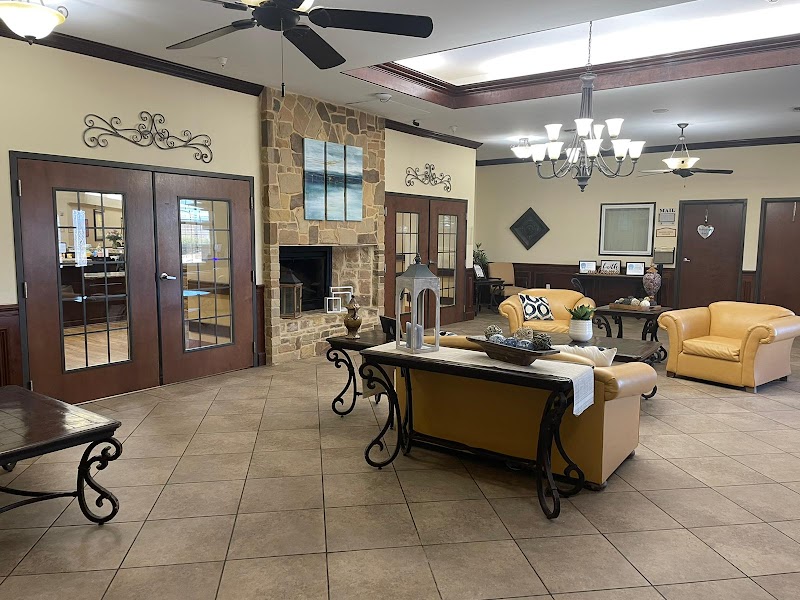
705 NE GEORGIA AVENUE, SWEETWATER, TX 79556 (325) 235-5417
For profit - Corporation 96 Beds NEXION HEALTH Data: November 2025
Trust Grade
75/100
#345 of 1168 in TX
Last Inspection: December 2024

Within standard 12-15 month inspection cycle. Federal law requires annual inspections.

Overview

Sterling Hills Rehabilitation and Health Care Center has a Trust Grade of B, indicating a good reputation and making it a solid choice among nursing homes. It ranks #345 out of 1,168 facilities in Texas, placing it in the top half, and is the best option in Nolan County. The facility is improving, with the number of issues decreasing from seven in 2023 to five in 2024. However, staffing is a concern, with a rating of 2 out of 5 stars and a turnover rate of 34%, which is below the state average, but still indicates some stability. While there have been no fines recorded, the facility has faced issues, including improper food storage and preparation practices that risk food contamination, and a failure to inform residents about their grievance rights, highlighting areas for improvement despite some strengths in overall care.

Trust Score
B
75/100
In Texas
#345/1168
Top 29%
Safety Record
Low Risk
No red flags
Inspections
Getting Better
7 → 5 violations
Staff Stability
○ Average
34% turnover. Near Texas's 48% average. Typical for the industry.
Penalties
✓ Good
No fines on record. Clean compliance history, better than most Texas facilities.
Skilled Nurses
⚠ Watch
Each resident gets only 15 minutes of Registered Nurse (RN) attention daily — below average for Texas. Fewer RN minutes means fewer trained eyes watching for problems.
Violations
⚠ Watch
16 deficiencies on record. Higher than average. Multiple issues found across inspections.
★★★★☆
4.0
Overall Rating
★★☆☆☆
2.0
Staff Levels
★★☆☆☆
2.0
Care Quality
★★★★☆
4.0
Inspection Score
Stable
2023: 7 issues
2024: 5 issues

The Good

  • Full Sprinkler Coverage · Fire safety systems throughout facility
  • No fines on record
  • Staff turnover below average (34%)

    14 points below Texas average of 48%

Facility shows strength in fire safety.

The Bad

Staff Turnover: 34%

11pts below Texas avg (46%)

Typical for the industry

Chain: NEXION HEALTH

Part of a multi-facility chain

Ask about local staffing decisions and management

The Ugly 16 deficiencies on record

Dec 2024 5 deficiencies
CONCERN (D) 📢 Someone Reported This

A family member, employee, or ombudsman was alarmed enough to file a formal complaint

Potential for Harm - no one hurt, but risky conditions existed

Deficiency F0578 (Tag F0578)

Could have caused harm · This affected 1 resident

**NOTE- TERMS IN BRACKETS HAVE BEEN EDITED TO PROTECT CONFIDENTIALITY** Based on interview and record review the facility failed to ensure residents had the right to request, refuse, and/or discontinu...

Read full inspector narrative →
**NOTE- TERMS IN BRACKETS HAVE BEEN EDITED TO PROTECT CONFIDENTIALITY** Based on interview and record review the facility failed to ensure residents had the right to request, refuse, and/or discontinue treatment, to participate in experimental research, and to formulate advance directives for 2 of 2 residents (Residents #4 and #63) reviewed for advanced directives. The facility failed to ensure Residents #4 and #63, who were listed as DNR had Out-of-Hospital Do Not Resuscitate (OOH-DNR) forms that did not have required information on the OOH-DNR. This failure could place residents at risk for not having their end of life wishes honored and incomplete records. Findings include: 1. Record review of Resident #4's, undated, face sheet reflected a [AGE] year-old-female who was admitted to the facility on [DATE], Resident #4 had diagnoses which included Chronic Obstructive Pulmonary Disease (lung disease that blocks airflow), kidney disease (damage to or disease of a kidney) Mental Disorder (a wide range of conditions that affect mood, thinking, and behavior), Major Depressive Disorder (persistently depressed mood), Cognitive Communication Disorder ( difficulty communicating due to a disruption in cognitive processes such as attention, memory, and problem solving), and Psychotic Disorder ( disconnection from reality ). The face sheet reflected under the advance directive section - DNR-Do Not Resuscitate. Record review of Resident #4's physician order summary, dated 12/12/24, reflected the following order: DNR-Do Not Resuscitate, dated 11/29/20. Record review of Resident #4's care plan, dated 04/19/21, reflected a care plan for DNR. Record review of Resident #4's OOH-DNR form, dated 05/02/19, reflected there was no printed physician's name associated with the physician's signature. 2. Record review of Resident #63's, undated, face sheet reflected an [AGE] year-old-male who was admitted to the facility on [DATE]. Resident #63 had diagnoses which included Alzheimer's Disease (progressive disease that destroys memory and other mental functions), heart disease (diseased vessels, structural problems, and blood clots), and Cognitive Communication Disorder (difficulty communicating due to a disruption in cognitive processes such as attention, memory, and problem solving) and dysphagia (difficulty swallowing). The face sheet also reflected under the advance directive section - DNR-Do Not Resuscitate. Record review of Resident #63's physician order summary, dated 12/11/24, reflected the following order: DNR-Do Not Resuscitate dated 02/20/24. Record review of Resident #63's care plan, dated 02/06/24, reflected a care plan for DNR. Record review of Resident #63's OOH-DNR form, date retrieved on 02/13/2024, reflected there was no indication of the relation of the qualified relative who signed the DNR. The qualified relative did not sign or date the bottom of the DNR. During an interview on 12/12/24 at 12:52PM with the SW, she stated an OOH DNR was not valid if it was not filled out correctly. She stated she was not responsible for auditing OOH-DNRs, the ADM was responsible for auditing OOH-DNRs. She stated there was missed information on OOH-DNRs for Residents #4 and #63. She stated there was no system for monitoring OOH-DNRs for accuracy. She stated the reason the DNR's were not completed correctly was human error. She stated there was no potential negative outcome for residents as the staff would review other forms in the residents' record to determine if a resident was a DNR or Full Code. During an interview on 12/13/24 at 12:20 PM with the ADM, she stated the OOH DNR was not valid if it was not filled out correctly. She stated the SW was responsible for making sure the OOH DNR was completed accurately. She stated they did not have a system in place to monitor OOH DNRs for accuracy. She stated the SW should be reviewing the OOH DNRs for accuracy. She stated there was missing information on the OOH DNR for Residents #4 and #63. She stated the missing information was due to human error. She stated the potential negative outcome was residents may not have their final wishes followed. She stated she was trained on how to complete an OOH DNR and her expectations were for them to be filled out completely and be correct . Record review of the Social Services Policies and Procedures Advanced Directives (Revised August 2023) reflected the following: Policy Statement Advance directives will be respected in accordance with state law and facility policy . Prior to or upon admission, the Social Services Director will inquire of the resident, his or her family members about the existence of any written advanced directives. Information about whether or not the resident has executed an advance directive shall be displayed in the medical record. If the resident indicated he or she has not established advance directives, the facility staff will offer assistance in establishing advance directives . The team will review annually with the resident his or her advance directives to ensure that such directives are still the wishes of the resident. Changes or revocation of a directive must be submitted in writing to the facility. The director of nurses or designee will notify the attending physician of advance directives as well as obtain appropriate orders. The licensed nurse will be required to inform emergency medical personnel of a resident's advance directive regarding treatment options and provide such personnel with a copy of such directive . The Social Services Director will maintain a list of Residents with an Advanced Directive on file. A code status audit will be conducted by the DON or designee on a quarterly basis or designee on a quarterly or as needed basis. Record review of the facility's undated policy titled Advance Directives reflected no information regarding the creation of an OOH DNR.
CONCERN (D) 📢 Someone Reported This

A family member, employee, or ombudsman was alarmed enough to file a formal complaint

Potential for Harm - no one hurt, but risky conditions existed

Deficiency F0761 (Tag F0761)

Could have caused harm · This affected 1 resident

**NOTE- TERMS IN BRACKETS HAVE BEEN EDITED TO PROTECT CONFIDENTIALITY** Based on observation, interview and record review the facility failed to ensure drugs and biologicals used in the facility were ...

Read full inspector narrative →
**NOTE- TERMS IN BRACKETS HAVE BEEN EDITED TO PROTECT CONFIDENTIALITY** Based on observation, interview and record review the facility failed to ensure drugs and biologicals used in the facility were labeled in accordance with currently accepted professional principles, and included the appropriate accessory and cautionary instructions, and the expiration date when applicable for 2 of 2 medication carts (Medication Cart 2 and Medication Cart 4) reviewed for medication storage . 1. The facility failed to keep Medication Cart 2 free of loose and unlabeled pills. 2. The facility failed to keep Medication Cart 4 free of loose and unlabeled pills. These failures could place residents at risk of harm or decline in health due to lack of medication labeling. Findings include: 1. During an observation on [DATE] at 1:25 PM, with LPN A, revealed one oval white loose pill found on the last bottom drawer of medication cart 2. LPN A and the DON verified medication was metoprolol (a blood pressure medication). During an interview with LPN A at 1:25 PM, she stated she has been trained to check the medication carts daily when taking over the cart. She stated she was trained to check for cleanliness, expired medication or items, and loose pills. She stated the potential negative outcome of having loose pills in the cart could be a medication error if someone were to accidently grab it . 2. During an observation on [DATE] at 1:39 PM, with LPN B, revealed one round orange pill was found on the last bottom drawer of medication cart 4. LPN B and the DON verified the loose pill was Bisacodyl (a laxative). During an interview with LPN B on [DATE] at 1:39 PM, she stated the night shift usually checked the carts at night and she would also check the cart when she took over. She stated they were trained to check for expired medication and cleanliness. She stated her last training was approximately one year ago upon hire. She stated the potential negative outcome of having loose pills in the cart could be giving the wrong medication to a resident . During an interview with the DON on [DATE] at 10:08AM, she stated the medication carts should be checked daily. She stated the medication carts should be checked for expiration dates, loose pills and restock items as needed. She stated the DON and ADON would check the carts at least once a week as well as the medication room. She stated they monitored compliance by doing a check after a nurse completed their check of the medication cart. She stated the potential negative outcomes of loose pills in the cart could be a missed resident medication, and a potential for medication error. During an interview with the ADM on [DATE] at 10:59AM, she stated the nurses were trained to check the medication carts daily when they came on shift. She stated compliance was monitored by the nursing administration. The ADM stated the potential negative outcome could be a medication error, or the medication being placed in the incorrect bottle. Record review of the facility's policy titled Storage of Medications:, last revised in [DATE], revealed, Policy Statement The facility stores all drugs and biologicals in a safe, secure, and orderly manner. Policy Interpretation and Implementation . 2. Drugs and biologicals are stored in the packaging, containers or other dispensing systems in which they are received. Only the issuing pharmacy is authorized to transfer medications between containers. 3. The nursing staff is responsible for maintaining medication storage and preparation areas in a clean, safe, and sanitary manner . .10. Resident medications are stored separately from each other to prevent the possibility of mixing.
CONCERN (D) 📢 Someone Reported This

A family member, employee, or ombudsman was alarmed enough to file a formal complaint

Potential for Harm - no one hurt, but risky conditions existed

Deficiency F0805 (Tag F0805)

Could have caused harm · This affected 1 resident

Based on observation, interview, and record review the facility failed to ensure each resident received and the facility provided food that was palatable, attractive, and at a safe and appetizing temp...

Read full inspector narrative →
Based on observation, interview, and record review the facility failed to ensure each resident received and the facility provided food that was palatable, attractive, and at a safe and appetizing temperature for 1 of 3 food forms (puree) at 2 of 4 meals (12/12/24 noon meal and 12/11/24 dinner meal) reviewed for palatability. The facility failed to provide food that was palatable for 1 of 3 food forms served (regular, mechanical soft and puree) at 2 of 4 meals observed (12/10/24 lunch and 12/11/24 dinner) . These failures could place residents at risk of decreased food intake, hunger, and unwanted weight loss. The findings include: During an observation on 12/10/24 at 12:20 PM revealed 4 puree plates served to residents with chunky baked chicken and okra/tomatoes with large seeds. During an observation on 12/10/24 at 12:35 PM revealed a test tray with rotisserie chicken that had large chunks of meat that had to be chewed. The okra/tomato had whole okra seeds that had to be chewed. During an observation on 12/11/24 at 03:51 PM revealed [NAME] A prepared puree hamburger meat, cheese, and bread per the menu. A test tray revealed the hamburger meat, cheese and bread puree had chunks that had to be chewed. [NAME] A prepared puree Mexican cream corn, a test tray revealed the Mexican cream corn had corn skin that had to be chewed . During an interview on 12/11/24 at 04:10 PM with [NAME] A, she stated puree should be smooth, like baby food. She stated she was not able to make the corn smooth. She stated puree diet was made for residents who were unable to chew or swallow. She stated she had been trained on how to prepare puree meals. She stated the potential negative outcome could be the resident choking. During an interview on 12/13/24 at 09:43 AM with the DM, she stated she was responsible for training staff. She stated puree foods should be the consistency of apple sauce texture with no chunks. She stated residents were on puree diet because they had trouble swallowing. She stated cooks were trained to add more liquid if needed and spin food around with spoon and then look at food for chunks. She stated the potential negative outcome could be a resident could choke or aspirate on the food chunks. During an interview on 12/13/24 at 10:00 AM with the ADM, she stated the DM trained all staff on how to prepare puree diets. She stated puree should be pudding consistency. She stated residents were on a puree did because they could not chew food. She stated the potential negative outcome could be a resident choking. Record review of the facility policy titled Texture Modifications, dated 2013, revealed the following documentation, Pureed Texture Description - the pureed texture is a mechanical modification of the Regular Diet or any therapeutic diet, designed for people with moderate to severe swallowing difficulty and a poor ability to protect their airway. This texture allows pureed food (pudding like consistency) that is smooth and easily stays together. Food should be avoided if they require chewing. Coarse and dry texture, raw fruits and vegetables, breads and nuts should also be avoided . Food Group - Vegetable Food Allowed - Vegetables should be soft, well cooked and pureed without lumps, husk or seeds
CONCERN (D) 📢 Someone Reported This

A family member, employee, or ombudsman was alarmed enough to file a formal complaint

Potential for Harm - no one hurt, but risky conditions existed

Infection Control (Tag F0880)

Could have caused harm · This affected 1 resident

**NOTE- TERMS IN BRACKETS HAVE BEEN EDITED TO PROTECT CONFIDENTIALITY** Based on observation, interview and record review the facility failed to establish and maintain an infection prevention and cont...

Read full inspector narrative →
**NOTE- TERMS IN BRACKETS HAVE BEEN EDITED TO PROTECT CONFIDENTIALITY** Based on observation, interview and record review the facility failed to establish and maintain an infection prevention and control program designed to provide a safe, sanitary and comfortable environment and to help prevent the development and transmission of communicable diseases and infections for 1 of 6 residents (Residents #229) reviewed for infection control. CNA C and CNA D failed to utilized enhanced barrier precautions during foley care for Resident #229 on 12/11/2024. This failure could place residents at risk for infection and cross contamination. Findings include: Record review of Resident #229's, undated, face sheet revealed an [AGE] year-old female who was admitted to the facility on [DATE]. Resident #229 had a medication history of COPD (a condition caused by damage to the airways or other parts of the lung), fracture of the left femur, atrial fibrillation (abnormal heartbeat), and chronic kidney disease, end stage. Record review of Resident #229 admission MDS dated [DATE], Section C- Cognitive Patterns revealed a BIMS score of 13, which indicated Resident #229 was cognitively intact. Record review of Resident #229 physician orders revealed an order for Foley Catheter care every shift and as needed, dated 10/23/2024. Record review of Resident #229's care plan revealed the following intervention Enhanced Barrier precautions, last revised 12/04/2024. During an observation of foley care on 12/11/2024 at 3:00 PM, revealed Resident #229's door had an Enhanced barrier precaution sign that was visible from the hallway and prior to entering the room. CNA C and CNA D entered Resident #229's room to perform foley care. CNA C and CNA D failed to use a gown for foley care. During an interview with CNA C on 12/11/2024 at 3:18 PM, she stated she was trained on infection prevention, but she was an agency CNA and did not remember being trained at this facility. She stated enhanced barrier precautions were utilized for residents who had tubes or wounds. She stated the enhanced barrier precautions were used to prevent contamination and many other things. She stated the potential negative outcomes could be passing infection to another resident. She stated with Resident #229 she was supposed to wear the gown, but she felt they did everything too fast and they did not grab the gown. She stated she realized she forgot the gown but did not want to say anything because she was nervous. She stated the infection preventionist at the facility was the DON. During an interview with CNA D on 12/11/2024 at 3:39 PM, she stated she was trained on infection control and her last training was about three weeks. She stated anytime a resident had a foley catheter or feeding tube, they were to use gloves and gowns. She stated she realized she forgot to wear the gown when she entered the room. She stated the potential negative outcome of not utilizing all the PPE could be spreading infection. She stated she utilized PPE for residents who were on EBP, but she got nervous and forgot to grab the gown. She stated the DON was the infection preventionist. During an interview with the DON on 12/12/2024 at 10:03 AM, she stated she was the infection preventionist. She stated staff were trained monthly on infection control and anytime anything came up. She stated she was doing more EBP training. She stated the potential negative outcome of staff not utilizing proper PPE could be spreading infection. She sated she expected her staff to wear the correct PPE when they provided care, and that was why the signs were on the doors. She stated she monitored compliance by doing rounds and educating staff. She stated she educated agency staff to make sure they knew what was expected and that they were aware of the rules. She stated they made rounds to make sure the correct PPE was being utilized. During an interview with the ADM on 12/12/2024 at 10:58AM, she sated the DON was the infection preventions. She stated staff were trained on EBP at least every three months. She stated compliance was monitored by making rounds. She stated the potential negative outcome of not utilizing proper PPE could be spreading infection. She stated for EBP, the staff was to wear gowns and gloves when they provided care. Record review of the facility's policy titled Enhanced Barrier Precautions last revised on 4/1/2024, revealed, . EBP are indicated for residents with any of the following: . Wounds and/or indwelling medical devices even if the resident is not known to be infected or colonized with a MDRO (multi-drug resistant organism) . Indwelling medical device examples include central lines, urinary catheters, feeding tubes, and tracheostomies . The facility will ensure PPE and alcohol-based hand rub are readily accessible to staff prior to entry to their room. PPE for enhanced barrier precautions is only necessary when performing high-contact care activities .changing briefs or assisting with toileting- yes don gloves and gown.
CONCERN (E) 📢 Someone Reported This

A family member, employee, or ombudsman was alarmed enough to file a formal complaint

Potential for Harm - no one hurt, but risky conditions existed

Grievances (Tag F0585)

Could have caused harm · This affected multiple residents

Based on observation, interview and record review the facility failed to notify residents individually or through postings in prominent locations throughout the facility of the right to file grievance...

Read full inspector narrative →
Based on observation, interview and record review the facility failed to notify residents individually or through postings in prominent locations throughout the facility of the right to file grievances orally or in writing; the right to file grievances anonymously; the contact information of the grievance office with whom a grievance can be filed, that is, his or her name business address and business phone number, a reasonable expected time frame for completing the review of the grievance, and the contact information of independent entities with whom grievances may be filed, that is, the pertinent State agency, Quality Improvement Organization, State Survey Agency and State Long-Term Care Ombudsman program or protection and advocacy system for 20 of 20 confidential residents reviewed for grievances . The facility failed to ensure 20 of 20 confidential residents were provided information of how to file a grievance, who the facility grievance official was and their right to obtain a written decision related to their grievance . This failure could place residents at risk of unresolved grievances and decreased quality of life. Findings include: Interviews and record review revealed 20 of 20 confidential residents, stated they did not have access to the Grievance form, they did not know they could file a Grievance anonymously, the Grievance procedure had never been discussed in Resident Council, and they had not observed a posting of the Grievance procedure in prominent locations. Residents attending Resident Council did not know where to acquire a grievance form, who to turn the form in to, and what happened once a grievance was filed. The residents did not know they had the right to receive a written decision once their grievance was resolved. Observation of prominent postings on 12/12/2024 at 12:30 PM revealed the facility did not include instructions regarding the grievance procedure with any of the prominent postings. Grievance forms were not available to residents and there was no access to submit a grievance anonymously. Interview with the ADM on 12/12/2024 at 11:35 AM, the ADM stated she was the Grievance Officer for the facility. The ADM stated she and Social Services shared the responsibility of reviewing Grievances and assigned them to department heads. The ADM stated the Grievance form was kept in the Social Worker's office. The ADM stated the residents did not have access to the Grievance form. The ADM stated there used to be a box in the hallway with Grievance forms in it, but it had since fallen off the wall, had not been replaced, and residents in wheelchairs were not able to reach the Grievance forms in the box. The ADM stated staff completed Grievance forms for residents, residents did not ask for forms or complete them on their own. The ADM stated there were no procedures for residents to submit grievances anonymously. The ADM stated the facility had 72 hours to resolve grievances once they were submitted. The ADM stated Social Services assigned the grievance to the appropriate department, that department addressed the grievance with the complainant, resolved the grievance, and explained the resolution to the complainant . The resolutions were documented on the grievance form and the completed form was submitted to the ADM for review. The ADM stated completed grievance forms were kept in a notebook for 3 plus years. The ADM stated she monitored the grievance process for success by following up with the staff member assigned to resolve the grievance. The ADM stated she also met with the complainant to ensure they were satisfied with the resolution. The ADM stated she was responsible for ensuring staff were trained on the grievance process. The ADM stated she was not aware the grievance procedure was not being discussed in Resident Council. Interview with the SW on 12/12/2024 at 12:32 PM, the SW stated she reviewed grievances and assigned grievances to the appropriate department heads. The SW stated the facility had 72 hours to resolve grievances once they were submitted. The SW stated department heads addressed the grievance with the complainant, resolved the grievance, and explained the resolution to the complainant. The resolution was documented on the grievance form and the completed form was submitted to the ADM for review. The SW stated completed grievance forms were kept in a notebook. The SW stated the grievance forms were kept in her office. The SW stated the residents did not have access to the grievance form . She stated there used to be a box on a wall in the facility, however, the box fell off the wall many months ago. The SW stated she assisted residents with completing grievance forms and she completed grievances forms once she received the Resident Council minutes. The SW stated there was no procedure for residents to submit Grievances anonymously , however, she understood the need to have a protocol for residents completing the Grievance form anonymously. Record review of the facility's Grievance policy on reflected the Grievance/complaint procedure should be posted on the resident bulletin board. Record review of the facility's Grievance Policy, last revised in 2024, reflected Our facility will assist Residents and their representatives, other interested family members, or advocates in filing grievances or complaints when such requests are made . Policy Interpretation and Implementation: 1. Any resident, family member, or representative may file a grievance or complaint. 2. Grievances and/or complaints may be submitted orally, in writing, or electronically and may be filed anonymously. 3. All grievances, complaints, or recommendations stemming from resident or family concerning issues of residents' care in the facility will be considered. Actions will be responded to in writing. 4. Upon admission residents are provided with written information on how to file a grievance. A copy of our grievance/complaint procedure is posted in the facility. 5. The contact information for the individual with whom a grievance may be filed is provided to the resident and/or representative upon admission. 6. The ADM has delegated the responsibility of grievance investigation to the grievance officer. 7. The grievance officer will review and investigate the allegations and submit the written report of such findings to the ADM within 72 hours of receiving the grievance. 8. The grievance officer will coordinate actions with the appropriate state and federal agencies depending on the nature of the allegations. 9. The ADM and staff will take immediate action to prevent further potential violations of resident rights while the alleged violation is being investigated. 10. The ADM will review the findings with grievance officer to determine what corrective actions need to be taken. 11. The resident or person filing the grievance on behalf of the resident, will be informed (verbally or in writing) of the findings of the investigation and actions will be taken to correct any identified problems. A written summary of the investigation will be provided to the resident and a copy will be filed in the business office. 12. If the grievance is filed anonymously the grievance officer will inform the resident that a grievance has been anonymously filed on his or her behalf and the steps that will be taken to investigate the grievance and report the findings. 13. The results of all grievances files investigated and reported will be maintained on file for a minimum of three years from the issuance of the grievance decision .
Oct 2023 6 deficiencies
CONCERN (D)

Potential for Harm - no one hurt, but risky conditions existed

Resident Rights (Tag F0550)

Could have caused harm · This affected 1 resident

**NOTE- TERMS IN BRACKETS HAVE BEEN EDITED TO PROTECT CONFIDENTIALITY** Based on observations, interviews, and record reviews, the facility failed to ensure each resident was treated with respect, dig...

Read full inspector narrative →
**NOTE- TERMS IN BRACKETS HAVE BEEN EDITED TO PROTECT CONFIDENTIALITY** Based on observations, interviews, and record reviews, the facility failed to ensure each resident was treated with respect, dignity, and care for each resident in a manner and in an environment that promotes the maintenance or enhancement of their quality of life, recognizing each resident's individuality. The facility failed to protect and promote the rights of the resident for 1 of 26 (Resident #26) residents in that: LVN A failed to provide Resident #26 privacy during a blood sugar check. This could place residents at risk for diminished quality of life and loss of dignity and self-worth. The findings included: A record review of Resident #26's face sheet, dated 10/18/23, revealed a [AGE] year-old female was admitted to the facility on [DATE] with diagnoses to include generalized osteoarthritis (bone disease), depression (mental illness), and type 2 diabetes mellitus (high blood sugar). Record review of Resident #26's Comprehensive Minimum Data Set (MDS) assessment, dated 08/21/23, revealed Resident #26 had a BIMS of 03 which indicated the resident's cognition was severely impaired. During an observation on 10/17/23 at 11:52 AM, LVN A was checking the blood sugar for Resident #26 in her room. LVN A did not close the door or pull the privacy curtain closed to provide privacy for Resident #26. Several people were observed passing by in the hallway and looking in the room while LVN A was checking the blood sugar for Resident #26. During an interview on 10/17/23 at 2:20 PM with LVN A, she stated she had been trained to provide privacy by shutting the door and pulling the curtain closed during procedures. LVN A stated she did not think about closing the door or pulling the privacy curtain closed due to the resident being alone in the room. LVN A stated the potential negative outcome to the resident was not preventing dignity concerns. During an interview on 10/19/23 at 8:47 AM with the DON, she stated she expected staff to provide privacy and dignity regardless of the procedure the resident was having. The DON stated she thought LVN A was nervous and that was why she forgot to provide privacy and dignity for Resident #26's blood sugar check. The DON stated the risk to the resident was they could have exposure of body parts they did not want exposed or other's may be able to know of the resident's specific health problems. During an interview on 10/19/23 at 9:40 AM with the Assistant ADM, she stated dignity should be a high priority with staff. The Assistant ADM stated the curtain should be pulled and the door closed when staff enter a room to provide care. The Assistant ADM stated she did not know why the nurse did not provide dignity during the blood sugar check. The Assistant ADM stated herself and the DON were responsible for ensuring staff provide dignity during care. The Assistant ADM stated the potential negative outcome to the residents was they (the residents) could be affected emotionally due to being exposed physically. Record review of the facility's policy titled, Quality of Life - Dignity, dated February 2020, reflected the following: Policy Statement: Each Resident shall be cared for in a manner that promotes and enhances his or her sense of well-being, level of satisfaction with life, feeling of self-worth and self-esteem. Policy Interpretation and Implementation: 1. Residents are treated with dignity and respect at all times . 10. Staff promote, maintain, and protect resident privacy, including bodily privacy during assistance with personal care and during treatment procedures
CONCERN (D)

Potential for Harm - no one hurt, but risky conditions existed

Comprehensive Care Plan (Tag F0656)

Could have caused harm · This affected 1 resident

**NOTE- TERMS IN BRACKETS HAVE BEEN EDITED TO PROTECT CONFIDENTIALITY** Based on record review and interview, the facility failed to develop a comprehensive care plan to meet the highest practicable p...

Read full inspector narrative →
**NOTE- TERMS IN BRACKETS HAVE BEEN EDITED TO PROTECT CONFIDENTIALITY** Based on record review and interview, the facility failed to develop a comprehensive care plan to meet the highest practicable physical, mental, psychosocial well-being for 2 of 26 residents (Residents #18 and #39) reviewed for care plans as follows: 1. Resident #18 did not have a care plan for indwelling catheter. 2. Resident #39 did not have a care plan for activities of daily living/rehabilitation potential, urinary incontinence, nutritional status, pressure ulcer risk or pain. These failures could place residents at risk of not receiving the care required to meet their individualized needs. Findings include: Resident #18 Record review of Resident #18's face sheet, dated 10/17/23, revealed an [AGE] year-old-female was admitted to the facility on [DATE] and readmitted [DATE] with diagnoses to include atrial fibrillation (irregular heartbeat, pneumonia (lung infection), diabetes (high blood sugar), pain, muscle weakness and hypertension (high blood pressure). Record review of Resident #18's Comprehensive Minimum Data Set, dated [DATE], revealed Resident #18 had a BIMS score of 11 which indicated Resident #18's cognition was moderately impaired. Resident #18's bladder and bowel assessment revealed Resident #18 had an indwelling catheter. The Care Area Assessment (problem areas) revealed indwelling catheter was a care area that would be addressed in the care plan and was marked on the care area assessment to be care planned. Record review of Resident #18's care plan, dated 09/19/23, revealed no care plan for indwelling catheter. During an interview on 10/18/23 03:20 PM with Resident #18, she stated she had foley catheter when she was admitted to the facility. She stated she was not sure if staff provide catheter care. She stated the staff might clean the catheter when they change her brief and she was not aware they were providing catheter care. Resident #39 Record review of Resident #39's face sheet, dated 10/17/23, revealed a [AGE] year-old-female was admitted to the facility on [DATE] with diagnoses to include hypertension (high blood pressure), atrial fibrillation (irregular heartbeat), heart failure, COPD (lung disease), major depression disorder (mental illness), and muscle weakness. Record review of comprehensive MDS assessment dated [DATE] revealed Resident #39 had a BIMS of 15 which indicated the resident's cognition was not impaired. The functional status section revealed Resident #39 requires limited one person assistance with bed mobility, dressing, and personal hygiene. This section further revealed Resident #39 required extensive assistance with one person assistance for transfers, locomotion on and off unit, toilet use and bathing. Bladder and bowel revealed Resident #39 was always incontinent of urine and bowel. Swallowing and nutritional status revealed Resident #39 had a swallowing disorder (coughing and choking during meals or when swallowing medications). It further revealed resident had a mechanically altered - therapeutic diet. Skin condition section revealed Resident #39 was at risk for pressure ulcers. Section - Health conditions revealed Resident #39 received as needed pain medication and had pain almost constantly. The Care Area Assessment (problem areas) revealed ADL (activity of daily living) functional/rehabilitation potential, urinary incontinence, nutritional status, pressure ulcer and pain were care areas that should be addressed in the care plan and was marked on the care area assessment to be care planned. Record review of a care plan dated 09/20/23 for Resident #39 did not reveal a care plan for ADL functional/rehabilitation potential, urinary incontinence, nutritional status, pressure ulcer or pain. During an interview on 10/18/23 at 02:00 PM Resident #39 stated she eats in the assisted dining room because she was a choking risk. She stated her food was chopped up in small pieces and she needs gravy with every meal. She stated there has been several times she did not receive the gravy with her meal. She stated she would have to request it after receiving her meal. She stated she was incontinent of bowel and bladder and requires assistance from staff. She stated her pain was controlled with pain medications. She stated she was receiving physical therapy. During an interview on 10/18/23 03:07 PM the DON stated Resident #39 triggered care areas was not care planned. She stated all that was care planned was code status, medication allergies, actual fall, and psychotropic medications. During an interview on 10/19/23 at 09:05 AM the DON stated there was no care plan for indwelling catheter for Resident #18. She stated the MDS nurse had been doing care plans, but she had recently took then back and she was responsible care plans. She stated all CAA (care area assessment) areas should be care planned unless it was determined it's not an issue for the resident. She stated all missing CAA for Resident #18 and #39 should have been care planned. She stated that Resident #39 had a basic care plan, but no comprehensive care plan has been completed yet. She stated that she has done an audit of all care plans in the facility and has not had time to complete the missing care plans. She stated that the care plan was information used to take care of residents. She stated everyone uses the care plans. She stated the potential negative outcome was not knowing how to care for resident. She stated you could transfer someone wrong or not provide the right ADL's if the information was not there. She stated everything should be care plan related to resident care, behaviors, and special conditions. She stated her expectations were for all CAAs to be care planned along with ADL information. She stated that she has been trained on care plans. During an interview on 10/19/23 09:15 AM the ADM stated the DON was responsible for care plans. She stated that all CAA areas should be care planned. She stated the potential negative outcome could be residence not receiving care they needed and could cause harm by not receiving the proper care. She stated the care plan was used for individualized care for each resident so everyone's on the same page and knows how to care for that resident. She stated her expectations were for the care plans to be accurate and applicable for that resident so we can provide the highest quality of care possible. Record review of the provided facility's policy titled Care Plans, Comprehensive Person-Centered, revised [DATE], revealed: Policy Statement - a comprehensive, person-centered care plan that includes measurable objectives and timetables to meet the residents physical psychosocial and functional needs is developed and implemented for each resident . Policy Interpretation and Implementation . 2. The care plan interventions are derived from a thorough analysis of the information gathered as part of the comprehensive assessment . 8. The comprehensive, person-centered care plan will: . b. Describe the services that are to be furnished to attain or maintain the resident's highest practical physical mental and psychosocial well-being. c. Describe services that would otherwise be provided for the above, but are not provided due to the resident exercising his or her rights including the right to refuse treatment .
CONCERN (D)

Potential for Harm - no one hurt, but risky conditions existed

Deficiency F0805 (Tag F0805)

Could have caused harm · This affected 1 resident

Based on observation, interview and record review, the facility failed to provide food that was palatable, and at a safe and appetizing temperature for 2 of 2 meal reviewed for palatability. 1) The fa...

Read full inspector narrative →
Based on observation, interview and record review, the facility failed to provide food that was palatable, and at a safe and appetizing temperature for 2 of 2 meal reviewed for palatability. 1) The facility failed to provide food that was palatable for 1 of 3 food forms served (Regular, Mechanical soft and pureed) at 2 of 2 meal observed (10/17/23 and 10/18/23 lunch). These failures could place residents at risk of decreased food intake, hunger, and unwanted weight loss. The findings included: During an observation on 10/17/23 at 11:00 AM [NAME] A prepared puree fried chicken, corn, and green beans. Surveyor tasted fried chicken had a powder texture on tongue with large chunks that had to be chewed. The corn had large pieces of corn skin and greens with strings. During an observation on 10/18/23 at 12:45 AM surveyor tested a puree test tray with the following items: pork riblets, okra, roll and watermelon. It was found pork riblets not smooth had large chunks that had to be chewed. Okra had large okra seeds that had to be chewed and watermelon with large chunks and thickener flavor. During an interview on 10/19/23 at 08:30 AM [NAME] A stated puree should not have chunks in it. She stated it should be smooth as baby food. She stated they did not have any cream style corn was the reason she used whole kernel corn. She stated the potential negative outcome could be chocking because resident cannot swallow. She stated she has been trained on how to prepare puree foods. During an interview on 10/19/23 at 11:30 AM DM stated puree food should be smooth with no lumpy texture. She stated all staff have been trained on how to prepare puree foods. She stated they currently only have 2 residents who requires a puree diet, but one was in the hospital. She stated the potential negative outcome could be a choking hazard and hard for resident to swallow. During an interview on 10/19/23 09:15 AM the ADM she stated puree food should be smooth. She stated all staff have safe server certificates. She stated her expectations are for puree to be smooth. She stated the potential negative outcome was chocking or difficulty swallowing food. Record review of the facility policy titled Diets and Texture: Pureed Texture, dated 2019, revealed the following documentation, Description The Pureed texture is a mechanical modification of the Regular Diet or any therapeutic diet, designed for people with moderate to severe swallowing difficulty and a poor ability to protect their air way. This texture allows pureed food (pudding like consistency) that is smooth and easily stays together. Food should be avoided if they require chewing. Coarse and dry textures, raw fruits and vegetables, breads and nuts should also be avoided . It is critical that standardized recipes be followed when preparing pureed foods to ensure nutritional quality is maintained . Vegetables should be soft, well cooked and pureed without lumps, husk, or seeds . All fruit that can pureed to a smooth consistency without pulp, seeds, skin, or chunks .
CONCERN (E)

Potential for Harm - no one hurt, but risky conditions existed

Deficiency F0645 (Tag F0645)

Could have caused harm · This affected multiple residents

**NOTE- TERMS IN BRACKETS HAVE BEEN EDITED TO PROTECT CONFIDENTIALITY** Based on interviews and record review, the facility failed to ensure all Pre-admission Screening and Resident Review (PASRR) Lev...

Read full inspector narrative →
**NOTE- TERMS IN BRACKETS HAVE BEEN EDITED TO PROTECT CONFIDENTIALITY** Based on interviews and record review, the facility failed to ensure all Pre-admission Screening and Resident Review (PASRR) Level I residents with mental illness were provided with an accurate PASRR Level I for 3 of 24 residents (Residents #8, #35, and #59) reviewed for PASRR screening, in that: Residents #8, #35, and #59 did not have an accurate PASRR Level 1 assessments when they had a diagnosis of mental illness. These failures could place residents with an inaccurate PASRR Level 1 Evaluation and no PASRR Level 2 Evaluation at risk for not receiving care and services to meet their needs. The findings included: Resident #8: Record review of Resident #8's electronic face sheet dated 10/18/2023 revealed a [AGE] year-old female most recently admitted to the facility on [DATE]. The face sheet listed under Diagnosis Information a diagnosis of Schizoaffective Disorder/Depressive Type. Record review of Resident #8's Quarterly MDS dated [DATE], revealed under section I Active Diagnoses, a diagnosis of Schizoaffective Disorder/Depressive Type. Additionally, under Section C Cognitive Patterns, the MDS revealed a BIMS of 15 indicating the resident was cognitively intact. Record review of Resident #8's most recent care plan, undated, revealed a focus area and diagnosis of Schizoaffective Disorder/Depressive Type, this problem started 01/07/2022. Resident #8 was prescribed Cymbalta 30mg once a day and Risperdal 4mg once a day to assist with this area of need. Record review of Physician progress notes for Resident #8 dated 10/18/2023 revealed under current medications, Resident #8 was prescribed Cymbalta 30mg once a day and Risperdal 4mg once a day to assist with Schizoaffective Disorder/Depressive Type . Record review of Resident #8's Preadmission Screening and Resident Review Level One (PL1) form dated 03/08/2021 revealed under section C0100 Mental Illness an answer of NO, indicating the resident does not have a mental illness. Resident #35: Record review of Resident #35's electronic face sheet dated 10/18/2023 revealed a [AGE] year-old female most recently admitted to the facility on [DATE]. The face sheet listed under Diagnosis Information a diagnosis of PTSD, Chronic. Record review of Resident #35's Quarterly MDS dated [DATE], revealed under section I Active Diagnoses, a diagnosis of PTSD. Additionally, under Section C Cognitive Patterns, the MDS revealed a BIMS of 14 indicating the resident was moderately cognitively impaired. Record review of Resident #35's most recent care plan, undated, revealed a focus area and diagnosis of PTSD, this problem started 03/24/2021. Resident #35 was prescribed Abilify 10mg twice a day, Paroxetine 20mg once a day, and Topiramate 50mg twice a day to address this diagnosis. Record review of Physician progress notes for Resident #35 dated 09/06/2023 revealed under current medications, Resident #35 was prescribed Abilify 10mg twice a day, Paroxetine 20mg once a day, and Topiramate 50mg twice a day to address her diagnosis of PTSD. Record review of Resident #35's Preadmission Screening and Resident Review Level One (PL1) form undated revealed under section C0100 Mental Illness an answer of No, indicating the resident did not have a mental illness. Resident #59 Record review of Resident #59 electronic face dated 10/18/2023 revealed a [AGE] year-old male most recently admitted to the facility on [DATE]. The face sheet listed under Diagnoses Information, Major Depressive Disorder. Record review of Resident #59's Quarterly MDS dated [DATE], revealed under section I Active Diagnoses, a diagnosis of Major Depressive Disorder. Additionally, under Section C Cognitive Patterns, the MDS revealed a BIMS of 0 indicating the resident was severely cognitively impaired. Record review of Resident #59 most recent care plan, undated, revealed a focus area and diagnosis of Major Depressive Disorder, this problem started 01/30/2023. Resident #59 was prescribed Sertraline 100mg once a day to assist with this area of need. Record review of Physician progress notes for Resident #59 dated 10/18/2023 revealed under current medications, Resident #59 was prescribed Sertraline 100mg once a day for Major Depressive Disorder. Record review of Resident #59's Preadmission Screening and Resident Review Level One (PL1) form dated 1/12/2023 revealed under section C0100 Mental Illness an answer of No, indicating the resident did not have a mental illness. During an interview conducted on 10/19/23 at 11:00am with the ADM, she verified Residents #8, #35, and #59 had a diagnosis of mental illness. The ADM verified Residents #8, #35, and #59 did not have PASRR 2 Evaluations as all their PASRR 1 Evaluations were negative. The ADM stated the purpose of the PASRR 1 Evaluation was to identify if a Resident required additional services. She said if the PASRR 1 Evaluation was positive then it gets put into an online system and they reach out to the necessary people to ensure a PASRR 2 Evaluation was done. She said the MDS nurse was responsible for entering the PASRR 1 Evaluation into the system. The ADM stated the potential harm if a resident with a diagnosis of a mental illness who had a negative PASRR 1 Evaluation, and no subsequent level two evaluation was the residents could potentially go without services. During an interview with the MDS nurse on 10/19/23 at 11:25am, she stated Residents #8, #35, and #59 did not have PASRR 2 Evaluations as all of the Residents had negative PASRR I Evaluations. The MDS nurse stated Residents #8, #35, and #59 do not have accurate PASRR 1 Evaluations as the residents have a diagnosed mental illness. The MDS nurse stated it was her responsibility to ensure every resident entering the facility had a completed and accurate PASRR 1 Evaluation. The MDS nurse stated she did not know why #8, #35, and #59 did not have positive PASRR 1 Evaluations due to having had a mental illness diagnosis. The MDS nurse stated the potential negative outcome for residents not having an accurate PASRR 1 Evaluation and subsequent PASRR 2 Evaluations would be the residents may not be offered the services they may need for their diagnosis. Preadmission Screening and Resident Review (PASRR) Policy Revised 7/18/2018: The facility policy for PASARR states all applicants to a Medicaid-certified nursing facility must have a Level I PASRR completed to screen for possible mental illness. Residents with positive PASRR Level I cannot be admitted to a Medicaid-certified nursing facility unless approved through Level II PASRR determination. Those Residents covered by Level II PASRR process may require certain care and services provided by the nursing home, and/or specialized services provided by the State.
CONCERN (E)

Potential for Harm - no one hurt, but risky conditions existed

Infection Control (Tag F0880)

Could have caused harm · This affected multiple residents

**NOTE- TERMS IN BRACKETS HAVE BEEN EDITED TO PROTECT CONFIDENTIALITY** Based on observation, interview and record review, the facility failed to maintain an infection control program designed to prov...

Read full inspector narrative →
**NOTE- TERMS IN BRACKETS HAVE BEEN EDITED TO PROTECT CONFIDENTIALITY** Based on observation, interview and record review, the facility failed to maintain an infection control program designed to provide a safe, comfortable and sanitary environment to help prevent the development and transmission of diseases for 4 of 4 (Residents #19, #26, #59, and #171) and 5 of 7 (LVN A, CNA A, CNA C, CNA E, and CNA F) staff reviewed for infection control. 1. LVN A failed to wear gloves while checking the blood sugar for Resident #26 or perform hand hygiene after the procedure. 2. CNA A failed to perform hand hygiene between glove changes when providing incontinent care for Resident #19. 3. CNA C failed to perform hand hygiene between glove changes when providing incontinent care for Resident #171. 4. CNA E and CNA F failed to perform hand hygiene between glove changes when providing incontinent care for Resident #59. These failures could place residents at risk for spread of infection and cross contamination. Findings include: Resident #26 A record review of Resident #26's face sheet, dated 10/18/23, revealed a [AGE] year-old female was admitted to the facility on [DATE] with diagnoses to include generalized osteoarthritis (bone disease), depression (mental illness), and type 2 diabetes mellitus (high blood sugar). Record review of Resident #26's comprehensive Minimum Data Set (MDS) assessment, dated 08/21/23, revealed Resident #26 had a BIMS of 03 which indicated the resident's cognition was severely impaired. During an observation on 10/17/23 at 11:52 AM, LVN A checked the blood sugar for Resident #26 and did not wear gloves. LVN A did not perform hand hygiene after checking Resident #26's blood sugar and before going back into the medication cart. During an interview on 10/17/23 at 2:20 PM with LVN A, she stated had been trained to wear gloves when doing blood sugar checks and to wash hands after providing care to the resident. LVN A stated she forgot to wear gloves and wash her hands after providing care because she was nervous. LVN A stated the potential negative outcome to the resident was possible infection. Resident #19 Record review of face sheet for Resident #19, dated 10/18/23, revealed an [AGE] year-old female admitted to the facility on [DATE] with the following diagnoses: covid-19 (respiratory infection), unspecified dementia (cognitive loss), and type 2 diabetes (high blood sugar). Record review of Resident #19's comprehensive MDS, dated [DATE] revealed Resident #19 had a mental assessment by staff which indicated the resident's cognition was moderately impaired. The MDS revealed Resident #19 required total dependence with one person assist for toilet use and total dependence with one person assist for personal hygiene. The MDS further revealed Resident #19 was always incontinent of bladder and bowel. During an observation on 10/18/23 at 6:25 AM, CNA A was providing incontinent care for Resident #19 with the help of CNA B. CNA A washed her hands with soap and water and donned clean gloves. CNA A wiped Resident #19's groin area, removed her gloves and donned a pair of clean gloves. Resident #19 was turned and CNA A wiped her buttocks, removed her gloves and donned a pair of clean gloves. CNA A applied barrier cream to Resident #19's buttocks, removed her gloves and donned a pair of clean gloves. CNA A then placed a clean brief on Resident #19. CNA A did not perform hand hygiene between any of the glove changes. During an interview on 10/18/23 at 7:08 AM with CNA A, she stated she has been trained to perform hand hygiene between glove changes. CNA A stated they do skills check off's but cannot remember the last time it was done. CNA A stated she should have done performed hand hygiene between glove changes but forgot to take ABHR in the room with her. CNA A stated the potential negative outcome to the residents was a risk of infection. Resident #171 Record review of face sheet for Resident #171, dated 10/18/23, revealed a [AGE] year-old female admitted to the facility on [DATE] with the following diagnoses: chronic obstructive pulmonary disease (lung disease), dementia (cognitive loss), muscle weakness, and essential hypertension (high blood pressure). Record review of Resident #171's comprehensive MDS, dated [DATE] revealed Resident #171 had a BIMS of 01 which indicated the resident's cognition was severely impaired. Resident #171 required extensive assistance with one person assist with toilet use and personal hygiene. Resident #171 was always incontinent of bladder and bowel. During an observation on 10/18/23 at 6:40 AM, CNA C was providing incontinent care for Resident #171 with the help of CNA D. CNA C washed her hands with soap and water and donned clean gloves. CNA C wiped Resident #171's groin area, removed her gloves and donned a pair of clean gloves. Resident #171 was turned on her side and CNA C wiped her buttocks, removed her gloves and donned a pair of clean gloves. CNA C then placed a clean brief on Resident #171. CNA C did not perform hand hygiene between any of the glove changes. During an interview on 10/18/23 at 8:20 AM with CNA C, she stated she has been trained to perform hand hygiene between glove changes. CNA C stated she does not remember the last time she was trained. CNA C stated she just forgot to perform hand hygiene between the glove changes. CNA C stated the potential negative outcome to the residents is contamination between clean and dirty and bad germs. Resident #59 Record review of face sheet for Resident #59, dated 10/18/23, revealed a [AGE] year-old male admitted to the facility on [DATE] with the following diagnoses: acute embolism and thrombosis of deep veins of right lower extremity (blood clot in leg), gastro-esophageal reflux disease (acid reflux), urinary tract infection, and hyperlipidemia (high cholesterol). Record review of Resident #59's MDS, dated [DATE] revealed Resident #59 had a mental status assessment performed by staff and which indicated the resident had modified independence with cognitive skills for daily decision making. Resident #59 required total dependence with two-person assist for toilet use and extensive assist with two-person assist for personal hygiene. Resident #59 had a catheter and was always incontinent of bowel. During an observation on 10/18/23 at 6:46 AM, CNA E and CNA F provided catheter care and incontinent care for Resident #59. CNA E and CNA F washed their hands with soap and water and donned clean gloves. CNA E wiped Resident #59's groin area and provided catheter care to his indwelling catheter. CNA E removed her gloves and donned a pair of clean gloves. Resident #59 was turned, and CNA E wiped a bowel movement from his buttocks, removed gloves, and donned a pair of clean gloves. Resident #59 was turned to the other side and CNA F then wiped the excess bowel movement from his buttocks. CNA F removed gloves and donned a pair of clean gloves. A clean brief was then placed under Resident #59. CNA E and CNA F did not perform hand hygiene between any of the glove changes. During an interview on 10/18/23 at 7:02 AM, CNA E and CNA F stated they have been trained to perform hand hygiene between glove changes. CNA E and CNA F stated they didn't think about hand hygiene between glove changes because they were nervous. CNA E and CNA F stated the potential negative outcome to the resident is it could cause infection. During an interview on 10/18/23 at 3:05 PM, the ADON stated herself and the DON were both responsible for monitoring staff for infection control concerns. The ADON stated she expects the nurses to wear gloves and perform hand hygiene when doing blood sugar checks on residents. The ADON stated she was really big on handwashing and expected the CNAs to perform hand hygiene between glove changes. The ADON stated LVN A and the CNAs were probably nervous and that is why they messed up. The ADON stated the nurses and CNA's do handwashing competencies yearly but was unsure the last time it was done and stated she would have to pull those records. The ADON stated the risk to the residents with not wearing gloves during blood sugar checks and not performing hand hygiene after providing resident care or between glove changes was the staff could be spreading infection and bacteria everywhere. During an interview on 10/19/23 at 8:47 AM, the DON stated she expects the nurses to wear gloves anytime they are dealing with resident's blood or bodily fluids. The DON stated she expects staff to perform hand hygiene after resident procedures and between glove changes, no exception. The DON stated she did not know why the nurse did not perform hand hygiene after the blood sugar check or wear gloves to check the resident's blood sugar as blood was involved. The DON stated she thought the CNAs were nervous and that is why they failed to perform hand hygiene between glove changes, but that was still no excuse. The DON stated the ADON and she are responsible for monitoring staff for infection control. The DON stated the staff has completed competencies and she would have to pull them to be reviewed. The DON stated the potential negative outcome to the residents is possible infection or urinary tract infections. During an interview on 10/19/23 at 9:40 AM, The Assistant ADM stated she expected staff to wash hands before and after providing patient care. The Assistant ADM stated she expected staff to wear gloves when dealing with blood or body fluids. The Assistant ADM stated she did not know why LVN A did not wear gloves or perform hand hygiene after the blood sugar check. The Assistant ADM stated she expected the CNAs to wash their hands or use hand sanitizer between glove changes. The Assistant ADM stated she did not know why the CNAs did not perform hand hygiene between glove changes and stated they were probably nervous. The Assistant ADM stated the DON and the ADON were responsible for monitoring staff for infection control. She stated the risk to the residents with the lack of gloves and lack of hand hygiene was they could spread infection. Record review of competency assessment: Obtaining a fingerstick glucose level for LVN A revealed satisfactory completion was demonstrated on 09/27/22 and included wearing gloves and performing hand hygiene after care. Record review of initial/annual nurse aide competency review for LVN A, dated 06/24/23, revealed satisfactory completion of handwashing, perineal care, and when handwashing should be performed checklist. Record review of initial/annual nurse aide competency review for LVN C, dated 07/15/23, revealed satisfactory completion of handwashing, perineal care, and when handwashing should be performed checklist. Record review of initial/annual nurse aide competency review for LVN E, dated 07/15/23, revealed satisfactory completion of handwashing, perineal care, and when handwashing should be performed checklist. Record review of initial/annual nurse aide competency review for LVN F, dated 06/24/23, revealed satisfactory completion of handwashing, perineal care, and when handwashing should be performed checklist. Record review of the facility's policy titled, Infection Prevention and Control Program, with a revised date of 12/21, reflected the following: Policy Statement: An infection prevention and control program (IPCP) is established and maintained to provide a safe, sanitary and comfortable environment and to help prevent the development and transmission of communicable diseases and infections Record review of the facility's policy titled, Obtaining a Fingerstick Glucose Level, with a revised date of 12/11, reflected the following: Purpose: The purpose of this procedure is to obtain a blood sample to determine the resident's blood glucose level . Steps in Procedure 5. Wear clean gloves . 19. Remove gloves and discard into designated container 20. Wash hands Record review of the facility's policy titled, Personal Protective Equipment - Using Gloves, with a revised date of 06/05, reflected the following: Purpose: To guide the use of gloves. Objectives: 1. To prevent the spread of infection; 3. To protect hands from potentially infectious material; and 4. To prevent exposure to the HIV (AIDS) and hepatitis B (HBV) viruses from blood or body fluids. Miscellaneous: 4. Use non-sterile gloves primarily to prevent the contamination of the employee's hands when providing treatment or services to the patient and when cleaning contaminated surfaces. 5. Wash hands after removing gloves. (Note: Gloves do not replace handwashing.) When to use gloves: 1. When touching excretions, secretions, blood, body fluids, mucous membranes or non-intact skin Record review of the facility's policy titled, Handwashing-Hand Hygiene Policy and Procedures, with a revised date of 10/20, reflected the following: Policy Statement: This facility considers hand hygiene the primary means to prevent the spread of infections. Policy Interpretation and Implementation: 2. All personnel shall follow the handwashing/hand hygiene procedures to help prevent the spread of infections to other personnel, residents, and visitors. 3. Hand hygiene products and supplies (sinks, soap, towels, alcohol-based hand rub, etc.) shall be readily accessible and convenient for staff use to encourage compliance with hand hygiene policies . 6. Wash hands with soap (antimicrobial or non-antimicrobial) and water for the following situations: a. when hands are visibly soiled; and b. after contact with a resident with infectious diarrhea including, but not limited to infections caused by norovirus, salmonella, shigella and C. difficile. 7. Use an alcohol-based hand rub containing at least 62% alcohol; or alternatively, soap (antimicrobial or non-antimicrobial) and water for the following situations: b. before and after direct contact with residents; j. after contact with blood or bodily fluids; m. after removing gloves; 8. Hand hygiene is the final step after removing and disposing of personal protective equipment. 9. The use of gloves does not replace hand washing/hand hygiene. Integration of gloves use along with routine. 10. hand hygiene is recognized as the best practice for preventing healthcare-associated infections. 11. single-use disposable gloves should be used: b. when anticipating contact with blood or body fluids . Applying and Removing Gloves: 1. Perform hand hygiene before and after applying non-sterile gloves
CONCERN (F)

Potential for Harm - no one hurt, but risky conditions existed

Food Safety (Tag F0812)

Could have caused harm · This affected most or all residents

Based on observation, interview, and record review, the facility failed to store, prepare, distribute, and serve food in accordance with professional standards for food service safety in 1 of 1 kitche...

Read full inspector narrative →
Based on observation, interview, and record review, the facility failed to store, prepare, distribute, and serve food in accordance with professional standards for food service safety in 1 of 1 kitchen reviewed for dietary services, in that: 1)The facility failed to ensure foods were processed and pureed under sanitary conditions. 2) The facility failed to ensure foods were stored in a manner to prevent contamination. 3) The facility failed to ensure foods were served at temperature above 135 degrees Fahrenheit. These failures could place residents at risk for food contamination and foodborne illness. The findings included: The following observations were made during a kitchen tour on 10/17/23 that began at 9:00 AM and concluded at 10:10 AM: Dessert plates and dessert bowls stored right side up in tub on shelf. Raw chicken stored in tub on shelf in fridge above sack of raw onions. Bowl of fruit with marshmallow covered with plastic wrap stored above box of raw bacon dripping clear liquid onto open box. Cups of milk and juice stored on tray in fridge not covered and no date. The following observations were made on 10/17/23 at 11:00 AM during observation of puree meal preparation: After pureeing fried chicken, [NAME] A took processor bowl, lid, and blade to 3 compartments sink and cleaned all 3 parts. [NAME] A took all there parts back to processor base and assembled. Bowl had water in bottom and lid was dripping water. [NAME] A prepared puree corn then took processor bowl, lid and blade to dishwasher and ran through dishwasher. She then took bowl, lid and blade to processor base and assembled. The bowl, lid and blade had water on all of them. The following observation was made on 10/17/23 at 11:50 AM while observing [NAME] A take temperatures of puree foods. Puree chicken temp was 124 degrees Fahrenheit. [NAME] A placed puree fried chicken back in steam oven and closed the door. [NAME] A prepared resident tray by taking all 3 bowls out of steam oven and placed on plate. [NAME] A did not re-temp puree fried chicken. Record review temperature log dated October 17, 2023, revealed menu item: puree meat, acceptable temperature (degree F) 140-155-degree F, Tuesday 124-degree F. During an interview on 10/17/23 at 01:46 PM [NAME] A stated the temp for puree chicken was 124 degrees Fahrenheit. [NAME] A stated she forgot to recheck the temp of the puree chicken before serving it and stated she did not turn the steam oven back on because she did not want the puree to get to hot. She stated the steam oven will keep the puree food at the correct temperature. She stated she did not know what the temperature was when she served the puree chicken. She stated she cleaned the processor bowl, lid and blade in the 3 compartment sink the first time and the dishwasher the second time. She stated she did not allow the processor bowl, lid, or blade to air dry. She stated she was in a hurry and forgot to allow it to air dry. She stated they only have one processor bowl, lid, and blade. She stated she had been trained and the proper way was to allow it to air dry. She stated the potential negative outcome could be water or chemical on the bowl, lid, or blade. She stated raw chicken should have been stored on the bottom shelf. She stated she stored the chicken above the raw onions. She stated she did not realize the onions were on the bottom shelf. She stated the potential negative outcome could be cross contamination. She stated all food and drinks should be covered and dated. She stated staff who put the food/drinks in the refrigerator were responsible to making sure it was covered and dated. She stated the potential negative outcome of not dating the items or covering them was cross contamination and serving out of date food. During an interview on 10/19/23 08:47 AM DM she stated that chicken should be stored on the bottom shelf of the refrigerator. She stated that bowls and plates should be stored upside down never right side up. She stated that chicken should be served at 165°F. She stated all food items including drinks should be covered and dated. She stated the potential negative outcome could be contaminated food. She stated all staff have been trained and have safe serve certificates. She stated that all staff were responsible for making sure items were dated and covered when they put the items in the refrigerator. She stated that the food processor should be air dried before using again. She stated the potential negative outcome could be standing water with chemicals. During an interview on 10/19/23 09:15 AM the ADM stated that raw chicken should not be stored above raw onions. She stated that all dishes should be stored upside down. She stated all food items in the refrigerator should be covered and dated. She stated all staff were responsible to cover and dated food items placed in the refrigerator but that the DM was responsible for overseeing the dietary staff. She stated the potential negative outcome could be residents end up sick or the food becomes contaminated. She said all staff have their safe serve certificates. Record review of the facility policy, titled Cleaning Food Mixers, revised April 2004, revealed the following: Immediately after use: . 5. Air dry. Record review of the facility policy, titled Food Preparation and Service, dated October 2022, revealed the following: Policy Statement: Food and nutrition services employees prepare and serve food in a manner that complies with safe food handling practices. Policy Interpretation and Implementation Food Preparation Area . 4. Appropriate measures are used to prevent cross contamination. These include: a. Storing raw meat separately and in drip-proof containers, and in a manner that prevents cross-contamination from other foods in the refrigerator; . Thawing Frozen Food 1. Foods will not be thawed at room temperature. Thawing procedures include: a. Thawing in the refrigerator in a drip-proof container; . Food Preparation, Cooking and Holding Time/Temperatures 1. The danger zone for food temperatures is between 41 °F and 135°F. This temperature range promotes the rapid growth of pathogenic microorganisms that cause food borne illness. 2. Potentially hazardous foods include meats, poultry, seafood, cut melon, eggs, milk, yogurt and cottage cheese. 3. The longer foods remain in the danger zone the greater the risk for growth of harmful pathogens. therefore, PHF must be maintained below 41°F or above 135°F . 11. Mechanically altered hot foods prepared for a modified consistency diet remain above 135°F during preparation or they are reheated to 165°F for at least 15 seconds . Record review of the facility policy, titled Dietary/Food Handling, dated April 2001, revealed the following: Purpose: the purpose of this procedure is to provide guidelines for the safe preparation handling and storage of perishable food and proper environmental cleaning . 2. Temperatures must be maintained at the following (Fahrenheit) settings for the items indicated below: . e. Stuffing, poultry, stuffed meats, wild game - 165 degrees Fahrenheit or above; . 25. d. Open containers must be dated and sealed or covered during storage . Record review of the facility policy, titled Food Receiving and Storage, dated October 2022, revealed the following: Policy Statement: Foods shall be received and stored in a manner that complies with safe food handling practices . 8. All foods stored in the refrigerator or freezer will be covered, labeled, and dated (use by date) . 13. Uncooked and raw animal products and fish will be stored separately in drip-proof containers and below fruits, vegetables, and other ready-to-eat foods .
May 2023 1 deficiency
CONCERN (E) 📢 Someone Reported This

A family member, employee, or ombudsman was alarmed enough to file a formal complaint

Potential for Harm - no one hurt, but risky conditions existed

Quality of Care (Tag F0684)

Could have caused harm · This affected multiple residents

**NOTE- TERMS IN BRACKETS HAVE BEEN EDITED TO PROTECT CONFIDENTIALITY** Based on observation, interview and record review, the facility failed to provide the necessary care and services to attain or m...

Read full inspector narrative →
**NOTE- TERMS IN BRACKETS HAVE BEEN EDITED TO PROTECT CONFIDENTIALITY** Based on observation, interview and record review, the facility failed to provide the necessary care and services to attain or maintain the highest practicable physical, mental, and psychosocial well-being for one of seven residents (Resident #1) reviewed for quality of care. The facility staff left Resident #1, who had four pressure ulcers, sitting up in her wheelchair for approximately five hours on the night shift on 4/28/2023 isolated in her room. These failures could place residents at risk for complications including skin break down, infection, or decreased physical and mental functioning. The findings included: Record review of Resident #1's face sheet, dated 05/01/023, revealed a [AGE] year-old female admitted to the facility on [DATE] with diagnoses that included, but were not limited to, stage four Secondary Malignant Neoplasm of Bone (a cancer that has started in another part of the body and has spread (metastasized) to the bone via the bloodstream or lymph nodes), Follicular Lymphoma (cancer in spine), disease of spinal cord, cord compression, chronic pain, Atherosclerotic Heart Disease of Native Coronary Artery without Angina Pectoris (reduction of oxygen-rich blood supply to the heart muscle), Chronic Obstructive Pulmonary Disease (obstructed airflow from the lungs), Reduced Mobility, Restless Legs Syndrome, Lack of Coordination, Hypertension (high blood pressure), Anxiety Disorder. Record reviewed Resident #1's admission MDS assessment dated [DATE] revealed the following: BIMS score of 15 out of 15 (indicated cognition was intact); Activities of Daily Living (ADL) Assistance: Total dependence, two-person assistance with transferring (mechanical lift) and bathing, one-person assist with locomotion on & off unit; Extensive assistance, two-person assist with bed mobility, dressing, toilet use and personal hygiene; uses a wheelchair for mobility and is incontinent of bladder and bowel; Skin Conditions: admitted with Unhealed Pressure Ulcers/Injuries = 3 stage 2 pressure ulcers and 1 stage 3 Record reviewed Resident #1's progress notes dated 03/28/2023, LVN #1 reflected resident returned to facility with foley catheter. Record reviewed Resident #1's progress notes dated 03/28/2023, LVN #2 reflected resident returned to facility oxygen at 2 liters per minute via nasal cannula as needed. Record reviewed Resident #1's progress notes dated 03/29/2023, Wound Care RN reflected resident returned to facility three pressure ulcers to left buttock and one to coccyx (tail bone) have declined and have worsened. The three ulcers on the buttock are now stage three due to slough (base of ulcer is covered by yellow, tan, gray, green or brown) to wound bed. Resident states that she was not turned while at the hospital. Record reviewed Resident #1's quarterly MDS assessment dated [DATE] revealed the following: Resident #1 now has an indwelling catheter, has four Stage 3 pressure ulcers (admitted with three stage 2 and one stage 3), and on oxygen therapy Record reviewed Resident #1's physician orders: Order Date 04/20/2023: Keep HOB (head of bed elevation) at 10 degrees except for meals; rotate between right and left side every 2 hours. Order Date 04/27/2023: Resident to be out of bed for all meals and is to return to bed after meals three times a day. Record reviewed Resident #1's care plan dated 03/20/2023 and revised on 04/05/2023 reflected: Focus: Pressure Ulcers (pu) stage 2 on left lower buttock, stage 2 to left mid buttock, stage 2 to left upper buttock, stage 3 to coccyx. -03/29/2023 readmitted from hospital and the stage 2 pu were upstaged to a Stage 3 -04/07/2023-Stage 3 pu to left mid buttock merge stage 3 lower upper buttock Interventions/Task: Resident needs assistance to turn/reposition at least every 2 hours, more often as needed or requested. In an interview and observation on 05/01/2023 at 4:30 PM, Resident #1 stated she was left in her wheelchair last Friday (4/28/2023) until after 2:00 AM in her room with the door shut. Her call light was at the top of the bed in the middle of the pillow, and she could not reach it. The wheelchair pedals stuck out to far and she cannot lean over because of the cancer in her spine. She could not get over to the door for her roommate had a fall mat on the floor and she could not roll the wheelchair over it. Resident #1 continued stating last time she had seen a staff member, or anybody was at 9:30 PM that evening. She stated no one came to her room until after she called her family member at about 2:00 AM (04/29/2023) and then they came in and asked her are you still up in your chair. Resident #1 stated she was in severe pain in her back, her butt, and her bladder (observed resident wiping tears from her eyes). She stated she was really scared that no one came in the room even when she was screaming for help. She stated due to some recent health issues with her heart and lungs, she was afraid for something like that to happen again and no one was there to help her. Resident #1 stated the catheter was causing a lot of pain and she asked the nurse to take it out and in which that relieved some of the pressure and pain. In an interview on 05/01/2023 at 5:05 PM, the wound care RN stated the pressure ulcers were not any worse after the resident was left in her wheelchair for 5 plus hours, however, she was not happy about the situation. In an interview on 05/01/2023 at 5:10 PM, the DON stated she found out about the incident with Resident #1 in her wheelchair for five plus hours this morning (05/01/2023) at 8:30 AM. The DON stated confirmed the nurse on the night shift (04/28-29/2023) was an agency nurse. She stated she had been calling the that particular agency nurse to question the agency nurse related to the incident with Resident #1 of no one checking on the residents, however, the agency nurse was not answering the phone or returning the phone messages. The DON stated Resident #1 did admit with three stage 2 pressure ulcers and one stage 3. The DON stated the night shift tonight was the shift that worked 04/28-29/2023 and she planned on speaking with them all. In an interview on 05/01/2023 at 6:58 PM, CNA #2 stated she (CNA #2) did work 04/28-29/2023. She stated CNA #1 came in late for her shift at 6:00 PM, she came in about 8:00 PM and then she left about 9:30 PM. CNA #2 stated CNA #1 asked her to watch for call light on her hall (Hall 3). She stated she did not put Resident #1 back to bed but did go in the room when the nurse asked for them to help her. She stated Resident #1 was in a lot of pain in her bladder, legs, and butt. She was crying when they got in the room. In an interview on 05/01/2023 at 7:15 PM, CNA #3 stated CNA #1 got the facility about 8:00 PM for her shift and then CNA #3 took a break about 9:00 and got back to facility about 11:30 PM. She stated CNA#2 asked her to help with Hall 3. She stated she did help put Resident #1 back to bed. She stated Resident #1 was in a lot of pain and crying. In an interview on 05/01/2023 at 7:43 PM, CNA #4 stated she normally works the day shift, but CNA #1 was coming in late, and she stayed to help until CNA #1 came into work. She stated when CNA #1 came in she said there were three residents had not been laid down, Resident #1 was one of them. She stated Resident #1 was waiting for friend to come by. CNA #4 stated per the wound care RN orders, Resident #1 needs to be turned every two hours and not in her wheelchair longer than two hours. During in observation on 05/02/2023 at 10:00 AM, Resident #1 was lying in bed on her right side. In an interview on 05/02/2023 at 12:20 PM, DON stated she has not been able to reach the agency nurse from the night shift 04/28-29/2023. She stated I am very upset with situation. I expect more from my staff. A resident should be seen every hour; CNA rounds every two hours and the nurse rounds on the opposite two hours. She stated that particular agency nurse will not be coming back to the facility. In an interview on 05/02/2023 at 2:03 PM, Resident #1 stated she did not know the facility's number and all she could think of was to call her family member for help. In an interview on 05/02/2023 at 3:16 PM, Resident #1's family member stated she received three calls from Resident #1. First call came in at 2:02 AM with a voicemail, Resident #1 was crying saying she had been up for about 5 hours; second call came 2:08 AM; and third call and voicemail came at 2:24 AM. She stated when she heard Resident #1's voice crying and telling her what was going on, she immediately called the nurses' station and talked to the nurse. The next morning, she spoke with Resident #1 and Resident #1 told her she really had been up in her wheelchair since before dinner last night, approximately 10 hours. In an interview on 05/02/2023 at 3:38 PM, CNA #1 stated she drives from another town, and she let the facility know she was going to be late for her shift. She stated CNA #4 had covered for her until she got to the facility. CNA #4 reported to her a couple of the residents wanted to stay up, Resident #1 and her roommate. CNA #1 stated about 9:30 PM, she went to Resident #1's room and changed her roommate and put her to bed and Resident #1 was waiting for a friend and wanted to stay up a little bit longer. CNA #1 stated she took her break at 10:00 PM and told CNA #2 to catch her call lights until she got back. She stated when she returned from break it was about 1:00 AM by the time she got to Resident #1's room and was shocked Resident #1 was still sitting in her wheelchair. CNA #1 stated she apologized to resident for not getting her to bed and Resident #1 stated she wanted to call her family member and wheeled herself to the nurse's station. In an interview on 05/02/2023 at 5:15 PM, the administrator stated, the situation was unacceptable, and the CNA #1 will be terminated. She stated there has been training with all staff of monitoring residents during the day and night. In an interview on 05/02/2023 at 5:25 PM, the DON stated she has already revamped her orientation/training for all agency staff. She stated she had also started competency check with all staff. Record reviewed facility policy title Repositioning Level II (revised date May 2013) states the following: Purpose The purpose of this procedure is to provide guidelines for the evaluation of resident repositioning needs, to aid in the development of an individualized care plan for repositioning, to promote comfort for all bed - or chair-bound residents and to prevent skin breakdown, promote circulation and provide pressure relief for residents. Interventions 3. Residents who are in bed should be on at least an every two (q2 hour) repositioning schedule. 5. Residents who are in a chair should be on every one-hour (q1 hour) repositioning schedule. Reporting 1. Notify the supervisor if the resident refuses the procedure. 2. If the resident refuses care, an evaluation of the basis for refusal, and the identification and evaluation of potential alternatives is indicated. 3. Report other information in accordance with facility policy and professional standards of practice.
Aug 2022 4 deficiencies
CONCERN (D)

Potential for Harm - no one hurt, but risky conditions existed

Accident Prevention (Tag F0689)

Could have caused harm · This affected 1 resident

Based on observation, interview and record review the facility failed to ensure the resident environment remained as free of accident hazards as was possible for any resident using 4 of 4 common baths...

Read full inspector narrative →
Based on observation, interview and record review the facility failed to ensure the resident environment remained as free of accident hazards as was possible for any resident using 4 of 4 common baths (Halls 100, 200, 300 and 400), in that: Chemicals were stored next to and above resident toiletries, uncovered disposable brief, boxes of gloves and bath linens in 4 of 4 common baths. These failures could place residents at risk for injuries related to chemical contact. The findings include: On 8/24/22 at 11:04 AM an observation was made of the hall 200 common bath. There was a spray bottle of disinfectant cleaner stored with the resident toiletries which included hair brushes, deodorant, combs, lotion, conditioner and shampoo in a cabinet. The cleaner was Auto Chlor DC 33 Detergent Disinfectant. The label stated, Do Not Drink Avoid eye and prolonged skin contact. Avoid breathing mist The spray bottle of cleaner was also stored on a shelf above an open box of gloves and resident disposable briefs. On 8/24/22 at 1:30 PM an observation of the cabinet in the hall 300 shower revealed, there was a spray bottle of DC 33 disinfectant on the top shelf inside of bins with a dirty unlabeled hairbrush, shampoo, toiletries, denture cleaner. The spray bottle was also stored on the shelf above open boxes of gloves and toiletries. On 8/24/22 at 1:37 PM observation of bath 100 there were two spray bottles of DC 33 disinfectant on the upper shelves on both sides of the cabinet unit. They were stored next to shaving cream and toiletries. They were also stored above toiletries an open box of gloves and resident disposable briefs. On 8/24/22 at 3:15 PM an interview was conducted with CNA A on Hall 100 regarding the resident common bath in Hall 100. At that time there were toiletries stored with the DC 33 cleaner as was on 8/24/22 at 1:37 PM. She stated they had not been told how to store these chemicals. She stated, they were told to give it back to housekeeping. She added she thought staff could leave the disinfectant in the cabinet but separated. She was also asked what could result if chemicals were stored with resident toiletries. She stated chemicals could be used on the resident or spilled. She also added that she did not want the chemicals to leak. On 8/24/22 at 3:25 PM an interview was conducted with CNA B on Hall 300 regarding the resident common bath 300. She was shown the DC 33 spray cleaner stored among the toiletries in the cabinet. She stated the chemicals should not be mixed in with the toiletries; they should be with the towels. She added they were told not to store them with toiletries. She stated that she was told someone used spray chemical on the wrong item prior to her working at the facility. She then took the spray bottle of disinfectant and moved it to the adjacent cabinet area and placed it next to resident wash cloths. The CNA was asked what could happen if the spray bottle spilled or leaked onto the washcloths. She stated disinfectant could be used on the resident. On 8/24/22 at 3:37 PM an interview was conducted with the DON in the hall 400 resident common bath . She was shown the spray bottles of DC33 disinfectant stored amongst the resident toiletries. She stated, staff should not have spray cleaners with toiletries. She stated staff were told not to put chemicals with toiletries and to keep them out of reach of residents. She added residents could have skin issues if chemicals were not stored with resident toiletries. She further stated she and ADON were responsible for ensuring chemicals were stored safely in the baths; they make rounds to monitor this. She added she verbally tells staff, has skill days and one on one training. She was also asked why the chemicals were stored in an unsafe manner. She stated, after showers staff just stuck everything in the cabinet. On 8/25/22 at 10:07 AM an interview was conducted with the Administrator regarding the resident common baths . Regarding the storage of chemicals, she was asked why staff stored chemicals with resident toiletries. She stated staff just put them out of sight. She was asked who was responsible for ensuring that chemicals were stored properly, she stated, nursing was. She was also asked what could result from the chemicals being stored in an unsafe manner. She stated that chemicals could spill on items. She stated she expected staff to store the chemicals separate from resident use items. Record review at the facility policy titled Safety and OSHA Compliance Manual, April 2009, 5.10.1, revised 6/2015, Hazard Communication, OSHA Standard 1910.1200, revealed the following documentation, This OSHA standard applies to: all employees who may be exposed to hazardous chemicals when working, whether it's part of their job duties, or by possible or accidental exposure. Employees Responsibilities: comply with chemical safety requirements of this program. General Chemical Safety. Assume all chemicals are hazardous. Chemical Storage. The separation of chemicals (solids or liquids), during storage is necessary to reduce the possibility of unwanted chemical reactions caused by accidental mixing.
CONCERN (D)

Potential for Harm - no one hurt, but risky conditions existed

Deficiency F0801 (Tag F0801)

Could have caused harm · This affected 1 resident

Based on interview and record review the facility failed to employ sufficient staff with appropriate competencies and skill sets to carry out the functions of the food and nutrition service for 1 of 1...

Read full inspector narrative →
Based on interview and record review the facility failed to employ sufficient staff with appropriate competencies and skill sets to carry out the functions of the food and nutrition service for 1 of 1 facility kitchen. The facility failed to designate a person to serve as the Dietary Manager who met the required qualifications. The designated Dietary Manager had not completed the state dietary managers course and did not have any other qualifying credentials. This failure could place residents at risk for the spread of foodborne illness and residents not having their nutritional needs met. The findings include: Record review of the personnel file for the Dietary Manager revealed there was no documentation of completion of the state required dietary managers course or documentation which indicated she met any of the other qualifying education levels/credentials Record review of the Food Handler Certificate of Completion for the Dietary Manager revealed that it was issued on 3/31/22 and was valid through 3/31/2024. On 8/24/22 at 12:55 PM an interview was conducted with the Dietary Manager. She was asked about her qualifications as a Dietary Manager. She stated she had not taken the required dietary managers course and was not a certified dietary manager. She stated she had received training on printing dietary tickets so far (resident tray tickets). She added she had moved up to the Dietary Manager position approximately two months ago. She was asked when she was going to take the required courses for dietary manager. She stated the facility have not given her a date to start the courses. On 8/24/22 at 2:26 PM an interview was conducted with the Administrator regarding the Dietary Manager qualifications. She stated the current Dietary Manager was hired as dietary manager on 4/15/22 and that she was in the process of qualifying and has not started the training yet. She added the last Dietary Manager left suddenly, and this was the available pool. She was asked what could result from the Dietary Manager not being fully qualified. She stated the residents may not get what they are supposed to nutritionally. On 8/24/22 at 3:11 PM an interview was conducted with the Administrator regarding Dietary Manager qualifications. She stated they scheduled the Dietary Manager for dietary orientation, but the Dietary Manager could not go because the facility did not have adequate dietary staff at the time. On 8/24/22 at 3:56 PM an interview was conducted with the Administrator. She was asked who was responsible for ensuring the Dietary Manager was qualified. She stated the regional dietary representative and the past administrator. Record review of the facility Job Description for the Dietary Manager dated April 2017 revealed the following documentation, Function: Manages the facility food and nutrition services department. Provides nourishing, palatable and well-balanced meals to meet their daily nutritional and special dietary needs of each resident. Qualifications: The requirements listed below are representative of the knowledge, skills and/or ability required. Education and/or Experience: high school diploma or equivalent. Successful completion or current enrollment and course approved by their Dietary Managers Association. Continuing Education: attends in-service, continuing education and educational programs.
CONCERN (E)

Potential for Harm - no one hurt, but risky conditions existed

Menu Adequacy (Tag F0803)

Could have caused harm · This affected multiple residents

Based on observation, interview and record review, the facility failed to ensure the menu was followed for 6 of 6 residents (Resident #'s 9, 15, 30, 36, 49 and 118), in that: The facility failed to en...

Read full inspector narrative →
Based on observation, interview and record review, the facility failed to ensure the menu was followed for 6 of 6 residents (Resident #'s 9, 15, 30, 36, 49 and 118), in that: The facility failed to ensure 6 residents received the correct portions that were called for on the menu. These failures could place residents at risk for unwanted weight loss and hunger. The findings include: Record review of the facility's Order Listing Report dated 8/23/22 revealed that Resident #15 had a physician's diet order of enhanced diet mechanical soft texture, thin consistency, revision date 8/17/22 Record review of the facility's Order Listing Report dated 8/23/22 revealed that Resident #118 had a physician's diet order of regular diet purée texture, thin consistency. Revision date 8/18/22. Record review of the facility's Order Listing Report dated 8/23/22 revealed that Resident #30 had a physician's diet order of regular diet purée texture, then consistency, fortified foods related to dysphasia, oral pharyngeal phase. The revision date was 8/5/21 Record review of the facility's Order Listing Report dated 8/23/22 revealed that Resident #9 had a physician's diet order of enhance that regular texture, then consistency. Revision date was 8/17/22. Record review of the facility's Order Listing Report dated 8/23/22 revealed that Resident #49 had a physician's diet order of regular diet mechanical soft texture, thin consistency, super cereal at breakfast for supplement with a revision date of 8/05/21. Record review of the facility's Order Listing Report dated 8/23/22 revealed that Resident #36 had a physician's diet order of regular diet purée texture, thin consistency with a revision date of 6/21/22 On 8/23/22 at 5:06 PM an observation tour was conducted in the kitchen and concluded at 6:02 PM: On the service line there was: Vegetable soup served with a 4-ounce ladle Tuna salad served with a # 16 (1/4 cup) scoop and on ice Macaroni salad served with a # 16 (1/4 cup) scoop and on ice Chicken soup served with a 4-ounce ladle Green beans served with a 4-ounce ladle Potatoes and ham dish served with a 4-ounce ladle. The chicken soup, green beans and potato and ham dish were the alternate meal. Fruit cocktail was already distributed in bowls. Observation of the meals served by Dietary staff A revealed all regular and mechanical soft diets were served one 4-ounce ladle of the vegetable soup and then at times Dietary staff A would add another partial ladle of vegetable juice to the serving. He also served one #16 (1/4 cup) scoop of macaroni salad and one #16 (1/4 cup) scoop of tuna salad. There was no pureed bread observed or served from the service line. Record review of the Tuesday (facility) SS 2022 SHR Week 3 diet evening meal menu revealed that: Residents on regular diet should have received: 6 ounces of garden vegetable soup 1/3 cup tuna salad 1/2 cup of macaroni salad. Residents on a regular purée diet should have received: 6 fluid ounces of puréed garden vegetable soup 1/3 cup puréed tuna salad 1/2 cup puréed macaroni salad 1/4 cup puréed bread and 1/3 cup puréed fruit. Residents on regular mechanical soft diet should have received: 6 fluid ounces of garden vegetable soup 1/3 cup tuna salad 1/2 cup macaroni salad Record review of the meal tray ticket for a Resident #49 revealed that the resident was on a regular/Mechanical soft diet dated for Supper: Tuesday, August 23, 2022. The resident should have received six fluid ounces thin garden vegetable soup, 1/3 cup tuna salad, 1/2 cup macaroni salad. Observation on 8/23/22 at 5:11 PM Resident #49 was served a 4-ounce bowl of vegetable soup, one #16 scoop (1/4 cup) of macaroni salad, one #16 scoop of tuna salad and a bowl of fruit cocktail. The resident should have received 6 ounces of garden vegetable soup, 1/2 cup of macaroni salad and 1/3 cup tuna salad as called for on the menu. Record review of the meal tray ticket for Resident #15 revealed she was on a regular/mechanical soft diet dated for Supper: Tuesday, August 23, 2022. The resident should have received six fluid ounces thin garden vegetable soup, 1/3 cup tuna salad, 1/2 cup macaroni salad. Observation on 8/23/22 at 5:15 PM Resident #15 was served a 4-ounce bowl of vegetable soup, one #16 scoop of macaroni salad, one #16 scoop of tuna salad and crackers. The resident should have received 6 ounces of garden vegetable soup, 1/3 cup tuna salad, and 1/2 cup of macaroni salad as called for on the menu. Record review of the meal tray ticket for Resident #9 revealed that she was on an enhance/regular diet dated for Supper: Tuesday, August 23, 2022. The resident should have received six fluid ounces thin garden vegetable soup, 1/3 cup tuna salad, 1/2 cup macaroni salad. Observation on 8/23/22 at 5:29 PM Resident #9 received a 4-ounce bowl of vegetable soup, one #16 scoop of macaroni salad, and one #16 scoop of tuna salad. The resident should have received 6 ounces of garden vegetable soup, 1/3 cup tuna salad, and 1/2 cup of macaroni salad as called for on the menu. Record review of the meal tray ticket for Resident #30 revealed that she was on an enhanced/puréed diet dated for Supper: Tuesday, August 23, 2022. The resident should have received six fluid ounces thin purée garden vegetable soup, 1/3 cup pureed tuna salad, 1/2 cup puréed macaroni salad, and 1/4 cup puréed bread slice. Observation on 8/23/22 at 5:47 PM Resident #30 received puréed tuna, puréed fruit, puréed macaroni salad and applesauce in bowls. The resident did not receive puréed soup or puréed bread as called for on the menu. Record review of the meal tray ticket for Resident #36 revealed she was on a regular NAS (no added salt)/puréed diet dated for Supper: Tuesday, August 23, 2022. The resident should have received 6 fluid ounces thin purée garden vegetable soup, 1/3 cup puréed tuna salad, 1/2 cup puréed macaroni salad and 1/4 cup puréed bread slice. Observation on 8/23/22 at 5:49 PM Resident #36 received bowls of puréed macaroni salad, puréed tuna salad, puréed fruit. She was fed by staff. The resident did not receive any puréed bread or puréed soup as called for on the menu. On 8/23/22 at 5:52 PM Resident #118 was observed in her room. The resident received bowls of puréed soup, puréed tuna salad, puréed fruit and puréed macaroni salad. She did not receive any puréed bread as called for on the menu. She also received water and was fed by staff. On 8/23/22 at 6:02 PM an interview was conducted with Dietary staff A . He stated he used incorrect scoops because he mixed up the scoops and put away the correct scoops that had been set out and used the wrong scoops. He stated he just grabbed a scoop without thinking about the size so he did not use the 6 ounce ladle. He was also asked why he had not served any puréed bread. He stated they usually do not prepare pureed bread and had not seen anyone prepare it. He added that they usually serve 3 foods at meals: 2 hot and one cold. He stated he had been employed in the facility for approximately one and a half months. At that time the surveyor asked why two residents did not receive any puréed soup (Resident #30 and 36). Dietary staff A went to the steamer and there were still two bowls of puréed soup in the warmer. He stated he did not know how he missed it. He stated he made the menu errors because he tried to do too many things at once and was nervous. He stated malnutrition and weight loss could result from residents not receiving the correct servings of food and lesser amounts of foods. He stated his initial dietary department training was three days of training and he shadowed the Dietary Manager and Dietary staff C. On 8/24/22 at 11:40 AM an observation tour was conducted in the kitchen and concluded at 12:34 PM: The Dietary Manager was observed preparing purée food. She prepared pureed fried okra, and pureed shepherd's pie. Dietary staff B prepared pureed carrot cake. No additional bread was observed pureed or added to one of these pureed foods. Observation of the steamtable revealed the following foods were present: Rolls Shepherd's pie served with a 4-ounce ladle Fried okra served with a #8 scoop (1/2 cup) Carrot cake served in approximately 2-inch squares Puréed carrot cake in bowls in the refrigerator Puréed shepherd's pie and pureed fried okra were in bowls in the steamer. There was also soup, ribs and cabbage served with a #8 scoops as an alternate meal. Observation on 8/24/22 at 12:05 PM revealed the meal service started and the Dietary Manager was serving the meal trays. Observation of the meal service revealed that residents on regular and mechanical altered diets received one 4-ounce ladle of shepherd's pie and at times she would add one and a half scoops randomly. These residents also received one #8 scoop of fried okra. Observations at this time revealed that the utensil drawer had an 8-ounce ladle and a 6-ounce ladle available. Record review of the facility's Wednesday (facility) SS 2022 SHR Week 3 menu revealed that: Residents on a regular diets should have received: 3/4 cup of shepherd's pie 1/2 cup of fried okra One roll One square of carrot cake with cheese cream cheese icing. Residents and regular purée diets should have received: 3/4 cup puréed shepherd's pie 1/3 cup puréed vegetable 1/4 cup purée dinner roll 1/2 cup puréed carrot cake with cream cheese icing. Residents on Regular/mechanical soft diet should have received: 3/4 cup shepherd's pie 1/2 cup fried okra One dinner roll One square carrot cake with cream cheese icing. Record review of the meal tray ticket for Resident #15 revealed the resident was on a regular/mechanical soft diet dated for Lunch: Wednesday, August 24, 2022. The resident should have received 3/4 cup of shepherd's pie. Observation on 8/24/22 at 12:16 PM Resident #15 received ½ cup fried okra, roll, cake, 4 ounces shepherd's pie. The resident should have received 3/4 cup of shepherd's pie as called for on the menu. Record review of the meal tray ticket for Resident #9 revealed that the resident was on an enhanced/regular diet dated for Lunch: Wednesday, August 24, 2022. The resident should have received 3/4 cup shepherd's pie. Observation on 8/24/22 at 12:19 PM Resident #9 received 4 ounces shepherd's pie, ½ cup fried okra, rolls, and cake. The resident should have received 3/4 cup of shepherd's pie as called for on the menu. Record review of the meal tray ticket for Resident #30 revealed she was on an enhanced/purée diet dated for Lunch: Wednesday, August 24, 2022. The resident should have received 1/3 cup puréed barbecue pork riblet, 1/3 cup puréed vegetable, and 1/4 cup puréed dinner roll. Observation on 8/24/22 at 12:34 PM Resident #30 received puréed cake, purée shepherd pie, and puréed okra but did not receive any puréed roll as called for on the menu. Record review of the meal tray ticket for Resident #36 revealed she was on a regular NAS/purée diet dated for Lunch: Wednesday, August 24, 2022. The resident should have received 3/4 cup shepherd's pie, 1/3 cup vegetable, and 1/4 cup puréed dinner roll. Observation on 8/24/22 at 12:35 PM Resident #36 received puréed okra, puréed shepherd's pie, and puréed cake but did not receive a puréed roll as called for on the menu. Record review of the meal tray ticket for Resident #118 dated Lunch: Wednesday, August 24, 2022, revealed the resident was on a regular/purée diet and should have received 3/4 cup of puréed shepherd's pie, 1/3 cup puréed vegetable, 1/4 cup puréed dinner roll. Observation on 8/24/22 at 12:37 PM Resident #118 received puréed shepherd's pie, and puréed okra. The resident did not receive any puréed roll or puréed cake as called for on the menu. The purée cake was later served. On 8/24/22 at 12:55 PM an interview was conducted with the Dietary Manager, and she was asked why no puréed bread was prepared or served to residents. She stated the rolls were small and she was unsure of how many to use to make the purée. She stated she did not serve 6 ounces of shepherd's pie to the regular and mechanical soft diets because she did not know she had a 6-ounce scoop. On 8/25/22 at 10:07 AM an interview was conducted with the Administrator. She stated she ensured the menu was followed through staff triple checking meal trays, by dietary, nursing and aides. She stated residents could have weight loss if the menu was not followed. She added she expected staff to follow the triple check system and serve the diet as ordered. On 8/25/22 at 10:27 AM an interview was conducted with the DON regarding staff not following the menu. She stated that if the menu was not followed the result could be residents losing weight. She added staff conduct triple checks of meal trays by nurses and nurse aids. On 8/25/22 at 10:54 AM an interview was conducted with the Dietary Manager. She stated the Dietary Manager, cook and those involved in the triple check of trays (nursing) was responsible for ensuring the menus were followed. She stated they check the menu to ensure the menus were followed. She added if the menu was not followed it could leave residents at risk for weight loss. She stated she expected staff to communicate and serve the menu/diet as ordered and documented. She stated she conducted a meeting a week ago and covered dishwashing operations, cleaning, sanitizing your hands. She further added that she did not document this meeting.
CONCERN (F)

Potential for Harm - no one hurt, but risky conditions existed

Food Safety (Tag F0812)

Could have caused harm · This affected most or all residents

Based on observation, interview and record review, the facility failed to store, prepare, distribute and serve food in accordance with professional standards for food service safety for 3 of 3 staff (...

Read full inspector narrative →
Based on observation, interview and record review, the facility failed to store, prepare, distribute and serve food in accordance with professional standards for food service safety for 3 of 3 staff (Dietary staff A and B and Dietary Manager), in that: 1)The facility failed to ensure Dietary staff (Dietary Manager and Dietary staff A) used sanitizers as directed and sanitizer levels were maintained according to manufacturer recommendations, 2) The facility failed to ensure Dietary staff (Dietary staff A) used good hygienic practices during dietary duties (handwashing/glove changes), 3) The facility failed to ensure foods and food contact equipment were protected from possible contamination during processing and service (Dietary Manager and Dietary staff A and B) These failures could place residents at risk for food contamination and foodborne illness. The findings include: The following observations were made during a kitchen tour that began on 8/23/22 at 10:57 AM and concluded at 11:29 AM: The red bucket solution in the tea station area had a quaternary sanitizer level of 100 ppm. It was tested by the Dietary Manager. Record review of the label on the Solution QA Ultra AutoChlor quaternary sanitizer stated that the level to maintain in order to sanitize food equipment was 200 to 400 ppm. On 8/23/22 at 11:00 AM the Dietary Manager stated during an interview that she prepared the quaternary sanitizer in the tea station red bucket that morning. The following observations were made during a kitchen tour that began on 8/23/22 at 11:45AM and concluded at 12:24 PM: On 8/23/22 at 12:00 PM Dietary staff A used the wiping cloths from the tea station area red bucket and wiped off a rear preparation table. The tea station area red bucket solution was tested, and the quaternary sanitizer level was 100 ppm and the water was dirty and had wet wiping cloths stored in the water. ~ The following observations were made during a kitchen tour that began on 8/23/22 at 3:48 PM and concluded at 4:30 PM: Purée preparation was observed. The Dietary Manager placed soup into the processor and then puréed the mixture. She poured the mixture into three bowls and then took the processor parts to the three-compartment sink and rinsed the parts with water only and failed to sanitize the parts. The inside of the processor still had bits of food and was wet on the interior. Dietary staff A then placed scoops of macaroni salad and milk into the wet processor and puréed the mixture. He took the mixture and poured it into three bowls. Dietary staff A then took the parts to the dishwasher and sprayed them with water from the soiled side of the dishwasher. He then rinsed the parts in the three compartment sink along with the pitcher that he used for milk. The parts were only rinsed with clear water. The parts were still wet and Dietary staff A placed scoops of tuna salad and water in the processor and purée the mixture. He poured the mixture into three bowls. Dietary staff A was observed wiping off the prep table where the processor was and the exterior of the processor by using wiping cloths from a solution in a green bucket. After using the wiping cloth, he placed it in the red bucket sanitizing solution that were both located at the front of the kitchen. On 8/23/22 at 4:14 PM an interview was conducted with Dietary staff A regarding the sanitizer and contents of the red and the green buckets. He stated, both buckets had sanitizer in it. He was asked to test the sanitizer concentration in the buckets and the green bucket had less than 100 ppm quaternary sanitizer and the red bucket had 100 ppm quaternary sanitizer. Both buckets had wiping cloths stored in them. After testing the sanitizer concentration in the buckets Dietary Staff A (Cook) failed to change the sanitizer in the buckets. On 8/23/22 at 5:35 PM Dietary staff A was observed dropping a paper tray ticket on the floor at the service line. He picked it up with his gloved hand and then removed that soiled glove and set it on the cart next to pans of tuna and macaroni salad. He then donned another glove by using the gloved hand that removed the soiled glove. He then continued serving meal trays. He failed to wash his hands before donning the glove or completely changing his other glove and washing his hands. On 8/23/22 at 6:02 PM an interview was conducted with Dietary staff A. He stated he did not know what the correct concentration was for quaternary sanitizer and that the bucket solutions were already made/set up by the time he arrived to work. He stated that he did not sanitize the processor because some days he would run it through the dishwasher and sometimes not. He stated these errors occurred because he tried to do too many things at once and was nervous. He stated he had been trained on the correct sanitizer levels in the past. He added that he had not changed the sanitizer in the buckets because it was usually changed when he got to work. He further stated he had been trained to sanitize the processor after use and between uses with food. He stated there would be extra germs and contaminated food if unsanitized equipment and incorrect levels of sanitizer were used. He also stated that his initial dietary department orientation and training was three days and he shadowed the Dietary Manager and Dietary staff C. He added that he had worked in the dietary department about a month and a half. The following observations were made during a kitchen tour that began on 8/24/22 at 11:40AM and concluded at 12:34 PM: The Dietary Manager was observed preparing purée food. She placed scoops of fried okra and water in the processor and pureed the mixture. She poured the mixture into three bowls. She took the processor parts to the dishwasher and ran it through the dishwasher. After removing it from the dishwasher there were still bits of food on the blade. The processor was not allowed to air dry, and the processor blade and pot were wet on the interior. She then placed scoops of shepherd's pie and water in the processor and purée the mixture. She placed it in bowls. She then took the parts and ran them through the dishwasher. The dishwasher cycle ended at 11:55 AM. At 11:56 AM the processor blade and pot were wet on the interior and Dietary staff B added milk and three squares of cake into the processor and puréed the mixture. He placed it in three bowls. Observation and record review of the dishwasher chlorine sanitizer label AutoChlor Super 8 revealed the following, . Sanitizing Food Contact Surfaces 5. Drain and allow food contact surfaces and equipment to air dry On 8/25/22 at 10:07 AM an interview was conducted with the Administrator. She was asked who was responsible for ensuring foods were served in a sanitary manner. She stated dietary trainers and the Administrator. She stated, infection control issues, E. coli and Salmonella could result from the dietary issues that were observed. She stated, she expected dietary staff to follow policy and procedures and report issues. On 8/25/22 at 10:54 AM an interview was conducted with the Dietary Manager. She was asked why there were incorrect sanitizing levels , poor hygienic practices and staff not sanitizing equipment. She stated dietary staff try to keep a routine and all be on the same page. She stated that she saw Dietary staff A rushing and drop the tray ticket. She added that staff knew they should be checking the sanitizer and keeping their areas clean. She was asked who was responsible for ensuring that food was prepared and served in a sanitary manner. She stated the cook and the Dietary Manager. She was asked how she ensured that these processes were conducted. She stated she monitors and corrects staff. She was also asked if she had conducted any in-services with the dietary staff. She stated she held a meeting a week ago and went over dishwashing operations, cleaning, and handwashing. She further added that she did not document this meeting. She stated, residents could get sick from the food and contract foodborne illness as a result of the dietary sanitation issues observed. Record review of the facility policy labeled Handwashing/Hand Hygiene, Revision Date 3/1/2020 revealed the following documentation, Handwashing/Hand Hygiene. Policy Statement. This facility considers hand hygiene the primary means to prevent the spread of infections. Policy Interpretation and Implementation. 1. All personnel shall be trained regularly and in-serviced on the importance of hand hygiene and preventing the transmission of healthcare associated infections. 2. All personnel shall follow the handwashing/hand hygiene procedures to help prevent the spread of infections to other personnel, residents, and visitors. 6. Wash hands with soap (antimicrobial or non-antimicrobial) and water for the following situations: a. When hands are visibly soiled. 7. Use an alcohol-based hand rub containing at least 62% alcohol; or, alternatively, soap, (antimicrobial or non-antimicrobial) in water for the following situations. f. Before donning sterile gloves. m. After removing gloves. o. Before and after eating or handling food. 10. Hand hygiene is recognized as the best practice for preventing healthcare associated infections. Applying and Removing Gloves. 1. Perform hand hygiene before applying non-sterile gloves. 2. When applying, remove one glove from the dispensing box at a time, touching only the top of the cuff. Record review of the current undated dietary department training information/guidelines revealed the following documentation, Sanitation and Safety. Protection Against Bacteria. 3. Kill Bacteria. B. Sanitize. The term sanitize means to kill disease causing bacteria. Certain chemicals also kill bacteria. You must follow the guidelines for sanitizing listed on the chemicals listed in the dietary training manual for dishes, utensils, pots and pans. All surfaces should be sanitize using the information in the Sanitizing Pail Training. Record review of the current undated facility dietary department training materials revealed the following documentation, Sanitizer Pails. All working surfaces in the kitchen need to be not only clean but sanitized. Cleaning with only soap and water doesn't kill the germs or in scientific terms bacteria. In order to kill the bacteria, we must clean with a product that kills the bacteria. This is process is called sanitizing. One of the most efficient ways to sanitize surfaces is with the quaternary product that we use to sanitize the pots and pans. The quaternary chemical must be at least 200 ppm. When you come to work, one of the first things on your get ready to work is to fill your sanitizer pail. Fill the pail with the sanitizer from the pot and pan sink, or from the quaternary dispenser in your mop room. Test the sanitizer with the test strip. It must be at least the color green that is next to the 200 ppm Your cleaning cloth should be in the cleaning pail when you are not using it. This keeps the cloth wet with the sanitizing chemicals, so that the area that you are wiping down will be sanitized. The chemical in your pail should be changed every 4 to 6 hours. If you are wiping up large spills, the chemical will be diluted, and then you are no longer sanitizing. Test the water after wiping up the spill, if it is below 200 color, empty your pail and refill it. Record review of the facility's current undated dietary department training materials/guidelines revealed the following documentation, AutoChlor Chemicals. Quat sanitizer - in the pot and pan sink dispenser, used to sanitize all countertops, table tops and of course pots and pans. Put in pail Quat. Test the chemical with the green strips. Must test between 200 and 400 ppm. If the chemical doesn't test at this level, tell supervisor. Keep rags in the solution at all times. Change solution every four hours .
Understanding Severity Codes (click to expand)
Life-Threatening (Immediate Jeopardy)
J - Isolated K - Pattern L - Widespread
Actual Harm
G - Isolated H - Pattern I - Widespread
Potential for Harm
D - Isolated E - Pattern F - Widespread
No Harm (Minor)
A - Isolated B - Pattern C - Widespread

Questions to Ask on Your Visit

  • "Can I speak with families of current residents?"
  • "What's your RN coverage like on weekends and overnight?"

Our Honest Assessment

Strengths
  • • No major safety red flags. No abuse findings, life-threatening violations, or SFF status.
  • • No fines on record. Clean compliance history, better than most Texas facilities.
  • • 34% turnover. Below Texas's 48% average. Good staff retention means consistent care.
Concerns
  • • 16 deficiencies on record. Higher than average. Multiple issues found across inspections.
Bottom line: Generally positive indicators. Standard due diligence and a personal visit recommended.

About This Facility

What is Sterling Hills Rehabilitation And Heal Th Care Cen's CMS Rating?

CMS assigns STERLING HILLS REHABILITATION AND HEAL TH CARE CEN an overall rating of 4 out of 5 stars, which is considered above average nationally. Within Texas, this rating places the facility higher than 99% of the state's 100 nursing homes. This rating reflects solid performance across the metrics CMS uses to evaluate nursing home quality.
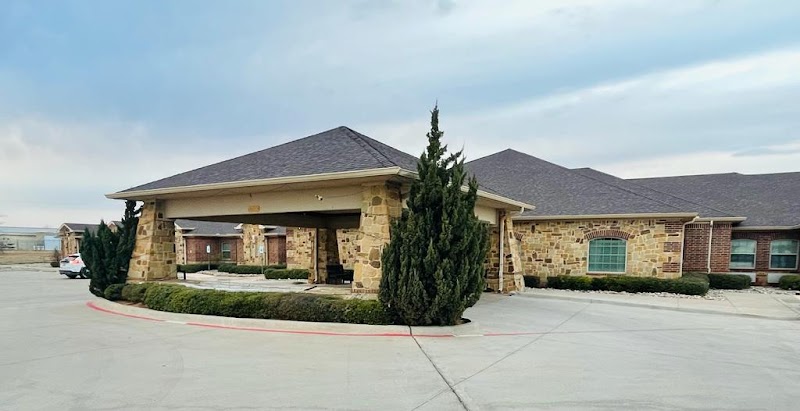
How is Sterling Hills Rehabilitation And Heal Th Care Cen Staffed?

CMS rates STERLING HILLS REHABILITATION AND HEAL TH CARE CEN's staffing level at 2 out of 5 stars, which is below average compared to other nursing homes. Staff turnover is 34%, compared to the Texas average of 46%. This relatively stable workforce can support continuity of care.

What Have Inspectors Found at Sterling Hills Rehabilitation And Heal Th Care Cen?

State health inspectors documented 16 deficiencies at STERLING HILLS REHABILITATION AND HEAL TH CARE CEN during 2022 to 2024. These included: 16 with potential for harm.
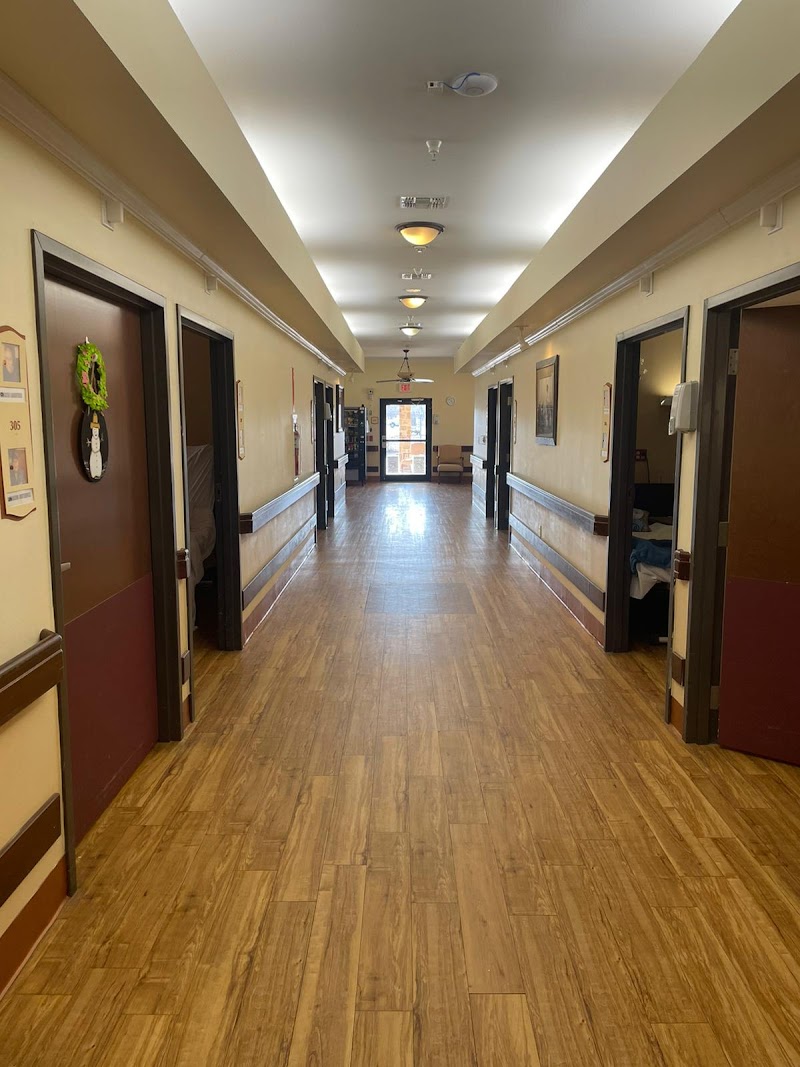
Who Owns and Operates Sterling Hills Rehabilitation And Heal Th Care Cen?

STERLING HILLS REHABILITATION AND HEAL TH CARE CEN is owned by a for-profit company. For-profit facilities operate as businesses with obligations to shareholders or private owners. The facility is operated by NEXION HEALTH, a chain that manages multiple nursing homes. With 96 certified beds and approximately 68 residents (about 71% occupancy), it is a smaller facility located in SWEETWATER, Texas.
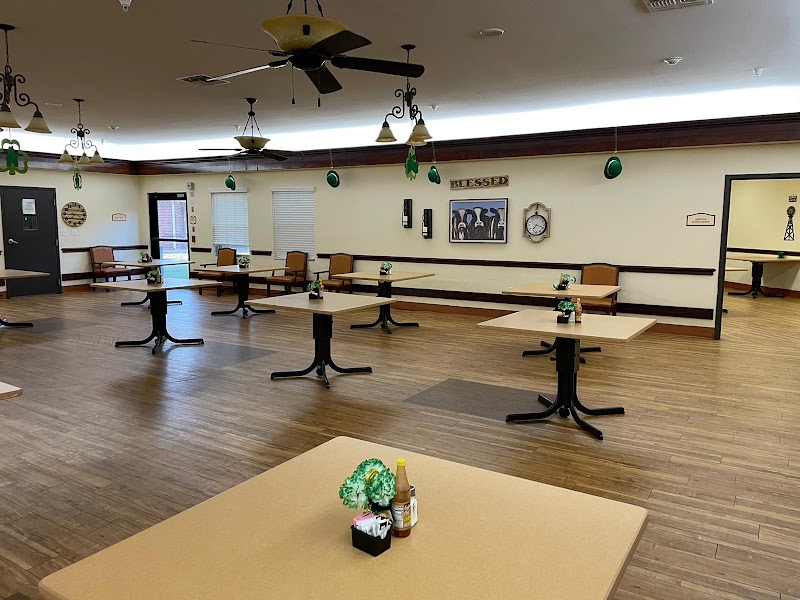
How Does Sterling Hills Rehabilitation And Heal Th Care Cen Compare to Other Texas Nursing Homes?

Compared to the 100 nursing homes in Texas, STERLING HILLS REHABILITATION AND HEAL TH CARE CEN's overall rating (4 stars) is above the state average of 2.8, staff turnover (34%) is significantly lower than the state average of 46%, and health inspection rating (4 stars) is above the national benchmark.

What Should Families Ask When Visiting Sterling Hills Rehabilitation And Heal Th Care Cen?

Based on this facility's data, families visiting should ask: "Can you walk me through typical staffing levels on day, evening, and night shifts?" "Can I visit during a mealtime to observe dining assistance and food quality?" "How do you handle medical emergencies, and what is your hospital transfer rate?" "Can I speak with family members of current residents about their experience?" These questions are particularly relevant given the below-average staffing rating.

Is Sterling Hills Rehabilitation And Heal Th Care Cen Safe?

Based on CMS inspection data, STERLING HILLS REHABILITATION AND HEAL TH CARE CEN has a clean safety record: no substantiated abuse findings (meaning no confirmed cases of resident harm), no Immediate Jeopardy citations (the most serious violation level indicating risk of serious injury or death), and is not on the Special Focus Facility watch list (a federal program monitoring the lowest-performing 1% of nursing homes). The facility has a 4-star overall rating and ranks #1 of 100 nursing homes in Texas. While no facility is perfect, families should still ask about staff-to-resident ratios and recent inspection results during their visit.

Do Nurses at Sterling Hills Rehabilitation And Heal Th Care Cen Stick Around?

STERLING HILLS REHABILITATION AND HEAL TH CARE CEN has a staff turnover rate of 34%, which is about average for Texas nursing homes (state average: 46%). Moderate turnover is common in nursing homes, but families should still ask about staff tenure and how the facility maintains care continuity when employees leave.

Was Sterling Hills Rehabilitation And Heal Th Care Cen Ever Fined?

STERLING HILLS REHABILITATION AND HEAL TH CARE CEN has no federal fines on record. CMS issues fines when nursing homes fail to meet care standards or don't correct problems found during inspections. The absence of fines suggests the facility has either maintained compliance or corrected any issues before penalties were assessed. This is a positive indicator, though families should still review recent inspection reports for the full picture.

Is Sterling Hills Rehabilitation And Heal Th Care Cen on Any Federal Watch List?

STERLING HILLS REHABILITATION AND HEAL TH CARE CEN is not on any federal watch list. The most significant is the Special Focus Facility (SFF) program, which identifies the bottom 1% of nursing homes nationally based on persistent, serious quality problems. Not being on this list means the facility has avoided the pattern of deficiencies that triggers enhanced federal oversight. This is a positive indicator, though families should still review the facility's inspection history directly.