PARK MANOR OF THE WOODLANDS
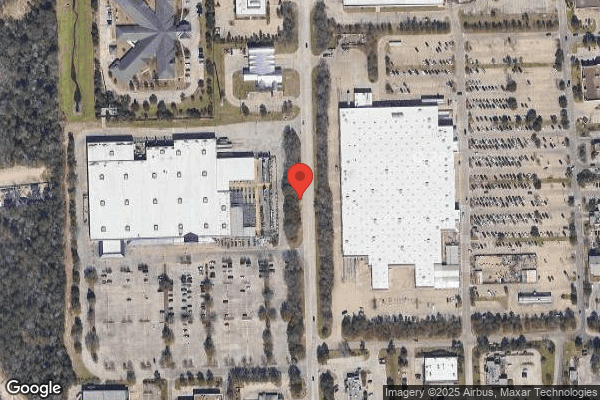
1014 WINDSOR LAKE BOULEVARD, THE WOODLANDS, TX 77384 (936) 273-9424
For profit - Corporation 124 Beds HMG HEALTHCARE Data: November 2025
Trust Grade
90/100
#109 of 1168 in TX
Last Inspection: August 2024

Within standard 12-15 month inspection cycle. Federal law requires annual inspections.

Overview

Park Manor of the Woodlands has an excellent Trust Grade of A, indicating it is highly recommended and performs well compared to other facilities. Ranking #109 out of 1168 in Texas places it in the top half, while being #2 out of 11 in Montgomery County means only one local option is better. The facility is improving, having reduced its issues from four in 2023 to just one in 2024. Staffing is average with a 3/5 rating and a turnover rate of 41%, which is below the state average, suggesting that staff generally stay long-term. While there have been no fines, which is a positive sign, there were specific concerns such as failure to provide hot coffee at mealtimes, which could lead to dehydration, and a medication error rate of 16%, indicating potential risks in medication management. Overall, while there are strengths in the facility’s ratings, families should be aware of these specific incidents and the importance of ongoing improvement.

Trust Score
A
90/100
In Texas
#109/1168
Top 9%
Safety Record
Low Risk
No red flags
Inspections
Getting Better
4 → 1 violations
Staff Stability
○ Average
41% turnover. Near Texas's 48% average. Typical for the industry.
Penalties
✓ Good
No fines on record. Clean compliance history, better than most Texas facilities.
Skilled Nurses
⚠ Watch
Each resident gets only 26 minutes of Registered Nurse (RN) attention daily — below average for Texas. Fewer RN minutes means fewer trained eyes watching for problems.
Violations
○ Average
7 deficiencies on record. Average for a facility this size. Mostly minor or procedural issues.
★★★★★
5.0
Overall Rating
★★★☆☆
3.0
Staff Levels
★★★★☆
4.0
Care Quality
★★★★★
5.0
Inspection Score
Stable
2023: 4 issues
2024: 1 issues

The Good

  • 4-Star Quality Measures · Strong clinical quality outcomes
  • Full Sprinkler Coverage · Fire safety systems throughout facility
  • No fines on record
  • Staff turnover below average (41%)

    7 points below Texas average of 48%

Facility shows strength in quality measures, fire safety.

The Bad

Staff Turnover: 41%

Near Texas avg (46%)

Typical for the industry

Chain: HMG HEALTHCARE

Part of a multi-facility chain

Ask about local staffing decisions and management

The Ugly 7 deficiencies on record

Aug 2024 1 deficiency
CONCERN (D)

Potential for Harm - no one hurt, but risky conditions existed

Unnecessary Medications (Tag F0759)

Could have caused harm · This affected 1 resident

**NOTE- TERMS IN BRACKETS HAVE BEEN EDITED TO PROTECT CONFIDENTIALITY** Based on observation, interview, and record review, the facility failed to ensure that the medication error rate was not five pe...

Read full inspector narrative →
**NOTE- TERMS IN BRACKETS HAVE BEEN EDITED TO PROTECT CONFIDENTIALITY** Based on observation, interview, and record review, the facility failed to ensure that the medication error rate was not five percent (%) or greater. The facility had a medication error rate of 16% based on 4 errors out of 25 opportunities, which involved 1 of 8 residents (Resident #99) reviewed for medication errors. -The facility failed to ensure LVN N administered the correct dose of Potassium Chloride or Ferrous sulfate liquid to Resident #99 according to Physician orders. -The facility failed to ensure LVN N did not crush and administer; Acetaminophen ER (an extended-release formulation which should not be crushed) to Resident #99 via g-tube (a way to deliver liquid nutrition through a flexible tube to your digestive system) instead of Acetaminophen as ordered by the Physician. These failures could place residents at risk of inadequate therapeutic outcomes. Findings include: Record review of Resident #99's face sheet dated 8/8/24 revealed an [AGE] year-old female readmitted on [DATE]. Her diagnoses included gastrostomy status (a surgical procedure used to insert a tube through the abdomen and into the stomach.), type 2 diabetes, hypertension (high blood pressure), and cerebrovascular disease (a group of conditions that affect blood flow and the blood vessels in the brain). Record review of Resident #99's admission MDS assessment dated [DATE] revealed her cognitive skills for daily decision making were severely impaired-never/rarely made decisions. She was dependent on staff for ADL care. Record review of Resident #99's care plan dated 7/11/24 revealed she had pain related to wounds and impaired mobility. Interventions were to administer pain medication as per MD orders. Record review of Resident #99's Physician Orders for August 2024 revealed the following orders: Acetaminophen 325 mg give 2 tablets via g-tube two times a day for pain, order date 7/12/24, Ferrous Sulfate oral solution 220 (44 Fe) mg/5 mL give 5 mL via peg tube one time a day for anemia, order date 7/19/24, Potassium Chloride oral solution 20 mEQ/15 mL give 15 mL via g-tube one time a day for supplement, order date 7/29/24. In an observation on 8/8/24 at 8:34 a.m. with LVN N revealed she prepared Resident #99's morning medications for administration. She prepared Acetaminophen ER 650 mg - 1 tablet, 10 mL of Ferrous Sulfate 220 mg/5 mL liquid, 11 mL of Potassium Chloride 10% 20 mEQ/15 mL liquid, and six additional medications. She crushed the tablets including the Acetaminophen ER and administered all medications individually to Resident #99 via g-tube. In an observation and interview on 8/8/24 at 9:14 a.m. LVN N said she did not realize Resident #99's Ferrous sulfate and Potassium chloride liquid were not at the correct dosage and said she may have been nervous. She said when preparing liquid medications, she ensured she located the measurement, poured the appropriate amount, and verified the amount to ensure accuracy. She said it was important to administer the correct amount of medication to the resident because that was the amount ordered by the physician. She said she was not sure if the Acetaminophen ER could be crushed because the bottle did not specify that it could not be crushed. She said she did not originally see the acetaminophen 325 mg tablets on the nurse cart and instead administered one acetaminophen ER 650 mg tablet. In an interview on 8/8/24 at 10:11 a.m., the DON said acetaminophen ER and acetaminophen were not the same medication. She said the extended-release formulation could not be crushed because it was a slow-release medication. In an interview on 8/8/24 at 3:44 p.m. the Administrator said he expected a 0% medication error rate and for nursing staff to follow physician orders. Record review of the facility's Administering Medications policy dated December 2012 read in part, .Medications shall be administered in a safe and timely manner, and as prescribed . 7. The individual administering the medication must check the label to verify the right resident, right medication, right dosage, right time, and right method (route) of administration before giving the medication . Record review of the facility's undated Do not crush list of medications form read in part, . Below is a list of the most common medications that shouldn't be crushed, cut, or chewed. Medications that have modified-release dosage forms or a special coating: Acetaminophen ER .
Jul 2023 4 deficiencies
CONCERN (D)

Potential for Harm - no one hurt, but risky conditions existed

Comprehensive Care Plan (Tag F0656)

Could have caused harm · This affected 1 resident

**NOTE- TERMS IN BRACKETS HAVE BEEN EDITED TO PROTECT CONFIDENTIALITY** Based on observation, interview, and record review, the facility failed to develop and implement person-centered care plans for ...

Read full inspector narrative →
**NOTE- TERMS IN BRACKETS HAVE BEEN EDITED TO PROTECT CONFIDENTIALITY** Based on observation, interview, and record review, the facility failed to develop and implement person-centered care plans for each resident's services furnished to attain or maintain the resident's highest practicable physical, mental, and psychosocial well-being for 1 of 21 residents (Resident #86) reviewed for the develop and implement comprehensive care plans. - The facility failed to ensure Resident #86's comprehensive care plan included the care for her schizoaffective and delusional diagnoses. This deficient practice could place residents at risk of not being provided with the necessary care or services and having personalized plans developed to address their specific needs. Findings included: Record review of Resident #86's face sheet undated revealed an [AGE] year-old female who admitted into the facility on [DATE]. The resident was diagnosed with schizoaffective disorder (a combination of symptoms of schizophrenia and mood disorder such as depression or bipolar disorder), delusional disorder (is a fixed false belief based on an inaccurate interpretation despite evidence to the contrary), encephalopathy ( a term for any brain disease that alters brain function or structure), acute kidney failure and bacteremia (the presence of bacteria in the blood). Record review of Resident #86's PASRR Level 1 Screening dated 06/02/2023 revealed C0100 Mental Illness revealed yes to indicated evidence or an indicator of a mental illness. Record review of Resident #86's care plans dated 06/05/2023 revealed no care plan for the diagnoses of schizoaffective disorder and delusional disorder. Record review of Resident #86's admission MDS dated [DATE], revealed Resident #86's BIMS (Brief Interview for Mental Status) was scored as 14 which indicated her cognition was intact. Resident #86's active diagnoses included psychiatric/mood disorder. Record review of Resident #86's Behavioral Health Evaluation/ Initial Psychiatry assessment dated [DATE] reflected in part past psychiatric history schizoaffective disorder and delusional disorder. Diagnoses of adjustment disorder with mixed anxiety and depressed mood. Recommendation was the resident would benefit from an antidepressant. Resident declined medication at this time. Therapy referral for Resident #86 was recommended. Observation and interview on 07/12/2023 at 12:44 PM revealed Resident #86 was sitting on the side of her bed eating lunch. Resident #86 stated she was good. The resident stated she had everything she needed. Resident #86 stated she did not want to talk to any one any longer. In an interview on 07/14/2023 at 8:35AM LVN A stated she has worked in the facility for a month. LVN A stated she has worked with Resident #86 two times. LVN A stated she was aware of Resident #86's diagnoses from review of the resident's clinical record. LVN A stated she read the resident's notes, care plans and talked with the resident to assess the resident's mental status. In an interview on 07/14/2023 at 9:18 AM LVN B stated she did participate in the development of the resident care plan as the MDS nurse. LVN B stated multiple departments participated in the development of the care plan. LVN B stated the purpose of the care plan was a [NAME] for the plan of care for the resident. The LVN B continued and stated the care plan should include anything that could create a problem for the resident. LVN B stated yes Resident #86's diagnoses should be included in the care plan. The LVN B stated the DON was responsible for monitoring the accuracy of the care plan. LVN B stated the risk of an inaccurate care plan was it could provide an inaccurate picture of the resident which could result in a delay in care. LVN B stated Resident #86's diagnoses were missed because she was here for short term care. LVN B stated there was a standard of care for the short-term residents. The standard of care address the same issues that are care planned. Resident # 86 did not have any symptoms for the diagnoses. LVN B stated to prevent this again the standard of care should be included in the comprehensive care plan. In an interview on 07/14/2023 at 9:42AM the DON stated the purpose of the care plan was to highlight the care needed for the resident. The DON stated it was important to care plan the diagnoses for resident care. The DON stated the development of the care plan was interdisciplinary to include all department heads. The DON stated the MDS department was responsible for monitoring care plan accuracy. The DON stated the risk of an inaccurate care plan was the effect on the resident care. In an interview on 07/14/2023 at 10:41 AM the Administrator stated the purpose of the resident care plan was to make sure the resident received the required care. The Administrator stated for a long-term resident the diagnoses of schizoaffective disorder and delusional disorder needed to be care planned. The Administrator stated there was a standard of practice for the short-term resident. The Administrator stated he and the DON were responsible for monitoring care plan accuracy in the morning meetings for resident changes. The Administrator stated an inaccurate care-plan could have a negative effect on the resident care. Record review of the facility's policy titled Care Plans, Comprehensive Person-Centered Revised dated December 2016, reflected in part Policy Statement A comprehensive, person-centered care plan that includes measurable objectives and timetables to meet the resident's physical, psychosocial and functional needs is developed and implemented for each resident . 8. The comprehensive, person-centered care plan will: b. Describe the services that are to be furnished to attain or maintain the resident's highest practicable physical, mental, and psychosocial well-being; g. Incorporate identified problem areas; h. Incorporate risk factors associated with identified problems .
CONCERN (D)

Potential for Harm - no one hurt, but risky conditions existed

Garbage Disposal (Tag F0814)

Could have caused harm · This affected 1 resident

Based on observation, interview and record review, the facility failed to ensure garbage and refuse properly for 1 of 1 dumpster reviewed for garbage disposal. -The facility failed to ensure the dumps...

Read full inspector narrative →
Based on observation, interview and record review, the facility failed to ensure garbage and refuse properly for 1 of 1 dumpster reviewed for garbage disposal. -The facility failed to ensure the dumpster lids and doors were secured. This failure could place residents at risk of infection from improperly disposed garbage. Findings include: Observation on 07-13-23 at 8:55 am, with the Dining Services Director revealed the facility's dumpster area,was not in use when it was observed to be open which was in the lot behind the dietary department had a commercial -size dumpster and the lid and door were opened. Interview on 07-13-23 at 9:00 am, with the Dining Services Director she stated the dumpster lids always must be closed to keep vermin, pests, and insects out of the dumpster and from entering the facility. Record review of the facility policy and procedure of Dispose of Garbage and Refuse dated 8/2017 read in part. All garbage and refuse will be collected and disposed of in a safe and efficient manner. 2. The Dining Services Director will ensure that: appropriate lid and door should be closed when not in use.
CONCERN (E) 📢 Someone Reported This

A family member, employee, or ombudsman was alarmed enough to file a formal complaint

Potential for Harm - no one hurt, but risky conditions existed

Deficiency F0807 (Tag F0807)

Could have caused harm · This affected multiple residents

**NOTE- TERMS IN BRACKETS HAVE BEEN EDITED TO PROTECT CONFIDENTIALITY** Based on interview and observation the facility failed to ensure residents received drinks consistent with preference and suffic...

Read full inspector narrative →
**NOTE- TERMS IN BRACKETS HAVE BEEN EDITED TO PROTECT CONFIDENTIALITY** Based on interview and observation the facility failed to ensure residents received drinks consistent with preference and sufficient to maintain hydration for 10 of 10 (confidential group) and 3 of 21 (Resident #1, Resident #2, and Resident # 78) of residents reviewed for hydration. The facility did not provide hot coffee to residents during mealtimes. This failure could place residents who depend on the facility for their hydration needs at risk for thirst, dehydration, and decreased quality of life. Findings included: Record review Resident #1's face sheet revealed resident admitted to the facility on [DATE]. Resident #1's was diagnosed with essential (primary) hypertension, type 2 diabetes mellitus without complications, cerebral infarction, unspecified, spinal stenosis (space inside the backbone is too small placing pressure on the spinal cord and nerves), site unspecified, muscle weakness (generalized), unspecified atrial fibrillation (irregular heart beat), benign prostatic hyperplasia with lower urinary tract symptom (weak urine stream causing frequent urination), narcissistic personality disorder (inflated sense of self-importance), other recurrent depressive disorders, insomnia, unspecified nicotine dependence, unspecified, uncomplicated, adult failure to thrive (decline and health and ability), and pain, unspecified. Record review of Resident #1's care plan dated 06/05/23 revealed resident had ADL self-care performance deficit with limited mobility. Record review of Resident #1's admission MDS dated [DATE], revealed Resident #1's BIMS was scored as 13 which indicated his cognition was intact. Resident #1's active diagnoses included medically complex condition. Record review of Resident #2's face sheet revealed a [AGE] year-old male who admitted into the facility on [DATE]. The resident was diagnosed with unspecified fall, subsequent encounter, encounter for other specified surgical aftercare, essential (primary) hypertension, type 2 diabetes mellitus without complications, elevated white blood cell count, benign prostatic hyperplasia with lower urinary tract symptoms (weak urine stream causing frequent urination), hyperlipidemia (hardening of the arteries), unspecified), pain, unspecified, presence of left artificial knee joint, encounter for other orthopedic aftercare, aftercare following joint replacement surgery. Record review Resident #2 care plan dated revealed Resident #2's was at risk for weight fluctuations due to his changes in appetite, and difficulty adjusting to new environment from recent hospitalization. Record review of Resident #2's admission MDS dated [DATE], revealed Resident #2's BIMS was scored as 14 which indicated his cognition was intact. Resident #2's active diagnoses included hip and knee replacement. Record review of Resident #78's face sheet revealed a [AGE] year-old male who admitted into the facility on [DATE]. The resident was diagnosed with dementia in other diseases classified elsewhere, unspecified severity, without behavioral disturbance, psychotic disturbance, mood disturbance, and anxiety, overactive bladder, constipation, unspecified anemia, unspecified, pain, unspecified, gastro-esophageal reflux disease without esophagitis (inflammation of the esophagus/throat), other muscle spasm, insomnia, unspecified, dehydration, Alzheimer's disease with late onset. Record review of Resident #78's care plans dated 05/04/2023 revealed Resident #78 had the potential for fluid volume deficit with medication side effects. Record review of Resident #78's admission MDS dated [DATE], revealed Resident #78's BIMS scored of 12 indicates moderate cognitive impairment. Resident #78's active diagnoses included traumatic brain disfunction. Observation on 07/12/23 at 08:43 AM Resident #2 observed in the activities room sitting in his wheelchair in front of the television drinking coffee from a white styrofoam cup. Interview on 07/11/23 at 08:55 AM Resident #78 stated that his coffee is always cold at every mealtime every day. He told staff (could not provide exact dates, names, or titles) his coffee is always cold, but they do not do anything about it. Interview on 07/11/23 at 10:00 AM Resident #1 stated that coffee is always cold at every mealtime every day. He told staff (could not provide exact dates, names, or titles) his coffee is always cold and asked for a fresh hot cup. Interview on 07/11/23 at 10:02 AM Resident #2 stated that the facility does not serve hot coffee. He stated he has to go all the way down to the activities room to get a fresh hot cup of coffee. He stated some days he is too tired and does not have the energy to wheelchair himself down to the activities room on at the end of hall-3 from his room on hall-4, especially after physical therapy. Interview on 07/12/23 at 08:43 AM Resident #2 stated he received coffee on his breakfast tray this morning, but it was not hot and did not taste good. He stated he comes to the activities room to get hot cups of coffee. He stated it is not always easy for him to get to the activities room when he is feeling weak and/or tired especially on days when he has had therapy. Interview on 07/12/23 at 09:33 AM AD stated that at the monthly resident council's meetings the resident's regularly complain of cold food and coffee and the Administrator and DM address every time. Interview on 07/12/23 at 10:15 AM during the confidential resident council meeting, 10 of 10 residents stated that they did not receive hot coffee during mealtimes on a consistent basis. Coffee is poured by the CNAs on each hall. The coffee must sit for a while before being poured. If they are lucky, it's hot, but it is often cold or lukewarm at best. Interview on 07/12/23 at 12:27 PM the Administrator stated that he will ensure that hot coffee is available more by speaking with the DM and having her check temperatures and change warm or cold coffee with hot coffee. He stated that the coffee machine was broken recently, and residents were complaining of cold coffee. The coffee machine had since been repaired and he was not aware of any cold coffee complaints until this one. The staff are required to take coffee temperatures before the coffee goes out on the floor. He stated that there is always hot coffee in the dining room at all times. Interview on 07/13/23 at 10:10 AM DM stated she has been the DM for the last five years. She stated she works Monday thru Saturday and most Sundays. She stated she is scheduled to work 7 AM to 4 PM but often comes in early and stays late for her shifts. She stated that the residents have complained of cold coffee in the past. She stated and for that reason, kitchen staff no longer serve coffee on the trays to avoid serving cold coffee. She stated that two coffee urns are filled with coffee for each of the 4 halls. Coffee temperatures are taken prior to the coffee leaving the kitchen and logged on the coffee temperature log before the breakfast, lunch, and dinner meals. She stated the two urns are placed on top of each of the food carts. She stated once the carts are on the hall, the CNAs are responsible for pouring coffee for the residents who desire coffee and who have no coffee dietary restrictions. She stated that she had coffee temp logs for May 2023, June 2023 and July 2023 and would provide copies along with the coffee temp policy. Record review of the facility's Grievance QA Log dated May 2023: Date of Grievance 05/17/2023. Grievance: Coffee Temperature. Resident's Name: Resident Council. Following Investigation: Date 05/17/2023. Person Assigned: AIT. Resolution: Monitoring Temp with thermometer. Date Complainant Notified 05/17/0223. Record review of Grievance/Complaint Report dated 05/17/2023. Received by AD. Resident Representative: Resident Council. Following investigation Date: 05/15/2023 Person Assigned: AIT. Manager Meeting. Tested coffee on hall with thermometer. Resident Council informed of temperature results at next council meeting. Form completed by AIT. Record review of Grievance QA Log dated June 2023: Date of Grievance 06/08/2023. Grievance: Dietary Concern. Resident's Name: Resident Council. Following investigation Date: 06/09/2023 Person Assigned: DM. Resolution: 1:1 with staff. Discussed with Residents. Date Complainant Notified: 06/09/2023. Record review of Grievance/Complaint Report dated 06/08/2023. Received by AD. Resident representative: Resident Council. Documentation of Grievance/Complaint: Dietary Concerns. Documentation of Facility Follow-up: Manager meeting discussed concerns. DM addressed concerns with residents. Coffee maker was broken and fixed. Resolution of Grievance Dated 06/09/2023: Coffee maker fixed. Discussed with residents. Form completed by SW. Record review In-Service Training Report. Dated 5/2023, From DON Designee to Employee Group: CNAs/Nursing. Topic: ADL documentation/Serve Meals/Cold Coffee. Summary of Training: Ensure Coffee warm enough. Replace warm coffee if it's cold. Conducted by DON. Record review Hot Beverage Temperature Log dated May 2023, June 2023 and July 2023. All temperature range between 130 degrees and 150 degrees. Record review of Policy Code of Federal Regulations SS 483.60 Food and nutrition services. 20. Prior to the point of serve, the temperature of coffee or hot beverage will be checked to ensure temperature is 155F or below. If above 155 F, ice will be added to the coffee until the at or below 155 F.
CONCERN (E) 📢 Someone Reported This

A family member, employee, or ombudsman was alarmed enough to file a formal complaint

Potential for Harm - no one hurt, but risky conditions existed

Food Safety (Tag F0812)

Could have caused harm · This affected multiple residents

Based on observation, interview, and record review, the facility failed to store, prepare, distribute, and serve food in accordance with professional standards for food service safety in 1 of 1 kitche...

Read full inspector narrative →
Based on observation, interview, and record review, the facility failed to store, prepare, distribute, and serve food in accordance with professional standards for food service safety in 1 of 1 kitchen reviewed for food procurement in 1.The facility failed to ensure that ice scoops will be cleaned and stored in a separate container that limits cross-contamination. 2.The facility failed to ensure that all cold and dry goods items will be stored 6 inches above the floor. These failures could place residents at risk of foodborne illness and disease. Findings included: 1. Observation on 7/13/23 at 8:30 AM with Dietary A revealed that the ice scoop was left in the ice bin on top of the ice. 2. Observation on 7/13/23 at 9:00 AM with the Dining Services Director revealed that dry goods and cold foods were stored 4 inches above the floor. Interview with the Dining Services Director on 7/13/23 at 9:20 AM revealed the ice scoop should not be left in the ice bin. Interview with the Dining Services Director on 7/13/23 at 9:25 AM revealed that dry goods and cold foods will be appropriately stored 6 inches above the floor to ensure that food is not subject to contamination, leakage, rodents or vermin. Record review of Facility 's Policy and Procedure for Ice dated 9/2017 read in part. Ice will be prepared and distributed in a safe and sanitary manner 5. Ice scoops will be cleaned and stored in a separate container that limits exposure to dust and moisture retention. And or stored in ice machine on holder provided for storage. Record review of Facility's Policy and Procedure Dry Goods and Cold Foods Storage dated 9/2017 read in part. All dry goods and all cold foods will be appropriately stored in accordance with the FDA Food Code rule 228.224 1. All items will be stored on shelves at least 6 inches above the floor 4. The Dining Services Director or designee regularly inspects the dry and cold storage area to ensure it is well lit, well ventilated, and not subject to sewage or wastewater back flow or contamination by condensation, leakage, rodents, or vermin. https://www.dshs.texas.gov/sites/default/files/foodestablishments/pdf/GuidanceDocs/TFER-2021_TAC-228_August-2021.pdf
Jun 2022 2 deficiencies
CONCERN (D)

Potential for Harm - no one hurt, but risky conditions existed

Assessment Accuracy (Tag F0641)

Could have caused harm · This affected 1 resident

**NOTE- TERMS IN BRACKETS HAVE BEEN EDITED TO PROTECT CONFIDENTIALITY** Based on observation, interview, and record review, the facility failed to have assessments that accurately reflected the status...

Read full inspector narrative →
**NOTE- TERMS IN BRACKETS HAVE BEEN EDITED TO PROTECT CONFIDENTIALITY** Based on observation, interview, and record review, the facility failed to have assessments that accurately reflected the status of one (CR#104, Resident #92) 2 of 22 residents reviewed for assessments. CR#104's MDS discharge status was documented incorrectly. Resident #92's Care Area Assessment was not triggered for pain. This failure could place residents at risk for not receiving care and services to meet their needs. Findings included: Record review of CR#104's face sheet revealed he was a [AGE] year-old male that was admitted to the facility on [DATE] and discharged on 04/15/22 with a diagnosis of type 2 diabetes, atherosclerotic heart disease, pulmonary hypertension, end stage renal disease, peripheral vascular disease, anemia, hyperkalemia, pleural effusion, pneumonia, sepsis, muscle weakness, dyspnea, pain, heartburn, and atelectasis . Record review of CR#104's MDS dated [DATE] revealed CR#104 had a BIMS of 15 that meant resident's cognition was intact. CR#104's discharge assessment indicated-return not anticipated. CR#104's discharge status was documented as discharging to acute hospital. Record review CR#104's Physician Discharge summary dated [DATE] revealed CR#104 was admitted to the facility on [DATE] and discharged on 04/15/22. Disposition: Discharge home with family and personal belongings. Medications called in to pharmacy of choice. Record review of CR#104's Progress Notes revealed 4/15/2022 1:57 PM Discharge Summary Note Text: The patient discharged today. He denies any pain, no distress. He received a new wound vac to his affected stump. The wound care gave instructions to the [family member]. The patient refused his shower and was reeducated on good hygiene and the prevention of skin infections. He denied any constipation, no shortness of breath. His vitals BP 147/68, P 61, R 18, T 97.8, O2 96% RA. His medications were called in to the voice mail of [pharmacy name] at [phone number]. He left by private vehicle with his [family member]. In an interview on 06/15/22 at 1:00 PM Social Worker stated Resident CR#104 was discharged home, with home health. CR#104 was admitted to the facility more than once for reoccurring infections. They were able to get him well and he discharged home. In an interview on 06/15/22 at 1:12 PM the MDS Coordinator stated she made a mistake with CR#104's MDS. She thought it was documented as discharging home. Record review of Resident #92's face sheet revealed he was an [AGE] year-old male that was admitted to the facility on [DATE] with a diagnosis of spinal stenosis, strain of muscle, venous insufficiency, chronic obstructive pulmonary disease, atrial fibrillation, hypertension, gout, malignant neoplasm, hypothyroidism, hyperlipidemia, obstructive sleep apnea, peripheral vascular disease, gastro-esophageal reflux, and edema. Record review of Resident #92's MDS dated [DATE] revealed he had a BIMS of 15 which meant resident's cognition was intact . Resident #92 was diagnosed with cancer , wound infection, arthritis, spinal stenosis, and strain of muscle. Under pain management Resident #92 received PRN pain medications. Resident #92 had presence of pain during interview, he occasionally had pain, his pain level was moderate. Resident #92 had 2 venous and arterial ulcers present. The Care Area Assessment (CAA) was not trigger for pain. Record review of Resident #92's Progress Notes dated 05/27/22 revealed Resident arrived with EMS via stretcher. Resident from from LSTW . Resident will be under [Physician Name] as medical management. DX: Back Pain. Hx. AFib, COPD, Sleep Apnea-has his own personal machine. BLE resting on pillow. Appears to be edematous and BLE have ABD pads and ace wrapped. AAOX3-4. Very pleasant and answers all questions. Wears only reading glasses. No hearing aides. Noted a brown growth on left ear. No drainage. Good grips. Resident does not wear dentures and does not have any teeth. Diet CC no salt added. NKA. Full code, mixed incontinences 1-2 staff assist. Observation and interview on 06/14/22 at 10:20 AM revealed Resident #92 was lying in bed, wedge under feet. Resident #92 said he had a rotator cuff injury and had pain, he was given prn Tylenol. In an interview on 06/15/22 at 12:40 PM MDS Coordinator stated Resident #92 may have not complained of pain during assessment, he did have cognition issues at times. With the list of diagnosis Resident #92 had, he still should have been triggered as a risk for pain. The MDS Coordinator tried to review the MDS and adjust during a resident's stay if issues are discovered . In an interview on 06/15/22 at 1:30 PM the DON stated the MDS Coordinator was responsible for the accuracy of the MDS, and she was responsible for the completion of the MDS but all nursing task fall under her. The facility tried to keep multiple eyes on the MDS to review them. The facility had a lot of residents and it was hard to document accurately on all the MDS's. The facility tried to review when they looked at the CMS 802 and when inaccuracies are noticed she would email the MDS Coordinator to fix the issues. Documentation was important for the resident's care. Record review of the facility policy MDS Assessment Coordinator dated 04/2008 revealed Policy Interpretation and Implementation 2. The Assessment Coordinator must date and sign each assessment (MDS) to certify that the assessment has been completed. 3. Each individual who completes a portion of the assessment (MDS) must certify the accuracy of that portion of the assessment by: a. Dating and signing the assessment (MDS); and b. Identifying each section completed. 4. Any individual who willfully and knowingly certifies (or causes another individual to certify) a material and false statement in a resident assessment is subject to disciplinary action and such incident must be promptly reported to the Administrator.
CONCERN (D)

Potential for Harm - no one hurt, but risky conditions existed

Deficiency F0679 (Tag F0679)

Could have caused harm · This affected 1 resident

**NOTE- TERMS IN BRACKETS HAVE BEEN EDITED TO PROTECT CONFIDENTIALITY** Based on observation, interview, and record review the facility failed to provide an ongoing activity program designed to meet t...

Read full inspector narrative →
**NOTE- TERMS IN BRACKETS HAVE BEEN EDITED TO PROTECT CONFIDENTIALITY** Based on observation, interview, and record review the facility failed to provide an ongoing activity program designed to meet the interest of and support the physical, mental, and psychosocial well-being for 1 of 19 residents reviewed for activities. (Resident #154) The facility failed to consistently provide in room activities for Resident #154. This failure could place residents at risk for a decline in social, mental, psychosocial well-being and decreased quality of life. Findings included: Review of Resident # 154's face sheet reflected a [AGE] year-old male admitted to the facility on [DATE] with the following diagnoses: Local infection of the skin and subcutaneous tissue, unspecified, type 2 diabetes mellitus without complication, pressure ulcer of sacral region, stage 4, cerebral infraction, atrial fibrillation, chronic kidney disease, and dementia. Review of Resident #154's admission MDS dated [DATE] reflected he had a BIMS of 14 out of 15 indicating no cognitive impairment. It was very important for him to have books, newspapers, and magazines to read, to listen to music he likes, and keep up with the news. The primary responder to the questions was a family or significant other. He required extensive assistance of two plus person for bed mobility, transfer, dressing, and toilet use. He required extensive assistance of one person for eating, personal hygiene, and bathing. His active diagnosis reflected infections, Multidrug-Resistant Organism and Wound infection. Review of Resident #154's Comprehensive Care Plan reflected a focus on precaution due to MDRO in the sacral wound with the start date of 05/08/2022 and revised on 05/12/2022: Resident's goal was initiated on 05/08/2022 Provide for in room visits and activities. Record review of resident #154's Activity note dated 5/31/2022 reflected This Activity Director visited with Resident to inquire if he had any recreation needs this department could provide for him. He said No. At bedside this Activity Director observed an I-pad, cell phone, and remote control. He is in isolation. Activity Director will continue to visit on a regular basis and inquire about his recreational needs. Record review of the facilities in room activity binder revealed activities for residents residing only on 300 and 400 halls. Resident # 154 was on the 200 hall. Observation of Resident #154 on 6/14/2022 at 10:26 am reveled resident in room sleeping on his back with water and snacks on his tv tray. The TV was off. Isolation sign on resident's door with PPE outside of resident's room. In an interview with the Activities Director on 6/16/2022 at 12:45 PM revealed Resident #154 is on isolation and she did offer him puzzles or games he was ok with listing to music on his phone and watching TV. His family representative takes him outside. She depends on family to take care of isolation residents' activities. Interview with the DON on 6/16/2022 at 12:58 PM revealed Resident #154 has not been outside. Resident is on isolation and isn't supposed to leave the room. She thinks the Activities Director misspoke as Resident #154 is bedfast. It is difficult to provide 1 on 1 to all the residents who do need in room activities as she is by herself and we do depend on family to come help with in room activities. Not sure what she does for residents on isolation. Interview with the Activity Director on 6/16/2022 at 1:50 PM revealed she misspoke she got Resident #154 mixed up with a different gentleman and Resident #154 is bedfast. His family representative visits every now and then. On 6/16/2022 at 2:33 PM in an Interview with the DON stated there where 10 residents on in room activities.
Understanding Severity Codes (click to expand)
Life-Threatening (Immediate Jeopardy)
J - Isolated K - Pattern L - Widespread
Actual Harm
G - Isolated H - Pattern I - Widespread
Potential for Harm
D - Isolated E - Pattern F - Widespread
No Harm (Minor)
A - Isolated B - Pattern C - Widespread

Questions to Ask on Your Visit

  • "Can I speak with families of current residents?"
  • "What's your RN coverage like on weekends and overnight?"

Our Honest Assessment

Strengths
  • • Grade A (90/100). Above average facility, better than most options in Texas.
  • • No major safety red flags. No abuse findings, life-threatening violations, or SFF status.
  • • No fines on record. Clean compliance history, better than most Texas facilities.
  • • 41% turnover. Below Texas's 48% average. Good staff retention means consistent care.
Concerns
  • • No significant concerns identified. This facility shows no red flags across CMS ratings, staff turnover, or federal penalties.
Bottom line: Generally positive indicators. Standard due diligence and a personal visit recommended.

About This Facility

What is Park Manor Of The Woodlands's CMS Rating?

CMS assigns PARK MANOR OF THE WOODLANDS an overall rating of 5 out of 5 stars, which is considered much above average nationally. Within Texas, this rating places the facility higher than 99% of the state's 100 nursing homes. This rating reflects solid performance across the metrics CMS uses to evaluate nursing home quality.

How is Park Manor Of The Woodlands Staffed?

CMS rates PARK MANOR OF THE WOODLANDS's staffing level at 3 out of 5 stars, which is average compared to other nursing homes. Staff turnover is 41%, compared to the Texas average of 46%. This relatively stable workforce can support continuity of care.

What Have Inspectors Found at Park Manor Of The Woodlands?

State health inspectors documented 7 deficiencies at PARK MANOR OF THE WOODLANDS during 2022 to 2024. These included: 7 with potential for harm.

Who Owns and Operates Park Manor Of The Woodlands?

PARK MANOR OF THE WOODLANDS is owned by a for-profit company. For-profit facilities operate as businesses with obligations to shareholders or private owners. The facility is operated by HMG HEALTHCARE, a chain that manages multiple nursing homes. With 124 certified beds and approximately 100 residents (about 81% occupancy), it is a mid-sized facility located in THE WOODLANDS, Texas.

How Does Park Manor Of The Woodlands Compare to Other Texas Nursing Homes?

Compared to the 100 nursing homes in Texas, PARK MANOR OF THE WOODLANDS's overall rating (5 stars) is above the state average of 2.8, staff turnover (41%) is near the state average of 46%, and health inspection rating (5 stars) is much above the national benchmark.

What Should Families Ask When Visiting Park Manor Of The Woodlands?

Based on this facility's data, families visiting should ask: "Can I visit during a mealtime to observe dining assistance and food quality?" "How do you handle medical emergencies, and what is your hospital transfer rate?" "Can I speak with family members of current residents about their experience?"

Is Park Manor Of The Woodlands Safe?

Based on CMS inspection data, PARK MANOR OF THE WOODLANDS has a clean safety record: no substantiated abuse findings (meaning no confirmed cases of resident harm), no Immediate Jeopardy citations (the most serious violation level indicating risk of serious injury or death), and is not on the Special Focus Facility watch list (a federal program monitoring the lowest-performing 1% of nursing homes). The facility has a 5-star overall rating and ranks #1 of 100 nursing homes in Texas. While no facility is perfect, families should still ask about staff-to-resident ratios and recent inspection results during their visit.

Do Nurses at Park Manor Of The Woodlands Stick Around?

PARK MANOR OF THE WOODLANDS has a staff turnover rate of 41%, which is about average for Texas nursing homes (state average: 46%). Moderate turnover is common in nursing homes, but families should still ask about staff tenure and how the facility maintains care continuity when employees leave.

Was Park Manor Of The Woodlands Ever Fined?

PARK MANOR OF THE WOODLANDS has no federal fines on record. CMS issues fines when nursing homes fail to meet care standards or don't correct problems found during inspections. The absence of fines suggests the facility has either maintained compliance or corrected any issues before penalties were assessed. This is a positive indicator, though families should still review recent inspection reports for the full picture.

Is Park Manor Of The Woodlands on Any Federal Watch List?

PARK MANOR OF THE WOODLANDS is not on any federal watch list. The most significant is the Special Focus Facility (SFF) program, which identifies the bottom 1% of nursing homes nationally based on persistent, serious quality problems. Not being on this list means the facility has avoided the pattern of deficiencies that triggers enhanced federal oversight. This is a positive indicator, though families should still review the facility's inspection history directly.