RIVER POINTE OF TRINITY HEALTHCARE AND REHABILITAT
808 S ROBB, TRINITY, TX 75862 (936) 336-7400
For profit - Individual 104 Beds THE ENSIGN GROUP Data: November 2025 1 Immediate Jeopardy citation
Trust Grade
33/100
#825 of 1168 in TX
Last Inspection: April 2025

Within standard 12-15 month inspection cycle. Federal law requires annual inspections.

Overview

River Pointe of Trinity Healthcare and Rehabilitation has received a Trust Grade of F, which indicates significant concerns and poor overall performance. In Texas, the facility ranks #825 out of 1168, placing it in the bottom half, but it is #2 out of 3 in Trinity County, meaning only one local option is better. The facility is trending toward improvement, having reduced issues from 7 in 2024 to 5 in 2025. However, staffing is a notable weakness with a rating of 1 out of 5 stars and a turnover rate of 54%, which is concerning as it can impact the quality of care. Additionally, there have been serious incidents, including a resident suffering a hip fracture due to improper transfer procedures and another resident experiencing potential abuse without adequate protection from staff, highlighting the need for better oversight and adherence to safety protocols.

Trust Score
F
33/100
In Texas
#825/1168
Bottom 30%
Safety Record
High Risk
Review needed
Inspections
Getting Better
7 → 5 violations
Staff Stability
⚠ Watch
54% turnover. Above average. Higher turnover means staff may not know residents' routines.
Penalties
○ Average
$43,443 in fines. Higher than 56% of Texas facilities. Some compliance issues.
Skilled Nurses
⚠ Watch
Each resident gets only 15 minutes of Registered Nurse (RN) attention daily — below average for Texas. Fewer RN minutes means fewer trained eyes watching for problems.
Violations
⚠ Watch
16 deficiencies on record. Higher than average. Multiple issues found across inspections.
★★☆☆☆
2.0
Overall Rating
★☆☆☆☆
1.0
Staff Levels
★★★★☆
4.0
Care Quality
★★★☆☆
3.0
Inspection Score
Stable
2024: 7 issues
2025: 5 issues

The Good

  • 4-Star Quality Measures · Strong clinical quality outcomes
  • Full Sprinkler Coverage · Fire safety systems throughout facility
  • No fines on record

Facility shows strength in quality measures, fire safety.

The Bad

2-Star Overall Rating

Below Texas average (2.8)

Below average - review inspection findings carefully

Staff Turnover: 54%

Near Texas avg (46%)

Higher turnover may affect care consistency

Federal Fines: $43,443

Above median ($33,413)

Moderate penalties - review what triggered them

Chain: THE ENSIGN GROUP

Part of a multi-facility chain

Ask about local staffing decisions and management

The Ugly 16 deficiencies on record

1 life-threatening 1 actual harm
Jul 2025 2 deficiencies 1 IJ
CRITICAL (J) 📢 Someone Reported This

A family member, employee, or ombudsman was alarmed enough to file a formal complaint

Immediate Jeopardy (IJ) - the most serious Medicare violation

Accident Prevention (Tag F0689)

Someone could have died · This affected 1 resident

**NOTE- TERMS IN BRACKETS HAVE BEEN EDITED TO PROTECT CONFIDENTIALITY** Based on observation, interview, and record review, the facility failed to ensure the residents' environment remained free from ...

Read full inspector narrative →
**NOTE- TERMS IN BRACKETS HAVE BEEN EDITED TO PROTECT CONFIDENTIALITY** Based on observation, interview, and record review, the facility failed to ensure the residents' environment remained free from accident hazards and the residents received adequate supervision and assistance to prevent accidents for 1 of 11 residents (Resident #2) reviewed for accidents. The facility failed to ensure a safe transfer of Resident #2 using a mechanical lift with two staff. On 6/21/2025 Resident #2 was being transferred from her bed to a wheelchair and CNA A failed to ensure all 4 straps were secured and Resident #2 flipped out of the mechanical lift to the floor and hit her head that resulted in a golf ball sized bump to the back of her head. Hospitality aide B sat in a recliner in the room and talked on a phone during the transfer. On 6/29/2025 x-ray conducted in the facility revealed a displaced right proximal femur fracture (hip fracture). The noncompliance was identified as PNC. The Immediate Jeopardy (IJ) began on 6/21/2025 and ended on 6/30/2025. The facility had corrected the noncompliance before the investigation began.This failure could place residents at risk for falls resulting in injury, pain, and hospitalization. Findings include:Record review of an admission Record for Resident #2, dated 7/28/2025, indicated a [AGE] year-old female who was admitted to the facility on [DATE].Record review of active physician orders for Resident #2, dated 7/28/2025, indicated she had diagnoses which included hypertension, dementia (memory loss that affects daily life), contractures of right and left knee (bent and unable to straighten out causing restricted mobility), and cerebral infarction (stroke). An order documented to include the facility may use a Hoyer lift to transfer, started on 10/1/2021.Record review of a Significant Change MDS Assessment for Resident #2, dated 7/2/2025, indicated she was rarely/never understood. She was dependent on staff with all ADL's.Record review of a care plan for Resident #2, revised on 12/21/2023, indicated she had an ADL self-care performance deficit related to CVA (stroke). Interventions for transfers indicated she was dependent on transferring via Hoyer lift, using mechanical swing and staff x2.Record review of a progress note for Resident #2, dated 6/21/2025, by LVN O at 12:15 PM, indicated .notified by staff that resident had fallen in room during assisted transfer with Hoyer lift. On assessment resident observed lying on back at foot of bed, legs facing towards hallway. Resident alert to verbal and tactile stimuli, no s/s of pain. Golf ball sized bump noted to back right side of head, small amount of blood noted at site. Mechanical lift noted in raised position towards middle of bed. Hoyer sling attached to lift at 3 of 4 hooks. Head to toe assessment, neuros initiated, in-service staff that was in room during transfer. Tylenol administered to resident. Medical director/NP/RP, hospice notified. Vitals WNL.Record review of a progress note for Resident #2, dated 6/21/2025, by LVN O at 12:50 PM, indicated, .RP arrived at facility, declines ER eval, educated on possible risks associated with fall and head trauma, states understanding.Record review of a progress note for Resident #2, dated 6/21/2025, by LVN O at 2:15 PM indicated, .RN with hospice arrived at facility for assessment, education provided on risks associated with fall and head trauma by RN with hospice, RP still declines ER eval.Record review of a signed witness statement, dated 6/21/2025, by CNA A, indicated, it was time to get [Resident #2] up and we went to her room, and I checked her and placed the Hoyer pad underneath her. I then brought the Hoyer over her and hooked her onto it and then lifted her up. Once I was done lifting her up, I moved the Hoyer and Resident #2 fell. We checked on her.Record review of a signed witness statement, dated 6/21/2025, by Hospitality aide B, indicated, we went to get Resident #2 up when she got her up, I got up and went to help move her and she fell out the pad.Record review of a counseling/disciplinary notice for CNA A, dated 6/21/2025, indicated her date of hire was 11/25/2024 and the notice was a suspension for incorrect use of Hoyer lift causing injury and did not use spotter during transfer. Corrective action was suspension pending investigation. Sent home by LVN O. Signed by CNA A and the DON.Record review of a counseling/disciplinary notice for CNA A, dated 6/25/2025, indicated a discharge with last day worked 6/21/2025. Corrective action was termination. Signed by CNA A and the DON.Record review of a counseling/disciplinary notice for Hospitality aide B, dated 6/21/2025, indicated her date of hire was 2/6/2025 and the notice was a suspension for improper use of Hoyer lift, on the phone at time of incident. Corrective action was in-service and suspension. Signed by Hospitality aide B and the DON.Record review of a counseling/disciplinary notice for Hospitality aide B, dated 6/25/2025, indicated a discharge with last day worked 6/21/2025. Corrective action was termination. Signed by the DON. Hospitality aide B was contacted by phone because she did not have a babysitter.Record review of an x-ray report for Resident #2, dated 6/29/2025, indicated an x-ray of her right hip reflected: bones were osteoporotic with an acute femoral neck fracture.During an observation of video evidence in the room of Resident #2, dated 6/21/2025, from 11:58 AM to 12:00 PM, revealed: 1 staff (Hospitality aide B) was sitting in a recliner talking on a cell phone not looking in the direction of the other staff (CNA A) who was at the bed of Resident #2 with a mechanical lift. CNA A attached the four straps to the lift and one of the straps came off. She proceeded to lift Resident #2 out of her bed without any assistance from Hospitality aide B. When CNA A moved the lift away from the bed, Resident #2 fell out of the lift to the floor. Hospitality aide B immediately stood up and walked toward the lift and looked at the sling that was only attached by three straps and she was still talking on the phone and was heard saying let me call you right back. CNA A said she was going to get the nurse. Hospitality aide B looked at Resident #2 on the floor and then went back to the recliner to get a cell phone and she placed it in her pocket; then went back to the lift and looked at the sling that was attached. Hospitality aide B then bent down and could be heard talking to Resident #2 but was not able to hear what was being said. During an observation on 7/28/2025 at 9:55 AM, revealed Resident #2 was in bed resting with her eyes closed with her bed in the lowest position and a fall mat was on the floor by her bed. She was lying on an air mattress with a scoop mattress and her call light was in reach. There was a sign on the wall above the head of bed which read 2 person assist, no twisting or bending of right hip/leg, log roll only. Camera in room on wall pointed at bed. Recliner in the room.During an interview on 7/28/2025 at 9:05 AM, the Administrator and DON were both present. Both said the incident on 6/21/2025 with Resident #2 involved 2 staff members, 1 was in a chair (Hospitality aide B) who was noncertified, and the other staff (CNA A) transferred Resident #2 by herself and the resident fell out of the mechanical lift because one of the straps came off before she lifted her. Both said the two staff were immediately suspended and after watching video evidence that was provided by family, the two staff were terminated. Both said they did 100% in-service with staff on lift transfers and in-service on abuse/neglect. The DON said she was conducting spot checks on use of the mechanical lifts weekly with random audits. The DON said the staff had check offs on lifts with return demonstration and the DOR helped with the training. The Administrator said they discussed the incident and had a QA meeting and continued to have weekly IDT meetings and the incident was discussed weekly. The Administrator said Resident #2 was not sent out to the hospital after the fall because her family did not want to send her out. The Administrator said Resident #2 was alert and at her baseline following the fall without any change, but she did sustain a bump to the back of her head. The Administrator said she talked with the family along with hospice and they were informed of the risks and the family declined to have Resident #2 sent out to the ER. The DON said about 5 days after the incident, Resident #2 started having some swelling to her right leg and they had mobile x-ray come out as the family did not want to send her to the hospital and it revealed a displaced fracture to her right femur. The DON said the family was adamant they wanted the two staff involved to lose their certifications. The Administrator said they talked to the family and informed them the resident would have to stay in bed until her fracture healed and they agreed.During an interview on 7/28/2025 at 11:51 AM, the DOR said she had been employed at the facility for 3 years. She said the incident with Resident #2, she went to the facility and took staff and a Hoyer lift to the therapy room and showed them how to properly transfer a resident and did check offs for all staff. She said it took about a week to get everyone trained and she did not train kitchen, housekeeping, or laundry staff, but did discuss with them if they were needed to assist to place a hand over the resident and not operating the lift. She said she had the staff do return demonstrations with the mechanical lift. She said two people should always operate the Hoyer lift and expressed to staff to always have hands on the resident. She said the nursing staff were continuing to provide oversight and checked staff daily to ensure they used the lift appropriately. She said she stressed to the staff that both staff must be hands on during the procedure. She said if staff did not use the lift appropriately it could result in serious injury to a resident.During a phone interview on 7/28/2025 at 3:04 PM, CNA A said she worked at the facility from December 2024 until 06/21/2025. She said she worked with Resident #2 on the day she fell from the Hoyer lift. She said Resident #2 was a two person assist and she checked the resident that day and she was wet. She said she placed the lift sling underneath Resident #2 and was doing it by herself. She said the other staff in the room was sitting down (Hospitality aide B) talking on a phone. She said she placed the sling underneath Resident #2 and hooked the straps, and she guessed one of the straps was not placed on it right. She said when she raised the lift, once she moved away from the bed, Resident #2 fell to the floor. She said the lift sling disconnected from one side, and Resident #2 was on the floor lying on her back. She said she went down and checked on her along with Hospitality aide B and made sure Resident #2 was okay, and then she left the room to get the nurse. She said she told LVN O the resident had fallen out of the Hoyer, and he went into the room with her. She said when they entered the room, Hospitality aide B had her hand on the back of the resident's head because she was bleeding. She said LVN O looked at Resident #2 and the other nurse on shift took her and Hospitality aide B's statements and told them to write it down. She said she was trained on how to use a Hoyer prior to that incident. She was taught two people were to use the lift and she just went ahead and did it without Hospitality aide B. She said Hospitality aide B was a student who was about to take her test to become certified. She said most of the time Hospitality aide B would help her but was not sure why she did not on that day. She said the DOR instructed her on how to use the Hoyer lift with return demonstration that day after the incident. She said after LVN O assessed Resident #2 they got her up and placed her wheelchair. She said Resident #2 did not go out of the facility to the ER. She said a nurse told her later that day, she had to leave the facility. She said she had a meeting with the facility about a week later and was told she was terminated because they (her and the Hospitality aide B) did not use the Hoyer lift correctly. She said death or injuries could happen if staff did not use two people during transfers with a Hoyer. She said the resident's head was bleeding. She said she had not used the Hoyer lift by herself before the incident and was trained on how to properly use it. During a phone interview on 7/28/2025 at 3:29 PM, Hospitality aide B said she worked at the facility from February 2025 to June 2025 and worked PRN. She said the facility let her go because a resident (Resident #2) fell out of a Hoyer lift. She said she was in the room of Resident #2 on the day she fell and was sitting in a chair because that was not her assigned hall that day. She said CNA A asked her to help with a Hoyer transfer with Resident #2. She said she was trained to not to use the Hoyer by yourself and there were supposed to be two people in the room but was not told about two people always helping when she started work at the facility. She said that was the reason she was in the room and only sat in the chair that day. She said at the time CNA A was putting the lift sling on Resident #2, she was checking her phone. She said she normally would not help the staff and was just there to make sure the residents did not fall. She said she always made sure the other staff had the lift on right but was distracted that day and was exhausted and had a message from her babysitter. She said CNA A lifted Resident #2 and the resident fell, hit the back of her head. She said she stayed in the room with the resident while CNA A went and notified the nurse. She said LVN O, and another nurse came in the room. She said the incident happened around lunch time and the nurses looked at the resident. She said she and CNA A left out of the room and passed lunch trays to the other residents. She said the nurses picked the resident up and her family member came a little while later. She said after they finished passing the trays on the hall, someone came and relieved both of their duties. She said they had to write witness statements and was sent home suspended. She said about a week later she heard from the facility that she was terminated. She said she had a Hoyer skills check off on hire and was told two people had to always be in the room. She said she would not ever do a transfer with a Hoyer by herself and would have someone else in the room. She said if it was her family, she would have been upset. She said she felt bad about the incident and was shaken up.During an interview on 7/29/2025 at 9:48 AM, LVN O said he worked at the facility since February 2017 on the 6 am-6 pm shift. He said he was working on the day with Resident #2 on and a staff member told him they had dropped Resident #2 on the floor. He said he went to the room of Resident #2 who was lying on the ground, the Hoyer lift was raised high, and the resident had some bleeding to the back of her head. He said CNA A and Hospitality aide B were in the room and told him the strap came off the lift when they got Resident #2 up. He said he checked Resident #2's vital signs and did neuro checks and she did not seem to be in pain. He said the resident was contracted but did not have any swelling in her extremities. He tried to get her head to stop bleeding and assisted her up in a wheelchair. He said she was awake the entire time and never seemed like she was in pain. He said he notified the DON, Administrator, and the resident's family member. The two staff involved were in-serviced on the use of Hoyer lifts. He said the family member came and told him Hospitality aide B was sitting in a chair when she looked at the video footage, and he wrote her up and sent her home. He said the DON arrived at the facility and reviewed the video and CNA A was sent home also. He said the DOR came into the facility and all staff had to do an in-service on Hoyer lifts with return demonstration. He said two people were required for hands on assisting with the lift to prevent injury. During an interview on 7/29/2025 at 10:23 AM, LVN P said she had been employed at the facility for about 8-9 months and worked the 6 am-6 pm shift. She said she was working on the day Resident #2 fell from a Hoyer lift. She said one of the staff involved came and told her Resident #2 had fallen out of the sling and hit the floor. She said she went in the room and examined Resident #2's head because it was bleeding. She said the staff told her Resident #2 fell out of the lift and found out later one staff was not helping with the transfer (Hospitality aide B). She said following the incident she had both staff involved write witness statements. She said an educational in-service was provided by the DON about Hoyer lifts. She said two people were required to use the lift and staff were not to be on their phones in resident rooms or care areas. During an observation and interview on 7/29/2025 at 1:33 PM, in the room of Resident #2 was the RP. The RP said Resident #2 was on hospice services and they declined to send her out to the hospital immediately after the fall on 6/21/2025. She said they had a camera in the room and when they were contacted about Resident #2 falling, she immediately looked at video footage to see what happened. She said they contacted the Administrator and sent them the video so they could see exactly what happened. She said about 5-7 days later a family member was visiting and noticed her right leg and hip was swollen and the facility ordered a mobile x-ray, and she had a fractured right hip. The RP voiced they were upset at the staff involved in the incident and hoped something would happen to them so they could not work in a place with the elderly anymore. During an interview on 7/29/2025 at 2:03 PM, the DON said she was notified by LVN O about Resident #2 falling while being transferred in a lift by CNA A and Hospitality aide B. She said she interviewed both staff involved, and both were suspended pending investigation. She said after she observed the video both staff were terminated. She said both staff had skills check offs prior to the incident on Hoyer lift transfers. She said both staff were supposed to provide hands on assist with lift transfers. She said the incident was preventable with Resident #2. She said she expected for Hoyer lift transfers to have two people assisting, one person operating and the other person always guiding with hands on the resident. She said when a check off was done correctly when using a lift, she expected the staff to perform it correctly every time. During an interview on 7/29/2025 at 3:04 PM, the Administrator said she expected her staff to follow policy and procedures when using a mechanical lift with two people assisting. She said after the incident with Resident #2 they have continued to do random checks on staff to ensure they are operating the lifts correctly. She said if staff did not use the lifts correctly it could result in major injuries to the residents. Record review of a Hoyer lift transfer competency skills checklist, dated 1/2/2025, for CNA A indicated she met the requirements.Record review of a Hoyer lift transfer competency skills checklist, dated 4/24/2025, for Hospitality aide B indicated she met the requirements.On 7/28/2025-7/29/2025, the surveyor confirmed the facility implemented appropriate measures: Observation of staff (CNA C and CNA E) with a mechanical lift transfer of Resident #3 on 7/28/2025 at 10:02 AM indicated no concerns with transfer using a mechanical lift.Observation of staff (CNA C and CNA D) with a mechanical lift transfer of Resident #4 on 7/28/2025 at 11:22 AM indicated no concerns with transfer using a mechanical lift.During interviews on 7/28/2025 at 10:19 AM to 7/29/2025 until 3:04 PM, CNA C (day shift), CNA D (day shift), DON, Staffing Coordinator, SW, CNA E (day shift), DOR, MA F (day shift), CNA G (day shift), LVN H (day shift), LVN K (day shift), CNA L (day shift), CNA M (night shift), LVN N (night shift), LVN O (day shift), LVN P (day shift), CNA Q (day shift), ADON, Treatment Nurse, CNA R (day shift), Maintenance Supervisor and CNA S (day shift): were all able to verbalize the proper procedure and technique when operating a mechanical lift, what to check and inspect before using (lift and lift sling), verbalized the transfer required 2 people who were to provide hands on assistance, all verbalized having in-service training on abuse/neglect, no cell phone use in resident rooms or care areas, all had return demonstrations on proper technique when using the mechanical lift. The scheduled shifts were for 12 hours and they either worked 6 am-6 pm or 6 pm- 6 am.Record review of a QA meeting held on 7/15/2025 with IDT team members reflected the Medical Director was in attendance.Record review of a counseling/disciplinary notice for CNA A, dated 6/25/2025, indicated a discharge date with the last day worked 6/21/2025. Corrective action was termination. Signed by CNA A and the DON.Record review of a counseling/disciplinary notice for Hospitality aide B, dated 6/25/2025, indicated a discharge date with the last day worked 6/21/2025. Corrective action was termination. Signed by the DON. Hospitality aide B was contacted by phone because she did not have a babysitter.Record review of a facility inservice on patient lift safety guide was conducted on 6/21/2025 to 34 staff that instructed them on proper procedure and technique when operating a mechanical lift.Record review of a facility inservice on mechanical lift timeout was conducted on 6/21/2025 to 30 staff that instructed them to make sure the lift was properly secured before lifting a resident.Record review of a facility inservice on abuse/neglect, fall trauma, and cell phone usage during working hours in resident rooms and care areas was instructed to 32 staff.Record review of a facility in-service on proper use of a Hoyer lift was conducted on 6/21/2025 to CNA A and Hospitality B that instructed them on proper procedure of using a mechanical lift.Record review of quizzes provided by the facility to 45 staff that tested their knowledge on how many people were required for a Hoyer lift transfer, not to use torn or frayed slings and how many hooks to use. No concerns were noted.Record review of knowledge checks on mechanical lift proficiencies were provided to 32 staff with no concerns noted.Record review a facility inservice on 6/21/2025 to 43 staff by the DOR instructed them on Hoyer transfers with return demonstration. No concerns were noted.Record review of a QIT was held on 6/21/2025 for mechanical lift transfers and identified an issue with Resident #2 and staff using a mechanical lift. Record review of the facility's policy titled Mechanical Lift, dated 10/2022, indicated, .To help ensure the physical safety of our employees and our residents. 5. Ensure the sling is applied correctly, securely. 11. Always use a minimum of two healthcare personnel during patient transfers with a mechanical lift, with one operating the lift and one assisting.The noncompliance was identified as PNC. The IJ began on 6/21/2025 and ended on 6/30/2025. The facility had corrected the noncompliance before the survey began.
CONCERN (D) 📢 Someone Reported This

A family member, employee, or ombudsman was alarmed enough to file a formal complaint

Potential for Harm - no one hurt, but risky conditions existed

Infection Control (Tag F0880)

Could have caused harm · This affected 1 resident

**NOTE- TERMS IN BRACKETS HAVE BEEN EDITED TO PROTECT CONFIDENTIALITY** Based on observations, interviews, and record reviews the facility failed to establish and maintain an infection prevention and ...

Read full inspector narrative →
**NOTE- TERMS IN BRACKETS HAVE BEEN EDITED TO PROTECT CONFIDENTIALITY** Based on observations, interviews, and record reviews the facility failed to establish and maintain an infection prevention and control program designed to provide a safe, sanitary, and comfortable environment and to help prevent the development and transmission of communicable diseases and infections for 1 of 6 residents (Resident #4) and 2 of 4 staff (CNA C and CNA D) reviewed for infection control. 1.The facility failed to ensure CNA C and CNA D followed EBP (enhanced barrier precautions) for Resident #4 when providing care on 7/28/2025. 2. The facility failed to ensure CNA D changed gloves and washed or sanitized her hands when providing care to Resident #4 on 7/28/2025.These failures could place residents at risk of exposure to infectious diseases due to improper infection control practices.Findings include: Record review of an admission Record for Resident #4, dated 7/28/2025, indicated a [AGE] year-old male who was admitted to the facility on [DATE]. Record review of active physician orders for Resident #4, dated 7/28/2025, indicated he had diagnoses which included pneumonia (lung infection), emphysema (chronic lung disease that leads to shortness of breath and difficulty breathing) and Huntington's Disease (an inherited condition that causes the nerve cells in the brain to die). He had an order for enhanced barrier precautions and PPE was required for high resident contact care activities, wounds every shift that started on 5/29/2025.Record review of a Quarterly MDS Assessment for Resident #4, dated 6/4/2025, indicated he was rarely/never understood and had a BIMS score was not calculated. He was dependent on staff for all ADL's. He was always incontinent of bowel and bladder. He had one or more unhealed pressure ulcers.Record review of a care plan for Resident #4, dated 5/22/2025, indicated he had a pressure ulcer related to adult failure to thrive (weight loss from poor nutrition) and impaired mobility. Interventions included to use enhanced barrier precautions.During an observation on 7/28/2025 at 11:22 AM, revealed Resident #4's door had PPE hanging on the door which consisted of gowns and gloves on the wall in the room. Resident #4 was sitting in a wheelchair and CNA C and CNA D were in the room to transfer him using a mechanical lift. Both staff sanitized their hands and donned (put on) gloves. Resident #4 was transferred from his wheelchair to his bed by CNA C and CNA D using a mechanical lift. CNA C removed her gloves, placed them in the trash, washed her hands in the bathroom and exited the room. CNA D remained in the room and performed incontinent care and did not perform hand hygiene or change her gloves. CNA D opened Resident #4's brief and used wipes to clean his penis and placed the wipes in the trash. CNA D rolled Resident #4 onto his right side, removed the brief, placed it in the trash and she cleaned Resident #4's rectal area with wipes and placed them in the trash. CNA D placed a clean brief underneath Resident #4's buttocks and rolled him onto his back and secured it. CNA D removed her gloves and placed them in the trash and washed her hands in the bathroom. During an interview on 7/28/2205 at 1:51 PM, CNA D said she had been at the facility since around the middle of June 2025 and worked 12-hour shifts from 6 am to 6 pm. She said she rotated halls when she worked and did not have an assigned hall. She said the PPE on the door for Resident #4 was to be worn when wound care was provided only. She said she was not assigned to the hall with Resident #4 all the time. She said she did not change her gloves when she changed him and was not sure why she did not and should have changed her gloves after the transfer and when she changed from removing dirty items to clean items. She said she sanitized her hands before care was started but she did not touch anything else. She said she would normally have extra gloves with her because the door was locked to get gloves from the supply closet. She said residents could be at risk for infections and bacteria from not changing gloves. She said she received training on infection control and enhanced barrier precautions. During an interview on 7/29/2025 at 10:57 AM, CNA C said on 7/28/2025, when she assisted with putting Resident #4 in bed, she should have put on a gown. She said the resident had a wound and was on EBP. She said she forgot and was not thinking she needed to put on a gown. She said the resident's door had PPE present for the staff which included gowns and gloves. She said she had training on EBP a while ago. She said residents could be at risk for infections if they did not follow proper procedures when residents were on EBP.During an interview on 7/29/2025 at 11:31 AM, the Staffing Coordinator said she was responsible for skills check offs with nurse aides and did a round with them during orientation and checked them annually and as needed. She said all staff were trained on EBP a while ago by the previous ADON, but new hires and all staff were trained on EBP. She said Resident #4 was on EBP and if direct patient care was provided to him then the staff needed to wear a gown and gloves while care was performed. She said he had a wound and was on EBP. She said hand hygiene should be performed before care, after going from dirty to clean, at the end of care and gloves should be changed and not worn during the entire procedure. She said residents were at risk for infections if staff did not perform hand hygiene, change gloves, or wear appropriate PPE for residents on EBP which included a gown and gloves.During an interview on 7/29/2025 at 2:03 PM, the DON said when staff had their competency evaluations for skills, and it was done correctly at that time she expected the staff to correctly perform every time. She said she was the IP for the facility and staff were trained on handwashing monthly. She said incontinent care was done on an annual basis along with random checks. She said Resident #4 was on EBP for a wound and staff should wear a gown and gloves when patient care was provided. She said hand hygiene should be performed before and after care, when changing from dirty to clean and gloves should be changed before starting incontinent care or changing tasks. She said residents could be at risk for infections if staff did not follow infection control procedures. During an interview on 7/29/2025 at 3:04 PM, the Administrator said the DON was the IP for the facility and was responsible for ensuring all staff followed infection control practices. She said at least three times a year the staff were trained on infection control, and it was an ongoing training. She said residents could be at risk for infections if staff did not follow infection control measures which included hand hygiene and wearing the appropriate PPE.Record review of a training certificate for CNA D, dated 6/20/2025, indicated she was trained on infection control and enhanced barrier precautions. Record review of a training certificate for CNA C, dated 3/25/2025, indicated she was trained on enhanced barrier precautions.Record review of the facility's policy titled Infection Control, revised 4/2025, indicated, .It is the policy of this facility to implement infection control measures to prevent the spread of communicable diseases and conditions. 3. Enhanced Barrier Precaution (EBP): used in conjunction with standard precautions and expand the use of PPE through the use of gown and gloves during high-contact resident care activities. A. PPE: the use of gown and gloves for high-contact resident care activities. C. Examples of high-contact resident care activities requiring gown and gloves include: iii. Transferring, iv. Providing hygiene. Record review of the facility's policy titled Hand Hygiene, revised 10/2022, indicated, .It is the policy of this facility to provide the necessary supplies, education, and oversight to ensure healthcare workers perform hand hygiene based on accepted standards. 2. Use an alcohol-based hand rub containing at least 62% alcohol; or, alternatively, soap and water for the following situations: h. before moving from a contaminated body site to a clean body site during resident care; l. after contact with objects (e.g., medical equipment) in the immediate vicinity of the resident.
Apr 2025 3 deficiencies
CONCERN (D)

Potential for Harm - no one hurt, but risky conditions existed

Deficiency F0805 (Tag F0805)

Could have caused harm · This affected 1 resident

**NOTE- TERMS IN BRACKETS HAVE BEEN EDITED TO PROTECT CONFIDENTIALITY** Based on observation, interview, and record review, the facility failed to ensure each resident received and the facility provid...

Read full inspector narrative →
**NOTE- TERMS IN BRACKETS HAVE BEEN EDITED TO PROTECT CONFIDENTIALITY** Based on observation, interview, and record review, the facility failed to ensure each resident received and the facility provided food prepared in a form designed to meet individual needs for 1 of 2 (Residents #29) residents reviewed for puree diets. The facility failed to prepare the pureed diet to the consistency required for Resident #29. This failure could place residents who received puree diets at risk of not having nutritional needs met by consuming foods that could be difficult to swallow, decreased meal intake, possibly resulting in choking or aspiration (the accidental inhalation of foreign material, such as food, liquid, or saliva, into the lower airways (trachea and lungs) Findings included: Record review of the face sheet dated 3/30/2025 for Resident #29 indicated she admitted to the facility on [DATE] and was a [AGE] year-old female with Dx. of ataxia (a neurological sign characterized by lack of coordination and balance, resulting in clumsy or awkward movements, especially when walking or performing fine motor task)., dementia unspecified, cognitive communication defect, protein calorie malnutrition, anorexia, muscle wasting and atrophy. Record review of the quarterly MDS dated [DATE] indicated Resident #29 had severe cognitive impairment. Section GG indicated she was dependent for ADL's including feeding. Record review of the physician's order summary dated 4/30/2025 indicated an order for pureed diet thin liquids consistency dated 7/10/2024 for Resident #29. Record review of the care plan revised on 2/19/2025 for Resident #29 indicated potential nutritional problem with history of cardiovascular accident, therapeutic diet, history of aspiration, risk for malnutrition. During an observation of dining on 04/28/2025 at 12:35pm, revealed Resident #29 was served a pureed diet, as indicated on diet marker on the meal tray. The pureed soft beef tacos had a course texture with chunks and the brownies had a thick texture, not smooth or pudding like consistency. On 4/29/25 at 10:00 a.m., the surveyor requested from the DM to sample the puréed foods being served for lunch. During an observation and interview on 04/29/2025 at 12:50pm, the DM provided the puree tray. The survey team and Administrator sampled the tray. The test tray of steak fingers and mixed vegetables was chunky and not a smooth or pudding like consistency. A dministrator said the texture did not meet requirements for puree. During an interview on 04/29/205 at 3:00pm, the Administrator said she expected the puree food to be of appropriate consistency. She said not pureeing to a smooth or pudding like consistency could cause the resident to choke. During an interview on 04/29/205 at 02:15pm, the [NAME] said puree should be a pudding like or a creamy texture. She said she visualized the smoothness of the pureed food and did not physically test it before serving. She said they should check for consistency and always follow the recipe. During an interview and observation on 04/29/25 02:29 pm the DM said the kitchen staff followed menus and recipes when cooking and pureeing . She said pureed foods should be a creamy pudding like texture. Per observation the menus were not followed for appropriate puree consistency. During an interview on 04/29/25 3:40pm the DON said if the resident was not served pureed food at the appropriate texture, it could cause choking and put them at risk for aspiration. She said food should be pureed to a smooth or pudding like consistency. During an interview on 04/28/25 1:00pm the ADON observed puree tray for a resident during lunch that was not of a smooth or pudding like consistency. She said the resident could choke and have complications due to the meat having chunks and the dessert being too thick. She said all trays should be checked prior to being served to residents to prevent the resident from receiving inappropriate food. Review of the Recipe: P Soft Beef Taco dated 3/10/2025 revealed to add liquid if needed (ex: reserved liquid broth, milk, gravy, or sauce), to assist with pureeing. Puree with a blender or food processor until smooth. Review of the Recipe: P Mixed Vegetables dated 3/10/2025 revealed to add liquid, if needed (ex: reserved liquid broth, milk, gravy, or sauce), to assist with pureeing. Puree with a blender or food processor until smooth. Review of Recipe: P Beef Steak Fingers revealed to add liquid, if needed (ex: reserved liquid broth, milk, gravy, or sauce), to assist with pureeing. Puree with a blender or food processor until smooth. Review of the Therapeutic Diets Policy revised November 2015, page 1 revealed, 6. Routine menus are planned by the Food Service Manager and approved by a Registered Dietitian for nutritional adequacy. The Food Services Manager will establish and use a tray identification system to ensure that each resident receives his or her diet as ordered.
CONCERN (D)

Potential for Harm - no one hurt, but risky conditions existed

Infection Control (Tag F0880)

Could have caused harm · This affected 1 resident

**NOTE- TERMS IN BRACKETS HAVE BEEN EDITED TO PROTECT CONFIDENTIALITY** Based on observations, interviews, and record review the facility failed to establish and maintain an infection prevention and c...

Read full inspector narrative →
**NOTE- TERMS IN BRACKETS HAVE BEEN EDITED TO PROTECT CONFIDENTIALITY** Based on observations, interviews, and record review the facility failed to establish and maintain an infection prevention and control program designed to provide a safe, sanitary, and comfortable environment and to help prevent the development and transmission of communicable diseases and infections for 1 of 6 residents (Resident #3) and 1 of 2 staff (CNA A) reviewed for infection control. The facility failed to ensure CNA A appropriately sanitized or washed her hands between glove changes while providing supra-pubic catheter (a device that's inserted into your bladder to drain urine if you can't urinate on your own. It is inserted through a small hole in your lower abdomen and into your bladder) care to Resident #3 on 4/29/25. The failure could place residents at risk of exposure to infectious diseases due to improper infection control practices. Findings included: Record review of a facility face sheet dated 4/29/25 for Resident #3 indicated that he was an [AGE] year-old male who was originally admitted to the facility on [DATE] with his latest readmission occurring on 1/16/25. His diagnoses included: chronic respiratory failure with hypoxia (occurs when the lungs cannot adequately oxygenate the blood or remove carbon dioxide, leading to low oxygen levels in the body), chronic kidney disease, and type 2 diabetes. Record review of a Quarterly MDS assessment dated [DATE] for Resident #3 indicated that he had a BIMS score of 12, which indicated that he had moderately impaired cognition. He was dependent with toileting hygiene and personal hygiene. He had a supra-pubic urinary catheter. Record review of a comprehensive care plan dated 2/28/25 for Resident #3 indicated that he had a supra-pubic catheter with a goal to remain free of signs and symptoms of urinary tract infection. During an observation on 4/28/25 at 2:30 pm revealed CNA A and CNA B were observed performing incontinent care and Foley care to Resident #3. While performing incontinent care, after wiping rectum CNA A was observed to remove her gloves and without applying hand sanitizer or washing her hands, she donned (put on) a new pair of gloves and continued to provide Foley care. During an interview on 4/28/25 at 2:50 pm CNA A said she just forgot to sanitize her hands between glove changes while she was providing care. She said it could put residents at risk for infections. During an interview on 4/30/25 at 11:15 am DON said she expected her staff to sanitize or wash hands between glove changes. She said she would be providing in-services and doing random checks on staff to ensure compliance. She said residents could be at risk for infection if staff do not properly wash hands or use sanitizer. During an interview on 4/30/25 at 11:25 am Administrator said she expected staff to follow the facility policy and procedures and wash/sanitize hands appropriately. She said they will be doing in-services and education with the staff. She said residents could be at risk of infections spreading or cross contamination if staff do not properly sanitize or wash hands. Record review of a Skills Checklist - Certified Nursing Assistant dated 12/12/24 for CNA A indicated that she was checked off and proficient in hand washing. Record review of a facility policy titled Hand Hygiene dated 5/2007 and revised 10/2022 read: .Use an alcohol-based hand rub containing at least 62% alcohol; or, alternately, soap (antimicrobial or non-antimicrobial) and water for the following situations: .m. after removing gloves .
CONCERN (E)

Potential for Harm - no one hurt, but risky conditions existed

Food Safety (Tag F0812)

Could have caused harm · This affected multiple residents

**NOTE- TERMS IN BRACKETS HAVE BEEN EDITED TO PROTECT CONFIDENTIALITY** Based on observation, interview, and record review the facility failed to store, prepare, distribute, and serve food in accordan...

Read full inspector narrative →
**NOTE- TERMS IN BRACKETS HAVE BEEN EDITED TO PROTECT CONFIDENTIALITY** Based on observation, interview, and record review the facility failed to store, prepare, distribute, and serve food in accordance with professional standards for food service safety in the facility's only kitchen reviewed for food safety requirements and kitchen sanitation. 1. The facility failed to ensure items were stored at appropriate temperatures in 1 walk-in freezer. 2. The facility failed to ensure the Cook, DA and DM effectively wore hair nets to cover all hair on 4/28/2025 and on 4/29/2025. Hair was uncovered on the back and sides of their heads. These failures could place residents at risk of foodborne illness and food contamination. Findings Include: During an observation on 4/28/2025 at 8:50am, revealed DM, [NAME] and DA had hair from under hair covering on the sides and back of their heads. During an observation on 4/28/2025 at 8:45am, revealed the freezer was 40 degrees Fahrenheit and not freezing. During an observation on 4/28/2025 at 8:46am, revealed the following thawed items were identified by the DM in the freezer: *3-Chocolate Pies *1-Sweet Potato Pie *6-Pork Chops *1 box Cannoli Filling *2 boxes of biscuits *1 bag of squash *1 bags of spinach *15 count bags of fish squares *2 bags of fajita blend vegetables *11 cans of limeade *2 boxes of vegetable soup *1 box of [NAME] *1 box of fajita blend vegetables *1 box of cherry ice cream *1 box of magic cups *1 box churros *1 box of Brussel sprouts *1 pan of cornbread dressing *3 bags of broccoli *1 box of orange fat free sherbert cups *1 box of chicken breast *1 box of chicken thighs During an interview on 4/29/2025 at 2:29pm, the DM said she was not aware the freezer was not working properly. She verified the freezer was at 40 degrees Fahrenheit during survey. She said the freezer went out about a month ago and was fixed by maintenance. She said kitchen staff were aware of prior issue with the freezer. She said food could spoil, cause bacteria to grow, and could cause the residents to become sick. She said all hair was to be tucked under a net or hair covering. She said hair could get in the food and cause germs to spread putting residents at risk of getting ill. During an interview on 04/29/2025 at 01:49pm, the DA she said she normally checked the freezer right after breakfast but didn't on 4/28/2025 and did not notice the freezer was not at appropriate temperature. During an interview on 04/29/2025 at 02:1pm, the [NAME] said she was not aware the freezer was not freezing but did remember about a month ago the freezer failed to freeze properly. She said the freezer should be checked on every shift (at least 3 times per day). She said food could spoil and call residents to be sick. She said all hair should be under a net or covering. She said if hair was not covered hair could get in the food and other areas of the kitchen that could cause cross contamination or spread germs that could make residents sick. During an interview on 4/29/2025 at 08:57am, Maintenance said during heavy rains and wind the pressure switch for the freezer would trigger and the freezer would automatically turn off. He said this was the 3rd time the freezer was off due to the same issue. He said he made the kitchen staff aware of the issue and asked them to let him know immediately if the freezer was not at appropriate temperature. He said the food could spoil and cause the residents to be sick if not kept at proper temperatures. During an interview on 4/29/2025 at 02:50pm, Clinical Support said staff should actively check the freezer temperature on each shift to assure the equipment is working properly. She said hair nets should be worn properly to cover hair. If hair got in the food, it's a physical contaminant and could expose the residents to bacteria and they could become sick. During an interview on 04/29/25 3:40 pm, the DON said all equipment should work according to appropriate standards and policy. She said if food was not kept at the right temperature spoilage happens within a few hours and could expose the residents to bacteria that could cause illness. She said staff should have all hair covered while in the kitchen to prevent hair from getting in the food as its being prepared or served. She said if hair gets in the food, it will contaminate the food. During an interview on 04/29/25 4:15 pm, the Administrator said food not kept at the proper temperature could spoil and cause residents to become ill. She said all staff in the kitchen must wear a hair covering that covers all hair. She said if hair gets into food, it was no longer appropriate to serve. She said if hair gets in the food, the food is then contaminated and unsanitary. Record review of a facility policy titled Infection Control Policy/Procedure revised on 07/2007 revealed Storage of Food: 5. Store fruits, vegetables, dairy products, meat and poultry at temperatures between 32-degree F and 45-degree F. Ice cream and frozen foods should be kept below 0-degree F. Record Review of a facility policy titled Policy & Procedure Manual Food Storage revealed Policy: Sufficient storage facilities will be provided to keep foods safe, wholesome, and appetizing. Food will be stored in an area that is clean, dry and free from contaminants. Food will be stored, at appropriate temperatures and by methods designed to prevent contamination or cross contamination. Record Review of a facility policy titled Policy & Procedure Manual Food Storage revealed Procedure: 10. Perishable food such as meat, poultry, fish, dairy products, fruits, vegetables and frozen products must be frozen or stored in the refrigerator or freezer immediately after receipt to assure nutritive value and quality. Refrigeration temperatures should be thermostatically controlled to maintain food temperatures at or below 41 degrees F and freezer temperatures to keep food frozen solid. Record Review of the Food and Drug Administration revealed: 2022 Food Code U.S. Food and Drug Administration 3-302.11 Packaged and Unpackaged Food - Protection Separation, Packaging, and Segregation. It is important to separate foods in a ready-to-eat form from raw animal foods during storage, preparation, holding and display to prevent them from becoming contaminated by pathogens that may be present in or on the raw animal foods. An exception is permitting the storage and display of frozen, commercially packaged raw animal food adjacent to or above frozen, commercially packaged ready-to-eat food or combining raw animal foods with ready-to-eat food as ingredients intended for future preparation/cooking. The freezer equipment should be designed and maintained to keep foods in the frozen state. Corrective action should be taken if the storage or display unit loses power or otherwise fails. Raw or ready-to-eat foods or commercially processed bulk-pack food that is packaged on-site presents a greater risk of cross contamination. Additional product handling, drippage during the freezing process, partial thawing or incomplete seals on the package increase the risk of cross-contamination from these products packaged in-house. 2-402.11 Effectiveness. (Hair Restraints) 1. Code of Federal Regulations, Title 21, Sections 110.10 Personnel. (b) (1) Wearing outer garments suitable to the operation (4) Removing all unsecured jewelry (6) Wearing, where appropriate, in an effective manner, hair nets, head bands, caps, beard covers, or other effective hair restraints. (8) Confining .eating food, chewing gum, drinking beverages or using tobacco and (9) Taking other necessary precautions and (9) Taking other necessary precautions
May 2024 4 deficiencies 1 Harm
SERIOUS (G) 📢 Someone Reported This

A family member, employee, or ombudsman was alarmed enough to file a formal complaint

Actual Harm - a resident was hurt due to facility failures

Abuse Prevention Policies (Tag F0607)

A resident was harmed · This affected 1 resident

**NOTE- TERMS IN BRACKETS HAVE BEEN EDITED TO PROTECT CONFIDENTIALITY** Based on observation, interview, and record review the facility failed to implement their written policies and procedures regard...

Read full inspector narrative →
**NOTE- TERMS IN BRACKETS HAVE BEEN EDITED TO PROTECT CONFIDENTIALITY** Based on observation, interview, and record review the facility failed to implement their written policies and procedures regarding prohibiting and preventing abuse for one (Resident #1) of 4 residents reviewed for developing and implementing abuse and neglect policies, in that: Resident #1 was provided a discharge notice on 03/05/24 after reporting CNA A shook her shoulders in the shower room on 02/29/24 and alleged MA B gave her medications she did not recognize that made her sick in January 2024. The facility failed to provide Resident #1 safety after CNA A was allowed to return to the facility on [DATE], one day after abuse allegations were made by Resident #1. These failures could place residents at risk for psychosocial harm, being fearful of staff, being uncomfortable, impaired quality of life and further abuse. Findings included: Record review of facility policy Abuse: Prevention of and Prohibition Against undated read in part .Training 1. The facility will engage in training and orienting its new and existing nursing staff on topics which relate to the delivery of care in the post-acute setting. Topics of such training will include, but not be limited to: a. Prohibiting and preventing all forms of abuse . b. identifying what constitutes abuse . h. Understanding behavioral symptoms of residents that may increase the risk of abuse and neglect and how to respond. These symptoms, include, but are not limited to the following . iii. Resistance to care . v. Difficulty in adjusting to new routines or staff. 2. The facility will provide oversight and supervision of staff in connection with the above, to confirm that its policies prohibiting abuse are being implemented. D. Prevention: . Assuring that residents are free from neglect by having the structures and processes to provide needed care and services to all residents, which includes, but is not limited to, the completion of a Facility Assessment to determine what resources are necessary to care for its residents competently; Identifying, assessing, care planning for appropriate interventions, and monitoring of residents with needs and behaviors which might lead to conflict or neglect such as: .bossing around/ demanding, insulting to race or ethnic group . Residents that require extensive nursing care and/ or are totally dependent on staff for the provision of care. Reporting/ Response: . 3. The facility will ensure that all individuals who are involved in the reporting or investigation process are free from retaliation or reprisal. Record review of Resident #1's Face Sheet, dated 5/10/24, revealed a [AGE] year-old female originally admitted on [DATE]. Her diagnoses included Muscle weakness, Type 2 diabetes mellitus without Complications [high sugar levels in the blood], Dysphagia [difficulty swallowing], Abnormalities of gait and mobility, lack of coordination, dementia [memory disorder] unspecified severity, without behavioral disturbance, psychotic disturbance (group of serious illnesses that affect the mind) mood disturbance (a mental health condition that primarily affects your emotional state) and anxiety. Record review of Resident #1's BIMS assessment dated [DATE] revealed Resident #1 had a BIMS score of 15, signifying no cognitive impairment. Record review of Resident #1's discharge Minimum Data Set (MDS) dated [DATE] identified Section E- Behaviors revealed no potential indicators of psychosis, no behavior symptoms (physical, verbal or other), no behaviors of rejection of care. Section GG- Functional Abilities revealed Resident #1 needed only set-up assist with eating, oral hygiene and toileting. Resident #1 needed partial assist with upper body dressing and maximum assist for shower, lower body dressing and personal hygiene. Resident #1 was able to transfer with supervision. Section H- Bladder and Bowel identified Resident #1 as occasionally incontinent of urine and always continent of bowel. Record review of Resident #1's Care Plan dated 5/9/22 focus: Resident #1 has ADL self-care performance deficit related to limited mobility, impaired balance, shortness of breath and stroke. Interventions included: Requires assistance with bathing, totally dependent on staff for repositioning and turning in bed and totally dependent on staff for dressing. Care plan initiated date of 12/22/23. Focus: Resident #1 has potential for a behavior problem false allegations related to staff treatments and medication administration. Interventions included: Anticipate and meet needs, approach in a calm manner, and assist to develop more appropriate methods of coping and interacting. Encourage to express feelings appropriately. In an interview on 4/25/24 at 8:06 a.m. with Resident #1's RP said she was Resident #1's Power of Attorney. She explained the resident was discharged from the facility on 3/13/24 because the facility said they could not care for the resident's needs or give her medications. She said Resident #1 reported to the facility's Business Office Manager (BOM) on 2/29/24 the shower aide (CNA A) did her wrong, by shaking her shoulders and pushed her in the shower room. She said Resident #1 was told to go to her room and wait for someone to come and talk with her about the incident, but no one talked to her. She said she felt like Resident #1 was retaliated against because they allowed CNA A to continue to work at the facility, but the resident was given a 30-day discharge notice. The RP explained another incident happened regarding Resident #1's medication pass with MA B. She explained Resident #1 was very aware of what medications she took and knew the pills shape and size. She said a couple months ago MA B had given Resident #1 a pill she did not recognize and shortly afterwards she got sick. She explained Resident #1 refused MA B to give her medications after that. The RP said the facility told her Resident #1 exhausted all staff to care for her needs and to administer medications. She said the facility made the excuse that Resident #1 was racist and that was why she refused to take medications from MA B. The RP said she asked the SW for the paperwork regarding the incident on 2/29/24 but was told the incident was a week old and they did not investigate it. She explained Resident #1 was still bothered by the situation and talks about it often. The RP said Resident #1 still tells the same story she gave on 2/29/24. The RP said on 3/12/24 or 3/13/24 the facility had a care plan meeting regarding the resident's discharge plans. She said the Ombudsman had attended the meeting but felt like they were on the nursing facility's side and did not help Resident #1 or her. She said the Ombudsman told her she would send a form regarding the appeal process, but she never received any form or any other calls from the Ombudsman. The RP said she would have appealed the process but was not given the opportunity. The RP said after the meeting the resident's belongings were thrown in trash bags then Resident #1 and her belongings were taken to the new facility. She said Resident #1 told her she felt like trash and the facility threw her out with the trash bags. The RP said everyone loved Resident #1 and she was compliant with her care and did not like confrontation and did not understand the discharge notice. She said she was not aware of Resident #1's move until a staff from the new facility had called her a couple days later. Record review of Provider Investigation Form 3613 completed by CO dated 2/29/24 reported an incident on 2/29/24 at approximately 11:45 a.m. in the shower room. Description of the Allegation: Resident #1 reported to the BOM that staff member CNA A, the shower aide shook her by the shoulders awhile back while waiting for the shower. Resident alleges that she requested a shower, and the aide told her she had a line of people before her. Interventions included CNA A suspended pending investigation 2/29/24. Investigation findings were unfounded. CNA A returned to work within less than 24 hours on 3/1/24 after in serviced on abuse, neglect, dealing with aggressive and manipulative residents. An interview on 5/8/24 at 3:05 p.m. the SW said Resident #1 exhibited behaviors of accusing others of poisoning her food, only provided with Mexican food, and she said she was told in IDT meeting that Resident #1 accused MA B of choking her because it was a whole three minutes later after Resident #1 began to cough after MA B gave her medications. She said Resident #1 did not like MA B because of her race. She said MA B was removed from assisting Resident #1. She said Resident #1 got very angry because the meds were not given at an exact time and she demanded the nursing staff to give her medications. SW said She was running the nurses ragged because MA B could not give her medications anymore and Resident #1 would make the nurses stop and give her medications immediately. SW revealed she did not create the discharge notice and that it was provided by the legal staff. She said the Administrator (CO) recommended initiating the discharge. She said residents are admitted to Long Term Care because the families can not do the care that was needed and safe for the resident. She said Resident #1 was a very independent resident and she could have probably lived in an assisted living. She explained there was a care plan meeting on 3/13/24 regarding Resident #1 and the Ombudsmen was also at the facility. She said she had found placement for Resident #1 and the resident agreed to move to the new facility that day. An interview on 5/8/24 at 3:38 p.m. with CNA A said she was one of the shower aides in February and March. She said she recently transferred back to the floor as a CNA. She said she did not know too much about the allegation Resident #1 made. She said one day Resident #1 requested her shower and she reported that I picked her up and shook her. She said she did not understand why Resident #1 made the allegations because they got along, and she never had any problems. She said there were typically 2 shower aides, and she was told by management to not give Resident #1 a shower alone because she made false allegations. She said occasionally she still gave Resident #1 a shower alone. She said she was told that Resident #1 told BOM that she shook Resident #1. She said she was placed on suspension until the investigation was completed. Record review of CNA A's Counseling/ Disciplinary Notice dated 2/29/24. Action taken: suspension, pending investigation. Reason: resident accusation. 3. Corrective action, suspend pending investigation. No signature for CNA A on Employee's Signature line. Signed by ADON on 2/29/24. [Form was placed in employee file after surveyor identified corrective action was not filed]. An interview on 5/9/24 at 11:50 a.m. the BOM (Business Office Manager) said Resident #1 came to her and ABOM office. She said Resident #1 became upset and as she was walking out of the office she said, CNA A did me wrong. BOM said she did not believe CNA A would treat Resident #1 wrong because she goes above and beyond for Resident #1. She said she reported the allegation to CO, the assigned Abuse Coordinator immediately after the resident left the office. In an interview on 5/9/24 at 11:56 a.m. with ABOM (Assisted Business Office Manager) said she had been working at the facility for about 7 months. She said for the last few months Resident #1 stayed in her room all the time except when she got a shower. She explained Resident #1 liked routine and she expected staff to accommodate to her first. She said one day she had came into the office and she was upset because she was wanting her shower and she could not get one. She said she could not remember if Resident #1 said CNA A shook her on that day or if it happened days before. She said Resident #1 reported to her and the BOM that CNA A shook her on the shoulders. She said she immediately wrote a statement and reported to the Abuse Coordinator. She said we know that shower aide and she was good with the residents. We did not believe her. She said discrediting a resident could lead to more physical or emotional harm and the resident might withdraw and feel embarrassed which could lead to not voicing concerns. Record review of ABOM's witness statement Today, February 29, 2024 Resident #1 walked into the business office. She sat down on her walker and began talking with myself and BOM. When Resident #1 was ready to leave, she stood and said, CNA A did me wrong the other day. BOM then asked Resident #1 what she meant. Resident #1 sat back down and began to say that CNA A made her wait for a long time because she had so many other people to shower. She then stated that She shook me. BOM asked her who, CNA A? Resident #1 said yes. BOM told Resident #1, CNA A has never done you wrong, why would she shake you? Resident #1 didn't answer and looked out the door, then later stood and said she was leaving. Record review of BOM witness statement undated Resident #1 came in my office on 2/29/24 and was saying that CNA A the shower aide did her wrong awhile back and she made her wait to get shower because she had so many people to shower. I asked her well did you get a shower and she said yes but she shook me. I asked her what she meant because I did not believe that CNA A would ever hurt her and she said well I have to go now. Signed by BOM. Further interview on 5/9/24 at 12:35 p.m. the SW said when there was a facility initiated discharge the facility staff try whatever they can to prevent the discharge, this was the last resort. She said she was unsure if Resident #1's RP wanted to appeal the discharge. She said the RP was on the phone during the care plan meeting when she became upset and began to cuss the staff out then hung up the phone. She said the Ombudsmen was involved simply because facility staff wanted to be fair to family and to be the mediator during the meeting. The SW said every single avenue had been exhausted and there was nothing else that they could have done. She said every allegation a resident makes should be believed and reported immediately to the Abuse Coordinator who was the Administrator, CO. The SW said staff should respond to a resident's abuse allegation by listening to the resident and reporting to the Administrator and DON. She said she was not aware that BOM's statement read I did not believe that CNA A would ever hurt her and she said well I have to go now. She said a comment like that could make a resident withdraw she said her role at the facility was to be an advocate for the residents and for the facility. She said BOM was a distant relative and maybe she forgot her role as a staff member and forgot what she should have done. Record review of Resident #1's Discharge summary dated [DATE] by the SW read in part .RP then wanted to know why she had not received paperwork on the investigation on the shower aide. Explained the allegation was called into the state and they have not been to the facility as of yet . Notified resident she would be moved today to new facility . In an interview on 5/9/24 at 1:38 p.m. with CO said Resident #1 had a facility-initiated discharge on [DATE]. He said the discharge had been discussed in IDT meetings for awhile before the notice was given. He said the IDT made schedule changes to accommodate Resident #1's showers and medication administration. He also said 2 staff were supposed to go into Resident #1's room to care for her. He said he probably was the one who made the recommendation to discharge Resident #1. He explained Resident #1 started to use resources that the facility could not provide, and it started to affect other residents. He explained the problem was Resident #1 exhausted the staff because she made comments and accusations. He said the facility was pulling staff from other areas to care for Resident #1. He said they were shuffling staff to accommodate her needs and we tried to explain that to Resident #1 and her RP. He said he notified the RP that the facility would have to discharge Resident #1. CO said he was the facility's Abuse Coordinator, and he does at least a monthly in-service on abuse, neglect, and exploitation. He said he did read BOM's statement. He said BOM was questioning Resident #1 as like a RP. He said if a resident's allegations were not taken seriously, it could cause a resident to fear reporting, not feel heard or not report in the future. CO said a nurse did an assessment on Resident #1. He said he completed the investigation and could not find anything to validate the allegation. He said he followed the facility's process immediately and it was very thorough. He said there was no other avenues, and they would not have done anything differently with the investigation. He said CNA A was brought back to work when we thought it was reasonable. He said CNA A was allowed to come back to work on 3/1/24 because they fully investigated the allegation. The CO said there was no other avenues to look at. He said when he was informed of the allegation, he immediately initiated the investigation by interviewing Resident #1, suspended CNA A, safe surveys completed, and talked to other staff. He said quite frankly that Resident #1 liked CNA A. He said there were no further abuse allegations on CNA A and she was not a shower aide currently. Record review of Resident #1's progress note by CO dated 3/5/24 at 11:23 a.m. read Notified resident and RP of discharge from facility. A 30 discharge has been issued to resident due to the facility being unable to provide care for the resident such as medication administration and showering/ bathing. Resident has exhausted all available staff members to provide care. Resident stated she did not want to go and it was explained in detail with kindness by the Administrator that the discharge to another facility was in the best interest of the resident as the facility was no longer able to provide care appropriately for the resident. It was explained to resident that the facility will reach out and find placement for resident in a facility that can provide care for her. Called RP and let her know a letter was being sent in the mail via certified mail notifying her of a 30 discharge for the resident today. Informed RP that facility would help with placement for resident. RP hung up on Administrator. A copy of the discharge notice was emailed to the ombudsman as well. Record review of Resident #1's progress note by DON dated 3/5/24 at 12:47 p.m. read Late entry: Resident is unable to be showered by the shower tech/ CNA A. 2 Nurse aides was pulled from floor to shower the resident and management assisted with covering the floor during the shower. Record review of Resident #1's document titled Notice of Proposed Transfer/ Discharge. Date of notification 3/5/24 with a 30 day notice- 4/5/24. RP notified on 3/5/24. Federal Regulations require that your transfer/ discharge be made for one of the following reasons: 2.) The transfer/ discharge is necessary for your welfare and your needs cannot be met in the facility. a) The specific needs that cannot be met are: ADL's, including shower/ bathing, medication administration. b) The facility attempts to meet the resident's needs and the resident's response, included: exhausting available staff members to provide care. If you believe that the proposed transfer/ discharge is inappropriate in your case, and is involuntary, you have the right to appeal Signed by Chief of Operations on 3/5/24. In an interview on 5/9/24 at 2:19 p.m. with DON said Resident #1 made allegations about staff and the facility had exhausted staff. She said after Resident #1 made allegations about CNA A she pulled CNA A from giving her showers and had to delegate another CNA. The DON said the Abuse Coordinator was the Nursing Facility Administrator, (CO). The DON said she was in training the day Resident #1 made the allegation but assisted with the self-report. She said abuse trainings were initiated, safe surveys were done, CNA A was brought in and questioned, a nursing assessment was completed. The DON said the facility did not find anything and they had a thorough investigation. The DON said CNA A was allowed to come back to work the next day on 3/1/24. She said CNA A did have prior allegations while she was a shower aide and disciplinary actions were taken. Record review of Resident #1's Physician Discharge Summary revealed resident was admitted on [DATE] and discharged on 3/13/24. Recapitulation of stay: Custodial/ long-term care services and skilled nursing provided. Final Diagnosis: Transferred to. In an interview on 5/11/24 at 12:50 p.m. MA B said Resident #1 did not want her to give her medications anymore. She said in January Resident #1 took her pill but said a small white pill was taking her breathe away. She said she tried to explain to Resident #1 that it could be the big multivitamin tablet, but the resident told her does not want that girl to give her medicine after that. Record review of Resident #1's Progress Note dated 1/15/24 read in part .ER visit . vomited x 1 during medication administration, medications, crushed, resident requesting meds be pulled then she be allowed to look at them and then they may be crushed for administration to prevent coughing/ choking during administration . one episode of vomiting or complaints of nausea observed appeared as stomach acid and green/ brown . In an interview on 5/8/24 at 10:06 a.m. with the Ombudsman said she attended Resident #1's discharge care plan meeting. She explained the RP attended the meeting over the phone and overpowered the meeting by not allowing anyone else to talk and the resident seemed reserved. She said the RP became angry during the meeting and hung the phone up. She said after the RP hung up Resident #1 looked more relaxed and then started talking. She said the nursing facility had exhausted all implemented care needs for Resident #1. She said the facility told her that Resident #1 exhausted all staff to care for the resident because the resident had a history of making allegations against staff. She said she was told by facility staff that Resident #1 was racist and did not want black people to come into her room or care for her. In an interview and observation on 5/8/24 at 11:09 a.m. with Resident #1 at the new facility. She was alert and orientated to her surroundings, independent ambulating with a walker, and independent with using the toilet. Resident #1 explained on her assigned shower day she had went into the shower room, sat down on a chair and started to remove her shirt. She said CNA A came up to her and shook her shoulders hard that her head went back and forth for a long time then the CNA refused to give her a shower. She said the next time CNA A gave her a shower she sprayed water in her face and caused her to have difficulty breathing. Resident #1 began to cry and said, CNA A treated me wrong. She said she cried and cried after that because she did not understand why CNA A did that to her. Resident #1 said she was always aware of which medications she took and the color and size. She explained a couple months back MA B gave her a pill that she did not recognize and shortly afterwards her stomach began to [NAME] and vomited green stuff. She said MA B gave her that pill three different times and caused her to get sick, so she refused to have MA B give her medications. Resident #1 began to cry again and said, nobody would listen to her. She said she reported the shower aide to the BOM, but nothing was done. She said then one day she went to the doctor and when she returned to the facility her belongings were hauled off to the new facility. She stated, I felt like trash being thrown out with my belongings. She said the staff told her she would have to go if she had a problem. Resident #1 said she did not understand why she was discharged . She said she did not refuse care by staff or because of a staff's race. Resident #1 said she did not want to move back to. In an interview on 5/8/24 at 1:20 p.m. with CNA E at the new facility said she was working the day that Resident #1 was admitted to the facility. She said the other facility dropped Resident #1 off with several, about 10 large trash bags of her belongings. She said it was wrong of the facility to leave the resident without helping her at the new facility. She said she could see that Resident #1 was bothered by the discharge. She said Resident #1 was independent with a lot of her care including toileting herself. CNA E said Resident #1 had not refused care from her or other staff. She said Resident #1 showed no indication of being racist towards her or other coworkers. In an interview on 5/8/24 at 1:42 p.m. with the new facility's Administrator revealed Resident #1 had adjusted well to the facility. He explained when Resident #1 was discharged from the other facility they threw all of her belongings all together in about 10 large leaf trash bags then left them in the hallway for the new facility to deal with. He explained the way the other facility discharged Resident #1 was not necessary. In an interview on 5/8/24 at 2:12 p.m. with unnamed med aide said Resident #1 took her medications without problems. The med aide said she knew Resident #1 because she had worked at the other nursing facility. She said she never had Resident #1 refuse her medications at the other facility either. She said Resident #1 was alert and she wanted the med aide to go over each pill before she took it. Record Review of Facility Assessment Tool original date of 10/1/21 and last updated on 4/1/24 read in part .1.7 Services we provide include the following . Long-Term Care, Behavioral/ Dementia Care [GEM- designed for employees, students, and volunteers to recognize each other for their professional behavior and for Going the Extra Mile in their daily activities] . Other [psychiatry, psychology] . 1.8 The residents we serve have, or may develop, the following common diseases, conditions, physical and cognitive disabilities, or combination of conditions that require complex medical care and management. Disease type: Psychiatric/ Mood Disorders: Psychosis, impaired cognition, mental disorder, depression, bipolar disorder, Schizophrenia, post-traumatic Stress Disorder, Anxiety Disorder, Behavior that needs interventions. Actions and Additional or Competency Needed: Staff training on: 1. Cognitive impairment/ Dementia Care, 2. How to Handle Aggressive Behaviors 3. Recognizing Change of Condition . ADL Data identified 37 residents needed assist of 1-2 staff with bathing and 18 residents were dependent on staff for bathing. 47 residents needed assist of 1-2 staff for dressing and 8 residents were dependent on staff to dress. 2.1 The general types of care that our resident population requires and that we provide, and additional considerations relative to the provisions of that care, include the following: Activities of Daily Living [Bathing, showers] . Mental Health and Behavior . identify and implement interventions to help support individuals with issues such as dealing with anxiety . Medications: Awareness of any limitations administering medications . 3.2 We are committed to having sufficient staff to meet the needs of our residents at any given time. Our general approach to staffing, in light of our resident population and their needs for care and support, is to consider the number of residents in the facility and the existing level of resident acuity for purposes of computing and scheduling nursing hours . 3.4 We are committed to ensuring that our staff have and receive the necessary training and education to provide the level and types of support and care needed for our resident population.
CONCERN (D) 📢 Someone Reported This

A family member, employee, or ombudsman was alarmed enough to file a formal complaint

Potential for Harm - no one hurt, but risky conditions existed

Deficiency F0557 (Tag F0557)

Could have caused harm · This affected 1 resident

**NOTE- TERMS IN BRACKETS HAVE BEEN EDITED TO PROTECT CONFIDENTIALITY** Based on interview and record review the facility failed to treat Resident #1 with dignity and respect of personal possessions f...

Read full inspector narrative →
**NOTE- TERMS IN BRACKETS HAVE BEEN EDITED TO PROTECT CONFIDENTIALITY** Based on interview and record review the facility failed to treat Resident #1 with dignity and respect of personal possessions for 1 of 4 residents (Resident #1) reviewed for resident rights in that: The facility staff packed Resident #1's belongings into trash bags and placed them in the hall of the new facility. The facility staff failed to respect Resident #1's belongings when placing everything in trash bags upon her discharge. This failure could place the residents at risk for mistreatment, uncomfortable feelings and disrespect. Findings included: Record review of Resident #1's Face Sheet, dated 5/10/24, revealed a [AGE] year-old female originally admitted on [DATE]. Her diagnoses included Muscle weakness, Type 2 diabetes mellitus without Complications [high sugar levels in the blood], Dysphagia [difficulty swallowing], Abnormalities of gait and mobility, lack of coordination, dementia [memory disorder] unspecified severity, without behavioral disturbance, psychotic disturbance (group of serious illnesses that affect the mind) mood disturbance (a mental health condition that primarily affects your emotional state) and anxiety. Record review of Resident #1's BIMS assessment dated [DATE] revealed Resident #1 had a BIMS score of 15, signifying no cognitive impairment. Record review of a document titled Notice of Proposed Transfer/ Discharge. Date of notification 3/5/24 with a 30-day notice- 4/5/24. RP notified on 3/5/24. Federal Regulations require that your transfer/ discharge be made for one of the following reasons: 2.) The transfer/ discharge is necessary for your welfare and your needs cannot be met in the facility. a) The specific needs that cannot be met are: ADL's, including shower/ bathing, medication administration. b) The facility attempts to meet the resident's needs and the resident's response, included: exhausting available staff members to provide care. In an interview on 4/25/24 at 8:06 a.m. Resident #1's RP said she was Resident #1's Power of Attorney. She said she felt like her and Resident #1 were retaliated against because the resident was given a 30-day discharge notice. The RP said after the meeting the resident's belongings were thrown in trash bags then Resident #1 and her belongings were taken to the new facility. The RP said the new facility staff notified her and told her everything was thrown together in the trash bags including syrup and other foods causing Resident #1's clothes to stain. She said Resident #1 told her she felt like trash and the facility threw her out with the trash bags. In an interview and observation on 5/8/24 at 11:09 a.m. with Resident #1 at the new facility. She was alert and orientated to her surroundings. She said one day she went to the doctor and when she returned to the facility her belongings were hauled off to a new facility. She stated, I felt like trash being thrown out with my belongings. In an interview on 5/8/24 at 1:20 p.m. CNA E (CNA at the new facility) said she was working the day that Resident #1 was admitted to the facility. She said the other facility dropped Resident #1 off with several, about 10 large trash bags of her belongings. She said it was wrong of the facility to leave the resident without helping her at the new facility. She said she could see that Resident #1 was bothered by the discharge. She said the resident questions often where the facility stored her belongings, and she often is asking about her crosses to be unpacked. In an interview on 5/8/24 at 1:42 p.m. the new facility's Administrator revealed Resident #1 had adjusted well to the facility. He explained when Resident #1 was discharged from the other facility they threw all of her belongings all together in about 10 large leaf size trash bags then left them in the hallway for the new facility to deal with. He explained the way the other facility discharged Resident #1 was not necessary. In an interview on 5/9/24 at 12:35 p.m. the SW said the nursing staff packed Resident #1's belongings. She said the resident had a lot of belongings to pack up. She said she watched the nursing staff pack the resident's belongings in boxes. She said the staff folded the resident's clothes neatly and placed them in bags. She said the resident tended to spill food which caused stains on her clothes. Record review of facility policy Resident Rights undated read in part .Respect and Dignity. You have the right to be treated with respect and dignity including the right to: Retain and use personal possessions, including furnishings, and clothing, as space permits, unless to do so would infringe upon the rights or health and safety of other residents .
CONCERN (D) 📢 Someone Reported This

A family member, employee, or ombudsman was alarmed enough to file a formal complaint

Potential for Harm - no one hurt, but risky conditions existed

Transfer Requirements (Tag F0622)

Could have caused harm · This affected 1 resident

**NOTE- TERMS IN BRACKETS HAVE BEEN EDITED TO PROTECT CONFIDENTIALITY** Based on observation, interview, and record review, the facility did not ensure residents were permitted to remain in the facili...

Read full inspector narrative →
**NOTE- TERMS IN BRACKETS HAVE BEEN EDITED TO PROTECT CONFIDENTIALITY** Based on observation, interview, and record review, the facility did not ensure residents were permitted to remain in the facility, and not transfer or discharge the resident from the facility, unless the transfer or discharge was necessary for the resident's welfare and the resident's needs could not be met in the facility and failed to ensure a resident was not transferred or discharged while the appeal was pending for 1 of 3 residents (Resident #1) reviewed for discharges, in that: Resident #1 was given a discharge letter after reporting an incident of abuse by an aide that listed shower administration on the form. The facility discharged Resident #1 prior to her 30-day notice date of 4/6/24 and did not give the RP the opportunity to appeal the discharge decision. This failure could place residents at risk of being discharged /transferred improperly. Findings included: Record review of a facility policy titled, Transfer or Discharge, Facility Initiated, dated October 2022, revealed the following: Each resident will be permitted to remain in the facility, and not be transferred or discharged unless: a. the transfer or discharge is necessary for the resident's welfare and the resident's needs cannot be met in this facility; b. the transfer or discharge is appropriate because the resident's health has improved sufficiently so the resident no longer needs services provided by this facility; c. the safety of individuals in the facility is endangered due to the clinical or behavioral status of the resident; d. the health of individuals in the facility would otherwise be endangered; e. the resident has failed, after reasonable and appropriate notice, to pay for (or to have paid under Medicare or Medicaid) a stay at this facility . f. the facility ceases to operate. A resident's declination of treatment is not grounds for discharge, unless the facility is unable to meet the needs of the resident or protect the health and safety of others . Residents have the right to appeal a facility-initiated transfer or discharge through the state agency that handles appeals . If a resident exercises his or her right to appeal a transfer or discharge he or she will not be transferred or discharge while the appeal is pending, unless the failure to discharge or transfer would endanger the health or safety of the resident or other individuals in the facility. Record review of Resident #1's Face Sheet, dated 5/10/24, revealed a [AGE] year-old female originally admitted on [DATE]. Her diagnoses included Muscle weakness, Type 2 diabetes mellitus without Complications [high sugar levels in the blood], Dysphagia [difficulty swallowing], Abnormalities of gait and mobility, lack of coordination, dementia [memory disorder] unspecified severity, without behavioral disturbance, psychotic disturbance (group of serious illnesses that affect the mind) mood disturbance (a mental health condition that primarily affects your emotional state) and anxiety. Record review of Resident #1's BIMS assessment dated [DATE] revealed Resident #1 had a BIMS score of 15, signifying no cognitive impairment. Record review of Resident #1's discharge Minimum Data Set (MDS) dated [DATE] identified Section E- Behaviors revealed no potential indicators of psychosis, no behavior symptoms (physical, verbal, or other), no behaviors of rejection of care. Section GG- Functional Abilities revealed Resident #1 needed only set-up assist with eating, oral hygiene, and toileting. Resident #1 needed partial assist with upper body dressing and maximum assist for shower, lower body dressing and personal hygiene. Resident #1 was able to transfer with supervision. Section H- Bladder and Bowel identified Resident #1 as occasionally incontinent of urine and always continent of bowel. Signed by Social Worker on 3/4/24, MDS RN 3/5/24, MDS Coordinator on 3/8/24 and verified by DON on 3/8/24. (RAI Assessment protocol read in part . Discharge Assessment Must be completed when the resident is discharged from the facility . Completed within 14 days after discharge date . Record review of Resident #1's Care Plan dated 5/9/22 revealed Resident #1 has ADL self-care performance deficit related to limited mobility, impaired balance, shortness of breath and stroke. Interventions included: Requires assistance with bathing, totally dependent on staff for repositioning and turning in bed and totally dependent on staff for dressing. Care plan initiated date of 12/22/23 revealed Resident #1 has potential for a behavior problem false allegations related to staff treatments and medication administration. Interventions included: Anticipate and meet needs, approach in a calm manner, and assist to develop more appropriate methods of coping and interacting. Encourage to express feelings appropriately. Record review of a document titled Notice of Proposed Transfer/ Discharge, completed by CO. Date of notification 3/5/24 with a 30-day notice- 4/5/24. RP notified on 3/5/24. Federal Regulations require that your transfer/ discharge be made for one of the following reasons: . 2.) The transfer/ discharge is necessary for your welfare and your needs cannot be met in the facility. a) The specific needs that cannot be met are: ADL's, including shower/ bathing, medication administration. b) Record review of progress notes The facility attempts to meet the resident's needs and the resident's response, included: exhausting available staff members to provide care. If you believe that the proposed transfer/ discharge is inappropriate in your case, and is involuntary, you have the right to appeal Signed by Chief of Operations on 3/5/24. In an interview on 4/25/24 at 8:06 a.m. Resident #1's RP said she was Resident #1's Power of Attorney. She explained the resident was discharged from the Nursing facility on 3/13/24 because the facility said they could not care for the resident's needs or give her medications. She said Resident #1 reported to the facility's Business Office Manager (BOM) on 2/29/24 the shower aide (CNA A) did her wrong, by shaking her shoulders and pushed her in the shower room. She said Resident #1 was told to go to her room and wait for someone to come down and talk with her about the incident, but no one talked to her. She said she felt like her and Resident #1 were retaliated against because the facility allowed CNA A to continue to work at the facility, but the resident was given a 30-day discharge notice. The RP explained another incident happened regarding Resident #1's medication passes with MA B. She explained Resident #1 was very aware of what medications she took and knew the pills shape and size. She said a couple months ago MA B had given Resident #1 a pill she did not recognize and shortly afterwards she got sick. She explained Resident #1 refused MA B to give her medications after that. She said the facility made the excuse that Resident #1 was racist and that was why she refused to take medications from MA B. The RP said the facility told her and Resident #1 that she exhausted all staff to care for her needs and to administer medications. The RP said on 3/12/24 or 3/13/24 the facility had a care plan meeting regarding the resident's discharge plans. She said the Ombudsman had attended the meeting but felt like they were on the nursing facility's side and did not help her with her concern. She said the Ombudsman told her she would send a form regarding the appeal process, but she never received any form or any other calls from the Ombudsman. The RP said she would have appealed the process but was not given the opportunity. The RP said after the meeting the resident's belongings were thrown in trash bags then Resident #1 and her belongings were taken to the new facility. She said Resident #1 told her she felt like trash and the facility threw her out with the trash bags. The RP said everyone loved Resident #1 and she was compliant with her care and did not like confrontation and did not understand the discharge notice. She explained Resident #1 was still bothered by the situation and talks about it often. In an interview on 5/11/24 at 12:50 p.m. with MA B said Resident #1 did not want her to give her medications anymore. She said in January Resident #1 took her pill but said a small white pill was taking her breathe away. She said she tried to explain to Resident #1 that it could be the big multivitamin tablet but the resident told her does not want that girl to give her medicine after that. Record review of Resident #1's Progress Note dated 1/15/24 read in part .ER visit . vomited x 1 during medication administration, medications, crushed, resident requesting meds be pulled then she be allowed to look at them and then they may be crushed for administration to prevent coughing/ choking during administration . one episode of vomiting or complaints of nausea observed appeared as stomach acid and green/ brown . Record review of Provider Investigation Form 3613 dated 2/29/24 reported an incident on 2/29/24 at approximately 11:45 a.m. in the shower room. Description of the Allegation: Resident #1 reported to the BOM that staff member CNA A, the shower aide shook her by the shoulders awhile back while waiting for the shower. Resident alleges that she requested a shower, and the aide told her she had a line of people before her. Record review of Resident #1's progress note by CO dated 3/5/24 at 11:23 a.m. read Notified resident and RP of discharge from facility. A 30 discharge has been issued to resident due to the facility being unable to provide care for the resident such as medication administration and showering/ bathing. Resident has exhausted all available staff members to provide care. Resident stated she did not want to go and it was explained in detail with kindness by the Administrator that the discharge to another facility was in the best interest of the resident as the facility was no longer able to provide care appropriately for the resident. It was explained to resident that the facility will reach out and find placement for resident in a facility that can provide care for her. Called RP and let her know a letter was being sent in the mail via certified mail notifying her of a 30 discharge for the resident today. Informed RP that facility would help with placement for resident. RP hung up on Administrator. A copy of the discharge notice was emailed to the Ombudsman as well. Record review of Resident #1's progress note dated 3/5/24 at 12:47 p.m. read Late entry: Resident was unable to be showered by the shower tech/ CNA A. 2 Nurse aides was pulled from floor to shower the resident and management assisted with covering the floor during the shower. Record review of Resident #1's Physician Discharge Summary revealed resident was admitted on [DATE] and discharged on 3/13/24. Recapitulation of stay: Custodial/ long-term care services and skilled nursing provided. Final Diagnosis: Transferred to new facility. An interview on 5/8/24 at 3:05 p.m. the SW said she was told in IDT meeting that Resident #1 accused MA B of choking her because it was a whole three minutes later after Resident #1 began to cough after MA B gave her medications. She said Resident #1 did not like MA B because of her race. She said MA B was removed from assisting Resident #1. She said Resident #1 got very angry because the meds were not given at an exact time and she demanded her medications. The SW said She was running the nurses ragged because MA B could not give her medications anymore and Resident #1 would make the nurses stop and give her medications immediately. The SW revealed she did not create the discharge notice and that it was provided by the legal staff. She said the Administrator (CO) recommended initiating the discharge. She said residents are admitted to Long Term Care because the families can not do the care that was needed and safe for the resident. She said Resident #1 was a very independent resident and she could have probably lived in an assisted living. She explained there was a care plan meeting on 3/13/24 regarding Resident #1 and the Ombudsmen was also at the facility. She said she had found placement for Resident #1 and the resident agreed to move to the new facility that day. Further interview on 5/9/24 at 12:35 p.m. the SW said when there was a facility initiated discharge the facility staff try whatever they can to prevent the discharge, it was the last resort. She said Resident #1's RP wanted to appeal the discharge. She said the RP was on the phone and during the meeting she became upset and began to cuss the staff out then hung up the phone. She said the Ombudsmen was involved simply because facility staff wanted to be fair to the family and to be the mediator during the meeting. The SW said every single avenue had been exhausted and there was nothing else that they could have done. In an interview and observation on 5/8/24 at 11:09 a.m. with Resident #1 at the new facility. She was alert and orientated to her surroundings, independent ambulating with a walker, and independent with using the toilet. Resident #1 explained on her assigned shower day she had gone into the shower room, sat down on a chair and started to remove her shirt. She said CNA A came up to her and shook her shoulders hard that her head went back and forth for a long time then the CNA refused to give her a shower. She said the next time CNA A gave her a shower she sprayed water in her face and caused her to have difficulty breathing. Resident #1 began to cry and said, CNA A treated me wrong. She said she cried and cried after that because she did not understand why CNA A did that to her. Resident #1 said she was always aware of which medications she took and the color and size. She explained a couple months back MA B gave her a pill that she did not recognize and shortly afterwards her stomach began to [NAME] and vomited green stuff. She said MA B gave her that pill three different times and caused her to get sick, so she refused to have MA B give her medications. Resident #1 began to cry again and said, nobody would listen to her. She said she reported the shower aide to the BOM, but nothing was done. She said then one day she went to the doctor and when she returned to the facility her belongings were hauled off to the new facility. She stated, I felt like trash being thrown out with my belongings. She said the staff told her she would have to go if she had a problem. Resident #1 said she did not understand why she was discharged . She said she did not refuse care by staff or because of a staff's race. Resident #1 said she did not want to move back. In an interview on 5/8/24 at 1:20 p.m. with CNA E (CNA at the new facility) said she was working the day that Resident #1 was admitted to the facility. She said the other facility dropped Resident #1 off with several, about 10 large trash bags of her belongings. She said it was wrong of the facility to leave the resident without helping her at the new facility. She said she could see that Resident #1 was bothered by the discharge. She said the resident questions often where the facility stored her belongings, and she often is asking about her crosses to be unpacked. She said Resident #1 was independent with a lot of her care including toileting herself. CNA E said Resident #1 had not refused care from her or other staff. She said Resident #1 showed no indication of being racist towards her or other coworkers. In an interview on 5/8/24 at 1:42 p.m. with the new facility's Administrator revealed Resident #1 had adjusted well to the facility. He explained when Resident #1 was discharged from the other facility they threw all of her belongings all together in about 10 large leaf size trash bags then left them in the hallway for the new facility to deal with. He explained the way the other facility discharged Resident #1 was not necessary because she was just left at the new facility with all her personal belongings left in the hallway for the new staff to help her unpack. In an interview on 5/9/24 at 1:38 p.m. the CO said Resident #1 had a facility-initiated discharge on [DATE]. He said the discharge had been discussed in an IDT meetings for a while before the notice was given. He said he probably was the one who made the recommendation to discharge Resident #1. He explained Resident #1 started to use resources that the facility could not provide, and it started to affect other residents. He explained the problem was Resident #1 exhausted the staff because she made comments and accusations. He said there were only MA and CNA's who could care for the resident. He said the facility was pulling staff from other areas to care for Resident #1. He said they were shuffling staff to accommodate her needs and we tried to explain that to Resident #1 and her RP. He said he notified the RP that the facility would have to discharge Resident #1. He said he assumed the Ombudsman sent the appeal letter process to the RP and the RP decided not to appeal because that was apart of the facility's discharge policy. Record Review of Facility Assessment Tool original date of 10/1/21 and last updated on 4/1/24 read in part .1.7 Services we provide include the following . Long-Term Care, Behavioral/ Dementia Care [GEM- designed for employees, students, and volunteers to recognize each other for their professional behavior and for Going the Extra Mile in their daily activities] . Other [psychiatry, psychology] . 1.8 The residents we serve have, or may develop, the following common diseases, conditions, physical and cognitive disabilities, or combination of conditions that require complex medical care and management. Disease type: Psychiatric/ Mood Disorders: Psychosis, impaired cognition, mental disorder, depression, bipolar disorder, Schizophrenia, post-traumatic Stress Disorder, Anxiety Disorder, Behavior that needs interventions. Actions and Additional or Competency Needed: Staff training on: 1. Cognitive impairment/ Dementia Care, 2. How to Handle Aggressive Behaviors 3. Recognizing Change of Condition . ADL Data identified 37 residents needed assist of 1-2 staff with bathing and 18 residents were dependent on staff for bathing. 47 residents needed assist of 1-2 staff for dressing and 8 residents were dependent on staff to dress. 2.1 The general types of care that our resident population requires and that we provide, and additional considerations relative to the provisions of that care, include the following: Activities of Daily Living [Bathing, showers] . Mental Health and Behavior . identify and implement interventions to help support individuals with issues such as dealing with anxiety . Medications: Awareness of any limitations administering medications . 3.2 We are committed to having sufficient staff to meet the needs of our residents at any given time. Our general approach to staffing, in light of our resident population and their needs for care and support, is to consider the number of residents in the facility and the existing level of resident acuity for purposes of computing and scheduling nursing hours . 3.4 We are committed to ensuring that our staff have and receive the necessary training and education to provide the level and types of support and care needed for our resident population.
CONCERN (F) 📢 Someone Reported This

A family member, employee, or ombudsman was alarmed enough to file a formal complaint

Potential for Harm - no one hurt, but risky conditions existed

Deficiency F0837 (Tag F0837)

Could have caused harm · This affected most or all residents

Based on observation, interview, and record review, the governing body failed to appoint an Administrator who is licensed by the State for 1 of 4 Facility Administrators reviewed for governing body. ...

Read full inspector narrative →
Based on observation, interview, and record review, the governing body failed to appoint an Administrator who is licensed by the State for 1 of 4 Facility Administrators reviewed for governing body. The Interim Administrator was not licensed in Texas. This failure could place residents at risk of not being provided care and services by licensed and unlicensed staff being overseen by an Administrator who was not licensed by the State of Texas and familiar with Texas rulles and regulations for nursing facilities. Findings include: Observations and interview between 5/8/24 at 9:10 a.m. and 5/9/24 at 6:30 p.m. revealed the CO was the only acting Administrator. During entrance conference the CO identified himself as the Administrator. During an interview on 5/8/24 at 3:48 p.m. CNA B identified CO as the Administrator and Abuse Coordinator. She said she was unsure who the Administrator was. She said she works full-time and she has not seen the Administrator. During an interview on 5/9/24 at 11:29 a.m. LVN A identified CO as the Administrator and Abuse Coordinator. She said CO was the only Administrator she was aware of. During an interview on 5/9/24 at 1:38 p.m. revealed CO had been employed at the facility since 11/28/23. CO said the Administrator was the Executive Director and he was working under his license. He explained he was an Administrator in Training and his Administrator preceptor worked in a different building. CO explained he completed his Administrator in Training hours and filed an application with the state to get his Administration license. During an interview on 5/10/24 at 4:17 p.m. the Administrator said he was also the Regional Administrator for the company. He said he was at the facility once a week if not more. He explained CO was working as an interim Administrator. He said CO had sent state all of his documentation and was waiting for his certificate. Record review of LTC Incident Report, Provider Self-reporting of LTC incidents dated 2/29/24 at 1:48 p.m. revealed Your Information, Name: CO, Title: Administrator. Record review of the CO's personnel file reviewed on 5/9/24 at 4:32 p.m. read in part .It appears his internship request was approved to complete his hours under preceptor Administrator C at another facility . No request to change preceptor nor facility has been received since the above approval . A Governing Body policy was requested on 5/13/24 at 8:47 a.m. from the CO and DON. The facility policy was not provided prior to exit.
Mar 2024 3 deficiencies
CONCERN (D)

Potential for Harm - no one hurt, but risky conditions existed

Assessment Accuracy (Tag F0641)

Could have caused harm · This affected 1 resident

**NOTE- TERMS IN BRACKETS HAVE BEEN EDITED TO PROTECT CONFIDENTIALITY** Based on interviews and record reviews, the facility failed to ensure an accurate MDS was completed for 1 of 5 residents (Reside...

Read full inspector narrative →
**NOTE- TERMS IN BRACKETS HAVE BEEN EDITED TO PROTECT CONFIDENTIALITY** Based on interviews and record reviews, the facility failed to ensure an accurate MDS was completed for 1 of 5 residents (Residents #45) reviewed for MDS assessment accuracy. The facility incorrectly coded Resident #45 as having a diagnosis of bipolar (extreme mood swings) on her MDS assessment. This failure could place residents at risk for not receiving the appropriate care and services to maintain the highest level of well-being. Findings included: Record review of an admission Record for Resident #45 dated 3/19/2024 indicated she admitted to the facility on [DATE] and was [AGE] years old with diagnoses of dementia (a group of thinking and social symptoms that interfere with daily functioning), mood disorder (affects your emotional state), hypertension (high blood pressure), and aphasia (a language disorder that affects how you communicate). There was no record of a diagnosis of bipolar. Record review of an admission MDS assessment for Resident #45 dated 2/13/2024 indicated she was rarely/never understood. She had an active diagnosis of bipolar disorder. Record review of a care plan for Resident #45 dated 2/9/2024 indicated she was at risk for impaired cognitive function/thought processes related to dementia. She had diagnosis of mood disorder with interventions to administer medications as needed. During an interview on 3/20/2024 at 8:55 AM, the MDS Coordinator said she had been employed at the facility for 1 1/2 years. She said she was responsible for completing the MDS assessments for the residents and the DON signed the assessments. She said they believed there was a glitch with one of the diagnosis codes for mood disorders related to dementia for Resident #45. She said the charting system automatically generated the diagnosis in the MDS assessments based off the information in the resident chart. She said Resident #45 did not have a diagnosis of bipolar. She said in the MDS assessments she could have manually deselected the bipolar diagnosis in the diagnosis list. She said she completed a modification of the admission MDS for Resident #45 on yesterday. She said there could a risk for getting funding for things that were not being treated. She said going forward she would have someone check behind her like the DON or Resource MDS that signed off on the assessments. During an interview on 3/20/2024 at 8:40 AM, the Resource MDS said she audited the MDS assessments for the facility at least twice a year. She said they reached out to their corporate staff to see if there was a glitch in the system with Resident #45 being coded as having a diagnosis of bipolar and she did not. During an interview on 3/20/2024 at 8:50 AM, the DON said she had been employed at the facility since 2/1/2024. She said the MDS coordinator was responsible for completing the MDS assessments and checking for accuracy of the assessments along with the Resource MDS. She said she was made aware of the MDS for Resident #45 being coded as having bipolar on yesterday and the MDS Coordinator completed a modification of that assessment. She said going forward she would check with the MDS Coordinator before signing them and would put an action plan in place for accuracy of the assessments. She said if MDS assessments were not coded correctly there could be risk of not treating residents properly. During an interview on 3/20/2024 at 9:00 AM, the Administrator in Training said he had been employed at the facility since November 2023. He said he was made aware of the MDS assessment for Resident #45 on yesterday that she was coded as having bipolar. He said the MDS Coordinator was responsible for completing the MDS assessments. He said they would start double checking to ensure accuracy of the assessments. He said they were going to check to see if there was a software issue with the charting system. He said his expectations were for the assessments to be accurate. He said there was a risk for not providing the right care to the residents. He said the facility did not have a policy for accuracy of resident assessments and they followed the RAI manual.
CONCERN (D)

Potential for Harm - no one hurt, but risky conditions existed

Accident Prevention (Tag F0689)

Could have caused harm · This affected 1 resident

**NOTE- TERMS IN BRACKETS HAVE BEEN EDITED TO PROTECT CONFIDENTIALITY** Based on observation, interview, and record review, the facility failed to ensure the residents' environment remains as free of ...

Read full inspector narrative →
**NOTE- TERMS IN BRACKETS HAVE BEEN EDITED TO PROTECT CONFIDENTIALITY** Based on observation, interview, and record review, the facility failed to ensure the residents' environment remains as free of accident hazards as possible for 2 of 6 residents reviewed for accident hazards, (Resident #29 and Resident #36) in that: The facility failed to 1. develop and implement a policy and procedure including interventions to inspect the Hoyer sling for signs of damage before each use, 2. remove damaged mechanical lift slings from service and 3. obtain physicians orders for Hoyer lift transfers. This deficient practice could result in a loss of quality of life due to injuries if the damaged lift sling broke during transfer for residents that use a Hoyer lift for transfers and inappropriate use of Hoyer lifts for transfers if an order is obtained by the physician. The findings were: Record review of a physician's order summary dated 03/18/2024 indicated Resident #29 was an [AGE] year-old female that admitted to the facility on [DATE] with diagnoses of Unspecified Dementia (altered thinking, usually due to aging process), Seizures (involuntary, spastic muscle movements) and Cerebrovascular accident (stroke). There was no current order for Hoyer Lift Transfers. Record review of a quarterly MDS assessment dated [DATE] indicated Resident #29 had severely impaired cognition and was rarely understood or understood by others and indicated Resident #29 was dependent for all activities of daily living including transfers. Record review of a physician's order summary dated 03/18/2024 indicated Resident #36 was a [AGE] year-old female that admitted to the facility on [DATE] and re-admitted [DATE] with diagnoses of Hypertension (high blood pressure), Unspecified Dementia (altered thinking, usually due to aging process) and Anxiety (nervousness). There was no current order for Hoyer Lift Transfers. Record review of an admission MDS assessment dated [DATE] indicated Resident #36 had a BIMS score of 04 indicating severe impaired cognition and indicated Resident #36 was dependent for all activities of daily living including transfers. During an observation on 3/18/24 at 12:30 pm in the dining room, a Hoyer sling underneath Resident # 36 had connection straps that were faded light in color, light pink, light purple and light blue (almost gray in color). The label on the side of the sling had been partially torn off the sling and was in shreds. A brand label at the top of sling indicated the sling was a Innacare brand. During an observation on 3/18/24 at 12:35 pm in the dining room, a Hoyer sling underneath Resident # 29 had connection straps that were faded light in color light pink, light purple and light blue (almost gray in color). The Label on the side of the Hoyer sling was illegible and crinkled up. A brand label at the top of the sling indicated the sling was a Proheal brand During an observation and interview on 03/18/24 at 12:40 with CNA C regarding Resident # 29 and Resident # 36's Hoyer lift sling underneath them revealed she had not received any training on checking the connection straps for fraying or faded colors, or any process of taking them out of service. She said the connection straps were faded on the slings for Residents #29 and #30 compared to a newer sling underneath another resident in the dining room. CNA C said the newer Hoyer slings were bright blue, bright green and bright purple. CNA C said she worked at the facility for a while and did not know how long the slings stay in service before they are removed. CNA C said she had no received any training on what indicated they should not be used. She said she had several residents that required a Hoyer lift for transfers. She said that if a sling was not available on the hallway she would go to the laundry and retrieve one for use. She said the resident could suffer an injury or could be scared to get up with a lift if they were dropped. During an observation and interview on 03/18/24 at 12: 40, the ADON said we (the facility) had just been talking about the Hoyer slings. The ADON said we will get this taken care of now. The ADON said she would start in- servicing the staff regarding when to take them out of service and have those two removed. This surveyor and the ADON compared the two faded Hoyer slings to a new Hoyer sling the facility had just purchased, the new connection straps are a vivid bright Blue, [NAME] and Red. During an interview on 3/18/24 at 2:22 PM with the DON , she provided a copy of a Quality Improvement Team tracking form implemented on 3/18/24 which indicated a problem of Hoyer lift slings worn and no Hoyer lift orders. The DON said they had no in-service records for staff concerning Hoyer lift transfers and nursing staff had not been in- serviced on taking worn lift slings out of service. The DON said that the interventions listed on the improvement plan had been implemented and would include: 1. Training with nursing staff on mechanical slings 2. Training with nursing staff on when to replace/remove slings. 3. Training with laundry on laundering slings 4. Training with nursing staff on writing orders for transfers 5. Training with nursing staff on assessing residents transfer status. 6. Nursing staff will ask therapy to screen residents for transfer status. 7. All slings audited for wear and tear. During an interview on 3/20/24 at 2:30 PM, the Administrator said using a defective sling could cause a fall or injury to the resident. The Administrator said they have a plan in place to obtain the physician orders, taking the defective slings out of use and educating the staff. During a record review of physician order summaries for March 2024 on 03/18/24 at 2:29 PM revealed a new order for Hoyer lift transfer was entered into the electronic order system by the ADON for Resident #29 and Resident #36. A record review of Full Body Slings-Invacare Corporation, www.invacare.com accessed 03/18/24 reflected . Inspect sling before each use for wear, tears and loose stitching. Bleached, torn, cut, frayed or broken slings are unsafe and could result in injury. Discard immediately. Do not alter slings. Use with only Invacare lifts. A record review of Full Body Slings-Proheal, www.prohealproducts.com accessed 03/18/24 reflected . Warning after each laundering (in accordance with instructions on sling) inspect slings for wear, tears and loose stitching. Bleached, torn, cut, frayed or broken slings are unsafe and could result in injury. Discard immediately. *Useful life of this product is six months from date of purchase under normal use. A record review of Full Body Slings- Medline, Instructions for use www.medline.com accessed 02/12/24 reflected .Always inspect slings prior to each use. Signs of rips, tears, or frays indicate sling wear which is unsafe and could result in injury. Signs of color fading, bleached areas, or permanent wrinkles on the straps indicate improper laundering which is unsafe and could result in injury. Any slings with signs of wear or improper laundering should be immediately removed from use Sling maintenance best practices Check condition before each use. If illegible, do not use. Keep at least two reusable slings per patient on hand-one available and one in the laundry. Follow care instructions on wash tag. If there is any fraying or visible wear and tear, do not use. Reusable slings should be replaced every six months. During a record review of a facility policy Nursing- Clinical Routine Policy procedures Subject Hoyer . lift dated May 2007 It is the policy of this facility to move a resident by a mechanical means as needed . Mechanical lift, sling or seat (canvas or nylon), Unit chair . Procedures to be performed by nursing assistants or licensed nurses who have been In- serviced on the use of the device . 1. Identify the resident 2. Explain procedure . The record review of the above facility policy for Hoyer lift dated 05/2007 indicated no interventions to inspect the Hoyer sling for signs of damage before use.
CONCERN (F) 📢 Someone Reported This

A family member, employee, or ombudsman was alarmed enough to file a formal complaint

Potential for Harm - no one hurt, but risky conditions existed

Food Safety (Tag F0812)

Could have caused harm · This affected most or all residents

Based on observation, interview, and record review, the facility failed to store and distribute food in accordance with professional standards for food service safety in the facility's only kitchen. ...

Read full inspector narrative →
Based on observation, interview, and record review, the facility failed to store and distribute food in accordance with professional standards for food service safety in the facility's only kitchen. The facility failed to date opened items, remove expired and rotten foods from the refrigerator and walk in cooler. These failures could place residents who ate the food from the kitchen at risk for food-borne illness. Findings include: During an observation on 3/18/2024 at 9:54 AM the refrigerator contained a pitcher of tea, a plate with a sandwich, and celery that was not dated. It had 3 health shakes dated 3/9/2024 and 19 cups of yogurt dated 3/17/2024. During an observation and interview on 3/18/2024 at 10:00 AM, the walk-in cooler had a cut yellow onion, a green onion, and sliced cheese in plastic bags that were not dated or labeled. There was a box that had a clear, square package of lettuce that was unopened, dark brown with a white hairy substant that was present. The box was picked up and brown liquid leaked to the floor. There were two other boxes that contained packages of lettuce that were wilted and brown. There was a plastic container of a red, jelly substance that was identified by the DM as ketchup. A container of ricotta cheese dated 1/14/2024 and twenty-four cups of yogurt dated 3/17/2024. During an interview on 3/18/2024 at 10:10 AM, the DM said all staff should be checking foods to make sure they were dated and labeled but she was ultimately responsible. She said items should be dated when the food arrived at the facility. She said all foods should have a date when opened and a throw away date. She said the freezers and refrigerators should be checked daily for expired foods and for foods that are no longer good. She said she removed the boxes of lettuce and threw them away. She said she had been off since last Wednesday 3/13/2024 and today was her first day back at work. She said residents could get sick from foods that were expired. During an interview on 3/18/2024 at 12:10 PM, the [NAME] said she worked a split shift. She said she had been working at the facility for a while but had only been a cook for about a week. She said staff checked the freezers and refrigerators daily for expired foods and to make sure items were dated and labeled. She said the DM also checked the foods. She said residents could get sick from eating something that was old. During an interview on 3/20/2024 at 9:00 AM, the Administrator in Training said he had been employed at the facility since November 2023. He said he had heard about some issues that was observed in the kitchen on 3/18/2024 when the surveyor was present. He said the DM was responsible for making sure foods were dated and labeled. He said going forward they would work with the DM and start in-service training with the kitchen staff. He said there was risk for serving foods that were not up to standard that could cause illness for residents if foods were not dated, labeled or past the expiration dates. Record review of a facility policy titled Food Storage dated 2019 indicated, .Sufficient storage facilities will be provided to keep foods safe, wholesome, and appetizing. 7. All stock must be rotated with each new order received. Rotating stock is essential to assure the freshness and highest quality of all foods. b. Food should be dated as it is placed on the shelves if required by state regulation. c. Date marking will be visible on all high-risk food to indicate the date by which a ready-to-eat. 12. Refrigerated food storage. f. All foods should be covered, labeled and dated. All foods will be checked to assure that foods (including leftovers) will be consumed by their safe use by dates, or frozen (where applicable), or discarded .
Jan 2023 4 deficiencies
CONCERN (D)

Potential for Harm - no one hurt, but risky conditions existed

Deficiency F0813 (Tag F0813)

Could have caused harm · This affected 1 resident

Based on observation, interview, and record review the facility failed to maintain and ensure safe and sanitary storage of resident's food items for 2 of 7 resident personal refrigerators reviewed for...

Read full inspector narrative →
Based on observation, interview, and record review the facility failed to maintain and ensure safe and sanitary storage of resident's food items for 2 of 7 resident personal refrigerators reviewed for food safety (Residents #29 and #260). The refrigerator for Resident #29 had a container of cottage cheese and a jar of nut n butter with orange chunks inside that was expired on 6/4/2021. The refrigerator for Resident #260 had 2 small cups of Jell-O that was expired on 11/13/2022 and 12/302022. These failures could place the residents at risk for food borne illnesses. The findings included: During an observation and interview on 1/23/2023 at 10:56 AM, Resident #29 said she had been at the facility for 3 years. Her personal refrigerator had a container of cottage cheese with an expiration date of 11/7/2022 and a jar of nut n butter with orange chunks inside dated 6/4/21. She said the oranges were placed in the jar and were frozen. When asked if staff checked her refrigerator she said they checked it every morning and would remove expired food items when needed. During an observation of Resident #260's personal refrigerator there was 1 small cup of sugar free Jell-O with an expiration date of 12/30/2022 and 1 small cup of sugar free Jell-O with an expiration date of 11/13/2022. During an interview on 1/25/2023 at 9:28 AM, the HSK said she worked halls 100 and 300. She said she would talk to Resident #29, and she was very particular about her food items and Resident #29 would not let her know if foods were expired and if it was ok with her to throw foods away. The HSK said she was not sure how often they were supposed to check the personal refrigerators for expired foods. She said daily the housekeeping staff would look inside of them to see if they were dirty or if anything had spilled. She said Saturdays and Sundays the housekeeping staff would look at the temperatures inside the fridges and wrote it down on the logs. She said if a resident ate something that was out of date, it could make them sick. She said with Resident #260's refrigerator she would not have to go through everything with her and could throw away foods that were out of date. She said she was not aware that Resident #260 had expired food items in her refrigerator. During an interview on 1/25/2023 at 11:15 AM, the HSK supervisor said housekeeping staff and all of management were responsible for checking the personal refrigerators daily. She said management were to check the personal refrigerators and notify housekeeping if food items needed to be removed. She said management conducted angel rounds daily and were assigned rooms on each hall. She said she was not aware that Resident #260 or Resident #29 had expired foods in their personal refrigerators. During an interview on 1/25/2023 at 11:20 AM, MDS nurse said she had been employed at the facility since November 2022. She said management were assigned rooms that they were responsible for during angel rounds. She said angel rounds was how management staff would check on each of the assigned residents for satisfaction along with checking their personal refrigerators. She said she was assigned to Resident #260 and Resident #29's room but Resident #29 would not allow her to check her personal refrigerator. She said management checked the refrigerators for any food allergies that someone may have brought to the resident, temperatures inside the refrigerators along with expired foods. She said the rounds were to be done daily but on Monday 1/23/2023 she did not get a chance to check their room because state entered the facility. She said if a resident ate foods that were expired and had grown bacteria it could make them sick. During an interview on 1/25/2023 at 1:25 PM, the Administrator said the housekeeping supervisor was responsible for the personal refrigerators and going forward she was going to start providing oversight during the angel rounds to ensure staff were noticing things that may be wrong in each room. Record review of a care plan for Resident #29 dated 7/15/2022 did not include her refusal to allow access to her personal refrigerator or disposing of expired foods. A facility policy titled Resident/Personal Food Storage with a revised date of 11/2022 indicated, .Food or beverage brought in from outside sources for storage in facility pantries, refrigeration units, or personal/resident room refrigeration units will be monitored by designated facility staff for food safety .
CONCERN (D) 📢 Someone Reported This

A family member, employee, or ombudsman was alarmed enough to file a formal complaint

Potential for Harm - no one hurt, but risky conditions existed

Infection Control (Tag F0880)

Could have caused harm · This affected 1 resident

Based on observation, interview, and record review, the facility failed to establish and maintain an infection prevention and control program designed to provide a safe, sanitary, and comfortable envi...

Read full inspector narrative →
Based on observation, interview, and record review, the facility failed to establish and maintain an infection prevention and control program designed to provide a safe, sanitary, and comfortable environment and to help prevent the development and transmission of communicable diseases and infections in 1 of 15 resident rooms reviewed for infection control. (Resident #260's room) CNA A left a dirty brief on Resident #260's over bed table. This failure could place residents at risk of exposure to communicable diseases and infections. Findings included: During an observation on 1/23/2023 at 10:56 AM in Resident # 260's room a dirty blue brief was wrapped up sitting on the over bed table with a suction machine and a water pitcher on top of the over bed table on Resident #260's side. During an observation on 1/23/2023 at 11:39 AM in Resident #260's Room the dirty brief was still sitting on the over bed table. During an observation on 1/23/2023 at 12:10 PM in Resident #260's Room the dirty brief was still sitting on the over bed table. During an observation on 1/23/2023 at 12:45 PM in Resident #260's room the dirty brief was still sitting on the over bed table. During an observation and interview on 1/23/2023 at 12:50 PM, CNA A who was an agency CNA said she had been in Resident #260's room earlier that morning around 8:30 AM assisting Resident #260 and another CNA. She said she was changed by the other CNA but did not know her name and Resident #260 was getting changed before she was taken to the shower room. CNA A pointed to the dirty brief on the table and said it should not be there. She put on gloves and removed the brief from the room and placed in in the trash. She said the staff should be mindful and pick up everything before they leave the room. She said she did not know that the dirty brief was left on the table, and it should not have been placed there. During an interview on 1/24/2023 at 10:41 AM, DON said they notified her about the dirty brief that was left on Resident #260's over bed table yesterday and said she did an in-service with all staff yesterday on placing dirty briefs in the trash when incontinent care was completed. She said there was a risk of infection associated with leaving dirty briefs or items on the over bed tables in the rooms. A facility policy titled Perineal Care with a revised date of October 2010 indicated, .The purpose of this procedure are to provide cleanliness and comfort to the resident, to prevent infections and skin irritation, and to observe the resident's skin condition. 10. Discard disposable items into designated containers.
CONCERN (E)

Potential for Harm - no one hurt, but risky conditions existed

Pharmacy Services (Tag F0755)

Could have caused harm · This affected multiple residents

Based on interview and record review the facility failed to establish a system of records of receipt and disposition of all controlled drugs in sufficient detail to enable an accurate reconciliation a...

Read full inspector narrative →
Based on interview and record review the facility failed to establish a system of records of receipt and disposition of all controlled drugs in sufficient detail to enable an accurate reconciliation and follow a policy to provide pharmacy services in accordance with State and Federal laws or rules of the Drug Enforcement Administration for 7 of 12 months (January 2023, March 2022, April 2022, June 2022, August 2022, November 2022, December 2022) reviewed for pharmacy services. The facility did not have a licensed pharmacist and witnesses initial the attached pages of medication destruction inventory sheets. This failure could put residents at risk for misappropriation and drug diversion. Findings: During a record review of the facility's drug destruction log for last 12 months, the drug destructions dated 01/06/2023, 03/03/2022, 04/05/2022, 6/27/2022, 8/02/2022,11/08/2022, and 12/05/2022 indicated attached pages of medication destruction did not include the initials of the consultant pharmacist and witnesses. During an interview on 01/24/23 at 2:10 PM, the DON stated she oversaw the facility drug destructions and was not aware that each inventory page required initials of pharmacist and witnesses. The DON stated the pharmacy consultant had been in the facility for a long time and they had always destroyed medications in this manner. The DON stated the risk of not accounting and destroying medications per regulation could be a drug diversion. The DON stated going forward the facility would follow the regulation and reconcile the medications with initials to each inventory sheet as regulated. During a phone interview on 01/24/23 at 2:34 PM the consultant pharmacist stated she thought the cover sheet was good enough and she did not have to initial the attached pages for a drug destruction. She stated she would see that this error was corrected. During an interview on 01/24/23 at 2:43 PM the Admin stated she would make sure the policy was being followed and would in-service the responsible staff to see that it was done correctly. The Admin stated the risk could vary but a drug diversion could occur if medications are not destroyed and appropriately accounted for. Record review of the facility's policy and procedure titled, Disposal of Medications, Syringes, and Needles dated 11/13/2018 indicated, .c. Schedule II medications for destruction per state laws, regulations, d. Schedule III, IV, and V controlled substances are disposed by two licensed personnel as directed by state law. Record review of 22 TAC §303.1 Destruction of Dispensed Drugs accessed online 01/24/2023 at https://texreg.sos.state.tx.us/ indicated; (a) Drugs dispensed to patients in health care facilities or institutions. (1) Destruction by the consultant pharmacist. The consultant pharmacist, if in good standing with the Texas State Board of Pharmacy, is authorized to destroy dangerous drugs dispensed to patients in health care facilities or institutions. A consultant pharmacist may destroy controlled substances as allowed to do so by federal laws or rules of the Drug Enforcement Administration. Dangerous drugs may be destroyed provided the following conditions are met. (A) A written agreement exists between the facility and the consultant pharmacist. (B) The drugs are inventoried, and such inventory is verified by the consultant pharmacist. The following information shall be included on this inventory: (i) name and address of the facility or institution. (ii) name and pharmacist license number of the consultant pharmacist. (iii) date of drug destruction. (iv) date the prescription was dispensed; (v) unique identification number assigned to the prescription by the pharmacy; (vi) name of dispensing pharmacy; (vii) name, strength, and quantity of drug; (viii) signature of consultant pharmacist destroying drugs; (ix) signature of the witness(es); and (x) method of destruction. C) The signature of the consultant pharmacist and witness(es) to the destruction and the method of destruction specified in subparagraph (B) of this paragraph may be on a cover sheet attached to the inventory and not on each individual inventory sheet, provided the cover sheet contains a statement indicating the number of inventory pages that are attached and each of the attached pages are initialed by the consultant pharmacist and witness(es). v) any two individuals working in the following capacities at the facility: (I) facility administrator; (II) director of nursing; (III) acting director of nursing; or (IV) licensed nurse.
CONCERN (E)

Potential for Harm - no one hurt, but risky conditions existed

Food Safety (Tag F0812)

Could have caused harm · This affected multiple residents

Based on observation, interview, and record review, the facility failed to ensure food was stored, prepared, and distributed under sanitary conditions in 1of 1 kitchen reviewed for kitchen sanitation....

Read full inspector narrative →
Based on observation, interview, and record review, the facility failed to ensure food was stored, prepared, and distributed under sanitary conditions in 1of 1 kitchen reviewed for kitchen sanitation. The facility failed to ensure food items in the beverage center and dry storage room were labeled and stored in accordance with the professional standards for food service. These failures could place residents at risk for food-borne illness and cross contamination. Findings Included: During an observation of the dry storage area and interview with the DM on 01/23/23 at 10:30 a.m. a zip lock bag with tortilla chips with no open date and a Zip lock bag of animal crackers with no open date were on the shelf. The dietary manager said those should be dated when they were opened but they did not have a date on the bag. During an observation of the beverage center and interview with the DM on 01/23/23 at 2:30 p.m., three boxed containers of concentrated juice (apple, orange, and cranberry) with no open date were spiked connected to the automatic drink dispenser. Interview with dietary manager, hire date 2/9/22, stated she was not aware of the date of expiration for the juices once opened but she would call the regional consultant and find out. She said she was not aware she should date the juices when they were opened, because they were changed out frequently. She said if the juices were used beyond the expiration date it could possibly cause a food borne illness. During an interview on 01/23/23 at 5:00 p.m. the administrator said she expected the dietary staff to label all items when opened in the kitchen as required by policy and using items past the expiration date or recommended use date could result in food borne illness. During an interview on 01/24/23 on 12:00 p.m. the DM said the concentrated juice boxes were good for 6 months once opened (DM had confirmed with the manufacturer). The DM said she and her staff members had received training to date all perishable items when opened. The DM said she had completed training on dating items when opened with her staff members on 1/24/23. She said she had failed to date the three juice boxes that were attached to the dispenser. She said she had removed the three juice boxes and had discarded them, then replaced with new juices and dated the boxes on 1/24/23. Review of the facility's Policy and Procedure dated 11/20222: Dietary Services Policy *: . number 2 D meals and food. Procedure: . 7. Food is obtained from our contracted vendor. All laws relating to food and food labeling are upheld by the contracted vendor. 8. Food purchased, stored, and served in this facility is labeled and dated according to all food service regulations.
Understanding Severity Codes (click to expand)
Life-Threatening (Immediate Jeopardy)
J - Isolated K - Pattern L - Widespread
Actual Harm
G - Isolated H - Pattern I - Widespread
Potential for Harm
D - Isolated E - Pattern F - Widespread
No Harm (Minor)
A - Isolated B - Pattern C - Widespread

Questions to Ask on Your Visit

  • "What changes have you made since the serious inspection findings?"
  • "Can I speak with families of current residents?"
  • "What's your RN coverage like on weekends and overnight?"

Our Honest Assessment

Strengths
  • • Licensed and certified facility. Meets minimum state requirements.
Concerns
  • • Multiple safety concerns identified: 1 life-threatening violation(s), 1 harm violation(s), $43,443 in fines. Review inspection reports carefully.
  • • 16 deficiencies on record, including 1 critical (life-threatening) violation. These warrant careful review before choosing this facility.
  • • $43,443 in fines. Higher than 94% of Texas facilities, suggesting repeated compliance issues.
  • • Grade F (33/100). Below average facility with significant concerns.
Bottom line: Trust Score of 33/100 indicates significant concerns. Thoroughly evaluate alternatives.

About This Facility

What is River Pointe Of Trinity Healthcare And Rehabilitat's CMS Rating?

CMS assigns RIVER POINTE OF TRINITY HEALTHCARE AND REHABILITAT an overall rating of 2 out of 5 stars, which is considered below average nationally. Within Texas, this rating places the facility higher than 0% of the state's 100 nursing homes. A rating at this level reflects concerns identified through health inspections, staffing assessments, or quality measures that families should carefully consider.
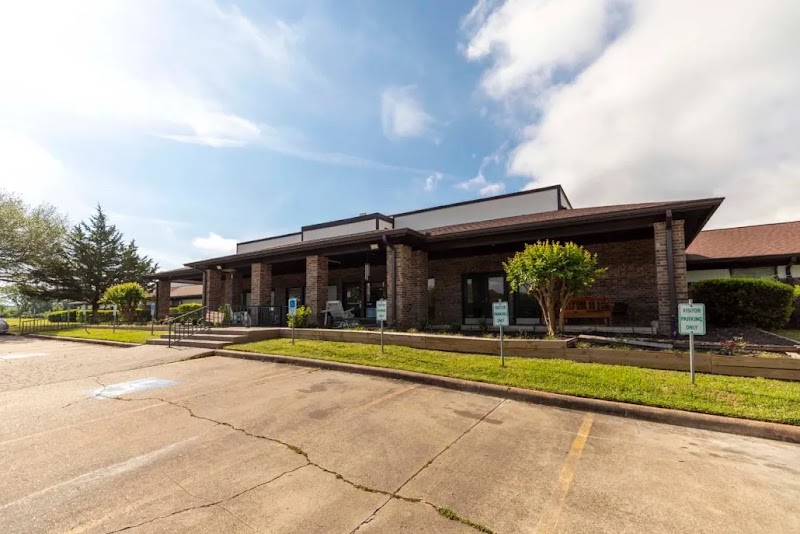
How is River Pointe Of Trinity Healthcare And Rehabilitat Staffed?

CMS rates RIVER POINTE OF TRINITY HEALTHCARE AND REHABILITAT's staffing level at 1 out of 5 stars, which is much below average compared to other nursing homes. Staff turnover is 54%, compared to the Texas average of 46%.

What Have Inspectors Found at River Pointe Of Trinity Healthcare And Rehabilitat?

State health inspectors documented 16 deficiencies at RIVER POINTE OF TRINITY HEALTHCARE AND REHABILITAT during 2023 to 2025. These included: 1 Immediate Jeopardy (the most serious level, indicating potential for serious harm or death), 1 that caused actual resident harm, and 14 with potential for harm. Immediate Jeopardy findings are rare and represent the most serious regulatory concerns. They require immediate corrective action.

Who Owns and Operates River Pointe Of Trinity Healthcare And Rehabilitat?

RIVER POINTE OF TRINITY HEALTHCARE AND REHABILITAT is owned by a for-profit company. For-profit facilities operate as businesses with obligations to shareholders or private owners. The facility is operated by THE ENSIGN GROUP, a chain that manages multiple nursing homes. With 104 certified beds and approximately 63 residents (about 61% occupancy), it is a mid-sized facility located in TRINITY, Texas.
How Does River Pointe Of Trinity Healthcare And Rehabilitat Compare to Other Texas Nursing Homes?

Compared to the 100 nursing homes in Texas, RIVER POINTE OF TRINITY HEALTHCARE AND REHABILITAT's overall rating (2 stars) is below the state average of 2.8, staff turnover (54%) is near the state average of 46%, and health inspection rating (3 stars) is at the national benchmark.

What Should Families Ask When Visiting River Pointe Of Trinity Healthcare And Rehabilitat?

Based on this facility's data, families visiting should ask: "What changes have been made since the serious inspection findings, and how are you preventing similar issues?" "Can you walk me through typical staffing levels on day, evening, and night shifts?" "Can I visit during a mealtime to observe dining assistance and food quality?" "How do you handle medical emergencies, and what is your hospital transfer rate?" These questions are particularly relevant given the facility's Immediate Jeopardy citations and the below-average staffing rating.

Is River Pointe Of Trinity Healthcare And Rehabilitat Safe?

Based on CMS inspection data, RIVER POINTE OF TRINITY HEALTHCARE AND REHABILITAT has documented safety concerns. Inspectors have issued 1 Immediate Jeopardy citation (the most serious violation level indicating risk of serious injury or death). The facility has a 2-star overall rating and ranks #100 of 100 nursing homes in Texas. Families considering this facility should ask detailed questions about what corrective actions have been taken since these incidents.

Do Nurses at River Pointe Of Trinity Healthcare And Rehabilitat Stick Around?

RIVER POINTE OF TRINITY HEALTHCARE AND REHABILITAT has a staff turnover rate of 54%, which is 8 percentage points above the Texas average of 46%. Moderate turnover is common in nursing homes, but families should still ask about staff tenure and how the facility maintains care continuity when employees leave.

Was River Pointe Of Trinity Healthcare And Rehabilitat Ever Fined?

RIVER POINTE OF TRINITY HEALTHCARE AND REHABILITAT has been fined $43,443 across 3 penalty actions. The Texas average is $33,513. While any fine indicates a compliance issue, fines under $50,000 are relatively common and typically reflect isolated problems that were subsequently corrected. Families should ask what specific issues led to these fines and confirm they've been resolved.

Is River Pointe Of Trinity Healthcare And Rehabilitat on Any Federal Watch List?

RIVER POINTE OF TRINITY HEALTHCARE AND REHABILITAT is not on any federal watch list. The most significant is the Special Focus Facility (SFF) program, which identifies the bottom 1% of nursing homes nationally based on persistent, serious quality problems. Not being on this list means the facility has avoided the pattern of deficiencies that triggers enhanced federal oversight. This is a positive indicator, though families should still review the facility's inspection history directly.