TRINITY REHABILITATION & HEALTHCARE CENTER
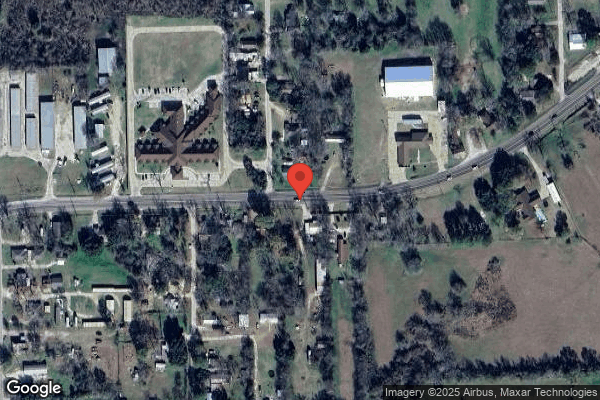
314 E CAROLINE ST, TRINITY, TX 75862 (936) 744-1300
Government - Hospital district 76 Beds Independent Data: November 2025 3 Immediate Jeopardy citations
Trust Grade
0/100
#872 of 1168 in TX
Last Inspection: February 2025

Within standard 12-15 month inspection cycle. Federal law requires annual inspections.

Overview

Trinity Rehabilitation & Healthcare Center has received a Trust Grade of F, indicating significant concerns regarding the quality of care provided. Ranking #872 out of 1168 facilities in Texas places it in the bottom half, and as the third of three options in Trinity County, it has no better local competitors. The facility is worsening, with issues increasing from 10 in 2024 to 17 in 2025. Staffing is a weakness here, with a rating of 2 out of 5 stars and a troubling turnover rate of 68%, much higher than the Texas average of 50%. There have been serious incidents reported, including a failure to ensure that residents were free from physical restraints, which led to a resident's death after being found entrapped between assist bars. Additionally, the facility did not properly assess the risks associated with bed rails for multiple residents, indicating a lack of adherence to safety protocols. While the quality measures score is excellent at 5 out of 5, the overall picture reflects significant weaknesses that families should carefully consider.

Trust Score
F
0/100
In Texas
#872/1168
Bottom 26%
Safety Record
High Risk
Review needed
Inspections
Getting Worse
10 → 17 violations
Staff Stability
⚠ Watch
68% turnover. Above average. Higher turnover means staff may not know residents' routines.
Penalties
⚠ Watch
$168,714 in fines. Higher than 94% of Texas facilities. Major compliance failures.
Skilled Nurses
⚠ Watch
Each resident gets only 17 minutes of Registered Nurse (RN) attention daily — below average for Texas. Fewer RN minutes means fewer trained eyes watching for problems.
Violations
⚠ Watch
38 deficiencies on record. Higher than average. Multiple issues found across inspections.
★★☆☆☆
2.0
Overall Rating
★★☆☆☆
2.0
Staff Levels
★★★★★
5.0
Care Quality
★☆☆☆☆
1.0
Inspection Score
Stable
2024: 10 issues
2025: 17 issues

The Good

  • 5-Star Quality Measures · Strong clinical quality outcomes
  • Full Sprinkler Coverage · Fire safety systems throughout facility
  • No fines on record

Facility shows strength in quality measures, fire safety.

The Bad

2-Star Overall Rating

Below Texas average (2.8)

Below average - review inspection findings carefully

Staff Turnover: 68%

21pts above Texas avg (46%)

Frequent staff changes - ask about care continuity

Federal Fines: $168,714

Well above median ($33,413)

Significant penalties indicating serious issues

Staff turnover is elevated (68%)

20 points above Texas average of 48%

The Ugly 38 deficiencies on record

3 life-threatening
Jul 2025 1 deficiency
CONCERN (E) 📢 Someone Reported This

A family member, employee, or ombudsman was alarmed enough to file a formal complaint

Potential for Harm - no one hurt, but risky conditions existed

Deficiency F0919 (Tag F0919)

Could have caused harm · This affected multiple residents

**NOTE- TERMS IN BRACKETS HAVE BEEN EDITED TO PROTECT CONFIDENTIALITY** Based on observations, interviews, and record reviews the facility failed to be adequately equipped to allow residents to call f...

Read full inspector narrative →
**NOTE- TERMS IN BRACKETS HAVE BEEN EDITED TO PROTECT CONFIDENTIALITY** Based on observations, interviews, and record reviews the facility failed to be adequately equipped to allow residents to call for staff through a communication system which relayed the call directly to a staff member or to a centralized staff work area from bedside and toileting and bathing facilities for 2 (Hall 200 and 300) of 4 hallways and 9 of 9 (Residents #1, #2, #3, #4, #5, #6, #7, #8, and #9) residents reviewed for call light response. The facility failed to ensure Hall 200 and 300's call lights were visible and audible to staff and failed to provide an alternate method for residents (Residents #1, #2, #3, #4, #5, #6, #7, #8, and #9) to call for assistance. This failure could place residents at risk of injury, pain, hospitalization, and a diminished quality of life.Findings include:1. Record review of a facility face sheet dated 7/30/2025 for Resident #2 indicated that she was a [AGE] year-old female admitted to the facility on [DATE] with hemiplegia and Hemiparesis (muscle weakness or partial paralysis on one side of the body) following non traumatic intracerebral, schizophrenia-bipolar type and major Depressive Disorder.Record review of a quarterly MDS assessment dated [DATE] indicated Resident #2 had a BIMS score of 14, which indicated that she was cognitively intact. She required extensive assistance with ADLs. She was frequently incontinent of bowel and bladder. Record review of a comprehensive care plan for Resident #2 dated 02/27/2025 indicated that he had an ADL self-care performance deficit, and she had the following intervention: . resident requires extensive assist x 1 staff and resident requires extensive assistance by 2 staff for toileting, Encourage the resident to use bell to call for assistance 2. Record review of a facility face sheet dated 7/22/2025 for Resident #1 indicated that he was a [AGE] year-old male admitted to the facility on [DATE] with a urinary tract infection, lack of coordination and metabolic encephalopathy.Record review of a quarterly MDS assessment dated [DATE] indicated Resident #1 had a BIMS score of 14, which indicated that he was cognitively intact. He required partial to moderate assistance with most ADLs. He was frequently incontinent of bowel and bladder. Record review of a comprehensive care plan for Resident #1 dated 6/11/24 indicated that he had an ADL self-care performance deficit, and he had the following intervention: . The resident requires extensive assistance by 1 staff to move between surfaces, Encourage the resident to use bell to call for assistance 3. Record review of a facility face sheet dated 7/27/2025 for Resident #3 indicated that he was an [AGE] year-old male admitted to the facility on [DATE] with acute kidney failure (condition where your kidneys stop working suddenly).Record review of a quarterly MDS assessment dated [DATE] indicated Resident #3 had a BIMS score of 12, which indicated he was moderately cognitively intact. He required partial to moderate assistance with most ADL's. She was always incontinent of bowel and bladder. Record review of a comprehensive care plan for Resident #3 dated 2/17/2025 indicated that he had an ADL self-care performance deficit, and he had the following intervention: .encourage the resident to use bell to call for assistance .4. Record review of a facility face sheet dated 7/30/2025 for Resident #4 indicated that he was a [AGE] year-old female admitted to the facility on [DATE] with essential hypertension, muscle weakness and lack of coordination.Record review of a quarterly MDS assessment dated [DATE] indicated Resident #4 had a BIMS score of 11, which indicated that she was moderately cognitively intact. She required partial to moderate assistance with most ADLs. She was always incontinent of bowel and bladder. Record review of a comprehensive care plan for Resident #4 dated 10/22//24 indicated that he had an ADL self-care performance deficit, and he had the following intervention: .encourage the resident to use bell to call for assistance .5. Record review of a facility face sheet dated 7/27/2025 for Resident #5 indicated that he was a [AGE] year-old male admitted to the facility on [DATE] with syncope and collapse and hypertensive heart disease with heart failure. Record review of a quarterly MDS assessment dated [DATE] indicated Resident #5 had a BIMS score of 12, which indicated that he was cognitively intact. He required partial to moderate assistance with most ADLs. He was occasionally incontinent of bowel and bladder. Record review of a comprehensive care plan for Resident #5 dated 07/01/2025indicated that he had an ADL self-care performance deficit, and he had the following intervention: .encourage the resident to use bell to call for assistance .6. Record review of a facility face sheet dated 7/30/2025 for Resident #6 indicated that she was an [AGE] year-old female admitted to the facility on [DATE] with muscle wasting and atrophy, and lack of coordination. Record review of a quarterly MDS assessment dated [DATE] indicated Resident #6 had a BIMS score of 15, which indicated that she was cognitively intact. She required partial to moderate assistance with most ADLs. She was occasionally incontinent of bowel and bladder. Record review of a comprehensive care plan for Resident #6 dated 2/13/2025 indicated that she had an ADL self-care performance deficit, and she had the following intervention: .encourage the resident to use bell to call for assistance .7. Record review of a facility face sheet dated 7/27/2025 for Resident #8 indicated that he was a [AGE] year-old male admitted to the facility on [DATE] with muscle wasting atrophy and chronic kidney disease.Record review of a quarterly MDS assessment dated [DATE] indicated Resident #8 had a BIMS score of 04, which indicated that he was cognitively impaired. He required extensive assistance with ADLs. He was always incontinent of bowel and bladder. Record review of a comprehensive care plan for Resident #8 dated 1/8/24 indicated that he had an ADL self-care performance deficit, and he had the following intervention: .encourage the resident to use bell to call for assistance .8. Record review of a facility face sheet dated 7/27/2025 for Resident #7 indicated that he was a [AGE] year-old male admitted to the facility on [DATE] with muscle wasting atrophy, muscle weakness and cognitive communication.Record review of a quarterly MDS assessment dated [DATE] indicated Resident #7 had a BIMS score of 15, which indicated that he was cognitively intact. He required partial to moderate assistance with most ADLs. He was occasionally incontinent of bowel and bladder. Record review of a comprehensive care plan for Resident #7 dated 6/7/2025 indicated that he had an ADL self-care performance deficit, and he had the following intervention: .encourage the resident to use bell to call for assistance .9. Record review of a facility face sheet dated 7/30/2025 for Resident #9 indicated that she was a [AGE] year-old female admitted to the facility on [DATE] with acute respiratory failure with hypoxia, morbid obesity and need for assistance with personal care.Record review of a quarterly MDS assessment dated [DATE] indicated Resident #9 had a BIMS score of 15, which indicated that she was cognitively intact. She required extensive assistance with most ADLs. She was always incontinent of bowel and bladder. Record review of a comprehensive care plan for Resident #9 dated 7/18/2025 indicated that she had an ADL self-care performance deficit, and she had the following intervention: .encourage the resident to use bell to call for assistance .During an observation and interview on 7/26/2025 at 9:50 a.m., the bedroom and bathroom emergency call light was activated by this surveyor in Resident #1's room. The audible alarm did not sound at the Central monitoring station. The call light bulb was not functioning above the doorway of Resident #1's room. Resident #1 said he was fine without the light because he gets up on his own and takes care of himself. He said he did not need to call staff for help with a call light and just yells nurse, nurse and they come check on him. During an observation and interview on 7/26/2025 at 10:00 a.m., the bedroom and bathroom emergency call light was activated by this surveyor in Resident #6's room. The call light did not make a sound to alert staff. The light over the door lit up with no sound. Resident #6 said she does not have a working call light at this time and she's [AGE] years old. She said she needed her call light just in case she has a need to call for staff. She said the aides and nurses check on her often and they provided her a bell to ring today. She said she's a choker and they check on her every few minutes. She said she fears choking or needing staff and cannot call for help. During an interview on 7/26/2025 at 10:12 a.m., the DON said the call light system was struck by lightning about two weeks ago and their maintenance director reset and fixed the call light system twice, but they were struck by lightning again on 7/23/2025 causing the call light system to be even more damaged. She said after the second lightning strike the call light system went out and maintenance was not able to fix the problem. She said they moved the residents within an hour out of the rooms with no working call lights into a room on the same hall with working call lights. She said the second lightning strike caused the even number rooms on 200 hall not to work at all. She said a technician came out on 7/23/2025 and tried to fix the call lights and was not able to get the system to work and caused more damage. She said whatever he did caused all the lights on the 200 hall not to work at all and on the 300 hall it caused the system not to light up above residents doors, beep or relay the call to the nurses station. She said CNAs and/or nursing staff are making rounds every 15 minutes to assure all resident needs are met. She said no other form of communication was provided to the residents to call for assistance. She said she walks the halls herself and wants the call light system fixed as soon as possible due to increase stress and probability for accident and injury to the residents. During an interview and observation on 7/27/2025 at 10:20 a.m., Resident #9 said the call light system was struck by lightning and had been malfunctioning off and on for the past two weeks. She said they have tried to fix the problem but have not been successful. She said not all the call lights on her hall worked after the lightning strike and the residents without working call lights were moved to different rooms that had a working call light. She said a company was working on the call light recently and her whole hall is now without a call light. She said she had no way to call for help and today she was provided a small bell to ring if she need staff to come assist her. She said she can do for herself but if she ever needed staff, she would like to be able to contact them quickly. She said if she puts her call light on, they will know it is an emergency because she rarely calls for help. Call light in the bathroom and bedroom was activated by this surveyor in the by Resident #9 the call light did not light up or make a sound to alert staff. During an observation and interview on 7/26/2025 at 10:35 a.m., the bedroom and bathroom emergency call light was activated by this surveyor in the room occupied by Resident #7. The call light did not make a sound to alert staff. The light over the door did not light up and had no sound. Resident #7 said he does not have a working call light at this time and would like to have one. He said he needs his call light just in case he needs to call for help. Hhe said the aides and nurses check on him often and they provided him a bell to ring today. During an observation and interview on 7/26/2025 at 2:13 p.m., the bedroom and bathroom emergency call light was activated by this surveyor in the room occupied by Resident #3. The audible alarm did not sound at the Central monitoring station. The call light bulb was not functioning above the doorway of Resident #3. Resident #3 said he had been in the hospital and just came back to the facility last Thursday. He said he was glad he has his RP in the next room that comes to his room and sits with and checks on him all throughout the day. He said if he needs help, she will go get the aides or if it's something small she can do it for him. He said he don't like not having the call lights working but he's sure they will get it fixed soon.During an interview on 7/26/2025 at 2:16 p.m., LVN A said she is familiar with the call lights being out for over a week due to lightening striking the phone and internet system. She said staff make rounds to each resident's room every 10 to 15 minutes to check on the residents. She said the maintenance supervisor tried to reset the system, and it worked for a couple of days and kept going out. She said nurses monitor to make sure the aides are making regular rounds, and the nurses will go down the hall about every 30 minutes to make sure the residents are well and have no unmet needs. She said no other method of intervention had been implemented to compensate for the broken call light system until today they got bells for the residents with no call lights. She said she feel her and the staff puts forth continual effort to assure the residents are well care for but having no call lights presents a greater chance for the residents to be injured or not have their needs met timely. During an observation and interview on 7/26/2025 at 2:42 p.m., the bedroom and bathroom emergency call light was activated by this surveyor in the room occupied by Resident #2. The audible alarm sounded at the Central monitoring station and the call light bulb was functioning above the doorway of Resident #2. She said she had an issue with the call light not working for a short period of time when lightning struck the facility. She said she do not like being without her call light. She said she's heavy and in a wheelchair and does need assistance with some of her activities. She said if she was without a call light for as long as her friends on the other halls, she would be a nervous wreck. She said she know things happen, but it is time to get this issue fixed. During an observation and interview on 7/26/2025 at 2:48 p.m., the bedroom and bathroom emergency call light was activated by this surveyor in the room occupied by Resident #4. The audible alarm did not sound at the Central monitoring station. The call light bulb was not functioning above the doorway of Resident #4. Resident #4 said she has been without her call light for about a week. She said she uses a wheelchair to move around and gets in and out of it on her own. She said if she feels or needed help, she will just have to wait until staff come check on her. She said staff make lots of checks on her and the other residents. She said she was provided a bell to ring for help this afternoon. She said she feels the facility could not help what happened to the call light but will be happy when they are repaired. During an interview on 7/26/2025 at 3:03 p.m., RN E said she and the other staff make frequent rounds down hall two and three hundred due to the call light system being out. She said it had not worked properly in approximately two weeks. She said the residents were given call bells today, but no other measures had been put in place for resident to alert staff if they need them for assistance. She said she knows having a working call system is a requirement and increase the risk of harm to the residents if it doesn't work properly.Record review on 7/26/2025 of the facility accident and incident reports. There were no noted accidents and incidents reported on halls 200 and 300 during 7/23/2024 through 7/27/2025. All accidents and incidents reported were prior to the call light system failure. Interview and observation on 7/27/2025 at 1:03 p.m., the bedroom and bathroom emergency call light were activated by this surveyor in Resident #8's room. The audible alarm did not sound at the Central monitoring station. The call light bulb was not functioning above the doorway of Resident #8. Resident #8 said he used the call light system often when it works. He said staff comes into his room more to check on him since the call light is not working. He said he was told its going to be fixed soon and he will be glad, so staff do not have to come in so often and disturb him. He said he was not sure how long the call light has been out, but he knows it have been several days. He said the little bell dings low and he's not sure anyone will hear it if he rings it for help. Observation on 7/27/2025 with Resident #5 at 1:10 p.m., the bedroom and bathroom emergency call light were activated by this surveyor in the room occupied by Resident #5. The audible alarm did not sound at the Central monitoring station. The call light bulb was not functioning above the doorway of Resident #5. Resident #5 was cognitively unable to answer questions asked about the call light and said he does not remember anything about the call lights.During an interview on 7/27/2025 at 1:35 p.m., MA B said she knew of the call light system being down on 200 and 300 halls. She said she knew they started having an aide sit on the halls at all times today and they gave the residents bells on yesterday to ring for help. She said when the lightening first knocked the call lights out maintenance and the administrator thought it was fixed but it was not. She said it is very easy for a resident to have a need, and staff may not recognize it or hear the small bell. She said having no call lights puts residents at a higher risk for harm. Interview on 7/27/2025 at 1:47 p.m., LVN C said she worked PRN but knew the call light system had been out on the 200 and 300 hundred halls. She said staff makes more rounds than they normally do so they can check on the residents frequently to see if they need assistance. She said today is the first time she had seen aides sitting on the hall and bells in the resident's rooms. She said she knows the risk increased for accidents and incidents for the residents, but she had not seen an increase in accident or incidents since the call light system have been out. She said she did not work every day but works 3 to 4 days per week for the past month and the call light system had been out at least two weeks. Interview on 7/27/2025 at1:51 p.m., LVN D said she's aware of the call light system being down. She said the aides must make rounds every 15 minutes and the nurses will help them with rounds if they are busy. She said they are able to manage by teamwork with all staff. She said the administrator and maintenance worker have been working to get the system fixed and all the residents were given bells as of yesterday to ring for assistance.Interview on 7/27/2025 at 2:17 p.m., the DON said she's aware of the call light system being out on the 200 and 300 halls. She said she and the other staff work around the clock making every 15-minute rounds and an aide is sitting on the halls at all times starting today. She said as of yesterday they got bells for every resident without a working call light. She said maintenance had tried to fix the issue but with the second lightning strike she was not able to fix it. She said she and the administrator had in-serviced staff on the importance of frequent rounds and to physically look in every room to make sure the resident is well and does not need assistance. She said when the call lights went out the first time, they moved 2 residents within an hour to another room with working call lights. She said only the even number rooms on hall 200 were not working. She said after the 2nd lightning strike they had to get a technician out to work on the call lights and whatever he done knocked out both halls (200 & 300). She said there is an increased risk for injury or unsafe living environment for the residents due to the call light system not working. She said they have a contractor scheduled to fix the call light system next week. During an interview on 7/27/2025 at 2:25 PM, CNA-F said she sat about halfway down hall 200 to see and hear the residents. She said she and other staff will switch out sitting every hour. She said she and other staff make rounds every 15 minutes to assure all residents needs are met and care is provided. She said the residents were provided bells today to ring for help. She said the call light system has been going in and out for about 2 weeks. She said the nurses will also help them with monitoring the halls.During an interview on 7/272025 at 2:35 PM CNA-G said she is aware that the call light system is out. She said it was struck by lightning. She said they moved some residents from their original rooms due to the call light system not working properly. She said she makes rounds every 15 minutes and an aide always sits mid-way down the hall (halls two and three hundred) so they can see and hear the residents. She said the nurses will also assist with monitoring the halls and checking on the residents. She said the residents were given bells to use when they need to alert staff when they need assistance. She said maintenance and the administrator have been working on the call light system trying to get it fixed but they have not successful at this time. She said the administrator told them that a company would be out on Monday to work on and fix the call light system. During multiple observations on 7/27/2025 from 10 a.m-3 p.m. staff were observed sitting at the nurses' station and one staff sitting mid-way down the hall with view of the 200/300 halls. The staff were making rounds every 10- 15 minutes. Residents on the 200/300 halls were observed having bells in their hands, on their beds or on their bedside tables. Interview on 7/27/2025 at 2:47 p.m., the Administrator said she's aware of the call light system being out. She said lightning struck the building and knocked out the call light system for the even numbered rooms on hall 200 and the internet on 7/12/25. She said maintenance worked on and reset the call lights and they began working within an hour of being notified the call light system was affected by the lightening. She said on 7/13/25 the same lights (even number rooms on the 200 hall) went out again. She said maintenance reset them again and they started back working. She said by the next day on 7/14/25 the same lights on the 200 hall (the even numbered rooms) call lights stopped working again. She said they immediately moved the two (Resident #9, #5) residents that were without call lights to another room with working call lights. She said she had maintenance call a technician that came out on 7/23/25. She said it was worse when he left than when he came. She said the entire call lights for the 200-hall stopped working and the audio portion of the 300-hall stopped working. She said she requested the DON to get with staff and implement nurses and or nurse aides to start making rounds every 15 minutes around the clock for the residents without call lights. When asked if she had tried to implement any other system for the residents to call for help and she said no. She said she looked for bells at local stores and they did not have any. She said she went out of town yesterday and bought bells for all the residents and passed them out and placed a nurse aide to sit on the halls at all times so they can hear as well as see activity down the halls. She said she knows there is an increased risk for a negative outcome such as falls and injury to residents that may need assistance. She said a technician is scheduled to come out on Monday 7/28/2025 to start the repairs on the call light system. She said the repairs are expected to be complete no later than 8/1/2025. Record review of a facility policy 2001 MED-PASS, Inc (Revised February 2020) titled Bathrooms stated . 3. The facility is equipped with call systems which enable residents who cannot use the toilet independently to call caregivers directly for assistance. Calls for assistance from residents are to be answered immediately and responded to as soon feasible.Record review of a facility policy 2001 MED-PASS, Inc (Revised February 2020) titled Bedrooms stated . Policy Statement: All residents are provided with clean, comfortable and safe bedrooms that meet federal and state requirements. Policy Interpretation and Implementation6.All resident rooms are equipped with a resident call system that allows residents to call for staff assistance. Calls are directed to either a staff member or to a centralized work area.
Feb 2025 16 deficiencies
CONCERN (D)

Potential for Harm - no one hurt, but risky conditions existed

Safe Environment (Tag F0584)

Could have caused harm · This affected 1 resident

**NOTE- TERMS IN BRACKETS HAVE BEEN EDITED TO PROTECT CONFIDENTIALITY** Based on observation, interview, and record review the facility failed to provide a safe, clean, and comfortable environment for...

Read full inspector narrative →
**NOTE- TERMS IN BRACKETS HAVE BEEN EDITED TO PROTECT CONFIDENTIALITY** Based on observation, interview, and record review the facility failed to provide a safe, clean, and comfortable environment for residents for 1 of 24 residents (Resident #29) observed for resident environment. The facility failed to ensure the privacy curtain and a wheelchair in the room of Resident #29 was clean and without odors on 2/24/2025. This failure could place residents at risk for an unsanitary environment. Findings included: Record review of an admission Record dated 2/25/2025 for Resident # 29 indicated she admitted to the facility on [DATE] and was [AGE] years old with diagnoses of Alzheimer's disease, PBA (a medical condition that causes sudden and uncontrollable crying or laughing), age related osteoporosis (brittle bones), and expressive language disorder (a communication disorder that causes difficulty expressing spoken language). Record review of a Quarterly MDS assessment dated [DATE] for Resident #29 indicated she was rarely/never understood. She required the use of a wheelchair. She was dependent with all ADL's and was always incontinent of urine and bowel. Record review of a care plan for Resident #29 dated 5/17/2024 indicated she had an ADL self-care performance deficit and limitations in physical mobility. Interventions included to use a Broda chair (specialized wheelchair) for positioning, comfort, and the ability to be up and eat. During an observation and interview on 2/24/2025 at 2:27 PM, in the room of Resident #29 CNA A and CNA D were present to transfer Resident #29 from her wheelchair to her bed using a mechanical lift. Her wheelchair had a strong urine odor. Both staff said the night shift staff were supposed to clean the wheelchairs and cushions. Both said the chair had been stinky for a while. The privacy curtain in room had a large brown splatter stain at the bottom of the curtain. Both staff said it looked like feces and said they did not know if the curtains were ever cleaned but they would tell the charge nurse. During an interview on 2/25/2025 at 3:00 PM, the Maintenance Supervisor said she was responsible for checking the privacy curtains along with housekeeping staff. She said some department heads were responsible during ambassador rounds to check daily for things in the room. She said the privacy curtains were cleaned when a resident discharged , or something gets on them. She said they no longer had a cleaning schedule for the privacy curtains. She said she was made aware of the privacy curtain in Resident #29's room on yesterday 2/24/2025 and it was taken down and cleaned. She said the curtain looked like it had feces on it. She said there would be a set schedule from then on with cleaning the privacy curtains. She said she would not like it if she was a resident, and her privacy curtain was not cleaned. During an observation and interview on 2/25/2025 at 3:14 PM, the Maintenance Supervisor was in the room of Resident #29 who was resting in bed. Her wheelchair was by the door. The Maintenance Supervisor said the wheelchair smelled like urine. She said she had a spray solution that they used to clean the wheelchairs in the facility along with the cushions. She said she was not aware of the resident's wheelchair not being cleaned and would be very upset about it if she had to sit in a chair that smelled of urine. During an interview on 2/27/2025 at 10:06 AM, the DON said the Transport Driver was responsible for cleaning the wheelchairs at nights along with housekeeping staff. She said she did not know if they had a schedule for cleaning the wheelchairs. She said the housekeeping staff were responsible for cleaning the privacy curtains. During an interview on 2/27/2025 at 10:16 AM, the Transport Driver said he had been employed at the facility since May 2024 and was responsible for cleaning the wheelchairs monthly and he last cleaned them last month January 2025. He said he cleaned all of the wheelchairs in the facility. He said he did not have any documentation to reflect that he had cleaned them. He said if the wheelchairs were not cleaned there could be a risk for staph (a type of skin infection) or other infections and would not want to sit in a wheelchair that was filthy or had an odor. During an interview on 2/27/2025 at 10:32 AM, HSK E said she had been employed at the facility for 2 weeks. She said they rotated the halls they worked daily. She said they clean everything that included the lights, air conditioners, under beds, side tables, bathrooms, mirrors, closets and the swept and mopped the floors. She said no one told her about doing anything to the privacy curtains and she was trained by another housekeeper and was never told about the privacy curtains in the rooms nor the wheelchairs. During an interview on 2/27/2025 at 10:37 AM, HSK F said she had been employed at the facility for 2 years, but she mostly worked in laundry and helped as needed in housekeeping. She said she helped to train new staff in housekeeping and laundry. She said they had to clean under beds, touchable surfaces, toilets, sinks, mirrors, high dust, sweep and mop the rooms. She said they took the privacy curtains down once a month unless something got on them before and washed them. She said she was made aware of a privacy curtain in Resident #29 room, and it was washed and hung back up. She said the housekeepers were supposed to check the privacy curtains daily. She said if a privacy curtain was not cleaned, it would make her feel like the room was not getting cleaned. During an interview on 2/27/2025 at 2:12 PM, the Administrator said she was not aware of Resident #29's privacy curtain being dirty or her wheelchair having an odor. She said the Maintenance Supervisor was responsible for cleaning the wheelchairs and they should be checked daily. She said housekeeping were responsible for cleaning the privacy curtains and they should be checked daily when they were in the rooms cleaning. She said it would not make her feel good if she had to sit in a wheelchair that had an odor or if she was a resident and the privacy curtain was dirty with feces. She said she planned to reeducate the housekeepers to check privacy curtains daily and getting the wheelchairs cleaned along with ensuring the monthly wheelchair cleanings were done. Record review of a facility policy titled Cleaning and Disinfection of Environmental Surfaces revised August 2019 indicated, .Environmental surfaces will be cleaned and disinfected according to current CDC recommendations for disinfection of healthcare facilities and the OSHA Bloodborne Pathogens Standard .
CONCERN (D) 📢 Someone Reported This

A family member, employee, or ombudsman was alarmed enough to file a formal complaint

Potential for Harm - no one hurt, but risky conditions existed

Deficiency F0602 (Tag F0602)

Could have caused harm · This affected 1 resident

**NOTE- TERMS IN BRACKETS HAVE BEEN EDITED TO PROTECT CONFIDENTIALITY** Based on interview and record review, the facility failed to ensure the right to be free from misappropriation of property was p...

Read full inspector narrative →
**NOTE- TERMS IN BRACKETS HAVE BEEN EDITED TO PROTECT CONFIDENTIALITY** Based on interview and record review, the facility failed to ensure the right to be free from misappropriation of property was provided for 1 of 3 residents reviewed for misappropriation of property. (Resident #17) The facility failed to prevent a diversion (misappropriation) of Resident #17's Hydrocodone-Acetaminophen 10-325mg tablets (a combined hydrocodone/acetaminophen narcotic pain reliever) on December 31, 2024. This failure could place residents at risk for decreased quality of life, unrelieved pain, misappropriation of property, and dignity. Findings include: Record review of an undated face sheet for Resident #17 indicated that he was a [AGE] year-old male admitted to the facility on [DATE] with diagnoses including: Unspecified Fracture of Right Femur, Subsequent Encounter for Closed Fracture with Routine Healing, Urinary Tract Infection, Cognitive Communication Deficit, Repeated Falls. Record review of an Annual MDS dated [DATE] for Resident #17 indicated that he had a BIMS score of 09, indicating that he was moderately cognitively impaired. He was documented as receiving an opioid for the entire 7 day look back period. Record review of physician's orders for Resident #17 indicated that he had an active order for hydrocodone-acetaminophen 10-325mg, 1 tablet by mouth every 6 hours (prn) dated11/22/24. Record review of a medication administration record for Resident #17 for the month of December 2024 indicated the resident received hydrocodone routinely at 12:00 am, 6:00 am, 12:00 pm, and 6:00 pm. During an interview on 2/24/25 11:00am with MA L she said she's aware of the incident with Resident #17 medication(narcotic) count being off. She said the procedure for receiving medication (narcotics) from pharmacy delivery is for two nurses and the pharmacy representative to count, checks for discrepancies, and make sure all medication (narcotics) is accounted for. She said they all will sign two forms verifying the medication and count is correct. One form stays at the facility and be placed in the facility's records and one form is given to the pharmacy representative for their record. She said if there are discrepancies the nurses should have caught it and not signed for the medication. During an interview on 2/24/25 10:50am with LVN K she said she was on duty the day Resident #17's medications were reported missing. She said the medication came into the facility right at shift change. She said that she was informed of the incident by the administrator, DON and police interviewing her about the incident. She said the procedure to check in medications is to look at the name of the medication ordered, check the amount of medication delivered and log it in on medication. She said two nurses and the pharmacy delivery person are to check the medications together and all are to sign a medication log indicating the medication and count are correct. She said the facility will keep one copy for their records and the pharmacy delivery person will take a copy with him. She said medications are always to be kept locked up at all times. One blister pack is kept in a locked med cart and if there are extra blister packs, they are to be locked in the overflow box in the locked medication room. During an interview on 2/24/25 11:15am with LVN G said she's a full-time employee and is aware of the medication for resident #17 being missing. She said during report she was told that a whole card of Narco's (Hydrocodone-Acetaminophen 10-325mg tablets, a combined hydrocodone/acetaminophen narcotic pain reliever) were missing. She said she was not aware how many pills were on the card. She said two nurses and the pharmacy delivery person should have counted, and signed off on a medication log that all medications were accounted for. The medication should have then been put in a locked med cart or in their overflow lock box. She said there were a break in the process as all nurses are trained on delivery and storage of all medications including narcotics. During an interview on 2/24/25 12:56 am with RN H she said she's aware that Narco's (Hydrocodone-Acetaminophen 10-325mg tablets, a combined hydrocodone/acetaminophen narcotic pain reliever) for resident #17 went missing. She said all the nurses have been questioned about resident 17's missing medication and in-serviced on the process of medication storage, missing medications, drug administration and accepting and delivery of medications. She said two nurses are supposed to get with the person delivering the medication, count the medication and assure they are correct. Then sign an inventory form verifying the receipt of the medications and that the count and medications are correct and put a copy of the inventory form in the facility binder and give one to the person delivering the medications from the pharmacy. During an interview on 2/24/25 3:30 pm with the DON she said she was notified about the missing Narco's (Hydrocodone-Acetaminophen 10-325mg tablets, a combined hydrocodone/acetaminophen narcotic pain reliever) of resident #17 by the nurses on duty. Once she and the other staff realized the medication could not be found they called the police who came and searched for the missing medication by questioning the staff that was present. She said they also contacted the pharmacy who stated the medication was delivered and signed for. She said the nurses did not appropriately sign off on the medications correctly or as trained. She said two nurses along with the pharmacy representative are supposed to make sure the name of medication, dosage and amount of medication is correct, and the correct medications are present and all three are to sign a consent agreeing the medications are correct and place the medication in a locked storage cart or a locked medication room. She said the staff is to place the signed consent in the facility logbook and give the pharmacy staff a copy. During an interview on 2/24/25 3:45 pm with the ADMN, she said she's very aware of the missing medication for resident #17. She said 116 Norco's (Hydrocodone-Acetaminophen 10-325mg tablets, a combined hydrocodone/acetaminophen narcotic pain reliever) were delivered to the facility on [DATE] and only 58 Narco's were found in the medication cart. She said there were two blister packs of Narco's with 58 pills each according to the sign in sheet. She said she called the police and reported the missing Narco's. She said the police came and questioned the staff and provided her a case number did not give her a police report. She said when medications are delivered two nurses along with the pharmacy delivery person should have identified, counted, and assured the medication and were correct. Once the count and medication are deemed correct all three should sign a consent form verifying the medication and count are correct. One copy of the signed consent is to be put in the facility binder for Narcotics and a copy provided to the pharmacy delivery person. Record review of a facility policy titled Facility Abuse Prevention and Prohibition Policy dated 2001 with revision of December 2022 indicated CMS defines misappropriation of resident property as, the deliberate misplacement, exploitation, or wrongful, temporary, or permanent use of a resident's belongings or money without the resident's consent. Record review of a facility policy titled Accepting Delivery of Medications dated 2001 with revision date of February 2001 indicated Upon Receipt a. Two licensed nurses and the individual delivering the medication verify the name of the medication, dose and quality of each controlled substance being delivered. b. All individuals sign the controlled substance record of receipt. C. An individual resident-controlled substance record is made for each resident who is receiving a controlled substance. The record contains:1). name of resident; 20. Name and strength of the medication. Record review of a facility policy titled Abuse Prevention Program dated 2001 with revision date of June 2021 indicated .2. Our residents have the right to be free from abuse, neglect, misappropriation of resident property and exploitation . Record review of a facility policy titled Accepting Delivery of Medications dated 2001 with revision date of April 2019 indicated . Policy heading 1. All staff shall follow a consistent procedure in accepting medications. 2. Any errors noted in receiving medications shall be brought to the attention of the pharmacist and director of nursing services. Policy Interpretation and Implementation 1. Each medication delivery shall be personally accepted by two licensed personnel. 2. Before signing to accept the delivery, both licensed personnel must reconcile the medications in the package with the delivery ticket/order receipt. 4. Both nurses and the delivery personnel shall sign the delivery ticket, indicating review and acceptance of the delivery, and shall keep a copy of the delivery ticket. Both receiving nurses and the delivery agent must sign and make any notations about errors.
CONCERN (D)

Potential for Harm - no one hurt, but risky conditions existed

PASARR Coordination (Tag F0644)

Could have caused harm · This affected 1 resident

**NOTE- TERMS IN BRACKETS HAVE BEEN EDITED TO PROTECT CONFIDENTIALITY** Based on interviews and record review, the facility failed to refer all residents with newly evident or possible serious mental ...

Read full inspector narrative →
**NOTE- TERMS IN BRACKETS HAVE BEEN EDITED TO PROTECT CONFIDENTIALITY** Based on interviews and record review, the facility failed to refer all residents with newly evident or possible serious mental disorder, intellectual disability, or a related condition for level II resident review upon a significant change of condition for 1 of 6 Residents (Resident #4) reviewed for PASARR (Preadmission Screening and Resident Review Services). The facility failed to ensure Resident #4 had a new level 1 PASARR completed with a new diagnosis of major depressive disorder added on 10/28/2024. These failures could place residents at risk of not receiving the needed PASARR services to meet their individual needs and could result in a decreased quality of life. The findings were: Record review of an admission Record dated 2/26/2025 for Resident #4 indicated she admitted to the facility on [DATE] and was [AGE] years old with diagnoses of adjustment disorder with depressed mood (a condition where a person had depression as a result of a life change or stress), major depressive disorder (a mood disorder that caused persistent feeling of sadness or loss of interest) dementia and age related osteoporosis (brittle bones). Record review of a Quarterly MDS assessment dated [DATE] indicated she had moderate impairment in thinking with a BIMS score of 12. Her primary medical condition was adjustment disorder with depressed mood and had non-Alzheimer's dementia. No referral was made to the local contact agency. Record review of a care plan for Resident #4 dated 11/5/2024 indicated she had impaired cognitive function, memory loss and/or impaired thought processes related to depression/adjustment disorder. Record review of a behavioral hospital Discharge summary dated [DATE] indicated her principal diagnosis was major depressive disorder. Record review of a PASARR Level 1 (PL1) dated 10/28/2024 for Resident #4 indicated she had dementia and mental illness was negative. Record review of a PL1 dated 10/11/2024 for Resident #4 indicated she had dementia and mental illness was negative. During an interview on 2/26/2025 at 11:48 AM, the MDS Coordinator said she had been employed at the facility since the end of October 2024. She said Resident #4 went out to a behavioral hospital at the end of October 2024 and when she returned, she had a new mental illness diagnosis from the behavioral hospital. She said her PL1 that was completed by the behavioral hospital dated 10/28/2024 indicated she was positive for dementia. She said the resident's primary physician did not give the resident the mental illness diagnosis and she did not complete a form 1012 (used to determine whether to submit a new positive PL1 screening form on the Long-Term Care Portal because further evaluation was needed) and was not aware of what the form was. She said Resident #4's primary diagnoses were dementia and thinks she should have had a new evaluation after Resident #4 returned with a new diagnosis of mental illness. She said residents may not get the required services needed if the forms were not completed. She said she would get a form 1012 completed for the physician to review and sign. During an interview on 2/27/2025 at 1:51 PM, the DON said the MDS Coordinator was responsible for coordinating all things PASARR related. She said she was not familiar with the PASARR process and what documents were required to be completed. She said she was aware that Resident #4 did discharge from the facility to a behavioral hospital some months ago. During an interview on 2/27/2025 at 2:12 PM, the Administrator said the MDS Coordinator was responsible for any updates for PASARR. She said she was not aware of any new diagnoses for Resident #4. She said residents might not get the services that PASARR provided if evaluations were not completed. Record review of a Facility policy titled Pre-admission Screening/Processing revised on December 2024 indicated, .Our facility admits only residents whose medical and nursing care needs can be met. 14. All new admission and readmission are screened for mental disorder (MD), intellectual disabilities (ID) or related disorders (RD) per the Medicaid Pre-admission Screening and Resident Review (PASARR) process . Record review of a Mental Illness/Dementia Resident Review for Resident #4 undated was completed by the MDS Coordinator but was not signed by the physician.
CONCERN (D)

Potential for Harm - no one hurt, but risky conditions existed

ADL Care (Tag F0677)

Could have caused harm · This affected 1 resident

**NOTE- TERMS IN BRACKETS HAVE BEEN EDITED TO PROTECT CONFIDENTIALITY** Based on observation, interview and record review the facility failed to ensure a resident who was unable to carry out activitie...

Read full inspector narrative →
**NOTE- TERMS IN BRACKETS HAVE BEEN EDITED TO PROTECT CONFIDENTIALITY** Based on observation, interview and record review the facility failed to ensure a resident who was unable to carry out activities of daily living received the necessary services to maintain grooming, and personal and oral hygiene were provided for 2 of 6 residents (Resident #1 and #173) reviewed for ADL care. The facility failed to follow care plan for Resident #1 and assist her with showers on 2/17/25, 2/21/25, and 2/25/25. The facility failed to ensure Resident #173 had clean and trimmed nails on 2/24/25 and 2/25/25. This failure could place residents at risk of not receiving care/services, decreased quality of life, and loss of dignity. Findings included: Record review of a facility face sheet dated 2/26/25 for Resident #1 indicated that she was a [AGE] year-old female admitted to the facility on [DATE] with diagnosis of chronic obstructive pulmonary disease (a common lung disease causing restricted airflow and breathing problems). Record review of a Quarterly MDS assessment dated [DATE] for Resident #1 indicated that she had a BIMS score of 15, which indicated she was cognitively intact. According to MDS assessment she required supervision or touching assistance with showering/bathing and for tub/shower transfers. She was independently ambulatory with a manual wheelchair. She was always continent to bowel and bladder. Record review of a comprehensive care plan dated 6/6/22 for Resident #1 indicated that she had an ADL self-care performance deficit and limitations in physical mobility related to obesity and had an intervention for extensive assist X 1 staff member with bathing/showering at least 3 times weekly and as necessary and sponge bath could be provided when a shower could not be tolerated. Record review of shower sheets for Resident #1 dated 2/17/25, 2/21/25, and 2/25/25 indicated that all three sheets documented that resident bathed self and none were signed by charge nurse. During an observation and interview on 2/24/25 at 10:05 am Resident #1 was observed lying in bed in her room. She said she had not had a shower or a bed bath in probably over a year. She said the staff would not get her up on the shower bed, and she could not use the shower chair because she was so large that the aide would not be able to reach her private areas to properly clean in the chair. She said she normally just gets wipes and wipes herself off, she said they had never offered a bed bath to her. She said she would like to take a shower, or at the very least a bed bath. She said it would make her feel a lot better. No odors were observed. Record review of a facility face sheet dated 2/24/25 for Resident #173 indicated that she was a [AGE] year-old female admitted to the facility on [DATE] with diagnosis of cerebral infarction (stroke). Resident had not had an MDS assessment completed yet. Record review of a baseline care plan dated 2/21/25 for Resident #173 read .Resident will have all needs anticipated and met to ensure the highest practicable level of well-being and dignity preservation . Record review of facility shower sheets indicated on 2/25/25 Resident #173 was showered, had hair washed and a wound documented to right leg. There was no documentation of nail care. During an observation and interview on 2/24/25 at 9:35 am Resident #173 was observed lying in bed. She had long, dirty nails with a brown substance observed underneath majority of nails. She said it had been a while since she had a shower, said staff had not cleaned her nails and said it would make her feel better to be clean. During an interview on 2/27/25 at 1:38 pm DON said if nail care and showers were not done, residents could easily transfer bacteria and get infections. She said she would not be happy if she had dirty nails and did not get a proper shower. She said she was ultimately responsible for ensuring showers and nail care were done and she would work to ensure all residents were clean and properly showered going forward by providing education with shower staff. During an interview on 2/27/25 at 2:04 PM Administrator said if residents were not being properly showered or receiving nail care, it could cause them to feel dirty, could increase risk for infections and rashes. She said it would make them feel better if they received a proper shower and were clean. She said staff should be following care plans when assisting residents with ADLs. She said going forward, administrative staff would be making rounds to ensure showers and nail care were truly being offered and staff were not just documenting self or refused. Record review of a facility policy titled Bath, Shower/Tub dated 2001, and revised February 2018 read .The purposes of this procedure are to promote cleanliness, provide comfort to the resident and to observe the condition of the resident's skin . and .if feasible, the resident may bathe him- or her-self. Assist as needed . Record review of a facility policy titled Fingernails/Toenails, Care of dated 2001 and revised February 2018 read .Nail care includes daily cleaning and regular trimming .
CONCERN (D)

Potential for Harm - no one hurt, but risky conditions existed

Accident Prevention (Tag F0689)

Could have caused harm · This affected 1 resident

**NOTE- TERMS IN BRACKETS HAVE BEEN EDITED TO PROTECT CONFIDENTIALITY** Based on observations, interviews, and record reviews, the facility failed to ensure each resident received adequate supervision...

Read full inspector narrative →
**NOTE- TERMS IN BRACKETS HAVE BEEN EDITED TO PROTECT CONFIDENTIALITY** Based on observations, interviews, and record reviews, the facility failed to ensure each resident received adequate supervision with smoking materials to prevent accidents for 1 of 8 residents (Resident #27) reviewed for accidents and hazards. The facility failed to ensure Resident #27 returned his lighter and cigarettes to the staff when returning from smoking. This failure could place residents at risk of harm or injury and contribute to avoidable accidents. Findings included: Record review of an admission Record for Resident #27 dated 2/27/2025 indicated he admitted to the facility on [DATE] and was [AGE] years old with diagnoses of dementia, pneumonia (lung infection), and bipolar (extreme mood swings). Record review of a Quarterly MDS Assessment for Resident #27 dated 1/13/2025 indicated he did not have any impairment in thinking with a BIMS score of 15. He was independent with all ADLs. Record review of a care plan for Resident #27 dated 11/11/2024 indicated he was a smoker. Interventions included he required supervision while smoking. Instruct resident about the facility policy on smoking. Record review of a smoking safety screen assessment for Resident #27 dated 11/4/2024 indicated he was safe to smoke with supervision. Resident needed the facility to store lighter and cigarettes. During an observation on 2/27/2025 at 8:40 AM, in the smoking area outside of the facility, 2 staff led 5 residents outside for smoke break. Smoking materials were with the staff who handed cigarettes and lighters to the residents. Resident #27 came out a few minutes late and had his own lighter and cigarettes on him in a pocket that were in a metal container. He pulled out cigarettes that were in a metal container and lit it with a lighter he had in his pocket. During an observation and interview on 2/27/2025 at 11:00 AM, Resident #27 was in his room and a lighter was on his over bed table. The metal container was empty and did not have any cigarettes in it. He said he had been at the facility for 2 years and he had just come back in from smoke break. He said he kept his cigarettes and lighter with him but never smoked in the facility. He said every once in a while, the staff would take away his cigarettes and lighter, but he would get them back. He said he rolled his own cigarettes, and he kept the tobacco in the activity room. During an observation and interview on 2/27/2025 at 11:05 AM, Resident #27 walked to the activity room and said he kept his tobacco in the cabinet under the sink. Observed a bag of tobacco and papers in a clear plastic bag under the sink. He said he kept them there because it was easy for him to have access to it. During an interview on 2/27/2025 at 11:14 AM, the DON said that there were not any residents that were deemed safe smokers and that were allowed to keep their smoking materials on them. She said the smoking materials should be kept in the medication room locked. She said residents could be at risk for starting a fire or harming themselves or other residents having an allergic reaction from cigarette smoking and destroying property. She said they had problems with Resident #27 before and was care planned for behavioral problems related to having smoking materials on him. She said Resident #27 was supposed to get his cigarettes from the nurse and when he finished rolling them to take them back to the nurse. She said the person who collected the smoking materials during smoke break were supposed to ensure they were picking back up the smoking materials. During an interview on 2/27/2025 at 2:12 PM, the Administrator said no residents in the facility were able to keep their smoking materials in their rooms. She said she was not aware of Resident #27 having smoking materials on him. She said there could be a risk for fire or injury and would make sure that he knew that he cannot keep material on him and would educate his family when they take him out to make sure they give materials back to nurse to lock up. She said the smoking materials should be kept in a locked room and not kept in a cabinet that was not locked. Record review of a facility policy titled Smoking Policy-Residents revised December 2011 indicated, .This facility shall establish and maintain safe resident smoking/vaping/electronic cigarette practices. 12. Smoking articles: a. Residents may not have or keep any types of smoking articles, including cigarettes, tobacco, etc., except when they are under direct supervision .
CONCERN (D)

Potential for Harm - no one hurt, but risky conditions existed

Pharmacy Services (Tag F0755)

Could have caused harm · This affected 1 resident

Based on interview and record review the facility failed to establish a system of records of receipt and disposition of all controlled drugs in sufficient detail to enable an accurate reconciliation a...

Read full inspector narrative →
Based on interview and record review the facility failed to establish a system of records of receipt and disposition of all controlled drugs in sufficient detail to enable an accurate reconciliation and follow a policy to provide pharmacy services for 2 of 12 months (January 2025 and February 2025) reviewed for pharmacy services. The facility failed to document the required number of 2 witness signatures for drug destruction on 1/28/2025 and 2/20/2025. This failure could put residents at risk for misappropriation and drug diversion. Findings included: Record review of facility drug destruction records for the last 12 months (3/2024 to 2/2025) reflected that on 1/28/2025 the cover page and the attached page were only signed by the DON and the Pharmacist and did not include any additional witness signatures. Record review of cover page dated 2/20/2025 was signed by the Pharmacist only with no witness signatures. During an interview on 2/27/2025 at 9:15 AM, the DON who said the drug destruction sheets were normally signed by the Pharmacist, ADON and herself. She said in January 2025 she did not have an ADON at that time and that February 2025 the ADON had just started and that it was an oversight that the form was not signed. She said the drug destruction sheets needed the Pharmacist signature and 2 witness signatures. The DON believed that the witness signatures had be the DON and the ADON. She stated that she was not aware that other staff could be witness to the drug destruction. She said 2 witness signatures are needed for accountability and prevent possible drug diversions. During an interview on 2/27/2025 at 9:35 AM, the Administrator who said she was not part of the drug destruction process in the facility. She said she knew the sheets had to be signed by at least 2 witnesses. She was not aware that the January and February 2025 sheets was missing witness signatures. She said there was a risk for drug diversion if they did not have the appropriate signatures on the drug destruction pages. Record review of a facility policy titled Discarding and Destroying Medications revised April 2019 reflected, For unused, non-hazardous controlled substances that are not disposed of by an authorized collector, the EPA recommends destruction and disposal of the substance with other solid waste following the steps below .Include the signature(s) of at least two witnesses.
CONCERN (D)

Potential for Harm - no one hurt, but risky conditions existed

Deficiency F0761 (Tag F0761)

Could have caused harm · This affected 1 resident

**NOTE- TERMS IN BRACKETS HAVE BEEN EDITED TO PROTECT CONFIDENTIALITY** Based on observations, interviews, and record review, the facility failed to ensure drugs and biologicals used in the facility w...

Read full inspector narrative →
**NOTE- TERMS IN BRACKETS HAVE BEEN EDITED TO PROTECT CONFIDENTIALITY** Based on observations, interviews, and record review, the facility failed to ensure drugs and biologicals used in the facility were stored in locked compartments under proper temperature controls and permit only authorized personnel to have access to the keys for 1 of 26 residents (Resident #5) reviewed for medication storage. The facility did not ensure Nystatin powder was not stored at the bedside for Resident #5 on 2/24/25. This failure could place all residents at risk of misuse of medication and decreased quality of life. Findings included: Record review indicated that Resident #5 was an [AGE] year-old female admitted to the facility on [DATE]. Diagnosis includes congestive heart failure, hypertension, cognitive communication deficit, and cognitive decline. Record review of a quarterly MDS dated [DATE] indicated that Resident #5 had a BIMS score 13 indicating that the resident has cognitively intact. She required moderate to maximal assistance for all ADL's. Resident was continent of bowel and bladder. Record review of a physician's order summary report dated 2/24/25 for Resident #5 indicated that she had an order for Nystatin external cream 100000 unit/GM topical cream. Apply to legs, hands, abdominal folds topically one time a day for antifungal treatment with a start date of 2/8/2025. Resident #5 did not have an order to self-administer medications or to keep medication at bedside. Record review of Resident #5 assessments indicated that she did not have a self-administration of medications assessment form. Resident #5 did not have a care plan reflecting that she could self-administer medications. During observation on 2/24/25 at 9:03 AM, a bottle of Nystatin powder 100000 units/GM external powder was on resident nightstand. Resident #5 was lying in her bed with her eyes closed. During an observation on 2/24/25 at 2:20 PM bottle of Nystatin powder was on the resident's bedside table located next to resident. Resident was lying in bed. She stated that she did not know what was in the bottle. LVN G was in the resident's room, when asked about the Nystatin powder on the bedside table she stated that the medication should not be in the resident's room. She stated the resident did not have an order to keep medication at the bedside. LVN G removed Nystatin powder from the room and secured it on the medication cart. During an interview with the DON at 9:15 AM on 2/27/2025, she stated that there was one resident in the facility that was assessed to self-administer medications, but it was not Resident #5. She stated the facility did have a policy, she stated the resident would have to have an order to self-administer medication, an assessment for self-administering medications would have to be completed and that the resident would need to be care planned for self-administration of medications. She was not aware that resident #5 had medications in her room for self-administration. She stated there should not be any medications in the resident rooms at this time. She expects staff to remove any medications found in the resident's rooms. She said that a possible outcome of medications at the bedside could be not using medications as directed and that the nurse would not know when or how much medication the resident is taking or using. During an interview on 2/27/2025 at 9:35 PM, the Administrator stated she was only aware of one resident in the facility that was able to self-administer medications. She said Resident #5 did not have an order or an assessment needed to self-administer medications. She said that nursing staff should remove any medications found in the room immediately. She said that medications are to be kept secured in the medication cart. She said possible outcomes is that medications could be taken incorrectly and that other residents could have access to the medications. Record review of facility policy titled Self- Administration of Medications revised February 2021 read .Any medications found at the bedside that are not authorized for self-administration are turned over to the nurse in charge for return to the family or responsible party. and .As part of the evaluation comprehensive assessment, the interdisciplinary team (IDT) assesses each resident's cognitive and physical abilities to determine whether self-administering medications is safe and clinically appropriate for the resident .
CONCERN (D)

Potential for Harm - no one hurt, but risky conditions existed

Room Equipment (Tag F0908)

Could have caused harm · This affected 1 resident

Based on observations, interviews, and record review, the facility failed to maintain all mechanical, electrical, and patient care equipment in safe operating condition for 1 of 1 kitchen reviewed for...

Read full inspector narrative →
Based on observations, interviews, and record review, the facility failed to maintain all mechanical, electrical, and patient care equipment in safe operating condition for 1 of 1 kitchen reviewed for essential equipment. The facility did not ensure the gas stove was in safe operating condition with the pilot light staying lit and allowing gas to leak on 2/24/2025. This failure could place the residents at risk of a fire and not receiving their meals in a timely manner. Findings included: During an observation and interview on 2/24/2025 at 8:40 AM, the DM lit the burners on the stove. 1 of the 6 burners (front left burner) did not light using the pilot light and then would not light with a lighter. She said she would report this to the Maintenance Supervisor. During an interview on 2/25/2025 at 3:00 PM, the Maintenance Supervisor said she had been employed at the facility for 5 years and been in maintenance for 3 months. She said she kept a maintenance logbook in the past at the nurse station, but it always would come up missing, so the facility no longer had a book to log in maintenance issues. She said the facility would verbally notify her and she would get the repairs done. She said she currently had a list that she reviewed for maintenance issues that the Administrator gave to her, and the last list was January 2025. She said that the kitchen issues were not on the list. She said she was made aware that morning 2/25/2025 that one side of the oven was not working and did not know anything about one of the burners on the stove not working. She said in November 2024 they had a gas pressure test performed in the kitchen and that was the last time she had any dealing with the stove after the pilot light was relit. She said if the oven or burners were not working properly the staff would not be able to cook effectively. During an interview on 2/26/2025 at 3:08 PM, the Administrator said she started on September 3, 2024, and was not aware of the stove in the kitchen with all of the burners not lighting. She said the dietary manager was not informing her of any issues going on in the kitchen and as a result was no longer employed with the facility. She said her expectation were for equipment in the kitchen to work properly. A copy of a facility policy for essential equipment was requested from the Administrator however, prior to exit on 2/27/2025, no policy was provided.
CONCERN (E) 📢 Someone Reported This

A family member, employee, or ombudsman was alarmed enough to file a formal complaint

Potential for Harm - no one hurt, but risky conditions existed

Deficiency F0655 (Tag F0655)

Could have caused harm · This affected multiple residents

**NOTE- TERMS IN BRACKETS HAVE BEEN EDITED TO PROTECT CONFIDENTIALITY** Based on interview and record review, the facility failed to ensure the baseline care plan that included the instructions for re...

Read full inspector narrative →
**NOTE- TERMS IN BRACKETS HAVE BEEN EDITED TO PROTECT CONFIDENTIALITY** Based on interview and record review, the facility failed to ensure the baseline care plan that included the instructions for resident care needed to provide effective and person-centered care was completed for 3 of 6 residents reviewed for new admissions (Resident #167, #174, and #175). The facility failed to complete baseline care plans within 48 hours of admission for Residents #167, #174, and #175. This failure could place residents at risk of not receiving care and services to meet their needs. Findings included: Record review of a facility face sheet dated 2/25/25 for Resident #167 indicated that she was a [AGE] year-old female admitted to the facility on [DATE] with diagnosis of cellulitis (skin infection). Review of an electronic medical record for Resident #167 indicated that no baseline care plan was completed. Review of a Nursing Home PPS MDS assessment dated [DATE] for Resident #167 indicated she had a BIMS score of 14 indicating that she was cognitively intact. She required partial/moderate assistance with toileting, showering, and dressing. She was occasionally incontinent of bowel and bladder. She had a diabetic foot ulcer, an infection of the foot, and was receiving application of dressings to feet (with or without topical medications). Record review of a facility face sheet dated 2/27/25 for Resident #174 indicated that she was a [AGE] year-old female admitted to the facility on [DATE] with diagnosis of displaced intertrochanteric fracture of left femur, subsequent encounter for closed fracture with routine healing (hip fracture at the top part of the thigh bone). Record review of an electronic medical record on 2/27/25 for Resident #174 indicated that no comprehensive MDS assessment had not yet been completed. Record review of a baseline care plan initiated 2/26/25 for Resident #174 indicated that it was not implemented within 48 hours of admission. Record review of a facility face sheet dated 2/24/25 for Resident #175 indicated that she was a [AGE] year-old female admitted to the facility on [DATE] with diagnoses including sepsis due to methicillin resistant staphylococcus aureus (Methicillin-resistant Staphylococcus aureus or MRSA is a staph infection that has become immune to many types of antibiotics; sepsis is when the body has a severe, inflammatory response to bacteria or other germs). Record review of a comprehensive MDS assessment dated [DATE] for Resident #175 indicated that she had a BIMS score of 15, which indicated that she was cognitively intact. She had a surgical wound and was receiving IV medications. Record review of a baseline care plan indicate that it was not initiated until 2/24/25 for Resident #175 and had the following special treatments/needs: IV Medications and Isolation. During an interview on 2/27/25 at 1:31 pm MDS nurse said DON was responsible for baseline care plans. She said the baseline care plans tell staff which necessities are needed, communicates with family and could affect discharge planning. She said going forward she would be doing admission chart checks to ensure they were completed. She said an LVN could not do them, and they must be done by an RN. During an interview on 2/27/25 at 1:38 pm DON said she was responsible for baseline care plans. She said the weekend RN was responsible for doing baseline care plans for admissions that came in on the weekend. She said if baseline care plans were not done, it could cause issues for resident care as the baseline care plan communicates residents' needs to the staff. She said she would ensure baseline care plans were done going forward. During an interview on 2/27/25 at 2:04 pm Administrator said if baseline care plans were not initiated appropriately that staff might not know how to care for the resident. She said going forward she would be implementing an audit process for new admissions. Record review of a facility policy titled Care Plans - Baseline dated 2001 and revised December 2016 read: .To assure that the resident's immediate care needs are met and maintained, a baseline care plan will be developed within forty-eight (48) hours of the resident's admission .
CONCERN (E)

Potential for Harm - no one hurt, but risky conditions existed

Infection Control (Tag F0880)

Could have caused harm · This affected multiple residents

**NOTE- TERMS IN BRACKETS HAVE BEEN EDITED TO PROTECT CONFIDENTIALITY** Based on observations, interviews, and record review the facility failed to establish and maintain an infection prevention and c...

Read full inspector narrative →
**NOTE- TERMS IN BRACKETS HAVE BEEN EDITED TO PROTECT CONFIDENTIALITY** Based on observations, interviews, and record review the facility failed to establish and maintain an infection prevention and control program designed to provide a safe, sanitary, and comfortable environment and to help prevent the development and transmission of communicable diseases and infections for 3 of 6 residents (Resident #9, Resident #117, and Resident #175) and 3 of 5 staff (CNA A, CNA D, and LVN G) reviewed for infection control. The facility failed to ensure CNA D washed or sanitized her hands when passing out meal trays to residents on Hall 100 on 2/24/2025. CNA A did not wear appropriate PPE for enhanced barrier precautions when care was provided to Resident #117 on 2/24/2025. The facility failed to implement contact isolation per physician orders for Resident #175 from 2/13/25 until 2/25/25. CNA D and LVN G failed to wear appropriate PPE for enhanced barrier precautions when providing care to Resident #9 on 2/27/25. These failures could place residents at risk of exposure to infectious diseases due to improper infection control practices. Findings included: 1.During an observation of meal service on 2/24/2025 from 12:33 PM to 12:44 PM, CNA D did not wash or sanitize her hands prior to entering/exiting rooms or handling meal trays for the next room for the following rooms on Hall 100: entered room [ROOM NUMBER] and took the meal tray into the room and set up the tray and opened the utensils and exited. She then entered room [ROOM NUMBER] and placed the meal tray on over bed table and exited. She then entered room [ROOM NUMBER] and placed the meal tray on the over bed table and touched a cup that was on the table and placed it in the trash and then she repositioned the resident in bed using the bed controls to raise the head of bed. She then opened the seasoning packets and sprinkled them on the food and opened the utensils and exited the room. She entered room [ROOM NUMBER] set up the meal tray on over bed table and exited. She entered room [ROOM NUMBER] set up the meal tray on the over bed table and exited. She then entered room [ROOM NUMBER] and set up the meal tray on the over bed table and when she exited that room she sanitized her hands. During an interview on 2/24/2025 at 12:46 PM, CNA D said she had been employed at the facility for 2 years. She was assigned to work halls 200 and 300 and was helping to pass lunch trays for hall 100. She said she should have sanitized her hands before and after passing the lunch trays. She said there could be a risk of cross contamination if they did not wash or sanitize their hands between residents and passing meal trays. She said they did not have training on infection control during meal service, but she knew she should have sanitized her hands. Record review of a skills check off for CNA D dated 8/29/24 indicated she was successful with hand washing. 2. Record review of an admission Record for Resident #117 dated 2/25/2025 indicated he admitted to the facility on [DATE] and was [AGE] years old with diagnoses of hemorrhage from tracheostomy stoma (bleeding from opening in throat for breathing), pneumonia (lung infection), and gastrostomy status (feeding tube in the stomach). Record review of a care plan revised on 2/24/2025 indicated he required tube feeding related to dysphagia and is NPO. Interventions included he required EBP (enhanced barrier precautions). Gown and gloves were required to be worn during high contact care. Record review of a Quarterly MDS Assessment for Resident #117 dated 1/30/2025 indicated he did not have any impairment in thinking with a BIMS score of 14. He required substantial/maximal assistance with ADL's. He was always incontinent of urine and bowel. He had a feeding tube while a resident in the facility during the last 7 days during the look back period. During an observation on 2/24/2025 at 2:49 PM, CNA A was in the room of Resident #117 who had a sign on the door that read EBP. She assisted Resident #117 with repositioning in bed and only wore a pair of gloves and did not have on a gown. She moved Resident #117 up in bed and placed an under pad under the resident and covered him with a clean sheet and a blanket. During an interview on 2/25/2025 at 4:40 PM, CNA A said Resident #117 was on EBP since he had a feeding tube and if residents were on EBP, staff providing care should wear a gown, gloves, and a mask. She said during the care provided to Resident #117 when she repositioned him in bed and placed clean linens on his bed, she should have been wearing a gown and a mask. She said they kept the PPE in the room closet. She said she did not know why she did not put the gown and mask on but knew that she should have. She said she had received training on infection control and EBP sometime at the end of last year. She said if staff did not wear the PPE required, they could risk passing germs to other residents. Record review of a CNA competency skills check off for CNA A dated 8/28/2024 indicated she was successful with infection control and use of PPE. 3. Record review of a facility face sheet dated 2/24/25 for Resident #175 indicated that she was a [AGE] year-old female admitted to the facility on [DATE] with diagnoses including sepsis due to methicillin resistant staphylococcus aureus (Methicillin-resistant Staphylococcus aureus or MRSA is a staph infection that has become immune to many types of antibiotics; sepsis is when the body has a severe, inflammatory response to bacteria or other germs). Record review of a comprehensive MDS assessment dated [DATE] for Resident #175 indicated that she had a BIMS score of 15, which indicated that she was cognitively intact. She had a surgical wound and was receiving IV medications. Record review of a baseline care plan indicate that it was not initiated until 2/24/25 for Resident #175 and had the following special treatments/needs: IV Medications and Isolation. Record review of a physician's order summary report dated 2/24/25 for Resident #175 indicated that she had the following physician's order dated 2/13/25: .Resident is on contact isolation, all meals and activities are to be completed in the room. Staff to wear appropriate personal protective equipment while performing tasks every shift . During an observation on 2/24/25 at 12:30 pm CNA A was observed to enter room of Resident #175 to serve lunch tray. There was no sign on doorway to indicate any kind of isolation precautions. She entered room, served tray, and exited without donning any kind of PPE, she was observed to sanitize her hands upon exit from room. During an interview on 2/24/25 at 4:35 pm CNA A said she was unaware when she was passing trays that resident was on any kind of precautions. 4. Record review of a facility face sheet dated 2/24/25 for Resident #9 indicated that he was a [AGE] year-old male admitted to the facility on [DATE] with diagnoses including urinary tract infection. Record review of a Quarterly MDS assessment dated [DATE] for Resident #9 indicated that he had a BIMS score of 14, which indicated that he was cognitively intact. He was dependent with toileting hygiene and he had a colostomy (an opening in the stomach allowing stool to pass from the intestines into a bag connected to stomach opening) and an indwelling urinary catheter (tubing inserted into the bladder and allows urine to drain into a bag). Record review of a comprehensive care plan dated 10/15/24 for Resident #9 indicated that he had an intervention that read: .resident requires EBP (enhanced barrier precautions). Gown and gloves are required to be worn during high contact care . Record review of a physician's order summary report dated 2/24/25 for Resident #9 indicated he had the following order dated 11/20/24: .resident requires enhanced barrier precautions during episodes of high-contact care. Ensure signage is visible and supplies are available every shift for resident has an additional portal of entry for infection . During an observation on 2/25/25 at 10:50 am LVN G was observed providing colostomy care on Resident #9 without wearing gown as required for EBP. Sign was observed on wall at head of Resident's bed indicated that he required EBP. During an observation on 2/25/25 at 11:10 am CNA D was observed performing foley catheter care on Resident #9 without wearing a gown as required for EBP. During an interview on 2/25/25 at 11:20 am LVN G said she just forgot to put her PPE on while providing care. She said she had been trained on infection control and PPE requirements. She said residents could be at risk of infections if EBP precautions were not followed. During an interview on 2/27/2025 at 10:01 AM, the DON said she had been in her position since August 2024 but had been employed at the facility since 2023. She was the IP. She said she conducted training on EBP and hand washing with staff and inserviced them often. She said they also conducted spot follow ups by nurses and management with the staff. She said staff should wash or sanitize their hands between residents. Resident #117 was on EBP due to his feeding tube and staff should place a gown and gloves on when they provided care. She said there could be a risk for infections if staff did not clean hands or wear appropriate PPE. She said staff should sanitize between residents when passing meal trays. She planned to in-service and monitor staff and provide 1:1 education on staff that did not follow infection control procedures. During an interview on 2/27/2025 at 2:12 PM, the Administrator said there was a risk of spreading and giving infections to other residents if staff did not follow infection control procedures. She said EBP was a prevention in place to prevent staff from spreading infections to residents. She said she and the DON were responsible for ensuring staff were provided education on hire, as needed, and annually. She said staff were supposed to sanitize hands between residents and training was part of hand washing. She said residents who had tracheostomies, foley catheters, ostomies, colostomies, feeding tubes, or anyone with pressure injuries and chronic open wounds should be on EBP. She said if staff were providing direct care to a resident who was on EBP, they must wear a gown and gloves and if they don't they could spread an infection. Record review of a facility policy titled Handwashing/Hand Hygiene revised August 2019 indicated, .This facility considers hand hygiene the primary means to prevent the spread of infections. 2. All personnel shall follow the handwashing/hand hygiene procedures to help prevent the spread of infections to other personnel, residents, and visitors. 7. Use an alcohol-based hand rub containing at least 62% alcohol; or, alternatively, soap and water for the following situations: b. Before and after direct contact with residents; p. Before and after assisting a resident with meals . Record review of a facility policy titled Personal Protective Equipment-Enhanced Barrier Precautions revised April 2024 indicated, .To ensure personal protective equipment appropriate to specific task requirements is available at all times for staff residents when rendering high-contact direct activities for residents with chronic wounds or indwelling medical devices. 5. High-contact resident care activities that require Enhanced Barrier Precautions (EBP): e. changing linens . Record review of a facility policy titled Isolation - Categories of Transmission-Based Precautions dated 2001 and revised September 2021 read: .Contact Precautions may be implemented for residents known or suspected to be infected with microorganisms that can be transmitted by direct contact with the resident or indirect contact with environmental surfaces or resident-care items in the resident's environment . and .staff and visitors will wear gloves (clean, non-sterile) when entering the room . and .staff and visitors will wear a disposable gown upon entering the room . Record review of a facility policy titled Infection Prevention and Control Program dated 2001 and revised February 2022 read: .Prevention of Infection: a. Important facets of infection prevention include: .(3) educating staff and ensuring that they adhere to proper techniques and procedures; .(7) implementing appropriate isolation precautions when necessary .
CONCERN (E)

Potential for Harm - no one hurt, but risky conditions existed

Deficiency F0941 (Tag F0941)

Could have caused harm · This affected multiple residents

Based on interviews and record review, the facility failed to ensure employees received the required training effective communications for 6 of 15 new employees (LVN M, LVN N, SW, CNA O, CNA P, CNA Q)...

Read full inspector narrative →
Based on interviews and record review, the facility failed to ensure employees received the required training effective communications for 6 of 15 new employees (LVN M, LVN N, SW, CNA O, CNA P, CNA Q) reviewed for training. The facility did not ensure an effective communication training was completed on hire for LVN M, LVN N, SW, CNA O, CNA P, CNA Q. This failure could place residents at risk of miscommunication and social isolation due to lack of staff training. Findings included: Record review of employee files indicated the following staff had not completed training during orientation on effective communication: * LVN M, hire date 3/16/24; * LVN N, hire date 12/03/24; * SW, hire date 11/21/24; * CNA O, hire date 12/02/24; * CNA P, hire date 10/01/24; and * CNA Q, hire date 02/12/2025. During an interview on 2/27/25 at 9:00 am the Administrator said she did not know all these trainings were required. During an interview on 2/27/25 at 1:38 pm the DON said the ADON had been responsible in the past for staff training, but she (DON) would now be responsible for it. The DON said staff could possibly not understand how to deescalate situations, and residents could be at risk for harm due to this. During an interview on 2/27/25 at 2:04 pm the Administrator said she was ultimately responsible for ensuring all staff received proper training on hire and annually. She said staff may not know how to effectively communicate with residents with certain risk factors or dementia. She said she had now made a binder to keep up with trainings and would be keeping up with them better going forward. Record review of a facility assessment tool dated 10/1/24 read .Staff training/education and competencies .Training topics (upon hire, annually and as needed): *Communication - effective communications for direct care staff .* infection control .*required in-service training for nurse aides. In-service must .*include dementia management training .and . *Dementia care .
CONCERN (E)

Potential for Harm - no one hurt, but risky conditions existed

Deficiency F0945 (Tag F0945)

Could have caused harm · This affected multiple residents

Based on interview and record review, the facility failed to provide the mandatory training on standards, policies, and procedures for an infection prevention and control program for 5 of 15 staff (LV...

Read full inspector narrative →
Based on interview and record review, the facility failed to provide the mandatory training on standards, policies, and procedures for an infection prevention and control program for 5 of 15 staff (LVN N, SW, CNA O, CNA P, CNA Q) reviewed for training. The facility failed to ensure infection prevention and control training was provided to LVN N, SW, CNA O, CNA P, CNA Q on hire. This failure could place residents at risk of the spread of illness due to lack of staff training. The findings were: Record review of employee files indicated the following staff had not completed training during orientation on infection control: * LVN N, hire date 12/03/24; * SW, hire date 11/21/24; * CNA O, hire date 12/02/24; * CNA P, hire date 10/01/24; and * CNA Q, hire date 02/12/2025. During an interview on 2/27/25 at 9:00 am Administrator said she did not know all these trainings were required. During an interview on 2/27/25 at 1:38 pm DON said the ADON had been responsible in the past for staff training, but she (DON) would now be responsible for it. DON said staff could be at risk of putting residents at increased risk of infections if they are not properly trained in infection control. During an interview on 2/27/25 at 2:04 pm Administrator said she was ultimately responsible for ensuring all staff received proper training on hire and annually. She said residents could be at increased risk of infections if proper trainings were not provided to staff. She said she had now made a binder to keep up with trainings and would be keeping up with them better going forward. Record review of personnel files for above staff members indicated they were missing the above trainings. Record review of a facility policy titled Staff Development Program dated 2001 and revised in December 2009 read .the following in-service training classes are mandatory .b) AIDS; d) infection control; e) resident rights . Record review of a facility assessment tool dated 10/1/24 read .Staff training/education and competencies .Training topics (upon hire, annually and as needed): *Communication - effective communications for direct care staff .* infection control .*required in-service training for nurse aides. In-service must: .*include dementia management training .and . *Dementia care .
CONCERN (E)

Potential for Harm - no one hurt, but risky conditions existed

Deficiency F0947 (Tag F0947)

Could have caused harm · This affected multiple residents

Based on interviews and record review, the facility failed to ensure CNAs completed Abuse, Neglect, and Exploitation (ANE) and dementia management trainings for 3 of 5 CNAs (CNA O, CNA P, and CNA Q) r...

Read full inspector narrative →
Based on interviews and record review, the facility failed to ensure CNAs completed Abuse, Neglect, and Exploitation (ANE) and dementia management trainings for 3 of 5 CNAs (CNA O, CNA P, and CNA Q) reviewed for training. The facility did not ensure ANE, and dementia management trainings were completed by CNA O, CNA P, and CNA Q during orientation. This failure could place residents with dementia at risk of abuse, neglect, and exploitation and a poor quality of care by staff with inadequate training when caring for dementia residents. Findings included: Record review of employee files indicated: CNA O, hire date 12/02/24, had not completed Abuse, Neglect, and Exploitation (ANE) and dementia management trainings during orientation. CNA P, hire date 10/1/24, had not completed Abuse, Neglect, and Exploitation (ANE) and dementia management trainings during orientation. CNA Q, hire date 2/12/25, had not completed Abuse, Neglect, and Exploitation (ANE) and dementia management trainings during orientation. During an interview on 2/27/25 at 9:00 am Administrator said she did not know all these trainings were required. During an interview on 2/27/25 at 1:38 pm DON said the ADON had been responsible in the past for staff training, but she (DON) would now be responsible for it. DON said residents could be at risk of being cared for by untrained staff. During an interview on 2/27/25 at 2:04 pm Administrator said she was ultimately responsible for ensuring all staff received proper training on hire and annually. She said residents could be at increased risk of harm if proper trainings were not provided to staff. She said she had now made a binder to keep up with trainings and would be keeping up with them better going forward. Record review of personnel files for above staff members indicated they were missing the above trainings. Record review of a facility assessment tool dated 10/1/24 read .Staff training/education and competencies .Training topics (upon hire, annually and as needed): *Communication - effective communications for direct care staff .* infection control .*required in-service training for nurse aides. In-service must: .*include dementia management training .and . *Dementia care .
CONCERN (E)

Potential for Harm - no one hurt, but risky conditions existed

Deficiency F0949 (Tag F0949)

Could have caused harm · This affected multiple residents

Based on interviews and record review, the facility failed to provide mandatory effective behavioral health training for 6 of 15 employees (LVN M, LVN N, SW, CNA O, CNA P, CNA Q) reviewed for training...

Read full inspector narrative →
Based on interviews and record review, the facility failed to provide mandatory effective behavioral health training for 6 of 15 employees (LVN M, LVN N, SW, CNA O, CNA P, CNA Q) reviewed for training. The facility failed to ensure effective behavioral health training was provided to LVN M, LVN N, SW, CNA O, CNA P, CNA Q S on hire. This failure could place residents with behaviors at risk of not receiving care to attain or maintain their highest practicable physical, mental, and psychosocial well-being due to lack of staff training. Findings included: Record review of LVN M's personnel file revealed a hire date of 3/16/24 and she had not completed on hire behavioral health training as required by policy and regulation. Record review of LVN N's personnel file revealed a hire date of 12/3/24 and she had not completed on hire behavioral health training as required by policy and regulation. Record review of SW's personnel file revealed a hire date of 11/21/24 and she had not completed on hire behavioral health training as required by policy and regulation. Record review of CNA O's personnel file revealed a hire date of 12/2/24 and she had not completed on hire behavioral health training as required by policy and regulation. Record review of CNA P's personnel file revealed a hire date of 10/1/24 and he had not completed on hire behavioral health training as required by policy and regulation. Record review of CNA Q's personnel file revealed a hire date of 2/12/25 and she had not completed on hire behavioral health training as required by policy and regulation. During an interview on 2/27/25 at 9:00 am Administrator said she did not know all these trainings were required. During an interview on 2/27/25 at 1:38 pm DON said the ADON had been responsible in the past for staff training, but she (DON) would now be responsible for it. DON said residents could be at risk of being cared for by untrained staff. During an interview on 2/27/25 at 2:04 pm Administrator said she was ultimately responsible for ensuring all staff received proper training on hire and annually. She said residents could be at increased risk of harm if proper trainings were not provided to staff. She said she had now made a binder to keep up with trainings and would be keeping up with them better going forward. Record review of a facility assessment tool dated 10/1/24 read .Staff training/education and competencies .Training topics (upon hire, annually and as needed): *Communication - effective communications for direct care staff .* infection control .*required in-service training for nurse aides. In-service must: .*include dementia management training .and . *Dementia care .
CONCERN (F)

Potential for Harm - no one hurt, but risky conditions existed

Food Safety (Tag F0812)

Could have caused harm · This affected most or all residents

Based on observations, interviews, and record review the facility failed to store, prepare, distribute, and serve food under sanitary conditions in 1 of 1 kitchen. The facility failed to ensure the te...

Read full inspector narrative →
Based on observations, interviews, and record review the facility failed to store, prepare, distribute, and serve food under sanitary conditions in 1 of 1 kitchen. The facility failed to ensure the temperature for the dish machine was at the appropriate temperature of 120 degrees according to the manufacturer's guidelines on 2/24/2025. The facility failed to remove 9 cups of yogurt from the refrigerator that were dated 2/23/2025 on 2/24/2025. The facility failed to ensure a box of white onions, a box of cucumbers and tomatoes were removed from the refrigerator when they had white, hairy, and black substances present on 2/24/2025. These failures could place residents who eat from the kitchen at risk of foodborne illnesses. Findings included: During an initial observation on 2/24/2025 at 8:33 AM, the DM, DA B and [NAME] were present in the kitchen. The dish machine was checked by DA B who ran a cycle three times and the temperature would not reach 120 degrees as per manufacturer's guidelines. The temperature gauge at the top of the dish machine would not go past 108 degrees. DA B said she did not know how to check the temperature of the machine or where she could find the temperature. The DM said DA B was a fairly new employee and was still being trained. DM said the dish machine had been getting hot and reached 120 degrees according to the dish machine log but would contact the company to come and check it out, in the meantime, they would use paper products if it would not be repaired before lunch on that day. Record review of a dishwasher sanitizing log dated February 2025 from 2/1/2025-2/26/2025 indicated the temperatures for the dish machine for breakfast, lunch and dinner all had 120 degrees recorded. During an observation on 2/24/2025 at 8:42 am, the refrigerators were checked with the DM present: 9 containers of yogurt dated 2/23/25, a box of cabbages with yellow, brown leaves that had a strong, pungent smell coming from the box, box of white onions had a white, hairy substance present, box of cucumbers had a white, hairy substance present, box of tomatoes were mushy, with black substances present. DM said she was not aware of the items in the refrigerator and would remove the expired yogurt and rotten vegetables. She said the cooks and tray aides were responsible for checking the refrigerators for expired and old foods daily. She said if a resident was served foods past the dates, it could make them sick and would hope the staff would not serve residents foods that were rotten as it could make them sick as well. During an observation and interview on 2/25/2025 at 8:20 AM, the DA C said the dish machine had been having problems for a while with the temp not reaching 120 degrees. DA C ran the dish machine and the temperature reached 120 degrees. She said the cooks or tray aides were responsible for checking the refrigerators and freezers for old or expired foods daily and it could make residents sick if they ate them. During an interview on 2/2522025 at 11:50 AM, the [NAME] said she had been employed at the facility since June 2024 and the tray aides and cooks were responsible for checking the refrigerators and freezers for foods that were outdated or had started to mold. She said the DM checked them as well sometimes. She said the kitchen staff had been short staffed with only 2 staff in the kitchen at a time and the DM would not help them. She said it was hard to check the refrigerators and freezers daily being short staffed. She said residents could get sick if they ate foods that were outdated or had mold on them. During a phone interview on 2/25/2025 at 2:15 PM, the RD said she visited the facility about every 2 weeks. She said she conducted a formal inspection of the kitchen monthly. She said she checked for overall cleanliness, dating/labeling of food and proper plating of foods. She said she had not conducted a formal inspection this month yet. She said all foods should be labeled and dated and expired or old foods removed. She said residents could get sick if they ate foods that were expired or old. During an interview on 2/25/2025 at 3:00 PM, the Maintenance Supervisor said she had been employed at the facility for 5 years and had been in maintenance for 3 months. She said she kept a maintenance logbook in the past at the nurse station, but it always would come up missing, so the facility no longer had a book to log in maintenance issues. She said the facility would verbally notify her and she would get the repairs done. She said she currently had a list that she reviewed for maintenance issues that the Administrator gave to her, and the last list was January 2025. She said that the kitchen issues were not on the list. She said she dish machine not reaching the required temperature was notified by the Administrator on yesterday 2/24/2025. She said they contacted the company to come and check it. She said when she was notified on 2/24/2025, she went to the kitchen and checked it, and it would only reach between 110-112 degrees and should reach 120 degrees. She said she had a dial thermometer and ran the dish machine a couple of times, and the temperature gauge would not move. She said the company came out to the facility on yesterday 2/24/2025 and repaired it. She said she was not aware of any issues with the dish machine until on yesterday 2/24/2025. She said the company visited the facility monthly and checked the dish machine and had not reported any issues with it not reaching the required temperature. She said if the dish machine did not reach the temperature, residents could get germs if the dishes were not sanitized properly. During an interview on 2/26/2025 at 3:08 PM, the Administrator said she started at the facility on September 3, 2024. She said the Dietary Manager was responsible for the kitchen but ultimately, she was, and the RD was another oversight. She said they should be checking for old and expired foods daily. She said maintenance issues in the kitchen staff should be communicated with the Maintenance Supervisor and notifying her if anything was not resolved. She said she was not aware of the dish machine not reaching temperatures. She said the dietary manager was not informing her of any issues going on in the kitchen. She said there could be risk for food borne illnesses in the kitchen with the issues found and planned to educate the staff on maintenance issues and to communicate issues to her. She said her expectations were for the kitchen to be clean. Record review of a facility policy titled Dishwashing Machine Use revised March 2010 indicated, .Food Service staff required to operate the dishwashing machine will be trained in all steps of dishwashing machine use by the supervisor or a designee proficient in all aspects of proper use and sanitation. 7. The operator will check temperatures using the machine gauze with each dishwashing machine cycle and will record the results in a facility approved log. The operator will monitor the gauge frequently during the dishwashing machine cycle. Inadequate temperatures will be reported to the supervisor and corrected immediately. 9. If hot water temperatures or chemical sanitation concentrations do not meet requirements, cease use of dishwashing machine immediately until temperatures or PPM are adjusted . Record review of a facility policy titled Food Ordering, Receiving and Storage revised October 2017 indicated, .Foods shall be received and stored in a manner that complies with safe food handling practices. 8. All foods stored in the refrigerator will be covered, labeled, and dated (use by date) .
CONCERN (F)

Potential for Harm - no one hurt, but risky conditions existed

Deficiency F0925 (Tag F0925)

Could have caused harm · This affected most or all residents

Based on observations, interviews, and record review, the facility failed to maintain an effective pest control program and ensure it was free of pests for 1 of 1 Kitchen reviewed for pest control. Th...

Read full inspector narrative →
Based on observations, interviews, and record review, the facility failed to maintain an effective pest control program and ensure it was free of pests for 1 of 1 Kitchen reviewed for pest control. The facility failed to ensure an effective pest control program was in place to keep roaches out of the kitchen from 2/24/2025-2/25/2025. This failure could place residents at risk for injury due to an ineffective pest control program at the facility. Findings included: During an observation on 2/24/2025 at 3:47 PM, in the kitchen, 2 roaches crawled up the wall by the hand sink. The DM said pest control visited the facility monthly and sprayed the kitchen. During an observation on 2/24/2025 at 4:14 PM, 1 roach crawled on the floor by the 3-compartment skin and dish machine. During an observation on 2/24/2025 at 4:24 PM, 1 roach crawled on the recipe binder that was less than a foot from the robo coupe (blender) on the prep table. DM notified and took the binder and shook it out in the garbage disposal and turned it on and then brought back the binder and placed it back on the prep table by the robo coupe where the [NAME] was blending food. The DM said she had noticed creepy crawlers recently due to warmer weather and said pest control sprayed monthly. During an interview on 2/25/2025 at 8:20 AM, DA C was present in the kitchen and said has had roaches for a while and pest control visited the facility monthly and sprayed the kitchen. During an observation on 2/25/2025 at 8:28 AM, in the kitchen, the steam table had 1 of 5 pans with water inside with 3 roaches present. There were multiple roaches that crawled on the steam table and on the wall by the fire extinguisher. The DM was present and said she would notify the Administrator. The Administrator entered the kitchen and observed roaches actively crawling and instructed the DM to have her staff clean the kitchen and that lunch would be served that day on paper. During an interview on 2/25/2025 at 2:15 PM, the RD said she visited the facility about every 2 weeks. She said she conducted a formal inspection of the kitchen monthly. She said she checked for overall cleanliness, dating/labeling of food and proper plating of foods. She said she had not conducted a formal inspection that month yet. She said she had never seen any roaches in the kitchen. During an interview on 2/25/2025 at 2:39 PM, the Pest Control Representative said he visited the facility on a monthly basis and treated the entire facility and it depended on what pests they had been seeing. He said the Maintenance Supervisor would let him know if they had any specific areas in the facility that needed treatments. He said they normally treated for German Roaches and that the kitchen had a problem area with food being loose and that was a breeding ground for roaches. He said the kitchen also had catch basins that attracted roaches. He said they had been using 3 different chemicals and a growth regulator which disrupted the life cycle of the roaches. He said they sprayed a residual spray that lasted 3 months and sprayed a quick kill that lasted 2-3 hours. He said he treated the kitchen earlier that day and used all 3 chemicals. He said the facility needed to keep the kitchen clean and sanitized to help keep the roaches out. During an interview on 2/25/2025 at 3:00 PM, the Maintenance Supervisor said she had been employed at the facility for 5 years and been in maintenance for 3 months. She said she knew the kitchen had an issue with roaches and saw some last week. She said last week the kitchen was cleaned with a floor machine and she sprayed a residual bug spray in the kitchen using home defense. She said the facility was already scheduled for pest control to come out that Thursday 2/27/2025. She said pest control came out monthly. She said having roaches in the kitchen could potentially cause rodent diseases and she would not want to eat foods that came out of the kitchen. She said they planned to spray the kitchen weekly for pests. During an interview on 2/26/2025 at 3:08 PM, the Administrator said she started at the facility on September 3, 2024, and the Dietary Manager was responsible for the kitchen along with her and RD was another oversight. She said she had seen a couple roaches in the past but not to the extent of how they were on yesterday and pest control come monthly and now weekly as of yesterday 2/25/2025. She said she would not want to eat anything coming out of the kitchen. She said there could be risk for food borne illnesses in the kitchen with the issues found. She said her expectation were for the kitchen to be clean and pest free. Record review of a pest control service order invoice dated 1/23/2025 indicated the facility was treated for roaches using Suspend SC 1.50 gal .06 %, Exciter1.50 gal .12% and Gentrol 1.50 gal .08% Record review of a facility policy titled Sanitization dated October 2018 indicated, .The food service area shall be maintained in a clean and sanitary manner. 1. All kitchen, kitchen areas and dining areas shall be kept clean, free from roaches and other insects .
Aug 2024 2 deficiencies
CONCERN (D) 📢 Someone Reported This

A family member, employee, or ombudsman was alarmed enough to file a formal complaint

Potential for Harm - no one hurt, but risky conditions existed

Infection Control (Tag F0880)

Could have caused harm · This affected 1 resident

**NOTE- TERMS IN BRACKETS HAVE BEEN EDITED TO PROTECT CONFIDENTIALITY** Based on observations, interviews, and record review the facility failed to establish and maintain an infection prevention and c...

Read full inspector narrative →
**NOTE- TERMS IN BRACKETS HAVE BEEN EDITED TO PROTECT CONFIDENTIALITY** Based on observations, interviews, and record review the facility failed to establish and maintain an infection prevention and control program designed to provide a safe, sanitary, and comfortable environment and to help prevent the development and transmission of communicable diseases and infections for 1 of 6 residents (Resident #6) and 1 of 8 staff (CNA A) reviewed for infection control. CNA A did not sanitize or wash her hands between glove changes when providing incontinent care to Resident #6 on 8/27/2024. The failure could place residents at risk of exposure to infectious diseases due to improper infection control practices. Findings included: Record review of an admission Record dated 8/28/2024 for Resident #6 indicated she admitted to the facility on [DATE] and was [AGE] years old with diagnoses of other psychotic disorder (lose touch with reality), abnormalities of gait and mobility (difficulty walking) and hypertension. Record review of a Quarterly MDS assessment dated [DATE] for Resident #6 indicated she had severe impairment in thinking with a BIMS score of 3. She was totally dependent of staff with toileting hygiene. She was always incontinent of urine and bowel. Record review of a care plan dated 1/17/2022 and revised on 6/21/2023 for Resident #6 indicated she had bladder incontinence related to history of UTIs with interventions to clean peri-area with each incontinent episode. During an observation on 8/27/2024 at 10:28 AM in the room of Resident #6, revealed CNA A was in the room to provide incontinent care. CNA A sanitized her hands before applying gloves to both hands. CNA A pulled down Resident #6's brief between her legs and removed wipes from the container. She placed the wipes on Resident #6's abdomen and took a wipe and wiped down the right inner thigh and placed the wipe in the trash. She took another wipe and wiped down the left inner thigh and placed it in the trash. She took a wipe and wiped down the middle of the vagina from front to back and placed the wipe in the trash. She rolled Resident #6 onto her right side, and removed a wipe and wiped her rectum from front to back and placed the wipe and brief in the trash. She removed her gloves and placed them in the trash, and placed clean gloves on her hands without washing or sanitizing them. She placed a clean brief underneath the resident's buttocks and secured it. Resident #6 was repositioned in her bed. CNA A gathered the trash and removed the glove from her right hand and placed it in the trash. She exited the room and walked out into the hall with a glove on her left hand to dispose of the trash. CNA A sanitized her hands after disposing of the trash. During an interview on 8/27/2024 at 10:37 AM, CNA A said she had been employed at the facility for 2 years. She said she had skills check off with the previous DON. She said she should have sanitized her hands between glove changes. She said should not have walked out of the room in the hallway with a glove on. She said she always used a glove to take the trash in the hallway because she did not want to touch the trash with her bare hands. She said there was a risk for infections to the residents if staff did not wash or sanitize their hands. She said she usually had sanitizer attached to her pocket or used the ones on the walls in the resident rooms. Record review of a skills competency check off with CNA A dated 9/1/2023 indicated she completed a perineal care/incontinent care for a female resident. During an interview on 8/28/2024 at 11:11 AM, the DON said she was in the process of getting her Infection Preventionist Certificate but that the Administrator had one. She said she had been employed at the facility since September 2023, but started a new role as the DON on 8/15/2024. She said she would be responsible for conducting the skills check off with staff and had planned on completing them next week. She said the skills check off should be conducted on hire and annually. She said she was not aware of the incident with Resident #6 yesterday 8/27/2024. She said staff should be washing or sanitizing their hands before entering the room, between glove changes, and anytime hands were soiled. She staff should not leave the room and enter the hallways with gloves on. She said there was a risk of cross contamination of spreading germs to other residents. Record review of a facility policy titled Handwashing/Hand Hygiene dated August 2019 indicated, .This facility considers hand hygiene the primary means to prevent the spread of infections. 1. All personnel shall be trained and regularly in-serviced on the importance of hand hygiene in preventing the transmission of healthcare-associated infections. 7. Use an alcohol-based hand rub containing at least 62% alcohol; or, alternatively, soap (antimicrobial or non-antimicrobial) and water for the following situations: a. Before and after coming on duty; m. After removing gloves .
CONCERN (F) 📢 Someone Reported This

A family member, employee, or ombudsman was alarmed enough to file a formal complaint

Potential for Harm - no one hurt, but risky conditions existed

Food Safety (Tag F0812)

Could have caused harm · This affected most or all residents

Based on observation, interview, and record review the facility failed to store, prepare, distribute, and serve food in accordance with professional standards for food service safety in the facility's...

Read full inspector narrative →
Based on observation, interview, and record review the facility failed to store, prepare, distribute, and serve food in accordance with professional standards for food service safety in the facility's only kitchen reviewed for food safety requirements and kitchen sanitation. The facility failed to ensure the DM and [NAME] wore a hairnet effectively to cover all of their hair on 8/27/2024. The failure could place residents at risk of foodborne illness and food contamination. Findings included: During an observation in the kitchen on 8/27/2024 at 9:20 AM, revealed the DM was wearing a hair net that did not completely cover her hair. The DM had a long ponytail that went down her back hair that was not covered by the hairnet. During an observation in the kitchen on 8/27/2024 at 9:30 AM, revealed the [NAME] was wearing a hair net that did not completely cover her hair. She had hair that was exposed on the sides of her head by her ears and at the back of her head. During an observation and interview on 8/27/2024 at 9:35 AM, the DM said all staff who worked in the kitchen should wear a hair net that covered all their hair. She said she did not know that she had hair out at the back of her head and needed to put it up in a bun. She said she would fix it. She informed the [NAME] that she had hair exposed and the [NAME] told her she did not know her hair was not completely covered by her hair net and would fix it. The [NAME] immediately started putting her hair in the hairnet and the DM instructed her to go to the bathroom to fix her hair and wash her hands before returning to continue the food prep. The [NAME] said hair could fall into the food if hair was not covered properly. The DM said not having hair completely covered while in the kitchen would be unsanitary and hair could fall into the food. During an interview on 8/28/2024 at 11:42 AM, the Administrator said he had been employed at the facility since April 2023. He said he was aware of the incident in the kitchen with staff on yesterday 8/27/2023 when staff were observed not wearing hair nets properly. He said when staff were in the kitchen they should have on a hairnet and if not worn properly hair could fall into the food. He said they conducted in-services yesterday 8/27/2024 with the kitchen staff over hair nets. Record review of a facility policy titled Preventing Foodborne Illness-Employee Hygiene and Sanitary Practices revised October 2017 indicated, .Food and nutrition services employees will follow appropriate hygiene and sanitary procedures to prevent the spread of foodborne illness. 12. Hair nets or caps and/or beard restraints must be worn to keep hair from contacting exposed food, clean equipment, utensils, and linens . Record review of the FDA Food Code 2022 indicated, .Chapter 2. Management and Personnel; 2-402 Hair Restraints: Food employees shall wear hair restraints such as hats, hair coverings or nets that are designed and worn to effectively keep their hair from contacting exposed food .
Jan 2024 8 deficiencies
CONCERN (D)

Potential for Harm - no one hurt, but risky conditions existed

Deficiency F0658 (Tag F0658)

Could have caused harm · This affected 1 resident

**NOTE- TERMS IN BRACKETS HAVE BEEN EDITED TO PROTECT CONFIDENTIALITY** Based on interview and record review, the facility failed to provide services as outlined by the comprehensive care plan, to mee...

Read full inspector narrative →
**NOTE- TERMS IN BRACKETS HAVE BEEN EDITED TO PROTECT CONFIDENTIALITY** Based on interview and record review, the facility failed to provide services as outlined by the comprehensive care plan, to meet professional standards of quality for consultation with the resident's physician when there was a significant change in the resident's condition or a need to alter treatment significantly for one (Resident #25) of 14 residents reviewed for following physician's orders. The facility failed to implement Resident #25's care plan for when her blood glucose was above 450 for 5 days and did not notify her physician in December 2023. (12/07/23, 12/11/23, 12/12/23, 12/17/23 and 12/20/23). The failure placed residents, who required blood glucose monitoring, at risk for diabetic complications due to delayed physician intervention. Findings included: Record review of Resident #25's admission record indicated she was admitted on [DATE], was 51- years- old with diagnoses which included diabetes (too much sugar in the blood). Record review of the quarterly MDS assessment dated [DATE] indicated Resident #25 had a BIMS score of 09 which indicated cognition was moderately impaired. She had diagnosis of diabetes and she also received insulin 7 days a week. Review of Resident #25's care plan revised on 05/26/23 indicated the resident had diagnosis of diabetes. The interventions included diabetes medication as ordered by physician and to monitor/document for side effects and effectiveness. Record review of Resident #25's physician orders dated December 2023 indicated the following orders: -Humalog (to control high blood sugar) Inject 3 unit subcutaneous before meals and give only if blood glucose level is greater than 400. -Call the physician one time a day to report blood glucose level less than 60 or greater than 450. Record review of the MAR dated December 1 thru 31, 2023 indicated on the following dates and times, Resident #25's blood glucose was above 450 and there was no indication in the clinical record the physician had been notified: -12/07/23 at 4:00 PM, the blood glucose was 477; -12/11/23 at 7:00 AM, the blood glucose was 478; -12/12/23 at 11:00 AM, the blood glucose was 504; -12/17/23 at 4:00 PM, the blood glucose was 479; and -12/20/23 at 4:00 PM, the blood glucose was 517. Record review of nurses notes for Resident #25 dated December 1 to 31, 2023 indicated no documentation of notifying the physician of the blood glucose over 450. During an interview and record review on 01/10/24 at 1:15 p.m., the ADON said there was no documentation to indicate the nurses notified Resident #25's physician when the blood glucose levels were above 450. She said the nurses did not follow the physicians' orders and placed Resident #25 at risk for delayed physician intervention and complications such as kidney disease or skin breakdown. The policy Administering Medications dated April 2019 indicated . Medications are administered in a safe and timely manner, and as prescribed.
CONCERN (D)

Potential for Harm - no one hurt, but risky conditions existed

ADL Care (Tag F0677)

Could have caused harm · This affected 1 resident

**NOTE- TERMS IN BRACKETS HAVE BEEN EDITED TO PROTECT CONFIDENTIALITY** Based on observation, interview, and record review, the facility failed to ensure the resident who was unable to carry out activ...

Read full inspector narrative →
**NOTE- TERMS IN BRACKETS HAVE BEEN EDITED TO PROTECT CONFIDENTIALITY** Based on observation, interview, and record review, the facility failed to ensure the resident who was unable to carry out activities of daily living received the necessary services to maintain good grooming and personal hygiene for 1 of 14 residents reviewed for ADL care. (Resident #8) The facility did not ensure Resident #8's fingernails were trimmed. This failure could place the residents at risk of not receiving the appropriate care and services to maintain their highest level of well-being. Findings included: Record review of the physician orders dated January 2024 indicated Resident #8 was a [AGE] year-old male, admitted on [DATE], with diagnoses of paraplegia (paralysis of the legs and lower body) and contractures (a shortening and hardening of muscles, tendons, and other tissue, often leading to deformity and rigidity of joints) of his right and left hands. Record review of the most recent MDS assessment dated [DATE] indicated Resident #8 had a BIMs score of 13 (score indicated resident was cognitively intact). He had functional limitation in range of motion to his upper and lower extremities and required total assistance for personal hygiene. Record review of a care plan revised 06/27/23 indicated Resident #8 had a self-care performance deficit related to limitations in physical mobility and contractures. The intervention for personal hygiene indicated the resident required total assistance of one staff for personal hygiene. The care plan did not address fingernail care. Record review of ADL task sheets dated December 2023 and January 2024 for Resident #8 had no documentation of fingernail care or refusals. During observation and interview on 01/08/23 at 09:55 a.m., Resident #8 had contractures to his left and right hands. The fingernails on his right hand were approximately 1/2 past the tips of his fingers with the fingernails of his second and third fingers pushing into his palm. He said it hurt him to trim his fingernails, but he would let the nursing staff trim them. During an interview on 01/09/24 at 10:55 a.m., LVN B said she had not noticed that Resident #8's fingernails were so long on his right hand. She said nursing was responsible for trimming resident fingernails. She said possible negative outcome of nails not being trimmed was infection, cutting the skin, and fungal growth. During an interview on 01/09/24 at 11:00 a.m., the ADON said Resident #8's fingernails on his right hand were too long and needed to be trimmed. She said nursing was responsible for trimming resident fingernails. She said she was the direct supervisor of nursing staff. She said possible negative outcome of fingernails not being trimmed was infection or injury to the skin. During an interview on 01/09/24 at 11:10 a.m., CNA C said she trimmed Resident #8's fingernails before Christmas, but he asked her to stop trimming his right-hand fingernails because it was hurting him. She said she had not attempted to trim his nails again. She was unsure if she reported not finishing nailcare to the nurse and had not documented that nailcare was not completed. During an interview on 01/09/24 at 11:20 a.m., Resident #8 said it did hurt him to trim the fingernails on his right hand but when he agreed to having them trimmed, he wanted staff to finish trimming them. He said he did not remember the last time his nails were trimmed, but he knew CNA C had trimmed them. During an observation and interview on 01/10/24 at 08:20 a.m., (after surveyor intervention) Resident #8 said CNA C had trimmed his nails yesterday and his right hand and nails felt much better. The fingernails on his right hand appeared clean and shortened. Record review of a Fingernail/Toenails, Care of policy revised February 2018, indicated: .The purpose of this procedure are to clean the nail bed, to keep nails trimmed, and to prevent infections.
CONCERN (D)

Potential for Harm - no one hurt, but risky conditions existed

Tube Feeding (Tag F0693)

Could have caused harm · This affected 1 resident

**NOTE- TERMS IN BRACKETS HAVE BEEN EDITED TO PROTECT CONFIDENTIALITY** Based on observation, interview, and record review, the facility failed to ensure a resident who was fed by enteral means receiv...

Read full inspector narrative →
**NOTE- TERMS IN BRACKETS HAVE BEEN EDITED TO PROTECT CONFIDENTIALITY** Based on observation, interview, and record review, the facility failed to ensure a resident who was fed by enteral means received the appropriate treatment and services to prevent complications from enteral feeding for 1 (Resident #12) of 1 resident reviewed for enteral feeds. The facility failed to ensure Resident #12's enteral feed was properly labeled with the type of formula, date and time it was hung, and the rate of administration. This failure could place residents at risk of not receiving the proper nutritional requirements prescribed by the physician. Findings included: Record review of Resident #12's admission record dated 01/08/24 indicated he was a [AGE] year-old male admitted to the facility on [DATE] and readmitted [DATE] with diagnoses that included a gastrostomy (an opening into the from the abdominal wall, surgically made for introduction of enteral feeding). Record review of Resident #12's significant change MDS assessment, dated 08/23/23, indicated his BIMS score was 02 indicating his cognition was severely impaired. His functional status indicated he was totally dependent on staff for his ADLs. Record review of Resident #12's care plan, dated 11/23/23, indicated he was at risk for complications related to tube feeding and included elevating the head of the bed and checking placement of the tube. Record review of Resident #12's physician orders, dated January 2024, indicated an enteral feed order every shift for nutrition of Nutren 2.0 (calorie dense complete nutrition for tube feeding) at 55 ml per hour for 22 hours via pump per gastric tube with water flush at 60 ml/ hour, start date 10/13/23. During an observation on 01/08/23 at 9:15 a.m., Resident #12 was in the bed with his head elevated and gastric tube feeding pump indicated 55 ml/hour. The tube feeding bag was marked Nutren 2.0 and there was no label with the name of the resident, room number, the rate or the time the bag was hung. During an observation and interview on 01/08/23 at 9:30 a.m., LVN A looked at Resident #12's feeding bag and said the formula bag should have been labeled when it was hung with resident's name, date, and time. She said nurses place that information such as the amount of formula infusing in and the time the formula was started. She said nurses monitor how much is given per shift. LVN A said the formula can only hang for 24 to 48 hours. During an interview on 01/08/23 at 2:30 p.m., the ADON said the bag of formula for Resident #12 should have been labeled correctly with his name, date, amount per hour, and the time the formula was hung.
CONCERN (D)

Potential for Harm - no one hurt, but risky conditions existed

Respiratory Care (Tag F0695)

Could have caused harm · This affected 1 resident

**NOTE- TERMS IN BRACKETS HAVE BEEN EDITED TO PROTECT CONFIDENTIALITY** Based on observation, interview, and record review, the facility failed to ensure that a resident who needs respiratory care, in...

Read full inspector narrative →
**NOTE- TERMS IN BRACKETS HAVE BEEN EDITED TO PROTECT CONFIDENTIALITY** Based on observation, interview, and record review, the facility failed to ensure that a resident who needs respiratory care, including tracheostomy care and tracheal suctioning, was provided such care, consistent with professional standards of practice, the comprehensive person-centered care plan, and the residents' goals and preferences for 2 of 14 residents reviewed for respiratory care. (Resident #'s 1 and 6) The facility did not ensure Resident #1's and #6's oxygen filters were clean and free of dust and debris. This failure could place residents who required respiratory care at risk of not receiving proper care and treatment and decreased quality of life. Findings included: 1. Record review of physician orders dated 01/10/24 indicated Resident #1, admitted [DATE], was a [AGE] year-old female with a diagnosis of chronic obstructive pulmonary disease (a group of lung diseases that block airflow and make it difficult to breathe). The resident was ordered oxygen 2 liters by nasal cannula continuously with a start date of 04/14/22. Record review of the most recent quarterly MDS assessment dated [DATE] indicated Resident #1 was alert with a BIMS score of 15 and received oxygen therapy. Record review of a care plan dated 05/25/22 indicated Resident #1 had respiratory impairment as evidenced by shortness of breath and required oxygen related to chronic obstructive pulmonary disease. During observations on 01/08/24 at 09:17 a.m. and 10:52 a.m., Resident #1's oxygen was in progress per nasal cannula and the filter on the oxygen concentrator machine had a thick, white, dust substance covering the entire surface of the filter. The resident was sleeping and was not observed to be short of breath. 2. Record review of physician orders dated 01/10/24 indicated Resident #6, admitted [DATE], was a [AGE] year-old male with a diagnosis of history of COVID (virus associated with respiratory infection). Resident #6 was ordered oxygen 3 liters by nasal cannula continuously with a start date of 12/28/21. Record review of the most recent quarterly MDS dated [DATE] indicated Resident #6 BIMS score was 08. He had moderately impaired cognition and received oxygen therapy. Record review of a care plan dated 07/26/23 indicated Resident #6 had respiratory impairment as evidenced by shortness of breath and required oxygen related to shortness of breath. During an observation and interview on 01/08/24 at 09:20 a.m., Resident #6's oxygen was in progress per nasal cannula and the filter on the oxygen concentrator machine had a thick, white, dust substance covering the entire surface of the filter. The resident denied being short of breath and said the nurses changed the tubing last night. He said he was unsure about cleaning the filter. During an observation and interview on 01/08/24 at 10:52 a.m., the EVS said the filters on Resident # 1's oxygen machine were dirty and needed to be cleaned. She said if the filters were dirty and clogged,. She said that it could cause the concentrator to malfunction. The EVS said the filters should be cleaned weekly. During an observation and interview on 01/08/24 at 10:55 a.m., the EVS said the filters on Resident # 6's oxygen machine were dirty and needed to be cleaned. During an interview on 01/08/23 at 11:00 a.m., the EVS was at the nurse's station and said the housekeeping staff were not responsible to clean the filters.; The nurses cleaned the filters now. LVN A said the nurses did not clean the filters on the 02 concentrators and the respiratory therapist was responsible for cleaning the filters now. During an interview on 01/08/24 at 11:10 a.m., the Administrator said a few months ago at a stand-up meeting, the facility had assigned the cleaning of the oxygen concentrator filters to the respiratory therapist, and he was informed at the meeting. The Administrator said his expectation was for the concentrator filters to be changed out when dirty and to be kept clean . During an interview on 01/09/23 at 2:00 p.m., the RT said he was responsible for setting up 02 on new residents and to clean the concentrator filters. He said he had no documentation when filters were cleaned last and was unable to give an approximate date as to the last time Resident #1's and Resident #6's filters were cleaned. He said he came to the facility 2 to 3 times weekly. A Department (Respiratory Therapy) - Prevention of Infection policy dated November 2011 indicated: . Check filters once weekly while they are in continuous use. Discard filters or sterilize them between uses for different residents.
CONCERN (E)

Potential for Harm - no one hurt, but risky conditions existed

Deficiency F0757 (Tag F0757)

Could have caused harm · This affected multiple residents

**NOTE- TERMS IN BRACKETS HAVE BEEN EDITED TO PROTECT CONFIDENTIALITY** Based on interview and record review, the facility failed to ensure each resident's drug regimen was free from unnecessary drugs...

Read full inspector narrative →
**NOTE- TERMS IN BRACKETS HAVE BEEN EDITED TO PROTECT CONFIDENTIALITY** Based on interview and record review, the facility failed to ensure each resident's drug regimen was free from unnecessary drugs for 1 of 14 residents whose medications were reviewed. (Resident #25) Resident #25 received Humalog insulin when the resident's blood glucose was outside parameters set by the physician. This failure could place the residents who were prescribed insulin to lower blood glucose which included parameters at risk of adverse side effects from medications. Findings included: Record review of physician orders dated January 2024 indicated Resident #25, admitted [DATE], was a [AGE] year old female with diagnoses including diabetes (a group of diseases that result in too much sugar in the blood). The parameters set by the physician orders included Humalog insulin (used to lower blood glucose) - inject 3 units before meals, with parameters to give only if blood glucose level is above 400. Record review of the quarterly MDS assessment dated [DATE] indicated Resident #25 had a BIMS score of 09 which indicated cognition was moderately impaired. She had diagnosies of diabetes and she also received insulin 7 days a week. Review of Resident #25's care plan revised on 05/26/23 indicated the resident had diagnosis of diabetes. The interventions included diabetes medication as ordered by physician and to monitor/document for side effects and effectiveness. Review of the January 2024 MAR indicated on the following dates and times, Resident #25 was administered the Humalog insulin (19 times) for finger stick blood sugar results less than the ordered parameters and should not have been: *01/01/24 at 4:00 p.m., the blood glucose was 371; *01/02/24 at 7:00 a.m., the blood glucose was 120; *01/02/24 at 11:00 a.m., the blood glucose was 182; *01/02/24 at 4:00 p.m., the blood glucose was 280; *01/03/24 at 11:00 a.m., the blood glucose was 397; *01/04/24 at 7:00 a.m., the blood glucose was 202; *01/04/24 at 11:00 AM, the blood glucose was 187; *01/04/24 at 4:00 PM, the blood glucose was 288; *01/05/24 at 7:00 AM, the blood glucose was 318; *01/05/24 at 11:00 AM, the blood glucose was 331; *01/05/24 at 4:00 PM, the blood glucose was 366; *01/06/24 at 7:00 AM, the blood glucose was 224; *01/06/24 at 11:00 AM, the blood glucose was 263; *01/06/24 at 4:00 PM, the blood glucose was 370; *01/07/24 at 7:00 AM, the blood glucose was 156; *01/07/24 at 11:00 AM, the blood glucose was 301; *01/07/24 at 4:00 PM, the blood glucose was 399; *01/08/24 at 7:00 AM, the blood glucose was 157; and *01/09/24 at 4:00 PM, the blood glucose was 147. During an interview and record review on 01/10/24 at 1:00 p.m., LVN D said she did not give that insulin when Resident #25 finger stick blood sugar was less than 400. LVN D looked at the MAR and said it was just initialed in error and the medication was not administered. During an interview and record review on 01/10/24 at 1:15 p.m., the ADON reviewed Resident #25's January 2024 MAR with surveyor. The ADON said the nurses charted the dose of insulin on the electronic MAR was given and documented the site the insulin was given. She said her expectation was for the nurses to follow the physician's orders. She said not giving insulin correctly could cause low blood sugars. The policy Administering Medications dated April 2019 indicated . Medications are administered in a safe and timely manner, and as prescribed.
CONCERN (E) 📢 Someone Reported This

A family member, employee, or ombudsman was alarmed enough to file a formal complaint

Potential for Harm - no one hurt, but risky conditions existed

Infection Control (Tag F0880)

Could have caused harm · This affected multiple residents

**NOTE- TERMS IN BRACKETS HAVE BEEN EDITED TO PROTECT CONFIDENTIALITY** Based on observation, interview, and record review, the facility failed to establish and maintain an infection prevention and co...

Read full inspector narrative →
**NOTE- TERMS IN BRACKETS HAVE BEEN EDITED TO PROTECT CONFIDENTIALITY** Based on observation, interview, and record review, the facility failed to establish and maintain an infection prevention and control program designed to provide a safe, sanitary, and comfortable environment and to help prevent the development and transmission of communicable diseases and infections for 2 of 14 residents reviewed for infection control. (Resident #'s 5 and 25) LVN A did not don appropriate PPE before entering Resident #5's COVID-19 (a disease caused by a virus named SARS-COV-2 causing respiratory symptoms, which is very contagious and spreads quickly) isolation room. The facility did not ensure proper infection control procedures for the sanitizing the bed when Resident #25 was removed from isolation. These failures could place the residents at risk of contracting an infectious disease and a decline in health. Findings included: 1. Record review of physician orders dated 01/10/24 indicated Resident #5, admitted [DATE], was a [AGE] year-old female with a diagnosis of COVID-19. An order dated 01/01/24 indicated the resident was COVID positive and was on droplet/contact isolation for 10 days. The order indicated the end date was 01/11/24. Record review of the most recent MDS assessment for Resident #5 dated 01/01/24 indicated the MDS was in process and had not been completed. Record review of a care plan updated 01/03/24 indicated Resident #5 required isolation due to a COVID-19 positive test. Resident must remain in room and all care must be rendered in room by staff wearing full PPE (gloves, gown, mask, eye protection). The care plan indicated the period of quarantine was to be no less than 10 days. During observation and record review on medication pass on 01/08/24 at 11:51 a.m., Resident #5's door had signs which indicated the resident was in isolation. One of the signs indicated the staff were to don masks, gloves, gowns, goggles and/or face shield before entering the room. LVN A, who was wearing an N95 mask, sanitized her hands, donned a gown and gloves, and entered Resident #5's room without donning goggles or a face shield. The LVN exited the room to retrieve a lancet (a device with a sharp point or needle used to prick the finger when checking blood sugar) she said she had forgotten to get out of the medication cart. LVN A then washed her hands and reapplied an N95 mask, a gown, and gloves. Again, she did not apply goggles or a face shield before she re-entered Resident #5's isolation room. During observation, interview, and record review on 01/08/24 at 12:12 p.m., after reading the sign on Resident #5's door, LVN A said the sign indicated she should have donned goggles or a face shield prior to entering the resident's room, but she did not. She said it was policy to wear a face shield or goggles when entering a COVID-19 isolation room. She said the possible negative outcome could be COVID-19 could be spread. She said she was trained in infection control related to COVID-19. During observation of the supply bin sitting outside of Resident #5's room, LVN A said there were no goggles or face shields in the bin. The LVN said she should have gone and gotten the goggles out of the supply room prior to entering the resident's room. She denied concerns of not having isolation supplies available for use. During an interview on 01/08/24 at 12:15 p.m., the ADON said her expectations were for the staff to wear goggles or a face shield in every COVID-19 isolation room. She said it was the facility policy to wear goggles or a face shield in the COVID-19 isolation rooms. She said the possible negative outcome would be the staff could contract COVID-19 and/or spread it. The facility did not presently have a DON employed for interviews. During an interview on 01/10/24 at 9:20 a.m., the Administrator said his expectations were for the nurses to look in the supply cart. If there were no goggles or face shields available, they were to lock the medication cart, and go find one prior to entering a COVID-19 isolation room. He said all staff should be wearing goggles or face shields when entering the isolation rooms. He said the possible negative outcome could be the staff could contract COVID-19 and spread it. 2. Record review of Resident #25's admission sheet indicated she was admitted on [DATE] was a [AGE] years old with diagnoses of encephalopathy (brain disease with altered brain function) and dementia (memory loss and impaired judgement). Record review of Resident #25's physician orders dated January 2024 indicated the resident may have oxygen at 2 LPM per nasal cannula as needed for shortness of breath and/or oxygen saturation of less than 92% on room air as needed for COVID positive status with start date of 12/28/2023. Record review of Resident #25's nurses notes dated 12/28/2023 indicated she was positive for COVID and was moved to an isolation room. During an observation on 01/08/24 at 11:25 a.m., Resident #25 was in, her bed and the linen was brought out of an isolation room. CNA C pushed the bed by the nurse's station, moved the resident and her bed back into her old room on Hall 400, which was marked see nurse before visiting. During an observation on 01/08/23 at 12:15 p.m., Resident #25 was in her wheelchair in the dining room being assisted with her lunch meal by a staff member. During an interview on 01/08/24 at 12:20 p.m., CNA C said she moved Resident #25 and her bed to her old room then got her ready for lunch and took her to the dining room. She said, I was told to move her before lunch because she was off of isolation. She said she could not remember who told her to move the resident . During an interview on 01/08/24 at 12:30 p.m., the EVS said she was told in the morning meeting Resident #25 was coming off isolation. She said, I went and cleaned Resident #25's stuffed animals and placed them in her old room on Hall 400. The EVS said she was going to ask if the bed needed to be sanitized. She stated, I guess nursing moved the bed to Resident #25's old room on Hall 400. She said the bed should have been sanitized before it was moved. During an interview on 01/08/24 at 1:10 p.m., the ADON said she just told the staff Resident #25 was coming off isolation. She stated, I did not tell them to move her back to her old room. She said Resident #25's old room was being an isolation room for her roommate. She stated, No, the bed should not have moved out of the isolation room without sanitizing it first. She said Resident #25 needed to be moved into a room without isolation. During an interview on 01/08/24 at 1:15 p.m., the Corporate nurse said she was the part- time Infection Control Preventionist nurse. She said the Resident #25 could share a room with a COVID positive resident because she could not be re-infected. She said the resident was moved after surveyor intervention to a non-isolation room. She said the resident did not need to be isolated. The Corporate nurse said she would investigate why Resident #25's bed was brought down the hallway prior to it being sanitized because that could spread COVID. A Coronavirus Disease (COVID-19)- Overview of Prevention and Control Strategies policy revised 05/2023 indicated: . PPE required: N95 mask, eye protection, gown and gloves during care. A CDC document provided by the facility titled, Use Personal Protective Equipment When Caring for Patients with COVID-19 dated 06/03/2020 indicated: PPE must be donned correctly before entering a patient area (e.g., isolation room, unit if co-horting). PPE must remain in place and be worn correctly for the duration of work in the potentially contaminated areas. A picture example on the document indicated a face shield and/or goggles were required. The procedure section of the document indicated: . 5. Put on face shield or goggles. Face shields provide full face coverage . A Cleaning and Disinfection of Resident -Care Items and Equipment policy revised 10/2018 indicated Resident care equipment, including reusable items and durable medical equipment will be cleaned and disinfected according ti current CDC recommendations for disinfection . A reference titled Infection Prevention and Control Recommendations for Healthcare Personnel During the Coronavirus Disease 2019 obtained on 01/22/24 from Internet site https://www.cdc.gov/coronavirus/2019-ncov/hcp/infection-control-recommendations.html indicated Environmental Infection Control . Dedicated medical equipment should be used when caring for a patient with suspected or confirmed SARS-CoV-2 infection. All non-dedicated, non-disposable medical equipment used for that patient should be cleaned and disinfected according to manufacturer's instructions and facility policies before use on another patient.
CONCERN (F)

Potential for Harm - no one hurt, but risky conditions existed

Deficiency F0725 (Tag F0725)

Could have caused harm · This affected most or all residents

Based on interview and record review, the facility failed to have sufficient nursing staff to provide nursing and related services to assure resident safety and attain or maintain the highest practica...

Read full inspector narrative →
Based on interview and record review, the facility failed to have sufficient nursing staff to provide nursing and related services to assure resident safety and attain or maintain the highest practicable physical, mental, and psychosocial well-being of each resident, for one of four quarters for 2023 (Quarter 2) reviewed for sufficient nursing staff. The facility did not have sufficient staff on weekends according to the PBJ report for Quarter 2 2023 (January 1 through March 31). This failure could place residents at risk of diminished quality of life and quality of care. Findings included: Record review of the CMS PBJ reports Quarter 2 2023 (January 1 through March 31) indicated: the facility had a 1-star staffing rating. Record review of CMS PBJ report for Quarter 2 2023 (January 1 through March 31) indicated the facility had excessively low weekend staffing. During an interview on 01/10/24 at 09:20 a.m., the Administrator said his start date at the facility was 04/03/23 so he had no knowledge regarding the prior quarterly PBJ report regarding staffing. During an interview on 01/10/24 at 09:30 a.m., ADON said she had just recently been promoted to the ADON position and had no knowledge regarding PBJ reports or staffing prior to her promotion. During an interview on 01/10/24 at 2:15 p.m. the Corporate Nurse said she was unable to produce documentation that the facility had maintained sufficient weekend staffing during Quarter 2. She said she was unable to locate staff sign in sheets or schedules. She stated she had requested information from payroll, but the information did not reflect sufficient weekend staffing. Record review of a facility policy titled Staffing and last revised October 2017 indicated in part . Direct care staffing information per day (including agency staff and contract staff) is submitted to CMS payroll-based journal system on the schedule specified by CMS, but no less than quarterly.
CONCERN (F)

Potential for Harm - no one hurt, but risky conditions existed

Deficiency F0727 (Tag F0727)

Could have caused harm · This affected most or all residents

Based on interview and record review, the facility failed to use the services of a registered nurse for at least 8 consecutive hours a day, 7 days a week for 12 of 12 months (October 2022 through Octo...

Read full inspector narrative →
Based on interview and record review, the facility failed to use the services of a registered nurse for at least 8 consecutive hours a day, 7 days a week for 12 of 12 months (October 2022 through October 2023) and failed to ensure a registered nurse served as DON on a full-time basis for 3 of 3 months (November 2023 through January 2024) reviewed for RN coverage. The facility did not have the required eight consecutive hours of RN coverage for 15 days in October 2022, 25 days in November 2022, 7 days in December 2022, 13 days in January 2023, 6 days in February 2023, 8 days in March 2023, 8 days in April 2023, 8 days in May 2023, 6 days in June 2023, 2 days in July 2023, 7 days in August 2023, and 5 days in September 2023. The facility did not have an RN serving as full-time DON in November 2023, December 2023, and January 2024. This failure could place residents at risk by leaving staff without supervisory coverage for RN specific nursing activities and for coordination of events such as emergency care and disasters. Findings included: Record review of PBJ Staffing Data Report for Quarter 1 2023 (October 1 to December 31) indicated no RN hours for the following dates: October *10/01/22, 10/02/22, 10/03/22, 10/04/22, 10/11/22, 10/12/22, 10/13/22, 10/14/22, 10/17/22, 10/20/22, 10/26/22, 10/27/22, 10/28/22, 10/30/22, 10/31/22. November *11/01/22, 11/02/22, 11/03/22, 11/04/22, 11/07/22, 11/08/22, 11/09/22, 11/10/22, 11/11/22, 11/12/22, 11/13/22, 11/14/22, 11/15/22, 11/16/22, 11/17/22, 11/19/22, 11/20/22, 11/21/22, 11/22/22, 11/23/22, 11/24/22, 11/25/22, 11/28/22, 11/29/22, 11/30/22? December *12/01/22, 12/04/22, 12/05/22, 12/11/22, 12/17/22, 12/18/22, 12/24/22 Record review of PBJ Staffing Data Report for Quarter 2 2023 (January 1 to March 31) indicated no RN hours for the following dates: January *01/01/23, 01/02/23, 01/03/23, 01/04/23, 01/05/23, 01/06/23, 01/08/23, 01/09/23, 01/15/23, 01/21/23, 01/22/23, 01/28/23, 01/29/23. February *02/04/23, 02/05/23, 02/18/23, 02/19/23, 02/25/23, 02/26/23. March *03/04/23, 03/05/23, 03/11/23, 03/12/23, 03/18/23, 03/19/23, 03/25/23, 03/26/23? Record review of PBJ Staffing Data Report for Quarter 3 2023 (April1 to June 30) indicated no RN hours for the following dates: April *04/01/23, 04/02/23, 04/08/23, 04/09/23, 04/15/23, 04/16/23, 04/22/23, 04/30/23. May *05/06/23, 05/07/23, 05/13/23, 05/14/23, 05/20/23, 05/21/23, 05/27/23, 05/28/23. June *06/03/23, 06/04/23, 06/10/23. 06/11/23/ 06/17/23, 06/18/23. Record review of PBJ Staffing Data Report for Quarter 4 2023 (July 1 to September 30) indicated no RN hours for the following dates: July *07/01/23, 07/30/23. August *08/05/23, 08/06/23, 08/12/23, 0813/23, 08/19/23, 08/20/23, 08/26/23. September *09/02/23, 09/03/23, 09/04/23, 09/15/23, 09/30/23. Record review of personnel record for the previous DON indicated she was employed by the facility from 06/12/23 to 11/29/23. During an interview on 01/08/24 09:06 a.m., the Administrator said the facility did not have a full-time or interim DON. He said the previous DON was terminated in December 2023 and the next hired DON worked 3 days and had a stroke at the nurse's station. During an interview on 01/10/24 at 9:20 a.m., the Administrator said that RN staffing 8 hours a day had been a problem at the facility throughout the past year. He said he had hired RNs as weekend supervisors, but then they did not show up to work. He said corporate office had run ads throughout the year trying to hire RNs. During an interview on 01/10/24 at 2:15 p.m. the Corporate Nurse said she was unable to produce documentation that the facility had maintained RN staffing 8 hours daily during the previous 4 quarters. She said she was unable to locate staff sign in sheets or schedules. She stated she had requested information from payroll, but the information did not reflect 8 hours daily RN coverage. Record review of a facility policy titled Department Duty Hours, Nursing Services revised May 2019 indicated . Our facility has developed and assigned duty hours for the Nursing Services department to ensure 24-hour nursing coverage and 8 hours of required nurse coverage seven days per week. Record Review of a facility policy titled Director of Nursing Services revised August 2006 indicated . The Nursing Services department is managed by the Director of Nursing Services The Director is employed full-time (40 hours per week).
Nov 2023 3 deficiencies 3 IJ (3 affecting multiple)
CRITICAL (K) 📢 Someone Reported This

A family member, employee, or ombudsman was alarmed enough to file a formal complaint

Immediate Jeopardy (IJ) - the most serious Medicare violation

Deficiency F0604 (Tag F0604)

Someone could have died · This affected multiple residents

**NOTE- TERMS IN BRACKETS HAVE BEEN EDITED TO PROTECT CONFIDENTIALITY** Based on observations, interviews, and record reviews, the facility failed to ensure residents were free from physical restraint...

Read full inspector narrative →
**NOTE- TERMS IN BRACKETS HAVE BEEN EDITED TO PROTECT CONFIDENTIALITY** Based on observations, interviews, and record reviews, the facility failed to ensure residents were free from physical restraints for 1 (Resident #1) of 31 residents reviewed for physical restraints. The facility failed to inform Resident #1 or their representative of the risks associated with use of assist bars, care plan for risks associated with assist bars/bed rails, obtain consent for the use of assist bars, obtain physician orders for use of assist bars, and implement interventions following an incident of entrapment with the assist bar. Resident #1 was found by LVN A on the floor in his room with his left arm caught between the assist bar and air mattress on 09/24/2023 and had no interventions to address risk of entrapment following incident. Resident #1 was found by CNA A in his room with his left arm, head and neck between the assist bar and air mattress and his legs on the floor mat on 10/31/2023 and CPR was initiated. Resident #1 expired at the hospital on [DATE] following intubation and responsible party withdraw of care. An IJ was identified on 11/03/2023. The IJ template was provided to the facility on [DATE] at 3:40 p.m. While the IJ was removed on 11/05/2023, the facility remained out of compliance at a scope of pattern and a severity level of actual harm that was not immediate jeopardy due to the facility's need to evaluate the effectiveness of the corrective systems. This failure could place residents at risk for entrapment with serious injury or death. Findings included: 1. Record review of Resident #1's face sheet, dated 11/02/2023, reflected an [AGE] year-old male who was admitted to the facility on [DATE]. Resident #1 had diagnoses which included repeated falls, epilepsy (neurological disorder that causes seizures or unusual sensations and behaviors), congenital stenosis (abnormal spinal narrowing present at birth) and obstruction of esophagus, age related physical debility, spastic hemiplegia (muscles on one side of the body being in a constant state of contraction) affecting left nondominant side, dizziness and giddiness, and general muscle wasting and atrophy. Record review of Physician Orders dated 11/02/2023, reflected Resident #1 had no orders for assist bars. Record review of Resident #1 ' s Progress Notes, between August 2023 through October 2023, reflected Resident #1 had a fall on 09/24/2023 in his room and was found by LVN B with his left arm between the assist bar and bed. There were no bed safety assessments for use of assist bars on or after 9/24/2023. The resident had an additional fall in his room on 10/31/2023 and was found unresponsive by CNA A and appeared grey in color with his left arm, head and neck between the assist bar and air mattress with his legs on the floor mat and CPR was immediately initiated by RN R at 6:50 p.m. EMS was called and arrived at 6:58 p.m. and Resident #1 was transferred to the hospital. Record review of Resident #1 ' s care plan, revised 08/11/2023, reflected the resident had a history of falls and seizures with interventions to include: review information on past falls, attempt to determine cause of falls, record possible root causes, alter/remove any potential causes, if possible, educate resident/family/caregivers/IDT about causes, safety reminders and what to do if fall occurs, attempt to find the resident triggers for falls, attempting to self-toilet (initiate trial toileting program); confusion in the evening (encourage distraction activities in the evening); the resident needs a safe environment with even floors free from spills and/or clutter, and the bed in low position at night. The care plan did not address assist bars or risks associated with use of assist bars. Record review of Resident #1's most recent significant change in status MDS, dated [DATE], reflected he had a Brief Interview for Mental Status score of 03, which indicated severe cognitive impairment. Resident #1's functional status reflected he was non-ambulatory and required a two person assist for bed mobility. Record review of Resident #1's assessments between September 2023 and October 2023, reflected there were no bed safety assessments completed. Record review of incident report log between September 1, 2023 through November 3, 2023 reflected Resident #1 had a history of falls on 09/02/2023 at 11:13 p.m., three falls on 09/21/23 at 1:00 p.m., 1:30 p.m., and 1:45 p.m., one fall on 09/22/2023 at 10:45 p.m., one fall on 09/24/2023 at 2:00 p.m., one fall on 10/01/2023 at 1:45 a.m., two falls on 10/5/2023 at 2:25 a.m. and 7:45 p.m., one fall on 10/10/2023 at 12:45 a.m., two falls on 10/15/2023 at 10:42 a.m. and 7:00 p.m. and 10/16/2023 at 5:52 p.m. Record review of incident report written by LVN A, dated 09/24/2023 at 2:00 p.m., reflected Resident #1 was found sitting on the floor with back up against the bed with his left arm between the mattress and railing. Bed was in lowest position. Resident was able to move his arm from between the bed and railing with assistance Resident #1 had a small abrasion to his left elbow and front right knee, resident was assisted to bed with gait belt, and resident was unable to give a description. Record review of incident report written by RN R, dated 10/31/2023, reflected Resident #1 was found at approximately 6:50 p.m. by CNA A and noted to be .sitting on buttocks on floor with left arm around right-side bed rail and left side of neck/head lodged between mattress and side rail. Resident was grey in color, warm to touch and faint right-side jugular pul[s]e noted. [CNA A] notified this RN (RN R) that was across the hall at medication cart on resident's hall. I (RN R) entered room and [CNA A] and I placed resident on the floor and began CPR. [LVN T] called 911 and printed paperwork for EMS. I began chest compressions for 5 cycles while [CNA A] assisted with the [bag valve mask] and we swapped out after 5 cycles. [CNA B] joined in rotation. [AED] applied after 1 cycle of CPR. Directions followed and no shock advised. When paramedics arrived Resident O2 sats [were] 95% on O2 2L [nasal canula]. Contacted emergency contact [RP W], [MD], and [DON] in report incident. Record review of, undated, witness statement by CNA A reflected he was taking residents out for their evening smoke break when a resident notified him that Resident #1 was on the floor. He immediately went to the room and saw Resident #1's head almost stuck in the side rail and he looked pale. CNA A reported he notified RN R that Resident #1 looked pale and was nonresponsive and RN R stayed in the room while he ran to get the crash cart. RN R and CNA A proceeded to do chest compressions until the paramedics arrived. Record review of, undated, witness statement, did not document a name and date, reflected at approximately 6:50 p.m., CNA A noted resident sitting on buttocks on the floor with left arm around right-side rail and left side of head/neck lodged between mattress and side rail, resident was grey in color, warm to touch, and faint jugular pulse noted to right side. CNA A notified RN R that was at medication cart across from residents' room. The witness statement reflected: I (RN R) entered room and [CNA A] and I (RN R) placed resident on floor and began CPR. [LVN B] called 911 and printed paperwork for EMS. I began chest compressions for 5 cycles and [CNA A] used [bag valve mask] and we swapped after 5 cycles CNA B joined in the rotation 3 cycles in CPR performed 10 min. [AED] was applied after 1 cycle of CPR. Directions followed and no shock advised. When paramedics arrived resident O2 sat (oxygen saturation) was 95% on O2 2L (Liters) NC (Nasal Cannula). [RP W] contacted notified at [phone number] at 8:58 p.m. by RN A. She stated he is not DNR and is in the process of being placed on Hospice. Record review of Resident #1's hospital records, dated 11/01/2023, reflected he presented to the ER post cardiac arrest, and he was found after he slid out of his bed with his head in the bed rail. When nursing found the resident, he did not have a pulse, CPR was initiated, upon EMS arrival patient had a pulse, and intubation was attempted but unable to place in a definitive airway. A transfer to other acute facility was ordered for a higher level of care due to acute exacerbation (worsening of airway function). Record review of the Provider Investigation Report, dated 11/02/2023, reflected the following: .At approximately 1850 [6:50 p.m.] [CNA A] noted resident sitting on buttocks on floor with left arm around right side bed rail and left side of neck/head between mattress and side rail with chin resting on side rail. and Resident was noted to be sitting on buttocks on floor with left arm around right side of bed rail and left side rail and left side of neck/head lodged between mattress and side rail .resident was grey in color, warm to touch and faint right side jugular pulse noted . Provider Response [RN A] with the assistance of [CNA A] placed resident on the floor and began CPR while the other duty called 911 and prepared papers for transfer. RN began chest compressions for 5 cycles while CNA assisted with the [bag valve mask] bag and they swapped out after 5 cycles. [CNA B] assisted in the rotation. AED applied after first cycle fo CPR with no shock advised. When EMS on scene resident had O2 saturation of 95% on NC (nasal cannula) [at] 2/L O2 and a heartbeat was present. Resident placed on stretcher and transported out of facility. Resident emergency contact and attending physician notified of incident and transport by EMS. Investigation Summary Staff present/assisting with the emergency were interviewed. Statements have been and are being obtained. Staff member who was first on scene (CNA A) demonstrated exactly what he saw when entering resident room. The demonstration reveals the left arm between assist rail and mattress with head resting upon left shoulder and chin resident on the side rail, the neck free from pressure/compression. Upon interview [CNA A] indicated that when he entered the resident room the resident's neck/airway was not compromised and his chin was resting on the side rail .his shoulder blades and head were pressed in the area, but his neck was totally free. [CNA A] stated they did lower the rail or deflate the mattress but rather lifted the resident carefully up and over, then onto the ground. [CNA A] stated, 'his neck was free .his oxygen tubing was not on his face but on the ground.' [Resident #1's] bed, mattress, and assist rails were evaluated by maintenance to ensure no malfunction and proper fit to meet FDA standards, all equipment was in good working order and the distance measured between the air mattress and the assist rail was 2.5 inches. All statements were reviewed/analyzed as well as the re-enactment demonstration and it is not confirmed that the resident suffered strangulation in the assist rail as there was no pressure noted to be on the resident's airway. It is not confirmed that neglect occurred as the resident had no more than an hour before the last interaction with staff and this incident. Resident has a history of self-transfer attempts and all measures to prevent injury were in place (bed in lowest position, fall mats at bedside, door left open, and call light within reach.) Record review of witness statement by CNA B, dated 11/3/2023 at 1:03 p.m., reflected the following: During my first rounds after clocking in I saw [Resident #1] in his bed awake, head of bed elevated, feet down. [Resident #1's] feet were hanging off the end of the bed, the sheets were on the floor. Resident repositioned in bed, new bedding on resident. Head elevated and feet elevated. Call light in reach. I continued on my rounds making my way down the halls. I was on the therapy hall when I hea[r]d [RN A] yell out HELP! Call 911 and got the crash cart. She and [CNA A] were looking for the [bag valve mask] bag, gave it to [RN A] and [CNA A] and I were rotating compressions. Doing roughly 2-3 each then switching. CPR for approximately 5-10 minutes before EMS arrived. They took over compressions, changed out the AED and got vital[s]. He was breathing when EMS arrived. During an interview on 11/02/2023 at 9:28 a.m., the Administrator and the DON said Maintenance was responsible for the bed and assist bar installation and maintenance. The Administrator said he was not sure who last saw Resident #1 but it had been within the hour and the resident was initially at the hospital for altered mental status and failure to thrive before he returned from the hospital a couple hours prior to incident. The Administrator said Resident #1 returned on 10/31/2023 at 4:00 p.m. and the incident occurred at 6:50 p.m. The Administrator and the DON said CNA A found him with his left arm, head and neck between the assist bar and air mattress with his legs on the floor. The Administrator and the DON said RN A assessed the resident and immediately began CPR, AED device was obtained, and resident was a full code when he returned from the hospital even though his RP had requested a DNR at the hospital, there was not a DNR in place prior to return. The Administrator and DON said EMS arrived and he was transported to the hospital and was anticipated to return on hospice. The Administrator and DON said the roommate was in the room but was unable to communicate and was not interviewable and RP W and attending physician were notified of the incident. During an observation on 11/02/2023 at 10:00 a.m., Resident #31, roommate of Resident #1, was lying in bed free from apparent injury and appeared confused. Resident #31 did not respond to questions and the room appeared free from hazards and no assist bars were installed to beds in the room. During an interview on 11/02/2023 at 11:36 AM, Maintenance said she had been employed at the facility for 3 years and was responsible for installation and maintenance of assist bars on beds. Maintenance said she did not know what happened to Resident #1 but was asked to measure the distance between the mattress to the grab bar. Maintenance said she took both bed rails and put them on the bed to see how far the mattress was able to move and measured the spacing to be 2 and a half inches. She was not aware of a facility policy for gap requirements between assist bars and beds and did not know where to find the information if needed but was asked to measure by the DON and corporate office. Maintenance said all beds and assist bars were the same except for geriatric beds. Maintenance said she had never measured the distance between the air mattress and bed before and 11/1/2023 was the first time she had measured it because she was not aware of the space requirements. Maintenance said she never noticed any gaps between the mattress and assist bar and did not recall specifically looking for that and no similar incidents of entrapment had happened that she was aware of. Maintenance said if there was a staff member requesting an assist bar, they grabbed them off the bed and there was a key that went to it and that was how it was assembled to the bed. Maintenance said maintenance requests were placed in the maintenance book at the nursing station and computer system. All staff looked at the beds every day and did not have a routine safety check scheduled and there were no issues with assist bars and the air mattress was sufficient size for Resident #1. Maintenance said she was not aware of the potential risks assist bars posed to residents. There was usually a physician's order to install assist bars and she was notified by the nurse and assist bars were in good condition and secure. Maintenance said it was important for assist bars to be installed appropriately because residents could have a fall and not be able to get up by themselves and couple pose a risk of entrapment. Maintenance said all residents were physically able to use assist bars. During an interview and record review on 11/02/2023 at 12:15 p.m., Maintenance provided an assist bar and observed attached warning label which indicated risk of entrapment to include. WARNING/SAFETY ALERT .Powered air mattress surfaces may pose a risk of entrapment. Prior to use, ensure the therapeutic benefits outweigh the risk of entrapment. Maintenance said there were residents with air mattresses and assist bars still at the facility and that the provided assist bar and manual, titled [Company L] Instructions For Use Service Manual, was used on all beds. Record review of Company L manual for the bed reflected optional assist bar installation instructions, on pg.17, indicating Power air mattress surfaces may pose a risk of entrapment. Prior to use, ensure the therapeutic benefits outweigh the risk of entrapment. During an interview via phone on 11/02/2023 at 2:00 p.m., RN R said she had been employed at the facility for a month and worked on Resident #1's hall. RN R said she was provided training on neglect via in-services but had not received training on assist bars following incident since she had not returned to work following the incident on 10/31/2023 with Resident #1. RN R said Resident #1 was discharged from the hospital on [DATE] and she tried to obtain orders for feeding since the hospital did not send any orders with him and she knew previously that he was a tube feeder. RN R said Resident #1 fell constantly and he was being monitored constantly by staff and had him up at the nurses station the majority of time at night. RN R said she obtained feeding orders and put everything on the medication cart to go down the hall and administered a pain pill to his neighbor when she walked past his room and he was laying in his room at baseline. RN R said she entered the neighbors room and administered medication then crossed the hall to administer medication to another resident when CNA A notified her she needed to come to Resident #1's room. RN R said when she walked in Resident 31's room he was on the right side of the bed and his left arm was wedged on the other side between the mattress and the arm rail and his head was lodged there on his left side. RN R said he was sitting on his buttocks with his legs out straight, arm in the rail and the corner of his head an inch in on the throat area with his head turned to the right. RN R said she removed the resident from the rail and administered 2 cycles fo CPR when his color started to come back. RN A said the other nurse on duty called 911 and paramedics arrived 8 minutes later. RN R said the defibrillator was placed on the resident and CPR continued. RN R said his oxygen saturations were at 95% and he came with oxygen from the hospital but when he left the facility to be transferred to the ER he was breathing on his own. RN R said the ambulance remained outside for 30 to 45 minutes before leaving and she assumed they were placing an IV line. RN R said she called the hospital and was informed he was intubated. RN A said she last saw the resident at 6:45 p.m. on 10/31/2023 when she told him she would be back to feed him. RN R said she notified the attending physician and representative of incident. RN R said Resident #1 had a history of rolling out of the bed while he was asleep, and she had not noticed any gaps between the assist bar and air mattress prior to this incident and she did not pay much attention to gap space requirements. RN R said it was important risks of assist bars were reviewed with residents to obtain consent and inform about the risks of entrapment if installed on air mattress beds. RN R said she had not returned to work since the incident and was supposed to have a meeting today about everything and she believed it was rescheduled for next week. RN R said she was not sure what space was allowed between the assist bar and air mattress, but she thought there should be no space in that zone. RN R said Maintenance was responsible for installing bed rails and all staff were responsible for checking bed safety on a routine basis, but RN R was not sure who did the assessment for assist bars and if she was responsible for completing and would have to consult with the DON. RN A said the IDT team was usually responsible for reviewing and obtaining orders for assist bars upon admission RN R said Resident #1 was able to physically use the assist bars for bed mobility. During an interview on 11/2/2023 at 3:58 p.m., the Administrator said a QAPI meeting was not conducted following the reported incident with Resident #1 and the meeting would be around the middle of November 2023. During an interview via phone on 11/02/2023 at 5:17 p.m., CNA A said on 10/31/2023 he found Resident #1 with his left arm, head and neck between the assist bar and mattress and the gap between the assist bar and bed appeared to be approximately 2 to 3 centimeters wide. CNA A said he last saw Resident #1 about 10 minutes prior to incident when he went in the room to remove his food tray and reported Resident #1 was at baseline. CNA A said he never saw him get stuck like that before in the assist bar. CNA A said he worked at the facility since the incident and had not received training on bed safety, and he felt training would be helpful. CNA A said he believed the gap amount allowed between the mattress and assist bar was 2 inches or 2 and half inches. CNA A said assist bars posed a risk of entrapment to all residents who were bed bound and on-air mattresses such as Resident #3 and it would be important for residents or representatives to know the risk of assist bars to include potential entrapment so they would have the knowledge needed to make the appropriate decision for use. CNA A said the nurses were responsible for ensuring bed safety but all staff could look at the beds and notify the nurse with any concerns. CNA A said he felt residents used the assist bars appropriately and only had a concern for resident with air mattresses and assist bars installed to bed that were not cognitively intact. CNA A said he did not know if residents were being notified of the potential risks with using assist bars and it would be the nurse's responsibility or the IDT team to do so upon admission. CNA A said he was not sure when the resident had his assist bars installed but CNA A had been at the facility for 2 years and believed the resident had always had them on his bed. During an interview via phone on 11/03/2023 at 11:09 a.m., RP W said she was going to call the HHSC hotline number this afternoon with concerns related to Resident #1's DNR status she requested at the hospital but was not completed and thought the nurses notification of the resident receiving CPR was not appropriate. RP W said she was the medical and financial power of attorney for Resident #1 and on 10/31/2023 she was notified by the nurse via phone that the resident was returned to the facility without a DNR being in place and the nurse did CPR on Resident #1, called 911, and the ambulance went to pick him up. RP W said the nurse told her the resident was really gray and was probably still deceased after RP W said the DNR process was initiated at the hospital. RP W said it upset her the nurse said it was okay CPR was initiated because he was probably still deceased . RP W said they intubated him at the hospital, removed it the next day and RP W said she had to watch him expire. RP W said Resident #1 expired on 11/1/23 at 7:14 p.m. after the hospital withdrew care around 1:30 p.m. RP W said the nurse called her on 10/31/2023 at 8:58 p.m. and notified her Resident #1 was laying over the bed, his foot was hanging off the bed and was unresponsive. RP W said there was no mention of assist bars and had never been notified of the potential risks with using assist bars and had not been asked for consent for bed rails. RP W said she last visited Resident #1 a couple of months ago and was aware he had assist bars on his bed. During an interview via phone on 11/03/2023 at 11:27 a.m., the hospital physician said Resident #1 was in the hospital in the beginning of October and was discharged on 10/31/2023 to facility and returned to the hospital on a ventilator. RP W requested to withdraw care and he expired and felt it was a shame he did not pass peacefully and had to get intubated. During an interview on 11/03/2023 at 11:47 a.m., the DON said she did not know when assist bars were installed on Resident #1's bed but Resident #1 had the assist bars since she has been employed at the facility in June 2023. During an interview and record review on 11/3/2023 at 10:50 a.m., the Administrator said there was a form to check for bed safety under maintenance electronic records and it showed checklists were overdue sometimes when it was completed early. The Administrator said he was able to log in and access the maintenance electronic records system at any time and Maintenance notified him if there were any Maintenance concerns. Review of maintenance electronic record logs, dated 11/02/2023, reflected bed safety checks were overdue by one month for all residents. During an interview on 11/03/2023 at 11:51 a.m., the DON said the facility did not obtain consent for bed rails to complete bed safety risk assessments for all residents with assist rails prior to Resident #1's incident on 10/31/2023 because they were not aware they assist bars were considered to be bed rails and he was not assessed for risk of entrapment prior to bed rail install. The DON said there is a list with residents that use assist bars for nursing staff to refer to and she confirmed with corporate that assist bars were not treated as bed rails prior to Reisdent #1's incident. The DON said nursing staff would now be assessing and obtaining consent for use of assist bars since it was important for residents and representatives to be aware of associated risks such as entrapment. The DON said following Resident #1's self-reported incident on 10/31/2023, interventions would be put in place for assist bars that include bed assessments and addressing assist bars in care plans. She said the IDT team is responsible for ensuring the resident have orders for assist rails. Review of facility policy, titled Bed Safety, revised November 2023, revealed the following: Policy Statement Our facility shall strive to provide a safe sleeping environment for the resident. Policy Interpretation and Implementation 1. The resident's sleeping environment shall be assessed by the interdisciplinary team, considering the resident's safety, medical conditions, comfort, and freedom of movement, as well as input from the resident and family regarding previous sleeping habits and bed environment. 2. To try to prevent deaths/injuries from the beds and related equipment (including the timeframe, mattress, side rails, headboard, footboard, and bed accessories), the facility shall promote the following approaches: . 9. When using assist rails for any reason, the staff shall take measures to reduce related risks. 10. Assist rails shall not be used as protective restraints. This facility is a restraint free environment, 11. The staff shall report to the director of nursing and the administrator any deaths, serious illness and/or injuries resulting from a problem associated with a bed and related equipment including the bed frame, bed side rails, and mattresses. The administrator shall ensure that reports are made to the Food and Drug Administration or other appropriate agencies, in accordance with pertinent laws and regulations including the Safe Medical Devices Act. Review of facility policy, titled Abuse Prevention Program, revised December 2016, revealed the following: Policy Statement Our residents have the right to be free from abuse, neglect . This includes but is not limited to freedom from corporal punishment, involuntary seclusion, verbal, mental, or physical abuse, and physical or chemical restraint not required to treat the resident's symptoms. Policy Interpretation and Implementation As part of the resident abuse prevention, the administration will: . 3. Develop and implement policies and procedures to aid our facility in preventing abuse, neglect, or mistreatment of our residents. 4. Require staff training/orientation programs that include such topics as abuse prevention, identification and reporting of abuse, stress management, and handling verbally or physically aggressive resident behavior. 9. Establish and implement a QAPI review and analysis of abuse incidents; and implement changes to prevent future occurrences . Review of facility policy, titled Abuse Investigation and Reporting, revised July 2017, revealed: Policy Interpretation and Implementation Role of the Administrator . 5. The administrator will ensure that any further potential abuse, neglect exploitation or mistreatment is prevented. Review of facility policy, titled Staff Responsible for Coordinating/Implementing Abuse Prevention Program Policies and Procedures, revised December 2006, revealed: Policy Statement The Administrator is responsible for the overall coordination and implementation of our facility's abuse prevention program policies and procedures. Policy Interpretation and Implementation 1. The Administrator has the overall responsibility for the coordination and implementation of our facility's abuse prevention program policies and procedures. 2. The Administrator has the authority to delegate coordination and implementation of various components of these policies and procedures to other individuals within the facility. These may include: a. The Director of Nursing Services; b. The Director of Social Services; c. The Director of Staff Development; d. Tho Director of Risk Management; e. The Assistant Administrator; f. The Medical Director; g. The Quality Assessment and Assurance Committee· and h. Other staff members as determined by the Administrator. Review of facility policy, titled Investigating Injuries, revised December 2016, revealed: Policy Statement The administrator will ensure that all injuries are investigated. Policy Interpretation and Implementation 1. The director of nursing services or a designee will assess all injuries and document clinical findings in the clinical record. 2. If an incident/accident is suspected, a nurse or nurse supervisor will complete a facility-approved accident/incident form. The form will be disseminated to the appropriate individuals, for example the administrator and director of nursing services. 3. Injury of unknown source is defined as an injury that meets both of the following conditions: a. The source of the injury was not observed by any person or the source of the injury could not be explained by the resident; and b. The injury is suspicious because of: (1) the extent of the injury; or (2) the location of the injury ( .the injury is located in an area not generally vulnerable to trauma); or (3) the number of injuries observed at one particular point in time; or (4) the incidence of injuries over time. 4. Documentation shall include information relevant to risk factors and conditions that could ca[TRUNCATED]
CRITICAL (K) 📢 Someone Reported This

A family member, employee, or ombudsman was alarmed enough to file a formal complaint

Immediate Jeopardy (IJ) - the most serious Medicare violation

Abuse Prevention Policies (Tag F0607)

Someone could have died · This affected multiple residents

**NOTE- TERMS IN BRACKETS HAVE BEEN EDITED TO PROTECT CONFIDENTIALITY** Based on observations, interviews, and record reviews, the facility failed to implement policies and procedures that prohibit an...

Read full inspector narrative →
**NOTE- TERMS IN BRACKETS HAVE BEEN EDITED TO PROTECT CONFIDENTIALITY** Based on observations, interviews, and record reviews, the facility failed to implement policies and procedures that prohibit and prevent physical restraints of residents for 1 (Resident #1) of 31 residents reviewed for physical restraints. The facility failed to inform Resident #1 or their representative of the risks associated with use of assist bars, care plan for risks associated with assist bars, obtain consent for the use of assist bars, and obtain physician orders for use of assist bars, and implement interventions following identified entrapment incident from assist bars. Resident #1 was found by LVN A on the floor in his room with his left arm caught between the assist bar and air mattress on 09/24/2023 and had no interventions to address risk of entrapment following incident. Resident #1 was found by CNA A in his room with his left arm, head and neck between the assist bar and air mattress and his legs on the floor mat on 10/31/2023 and CPR was initiated. Resident #1 expired at the hospital on [DATE] following intubation and responsible party withdraw of care. An IJ was identified on 11/03/2023. The IJ template was provided to the facility on [DATE] at 3:40 p.m. While the IJ was removed on 11/05/2023, the facility remained out of compliance at a scope of pattern and a severity level of actual harm that was not immediate jeopardy due to the facility's need to evaluate the effectiveness of the corrective systems. This failure could place residents at risk for entrapment with serious injury or death. Findings included: 1. Record review of Resident #1's face sheet, dated 11/02/2023, reflected an [AGE] year-old male who was admitted to the facility on [DATE]. Resident #1 had diagnoses which included repeated falls, epilepsy (neurological disorder that causes seizures or unusual sensations and behaviors), congenital stenosis (abnormal spinal narrowing present at birth) and obstruction of esophagus, age related physical debility, spastic hemiplegia (muscles on one side of the body being in a constant state of contraction) affecting left nondominant side, dizziness and giddiness, and general muscle wasting and atrophy. Record review of Physician Orders dated 11/02/2023, reflected Resident #1 had no orders for assist bars. Record review of Resident #1 ' s Progress Notes, between August 2023 through October 2023, reflected Resident #1 had a fall on 09/24/2023 in his room and was found by LVN B with his left arm between the assist bar and bed. There were no bed safety assessments for use of assist bars on or after 9/24/2023. The resident had an additional fall in his room on 10/31/2023 and was found unresponsive by CNA A and appeared grey in color with his left arm, head and neck between the assist bar and air mattress with his legs on the floor mat and CPR was immediately initiated by RN R at 6:50 p.m. EMS was called and arrived at 6:58 p.m. and Resident #1 was transferred to the hospital. Record review of Resident #1 ' s care plan, revised 08/11/2023, reflected the resident had a history of falls and seizures with interventions to include: review information on past falls, attempt to determine cause of falls, record possible root causes, alter/remove any potential causes, if possible, educate resident/family/caregivers/IDT about causes, safety reminders and what to do if fall occurs, attempt to find the resident triggers for falls, attempting to self-toilet (initiate trial toileting program); confusion in the evening (encourage distraction activities in the evening); the resident needs a safe environment with even floors free from spills and/or clutter, and the bed in low position at night. The care plan did not address assist bars or risks associated with use of assist bars. Record review of Resident #1's most recent significant change in status MDS, dated [DATE], reflected he had a Brief Interview for Mental Status score of 03, which indicated severe cognitive impairment. Resident #1's functional status reflected he was non-ambulatory and required a two person assist for bed mobility. Record review of Resident #1's assessments between September 2023 and October 2023, reflected there were no bed safety assessments completed. Record review of incident report log between September 1, 2023 through November 3, 2023 reflected Resident #1 had a history of falls on 09/02/2023 at 11:13 p.m., three falls on 09/21/23 at 1:00 p.m., 1:30 p.m., and 1:45 p.m., one fall on 09/22/2023 at 10:45 p.m., one fall on 09/24/2023 at 2:00 p.m., one fall on 10/01/2023 at 1:45 a.m., two falls on 10/5/2023 at 2:25 a.m. and 7:45 p.m., one fall on 10/10/2023 at 12:45 a.m., two falls on 10/15/2023 at 10:42 a.m. and 7:00 p.m. and 10/16/2023 at 5:52 p.m. Record review of incident report written by LVN A, dated 09/24/2023 at 2:00 p.m., reflected Resident #1 was found sitting on the floor with back up against the bed with his left arm between the mattress and railing. Bed was in lowest position. Resident was able to move his arm from between the bed and railing with assistance Resident #1 had a small abrasion to his left elbow and front right knee, resident was assisted to bed with gait belt, and resident was unable to give a description. Record review of incident report written by RN R, dated 10/31/2023, reflected Resident #1 was found at approximately 6:50 p.m. by CNA A and noted to be .sitting on buttocks on floor with left arm around right-side bed rail and left side of neck/head lodged between mattress and side rail. Resident was grey in color, warm to touch and faint right-side jugular pul[s]e noted. [CNA A] notified this RN (RN R) that was across the hall at medication cart on resident's hall. I (RN R) entered room and [CNA A] and I placed resident on the floor and began CPR. [LVN T] called 911 and printed paperwork for EMS. I began chest compressions for 5 cycles while [CNA A] assisted with the [bag valve mask] and we swapped out after 5 cycles. [CNA B] joined in rotation. [AED] applied after 1 cycle of CPR. Directions followed and no shock advised. When paramedics arrived Resident O2 sats [were] 95% on O2 2L [nasal canula]. Contacted emergency contact [RP W], [MD], and [DON] in report incident. Record review of, undated, witness statement by CNA A reflected he was taking residents out for their evening smoke break when a resident notified him that Resident #1 was on the floor. He immediately went to the room and saw Resident #1's head almost stuck in the side rail and he looked pale. CNA A reported he notified RN R that Resident #1 looked pale and was nonresponsive and RN R stayed in the room while he ran to get the crash cart. RN R and CNA A proceeded to do chest compressions until the paramedics arrived. Record review of, undated, witness statement, did not document a name and date, reflected at approximately 6:50 p.m., CNA A noted resident sitting on buttocks on the floor with left arm around right-side rail and left side of head/neck lodged between mattress and side rail, resident was grey in color, warm to touch, and faint jugular pulse noted to right side. CNA A notified RN R that was at medication cart across from residents' room. The witness statement reflected: I (RN R) entered room and [CNA A] and I (RN R) placed resident on floor and began CPR. [LVN B] called 911 and printed paperwork for EMS. I began chest compressions for 5 cycles and [CNA A] used [bag valve mask] and we swapped after 5 cycles CNA B joined in the rotation 3 cycles in CPR performed 10 min. [AED] was applied after 1 cycle of CPR. Directions followed and no shock advised. When paramedics arrived resident O2 sat (oxygen saturation) was 95% on O2 2L (Liters) NC (Nasal Cannula). [RP W] contacted notified at [phone number] at 8:58 p.m. by RN A. She stated he is not DNR and is in the process of being placed on Hospice. Record review of Resident #1's hospital records, dated 11/01/2023, reflected he presented to the ER post cardiac arrest, and he was found after he slid out of his bed with his head in the bed rail. When nursing found the resident, he did not have a pulse, CPR was initiated, upon EMS arrival patient had a pulse, and intubation was attempted but unable to place in a definitive airway. A transfer to other acute facility was ordered for a higher level of care due to acute exacerbation (worsening of airway function). Record review of the Provider Investigation Report, dated 11/02/2023, reflected the following: .At approximately 1850 [6:50 p.m.] [CNA A] noted resident sitting on buttocks on floor with left arm around right side bed rail and left side of neck/head between mattress and side rail with chin resting on side rail. and Resident was noted to be sitting on buttocks on floor with left arm around right side of bed rail and left side rail and left side of neck/head lodged between mattress and side rail .resident was grey in color, warm to touch and faint right side jugular pulse noted . Provider Response [RN A] with the assistance of [CNA A] placed resident on the floor and began CPR while the other duty called 911 and prepared papers for transfer. RN began chest compressions for 5 cycles while CNA assisted with the [bag valve mask] bag and they swapped out after 5 cycles. [CNA B] assisted in the rotation. AED applied after first cycle fo CPR with no shock advised. When EMS on scene resident had O2 saturation of 95% on NC (nasal cannula) [at] 2/L O2 and a heartbeat was present. Resident placed on stretcher and transported out of facility. Resident emergency contact and attending physician notified of incident and transport by EMS. Investigation Summary Staff present/assisting with the emergency were interviewed. Statements have been and are being obtained. Staff member who was first on scene (CNA A) demonstrated exactly what he saw when entering resident room. The demonstration reveals the left arm between assist rail and mattress with head resting upon left shoulder and chin resident on the side rail, the neck free from pressure/compression. Upon interview [CNA A] indicated that when he entered the resident room the resident's neck/airway was not compromised and his chin was resting on the side rail .his shoulder blades and head were pressed in the area, but his neck was totally free. [CNA A] stated they did lower the rail or deflate the mattress but rather lifted the resident carefully up and over, then onto the ground. [CNA A] stated, 'his neck was free .his oxygen tubing was not on his face but on the ground.' [Resident #1's] bed, mattress, and assist rails were evaluated by maintenance to ensure no malfunction and proper fit to meet FDA standards, all equipment was in good working order and the distance measured between the air mattress and the assist rail was 2.5 inches. All statements were reviewed/analyzed as well as the re-enactment demonstration and it is not confirmed that the resident suffered strangulation in the assist rail as there was no pressure noted to be on the resident's airway. It is not confirmed that neglect occurred as the resident had no more than an hour before the last interaction with staff and this incident. Resident has a history of self-transfer attempts and all measures to prevent injury were in place (bed in lowest position, fall mats at bedside, door left open, and call light within reach.) Record review of witness statement by CNA B, dated 11/3/2023 at 1:03 p.m., reflected the following: During my first rounds after clocking in I saw [Resident #1] in his bed awake, head of bed elevated, feet down. [Resident #1's] feet were hanging off the end of the bed, the sheets were on the floor. Resident repositioned in bed, new bedding on resident. Head elevated and feet elevated. Call light in reach. I continued on my rounds making my way down the halls. I was on the therapy hall when I hea[r]d [RN A] yell out HELP! Call 911 and got the crash cart. She and [CNA A] were looking for the [bag valve mask] bag, gave it to [RN A] and [CNA A] and I were rotating compressions. Doing roughly 2-3 each then switching. CPR for approximately 5-10 minutes before EMS arrived. They took over compressions, changed out the AED and got vital[s]. He was breathing when EMS arrived. During an interview on 11/02/2023 at 9:28 a.m., the Administrator and the DON said Maintenance was responsible for the bed and assist bar installation and maintenance. The Administrator said he was not sure who last saw Resident #1 but it had been within the hour and the resident was initially at the hospital for altered mental status and failure to thrive before he returned from the hospital a couple hours prior to incident. The Administrator said Resident #1 returned on 10/31/2023 at 4:00 p.m. and the incident occurred at 6:50 p.m. The Administrator and the DON said CNA A found him with his left arm, head and neck between the assist bar and air mattress with his legs on the floor. The Administrator and the DON said RN A assessed the resident and immediately began CPR, AED device was obtained, and resident was a full code when he returned from the hospital even though his RP had requested a DNR at the hospital, there was not a DNR in place prior to return. The Administrator and DON said EMS arrived and he was transported to the hospital and was anticipated to return on hospice. The Administrator and DON said the roommate was in the room but was unable to communicate and was not interviewable and RP W and attending physician were notified of the incident. During an observation on 11/02/2023 at 10:00 a.m., Resident #31, roommate of Resident #1, was lying in bed free from apparent injury and appeared confused. Resident #31 did not respond to questions and the room appeared free from hazards and no assist bars were installed to beds in the room. During an interview on 11/02/2023 at 11:36 AM, Maintenance said she had been employed at the facility for 3 years and was responsible for installation and maintenance of assist bars on beds. Maintenance said she did not know what happened to Resident #1 but was asked to measure the distance between the mattress to the grab bar. Maintenance said she took both bed rails and put them on the bed to see how far the mattress was able to move and measured the spacing to be 2 and a half inches. She was not aware of a facility policy for gap requirements between assist bars and beds and did not know where to find the information if needed but was asked to measure by the DON and corporate office. Maintenance said all beds and assist bars were the same except for geriatric beds. Maintenance said she had never measured the distance between the air mattress and bed before and 11/1/2023 was the first time she had measured it because she was not aware of the space requirements. Maintenance said she never noticed any gaps between the mattress and assist bar and did not recall specifically looking for that and no similar incidents of entrapment had happened that she was aware of. Maintenance said if there was a staff member requesting an assist bar, they grabbed them off the bed and there was a key that went to it and that was how it was assembled to the bed. Maintenance said maintenance requests were placed in the maintenance book at the nursing station and computer system. All staff looked at the beds every day and did not have a routine safety check scheduled and there were no issues with assist bars and the air mattress was sufficient size for Resident #1. Maintenance said she was not aware of the potential risks assist bars posed to residents. There was usually a physician's order to install assist bars and she was notified by the nurse and assist bars were in good condition and secure. Maintenance said it was important for assist bars to be installed appropriately because residents could have a fall and not be able to get up by themselves and couple pose a risk of entrapment. Maintenance said all residents were physically able to use assist bars. During an interview and record review on 11/02/2023 at 12:15 p.m., Maintenance provided an assist bar and observed attached warning label which indicated risk of entrapment to include. WARNING/SAFETY ALERT .Powered air mattress surfaces may pose a risk of entrapment. Prior to use, ensure the therapeutic benefits outweigh the risk of entrapment. Maintenance said there were residents with air mattresses and assist bars still at the facility and that the provided assist bar and manual, titled [Company L] Instructions For Use Service Manual, was used on all beds. Record review of Company L manual for the bed reflected optional assist bar installation instructions, on pg.17, indicating Power air mattress surfaces may pose a risk of entrapment. Prior to use, ensure the therapeutic benefits outweigh the risk of entrapment. During an interview via phone on 11/02/2023 at 2:00 p.m., RN R said she had been employed at the facility for a month and worked on Resident #1's hall. RN R said she was provided training on neglect via in-services but had not received training on assist bars following incident since she had not returned to work following the incident on 10/31/2023 with Resident #1. RN R said Resident #1 was discharged from the hospital on [DATE] and she tried to obtain orders for feeding since the hospital did not send any orders with him and she knew previously that he was a tube feeder. RN R said Resident #1 fell constantly and he was being monitored constantly by staff and had him up at the nurses station the majority of time at night. RN R said she obtained feeding orders and put everything on the medication cart to go down the hall and administered a pain pill to his neighbor when she walked past his room and he was laying in his room at baseline. RN R said she entered the neighbors room and administered medication then crossed the hall to administer medication to another resident when CNA A notified her she needed to come to Resident #1's room. RN R said when she walked in Resident 31's room he was on the right side of the bed and his left arm was wedged on the other side between the mattress and the arm rail and his head was lodged there on his left side. RN R said he was sitting on his buttocks with his legs out straight, arm in the rail and the corner of his head an inch in on the throat area with his head turned to the right. RN R said she removed the resident from the rail and administered 2 cycles fo CPR when his color started to come back. RN A said the other nurse on duty called 911 and paramedics arrived 8 minutes later. RN R said the defibrillator was placed on the resident and CPR continued. RN R said his oxygen saturations were at 95% and he came with oxygen from the hospital but when he left the facility to be transferred to the ER he was breathing on his own. RN R said the ambulance remained outside for 30 to 45 minutes before leaving and she assumed they were placing an IV line. RN R said she called the hospital and was informed he was intubated. RN A said she last saw the resident at 6:45 p.m. on 10/31/2023 when she told him she would be back to feed him. RN R said she notified the attending physician and representative of incident. RN R said Resident #1 had a history of rolling out of the bed while he was asleep, and she had not noticed any gaps between the assist bar and air mattress prior to this incident and she did not pay much attention to gap space requirements. RN R said it was important risks of assist bars were reviewed with residents to obtain consent and inform about the risks of entrapment if installed on air mattress beds. RN R said she had not returned to work since the incident and was supposed to have a meeting today about everything and she believed it was rescheduled for next week. RN R said she was not sure what space was allowed between the assist bar and air mattress, but she thought there should be no space in that zone. RN R said Maintenance was responsible for installing bed rails and all staff were responsible for checking bed safety on a routine basis, but RN R was not sure who did the assessment for assist bars and if she was responsible for completing and would have to consult with the DON. RN A said the IDT team was usually responsible for reviewing and obtaining orders for assist bars upon admission RN R said Resident #1 was able to physically use the assist bars for bed mobility. During an interview on 11/2/2023 at 3:58 p.m., the Administrator said a QAPI meeting was not conducted following the reported incident with Resident #1 and the meeting would be around the middle of November 2023. During an interview via phone on 11/02/2023 at 5:17 p.m., CNA A said on 10/31/2023 he found Resident #1 with his left arm, head and neck between the assist bar and mattress and the gap between the assist bar and bed appeared to be approximately 2 to 3 centimeters wide. CNA A said he last saw Resident #1 about 10 minutes prior to incident when he went in the room to remove his food tray and reported Resident #1 was at baseline. CNA A said he never saw him get stuck like that before in the assist bar. CNA A said he worked at the facility since the incident and had not received training on bed safety, and he felt training would be helpful. CNA A said he believed the gap amount allowed between the mattress and assist bar was 2 inches or 2 and half inches. CNA A said assist bars posed a risk of entrapment to all residents who were bed bound and on-air mattresses such as Resident #3 and it would be important for residents or representatives to know the risk of assist bars to include potential entrapment so they would have the knowledge needed to make the appropriate decision for use. CNA A said the nurses were responsible for ensuring bed safety but all staff could look at the beds and notify the nurse with any concerns. CNA A said he felt residents used the assist bars appropriately and only had a concern for resident with air mattresses and assist bars installed to bed that were not cognitively intact. CNA A said he did not know if residents were being notified of the potential risks with using assist bars and it would be the nurse's responsibility or the IDT team to do so upon admission. CNA A said he was not sure when the resident had his assist bars installed but CNA A had been at the facility for 2 years and believed the resident had always had them on his bed. During an interview via phone on 11/03/2023 at 11:09 a.m., RP W said she was going to call the HHSC hotline number this afternoon with concerns related to Resident #1's DNR status she requested at the hospital but was not completed and thought the nurses notification of the resident receiving CPR was not appropriate. RP W said she was the medical and financial power of attorney for Resident #1 and on 10/31/2023 she was notified by the nurse via phone that the resident was returned to the facility without a DNR being in place and the nurse did CPR on Resident #1, called 911, and the ambulance went to pick him up. RP W said the nurse told her the resident was really gray and was probably still deceased after RP W said the DNR process was initiated at the hospital. RP W said it upset her the nurse said it was okay CPR was initiated because he was probably still deceased . RP W said they intubated him at the hospital, removed it the next day and RP W said she had to watch him expire. RP W said Resident #1 expired on 11/1/23 at 7:14 p.m. after the hospital withdrew care around 1:30 p.m. RP W said the nurse called her on 10/31/2023 at 8:58 p.m. and notified her Resident #1 was laying over the bed, his foot was hanging off the bed and was unresponsive. RP W said there was no mention of assist bars and had never been notified of the potential risks with using assist bars and had not been asked for consent for bed rails. RP W said she last visited Resident #1 a couple of months ago and was aware he had assist bars on his bed. During an interview via phone on 11/03/2023 at 11:27 a.m., the hospital physician said Resident #1 was in the hospital in the beginning of October and was discharged on 10/31/2023 to facility and returned to the hospital on a ventilator. RP W requested to withdraw care and he expired and felt it was a shame he did not pass peacefully and had to get intubated. During an interview on 11/03/2023 at 11:47 a.m., the DON said she did not know when assist bars were installed on Resident #1's bed but Resident #1 had the assist bars since she has been employed at the facility in June 2023. During an interview and record review on 11/3/2023 at 10:50 a.m., the Administrator said there was a form to check for bed safety under maintenance electronic records and it showed checklists were overdue sometimes when it was completed early. The Administrator said he was able to log in and access the maintenance electronic records system at any time and Maintenance notified him if there were any Maintenance concerns. Review of maintenance electronic record logs, dated 11/02/2023, reflected bed safety checks were overdue by one month for all residents. During an interview on 11/03/2023 at 11:51 a.m., the DON said the facility did not obtain consent for bed rails to complete bed safety risk assessments for all residents with assist rails prior to Resident #1's incident on 10/31/2023 because they were not aware they assist bars were considered to be bed rails and he was not assessed for risk of entrapment prior to bed rail install. The DON said there is a list with residents that use assist bars for nursing staff to refer to and she confirmed with corporate that assist bars were not treated as bed rails prior to Reisdent #1's incident. The DON said nursing staff would now be assessing and obtaining consent for use of assist bars since it was important for residents and representatives to be aware of associated risks such as entrapment. The DON said following Resident #1's self-reported incident on 10/31/2023, interventions would be put in place for assist bars that include bed assessments and addressing assist bars in care plans. She said the IDT team is responsible for ensuring the resident have orders for assist rails. An Immediate Jeopardy (IJ) situation was identified on 11/03/2023. While the IJ was removed on 11/05/2023, the facility remained out of compliance at a scope of pattern with actual harm that is not immediate jeopardy, due to the facility's need to evaluate the effectiveness of the corrective systems. Review of facility policy, titled Bed Safety, revised November 2023, revealed the following: Policy Statement Our facility shall strive to provide a safe sleeping environment for the resident. Policy Interpretation and Implementation 1. The resident's sleeping environment shall be assessed by the interdisciplinary team, considering the resident's safety, medical conditions, comfort, and freedom of movement, as well as input from the resident and family regarding previous sleeping habits and bed environment. 2. To try to prevent deaths/injuries from the beds and related equipment (including the timeframe, mattress, side rails, headboard, footboard, and bed accessories), the facility shall promote the following approaches: . 9. When using assist rails for any reason, the staff shall take measures to reduce related risks. 10. Assist rails shall not be used as protective restraints. This facility is a restraint free environment, 11. The staff shall report to the director of nursing and the administrator any deaths, serious illness and/or injuries resulting from a problem associated with a bed and related equipment including the bed frame, bed side rails, and mattresses. The administrator shall ensure that reports are made to the Food and Drug Administration or other appropriate agencies, in accordance with pertinent laws and regulations including the Safe Medical Devices Act. Review of facility policy, titled Abuse Prevention Program, revised December 2016, revealed the following: Policy Statement Our residents have the right to be free from abuse, neglect . This includes but is not limited to freedom from corporal punishment, involuntary seclusion, verbal, mental, or physical abuse, and physical or chemical restraint not required to treat the resident's symptoms. Policy Interpretation and Implementation As part of the resident abuse prevention, the administration will: . 3. Develop and implement policies and procedures to aid our facility in preventing abuse, neglect, or mistreatment of our residents. 4. Require staff training/orientation programs that include such topics as abuse prevention, identification and reporting of abuse, stress management, and handling verbally or physically aggressive resident behavior. 9. Establish and implement a QAPI review and analysis of abuse incidents; and implement changes to prevent future occurrences . Review of facility policy, titled Abuse Investigation and Reporting, revised July 2017, revealed: Policy Interpretation and Implementation Role of the Administrator . 5. The administrator will ensure that any further potential abuse, neglect exploitation or mistreatment is prevented. Review of facility policy, titled Staff Responsible for Coordinating/Implementing Abuse Prevention Program Policies and Procedures, revised December 2006, revealed: Policy Statement The Administrator is responsible for the overall coordination and implementation of our facility's abuse prevention program policies and procedures. Policy Interpretation and Implementation 1. The Administrator has the overall responsibility for the coordination and implementation of our facility's abuse prevention program policies and procedures. 2. The Administrator has the authority to delegate coordination and implementation of various components of these policies and procedures to other individuals within the facility. These may include: a. The Director of Nursing Services; b. The Director of Social Services; c. The Director of Staff Development; d. Tho Director of Risk Management; e. The Assistant Administrator; f. The Medical Director; g. The Quality Assessment and Assurance Committee· and h. Other staff members as determined by the Administrator. Review of facility policy, titled Investigating Injuries, revised December 2016, revealed: Policy Statement The administrator will ensure that all injuries are investigated. Policy Interpretation and Implementation 1. The director of nursing services or a designee will assess all injuries and document clinical findings in the clinical record. 2. If an incident/accident is suspected, a nurse or nurse supervisor will complete a facility-approved accident/incident form. The form will be disseminated to the appropriate individuals, for example the administrator and director of nursing services. 3. Injury of unknown source is defined as an injury that meets both of the following conditions: a. The source of the injury was not observed by any person or the source of the injury could not be explained by the resident; and b. The injury is suspicious because of: (1) the extent of the injury; or (2) the location of the injury ( .the injury is located in an area not generally[TRUNCATED]
CRITICAL (K) 📢 Someone Reported This

A family member, employee, or ombudsman was alarmed enough to file a formal complaint

Immediate Jeopardy (IJ) - the most serious Medicare violation

Deficiency F0700 (Tag F0700)

Someone could have died · This affected multiple residents

**NOTE- TERMS IN BRACKETS HAVE BEEN EDITED TO PROTECT CONFIDENTIALITY** Based on observation, interview and record review the facility failed to ensure bedrails were assessed for the risk of entrapmen...

Read full inspector narrative →
**NOTE- TERMS IN BRACKETS HAVE BEEN EDITED TO PROTECT CONFIDENTIALITY** Based on observation, interview and record review the facility failed to ensure bedrails were assessed for the risk of entrapment of residents prior to installation, and review the risks and benefits of bed rails with the resident or resident representative and obtain informed consent prior to installation for 9 of 31 (Resident #1, Resident #2, Resident #3, Resident #4, Resident #5, Resident #6, Resident #7, Resident #8, and Resident #9) reviewed for bed rails. 1. The facility failed to inform Resident #1, Resident#2, Resident #3, Resident #4, Resident #5, Resident #6, Resident #7, Resident #8, and Resident #9 or their representative of the risks associated with the use of assist bars. 2. The facility failed to care plan for risks associated with assist bars, obtain consent for the use of assist bars, and obtain physician orders for use of assist bars. 3. The facility failed to ensure Resident #1 did not have his left arm caught between the assist bar and air mattress on [DATE]. 4. The facility failed to ensure Resident #1's left arm, head and neck were not between the assist bar and air mattress with his legs on the floor mat on [DATE]. An Immediate Jeopardy (IJ) situation was identified on [DATE]. While the IJ was removed on [DATE], the facility remained out of compliance at a scope of pattern with actual harm that is not immediate jeopardy, due to the facility's need to evaluate the effectiveness of the corrective systems. This failure could place residents at risk for entrapment with serious injury or death. Findings include: 1. Record review of Resident #1's face sheet, dated [DATE], reflected an [AGE] year-old male who was admitted to the facility on [DATE]. Resident #1 had diagnoses which included repeated falls, epilepsy (neurological disorder that causes seizures or unusual sensations and behaviors), congenital stenosis (abnormal spinal narrowing present at birth) and obstruction of esophagus, age related physical debility, spastic hemiplegia (muscles on one side of the body being in a constant state of contraction) affecting left nondominant side, dizziness and giddiness, and general muscle wasting and atrophy. Record review of Physician Orders dated [DATE], reflected Resident #1 had no orders for assist bars. Record review of Resident #1 ' s Progress Notes, between [DATE] through [DATE], reflected Resident #1 had a fall on [DATE] in his room and was found by LVN B with his left arm between the assist bar and bed. There were no bed safety assessments for use of assist bars on or after [DATE]. The resident had an additional fall in his room on [DATE] and was found unresponsive by CNA A and appeared grey in color with his left arm, head and neck between the assist bar and air mattress with his legs on the floor mat and CPR was immediately initiated by RN R at 6:50 p.m. EMS was called and arrived at 6:58 p.m. and Resident #1 was transferred to the hospital. Record review of Resident #1 ' s care plan, revised [DATE], reflected the resident had a history of falls and seizures with interventions to include: review information on past falls, attempt to determine cause of falls, record possible root causes, alter/remove any potential causes, if possible, educate resident/family/caregivers/IDT about causes, safety reminders and what to do if fall occurs, attempt to find the resident triggers for falls, attempting to self-toilet (initiate trial toileting program); confusion in the evening (encourage distraction activities in the evening); the resident needs a safe environment with even floors free from spills and/or clutter, and the bed in low position at night. The care plan did not address assist bars or risks associated with use of assist bars. Record review of Resident #1's most recent significant change in status MDS, dated [DATE], reflected he had a Brief Interview for Mental Status score of 03, which indicated severe cognitive impairment. Resident #1's functional status reflected he was non-ambulatory and required a two person assist for bed mobility. Record review of Resident #1's assessments between [DATE] and [DATE], reflected there were no bed safety assessments completed. Record review of incident report log between [DATE] through [DATE] reflected Resident #1 had a history of falls on [DATE] at 11:13 p.m., three falls on [DATE] at 1:00 p.m., 1:30 p.m., and 1:45 p.m., one fall on [DATE] at 10:45 p.m., one fall on [DATE] at 2:00 p.m., one fall on [DATE] at 1:45 a.m., two falls on [DATE] at 2:25 a.m. and 7:45 p.m., one fall on [DATE] at 12:45 a.m., two falls on [DATE] at 10:42 a.m. and 7:00 p.m. and [DATE] at 5:52 p.m. Record review of incident report written by LVN A, dated [DATE] at 2:00 p.m., reflected Resident #1 was found sitting on the floor with back up against the bed with his left arm between the mattress and railing. Bed was in lowest position. Resident was able to move his arm from between the bed and railing with assistance Resident #1 had a small abrasion to his left elbow and front right knee, resident was assisted to bed with gait belt, and resident was unable to give a description. Record review of incident report written by RN R, dated [DATE], reflected Resident #1 was found at approximately 6:50 p.m. by CNA A and noted to be .sitting on buttocks on floor with left arm around right-side bed rail and left side of neck/head lodged between mattress and side rail. Resident was grey in color, warm to touch and faint right-side jugular pul[s]e noted. [CNA A] notified this RN (RN R) that was across the hall at medication cart on resident's hall. I (RN R) entered room and [CNA A] and I placed resident on the floor and began CPR. [LVN T] called 911 and printed paperwork for EMS. I began chest compressions for 5 cycles while [CNA A] assisted with the [bag valve mask] and we swapped out after 5 cycles. [CNA B] joined in rotation. [AED] applied after 1 cycle of CPR. Directions followed and no shock advised. When paramedics arrived Resident O2 sats [were] 95% on O2 2L [nasal canula]. Contacted emergency contact [RP W], [MD], and [DON] in report incident. Record review of, undated, witness statement by CNA A reflected he was taking residents out for their evening smoke break when a resident notified him that Resident #1 was on the floor. He immediately went to the room and saw Resident #1's head almost stuck in the side rail and he looked pale. CNA A reported he notified RN R that Resident #1 looked pale and was nonresponsive and RN R stayed in the room while he ran to get the crash cart. RN R and CNA A proceeded to do chest compressions until the paramedics arrived. Record review of, undated, witness statement, did not document a name and date, reflected at approximately 6:50 p.m., CNA A noted resident sitting on buttocks on the floor with left arm around right-side rail and left side of head/neck lodged between mattress and side rail, resident was grey in color, warm to touch, and faint jugular pulse noted to right side. CNA A notified RN R that was at medication cart across from residents' room. The witness statement reflected: I (RN R) entered room and [CNA A] and I (RN R) placed resident on floor and began CPR. [LVN B] called 911 and printed paperwork for EMS. I began chest compressions for 5 cycles and [CNA A] used [bag valve mask] and we swapped after 5 cycles CNA B joined in the rotation 3 cycles in CPR performed 10 min. [AED] was applied after 1 cycle of CPR. Directions followed and no shock advised. When paramedics arrived resident O2 sat (oxygen saturation) was 95% on O2 2L (Liters) NC (Nasal Cannula). [RP W] contacted notified at [phone number] at 8:58 p.m. by RN A. She stated he is not DNR and is in the process of being placed on Hospice. Record review of Resident #1's hospital records, dated [DATE], reflected he presented to the ER post cardiac arrest, and he was found after he slid out of his bed with his head in the bed rail. When nursing found the resident, he did not have a pulse, CPR was initiated, upon EMS arrival patient had a pulse, and intubation was attempted but unable to place in a definitive airway. A transfer to other acute facility was ordered for a higher level of care due to acute exacerbation (worsening of airway function). Record review of the Provider Investigation Report, dated [DATE], reflected the following: .At approximately 1850 [6:50 p.m.] [CNA A] noted resident sitting on buttocks on floor with left arm around right side bed rail and left side of neck/head between mattress and side rail with chin resting on side rail. and Resident was noted to be sitting on buttocks on floor with left arm around right side of bed rail and left side rail and left side of neck/head lodged between mattress and side rail .resident was grey in color, warm to touch and faint right side jugular pulse noted . Provider Response [RN A] with the assistance of [CNA A] placed resident on the floor and began CPR while the other duty called 911 and prepared papers for transfer. RN began chest compressions for 5 cycles while CNA assisted with the [bag valve mask] bag and they swapped out after 5 cycles. [CNA B] assisted in the rotation. AED applied after first cycle fo CPR with no shock advised. When EMS on scene resident had O2 saturation of 95% on NC (nasal cannula) [at] 2/L O2 and a heartbeat was present. Resident placed on stretcher and transported out of facility. Resident emergency contact and attending physician notified of incident and transport by EMS. Investigation Summary Staff present/assisting with the emergency were interviewed. Statements have been and are being obtained. Staff member who was first on scene (CNA A) demonstrated exactly what he saw when entering resident room. The demonstration reveals the left arm between assist rail and mattress with head resting upon left shoulder and chin resident on the side rail, the neck free from pressure/compression. Upon interview [CNA A] indicated that when he entered the resident room the resident's neck/airway was not compromised and his chin was resting on the side rail .his shoulder blades and head were pressed in the area, but his neck was totally free. [CNA A] stated they did lower the rail or deflate the mattress but rather lifted the resident carefully up and over, then onto the ground. [CNA A] stated, 'his neck was free .his oxygen tubing was not on his face but on the ground.' [Resident #1's] bed, mattress, and assist rails were evaluated by maintenance to ensure no malfunction and proper fit to meet FDA standards, all equipment was in good working order and the distance measured between the air mattress and the assist rail was 2.5 inches. All statements were reviewed/analyzed as well as the re-enactment demonstration and it is not confirmed that the resident suffered strangulation in the assist rail as there was no pressure noted to be on the resident's airway. It is not confirmed that neglect occurred as the resident had no more than an hour before the last interaction with staff and this incident. Resident has a history of self-transfer attempts and all measures to prevent injury were in place (bed in lowest position, fall mats at bedside, door left open, and call light within reach.) Record review of witness statement by CNA B, dated [DATE] at 1:03 p.m., reflected the following: During my first rounds after clocking in I saw [Resident #1] in his bed awake, head of bed elevated, feet down. [Resident #1's] feet were hanging off the end of the bed, the sheets were on the floor. Resident repositioned in bed, new bedding on resident. Head elevated and feet elevated. Call light in reach. I continued on my rounds making my way down the halls. I was on the therapy hall when I hea[r]d [RN A] yell out HELP! Call 911 and got the crash cart. She and [CNA A] were looking for the [bag valve mask] bag, gave it to [RN A] and [CNA A] and I were rotating compressions. Doing roughly 2-3 each then switching. CPR for approximately 5-10 minutes before EMS arrived. They took over compressions, changed out the AED and got vital[s]. He was breathing when EMS arrived. During an interview on [DATE] at 9:28 a.m., the Administrator and the DON said Maintenance was responsible for the bed and assist bar installation and maintenance. The Administrator said he was not sure who last saw Resident #1 but it had been within the hour and the resident was initially at the hospital for altered mental status and failure to thrive before he returned from the hospital a couple hours prior to incident. The Administrator said Resident #1 returned on [DATE] at 4:00 p.m. and the incident occurred at 6:50 p.m. The Administrator and the DON said CNA A found him with his left arm, head and neck between the assist bar and air mattress with his legs on the floor. The Administrator and the DON said RN A assessed the resident and immediately began CPR, AED device was obtained, and resident was a full code when he returned from the hospital even though his RP had requested a DNR at the hospital, there was not a DNR in place prior to return. The Administrator and DON said EMS arrived and he was transported to the hospital and was anticipated to return on hospice. The Administrator and DON said the roommate was in the room but was unable to communicate and was not interviewable and RP W and attending physician were notified of the incident. During an observation on [DATE] at 10:00 a.m., Resident #31, roommate of Resident #1, was lying in bed free from apparent injury and appeared confused. Resident #31 did not respond to questions and the room appeared free from hazards and no assist bars were installed to beds in the room. During an interview, observation, and record review on [DATE] at 10:20 a.m., Resident #8 said she was recently admitted to the facility within 90 days for physical therapy. Resident #8 had assist bars installed to left and right side of her bed and said she used the bed rails on her bed to pull herself up and she had no concerns with them. Resident #8 said the facility had not reviewed the risks associated with using assist bars or obtained her consent to have them and the bed had them installed when she arrived at the facility. 2. Record review of Resident #8's, undated, face sheet reflected a [AGE] year-old female who was admitted to the facility on [DATE]. Resident #8 had diagnoses which included muscle weakness (generalized), lack of coordination, post cholecystectomy syndrome (persistence of biliary colic or right upper quadrant abdominal pain with a variety of gastrointestinal symptoms similar to those in patients with cholecystitis prior to cholecystectomy), acute kidney failure, morbid (severe) obesity due to excess calories, acute cholecystitis (inflammation of gallbladder), and heart failure. Record review of Resident #8's chart reflected the care plan did not address bed rails/assist bars and there were no physician orders or assessments for assist bars located in resident's chart. Record review of Resident #8's MDS, dated [DATE], reflected she had a Brief Interview for Mental Status score of 13, which indicated intact cognition. Resident #8 had a functional status of 02 for lying to sitting on back of bed, which indicated she required substantial/maximal assistance for bed mobility. Record review of Resident #8's care plan, revised [DATE], reflected the resident had a risk of ADL self-performance deficit and limitations to physical mobility related to muscle weakness, lack of coordination and morbid obesity with interventions to include a two person assist for bed mobility. Assist bar intervention for mobility had an initiation date of [DATE]. There were no interventions in place for use of assist bars prior to [DATE]. Record review of Resident #8's progress note, dated [DATE], reflected: Resident assessed for the use of assist rails. Resident has impaired mobility r/t weakness and decreased strength secondary to morbid obesity, morbidity weakness, and other abnormalities of gait. Assist rails are used during incontinent care to assist in pulling [herself] from side to side and to provide leverage when transferring from the bed. Resident is able to verbalize the reason for the assist rail placement. Direct caregiver interviewed to verify resident use of side rails. Resident does not have a history of falling from the bed or seizure disorder. Resident may have assist rails in place. Progress notes reflected no risks were reviewed when using assist bar and consent was not obtained. Record review of Resident #8's physician orders reflected there were no orders in place for assist bars until [DATE] at 6:00 p.m., post State Surveyor intervention. 3. Record review of Resident #3's face sheet, dated [DATE], reflected a [AGE] year-old female who was admitted to the facility on [DATE]. Resident #3 had diagnoses which included: malignant neoplasm (cancerous tumors) of unspecified ovary, anemia, recurrent depressive disorders, atherosclerotic heart disease (clogged artery) of native coronary artery, acute embolism (blood clot), thrombosis (formation or presence of blood clot) of left popliteal vein, pleural effusion (fluid in space surrounding lung), perforation of intestine, muscle weakness (generalized), surgical aftercare following surgery on the digestive system, and colostomy status. Record review of Resident #3's admission MDS, dated [DATE], reflected she had a Brief Interview for Mental Status score of 15, which indicated intact cognition and a functional status of limited assistance with one person assist for bed mobility. Record review of Resident #3's care plan, revised [DATE], reflected she had a problem of ADL self-performance deficit related to cancer and interventions included use of assist bar and one person assist for bed mobility. There were no additional interventions for assist bar prior to [DATE] at 6:00 p.m. Record review of Resident #3's physician orders reflected assist bar orders had a start date of [DATE] at 6:00 p.m. During an observation on [DATE] at 10:28 a.m., Resident #3 appeared to be resting in bed with air mattress and assist bar in place. 4. During an interview, observation, and record review on [DATE] at 10:30 a.m., Resident #9 said the facility had never reviewed the risks of using bed assist rails installed to her bed and did not know there were any risks. Resident #9 was lying in her bed with head of bed elevated and appeared well groomed, pleasant, and in no distress, and bed assist bars were installed on both sides to bed. Record review of Resident #9's face sheet reflected an [AGE] year-old female who was admitted to the facility on [DATE]. Resident #9 had diagnoses which included: type 2 diabetes with diabetic neuropathic arthropathy (bone and joint changes that occur secondary to loss of sensation), age related osteoporosis (bone disease that develops when bone mineral density and bone mass decreases), lack of coordination, insomnia (sleep disorder), cognitive communication deficit, recurrent depressive disorders, atrial fibrillation (irregular heart rhythm), abnormalities of gait and mobility, age related cognitive decline, visual field defects, heart failure, muscle wasting and atrophy to right and left lower legs, generalized muscle weakness, difficulty in walking, unsteadiness on feet, malaise (general sense of being unwell), and age related physical debility. Record review of Resident #9's quarterly MDS, dated [DATE], reflected she had a Brief Interview for Mental Status score of 15, which indicated intact cognition. Resident #9's functional status was 05, setup or clean-up assistance required for resident who can independently complete activity for lying to sitting and rolling in bed. Record review of Resident #9's care plan, revised [DATE], reflected she had a risk of ADL self-care performance deficit and limitations in physical mobility related to fatigue/malaise/weakness with intervention to include use of assist bar for mobility with a date initiated of [DATE]. There were no assist bar interventions implemented prior to [DATE]. Record review of Resident #9's physician orders reflected an order for her assist bar was received on [DATE] at 6:00 p.m., following State Surveyor intervention. Record review of Resident #9's progress notes on [DATE] during POR monitoring, written by LVN C, dated [DATE] at 10:31 a.m., reflected telephone consent for assist bars were obtained by the representative and the risks for using bed rails were explained to include: risks of strangling, suffocating, bodily injury, or death. Record review of Resident #9's progress notes written by the DON, dated [DATE] at 7:36 p.m., reflected the resident was assessed for the use of assist rails with noted impaired mobility related to weakness and decreased strength secondary to muscle wasting and atrophy, and osteoporosis. Assist rails were used during incontinent care to assist in pulling [herself] from side to side and to provide leverage when transferring from the bed and the resident was able to verbalize the reason for the assist rail placement. The CNA's verify resident use of side rails and the resident did not have a history of falling from the bed or any seizure disorder. Resident #9 may have assist rails in place. During an interview and observation on [DATE] at 10:30 AM, Resident #9 said the facility never reviewed the risks of using her bed assist bars or obtained consent prior to install and did not know there were any risks involved. Resident #9 had bed assist bars installed on both left and right sides to the bed. During an interview on [DATE] at 11:36 AM, Maintenance said she had been employed at the facility for 3 years and was responsible for installation and maintenance of assist bars on beds. Maintenance said she did not know what happened to Resident #1 but was asked to measure the distance between the mattress to the grab bar. Maintenance said she took both bed rails and put them on the bed to see how far the mattress was able to move and measured the spacing to be 2 and a half inches. She was not aware of a facility policy for gap requirements between assist bars and beds and did not know where to find the information if needed but was asked to measure by the DON and corporate office. Maintenance said all beds and assist bars were the same except for geriatric beds. Maintenance said she had never measured the distance between the air mattress and bed before and [DATE] was the first time she had measured it because she was not aware of the space requirements. Maintenance said she never noticed any gaps between the mattress and assist bar and did not recall specifically looking for that and no similar incidents of entrapment had happened that she was aware of. Maintenance said if there was a staff member requesting an assist bar, they grabbed them off the bed and there was a key that went to it and that was how it was assembled to the bed. Maintenance said maintenance requests were placed in the maintenance book at the nursing station and computer system. All staff looked at the beds every day and did not have a routine safety check scheduled and there were no issues with assist bars and the air mattress was sufficient size for Resident #1. Maintenance said she was not aware of the potential risks assist bars posed to residents. There was usually a physician's order to install assist bars and she was notified by the nurse and assist bars were in good condition and secure. Maintenance said it was important for assist bars to be installed appropriately because residents could have a fall and not be able to get up by themselves and couple pose a risk of entrapment. Maintenance said all residents were physically able to use assist bars. During an interview and record review on [DATE] at 12:15 p.m., Maintenance provided an assist bar and observed attached warning label which indicated risk of entrapment to include. WARNING/SAFETY ALERT .Powered air mattress surfaces may pose a risk of entrapment. Prior to use, ensure the therapeutic benefits outweigh the risk of entrapment. Maintenance said there were residents with air mattresses and assist bars still at the facility and that the provided assist bar and manual, titled [Company L] Instructions For Use Service Manual, was used on all beds. Record review of Company L manual for the bed reflected optional assist bar installation instructions, on pg.17, indicating Power air mattress surfaces may pose a risk of entrapment. Prior to use, ensure the therapeutic benefits outweigh the risk of entrapment. During an interview and record review on [DATE] at 1:17 p.m., the DON said the ADON assisted her with questioning all CNA staff on assist bar knowledge to assess resident needs for rails. The DON said there were additional residents utilizing assist bars with air mattresses and provided a list. There were 28 residents with assist bars and currently five residents with assist bars and air mattresses at the facility to include Resident #2, Resident #3, Resident #4, Resident #5, and Resident #6. The DON said they kept air mattresses on the bed when residents were admitted with a wound and assist bar risks were reviewed prior to placing the mattress. The DON said it would either be herself or the floor nurses who were responsible for assist rail assessments and obtaining consent and informing their representative. The DON said staff were required to obtain consent for assist bars on admission or prior to install. Maintenance was responsible for installing bed rails and all nursing staff checked rails daily when in the room with the resident and would notify Maintenance verbally and responds when needed if there were any concerns. The DON said any gap between assist bars and mattresses over 2 and half or three inches would be out of compliance per facility policy. Record review of facility policy, dated [DATE] titled, Guidance for Industry and FDA Staff - Hospital Bed System Dimensional and Assessment Guidance to Reduce Entrapment, included a table, located on pg. 21, for Zone 3 Between rail and mattress with a dimensional limit of less than 120 mm (4 ¾ inches) for the area between the inside surface of the rail and a compressed mattress. The DON said it was important to obtain consent and assess bed safety with assist bars installed since they posed a potential risk of entrapment. The DON said all staff had not been trained on the bed safety in-services and was waiting on the opposite rotation night shift and those staff had not returned to work since the incident occurred with Resident #1 on [DATE]. The DON said bed safety assessments may be available in the electronic health record under the evaluations tab, but she was not sure. 5. Record review of Resident #2's face sheet, dated [DATE], reflected she was a [AGE] year-old female admitted on [DATE] with diagnoses including malaise (general sense of being unwell), fatigue, morbid (severe) obesity due to excess calories, generalized muscle weakness, repeated falls, age related physical debility, need for assistance with personal care, and muscle wasting and atrophy. Record review of Resident #2's quarterly MDS, dated [DATE], reflected she had a Brief Interview for Mental Status Score of 15, indicating she was cognitively intact and a functional status of 04 for bed mobility indicating she required supervision or touching assistance. Record review of Resident #2's physician orders reflected there were no orders for assist bars prior to [DATE] at 6:00 p.m. Record review of Resident #2's care plan, revised [DATE], revealed assist bars were not addressed prior to [DATE]. The care plan addressed assist bars on [DATE] following State Surveyor intervention. Record review of Resident #2's progress notes, dated between [DATE] through [DATE], reflected a bed assessment was completed on [DATE] and consent was obtained by Resident #2 for assist bars on [DATE] at 10:56 a.m. following State Surveyor intervention. 6. Record Review of Resident #4's facesheet reflected she was a [AGE] year-old female admitted on [DATE] with diagnoses including pressure ulcer of sacral region, muscle weakness, morbid (severe) obesity due to excess calories, lack of coordination, dizziness and giddiness, and abnormalities of gait and mobility. Record review of Resident #4's 5 day MDS, dated [DATE], reflected she had a Brief Interview for Mental Status score of 14, indicating she was cognitively intact and had a functional status of 01 indicating she was dependent for bed mobility. Record review of Resident #4's care plan, revised [DATE], reflected assist bars were not addressed prior to [DATE]. Record review of Resident #4's physician orders reflect there no orders for assist bars prior to [DATE] at 6:00 p.m. Record review of Resident #4's progress notes, dated between [DATE] through [DATE], reflected she was assessed for assist bars on [DATE] and consent was obtained for assist bars on [DATE] following State Surveyor intervention. 7. Record Review of Resident #5's facesheet reflected he was a [AGE] year-old male admitted on [DATE] with diagnoses including facial weakness following other cerebrovascular disease, dysphagia (difficulty in swallowing) following cerebrovascular disease, psychosis, major depressive disorder, psychosis (severe mental condition), muscle wasting and atrophy, generalized muscle weakness, abnormalities fo gait and mobility, lack of coordination, need for assistance with personal care, and history of falling. Record review of Resident #5's quarterly MDS, dated [DATE], reflected he had a Brief Interview for Mental Status score of 07, indicating severe cognitive impairment and had a functional status of extensive assist for bed mobilty and required a two person assist. Record review of Resident #5's care plan, revised [DATE], reflected assist bars were not addressed prior to [DATE]. Record review of Resident #5's physician orders reflect there no orders for assist bars prior to [DATE] at 6:00 p.m. Record review of Resident #5's progress notes, dated between [DATE] through [DATE], reflected he was assessed for assist bars on [DATE] and consent was obtained for assist bars on [DATE] and [DATE]. 8. Record review of Resident #6's facesheet reflected she was a [AGE] year-old female admitted on [DATE] with diagnoses including fracture of right lower leg, muscle weakness, and initial encounter for fall. Record review of Resident #6's admission MDS, dated [DATE], reflected she had a Brief Interview for Mental Status score of 15, indicating she was cognitively intact and a functional status of 03 indicating partial/moderate assistance for bed mobility. Record review of Resident #6's care plan, revised [DATE], reflected assist bars were not addressed prior to [DATE]. Record review of Resident #6's physician orders, reflected there were no orders for assist bars prior to [DATE] at 6:00 p.m. Record review of Resident #6's progress notes, dated [DATE], reflected a bed assessment was completed and consent obtained on [DATE] and there were no assessments for bed rails prior to [DATE]. 9. Record review of Resident #7's facesheet reflected she was a [AGE] year-old female admitted on [DATE] with diagnoses including infection and inflammatory reaction due to internal right hip prosthesis (artificial body part), difficulty in walking, pain in right shoulder, muscle wasting and atrophy, restless leg syndrome, cataract, osteoarthritis, major depressive disorder, age-related physical debility, lack of coordination, abnormalities of gait and mobility, encounter for other surgical aftercare, insomnia (sleep disorder), morbid (severe) obesity due to excess calories, and diaphragm[TRUNCATED]
Nov 2022 8 deficiencies
CONCERN (D)

Potential for Harm - no one hurt, but risky conditions existed

Comprehensive Assessments (Tag F0636)

Could have caused harm · This affected 1 resident

**NOTE- TERMS IN BRACKETS HAVE BEEN EDITED TO PROTECT CONFIDENTIALITY** Based on interview and record review, the facility failed to ensure comprehensive assessments were completed within 14 calendar ...

Read full inspector narrative →
**NOTE- TERMS IN BRACKETS HAVE BEEN EDITED TO PROTECT CONFIDENTIALITY** Based on interview and record review, the facility failed to ensure comprehensive assessments were completed within 14 calendar days after admission as required for 2 of 17 residents (# 11 and # 266) reviewed for admission assessments. Resident #11 admitted to the facility on [DATE] and did not have a completed admission/comprehensive MDS assessment within 14 days following admission to the facility. Resident #266 admitted to the facility on [DATE] and did not have a completed admission/comprehensive MDS assessment within 14 days following admission to the facility. This failure could result in newly admitted residents not receiving the proper care required to attain or maintain the highest practicable physical, mental, and psychosocial well-being. Findings: 1. Record review of facility face sheet dated 11/29/2022 indicated Resident # 11 admitted on [DATE] with diagnosis of acute and chronic respiratory failure, atrial fibrillation (irregular heartbeat), and abnormalities of mobility. Record review of Resident # 11's medical record revealed admission MDS dated [DATE] was not completed until 7/20/2022. 2. Record review of facility face sheet dated 11/29/2022 indicated Resident # 266 admitted on [DATE] with diagnosis of femur fracture, pressure ulcer, type 2 diabetes mellitus (elevated blood sugar), and insomnia (disturbance in sleep). Record review of Resident # 266's medical record on 11/29/2022 revealed admission MDS dated [DATE] showed in progress and was not completed within 14 days of admission. During an interview on 11/29/22 at 09:31 AM the CMDS stated the admission MDS for Resident #11 was completed late and she was still working on completing Resident #266's admission MDS. She stated she is responsible for ensuring the residents admission assessments are completed within 14 days of admission, however she had been behind schedule completing admission assessments. She stated she is at the facility 1 to 2 times a week to complete the resident assessments. She stated she runs a report and was aware of which residents needed assessments. She stated the risk of not completing MDS within the regulatory timeframe would be inaccurate care plans causing lack or delay of resident care. She stated her plan going forward was to run the report daily. She stated also, the facility had hired a part time MDS coordinator 3 times a week and they start training this week. During an interview on 11/29/22 at 12:28 PM the Admin stated she would put in place a plan that admission MDS are completed and submitted with in the 14-day timeframe. She stated the CMDS had been doing the best she could to keep up with the assessments but she was not aware she had gotten that far behind. She stated the facility had hired a part time MDS coordinator and she would oversee that the failure is corrected. Record review of facility policy dated November 2019, titled Resident Assessments indicated, .initial assessment will be conducted within 14 days of admission to facility.
CONCERN (D)

Potential for Harm - no one hurt, but risky conditions existed

Deficiency F0638 (Tag F0638)

Could have caused harm · This affected 1 resident

**NOTE- TERMS IN BRACKETS HAVE BEEN EDITED TO PROTECT CONFIDENTIALITY** Based on interview and record review, the facility failed to assess each resident quarterly (every 3 months) using the MDS form ...

Read full inspector narrative →
**NOTE- TERMS IN BRACKETS HAVE BEEN EDITED TO PROTECT CONFIDENTIALITY** Based on interview and record review, the facility failed to assess each resident quarterly (every 3 months) using the MDS form specified by the state and approved by CMS for 1 of 17 residents (Resident #5) reviewed for assessments. The facility failed to ensure Residents #5's quarterly MDS assessment was completed within 3 months from the previous assessment. This failure could place residents at risk of not receiving necessary care or receiving inappropriate care for their conditions. Findings: Record review of facility face sheet dated 11/29/2022 indicated Resident # 5 admitted [DATE] with diagnosis of Alzheimer disease, anxiety, and shortness of breath. Record review of Resident # 5's medical record revealed a quarterly MDS with ARD dated 7/20/2022 and the subsequent quarterly MDS with completed date on 11/28/2022. The record indicated 131 days (more than 3 months) between quarterly assessments. During an interview on 11/29/2022 at 09:31 AM the CMDS stated the quarterly MDS for Resident #5 was completed late. She stated she was responsible for ensuring the residents' quarterly assessments are completed every 3 months or 92 days. However, she had been behind schedule completing assessments. She stated she was at the facility 1 to 2 times a week to complete assessments. She stated she runs a report and was aware of which residents assessments were due. She stated the risk of not completing quarterly MDS within the regulatory timeframe would be inaccurate care plans causing lack or delay of resident care. She stated her plan going forward was to run the report daily. She stated also, the facility had hired a part time MDS coordinator 3 times a week and they start training this week. During an interview on 11/29/22 at 12:28 PM the Admin stated she would put in place a plan that all MDS are completed and submitted with in the regulatory timeframe. She stated the CMDS had been doing the best she could to keep up with the assessments but she was not aware she had gotten that far behind. She stated the facility had hired a part time MDS coordinator and she would oversee that the failure is corrected. Record review of facility policy dated November 2019, titled Resident Assessments indicated, quarterly assessment to be conducted not less frequently than three months following the most recent OBRA (Omnibus Budget Reconciliation Act) assessment. Review of the RAI manual dated October 2019 indicated quarterly assessments are completed by calculating from the ARD (assessment reference date) of the previous assessment plus 92 calendar days.
CONCERN (D)

Potential for Harm - no one hurt, but risky conditions existed

Assessment Accuracy (Tag F0641)

Could have caused harm · This affected 1 resident

**NOTE- TERMS IN BRACKETS HAVE BEEN EDITED TO PROTECT CONFIDENTIALITY** Based on interview and record review, the facility failed to ensure each resident received an accurate assessment, reflective of...

Read full inspector narrative →
**NOTE- TERMS IN BRACKETS HAVE BEEN EDITED TO PROTECT CONFIDENTIALITY** Based on interview and record review, the facility failed to ensure each resident received an accurate assessment, reflective of the resident's status at the time of the assessment for 1 of 3 residents (Resident #31) reviewed for accuracy of assessments. Resident #31's MDS dated [DATE] did not reflect he was receiving hospice services. This failure could place residents at risk for inappropriate interventions by staff when reading inaccurate or incomplete information in the clinical record, which could delay emergency treatment or incur unwanted treatment. Findings: Review of Resident #31's physician's order summary dated 11/29/22 revealed he was [AGE] years old and admitted on [DATE] with diagnoses including Chronic Heart Failure (failure of the heart to pump effectively), muscle weakness and other malaise (general feeling of discomfort). Record review of the individual telephone orders in Resident #31's paper chart, revealed a written order dated 04/16/22 to admit him to Hospice. Record Review of Resident #31's quarterly MDS dated [DATE] indicated he received hospice. Record Review of Resident #31's quarterly MDS dated [DATE] indicated NO hospice service. Interview with the CMDS on 11/29/22 at 11:00 AM revealed she said that the order was never added to the active order summary, so the CMDS nurse did not pick it up to indicate the resident was receiving hospice services. The Initial order for Hospice was written by the MD on 4/16/22 to admit Resident #31 to hospice. The order was not forwarded to the comprehensive order summary, which in turn resulted in the order for Hospice service being left off the MDS. The CMDS Nurse said she would correct the order. She said they were doing an audit to determine if other orders have been omitted. During an interview on 11/29/22 at 12:20 PM the MDS Corporate specialist stated she has been responsible for completing MDSs at the facility for over a year now. She stated that she has struggled keeping up with the assessments since she is only in the facility 1 to 2 days a week. She stated the risk would be inaccurate submission of resident assessments and care plans. She stated her intention is to have all MDSs completed per regulation timeframe and will now print the MDS list daily to ensure they are done. She stated the facility has also hired a part time MDS coordinator for 3 times a week and that will help get MDSs and care plans completed timely. During an interview on 11/29/22 at 12:28 PM the Admin stated she would put in place a plan to ensure MDSs are completed accurately. She stated not having a DON has been tough and the ADON was responsible for overseeing the nursing services, including MDS and care planning. A copy of a policy for Completion and accuracy of resident assessment was requested on 11/29/22 but none provided at time of exit.
CONCERN (D)

Potential for Harm - no one hurt, but risky conditions existed

Respiratory Care (Tag F0695)

Could have caused harm · This affected 1 resident

**NOTE- TERMS IN BRACKETS HAVE BEEN EDITED TO PROTECT CONFIDENTIALITY** Based on observations, interviews, and record reviews, the facility failed to ensure that residents needing respiratory care wer...

Read full inspector narrative →
**NOTE- TERMS IN BRACKETS HAVE BEEN EDITED TO PROTECT CONFIDENTIALITY** Based on observations, interviews, and record reviews, the facility failed to ensure that residents needing respiratory care were provided such care consistent with professional standards of practice for 1 of 2 residents (Resident #31) reviewed for respiratory care and services. Resident #31's nasal cannula attached to his wheelchair was not changed weekly per physician orders. This deficient practice could place residents who receive respiratory care and services, at risk of developing respiratory infections and complications. Findings Included: Clinical record review of Resident #31's face sheet dated 11/28/22 indicated Resident #31 was a [AGE] year-old male readmitted to the facility on [DATE] with diagnoses including: Congestive Heart Failure (inability of the heart to pump effectively), muscle wasting, and weakness. Record review of MDS dated [DATE] revealed that Resident #31 had a BIMS score of 12, indicating that he had moderate cognitive impairment. During an observation on 11/28/22 at 11:41 AM, Resident #31 was observed lying in his bed, with O2 on at 2-3 liters per concentrator. The oxygen tubing and nasal cannula were dated 11/28/22. A Nasal cannula dated 11/13/22 was lying across the oxygen cylinder attached to Resident #31's wheelchair. During an observation and interview on 11/29/22 at 08:51 AM, Resident #31 was observed lying in his bed. When asked Resident #31 said he had not been up in his wheelchair for a week and had not used the nasal cannula attached to the wheelchair since then. Record review of comprehensive physician orders dated 11/28/22 revealed that Resident #31 had the following order .O2 @ 2-5 LPM via NC; may titrate to keep O2 saturation above 92% as needed . and .Change oxygen tubing every Sunday on 10-6 shift every night shift every Sunday. Record review of Resident #31's care plan dated 09/28/22 revealed no interventions for oxygen therapy. Record review of quarterly MDS completion date 09/08/22, section C indicated resident #31 had used oxygen in the last 14 days. During an interview and observation on 11/29/22 at 2:30PM, LVN C said the nurse on night shift is responsible for ensuring that nasal cannula tubing is changed weekly. LVN C accessed the electronic record and reviewed the November MAR for resident #31. The oxygen tubing was initialed off as being changed on each Sunday for November. LVN C said she would remove the tubing dated 11/13/22 and replace it with a new one. During an interview on 11/29/22 at 3:00 PM, the ADON said that the nasal cannulas were to be changed weekly, every 7 days, due to the increased risk of infection. She said she would be in-servicing nursing staff on checking and changing nasal cannulas and tubing weekly. She said that going forward, she would expect night shift to change tubing weekly, as per orders. Record review of facility policy titled [Facility] Departmental (Respiratory Therapy) Oxygen Administration, revised October 2010, stated .Verify that there is a physician's order for respiratory procedure or facility protocol for oxygen administration .
CONCERN (D)

Potential for Harm - no one hurt, but risky conditions existed

Medical Records (Tag F0842)

Could have caused harm · This affected 1 resident

**NOTE- TERMS IN BRACKETS HAVE BEEN EDITED TO PROTECT CONFIDENTIALITY** Based on observation, interview and record review, the facility failed to maintain clinical records that were complete and/or ac...

Read full inspector narrative →
**NOTE- TERMS IN BRACKETS HAVE BEEN EDITED TO PROTECT CONFIDENTIALITY** Based on observation, interview and record review, the facility failed to maintain clinical records that were complete and/or accurate for 1 of 1 resident (Resident #31) reviewed for hospice care. Resident #31 did not have an order for hospice care on the November summary of orders in Point Click Care (electronic medical record) and hospice care was not triggered on the MDS dated [DATE]. This failure could place residents at risk for inappropriate interventions by staff when reading inaccurate or incomplete information in the clinical record, which could delay emergency treatment or incur unwanted treatment. Findings: Review of Resident #31's physician's order summary dated 11/29/22 revealed he was [AGE] years old and admitted on [DATE] with diagnoses including Chronic Heart Failure (failure of the heart to pump effectively), muscle weakness and other malaise. During a record review of the individual telephone orders in the paper chart, included was a written order dated 04/16/22 to admit Traditions Hospice. Record Review of MDS dated [DATE] qtrly indicated he received hospice. Record Review of MDS dated [DATE] qtrly indicated NO hospice service. Interview with Corporate MDS Nurse (CMDS) on 11/29/22 she said that the order was never added to the active order summary, so the CMDS nurse did not pick it up to indicate the resident was receiving hospice services. Initial order for Hospice was written by MD on 4/16/22 admit to hospice. The order was not forwarded to the comprehensive order summary, which in turn resulted in the order for Hospice service being left off the MDS. The Corporate MDS Nurse said she would correct the order. She said we are doing an audit to determine if other orders have been omitted. During an interview on 11/29/22 at 12:20 PM MDS Corporate specialist stated she has been responsible for completing MDS at the facility for over a year now. She stated that she has struggled keeping up with the assessments since she is only in the facility 1 to 2 days a week. She stated the risk would be inaccurate submission of resident assessments and care plans. Stated her intention is to have all MDS completed per regulation timeframe and will now print the MDS list daily to ensure they are done. Stated the facility has also hired a part time MDS coordinator for 3 times a week and that will help get MDS and care plans completed timely. During an interview on 11/29/22 at 12:28 PM the Admin stated she would put in place a plan to ensure orders are entered and not dropped from the summary. She stated not having a DON has been tough and the ADON was responsible for overseeing the nursing services, including orders, MDS and care planning. A copy of a policy for completion and accuracy of clinical records including: physician orders, resident assessment and care plans was requested on 11/29/22 but none provided at time of exit.
CONCERN (E)

Potential for Harm - no one hurt, but risky conditions existed

Deficiency F0655 (Tag F0655)

Could have caused harm · This affected multiple residents

**NOTE- TERMS IN BRACKETS HAVE BEEN EDITED TO PROTECT CONFIDENTIALITY** Based on interview and record review the facility failed to develop the baseline care plan within 48 hours of admission for 4 of...

Read full inspector narrative →
**NOTE- TERMS IN BRACKETS HAVE BEEN EDITED TO PROTECT CONFIDENTIALITY** Based on interview and record review the facility failed to develop the baseline care plan within 48 hours of admission for 4 of 17 residents (Residents # 60, #264, #265, and #266) reviewed for baseline care plans. Resident #60 was admitted on [DATE] and baseline care plan was not completed until 10/17/2022. Resident #264 was admitted on [DATE] and baseline care plan was not completed until 11/28/2022. Resident #265 was admitted on [DATE] and baseline care plan was not completed until 11/28/2022. Resident #266 was admitted on [DATE] and baseline care plan was not completed until 11/17/2022. This failure could affect residents by not addressing their physical, mental, and psychosocial needs for each resident to attain or maintain their highest practicable physical, mental, and psychosocial outcome. Findings: 1. Record review of facility face sheet dated 11/29/2022 indicated Resident # 60 was admitted on [DATE] with diagnosis of aftercare following orthopedic surgery, insomnia (disturbance of sleep), type 2 diabetes mellitus (high blood sugar in the blood), epilepsy (seizure disorder). Record review of Resident # 60's medical record revealed no baseline care plan was completed within 48 hours of admission. Record review of admission MDS dated [DATE] indicated resident had a BIMS score of 15 indicating an intact cognition. 2. Record review of facility face sheet dated 11/29/2022 indicated Resident # 264 was admitted on [DATE] with diagnosis recurrent depression, anxiety, insomnia (disturbance in sleep), transient cerebral ischemic attack ( loss of blood to the brain), and chronic obstructive pulmonary disease (lung disease). Record review of Resident # 264's medical record revealed no baseline care plan was completed within 48 hours of admission. Record review revealed MDS was in progress and not due at time of survey. 3. Record review of facility face sheet dated 11/29/2022 indicated Resident # 265 was admitted on [DATE] with diagnosis of pneumonia (lung infection), sepsis (infection throughout the body), and dysphagia ( difficulty swallowing). Record review of Resident # 265's medical record revealed no baseline care plan was completed within 48 hours of admission. Record review revealed MDS was in progress and not due at time of survey. 4. Record review of facility face sheet dated 11/29/2022 indicated Resident # 266 was admitted on [DATE] with diagnosis of femur fracture, pressure ulcer, type 2 diabetes mellitus, and insomnia. Record review of Resident # 266's medical record revealed no baseline care plan was completed within 48 hours of admission. Record review revealed MDS was in progress and not completed. During an interview on 11/29/22 at 11:51 AM LVN B stated when a resident was admitted to the facility the baseline care plan was completed by the RN. She stated the charge nurse on the floor was responsible for the admission assessment and orders, but not the baseline care plan. She stated the risk of no baseline care plan would be delay in care or care might not be given. During an interview on 11/29/22 at 11:55 AM the ADON stated the baseline care plans are to be completed by an RN and the facility currently does not have a full time RN. She stated she completes an admission audit by checking orders and monitoring systems but had not been looking at the baseline care plans during her audit. She stated the risk of not having a baseline care plan could be care failure in areas they need assistance. She stated she would educate herself and monitor to ensure baseline care plans are done timely as required. During an interview on 11/29/22 at 12:28 PM the Admin stated her expectation was for baseline care plans to be completed per the regulations. She stated she would put in place a plan to ensure baseline care plans are completed within 48 hours of admission. She stated not having a DON has been tough and the ADON was responsible for overseeing admission audits but would make sure the ADON was reviewing baseline care plans with her audit as well. During an interview on 11/30/22 at 10:02 AM the DCO stated she was responsible for completing the baseline care plans at this time. She stated she was at the facility 1 - 2 times a week and at that time completes the baseline care plan. She stated she could also communicate with the nurse and complete the baseline care plan remotely if needed but had not been doing so. She stated facility procedure was for the RN to initiate the baseline care plan and then the LVN could carry out the plan of care. She stated the facility had hired a new DON and she had an interview with an RN today for RN coverage and oversight. She stated the risk to the resident not having a baseline care plan would be the nurses not knowing the resident's needs and those needs going unmet. She stated also, not having a baseline care plan could interfere with communication among disciplines. She stated going forward she would work with the Admin and develop a plan to ensure the baseline care plan was completed within 48 hours of admission. Record review of facility policy dated December 2016, titled Care Plans - Baseline indicated, .a baseline plan of care to meet the resident's immediate needs shall be developed for each resident within 48 hours of admission .
CONCERN (E)

Potential for Harm - no one hurt, but risky conditions existed

Deficiency F0805 (Tag F0805)

Could have caused harm · This affected multiple residents

Based on observation, interview, and record review, the facility failed to ensure pureed and mechanical chopped foods were prepared in a form designed to meet individual needs for 1 of 1 lunch meal re...

Read full inspector narrative →
Based on observation, interview, and record review, the facility failed to ensure pureed and mechanical chopped foods were prepared in a form designed to meet individual needs for 1 of 1 lunch meal reviewed for food form and preparation. The pureed rice prepared on 11/29/22 for the surveyor test tray was not pureed to a smooth consistency without grainy particles and the mechanical chopped chicken had large chunks of chicken in it. This failure could place residents who received pureed or mechanically chopped meat at risk of consuming foods that could cause choking, decrease meal intake, and not having nutritional needs met. Findings included: During an observation and interview on 11/29/22 at 11:45 a.m., cook D was preparing the pureed food for the lunch meal. She had been working at the facility one week but has worked in food service industry 14 years. She said today was the first day that she has used Cuisinart blender to blend food because the Robot Coupe is out of service. [NAME] D is preparing the pureed and mechanical chopped meat for lunch. [NAME] D said there are 8 residents that are receiving pureed diets and five residents on mechanical chopped meats. During an interview on 11/29/22 at 12:00 p.m., the DM said they had a Robot Coupe to use for pureed foods, but it had been broken for a month. She said a new one is priced between $500.00 to $2000.00 dollars and the facility had been looking for a cheaper one. She said her expectations for the kitchen was for the food to be served in the proper consistency according to the resident's diet order. During an observation and interview on 11/29/22 at 11:50 a.m., the Administrator and this surveyor observed [NAME] D attempting to puree the rice in the blender, rice was still grainy after multiple attempts to puree and [NAME] D dumped half of the rice out of blender container and attempted to puree smaller portions and rice was still grainy after multiple attempts. Administrator and this surveyor observed that the small blender is not able to blend the rice into a smooth consistency for the pureed diets. Administrator told the DM to check prices on a Robot Coupe and she would order it. During an observation and interview on 11/29/22 at 12:00 p.m., [NAME] D was attempting to prepare the mechanical chopped meat. She placed the chicken patty ranch in the blender and made multiple attempts to chop the pieces of the chicken patty. [NAME] D said the chicken patty was not blended to desired consistency. The mechanical chopped meat had large chunks of chicken in the mixture that the blender was unable to chop. [NAME] D put chicken on a chopping board and chopped by hand and served it during the lunch meal. During an observation on 11/29/22 at 12:30 p.m., of the pureed test tray there were grainy partials in the rice. During an interview on 11/29/22 at 12:35 p.m., the administrator said they would order a Robot Coupe today. She said they had been looking for one. She said her expectations for the kitchen is for all residents to receive their prescribed diet in the proper consistency. Record review of the progressive dysphagia diet - puree dysphagia puree NDD level 1 policy dated August 2015 indicated intended use . It is a nutritionally adequate diet that can be swallowed easily . The diet uses slurred, blenderized or pureed food that has a pudding-like consistency without pulp or small food particles .3. Blenderized foods do not require chewing. They should have a pudding like consistency with lumps (i.e., sour cream or mayonnaise thickness/moistness). All foods are appropriate if the consistency is pureed smooth without fibrous particles. Definitions of puree: Prepared by straining or blending to form a cohesive and homogenous bolus . §483.60(d) Food and drink Each resident receives and the facility provides- §483.60(d)(3) Food prepared in a form designed to meet individual needs.
CONCERN (F)

Potential for Harm - no one hurt, but risky conditions existed

Deficiency F0727 (Tag F0727)

Could have caused harm · This affected most or all residents

Based on interviews and record reviews the facility failed to use the services of a registered nurse for at least 8 consecutive hours a day, 7 days a week, for 28 of 31 days (There was no RN coverage ...

Read full inspector narrative →
Based on interviews and record reviews the facility failed to use the services of a registered nurse for at least 8 consecutive hours a day, 7 days a week, for 28 of 31 days (There was no RN coverage 10/2822, 10/30/22, 10/31/22, 11/1/22 to 11/05/22, 11/07/22 to 11/25/22) and designate a registered nurse to serve as the director of nursing on a full-time basis for 1 of 1 facility. The facility did not provide RN coverage 8 consecutive hours per day, 7 days per week for 28 days of 31 days reviewed or have a registered nurse employed full time as a DON. This failure could put residents at risk for not receiving care from qualified staff responsible for staff oversight. Findings included: Record review of a timecard report dated 10/28/22 to 11/27/22 for RN F and RN G (the only 2 RNs employed by the facility, that provide RN coverage) revealed the two Registered Nurses covered the only the following: 10/29/22 for 7.75 hours RN F 11/05/22 for 8.00 hours RN F 11/06/22 for 8.50 hours RN F 11/26/22 for 8.50 hours RN F 11/27/22 for 8.50 hours RN F and 11/18/22 for 7.75 hours RN G (There was no RN coverage 10/2822, 10/30/22, 10/31/22, 11/1/22 to 11/05/22, 11/07/22 to 11/25/22) During an interview on 11/28/22 at 10:00 AM, the Administrator said there had been 3 DONs in the past year, but they do not currently have a full time DON. She said she was aware the facility was required to have a full-time DON and RN coverage in the facility for 8 hours per day, 7 days a week. During an interview on 11/29/22 at 11:00 AM, when asked the Corporate Nurse Consultant said that RN coverage had been sporadic since the DON left on 10/25/22, the facility had only fours days that 8 hours of coverage were provided for 31 days and the facility still had no full-time DON. She said that she was reachable by phone but lives 200 miles away, but she did serve the facility as RN coverage. The Corporate Nurse Consultant said the facility had advertised and were seeking staffing through agency, but attempts had been unsuccessful due to the rural area served. Record review of a facility policy titled Departmental Supervision, revised April 2006, stated . A registered Nurse (RN) is employed as the Director of Nursing Services (DNS or DON). The Director of Nursing Service (DNS). The DNS is on duty during the day shift Monday through Friday. During the absence of the DNS, a Nurse/Charge Nurse is responsible for the supervision of all nursing department activities including the supervision of direct care staff. A policy for RN coverage was requested from the Administrator on 11/30/22 at 2:00 pm, but was not provided prior to exit.
Understanding Severity Codes (click to expand)
Life-Threatening (Immediate Jeopardy)
J - Isolated K - Pattern L - Widespread
Actual Harm
G - Isolated H - Pattern I - Widespread
Potential for Harm
D - Isolated E - Pattern F - Widespread
No Harm (Minor)
A - Isolated B - Pattern C - Widespread

Questions to Ask on Your Visit

  • "What changes have you made since the serious inspection findings?"
  • "Why is there high staff turnover? How do you retain staff?"
  • "Can I speak with families of current residents?"
  • "What's your RN coverage like on weekends and overnight?"

Our Honest Assessment

Strengths
  • • Licensed and certified facility. Meets minimum state requirements.
Concerns
  • • Multiple safety concerns identified: 3 life-threatening violation(s), $168,714 in fines. Review inspection reports carefully.
  • • 38 deficiencies on record, including 3 critical (life-threatening) violations. These warrant careful review before choosing this facility.
  • • $168,714 in fines. Extremely high, among the most fined facilities in Texas. Major compliance failures.
  • • Grade F (0/100). Below average facility with significant concerns.
Bottom line: This facility has 3 Immediate Jeopardy findings. Serious concerns require careful evaluation.

About This Facility

What is Trinity Rehabilitation & Healthcare Center's CMS Rating?

CMS assigns TRINITY REHABILITATION & HEALTHCARE CENTER an overall rating of 2 out of 5 stars, which is considered below average nationally. Within Texas, this rating places the facility higher than 0% of the state's 100 nursing homes. A rating at this level reflects concerns identified through health inspections, staffing assessments, or quality measures that families should carefully consider.

How is Trinity Rehabilitation & Healthcare Center Staffed?

CMS rates TRINITY REHABILITATION & HEALTHCARE CENTER's staffing level at 2 out of 5 stars, which is below average compared to other nursing homes. Staff turnover is 68%, which is 21 percentage points above the Texas average of 46%. High turnover can affect care consistency as new staff learn residents' individual needs.

What Have Inspectors Found at Trinity Rehabilitation & Healthcare Center?

State health inspectors documented 38 deficiencies at TRINITY REHABILITATION & HEALTHCARE CENTER during 2022 to 2025. These included: 3 Immediate Jeopardy (the most serious level, indicating potential for serious harm or death) and 35 with potential for harm. Immediate Jeopardy findings are rare and represent the most serious regulatory concerns. They require immediate corrective action.
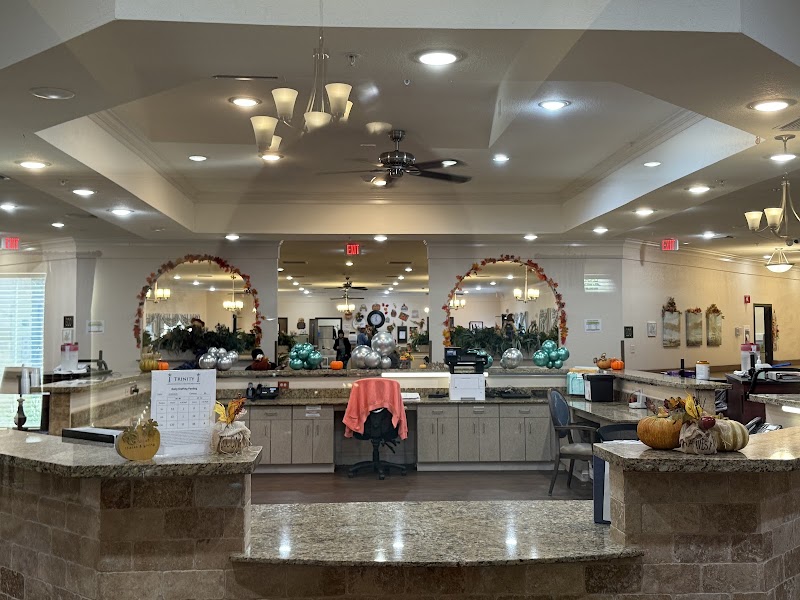
Who Owns and Operates Trinity Rehabilitation & Healthcare Center?

TRINITY REHABILITATION & HEALTHCARE CENTER is owned by a government entity. Government-operated facilities are typically run by state, county, or municipal agencies. The facility operates independently rather than as part of a larger chain. With 76 certified beds and approximately 62 residents (about 82% occupancy), it is a smaller facility located in TRINITY, Texas.
How Does Trinity Rehabilitation & Healthcare Center Compare to Other Texas Nursing Homes?

Compared to the 100 nursing homes in Texas, TRINITY REHABILITATION & HEALTHCARE CENTER's overall rating (2 stars) is below the state average of 2.8, staff turnover (68%) is significantly higher than the state average of 46%, and health inspection rating (1 stars) is much below the national benchmark.

What Should Families Ask When Visiting Trinity Rehabilitation & Healthcare Center?

Based on this facility's data, families visiting should ask: "What changes have been made since the serious inspection findings, and how are you preventing similar issues?" "How do you ensure continuity of care given staff turnover, and what is your staff retention strategy?" "Can you walk me through typical staffing levels on day, evening, and night shifts?" "Can I visit during a mealtime to observe dining assistance and food quality?" These questions are particularly relevant given the facility's Immediate Jeopardy citations, the facility's high staff turnover rate, and the below-average staffing rating.

Is Trinity Rehabilitation & Healthcare Center Safe?

Based on CMS inspection data, TRINITY REHABILITATION & HEALTHCARE CENTER has documented safety concerns. Inspectors have issued 3 Immediate Jeopardy citations (the most serious violation level indicating risk of serious injury or death). The facility has a 2-star overall rating and ranks #100 of 100 nursing homes in Texas. Families considering this facility should ask detailed questions about what corrective actions have been taken since these incidents.

Do Nurses at Trinity Rehabilitation & Healthcare Center Stick Around?

Staff turnover at TRINITY REHABILITATION & HEALTHCARE CENTER is high. At 68%, the facility is 21 percentage points above the Texas average of 46%. High turnover means new staff may not know residents' individual needs, medications, or preferences. It can also be disorienting for residents, especially those with dementia who rely on familiar faces. Families should ask: What is causing the turnover? What retention programs are in place? How do you ensure care continuity during staff transitions?

Was Trinity Rehabilitation & Healthcare Center Ever Fined?

TRINITY REHABILITATION & HEALTHCARE CENTER has been fined $168,714 across 1 penalty action. This is 4.9x the Texas average of $34,766. Fines at this level are uncommon and typically indicate a pattern of serious deficiencies, repeated violations, or failure to correct problems promptly. CMS reserves penalties of this magnitude for facilities that pose significant, documented risk to resident health or safety. Families should request specific documentation of what issues led to these fines and what systemic changes have been implemented.

Is Trinity Rehabilitation & Healthcare Center on Any Federal Watch List?

TRINITY REHABILITATION & HEALTHCARE CENTER is not on any federal watch list. The most significant is the Special Focus Facility (SFF) program, which identifies the bottom 1% of nursing homes nationally based on persistent, serious quality problems. Not being on this list means the facility has avoided the pattern of deficiencies that triggers enhanced federal oversight. This is a positive indicator, though families should still review the facility's inspection history directly.