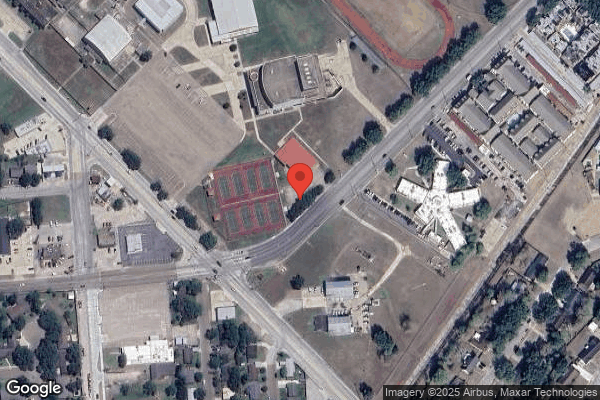
RIVERSIDE OAKS

3103 E AIRLINE DR, VICTORIA, TX 77901 (361) 575-6457
Government - Hospital district 108 Beds CANTEX CONTINUING CARE Data: November 2025
Trust Grade
80/100
#120 of 1168 in TX
Last Inspection: July 2024

Within standard 12-15 month inspection cycle. Federal law requires annual inspections.

Overview

Riverside Oaks has a Trust Grade of B+, which indicates it is above average and recommended for families seeking care. It ranks #120 out of 1168 nursing homes in Texas, placing it in the top half, and is ranked #1 out of 4 facilities in Victoria County, meaning it is the best local option. The facility is improving, with issues decreasing from 3 in 2024 to just 1 in 2025. However, staffing is a weakness with a rating of 2 out of 5 stars and a turnover rate of 33%, which is still below the Texas average of 50%. Notably, there have been concerns regarding infection control, such as staff not performing proper hand hygiene during catheter care, which could risk infections for residents needing such care. On a positive note, Riverside Oaks has not incurred any fines, indicating compliance with regulations, and boasts more RN coverage than 76% of Texas facilities, enhancing overall care quality.

Trust Score
B+
80/100
In Texas
#120/1168
Top 10%
Safety Record
Low Risk
No red flags
Inspections
Getting Better
3 → 1 violations
Staff Stability
○ Average
33% turnover. Near Texas's 48% average. Typical for the industry.
Penalties
✓ Good
No fines on record. Clean compliance history, better than most Texas facilities.
Skilled Nurses
⚠ Watch
Each resident gets only 27 minutes of Registered Nurse (RN) attention daily — below average for Texas. Fewer RN minutes means fewer trained eyes watching for problems.
Violations
⚠ Watch
22 deficiencies on record. Higher than average. Multiple issues found across inspections.
★★★★★
5.0
Overall Rating
★★☆☆☆
2.0
Staff Levels
★★★★★
5.0
Care Quality
★★★★☆
4.0
Inspection Score
Stable
2024: 3 issues
2025: 1 issues

The Good

  • 5-Star Quality Measures · Strong clinical quality outcomes
  • Full Sprinkler Coverage · Fire safety systems throughout facility
  • No fines on record
  • Staff turnover below average (33%)

    15 points below Texas average of 48%

Facility shows strength in quality measures, fire safety.

The Bad

Staff Turnover: 33%

13pts below Texas avg (46%)

Typical for the industry

Chain: CANTEX CONTINUING CARE

Part of a multi-facility chain

Ask about local staffing decisions and management

The Ugly 22 deficiencies on record

Apr 2025 1 deficiency
CONCERN (E) 📢 Someone Reported This

A family member, employee, or ombudsman was alarmed enough to file a formal complaint

Potential for Harm - no one hurt, but risky conditions existed

Infection Control (Tag F0880)

Could have caused harm · This affected multiple residents

**NOTE- TERMS IN BRACKETS HAVE BEEN EDITED TO PROTECT CONFIDENTIALITY** Based on observations, interviews, and record reviews, the facility failed to maintain an infection prevention and control progr...

Read full inspector narrative →
**NOTE- TERMS IN BRACKETS HAVE BEEN EDITED TO PROTECT CONFIDENTIALITY** Based on observations, interviews, and record reviews, the facility failed to maintain an infection prevention and control program designed to provide a safe, sanitary, and comfortable environment and to help prevent the development and transmission of communicable diseases and infections for 3 of 3 residents (Resident #1, Resident #4, and Resident #5) reviewed for infection control. 1. The facility failed to ensure CNA C performed Resident #1's catheter care according to facility policy and professional standards on 4/27/25. 2. The facility failed to ensure LVN E performed hand hygiene appropriately and donned PPE when providing catheter care to Resident #4 on 4/27/25. 3. The facility failed to ensure RN D performed hand hygiene appropriately when providing wound care to Resident #5 on 4/27/25. This deficient practice could affect all residents who require wound/catheter care placing them at risk for infection. Findings included: 1. Record review of Resident #1's admission Record, dated 4/25/25, revealed the resident was readmitted to the facility on [DATE] with diagnoses which included: Acute Pyelonephritis (bacterial infection in the kidney), Acute Kidney Failure (condition in which kidneys suddenly are unable to filter waste from blood) , and Benign Prostatic Hyperplasia (prostate gland enlargement that can cause difficulty with urination). Record review of Resident #1's Order Summary, dated 4/25/25, revealed an order for Foley catheter care every shift, dated 3/23/25. Observation of catheter care for Resident #1's indwelling urinary catheter, on 4/27/25 beginning at 10:12 am, revealed CNA C performed catheter care for Resident #1. Further observation revealed CNA C held the indwelling catheter at the meatus (opening leading inside the body) and wiped the catheter four times from the point of insertion with outward strokes, away from the meatus. Further observation revealed CNA C did not clean Resident #1's genitals, perineum, or meatus. During an interview on 4/27/25 at 11:32 am, CNA C said peri-care included catheter care and thought that catheter care only included the catheter. CNA C said not cleaning the resident's genitals could negatively affect the resident because if the glans (tip of the penis in males or clitoris in females) was not cleaned the resident could get an infection, start stinking, or sometimes feces could get on the genitals. 2. Record review of Resident #4's admission Record, dated 4/27/25, revealed the resident was admitted to the facility on [DATE] with diagnoses which included: Obstructive and Reflux Uropathy (obstruction in the urinary tract and backflow of urine into the bladder). Record review of Resident #4's Order Summary, dated 4/27/25, revealed orders for: Enhanced Barrier Precautions every shift. Follow Facility Policy - **USE for patients with any of the following .indwelling medical devices, regardless or MDRO colonization status Infection or colonization with an MDRO**, dated 3/23/25; Suprapubic Catheter Care every shift, dated 3/23/25. Observation of catheter care for Resident #4's suprapubic catheter, on 4/27/25 beginning at 9:19 am, revealed LVN E washed her hands for 10 seconds when she entered Resident #4's room. Further observation revealed LVN E exited Resident #4's room to retrieve a bedside table, and when LVN E returned to the resident's room she washed her hands for 8 seconds. Further observation revealed LVN E performed catheter care for Resident #4 without donning a gown. Once the procedure was completed LVN E removed her gloves and washed her hands for 9 seconds, donned clean gloves, and applied a clean dressing to Resident #4's catheter insertion site. During an interview on 4/27/25 at 10:52 am, LVN E said when she washed her hands during Resident #4's catheter care, she thought she washed her hands for at least 20 seconds each time, adding she was counting and thought she counted to twenty. LVN E further stated she sometimes counted 1 and 2 and or just lathered for a good while. LVN E said she was expected to wash her hands for 20-30 seconds. LVN E further stated it was important to perform hand hygiene as recommended to stop from spreading germs or contamination. LVN E said Resident #4 was on EBPs. LVN E further stated EBPs were required when providing care to residents with Foley catheters, suprapubic catheters, feeding tubes, and wounds. LVN E said she was supposed to wear a gown when she provided catheter care for Resident #4, but she forgot to put it on. LVN E said it was important to follow EBPs to prevent spread of germs and infections. 3. Record review of Resident #5's admission Record, dated 4/27/25, revealed the resident was admitted to the facility on [DATE] with diagnoses which included: Type 2 Diabetes, and Hypertension. Record review of Resident #5's Order Summary, dated 4/27/25, revealed an order for Wound Treatment - Triple Antibiotic Ointment / Dry Dressing one time a day Cleanse the Skin Lesion/(Biopsy site) to the Left Anterior Lower Leg with w/c, pat dry, apply a thin layer of Triple antibiotic Ointment and cover with a dry dressing ., dated 4/22/25. Observation of wound care to Resident #5's left lower leg biopsy site, on 4/27/25 beginning at 10:46 am, revealed RN D performed wound care to Resident #5's left lower leg. Further observation of RN D revealed she washed her hands for 9 seconds once the wound care to Resident #5's left lower leg was completed. During an interview on 4/27/25 at 11:09 am, RN D said to her knowledge, she washed her hands for at least 30 seconds, but did not know for sure. RN D said she was expected to wash her hands for 20-30 seconds. RN D further stated it was important to perform hand hygiene as recommended to make sure all the germs were adequately cleaned off. RN D said not performing hand hygiene as recommended could affect residents negatively because not doing so could cause cross contamination and residents were prone to infection. During interview on 4/27/25 at 12:37 pm, the DON said staff were expected to perform hand hygiene before and after providing care, when going from dirty to clean, and when hands were visibly soiled for 20 seconds. The DON said it was important to perform hand hygiene as recommended to avoid infections or cross contamination. The DON further stated she, the IP, and the nurse managers were responsible for ensuring staff washed their hands as recommended/per facility policy. The DON said it was important to perform hand hygiene as recommended because it could potentially cause infection otherwise. The DON said staff were expected to follow EBPs when performing high contact care, such as, ADLs, catheter care, IVs, feeding tubes, ostomy care, and wound care for draining wounds. The DON further stated staff were expected to wear glove and gown when providing care for resident on EBPs. The DON said it was important to follow EBPs because the residents were at risk for infection when they had open areas or any type of invasive lines. The DON further stated she, the IP, and the ADONs were responsible for ensuring staff followed EBPs. The DON said not following EBPs could increase the residents' risk for infection. The DON said the staff were expected to follow the skills competency check-off when performing catheter care. The DON further stated when staff performed catheter care staff just cleaned the catheter, adding peri-care and catheter care were different and catheter care only included cleaning the catheter. The DON said it was important to perform catheter care according to facility policy/procedure, so the catheter was kept clean, and the resident did not get an infection. The DON further stated she, the IP, and the ADONs were responsible for ensuring catheter care was completed per facility policy. During the interview, the DON said the IP was out of town. During the interview, the State Investigator asked for a copy of the skills check-off list for catheter care; the document was not submitted prior to exit. During an interview on 4/27/25 at 1:00 pm, the Administrator said the facility followed CDC guidelines for hand hygiene and so staff were expected to perform hand hygiene for at least 20 seconds. The Administrator further stated it was important for staff to wash their hands as recommended to prevent the spread of bacteria and germs to the residents and the staff. The Administrator said staff were expected to follow EBPs when providing care to residents that required EBPs, such as residents with open draining wounds or catheters. The Administrator further stated the staff were expected to wear gloves, a gown, and face shield or glasses if needed when providing care to residents on EBPs. The Administrator said it was important for staff t follow EBPS because it prevented the spread of infection and germs to the resident and staff. Record review of the facility's policy titled Catheter Care, Urinary, revised September 2014, revealed: .Steps in the Procedure .7. Wash the resident's genitalia and perineum thoroughly .16 .cleanse around the meatus. Cleanse the glans using circular strokes from the meatus outward .17 .cleanse and rinse the catheter from insertion site to approximately four inches outward . Record review of the facility's policy titled Enhanced Barrier Precautions dated August 2022, revealed: .1. Enhanced barrier precautions (EBPs) are used as an infection prevention and control intervention to reduce the spread of multi-drug resistant organisms (MDROs) to residents. 2. EBPs employ targeted gown and glove use during high contact resident care activities when contact precautions do not otherwise apply. a. Gloves and gown are applied prior to performing the high contact resident care activity .3. Examples of high-contact resident care activities requiring the use of gown and gloves for EBPs include .g. device care or use ( .urinary catheter .) Record review of the facility's guidance titled Hand Hygiene Guidance, undated, revealed: .Healthcare facilities should: Require healthcare personnel to perform hand hygiene in accordance with Centers for Disease Control and Prevention (CDC) recommendations . Record review of CDC webpage https://www.cdc.gov/clean-hands/about/index.html, titled Clean Hands, dated February 16, 2024, revealed: .How it works .2. Lather your hands by rubbing them together with the soap. Lather the backs of your hands, between your fingers, and under your nails. 3. Scrub your hands for at least 20 seconds .
Jul 2024 3 deficiencies
CONCERN (D) 📢 Someone Reported This

A family member, employee, or ombudsman was alarmed enough to file a formal complaint

Potential for Harm - no one hurt, but risky conditions existed

Deficiency F0761 (Tag F0761)

Could have caused harm · This affected 1 resident

**NOTE- TERMS IN BRACKETS HAVE BEEN EDITED TO PROTECT CONFIDENTIALITY** Based on observation, interview, and record review, the facility failed to ensure drugs and biologicals were secured properly fo...

Read full inspector narrative →
**NOTE- TERMS IN BRACKETS HAVE BEEN EDITED TO PROTECT CONFIDENTIALITY** Based on observation, interview, and record review, the facility failed to ensure drugs and biologicals were secured properly for 1 of 5 residents (Resident #30) reviewed for medication storage in that: The facility failed to ensure medications were not left on Resident #30's bedside table. This failure could place residents at risk for not receiving the intended therapeutic benefit of their medications as ordered. The findings were: Record review of Resident #30's face sheet, dated 7/9/24, revealed a [AGE] year-old male admitted to the facility on [DATE] with diagnose that included unspecified Dementia (loss of memory, language, problem-solving, and other thinking abilities that are severe enough to interfere with daily life), Chronic Kidney Disease ( medical term for the gradual loss of kidney function over three months), and Hypertension (is when the force of blood pushing against your artery walls is consistently too high). Record review of Resident#30's Quarterly MDS Assessment, dated 5/26/24, revealed a BIMS score of 99, which indicated resident was unable to complete the interview. Record review of Resident #30's Patient medication summary for July 2024 did not reveal an order to self-administer medications. Record review of Resident #30's care plan, dated 7/9/24, revealed [Resident's Name] self-administers medications at bedside Saline nasal spray. Observation on 7/9/24 at 10:10 a.m. revealed there was an over-the-counter pain relieving cream tube on Resident #30's bedside table. In an interview with Resident #30 on 7/9/24 at 10:30 a.m., the resident stated his family brings him any over-the-counter medications he may need as he did not like to bother the staff. During an interview with the DON on 07/09/24 at 1:10 p.m., the DON stated Resident #30 should only have a nasal spray at the bedside and not an over-the-counter pain-relieving cream. The DON stated a self-medication assessment had been conducted only for the nasal spray. The DON also stated Resident #30 might self-administer more medication than was ordered by the physician. The DON stated she currently had the ADON monitoring medications at the bedside weekly, and she oversaw this task monthly. Record review of the facility's policy titled, Self-administer medications, dated June 14, 2006, revealed, All medications for self-administration must be secured, patients' room in safe area.
CONCERN (D) 📢 Someone Reported This

A family member, employee, or ombudsman was alarmed enough to file a formal complaint

Potential for Harm - no one hurt, but risky conditions existed

Deficiency F0807 (Tag F0807)

Could have caused harm · This affected 1 resident

**NOTE- TERMS IN BRACKETS HAVE BEEN EDITED TO PROTECT CONFIDENTIALITY** Based on observation, interview, and record review, the facility failed to provide drinks, including water and other liquids con...

Read full inspector narrative →
**NOTE- TERMS IN BRACKETS HAVE BEEN EDITED TO PROTECT CONFIDENTIALITY** Based on observation, interview, and record review, the facility failed to provide drinks, including water and other liquids consistent with resident needs and preferences and sufficient to maintain resident hydration for 1 of 24 residents (Resident #4) reviewed for dietary services, in that: The facility failed to provide Resident #4 with milk at every meal which was noted on the resident's meal ticked and preference sheet, dated 10/30/2023 and signed by the NS, on 07/09/2024 at 1:15 PM which was lunchtime. This deficient practice could affect residents who have dietary preferences and result in weight loss or diminished quality of life. The findings included: Record review of Resident #4's electronic face sheet, dated 07/11/2024, reflected she was admitted to the facility on [DATE] with diagnoses that included: dementia (impaired ability to remember, think, or make decisions that interferes with doing everyday activities), intellectual disabilities (a chronic neurodevelopmental disorder that can affect a person's intellectual and adaptive functioning), major depressive disorder (a mental illness that can cause a persistent low mood, low self-esteem, and loss of interest in activities for at least two weeks), and disorder of bone density and structure (bone mineral density and mass decrease). Record review of Resident #4's quarterly MDS assessment, dated 05/26/2024, reflected the resident had scored an 11 out of 15 on her BIMS, which signified the resident was moderately cognitively intact. Further review revealed it was indicated the resident could understand and be understood, the resident required set-up or clean up assistance with meals, and the resident was not on a mechanically altered or therapeutic diet. Record review of Resident #4's comprehensive person-centered care plan (undated) reflected the resident was on a regular diet and preferred milk with each meal. Record review of Resident #4's Physician Orders dated 07/11/2024 reflected the resident was prescribed a regular diet. Record review of Resident #4's Diet History/Food Preference List dated 10/30/2023 reflected C, Current Beverage Preferences milk was checked off to be her preferred beverage with each meal, breakfast, lunch, and dinner. Observation on 07/09/2024 at 1:15 PM of Resident #4 in her room at lunchtime revealed the resident had her tray and there was no milk. Record review on 07/09/2024 at 1:15 PM of Resident #4's meal ticket revealed milk with each meal. During an interview with Resident #4 on 07/09/2024 at 1:16 PM, the resident stated she liked milk with each meal and the staff never brought it. When asked if she had informed the staff she shrugged her shoulders and shook her head. During an interview with the NS on 07/10/2024 at 10:22 AM, the NS stated he was the one who had assessed Resident #4 for her preferences and the milk should have been on her tray. The NS stated it was missed either by the nurse checking the tray or dietary staff, and further stated a resident's preference was important because it improved quality of life and would make the resident feel more at home. During an interview with the RD on 07/11/2024 at 1:28 PM, the RD stated the protocol for food preferences was the NS meets the resident and talks about their preference, and it they want the item each day. The RD stated it was noted on Resident #4's meal ticket that she was supposed to receive milk with every meal, and when the dietary staff and nurses were asked about why Resident #4 did not get milk, they did not know. The RD stated a resident's food preferences were important to assist in limiting weight loss and for the overall well-being of the resident. Record review of the Nutrition Services Policy & Procedure Manual, revised 10/2019, revealed, Food preferences will be honored as reasonable.
CONCERN (E) 📢 Someone Reported This

A family member, employee, or ombudsman was alarmed enough to file a formal complaint

Potential for Harm - no one hurt, but risky conditions existed

Food Safety (Tag F0812)

Could have caused harm · This affected multiple residents

Based on observation, interview, and record review, the facility failed to store, prepare, and serve food in accordance with professional standards for food service safety for 4 of 4 plates with 2 of ...

Read full inspector narrative →
Based on observation, interview, and record review, the facility failed to store, prepare, and serve food in accordance with professional standards for food service safety for 4 of 4 plates with 2 of 3 staff. 1. DA A placed food on the plates-meat, baked potato, and carrots. While DA A fixed the plates, DA A left the work station several times, doffed (removed) his gloves and donned (put on) new gloves without performing hand hygiene. 2. DA B placed condiments, a roll, a carton of milk, and a cup of ice tea on the tray used a plate cover then placed on the cart to serve to the residents in the dining room. DA B left the work station once and doffed his gloves and donned clean gloves without using hand sanitizer or washing his hands. This deficient practice could effect residents that receive food from the kitchen and place them at risk for contamination of food. The findings included: 1. Observation on 07/10/24 at 11:46 AM revealed DA A left the work station four times where he served food on the plates, returned and doffed his gloves and donned a new pair of gloves without washing his hands or using hand sanitizer. During an interview with DA A on 07/10/24 at 11:46 AM, at the same time as the observation, DA A stated he knew to wash his hands when he changed gloves, but he was in a rush to get the plates served to the residents because of time. 2. Observation on 07/10/24 at 11:55 AM revealed DA B left his work station once and returned, doffed his gloves and donned a new pair of gloves without washing his hands or using hand sanitizer. During an interview with DA B on 07/10/24 at 11:55 AM, at the same time as the observation, DA B stated he did not think he needed to wash his hands since he was using gloves. During an interview with the NS on 07/10/24 at 11:46 AM, the NS stated that as long as he had been a cook, he was taught to use gloves during serving plates from set up to delivery. The NS stated he was not aware they needed to use hand sanitizer if they did not wash their hands before they put on new gloves. During an interview with the RD on 7/11/2024 at 2:20 PM, the RD stated if the staff were to wear gloves, they should either wash or sanitize their hands before donning clean gloves. The RD stated there was no policy on wearing gloves for dietary services. Record review of the facility's policy titled, Use of Plastic Gloves, dated 11/3/2004, revealed, Plastic gloves will be worn when handling food directly with hands to ensure that bacteria is not transferred from the food handlers' hands to the food product being served. Procedure: 1. Hands are to be washed before putting on gloves.
May 2023 3 deficiencies
CONCERN (E)

Potential for Harm - no one hurt, but risky conditions existed

Food Safety (Tag F0812)

Could have caused harm · This affected multiple residents

Based on observation, interview, and record review, the facility failed to store, prepare, distribute, and serve food in accordance with professional standards for food service safety for 1 of 1 kitch...

Read full inspector narrative →
Based on observation, interview, and record review, the facility failed to store, prepare, distribute, and serve food in accordance with professional standards for food service safety for 1 of 1 kitchen, in that: The facility failed to ensure in the kitchen that three (3) ceiling vents in front of the Dietary Manager's office, six (6) ceiling panels in the dishroom, and four (4) ceiling panels in front of the refrigerators were clean and free of dirt and grease. This failure could place residents who received meals and snacks from the kitchen at risk for food borne illness. The findings included: Observation on 05/16/23 from 10:20 a.m to 11:05a.m., in the kitchen with the Dietary Manager revealed: 1- 3 ceiling vents measuring approximately 2x2 feet in front of entrance to the food service director's office were were dirty with dust particles accumulated in the vent spaces. 2-four(4) ceiling vents in the dish room measuring approximately 1x1.5 feet that were dirty witth grease accumulation and two (2) ceiling panels measuring approximately 2x2 feet above the dishmachine tray line appeared to have signs of water demarcation. 3- 4 ceiling panels measuring approximatly 2 x 2 feet in front of the refrigerators located above a food preparation table which were dirty with dirt particles covering the surface area. Interview with the Dietary Manager on 05/16/23 at 11:10 a.m., stated that a previous work order for cleaning of the vents and replacement of the ceiling panels had been given to the Maintenance Director. The Food Service Director stated that dirt and from the ceiling vents and panels could fall onto the prepared food. Interview with the Administrator on 05/16/23 at 11:15 a.m., stated that dirt and grease in the ceiling vents and on the ceiling panels could negatively affect the food preparation process. Record review of facility policy Sanitation of the Dietary Department in the Dietary Policy and Procedures manual dated 11/3/04 stated that the dietary staff shall maintain the sanitation of the Dietary Department through a comprehensive cleaning schedule.
CONCERN (E)

Potential for Harm - no one hurt, but risky conditions existed

Deficiency F0925 (Tag F0925)

Could have caused harm · This affected multiple residents

**NOTE- TERMS IN BRACKETS HAVE BEEN EDITED TO PROTECT CONFIDENTIALITY** Based on observations, interviews, and record reviews, the facility failed to maintain an effective pest control program for 2 o...

Read full inspector narrative →
**NOTE- TERMS IN BRACKETS HAVE BEEN EDITED TO PROTECT CONFIDENTIALITY** Based on observations, interviews, and record reviews, the facility failed to maintain an effective pest control program for 2 of 18 rooms on the hall (A) and 1 and 1 kitchen reviewed for pests, in that: The facility failed to ensure the pest control program was thoroughly working in all areas of the facility. 1. Resident #13 had multiple flies on her blankets and one fly on her face. 2. Flying insects were observed in the kitchen. 3. Room A 16 A bed had a 2 inches roach crawling on her wall. This failure could affect residents by increasing their risk of exposure to pests, vector-borne diseases, and infections. The findings were: 1.Record review of Resident #13's face sheet, dated 05/16/2023, revealed a [AGE] year-old female admitted on [DATE] with diagnoses that included: [COPD] a chronic inflammatory lung disease that causes obstructed airflow from the lungs, [Orthostatic hypotension] a condition in which your blood pressure quickly drops when you stand up after sitting or lying down and [Overactive bladder syndrome ] combination of symptoms that may cause you to urinate more frequently and have uncontrollable urges to pee. Record review of Resident # 13 quarterly MDS, dated [DATE], revealed a BIMS score of 15, which suggests the patient is cognitively intact. During an observation and interview on 05/16/2023 at 10:39 a.m., Resident #13 was observed lying in bed. There were multiple flies on her blankets and one fly on her face. When asked if the flies bothered her, (Resident #13), stated, Yes they bother me, they are here sometimes, and I don't know why , I place all my food in my refrigerator and store any food in containers with a lid . During an interview on 05/16/2023 at 10:15 a.m. with DON she was asked if residents' rooms were checked for hoarding and unnecessary food items removed. She stated, CNAs and nurses check rooms each shift, and unnecessary items are removed if residents allow us to. 2. Observation on 05/16/23 at 10:45 a.m revealed the presence of flying knats in the kitchen's dry storage room above the storage bins holding flour, rice, and sugar. Observation on 5/17/23 at 11:30 a.m. revealed the presence of flying knats in the kitchen's dry storage room above the storage bins holding flour, rice, and sugar. During an interview on 05/16/23 at 11:10a.m., with the Dietary Manager stated having the presence of knats in the kitchen could affect the overall sanitation of the kitchen. During an interview on 05/16/23 at 11:15a.m., with the Administrator stated that having the presence of knats in the kitchen could affect the overall sanitation of the food preparation process. Record review of the Dietary Policy and Procedure Manual for Sanitation and Infection Control dated November 2004 stated that if pests are seen in the kitchen the contractor is notified for pest control. 3. Record review of Resident in Room A 13 A bed's face sheet dated 5/18/2023 revealed she was admitted to the facility on [DATE]. Record review of Resident in Room A 13 A bed's Quarterly MDS dated [DATE] revealed Section C -Cognition Patterns, a BIMS score was 15/15 indicating the resident was (cognitively intact). Observation on 5/16/2023 at 2:14 p.m. revealed Resident in Room A 13 A bed's room had a 2-inch roach crawling on the wall during the initial rounds tour. During an interview on 5/16/2023 at 2:15 p.m. Resident in Room A 13 A bed stated there were roaches, all over and crawl on floor, walls and her bed. Resident in Room A 13 A bed's stated, There is a roach behind you on the wall . Resident in Room A 13 A bed stated this had been an issue for a while and had reaches crawl on her bed. During an interview on 05/17/2023 at 3:09 p.m. during a group meeting with 8 residents stated they did see roaches and gnats in their rooms and had seen pest control spray. During an interview 05/19/23 at 8:43 a.m. the surveyor informed the Administrator about the roach observed in Resident in Room A 13 A bed's room. The Administrator did not provide any comments and shook his head, up and down. During an interview on 05/16/23 at 11:10 a.m., with the Administrator stated that the presence of flying insects in the facility could affect the overall sanitation of the food preparation process and could negatively affect residents by spreading diseases throughout the building. During an interview on 05/17/2023 at 11:23 a.m., the administrator said his maintenance director was responsible for monitoring pests in the facility and notifying pest control, however since his maintenance director was on vacation, he was the backup. The administrator stated that pest control comes out monthly and as needed. The administrator stated that pest control serviced, his facility, at the beginning of this month, and they treated it with a fly program . The administrator stated Flies are an ongoing problem here when it rains. Record review of the pest control log revealed that pest control comes out monthly, with the last service being on 5/8/2023. Further review revealed that flies were not written as a concern. Record review of the facility contract with ( commercial pest control company ) , dated 1/5/23 revealed they are contracted for pest control services. Record review of an invoice for pest control services with ( commercial pest control company) dated 5/8/23 revealed the facility was treated with gel [NAME], for multiple insects . Record Review of facility policy Pest Control, 2001, revised May 2008, revealed that Facility maintains an ongoing pest control program to ensure that the building is kept free of insects and rodents.
MINOR (B)

Minor Issue - procedural, no safety impact

Deficiency F0912 (Tag F0912)

Minor procedural issue · This affected multiple residents

Based on observation and record review, the facility failed to provide the required 80 square foot per resident in 3 of 54 resident rooms (Rooms A2, A3, A4) reviewed for bedroom measurements, in that:...

Read full inspector narrative →
Based on observation and record review, the facility failed to provide the required 80 square foot per resident in 3 of 54 resident rooms (Rooms A2, A3, A4) reviewed for bedroom measurements, in that: Based on measured rooms, A2, A3, A4 rooms were approximately between 77.75 and 78.5 sq. ft per resident. This failure could impede the ability of residents living in these rooms to attain their highest practicable well-being. The findings were: Offsite facility reviews on 05/15/2023 revealed an existing room size waiver from recertification survey, exit date 03/18/2022 which indicated room A2, A3 and A4 met the conditions of a room size waiver. Observation on 05/17/2023 at 3:30 p.m., revealed the square footage for rooms A2, A3, and A4 (which were licensed for 4 beds) was calculated to be between 311 and 314 square foot resulting between 77.75 and 78.5 square feet per resident. During an interview on 05/16/2023 at 11:15 a.m., the Administrator confirmed he wanted to continue the room waiver. Due to the ongoing remodel of the facility, the Administrator revealed there was still discussion to decide if room A2, A3 and A4 would still be used as 4 beds rooms or not. *
Nov 2022 1 deficiency
CONCERN (E) 📢 Someone Reported This

A family member, employee, or ombudsman was alarmed enough to file a formal complaint

Potential for Harm - no one hurt, but risky conditions existed

Infection Control (Tag F0880)

Could have caused harm · This affected multiple residents

**NOTE- TERMS IN BRACKETS HAVE BEEN EDITED TO PROTECT CONFIDENTIALITY** Based on observation, interview, and record review, the facility failed to maintain an Infection prevention and control program ...

Read full inspector narrative →
**NOTE- TERMS IN BRACKETS HAVE BEEN EDITED TO PROTECT CONFIDENTIALITY** Based on observation, interview, and record review, the facility failed to maintain an Infection prevention and control program designed to provide a safe, sanitary and comfortable environment and to help prevent the development and transmission of communicable disease and infection for 1 of 3 residents (Resident #6) and, one of one dining room reviewed for infection control, in that: 1. While providing incontinent care for Resident #6, CNA A did not wash her hands before touching the resident and after touching a trash can with her bare hands. 2. CNA B and CNA C did not perform hand hygiene while assisting residents during the lunchtime meal. These deficient practices could place residents at-risk for infection due to improper care practices. The findings include: 1. Record review of Resident #6's face sheet, dated 11/04/2022, revealed an admission date of 08/26/2022, with diagnoses which included: Enterocolitis (inflammation of the digestive tract),Dysphagia (difficulty swallowing), Urinary tract infection, Chronic kidney disease(gradual loss of kidney function), Type 2 diabetes mellitus(deficient production of insulin causing high blood sugar), Vascular dementia (problems with reasoning, planning, judgment, memory and other thought processes caused by brain damage from impaired blood flow to the brain), Major depressive disorder(persistent feeling of sadness and loss of interest), Hypothyroidism (decrease production of thyroid hormone), Hypertension (High blood pressure). Record review of Resident #6's quarterly MDS, dated [DATE], revealed the resident had a BIMS score of 6, which indicated severe cognitive impairment, required extensive assistance of one to two person for most ADL, and was indicated to always be incontinent of bowel and bladder. Record review of Resident #6's care plan with an effective date of 10/06/2022, revealed a care plan with a goal of Incontinence will be managed by staff without evidence of skin break down over the next 90 days. and interventions of Apply moisture barrier to buttocks, check for incontinence, clean and dry skin if wet or soiled, document when [NAME] is incontinent, perform complete assessment of skin,.note areas of redness. Observation on 11/04/2022 at 12:16 p.m. revealed while providing incontinent care for Resident # 6, CNA A touched the trash can with her bare hands and moved it. CNA did not wash or sanitize her hands before donning her gloves and touched Resident #6's skin. During an interview with CNA A on 11/04/2022 at 12:30 p.m., CNA A verbally confirmed she had touched the trash can and donned her gloves without washing or sanitizing her hands. She verbally confirmed the staff was receiving infection control training regularly. She sated touching the trash can and not washing her hands before touching the resident was placing the resident at risk for infection. During an interview with the DON on 11/04/2022 at 12:45 p.m., the DON verbally confirmed the CNA should have washed her hands prior to don her gloves after touching the trash can. She verbally confirmed it was a risk for cross contamination and could be a cause of infection for the resident. She verbally confirmed the staff had received infection control training and hand washing training. Review of CNA A's Handwashing skills checklist , dated 10/08/2022, revealed CNA A received competency for handwashing. 2. Observation of the lunch meal on 11/03/2022 from 12:32 p.m. to 12:40 p.m. revealed both CNA B and CNA C entered the dining room from the main hall and did not stop to perform hand hygiene. Further observation revealed CNA B sat down at one of the dining room tables and picked up an unidentified resident's spoon, handed it to her and then assisted the resident hand over hand with her meal. CNA C walked over to a different table and assisted an unidentified resident to remove his soiled smock (clothes protector). CNA C then walked to the next table and assisted a different resident with a divided plate. Further observation revealed the CNA C picked up the resident's spoon and filled it with food and the resident then picked it up to eat. CNA C walked to a 3rd table to assist a resident. CNA C first pushed a plate of food across the table out of the resident's reach. The plate belonged to another resident who had previously exited the dining room. CNA C then picked up the resident's fork, picked up empty sugar and salt packets from the table, placed them on the dirty plate that had been pushed across the table and then handed the fork and a cup of apples to the resident. At no time did CNA B or CNA C perform hand hygiene by using hand sanitizer or hand washing while assisting residents during the lunchtime meal. During an interview with CNA B and CNA C on 11/03/2022 at 12:40 p.m., CNA B revealed she should have sanitized her hands when she entered the dining room before she started to assist the resident. She stated, I always do, but I guess I got nervous and rushed because you are here. CNA C stated, I usually carry a little bottle of hand sanitizer in my pocket so I can sanitize between residents, but I went out to my car, and I just emptied my pockets and forgot to bring it back. During an interview with the DON on 11/03/2022 at 12:45 p.m., the DON confirmed staff should be sanitizing their hands prior to assisting residents with meals and between assisting multiple residents. Record review of CDC's, Hand Hygiene in Healthcare Settings, (www.cdc.gov/handhygiene/providers/index.html) last reviewed 11/04/2022, revealed, Clean Hands Count for Healthcare Providers . Protect yourself and your patients from potentially deadly germs by cleaning your hands. Be sure you clean your hands the right way at the right times . When and How to Perform Hand Hygiene . Use an Alcohol-Based Hand Sanitizer: Immediately before touching a patient, after touching a patient or the patient's immediate environment. Review of facility's policy, titled Handwashing/Hand hygiene, dated August 2019, revealed 7. Use an alcohol-based hand rub containing at least 62% alcohol [ .] l. after contact with objects in the immediate vicinity of the resident.
Mar 2022 14 deficiencies
CONCERN (D)

Potential for Harm - no one hurt, but risky conditions existed

Deficiency F0561 (Tag F0561)

Could have caused harm · This affected 1 resident

**NOTE- TERMS IN BRACKETS HAVE BEEN EDITED TO PROTECT CONFIDENTIALITY** Based on observation and interview, the facility failed to promote and facilitate resident self-determination through support of...

Read full inspector narrative →
**NOTE- TERMS IN BRACKETS HAVE BEEN EDITED TO PROTECT CONFIDENTIALITY** Based on observation and interview, the facility failed to promote and facilitate resident self-determination through support of resident choice for 1 of 14 residents (Resident #13) reviewed for bathing preferences, in that: The facility denied Resident #13's request to take morning showers. This failure could affect residents at risk of not being able to make choices about aspects of his or her life in the facility that were significant to the resident. Findings include: Record review of Resident #13's face sheet, dated 3/17/22, revealed an admission date of 12/24/20 with diagnoses that included gout, hyperlipidemia (high cholesterol), vitamin deficiency, hypertension (high blood pressure), edema (swelling), pain, muscle weakness, kidney disease, and chronic obstructive pulmonary disease. Record review of Resident #13's most recent Annual MDS, dated [DATE], revealed the resident was cognitively intact for daily decision-making skills and required one-person physical assist with bathing. During an interview on 3/16/22 at 8:35 a.m., Resident #13 stated she had lived in the facility for over a year and had been receiving morning showers. Resident #13 stated the shower schedule had changed recently, could not determine how long ago, and stated the even numbered rooms on the A Hall, where she resided, were scheduled for evening showers and the residents on the odd numbered side of the A Hall were scheduled for morning showers. Resident #13 stated she had complained to facility staff about the change and was told by, a CNA, that the DON had made the changes to the shower schedules and Resident #13 could not change back to the morning shower schedule per the DON. Resident #13 stated she had not talked to the DON about the shower schedule but had voiced her complaint to the Administrator. Resident #13 stated the administrator told her he, could not do anything about it, only the DON. Resident #13 stated, a CNA, told her, if you want to get morning showers I would have to move to the other side of the hall and I don't want to move to the other side of the hall, I've been in this room for about 6 months, and I don't want to move. During an interview on 3/17/22 at 9:40 a.m., CNA G stated the shower schedule on the A Hall had recently changed, 2 to 3 weeks ago, by the DON. CNA G stated the resident on the even numbered rooms of the A Hall were scheduled to shower in the evenings and the residents on the odd numbered rooms of the A Hall were scheduled to shower in the morning. CNA G stated Resident #13 had complained about the shower schedule change and stated Resident #13 liked to taker her showers in the morning. CNA G stated she told Resident #13, I'm sorry, but if you want to change your shower schedule to mornings you would have to talk to the DON. CNA G stated there was no shortage of staff, so the change was not made for that reason. CNA G stated she did not know why the shower schedule was changed. During an interview on 3/17/22 at 4:03 p.m., CNA F stated the shower schedule on the A hall had recently changed. CNA F stated residents on the even numbered side of the A hall were scheduled to shower in the evenings and the residents on the odd numbered rooms of the A hall were scheduled to shower in the morning. CNA F stated, I don't know who really changed the schedule, but I know the DON had a say so about it. Don't exactly know what went down with that. CNA F stated he had heard Resident #13 had complained about the shower schedule change, but the resident had not complained to him and only heard it through the grape vine. CNA F stated he was aware Resident #13 preferred to take a shower in the mornings and the resident had a right to choose when they wanted to take a shower. During an interview on 3/17/22 at 5:24 p.m., CNA E stated the shower schedule on the A hall had recently changed the beginning of March 2022. CNA E stated residents on the even numbered side of the A Hall were scheduled to shower in the evenings and the residents on the odd numbered rooms of the A hall were scheduled to shower in the morning. CNA E stated the shower schedule was changed because, there were complaints by residents about not getting baths and the staff were telling the nurses residents were refusing. It got that one resident was refusing so much that they had to change it. CNA E stated Resident #13 complained about showering in the evening and told CNA E, I'm not a night shower, I'm a morning shower. CNA E stated she told Resident #13 she could not change her shower time without the DON. CNA E stated she believed Resident #13 had a right to choose when she wanted to take her shower. During an interview on 3/17/22 at 6:17 p.m., the DON stated the shower schedule was changed on the A hall recently due to staff not keeping up with showers. The DON stated she heard about, a resident, complaint about the shower schedule change the day after during the morning meeting. The DON stated she had not personally heard from any of the residents complain about the shower schedule change. The DON stated the shower schedule change was not due to staff shortages but, it was easier to keep up for the staff and the nurses to know who would need to be showered. We obviously can't do 100% showers in the morning. The DON stated it was the resident's right to shower whenever they wanted to. During an interview on 3/17/22 at 6:59 p.m., the Administrator stated Resident #13 had complained to him about the recent shower schedule change and stated Resident #13 had been getting showers in the morning. The Administrator stated, I'm all about resident rights, but if all 40 residents wanted to have a shower in the morning it would be difficult to do it. Record review of the facility's policy, Statement of Patient's Rights, undated, revealed in part, .The resident has a right to a dignified existence, self-determination, and communication with and access to persons and services inside and outside the facility, including those specified in this section .(e) Respect and dignity. The resident has a right to be treated with respect and dignity, including: (3) The right to reside and receive services in the facility with reasonable accommodation of resident needs and preferences except when to do so would endanger the health or safety of the resident or other residents .(f) Self-determination. The resident has the right to and the facility must promote and facilitate resident self-determination through support of resident choice .
CONCERN (D)

Potential for Harm - no one hurt, but risky conditions existed

Assessment Accuracy (Tag F0641)

Could have caused harm · This affected 1 resident

Based on interview and record review, the facility failed to ensure the comprehensive assessment accurately reflected the resident's status for 1 of 5 residents (Resident #20) whose assessments were r...

Read full inspector narrative →
Based on interview and record review, the facility failed to ensure the comprehensive assessment accurately reflected the resident's status for 1 of 5 residents (Resident #20) whose assessments were reviewed in that: Resident #20's most recent annual MDS assessment did not accurately reflect the resident was PASRR (Pre-admission Screening and Resident Review) positive. This failure could place residents at risk for not receiving the appropriate care and services. The findings included: Record review of Resident #20's face sheet, dated 3/18/22 revealed an admission date of 2/13/17 with diagnoses that included osteoporosis, cardiac arrhythmia, hypertension (high blood pressure), Marfan's syndrome (inherited condition characterized by skeletal changes) and lack of coordination. Record review of Resident #20's PASRR Level 1, completed on 4/1/18 revealed the Resident was triggered for Developmental Disability. Record review of Resident #20's PASRR Comprehensive Service Plan Form, dated 1/12/22 revealed the resident was PASRR positive for IDD (Intellectual and Developmental Disabilities.) Record review of Resident #20's most recent comprehensive MDS assessment, dated 9/26/21, under Section A1510, Level 2 PASRR conditions revealed the section was left blank and the resident was not identified as PASRR positive. During an interview on 3/17/22 at 6:02 p.m., the DON confirmed Resident #20 was identified as PASRR positive due to IDD status and the comprehensive MDS assessment did not reflect the resident's PASRR status. The DON stated she was not sure who exactly was responsible for that section of the comprehensive MDS assessment and further stated the facility just hired a new MDS coordinator but would not be starting until 3/21/22. The DON stated, it was just a data entry error and Resident #20 was receiving services. Record review of the facility's policy, Comprehensive Assessments and the Care Delivery Process, revision date 12/2016, revealed in part, .Comprehensive assessments will be conducted to assist in developing person-centered care plans .1. Comprehensive assessments, care planning and the care delivery process involve collecting and analyzing information, choosing and initiating interventions, and then monitoring results and adjusting interventions .2. Assessment and information collection includes .a. Assess the individual. (1) Gather relevant information from multiple sources, including .c) symptom or condition-related assessments .f) consultant report .h) evaluations from other disciplines .
CONCERN (D)

Potential for Harm - no one hurt, but risky conditions existed

Deficiency F0655 (Tag F0655)

Could have caused harm · This affected 1 resident

Based on record review and interview, the facility failed to develop and implement a baseline care plan for each resident that includes the instructions needed to provide effective and person-centered...

Read full inspector narrative →
Based on record review and interview, the facility failed to develop and implement a baseline care plan for each resident that includes the instructions needed to provide effective and person-centered care of the resident that meet professional standards of quality care for 1 of 1 resident (Resident # 101) reviewed for baseline care plans. The facility did not develop a baseline care plan within 48 hours of Resident #101's admission. This deficient practice could affect newly admitted residents and could result in residents not receiving the necessary care and services needed. The findings were: Record review of Resident #101's face sheet, dated 3/17/22 revealed an admission date of 3/10/22 with diagnoses that included pressure ulcer of right hip stage 4 (a deep wound that reaches the muscles, ligaments or bone), chronic kidney disease stage 3 (mild to moderate kidney damage), diabetes, abnormalities of gait and mobility, hypertension (high blood pressure), hyperlipidemia (high cholesterol) and dementia. Record review of Resident #101's baseline care plan revealed a completion date of 3/16/22. During an interview on 3/17/22 at 5:47 p.m., the DON stated Resident #101's baseline care plan should have been completed within 24 to 48 hours from admission. The DON confirmed the baseline care plan for Resident #101 showed it was 6 days late. The DON stated the facility had recently converted to electronic records starting 12/31/21 and could not determine if the baseline care plan was initiated at the time of admission. The DON stated the admitting nurse was responsible for the baseline care plan. Record review of the facility's policy, Care Plans - Baseline, revision date 12/2016, revealed in part, .A baseline plan of care to meet the resident's immediate needs shall be developed for each resident withing forty-eight (48) hours of admission .1. To assure that the resident's immediate care needs are met and maintained, a baseline care plan will be developed within forty-eight (48) hours of the resident's admission .
CONCERN (D)

Potential for Harm - no one hurt, but risky conditions existed

Comprehensive Care Plan (Tag F0656)

Could have caused harm · This affected 1 resident

**NOTE- TERMS IN BRACKETS HAVE BEEN EDITED TO PROTECT CONFIDENTIALITY** Based on observation, interview, and record reviews, the facility failed to develop and implement comprehensive care plans that ...

Read full inspector narrative →
**NOTE- TERMS IN BRACKETS HAVE BEEN EDITED TO PROTECT CONFIDENTIALITY** Based on observation, interview, and record reviews, the facility failed to develop and implement comprehensive care plans that include measurable objectives and timeframes to meet a resident's medical, nursing, mental and psychosocial needs. Resident #48's care plan listed resident as incontinent, when resident was actually continent. This failure could place the resident at risk of not receiving the care and services to meet their needs. Findings include: Record review of Residents # 48 face sheet, dated 03/17/2021, revealed resident was admitted on [DATE] with a diagnosis that included: acute bronchitis (contigious viral infection that causes inflamation of the bronchial tubes), hypertension (a condition in which the force of the blood against the artery walls is too high), anxiety disorder, and cough unspecified. Record review of Residents # 48 admission MDS, dated [DATE], revealed resident had a BIMS score of 99, which indicated resident was unable to complete the interview. Further review revealed resident was total dependent for toileting. Record review of Resident #48's Care Plan, dated 2/17/22, which read Urinary Continence: [Resident] is always incontinent. Further review revealed resident's care plan had not addressed care related to the leg strap. During an observation and interview on 03/17/22at 2:00 p.m., the DON stated Resident #48 was continent because they had a catheter. The DON further stated Resident #48's care plan was supposed to discuss resident as being continent and not incontinent. The DON stated We are in between MDS Nurses as why Resident #48's care plan was not updated with continent. The DON was unable to state how this resident was harmed by not having their care plan updated correctly Record review of facility's policy, Comprehensive Assessments and the Care Delivery Process Policy, revised 12/2016, revealed Completed assessments (baseline, comprehensive, MDS, etc.) are maintained in the resident's active record for a minimum of 15 months. These assessments are used to develop, review and revise the resident's comprehensive care plan.
CONCERN (D)

Potential for Harm - no one hurt, but risky conditions existed

Incontinence Care (Tag F0690)

Could have caused harm · This affected 1 resident

**NOTE- TERMS IN BRACKETS HAVE BEEN EDITED TO PROTECT CONFIDENTIALITY** Based on observation, interview and record review, the facility failed to ensure that a resident who enters the facility with an...

Read full inspector narrative →
**NOTE- TERMS IN BRACKETS HAVE BEEN EDITED TO PROTECT CONFIDENTIALITY** Based on observation, interview and record review, the facility failed to ensure that a resident who enters the facility with an indwelling catheter receives appropriate treatment and services to prevent urinary tract infections for 2 of 2 Residents (Resident #15 and #48) reviewed for catheter care in that: 1. Resident #15's indwelling urinary catheter drainage bag was lying on the floor. 2. Resident #48's catheter cord was not anchored to resident's leg with a leg strap. These deficient practices affect residents with indwelling urinary catheters and could result in an increased risk of infection. The findings included: 1. Record review of Resident #15's face sheet, dated 3/17/22, revealed an admission date of 6/30/11 with diagnoses that included multiple sclerosis (disease in which the immune system eats away at the protective covering of the nerves), paraplegia (paralysis of the legs and lower body), urinary tract infection, and neuromuscular dysfunction of bladder (lack of bladder control due to spinal cord or nerve problems). Record review of Resident #15's most recent quarterly MDS assessment, dated 12/28/21, revealed the resident was moderately cognitively impaired for daily decision-making skills and had an indwelling urinary catheter. Record review of Resident #15's care plan, dated 12/23/21 revealed the resident was at risk for infection related to suprapubic catheter use. Observation on 3/15/22 at 11:35 a.m. revealed Resident #15 in the bed placed at lowest position with the indwelling urinary catheter drainage bag lying on the floor on the right side of the bed. During an interview on 3/15/22 at 11:35 a.m., Resident #15 stated he was not aware he had an indwelling urinary catheter. Observation on 3/16/22 at 6:10 p.m. revealed Resident #15 in the bed placed at lowest position with the indwelling catheter drainage bag lying on the floor on the left side of the bed. During an interview on 3/16/22 at 6:14 p.m., CNA E confirmed Resident #15's indwelling catheter drainage bag was lying on the floor on the left side of the bed. CNA E stated the indwelling catheter drainage bag was usually placed in a bin to keep it off the floor. CNA E stated the bin was on the opposite side of the bed and the CNA was responsible for ensuring the indwelling catheter drainage bag was kept in the bin and off the floor. CNA E stated she usually checked to ensure the indwelling catheter drainage bag was off the floor when she walked by the resident's room but was busy feeding residents. CNA E stated the indwelling catheter drainage bag should not be on the floor because it was cross contamination, and the bag could be stepped on and urine could spill on the floor. Observation on 3/17/22 at 3:43 p.m. revealed Resident #15 in the bed placed at lowest position with the indwelling urinary catheter drainage bag on the floor on the right side of the bed. During an interview on 3/17/22 at 3:50 p.m., CNA F confirmed Resident #15's indwelling urinary catheter drainage bag was lying on the floor on the left side of the bed. CNA F stated he was responsible for emptying Resident #15's indwelling urinary catheter drainage bag and had to ensure the bag was off the floor. CNA F stated he made rounds at least twice during the shift. CNA F stated the indwelling urinary catheter drainage bag was not supposed to be on the floor because it was considered cross contamination which could result in the resident developing a urinary tract infection. During an interview on 3/17/22 at 5:57 p.m., the DON stated indwelling urinary catheter drainage bags were supposed to be kept off the floor because it was considered an infection control issue and the bag on the floor could lead to contamination or an accident because the bag could be stepped on. The DON stated it was a group effort by facility staff to ensure the indwelling urinary catheter drainage bag was kept off the floor. The DON stated she was not sure if keeping the indwelling urinary catheter drainage bag off the floor was part of the facility staff annual skills training. 2. Record review of Residents # 48's face sheet, dated 03/17/2021, revealed resident was admitted on [DATE] with a diagnosis that included: acute bronchitis (contigious viral infection that causes inflamation of the bronchial tubes), hypertension (a condition in which the force of the blood against the artery walls is too high), anxiety disorder, and cough unspecified. Record review of Residents # 48 admission MDS, dated [DATE], revealed resident had a BIMS score of 99, which indicated resident was unable to complete the interview. Further review revealed resident was total dependent for toileting. During and observations and interview on 03/15/2022 at 9:59 a.m., CNA B and CNA D provided incontinent care to Resident #48. CNA B stated Resident's leg anchor was missing and that CNA B would inform the nurse. CNA B and CNA D was not able to answer why Resident #48 did not have a leg strap to anchor the catheter cord to his leg. CNA B and CNA D both stated the potential harm to Resident #48 is that the catheter could accidentally be pulled out when resident was turned or repositioned in bed. During and interview on 03/17/22 10:45 a.m., the DON stated a leg strap was only used when a resident got out of bed and Resident #48 was bed bound. The DON stated there was not a potential for harm to this resident because she was bed bound. Record review of the facility's policy, Catheter Care, Urinary, revision dated 9/2014 revealed in part, .The purpose of this procedure is to prevent catheter-associated urinary tract infections .3. The urinary drainage bag must be held or positioned lower than the bladder at all times to prevent the urine in the tubing and drainage bag from flowing back into the urinary bladder .b. Be sure the catheter tubing and drainage bag are kept off the floor .2. Ensure that the catheter remains secured to reduce friction and movement at the insertion site .
CONCERN (D)

Potential for Harm - no one hurt, but risky conditions existed

Pharmacy Services (Tag F0755)

Could have caused harm · This affected 1 resident

**NOTE- TERMS IN BRACKETS HAVE BEEN EDITED TO PROTECT CONFIDENTIALITY** Based on interviews, and record reviews, the facility failed to provide pharmaceutical services, including the accurate administ...

Read full inspector narrative →
**NOTE- TERMS IN BRACKETS HAVE BEEN EDITED TO PROTECT CONFIDENTIALITY** Based on interviews, and record reviews, the facility failed to provide pharmaceutical services, including the accurate administering of drugs services to meet professional standards for 1 of 13 residents (Resident #8) in that: The facality failed to adminster resident #8 's , Lexapro 10 mg scheduled at 8:00 am, as ordered by the physican . Resident #8 had not received a scheduled 8:00 am medication, as ordered by the physician This failure could place residents at risk of not receiving care and services that meet their needs. Findings included: Record review of Resident # 8's face sheet, dated 03/17/2022, revealed resident admitted on [DATE] with diagnoses that included: dementia (disoorder with loss of cognitive functioning, thinking remembering and reasoning), schizophrenia (disorder that affects the persons abality to think, feel and behave clearly), and major depressive disorder. Record review of Residents #8 Quarterly MDS, dated [DATE], revealed the resident had a BIMS of 09, which indicated moderate cognitive impairment. Record review of Resident #8's physician orders, dated 03/17/2022, revealed an order entered on 01/01/2022 for Lexapro 10 mg, one time daily and with 01/01/2022 as a start date. During a record review and interview on 03/17/2022 at 9:25 a.m., of Resident #8's Medication Administration Record, dated 03/17/2022 at 09:25 a.m., revealed Resident #8 had not received his 8:00 a.m. scheduled medication for Lexapro of 10 mg. Further record review revealed Lexapro was to treat residents major depression. During and interview, LVN C confrmed Resident #8 had not received his scheduled 8:00 a.m. medication for Lexapro. LVN C further stated the Lexapro had been ordered by the facility and had yet to be delivered. LVN C stated there was no potential harm to Resident #8 due to his medication administered late, because LVN C stated he was getting it at that time. During an interview and observation on 03/17/2022 at 09:45 a.m., the DON stated the procedure when a medication is missing was to look in the pharmacy bin located in the medication room. protocol for is when a medication is missing. The DON further stated all staff, including LVN C, was trained on the process of looking for missing medications in the pharmacy bin located in the medication room. The DON stated and revealed lexapro was in the ER kit, which indicated lexapro 10 mg was in facility. Record review of facily's policy, Administering Medications, revised 04/2019, revealed Medications are administered within one (1) hour of their prescribed time, unless otherwise specified (for example, before and after meal orders).
CONCERN (D)

Potential for Harm - no one hurt, but risky conditions existed

Infection Control (Tag F0880)

Could have caused harm · This affected 1 resident

Based on observation, interview, and record review, the facility failed to maintain an Infection prevention and control program designed to provide a safe, sanitary and comfortable environment and to ...

Read full inspector narrative →
Based on observation, interview, and record review, the facility failed to maintain an Infection prevention and control program designed to provide a safe, sanitary and comfortable environment and to help prevent the development and transmission of communicable disease and infection for 1 of 4 residents (Resident #101) reviewed for infection control, in that: LVN C did not perform hand hygiene between gloves changes when providing Resident #101 with wound care. This deficient practice could place residents at-risk for infection due to improper care practices. The findings include: Record review of Resident #101's face sheet, dated 3/17/22, revealed an admission date of 3/10/22 with diagnoses that included pressure ulcer of right hip stage 4 (a deep wound that reaches the muscles, ligaments or bone), chronic kidney disease stage 3 (mild to moderate kidney damage), diabetes, abnormalities of gait and mobility, hypertension (high blood pressure), hyperlipidemia (high cholesterol) and dementia. Observation on 3/16/22 at 3:56 p.m. revealed LVN C, before beginning wound care to Resident #101, removed his gloves, left Resident #101's bedside on B Hall and walked across the building to D Hall to the central supply room. LVN C then returned to Resident #101's bedside, placed the supplies on the bedside table, did not perform hand hygiene and put on a new pair of gloves. LVN C continued with wound care, applied skin prep (a liquid film-forming dressing that forms a protective film to reduce friction during removal of tapes and films), removed his gloves, did not perform hand hygiene and put on a new pair of gloves. During an interview on 3/16/22 at 4:21 p.m., LVN C stated he was missing some wound care supplies and had to leave Resident #101's bedside on the B Hall to retrieve the supplies. LVN C stated he had to go down the hall, past the nurse's station, and into the central supply room on the D Hall. LVN C stated he was not aware he had not performed hand hygiene between gloves changes and needed to because without hand hygiene and Resident #101 had an open wound, it was a point of entry and could make the infection worse. During an interview on 3/17/22 at 5:47 p.m., the DON stated it was the expectation of the nursing staff, when providing resident care, to perform hand hygiene between glove changes to prevent spread of infection. The DON stated it was considered an infection control issue. Record review of the facility's policy, Handwashing/Hand Hygiene, revision date 8/2019 revealed in part, .This facility considers hand hygiene the primary means to prevent the spread of infections .2. All personnel shall follow the handwashing/hand hygiene procedures to help prevent the spread of infections to other personnel, residents, and visitors .7. Use an alcohol-based hand rub containing at least 62% alcohol; or, alternatively, soap (antimicrobial or non-antimicrobial) and water for the following situations: m. After removing gloves .
CONCERN (D)

Potential for Harm - no one hurt, but risky conditions existed

Safe Environment (Tag F0921)

Could have caused harm · This affected 1 resident

Based on observation, interview, and record review, the facility failed to ensure a safe, functional, sanitary, and comfortable environment for residents, staff and the public for 1 of 1 designated sm...

Read full inspector narrative →
Based on observation, interview, and record review, the facility failed to ensure a safe, functional, sanitary, and comfortable environment for residents, staff and the public for 1 of 1 designated smoking areas in that: Several used and discarded cigarette ends were found in the designated smoking area. This deficient practice could place residents at risk for injury and contamination due to easy access to the dirty, used cigarette ends and at risk for burns. The findings were: Observation on 3/16/22 at 10:28 a.m., revealed over 31 used and discarded cigarette ends around the perimeter of the gazebo identified as the designated smoking area. During an interview on 3/16/22 at 10:49 a.m., the SW (Social Worker) stated the MD (Maintenance Director) was responsible for keeping the designated smoking area clean. During an observation and interview on 3/16/22 at 11:00 a.m., the MD confirmed there were over 31 discarded cigarette ends around the perimeter of the gazebo identified as the designated smoking area. The MD stated he tried to keep up with the smoking area by inspecting for discarded cigarette ends every day or every other day. The MD stated the discarded cigarette ends should not have been discarded on the ground because other residents who were not smokers could possibly pick up the cigarette ends and eat them. The MD stated the last time he inspected the smoking area was last Friday (3/11/22). During an interview on 3/17/22 at 6:41 p.m., the Administrator stated the discarded cigarette ends around the designated smoking area had been addressed before and stated the problem was not the residents but it has to be the staff. The Administrator stated the MD was supposed to be making daily rounds of the facility which included checking for discarded cigarette ends.
CONCERN (E)

Potential for Harm - no one hurt, but risky conditions existed

Deficiency F0570 (Tag F0570)

Could have caused harm · This affected multiple residents

Based on interviews and record reviews, the facility failed to purchase a surety bond, or otherwise provide assurance satisfactory to the Secretary, to assure the security of residents deposited with ...

Read full inspector narrative →
Based on interviews and record reviews, the facility failed to purchase a surety bond, or otherwise provide assurance satisfactory to the Secretary, to assure the security of residents deposited with the facility for 1 of 1 facility reviewed for the surety bond, in that: The facility did not have a surety bond that covered all resident accounts with a total balance of $94,912.01. This deficient practice could place residents at risk of their personal funds not being assured. The findings were: Record review of the facility's Surety Bond revealed that it had an application date of 8/1/20 and an effective date of 8/1/20 along with a Rider dated 10/30/20 with an effective date of 10/23/20 for the amount of 80,000. Record review of a surety bond application revealed the bond application, undated, was unsigned and was for a bond amount of $95,000, with an effective date of 01/01/2022. Record review of the facility's list of resident trust funds revealed 35 residents had trust fund accounts which equaled a total of $94,912.01. During an interview on 03/18/2022 at 11:39 a.m., the Administrator stated the facility's current Surety Bond was an application only and that he was currently working on obtaining the necessary signatures from the hospital district. The Administrator stated he had been working to secure the necessary signatures on the application since January 2022. During an interview on 03/18/2022 at 12:05 p.m., the BOM stated the new Surety Bond was effective on 01/01/2022. The BOM, further, stated she was waiting for the signed surety agreement from the hospital district, which the Administrator was currently working on getting the signed document. The BOM stated the purpose of having an active Surety Bond was to protect the residents' funds. The BOM stated the previous Surety Bond with [name of bond company] was no longer active. During an interview on 03/18/2022 at 12:50 p.m., the Administrator stated the purpose of having a Surety Bond was to protect the residents' assets. During an interview on 03/18/2022 at 2:05 p.m., the Administrator stated the facility did not have a facility policy on Surety Bonds.
CONCERN (E)

Potential for Harm - no one hurt, but risky conditions existed

Safe Environment (Tag F0584)

Could have caused harm · This affected multiple residents

Based on observation, interview and record review, the facility failed to provide a safe, clean, comfortable and homelike environment for daily living for 4 of 8 resident bedrooms (Resident #5, #13, #...

Read full inspector narrative →
Based on observation, interview and record review, the facility failed to provide a safe, clean, comfortable and homelike environment for daily living for 4 of 8 resident bedrooms (Resident #5, #13, #37 and #44) reviewed for maintenance in that: 1. Resident #5 had several broken slats on the window blinds. 2. Resident #13 had several broken slats on the window blinds and the wooden windowsill was cracked. 3. Resident #37 had several broken slats on the window blinds. 4. Resident #44 had several broken slats on the window blinds and a 2 inch by 2 inch wood trim measuring approximately 12 feet long was falling away from the back of the resident's wall behind the bed with several exposed nails. These deficient practices could place residents at risk of living in an unsafe, unclean, uncomfortable environment putting them at risk for a diminished quality of life. The findings included: 1. Record review of Resident #5's face sheet, dated 3/18/22, revealed an admission date of 1/4/18 with diagnoses that included long term use of anticoagulants (blood thinners), hyperlipidemia (high cholesterol), depressive disorders, diabetes, pain, hypertension (high blood pressure) and urinary incontinence. Record review of Resident #5's most recent annual MDS assessment, dated 12/8/21, revealed the resident was severely cognitively impaired for daily decision-making skills. During an observation and interview on 3/18/22 at 8:41 a.m., Resident #5 stated she did not know how long she had been living in the facility. Resident #5 nodded her head and confirmed the broken slats on the window blinds in her room bothered her. Resident #5's left window blind was observed with 5 broken slats. During an interview on 3/18/22 at 9:45 a.m., CNA B confirmed Resident #5 had broken slats on the window blinds and stated she believed the slats were broken off by a former resident who discharged the day before. CNA B stated I'm not sure if anybody reported it. I did not report it, to be completely honest. CNA B stated there was a system for reporting the need for repairs by filling out a request in a white binder that was kept at the nurse's station. CNA B stated the broken window blind slats look terrible. 2. Record review of Resident #13's face sheet, dated 3/17/22 revealed an admission date of 12/24/20 with diagnoses that included gout, hyperlipidemia (high cholesterol), vitamin deficiency, hypertension (high blood pressure), edema (swelling), pain, muscle weakness, kidney disease and chronic obstructive pulmonary disease. Record review of Resident #13's most recent annual MDS assessment, dated 12/28/21 revealed the resident was cognitively intact for daily decision-making skills. During an observation and interview on 3/16/22 at 8:47 a.m., Resident #13 stated she was aware of the broken slats on the window blinds. Resident #13 stated the staff who assisted her would brush up against the blinds causing them to break. Resident #13 stated the blinds had been broken for the past 3 to 4 months. The window blinds revealed 9 broken slats on the left window blind and 2 broken slats on the right window blind. The wooden windowsill on the right window was cracked almost in half. During an interview on 3/16/22 at 9:30 a.m., CNA A stated the broken window blind slats in Resident #13's bedroom had been that way for 2 months. CNA A stated, everybody comes in here, so everybody has seen them, they know they are broken. CNA A stated the MD was in charge of fixing things and had told the MD about the broken blinds. CNA A stated she was also aware of the cracked wooden windowsill in Resident #13's room and had a sharp edge and if somebody doesn't watch it they could get stuck with it. CNA A stated there was a system for reporting the need for repairs by filling out a request in a white binder that was kept at the nurse's station. During an observation and interview on 3/18/22 at 9:58 a.m., the MD confirmed Resident #13's bedroom window blinds had several broken slats and stated the broken wooden windowsill just happened because he did not notice it when he had been in Resident #13's room earlier that morning when he was checking water temperatures. 3. Record review of Resident #37's face sheet, dated 3/18/22 revealed an admission date of 5/28/14 with diagnoses that included hemiplegia following cerebrovascular disease (brain damage or spinal cord injury that leads to paralysis on one side of the body), depressive disorders, hyperlipidemia (high cholesterol) and bipolar disorder. Record review of Resident #37's most recent quarterly MDS assessment, dated 2/11/22 revealed the resident was cognitively intact for daily decision-making skills. During an observation and interview on 3/18/22 at 8:29 a.m., Resident #37 stated she had been in the same room for 7 years and the blinds had always been broken like that. Resident #37 stated, it doesn't bother me only when it's sunny outside and it gets too bright. Maybe that's all they can afford. During an interview on 3/18/22 at 9:37 a.m., CNA A stated the broken window blind slats in Resident #37's room had been broken for at least a few months, it didn't just happen. CNA A stated the MD knew about it, everybody knows. CNA A stated, it looks trashy, it doesn't look appropriate. This is the resident's home, I wouldn't want it in my house, I would fix it. During an interview on 3/18/22 at 10:08 a.m., the MD confirmed there were broken slats on the window blinds in Resident #37's room. The MD did not acknowledge he was aware the slats on the window blinds were broken. 4. Record review of Resident #44's face sheet, dated 3/18/22 revealed an admission date of 9/22/17 with diagnoses that included dementia, pain, hyperlipidemia (high cholesterol), anxiety disorder, hypertension (high blood pressure) and heart failure. Record review of Resident #44's most recent quarterly MDS assessment, dated 1/15/22 revealed the resident was cognitively intact for daily decision-making skills. During an observation and interview on 3/18/22 at 8:44 a.m., Resident #44 stated she had been living in the same room for the past 6 months. Resident #44 stated the broken window blind slats didn't look very good and the broken slats had been that way maybe 5 or 6 months. Resident #44's room was observed with 3 broken slats on the left blind and 5 broken slats on the right blind. Resident #44's room was also observed with a wooden trim measuring approximately 2 inches by 2 inches and 8 to 12 feet long pulling away from the wall with nails exposed behind the resident's bed. Resident #44 stated she was not aware of the wood trim falling from behind the bed. During an interview on 3/18/22 at 9:51 a.m., CNA B stated she had personally hung the curtains in Resident #44's room back in November 2021 and had not noticed the broken window blind slats. CNA B stated she had not noticed the wood trim falling off the wall from behind Resident #44's bed and stated, that is not safe because the board has exposed nails on it and we need to write that on the maintenance book. During an interview on 3/18/22 at 10:11 a.m., the MD stated he was not aware of the wooden trim falling off the wall in Resident #44's room. The MD stated the wooden trimmed appeared to be at least 12 feet long and the nails exposed was a safety hazard. The MD stated there was a system for reporting maintenance issues/repairs by filling out a request in a white binder that was kept at the nurse's station. The MD stated he looked in the maintenance log every time I walk by the nurse's station. Record review on 3/18/22 at 10:11 a.m., with the MD of the white binder identified as the Maintenance Log, kept at the nurse's station, revealed several entries by facility staff with request for repairs. The log revealed entries with a large check mark and the MD's initials which indicated the repair had been completed. There were no entries for request for repairs for Resident #5, #13, #37 or #44. During an interview on 3/18/22 at 10:15 a.m., the Administrator stated, the resident's rooms should be homelike. We know it was a concern and we're stuck in the middle of a transition. We know that it would be pointless to do a lot of aesthetic changes knowing that it is all going to be changed April 22 by the new owners. Residents and families have not complained.
CONCERN (E)

Potential for Harm - no one hurt, but risky conditions existed

Food Safety (Tag F0812)

Could have caused harm · This affected multiple residents

Based on observation, interview, and record review, the facility failed to store, prepare, distribute and serve food in accordance with professional standards for food service safety for 1 of 1 kitche...

Read full inspector narrative →
Based on observation, interview, and record review, the facility failed to store, prepare, distribute and serve food in accordance with professional standards for food service safety for 1 of 1 kitchen (Main Kitchen), in that: 1. There was an opened container of eclairs in the reach-in freezer not dated 2. There was a one, opened, bag of biscuit mix, one, opened, bag of gravy mix and one, opened, bottle of red food coloring in the dry goods area not dated. These deficient practices could place residents who ate food from the kitchen at risk for foodborne illness. The findings were: 1. During an observation and interview on 03/15/20522 at 11:12 a.m. revealed one opened container of eclairs was in the reach in freezer with no date on it. The DM confirmed the eclairs should be dated with the opened date. 2. During an observation and interview on 03/15/20522 at 11:15 a.m. revealed one opened bag of biscuit gravy mix, one opened brown gravy mix and one opened bottle of red food coloring was in the dry storage area with no date on it. The DM confirmed both dry gravy mixes and the red food coloring should be dated with the opened date. Record review of the facility's policy, Food Storage, revised 03/2019, revealed Sufficient storage facilities are provided to keep foods, safe, wholesome, and appetizing. Food is stored, prepared, and transported at an appropriate temperature and by methods designated to prevent contamination. [ .] 15. Refrigeration . e. all foods should be covered, labeled and dated . 16 Frozen Foods . c. Foods should be covered, labeled, and dated. Record review of the Texas Food Establishment Rules (TFER), October 2015, §228.75(f)(1)(a) revealed: Refrigerated, ready-to-eat, time/temperature controlled for safety food prepared and packaged by a food processing plant shall be clearly marked, at the time the original container is opened in a food establishment and held at a temperature of 41 degrees Fahrenheit or less if the food is held for more than 24 hours, to indicate the date or day by which the food shall be consumed on the premises A) the day the original container is opened in the food establishment shall be counted as Day 1 (I) A food specified in subsection (g) (1) or (2) of this section shall be discarded if it (B) is in a container or package that does not bear a date or day, or (C) is appropriately marked with a date or day that exceeds a temperature and time combination as specified in subsection (g) (1) of this subsection.
CONCERN (E)

Potential for Harm - no one hurt, but risky conditions existed

Room Equipment (Tag F0908)

Could have caused harm · This affected multiple residents

Based on observation, interview, and record review, the facility failed to maintain all mechanical, electrical, and patient care equipment in safe operating condition for 1 of 1 kitchen, in that: The ...

Read full inspector narrative →
Based on observation, interview, and record review, the facility failed to maintain all mechanical, electrical, and patient care equipment in safe operating condition for 1 of 1 kitchen, in that: The steam table in the kitchen was missing three of the five temperature knobs This deficient practice could place residents who ate meals/snacks from the kitchen at-risk for injury. The findings were: Observation on 03/17/2022 at 11:31 a.m., of the kitchen revealed the steam table had three of the five temperature knobs missing. During an observation and interview on 03/17/2022 at 11:32 a.m., the DM confirmed the missing knobs to adjust temperature on the steam table. The DM stated he started at this facility in January 2022 and the knobs were missing at that time. The DM also stated with not knowing what the temperature was set at the residents could be harmed from the food being too hot. During an observation and interview on 03/17/2022 at 11:45 a.m., the RD stated he did a sanitation audit in the beginning of the month and mentioned the missing knobs on this report. The RD further stated this audit report was given to several of the department head of the facility. During an interview on 03/17/2022 at 3:35 p.m., the MD confirmed he was aware of the missing knobs on the steam table in the facility kitchen. The MD further stated he was aware of it as of the week prior. The MD continued to state there was no work order to fix the steam table knobs because he had other priorities with residents on the hallways. The MD stated he was not responsible for doing equipment checks in the facility and the DM was responsible for letting him know when equipment in the kitchen needs to be fixed. The MD also stated the potential harm was the dietary staff would have a hard time adjusting the temperature on the steam table as a result of the missing knobs. During an interview on 03/17/2022 at 6:27 p.m., the DON was not able to answer what the potential harm was to residents due to the missing knobs on the steam table. The DON confirmed she received the sanitation audit report but only reads the recommendations regarding the nursing department. During an interview on 03/17/2022 at 6:46 p.m., the Administrator confirmed he was aware of the missing knobs on the steam table. The Administrator also confirmed there was not a work order to fix the steam table, however he further stated he had ordered the knobs earlier that same day on Amazon. The Administrator stated the DM was responsible for telling the MD when equipment in the kitchen needs repaired. The Administrator stated there should not be any potential harm to residents if the dietary staff completed their regular temperature checks on the cooked food. Record review of the facility's policy, Environmental/Safety Monitoring,, dated 11/2016, revealed no mention of kitchen equipment. Record review of the facility's job description for the MD, dated 01/2017, revealed, the overall purpose of the Maintenance Supervisor position is to plan, direct and control the overall maintenance of the facility's physical plant. This position must perform or oversee electrical, plumbing, carpentry, heating, ventilation, air conditioning, refrigeration and other technical tasks, as well as ensuring compliance with all local, state, and federal life-safety code regulations. Further record review revealed, . Maintains a basic preventative maintenance schedule . Identifies and corrects safety hazards . Responsible for assuring patient/resident safety . Perform other duties and tasks as assigned.
MINOR (B)

Minor Issue - procedural, no safety impact

MDS Data Transmission (Tag F0640)

Minor procedural issue · This affected multiple residents

Based on interviews and record reviews, the facility failed to transmit a resident assessment within 14 days after a facility completes a resident's assessment, a facility must electronically transmit...

Read full inspector narrative →
Based on interviews and record reviews, the facility failed to transmit a resident assessment within 14 days after a facility completes a resident's assessment, a facility must electronically transmit encoded, accurate, and complete MDS data to the CMS System, for 1 of 3 discharged residents (Resident#32) reviewed for data encoding and transmission, in that: Resident #32's Discharge MDS was not encoded or transmitted as of 3/18/22 when the resident discharged on 2/21/22. This deficient practice could place residents at risk of not having records completed and submitted timely as required. Findings included: Record review of Resident #32 face sheet, dated 3/18/22, revealed an admission date of 2/2/22 with diagnosis which included Sepsis (potentially life threatening condition that occurs when the body's response to an infection damages its own tissues). Record review of Resident #32 clinical notes from Social Services, dated 2/22/2022, revealed met with nurse at 7 am this morning to confirm resident's discharge. Nurse stated that family arrived late around 7pm and resident was ready to discharge home, so res refused to change clothes, change brief or take a bath. Nurse stated she attempted twice to get resident ready to go home and resident refused. [Appears resident was discharged home and on hospice services on 2/21/2022]. Record review of Resident #32's Electronic Medical Record revealed the resident's last MDS was done on 02/09/2022. During an interview on 03/18/22 at 09:32 a.m., Medical Records stated all records should be on the electronic medical record system, for this resident. During an interview on 03/18/22 at 09:58 a.m., the DON confirmed Resident #32's last MDS was completed on 2/9/22. The DON stated the MDS was not located anywhere else and further stated there was not a completed discharge MDS done. This surveyor asked if there was a later dated MDS located elsewhere, and she stated, no that is the last one. The DON noted the resident did not have a discharge MDS completed. During an interview on 03/18/22 at 1:08 p.m., the DON stated RN H was responsible for completed MDS's in February of 2022. The DON further stated RN H was no longer working for the facility. The DON stated she did not know why Resident #32's discharge MDS was not done, but she already completed it as of today 3/18/22. The DON stated there was no potential harm to the resident because it was a discharge assessment. Record review of the RAI Manual OBRA Assessment Summary, dated October 2019, revealed, There are three types of discharges: two are OBRA required return anticipated and return not anticipated; the third is Medicare required Part A PPS Discharge. A Discharge assessment is required with all three types of discharges. Further review revealed Discharge Assessment refers to an assessment required on resident discharge from the facility, or when a resident ' s Medicare Part A stay ends, but the resident remains in the facility (unless it is an instance of an interrupted stay, as defined below). This assessment includes clinical items for quality monitoring as well as discharge tracking information. Continued review revealed OBRA Discharge assessments consist of discharge return anticipated and discharge return not anticipated. [ .] Must be completed (item Z0500B) within 14 days after the discharge date (A2000 + 14 calendar days).
MINOR (C)

Minor Issue - procedural, no safety impact

Deficiency F0912 (Tag F0912)

Minor procedural issue · This affected most or all residents

Based on observation and record review, the facility failed to provide the required 80 square foot per resident in 3 of 54 resident rooms (Rooms A2, A3, A4) reviewed for bedroom measurements, in that:...

Read full inspector narrative →
Based on observation and record review, the facility failed to provide the required 80 square foot per resident in 3 of 54 resident rooms (Rooms A2, A3, A4) reviewed for bedroom measurements, in that: Based on measured rooms, A2, A3, A4 rooms were approximately between 77.75 and 78.5 sq. ft per resident instead of the required 80 sq. ft per resident. This failure could impede the ability of residents living in these rooms to attain their highest practicable well-being. The findings were: Offsite facility reviews on 03/14/2022 revealed an existing room size waiver from recertification survey, exit date 12/11/2020. During an observation on 03/16/2022, revealed the square footage for rooms A2, A3, and A4 (which had 4 beds) was calculated to be between 311 and 314 square foot resulting between 77.75 and 78.5 square feet per resident. During an interview on 03/16/2022 at 6:20 p.m., the Administrator confirmed he wanted to continue the room waiver. The Administrator stated their corporate office had scheduled the remodel of this facility in one to two months. The Administrator further stated there was still continued discussion on what would exactly be included in the remodel. During an interview on 03/17/2022 at 6:15 p.m., the DON was aware of the room waiver for 3 of their resident rooms. The DON was not able to state what the plan was specifically for these rooms but was able to state their corporate office was preparing a plan to remodel this facility. The Administrator submitted a letter on 03/18/2022 requesting a room size waiver.
Understanding Severity Codes (click to expand)
Life-Threatening (Immediate Jeopardy)
J - Isolated K - Pattern L - Widespread
Actual Harm
G - Isolated H - Pattern I - Widespread
Potential for Harm
D - Isolated E - Pattern F - Widespread
No Harm (Minor)
A - Isolated B - Pattern C - Widespread

Questions to Ask on Your Visit

  • "Can I speak with families of current residents?"
  • "What's your RN coverage like on weekends and overnight?"

Our Honest Assessment

Strengths
  • • Grade B+ (80/100). Above average facility, better than most options in Texas.
  • • No major safety red flags. No abuse findings, life-threatening violations, or SFF status.
  • • No fines on record. Clean compliance history, better than most Texas facilities.
  • • 33% turnover. Below Texas's 48% average. Good staff retention means consistent care.
Concerns
  • • 22 deficiencies on record. Higher than average. Multiple issues found across inspections.
Bottom line: Generally positive indicators. Standard due diligence and a personal visit recommended.

About This Facility

What is Riverside Oaks's CMS Rating?

CMS assigns RIVERSIDE OAKS an overall rating of 5 out of 5 stars, which is considered much above average nationally. Within Texas, this rating places the facility higher than 99% of the state's 100 nursing homes. This rating reflects solid performance across the metrics CMS uses to evaluate nursing home quality.

How is Riverside Oaks Staffed?

CMS rates RIVERSIDE OAKS's staffing level at 2 out of 5 stars, which is below average compared to other nursing homes. Staff turnover is 33%, compared to the Texas average of 46%. This relatively stable workforce can support continuity of care.

What Have Inspectors Found at Riverside Oaks?

State health inspectors documented 22 deficiencies at RIVERSIDE OAKS during 2022 to 2025. These included: 19 with potential for harm and 3 minor or isolated issues.

Who Owns and Operates Riverside Oaks?

RIVERSIDE OAKS is owned by a government entity. Government-operated facilities are typically run by state, county, or municipal agencies. The facility is operated by CANTEX CONTINUING CARE, a chain that manages multiple nursing homes. With 108 certified beds and approximately 88 residents (about 81% occupancy), it is a mid-sized facility located in VICTORIA, Texas.

How Does Riverside Oaks Compare to Other Texas Nursing Homes?

Compared to the 100 nursing homes in Texas, RIVERSIDE OAKS's overall rating (5 stars) is above the state average of 2.8, staff turnover (33%) is significantly lower than the state average of 46%, and health inspection rating (4 stars) is above the national benchmark.

What Should Families Ask When Visiting Riverside Oaks?

Based on this facility's data, families visiting should ask: "Can you walk me through typical staffing levels on day, evening, and night shifts?" "Can I visit during a mealtime to observe dining assistance and food quality?" "How do you handle medical emergencies, and what is your hospital transfer rate?" "Can I speak with family members of current residents about their experience?" These questions are particularly relevant given the below-average staffing rating.

Is Riverside Oaks Safe?

Based on CMS inspection data, RIVERSIDE OAKS has a clean safety record: no substantiated abuse findings (meaning no confirmed cases of resident harm), no Immediate Jeopardy citations (the most serious violation level indicating risk of serious injury or death), and is not on the Special Focus Facility watch list (a federal program monitoring the lowest-performing 1% of nursing homes). The facility has a 5-star overall rating and ranks #1 of 100 nursing homes in Texas. While no facility is perfect, families should still ask about staff-to-resident ratios and recent inspection results during their visit.

Do Nurses at Riverside Oaks Stick Around?

RIVERSIDE OAKS has a staff turnover rate of 33%, which is about average for Texas nursing homes (state average: 46%). Moderate turnover is common in nursing homes, but families should still ask about staff tenure and how the facility maintains care continuity when employees leave.

Was Riverside Oaks Ever Fined?

RIVERSIDE OAKS has no federal fines on record. CMS issues fines when nursing homes fail to meet care standards or don't correct problems found during inspections. The absence of fines suggests the facility has either maintained compliance or corrected any issues before penalties were assessed. This is a positive indicator, though families should still review recent inspection reports for the full picture.

Is Riverside Oaks on Any Federal Watch List?

RIVERSIDE OAKS is not on any federal watch list. The most significant is the Special Focus Facility (SFF) program, which identifies the bottom 1% of nursing homes nationally based on persistent, serious quality problems. Not being on this list means the facility has avoided the pattern of deficiencies that triggers enhanced federal oversight. This is a positive indicator, though families should still review the facility's inspection history directly.