THE COURTYARD REHABILITATION AND HEALTHCARE CENTER

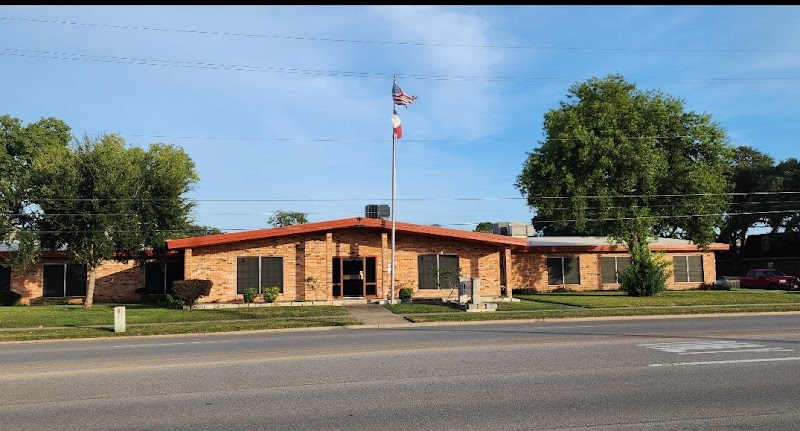
3401 E AIRLINE DR, VICTORIA, TX 77901 (361) 573-2467
For profit - Corporation 56 Beds THE ENSIGN GROUP Data: November 2025
Trust Grade
58/100
#582 of 1168 in TX
Last Inspection: August 2024

Within standard 12-15 month inspection cycle. Federal law requires annual inspections.

Overview

The Courtyard Rehabilitation and Healthcare Center in Victoria, Texas, has received a Trust Grade of C, meaning it is average and sits in the middle of the pack among nursing homes. It ranks #582 out of 1,168 facilities in Texas, placing it in the top half, and #2 out of 4 in Victoria County, indicating that only one local option is better. Unfortunately, the facility is worsening, with issues increasing from 7 in 2023 to 9 in 2024. Staffing is a significant concern, as it received only 1 out of 5 stars, with a 52% turnover rate, which is about average for Texas, suggesting some instability in care. Specific incidents noted by inspectors include failures to ensure residents were not given unnecessary psychotropic medications, a lack of qualified staff in the food service department, and inadequate infection control practices, such as staff not washing hands properly, which could increase the risk of infection. While the facility has strengths, such as a decent health inspection rating of 4 out of 5, the highlighted weaknesses may raise concerns for families considering care for their loved ones.

Trust Score
C
58/100
In Texas
#582/1168
Top 49%
Safety Record
Low Risk
No red flags
Inspections
Getting Worse
7 → 9 violations
Staff Stability
⚠ Watch
52% turnover. Above average. Higher turnover means staff may not know residents' routines.
Penalties
✓ Good
$21,530 in fines. Lower than most Texas facilities. Relatively clean record.
Skilled Nurses
⚠ Watch
Each resident gets only 14 minutes of Registered Nurse (RN) attention daily — below average for Texas. Fewer RN minutes means fewer trained eyes watching for problems.
Violations
⚠ Watch
22 deficiencies on record. Higher than average. Multiple issues found across inspections.
★★★☆☆
3.0
Overall Rating
★☆☆☆☆
1.0
Staff Levels
★★★★☆
4.0
Care Quality
★★★★☆
4.0
Inspection Score
Stable
2023: 7 issues
2024: 9 issues

The Good

  • 4-Star Quality Measures · Strong clinical quality outcomes
  • Full Sprinkler Coverage · Fire safety systems throughout facility
  • No fines on record

Facility shows strength in quality measures, fire safety.

The Bad

3-Star Overall Rating

Near Texas average (2.8)

Meets federal standards, typical of most facilities

Staff Turnover: 52%

Near Texas avg (46%)

Higher turnover may affect care consistency

Federal Fines: $21,530

Below median ($33,413)

Minor penalties assessed

Chain: THE ENSIGN GROUP

Part of a multi-facility chain

Ask about local staffing decisions and management

The Ugly 22 deficiencies on record

Aug 2024 8 deficiencies
CONCERN (D) 📢 Someone Reported This

A family member, employee, or ombudsman was alarmed enough to file a formal complaint

Potential for Harm - no one hurt, but risky conditions existed

Deficiency F0552 (Tag F0552)

Could have caused harm · This affected 1 resident

**NOTE- TERMS IN BRACKETS HAVE BEEN EDITED TO PROTECT CONFIDENTIALITY** Based on interviews and record review, the facility failed to ensure the resident had the right to be informed of the risks, and...

Read full inspector narrative →
**NOTE- TERMS IN BRACKETS HAVE BEEN EDITED TO PROTECT CONFIDENTIALITY** Based on interviews and record review, the facility failed to ensure the resident had the right to be informed of the risks, and participate in, his or her treatment which included the right to be informed in advance, by the physician or other practitioner or professional, of the risks and benefits of proposed care, of treatment and treatment alternatives, or treatment options and to choose the alternative or options he or she preferred, for 1 (Resident #105) of 8 residents reviewed for resident rights. The facility failed to obtain a signed consent for antipsychotic medication, Escitalopram Oxalate (Lexapro) which was administered to Resident #105. This failure could place residents at risk of receiving medications without their, or that of their responsible party's prior knowledge or consent and could place the residents at an increased risk for adverse reactions to the medications. Findings included: Record review of Resident #105's face sheet, dated 08/21/2024, indicated Resident #105 was an [AGE] year-old female admitted to the facility initially on 08/16/2024 with diagnoses which included: surgical aftercare following surgery on the nervous system, chronic systolic heart failure (a long-term condition that occurs when the heart can't pump blood efficiently enough to meet the body's needs), and presence of cardiac pacemaker (a small, battery-operated device that's implanted in the chest to regulate the heart's rhythm and rate by sending electrical pulses). Record review of Resident #105's admission BIMS assessment dated [DATE] revealed a BIMS score of 11 indicating moderately intact cognition. A complete admission MDS had not yet been completed. Record review of Resident #105's Care Plan, accessed 08/22/2024, indicated Resident #105 had a focus area of antidepressant medication related to depression, initiated 08/21/2024. The intervention was, Educate the resident/family/caregivers about risks, benefits, and the side effects of medication. Record review of Resident #105's Order Recap Report, accessed 08/22/2024, revealed an active order for Escitalopram Oxalate (Lexapro) 20 mg 1 tablet by mouth one time a day, with order date of 08/17/2024 and start date of 08/17/2024. Record review of Resident #105's Medication Administration Record, dated 08/01/2024 - 08/22/2024, revealed Escitalopram Oxalate (Lexapro) 20 mg, 1 tablet by mouth 1 time a day, was noted as administered 08/17/2024 - 08/22/2024. Record review of Resident #105's EHR, accessed on 08/22/2024, revealed there was no consent for Escitalopram Oxalate (Lexapro) in the resident's EHR. During an interview on 08/22/2024 at 12:50 PM, Resident #105 stated the facility never obtained her consent to administer an anti-depressant medication or informed her of the benefits and risks of such a medication. She had a RP who visited her every evening and showered her, per the RP's preference. She did not believe her RP signed a consent for an anti-depressant medication. During an interview on 08/22/2024 at 01:13 PM, the DON stated consents for anti-depressant medications needed to be obtained prior to administering medications and she did not see a consent for Escitalopram Oxalate (Lexapro) in Resident #105's EHR. During an interview on 08/22/2024 at 2:05 PM the Director of Medical Records stated she was responsible for uploading consents for psychotropic medications into residents' EHRs. She uploaded a consent for Lexapro for Resident #105 that afternoon and she had not seen a consent for this medication for Resident #105 prior to the afternoon of 08/22/2024. During an interview on 08/22/2024 at 2:40 PM, LVN C stated Resident #105 asked her to sign the consent for Lexapro on 08/22/2024 on her behalf because that was her preference. She knew Resident #105 was admitted on [DATE], had been administered Lexapro from 08/16/2024 - 08/21/2024, and consents for anti-depressants needed be obtained prior to the first administration of this type of medications; however, she was not the nurse who admitted Resident #105. Record review of the facility's policy titled Psychotropic Medications with a revised date of 12/2023 revealed 7. Upon initial comprehensive assessment, the SSD designee shall review new admissions for any psychiatric, mood or behavior disorders, mental and psychosocial difficulties, and/or physician's orders for psychotropic medications. The facility's Interdisciplinary Team (IDT) will review to ensure f. Informed consent was obtained prior to medication use. Record review of the facility provided document Federal Resident Rights revealed: Planning and implementing care. 4. The right to be informed in advance, by the physician or other practitioner or professional, of the risks and benefits of proposed care, of treatment alternatives or treatment options and to choose the alternative or option you prefer.
CONCERN (D) 📢 Someone Reported This

A family member, employee, or ombudsman was alarmed enough to file a formal complaint

Potential for Harm - no one hurt, but risky conditions existed

Deficiency F0557 (Tag F0557)

Could have caused harm · This affected 1 resident

**NOTE- TERMS IN BRACKETS HAVE BEEN EDITED TO PROTECT CONFIDENTIALITY** Based on observation, interview, and record review, the facility failed to ensure the resident's right to respect and dignity fo...

Read full inspector narrative →
**NOTE- TERMS IN BRACKETS HAVE BEEN EDITED TO PROTECT CONFIDENTIALITY** Based on observation, interview, and record review, the facility failed to ensure the resident's right to respect and dignity for 2 (Resident #3 and Resident #206) of 18 residents reviewed for respect and dignity, in that: CNA B stood while assisting Resident #3 and Resident #206 to dine. This deficient practice could lead to psychosocial harm due to feelings of low self-esteem and/or embarrassment. The findings were: Record review of Resident #3's face sheet, dated 08/22/2024, revealed Resident #3 was admitted to the facility on [DATE] with diagnoses including: Hypertension, Diabetes Mellitus, and Seizure Disorder. Record review of Resident #3's Quarterly MDS, dated [DATE], revealed a BIMS score of 10 which indicated moderate cognitive impairment. Further review revealed Resident #3 required assistance with dining. Record review of Resident #206's face sheet, dated 08/22/2024, revealed Resident #206 was admitted to the facility on [DATE] with diagnoses including: Down Syndrome, Dementia, and Feeding Difficulties. Further review revealed Resident #3 required assistance with dining. During an observation on 08/21/2024 at 12:40 p.m., CNA B was standing while assisting Resident #206 to dine. During an observation on 08/21/2024 at 12:41 p.m., CNA B was standing while assisting #3 to dine. During an interview with CNA B on 08/21/2024 at 12:42 p.m., CNA B stated she usually stood while assisting residents to dine so that she could be ready to leave the dining room and assist other residents outside of the dining room. CNA B stated she had not received instruction or training from the facility regarding whether to sit or stand while assisting residents to dine. During an interview with the DON on 08/22/2024 at 2:25 p.m., the DON stated staff who assist with feeding residents should sit down to do so and it is her expectation that staff sit to assist residents to dine. Record review of the facility policy, Feeding the Dependent Resident, revised 05/2007, revealed, Sit at eye level of the resident .
CONCERN (D) 📢 Someone Reported This

A family member, employee, or ombudsman was alarmed enough to file a formal complaint

Potential for Harm - no one hurt, but risky conditions existed

Assessment Accuracy (Tag F0641)

Could have caused harm · This affected 1 resident

**NOTE- TERMS IN BRACKETS HAVE BEEN EDITED TO PROTECT CONFIDENTIALITY** Based on interviews and record reviews, the facility failed to ensure the MDS accurately reflected the resident's status for 1 o...

Read full inspector narrative →
**NOTE- TERMS IN BRACKETS HAVE BEEN EDITED TO PROTECT CONFIDENTIALITY** Based on interviews and record reviews, the facility failed to ensure the MDS accurately reflected the resident's status for 1 of 21 residents (Resident #6) whose MDS assessments were reviewed, in that: Resident #6's Quarterly MDS, dated [DATE], did not document the resident was receiving hospice services. This failure could place residents at-risk for inadequate care and services due to an inaccurate assessments. The findings included: Record review of Resident #6's face sheet, dated 08/21/2024 revealed an admission date of 04/17/2023, with diagnoses that included: Acute and chronic respiratory failure with hypercapnia (abnormally elevated carbon dioxide levels in blood); Age-related osteoporosis (condition where bones becomes weak/brittle) with current pathological fracture-vertebra; wedge compression fracture of unspecified lumbar vertebra; and Cognitive communication deficit. Record review of Resident #6's Physician Orders dated 08/21/2024 revealed orders for DNR-Do Not Resuscitate status and Admit to Hospice of South Texas DX [diagnosis': Respiratory Failure effective 01/04/2024. Record review of Resident #6's Care Plan dated 06/20/2024 revealed Resident #6 has elected DNR status. No AD [Advance Directive} in place. is on Hospice Services. Record review of Resident #6's Quarterly MDS, dated [DATE], revealed Resident #6 was coded as not receiving Hospice Care. During an interview with the MDS Nurse on 8/22/2024 at 4:55 p.m., MDS Nurse verbally confirmed and stated Resident #6's Quarterly MDS was coded as showing Resident #6 was not receiving Hospice Care. MDS Nurse noted a Significant Change MDS was completed on 01/20/2024 showing Resident #6's change of status to Hospice Care, but she stated through oversight, Hospice Care was not carried over onto her most recent July 2024 Quarterly MDS. The MDS Nurse stated this would cause the MDS to have inaccurate information and inaccurate MDS information could result in Resident #6 not getting the care needed. During an interview with the DON on 08/23/2024 at 10:52 a.m., the DON stated that it was important to have accurate information on the MDS, to ensure residents receive the care they need, because information on MDS helps determine budgeting aspects such as staffing needs.
CONCERN (D) 📢 Someone Reported This

A family member, employee, or ombudsman was alarmed enough to file a formal complaint

Potential for Harm - no one hurt, but risky conditions existed

Comprehensive Care Plan (Tag F0656)

Could have caused harm · This affected 1 resident

**NOTE- TERMS IN BRACKETS HAVE BEEN EDITED TO PROTECT CONFIDENTIALITY** Based on interview and record review the facility failed to complete an accurate assessment of each resident's functional capaci...

Read full inspector narrative →
**NOTE- TERMS IN BRACKETS HAVE BEEN EDITED TO PROTECT CONFIDENTIALITY** Based on interview and record review the facility failed to complete an accurate assessment of each resident's functional capacity for 1 of 8 residents (Resident #39) whose assessments were reviewed. The facility failed to ensure that Resident #39's diagnosis of depression was a focus area in the resident's comprehensive care plan. This deficient practice could affect residents by contributing to inadequate care. The findings included: Record review of Resident #39's face sheet dated 08/21/2024 revealed the resident was a [AGE] year old female admitted to the facility on [DATE] and readmitted on [DATE] with diagnoses including: Chronic kidney disease (a condition that occurs when the kidneys are damaged and can't filter blood properly), type II diabetes mellitus (a long-term condition that occurs when the body doesn't produce enough insulin or doesn't use insulin properly) and major depressive disorder (a mental disorder that involves a depressed mood and loss of interest in activities that are typically enjoyable). Record review of Resident #39's quarterly MDS dated [DATE] revealed a BIMS of 12 indicating moderately impaired cognition. Further review revealed Depression (other than bipolar) was checked in Section I - Active Diagnoses. Record review of documents in Resident #39's EHR revealed a Psychological Progress Note dated 08/15/2024 indicating the resident's top target symptom was depression, current rating was 4-Moderate, the goal for therapy was reduction, and the symptoms present were, depression, loss of pleasure/interests, grief/loss issues, memory loss, pain and withdrawal. The resident's plan was to meet with psychological services weekly. Record review of Resident #39's comprehensive care plan, updated 05/24/2024, revealed the diagnosis of depression as was not listed as a focus area. During an interview on 08/23/2024 at 12:35 PM, the MDS LVN stated Resident #39 used to have an order for an anti-depressant, but it was recently discontinued. When the medication was discontinued, she removed the focus area of depression from the resident's care plan because the care plan template was based on the medication. During an interview on 08/23/2024 at 12:40 PM the DON stated the MDS DON was responsible for completing Comprehensive Care plans and she assists from time to time. If a resident had a diagnosis of depression it needed to be a focus area in the resident's care plan even if the resident was not taking medication as part of the resident's holistic plan of care to ensure all her needs are addressed. Record review of facility policy Comprehensive Person-Centered Care Planning reviewed/revised 12/2023, revealed: It is the policy of this facility that the interdisciplinary team (IDT) shall develop a comprehensive person-centered care plan for each resident that includes measurable objectives and timeframes to meet a resident's medical, nursing, mental and psychosocial needs that are identified in the comprehensive assessment.
CONCERN (D) 📢 Someone Reported This

A family member, employee, or ombudsman was alarmed enough to file a formal complaint

Potential for Harm - no one hurt, but risky conditions existed

Medical Records (Tag F0842)

Could have caused harm · This affected 1 resident

**NOTE- TERMS IN BRACKETS HAVE BEEN EDITED TO PROTECT CONFIDENTIALITY** Based on interview and record review, the facility failed to maintain resident medical records that were complete and accurately...

Read full inspector narrative →
**NOTE- TERMS IN BRACKETS HAVE BEEN EDITED TO PROTECT CONFIDENTIALITY** Based on interview and record review, the facility failed to maintain resident medical records that were complete and accurately documented for 1 (Resident #105) of 8 residents reviewed for clinical records. 1. The facility failed to include multiple diagnoses on Resident #105's face sheet and list of diagnoses. 2. Resident #105 was administered supplemental oxygen without a physician's order. These failures could place residents at risk of not having accurate medical records and could create confusion in services provided or needed to be provided. Findings included: 1. Record review of Resident #105's face sheet, dated 08/21/2024, indicated Resident #105 was an [AGE] year-old female admitted to the facility initially on 08/16/2024 with the diagnoses: surgical aftercare following surgery on the nervous system, chronic systolic heart failure (a long-term condition that occurs when the heart can't pump blood efficiently enough to meet the body's needs), and presence of cardiac pacemaker (a small, battery-operated device that's implanted in the chest to regulate the heart's rhythm and rate by sending electrical pulses). Record review of Resident #105's admission BIMS assessment dated [DATE] revealed a BIMS score of 11 indicating moderately intact cognition. A complete admission MDS had not yet been completed. Record review of Resident #105's EHR revealed the resident's hospital discharge paperwork immediately prior to admission indicated she had chronic kidney disease state IIIB with anemia and must avoid nephrotoxic (damaging to the kidneys) medications. The resident also had a past medical history of anxiety, a cerebrovascular accident (loss of blood flow to the brain), atrial fibrillation (irregular heartbeat), gastroesophageal reflux disease (when stomach contents move into the esophagus), mood disorder and hypertensive disorder (high blood pressure). During an interview on 08/22/2024 at 2:10 PM the DON stated Resident #105's list of diagnoses and face sheet were missing several diagnoses, and that failure to properly transcribe all the diagnoses from hospital discharge paperwork could result in improper or potentially life-threatening treatment should the resident be admitted to the ER. It was the responsibility of the admitting charge nurse to ensure all pertinent diagnoses were transcribed into the resident's EHR. 2. Observation on 08/22/2024 at 1:51 PM revealed Resident #105 was receiving oxygen from an oxygen concentrator at the rate of 2L/min. Record review of Resident #105's TAR revealed Oxygen was not listed as a treatment on the TAR. Record review of Resident #105's consolidated physician orders revealed there was no order for supplemental oxygen. Record review of Resident #105's H&P from the discharging hospital revealed, Resident #105 is oxygenating well on 2L nasal cannula. During an interview on 08/22/2024 at 3:05 PM the DON stated Resident #105 was receiving supplemental oxygen at a rate of 2L/min via nasal cannula, there was no physician's order for supplemental oxygen to be administered and there should have been such an order prior to the administration of the oxygen. During an interview on 08/22/2024 at 5:53 PM, LVN D stated she worked the evening shift the day Resident #105 was admitted and she should have put the order for oxygen at 2L/min via nasal cannula in Resident #105's consolidated orders, as this order was to be continued from the resident's hospital stay and she had received verbal confirmation from the resident's physician to continue this order but forgot to do so. Record review of facility policy, Charting and Documentation, revised 05/2007, revealed, The resident's clinical record is a concise account of treatment, care, response to care, signs, symptoms and progress of the resident's condition. Is also necessary to include data needed for identification and communication with family and friends. Complete history of resident and present illness is required under current law and regulations at the time of admission. Record review of facility policy, Physician Orders, revised 03/2023, revealed, It 1s the policy of this facility that drugs shall be administered only upon the written order of u person duly licensed and authorized to prescribe such drugs. It 1s the policy of this facility to accurately transcribe and implement orders in addition to medication orders (treatment, procedures) only upon the written order of a person duly licensed and authorized to do so in accordance with the resident's plan of care. 3. admission orders are reviewed with the physician upon admission based on the discharge instructions from the discharging facility and are transcribed accordingly. There is a double check system to verify accuracy of order transcription. 6. Medication, treatment or related orders are transcribed in the eMAR, eTAR. 7. Orders for medications must include: A. Name end strength of the drug; B. Quantity or specific duration of therapy; C. Dosage and frequency of administration: D. Route of administration if other than oral; and E. Reason or problem for which given.
CONCERN (E) 📢 Someone Reported This

A family member, employee, or ombudsman was alarmed enough to file a formal complaint

Potential for Harm - no one hurt, but risky conditions existed

Medication Errors (Tag F0758)

Could have caused harm · This affected multiple residents

**NOTE- TERMS IN BRACKETS HAVE BEEN EDITED TO PROTECT CONFIDENTIALITY** Based on interview and record review, the facility failed to ensure the resident was not given a psychotropic drug unless the me...

Read full inspector narrative →
**NOTE- TERMS IN BRACKETS HAVE BEEN EDITED TO PROTECT CONFIDENTIALITY** Based on interview and record review, the facility failed to ensure the resident was not given a psychotropic drug unless the medication was necessary to treat a specific condition as diagnosed and documented in the clinical record for 2 (Residents #17 & #105) of 6 residents reviewed for unnecessary medications, in that: 1. The facility failed to reduce the dosage of Resident #17's order for Cymbalta (Duloxetine) in accordance with the pharmacist's recommendation and physician concurrence. 2. Resident #105 was prescribed a psychotropic drug for depression without a documented diagnosis of depression in the clinical record. These deficient practices could place residents at risk of receiving unnecessary psychotropic medications. The findings included: 1. Record review of Resident #17's face sheet, dated 08/23/2024, revealed the resident was admitted to the facility on [DATE] and readmitted on [DATE] with diagnoses including: Cerebral Infarction (the death of brain tissue due to lack of blood flow), major depressive disorder (mood disorder that causes a persistent feeling of sadness and loss of interest) and anxiety disorder (intense, excessive and persistent worry and fear about everyday situations). Record review of Resident #17's quarterly MDS dated [DATE] revealed a BIMS of 11, indicating the resident had moderately impaired cognition. Record review of Resident #17's comprehensive care plan, updated 06/10/2024, revealed a focus area of Anti-anxiety medication use r/t anxiety disorder, initiated 11/09/2021, revision on 06/10/2024. Interventions included: Educate resident, family/caregivers about risks, benefits and the side effects of anti-anxiety medication drugs being given. Give anti-anxiety medications ordered by physician. Monitor/document side effects and effectiveness. Another focus area was, Antidepressant medication use r/t Depression AEB statements of depression, initiated 06/06/2018, revision on 06/10/2024. Interventions included: Administer medications as ordered. Monitor/document for side effects and effectiveness. Record review of the Consultant Pharmacist/Physician Communication dated 07/17/2024 revealed, Resident is receiving the following psychoactive medications that are due for review. Per CMS regulations, please evaluate resident for trial dose reduction: Cymbalta 60 mg QD --> Cymbalta 40 mg QD Resident is also taking: Lorazepam 0.5mg BID Physician/Prescriber Response X AGREE __ DISAGREE __ OTHER There was a handwritten signature at the bottom of the document and a handwritten date of 08/02/2024. Record review of Resident #17's Consolidated Physician's Orders, accessed 08/23/2024, revealed an order for: Duloxetine HCL 60 MG Capsule Give 1 capsule by mouth 1 time a day for depression. Start date: 10/15/2022, revision date: 5/01/2024. During an interview on 08/23/2024 at 11:20 AM, the DON stated Resident #17's order for Duloxetine was not reduced from 60 mg to 40 mg as the consultant pharmacist recommended and the resident's physician agreed and should have been. The process for the medication regimen review was the consultant pharmacist reviewed each residents' medication regimen and emailed the recommendations to her the next day. Both she and the Medical Records clerk uploaded the recommendations into the resident's EHR. The Medical Records clerk ensured the recommendations were forwarded to the residents' respective physicians, and she was responsible for ensuring the physicians' responses to the recommendations were received and forwarded to a nurse, who was responsible for making any necessary changes in residents' orders. The process could be improved by having one person responsible, and the consequence of not implementing a dose reduction for a resident's psychotropic medication was the resident received an unnecessary dosage of the medication. 2. Record review of Resident #105's face sheet, dated 08/21/2024, indicated Resident #105 was an [AGE] year-old female admitted to the facility on [DATE] with the diagnoses surgical aftercare following surgery on the nervous system, chronic systolic heart failure (a long-term condition that occurs when the heart can't pump blood efficiently enough to meet the body's needs), and presence of cardiac pacemaker (a small, battery-operated device that's implanted in the chest to regulate the heart's rhythm and rate by sending electrical pulses). Depression or major depressive disorder were not listed as diagnoses. Record review of Resident #105's admission BIMS assessment dated [DATE] revealed a BIMS score of 11 indicating moderately intact cognition. A complete admission MDS had not yet been completed. Record review of Resident #105's Care Plan, accessed 08/22/2024, indicated Resident #105 had a focus area of antidepressant medication related to depression, initiated 08/21/2024. The intervention was, Educate the resident/family/caregivers about risks, benefits, and the side effects of medication. Record review of Resident #105's Order Recap Report, accessed 08/22/2024, revealed an active order for Escitalopram Oxalate (Lexapro) 20 mg 1 tablet by mouth one time a day, with order date of 08/17/2024 and start date of 08/17/2024. Record review of Resident #105's Medication Administration Record, dated 08/01/2024 - 08/22/2024, revealed Escitalopram Oxalate (Lexapro) 20 mg, 1 tablet by mouth 1 time a day, was noted as administered 08/17/2024 - 08/22/2024. During an interview on 08/22/24 at 01:13 PM the DON stated Resident #105 was prescribed a psychotropic medication for depression without a documented diagnosis of depression in the clinical record and a diagnosis requiring such a medication should have been listed in the resident's record. The facility needed to review its procedures to ensure all the residents' diagnoses were transcribed from documentation received from the hospital. Nursing staff was responsible for ensuring the residents' records were correct and the deficient practice was an oversight. Record review of facility policy Psychotropic Medications, Reviewed/Revised 12/2023, revealed: It is the policy of this facility to ensure that residents who have not used psychotropic drugs are not given these drugs unless the medication is necessary to treat a specific condition as diagnosed and documented in the clinical record . Residents who use psychotropic drugs receive gradual dose reductions (GDR), and behavioral interventions, unless clinically contraindicated, in an effort to discontinue these drugs. Definitions: Psychotropic Medication: The Centers for Medicare and Medicaid Services (CMS) defines a psychotropic medication as any drug that affects brain activities associated with mental processes and behavior. This category includes medications in the categories of antipsychotics, anti-depressants, anti-anxiety, and hypnotics. Gradual Dose Reduction (GDR) is the stepwise tapering of a dose to determine if symptoms, conditions, or risks can be managed by a lower dose or if the dose or medication can be discontinued. 2. On admission, the admitting nurses will review the transfer orders for any psychotropic medications. All effort will be made by the Licensed Nurses (LN) to obtain as much history regarding these medications, including prior informed consents, from the previous facility or through resident or resident representative interview. Any information obtained will be documented in the resident's clinical record. 3. The LN shall review the classification of the drug, the appropriateness of the diagnosis, its indication, behavior monitors and related adverse side effects prior to verification of admission orders with the Attending Physician. 4. The Attending Physician will review the resident's treatment plan, in collaboration with the consultant pharmacist, to re-evaluate the use of the psychotropic medication and consider whether or not medication can be reduced or discontinued upon admission or soon after admission, during Initial physician admission visit. a. The medical record must show documentation of the diagnosed condition for which a psychotropic medication is prescribed.
CONCERN (E) 📢 Someone Reported This

A family member, employee, or ombudsman was alarmed enough to file a formal complaint

Potential for Harm - no one hurt, but risky conditions existed

Deficiency F0801 (Tag F0801)

Could have caused harm · This affected multiple residents

Based on interview and record review, the facility failed to employ staff with the appropriate competencies and skill sets to carry out the functions of the food and nutrition service, taking into con...

Read full inspector narrative →
Based on interview and record review, the facility failed to employ staff with the appropriate competencies and skill sets to carry out the functions of the food and nutrition service, taking into consideration resident assessments, individual plans of care, and the number, acuity and diagnoses of the facility's resident population in accordance with the facility assessment required for 1 of 1 facility reviewed for dietary requirements, in that: The DM did not have the appropriate certification, education, or qualifications to serve as the Director of Food and Nutrition Services. This deficient practice could place the residents who consume food prepared from the kitchen at risk of food borne illness and not receiving adequate nutrition. The findings included: During an interview on 08/20/2024 at 10:30 AM, the DM stated she was not a certified dietary manager or certified food service manager, she did not have an associate's or higher degree in food service management or in hospitality, and she had not been a dietary manager in a long-term care facility for over two years. She was enrolled in a program at a local college, had completed all the classes, and was waiting to take the certifying exam. During an interview on 08/22/2024 at 9:15 AM, the HR Director stated the DM was hired by the facility as a CNA/CMA on 05/11/2022 and assumed the position of DM on 07/10/2023. During an interview on 08/22/2024 at 9:45 AM, the consultant RD stated did not work at the facility full time. In addition to serving as the consultant RD for the facility, she was the course director for the dietary manager's program at the college the DM attended. The DM had completed all the classes, she was missing a few preceptor hours, and had yet to take the exam to become a certified dietary manager. During an interview on 08/22/2024 at 4:30 PM, the Administrator stated there were several interim DMs between the facility's last DM and the present one, who was promoted to the position in 2023. She was aware the DM was not a certified dietary manager or certified food service manager and did not meet any of the other qualifications for the position but anticipated she would pass the exam shortly. During an interview on 08/23/2024 at 11:45 AM, the DON stated the facility did not have a policy on the requirements for the position of DM. Record review of the Food Code, U.S. Public Health Service, U.S. FDA, 2022, U.S. Department of H&HS, revealed 1-201.10.10(B) Accredited Program. (1) Accredited program means a food protection manager certification program that has been evaluated and listed by an accrediting agency as conforming to national standards for organizations that certify individuals. Record review of the Food Code, U.S. Public Health Service, U.S. FDA, 2022, U.S. Department of H&HS, revealed 2-102.12 Certified Food Protection Manager. (A) The PERSON IN CHARGE shall be a certified FOOD protection manager who has shown proficiency of required information through passing a test that is part of an ACCREDITED PROGRAM. 2-102.20 Food Protection Manager Certification. (B) A FOOD ESTABLISHMENT that has a PERSON IN CHARGE that is certified by a FOOD protection manager certification program that is evaluated and listed by a Conference for FOOD Protection-recognized accrediting agency as conforming to the Conference for FOOD Protection Standard for Accreditation of FOOD Protection Manager Certification Programs is deemed to comply with §2-102.12.
CONCERN (E) 📢 Someone Reported This

A family member, employee, or ombudsman was alarmed enough to file a formal complaint

Potential for Harm - no one hurt, but risky conditions existed

Infection Control (Tag F0880)

Could have caused harm · This affected multiple residents

**NOTE- TERMS IN BRACKETS HAVE BEEN EDITED TO PROTECT CONFIDENTIALITY** Based on observation, interview, and record review, the facility failed to maintain an infection prevention and control program ...

Read full inspector narrative →
**NOTE- TERMS IN BRACKETS HAVE BEEN EDITED TO PROTECT CONFIDENTIALITY** Based on observation, interview, and record review, the facility failed to maintain an infection prevention and control program designed to provide a safe, sanitary, and comfortable environment and to help prevent the development and transmission of communicable disease and infection for 3 of 28 residents (Residents #7, #10 and #39) reviewed for infection control, and those residents who eat from meal trays in their rooms, in that: 1. LVN-A did not wash or sanitize her hands in between medication administration for Residents #7, #10 and #39. 2. CNA-B failed to wear gloves or wash hands with soap/water after obtaining used food tray following noon meal, from Resident #206's room, who was on contact precautions isolation for C-diff. These deficient practices could place residents at-risk for infection due to improper care practices. The findings included: 1. Record review of Resident #7 face sheet dated 08/23/2024, revealed an admission date of 03/16//2022 with diagnoses that included: unspecified dementia (decline in cognitive abilities), Anxiety disorder (mental disorder characterized by feelings of worry, anxiety or fear), adjustment disorder with depressed mood (excessive reactions to stress that involve negative thoughts and changes in behavior), cognitive communication deficit, and presence of cardiac pacemaker, Record review of Resident #7's physician orders dated 08/23/2024 revealed orders that included: Gabapentin Oral Capsule 100mg, give 1 capsule by mouth. Record review of Resident #10's face sheet, dated 08/23/2024 revealed an admission date of 11/24/2023 with diagnoses that included: Parkinsonism unspecified (progressive disorder that affects the nervous system and the parts of the body controlled by the nerves), dysphagia (difficulty swallowing), cognitive communication deficit, delusional disorder, schizoaffective disorder (mental disorder characterized by abnormal thought processes and an unstable mood), and transient cerebral ischemic attack (mini-stroke). Record review of Resident #10's physician orders dated 08/23/2024 revealed orders that included: Gabapentin Oral Capsule 100mg, give 1 capsule by mouth three times a day for neuropathy and Valproate Sodium Oral Solution 250mg/5ml-give 10ml by mouth three times a day for seizures. Record review of Resident #39's face sheet dated 08/23/2024 revealed an admission date of 10/04/2022 and diagnoses that included: Hypertensive Heart and Chronic Kidney disease with Heart Failure, Dysarthria (slurred speech) and Anarthria (severe motor speech impairment), Elevation of levels of liver transaminase levels, Hyperlipidemia, Essential (primary) hypertension, long term (current) use of insulin, Major Depressive Disorder (mental disorder characterized by at least two weeks of pervasive low mood, low self-esteem, and loss of interest or pleasure). Record review of Resident #39's physician orders dated 08/23/2024 revealed orders that included: Calcitriol Capsule give one capsule by mouth three times a day for supplement GIVE 0.25MCG and Potassium Chloride ER Tablet Extended Release 20 MEQ give one tablet by mouth two times a day for hypokalemia . Observation on 8/21/2024 at 4:04 p.m. revealed LVN-A administered Gabapentin 100mg 1 cap, opened and mixed with jelly, and 10ml's of Valproic Acid 250mg/5ml liquid solution to Resident #10. Resident #10 dribbled a small amount of the Valproic Acid solution from the side of his mouth which LVN-A wiped away with a tissue and ungloved hand. LVN-A then returned to the medication cart without washing/sanitizing her hands and proceeded to prepare medication for Resident #7. LVN-A administered medications to Resident #10, then to Resident #7 and then Resident #39 without washing/sanitizing her hands in between each resident. During interview with LVN-A on 8/21/2024 at 4:20 p.m., LVN-A stated the protocol was to sanitize hands before and after administering medications to each resident, and stated she thought that she had sanitized her hands using the alcohol dispenser on the wall a few feet away from her medication cart. When questioned further, LVN-A stated she sanitized her hands at least one time. LVN-A stated that not sanitizing hands in between medication administration for different residents could result in the spread of infection. During interview with DON on 8/23/2024 at 10:52 a.m., the DON stated that Nurses and medication aides needed to wash or sanitize their hands before and after administration of medication to each resident, and that not doing so could result in the spread of germs. Record review of facility policy Infection Prevention and Control Program revised/reviewed 12/2023 reveals Facility personnel will wash their hands after each direct resident contact for which hand washing is indicated by accepted professional practice. Record review of facility policy Administration of Medications revised 5/18/2023 reveals Staff shall follow established facility infection control procedures (e.g., handwashing, antiseptic technique, gloves, isolation precautions, etc.) when these apply to the administration of medications. 2, Record review of Resident #206's face sheet dated 8/23/2024 revealed an admission date of 11/02/2023 with readmission on [DATE] and diagnoses which included: Urinary Tract infection, Enterocolitis due to Clostridium Difficile (inflammation of colon caused by the bacteria Clostridium Difficile which can becomes spores that have a protective coating allowing them to live for months/years on surfaces - also known as C-diff), Unspecified dementia (decline in cognitive abilities) and Adult failure to thrive. Record review of Resident #206's Physician Orders dated 08/23/2024 revealed orders that included: Contact Isolation R/T [related to] C Diff. Observation and interview on 08/21/2024 at 1:04 p.m. revealed CNA-B collecting used meal trays on Hall 200 and placing them on meal cart with ungloved hands. When CNA-B reached Resident #206's room which had an Isolation Sign posted on the door and PPE (personal protective equipment) supplies at the entrance, CNA-B took Resident #206's used meal tray from a family member standing at the doorway, with ungloved hands, placed the meal tray on the meal cart with the other used trays, sanitized her hands with alcohol, and then proceeded into the next residents' room, collecting used trays. CNA-B stated she knew Resident #206 was in isolation but did not know what she was in isolation for. CNA-B stated staff are supposed to sanitize hands after contact with someone on isolation, but was not aware of need to wear gloves or wash hands with soap and water after contact with Resident #206 or when handling equipment/items used directly with Resident #206 such as her meal tray. Interview on 08/21/2024 at 1:37 p.m. with the DON confirmed Resident #206 was on Contact Precautions for C-diff, and that staff should wash hands with soap and water after touching meal trays that had been used with someone with C-Diff, and that the meal tray should be sanitized, or disposable tableware used. DON stated that failure to follow protocol about hand washing or sanitizing trays could result in spread of infection. Record review of facility IPCP Standard and Transmission-Based Precautions dated 6/2021, revision/review date of 10/2022. Under Contact Precautions, it notes Transmission-based precautions are used with a known infection that is spread by direct or indirect contact with the resident or the resident's environment (e.g. MDROs). The Policy further states contact precautions/isolation are required for patients with MDRO's (Multi-drug Resistant Organisms) with: acute diarrhea . and staff should Don [put on] PPE upon room entry, then doff [remove] and properly discard PPE and perform hand hygiene before exiting the patient room to contain pathogens. Under Handling of Dishes it states All tableware, whether used by infected or non-infected residents, should be treated as contaminated and should be sanitized according to facility policy. Record review of current CDC Guidelines for C-Diff dated 03/05/2024, revealed Wear gloves and a gown when treating patients with C.diff , even during short visits. Gloves are important because hand sanitizer doesn't kill C.diff. Record review of CNA-B RELIAS training transcript dated 8/21/24 shows CNA-B received training in Infection Control for Nurse Aides, Infection Control Basic Concepts, and Infection Prevention and Control Basics on 7/31/24.
Jan 2024 1 deficiency
CONCERN (E) 📢 Someone Reported This

A family member, employee, or ombudsman was alarmed enough to file a formal complaint

Potential for Harm - no one hurt, but risky conditions existed

Deficiency F0839 (Tag F0839)

Could have caused harm · This affected multiple residents

Based on observation, interview and record review the facility failed to ensure professional staff were licensed, certified, or registered in accordance with applicable State laws for 1 of 3 staff (St...

Read full inspector narrative →
Based on observation, interview and record review the facility failed to ensure professional staff were licensed, certified, or registered in accordance with applicable State laws for 1 of 3 staff (Staff A) reviewed for staff qualifications. The facility failed to ensure Staff A completed the appropriate educational requirements of a bachelor's degree in social work and was appropriately licensed to practice social work in the State of Texas. This failure could place residents at risk of not receiving care and services from staff who were properly trained and supervised. The findings included: Record review of Staff A's personnel file revealed a handwritten Application for Employment dated 5/23/2014 with position desired marked as marketing/SS (Social Services) with a job history listed as working at different nursing home facility with the job title of Social Services with duties of all aspects of social services-MDS's discharges, admits and so-on. Staff A listed her educational background as not graduated from a local community college. The application was signed by Staff A. Record review of Staff A's personnel file revealed a New Hire Form which indicated Staff A was hired on 5/26/2014 with the job title of Marketing/Social Worker on a full-time basis and was signed by Staff A on 5/23/2014 and an unknown manager on the same date. Record review of Staff A's personnel file revealed Staff A signed a job description titled Director of Social Services dated 11/07/2016 which indicated the educational requirements included a bachelor's degree from an approve(d) school of social work and must be registered as an ACSW (Academy of Certified Social Workers-social worker accreditation), must be a member in good standing in the National Association of Social Workers and Academy of Certified Social Workers, Inc., and have experience which was left blank and not filled in. The job description read The primary purpose of your job position is to plan, organize, develop, and direct the overall operation of the Social Service Department in accordance with current federal, state and local standards, guidelines and regulations, our established policies and procedures, and as may be directed by the Administrator, to assure that the medically related emotional and social needs of the resident are met/maintained on an individual basis. The Administrator signature on the job titled was left blank. During an observation on 1/10/2024 at 4:43 p.m., Staff A's name badge was observed to read Social Services. During an interview on 1/08/2024 at 3:08 p.m., the HR Director stated the facility Social Worker was not an actual Social Worker. She stated Staff A was a community and resident liaison and their marketer and admissions person supervised by ED B who worked for the corporation. The HR Director stated the Administrator was aware Staff A was not a licensed Social Worker and had worked at the facility for a while. The HR Director stated the facility was not hiring a Social Worker. During an interview on 1/10/2024 at 4:44 p.m., Staff A stated she had worked at the facility for 11 years and her title was Social Service Designee. She stated Social Service Designee meant that the facility had less than 120 beds. She stated she completed assessments including MDS assessments, advocated for the residents, discharges, referred to community resources and in-house resources, and made appointments. Staff A stated she did not have a college degree but had taken some college classes. Staff A stated her work was supervised by Executive Director B (ED B) who was a licensed Social Worker. Staff A stated she communicated with ED B via telephone, texting, and emails. She stated she communicated with ED B when she had a question about her work which she estimated to be 4-5 times a month. She stated there was no specific time/date/schedule for the reviews. Staff A stated ED B reviewed MDS assessments, UDS (assessments), and kept an eye on everything she did. She stated the ED B did not co-sign her MDS assessments or review them with her. Staff A stated ED B could review her work at her discretion. Staff A stated she signed her own MDS assessments as Social Services Manager. Staff A stated when signing documents in the computerized medical records of the residents she signed her name, and the computer auto generated the title Social Services Manager. She stated if she would not typically sign her name in that manner. She stated her title should be Social Service Designee. Staff A stated she did not know who was responsible for assigned the title of Social Services Manager to her. During an interview on 1/10/2024 at 5:37 p.m., ED B stated she worked was an Administrator for a nursing facility in another city owned by the same corporation. ED B stated in addition to working as a LNFA (Licensed Nursing Facility Administrator) she was also a licensed Social Worker (LMSW). ED B stated she provided oversight to Staff A as a SSD (Social Services Designee). She stated she used to go to the facility one time a month, then switched to once a quarter. ED B stated she was also available for questions if Staff A called her. ED B stated as part of the oversight, she conducted a seminar once every 6 months. ED B stated she did not review Staff A's progress notes or sign off on them. ED B stated as part of the oversight she went through MDS assessments, discharge assessments and guided Staff A with forms but did not sign off on them. ED B stated in 2/2023 she discussed some documentation involving discharge planning issues with Staff A. ED B stated the last time she reviewed Staff A's work was 4/15/2023 and the last time she was in the facility was May 2023. ED B stated Staff A did not attend the seminar on 8/08/2023 that she conducted. ED B stated to her knowledge the facility was not required to have a licensed social worker because they only had 58 beds and they could have a SSD instead but Staff A had to work under a licensed Social Worker. ED B stated Staff A should be signing documents with SSD and not Social Services Manager. ED B stated she was not aware Staff A was using the title of Social Services Manager. ED B stated if the signature was auto populated it would be okay because it was not like Staff A was saying she was licensed. During an interview on 1/11/2024 at 10:23 a.m., the Administrator stated she was aware that Staff A was not a licensed Social Worker. The Administrator stated her expectation for Staff A were for her to consult with her if there was something she did not understand about her job duties. She stated she also expected Staff A to reach out and be under the supervision of a licensed Social Worker. The Administrator stated she herself was not a licensed Social Worker. She stated Staff A should be under the supervision of ED B. The Administrator stated supervision requirements meant ED B should meet with Staff A continuously and actively look at resident changes, social services dynamics and assist with additional guidance. The Administrator stated continuously meant ongoing support as need and face-to face visits. She stated the face-to-face visits should occur quarterly. The Administrator stated the pandemic had changed a lot of things and visits could be conducted via a tele-visit. The Administrator stated she was Staff A's direct supervisor. The Administrator stated she supervised Staff A by meeting with her 1-2 times a month and using the conversation to gauge Staff A's needs. She stated she also communicated with ED B to see if there was anything she (Administrator) needed to go over with Staff A. The Administrator stated she last spoke with ED B before surveyor intervention in December 2023. She stated at that time she (Administrator) told ED B they did not have any needs at the time. The Administrator stated Staff A's title was what was listed on the employee roster. She confirmed the roster stated Staff A was the Social Services Manager. The Administrator stated she had reviewed Staff A's personnel file but was not aware that Staff A had a signed job title which indicated she needed to be a licensed Social Worker or the need for a bachelor's degree. The Administrator stated Staff A was hired prior to her (Administrator) coming to the facility. She stated she had worked at the facility since May 2022. The Administrator stated the facility did not have a contract with a licensed Social Worker. Record review of a Facility Assessment last revised June 2023 revealed: Page 14-15, Part 3: Facility Resources Needed to Provide Competent Support and Care for our Resident Population Every Day and During Emergencies. 3.1: Social Work Staff: Total Number Needed-1, Total Number Employed in Position at time of Assessment-1, Plan to Hire Additional staff if needed-0.5. Record review of a facility job description titled Social Services Manager not signed by any parties and undated revealed: Qualifications: Education and/or Experience: Must have, as a minimum, a bachelor's degree in social work or a bachelor's degree in a human services field including but not limited to sociology, special education, rehabilitation counseling and psychology. Must have, as a minimum, 5 years of experience as a Social Worker, preferably in a hospital, long-term care facility, or other related health care facility. Record review of a facility policy titled Social Services, Provision of Medically Related last revised 12/2023 revealed: It is the policy of this facility to provide medically related social services to attain or maintain the highest practicable physical, mental, or psychosocial well-being of each resident.
Jun 2023 5 deficiencies
CONCERN (D)

Potential for Harm - no one hurt, but risky conditions existed

Deficiency F0655 (Tag F0655)

Could have caused harm · This affected 1 resident

**NOTE- TERMS IN BRACKETS HAVE BEEN EDITED TO PROTECT CONFIDENTIALITY** Based on interview and record review, the facility failed to develop and implement a baseline care plan for each resident that i...

Read full inspector narrative →
**NOTE- TERMS IN BRACKETS HAVE BEEN EDITED TO PROTECT CONFIDENTIALITY** Based on interview and record review, the facility failed to develop and implement a baseline care plan for each resident that includes the instructions needed to provide effective and person-centered care of the resident that meet professional standards of quality care for 1 of 9 residents (Resident #32) reviewed for baseline care plan, in that: The facility failed to ensure Resident #32's baseline care plan included information related to the resident's foley catheter. This deficient practice could affect newly admitted residents and place them at risk of not receiving continuity of care and communication among nursing home staff to ensure their immediate care needs are met. The findings were: Record review of Resident #32's face sheet revealed a [AGE] year-old male admitted to the facility on [DATE] , readmited 5/15/23 with a diagnosis that included: [Type II diabetes] characterized by high levels of sugar in the blood. [hypertension] pressure in your blood vessels is too high and [dementia] is characterized by progressive or persistent loss of intellectual functioning, especially with memory impairment and abstract thinking. Record review of Resident # 32's quarterly MDS assessment, dated 5/16/23, revealed a BIMS score of 10 suggesting moderate impairment, and an indwelling catheter. Record review of Resident #32's physician's orders for June 2023, dated 06/27/2023, revealead there was no order for the resident's indwelling urinary catheter. Record review of Resident # 32's Baseline care plan updated did not reveal a focus area or instructions for the resident's use of an indwelling urinary catheter. Observation and interview on 06/27/23 at 10:30 a.m. revealed that Resident # 32's catheter was in a leg bag with a strap to his right leg. The resident stated, I have this bag strapped on my leg because sometimes I have problems emptying my bladder. Interview on 06/28/23 at 9:40 am, the MDS Nurse stated that Resident #32 had a Foley catheter. The MDS Nurse stated she was responsible for care plans and had not had an opportunity to review the resident's charts prior to state survey. The MDS Nurse stated staff risked not being on the same page with care if something was not care planed for a resident. During an interview with the DON on 06/30/2023 at 10:25 a.m., the DON confirmed that Resident #32's needs should have been addressed on their baseline care plan. The DON stated she did not know why the resident's Foley catheter was unplanned by the MDS Nurse. The DON stated resident risked not receiving the care needed if it was not care planned. Record review of the facility's policy titled, Comprehensive Person-Centered Care Planning, revised 1/2022, revealed, The IDT team will also develop and implement a baseline care plan for each resident, within 48 hours of admission, that includes minimum healthcare information necessary to properly care for each resident and instructions needed to provide effective and person-centered care that meet professional standards of quality care.
CONCERN (D)

Potential for Harm - no one hurt, but risky conditions existed

Comprehensive Care Plan (Tag F0656)

Could have caused harm · This affected 1 resident

**NOTE- TERMS IN BRACKETS HAVE BEEN EDITED TO PROTECT CONFIDENTIALITY** Based on observation, interview, and record review, the facility failed to develop and implement a comprehensive person-centered...

Read full inspector narrative →
**NOTE- TERMS IN BRACKETS HAVE BEEN EDITED TO PROTECT CONFIDENTIALITY** Based on observation, interview, and record review, the facility failed to develop and implement a comprehensive person-centered care plan that includes measurable objectives and timeframes to meet a resident's medical and nursing needs for one (Resident #1) of six residents reviewed for person-centered care plans: Resident #12's comprehensive person-centered care plan did not include/address or contain measurable goals and objectives for his pacemaker. This deficient practice could affect residents in the facility by placing in them at risk for not being provided necessary care and services, and not having plans developed to address their needs. The findings included: Record review of Resident #12's Face Sheet, dated 06/28/22, revealed an [AGE] year-old male an initial admission on [DATE] with diagnoses that included: [Generalized anxiety disorder] involves a persistent feeling of anxiety or dread, which can interfere with daily life. [hypertension] when the pressure in your blood vessels is too high. [dementia] loss of memory, language, and problem-solving. Record review of resident # 12's quarterly MDS, dated [DATE], revealed a BIMS score of 9 indicating moderately impaired. Record review of consolidated orders for June 2023 revealed that Resident #12 had a pacemaker. Observation and interview of Resident #12 on 06/28/23 at 10:26 am revealed pacemaker placement on the upper left side of the chest. Resident #12 stated that the pacemaker was implanted 6 years prior. Interview on 06/28/23 at 9:37 am, RN A stated that Resident #12 did not have a pacemaker. Interview on 06/28/23 at 9:39 am, the MDS Nurse stated that she was unsure if Resident #12 had a pacemaker. The MDS nurse stated she was responsible for care plans and had not had an opportunity to scrub the resident's charts. Record review of comprehensive care plan, dated 6/28/23, did not include address Resident #12's monitoring for a pacemaker. Interview with the Director of Nurses (DON) on 06/30/23 at 2:35 PM confirmed resident had a pacemaker, and that Resident #12's pacemaker should have been included in the resident's comprehensive care plan. The DON stated she did not know why pacemaker interventions were not in the Resident #12's comprehensive care plan. The DON stated that the MDS Nurse was responsible for care plans. The DON stated the nurses risked not having the necessary information on pacemaker in case of an emergency. Record review of facility policy, Comprehensive Person Centered care planning, dated 11/2016, revised, 1/2022, revealed, The facility IDT will develop and implement a comprehensive care plan within 7 days of completion of the MDS.
CONCERN (D)

Potential for Harm - no one hurt, but risky conditions existed

Quality of Care (Tag F0684)

Could have caused harm · This affected 1 resident

**NOTE- TERMS IN BRACKETS HAVE BEEN EDITED TO PROTECT CONFIDENTIALITY** Based on observation, interview and record review, the facility failed to provide the necessary care and services to attain or m...

Read full inspector narrative →
**NOTE- TERMS IN BRACKETS HAVE BEEN EDITED TO PROTECT CONFIDENTIALITY** Based on observation, interview and record review, the facility failed to provide the necessary care and services to attain or maintain the highest practicable physical, mental, psychosocial well-being, in that 1 of 3 residents reviewed for pacemakers (Resident #12) did not have documentation identifying normal pacemaker pulse limits or parameters in that: The facility did not maintain medical information needed to monitor for proper functioning. The facility did not have record of Resident #12's make or model number information for the pacemaker, did not monitor parameters for pacemaker failure, and Facility Nursing Staff were unaware that Resident #12 had a pacemaker. This deficient practice could affect residents at put them at risk for complications due to cardiac pacemaker malfunction. The findings were: Record review of Resident #12's Face Sheet, dated 06/28/22, revealed an [AGE] year-old male an initial admission on [DATE] with diagnoses that included: [Generalized anxiety disorder] involves a persistent feeling of anxiety or dread, which can interfere with daily life. [hypertension] when the pressure in your blood vessels is too high. [dementia] loss of memory, language, and problem-solving. Record review of resident # 12's quarterly MDS, dated [DATE], revealed a BIMS score of 9 indicating moderately impaired Record review of consolidated orders for June 2023 revealed that Resident #12 had a pacemaker. Observation and interview of Resident #12 on 06/28/23 at 10:26 am revealed pacemaker placement on the upper left side of the chest. Resident #12 stated that the pacemaker was implanted 6 years prior. Interview on 06/28/23 at 9:37 am, RN A stated that Resident #12 did not have a pacemaker. Interview on 06/28/23 at 9:39 am, MDS Nurse stated that she was unsure if Resident #12 had a pacemaker. Interview on 06/28/23 at 11:05 am, DON confirmed that Resident #12 had a pacemaker, and DON further stated that the resident's pacemaker make, and model number were not available in Resident #12's medical record, but she would call resident's family and get the information needed. The DON stated resident risked the possibility of not having pacemaker property cared for if the needed information was not in the resident's chart.
CONCERN (D)

Potential for Harm - no one hurt, but risky conditions existed

Incontinence Care (Tag F0690)

Could have caused harm · This affected 1 resident

**NOTE- TERMS IN BRACKETS HAVE BEEN EDITED TO PROTECT CONFIDENTIALITY** Based on observation, interview, and record review the facility failed to ensure for a resident who enters the facility with an ...

Read full inspector narrative →
**NOTE- TERMS IN BRACKETS HAVE BEEN EDITED TO PROTECT CONFIDENTIALITY** Based on observation, interview, and record review the facility failed to ensure for a resident who enters the facility with an indwelling catheter or subsequently receives one had a clinical condition that demonstrates catheterization is necessary for 1 of 3 residents (Resident #32) reviewed for indwelling urinary catheterization necessity, in that: Resident #32 did not have a physician's order for an indwelling catheter. This deficient practice could affect residents in the facility who have an indwelling or external catheter and place them at risk for infection and improper care. The findings were: Record review of Resident #32 face sheet revealed a [AGE] year-old male admitted on [DATE] with diagnosis that included: [Type II diabetes] characterized by high levels of sugar in the blood. [hypertension] pressure in your blood vessels is too high and [dementia] characterized by progressive or persistent loss of intellectual functioning, especially with impairment of memory and abstract thinking. Record review of Resident # 32's quarterly MDS assessment dated [DATE] revealed a BIMS score of 10 suggesting moderate impairment, and an indwelling catheter. Record review of Resident #32's physician's orders for June 2023, dated 06/27/2023, revealead there was no order for the resident's indwelling urinary catheter. Observation on 06/27/23 at 10:30 a.m. revealed Resident # 32's catheter was in a leg bag with a strap to his right leg. During an interview on 06/27/23 at 1:59 p.m. RN A confirmed Resident #32 had an indwelling urinary catheter. RN A revealed the resident was admitted with an indwelling urinary catheter. RN A confirmed that the resident had no physician's order for the catheter. RN A revealed that she believed he was the nurse that re-admitted the resident into the facility's system and that the nurses were the ones who entered orders with the associated diagnoses onto the resident's record. During an interview on 6/28/23 at 2:35 p.m., the DON confirmed there were no orders for an indwelling urinary catheter in Resident #32's physician's orders. The DON stated reason why there were no orders for the urinary catheter was that the resident was sent out to the hospital, date unknown, and when the resident returned to the facility the admitting nurse did not properly assess the resident and did not reactivate previous orders. The DON stated Resident #32 risked possible improper care to the catheter site if the nurses did not know the resident had a urinary catheter. Record review of facility policy, Resident assessment, dated 11/2016, revised 1/2022, revealed, Residents will be assessed, and the findings documented in their clinical health record.
CONCERN (D)

Potential for Harm - no one hurt, but risky conditions existed

Unnecessary Medications (Tag F0759)

Could have caused harm · This affected 1 resident

**NOTE- TERMS IN BRACKETS HAVE BEEN EDITED TO PROTECT CONFIDENTIALITY** Based on observation, interview, and record review the facility failed to ensure a medication error rate was not 5% or greater. ...

Read full inspector narrative →
**NOTE- TERMS IN BRACKETS HAVE BEEN EDITED TO PROTECT CONFIDENTIALITY** Based on observation, interview, and record review the facility failed to ensure a medication error rate was not 5% or greater. The facility had a medication error rate of 24%, based on 6 errors out of 25 opportunities, which involved 1 of 5 residents (Resident #34) and 1 of 4 staff (RN A) reviewed for medication administration. The facility failed to ensure RN A administered medications according to the physician's orders and per professional standards which resulted in a 24% medication administration error rate. This deficient practice could place residents at risk of not receiving the therapeutic effects of their medications and possible adverse reactions. The findings are: Record Review of Resident # 34's face sheet dated, 6/28/23 revealed a [AGE] year-old female with an admission date of 12/3/2019 with a diagnosis that included: [Hypertension] when the pressure in your blood vessels is too high, [Muscle weakness] is a lack of muscle strength, and [Aphasia] disorder that results from damage to portions of the brain that are responsible for language. Record review of Resident # 34's quarterly MDS assessment, dated 5/11/23, revealed the resident was rarely/never understood and utilized a feeding tube. Record review of Resident # 34's person-centered comprehensive care plan, revision date 2/7/23, revealed the resident required tube feeding related to dysphagia with interventions that included administer GT medications as ordered. Record review of Resident #34's order summary report for June 2023 revealed the following orders: - Carbidopa-Levodopa 25-100 mg, give two tabs via PEG tube three times a day for anticonvulsant - Levetiracetam oral solution 100 mg/ml, give 15 ml via PEG two times a day for seizures - Levocarnitine oral tablet 330 mg, give one tablet via PEG two times a day for endocrine - Memantine 5 mg tablet, give one tablet via PEG once a day for psychotherapeutic - Modafinil 100 mg tablet, give one tablet via PEG three times a day for ADHD/narcolepsy - Senna Oral Tablet 8.6 mg tablet, give one tablet two times a day for constipation. Observation during the medication pass on 06/28/23 at 8:31 a.m., RN A prepared Resident #34's medications. RN A crushed each medication separately in a pouch, except for Levetiracetam oral solution, in which she poured 15 ml onto a medication cup. RN A poured 30 ML of water onto a cup and added all medication stirred well and poured the cup contents into peg tube. A notable amount of residual medication was noted in the cup. During an interview on 06/28/23 at 9:35 a.m., RN A stated, She tried to get it (the medication) out of the cup but there was a lot of residual. RN A stated she understood the physician's order for administering Resident #34's medications via a peg tube meant to put 10 cc of water into each medication cup before pouring the medication into the peg tube but realized she should have been flushing the peg tube with 10 cc of water after each medication. RN A stated the excess residual of medication left in the medication cup meant Resident #34 did not really receive her medication and, possibly didn't get the full dose. RN A stated if the resident did not receive a full dose of medication, it could cause a reaction. RN A stated Resident #34 took seizure medications and if the full dose was not administered it could lead to the resident having a seizure. During an interview on 06/28/23 at 4:28 p.m., the DON stated medication residual left in the medication cup during medication administration meant Resident #34 did not receive a full dose of the medication. The DON stated RN A should have put more water into the medication cup and stirred the medication to dissolve it and then try to dispense it. The DON stated Resident #34 had a seizure disorder and if the resident was not receiving a full dose of seizure medication the resident could have a seizure. Record Review of Facility policy titled, administering medications through an enteral tube, 2001, revised December 2011, May 2023, revealed, do not mix medications together prior to administering through an enteral tube, administer each medication separately.
Apr 2023 2 deficiencies
CONCERN (D) 📢 Someone Reported This

A family member, employee, or ombudsman was alarmed enough to file a formal complaint

Potential for Harm - no one hurt, but risky conditions existed

Respiratory Care (Tag F0695)

Could have caused harm · This affected 1 resident

**NOTE- TERMS IN BRACKETS HAVE BEEN EDITED TO PROTECT CONFIDENTIALITY** Based on observations, interviews and record reviews, the facility failed to ensure that a resident who needs respiratory care, ...

Read full inspector narrative →
**NOTE- TERMS IN BRACKETS HAVE BEEN EDITED TO PROTECT CONFIDENTIALITY** Based on observations, interviews and record reviews, the facility failed to ensure that a resident who needs respiratory care, including tracheostomy care and tracheal suctioning, is provided such care, consistent with professional standards of practice, the comprehensive person-centered care plan, the resident's goals and preferences for one resident (#1) of one resident observed for oxygen therapy in that: Resident #1's oxygen rate was set to 3.5 L/min instead of the physician ordered 2.0 L/min. This deficient practice could affect residents on oxygen therapy and could result in hypoxemia (levels of oxygen in blood are lower than normal) and respiratory distress (difficulty breathing). The findings were: Review of Resident #1's electronic face sheet dated 04/04/2023 revealed she was admitted to the facility on [DATE] with diagnoses of acute respiratory failure with hypoxia, (a serious condition that affects the oxygen levels in the blood and can damage vital organs), chronic obstructive pulmonary disease (disease with persistent respiratory symptoms like progressive breathlessness and cough) and congestive heart failure (a progressive heart disease that affects pumping action of the heart muscles that causes fatigue and shortness of breath). Review of Resident #1's quarterly MDS assessment with an ARD of 02/08/2023 revealed Resident #1 was on oxygen therapy while a resident. Further review of the MDS revealed Resident #1 scored an 11/15 on her BIMS which indicated she was moderately cognitively impaired. She could usually understand others. Review of Resident #1's comprehensive person-centered care plan revised date 11/11/2022 revealed Focus .has oxygen therapy r/t ineffective gas exchange .interventions .O2@ 2 LPM per NC continuous. Review of Resident #1's Active Orders as of: 04/04/2023 revealed O2 AT 2 L/MIN CONTINUOUS PER NC every shift for SOB Verbal Active 10/12/2022. Review of Resident #1's MAR dated 04/04/2023 revealed O2 at 2 L/MIN continuous per NC every shift for SOB, and each day had the nurse's initials from 04/01/2023 to 04/04/2023. LVN A had initialed off on Resident #1's MAR for 4/03/2023 and 4/04/2023 day shift which was a 12-hour shift. Observation on 04/04/2023 at 09:20 a.m. of Resident #1 revealed her oxygen rate was set to 3.5 L/min. Observation on 4/5/23 at 09:39 am of Resident #1 revealed her oxygen canister rate was set at 3.5 L/mins. The DON accompanied the surveyor, she confirmed the rate, and changed the rate to 2 L/min. Interview on 04/04/2023with Resident #1, she stated her oxygen rate should be at 2 L/min. She stated she had always used oxygen and that the nurses adjusted her oxygen rate. Interview on 04/05/2023 with the DON revealed for Resident #1, we do not want to go over three liters because of her CHF. It is important to have the oxygen rate correct because it could be harmful for the resident to get too much or not enough oxygen and make it difficult for her to breath. Interview on 4/5/2023 at 11:58 a.m. with LVN A revealed I did not check the oxygen concentrator rate this a.m. or yesterday a.m. and I realized today it was on the wrong rate. We must check the oxygen rates. I was too busy. I have been working so many hours here. I signed off that I checked it but did not actually check the rate. Resident #1 does not adjust her own rate. She has COPD, the wrong rate could make it hard for her to breath and result respiratory distress. Review of the facility policy and procedure titled Oxygen Administration dated revised 05/2007 revealed Turn the unit on to the desired flow rate .reassess oxygen flow meter for correct liter flow.
CONCERN (D) 📢 Someone Reported This

A family member, employee, or ombudsman was alarmed enough to file a formal complaint

Potential for Harm - no one hurt, but risky conditions existed

Infection Control (Tag F0880)

Could have caused harm · This affected 1 resident

**NOTE- TERMS IN BRACKETS HAVE BEEN EDITED TO PROTECT CONFIDENTIALITY** Based on observation, interviews and record reviews, the facility failed to establish and maintain an infection control program ...

Read full inspector narrative →
**NOTE- TERMS IN BRACKETS HAVE BEEN EDITED TO PROTECT CONFIDENTIALITY** Based on observation, interviews and record reviews, the facility failed to establish and maintain an infection control program designed to provide a safe, sanitary, and comfortable environment and to help prevent the development and transmission of communicable diseases and infections for one resident (#1) of two residents observed for infection control in that: CNA B and CNA C failed to follow infection control requirements while performing incontinent care for Resident #1. This deficient practice could affect residents who receive incontinent care and could result in cross contamination of germs and could result in a urinary tract infection (a painful infection of the urinary system, which includes the kidneys, bladder, urethra, and ureters). The findings were: Review of Resident #1's electronic face sheet dated 04/04/2023 revealed she was admitted to the facility on [DATE] with diagnoses of acute respiratory failure with hypoxia, (a serious condition that affects the oxygen levels in the blood and can damage vital organs), chronic obstructive pulmonary disease (disease with persistent respiratory symptoms like progressive breathlessness and cough) and congestive heart failure (a progressive heart disease that affects pumping action of the heart muscles that causes fatigue and shortness of breath). Review of Resident #1's quarterly MDS assessment with an ARD of 02/08/2023 revealed Resident #1 always incontinent of bowel and bladder. Further review of the MDS revealed Resident #1 scored an 11/15 on her BIMS which indicated she was moderately cognitively impaired. She could usually understand others. Review of Resident #1's comprehensive person-centered care plan revised date 02/16/2023 revealed Focus .has bowel/bladder incontinence r/t sphincter function .interventions .check as required for incontinence .wash, rinse and dry perineum. Interview on 04/04/2023 at 09:20 a.m. with Resident #1 revealed she was wet and that no one came to change her. She stated she put her call light on but no one came. She stated that most CNA's wear gloves when they provide her care and that others do not. Observation on 04/04/2023 at 09:30 a.m. of CNA C and CNA B perform incontinent care for Resident #1 revealed both CNAs did not sanitize their hands prior to putting on clean gloves. CNA B removed the urine soaked brief and cleaned the resident and did not sanitize her hands prior to putting on clean gloves. She then removed gloves, went out of the room to get a clean draw sheet, came back into the room, and placed the clean draw sheet on the bed under the resident with her bare hands. CNA C took off her dirty gloves and placed them onto the Resident #1's bed. CNA C did not sanitize her hands prior to donning clean gloves. CNA B then put clean gloves on without sanitizing her hands and finished Resident #1's care. Interview on 4/4/23 at 10:20 a.m. with CNA's B and CNA C revealed they had training on infection control. CNA C stated she should have sanitized her hands and not put the dirty gloves onto the resident's bed. She stated she did not know why she did not put the dirty gloves in the trash. CNA B stated she should have sanitized her hands before and during incontinent care when she changed her gloves. She stated she should not have managed the clean linen without sanitizing her hands and wearing gloves. She stated she did not know why she did not sanitize her hands and that it could cause cross contamination and could result in the resident getting an infection. Interview on 4/4/23 at 10:41 a.m. with the DON revealed that the CNA's needed to sanitize their hands before putting on clean gloves and between glove changes because it could cause contamination and could result in a urinary tract infection for the resident. Review of CNAs B and C's comprehensive clinical reviews dated 01/11/2023 revealed they were checked off for completing hand hygiene and perineal care. Review of the facility competency check list and procedure titled Perineal Care revealed perform hand hygiene. Apply clean gloves .remove gloves .hand hygiene, apply clean gloves. Review of the facility policy and procedure titled Hand Hygiene revision date 10/2022 revealed Procedure .use an alcohol-based hand rub containing at least 62% alcohol; or alternatively soap, (antimicrobial or non-antimicrobial) and water for the following situations: before and after direct contact with residents .after removing gloves. Review of the facility A Guide to the Usage of Gloves dated 7/2007 revealed When to use gloves .cleaning incontinent resident.
May 2022 6 deficiencies
CONCERN (D)

Potential for Harm - no one hurt, but risky conditions existed

Deficiency F0578 (Tag F0578)

Could have caused harm · This affected 1 resident

**NOTE- TERMS IN BRACKETS HAVE BEEN EDITED TO PROTECT CONFIDENTIALITY** Based on interviews and record reviews, the facility failed to ensure residents' right to formulate an advance directive for 1 o...

Read full inspector narrative →
**NOTE- TERMS IN BRACKETS HAVE BEEN EDITED TO PROTECT CONFIDENTIALITY** Based on interviews and record reviews, the facility failed to ensure residents' right to formulate an advance directive for 1 of 8 residents (Resident #27) reviewed for advanced directives, in that: Resident #27's Out-of-Hospital Do Not Resuscitate (OOH-DNR) was completed inaccurately. This failure could place residents at-risk of having their end of life wishes dishonored, and of having CPR performed against their wishes. The findings include: Record review of Resident #27's face sheet dated [DATE] revealed an original admission date of [DATE] and a recent admission date of [DATE] and diagnoses which included: generalized anxiety disorder (excessive anxiety and worry that is difficult to control, which may cause impairment in social, occupational, or other areas of functioning), dysphagia with oropharyngeal phase (swallowing problems occurring in the mouth and/or the throat), pleural effusion (referred to as water on the lungs, is the build-up of excess fluid between the layers of the pleura outside the lungs) and gastrointestinal hemorrhage (bleeding that occurs from the digestive tract). Record review of Resident #27's Quarterly MDS, dated [DATE], revealed a BIMS score of 10, which indicated moderate cognitive impairment. Record review of Resident #27's Care Plan revealed Focus: [Resident #27's name] is a DNR code status. No MPOA & or DPOA in place. Goal: Honor residents wishes. Record review of Resident #27's electronic clinical record, revealed a physician's order, start date [DATE], DNR-Do Not Resuscitate. Record review of Resident #27's electronic clinical record revealed an OOH-DNR for Resident #27, dated [DATE], signed by the resident's family member, two witnesses and the physician. The resident's family member signed in section B as agent in a Medical Power of Attorney. Further record review did not reveal a MPOA on file. The physician signed in section D: Declaration by physician, based on directive to physician by a person now incompetent or nonwritten communication to the physician by a competent person. Further record review did not reveal any competency paperwork on file. The physician did not complete the document by checking either box regarding knowledge of a previously issued directive. The physician's license number was also not included. In an interview with the SW on [DATE] at 2:15 p.m., the SW confirmed there was no MPOA or competency paperwork on file for Resident #27. The SW revealed she thought Resident #27 should be able to make the decision about code status at this time. She stated she was unaware of what the resident's condition was prior to moving into this facility and maybe the doctor and family decided resident was unable to make decision. When asked if facility requested MPOA, the SW stated, I guess we just never followed through. SW revealed she would contact the resident's physician to discuss obtaining a new OOH-DNR as soon as possible. Record review of the Texas Health and Safety Code Title 2 Health, Subtitle H Public Health Provisions, Chapter 166 Advance Directives, Section 166.083 Form of Out-Of-Hospital DNR order, effective [DATE], revealed, (a) A written out-of-hospital DNR order shall be in the standard form specified by department rule as recommended by the department. (b) The standard form of an out-of-hospital DNR order specified by department rule must, at a minimum, contain the following: . (6) places for the printed names and signatures of the witnesses or the notary public's acknowledgment and for the printed name and signature of the attending physician of the person and the medical license number of the attending physician. Record review of the Texas Health and Human Services webpage titled, Out of Hospital Do Not Resuscitate Program, updated [DATE], revealed, Frequently Asked Questions for DNR: Filling out the Out-of-Hospital Do-Not-Resuscitate Form. Physician's Statement: The patient's attending physician must sign and date the form, print or type his/her name and give his/her license number. Record review of the facility's policy titled, Advance Directives, revised 11/2016, revealed, It is the policy of this facility that a resident's choice about advance directive will be recognized and respected. Further, it is the policy of this facility to inform and provide written information to all adult residents concerning the right to accept or refuse medical or surgical treatment and at the resident's option formulate an advance directive. The facility recognizes and respects the resident's right to choose his/her treatment and make decisions about care to be received at the end of his/her life.
CONCERN (D)

Potential for Harm - no one hurt, but risky conditions existed

Deficiency F0583 (Tag F0583)

Could have caused harm · This affected 1 resident

**NOTE- TERMS IN BRACKETS HAVE BEEN EDITED TO PROTECT CONFIDENTIALITY** Based on observation, interview, and record review, the facility failed to ensure residents have a right to personal privacy for...

Read full inspector narrative →
**NOTE- TERMS IN BRACKETS HAVE BEEN EDITED TO PROTECT CONFIDENTIALITY** Based on observation, interview, and record review, the facility failed to ensure residents have a right to personal privacy for 1 of 7 residents (Resident #26) reviewed for privacy, in that: The treatment nurse did not completely close Resident #26's privacy curtain while providing wound care. This deficient practice could place residents at-risk of loss of dignity due to lack of privacy. The findings include: Record review of Resident #26's face sheet, dated 03/25/2022, revealed an admission date of 12/05/2017, and a readmission date of 03/08/2022, with diagnoses which included: Vascular dementia (problems with reasoning, planning, judgment, memory and other thought processes caused by brain damage from impaired blood flow), Major depressive disorder (Depression is a mood disorder that causes a persistent feeling of sadness and loss of interest), Type 2 diabetes mellitus (impairment in the way the body regulates and uses sugar (glucose), Hyperlipidemia (blood has too many lipids (fats) in it), Hemiplegia (paralysis of one side of the body) and, Peripheral autonomic neuropathy (nerves that control involuntary bodily functions are damaged. It can affect blood pressure, temperature control, digestion, bladder function and even sexual function.) Record review of Resident #26's admission MDS, dated [DATE], revealed the resident had a BIMS score of 5, which indicated severe cognitive impairment Resident #26 required extensive assistance and, was frequently incontinent of bowel and bladder. Observation on 05/13/22 at 9:30 a.m. revealed the Treatment Nurse provided wound care for Resident #26, exposing part of the side of the resident's bed which could be seen if someone had come in the room and by his roommate who was in the room. Further observation revealed the Treatment nurse did not pull the curtains completely around Resident #26's bed to offer privacy to the resident during care. The privacy curtains at both ends of the bed was too short in length by around one foot to completely enclosed the bed. During an interview with LVN A on 05/13/2022 at 9:35 a.m., the Treatment Nurse verbally confirmed the privacy curtain was not closed while she provided care for Resident #26 but it should have been. The Treatment Nurse confirmed the curtains were too short to completely enclose the bed and she did not know when the curtains had been last change. The Treatment Nurse added they would inform Maintenance the curtain needed to be changed. During an interview with Resident #26 on 05/13/2022 at 9:40 a.m., Resident #26 revealed he wanted his curtain to be longer and he had told the Social Worker about his concern. Resident #26 revealed he had told the Social Worker two months ago about his curtain being too short. During an interview with the Social Worker on 05/13/2022 at 10:00 a.m., the Social Worker verbally confirmed Resident # 26 told her about the curtain not being long enough but she stated it was during a discussion the day before. she stated she had told the Maintenance Supervisor about having to possibly change the curtain the same day. During an interview with the DON on 05/13/2022 at 10:30 a.m., the DON confirmed privacy must be provided during nursing care and Resident #26's privacy curtains should have been closed completely. The DON added the Social Worker had not shared Resident #26's concern or the curtain would have been changed earlier. Record review of the facility's policy titled, Resident Rights - Dignity and Respect, dated 05/2007, revealed, Residents shall be examined and treated in a manner that maintains the privacy of their bodies. A closed door or drawn curtain shields the resident from passers by.
CONCERN (D)

Potential for Harm - no one hurt, but risky conditions existed

Comprehensive Care Plan (Tag F0656)

Could have caused harm · This affected 1 resident

**NOTE- TERMS IN BRACKETS HAVE BEEN EDITED TO PROTECT CONFIDENTIALITY** Based on observation, interview, and record review, the facility failed to implement a comprehensive person-centered care plan f...

Read full inspector narrative →
**NOTE- TERMS IN BRACKETS HAVE BEEN EDITED TO PROTECT CONFIDENTIALITY** Based on observation, interview, and record review, the facility failed to implement a comprehensive person-centered care plan for each resident, consistent with resident rights, that include measurable objectives and time frames to meet residents' physical, mental, and psychosocial needs that are identified in the comprehensive assessment and to ensure that the comprehensive care plan described the services that were to be furnished to attain or maintain the resident's highest practicable physical, mental, and psychosocial well-being, including the right to refuse treatment for 1 of 8 residents (Resident #30) reviewed for care plans, in that: The facility failed to implement a comprehensive person-centered care plan to address Resident #30's respiratory status and CPAP use. This deficient practice could place residents at risk of receiving inadequate respiratory treatments and could result in a decline in health. The findings were: Record review of Resident #30s face sheet, dated 05/11/2022, revealed an admission date of 03/09/2022 with diagnoses that included: unspecified dementia without behavioral disturbance (group of symptoms affecting memory, thinking and social abilities severely enough to interfere with your daily life), obesity (excessive amount of body fat), sleep apnea (A sleep disorder where breathing is interrupted repeatedly during sleep. Characterized by loud snoring and episodes of stop breathing) and essential hypertension (high blood pressure). Record review of Resident #30's admission MDS, dated [DATE], revealed the resident had a BIMS score of 11, which indicated the resident had moderate cognitive impairment. Further review revealed the assessment indicated Resident #30 had not used a CPAP during the previous 14 days. Record review of Resident #30's Care Plan, last revision date 04/25/2022, revealed no focus area related to respiratory status and CPAP use. Record review of Resident #30's electronic record revealed daily skilled notes during the look back period of 14 days prior to the admission MDS, dated [DATE], noted Additional documentation: C-pap at HS. Record review of Resident #30's electronic record of a progress note signed by the physician's FNP, dated 04/14/2022, revealed a Problem: Dependence on continuous positive airway pressure ventilation - onset: 11/13/20218. During and observation and interview with Resident #30 on 05/10/2022 at 12:40 pm, Resident #30 revealed the CPAP machine on the bedside table belonged to resident. Resident #30 further revealed that [Resident] has used it every night. During an interview with LVN B on 05/11/2022 at 4:40 pm, LVN B revealed Resident #30 wears the CPAP machine every night. LVN B further stated, she brought it from home and does really well with it. She puts it on herself and we make sure to help her adjust it just right. During an interview with the DON on 05/12/2022 at 12:12 p.m., the DON confirmed Resident #30's care plan did not address the CPAP that the resident had used since admission. The DON stated she did not know how this had been missed but would follow up. During an interview with the MDS nurse and MDS Clinical Resource on 05/12/2022 at 2:42 p.m., the MDS nurse confirmed Resident #32's physician's orders and care plan had been updated on 05/12/2022. The MDS nurse revealed she had only started in this position a few months ago and was still learning. The MDS Clinical Resource nurse stated she was previously in the MDS nurse position and stated they are still working together to make the transition while she completes training. Record review of the facility's policy titled, Care Planning, revised 05/2007, revealed, It is the policy of this facility that the interdisciplinary team (IDT) shall develop a comprehensive care plan for each resident. The care plan is developed by the IDT which includes but is not limited to the following professionals: ., B. Registered Nurse responsible for the resident, ., D. Social Services staff member responsible for the resident, E. Activity staff member responsible for the resident, ., H. Director of Nursing Services (as applicable), I. Nursing assistants responsible for resident care.
CONCERN (D)

Potential for Harm - no one hurt, but risky conditions existed

Respiratory Care (Tag F0695)

Could have caused harm · This affected 1 resident

**NOTE- TERMS IN BRACKETS HAVE BEEN EDITED TO PROTECT CONFIDENTIALITY** Based on observation, interview, and record review, the facility failed to ensure that residents who needed respiratory care wer...

Read full inspector narrative →
**NOTE- TERMS IN BRACKETS HAVE BEEN EDITED TO PROTECT CONFIDENTIALITY** Based on observation, interview, and record review, the facility failed to ensure that residents who needed respiratory care were provided such care, consistent with professional standards of practice, for 1 of 8 residents (Residents #30) reviewed for respiratory care, in that: Resident #30's CPAP mask was unbagged and resting on top of the resident's bedside table. This deficient practice could place residents who required respiratory treatments at risk of receiving inadequate respiratory treatments and could result in decline in health. The findings were: Record review of Resident #30s face sheet, dated 05/11/2022, revealed an admission date of 03/09/2022 with diagnoses that included: unspecified dementia without behavioral disturbance (group of symptoms affecting memory, thinking and social abilities severely enough to interfere with your daily life), obesity (excessive amount of body fat), sleep apnea (A sleep disorder where breathing is interrupted repeatedly during sleep. Characterized by loud snoring and episodes of stop breathing) and essential hypertension (high blood pressure). Record review of Resident #30's admission MDS, dated [DATE], revealed the resident had a BIMS score of 11, which indicated the resident had moderate cognitive impairment. Further review provided no reference of the CPAP use. Record review of Resident #30's Care Plan, last revision date 04/25/2022, revealed no focus area related to respiratory status and CPAP use to reference. Record review of Resident #30's active orders, dated 05/11/2022, revealed no orders for a CPAP. During an observation and interview with Resident #30 on 05/10/2022 at 12:40 pm, Resident #30 revealed the CPAP machine on the bedside table belonged to the resident. Resident #30 further revealed that [Resident] had used it every night since she moved into the facility. Resident #30 was asked about the mask lying on the bedside table and the resident stated, sometimes they put it in that bag, as the resident pointed to a plastic bag that the mask was lying on top of on the bedside table. During an interview with CNA A on 05/10/2022 at 1:46 pm, CNA A confirmed the CPAP mask should always be bagged. When asked what the risk would be of the mask being left uncovered, CNA A stated, it's dirty, unsanitary. CNA A further revealed Resident #30 was pretty independent so we let her do for self, but it's still our responsibility. During an interview with LVN B on 05/11/2022 at 4:40 pm, LVN B revealed Resident #30 wears the CPAP machine every night. LVN B further stated, she brought it from home and does really well with it. She puts it on herself and we make sure to help her adjust it just right. During an interview with the DON on 05/12/2022 at 12:12 p.m., the DON confirmed Resident #30's active orders revealed no orders for a CPAP. The DON also confirmed the resident's care plan and MDS did not address the CPAP that the resident had used since admission. The DON stated she did not know how these were missed but would call the resident's physician immediately to ensure he was aware and obtain orders. Record review of the facility's policy titled, Oxygen Equipment, revised 05/2007, revealed, Procedures: 5. CPAP/BiPAP equipment, A. When mask or cannula is temporarily not being used, it will be covered loosely to prevent contamination from airborne microorganisms. It will not be covered tightly.
CONCERN (D)

Potential for Harm - no one hurt, but risky conditions existed

Deficiency F0711 (Tag F0711)

Could have caused harm · This affected 1 resident

**NOTE- TERMS IN BRACKETS HAVE BEEN EDITED TO PROTECT CONFIDENTIALITY** Based on observations, interviews, and record review the facility failed to ensure the resident's physician provided signed, wri...

Read full inspector narrative →
**NOTE- TERMS IN BRACKETS HAVE BEEN EDITED TO PROTECT CONFIDENTIALITY** Based on observations, interviews, and record review the facility failed to ensure the resident's physician provided signed, written orders for the resident's total program of care, including medications and treatments, at each visit for 1 of 8 residents (Resident #30) reviewed for physician visits, in that: The facility did not obtain a signed physician's order prior to providing CPAP oxygen therapy for Resident #30. This deficient practice could place residents at-risk of inadequate monitoring of medical conditions and miscommunication with other health care providers. The findings were: Record review of Resident #30s face sheet, dated 05/11/2022, revealed an admission date of 03/09/2022 with diagnoses that included: unspecified dementia without behavioral disturbance (group of symptoms affecting memory, thinking and social abilities severely enough to interfere with your daily life), obesity (excessive amount of body fat), sleep apnea (A sleep disorder where breathing is interrupted repeatedly during sleep. Characterized by loud snoring and episodes of stop breathing) and essential hypertension (high blood pressure). Record review of Resident #30's active orders, dated 05/11/2022, revealed no orders for a CPAP. Record review of Resident #30's electronic record revealed daily skilled notes during look back period of 14 days prior to admission MDS, dated [DATE], noted Additional documentation: C-pap at HS. Record review of Resident #30's electronic record of a progress note signed by the physician's FNP, dated 04/14/2022, revealed a Problem: Dependence on continuous positive airway pressure ventilation - onset: 11/13/20218. During and observation and interview with Resident #30 on 05/10/2022 at 12:40 pm, Resident #30 revealed the CPAP machine on the bedside table belonged to resident. Resident #30 further revealed that [Resident] has used it every night. During an interview with LVN B on 05/11/2022 at 4:40 pm, LVN B revealed Resident #30 wears the CPAP machine every night. LVN B further stated, she brought it from home and does really well with it. She puts it on herself and we make sure to help her adjust it just right. During an interview with the DON on 05/12/2022 at 12:12 p.m., the DON confirmed Resident #30's active orders revealed no orders for a CPAP. The DON stated she did not know how these were missed but would call the resident's physician immediately to ensure he was aware and obtain orders. A policy regarding physician's orders to treat residents was requested on 05/13/2022 at 3:21 pm. The DON stated she did not have a policy to cover that situation.
CONCERN (E)

Potential for Harm - no one hurt, but risky conditions existed

Assessment Accuracy (Tag F0641)

Could have caused harm · This affected multiple residents

**NOTE- TERMS IN BRACKETS HAVE BEEN EDITED TO PROTECT CONFIDENTIALITY** Based on observation, interview and record review, the facility failed to ensure the assessment accurately reflected the residen...

Read full inspector narrative →
**NOTE- TERMS IN BRACKETS HAVE BEEN EDITED TO PROTECT CONFIDENTIALITY** Based on observation, interview and record review, the facility failed to ensure the assessment accurately reflected the resident's status for 2 of 8 residents (Residents #30 and #32) reviewed for assessment accuracy, in that: 1. Resident #30's admission MDS incorrectly documented the resident as not using a CPAP while a resident at the facility. 2. Resident #32's Quarterly MDS incorrectly documented the resident as not using oxygen therapy while a resident. This deficient practice could place residents at-risk for inadequate care due to inaccurate assessments. The findings were: 1. Record review of Resident #30s face sheet, dated 05/11/2022, revealed an admission date of 03/09/2022 with diagnoses that included: unspecified dementia without behavioral disturbance (group of symptoms affecting memory, thinking and social abilities severely enough to interfere with your daily life), obesity (excessive amount of body fat), sleep apnea (A sleep disorder where breathing is interrupted repeatedly during sleep. Characterized by loud snoring and episodes of stop breathing) and essential hypertension (high blood pressure). Record review of Resident #30's admission MDS, dated [DATE], revealed the assessment indicated Resident #30 had not used a CPAP during the previous 14 days. Record review of Resident #30's active orders, dated 05/11/2022, revealed no orders for a CPAP. Record review of Resident #30's electronic record revealed daily skilled notes during look back period of 14 days prior to admission MDS, dated [DATE], noted Additional documentation: C-pap at HS. Record review of Resident #30's electronic record revealed an inventory list form of personal effects, dated 03/09/2022, revealed Item of specific value: CPAP. Record review of Resident #30's electronic record of a progress note signed by the physician's FNP, dated 04/14/2022, revealed a Problem: Dependence on continuous positive airway pressure ventilation - onset: 11/13/20218. Record review of, Long-Term Care Facility Resident Assessment Instrument 3.0 User's Manual, Version 1.17.1, October 2019, revealed, O0100: Facilities may code treatments, programs and procedures that the resident performed themselves independently or after set-up by facility staff. Respiratory Treatments C, Oxygen therapy: Code oxygen used in Bi-level Positive Airway Pressure/Continuous Positive Airway Pressure (BiPAP/CPAP) here. Respiratory Treatments G, Non-invasive Mechanical Ventilator (BiPAP/CPAP): Code any type of CPAP or BiPAP respiratory support devices that prevent airways from closing by delivering slightly pressurized air through a mask or other device continuously or via electronic cycling throughout the breathing cycle. This item may be coded if the resident places or removes his/her own BiPAP/CPAP mask /device. During an observation and interview with Resident #30 on 05/10/2022 at 12:40 pm, Resident #30 revealed the CPAP machine on the bedside table belonged to resident. Resident #30 further revealed that [Resident] has used it every night. During an interview with LVN B on 05/11/2022 at 4:40 pm, LVN B revealed Resident #30 wears the CPAP machine every night. LVN B further stated, she brought it from home and does really well with it. She puts it on herself and we make sure to help her adjust it just right. During an interview with the DON on 05/12/2022 at 12:12 p.m., the DON confirmed Resident #30's active orders revealed no orders for a CPAP. The DON also confirmed the resident's care plan and MDS did not address the CPAP that the resident had used since admission. The DON stated she did not know how these were missed. 2. Record review of Resident #32's face sheet, dated 05/13/2022, revealed an admission date of 03/21/2022, with diagnoses that included: Dysphagia (difficulty swallowing), type 2 diabetes (metabolic disorder in which the body has high sugar levels for prolonged periods of time), morbid (severe) obesity (excessive amount of body fat), aphasia (inability to comprehend or formulate language because of damage to specific brain regions). Record review of Resident #32's Quarterly MDS, dated [DATE], revealed the assessment indicated Resident #32 had not used oxygen therapy during the previous 14 days. Record review of Resident #32's order summary revealed an active physician's order for O2 AT 1_ L/MIN CONTINUOUS PER every shift, with a start date of 03/10/2022. Record review of Resident #32's MAR for March 2022 revealed resident received O2 AT 2-3 L/MIN PER N/C continuously every shift from 03/01/2022 until 03/03/2022, with a D/C Date of 03/07/2022. Further review revealed resident received O2 AT 1_L/MIN CONTINUOUS PER every shift daily from 03/10/2022 through 03/17/2022 and 03/21/2022 through 03/31/2022. During an observation and interview with Resident #32 on 05/10/2022 at 12:53 pm, Resident #32 was lying in bed watching television. Further observation revealed an oxygen concentrator at bedside but not currently in use by resident. Due to aphasia Resident #32 was unable to verify how often the resident uses oxygen. Record review of, Long-Term Care Facility Resident Assessment Instrument 3.0 User's Manual, Version 1.17.1, October 2019, revealed, O0100: Facilities may code treatments, programs and procedures that the resident performed themselves independently or after set-up by facility staff. Respiratory Treatments C, Oxygen therapy: Code continuous or intermittent oxygen administered via mask, cannula, etc., delivered to a resident to relieve hypoxia in this item. During an interview with the MDS nurse and MDS Clinical Resource on 05/12/2022 at 2:42 p.m., the MDS nurse confirmed Resident #32's Quarterly MDS was completed incorrectly when she did not code as the resident using oxygen during the assessment period. Further observation and interview with the MDS nurse and MDS Clinical Resource nurse, the MDS Clinical Resource nurse revealed Resident #30's MDS had not been coded for the resident's CPAP use. The MDS nurse also confirmed Resident #30's physician's orders and care plan had been updated on 05/12/2022. The MDS nurse revealed she had only started in this position a few months ago and was still learning. The MDS Clinical Resource nurse stated she was previously in the MDS nurse position and stated they are still working together to make the transition while she completes training. The MDS nurse was asked how she obtains information to update the MDS and she stated from the orders. The MDS nurse was asked if she performs a resident interview and the MDS Clinical Resource nurse confirmed that was part of the assessment but it must have been an oversight and she instructed the MDS nurse on how to correct the error. Record review of the facility's policy titled, Resident Assessment, revised 05/2007, revealed, To establish parameters and gather vital information that will be relevant in maintaining and/or reaching the resident's highest practicable physical, mental or psychosocial well-being.
Understanding Severity Codes (click to expand)
Life-Threatening (Immediate Jeopardy)
J - Isolated K - Pattern L - Widespread
Actual Harm
G - Isolated H - Pattern I - Widespread
Potential for Harm
D - Isolated E - Pattern F - Widespread
No Harm (Minor)
A - Isolated B - Pattern C - Widespread

Questions to Ask on Your Visit

  • "Can I speak with families of current residents?"
  • "What's your RN coverage like on weekends and overnight?"

Our Honest Assessment

Strengths
  • • No major safety red flags. No abuse findings, life-threatening violations, or SFF status.
Concerns
  • • 22 deficiencies on record. Higher than average. Multiple issues found across inspections.
  • • $21,530 in fines. Higher than 94% of Texas facilities, suggesting repeated compliance issues.
  • • Grade C (58/100). Below average facility with significant concerns.
Bottom line: Mixed indicators with Trust Score of 58/100. Visit in person and ask pointed questions.

About This Facility

What is The Courtyard Rehabilitation And Healthcare Center's CMS Rating?

CMS assigns THE COURTYARD REHABILITATION AND HEALTHCARE CENTER an overall rating of 3 out of 5 stars, which is considered average nationally. Within Texas, this rating places the facility higher than 99% of the state's 100 nursing homes. This mid-range rating indicates the facility meets federal standards but may have areas for improvement.

How is The Courtyard Rehabilitation And Healthcare Center Staffed?

CMS rates THE COURTYARD REHABILITATION AND HEALTHCARE CENTER's staffing level at 1 out of 5 stars, which is much below average compared to other nursing homes. Staff turnover is 52%, compared to the Texas average of 46%.

What Have Inspectors Found at The Courtyard Rehabilitation And Healthcare Center?

State health inspectors documented 22 deficiencies at THE COURTYARD REHABILITATION AND HEALTHCARE CENTER during 2022 to 2024. These included: 22 with potential for harm.

Who Owns and Operates The Courtyard Rehabilitation And Healthcare Center?

THE COURTYARD REHABILITATION AND HEALTHCARE CENTER is owned by a for-profit company. For-profit facilities operate as businesses with obligations to shareholders or private owners. The facility is operated by THE ENSIGN GROUP, a chain that manages multiple nursing homes. With 56 certified beds and approximately 47 residents (about 84% occupancy), it is a smaller facility located in VICTORIA, Texas.

How Does The Courtyard Rehabilitation And Healthcare Center Compare to Other Texas Nursing Homes?

Compared to the 100 nursing homes in Texas, THE COURTYARD REHABILITATION AND HEALTHCARE CENTER's overall rating (3 stars) is above the state average of 2.8, staff turnover (52%) is near the state average of 46%, and health inspection rating (4 stars) is above the national benchmark.

What Should Families Ask When Visiting The Courtyard Rehabilitation And Healthcare Center?

Based on this facility's data, families visiting should ask: "Can you walk me through typical staffing levels on day, evening, and night shifts?" "Can I visit during a mealtime to observe dining assistance and food quality?" "How do you handle medical emergencies, and what is your hospital transfer rate?" "Can I speak with family members of current residents about their experience?" These questions are particularly relevant given the below-average staffing rating.

Is The Courtyard Rehabilitation And Healthcare Center Safe?

Based on CMS inspection data, THE COURTYARD REHABILITATION AND HEALTHCARE CENTER has a clean safety record: no substantiated abuse findings (meaning no confirmed cases of resident harm), no Immediate Jeopardy citations (the most serious violation level indicating risk of serious injury or death), and is not on the Special Focus Facility watch list (a federal program monitoring the lowest-performing 1% of nursing homes). The facility has a 3-star overall rating and ranks #1 of 100 nursing homes in Texas. While no facility is perfect, families should still ask about staff-to-resident ratios and recent inspection results during their visit.

Do Nurses at The Courtyard Rehabilitation And Healthcare Center Stick Around?

THE COURTYARD REHABILITATION AND HEALTHCARE CENTER has a staff turnover rate of 52%, which is 6 percentage points above the Texas average of 46%. Moderate turnover is common in nursing homes, but families should still ask about staff tenure and how the facility maintains care continuity when employees leave.

Was The Courtyard Rehabilitation And Healthcare Center Ever Fined?

THE COURTYARD REHABILITATION AND HEALTHCARE CENTER has been fined $21,530 across 1 penalty action. This is below the Texas average of $33,294. While any fine indicates a compliance issue, fines under $50,000 are relatively common and typically reflect isolated problems that were subsequently corrected. Families should ask what specific issues led to these fines and confirm they've been resolved.

Is The Courtyard Rehabilitation And Healthcare Center on Any Federal Watch List?

THE COURTYARD REHABILITATION AND HEALTHCARE CENTER is not on any federal watch list. The most significant is the Special Focus Facility (SFF) program, which identifies the bottom 1% of nursing homes nationally based on persistent, serious quality problems. Not being on this list means the facility has avoided the pattern of deficiencies that triggers enhanced federal oversight. This is a positive indicator, though families should still review the facility's inspection history directly.