Twin Pines Nursing and Rehabilitation
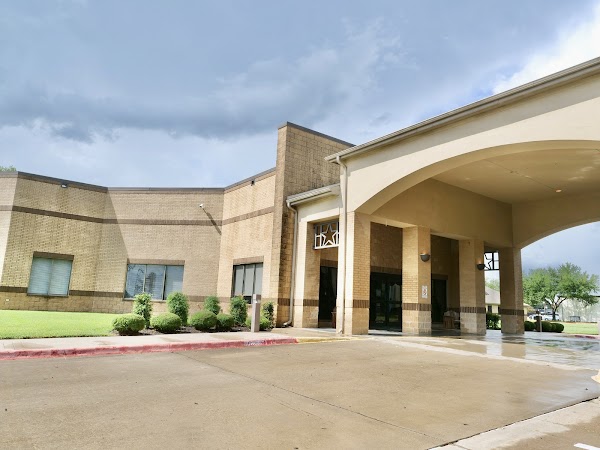
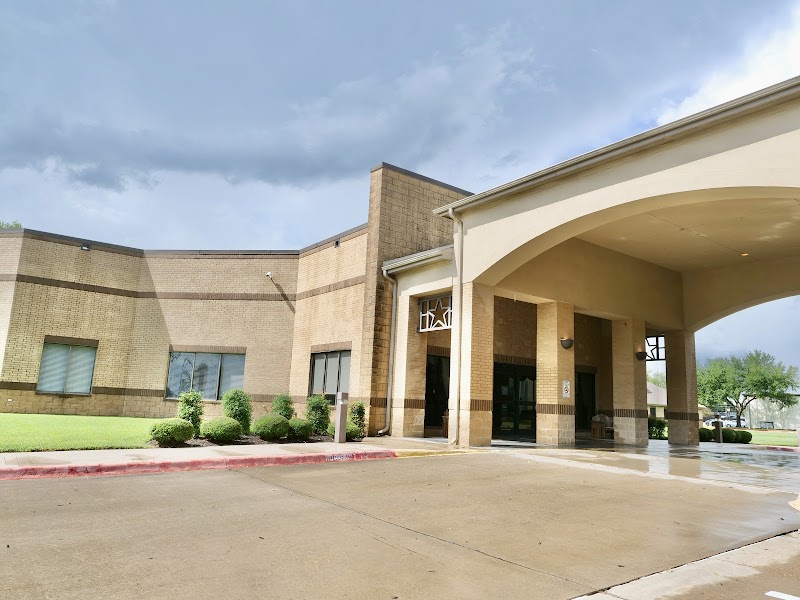
3301 E Mockingbird Ln, Victoria, TX 77904 (361) 573-3201
For profit - Corporation 200 Beds CREATIVE SOLUTIONS IN HEALTHCARE Data: November 2025 5 Immediate Jeopardy citations
Trust Grade
0/100
#1141 of 1168 in TX
Last Inspection: December 2024

Within standard 12-15 month inspection cycle. Federal law requires annual inspections.

Overview

Twin Pines Nursing and Rehabilitation in Victoria, Texas has received a Trust Grade of F, indicating significant concerns about the quality of care provided. This places the facility at #1141 out of 1168 in Texas, meaning it ranks in the bottom half of nursing homes statewide and #4 out of 4 in the local county, suggesting limited local options that are better. Although there has been a trend of improvement with issues decreasing from 26 in 2024 to 4 in 2025, the facility still faces serious deficiencies, including critical incidents where residents experienced falls due to inadequate care plans and supervision. Staffing is rated below average with a turnover rate of 40%, which, while better than the state average, still raises concerns about consistency in care. Additionally, the facility has incurred fines totaling $39,363, which is average compared to other Texas facilities, but the troubling lack of registered nurse coverage-less than 92% of state facilities-suggests potential risks in oversight and care quality.
Trust Score
F
0/100
In Texas
#1141/1168
Bottom 3%
Safety Record
High Risk
Review needed
Inspections
Getting Better
26 → 4 violations
Staff Stability
○ Average
40% turnover. Near Texas's 48% average. Typical for the industry.
Penalties
✓ Good
$39,363 in fines. Lower than most Texas facilities. Relatively clean record.
Skilled Nurses
⚠ Watch
Each resident gets only 9 minutes of Registered Nurse (RN) attention daily — below average for Texas. Fewer RN minutes means fewer trained eyes watching for problems.
Violations
⚠ Watch
53 deficiencies on record. Higher than average. Multiple issues found across inspections.
★☆☆☆☆
1.0
Overall Rating
★★☆☆☆
2.0
Staff Levels
★☆☆☆☆
1.0
Care Quality
★☆☆☆☆
1.0
Inspection Score
Stable
2024: 26 issues
2025: 4 issues

The Good

  • Full Sprinkler Coverage · Fire safety systems throughout facility
  • No fines on record
  • Staff turnover below average (40%)

    8 points below Texas average of 48%

Facility shows strength in fire safety.

The Bad

1-Star Overall Rating

Below Texas average (2.8)

Significant quality concerns identified by CMS

Staff Turnover: 40%

Near Texas avg (46%)

Typical for the industry

Federal Fines: $39,363

Above median ($33,413)

Moderate penalties - review what triggered them

Chain: CREATIVE SOLUTIONS IN HEALTHCARE

Part of a multi-facility chain

Ask about local staffing decisions and management

The Ugly 53 deficiencies on record

5 life-threatening
Jul 2025 2 deficiencies 2 IJ
CRITICAL (J) 📢 Someone Reported This

A family member, employee, or ombudsman was alarmed enough to file a formal complaint

Immediate Jeopardy (IJ) - the most serious Medicare violation

Comprehensive Care Plan (Tag F0656)

Someone could have died · This affected 1 resident

**NOTE- TERMS IN BRACKETS HAVE BEEN EDITED TO PROTECT CONFIDENTIALITY** Based on interview and record review, the facility failed to develop and implement a comprehensive person-centered care plan for...

Read full inspector narrative →
**NOTE- TERMS IN BRACKETS HAVE BEEN EDITED TO PROTECT CONFIDENTIALITY** Based on interview and record review, the facility failed to develop and implement a comprehensive person-centered care plan for each resident, consistent with resident rights, that includes measurable objectives and timeframes to meet a resident's medical, nursing, and mental and psychosocial needs that are identified in the comprehensive assessment and described the services that were to be furnished to attain or maintain the resident's highest practicable physical, mental, and psychosocial well-being, for 2 of 5 residents (Residents #1 and #2) reviewed for comprehensive care plans. 1. The facility failed to develop a comprehensive person-centered care plan with interventions to address Resident #1's behavior of unbuckling the seat belt when transported in the facility van. On 6/13/2025, Resident #1 fell forward while being transported and sustained a laceration to her forehead. 2. The facility failed to develop a person-centered care plan with interventions that addressed Resident #2's fall on 06/18/2025. An IJ was identified on 07/12/2025. The IJ template was provided to the facility on [DATE] at 3:30 PM. While the IJ was removed on 07/13/2025 at 4:20 PM, the facility remained out of compliance at a scope of isolation and severity of potential for more than minimal harm due to the facility's need to evaluate the effectiveness of their plan of removal. These failures could affect residents who have care areas not addressed by the care plans by not having their behavioral needs identified and addressed and putting them at risk of not having their health and safety needs met. The findings included:1. Record review of Resident #1's admission Record (Face Sheet) dated 07/11/2025 revealed she was a [AGE] year-old resident admitted to the facility on [DATE], readmitted on [DATE] and was discharged on 06/13/2025. Diagnoses listed on the admission Record included heart failure, kidney failure with dependance on dialysis (medical treatment to filter waste and excess water from the blood through a specialized machine), syncope (irregular heartbeat), bradycardia (slow heartbeat), and vascular dementia (impaired cognitive thinking due to constricted blood flow). Record review of Resident #1's MDS, a Quarterly assessment dated [DATE], revealed a BIMS score of 5 out of 15 which indicated her cognitive skills for daily decision making were severely impaired; was dependent for transfers, and had no other behavioral symptoms not directed toward others. Record review of Resident #1's Physician Order Summary Report, dated 07/12/2025, revealed an order initiated on 01/17/2025 for dialysis on Monday, Wednesday, and Friday at 12:00 PM at a local dialysis center. Record review of Resident #1's Nurses Notes from 03/11/2025 to 06/12/2025 revealed there was no notation of Resident #1 trying to stand up during transport or for trying to unbuckle her seatbelt in the facility van during transport. Record review of Resident #1's Nurses Notes dated 06/13/2025 by the DON, revealed Resident had a fall. Location: in facility van during transport to dialysis. Cognition/Behavior at Time of Event: Cognitive Impairment. The fall caused a skin tear to above left eyebrow.new/bleeding.Administrator received call from Van Driver of resident fall in van. Upon arrival to scene, noted resident on floor of van face down with head partially under 2nd row of seats. Blood noted on floor and on resident's hair. Cream colored emesis (vomit) noted on wc [wheelchair] and unable to check vs [vital signs]. Respirations slow and irregular. 911 called per van driver. Ems arrived and transported to ER. The MD was notified on 06/13/2025 at 12:02 PM. Resident #1's Responsible Party was notified on 06/13/2025 at 11:52 AM. Interventions in place prior to fall: None, Interventions initiated in response to fall: none. Record review of Resident #1's Nurse's Notes dated 06/13/2025 by LVN H revealed the nurse received a call from the hospital emergency room regarding Resident #1's medication list which was faxed to the hospital and the nurse was informed the resident had another episode of vomiting at the hospital and was intubated (a tube inserted into the mouth and throat to hold open the airway so air can be pushed in and out of the lungs via machine) at that time. Record review of Resident #1's Event Nurses' Note-Fall, dated 06/13/2025, revealed the resident had an unwitnessed fall in the facility van during transport to dialysis sustaining a skin tear above her left eyebrow. Resident #1's responsible party was notified on 06/13/2025 at 11:52 AM and her physician was notified on 06/13/2025 at 12:02 PM. Under Interventions in place prior to this fall had None of the above was checked. Under Interventions initiated in response to this fall had None of the above checked and no interventions were listed. Record review of hospital records dated 6/20/2025 revealed Resident #1 had a CT (Computed tomography - type of imaging using x-ray techniques to obtain detailed images) of head was completed 06/19/2025 and showed no acute intracranial finding. Further review reviewed Resident #1 was treated for and placed on seizure precautions and treated also for sepsis-resolved (condition where the body's responses to infection causes injury to its own tissues and organs), likely secondary to aspiration pneumonia (lung infections caused by inhaling something other than air into your lungs, such as food or vomit), and Paroxysmal Atrial Fibrillation (noted she converted to normal sinus rhythm on 6/16/2025). Telephone interview with Family Member #1 on 07/11/2025 at 12:08 p.m. revealed Resident #1 was no longer in hospital and had been moved to a different nursing facility but was still fighting an infection and very weak. He stated Resident #1 had a history of falls but expected the facility to know this and take appropriate precautions. He stated he felt the facility should have sent extra staff instead of just the driver to help take care of vulnerable residents. During interview with the Van Driver on 07/09/2025 at 3:57 PM, she stated she had pulled out of facility to transport Resident #1 to dialysis when she heard Resident #1 make a loud noise, checked her rearview mirror and saw Resident #1 vomiting. The Van Driver stated she started to pull over to get off the road when she saw Resident #1 stiffen up and fall forward, landing face first on the floor of the van. She stated she called the Administrator, who instructed her to call 911. Further interview revealed the Van Driver stated she had secured Resident #1 securely inside the van but believed Resident #1 unfastened the seatbelt as she had done that before on at least 2 occasions in the past. Further interview with the Van Driver on 07/10/2025 at 4:15 p.m. revealed that she stated there were two other prior incidents of Resident #1 removing her seatbelt and trying to stand up in the van. She stated the first incident happened about 2 months prior to the June 13th incident, where Resident #1 took her seatbelt off and she told Resident #1 to keep her seatbelt fastened because she could fall. She stated the second incident happened about 2 weeks prior to the June 13th incident, where Resident #1 attempted to pull herself up to standing by pulling on the seat in front of her during transport. The Van Driver stated she reported one of the incidents to LVN -A, and one incident to the Administrator, who told her to contact therapy to ask what could be done, and therapy told her they could tilt her wheelchair backwards so she couldn't grab things. During an interview with LVN-A on 07/10/2025 at 11:44 a.m., she stated that sometime during that first week of June 2025, the Van Driver came to the Nurse's station after returning Resident #1 back to facility from dialysis, and told her, the DON and former ADON, who were all standing at the nurse's station, that Resident #1 had tried to stand up in the van during transport. LVN-A stated she educated Resident #1 about not standing up in the van, that it was dangerous, and she stated Resident #1 denied that she had done that. LVN-A further stated that she did not report the incident to anyone because the DON was standing at the Nurse's station with her when the Van Driver reported the incident and had instructed her to educate Resident #1 on not unbuckling her seatbelt. During an interview on 7/11/25 at 9:41 AM, the Activity Director stated that he and the other Van Driver were the only 2 employees that transported residents. The Activity Director stated he transported Resident #1 several times and he had seen her undo her seatbelt in the past. He stated he educated Resident #1 to not unbuckle her seat belt, but she got anxious and unbuckled it. He stated he reported the incident to the Van Driver so that she could monitor for the behavior. Record review of Resident #1's Care Plan initiated 07/03/2022 for The resident is risk for falls due to dx [diagnosis] of syncope [irregular heartbeat]. Resident had action [sic] fall in facility van causing laceration to forehead initiated 07/03/2022 and revised 06/14/2025 revealed it did not address the resident's behavior of unbuckling the seat belt and no new interventions were listed. Record review of Resident #1's other Care Plan focus areas revealed there was no care plan for her behaviors of trying to unbuckle the seatbelt and standing up when transported in the van. Interview on 07/10/2025 at 4:30 PM with the Administrator revealed she had never been informed of Resident #1 unbuckling or standing up in the van. She stated she had been informed by the Van Driver of an incident that occurred about 2 months prior to the current incident, where the Van Driver reported Resident #1 had attempted to slide out of her wheelchair and that was when she suggested the Van Driver check with therapy to see if wheelchair could be modified. Interview on 07/11/2025 at 11:45 PM with PT B revealed she confirmed a CNA had asked what could be done about Resident #1 leaning forward in wheelchair. PT B stated she instructed the CNA and Resident #1's family member how to recline the wheelchair and there was no documentation available about the instruction provided. Interview on 07/11/2025 at 11:46 AM with Administrator, revealed had she known about prior incidents of Resident #1 unbuckling her seat belt and trying to stand up in van, she would have assigned an escort to accompany Resident #1 during transport or sought other ambulance transportation services. Interview on 07/12/2025 at 2:04 PM, MDS Nurse RN C stated if a resident had a behavior of removing their seatbelt while being transported, the Administrator would be informed along with the DON, and any interventions implemented would be care planned. MDS Nurse RN C stated Resident #1's Care Plan and MDS were completed by anther MDS nurse who no longer worked in the facility. MDS Nurse RN C reviewed Resident #1's care plan for falls and stated she did not see anything in Resident #1's Care Plans about her behavior of unbuckling the seatbelt when transported in the facility van, and only had just one statement about the resident having a fall in the facility van causing a laceration to her forehead. MDS Nurse RN C stated the harm of not having the behavior of unbuckling the seatbelt during transport in the care plan could result in an injury. Interview on 07/12/2025 at 2:15 PM with the Administrator, she stated the process for reporting resident behaviors was for the nurse to document in the resident's chart the behavior so it could be discussed in daily meetings or directly tell the DON or Administrator. She stated the Interdisciplinary Team (IDT) would be responsible for developing interventions to address the behavior to ensure the resident's safety. The Administrator stated it was her understanding that the behavior [of unbuckling the seatbelt] was not addressed in Resident #1's care plan and the harm could result in further injury. 2. Record review of Resident #2's admission record dated 07/08/2025 revealed she was an [AGE] year-old woman admitted to the facility on [DATE] and re-admitted on [DATE] with diagnoses which included: Vascular Dementia-Severe (impaired cognitive thinking due to constricted blood flow), Schizoaffective Disorder (a mental health condition that includes both symptoms of schizophrenia, such as hallucinations and delusion and mood disorders), and Poly- osteoarthritis (condition where cartilage in multiple joints wears down causing bones to rub against each other leading to pain and stiffness). Record review of Resident #2's Quarterly MDS assessment dated [DATE] revealed a BIMS score of 4, indicating severe cognitive impairment and she was assessed as needing substantial/maximal assistance for transfers. Record review of Resident #2's Nurses Notes dated 06/18/2025 at 6:06 p.m. by LVN-I, revealed the resident had an unwitnessed fall from the low bed in her room onto the floor next to the bed sustaining a skin tear that was 2cm. to her right hand, and complaining of head, neck, right arm and right leg pain. Under Interventions in place prior to this fall had Floor mat, Low bed. Under Interventions initiated in response to this fall had Floor mat, Low bed, neuro-checks. Record review of Resident #2's Nurses Notes dated 06/18/2025 at 10:55 p.m. by LVN-I revealed resident had returned from the ER with a diagnosis of right knee patella (kneecap) fracture, with knee immobilizer in place. Record review of Resident #2's Care Plan initiated 07/03/2022 for The resident is risk for falls r/t Poor communication/comprehension.Resident H/O fall out of bed due to self positions to the point of being on the edge initiated 07/03/2022 and last revised 07/07/2023, revealed it was not revised to address the resident's actual fall on 06/18/2025 and no new interventions were listed. Record review of Resident #2's other focus areas of Care Plan initiated 07/03/2022 revealed there was no care plan or new interventions which addressed her fall on 06/18/2025. Interview with CNA-K on 07/09/2025 at 1:52 p.m. revealed she stated she had completed check and change with Resident #2 about an hour before her fall and stated she put the bed in the lowest position, and the head of bed was just slightly elevated. Then as she was walking down hall with LVN-H to leave at end of her shift, she heard Resident #2 mumbling, looked in her room and saw her on the floor, face down. She stated she also observed the bed was not in the lowest position, and the head of the bed was straight up at 90-degree angle. The fall mat was in place by her bed. Interview with LVN-H on 07/10/2025 at 10:40 a.m. revealed she works day shift and was getting ready to leave for the day when she heard Resident #2 talking from her room, and when she went to check on her, found Resident #2 lying on the mat on the floor next to her bed. LVN-H stated she observed that Resident #2's head of bed was up to the full 90 degrees, and the bed was not in lowest position, and stated that Resident #2 had been observed to work the bed controller in the past. LVN H stated she believed Resident #2 had accidentally changed position of bed as she manipulated the bed controller. She stated they always make sure her call light was within reach but does not believe she understands its purpose as Resident #2 will push the button on the call light, but when they answer, she cannot say what she needed or why she activated the light. Interview on 07/10/2025 at 5:59 p.m. with LVN-I revealed she works night shift and had just come on duty on 6/18/2025 when she was called into Resident #2's room after she had been found on the floor. She stated Resident #2 was lying on the mat on the floor next to her bed, and that the mat had been in place. However, she noted the bed was not in its lowest position and the head of the bed was in an upright position and stated Resident #2 will take the bed controller and randomly press buttons on it, which can move her bed out of the lowest position. LVN-I stated they have done interventions to keep her from falling again, such as moving the bed controller to the end of the bed to keep her from moving the bed up higher and moving things away from her bed that she can grab, like the drawers out of her dresser. Interview with the DON on 07/11/2025 at 8:28 a.m. revealed all acute incidents such as falls are discussed in the morning team meetings and the team discusses actions/interventions needed. She did not remember specifically what was discussed regarding Resident #2's fall on 6/18/2025. The DON stated that the MDS Nurse is responsible for revising the care plan per the quarterly and annual MDS assessments, and the DON and ADONs are responsible for updating care plans for acute changes. The DON did not know why there was no care plan revision done following Resident #2's fall on 06/18/2025 and -stated that could result in staff not being aware of the care needs of the residents, and could result in acute events such as falls happening again. During an interview with the Administrator on 07/11/2025 at 10:16 a.m., the Administrator stated that Resident #2's fall on 06/18/2025 was addressed by the team in the morning clinical meeting to review causes of the fall and devise new interventions to prevent other falls in future. The Administrator stated that interventions were put into place, including moving furniture to create a safe space, and moving the bed controller away from Resident #2's reach, so that she could not move the bed out of the recommended low bed position. The Administrator further stated however, that Resident #2's care plan was not revised to include these new interventions to prevent further falls but should have been. She stated that either the MDS Nurse or DON can update the care plan to include new focus areas and interventions after discussion in the morning clinical meeting and did not know why Resident #2's care plan was not revised. The Administrator stated not updating the care plan to include all relevant new information such as interventions put in place to prevent falls, could result in staff not having the needed information to care for the Resident properly. Record review of facility policy titled Fall Policy, undated revealed The DON or designee will be responsible for investigating all resident falls to attempt to determine the cause and need for new interventions as requires and Appropriate interventions will be addressed immediately on the interdisciplinary plan of care. Reassessment will occur after each fall. Record review of facility policy titled Comprehensive Care Planning, undated, revealed The resident's care plan will be reviewed after each Admission, Quarterly, Annual and/or Significant Change MDS assessment, and revised based on changing goals, preferences and needs of the resident and in response to current interventions. This was determined to be an Immediate Jeopardy (IJ) on 07/13/2025 at 3:30 PM. The facility Administrator and Area Regional Director of Operations were notified. The Administrator was provided with the IJ template on 07/13/2025 at 3:30 PM. On 07/13/2025 the facility provided a plan of removal. The Plan of removal was accepted on 07/13/2025 at 7:05 PM. It was documented as follows: The following in-services were initiated by the Regional Compliance nurse and DON on 7/11/25. Any staff member not present or in-serviced on 7/11/25 will not be allowed to assume their duties until in-serviced. Direct Staff to include therapy staff.1. Implementing interventions to minimize the risk of falls. 2. Fall Prevention Policy 3. Reporting incidents, accidents and changes in condition that may impair resident safety, to the administrator/DON immediately. Direct care staff in-service over management of behaviors (both in the facility and during van transportation) that may lead to injury and when to notify physician and nursing leadership and administrator. This was completed by the Director of Nursing on 7/12/2025. Any staff member not in-serviced on 7/12/2025 will not be allowed to assume their duties and sign to verify understanding. DON/ADON/Administrator will review entries on the dashboard and monitor to assure that the changes were implemented and added to the resident care plan and kisok as appropriate. An abuse and neglect in-service was initiated on 7/12/2025 by the facility Administrator. Any staff member who is not present for the in-service will not be allowed to assume their duties until attending in-service and signing to verify understanding. Van drivers received in-service education on 7/12/2025 by the facility Administrator that if a resident unbuckles their seatbelt during van transportation, the van will be pulled over at the nearest safe place. The driver will sit with the resident and call for assistance. Signature was obtained to signify verbal understanding. Facility transportation staff were removed from transport duties and counseled by Administrator on 07/11/2025 on Van Driving policy. All transportation staff retrained on Incident Reporting Policy to Administrator on 7/11/25 by administrator. The Medical Director was notified of the immediate jeopardy situation on 7/12/25 at 5:54 PM by the facility Administrator. Ad Hoc (something done for a specific, immediate need) QAPI meeting will be held on 7/11/25 to discuss the IJ and review plan of removal. Any falls/incidents that occur over the weekend will be reported to the facility administrator and/or DON. On 07/12/2025, the facility Administrator was in-serviced one-one-one by the Area Director of Operations about ensuring interventions are put into place following an incident. Signature verbalized understanding. All behaviors will be reported to facility Administrator/DON; interventions will be discussed with IDT and interventions implemented and care planned. Behaviors will be documented in chart and reviewed daily in stand-up. All new interventions added to the care plan will be shared with the staff in a written update on the facility dashboard (in the electronic documentation system) available to all direct care staff. DON/ADON/Administrator will review entries on the dashboard and follow to assure that the changes were implemented and added to the resident care plan and kiosk as appropriate. If a resident unbuckles their seatbelt during van transportation, the van will be pulled over at the nearest safe place. The driver will sit with the resident and call for assistance. Real time computer software key word alert and the 24-hour report will be reviewed in morning stand up 5x weekly by the intradisciplinary team, to assess for any documented changes in resident behavior or other incidents. Any interventions will be put in place and added to the facility dashboard for the staff review. Prior to any van transport, the Administrator/DON will review, with the van driver, any special needs for resident safe transport and put them in place prior to the beginning of transportation. Any modifications will be noted on the van transportation calendar. Monitoring: DON and Administrator will review all falls, incidents and accidents and unsafe behaviors during the morning meeting to ensure appropriate interventions have been implemented. These will continue to be reviewed 5x weekly until the identified issue has been resolved and interventions are in place. The weekend supervisor will review the real time system and 24-hour report and report any newly identified issues to DON/Administrator. Identified incidents, accidents and or unsafe behaviors will be added to a tracker for Administrator and DON to complete with interventions and weekly follow up to assure that said interventions are in place and satisfactory to assure the residents' safety. If it is determined not to be effective, new interventions will be added and tracked. This will be done for a period of 6 weeks or until substantial compliance is achieved, reviewed by the QAPI committee prior to any changes. DON and Administrator will review all falls, incidents and accidents during the weekly Standard of Care Meeting to ensure appropriate interventions have been implemented and plan of care updated to assure staff know how to care for resident after an event or change in condition. Monitoring will take place weekly for a minimum of 6 weeks. The above will be reviewed during the facility monthly QA meeting for no less than 60 days, or until the Administrator determines substantial compliance has been achieved and maintained. Incidents involving van transport will be reviewed 5x weekly in morning meetings to determine if there were any incidents. The IDT will discuss any necessary interventions to prevent future events and update the residents' plan of care as appropriate. This will continue for a period of 6 weeks and PRN thereafter as determined by the QAPI committee. Regional Compliance Nurse/Area Director of Operations will review incidents and accidents at least once weekly to assure that appropriate interventions are in place to address incidents, accidents and changes in condition were made at the facility level. Verification of the facility's POR for F656 was as follows:Record review of an In-Service Form dated 07/12/2025 revealed the Administrator had in-serviced the Van Driver on If a resident unbuckles their seatbelt during van transportation, the van will be pulled over at the nearest safe place. The driver will sit with the resident and call for assistance. Record review of an In-Service Training Attendance Roster dated 07/12/2025 revealed the Administrator was trained by the Area Director of Operations to ensure interventions were in place for any reported unsafe conditions, reported falls or other accidents/unusual occurrences. Record review of an In-Service Training Attendance Roster dated 07/12/2025 revealed the Administrator was trained by the Area Director of Operations on Abuse and Neglect. Record review of an untitled sheet revealed the Administrator notified the Medical Director of the IJ on 07/12/2025 at 5:50 PM. Record review of a printed calendars of residents who were transported to appointments from 06/15/2025 to 07/12/2025, revealed which residents had escorts accompany them when they were transported in the van, and it was also noted what days the Administrator rode in the van with the Van Driver. Record review of the Behavior Monitoring Tracker revealed residents who had behaviors would be tracked daily with what the behavior was, if there was an intervention placed, if it was care planned and if it was effective. There were 6 weeks of sheets for the monitoring. Record review of an undated employee list revealed the facility had 89 full time employees and 32 part-time/prn employees for a total of 121 employees. Record Review of an In-service record log revealed all 121 employees had been in-serviced by phone or in person on reporting allegations of abuse/neglect immediately to the Administrator; any unsafe conditions that must be reported to the Administrator immediately; all falls and/or other accidents or unusual occurrences would be reported to the administrator; any unsafe behaviors or incidents that occurred on the van during transport needed to be reported to the Administrator and DON immediately; all unsafe behaviors that could lead to a fall must be reported immediately to the Administrator; and on the Fall Policy. In an interview on 07/12/2025 at 4:23 PM, the Administrator stated the SOC was Standard of Care which was a weekly meeting that was held to discuss resident care. Interviews on 07/12/2025 from 4:40 PM to 7:00 PM and 07/13/2025 from 8:30 AM to 4:00 PM with 29 employees out of 121 employees (25 full time employees, 4 prn/part time employees) which consisted of 1 RA (RA W), 2 MA (MA T, MA U), 2 Housekeepers (Housekeeper Q, Housekeeper R), 10 CNAs (CNA L, CNA M, CNA N, CNA O, CNA X, CNA Y, CNA K, CNA BB, CNA AA, CNA Z) 3 of them worked 6 PM to 6 AM shift, 4 LVNs (LVN I, LVN H, LVN J, LVN P) 2 of them worked 6 PM to 6 AM shift), 3 dietary employees (Dietary Aide T, Dietary Supervisor E, and [NAME] S), 1 Activity Director, 1 Van Driver, 2 PTA (PTA EE, PTA CC), 1 OTA (OTA DD) revealed the had received the in-service training as indicated in the POR for F656. All the employees stated they would report any signs of abuse to the Abuse Coordinator who was the Administrator, they had her phone number to contact her. They also stated they would report immediately to the abuse coordinator any falls or unsafe behaviors to the administrator which included any unsafe behaviors when residents were transported in the van. The employees stated they had been in-serviced on the facility's Fall Prevention policy and interventions to minimize falls and provided examples of how that could be done. In an interview on 07/13/2025 at 10:41 AM the Van Driver stated she works full time as the van driver; and received training on reporting incidents, on when to pull the van over, on when to report anything to the administrator about unusual behaviors that occurred when a resident was transported, reporting unusual behaviors from residents. Van Driver D said she was also trained to report any falls a resident had to the administrator, the DON and nurse. The Van Driver stated she was also trained to report any signs of abuse or neglect to the administrator immediately. The Van Driver said she received one-on-one training about the fall with Resident #1, was retrained by administrator on transporting residents, and the Administrator rode with her for a whole week in June 2025. Then the administrator rode with her twice a week for four weeks, then the administrator would randomly ride with her. The Van Driver stated she the Administrator was riding with her twice a week for two more weeks. The Van Driver said she would print out daily the calendar of the residents who would be transported; record on the calendar any behaviors from the resident when they were transported and provided the calendar to the administrator at the end of the day. The Van Driver stated she was also in-serviced recently on abuse and neglect; and would report it immediately to the administrator. In an interview on 07/13/2025 at 2:03 PM, DON stated they would review in the morning meeting which resident would need an escort when transported to their scheduled appointment. The DON said residents who had falls were reviewed daily in the morning meeting. The DON stated she and the Administrator had in-serviced the employees on Abuse and Neglect, on Falls, who to report to, what to report for abuse or neglect, and fall prevention. The DON stated staff were to report to her or the Administrator if they had witnessed any unsafe behaviors from a resident or when the resident was transported. The DON stated if a resident had a fall, the charge nurse would notify her of the fall. The DON said they would review the falls throughout the day to see how they could be prevented. The DON stated the monitoring would be done with the monitoring tools that were developed and reviewed in the daily morning meeting, the weekly SOC meeting and QAPI meetings. The DON stated they would review which residents need to have an escort or need to have a contracted transport company take a resident to dialysis if needed. The DON said they had an Ad Hoc QAPI meeting on 7/11/2025 with the department heads, the Administrator, the Area Director of Operations; and the Medical Director was informed by the Administrator. The DON said she and the ADON would review the 24-hour summary to see if there were any changes that happened such as falls or behaviors and to see if they were reviewed. The DON stated the resident's dashboard would be reviewed throughout the day for any falls or behaviors that would need to be addressed. The DON said she and the Administrator were reviewing residents who were going to be transported, and it was discussed if the resident needed to have an escort. The DON stated the SOC meeting was held weekly on Fridays, and they would review residents who had a fall or accident to see if any interventions were needed. In an interview on 07/13/2025 at 2:23 PM, the Administrator stated the interventions implemented included re-educating all staff on reporting unusual occurrences, and an employee could not return to work unless they received the training. The Administrator said all staff were provided her phone number to contact her to report any abuse or unsafe behaviors. The Administrator stated a monitoring tool was implemented to review all falls in the morning meeting
CRITICAL (J) 📢 Someone Reported This

A family member, employee, or ombudsman was alarmed enough to file a formal complaint

Immediate Jeopardy (IJ) - the most serious Medicare violation

Accident Prevention (Tag F0689)

Someone could have died · This affected 1 resident

**NOTE- TERMS IN BRACKETS HAVE BEEN EDITED TO PROTECT CONFIDENTIALITY** Based on interviews and record review the facility failed to ensure that the resident's environment remained free of accidents a...

Read full inspector narrative →
**NOTE- TERMS IN BRACKETS HAVE BEEN EDITED TO PROTECT CONFIDENTIALITY** Based on interviews and record review the facility failed to ensure that the resident's environment remained free of accidents and hazards as possible and each resident received adequate supervision to prevent accidents for 2 of 2 residents (Residents #1 and #2) reviewed for accidents. 1. The facility failed to identify and address hazards and risk in Resident #1's environment when staff failed to ensure they addressed Resident #1's behavior of unbuckling the seatbelt during transport in the facility van. On 06/13/2025, Resident #1 sustained a fall during van transport, with the seat belt noted to be on the wheelchair but the fastener unlatched, resulting in a laceration to her forehead. 2. The facility failed to identify and address hazards and risk in Resident #2's environment when staff failed to ensure they addressed Resident #2's fall on 06/18/2025. An Immediate Jeopardy (IJ) was identified on 07/11/2025. The IJ template was provided to the facility on [DATE] at 10:39 p.m. While the IJ was removed on 07/13/2025 at 4:20 p.m., the facility remained out of compliance at a scope of isolated and a severity of potential for more than minimal harm due to the facility's need to evaluate the effectiveness of their plan of removal. This failure could place residents at risk for accidents injuries, hospitalization and death related to unsafe vehicle transport. The findings included: 1.Record review of Resident #1’s admission record dated 07/08/2025 revealed she was a [AGE] year-old woman admitted on [DATE] with re-admission on [DATE], and with diagnoses which included: End-Stage Renal disease (condition where kidneys lose the ability to remove waste and balance fluids in balance requiring dialysis); Syncope (fainting or temporary loss of consciousness) and collapse; Vascular Dementia (impaired cognitive thinking due to constricted blood flow) and Bradycardia (slow heart beat). Record review of Resident #1’s Quarterly MDS assessment dated [DATE] revealed she had a BIMS score of 5, indicating severe cognitive impairment, and was assessed as being dependent for transfers, and had no behavioral symptoms. Record review of Resident #1’s Care Plan initiated 07/03/2022 revealed a focus area for “The resident is risk for falls due to dx [diagnosis] of syncope,” and included “Resident had action [sic] fall in facility van causing laceration to forehead” initiated 07/03/2022 and revised 06/14/2025. There were no interventions listed which addressed the resident’s behavior of unbuckling the seat belt and no new interventions for this fall were listed. Record review of Resident #1’s other focus areas in her Care Plan initiated 07/03/2022, revealed there was no other focus areas for her behavior of trying to stand up during transport or for trying to unbuckle her seatbelt in the facility van during transport. Record review of Resident #1’s Physician Order Summary Report, dated 07/12/2025, revealed an order initiated on 01/17/2025 for dialysis at 12:05 PM on Monday, Wednesday, and Friday at a local dialysis center. Record review of Resident #1’s Nurses Notes from 03/11/2025 to 06/12/2025 revealed there was no notation of Resident #1 trying to stand up during transport or for trying to unbuckle her seatbelt in the facility van during transport. Record review of Resident #1’s Progress Note dated 6/13/2025 at 11:22 a.m. by the DON revealed “Resident had a fall. Location: in facility van during transport to dialysis. Cognition/Behavior at Time of Event: Cognitive Impairment. The fall caused a skin tear to above left eyebrow. new/bleeding….Administrator received call from Van Driver of resident fall in van. Upon arrival to scene, noted resident on floor of van face down with head partially under 2nd row of seats. Blood noted on floor and on resident’s hair. Cream colored emesis (vomit) noted on wc [wheelchair] and unable to check vs [vital signs]. Respirations slow and irregular. 911 called per van driver. Ems arrived and transported to ER…” The MD was notified on 06/13/2025 at 12:02 PM. Resident #1’s Responsible Party was notified on 06/13/2025 at 11:52 AM. “Interventions in place prior to fall: None, Interventions initiated in response to fall: none.” Record review of Resident #1’s Nurse’s Notes dated 06/13/2025 by LVN-H revealed the nurse received a call from the hospital emergency room regarding Resident #1’s medication list which was faxed to the hospital and the nurse was informed the resident had another episode of vomiting at the hospital and was intubated (a tube inserted into the mouth and throat to hold open the airway so air can be pushed in and out of the lungs via machine) at that time. Record review of Resident #1’s Event Nurses’ Note-Fall, dated 06/13/2025, revealed the resident had an unwitnessed fall in the facility van during transport to dialysis sustaining a skin tear above her left eyebrow. Resident #1’s responsible party was notified on 06/13/2025 at 11:52 AM and her physician was notified on 06/13/2025 at 12:02 PM. Under “Interventions in place prior to this fall” had “None of the above” was checked. Under “Interventions initiated in response to this fall” had “None of the above” checked and no interventions were listed. Record review of hospital records dated 6/20/2025 revealed Resident #1 had a CT (Computed tomography – type of imaging using x-ray techniques to obtain detailed images) of head was completed 06/19/2025 and showed “no acute intracranial finding”. Further review revealed Resident #1 was treated for and placed on seizure precautions and treated also for sepsis-resolved (condition where the body’s responses to infection causes injury to its own tissues and organs), likely secondary to aspiration pneumonia (lung infections caused by inhaling something other than air into your lungs, such as food or vomit), and Paroxysmal Atrial Fibrillation (noted she converted to normal sinus rhythm on 6/16/2025). Telephone interview with Family Member #1 on 07/11/2025 at 12:08 p.m. revealed Resident #1 was no longer in hospital and had been moved to a different nursing facility, but was still fighting an infection and very weak. He stated Resident #1 had a history of falls, but expected the facility to know this and take appropriate precautions. He stated he felt the facility should have sent extra staff instead of just the driver to help take care of vulnerable residents. During an interview on 07/09/2025 at 3:57 p.m., the Van Driver stated that she loaded Resident #1 in the van on 06/13/2025, leaving facility at 11:16 a.m. and after pulling out onto the road, she heard Resident #1 make a loud noise, and saw in the rear-view mirror that Resident #1 had vomit coming from her mouth. She stated that as she attempted to turn to pull off to the side of road, she saw Resident #1 stiffen up and fall forward out of the wheelchair and land face down on the floor of the van. The Van Driver stated she called the Administrator who told her to call 911. The Van Driver further stated that she had secured Resident #1 securely in her wheelchair into the van with 4 straps that were attached to the L-bar of Resident #1’s wheelchair frame, but stated she believed Resident #1 had unbuckled her seatbelt, because she had unbuckled her seatbelt during transport in the past. Further interview with the Van Driver on 07/10/2025 at 4:15 p.m. revealed that she stated there were two other prior incidents of Resident #1 removing her seatbelt and trying to stand up in the van. She stated the first incident happened about 2 months prior to the June 13th incident, where Resident #1 took her seatbelt off and she told Resident #1 to keep her seatbelt fastened because she could fall. She stated the second incident happened about 2 weeks prior to the June 13th incident, where Resident #1 attempted to pull herself up to standing by pulling on the seat in front of her during transport. The Van Driver stated she reported one of the incidents to LVN -A, and one incident to the Administrator, who told her to contact therapy to ask what could be done, and therapy told her they could tilt her wheelchair backwards so she couldn’t grab things. During an interview with LVN-A on 07/10/2025 at 11:44 a.m., she stated that sometime during that first week of June 2025, the Van Driver came to the Nurse’s station after returning Resident #1 back to facility from dialysis, and told her, the DON and former ADON, who were all standing at the nurse’s station, that Resident #1 had tried to stand up in the van during transport. LVN-A stated she educated Resident #1 about not standing up in the van, that it was dangerous, and she stated Resident #1 denied that she had done that. LVN-A further stated that she did not report the incident to anyone because the DON was standing at the Nurse’s station with her when the Van Driver reported the incident and had instructed her to educate Resident #1 on not unbuckling her seatbelt. During an interview with the DON on 07/10/2025 at 4:54 p.m., the DON stated she was never made aware of any prior incidents of Resident #1 taking off her seatbelt or trying to stand up out of her wheelchair during van transport. Interview on 07/10/2025 at 4:30 p.m. with the Administrator revealed she had inspected the van after the incident and observed vomit on the chest strap when she pulled it out from the retracting device, indicating the chest strap had been in place across Resident #1’s chest when she first started to vomit and believed Resident #1 may have pressed down on her abdomen with her hand when she vomited, accidentally pushing on the release button of the seatbelt. When asked about any prior incidents, the Administrator stated that the Van Driver had informed her of an incident where Resident #1 had attempted to slide down out of her wheelchair, could not remember the exact date, but thought it might have been a couple of months prior to the current incident, and that was when she suggested the Van Driver check with therapy to see if wheelchair could be modified. She stated the Van Driver never told her Resident #1 had unbuckled her seatbelt or tried to stand up in van. She stated the Van Driver came back and told her therapy stated the wheelchair could be tilted back slightly, and they agreed that was what they were going to try to do to address the problem. The Administrator further stated that if Resident #1 had intentionally tried to undo her seatbelt or stand up in the van during transport she would expect that to be reported to her, but no one ever had. She stated the team never met to discuss the incident reported to her of Resident #1 trying to slide out of the wheelchair and the intervention they discussed about the therapy assessment of the wheelchair was never care planned but should have been. Interview with PT - B on 07/11/2025 at 11:46 a.m. revealed she confirmed a CNA had come down to ask about what could be done about Resident #1 leaning forward in wheelchair and PT-B instructed CNA and Resident #1’s family member how to recline the wheelchair. No documentation available as Resident #1 was not on services at this time. Interview with the Activity Director on 7/11/2025 at 9:41 a.m. revealed that he also transports residents in the van to recreational activities, but will also transport residents at times to their medical appointments when the primary Van Driver is out sick. He stated the primary Van Driver and he are the only staff who transported residents at the facility. The Activity Director stated he had transported Resident #1 in the van many times and had observed her undo her seatbelt or try to stand up in van during transport several times. The Activity Director further stated he educated Resident #1 not to unbuckle her seat belt, but stated she would get anxious at times and forget. The Activity Director stated he reported this behavior of unbuckling her seatbelt during transport to the primary Van Driver so she could be aware and monitor but did not report the incidents to anyone else. During a telephone interview with the Van Driver on 07/11/2025 at 11:54 a.m., she stated that she did not recall the Activity Director ever informing her or warning her about Resident #1’s behavior of unbuckling her seatbelt during transport. During an interview with the Administrator on 07/11/2025 at 11:46 a.m., the Administrator stated that had she known Resident #1 had incidents of unbuckling her seatbelt in van during transport, she would have assigned an escort to go along with her during transport or contracted with local company for ambulance transportation services for Resident #1. 2. Record review of Resident #2’s admission record dated 07/08/2025 revealed she was an [AGE] year-old woman admitted to the facility on [DATE] and re-admitted on [DATE] with diagnoses which included: Vascular Dementia-Severe (impaired cognitive thinking due to constricted blood flow), Schizoaffective Disorder (a mental health condition that includes both symptoms of schizophrenia, such as hallucinations and delusion and mood disorders), and Poly- osteoarthritis (condition where cartilage in multiple joints wears down causing bones to rub against each other leading to pain and stiffness). Record review of Resident #2’s Quarterly MDS assessment dated [DATE] revealed a BIMS score of 4, indicating severe cognitive impairment and she was assessed as needing substantial/maximal assistance for transfers. Record review of Resident #2’s Nurses Notes dated 06/18/2025 at 6:06 p.m. by LVN-I, revealed the resident had an unwitnessed fall from the low bed in her room onto the floor next to the bed sustaining a skin tear that was 2cm. to her right hand, and complaining of head, neck, right arm and right leg pain. Under “Interventions in place prior to this fall” had “Floor mat, Low bed.” Under “Interventions initiated in response to this fall” had “Floor mat, Low bed, neuro-checks.” Record review of Resident #2’s Nurses Notes dated 06/18/2025 at 10:55 p.m. by LVN-I revealed resident had returned from the ER with a diagnosis of right knee patella (kneecap) fracture, with knee immobilizer in place. Record review of Resident #2’s Care Plan initiated 07/03/2022 for “The resident is risk for falls r/t Poor communication/comprehension….Resident H/O fall out of bed due to self positions to the point of being on the edge” initiated 07/03/2022 and last revised 07/07/2023, revealed it was not revised to address the resident’s actual fall on 06/18/2025 and no new interventions were listed. Record review of Resident #2’s other focus areas of Care Plan initiated 07/03/2022 revealed there was no care plan or new interventions which addressed her fall on 06/18/2025. Interview with CNA-K on 07/09/2025 at 1:52 p.m. revealed she stated she had completed check and change with Resident #2 about an hour before her fall and stated she put the bed in the lowest position, and the head of bed was just slightly elevated. Then as she was walking down hall with LVN-H to leave at end of her shift, she heard Resident #2 mumbling, looked in her room and saw her on the floor, face down. She stated she also observed the bed was not in the lowest position, and the head of the bed was straight up at 90-degree angle. The fall mat was in place by her bed. Interview with LVN-H on 07/10/2025 at 10:40 a.m. revealed she works day shift and was getting ready to leave for the day when she heard Resident #2 talking from her room, and when she went to check on her, found Resident #2 lying on the mat on the floor next to her bed. LVN-H stated she observed that Resident #2’s head of bed was up to the full 90 degrees, and the bed was not in lowest position, and stated that Resident #2 had been observed to work the bed controller in the past. LVN H stated she believed Resident #2 had accidentally changed position of bed as she manipulated the bed controller. She stated they always make sure her call light was within reach but does not believe she understands its purpose as Resident #2 will push the button on the call light, but when they answer, she cannot say what she needed or why she activated the light. Interview on 07/10/2025 at 5:59 p.m. with LVN-I revealed she works night shift and had just come on duty on 6/18/2025 when she was called into Resident #2’s room after she had been found on the floor. She stated Resident #2 was lying on the mat on the floor next to her bed, and that the mat had been in place. However, she noted the bed was not in its lowest position and the head of the bed was in an upright position and stated Resident #2 will take the bed controller and randomly press buttons on it, which can move her bed out of the lowest position. LVN-I stated they have done interventions to keep her from falling again, such as moving the bed controller to the end of the bed to keep her from moving the bed up higher and moving things away from her bed that she can grab, like the drawers out of her dresser. Interview with the DON on 07/11/2025 at 8:28 a.m. revealed all acute incidents such as falls are discussed in the morning team meetings and the team discusses actions/interventions needed. She did not remember specifically what was discussed regarding Resident #2’s fall on 6/18/2025. The DON stated that the MDS Nurse is responsible for revising the care plan per the quarterly and annual MDS assessments, and the DON and ADONs are responsible for updating care plans for acute changes. The DON did not know why there was no care plan revision done following Resident #2’s fall on 06/18/2025 and -stated that could result in staff not being aware of the care needs of the residents, and could result in acute events such as falls happening again. During an interview with the Administrator on 07/11/2025 at 10:16 a.m., the Administrator stated that Resident #2’s fall on 06/18/2025 was addressed by the team in the morning clinical meeting to review causes of the fall and devise new interventions to prevent other falls in future. The Administrator stated that interventions were put into place, including moving furniture to create a safe space, and moving the bed controller away from Resident #2’s reach, so that she could not move the bed out of the recommended low bed position. The Administrator further stated however, that Resident #2’s care plan was not revised to include these new interventions to prevent further falls but should have been. She stated that either the MDS Nurse or DON can update the care plan to include new focus areas and interventions after discussion in the morning clinical meeting and did not know why Resident #2’s care plan was not revised. The Administrator stated not updating the care plan to include all relevant new information such as interventions put in place to prevent falls, could result in staff not having the needed information to care for the Resident properly. Record review of facility policy titled “Fall Policy”, undated revealed “The DON or designee will be responsible for investigating all resident falls to attempt to determine the cause and need for new interventions as requires” and “Appropriate interventions will be addressed immediately on the interdisciplinary plan of care. Reassessment will occur after each fall.” This was determined to be an Immediate Jeopardy (IJ) on 07/11/2025. The Administrator was provided with the IJ template on 07/11/2025 at 10:39 PM. On 07/12/2025 the facility provided a plan of removal. The Plan of removal was accepted on 07/12/2025 at 11:33 AM. It is documented as follows: The following in-services were initiated by the Regional Compliance nurse and DON on 7/11/25. Any staff member not present or in-serviced on 7/11/25 will not be allowed to assume their duties until in-serviced. Direct Staff to include therapy staff. 1. Implementing interventions to minimize the risk of falls. 2. Fall Prevention Policy 3. Reporting all incidents and accidents to the administrator immediately. Facility transportation staff was removed from transport duties and counseled by Administrator on 07/11/2025 on Van Driving policy. All transportation staff retrained on Incident Reporting Policy to Administrator on 7/11/25 by administrator. The medical director was notified of the immediate jeopardy situation on 7/11/25 at 10:30 pm by administrator. Ad Hoc QAPI meeting will be held on 7/11/25 to discuss the IJ and review plan of removal. Any falls/incidents that occur over the weekend will be reported to the facility administrator and/or DON. Monitoring: DON and Administrator will review all falls during the morning meeting to ensure appropriate interventions have been implemented. Monitoring will occur 5 days per week for a minimum of 6 weeks. DON and Administrator will review all falls during the weekly Standard of Care Meeting to ensure appropriate interventions have been implemented. Monitoring will occur weekly for a minimum of 6 weeks. Above will be reviewed during the facility monthly QA meeting for no less than 60 days, or until the Administrator determines substantial compliance has been achieved and maintained. Incidents involving van transport will be reviewed 5x weekly in morning meeting to determine if there were any incidents. This will be continued for a period of 6 weeks and PRN thereafter as determined by the QAPI committee. Verification of the facility’s POR for F689 was as follows: Record review of an AD Hoc QAPI Contributors signature page dated 07/11/2025 revealed a meeting was held with the Administrator, DON, Medical Director, Social Services, Activity Director and three other employees. Record review of an undated, untitled sheet revealed the Medical Director was notified on 07/11/2025 at 11:04 AM of the IJ situation by the Administrator. Record review of an Incident/Fall Review Monitoring Tool revealed all falls would be reviewed 5 days per week for 6 weeks. Record review of a Falls Review Monitoring Tool revealed the Administrator and the DON would discuss falls and interventions implemented weekly at a SOC (Standard of Care) meeting that was held with the Administrator, DON, and other Interdisciplinary Team members. Record review of the QA Monitoring Tool revealed falls and incidents and if interventions were implemented would be reviewed monthly at the QAPI Meetings that will be held on 07/15/2025 and 08/19/2025. Record review of the Van Incident Monitoring Tool revealed all incidents involving van transport were reviewed five times a week for 6 weeks by the DON and Administrator. Record review of an undated employee list revealed the facility had 89 full time employees and 32 part-time/prn employees for a total of 121 employees. Record review of an In-service record log, dated 07/12/2025 revealed all 121 employees had been in-serviced by phone or in person on reporting allegations of abuse/neglect immediately to the administrator; any unsafe conditions must be reported to the administrator immediately; all falls and/or other accidents or unusual occurrences would be reported to the administrator; any unsafe behaviors or incidents that occur on the fan during transport needs to be reported to the administrator and DON immediately; all unsafe behaviors that could lead to a fall must be reported immediately to the administrator; and on the Fall Policy. In an interview on 07/12/2025 at 4:23 PM, the Administrator stated the “SOC” was Standard of Care which was a weekly meeting that was held to discuss resident care. Interviews on 07/12/2025 from 4:40 PM to 7:00 PM and 07/13/2025 from 8:30 AM to 4:00 PM with 29 employees out of 121 employees (25 full time employees, 4 prn/part time employees) which consisted of 1 RA (RA W), 2 MA (MA T, MA U), 2 Housekeepers (Housekeeper Q, Housekeeper R), 10 CNAs (CNA L, CNA M, CNA N, CNA O, CNA X, CNA Y, CNA K, CNA BB, CNA AA, CNA Z) 3 of them worked 6 PM to 6 AM shift, 4 LVNs (LVN I, LVN H, LVN J, LVN P) 2 of them worked 6 PM to 6 AM shift), 3 dietary employees (Dietary Aide T, Dietary Supervisor E, and [NAME] S), 1 Activity Director, 1 Van Driver, 2 PTA (PTA EE, PTA CC), 1 OTA (OTA DD) revealed the had received the in-service training as indicated in the POR for F689. All the employees stated they would report any signs of abuse to the Abuse Coordinator who was the Administrator, they had her phone number to contact her. They also stated they would report immediately to the abuse coordinator any falls or unsafe behaviors to the administrator which included any unsafe behaviors when residents were transported in the van. The employees stated they had been in-serviced on the facility’s Fall Prevention policy and interventions to minimize falls and provided examples of how that could be done. In an interview on 07/13/2025 at 10:41 AM the Van Driver stated she works full time as the van driver; and received training on reporting incidents, on when to pull the van over, on when to report anything to the administrator about unusual behaviors that occurred when a resident was transported, reporting unusual behaviors from residents. Van Driver D said she was also trained to report any falls a resident had to the administrator, the DON and nurse. The Van Driver stated she was also trained to report any signs of abuse or neglect to the administrator immediately. The Van Driver said she received one-on-one training about the fall with Resident #1, was retrained by administrator on transporting residents, and the Administrator rode with her for a whole week in June 2025. Then the administrator rode with her twice a week for four weeks, then the administrator would randomly ride with her. The Van Driver stated she the Administrator was riding with her twice a week for two more weeks. The Van Driver said she would print out daily the calendar of the residents who would be transported; record on the calendar any behaviors from the resident when they were transported and provided the calendar to the administrator at the end of the day. The Van Driver stated she was also in-serviced recently on abuse and neglect; and would report it immediately to the administrator. In an interview on 07/13/2025 at 2:03 PM, DON stated they would review in the morning meeting which resident would need an escort when transported to their scheduled appointment. The DON said residents who had falls were reviewed daily in the morning meeting. The DON stated she and the Administrator had in-serviced the employees on Abuse and Neglect, on Falls, who to report to, what to report for abuse or neglect, and fall prevention. The DON stated staff were to report to her or the Administrator if they had witnessed any unsafe behaviors from a resident or when the resident was transported. The DON stated if a resident had a fall, the charge nurse would notify her of the fall. The DON said they would review the falls throughout the day to see how they could be prevented. The DON stated the monitoring would be done with the monitoring tools that were developed and reviewed in the daily morning meeting, the weekly SOC meeting and QAPI meetings. The DON stated they would review which residents need to have an escort or need to have a contracted transport company take a resident to dialysis if needed. The DON said they had an Ad Hoc QAPI meeting on 7/11/2025 with the department heads, the Administrator, the Area Director of Operations; and the Medical Director was informed by the Administrator. The DON said she and the ADON would review the 24-hour summary to see if there were any changes that happened such as falls or behaviors and to see if they were reviewed. The DON stated the resident’s dashboard would be reviewed throughout the day for any falls or behaviors that would need to be addressed. The DON said she and the Administrator were reviewing residents who were going to be transported, and it was discussed if the resident needed to have an escort. The DON stated the SOC meeting was held weekly on Fridays, and they would review residents who had a fall or accident to see if any interventions were needed. In an interview on 07/13/2025 at 2:23 PM, the Administrator stated the interventions implemented included re-educating all staff on reporting unusual occurrences, and an employee could not return to work unless they received the training. The Administrator said all staff were provided her phone number to contact her to report any abuse or unsafe behaviors. The Administrator stated a monitoring tool was implemented to review all falls in the morning meeting to ensure interventions were implemented and was care planned. The Administrator said the SOC tool would be used weekly to verify the interventions were listed, if the staff knew about the interventions, and would be reviewed at the next QAPI meeting. The Administrator stated a van monitoring tool was implemented to ensure if anything happened during transport was recorded. The Administrator said the monitoring sheet was reviewed daily to determine if a resident needed an escort or need an ambulance to transport them. The Administrator stated the van drivers would turn in the van monitoring tool at the end of the day with notes about if a resident tried to stand up, any issues with their chair, or if they looked weak. The Administrator said the Van Driver was retrained on transporting residents in the van. The Administrator stated after the incident with Resident #1 she rode in the van daily for the first week, then the second week she rode in the van a twice a week. The Administrator stated an Ad Hoc QAPI meeting was held on 07/11/2025 with the department heads and Area Director of Operations. The Administrator said staff were retained about un-safe behaviors to be reported immediately to her or the DON. The Administrator stated when employees see a resident exhibiting behaviors, they were to stay with the resident to make sure they are safe, call for help, then report it to the administrator. The Administrator said they have a clinical care meeting and will follow-up on the entries on the resident’s clinical record dashboard for behaviors with instructions for that resident, and the interventions were added to the resident’s care plan. The Administrator stated if something happened on the weekend, staff would contact the Administrator. The Administrator said the Van Driver and Activity Director were in-serviced to pull over when a resident did something unsafe in the van and then call her. The Administrator said she a calendar was used with residents who have appointments to determine if a resident needed to have an escort to their appointment. The Administrator stated she and the DON would review all falls to make sure the i
Apr 2025 1 deficiency
CONCERN (D) 📢 Someone Reported This

A family member, employee, or ombudsman was alarmed enough to file a formal complaint

Potential for Harm - no one hurt, but risky conditions existed

Assessment Accuracy (Tag F0641)

Could have caused harm · This affected 1 resident

**NOTE- TERMS IN BRACKETS HAVE BEEN EDITED TO PROTECT CONFIDENTIALITY** Based on observations, interviews, and record reviews the facility failed to ensure the assessment accurately reflected the resi...

Read full inspector narrative →
**NOTE- TERMS IN BRACKETS HAVE BEEN EDITED TO PROTECT CONFIDENTIALITY** Based on observations, interviews, and record reviews the facility failed to ensure the assessment accurately reflected the resident's status for 1 (Resident #1) of 3 residents reviewed for accuracy of assessments. The facility failed to ensure Resident #1 was coded on his Quarterly MDS assessment, signed as completed on 02/11/2025, for a fall with major injury that occurred on 01/12/2025. This failure could place residents at risk of improper or incorrect care and services necessary for their physical, mental, and psychosocial well-being. The findings included: Record review of Resident #1's admission Record, dated 04/17/2025, reflected a [AGE] year-old male. He was admitted to the facility on [DATE]. Record review of Resident #1's Diagnosis Report, dated 04/17/2025, reflected a primary and admitting diagnosis of Hemiplegia (partial to complete loss of muscle function of one side of the body) and Hemiparesis (muscle weakness of one side of the body) following an unspecified cerebrovascular disease (a group of conditions that affect the blood flow and blood vessels in the brain) affecting the left non-dominant side, epilepsy (a brain disorder that causes seizures), and other reduced mobility. Record review of Resident #1's Nursing Note, dated 01/12/2025 at 09:31 p.m. by LPN A, reflected Resident #1 had an unwitnessed fall in his room on 01/12/2024. LPN A noted the fall caused a fracture to Left leg. Record review of Resident #1's Fall Nurses Note 12hr, signed 01/17/2025 with effective date 01/15/2025 by LPN A, reflected Resident #1 sustained a fracture to his left leg with swelling and a brace applied for intervention. Record review of Resident #1's Quarterly MDS, signed as completed on 02/11/2025 by the RN Assessment Coordinator B, reflected assessment observation end date of 01/29/2025. Resident #1 had a BIMS score of 10 indicating he was mildly impaired, he required substantial/maximal assistance for transferring from lying to sitting on the side of the bed or sitting to standing; and he had two or more falls since admission/entry or reentry or the prior assessment with no injury. He was documented as had no major injury since admission/entry or reentry or prior assessment. The assessment description for major injury included bone fractures. An observation and interview with Resident #1 on 04/17/2025 at 04:25 p.m., revealed Resident #1 was lying in his bed with his head and shoulders slighted elevated watching television. Resident #1 appeared clean and groomed. His call light, a side table, and a bedside urinal bottle were in reach. The resident had two grab bars attached to both sides of his upper bed. Resident #1 revealed he had fallen a couple times at the facility. He stated on one fall he broke his leg. He stated staff responded okay and he felt safe at the facility. He revealed he continued to go to therapy. During an interview on 04/17/2025 at 05:55 p.m., RN Assessment Coordinator B stated for falls, the DON would discuss the falls that were active or historical with the care team. She stated the DON was also responsible for care planning and assigning the interventions for a resident. She stated the facility had not had a DON since around Thanksgiving of the prior year, and the new DON had just started. She stated without a DON, the responsibility had fallen to the ADONs. She stated she and the other facility MDS Assessment Coordinator were responsible for ensuring the accuracy of the MDS Assessments; however, she stated they had to go off the information they could see, and they did not have a system in place to manually track the facility falls. She revealed when completing an MDS assessment there was a tab in the EMR that would trigger for any active or historical falls the resident being assessed had. She revealed when the information on a fall or incident was not completed or still open, then that fall history would not pull into the information they used to complete the assessments. She stated a missed fall on the MDS assessment would not have impacted the resident's care in the slightest if the care plan was updated with the interventions enacted for that fall. During an interview and record review on 04/17/2025 at 06:21 p.m., RN Assessment Coordinator B stated in the EMR, when reviewing the risk management tab, it showed a resident's active incidents and, on another page, the closed incidents. Record review of Resident #1's Historical Incidents Report, undated and accessed on 04/17/2025 by RN Assessment Coordinator B, revealed Resident #1 had a fall incident on 01/12/2025 at 08:05 p.m. The incident was noted as closed on 03/11/2025 at 02:50 p.m. RN Assessment Coordinator B stated she assumed Resident #1's fall on 01/12/2025 was not closed until 03/11/2025 because they were unable to determine his injury. During an interview on 04/17/2025 at 07:13 p.m., the DON stated she had just started working at the facility on 04/09/2025. She stated it would be the MDS Coordinator's responsibility to ensure the MDS assessments were accurate. She stated an RN was required to review a completed MDS assessment and sign it to indicate the assessment was accurate and complete. She stated if an MDS assessment was not accurate for fall history, but the care plan was updated with the appropriate interventions following the fall, then the inaccuracy in the assessment would not impact the resident's care. During an interview on 04/17/2025 at 07:18 p.m., the ADMIN revealed every weekday morning she would go over the incidents and accidents that occurred during the night with the care team, and then the care team would also have a stand down meeting at the end of the day to discuss anything that happened during that day. She stated she also believed incidents and accidents would appear on the staff's dashboard when they logged into the EMR. She stated during the care team discussions, they discussed what happened, interventions, and the necessity to update the care plan. She stated the MDS Coordinators were supposed to attend both daily meetings. She stated she believed it was the MDS Consultant's responsibility to initially catch MDS errors, but the facility also had a compliance nurse. She stated the MDS Coordinator would sign the MDS Assessments, but then the MDS Consultant would check them. She stated she was unsure if the MDS Consultant checked every MDS Assessment. The ADMIN stated the DON would normally be the person responsible for completing the facility incident documentation in the EMR, but in the absence of the DON, the compliance nurse was working on them. She stated the compliance nurse would have been able to see if any incidents were still open and she was usually at the facility weekly or able to do them offsite. The ADMIN stated the compliance nurse was able to communicate with the ADONs if there were any sections of an incident report that needed completion. The ADMIN revealed that if the care plan was updated appropriately after a resident fall, then an inaccurate MDS Assessment would not impact the residents care but may impact the facility's reimbursement for that care. Record review of facility policy, Resident Assessment, noted as a section of the Nursing Policy & Procedure Manual 2003, revealed 7. Each assessment will be conducted or coordinate with the appropriate participation of health professionals. Each individual who completes a portion of the assessment must sign and certify the accuracy of that portion of the assessment.
Feb 2025 1 deficiency
CONCERN (D) 📢 Someone Reported This

A family member, employee, or ombudsman was alarmed enough to file a formal complaint

Potential for Harm - no one hurt, but risky conditions existed

Quality of Care (Tag F0684)

Could have caused harm · This affected 1 resident

**NOTE- TERMS IN BRACKETS HAVE BEEN EDITED TO PROTECT CONFIDENTIALITY** Based on interview and record review, the facility failed to ensure that residents received treatment and care in accordance wit...

Read full inspector narrative →
**NOTE- TERMS IN BRACKETS HAVE BEEN EDITED TO PROTECT CONFIDENTIALITY** Based on interview and record review, the facility failed to ensure that residents received treatment and care in accordance with professional standards of practice, the comprehensive person-centered care plan, and the residents' choices for one (Resident #1) of four residents reviewed for quality of care. The facility failed to transport Resident #1 to a scheduled appointment with an oncologist, MD F as ordered on 02/10/2025. This failure could place residents at risk for not receiving appropriate care and treatment and or a decline in their health. Findings included: Record review of Resident #1's admission Record, dated 02/13/2025, reflected Resident #1 was a [AGE] year-old male. He was admitted on [DATE]. MD G was noted as Resident #1's attending physician. Record review of Resident #1 Diagnosis Report, dated 02/13/2025, reflected Resident #1 was noted to have diagnoses including secondary malignant neoplasm (a cancerous tumor either caused by a prior cancer treatment or a tumor unrelated and in a new location from a prior cancer) of unspecified site, squamous cell carcinoma (a type of skin cancer) of skin of scalp and neck, unilateral paralysis of vocal cords (a condition in which one vocal cord cannot move or has limited movement) and larynx (voice box), and localized enlarged lymph nodes (swollen clusters of immune system cells). Record review of Resident #1's admission MDS, signed as completed on 11/17/2024, reflected Resident #1 had a BIMS score of 13, indicating he was cognitively intact. He was documented as requiring substantial/maximal assistance with sit to stand, chair/bed-to-chair transfers, and car transfers. He used a wheelchair and required supervision or touching assistance when wheeling 50 feet with two turns and 150 feet. His active diagnoses included cancer. Record review of Resident #1's Care Plan, dated as last review completed 01/24/2025, reflected Resident #1 had a communication problem r/t paralysis of left side vocal cords due to localized enlarged lymph nodes resulting in squamous cell carcinoma of left side of neck. Resident also with mets [Metastasis; a process by which cancer cells spread to other parts of the body] to chest. Interventions included: Anticipate and meet needs., initiated 11/09/2024. Record review of Resident #1's Progress Notes reflected: - A Nursing Progress Note, effective date 02/04/2025 at 03:05 p.m. by LPN C, [Oncologist Office Manager] with [MD F] called at this time and appt for this resident was made for Monday 2/10/25 @ 2:00PM[sic]. - A Nursing Progress Note, effective date 02/10/2025 at 03:48 p.m. by ADON A, CONTACTED [MD F] REGARDING SCHEDULING RESIDENT APPOINMENT [sic] NO ANSWER VM WAS LEFT WITH CONTACT INFO. Record review of Resident #1's Order Recap Report, dated 02/13/2024 with order dates 11/08/2024 - 02/28/2025, reflected an order, order dated 02/04/2025 with start date 02/10/2025 and end date 02/11/2025, ordered by MD G, [MD F] called at this time and appt for this resident was made for Monday 2/10/25 @ 2:00PM one time only for 1 Day. Order status was noted to be documented as Completed. Record review of Resident #1's 2/1/2025 - 2/28/2025 Treatment Administration Record, dated as printed on 02/13/2025, reflected the order [MD F] called at this time and appt for this resident was made for Monday 2/10/25 @ 2:00PM one time only for 1 Day. The order was documented as Administered by LPN E on 02/10/2025 at 10:32 a.m. During an interview on 02/13/2025 at 10:21 p.m., Resident #1's RP stated Resident #1 had missed an oncology appointment due to the transportation not having been scheduled. Resident #1's RP stated Resident #1 had cancer that had not progressed far but was virulent (rapidly harmful), which indicated Resident #1 could not miss any of his cancer treatment appointments. During an interview on 02/13/2025 at 12:04 p.m., Resident #1 reported the facility had canceled prior appointments he was scheduled due to lack of transportation. Resident #1 stated he believed he missed two appointments but was not sure. Resident #1 stated the facility was aware he missed his appointments and felt that the facility was not good about taking him to his appointments. During an interview on 02/13/2025 at 02:00 p.m., the Transportation Nurse stated the facility procedure for scheduling resident appointments was for the nurses on Resident #1's side of the facility to first put in the order for the appointment and then they would also put in the appointment on the appointments calendar. The Transportation Nurse stated she was made aware of upcoming appointments by reviewing the appointment calendar and she would also be knowledgeable of scheduled appointments she had scheduled herself. She stated she was unaware of Resident #1 having had missed any appointments scheduled in January or February (of 2025). During an interview on 02/13/2025 at 02:15 p.m., LPN E stated the facility procedure for scheduling resident appointments was for the nurse who received the appointment to put in the appointment order once scheduled and then to put the appointment on the appointment calendar. LPN E stated it was the responsibility of the nursing staff to correctly schedule appointments and that the appointment calendar was specifically for transportation scheduling. LPN E stated she was Resident #1's nurse on the day he had a scheduled radiation appointment, 02/10/2025. She stated she notified her nursing aides and reminded Resident #1 of his appointment that morning so he would be ready for transportation at 01:00 p.m. She stated he was ready, dressed, and with his paperwork for the appointment prepared prior to her leaving for a lunch break. She said that when she returned from her lunch break, she was asked by ADON A why Resident #1 missed his appointment. She stated at that time she verified that the resident's appointment was ordered, which she had already marked as completed prior to her break. She stated she also checked the appointment calendar and found that his appointment on the calendar was no longer present. She stated she remembered his appointment having been on the calendar earlier that morning but that she had been previously observed that appointments could be deleted or disappear. She did not state that she had reported her observations of appointments having been deleted. She stated she did not know for certain how Resident #1's appointment did not show on the appointment calendar once reviewed following his missed 02/10/2025 appointment. During an interview on 02/13/2025 at 02:29 p.m., ADON B stated she was aware Resident #1 missed his radiology appointment. She stated a radiology appointment was pretty important for the Resident's care and that a resident should not miss any appointments unless there was an outlying reason. During an interview on 02/13/2025 at 02:41 p.m., the Oncologist Office Manager for MD F confirmed Resident #1 missed his scheduled 02/10/2025 appointment. She stated MD F was unavailable for interview; however, she stated that the 02/10/2025 appointment was Resident #1's first appointment with MD F which meant the doctor would not be able to estimate the impact on Resident #1's health for having a 8-day delay in appointment visits. Attempted interview on 02/13/2025 at 03:20 p.m. with MD G, Resident #1's primary physician. MD G's office staff member reported he was unavailable for interview. During an interview on 02/13/2025 at 03:33 p.m., ADON A stated she was aware Resident #1 recently missed an appointment. ADON A stated she was not sure of what caused the missed appointment. ADON A stated her understanding was that the appointment was not on the appointment calendar and the van driver would have then not been aware of the appointment. She stated Resident #1 was ready to go to his appointment but between 01:30 p.m. and 02:00 p.m., he did not get picked up by transportation. She stated she believed LPN E was on break during that time. ADON A stated that appointments were communicated to nursing staff through the 24-hour report, the Medication Administration Report which shows the appointment order, and on the transportation calendar. ADON A stated she was unsure if the transportation nurse had access to the 24-hour report but did have access to the transportation calendar. ADON A stated following Resident #1's missed appointment, she spoke with LPN E and re-educated LPN E on her responsibility to ensure the residents leave for their scheduled appointments. During an interview on 02/13/2025 at 04:38 p.m., the ADMIN stated she and the ADONs review the transportation calendar each morning during their morning meeting. The ADMIN revealed she believed access to the transportation calendar was restricted to only the nursing staff and department managers. She stated appointments could be rescheduled and or deleted but was unsure how to view a report to show that information. She stated nursing staff would typically make appointments and they were to then put the appointment in the transportation calendar, which would communicate the scheduled appointment with the transportation nurse. The ADMIN stated the facility did not have a formal procedure or monitoring report to ensure that scheduled appointments were put both into the resident's orders and onto the transportation calendar. The ADMIN stated that the facility's biggest confusion was that scheduled appointments needed to be in both places and if an appointment was not on the transportation calendar, there would be a miscommunication. The ADMIN stated every appointment was important and Resident #1's condition could worsen if he was not making his appointments. Record review of facility policy Appointments, labeled as part of Nursing Policy & Procedure Manual 2003, reflected The facility will assist with outside facility resident appointments to ensure the resident attends any scheduled appointment., and under procedure, 2. If facility transportation is to be used, the staff member responsible for transportation will be notified to schedule the appointment.
Dec 2024 10 deficiencies
CONCERN (D) 📢 Someone Reported This

A family member, employee, or ombudsman was alarmed enough to file a formal complaint

Potential for Harm - no one hurt, but risky conditions existed

Deficiency F0558 (Tag F0558)

Could have caused harm · This affected 1 resident

**NOTE- TERMS IN BRACKETS HAVE BEEN EDITED TO PROTECT CONFIDENTIALITY** Based on Observations, Interviews, and Record review, the facility failed to ensure that residents had the right to reside and r...

Read full inspector narrative →
**NOTE- TERMS IN BRACKETS HAVE BEEN EDITED TO PROTECT CONFIDENTIALITY** Based on Observations, Interviews, and Record review, the facility failed to ensure that residents had the right to reside and receive services in the facility with reasonable accommodation of resident needs and preferences except when to do so would endanger the health or safety of the resident or other residents for 1 out of 3 (Resident #5) reviewed for call light. The facility failed to ensure Resident #5's call light was within reach. This failure could place residents at risk of achieving independent functioning, dignity, and well-being. Findings included: Record review of Resident #5's face sheet dated 12/3/24 revealed [AGE] year old female admitted to the facility on [DATE]. Resident #5 had diagnosis that included Alzheimer's disease (a brain disorder that gradually destroys memory and thinking skills, and eventually the ability to perform daily tasks), Insomnia (sleep disorder that makes it difficult to fall asleep, stay asleep, or get quality sleep), and Seizures (a burst of uncontrolled electrical activity between brain cells that causes temporary abnormalities in muscle tone or movements). Record review of Residents #5's Quarterly MDS, dated [DATE], reflected a BIMS score left blank which suggested Resident #5 was unable to complete the interview. Record review of Resident's #5's care plan, dated 7/18/24, revealed a focus was the resident was at risk for falls, intervention was to, be sure call light is within reach. Observation on 12/03/24 in Resident #5's room at 9:40 AM revealed that the call light was found on the night stand out of reach. In an Interview with NA A on 12/3/24 at 10:00 AM she stated she was the assigned NA A for Resident #5, she confirmed the call light was on the night stand out of reach, she added that she must of placed call light in the night stand earlier this morning when she was providing care to Resident #5 and had forgotten to place it at arms reach. NA A added that the call light should always be at arm's reach for any resident just in case they needed assistance. During an interview with the RCN on 12/03/24, at 11:45 AM, the RCN stated the facility did not have a policy that addressed call lights but emphasized the importance of ensuring that the call light was accessible to all residents, she stated the lack of accessibility to a call light for any resident could lead to a fall if assistance was needed. The RCN also mentioned that charge nurses currently monitor this task during their rounds daily, and her leadership team were responsible for overseeing this process during morning rounds.
CONCERN (D) 📢 Someone Reported This

A family member, employee, or ombudsman was alarmed enough to file a formal complaint

Potential for Harm - no one hurt, but risky conditions existed

Safe Environment (Tag F0584)

Could have caused harm · This affected 1 resident

**NOTE- TERMS IN BRACKETS HAVE BEEN EDITED TO PROTECT CONFIDENTIALITY** Based on observation, interview, and record review, the facility failed to ensure the resident had a right to a safe, clean, com...

Read full inspector narrative →
**NOTE- TERMS IN BRACKETS HAVE BEEN EDITED TO PROTECT CONFIDENTIALITY** Based on observation, interview, and record review, the facility failed to ensure the resident had a right to a safe, clean, comfortable, and homelike environment for 1 (Resident #77's room) of 80 resident rooms reviewed, in that: A foul odor was emanating from the restroom of Resident #77's room. This failure could result in psychosocial harm due to diminished quality of life. The findings were: Record review of Resident #77's face sheet, dated 12/06/2024, revealed the resident was admitted to the facility on [DATE] with diagnoses including: Type 2 Diabetes Mellitus, Hyperlipidemia, and Anemia. Record review of Resident #77's Quarterly MDS, dated [DATE], revealed a BIMS score of 09 which indicated moderate cognitive impairment. Record review of Resident #77's care plan, initiated 08/24/2024, revealed [Resident #77] to remain in facility for long term care, with a goal, [Resident #77's] needs will be met during this review period. Observation on 12/03/2024 at 10:40 a.m. revealed the presence of a foul odor emanating from the restroom of Resident #77's room with no apparent source of the odor. The floor, toilet, trash can, and sink appeared clean. During an interview with Resident #77 on 12/03/2024 at 10:40 a.m., Resident #77 stated that the odor had been present for a few days and was bothersome. During an interview with NA A on 12/03/2024 at 10:42 a.m., NA A confirmed that a foul odor was emanating from the restroom of Resident #77's room, and confirmed there was no apparent source of the odor. During an interview with the Administrator on 12/06/2024 at 11:45 a.m., the Administrator stated that the facility had had issues with drains and that may have caused the foul odor. During an interview with the Housekeeping Supervisor on 12/06/2024 at 12:40 p.m., the Housekeeping Supervisor stated that a foul odor had been present in the past next door to Resident #77's room and that her staff solved the issue by treating the drains. She confirmed that she had been notified of the odor in Resident #77's room and stated that her staff had treated the drain and the odor dissipated. During an interview with Resident #77 on 12/06/2024 at 10:12 p.m., Resident #77 confirmed the odor in his room was gone. Record review of the facility policy, Resident Rights, undated, revealed, The resident has a right to a safe, clean, comfortable and homelike environment. The facility must provide .housekeeping and maintenance services necessary to maintain a sanitary, orderly, and comfortable interior.
CONCERN (D) 📢 Someone Reported This

A family member, employee, or ombudsman was alarmed enough to file a formal complaint

Potential for Harm - no one hurt, but risky conditions existed

Deficiency F0655 (Tag F0655)

Could have caused harm · This affected 1 resident

**NOTE- TERMS IN BRACKETS HAVE BEEN EDITED TO PROTECT CONFIDENTIALITY** Based on interview and record review, the facility failed to develop a baseline care plan including the minimum healthcare infor...

Read full inspector narrative →
**NOTE- TERMS IN BRACKETS HAVE BEEN EDITED TO PROTECT CONFIDENTIALITY** Based on interview and record review, the facility failed to develop a baseline care plan including the minimum healthcare information necessary to properly care for the resident within 48 hours of the resident's admission, for 1 (Resident #259) of 28 residents reviewed, in that: Resident #259's baseline care plan did not include his allergies or his physician-prescribed diet. This failure could result in improper care. The findings were: Record review of Resident #259's face sheet, dated 12/05/2024, revealed he was admitted to the facility on [DATE] with diagnoses including: Chronic Obstructive Pulmonary Disease, Hyperlipidemia, and Chronic Kidney Disease. Record review of Resident #259's clinical record as of 12/05/2024, revealed the resident was allergic to the medications Atorvastatin, Flomax, and Tramadol. Further review revealed the resident's physician ordered a regular diet with regular texture and regular consistency on 11/26/2024. Record review of Resident #259's baseline care plan, dated 11/26/2024, revealed the document included neither his allergies to medications nor his physician-prescribed diet. During an interview with RN/MDS B on 12/06/2024 at 10:32 a.m., RN/MDS B confirmed that Resident #259's baseline care plan did not include his allergies or his physician-prescribed diet and should have included both items. RN/MDS B further stated that the development of baseline care plans was the responsibility of the DON who had recently resigned and that the oversight should have been noted by the admitting nurse or one of the facility ADONs. Record review of the facility policy, Baseline Care Plans, undated, revealed, Completion and implementation of the baseline care plan within 48 hours of a resident's admission is intended to promote continuity of care and communication among nursing home staff, increase resident safety, and safeguard against adverse events .The baseline care plan will be developed within 48 hours of a resident's admission, include the minimum healthcare information necessary to properly care for a resident including, but not limited to - physician orders, dietary orders .interim approaches for meeting a resident's needs.
CONCERN (D) 📢 Someone Reported This

A family member, employee, or ombudsman was alarmed enough to file a formal complaint

Potential for Harm - no one hurt, but risky conditions existed

Deficiency F0657 (Tag F0657)

Could have caused harm · This affected 1 resident

**NOTE- TERMS IN BRACKETS HAVE BEEN EDITED TO PROTECT CONFIDENTIALITY** Based on observations, interviews, and record review, the facility failed to review and revise Resident Care Plans after each as...

Read full inspector narrative →
**NOTE- TERMS IN BRACKETS HAVE BEEN EDITED TO PROTECT CONFIDENTIALITY** Based on observations, interviews, and record review, the facility failed to review and revise Resident Care Plans after each assessment for 1 of 8 residents (Resident #42) reviewed for care plan revision and timing. The facility failed to ensure Resident #42's care plan was revised to reflect interventions made after an actual fall with injury on 09/06/2024. This failure could affect all residents and contribute to residents not receiving the care and services they needed to prevent falls. Findings included: Review of Resident #42's face sheet dated 12/06/2024, revealed she was an [AGE] year-old woman who had an initial admission date of 01/12/2024, with a re-admission on [DATE] and diagnoses which included: Encephalopathy (damage or disease that affects brain function causing memory loss and confusion), Orthostatic Hypotension (a form of low blood pressure that happens when standing after sitting or lying down which can cause dizziness or feeling faint), unsteadiness on feet, lack of coordination and generalized muscle weakness. Record review of Resident #42's Significant Change MDS (modified) 5-day assessment dated [DATE] revealed she had a BIMS score of 2, indicating severe cognitive impairment, and indicated that there had been no falls since last assessment. Further review revealed Resident #42 was assessed as needing substantial to maximal assistance (helper does more than half the effort) for transfers, hygiene and wheeling self in wheelchair 150 feet. Observation and interview with Resident #42 on 12/03/2024 at 3:11 p.m. revealed she had a large gash with surrounding reddened area on her left forehead. Resident #42 stated she fell the previous night while leaning over in her wheelchair to pick up something off the floor and denied any current pain. Resident #42 was unable to recall if she has had any other falls. Review of the facility's Incident log and Event History for Resident #42 revealed that she has had 4 falls since her admission on [DATE]. These falls occurred on 01/13/2024, 03/11/2024, 09/06/2024 and 12/02/2024. Record review of Nursing Progress Note for Resident #42, dated 09/06/2024 at 06:28 a.m. by LVN J, read: Resident found by CNA on floor face down by her bed a pool of blood noted under her head instructed CNA to not move resident, 911 called . Record review of a Radiologic report from Hospital -O dated 09/06/2024 revealed findings of left frontal scalp swelling/laceration. and Impression: no acute intracranial process identified; atrophy and evidence of chronic microvascular ischemic changes. Further review of hospital records revealed she received 4 sutures to close her laceration and was also treated for other conditions including a urinary tract infection and anemia. Record review of Resident #42's Nursing Note dated 12/02/2024 at 20:15 (10:15 p.m.) by LVN N, found under Incident Report section, revealed: Resident was calling for help and this nurse and came to see is she ok. Resident lying face down on the floor and blood to the floor. Resident fell out of her wheelchair as she was reaching to get something off the floor. This nurse initiated call to 911 Record review of Resident #42's Discharge Report dated 12/02/2024 from Hospital -O Emergency Department, revealed CT scans (computed tomography scan, an imaging technique used to obtain internal images of the body} of her Head and Cervical Spine were done, with findings of: Single superficial laceration to the forehead, Concussion with no loss of consciousness and acute cervical strain. Wound repair done and antibiotic was prescribed with discharge back to facility. Record Review of Resident #42's Care Plan last reviewed 11/29/2024, revealed a focus area for risk for falls r/t decreased mobility skills. Resident with noted falls on 1/13/2024 and 3/11/2024 with no injuries noted. This focus area had an initiation date of 1/16/2024 and a revision date of 7/11/2024. Review of interventions for this focus area revealed there were 12 interventions listed, all with an initiation date of 1/16/2024 with 3 of these interventions having a revision date of 1/28/2024. Review of interventions for this focus area revealed there were 12 interventions listed which included: - Anticipate and meet the resident's needs (initiated 1/16/2024); - Be sure the resident' s call light is within reach for assistance as needed (1/16/2024); - Educate the resident/family/caregivers about safety reminders and what to do if a fall occurs (1/16/2024): - Encourage resident to participate in activities that promote exercise, physical activity for strengthening and improved mobility (revised 1/28/2024); - Ensure resident is wearing appropriate footwear when ambulating or mobilizing in w/c (revised 1/28/2024); - Keep furniture in locked position (1/16//2024); - Keep needed items, water, etc . in reach (1/16/2024); - PT evaluate and treat as ordered or PRN (1/16/2024); - Review information on past falls and attempt to determine cause of falls. Alter remove any potential causes if possible. (1/16/2024); - Staff x1 to assist with transfers, - The Resident needs a safe environment with even floors free from spills and /or clutter, adequate glare-free light, working and reachable call light, bed in low position, handrails on walls and personal items within reach. (1/16/2024); - The resident needs activities that minimize the potential for falls while providing diversion and distraction. (1/16/2024). This review shows there were no interventions or revisions to the focus area of falls on her Care Plan after her falls with injuries on 9/6/2024 and 12/02/2024. During an interview with RN/MDS B on 12/05/2024 at 8:55 a.m., RN/MDS B stated that Care Plan reviews were done for Resident #42 on 09/22/2024 and 11/29/2024 but confirmed the team did not revise or address any interventions under the focus area of falls after Resident #42's fall on 09/06/2024. Further interview with RN/MDS B revealed she was responsible for reviewing and updating the MDS and Care Plans quarterly and that the DON was responsible for updating the care plan for acute changes such as falls. She stated that the DON resigned last week, so now that responsibility would fall to the ADON. She stated resident falls were reviewed daily by the management team and causes/interventions discussed and that the resident's care plan should be updated after each fall with those interventions agreed to by team to ensure staff have the information needed to help prevent future falls. Interview with the ADON on 12/05/2024 at 9:30 a.m. revealed that the procedure for falls was that the management team met twice a day in the morning and afternoon to review significant events and status changes, including falls. Causes, and interventions for the falls would be discussed and it was the DON who was responsible for updating the care plan following acute medical changes and falls. She stated the DON left last week but had been here in September when Resident #42 had her fall on 09/06/2024. The ADON confirmed there were no revisions or interventions added to Resident #42's Care Plan since 7/11/2024 and stated that the Care Plan should have been revised and interventions updated after her fall on 09/06/2024. During interview with the RCN on 12/05/2024 at 10:15 a.m. the RCN noted that the falls on 01/13/2024 and 03/11/2024 were addressed in Resident #42's Care Plan, and provided and reviewed with the Health Surveyor the facility investigation report for the fall Resident #42 had on 09/6/2024 and stated that the fall was reviewed by the team and an intervention of physical therapy evaluation/treat was put in place, but the intervention was only noted on the investigation report. RCN confirmed that none of the interventions noted on the investigation report for the fall were added to Resident #42's Care Plan. She stated that the Care Plan for the focus area of falls had not been updated or revised after Resident #42's fall on 09/06/2024 or after her MDS significant change assessment was done on 09/12/2024 but should have been. The RCN stated they were in the process of reviewing Resident #42's fall on 12/02/2024 and updating her Care plan. She stated Care Plans needed to be kept updated so that staff had access to the most current information on how to care for each resident. Record review of the facility's policy titled Comprehensive Care Planning (undated) revealed The resident's care plan will be reviewed after each Admission, Quarterly, Annual and/or Significant Change MDS assessment, and revised based on changing goals, preferences and needs of the resident and in response to current interventions.
CONCERN (D) 📢 Someone Reported This

A family member, employee, or ombudsman was alarmed enough to file a formal complaint

Potential for Harm - no one hurt, but risky conditions existed

Accident Prevention (Tag F0689)

Could have caused harm · This affected 1 resident

Based on observations, interviews, and record review the facility failed to ensure a resident environment that remained as free of accident hazards as possible for one (Hallway A shower room) of four ...

Read full inspector narrative →
Based on observations, interviews, and record review the facility failed to ensure a resident environment that remained as free of accident hazards as possible for one (Hallway A shower room) of four shower rooms observed for hazard free environment. The facility failed to ensure that the shower room on Hallway A remained a hazard free environment. This failure could place residents at risk encountering an accident hazard in the facility. Findings included: Observation on 12/3/24 at 11:50 am with AIT C and LVN E of the unlocked resident shower room on the A-hall revealed one 32 ounce bottle of K-Quat cleaning disinfectant placed on top of a standing tile ledge and second 32 ounce bottle of the same cleaning disinfectant placed inside of an unlocked standing shower cabinet. During an interview with the AIT C and LVN E on 12/3/24 at 11:55am they stated that the unsecured bottles of disinfectant could present a risk hazard to a resident who could enter the unlocked shower room and access the cleaning disinfectant for consumption. During an interview on 12/4/24 at 7:50 a.m. the Housekeeping Supervisor stated that she provided the cleaning disinfectant to nursing staff for use in the resident shower room. She stated that the cleaning disinfectant had to be secured in a locked cabinet after use and she had removed the disinfectant from the shower room. The Housekeeping Supervisor stated that resident access to the cleaning disinfectant would create a risk hazard to a resident who could consume the product. Record review of the facility's admission packet dated revised on 4/14/22 stated residents have the right to live in a safe, decent, and clean environment.
CONCERN (D) 📢 Someone Reported This

A family member, employee, or ombudsman was alarmed enough to file a formal complaint

Potential for Harm - no one hurt, but risky conditions existed

Respiratory Care (Tag F0695)

Could have caused harm · This affected 1 resident

**NOTE- TERMS IN BRACKETS HAVE BEEN EDITED TO PROTECT CONFIDENTIALITY** Based on observation, interview, and record review, the facility failed to ensure that residents who needed respiratory care wer...

Read full inspector narrative →
**NOTE- TERMS IN BRACKETS HAVE BEEN EDITED TO PROTECT CONFIDENTIALITY** Based on observation, interview, and record review, the facility failed to ensure that residents who needed respiratory care were provided such care, consistent with professional standards of practice, for 1 of 3 the residents (Resident # 18) reviewed for oxygen use. The facility failed to ensure Residents #18's, oxygen tubing and mask was bagged and stored off the floor. This failure could place residents who received oxygen therapy at risk for an increase in respiratory complications. The findings were: Record review of Resident #18's face sheet dated 12/03/2024 revealed a [AGE] year-old male admitted to the facility initially on 12/12/2019 and re-admitted on [DATE], and with diagnoses that included: Dementia (a group of symptoms affecting memory, thinking and social abilities) and Chronic Obstructive Pulmonary Disease (lung disease that blocks air flow and makes it difficult to breathe). Record review of Resident #18's Quarterly MDS assessment dated [DATE] revealed a BIMS score of 15 indicating intact cognition. Record review of Resident #18's Physician Order Summary dated 12/03/2024 revealed an order for O2 [oxygen] at nasal cannula 2-3 liters apply at night and PRN as needed for shortness of breath. Observations on12/03/2024 at 11:34 a.m and 12/04/2024 at 8:10 a.m. inside Resident #18's room, revealed Resident #18's oxygen tubing and nasal cannula were laying coiled loosely on the top of his oxygen concentrator not bagged, and his oxygen/nebulizer mask was lying on the floor behind the oxygen concentrator. During an interview with Resident #18 on 12/03/2024 at 11:36 a.m., Resident #18 stated that he only used oxygen at night and sometimes received nebulizer treatments. He further stated that the Nurse's change out the tubing every Sunday. A second observation on 12/04/2024 at 8:10a.m. inside Resident #18's room with LVN I, revealed Resident #18's oxygen tubing and nasal cannula were still loosely coiled around the top of his oxygen concentrator, and the mask was still lying on the floor behind the oxygen concentrator. In an interview with LVN I on 12/04/2024 at 8:10 a.m., LVN I stated that Resident #18 used oxygen supplementation at night and as needed, and stated the oxygen tubing and mask should be stored in a plastic bag, not on the floor to prevent damage to the tubing and cross contamination. He stated he did not administer the oxygen during the day to Resident #18 and did not know why the tubing and mask were not placed in plastic bag for storage, During an interview with the RCN on 12/04/2024 at 1:55 p.m. the RCN stated oxygen tubing/mask should always be stored in a plastic bag, so that it stays clean and off the floor, and to prevent cross-contamination. She stated that it was the responsibility of the administering Nurse and all the Nurse's working with Resident #18 to ensure that the oxygen tubing/mask was stored correctly in a plastic bag after use. The RCN provided a copy of the facility policy titled Oxygen Administration revised February 13, 2007, but noted that it did not address proper storage of oxygen tubing/masks, and that she did not have any other policy addressing storage of oxygen tubing and masks.
CONCERN (D) 📢 Someone Reported This

A family member, employee, or ombudsman was alarmed enough to file a formal complaint

Potential for Harm - no one hurt, but risky conditions existed

Deficiency F0761 (Tag F0761)

Could have caused harm · This affected 1 resident

Based on observation, interview, and record review the facility failed to ensure, in accordance with state and federal laws, all drugs and biologicals were stored in locked compartments under proper t...

Read full inspector narrative →
Based on observation, interview, and record review the facility failed to ensure, in accordance with state and federal laws, all drugs and biologicals were stored in locked compartments under proper temperature controls in 1 of 2 medication rooms (Annex Medication Room) reviewed for medication storage. The facility failed to ensure one unopened bottle of Latanoprost eye drops was refrigerated until opened. This failure could place residents at risk of medications not being therapeutically effective. Findings included: Observation on 12/04/2024 at 2:05 p.m. of the Annex medication room with LVN-I present, revealed one bottle of Latanoprost 0.0005% solution for Resident # 2 stored in a plastic bag on the medication room counter, at room temperature. The label on the bottle read Refrigerate until opened. The bottle felt warm (room temperature), not cold as if it had recently been taken out of the refrigerator. During an Interview with LVN-I on 12/04/2024 at 2:10 p.m., LVN-I confirmed the bottle of Latanoprost for Resident #2 was unopened and had been found on the counter at room temperature, not inside the refrigerator. LVN-I stated the Latanoprost should have been kept stored in the refrigerator until opened for use, and that by not storing it at correct temperature, the medication may no longer be as effective. LVN-I stated the DON was responsible for maintenance of the medication room, but their DON resigned last week and he was not sure who would now be responsible for maintaining the medication rooms. During an interview with the RCN on 12/05/2024 at 10:25 a.m., the RCN stated that Latanoprost should be stored in the refrigerator until it is opened, at which time it should be labeled with an open date. The RCN stated that it was important to store medications at the recommended temperatures, so they don't lose their effectiveness. Record review of the facility's policy titled, Recommended Medication Storage revised 7/2012, under Section that reads: Below is a list of medication that require a date when opening and recommended time frame the medications should be used: Contained in that list was: Xalatan (Latanoprost Ophthalmic Drops - Refrigerate until initial use and then expires 6 weeks (42 days) when stored at room temperature.
CONCERN (E) 📢 Someone Reported This

A family member, employee, or ombudsman was alarmed enough to file a formal complaint

Potential for Harm - no one hurt, but risky conditions existed

Deficiency F0583 (Tag F0583)

Could have caused harm · This affected multiple residents

**NOTE- TERMS IN BRACKETS HAVE BEEN EDITED TO PROTECT CONFIDENTIALITY** Based on observations, interviews, and record reviews, the facility failed to ensure residents have a right to personal privacy ...

Read full inspector narrative →
**NOTE- TERMS IN BRACKETS HAVE BEEN EDITED TO PROTECT CONFIDENTIALITY** Based on observations, interviews, and record reviews, the facility failed to ensure residents have a right to personal privacy for 2 of 2 residents (Residents #70 and #78) reviewed for privacy, in that: 1. MA M did not close the computer screen exposing Resident #70's personal medical information. 2. LVN K and LVN L did not completely close Resident #78's privacy curtain while providing wound care. This failure could place residents at-risk of loss of dignity due to lack of privacy. The findings included: 1. Record review of Resident #70's face sheet dated, 12/4/24, revealed a [AGE] year old female with an admission date of 2/27/23, with diagnoses that included: Dementia (is the loss of cognitive functioning thinking, remembering, and reasoning), Bipolar disorder (mental health conditions characterized by periodic, intense emotional states affecting a person's mood, energy, and ability to function), and Major Depression Disorder (is a mood disorder that causes a persistent feeling of sadness and loss of interest). Record review of Resident #70's quarterly MDS assessment dated [DATE], revealed a BIMS score of 15 which indicated an intact cognition. Observation and Interview on 12/4/24 at 12:15 PM revealed MA M administering medications to Resident #70 in the dining room and stepping away from the computer without locking the screen. MA A stated she was near the computer, and she did not need to lock the screen. She stated by stepping away from the computer and not locking the screen, Resident #70's information may have been exposed. In an Interview with the RCN on 12/4/24 at 2:12 PM she stated MA M should have closed the screen when she stepped away from computer, which risked Resident's #70's medical information being exposed. She stated it was her expectation that all nursing staff closed the screen when away from the computer, she added the DON would be responsible for over seeing this and the ADON would be monitoring this at random to ensure compliance. 2. Record review of Resident #78's face sheet, dated 12/04/2024, reflected an [AGE] year old female with an initial admission date of 01/13/2023 and re-admission on [DATE], with diagnoses which included: Alzheimer's Disease (a progressive disease that destroys memory and other important mental functions); Type 2 Diabetes Mellitus (chronic condition resulting in persistently high blood sugar levels) and pressure ulcer of sacral region stage 4 (full thickness tissue loss with exposed bone, or muscle located near tailbone). Record review of Resident #78's Quarterly MDS assessment, dated 11/05/2024, revealed a BIMS score of 3, indicating severe cognitive impairment and required partial/moderate assistance, in toileting hygiene. Record review of Resident #78's Care Plan initiated 3/8/2023 revealed a focus area for Stage 4 left gluteal pressure wound revised on 11/27/2024, with interventions that included: Cleanse with NS [normal saline], Pat dry with 4x4 gauze. Apply Isosorb [medicated gel to treat wounds] and Collagen [helps with skin regeneration] to wound bed. Cover with silicone dressing. Daily. Observation on 12/04/2024 at 11:55 a.m., reflected LVN K and LVN L attempted, but were not able to completely close the privacy curtains around Resident #78's bed, as the privacy curtain jammed and would not completely extend the distance needed to block visual view completely around the bed. This left a 2- foot opening between the curtains near the foot of the bed while they provided wound care for Resident #78, during which the resident's buttocks were exposed and could be seen by anyone entering the room. During an interview with LVN K and LVN L on 12/04/2024 at 12:33 p.m. they verbally confirmed the privacy curtains were not completely closed while they provided wound care for Resident #78, because they could not physically close the curtain. They also stated they knew it was important to close the curtains all the way to provide privacy to the resident. They stated it was housekeeping's responsibility to maintain the privacy curtains in the resident's rooms. During an interview with the RCN on 12/04//2024 at 1:55 pm, the RCN stated privacy must be provided with closed privacy curtains for any patient care activity including wound care and peri-care to protect their dignity, and that she would make sure the privacy curtains in resident rooms were fixed so that they closed completely. During an interview with the Housekeeping Supervisor on 12/06/2026 at 12:33 p.m., the Housekeeping Supervisor stated that housekeeping was responsible for cleaning and maintaining the privacy curtains in resident's rooms and that they have had problems with missing hooks, or worn-out wheel bearings, resulting in jams preventing the privacy curtains from closing all the way. She stated she has in-serviced the housekeeping staff to test the curtains after hanging them up to ensure they close completely to provide 100% privacy to the residents. She stated the housekeepers should make a request to the maintenance department when curtains jam and don't close properly with a copy to her so she could follow up on the work. However, after a brief search of her email, the Housekeeping Supervisor was unable to provide any copies of requests to maintenance to fix the broken privacy curtains, which may have resulted in privacy curtains not being fixed when broken. Review of the facility's policy titled Resident Rights Policy, undated, reflected, The resident has a right to personal privacy and confidentiality of his or her personal and medical records and 1. Personal privacy includes accommodations, medical treatment, written and telephone communication, personal care, visits and meetings of family and resident groups
CONCERN (E) 📢 Someone Reported This

A family member, employee, or ombudsman was alarmed enough to file a formal complaint

Potential for Harm - no one hurt, but risky conditions existed

Food Safety (Tag F0812)

Could have caused harm · This affected multiple residents

Based on observation, interview, and record review, the facility failed to store, prepare, distribute and serve food in accordance with professional standards for food service safety for 1 of 1 kitche...

Read full inspector narrative →
Based on observation, interview, and record review, the facility failed to store, prepare, distribute and serve food in accordance with professional standards for food service safety for 1 of 1 kitchen reviewed, in that: 1. There were no foot-operated waste baskets near hand-washing station. 2. A tray of glasses filled with tea were uncovered. 3. Dietary Aide H was not wearing a hairnet that fully covered her hair. 4. Individual packets of salt and artificial sweetener were in the pantry floor. 5. An oily liquid substance was in the pantry floor under a container of fry oil. 6. Flour was in the pantry floor under a container of flour. 7. Dusty debris on the lower shelf of the food preparation counter. These failures could place residents who consumed meals and/or snacks prepared in the facility kitchen in danger of food-borne illness. The findings were: Observation on 12/03/2024 at 10:00 a.m. revealed there were no foot-operated waste baskets near the hand-washing sink. During an interview with Dietary Aide G on 12/03/2024 at 10:00 a.m., Dietary Aide G confirmed there were no foot-operated waste baskets near the hand-washing sink. Observation on 12/03/2024 at 10:05 a.m. revealed Dietary Aide H was wearing a hairnet that did not fully cover her hair. Further observation revealed Dietary Aide H walked by a counter with a tray of glasses filled with tea which were uncovered. During an interview with Dietary Aide H on 12/03/2024 at 10:05 a.m., Dietary Aide H stated she was wearing a hairnet that did not fully cover her hair and stated the tray of uncovered tea glasses had been prepared for the lunchtime meal served at noon. Observation on 12/03/2024 at 10:06 a.m. revealed individual packets of salt and artificial sweetener were in the pantry floor, and some had spilled, leaving salt and/or artificial sweetener in the floor. Further observation on 12/03/2024 at 10:06 a.m. revealed an oily liquid substance was in the pantry floor under a container of fry oil. During an interview with Dietary Aide H on 12/03/2024 at 10:06 a.m., Dietary Aide H confirmed the presence of individual salt and sweetener packets, salt and sweetener, and an oily liquid substance in the pantry floor. Observation on 12/05/2024 at 11:25 a.m. revealed flour in the pantry floor under a container of flour. Observation at 12/05/2024 at 11:26 a.m. revealed dusty debris on the lower shelf of the food preparation counter. During an interview with Dietary Aide G on 12/05/2024 at 11:27 a.m., Dietary Aide G stated flour had spilled from the container in the pantry and that there was dusty debris on the lower shelf of the food preparation counter. During an interview with the Dietary Manager on 12/06/2024 at 1:45 p.m., the Dietary Manager stated the findings described above would be rectified. Record review of the Food Code, U.S. Public Health Service, U.S. FDA, 2017, U.S. Department of H&HS, 2-402.11, revealed, (A) Except as provided in (B) of this section, Food employees shall wear hair restraints such as hats, hair coverings or nets, beard restraints, and clothing that covers body hair, that are designed and worn to effectively keep their hair from contacting exposed food; clean equipment, utensils, and linens; and unwrapped single service and single-use articles. Record review of the Food Code, U.S. Public Health Service, U.S. FDA, 2017, U.S. Department of H&HS, 3-305.14 Food Preparation, During preparation, unpackaged food shall be protected from environmental sources of contamination. Record review of the Food Code, U.S. Public Health Service, U.S. FDA, 2017, U.S. Department of H&HS, revealed 4-602.13 Nonfood-Contact Surfaces, Nonfood-Contact Surfaces of equipment shall be cleaned at a frequency necessary to preclude accumulation of soil residues. Record review of the Food Code, U.S. Public Health Service, U.S. FDA, 2017, U.S. Department of H&HS, revealed 6-501.12 Cleaning, Frequency and Restrictions, (A) Physical facilities shall be cleaned as often as necessary to keep them clean. Record review of the Food Code, U.S. Public Health Service, U.S. FDA, 2017, U.S. Department of H&HS, revealed 3-305.1, Food Storage, (A) Food shall be protected from contamination by storing the food: (1) in a clean, dry location; (2) Where it is not exposited to splash, dust, or other contamination. Record review of the facility policy, Kitchen Sanitation, 2012, revealed, We will provide clean and sanitized equipment for food preparation. The facility will clean all food service equipment in a sanitary manner.
CONCERN (E) 📢 Someone Reported This

A family member, employee, or ombudsman was alarmed enough to file a formal complaint

Potential for Harm - no one hurt, but risky conditions existed

Safe Environment (Tag F0921)

Could have caused harm · This affected multiple residents

**NOTE- TERMS IN BRACKETS HAVE BEEN EDITED TO PROTECT CONFIDENTIALITY** Based on observations, interviews, and record review, the facility failed to provide a safe, functional, sanitary, and comfortab...

Read full inspector narrative →
**NOTE- TERMS IN BRACKETS HAVE BEEN EDITED TO PROTECT CONFIDENTIALITY** Based on observations, interviews, and record review, the facility failed to provide a safe, functional, sanitary, and comfortable environment for residents, staff, and the public on 2 (Hallway A and Hallway E) of 7 resident hallways reviewed for environmental concerns. 1. On resident hallway-A the facility failed to repair: in room [ROOM NUMBER] both sides of the interior bathroom door had 4 inch wood cracks on the bottom of the door, in room [ROOM NUMBER] the phone jack was dislodged from the wall between beds A & B and there was a 2 foot black scrape mark behind the head board of bed A, in room [ROOM NUMBER] there was a black scrape mark on the wall besides the B-bed which measured 2 x2 feet, in room [ROOM NUMBER] there were 2 penetrations on the wall besides the B-bed which measured 7x5 and 1 x 1.5' and at the end of hallway-A there were water marks on 4 of the 2x2' ceiling tiles and 2 other ceiling tiles were removed from the ceiling. 2. On resident hallway-E the facility failed to repair: in room [ROOM NUMBER] both sides of the entry to the bathroom interior door had paint scraped off over a 5 area and the 2x2 ' bathroom ceiling tile was dislodged from the ceiling, in room [ROOM NUMBER] the toilet water was continually running and both sides of the entry to the interior bathroom door had paint scraped off of a 5 area, and across from the TV viewing area a section of the floor molding which measured 4 by 5' was dislodged from the wall. These failures could place residents at risk of a diminished quality of life due to exposure to an environment that is unpleasant, unsanitary, and unsafe. The findings included: 1. During an observation on 12/5/24 from 1:50 p.m. to 2:05 p.m. with the Assistant Maintenance Director and the Administrator revealed the following: a-in room [ROOM NUMBER] on Hallway-A both sides of the interior bathroom door had 4- inch wood cracks on the bottom of both sides of the door b-in room [ROOM NUMBER] on Hallway-A the phone jack was dislodged from the wall between beds A & B and there was a 2' black scape mark behind the head board on bed A, c-in room [ROOM NUMBER] on Hallway-A there was a black scrape mark on the wall besides the B-bed which measured 2 x2' d-in room [ROOM NUMBER] on Hallway-A there were 2 penetrations on the wall besides the B-bed which measured 7x5 and 1 x 1.5.' e-at the end of hallway-A there were water marks on 4 of the 2x2' ceiling tiles and 2 other ceiling tiles were removed from the ceiling. f.-in room [ROOM NUMBER] on Hallway E both sides of the entry to the bathroom interior door had paint scraped off over a 5 area and the 2x2 ' bathroom ceiling tile was dislodged from the ceiling. g.in room [ROOM NUMBER] on Hallway-E the toilet water was continually running and both sides of the entry to the interior bathroom door had paint scraped off of a 5 area h-across from the TV viewing area on Hallway-E a section of the floor moulding which measured 4 by 5' was dislodged from the wall. During an interview with the Assistant Maintenance Director and the Administrator on 12/5/24 at 2:10 p.m. the Assistant Maintenace Director stated that she was made aware by nursing staff of some of the repairs needed on resident Hallways A & E. She stated the facility would be completing all repairs in the upcoming weeks. The Administrator and Assistant Maintenance Director stated that fixing the areas noted for repiar would provide a more homelike environment for the residents. Record review of the facility's policy on Preventative Maintenance, undated, revealed the policy read that the facility's building, grounds, and equipment would be kept in good repair.
Nov 2024 2 deficiencies 2 IJ
CRITICAL (J) 📢 Someone Reported This

A family member, employee, or ombudsman was alarmed enough to file a formal complaint

Immediate Jeopardy (IJ) - the most serious Medicare violation

Accident Prevention (Tag F0689)

Someone could have died · This affected 1 resident

**NOTE- TERMS IN BRACKETS HAVE BEEN EDITED TO PROTECT CONFIDENTIALITY** Based on observation, interview, and record review, the facility failed to ensure the resident environment remained as free of a...

Read full inspector narrative →
**NOTE- TERMS IN BRACKETS HAVE BEEN EDITED TO PROTECT CONFIDENTIALITY** Based on observation, interview, and record review, the facility failed to ensure the resident environment remained as free of accident hazards as possible and each resident received adequate supervision to prevent accidents for 1 of 3 residents (Resident #1) reviewed for accidents and supervision, in that: The facility failed to supervise Resident #1 who eloped from the facility on 06/21/24. The noncompliance was identified as PNC. The IJ began on 06/21/24 and ended on 06/22/24. The facility had corrected the non-compliance before the survey began. This deficient practice could place residents who were elopement risks at-risk of harm, serious injury, or death. The findings included: Record review of the face sheet for Resident #1, dated 11/15/24, revealed the [AGE] year-old male resident was admitted to the facility on [DATE] with the following diagnoses: unspecified dementia (a condition of cognitive impairment that can have occur for various reasons), peripheral vascular disease ( a circulatory condition in which narrowed blood vessels reduce blow flow to the extremities), and bipolar disorder ( a mental health condition that causes extreme mood swings). Record review of Resident #1's Quarterly MDS dated [DATE] revealed the resident had a BIMS score of a 8 which indicated that the Resident was cognitively impaired. The MDS indicated that the resident exhibited a moderate risk of wandering behavior. Record review of the Quarterly care plan for Resident #1, initiated on 8/8/22, revealed the resident had a risk of wandering behavior. The interventions included identifying the pattern of wandering, observation, and provided structured activities. Further review revealed the resident's care plan was changed on 6/21/24 to include the resident's elopement on 6/21/24. Record review of wandering assessment for Resident #1, dated 4/17/24, noted the resident had a history of wandering aimlessly and was at low risk for elopement. The wandering assessment was revised on 6/21/24 to include the elopement incident. Record review of the physician order summary for Resident #1, dated 6/20/24, revealed the resident was under the care of the medical director for medication management and behavior monitoring. Record review of the one-on-one supervision log for Resident #1, dated 6/21/24, revealed the resident was under continuous one-on -one supervision by nursing staff upon return to the facility from the elopement including supervision during the resident's transfer to the hospital on 6/21/24. Record review of the facility's incident report dated 6/21/24 revealed that the facility's van driver began looking for the Resident #1 at 8:15 a.m. on 6/21/24. Code Orange for elopement protocol was called at the facility on 6/21/24 at 8:30 a.m. Family and physician notifications were initiated. All of the facility's rooms were searched with all other residents' whereabouts being noted. The facility staff conducted a search of the facility grounds and surrounding locale. Resident #1 was located several blocks for the facility at 8:50 a.m. at a convenience store. Local law enforcement was also at this location at the time. Resident #1 was brought back to the facility and a full head to toe assessment was conducted by nursing staff with no injuries noted. Resident #1's physician ordered that Resident #1 be transported to the hospital on 6/21/24 at 9:15 a.m. for further evaluation. The summary of the incident report finding was that the Resident went out of one of the facility entrance doors but the elopement was unwitnessed. Record review of world weather.info website revealed the morning temperature on 6/21/24 in [NAME], TX was 77 degrees Fahrenheit. Review of Google Maps revealed that on 6/21/24 Resident #1 would have crossed one street, E Mockingbird Lane to arrive at the convenience store located at 2602 E Mockingbird Lane, [NAME], TX. Observation from 11/13/24 to 11/15/24 between the hours of 8:00 a.m. and 4:00 p.m., of all the resident corridor hallways revealed the door alarms were in working order. Observation on 11/15/24 at 9:45 a.m. with the Administrator revealed that all of the facility's exit doors were tested for door alarm efficacy with no concerns noted. During an interview with the Administrator on 11/14/24 at 9:55 a.m. regarding the elopement incident, the Administrator stated that Resident #1 had eloped from the facility on 6/21/24 sometime around 8:00 a.m. The Administrator stated that the facility's van driver began looking for the Resident #1 at 8:15 a.m. on 6/21/24. Code Orange for elopement protocol was called at the facility on 6/21/24 at 8:30 a.m. Family and physician notifications were initiated. All of the facility's rooms were searched with all other residents' whereabouts being noted. The facility staff conducted a search of the facility grounds and surrounding locale. Resident #1 was located several blocks for the facility at 8:50 a.m. at a convenience store. Local law enforcement was also at this location at the time. Resident #1 was brought back to the facility and a full head to toe assessment was conducted by nursing staff with no injuries noted. Resident #1's physician ordered that Resident #1 be transported to the hospital on 6/21/24 at 9:15 a.m. for further evaluation. The Administrator stated that she had ordered on 6/21/24 that all facility's exit doors be checked for door alarm and closure viability. The Administrator advised that all of the facility's resident assessments for elopement were updated on 6/21/24. During an interview with the Assistant Maintenance Director on 11/15/24 at 10:45 a.m., the Assistant Maintenance Director stated that regular inspections of all of the facility's exit doors for alarm and door closure effectiveness are done three times a week. Record review of the undated facility's policy titled, Elopement Prevention and Elopement Response revealed, Every effort will be made to prevent elopement episodes while maintaining the least restrictive environment for residents who are at risk for elopement. The Administrator was notified on 11/15/24 at 3:00 p.m., that a past non-compliance IJ situation had been identified due to the above failure. It was determined the failures placed Resident #1 in an IJ situation on 6/21/24. The facility implemented the following interventions. The Quarterly care plan for Resident #1 initiated on 5/15/24 revealed was changed on 6/21/24 to include the resident's elopement on 6/21/24. Record review of wandering assessment for Resident #1 was revised on 6/21/24 to include the elopement incident. All of the residents in the facility on 6/21/24 had their elopement risk assessments reviewed and updated. During an interview on 11/14/24 from 11:10 a.m. to 11:55 a.m. with Charge Nurse A, Guest Relations Staff B, Occupational Therapist Staff C, ADON D, Housekeeping Supervisor E, and Van Driver F, they stated that they had participated in the elopement exercise to find Resident #1 on 6/21/24. These staff were all present in the building at the time of the elopement by Resident #1. They stated they had been re-inserviced on the elopement protocol on 6/21/24 and were aware of what to do to monitor and intervene with residents who have exit-seeking behaviors. During an interview with the Human Resources Director (HR Q) on 11/14/24 at 12:30 a.m., she confirmed stated that all of the facility's active staff had been in-serviced on the elopement protocol on 6/21/24. During an interviews on 11/14/24 from 1:00 p.m. to 2:00 p.m. the following staff (Activity Director, CNA G, CNA H, CNA I, COTA J, LVN K, RN L, [NAME] M, DA N, DA O, DA P, HR R, Housekeeper S, Housekeeper T, MA U, MA V, PTA W, PTA X, Rehab Director Y, RA Z stated they had been in-serviced on elopement protocol call Code Orange, what to do when a resident was missing by calling Code Orange, telling staff, and searching for the resident, and what to do when a resident was trying to elope-try and re-direct the resident, tell the nurse, and stay with the resident.
CRITICAL (J) 📢 Someone Reported This

A family member, employee, or ombudsman was alarmed enough to file a formal complaint

Immediate Jeopardy (IJ) - the most serious Medicare violation

Deficiency F0806 (Tag F0806)

Someone could have died · This affected 1 resident

**NOTE- TERMS IN BRACKETS HAVE BEEN EDITED TO PROTECT CONFIDENTIALITY** Based on observation, interview, and record review, the facility failed to ensure that food that accommodates resident allergies...

Read full inspector narrative →
**NOTE- TERMS IN BRACKETS HAVE BEEN EDITED TO PROTECT CONFIDENTIALITY** Based on observation, interview, and record review, the facility failed to ensure that food that accommodates resident allergies, intolerances, and preferences for 1 of 8 residents (Resident #13) reviewed for resident allergies, intolerances, and preferences, in that: On 09/04/2024 Resident #13 was given meatloaf with egg causing an allergic reaction. Requiring Resident #13 to use emergency medication and be transferred to the hospital for further evaluation. The noncompliance was identified as PNC. The IJ began on 09/04/24 and ended on 09/05/24. The facility had corrected the non-compliance before the survey began. These failures could place residents at risk of harm, serious injury, or death. Findings were: Record review of Resident #13's face sheet dated 11/13/2024, revealed an original admission date of 8/31/2024 and a re-admission date of 10/08/2024 with diagnoses of: personal history of anaphylaxis (a severe, life-threatening allergic reaction), chronic obstructive pulmonary disease (lung disease making it hard to breathe), angina pectoris (chest pain/discomfort). Record review of Resident #13's MDS, dated [DATE], showed a BIMS score of 13 indicating intact cognition. Record review of Resident #13's Care Plan, dated 10/23/2024, showed, Allergic to Influenza Vaccine Live, Chicken Derived Substance, Levaquin and Eggs. Record review of Resident #13's electonic health record revealed on 09/24/2024 Resident #13 was given meatloaf for lunch which contained egg as a binding agent. Record review of nursing note dated 9/4/2024 revealed Resident #13 alerted nursing staff via call light that he was having symptoms of allergic reaction after consuming meatloaf and self-administered epi-pen at bedside. Record review of nursing note dated 9/4/2024 revealed Resident #13 alerted nursing staff via call light that he was having symptoms of allergic reaction after consuming meatloaf and self-administered epi-pen at bedside. - 9/4/2024 at 16:02 [4:02 p.m.], Resident Tranfered to [hospital name] ER By EMS, NP notified at 13:32 [1:32 p.m.], DX: Allergic Reaction, Epi-pen administered at 13:12 [1:12 p.m.], Resident is his own RP and Family [family member name] notified, DON in room and aware, O2 at 15L per non-rebreather mask administered. Tongue was swollen at time of epi-pen given and hd subsided by the time EMS arived at 13:35 [1:35 p.m.]. V/S B/P-150/90, P-84, R-14, T-97.1 O2 Sat 100% via non-rebreather mask at 15L. Resident has allergy to eggs and chicken derived substances. Meatloaf tray present in Room, but tray looked untouched. Report called into to ER Nurse at [hospital name] hospital at 13:46 [1:46 p.m.]. called [hospital name] ER for patient status. ER Nurse reported to this nurse at 15:59 [3:59 p.m.] that patient is stable but unsure if he is being admitted or returning to facility. - 9/4/2024 at 21:26 [9:26 p.m.], At 21:19 [9:19 p.m.] resident returned from ER per facility van with no N/O. Resident up walking and V/S 158/107 P-85, R-18, T-97.4, O2 sat 100%. Resident eating noodles from home in room. no c/o Epi-pen in lock box at bed side Record review of Resident #13's hospital record, dated 9/4/2024, revealed: Allergic reaction secondary to eggs. Record review of written statement from cook dated 9/4/2024 showed, I know I made meatloaf for lunch didn't follow the recipe . During an interview on 11/13/2024 at 1:00 p.m. with DFN stated that prior to giving the meatloaf to the resident, she had asked CC if egg was used, and CC denied using egg. She stated after the allergic reaction to the resident and once the resident returned from the hospital, she again asked CC if egg was used. She stated CC admitted to using egg in the meatloaf. During an interview with Resident #13 on 11/13/2024 at 1:30 p.m., the resident stated he did recall the incident in question. He said injected himself with his epi-pen which he keeps in his room in a locked box. He said he found out later that they had used egg in the meatloaf he had consumed during lunch on 9/4/2024. He stated he has had no further issues. An interview was attempted on 11/15/2024 at 12:53 p.m. with the Cook. There was no answer and voice message was left for a return call. At 12:55 p.m. a person returned the call form the cook's phone number and said this was not the cook's number anymore and to stop calling this number. The facility administration staff were notified on 11/15/2024 at 3:00 p.m., that a past non-compliance IJ situation had been identified due to the above failures. It was determined these failures placed Resident #13 in an IJ situation on 9/4/2024. Prior to the investigation on 11/13/2024, the facility had put into place interventions to prevent allergic food reactions. Interventions included: Assessment of Resident #13 was completed on 09/04/24. Inservice training to all dietary staff related to food allergies and food preparation for residents with food allergies was conducted on 08/31/2024 and 09/05/2024, after the incident occurred. Simplified menus created with resident regarding safe foods and preferences, completed 9/5/2024. All residents with known allergens will have colored meal cards at every meal completed 9/5/2024. All meals will be made separately and in a designated area completed 9/5/2024. All meals will be approved by DFN and RN then taken to resident by authorized staff completed 9/5/2024. Resignation of [NAME] on 9/5/2024. ANE training was completed for all staff, including the dietary staff, on 11/11/2024. During an interview on 11/14/2024 from 12:00 p.m. and 12:30 p.m. with dietary staff [NAME] M, DA N, DA O and DA P, they stated they had participated in the in-service regarding food allergies and food preparation for residents with food allergies. During an interview on 11/14/2024 from 1:00 p.m. to 2:00 p.m. the following staff, CNA G, CNA H, CNA I, RN L, [NAME] M, DA N, DA O, DA P, stated they had been in-serviced on Abuse, Neglect and Exploitation regarding identification, interventions and reporting ANE. During an interview on 11/14/2024 at 4:20 p.m. with LVN AA stated that for residents with food allergies, their food was prepared separately from other residents and that nurses had to go to the kitchen to check the tray before it was given to the resident. During an interview on 11/14/2024 at 4:49 pm with Dietary Supervisor stated that residents with food allergies trays were prepared in separate area. For food preparation the meal ticket listed the resident's allergies and dietary staff keep a copy of the resident lists with food allergies in the kitchen too. Only 1 dietary person prepared the food for residents with food allergies to help prevent cross-contamination of allergens. On 11/15/2024, Records reviewed showed, Dietary staff have been re-educated regarding resident's specific allergy to chicken and eggs. A simplified menu was created with the resident regarding safe foods and his preferences. The DM and/or designee checks residents food trays for potential allergens. The Charge Nurse will also check food trays for potential allergens prior to serving. Observation on 11/15/2024 at 12:00 p.m. revealed dietary staff prepared trays for residents that have a food allergy. There was only 1 staff that prepared the trays for residents with food allergies. The trays were prepared in another area of the kitchen, away from the regular food. Observed that the meal tickets with residents with food allergies were color coded.
Apr 2024 14 deficiencies
CONCERN (D) 📢 Someone Reported This

A family member, employee, or ombudsman was alarmed enough to file a formal complaint

Potential for Harm - no one hurt, but risky conditions existed

Resident Rights (Tag F0550)

Could have caused harm · This affected 1 resident

**NOTE- TERMS IN BRACKETS HAVE BEEN EDITED TO PROTECT CONFIDENTIALITY** Based on observation, interview and record review the facility failed to ensure each resident was treated with respect, dignity ...

Read full inspector narrative →
**NOTE- TERMS IN BRACKETS HAVE BEEN EDITED TO PROTECT CONFIDENTIALITY** Based on observation, interview and record review the facility failed to ensure each resident was treated with respect, dignity and care in a manner and in an environment that promoted maintenance or enhancement of his or her quality of life, recognizing each resident's individuality for 1 of 3 residents (Resident #5) reviewed for dignity, in that: The facility failed to ensure Resident #5 was not left exposed during wound care on 4/24/24. This failure could place residents at risk of poor self-esteem and decreased self-worth and quality of life. Findings include: Record review of Resident #5's admission Record, dated 4/20/24, revealed the resident was admitted to the facility on [DATE] with diagnoses which included: Dementia (group of thinking and social symptoms that interferes with daily functioning), Hemiplegia (paralysis of one side of the body) of right side, Parkinsonism (a motor syndrome that manifests as rigidity and/or tremors), Cognitive Communication Deficit, and Depression. Record review of Resident #5's quarterly MDS assessment, dated 2/26/24, revealed the resident had a BIMS score of 00, which indicated severe cognitive impairment. Record review of Resident #5's Care Plan, revised 4/20/24, revealed: The resident has a pressure ulcer or potential for pressure ulcer development . Administer wound care as ordered . Record review of Resident #5's Order Summary Report, dated 4/26/24, revealed an order for wound care as follows: Cleanse stage IV sacral wound with vashe (Wound Cleanser). Apply collagen and calcium alginate with silver to wound bed. Paint peri-wound with skin prep. Secure with silicone dressing QD and PRN every day shift for wound care. Observation of wound care to the sacrum for Resident #5 on 4/24/24 at 7:12 AM revealed LVN C approached Resident #5 and explained the procedure. Further observation revealed after removing the resident's dressing, LVN C walked away from Resident #15, leaving the resident's buttocks and sacral wound exposed, to retrieve the trash can. LVN C returned with the trash can and continued with the treatment. During an attempted interview on 4/27/24 at 12:53 PM, Resident #5 did not respond to investigator's questions. During an interview on 4/27/24 at 1:45 PM, LVN D stated Resident #5 was not supposed to be left exposed during wound care. LVN D further stated the resident should have been covered and given privacy during care. During an interview on 4/27/24 at 6:32 PM, the DON stated she expected nurses to provide privacy during wound care to preserve the resident's privacy and dignity. Record review of the facility's policy, titled, Resident Rights, revised 11/28/16, reflected: The resident has a right to a dignified existence . A facility must treat each resident with respect and dignity and care for each resident in a manner and in an environment that promotes maintenance or enhancement of his or her quality of life . The facility must protect and promote the rights of the resident . Respect and dignity -The resident has a right to be treated with respect and dignity .Privacy and confidentiality -The resident has a right to personal privacy .1. Personal privacy includes accommodations, medical treatment . personal care
CONCERN (D) 📢 Someone Reported This

A family member, employee, or ombudsman was alarmed enough to file a formal complaint

Potential for Harm - no one hurt, but risky conditions existed

Deficiency F0558 (Tag F0558)

Could have caused harm · This affected 1 resident

**NOTE- TERMS IN BRACKETS HAVE BEEN EDITED TO PROTECT CONFIDENTIALITY** Based on observation, interviews, and record review, the facility failed to ensure residents' right to reside and receive servic...

Read full inspector narrative →
**NOTE- TERMS IN BRACKETS HAVE BEEN EDITED TO PROTECT CONFIDENTIALITY** Based on observation, interviews, and record review, the facility failed to ensure residents' right to reside and receive services in the facility with reasonable accommodations of residents needs for 2 of 2 residents (Resident #5 and Resident #15) reviewed for accommodations of needs, in that. The facility failed to ensure Resident #5, and Resident #15 were able to press the call light when assistance was needed. This deficient practice could place residents at risk of not receiving care or attention when needed. Findings included: Record review of Resident #5's admission Record, dated 4/20/24, revealed the resident was admitted to the facility on [DATE] with diagnoses that included: Dementia (group of thinking and social symptoms that interferes with daily functioning), Hemiplegia (paralysis of one side of the body) of right side, Parkinsonism (a motor syndrome that manifests as rigidity and/or tremors), Cognitive Communication Deficit, Muscle Weakness, Abnormal Posture, Muscle Wasting and Atrophy (decrease in size or wasting away of a body part or tissue), Pain, and Depression. Record review of Resident #5's MDS assessment, dated 2/26/24, revealed the resident had a BIMS score of 00, suggesting severe cognitive impairment. Further review of this assessment revealed Resident #15 functional limitation in range of motion to bilateral upper and lower extremities, was dependent (Helper does all the effort. Resident does none of the effort to complete the activity. Or the assistance of 2 or more helpers is required for the resident to complete the activity) for all self-care and dependent for mobility. Record review of Resident #5's Care Plan, dated 1/24/23, revealed the following focus area last revised on 6/21/23: The resident is at risk for falls .Interventions .Be sure the resident's call light is within reach and encourage the resident to use it for assistance as needed .The resident needs a safe environment with .a working and reachable call light . Further review of this document revealed the following focus area last revised on 11/4/23: Resident has a communication problem r/t to cog/comm deficit, such as expressing words, emotions, spontaneous speech and needs time to communicate basic needs .Goal: Resident will be able to make basic needs known by allowing time for her to express herself and emotions on a daily basis .Interventions .Ensure/provide a safe environment: Call light in reach .Monitor effectiveness of communication strategies and assistive devices . During observation and interview on 4/20/24 at 6:23 pm, Resident #5 was seen lying in bed with family at bedside. Resident #5 was awake, alert, and her upper limbs were contracted across her chest. Interview with resident was attempted but answers were unintelligible. Resident #5 slightly moved left hand but was unable to press call light when asked by the investigator to press the button. Resident #5's family member said she was unable to press the call light herself and believed the facility staff were aware of this. During an interview on 4/22/24 at 11:28 am, LVN D said Resident #5 was not able to press the call light. During an interview on 4/22/24 at 12:10 pm, CNA D said Resident #5 was not able to press the call light button. CNA D further stated that Resident #5 was checked on and repositioned every two hours. During an interview on 4/27/24 at 12:47 pm, LVN A said she did not believe Resident #5, cognitively and physically, was able to press the call light. Record review of Resident #15's admission Record dated 4/23/24 revealed the resident was re-admitted to the facility on [DATE] with diagnoses that included: Alzheimer's Disease (disease affecting memory and other important mental functions), Dementia (group of thinking and social symptoms that interferes with daily functioning) , Type 2 diabetes (condition in which the body has trouble controlling blood sugar and using it for energy), COPD (lung diseases that block airflow and make it difficult to breathe) , Cognitive Communication Deficit, Dysphagia (difficulty swallowing) , Functional Quadriplegia (complete inability to move due to severe disability or frailty caused by another medical condition ) , Pressure ulcer of sacral region Stage 4, Depression and Anxiety. Record review of Resident #15's MDS assessment dated [DATE] revealed a BIMS score of 5, suggesting severe cognitive impairment. Further review of this assessment revealed Resident #15 functional limitation in range of motion to bilateral upper and lower extremities; was dependent (Helper does all the effort. Resident does none of the effort to complete the activity. Or the assistance of 2 or more helpers is required for the resident to complete the activity) for all self-care and Dependent for mobility. Record review of Resident #15's Care Plan, dated 3/8/23, revealed the following focus area last revised on 9/27/23: The resident is at risk for falls r/t recent admit to hospital and now with increased weakness and decreased mobility skills .Interventions .Be sure the resident's call light is within reach and encourage the resident to use it for assistance as needed. Further review of this document revealed the following focus area last revised on 4/11/23: The resident has a communication problem r/t she is hared [sic] of hearing and speaker must adjust tone to be heard .Goal: The resident will be able to make basic needs known by on a daily basis .Interventions .Ensure/provide a safe environment: Call light in reach .Monitor effectiveness of communication strategies and assistive devices . Observation and atteBased on observation, interview and record review the facility failed to ensure residents' had the right to reside and receive services in the facility with reasonable accommodation of residents needs and preferences except when to do so would endanger the health or safety of the resident or other residents for 2 of 11 residents (Resident #5 and Resident #15) reviewed for accommodations of needs. The facility failed to ensure Resident #5 and Resident #15 were able to press the call light when assistance was needed. This deficient practice could place residents at risk of not receiving care or attention when needed. Findings include: 1. Record review of Resident #5's admission Record, dated 4/20/24, reflected the resident was admitted to the facility on [DATE]. Resident #5 had diagnoses which included: Dementia (group of thinking and social symptoms that interferes with daily functioning), Hemiplegia (paralysis of one side of the body) of right side, Parkinsonism (a motor syndrome that manifests as rigidity and/or tremors), Cognitive Communication Deficit, Muscle Weakness, Abnormal Posture, Muscle Wasting and Atrophy (decrease in size or wasting away of a body part or tissue), Pain, and Depression. Record review of Resident #5's quarterly MDS assessment, dated 2/26/24, reflected the resident had a BIMS score of 00, which indicated severe cognitive impairment. Resident #5 functional limitation in range of motion to bilateral upper and lower extremities, was dependent (Helper does all the effort. Resident does none of the effort to complete the activity. Or the assistance of 2 or more helpers is required for the resident to complete the activity) for all self-care and dependent for mobility. Record review of Resident #5's Care Plan, dated 1/24/23, reflected the following focus area last revised on 6/21/23: The resident is at risk for falls .Interventions .Be sure the resident's call light is within reach and encourage the resident to use it for assistance as needed .The resident needs a safe environment with .a working and reachable call light . Further review of this document revealed the following focus area last revised on 11/4/23: Resident has a communication problem r/t to cog/comm deficit, such as expressing words, emotions, spontaneous speech and needs time to communicate basic needs .Goal: Resident will be able to make basic needs known by allowing time for her to express herself and emotions on a daily basis .Interventions .Ensure/provide a safe environment: Call light in reach .Monitor effectiveness of communication strategies and assistive devices During observation and interview on 4/20/24 at 6:23 PM, Resident #5 was seen lying in bed with family at the bedside. Resident #5 was awake, alert and her upper limbs were contracted across her chest. Interview with the resident was attempted but answers were unintelligible. Resident #5 slightly moved their left hand but was unable to press the call light when asked by the State Surveyor to press the button. Resident #5's family member said she was unable to press the push button call light herself and believed the facility staff were aware of this. Resident #5's family member further stated it would have been better for the resident to have a flat call light. During an interview on 4/22/24 at 11:28 AM, LVN D said Resident #5 was not able to press the push button call light. LVN D further stated a soft call light would have been better for Resident #5 was but did the facility did not have any. During an interview on 4/22/24 at 12:10 PM, CNA D said Resident #5 was not able to press the call light button. CNA D further stated Resident #5 was checked on and repositioned every two hours. During an interview on 4/27/24 at 12:47 PM, LVN A said she did not believe Resident #5, cognitively and physically, was able to press the call light. 2. Record review of Resident #15's admission Record, dated 4/23/24, reflected the resident was re-admitted to the facility on [DATE]. Resident #15 had diagnoses which included: Alzheimer's Disease (disease affecting memory and other important mental functions), Dementia (group of thinking and social symptoms that interferes with daily functioning) , Type 2 diabetes (condition in which the body has trouble controlling blood sugar and using it for energy), COPD (lung diseases that block airflow and make it difficult to breathe) , Cognitive Communication Deficit, Dysphagia (difficulty swallowing) , Functional Quadriplegia (complete inability to move due to severe disability or frailty caused by another medical condition ) , Pressure ulcer of sacral region Stage 4, Depression and Anxiety. Record review of Resident #15's quarterly MDS assessment, dated 3/15/24, reflected a BIMS score of 5, which indicated severe cognitive impairment. Resident #15's functional limitation in range of motion to bilateral upper and lower extremities; was dependent (Helper does all the effort. Resident does none of the effort to complete the activity, or the assistance of 2 or more helpers was required for the resident to complete the activity) for all self-care and dependent for mobility. Record review of Resident #15's Care Plan, dated 3/8/23, reflected the following focus area last revised on 9/27/23, reflected: The resident is at risk for falls r/t recent admit to hospital and now with increased weakness and decreased mobility skills .Interventions .Be sure the resident's call light is within reach and encourage the resident to use it for assistance as needed. Further review of this document revealed the following focus area last revised on 4/11/23: The resident has a communication problem r/t she is hared [sic] of hearing and speaker must adjust tone to be heard .Goal: The resident will be able to make basic needs known by on a daily basis .Interventions .Ensure/provide a safe environment: Call light in reach .Monitor effectiveness of communication strategies and assistive devices Observation and attempted interview on 4/25/24 at 5:24 PM revealed Resident #15 was seen lying in bed. She was awake, alert, and her arms were crossed across her chest, right arm appeared contracted across her chest and left hand was observed with severe edema (swelling) and appeared to have limited range of motion. Interview with the resident was attempted but Resident #15 did not respond to questions. Resident #15 was unable to press the call light when asked. During an interview on 4/27/24 at 12:47 PM, LVN A said all staff should have been checking for residents' ability to press the call light button. LVN A further stated if a resident was unable to press the push button call light button, they were given a soft call light (a special device used for residents with limited ROM) they could press when assistance was needed. During an interview on 4/27/24 at 6:32 PM, the DON said interventions for Resident #5 and Resident #15 included: rounding every 2 hours, turning every 2 hours and CNAs were sent to check on the residents more often because they had a higher acuity and needed more assistance than others. The DON said Resident #5 and Resident #15 were able to press the call light button but refused to do so. Record review of the facility's policy, titled Resident Rights, revised 11/28/16, reflected: . Respect and dignity - 3. The right to reside and receive services in the facility with reasonable accommodation of resident needs .mpted interview on 4/25/24 at 5:24 pm revealed Resident #15 was seen lying in bed. She was awake, alert, and her arms were crossed across her chest, right arm appeared contracted across her chest and left hand was observed with severe edema and appeared to have limited range of motion. Interview with resident was attempted but Resident #15 did not respond to questions. Resident #15 was unable to press the call light when asked. During an interview on 4/27/24 at 12:47 pm, LVN A said all staff should have been checking for residents' ability to press the call light button. LVN A further stated that if a resident was unable to press the call light button, they were given a soft call light (a special device used for residents with limited ROM). During an interview on 4/27/24 at 6:32 pm, the DON said she had not evaluated Resident #5's and Resident #15's ability to press the call light button. She added that interventions for Resident #5 and Resident #15 included: rounding every 2 hours, turning every 2 hours and CNAs were sent to check on the residents more often because they have a higher acuity and need more assistance than others. Record review of the facility's policy, titled, Resident Rights, revised 11/28/16, revealed: The resident has a right to a dignified existence, self-determination, and communication with and access to persons and services inside and outside the facility . A facility must treat each resident with respect and dignity and care for each resident in a manner and in an environment that promotes maintenance or enhancement of his or her quality of life, recognizing each resident's individuality . The facility must provide equal access to quality care regardless of diagnosis, severity of condition . Planning and implementing care - d. The right to receive the services and/or items included in the plan of care .3. The planning process must-- b. Include an assessment of the resident's strengths and needs . Respect and dignity - 3. The right to reside and receive services in the facility with reasonable accommodation of resident needs .
CONCERN (D) 📢 Someone Reported This

A family member, employee, or ombudsman was alarmed enough to file a formal complaint

Potential for Harm - no one hurt, but risky conditions existed

Comprehensive Care Plan (Tag F0656)

Could have caused harm · This affected 1 resident

**NOTE- TERMS IN BRACKETS HAVE BEEN EDITED TO PROTECT CONFIDENTIALITY** Based on observation, interview and record review the facility failed to ensure the a comprehensive care plan was developed with...

Read full inspector narrative →
**NOTE- TERMS IN BRACKETS HAVE BEEN EDITED TO PROTECT CONFIDENTIALITY** Based on observation, interview and record review the facility failed to ensure the a comprehensive care plan was developed within seven days of the comprehensive assessment and review and revise the care plan after each assessment for 1 of 12 residents (Resident #15) reviewed for care plans. The facility failed to ensure Resident #15's care plan was revised to reflect edema to left hand with elevation. These failures could place residents at risk of current needs not being met. Findings included: Record review of Resident #15's admission Record, dated 4/23/24, reflected the resident was re-admitted to the facility on [DATE]. Resident #15 had diagnoses which included: Alzheimer's Disease (disease affecting memory and other important mental functions), Dementia (group of thinking and social symptoms that interferes with daily functioning) , Type 2 diabetes (condition in which the body has trouble controlling blood sugar and using it for energy), COPD (lung diseases that block airflow and make it difficult to breathe) , Cognitive Communication Deficit, Dysphagia (difficulty swallowing) , Functional Quadriplegia (complete inability to move due to severe disability or frailty caused by another medical condition ) , Pressure ulcer of sacral region Stage 4, Depression and Anxiety. Record review of Resident #15's quarterly MDS assessment, dated 3/15/24, reflected a BIMS score of 5, which indicated severe cognitive impairment. Resident #15's functional limitation in range of motion to bilateral upper and lower extremities; was dependent (Helper does all the effort. Resident does none of the effort to complete the activity, or the assistance of 2 or more helpers is required for the resident to complete the activity) for all self-care and Dependent for mobility. Record review of Resident #15's Progress Notes reflected: Effective Date: 03/11/2024 20:08 [8:08 pm] .Note Text: resident has 3+ edema to left arm no warmth or redness noted VS within normal limits informed NP .orders to elevate arm .Author: [LVN H] Effective Date: 03/13/2024 16:03 [4:03 pm] .Note Text: New order per [NP] Xray to left hand .due to swelling .Author: [ADON A] Effective Date: 03/14/2024 12:52 [12:52 pm] .Note Text .New orders received to start keflex 500 mg po bid x 10 days for cellulitis, keep left hand elevated on pillows .Author: [LVN C] Effective Date: 04/09/2024 09:20 [9:20 am] .Note Text: Left hand swollen .Author: [LVN E] Record review of Resident #15's Care Plan last reviewed 3/29/24, did not address edema and elevation of left arm. Record review of Resident #15's Order Summary Report, dated 4/26/24, reflected: elevate left arm, dated 3/11/24. During an interview on 4/27/24 at 12:47 PM, LVN A stated care plans were completed and updated by herself and RN A (MDS Coordinators). LVN A further stated care plans were completed quarterly when the MDS assessment was completed and PRN if there were changes in condition, services and/or needs. LVN A stated care plans were updated as soon as possible. LVN A further stated the facility had morning meetings and if changes were reported, she tried to update the appropriate care plans during the meeting. LVN A stated the facility also had daily nursing meetings with the DON, ADONs, Administrator and an the MDS nurse and standard of care meetings. LVN A stated she knew Resident #15's hand was swollen and when she saw it top of her stomach, she assumed it was elevated. LVN A further stated she was not aware Resident #15 had an order for her left arm to be elevated. LVN A stated she was not going to say whether or not Resident #15's left arm edema should have been care planned because the facility's care plans were liberalized/generalized. LVN A further stated yes, it should have been care planned. LVN A stated the left arm edema and elevation for Resident #15 was not care planned, she further stated she did not know why it had not been care planned. During interview on 4/27/24 at 2:17 PM, RN A stated the nurses on working on the floor were responsible for updating care plans with acute changes to the resident's conditions. RN A further stated the facility had a morning meeting every day and changes to the resident condition/orders were shared at this meeting. RN A stated she and LVN A were mainly responsible for admissions assessments, quarterly assessments and care plans. RN A further stated the MDS Coordinators (LVN A and RN A) updated care plans, but care plans were updated for acute changes in condition by the floor nurses. RN A stated updates were done when changes happened, and added there was not a timeframe, but the goal was to update the care plans immediately. RN A further stated she was not aware Resident #15's edema to left arm and that her care plan had not been updated to reflect the edema and elevation to her left arm, stating the floor nurse should have updated Resident #15's care plan. RN A stated this change should have been shared in the morning meeting, and she did not remember the edema/elevation to Resident #15's left arm being discussed in the morning meetings. During an interview on 4/27/24 at 6:32 PM, the DON stated she expected care plans to be updated the day the change occurred. The DON stated the MDS, and charge nurses were responsible for updating care plans quarterly and when there were changes to orders. Record review of the facility's, undated, policy, titled Comprehensive Care Planning, read: The facility will develop and implement a comprehensive person-centered care plan for each resident, consistent with the resident rights that includes measurable objectives and timeframes to meet a resident's medical, nursing, and mental and psychosocial needs that are identified in the comprehensive assessment. The comprehensive care plan will describe the following - The services that are to be furnished to attain or maintain the resident's highest practicable physical, mental, and psychosocial well-being .The facility will establish, document and implement the care and services to be provided to each resident to assist in attaining or maintaining his or her highest practicable quality of life .The comprehensive care plan will reflect interventions to enable each resident to meet his/her objectives. Interventions are the specific care and services that will be implemented .revised based on changing goals, preferences and needs of the resident and in response to current interventions
CONCERN (D) 📢 Someone Reported This

A family member, employee, or ombudsman was alarmed enough to file a formal complaint

Potential for Harm - no one hurt, but risky conditions existed

Deficiency F0657 (Tag F0657)

Could have caused harm · This affected 1 resident

**NOTE- TERMS IN BRACKETS HAVE BEEN EDITED TO PROTECT CONFIDENTIALITY** Based on observation, interview and record review the facility failed to ensure the comprehensive care plan was reviewed and rev...

Read full inspector narrative →
**NOTE- TERMS IN BRACKETS HAVE BEEN EDITED TO PROTECT CONFIDENTIALITY** Based on observation, interview and record review the facility failed to ensure the comprehensive care plan was reviewed and revised by an interdisciplinary team after each assessment, including both the comprehensive and quarterly review assessments for 1 of 12 residents (Resident #12) reviewed for care plans. The facility failed to ensure Resident #12's care plan was revised to reflect prescribed diet and weight loss. These failures could place residents at risk of current needs not being met. Findings included: Record review of Resident #12's admission Record, dated 4/22/24, reflected the resident was admitted to the facility on [DATE]. Resident #12 had diagnoses which included: Dementia (group of thinking and social symptoms that interferes with daily functioning) , Malnutrition, Dysphagia (difficulty swallowing) , Cognitive Communication Deficit, Depression and GERD (digestive disease in which stomach acid or bile irritates the food pipe lining) . Record review of Resident #12's quarterly MDS assessment, dated 1/3/24, reflected the resident had a BIMS score of 99, which indicated the resident was unable to complete the interview. Resident #12 weighed 147 pounds, a weight loss of 5% or more, was not on physician-prescribed weight-loss regimen and was on a mechanically altered and therapeutic diet. Record review of Resident #12's Care Plan, dated 12/20/17, reflected the following focus area last revised on 6/3/23: Potential for weight loss due to impaired cognition with Dementia, Depression, edentulous status without the use of his dentures currently. DX: GERD and Malnutrition .Goal: Resident will maintain stable weight and adequate nutrition by consuming 75-100% of meals X 3 per day with diet and liquids at most lenient texture and with compliance to diet as ordered x90 days .Target date:4/9/24 Record review of Resident #12's Order Summary, dated 4/20/24, reflected: Regular diet Mechanical Soft texture, Nectar consistency, Red Glass Program, Puréed meats with gravy, no straw. Magic cup with lunch for Per MBS study 2/13/23 related to Unspecified Protein-Calorie Malnutrition, start date 7/6/23; Readycare 2.0 four times a day for Weight Loss give 90CC, start date 2/27/24; Super Cereal in the morning for with breakfast, start date 10/25/23. Record review of the facility's Weight and Vitals Summary, dated, 4/20/24, reflected Resident #12 weighed 145.6 lbs on 1/5/24 a 14.8% weight loss compared to 7/10/23 (170.8 lbs), 148.4 lbs on 1/12/24 a 13.1% weight loss compared to 7/10/23 (170.8 lbs), 143.4 lbs on 1/19/24 a 11.8% weight loss compared to 8/1/23 (162.2 lbs), 144.4 lbs on 2/2/24 a 10.3% weight loss compared to 8/11/23 (161 lbs), 144.4 lbs on 2/6/24 a 10.3% weight loss compared to 8/11/23 (161 lbs), and 144.4 lbs on 2/9/24 a 10.3% weight loss compared to 8/11/23 (161 lbs). Record review of Resident #12's Progress Notes reflected: Effective Date: 01/10/2024 09:31 [9:31 am] Type: Dietary Note .Note Text: Wt's 147.2 lbs, 145.6 lbs - loss of 11.6 lbs/90 days (7.38%), 25.2 lbs/180 days (14.75%). On a Mech Soft Diet, Nectar Thick Liquids, Pureed Meats with gravy, no straw, Super Cereal in a.m. with breakfast, Magic Cup with lunch . Red Glass Program. Provided a House Shake after meals and at bedtime d/t weight loss .Current diet, nutritional supplements and p. o. intake areadequate [sic] as evidenced by fairly stable weekly weights past 4 weeks. Recommend continuing with same plan of care - goal is no significant weight changes next 30 days. Author .Dietitian Effective Date: 01/22/2024 18:28 [6:28 pm] Type: Nursing . Note Text: Contacted [NP] due to resident [sic] 5LBS wight [sic] loss in a week, did inform weight loss may have been due to resdient [sic] having a resp infection, will continue to monitor and weigh resdient [sic] weekly Author: [ADON A] Assistant Director of Nursing Effective Date: 02/26/2024 10:16 [10:16 am] Type: Dietary Note .Note Text: Wt's 145.6 lbs, 144.4 lbs - loss of 17.8 lbs/180 days (10.97%). On a Mech Soft Diet, Nectar Thick Liquids, Super Cereal in a.m., pureed meats with gravy, no straw . Magic Cup with lunch. Red glass Program. Provided a House Shake after meals and at bedtime .Review of chart indicates p. o. intake is good for most meals, however, continued weight loss trend noted. Recommend the following: .House Shake after meals and at bedtime. Provide 90ml ReadyCare 2.0 or Med Pass 2.0 QID with med pass. Goal is no further weight loss. Author .Dietitian Effective Date: 03/30/2024 07:18 [7:18 am] Type: Dietary Note . Note Text: Wt's 144.4 lbs, 142 lbs - loss of 17.4 lbs/180 days (10.92%). On a Mech Soft Diet, Nectar Thick Liquids, Pureed Meats with gravy, no straw, Magic Cup with lunch .Red Glass Program. Provided 90ml ReadyCare 2.0 QID . Review of chart indicates 2.24 RD recommendations are in place and weight has stabilized as evidenced by most recent weekly weight of 142 lbs. Recommend continuing with same plan of care . Author .Dietitian Effective Date: 04/18/2024 11 :08 [11:08 am] Type: Dietary Note . Note Text: Wt's 142 lbs, 141 lbs - loss of 16.2 lbs/180 days (10.31 %). On a Mech Soft Diet, Nectar Thick Liquids, Super Cereal with breakfast, Pureed Meats with gravy, no straw, Magic Cup with lunch . Red Glass Program. Provided 90ml ReadyCare 2.0 QID .Current diet, nutritional supplements and p. o. intake are adequate as evidenced by fairly stable weight past 90 days. Recommend continuing with same plan of care . Author .Dietitian During an interview on 4/27/24 at 12:47 PM, LVN A stated care plans were completed and updated by herself and RN A (MDS Coordinators). LVN A further stated care plans were completed quarterly when the MDS assessment was completed and PRN if there were changes in condition, services and/or needs. LVN A stated care plans were updated as soon as possible. LVN A further stated the facility had morning meetings and if changes were reported, she tried to update the appropriate care plans during the meeting. LVN A stated the facility also had daily nursing meetings with the DON, ADONs, Administrator and an the MDS nurse and standard of care meetings. LVN A stated care plans were supposed to reflect diet as ordered and stated Resident #12's diet was not included in the resident's care plan. During interview on 4/27/24 at 2:17 PM, RN A stated the nurses on working on the floor were responsible for updating care plans with acute changes to the resident's conditions. RN A further stated the facility had a morning meeting every day and changes to the resident condition/orders were shared at this meeting. RN A stated she and LVN A were mainly responsible for admissions assessments, quarterly assessments and care plans. RN A further stated the MDS Coordinators (LVN A and RN A) updated care plans, but care plans were updated for acute changes in condition by the floor nurses. RN A stated updates were done when changes happened, and added there was not a timeframe, but the goal was to update the care plans immediately. RN A stated she not aware Resident #12's care plan had not been updated to reflect his weight loss and diet orders. During an interview on 4/27/24 at 6:32 PM, the DON stated diet orders were to be care planned. The DON further stated she expected care plans to be updated the day the change occurred. The DON stated the MDS, and charge nurses were responsible for updating care plans quarterly and when there were changes to orders. Record review of the facility's, undated, policy, titled Comprehensive Care Planning, read: The facility will develop and implement a comprehensive person-centered care plan for each resident, consistent with the resident rights that includes measurable objectives and timeframes to meet a resident's medical, nursing, and mental and psychosocial needs that are identified in the comprehensive assessment. The comprehensive care plan will describe the following - The services that are to be furnished to attain or maintain the resident's highest practicable physical, mental, and psychosocial well-being .The facility will establish, document and implement the care and services to be provided to each resident to assist in attaining or maintaining his or her highest practicable quality of life .The comprehensive care plan will reflect interventions to enable each resident to meet his/her objectives. Interventions are the specific care and services that will be implemented .revised based on changing goals, preferences and needs of the resident and in response to current interventions Record review of the facility's policy, titled Red Glass and Fortified Food Program, dated 2012, revealed: .The red glass program uses the presence of a red glass on the resident's meal tray to alert facility staff to which residents may have had a weight loss and/or need additional monitoring and encouragement to complete meals and fluids. Dietary will provide the red glass .
CONCERN (D) 📢 Someone Reported This

A family member, employee, or ombudsman was alarmed enough to file a formal complaint

Potential for Harm - no one hurt, but risky conditions existed

Deficiency F0697 (Tag F0697)

Could have caused harm · This affected 1 resident

**NOTE- TERMS IN BRACKETS HAVE BEEN EDITED TO PROTECT CONFIDENTIALITY** Based on observation, interview and record review the facility failed to ensure pain management was provided to residents who re...

Read full inspector narrative →
**NOTE- TERMS IN BRACKETS HAVE BEEN EDITED TO PROTECT CONFIDENTIALITY** Based on observation, interview and record review the facility failed to ensure pain management was provided to residents who required such services, consistent with professional standards of practice, the comprehensive person-centered care plan, and the residents' goals and preferences for 1 of 2 residents (Resident #15) reviewed for pain management. The facility failed to adequately assess and treat Resident #15's pain. This failure could place residents at risk for unnecessary pain, discomfort and decreased quality of life. Findings include: Record review of Resident #15's admission Record, dated 4/23/24, reflected the resident was re-admitted to the facility on [DATE]. Resident #15 had diagnoses which included: Alzheimer's Disease (disease affecting memory and other important mental functions), Dementia (group of thinking and social symptoms that interferes with daily functioning), Type 2 diabetes (condition in which the body has trouble controlling blood sugar and using it for energy), cognitive communication deficit, Pressure ulcer of sacral region Stage 4 and Anxiety. Record review of Resident #15's quarterly MDS assessment, dated 2/13/24, reflected a BIMS score of 99, which indicated the resident was unable to complete the interview. Resident #15 had an unhealed Stage 4 pressure ulcer present upon admission/entry or re-entry and was taking an Opioid. Record review of Resident #15's quarterly MDS assessment, dated 3/15/24, reflected a BIMS score of 5, which indicated severe cognitive impairment. Resident #15 received PRN medications or was offered and declined and had an unhealed Stage 4 pressure ulcer present upon admission/entry or re-entry. Record review of Resident #15's Care Plan, reviewed 3/29/24, reflected: The resident has a pressure ulcer .1. Stage IV left gluteal wound- present on admission. 2. Excoriation to peri-rectal area and inner thighs with treatment in place .Observe for s/s of c/o pain and medicate with pain medication as ordered Record review of Resident #15's Weekly Ulcer Assessment, dated 4/23/24, for the resident's left gluteal fold stage IV pressure ulcer reflected there was no pain associated with this wound. Record review of Resident #15's Order Summary Report, dated 4/26/24, reflected an order for wound care as follows: Cleanse stage IV left gluteal wound with hibiclens, rinse with normal saline Pat dry with 4X4 gauze. Apply collagen/silver then hydrofera blue to wound bed. Skin prep peri-wound and Cover with silicone dressing QOD and PRN. one time a day every Tue, Thu, Sat for Wound healing. Further review reflected an order, dated 3/7/23, HYDROcodone-Acetaminophen Oral Tablet 5-325 MG (Hydrocodone-Acetaminophen) Give 1 tablet by mouth every 6 hours as needed for PAIN .Give 2 Tablets to Equal 10-650MG, the date discontinued was not listed. Record review of Resident #15's Progress Notes reflected an entry, dated 3/8/24, which read: Note Text .NP here on rounds and orders were obtained to DC Norco d/t no use in last 60 days. Record review of Resident #15's Order Summary, dated 4/26/24, revealed Resident #15 did not have an order for pain medication. Record review of Resident #15's orders reflected an order, dated 4/27/24 at 9:06 AM, for Tylenol Oral Tablet 325 MG, Give 2 tablet by mouth every 6 hours as needed for pain. Observation of wound care for Resident #15 on 4/26/24 at 9:59 AM revealed LVN C approached the resident and informed her she would be providing wound care to the resident's left gluteal area. Further observation revealed LVN C did not assess the resident's pain prior to the start of the wound care procedure. During the procedure, while cleaning Resident #15's left gluteal area wound, the resident yelled, [NAME], [NAME], [NAME], and, hurry up. LVN C continued to provide wound care to Resident #15's left gluteal area and did not ask the resident if she had pain. LVN C did not complete a pain assessment during any part of the procedure. During an observation of wound care for Resident #15 on 4/27/24 at 9:38 AM revealed RN B approached the resident and informed the resident she would be providing wound care to the resident's left gluteal area. Further observation revealed RN B did not assess the resident's pain prior to the wound care procedure. During the procedure, while cleaning Resident #15's left gluteal area wound, the resident yelled, ou, ou, it hurts. RN B continued to provide wound care to the resident's left gluteal area and did not ask the resident if she had pain, but said she was almost done. RN B did not complete a pain assessment during any part of the procedure. During an interview with LVN C on 4/24/24 at 9:20 AM, LVN C stated she provided wound care for the facility and the floor nurses provided wound care in her absence. LVN C stated she was responsible for weekly ulcer assessments, and further stated she documented wound details on the residents' weekly ulcer assessments every Monday. LVN C stated she started the wound care position about nine months ago, and further stated she had not received training or skills check-off while at the facility. During an interview with LVN C on 4/26/24 at 10:14 AM, LVN C stated Resident #15 did not have any medications ordered for pain. During an interview with RN B on 4/27/24 at 10:14 AM, RN B stated Resident #15 had Acetaminophen 325 mg X2 ordered for pain, which was administered at 9:15 AM. During an interview with LVN C on 4/27/24 at 2:09 PM, LVN C stated Resident #15 was usually asked about pain prior to wound care and if the resident had pain, Tylenol was administered. LVN C stated she thought Resident #15 had an order for Tylenol PRN but did not have an order for pain medication during wound care. During an interview with the DON on 4/27/24 at 6:32 PM, the DON stated she was unsure if Resident #15 was assessed for pain management, and further stated all residents with pressure ulcers usually had something ordered for pain. The DON stated she expected nurses to follow wound care orders, infection control practices and provide privacy. Record review of the facility's, undated, policy, titled Dressing Change Checklist, reflected, Verifies Treatment: . Determines need to pre-medicate for pain. If necessary, verify pain medication order and allow appropriate time for medication to be effective Record review of the facility's policy, titled, Pain Management, Assessment Scale, revised 05/25/2016, reflected .Complaints of pain will be assessed accordingly by the nurse and effectively managed through prescribed medications, and comfort measures, and all available resources of the facility . Procedure 1. Assess resident's physical symptoms of pain, physical complaints .14. The care plan team will routinely assess the effectiveness of pain management interventions. Appropriate care plans will be maintained for the management of the resident's pain
CONCERN (D) 📢 Someone Reported This

A family member, employee, or ombudsman was alarmed enough to file a formal complaint

Potential for Harm - no one hurt, but risky conditions existed

Deficiency F0805 (Tag F0805)

Could have caused harm · This affected 1 resident

**NOTE- TERMS IN BRACKETS HAVE BEEN EDITED TO PROTECT CONFIDENTIALITY** Based on observation, interview, and record review the facility failed to ensure meals were prepared in a form designed to meet ...

Read full inspector narrative →
**NOTE- TERMS IN BRACKETS HAVE BEEN EDITED TO PROTECT CONFIDENTIALITY** Based on observation, interview, and record review the facility failed to ensure meals were prepared in a form designed to meet individual needs for 1 of 10 residents (Resident #6) reviewed for dietary services. The facility failed to ensure Resident #6 was served mechanical ground meat as prescribed. These deficient practices could place residents at risk for poor food intake, weight loss and not having their nutritional needs met. Findings included: Record review of Resident #6's admission Record, dated 4/20/24, reflected the resident was admitted to the facility on [DATE]. Resident #6 had diagnoses which included: Hypokalemia (low potassium levels in the bloodstream), Malnutrition, Weakness, Muscle Wasting and Atrophy (decrease in size or wasting away of a body part or tissue), Dysphagia (difficulty swallowing), Cognitive Communication Deficit, Altered Mental Status, Tachycardia (elevated heart rate over 100 beats per minute), Hypertension (high blood pressure) and Anxiety. Record review of Resident #6's comprehensive MDS assessment, dated 1/31/24, reflected the resident had a BIMS score of 99, which indicated the resident was unable to complete the interview. Resident #6 required partial/moderate assistance (Helper does less than half the effort. Helper lifts, holds, or supports trunk or limbs, but provides less than half the effort) with eating, had complaints of difficulty or pain with swallowing, had obvious or likely cavity or broken natural teeth, and did not have a mechanically altered or therapeutic diet. Record review of Resident #6's Progress Notes reflected: Effective Date: 03/26/2024 14:10 [2:10 pm] . Note Text .RP called and made aware of diet changes d/t resident voicing having trouble chewing meats. Author: [LVN B] Record review of Resident #6's Order Summary, dated 4/25/24, reflected: Regular diet Regular with Mechanical Ground Meat texture, Regular consistency, start date 3/26/24. Record review of Resident #6's meal ticket, dated 4/22/24, reflected diet was Regular/Regular. During observation and interview on 4/22/24 at 12:20 PM revealed Resident #6 was sitting in the dining room, she was served a whole piece of chicken fried steak that had not been cut up or ground. Resident #6 said the meat was hard and was not cut up. Resident #6 further stated she had no teeth and it was hard for her to eat meat. Attempted interview with the RD attempted by phone on 4/25/24 at 11:46 pm was unsuccessful. During an interview on 4/27/24 at 1:58 pm, LVN B said she remembered receiving the order for Resident #6's diet change. LVN B further stated she completed a dietary slip and submitted it to the dietary department to inform them of the change. During an interview on 4/27/24 at 2:49 pm, the DFN said mechanical ground was ground with sauce. The DFN said he was not aware Resident #6 was ordered a mechanical ground meat diet. During interview on 4/27/24 at 5:31 PM, [NAME] A said mechanical ground is a shredded meal, it should be ground or cut up, he added he choose to cut it up because it looked more appetizing. [NAME] A said he was not aware Resident #6 was ordered a mechanical ground meat diet. Record review of the facility's policy, titled Preparation of Foods, dated 2012, reflected: .2. All food . will be attractively served at the proper temperature and in a form to meet the individual needs of the resident .5. Food will be cut, chopped, ground or pureed to meet individual needs of the resident
CONCERN (D) 📢 Someone Reported This

A family member, employee, or ombudsman was alarmed enough to file a formal complaint

Potential for Harm - no one hurt, but risky conditions existed

Deficiency F0806 (Tag F0806)

Could have caused harm · This affected 1 resident

**NOTE- TERMS IN BRACKETS HAVE BEEN EDITED TO PROTECT CONFIDENTIALITY** Based on observation, interview and record review the facility failed to ensure each resident received and the facility provided...

Read full inspector narrative →
**NOTE- TERMS IN BRACKETS HAVE BEEN EDITED TO PROTECT CONFIDENTIALITY** Based on observation, interview and record review the facility failed to ensure each resident received and the facility provided food that accommodated resident allergies, intolerances, and preferences for 1 of 15 residents (Resident #16) reviewed for dietary services. The facility failed to ensure Resident #16's was not served he was allergic to and was served onions with the meal. This deficient practice could place residents at-risk by contributing to poor intake, weight loss and/or allergic reaction. Findings include: Record review of Resident #16's admission Record, dated 4/24/24, reflected the resident was re-admitted to the facility on 8/21/20. Resident #16 had diagnoses which included: Dementia (group of thinking and social symptoms that interferes with daily functioning), Type 2 diabetes (condition in which the body has trouble controlling blood sugar and using it for energy), Muscle Wasting and Hypertension (high blood pressure). Record review of Resident #16's quarterly MDS assessment, dated 2/15/24, reflected the resident had a BIMS score of 12, which indicated moderately impaired cognition. Record review of Resident #16's Order Summary, dated 4/24/24, reflected the resident had an allergy to onions. Record review of Resident #16's Care Plan, revised 12/1/21, reflected: Resident is allergic to .onion .Resident will not receive known allergens .Do NOT administer food/medications/materials known to be allergens Observation of Resident #16's dinner plate on 4/24/24 at 5:30 PM revealed the residents plate contained chicken salad on a lettuce leaf, a deviled egg, vegetables and peaches. During an interview on 4/25/24 at 1:55 PM, Resident #16 said she was served chicken salad for dinner but could not eat it because she saw onions in it. Resident #16 further stated she asked for an alternate meal but was not brought anything else, so she ate [NAME] and crackers. Resident #16 said when she ingested onions she broke out in hives. During an interview on 4/27/24 at 5:31 PM, [NAME] A said he believed he did use onions in the chicken salad. [NAME] A further stated he was not told there was a resident with an onion allergy and was not aware Resident #16 had an allergy to onions. Record review of the facility's Recipes to Scale, dated 4/25/24, reflected: .Chicken salad on Lettuce Leaf .Onion Yellow Jumbo Record review of the facility's policy, titled Preparation of Foods, dated 2012, reflected: .2. All food . will be attractively served .in a form to meet the individual needs of the resident
CONCERN (D) 📢 Someone Reported This

A family member, employee, or ombudsman was alarmed enough to file a formal complaint

Potential for Harm - no one hurt, but risky conditions existed

Infection Control (Tag F0880)

Could have caused harm · This affected 1 resident

**NOTE- TERMS IN BRACKETS HAVE BEEN EDITED TO PROTECT CONFIDENTIALITY** Based on observation, interview and record review the facility failed to maintain an infection prevention and control program de...

Read full inspector narrative →
**NOTE- TERMS IN BRACKETS HAVE BEEN EDITED TO PROTECT CONFIDENTIALITY** Based on observation, interview and record review the facility failed to maintain an infection prevention and control program designed to provide a safe, sanitary and comfortable environment and to help prevent the development and transmission of communicable diseases and infections for 2 of 2 residents (Residents #5 and #15) reviewed for infection control, in that: 1. LVN C failed to maintain infection control practices when performing wound care for Resident #5. 2. LVN C and RN B failed to maintain infection control practices when performing wound care for Resident #15. These deficient practices could place residents at risk for delayed wound healing and infection. The findings were: 1. Record review of Resident #5's admission Record, dated 4/20/24, reflected the resident was admitted to the facility on [DATE] with diagnoses which included: Dementia (group of thinking and social symptoms that interferes with daily functioning), Hemiplegia (paralysis of one side of the body) of right side, Parkinsonism (a motor syndrome that manifests as rigidity and/or tremors), Cognitive Communication Deficit, and Depression. Record review of Resident #5's quarterly MDS assessment, dated 2/26/24, reflected the resident had a BIMS score of 00, which indicated severe cognitive impairment. Further review revealed the resident had an unhealed Stage 4 pressure ulcer present upon admission/entry or re-entry. Record review of Resident #5's Order Summary Report, dated 4/26/24, reflected an order for wound care as follows: Cleanse stage IV sacral wound with vashe. Apply collagen and calcium alginate with silver to wound bed. Paint peri-wound with skin prep. Secure with silicone dressing QD and PRN every day shift for wound care. Observation of wound care for Resident #5 on 4/24/24 at 7:12 AM revealed LVN C started to gather treatment supplies, then left the treatment cart to retrieve the laptop computer, upon returning to the treatment cart LVN C did not wash or sanitize hands prior to preparing tray and supplies. Further observation revealed LVN C donned gloves after gathering all treatment supplies without washing or sanitizing her hands and proceeded to don gown. 2. Record review of Resident #15's admission Record, dated 4/23/24, reflected the resident was re-admitted to the facility on [DATE]. Resident #15 had diagnoses which included: Alzheimer's Disease (disease affecting memory and other important mental functions), Dementia (group of thinking and social symptoms that interferes with daily functioning), Type 2 diabetes (condition in which the body has trouble controlling blood sugar and using it for energy), cognitive communication deficit, Pressure ulcer of sacral region Stage 4, and Anxiety. Record review of Resident #15's quarterly MDS assessment, dated 3/15/24, reflected a BIMS score of 5, which indicated severe cognitive impairment Resident #15 had an unhealed Stage 4 pressure ulcer present upon admission/entry or re-entry. Record review of Resident #15's Care Plan, reviewed 3/29/24, reflected: The resident has a pressure ulcer .1. Stage IV left gluteal wound- present on admission .Interventions .Administer treatments as ordered Record review of Resident #15's Order Summary Report, dated 4/26/24, reflected an order for wound care as follows: Cleanse stage IV left gluteal wound with hibiclens, rinse with normal saline Pat dry with 4X4 gauze. Apply COLLAGEN/SILVER THEN hydrofera blue to wound bed. Skin prep peri-wound and Cover with silicone dressing QOD and PRN. one time a day every Tue, Thu, Sat for Wound healing. Record review of Resident #15's Progress Note, dated 2/28/24, and authored by the NP, reflected: Multivitamin q day, Vitamin C 500 mg BID x30 days, Zinc 50 mg x14 days for wound healing. Observation on 4/26/24 at 9:59 AM revealed Resident #15 was in bed. Resident #15 had Stage IV pressure injury to the left upper gluteal area. Observation of wound care to the left gluteal area for Resident #15, on 4/27/24 at 9:38 AM, revealed RN B approached Resident #15 and explained the procedure. Further observation revealed RN B entered the bathroom and washed her hands for 5 seconds and donned gloves. RN B proceeded to clean Resident #15's peri-wound area and then the inside of the wound. RN B removed gloves after applying silicone dressing and donned new gloves without washing or sanitizing her hands. During an interview on 4/27/24 at 10:14 AM, RN B stated she knew it was recommended to wash hands for a total of 20-30 seconds to prevent infections and she washed her hands for approximately 10 seconds. RN B further stated she had received wound care and infection control training approximately 2 years ago when she started working at the facility. During an interview on 4/27/24 at 6:32 PM, the DON stated she expected nurses provide wound care according to physician orders and maintain infection control to promote wound healing. Record review of the facility's, undated, document titled Dressing Change Checklist reflected: Dressing Removal: Washes hands prior to applying gloves, when changing gloves and upon removal of gloves throughout dressing procedure . cleanses wound per orders and facility policy (working from center of wound to outside of wound) Record review of the facility's policy titled, Fundamentals of Infection Control Precautions, dated 2018, reflected: .Hand hygiene continues to be the primary means of preventing the transmission of infection. The following is a list of some situations that require hand hygiene . Before and after direct resident contact (for which hand hygiene is indicated by acceptable professional practice) . Before and after changing a dressing .Consistent use by staff of proper hygienic practices and techniques is critical to preventing the spread of infections .Recommended techniques for washing hands with soap and water include .rubbing hands together vigorously for at least 20 seconds covering all surfaces of the hands and fingers .Wearing gloves does not replace the need for hand washing because gloves may have small inapparent defects or be torn during use, and hands can become contaminated during removal of gloves
CONCERN (E) 📢 Someone Reported This

A family member, employee, or ombudsman was alarmed enough to file a formal complaint

Potential for Harm - no one hurt, but risky conditions existed

Deficiency F0725 (Tag F0725)

Could have caused harm · This affected multiple residents

Based on observation, interview and record review the facility failed to have sufficient nursing staff with the appropriate competencies and skills sets to provide nursing and related services to assu...

Read full inspector narrative →
Based on observation, interview and record review the facility failed to have sufficient nursing staff with the appropriate competencies and skills sets to provide nursing and related services to assure resident safety and attain or maintain the highest practicable physical, mental, and psychosocial well-being of each resident, as determined by resident assessments and individual plans of care and considering the number, acuity and diagnoses of the facility's resident population in accordance with the facility assessment for 6 out of 23 days (4/3/24, 4/4/24, 4/8/24, 4/9/24, 4/14/24, and 4/18/24) reviewed for sufficient nursing staff. The facility failed to have sufficient staff available to provide resident care on from 6:00 PM - 6:00 AM on 4/3/24, 4/4/24, 4/8/24, 4/9/24, 4/14/24 and 4/18/24. This failure could put residents at risk of not receiving necessary care to maintain their highest practicable physical, mental and psychosocial wellbeing. Findings include: Record review of the facility's Direct Care Reports reflected the number of CNAs scheduled for the 6:00 PM - 6:00 AM shift was: 4/3/24 - 4 CNAs 4/4/24 - 2 CNAs 4/8/24 - 1 CNA (6:00 PM - 10:00 PM) and 3 (6:00 PM - 6:00 AM) 4/9/24 - 1 CNA (6:00 PM - 10:00 PM) and 3 (6:00 PM - 6:00 AM) 4/14/24 - 4 CNAs 4/18/24 - 4 CNAs Further review of the Direct Care Reports reflected the census was: 4/3/24 - 108 residents 4/4/24 - 108 residents 4/8/24 - 110 residents 4/9/24 - 110 residents 4/14/24 - 108 residents 4/18/24 - 107 residents Record review of facility's staff time punches reflected on: 4/3/24 o 1 CNA 8:36 PM - 4:48 AM o 1 CNA 6:04 PM - 6:05 AM o 1 CNA 5:34 PM - 6:06 AM 4/4/24 o 1 CNA 6:23 PM - 5:49 AM o 1 CNA 5:46 PM - 5:57 AM o 1 CNA 6:04 PM - 6:05 AM o 1 CNA 6:00 PM - 10:00 PM o 1 CNA 5:27 PM - 6:19 AM 4/8/24 o 1 CNA 6:31 PM - 6:12 AM o 1 CNA 5:47 PM - 5:57 AM o 1 CNA 5:49 PM - 6:00 AM 4/9/24 o 1 CNA 1:02 PM - 9:51 PM o 1 CNA 6:24 PM - 6:01 AM o 1 CNA 5:51 PM - 5:55 AM o 1 CNA 6:46 PM - 10:11 PM o 1 CNA 5:54 PM - 6:01 AM 4/14/24 o 1 CNA 9:40 PM - 4:53 AM o 1 CNA 5:54 PM - 5:53 AM o 1 CNA 6:08 PM - 5:54 AM o 1 CNA 6:00 PM - 6:05 AM o 1 CNA 4:40 PM - 6:23 AM 4/18/24 o 1 CNA 6:22 PM - 5:54 AM o 1 CNA 10:11 PM - 6:03 AM o 1 CNA 6:18 PM - 10:06 PM o 1 CNA 6:01 PM - 6:01 AM Record review of Resident Grievances reflected: 2/22/24 - .Resident states his call light is not answered timely especially at night. 2/22/24 - .Pressed the call light and after 15 minutes of waiting family member went to hall for assistance .She is concerned that the facility is understaffed. 3/5/24 - Resident's daughter said her Mother voices that is taking a long time for her call light to be answered . Record review of Resident Council Grievances revealed: 2/27/24 - .Food cold .Meal trays are not being served timely - residents sit for a while before they get their food . 2/27/24 - .Call lights not answered timely . 3/26/24 - .Food cold .call lights not answered timely .trays not always delivered timely . Record review of Resident Advisory Council Minutes reflected: 2/26/24 - Food continues to be cold .Are the meal trays delivered timely? No sit for a while before we get our food .Are call lights being answered in a timely manner? Takes a while 30 minutes to hour .Are medications received timely? Not always . 3/25/24 - .Food continues to be cold .Are call lights answered in a timely manner? Takes a while 30 minutes to 1 hour. CNA states that they are doing two halls . During observation on 4/19/24 at 10:15 PM revealed there were three staff members outside in the parking lot smoking. During observation on 4/19/24 at 10:23 PM revealed there was 1 CNA per wing and one nurse in. During observation on 4/19/24 at 10:36 PM revealed there was 1 LVN and 1 CNA for 37 residents in the. During an interview on 4/19/24 at 11:10 PM, CNA A said on 4/16/24 Resident #5's family member was upset because there were no staff on the wing and her mother needed to be changed. CNA A said the same family member was upset on 4/15/24 because the dinner trays were sitting in the C wing hallway for approximately 40 minutes. During observation and interview on 4/20/24 at 12:29 PM revealed Resident #4 lying in bed and the call light was on. Resident #4 said the light had been on for approximately 20 minutes because she needed to use the bathroom. Resident #4 said sometimes it took up to 1 and half hours for staff to respond at night, adding most of the time there was only one nurse and one CNA for 4 halls at night. Resident #4 said the food was always cold. During observation on 4/25/24 at 1:58 PM revealed the call light for room D2/3 was already on, further observation revealed there were two nurses and one MA sitting at the nurses' station and several staff walking around, which included two staff on D wing talking in the hallway. The call light on D wing was answered at 2:19 PM. During an interview on 4/20/24 at 5:52 PM the DON said the facility assessment was the closest thing the facility had to a staffing policy. During an interview on 4/21/24 at 6:23 PM, Resident #5's family member said the facility did not have enough help on the floor. She further stated meals were often late, sometimes over an hour the tray carts were left in the C wing hallway and the facility did not have enough staff to deliver trays or at times only had one staff that had to do it all. During interview on 4/22/24 at 11:28 AM, LVN D said some weekends were less staffed, so nurses were busier and were unable to complete their documentation. LVN D further stated when there were only two nurses on, they each took two wings and although they were able to complete all nursing tasks, it was hard to complete documentation. LVN D said there was not enough staff to feed residents before their food got cold. LVN D further stated for example she worked the 6 AM-6 PM shift and sometimes she was alone from 5 PM-6 PM and she had six residents to feed so sometimes some residents were not fed until 7-730 PM. LVN D said lunch was scheduled for 12 PM but sometimes the meals did not come out until after 1 PM. Observation and interview on 4/22/24 at 12:29 PM revealed Resident #4 was lying in bed, she said her call light was on because she needed to use the bathroom. Resident #4 further stated the call light had been on for approximately 20 minutes and there was only one CNA. Further observation revealed Resident #4's lunch tray was not delivered until 12:41 PM. Observation on 4/26/24 at 8:38 am revealed the breakfast trays on A wing were still on the cart in the hallway. During an interview on 4/23/34 at 2:07 PM, Resident #2 said sometimes the food was room temperature and the trays were not delivered on time. Resident #2 said he did not know if the facility had enough staff to get food delivered while it was still hot. Resident #2 said one time he pressed his call light at 2:30 AM and it was not answered until 6 AM but could not remember when this was. Resident #2 further stated the facility did not have enough staff in general, adding sometimes the night shift were busy and did not administer medications until 9 PM. During an interview on 4/23/24 at 2:32 PM, Resident #3 said the wound care nurse was not able to complete treatments when she was working on the floor. Resident #3 further stated the facility was very short staffed and only had 1 nurse and 1 CNA in the 100, 200, and 300 halls per 12-hour shift. Resident #3 said she did not think this was safe for residents if there was an emergency. Resident #3 said 1 CNA for 40 residents was a lot and if she needed assistance it took approximately 45 minutes sometimes for someone to respond. During an interview on 4/23/24 at 10:10 PM, LVN C said she worked 20 hours yesterday, 4/22/24, because there was no one else to cover. During interview on 4/24/24 at 9:20 AM, LVN C said she worked on the floor and was responsible for wound care. LVN C further stated she was responsible for approximately 35 residents, and 25 wound care treatments during her night shift. LVN C said she asked to stay late, come in early, or work overtime very often, probably about twice per week. LVN C said her schedule was supposed to be 8 am-5 pm Monday - Friday but had been working 6 pm-6 am for about a month because the facility needed more nurses at night. During an interview on 4/24/24 at 2:55 PM, CNA B said there was 1 LVN and 1 CNA in the and she was responsible for three hallways with approximately 37 residents. During an interview on 4/27/24 at 3:57 PM, the Administrator said the facility had a basic staffing pattern, adding the residents in the did not require as much assistance and residents on the side required more assistance, because they had a higher level of need. The Administrator further stated the residents on C and D wings seemed to require more assistance with care, so they tried to shift more assistance to that side. The Administrator said there was usually one nurse, 1 CNA and 1 MA on and 2-3 nurses, 2 CNAs on C and D wings, one on A wing, and one on E wing, which included weekends. The Administrator said the staffing numbers listed on the Direct Care Report were the minimum needed to provide care for the entire facility. The Administrator said the facility had an on-call nurse who helped cover shifts as need, she further stated at times staff were asked to stay over and asked others if they could come in early. The Administrator said nursing management covered as needed. The Administrator said she had concerns about staffing brought to her attention by staff, residents, and families. During interview on 4/27/24 at 6:13 AM, LVN F said she did not arrive to the facility until 6:30 PM on 4/23/24. LVN F further stated she tried to call in, but the facility did not have anyone to cover her shift. LVN F said the shift was pretty busy until approximately 10-11 PM, adding there were a lot of call lights going off, showers, and residents being put to bed. LVN F said that was why she administered medications late on 4/23/24. During an interview on 4/27/24 at 6:32 PM, the DON said residents had complained about call lights taking too long to be answered, food being served late and cold. The DON further stated she believed there was enough staff to serve food to resident before it got cold but sometimes the management team needed to assist. The DON said in there were 2 CNAs each wing, except D wing because it did not have as many residents, and three nurses during the day on side #1 and in side #2, there was one nurse, one CNA and there were 2 MAs, one on each side. The DON said at night staffing levels were the same for the CNAs with one nurse on each side. The DON said staffing needs were reassessed daily and they were always evaluating staffing and the acuity of each hall. The DON further stated staffing depended on the acuity of the residents and the goal was to always have 2 CNAs both shifts on A and E wings due to the high acuity of resident needs. The DON said the facility had an on-call nurse that reached out to management, nurses, and CNAs for help when there were call-ins/shortages. The DON further stated this did not happen often, but it did happen. The DON said she had concerns about staffing brought to her attention by staff, residents, and families. The DON said the facility did not have a policy regarding call lights, but her expectation was they were answered in a timely manner. The DON stated 22 minutes was probably too long to respond to a call light. Record review of the facility assessment revealed it did not address staffing needs. Record review of Appropriate Nurse Staffing Levels for U.S. Nursing Homes (06/29/2020), www.ncbi.nlm.nih.gov/pmc/srticles/PMC7328494 was assessed on 07/12/2023 indicated US nursing homes are required to have sufficient nursing staff with the appropriate competencies to assure resident safety and attain or maintain the highest practicable level of physical, mental, and psychosocial well-being of each resident .nursing homes must take into account the resident acuity to assure they have adequate staff levels to meet the needs of residents
CONCERN (E) 📢 Someone Reported This

A family member, employee, or ombudsman was alarmed enough to file a formal complaint

Potential for Harm - no one hurt, but risky conditions existed

Unnecessary Medications (Tag F0759)

Could have caused harm · This affected multiple residents

**NOTE- TERMS IN BRACKETS HAVE BEEN EDITED TO PROTECT CONFIDENTIALITY** Based on observation, interview and record review the facility failed to ensure the medication error rate was not five percent o...

Read full inspector narrative →
**NOTE- TERMS IN BRACKETS HAVE BEEN EDITED TO PROTECT CONFIDENTIALITY** Based on observation, interview and record review the facility failed to ensure the medication error rate was not five percent or greater. The facility had a medication error rate of 16% based on 5 errors out of 30 opportunities, which involved 2 of 4 residents (Resident #17 and Resident #18) reviewed for medication errors. 1. LVN F failed to administer medications as ordered to Resident #17 by administering Trazadone (a treatment for Depression) and Nortriptyline (a treatment for Depression)1 hour and 54 minutes after the scheduled time and not administering Melatonin (a treatment for Insomnia). 2. LVN F failed to administer a medication as ordered to Resident #18 by administering Donepezil (a treatment for Dementia) 3 hours after the scheduled time and Trazadone (a treatment for Bipolar Disorder) 2 hours after the scheduled time. These failures could place residents at risk of not receiving the desired therapeutic effect of their medications. Findings include: 1. Record review of Resident #17's admission Record, dated 4/24/24, reflected the resident admitted to the facility on [DATE]. Resident #17 had diagnoses which included: Dementia (group of thinking and social symptoms that interferes with daily functioning), Schizoaffective Disorder (a combination of symptoms of schizophrenia and mood disorder), Major Depressive Disorder (mental health disorder characterized by persistently depressed mood) and Insomnia (common sleep disorder). Record review of Resident #17's Order Summary Report, dated 4/24/24, reflected: Melatonin Oral Tablet 10 MG (Melatonin) Give 1 tablet . by mouth in the evening for Insomnia; Nortriptyline HCI capsule 25 MG Give 1 capsule by mouth at bedtime related to Major Depressive Disorder; Trazodone HCI Tablet 50 MG Give 1 tablet by mouth at bedtime related to Major Depressive Disorder. Record review of Resident #17's Medication Audit Report, dated 4/25/24, reflected: Melatonin was scheduled for 7:00 PM and was administered on 4/23/24 at 9:59 PM; Trazadone was scheduled for 8:00 PM and was administered on 4/23/24 at 9:54 PM; Nortriptyline was scheduled for 8:00 PM and was administered on 4/23/24 at 9:54 PM. Observation on 4/23/24 beginning at 9:53 PM revealed, LVN F compared blister packs to Resident #17's MAR (medications were already in a medication cup prior to medication pass) and checking them off on the MAR. The MAR reflected red for Melatonin, Trazadone, and Nortriptyline which indicated late medication administrations on the EMR. Further observation revealed Melatonin was not administered. LVN F stated the red in the MAR indicated the medication administration was late. LVN F said she only had Melatonin 5 mg tablets and order called for 1 10 mg tablet so she would have to administer 2, 5 mg tablets. LVN F said she was not going to administer the melatonin because there were only 5 mg tablets available. LVN F administered the medications to Resident #17 at 9:58 PM. 2. Record review of Resident #18's admission Record, dated 4/24/24, reflected the resident admitted to the facility on [DATE]. Resident #18 had diagnoses which included: Dementia (group of thinking and social symptoms that interferes with daily functioning) , Schizoaffective Disorder (a combination of symptoms of schizophrenia and mood disorder), Major Depressive Disorder (mental health disorder characterized by persistently depressed mood), and Bipolar Disorder ( disorder associated with episodes of mood swings ranging from depressive lows to manic highs). Record review of Resident #18's Order Summary Report, dated 4/24/24, reflected: Donepezil HCI Tablet 5 MG Give 1 tablet by mouth at bedtime related to Unspecified Dementia and Trazodone HCI Tablet 50 MG Give 1 tablet by mouth at bedtime for insomnia related to Bipolar Disorder. Record review of Resident #18's Medication Audit Report, dated 4/25/24, reflected: Donepezil was scheduled for 7:00 PM and was administered on 4/23/24 at 10:00 PM and Trazadone was scheduled for 8:00 PM and was administered on 4/23/24 at 10:00 PM. Observation on 4/23/24 beginning at 9:59 PM revealed, LVN F compared blister packs to Resident #18's MAR and checked them off on the MAR. MAR reflected red for Donepezil and Trazadone which indicated late medication administrations on the EMR. LVN F administered the medications to Resident #18 at 10:03 PM. During interview on 4/25/24 at 12:50 PM, the DON said the medication administration times for AM and PM was a 4-hour block from 6:30 AM to 10:30 AM and 6:30 PM to 10:30 PM. The DON further stated if a resident was ordered one 10 mg tablet of a medications and the medication was available in 5 mg tablets, she would have expected a nurse to administer two 5 mg tablets of the medication. During interview on 4/27/24 at 6:13 AM, LVN F said medications were late because the MA took the medication cart, and she did not arrive to the facility until 6:30 PM on 4/23/24. LVN F said the shift was pretty busy until approximately 10-11 PM, and there were a lot of call lights going off, showers, and residents being put to bed. LVN F said that was why she administered medications late on 4/23/24. LVN F further stated the medications were not administered late and were just documented later. LVN F said she was an LVN and knew she could have given two 5 mg tablets of Melatonin to Resident #17, but the order said to give one tablet. LVN F further stated if she did not administer a medication, she normally did not check it off on the MAR and entered a progress note which reflected the reason the medication was not administered. During interview on 4/27/24 at 6:32 PM, the DON said medications were documented after administration because staff needed to ensure the residents received medications/treatments before they were documented. The DON further stated administration should not be documented before medications/treatments were completed because residents could refuse. The DON said medications should be administered within one hour of the scheduled time, one hour before or one hour after, unless it was liberalized time. Record review of the facility's policy titled, Medication Administration Procedures revised 10/25/17, reflected the following: .administer the medication and immediately chart doses administered on the medication administration record. It is recommended that medication be charted immediately after administration .20. The 10 rights of medication should always be adhered to . 5. Right time . 7. Right documentation
CONCERN (E) 📢 Someone Reported This

A family member, employee, or ombudsman was alarmed enough to file a formal complaint

Potential for Harm - no one hurt, but risky conditions existed

Deficiency F0761 (Tag F0761)

Could have caused harm · This affected multiple residents

Based on observation, interview and record review the facility failed to ensure, in accordance with State and Federal laws, all drugs and biologicals were stored in locked compartments under proper te...

Read full inspector narrative →
Based on observation, interview and record review the facility failed to ensure, in accordance with State and Federal laws, all drugs and biologicals were stored in locked compartments under proper temperature controls, and permitted only authorized personnel to have access to the keys for 3 of 3 medication carts (Medication cart #1, Medication cart #2, and Medication cart#3) reviewed for medication storage. 1. The facility failed to ensure the Medication cart by the nurses' station did not have a medication cup with pills sitting on top of the cart. 2. LVN F failed to ensure the Medication cart on 100 hall was not left unlocked with a resident standing next to it, while the LVN went into resident room to administer medications . 3. The facility failed to ensure the Medication cart on 300 hall was not left unlocked. 4. The facility failed to ensure the Medication cart was not left unlocked. These deficient practices could place residents at risk of medication misuse and drug diversion. Findings include: 1. Observation on 4/23/24 at 9:28 PM revealed LVN F was sitting at the nurses' station with her back to the medication cart #1. The medication cart was unlocked, unattended and had a medication cup with pills in it on top of the medication cart. There were no staff members or residents in the area. During an interview on 4/23/24 at 9:34 PM, LVN F stated she usually went to each resident room with the medication cart and then pulled each resident's medications. LVN F further stated she was not told she could not prepare medications in advance, and she had done this in the past but usually locked the medication cups in the cart. LVN F stated medication carts were not supposed to be left unlocked when unattended. LVN F further stated medications should not have been left unattended on top of the cart because a resident could have taken medications. 2. During observation and interview on 4/23/24 at 10:05 PM, LVN F left the medication cart #1 unlocked with a resident standing next to the cart while she entered the resident's room to administer medications to another resident. LVN F stated the medication cart was left unlocked and medication carts were not to be left unlocked when unattended. LVN F further stated the resident standing in the hallway could have accessed the medication in the cart. 3. During observation and interview on 4/23/24 at 9:30 PM, the medication cart #2 on the 300 hall was unlocked and there were no staff in the hallway. MA A stated the medication cart should not have been unlocked. 4. During observation and interview on 4/24/24 at 7:04 AM, a medication cart #3 was unlocked and unattended. There were no staff at the nurses' station or in the hallway and a resident was sitting in his wheelchair next to the medication cart. MA B stated her medication cart #3 should not have been unlocked. During an interview on 4/27/24 at 6:32 PM, the DON stated medication carts should never be unlocked and medications should not be left on top of medication carts unattended. The DON further stated these expectations were relayed to the nursing staff several times. Record review of the facility's policy titled, Medication Administration Procedures revised 10/25/17, reflected the following: 3. Open the unit dose package only when you are administering medication directly to the resident. Removing the medication from its unit dose packaging in advance lessens the ability to positively identify the medication and increases the chance of drug administration errors and contamination. During the medication administration process, the unlocked side of the cart must always be in full view of the nurse .8. the medication cart must be completely locked, or otherwise secured
CONCERN (E) 📢 Someone Reported This

A family member, employee, or ombudsman was alarmed enough to file a formal complaint

Potential for Harm - no one hurt, but risky conditions existed

Deficiency F0800 (Tag F0800)

Could have caused harm · This affected multiple residents

**NOTE- TERMS IN BRACKETS HAVE BEEN EDITED TO PROTECT CONFIDENTIALITY** Based on observation, interview, and record review the facility failed to provide each resident with a nourishing, palatable, we...

Read full inspector narrative →
**NOTE- TERMS IN BRACKETS HAVE BEEN EDITED TO PROTECT CONFIDENTIALITY** Based on observation, interview, and record review the facility failed to provide each resident with a nourishing, palatable, well-balanced diet that meets met his or her daily nutritional and special dietary needs, taking into consideration the preferences of each resident for 3 of 10 residents (Resident #7, Resident #11,, and Resident #15) reviewed for dietary services.needs, in that: 1. The facility failed to ensure Resident #7 did not received a health shake, or a red glass as prescribed on 4/22/24. 2. The facility failed to ensure Resident #11 did not received the appropriate portion size of pureed spaghetti and meatballs and a red glass on 4/20/24. 3. The facility failed to ensure Resident #15 did not received a house shake on 4/25/24 or red glass on 4/25/24 and 4/26/24 . This These deficient practices could place residents at risk for poor food intake, weight loss, and not having their nutritional needs met. Findings includedd: 1. Record review of Resident #7's admission Record, dated 4/25/24, revealed reflected the resident was admitted to the facility on [DATE]. Resident #7 had with diagnoses that which included: Dementia (group of thinking and social symptoms that interferes with daily functioning), Iron Deficiency Anemia (occurs when the body does not have enough iron), Anxiety, Major Depressive Disorder (mental health disorder characterized by persistently depressed mood), Muscle Wasting, and Weight Loss . Record review of Resident #7's quarterly MDS assessment, dated 3/25/24, revealed reflected the resident had a BIMS score of 10, suggesting which indicated moderate cognitive impairment. Record review of Resident #7's Progress Notes revealedreflected: Effective Date: 03/30/2024 08:02 [8:02 am] . Note Text .On a Mech Soft Diet, Red Glass Program . Provided a Health Shake with meals d/t weight loss .Review of chart indicates p. o. intake is fair to good - expect weight to stabilize with addition of a House Shake with all meals. Continue with same plan fo [sic] care . Author .Dietitian Record review of Resident #7's Order Summary, dated 4/20/24, revealedreflected: Regular diet Mechanical Soft texture, Regular consistency, Red Glass Program, start date 7/6/23 and Health Shake with meals, start date 3/15/24. Record review of Resident #7's meal ticket, dated 4/22/24, revealed reflected diet was Regular/Mechanical Soft .Health Shake . During observation and interview on 4/22/24 at 12:42 PM, Resident #7 was sitting on the side of the bed eating lunch. Further observation revealed there was no Health Shake or red glass. Resident #7 confirmed stated he did not receive a Health Shake or red glass. 2. Record review of Resident #11's admission Record, dated 4/22/24, revealed reflected the resident was a re-admitted to the facility on [DATE]. Resident #11 had with diagnoses that which included: Type 2 diabetes - condition in which the body has trouble controlling blood sugar and using it for energy. Dysphagia (difficulty swallowing), Malnutrition, Anxiety, Muscle Wasting, and Cognitive Communication Deficit. Record review of Resident #11's quarterly MDS assessment, dated 2/26/24, revealed reflected the resident had a BIMS score of 7, suggesting which indicated severe cognitive impairment. Record review of Resident #11's Progress Notes revealedreflected: Effective Date: 02/26/2024 18:35 [6:35 pm] . Start Date: 2/26/2024 per .FNP resident to continue on Puree texture, resident does not tolerate mech soft Record review of Resident #11's Order Summary, dated 4/22/24, revealedreflected: Regular diet Pureed texture, Nectar consistency, for Dysphagia, start date 2/26/24. Record review of Resident #11's meal ticket, dated 4/20/24, revealed reflected diet was Regular/Puree .Entrée 1 # 6 Sc P Spaghetti with Meatballs .Red Glass . During observation and interview on 4/20/24 at 5:06 PM revealed, Resident #11 was sitting in the annex dining room. Resident #11 was asked by investigator the State Surveyor if this portion was enough for him, but he did not respond. During interview on 4/20/24 at 5:19 PM, the DON said it was hard for her to say if Resident #11's entrée portion seemed enough for him . Observation and interview on 4/20/22 at 5:23 PM revealed the puree entrée was served with a blue scoop and the regular entrée was served with a black scoop . [NAME] A said the regular entrée was served with a 6 oz scoop and the puree entrée was served with a 3 oz . During interview on 4/27/24 at 5:31 PM, [NAME] A said he used a blue scoop, 3 oz, to serve the spaghetti with meatballs entrée on 4/20/24. [NAME] A further stated that was the scoop used for purees all of the time. [NAME] A said he was unable to say if the blue 3 oz scoop was a #6. He further stated he used a black scoop to serve the puree. Record review of the facility's Recipes to Scale, dated 4/21/24, revealedreflected: Saturday, April 20, 2024 - Supper .Spaghetti with Meatballs .Serve: #6 scoop Record review of the facility's, undated, Disher Scoop Sizes, Colors and Yields, undated, revealedreflected the #6 scoop was white and yielded 2/3 cup, the blue scoop was a #16 and yielded ¼ cup. 3. Record review of Resident #15's admission Record, dated 4/23/24, revealed reflected the resident was re-admitted to the facility on [DATE]. Resident #15 had with diagnoses that which included: Alzheimer's Disease (disease affecting memory and other important mental functions), Dementia (group of thinking and social symptoms that interferes with daily functioning) , Type 2 diabetes (condition in which the body has trouble controlling blood sugar and using it for energy), cognitive communication deficit, Pressure ulcer of sacral region Stage 4, Anxiety. Record review of Resident #15's quarterly MDS assessment, dated 3/15/24, revealed reflected a BIMS score of 5, suggesting which indicated severe cognitive impairment. Record review of Resident #15's Progress Notes revealedreflected: Effective Date: 04/18/2024 . Note Text .On a Mech Soft Diet, Super Cereal with breakfast, House Shake with supper. HS snack Record review of Resident #15's meal ticket, dated 4/25/24 , revealed reflected diet was Regular/Mechanical Soft .Health Shake Record review of Resident #15's Order Summary Report, dated 4/26/24, revealedreflected: Regular diet Mechanical Soft texture, Regular consistency, start date 8/14/23 and House Shake in the evening .W /Supper. During observation and interview on 4/25/24 at 5:24 PM revealed, Resident #15 was lying in bed with a dinner tray at the bedside. Further observation revealed there was no Health Shake on the tray. CNA, I confirmed stated Resident #15 had not received a house shake with her dinner. During an interview on 4/27/24 at 2:49 pm, the DFN said did not remember what size scoop was used to serve the spaghetti with meatballs puree. The DFN further stated a #6 scoop was 5 oz and he was not sure why a 3 oz scoop was used to serve the puree. The DFN said the spaghetti with meatballs recipe was reviewed with [NAME] A. Attempted interview with the RD Call attempted by phone on 4/25/24 at 11:46 pm to RDwas unsuccessful. Record review of the facility's policy, titled Preparation of Foods, dated 2012, revealedreflected: .2. All food . will be attractively served at the proper temperature and in a form to meet the individual needs of the resident .5. Food will be cut, chopped, ground or pureed to meet individual needs of the resident Record review of the facility's policy, titled Red Glass and Fortified Food Program, dated 2012, revealed: .The red glass program uses the presence of a red glass on the resident's meal tray to alert facility staff to which residents may have had a weight loss and/or need additional monitoring and encouragement to complete meals and fluids. Dietary will provide the red glass .
CONCERN (E) 📢 Someone Reported This

A family member, employee, or ombudsman was alarmed enough to file a formal complaint

Potential for Harm - no one hurt, but risky conditions existed

Medical Records (Tag F0842)

Could have caused harm · This affected multiple residents

**NOTE- TERMS IN BRACKETS HAVE BEEN EDITED TO PROTECT CONFIDENTIALITY** Based on observation, interview, and record review, the facility failed to ensure resident medical records are kept in accordanc...

Read full inspector narrative →
**NOTE- TERMS IN BRACKETS HAVE BEEN EDITED TO PROTECT CONFIDENTIALITY** Based on observation, interview, and record review, the facility failed to ensure resident medical records are kept in accordance with accepted professional standards and practices, the facility must maintain medical records on each resident that are complete and accurately documented for 2 of 2 residents (Residents #5 and #15) reviewed for accuracy of records, in that: 1. The facility failed to ensure Resident #5's wound care and treatments as ordered by the physician were documented. 2. The facility failed to ensure Resident #15's wound care and treatments as ordered by the physician were documented. These deficient practices could place residents at risk for improper care due to inaccurate records. The findings were: 1. Record review of Resident #5's admission Record, dated 4/20/24, reflected the resident was admitted to the facility on [DATE] with diagnoses which included: Dementia (group of thinking and social symptoms that interferes with daily functioning), Hemiplegia (paralysis of one side of the body) of right side, Parkinsonism (a motor syndrome that manifests as rigidity and/or tremors), Cognitive Communication Deficit, and Depression. Record review of Resident #5's quarterly MDS assessment, dated 2/26/24, reflected the resident had a BIMS score of 00, which indicated severe cognitive impairment. Further review revelaed the resident had an unhealed Stage 4 pressure ulcer present upon admission/entry or re-entry. Record review of Resident #5's Order Summary Report, dated 4/26/24, reflected an order for wound care as follows: Cleanse stage IV sacral wound with vashe. Apply collagen and calcium alginate with silver to wound bed. Paint peri-wound with skin prep. Secure with silicone dressing QD and PRN every day shift for wound care. Record review of Resident #5's April WAR reflected the resident did not receive wound care on the following days: 4/5/24, 4/6/24, 4/15/24, 4/17/24 and 4/21/24. 2. Record review of Resident #15's admission Record, dated 4/23/24, reflected the resident was re-admitted to the facility on [DATE]. Resident #15 had diagnoses which included: Alzheimer's Disease (disease affecting memory and other important mental functions), Dementia (group of thinking and social symptoms that interferes with daily functioning), Type 2 diabetes (condition in which the body has trouble controlling blood sugar and using it for energy), cognitive communication deficit, Pressure ulcer of sacral region Stage 4, and Anxiety. Record review of Resident #15's quarterly MDS assessment, dated 3/15/24, reflected a BIMS score of 5, which indicated severe cognitive impairment Resident #15 had an unhealed Stage 4 pressure ulcer present upon admission/entry or re-entry. Record review of Resident #15's Care Plan, reviewed 3/29/24, reflected: The resident has a pressure ulcer .1. Stage IV left gluteal wound- present on admission .Interventions .Administer treatments as ordered Record review of Resident #15's Order Summary Report, dated 4/26/24, reflected an order for wound care as follows: Cleanse stage IV left gluteal wound with hibiclens, rinse with normal saline Pat dry with 4X4 gauze. Apply COLLAGEN/SILVER THEN hydrofera blue to wound bed. Skin prep peri-wound and Cover with silicone dressing QOD and PRN. one time a day every Tue, Thu, Sat for Wound healing. Record review of Resident #15's March WAR reflected the resident did not receive wound care on the following days: 3/21/24 and 3/25/24. Record review of Resident #15's April WAR reflected the resident did not receive wound care on 4/6/24. Record review of Resident #15's Progress Note, dated 2/28/24, and authored by the NP, reflected: Multivitamin q day, Vitamin C 500 mg BID x30 days, Zinc 50 mg x14 days for wound healing. Observation on 4/26/24 at 9:59 AM revealed Resident #15 was in bed. Resident #15 had Stage IV pressure injury to the left upper gluteal area. During an interview on 4/26/24 at 3:15 PM, the DON said the ADONs audited the records daily and she tried to audit weekly. She added the facility held a stand-up meeting where the ADONs brought their audit sheets and were asked if they had any missed medications/treatments, and they answered no. The DON said she was not aware of Resident #15's missed treatments in March and April. During an interview on 4/24/24 at 9:20 AM, LVN C said she audited the Wound Care Administration Records when she was in the office but not when she was working on the floor. She added she thought the last time she audited them was last Friday, 4/19/24. LVN C said she was not aware of the missed treatments in April for Resident #5 and March and April for Resident #15 and did not remember if she worked on 3/21/24, 3/25/24, 4/5/24, 4/6/24, 4/15/24, 4/17/24 and 4/21/24. She added she was responsible for ensuring wound care was completed as ordered and the floor nurses were responsible for providing wound care in her absence. LVN C stated blanks in the WAR meant the treatment were either not completed or were not signed off after completion. During an interview on 4/27/24 at 6:32 PM, the DON stated herself and LVN C were responsible for ensuring wound care was completed. She further stated LVN C ran a missed treatment report daily and a 72-hour report on Mondays, she added this report was reviewed in the morning meetings. The DON said she was not aware of missed treatments for Resident #5 and Resident #15. The DON stated when LVN C was asked if there were any missed treatments during the morning meeting, LVN C answered no every time. The DON said blanks in the WAR meant the treatments were either not completed or not documented after completion. Record review of the facility's, undated, document titled Dressing Change Checklist reflected: Dressing Removal: Washes hands prior to applying gloves, when changing gloves and upon removal of gloves throughout dressing procedure . cleanses wound per orders and facility policy (working from center of wound to outside of wound) Record review of the facility's policy, titled Fundamentals of Infection Control Precautions, dated 2018, reflected: .Hand hygiene continues to be the primary means of preventing the transmission of infection. The following is a list of some situations that require hand hygiene . Before and after direct resident contact (for which hand hygiene is indicated by acceptable professional practice) . Before and after changing a dressing .Consistent use by staff of proper hygienic practices and techniques is critical to preventing the spread of infections .Recommended techniques for washing hands with soap and water include .rubbing hands together vigorously for at least 20 seconds covering all surfaces of the hands and fingers .Wearing gloves does not replace the need for hand washing because gloves may have small inapparent defects or be torn during use, and hands can become contaminated during removal of gloves
MINOR (C) 📢 Someone Reported This

A family member, employee, or ombudsman was alarmed enough to file a formal complaint

Minor Issue - procedural, no safety impact

Staffing Information (Tag F0732)

Minor procedural issue · This affected most or all residents

Based on observation and interview the facility failed to post the current nurse staffing information for 1 of 1 facility reviewed for postings. The facility failed to ensure the nurse staffing inform...

Read full inspector narrative →
Based on observation and interview the facility failed to post the current nurse staffing information for 1 of 1 facility reviewed for postings. The facility failed to ensure the nurse staffing information was posted upon entrance on 4/19/24 and 4/20/24. This deficient practice could place residents at risk by not providing adequate staffing information to ensure resident care needs were met. Findings included: Observation on 4/19/24 at 10:23 PM, revealed a posting which detailed nurse staffing information for 4/19/24 was not available at the entrance #1. Further observation revealed a posting detailing nurse staffing information for 4/19/24 was not available at the entrance #2. Observation on 4/20/24 at 2:51 PM, revealed a posting detailing nurse staffing information for 4/20/24 was not available at the entrance #1. Further observation revealed a posting detailing nurse staffing information for 4/20/24 was not available at the entrance #2. Observation and interview on 4/20/24 at 3:15 PM, revealed the staffing pattern was not posted. The DON stated the staffing pattern was not posted and the staffing pattern was supposed to be posted on the entrance #1 bulletin board. The DON further stated ADON B was responsible for posting the staffing patterns. During an interview on 4/25/24 at 4:43 PM, ADON B stated the nurse staffing pattern postings within the facility were her responsibility. ADON B further stated she was off and did not know who was responsible for the postings in her absence. During an interview on 4/20/24 at 5:52 PM, the DON said the facility did not have a staffing policy.
Oct 2023 6 deficiencies
CONCERN (D)

Potential for Harm - no one hurt, but risky conditions existed

Comprehensive Care Plan (Tag F0656)

Could have caused harm · This affected 1 resident

**NOTE- TERMS IN BRACKETS HAVE BEEN EDITED TO PROTECT CONFIDENTIALITY** Based on interview, and record review, the facility failed to develop and implement a comprehensive person-centered care plan fo...

Read full inspector narrative →
**NOTE- TERMS IN BRACKETS HAVE BEEN EDITED TO PROTECT CONFIDENTIALITY** Based on interview, and record review, the facility failed to develop and implement a comprehensive person-centered care plan for each resident, consistent with resident rights, that include measurable objectives and time frames to meet residents' mental, nursing, and mental and psychosocial needs that are identified in the comprehensive assessment and to ensure that the comprehensive care plan described the services that were to be furnished to attain or maintain the resident's highest practicable physical, mental, and psychosocial well-being, including the right to refuse treatment for 1 of 8 residents (Resident #90) reviewed for care plans, in that: Resident #90's cognitive communication deficit was not addressed in her comprehensive care plan. This failure could affect residents who have care areas not addressed by the care plan by not having their needs met and putting them at risk of not receiving appropriate care. The findings included: Record review of Resident #90s electronic face sheet dated 10/11/2023 reflected she was admitted to the facility on [DATE] and readmitted on [DATE]. Her diagnoses included: acute cystitis with hematuria (an inflammation of the bladder wall; a type of urinary tract infection with blood in the urine); severe protein-calorie malnutrition (a nutritional status in which reduced availability of nutrients leads to changes in body composition and function), cognitive communication deficit (difficulty with thinking and how someone uses language), and dysphagia (swallowing difficulties). Further review of this face sheet revealed Cognitive Communication Deficit was listed as a secondary diagnosis under the Diagnosis Information section. Record review of Resident #90's significant change MDS assessment with an ARD of 08/10/2023 reflected she scored 09/15 on her BIMS which signified she was moderately cognitively impaired. Further review of this MDS assessment revealed in Section I, I8000. Additional Active Diagnoses, G. Cognitive Communication Deficit. Further review of this MDS reveaeled the following was indicated: In Section B, Hearing Speech and Vision: B0600. Speech Clarity: 1. Unclear speech - slurred or mumbled words. B0700. Makes Self Understood: 1. Usually understood - difficulty communicating some words or finishing thoughts but is able if prompted or given time. Record review of Resident #90's admission MDS assessment with an ARD of 07/24/2023 revealed in Section I, I8000. Additional Active Diagnoses, G. Cognitive Communication Deficit. Record review of Resident #90's comprehensive care plan, last reviewed on 08/25/2023, revealed there was no focus section addressing the resident's communication deficit. During an attempted interview on 10/12/2023 at 3:30 p.m. with Resident #90, the resident revealed an extreme difficulty in speaking. She would say one or two words followed by exceptionally long pauses and it was unclear if she would continue attempting to speak. She did not use hand gestures or any other means of communication. During an interview on 10/12/2023 at 3:30 p.m. with the MDS RN she stated that Resident #90 had a communication deficit, it was noted both in her admission and significant change MDS assessments, it was not addressed in her comprehensive care plan and should have been. The MDS RN stated there were too many hands in the care plans but ultimately she was responsible for ensuring their accuracy and Resident #90's care plan did not accurately reflect her cognitive communication deficit. The MDS RN had no reason for the omission other than it was an oversight, and stated she knew it was important care plans were accurate to ensure all the residents' care areas and needs were documented so they could be monitored. Record review of facility policy GP MC 03-18.0 Comprehensive Care Planning revealed, The facility will develop and implement a comprehensive person-centered care plan for each resident, consistent with the resident rights that includes measurable objectives and timeframes to meet a resident's medical, nursing, and mental and psychosocial needs that are identified in the comprehensive assessment when developing the comprehensive care plan, facility staff will, at a minimum, use the Minimum Data Set (MDS) to assess the resident's clinical condition, cognitive and functional status, and use of services .the resident's care plan will be reviewed after each admission, quarterly, annual and/or Significant Change MDS assessment, and revised based on changing goals, preferences and needs of the resident and in response to current interventions.
CONCERN (D)

Potential for Harm - no one hurt, but risky conditions existed

Deficiency F0657 (Tag F0657)

Could have caused harm · This affected 1 resident

**NOTE- TERMS IN BRACKETS HAVE BEEN EDITED TO PROTECT CONFIDENTIALITY** Based on observation, interviews and record reviews, the facility failed to review and revise the comprehensive person-centered ...

Read full inspector narrative →
**NOTE- TERMS IN BRACKETS HAVE BEEN EDITED TO PROTECT CONFIDENTIALITY** Based on observation, interviews and record reviews, the facility failed to review and revise the comprehensive person-centered care plan for one resident (#38) out of 8 residents reviewed for comprehensive care plans in that: Resident #38's continent status was not accurately reflected on her comprehensive care plan following 2 MDS assessments. This deficient practice could affect residents who are assessed and have care plans and places them at risk for not receiving necessary care. The findings included: Record review of Resident #38's electronic face sheet dated 10/11/2023 reflected she was initially admitted to the facility on [DATE] and readmitted on [DATE]. Her diagnoses included: Alzheimer's disease (a progressive and irreversible condition that affects the brain and causes dementia), cardiac arrhythmia (a condition characterized by abnormal heart rhythm. This may result in either too fast or slow heart beats) and peripheral vascular disease (a condition that affects the blood vessels outside of the heart and brain, causing them to narrow, block or spasm). Record review of Resident #38's quarterly MDS assessment with an ARD of 07/25/2023 reflected she was not a candidate for a BIMS which signified she was severely cognitively impaired. She could usually be understood and could usually understand others. Further review revealed she was independent with using the toilet and did not require assistance from staff. She was always continent of bowel and bladder. Record review of Resident #38's quarterly MDS assessment with an ARD of 09/14/2023 reflected she scored a 99 on her BIMS which signified she was severely cognitively impaired. She could usually be understood and could usually understand others. Further review revealed she required supervision and oversight, one-person physical assist for toileting. She was always continent of bowel and bladder. Record review of Resident #38's comprehensive care plan revised date of 07/29/2022 reflected Focus .is incontinent of bowel, bladder r/t inability to detect urge for elimination r/t cognitive loss. Record review of Resident #38's [NAME] (Form which provides aides with care instructions) which was available to direct care staff which indicated Resident #38's care reflected incontinent of bowel and bladder. Observation on 10/12/2023 at 2:00 p.m. of Resident #38 revealed, she was standing in her restroom with her walker. Interview on 10/12/2023 at 2:05 p.m. with Resident #38, she stated she used the restroom by herself. She further stated, I don't wet the bed and laughed. Interview on 10/13/2023 at 10:53 a.m. with LVN A, who was responsible for care plan revision, she stated Resident #38's comprehensive care plan was inaccurate and it went through two quarterly MDS assessment reviews. She stated the corporate nurse worked on the MDS's and she did not know why the care plan was not updated. She stated the [NAME] was created from information based in the care plan and it was inaccurate for bowel and bladder status for Resident #38. Record review of the facility policy and procedure titled Comprehensive Care Planning (undated) reflected The resident's care plan will be reviewed after each Admission, Quarterly, Annual and/or Significant Change MDS assessment, and revised based on changing goals, preferences and needs of the resident and in response to current interventions.
CONCERN (D)

Potential for Harm - no one hurt, but risky conditions existed

Tube Feeding (Tag F0693)

Could have caused harm · This affected 1 resident

**NOTE- TERMS IN BRACKETS HAVE BEEN EDITED TO PROTECT CONFIDENTIALITY** Based on observation, interviews and record reviews, the facility failed to ensure that a resident who is fed by enteral means r...

Read full inspector narrative →
**NOTE- TERMS IN BRACKETS HAVE BEEN EDITED TO PROTECT CONFIDENTIALITY** Based on observation, interviews and record reviews, the facility failed to ensure that a resident who is fed by enteral means receives the appropriate treatment and services to restore, if possible, oral eating skills and to prevent complications of enteral feeding including but not limited to aspiration pneumonia, diarrhea, vomiting, dehydration, metabolic abnormalities, and nasal-pharyngeal ulcers for one resident (#70) out of 2 residents reviewed who received enteral feedings in that: Resident #70's head of the bed not kept at 30 degrees while his enteral feeding was infusing. This deficient practice affects residents who receive enteral feeding and could result in aspiration pneumonia. The findings included: Record review of Resident #70's electronic face sheet dated 10/12/2023 reflected he was initially admitted to the facility on [DATE] and readmitted to the facility on [DATE]. His diagnoses included: cerebral infarction (area of brain tissue that dies as a result of localized lack of oxygen due to the cessation of blood flow), dysphagia (difficulty swallowing) and hemiplegia and hemiparesis side (complete paralysis affecting one side of the body) and hemiparesis (partial weakness affecting one side of the body) following cerebrovascular disease (a group of conditions that affect blood flow and the blood vessels in the brain) affecting left non-dominant side. Record review of Resident #70's significant change in status MDS assessment dated [DATE] reflected he scored a 99 on his BIMS which signified he was severely cognitively impaired. Further review reflected he required extensive assistance with his ADL's and he received enteral feedings through a gastrostomy tube ( tube that is inserted in the stomach for feeding and medications). Record review of Resident #70's comprehensive care plan revised dated 09/01/2023 reflected Focus .resident requires tube feeding .Interventions .the resident needs the HOB elevated at least 30 degrees during and thirty minutes after tube feed. Record review of Resident #70's Active orders as of: 10/12/2023 Enteral Feed Order two times a day NOVASOURCE RENAL @ 50ML/HR X 22 HOURS Active 10/06/2023 Observation on 10/12/2023 at 08:10 a.m. of Resident #70 revealed he was lying in bed in his room and the head of his bed was almost flat and his enteral feeding was infusing at 50 ml/hr. He made gurgling sounds which signified he had saliva or mucus collecting in his throat or chest. The surveyor retrieved LVN C and she stated the head of Resident #70's bed was up when she performed her rounds earlier. She then raised the head of his bed up to at least 30 degrees and stated he had pneumonia and required suctioning. Further interview on 10/12/2023 at 08:15 a.m. with LVN C, she stated Resident #70's condition could worsen with aspiration with the feeding infusing while his head of bed was down lower than 30 degrees. She did not know how it happened. Interview on 10/13/2023 at 10:53 a.m. with LVN A, she stated Resident #70 was on hospice care and his condition had deteriorated in the last couple of months. She stated Hospice discontinued his enteral feedings now. She stated Resident #70's HOB needed to be elevated at least 30 degrees when his enteral feeding infused. She stated if the HOB was not elevated during feedings that Resident #70 could aspirate. Record review of the facility policy and procedure titled Gastrostomy Tube Care revised date February 13, 2007 reflected Place the resident in semi-Fowler's position (a position in which the individual lies on their back in bed with the head of the bed elevated at 30-45 degrees) during feeding .maintain the resident in a semi to high-Fowler's (60 to 90 degree) position for 45-60 minutes following a feeding.
CONCERN (D)

Potential for Harm - no one hurt, but risky conditions existed

Deficiency F0808 (Tag F0808)

Could have caused harm · This affected 1 resident

The facility failed to provide a therapeutic diet which was prescribed by the attending physician for two residents (#23, and #92) out of 25 residents observed during dining in that: 1. Resident #23 ...

Read full inspector narrative →
The facility failed to provide a therapeutic diet which was prescribed by the attending physician for two residents (#23, and #92) out of 25 residents observed during dining in that: 1. Resident #23 did not have double portions of meat on her lunch plate as was ordered by the physician. 2. Resident #92 did not have large portions of food on her plate as was ordered by the physician. This deficient practice affects residents who are ordered therapeutic diets and could result in weight or nutritional loss. The findings included: 1. Record review of Resident #23's Active Orders as of 10/10/2023 reflected she was on a regular diet, regular consistency with large portions and a fortified meal plan. Observation and review on 10/10/2023 at 12:23 p.m. revealed Resident #23 was served only one portion of barbecue ribs and her meal ticket reflected DOUBLE PORTIONS MEAT. Interview on 10/10/2023 at 12:25 p.m. with LVN D who passed out resident trays to staff as they trays came out of the kitchen, she stated the resident should have had two portions of barbecue ribs served and she went to get another one for the resident. She stated it was important to follow the meal ticket and physician orders because the resident may be on a weight gain program or need the nutrition for other reasons. Interview on 10/10/2023 at 12:30 p.m. with Resident #23 she stated she was happy to get another portion of barbecued ribs. Observation on 10/10/2023 at 12:45 p.m. of Resident #23, she appeared to finish eating both portions of barbecued ribs. 2. Record review of Resident #92's Active Orders as of 10/10/2023 reflected Regular diet, Mechanical Soft texture, Regular consistency, LARGE PORTIONS. Observation and review on 10/10/2023 at 12:40 p.m. of Resident #92 sitting in the dining room eating. She had regular portions of food on her plate and her meal ticket reflected LARGE PORTIONS. Interview on 10/10/2023 at 12:46 p.m. with LVN D, she stated the kitchen should have checked the trays and she confirmed Resident #92 did not have large portions and went to the kitchen to get her another portion of barbecue ribs. Interview on 10/10/2023 with Resident #92 at 12:50 p.m., she stated she did not receive large portions. Interview on Interview on 10/13/2023 at 10:53 a.m. with LVN A, she stated it was important for nurses to check the trays to ensure residents receive therapeutic diets as ordered, She stated that a resident is on a therapeutic diet to either get more nutrients, gain weight or help a wound to heal. She stated the nurses would be educated to check the trays. Record review of the facility policy and procedure titled Large Portions reflected We will add extra calories and protein to the regular diet as appropriate. Large portions may be used to promote weight gain if the resident has a good appetite or to satisfy the resident with a large appetite. Extra food items are added to the regular diet throughout the day .Lunch and Dinner .2X indicated entrée portions.
CONCERN (E)

Potential for Harm - no one hurt, but risky conditions existed

Assessment Accuracy (Tag F0641)

Could have caused harm · This affected multiple residents

**NOTE- TERMS IN BRACKETS HAVE BEEN EDITED TO PROTECT CONFIDENTIALITY** Based on observations, interviews and record reviews, the facility failed to accurately reflect the resident's status on the qua...

Read full inspector narrative →
**NOTE- TERMS IN BRACKETS HAVE BEEN EDITED TO PROTECT CONFIDENTIALITY** Based on observations, interviews and record reviews, the facility failed to accurately reflect the resident's status on the quarterly MDS for three residents (Residents #34, #90 and #104) of 24 residents reviewed for MDS assessments in that: 1. Resident #34's quarterly MDS assessment did not reflect he had a Stage IV (full thickness tissue loss with exposed bone, tendon, 1or muscle) pressure sore. 2. Resident #90's significant change MDS assessment and admission MDS assessment did not reflect she was edentulous (lacking teeth). 3. Resident #104's discharge MDS did not reflect he was discharged home. This deficient practice affects residents who receive MDS assessments and could result in missed information or inaccurate care. The findings included: 1. Record review of Resident #34's electronic face sheet dated 10/11/2023 reflected he was initially admitted to the facility on [DATE] and readmitted on [DATE]. His diagnoses included: hemiplegia (complete paralysis affecting one side of the body)and hemiparesis (partial weakness affecting one side of the body) following cerebral infarction (area of brain tissue that dies as a result of localized lack of oxygen due to the cessation of blood flow) affecting left dominant side, chronic obstructive pulmonary disease (group of diseases that cause airflow blockage and breathing-related problems), dysphagia (swallowing difficulties) and neuromuscular dysfunction of bladder(nerves and muscles of the bladder don't work together well and the bladder may not fill or empty correctly). Record review of Resident #34's progress notes dated 07/30/2023 reflected Cleanse left lateral foot Stage IV with Hibiclens, rinse with NS. Pat dry with 4 X 4 gauze. Apply collagen to wound bed with calcium alginate sheet (used primarily for the granulating phase of wound repair). Paint peri wound with skin prep and apply silicone barrier dressing, QTTHS .as needed soiled or dislodged dressing. Record review of Resident #34's Weekly-Ulcer Assessment dated 08/22/2023 reflected Ulcer Information .location .right heel .pressure .Stage II. Record review of Resident #34's quarterly MDS assessment with an ARD of 08/23/2023 reflected he scored a 10/15 on his BIMS which signified he was moderately cognitively impaired. He required extensive assistance with his ADL's, and he was at high risk for pressure sores, received pressure ulcer treatment, his Stage IV pressure ulcer was not coded. Record review of Resident #34's comprehensive care plan reviewed on 06/30/2023 reflected Focus .neuropathic ulceration to left lateral foot, Stage IV. Record review of Resident #34's Active Orders as of: 10/11/2023 reflected Cleanse left lateral foot Stage IV with Hibiclens (over the counter antiseptic product used to clean the skin), rinse with NS. Pat dry with 4X4 gauze. Paint peri wound with betadine & Apply Silicone barrier dressing QD & PRN x 1 week for prevention every 12 hours as needed for wound healing. Active 10/03/2023. Observation on 10/11/2023 at 2:44 p.m. of LVN B as she performed wound care for Resident #34's right heel revealed he had a scabbed over ulcerative area. Interview on 10/11/2023 at 3:00 p.m. with Resident #34, he stated he had the pressure for months. Interview on 10/13/2023 at 10:53 a.m. with LVN A, she stated she missed documenting Resident #34's Stage IV pressure sore on his quarterly MDS, and that she needed to send in a modification. She stated she did not know how she missed it, and that it was important to have the MDS accurate because it provided care areas for the care plan and staff needed to know what type of care the resident required. 2. Record review of Resident #90s electronic face sheet dated 10/11/2023 reflected she was admitted to the facility on [DATE] and readmitted on [DATE]. Her diagnoses included: acute cystitis with hematuria (an inflammation of the bladder wall; a type of urinary tract infection with blood in the urine); severe protein-calorie malnutrition (a nutritional status in which reduced availability of nutrients leads to changes in body composition and function), cognitive communication deficit (difficulty with thinking and how someone uses language), and dysphagia (swallowing difficulties). Record review of Resident #90's significant change MDS assessment with an ARD of 08/10/2023 reflected she scored 09/15 on her BIMS which signified she was moderately cognitively impaired. Further review of this MDS assessment revealed in Section L, Oral/Dental Status, the box checked was Z. None of the above were present indicating Resident #90's oral/dental status was without abnormal health conditions such as no natural teeth or tooth fragment(s) (edentulous). Record review of Resident #90's admission MDS assessment with an ARD of 07/24/2023 revealed in Section L, Oral/Dental status, box Z was also checked, indicating there were no abnormalities with Resident #90's oral/dental health. Observation on 10/10/2023 at 3:30 p.m. revealed Resident #90 had two teeth, one on each side of her mouth, and both teeth were brown in color. During an interview on 10/10/2023 at 3:30 p.m. with Resident #90 she stated she was missing all of her teeth. During an interview 10/12/2023 at 3:30 p.m. with the MDS RN, she stated that checking no in Section L, Oral/Dental Status, on both of Resident #90s MDS assessments indicating that Resident #90 was not edentulous was a mistake and one that required correcting. 3. Record review of Resident #104's electronic face sheet dated 10/12/2023 reflected he was initially admitted to the facility on [DATE] and readmitted on [DATE]. His diagnoses included: acute kidney failure with tubular necrosis (a condition that causes the lack of oxygen and blood flow to the kidneys), pleural effusion (fluid build up in the space between the lung and the chest wall), dependence on renal dialysis (treatment that helps your body remove extra fluid and waste products from your blood). Record review of Resident #104's MDS nursing home discharge item set dated 09/10/2023 reflected Discharge assessment-return not anticipated and discharged to Acute hospital. Record review of Resident #104's Discharge summary dated [DATE] reflected Patient went out on pass and did not return. Record review of Resident #104's progress note dated 9/12/2023 reflected resident being OOP greater than 72 hours-resulting in discharge AMA. Interview on 10/12/23 at 2:40 PM with LVN E revealed Resident #104 went out on pass. LVN E stated the facility was having electrical issues and the residents partner came to get the resident and the resident did not return. LVN E stated the resident was discharged home. Interview 10/12/23 02:56 PM with RN F verified Resident #104 was not discharged to the hospital but to home and that the MDS was incorrectly coded. Record review of CMS Long-Term Care Facility Resident Assessment Instrument 3.0 User's Manual, Version 1.17.1, October 2019 revealed The RAI process has multiple regulatory requirements .the assessment accurately reflects the resident's status.
CONCERN (E)

Potential for Harm - no one hurt, but risky conditions existed

Food Safety (Tag F0812)

Could have caused harm · This affected multiple residents

Based on observation, interview, and record review, the facility failed to store, prepare, distribute, and serve food in accordance with professional standards for food service safety for 1 of 1 kitch...

Read full inspector narrative →
Based on observation, interview, and record review, the facility failed to store, prepare, distribute, and serve food in accordance with professional standards for food service safety for 1 of 1 kitchen, in that: 1. In the reach-in cooler, there was: a. A clear, plastic 2-qt. container of food, contents unknown, without a label or date. b. Two pies without labels or dates indicating when they were stored or a use-by date. c. An 8-oz. plastic container of food covered with disposable plastic lid without a label or date indicating when it was stored or a use-by date. d. A 2% gallon of milk, open, half-full, no label indicating the date it was open or a use-by date. 2. In the dry storage room, on a rack, there were: a. A plastic 12 qt. container with traces of flour and particles of dry cereal on the lid. Inside the container was a trace amount of flour and a clear plastic cup. b. A plastic bag of crispy rice cereal that was open, half full, rolled down and not sealed in a zip-top bag. 3. In the dish room, there were: a. Multiple trays of plastic cups and bowls stored directly on trays without air-drying nets separating them from the trays to allow for air-drying. b. Trays of plastic cups stored upright containing traces of water. 4. In the reach-in freezer, there was one paper bag of food without a label indicating what it was that had a hole in it. These failures could place residents who received meals and/or snacks from the kitchen at risk for food borne illness. The findings included: 1. Observations on 10/10/2023 at 11:35 a.m. in the reach-in cooler in the kitchen revealed: a. There was a clear, plastic 2-qt. container of food, unknown type, without a label or date indicating when it was stored or a use-by date. The food was brown and beige in color and of a mashed consistency. Interviews on 10/10/2023 at 11:36 a.m. with the DM and Regional DM revealed the food was bread that was processed in a food processor for modified diets, and the container should have been labeled with the name of the food, the date prepared and a use-by date. The DM stated he had been transferred to this facility from another facility owned by the corporation, this was his first day in the facility, he had not had an opportunity to train the staff, and he was aware there were multiple issues that needed to be addressed. b. There were two pies with whipped cream covered with plastic wrap. The pies did not have a label indicating the date they were prepared or stored or use-by date. Interview on 10/10/2023 at 11:37 a.m. with the DM revealed the pies did not have labels indicating date of preparation and use-by dates and should have been labeled with the name of the food, the date prepared and a use-by date. c. There was an 8-oz. plastic container of food covered with disposable plastic lid without a label or date indicating the name of the food, when it was stored or a use-by date. The food was off-white in color and appeared to be a salad of some type. Interview on 10/10/2023 at 11:37 a.m. with the DM revealed the food in the container was chicken salad, there was no label indicating the name of the food, date stored and use-by date, and the container should have had a label with that information. d. There was a gallon of 2% milk that had been opened and was half-full. There was no marking or label indicating the date the milk was opened and a use-by date. Interview on 10/10/2023 at 11:38 a.m. with the DM revealed the milk should have been labeled with the date it was opened and a use-by date. 2. Observation on 10/10/2023 at 11:40 a.m. in the dry storage room revealed: a. There was a plastic opaque 12 qt. container of flour on a rack. The lid of the container had traces of flour particles and pieces of cold cereal that appeared to be corn flakes on top of it. Inside the container was approximately ½ cup of flour and a clear plastic cup. Interview on on 10/10/2023 at 11:40 a.m. with the DM revealed the lid of the container of flour was not clean and there should not have been a cup inside the container which was clearly used to dispense the flour. b. There was a plastic bag of crispy rice cereal on a rack. The bag had been opened and was rolled down. The bag was not sealed to prevent potential contamination from rodents or pests. Interview on 10/10/2023 at 11:41 a.m. with the DM revealed the opened bag of cereal should have been stored in a zip top bag to prevent potential contamination from rodents or pests. 3. Observation on 10/10/2023 at 11:45 a.m. in the dish room revealed: a. There were three trays of insulated plastic cups and 9 trays of plastic bowls on the clean side of the dish machine. The cups and bowls were stacked upside-down on flat plastic trays without being separated by air drying nets. Interview on 10/10/2023 at 11:46 a.m. with the DM revealed the cups and bowls should have been separated from the trays with air-drying nets to allow for proper air-drying and prevent the potential growth of microorganisms. The DM further stated he would ensure the facility procured the nets as soon as possible. b. There were 11 trays of clear plastic cups stacked on top of each other. The cups were stored in an upright position, and there were visible traces of water inside the cups. Interview on 10/10/2023 at 11:47 a.m. with the DM revealed the plastic cups should have been stored upside down on the trays, separated by air-drying nets to allow for proper air-drying. 4. Observation on 10/12/2023 at 9:50 a.m. in the reach-in freezer revealed there was a paper bag without a label indicating what it contained. There was a hole on the side of the bag. Further observation at 9:51 a.m. revealed the DM widened the hole to ascertain the contents of the bag. Interview with the DM 10/12/2023 at 9:51 a.m. revealed that the contents of the bag was French fries The DM stated the bag should have been properly labeled with the name of the food, date stored and use-by date. Record review of facility policy FP00-3.0 Left Over Foods revealed, 1. Left-over foods shall be refrigerated, dated, labeled and properly covered after meal service. Record review of facility policy IC 00-8.0 Food Storage and Supplies revealed, All facility storage areas will be maintained in an orderly manner that preserves the condition of food and supplies. We will ensure storage areas are clean, organized, dry and protected from vermin and insects. 3. Dry bulk foods (e.g. flour, sugar) are stored in seamless metal or plastic containers with tight covers or bins which are easily sanitized. Containers are labeled. Best practice is that scoops should not be left in food containers or bins, but if so, handles should be upright and not contacting the food item. Containers are cleaned regularly. 4. Open packages of food are stored in closed containers with covers or sealed bags and dated as to when opened. Record review of facility policy IC 00-7.0, Dishwashing Preparation and Dishwashing, revealed, e. Dishes should not be stored when wet. f. Towel drying of dishes and utensils is not permitted. They must be air dried. Record review of the Food Code, U.S. Public Health Service, U.S. FDA, 2022 U.S. Department of H&HS, revealed 3-501.17 Ready-to-Eat/Time Temperature Control for Safety Food, Date Marking. (A) Except as specified in (E) -(G) of this section, refrigerated, ready-to-eat, time/temperature control for safety food prepared held in a food establishment for more than 24 hours shall be clearly marked to indicate the date or day by which the food shall be consumed on the premises, sold, or discarded when held at a temperature of 5ºC (41ºF) or less for a maximum of 7 days. The day of preparation shall be counted as Day 1. Record review of the Food Code, U.S. Public Health Service, U.S. FDA, 2022 U.S. Department of H&HS, revealed 3-501.17 Ready-to-Eat/Time Temperature Control for Safety Food, Date Marking. (B) Except as specified in (E) -(G) of this section, refrigerated, ready-to-eat, time/temperature control for safety food prepared and packaged by a food processing plant shall be clearly marked, at the time the original container is opened in a food establishment and if the food is held for more than 24 hours, to indicate the date or day by which the food shall be consumed on the premises, sold, or discarded, based on the temperature and time combinations specified in (A) of this section and: (1) The day the original container is opened in the food establishment shall be counted as Day 1; and (2) The day or date marked by the food establishment may not exceed a manufacturer's use-by date if the manufacturer determined the use-by date based on food safety. Record review of the Food Code, U.S. Public Health Service, U.S. FDA, 2022, U.S. Department of H&HS, revealed, 3-304.12 In-Use Utensils, Between-Use Storage. During pauses in FOOD preparation or dispensing, FOOD preparation and dispensing UTENSILS shall be stored: (A) Except as specified under (B) of this section, in the food with their handles above the top of the food and the container; (B) In food that is not time/temperature control for safety food with their handles above the top of the food within containers or equipment that can be closed, such as bins of sugar, flour, or cinnamon. Record review of the Food Code, U.S. Public Health Service, U.S. FDA, 2022, U.S. Department of H&HS, revealed 3-305.1, Food Storage, (A) Food shall be protected from contamination by storing the food: (1) in a clean, dry location; (2) Where it is not exposited to splash, dust, or other contamination. Record review of the Food Code, U.S. Public Health Service, U.S. FDA, 2022, U.S. Department of H&HS, revealed: 4-901.11 Equipment and Utensils, Air-Drying Required. Items must be allowed to drain and to air-dry before being stacked or stored. Stacking wet items such as pans prevents them from drying and may allow an environment where microorganisms can begin to grow. Cloth drying of equipment and utensils is prohibited to prevent the possible transfer of microorganisms to equipment or utensils.
Sept 2023 5 deficiencies
CONCERN (D) 📢 Someone Reported This

A family member, employee, or ombudsman was alarmed enough to file a formal complaint

Potential for Harm - no one hurt, but risky conditions existed

Resident Rights (Tag F0550)

Could have caused harm · This affected 1 resident

**NOTE- TERMS IN BRACKETS HAVE BEEN EDITED TO PROTECT CONFIDENTIALITY** Based on observation, interview, and record review, the facility failed to ensure the resident's a right to a dignified existenc...

Read full inspector narrative →
**NOTE- TERMS IN BRACKETS HAVE BEEN EDITED TO PROTECT CONFIDENTIALITY** Based on observation, interview, and record review, the facility failed to ensure the resident's a right to a dignified existence for 1 of 13 residents (Resident #1) reviewed for dignity, in that: Resident #1 appeared to have urinated on himself and was observed around the facility with his pants wet between his inner upper thighs and groin area This failure could lead to residents' loss of self-esteem and feelings of dignity. The findings included: Record review of Resident #1's Face Sheet dated 09/28/2023 reflected a [AGE] year-old resident initially admitted to the facility on [DATE] with diagnosis including: aphasia following cerebral infarction, overactive bladder, hemiplegia and hemiparesis following cerebral infarction affect right dominant side, other reduced mobility Record review of Resident #1's MDS dated [DATE] revealed a BIMS score of 99, which indicated the individual chooses not to participate, or gave a nonsensical response. Record Review of Resident #1's care plan revealed Resident #1 has minimal to adequate hearing. Intervention initiated on 07/24/16 was to Check on resident at routine and frequent intervals to monitor safety issues and anticipate needs. Record Review of Resident #1's care plan revealed he is incontinent of bowel and bladder. Intervention initiated 07/24/16 Check on resident at routine intervals and offer assistance for BRP, toileting tasks. Intervention Record Review of Resident #1's care plan revealed he has severe cognitive impairment. Intervention initiated 04/27/17 Check on resident at routine intervals to assess needs and monitor safety issues. Record Review of Residents #1's care plan revealed he has potential for weight loss. Intervention initiated 7/24/16 ensured resident is clean, dry and comfortable before mealtime and Resident requires supervision and set-up help with meals. Interview on 09/27/2023 at 2:24p.m. CNA F said she took Resident #1 back to room and resident was wet. CNA F described Resident #1 as a heavy wetter so she observed Resident #1 more frequently than normal. Observation on 09/27/2023 at 1:20p.m. revealed that Resident #1's pants were wet in the groin region and upper inner thighs while he sat in his wheelchair in a common area in front of a nursing station. Multiple staff members (at least 5) passed the resident and didn't look at Resident #1 or stopped to assess Resident #1. Interview on 09/27/2023 at 2:08p.m. with Resident #2, Resident #1's roommate, revealed that Resident #2 told staff to take Resident #1 to the dining hall last because Resident #1 wet himself and stayed wet for long periods of time. Resident #2 revealed that staff were busy during meal service and couldn't change Resident #1. Resident #2 reported that Resident #1 couldn't talk and tell anyone that he is wet. Observation on 09/27/2023 at 12:12p.m. and 12:40p.m. Resident #1 smelled like urine. At 12:54p.m., Resident #1 visibly had wet stain on his pants, on the inside of his upper thigh to his groin area. Observation on 09/27/2023 from 12:56p.m.-1:05p.m. of Resident #1 in the common area in front of a nursing station, multiple staff members (at least 5) passed by Resident #1 and didn't check in on resident. Resident #1 smelled like urine and wet stain was visibly seen. Observation on 9/28/2023 at 10:56a.m. of Resident #1 in dining hall. At 11:01a.m. on 09/28/2023, Resident #1 had a visible wet stain on groin area and upper inner thighs and smelled of urine. Multiple staff members have passed Resident #1. Observation at 11:45a.m. on 09/28/2023, Resident #1 still smelled of urine but wet stain appeared to be disappearing. Observation at 11:54a.m. on 09/28/2023, pants seemed to have a more prominent wet stain. Observation and interview on 09/28/2023 at 12:13p.m. revealed LVN D was trying to redirect Resident #1 to room to change Resident #1. LVN D revealed it was because Resident #1 had an urine stain on his pants During an interview on 9/29/2023 at 11:45 a.m. ADON A, CNAs performed incontinent care to residents by cleaning residents correctly and checked every 2 hours or as needed. If resident was out of room, staff walked around the facility and checked on residents. Interview on 9/29/2023 at 2:53 p.m., ADON B revealed that Resident #1 is a heavy wetter and can't speak. It was important for resident to not be wet with urine because he can get a skin breakdown and get a rash. She further revealed that this is a dignity issue and it's important because resident couldn't voice any concerns. Record review of the facility's policy, titled Resident Rights undated, revealed A facility must treat each resident with respect and dignity and care for each resident in a manner and in an environment that promotes maintenance or enhancement of his or her quality of life, recognizing each resident's individuality. The facility must protect and promote the rights of the resident.
CONCERN (D) 📢 Someone Reported This

A family member, employee, or ombudsman was alarmed enough to file a formal complaint

Potential for Harm - no one hurt, but risky conditions existed

Deficiency F0558 (Tag F0558)

Could have caused harm · This affected 1 resident

**NOTE- TERMS IN BRACKETS HAVE BEEN EDITED TO PROTECT CONFIDENTIALITY** Based on observations, interviews, and record reviews the facility failed to ensure the right to reside and receive services in ...

Read full inspector narrative →
**NOTE- TERMS IN BRACKETS HAVE BEEN EDITED TO PROTECT CONFIDENTIALITY** Based on observations, interviews, and record reviews the facility failed to ensure the right to reside and receive services in the facility with reasonable accommodation of resident needs and preferences except when to do so would endanger the health or safety of the resident or other residents for 1 of 6 (Resident #1) residents reviewed in that: Resident #1's call light was not within reach while he was in bed. This could affect residents who used their call light or desire to use the call light and place them at risk of not being able to notify staff of their needs. The findings included: Record review of Resident #1's Face Sheet dated 09/28/2023 reflected a [AGE] year-old resident initially admitted to the facility on [DATE] with diagnosis including: aphasia following cerebral infarction, overactive bladder, hemiplegia and hemiparesis following cerebral infarction affect right dominant side, other reduced mobility. Record review of Resident #1's MDS dated [DATE] revealed a BIMS score of 99, which indicated the individual chooses not to participate, or gave a nonsensical response. Record review of Resident #1's care plan revealed Resident #1 has minimal to adequate hearing. Intervention initiated on 07/24/16 was to assure call light within reach and encourage resident to call for assistance as needed. Check on resident at routine and frequent intervals to monitor safety issues and anticipate needs. Record review of Resident #1's care plan revealed Resident #1 needed assistance for ADLs. Intervention initiated on 7/24/16 was to Encourage/remind resident to use bell to call for assistance. Check on resident at CNA routine intervals to assess needs, monitor safety issues and offer/provide assistance LVN as needed. Record review of Resident #1's care plan revealed he was at risk for falls. Intervention initiated on 2/24/23 was Call light in easy reach. Remind resident to call for staff assist when needed and answer call light in a timely manner. Check on resident at routine intervals to assess needs, monitor safety issues and offer assist as needed. Record review of Resident #1's care plan revealed he needed assistance for mobility. Intervention initiated 8/5/17 was Call light in easy reach. Encourage/remind resident to call for staff assist as needed. Check on him at routine intervals to assess needs, monitor safety issues and to provide assistance as needed. During an interview and observation on 09/27/2023 beginning at 2:20 p.m. Resident #1's call light was on the floor and Resident #2, Resident #1's roommate, revealed that Resident #1's call light was always on the floor because he has thrown it on the floor. During an observation on 09/28/2023 at 2:38 p.m., Resident #1's call light was on the floor. During later observations on 09/28/23 at 4:05 p.m. and 4:58 p.m., Resident #1's call light was on the floor Interview on 9/28/2023 at 6:05 p.m. with CNA F revealed that she put call light within reach of Resident #1. Resident #1 throws it off. This investigator mentioned that it was on the floor. CNA F said it was on the floor because Resident #1 threw it off as soon as she placed it on the bed. Observation and interview on 09/28/2023 beginning at 6:23 p.m. CNA E went in Resident #1's room and took dinner trays out of room. CNA E was about to go into the next room to take these residents' food trays out. Brought CNA E back into Resident #1's room. CNA E saw the call light on the floor. CNA E revealed that she hadn't checked for the call light. CNA E placed the call light on the resident. Resident #1 held the call light and kept it close to his body. CNA E reported that Resident #1 needed to have his call light within reach and needed to be checked every 2 hours due to wetting himself. Resident #1 used call light for when he was wet/soiled. During an interview on 9/29/2023 at 11:45 a.m. ADON A, Resident #1's care plan included call lights within reach. If a resident threw their call light on the floor, then it should be clipped to bed. During an interview on 9/29/2023 at 2:53 p.m., ADON B revealed that if a resident threw their call light on the floor, it should be clipped somewhere within reach. Record review of the facility's policy, titled Resident Rights undated, revealed The resident has a right to be treated with respect and dignity, including: 3. The right to reside and receive services in the facility with reasonable accommodation of resident needs and preferences except when to do so would endanger the health or safety of the resident or other residents.
CONCERN (D) 📢 Someone Reported This

A family member, employee, or ombudsman was alarmed enough to file a formal complaint

Potential for Harm - no one hurt, but risky conditions existed

Report Alleged Abuse (Tag F0609)

Could have caused harm · This affected 1 resident

**NOTE- TERMS IN BRACKETS HAVE BEEN EDITED TO PROTECT CONFIDENTIALITY** Based on interviews and record review, the facility failed to ensure that all alleged violations involving abuse, neglect, inclu...

Read full inspector narrative →
**NOTE- TERMS IN BRACKETS HAVE BEEN EDITED TO PROTECT CONFIDENTIALITY** Based on interviews and record review, the facility failed to ensure that all alleged violations involving abuse, neglect, including injuries of unknown source were reported immediately, but not later than 2 hours after the allegation is made, if the events that cause the allegation involve abuse or result in serious bodily injury, or not later than 24 hours if the events that cause the allegation do not involve abuse and do not result in serious bodily injury, to the administrator of the facility and to other officials (including to the State Survey Agency and adult protective services where state law provides for jurisdiction in long-term care facilities) in accordance with State law through established procedures for 1 (Residents #1) of 1 resident reviewed for abuse, neglect, and misappropriation of property, in that; The facility failed to report an allegation of abuse made on 09/19/2023 for Resident #1 in accordance with State law, requiring all alleged violations be reported immediately but not later than 2 hours if the alleged violation involves abuse OR results in serious bodily injury. This failure could place residents at risk for not having incidents reported as required and continued abuse and neglect which could result in diminished quality of life. The findings included: Record review of Resident #1's face sheet dated 09/28/2023 revealed Resident #1 had an initial admission on [DATE] and was re-admitted on [DATE] with diagnoses that included dementia, aphasia, and lack of coordination. Record review of Resident #1's Annual MDS, dated [DATE], revealed the resident had a BIMS score of 99, which indicated the individual chooses not to participate, or gave a nonsensical response. Further review revealed Resident #1's required extensive physical assistance of one person for transfers and bed mobility. Record review of Resident #1's Care Plan, last review date 09/26/2023, revealed a focus area Resident with decreased vision related to age and Intervention adapt environment to resident individual needs to ensure that resident able to recognize objects/own environment. Further review revealed a focus area Resident has need for assist for mobility. Does have dx of muscle weakness, abnormal posture, and lack of coordination. Record review in TULIP (an online system for submitting long-term care licensure applications) revealed a self-report indicating that on 09/19/2023 at approximately 5:15 am, the Interim Administrator was contacted by Charge Nurse (LVN H) that Resident #2 was alleging to her that over the weekend, CNA I was providing care to his roommate and he heard her state to Resident #2, don't touch me like that again you son of a bitch or I will knock the shit out of you. Further review revealed the report filed regarding Resident #1 by the Administrator was dated 09/20/2023, one day following the incident. Record review of a screen shot of an email addressed to HHSC Complaint and Incident Intake, provided by the Administrator as evidence she attempted to report within the required time frame revealed draft saved at Tuesday 8:22 am and we couldn't send your . An attempted interview with Resident #1 on 09/27/2023 at 2:05 p.m., revealed Resident #1 was non-interviewable. During an interview with Resident #2 on 09/27/2023 at 2:08 p.m. Resident #2 revealed that CNA I had alleged that Resident #1 grabbed her in the private area. Resident #2 revealed this was not however witnessed but knows Resident #1 sleeps with his hands at his sides so could have possibly grabbed CNA I when she tried to assist with care. Resident #2 then state that CNA I called Resident #1 a son of a bitch and added threatened to knock the shit out of Resident #1. During an interview with LVN H on 09/29/2023 at 3:08 p.m., LVN H revealed at 5:15 a.m. near the end of her shift on, Tuesday, 09/19/2023, Resident #2 reported to LVN H that the skinny little CNA that worked this past weekend was changing Resident #1 and called Resident #1 a son of a bitch. Resident #2 alleged that CNA I then said she would knock the shit out of you, towards Resident #1. LVN H stated that the residents called CNA I a skinny little CNA. During an interview with the Administrator on 09/29/2023 at 3:08 p.m., the Administrator stated she had been unaware the email had not gone through to HHSC until the following day, 09/20/2023 when she found the email in her drafts. The Administrator stated that is when she was able to file a report and receive confirmation and start her investigation. Record review of the facility's policy titled, Abuse/Neglect, rev 3/29/18, revealed, E. Reporting: 3. a. If the allegations involve abuse or result in serious bodily injury, the report is to be made within 2 hours of the allegation. b. If the allegation does not involve abuse or serious bodily injury, the report must be made within 24 hours of the allegation.
CONCERN (D) 📢 Someone Reported This

A family member, employee, or ombudsman was alarmed enough to file a formal complaint

Potential for Harm - no one hurt, but risky conditions existed

Comprehensive Care Plan (Tag F0656)

Could have caused harm · This affected 1 resident

**NOTE- TERMS IN BRACKETS HAVE BEEN EDITED TO PROTECT CONFIDENTIALITY** Based on observation, interviews, and record reviews, the facility failed to develop and implement a comprehensive person-center...

Read full inspector narrative →
**NOTE- TERMS IN BRACKETS HAVE BEEN EDITED TO PROTECT CONFIDENTIALITY** Based on observation, interviews, and record reviews, the facility failed to develop and implement a comprehensive person-centered care plan for each resident that included measurable objectives and timeframes to meet a resident's medical, nursing, and mental and psychosocial needs that were identified in the comprehensive assessment for 1 of 4 residents (Resident #3) reviewed for care plans. The facility failed to ensure Resident #3's need for assistance in applying a hearing aid was on her comprehensive care plan. This failure could place residents at risk of not having their care needs met. The findings included: Record review of Resident #3's Face Sheet dated 09/28/2023 reflected a [AGE] year-old resident initially admitted to the facility on [DATE] with diagnosis including: dementia, unspecified bilateral hearing loss (with onset date 5/19/2023), weakness. Record review of Resident #3's MDS dated [DATE] revealed a BIMS score of 13, cognitively intact. Record review of Resident #3's care plan reflected a focus of resident with moderate hearing difficulty and doesn't wear/use hearing aids, revised 6/10/2021. Record review of doctor's orders for Resident #3 showed an order to Apply blue hearing aid to left ear and red hearing aid to left ear in the morning and take off at bedtime with start date 9/21/2023. Another doctor order revealed remove bilateral hearing devices at bedtime with start date 08/02/2023. Observation 9/27/2023 12:32p.m., Resident #3 didn't have hearing aid in. Interview on 9/27/23 at 12:45p.m., Resident #3 stated that she should've had her hearing aids put in, in the mornings. When Resident #3 asked for staff member to put her hearing aids in, the staff stated that they would put her hearing aids in after lunch During an interview on 9/27/23 at 3:45p.m., Physical Therapist Assistant (PTA) G had a conversation with resident and found that resident needed her hearing aids in. PTA G admitted to putting Resident #3 hearing aids in today (9/27/23) and yesterday (9/26/23), after lunch. During an interview on 9/29/23 at 3:28p.m. MDS Nurse C stated that care plans should've been updated as soon as possible. The ADONs and DON revised the care plans when there is acute care planning is involved. A few residents had new hearing aids this week so care plan should've been updated. She stated that she didn't realize that Resident #3 needed hearing aids. There was a meeting in the mornings that they shared all these updates. This was where the care plan could be updated. Some risks for residents not having their hearing aids in would've been that the resident couldn't hear things like fire alarms or be prepared for emergency situations. Record review of facility policy for Comprehensive Care Planning undated, revealed that The facility will establish, document, and implement the care and services to be provided to each resident to assist in attaining or maintaining his or her highest practicable quality of life. Care planning drives the type of care and services that a resident receives. And Residents' preferences and goals may change throughout their stay, so facilities should have ongoing discussions with the resident and resident representative, if applicable, so that changes can be reflected in the comprehensive care plan, and The resident's care plan will be reviewed after each Admission, Quarterly, Annual and/or Significant Change MDS assessment and revised based on changing goals, preferences, and needs of the resident and in response to current interventions.
CONCERN (E) 📢 Someone Reported This

A family member, employee, or ombudsman was alarmed enough to file a formal complaint

Potential for Harm - no one hurt, but risky conditions existed

Menu Adequacy (Tag F0803)

Could have caused harm · This affected multiple residents

Based on observation, interview, and record review, the facility failed to ensure that the menu was followed for 1 of 1 meal observed in that: 1. The facility failed to ensure all residents received p...

Read full inspector narrative →
Based on observation, interview, and record review, the facility failed to ensure that the menu was followed for 1 of 1 meal observed in that: 1. The facility failed to ensure all residents received potato salad with their lunch meal on 09/28/2023. 2. The facility failed to ensure Baked Potato Salad was prepared by the recipe. These failures could place residents at risk for dissatisfaction, poor intake, and diminished quality of life. The findings included: Record review of the facility's, Spring/Summer 2023, Week 1, menu revealed [NAME] Sugar BBQ Chicken QTR, Baked Potato Salad, Pinto Beans, Texas Toast and Strawberry Cobbler were to be served with the lunch meal on 09/28/2023. An observation on 09/28/2023 at12:15 p.m. revealed a daily menu board in the dining room that listed [NAME] Sugar BBQ Chicken QTR, Baked Potato Salad, Pinto Beans, Texas Toast and Strawberry Cobbler for the lunch meal. The menu revealed no indication for a substitute. During an observation and interview with Resident #4 on 09/28/2023 at 12:21 p.m., revealed Resident #4's lunch tray did not include potato salad. Resident #4 stated, many times the kitchen doesn't serve what was on the menu. During an observation and interview with Resident #5 and Resident #6 on 09/28/2023 at 12:28 p.m., revealed Resident #5 and #6's lunch trays did not include potato salad. Resident #5 stated, it's just the kitchen messing up like always. During an interview with LVN D on 09/28/2023 at 12:30 p.m., confirmed Residents #4, #5 and #6 did not receive potato salad on their lunch trays and she would return to the kitchen to get them a bowl. LVN D stated she had set the residents trays down and removed the lids however did not notice the potato salad was missing because she thought it was under the bread. During an interview with FSD on 09/28/2023 at 12:36 p.m., the FSD revealed the DA had missed the three trays that did not receive potato salad. FSD stated the trays simply got overlooked. In an observation on 09/28/2023 at 12:41 p.m., multiple staff members were observed walking the halls, delivering plates of potato salad to residents. During an observation and interview with Resident #7 on 09/28/2023 at 12:44 p.m. revealed Resident #7's lunch tray did not include potato salad and the resident had made the note, none beside potato salad on the meal ticket indicating the item had not been included. During an interview with ADON A on 09/28/2023 at 12:48 p.m., ADON A confirmed Resident #7 did not receive potato salad for lunch. Resident #7 was offered potato salad but declined stating, not now. In an interview with the FSD on 09/28/2023 at 1:50 pm, the FSS revealed she was unsure what had happened that so many residents did not receive potato salad. The FSD also revealed she had made a cold potato salad instead of the Baked Potato Salad that was on the menu because she did not think most of the residents would like the Baked Potato Salad option. In an interview with the Administrator on 09/28/2023 at 2:53 pm, the Administrator revealed she had been notified of the lunch menu problem and they had a plan to address the issue. Record review of the facility's policy titled, Resident Menus, dated 2012, 4. If any meal served varies from the planned menu, the change and reason for the change shall be noted on the substitution log. 5. The menus will be prepared as written using standardized recipes.
Sept 2023 3 deficiencies
CONCERN (D) 📢 Someone Reported This

A family member, employee, or ombudsman was alarmed enough to file a formal complaint

Potential for Harm - no one hurt, but risky conditions existed

Assessment Accuracy (Tag F0641)

Could have caused harm · This affected 1 resident

**NOTE- TERMS IN BRACKETS HAVE BEEN EDITED TO PROTECT CONFIDENTIALITY** Based on observation, interviews and record reviews, the facility failed to provide an MDS assessment that accurately reflected ...

Read full inspector narrative →
**NOTE- TERMS IN BRACKETS HAVE BEEN EDITED TO PROTECT CONFIDENTIALITY** Based on observation, interviews and record reviews, the facility failed to provide an MDS assessment that accurately reflected the resident's status for one resident (Resident #4) of four residents reviewed for accurate assessments in that: Resident #4's MDS did not accurately reflect Resident #4's indwelling catheter. This failure could affect residents who receive MDS assessments and could result in disruption of continuity of care. The findings were: Record review of Resident #4's electronic face sheet, revealed the resident was [AGE] years of age and was originally admitted to the facility on [DATE]. Further review revealed Resident #4's diagnoses included: UTI (common infections that happen when bacteria, often from the skin or rectum, enter the urethra, and infect the urinary tract) -Chronic Kidney Disease Stage 4 (kidneys are moderately or severely damaged and are not working as well as they should to filter waste from your blood. Waste products may build up in your blood and cause other health problems) -Anemia in Chronic Kidney Disease (It is frequently associated with poor outcomes in chronic kidney disease and confers an increased mortality risk). -Benign prostatic hyperplasia with lower urinary tract symptoms (the urinary stream may be weak or stop and start. In some cases, it can lead to infection, bladder stones, and reduced kidney function). Record review of Resident #4's Order Summary Report, printed 9/15/2023 revealed, ensure foley bag is in privacy bag while in bed or w/c every shift (effective date 9/1/2023). Record review of Resident #4's Care Plan, dated 9/6/2023, stated, (Resident #4) has Foley Catheter with dx of Obstructive & Reflux Uropathy due to Dx of BPH . (Resident #4) will be free from catheter-related trauma through review date . Interventions included, . ' Ensure tubing is anchored to (Resident #4's) leg or linens so that tubing is not pulling on the urethra .Check tubing for kinks and maintain the drainage bag off the floor. Review of Resident #4's 5-day MDS assessment dated [DATE] revealed: BIMS: 99 (score not recorded) Further review revealed ADLs: Totally dependent 2+ person assist for the following - Bed mobility, transfer, Dressing, Toilet use. Additionally, a review of (Section H- Bowel and Bladder - H0100 Appliances) denied the presence of an indwelling catheter. Observation and attempted interview on 9/14/2023 at 12:34 PM revealed Resident #4 was lying in bed, asleep, through his open door. Resident #4 did not respond to an attempted interview. Further observation revealed Resident #4's catheter bag was exposed and lying on the floor. A photograph was subsequently taken, and the resident's call light was pushed by this investigator. Interview on 9/14/2023 at 12:40 PM, Charge Nurse, LVN C stated that Resident #4's catheter bag was on the floor and also not in a protective container. LVN C responded that it was an infection control problem. Interview on 9/15/2023 at 1:42 PM, Medicaid MDS Director, LVN F, confirmed Resident #4's 5 Day MDS dated [DATE] did not include reference to Resident#4's foley catheter and agreed that it should have to help ensure Resident #4 received adequate care. Record review of website (assessed 9/15/2023): https://academic.oup.com/gerontologist/article/49/6/727/696317 stated, .From its inception, the MDS was intended to serve multiple purposes: to collect data to both inform care plans and describe the resident population, to generate quality indicators (QIs) to evaluate nursing homes and guide improvement interventions, and to serve as a data source for nursing home payment systems. In an effort to better inform consumers, MDS data are also now used to develop publicly reported quality measures.
CONCERN (D) 📢 Someone Reported This

A family member, employee, or ombudsman was alarmed enough to file a formal complaint

Potential for Harm - no one hurt, but risky conditions existed

Incontinence Care (Tag F0690)

Could have caused harm · This affected 1 resident

**NOTE- TERMS IN BRACKETS HAVE BEEN EDITED TO PROTECT CONFIDENTIALITY** Based on observations, interviews, and record reviews, the facility failed to ensure residents incontinent of bladder received a...

Read full inspector narrative →
**NOTE- TERMS IN BRACKETS HAVE BEEN EDITED TO PROTECT CONFIDENTIALITY** Based on observations, interviews, and record reviews, the facility failed to ensure residents incontinent of bladder received appropriate treatment and services to prevent urinary tract infections and restore continence to the extent possible for 1 out of 1 resident (Resident #4) reviewed for indwelling catheters. Resident #4's indwelling catheter collection bag was lying on the floor of the resident's room, not in a protective container, and was not secured to prevent pulling and/or tugging to the urethra. This failures could place residents at risk for discomfort, urethral trauma (injury to the duct in which urine is transported out of the body from the bladder), and urinary tract infections. The findings included: Record review of Resident #4's electronic face sheet revealed the resident was [AGE] years of age and was admitted to the facility on [DATE]. Further review revealed Resident #4's diagnoses included: -Urinary Tract Infection (UTI) (common infections that happen when bacteria, often from the skin or rectum, enter the urethra, and infect the urinary tract. The infections can affect several parts of the urinary tract, but the most common type is a bladder infection (cystitis). Kidney infection (pyelonephritis) is another type of UTI). -Chronic Kidney Disease Stage 4 (kidneys are moderately or severely damaged and are not working as well as they should to filter waste from your blood. Waste products may build up in your blood and cause other health problems, such as: High blood pressure. Anemia (not enough red blood cells in your body). -Anemia in Chronic Kidney Disease (Anemia of chronic renal disease, also known as anemia of chronic kidney disease (CKD), is a form of normocytic, normochromic, hyperproliferative anemia. It is frequently associated with poor outcomes in chronic kidney disease and confers an increased mortality risk). -Benign prostatic hyperplasia with lower urinary tract symptoms (the urinary stream may be weak, or stop and start. In some cases, it can lead to infection, bladder stones, and reduced kidney function). Record review of Resident #4's Order Summary Report, printed 9/15/2023 revealed, ensure foley bag is in privacy bag while in bed or w/c every shift (effective date 9/1/2023). Record review of Resident #4's Care Plan, dated 9/6/2023, stated, (Resident #4) has Foley Catheter with dx of Obstructive & Reflux Uropathy due to Dx of BPH . (Resident #4) will be free from catheter-related trauma through review date Interventions included,'.'. Ensure tubing is anchored to (Resident'#4's) leg or linens so that tubing is not pulling on the urethra .Check tubing for kinks and maintain the drainage bag off the floor. Review of Resident'#4's 5 day MDS assessment dated [DATE] revealed, BIMS: 99 and PHQ9: 99. Further review revealed ADLs: Totally dependent 2+ person assist for the following - Bed mobility, transfer, Dressing, Toilet use. Further review of (Section H- Bowel and Bladder - H0100 Appliances) denied the presence of an indwelling catheter. Observation and attempted interview on 9/14/2023 at 12:34 PM. Resident #4 was observed lying in bed, asleep, through his open door. Resident #4 did not respond to an attempted interview. Further observation revealed Residen'#4's catheter bag was exposed and lying on the floor. A photograph was subsequently taken and the resident's call light was pushed by this investigator. Interview and observation on 9/14/2023at 12:40 PM, Charge Nurse, LVN C, was asked what appeared to be of concern while observing Resident #4. The LVN C responded that Resident'#4's catheter bag was on the floor and also not in a protective container. This investigator asked how this deficient practice could be of concern to which the LVN C responded that it was n infection control problem. This investigator asked the LVN C if Resident #4 had any types of infections such as ESBL, CDIFF, or UTI to which the LVN C responded that Resident #4 did not. Interview on 9/15/2023 at 9:47 AM., the DON was informed of this investigator's findings and shown a photograph of Resident #4's catheter bag resting on the floor. The DON confirmed the catheter bag on the floor was an infection control concern and said staff had been in-serviced regarding these findings. Record review of facility policy, Catheter Care, revised 2/13/2007, stated, Check the resident frequently to be sure he or she is not lying on the catheter and to keep the catheter and tubing free of kinks. Keep tubing off floor and minimize friction or movement at insertion site. A record review of the CDC's website (assessed 9/15/2023) https://www.cdc.gov/infectioncontrol/guidelines/cauti/recommendations.html#I , accessed 09/07/2023, Guideline for Prevention of Catheter-Associated Urinary Tract Infections (2009) revealed, Proper Techniques for Urinary Catheter Insertion .Properly secure indwelling catheters after insertion to prevent movement and urethral traction .Proper Techniques for Urinary Catheter Maintenance .Maintain unobstructed urine flow .Keep the collecting bag below the level of the bladder at all times.
CONCERN (D) 📢 Someone Reported This

A family member, employee, or ombudsman was alarmed enough to file a formal complaint

Potential for Harm - no one hurt, but risky conditions existed

Infection Control (Tag F0880)

Could have caused harm · This affected 1 resident

**NOTE- TERMS IN BRACKETS HAVE BEEN EDITED TO PROTECT CONFIDENTIALITY** Based on observation, interview, and record review the facility failed to establish and maintain an infection prevention and con...

Read full inspector narrative →
**NOTE- TERMS IN BRACKETS HAVE BEEN EDITED TO PROTECT CONFIDENTIALITY** Based on observation, interview, and record review the facility failed to establish and maintain an infection prevention and control program, designed to provide a safe, sanitary, and comfortable environment and to help prevent the development and transmission of communicable diseases and infections, for one of (Resident #4) of 5 residents observed for infection control, in that: Resident #4's catheter bag was on the floor and not contained. This failure could place residents at risk for infections and cross contamination. The findings included: Record review of Resident #4's electronic face sheet, revealed the resident was [AGE] years of age and was admitted to the facility on [DATE]. Further review revealed Resident #4's diagnoses included: -Urinary Tract Infection (UTI) (common infections that happen when bacteria, often from the skin or rectum, enter the urethra, and infect the urinary tract. The infections can affect several parts of the urinary tract, but the most common type is a bladder infection (cystitis). Kidney infection (pyelonephritis) is another type of UTI). -Chronic Kidney Disease Stage 4 (kidneys are moderately or severely damaged and are not working as well as they should to filter waste from your blood. Waste products may build up in your blood and cause other health problems, such as: High blood pressure. Anemia (not enough red blood cells in your body). -Anemia in Chronic Kidney Disease (Anemia of chronic renal disease, also known as anemia of chronic kidney disease (CKD), is a form of normocytic, normochromic, hyperproliferative anemia. It is frequently associated with poor outcomes in chronic kidney disease and confers an increased mortality risk). -Benign prostatic hyperplasia with lower urinary tract symptoms (the urinary stream may be weak, or stop and start. In some cases, it can lead to infection, bladder stones, and reduced kidney function). Record review of Resident #4's Order Summary Report, printed 9/15/2023 revealed, ensure foley bag is in privacy bag while in bed or w/c every shift (effective date 9/1/2023) Record review of Resident #4's Care Plan, dated 9/6/2023, stated, (Resident #4) has Foley Catheter with dx of Obstructive & Reflux Uropathy due to Dx of BPH . (Resident #4) will be free from catheter-related trauma through review date . Interventions included, .' Ensure tubing is anchored to (Resident #4's) leg or linens so that tubing is not pulling on the urethra .Check tubing for kinks and maintain the drainage bag off the floor. Review of Resident #4's 5 day MDS assessment dated [DATE] revealed, BIMS: 99 and PHQ9: 99. Further review revealed ADLs: Totally dependent 2+ person assist for the following - Bed mobility, transfer, Dressing, Toilet use. Further review of (Section H- Bowel and Bladder - H0100 Appliances) denied the presence of an indwelling catheter. Observation and attempted interview on 9/14/2023 at 12:34 PM. Resident #4 was observed lying in bed, asleep, through his open door. Resident #4 did not respond to an attempted interview. Further observation revealed this resident's catheter bag was exposed and lying on the floor. A photograph was subsequently taken and the resident's call light was pushed by this investigator. Interview and observation on 9/14/2023at 12:40 PM, Charge Nurse, LVN C, was asked what appeared to be of concern while observing Resident #4. The LVN C responded that Resident #4's catheter bag was on the floor and also not in a protective container. This investigator asked how this deficient practice could be of concern to which the LVN C responded that it was an infection control problem. This investigator asked the LVN C if Resident #4 had any types of infections such as ESBL, CDIFF, or UTI to which the LVN C responded that Resident #4 did not. Record review of facility policy, Catheter Care, revised 2/13/2007, stated, Check the resident frequently to be sure he or she is not lying on the catheter and to keep the catheter and tubing free of kinks. Keep tubing off floor and minimize friction or movement at insertion site. Record review of website (assessed 9/15/2023), https://www.ncbi.nlm.nih.gov/pmc/articles/PMC5998608/, stated, Catheter-associated-urinary tract infections (CA-UTIs) account for over 80% of all intensive care patients treated with an indwelling urinary tract catheter during their hospital stay. [1,2,3] CA-UTIs occurs at a rate of 3%-10% per day of catheterization and the incidence approaches 100% within the 30 hospital days. CA-UTIs in critically ill patients can lead to bacteremia which is one of the leading causes of mortality and morbidity among hospitalized patients and it can be avoided using appropriate preventive measures. [4,5,6,7] Sterile catheter insertion, maintenance of a closed drainage system, and aseptic technique for urine collection must be used. Other risks include prolonged catheterization and improper catheter insertion, as well as catheter care and prevention of backflow. Health-care providers should attempt to eliminate these risk factors associated with CA-UTIs.
Aug 2023 3 deficiencies
CONCERN (D) 📢 Someone Reported This

A family member, employee, or ombudsman was alarmed enough to file a formal complaint

Potential for Harm - no one hurt, but risky conditions existed

Deficiency F0657 (Tag F0657)

Could have caused harm · This affected 1 resident

**NOTE- TERMS IN BRACKETS HAVE BEEN EDITED TO PROTECT CONFIDENTIALITY** Based on interview and record review, the facility failed to ensure that the comprehensive care plan was reviewed and revised by...

Read full inspector narrative →
**NOTE- TERMS IN BRACKETS HAVE BEEN EDITED TO PROTECT CONFIDENTIALITY** Based on interview and record review, the facility failed to ensure that the comprehensive care plan was reviewed and revised by the interdisciplinary team after each assessment for 1 of 6 residents (Residents #1) for care plan revisions, in that: The facility failed to ensure Resident #1's Care Plan was revised to include cataract surgery to the left eye. These failures could place residents at risk for not receiving care according to their needs. The findings included: Record review of Resident #1's face sheet, dated 8/22/2023, revealed an admission date of 8/23/2021 with a readmission date of 2/10/2022 with diagnoses which included: unspecified dementia, unspecified kidney failure and major depressive disorder recurrent. Record review of Resident #1's Care Plan, initialed on 2/15/2022, revealed on 8/10/2023 the care plan was revised to include that Resident #1 was on ophthalmic antibiotics with a single intervention of administer ophthalmic medications as ordered. The Care Plan did not address the left eye cataract surgery or follow up care that was ongoing. Record review of Resident #1's quarterly MDS, dated [DATE], revealed a BIMs of 11 which indicated a moderate cognitive impairment. Record review of Resident #1's surgical center cataract instructions for surgery, dated 8/01/2023, revealed: start pred-moxi-[NAME] (compounded medication that contained steroids) eye drop 4 times a day in left eye 1 week before surgery, beginning on 7/25/2023, bring eye kit and eye drops with you on morning of surgery, resume all medication after surgery, copy of instructions and information given to patient, the purchase of eye drops and/or refills will be required for your pre and post operative care. A cataract eye drop schedule for post op eye drops revealed a titrated medication schedule with eye drops pred-moxi-ketor (compounded medication that contained steroids) to be administered to the left eye 4 times a day for one week, 3 times a day beginning the 2nd week, 2 times a day beginning the 3rd week and 1 time a day the 4th week following cataract surgery. During an interview on 8/22/2023 at 1:33 p.m., with the local Eye Surgical Center revealed Resident #1 had instructions for eye drops on a taper down schedule that began the day after surgery and continued for 4 weeks total. She stated the patient was given a green bag with instructions for after care including an eye patch to keep the resident from touching his eye, tape, and instructions for care. She stated Resident #1 had cataract surgery on his left eye on 8/01/2023 and as of the date of this interview should be on the schedule to have drops in his eye 2 times a day. Record review of physician orders for August 2023 revealed no orders for pred-moxi-[NAME] until 8/17/2023 and no orders for pred-moxi-ketor. Record review of a physician order dated 8/10/2023 revealed an order for erythromycin ophthalmic ointment 5 mg/gm (an antibiotic), instill 1 application in left eye at bedtime for 7 days as prophylactic. This order was placed in PCC by LVN C. Record review of Resident #1's August 2023 MAR revealed: --Pred 1%-Moxi 0.5%-Bromfena-0.75% drops 2 times a day for eye surgery until 8/21/2023 then instill 1 drop into the left eye with a start date of 8/17/2023 with p.m. dose. There was no documentation that Pred 1%-Moxi 0.5%-Bromfena-0.75% was administered after surgery on 8/01/2023 prior to 8/17/2023. During an interview on 8/23/2023 at 2:38 p.m., the MDS Coordinator Resident #1's comprehensive care plan included administration of erythromycin eye drops started on 8/10/2023 but did not include post-surgical eye drops (compounded steroid drops) or post-surgical instructions. The MDS Coordinator stated the staff would have to look at the resident physician orders to determine his plan of care. The MDS Coordinator stated she did not revise acute care plans and only revised based on MDS assessment. The MDS Coordinator stated the ADON, and DON were responsible for acute care plan revisions. The MDS Coordinator stated Resident #1's care plan should have included post-op instructions. During an interview on 8/23/2023 at 2:51 p.m., the ADON stated she addressed acute care plan changes for things like infections. The ADON stated it was an ADON responsibility to revise a resident care plan for acute needs. When asked how staff would know how to care for Resident #1 post cataract surgery without a plan of care, the ADON stated, I do not know where you are trying to go with this question. Same as we always do. I don't know. The ADON stated the purpose of a care plan was to provide information about a patient and for continuity of care. The ADON stated she would assume they were providing continuity of care without the care plan. The ADON stated it was important to care plan acute changes so that everyone was aware of his (Resident #1's) needs. The ADON stated she did not have information about Resident #1 surgery until yesterday (8/22/2023). The ADON stated she typically receives information for acute care plans based on physician orders, progress notes sent with the resident or from physician notes. The ADON stated she was not sure of a time frame for when an acute care plan should be updated to reflect the resident's current condition. During an interview on 8/23/2023 at 3:20 p.m., the DON stated Resident #1's care plan did not address his left eye cataract surgery or aftercare. The DON stated it should have been care planned to include risk for infection. The DON stated the acute care plan was the primary responsibility of the ADON and DON for nursing related care. The DON stated the MDS Coordinator was responsible for completing the comprehensive care plan based on MDS assessment. The DON stated the erythromycin eye ointment (antibiotic eye ointment to treat infection) was care planned was the ADONs primary function was infection control. The DON stated a care plan for cataract surgery was important because it involved the plan of care for the resident and monitoring for improvement post-surgery. Record review of the facility's policy titled, Acute Care Plan P & P, undated, revealed: Nursing/ADON/DON are responsible for acute care plans, unless otherwise assigned. Acute care plans include, but are not limited to, the following: eye/respiratory infections, new med orders, admission/baseline care plans .Nursing administration will review the 24 hour report daily to determine areas of care and services requiring an update to the resident's plan of care.
CONCERN (D) 📢 Someone Reported This

A family member, employee, or ombudsman was alarmed enough to file a formal complaint

Potential for Harm - no one hurt, but risky conditions existed

Medical Records (Tag F0842)

Could have caused harm · This affected 1 resident

**NOTE- TERMS IN BRACKETS HAVE BEEN EDITED TO PROTECT CONFIDENTIALITY** Based on observation, interview, and record review, the facility failed to maintain clinical records in accordance with accepted...

Read full inspector narrative →
**NOTE- TERMS IN BRACKETS HAVE BEEN EDITED TO PROTECT CONFIDENTIALITY** Based on observation, interview, and record review, the facility failed to maintain clinical records in accordance with accepted professional standards and practices that are complete and accurately documented for 1 of 1 resident (Resident #1) reviewed for accuracy of medical records in that: The facility failed to document when Resident #1 left the facility or returned to the facility for left eye cataract surgery and failed to obtain and upload documents related to left eye cataract surgery into the permanent medical record. This failure could place residents at risk for inadequate care due to incomplete medical records. The findings included: Record review of Resident #1's face sheet, dated 8/22/2023, revealed an admission date of 8/23/2021 with a readmission date of 2/10/2022 with diagnoses which included: unspecified dementia, unspecified kidney failure and major depressive disorder recurrent. Record review of Resident #1's Care Plan, initiated on 2/15/2022, revealed on 8/10/2023 the care plan was revised to include that Resident #1 was on ophthalmic antibiotics with a single intervention of administer ophthalmic medications as ordered. The Care Plan did not address the left eye cataract surgery or follow up care that was ongoing. Record review of Resident #1's quarterly MDS ,dated 7/11/2023, revealed a BIMs of 11 which indicated a moderate cognitive impairment. Record review of facility 24-hour notes, dated 7/25/2023, revealed: Resident #1 left eye [surgery] scheduled 8/01/2023. Start drops 7/25/2023 Record review of Resident #1's progress notes revealed no notes regarding cataract surgery on 8/01/2023 or follow up care until documented until 8/17/2023 in the progress notes. Record review of Resident #1's progress note, dated 8/18/2023 by the ADON, revealed: Nurse placed call to [eye doctors office] spoke with [name] who made this nurse aware that resident [Resident #1] had left cataract eye surgery on 8/1 [8/01/2023]. Resident followed up with office on the 10th [8/10/2023]. [Physician] prescribed resident with Erythromycin eye ointment due to caratitis [keratitis-which is inflammation of the cornea] a common symptom after cataract surgery. Resident then followed up with office on 8/17/2023 with directions to continue with compound eye gtts [drops] per the schedule given from [surgery center]. Nurse contacted [surgery center] asked for sched [schedule] per [name] this schedule is given to everyone who has surgery it is not patient specific. Orders are currently in system . Record review of Resident #1's medical records revealed no information including information about Resident #1's cataract surgery, orders, post-op instructions, replacement lens information or orders were uploaded or included in the permanent medical record. During an interview on 8/22/2023 at 1:33 p.m., the local eye surgery center representative stated Resident #1 was seen at the surgery center on 8/01/2023 for left eye cataract surgery. She stated Resident #1 received instruction pre-op for eye drops 4 times a day with a taper down dosage which should continue post operatively. The eye surgery center representative stated Resident #1 was given a green bag which included instructions for care. She stated Resident #1 was accompanied by a family member on the day of surgery and a nurse reviewed the post op instructions and prescriptions for the eye drops. She stated she was not sure the name of the eye drops that were prescribed and stated those would have been written as prescriptions. During an interview on 8/22/2023 at 1:52 p.m. with the second family member revealed she accompanied Resident #1 to left cataract eye surgery on 8/01/2023. She stated the surgery center gave her instructions on how to care for his eyes. She stated it was on a piece of paper and had instructions such as to wear shades, not touch his eyes and other instructions that she could not remember. The second family member stated on the paper it said, see reverse for instruction for eye drops. She stated the instructions for eye drops started out as drops 4 times a day for a week and then tapered down on a titrated schedule. The second family member stated she returned Resident #1 to the nursing home facility on 8/01/2023 at approximately 2:00-2:30 p.m. She stated she got Resident #1 settled in his room because LVN C was on a break. She stated she waited for LVN C to get back from her break and then gave LVN B a little green bag from the surgery center with glasses, sunshades, a card about his surgery about the size of a driver's license and information that was signed by a physician with instructions. She stated she knew where the facility was keeping the green bag from the surgery center because after giving the bag to LVN B, she needed to get some inform from the bag. She stated she stood right by LVN B when she pulled the green bag out of the locked medication cart. During an observation on 8/22/2023 at 2:20 p.m. of the locked nurse medication cart on the hallway where Resident #1 resided with LVN B revealed in the bottom drawer of the locked medication cart was a green bag that looked like a fanny back with a zippered top and the name of the eye surgery center on the bag. An observation of the contents of the bag revealed two drivers licensed sized cards. One card had surgical information including the lens used on Resident #1's right eye. The second card had surgical information including the lens used on Resident #1's left eye. The left eye lens card was dated 8/01/2023. Also included were business cards to the eye medical group with follow up appointment information. The green bag did not include prescriptions or post-surgical care instructions. During an interview on 8/22/2023 at 2:34 p.m., LVN B confirmed the items in the green bag included implant papers (card with lens information) and a follow up appointment card for Resident #1. LVN B stated she saw the green bag at the nurses' station last week. She stated she did not know how it got into the locked medication cart. She stated the bag was never given to her and she did not know how it got in the nurse medication cart located on the same hallway as Resident #1. During an interview on 8/22/2023 at 3:20 p.m., Medical Records E stated she did not have any documentation from Resident #1's eye surgery, post-surgical information or orders that had not been uploaded into the medical record. She stated staff are to place paper documents in a basket located at the nurses' station for information she needs to scan into PCC (electronic medical record system). She stated there was no specific timeframe for uploading the information. She stated she categorized the documents by type and then uploaded one stack at a time. She stated she could not say how long it took from the time she received the information until it was uploaded. She stated she was never fully caught up. Medical Records E stated she was not trained on any specific guidelines for how long she had to upload the documents. During an interview on 8/22/2023 at 5:40 p.m. LVN C stated she could not remember if she worked on 8/01/2023 the date Resident #1 had eye cataract surgery. She stated he had two eyes done and she could not remember. LVN C stated there was a question that Resident #1 did not receive something during some time period, but she didn't know what anyone was talking about. She stated a family member took Resident #1 to all his appointments. LVN C stated normally the facility received orders from the local eye surgical center. She stated if a Resident came without orders, then she would get the orders by calling the eye surgical center. She stated she did not call the eye surgical center for orders when Resident #1 came back because she was not thinking about it, but also could not remember if she worked on that day. LVN C stated normally they would get a physician progress note when a resident was seen by a physician outside of the facility. LVN C stated she would not call a physician for post-surgical orders she would just wait for orders. During an interview on 8/22/2023 at 5:56 p.m. the ADON stated on 8/01/2023 Resident #1 went to left eye cataract surgery with a family member and the family member did not bring back orders or anything. The ADON stated she was not sure if there was a facility policy about nurses requesting or obtaining progress notes following a surgical procedure. During an interview on 8/22/2023 at 12:38 p.m., the DON stated she had not seen a document regarding Resident #1's left eye cataract surgery such as discharge instructions or a summary or notes that they normally get. She stated as far as she knew there was not one in the facility. She stated she would expect a resident to return with these documents. She stated the facility encouraged the physician groups to send e-faxes with information to come directly to the facility. The DON stated her expectation was for Resident #1 to have continuity of care and as a nurse they (nurses) should have followed up with the physician to close the loop. The DON stated the staff were trained to follow up for the closure to make sure were no follow up appointments, etc. The DON stated medical records could also and were cable of calling and requesting the documents. During an interview on 8/23/2023 at 1:52 p.m., LVN C stated she worked on 8/01/2023 from 6 a.m.-6 p.m. and was the assigned charge nurse for Resident #1 on the day of his left eye surgery. LVN C stated she did not see Resident #1 when he came back from surgery. She stated a family member came to see her at the nurses' station with an information packet. LVN C stated the information packet was brown. She stated she glanced quickly through it but did not see any orders. LVN C stated she could not remember what was in the packet and just sat the packet aside. She stated it was not something she would save for his medical record, but it possibly contained information about his left eye surgical procedure. LVN C stated she just left the packet for Resident #1 at the nurses' station when she left for the day. She stated she was trained to put paperwork in a basket near the nurses' station for medical records. LVN C stated she did not put the brown packet in the medical records bin because there were no orders. During an interview on 8/23/2023 at 2:10 p.m., the DON stated the facility had a documentation issue. She stated the staff should be documented when the resident left the facility and when they returned. She stated they should document when the receive information they received and from whom they receive it from. During an interview on 8/23/2023 at 4:39 p.m., the DON stated the Medical Records staff were responsible for uploading documentation into the computer. She stated she was not aware of a specific time from in which information needed to be uploaded. The DON stated if they were looking for a specific item, they could ask Medical Records staff if the information was not in the computer. She stated there was a basket available for nursing staff to leave documents that needed to be scanned. She stated nursing staff should put the whole folder of information in the nursing basket for uploaded. She stated the lens cards (found in the green bag) should have been uploaded. The DON stated if the brown envelope had information about Resident #1's surgical procedure then yes, it should have been saved because it might have had information about his care. She stated it should be part of Resident #1's medical record. The DON stated she was not responsible for the Medical Records staff or their training. Record review of the facility's policy titled, Documentation, last revised May 2015, revealed: Documentation is the recording of all information, both objective and subjective, in the clinical record of an individual resident. It includes observations, investigations, and communications of the resident involving care and treatment. It has legal requirements regarding accuracy and completeness, legibility, and timing. 8. Daily documentation x 72 hours will be required for each shift for new admissions, during and following an acute episode, following an incident, and during physiologic, mental, or emotional changes or instability.
CONCERN (E) 📢 Someone Reported This

A family member, employee, or ombudsman was alarmed enough to file a formal complaint

Potential for Harm - no one hurt, but risky conditions existed

Quality of Care (Tag F0684)

Could have caused harm · This affected multiple residents

**NOTE- TERMS IN BRACKETS HAVE BEEN EDITED TO PROTECT CONFIDENTIALITY** Based on observation, interview, and record review, the facility failed to provide treatment and care in accordance with the com...

Read full inspector narrative →
**NOTE- TERMS IN BRACKETS HAVE BEEN EDITED TO PROTECT CONFIDENTIALITY** Based on observation, interview, and record review, the facility failed to provide treatment and care in accordance with the comprehensive person-centered care plan and in accordance with professional standards of practice for 1 of 4 residents (Resident #1) reviewed for quality of care, in that The facility failed to ensure Resident #1 received a compounded steroid eye drop to his left eye from 8/01/2023 until 8/17/2023 following left eye cataract surgery. This failure could place residents of risk for not receiving proper care and treatment. The findings included: Record review of Resident #1's face sheet, dated 8/22/2023, revealed an admission date of 8/23/2021 with a readmission date of 2/10/2022 with diagnoses which included: unspecified dementia, unspecified kidney failure and major depressive disorder recurrent. Record review of a facility self-report, dated 8/17/2023, revealed the self-report was for an alleged medication error. The report stated: On 8/17/2023, at approximately 1:00 p.m., a family member of Resident #1 visited with he interim Administrator in the office regarding her concerns for Resident #1 not receiving eye drops as reportedly ordered on 8/01/2023, for drops to be continued from the previous orders received. The report indicated Resident #1 was assessed on 8/16/2023 by a facility charge nurse and noted to have bilateral eyes red to sclera (white part of eye), pupils equal and reactive (indicated neurological condition as intact), no swelling or drainage noted; resident denies pain/itching or discomfort. No anxiety, distress, discomfort noted at time of assessment. No treatment indicated other than eye drops as ordered. The ADON reviewed the current orders and did not see the orders as reported to have been given by the family member. Following the visit with the family member nursing reached out to the physician and received new orders for the eye drops. Drops received in facility and administered as ordered this date by 4 p.m. To prevent from happening again: re-education with nursing staff on importance of following doctor orders for medications if received, review of medication error protocol, investigation of allegation initiated, abuse/neglect and reporting in-service was initiated. Record review of Resident #1's Care Plan, initiated on 2/15/2022, revealed on 8/10/2023 the care plan was revised to include that Resident #1 was on ophthalmic antibiotics with a single intervention of administer ophthalmic medications as ordered. The Care Plan did not address the left eye cataract surgery or follow up care that was ongoing. Record review of Resident #1's quarterly MDS, dated [DATE], revealed a BIMs of 11 which indicated a moderate cognitive impairment. Record review of facility 24-hour notes, dated 7/25/2023, revealed: Resident #1 left eye [surgery] scheduled 8/01/2023. Start drops 7/25/2023 Record review of Resident #1's surgical center cataract instructions for surgery date 8/01/2023 revealed: start pred-moxi-[NAME] (compounded medication that contained steroids) eye drop 4 times a day in left eye 1 week before surgery, beginning on 7/25/2023, bring eye kit and eye drops with you on morning of surgery, resume all medication after surgery, copy of instructions and information given to patient, the purchase of eye drops and/or refills will be required for your pre and post operative care. A cataract eye drop schedule for post op eye drops revealed a titrated medication schedule with eye drops pred-moxi-ketor (compounded medication that contained steroids) to be administered to the left eye 4 times a day for one week, 3 times a day beginning the 2nd week, 2 times a day beginning the 3rd week and 1 time a day the 4th week following cataract surgery. Record review of physician orders for August 2023 revealed no orders for pred-moxi-[NAME] until 8/17/2023 and no orders for pred-moxi-ketor. Record review of a physician order dated 8/10/2023 revealed an order for erythromycin ophthalmic ointment 5 mg/gm (an antibiotic), instill 1 application in left eye at bedtime for 7 days as prophylactic. This order was placed in PCC by LVN C. Record review of Resident #1's August 2023 MAR revealed: --Pred 1%-Moxi 0.5%-Bromfena-0.75% drops 2 times a day for eye surgery until 8/21/2023 then instill 1 drop into the left eye with a start date of 8/17/2023 with p.m. dose. There was no documentation that Pred 1%-Moxi 0.5%-Bromfena-0.75% was administered after surgery on 8/01/2023 prior to 8/17/2023. Record review of Resident #1's progress notes revealed no notes regarding cataract surgery or follow up care documented until 8/17/2023. Record review of Resident #1's progress note dated 8/17/2023 at 4:09 p.m. by LVN B revealed: Pred 1%-moxi 0.5%-bromfenac 0.075% drops two times a day for eye surgery until 8/21/2023 at 10:00 a.m. and instill 1 drop into left eye and one time a day for surgery until 8/28/2023. Orders received and drops were administered as ordered. Record review of Resident #1's progress note dated 8/17/2023 revealed: Assess[ed} resident eyes. Both eyes present with redness to sclera. Resident denied pain/itching/discomforts. No drainage present .Resident #1 was asked if he had been having vision changes including blurred vision, double vision, changes in normal vision patterns and resident again denied all concerns Resident was educated on the importance of hand hygiene before rubbing or touching eyes and to report any changes to his nurse if status changed . Record review of Resident #1's progress note dated 8/18/2023 by the ADON revealed: Nurse placed call to [eye doctors office] spoke with [name] who made this nurse aware that resident [Resident #1] had left cataract eye surgery on 8/1 [8/01/2023]. Resident followed up with office on the 10th [8/10/2023]. [Physician] prescribed resident with Erythromycin eye ointment due to caratitis [keratitis-which is inflammation of the cornea] a common symptom after cataract surgery. Resident then followed up with office on 8/17/2023 with directions to continue with compound eye gtts [drops] per the schedule given from [surgery center]. Nurse contacted [surgery center] asked for sched [schedule] per [name] this schedule is given to everyone who has surgery it is not patient specific. Orders are currently in system . During an interview on 8/22/2023 at 1:33 p.m., the local eye surgery center representative stated Resident #1 was seen at the surgery center on 8/01/2023 for left eye cataract surgery. She stated Resident #1 received instruction pre-op for eye drops 4 times a day with a taper down dosage which should continue post operatively. The eye surgery center representative stated between August 1-8, 2023, Resident #1 should get eye drops 4 times day, between August 8-15 he should get eye drops 3 times a day, between August 15-22 he should get eye drops 2 times a day, between August 23-29 he should get eye drops 1 time a day. The eye surgery center representative stated Resident #1 was given a green bag which included an eye patch, tape, and instructions for care. She stated the eye patch was so the patient does not touch or mess with the eye immediately following the surgical procedure and should be wore a day or two depending on the patient. She stated the eye patch did not need to be worn as long as the patient can keep his hands off, they eye and not rub it. She stated Resident #1 was accompanied by a family member on the day of surgery and a nurse reviewed the post op instructions and prescriptions for the eye drops. She stated she was not sure the name of the eye drops that were prescribed and stated those would have been written as prescriptions. She stated Resident #1 had a follow up visit the same day of surgery a few hours after surgery and then his care was released to a local eye physician group for continued care. During an interview on 8/22/2023 at 1:46 p.m. Resident #1's family member/RP/MPOA (RP) stated she did not go with Resident #1 on 8/01/2023 to his eye surgery, another family member went with him. She stated she did not speak to anyone from the eye surgery center on that day. The RP stated she received instruction for the post op care prior to 6/27/2023 when Resident #1 had right eye cataract surgery at the same surgical center. She stated she was told the same protocols would follow the second surgery on the left eye. The RP stated she got Resident #1's prescriptions filled on 6/15/2023 before the right eye surgery and got a refill for the facility on 7/06/2023 when a nurse (unknown name) stated they were running low. The RP stated she got the medication refilled again on 8/17/2023 when she found out the facility had not been giving Resident #1 the eye drops following his left eye surgery. The RP stated the prescription was for pred 1%-moxi-0.5%-Bromac 0.075% which was a compounded mixture of eye drops. The RP stated last Monday (8/14/2023) she was reviewing Resident #1's prescriptions with a nurse who does not work for the facility but works with a company that partners with the facility, she said it might have been a physician assistant. The RP stated the nurse stated Resident #1 was not receiving any eye drops, but that he had an ointment ordered because his eye was inflamed. The RP stated she notified and discussed with the other family member who went to the surgery and then notified the facility the next day (8/15/2023). The RP stated she had previously asked LVN B if Resident #1 was getting his eye drops and LVN B responded yes. The RP stated she next went to the Administrator, who notified the ADON and the 3 of them chatted. The RP stated the facility listened to her complaint that Resident #1 was not getting his eye drops. She stated they asked a few questions and then stated we just failed or something along those lines. The RP stated both the Administrator and ADON admitted the drops were not done. The RP stated she took Resident #1 to a follow up visit on an unknown date and his eye inflammation had cleared up. During an interview on 8/22/2023 at 1:52 p.m. with the second family member revealed she accompanied Resident #1 to left cataract eye surgery on 8/01/2023. She stated the surgery center gave her instructions on how to care for his eyes. She stated it was on a piece of paper and had instructions such as to wear shades, not touch his eyes and other instructions that she could not remember. She stated the surgery center also gave her items with a patch and tape to cover the eye while he sleeps. The second family member stated on the paper it said, see reverse for instruction for eye drops. She stated the instructions for eye drops started out as drops 4 times a day for a week and then tapered down on a titrated schedule. She stated Resident #1 had a follow up appointment a few hours after the surgery, so she took him to lunch and then back for his follow up visit. The second family member stated she returned Resident #1 to the nursing home facility on 8/01/2023 at approximately 2:00-2:30 p.m. She stated she got Resident #1 settled in his room because LVN C was on a break. She stated she waited for LVN C to get back from her break and then gave LVN B a little green bag from the surgery center with glasses, sunshades, a card about his surgery about the size of a driver's license and information that was signed by a physician with instructions. The second family member described the little green bag as approximately 5-6 wide and 3 inches tall with a zippered top. The second family member stated she did not give verbal post-surgical instructions to LVN B but did give her the paper with instructions. She stated she did not give her any eye drops because the prescription was already at the facility from the previous surgery on his right eye. The second family member stated LVN B stated she would take care of it. The second family stated she then returned to her home out of town and had not come back to the facility and had not spoken with anyone at the facility until she found out Resident #1 was not getting his eye drops on 8/16/2023. She stated she did not notify anyone at the facility, but the RP did and she had not heard anything from the facility since then. The second family member stated Resident #1 gets confused and had reported to her that he was getting his eye drops. She stated she knew where the facility was keeping the green bag from the surgery center because after giving the bag to LVN B, she needed to get some information from the bag. She stated she stood right by LVN B when she [LVN B] pulled the green bag out of the locked medication cart. During an observation on 8/22/2023 at 2:20 p.m. of the locked nurse medication cart on the hallway where Resident #1 resided with LVN B revealed in the bottom drawer of the locked medication cart was a green bag that looked like a fanny back with a zippered top and the name of the eye surgery center on the bag. An observation of the contents of the bag revealed two drivers licensed sized cards. One card had surgical information including the lens used on Resident #1's right eye. The second card had surgical information including the lens used on Resident #1's left eye. The left eye lens card was dated 8/01/2023. Also included were business cards to the eye medical group, one opened eye shield, one un-opened eye shield, one unused roll of tape and one unopened eyelid cleaner wipe. The green bag did not include prescriptions or post-surgical care instructions. During an interview on 8/22/2023 at 2:34 p.m., LVN B confirmed the items in the green bag included two eye shields, tape, lid scribe wipe, implant papers (card with lens information) and a follow up appointment card for Resident #1. LVN B stated she saw the green bag at the nurses' station last week. She stated she did not know how it got into the locked medication cart. She stated the bag was never given to her and she did not know how it got in the nurse medication cart located on the same hallway as Resident #1. LVN B stated she was not working on 8/01/2023 the date of his surgery. She stated the facility did not have orders for after his surgery. She stated Resident #1 had orders for eye drops before his surgery but never saw an order for eye drops after the surgery. LVN B stated it was an expectation that someone who had just had cataract surgery would get eye drops. She stated the medication aides are the ones assigned to give eye drops. She stated the medication aides could not write or obtain physician orders and no one was providing oversight to the medication aides. LVN B stated she does not watch the medication aides because they would tell her if they did not have the medication. LVN B stated the medication aides would not have the knowledge that a resident would need eye drops after cataract surgery and would be reliant on the nurses for that information. LVN B stated she never spoke with Resident #1's family or RP. She stated she was told he was not getting his eye drops but could not remember the date. She stated she communicated with surgical eye center but did not remember who she spoke with. LVN B stated the surgical eye center was supposed to fax an order for eye drops but she never got the fax. She stated she left that day (date unknown) at 5 p.m. and notified the oncoming night nurse, LVN D. LVN B stated LVN D stated she would look for the fax but the next day LVN D stated she did not get it. LVN B stated later the same morning (date unknown) she followed up with the physician office and the physician responded okay but did not give any orders. She stated she did not document these communications because she forgot. LVN B stated after the first eye surgery in June 2023, Resident #1 came back with orders but with the second one, he did not. LVN B stated she looked at his eyes daily but did not document the assessments. LVN B stated she was trained to see if a resident has orders following surgery and look for follow up appointments and to document communications. During an interview on 8/22/2023 at 3:20 p.m., Medical Records E stated she did not have any documentation from Resident #1's eye surgery, post-surgical information or orders that had not been uploaded into the medical record. During an interview on 8/22/2023 at 5:40 p.m. LVN C identified herself as the charge nurse on day shift from 6 a.m.-to 6 p.m. on the hallway where Resident #1 resided. She stated she could not remember if she worked on 8/01/2023 the date Resident #1 had eye cataract surgery. She stated he had two eyes done and she could not remember. LVN C stated there was a question that Resident #1 did not receive something during some time period, but she didn't know what anyone was talking about. She stated a family member took Resident #1 to all his appointments. LVN C described Resident #1 as having dementia but could answer questions and was cooperative. LVN C stated normally the facility received orders from the local eye surgical center. She stated if a Resident came without orders, then she would get the orders by calling the eye surgical center. LVN C stated she did not know if she was at lunch or what happened when Resident #1 came back from surgery because she was not thinking about it. She stated she did not call the eye surgical center for orders when Resident #1 came back because she was not thinking about it, but also could not remember if she worked on that day. LVN C stated the last thing she remembered was erythromycin for Resident #1. LVN C stated she did not know if Resident #1 was getting erythromycin for an infection or if it was prophylactic (used to prevent infection). LVN C stated normally they would get a physician progress note when a resident was seen by a physician outside of the facility. She stated the medication aide would be responsible for giving the medication, but she did not know if the medication aides had the knowledge to expect orders for eye drops after cataract surgery. LVN C stated Resident #1 did not complain of itchiness or pain and she never saw any change to his eyes. She stated she never saw him messing with his eye. LVN C stated because they had no orders for his post-op care there was nothing specific, they were watching for. LVN C stated she would not call a physician for post-surgical orders she would just wait for orders. During an interview on 8/22/2023 at 5:56 p.m. the ADON stated her job as the Assistant Director of Nursing including assignment to the hallway where Resident #1 resided. She stated it was her understanding that Resident #1's family member scheduled eye surgery for the right eye in July 2023 and then the left eye on 8/01/2023. She stated Resident #1 had eye surgery and returned to the facility on 8/01/2023. The ADON stated on 8/10/2023 Resident #1 had a follow up appointment with the local eye physician group where he was diagnosed with keratitis. She stated keratitis was normal following cataract surgery. The ADON stated Resident #1 was given erythromycin and the family member brought in the prescription. The ADON stated she was not certain about eye drops. She stated Resident #1 went to another follow up eye appointment on 8/17/2023 or 8/18/2023. She stated after that visit the family member came back and said there were verbal orders for a compound eye drop on a certain schedule 2 times a week for another week and then 1 time a week. The ADON stated the family member did not bring orders, medication, or anything. The ADON stated she did know which nurse was responsible for receiving Resident #1 back from surgery on 8/01/2023. The ADON stated the nurse receiving Resident #1 back should monitor the resident and then notify the family to see if they brought anything. She stated the family had a good rapport with staff and was good about proving everything Resident #1 needed. She stated the family members advocated and communicated well with staff for Resident #1. The ADON stated it would depend on the situation whether she would expect the nurse to communicate with the doctor if there were no orders. She stated she could not answer the question about what the nurse should do because she was not there. The ADON stated medication aides could not call physicians or get orders because that was beyond their scope of practice. She stated she would not expect the medication aide to have the knowledge that a resident coming back from cataract surgery would have follow up care. The ADON stated she would expect the nurses to have the knowledge to know that a resident coming back from surgery needed follow up care but there were no orders and no eye drops given to Resident #1 until the erythromycin. The ADON stated she had not reviewed Resident #1's medical record since he came back from cataract surgery because he did not come back with orders so there was nothing to trigger her to look at his medical record further. The ADON stated she did not become aware of missing eye drops until 8/17/2023 or 8/18/2023 when the family member had a lengthy conversation with her and concerns about Resident #1's left eye. The ADON stated she told the family member that the eye drop was not a typical eye drop and she did not know how the order was missed. The ADON stated she then called the eye physician group, spoke with the physician, and learned Resident #1 had a diagnosis of keratitis and she obtained a progress note. The ADON stated she did not know what the facility policy was about requesting physician progress notes following surgery. The ADON stated she had no answer for August 1-10th and the eye drops because there were no orders. During an interview on 8/23/2023 at 8:20 a.m., LVN D stated she was the night shift nurse on the hallway in which Resident #1 resided. She stated she was not working the day before or the day of Resident #1's left eye cataract surgery. She stated she never saw any instructions or orders for Resident #1 following surgery. She stated she had no knowledge of the first eye surgery or the drops that followed. She stated she had no knowledge of the green bag and does not use the bottom drawer of the nurse medication cart. LVN D stated no one passed along in report that they were waiting for orders for Resident #1 following his left eye surgery. During an interview on 8/23/2023 at 12:21 p.m., an intern MD for the local eye physician group stated that the main physician was unavailable to speak with this surveyor. The intern MD stated she was in the exam room when Resident #1 came for a follow up visit on 8/18/2023. She stated the follow up visit for a follow up after left eye cataract surgery. The intern MD stated at his one week follow up, Resident #1 told the physician he was not getting the steroid eye drops. She stated the physicians informed Resident #1 that it was very important to get his eye drops. She stated they also spoke with his caretaker. She stated she did not know the name of the caretaker and did not know if it was a family member or a staff member for the nursing facility. She stated she thought it was a staff member because the caretaker wore scrubs and was of a different nationality than Resident #1. The intern MD stated the caretaker had a list of medications with her from the nursing facility. The intern MD stated she could not give the name of the medication steroid eye drops because it was given by another physician, and she did not have access to that information. She stated their job was just to remind them to about eye drops. The intern MD stated the inflammation Resident #1 had to his left eye was not detrimental to his vision as long as he followed through with getting the medication. The intern MD stated she thought they caught the inflammation early enough to prevent further complications. The intern MD stated the steroid eye drops (medication name unknown) was to be given on a taper schedule and he should continue to come to follow up visits. During an interview on 8/23/2023 at 12:38 p.m., the DON stated on Friday, 8/18/2023 Resident #1's family member called to talk to the Administrator about concerns for the resident's eye drops. The DON stated what she knew was that the family member gave LVN C erythromycin ointment which was an antibiotic for Resident #1's left eye. She stated she did not know what date the order for erythromycin was given to LVN C. The DON stated as far as she knew the family member had never given orders for the compounded steroid eye drops to staff. The DON stated the facility processed what they were given by the family member. She stated what they did not have they were not able to follow through. The DON stated as soon as the family member told us about the other orders on 8/18/2023, they proceed them immediately and Resident #1 got his eye drops the same day. The DON stated with this situation, because the family was present (for the eye surgery0 and family always gave us stuff from appointment and had a history of giving us all information, she would not have thought to follow up with the physician. The DON stated she would expect a resident to return from surgery with discharge instructions (from surgery) or a summary. She stated they normally get it. The DON stated she had not seen a document about Resident #1's left eye surgery and as far as she knows there was not one in the facility. The DON stated her expectation was for Resident #1 to have continuity of care and as a nurse they (nurses) should have followed up with the physician to close the loop. The DON stated the staff were trained to follow up for the closure to make sure were no follow up appointments, etc. The DON stated medical records could also and were cable of calling and requesting the documents. The DON stated to ensure quality of care post op the resident comes with post op instructions which are then placed by the charge nurse who receives the resident back from surgery on the MAR until a follow up appointment or until cleared by the physician. The DON stated in Resident #1's case LVN C would have been responsible for receiving the resident back from surgery. During an interview on 8/23/2023 at 1:52 p.m., during a follow up interview, LVN C stated she worked on 8/01/2023 from 6 a.m.-6 p.m. and was the assigned charge nurse for Resident #1 on the day of his left eye surgery. LVN C stated she did not see Resident #1 when he came back from surgery. She stated a family member came to see her at the nurses' station with an information packet. LVN C stated the information packet was brown. She stated she glanced quickly through it but did not see any orders. LVN C stated she could not remember what was in the packet and just sat the packet aside. She stated it was not something she would save for his medical record, but it possibly contained information about his left eye surgical procedure. LVN C stated she just left the packet for Resident #1 at the nurses' station when she left for the day. She stated she was trained to put paperwork in a basket near the nurses' station for medical records. LVN C stated she did not put the brown packet in the medical records bin because there were no orders. LVN C stated on 8/18/2023 although she stated she could be confusing the dates; she was handed erythromycin ointment from a family member but did not receive any other medications including the steroid eye drops or progress notes. LVN C stated she did not call the eye surgical center or eye physicians' group because the family member handled everything. LVN C stated the nurses were responsible for keeping with the progress notes when a resident lives in a nursing home. LVN C stated she does not remember seeing or getting a green bag from the surgical center on 8/01/2023. LVN C stated it was important for Resident #1 to get his steroid eye drops and follow up care post-surgery to make sure things are working like they are supposed to. During an interview on 8/23/2023 at 2:10 p.m., the DON stated the facility had self-reported the incident and had started an in-service for medication administration with staff but had not completed the training with all staff. She stated she estimated the training to be at approximately 50%. She stated LVN C and LVN B had not yet completed the training. During an interview on 8/23/2023 at 5:18 p.m., the interim Administrator stated the facility had self-reported Resident #1's family complaint that he was not receiving eye drops as ordered. She stated the investigation was ongoing and not complete. The Administrator stated what she had gathered so far was that one the Resident #1's family members came to the facility on 8/01/2023 after taking Resident #1 to cataract eye surgery and had an informational packet from the vision center that she gave to the LVN C. The Administrator stated LVN C wrote a witness statement which stated the family member gave her an informational pamphlet upon return from the vision center. She stated they contacted the vision center, and they faxed a sheet with a titrated schedule of cataract eye drops. The Administrator stated she would still interview other parties, but the facility had not received an order for the eye drops. The Administrator stated the followed up with Resident #1 like they normally do with day-to-day assessments and notification of physician accordingly. The Administrator stated her expectation of staff following a surgical procedure in which the family transports a resident, she stated that they should return with recommendations/instructions and/orders which they follow up with accordingly. The Administrator stated if they did not receive anything from a family member it would not trigger a follow up with the physician unless a nurse assessment or according to nursing judgement that was a change of condition. The Administrator stated that on a day-to-day basis when a Resident returns from a doctor's visit, she did not know that they would immediately thing they needed to follow up right away. The Administrator stated the nursing facility was ultimately responsible for the residents regardless of whether they go to a physician's appointment with family. Record review of a facility policy titled Notifying the Physician of Change in Status dated 3/11/2013 revealed: The nurse should not hesitate to contact the physician at any time when an assessment and their professional judgment deem it necessary for immediate medical attention. 1. The nurse will notify the physician immediately with significant change in status. The nurse will document signs and signs and symptoms of significant change, time/date of call to physician, and interventions that were implemented in the resident's clinical record. During an interview on 8/23/2023 at 5:18 p.m., the Administrator stated they did not have any other policies specifically for return to the facility after an appointment or surgery.
Jul 2023 1 deficiency
CONCERN (D) 📢 Someone Reported This

A family member, employee, or ombudsman was alarmed enough to file a formal complaint

Potential for Harm - no one hurt, but risky conditions existed

Deficiency F0806 (Tag F0806)

Could have caused harm · This affected 1 resident

**NOTE- TERMS IN BRACKETS HAVE BEEN EDITED TO PROTECT CONFIDENTIALITY** Based on observations, interviews and record reviews, the facility failed to accommodate residents' food preferences for 1 of 17...

Read full inspector narrative →
**NOTE- TERMS IN BRACKETS HAVE BEEN EDITED TO PROTECT CONFIDENTIALITY** Based on observations, interviews and record reviews, the facility failed to accommodate residents' food preferences for 1 of 17 (Resident #1) residents reviewed in that: Resident #1 did not receive her preference of an over easy egg. This could affect all residents with food preferences and could result in a decrease in resident choices and diminished interest in meals. The Findings included: Record review of Resident #1's face sheet, dated 07/07/2023, reveled the resident was admitted on [DATE] with diagnoses that included: dementia, diabetes, major depressive disorder, and anxiety disorder. Record review of Resident #1's Quarterly MDS, dated [DATE], revealed a BIMS score of 13, which indicated borderline cognitive impairment. During an interview and observation on 07/07/2023 at 8:56 a.m., revealed Resident #1's breakfast meal ticket from the breakfast meal on 07/07/2023 reflected 2 ea Fried Over Medium Eggs. Further observation revealed scrambled eggs on her plate. Resident #1 stated she received the scrambled eggs instead of the over medium eggs. Resident #1 stated she had to ask for the eggs listed on her meal ticket. She stated she felt bad and sad because she did not eat scrambled eggs. During an observation, of Resident #1's breakfast meal ticket, and interview on 07/07/2023 at 1:58 p.m., the Corporate DM stated she was the cook on the serving line that morning and DA A was who read the meal tickets to her as they were on the serving line. The Corporate DM further stated DA A is who would call out to her, as the cook, when she had to firy an egg because they were cooked to order while on the serving line. She then stated Resident #1's meal ticket was not familiar to her because DA A was the one who looked at them. During an observation, of Resident #1's breakfast meal ticket, and interview on 07/07/2023 at 2:07 p.m., DA A stated he believed he overlooked Resident #1's egg preference on her meal ticket. He stated the potential harm to the resident was it upset her. Record review of the policy titled MENU APPROVAL AND HONORING RESIDENT SPECIAL REQUIESTS, AND FOOD BROUGHT TO THE FACILITY FROM UNAPPROVED SOURCES, dated 2012. revealed 4. Every attempt will be made to honor resident food preferences.
Dec 2022 1 deficiency 1 IJ
CRITICAL (J) 📢 Someone Reported This

A family member, employee, or ombudsman was alarmed enough to file a formal complaint

Immediate Jeopardy (IJ) - the most serious Medicare violation

Accident Prevention (Tag F0689)

Someone could have died · This affected 1 resident

**NOTE- TERMS IN BRACKETS HAVE BEEN EDITED TO PROTECT CONFIDENTIALITY** Based on observations, interviews, and record reviews, the facility failed to ensure residents received adequate supervision to ...

Read full inspector narrative →
**NOTE- TERMS IN BRACKETS HAVE BEEN EDITED TO PROTECT CONFIDENTIALITY** Based on observations, interviews, and record reviews, the facility failed to ensure residents received adequate supervision to prevent accidents for one (Resident #1) of eighteen residents reviewed for elopement. The facility failed to implement measures to adequately supervise Resident #1 and prevent her from eloping the facility on 12/23/2022. The failure could place residents at risk for possible elopement, serious injuries, and harm. The noncompliance was identified as Past Non-Compliance. The Immediate Jeopardy began on 12/18/2022 and ended on 12/27/2022. The facility had corrected the noncompliance before the survey began. Findings include: Record review of Resident #1's Face Sheet dated 12/27/2022 revealed a [AGE] year-old woman who admitted to the facility on [DATE] with diagnoses Parkinson's Disease (a disorder of the nervous system that affects movement, often including tremors), Dementia (a general term for impaired ability to remember, think, or make decisions), Schizophrenia (a chronic mental illness characterized by delusions, hallucinations, and disordered thinking), and Muscle Wasting and Atrophy (the shrinking of muscle or nerve tissue). discharge date noted as 12/24/2022 at 7:00 p.m. to Other Nursing home. Record review of Resident #1's MDS dated [DATE] revealed Resident#1's BIMS score was 07 (scores 00-07 suggest severe impairment), and the resident had wandered daily. The resident required supervision or limited assistance with activities of daily living. Record review of Resident #1's Care Plan noted as last care plan review completed 12/24/2022 revealed, noted Focus initiated 11/21/2022, resident is at risk for wandering. Resident #1 Care Plan included Focus initiated 12/27/2022, Resident Elopement; noted Goal, Resident will remain secure and safe without any other elopements; and noted Interventions include: Q15 monitoring and Resident referred to a secured care unit. Record review of Resident #1's Order Summary Report dated 12/28/2022 and noted as Active Orders As of: 12/24/2022, revealed the following order: Behavior Monitoring 29. Wandering . Order dated to start on 11/09/2022 and status Active. Record review of Resident #1's Elopement Risk Assessment effective date 11/01/2022 at 2:00 p.m. revealed Resident #1 ambulates independently or with device, understands and verbalizes acceptance of need for nursing home care, and has had no attempts to leave own residence/facility. Record review of Resident #1's Elopement Risk Assessment effective date 12/7/2022 at 10:46 a.m. revealed Resident #1 ambulates independently or with device, has had statements and/or threats to leave facility, has moderately impaired cognitive skills for daily decision making, has had one or more previous attempts to leave facility in last year, has restless behaviors, does not recognize stop lights and signs, does not know precautions when crossing streets, and does not know location of current residence. Record review of Resident #1's Progress Note dated 12/18/2022 at 5:47 p.m., written by LVN B, revealed [3:00 p.m.]- Resident was down A-Wing and she opened door and walked out of facility . Record review of Resident #1's Progress Note dated 12/18/2022 at 8:24 p.m., written by LVN C, revealed F/U for elopement earlier today. Resident wandering about facility at this time. Doesn't appear to be seeking an exit at this time. Record review of Resident #1's Progress Note dated 12/21/2022 at 9:05 p.m., written by LVN C, revealed Resident continues with confusion and wandering . Record review of Resident #1's Progress Note dated 12/22/2022 at 4:04 p.m., written by LVN B, revealed resident still with increased weakness and confusion . Record review of Resident #1's Progress Note dated 12/22/2022 at 8:52 p.m., written by LVN C, revealed Resident continue with confusion and wandering. Record review of Resident #1's Progress Note dated 12/23/2022 at 10:00 p.m., written by LVN A, revealed Bring to this nurse attention by aide of Hall E .that resident was not in the facility. Instructed all the staffs to search for her. On call nurse informed. Approximately about 11 pm, a gentleman called the facility .He informed that [Resident #1] was found on the road and he told this nurse EMS had picked her and already on the way to [the hospital] at [city] . Record review of Resident #1's Elopement Risk Assessment effective date 12/23/2022 at 10:00 p.m. revealed Resident #1 ambulates independently or with device, understands and verbalizes acceptance of need for nursing home care, has moderately impaired cognitive skills for daily decision making, has had zero previous attempts to leave residents/facility, has no restlessness or anxiety, does not recognize stop lights and signs, does not know precautions when crossing streets, and does know location of current residence. Additional information included Resident is wanderer, calm, not angry/aggressive behavior or threatening to leave facility. Record review of Police Event Report dated 12/27/2022 revealed, call received 12/23/2022 at 10:21:26 p.m. Event Notes include female came running into the street and fell . Record review of Apple Maps reflected the location Resident #1 was found, was approximately 1.5 miles from the nursing facility. Record review of the weather conditions on 12/23/2022, according to the National Weather Service accessed 01/02/2022, revealed the low temperature at 17 degrees Fahrenheit and high temperature was 35 degrees Fahrenheit. Record review of Resident #1' hospital Emergency Department record dated 12/27/2022, arrival date and time 12/23/2022 at 10:55 p.m. revealed admitting diagnosis of Trauma, Head with history of Abrasion after fall crossing street. The patient is nursing home resident. Trauma. Record review of Resident #1's Event Nurses' Note 12hr- Elope or Attempt effective date 12/23/2022 at 10:00 p.m. revealed resident's physician was notified on 12/23/2022 at 11:46 p.m., resident's responsible party was notified on 12/23/2022 at 11:50 p.m., interventions initiated by the nurse included: 1 on 1 supervision and Interval monitoring- Q15 minutes monitoring; and Resident #1's cognition or behavior at the Time of Event (elopement) included: Cognitive Impairment and Exit seeking. Record review of Resident #1's readmission Nurses' Note effective date 12/24/2022 at 2:00 a.m., written by LVN A, revealed resident readmitted from the hospital or ER following a fall when she was eloped. Resident #1 noted as arriving by EMS. Resident noted as with having Short Term Memory problem, decisions are poor, resident alert, oriented to person and place, and with clear speech. Resident with noted exhibiting behavior of wandering. Record review of Resident #1's Elopement Risk Assessment effective date 12/24/2022 at 2:17 a.m. revealed Resident #1 ambulates independently or with device, understands and verbalizes acceptance of need for nursing home care, has moderately impaired cognitive skills for daily decision making, has had one or more previous attempts to leave facility in last year, has restless behaviors, does not recognize stop lights and signs, does not know precautions when crossing streets, and does not know location of current residence. Record review of Resident #1's Initial Skin assessment dated [DATE] at 2:00 a.m. revealed resident with laceration on chin. Interview with CNA A on 12/28/2022 at 7:16 p.m. CNA A revealed on the night of Resident #1's elopement, Resident #1 was requesting to help put other residents to bed. CNA A revealed she redirected Resident #1 by asking her to clean up around the sink. CNA A revealed that she last saw Resident #1 slightly after 9:00 p.m. prior to being called to assist another CNA on a different hall. CNA A revealed that upon return to her hall, Resident #1 was no longer next to the sink and CNA A could not locate Resident #1 in her room. CNA A revealed that she immediately told the charge nurse (LVN A) that she could not locate Resident #1. CNA A revealed that LVN A directed her and another CNA to check the other facility halls and once checked, LVN A called the code for a missing resident. CNA A revealed that following checking the facility again and checking outside, she was notified that Resident #1 was picked up by EMS. CNA A denied Resident #1's behavior or mood to be different on the day of elopement but revealed that there were times Resident #1 would say she wanted to go home. CNA A denied being notified of Resident #1's prior elopement on 12/18/2022. CNA A revealed that if a resident was an elopement risk an intervention would be to keep all the exits secure and to make sure there are alarms, so if anyone tried to get out the alarm would go off. CNA A revealed that she did not believe there were alarms on the front door or E-wing doors. CNA A revealed that an elopement is a high risk for a resident because it may result in the resident going on the road, walking on the road, getting into a car with someone they do not know, or they could fall down when they are outside. CNA A revealed that Resident #1 was transferred or her safety, where she can be behind locked doors and would not be able to wander so much. Interview with LVN A on 12/28/2022 at 09:11 a.m. LVN A revealed that on the night of Resident #1's elopement, Resident #1 was observed at 9:30 p.m. helping other residents. LVN A revealed she redirected Resident #1 by giving her a sandwich and walking her to her room. LVN A revealed that not long after redirecting Resident #1, CNA A approached her and notified her that she could not find Resident #1. LVN A revealed that she initiated a search of the facility and contacted the on-call nurse. LVN A revealed that around 11:00 p.m. she received a call from an anonymous gentleman reporting that Resident #1 had been located, that EMS had picked her up, and that Resident #1 was being transferred to the ER. LVN A revealed that Resident #1 returned to the facility around 2:30 a.m. and had lacerations on her chin that required sutures. LVN A revealed that Resident #1's behavior and mood were not unusual on the night of her elopement. LVN A revealed that Resident #1 had insomnia, wandering was normal for her, and she liked to participate and help the staff. LVN A revealed that Resident #1 would sometimes look for exits, but it was rare, and she was not an exit seeker. LVN A revealed that interventions in place for wanderers includes completing a head count and extra monitoring for the resident. LVN A revealed that some of the doors of the facility did not lock, and CNAs usually would sit in front of those doors to watch the hall. LVN A revealed that elopements put residents at a big risk and that the facility may not have someone there to watch the doors all the time. Interview with the DON on 12/28/2022 at 12:33 p.m. The DON revealed that to her knowledge, Resident #1 was not considered an elopement risk prior to her elopement on 12/23/2022. The DON revealed that Resident #1 would frequently ambulate around the facility and interact with staff. The DON revealed that Resident #1 was pleasantly confused but easily redirected. The DON revealed that she was not notified of Resident #1's elopement on 12/18/2022. The DON revealed that she discovered the 12/18/2022 incident while reviewing Resident #1's chart following the 12/23/2022 elopement. The DON revealed that the high elopement risk score on the 12/7/2022 Elopement Risk Assessment was the result of an error. The DON revealed that the nursing staff member that completed the 12/7/2022 Elopement Risk Assessment completed an admission assessment versus a standard assessment and contradicted herself in the report. The DON revealed that Resident #1 had had some falls but had not had a change in condition prior to the elopement. Record review of the facility's policy Elopement Prevention, dated revised 10/27/2010, labeled MM TIW WA 03-1.0 revealed, Environmental Modification .5. Use door locks that are out of reach/sight to prevent wanderers from opening doors. 6. Use door alarms or monitoring devices to notify staff when residents try to leave the facility .8. If applicable, consider resident for a secured unit. It was determined these failures placed Resident #1 in an Immediate Jeopardy situation from 12/18/2022 through 12/27/2022. The facility took the following actions to correct the noncompliance on 12/18/2022 through 12/27/2022: Record review of Resident #1's Q 15 Minute Monitoring document dated 12/24/2022 with time range: 2:00 a.m. to 8:15 p.m., revealed Resident #1 was monitored every fifteen minutes from return to the facility to discharge. Record review of Resident #1's Discharge summary dated [DATE] at 7:00 p.m. revealed resident to be discharged on 12/24/2022 with course of treatment noted as transferred to a locked unit for safety. Record review of the facility's self-report titled Assessment History, printed 12/28/2022 at 6:45 p.m. revealed all facility residents were re-assessed with the Elopement Risk Assessment - V 2 between 12/23/2022 to 12/28/2022. Record review of In-service documentation, dated 12/23/2022 to 12/27/2022, revealed an In-service on Elopement and an In-service on Abuse/Neglect was provided to all employees. Interview with LVN D on 12/29/2022 at 2:39 p.m. and LVN E on 12/29/2022 at 3:18 p.m. revealed they had been in-serviced on the facility elopement policy and procedures. Record review of facility's Quality Assurance meeting sign-in sheet, dated 12/26/2022, revealed that the interdisciplinary team met to discuss Resident #1's elopement. Observations on 12/28/2022 from 10:11 a.m. to 10:46 a.m., of the facility's entry, facility staff side entry, and hall doors, with DOM, all exit doors were checked. Exit door from Restorative Therapy room was without an alarm; however, facility entry door into restorative therapy room was locked upon inspection. The facility's front door was not locked or activated alarm during inspection but was monitored by a receptionist present at the entry door. Interview with the DOM revealed he had installed the door alarms on the side entry/exit doors for Halls A, B, C, D, and E, the front entry door, and the staff side entry door on 12/27/2022 around 11:00 p.m. The DOM revealed the doors located at the end of the halls were previously alarmed with maglocks; however, the side hall doors were previously without alarms. The DOM revealed that he does not know if it was determined which door Resident #1 eloped from. Interview with the DON on 12/28/2022 at 12:33 p.m. The DON revealed that the actions put into place to protect Resident #1 from further elopement included placing Resident #1 on monitoring and placing her at another facility. The DON revealed that following the elopement, staff were in-serviced, and the DOM installed alarms on the doors as an immediate necessity. The DON revealed that the locks and alarms on all the doors is the biggest change to occur following the incident. The DON revealed that the change will allow staff to react timely. Interview with the ADMIN on 12/28/2022 at 2:16 p.m. The ADMIN revealed that immediately following the notification of a resident elopement, a QAPI meeting was called to review the facility's elopement protocols, and in-services were initiated on the Code Orange, Elopement protocol. The ADMIN revealed that Resident #1 was placed on monitoring following her return from the hospital and stayed on monitoring until her transfer to a secured unit. The ADMIN revealed that the facility was having maglocks installed on all the doors with the goal to complete by 1/21/2023. The ADMIN revealed that at the time of the elopement, all the facility doors were not alarmed because the facility did not admit residents that were exit seeking. The ADMIN revealed that Resident #1 was discharged due to her requiring a higher level of care for safety precautions. The ADMIN revealed that an elopement puts a resident at risk for falling, having the possibility of injury or duress. The ADMIN revealed that a resident elopement results in stress for the resident physically and emotional stress to the staff.
Aug 2022 4 deficiencies
CONCERN (D)

Potential for Harm - no one hurt, but risky conditions existed

Deficiency F0637 (Tag F0637)

Could have caused harm · This affected 1 resident

**NOTE- TERMS IN BRACKETS HAVE BEEN EDITED TO PROTECT CONFIDENTIALITY** Based on interview and record review, the facility failed to assess each resident after a significant change for 1 of 21 residen...

Read full inspector narrative →
**NOTE- TERMS IN BRACKETS HAVE BEEN EDITED TO PROTECT CONFIDENTIALITY** Based on interview and record review, the facility failed to assess each resident after a significant change for 1 of 21 residents (Resident #90) whose MDS assessments were reviewed, in that: Resident #90 s quarterly MDS assessment was not updated to reflect a significant change. This failure could place residents at risk of not having their assessments updated in a timely manner and not receiving necessary treatments and services. The findings were: Record review of Resident #90's face sheet, dated 08/24/2022, revealed the female resident, aged 88, was admitted to the facility on [DATE] with diagnoses that included: congestive heart failure ( a condition in which the heart does not pump blood properly), a fracture of the left femur ( a breakage of the left thigh bone), and hypertensive heart disease ( high blood pressure) Record review of the Resident # 90 physician's order summary report dated 8/24/22 revealed a physician order dated 8/8/22 to admit to hospice with a start date of 8/8/22. Record review of Resident #90's electronic record revealed the resident's last completed MDS was dated 08.08/22 as a quarterly assessment; it was not a significant change MDS assessment that reflected the hospice admission. During an interview with LVN-A on 08/24/22 at 1045am she stated that as the MDS nurse she had forgotten to update the quarterly MDS on 8/9/22 to reflect a hospice admission for Resident# 90. She stated that this update should have been completed. Record review of the facility's nursing policy and procedure manual for comprehensive care planning, section number: 03-18.0., noted that a significant change MDS assessment should be used to reflect the changing needs of the resident.
CONCERN (D)

Potential for Harm - no one hurt, but risky conditions existed

ADL Care (Tag F0677)

Could have caused harm · This affected 1 resident

**NOTE- TERMS IN BRACKETS HAVE BEEN EDITED TO PROTECT CONFIDENTIALITY** Based on observation, interview, and record review, the facility failed to provide assistance with activities of daily living fo...

Read full inspector narrative →
**NOTE- TERMS IN BRACKETS HAVE BEEN EDITED TO PROTECT CONFIDENTIALITY** Based on observation, interview, and record review, the facility failed to provide assistance with activities of daily living for 1 (Resident #52) of 21 residents reviewed, in that: Resident #52 did not receive assistance needed for personal grooming. This failure could lead to embarrassment, diminished self-worth, and diminished quality of life. The findings were: Record review of Resident #52's face sheet, dated 08/26/2022, revealed the resident was admitted to the facility on [DATE] with diagnoses including Muscle Weakness Generalized, Other Chronic Pain, and Anxiety Disorder. Record review of Resident #52's comprehensive MDS, dated [DATE], revealed a BIMS score of 7 which indicated severe cognitive impairment. Further review revealed the resident required extensive assistance with personal hygiene. Record review of Resident #52's care plan, revised 08/07/2022, revealed a focus, The resident [#52] is dependent for ADL [activities of daily living] care tasks, a goal, Resident will be clean, well groomed ., and intervention, Resident [#52] requires extensive assist x 1 staff for personal hygiene tasks. Observation on 08/23/2022 at 10:42 a.m. revealed Resident #52 had approximately 10 individual hairs on her chin which were approximately 1 to 1 ½ inch long. During an interview with Resident #52, at the same time as the observation, Resident #52 stated she wanted to remove the hair on her chin and indicated having chin hair bothered her by stating, I know it looks awful. During an interview with CNA C, on 08/23/2022 at 10:45 a.m., CNA C confirmed that Resident #52 had approximately 10 individual hairs on her chin which were approximately 1 to 1 ½ inch long. CNA C reported that hair removal was part of shower/bath duties performed by CNAs stated she was unaware why the task had not been completed, and indicated having unwanted facial hair, especially for a female resident, could cause embarrassment and loss of dignity. During an interview with the DON on 08/26/2022 at 1:30 p.m., the DON confirmed residents should receive assistance needed to perform activities of daily living, including grooming and maintenance of personal hygiene. Record review of the facility policy, Shaving, Electric/Safety Razors, dated 2003, revealed, Shaving .It is usually done as a part of daily personal hygeine .Goals: 1. The resident will experience cleanliness and comfort.
CONCERN (E)

Potential for Harm - no one hurt, but risky conditions existed

Safe Environment (Tag F0584)

Could have caused harm · This affected multiple residents

**NOTE- TERMS IN BRACKETS HAVE BEEN EDITED TO PROTECT CONFIDENTIALITY** Based on observation, interview, and record review, the facility failed to provide housekeeping and maintenance services necessa...

Read full inspector narrative →
**NOTE- TERMS IN BRACKETS HAVE BEEN EDITED TO PROTECT CONFIDENTIALITY** Based on observation, interview, and record review, the facility failed to provide housekeeping and maintenance services necessary to maintain a sanitary, orderly, and comfortable interior for 1 (Resident #84) of 21 residents and 2 of 8 resident halls (Halls A and 300) reviewed for maintaining a safe, clean, comfortable, and homelike environment, in that: 1. Resident #84's wheelchair was visibly soiled with substances that appeared to be crumbs, dust, and residue of dried liquids. 2. A storage closet on the 300 Hall was unlocked and contained hazardous materials. 3. A shower room on Hall A was soiled with a smear of odorous brown substance on the wall. These failures could place residents at risk of living in an unsanitary and uncomfortable environment and diminished quality of life. The findings were: 1. Record review of Resident #84's face sheet, dated 08/26/2022, revealed the resident was admitted to the facility on [DATE] with diagnoses including Other Seizures, Cerebral Infarction due to Unspecified Occlusion or Stenosis of Unspecified Cerebral Artery, and Personal History of Traumatic Brain Injury. Record review of Resident #84's Quarterly MDS, dated [DATE], revealed a BIMS score of 12 which indicated the resident had moderate cognitive impairment. Further review revealed Resident #84 required extensive assistance from facility staff to perform activities of daily living. Record review of Resident #84's care plan, revised 11/13/2018, revealed a focus, Resident [#84] has a physical mobility deficit [related to] recent admit to hospital and now with increased weakness and decreased mobility skills, and interventions, Appropriate assistive device to be used for mobility and locomotion. Resident requires [wheelchair]. He requires supervision assist X 1 staff at times . Resident is mobile using [wheelchair]. He requires supervision assist X 1 staff (at times) on and off unit. Observation on 08/24/2022 at 5:52 p.m. revealed Resident #84's wheelchair was visibly soiled with substances that appeared to be crumbs, dust, and residue of dried liquids. During an interview with Resident #84, at the same time as the observation, Resident #84 indicated he was aware his wheelchair was soiled and disliked that it was soiled. During an interview with LVN G on 08/24/2022 at 5:55 p.m., LVN G confirmed that Resident #84's wheelchair was soiled and stated it would be cleaned. During an interview with the Administrator on 08/25/2022 at 5:30 p.m., the Administrator confirmed resident wheelchairs should be maintained for cleanliness. 2. Observation on 08/23/2022 at 12:12 p.m. revealed an unlocked storage closet on Hall 300 which contained three unsecured spray bottles with liquid. Bottle #1 was labeled odor counteractant with warnings do not drink and may cause eye irritation. Bottle #2 was labeled multi-surface cleaner with warnings danger and keep out of reach of children. Bottle #3 was labeled disinfecting heavy-duty acid bathroom cleaner with warnings keep out of reach of children and hazard to humans and domestic animals. Two empty spray bottles with similar warning on the labels were observed with the three bottles containing liquid. During an interview with Housekeeper D on 08/23/2022 at 12:18 p.m., Housekeeper D confirmed the storage closet on Hall 300 was unlocked and contained three unsecured bottles with liquid and warnings on their labels. Housekeeper D stated that the closet was always unlocked and that she stored and retrieved her housekeeping cart in the closet at each of her shifts. 3. Observation on 08/23/2022 at 12:32 p.m. of the shower room on Hall A revealed the wall was soiled with a smear of odorous brown substance. During an interview with CNA E on 08/23/2022 at 12:35 p.m., CNA E confirmed the wall of the shower room on Hall A was soiled with a smear of odorous brown substance. During an interview with the Administrator on 08/25/2022 at 5:30 p.m., the Administrator confirmed hazardous substances should be secured and resident shower rooms should not be soiled. Record review of the facility's policy titled, Sanitation Assurance Program - Overview, dated 2021, revealed, 2. Daily Cleaning/Disinfecting Process d. Shower Rooms. Record review of the facility's policy titled, Social Services Manual 2003, revised 11/28/2016, revealed, Safe Environment - The resident has a right to a safe, clean, comfortable and homelike environment . Record review of the facility's policy titled, Resident Rights, revised 11/28/2016, revealed, Safe Environment - The resident has a right to a safe, clean, comfortable and homelike environment .
CONCERN (E)

Potential for Harm - no one hurt, but risky conditions existed

Food Safety (Tag F0812)

Could have caused harm · This affected multiple residents

Based on observation, interview, and record review the facility failed to prepare and serve food in accordance to professional standards for food service safety in that: 1-A piece of equipment (toaste...

Read full inspector narrative →
Based on observation, interview, and record review the facility failed to prepare and serve food in accordance to professional standards for food service safety in that: 1-A piece of equipment (toaster) was used that was not cleaned before use to prevent contamination. 2-A dietary staff member did not wear a hair restraint to prevent hair from contacting food. This deficient practice could place residents at risk of consuming contaminated food. The findings include: 1.Observation on 08/23/22 at 10:40AM revealed Floor Tech-F not wearing a hair net. He stated he was working at multiple stations in the kitchen. 2-Observation on 08/24/22 at 1:15PM of a bread toaster which was dirty in appearance with brown stains on each of the bread toaster tracks that hold and rotate the bread slices. 3-Interview with DA-1 on 08/24/22 at 1:16PM who stated she felt the toaster did not have rust on it's working parts, and staff try and clean it at least once a day. The Food Service Director was observed placing signage on the toaster on 08/24/22 at 1:17PM which stated-do not use. During an interview with the corporate maintenance director, on 08/24/22 at 2:05PM he stated he observed the toaster was dirty and needed to be cleaned. During an interview with the Administrator on 08/26/22 at 1235PM, she stated that the toaster was discussed during a previous QAPI process. She did not feel the toast itself touched the surface tracks of the toaster when in use. Review of the Food Code, U.S. Public Health Service, U.S. FDA, 2017, U.S. Department of H&HS, 2-402.11, revealed, (A) Except as provided in (B) of this section, Food employees shall wear hair restraints such as hats, hair coverings or nets, beard restraints, and clothing that covers body hair, that are designed and worn to effectively keep their hair from contacting exposed food; clean equipment, utensils, and linens; and unwrapped single service and single-use articles. Record review of the Food Code, U.S. Public Health Service, U.S. FDA, 2017, U.S. Department of H&HS, revealed 4-601.11 Equipment, Food-Contact Surfaces, Nonfood-Contact Surfaces, and Utensils. (A) EQUIPMENT FOOD-CONTACT SURFACES and UTENSILS shall be clean to sight and touch. (B) The FOOD-CONTACT SURFACES of cooking EQUIPMENT and pans shall be kept free of encrusted grease deposits and other soil accumulations. (C) NonFOOD-CONTACT SURFACES of EQUIPMENT shall be kept free of an accumulation of dust, dirt, FOOD residue, and other debris. Record review of the Twin Pines 2012 Dietary Services Policy and Procedure Manual-IC-00.1.0 for Infection Control noted that kitchen staff are required to cover the hair with a restraint and section IC-00-6.0 for equipment sanitation which noted that all kitchenware should be cleaned and sanitized before use.
Understanding Severity Codes (click to expand)
Life-Threatening (Immediate Jeopardy)
J - Isolated K - Pattern L - Widespread
Actual Harm
G - Isolated H - Pattern I - Widespread
Potential for Harm
D - Isolated E - Pattern F - Widespread
No Harm (Minor)
A - Isolated B - Pattern C - Widespread

Questions to Ask on Your Visit

  • "What changes have you made since the serious inspection findings?"
  • "Can I speak with families of current residents?"
  • "What's your RN coverage like on weekends and overnight?"

Our Honest Assessment

Strengths
  • • 40% turnover. Below Texas's 48% average. Good staff retention means consistent care.
Concerns
  • • Multiple safety concerns identified: 5 life-threatening violation(s), $39,363 in fines. Review inspection reports carefully.
  • • 53 deficiencies on record, including 5 critical (life-threatening) violations. These warrant careful review before choosing this facility.
  • • $39,363 in fines. Higher than 94% of Texas facilities, suggesting repeated compliance issues.
  • • Grade F (0/100). Below average facility with significant concerns.
Bottom line: This facility has 5 Immediate Jeopardy findings. Serious concerns require careful evaluation.

About This Facility

What is Twin Pines Nursing And Rehabilitation's CMS Rating?

CMS assigns Twin Pines Nursing and Rehabilitation an overall rating of 1 out of 5 stars, which is considered much below average nationally. Within Texas, this rating places the facility higher than 0% of the state's 100 nursing homes. A rating at this level reflects concerns identified through health inspections, staffing assessments, or quality measures that families should carefully consider.
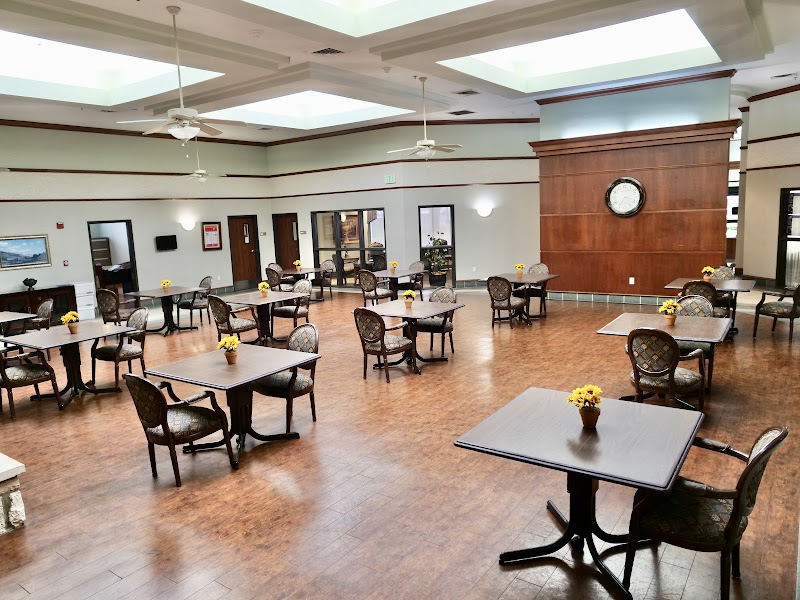
How is Twin Pines Nursing And Rehabilitation Staffed?

CMS rates Twin Pines Nursing and Rehabilitation's staffing level at 2 out of 5 stars, which is below average compared to other nursing homes. Staff turnover is 40%, compared to the Texas average of 46%. This relatively stable workforce can support continuity of care. RN turnover specifically is 60%, which is notably high. RNs provide skilled clinical oversight, so turnover in this role can affect medical care quality.

What Have Inspectors Found at Twin Pines Nursing And Rehabilitation?

State health inspectors documented 53 deficiencies at Twin Pines Nursing and Rehabilitation during 2022 to 2025. These included: 5 Immediate Jeopardy (the most serious level, indicating potential for serious harm or death), 47 with potential for harm, and 1 minor or isolated issues. Immediate Jeopardy findings are rare and represent the most serious regulatory concerns. They require immediate corrective action.
Who Owns and Operates Twin Pines Nursing And Rehabilitation?

Twin Pines Nursing and Rehabilitation is owned by a for-profit company. For-profit facilities operate as businesses with obligations to shareholders or private owners. The facility is operated by CREATIVE SOLUTIONS IN HEALTHCARE, a chain that manages multiple nursing homes. With 200 certified beds and approximately 106 residents (about 53% occupancy), it is a large facility located in Victoria, Texas.

How Does Twin Pines Nursing And Rehabilitation Compare to Other Texas Nursing Homes?

Compared to the 100 nursing homes in Texas, Twin Pines Nursing and Rehabilitation's overall rating (1 stars) is below the state average of 2.8, staff turnover (40%) is near the state average of 46%, and health inspection rating (1 stars) is much below the national benchmark.

What Should Families Ask When Visiting Twin Pines Nursing And Rehabilitation?

Based on this facility's data, families visiting should ask: "What changes have been made since the serious inspection findings, and how are you preventing similar issues?" "Can you walk me through typical staffing levels on day, evening, and night shifts?" "Can I visit during a mealtime to observe dining assistance and food quality?" "How do you handle medical emergencies, and what is your hospital transfer rate?" These questions are particularly relevant given the facility's Immediate Jeopardy citations and the below-average staffing rating.

Is Twin Pines Nursing And Rehabilitation Safe?

Based on CMS inspection data, Twin Pines Nursing and Rehabilitation has documented safety concerns. Inspectors have issued 5 Immediate Jeopardy citations (the most serious violation level indicating risk of serious injury or death). The facility has a 1-star overall rating and ranks #100 of 100 nursing homes in Texas. Families considering this facility should ask detailed questions about what corrective actions have been taken since these incidents.

Do Nurses at Twin Pines Nursing And Rehabilitation Stick Around?

Twin Pines Nursing and Rehabilitation has a staff turnover rate of 40%, which is about average for Texas nursing homes (state average: 46%). Moderate turnover is common in nursing homes, but families should still ask about staff tenure and how the facility maintains care continuity when employees leave.

Was Twin Pines Nursing And Rehabilitation Ever Fined?

Twin Pines Nursing and Rehabilitation has been fined $39,363 across 3 penalty actions. The Texas average is $33,472. While any fine indicates a compliance issue, fines under $50,000 are relatively common and typically reflect isolated problems that were subsequently corrected. Families should ask what specific issues led to these fines and confirm they've been resolved.

Is Twin Pines Nursing And Rehabilitation on Any Federal Watch List?

Twin Pines Nursing and Rehabilitation is not on any federal watch list. The most significant is the Special Focus Facility (SFF) program, which identifies the bottom 1% of nursing homes nationally based on persistent, serious quality problems. Not being on this list means the facility has avoided the pattern of deficiencies that triggers enhanced federal oversight. This is a positive indicator, though families should still review the facility's inspection history directly.