OAKWOOD MANOR NURSING HOME
225 S MAIN ST, VIDOR, TX 77662 (409) 769-5697
For profit - Corporation 100 Beds CANTEX CONTINUING CARE Data: November 2025
Trust Grade
85/100
#102 of 1168 in TX
Last Inspection: September 2024

Within standard 12-15 month inspection cycle. Federal law requires annual inspections.

Overview

Oakwood Manor Nursing Home in Vidor, Texas, has a Trust Grade of B+, which means it is recommended and performs above average compared to other facilities. It ranks #102 out of 1,168 statewide, placing it in the top half of Texas nursing homes and #1 out of 3 in Orange County, indicating it is the best local option. The facility is improving, with issues decreasing from 10 in 2023 to 6 in 2024. However, staffing is a weakness, rated only 2 out of 5 stars, with a turnover rate of 41%, which is below the Texas average but still indicates some instability. Notably, there were incidents where the facility failed to ensure proper tuberculosis screening for staff, and food preferences were not adequately accommodated for four residents, risking poor nutritional intake. Additionally, one resident's advance directive was not properly documented, which could lead to unwanted medical interventions. Overall, while Oakwood Manor has strengths like high quality measures and no fines, there are significant areas for improvement that families should consider.

Trust Score
B+
85/100
In Texas
#102/1168
Top 8%
Safety Record
Low Risk
No red flags
Inspections
Getting Better
10 → 6 violations
Staff Stability
○ Average
41% turnover. Near Texas's 48% average. Typical for the industry.
Penalties
✓ Good
No fines on record. Clean compliance history, better than most Texas facilities.
Skilled Nurses
⚠ Watch
Each resident gets only 22 minutes of Registered Nurse (RN) attention daily — below average for Texas. Fewer RN minutes means fewer trained eyes watching for problems.
Violations
⚠ Watch
18 deficiencies on record. Higher than average. Multiple issues found across inspections.
★★★★★
5.0
Overall Rating
★★☆☆☆
2.0
Staff Levels
★★★★★
5.0
Care Quality
★★★★☆
4.0
Inspection Score
Stable
2023: 10 issues
2024: 6 issues

The Good

  • 5-Star Quality Measures · Strong clinical quality outcomes
  • Full Sprinkler Coverage · Fire safety systems throughout facility
  • No fines on record
  • Staff turnover below average (41%)

    7 points below Texas average of 48%

Facility shows strength in quality measures, fire safety.

The Bad

Staff Turnover: 41%

Near Texas avg (46%)

Typical for the industry

Chain: CANTEX CONTINUING CARE

Part of a multi-facility chain

Ask about local staffing decisions and management

The Ugly 18 deficiencies on record

Sept 2024 6 deficiencies
CONCERN (D)

Potential for Harm - no one hurt, but risky conditions existed

Deficiency F0578 (Tag F0578)

Could have caused harm · This affected 1 resident

**NOTE- TERMS IN BRACKETS HAVE BEEN EDITED TO PROTECT CONFIDENTIALITY** Based on interview and record review, the facility failed to ensure the right to formulate an advance directive was provided for...

Read full inspector narrative →
**NOTE- TERMS IN BRACKETS HAVE BEEN EDITED TO PROTECT CONFIDENTIALITY** Based on interview and record review, the facility failed to ensure the right to formulate an advance directive was provided for 1 of 4 residents reviewed for resident rights. (Resident #67) The facility did not have a valid Out of Hospital-Do Not Resuscitate (OOH-DNR) for Resident #67. This failure could place residents at risk of lifesaving procedures being performed against their wishes resulting in bruising, broken ribs, electrical shocking of the heart, having a tube placed in the throat and provided artificial breathing methods, and possibly being brought back to life in an unaware and unresponsive state. Findings included: Record review of a face sheet dated [DATE] indicated Resident #67 was an [AGE] year-old male admitted on [DATE]. His diagnoses included chronic obstructive pulmonary disease (a lung disease that blocks airflow making it difficult to breathe), dementia (loss of cognitive functioning), and atrial fibrillation (a type of irregular heartbeat). Record review of an undated OOH-DNR indicated it was signed by Resident #67 but there was no and was signed by his physician but had no date. Record review of an undated care plan indicted Resident #67 requested code status of no CPR with an intervention of Make sure that code status is signed by [Resident #67] or responsible party and in the active medical record. During a record review and interview on [DATE] at 11:42 a.m., LVN A acknowledged Resident #67's OOH-DNR had no date for when Resident #67 signed his section and no date for when the physician signed his section. LVN A said without the dates the OOH-DNR was incomplete so it would not be valid and Resident #67 was a full code which meant they would have to perform CPR on him. LVN A said the SW handled the OOH-DNRs. During a record review and interview on [DATE] at 11:48 a.m., the SW acknowledged Resident #67's OOH-DNR had no date for when Resident #67 signed his section and no date for when the physician signed his section. The SW said he was the one who notarized Resident #67's signature and he was the one who would help the families and residents with their OOH-DNRs. The SW said with the dates missing the form was not valid and Resident #67 was a full code. During a record review and interview on [DATE] at 11:50 a.m., the DON acknowledged Resident #67's OOH-DNR had no date for when Resident #67 signed his section and no date for when the physician signed his section. The DON said without the dates the OOH-DNR was incomplete so it would not be valid and Resident #67 was a full code which meant they would have to perform CPR. Record review of an Advanced Directives policy revised [DATE] provided by the Corporate Nurse had no indication of the OOH-DNR requiring the information to be completed. Record review of the Frequently Asked Questions about OOH-DNR accessed on [DATE] at https://www.dshs.texas.gov/dshs-ems-trauma-systems/out-hospital-do-not-resuscitate-program: Frequently Asked Questions for DNR: What happens if the form is not filled out correctly or EMS has doubts about any of the information? Health professionals can refuse to honor a DNR if they think: The patient is pregnant There are unnatural or suspicious circumstances surrounding the death. The form is not signed twice by all who need to sign it or is filled out incorrectly . Filling out the Out-of-Hospital Do-Not-Resuscitate Form indicated: Declarations: A. This box is for patients who are competent. The patient should sign his/her name, date the document, and prints or types his/her name D. This box is used when a physician has evidenced that a patient has issued a previous directive to physician or observes a person issuing an OOH-DNR by non-written communication. The physician must check the appropriate box in this section, sign and date the form, print or type his/her name and provide his/her license number
CONCERN (D)

Potential for Harm - no one hurt, but risky conditions existed

Deficiency F0637 (Tag F0637)

Could have caused harm · This affected 1 resident

**NOTE- TERMS IN BRACKETS HAVE BEEN EDITED TO PROTECT CONFIDENTIALITY** Based on observation, interview, and record review, the facility failed to complete a significant change MDS assessment within 1...

Read full inspector narrative →
**NOTE- TERMS IN BRACKETS HAVE BEEN EDITED TO PROTECT CONFIDENTIALITY** Based on observation, interview, and record review, the facility failed to complete a significant change MDS assessment within 14 days after the facility determines, or should have determined, that there has been a significant change in the resident's physical or mental condition a significant change of condition for 1 of 19 residents reviewed for assessments. (Resident # 53) The facility failed to complete a Significant Change MDS for Resident #53 within 14 days after the resident was admitted to hospice services. This failure could place residents who experienced a significant change in their condition requiring an MDS assessment at risk of not receiving needed services. Findings Included: Record review of a face sheet dated 09/24/24 indicated Resident #53 was a [AGE] year-old female admitted on [DATE]. Her diagnoses included respiratory failure (a serious condition that makes it difficult to breathe on your own), chronic obstructive pulmonary disease (a lung disease that blocks airflow making it difficult to breathe), major depressive disorder (mental health disorder characterized by persistently depressed mood or loss of interest in activities, causing significant impairment in daily life), dementia (loss of cognitive functioning), anxiety disorder (persistent and excessive worry that interferes with daily activities), and hypertension (a condition in which the force of the blood against the artery walls is too high). They also indicated Resident #53's referral to hospice on 08/19/24. Record review of a physician telephone order dated 08/19/24 indicated Resident #53 was admitted on hospice services. Record review of the EMR from 08/19/24 through 09/24/24 indicated Resident #53 did not have a significant change MDS for admission to hospice within the required 14-day time frame. Record review of the current care plan reviewed on 09/24/24 indicated Resident #53 required hospice as evidenced by terminal illness of chronic obstructive pulmonary disease. During an observation and interview on 09/23/24 at 09:52 a.m. Resident #53 was in bed finishing her breakfast. She was clean, neat, and had no odors. Resident #53's RP said they asked for Resident #53 to be placed on hospice services on 08/19/24. The RP said hospice was at the facility the same day to admit Resident #53. During an interview on 09/24/24 at 11:40 a.m., LVN A said Resident #53 had a referral to hospice dated 08/19/24 and had orders from hospice to admit on 08/19/24. During a record review and interview on 09/24/24 at 11:55 a.m., the MDS Nurse acknowledged a quarterly MDS dated [DATE]. She said she had not done a significant change MDS for the admission to hospice. She said she was supposed to do a significant change MDS within 14 days after the admission to hospice. During an interview on 09/24/24 at 12:18 p.m., the DON and the Corporate Nurse said they did not know when a significant change MDS was to be done after admission to hospice. They said they thought the Corporate MDS Nurse was responsible for reviewing if a MDS was due. During an interview on 09/25/24 at 09:18 a.m., the DON said for MDS accuracy and submissions they followed the RAI guidelines. Record review of the MDS RAI manual dated October 2023 indicated 03. Significant Change in Status Assessment (SCSA) (A0310A = 04): .Assessment Management Requirements and Tips for Significant Change in Status Assessments: An SCSA is required to be performed when a terminally ill resident enrolls in a hospice program (Medicare-certified or State-licensed hospice provider) or changes hospice providers and remains a resident at the nursing home. The ARD must be within 14 days from the effective date of the hospice election (which can be the same or later than the date of the hospice election statement, but not earlier than). An SCSA must be performed regardless of whether an assessment was recently conducted on the resident. This is to ensure a coordinated plan of care between the hospice and nursing home is in place. A Medicare-certified hospice must conduct an assessment at the initiation of its services. This is an appropriate time for the nursing home to evaluate the MDS information to determine if it reflects the current condition of the resident, since the nursing home remains responsible for providing necessary care and services to assist the resident in achieving their highest practicable well-being at whatever stage of the disease process the resident is experiencing
CONCERN (D)

Potential for Harm - no one hurt, but risky conditions existed

Deficiency F0645 (Tag F0645)

Could have caused harm · This affected 1 resident

**NOTE- TERMS IN BRACKETS HAVE BEEN EDITED TO PROTECT CONFIDENTIALITY** Based on interview and record review, the facility failed to accurately submit a PL1 (PASRR Level 1 Screening) screening when a ...

Read full inspector narrative →
**NOTE- TERMS IN BRACKETS HAVE BEEN EDITED TO PROTECT CONFIDENTIALITY** Based on interview and record review, the facility failed to accurately submit a PL1 (PASRR Level 1 Screening) screening when a resident admitted with a diagnosis of Mental Illness, Intellectual Disability or Developmental Disability for 1 of 6 residents reviewed for PASRR screenings. (Resident #333) The facility failed to submit a new PL1 screening when Resident #333 was diagnosed on [DATE] with Major Depressive Disorder (persistently depressed mood or loss of interest in activities, causing significant impairment in daily living) during his stay. This failure could place residents at risk of not receiving specialized services. Findings included: Record review of Resident #333's face sheet dated 09/24/24 was an [AGE] year-old-male admitted [DATE] with diagnoses of seizures (uncontrolled jerking, loss of consciousness and other symptoms caused by abnormal electrical activity in the brain), anxiety disorder (mental health disorder with feelings of worry, anxiety, or fear that are strong enough to interfere with daily activities), major depressive disorder (mental health disorder characterized by persistently depressed mood or loss of interest in activities causing significant impairment in daily life). Record review of Resident #333's PL1 form dated 02/24/24, indicated he was negative for mental illness, intellectual disability, and developmental disability and negative for dementia as the primary diagnosis. There was no PASRR Level II Screening or Form 1012 (Mental Illness/Dementia Resident Review) found in the clinical record from the resident's admission on [DATE] to 09/24/24. Record review of Resident #333's care plan created on 02/28/24 indicated Resident #333 had a history of seizures and psychotropic medication for depression and anxiety with a goal to monitor for effectiveness of psychotropic medication. Record review of Resident #333's annual MDS dated [DATE] indicated not PASRR positive and had a BIMS score of 14 indicating intact cognition. The assessment indicated a mood interview of feeling down depressed or hopeless present for 2-6 days. Record review of Resident #333's Follow up physician visit, dated 03/12/24 indicated diagnoses of seizure and major depressive disorder. Record review of Resident #333's Psychiatric Initial Assessment, dated 03/15/24 indicated a diagnosis of major depressive disorder, recurrent, moderate. Record review of Resident #333's quarterly MDS dated [DATE] with a BIMS score of 15 indicated intact cognition. The assessment indicated a mood interview of feeling down depressed or hopeless present for 2-6 days with diagnoses of convulsions (medical condition that causes the body's muscles to contract and relax rapidly and repeatedly) and depression other than bipolar (many types of depression including major depressive disorder). During an observation and interview on 09/24/24 at 10:20 a.m., Resident #333 as lying in bed and said he was treated well and would report any concerns to the nurse. During an interview on 09/24/24 at 3:00 p.m., the MDS nurse said she was responsible for all PASRR forms in the facility. She said Resident #333's PL1 was negative but should have had a positive PL1. The MDS nurse said Resident #333's PL1 was overlooked. She said at the time Resident #333's PL1 was completed she was new and was unaware the diagnosis of major depressive disorder was a PASRR positive diagnosis. The MDS nurse said she was educated on PASRR forms, she had watched a couple of webinars on PASRR forms completion. She said the MR was her back up and made sure all residents had a PL1 form. The MDS nurse said the risk of a PL1 form being incorrect was a resident could miss out on deserved services. During an interview on 09/24/24 at 3:05 p.m., the MR said the MDS nurse was responsible for PL1 forms. She said she was responsible for receiving the PL1 form from the referring entities and making sure it was filled out and uploaded into the facilities computer system. The MR said she was not responsible for checking PL1 forms for accuracy. During an interview on 09/24/24 at 3:30 p.m., the DON said the MDS nurse was responsible for all PASRR forms in the facility and was educated on completing PASRR forms correctly and timely. She said Resident #333 's PL1 form was overlooked. The DON said the risk of PASRR forms completed incorrectly was a resident could miss out on services if deemed PASRR positive. She said the Regional Care Coordinator double checked PASRR forms for accuracy. She said at the time of Resident #333's PL1 form the MDS nurse was just inputting the PL1 forms as received from the referring entity and did not double check the resident's diagnoses. The DON said Resident #333 needed a positive PL1 sent in. She said the risk was a resident could miss out on services if deemed PASRR positive. The DON said her expectation was all PASRR forms completed correctly and timely. She said the facility followed the RAI for their PASRR policy. During an interview on 09/25/24 at 10:38 a.m., the Administrator said the MDS nurse was responsible for all PASRR forms in the facility and was educated on correctly and timely completing PASRR forms. She said the DON and Regional Care Coordinator were the MDS nurse's back up. She said Resident #333 's PL1 was overlooked. The Administrator said the risk of PASRR forms completed incorrectly was a resident could miss out on deserved services. The Administrator said her expectation was a PL1 form completed on admission and with a new diagnosis be correct and timely. During an interview on 09/25/24 at 10:51 a.m., the Regional Care Coordinator said the MDS nurse was responsible for completing the PL1 and PASRR forms in the facility. She said the IDT (inter-disciplinary team) reviewed the admission paperwork and on receiving a new diagnosis the IDT team would review the new PL1 and resident information and decide if a new positive PL1 needed to be completed and uploaded. She said the MDS nurse was educated on completion PL1s accurately and timely. She said the risk of a PL1 form completed incorrectly was if the resident should be positive the resident could get more assistance depending on needs. Record review of the October 2023 Long-Term Care Facility Resident Assessment Instrument 3.0 User's Manual titled, A1500: Preadmission Screening and Resident Review (PASRR) Item Rationale Health-related Quality of Life indicated . o All individuals who are admitted to a Medicaid certified nursing facility, regardless of the individual's payment source, must have a Level I PASRR completed to screen for possible mental illness (MI), intellectual disability (ID), developmental disability (DD), or related conditions o Individuals who have or are suspected to have MI or ID/DD or related conditions may not be admitted to a Medicaid-certified nursing facility unless approved through Level II PASRR determination. Those residents covered by Level II PASRR process may require certain care and services provided by the nursing home, and/or specialized services provided by the State.
CONCERN (D)

Potential for Harm - no one hurt, but risky conditions existed

Comprehensive Care Plan (Tag F0656)

Could have caused harm · This affected 1 resident

**NOTE- TERMS IN BRACKETS HAVE BEEN EDITED TO PROTECT CONFIDENTIALITY** Based on observation, interview, and record review, the facility failed to develop and implement a comprehensive person-centered...

Read full inspector narrative →
**NOTE- TERMS IN BRACKETS HAVE BEEN EDITED TO PROTECT CONFIDENTIALITY** Based on observation, interview, and record review, the facility failed to develop and implement a comprehensive person-centered care plan to meet each resident's medical, nursing, mental and psychosocial needs for 1 of 19 residents reviewed for care plans. (Resident #6) The facility did not have a care plan to address Resident #6's Post Traumatic Stress Disorder (PTSD). This failure could place residents at risk of not having their individual needs met and not receiving needed services. Findings included: Record review of a face sheet dated 09/25/24 indicated Resident #6 was a [AGE] year-old female admitted on [DATE]. Her diagnoses included PTSD (a disorder in which a person has difficulty recovering after experiencing or witnessing a terrifying event). Record review of an annual MDS assessment dated [DATE] indicated Resident #6 had a BIMS score of 14 indicating her cognition was intact and she had a diagnosis of PTSD. Record review of a care plan dated 07/25/19 to present indicated Resident #6 had no care plan addressing her PTSD. During an observation and interview on 09/24/24 at 09:10 a.m., Resident #6 was sitting up in bed in her room. She said she felt safe at the facility and was doing alright. She said she got anxiety and irritation at times but had learned to work through those episodes. During an interview on 09/25/24 at 09:35 a.m. the ADON said she was responsible for writing care plans for Resident #6, but she did not realize she had a diagnosis of PTSD. She said she should have a care plan to address her PTSD. She said a possible negative outcome of not addressing her PTSD could be staff being unaware of the diagnosis and without precautions could trigger anxiety and distress for the resident. During an interview on 09/25/24 at 10:22 a.m., the DON said the nursing department was responsible for writing and updating care plans. She said all care plans were reviewed quarterly, but Resident #6's PTSD diagnosis was missed. She said not having a care plan to address her PTSD could result in staff not giving needed emotional support. During an interview on 09/25/24 at 1:40 p.m., the Administrator said her expectation was for care plans to address all diagnosis of residents and all care needed by the resident. Record review of a Care Plans-Comprehensive policy revised September 2010 indicated An individualized comprehensive care plan that includes measurable objectives and timetables to meet the resident's medical, nursing, mental, and psychological needs is developed for each resident. The comprehensive care plan is based on a thorough assessment that includes, but is not limited to, the MDS.
CONCERN (D)

Potential for Harm - no one hurt, but risky conditions existed

Accident Prevention (Tag F0689)

Could have caused harm · This affected 1 resident

**NOTE- TERMS IN BRACKETS HAVE BEEN EDITED TO PROTECT CONFIDENTIALITY** Based on observation, interview, and record review, the facility failed to ensure that the resident environment remained free of...

Read full inspector narrative →
**NOTE- TERMS IN BRACKETS HAVE BEEN EDITED TO PROTECT CONFIDENTIALITY** Based on observation, interview, and record review, the facility failed to ensure that the resident environment remained free of accident hazards for 1 of 2 residents reviewed for smoking safety evaluations. The facility did not ensure the quarterly smoking evaluations were completed for Residents #59. This failure could place residents at risk of injury and contribute to avoidable accidents. Findings included: Record review of the face sheet dated 09/25/24 indicated Resident #59 was admitted on [DATE], was [AGE] years old with diagnoses of nicotine dependence, chronic obstructive pulmonary disease, diabetes and peripheral vascular disease (blood flow reduce to limbs). Record review of the quarterly MDS assessment dated [DATE] indicated Resident #59 used tobacco. Record review of the care plan dated 09/25/24 indicated Resident #59 was a smoker and interventions included assist resident to smoking area and keep matches/lighters at the Nurses Station. Record review of the smoking evaluation form dated 01/30/24 indicated Resident #59 was a safe smoker with direct supervision and no other evaluations were in the clinical record after that date. During an observation on 09/24/24 at 10:30 a.m., Resident #59 was smoking with supervision. During an interview on 09/25/24 at 9:50 a.m., the DON said she was responsible for ensuring smoking evaluations were completed and Resident #59's smoking evaluation was missed in April and July. She said she just missed his quarterly evaluations. She said the negative outcome could be more interventions might have been needed, smoking status could have changed, and the smoking evaluation for Resident #59 was not completed quarterly. She said the resident had to be supervised, that was the facility's policy and resident could drop his cigarette and need help. During an interview on 09/25/24 at 1:30 p.m., the Administrator said her expectation was for the smoking evaluations to be completed on all residents who smoke annually and quarterly. Record review of Resident Smoking Policy dated 01/04/24 signed by Resident #59 indicated To maintain safety for residents who smoke. 11. A smoking evaluation will be completed for residents who smoke on admission, quarterly and significant change of condition.
CONCERN (D)

Potential for Harm - no one hurt, but risky conditions existed

Infection Control (Tag F0880)

Could have caused harm · This affected 1 resident

**NOTE- TERMS IN BRACKETS HAVE BEEN EDITED TO PROTECT CONFIDENTIALITY** Based on observation, interview, and record review, the facility failed to ensure an infection prevention and control program de...

Read full inspector narrative →
**NOTE- TERMS IN BRACKETS HAVE BEEN EDITED TO PROTECT CONFIDENTIALITY** Based on observation, interview, and record review, the facility failed to ensure an infection prevention and control program designed to provide a safe and sanitary environment and to help prevent the development and transmission of communicable diseases and infections were maintained for the facility for 2 of 7 residents (Resident #24 and Resident #27) reviewed for infection control procedures. The facility failed to ensure LVN B used enhanced barrier precautions (a set of infection control guidelines used to prevent spread of infections) while she administered medication to Resident #24 through a gastrostomy tube (a tube inserted through the belly that brings nutrition directly to the stomach). The facility failed to ensure LVN B used enhanced barrier precautions while she performed tracheostomy care (surgical opening into the neck for breathing) to Resident #27. These failures could place residents at risk for exposure to infections and communicable diseases. Findings included: 1. Record review of Resident #24's admission sheet dated 09/25/24 indicated she was admitted on [DATE] and was [AGE] years old with diagnoses of dysphagia (difficulty in swallowing). Record review of Resident #24's physician's orders dated September 2024 indicated her orders included NPO (nothing by mouth), was to receive gastric feedings and medications via a gastrostomy tube. The orders included Enhanced Barrier Precautions with a start date of 04/25/24. Record review of the quarterly MDS assessment dated [DATE] indicated Resident #24 had severely impaired cognition. She required a feeding tube (g-tube). Record review of a care plan dated 09/25/24 indicated Resident #24 had a feeding tube (g-tube) and interventions included Enhanced Barrier Precautions implemented. During an observation on 09/24/24 at 8:32 a.m., LVN B prepared medications for Resident #24 and the resident's room had a sign which indicated EBP was required for residents who have indwelling medical device such as feeding tube. LVN B entered the room, washed her hands, donned gloves and checked placement of Resident #24 gastric tube. LVN B then administered medications per gastric tube without wearing an isolation gown. 2. Record review of Resident #27's admission sheet dated 09/25/24 indicated he was admitted on [DATE] and was [AGE] years old with diagnoses of tracheostomy, aphasia (difficulty in speaking) and dysphagia (difficulty in swallowing). Record review of Resident #27's physician's orders dated September 2024 indicated his orders included NPO (nothing by mouth), was to receive tracheostomy care with dressing change and change the inner cannula of the tracheostomy daily. The orders included EBP with start date of 04/25/24. Record review of the quarterly MDS assessment dated [DATE] indicated Resident #27 was severely impaired with his cognition. He required a trache. Record review of a care plan dated 09/24/24 indicated Resident #27 had a feeding tube (g-tube), tracheostomy, and interventions included EBP implemented. During an observation on 09/24/24 at 10:45 a.m., LVN B walked into Resident #27's room to perform tracheostomy care. Bedside the door was a sign which indicated EBP for residents who have tracheostomy. LVN B donned gloves after she washed her hands. She then removed the soiled dressing then cleaned around the tracheostomy. LVN B completed the care to the tracheostomy; however, she did not use an isolation gown while providing care to the resident. During an interview on 09/24/24 at 2:00 p.m., LVN B said she was trained on EBP and just forgot to put on a gown when she provided care to Resident #24 and #27. She said she should have worn a gown. During an interview on 09/24/24 at 2:05 p.m., the DON said her expectation was for staff to wear gowns and gloves when providing close contact care to residents who required EBP to prevent spread of infections. She said nurses should wear gowns and gloves when administering medications via a resident's g-tube and when providing tracheostomy care. During an interview on 09/24/24 at 3:30 p.m., the Administrator said her expectation was for the staff to follow policy on EBP and wear PPE as required. During an interview and record review on 09/25/24 at 9:00 a.m., with the ADON and the UM, the ADON said she was the ICP nurse. The ADON said EBP was put in place to prevent the spread of infections. The UM said she was the backup ICP nurse and assisted the ADON with training the staff and ensuring the staff implemented the EBP. The ADON said she was responsible for ensuring the staff wore PPE while providing care as needed. The UM said they made rounds- daily and re-educated staff as needed. The ADON provided the last completed training forms for EBP dated 05/31/24 and 06/03/24. The ADON said the staff were to wear gowns and gloves while providing close contact resident care. She said the PPE was located in the rooms for each resident on EBP. Record review of the Enhanced Barrier Precautions dated March 2024 indicated Policy: Enhanced Barrier Precautions (EBP is an infection control intervention to reduce transmission of multidrug resistant organisms (MDRO) that employs targeted gown and glove use during high contact resident care activities. EBP is indicated for residents with . Chronic wounds . and or indwelling medical devices . tracheostomy tubes . feeding tubes . 13. Gowns and gloves used for each resident during high-contact resident care activities .
Jul 2023 10 deficiencies
CONCERN (D) 📢 Someone Reported This

A family member, employee, or ombudsman was alarmed enough to file a formal complaint

Potential for Harm - no one hurt, but risky conditions existed

Deficiency F0578 (Tag F0578)

Could have caused harm · This affected 1 resident

**NOTE- TERMS IN BRACKETS HAVE BEEN EDITED TO PROTECT CONFIDENTIALITY** Based on observation, interview, and record review, the facility failed to ensure the right to formulate an advance directive wa...

Read full inspector narrative →
**NOTE- TERMS IN BRACKETS HAVE BEEN EDITED TO PROTECT CONFIDENTIALITY** Based on observation, interview, and record review, the facility failed to ensure the right to formulate an advance directive was provided for 2 of 4 residents reviewed for advanced directives. (Residents #19 and #65) The facility did not have a valid Out of Hospital-Do Not Resuscitate (OOH-DNR) for Residents #19 and #65 This failure could place residents at risk of lifesaving procedures being performed against their wishes resulting in bruising, broken ribs, electrical shocking of the heart, having a tube placed in the throat and provided artificial breathing methods, and possibly being brought back to life in an unaware and unresponsive state. Findings included: Record review of the Out-of-Hospital Do-Not-Resuscitate Order accessed on [DATE] at https://www.hhs.texas.gov/regulations/forms/advance-directives/out-hospital-do-not-resuscitate-ooh-dnr-order indicated on page 2: Instructions for Issuing An OOH-DNR Implementation: The OOH-DNR Order may be executed as follows: In addition, the OOH-DNR Order must be signed and dated by two competent adult witnesses, who have witnessed either the competent adult person making his/her signature in section A, or authorized declarant making his/her signature in either sections B, C, or E, and if applicable, have witnessed a competent adult person making an OOH-DNR Order by nonwritten communication to the attending physician The original or a copy of a fully and properly completed OOH-DNR Order or the presence of an OOH-DNR device on a person is sufficient evidence of the existence of the original OOH-DNR Order and either one shall be honored by responding health care professionals . Definitions: Qualified Witnesses One of the witnesses must meet the qualifications in HSC §166.003(2), which requires that at least one of the witnesses not be (7) an employee of a health care facility in which the person is a patient if the employee is providing direct patient care to the patient or is an officer, director, partner, or business office employee of the health care facility or any parent organization of the health care facility. 1. Record review of a face sheet dated [DATE] indicated Resident #19 was a [AGE] year-old female admitted on [DATE]. Her diagnoses included atrial fibrillation (a type of irregular heartbeat), hypertension (a condition in which the force of the blood against the artery walls is too high), and myopathy (any disease that affects the muscles that control voluntary movement in the body). She was her own responsible party. She was designated as DNR. Record review of the current MDS dated [DATE] indicated Resident #19 was alert to person, place, and time with a BIMS of 15 indicating she was cognitively intact. Record review of physician orders for [DATE] indicated Resident #19 had an order dated [DATE] for DNR. Record review of the EMR for Resident #19 had a scanned OOH-DNR dated [DATE] with witness signatures of the HR and Receptionist. During an observation and interview on [DATE] at 12:45 PM Resident #19 was sitting up in her bed. She said she did not want someone pounding on her chest if she died. 2. Record review of face sheet for Resident #65 indicated admitted [DATE] was [AGE] years old with diagnoses of chronic obstructive pulmonary disease (respiratory disease). Record review of the current MDS dated [DATE] indicated Resident #65 was alert to person, place, and time with a BIMS of 13 indicating he was cognitively intact. Record review of physician orders for [DATE] indicated Resident #65 had an order with start date of [DATE] for DNR. Record review of the EMR for Resident #65 had a scanned OOH-DNR dated [DATE] with witness signatures of the HR staff and another employee. During an interview on [DATE] at 9:31 AM, Resident #65 said he received hospice services and did not want CPR if he passed away. During an interview on [DATE] at 1030 AM, the HR staff said the signatures on Resident #65 OOH-DNR were herself and a former housekeeper, who had a termination date in 2023. The HR staff said she thought if they both did not perform direct care, it was ok. During an interview on [DATE] at 03:55 PM, the DON said she was unaware of the inaccurate DNRs. She said the DNRs could not have 2 staff signatures as witnesses. She said these issues would make the DNR invalid and the residents would be a full code. She said as a result of an inaccurate DNR the residents would have lifesaving procedures performed when they did not want them. During an interview on [DATE] at 4:00 PM, the administrator said for OOH-DNR forms they should have one facility staff as a witness signing the form and one witness, who was not a facility staff, as the secondary witness. She said the forms needed to be filled out correctly. An Advance Directives policy dated [DATE] mentioned OOH-DNR but there was no information about the facility ensuring the accuracy of the OOH-DNR. The policy did not address the issue with the witnesses.
CONCERN (D) 📢 Someone Reported This

A family member, employee, or ombudsman was alarmed enough to file a formal complaint

Potential for Harm - no one hurt, but risky conditions existed

Report Alleged Abuse (Tag F0609)

Could have caused harm · This affected 1 resident

Based on interview and record review, the facility failed to ensure that all alleged violations involving abuse were reported not later than 2 hours after the allegation is made, if the events that ca...

Read full inspector narrative →
Based on interview and record review, the facility failed to ensure that all alleged violations involving abuse were reported not later than 2 hours after the allegation is made, if the events that cause the allegation involves abuse or result in serious bodily injury, to the Administrator and the State Survey Agency, for 1 of 2 residents reviewed for reporting allegations of abuse. (Residents # 9 and #66) The facility did not report physical abuse within 2 hours when Resident #9 reported to facility staff that CNA B slapped her in the face. This failure could place the residents at risk of abuse and neglect. Findings include: Record review of clinical notes indicated on 6/28/2023 at 2:43 am resident ask to see nurse and she reported to LVN H that she did not want CNA B in her room anymore or to care from her anymore, said CNA had been rough with her when cleaning her, and she came in and slapped her in the face. Record review of an email to HHSC Complaint and Incident Intake dated 06/28/23 at 6:48 a.m. indicated the name and title of the person making the initial report; [ADM] the date and time the person became aware of the reportable incident; 06/28/23 approximately 01:30 p.m .a detailed narrative of the incident; [Resident #9] made a statement to staff member that on 6/28/2023 at approximately 1:30 a.m. the CNA B slapped her in the face. Record review of the Provider Investigation Form indicated the following: * Date Reported to HHSC-06/28/23 * Time: 08:20 a.m. * Incident Category: Abuse * Incident Date: 06/28/23; and * Time of Incident: 01:30 a.m. During an interview on 07/26/23 at 01:00 p.m. the ADM said she was the acting Abuse Coordinator (AC). She said on 6/28/2023 she woke up around 5:30 a.m. - 6 a.m., she realized she had 13 missed calls from the facility. She stated, I have never slept through that many calls before, I am still beating myself up for that one. She said the facility staff was calling to inform her that Resident #9 said that CNA B slapped her, incident occurred around 1:30 am and resident was assessed around 2pm. She said the facility staff did call the DON, the alternate AC, however, the DON did not know staff could not reach the administrator/AC. She said she emailed incident to HHS around 6:30am and faxed it in around 8:30 am. The administrator said the abuse allegation was not reported to HHS in the 2-hour time frame as required. She said she knew all allegations of abuse were to be reported to HHSC within 2 hours regardless of if there was serious bodily harm or not. Record review of Facility Abuse Protocol Revision dated April 2019 in part revealed: Fundamental Information: (Protection) 10. The Abuse Prevention Coordinator will: a. Immediately (within 2 hours) report to the Department of Aging and Disability Services (DADS) and other appropriate authorities' incidents of Patient Abuse as required under applicable regulations and regulatory guidance. Report events that cause reasonable suspicion of serious bodily injury immediately (within 2 hours) after forming the suspicion to THE Department of Aging and Disability Services (DADS) and other appropriate authorities as required under applicable regulations and regulatory guidance.
CONCERN (D) 📢 Someone Reported This

A family member, employee, or ombudsman was alarmed enough to file a formal complaint

Potential for Harm - no one hurt, but risky conditions existed

MDS Data Transmission (Tag F0640)

Could have caused harm · This affected 1 resident

**NOTE- TERMS IN BRACKETS HAVE BEEN EDITED TO PROTECT CONFIDENTIALITY** Based on interview and record reviewed, the facility failed to ensure an encoded, accurate, and complete MDS discharge assessmen...

Read full inspector narrative →
**NOTE- TERMS IN BRACKETS HAVE BEEN EDITED TO PROTECT CONFIDENTIALITY** Based on interview and record reviewed, the facility failed to ensure an encoded, accurate, and complete MDS discharge assessment was electronically transmitted to the CMS System for 1 of 23 residents records reviewed for MDS assessments. (Residents #80) The facility did not ensure the discharge MDS assessment was completed and transmitted as required for Resident #80. This failure could place residents at risk of not having their assessments transmitted timely. Findings included: Record review Resident #80's admission record dated 07/26/23 indicated she was admitted on [DATE] with a discharge date of 02/24/23. Resident #80's diagnoses included shortness of breath, chronic obstructive pulmonary disease and lung cancer. Record review of the MDS for Resident #80 indicated the most recent MDS completed was on 02\02\23. There was not a discharge MDS completed or transmitted after 02/24/23. Record review of the nurse's notes 01/18/23 to 02/24/23 indicated Resident #80 was discharged home on [DATE]. During an interview on 07/26/23 at 03:14 p.m., the DON said Resident #80 was discharged home and there should had been a discharge MDS completed and submitted. She said they used the RAI manual for the policy. During an interview on 7/26/23 at 3:30 p.m., the administrator said she expected the MDS to be completed and transmitted for discharge. Reference obtained on 07/31/23 from the CMS website, https://downloads.cms.gov/files/mds-3.0-rai-manual-v1.17.1_october_2019.pdf indicated the following: CMS's RAI Version 3.0 Manual indicated . Discharge Assessment refers to an assessment required on resident discharge from the facility, or when a resident's Medicare Part A stay ends, but the resident remains in the facility (unless it is an instance of an interrupted stay, as defined below). This assessment includes clinical items for quality monitoring as well as discharge tracking information. RAI OBRA-required Assessment Summary .Discharge Assessment - return not anticipated (NoncComprehensive) A0310F = 10 discharge date + 14 calendar days .
CONCERN (D) 📢 Someone Reported This

A family member, employee, or ombudsman was alarmed enough to file a formal complaint

Potential for Harm - no one hurt, but risky conditions existed

Assessment Accuracy (Tag F0641)

Could have caused harm · This affected 1 resident

**NOTE- TERMS IN BRACKETS HAVE BEEN EDITED TO PROTECT CONFIDENTIALITY** Based on observation, interview and record review, the facility failed to ensure residents received an accurate assessment, refl...

Read full inspector narrative →
**NOTE- TERMS IN BRACKETS HAVE BEEN EDITED TO PROTECT CONFIDENTIALITY** Based on observation, interview and record review, the facility failed to ensure residents received an accurate assessment, reflective of the resident's status for 3 of 23 residents reviewed for accuracy of assessments. (Resident #s 40, 42 and 71) The facility did not accurately complete the MDS assessment to indicate Residents #40 and #42 had dental concerns. The facility did not accurately complete the MDS assessment to indicate Resident #71 received continuous oxygen. This failure could place the residents at risk of not receiving the appropriate care and services to maintain their highest level of well-being. Findings included: 1. Record review of physician orders dated 07/26/23 indicated Resident #40, admitted [DATE] was [AGE] years old with diagnoses of diabetes (a disease in which the body ability to produce insulin is impaired resulting in high levels of glucose in the blood), heart failure (a chronic condition in which the heart does not pump blood efficiently) and end stage renal disease (condition in which a person's kidneys cease to function on a permanent basis). The orders indicated the resident may have dental care PRN. Record review of the quarterly MDS assessment dated [DATE] indicated Resident #40 was alert, oriented and had a BIMS of 12 indicating moderate cognitive impairment. The assessment indicated the resident did not have oral or dental concerns. Record review of the care plans dated 03/3/22 to present date indicated Resident #40 did not have dental concerns. The facility had a PIP (a project the facility puts in place to correct a concern they have found) in place for incomplete, nonresident-centered care plans dated 07/18/23 that was to be completed by 08/17/23. During observation and interview on 07/24/23 at 9:40 a.m., Resident #40 had no teeth to the top oral cavity and had multiple missing, broken and decayed teeth with black areas to the bottom oral cavity. The resident said she had not seen a dentist since being admitted to the facility. She said she would like to see a dentist. The resident denied dental pain. During an interview and record review on 07/26/23 at 11:54 a.m., the DON said the MDS dated [DATE] did not indicate Resident #40 had dental concerns and was completed incorrectly. She said the MDS nurse quit without notice on 07/14/23 and she had not hired a nurse to take her place. She said her expectations were for the residents' assessments to be completed correctly and accurately. She said the residents could possibly not receive the care they required if the MDS was not completed correctly. 2. Record review of the physician orders dated 07/26/23 indicated Resident #42, admitted [DATE], was [AGE] years old with diagnoses of congestive heart failure (a chronic condition in which the heart does not pump blood efficiently), chronic kidney disease (longstanding disease of the kidneys leading to kidney failure), and protein calorie malnutrition (inadequate intake of food to meet nutritional needs). The orders indicated the resident may have dental care PRN. Record review of the quarterly MDS dated [DATE] indicated Resident #42 was alert, oriented and had a BIMs of 15 indicating the resident was cognitively intact. The assessment indicated the resident did not have oral or dental concerns. Record review of the care plans dated 07/21/22 to present did not indicate Resident #42 had dental concerns. The facility had a PIP in place for incomplete, nonresident-centered care plans dated 07/18/23 that was to be completed by 08/17/23. During an interview on and record review on 07/26/23 at 11:54 a.m., the DON said the MDS dated [DATE] did not indicate Resident #42 had dental concerns and was completed incorrectly. She said the resident wore dentures and the MDS should indicate so. She said the MDS nurse quit without notice on 07/14/23 and she had not hired a nurse to take her place. She said her expectations were for the residents' assessments to be completed correctly and accurately. She said the residents could possibly not receive the care they required if the MDS was not completed correctly. 3. Record review of physician orders dated July 2023 indicated Resident #71, admitted [DATE], was [AGE] years old with diagnosis of acute respiratory failure. The orders indicated Resident #71 received continuous oxygen at 2 L/min per nasal cannula. Record review of the quarterly MDS dated [DATE] indicated Resident #71 was alert and had a BIMS of 3 indicating the resident had severe cognitive impairment. The assessment indicated the resident had no respiratory treatments such as oxygen. Record review of the care plans dated 11/11/22 to present indicated Resident #71 did not have oxygen concerns. The facility had a PIP in place for incomplete, nonresident-centered care plans dated 7/18/23 that was to be completed by 8/17/23. During observation on 07/24/23 at 09:00 a.m., Resident #71 was lying in bed with oxygen infusing at 2 L/min per nasal cannula via concentrator at bedside. Resident #71 was non-interviewable. During an interview on 7/26/23 at 4:05 p.m., the corporate nurse said the facility followed the RAI as policy for MDS assessment accuracy. Record review of the RAI section L0200: Dental indicated: . Poor oral health has a negative impact on quality of life, overall health, nutritional status. Assessment can identify periodontal disease that can contribute to or cause systemic diseases and conditions such as aspiration, malnutrition, pneumonia, endocarditis and poor control of diabetes. Based on observation, interview and record review, the facility failed to ensure residents received an accurate assessment, reflective of the resident's status for 3 of 23 residents reviewed for accuracy of assessments. (Resident #s 40, 42 and 71) The facility did not accurately complete the MDS assessment to indicate Residents #40 and #42 had dental concerns. The facility did not accurately complete the MDS assessment to indicate Resident #71 received continuous oxygen. This failure could place the residents at risk of not receiving the appropriate care and services to maintain their highest level of well-being. Findings included: 1. Record review of physician orders dated 07/26/23 indicated Resident #40, admitted [DATE] was [AGE] years old with diagnoses of diabetes (a disease in which the body ability to produce insulin is impaired resulting in high levels of glucose in the blood), heart failure (a chronic condition in which the heart does not pump blood efficiently) and end stage renal disease (condition in which a person's kidneys cease to function on a permanent basis). The orders indicated the resident may have dental care PRN. Record review of the quarterly MDS assessment dated [DATE] indicated Resident #40 was alert, oriented and had a BIMS of 12 indicating moderate cognitive impairment. The assessment indicated the resident did not have oral or dental concerns. Record review of the care plans dated 03/3/22 to present indicated Resident #40 did not have dental concerns. The facility had a PIP (a project the facility puts in place to correct a concern they have found) in place for incomplete, nonresident-centered care plans dated 07/18/23 that was to be completed by 08/17/23. During observation and interview on 07/24/23 at 9:40 a.m., Resident #40 had no teeth to the top oral cavity and had multiple missing, broken and decayed teeth with black areas to the bottom oral cavity. The resident said she had not seen a dentist since being admitted to the facility. She said she would like to see a dentist. The resident denied dental pain. During an interview and record review on 07/26/23 at 11:54 a.m., the DON said the MDS dated [DATE] did not indicate Resident #40 had dental concerns and was completed incorrectly. She said the MDS nurse quit without notice on 07/14/23 and she had not hired a nurse to take her place. She said her expectations were for the residents' assessments to be completed correctly and accurately. She said the residents could possibly not receive the care they required if the MDS was not completed correctly. 2. Record review of the physician orders dated 07/26/23 indicated Resident #42, admitted [DATE], was [AGE] years old with diagnoses of congestive heart failure (a chronic condition in which the heart does not pump blood efficiently), chronic kidney disease (longstanding disease of the kidneys leading to kidney failure), and protein calorie malnutrition (inadequate intake of food to meet nutritional needs). The orders indicated the resident may have dental care PRN. Record review of the quarterly MDS dated [DATE] indicated Resident #42 was alert, oriented and had a BIMs of 15 indicating the resident was cognitively intact. The assessment indicated the resident did not have oral or dental concerns. Record review of the care plans dated 07/21/22 to present did not indicate Resident #42 had dental concerns. The facility had a PIP in place for incomplete, nonresident-centered care plans dated 07/18/23 that was to be completed by 08/17/23. During observation and interview on 07/24/23 at 10:07 a.m., Resident #42 was edentulous (had no teeth). She said she had lost weight over the last year and her dentures would not fit. She said the facility had referred her to the dentist. During an interview on and record review on 07/26/23 at 11:54 a.m., the DON said the MDS dated [DATE] did not indicate Resident #42 had dental concerns and was completed incorrectly. She said the resident wore dentures and the MDS should indicate so. She said the MDS nurse quit without notice on 07/14/23 and she had not hired a nurse to take her place. She said her expectations were for the residents' assessments to be completed correctly and accurately. She said the residents could possibly not receive the care they required if the MDS was not completed correctly. 3. Record review of physician orders dated July 2023 indicated Resident #71, admitted [DATE], was [AGE] years old with diagnosis of acute respiratory failure. The orders indicated Resident #71 received continuous oxygen at 2 L/min per nasal cannula. Record review of the quarterly MDS dated [DATE] indicated Resident #71 was alert and had a BIMS of 3 indicating the resident had severe cognitive impairment.) The assessment indicated the resident had no respiratory treatments such as oxygen. Record review of the care plans dated 11/11/22 to present indicated Resident #71 did not have oxygen concerns. The facility had a PIP in place for incomplete, nonresident-centered care plans dated 7/18/23 that was to be completed by 8/17/23. During observation on 07/24/23 at 09:00 a.m., Resident #71 was lying in bed with oxygen infusing at 2 L/min per nasal cannula via concentrator at bedside. Resident #71 was non-interviewable. During an interview on 7/26/23 at 4:05 p.m., the corporate nurse said the facility followed the RAI as policy for MDS assessment accuracy. Record review of the RAI section L0200: Dental indicated: . Poor oral health has a negative impact on quality of life, overall health, nutritional status. Assessment can identify periodontal disease that can contribute to or cause systemic diseases and conditions such as aspiration, malnutrition, pneumonia, endocarditis and poor control of diabetes.
CONCERN (D) 📢 Someone Reported This

A family member, employee, or ombudsman was alarmed enough to file a formal complaint

Potential for Harm - no one hurt, but risky conditions existed

Deficiency F0645 (Tag F0645)

Could have caused harm · This affected 1 resident

**NOTE- TERMS IN BRACKETS HAVE BEEN EDITED TO PROTECT CONFIDENTIALITY** Based on interview, and record review, the facility failed to ensure individuals identified with MD or ID are evaluated for 3 of...

Read full inspector narrative →
**NOTE- TERMS IN BRACKETS HAVE BEEN EDITED TO PROTECT CONFIDENTIALITY** Based on interview, and record review, the facility failed to ensure individuals identified with MD or ID are evaluated for 3 of 6 residents reviewed for PASRR. (Residents # 55, #73 and #89) The facility did not have an accurate PASRR level 1 screening for Residents #55, #73 and #89 who identified with having a mental health diagnosis therefore they had no further evaluation. This failure could place residents who have a diagnosis of mental disorder or intellectual disability at risk for a diminished quality of life and not receiving necessary care and services in accordance with individually assessed needs. Findings included: 1. Record review of a face sheet indicated Resident #55 admitted [DATE], was a [AGE] year-old male, with diagnoses of PTSD (post-traumatic stress disorder -a disorder in which a person has difficulty recovering after experiencing or witnessing a terrifying event with symptoms including flashbacks, nightmares and severe anxiety), anxiety (intense, excessive, and persistent worry and fear about everyday situations) and depression (a common and serious medical illness that negatively affects how you think and act.). Record review of PASRR level 1 screening completed by the transferring facility dated 03/27/23 indicated Resident #55 was negative for mental illness, intellectual disability, and developmental disability. No PASRR Level II (PE) Screening or a form 1012 (Mental Illness/Dementia Resident Review) was found in the clinical record. Record review of a care plan initiated 03/29/23 indicated Resident #55 was currently taking psychotropic medication for depression and anxiety and required monitoring for side effects, behaviors and mood problems. Record review of a quarterly MDS dated [DATE] indicated Resident #55 had a BIMS score of 10 indicating he had moderately impaired cognition, had diagnoses of PTSD, depression and anxiety and received medication for anxiety and depression 7 of 7 days. Record Review of physician orders dated July 2023 indicated Resident #55 had a diagnosis of PTSD. The orders indicated Resident #55 was prescribed duloxetine (an antidepressant medication) 20 mg daily for depression with a start date of 3/28/23, trazadone (an antidepressant medication)100 mg at bedtime for depression with a start dated of 04/04/23 and alprazolam (an antianxiety medication) 0.5 mg every 6 hours as needed for anxiety with a start date of 06/13/23. 2. Record review of a face sheet indicated Resident #73 admitted [DATE], was an 83- year-old male, had a diagnosis of bipolar disorder (a mental illness that causes unusual shifts in a person's mood, energy, activity levels and concentration and makes it difficult to carry out day-to-day task) Record review of PASRR level 1 (PL1) screening completed by the transferring facility dated 05/24/23 indicated Resident #73 was negative for mental illness, intellectual disability, and developmental disability. No PASRR Level II (PE) Screening or a form 1012 (Mental Illness/Dementia Resident Review) was found in the clinical record. Record review of an annual MDS dated [DATE] indicated Resident #73 was moderately impaired of cognition, was negative for PASRR condition, had a diagnosis of bipolar disorder and received an antipsychotic medication 7 of 7 days. Record review of a care plan initiated 05/30/23 indicated Resident #73 was moderately impaired of cognition and currently taking psychotropic medication. Record Review of physician orders dated July 2023 indicated Resident #73 was prescribed divalproex 125 mg every 12 hours for dipolar disorder with a start date of 07/18/23 and quetiapine 25 mg every day at bedtime for bipolar disorder with a start date of 07/18/23. 3. Record review of a face sheet dated 07/25/23 indicated Resident #89 was a [AGE] year-old male admitted on [DATE]. He had diagnoses including post-traumatic stress disorder (disorder in which a person has difficulty recovering after experiencing or witnessing a terrifying event), generalized anxiety disorder (persistent and excessive worry that interferes with daily activities), and major depression disorder (mental health disorder characterized by persistently depressed mood or loss of interest in activities, causing significant impairment in daily life). During an interview on 07/26/23 at 10:35 a.m., the DON indicated Resident #89 should have had a positive PL1 due to diagnosis of PTSD. She said he was supposed to be exempted hospital admission and stay less than 30 days but the PL1 was not marked for this. Record review of a PL1 completed by a transferring facility dated 06/26/23 indicated there was no evidence or indicator Resident #89 had a mental illness diagnosis. The section for Exempted Hospital Discharge which would indicate a resident to stay at a facility for less than 30 days was left blank. Record review of the admission MDS dated [DATE] indicated Resident #89 had moderately impaired cognition with a BIMs score of 08 out of 15; he had no behaviors; he had diagnoses of anxiety disorder, depression, and PTSD; and he received antianxiety and antidepressant medications for 7days of the 7 days look back period. During an interview on 07/25/23 at 11:13 a.m., the DON said the MDS nurse was responsible for the PASRR process and ensuring all PL1s were completed correctly. She said the MDS nurse quit 2 weeks ago without notice. The DON said herself and the SW were the back up to double check PL1s were completed correctly. She said Resident #55 and 73's PL1s were just missed. She said the PL1 for both Resident #55 and Resident #73 should have been should have been positive. The DON said the risk of a PL1 completed incorrectly was the resident may miss out on deserved services. During an interview on 07/26/23 at 10:21 a.m., the SW said he and the DON were responsible for completing the PL1s and putting the PL1 from the admitting facility into the computer system since they no longer had an MDS nurse. He said when entering the PL1 he referred to the resident's diagnoses to ensure the PL1 was correct. The SW said Resident #55's and #73's PL1 were put in the system by the last MDS nurse and she just missed it. He said the PL1s were negative and should have been positive. The SW said he was unaware PTSD was a PASRR potential diagnosis. The SW said the risk of a PL1 completed incorrectly was the resident could miss out on services. During an interview on 07/26/23 11:30 a.m., the administrator said her expectation was PASRR forms to be completed correctly and timely. She said Resident #55 and #73's PL1s were just missed. The administrator said the MDS nurse was responsible for PASRR and PL1s to be completed correctly but the MDS nurse recently quit, and the DON and SW were the back up. She said the risk of a PL1 not being completed correctly was a resident could miss deserved services. Record review of an undated facility policy, titled Nursing Facility Responsibilities Related to PASRR, indicated, .PASRR is required of each state's Medicaid program to ensure that those with Mental illness (I) / Intellectual or Developmental Disability (IDD) are care for properly. CRC gathers information for PL1 for ALL patients and gives to PCC (patient care coordinator) prior to patient admission. PCC - submits PL1 and becomes the gate keeper of all things {PASSR}.
CONCERN (D) 📢 Someone Reported This

A family member, employee, or ombudsman was alarmed enough to file a formal complaint

Potential for Harm - no one hurt, but risky conditions existed

Accident Prevention (Tag F0689)

Could have caused harm · This affected 1 resident

**NOTE- TERMS IN BRACKETS HAVE BEEN EDITED TO PROTECT CONFIDENTIALITY** Based on observation, interview and record review, the facility failed to ensure the resident environment remained free of accid...

Read full inspector narrative →
**NOTE- TERMS IN BRACKETS HAVE BEEN EDITED TO PROTECT CONFIDENTIALITY** Based on observation, interview and record review, the facility failed to ensure the resident environment remained free of accident hazards and the facility failed to ensure each resident received adequate supervision and assistance devices to prevent accidents for 1 of 23 residents (Resident #55) reviewed for accidents and supervision. The facility failed to ensure adequate supervision for Resident #55 with the pruning shears and the shears were not stored securely. This failure could place residents at risk for injury due to the lack of supervision provided by the facility. Findings include: Record review of the face sheet for Resident #55 indicated he was admitted on [DATE], was [AGE] years old with diagnoses of PTSD (a disorder that develops in some people who have experienced shocking, scary or dangerous event), heart failure, high blood pressure and anxiety. Record review of physician orders dated July 2023 indicated Resident #55 had orders for morphine 15 mg immediate release tablet (1 1/2 tab) tablet every four hours and alprazolam 0.5mg 1 tablet as needed every 4 hours. Record review of the quarterly MDS assessment dated [DATE] for Resident #55 indicated BIMS (brief interview for mental status) was 13 which indicated moderately impaired cognition. He required minimal assistance of one staff member for transfer and grooming. Record review of the care plan with print date of 07/25/23 indicated Resident #55 was at risk for additional falls and risk for drowsiness when he received pain medications. The care plans did not address the resident using pruning shears outside. During a confidential interview, the person said Resident #55 had pruning shears and he pruned the bushes outside. During an interview on 07/25/23 at 945 a.m., Resident #55 was in his room and reached into his walker and pulled out the pruning shears. The shears were approximately 2-inch curved blade and approximately 6-inch handle. Resident #55 said he got them awhile back and could not remember the day or the month. He said he spoke with the maintenance supervisor about storing them in his office when he was not pruning the bushes, but nothing was decided. Resident #55 said he had just been keeping the shears in his walker when he was not using them. He denied any staff asked him to turn in the shears. He said he just goes outside and prunes the bushes unsupervised. During an interview 07/25/23 at 9:55 a.m., the DON said she was not aware that a resident had pruning shears. The DON said we should have care planned and provided outside gardening activity with supervision for Resident #55. During an interview on 07/25/23 at 9:57 a.m., the Maintenance Director denied talking to any resident about using pruning shears. He said we were responsible for pruning bushes and the residents could get hurt if not supervised. During an interview 07/25/23 at 10:00 a.m., the administrator said she was unaware Resident #55 had pruning shears and did not know he was keeping them in his room. She said tools should be kept secure and if it was an activity of gardening, it would need to be care planned and supervised. She said the facility did not have a policy for pruning shears.
CONCERN (D) 📢 Someone Reported This

A family member, employee, or ombudsman was alarmed enough to file a formal complaint

Potential for Harm - no one hurt, but risky conditions existed

Respiratory Care (Tag F0695)

Could have caused harm · This affected 1 resident

**NOTE- TERMS IN BRACKETS HAVE BEEN EDITED TO PROTECT CONFIDENTIALITY** Based on observation, interview and record review, the facility failed to ensure that a resident who needed respiratory care was...

Read full inspector narrative →
**NOTE- TERMS IN BRACKETS HAVE BEEN EDITED TO PROTECT CONFIDENTIALITY** Based on observation, interview and record review, the facility failed to ensure that a resident who needed respiratory care was provided such care, consistent with professional standards of practice and the comprehensive person-centered care plan for 2 of 23 residents reviewed for oxygen therapy. (Resident #38 and Resident #71) The facility did not obtain orders for Resident #38's oxygen. The resident received oxygen via nasal cannula connected to a portable oxygen concentrator. The facility did not ensure humidifier bottles contained liquids for Resident #s 38 and 71. The humidifier bottles for each concentrator were empty. This failure could place the residents at risk of not receiving the care and services to maintain their highest practicable physical, mental, and psychosocial well-being. Findings included: 1. Record review of the physician orders dated July 2023 indicated Resident #38, admitted [DATE], was [AGE] years old with diagnoses of cerebral palsy (a congenital disorder of movement, muscle tone, or posture which can contribute to lung disease). There was no documentation to indicate the resident had oxygen ordered. Record review of the most recent quarterly MDS dated [DATE] indicated Resident #38 was cognitively intact, had diagnoses of cerebral palsy. The assessment did not indicate the resident received oxygen. Record review of a care plan updated 10/14/20 through current date indicated Resident #38 was unable to maintain adequate oxygen saturation levels. Beginning 07/26/23, interventions were initiated to include oxygen use for Resident #38. During observation and interviews on 07/24/23 at 9:03 a.m., Resident #38 was lying in bed watching television. Oxygen via nasal cannula at 3 L/min portable concentrator was in use. An empty humidifier bottle was dangling from the concentrator. Resident #38 said she wore oxygen continuously due to shortness of breath. LVN G made entrance to Resident #38's room and made observation and acknowledged the humidifier bottle was empty and needed to be refilled. She said the strap used to anchor the humidifier bottle was not secure and she would change out humidifier bottle and repair the anchor. She added the night shift was responsible for changing tubing, humidifier containers, and cannulas every Sunday and as needed. She added all nursing staff were responsible as well. LVN G said a possible negative outcome for not having humidified oxygen could be dry nasal passages. During an interview on 07/25/23 at 9:47 a.m., LVN G said she could not locate orders for Resident 38's oxygen in the electronic records. She said the resident was discharged from hospice services on 07/21/23 and the oxygen orders apparently were not transferred to new orders. During an interview on 07/25/23 at 10:00 a.m., DON acknowledged there were no orders for oxygen, or changing humidifier bottle in Resident #38's electronic record. She said there should have been physician orders for the oxygen. The DON said her expectations were to have orders entered correctly. She said added possible negative outcomes for not having humidified oxygen were nostrils becoming dry, or infections. 2. Record review of the physician orders dated July 2023 indicated Resident #71, admitted [DATE], was [AGE] years old with diagnoses of acute respiratory failure, with hypoxia (absence of enough oxygen in the tissues to sustain bodily functions). Orders included oxygen at 2 L/min per nasal cannula. Record review of the most recent quarterly MDS dated [DATE] indicated Resident #71 was alert and had a BIMs of 3 out of a total score of 15 (test used to determine cognitive function of a resident with BIMs score of 3 indicating the resident had severe cognitive impairment. Record review of the care plans dated 11/11/22 to present indicated Resident #71 did not have oxygen concerns. The facility had a PIP in place for incomplete, nonresident-centered care plans dated 07/18/23 that was to be completed by 08/17/23. During observation and interviews on 07/24/23 at 9:03 a.m., Resident #71 was lying in bed with oxygen infusing 2 L/min per nasal cannula via concentrator at bedside. Resident #71 was non-interviewable. During observation and interview on 07/24/23 at 9:20 a.m., Resident #71 was lying in bed. Oxygen via nasal cannula at 2 /L per minute per portable concentrator was in use. An empty humidifier bottle was attached to the concentrator. LVN A made observations to Resident #71's room and acknowledged the humidifier bottle was empty and needed to be refilled. She said the night shift was responsible for changing tubing, humidifier containers, and cannula's every Sunday and as needed. She said she would immediately change out the humidifier bottle. LVN A said a possible negative outcome for not using humidified oxygen could be dry nasal passages or irritation. Record review of a Protocol for Oxygen Administration policy dated as reviewed March 2019 indicated: Patients with oxygen therapy will have their plan of care updated to reflect their oxygen use.
CONCERN (D) 📢 Someone Reported This

A family member, employee, or ombudsman was alarmed enough to file a formal complaint

Potential for Harm - no one hurt, but risky conditions existed

Dental Services (Tag F0791)

Could have caused harm · This affected 1 resident

**NOTE- TERMS IN BRACKETS HAVE BEEN EDITED TO PROTECT CONFIDENTIALITY** Based on observation, interview, and record review, the facility failed to ensure residents obtained needed dental services, inc...

Read full inspector narrative →
**NOTE- TERMS IN BRACKETS HAVE BEEN EDITED TO PROTECT CONFIDENTIALITY** Based on observation, interview, and record review, the facility failed to ensure residents obtained needed dental services, including routine dental services for 1 of 23 residents reviewed for dental services. (Resident #40) The facility did not obtain dental services for Resident #40, who had missing and decayed teeth. This failure could place the residents at risk for not receiving care and services to prevent further decline and weight loss. Findings included: Record review of physician orders dated July 2023 indicated Resident #40, admitted [DATE] was [AGE] years old with diagnoses of diabetes (a disease in which the body ability to produce insulin is impaired resulting in high levels of glucose in the blood), heart failure (a chronic condition in which the heart does not pump blood efficiently) and end stage renal disease (condition in which a person's kidneys cease to function on a permanent basis). The orders indicated the resident may have dental care PRN. Record review of the quarterly MDS assessment dated [DATE] indicated Resident #40 was alert, oriented and had a BIMs of 12 indicating moderate cognitive impairment. The assessment indicated the resident did not have oral or dental concerns. Record review of the care plans dated 03/03/22 to present date indicated Resident #40 did not have dental concerns. The facility had a PIP in place for incomplete care plans and care plans that were not resident-centered dated 07/18/23 that was to be completed by 08/17/23. Record review of Resident #40's electronic medical record from admission on [DATE] to current date did not indicate the resident had been referred or had seen a dentist. During observation and interview on 07/24/23 at 9:40 a.m., Resident #40 had no teeth to the top jaw and had multiple missing and multiple decayed teeth with black areas to the bottom jaw. The resident said she had not been seen by a dentist since she was admitted to the facility. She said she would like to see a dentist. The resident denied dental pain. During interview and record review on 07/26/23 at 10:02 a.m., the SW said he did not have a dental referral for Resident #40, and he did not know the resident had any issues with her teeth. He said none of the direct care staff had reported to him concerns with the resident's teeth. The SW said the facility had to contract with a new dental service company last week due to the previous company was not paying their bills. During record review of the electronic medical records with the SW, he said he did not find any information to indicate the resident received a dental referral since she had been admitted . He said the residents should be seen by the dentist, especially if they have decayed teeth. During interview and record review on 07/26/23 at 10:40 a.m., the SW provided a monthly dental provider lists of residents, who had been seen by the dentist. The monthly list of residents seen by the dental provider dated 09/06/22 to 7/26/23 did not indicate Resident #40 was seen by the dentist. The SW said he had looked back in the electronic medical records again and there was no documentation to indicate Resident #40 was seen by the dentist. The SW said the lists were all of the dental paper information he could find, and it was the list he started when he was hired on as the SW in September of 2022. During observation and interview on 07/26/23 at 11:24 a.m., with LVN A present, Resident #40 opened her mouth and lifted her top lip to show LVN A she had no top teeth. The resident's bottom teeth had multiple missing and multiple teeth with black decayed areas. The resident said she was not in pain. She said she could chew the food she was served. The resident said she wanted to see a dentist. The resident denied losing weight. LVN A said Resident #40 did need to see a dentist and she had not referred her to the SW for dental services. When asked why the resident had not been referred, the LVN said she did not know why but she should have referred her. She said the possible negative outcome of not seeing the dentist could be fragments of teeth falling out, pain, further decay, and weight loss. During an interview on 07/26/23 at 12:14 p.m., the DON said her expectations were for the residents to receive dental services as needed. She said the nurses should be assessing the residents initially and quarterly to ensure their needs are taken care of. She said the possible negative outcome could be infection, pain and/or weight loss. During an interview on 07/26/23 at 2:33 p.m., the corporate nurse said the facility did not have a dental policy.
CONCERN (E) 📢 Someone Reported This

A family member, employee, or ombudsman was alarmed enough to file a formal complaint

Potential for Harm - no one hurt, but risky conditions existed

Deficiency F0806 (Tag F0806)

Could have caused harm · This affected multiple residents

**NOTE- TERMS IN BRACKETS HAVE BEEN EDITED TO PROTECT CONFIDENTIALITY** Based on observation, interview, and record review the facility failed to ensure food was provided that accommodated food prefer...

Read full inspector narrative →
**NOTE- TERMS IN BRACKETS HAVE BEEN EDITED TO PROTECT CONFIDENTIALITY** Based on observation, interview, and record review the facility failed to ensure food was provided that accommodated food preference for 4 of 23 residents reviewed for food choices (Resident #7, #43, #66 and #75) in that: Residents #7, #43, #66, and #75 preferred fried eggs and did not receive fried eggs. This failure could place residents at risk for poor oral intake, weight loss, and poor quality of life. Findings included: 1. Record review of an admission face sheet for Resident #7 indicated she was admitted [DATE] with diagnoses of high blood pressure and pain. Record review of the physician orders dated July 2023 indicated Resident #7 had a diet order for Low concentrated sweet, no salt on tray and no fried foods. Record review of a quarterly MDS assessment dated [DATE] indicated Resident #7 had moderately impaired cognition with BIMS score of 12, could understand, and usually could make needs known. Record review of the care plan with print date of 07/26/23 indicated Resident #7 wanted to lose weight. Approaches included and not limited to: Serve diet per order - monitor intake. Discourage foods not within diet limits, to monitor/discuss preferences During an interview on 07/25/23 at 2:50 p.m. Resident #7 said the residents ' request for fried eggs was not a new problem. She said several residents requested fried eggs. She said one of the other residents turned in a list to the kitchen of all the residents who wanted eggs back in April 2023. 2. Record review of an admission face sheet for Resident #43 indicated she was admitted on [DATE] was [AGE] years old with diagnoses of fractured femur (leg), eating disorder and anxiety. Record review of the physician orders dated Resident #43 indicated her diet order was LCS diet, NSOT and no fried food. Record review of the quarterly MDS assessment dated [DATE] indicated Resident #43 was cognitively intact with BIMS score of 15. During a group interview on 07/25/23 at 12:49 p.m., Resident #43 said she did not like scrambled eggs. She said she asked for a fried egg, but she did not get them. 3. Record review of an admission face sheet indicated Resident #66 admitted on [DATE] was [AGE] years old with diagnoses included anorexia (an eating disorder), respiratory failure, and depression. Record review of the physician orders dated July 2023 indicated Resident #66 had an order for regular diet. Record review of the quarterly MDS assessment dated [DATE] indicated Resident #7 had moderately impaired cognition with a BIMS score of 09. Resident #7 usually understood and usually could make needs known. Record review of the care plan with print date 07/25/23 indicated Resident #66 had approaches which included monitor for weight loss and encourage intake within dietary limits. Resident #66 was at risk for unintended weight related to chemotherapy and approaches included but not limited to update food preferences, liberalized diet, and diet as ordered. During a group interview on 07/25/23 at 12:49 p.m., Resident #66 said she turned in a list with 13 names on it to the kitchen of residents who wanted fried eggs. She said, we never got fried eggs. During an interview on 07/25/23 at 2:45 p.m., Resident #66 said she knew other residents wanted fried eggs, like she wanted them. She said she went from room to room and asked the residents and made a list. She said she did not keep a copy. She said she knocked on the kitchen door and gave the list to the kitchen staff described her as a young little lady. 4. Record review of an admission face sheet indicated Resident #75 was admitted on [DATE] was 65 years with diagnoses of chronic pain, anxiety and vitamin deficiency. Record review of the physician orders dated July 2023 indicated Resident #75 was on LCS diet. Record review of the quarterly MDS assessment dated [DATE] indicated Resident was cognitively intact with BIMS score of 14. Record review of the care plan dated 12/22/22 indicated Resident #75 was at risk for impaired nutritional status related to multiple food preferences or complaints. Approaches included to monitor for signs or symptoms of dehydration, aspiration, or diet intolerance. During an observation on 07/25/23 at 7:45 a.m., no eggs were on Resident #75 ' s breakfast tray. During an interview on 7/24/23 at 2:00 pm, Resident #75 said she does not eat scrambled eggs. She said she liked fried eggs. She said she spoke with the dietary manager last month, but it did not help. She said she got fried eggs for 3 weeks last month (June), but then no more fried eggs. Record review of the menus for the week of 07/24/23 indicated eggs of choices for breakfast every day of the week. During an interview on 07/24/23 at 8:25 a.m., the dietary manager said we do not fry eggs because we do not have enough staff to cook fried eggs. DM said we serve scrambled eggs. During an interview on 07/26/23 at 8:30 a.m., the dietary manager denied she received a list back in April of 2023 but said she had heard there was a list. She said she did not question residents or dietary staff. She said in June 2023 the kitchen was giving one resident fried egg 3 times a week. The dietary manager said she did not think it was right to just give one resident fried egg and she told the administrator. She said they (DM and administrator) talked about her coming in early to cook the fried eggs because she did not have enough staff to fry eggs right now. During an interview on 07/26/23 at 11:00 a.m., the Administrator said she was unaware of a list provided to the dietary department and unaware the residents wanted fried eggs. Record review of the last 3 months of resident council meetings did not include request for fried eggs. Record review of the week at a glance dated 07/30/23 indicated egg of choice for breakfast every day.
CONCERN (F) 📢 Someone Reported This

A family member, employee, or ombudsman was alarmed enough to file a formal complaint

Potential for Harm - no one hurt, but risky conditions existed

Infection Control (Tag F0880)

Could have caused harm · This affected most or all residents

Based on interview and record review the facility failed to implement the ongoing system of surveillance to identify possible communicable diseases and infections before they can spread to other perso...

Read full inspector narrative →
Based on interview and record review the facility failed to implement the ongoing system of surveillance to identify possible communicable diseases and infections before they can spread to other persons in the facility for 12 of 12 employees reviewed for annual tuberculosis (TB) screening. The facility required TB screening annually but did not have documentation of the annual TB screening done for the ADM, AD, ADON, BOM, DM, HS, MD, PT, ST, LVN D, LVN E, and CNA F. This failure could place residents, staff, and visitors at risk of being exposed of being exposed to a communicable disease and the facility not being aware of TB to report to the health department. Findings included: Record review of the facility Employee Tuberculosis Screening Nursing Policy and Procedure revised March 2019 indicated Policy: The Facility must screen all employees before providing services in the facility and annually, according to CDC guidelines. The facility must require all persons providing services under an outside resource contract to provide evidence of current tuberculosis screening prior to providing services in the facility. The facility must document or keep a copy of the evidence provided. Procedure: .All employees will be evaluated annually, and after any suspected exposure to a documented case of active tuberculosis. Record review of employee files indicated the following: * ADM hire date was 05/16/16 with the last TB screening dated 05/17/16; * ADON hire date was 02/17/20 with the last TB screening dated 05/13/22; * BOM hire date was 09/26/19 with the last TB screening dated 09/26/19; * DM hire date was 06/11/12 there was no TB screening in the file; * HS hire date was 04/01/10 there was no TB screening in the file; * MD hire date was 04/11/22 with the last TB screening dated 04/13/22; * PT hire date was 11/15/21 with the last TB screening dated 11/15/21; * ST hire date was 01/31/22 with the last TB screening dated 01/31/22; * LVN D hire date was 08/12/19 with the last TB screening dated 08/12/19; * LVN E hire date was 08/12/19 there was no TB screening in the file; and * CNA F hire date was 02/18/22 with the last TB screening dated 02/18/22. There were TB Screening questionnaires in the medical portion of the employee files with no dates or names on them. During an interview on 07/26/23 at 03:40 PM, the DON said the IP was out and was not available. She said the TB screening was to be done upon hire and annually at the facility. She acknowledged TB Screening questionnaires in the employee files had no names or dates on them. She said she would look in the IP's office to try and locate anything showing documentation of TB Screening. During an interview on 07/26/23 at 04:18 PM, the DON said she located a folder with some TB Screening questionnaires. She acknowledged some of the forms had names and dates, but most did not have a date. She said she would look one more time. During an interview on 07/26/23 at 05:06 PM, the DON said she was not able to locate any TB screening documentation for the employees listed above.
Jun 2022 2 deficiencies
CONCERN (D)

Potential for Harm - no one hurt, but risky conditions existed

Deficiency F0638 (Tag F0638)

Could have caused harm · This affected 1 resident

**NOTE- TERMS IN BRACKETS HAVE BEEN EDITED TO PROTECT CONFIDENTIALITY** Based on observation, interview, and record review the facility failed to complete a quarterly Minimum Data Set (MDS) assessment...

Read full inspector narrative →
**NOTE- TERMS IN BRACKETS HAVE BEEN EDITED TO PROTECT CONFIDENTIALITY** Based on observation, interview, and record review the facility failed to complete a quarterly Minimum Data Set (MDS) assessment no less than once every three months as required for 1 of 19 residents reviewed for comprehensive assessments. (Resident #1) A quarterly assessment was not completed once every three months for Resident #1. This failure could place residents at risk of not having their care and treatment needs assessed to ensure necessary care and services were provided. Findings include: Record review of Resident #1's Face Sheet dated 6/15/2022, revealed she was an [AGE] year-old female admitted on [DATE] with diagnoses including high blood pressure, stroke and urinary tract infection. Record review of Resident #1s Quarterly MDS, dated [DATE] revealed a Brief Interview for Mental Status (BIMS) score of 3 indicating severely impaired of cognition, needed extensive assistance with ADLS and had diagnoses including high blood pressure, stroke and urinary tract infection. Review of Resident #1's MDS tab located in the Electronic Medical Record (EMR) revealed a quarterly MDS assessment completed with an Assessment Reference Date (ARD) of 2/3/22, a quarterly MDS assessment completed with and ARD date of 11/15/21 and a PPS (per diem prospective payment system) part A discharge (end of stay) assessment with and ARD date of 12/1/21 and no other recent MDS quarterly or comprehensive assessments. Record review of Work with Assessments MDS list for Resident #1 indicated a quarterly assessment with an ARD date of 2/3/22 and no other recent Quarterly or Comprehensive assessments completed. During an observation on 6/15/22 at 12:00 p.m., Resident #1 was observed in her room in bed, alert and orient to person and denied pain she was clean, neat and well dressed. During an interview on 6/15/22 at 12:07 p.m., the PCC (patient care coordinator) nurse said Resident #1's last MDS was completed with an ARD of 2/3/22 and should have had another quarterly MDS before May 6, 2022, 92 days from the ARD date of the last quarterly MDS on 2/3/22 or an annual MDS 366 days from the ARD of the last Annual MDS and she missed it. She said she was responsible for doing all the MDS for the facility timely and accurately. The PCC nurse said the facility used to have a two-person system but now had only a one-person system. She said she can call her Corporate PCC nurse for any questions or concerns related to MDS's. The PCC nurse said no-one double checks her schedule of MDS to make sure none are missed but the DON signs the completed MDS and reviews them for completeness. She said she completed an end of therapy assessment and just missed putting Resident #1 on her Medicaid calendar to complete a Medicaid MDS. She said she received education on MDS about every three months by her corporate MDS nurse, her last education was about 3 months ago, and her next training is on the 23rd of this month. The PCC nurse said she was educated on accuracy, completing, and timing of MDSs. She said she knows to do a quarterly MDS every 92 days and an annual MDS every 366 days. The PCC nurse said it is a risk the facility will be out of compliance and resident changes not documented and transmitted to the Medicaid system timely. She said it will throw off the Medicaid schedule and notifying CMS (Center for Medicare and Medicaid Services). During an interview on 6/15/22 at 1:15 p.m., the DON said her expectation was for all MDS to be completed accurately, efficiently, and timely. She said the PCC nurse is responsible for completing the MDS accurately and timely. The DON said she is responsible for double checking the MDS for completion and signing them. She said the PCC nurse was educated quarterly on MDS and June 23, 2022, is her next education. She said the MDS for Resident #1 was just missed. She said the risk of not completing a timely MDS is the resident will not have an updated and correct care plan due to care plans are generated by the MDS. During an interview on 6/15/22 at 1:24 p.m., the administrator said her expectation was for all MDS's to be completed accurately, efficiently, and timely. She said the PCC nurse was responsible for completing all MDS and just missed Resident #1's. The administrator said the PCC nurse was educated by the corporate PCC nurse quarterly and the corporate PCC nurse and DON were responsible for double checking MDS for accuracy and timing. She said the risk is the care plan would not be updated timely. Record review of a policy revised 2019 titled, Resident Assessments indicated, . 1. The resident assessment coordinator is responsible for ensuring that the interdisciplinary team conducts timely and appropriate resident assessments and reviews according to the following requirements: . (2) Quarterly Assessment - Conducted not less frequently than three (3) months following the most recent OBRA [Omnibus Budget Reconciliation Act of 1987] assessment of any type; . (4) Annual Assessment (Comprehensive) - Conducted not less than once every twelve (12) months; and . (3) Part A PPS Discharge Assessment - Conducted when a resident's Medicare Part A stay ends, but the resident remains in the facility )unless it is an instance of an interrupted stay). Record review of the Long-Term Care Facility Resident Assessment Instrument 3.0 User's Manual Version 1.17.1 updated October 2019 indicated, .OBRA-Required Tracking Records and Assessments are Federally mandated, and therefore, must be performed for all residents of Medicare and/or Medicaid certified nursing homes. These assessments are coded on the MDS . The Quarterly assessment is an OBRA non-comprehensive assessment for a resident that must be completed at least every 92 days following the previous OBRA assessment of any type. It is used to track a resident's status between comprehensive assessments to ensure critical indicators of gradual change in a resident's status are monitored.
CONCERN (D)

Potential for Harm - no one hurt, but risky conditions existed

Comprehensive Care Plan (Tag F0656)

Could have caused harm · This affected 1 resident

**NOTE- TERMS IN BRACKETS HAVE BEEN EDITED TO PROTECT CONFIDENTIALITY** Based on observation, interview and record review, the facility failed to develop a comprehensive care plan that included measur...

Read full inspector narrative →
**NOTE- TERMS IN BRACKETS HAVE BEEN EDITED TO PROTECT CONFIDENTIALITY** Based on observation, interview and record review, the facility failed to develop a comprehensive care plan that included measurable objectives and timeframes to meet a residents medical and psychosocial needs for 1 of 19 residents reviewed for comprehensive care plans. (Resident #45) The facility did not update Resident #45's care plan to include resident centered interventions. This failure could place residents at risk for not receiving the appropriate care and services to maintain their highest practicable well-being. Findings included: Record review of the face sheet indicated Resident #45 was admitted on [DATE] with diagnosis of fracture of right leg. Record review of the MDS dated [DATE] for Resident #45 indicated he had severely impaired cognition and minimal hearing difficulty . Record review of the care plan for Resident #45 dated 7/22/21, indicated interventions for hearing aids. Hearing aids were placed in ears and check batteries and hearing tests were to be performed as needed. During an interview and observation on 6/13/22 at 11:15 a.m., Resident #45's family member said he was very hard of hearing and said he might need a hearing aid. Resident #45 did not have hearing aids in his ears, and he continued to said say what did you say to his family member. Record review of the care plan on 6/15/22 at 8:53 a.m., Resident #45's care plan indicated interventions for hearing aids. Hearing aids were placed in ears and check batteries and hearing tests were to be performed as needed. Record review on 6/15/22 of MDS for Resident #45 had severely impaired cognition and minimal hearing difficulty. During an interview on 6/15/22 at 8:55 a.m., Resident #45 said he had a hearing aid a long time ago but did not have it had not seen it in years. He said it was like ear muffshere . During an interview on 6/15/22 at 9:00 a.m., the DON said Resident #45's hearing care plan's interventions were inaccurate with interventions. She said Resident #45 did not have hearing aids and the care plan had interventions for care and services related to hearing aids . She said herself and LVN A are responsible for the care plans. During an interview on 6/15/22 at 9:06 a.m., the Administrator said the interventions on care plans should be correct and her expectations were for care plans to be correct. During an interview on 6/15/22 at 1:55 p.m., LVN (Licensed Vocational Nurse) A said she was responsible for the care plan for Resident #45 and the care plan interventions were not correct. She said if the care plan was not right the residents could miss care and services.
Understanding Severity Codes (click to expand)
Life-Threatening (Immediate Jeopardy)
J - Isolated K - Pattern L - Widespread
Actual Harm
G - Isolated H - Pattern I - Widespread
Potential for Harm
D - Isolated E - Pattern F - Widespread
No Harm (Minor)
A - Isolated B - Pattern C - Widespread

Questions to Ask on Your Visit

  • "Can I speak with families of current residents?"
  • "What's your RN coverage like on weekends and overnight?"

Our Honest Assessment

Strengths
  • • Grade B+ (85/100). Above average facility, better than most options in Texas.
  • • No major safety red flags. No abuse findings, life-threatening violations, or SFF status.
  • • No fines on record. Clean compliance history, better than most Texas facilities.
  • • 41% turnover. Below Texas's 48% average. Good staff retention means consistent care.
Concerns
  • • 18 deficiencies on record. Higher than average. Multiple issues found across inspections.
Bottom line: Generally positive indicators. Standard due diligence and a personal visit recommended.

About This Facility

What is Oakwood Manor's CMS Rating?

CMS assigns OAKWOOD MANOR NURSING HOME an overall rating of 5 out of 5 stars, which is considered much above average nationally. Within Texas, this rating places the facility higher than 99% of the state's 100 nursing homes. This rating reflects solid performance across the metrics CMS uses to evaluate nursing home quality.

How is Oakwood Manor Staffed?

CMS rates OAKWOOD MANOR NURSING HOME's staffing level at 2 out of 5 stars, which is below average compared to other nursing homes. Staff turnover is 41%, compared to the Texas average of 46%. This relatively stable workforce can support continuity of care.

What Have Inspectors Found at Oakwood Manor?

State health inspectors documented 18 deficiencies at OAKWOOD MANOR NURSING HOME during 2022 to 2024. These included: 18 with potential for harm.

Who Owns and Operates Oakwood Manor?

OAKWOOD MANOR NURSING HOME is owned by a for-profit company. For-profit facilities operate as businesses with obligations to shareholders or private owners. The facility is operated by CANTEX CONTINUING CARE, a chain that manages multiple nursing homes. With 100 certified beds and approximately 83 residents (about 83% occupancy), it is a mid-sized facility located in VIDOR, Texas.
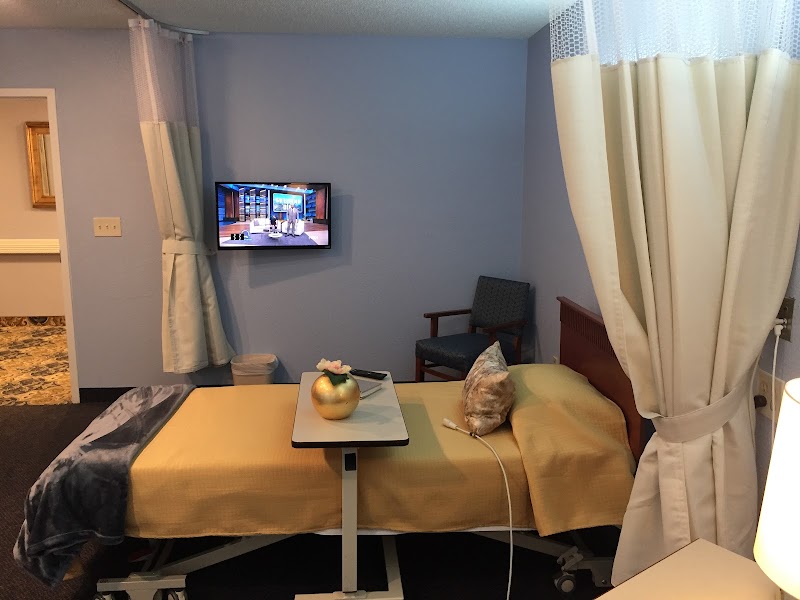
How Does Oakwood Manor Compare to Other Texas Nursing Homes?

Compared to the 100 nursing homes in Texas, OAKWOOD MANOR NURSING HOME's overall rating (5 stars) is above the state average of 2.8, staff turnover (41%) is near the state average of 46%, and health inspection rating (4 stars) is above the national benchmark.

What Should Families Ask When Visiting Oakwood Manor?

Based on this facility's data, families visiting should ask: "Can you walk me through typical staffing levels on day, evening, and night shifts?" "Can I visit during a mealtime to observe dining assistance and food quality?" "How do you handle medical emergencies, and what is your hospital transfer rate?" "Can I speak with family members of current residents about their experience?" These questions are particularly relevant given the below-average staffing rating.

Is Oakwood Manor Safe?

Based on CMS inspection data, OAKWOOD MANOR NURSING HOME has a clean safety record: no substantiated abuse findings (meaning no confirmed cases of resident harm), no Immediate Jeopardy citations (the most serious violation level indicating risk of serious injury or death), and is not on the Special Focus Facility watch list (a federal program monitoring the lowest-performing 1% of nursing homes). The facility has a 5-star overall rating and ranks #1 of 100 nursing homes in Texas. While no facility is perfect, families should still ask about staff-to-resident ratios and recent inspection results during their visit.

Do Nurses at Oakwood Manor Stick Around?

OAKWOOD MANOR NURSING HOME has a staff turnover rate of 41%, which is about average for Texas nursing homes (state average: 46%). Moderate turnover is common in nursing homes, but families should still ask about staff tenure and how the facility maintains care continuity when employees leave.

Was Oakwood Manor Ever Fined?

OAKWOOD MANOR NURSING HOME has no federal fines on record. CMS issues fines when nursing homes fail to meet care standards or don't correct problems found during inspections. The absence of fines suggests the facility has either maintained compliance or corrected any issues before penalties were assessed. This is a positive indicator, though families should still review recent inspection reports for the full picture.

Is Oakwood Manor on Any Federal Watch List?

OAKWOOD MANOR NURSING HOME is not on any federal watch list. The most significant is the Special Focus Facility (SFF) program, which identifies the bottom 1% of nursing homes nationally based on persistent, serious quality problems. Not being on this list means the facility has avoided the pattern of deficiencies that triggers enhanced federal oversight. This is a positive indicator, though families should still review the facility's inspection history directly.