VIDOR HEALTH & REHABILITATION CENTER
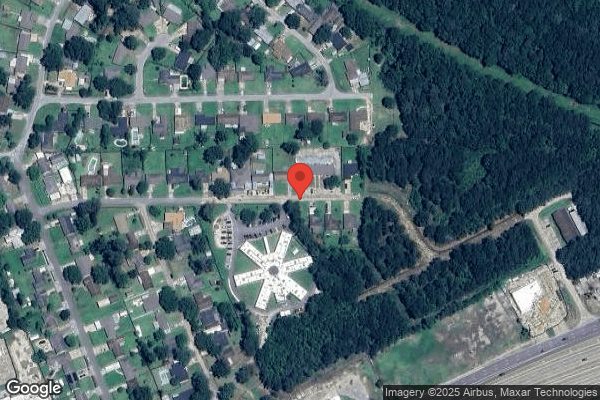

470 MOORE DR, VIDOR, TX 77662 (409) 769-2454
For profit - Limited Liability company 144 Beds CREATIVE SOLUTIONS IN HEALTHCARE Data: November 2025 3 Immediate Jeopardy citations
Trust Grade
0/100
#1143 of 1168 in TX
Last Inspection: May 2025

Inspected within the last 6 months. Data reflects current conditions.

Overview

Vidor Health & Rehabilitation Center has received a Trust Grade of F, which indicates significant concerns and a poor quality of care. They rank #1143 out of 1168 facilities in Texas, placing them in the bottom half overall, and #3 out of 3 in Orange County, meaning only one local option is better. The facility's condition is worsening, with the number of reported issues increasing from 9 in 2024 to 19 in 2025. Staffing is a major concern here, receiving a rating of 1 out of 5 stars and experiencing a high turnover rate of 62%, which is above the state average. Notably, there have been critical incidents where the facility failed to report allegations of abuse in a timely manner and did not ensure adequate supervision, putting residents at risk for harm. While there is a slightly average quality rating, the numerous deficiencies and poor state of care should raise red flags for families considering this facility.

Trust Score
F
0/100
In Texas
#1143/1168
Bottom 3%
Safety Record
High Risk
Review needed
Inspections
Getting Worse
9 → 19 violations
Staff Stability
⚠ Watch
62% turnover. Above average. Higher turnover means staff may not know residents' routines.
Penalties
○ Average
$14,069 in fines. Higher than 70% of Texas facilities. Some compliance issues.
Skilled Nurses
⚠ Watch
Each resident gets only 8 minutes of Registered Nurse (RN) attention daily — below average for Texas. Fewer RN minutes means fewer trained eyes watching for problems.
Violations
⚠ Watch
32 deficiencies on record. Higher than average. Multiple issues found across inspections.
★☆☆☆☆
1.0
Overall Rating
★☆☆☆☆
1.0
Staff Levels
★★★☆☆
3.0
Care Quality
★☆☆☆☆
1.0
Inspection Score
Stable
2024: 9 issues
2025: 19 issues

The Good

  • Full Sprinkler Coverage · Fire safety systems throughout facility
  • No fines on record

Facility shows strength in fire safety.

The Bad

1-Star Overall Rating

Below Texas average (2.8)

Significant quality concerns identified by CMS

Staff Turnover: 62%

16pts above Texas avg (46%)

Frequent staff changes - ask about care continuity

Federal Fines: $14,069

Below median ($33,413)

Minor penalties assessed

Chain: CREATIVE SOLUTIONS IN HEALTHCARE

Part of a multi-facility chain

Ask about local staffing decisions and management

Staff turnover is elevated (62%)

14 points above Texas average of 48%

The Ugly 32 deficiencies on record

3 life-threatening
May 2025 8 deficiencies
CONCERN (D)

Potential for Harm - no one hurt, but risky conditions existed

Comprehensive Care Plan (Tag F0656)

Could have caused harm · This affected 1 resident

**NOTE- TERMS IN BRACKETS HAVE BEEN EDITED TO PROTECT CONFIDENTIALITY** Based on observation, interview, and record review, the facility failed to develop and implement a comprehensive person-centered...

Read full inspector narrative →
**NOTE- TERMS IN BRACKETS HAVE BEEN EDITED TO PROTECT CONFIDENTIALITY** Based on observation, interview, and record review, the facility failed to develop and implement a comprehensive person-centered care plan to meet each resident's medical, nursing, mental and psychosocial needs for 1 of 18 residents reviewed for care plans. (Resident #40) The facility did not have a care plan to address Resident #40's diagnosis of pneumonia (infection that inflames air sacs in one or both lungs, which may fill with fluid). This failure could place residents at risk of not having individual needs met and not receiving needed services. Findings included: Record review of a face sheet dated 05/21/25 indicated Resident #40 was a [AGE] year-old female admitted to the facility on [DATE]. Her diagnoses included pneumonia, pleural effusion (a buildup of fluid between the tissues that line the lungs and the chest), and chronic obstructive pulmonary disease (a group of lung diseases that block air flow and make it difficult to breathe). Record review of a physician order dated 05/15/25 indicated Doxycycline Hyclate (an antibiotic that is commonly used to treat respiratory tract infections, such as bronchitis and pneumonia) 100mg, give one tablet by mouth two times a day for pneumonia until 05/28/25. Record review of a quarterly MDS assessment dated [DATE] indicated Resident #40 had a BIMS score of 3 indicating she had severely impaired cognition. She required partial/moderate assistance with most ADLs, and she had an active diagnosis of pneumonia. She had shortness of breath with exertion, when sitting at rest, and when lying flat and was dependent on continuous oxygen therapy. Record review of a care plan last revised 08/19/20 indicated Resident #40 had altered respiratory status/difficulty breathing/ shortness of breath/ acute respiratory failure with hypoxia (absence of enough oxygen in the tissues to sustain bodily function)/ disorders of the lung/ asthma/ prior history of tuberculosis/ anxiety. Interventions included monitor for signs and symptoms of respiratory distress and report to MD at needed. There was no care plan addressing Resident #40's recent pneumonia diagnosis with interventions. During an observation and interview on 05/19/25 12:30 p.m., Resident #40 was up in her wheelchair in the dining room. She was receiving oxygen by nasal cannula from a portable oxygen tank attached to her wheelchair. She said she had been out of her room this morning. She was unable to answer any other questions. During an interview on 05/21/25 at 11:20 a.m., LVN B said Resident #40 had a bad cough and increased shortness of breath and a chest x-ray was completed. She said the chest x-ray indicated pneumonia and the physician ordered Doxycycline for the resident. She said Resident #40's cough had lessened, and her shortness of breath was better since beginning the Doxycycline last week. During an interview on 05/21/25 at 12:25 p.m., the DON said she was responsible for writing care plans involving any residents newly diagnosed infections. She said she was aware that Resident #40 was diagnosed with pneumonia and was taking Doxycycline. During an interview on 05/21/25 at 10:25 a.m., the DON said she expected the residents to have care plans that covered all their needs. She said if they did not have one their needs could be missed. She said she had not updated Resident #40's care plan to include her pneumonia or her antibiotic treatment. She said the previous Infection Control Nurse resigned 05/14/25 and she assumed the role on 05/15/25. She said she was notified of Resident #40 pneumonia on 05/16/25 at the morning care meeting but she had not completed a new care plan. She said the resident already had care plans for respiratory issues including pleural effusion and respiratory failure and she could see no negative outcome of not including the new pneumonia diagnosis in the care plan. During an interview on 05/21/25 at 3:25 p.m., the Administrator said that his expectation was for care plans to be completed timely and accurately., He said the care plan for Resident #40's pneumonia was missed because the previous Infection Control Nurse left on 05/14/25 and the care plan was missed in the transition. Record review of an undated Comprehensive Care Planning policy indicated The facility will develop and implement a comprehensive person-centered care plan for each resident, consistent with the resident rights that includes measurable objectives and timeframes to meet a resident's medical, nursing, and mental and psychosocial needs that are identified in the comprehensive assessment.
CONCERN (D)

Potential for Harm - no one hurt, but risky conditions existed

Deficiency F0761 (Tag F0761)

Could have caused harm · This affected 1 resident

Based on observation, interview, and record review, the facility failed to label drugs and biologicals used in the facility in accordance with currently accepted professional principles, and include t...

Read full inspector narrative →
Based on observation, interview, and record review, the facility failed to label drugs and biologicals used in the facility in accordance with currently accepted professional principles, and include the appropriate accessory and cautionary instructions, and the expiration date when applicable for 1 of 2 medication rooms (the main medication storage room) reviewed for drug labeling and storage. The main medication storage room had 11 over-the-counter medication bottles that were in stock to be used after their expiration date. These failures placed residents at risk for receiving biologicals and medications which were ineffective and/or not safe. Findings included: During an observation and interview on 05/21/25 at 9:10 a.m., in the main medication storage room, LVN A discovered 11 unopened over-the-counter medication bottles after their expiration date including: *1, 12-ounce bottle of Acid Gone Antacid alumina and magnesium carbonate (treats heart burn and acid indigestion) an unopened liquid with an expiration date of 01/25; *1, 12-ounce bottle of Dulcolax (treats constipation) an unopened liquid with an expiration date of 04/25; *1, 16-ounce bottle of mineral oil lubricant laxative (treats constipation) an unopened liquid with an expiration date of 08/15/24; *2 bottles of Glucosamine and Chondroitin 500 mg/ 400 mg (treats symptoms of osteoarthritis) unopened supplement with 60 caplets and an expiration date of 03/25; *3 bottles of Folic Acid 400 mg (a B vitamin that helps make healthy red blood cells, which carry oxygen around the body) unopened with 100 tablets, 2 bottles with an expiration date of 03/25 and 1 bottle with an expiration date of 04/25; *2 bottles of Vitamin E (supplement that is important for vision and fighting disease and health of the blood, brain, and skin) 180 mg (400 IU) unopened with 100 tablets and an expiration date of 04/25; *1 bottle of Lactobacillus (a probiotic that is used to help maintain the number of healthy bacteria in your stomach and intestines) unopened with 50 tablets and an expiration date of 04/25; and *1 bottle of Bisacodyl 5 mg (treats constipation) unopened with 100 tablets and an expiration date of 04/25. LVN A said the Medical Records Clerk was responsible for ordering and stocking supplies and over the counter medication and removal of expired medication. LVN A said she was unsure who the backup was, but she always double checked any medication she removed from the medication storage room to use on her nurse's medication cart. She said medication was stored with the oldest medication in front and newest medication in the back. LVN A said the expired medication bottles were possibly overlooked or someone grabbed the medication from the middle or back of the line of medication instead of the medication stored nearest the front which should be the older medication. LVN A said the resident's risk of expired medication in the medication storage room was it could be given to a resident and the medication may not be as effective as it should be. During an interview on 05/21/25 at 9:33 a.m., the DON said the Medical Records Clerk was responsible for ordering supplies, removal of expired medication, and organization of stored medication on the shelves with the oldest medication in the front and newest medication in the back. She said the Pharmacy Consultant was the backup who checked the medication room for expired medications. The DON said the expired medications in the over-the-counter storage were possibly overlooked. She said the resident's risk of expired medication in the over-the-counter medication stock was the medication may not be the correct potency if given to a resident. The DON said her expectation was all medication in the medication storage room be in date and staff to use the older medication before the newer medication. During an interview on 05/21/25 at 9:50 a.m., the Medical Records Clerk said she was responsible for ordering over-the-counter medication, stocking, and removal of expired medication from the medication room. She said she organized the medication on a shelf with the older medication in the front and newer medication in the back of the line. She said the nurses were the back up to ensure any expired medication was removed from the over-the-counter medication supply. The Medical Records Clerk said she checked monthly for expired medication with 04/20/25 as her last check for expired medication. She said her new Regional Consultant was scheduled to visit the facility on 05/27/25 and do a complete check of all the medication in the medication storage rooms for expired medication along with her. She said she was educated to check all over-the -counter medication and remove and dispose of expired medication properly. The Medical Records Clerk said the resident's risk of expired mediation in the over-the-counter medication supply was it could be given to a resident and the medication may not be as effective as it should be. During an interview on 05/21/25 at 9:50 a.m., the Administrator said the Medical Records Clerk was responsible to ensure the over-the-counter medication supply was stocked and all expired medication removed and disposed of properly. He said the new Regional Consultant had not rounded in the facility yet and was coming on 05/27/25 to do a check of the medication rooms along with the Medical Record Clerk. The Administrator said the resident's risk of expired medication in the over-the-counter medication supply was possible side effects to residents if used. He said his expectation was all medication in the medication room be organized, and expired medication removed and disposed of properly. During an interview on 05/21/25 at 1:17 p.m., the Pharmacy Consultant said she periodically checked the medication rooms for expired medication by doing a random inspection but not checking every medication. She said she checked the medication rooms about 4 months ago. The Pharmacy Consultant said last month she checked the medication carts. She said the nurses were ultimately responsible to ensure all expired medication removed from the over-the-counter supply and disposed of properly. She said the resident's risk of expired medication in the over-the-counter supply was the medications would still be potent but may not the same strength as current medication but not unsafe for residents. The Pharmacy Consultant said as medication expired the medication would start to decline in strength. Record review of, Executive Summary of Consultant Pharmacist's Medication Regimen Review, dated 05/09/25 indicated review of medication cart audit but no indication of review of the medication supply room.
CONCERN (D)

Potential for Harm - no one hurt, but risky conditions existed

Medical Records (Tag F0842)

Could have caused harm · This affected 1 resident

**NOTE- TERMS IN BRACKETS HAVE BEEN EDITED TO PROTECT CONFIDENTIALITY** Based on interview and record review, the facility failed to maintain clinical records in accordance with accepted professional ...

Read full inspector narrative →
**NOTE- TERMS IN BRACKETS HAVE BEEN EDITED TO PROTECT CONFIDENTIALITY** Based on interview and record review, the facility failed to maintain clinical records in accordance with accepted professional standards and practices that were complete and accurately documented for 1 of 20 residents (Resident #5) reviewed for medical records accuracy. The facility did not accurately document Resident #5's daily vital signs on the May 2025 MAR. Staff signed off on physician ordered daily vital signs as taken and were repetitively documented with identical findings on 05/01/25, 05/02/25, 05/03/25, 05/04/25, and 05/05/25 and identical findings on 05/06/25, 05/07/25, 05/08/25, and 05/09/25. This failure could affect residents whose records are maintained by the facility and could place them at risk for errors in care, and treatment. The findings included: Record review of Resident #5's face sheet indicated admitted to facility on 06/05/18 with diagnosis including dementia, hypertension, and diabetes. Record review of Resident #5's physician orders dated 05/20/25 indicated on 03/09/25, the facility initiated a QAPI PIP Data Collection for hospital rehospitalization prevention. This included obtaining vital signs daily on the morning shift. Record review of the quarterly MDS dated [DATE] indicated Resident #5's BIMS score was 03, which indicated severe impairment for cognitive abilities. Record review of Resident #5's care plan dated 06/06/18 indicated a diagnosis of hypertension (high blood pressure). Interventions included to obtain blood pressure readings at least weekly unless ordered by the physician to be obtained more frequently. Record review of Resident #5's May 2025 MAR indicated identical documentation of vital signs as BP- 144/68, Temperature- 97.4, Pulse- 72, Respirations- 18, and Oxygen saturation as 96% on the following dates: *05/01/25, *05/02/25, *05/03/25, *05/04/25 and *05/05/25. Record review of Resident #5's May 2025 MAR indicated identical documentation of vital signs as BP- 129/67, Temperature- 97.5, Pulse- 82, Respirations- 18, and Oxygen saturation as 96% on the following dates: *05/06/25, *05/07/25, *05/08/25, and *05/09/25. During an interview and record review on 05/21/25 at 9:40 a.m., LVN L reviewed Resident #5's May 2025 MAR with surveyor. She the recordings were repetitive and were false results. LVN L said it appeared staff were recording from previous documentation and not taking their own set of vital signs. She said the proper procedure was to take the resident's vital signs per orders. She said her routine was to take each resident's vital signs every morning prior to administering medications and to document on each individual resident's MAR. During an interview and record review on 05/21/25 at 10:00 a.m., the DON reviewed Resident #5's May 2025 MAR with surveyor. She said the vital sign findings documented 05/01 thru 05/05/25 were the same each day as well as the vital sign findings for 05/06 thru 05/09/25. The DON said nursing staff obviously were not checking Resident #5's vital signs daily as ordered. She said vital signs were to be documented on the MAR, and with their electronic medical record, each vital sign would also be pulled to the vital sign tab in their record. The DON said the electronic record program had a feature that would allow staff to use an option to document the last reported value and it appeared staff were using the feature instead of taking daily vital signs and documenting their new findings. The DON said by not assessing residents and documenting correctly, it could jeopardize resident's health. She said her expectations were for all nursing staff to obtain daily vital signs per physician orders and document accordingly.
CONCERN (D)

Potential for Harm - no one hurt, but risky conditions existed

Infection Control (Tag F0880)

Could have caused harm · This affected 1 resident

**NOTE- TERMS IN BRACKETS HAVE BEEN EDITED TO PROTECT CONFIDENTIALITY** Based on observation, interview and record review, the facility failed to establish and maintain an infection prevention and con...

Read full inspector narrative →
**NOTE- TERMS IN BRACKETS HAVE BEEN EDITED TO PROTECT CONFIDENTIALITY** Based on observation, interview and record review, the facility failed to establish and maintain an infection prevention and control program designed to provide a safe, sanitary, and comfortable environment and to help prevent the development and transmission of communicable diseases and infections for 2 of 4 residents (Resident #32 and Resident #64) reviewed for infection control practice. The WC Nurse failed to perform hand hygiene and change gloves while providing wound care to Resident #32's great toe wound. The WC Nurse failed to perform hand hygiene and change gloves while providing wound care to Resident #64's coccyx area wound. These failures could place residents at risk for the spread of infection. Findings include: 1. Record review of Resident #32's face sheet, dated 05/21/25, indicated a 66- year- old male who was admitted to the facility on [DATE], with diagnoses of diabetes mellitus, edema, and kidney disease. Record review of Resident #32's quarterly MDS assessment, dated 04/27/25, indicated Resident #32's skin conditions included a venous and arterial ulcer. Record review of Resident #32's care plan, dated 04/01/25, indicated the resident had arterial/ischemic ulcer of the left great toe related to peripheral arterial disease with interventions to treat wound as per facility protocol . Resident #32 was also care planned for enhanced barrier precautions related to wound, with interventions .to perform hand sanitation before entering the room and prior to leaving the room and gloves and gowns should be donned if any of the following activities are to occur: .wound care . Record review of physician orders for May 2025 for Resident #32 indicated: Cleanse arterial ulcer to the left great toe with wound cleanser and pat dry. Apply Sureprep and leave open to air. During an observation on 05/21/25 at 11:30 a.m., the WC Nurse provided wound care to Resident #32's wound. She donned gloves before the start of care and prepared a clean field before commencing care. The WC Nurse took her supplies to the resident's room and placed it on his bedside table. The WC Nurse touched Resident #32's left great toe with her gloved hands then with the same contaminated gloves went into her clean field and retrieved wound cleanser-soaked gauze to cleanse Resident #32's left great toe. She balled up the gauze, placed the gauze on the same wax paper as her clean dressing, took off her gloves and placed the dirty gloves on the same wax paper as her clean dressing next to the gauze used to clean the wound. The WC Nurse did not perform hand hygiene and donned a fresh set of gloves, went back into her now contaminated field to retrieve the Sureprep and applied it to Resident #32's left great toe wound. 2. Record review of Resident #64's face sheet, dated 05/21/25, indicated a [AGE] year-old female who was admitted to the facility on [DATE], with diagnoses of encounter for after care following surgery on the skin and subcutaneous tissue, anxiety disorder, and kidney failure. Record review of Resident #64's quarterly MDS assessment, dated 04/18/25, indicated Resident #64's skin conditions included an unhealed stage 4 pressure ulcer/injury over bony prominence. Record review of Resident #64's care plan, dated 04/30/25, indicated the resident had a stage 4 pressure ulcer to her coccyx, with interventions to .administer treatments as ordered and monitor for effectiveness . Resident #64 was also care planned for enhanced barrier precautions related to the wound, with interventions .to perform hand sanitation before entering the room and prior to leaving the room and gloves and gowns should be donned if any of the following activities are to occur: .wound care . Record review of physician orders for May 2025 for Resident #64 indicated: Clean stage 4 pressure ulcer to coccyx with normal saline and pat dry. Apply Santyl to wound bed and cover with dry dressing daily and as needed. During an observation on 05/21/25 at 10:40 a.m., the WC Nurse provided wound care treatment for Resident #64. She did not wash her hands but donned gloves before the start of care. She prepared a clean field before commencing care. The WC Nurse took her supplies to the resident's room and placed it on her bedside table. She repositioned the resident to her left side to expose her coccyx for treatment. The WC Nurse did not perform hand hygiene or change her gloves. She removed the old dressing which had serosanguinous(clear water mixed with blood) drainage from the coccyx stage 4 wound. The WC Nurse did not perform hand hygiene or change her gloves. The WC Nurse, with the same contaminated gloves, went into her clean field and retrieved NS-soaked gauze to cleanse Resident #64's coccyx wound. She did not wash hands, change gloves, or perform hand hygiene before going back into her now contaminated field to retrieve NS-gauze to cleanse Resident #64's coccyx wound a second time. The WC Nurse did not perform hand hygiene or change her contaminated gloves and retrieved the Santyl and applied to Resident #64's coccyx wound. The WC Nurse took off her gloves, did not perform hand hygiene and donned a fresh set of gloves, retrieved the clean dressing and placed it on Resident #64's wound. During an interview on 05/21/25 at 11:45 a.m., the WC Nurse said she should have washed her hands before starting care and changed her gloves during care. The WC Nurse said she should have changed her gloves before retrieving a clean dressing and placing on Resident #64's and 32's wound. The WC Nurse said she had been employed in the facility about 8 months and received infection control training during orientation. She said the resident could acquire an infection when she did not follow good infection control practices which included washing hands before commencing care. During an interview 05/21/25 at 2:20 p.m., the DON said she was also the Infection Control Preventionist and was aware of some of the concerns raised about infection control. She said the staff were expected to wash their hands and don gloves before and after providing care and to keep their clean dressing field clean. She said staff were trained in orientation, annually, and as the need arose. The DON said staff not washing their hands increased the risk of infection to the resident. Record review of the facility's policy titled, Fundamentals of Infection Control Precautions, undated, read: .1. Hand Hygiene .before and after entering isolation precautions settings, .before and after changing a dressing, .after handling soiled .dressings .after removing gloves .Consistent use by staff of proper hygienic practices and techniques is critical to preventing the spread of infection .
CONCERN (E)

Potential for Harm - no one hurt, but risky conditions existed

Notification of Changes (Tag F0580)

Could have caused harm · This affected multiple residents

**NOTE- TERMS IN BRACKETS HAVE BEEN EDITED TO PROTECT CONFIDENTIALITY** Based on interview and record review, the facility failed to consult with the physician regarding a change in condition for 2 of...

Read full inspector narrative →
**NOTE- TERMS IN BRACKETS HAVE BEEN EDITED TO PROTECT CONFIDENTIALITY** Based on interview and record review, the facility failed to consult with the physician regarding a change in condition for 2 of 20 residents reviewed for physician notification. (Residents #5 and #17) The facility failed to consult physician when Resident #5 consistently had above normal blood glucose levels. The facility failed to consult physician when Resident #17's medications were held due to patterns of low heart rate. This failure could place residents at increased risk for complications due to delayed physician intervention. Findings included: 1. Record review of Resident #5's face sheet indicated a [AGE] year-old male admitted to facility on 02/11/25 with diagnoses including diabetes and dementia. Record review of the Quarterly MDS dated [DATE] indicated Resident #5's BIMS score was 03, which indicated severe impairment of cognitive abilities. Record review of Resident #5's care plan dated 07/09/18 indicated a diagnosis of diabetes. Interventions included diabetes medication as ordered by the doctor. Monitor/document for side effects and effectiveness. Review of Resident #5's physician orders dated 05/20/25 included Lantus insulin 16 units subcutaneously one time per day related to diabetes (in the evening). Resident #5's blood glucose level was checked twice daily prior to receiving prescribed dosages of insulin. There were no physician orders to notify the MD of any results outside a parameter. Record review of a May 2025 MAR indicated on the following dates, Resident #5's blood glucose levels were elevated: *05/03/25 - BS was 222; *05/04/25 - BS was 276; *05/05/25 - BS was 184; *05/07/25 - BS was 184; *05/09/25 - BS was 219; *05/10/25 - BS was 200; *05/13/25 - BS was 197; *05/14/25 - BS was 191; *05/15/25 - BS was 304; *05/16/25 - BS was 214; and *05/18/25 - BS was 246. During an interview on 05/21/25 at 9:40 a.m., LVN L said sliding scale insulin usually has parameters to administer when blood glucose level is between 150 - 400. She said the physician should have been notified of Resident #5's abnormal levels when the readings were high on these dates. LVN L said Resident #5 needed an order for sliding scale insulin to help bring glucose levels back to normal ranges. During an interview on 05/21/25 at 1:45 p.m., the DON Resident #5's blood glucose levels bottom out easily in the mornings (drop levels drastically). She said her expectations were to notify physician each time abnormal elevated blood glucose level. She stated, Obviously he should have had an order for sliding scale insulin to control levels. 2. Record review of Resident #17's face sheet indicated a [AGE] year-old female admitted to facility on 02/03/25 with diagnoses including congestive heart failure (chronic condition in which the heart does not pump blood as well as it should) and hypertension (high blood pressure). Record review of the quarterly MDS dated [DATE] indicated Resident #17's BIMS score was 14, which indicated she was cognitively intact. Resident #17 required moderate to maximum assist with most activities of daily living. Record review of Resident #17's care plan dated 07/28/21 indicated a diagnosis of heart failure. Interventions included report to physician if pulse falls below 60 or rises above 110 or detect skipped beats or other changes in rhythm. Review of Resident #17's physician orders dated 05/20/25 included Digox tablet 125 mcg - give one tablet by mouth one time per day. Hold if heart rate is below 60. Notify physician if above 100. (Digox is used to improve the strength and efficiency of the heart, or to control the rate and rhythm of the heartbeat). Record review of a May 2025 MAR indicated on the following dates, Resident #17's Digox 125 mcg was held: *05/01/25, heart rate was 58; *05/06/25, heart rate was 55; *05/11/25, heart rate was 52; *05/12/25, heart rate was 50; *05/13/25, heart rate was 58; and *05/14/25, heart rate was 48. Record review of Progress Notes dated 05/01/25 through 05/19/25 gave no indication Resident #17's physician was consulted regarding the resident's patterns of low heart rate, and of Digox 125 mcg being held six of 20 opportunities. During an interview on 05/21/25 at 09:30 a.m., LVN L said nursing staff were to document in progress notes anytime a physician was consulted. She said the physician should have been consulted regarding Resident #17's pattern of low heart rate and of medication being held. LVN L said not notifying the physician could affect Resident #17's overall health. During an interview on 05/21/25 at 09:55 a.m., MA M said anytime medications were held for any reason, the charge nurse was to be notified. She said if a resident's heart rate or blood pressure was outside parameters, she would recheck vital signs prior to notifying the charge nurse. MA M said the charge nurses would then assess residents and should notify physicians, especially if a pattern of being held was noted. During an interview on 05/21/25 at 1:45 p.m., the DON said her expectations were to make notifications to physician when vital signs were outside physician ordered parameters and to document notification and results in the resident's electronic medical record. A policy titled medication Administration and General Guidelines labeled as v3-2025 indicated the following: . Medications are administered as prescribed, in accordance with State Regulations using good nursing principles and practices and 2. Medications are administered in accordance with written orders of the attending physician. 12. The physician must be notified when a dose of medication has not been given.
CONCERN (E)

Potential for Harm - no one hurt, but risky conditions existed

Safe Environment (Tag F0584)

Could have caused harm · This affected multiple residents

**NOTE- TERMS IN BRACKETS HAVE BEEN EDITED TO PROTECT CONFIDENTIALITY** Based on observation, interview, and record review, the facility failed to provide a safe and comfortable environment for 3 of 1...

Read full inspector narrative →
**NOTE- TERMS IN BRACKETS HAVE BEEN EDITED TO PROTECT CONFIDENTIALITY** Based on observation, interview, and record review, the facility failed to provide a safe and comfortable environment for 3 of 18 residents (Resident #21 #23 #74) and 1 of 2 shower rooms (Hall 100/200 shower room) for Resident #36 reviewed for safe environment. The facility failed to ensure Resident #21, #23 and #74' s hand sink water was maintained at or below 110 degrees. The facility failed to ensure shower room between Hall 100 and Hall 200 was maintained at or below 110 degrees for Resident #36. This failure could place residents at risk of burns, pain, unsafe environment and a diminished quality of life. Findings included: 1. Record review of Resident #21's admission record, dated 05/21/25 reflected a [AGE] year-old female admitted to facility on 01/15/2015. Her diagnoses included stroke and slurred speech. Record review of Resident #21's quarterly MDS assessment dated [DATE] indicated a BIMS score of 14 which indicated cognition was intact. She required substantial/maximal assistance for bathing and personal hygiene. Resident #21 had no burns or pressure wounds indicated on her MDS. During an observation on 05/19/25 at 9:00 a.m. in Resident #21's room revealed the water temperature at the sink felt too hot. Requested maintenance supervisor to check water temperatures. During an interview on 05/19/25 at 9:03 a.m., Resident #21 said she had not had any problems with the hot water being too hot. During an interview and observation on 05/19/25 at 9:08 a.m., the Maintenance Supervisor was taking the temperature of the water at Resident #21's hand sink in room [ROOM NUMBER]. The temperature of the water was 114.2 degrees. He said last week the water temperatures were fluctuating, so the plumber came out and gave an estimate for a new mixing valve. He said he checked temperatures on Friday (05/16), but he did not document the results. He said, the temperatures were about the same as got in this room on Friday. He said the water temperatures should be from 100 to 120 degrees. He said the water temperature could be too hot or too cold for the residents and that could be uncomfortable for the residents. 2. Record review of Resident #23's admission record, dated 05/19/25 reflected a [AGE] year-old male admitted to facility 02/25/2021. His diagnoses included traumatic brain injury, epilepsy and colostomy. Record review of Resident #23's quarterly MDS assessment dated [DATE] indicated a BIMS score of 8 indicating moderate cognitive impairment. He was dependent on staff for bathing and personal hygiene. Resident #23 had no burns or pressure wounds were indicated. During an observation on 05/19/25 at 9:30 a.m., the Maintenance Supervisor checked the water at the hand sink with his thermometer in Resident #23's bathroom and the temperature was 112.2 degrees. During an interview on 05/19/25 at 9:50 a.m., Resident #23 said he had never been burned or had water in the sink or shower that was too hot. 3. Record review of Resident #74's admission record dated 05/19/25 reflected a [AGE] year-old female admitted to facility on 05/17/24. Her diagnoses included kidney failure and obesity. Record review of Resident #74's quarterly MDS assessment dated [DATE] indicated a BIMS score of 15 which indicated cognition was intact. She required substantial/maximal assistance for bathing and personal hygiene. Resident #74 had no burns or pressure wounds indicated on her MDS. During an observation on 05/19/25 at 9:30 a.m., the Maintenance Supervisor checked the water at the hand sink in Resident #74's bathroom with his thermometer and the temperature was 111.3 degrees. 4. Record review of Resident #36's admission record dated 05/21/25 reflected a [AGE] year-old female admitted to facility on 05/07/21. Her diagnoses included stroke and anxiety. Record review of Resident #36's quarterly MDS assessment dated [DATE] indicated a BIMS score of 15 which indicated cognition was intact. She required substantial/maximal assistance for bathing and personal hygiene. Resident #36 had no burns or pressure wounds indicated on her MDS. During an observation on 05/19/25 at 9:35 a.m. the Maintenance Supervisor checked the water at the sink in the shower room between Hall 100 and Hall 200 was 115 degrees. The water in the shower was 111.4 and he said the shower could be lower temperature because the staff had just finished giving a shower. He said he would adjust the hot water. During an interview on 05/19/25 at 9:40 a.m., Resident #36 said she had just received her shower and denied getting burned or that the water was too hot. During interview on 05/19/25 from 10:10 a.m. to 10:55 a.m., LVN D, LVN E, LVN F, MDS Coordinator LVN G, CNA H, CNA J, CNA K and OT. said knew to monitor the water temperatures when assisting the residents with grooming or showering to prevent burns. During an interview on 05/19/25 at 11:00 a.m., the Administrator said he notified nursing management on Friday about the water issues. He said he assigned the weekend supervisor to check the water temperatures to prevent problems for the residents. He said the water could be too hot or too cold. He said corporate required 3 bids before they would approve the needed repair. During an interview on 05/19/25 at 12:00 p.m., the MDS Coordinator LVN C said she was the MOD (manager on duty) on 05/17/25 or 05/18/25. She said she monitored the water temperatures by checking water temperatures with a thermometer. She said the temperatures were below 110 and no issues were noted. She said the water was supposed to be under 110 to prevent burns. Record review of the manager on duty forms dated 05/17/25 and 05/18/25 indicated MDS Coordinator- LVN C monitored the water temperature on Hall 100. There were no issues noted. During a group interview on 05/20/25 at 10:30 a.m., 5 alert and oriented residents, Resident #8, Resident #38, Resident #36, Resident #50, and Resident #83. denied having issues with the water temperatures being too hot. They said they had no knowledge of anybody being burned with hot water. During an interview on 05/20/25 at 8:30 a.m., the Administrator said he had read the water temperature could be from 100 to 120 from a website with resources for Long Term Care Administration. He provided the water temperature log, and it indicated the water temperature should be at least 100 to 110 degrees. He denied having a policy about water temperature and said water should be comfortable. Record review of the water temperature check log dated 05/06/25 indicated water temperatures ranged from 100 to 108 degrees by the Maintenance Supervisor. Record review of the water temperature check log dated 05/13/25 indicated water temperatures ranged from 100 to 110 degrees documented by the Maintenance Supervisor. Record review of temperature logs for 05/20/25 - 05/21/25 indicated water temperatures were checked by the Maintenance Supervisor 4 times a day and were below 110 in the shower and the hand sink between Hall 100 and Hall 200 and in Resident #23 hand sink in his bathroom.
CONCERN (F)

Potential for Harm - no one hurt, but risky conditions existed

Deficiency F0801 (Tag F0801)

Could have caused harm · This affected most or all residents

Based on observation, interview and record review, the facility failed to employ sufficient staff with the appropriate competencies, and skills set to carry out the functions of the food and nutrition...

Read full inspector narrative →
Based on observation, interview and record review, the facility failed to employ sufficient staff with the appropriate competencies, and skills set to carry out the functions of the food and nutrition service for 1 of 1 activity aide (Activity Aide B) and 1 of 5 dietary aides (Dietary Aide L) reviewed for qualified dietary staff. The facility failed to ensure Activity Aide B and Dietary Aide L had their Texas Food Handler's License. This failure could place residents at risk of not having their nutritional needs met and place them at risk for food born illnesses. Findings included: During an observation on 05/19/25 at 12:00 p.m., Activity Aide B was standing at the prep table preparing shredded cheese. Record review of Activity Aide B's personnel file indicated a hire date of 06/28/23. No prior or current food handler certificate was found. Record review of Dietary Aide L personnel file indicated a hire date of 09/19/19 no prior or current food handler certificate was found. During an interview on 05/19/25 at 9:00 a.m., DM said Activity Aide B and Dietary Aide L did not have current food handler certificate and she could not locate any prior food handler certifications for Activity Aide B or Dietary Aide L. She said not having a current certification places the residents at risk of not having food prepared correctly. During an interview on 05/21/25 at 2:40 P.M., the Administrator said it was important for anyone who prepared or cooked in the kitchen to have their food handler's license to ensure everyone knew the best practices across the board. He said they needed to know to follow the rules and regulations, ensure proper sanitation, and how to not cross-contaminate. He said the certification was normally done 30-days after hire and when expired, and the DM was responsible for ensuring they were completed. He said that obviously, some were missed, and the facility did not have a policy on Food Handler Certifications. During an interview on 05/21/25 at 3:32 p.m., Activity Aide B said she had a food handler certification, but it was expired. She said on 05/19/25 she was in the kitchen getting shredded cheese for the residents' appetizers. She said on 05/19/25 she retook the food handler's certification. She said not having a current certification put the residents at risk of not having best practice followed when preparing their food. Dietary Aide L was unavailable for interview via phone. After surveyor intervention: Record review of the Activity Aide B Texas Food Handler Training Program certification, reflected the effective date as 05/19/25. Record review of and Dietary Aide L Texas Food Handler Training Program certification, reflected the effective date as 05/20/25. Record review of the facility's policy titled, Infection Control, revised 4/9/2025, read: Procedure: .4.b. The facility will follow all state and local regulations concerning initial hire and annual health examinations for dietary associates. C. the Dietary Service Manager should use the following guidelines concerning health examinations and documentation. If required, post a valid food handler's card for each dietary associate in the department at all times, keep current examination documentation and food handler's cards in personnel file on all department associates .
CONCERN (F)

Potential for Harm - no one hurt, but risky conditions existed

Food Safety (Tag F0812)

Could have caused harm · This affected most or all residents

**NOTE- TERMS IN BRACKETS HAVE BEEN EDITED TO PROTECT CONFIDENTIALITY** Based on observation, interview, and record review, the facility failed to properly store, prepare, distribute, and serve food i...

Read full inspector narrative →
**NOTE- TERMS IN BRACKETS HAVE BEEN EDITED TO PROTECT CONFIDENTIALITY** Based on observation, interview, and record review, the facility failed to properly store, prepare, distribute, and serve food in accordance with the professional standards for food service safety 1 of 1 kitchen reviewed for safety requirements. 1. The facility failed to ensure food items in Icebox #1 were labeled, dated, sealed, and not expired. 2. The facility failed to ensure the floor in Icebox #2 was free from standing water spills and unpackaged food. 3. The facility failed to ensure Activity Aide B, Dietary Aide G, and Dietary [NAME] H's hair was completely contained with an effective hair restraint. 4.The facility failed to ensure the left wall in the milk-box cooler - was free of ice build-up and accumulation of food crumbs and debris. 5.The facility failed to ensure food items in the dry pantry were labeled, dated, sealed, and not expired and failed to ensure dented cans were not stored and co-mingled with non-dented food cans ready for use. 6.The facility failed to ensure the flat sheet pans and stock pots were free of black and brown cooked on build-up. These failures could place residents, who received food and beverages from the kitchen, at risk for health complications, foodborne illnesses, and decreased quality of life. Finding included: During an observation and interview on 05/19/25 at 8:30 a.m., in Icebox #2 there were two cases of ½ gallon cartons of milk, wet from exposure to half-inch to 1-inch deep of standing water. The DM confirmed the milk cartons were sitting in water and were wet on the bottom. During an observation and interview on 05/19/25 at 8:35 a.m. of Icebox #1 with the DM indicated there were: - a gray bin labeled Yoplait yogurt with two small 6-ounce clear cups with lids not labeled and not dated of orange-colored pieces of a substance. The DM said they were cantaloupe slices and she put them in a large gray bin of peaches. Also, in the gray bin (labeled Yoplait) were 2 more small 6-ounce clear cups with lids of a yellow pudding substance. The DM said those were super pudding used for medication pass. - 1-container pint of [NAME] small tomatoes not dated. - 1-large bag of broccoli undated, unlabeled, ripped open from the seam exposing the broccoli to the elements. The DM said the bag was opened and exposing the broccoli to air. The DM said the count of broccoli were 8-heads that were left from Friday's meal. - 1-gallon Ziploc bag of sliced tomatoes with a white coating on them in 2inch height of pink tinged slimy liquid. The DM confirmed the tomatoes were losing their color and had a white coating. During an observation on 05/19/25 at 8:45 a.m., Dietary [NAME] H was in the kitchen, near the food preparation table. She had a hairnet on with approximately 3-4 inches of hair in the nape (back of her head) and wisps of her hair (around front profile of face) not covered with the hair net. She was standing at the prep table preparing canned beans in a pot. During an observation on 05/19/25 at 9:00 a.m., Dietary Aide G was in the kitchen, near the food preparation table. She had a hairnet on with approximately 3-4 inches of hair in the nape (back of her head) and wisps of her hair (around front profile of face) not covered with the hair net. She was standing at the prep table. During an observation on 05/19/25 at 12:00 p.m., Activity Aide B was in the kitchen, near the food preparation table. She had a hairnet on with approximately 3-4 inches of hair Bang (front of her head), in the nape (back of her head) and wisps of her hair (around side profile of face) not covered with the hair net. She was standing at the prep table preparing shredded cheese. During an observation and interview on 05/19/25 at 8:50 a.m., the milk box cooler had clear ice build-up approximately 2-inches thick to the left wall in the milk box and along the rubber gasket seal weather strip was an accumulation of brown-tinged grime, dirt and crumbs. The DM confirmed the ice on the wall of the milk box and build-up of dirt and crumbs to the rubber seal. During an observation and interview on 05/19/25 at 9:05 a.m. of the pantry with the DM indicated there were: - 20, 4-ounce containers of thickened cranberry cocktail juice in their original container with a manufacturer expiration date of 03/02/2025. The DM said she would remove them from the pantry and discard. She said if used, residents could get sick. - Two, 6-pound cans of [NAME] Farms Sliced Peaches heavy syrup dented cans co-mingled with non-dented food cans ready for use. One can had a large dent in the middle of the can and the other had a large dent at the bottom seam. The DM place the dented cans in the dented can section of the pantry and said using dented cans could contaminate food. - 1 opened and used folded down bag of vanilla wafers that was folded down on itself, not sealed and exposed to the elements. The DM said not being sealed the wafers could get stale. - On the shelf of the ready to use foods was an expired jar of Zatarain's Prepared Horseradish 5.25-ounce, manufacturer expiration date 03/23/2025 and instructions to refrigerate after opening. The DM said she thought she threw that away, and it could cause food illness. During an interview on 05/19/25 at 09:33 a.m., Dietary [NAME] H said she received orientation training on different types of meals to include how to serve plates, menus, reading the meal ticket, hair nets, glove use, hand hygiene, using scoops for serving food, and many other topics. She said without a date, she would not know when it had been placed in the refrigerator and would discard the food to ensure it was safe for residents and not make them sick. Dietary [NAME] H said she was not aware of her hair sticking out. During an observation and interview on 05/20/25 at 9:05 a.m . of the storage area for pots and pans with DM indicated there were: - 5, large cooking pans with build-up of a cooked on black and brown substance. - 2, large cake sheet pans with build-up of baked on black and brown substance - 4, large flat cooking sheet pans had baked on build-up of a brown substance. - 1, large stock pot with build-up cooked on black and brown substance. During an interview on 05/21/25 at 2:20 p.m., the DM confirmed the cans of peaches contained dents and should have been stored separate from non-dented cans. The DM said hair restraints should be worn at all times while in the kitchen, including bangs and little hairs around the face. She said hairnets prevent cross contamination and foodborne illnesses from getting in the food. The DM said she was responsible for making sure staff in the kitchen were following the facility policy, checking the pantry, refrigerator, and freezer for expired or spoiled foods at the end of each week, and cleaning the kitchen and pot and pans. The DM said she could not explain why the expired or spoiled foods had not been removed from the refrigerator, freezer or why the weekly schedule for cleaning the pots and pans was not done. The DM said she was purchasing new pots and pans. The DM said the Maintenance Supervisor was aware of Icebox #2 having standing water on the floor, but she could not remember when she notified him. She said all kitchen staff completed the required food preparation and food storage trainings. The DM said the potential harm to residents would be food poisoning, diarrhea, sickness, and bacteria on food. The DM said the failure occurred due to staff not paying attention. During an interview on 05/21/2025 at 2:40 p.m., the Administrator said if any staff entered the kitchen, they were expected to wear a hair net. He also said if a staff's hair was not completely covered, the risk would be hair getting in the resident's food, and he had no complaints of hair in the food. The Administrator said he was not aware of the ice and water build up and told the Maintenance Supervisor that day (05/19/25) he found out to check the equipment. The Administrator said his expectation was all products in the kitchen be labeled and dated correctly. The Administrator said if residents were served out of date food products it could result in stomach aches, diarrhea, causing them to get sick. The Administrator said it was the responsibility of the DM to ensure all products were labeled correctly and equipment in the kitchen was cleaned regularly and in good working condition. During an interview on 05/21/2025 at 3:00 p.m., the Maintenance Supervisor said he checked the milk box cooler and Icebox #1 in the kitchen and there was nothing needed to be repaired. He said the ice was from the rubber seal needed cleaning, which caused a slightly opened area and caused ice to buildup on the left side of the milk box cooler. The Maintenance Supervisor said the water was because the drain was clogged in the Icebox #1, and he unclogged it. He said the milk box cooler and Icebox #1 was in good working order. The Maintenance Supervisor said he was made aware of what equipment needs repair from the morning meetings and from checking his phone notifications about it. He said he learned how to use the facility electronic reporting system about a couple weeks ago. The Maintenance Supervisor said requests were entered but he could not retrieve them from the electronic reporting system and did not know how to do it. The Maintenance Supervisor said that he was not aware of the kitchen equipment needing repair until 05/19/25 when the Administrator told him to check it. The Maintenance Supervisor said the risk to residents could be food spoilage and cause them to get sick. During an interview on 05/21/25 at 3:32 p.m., Activity Aide B said she did not work in the kitchen and said she was just preparing cheese for the dining room resident's appetizers. She said she had been trained on how to properly wear a hair net, covering the entire hair. She said the reason she was supposed to wear a hairnet is because it keeps the hair out of the food. Record review of the facility's policy titled, Food Storage and Supplies, dated 2012, read: Procedure: .4. Opened packages of food are stored in closed containers with covers or in sealed bags, and dated as to when opened . Record review of the facility's policy titled, Equipment Sanitation, dated 2012, read: : Procedure: .6. Pots and Pans: .b. Prior to washing, all utensils and equipment shall be pre-scraped or pre-flushed and when necessary, pre-soaked to remove gross waste . Record review of the facility's policy titled, Infection Control, revised 4/9/2025, read: : Procedure: .1. Clean hair is required. It is to be covered with an effective hair restraint. Review of the Food and Drug Administration Food Code, dated 2022, reflected, .3-302.12 Food Storage Containers, Identified with Common Name of Food. Except for containers holding food that can be readily and unmistakably recognized such as dry pasta, working containers holding food, or food ingredients that are removed from their original packages for use in the food establishment, such as cooking oils, flour, herbs, potato flakes, salt, spices, and sugar shall be identified with the common name of the food 3-305.11 Food Storage.(B) .refrigerated, ready-to eat time/temperature control for safety food prepared and packaged by a food processing plant shall be clearly marked, at the time the original container is opened in a food establishment and if the food is held for more than 24 hours, to indicate the date or day by which the food shall be consumed on the premises, sold, or discarded, based on the temperature and time combinations specified in (A) of this section and: (1) The day the original container is opened in the food establishment shall be counted as Day 1; and (2) The day or date marked by the food establishment may not exceed a manufacturer's use-by date if the manufacturer determined the use-by date based on food safety
Apr 2025 3 deficiencies
CONCERN (D) 📢 Someone Reported This

A family member, employee, or ombudsman was alarmed enough to file a formal complaint

Potential for Harm - no one hurt, but risky conditions existed

ADL Care (Tag F0677)

Could have caused harm · This affected 1 resident

**NOTE- TERMS IN BRACKETS HAVE BEEN EDITED TO PROTECT CONFIDENTIALITY** Based on interview, and record review, the facility failed to ensure residents who were unable to carry out activities of daily ...

Read full inspector narrative →
**NOTE- TERMS IN BRACKETS HAVE BEEN EDITED TO PROTECT CONFIDENTIALITY** Based on interview, and record review, the facility failed to ensure residents who were unable to carry out activities of daily living received the necessary services to maintain grooming, and personal and oral hygiene for 2 of 17 residents (Resident #1 and #2) reviewed for ADLS. The facility failed to ensure Resident #1 and #2 baths or showers were given as scheduled. This failure could place residents at risk of a decline in hygiene, at risk of skin breakdown, level of satisfaction with life, and feelings of self-worth. Findings included: 1. Record review of Resident #1's face sheet dated 04/16/25 indicated she was a [AGE] year-old female admitted on [DATE]. Her diagnoses included cardiomegaly (enlarged heart), dementia (loss of cognitive functioning) with behavioral disturbance, morbid obesity (BMI (body mass index) of 40 or higher), urogenital (urinary and reproductive) candidiasis (fungal disease), and rheumatoid arthritis (chronic inflammatory disorder). Record review of Resident #1's quarterly MDS assessment date 04/02/25 indicated she was able to make herself understood, usually understood others, was cognitively intact (BIMS 15), had impairment of both sides upper and lower extremities, and she required substantial/maximal assist for shower/bath. Resident #1 had no behaviors of rejection of care. Review of Resident #1's care plan dated 03/28/25 indicated she had and ADL deficit. The interventions included Resident #1 required 1 staff assist with bathing. Record review of the CNA flowsheet dated from 04/02/25 to 04/15/25 indicated Resident #1 bed bath was not given on Monday, Wednesday, and Friday. There was only one bath was given from 04/08/25 to 04/15/25. The bed bath was not given on 04/09/25, 04/11/25 and 04/14/25. During an interview on 04/14/25 at 2:00 p.m., Resident #1 said the facility staff did not give me my bed bath on Monday, Wednesday, and Friday. She said Hall 100 should have 2 aides at the least. She said my last bath was on Saturday April 12th. Record review of the undated bath list indicated Resident #1 was to have a bed bath on Monday, Wednesday and on Fridays. During an interview on 04/15/25 at 1:45 p.m., CNA A for Hall 100 said Resident #1 and Resident #3 did not get their bath or shower. She said when there was just one CNA on the hall, there was no way to get to all the baths. CNA A said she did 2 of the baths that was due. She said 4 showers were given by the ADON and therapy but that still left 2 not done. 2. Record review of Resident #2's face sheet dated 04/16/2025 indicated she was a [AGE] year-old female admitted on [DATE]. Her diagnoses included heart disease, dementia (loss of cognitive functioning), morbid obesity (BMI (body mass index) of 40 or higher), schizophrenia (disorder that affects a person's ability to think, feel and behave clearly), and heart failure. Record review of Resident #2's quarterly MDS assessment date 02/06/25 indicated she was able to make herself understood, usually understood others, was cognitively intact (BIMS 14), had impairment of both sides upper and lower extremities, and she required moderate assistance for shower/bath. Resident #1 had no behaviors of rejection of care. Review of Resident #2's care plan dated 04/03/25 indicated she had and ADL deficit. The interventions included Resident #2 required 2 staff assist with bathing. Resident #2 was resistive to care related to dementia. If possible, negotiate a time for ADLs so that the resident participates in the decision-making process. Return at the agreed upon time. If resident resists with ADLs, reassure resident, ensure safety, leave and return 5-10 minutes later and try again. Record review of the CNA flowsheet dated from 04/02/25 to 04/15/25 indicated Resident #2 bed bath was not given on Tuesday, Thursday, and Saturday. Two baths were given from 04/08/25 to 04/15/25. The bed bath was not given on 04/10/25, and 04/15/25. During an interview on 04/16/25 at 9:30 a.m., Resident #2 said she had not been getting her bed bath as it was scheduled. She said most weeks just 2 bed baths per week. During an interview on 04/15/25 at 2:30 p.m., the DON said she was looking at the bath list and was trying to shift some of the bath/shower to the evening shifts or different days. She said they would like 6 CNAs on day shift however last month the day staff moved to the evening shift. She said if the resident did not get their baths, they could be unsatisfied or not clean. During an interview on 04/16/25 at 10:00 a.m., the Administrator said he expected the residents to receive their baths or showers as scheduled and as needed.
CONCERN (D) 📢 Someone Reported This

A family member, employee, or ombudsman was alarmed enough to file a formal complaint

Potential for Harm - no one hurt, but risky conditions existed

Deficiency F0806 (Tag F0806)

Could have caused harm · This affected 1 resident

**NOTE- TERMS IN BRACKETS HAVE BEEN EDITED TO PROTECT CONFIDENTIALITY** Based on observation, interview, and record review, the facility failed to ensure each resident received and the facility provid...

Read full inspector narrative →
**NOTE- TERMS IN BRACKETS HAVE BEEN EDITED TO PROTECT CONFIDENTIALITY** Based on observation, interview, and record review, the facility failed to ensure each resident received and the facility provided food that accommodated resident preferences for 1 of 17 residents (Resident #1) reviewed for food preferences. The facility failed to ensure Resident #1's breakfast tray included a breakfast sandwich with bacon, egg and cheese in accordance with her requests which were listed on her meal ticket, on 04/15/2025. This failure placed residents at risk of poor intake, possible weight loss, and diminished quality of life. Findings included: Record review of Resident #1's face sheet dated 04/16/25 indicated she was a [AGE] year-old female admitted on [DATE]. Her diagnoses included cardiomegaly (enlarged heart), dementia (loss of cognitive functioning) with behavioral disturbance, morbid obesity (BMI (body mass index) of 40 or higher), urogenital (urinary and reproductive) candidiasis (fungal disease), and rheumatoid arthritis (chronic inflammatory disorder). Record review of the physician orders dated April 2025 indicated a regular diet with regular texture and regular consistency with a start date of 05/30/24. Record review of Resident #1's quarterly MDS assessment date 04/02/25 indicated she was able to make herself understood, usually understood others, was cognitively intact (BIMS 15), had impairment of both sides upper and lower extremities, and she required substantial/maximal assist for shower/bath. Resident #1 had no behaviors of rejection of care. Resident #1 required setup or clean-up assistance with eating. Review of Resident #1's care plan dated 03/28/25 indicated the potential risk for malnutrition initiated: 05/31/2024. The interventions included for Resident #1 was to offer diet as ordered by the physician. Update food preferences as needed. Record review of Resident #1's tray card indicated a grilled sandwich with egg, cheese and bacon. During an interview and observation of breakfast on 04/15/25 at 8:15 a.m., Resident #1 stated My breakfast sandwich does not have an egg and I requested grilled egg, bacon and cheese sandwich. She said when the kitchen doesn't do it right, she doesn't eat breakfast. She showed this surveyor the sandwich did not have egg and said it happened one to two times a week in the past. During an interview with the Dietary Manager on 04/15/25 at 8:30 a.m., she said they forgot the egg substitute this morning. She said the egg substitute was a premade fried/poached egg. She said unable to get real pasteurized eggs due to the bird flu however Resident #1 would accept substitute egg. During an interview on 04/16/25 at 9:30 a.m., the Administrator said he wanted his resident to be happy and satisfied with their food preferences. Record review of the undated Resident Meal Service indicated .1. Upon admission and periodically thereafter, the resident and /or family will be interviewed by dietary manager or designee to determine individual food preferences, dislikes and allergies. 2. We serve a breakfast to order rather than a predetermined planned breakfast menu.
CONCERN (E) 📢 Someone Reported This

A family member, employee, or ombudsman was alarmed enough to file a formal complaint

Potential for Harm - no one hurt, but risky conditions existed

Food Safety (Tag F0812)

Could have caused harm · This affected multiple residents

Based on observation, interview, and record review the facility failed to store and distribute food in accordance with professional standards for food service safety in 1 of 1 kitchen reviewed for kit...

Read full inspector narrative →
Based on observation, interview, and record review the facility failed to store and distribute food in accordance with professional standards for food service safety in 1 of 1 kitchen reviewed for kitchen sanitation. The facility failed to maintain clean floors in the kitchen under the hand sink area and behind the stove. This failure could place residents who ate the food from the kitchen at risk for food-borne illness. Findings include: During an observation on 04/15/25 at 11:45 a.m., under the hand washing sink and juice area which extended the whole length of the wall approximately 30 feet was a buildup of dust and grime. There was a buildup of dust, grime, and food particles behind the stove on the floor which extended approximately 6 inches from the base board. During interview with the Dietary Manager on 04/15/25 at 1:00 p.m., she said she had not been the dietary manager here for very long and was trying to get everything cleaned up however, she had not had a chance to deep clean the floors yet. She said the kitchen should not have had grime or build up to prevent contamination of the food. She said she was responsible to make sure the kitchen was clean and prepared the meals correctly. During an interview on 04/16/25 at 9:30 a.m., the Administrator said he wanted the kitchen to be clean. Record review of an undated deep clean list indicated every 2 weeks wipe walls, clean under the sinks, base boards behind coolers and freezers, and scrub floors with floor machine.
Feb 2025 4 deficiencies
CONCERN (D) 📢 Someone Reported This

A family member, employee, or ombudsman was alarmed enough to file a formal complaint

Potential for Harm - no one hurt, but risky conditions existed

ADL Care (Tag F0677)

Could have caused harm · This affected 1 resident

**NOTE- TERMS IN BRACKETS HAVE BEEN EDITED TO PROTECT CONFIDENTIALITY** Based on interview and record review, the facility failed to ensure a resident who was unable to conduct activities of daily liv...

Read full inspector narrative →
**NOTE- TERMS IN BRACKETS HAVE BEEN EDITED TO PROTECT CONFIDENTIALITY** Based on interview and record review, the facility failed to ensure a resident who was unable to conduct activities of daily living received necessary services to maintain good nutrition, grooming, personal and oral hygiene for 1 of 8 residents (Resident #1) reviewed for ADLS. The facility failed to provide showers or baths to Residents #1 in compliance with their shower/bath schedule and she did not receive a scheduled shower/bath on 02/07/25. This failure could place residents at risk of a decline in hygiene, at risk of skin breakdown, level of satisfaction with life, and feelings of self-worth. Findings included: Record review of Resident #1's face sheet dated 02/11/24 indicated she was a [AGE] year old female admitted on [DATE]. Her diagnoses included cardiomegaly (enlarged heart), dementia (loss of cognitive functioning) with behavioral disturbance, morbid obesity (BMI (body mass index) of 40 or higher), urogenital (urinary and reproductive) candidiasis (fungal disease), and rheumatoid arthritis (chronic inflammatory disorder). Record review of Resident #1's quarterly MDS assessment date 01/16/25 indicated she was able to make herself understood, usually understood others, was cognitively intact (BIMS 15), had impairment of both sides upper and lower extremities, and she required substantial/maximal assist for shower/bath. Review of Resident #1's care plan dated 05/31/24 indicated she had and ADL deficit. Interventions included Resident #1 required 1 staff assist with bathing. Record review of Resident #1's skin assessment dated [DATE], completed by LVN G indicated she had rash and yeast to left left abdominal folds, behind left and right knee, right breast, and right lateral back and MASD to both buttocks. Record review of Resident #1's wound care assessment dated [DATE] completed by indicated she had yeast infection under her right breast and left abdominal fold and skin rash of right posterior knee and right lateral back. There were no signs of infection. Interventions included wound care. Resident #1 was at high risk of wound incidence due to impaired mobility and co-morbid conditions. Record review of Resident #1's shower/bath schedule, provided by the facility, indicated she was to receive a shower/bath every Monday, Wednesday, and Friday on the 6:00 a.m. to 2:00 p.m. shift. Review of Resident #1's showering tasks in the EMR indicated she did not receive a shower/bath on 02/07/25. During an interview on 02/11/25 at 10:15 a.m., Resident #1 said she did not receive a shower/bath on 02/07/25 because the aide did not have time. She said she did not receive a shower/bath until 02/10/25. She said she should not have missed any shower/bath because she sweats and her skin breaks out. During an interview on 02/11/25 at 3:12 p.m., the DON said it was her expectation residents received their shower/bath as scheduled. She said CNA C left her shift at 2:00 p.m. on 02/07/25 and then the 2:00 p.m. staff (CNA D) completed her assigned residents' showers/baths but did not complete Resident #1's shower/bath. She said if staff were not able to complete the shower/bath then they were supposed to notify the charge nurse or herself. She said she was not notified Resident #1 did not get her shower/bath. She said Resident #1 should have received her shower/bath as scheduled. She said residents were at risk of skin break down and other skin issues and infections when they did not receive shower/bath, as necessary. During an interview on 02/11/25 at 3:21 p.m., CNA C said she had completed three other residents' shower/baths and ran out of time to complete Resident #1's shower/bath. She said she talked to the next shift aide so it could be done. She said she did not tell the charge nurse she was not able to complete Resident #1's shower/bath. She said residents were at risk of skin break down and other skin issues and infections when they did not receive shower/bath, as necessary. During an interview on 02/11/25 at 3:37 p.m., CNA D said Resident #1 told her she never had her shower/bath on 02/07/25. She said she would try to get it done but ran out of time. She said she did not inform the charge nurse Resident #1 did not have a bath. She said residents were at risk of skin break down and other skin issues and infections when they did not receive shower/bath, as necessary. Record review of the facility's Bath, Tub/Shower policy dated 2003 indicated Bathing by tub bath or shower is done to remove soil, dead epithelial cells, microorganisms from the skin, and body odor to promote comfort, cleanliness, circulation, and relaxation. A medicated tub bath can also be provided to treat skin conditions. The aging skin becomes dry, wrinkled, thinner and blemished with various aging spots over time and is easily affected by environmental temperature and humidity, sun exposure, soaps, and clothing fabrics. The frequency and type of bathing depends on resident preference, skin condition, tolerance and energy level. Although a daily bath or shower is preferred and necessary for some, the aging skin can be maintained by bathing every two days or with partial bathing as needed. Goals 1. The resident will experience improved comfort and cleanliness by bathing. 2. The resident will maintain intact skin integrity. 3. The resident will be free from soil, odor, dryness, and pruritus following bathing.
CONCERN (D) 📢 Someone Reported This

A family member, employee, or ombudsman was alarmed enough to file a formal complaint

Potential for Harm - no one hurt, but risky conditions existed

Safe Environment (Tag F0921)

Could have caused harm · This affected 1 resident

Based on observation and interview the facility failed to ensure a surge protector was not used to multiply the number of existing electrical outlets in 1 of 1 resident room reviewed for electrical ou...

Read full inspector narrative →
Based on observation and interview the facility failed to ensure a surge protector was not used to multiply the number of existing electrical outlets in 1 of 1 resident room reviewed for electrical outlets. On an unknown date through 02/11/25, the facility utilized an outlet adapter and extension cords to multiply the number of existing outlets in Resident #1's room. This failure could lead to overloading the electrical circuit and create an electrical fire, causing smoke inhalation and fire related injuries among the residents. Findings included: During observations on 02/11/25 at 10:15 a.m. of Resident #1's there was duplex outlet that had a 6-outlet adapter being used to increase the number of existing electrical outlets supplying power to an electric bed, a mini refrigerator, a television, a cell phone charger, an oxygen humidifier, and an orange extension cord connected to a white extension cord that powered three individual fans. During an interview on 02/11/25 at 10:15 a.m., Resident #1 said the previous facility maintenance staff had plugged in all the cords into the outlet. She said she was worried about sparks from the electrical outlets but had not observed any sparks or smoke. She said there was not enough outlets in the room for all the electrical appliances. During an interview on 02/11/25 at 11:29 a.m., the Administrator said he was not aware the electrical cords and extension cords were not in compliance with the regulations. He said the previous maintenance supervisor would have been the staff responsible to ensure all electrical was safe. He said the new maintenance supervisor (hired 02/10/25) would have to address the observed electrical issues. He said there was a risk of electrical fires when electrical outlets were overloaded.
CONCERN (E) 📢 Someone Reported This

A family member, employee, or ombudsman was alarmed enough to file a formal complaint

Potential for Harm - no one hurt, but risky conditions existed

Grievances (Tag F0585)

Could have caused harm · This affected multiple residents

Based on interview and record review, the facility failed to ensure prompt efforts were made to resolve grievances for three of three months (12/24, 01/25, and 02/25) reviewed for grievances. The faci...

Read full inspector narrative →
Based on interview and record review, the facility failed to ensure prompt efforts were made to resolve grievances for three of three months (12/24, 01/25, and 02/25) reviewed for grievances. The facility did not thoroughly investigate or take prompt action to resolve complaints/grievances voiced during the residents' council meeting on 12/03/24, 01/07/25, and 02/04/25. This failure could place residents at risk for grievances not being addressed or resolved promptly. Findings included: Record review of resident council minutes for 12/03/24 indicated complaints included staff talking on personal phones while providing care, call lights not answered timely, fresh water was not provided regularly, evening snacks were not provided, beds were not made timely, food on trays not matching the meal tickets, cold food, not receiving correct meal, and not receiving clean bedsheets on a regular basis and as needed. Record review of grievances for 12/24 indicated there were no grievances written or addressed from the residents' council minutes dated 12/03/24. Record review of resident council minutes for 01/07/25 indicated complaints included aides talk on personal phones when in resident rooms, call lights not answered timely, staff not wearing name badges, no night snacks except what kitchen puts out, beds not made timely, cold food, meals not delivered timely, and not receiving correct meal. Record review of grievances for 01/25 indicated there were no grievances written or addressed from the residents' council minutes 01/07/25. Record review of resident council minutes for 02/04/25 indicated complaints included call lights not answered timely, no night snacks, beds not made timely, wrong food on meal tickets, cold food, and not receiving correct meal. Record review of grievances for 02/25 indicated there were no grievances written or addressed from the residents' council minutes from 02/04/25. During an interview on 02/11/25 at 10:00 a.m., the SW said she was not aware of any unaddressed grievances from the resident council. She said she was not aware she was supposed to write up or address the grievances from the residents' council meetings. During an interview on at 02/11/25 at 10:13 a.m., the Activity Director said she did not write up grievances from the residents' council minutes. She said she emailed the minutes to the Administrator, but she did not send the minutes to the SW. She said she was not aware she was supposed to write up or address the grievances from the residents' council meetings. During an interview on 02/11/25 at 12:30 p.m., Resident #3 said said she attended the residents' council meeting. She said the facility did not address the complaints or grievances. She said the food was usually always cold on the weekends, the meals were gross, and staff talked on their phones in resident rooms. During an interview on 02/11/25 at 12:45 p.m., Resident #1 said it was no good to make a complaint or grievance because nothing was ever done about it. She said the food was always cold on the weekends and did not taste good. During an interview 02/11/25 at 12:50 p.m., Resident #4 said she attended the residents' council meeting. She said the facility did not address the complaints or grievances. She said the food was usually always cold on the weekends, the meals were always bad, and staff talked on their phones in resident rooms. During an interview on 02/11/25 at 1:08 p.m., the Administrator said he was not aware of any current or unaddressed grievances. He said the SW was the Grievance Official. He said he and the SW kept track of the complaints/grievances. He said the SW was new and may not have been aware she was supposed to address the grievances from the residents' council minutes. He said he received the residents' council minutes in his email but did not review to ensure any complaints were addressed. He said all complaints from the resident council should be addressed as grievances. During an interview on 02/11/25 at 1:15 p.m., Resident #2 said she attended the residents' council meeting. She said the facility did not address the complaints or grievances. She said the food was usually always cold on the weekends, the meals were gross, and staff talked on their phones in resident rooms. Record review of the facility's Grievances policy dated 11/02/16 indicated The resident has the right to voice grievances to the facility or other agency or entity that hears grievances without discrimination or reprisal and without fear of discrimination or reprisal. Such grievances include those with respect to care and treatment which has been furnished as well as that which has not been furnished, the behavior of staff and of other residents; and other concerns regarding their LTC facility stay. The resident has the right to and the facility must make prompt efforts by the facility to resolve grievances the resident may have. 2. The grievance official of this facility is the administrator or their designee. 3. The grievance official will: Oversee the grievance process Receive and track grievances to their conclusion Lead any necessary investigations by the facility Maintain the confidentiality of all information associated with grievances Issue written grievance decisions to the resident Coordinate with state and federal agencies as necessary . 6. All written grievances decisions will include: The date the grievance was received A summary statement of the residents grievance The steps taken to investigate the grievance A summary of the pertinent findings or conclusions regarding the resident's concern(s) A statement as to whether the grievance was confirmed or not confirmed Any corrective action taken or to be taken by the facility as a result of the grievance The date the written decision was issued . 8. Maintaining evidence demonstrating the results of all grievances for a period of no less than 3 years from the issuance of the grievance decision.
CONCERN (E) 📢 Someone Reported This

A family member, employee, or ombudsman was alarmed enough to file a formal complaint

Potential for Harm - no one hurt, but risky conditions existed

Deficiency F0804 (Tag F0804)

Could have caused harm · This affected multiple residents

**NOTE- TERMS IN BRACKETS HAVE BEEN EDITED TO PROTECT CONFIDENTIALITY** Based on observations, interviews, and record review, the facility failed to provide food that was palatable and attractive for ...

Read full inspector narrative →
**NOTE- TERMS IN BRACKETS HAVE BEEN EDITED TO PROTECT CONFIDENTIALITY** Based on observations, interviews, and record review, the facility failed to provide food that was palatable and attractive for 7 of 7 meals reviewed for food and nutrition services. The facility failed to ensure dietary staff provided food that was palatable and had an appetizing appearance from 12/19/24 through 02/08/25. These failures could place residents at risk of decreased food intake, hunger, and unwanted weight loss. Findings included: An observation of a photo dated 12/19/24 depicted ¼ of a grilled cheese sandwich on a disposable foam plate and ¼ bowl of broccoli soup in a disposable foam bowl. During a confidential interview on 02/11/25, it was described as cold grilled cheese and soup cold. An observation of a photo dated 01/12/25 depicted an amount of tuna with mayo not spread over the entire piece of unbuttered bread served with cold macaroni and sliced beets on disposable foam. During a confidential interview on 02/11/25 it was described a flavorless tuna and macaroni salad. The bread had no butter. An observation of a picture dated 02/02/25 depicted a bowl of cream soup in a disposable foam bowl and 1 small bun unbuttered bun with ham and cheese on a disposable foam plate. During a confidential interview on 02/11/25 it was described as a cold bowl of soup with no flavor and a cold bun with no butter. Observation of a picture dated 02/03/25 indicated tortilla chips in a disposable foam container next to a second container with lettuce and unseasoned meat on the lettuce. During a confidential interview on 02/11/25, it was described as cold taco chips and cold meat with no seasoning. There was no cheese or salsa served with the meal. An observation of a photo dated 02/07/25 depicted an unappetizing appearing mound of pale colored meat on a dry hot dog bun on a disposable foam plate with tater tots and peas. During a confidential interview on 02/11/25, it was described as no chili flavor, no cheese, and no [NAME] chilidog next to cold tater tots and cold carrots and peas. Observation of a picture dated 02/08/25 depicted a small amount of white rice, 3 chicken nugget-type pieces, and two small spring rolls on a disposable foam plate. During a confidential interview on 02/11/25 it was described as cold and flavorless with no orange sauce for the chicken. Observation of a picture dated 02/09/25 depicted a disposable foam bowl of cream soup with bacon bits half full. During a confidential interview on 02/11/25, it was described as a cold bowl of potato soup with no flavor. There was one cookie served for dessert. There was no sandwich or vegetables. During an interview on 02/11/25 at 10:43 a.m., DM A said all meals were supposed to be served on regular dining plates and bowls with warmer covers to maintain proper temperatures. She said kitchen staff were not supposed to serve any food in disposable foam unless there was an emergency, or they were not able to do the dishes due to equipment failure or no hot water. She said staff were inserviced to use proper dishware and not use disposable foam dishes for residents' meals. She said residents should be served food that was warm and palatable. During an interview on 02/11/25 at 10:45 a.m., the Administrator said residents' meals were supposed to be served on regular dishes and not on disposable foam. He expected the meals to be palatable and at the appropriate temperature. He said palatability ensured enjoyable meals. He was aware of some cold food grievances but those were addressed, and he was not aware of current complaints of cold food. The Administrator said the dietary department was responsible for ensuring meals were palatable and at appropriate temperature. During an interview on 02/11/25 at 12:00 p.m., DC B said she used disposable foam to serve meals on 02/08/25 because it was hot in the kitchen and not using the dishwasher kept the temperature down. She said she did not inform the Administrator or DM A of A/C issues. During an interview on 02/11/25 at 12:30 p.m., Resident #3 said the food was always cold when it was served in disposable foam plates and bowls. During an interview on 02/11/25 at 12:40 p.m., DM A said she was made aware (on 02/11/25) dietary staff was purchasing disposable foam dishes and using them when supervisory and managing staff were not in the facility. During an interview on 02/11/25 at 12:45 p.m., Resident #1 said the food was always cold, especially when served in disposable foam plates and bowls. During an interview 02/11/25 at 12:50 p.m., Resident #4 said the food served in disposable foam always cold. Record review of the facility's Preparation of Foods policy dated 2012 indicated We will establish safe and nutritional preparation of food. Food is to be prepared in such a manner as to maximize flavor, appearance, and nutritional value. 2. All food will be prepared by methods that preserve nutritive value, flavor, and appearance with a variety of color, and will be attractively served at the proper temperature and in a form to meet the individual needs of the resident. .
Jan 2025 4 deficiencies 3 IJ
CRITICAL (J) 📢 Someone Reported This

A family member, employee, or ombudsman was alarmed enough to file a formal complaint

Immediate Jeopardy (IJ) - the most serious Medicare violation

Report Alleged Abuse (Tag F0609)

Someone could have died · This affected 1 resident

**NOTE- TERMS IN BRACKETS HAVE BEEN EDITED TO PROTECT CONFIDENTIALITY** Based on observations, interviews, and record review, the facility failed to ensure that all alleged violations involving abuse ...

Read full inspector narrative →
**NOTE- TERMS IN BRACKETS HAVE BEEN EDITED TO PROTECT CONFIDENTIALITY** Based on observations, interviews, and record review, the facility failed to ensure that all alleged violations involving abuse were reported immediately to the abuse coordinator for immediate intervention for 1 of 4 residents (Resident #1) reviewed for abuse and failed to ensure that all alleged violations involving abuse were reported no later than 2 hours after the allegation was made, if the events that caused the allegation involved abuse or neglect resulting in serious bodily injury, to the State Survey Agency, for 2 of 15 residents (Resident #4, Resident #6) reviewed for reporting allegations of abuse. 1. The facility failed to report a verbal abuse allegation immediately to the Abuse Coordinator. CNA A alleged she witnessed LVN B verbally abuse Resident #1 on 10/22/24 at approximately 8:00 p.m. CNA A immediately reported the verbal abuse incident to ADON C and ADON D on 10/22/2024 at 8:30 p.m. ADON C and ADON D did not report the Verbal Abuse allegation immediately to the Administrator who was the Abuse Coordinator. An Immediate Jeopardy (IJ) was identified on 01/28/2025. The IJ Template was provided to the facility on [DATE] at 5:26 p.m. While the IJ was removed on 01/29/2025 at 5:33 p.m., the facility remained out of compliance at a scope of isolated and a severity level of potential for more than minimal harm, due to the facility's need to evaluate the effectiveness of the corrective systems. 2. The facility failed to report allegation of abuse to the State Agency within 2 hours when it was reported on 8/22/2024 that Resident #5 hit Resident #4 with a soft plastic urinal. 3. The facility failed to report allegations of abuse to the State Agency within 2 hours when it was reported on 07/5/2024 that Resident #6 was verbally abused by CNA F. The failures could place residents at risk of abuse, physical harm, mental anguish, and emotional distress. Findings included: 1. Record review of the admission record dated 01/29/2025 indicated Resident #1 was admitted on [DATE], she was [AGE] years old with Alzheimer's disease, anxiety, and heart failure. Record review of quarterly MDS assessment dated [DATE] indicated Resident #1 had a BIMS score of 5 and was cognitively impaired. She was able to make herself understood and understood others. No behaviors were noted. Resident #1 had psychotic disorder, anxiety, and depression. Resident #1 had received medication last 7 days of antipsychotic, antianxiety and antidepressant. During an interview on 01/28/2025 at 8:00 a.m., CNA A said on 10/22/2024 around 8:00 p.m., she found Resident #1 on the floor and asked LVN B to check on Resident #1 and assist her to place Resident #1 back in bed. CNA A said she heard LVN B say loudly to Resident #1 you need to keep your fat ass off the floor, and she did not come to work to throw her back out picking your fat ass off the floor. CNA A said Resident #1 said You should not work here then. CNA A said all of that happened while they were putting the resident back in the bed. CNA A said she stepped between the nurse and the resident and said she had it from there. She said she reported the incident to both ADON C and ADON D, who were in their office on the computers, around 8:30 p.m. CNA A said the ADONs sent her to lunch to cool down and she said she was really upset. She said after that she made her rounds and went home after the shift ended. She said the next day she was asked to write her witness statement on the proper form by the human resource department and the administrator. She said the night before she had written her witness statement on notebook paper. During an interview and observation on 01/28/25 at 9:30 a.m., Resident #1 was lying in her bed, well-groomed with no foul odors noted. She said she did not recall any facility staff cursing at her or mistreating her. Record review of Resident #1's skilled nurses' notes dated 10/22/2024 did not indicate any falls or any concerns. Record Review of Resident #1's medical records did not indicate an incident report or event note was completed the day of the incident, 10/22/2024. Record review of LVN B time sheet indicated she was on duty on 10/22/2024 at 1:37 p.m. to 10:10 p.m. and was on duty on 10/23/2024 from 2:00 p.m. to 4:28 p.m. Record review of a weekly skin assessment dated [DATE] indicated LVN B performed a skin assessment on Resident #1 after the incident was reported to the ADONs on 10/22/2024. During an interview on 01/28/2025 at 8:25 a.m., the Administrator said the allegation of LVN B verbally abusing Resident #1 was not reported to him until 10/23/2024. He said he was made aware of the allegation on 10/23/2024 around 4:00 p.m. and reported to the state thereafter. He said all abuse allegations must be reported to him or designee immediately and reported to the state within 2 hours of the allegation. He said residents were at risk of continued abuse if allegations of abuse were not reported as required. During an interview on 01/28/2025 at 9:05 a.m., ADON C said she thought about it more and remembered CNA A had reported to herself and ADON D an allegation of LVN B telling Resident #1 to keep her fat ass off the floor. ADON C said they sent CNA A to go on lunch break. ADON C said they both went to the halls, and she checked on another matter and ADON D went to check on Resident #1. ADON C said herself and ADON D were both working that evening on the halls, and both were responsible for reporting to the Administer/Abuse Coordinator. She stated I thought ADON D had reported the event to the Administer because he was the Abuse Coordinator. She said residents were at risk of continued abuse if allegations of abuse were not reported as required. During an interview and record review on 01/28/2025 at 2:03 p.m., the Administrator said he was not notified of the verbal incident with Resident #1 on 10/22/2024. The State Surveyor reviewed CNA A's witness statement dated 10/23/2024 with the Administrator and identified that the CNA had notified ADON C and ADON D regarding the incident. He said he had not seen that CNA A had reported this allegation to the ADONs on 10/22/2024 when he read CNA A's witness statement originally. He said he had not seen the last sentence about CNA A indicating she reported this event to the ADONs until now. He said the ADONs should have called him immediately and LVN B should have been suspended until the investigation was completed. He said LVN B was suspended on 10/23/2024 at 4:30 p.m. He said the ADONs should have been interviewed during the investigation and disciplined for not reporting the incident immediately. During an interview on 1/28/2025 at 2:37 p.m., ADON D denied that CNA A reported the allegation of LVN B verbally abusing Resident #1 to her. She said she knew the Administrator was investigating the allegation. She said she and ADON C worked that night (10/22/2024), but no one had reported abuse to her, or she would have called the Administrator immediately. Record review on LVN B's personnel file indicated her date of hire was 09/19/2024 and last day worked was 10/23/2024. LVN B was terminated on 10/25/2024 for misconduct. This was determined to be an Immediate Jeopardy (IJ) on 01/28/2025 at 5:26 p.m. The facility's Administrator, the ADO, and the Regional Compliance Nurses were notified. The Administrator was provided with the IJ template on 01/28/2025 at 5:26 p.m. The following POR was accepted on 01/29/2025 at 9:53 a.m.: Interventions 1.Resident #1 was assessed for emotional distress by the DON on 01/28/2025. A trauma informed care assessment was completed on 01/28/2025 by the DON. No additional emotional distress was noted. 2.LVN B was terminated on 10/25/2024 and ADON D resigned. Both are no longer employed at the facility as of 01/28/2025. 3.The Administrator, DON, and ADON C were in-serviced 1:1 by the Area Director of Operations and Regional Compliance Nurse on following topics below. Completed on 01/28/2025. a. Abuse and Neglect- The administrator is the Abuse Coordinator. Inservice includes that abuse and neglect should be reported immediately to the abuse coordinator. The Abuse coordinator will immediately suspend all alleged perpetrators. Staff named in the allegation(s) are not allowed to continue working. The abuse coordinator will report to HHS immediately but no later than two hours after the event. The abuse coordinator will thoroughly investigate the allegation. The abuse coordinator will delegate responsibilities to start the investigation in the event he is not available. In the event the Administrator can't be reached, the DON will be notified immediately. The alleged perpetrator will not return to work until approved by the abuse coordinator. 4.The medical director was informed of the immediate jeopardy citation on 01/28/2025 by DON. 5.An ADHOC QAPI meeting was held on 01/28/2025 to include the interdisciplinary team and medical director to discuss the immediate jeopardy citation and plan of removal. In-services: On 01/28/2025, All staff will be in-serviced on the following topics below by the Administrator, Regional Compliance Nurse, DON, and ADON. All staff not present will not be allowed to assume their duties until in-serviced. All PRN staff will be in-serviced prior to their next assignments. All new hires will be in-serviced on their date of hire, during facility orientation. All agency staff will be in-serviced prior to the start of their assignment. Completion date 01/29/2025. a. Abuse and Neglect- The administrator is the Abuse Coordinator. Inservice includes that abuse and neglect should be reported immediately to the abuse coordinator. The Abuse coordinator will immediately suspend all alleged perpetrators. Staff named in the allegation(s) are not allowed to continue working. The abuse coordinator will report to HHS immediately but no later than two hours after the event. The abuse coordinator will thoroughly investigate the allegation. The abuse coordinator will delegate responsibilities to start the investigation in the event he is not available. In the event the Administrator cannot be reached, the DON will be notified immediately. The alleged perpetrator will not return to work until approved by the abuse coordinator. The surveyors monitored the POR on 01/29/2025 as followed: During interviews on 01/29/2025 from 10:00 a.m. - 2:00 p.m. 8 CNAs (CNA GG, CNA II, CNA LL, CNA NN, CNA OO, CNA SS, CNA YY, and CNA DDD), 4 LVN's (LVN E, LVN HH, LVN QQ, and ADON C), 1 LVN/treatment nurse (LVN/Treatment AAA), 1 MA (MA HHH), 2 MDS Nurses ( MDS JJ and MDS KK), 2 Laundry staff (Laundry CC and Laundry GGG), 3 Dietary staff ( Dietary EE, Dietary EEE, and Dietary FFF), 2 Housekeeping staff (HSK RR and HSK CCC), 2 Activities staff (Activities TT and Activities Asst VV), 2 Physical Therapists (PT MM and PT WW), 1 Speech Therapist (ST FF), 1 Certified Occupational therapist assistant (COTA BBB), 1 Business office staff (BO DD), 1 admission Clerk (admission ZZ), 1 Human Resource staff (HR XX), 1 Medical Records (MR UU), 1 Maintenance Supervisory (Maintenance PP) (from the A.M. shift) all said they were in-serviced before starting their shift on 01/29/2025 and then given questionnaires to complete to verify their knowledge. All were able to state that their abuse coordinator was the Administrator, and if he was not available, they were to notify the DON. They were all able to give examples of physical, verbal, and emotional abuse. All expressed the importance of reporting alleged abuse immediately when they first saw or heard it. All knew where the corporate compliance hotline number was posted and knew when to contact if needed. During interviews on 01/29/2024 from 3:55p.m.- 4:20p.m. with 6 alert and oriented residents indicated they recently had communication with management regarding their satisfaction with living at the facility and they had no concerns about their safety, about the staff who provided their daily care, or the management at the facility. During interviews on 01/29/2025 from 2:30p.m. -5:20 p.m. 8 CNAs (CNA LLL, CNA MMM, CNA NNN, CNA OOO, CNA QQQ, CNA RRR, CNA SSS, and CNA TTT), 3 LVNs (LVN III, LVN KKK, and LVN PPP), and 1 MA (MA JJJ) (from 2 p.m.-10 p.m. and 10 p.m. - 6 a.m. shifts) all said they were in-serviced before starting their shift on 01/28/2025 and 1/29/2025 and then given questionnaires to complete to verify their knowledge. All were able to state that their abuse coordinator was the Administrator, if he were not available, they were to notify the DON. They were all able to give examples of physical, verbal, and emotional abuse. All expressed the importance of reporting alleged abuse immediately when they first saw or heard it. All knew where the corporate compliance hotline number was posted and knew when to contact if needed. During an interview on 01/29/2025 at 12:15 p.m., ADON C said she was given one-on-one in-service with the ADO (Area Director of Operations) and the Regional Compliance Nurses regarding reporting alleged abuse to the abuse coordinator immediately (if abuse coordinator was not available or was unreachable, then they would report to the DON ), the timeliness of reporting alleged abuse to HHSC (within 2 hours of the alleged abuse), keeping residents safe, prevention of abuse, and she was to begin investigating alleged allegations immediately if delegated by the abuse coordinator or the DON to do so. She said the alleged perpetrator would be suspended immediately and would not be able to return to work until approval was granted. During an interview on 01/29/2025 at 12:45 p.m., the DON said she was given one-on-one in-service with the ADO (Area Director of Operations) and the Regional Compliance Nurses regarding reporting alleged abuse allegations to the abuse coordinator immediately (if abuse coordinator was not available or was unreachable, then staff would report to her), the timeliness of reporting alleged abuse to HHSC (within 2 hours of the alleged abuse), keeping residents safe, prevention of abuse, and she was to begin investigating alleged allegations immediately if delegated by the abuse coordinator do so. She said if abuse was reported to her in the absence of the abuse coordinator that she would report the alleged allegation to HHSC within 2 hours of the alleged incident. She said the alleged perpetrator would be suspended immediately and would not be able to return to work until approval was granted. During an Interview on 01/29/2025 at 1:00 p.m., the Administrator said he was in-serviced one-on-one with the ADO (Area Director of Operations) and the Regional Compliance Nurses regarding the timeliness of reporting alleged abuse to HHSC (within 2 hours of the alleged abuse), keeping residents safe, prevention of abuse, and that he was to begin investigating alleged allegations immediately and if he was not available, he was to delegate investigation responsibilities to the DON and/or management staff. He said the alleged perpetrator would be suspended immediately and would not be able to return to work until approval was granted. The Administrator said 95% of the active employees had been in-serviced and the remaining employees would be in-serviced before the start of their next shift. The Administrator said all new hires would receive training on abuse, neglect, and timely reporting prior to providing any resident care. Record Review of Resident #1's chart included the Trauma Informed PRN Assessment which was completed on 01/28/2025 at 6:49 p.m. and indicated Resident: #1 did not have any major trauma since she was young. The Administrator, the ADO, and the Regional Compliance Nurses were informed the Immediate Jeopardy was removed on 01/29/2025 at 5:33 p.m. The facility remained out of compliance at a severity level of potential for more than minimal harm, that was not immediate jeopardy and a scope of isolated due to the facility's need to evaluate the effectiveness of the corrective systems that were put into place. 2. Record review of Resident #4's admission Record dated 01/27/2025 indicated he was a [AGE] year-old male who was initially admitted to the facility on [DATE] with diagnoses which included intracranial injury with loss of consciousness of unspecified duration (injury to the brain caused by an external force such as a violent blow to the head, resulting in loss of consciousness), aphasia (inability to understand or produce speech, as a result of brain disease or damage), dysphagia (difficulty swallowing), hemiplegia (paralysis of one side of the body), muscle weakness, abnormal gait and mobility, protein malnutrition (a nutritional status in which reduced availability of nutrients leads to changes in body composition and function), chronic obstructive pulmonary disease (a lung disease that blocks airflow making it difficult to breathe), and depression (mental illness that negatively affects how you feel, the way you think and how you act). Record review of Resident #4's admission MDS assessment, dated 08/25/2024, indicated a BIMS score of 03 which indicated he was severely impaired cognitively and he was sometimes able to make himself understood and sometimes understood others. He was always incontinent of bowel and bladder. The Functional Status reflected he required total assistance with his ADLs. Resident #1's Mobility Assessment reflected he required total assistance with chair/bed transfers. Record review of Resident #4's care plan, dated 05/15/2024, indicated he had a communication problem related to traumatic brain injury and he was the receiver of physical behaviors. Interventions included demonstrate effective coping skills, evaluation, general assessment, cognitive assessment, trauma informed care assessment, room change, skin assessment, and pain assessment. Record review of Resident #4's event nurses' note authored by DON J (the previous DON) indicated on 08/22/2024 at 9:46 p.m., Event location: Resident Room, Description of the event: Resident was being hit with urinal by roommate. Resident statement related to event: Resident unaware of situation. Intervention: Resident moved to another room. Reportable to state. Unable to interview Resident #4 as he no longer resided at the facility. Record review of Resident #5's admission Record dated 01/27/2025 indicated he was a [AGE] year-old male initially admitted to the facility on [DATE] with diagnoses which included Gastro-Esophageal Reflux Disease/GERD (stomach contents leak backward from the stomach into the esophagus (food pipe)), blindness one eye and low vision in other eye, diabetes (chronic condition in which the pancreas produces little or no insulin), cerebral ischemia (condition that occurs when there isn't enough blood flow to the brain to meet metabolic demand), and personal history of malignant neoplasm of skin. Record review of Resident #5's quarterly MDS, dated [DATE], indicated a BIMS score of 13 which indicated he was cognitively intact and was able to make himself understood and usually understood others. He was always continent of bowel and bladder. Functional Status reflected he required supervision or touching assistance with his IADL/ADLs except eating and oral care required setup or clean-up assistance. Record review of Resident #5's care plan, dated 08/22/2024, indicated he had demonstrated physical behaviors. He had interventions for staff to analyze of key times, places, circumstances, triggers, and what de-escalates, assess and address for contributing sensory deficits, assess and anticipate resident's needs: food, thirst, Toileting needs, comfort level, body positioning, pain etc. He had interventions for communication: provide physical and verbal cues to alleviate anxiety; give positive feedback, assist verbalization of source of agitation, assist to set goals for more pleasant behavior, encourage seeking out of staff member when agitated, intervene to protect the residents involved and call for assistance and if intervening would be unsafe, call out for staff assistance immediately, and when the resident becomes agitated: intervene before agitation escalates; Guide away from source of distress; engage calmly in conversation; If response is aggressive, staff to walk calmly away, and approach later. Notify the charge nurse of any physically abusive behaviors. Monitor/ document/report to MD of danger to self and others. Record review of Resident #5's event nurses' note authored by DON J indicated on 08/22/2024 at 8:28 p.m., Event location: Resident Room, Description of the event: Nurse reported that CNA reported Resident was seen on the side of his roommate's bed hitting him with urinal. Intervention: Stat labs and Psych consult ordered. Record review of the Provider Investigation Report dated 08/30/2024 indicated on 08/22/2024 at 8:45 p.m., A CNA witnessed Resident #5 hitting Resident #4 with a bedside urinal. The Agency's Immediate Response indicated the residents were separated and neurological checks were started on Resident #4. Skin assessments and monitoring were ordered for both residents. The medical director and the residents' families were notified. Labs were drawn on Resident #5. The Social Worker was notified, and interviews were performed on the residents. Trauma informed care was provided. Staff were in-serviced on abuse, neglect, resident rights, and timely reporting. The Investigation Summary indicated there were no injuries noted to either resident. The Social Worker interviewed Resident #5, in which he confessed that he thought someone was in his bed and upon trying to wake them up he heard what he thought was a growling noise. Resident #5 was almost completely blind, and his roommate Resident #4, spoke in a low audible voice that could be misinterpreted as a growl. After the incident, Resident #5 asked if his roommate was OK and that if he would have realized it was his roommate, he would not have hit him. Resident #5 had no other behaviors or outburst since this occurrence. The Investigation Findings indicated it was inconclusive. The Agency Action Post-Investigation included room changes made would remain permanent, psych evaluations performed for both residents, trauma informed care given, and in-service performed on all staff on abuse and neglect, resident rights, and timely reporting. The date and time reported to HHSC was on 08/23/2024 at 8:50 a.m. (12 hours after the incident was initially reported). During an interview on 01/27/2025 at 2:15 p.m., Resident #5 said on 08/22/2024 around 8:40 p.m. he was up in the bathroom emptying his urinal and when he was returning to get in bed, he saw something moving in his bed and heard a growling sound, so he swatted at the object with his plastic urinal. Resident #5 said a CNA entered the room and then a nurse came in the room and explained to him that was not his bed and that was his roommate in the bed. Resident #5 said that staff checked him out, did labs, and monitored him after the incident. Resident #5 said he has poor vision and got turned around in the room and was trying to get in the wrong bed and when he heard the growling noise he swatted at the object. Resident #5 said he had requested to be moved to the opposite side of the room prior to incident and must have forgot when he was returning to bed. Resident #5 said he was upset about hitting his roommate (Resident #4) and did not intentionally harm him, he was just defending himself from the growling object. During an interview on 01/27/2025 at 4:51 p.m. ADON C said on 08/22/2024 she was the charge nurse for Hall 100 and around 8:45 p.m., the CNA reported to her that she witnessed Resident #5 hit Resident #4 with a soft plastic urinal. ADON C said she and the CNA separated the residents and verified all residents involved in the incident were safe and reported the incident to the active DON (DON J) and was directed to start the resident-to-resident altercation protocol. ADON C said she immediately reported the incident to the DON and thought the DON would report the incident to the abuse coordinator. During an interview on 01/28/2025 at 10:15 a.m., the Administrator said he was the abuse coordinator and he investigated or designated staff to investigate allegations of abuse or neglect with serious body injury. The Administrator said he was aware that all abuse or neglect allegations with serious bodily injury must be reported to the state within 2 hours of the alleged incident. The Administrator said he reported abuse allegations within 2 hours of him being notified. He said they provided in-services to all the facility staff regarding timely reporting when he identified that the staff were not reporting the incidents timely when he first took the administrator/abuse coordinator role back on 07/30/2024. He said residents were at risk of continued abuse if allegations of abuse were not reported as required. 3. Record review of Resident #6's admission Record dated 01/27/2025 indicated she was an [AGE] year-old female who was initially admitted to the facility on [DATE] with diagnoses including encephalopathy (disease in which the functioning of the brain is affected by some agent or condition), diabetes (chronic condition in which the pancreas produces little or no insulin), protein malnutrition (a nutritional status in which reduced availability of nutrients leads to changes in body composition and function), and depression (mental illness that negatively affects how you feel, the way you think and how you act). Record review of Resident #6's admission MDS assessment, dated 06/17/2024, indicated a BIMS score of 10 which indicated she was moderately impaired cognitively and she was able to make herself understood and sometimes understood others. She was always incontinent of bowel and bladder. The Functional Status indicated she required set up or clean-up assistance with her IADL/ADLs except eating which she was independent. The Mobility Status indicated she required maximum to moderate assistance with bed mobility, transfers, and ambulation. She used a manual wheelchair for mobility. Record review of Resident #6's care plan, dated 01/31/2024, indicated she had a communication problem related to encephalopathy. The interventions included staff were to anticipate and meet the resident's needs and to monitor for/record confounding problems. Record review of Resident #6's event nurses' note authored by DON J indicated on 07/06/2024 at 2:41 p.m., Event location: Nurses station, Description of the event: CNA F at nurses' station was rude to Resident #6 when she came to nurses' station to request assistance. Allegation reported to DON and administrator. Other information: Reported to state. Record review of Resident #6's weekly skin assessment, dated 07/06/2024 indicated no new skin impairments found during skin assessment. Record review of Resident #6's weekly skin assessment, dated 07/09/2024 indicated no new skin impairments found during assessment. Record review of the Provider Investigation Report dated 07/12/2024 indicated on 07/05/2024 at 10:00 p.m., A CNA spoke rudely to Resident #6 when she requested to be changed. The Agency's Immediate Response indicated the CNA was suspended and Resident #6 was assessed with no injuries. Resident #6 was assisted back to bed and was provided care by assigned CNAs and CN. The Investigation Findings indicated Resident #6 had been very happy about the care she received, except the night of 07/05/2024 when CNA F was rude to her. Facility staff intervened during the incident and removed Resident #6 from the situation and took her back to her room and provided requested care. The Agency Action Post-Investigation included trauma informed care given, and in-service performed on all staff on abuse and neglect. The date and time reported to HHSC was on 07/06/2024 at 4:30 p.m. (>16 hours after the incident was initially reported). Record review of timesheets for facility staff working 07/04/2024 and 07/05/2024 did not indicate CNA F clocked in or worked on 07/05/2024. Unable to interview Resident #6 as she no longer resides at the facility. During an interview on 01/27/2025 at 4:55 p.m., ADON C said on 07/05/2024 she was the outgoing charge nurse for Hall 100 and around 10:00 p.m., she heard CNA F speak rudely to Resident #6 regarding her call light not being on because the call system was not working. ADON C said she intervened, and she and Resident #6's assigned CNA assisted Resident #6 back to her room and provided the requested care. ADON C said that she verified that Resident #6 was safe, and no injuries or distress were noted during providing care and she reported the incident to the oncoming CN and the active DON (DON J). She said residents were at risk of continued abuse if allegations of abuse were not reported as required. Attempted to call DON J on 01/27/2025 at 4:50 p.m. and 5:50 p.m. via telephone for interview, unsuccessful with no answer or returned call. During an interview on 01/28/2025 at 10:15 a.m., the Administrator said he was the abuse coordinator and he investigated or designated staff to investigate allegations of abuse. The Administrator said he was aware that all abuse allegations must be reported to the state within 2 hours of the alleged incident. The Administrator said he reported abuse allegations within 2 hours of him being notified. He said they provided in-services to all the facility staff regarding timely reporting when he identified that the staff were not reporting the incidents timely when he first took the administrator/abuse coordinator role back on 07/30/2024. He said residents were at risk of continued abuse if allegations of abuse were not reported as required. Record review of the facility's policy Abuse/Neglect, date revised 09/09/2024, indicated .Reporting 1. Any person having reasonable cause to believe an elderly or incapacitated adult is suffering from abuse, neglect or exploitation must report this to the DON, administrator, state and/or adult protective services. State law mandates that citizens report all suspected cases of abuse, neglect, or financial exploitation of the elderly and incapacitated persons. 2. When a suspected abused, neglected, exploited, mistreated or potential victim of misappropriation of property comes to the attention of any employee, that employee will make an immediate verbal report to the Abuse Preventionist or designee. If the discovery occurs outside of normal business hours, the Abuse Preventionist and/or designee will be called. 3. Facility employees must report all allegations of: abuse, neglect, exploitation, mistreatment of residents, misappropriation of resident property or injury of unknown source to the facility administrator. The facility administrator or designee will report to HHSC all incidents that meet the criteria of Provider Letter 2024-14 dated 8/29/2024. a. If the allegations involve abuse or result in serious bodily injury, the report is to be made within 2 hours of the allegation b. If the allegation does not involve abuse or serious bodily injury, the report must be made within 24 hours of the allegation.
CRITICAL (J) 📢 Someone Reported This

A family member, employee, or ombudsman was alarmed enough to file a formal complaint

Immediate Jeopardy (IJ) - the most serious Medicare violation

Investigate Abuse (Tag F0610)

Someone could have died · This affected 1 resident

**NOTE- TERMS IN BRACKETS HAVE BEEN EDITED TO PROTECT CONFIDENTIALITY** Based on observations, interviews, and record review, the facility failed to have evidence that all alleged violations were thor...

Read full inspector narrative →
**NOTE- TERMS IN BRACKETS HAVE BEEN EDITED TO PROTECT CONFIDENTIALITY** Based on observations, interviews, and record review, the facility failed to have evidence that all alleged violations were thoroughly investigated and/or prevent further potential abuse for 1 of 4 resident (Resident #1) reviewed for abuse and neglect. The facility failed to conduct a thorough investigation when CNA A reported to ADON C and ADON D an allegation of verbal abuse of LVN B to Resident #1 on 10/22/2024 at 8:30 p.m. The facility failed to protect Resident #1 from further alleged/potential verbal abuse by allowing LVN B to work in the facility on 10/22/2024 after the allegation and to work on 10/23/2024 until 4:30 p.m. An Immediate Jeopardy (IJ) was identified on 01/28/2025. The IJ Template was provided to the facility on [DATE] at 5:26 p.m. While the IJ was removed on 01/29/2025 at 5:33 p.m., the facility remained out of compliance at a scope of isolated and a severity level of potential for more than minimal harm, due to the facility's need to evaluate the effectiveness of the corrective systems. The failures could place residents at risk of undetected abuse, trauma, and/or decline in feelings of safety and well-being and psychosocial harm. Findings included: 1. Record review of the admission record dated 01/29/2025 indicated Resident #1 was admitted on [DATE], she was [AGE] years old with Alzheimer's disease, anxiety, and heart failure. Record review of quarterly MDS assessment dated [DATE] indicated Resident #1 had a BIMS score of 5 and was cognitively impaired. She was able to make herself understood and understood others. No behaviors were noted. Resident #1 had psychotic disorder, anxiety, and depression. Resident #1 had received medication last 7 days of antipsychotic, antianxiety and antidepressant. During an interview on 01/28/2025 at 8:00 a.m., CNA A said on 10/22/2024 around 8:00 p.m., she found Resident #1 on the floor and asked LVN B to check on Resident #1 and assist her to place Resident #1 back in bed. CNA A said she heard LVN B say loudly to Resident #1 you need to keep your fat ass off the floor, and she did not come to work to throw her back out picking your fat ass off the floor. CNA A said Resident #1 said You should not work here then. CNA A said all of that happened while they were putting the resident back in the bed. CNA A said she stepped between the nurse and the resident and said she had it from there. She said she reported the incident to both ADON C and ADON D, who were in their office on the computers, around 8:30 p.m. CNA A said the ADONs sent her to lunch to cool down and she said she was really upset. She said after that she made her rounds and went home after the shift ended. She said the next day she was asked to write her witness statement on the proper form by the human resource department and the administrator. She said the night before she had written her witness statement on notebook paper. During an interview and observation on 01/28/25 at 9:30 a.m., Resident #1 was lying in her bed, well-groomed with no foul odors noted. She said she did not recall any facility staff cursing at her or mistreating her. Record review of Resident #1's skilled nurses' notes dated 10/22/2024 did not indicate any falls or any concerns. Record Review of Resident #1's medical records did not indicate an incident report or event note was completed the day of the incident, 10/22/2024. Record review of LVN B time sheet indicated she was on duty on 10/22/2024 at 1:37 p.m. to 10:10 p.m. and was on duty on 10/23/2024 from 2:00 p.m. to 4:28 p.m. Record review of a weekly skin assessment dated [DATE] indicated LVN B performed a skin assessment on Resident #1 after the incident was reported to the ADONs on 10/22/2024. During an interview on 01/28/2025 at 8:25 a.m., the Administrator said the allegation of LVN B verbally abusing Resident #1 was not reported to him until 10/23/2024. He said he was made aware of the allegation on 10/23/2024 around 4:00 p.m. and reported to the state thereafter. He said all abuse allegations must be reported to him or designee immediately and reported to the state within 2 hours of the allegation. He said residents were at risk of continued abuse if allegations of abuse were not reported as required. During an interview on 01/28/2025 at 9:05 a.m., ADON C said she thought about it more and remembered CNA A had reported to herself and ADON D an allegation of LVN B telling Resident #1 to keep her fat ass off the floor. ADON C said they sent CNA A to go on lunch break. ADON C said they both went to the halls, and she checked on another matter and ADON D went to check on Resident #1. ADON C said herself and ADON D were both working that evening on the halls, and both were responsible for reporting to the Administer/Abuse Coordinator. She stated I thought ADON D had reported the event to the Administer because he was the Abuse Coordinator. She said residents were at risk of continued abuse if allegations of abuse were not reported as required. She said that she should have verified that the allegations of abuse were reported to the abuse coordinator immediately. She said not reporting the abuse allegation to the abuse coordinator could delay the investigation of the allegation and place residents at risk for continued abuse. During an interview and record review on 01/28/2025 at 2:03 p.m., the Administrator said he was not notified of the verbal incident with Resident #1 on 10/22/2024. The State Surveyor reviewed CNA A's witness statement dated 10/23/2024 with the Administrator and identified that the CNA had notified ADON C and ADON D regarding the incident. He said he had not seen that CNA A had reported this allegation to the ADONs on 10/22/2024 when he read CNA A's witness statement originally. He said he had not seen the last sentence about CNA A indicating she reported this event to the ADONs until now. He said the ADONs should have called him immediately and LVN B should have been suspended until the investigation was completed. He said LVN B was suspended on 10/23/2024 at 4:30 p.m. He said the ADONs should have been interviewed during the investigation and disciplined for not reporting the incident immediately. He said not investigating the allegation of abuse thoroughly could place the residents at risk for undetected or continued abuse, and/or a decline in feeling safe at the facility. During an interview on 1/28/2025 at 2:37 p.m., ADON D denied that CNA A reported the allegation of LVN B verbally abusing Resident #1 to her. She said she knew the Administrator was investigating the allegation. She said she and ADON C worked that night (10/22/2024), but no one had reported abuse to her, or she would have called the Administrator immediately. Record review on LVN B's personnel file indicated her date of hire was 09/19/2024 and last day worked was 10/23/2024. LVN B was terminated on 10/25/2024 for misconduct. This was determined to be an Immediate Jeopardy (IJ) on 01/28/2025 at 5:26 p.m. The facility's Administrator, the ADO, and the Regional Compliance Nurses were notified. The Administrator was provided with the IJ template on 01/28/2025 at 5:26 p.m. The following POR was accepted on 01/29/2025 at 9:53 a.m.: Interventions 1.Resident #1 was assessed for emotional distress by the DON on 01/28/2025. A trauma informed care assessment was completed on 01/28/2025 by the DON. No additional emotional distress was noted. 2.LVN B was terminated on 10/25/2024 and ADON D resigned. Both are no longer employed at the facility as of 01/28/2025. 3.The Administrator, DON, and ADON C were in-serviced 1:1 by the Area Director of Operations and Regional Compliance Nurse on following topics below. Completed on 01/28/2025. a. Abuse and Neglect- The administrator is the Abuse Coordinator. Inservice includes that abuse and neglect should be reported immediately to the abuse coordinator. The Abuse coordinator will immediately suspend all alleged perpetrators. Staff named in the allegation(s) are not allowed to continue working. The abuse coordinator will report to HHS immediately but no later than two hours after the event. The abuse coordinator will thoroughly investigate the allegation. The abuse coordinator will delegate responsibilities to start the investigation in the event he is not available. In the event the Administrator can't be reached, the DON will be notified immediately. The alleged perpetrator will not return to work until approved by the abuse coordinator. 4.The medical director was informed of the immediate jeopardy citation on 01/28/2025 by DON. 5.An ADHOC QAPI meeting was held on 01/28/2025 to include the interdisciplinary team and medical director to discuss the immediate jeopardy citation and plan of removal. In-services: On 01/28/2025, All staff will be in-serviced on the following topics below by the Administrator, Regional Compliance Nurse, DON, and ADON. All staff not present will not be allowed to assume their duties until in-serviced. All PRN staff will be in-serviced prior to their next assignments. All new hires will be in-serviced on their date of hire, during facility orientation. All agency staff will be in-serviced prior to the start of their assignment. Completion date 01/29/2025. a. Abuse and Neglect- The administrator is the Abuse Coordinator. Inservice includes that abuse and neglect should be reported immediately to the abuse coordinator. The Abuse coordinator will immediately suspend all alleged perpetrators. Staff named in the allegation(s) are not allowed to continue working. The abuse coordinator will report to HHS immediately but no later than two hours after the event. The abuse coordinator will thoroughly investigate the allegation. The abuse coordinator will delegate responsibilities to start the investigation in the event he is not available. In the event the Administrator cannot be reached, the DON will be notified immediately. The alleged perpetrator will not return to work until approved by the abuse coordinator. The surveyors monitored the POR on 01/29/2025 as followed: During interviews on 01/29/2025 from 10:00 a.m. - 2:00 p.m. 8 CNAs (CNA GG, CNA II, CNA LL, CNA NN, CNA OO, CNA SS, CNA YY, and CNA DDD), 4 LVN's (LVN E, LVN HH, LVN QQ, and ADON C), 1 LVN/treatment nurse (LVN/Treatment AAA), 1 MA (MA HHH), 2 MDS Nurses ( MDS JJ and MDS KK), 2 Laundry staff (Laundry CC and Laundry GGG), 3 Dietary staff ( Dietary EE, Dietary EEE, and Dietary FFF), 2 Housekeeping staff (HSK RR and HSK CCC), 2 Activities staff (Activities TT and Activities Asst VV), 2 Physical Therapists (PT MM and PT WW), 1 Speech Therapist (ST FF), 1 Certified Occupational therapist assistant (COTA BBB), 1 Business office staff (BO DD), 1 admission Clerk (admission ZZ), 1 Human Resource staff (HR XX), 1 Medical Records (MR UU), 1 Maintenance Supervisory (Maintenance PP) (from the A.M. shift) all said they were in-serviced before starting their shift on 01/29/2025 and then given questionnaires to complete to verify their knowledge. All were able to state that their abuse coordinator was the Administrator, and if he was not available, they were to notify the DON. They were all able to give examples of physical, verbal, and emotional abuse. All expressed the importance of reporting alleged abuse immediately when they first saw or heard it. All knew where the corporate compliance hotline number was posted and knew when to contact if needed. During interviews on 01/29/2024 from 3:55p.m.- 4:20p.m. with 6 alert and oriented residents indicated they recently had communication with management regarding their satisfaction with living at the facility and they had no concerns about their safety, about the staff who provided their daily care, or the management at the facility. During interviews on 01/29/2025 from 2:30p.m. -5:20 p.m. 8 CNAs (CNA LLL, CNA MMM, CNA NNN, CNA OOO, CNA QQQ, CNA RRR, CNA SSS, and CNA TTT), 3 LVNs (LVN III, LVN KKK, and LVN PPP), and 1 MA (MA JJJ) (from 2 p.m.-10 p.m. and 10 p.m. - 6 a.m. shifts) all said they were in-serviced before starting their shift on 01/28/2025 and 1/29/2025 and then given questionnaires to complete to verify their knowledge. All were able to state that their abuse coordinator was the Administrator, if he were not available, they were to notify the DON. They were all able to give examples of physical, verbal, and emotional abuse. All expressed the importance of reporting alleged abuse immediately when they first saw or heard it. All knew where the corporate compliance hotline number was posted and knew when to contact if needed. During an interview on 01/29/2025 at 12:15 p.m., ADON C said she was given one-on-one in-service with the ADO (Area Director of Operations) and the Regional Compliance Nurses regarding reporting alleged abuse to the abuse coordinator immediately (if abuse coordinator was not available or was unreachable, then they would report to the DON ), the timeliness of reporting alleged abuse to HHSC (within 2 hours of the alleged abuse), keeping residents safe, prevention of abuse, and she was to begin investigating alleged allegations immediately if delegated by the abuse coordinator or the DON to do so. She said the alleged perpetrator would be suspended immediately and would not be able to return to work until approval was granted. During an interview on 01/29/2025 at 12:45 p.m., the DON said she was given one-on-one in-service with the ADO (Area Director of Operations) and the Regional Compliance Nurses regarding reporting alleged abuse allegations to the abuse coordinator immediately (if abuse coordinator was not available or was unreachable, then staff would report to her), the timeliness of reporting alleged abuse to HHSC (within 2 hours of the alleged abuse), keeping residents safe, prevention of abuse, and she was to begin investigating alleged allegations immediately if delegated by the abuse coordinator do so. She said if abuse was reported to her in the absence of the abuse coordinator that she would report the alleged allegation to HHSC within 2 hours of the alleged incident. She said the alleged perpetrator would be suspended immediately and would not be able to return to work until approval was granted. During an Interview on 01/29/2025 at 1:00 p.m., the Administrator said he was in-serviced one-on-one with the ADO (Area Director of Operations) and the Regional Compliance Nurses regarding the timeliness of reporting alleged abuse to HHSC (within 2 hours of the alleged abuse), keeping residents safe, prevention of abuse, and that he was to begin investigating alleged allegations immediately and if he was not available, he was to delegate investigation responsibilities to the DON and/or management staff. He said the alleged perpetrator would be suspended immediately and would not be able to return to work until approval was granted. The Administrator said 95% of the active employees had been in-serviced and the remaining employees would be in-serviced before the start of their next shift. The Administrator said all new hires would receive training on abuse, neglect, and timely reporting prior to providing any resident care. Record Review of Resident #1's chart included the Trauma Informed PRN Assessment which was completed on 01/28/2025 at 6:49 p.m. and indicated Resident: #1 did not have any major trauma since she was young. Record review of the facility's policy Abuse/Neglect, date revised 09/09/2024, indicated .F. Investigation: Comprehensive investigations will be the responsibility of the administrator and/or Abuse Preventionist. All allegations of abuse, neglect, exploitation, mistreatment of residents, misappropriation of resident property and injuries of unknown source will be investigated . 6. The Abuse Preventionist and/or administrator will conduct a thorough investigation of the incident(s). A copy of the written report will accompany any personnel action deemed necessary. If a personnel action occurs, a copy of all pertinent documents will be placed in the employee's personnel file. The Administrator, the ADO, and the Regional Compliance Nurses were informed the Immediate Jeopardy was removed on 01/29/2025 at 5:33 p.m. The facility remained out of compliance at a severity level of potential for more than minimal harm, that was not immediate jeopardy and a scope of isolated due to the facility's need to evaluate the effectiveness of the corrective systems that were put into place.
CRITICAL (J) 📢 Someone Reported This

A family member, employee, or ombudsman was alarmed enough to file a formal complaint

Immediate Jeopardy (IJ) - the most serious Medicare violation

Accident Prevention (Tag F0689)

Someone could have died · This affected 1 resident

**NOTE- TERMS IN BRACKETS HAVE BEEN EDITED TO PROTECT CONFIDENTIALITY** Based on observation, interview, and record review, the facility failed to ensure the resident's environment remained free of ac...

Read full inspector narrative →
**NOTE- TERMS IN BRACKETS HAVE BEEN EDITED TO PROTECT CONFIDENTIALITY** Based on observation, interview, and record review, the facility failed to ensure the resident's environment remained free of accident hazards and the facility failed to ensure each resident received adequate supervision and assistance devices to prevent accidents for 1 of 4 residents (Resident #2) reviewed for accidents and supervision. The facility failed to ensure adequate supervision for Resident #2 with two staff members for bed mobility during pressure ulcer treatment to prevent a fall with injury on 10/29/2024. The non-compliance was identified as past non-compliance. The Immediate Jeopardy began on 10/29/24 and ended on 10/29/2024. The facility had corrected the noncompliance before the survey began. This failure could place residents at risk for injury and harm due to the lack of supervision provided by the facility. Findings included: Record review of the face sheet for Resident #2 indicated she was admitted on [DATE], was [AGE] years old with diagnosis of high blood pressure, kidney disease, stroke, and morbid obesity. Record review of the physician orders October 2024 for Resident #2 indicated she had an order for Acetaminophen Tablet 325 mg, give 650 mg by mouth every 4 hours as needed for pain give two 325mg tabs to give 650mg with start date of 11/16/2020. Record review of the MDS state optional assessment dated [DATE] indicated Resident #2 required 2 staff members for bed mobility. Her BIMS indicated severe cognitive impairment with score of 6. Record review of the quarterly MDS assessment dated [DATE] indicated Resident #2 was able to understand and make her needs known. She required substantial/ maximal assistance with the helper doing more than half the effort. Her BIMS indicated severe cognitive impairment with score of 6. Record review of the care plan dated 09/09/2024 indicated Resident #2 had an ADL self-care performance deficit. Resident #2 required 2 staff for assistance with bed mobility, with start date of 11/23/2020. Record review of the [NAME] dated 10/22/2024 indicated Resident #2 required 2 staff for bed mobility. Record review of the nurse progress notes for Resident #2 indicated on 10/29/2024 at 11:00 a.m., LVN H was performing a treatment while Resident #2 was rolled over holding onto the P rail. The resident she rolled off onto the floor. Resident #2 had a small skin tear to her right upper arm and small scratch to her left arm. LVN H cleaned both areas and applied a bandage to the resident's right arm skin tear. LVN H said the resident did not hit her head and the fall was witnessed. She assisted the resident back into the bed with a mechanical lift. Record review of the hospital records dated 10/30/2024 indicated Resident #2 had no fractures or head injuries. Resident #2 did have bruises to the side of the face and to the abdomen and bruises with skin tear on right upper arm. She was transferred back to the facility with no new orders. Record review of the nurse progress notes for Resident #2 indicated on 10/30/2024 at 1:04 a.m., the resident was back in facility after she was sent to the local hospital related to the fall. A CT was done of her head and X-rays were done of her knees and ankles. No fractures or abnormalities shown. Record review of the MAR for October 2024 indicated Resident #2 received 2 doses of Tylenol 325 mg 2 tablets on 10/29/2024 and 10/30/2024 for abdomen pain and it was effective. Record review of an in-service training dated 10/29/2024 indicated LVN H was retrained on bed mobility for Resident #2, the use of [NAME] and documenting falls. The training documents indicated where in the [NAME] the staff could locate bed mobility and how many staff were required. Record review of an in-service dated 10/29/2024 at 6:30 p.m. indicated nursing staff were retrained on the use of the [NAME] system and documenting falls. The training documents indicated where in the [NAME] the staff could locate bed mobility and how many staff were required. Record review of the [NAME] dated 10/30/2024 indicated Resident #2 required 2 staff for bed mobility. During an interview on 01/27/2025 at 9:05 a.m., Resident #2 said the day she fell, LVN H was doing a treatment with no one helping her. Resident #2 stated I told her she needed someone to help turn me and the nurse said she could not find anyone to help. She stated, the nurse turned me towards my right side, and I fell out of the bed. During an interview on 01/27/2025 at 1:28 p.m., LVN H said she had not been oriented about the [NAME] system until after the incident with Resident #2. LVN H said she thought she could do the treatment by herself because she could not find someone who could help her turn the resident. She stated, When I turned the resident towards her right side, she fell off the bed onto the floor. She said the bed was not against the wall and there was a small gap and that was where Resident #2 fell to the floor. LVN H denied the resident told her to get help. She said the resident was assessed for serious injuries and placed back in the bed and then sent to the hospital. During an interview 01/27/2025 at 10:30 a.m., ADON C said she had orientated LVN H when she was hired and told the nurse about the [NAME] system. ADON C said all nursing staff were retrained on 10/29/24 following the incident with Resident #2, on the use of the [NAME] system and to check how many staff were required for turning, transfer, toileting and eating. During an interview on 01/27/2025 at 10:12 a.m., the DON said LVN H was not terminated due to the incident; however, she had since been terminated. The DON said all the nursing staff were retrained on the [NAME] system to ensure all staff knew about the residents who needed 2 staff for bed mobility. The DON said her expectation was for the staff to get help in turning the residents who required 2 staff members per [NAME]. Record review of the personnel file record for LVN H indicated she was hired 10/24/2024. She was suspended on 10/29/2024 for the incident involving Resident #2 and after the investigation, she was provided additional training related to the [NAME] system. She was terminated on 11/19/24 was for a different reason. During an interview on 01/27/2025 at 10:05 a.m., LVN E said Resident #2 had always been 2 staff with turning her and for her treatment. She said Resident #2 required 2 staff for transfer. During an interview on 01/27/2025 at 11:01 a.m., LVN III said when you reposition Resident #2 must use 2 staff. During an interview on 01/27/2025 at 11:30 a.m., CNA A said she knew to use 2 staff with Resident #2. She said when giving incontinent care or transfer must us 2 staff. During an interview on 01/27/2025 at 11:30 a.m., CNA SS said Resident #2 required 2 for bed mobility and 2 for transfer. During an interview on 01/27/2025 at 11:50 a.m., LVN AAA said Resident #2 required assistance when she performed Resident 2's treatment to hold the resident. She said Resident #2 was unable to balance self on her side. During an observation on 01/27/2025 12:00 p.m., LVN E and CNA A repositioned Resident #2 on her back and pulled her up in the bed to prepare for lunch. During interviews on 01/27/2025 at 1:30 to 4:30 p.m., 8 CNAs (CNA GG, CNA II, CNA LL, CNA NN, CNA OO, CNA SS, CNA YY, and CNA DDD), 4 LVNs (LVN E, LVN HH, LVN QQ, and ADON C), 1 LVN/treatment nurse (LVN/Treatment AAA), 1 MA (MA HHH), 2 MDS Nurses ( MDS JJ and MDS KK), 2 Physical Therapists (PT MM and PT WW), 1 Speech Therapist (ST FF), 1 Certified Occupational therapist assistant (COTA BBB). All the staff were retrained on the [NAME] system and said the program indicated how many staff was required for eating, transfer, bed mobility and ambulation. During an interview on 01/27/2025 at 430 p.m., the Administrator said he expected the staff to use the [NAME] system and get help when help is needed or required. The facility policy dated 12/30/2005 titled Safe Patient Handling indicated The facility has a program to promote and assure safe patient handling for both the resident and the employee. The policy includes identification, assessment, and interventions to provide a comfortable, safe transfer, repositioning and resident movement. 1.Nurses will identify residents in need of transfer, repositioning, or movement assistance. 2.Nurses will assess the risks associated with lifting, transferring, repositioning or movement assistance. 3.Nurses will be educated in the identification, assessment, and control of risks of injury to resident and nurses during patient handling. 4.Resident will be evaluated on admission and as needed for alternative means of lifting, transferring, repositioning and other movement to minimize risk of injury. 1. Nurses will be educated regarding correct safe handling procedures, to report concerns or the inability to perform resident handling or movement that the nurse believes in good faith will expose a resident or nurse to an unacceptable risk of injury. 2. Facility staff will report to supervisor the inability to complete resident lifting, transfer, or repositioning if they feel it will either endanger the resident or cause injury to staff. The undated Comprehensive care plan policy indicated The facility will develop and implement a comprehensive person-centered care plan for each resident, consistent with the resident rights that includes measurable objectives and timeframes to meet a resident's medical, nursing, and mental and psychosocial needs that are identified in the comprehensive assessment. Comprehensive care plans may include but are not limited to resident [NAME] records, baseline care plans, and task listings. On 02/10/2025 at 10:22 a.m., the Administrator was informed of the Immediate Jeopardy. The non-compliance was identified as past non-compliance. The Immediate Jeopardy began on 10/29/2024 and ended on 10/29/2024. The facility had corrected the noncompliance before survey began.
CONCERN (D) 📢 Someone Reported This

A family member, employee, or ombudsman was alarmed enough to file a formal complaint

Potential for Harm - no one hurt, but risky conditions existed

Deficiency F0882 (Tag F0882)

Could have caused harm · This affected 1 resident

Based on interviews and record review, the facility failed to designate one or more individual(s) as the infection preventionist(s) which had completed specialized training in infection prevention and...

Read full inspector narrative →
Based on interviews and record review, the facility failed to designate one or more individual(s) as the infection preventionist(s) which had completed specialized training in infection prevention and control for 1 of 1 Infection Preventionist (LVN IC) reviewed for infection control training. The facility's Infection Preventionist did not have specialized infection control training. This failure could affect the facility's ability to appropriately recognize and respond to communicable diseases and infections. Findings included: During an interview on 01/27/2025 at 11:21 a.m., the DON said LVN IC was the Infection Control Preventionist (ICP) and the second ADON for the facility. The DON said she was not sure if LVN IC had completed the certified training. During an interview on 01/28/2025 at 2:12 p.m., LVN IC said she was responsible for the facility's infection control. LVN IC said she started working at the facility in October of 2024 and was hired as an ADON and ICP. She said sometimes she could not get to all her ICP duties because she was working on the floor as a charge nurse. LVN IC said the training she received on November 4th was the DON training with the Corporate Nurse on how to do infection control assessments and had not yet started the specialized infection control training. LVN IC said her not having the specialized infection control training could put the facility at risk of ineffective surveillance of infections. During an interview on 01/28/2025 at 2:45 p.m., LVN E said she was now a charge nurse on the floor and was no longer the infection preventionist since about two to three months ago when the new ICP (LVN IC) took over. She said when she gave her resignation, she was no longer responsible for the role of infection preventionist for the facility. LVN E said she did complete the specialized training as a personal preference for CEUs. During an interview on 01/29/2025 at 3:00 p.m., the DON said LVN IC was the ICP, and she was the back-up ICP, but LVN IC was responsible for the role. The DON said she was new at the facility and had been trained in infection control at the same time as LVN IC's training. The DON said not having a trained ICP could put the facility at risk of ineffective surveillance of infections. During an interview on 01/29/2025 at 3:30 p.m., the Regional Compliance Nurse AA acknowledged the facility was to have a certified individual who was responsible for the infection control program at all times. The Regional Compliance Nurse AA said without an infection control preventionist the facility could miss opportunities to observe infection control practices to ensure they were implemented appropriately and increased the risk of infections going unnoticed. She said both the DON and LVN IC started the training last night (01/28/2025). Record review of the facility's infection control policy titled, Infection Control Plan: Overview , dated 03/2024, revealed .Facility IP, DON, and Administrator will complete the CDC train course to provide initial and ongoing education of all healthcare workers in the theory and practice of infection control and prevention .
Apr 2024 9 deficiencies
CONCERN (D) 📢 Someone Reported This

A family member, employee, or ombudsman was alarmed enough to file a formal complaint

Potential for Harm - no one hurt, but risky conditions existed

Deficiency F0583 (Tag F0583)

Could have caused harm · This affected 1 resident

**NOTE- TERMS IN BRACKETS HAVE BEEN EDITED TO PROTECT CONFIDENTIALITY** Based on observation, interview, and record review, the facility failed to ensure resident rights for personal privacy for 1 of ...

Read full inspector narrative →
**NOTE- TERMS IN BRACKETS HAVE BEEN EDITED TO PROTECT CONFIDENTIALITY** Based on observation, interview, and record review, the facility failed to ensure resident rights for personal privacy for 1 of 20 (Resident #72) residents. CNA D and CNA E failed to pull the curtain to provide privacy to Resident #72 when providing incontinent care on 04/11/2024 at 11:55 a.m. This failure could place residents at risk for low self-esteem, loss of dignity, and decreased quality of life due to a lack of privacy during their care. Findings included: Record Review of Resident #72's Face Sheet dated 04/01/2024 indicated she was admitted to the facility on [DATE] and was a [AGE] year-old female. Resident #72's diagnoses included diabetes (a disease in which the body's ability to produce and respond to insulin is impaired resulting in elevated levels of sugar in the blood and urine), dementia (a progressive or persistent loss of intellectual functioning), and hepatic encephalopathy (a brain dysfunction caused by liver insufficiency). Record Review of Resident #72's quarterly MDS dated [DATE] indicated her BIMS was 03 which indicated severely impaired cognition. Resident #72 was dependent on 1-2 staff members for toileting hygiene or bathing. Record Review of Resident #72's care plan dated 03/08/24 indicated she was incontinent and was dependent on staff for assistance. During an observation on 04/11/24 at 11:55 a.m., CNA D and CNA E were providing incontinent care for Resident #72. CNA E removed the adult brief and CNA E provided Resident #72 perineal care (washing the genital and rectal areas) without pulling the privacy curtain between this resident and her roommate. Resident #72 was unable to answer questions. Resident #72's roommate was in the room and in her own bed and in view of Resident #72's bed. During an interview on 04/11/24 at 12:10 p.m., CNA D said she had been trained to pull the curtain and said we forgot to pull the privacy curtain between the residents. CNA E said she was trained to provide privacy in CNA school and forgot to pull the privacy curtain. During an interview on 04/11/24 at 2:00 p.m., the DON said her expectation was for all nursing staff to provide privacy when providing any care that exposes the residents' private areas. She said the CNAs had been trained in CNA classes and during in-services the importance of using the privacy curtains. Review of the facility policy Resident rights dated 11/28/16 indicated The resident has a right to be treated with respect and dignity Privacy and confidentiality - The resident has a right to personal privacy of his or her person .
CONCERN (D) 📢 Someone Reported This

A family member, employee, or ombudsman was alarmed enough to file a formal complaint

Potential for Harm - no one hurt, but risky conditions existed

Deficiency F0657 (Tag F0657)

Could have caused harm · This affected 1 resident

**NOTE- TERMS IN BRACKETS HAVE BEEN EDITED TO PROTECT CONFIDENTIALITY** Based on observation, interview, and record review, the facility failed to ensure each resident's person-centered comprehensive...

Read full inspector narrative →
**NOTE- TERMS IN BRACKETS HAVE BEEN EDITED TO PROTECT CONFIDENTIALITY** Based on observation, interview, and record review, the facility failed to ensure each resident's person-centered comprehensive care plan was reviewed and revised by the interdisciplinary team after each assessment for 2 of 20 residents reviewed for care plans. (Resident #2 and Resident #85) -The facility failed to ensure Resident #2's care plan accurately address her need to use a fire-resistant smoking apron. -The facility failed to ensure Resident #85's care plan accurately addressed his diagnosis of benign prostatic hyperplasia and urinary retention related to his indwelling urinary catheter. These failures could place residents at risk for staff not being aware of the resident needs and not receiving the care and services to attain or maintain their highest practicable physical, mental, and psychosocial outcome. Findings included: 1. Record Review of a face sheet dated 04/08/24 indicated Resident #2 was a [AGE] year-old female admitted to the facility on [DATE] and readmitted on [DATE] with diagnoses of bipolar disorder (disorder causing mood swings that include emotional highs and lows), anxiety (feelings of worry, anxiety or fear that are strong enough to interfere with one's daily living), diabetes mellitus (a disease that results in too much sugar in the blood) , chronic obstructive pulmonary disease (diseases that block airflow and make it difficult to breathe), and dementia (loss of cognitive functioning). Record Review of a comprehensive MDS dated [DATE] indicated Resident #2 had a BIMS score of 3 indicating severely impaired cognition and current tobacco use. Record Review of Resident #2's Safe Smoking assessment dated [DATE] indicated Resident #2 shakes or had tremors while smoking but did not require a fire-resistant smoking apron while smoking. Record Review of Resident #2's Safe Smoking assessment dated [DATE] indicated Resident #2 shakes or had tremors while smoking and required a fire-resistant smoking apron while smoking. Record Review of a care plan updated 02/29/24 indicated Resident #2 smoked, but it did not include the required fire-resistant smoking apron as an intervention. Record Review of Resident #2's Safe Smoking assessment dated [DATE] indicated Resident #2 shakes or had tremors while smoking and required a fire-resistant smoking apron while smoking. During an observation and interview on 04/08/24 at 01:10 p.m., Resident #2 was observed smoking with a smoking blanket across her chest, staff provided and lit her cigarettes and monitored her during the smoking process. During an interview on 04/10/24 at 10:36 a.m., LVN C said she was providing caring for Resident #2 today. She said Resident #2 wore a fire-resistant smoking apron every time she smoked. LVN C said care plans were a collective of care required by the resident and nurses did the admissions care plans and the SW, MDS nurse, and DONs did the others. She said Resident #2's fire-resistant smoking apron should have been care planned and it was not. She said it was overlooked. She said she was educated on the care plan process. LVN C said the risk of Resident # 2's fire-resistant smoking apron not being care planned was staff may be unaware it was needed. During an Interview on 04/10/24 at 10:48 a.m., MDS Nurse B said she was educated on care plans. She said all the interdisciplinary team were responsible for care plans. MDS Nurse B said the SW was responsible for the smoking section of care plans. She said the smoking assessment on 03/31/24 indicated Resident #2 was to use a fire-resistant smoking apron while smoking and it should have been care planned as an intervention but was not. MDS Nurse B said it was overlooked. She said it was care planned previously but resolved on 11/01/23. MDS Nurse B said the smoking assessment on 11/26/23 restarted the use of a fire-resistant smoking apron and it should have been care planned then. She said the risk of not having an intervention for a fire-resistant smoking apron care planned was staff may not be aware to use it. During an interview on 04/10/24 at 10:55 a.m., the SW said the MDS nurses and nursing were responsible for care plans. She said she had received education on the care plan process. She said she did some care plans for smoking and advanced directives. The SW said nursing was responsible for smoking assessments. She said when she updated a smoking assessment, she checked the box to add to the care plan into the system. The SW said the risk of a fire-resistant smoking apron not being care planed as an intervention was risk of burns from the staff not using one because they were unaware, she needed one. During an interview on 04/10/24 at 3:00 p.m., the DON said the MDS nurse, the SW, the ADON and DON were responsible for care plans. She said she was ultimately responsible for all care plans. The DON said the SW was responsible for addressing smoking safety needs in the plans. She said nursing did the smoking assessments but did not do care plans. The DON said the MDS Nurse updated care plans according to results of the assessments. She said Resident #2's new assessment was overlooked. The DON said the risk of a fire-resistant smoking apron not being care planned was staff may be unaware of needed care. She said her expectation was for care plans to be updated and audited appropriately During an Interview on 04/10/24 at 3:27 p.m., the Administrator said her expectation was care plans should be accurate and updated appropriately. She said currently the nurses did the smoking assessment on admission and the SW did the other smoking assessments. The Administrator said the new plan was the SW to do all the smoking assessments and smoking care plans. She said she thought the fire-resistant smoking apron was not communicated correctly by staff. The Administrator said the risk of a fire-resistant smoking apron not being care planed was staff may not be aware of the needed care. 2. Record review of a face sheet dated 4/9/24 indicated Resident #85 was a [AGE] year-old male admitted to the facility on [DATE] with diagnosis of benign prostatic hyperplasia A benign {not cancer} condition in which an overgrowth of prostate tissue pushes against the urethra and the bladder, blocking the flow of urine) and retention of urine (difficulty urinating and completely emptying the bladder). Record review of an admission MDS dated [DATE] indicated Resident #85 had a BIMS score of 13 indicating no cognitive impairment and had an indwelling catheter (a catheter which is inserted into the bladder through the urethra and remains inside the bladder to drain urine). Record review of a care plan last revised 04/08/24 indicated Resident #85 had an indwelling catheter but did not address his benign prostatic hyperplasia and urinary retention necessitating the indwelling catheter During an observation and interview on 04/08/24 at 10:06 a.m., Resident #85 was in his room with a catheter bag hung for gravity drainage (below the level of the bladder) at bedside. He said he had trouble urinating without the catheter. During an interview on 04/10/24 at 12:10 p.m., MDS Nurse B said that care plans usually included an indication or diagnosis related to the problem. She said the care plan for Resident #85's catheter did not include an indication or diagnosis because it had been overlooked. She said she and the IDT (interdisciplinary team) were responsible for care plans. She said she did not know what negative outcome could result in not including the diagnosis related to having a catheter. During an interview on 04/10/24 at 12:30 p.m., the DON said the MDS nurse was responsible for adding diagnosis to the care plan. She said she was ultimately responsible because she was the MDS nurse's direct supervisor. She said a possible negative outcome for the diagnosis not being included for a catheter could be staff not being aware of why Resident #85 required a catheter. During an interview on 04/10/24 at 3:27 p.m., the Administrator said her expectation was care plans should be accurate and updated appropriately. She said the MDS nurse did most care plans. She said the ADONs oversee care plans for the residents. She said Resident #85's care plan had not been reviewed properly. She said the risk of no diagnosis on the care plan for the catheter was effects to her quality measures which affect the rating of the facility. Record Review of the undated facility policy titled Comprehensive Care Plans indicated, The facility will develop and implement a comprehensive person-centered care plan for each resident, consistent with the resident rights .to meet the resident ' s medical, nursing, and mental and psychosocial needs that are identified in the comprehensive assessment . Record Review of the facility policy titled, Smoking Policy, dated 11/01/17 indicated, Smoking policies must be formulated and adopted by the facility. 3. If a facility identifies that the resident needs assistance/ supervision and/or additional protective devices for smoking, the facility includes this information in the resident ' s care plan, reviews and revises the plan periodically as needed.
CONCERN (D) 📢 Someone Reported This

A family member, employee, or ombudsman was alarmed enough to file a formal complaint

Potential for Harm - no one hurt, but risky conditions existed

Respiratory Care (Tag F0695)

Could have caused harm · This affected 1 resident

**NOTE- TERMS IN BRACKETS HAVE BEEN EDITED TO PROTECT CONFIDENTIALITY** Based on observation, interview and record review, the facility failed to ensure that a resident, who needed respiratory care wa...

Read full inspector narrative →
**NOTE- TERMS IN BRACKETS HAVE BEEN EDITED TO PROTECT CONFIDENTIALITY** Based on observation, interview and record review, the facility failed to ensure that a resident, who needed respiratory care was provided such care, consistent with professional standards of practice, the comprehensive person-centered care plan, the residents' goals and preferences for 2 of 20 residents reviewed for respiratory care. (Resident #s 14 and 41) The facility did not ensure Resident #14 had orders for the administration of oxygen . The facility did not ensure Resident #41 received oxygen at 2L NC as ordered . This failure could place the residents at risk of not receiving the care and services to maintain their highest level of well-being. Findings included: 1. Record review of physician orders dated 04/09/24 indicated Resident #14, admitted [DATE], was [AGE] years old with diagnoses of multiple sclerosis (chronic, progressive disease involving damage to the sheaths of the nerve cells in the brain and spinal cord) and neoplasm of the meninges (tumors that develop from the membrane that covers the brain and spinal cord) and was on hospice services. The orders did not indicate the resident was ordered oxygen. Record review of the most recent quarterly MDS assessment dated [DATE] did not indicate Resident #14 received oxygen therapy. Record review of the care plans updated 12/05/23 did not indicate Resident #14 received oxygen therapy. During observations, Resident #14 had oxygen in progress as follows: *on 04/08/24 at 10:24 a.m., at 3L nasal cannula; *on 04/08/24 at 2:15 p.m., at 3L nasal cannula; *on 04/09/24 at 12:26 p.m., at 2.5L nasal cannula; and *on 04/09/24 at 1:07 p.m., at 2.5L nasal cannula. During interview and record review on 04/10/24 at 9:15 a.m., LVN A said Resident #14 had received oxygen for several months. She said the resident had a decline in October 2023, at which time she was placed on Hospice services and received the oxygen. She said the resident did not have orders for the administration of the oxygen but should have orders in place. She said it was the nurse's responsibility to check the oxygen according to the orders every shift and to ensure there were orders for the oxygen. She said the negative outcome of receiving oxygen without orders would be the resident's lungs could be affected and the resident could have increased shortness of breath. During observation and interview on 04/10/24 at 9:17 a.m., upon entering Resident #14's room, the resident's oxygen was in progress at 3L NC. LVN A said Resident #14 did have oxygen in progress at 3L nasal cannula and did not have an order for it. She said the resident should have orders for the oxygen. She said she was unaware the resident did not have orders for the oxygen. 2. Record review of physician orders dated 04/09/24 indicated Resident #41, re-admitted [DATE], was [AGE] years old with diagnoses of heart failure (a chronic condition in which the heart cannot pump blood adequately) and emphysema (condition in which the air sacs of the lungs are damaged causing breathlessness). The resident was ordered oxygen at 2L nasal cannula continuously. Record review of the most recent quarterly MDS dated [DATE] indicated Resident #41 had medically complex conditions and heart failure. The resident received oxygen therapy in the last 14 days. Record review of a care plan dated 12/01/23 indicated Resident #41 received oxygen therapy. The first intervention was to administer oxygen as ordered by the physician. During observations, Resident #41 had oxygen in progress as follows: *04/08/24 at 8:44 a.m., at 3L nasal cannula; *04/08/24 at 12:56 p.m., at 3L nasal cannula; *04/09/24 at 8:37 a.m., at 3L nasal cannula; and *04/09/24 at 2:40 p.m., at 3L nasal cannula. During interview and record review on 04/10/24 at 9:15 a.m., upon reviewing Resident #41's clinical record, LVN A said the resident was ordered oxygen at 2L nasal cannula continuously. She said it was the nurses' responsibility to ensure the residents receive oxygen as ordered and the nurses should check the oxygen settings every shift according to the orders. During observation and interview on 04/10/24 at 9:20 a.m., upon entering Resident #41's room, LVN A said Resident #41's oxygen was set at 3L and it should be set at 2L NC as ordered. She said the negative outcome could possibly be the resident's lungs could be affected and the resident could have increased shortness of breath. She said she had not checked the oxygen settings when assessing the resident. During an interview on 04/10/24 at 9:25 a.m., the DON said Resident #14 should have orders in place for her oxygen and Resident #41 should have received the correct dose of oxygen. She said she would need to do an audit on all residents with oxygen and lay eyes on them and compare their dose with the orders on the clinical record. She said nurses should make sure the residents receive oxygen as ordered and have orders for oxygen before administration. She said the negative outcome could be lung over-inflation and injury to the lungs. She said Resident #14's oxygen should have an order, have an assessment in place and be care planned. Record review of an Oxygen Administration policy dated 3/21/23 indicated: Oxygen therapy includes the administration of oxygen (02) in liters per minute (l/min) by cannula or face mask to treat hypoxemic conditions caused by pulmonary and cardiac diseases. 02 therapy is also prescribed to ensure oxygenation of all body organs and systems. The amount of oxygen by percent of concentration or L/min, and the method of administration, is ordered by the physician.
CONCERN (D) 📢 Someone Reported This

A family member, employee, or ombudsman was alarmed enough to file a formal complaint

Potential for Harm - no one hurt, but risky conditions existed

Pharmacy Services (Tag F0755)

Could have caused harm · This affected 1 resident

**NOTE- TERMS IN BRACKETS HAVE BEEN EDITED TO PROTECT CONFIDENTIALITY** Based on interview and record review, the facility failed to provide pharmaceutical services including procedures that assure th...

Read full inspector narrative →
**NOTE- TERMS IN BRACKETS HAVE BEEN EDITED TO PROTECT CONFIDENTIALITY** Based on interview and record review, the facility failed to provide pharmaceutical services including procedures that assure the accurate administering of all drugs to meet the needs of each resident for 2 of 9 residents reviewed for medication administration. (Residents #31 and #72) 1. The facility failed to ensure LVN C checked g-tube placement (Gastrostomy tube-tube surgically inserted through the skin into the stomach) prior to administering medications to Resident #31. 2. The facility failed to ensure LVN K administered insulin according to physician orders for Resident #72. These failures could place residents at risk of not receiving the desired therapeutic effects of their medications and residents with g-tubes at risk of tube clogging/obstruction, tube replacement, medical complications, or a decline in health due to inappropriate G-tube care, management, and not following appropriate procedures. Findings included: 1. Record review of physician orders for April 2024 indicated Resident #31 was a [AGE] year-old male readmitted on [DATE] with diagnoses including gastrostomy tube. During an observation on 04/09/24 at 07:35 a.m., LVN C administered medications to Resident #31 through his g-tube. LVN C did not check placement of the g-tube prior to administering his medication through the g-tube. During an interview on 04/09/24 at 01:20 p.m., LVN C said she had checked placement of the g-tube when she administered other medications around 06:30 a.m. to Resident #31. Record review of a Gastrostomy Tube Care policy and procedure revised 02/13/07 indicated 7 .1. unplug or unclamp the tube and check the placement by aspiration or injecting air and listening to the stomach for sounds. 2. Aspirate gastric contents with a 60 ml syringe and if the residual is less than 50% of the last feeding or within guidelines of specific physician's order reinject aspirate and continue with the gavage procedure 2. Record review of physician orders for April 2024 indicated Resident #72 was a [AGE] year-old female admitted on [DATE] with diagnoses including type 2 diabetes mellitus (chronic condition that affects the way the body processes blood sugar). Record review of physician orders for April 2024 indicated Resident #72 had an order dated 12/13/23 for insulin regular (human). During an observation on 04/09/24 at 11:30 a.m., LVN K administered medications to Resident #72. LVN K administered Humulin N 10 units subcutaneously to the right upper thigh. During an interview on 04/09/24 at 01:40 p.m. LVN K said the Humulin N was what was sent by the pharmacy as interchange for the regular insulin for Resident #72. During an interview on 04/09/24 at 01:45 p.m., the DON said Resident #72 should have received the regular insulin since that was what was ordered by the physician. The DON said she did not know why the pharmacy sent the Humulin N on 04/05/24. During an interview on 04/09/24 at 03:10 p.m., the DON said after she spoke with the surveyor, she contacted and spoke with the pharmacy consultant and was told the pharmacist changed the insulin and sent the Humulin N instead. She said they were contacting the physician to clarify which insulin Resident #72 was to be administered. Record review of the Medication Administration Procedures policy and procedure revised 10/25/17 indicated 20. The 10 rights of medication should always be adhered to: Right medication According to Insulin Options: Humulin R U-100, Humulin N & Humulin 70/30 accessed at https://www.humulin.com/insulin-options#:~:text=Humulin%20N%20is%20an%20intermediate,injected%20into%20muscle%20or%20veins, Humulin N is an intermediate acting insulin that is slower to act and lasts longer than regular human insulin
CONCERN (E) 📢 Someone Reported This

A family member, employee, or ombudsman was alarmed enough to file a formal complaint

Potential for Harm - no one hurt, but risky conditions existed

Deficiency F0761 (Tag F0761)

Could have caused harm · This affected multiple residents

Based on observation, interview, and record, the facility failed to ensure drugs and biologicals used in the facility were stored and secured properly for 2 of 3 medication carts (Hall 6 Nurse Cart an...

Read full inspector narrative →
Based on observation, interview, and record, the facility failed to ensure drugs and biologicals used in the facility were stored and secured properly for 2 of 3 medication carts (Hall 6 Nurse Cart and the MA Cart) and 1 of 2 medication rooms reviewed for drug storage. The facility failed to provide a separately locked, permanently affixed compartment for storage of controlled drugs in the refrigerator of the medication room. The facility failed to ensure expired medications including narcotics were not available for use on the Hall 6 Nurse Cart and the MA Cart. The facility failed to ensure open dates were on inhalers and nasal sprays on the Hall 6 Nurse Cart. These failures could place residents at risk for drug diversion or receiving expired medication which could lead to exacerbation of their disease process and deterioration in general health. Findings included: During an observation on 04/10/24 at 02:40 p.m. of the Hall 6 Nurse Cart indicated the following: * An opened Insulin Glargine kwik pen (used to treat elevated blood sugars) with open date of 03/08/24; * Two (2) cards of Acetaminophen 300mg with codeine 60mg (narcotic pain medication) with 30 tablets each card expired on 02/28/24; * Two opened inhalers of Trelegy (used to treat respiratory diseases) with no open date and printed on inhaler to discard after 6 weeks; and * An opened bottle of fluticasone nasal spray (used to treat allergies) with no open date. During an interview on 04/10/24 at 02:50 p.m., LVN L said the insulin was only to be used for 28 days after opening. She said the inhalers should have open dates on them to ensure they are discarded after 6 weeks. She said the nasal spray should have an open date on it because it was only good for a month. She said the nasal spray was discontinued a couple of days after it was ordered. She said expired medications were to be removed from the cart. She said expired medications left on the cart left them available to be administered to the residents and could cause adverse effects from expired. She said expired medications left on the cart could also lead to a drug diversion. During an observation on 04/10/24 at 02:55 p.m., the MA cart had a card of escitalopram (antidepressant) with 25 tablets expired on 01/27/24. During an interview on 04/10/24 at 03:00 p.m., MA H said expired medications were to be placed in the locked cabinet in the medication room for the ADON to remove and dispose of them. During an interview on 04/10/24 at 03:20 p.m., the DON said expired medications should be removed from the medication carts as they could be administered to residents, or a drug diversion could occur. Record review of a Recommended Medication Storage policy and procedure revised 07/12 indicated: Medications that require and open date as directed by the manufacturer should be dated when opened in a manner that it is clear when the medication was opened. Below is a list of medications that require a date when opening and the recommended time frame the medication should be used. This is not an all-inclusive list and the manufacturer recommendations will supersede this list (fluticasone)-expires 6 weeks (50 mcg strength) or 2 months (100 and 250 mcg strengths) Insulins (Vials, Cartridges, Pens) Insulin Glargine Expires 28 days after initial use regardless of product storage (refrigerated or room temperature) Record review of a Storage of Controlled Substance policy and procedure dated 2003 indicated 6. All drugs in the Nursing Station shall be stored under the following conditions: Drugs shall not be kept on hand after the expiration date on the label, and no contaminated or deteriorated drugs shall be available. Discontinued drugs containers shall be marked to indicate that the drug has be discontinued and shall be disposed of within thirty (30) days of the date of the drug was discontinued, unless the drug is reordered within that time During an observation and interview on 4/10/24 at 3:55 p.m., the refrigerator in the medication room contained a locked metal box that could be removed from the refrigerator. LVN F said the lock box was to store controlled medications that had to be refrigerated. He said the box was affixed inside the previous refrigerator in the medication room, but a new refrigerator was put in place a few months ago and the lock box had just been sitting in the refrigerator since that time. He said a possible negative outcome of the box not being affixed inside the refrigerator could be drug diversion. During an interview on 4/10/24 at 4:01 p.m., the DON said the lock box inside the refrigerator should be affixed to prevent drug diversion. She said expired medications should be removed from the medication carts as they could be administered to residents, or a drug diversion could occur. During an interview on 04/10/24 at 4:20 p.m., the Administrator said the new refrigerator had been in the medication room for 3 months and the lock box had never been permanently affixed. Record review of a Storage of Controlled Substance policy and procedure dated 2003 indicated 6 The controlled drugs (Schedule II) as listed in the Comprehensive Drug Abuse Prevention Act of 1970 as well as other drugs subject to abuse will be kept locked in a separate, permanently affixed compartment for the storage of controlled drugs
CONCERN (E) 📢 Someone Reported This

A family member, employee, or ombudsman was alarmed enough to file a formal complaint

Potential for Harm - no one hurt, but risky conditions existed

Deficiency F0802 (Tag F0802)

Could have caused harm · This affected multiple residents

Based on interview and record review, the facility failed to employ staff with the appropriate competencies and skills sets to carry out the functions of the food and nutrition service for 1 of 10 die...

Read full inspector narrative →
Based on interview and record review, the facility failed to employ staff with the appropriate competencies and skills sets to carry out the functions of the food and nutrition service for 1 of 10 dietary staff (Dietary Staff G) reviewed for food and nutrition services. The facility failed to ensure Dietary Aide G had a current Food Handler's Certificate while working in the facility's kitchen on 04/8/24 to 04/10/24. This failure could place residents who consumed food prepared in the facility kitchen at risk of foodborne illness due to being served by improperly trained staff. Findings included: Record review of 10 Dietary Staff food handlers' certificates indicated Dietary Staff G did not have a food handler's certificate. During an interview on 04/10/24 at 2:00 p.m. the Administrator said Dietary Staff G's food handler's certificate was not found and the certificate should have been here at the facility. During an interview on 4/10/24 at 3:00 p.m., the Regional HR said Dietary Staff G did not have food handler certificate. She said the facility was responsibility to ensure all dietary staff had food handlers' certificates, to prevent food born illness and it was a requirement. Review of reference obtained from the Texas Food Establishment Rules' dated 2015 indicated .Certified Food Protection Manager and Food Handler Requirements. (e) The food establishment shall maintain on premises a certificate of completion of the food handler training course for each food employee. The requirement to complete a food handler training course shall be effective September 1, 2016. The policy was requested for food handler's certificate and was not provided prior to exit.
CONCERN (E) 📢 Someone Reported This

A family member, employee, or ombudsman was alarmed enough to file a formal complaint

Potential for Harm - no one hurt, but risky conditions existed

Infection Control (Tag F0880)

Could have caused harm · This affected multiple residents

**NOTE- TERMS IN BRACKETS HAVE BEEN EDITED TO PROTECT CONFIDENTIALITY** Based on observation, interview, and record review, the facility failed to ensure an infection prevention and control program de...

Read full inspector narrative →
**NOTE- TERMS IN BRACKETS HAVE BEEN EDITED TO PROTECT CONFIDENTIALITY** Based on observation, interview, and record review, the facility failed to ensure an infection prevention and control program designed to provide a safe and sanitary environment and to help prevent the development and transmission of communicable diseases and infections were maintained for the facility for 4 of 6 residents reviewed for infection control. (Residents #31, #72, #7, and #82) The facility failed to ensure LVN C washed/sanitized her hands when entering Resident #31's room and between glove changes during medication administration via g-tube. The facility failed to ensure LVN J and LVN K cleaned the glucometer device according to the contact time of the disinfectant before and after use on Residents #72, #7, and #82. These failures could place residents at risk for exposure to infections and blood borne pathogens. Findings included: 1. Record review of physician orders for April 2024 indicated Resident #31 was a [AGE] year-old male readmitted on [DATE] with diagnoses including gastrostomy tube. During an observation on 04/09/24 at 07:35 a.m., LVN C entered Resident #31 to administer his g-tube medication. LVN C did not wash her hands when she entered the room. When she changed gloves after administering the medication, she changed gloves and did not sanitize her hands between. During an interview on 04/09/24 at 07:45 a.m., LVN C said she should have washed her hands when she entered the resident room and sanitized her hands between the glove change. 2. Record review of physician orders for April 2024 indicated Resident #72 was a [AGE] year-old female admitted on [DATE] with diagnoses including type 2 diabetes mellitus (chronic condition that affects the way the body processes blood sugar) and viral hepatitis C (a virus that causes chronic liver inflammation and long-term damage). During an observation on 04/09/24 at 11:30 a.m., LVN K was to obtain a finger stick blood sugar level on Resident #72. LVN K wiped the glucometer device with a disinfectant wipe for about 15 seconds. Surveyor noted wipe container had 1 minute contact time on it. LVN K entered the resident room and obtained the fingerstick blood sugar. LVN K exited the room. LVN C wiped glucometer with wipe but did not allow 1 minute contact time. During an interview on 04/09/24 at 11:35 a.m., LVN K acknowledged the wipes had a 1-minute contact time and said she should either wipe the glucometer for 1 minute or wrap the glucometer with the wipe and let it sit for 1 minute. She said she did not realize she did not wipe the glucometer for the minute required by the disinfectant wipe. Record review of physician orders for April 2024 indicated Resident #7 was a [AGE] year-old male admitted on [DATE] with diagnoses including type 2 diabetes mellitus (chronic condition that affects the way the body processes blood sugar). During an observation on 04/09/24 at 04:40 p.m., LVN J was to obtain a finger stick blood sugar level on Resident #7. LVN J wiped glucometer with wipe for 2 swipes and threw the wipe away. LVN J entered Resident #7's room and obtained the finger stick blood sugar. LVN J then exited the room and wiped the glucometer device with a wipe for 2 swipes and did not allow for the 1-minute contact time. 3. Record review of physician orders for April 2024 indicated Resident #82 was a [AGE] year-old male admitted on [DATE] with diagnoses including type 2 diabetes mellitus (chronic condition that affects the way the body processes blood sugar). During an observation on 04/09/24 at 04:45 p.m., LVN J was to obtain a fingerstick blood sugar level on Resident #82. LVN J entered Resident #82 ' s room and obtained the fingerstick blood. LVN J then exited the room and wiped the glucometer device with a wipe for 2 swipes and did not allow for the 1-minute contact time. During an interview on 04/09/24 at 04:47 p.m., LVN J acknowledged the disinfectant wipes had a 1-minute contact time. She said she was looking to see if there was a second glucometer so she could allow the glucometer to have the 1-minute contact time. She said she could either wipe the glucometer for 1 minute or wrap the glucometer with the wipe and let it sit for 1 minute. Record review of a Glucometer policy and procedure revised 02/13/07 indicated 4. Maintenance: 1. Clean and inspect meter exterior with each use. 2. Meter will be cleaned with a germicidal and allowed to air dry between patient testings
CONCERN (F) 📢 Someone Reported This

A family member, employee, or ombudsman was alarmed enough to file a formal complaint

Potential for Harm - no one hurt, but risky conditions existed

Deficiency F0801 (Tag F0801)

Could have caused harm · This affected most or all residents

Based on interview and record review, the facility failed to employ sufficient staff with appropriate competencies and skill sets to carry out the functions of the food and nutrition service for 1 of ...

Read full inspector narrative →
Based on interview and record review, the facility failed to employ sufficient staff with appropriate competencies and skill sets to carry out the functions of the food and nutrition service for 1 of 1 facility kitchen reviewed for food and nutrition services. The facility failed to designate a person to serve as the dietary manager who met the required qualifications. The facility designated Dietary Supervisor did not have a dietary manager's certification or any other qualifying credentials from 06/14/23 to 04/10/24. This failure could place residents at risk for the spread of foodborne illness and residents not having their nutritional needs met. The findings included: Record review of the personnel file for the Dietary Supervisor indicated no documentation that she had completed the certified Dietary Manager course. She was in school however completion date would be September 2024. She had a date of hire of 03/19/20. She was appointed Dietary Supervisor on 06/14/23. During an interview on 4/8/24 at 8:30 a.m., the Dietary Supervisor said she had not completed the dietary manager classes. She said she was working as dietary supervisor until she completed the certified dietary manager classes. During an interview on 04/10/24 at 2:00 p.m., the Administrator said her expectation was for the DM to be certified to oversee the dietary services. She said the DM would monitor staff's dietary certifications and ensure diets were followed. The Administrator said the Dietary Supervisor was going to school to become certified Dietary Manager. During an interview on 04/10/24 at 3:00 p.m., the Regional HR said the Dietary Supervisor was not a certified dietary manager and had assumed the position on 06/14/23. Reference obtained from the Texas Food Establishment Rules dated 2015 indicated .Certified Food Protection Manager and Food Handler Requirements. (a) At least one employee that has supervisory and management responsibility and the authority to direct and control food preparation and service shall be a certified food protection manager who has shown proficiency of required information through passing a test that is part of an accredited program. The policy for the Dietary Manager was requested and the policy was not provided prior to exit.
CONCERN (F) 📢 Someone Reported This

A family member, employee, or ombudsman was alarmed enough to file a formal complaint

Potential for Harm - no one hurt, but risky conditions existed

Deficiency F0919 (Tag F0919)

Could have caused harm · This affected most or all residents

Based on observation, interview, and record review, the facility failed to be adequately equipped to allow residents to call for staff assistance through a communication system, which relays the call ...

Read full inspector narrative →
Based on observation, interview, and record review, the facility failed to be adequately equipped to allow residents to call for staff assistance through a communication system, which relays the call directly to a staff member or to a centralized staff work area from each resident's bedside and toilet and bathing facilities, for 1 of 1 facility's reviewed for a functioning call light system and for 5 of the facility's 5 halls (Halls 100, 200, 300, 500, and 600) reviewed for resident call system, The facility failed to have a functioning call light system for residents who resided in the facility on Halls 100, 200, 300, 500, and 600 from 04/05/24 to 04/10/24. This could place the residents at risk of not receiving the care and services to maintain their highest level of well-being. Findings included: During an observation on 04/08/24 at 8:45 a.m., the call lights on Hall 200 were not working and the residents were using whistles and maracas (musical instruments). The staff was answering alternative call tools. During observations on 04/8/24 at 9:39 a.m., the call lights on Hall 100 were not working and the residents had whistles and bells. The staff was responding to the bells and whistles. During observations on 04/08/24 at 9:45 a.m., the Hall 500 had residents with bells and whistles to call for assistance and were making frequent rounds to monitor residents with cognitive impairments every 15-minute rounds. Hall 500 had 2 CNAs, a nurse and activity person on the hall. During observation on 4/8/24 at 10:00 a.m., the call lights on Hall 300 were not working and the residents were using whistles and maracas (shaking it and hitting it on the over bed table). The staff was answering alternative call tools. During an interview on 04/8/24 at 11:00 a.m., the Administrator said call lights went out on Friday and the facility was obtaining bids on the new call light system or just repairing this one. She said they had put in place extra staff and monitoring every 15- or 30-minute and round sheets were placed on each resident door for the staff to document. They had informed the staff on the process while call lights were not functioning properly. During an observation on 04/08/24 at 2:39 p.m., the call lights on Hall 600 were not working due to the call system not working properly on 04/05/24. The facility had the residents with bells and whistles to call for assistance and are making frequent rounds to monitor residents with cognitive impairments. During observations from 04/8/24 to 04/10/24 during the survey, the staff were answering the needs of the residents, but the system remained not in use. There were round sheets on the resident's door indicating staff were making extra rounds on the residents who were unable to use call light tools every 15-minute rounds. All other residents were every 30 minutes. During an interview on 4/10/24 at 3:30 p.m., the Administrator said the regional office decided to repair the old call light system and the call light system would be next Tuesday (04/16/24). Requested a policy on call lights from the Administrator. During an interview on 04/10/24 at 3:35 p.m., the Administrator said there was no policy on call light and the call light system will be repaired on Friday (04/12/24).
Dec 2023 1 deficiency
CONCERN (D) 📢 Someone Reported This

A family member, employee, or ombudsman was alarmed enough to file a formal complaint

Potential for Harm - no one hurt, but risky conditions existed

Free from Abuse/Neglect (Tag F0600)

Could have caused harm · This affected 1 resident

**NOTE- TERMS IN BRACKETS HAVE BEEN EDITED TO PROTECT CONFIDENTIALITY** Based on observation, interview, and record review the facility failed to ensure the rights to be free from abuse or neglect for...

Read full inspector narrative →
**NOTE- TERMS IN BRACKETS HAVE BEEN EDITED TO PROTECT CONFIDENTIALITY** Based on observation, interview, and record review the facility failed to ensure the rights to be free from abuse or neglect for 1 of 7 (Resident #1) residents reviewed for abuse or neglect. The facility failed to ensure Resident #1 was free from physical abuse by CNA A. The non-compliance was identified as PNC. The non-compliance began on 11/21/23 and ended on 11/22/23. The facility had corrected the non-compliance before the survey began. This failure could place residents at risk for abuse/neglect, humiliation, intimidation, fear, shame, agitation, and decreased quality of life. Findings included: Record review of Resident #1's face sheet revealed a [AGE] year-old female admitted to the facility on [DATE]. Her diagnoses included dementia (group of conditions characterized by impairment of brain functions), anxiety disorder (a mental health characterized by feelings of worry or fear interfering with one's daily activities), Alzheimer's disease (a progressive disease that destroys memory and other important mental functions), and schizoaffective disorder (a combination of symptoms of schizophrenia and mood disorder) Record review of Resident #1's quarterly BIMS screening form dated 11/17/23 indicated she was severely cognitively impaired with a BIMS score of 3 out of 15. Record review of Resident #1's care plan, initiated on 05/08/23, indicated Resident #1 had delirium or episodes of confusion related to dementia and she resided on the secured unit. Interventions included to use consistent, simple, and directive sentences and provide resident with necessary cues to stop and return if agitated. Record review of weekly skin summary dated 11/20/23 for Resident #1 indicated no skin concerns. Record review of weekly nursing summary dated 11/20/23 for Resident #1 indicated no adverse concerns. During an observation and interview on 12/06/23 at 3:00 p.m., Resident #1 was sitting in her wheelchair in the common area on the secured unit. Resident #1 was questioned about whether staff treated her well and she said yes. She was asked if males were staffed in the facility and she said yes. She was asked if they worked well and she said yes. She was asked if any staff had ever touched her inappropriately or hit her and she said no. During a phone interview on 12/06/23 at 3:30 p.m., CNA A said he started working at the facility in September 2023 and had been a CNA for 20 years. He said Resident #1 would call him a black bastard and a nigger repeatedly. He said it was the end of his shift on 11/21/23 around 10 p.m. and as he was leaving the unit, he saw Resident #1 getting out of bed and into her wheelchair. He said he went into her room, and he offered to help her get back to bed and she declined. He said Resident #1 started cursing him. He denied any physical contact with the resident. He said on his way out he told oncoming staff, CNA B, that Resident #1 was up in her wheelchair and did not want to go back to bed. He said he had spoken to the Human Resource department and staffing about moving him off the unit so he would not be subjected to this behavior by residents. He said the next day the facility called to suspend him.He said upon hire, he was trained on facility policies re: abuse/neglect, dementia, resident rights, and customer service, etc. During a second interview on 12/07/23 at 11:30 a.m., CNA B said she could tell CNA A was pissed when he exited the secured unit on 11/21/23 during shift change. She said he told her Resident #1 had called him racial slurs and he was tired of it. She said he told her Resident #1 was out of bed and would not let him help her back to bed. CNA B said she immediately went to check on Resident #1. She said Resident #1 was standing in her doorway looking up and down the hallway. She said the resident told her she was looking for that black man because he had hit her behind her head. Resident #1 told CNA B the black man gave her a headache. She said she then had Resident #1 show her where her head hurt. CNA B said the area looked a little red and you could tell something happened. You could tell someone hit her or that something had happened. CNA B reported the resident's allegation and red area to the 10 p.m.-6 a.m. nurse (RN D) who assessed Resident #1. CNA B said this was all in the time span from 10-10:30 p.m. CNA B said she sat with Resident #1 in the dining area of the secured unit, and when the entrance doors would open or close, Resident #1 would jump and look toward the doors saying, I'm scared he is going to come back and get me. CNA B said she reassured Resident #1 she was safe. During an interview on 12/06/23 at 10:45 a.m., the Administrator said CNA A said he wanted to be reassigned off the secured unit the day of the incident (with Resident #1) on 11/21/23 due to racial slurs by residents. The Administrator said CNA A failed to return to the facility to sign his suspension form so he was terminated. She said CNA A wrote a statement which was emailed to her. She said it was a sad case as this one resident was always calling him a black bastard and did not call him by name. She said she was on the fence about the incident and hated to think it could have occurred. She said the resident resided on the secured unit, however the resident's recall of the events had stayed the same. She said she did not really know what to make of this incident. During an interview on 12/06/23 at 11:00 a.m., the DON said CNA A requested to Human Resources, to be removed from the secured unit due to comments made from Resident #1. She said they asked him to finish his shift for that day on the unit, as there was no staff available to switch out since the shift had started. The DON said they had no problem removing him from the secured unit and planned to do so. She said he failed to return to the facility after his shift. She said Resident #1's account of the incident never wavered except she had said she was hit with a phone book or had said it was some kind of book. She said there was a slight red area to the back of her head, but could not say if it was from being struck or if it was possible that she may have laid her head on something. She said CNA A was a new employee, and this was his first incident of any kind. During an interview on 12/07/23 at 2:40 p.m., the SW said she interviewed Resident #1 on 11/22/23 and she didn't seem bothered by the alleged incident. Resident #1 told the SW she did not want to see that black man again. The SW said Resident #1 told her He came into my room without knocking like he owned the place. I was bent over putting shoes on and he called me an old white bitch and hit me with what felt like a book. The SW said Resident #1 did not appear to be frightened and said she did not want to see the CNA again. Record review of CNA A's personnel file: Hire date: 09/15/23. NAR checked 09/13/23. Certificate issued 08/11/04. Certification expires 06/20/24 Orientation Training included abuse/neglect, residents with dementia, and resident rights. The administrator was notified a past non-compliance situation had been identified due to the above failures on 12/7/23 at 4:00 p.m. Review of Abuse/Neglect policy dated 03/29/18 indicated the following. The resident has the right to be free from abuse, neglect, misappropriation of resident property, and exploitation as defined in this subpart. This includes but is not limited to freedom from corporal punishment, involuntary seclusion and any physical or chemical restraint not required to treat the resident's medical symptoms. Residents should not be subjected to abuse by anyone, including, but not limited to, facility staff, other residents, consultants or volunteers, staff of other agencies serving the resident, family members or legal guardians, friends, or other individuals. The facility implemented the following interventions prior to surveyor entrance: -assessment of Resident #1. - completion of in-services regarding abuse/neglect, reporting of incidents, and behavior management policy. - identified residents at risk for abuse/neglect. - Staff re-educated as to interventions on handling residents with behaviors, abuse/neglect, and resident rights. These interventions were completed based on 6 staff (Administrator, DON, one 2-10 LVN, one 6-2 CNA, one 2-10 CNA, and social worker) interviews to ensure these interventions had been completed. Staff were able to appropriately define abuse, identify the abuse coordinator, and said they would immediately notify the administrator or DON of any abuse allegations. The non-compliance was identified as PNC. The non-compliance began on 11/21/23 and ended on 11/22/23. The facility had corrected the non-compliance before the survey began.
Sept 2023 1 deficiency
CONCERN (D) 📢 Someone Reported This

A family member, employee, or ombudsman was alarmed enough to file a formal complaint

Potential for Harm - no one hurt, but risky conditions existed

Pharmacy Services (Tag F0755)

Could have caused harm · This affected 1 resident

**NOTE- TERMS IN BRACKETS HAVE BEEN EDITED TO PROTECT CONFIDENTIALITY** Based on interview and record review, the facility failed to provide pharmaceutical services (including procedures that assure t...

Read full inspector narrative →
**NOTE- TERMS IN BRACKETS HAVE BEEN EDITED TO PROTECT CONFIDENTIALITY** Based on interview and record review, the facility failed to provide pharmaceutical services (including procedures that assure the accurate acquiring, receiving, dispensing, and administering of all drugs and biologicals) to meet the needs of each resident for 2 of 8 residents (Residents #1 and #2) reviewed for medication administration. 1. The facility failed to ensure LVN A administered Resident #1's medication per physician orders. On 05/02/23, LVN A gave Resident #1 two Oxycodone tablets instead of two Tramadol tablets. 2. The facility failed to securely receive 60 tablets of Resident #2's Hydrocodone on 08/29/23. The facility was not able to locate the medication. These failures could place residents at risk of not receiving their prescribed medication as ordered,negative side effects, and increased pain. The findings included: 1. Record review of a face sheet dated 09/15/23 indicated Resident #1 was a [AGE] year-old female, admitted on [DATE], and her diagnoses included chronic pain (carries on for longer than 12 weeks despite medication or treatment), joint disorders (diseases that affect the joints), osteoarthritis (occurs when the cartilage that cushions the ends of bones in the joints gradually deteriorates) of left shoulder, rotator cuff tear or rupture (an injury to your rotator cuff that can cause shoulder pain and the inability to use the arm, and bursitis (painful swelling, usually around joints) of left shoulder. Record review of an MDS assessment dated [DATE] indicated Resident #1 was able to make herself understood, was able to understand others, and had a BIMS of 15 (cognitively intact). She received scheduled pain medications and PRN pain medication. She experienced pain occasionally and it was mild. Record review of a care plan dated 04/24/13 (revised 04/19/23) indicated Resident #1 had chronic pain related to pain in her joints and neck. Interventions included anticipate the resident's need for pain and respond immediately to any complaint of pain and she preferred to have pain controlled by medication. Record review of a care plan dated 04/23/13 (revised 04/30/13) indicated Resident #1 was on pain medication related to joint pain. Interventions included administer medication as ordered. Record review of physician orders dated 05/24/22 indicated Oxycodone HCL Tablet 30 mg give 1 tablet by mouth 4 times a day for pain. Record review of Resident #1's MAR dated 05/02/23 indicated LVN A documented she administered 1 tablet of Oxycodone HCL 30 mg at 9:00 a.m. Record review of Resident #1's narcotic count sheet dated 05/02/23 and completed by LVN A indicated there was 4 remaining Oxycodone as of 05/02/23 at 8:00 a.m. The corrected count completed on 05/02/23 by the DON and LVN D indicated there was 2 tablets of Oxycodone Record review of Resident #1's physician orders dated 05/21/22 indicated Tramadol HCL tablet 50 mg give 2 tablets by mouth every 8 hours as needed for pain. Record review of Resident #1's MAR dated 05/21/23 indicated LVN A administered 2 tablets of Tramadol HCL 50 mg at 12:56 p.m. Record review of progress note dated 05/02/23 at 12:56 p.m., completed by LVN A indicated Resident #1 received 2 tablets of Tramadol HCL by mouth as needed for pain. Record review of progress note dated 05/02/23 at 7:11 p.m., completed by the DON, indicated she assessed Resident #1. Resident #1 was aware of the medication error. Resident #1 voiced understanding to let the charge nurse know of any adverse reactions. The physician was notified and ordered to continue monitoring as it (the Oxycodone) should have worn off. Record review of the facility's investigation dated 05/09/23 indicated the facility determined 2 Oxycodone 30 mg tabs were administered instead of 2 Tramadol HCL 50 mg tabs resulting in a medication error. Resident #1 was monitored and there was no distress. LVN A was suspended pending the investigation. Record review of LVN A's personnel file indicated she was terminated on 05/04/23 for the medication error. Record review of staff training indicated LVN A received re-training on medication administration on 05/02/23. During an interview on 09/12/23 at 9:45 a.m., the Administrator said Resident #1 received two Oxycodone instead of two Tramadol. She said the incident occurred prior to her taking over as the facility's administrator. She said all staff were expected to follow the facility's policy for medication administration. During an interview on 09/15/23 at 11:47 a.m., the DON said Resident #1 was able to identify the medication she received based on the color. She said Resident #1 indicated the Tramadol was white and the Oxycodone was blue. The DON said Resident #1 indicated she received two blue tablets and not two white tablets. She said the physician was notified and indicated Resident #1 had a strong tolerance for pain medication and it had likely worn off. The DON said Resident #1 was monitored throughout the same day (05/02/23). She said Resident #1 had no adverse effects from the medication error. She said residents could have negative effects from receiving the wrong medication or the wrong dosage of the medication. She said all the medications were audited and there were no other errors. She said staff were expected to follow the proper medication administration procedures. She said the staff were retrained on medication administration on 05/02/23. During an interview on 09/12/23 at 3:30 p.m., Resident #1 said she asked LVN A for her pain medication. She said she received two blue tablets. She said the other medication was a white tablet and she would get 2 of the white tablets. She said she did not feel bad or sick after she took the 2 blue tablets. She said she had no complaints about her pain or pain medication. During an interview on 09/14/23 at 3:51 p.m., LVN A said she made an error and administered two Oxycodone tablets instead of two Tramadol tablets to Resident #1 on 05/02/23. She said she was preparing trach supplies to care for another resident when Resident #1 came to the cart and demanded her pain medication. She said Resident #1 kept going on about her medications saying she (Resident #1) took her meds at 3:00 p.m. and 8:00 p.m. and then 2:00 p.m. or 3:00 p.m She said she stopped what she was doing and proceeded to dispense Resident #1's medication and took it to Resident #1. She said she did not realized until LVN B came on at 2:00 p.m. and they were doing the medication count for shift change and found the issue of two missing Oxycodone. She said there should have been four Oxycodone and there was only two Oxycodone. She said she and LVN B went through all the medication in the medication cart and were not able to locate the two missing tablets. She said she reported the missing Oxycodone to the DON. She said she should have administered the medications as ordered. She said she was trained on medication administration and knew she should have made sure she had the right medication and the right dosage. She said she should have watched Resident #1 swallow her medication. She said not administering medication per physician orders could result in negative side effects. She said she found out the facility investigation concluded LVN A administered the two Oxycodone tablets instead of one Tramadol because Resident #1 was able to distinguish between the two different medications. 2. Record review of Resident #2's face sheet dated 09/15/23 indicated she was an [AGE] year-old female, admitted on [DATE], and her diagnoses included Parkinson's (a progressive disorder that affects the nervous system and the parts of the body controlled by the nerves), chronic pain (pain that carries on for longer than 12 weeks despite medication or treatment), polyosteoarthrtis (when at least five joints are affected with arthritis), osteoarthritis, and presence of left artificial knee joint. Record review of an MDS assessment dated [DATE] indicated Resident #2 was able to make herself understood, sometimes understood others, had moderate impaired cognition (made poor decisions and required cues/supervision). She received scheduled pain medication. She made vocal complaints of pain and indicated pain or possible pain every 3 to 4 days. Record review of a care plan dated 07/18/23 (revised 08/02/23) indicated Resident #2 had the potential for uncontrolled pain. Interventions included anticipate Resident #2's need for pain relief and respond immediately to any complaint of pain. Record review of a care plan dated 07/18/23 (revised 08/02/18) indicated Resident #2 had a terminal prognosis and/or received hospice services. Interventions included observe resident closely for pain, administer pain medications as ordered, and notify the physician immediately if there is breakthrough pain. Record review of Resident #2's physician orders dated 07/17/23 indicated Hydrocodone-Acetaminophen Oral Tablet 5-325 mg. Give 1 tablet by mouth every 6 hours related to chronic pain syndrome. Record review of an invoice dated 08/29/23 signed by LVN F indicated the facility received Resident #2's Hydrocodone 5-325 mg 60 tablets. Record review of Resident #2's MAR dated September 2023 indicated Resident #2 received Hydrocodone 5-325 mg until 09/04/23 and the count was zero. Record review of Resident #2's narcotic count sheet dated 08/29/23 indicated Resident #2's Hydrocodone 5-325 mg tab count was 22 and on 09/04/23 Resident #2's Hydrocodone 5-325 mg tablet was at zero. During an interview on 09/12/23 at 9:00 a.m., the DON said facility staff contacted Resident #2's hospice provider to order Hydrocodone. She said the hospice notified the facility that 60 tabs were delivered on 08/29/23. She said the facility conducted a search of all the carts, the nurse station, and the medication room and the 60 tablets and the narcotic count sheet were not located. She said there were no other missing medications noted during the search and audit. She said the facility was not able to locate the signed inventory sheet that was usually placed in the file holder in the medication room. She said the facility received a copy of the signed inventory sheet from the hospice provider. She said LVN F said she signed for the medications but could not recall who she gave them to. The DON said LVN G could not recall if she received the medications. She said there was no log or tracking sheet for the inventory sheets or handing off the medications and narcotic count sheets. She said drug tests were performed and all nurses passed the drug screens. She said hospice had to get new orders for the hydrocodone. She said hospice ordered Resident #2 morphine for pain until the Hydrocodone was delivered. The DON said Resident #2 also received Gabapentin 300 mg 1 tab daily for pain. She said nurses were retrained on 09/06/23 on receiving and co-signing correct medication count, storage of delivery inventory sheets, and correctly filling out the narcotic count sheet. She said the facility received Resident #2's replacement Hydrocodone on 09/07/23. During an interview on 09/14/23 at 1:59 p.m. LVN F said she vaguely remembered signing for Resident #2's Hydrocodone. She said she was preparing to do medication pass and the DON asked her to sign for the medications. She said she did not recall who she gave the medications to, but it would have been to the nurse assigned to the hall (LVN G). She said she signed on the inventory sheet and then would have signed on the narcotic count sheet and the nurse she gave the medication to would have also signed on the narcotic count She said the nurse she gave the medication and narcotic count sheet to would put it on the medication cart. She said she was trained on medication administration and medication security. She said there was no log or tracking sheet for the inventory sheets or handing off the medications and narcotic count sheets. She said she was retrained on 09/06/23 on receiving and co-signing correct medication count, storage of delivery inventory sheets, and correctly filling out the narcotic count sheet. During an interview on 09/14/23 at 3:51 p.m., LVN G said she worked on Resident #2's hall on 08/29/23. She said the medication count was correct when she got on shift. She said she administered Resident #2 Hydrocodone at 11:00 p.m. and the count was correct. She said she administered Resident #2's Hydrocodone on 08/30/23 at 5:00 a.m. and the count was correct. She said she did not recall LVN F giving her a card of 60 Hydrocodone for Resident #2. Record review of the facility's policy Medication Administration Procedures revised 01/25/27 indicated .4. Before administering the dose, the nurse must make certain to correctly identify the resident to whom the medication is being administered. 20. The 10 rights of medication should always be adhered to 1. Right patient 2. Right medication 3. Right dose 4. Right route, 5. Right time 6. Right patient education 7. Right documentation 8. Right to refuse 9. Right assessment. 10. Right evaluation. Record review of the facility policy Controlled Drugs Audit and Accountability dated 2003 indicated 1. When controlled drugs are received, they will be placed in the locked cabinet in the medication cart. 2. The Medication ordering/Receiving log will be recorded to indicate the medication was received and marked to indicate if the controlled drug audit sheet was prepared by the pharmacy or created in the facility by the nursing staff. 3. The Accountability Audit of Controlled Drug Audit Sheets will be filled in with the information that corresponds to the Rx supply. On this form in the staff-added column will be the total number of audit sheets available. Note: Nursing staff may add to this sheet but only the Director of Nursing may remove controlled drug audit sheets and when a sheet is removed the DON has a special place to perform her documentation of what is removed. When the Director of Nursing removes a controlled drug audit sheet, this is recorded and the new total will be identified. 4. The change of shift audit sheets is where the nursing staff will sign to indicated that the controlled drugs is being changed to a different nursing staff. This form has columns to indicate the total number of controlled drug audit sheets present at each shift change audit.
Feb 2023 2 deficiencies
CONCERN (D)

Potential for Harm - no one hurt, but risky conditions existed

Infection Control (Tag F0880)

Could have caused harm · This affected 1 resident

**NOTE- TERMS IN BRACKETS HAVE BEEN EDITED TO PROTECT CONFIDENTIALITY** Based on observation, interview, and record review, the facility failed to maintain an infection control and prevention program ...

Read full inspector narrative →
**NOTE- TERMS IN BRACKETS HAVE BEEN EDITED TO PROTECT CONFIDENTIALITY** Based on observation, interview, and record review, the facility failed to maintain an infection control and prevention program to prevent the development and spread of infection for 2 of 18 residents reviewed for infection control. (Resident #20 and #243) LVN E did not use hand hygiene practices consistent with infection prevention during tracheostomy (surgically created opening into windpipe for alternative airway for breathing) care for Resident #20. CNA C and CNA D did not use hand hygiene consistent with infection prevention during urinary catheter (tube inserted into bladder to drain urine) care for Resident #243. This failure could place residents at risk for the development or worsening of infections. Findings included: 1. Record review of the admission face sheet for Resident #20 indicated she was re-admitted on [DATE] was [AGE] years old with diagnosis of tracheostomy status. Record review of the annual MDS dated [DATE] indicated Resident #20 was rarely/never understood severely impaired and never/rarely made decisions. Resident #20 had special treatments of tracheostomy care performed while a resident of this facility and within the last 14 days. Record review of the care plan reviewed on 01/04/2023 indicated Resident #20 had tracheostomy with intervention of cleanse trach site every day. Physician orders dated February 2023 indicated Resident #20 orders included clean tracheostomy site with normal saline and change out split sponge using sterile technique one time a day. Observation and interview on 02/21/23 beginning at 8:38 a.m., of tracheostomy care for Resident #20. LVN D washed her hands, assessed the resident oxygen saturation and arranged her supplies, and removed inner cannula of trach and removed old dressing. She removed used gloves and said she did not have hand sanitizer and applied new gloves without washing her hands. LVN D cleaned around the opening in the skin under the trach plate and wiped a small amount mucous on Resident #20 neck just below the tracheostomy with gauze. LVN D removed soiled gloves applied new gloves without hand washing or hand hygiene applied new dressing and checked the trach strap gathered. LVN D placed used items placed in red bag and repositioned Resident #20's linen. LVN D without washing hands or removing gloves then went out of the room to the biohazard closet on another hall. LVN D reached into her pocket for the keys to the closet, opened the door, placed the red bag in the biohazard box and removed her gloves. During an interview on 02/21/23 at 8:50 a.m., LVN D said she should have washed her hand or had her hand sanitizer for glove changes. She said she had been trained in trach care and she is responsible for Resident # 20 trach care daily. 2. Record review of the admission face sheet for Resident #243 admitted [DATE] was [AGE] years old with diagnosis of dysfunction of the bladder. Record review of Physician orders dated February 2023 indicated orders included Urinary Catheter. Record review of the admission MDS dated [DATE] indicated Resident #243 was unable to complete BIMS and had urinary catheter for the last 7 days. Record review of the care plan 02/07/2023 indicated Resident #243 had Indwelling urinary catheter due to neurogenic bladder interventions included clean insertion site daily as ordered, monitoring for s/s infection or breakdown such as redness, pain, drainage, swelling, and/or ulceration and report to MD if symptoms arise. During an observation on 02/21/23 at 01:45 p.m., CNA C and CNA D were providing catheter care and checking for incontinence for Resident # 243. CNA D cleaned the front of the perineum (vaginal area) and the catheter tubing, CNA D removed her gloves and did not wash her hands and without hand hygiene applied new gloves. CNA D secured the adult brief for Resident #243, straightened the resident, then removed gloves and used sanitizer, and then arranged the linen. CNA C and CNA D both washed their hands before they exited the room. During an interview on 02/21/23 at 2:00 p.m., CNA C and CNA D said they should have washed their hands or use hand sanitizer after we removed our gloves, during the first time we changed our gloves. During an interview on 02/21/23 at 2:05 p.m., the DON said the staff should have provided hand hygiene after removing used gloves and she said the staff had been trained. During an interview on 02/21/23 at 3:00 p.m., ADON F said she was the infection control nurse. She said every time the staff removes used gloves, the staff was to perform hand washing or hand sanitizer to prevent spread of germs and the staff had been trained. Record review of the Infection Control policy dated 2019 indicated A variety of infection control measures are used for decreasing the risk of transmission of microorganisms in the facility. The following is a list of some situations that require hand hygiene.After removing gloves . Wearing gloves does not replace the need for hand hygiene After resident contact .
CONCERN (E)

Potential for Harm - no one hurt, but risky conditions existed

Grievances (Tag F0585)

Could have caused harm · This affected multiple residents

Based on observations, interviews and record reviews, the facility failed to ensure efforts were made for prompt resolution of grievances for 1 of 3 (February 2023) months reviewed for grievances. The...

Read full inspector narrative →
Based on observations, interviews and record reviews, the facility failed to ensure efforts were made for prompt resolution of grievances for 1 of 3 (February 2023) months reviewed for grievances. The facility did not resolve grievances regarding passing ice and fresh water. This failure could place residents at risk with unresolved grievances and unmet care needs. Findings included: Record review of the resident council meetings minutes for the past 3 months indicated the concerns in February 2023 as follows: *On January 3, 2023, had no nursing concern about the need of cold water. *On February 7, 2023, a nursing concern about the need of cold water and snacks. Record review of the grievance log dated February 2023 contained no indication the grievance from resident council meeting on February 7, 2023, was addressed and resolved. During a confidential resident group meeting on 02/21/23 at 9:30 a.m. 6 residents were in attendance, and all wished to remain anonymous. Residents in the confidential group meeting said there was an ongoing issue with the CNAs not passing fresh ice and cold water every shift. The 6 residents were unsure what was done to resolve these issues from the last resident council meeting (February 7, 2023) and said they turned in the meeting minutes to the AD. During an observation on 02/22/23 at 8:00 a.m., the water glasses and water pitchers on Hall 200 in approximately 10 occupied resident rooms were without fresh ice and were not filled with water. During an observation on 02/22/23 at 11:30 a.m., the water glasses and water pitchers on Hall 200 in approximately 10 occupied resident rooms were without fresh ice and were not filled with water. During a confidential interview on 02/22/23 at 11:35 a.m., 3 residents said we are still waiting for ice and water to be passed. During an interview on 02/22/23 at 11:45 a.m., the SW said she did not work the grievance from the resident council meeting in February 2023 as she looked at the grievance log. She said the DON had worked on that issue. The SW said small areas of concern could turn into big problems if not fully resolved. She said she was the grievance coordinator. She said the AD was new and the other AD had quit last week. During an interview on 02/22/23 at 11:50 a.m., the DON said she had worked with the residents' concern about the snacks, however she did not work the issue with cold water in February 2023. The DON said she had worked on that issue last month (January).The DON said the AD normally gets the minutes from the resident council president then the SW gives them to each department and places them on the grievance log. She said if grievances were not worked, it could lead to hospitalization or unresolved grievances. During an observation on 02/22/23 at 2:05 p.m., Hall 200 residents still had not received fresh water and ice to their water glasses. No signs and symptoms of dehydration were noted with the residents on Hall 200. During an interview on 02/22/23 at 2:15 p.m., CNA C said they had forgotten to pass ice on their shift and was passing it now. She said all CNAs were responsible for passing ice and fresh water at the beginning of their shift. Record review of an undated Grievance Procedures indicated Any resident or representative has a right to submit a grievance verbally or in writing to the grievance coordinator. Record review of the undated Grievance Policy indicated . Grievances may be raised with our staff, resident/family councils, . Every complaint shall be notified of the actions taken in a timely manner
Understanding Severity Codes (click to expand)
Life-Threatening (Immediate Jeopardy)
J - Isolated K - Pattern L - Widespread
Actual Harm
G - Isolated H - Pattern I - Widespread
Potential for Harm
D - Isolated E - Pattern F - Widespread
No Harm (Minor)
A - Isolated B - Pattern C - Widespread

Questions to Ask on Your Visit

  • "What changes have you made since the serious inspection findings?"
  • "Why is there high staff turnover? How do you retain staff?"
  • "Can I speak with families of current residents?"
  • "What's your RN coverage like on weekends and overnight?"

Our Honest Assessment

Strengths
  • • Licensed and certified facility. Meets minimum state requirements.
Concerns
  • • Multiple safety concerns identified: 3 life-threatening violation(s). Review inspection reports carefully.
  • • 32 deficiencies on record, including 3 critical (life-threatening) violations. These warrant careful review before choosing this facility.
  • • $14,069 in fines. Above average for Texas. Some compliance problems on record.
  • • Grade F (0/100). Below average facility with significant concerns.
Bottom line: This facility has 3 Immediate Jeopardy findings. Serious concerns require careful evaluation.

About This Facility

What is Vidor Health & Rehabilitation Center's CMS Rating?

CMS assigns VIDOR HEALTH & REHABILITATION CENTER an overall rating of 1 out of 5 stars, which is considered much below average nationally. Within Texas, this rating places the facility higher than 0% of the state's 100 nursing homes. A rating at this level reflects concerns identified through health inspections, staffing assessments, or quality measures that families should carefully consider.

How is Vidor Health & Rehabilitation Center Staffed?

CMS rates VIDOR HEALTH & REHABILITATION CENTER's staffing level at 1 out of 5 stars, which is much below average compared to other nursing homes. Staff turnover is 62%, which is 16 percentage points above the Texas average of 46%. High turnover can affect care consistency as new staff learn residents' individual needs. RN turnover specifically is 75%, which is notably high. RNs provide skilled clinical oversight, so turnover in this role can affect medical care quality.

What Have Inspectors Found at Vidor Health & Rehabilitation Center?

State health inspectors documented 32 deficiencies at VIDOR HEALTH & REHABILITATION CENTER during 2023 to 2025. These included: 3 Immediate Jeopardy (the most serious level, indicating potential for serious harm or death) and 29 with potential for harm. Immediate Jeopardy findings are rare and represent the most serious regulatory concerns. They require immediate corrective action.

Who Owns and Operates Vidor Health & Rehabilitation Center?

VIDOR HEALTH & REHABILITATION CENTER is owned by a for-profit company. For-profit facilities operate as businesses with obligations to shareholders or private owners. The facility is operated by CREATIVE SOLUTIONS IN HEALTHCARE, a chain that manages multiple nursing homes. With 144 certified beds and approximately 85 residents (about 59% occupancy), it is a mid-sized facility located in VIDOR, Texas.

How Does Vidor Health & Rehabilitation Center Compare to Other Texas Nursing Homes?

Compared to the 100 nursing homes in Texas, VIDOR HEALTH & REHABILITATION CENTER's overall rating (1 stars) is below the state average of 2.8, staff turnover (62%) is significantly higher than the state average of 46%, and health inspection rating (1 stars) is much below the national benchmark.

What Should Families Ask When Visiting Vidor Health & Rehabilitation Center?

Based on this facility's data, families visiting should ask: "What changes have been made since the serious inspection findings, and how are you preventing similar issues?" "How do you ensure continuity of care given staff turnover, and what is your staff retention strategy?" "Can you walk me through typical staffing levels on day, evening, and night shifts?" "Can I visit during a mealtime to observe dining assistance and food quality?" These questions are particularly relevant given the facility's Immediate Jeopardy citations, the facility's high staff turnover rate, and the below-average staffing rating.

Is Vidor Health & Rehabilitation Center Safe?

Based on CMS inspection data, VIDOR HEALTH & REHABILITATION CENTER has documented safety concerns. Inspectors have issued 3 Immediate Jeopardy citations (the most serious violation level indicating risk of serious injury or death). The facility has a 1-star overall rating and ranks #100 of 100 nursing homes in Texas. Families considering this facility should ask detailed questions about what corrective actions have been taken since these incidents.

Do Nurses at Vidor Health & Rehabilitation Center Stick Around?

Staff turnover at VIDOR HEALTH & REHABILITATION CENTER is high. At 62%, the facility is 16 percentage points above the Texas average of 46%. Registered Nurse turnover is particularly concerning at 75%. RNs handle complex medical decisions and coordinate care — frequent RN changes can directly impact care quality. High turnover means new staff may not know residents' individual needs, medications, or preferences. It can also be disorienting for residents, especially those with dementia who rely on familiar faces. Families should ask: What is causing the turnover? What retention programs are in place? How do you ensure care continuity during staff transitions?

Was Vidor Health & Rehabilitation Center Ever Fined?

VIDOR HEALTH & REHABILITATION CENTER has been fined $14,069 across 1 penalty action. This is below the Texas average of $33,220. While any fine indicates a compliance issue, fines under $50,000 are relatively common and typically reflect isolated problems that were subsequently corrected. Families should ask what specific issues led to these fines and confirm they've been resolved.

Is Vidor Health & Rehabilitation Center on Any Federal Watch List?

VIDOR HEALTH & REHABILITATION CENTER is not on any federal watch list. The most significant is the Special Focus Facility (SFF) program, which identifies the bottom 1% of nursing homes nationally based on persistent, serious quality problems. Not being on this list means the facility has avoided the pattern of deficiencies that triggers enhanced federal oversight. This is a positive indicator, though families should still review the facility's inspection history directly.