ST. CATHERINE CENTER

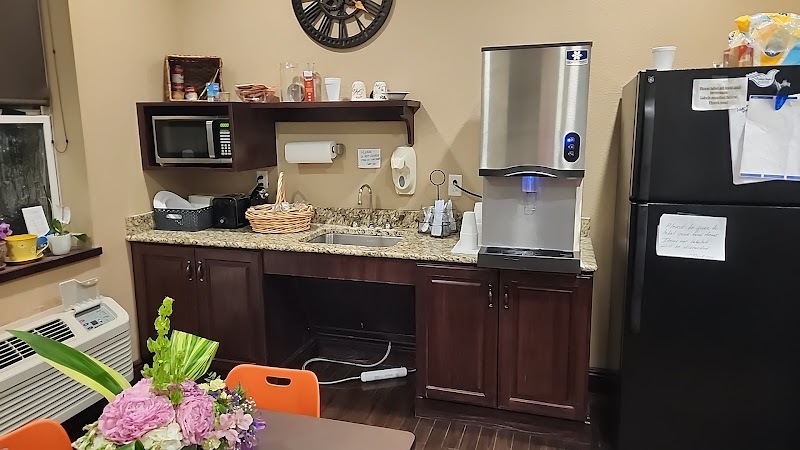
300 WEST HIGHWAY 6, WACO, TX 76712 (254) 761-8500
Non profit - Other 165 Beds ASCENSION LIVING Data: November 2025
Trust Grade
95/100
#133 of 1168 in TX
Last Inspection: February 2025

Within standard 12-15 month inspection cycle. Federal law requires annual inspections.

Overview

St. Catherine Center in Waco, Texas, has received a Trust Grade of A+, indicating it is an elite facility with exceptional care standards. Ranking #133 of 1168 facilities in Texas places it in the top half statewide, and it ranks #1 of 17 in McLennan County, showing that it's the best local option available. The facility is on an improving trend, with reported issues decreasing from four in 2024 to two in 2025. Staffing is a strength, with a 4-star rating and a turnover rate of 23%, which is significantly lower than the Texas average of 50%, suggesting that staff are experienced and familiar with residents. However, there have been some concerns; for instance, medications were not properly labeled and stored securely, and food safety protocols were not consistently followed, which could pose health risks to residents. Overall, while there are notable strengths in staffing and quality of care, families should be aware of the recent concerns regarding medication and food safety practices.

Trust Score
A+
95/100
In Texas
#133/1168
Top 11%
Safety Record
Low Risk
No red flags
Inspections
Getting Better
4 → 2 violations
Staff Stability
✓ Good
23% annual turnover. Excellent stability, 25 points below Texas's 48% average. Staff who stay learn residents' needs.
Penalties
✓ Good
No fines on record. Clean compliance history, better than most Texas facilities.
Skilled Nurses
○ Average
Each resident gets 34 minutes of Registered Nurse (RN) attention daily — about average for Texas. RNs are the most trained staff who monitor for health changes.
Violations
○ Average
9 deficiencies on record. Average for a facility this size. Mostly minor or procedural issues.
★★★★★
5.0
Overall Rating
★★★★☆
4.0
Staff Levels
★★★☆☆
3.0
Care Quality
★★★★★
5.0
Inspection Score
Stable
2024: 4 issues
2025: 2 issues

The Good

  • 4-Star Staffing Rating · Above-average nurse staffing levels
  • Low Staff Turnover (23%) · Staff stability means consistent care
  • Full Sprinkler Coverage · Fire safety systems throughout facility
  • No fines on record
  • Staff turnover is low (23%)

    25 points below Texas average of 48%

Facility shows strength in staffing levels, staff retention, fire safety.

The Bad

Chain: ASCENSION LIVING

Part of a multi-facility chain

Ask about local staffing decisions and management

The Ugly 9 deficiencies on record

Feb 2025 2 deficiencies
CONCERN (D)

Potential for Harm - no one hurt, but risky conditions existed

Assessment Accuracy (Tag F0641)

Could have caused harm · This affected 1 resident

**NOTE- TERMS IN BRACKETS HAVE BEEN EDITED TO PROTECT CONFIDENTIALITY** Based on interview and record review the facility failed to ensure accurate assessments were completed for 2 of 30 residents (Re...

Read full inspector narrative →
**NOTE- TERMS IN BRACKETS HAVE BEEN EDITED TO PROTECT CONFIDENTIALITY** Based on interview and record review the facility failed to ensure accurate assessments were completed for 2 of 30 residents (Residents #6 and #87) reviewed for accuracy of assessments. The facility failed to ensure Residents #6 and #87's MDS assessment was accurately coded for Preadmission Screening and Resident Review (PASRR). This failure could place residents at risk for not receiving the appropriate care and services to maintain the highest level of well-being. Findings included: 1.A review of Resident #6's face sheet for February 2025 indicated she was an [AGE] year-old female who admitted to the facility on [DATE] with diagnoses which included schizoaffective bipolar disorder (mental health condition including schizophrenia and mood disorder), anxiety, and major depressive disorder. A review of Resident #6's PASRR Level 1 screening done 01/08/2021 indicated she was positive for mental illness. A review of Resident #6's PASRR Evaluation done 02/08/2021 indicated she was positive for mental illness but did not meet the PASRR definition for mental illness for specialized services. A review of Resident #6's annual MDS dated [DATE] Section A1500. Preadmission Screening and Resident Review (PASRR) indicated No if resident currently considered by the state level II PASRR process to have serious mental illness and/or intellectual disability or a related condition. Section I Active Diagnoses under Psychiatric/Mood Disorder indicated the resident had anxiety, schizophrenia, and schizoaffective bipolar disorder. Section N Medications indicated the resident received antipsychotic and antianxiety medications. 2. A review of Resident #87's face sheet for February 2025 indicated he was a [AGE] year-old male who admitted to the facility on [DATE] with diagnoses which included bipolar disorder, major depressive disorder, and anxiety disorder. A review of Resident #87's PASRR Level 1 screening done 02/26/2022 indicated he was positive for MI. A review of Resident #87's PASRR Evaluation done 04/14/2022 indicated he was positive for MI. The resident was positive for mental illness but did not meet the PASRR definition for mental illness for specialized services. A review of Resident #87's significant change MDS dated [DATE] Section A1500. Preadmission Screening and Resident Review (PASRR) indicated No if resident currently considered by the state level II PASRR process to have serious mental illness and/or intellectual disability or a related condition. Section I Active Diagnoses under Psychiatric/Mood Disorder indicated the resident had anxiety, depression, and bipolar disorder. During an interview on 02/26/2025 at 9:15 AM, MDS Coordinator B said the facility used the RAI Version 3.0 Manual as the policy for completing MDS assessments. She said if she had any questions regarding the MDS assessment she went directly to the RAI manual. She said Section A 1500 indicated if the resident was positive for mental illness, intellectual disability or developmental disability. She said she did not realize the Section I Active Diagnoses was related to Section A PASRR screening documentation. She said she had been taught if the local authority had found residents that did not qualify for PASRR services because they did not meet the PASRR definition for mental illness for specialized services and she was told to answer no because they were negative. She said she did not know Section A had to be coded as positive for mental illness, intellectual disability or developmental disability even though they did not qualify for PASRR services.
CONCERN (E)

Potential for Harm - no one hurt, but risky conditions existed

Food Safety (Tag F0812)

Could have caused harm · This affected multiple residents

**NOTE- TERMS IN BRACKETS HAVE BEEN EDITED TO PROTECT CONFIDENTIALITY** Based on observation, interview and record review, the facility failed to store, prepare, distribute, and serve food under sanit...

Read full inspector narrative →
**NOTE- TERMS IN BRACKETS HAVE BEEN EDITED TO PROTECT CONFIDENTIALITY** Based on observation, interview and record review, the facility failed to store, prepare, distribute, and serve food under sanitary conditions for 1 of 1 main facility kitchen and 3 of 3 satellite kitchens (second floor, third floor, fourth floor). The facility failed to ensure the cornmeal, sugar, breadcrumbs, salt, and parboiled rice packages were re-sealed in the dry pantry. The facility failed to ensure the walk-in cooler for produce in the main kitchen did not have food packages stored on the floor. The facility failed to ensure the walk-in freezer in the main kitchen did not have food packages stored on the floor. The facility failed to ensure the single door reach in cooler in the main kitchen was clean and free of food debris. The facility failed to ensure the small microwave in the main kitchen was clean. The facility failed to ensure the satellite kitchens were clean and free of dust. The facility failed to ensure DA A in the fourth floor satellite kitchen wore a hairnet over his beard. The facility failed to ensure DS C wore a hairnet in the main kitchen. These failures could place residents who ate food from the kitchen at risk of foodborne illness. Findings included: 1.During observations and interviews on 02/24/25 of the main kitchen the following was noted: *at 10:25 AM in the Dry Pantry: 1-25 lb. [NAME] bag of Japanese panko breadcrumbs opened and not re-sealed. 1-50 lb. [NAME] bag of granulated sugar opened and not re-sealed. 1-25 lb. [NAME] bag of yellow cornmeal opened and not re-sealed. 1-25 lb. [NAME] bag of granulated plain salt opened and not re-sealed. 1-25 lb. box containing an opened bag of parboiled rice that was not re-sealed and also contained a plastic scoop inside the product. *at 10:30 AM in the walk-in cooler containing produce there were boxes stored on the floor that contained fresh carrots, fresh cucumbers, oranges, and lettuce. *at 10:41 AM in the walk-in freezer had these items stored on the floor: 2-three-gallon ice cream containers, 1 case (12- 16 oz packages) of whipped topping, 1 case biscuit dough, and 2 cases of chocolate ice cream cups. *at 10:45 AM in the single door cooler containing pickles, salad, and mayonnaise had food debris on the bottom of the cooler. *at 10:46 AM the small microwave had dried food splatters. During an interview on 02/24/2025 at 10:10 AM, the acting DM said plates, cups, bowls, glasses, and silverware were all done in a dish machine on each floor of the SNF. She said there were 2 dietary servers on each floor that came and got the food items from the main kitchen and took it the floor and placed the food pans on the steam tables and served. She said the dietary servers did the dish washing. During an interview on 02/24/2025 at 11:05 AM, the acting DM said another employee was responsible for the pantry, coolers and freezer. She said he was off today but had been on duty on Sunday. She said he was responsible for putting away, stacking and labeling all food items, mopping and sweeping the floors. The DM said he should not have opened the breadcrumbs because her storage bin was full. She took the opened bags of cornmeal and sugar out of the pantry and placed them in the main kitchen area. She said she would empty them into her bulk bins. She did not do anything with the salt bag or parboiled rice package. Review of a facility policy, revised 01/2024, on Food and Supply Storage indicated All food, non-food items and supplies used in food preparation shall be stored in such a manner as to prevent contamination to maintain safety and wholesomeness of the food for human consumption.store foods in their original packages. Foods that must be opened must be stored in approved containers that have tight-fitting lids.Store food items 6 inches above the floor, 2 inches from the walls, and 18 inches from the ceiling . Food and Drug Administration Code, Dated, 2013, indicated the following: 4-601.11 Equipment, Food-Contact Surfaces, Nonfood-Contact Surfaces, and Utensils. (B) The FOOD-CONTACT SURFACES of cooking EQUIPMENT and pans shall be kept free of encrusted grease deposits and other soil accumulations. .3-305.11 Food Storage Food shall be protected from contamination by storing the food: (1) In a clean, dry location; (2) Where it is not exposed to slash, dust or other contamination . 2. During observations on 02/24/2025 the following was noted: *11:55 AM- The Satellite Kitchen on the 2nd floor had an air vent directly above the serving steam table. There was dust on the air vent grates. *12:34 PM- The Satellite Kitchen on the 3rd floor had an air vent directly above the serving steam table. There was dust on the air vent grates. *12:43 PM- The Satellite Kitchen on the 4th floor had an air vent directly above the serving steam table. There was dust on the air vent grates. During observations on 02/25/25 the following was noted: *11:50 AM- The Satellite Kitchen on the 2nd floor had an air vent directly above the serving steam table. There was dust on the air vent grates. *11:54 AM- The Satellite Kitchen on the 3rd floor had an air vent directly above the serving steam table. There was dust on the air vent grates. *12:00 PM- The Satellite Kitchen on the 4th floor had an air vent directly above the serving steam table. There was dust on the air vent grates. During observations on 02/26/25 the following was noted: *12:14 PM- The Satellite Kitchen on the 2nd floor had an air vent directly above the serving steam table. There was dust on the air vent grates. *12:21 PM- The Satellite Kitchen on the 3rd floor had an air vent directly above the serving steam table. There was dust on the air vent grates. *12:30 PM- The Satellite Kitchen on the 4th floor had an air vent directly above the serving steam table. There was dust on the air vent grates. During an interview on 02/26/2025 at 2:05 PM, the Maintenance Director said his department was responsible for cleaning the air vents in the satellite kitchens located on the 2nd, 3rd and 4th floors. The Maintenance Director said he was not aware the air vents had dust on them and needed to be cleaned until yesterday when the LSC surveyor pointed it out to him. The Maintenance Director said he did not know when the satellite kitchen vents were last cleaned, and it was an oversight on his part they were not. The Maintenance Director said the vents should be cleaned monthly to prevent dust from falling into the food and contaminating it. Record review of the facility's Sanitation and Infection Prevention/Control policy revised 01/2021 indicated, Policies: .The facility/community's Maintenance Department is scheduled to clean equipment that requires special training and equipment, such as the ice maker, refrigeration coils and exhaust hood .Procedures: .Assigns daily cleaning responsibilities in each position workflow . The Texas Food Establishment Rules, dated October 2015, revealed: §228.114. Frequency of Cleaning. .(c) Nonfood-contact surfaces. Nonfood-contact surfaces of equipment shall be cleaned at a frequency necessary to preclude accumulation of soil residues 3. During an observation in the fourth-floor satellite kitchen on 02/24/2025 at 1:06 PM, DA A was observed handling foods and making special food orders that were given to residents in the dining hall. DA A was not wearing a hairnet covering his beard. DA A said he was not wearing a hairnet covering his beard because they were out of hairnets. He said they did not have a DM, and supplies have not been consistent. During an observation and interview on 02/26/25 at 12:21 PM, DS C, was observed walking in the main kitchen of the facility without wearing a hairnet. C said he entered from the other door which was why he did not have on a hairnet. DS C said no, it does not mean he should not have on a hairnet when entering the kitchen from another door. DS C said an hairnet should be worn at all times and he forgot to put a hairnet on but he remembered he did not have one on when he saw this surveyor in the kitchen. During an interview on 02/26/2025 at 1:33 PM, the DON said a hairnet should be worn at all times when in the main kitchen and the satellite kitchens. He said when dietary staff are in the kitchen, a hairnet should be worn to cover hair on their head as well as beards. The DON said they are without a DM at the time, but DS C should have been more conscience of a hairnet, because hairnets were just discussed with the staff on 02/25/2025. Review of a policy titled: Orientation and Education, Subject: Dress Guidelines for Food Service Management and Clinical Nutrition Staff. Policy #E007 dated 5/95, revised 1/22. Procedure: Hair restraints are worn by all when in the kitchen. This includes department associates, associates from other facility departments and guests, such as vendors.
Sept 2024 1 deficiency
CONCERN (D) 📢 Someone Reported This

A family member, employee, or ombudsman was alarmed enough to file a formal complaint

Potential for Harm - no one hurt, but risky conditions existed

Deficiency F0552 (Tag F0552)

Could have caused harm · This affected 1 resident

**NOTE- TERMS IN BRACKETS HAVE BEEN EDITED TO PROTECT CONFIDENTIALITY** Based on interview and record review the facility failed to ensure residents had the right to be informed of, and participate in...

Read full inspector narrative →
**NOTE- TERMS IN BRACKETS HAVE BEEN EDITED TO PROTECT CONFIDENTIALITY** Based on interview and record review the facility failed to ensure residents had the right to be informed of, and participate in, his or her treatment which included, the right to be informed in advance, by the physician or other practitioner or other professional, of the risks and benefits of proposed care, treatment and treatment alternatives or treatment options to choose the alternative or option he or she preferred for one of (Resident #1) of three residents review for medication changes. The facility failed to obtain written consent from Resident #1's Representative (RP) before administering her Seroquel (for psychosis). This failure could place residents at risk of not having their preferred responsible party represent them in medical and care decisions. Findings included: Review of Resident #1's undated face sheet reflected an [AGE] year-old female who was admitted to the facility on [DATE] with diagnoses including dementia, depression, anxiety, and delirium (a change in mental abilities). Review of Resident #1's quarterly MDS assessment, dated 09/09/24, reflected a BIMS of 1, indicating a severe cognitive impairment. Section M (Medications) reflected she was receiving an antipsychotic, antidepressant, and hypnotic. Review of Resident #1's quarterly care plan, dated 07/09/24, reflected she had a potential for drug-related complications associated with use of psychotropic medications related to depression, anxiety, and delirium with an intervention of consulting with the pharmacy and MD to consider a dosage reduction when clinically appropriate. Review of Resident #1's Consent for Antipsychotic Medication Treatment, dated 05/10/23, reflected an order for Seroquel - 75 mg/twice daily for amelioration (improvement) of psychosis. The consent form was not signed by her RP. Review of Resident #1's Consent for Antipsychotic Medication Treatment, dated 05/23/24, reflected an order for Seroquel - 100 mg/twice daily for amelioration (improvement) of psychosis. The consent form was not signed by her RP. During an interview on 09/10/24 at 12:52 PM, Resident #1's RP stated she was not notified nor did she give consent to Resident #1 being on Seroquel. She stated she would like to be informed of the medication changes so she was involved in the care of Resident #1. During an interview on 09/10/24 at 1:55 PM, the DON stated whenever an order for a psychotropic medication was given for a resident, he expected a consent to be signed by the resident or the resident's RP. He stated it was the SW who normally ensured they were signed. He stated the importance of obtaining a signed consent before administering any psychotropic medications was because it was part of the rules and regulations and it was important to inform family of possible side effects. He stated their policy did not address that a consent was needed, however, it did include the consent attached. He stated he would be addressing this on the corporate level. Review of the facility's Psychotropic Medication Policy, revised 11/2022, reflected the following: Psychotropic medications may be considered for residents but only after medical, physical, functional, psychological, emotional psychiatric, social and environmental causes of behavioral symptoms have been identified and addressed.
Jan 2024 3 deficiencies
CONCERN (D)

Potential for Harm - no one hurt, but risky conditions existed

Deficiency F0583 (Tag F0583)

Could have caused harm · This affected 1 resident

Based on observation, interview and record review, the facility failed to ensure residents had a right to personal privacy and confidentiality of medical records for 2 (Residents #17 and #120) of 9 re...

Read full inspector narrative →
Based on observation, interview and record review, the facility failed to ensure residents had a right to personal privacy and confidentiality of medical records for 2 (Residents #17 and #120) of 9 residents reviewed for Residents Rights. The facility failed to ensure MA C logged out of her computer and protected Resident#17 and #120's's MAR's. This failure could place residents at risk of being vulnerable to exploitation of their insurance benefits resulting in fraud and possible embarrassment resulting in distress and loss of dignity and causing a decrease in their psychosocial well-being. Findings included: Observation on 01/25/24 at 9:02 am, approximately 10 feet from the elevators on the fourth floor, there was no staff at a medication cart parked in the middle of the hallway. There was a computer on top of it that was unlocked and displayed Residents #17 and #120's MAR which listed their medications, dosages, and diagnoses. Observation and interview 01/25/24 at 9:05 am MA C came from the elevator and walked up to the medication cart and started rolling it down the hallway and she stated she left the medication cart unattended because she saw her resident in the elevator leaving the facility for a doctor's appointment and she needed to make sure he had his pain medication before leaving. MA C stated she was gone for about 2 minutes and usually locked her computer and forgot. She stated leaving the computer screen displaying resident information was technically a HIPAA violation and stated she was gone for less than 2 minutes and if she had left the screen display for a much longer time was more of a HIPAA violation. She stated her last HIPAA training was last summer 2023 and added she was responsible for ensuring the computer was locked and Nurse Manager D was also responsible for ensuring the staff were compliant. Interview on 01/25/24 at 12:04 pm, Nurse Manager D stated there were no issues with locking their computers and the staff knew when they walked away from them, they needed to click on an icon to white the screen out. She stated the HIPAA trainings were yearly and added if staff left their screens up displaying resident information was a HIPAA violation which could result in fraud of the resident's medical records. She stated the resident's medical information could be stolen. She stated the residents and nurses should only know the resident's medical information. Interview on 01/25/24 at 12:24 pm, SW E stated leaving the computers unlocked could disclose the residents' medications and diagnoses and added she knew not to openly display the resident's info due to the increase in scammers and for others to know and have access about who took controlled medication. Interview on 01/25/24 at 1:12 pm, the HIM Director stated the facility did not have any issues with the staff leaving their computers unlocked which displayed the resident's information. She stated her expectations for this facility was to be 100% HIPAA compliant and added when the staff walked away from their computers, they were supposed to log off the program and log out of the actual computer. She stated not being HIPAA compliant could affect the residents if the wrong person saw the resident's information which was a breach of their privacy and took their social security, address, shared their diagnoses to family friends' staff. She stated if a HIPAA violation was to happen the staff should get written up and addressed about the non-compliance. She added the Nurse Managers were responsible for ensuring the computer screens were locked to secure the resident's privacy. She stated she was not aware of MA C leaving her medication cart computer unlocked. Interview on 01/25/24 at 1:28 pm, the DON stated HIPAA was the protection of the resident chart information and added there were no issues with the staff leaving the computers unlocked and disclosing resident information. He stated HIPAA trainings were done upon hire and annually and stated HIPAA violations could be used against the resident and allow people to get information about the residents they wanted private. He stated his expectations for HIPAA compliance was for the staff to always press the button for the screen saver before walking away. He stated he was not aware MA C left her medication cart computer unlocked today and would go talk to her about the matter. Record review of the facility's Resident Rights Policy last revised 07/2018 revealed, Policy Statement: It is the policy of [Facility] to promote and protect the rights of resident residing in our ministry .Policy interpretation: 1. Resident Rights are explained to the resident (or responsible party) at the time of move in. A copy is given to him/her, and an acknowledgement of receipt is signed by him/her. A. State specific residents' rights are provided, per state requirements .have community information about you maintained as confidential Record review of the facility's HIPAA policy revision date: June 1, 2023, revealed, Subject: [Facility] is committed to protecting the privacy rights of our patients and residents (Individuals). In compliance with the (HIPAA) Act of 1996, the health information technology for economic and clinical health act (HITECH) .procedure sets forth the HIPAA Privacy Program policies, procedures, and standards .General policy: [Facility] shall implement policy and procedures, and standards that are reasonably designed to ensure compliance with HIPAA rules .
CONCERN (D)

Potential for Harm - no one hurt, but risky conditions existed

PASARR Coordination (Tag F0644)

Could have caused harm · This affected 1 resident

**NOTE- TERMS IN BRACKETS HAVE BEEN EDITED TO PROTECT CONFIDENTIALITY** Based on observation, interview and record review, the facility failed to coordinate assessments with the pre-admission screenin...

Read full inspector narrative →
**NOTE- TERMS IN BRACKETS HAVE BEEN EDITED TO PROTECT CONFIDENTIALITY** Based on observation, interview and record review, the facility failed to coordinate assessments with the pre-admission screening and resident review (PASRR) program to the maximum extent practicable to incorporate the recommendations from the PASRR level II determination and the PASRR evaluation report into a resident's assessment, care planning for one (Resident #111) of six residents reviewed for PASRR assessments. The facility failed to provide a specialized Customized Wheelchair to Resident #111, after her 11/22/23 IDT meeting, when a request for a CWC was made but the NFSS form was not submitted until 01/16/24. And as of 01/25/24 Resident #111 had not received her Customized wheelchair. SW E failed to notify MDS Coordinator Director H about Resident #111's need for a Specialized Customized Wheelchair. These failures could place PASRR positive residents at risk of not getting medical equipment they were eligible to receive which could cause a decline in their health, resulting in a loss of mobility, falls and decrease in their psycho-social well-being and quality of life. Findings included: Record review of Resident #111's MDS assessment dated [DATE] revealed a [AGE] year-old female who admitted [DATE] with a BIMS score 04 (Severe cognitive impaired). The resident was coded as using a wheelchair. with no psychosis, no upper and lower extremity Impairment, independent and partial/moderate assist with ADL care. And independent and partial/moderate assist with wheelchair mobility. She was frequently incontinent of bladder and diagnoses of anemia (low iron), heart failure, renal insufficiency (kidney failure), hyperkalemia (high potassium level), depression (sadness) .Down Syndrome (developmental delay) .Major Depressive Disorder (persistent sadness) . Record review of Resident #111's Physician Orders dated 01/25/24 revealed orders for, Administer Medication and assist with ADLS at needed, Anti-depressant Behavior monitoring .anti-depressant side effect monitoring, Nortriptyline 50 mg every PM evening for depression . Record review of Resident #111's Care Plan with date start date 04/01/22 and revised 08/10/23 read, Provide habilitation coordination with HC, will hold quarterly SPT meetings at the nursing facility to review/monitor all PASRR services . Record review of Resident #111's PASARR level 1 form dated 03/23/22 revealed yes for Section C: Mental illness, Intellectual disability, and Developmental disability and date of entry 04/01/22 . Record review of Resident #111's PASARR Evaluation dated 05/02/22 revealed she was eligible and coded yes for Intellectual disability, developmental disability and intervention by law enforcement, protective services, or other housing officials in the last two years .recommended services: Habilitation Coordination .Specialized Occupational therapy, specialized physical therapy and Durable Medical Equipment .with mood disorder, sleep disturbance . Record review of Resident #111's Quarterly PASRR Comprehensive Service Plan Form dated 11/22/23 by HC revealed PASRR Evaluation: pending for a Customized Manual Wheelchair. Record review of Resident #111's Simple LTC PASRR Nursing Facility Specialized Services (NFSS) form revealed it was submitted 01/16/24 for a Customized Manual Wheelchair and 01/22/24 TMHP: A free form manual alert was created and submitted by HHSC. Check the LTC PASSAR Portal alerts page for details, Record review of Resident #111's Texas Medicaid Healthcare Partnership Form Activity revealed, On 12/17/2023 and 12/29/23: Conduct PASRR Evaluation - First Notification .An individual exhibiting signs of MI and/or IDD requires a PASRR Evaluation. A PASRR Evaluation must be successfully submitted on the TMHP LTC Online Portal within 7 calendar days of this notification . Record review of Resident #111's Texas Medicaid Healthcare Partnership Form Activity revealed, On 01/17/2024: Confirm IDT .The NF has submitted a New or Updated IDT meeting on the LTC Online Portal for an individual for which your LA - IDD/LA - MI is responsible. Please check the IDT Meeting information on the PCSP form for accuracy and confirm . Record review of Resident #111's Physical Therapy Plan of Care dated 11/27/23 by Physical Therapist K revealed, Treatment Diagnosis: Other Abnormalities of gait and mobility .the patient referred due to eligibility for habilitative services under PASRR .current level of function: The patient demonstrates muscle weakness causing ipsilateral (same sided) pelvic drop and step to gait pattern during ambulation with front wheeled walker and stand by assist. Close enough to reach patient if assist needed for 100 feet .The patient's Right lower extremity hip abduction muscle strength 3 -/5 .The patient's Right lower extremity knee extension/flexion muscle strength is 3-/5 . Observation on 01/23/24 at 12:30 pm revealed Resident #111 was in the dining room, sitting in a regular wheelchair (not customized). After eating she was able to unlock the brakes of her wheelchair, then she asked for assistance to leave. A female staff assisted with moving her out of the dining room. Interview on 1/23/24 at 11:13 am, the MDS Coordinator Director H stated they did not have any problems submitting the PASRR forms and added she was responsible for submitting them. She stated the only delay could be if she did not know when a service had been requested in a meeting for her to complete. She stated this happened with Resident #111, she had an IDT meeting on 11/23/23 and she had up until 12/23/23 to get the NFSS form submitted. She stated she just recently submitted the form and added she did not know Resident #111 had a request for a CWC until the HC told her. She stated filling out the NFSS form was all new to her and she did not know the therapist and resident measurements were needed. She stated constant communication with SW E and HC was needed in order to know when they had IDT meetings to start the referral process on specialized services. She stated she submitted Resident #111's NFSS form 01/16/24 and added usually the SW, HC and Nurse Manager were in the Quarterly PASARR meetings, and she was in the Annual ones. She stated she completed the PASARR trainings in the past but did not know how to complete the NFSS forms and had to ask one of the therapists to assist her with filling out Resident #111's NFSS form. She stated she spoke to SW E about informing her about the IDT meetings so that she did not miss what was discussed and referrals she needed to do. Interview on 01/24/24 at 1:10 pm, Nurse Manager D stated, Resident #111 had an IDT meeting last November 2023 and SW E, HC and herself was in the meeting with the resident and her RP and a CWC was requested. She stated SW E notified them about the IDT meetings and documented what was discussed in the meetings and added she was not aware of any issues or delays with submitting Resident #111's PASARR forms. She stated MDS Coordinator Director H was not always in their meetings, and she was not sure if SW E emailed the MDS Coordinator Director H about Resident #111's CWC referral. She stated although she was in Resident #111's IDT Meeting 11/23/23, she did not notify MDS Coordinator Director H of the CWC need because she believed the SW E notified MDS Coordinator Director H. She stated Resident #111 had a wheelchair, but she needed staff assistance to get around in it. She stated if a resident did not have the right type of wheelchair, it could limit their mobility and ability to get around independently. Interview on 1/24/24 at 4:16 pm, PT F stated she never attended the IDT meetings and was aware Resident #111 was in the process of getting a CWC because MDS Coordinator Director H had her fill out part of the NFSS. She stated she evaluated Resident #111 for therapy and noticed her wheelchair was too tall and she needed a shorter wheelchair for her to get around in independently. She stated the wheelchair vendor came out either last month (December 2023) or this month (January 2024) for her measurements for her wheelchair. She stated she would think SW E who coordinated the IDT Meetings would let MDS Coordinator Director H know about all specialized needs requested. She stated if a resident did not have a CWC they may not have appropriate mobile status and could get contractures, fall, and develop pressure ulcers. She stated Resident #111 was getting PT for a better gait pattern and to get her legs stronger by walking a little more smoothly. She stated she was able to walk short distances and could benefit from getting a CWC to strengthen her legs. Interview on 01/24/24 at 9:37 am, HC stated Resident #111 gained weight and it was decided in the Quarterly IDT meeting 11/22/23 for her to get a CWC. She stated Nurse Manager D, SW E and LVN I was at the meeting. She stated after Resident 111's IDT meeting 11/22/23, she emailed MDS Coordinator Director H and it showed she was on vacation on 11/27/23 and emailed her again 11/28/23 and MDS Coordinator Director H replied 11/28/23 that she was working on it and was not sure how to do it then she explained it was a benefit under PASSAR services. She stated on 12/08/23 she asked MDS Coordinator Director H for a status update with Resident #111's PASARR NFSS form, and she said she was working on it and was gathering pertinent information that OTA J assisted her with. She stated on 12/15/23 MDS Coordinator Director H said she was working on it, then on 12/19/23 therapy completed the wrong form and MDS Coordinator Director H gave the therapist the NFSS form and at that point advised MDS Coordinator Director H she was getting close to the deadline the 12/22/23 cutoff date and the form needed to be expedited. She stated MDS Coordinator Director H said she dropped the ball with getting the form submitted by the deadline, then on 1/16/23 it was filled out by the therapist, but it was not signed, she told her to re-submit it. She stated on 01/23/24 MDS Coordinator Director H said the CWC had been approved. She stated the facility had a lack of communication when it came to Resident #111's CWC need. Interview on 01/25/24 at 11:16 am, MDS Coordinator Director H stated MDS G filled in for her while she was out of town November 2023 and went to the IDT meetings and stated SW E nor MDS G told her about Resident #111's CWC referral. She stated either MDS G or SW E should have told her about the referral and said she found out about it on 11/27/23 when HC emailed her about the status of Resident #111's CWC request. She stated she went to therapy to assist with the form and had to get back with therapy for more information on the NFSS form. She stated then a wheelchair vendor came to measure Resident #111 and the time just caught up with her and she was not able to get the NFSS form submitted by 12/21/23. She stated Resident #111's current wheelchair sat up too high, and her feet did not touch the floor and needed a smaller and lower setting wheelchair. She stated today (01/25/24) they had a meeting with the therapy department, and they concluded the SW, Nurse Manager, Therapy Director and MDS Coordinator needed to be in all of their IDT meetings including the quarterly ones. She stated they needed better communication so that the referral process would move a lot faster . She stated if residents did not get specialized services, it could affect the resident's independence and they may not reach their full potential. She stated since 01/07/24 she started checking the PASARR LTC portal daily for any status changes to see what was going on with the resident's forms, instead of checking them weekly. She stated her goal was to follow the processes and policies needed for the PASARR positive residents. Interview on 01/25/24 at 11:50 am, MDS G stated she was the alternate MDS Nurse when her supervisor MDS Coordinator Director H was not at work and last November 2023 she covered for MDS Coordinator Director H but said she was not in Resident #111's IDT Meeting. She stated Unit Manager D said she did not have to attend the meeting and added she was unaware Resident #111 needed a CWC until MDS Coordinator Director H mentioned it to her. She stated she was not sure how the PASARR CWC process worked, and her understanding was that the MDS needed to fill out some paperwork to be approved for the CWC . She stated she had not had any PASARR training in the past. She stated SW E was usually good about taking notes in the IDT meetings and was not sure what happened in Resident #111's case. She stated they were all aware of the delay in getting Resident #111's CWC and was currently working on a plan to prevent this from happening again. She stated if a resident did not get PASARR specialized services timely could cause the residents to decline in health. She stated she was not sure how this got dropped and they were reviewing other PASRR positive residents' records to ensure this was not happening with any other residents. Interview on 01/25/24 at 12:04pm, Nurse Manager D stated, for Resident #111's IDT meeting on 11/22/23, MDS Coordinator Director H and MDS G was not in the meeting. She stated HC mentioned Resident #111 needed a CWC and thought SW E sent an email to therapy herself, and MDS Coordinator Director H. She stated after a PASARR referral, they needed to get therapy to evaluate the resident for the new medical equipment requested and they needed to follow up on the requests to make sure everyone involved did their part. Interview on 01/25/24 at 12:24 pm, SW E stated they had Resident #111's IDT meeting on 11/22/23 and HC put in a suggestion about the resident getting a CWC. She stated she spoke to the former Rehabilitation Director and MDS Coordinator Director H sometime in November 2023 and said she would get Resident# 111 assessed by the therapist. She stated Resident #111 currently had a regular wheelchair and said she did not know there was a deadline on when to submit the PASARR NFSS form. She stated today (01/25/24) she asked MDS Coordinator Director H what could be done differently and was told to put the referral requests in an email and also ensure the MDS Coordinator H was notified to attended the IDT Meetings. She stated she did not know this needed to be done and thought they were just considering getting Resident #111 a CWC. She stated she spoke to therapy today (01/25/24) about what processes could be put in place to get the referrals done timely and was told to just follow up with MDS and therapy. She stated she did not know the MDS, and therapy department had a part in doing the NFSS forms and timelines to submit the form. She stated there was definitely a breakdown in communication and now knew they had 30 days to get the NFSS form submitted for CWC specialized service requests. She stated not getting resident's DME timely could cause fall risks and skin breakdown. She stated she had a PASARR training last year online but now knew when they discussed things in the IDT meeting, she needed to email MDS Coordinator Director H and therapy about the requested DME if they were not in the meeting, Interview on 01/25/24 at 1:28 pm, the DON stated he was unaware of Resident 111's CWC referral was delayed and causing her a delay in getting her CWC. He stated the Nurse Managers attended the IDT meetings and MDS Coordination Director H had not informed him about any issues with submitting the PASARR forms. He stated they had PASARR meetings with HC and added he needed to be involved in the IDT meetings and he thought SW E forwarded the CWC requests to MDS and therapy. He stated residents not getting PASARR specialized services and equipment, could potentially affect the resident's mobility with how they moved around. He stated MDS Coordinator Director H was responsible for submitting the resident's PASARR documents. He stated his expectations for PASARR referrals was for them to be done timely and if not done timely, MDS needed to let him or another MDS Coordinator know to assist. He stated he was not sure why this issue was not brought to his attention about MDS Coordinator Director H not knowing how to complete and submit the PASARR NFSS form and with the communication issues amoung the Directors. Interview on 01/25/24 at 3:50 pm the DON stated they did not have a PASARR policy.
CONCERN (E) 📢 Someone Reported This

A family member, employee, or ombudsman was alarmed enough to file a formal complaint

Potential for Harm - no one hurt, but risky conditions existed

Infection Control (Tag F0880)

Could have caused harm · This affected multiple residents

**NOTE- TERMS IN BRACKETS HAVE BEEN EDITED TO PROTECT CONFIDENTIALITY** Based on observation, interview and record review, the facility failed to maintain an infection prevention and control program d...

Read full inspector narrative →
**NOTE- TERMS IN BRACKETS HAVE BEEN EDITED TO PROTECT CONFIDENTIALITY** Based on observation, interview and record review, the facility failed to maintain an infection prevention and control program designated to provide a safe, sanitary, and comfortable environment and to help prevent the development and transmission of communicable disease and infection for 5(Residents #3, #71, #83, #84 and #94) of 8 residents reviewed for infection control in that: MA A failed to disinfect the blood pressure cuff in between blood pressure checks for Residents #3, #71, #84 and #94. LVN B failed to disinfect the stethoscope prior to and after use during g-tube (feeding tube) medication administration for Residents #84. These failures could place residents at-risk of cross contamination which could result in infections or illness. Findings included: Review of Resident #3's EHR on 01/24/24 revealed the resident was an [AGE] year-old female that was admitted to the facility on [DATE] with diagnoses including Hypertension, with diagnoses of CVA (Stroke), essential hypertension (increased blood pressure), hemiplegia (partial weakness on same side of the body) and hemiparesis (partial weakness on one side of the body) effecting the right side. Review of Resident #3's quarterly MDS assessment, dated 01/15/24, reflected a BIMs score of 01, indicating the resident was severely impaired, unable to make decisions. Her functional status indicate he needed one staff to complete his activities of daily living. Review of Resident #3's physician orders dated 01/15/24 reflected, Amiodarone HCL tabs 500 mg one time a day for arrhythmia and Digoxin 25mg two times a day for pulse control. Take Blood pressure every day. Review of Resident #71's EHR on 01/24/24 revealed the resident was a [AGE] year-old female that was admitted to the facility on [DATE] with diagnoses including Hypertension (increased blood pressure) and Hypertensive chronic kidney disease (kidney affected by uncontrolled blood pressure). Review of Resident #71's quarterly MDS, dated [DATE] revealed a BIMs score of 15, indicating she was alert and oriented not impaired for decision making. Her functional status indicated she needed assist of one staff with her activities of daily living. Review of Resident #71's physician orders dated 01/03/24 reflected, Amlodipine 5 mg tablet [generic] 5 mg by mouth one time a day for hypertension (increased blood pressure). Review of Resident #83's her on 01/24/24 revealed the resident was a [AGE] year-old female that was admitted to the facility on [DATE], with diagnosis including dementia, aphagia, dysphasia, cerebral infraction, and gastro-tube (feeding tube). Review of Resident #83's quarterly MDS, dated [DATE] revealed a BIMs score of 0, indicating she was severely impaired for decision making. Her functional status indicated she needed assist of two staff with her ADLs. Review of Resident #83's physician orders dated 01/11/24 reflected, all medications must be given per (by) G-tube (feeding tube). Auscultation ( to listen with stethoscope) for G-tube placement, in the stomach. Review of Resident #84's her on 01/24/24 revealed the resident was an [AGE] year-old female that was admitted to the facility on [DATE] with diagnoses including hypertension(elevated blood pressure), and atrial fibrillation (unusual heart beat). Review of Resident #84's quarterly MDS, dated [DATE] revealed a BIMs score of 12, indicating she was alert and oriented, not impaired for decision making. Her functional status indicated she needed assist of one staff with her ADLs. Review of Resident #84's physician orders dated 12/01/23 reflected, Lisinopril 2.5mg every day (blood pressure), Metoprolol ER 50mg every day(for increased blood pressure, and digoxin 25mg two times a day (increased pulse). Checking blood pressure prior to administration. Review of Resident #94's her on 01/24/24 revealed the resident was a [AGE] year-old male that was admitted to the facility on [DATE] with diagnoses including essential hypertension (elevated blood pressure), and heart disease. Review of Resident #94's quarterly MDS, dated [DATE] revealed a BIMs score of 8, indicating he was confused and impaired for decision making. His functional status indicated he needed assist of one staff with his ADLs. Review of Resident #94's physician orders dated reflected, Metoprolol 25mg by mouth two times a day (blood pressure) and Cardizem 180mg by mouth every day (blood pressure) . Checking blood pressure prior to administration. Observation on 01/23/24 at 10:01 a.m. revealed MA A performing morning medication pass, during which time she checked the blood pressure of Resident #3. MA A failed to sanitize the same blood pressure cuff before or after using it on Resident #3. Observation on 01/23/24 at 10:08 a.m. revealed MA A performing a medication pass, during which time she checked the blood pressure of Resident #71. MA A failed to sanitize the same blood pressure cuff before or after using it on Resident #71. Observation on 01/23/24 at 10:10 a.m. revealed MA A performing a medication pass, during which time she checked the blood pressure of Resident #84. MA A failed to sanitize the same blood pressure cuff before or after using it on Resident #8. Observation on 01/23/24 at 10:22 a.m. revealed MA A performing morning medication pass, during which time she checked the blood pressure of Resident #94. MA A failed to sanitize the same blood pressure cuff before or after using it on Resident #94. Observation on 01/23/24 at 01:27 p.m. revealed LVN B performing afternoon medication pass, during which time she checked the g-tube (feeding tube) for placement of Resident #83. LVN B failed to sanitize the stethoscope before or after using it on Resident #83. Interview on 01/23/24 at 10:30 a.m., MA A stated she always cleaned the blood pressure cuff with the purple top before and after each use. MA A stated she had used the purple top wipes that were on her medication cart to clean the blood pressure cuff before and after use She stated there had been in-services on infection control and cleaning equipment, but she could not recall when that had occurred. MA A stated that if the cuff was not cleaned appropriately, it could spread germs. Interview on 01/23/24 at 1:45 p.m., LVN B stated stethoscopes should be sanitized with purple top wipes between each resident use to prevent transmitting an infection from one resident to another. She stated she was supposed to cleanse the stethoscope in-between each usage. LVN B stated she had been nervous because she had never had to perform her medication pass in front of a state surveyor. LVN B stated that if the equipment that was used on the residents was not cleaned correctly it could cross contaminate causing a spread of infection. Interview on 01/25/24 at 11:45 a.m. with the DON, he stated that his expectation was that staff would sanitize all reusable equipment between each resident use. He stated that not doing so placed residents at risk of cross contamination of infections from one resident to another. He stated there was plenty of supplies for the nursing staff to have the sanitization wipes that were EPA-registered disinfectant, on all the medication carts. He stated that should be basic nursing to understand you should practice appropriate infection control. Review of facility's Policies and Procedure titled: Infection Prevention and control Program, dated November 2023, reflected the following: The infection control prevention and control program is a facility -wide effort involving all disciplines and individuals and is an integral part of the quality assurance and performance improvement program . The program will be carried out by the facility infection control preventionist Policies/Procedures 1. The objectives of our infection control policies and practices are to: a. prevent, detect, investigate, and control infections in the community . b. maintain a safe, sanitary , and comfortable environment for personnel, residents, visitors, and the general public .e. provide guidelines for the safe cleaning and reprocessing of reusable resident-care equipment
Nov 2023 1 deficiency
CONCERN (D) 📢 Someone Reported This

A family member, employee, or ombudsman was alarmed enough to file a formal complaint

Potential for Harm - no one hurt, but risky conditions existed

PASARR Coordination (Tag F0644)

Could have caused harm · This affected 1 resident

**NOTE- TERMS IN BRACKETS HAVE BEEN EDITED TO PROTECT CONFIDENTIALITY** Based on interview and record review the facility failed to coordinate assessment with the preadmission screening and resident r...

Read full inspector narrative →
**NOTE- TERMS IN BRACKETS HAVE BEEN EDITED TO PROTECT CONFIDENTIALITY** Based on interview and record review the facility failed to coordinate assessment with the preadmission screening and resident review (PASSR) program to the maximum extent practicable to avoid duplicative testing and effort which included incorporating the recommendation from the PASSR level II determination into the resident assessment, care planning and transition of care for one (Resident # 1) of one resident reviewed. The facility failed to provide specialized service to Resident # 1 due to the facility not submitting the Nursing Facility Specialized Services (NFSS) request form in the Simple LTC portal. This failure could place residents at risk of not receiving necessary care of specialized service which could diminish the residents' quality of life and highest level of functioning. Finding include: Review of Resident #1 face sheet dated 11/15/2023 revealed a [AGE] year old male admitted on [DATE] and discharged on 09/30/2022 with diagnoses that included unspecified intellectual disabilities ( a developmental disorder, characterized by less than average intelligence and significant limitations in adaptive behavior with onset before the age of 18), Acute on Chronic systolic (congestive) heart failure ( active symptoms of heart problems or diseases can lead to heart failure which is a long -term condition ), . Cognitive Communication deficit (difficulty with thinking and how someone uses language) and Unsteadiness on feet (Gait and balance issues can cause unsteadiness and difficulty standing and walking). Review of Resident #1's admission MDS dated [DATE] revealed a BIMS score of 9 (8 to 12 points suggest moderate cognitive impairment). Review of Resident # 1's PASSR level I screening dated 8/12/2023 shows positive for intellectual disorder. Review of Resident # 1's care plan shows indication dated 8/23/2023 show PASSR positive resident. Review of Resident # 1's medical records revealed physical, occupational, and speech therapy services under part B services from 9/4/2023 through 9/24/2023. Resident # 1 was discharged from Physical, occupational, and speech services on 9/23/2023. No physical, occupational, or speech therapy services were received from 09/24/2023 through discharge date of 09/30/2023. Review of Resident #1's IDT team meeting dated 08/25/2023 that included LIDDA representative, team determined individual would benefit from HAB coordination, PT, OT, ST, and independent living skills. Review of Policy completing the NFSS form for a Habilitative therapy assessment dated April 2021 revealed Once the assessment has been performed, the nursing facility must submit the request through the LTC online portal no more than 30 days from the date it was preformed by the therapist. Interview with the RN MDS nurse on 11/16/2023 1:30 pm, stated that she was present at the IDT meeting on 8/25/2023 where plan for Resident # 1 was discussed. Resident was admitted under Medicare part B and she did not submit a NFSS as she thought since he was receiving services it was not needed. When Resident # 1's medical conditions changed, and he could no longer participate in therapies under Medicare Part B, the resident transferred to the hospital, and did not return prior to completing the paperwork. She stated it is part of her job as MDS nurse to coordinate services with the local authority. She uses facility policy and state guidelines as reference. She stated she thought she had 30 days from the last day of service not from the determination from the need of services. Interview with the DON on 11/16/2023 2:00 PM, he stated he was not aware the forms were not submitted, nor was he aware that an attempt was made to contact the facility. He stated that the MDS nurse is responsible for coordinating with the local authority, but the IDT is responsible for the implementation and oversite. He stated his expectation was that all residents receive the services they need to improve their quality of life. He stated that if a resident did not receive these services a potential negative outcome would be not maintaining the current level of function. Interview with the ADM on 11/16/2023 2:30 pm, her expectation was that all the residents were assessed, and services needed be provided. She stated a resident who does not receive the needed services can have a potential in decreased quality of life
Nov 2022 2 deficiencies
CONCERN (F)

Potential for Harm - no one hurt, but risky conditions existed

Deficiency F0761 (Tag F0761)

Could have caused harm · This affected most or all residents

Based on observations, interviews, and record review the facility failed to ensure medications were stored in locked compartments to be accessed only by authorized personnel, and ensure medications we...

Read full inspector narrative →
Based on observations, interviews, and record review the facility failed to ensure medications were stored in locked compartments to be accessed only by authorized personnel, and ensure medications were labeled in accordance with currently accepted professional principles, to include the appropriate accessory and cautionary instructions, and the expiration date in that: 148 residents medications were not properly labeled -Medications from pharmacy were not labeled with directions or expiration date. -Medication cart was left unlocked and unsupervised. This failure could place all 148 residents receiving medications in the facility at risk of unauthorized access to medication and medication administration error in administration which could lead to adverse reaction, potential harm. Findings Included: In a med pass observation on 11/8/22 at 8:12AM of the 2nd floor med cart revealed, medication packages from pharmacy. Packages for scheduled medications for all residents on this floor contained labels that did not contain expiration date of medication, the route of which medication was to be taken, and the directions on how often medication was to be taken. In an observation on 11/10/22 at 8:15AM revealed LVN C was walking out of resident room with insulin pen back to medication cart that was unlocked. She put the insulin pen back in the medication cart, left cart unlocked, and went back into the room to get hand sanitizer. In an observation on 11/10/22 at 8:27AM of the 4th floor med cart revealed, medication packages from Pharmacy. Packages for scheduled medications for all residents on this floor contained labels that did not contain expiration date of medication, the route of which medication was to be taken, and the directions on how often medication was to be taken. In an observation on 11/10/22 at 8:35AM of the 3rd floor med cart revealed, medication packages from Pharmacy. Packages for scheduled medications for all residents on this floor contained labels that did not contain expiration date of medication, the route of which medication was to be taken, and the directions on how often medication was to be taken. In an interview on 11/9/22 at 8:12AM with LVN H, she said she worked all floors in the facility passing medications and all medications in the building were labeled the same way. She said she was trained to verify labels against the medication administration record and a medication error could occur because the label did not include the directions of how a medication should be given or the expiration date. She said she had not told anyone about the label being incorrect because all medications were labeled the same way. In a phone interview with on 11/09/22 at 1:47PM with PHARMG , he stated a medication label legally must include: Patient name, facility name & address, physician name, pharmacy name & address, medication name, medication strength, medication directions, medication expiration date, date medication was filled. In a phone interview with on 11/09/22 at 1:55PM with PHARMF he stated a medication label legally must include: Patient name, facility name & address, physician name, pharmacy name & address, medication name, medication strength, medication directions, medication expiration date, date medication was filled. He said a prescription not labeled properly could potentially be dangerous to a patient. He said it was difficult to say what could happen as it would depend on the medication and issue. He said some medications could be dangerous if given the incorrect route because of absorption differences depending on route. In a phone interview with on 11/09/22 at 2:18PM with Pharmacist Consultant PHARME and Pharmacist and [NAME] President of Clinical Services PHARMD Consultant , they stated a medication label legally must include: Patient name, facility name & address, physician name, pharmacy name & address, medication name, medication strength, medication directions, medication expiration date, date medication was filled. PHARMD said a physician order, mar, and medication label should all match and be checked when passing medications. If these 3 things did not match there could be an increased risk for a medication error. In an interview on 11/10/22 at 8:15AM with LVN C, she stated she didn't lock the medication cart because she had to wash her hands and she didn't have hand sanitizer on the medication cart. She said it really was not a good excuse because she knew it was supposed to be locked and it could be dangerous if a resident were to take medication that was not prescribed to them. In an interview on 11/10/22 at 8:27AM with MA B said she works on all floors in the facility and all medications in the building were labeled the same way. She said she was trained to verify labels against the medication administration record and when the pharmacy started this new system a couple of years ago, she was nervous she was going to make a medication error because the label did not include the directions of how a medication should be given or the expiration date. She said since the prescription label did not have directions, she followed the medication administration record and assumed the pharmacy was correct. She said she had not told anyone about the label being incorrect because all medications were labeled the same way. In an interview on 11/10/22 at 8:35AM with LVN A said she passed medication for the entire third floor. She said she did not trust the prescription label to be correct since the directions were not written for each medication. She said she checks everything herself because she had found errors from the pharmacy in the past. She said the bag with the medication label on it was there to tell her what medications were supposed to be in the bag. She said prescription labels were supposed to have the directions and expiration date listed. She said she had been trained to check label against medication administration record and without the directions it could put a resident at an increased risk of medication error. In an interview on 11/10/22 at 1:28PM with the DON, he stated the people passing medications were trained to do a 3-check system comparing the prescription label to the medication administration record. He said the prescription label should include the route a medication should be taken, how often medication was to be taken, and the expiration date. He said he was not aware the medications labels throughout the building did not list these items. He said the pharmacy consultant company that comes in should have caught this error. He said there was a potential for a medication error to occur without these specific directions. He said they had been using for 2 years and had no complaints from staff about the labels being without needed information. He said if a nurse saw a prescription was not labeled correctly the pharmacy should be notified. He said this error was a concern for the entire facility because all of them could be at risk for a medication error despite an error not being made at this time. He said he was going to have pharmacy make this correction and it would be fixed by Saturday since all medications were delivered 2 days early. In an interview on 11/10/22 at 1:42PM with the ADM, she said she would not know how to give a medication based on the prescription label. She said the medication administration record should be used when passing medications. The DON explained to her the 3-step process of verifying medications were correct. She said in that case she understood this was a concern and could lead to a medication error. She said she would be placing phone calls to her corporate and the pharmacy to get labels corrected immediately. Record review of the email from to DON dated 11/10/22 stated the medication label at a minimum includes the medication name, prescribed dose, strength, the expiration date when applicable, the resident's name, and route of administration. Record review of the policy Administering Medications dated 12/2021 revealed the individual administering the medication must check the label THREE (3) times to verify the right resident, right medication, right dosage, right time and right method (route) of administration before giving the medication. Record review of the policy Labeling of Medication Containers dated 08/2021 revealed E. labels for each single unit dose package shall include all necessary information, such as: 5. The expiration date when applicable and 9. Directions for use.
CONCERN (F)

Potential for Harm - no one hurt, but risky conditions existed

Food Safety (Tag F0812)

Could have caused harm · This affected most or all residents

Based on observation, interview, and record review the facility failed to store, prepare, and serve food in accordance with professional standards for food service safety for one of four kitchens revi...

Read full inspector narrative →
Based on observation, interview, and record review the facility failed to store, prepare, and serve food in accordance with professional standards for food service safety for one of four kitchens reviewed for kitchen sanitation. A. The facility failed to properly store, label and cover food in the facility's walk-in refrigerator in the kitchen on 11/08/2022 from 8:30 AM -10:00 AM. B. The facility failed to ensure Dietary [NAME] I properly sanitized hands when placing food in bowls. C. Dietary [NAME] J failed to wear hair net when entering the main kitchen on first floor and Sous Chef K failed to wear a beard net when preparing food on the prep table in the main kitchen. These failures could place the residents who were served from the kitchen at risk for health complications and foodborne illnesses. Findings Included: A. Observation on 11/08/2022 from 8:30 AM -9:15 AM of walk-in refrigerator in the main kitchen on the first floor revealed the following: -slightly hardened left-over hoagie rolls not in the original bag was not labeled or dated. - leftover hamburger patties not in the original package that was not labeled or dated. - leftover fired mushrooms not labeled or dated. - bowls of shredded lettuce, prepared tuna salad, green bean salad, cheese, olives and orzo salad not labeled or dated. - container of strawberries with mold on approximately 6 strawberries not labeled or dated. - clear bag of shredded cabbage not in its original package with brownish color on the edges and in middle of the cabbage not labeled or dated. - two bags of shredded lettuce not in the original package had brownish color on the edges of the lettuce and some of the lettuce had brownish color on the entire lettuce not labeled or dated. - five half and half milk with best buy date of 10/22/22. - 13 tubes of hamburger meat on a silver tray not labeled or dated and not in the original container/box on the meal tray rack (approximately 8 -10 pounds each tube). B. Observation on 11/08/2022 at 9:00 AM reflected Dietary [NAME] I was placing bowls on the prep table. Dietary [NAME] I began to place red pureed beets into the bowls. She reached under the prep table and in a bucket of bubble liquid she grabbed a towel and began to wipe area of the prep table and returned the towel into the bucket. Dietary [NAME] I did not remove her gloves after touching the wet towel with yellowish/ brownish stains on the towel. She continued with the task of placing red pureed beets into the bowls with the same gloves on her hands and 3 of her fingers on the right hand touched inside of the bowls (middle finger, index finger and ring finger). In an interview on 11/08/2022 at 9:10 AM Dietary [NAME] I stated she was placing pureed beets into the bowls. She stated she did touch the towel that was in disinfectant water under the prep table. She stated she did not remember if she changed her gloves or sanitized her hands. She stated she had been in serviced on removing gloves in between tasks and to wash hands prior to placing new gloves on her hands. She stated if she did not change gloves and wore the same gloves, she touched the towel it was a possibility she could contaminate the beets and inside the bowls with whatever was on the towel, and it was possibly disinfectant. Dietary [NAME] I stated she didn't change her gloves after touching the towel. C. Observation on 11/09/2022 at 8:05 AM Dietary [NAME] I walked in the first-floor kitchen without wearing a hair net. Observation of a sign posted on the door the Dietary [NAME] I entered revealed Hairnets need to be worn past this point. In an interview on 11/09/2022 at 8:20 AM Dietary [NAME] I stated she was in a hurry and forgot to place hairnet over her hair. She stated all hair nets are to be worn when entering any part of the kitchen area. She stated she had been in serviced on wearing hair nets prior to entering the kitchen area. She stated she knew the sign was on the door as a reminder to wear a hair net. She stated if staff did not wear hair nets hair could fall into food, plates, or on anything in the kitchen. She stated if hair was on the food a resident could eat the hair and possibly could become sick. Observation on 11/09/2022 at 8:10 AM Sous Chef K failed to wear a beard net when near food on the prep table and oven. His beard was approximately 8 inches long. In an interview on 11/09/2022 at 8: 35 AM Sous Chef K stated he forgot to placed beard net over his beard. He stated he had been in serviced on wearing beard nets when in the kitchen. He stated he was checking the food on the oven and the prep table. He also stated it was possible for hair from his beard to fall into the food or anything in the kitchen. He stated hair could contaminate the food and possibly cause illness to residents. In an interview on 11/10/2022 at 7:36 AM Executive Chef L stated all foods whether left-over foods or foods wasn't in the original container was expected to be labeled and dated. The left-over foods were especially needed to be labeled and dated. If the food had passed the use by date, it was expected to be disposed of in the garbage. All foods prepped to be used was expected to be labeled and dated. If any food had mold on it or was turning brown was to be thrown in the garbage. There should be no food in the refrigerator with mold or had turned brown. Any food or drinks with use by date in October 2022 required to be discarded in the garbage or sent back to the company responsible for delivering the milk. She stated if food or drinks was served after the use by date it was possible a resident could get food poisoning. She stated Dietary [NAME] I was to change her gloves after she touched the wet towel from the disinfectant water before continuing her task of placing pureed beets in bowls. She stated not changing gloves or sanitizing hands had a potential of contaminating the food with whatever was on the towel that touched her gloves. She stated all staff had been in serviced on hand hygiene. She stated no matter where staff is in the kitchen area once you enter the double doors all staff was expected to place a hair net and beard net over their hair. She stated there were beard nets and hair nets beside all doors that enter the kitchen. She stated the hair nets was available for Dietary [NAME] I to place on her hair prior to entering the kitchen area. She stated the sign on the door was a reminder for all staff to wear hair net prior to entering any part of the kitchen. She stated Sous Chef K was expected to wear a beard net and all the males with facial hair had been in serviced on wearing beard nets. In an interview on 11/10/2022 at 8:13 AM ADFS M stated all foods that was past the used by date was expected to be discarded end of shift of the used by date. If it was not discarded an employee possibly pick could up the food and use it for a meal or give it to a resident as a snack without looking at the use by date and the resident had a potential of getting food poisoning. The half and half milk that was out of date was to be sent back to the company or discarded. There should have been a sign on the crate the milk was in stating not to be used. All foods are to be labeled and dated. If staff not wearing hair nets, beard guards or not changing gloves after touching an item that was possibly contaminated, was not sanitary and could cause illness with the residents. Hair is considered contaminated if it is in a resident's food or on their plates. She stated all staff was expected to wear hair nets prior to entering any section of the kitchen and to always wear beard nets when in the kitchen. In an interview on 11/10/2022 at 8:30 AM SDFS N stated all foods are to be labeled and dated including leftover foods. Foods should be discarded the day after the use by date or at the end of shift of the used by date. Staff was expected to change gloves when touching anything in the kitchen that was considered contaminated including wet towel. The chemical from the towel had potential of being on the staff gloves and could possibly contaminate the food. He stated any food with mold should be discarded. All staff was expected to wear hair nets and beard nets prior to entering any door leading into the kitchen area. The main kitchen on the first floor is large and there were several doors entering the kitchen areas. He stated there were hair nets and beard nets beside each door. He stated the door Dietary [NAME] I entered there was a sign on the door not to enter unless wearing hair net. He stated hair from beard and from any part of the head could fall into resident's food or dinnerware. He stated a resident could possibly become sick if served out of date food, contaminated food from staff not changing their gloves and/ or from hair falling into their food. He stated it was his responsibility and the ADFS responsibility of monitoring to ensure all staff was following guidelines. In an interview on 11/10/2022 at 12:14 PM the Administrator stated all foods especially left-over food was expected to be labeled and dated. She stated the half and half outdated milk, molded strawberries, lettuce and cabbage with brown color were to be discarded. She stated all staff was expected to always wear hair nets and beard nets prior to entering any section of the kitchen. She stated hair can fall into the food and cause contamination. Facility Policy on Food and Supply Storage reflected foods past the use by, sell by, best by or enjoy by date should be discarded. Products are good through the close of the business on the dated noted on the label. Gloves are changed between tasks and hands are washed after gloves are removed. Facility Policy on Labeling and Record Keeping dated 10/1/2022 reflected all foods opened, prepared and used in the unit must be dated and labeled. Date marks are important for all TCS foods because while growth of bacteria in refrigerated foods is largely controlled by temperature, it is not stopped altogether. Date marks indicate when foods have been in refrigeration too long and have reached unsafe levels of bacterial growth. Common name labeling is also important since certain foods can be difficulty to identify once they are processed or removed from their original package. Date all foods when they are prepared or when the original package is opened. Sandwiches, salads, yogurt and cut fruit salads must be marked with an easily identifiable date marking system. All foods, including prepared items, bulk foods, frozen foods and ingredients must be always labeled. Labeled with the common name, preparation date, discard date and associate initials.
Understanding Severity Codes (click to expand)
Life-Threatening (Immediate Jeopardy)
J - Isolated K - Pattern L - Widespread
Actual Harm
G - Isolated H - Pattern I - Widespread
Potential for Harm
D - Isolated E - Pattern F - Widespread
No Harm (Minor)
A - Isolated B - Pattern C - Widespread

Questions to Ask on Your Visit

  • "Can I speak with families of current residents?"
  • "What's your RN coverage like on weekends and overnight?"

Our Honest Assessment

Strengths
  • • Grade A+ (95/100). Above average facility, better than most options in Texas.
  • • No major safety red flags. No abuse findings, life-threatening violations, or SFF status.
  • • No fines on record. Clean compliance history, better than most Texas facilities.
  • • 23% annual turnover. Excellent stability, 25 points below Texas's 48% average. Staff who stay learn residents' needs.
Concerns
  • • No significant concerns identified. This facility shows no red flags across CMS ratings, staff turnover, or federal penalties.
Bottom line: Generally positive indicators. Standard due diligence and a personal visit recommended.

About This Facility

What is St. Catherine Center's CMS Rating?

CMS assigns ST. CATHERINE CENTER an overall rating of 5 out of 5 stars, which is considered much above average nationally. Within Texas, this rating places the facility higher than 99% of the state's 100 nursing homes. This rating reflects solid performance across the metrics CMS uses to evaluate nursing home quality.

How is St. Catherine Center Staffed?

CMS rates ST. CATHERINE CENTER's staffing level at 4 out of 5 stars, which is above average compared to other nursing homes. Staff turnover is 23%, compared to the Texas average of 46%. This relatively stable workforce can support continuity of care.

What Have Inspectors Found at St. Catherine Center?

State health inspectors documented 9 deficiencies at ST. CATHERINE CENTER during 2022 to 2025. These included: 9 with potential for harm.

Who Owns and Operates St. Catherine Center?

ST. CATHERINE CENTER is owned by a non-profit organization. Non-profit facilities reinvest revenue into operations rather than distributing to shareholders. The facility is operated by ASCENSION LIVING, a chain that manages multiple nursing homes. With 165 certified beds and approximately 146 residents (about 88% occupancy), it is a mid-sized facility located in WACO, Texas.

How Does St. Catherine Center Compare to Other Texas Nursing Homes?

Compared to the 100 nursing homes in Texas, ST. CATHERINE CENTER's overall rating (5 stars) is above the state average of 2.8, staff turnover (23%) is significantly lower than the state average of 46%, and health inspection rating (5 stars) is much above the national benchmark.

What Should Families Ask When Visiting St. Catherine Center?

Based on this facility's data, families visiting should ask: "Can I visit during a mealtime to observe dining assistance and food quality?" "How do you handle medical emergencies, and what is your hospital transfer rate?" "Can I speak with family members of current residents about their experience?"

Is St. Catherine Center Safe?

Based on CMS inspection data, ST. CATHERINE CENTER has a clean safety record: no substantiated abuse findings (meaning no confirmed cases of resident harm), no Immediate Jeopardy citations (the most serious violation level indicating risk of serious injury or death), and is not on the Special Focus Facility watch list (a federal program monitoring the lowest-performing 1% of nursing homes). The facility has a 5-star overall rating and ranks #1 of 100 nursing homes in Texas. While no facility is perfect, families should still ask about staff-to-resident ratios and recent inspection results during their visit.

Do Nurses at St. Catherine Center Stick Around?

Staff at ST. CATHERINE CENTER tend to stick around. With a turnover rate of 23%, the facility is 22 percentage points below the Texas average of 46%. Low turnover is a positive sign. It means caregivers have time to learn each resident's needs, medications, and personal preferences. Consistent staff also notice subtle changes in a resident's condition more quickly. Registered Nurse turnover is also low at 21%, meaning experienced RNs are available to handle complex medical needs.

Was St. Catherine Center Ever Fined?

ST. CATHERINE CENTER has no federal fines on record. CMS issues fines when nursing homes fail to meet care standards or don't correct problems found during inspections. The absence of fines suggests the facility has either maintained compliance or corrected any issues before penalties were assessed. This is a positive indicator, though families should still review recent inspection reports for the full picture.

Is St. Catherine Center on Any Federal Watch List?

ST. CATHERINE CENTER is not on any federal watch list. The most significant is the Special Focus Facility (SFF) program, which identifies the bottom 1% of nursing homes nationally based on persistent, serious quality problems. Not being on this list means the facility has avoided the pattern of deficiencies that triggers enhanced federal oversight. This is a positive indicator, though families should still review the facility's inspection history directly.