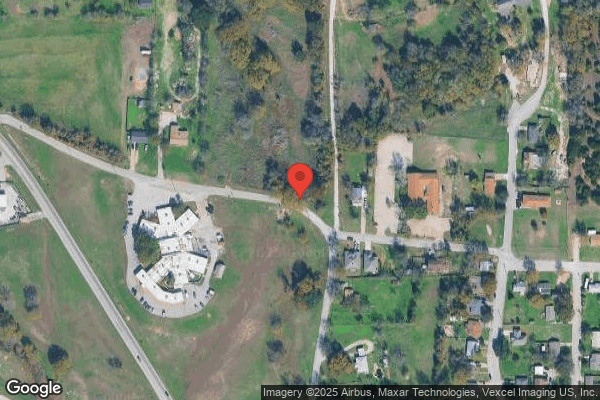


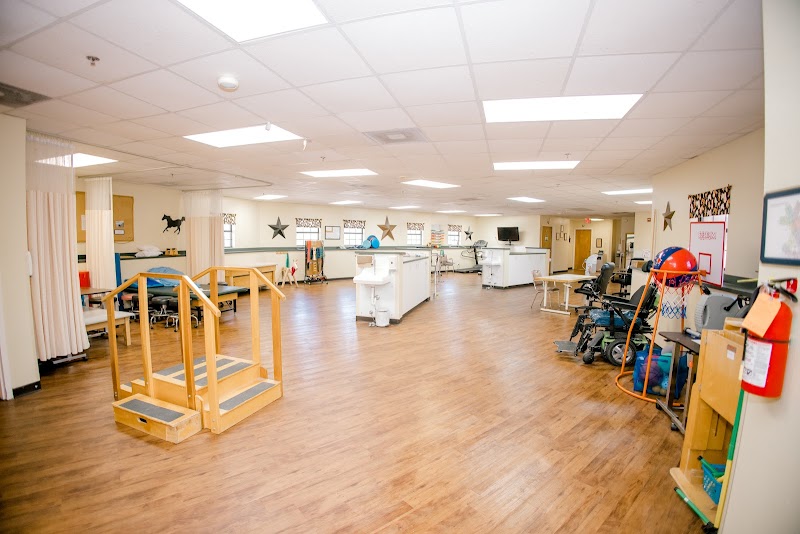

Avir at Weatherford

521 W 7TH ST, WEATHERFORD, TX 76086 (817) 594-8713
For profit - Corporation 122 Beds AVIR HEALTH GROUP Data: November 2025
Trust Grade
60/100
#410 of 1168 in TX
Last Inspection: November 2024

Within standard 12-15 month inspection cycle. Federal law requires annual inspections.

Overview

Avir at Weatherford has a Trust Grade of C+, which means it is slightly above average but not outstanding. It ranks #410 out of 1,168 nursing homes in Texas, placing it in the top half of facilities statewide, and #5 out of 9 in Parker County, indicating only a few local options are better. Unfortunately, the facility is showing a worsening trend, with issues increasing from 5 in 2023 to 6 in 2024. Staffing ratings are below average with a 2/5 star rating and a turnover rate of 55%, which is on par with the state average, suggesting stability is an area for improvement. On a positive note, Avir has not incurred any fines, which is a good sign of compliance with regulations. However, there have been concerning incidents reported, including the failure to provide food that was palatable and served at a safe temperature, as well as inadequate food safety practices in the kitchen, such as not properly dating and labeling food items. Overall, while Avir at Weatherford has some strengths, there are significant areas that need attention, particularly regarding food quality and safety.

Trust Score
C+
60/100
In Texas
#410/1168
Top 35%
Safety Record
Low Risk
No red flags
Inspections
Getting Worse
5 → 6 violations
Staff Stability
⚠ Watch
55% turnover. Above average. Higher turnover means staff may not know residents' routines.
Penalties
✓ Good
No fines on record. Clean compliance history, better than most Texas facilities.
Skilled Nurses
⚠ Watch
Each resident gets only 22 minutes of Registered Nurse (RN) attention daily — below average for Texas. Fewer RN minutes means fewer trained eyes watching for problems.
Violations
⚠ Watch
15 deficiencies on record. Higher than average. Multiple issues found across inspections.
★★★☆☆
3.0
Overall Rating
★★☆☆☆
2.0
Staff Levels
★★★★☆
4.0
Care Quality
★★★☆☆
3.0
Inspection Score
Stable
2023: 5 issues
2024: 6 issues

The Good

  • 4-Star Quality Measures · Strong clinical quality outcomes
  • Full Sprinkler Coverage · Fire safety systems throughout facility
  • No fines on record

Facility shows strength in quality measures, fire safety.

The Bad

3-Star Overall Rating

Near Texas average (2.8)

Meets federal standards, typical of most facilities

Staff Turnover: 55%

Near Texas avg (46%)

Frequent staff changes - ask about care continuity

Chain: AVIR HEALTH GROUP

Part of a multi-facility chain

Ask about local staffing decisions and management

Staff turnover is elevated (55%)

7 points above Texas average of 48%

The Ugly 15 deficiencies on record

Nov 2024 6 deficiencies
CONCERN (D)

Potential for Harm - no one hurt, but risky conditions existed

Deficiency F0578 (Tag F0578)

Could have caused harm · This affected 1 resident

**NOTE- TERMS IN BRACKETS HAVE BEEN EDITED TO PROTECT CONFIDENTIALITY** Based on interview and record review, the facility failed to ensure residents have the right to formulate an advance directive f...

Read full inspector narrative →
**NOTE- TERMS IN BRACKETS HAVE BEEN EDITED TO PROTECT CONFIDENTIALITY** Based on interview and record review, the facility failed to ensure residents have the right to formulate an advance directive for 1 of 24 residents (Resident #81) reviewed for advanced directives. The facility failed to have an Advanced Directive, Out of Hospital Do Not Resuscitate (OOHDNR) consent form which include a Representative and physician signature and License # in the electronic charting or admission paperwork for Resident #81. This failure could affect residents by not having their preferences honored concerning advanced directives. Finding included: Record review of Resident #81's electronic face sheet dated [DATE] revealed Resident #81 was an [AGE] year-old female, admitted on [DATE] with DNR status and a diagnosis of Traumatic subdural hemorrhage without loss of consciousness (a collection of blood that takes place due to bleeding creating an enhanced pressure on the brain). Record review of Resident #81's physician's orders dated [DATE] revealed an order for DNR. Resident #81 electronic health record revealed: no evidence of an Advanced Directive for Out of Hospital Do Not Resuscitate Order (OOH-DNR) form; there was also no evidence of documentation in Resident #81's progress notes relating to the DNR status. Record Review on [DATE] of Resident #81's hard copy chart revealed, a red DNR sheet with no OOH-DNR consent. During an interview on [DATE] at 4:26 PM the SW stated she had sent Resident #81's DNR paperwork, via email, to her representative via email two weeks prior and had not received it back. The SW stated the email was sent on the 29th of October with no return email. She stated she should have followed up with resident's representative for the OOH-DNR consent. The SW stated staff would follow the physicians order if there was a code and since Resident #81 was DNR status she would not be resuscitated. During an interview on [DATE] at 4:39 PM, the DON stated, Resident #81's Face sheet revealed she was a DNR status with no consent. She stated there may have been an actual DNR consent on her hard copy chart, or if she had a consent, it may have not been uploaded into the system. The DON stated the SW may have Resident #81's DNR. She stated the resident should not have been considered a DNR if the consent was not in the facility. She stated the SW was responsible for following up with consents, uploading them into the medical records, as well as placing the DNR status on the hard copy chart. The DON stated the negative affect on the resident was, if the resident was not truly a DNR they could expire with CPR not being performed and ultimately passing away. She stated the failure occurred with the family having not returned the consent form in a timely manner. She stated the consent form should have been back in the facility before the two weeks if it was truly what they had wanted. The DON stated her expectations was the DNR consent form should have been signed in a timely manner if those were their wishes. She stated it was not okay to have a verbal of family wishes without the consent. The DON stated she and her nursing staff would have gone first by the Face sheet and second look at the red DNR sign on the hard copy for guidance on what to do if a resident was to code. During an interview on [DATE] at 4:51 PM the ADMN stated the nursing staff can follow the physician order if there were a code while awaiting the DNR consent or if in transit. She stated the consent was really for EMT's. During an interview on [DATE] at 5:16 PM with, LVN-B stated if there happened to be a code on a resident, she would first look at the resident Face sheet under their picture as that would have been the quickest way to locate resident DNR status. She stated residents' charts (hard copies) also have the red DNR page as soon as you open their charts. During an interview on [DATE] at 5:21 PM, LVN C stated she would have looked first for residents DNR in their chart or the computer, but the most reliable would be their hard copy chart. LVN-C stated she staff should have looked in the front to see the red paper with red DNR signage, then she would have flipped it over to see there if there was a signed DNR. She stated the resident would not be considered a DNR status until the consent was in your hand. During an interview on [DATE] at 5:20 PM, RN-D stated when a patient was found unresponsive, she would have first checked resident electronic chart or the resident hard copy chart for resident's code status. She demonstrated that this information could be found in the resident's chart by pointing to the first red colored page in the chart that revealed Do Not Resuscitate (DNR). RN-D then flipped the colored folder over to display a signed DNR order and stated the DNR order would have directed her as to whether to perform resuscitation on the resident or not. She stated if there were no signed DNR present, she stated she would have Immediately started CPR. During an interview on [DATE] at 5:25 PM, RN-E stated when a resident was found unresponsive, she first thing she would have done would grab the crash cart and call for assistance. When asked how she would know if resident was to have been resuscitated, she states, I know my hospice patients. When asked for more information regarding how it was determined if other residents were to be resuscitated, she stated she would have checked their chart and if DNR, the first page would have displayed a red sign that revealed Do Not Resuscitate. RN-E identified where the DNR was at in the chart. When asked how she would have responded if a DNR was not present, she stated she would have checked the resident's chart for the small red icon DNR under the resident's picture in their electronic chart. She stated if she observed the printed red page Do Not Resuscitate and the small red icon in the resident electronic chart, it would have indicated in two areas that resident was a DNR status and would have been then she would have known not to provide CPR. Record Review on [DATE] of a blank Out of Hospital Do Not Resuscitate (OOH-DNR) Order Tx Dept. of State Health Services consent form, page 1, reads in part: This document becomes effective immediately on the date of execution for health care professionals acting in out of hospital settings. It remains in effect until the person is pronounced dead by an authorized medical or legal authority or the document is revoked. Resuscitation measures include cardiopulmonary resuscitation (CPR), transcutaneous cardiac pacing, Defibrillation, advanced airway management, artificial ventilation. Comfort care will be given with a Representative and physician signature and License # in the electronic charting or admission paperwork. The Physician Statement section and the final section instructs and reads in part, All persons who have signed above must sign, acknowledging the document has been properly completed. Record Review of page 2 of the Texas Out of Hospital Do Not Resuscitate form, Publication No EF01-11421 revised [DATE], by the Texas Department of State Health Services titled Instructions for Issuing an OOH-DNR Order reads in part: IMPLEMENTATION: A competent adult person .or the person's authorized representative or qualified relative may execute or issue an OOH-DNR Order. The person's attending physician will document existence of the Order in the person's permanent medical record. The OOH-DNR Order may be executed as follows: Section A-If an adult person is competent and at least [AGE] years of age, he/she will sign and date the Order in Section A. Section B-If an adult person is incompetent or otherwise mentally or physically incapable of communication and has either a legal guardian, agent in a medical power of attorney, or proxy in a directive to physicians, a guardian, agent, or proxy may execute the OOH-DNR Order by signing and dating in section B. Section D if the person is incompetent and his/her attending physician has seen evidence of the person previously issued proper directive to physicians or observe the person competently issue and OH DNR order or a nonwritten manner, the physician may execute the order on behalf of the person signing and dating it in section D. In addition, the OOH-DNR order must be signed and dated by two competent adult witnesses, who have witnessed either the competent adult person making his/her signature in section A, or authorized declarant making his/her signature in either section B, C, or E, and if applicable have witnessed a competent adult person making an OOH-DNR order by nonwritten communication to the attending physician, who must sign in section D and also the physicians statement section. Record Review of the facility policy Advanced Directives Policy and Records, revised [DATE] revealed: Policy: It is the facility's policy to recognize and implement the resident's rights under state law to make decisions concerning medical care, including the right to accept or refuse medical treatment, and the right to formulate Advance Directives. Decisions Concerning Medical care and Valid Advance Directives: Facility agrees to honor: a. Decisions concerning medical care, including the right to accept and refuse treatment, when made in accordance with state law. b. Valid Advance Directives made in accordance with state law. The making of Advance Directives by the resident is not a precondition to admission; nor does the facility otherwise discriminate against a resident based on whether or not Advance Directives have been made.
CONCERN (D)

Potential for Harm - no one hurt, but risky conditions existed

Deficiency F0761 (Tag F0761)

Could have caused harm · This affected 1 resident

Based on observation, interview, and record review the facility failed to ensure that drugs and biologicals used in the facility were secured and stored in accordance with current accepted professiona...

Read full inspector narrative →
Based on observation, interview, and record review the facility failed to ensure that drugs and biologicals used in the facility were secured and stored in accordance with current accepted professional principles for 1 of 1 Treatment Cart observed for medication storage. The facility did not ensure the Treatment Cart was locked and secured on 11/13/24 on 300 hallway with resident present and no nurse present. This failure could place the residents at risk of gaining access to unlocked medications not prescribed to them. Findings included: Observation on 11/13/24 at 11:31 AM revealed the treatment cart was parked in the 300 hallway with a resident within 6 feet of the opened, unsecured cart. No nurse was in sight of the cart. Present in cart were medicated dressings, antiseptic ointment, triple antibiotic ointment, chlorhexidine gluconate solution antiseptic, Iodine swab sticks, adhesive remover, and wound cleanser. In an interview on 11/13/2024 at 11:37 AM the Treatment Nurse stated that she could not see treatment cart because she had walked 3 rooms down and into a resident room to speak with them. She stated that she normally locked her cart but failed to do so that time. She also stated that the expectation was to lock the cart and that she or any other nurse using the cart was responsible for locking it. She also stated that lack of locking cart would allow access for residents to get into the cart and gain access to the contents. She stated lots of things in this cart could harm the residents if ingested. There are creams, cleaners, and those orange sticks. There are also clippers and scissors that could hurt them. In an interview on 11/14/24 at 4:01 ADON stated that treatment cart should be locked when not in sight of nurse or in use. She also stated that anybody that had access with keys to the cart was responsible for ensuring that the cart was locked. She further stated that lack of locking the cart could result in A resident could get ahold of something that is not good for them. In an interview on 11/14/24 at 4:05 PM the DON stated that her expectation was for treatment cart to be locked when not in use or in sight by nurse responsible for cart. The DON stated that the nurse in charge of cart was responsible for locking cart. The DON stated that she and the ADON were ultimately responsible for monitoring cart security. She further stated that lack of locking treatment cart would allow resident access to cart contents and ability to ingest contents, put contents on skin, possibly be allergic to contents. Record review of policy Medication Storage- in the Home dated 12/2018 revealed the following [in-part]: POLICY: It is the policy of this home that medications will be stored appropriately as to be secure from tampering, exposure, or misuse. PROCEDURE: 2. Only licensed nurses, the consultant pharmacist, and those lawfully authorized to administer medications (i.e., medication aides, etc.) are allowed access to medications. Medication rooms, carts, and medications supplies are locked or attended by persons with authorized access.
CONCERN (E)

Potential for Harm - no one hurt, but risky conditions existed

Medication Errors (Tag F0758)

Could have caused harm · This affected multiple residents

**NOTE- TERMS IN BRACKETS HAVE BEEN EDITED TO PROTECT CONFIDENTIALITY** Based on interview and record review, the facility failed to ensure residents' drug regimens were free from unnecessary drugs fo...

Read full inspector narrative →
**NOTE- TERMS IN BRACKETS HAVE BEEN EDITED TO PROTECT CONFIDENTIALITY** Based on interview and record review, the facility failed to ensure residents' drug regimens were free from unnecessary drugs for 2 of 5 residents (Resident #'s 61 and 76) whose records were reviewed for psychotropic drugs, in that: 1. Resident #61 received an order for the antianxiety medication Valium PRN (as needed), and the order did not include an end date after 14 days. Valium was administered on 11/1/24, 11/2/24, 11/3/24, 11/4/24, 11/6/24, 11/8/24, 11/11/24, 11/12/24, 11/13/24, and 11/14/24 PRN. 2. Resident #76 had an order for the antipsychotic medication Seroquel was administered at bedtime11/1/24 thru 11/13/24 for a diagnosis of Unspecified dementia, unspecified severity, without behavioral disturbance, psychotic disturbance, mood disturbance and anxiety which was not an appropriate indication for use. This failure placed residents at risk for being over medicated or experiencing undesirable side effects and could cause a physical or psychosocial decline in health status. The findings included: Review of Resident # 61's Face Sheet (not dated) revealed a [AGE] year-old female admitted to the facility on [DATE]. The resident's diagnoses included: - amyotrophic lateral sclerosis ( - dysphagia (difficulty swallowing) - major depressive disorder, recurrent - anxiety disorder. Review of Resident # 61's current physician orders, dated 11/14/24, revealed the following: -Diazepam gel 10 mg/ml Apply 1 ml topically to inner wrist and rub in well for anxiety Every 4 Hours - PRN (start date 5/9/24, order was last renewed on 10/28/24) there was not an end date. Review of Resident # 61's Medication Administration Records, dated 11/1/24 through 11/30/24, revealed Valium 10 mg topically every 4 hours prn was administered on 11/1/24, 11/2/24, 11/3/24, 11/4/24, 11/6/24, 11/8/24, 11/11/24, 11/12/24, 11/13/24, and 11/14/24 PRN. Review of Resident #61's Quarterly MDS Assessment, dated 8/21/24 revealed the resident had anxiety disorder, major depressive disorder, recurrent; and antianxiety medications were given during the 7-day review period. Review of Resident #61's comprehensive care plan, last revised on 8/19/24, revealed she was PASRR positive and was administered antianxiety and antidepressant medications. Review of the Pharmacy recommendations for the month of October of 2024 revealed the following recommendation to the physician by the pharmacy consultant: PRN psychotropic medications require a 14 day stop date. At that time physician will need to re-evaluate the need for the following Valium prn, duration greater than 14 days will need a physician rationale. The physician had signed the recommendation on 10/28/24 and written 14 days with no rationale. In an interview on 11/14/24 at 1:00 PM the ADON stated a prn psychotropic medication should not be ordered longer than 14 days without a stop date, or a rationale why the medication should be continued beyond the 14 days. Review of Resident # 76's Face Sheet (not dated) revealed an [AGE] year-old female admitted to the facility on [DATE]. The resident's diagnoses included: - Unspecified dementia, with unspecified severity without behavioral disturbance, psychotic disturbance, mood disturbance, or anxiety. - chronic kidney disease - unspecified dementia with psychotic disturbance, -delirium Review of Resident # 76's current physician orders, dated 11/14/24, revealed the following: -Seroquel 200 mg po at hs for unspecified dementia, with unspecified severity without behavioral disturbance, psychotic disturbance, mood disturbance, or anxiety. Review of Resident # 76's Medication Administration Records, dated 11/1/24, thru 11/30/24 revealed Resident # 76 received Seroquel 200 mg at hs 11/1/24 thru /11/13/24. Review of Resident #76's admission MDS Assessment, dated 10/22/24 documented the resident did not meet the level 2 PASRR definition of mental illness, had no behavioral symptoms such as hallucinations or delusions or indicators of psychosis, she had no verbal or physical behavioral symptoms , had unspecified dementia without behavioral disturbances, and resident was currently taking an antipsychotic. Review of Resident # 76's comprehensive care plan, last revised in 10/20/24, revealed the following: - Problem: The resident requires psychotropic drugs for the treatment of depression, mood disorder, Behavior management. - Goal: The resident will be/remain free of drug related complications, including movement disorder, discomfort, hypotension, gait disturbance, constipation/impaction, or cognitive/behavioral impairment through review date. The resident will reduce the use of psychoactive medication through the review date. -Interventions: Administer medications as ordered. Monitor/document for side effects and effectiveness. Consult with pharmacy, MD to consider dosage reduction when clinically appropriate. Consultant pharmacist to review medication regime monthly. Discuss with MD, family re ongoing need for use of medication. Educate the resident/family/caregivers about risks, benefits, and the side effects and/or toxic symptoms. In an interview with the ADON on 11/14/24 at 1:10 PM she stated that Seroquel 200 mg at hs ordered for resident #71 did not have a diagnosis which would indicate the appropriate use of an antipsychotic. She stated that the diagnoses of unspecified dementia, with unspecified severity without behavioral disturbance, psychotic disturbance, mood disturbance or anxiety was not an indication for the use of an Antipsychotic. She stated that she and the DON were responsible for monitoring to ensure that residents had an appropriate diagnosis for the psychotropic medications they were prescribed. She stated a negative outcome of the use of antipsychotics and psychotropic medications in the elderly resident could be increased falls, confusion, and adverse events. In an interview on 11/14/24 at 1:35 PM the DON stated Resident #71 was admitted to the facility from another nursing facility and was on the Seroquel when she was admitted and the diagnosis of unspecified dementia, unspecified severity, without behavioral disturbance, psychotic disturbance, mood disturbance and anxiety was not an appropriate indication for use. She stated that an appropriate diagnosis would be schizophrenia, Huntington, or Tourette. She stated the facility could not request a diagnosis change, unless they could find out what the resident's past mental health history was. She stated she and the ADON do monitor new admissions before they come into the facility for their diagnosis and medication history. Review of the facility's policy and procedure for Medication Monitoring and Medication Management, dated 2007, revealed the following [in part]: It is the policy of this home to use antipsychotic medications per CMS guidelines and to perform dose reductions and monitoring as required by regulation, to promote the highest level of resident care and safety. DEFINITIONS 1. A gradual dose reduction is a tapering of the resident's daily dose to determine if the resident's symptoms can be controlled by a lower dose or to determine if the dose can be eliminated altogether. 2. Behavioral interventions mean modification of the resident's behavior and/or the resident's environment, including staff approaches to care, to the largest degree possible to accommodate the resident's behavioral symptoms. 3. Clinically contraindicated means that a resident with an appropriate diagnosis for use who has had a history of recurrence of psychotic symptoms, which have been stabilized, with a maintenance dose of an antipsychotic drug without incurring significant side effects should not receive gradual dose reductions. In residents with organic mental syndromes, it means that a gradual dose reduction has been attempted twice in one year and that attempt resulted in the return of symptoms for which the drug was prescribed to a degree that a cessation in the gradual dose reduction, or a return to previous dose levels was necessary. 4. Specific Conditions for which antipsychotic drugs may be used: o Schizophrenia o Schizo-affective disorder o Delusional Disorder o Psychotic mood disorders (including mania and depression with psychotic features) o Acute psychotic episodes o Brief reactive psychosis o Schizophreniform disorder o Atypical psychosis o Tourette's disorder o Huntington's disease o Organic mental syndromes (including dementia and delirium) with associated psychotic and/or agitated behaviors: which have been quantitatively (number of episodes) and objectively (biting, kicking, scratching) documented which are not caused by preventable reasons which are causing the resident to: 1) Present a danger to her/himself or to others 2) Continuously scream, yell, or pace if these specific behaviors cause an impairment in functional capacity. 3) Experience psychotic symptoms (hallucinations, paranoia, delusions) not exhibited as dangerous behaviors or as crying, screaming, yelling, or pacing but which cause the resident distress or impairment in functional capacity 5. Conditions for Which Antipsychotic Drugs Should NOT Be Used (as an only indication): o Wandering o Poor self-care o Restlessness o Impaired memory o Anxiety o Depression (without psychotic features) o Insomnia o Unsociability o Indifference to surroundings o Fidgeting o Nervousness o Uncooperativeness o Agitated behaviors which do not represent danger to the resident or others. 1. Documenting the appropriate specific conditions for antipsychotic medication use: a. For resident's already receiving an antipsychotic medication that does not have an approved diagnosis listed in their medical record, the nursing staff and/or the consultant pharmacist will request a specific diagnosis for its use. b. For resident's who receive a new order for an antipsychotic medication, the nurse will request a specific diagnosis at the time the medication is ordered. c. The specific behavior(s) exhibited by the resident will be documented on the appropriate Clinical Software Monitoring Flow Sheet.
CONCERN (E)

Potential for Harm - no one hurt, but risky conditions existed

Infection Control (Tag F0880)

Could have caused harm · This affected multiple residents

**NOTE- TERMS IN BRACKETS HAVE BEEN EDITED TO PROTECT CONFIDENTIALITY** Based on observations, interviews and record reviews, the facility failed to establish and maintain an infection control program...

Read full inspector narrative →
**NOTE- TERMS IN BRACKETS HAVE BEEN EDITED TO PROTECT CONFIDENTIALITY** Based on observations, interviews and record reviews, the facility failed to establish and maintain an infection control program designed to provide a safe, sanitary, and comfortable environment and to help prevent the development of communicable diseases and infections for 3 (Resident #'s 7, 33, and 61) of 4 residents reviewed for infection control , in that: Agency LVN failed to intervene and practice EBP (enhanced barrier precautions) to protect resident's from MDRO'S by not donning a gown when caring for and administering medications to Resident #7 on 11/12/24 via his gastrostomy (an opening into the stomach through the abdominal wall to provide medication and nourishment) tube. The facility failed to intervene and practice EBP when caring for Resident # 33 who had a pressure area on her coccyx. The facility failed to intervene and practice EBP when caring for Resident # 61 a who had a foley catheter . These failures could affect residents and place them at risk for cross contamination and infections. The findings included: Record review of Resident #7's electronic face sheet not dated reflected he was a [AGE] year-old male admitted to the facility on [DATE]. His diagnoses included: dysphagia (difficulty swallowing) hemiplegia (paralysis on one side of the body) cerebral infarct (stroke) diarrhea, and hypertension(high blood pressure). Record review of Resident # 7's Annual MDS, dated [DATE], reflected he had a BIMS of 15 (cognitively intact), received gastrostomy tube feedings, and that he was occasionally incontinent of bowel and bladder. Record review of Resident #7's comprehensive person-centered care plan reflected a last care conference date of 6/18/2024 reflected Problem: Feeding tube There was no Problem or intervention for enhanced barrier precautions. During an observation and interview on 11/12/2024 at 1:43 PM of Resident # 7's room revealed he did not have had a sign on his door or in his room which indicated he was on EBP. He stated the staff did not wear a gown when they provided care or administered his medications through his gastrostomy tube. During an observation on 11/13/24 at 3:20PM, Agency LVN entered Resident #7's room to administer his 3 PM medications which he received via gastrostomy tube (a tube placed through the abdominal wall and into the stomach). She wore gloves but did not put a gown on to administer the medication through the indwelling gastrostomy tube. After obtaining vital signs, the nurse prepared all medications as ordered to be given via the gastric tube route, she completed hand hygiene, and applied gloves. She paused the feeding pump, unscrewed the pump line from the gastric tube, placed the pump line hanging from the top of the IV pole, attached the appropriate syringe to patients' gastric tube and checked for residual fluid in the stomach. She then removed the plunger from the syringe and began administering medications via gravity feed one medication at a time mixed with 5ml water, followed by 15ml water flush between each medication. She re-attached the tube feed line to the gastric tube and restarted the tube feed pump. During an interview on 11/13/2024 at 03:25 PM with the Agency LVN, she stated she did not think about wearing a gown when she administered medication through the gastric tube for Resident #7, she stated cross contamination could result from improper use of PPE. She stated she was trained on the new EBP guidelines which included to wear a gown when working with a resident who had a wound or indwelling medical device. She stated she did not know if anyone was on EBP on the 100 hall on which she was assigned. She stated it was usually posted on the door of the resident's room at other facilities but at this facility she was informed in report of the resident's that require enhanced barrier precautions. She stated she did not receive any information on any of her residents requiring EBP. She stated a negative impact for residents that could occur if enhanced barrier precautions were not used on a resident that required their use, would be infection. She stated she had not had an in-service on EBP recently. Record review of Resident #33's electronic face sheet not dated reflected she was a [AGE] year-old female with a readmission date of 5/29/24. Her diagnoses included: dysphagia (difficulty swallowing) cerebral palsy (a congenital condition affecting the developing brain of an infant while in the womb. Damage affects the region of the brain in charge of motor skills. Movement and balance which can result in paralysis), contractures, and dysfunction of bladder. Record review of Resident # 33's Annual MDS, dated [DATE], reflected she had a had a long term and short-term memory problem and her cognitive skills for decision making were severely impaired, she had a stage 4 pressure ulcer ( open area involving muscle and bone) and was incontinent of bowel and bladder. Record review of Resident #33's comprehensive person-centered care plan reflected a problem start date of 11/14/24. Resident requires EBP (Enhanced Barrier Precautions) during contact care r/t(ex: chronic wounds, indwelling catheter, central lines, Infection). POA, refuses continued use of EBP while providing personal care. POA feels that staff using PPE upsets Resident # 33 and she wishes for it to be discontinued at this time. Risks and benefits of EBP explained and understanding voiced. Created: 11/14/2024 Approach: Staff is not required to use Enhanced Barrier Precautions; Staff to communicate refusal for EBP via POC/staff reports. Created: 11/14/24 During an observation on11/12/24 at12:30 PM it was noted that there was no enhanced barrier precautions sign noted outside or inside of Resident #33's room and no PPE other than a box of gloves available inside or outside the room. CNA C was observed performing Peri-care and she did not wear any PPE other than gloves to provide care to the resident. During an interview on 11/13/24 at 4:14 PM CNA C stated that she was not sure what EBP meant but does know that if a resident has their name on a blue tab outside the door she should wear gloves, gown, and mask if providing care including emptying catheter or changing residents. She stated that on 300 hall only Resident # 49 and Resident # 47 have blue names. CNA C stated I don't know what it could cause if don't wear PPE, I just know I am supposed to wear it when they have a blue tab. She then stated that Resident # 33 only requires gloves when providing care because her name is on a white tab outside door. 11/13/24 06:26 PM Interview with CNA B regarding EBP. She stated that she did not know what exactly that means. She stated that some residents with catheters have a blue name tag outside their door which meant staff should wear PPE such as gown, gloves, and mask to care for the resident. She stated that failure to do so could cause cross contamination to staff or others. During an interview on 11/14/24 at 3:11 PM the ADON stated Resident # 33's responsible party does not want her on EBP. She stated the RP works in LTC and just doesn't want it done. Review of Resident # 61's Face Sheet (not dated) revealed a [AGE] year-old female admitted to the facility on [DATE]. The resident's diagnoses included: amyotrophic lateral sclerosis (a nervous system disease that weakens muscles and impacts physical function), dysphagia (difficulty swallowing, major depressive disorder, recurrent, and anxiety disorder. Record review of Resident # 61's Quarterly MDS, dated [DATE], reflected she had a BIMS of 15 (cognitively intact), had an indwelling catheter, and was incontinent of bowels at times. Record review of Resident #61's comprehensive person-centered care plan reflected a problem start created date 11/14/24 Resident requires EBP(Enhanced Barrier Precautions) during contact care r/t(ex: indwelling catheter) EBP discussed with resident and her mother. Res states she no longer wishes for staff to use PPE while providing care and states it makes her feel uncomfortable and she doesn't feel like it's necessary. Risks of infection re: long term indwelling catheter explained as well as benefits of EBP. Approach: Staff is not required to use Enhanced Barrier Precautions; Staff to communicate refusal for EBP via POC/staff reports. Created: 11/14/24 During an interview on11/13/24 04:15 PM Resident # 61 stated staff does not wear gowns when caring for her because she doesn't want them to wear gowns. She also stated that it was a waste of time for them and her to get (PPE)on and take PPE off In an interview on 11/14/24 at 2:50 PM the DON stated that the following residents were on Enhanced Barrier Precautions: Resident #'s 7, 49 and 47. The DON stated that it was her expectation that EBP should be followed during medication administration via tube for resident # 7. They should wash hands, gown and glove when administering meds for Resident 7. She stated, If he had a MDRO staff could transfer infection to someone else. The DON stated the staff knew what precautions to take and on which residents by use of in-services and the blue label. The DON said agency staff was also educated in the same way on EBP. She further added that she determines if EBP will be used by the following means: We ask the resident if they want the use of EBP and they can decline it. We talk to the family, their RP. DON Stated that the resident or RP both have the right to decline it. The DON stated she had started an inservice for staff on 11/13/24 with CMS Provider letter QSO 24-08-NH regarding the use of EBP. Record review of facility policy and procedure titled Infection Control, Precautions, Categories and Notices, dated revised March 2024, reflected in part: enhanced barrier precautions should be used in the following situations: when a resident is infected or colonized with CDC-targeted MDRO without a wound, indwelling medical device or secretions or excretions that are unable to be covered or contained; Has a wound or indwelling medical device without secretions that are unable to be covered or contained and are not known to be infected or colonized with any MDRO; and at the discretion of the facility when a resident is infected or colonized with a non-CDC targeted MDRO without a wound, indwelling medical device, or secretions, or excretions that are unable to be covered or contained; If they do not meet the criteria for contact precautions and have a wound or indwelling medical device, and secretions or excretions that are unable to be covered or contained and are not known to be infected or colonized. Examples of secretions or excretions include wound drainage, fecal incontinence or diarrhea, or other discharges from the boy that cannot be contained and pose an increased potential for extensive environmental contamination and risk of transmission of a pathogen. Considerations 1. For residents for whom EBP are indicated, EBP is employed when performing the following high contact activities: 2. Dressing, bathing showering, transferring providing hygiene, changing linens, changing briefs, or assisting with toileting, device care or use (central line, urinary catheter, feeding tube tracheostomy tube/ventilator, wound care, and any skin opening that has a dressing. 3. Ensure PPE and alcohol-based hand rub or readily accessible to staff. Review of website https://www.cdc.gov/preventmdro on 11/13/24, revealed the following: Enhanced Barrier Protection Multi drug resistant organism transmission is common in skilled nursing facilities, contributing to substantial resident, morbidity and mortality and increased healthcare costs. Enhanced Barrier Precautions are an infection control intervention designed to reduce transmission of resistant organisms that employs targeted gown and glove use during high contact resident activities. EBP may be indicated when contact precautions do not apply for residents with any of the following: wounds or indwelling medical devices regardless of multidrug resistant organism colonization status.
CONCERN (F)

Potential for Harm - no one hurt, but risky conditions existed

Deficiency F0804 (Tag F0804)

Could have caused harm · This affected most or all residents

**NOTE- TERMS IN BRACKETS HAVE BEEN EDITED TO PROTECT CONFIDENTIALITY** Based on observation, interview, and record review, the facility failed to ensure that each resident received food that was pala...

Read full inspector narrative →
**NOTE- TERMS IN BRACKETS HAVE BEEN EDITED TO PROTECT CONFIDENTIALITY** Based on observation, interview, and record review, the facility failed to ensure that each resident received food that was palatable, attractive, and at a safe and appetizing temperature for 1 of 1 lunch meal tested for nutritive value, flavor, and appearance: The facility failed to provide palatable food served at an appetizing temperature as evidenced by a sample tray tested on [DATE]. This failure could affect the residents who ate food from the facility's kitchen by placing them at risk of poor food intake and/or dissatisfaction of the meals served. The findings included: During an interview on 11/12/2024 at 10:16 AM, Resident #45 stated the food was not good and was cold. He stated the dietary offered a substitute, but it was not good. During an interview on 11/12/2024 at 10:49 AM, Resident #46 stated the facility had a new cook and nothing tasted good. He stated he was on a mechanical diet being ground up and nothing tasted right. During an observation on 11/12/2024 at 1:10 PM the test tray was on the hall cart, at 1:15 PM, the test tray was in the conference room with DM to temp and test for palatability. The temperatures of test tube revealed: 1. Chicken [NAME] 126 degrees 2. Green Beans 118 degrees 3. Hot Apple dessert 82.9 During an interview on 11/12/2024 at 1:20 PM, the DM stated the temperatures were not warm enough to sustain the palatability. She stated the dining room trays were most likely cold as well since they were served last. She stated the failure could have been due to the [NAME] not stirring the food and getting from the top of the pan, and not the bottom. She stated the vegetables should have been served in a bowl to retain the heat as well as the juice of the beans made the roll soggy. The DM stated the apples were not served hot with the low temperature playing the major part as not being palatable. She stated she felt the cook had not seasoned the sauce after being advised to do so. The DM stated could have affected the residents with them not eating which could have causes them not to get receiving proper nutrition which could have caused weight loss or depression. She stated the [NAME] was responsible as well as her as the DM since she monitored her in the taking of temperatures. The DM stated she monitored 2-3 times a week. She stated her expectations were for meals to be prepared according to the recipe as well as residents be provided their choices. The DM stated the failure was a combination of staff needing more education, with 3 of her staff having trained and not performed what they learned. During an interview on 11/14/2024 at 2:15 PM the ADMN stated she could not answer how unpalatable food could have affected the residents. She stated, the cold food should be cold, and the hot food should be hot. The ADMN stated the DM monitored the temperatures and palatability of the food, with herself as the ADMN monitored the DM. She stated she usually monitored daily. The ADMN stated the last time she had entered into the kitchen was a week ago having done a quick look around due to a morning meeting. She stated her expectations was that the food have the correct seasonings, with the temperatures being correct. The ADMN stated the plate warmer may had not been working correctly possibly could have been where the failure occurred, but she wasn't there or observe and could not say. Record review of facility policy Test Trays, dated 2018 revealed the following [in-part]: Policy: The facility recognizes the importance of routine quality assurance monitoring to ensure that its residents are provided food that is appealing, palatable and served at the correct temperatures. Record review of facility policy Food and Holding Service dated 2018 revealed the following [in-part]: Policy: To ensure that all food served by the facility is of good quality and safe for consumption, all food will be held and served according to the state and US Food Codes and HACCP guidelines. Procedure: 1. Serve all hot foods at a temperature of 135°F or greater and all cold food at 41°F or less.
CONCERN (F)

Potential for Harm - no one hurt, but risky conditions existed

Food Safety (Tag F0812)

Could have caused harm · This affected most or all residents

Based on observation, interview, and record review the facility failed to store, prepare, distribute, and serve food in accordance with professional standards for food service safety for 1 of 1 kitche...

Read full inspector narrative →
Based on observation, interview, and record review the facility failed to store, prepare, distribute, and serve food in accordance with professional standards for food service safety for 1 of 1 kitchen reviewed, in that: The facility failed to ensure open items in the freezer, refrigerator, and dry food storage were dated and labeled and free from expired foods. The facility failed to ensure kitchen staff followed proper hand hygiene during meal preparations. These failures could place residents at risk for food borne illness and cross-contamination. Findings included: During an observation on 11/12/2024 at 9:46 AM of the pantry was; 1 gallon of blended oil, unable to read the received date with no opened date. 1 16 oz. opened clear zip lock bag of marshmallows with no opened date. 1 5 lb. opened bag of potato chips with no opened date. 1 26 oz. opened bag of Dried Classic Mashed Potatoes in a clear zip lock bag with no opened date. 1 8 lb. opened container of Creole Seasoning with no opened date. 1 opened bag of hamburger buns with no opened date. 1 20 oz. opened loaf of bread with no opened date. 1 17 oz. opened container with the opened date unreadable. Expired food 1 6 lb. opened box container with a received date of 02/04/2023 and no opened date. 1 8.1 oz can of Baking Powder with an expiration dated 08/06/2019. Refrigerator #1 1 clear container labeled tapia fruit with no use by date. 1 container labeled gravy dated 11/12 with no use by date. 1 clear zip lock bag labeled carrots with no use by date. 1 clear zip lock bag labeled taco meat and dated 4/9 with no use by date. 1 clear zip lock bag labeled eggs, dated 11/12/24 with no use by date. 1 clear zip lock bag labeled sausage, dated 11/12/24 with no use by date. 1 10 lb. opened and unsealed box of Sausage Patties with no opened date. 1 clear zip lock bag labeled Pork Chops, dated 11/12/24 with no use by date. 1 original clear bag labeled Sausage dated 11/9 with no use by date. Refrigerator #2 1 clear zip lock bag dated 10/23 with a head of (browning) lettuce. 1 clear zip lock bag dated 10/10 with (browning) shredded lettuce. 1 clear zip lock bag labeled cheddar cheese dated 11/7 and no use by date. 1 head of lettuce in original bag undated. 1 opened box and unsealed bag of Parsley dated 10/10 and appeared to be wilted. Freezer #1 1 clear zip lock bag unlabeled of what appeared to be French toast dated 11/11. 1 opened box with an unsealed bag of Turkey Sausage dated 10/30/24. 1 15 lb. opened box with an unsealed bag of Swai Fillet fish, undated. 2 sealed and unlabeled clear bags of what appeared to be frozen chicken, unlabeled and undated. During an observation on 11/12/2024 at 11:06 AM the Dish Washer and [NAME] had not used proper hand hygiene when washing their hands, not using soap and scrubbing hands in the time required for proper sanitizing. During an interview on 11/14/2024 at 2:40 PM the ADMN stated she expected her staff to wash their hands thoroughly and to know how long to not transmit any bacteria or cross contamination to the residents. She stated some residents had low immune systems therefore easier for them to get sick. The ADMN stated it was the DM's job to monitor. She stated her expectations were for the kitchen to be maintained. The ADMN stated the failure occurred with the DM and new staff, as they needed to be monitored as well as have an increased list of in-services for new staff. She stated all products that came into the kitchen should have been labeled and dated, which included, the received date and opened date prior to being placed on the shelves. The ADMN stated her expectations were to label, date, and rotate all products. During an interview on 11/14/2024 at 9:23 AM, the DM stated all products were to be labeled with a received date and when opened. She stated when the product is opened and placed in another container, staff needed to label and place all dates needed on the product. The DM stated if the food product was a leftover in the refrigerator, there should have been a use by date of 3 days. She stated when the products were opened in the freezers, staff should have sealed the bag completely before closing the box. The DM stated the failure was with her staff getting in a hurry. She stated in not doing so, it could have affected the resident with the possibility of cross contamination which could have led to a food borne illness. The DM stated DM oversaw the kitchen and dining, but not often enough. She stated her expectations were to have all products labeled, dated and with the use by date when needed, as well as rotate products when needed. The DM stated the failure was with her and her staff having not followed regulations. The DM stated all staff also has been in-serviced as to how to wash their hands. She stated in not doing so, could have caused residents to become sick. She stated the DM monitored staff with in-services and observations. The DM stated, the failure was that staff were not following protocols and regulations of their in-services. Record Review of facility policy, Food Storage dated 2018, revealed: Policy: To ensure that all food served by the facility is of good quality and safe for consumption, all food will be stored according to the state, federal and US Food Codes and HACCP guidelines. Procedure: 1. Dry Storage rooms d. to ensure freshness, store opened and bulk items in tightly covered containers. All containers must be labeled and dated f. Where possible, leave items in the original cartons placed with the date visible. g. Use the first-in, first-out (FIFO) rotation method. Date packages and place new items behind existing supplies, so that older items are used first. 2. Refrigerators .d. Date, label and tightly seal all refrigerated foods using clean, nonabsorbent, covered containers that are approved for food storage. e. Use all leftovers within 72 hours. Discard items that are over 72 hours old. 3. Freezers . e. Store frozen foods in moisture-proof wrap or containers that are labeled and dated. Record Review of facility policy, Food Preparation and Handling dated 2018, revealed: Policy: To ensure that all food served by the facility is of good quality and safe for consumption, all food will be prepared and handled according to the state, federal and US Food Codes and HACCP guidelines. 1. General Guidelines . b. Wash hands properly before beginning food preparation. C. Prepare food with the least manual contact possible. Do not allow bare hands to touch raw food directly. Record Review of facility policy, General Kitchen Sanitation dated 2018, revealed: Policy: The facility recognizes that food-borne illness has the potential to harm elderly and frail residents. All Nutrition & Food service employees will maintain clean, sanitary kitchen facilities in accordance with the state and US Food Codes in order to minimize the risk of infection and food borne illness. Procedure: 12. Make sure hand-washing facilities are easily accessible and supplied with soap and paper towels. Record Review of facility policy, Hand Washing dated 2018, revealed: Policy: The facility recognizes that food-borne illness has the potential to harm elderly and frail residents All Nutrition & Food service employees will practice good hand washing practices in order to minimize the risk of infection and food borne illness. Procedure: 1. Hand-washing stations . a. Make sure hand washing stations are located in food preparation areas to encourage employees to wash their hands frequently. b. Make sure there are hand washing stations in all areas that employees' hands may become contaminated, including food preparation areas, service areas, dishwashing areas and rest-rooms. c. Make sure all hand washing stations are equipped with the following i. Hot and cold running water. Ii. Hand cleaning liquid, powder, or bar soap. Iii. Individual, disposable towels, a continuous towel system that supplies the user with a clean towel or a heated-air hand-drying device. Iv. A receptacle for disposable towels. v. A sign that indicates employees must wash hands before returning to work. d. Sinks used for food preparation or washing utensils or a service sink or curbed cleaning facility used to dispose of mop water or similar wastes cannot be used as a hand-washing station. 2. Hands should be washed after the following occurrences: a. using the restroom b. Handling raw food (before and after) c. Touching the hair, face, or body d. sneezing or coughing e. smoking f. eating or drinking g. Handling chemicals h. taking out the garbage i. Clearing tables j. Touching clothing or aprons k. Touching unsanitized equipment, work surfaces, or wash cloths l. Assisting residents 3. Hand-washing steps . a. Wet hands and exposed arms with hot water at least 100* F. b. Apply soap c. scrub hands, exposed arms and fingernails for a minimum of 20 seconds being sure to apply a vigorous friction d. Rinse hands and exposed arms thoroughly under hot running water e. Dry hands and arms with a paper towel f. Turn off the faucet with the paper towel to avoid contaminating hands and discard towel. Review on 11/14/2024 of the FDA Food Code 2022: Full Document accessed on 10/16/2024 in annex 7 page 37, 38 revealed: Applicable Code Sections: 3-501.16(A)(2) and (B) Time/Temperature Control for Safety Food, Hot and Cold Holding (P) 23. Proper date marking and disposition FDA Food Code 2022 Annex 7: Model Forms, Guides, and Other Aids Annex 7 -38 IN/OUT This item should be marked IN or OUT of compliance. This item would be IN compliance when there is a system in place for date marking all foods that are required to be date marked and is verified through observation. If date marking applies to the establishment, the PIC should be asked to describe the methods used to identify product shelf-life or consume-by dating. The regulatory authority must be aware of food products that are listed as exempt from date marking. For disposition, mark IN when foods are all within date marked time limits or food is observed being discarded within date marked time limits or OUT of compliance, such as when date marked food exceeds the time limit or date-marking is not done.
Sept 2023 3 deficiencies
CONCERN (D)

Potential for Harm - no one hurt, but risky conditions existed

Assessment Accuracy (Tag F0641)

Could have caused harm · This affected 1 resident

**NOTE- TERMS IN BRACKETS HAVE BEEN EDITED TO PROTECT CONFIDENTIALITY** Based on observation, interview and record review the facility failed to ensure assessments accurately reflected the resident's ...

Read full inspector narrative →
**NOTE- TERMS IN BRACKETS HAVE BEEN EDITED TO PROTECT CONFIDENTIALITY** Based on observation, interview and record review the facility failed to ensure assessments accurately reflected the resident's status for 1 of 6 residents (Resident #6) reviewed for accuracy of assessments. The facility failed to ensure Resident #6's MDS accurately reflected the resident hearing loss. This failure could place residents at risk for not receiving care and services to meet their physical needs and promote feelings of well-being and quality of life. The findings include: Record review of Resident #6's, undated, admission Record, revealed a [AGE] year-old male who was admitted to the facility on [DATE]. Resident #6 had diagnoses which included: unspecified hearing loss unspecified ear, speech, and language development delay due to hearing loss, cerebral infarction (stroke), and hemiplegia non dominant side (paralysis on one side of the body). Record review of Resident #6's Annual MDS, dated [DATE], Section B revealed the resident was able to hear adequately. Record review of the resident's care plan revealed the resident had a communication problem related to a hearing deficit. The problem start date was 4/7/20, and a revision date of 9/23/23. During an observation and interview on 09/26/23 at 12:03 PM revealed Resident #6 communicated by typing on his laptop computer that he could not hear, and he did not use hearing aids. He could not speak clearly, and he preferred to use the laptop to communicate his needs. In an interview on 09/28/2023 at 10:40 AM, the MDS Coordinator stated she did not have a facility policy for completing MDS assessments. She stated the admission MDS for Resident #6 was not accurately descriptive of his hearing status. She stated she completed the assessment and was responsible for all MDS assessments in the facility and she failed to document Resident #6's Section B accurately because she was in a hurry and made a mistake. She stated she followed the guidelines of the RAI Manual to complete assessments. She stated it was her expectation the MDS be documented to accurately reflect the resident's status. She also stated failure to not complete the MDS accurately could result in the resident not receiving needed care and services. She stated she would make a correction to the MDS. Interview with the DON on 9/28/23, at 11:00 AM revealed the MDS Coordinator was responsible for accurately completing the MDS. She stated failure to accurately document the resident's status in the MDS could result in the resident not receiving needed care Record review of the RAI Manual section B, dated 10/2019, revealed in part: This section is intended to document the resident's ability to hear (with assistive hearing devices if used) understand and communicate with others and whether the resident experiences visual limitations or difficulties, related to diseases common in aged persons.
CONCERN (E)

Potential for Harm - no one hurt, but risky conditions existed

Safe Environment (Tag F0921)

Could have caused harm · This affected multiple residents

**NOTE- TERMS IN BRACKETS HAVE BEEN EDITED TO PROTECT CONFIDENTIALITY** Based on observation, interview and record review the facility failed to ensure each resident had the right to a safe, clean, sa...

Read full inspector narrative →
**NOTE- TERMS IN BRACKETS HAVE BEEN EDITED TO PROTECT CONFIDENTIALITY** Based on observation, interview and record review the facility failed to ensure each resident had the right to a safe, clean, sanitary, comfortable, and homelike environment, including but not limited to receiving treatment and supports for daily living safely on one of six hallways (Hallway 200) and the smoking area for areas reviewed for environment. 1. The facility failed to ensure Hallway 200 did not have a strong odor of urine. 2. The facility failed to ensure the smoking area did not have a foul odor with a large, uncovered bin filled with dirty laundry and a large, uncovered bin filled with trash within the smoking area. These failures could place residents at risk for a diminished quality of life and a diminished clean, homelike environment. The findings include: 1. In an observation during the initial tour on 09/26/23 at 11:24 AM, the entire Hallway 200 had a strong odor of urine. In an observation on 09/27/23 at 9:30 AM, Hallway 200 had a strong odor of urine which became stronger towards the end of the hallway. In an observation and interview on 09/28/23 at 10:50 AM, Hallway 200 had a strong odor of urine and progressively got stronger towards the end of the hallway. LVN A stated the hallway smelled at times but did not smell of urine to her. She stated the smell was from a resident who had a foul bowel movement. In an interview on 09/28/23 at 11:30 PM, Housekeeper B stated Hallway 200 smelled of urine most of the time. She said she believed it was coming from the resident in room [ROOM NUMBER]. She said when the resident left his room, she cleaned the resident's mattress and floors. In an observation and attempted interview on 09/28/23 at 11:35 PM, Resident #29 refused to be interviewed. His room was clean but smelled of urine. In an interview on 09/28/23 at 1:32 PM, the Maintenance Director stated he was aware of the odor on hallway 200. He said he thought it was coming from room [ROOM NUMBER]. He said he attempted to get rid of the smell and replaced the toilet, used charcoal and enzymes, and painted the walls, but it did not help. He did not think the resident was urinating on the floor. In an interview on 09/28/23 at 1:48 PM, Resident #61 who resided on the hallway said the hallway smelled most of the time and she kept her door closed due to odor. In an interview on 09/28/23 at 1:49 PM, Resident #54 stated she visits a friend on Hallway 200 and there was always a strong odor in the hallway. She said that was the reason why most of the residents on the hallway keep their door closed. In an interview on 09/28/23 at 3:45 PM, Resident #22 who resided on Hallway 200 said the smell was horrible at times. She kept her door closed due to the smell. 2. In an observation and interview of the smoking area on 09/28/23 at 1:48 PM, there were 6 residents smoking. Observed within the smoking area, there was a large, uncovered bin filled with bagged dirty laundry and there was a large, uncovered bin filled with mostly bagged trash that smelled. A staff member came into the smoking area and put 4 pizza boxes in the trash. In an interview with Resident #54 and Resident #61, who were sitting on the other side of the smoking area, said the bins were always there and they smelled, it was why they sat away from them. In an interview on 09/28/23 at 2:15 PM, the Medical Records Supervisor said she was filling in for the Housekeeping Supervisor and the bins were placed in the smoking area during COVID. It was where staff brought dirty laundry to be picked up by laundry and trash to be picked up by maintenance. In an interview on 09/28/23 at 2:27 PM, the Maintenance Director said the bins were placed in the smoking area during COVID. It was where staff brought dirty laundry to be picked up by laundry and trash to be picked up my maintenance. He said a negative outcome would be it would attract flies and pests. He said they put out bait for pests. The Maintenance Director stated there was no facility policy. The Administrator was not available for interview during the survey.
CONCERN (F)

Potential for Harm - no one hurt, but risky conditions existed

Food Safety (Tag F0812)

Could have caused harm · This affected most or all residents

Based on observation, interview, and record review the facility failed to store, prepare, distribute, and serve food in accordance with professional standards for food service safety in 1 of 1 kitchen...

Read full inspector narrative →
Based on observation, interview, and record review the facility failed to store, prepare, distribute, and serve food in accordance with professional standards for food service safety in 1 of 1 kitchens reviewed. 1. The facility failed to ensure the floors weren't soiled with food particles and grease beneath the appliances and stainless-steel shelf units throughout the kitchen. 2. The facility failed to ensure two of two refrigerators did not have what appeared to be spilled milk, dried liquids, and food crumbs on the bottom shelf. These failures could place residents at risk for foodborne illness and a decline in health status. The findings include: Observations on 09/26/2023 at 9:40 AM, during the initial tour of the facility kitchen, revealed the following: - the floor was soiled with food debris and grease beneath shelves and appliances throughout the kitchen. - 2 of 2 refrigerators had what appeared to be spilled milk, dried liquids, and food crumbs on the bottom shelf. Observations on 09/26/2023 at 9:50 AM revealed daily cleaning logs, dated September 2023, used for all the kitchen cleaning duties revealed all cleaning duties for the morning had been completed and initialed by the kitchen staff who completed the cleaning. In an interview on 09/28/2023 at 10:40 a.m. with the Dietary Manager stated, her kitchen staff followed a cleaning schedule, but someone must have set a glass of milk on an open box, and it spilled and was not cleaned. She further stated, it's important that the kitchen counters, refrigerators, freezers, and equipment be clean to prevent foodborne illness. In an interview on 09/29/2023 at 3:35 p.m. the DON stated, her expectation was for the dietary department to follow the dietary department cleaning policy. In an interview on 09/29/2023 at 3:40 p.m. the Regional Consultant stated, his expectation was for the dietary department to follow their cleaning schedule per dietary department policy. Record review of the facility's Policy titled Refrigerators, Coolers and Freezers dated, October 1, 2018, revealed [in-part]: The facility will maintain refrigerators, coolers and freezers in a clean and sanitary manner to minimize the risk of food hazards. Refrigerators, coolers and freezers will be kept clean on a daily basis and will be thoroughly cleaned every month or more often as needed .
Jul 2023 2 deficiencies
CONCERN (E) 📢 Someone Reported This

A family member, employee, or ombudsman was alarmed enough to file a formal complaint

Potential for Harm - no one hurt, but risky conditions existed

Deficiency F0761 (Tag F0761)

Could have caused harm · This affected multiple residents

Based on observation, interview, and record review, the facility failed to provide pharmaceutical services, including procedures that assured the accurate accountability of controlled drugs on 4 of 4 ...

Read full inspector narrative →
Based on observation, interview, and record review, the facility failed to provide pharmaceutical services, including procedures that assured the accurate accountability of controlled drugs on 4 of 4 medication carts. The Change-of-Shift Record of Control Substance Log for the 100/200, 400/500 medication carts were missing signatures. These failures could place residents receiving medications in the facility at risk for in-effective therapeutic outcomes, and drug diversion. The findings include: Record Review on 7/5/23 revealed nurses were in serviced on narcotic audit results training, drug diversion, narcotic Count, and med administration on 4/5/23. Record review on 7/5/23 of the Control Card Count revealed the sheets were missing signatures on the following dates and shifts.: May Station 100/200 - 5/6 off going shifts signatures missing June- 100/200 6/15 oncoming 10-6 shift, 6/16 off going signature 10/6 shift, 6/12 2-10 of going shift signature, 6/28 2-10 on coming signature and off going signature. 6/19/23 2-10 shift off going signature June Station 500/600 prn control drug count sheets: 6/1/23 6-2 oncoming shift signature and 6-2offgoing shift signature missing. 6/27/23, 6/28/23, 6/29/23 10-6 off going nurse signatures and on coming 10-6 shift signatures were missing. June 500/600 routine narcotics control drug count sheets: 6/10/23 6-2 oncoming shift nurse signature and 6/2/23 off going nurse shift signature, 6/27/23, 6/28/23, 6/29/23, 10-6 off going nurse signatures and on coming nurse 10-6 shift signatures, June 400/500 prn narcotics control drug count sheets: 6/27/23, 6/28/23, 1 off going nurse signatures and on coming 10-6 nurse signatures missing. June 500/600 routine narcotics control drug count sheets: 6/27/23, 6/28/23, 10-6 off going nurse signatures and 10 -6 on coming nurse signatures, June 400/500 routine narcotics control drug sheets: 6/27/23,6/28/23, 6/29/23 off going Nurse signature 10-6 missing, and 6/28/23 on coming nurse 10- 6am nurse signature missing. During an interview on 7/05/19 at 11:01 AM with the ADON, she said staff should be signing in and out when taking possession of the medication cart and be documenting medications in the MAR when they are signed out of the Narcotic Log. She said it is the responsibility of the charge nurse to monitor the sign in sheets as well as review they are being completed. She stated nurses were to count drugs at the beginning and end of their shift with the oncoming nurse, and both shifts should sign the log signifying that they accepted the count of the narcotics as correct, and they are accepting responsibility for the contents of the cart. During an interview with the DON on 7/05/23 at 11:30 am, she confirmed that the signatures were missing for the Control Drug Card Count for July 1, 2023. She verified there were missing signatures on the April, May, June, and July 2023 control drugs card count sheet. She confirmed she had in-serviced all nursing staff regarding counting and signing the count sheets stating that all narcotics were counted and reconciled at the beginning and end of each shift by the nurse coming on duty and the off going nurse. She said that staff should be signing the sign in and out narcotic log (Control Card Count) when they take possession of the cart. She stated the DON and ADON should be monitoring to see that it is done. She stated failure to count narcotics, could result in a drug diversion. Review of facilities Policy narcotic count revealed the following: It is the policy of this home that nursing staff must count narcotics at the beginning and end of each shift to ensure compliance with state and federal laws and regulations in the handling, storage, and record keeping of controlled substances. Procedure: The nurse coming on duty and the nurse going off duty must count and justify narcotics supply for each individual resident at the change of shift. Each nurse counting must record the date and his or her signature verifying the count is correct at the beginning and end of each shift. If the count is not correct the nurse going off duty is not to leave until the count is reconciled. Any discrepancy in the count is to be reported to the Director of Nurses promptly.
CONCERN (E) 📢 Someone Reported This

A family member, employee, or ombudsman was alarmed enough to file a formal complaint

Potential for Harm - no one hurt, but risky conditions existed

Deficiency F0808 (Tag F0808)

Could have caused harm · This affected multiple residents

**NOTE- TERMS IN BRACKETS HAVE BEEN EDITED TO PROTECT CONFIDENTIALITY** Based on observation, interview, and record review the facility failed to provide 3 of 3 residents (Resident #1, Resident #2 and...

Read full inspector narrative →
**NOTE- TERMS IN BRACKETS HAVE BEEN EDITED TO PROTECT CONFIDENTIALITY** Based on observation, interview, and record review the facility failed to provide 3 of 3 residents (Resident #1, Resident #2 and Resident #3) the therapeutic diet prescribed by the attending physician. Physician orders required thicken liquids due to swallowing dysfunction (difficulty swallowing). The facility neglected to provide proper thickening for Resident #2 and Resident #3 drinks and allowing access to thin liquids for Resident #1. This failure could place residents at risk for health complications related to in adherence to prescribed diet order. Findings included: Review of Resident #1's undated Face Sheet revealed Resident #1 was an [AGE] year-old male who was re-admitted to the facility on [DATE] with a diagnosis of dysphasia (difficulty swallowing), cerebral infarction (stroke) high blood pressure, bipolar disorder (mood disorder in which mood alternates from manic to depression) and Dysarthria (difficulty speaking because the muscles you use for speech are weak) Review of Resident #1's annual MDS assessment dated [DATE]/01/2023 revealed Resident #1 had a BIMS score of 9 indicating moderate impaired cognition. Review of Resident #1's MDS Section (K) (Swallowing/Nutritional Status) on 07/23/2023 at 2:00 PM, K0100 (signs and symptoms of possible swallowing disorder) question Z. was checked (none of the above) meaning no swallowing deficit. Review of Resident #1's Care Plan dated 02/09/2022 revealed Resident #1 was at risk for swallowing problems, such as aspiration pneumonia, related to dysphagia following CVA (cardiovascular accident) Resident #1's intervention including serve thickened with each meal due to dysphasia. Review of Resident #1's Physician Orders dated 02/28/2023 delegated speech therapist to evaluate and treat the therapeutic diet related to dysphagia Review of Speech Therapist notes dated 04/22/2022 revealed: Modified barium swallow conducted summary- The potential for aspiration or aspiration pneumonia risk found present in the Modified Barium Swallow study recommended thicken drinks. During an observation and interview on 07/03/2023 at 12:25 PM, Resident #1 was eating in his room with a tray placed on his bedside table. Resident #1 asked surveyor if he saw his thickened drink, he said he only sees his thickened cranberry juice he was drinking from. Observation by surveyor at this time saw 2 cups one with thin water (no thickener added as ordered) and one with thin tea (no thickener added as ordered) on his tray. Thickened cranberry juice was behind another cup of thin water. Surveyor moved the thin water behind the thickened cranberry juice making it available to Resident #1 and out of Resident #1's reach. During an interview and observation with DON standing outside of Resident #1's room on 07/03/2023 at 12:30 PM was notified of the thin drinks on Resident #1's tray. She said the thin drinks should not have been on his tray she said she would remove the thin drinks from his tray now. She said that there was a kitchen aide who was new and may have not known thin drinks should not be on his tray. She poured out the drinks and said that if the resident would drink the thin drink could potentially harm him. She said Resident #1 is aware he should not drink thin liquid. She said she thought the Dietary Manager was responsible for making sure the diets are correct. Review of Resident #1's tray card dated 07/03/2023 revealed Resident #1 received thickened liquids and the document related to special dietary needs indicated Resident #1 required thicken liquids. Review of the dietary schedule on 07/03/2023 at 1:10 PM provided by the Dietary Manager revealed Resident #1 required thickened liquid drinks ([NAME] that are thicken to the consistency of nectar). During an interview with the Speech Therapist on 07/05/2023 at 8:15 AM, she said a resident who has dysphasia and drinks thin liquids could be dangerous and cause aspiration (when food or liquid is breathed into the airways or lungs, instead of being swallowed). She said there has been a problem with Resident #1 receiving thin liquids last week and ice, she said there was a new dietary aide who put thin drinks on his tray last week. She said she was concerned about thickened drinks given to other residents as well. (Speech therapist did not discuss if she addressed the problem with anyone) During an interview on 07/05/2023 at 10:20 AM with the Administrator, DON and Speech Therapist attending revealed the Administrator said Resident #1 was able to let someone knows he was not supposed to drink thin liquids. The DON said she was there when surveyor told her thin liquids was on his tray and she poured it out. She said Resident #1 was able to tell someone he was not supposed to not drink thin liquids. She admitted that thin liquids should not have been on his tray to begin with. The DON said the dietary aide was new and that could have been the reason for the thin liquids on Resident #1's tray. She said the nurse (LVN A) caught thin liquids on Resident #1's tray last week. During an interview with Dietary Manager on 07/06/2023 at 9:45 AM said they have a new dietary aide who helped put the plated food on the trays and he may have put the thin drinks on Resident #1's tray last week and on Monday (7/03/2023) but the nurse (LVN A) caught it when he put the drinks on the tray last week. She said it may have occurred on Friday. She said she was alerted the dietary aide put in on Resident #1's tray Monday and said she was going to in-service the staff. She said the cooks were responsible for training on how to read the tickets and follow what the residents are supposed to have on their trays. She said the cooks are the responsible for making sure the dietary aides put the correct diets on the trays and relied on the cooks to monitor the meal tickets. She provided in-service with all kitchen staff related to p proper diet for the correct resident. During an interview on 07/06/2023 at 9:50 AM [NAME] #1 said that the cooks are responsible for training dietary aides on how to put the plates on trays following the tickets for each resident. She said she was on vacation on Monday (07/03/2023) and did not train the dietary aide. During an interview on 07/06/2023 at 10:00 AM [NAME] #2 said the cooks are supposed to train dietary aides on how to put the plates on trays following the meal tickets. She said the dietary aide was new and someone called in and she did not have the time to train the dietary aide and probably the reason for Resident #1 getting thin liquids on his tray. She said we normally do orientation and in-service but did not have time. [NAME] #2 admitted that someone with dysphasia and not getting the proper thickened drink could be harmful. Attempted to contact (LVN A) the nurse who intervened with Residents #1's tray with thin liquid was attempted on 07/06/2023 at 1:00 PM without success. Cook #2 said dietary aide called in on Wednesday 07/05/2023 (near start of his shift 5:00 AM) and did not show up today on 07/06/2023 or called in she said she assumed he quite. An attempt to call Dietary Aide for interview on 07/06/2023 at 11:00 AM was unsuccessful. Review of in-services regarding following meal tickets thin on 07/06/2023 at 10:05 AM was provided with all dietary staff being trained. Review of Resident #2's undated face sheet revealed he was a [AGE] year-old-male admitted on [DATE] with the diagnoses of: Dysphagia following cerebral infarction (difficulty swallowing due to muscle weakness caused by a stroke), muscle wasting, cognitive cerebral deficit, and unspecific pain. Review of Resident #2's quarterly MDS assessment dated [DATE] revealed Resident #2 had a BIMS score of 13 indicating he was cognitively intact and able to make his needs know. Resident #2 was noted to require a therapeutic diet (honey thicken liquids) by the speech therapist. Review of Resident #2's MDS Section (K) (Swallowing/Nutritional Status) on 07/23/2023 at 2:00 PM, K0100 (signs and symptoms of possible swallowing disorder) question Z. was checked (none of the above) meaning no swallowing deficit. Review of Resident #2's Care Plan revised on 05/26/2023 revealed Resident #2 was at risk for swallowing problems, such as aspiration - Therapeutic Diet as evidenced by: Reg, Puree, Honey thick liquids Record review of Resident #2's Physician Orders dated 03/03/2023 delegated speech therapist to evaluate and treat Resident #2 for therapeutic diet. Review of Resident #2's Modified Barium Swallow study conducted on 09/28/2022 revealed the following: Patient (Resident #2 appears to be at risk for aspiration and pneumonia. Diet recommendations: honey/thickened liquids. During an interview with Resident #2 on 07/03/2023 at 12:50 PM he said that the thickened drink was not thick enough and it has always been a problem and they (facility) always showing me the cartons and they say it shows to be honey thicken consistency. He said, he has never choked but that is not the issue, the issue is it is not correct. He said he told the Dietary Manager the DON and the ADON. Review of Resident #2's tray card dated 07/03/2023 revealed Resident #2 received honey thickened juice and the document related to special dietary needs indicated Resident #2 required honey thickened liquids. During an interview with the Speech Therapist on 07/05/2023 at 8:15 AM, she said a resident who has dysphasia and drinks thin liquids could be dangerous and cause aspiration. When it was revealed Resident #2 was complaining that the drinks he was receiving were not honey thickened she said if that was true it could be a problem. During an interview on 07/05/2023 at 10:20 AM with Administrator, DON and Speech Therapist attending revealed the Administrator said Resident #2 always said his drink were not thick enough and he was worried about aspiration. He is always having behaviors and it has gotten worse. She said the Dietary Manager has shown Resident #2 that the premade cartons show the drink is honey thicken. If it says that on the carton, then we trust it to be true. During an interview and observation on 07/03/2023 at 1:45 PM the Dietary Manager brought 1 pre-made carton of thicken juice and 1 carton of pre-made honey thicken to the conference room where the surveyors were conducting the survey. During observation both consistency of the juices appeared to be the same and confirmed by the dietary manager. She said she will talk to the manufacture about her concerns about the same consistence and again agreed there was no difference. She said if the drinks need to be thicker, they do have commercial thickener available to add to the drinks. During an interview with the Dietary Consultant on 07/05/2023 at 9:15 AM, he said that the premixed thickener was supposed to be accurate in the consistency related to the labeling. The problem could be that the cooks are not shaking it enough to mix the juices. He said the Dietary Manager talked to him about the consistency and was going to get with the manufacture. He said the facility has access to thickener if the consistence was not thick enough. He said they can provide measured containers with premixed thickener until the problems is solved, until then the thickener would be something to consider. Review of Resident #3's undated face sheet revealed she was a [AGE] year-old-female admitted on [DATE] with the following diagnoses: dysphasia (difficulty swallowing), unspecific pain, and unspecified dementia. Review of Resident #3's quarterly MDS dated [DATE] revealed Resident #3 had a BIMS score of 15 indicating she was cognitively intact and able to make her needs know. Review of Resident #3's quarterly MDS Section (K) (Swallowing/Nutritional Status) on 07/23/2023 at 2:00 PM, K0100 (signs and symptoms of possible swallowing disorder) question Z. was checked (none of the above) meaning no swallowing deficit. Review of Resident #3's Care Plan on 07/06/2023 at 3:00 PM, revealed on 06/29/2023 revealed: Resident #3 is on a therapeutic diet, honey thickened liquids. Record review of Resident #3's Modified Barium Swallow study on 02/16/2023 revealed the following: Recommendation moderately thicken honey liquids During an interview observation on 07/03/23 at 1:20 PM Resident #3 said, she is always not getting honey thickened drinks they seem too always be too thin. She said she has not coughed, or it is going gone down the wrong way, but it could. The trays were already picked up at this point and unable to verify meal ticket was accurate. During an interview on 07/05/2023 at 9:30 AM with the Administrator surveyor revealed Resident #1 had thin liquids on his tray, Resident #2 complained about his drinks were not thickened enough and Resident #3 complained about the drinks not being thick enough. She said that Resident #1 drinks could be caused by a new kitchen staff member may have not been aware thin liquids are not to be on his tray, Resident #1 is aware he should not drink thin liquids. She said Resident #2 always says his drinks are not thick enough he has behaviors (schizophrenia) (a mental disorder) that would explain the complaint. We have shown him the cartons with the labels on them and he still says it is not thick enough. She said Resident #3 has not mentioned any problems. When surveyor mentioned that she complained about the drinks not thick enough she said she would look into it. The surveyor also mentioned to the Administrator the proper assessment for her MDS section K (swallow assessment) said there were no problems with swallowing even though there was a diagnoses of dysphasia, diet including thicken drinks and a swallow study recommending honey thickened liquids. Administrator again said she would look into it. During a conference interview on 07/05/2023 at 10:30 AM with the Administrator, DON and Speech Therapist, said Resident #3 may have a swallow problem. When revealed by the surveyor that Resident #3's quarterly MDS dated [DATE] revealed she does not have a swallow even though she has a diagnosis of dysphasia, honey thicken liquid diet order and swallow study recommending honey thicken drinks they said they would look into it. List of Resident receiving thickened liquids provided by the Dietary Manager on 07/03/2023 at 11:20 AM revealed Resident #1 should receive thicken liquids. Resident #2 receive honey thicken liquids and Resident #3 receive honey thicken liquids. Review of facility undated policy titled; Thickened Liquids revealed the following: The facility will serve thickened liquids to all residents as ordered by the physician. .2. The Nutrition and Food Manager will record the ordered consistency on the resident's tray card. 3. The following consistency may be ordered. Thin - includes water, coffee 4. The speech therapist may order modified consistencies based on the resident's needs. Review of the website: https://intermountainhealthcare.org accessed on 07/10/23 at 7:00 PM revealed the description of thicken and honey thicken are as follows: Dysphagia - Liquid Consistency Thick Liquids Purpose of Diet: Thickened liquids are needed for people with swallowing problems to prevent breathing in liquids. Indications for Use: Thickened liquids are used to protect people who have had a stroke, head injury, cancer, etc. from pneumonia. Description of Diet: There are 3 levels of thickened liquids. These are nectar thick, honey thick, and spoon thick. o Nectar thick liquids are the consistency of apricot nectar. o Honey thick liquids are the consistency of honey.
Jul 2022 4 deficiencies
CONCERN (D)

Potential for Harm - no one hurt, but risky conditions existed

Resident Rights (Tag F0550)

Could have caused harm · This affected 1 resident

**NOTE- TERMS IN BRACKETS HAVE BEEN EDITED TO PROTECT CONFIDENTIALITY** Based on interview and record review the facility failed to ensure residents were treated with respect and dignity and care for ...

Read full inspector narrative →
**NOTE- TERMS IN BRACKETS HAVE BEEN EDITED TO PROTECT CONFIDENTIALITY** Based on interview and record review the facility failed to ensure residents were treated with respect and dignity and care for each resident in a manner and in an environment, which promoted maintenance or enhancement of his or her quality of life and recognizing each resident's individuality for 1 Resident of 15 residents (Resident #35) reviewed for dignity. The facility failed to ensure Resident #35's dignity when (who had a colostomy) (a surgical operation in which a piece of the colon is diverted to an artificial opening in the abdominal wall to bypass a damaged part of the colon) CNAs' (certified nurse aide) refused to empty her colostomy collection bag and made derogatory comments when she asked for assistance emptying the bag. This failure could place residents at risk of feeling uncomfortable and disrespected and could decrease residents' self-esteem and/or quality of life. Findings include: Record review of Resident #35's face sheet revealed a [AGE] year-old-female admitted to the facility on [DATE] with diagnoses which included urinary tract infection (an inflammation of the urinary tract) metabolic encephalopathy (Metabolic encephalopathy-a problem in the brain caused by a chemical imbalance in the blood) dysarthria-anarthria ( Dysarthria a motor speech disorder that occurs when someone can't coordinate or control the muscles used for speaking- anarthria a severe form of dysarthria) type II diabetes (disease that occurs when blood glucose, also called blood sugar, is too high). Record review of Resident #35's quarterly MDS (minimal data set), dated 05/27/22, revealed a Brief Interview of Mental Status score of 13 (A score of 13 to 15 suggests the patient is cognitively intact), which she was able to make her needs known and Section H (bowel and bladder) revealed she had an ostomy (which includes urostomy, ileostomy, and colostomy) and had a colostomy. Record review of Resident #35's care plan, dated 07/01/22, revealed she had a colostomy which required assistance as needed with ostomy care. During initial tour on 07/26/2022 at 9:03 AM, interview with Resident #35, she said she asked staff (CNAs refused to identify them) to empty her colostomy bag or to burp (deflate the collection bag) and staff would say that is not my job and I do not do that. She said other staff have made similar comments. She said if the aides tell the nurse her colostomy bag needs emptying sometimes it takes a while and could end up making a mess. She said it made her feel like she was not important. During an interview on 07/27/22 at 11:00 AM, Resident #35 said she could not get some staff to empty her colostomy bag, some aides would refuse and said it made her feel bad and she would have to wait to be changed, sometimes it pops and makes a mess. The resident stated it would be easier to empty the bag than clean diarrhea. During an interview on 07/28/2022 at 11:15 AM, LVN A said the aides generally did not empty the colostomy bag the CNAs went to her. LVN A said the aides might be trained but was not sure. LVN A stated the aides should not tell the resident it was not their job. She said depending on how busy she was it could take some time to get to empty the collection bag. During an interview on 07/28/22 at 11:30 AM, the DON said she did not have regular staff and didn't want to train agency staff and her goal was to train regular staff on how to empty colostomy bags. They should never say it was not their job or make the resident feel uncomfortable. The DON stated she planned to educate the CNAs as part of their responsibilities. The DON said most CNAs know how to empty the colostomy collection bag but there is really no formal training at this time. She said she is getting more staff hired to train them. She said some of the agency staff will empty the collection bags. During an interview on 07/28/2022 at 11:45 AM, the Administrator said she hoped it (staff telling Resident #35 emptying her collection bag was not their job ) was not a dignity issue. She said Resident #35 regularly visited her in her wheelchair and never mentioned any problems. The Administrator stated she was surprised she had not mentioned anything to her. The facility worked hard to get agency staff to do certain things and sometimes they did not like emptying colostomy bags. When the facility got staff, they would train them on changing or emptying bags. No one should say anything to make a resident feel bad. During an interview on 07/28/2022 at 12:10 PM with Administrator, she said she reviewed a conversation with Resident #35 and wrote down the following information (provided to surveyor): Received report that CNA (s) told Resident #35 they were not going to burp (deflate collection bag) or change her colostomy bag and refused to do it-which in turn could make Resident #35 feel bad. I spoke to Resident #35 and was able to identify two agency aides in question CNA F and CNA G. She said she explained to Resident #35 that this would not be tolerated and would be handled . Validated with Resident #35 that this was indeed the staff members who did not want to perform care. (CNA G and CNA F) Attempted interview on 07/28/2022 at 3:30 PM with agency CNA F and CNA G was unsuccessful due to unanswered telephone calls. During an interview on 07/28/22 at 2:22 PM, the ADON said Resident #35 face timed her sometime ago (not sure day or time) about the aides not wanting to empty her bag and she told the resident to tell the nurse. She said she was not aware it was an ongoing problem. She said knew the person in questions was an agency staff member and Resident could not identify them because she did not ask them their names or tell the staff nurse on the floor. Record review of the facility's policy and procedure titled Guidelines for Colostomy Care for Certified Nursing Aides dated 10/2022 revealed the following: How to care for patient or residents with an ostomy The CNA/Nurse aide should always check the skin around where the bag is attached and report anything unusual to the nurse. It is the facility's policy to allow the CNA/Nurse Aide to provide colostomy care of emptying the resident's colostomy.
CONCERN (D)

Potential for Harm - no one hurt, but risky conditions existed

PASARR Coordination (Tag F0644)

Could have caused harm · This affected 1 resident

**NOTE- TERMS IN BRACKETS HAVE BEEN EDITED TO PROTECT CONFIDENTIALITY** Based on observation, interview and record review, the facility failed to coordinate assessments with the pre-admission screenin...

Read full inspector narrative →
**NOTE- TERMS IN BRACKETS HAVE BEEN EDITED TO PROTECT CONFIDENTIALITY** Based on observation, interview and record review, the facility failed to coordinate assessments with the pre-admission screening and resident review (PASRR) program to the maximum extent practicable to avoid duplicative testing and effort, which included incorporating the recommendations from the PASRR level II determination and the PASRR evaluation report into a resident's assessment, care planning and transitions of care for 1 of 9 residents (Resident #57) reviewed for PASRR assessments. 1. The facility failed submit a complete and accurate request for NFSS for Speech Therapy, Physical Therapy, Occupational Therapy, LTC Online Portal within 20 business days after the date of Resident #57's IDT meeting. 2. The facility failed to submit a NFSS form or request a Service Planning Team meeting with the resident's LIDDA by the noted due date to document changes or remove or update the services in the portal on the patient Care service plan form. These failures could place residents at risk of not receiving specialized services that would enhance the highest level of functioning. Findings included: Record review of Resident #57's face sheet (not dated) revealed she was a 51 -year-old female admitted to the facility on [DATE] with the following diagnoses: severe intellectual disability, lack of coordination, muscle wasting and atrophy, muscle weakness and anxiety disorder. Record review of Resident 57's PASRR Level 1 screening dated 02/10/2 section C, revealed Resident #57 did not have a mental illness, or a developmental disability but did have an intellectual disability Record review of Resident 57's PASRR Evaluation dated 02/17/2022, revealed she had the following diagnoses: Severe intellectual disabilities, unspecified convulsions, polyneuropathy, morbid obesity Record Review of the care conference Reports dated 02/21/2022 revealed the following: admission PASRR and care plan meeting. Resident has no skin DOR (director of rehab services) will be doing evaluations on resident to decide if resident is able to participate in PT and OT services. Resident was asked if she would like someone to come visit with her once a month to do crafts and reading. Resident stated no. The resident, her brother, local intellectual disability authority and nursing staff were present. Record review of Resident #57's Care Conference dated 3/30/2022 documented the following: CALL TO POA FROM MULTIPLE NUMBERS, NO ANSWER. MEETING AND AGREEING TO REMOVE PT/OT ASSESSMENTS AND SERVICES FROM PCSP. RESIDENT admitted FROM DIFFERENT COUNTY. MCO IS NEEDING TO BE CHANGED TO AMERIGROUP OR [NAME] FROM SUPERIOR. ADMISSIONS HAS SPOKE WITH POA ABOUT WEEK AND HALF AGO. WAS INFORMED MCD NEEDING CHANGED OVER. MEDICAID STILL SHOWS TO BE SUPERIOR AND CANNOT MOVE FORWARD WITH SUBMITTING NFSS FORMS. ADMISSIONS TO SPEAK WITH BOM AND WILL AWAIT NEXT STEPS. Review of the printout of the LTC portal provided by the MDS Nurse revealed Resident #57's initial IDT Meeting was held on 02/21/2022. The resident, local authority from a local agency, MDS nurse, RN, Therapy, POA, social worker, were present. Goals of specialized PT, OT were discussed to be provided. Observations of Resident #57 on 07/28/2022 at 10;00 PM revealed that she was alert and cheerful. She was neat and well groomed. She resided in the locked memory care unit. Her speech was not clear, and she required extra time for communication but was able to make herself understood. She greeted the surveyor in an engaging, cheerful manner. Interview and Record Review with the Regional MDS Nurse on 7/28/2022 at 8:30 AM of the Long-Term Care Portal and a printout of the NFSS Activity form (not dated) for Resident #57 provided by the MDS nurse revealed the following information: There were NFSS requests completed for OT and PT that were over 29 days old and would not be accepted. They stated the PT and OT requests could not be processed because the person does not have ae a Medicaid care service authorization for the submitted provider date. It stated the OT and PT assessment dates should be corrected or the necessary paperwork should be submitted to establish the appropriate service authorization before the form is resubmitted. A notice in the portal indicated an NFSS form was not accurately completed within 30 calendar days of the IDT meeting. She stated There was no documentation of an IDT meeting held to remove services from Resident #57's comprehensive care plan documented in the portal. She stated the IDT meeting would need to be completed and entered in the long-term care portal if the Individuals Medicaid is not active or if the PASRR specialized services are no longer needed. In an interview on 7/28/2022 at 12:14 PM, the Regional MDS Nurse stated she had not checked the LTC Portal daily. She said that she was not aware the facility had received a notice regarding resident #57's PASRR services. Attempted to interview the PASRR Unit Program Specialist in [NAME], but she was unavailable, a message was left on her answering machine and she did not return a call to the number provided by the surveyor. Record review of a letters from the PASSR unit in [NAME] revealed the facility was contacted in an email 06/21/2022 by the PASRR unit Program Specialist containing the following verbiage: Sent: Tuesday, June 21, 2022 4:21 PM . This email is to summarize our phone conversation regarding your facility's Follow up to compliance phone call- PASRR information VENDOR ID non-compliance with the requirements outlined in the Texas Administrative Code, Chapter 19, Subchapter BB, section §19.2704(I)(7)(A), which states your facility must initiate nursing facility specialized services within 20 business days after the date that the services are agreed to in the IDT meeting for the resident we spoke about. As discussed on the phone, you will need to submit a NFSS request form for PASRR Specialized Services (Therapies and Assessments OT and PT) by 6/24/22 through the Texas Medicaid and Healthcare Partnership (TMHP) Long Term Care Portal found at: [email address] **If your facility uses a third-party vendor, you will need to contact the vendor for assistance** Providers must complete a Nursing Facility Specialized Services (NFSS) form to request PASRR nursing facility specialized services . Review of a spreadsheet provided by The PASSR Unit titled Out of Compliance revealed the following information in part for the facility and Resident ID #57: PCSP (PASRR Comprehensive Service Plan) created date 02/21/22 IDT meeting held 02/21/2022, IDT date plus 30 days is 03/23/2022. Specialized Assessment Occupational Therapy (OT) - Needs service, Specialized Assessment Physical Therapy (PT) - Needs service, Specialized Occupational Therapy - needs service, and Specialized Physical Therapy - needs service. In an interview on 7/28/2022 at 2:15 PM the Administrator stated that her expectation was for the facility to follow state and federal guidelines regarding the PASRR process. She stated that she had not read the email of notification by the PASSR Unit of any late submissions or pending denials of PASSR services. She stated she had passed any communication to the prior MDS Nurse and expected her to take care of the problem. She stated she assumed that the fact that the services were not covered by Medicaid and the facility was actively trying to assist with getting the Resident's Medicaid approved so that she was able to receive PASRR services was sufficient. She stated she understood now the facility should have documented the information that they were unable to provide the services until the Resident's Medicaid was approved. She stated she was not aware that the services needed to be initiated within 20 days. The administrator stated the facility did not have a policy on PASRR other than following the federal and state guidelines.
CONCERN (E)

Potential for Harm - no one hurt, but risky conditions existed

Assessment Accuracy (Tag F0641)

Could have caused harm · This affected multiple residents

**NOTE- TERMS IN BRACKETS HAVE BEEN EDITED TO PROTECT CONFIDENTIALITY** Based on observations, interviews, and record reviews the facility failed to ensure assessments accurately reflected the residen...

Read full inspector narrative →
**NOTE- TERMS IN BRACKETS HAVE BEEN EDITED TO PROTECT CONFIDENTIALITY** Based on observations, interviews, and record reviews the facility failed to ensure assessments accurately reflected the resident's status for 9 of 9 residents (Resident #'s 18, 50,20, 17, 5, 28 35, 41, 47 ) reviewed for PASSR Evaluation. 1. Resident #18's Significant Change MDS dated [DATE] section A1500 indicated no, resident has not had a PE (PASSR Evaluation Assessment) and determined to have a serious illness. However, her PE (PASSR Evaluation Assessment by the Local Mental Health Authority or Local Intellectual Disability Authority) was documented as confirmed 12/11/18. 2. Resident #20's Annual MDS dated [DATE] section A1500 indicated: no, resident has not been evaluated by Level 2 PASRR and determined to have a serious illness. However, his PE (PASSR Evaluation) was documented as confirmed 02/20/2020. 3.Resident #50's Significant Change in Status MDS dated [DATE], indicated in section A1500 indicated: no, resident has not been evaluated by Level 2 PASRR and determined to have a serious illness. However, his PE (PASSR Evaluation) was documented as confirmed 02/26/2022. 4. Resident #17's Quarterly MDS dated [DATE], indicated in Section P0100 C. Limb Restraint, indicated used less than daily. 5. Resident #5's admission MDS dated [DATE], Sections A1500 and A1510 revealed the following: A1500 Preadmission Screening and Resident Review was marked No and Section A1510 had none of the three boxes checked indicating Resident 5 had a serious mental illness 6. Resident #28's admission MDS dated [DATE] Sections A1500 and A1510 revealed the following: A1500 Preadmission Screening and Resident Review was marked No and Section A1510 had none of the three boxes checked indicating Resident 28 had a serious mental illness. 7. Resident #35's MDS (minimal data set), dated 05/27/22, Section A 1500 indicated Resident #35 did not have a mental illness and did not progress to Section A 1550 which she had a mental illness 8. Resident #41 admission MDS dated 2/12/ 22 section A1500 indicated: no, resident has not been evaluated by Level 2 PASRR and determined to have a serious illness. However, his PE (PASSR Evaluation) was documented as confirmed in the long-term care portal. 9. Resident #47 -. Resident #41 Annual MDS dated [DATE] section A1500 indicated: no, resident has not been evaluated by Level 2 PASRR and determined to have. However, her PE (PASSR Evaluation) was documented as confirmed in the long-term care portal. These deficient practices could place residents at risk of inadequate care and services based on inaccurate assessment and place residents at risk of inaccurate information being transmitted to CMS which uses the data to shape future regulations and improve the quality of life and care for residents who live in nursing facilities. The findings included: Resident #18 Record review of Resident #18's face sheet, dated 07/28/2022, revealed a [AGE] year-old female with an initial admission date of 04/24/2017 and the latest return date of 04/27/2022. The resident had diagnoses which included: Bipolar Disorder, Major Depressive Disorder, Anxiety Disorder, and unspecified Dementia without behavior disturbance. Record Review of Resident #18's Significant Change in Status MDS dated [DATE] section A1500 indicated: No the resident had not been evaluated by PASSR and determined to have a serious mental illness and/or mental retardation or a related condition Record review of Resident #18's PL 1 (initial screening to identify an individual as having a mental illness or intellectual disability), dated 12/11/2018, indicated Yes for Mental Illness. His PE was documented as confirmed 12/11/2018 Observation and interview of Resident #18 on 07/26/2022 revealed the resident was alert and oriented but. She was lying in her bed watching TV. She said she had not received any additional counselling services or PASARR services. Resident # 20 Record review of Resident #20's face sheet, dated 07/28/2022, revealed a [AGE] year-old male with an initial admission date of 03/24/2017 and the latest return date of 05/18/2018. The resident had diagnoses which included: Bipolar II Disorder. Record Review of Resident #20's Annual MDS dated [DATE], Section A1500 indicated No, the resident had not been evaluated by PASRR and determined to have a serious mental illness and/or mental retardation or a related condition. Record review of Resident #20's PL 1 (initial screening to identify an individual as having a mental illness or intellectual disability), dated 02/20/2020, indicated Yes for Mental Illness. His PE was documented as confirmed 02/20/2020. Resident #50 Record review of Resident #50's face sheet, dated 07/28/2022, revealed a [AGE] year-old male with an initial admission date of 08/18/2019 and the latest return date of 05/10/2022. The resident had diagnoses which included: Bipolar Disorder, Major Depressive Disorder, and Anxiety Disorder. Record Review of Resident #50's Significate Change in Status MDS, dated [DATE], Section A1500 indicated: No, the resident had not been evaluated by PAS and determined to have a serious mental illness and/or mental retardation or a related condition. Record review of Resident #50's PL 1 (initial screening to identify an individual as having a mental illness or intellectual disability), dated 2/21/2020, indicated Yes for Mental Illness. His PE was documented as confirmed 02/26/2020. Resident #17 Record review of Resident #17's face sheet, dated 07/28/2022, revealed an [AGE] year-old female with an initial admission date of 03/14/2020 and the latest return date of 04/16/2022. The resident had diagnoses which included: Unspecified dislocation of left hip, encounter for prophylactic measures, and unspecified dementia without behavioral disturbance. Resident #17's Quarterly Review MDS, dated [DATE], Section P0100 C. Limb Restraint, indicated used less than daily, the resident was being restrained. In an observation on 07/26/22 at 10:40 AM, Resident #17 refused to be interviewed but was observed lying in bed. The resident was not restrained nor was there any indications or devices that would be used to restrain the resident. In an interview with the ADON on 07/27/22 at 2:35 PM, she said the facility is a non-restraint facility. She said the Resident #17 has never been restrained. Resident #17 did have an order for an abductor pillow that was used between her legs when her hip was fractured, and it must have been miscoded in the MDS as a restraint instead of an assistive device. In an interview with the DON on 07/28/22 at 2:22 PM, she said the facility is a non-restraint facility and Resident #17 had never been restrained. The MDS Coordinator no longer works at this facility who would have entered in that information. Resident #5 07/27/2022 Record review of Resident #5's electronic medical record revealed the following; Resident# 5 is a [AGE] year old female admitted on [DATE] with the following diagnoses; Unspecified dementia without behavioral disturbance (Primary, Admission), Schizophrenia, unspecified, Unspecified mood [affective] disorder, 07/27/2022 Record review of Resident #5's admission MDS dated [DATE], Sections A1500 and A1510 revealed the following: A1500 Preadmission Screening and Resident Review was marked No and Section A1510 had none of the three boxes checked indicating Resident 5 had a serious mental illness. Resident #28 07/27/2022 Record review of Resident #28's electronic medical record revealed the following; Urinary tract infection, site not specified (Primary), Unspecified dementia without behavioral disturbance (admission Anxiety disorder, Major depressive disorder, 07/27/2022 Record review of Resident #28's admission MDS dated [DATE] Sections A1500 and A1510 revealed the following: A1500 Preadmission Screening and Resident Review was marked No and Section A1510 had none of the three boxes checked indicating Resident 28 had a serious mental illness. 07/27/2022 Record review of Resident #28's Annual MDS dated [DATE] revealed the following: A1500 Preadmission Screening and Resident Review was marked No and Section A1510 had none of the three boxes checked indicating Resident 28 had a serious mental illness. Resident #35 Record review of Resident #35's updated Face sheet revealed she was a [AGE] year-old-female admitted on [DATE] with the diagnosis of urinary tract infection, metabolic encephalopathy (Metabolic encephalopathy-a problem in the brain caused by a chemical imbalance in the blood) dysarthria-anarthria ( Dysarthria a motor speech disorder that occurs when someone can't coordinate or control the muscles used for speaking- anarthria a severe form of dysarthria) type II diabetes(disease that occurs when blood glucose, also called blood sugar, is too high) and unspecific psychosis. Review of Resident #35's initial PASRR (Pre-admission Screening and Resident Review) Dated 05/22/18 revealed Resident had a mental illness. Record review of Resident #35's MDS (minimal data set), dated 05/27/22, revealed a Brief Interview of Mental Status score of 13 (A score of 13 to 15 suggests the patient is cognitively intact), Section A 1500 indicated Resident #35 did not have a mental illness and did not progress to Section A 1550 which she had a mental illness Resident # 47 Record review of Resident #47's face sheet in the EMR, revealed a [AGE] year-old female with an initial admission date of 12/01/2018 and a readmission date of 06/24/20 with the following diagnoses: post-traumatic stress disorder, Anxiety disorder, psychosis, major depressive disorder, and Schizoaffective disorder Record Review of Resident #47's Annual MDS dated [DATE], Section A1500 indicated No, the resident had not been evaluated by PASRR and determined to have a serious mental illness and/or mental retardation or a related condition Record reviews of Resident #47 's EMR and the long-term care portal documentation on 07/28/2022, revealed the resident's PL 1 (initial screening to identify an individual as having a mental illness or intellectual disability), dated 12/07/2018, indicated yes for mental illness. Her PE section for mental Illness was documented as completed on 12/10/18. Section C documented the resident had the following Mental Illness Diagnoses: mood Disorder bipolar, major depression or other mood disorder, psychotic disorder, and schizoaffective disorder (all are classified as mental illness diagnoses by the Diagnostical and Statistical Manual of Mental Disorders 5th Edition - DSM-5). Observation and interview of Resident #47 on 07/27/2022 revealed the resident was alert and oriented. She stated did not remember how long she had been at the facility. Resident #41 Record review of Resident #41's face sheet in the EMR, revealed an [AGE] year-old female with an initial admission date of 10/27/2021 with the following diagnoses: schizophrenia, unspecified, delusional disorders, bipolar disorder, current episode mixed unspecified, severe without psychotic features, anxiety disorder and unspecified dementia with behavioral disturbances. Record reviews of Resident #41 's EMR and the long-term care portal documentation on 07/28/2022, revealed the resident's PL 1 (initial screening to identify an individual as having a mental illness or intellectual disability), dated 10/26/2021, indicated yes for mental illness. Her PE section C for mental Illness was documented as completed on 10/30/2021. Section C documented the resident had the following mental illness diagnoses: schizophrenia and mood disorder. (all are classified as mental illness diagnoses by the Diagnostical and Statistical Manual of Mental Disorders 5th Edition - DSM-5). Resident #41 admission MDS dated 2/12/ 22 section A1500 indicated: no, resident has not been evaluated by Level 2 PASRR and determined to have a serious illness. However, his PE (PASSR Evaluation) was documented as confirmed in the long-term care porta During an interview with MDS Regional Consultant on 07/28/22 at 11:07 AM she stated she had been covering the MDS position for approximately two weeks. She stated the previous MDS nurse had resigned. Resident 41's admission MDS dated 2//12/22, section A1500 and A1510 were marked no for Mental illness and this would be an inaccuracy. MDS nurse agreed that this was an MDS inaccuracy the resident did have diagnoses of Schizophrenia, Mood disorder. In an interview on 03/24/2022 at 10:30 AM, the Administrator stated she was not aware there was a problem with the accuracy of the MDS's. She stated the MDS nurse was responsible for the accuracy of those documents and she should have filled them out correctly. She did not state how the residents could be affected by these inaccuracies. The MDS Regional Consultant and the Administrator were asked for a Policy on Resident Assessment. They provided a policy titled Care Plan-Resident. A policy on MDS assessments was not provided. During an interview with the Regional MDS Consultant on 7/28/2, She stated she followed the RAI (Resident Assessment Instrument Manual Manual) for information on completion of the MDS.
CONCERN (E)

Potential for Harm - no one hurt, but risky conditions existed

Deficiency F0692 (Tag F0692)

Could have caused harm · This affected multiple residents

Based on observation, interview and record review the facility failed to maintain acceptable parameters of nutritional status, such as usual body weight or desirable body weight range and electrolyte ...

Read full inspector narrative →
Based on observation, interview and record review the facility failed to maintain acceptable parameters of nutritional status, such as usual body weight or desirable body weight range and electrolyte balance, unless the resident's clinical condition demonstrates that it is not possible or resident preferences indicated otherwise for 1 of 13 Residents (Resident #46) reviewed for weight loss. The facility failed to ensure Resident #46 did not have unplanned weight loss of -13.9% in six months. This failure could place residents at risk of not maintaining their nutritional needs. The findings include: Record review of Resident #46's electronic face sheet revealed a 47 -year-old female with an original admission date of 04/27/2016 and the latest return date of 02/03/2022. She had diagnoses which included: multiple sclerosis, muscle wasting and atrophy, multiple sites, chronic obstructive pulmonary disease ( a chronic lung condition), lack of coordination, difficulty walking and dysrhythmic disorder ( an irregular rhythm of the heart) Record review of Resident # 46's Quarterly Minimum Data Set (MDS), section C, dated 05/20/2022, revealed a BIMS (Brief Interview for Mental Status) score of 11, which indicated moderate cognitive impairment. Review of section G revealed the resident required extensive assistance with dressing, and personal hygiene, total dependence of 2 with toileting, and supervision, oversight or cueing with eating. Section K indicated the resident had a 5% wt. loss in one month. or 10% or more in 6 months and was not on a prescribed weight loss program. Record review of Resident 46's electronic medical record revealed on 01/24/2022, Resident #46 weighed 213.3 pounds and on 07/19/ 22 the resident weighed 183.3 pounds which was a -13.9% Loss. The electronic record also revealed the following: 07/19/2022 15:39 Weight: 183.3 lbs. / Routine BMI: 30.5 06/05/2022 16:29 On 12/01/2021, the resident weighed 206 pounds. On 07/28/2022, the resident weighed 180 pounds which is a -12.62 % Loss. Weight: 188.8 lbs. / Routine BMI: 31.41 05/19/2022 13:46 Weight: 185.1 pounds. / Routine BMI: 30.8 05/05/2022 10:06 Weight: 186 pounds. / Routine BMI: 30.95 04/05/2022 10:03 Weight: 190 pounds / Routine BMI: 31.61 03/17/2022 08:21 Weight: 186.5 pounds / Routine BMI: 31.03 03/05/2022 13:26 Weight: 186.6 pounds / Routine BMI: 31.0 02/05/2022 17:22 Weight: 213 pounds. / Routine BMI: 35. 01/24/2022 12:182 13.3 pounds BMI:35.49 Record review of Resident #46's orders, dated 07/28/2022, revealed the resident was on Lasix 20 mg daily (a diuretic) Record review of the EMR for Resident # 46 revealed the following nursing progress note documentation: 07/26/2022 1:24 PM During lunch today resident requested that the call light be attached to her side rail. Upon entering the room resident had food from on her person and tray table, tray replaced and assisted with set up. Record review of the dietary progress notes revealed the following: 07/22/2022 11:13 AM RD f/u note: Current weight 183.3 pounds, indicating weight loss -2.9%x 30 days , -3.5%x90d, and -14%x180 days ( Receiving Lasix - fluid shifts may affect weight trend. Other ax includes: miralax, KCl (potassium chloride) , senna, synthroid, Vitamin D, Zofran. No new labs available. Receiving Regular/Thin liquids diet with high calorie snack BID. Intake noted 50-100%. RN reports resident has good appetite, and requires limited assist at meals, but mostly feeds self. Overall intake likely adequate to meet nutrition needs. Continue with current diet order, honor food preferences as able, and offer snacks between meals. Goal to maintain weight +/-5%. RD to monitor and f/u prn. 06/03/2022 3:31 PM RD note: Resident re-weight follow-up. Current weight 185 pounds indicating stable weight x90days. Current intake adequately meeting nutrition needs. RD to continue to monitor and f/u prn. 05/19/2022 2:59 PM RD follow up note: Current weight 112 [sic] pounds indicating weight loss -2% x 30d, -12.7% x 90d (sig), and -12%180d (sig). Receiving lasix -fluid shifts may affect weight trend. Other medications includes: KCl (Potassium chloride), miralax, senna, synthroid, Vitamin D, zofran. ADON has requested a re-weigh, and resident on weekly weights to monitor. Report's resident has good appetite/intake and eats snacks between meals. Receiving Reg/Reg/Thin diet with high calorie snacks BID. No new labs available. Intake likely meeting nutrition needs adequately. Will monitor weekly weight trend. Continue w/ current diet order, honor food preferences as able, and send snacks BID between meals. Goal to maintain weight +/-5%. RD to monitor and follow up as needed. Record Review of Resident's care plan, revised on 07/27/2022, revealed the following problems and interventions. Problem: Resident is at nutritional risk of weight loss. Interventions included: Dietician referral as needed, monitor and report to physician significant weight loss, offer substitute if less than 50 % of diet is consumed, offer tray set up, assist with verbal cueing/feeding as needed. Resident prefers to eat independently, Approach Start Date: 02/07/2020 Encourage fluid intake, offer fluids the resident likes as much as possible, Monitor weight monthly and prn - report greater than 5% loss to MD and responsible party. Problem Falls: Intervention keep call light in reach. Problem Start Date: revised 07/27/2022 Category: Nutritional Status resident has a significant unplanned/unexpected weight loss r/t Acute illness, diuretic use, and decline in intake Edited: 07/27/2022 Goal Target Date: 10/26/2022 Resident will consume 75-100% two of three meals/day through the review date. Resident will experience no further weight loss this review period. Created: 07/27/2022 Approach Start Date: 07/27/2022 Dental Consult as needed Created: 07/27/2022 Nursing, Social Services Approach Start Date: 07/27/2022 Encourage food related activities Created: 07/27/2022 Activities, Nursing Approach Start Date: 07/27/2022 Give the resident supplements as ordered. Alert nurse if not consuming on a routine basis Created: 07/27/2022 Dietary, Nursing Approach Start Date: 07/27/2022 Labs as ordered. Report results to physician Created: 07/27/2022 Nursing Approach Start Date: 07/27/2022 Monitor and record food intake at each meal Created: 07/27/2022 Nursing Approach Start Date: 07/27/2022 Notify the dietician of the weight loss upon their next visit Created: 07/27/2022 Observation on 07/26/2021 at 12:23 PM revealed Resident #46 alone in her room, sitting up in bed at a 90-degree angle with her bedside table in the high position and her food out of her reach. She leaned with her right upper body against her right ¼ side rail. Her call light was attached to her left ¼ bed rail and tied to the rail in a knot and hung over the outer side of the rail. The resident was unable to reach the call light or pull it by the cord to call for assistance. She said she would like some help to be able to reach her food. The state surveyor rang the call bell to get her assistance. In an interview and observation on 7/26/2022 at 12:23 PM Resident #46 stated she had a pillow somewhere to help support her so she would not lean. She stated she did not know why they didn't use it. In an observation and interview with CNA C at 12:30 PM, CNA C stated she served Resident #46 her meal tray. She stated she was in a hurry and did not notice the tray was raised too high for the resident to easily reach her food. She stated the resident was in an upright position when she left the room and told her she did not want her wedge pillow. CNA C with the assistance of Agency CNA D retrieved a wedge pillow laying on Resident #46's bed side table and positioned her in an upright position. The resident had eaten only approximately 25 % of her meal at this time. CNA D stated she would know to use a positioning device on a resident by just looking at them. CNA C stated she would know by looking in the resident's EMR (electronic medical record). During interview on 07/26/22 at 1:30 PM with LVN E, she stated residents who were served their meals in their rooms should be assisted to reach their food. She stated the CNA's monitored the meal intake for the residents and recorded the amount eaten in the electronic medical record. She stated call lights should be in reach of residents. She stated Resident #46 did lean to the side at times and her wedge should be used to help keep her up right. Record review of the policy intitled Meal Service - Nursing responsibilities, with an effective date of October 2020, revealed: It is the policy of this home that Nursing Services will work with the Dietary Services Department to ensure that each resident is served per regulations. Assist in preparing food after the meal has been delivered to the resident. Open all condiment packages and uncover all wrapped/covered items. Offer to cut up the meat, put butter on the bread, and season food when desired by resident. Explain location of food items on the plate if resident is sight impaired. Offer meal alternates of equal nutritive value to a resident if the resident refuses a menu item, eats less than 50% of meal or if the resident requests it and is allowed by diet order.
Understanding Severity Codes (click to expand)
Life-Threatening (Immediate Jeopardy)
J - Isolated K - Pattern L - Widespread
Actual Harm
G - Isolated H - Pattern I - Widespread
Potential for Harm
D - Isolated E - Pattern F - Widespread
No Harm (Minor)
A - Isolated B - Pattern C - Widespread

Questions to Ask on Your Visit

  • "Why is there high staff turnover? How do you retain staff?"
  • "Can I speak with families of current residents?"
  • "What's your RN coverage like on weekends and overnight?"

Our Honest Assessment

Strengths
  • • No major safety red flags. No abuse findings, life-threatening violations, or SFF status.
  • • No fines on record. Clean compliance history, better than most Texas facilities.
Concerns
  • • 15 deficiencies on record. Higher than average. Multiple issues found across inspections.
  • • 55% turnover. Above average. Higher turnover means staff may not know residents' routines.
Bottom line: Mixed indicators with Trust Score of 60/100. Visit in person and ask pointed questions.

About This Facility

What is Avir At Weatherford's CMS Rating?

CMS assigns Avir at Weatherford an overall rating of 3 out of 5 stars, which is considered average nationally. Within Texas, this rating places the facility higher than 99% of the state's 100 nursing homes. This mid-range rating indicates the facility meets federal standards but may have areas for improvement.

How is Avir At Weatherford Staffed?

CMS rates Avir at Weatherford's staffing level at 2 out of 5 stars, which is below average compared to other nursing homes. Staff turnover is 55%, which is 9 percentage points above the Texas average of 46%. High turnover can affect care consistency as new staff learn residents' individual needs.

What Have Inspectors Found at Avir At Weatherford?

State health inspectors documented 15 deficiencies at Avir at Weatherford during 2022 to 2024. These included: 15 with potential for harm.

Who Owns and Operates Avir At Weatherford?

Avir at Weatherford is owned by a for-profit company. For-profit facilities operate as businesses with obligations to shareholders or private owners. The facility is operated by AVIR HEALTH GROUP, a chain that manages multiple nursing homes. With 122 certified beds and approximately 71 residents (about 58% occupancy), it is a mid-sized facility located in WEATHERFORD, Texas.

How Does Avir At Weatherford Compare to Other Texas Nursing Homes?

Compared to the 100 nursing homes in Texas, Avir at Weatherford's overall rating (3 stars) is above the state average of 2.8, staff turnover (55%) is near the state average of 46%, and health inspection rating (3 stars) is at the national benchmark.

What Should Families Ask When Visiting Avir At Weatherford?

Based on this facility's data, families visiting should ask: "How do you ensure continuity of care given staff turnover, and what is your staff retention strategy?" "Can you walk me through typical staffing levels on day, evening, and night shifts?" "Can I visit during a mealtime to observe dining assistance and food quality?" "How do you handle medical emergencies, and what is your hospital transfer rate?" These questions are particularly relevant given the facility's high staff turnover rate and the below-average staffing rating.

Is Avir At Weatherford Safe?

Based on CMS inspection data, Avir at Weatherford has a clean safety record: no substantiated abuse findings (meaning no confirmed cases of resident harm), no Immediate Jeopardy citations (the most serious violation level indicating risk of serious injury or death), and is not on the Special Focus Facility watch list (a federal program monitoring the lowest-performing 1% of nursing homes). The facility has a 3-star overall rating and ranks #1 of 100 nursing homes in Texas. While no facility is perfect, families should still ask about staff-to-resident ratios and recent inspection results during their visit.

Do Nurses at Avir At Weatherford Stick Around?

Staff turnover at Avir at Weatherford is high. At 55%, the facility is 9 percentage points above the Texas average of 46%. High turnover means new staff may not know residents' individual needs, medications, or preferences. It can also be disorienting for residents, especially those with dementia who rely on familiar faces. Families should ask: What is causing the turnover? What retention programs are in place? How do you ensure care continuity during staff transitions?

Was Avir At Weatherford Ever Fined?

Avir at Weatherford has no federal fines on record. CMS issues fines when nursing homes fail to meet care standards or don't correct problems found during inspections. The absence of fines suggests the facility has either maintained compliance or corrected any issues before penalties were assessed. This is a positive indicator, though families should still review recent inspection reports for the full picture.

Is Avir At Weatherford on Any Federal Watch List?

Avir at Weatherford is not on any federal watch list. The most significant is the Special Focus Facility (SFF) program, which identifies the bottom 1% of nursing homes nationally based on persistent, serious quality problems. Not being on this list means the facility has avoided the pattern of deficiencies that triggers enhanced federal oversight. This is a positive indicator, though families should still review the facility's inspection history directly.