SANTA FE HEALTH & REHABILITATION CENTER
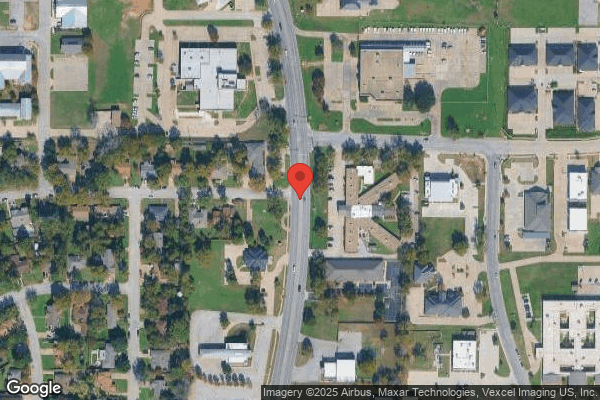
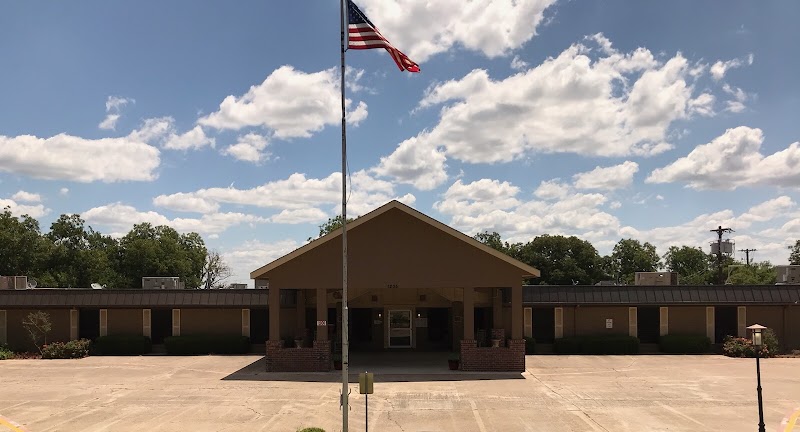
1205 SANTA FE DR, WEATHERFORD, TX 76086 (817) 594-2786
For profit - Limited Liability company 116 Beds ADVANCED HEALTHCARE SOLUTIONS Data: November 2025
Trust Grade
85/100
#126 of 1168 in TX
Last Inspection: February 2025

Within standard 12-15 month inspection cycle. Federal law requires annual inspections.

Overview

Santa Fe Health & Rehabilitation Center has a Trust Grade of B+, which means it is recommended and above average in quality. It ranks #126 out of 1,168 facilities in Texas, placing it in the top half, and #3 out of 9 in Parker County, indicating that only two local options are better. The facility is improving, having reduced its issues from 7 in 2024 to 6 in 2025, and it has no fines on record, which is a positive sign of compliance. Staffing is a mixed bag, with a 3 out of 5-star rating and a turnover rate of 41%, which is better than the Texas average but still shows some room for improvement. However, there have been several concerning incidents noted, including issues with food safety practices that could risk residents' health, such as improperly stored food and unsanitary conditions in the kitchen. For example, some food items were observed without proper labeling or use-by dates, and there were unsanitary practices noted during food service. Overall, while the facility has strengths, particularly in its staffing stability and RN coverage, families should be aware of the food safety concerns that need to be addressed.

Trust Score
B+
85/100
In Texas
#126/1168
Top 10%
Safety Record
Low Risk
No red flags
Inspections
Getting Better
7 → 6 violations
Staff Stability
○ Average
41% turnover. Near Texas's 48% average. Typical for the industry.
Penalties
✓ Good
No fines on record. Clean compliance history, better than most Texas facilities.
Skilled Nurses
○ Average
Each resident gets 36 minutes of Registered Nurse (RN) attention daily — about average for Texas. RNs are the most trained staff who monitor for health changes.
Violations
⚠ Watch
17 deficiencies on record. Higher than average. Multiple issues found across inspections.
★★★★★
5.0
Overall Rating
★★★☆☆
3.0
Staff Levels
★★★★★
5.0
Care Quality
★★★★☆
4.0
Inspection Score
Stable
2024: 7 issues
2025: 6 issues

The Good

  • 5-Star Quality Measures · Strong clinical quality outcomes
  • Full Sprinkler Coverage · Fire safety systems throughout facility
  • No fines on record
  • Staff turnover below average (41%)

    7 points below Texas average of 48%

Facility shows strength in quality measures, fire safety.

The Bad

Staff Turnover: 41%

Near Texas avg (46%)

Typical for the industry

Chain: ADVANCED HEALTHCARE SOLUTIONS

Part of a multi-facility chain

Ask about local staffing decisions and management

The Ugly 17 deficiencies on record

Sept 2025 1 deficiency
CONCERN (D) 📢 Someone Reported This

A family member, employee, or ombudsman was alarmed enough to file a formal complaint

Potential for Harm - no one hurt, but risky conditions existed

Infection Control (Tag F0880)

Could have caused harm · This affected 1 resident

**NOTE- TERMS IN BRACKETS HAVE BEEN EDITED TO PROTECT CONFIDENTIALITY** Based on observation, interview, and record review, the facility failed to maintain an infection prevention and control program ...

Read full inspector narrative →
**NOTE- TERMS IN BRACKETS HAVE BEEN EDITED TO PROTECT CONFIDENTIALITY** Based on observation, interview, and record review, the facility failed to maintain an infection prevention and control program designed to provide a safe, sanitary, and comfortable environment to help prevent the development and transmission of communicable disease and infections for one (Resident #1) of three residents reviewed for infection control practices. CNA A failed to perform proper hand hygiene and glove changes while providing incontinence care to Resident #1. This failure could place residents at risk for the spread of infection. Findings included: Review of Resident #1's face sheet dated 09/18/25, revealed a [AGE] year-old female admitted to the facility on [DATE] with diagnoses including methicillin susceptible staphylococcus aureus infection (bacterial infection), methicillin resistant staphylococcus aureus (bacterial infection), constipation, bacteremia (presence of live bacteria in the bloodstream) and personal history of malignant neoplasm of breast (breast cancer). Review of Resident #1's admission MDS assessment dated [DATE] revealed Resident #1 required dependent assistance with most activities of daily living (ADLs). Resident #1 was always incontinent of bowel and bladder. Review of Resident #1's Care Plan revised 07/30/25 revealed he had bowel and bladder incontinence. The goal stated Resident #1 will be clean and odor free through the next review date. Observation of incontinence care for Resident #1 on 09/17/25 at 11:14 a.m., revealed CNA A washed her hands prior to putting on gloves. CNA A removed Resident #1's brief that was soiled with urine. CNA A wiped the resident from front to back. She did not change gloves but continued to clean the resident. Her gloves were visibly soiled with urine. CNA A did not wash her hands, change gloves, or perform hand hygiene before placing the clean brief underneath the resident. CNA A retrieved the old, soiled brief and placed on a trash can. CNA A removed her gloves and picked up the trash. She washed her hands before leaving Resident #1's room. In an interview on 09/17/25 at 11:14 a.m. with CNA A, she stated she should have changed her gloves before retrieving a clean brief and placing it underneath Resident #1. CNA A stated she has been in the facility for 2 years and received infection control training during orientation. She said cross contamination was going from clean to dirty. CNA A noted the resident could acquire an infection when she did not follow good infection control practices including changing gloves before retrieving the clean brief. CNA A stated she did not change her gloves because she was put on the spot and was nervous. During the interview on 09/18/25 at 1:30 p.m., the DON acknowledged being aware of some of the concerns raised about infection control practice. She stated ADON B was responsible for infection control in the facility. The DON stated employees receive training in infection control monthly. She explained that the facility conducts spot checks and training with return demonstrations, and monitors staff with return demonstration periodically. The DON stated the aides were expected to follow standard precautions including washing hands and changing gloves while providing care. Review of the facility's infection control policy revised 04/12/23 reflected:Policy:This facility has established and maintains an infection prevention and control program designed to provide a safe, sanitary, and comfortable environment and to help prevent the development and transmission of communicable disease and infections as per accepted national standards and guidelines. Policy Explanation and Compliance Guidelines.Standard Precautions:a) All staff shall assume that all residents are potentially infected or colonized with an organism that could be transmitted while providing resident care services.b) Hand hygiene shall be performed in accordance with our facility's established hand hygiene procedures.c) All staff shall use personal protective equipment (PPE) according to established facility policy.d) Licensed staff shall adhere to safe injection and medication administration practices, as described in relevant facility practices.e) Environmental cleaning and disinfection are performed routinely with high touch cleaning proceduresf) All staff have responsibilities related to reporting cleanliness issues in the facility to the Administrator/designee and housekeeping
Aug 2025 2 deficiencies
CONCERN (D) 📢 Someone Reported This

A family member, employee, or ombudsman was alarmed enough to file a formal complaint

Potential for Harm - no one hurt, but risky conditions existed

Medical Records (Tag F0842)

Could have caused harm · This affected 1 resident

**NOTE- TERMS IN BRACKETS HAVE BEEN EDITED TO PROTECT CONFIDENTIALITY** Based on interview and record review, the facility failed to maintain medical records on each resident, in accordance with accep...

Read full inspector narrative →
**NOTE- TERMS IN BRACKETS HAVE BEEN EDITED TO PROTECT CONFIDENTIALITY** Based on interview and record review, the facility failed to maintain medical records on each resident, in accordance with accepted professional standards and practices, which were complete and accurate for 1 of 5 (Resident #5) residents reviewed for resident records. RN A failed to ensure she documented treatment orders on the MAR or progress notes when not administered for Resident #5. This failure could place residents at risk of having errors with their care and treatment. Findings included: Record review of Resident #5's face sheet dated 08/07/2025, revealed a [AGE] year-old male initially admitted on [DATE] and re-admitted on [DATE] with the following diagnoses: dermatitis (a condition in which the skin becomes red, swollen and sore, with small blisters forming caused from irritation or allergic reaction), diabetes mellitus with high blood sugar (a condition in which the is improper metabolism of carbohydrates resulting in too much sugar in the blood). Record review of Resident #5's physician orders revealed start date 07/30/2025 Clotrimazole Cream 1 percent apply to face and ears two times a day for fungal involvement of face and ears for 14 days. For 2 weeks. Record review of Resident #5's MAR for August 2025 revealed the Clotrimazole 1 percent Cream was applied at 9:00 AM on 08/01/2025, at 9:00 AM on 08/02/2025, and at 9:00 AM 08/03/2025. There was no documentation on 08/04/2025 of Clomitrazole cream administration, and there was documentation on 08/05/2025 at 9:00 AM only and 08/06/2025 at 9:00 AM only. Record review of Resident #5's physician orders revealed start date 07/30/2025 Triamcinolone Acetonide Cream 0.1 percent, apply to both arms 2 times a day for dermatitis for 2 weeks. Monitor for effectiveness x 1 week and may continue 1 more week if needed not to exceed 2 weeks. Record review of Resident #5's progress notes and the MAR/TAR for August of 2025, revealed no evidence of Triamcinolone Cream administration or monitoring for effectiveness per physician order on 08/01/2025 thru 08/06/2025. Record review of Resident #5's active orders for August 2025 revealed: start date 08/01/25 Lotrisone1-0.05 percent cream apply to penis two times a day for fungal infection. Record review of Resident #5's MAR for August 2025 revealed the Lotrisone1-0.05 percent cream apply to penis two times a day cream was applied 2 times at 9:00 AM and 5 PM on 08/02/2025, and 2 times at 9:00 AM and 5 pm on 08/03/2025, There was no documentation on 08/04/2025 , and there was documentation on 08/05/2025 of one administration at 9:00 AM and one administration on 08/06/2025 at 9:00 AM . During an interview on 08.06.2025 at 1:00 PM Resident #5 stated that he had not received the 3 creams that the physician ordered for his dermatitis since Saturday 08/02/2025). Resident stated he had a rash that was on his face, ears, and his penis. He stated he thought he had not received the medication because his regular treatment nurse was on vacation starting 08/01/25. He stated he hadn't received his cream 2 times a day since then. He stated he told a couple of nurses, but he did not know their names. He stated he didn't want to get anybody in trouble, but he just wanted his medicine like he was supposed to have it. During an interview on 08/06/2025 at 3:15 PM the ADON stated she was educated on how to document when received her education for her license. The ADON stated she expected that the nurses had been trained to document in school, and they were also trained during orientation and provided in-services by the facility on an as needed basis. The ADON stated her expectation would have been that staff document the care when given and that they administer the creams as ordered, She stated an adverse outcome for the resident would be the resident not receive the care he needed to make him better. During an interview on 08/06/2025 at 3:25 PM the DON stated her expectation was that nurses follow physician orders and document their actions in residents electronic chart in the MAR and/or the progress notes. The DON stated if an order stated, apply the medication 2 times a day, the nurse should have applied the medications 2 times a day and monitoring the resident's response to the treatment in the resident's electronic chart. The DON stated resident's response should have been documented on the MAR or in the progress notes. The DON stated the failure could have caused Resident #5 to have a negative outcome of not having the care that he needed . The DON stated the failure occurred because of the nurses' failure to follow the policy on proper documentation of medications. The DON stated herself and the ADONs were ultimately responsible to monitor to ensure residents were receiving their medications as ordered. Record review of facility policy titled, Medication Treatment Administration and Documentation dated January 2014 stated in part: Verify labels accurately reflect the physicians orders on the MAR or TAR prior to administering medication and treatments. Verify and provide medication or treatment focused assessment such as wound status, blood pressure as indicated by physician orders, Administer the medication according to the physicians orders, document and sign for medications and treatments when administered immediately following administration. Medications or treatments that were not administered should be documented as not administered on MAR/TAR.
CONCERN (E) 📢 Someone Reported This

A family member, employee, or ombudsman was alarmed enough to file a formal complaint

Potential for Harm - no one hurt, but risky conditions existed

Pharmacy Services (Tag F0755)

Could have caused harm · This affected multiple residents

**NOTE- TERMS IN BRACKETS HAVE BEEN EDITED TO PROTECT CONFIDENTIALITY** Based on observation, interview, and record review the facility failed to provide pharmaceutical services (including procedures ...

Read full inspector narrative →
**NOTE- TERMS IN BRACKETS HAVE BEEN EDITED TO PROTECT CONFIDENTIALITY** Based on observation, interview, and record review the facility failed to provide pharmaceutical services (including procedures that assure the accurate acquiring, receiving, dispensing, and administering of all drugs) to meet the needs for 1 of 5 residents (Resident #5) reviewed for pharmaceutical services, in that: RN A failed to reorder medication for Resident #5 before his supply was depleted. These failures could place residents who receive medications at risk for a decline in health and of not receiving the intended therapeutic benefit of the medications. The findings included: Record review of Resident #5's face sheet dated 08/07/2025, revealed a [AGE] year-old male initially admitted on [DATE] and re-admitted on [DATE] with the following diagnosis: diabetes mellitus with high blood sugar (a condition in which the is improper metabolism of carbohydrates resulting in too much sugar in the blood). Record review of Resident #5's admission MDS dated [DATE] revealed Section-C Cognitive Patterns Resident #5 had a BIMS score of 13, meaning mild cognitive impairment. Section N revealed he received insulin injections one time in the last 7 days. Record review of Resident #5's physician orders revealed start date 07/27/25, Monjarno Subcutaneous solution, Auto-injector 5 mg/ml (Tirzepatide) every Monday inject one application subcutaneously ( refers to the deepest layer of the skin. containing a layer of fat cells and collagen) in the morning. Daily Blood sugar monitoring was ordered at 8:00 Am daily. Record review of the medication administration record on 08/06/2025 at 3:30 PM for July 2025 and, August 2025 revealed Resident #5 had not been administer his Monjarno since 07/28/25 . It had not been administered for the entire month of August as of 08/06/2025. One dose of Monjarno was ordered weekly. Review of the Care Plan revised 06/25/25 for Resident #5 revealed, Resident #5 has a diagnosis of diabetes and is at risk for hypo/hyperglycemia. Interventions: Administer diabetic meds per MD order. Monitor blood sugars as ordered. During an Interview on 08.06.2025 at 1:00 PM Resident #5 stated that he had not received His Monjarno injection weekly on Monday as ordered by his physician. He stated A nurse told him that they were out of the Medication on 08/04/2025 and it needed to be ordered. He stated he did not know her name, but she told him that she would order it and she was here now and he still had received the medication. He stated he just wanted his medication because he needs it. He stated his blood sugars was 136 this morning. During an Interview with RN A at 4:00 Pm on 08/06/2025, she stated she gave the Monjarno to the resident on 07/27/2025. She stated there must have been one syringe left in the box or she would have reordered the medication at that time. She stated on Monday 08/04/2025 she went to administer the Monjarno, and the box was empty. She stated she ordered the medication at that time. She stated she should have notified the physician that the Monjarno was not available, but she was busy, and she just let it slip her mind. She stated she worked on 08/05/2025 and on 08/06/2025 and the medication still had not come in. She stated she threw the box away when she ordered the medication on 08/04/2025, which she should not have done until the new medication came in. She stated that by failing to administer the medication when the medication was ordered and not notifying the physician that it was not available could have caused an adverse effect for the resident. The resident could have had an increase in his blood sugar and not received the appropriate treatment that he needed. During an interview with the NP 4:30 PM on 08/06/2025 the NP stated she was not aware until today that Resident #5 had missed a dose of his Monjarno. She stated he told her when she saw him today (08/06/2025) that he hadn't received the medication since last week. She stated that Resident #5's blood sugars were normal for him today at 147 and that the delay in him receiving his Monjarno was not detrimental to his health or likely to cause serious illness. She stated she would address the matter, contact the pharmacy, and make necessary treatment changes if indicated. She stated she did expect the nurses to notify her if a resident was not taking their medication or that medication was not available from the pharmacy. During an Interview at 4:40 PM with RN B she stated resident #5 was not administered Monjarno on Monday, Tues, or Wednesday. Resident had just completed a treatment for Mr. [NAME] at the time just prior to the interview. There was no documentation In an interview and observation of the medication cart with the DON and ADON on 08/06/2025 at 3:30 PM, the DON reported she expected the Monjarno to be ordered when the last dose is used, and her expectation was that resident's should not run out of their medications. She stated that there were medications in the emergency kit that could be administered, but due to the price of the Monjarno, it was not a medication that was available in the emergency kit. She stated failure to receive medication as ordered could be detrimental to a resident's health. She confirmed the medication could not be found and stated it had been re-ordered today. She stated the physician had been notified of the missed dose and that the medication was re-ordered again today. She stated a complete cart audit and medication reconciliation was conducted on all carts to ensure that that all residents' ordered medications were available for administration and all staff were in-serviced on the proper procedure for reordering medication by herself and the regional nurse . She stated she believed the failure occurred because there was not a designated person responsible to order the medications and no one was designated to monitor the carts and spot check behind the nurses prior to this. She stated she and the ADONs would be responsible for auditing the medication carts for medication availability weekly and the night nurses were responsible for ordering medications on Monday and Thursday nights. She stated that carts would be checked 3 times a week with this new process. Record review of facility policy titled, Medication Treatment Administration and Documentation dated January 2014 stated in part: Verify labels accurately reflect the physicians orders on the MAR or TAR prior to administering medication and treatments. Verify and provide medication or treatment focused assessment such as Wound status B/P or as indicated by physician orders, Administer the medication according to the physicians orders, document and sign for medications and treatments when administered immediately following administration. Medications or treatments that were not administered should be documented as not administered on MAR/TAR with the reason for no administering the medication and the physician notified . Check the emergency box for availability for medication not available provide the physician with a list of medication available and physician response, notify the physician when medication and treatments will be available, document omission on the 24 hour report of med not available with a summary of medication or treatment administration issues to on-coming charge nurses or CMA during the shift to shift report.
Feb 2025 3 deficiencies
CONCERN (E)

Potential for Harm - no one hurt, but risky conditions existed

Deficiency F0576 (Tag F0576)

Could have caused harm · This affected multiple residents

Based on interview and record review, the facility failed to ensure that the residents had the right to send and receive mail, and to receive letters, packages and other materials delivered to the fac...

Read full inspector narrative →
Based on interview and record review, the facility failed to ensure that the residents had the right to send and receive mail, and to receive letters, packages and other materials delivered to the facility for the residents unopened for the entire facility reviewed for resident rights. The facility failed to ensure that residents received packages unopened. This failure could affect residents by placing them at risk of not receiving packages unopened that could result in residents experiencing diminished psychosocial well-being and quality of life. The findings included: During a confidential resident group meeting 02/19/25 at 02:13 PM, 10 confidential residents stated they had received mail and packages that had been opened by staff. They stated mailed was not delivered daily and there was no set schedule. They stated sometimes the mail was just placed in their rooms and they were not aware they had received a letter or a package. Residents stated they felt that it was a violation of their rights for their mail and packages to be opened and gone through. They stated no staff had ever asked them if they could open their mail nor had they been present while staff opened their mail. During an interview on 02/20/25 at 02:50 PM, the AD stated she delivered the mail daily. She stated she never opened residents mail but if a resident received a package, she took it to the ADON who opened it to ensure that the resident had not ordered anything that they were not allowed to have, such as medications or tobacco products. During an interview on 02/20/25 at 03:11 PM, the ADON stated packages were brought to his office before delivered to the residents because there could be medication in them. He stated he did not open boxes unless he knew they contained medications. During an interview on 02/20/25 at 03:19 PM, the DON stated he was unsure as to who was responsible for passing out mail. He stated he was unaware of any residents' mail or packages being opened. He stated no residents mail should ever have been opened unless approved by the resident and the resident was present. The DON stated it was a violation of resident rights to open any mail or packages. During an interview on 02/21/25 at 09:26 AM, the ADMN stated mail should have been delivered daily by the activity director. He stated residents mail should have never been opened without the resident's permission. He stated he was not notified of packages being opened. Admin stated it was a violation of resident rights to open and look at any mail. He stated he did not know what lead to the failure. Review of facility document titled, Statement of Resident Rights, not dated, revealed in part: You, the resident, do not give up any rights when you enter a nursing facility .You have the right to .17) Receive unopened mail and to receive assistance in reading and writing correspondence .
CONCERN (E)

Potential for Harm - no one hurt, but risky conditions existed

Pharmacy Services (Tag F0755)

Could have caused harm · This affected multiple residents

Based on observation, interview, and record review the facility failed to ensure pharmacy procedures were followed for 1 of 4(200 Hall Medication Cart) medication carts, and 2 of 2 medication refriger...

Read full inspector narrative →
Based on observation, interview, and record review the facility failed to ensure pharmacy procedures were followed for 1 of 4(200 Hall Medication Cart) medication carts, and 2 of 2 medication refrigerators reviewed for pharmacy services. The facility failed to remove expired medications from the 200 Hall Medication Cart. The facility failed to document monitoring of temperatures in the medication storage refrigerators in the medication room. These failures could place residents at risk of receiving ineffective therapeutic doses. The findings include: An observation on 02/19/25 at 11:45 AM of the 200 Hall Medication Cart revealed that the bottom drawer contained a bottle of a liquid oral supplement that was marked as opened on 06/01/24 and expired 07/27/2024 per date on the bottom of the bottle per manufacturer. In an interview on 02/19/25 at 11:48 AM with RN A, who was using 200 Hall Medication Cart, stated that the bottle should have been checked and discarded way before now. She further stated there are no patients on 200 Hall at this time with orders for this supplement. She stated it was the expectation of the staff to review supplies on the cart daily to verify nothing was expired. She also stated expired medications or supplements that are given to patients could result in making a resident sick or resident may not receive the therapeutic dose they need. In an interview on 02/19/25 at 03:48 PM with DON, stated the expectation of the medication cart and expired medications was to not have any. He stated he and the ADON are always going through them and have a pharmacy consultant that comes and audited the facility. He stated he was amazed there was anything expired, and an adverse outcome could be the resident would get sick or the medication could be ineffective. In an observation on 02/20/25 at 09:20 AM of the medication room revealed 2 temperature logs have not been completed since 02/12/25 for 2 refrigerators. Refrigerator #1 stored lab draws and urine specimens that must be refrigerated while waiting to be picked up, current temperature on thermometer shows 36 degrees and there was currently 1 urine specimen for pick up. Refrigerator #2 contained medications (such as inhalants for breathing treatments, suppositories, and some narcotics which have a secondary lock) that must be refrigerated and current temperature on thermometer shows 38 degrees. In an interview on 02/20/25 at 09:22 AM with RN B stated the temperature logs for the refrigerators are to be completed every day but she was not sure why it was not done since 02/12/25. She further stated the DON oversaw that they are completed. She stated an adverse outcome would be the medication would probably be ineffective or make a resident sick. In an interview on 02/20/25 at 09:30 AM with DON stated his expectations for the refrigerator temperature logs in the medication room was for the temperatures to be checked and logged every night and it was the night nurse's job. He stated an adverse outcome would be defective medications or labs ruined that were collected and waiting for pick up. Record review of the facility policy titled VIII. Storing Drugs, undated, reflected [in-part]: Procedures: 6. Drugs are to be store at proper temperatures. Drug storage conditions are defined as follows: Temperature Range Storage Condition Celsius Fahrenheit Refrigerated 2 - 8 36 - 46 7. Drugs requiring refrigeration are kept in the refrigerator in the locked medication room and kept separate from other items. 8. Drugs are not to be kept on hand after the expiration date which appears on the label. Outdated, contaminated, or deteriorated drugs, and those in containers which are cracked, soiled or without secure closure are to be immediately withdrawn from stock, re-ordered from the pharmacy if a current order exists for it, and disposed of in accordance with the procedures for drug destruction.
CONCERN (F)

Potential for Harm - no one hurt, but risky conditions existed

Food Safety (Tag F0812)

Could have caused harm · This affected most or all residents

Based on observations, interviews, and record reviews the facility failed to properly store, prepare, distribute, and serve food in accordance with professional standards for food service safety for 1...

Read full inspector narrative →
Based on observations, interviews, and record reviews the facility failed to properly store, prepare, distribute, and serve food in accordance with professional standards for food service safety for 1 of 1 kitchen reviewed. The facility failed to ensure foods were sealed and/or labeled properly in refrigerator and dry storage This failure could place residents that eat out of the kitchen at risk for foodborne illnesses. Findings include: During an observation of dry storage on 02/19/2025 at 09:10 AM revealed the following: *2 large plastic containers with label-powder milk with no use by date, *One bag of light brown in color, appeared to be crushed breadcrumbs sealed bag no label or date, *1 bag egg noodles in plastic zip bag with no used by date, *1 bag spaghetti noodles in plastic zip bag no used by date, *1 box lasagna noodles in plastic bag with no used by date, *1 bag vanilla wafers in zip lock with use by date 10/23, *8 packages vanilla wafers with no label or dates, *1 box powdered sugar open with no dates, *1 bag coconut flakes in a box with plastic bag not sealed or labeled. During an observation three door refrigerators on 02/18/2025 at 09:30 AM revealed the following: *1 open 1/2 box bacon slices not sealed or dated. *1 1/2 empty grape jelly jar with lid on, not dated or labeled. *1 carton approximately half full (40-ounce box) thickened sweet tea opened with no open date or use date. * 4 cartons of thickened sweet tea unopened. During an interview on 02/18/2025 at 10:00 AM the DM stated all products should have a received date and used by date. She stated some products have a used by date and that should be circled. The DM stated the potential harm to residents would be food poising, diarrhea, sickness, bacteria on food. The DM stated the failure occurred due to staff not paying attention. During an interview on 02/21/2025 at 09:10 AM the ADMIN stated his expectations was all products in the kitchen be labeled and dated correctly. The ADMIN stated he did spot checks periodically in kitchen to be sure everything was working in kitchen. The ADMIN stated if residents were served out of date food products it could result in stomach aches, diarrhea, cause them to get sick. The ADMIN stated it was the responsibility of the DM to ensure all products are labeled correctly. During a telephone interview on 02/21/2025 at 09:21 AM the Dietician with contracted dietary services, stated all products should be dated with date received and once a product was opened, it was dated with used by date. The Dietician stated potential harm to resident could be it could cause illness and contain bacteria. The Dietician stated she comes to facility once every 6 weeks to monitor kitchen staff and ensure products are labeled and dated. The Dietician stated the DM was new and was trying to educate kitchen staff on labeling and dating food products. Review of facility's policy titled: Food Storage-Dry Goods It is the center policy to insure all dry goods will be appropriately stored in accordance with guidelines of the FDA Food Code . Review of facility's policy titled Food Storage: Cold dated October 2019 revealed: It is the center policy to ensure all time/Temperature control for Safety (TCS), frozen and refrigerated foods items, will be appropriately stored in accordance with guidelines of the FDA Food Code. 5. The Dining Services Director Cook(s) insures that all food items are stored properly in covered containers, labeled and dated and arranged in a manner to prevent cross contamination .
Mar 2024 1 deficiency
CONCERN (E) 📢 Someone Reported This

A family member, employee, or ombudsman was alarmed enough to file a formal complaint

Potential for Harm - no one hurt, but risky conditions existed

Infection Control (Tag F0880)

Could have caused harm · This affected multiple residents

Based on observations, interviews, and record reviews, the facility failed to maintain an infection prevention and control program designed to provide a safe, sanitary, and comfortable environment to ...

Read full inspector narrative →
Based on observations, interviews, and record reviews, the facility failed to maintain an infection prevention and control program designed to provide a safe, sanitary, and comfortable environment to help prevent the development and transmission of communicable diseases and infections for 3 of 3 staff (LVN-B, CNA-D, CNA-C) reviewed for infection control procedures. The facility failed to ensure the LVN-B perform proper hand hygiene before and after providing resident care. The facility failed to ensure the CNA-D perform proper hand hygiene before and after removal of gloves. The facility failed to ensure the CNA-C performed incontinent care in accordance with facility policy. These failures could place residents at risk for the transmission of communicable diseases. Findings included: During an observation and interview on 03/14/2024 at 9:33 a.m., LVN B was observed performing medication pass. LVN B went into resident's room to obtain blood pressure using wrist cuff and did not perform hand hygiene before or after leaving room. LVN B brought in a different wrist blood pressure cuff into room to attempt to obtain another blood pressure without performing hand hygiene before or after leaving room. She opened medication cart and dispensed scheduled medications into cup. LVN B brought medication and water into resident's room and watched as he swallowed medications then she left room without performing hand hygiene. She went to medication cart to open and count narcotic sheets and did not perform hand hygiene. LVN B stated that she has had training on infection control. She stated hand hygiene should have been performed upon entering and leaving resident's room. She stated she had been busy that morning and nerves also contributed to her not performing hand hygiene. She stated not performing could cause spread of infection from one resident to another. During an observation and interview on 03/14/2024 at 10:04 a.m., CNA D performed urine incontinent care for resident. She rolled resident to the right side and cleansed buttocks with wipes. She reused wipes after folding in half. She then applied cream to resident's buttocks with right gloved hand. She removed right glove on right hand and threw into trash receptacle. She then put on another glove to right hand without performing hand hygiene. She placed a new brief under resident and instructed for her to roll onto back. CNA D then wiped front or resident toward the back reusing wipe after folding in half. CNA D secured brief onto resident and removed her gloves throwing into trash receptacle. CNA D did not perform hand hygiene and started opening drawer to get pants out. CNA D stated that she was unsure if hand hygiene needed to be performed when changing gloves. CNA D stated that she should have cleansed front of resident before cleansing back when performing incontinent care. She wasn't sure why she cleansed back prior to cleansing front but felt that being nervous may have made her perform wrong. She did not know what facility policy stated on hand hygiene or incontinent care. She stated performing incontinent care incorrectly could cause resident to have infection. During an observation on 03/14/2024 at 10:13 a.m., CNA C performed bowel incontinent care. CNA C used disposable wipe to collect stool and then folded wipe in half and reused again to wipe skin. She disposed of soiled wipes into trach receptacle and did not remove gloves. She opened dresser drawer to get clean brief and placed under the resident. She removed gloves after and washed her hands with soap and water. During an interview on 03/14/2024 at 10:25 a.m., CNA C stated she should have replaced gloves and performed hand hygiene before opening drawer to obtain clean brief. She stated it was not appropriate to fold disposable wipes in half and continue to clean skin but should have gotten new wipe each time. She felt that being rushed to perform incontinent care led to failure since wound care nurse was performing care at the time incontinence occurred. CNA C stated she had been trained on infection control and that not performing incontinent care correctly could lead to resident having infections. During an interview on 03/14/2024 at 3:23 p.m., the DON stated his expectation of staff would be that hand hygiene be performed when entering and exiting a resident's room. He stated it would not be appropriate to reuse disposable wipes after folding and he expected new wipe to be used every time. The DON stated he expected staff to perform hand hygiene before and after removing gloves and failing to perform hand hygiene could cause infections to spread and residents to become sick. The DON stated he did not know why staff failed to perform hand hygiene appropriately and LVN B was an infection preventionist at the facility. He stated that both him and the ADONs were responsible to monitor that staff were knowledgeable in infection control and performed resident care appropriately to help prevent risk of infections from occurring. Record review on 03/14/2024 at 3:20 p.m. revealed LVN B, CNA C, and CNA D had infection control training upon hire and then annually. Review of facility policy titled Hand Hygiene dated 02/11/2022 revealed: All staff will perform proper hand hygiene procedures to prevent the spread of infection to other personnel, residents, and visitors .Hand hygiene is a general term for cleaning your hands by handwashing with soap and water or the use of an antiseptic hand rub, also known as alcohol-based hand rub (ABHR) .Hand hygiene is indicated and will be performed under the conditions listed in, but not limited to, the attached hand hygiene table .The use of gloves does not replace hand hygiene. If your task requires gloves, perform hand hygiene prior to donning gloves, and immediately after removing gloves. Hand hygiene table revealed: Either soap and water or alcohol-based hand rub should be used between resident contacts; after handling contaminated objects; before applying and after removing personal protective equipment including gloves; before preparing or handling medications; before performing resident care procedures; after handling items potentially contaminated with blood, body fluids, secretions or excretions. Review of facility policy titled Incontinence Care dated 02/14/2020 revealed: If feces present, remove with toilet paper or disposable wipe by wiping from front of perineum toward rectum. Discard soiled materials and gloves. Wash hands. Put on non-sterile, latex-free gloves. Position on back with knees flexed and feet flat on bed (care may also be provided with patient sitting on commode or shower chair or in a standing position). Cleanse peri-area and buttocks with cleansing agent wiping from front of perineum toward rectum. Turn patient side to side to cleanse entire affected area, as needed. Rinse with water, if needed or per incontinent product manufacturer's instructions. Dry peri-area and buttocks from front to back. Apply skin protectant products, if needed and, or as ordered, per manufacturer's instructions. Remove linen/ underpad and discard. Remove and discard gloves. Wash hands. Apply clean linen/underpad, brief or other incontinent products, as needed. Reposition for comfort with call light in reach and provide additional care as needed as requested by patient. Return equipment to designated area and clean/dispose as indicated.
Jan 2024 6 deficiencies
CONCERN (D)

Potential for Harm - no one hurt, but risky conditions existed

Deficiency F0578 (Tag F0578)

Could have caused harm · This affected 1 resident

**NOTE- TERMS IN BRACKETS HAVE BEEN EDITED TO PROTECT CONFIDENTIALITY** Based on interview and record review, the facility failed to ensure the resident's right to formulate an advance directive for 1...

Read full inspector narrative →
**NOTE- TERMS IN BRACKETS HAVE BEEN EDITED TO PROTECT CONFIDENTIALITY** Based on interview and record review, the facility failed to ensure the resident's right to formulate an advance directive for 1 of 3 residents (Resident #44) reviewed for enactment of advance directives. The facility failed to ensure Resident #44 had the Out of Hospital Do Not Resuscitate (OOH-DNR) documentation in his electric record. This failure could put residents at risk of not having their OOH-DNR honored, resulting in receiving medical treatment they did not desire. The findings included: Record review of Resident #44's face sheet dated [DATE] revealed a [AGE] year-old male who was admitted to the facility on [DATE] with the primary diagnosis of dementia (a group of symptoms that affects memory, thinking and interferes with daily life). Record review of Resident #44's Care Plan, last revised on [DATE], revealed resident was a DNR. Record review of Resident #44's Physician Order Summary, dated [DATE], revealed the order DNR. Record review of Resident #44's electric record failed to have the Out of Hospital Do Not Resuscitate (OOH-DNR) documentation. In an interview on [DATE] at 10:57 AM, the MDS Coordinator looked in Resident #44's electronic records and said the advance directive was not in his documentation. In an interview on [DATE] at 2:08 PM, the Social Worker said it was her responsibility to ensure documentation of advanced directives were in the resident's electronic record. The Social Worker said she was recently hired, and she did not know why the OOH-DNR was not in Resident #44's electronic record. She said she would immediately get the required documentation completed. The Social Worker said a potential negative outcome would be Resident #44's end of life wishes might not get honored. Record review of facility policy Advanced Directives/Advanced Care Planning, dated as revised on 04/2015 revealed the following [in part]: Policy: It is the policy of this facility to recognize two fundamental rights of a person, the right to live and to continue treatment and the right to refuse or terminate unwanted treatment. This facility will honor a resident's wishes and advanced directives pertaining to his/her own medical treatment, including wishes to withhold treatment. Fundamental Information: Advanced directives include written instructions about care and treatment and include such documents as Directive to Physician (Living Will), Durable Power of Attorney for Health Care, Directive to Physician, Family and Surrogates, Out of Hospital DNR, and instructions for no CPR. All of these directives are recognized by state law. Procedure: Upon admission, significate changes or condition and periodic care plan reviews, the Social Service Director reviews each resident end of life care plan and revises as indicated.
CONCERN (D)

Potential for Harm - no one hurt, but risky conditions existed

Assessment Accuracy (Tag F0641)

Could have caused harm · This affected 1 resident

**NOTE- TERMS IN BRACKETS HAVE BEEN EDITED TO PROTECT CONFIDENTIALITY** Based on interview and record review, the facility failed to ensure the MDS assessment accurately reflected the resident's statu...

Read full inspector narrative →
**NOTE- TERMS IN BRACKETS HAVE BEEN EDITED TO PROTECT CONFIDENTIALITY** Based on interview and record review, the facility failed to ensure the MDS assessment accurately reflected the resident's status for 1 of 2 residents (Resident #27) whose records were reviewed for resident assessment, in that: Resident #27 had a PASRR evaluation dated 2/18/2020 which documented he was positive for mental illness. His annual MDS assessment dated [DATE] documented he had no Level II PASRR conditions. This failure placed the resident at risk for not receiving mental health services as needed. The findings included: Review of Resident #27's admission Record, dated 1/24/2024, revealed a [AGE] year-old male admitted to the facility on [DATE]. His diagnoses included: post-traumatic stress disorder (mental health condition that develops following a traumatic event characterized by intrusive thoughts about the incident, recurrent distress/anxiety, flashback and avoidance of similar situations); bipolar disorder (mental health condition that causes extreme mood swings that include emotional highs - mania or and lows - depression); anxiety disorder; and major depressive disorder, recurrent (mood disorder that causes a persistent feeling of sadness and loss of interest). Review of Resident #27's annual MDS assessment, dated 9/14/2023, revealed no documentation of Level II PASRR conditions and the item for mental illness was not selected. Review of Resident #27's PASRR Level I screening, dated 2/14/2020, revealed an indication of MI. Review of Resident #27's PASRR Evaluation for MI, dated 2/18/2020, revealed he met the PASRR definition of MI and was PASRR positive for mental illness. Review of the PASRR quarterly IDT meeting notes, dated 12/18/2023, revealed Resident #27 received PASRR specialized services including community attendant services, individual skills training, medication training, and routine case management. During an interview and record review on 1/25/24 at 11:18 AM, the MDS Coordinator reviewed Resident #27's annual MDS, dated [DATE], for the sections for PASRR. She stated she had coded them wrong and Section A1500 should have been answered yes and Section A1510 should have selected A. mental illness. She stated she would do a correction for the annual MDS assessment. The MDS Coordinator stated there was not a facility policy for MDS completion and accuracy and she went by the instructions in the RAI manual.
CONCERN (D)

Potential for Harm - no one hurt, but risky conditions existed

Deficiency F0645 (Tag F0645)

Could have caused harm · This affected 1 resident

**NOTE- TERMS IN BRACKETS HAVE BEEN EDITED TO PROTECT CONFIDENTIALITY** Based on interview, and record review, the facility failed to ensure individuals with mental disorders were evaluated and receiv...

Read full inspector narrative →
**NOTE- TERMS IN BRACKETS HAVE BEEN EDITED TO PROTECT CONFIDENTIALITY** Based on interview, and record review, the facility failed to ensure individuals with mental disorders were evaluated and received care and services in the most integrated setting appropriate to their needs for 1 of 2 residents (Resident #76) reviewed for PASRR Level 1 screenings. The facility did not correctly identify Resident #76 as having a mental illness and did not complete a new PASRR Level One Screening. This failure could place residents at risk of not being evaluated for PASRR services . The findings include: Record review of Resident #76's face sheet, dated 01/24/2024, revealed a [AGE] year-old male who was admitted to the facility on [DATE]. Resident #76's had admitting diagnosis of bipolar disorder (a mental health condition that causes extreme mood swings that include emotional highs and lows). Record review of the Resident #76's admission MDS assessment, dated 11/19/2023, revealed resident had a BIMS score of 13, which indicated moderate cognitive impairment. Resident #76 had an active diagnosis of Manic Depression (bipolar disorder) and received antipsychotic medication. Record review of Resident #76's Care Plan, last revised on 11/20/2023, revealed the care plan: Resident #76 uses psychotropic medications. Record review of Resident #76's PASRR Level One Screening Forms, dated 11/10/2023, revealed he did not have a primary diagnosis of dementia. It revealed he was negative for mental illness, intellectual disability, or developmental disability. The form had not been updated. In an interview on 01/24/2024 at 1:38 PM, the Social Worker stated she just started on 11/27/2023 and was responsible for the PASRR process. She was not here when Resident #76 was admitted but his should have been updated at admission to reflect his diagnosis of bipolar disorder. She said the resident might not receive services he was entitled to. In an interview on 01/24/24 at 1:43 PM, the MDS Coordinator said she was responsible for PASRR screenings at the time of the resident's admission due to there being no social worker. Resident #76's PASRR should have been updated at the time of admission but it was missed. Record review of the facility policy Preadmission and Screening Resident Review (PASRR) Rules Guidelines, last revised on 07/2023, revealed the following [in part]: Guideline: It is the intent of Advanced Health Care Solutions to meet and abide by all State and Federal regulations that pertain to resident Preadmission and Screening Resident Review (PASRR) rules. Purpose: the purpose of the guideline is to direct the user through the PASRR procedure. Procedure: If positive .the Social Worker or designee enters the positive PL1 into the Simple LTC Portal.
CONCERN (D)

Potential for Harm - no one hurt, but risky conditions existed

Unnecessary Medications (Tag F0759)

Could have caused harm · This affected 1 resident

**NOTE- TERMS IN BRACKETS HAVE BEEN EDITED TO PROTECT CONFIDENTIALITY** Based on observation, interviews, and record review, the facility failed to ensure that residents were free of a med error rate ...

Read full inspector narrative →
**NOTE- TERMS IN BRACKETS HAVE BEEN EDITED TO PROTECT CONFIDENTIALITY** Based on observation, interviews, and record review, the facility failed to ensure that residents were free of a med error rate of 5% or greater (8%) for 2 (Residents #300 and #49) of 6 residents reviewed for medication administration. 1. The facility failed to ensure RN F primed (removing air bubbles from the needle to ensure that the needle is open and working) insulin pen for Resident #300 before administering Lantus insulin. 2. The facility failed to ensure RN G primed the insulin pen for Resident #49 before administering Novolog insulin. 3. The facility had a 8% medication error rate based on 2 errors out of 25 opportunities, which involved 2 of 6 residents reviewed for pharmacy services. This failure placed residents at risk of incorrect doses of medications. Findings included: 1. Resident #300 Record review of Resident #300 admission Record dated 01/25/24 revealed a [AGE] year-old female with admission date of 01/23/24. Resident had an active diagnosis list that included a Primary diagnosis of Diabetes Mellitus. She did not have a BIMS score due to being a new admission. Record review of Resident #300's Physician Orders dated 01/23/24 revealed an order for HumaLOG Injection Solution 100 UNIT/ML Inject 50 units subcutaneously before meals related to TYPE 2 DIABETES MELLITUS In an observation on 01/24/24 at 11:55 AM, RN F checked Resident #300 blood glucose and obtained a reading of 164. RN F gave Resident #30 50 units of Humalog KwikPen without priming the insulin pen prior to administering the medication. 2. Resident #49 Record review of Resident # 49's admission Record dated 01/25/24 revealed a was a [AGE] year-old male admitted to facility on 12/22/20 with a BIMS of 11 (mild cognitive impairment) diagnosis of Insulin dependent Type 2 Diabetes Mellitus with unspecified complications. Record review of Resident #49's Physician Orders dated 01/25/24 an ordered on 11/30/23 revealed: Humalog KwikPen Solution Pen-injector 100 UNIT/ML (Insulin Lispro) inject as per sliding scale (BLOOD SUGAR): if 200-250+= 2 UNITS, IF 251-300=4 UNITS; 301-350=6 UNITS GREATER THAN 350 GIVE 8 UNITS AND NOTIFY PROVIDER subcutaneously two times a day related to TYPE 2 DIABETES MELLITUS DUE TO UNDERLYING CONDITION WITH OTHER UNSPECIFIED COMPLICATIONS with a start date of 11/30/24. In an observation on 01/24/24 at 3:55 PM with RN G, Resident # 49 received insulin of 6 units and received Humalog KwikPen Solution 100 UNIT/ML without the needle being primed. In an interview on 01/24/24 at 3:57 PM with RN G said, she had never been educated on priming insulin pens. G stated that failure could affect residents to receive wrong dose each time. In an interview on 01/24/24 at 3:55 PM, the RC said her expectation for nurses was to prime insulin pens per facility policy. She said the adverse outcome for residents could be not getting the correct dose of insulin and increased blood sugar. In an interview on 01/24/24 at 4:00 PM with the DON, he said any resident that received insulin via an insulin pen, the pen should always be primed. He said the failure could cause a resident to not receive the correct dose of insulin. Record review of facility's policy titled Insulin Pen Administration revised October 2020 revealed [in part]: Point the needle up. Tap the insulin cartridge to force any air bubbles to the top. Dial the 2-units used to Prime pen before each injection (This releases a small amount of insulin into the pen to help get rid of air bubbles that may be in the pen).
CONCERN (D)

Potential for Harm - no one hurt, but risky conditions existed

Medical Records (Tag F0842)

Could have caused harm · This affected 1 resident

**NOTE- TERMS IN BRACKETS HAVE BEEN EDITED TO PROTECT CONFIDENTIALITY** Based on interview and record review , the facility failed to maintain medical records that were complete and accurately documen...

Read full inspector narrative →
**NOTE- TERMS IN BRACKETS HAVE BEEN EDITED TO PROTECT CONFIDENTIALITY** Based on interview and record review , the facility failed to maintain medical records that were complete and accurately documented in accordance with accepted professional standards and practices for 2 of 3 residents (Residents #14 and #66) whose record were reviewed for accurate and complete documentation. The facility failed to prevent the following: 1. The facility failed to ensure Resident #14's Out of Hospital - Do Not Resuscitate Order form was signed as by the resident and two witnesses in the box at the bottom of the form. 2. The facility failed to ensure Resident #66's Out of Hospital - Do Not Resuscitate Order form included a date for the physician's stamped signature, the physician's printed name, or the physician's license number. This failure could place residents at risk for discrepancies in the provision of necessary medical care and services and desired end-of-life decisions not being honored. The findings included: 1. Resident #14 Review of Resident #14's admission Record, dated 1/24/2024 revealed a [AGE] year-old male admitted to the facility on [DATE]. His diagnoses included: chronic obstructive pulmonary disease (chronic lung disorder); chronic respiratory failure; hypertension (high blood pressure); heart failure; type 2 diabetes mellitus; bipolar disorder; schizoaffective disorder; anxiety disorder; major depressive disorder; and traumatic brain injury. The admission Record documented the resident was DNR status. Review of Resident #14's Physician Order Summary dated 1/24/2024 revealed an order for DNR dated 8/29/2023. Review of Resident #14's OOH-DNR form revealed it had been signed by the resident on 5/22/22, signed by 2 witnesses on 5/26/22, and signed by the physician on 6/06/22. The resident and the 2 witnesses did not sign in the bottom box of the form to acknowledge the form being properly completed. In an interview and record review on 1/24/24 at 2:53 PM, the Social Worker stated she had a binder notebook with copies of the residents' OOH-DNR order forms. Review of the notebook revealed it contained the same copy of the OOH-DNR order that was in Resident 14's electronic health record. There was no evidence of an updated form. 2. Resident #66 Review of Resident #66's admission Record, dated 1/24/2024 revealed a [AGE] year-old male admitted to the facility on [DATE]. His diagnoses included: hypertension (high blood pressure); anxiety; cerebral infarction (stroke); dysphagia (swallowing problem); hypothyroidism (thyroid disorder); alcohol abuse; and hypokalemia (high potassium level). The record documented the resident was DNR status. Review of Resident #66's comprehensive care plan revealed a care plan dated 4/24/23 which addressed the order for DNR status. Review of Resident #66's Physician Order Summary dated 1/24/2024 revealed an order for DNR dated 4/24/2023. Review of Resident #66's OOH-DNR form revealed it had been signed by the resident's representative and 2 witnesses on 4/21/2023. There was a stamped physician signature but it was not dated and the physician's license number and printed name were not documented on the form. In an interview on 1/24/24 at 2:53 PM, the Social Worker stated she had a binder notebook with copies of the residents' OOH-DNR order forms. She stated there was a code status binder at the nurses station desk and there were Hospice binders in the chart room which may have updated OOH-DNRs. Review of the Social Worker's binder revealed it contained the same copy of what was in Resident 66's electronic health record. Observation and interview on 1/24/24 at 03:05 PM revealed the Social Worker went to nurses station desk and asked for the code status binder. The LVN at the desk did not find it at nurses station desk. The LVN stated the medical records clerk may have taken it to update it. Observation and record on 1/24/24 at 3:08 PM revealed the chart room had residents' hospice charts on a chart rack. Review of Resident #66's hospice chart revealed no evidence of an OOH-DNR form. The name of the physician listed as the hospice doctor was the same as the physician name stamped on Resident #66's OOH-DNR Order form. Review of the facility's policy and procedure for Advance Directives and Advance Care Planning, dated as revised 4/2015 revealed it did not include instructions for the accuracy of completing the Out of Hospital - Do Not Resuscitate form.
CONCERN (F)

Potential for Harm - no one hurt, but risky conditions existed

Food Safety (Tag F0812)

Could have caused harm · This affected most or all residents

Based on observation, interview, and record review, the facility failed to store, prepare, distribute and serve food in accordance with professional standards for food service safety in 1 of 1 kitchen...

Read full inspector narrative →
Based on observation, interview, and record review, the facility failed to store, prepare, distribute and serve food in accordance with professional standards for food service safety in 1 of 1 kitchen reviewed for food and nutrition services The facility failed to prevent the following: 1. Vinyl mesh liner was used to cover stainless steel surfaces on shelves and in drawers. 2. Floor tile grout was soiled with a dark colored build-up and dried food throughout the kitchen. 3. The interior surface of the microwave oven was soiled with dried food and grease. 4. The three-door freezer unit for storing breakfast foods and desserts had a temperature above zero and food items were not frozen solid. 5. The sink for the garbage disposal leaked and a bucket was on the floor beneath it to catch dripping water. 6. Floor tiles were missing near the dish machine. These failures could place residents at risk for foodborne illness, compromised nutritional health status, and being served food items that may be contaminated. The findings included: Observations on 1/22/24 at 10:45 AM, during the initial tour of the dietary department, revealed the following: - mesh liner was on the shelves beneath the microwave counter, food processor counter, and center island food preparation counter; - mesh liner was on the bottom surface of three stainless steel drawers used for storing cooking utensils; - the interior surface of the microwave oven was soiled with dried splattered food and grease; - dark colored grease streaks and drips were on the front exterior surface of the oven door; - the manual can opener was soiled with dried food; - plastic storage container lids were soiled with dust and food crumbs in the non-perishable food storage room; - floor tile grout was soiled with a dark colored build-up and dried food throughout the kitchen. Observation and interview on 1/22/24 at 11:08 AM revealed a freezer unit with three locked doors was located against a wall outside the kitchen in the area leading to the dining room. The Dietary Supervisor unlocked the first door for the breakfast food freezer and the thermometer inside registered 11 degrees F. The middle door for desserts was unlocked and thermometer inside registered 21 degrees F; the containers with ice cream and sherbet were not frozen solid. The exterior unit dial thermometer registered 21 degrees F. The Dietary Supervisor threw the soft sherbet and ice cream in a trash can. A stainless steel rectangular pan was covered with plastic wrap on the top shelf in freezer. The plastic wrap was blowing due being close to the fan at the top and a corner of plastic fell into the pan. The it Dietary Manager stated it was jello and attempted to cover the pan with the plastic wrap, which then fell into the center of the pan. The Dietary Manager removed the pan of red colored liquid from the freezer. She instructed a nearby staff member to tell the Administrator the freezer unit was not working. The exterior stainless steel surface of the freezer unit soiled with dried and smeared food particles. A temperature log was in a plastic sheet holder on the side of the freezer unit. The temperature log had documented temperatures for morning and evening on 1/22/24, and the morning of 1/23/24 was documented as 2 degrees F. The Dietary Manager stated the weekend cook had initialed the temperature log for 1/22/24. She stated the staff had been off by one day all month. Observation on 1/22/24 at 11:15 AM revealed the Maintenance Director was standing on a step ladder by the freezer unit against the wall outside the kitchen. He checked the top of the breakfast and dessert freezer and stated a paper had been above the filter. He stated he had removed the paper and the temperature of the freezer was already coming down. He stated he would check the freezer temperature again later today. Observation on 1/22/24 at 11:20 AM revealed the beverage station counter in the dining room had a water and ice dispenser machine. The exterior stainless steel surface was spotted with dry water drop stains. Observation on 1/24/24 at 11:35 AM revealed the garbage disposal sink leaked in the bottom left-hand corner and a bucket had been placed on the floor beneath it to catch the dripping water. Floor tiles were missing and had been covered with a towel and rubber mat in front of the garbage disposal to prevent a trip hazard. Review of the facility's Food and Nutrition Services Policy and Procedure Manual - Equipment Cleaning Procedures, dated 10/2005 and revised 12/31/2017, revealed [in part]: Policy It is the policy of this facility that all dietary equipment and the environment are cleaned and sanitized in a manner that meets local (if applicable), state, and federal regulations. Fundamental Information Routine cleaning will be practiced on a regular basis to keep all dietary equipment and the environment safe, sanitary, and in compliance with state and federal regulations. Cleaning is the practice of removing soil and dirt with an approved cleaning agent . Cleaning Frequency Daily, weekly, monthly . The Food and Drug Administration Food Code 2022 specified [in part]: Chapter 4 4-602.13 Nonfood-Contact Surfaces. The presence of food debris or dirt on nonfood contact surfaces may provide a suitable environment for the growth of microorganisms which employees may inadvertently transfer to food. If these areas are not kept clean, they may also provide harborage for insects, rodents, and other pests.
Nov 2022 4 deficiencies
CONCERN (D)

Potential for Harm - no one hurt, but risky conditions existed

PASARR Coordination (Tag F0644)

Could have caused harm · This affected 1 resident

**NOTE- TERMS IN BRACKETS HAVE BEEN EDITED TO PROTECT CONFIDENTIALITY** Based on interview and record review, the facility failed to coordinate assessments with the pre-admission screening and residen...

Read full inspector narrative →
**NOTE- TERMS IN BRACKETS HAVE BEEN EDITED TO PROTECT CONFIDENTIALITY** Based on interview and record review, the facility failed to coordinate assessments with the pre-admission screening and resident review program (PASRR) to the maximum extent practicable to avoid duplicative testing and effort for 1 of 2 (Resident #38) reviewed for PASARR. Resident #38 with diagnoses of mental illness, did not receive a PASARR Level II screening. This failure could place residents at risk of not receiving needed care and services, causing a possible decline in mental health. Findings include: Record Review of Resident #38's Face Sheet, dated 11/03/22, revealed he was a [AGE] year-old male, initially admitted to the facility on [DATE], with the following diagnoses: anxiety disorder with an onset date of 02/14/20, post-traumatic stress disorder with an onset date of 02/14/20, bipolar disorder with an onset date of 03/10/20, and major depressive disorder with an onset date of 03/09/22. Record Review of the quarterly MDS assessment, dated 09/14/22, revealed Resident #38, (Section I - Active Diagnoses), Psychiatric/Mood Disorder diagnosis had active diagnosis for anxiety disorder, depression, and manic depression (bipolar disorder) and post-traumatic stress disorder. Record Review of Resident #38's PASARR Level I Screening (PL1), dated 02/14/20, was positive for (MI) mental illness. A PASARR Level II Screening (PE), dated 02/18/20 was identified in the clinical record, however, there was no indication that Resident #38 had a PASARR Level II Screening (PE) after the diagnosis of major depressive disorder with an onset date of 03/09/22 was identified. In an interview, on 11/03/22 at 1:51 PM, the Regional Consultant said a 1012 form (a form that is used to determine whether the Resident has a primary dementia diagnosis or if the individual has a mental illness diagnosis) should have been completed when Resident #38 was diagnosed with major depressive disorder when it was identified on 03/09/22, but it was not. He said he was responsible at that time when Resident #38 was diagnosed, but it was missed. There was no facility policy regarding PASARR.
CONCERN (E)

Potential for Harm - no one hurt, but risky conditions existed

Deficiency F0582 (Tag F0582)

Could have caused harm · This affected multiple residents

**NOTE- TERMS IN BRACKETS HAVE BEEN EDITED TO PROTECT CONFIDENTIALITY** Based on interview and record review the facility failed to provide both a Skilled Nursing Facility Advance Beneficiary Notice o...

Read full inspector narrative →
**NOTE- TERMS IN BRACKETS HAVE BEEN EDITED TO PROTECT CONFIDENTIALITY** Based on interview and record review the facility failed to provide both a Skilled Nursing Facility Advance Beneficiary Notice of Non-coverage (Form CMS-10055) and a Notice of Medicare Non-coverage (Form CMS-10123 general notice) for 2 of 3 residents (Residents #6 and #48) reviewed for Medicare Beneficiary Protection Notification when discharged from Medicare Part A Services with benefit days remaining. 1. The facility failed to ensure Resident #6 was given a NOMNC (Form CMS-10123 general notice) and a SNF ABN (Form CMS-10055) when she was discharged from skilled services. 2. The facility failed to ensure Resident #48 was given a SNF ABN form in addition to the NOMNC when he was discharged from skilled services. These failures could place residents at risk of not being fully informed about services covered by Medicare. The findings include: Resident #6 Review of Resident #6's admission Record/Face Sheet, printed 11/04/22, revealed a [AGE] year-old female who was initially admitted to the facility on [DATE] with diagnoses of chronic obstructive pulmonary disease, heart failure, and fibromyalgia. Review of the nursing notes, dated 8/13/22, revealed Resident #6 was transferred via ambulance to the hospital emergency room for evaluation due to confusion and hallucinations. Review of the nursing notes, dated 8/26/22, revealed Resident #6 returned from the hospital and was readmitted to the facility with diagnoses of congestive heart failure, hypertension, anxiety, depressive disorder, and status post pneumonia. Review of the nursing notes, dated 8/27/22, revealed Resident #6 required skilled nursing services, observation for medication management, and skilled rehabilitation services for physical therapy, occupational therapy, and speech therapy. Review of the beneficiary notification for Resident #6 revealed an Advanced Beneficiary Notice of Non-coverage (ABN Form CMS-R-131) had been provided and signed by the resident on 9/26/22. The form did not document when skilled Medicare services would end. [There was no documented evidence Resident #6 had been provided with a NOMNC (Form CMS-10123 general notice) specifying when skilled Medicare services would end.] Resident #48 Review of Resident #48's admission Record/Face Sheet, printed 11/04/22, revealed a [AGE] year-old male who was admitted to the facility on [DATE]. The resident's documented diagnoses included cerebral infarction, hemiplegia and hemiparesis affecting the left side, hypertension, chronic obstructive pulmonary disease, sleep apnea, diabetes mellitus type 2, osteoarthritis, and other depressive disorders. Review of the nursing notes, dated 6/06/22, documented Resident #48 tested positive for COVID. The resident's physician was notified and a new order was received for Molnupiravir 800 mg by mouth every 12 hours for 5 days for COVID. The resident's daughter was notified and a message was left to return the call to the facility. Resident #48 was moved to the COVID unit. Review of the nursing notes, dated 6/07/22, documented Resident #48 required skilled nursing services and observation for respiratory [status] and skilled rehabilitation services. Review of the beneficiary notifications for Resident #48 revealed a NOMNC (Form CMS-10123 general notice) had been provided and documented skilled Medicare services would end on 7/15/22. The form was signed by Resident #48 on 7/14/22. An Advanced Beneficiary Notice of Non-coverage (ABN Form CMS-R-131) had been provided and signed by the resident on 7/24/22. The form did not document when skilled Medicare services would end. In an interview on 11/01/22 at 9:20 AM, the Case Mix Manager/MDS Coordinator stated she was responsible for completing the beneficiary notification forms. During an interview and record review on 11/04/22 at 2:19 PM, the Business Office Manager reviewed the records for Resident #6's and #48's Medicare Part A days. She stated both she and the CMM kept up with the residents' MCR A days. The Business Office Manager stated Resident #6 was admitted to the facility on [DATE] with Medicaid Hospice services and went to the acute care hospital on 8/13/22. She was discharged from hospice care services. Resident #6 returned to the facility on 8/26/22 and was readmitted with Medicare Part A skilled care services. The Business Office Manager stated Resident #6 used 38 days total, as she had used 2 days during October 2022. The Business Office Manager stated Resident #48 received Medicare Part A skilled services on 6/06/22 due to testing positive for COVID-19. She stated the resident received antibiotic therapy and required skilled observation for cardiac and respiratory medication management until 7/15/22. In an interview on 11/04/22 at 3:17 PM, the Regional Nurse Consultant stated she did not know why Form CMS-10055 SNF ABN had not been used by the CMM for Resident #6 and Resident #48. She stated she was not familiar with Form CMS-R-131 ABN. The Regional Nurse proceeded to make a telephone call to the Regional Reimbursement Consultant. Following her telephone conversation, she reported the Regional Reimbursement Consultant had stated he had trained the CMM on use of the wrong form. The Regional Nurse Consultant proceeded to make a telephone call to another Regional Reimbursement Consultant for the corporation who worked in the same area. Following her telephone conversation, she reported the other Regional Reimbursement Consultant had stated she used the Form CMS-10055 and Form CMS-10123. The Regional Nurse Consultant stated the Beneficiary Notice Guidelines document was what was used by the facility to determine which beneficiary notice form was to be used and provided to the residents and/or residents' representatives when skilled Medicare services would end. She stated there was not any other policy or procedure. Review of the facility's Beneficiary Notice Guidelines document, dated 2020, revealed the Advanced Beneficiary Notice of Non-coverage (Form CMS-R-131) was used for residents who had received Medicare Part B services [not residents who had received skilled Medicare Part A services].
CONCERN (E)

Potential for Harm - no one hurt, but risky conditions existed

Deficiency F0657 (Tag F0657)

Could have caused harm · This affected multiple residents

**NOTE- TERMS IN BRACKETS HAVE BEEN EDITED TO PROTECT CONFIDENTIALITY** Based on observation, interview, and record review, the facility failed to ensure residents and the residents' representatives w...

Read full inspector narrative →
**NOTE- TERMS IN BRACKETS HAVE BEEN EDITED TO PROTECT CONFIDENTIALITY** Based on observation, interview, and record review, the facility failed to ensure residents and the residents' representatives were invited to participate and included with the interdisciplinary team in the development and review of comprehensive care plans for 9 of 20 residents (Resident #s 2, 38, 39, 43, 59, 67, 70, 76, and 79) whose records were reviewed for care plan conferences. 1. Resident #2 did not have a care plan prepared by the interdisciplinary team after completion admission of the MDS assessment dated [DATE]. 2. Resident #38 did not have a care plan prepared by the interdisciplinary team following completion of the Significant Change MDS assessment dated 9/14/ 22. 3. Resident #39 did not have a care plan prepared by the interdisciplinary team following completion of the Quarterly MDS assessment dated 9/14/ 22. 4. Resident #43 did not have a care plan prepared by the Interdisciplinary team following completion of the Quarterly MDS assessment dated [DATE]. 5. Resident #59 did not have a care plan completed by the interdisciplinary team following completion of the Quarterly MDS assessment dated [DATE]. 6. Resident #67 did not have a care plan completed by the interdisciplinary team following completion of the Quarterly MDS assessment dated [DATE]. 7. Resident #70 did not have a care plan prepared by the interdisciplinary team following completion of the Quarterly MDS assessment dated [DATE]. 8. Resident #76 did not have a care plan completed by the interdisciplinary team following completion of the Significant Change MDS assessment dated [DATE]. 9. Resident #79 did not have a care plan completed by the interdisciplinary team following completion of the Quarterly MDS assessment dated [DATE]. This failure placed residents at risk for not having input into their daily care and the services required to meet their individual needs. The findings included: Resident #2 Review of Resident #2's Face Sheet, dated 11/3/22, revealed a [AGE] year-old female with an admission date of 10/3/22. The form documented the resident's diagnoses included mild cognitive impairment, and chronic obstructive pulmonary disease. Record review of Resident 2's MDS history revealed an admission MDS was done on 10/7/22 and there was no documentation that the interdisciplinary team prepared the comprehensive care plan after completion of this MDS . In an interview with Resident #2 on 11/02/22 at 09:01 AM she stated she could not remember ever attending a care plan meeting. In an interview with the MDS coordinator and the Regional Nursing consultant on 11/03/22 at 2:08 PM both stated there was no care plan meeting with the resident/ family invited held after reviewing the care plan history of resident #2. They stated the failure occurred when the previous social worker failed to send the care plan invitations Resident #39 Review of Resident #39's Face Sheet, dated 11/3/22, revealed a [AGE] year-old female with an admission date of 5/25/22. The form documented the resident's diagnoses included abnormal weight loss, hypertension, and type 2 diabetes. Record review of Resident 39's MDS history revealed a Significant change MDS was done on 8/31/22 and there was no documentation of an interdisciplinary care plan meeting occurring after completion of this MDS. In an interview with Resident #39 on 11/02/22 at 09:01 AM she stated she could not remember ever attending a care plan meeting. In an interview with the MDS coordinator and the Regional Nursing consultant on 11/03/22 at 2:08 PM both stated there was no care plan meeting held after reviewing the care plan history of resident #39. They stated the failure occurred when the previous social worker failed to send the care plan invitations Resident #38 Review of Resident #38's Face Sheet, dated 11/3/22, revealed a [AGE] year-old male with an admission date of 2/14/20. The form documented the resident's diagnoses included post-traumatic stress disorder, bipolar disorder, chronic deep vein thrombosis (blood clots), and aphasia (inability to speak). Record review of Resident 38's MDS history revealed a Significant change MDS was done on 9/14/22 and there was no documentation of an interdisciplinary care plan meeting occurring after completion of this MDS. Resident 38's significant change MDS revealed he had a BIMS score of 7 and which indicated moderate cognitive impairment . He was not interview-able. In an interview with the MDS coordinator and the Regional Nursing consultant on 11/03/22 at 2:08 PM both stated there was no care plan meeting held after reviewing the care plan history of Resident #38. They stated the social worker was responsible for inviting residents, their families, and members of the interdisciplinary team to care plan meetings and for scheduling the meetings. They stated the failure occurred when the previous social worker failed to send the care plan invitations Resident #43 Review of Resident #43's Face Sheet, dated 11/3/22, revealed an [AGE] year-old male with a readmission date of 9/14/20. The form documented the resident's diagnoses included dementia, type 2 diabetes, hypertension, and obesity. Record review of Resident 43's MDS history revealed a Quarterly MDS was done on 9/20/22 and there was no documentation of an interdisciplinary care plan meeting occurring after completion of this MDS. Resident 43's Quarterly MDS revealed he had a BIMS score of 2 and which indicated severe cognitive impairment . He was not interview-able. In an interview with the MDS coordinator and the Regional Nursing consultant on 11/03/22 at 2:08 PM both stated there was no care plan meeting held after reviewing the care plan history of resident #43 they stated the Last care plan conference was held on 7/20/22. They stated the failure occurred when the previous social worker failed to send the care plan invitations Resident #59 Review of Resident #59's admission Face Sheet, dated 11/03/22, revealed an [AGE] year-old male initially admitted to the facility on [DATE]. The form documented the resident's diagnoses included hypertension, peripheral vascParkinsons Disease,and chronic lung diseaseular disease, Review of Resident #59's care plan history revealed a baseline care plan dated 12/03/21 and a comprehensive care plan dated as initiated 713/21. Review of Resident #59's MDS history revealed the most recent assessment completed was a Quarterly MDS, dated [DATE]. Review of Resident #59's care plan conference forms revealed the most recent care plan meeting was held on 7/13/21. Review of the care plan conference form, dated 6/29/22, revealed no evidence of the physician, dietary manager, or resident or resident family attending. There was no documented evidence a care plan conference/meeting had been held for Resident #59 following completion of the Quarterly MDS assessment dated [DATE]. In an interview on 11/3/22 at 4:24 PM, Resident #59 stated he didnot ever remember attending a care plan meeting. Resident #67 Review of Resident #67's admission Record/Face Sheet, dated 11/04/22, revealed an [AGE] year-old female initially admitted to the facility on [DATE]. The form documented the resident's diagnoses included stage 4 pressure ulcer of the sacral region, chronic kidney disease, essential hypertension, hypertensive heart disease, atrial fibrillation, peripheral vascular disease, atherosclerotic heart disease, and unspecified dementia. The form listed the resident's daughter as her emergency contact. Review of Resident #67's care plan history revealed a baseline care plan dated 12/03/21 and a comprehensive care plan dated as initiated 12/30/21. The comprehensive care plan was dated as reviewed and revised 6/24/22. Review of Resident #67's MDS history revealed the most recent assessment completed was a Quarterly MDS, dated [DATE]. Review of Resident #67's care plan conference forms revealed the most recent care plan meeting was held on 6/29/22. Review of the care plan conference form, dated 6/29/22, revealed Resident #67 was invited and attended, the family/responsible party was invited and attended, and the facility staff participants were a nurse, the social worker, and the activity director. [There was no documented evidence a care plan conference/meeting had been held for Resident #67 following completion of the Quarterly MDS assessment dated [DATE].] In an interview on 11/02/22 at 4:24 PM, Resident #67 stated she had attended a care plan meeting, but the meetings were not held consistently. Resident #70 Review of Resident #70's admission Record/Face Sheet, dated 11/04/22, revealed a [AGE] year-old male admitted to the facility on [DATE]. The form documented the resident's diagnoses included unspecified dementia, cerebral infarction, hemiplegia, and hemiparesis affecting the right side, aphasia following nontraumatic intracerebral hemorrhage, dysphagia, gastro-esophageal reflux disease, and other recurrent depressive disorders. The form listed the resident's spouse as the first emergency contact. Review of Resident #70's MDS assessment history revealed an admission MDS was completed 7/06/22 and a Quarterly MDS assessment was completed 9/20/22. Review of Resident #70's care plan history revealed a baseline care plan dated 6/29/22 and a comprehensive care plan dated as initiated 7/11/22. Review of Resident #70's care plan conference forms revealed the most recent care plan meeting was held on 7/13/22. Review of the care plan conference form, dated 7/13/22, revealed Resident #70 was invited and attended, the family/responsible party was invited and did not attend, and the only facility staff participants were a nurse and the social worker. [There was no documented evidence a care plan conference/meeting had been held for Resident #70 following completion of the Quarterly MDS assessment dated [DATE].] Observation on 11/01/22 at 11:09 AM revealed Resident #70 was lying on his back in a low bed with an air mattress with bolster pads; a floor mat was at the bedside. Resident #70 made eye contact and appeared to hear and understand when spoken to, as he nodded or shook his head in response to questions. Resident #76 Review of Resident #76's Face Sheet, dated 11/3/22, revealed a [AGE] year-old male with an admission date of 10/3/22. Review of the resident's History and physical dated 10/17/22 chronic lower extremity non healing wounds, osteomyelitis, and chronic urinary retention with aa foley catheter. Record review of Resident 76's MDS history revealed a significant change MDS 9/26/22 and there was no documentation of an interdisciplinary care plan meeting occurring after completion of this MDS. In an interview with Resident #76 on 11/02/22 at 10:52 AM Resident 76 stated he has never been invited to a care plan meeting. Record review of Resident 76's Care Plan Meeting history revealed the last care plan meeting was held on 2/23/2022. In an interview with the MDS coordinator and the Regional Nursing consultant on 11/03/22 at 2:15 PM both stated there was no care plan meeting with the resident/ family invited held after reviewing the care plan history of resident #2. They stated the failure occurred when the previous social worker failed to send the care plan invitations Resident #79 Review of Resident #79's Face Sheet, dated 11/3/22, revealed an [AGE] year-old male with an admission date of 10/3/22. Review of the resident 79's face sheet dated 10/17/22 revealed diagnoses of arteriosclerotic heart disease (hardening of the arteries), hypokalemia (low potassium), dementia and hypertension. Record review of Resident 79's MDS history revealed an admission MDS 9/26/22 and there was no documentation of an interdisciplinary care plan meeting occurring after completion of this MDS. Record Resident 79's Care Plan Meeting history revealed the last care plan meeting was held on 2/23/2022 In an interview with Resident #79's family member and power of attorney on 11/01/22 at 3:20 PM She stated she is not invited to care plans. She also stated she didn't know they ever did care plans here. Interview with MDS nurse and the social on 11/3/22 at 2:15 pm revealed the social worker is responsible for inviting residents to a care plan meeting. She stated the current social worker was hired approximately 10 days ago and the prior social worker quit in September. She confirmed that there was a base line care plan on Resident 79's chart dated 9/18/22 and there was no documentation of any care plan meetings held. She stated the social worker was not in the facility and not available for interview during the survey. In an interview on 11/3/22 at 10:20 AM the DON stated it was her expectation that the care plan would be developed by the IDT and the resident and/or responsible party would be invited to participate in the meeting. Review of the facility policy title: Care Planning - Interdisciplinary Team and CAAs (Care Area Assessments) dated, revised 5/16/16 revealed in part: Care Plan meetings will be conducted within 21 days of admission to the facility and at least quarterly thereafter. The meeting will be scheduled by the social worker . The social worker will send out invitation letters resident family members, responsible parties, as well as any other entity required to attend. The social worker will use the facilities designated form to for documentation of the IDT meeting. The form will be filed in the Residents chart
CONCERN (F)

Potential for Harm - no one hurt, but risky conditions existed

Food Safety (Tag F0812)

Could have caused harm · This affected most or all residents

Based on observation, interview and record review the facility failed to distribute and serve food in accordance with professional standards for food service safety as evidenced by; one of one dietary...

Read full inspector narrative →
Based on observation, interview and record review the facility failed to distribute and serve food in accordance with professional standards for food service safety as evidenced by; one of one dietary aide observed using unsanitary practices while transferring drinking glasses and filling drinking glasses with ice as well as a catch tray in dining room that was worn and pitted and had a thick, black tarry appearing substance along the back above a wire rack that was also covered in some sort of viscous looking substance. Dishwashing machine also was not reaching minimum concentration for sanitizing rinse. These failures could place residents at risk of acquiring foodborne and other illnesses. Findings include: On 11/2/2022 at 10:28 AM observed ice and water dispenser in the facility dining area that had a tarry, black, viscous looking coating along the back portion of the catch tray. The catch tray itself was dark gray plastic that is pitted and has a dirty appearance. The metal grate in the catch tray was also dirty with an unidentified accumulation covering about two-thirds of the grate. The backsplash above the catch tray which was stainless steel has a muddy brown appearance. A few minutes later at 10:35 AM observed a resident in a wheelchair pull up to the ice dispenser side, filling a cup with ice while holding the catch tray with her free hand. 11/2/2022 at 10:35 AM in an interview with DM about ice and water machine who said it is cleaned often and because of the material and age the tray always looks like it did. She could not identify what the black substance on the tray was. 11/2/2022 at 10:52 AM observed DM run chemical test strips on dishwashing machine. Three attempts were made with the DM adjusting the sanitation level between the second and third attempt. At no point did the test show at least 50PPM of sanitation occurring which is the lower range of 50-100 PPM of chemical sanitation recommended by the manufacturer. Immediately after the last attempt the DM called the company who maintains the machine and placed a service call. The kitchen switched to disposable plates for food service for the evening meal until the dishwashing machine was running properly. 11/2/2022 at 11:07 AM observed DA1 placing her fingers and thumb inside of drinking glasses to transfer them from one tray to another. After moving the glasses, she filled each with soda. 11/2/2022 at 11:24 AM observed DA1 again placing fingers and thumb into resident drinking glasses prior to filling them. 11/2/2022 at 11:30 AM observed DA1 wearing gloves and grabbing ice with gloved hands taking ice from one hand to another to put into resident drinking glasses. At no time was a scoop or other utensil used to transfer ice from the bowl into the glasses. 11/2/2022 at 11:40 AM DA1 continues using gloved hands to transfer ice into resident drinking glasses. 11/2/2022 at 11:55 in an interview with DA1, when asked if it was appropriate to put fingers and thumb inside of residents drinking glasses DA1 said no it was not the way to do it. When asked about using gloved hands to directly transfer ice into resident drinking glasses she also said it was not the correct way to do it. 11/2/2022 at 2:15 PM in an interview with DM, DM said DA1 should not have put her fingers and thumb into resident drinking glasses and should handle the glasses from the side. DM also said DA1 should not have been transferring ice with her gloved hands. 11/2/2022 at 3:35 PM record review of a policy titled Food & Nutrition Services Policy and Procedure Manual, Disposable Glove use in Dietary Service, Origination Date: 11/2006, Review Date: 11/14/2017, Revision Date: 11/14/2017 states the following. Policy Dietary staff will maintain proper food safety practices through proper hand washing and disposable glove use as appropriate. Fundamental Information Dietary Staff should wear disposable gloves when: Gloves are not worn when handling clean dishes. When washing dishes, after handling dirty dishes and prior to handling clean dishes, the employee will remove gloves and wash hands.
Understanding Severity Codes (click to expand)
Life-Threatening (Immediate Jeopardy)
J - Isolated K - Pattern L - Widespread
Actual Harm
G - Isolated H - Pattern I - Widespread
Potential for Harm
D - Isolated E - Pattern F - Widespread
No Harm (Minor)
A - Isolated B - Pattern C - Widespread

Questions to Ask on Your Visit

  • "Can I speak with families of current residents?"
  • "What's your RN coverage like on weekends and overnight?"

Our Honest Assessment

Strengths
  • • Grade B+ (85/100). Above average facility, better than most options in Texas.
  • • No major safety red flags. No abuse findings, life-threatening violations, or SFF status.
  • • No fines on record. Clean compliance history, better than most Texas facilities.
  • • 41% turnover. Below Texas's 48% average. Good staff retention means consistent care.
Concerns
  • • 17 deficiencies on record. Higher than average. Multiple issues found across inspections.
Bottom line: Generally positive indicators. Standard due diligence and a personal visit recommended.

About This Facility

What is Santa Fe Health & Rehabilitation Center's CMS Rating?

CMS assigns SANTA FE HEALTH & REHABILITATION CENTER an overall rating of 5 out of 5 stars, which is considered much above average nationally. Within Texas, this rating places the facility higher than 99% of the state's 100 nursing homes. This rating reflects solid performance across the metrics CMS uses to evaluate nursing home quality.
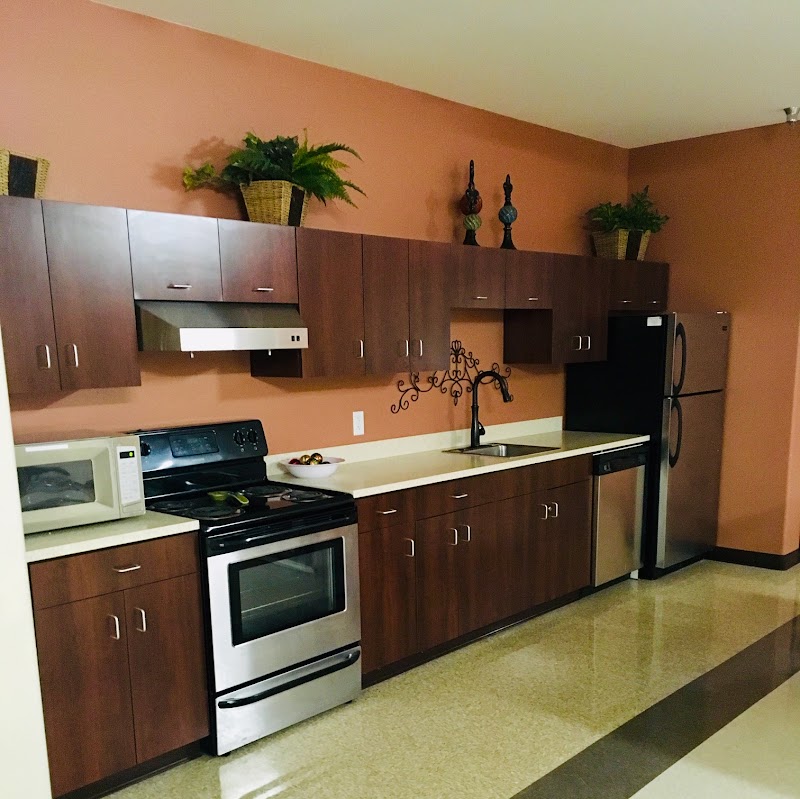
How is Santa Fe Health & Rehabilitation Center Staffed?

CMS rates SANTA FE HEALTH & REHABILITATION CENTER's staffing level at 3 out of 5 stars, which is average compared to other nursing homes. Staff turnover is 41%, compared to the Texas average of 46%. This relatively stable workforce can support continuity of care.

What Have Inspectors Found at Santa Fe Health & Rehabilitation Center?

State health inspectors documented 17 deficiencies at SANTA FE HEALTH & REHABILITATION CENTER during 2022 to 2025. These included: 17 with potential for harm.
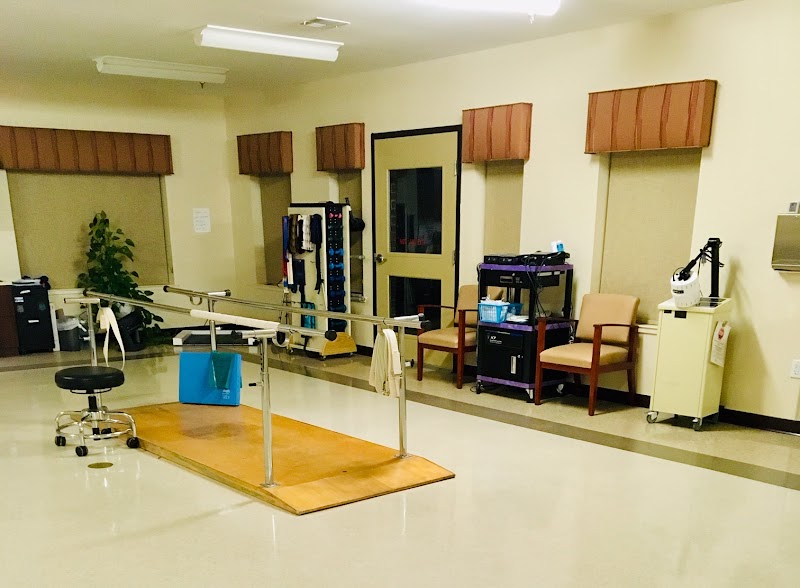
Who Owns and Operates Santa Fe Health & Rehabilitation Center?

SANTA FE HEALTH & REHABILITATION CENTER is owned by a for-profit company. For-profit facilities operate as businesses with obligations to shareholders or private owners. The facility is operated by ADVANCED HEALTHCARE SOLUTIONS, a chain that manages multiple nursing homes. With 116 certified beds and approximately 80 residents (about 69% occupancy), it is a mid-sized facility located in WEATHERFORD, Texas.

How Does Santa Fe Health & Rehabilitation Center Compare to Other Texas Nursing Homes?

Compared to the 100 nursing homes in Texas, SANTA FE HEALTH & REHABILITATION CENTER's overall rating (5 stars) is above the state average of 2.8, staff turnover (41%) is near the state average of 46%, and health inspection rating (4 stars) is above the national benchmark.

What Should Families Ask When Visiting Santa Fe Health & Rehabilitation Center?

Based on this facility's data, families visiting should ask: "Can I visit during a mealtime to observe dining assistance and food quality?" "How do you handle medical emergencies, and what is your hospital transfer rate?" "Can I speak with family members of current residents about their experience?"

Is Santa Fe Health & Rehabilitation Center Safe?

Based on CMS inspection data, SANTA FE HEALTH & REHABILITATION CENTER has a clean safety record: no substantiated abuse findings (meaning no confirmed cases of resident harm), no Immediate Jeopardy citations (the most serious violation level indicating risk of serious injury or death), and is not on the Special Focus Facility watch list (a federal program monitoring the lowest-performing 1% of nursing homes). The facility has a 5-star overall rating and ranks #1 of 100 nursing homes in Texas. While no facility is perfect, families should still ask about staff-to-resident ratios and recent inspection results during their visit.

Do Nurses at Santa Fe Health & Rehabilitation Center Stick Around?

SANTA FE HEALTH & REHABILITATION CENTER has a staff turnover rate of 41%, which is about average for Texas nursing homes (state average: 46%). Moderate turnover is common in nursing homes, but families should still ask about staff tenure and how the facility maintains care continuity when employees leave.

Was Santa Fe Health & Rehabilitation Center Ever Fined?

SANTA FE HEALTH & REHABILITATION CENTER has no federal fines on record. CMS issues fines when nursing homes fail to meet care standards or don't correct problems found during inspections. The absence of fines suggests the facility has either maintained compliance or corrected any issues before penalties were assessed. This is a positive indicator, though families should still review recent inspection reports for the full picture.

Is Santa Fe Health & Rehabilitation Center on Any Federal Watch List?

SANTA FE HEALTH & REHABILITATION CENTER is not on any federal watch list. The most significant is the Special Focus Facility (SFF) program, which identifies the bottom 1% of nursing homes nationally based on persistent, serious quality problems. Not being on this list means the facility has avoided the pattern of deficiencies that triggers enhanced federal oversight. This is a positive indicator, though families should still review the facility's inspection history directly.