SENIOR CARE HEALTH & REHABILITATION CENTER - WICHI

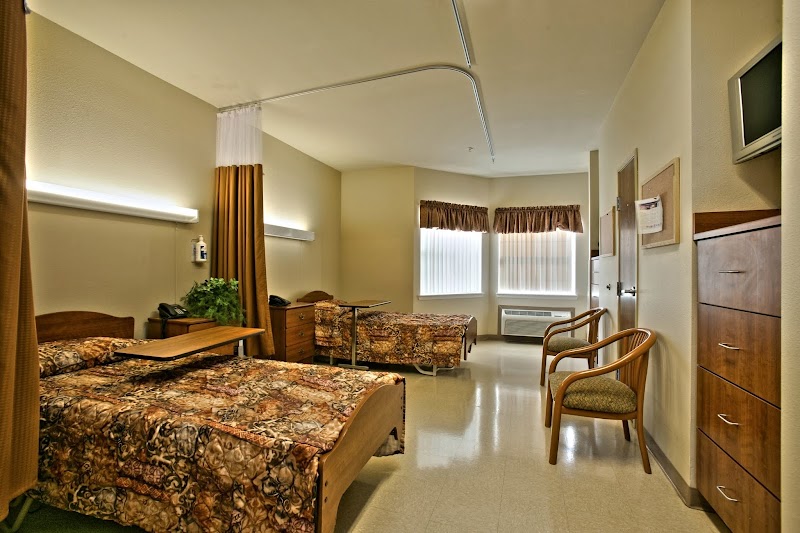
910 MIDWESTERN PKWY, WICHITA FALLS, TX 76302 (940) 767-5500
Government - Hospital district 144 Beds FOURSQUARE HEALTHCARE Data: November 2025
Trust Grade
88/100
#127 of 1168 in TX
Last Inspection: February 2025

Within standard 12-15 month inspection cycle. Federal law requires annual inspections.

Overview

Senior Care Health & Rehabilitation Center in Wichita Falls, Texas, has a Trust Grade of B+, indicating it is above average and recommended for families considering care options. The facility ranks #127 out of 1,168 in Texas, placing it in the top half of state facilities, and is the best option out of 10 in Wichita County. The overall trend is improving, with reported concerns decreasing from 5 issues in 2024 to just 1 in 2025. Staffing is a weakness, rated at 2 out of 5 stars, with a 45% turnover rate, which, while below the state average, indicates some instability. Additionally, the facility has been fined $3,250, which is average, and it has average RN coverage. Specific incidents include failures to maintain accurate medication records for several residents, which could lead to medication errors, and a lack of supervision for a licensed nurse with restrictions on their practice, risking inadequate care for residents. Overall, while the facility has strong health inspection ratings and is improving, there are notable concerns regarding medication management and staffing practices that families should consider.

Trust Score
B+
88/100
In Texas
#127/1168
Top 10%
Safety Record
Low Risk
No red flags
Inspections
Getting Better
5 → 1 violations
Staff Stability
○ Average
45% turnover. Near Texas's 48% average. Typical for the industry.
Penalties
○ Average
$3,250 in fines. Higher than 72% of Texas facilities. Some compliance issues.
Skilled Nurses
⚠ Watch
Each resident gets only 17 minutes of Registered Nurse (RN) attention daily — below average for Texas. Fewer RN minutes means fewer trained eyes watching for problems.
Violations
○ Average
10 deficiencies on record. Average for a facility this size. Mostly minor or procedural issues.
★★★★★
5.0
Overall Rating
★★☆☆☆
2.0
Staff Levels
★★★★★
5.0
Care Quality
★★★★★
5.0
Inspection Score
Stable
2024: 5 issues
2025: 1 issues

The Good

  • 5-Star Quality Measures · Strong clinical quality outcomes
  • Full Sprinkler Coverage · Fire safety systems throughout facility
  • No fines on record
  • Staff turnover below average (45%)

    3 points below Texas average of 48%

Facility shows strength in quality measures, fire safety.

The Bad

Staff Turnover: 45%

Near Texas avg (46%)

Typical for the industry

Federal Fines: $3,250

Below median ($33,413)

Minor penalties assessed

Chain: FOURSQUARE HEALTHCARE

Part of a multi-facility chain

Ask about local staffing decisions and management

The Ugly 10 deficiencies on record

Feb 2025 1 deficiency
CONCERN (E)

Potential for Harm - no one hurt, but risky conditions existed

Pharmacy Services (Tag F0755)

Could have caused harm · This affected multiple residents

**NOTE- TERMS IN BRACKETS HAVE BEEN EDITED TO PROTECT CONFIDENTIALITY** Based on observations, interviews, and record review, the facility failed to provide pharmaceutical services that determines tha...

Read full inspector narrative →
**NOTE- TERMS IN BRACKETS HAVE BEEN EDITED TO PROTECT CONFIDENTIALITY** Based on observations, interviews, and record review, the facility failed to provide pharmaceutical services that determines that drug records were in order and that an account of all controlled drugs are maintained and periodically reconciled for 5 of 65 residents (Resident #8, 32, 36, 93, and 383), reviewed for pharmacy services. The facility failed to accurately and timely complete documentation of controlled drug administration for 5 resident's (Resident #8, 32, 36, 93, and 383) and monitoring of controlled medications stored on 2 (Hall 100 and Hall 600) medication carts checked for narcotic reconciliation. This failure could place residents at risk of medication overdose, medication under-dose, and ineffective therapeutic outcomes. Findings included: Resident #8 Record review of Resident #8's admission MDS dated [DATE], revealed Resident #8 was admitted to the facility on [DATE] with the following diagnoses: Arthritis due to other bacteria right knee and primary generalized osteoarthritis (arthritis of joints). Resident #8 received PRN medication or was offered and declined pain medications in the last 5 days. Section N- Medications revealed Resident #8 had used an opioid during the last 7 days. Record review of Resident #8's active physician orders as of 02/12/2025, included the following controlled drug, Norco 5-325 mg give 1 tablet by mouth every 6 hours as needed for pain. Record review of Resident #8's medication administration record on 02/12/2025 revealed Resident #8 had received Norco 5-325 mg tablet by mouth at 7:55 AM. Record Review of Resident #8's narcotic count sheet for Norco 5-325 mg tablet on 02/12/2025 revealed the documented count of the Norco 5-325 mg was 42 tablets. In an observation of the medication cart for Hall 100 on 02/12/025 at 8:40 AM revealed Resident #8's narcotic sheet for Hydroco/APAP 5-325 mg (Norco) to have a documented count of 42 tablets; however, the medication card contained 41 tablets. Resident # 383 Record review of Resident #383's admission MDS dated [DATE], revealed Resident #383 was admitted to the facility on [DATE] with the following diagnoses: Encounter for surgical aftercare following surgery on 01/31/2025 for a circulatory system. Section J-Health Conditions, Resident #383 received PRN medication or was offered and declined pain medications in the last 5 days. Section N- Medications revealed Resident #383 had used an opioid during the last 7 days. Record review of Resident #383's active physician orders as of 02/12/2025, included the following controlled drug, Tramadol 100 mg give 1 tablet by mouth every 6 hours for pain. Record review of Resident #383's medication administration record on 02/12/2025 revealed Resident #383 had received Tramadol 100 mg (two 50 mg tablets) by mouth at 7:55 AM. Record Review of Resident #383's narcotic count sheet for Tramadol 50 mg tablets on 02/12/2025 revealed the documented count of the Tramadol 50 mg was 22 tablets. In an observation of the medication cart for Hall 100 on 02/12/2025 at 8:40 AM revealed Resident #383's narcotic sheet for Tramadol 50 mg to have a documented count of 22 tablets; however, the narcotic card contained 21 tablets. Resident #32 Record review of Resident #32's admission MDS dated [DATE], revealed Resident #32 was admitted to the facility on [DATE] with the following diagnoses: Generalized muscle weakness and other lack of coordination, and abnormal posture. Section J-Health Conditions, Resident #32 received PRN medication or was offered and declined pain medications in the last 5 days. Section N- Medications revealed Resident #32 had used an opioid during the last 7 days. Record review of Resident #32's active physician orders as of 02/12/2025, included the following controlled drug, Acetaminophen-Codeine 300-30 mg give 1 tablet by mouth every 6 hours as needed for pain. Record review of Resident #32's medication administration record on 02/12/2025 revealed Resident #32 had received Acetaminophen-Codeine 300-30 mg tablet by mouth at 8:55 AM. Record Review of Resident #32's narcotic count sheet for Acetaminophen-Codeine 300-30 mg tablet on 02/12/2025 revealed the documented count of the Acetaminophen-Codeine mg was 80 tablets. In an observation of the medication cart for Hall 100 on 02/12/2025 at 8:40 AM revealed Resident #32's narcotic sheet for Acetaminophen-Codeine 300-30mg to have a documented count of 80; however, the medication card contained 79 tablets. Resident #93 Record review of Resident #93's Quarterly MDS dated [DATE], revealed Resident #93 was admitted to the facility on [DATE] with the following diagnoses: Unspecified dementia (symptoms affecting memory, thinking and social abilities). Section N- Medications, Resident #93 had used an antianxiety medication during the last 7 days. Record review of Resident #93's active physician orders as of 02/12/2025, included the following controlled drug, Xanax 0.25 mg give 1 tablet by mouth two times a day for anxiety. Record review of Resident #93's medication administration record on 02/12/2025 revealed Resident #93 had received Xanax 0.25 mg tablet by mouth at 8:00 AM. Record Review of Resident #93's narcotic count sheet for Alprazolam 0.25 mg (Xanax) tablet on 02/12/2025 revealed the documented count of the Alprazolam 0.25 mg (Xanax) mg was 19 tablets. In an observation of the medication cart for Hall 600 on 02/12/2025 at 9:00 AM revealed Resident #93's narcotic sheet for Alprazolam 0.25 mg (Xanax) to have a documented count of 19 tablets; however, the narcotic card contained 18 tablets. Resident #36 Record review of Resident #36's Quarterly MDS dated [DATE], revealed Resident #36 was admitted to the facility on [DATE] with the following diagnoses: Pain in right shoulder, restless leg syndrome (irresistible urge to move the legs), and unspecified polyneuropathy (nerve damage). Section J-Health Conditions, Resident #36 received PRN medication or was offered and declined pain medications in the last 5 days. Section N- Medications revealed Resident #36 had used an opioid during the last 7 days. Record review of Resident #36's active physician orders as of 02/12/2025, included the following controlled drug, Pregabalin 50mg give 1 capsule by mouth two times a day for neuropathy. Record review of Resident #36's medication administration record on 02/12/2025 revealed Resident #36 had received Pregabalin 50mg capsule by mouth at 8:00 AM. Record Review of Resident #36's narcotic count sheet for Pregabalin 50 mg capsule on 02/12/2025 revealed the documented count of the Pregabalin 50 mg was 46 tablets. In an observation of the medication cart for Hall 600 on 02/12/2025 at 9:00 AM revealed Resident #36's narcotic sheet for Pregabalin 50 mg to have a documented count of 46 capsules; however, the narcotic card contained 45 capsules. In an interview on 2/12/25 at 8:50 am with LVN A, she reported that the facility policy was to sign narcotics out as we go. She stated that she did not sign out the narcotic sheet for Residents #383 and Resident #8 because she, writes their name down on her note pad and goes back later to fill out the narcotic sheets. She stated the count for Resident #13 was inaccurate because she signed out the narcotic but did not give the medication due to resident going to therapy. When asked what negative outcome could occur by not following the policy, she stated Someone could come behind me and give out another one. In an interview on 2/12/25 at 9:10 am with LVN B, she reported the facility policy was to document as we go. She stated she failed to sign out the narcotic sheet for Residents #93 and Resident #36 because she moved on to another resident's medications. When asked what negative outcome could occur by not following the policy, she stated they can get over medicated. In an interview on 02/12/2025 at 9:15 AM with ADON A who was present during the audit of the medication cart assigned to Hall 600, she stated the facility policy was the nurses are supposed to sign narcotics out as they go, and narcotics are to be counted during any change of keys . Failure to do so could result in medication errors occurring. In an interview on 2/12/25 at 9:23 the DON and Regional Nurse, reported the facility policy was that narcotics must be signed out immediately by the administering nurse once removed from the blister pack and anytime medications were omitted, the narcotic log must reflect this. When asked if any negative outcomes could occur from not following the policy, the DON stated, Not really because only one person is on that cart. Record review of the facility's Policy and Procedure titled Narcotic Count not dated revealed To provide record of correct narcotic dispensing and record of narcotic count .5.The nurse (CMA) reading the narcotic count sheet will confirm the number of pills, after the last recorded dose was given, matches the number of narcotics on hand. a. Any discrepancy will immediately be reported to the charge nurse and/or ADON, who will attempt to reconcile the discrepancy. b. The ADON will notify the DON if any discrepancy cannot be reconciled . There was no information regarding procedure for documentation during administration of medications within the policy and procedure, it only addressed oncoming and off-going nurses or medication aides reconciling the carts at end/start of shifts.
Mar 2024 3 deficiencies
CONCERN (D) 📢 Someone Reported This

A family member, employee, or ombudsman was alarmed enough to file a formal complaint

Potential for Harm - no one hurt, but risky conditions existed

Pharmacy Services (Tag F0755)

Could have caused harm · This affected 1 resident

Based on interview, and record review the facility failed to have a system to account for the disposition and accurate accounting for controlled substances for 4 ( Resident #'s 1, 2, 3 and 4) of 12 re...

Read full inspector narrative →
Based on interview, and record review the facility failed to have a system to account for the disposition and accurate accounting for controlled substances for 4 ( Resident #'s 1, 2, 3 and 4) of 12 residents reviewed for pharmacy records, in that: . The ADON and DON failed to review the medication sheets for medication discrepancies. The facility failed to have 2 signatures on medication sheets when a controlled drug was wasted. These failures could place the residents at risk of a drug diversion which could result in delayed healing. Findings Include: During a record review on 2/27/2024 at 10:30 AM, the following medication sheets revealed the following information: - Resident #1's Controlled Substance Disposition Record. Order- Hydroco/APAP Tb 10-325Mg, take 1 tablet by mouth every 6 hours, as needed. 2/7/2024- no time entered- 1 wasted- LVN A signature, second signature missing. 2/10/2024- no time entered- 1 wasted- LVN A signature, second signature missing. 2/11/2024- no time entered- 3 wasted- LVN A signature, second signature missing. 2/12/2024- no time entered- 4 wasted- no nursing signature. - Resident #2's Controlled Substance Disposition Record. Order- Hydroco/APAP Tb 7-325Mg, take 1 tablet by mouth every 4 hours, as needed. 2/9/2024- 5pm- 1 wasted- LVN A signature, second signature missing. 2/9/2024- no time entered- 2 wasted- LVN A signature, second signature missing. 2/10/2024- no time entered- 2 wasted- LVN A signature, second signature missing. 2/11/2024- no time entered- 11 wasted- LVN A signature, second signature missing. - Resident #3's Controlled Substance Disposition Record Order- Hydroco/APAP Tb 10-325Mg, take 1 tablet by mouth every 6 hours, as needed. No date (in between 2/6/2024 dates)- no time entered- 1 wasted- LVN A signature, second signature missing. 2/6/2024- no time entered- 1 wasted- LVN A signature, second signature missing. 2/9/2024- no time entered- 1 wasted- LVN A signature, second signature missing. 2/10/2024- 6:45pm- 1 wasted- no signature. 2/11/2024- 12:45am- LVN A signature, second signature missing. - Resident #3's Controlled Substance Disposition Record. Order- Hydroco/APAP Tb 10-325Mg, take 1 tablet by mouth every 4 hours, as needed. 2/1/2024- 3 wasted- no time entered- 1 wasted- LVN A signature, second signature missing. 2/2/2024- 1 wasted- no time entered- 1 wasted- LVN A signature, second signature missing. - Resident #4's Controlled Substance Disposition Record. Order- APAP/Codeine Tablet 300-30Mg, take 1 tablet by mouth every 6 hours, as needed. 1/18/2024- time not legible- 1 given- No nursing signature. 1/19/2024- 6AM- 1 given- No nursing signature. 1/28/2024- no time entered- 1 wasted- LVN A signature, second signature missing. 1/29/2024- no time entered- 1 wasted- LVN A signature, second signature missing. 1/30/2024- no time entered- 2 wasted- no time entered- 1 wasted- LVN A signature, second signature missing. During a record review on 2/27/2024 at 2:30 PM, the following statement revealed the following information: DON notes from 02/14/2024 at 10:54AM- I met with LVN A and HR. The narcotic sheet was reviewed with LVN A where she wasted several narcotic. She admitted that all of the wasted entries were, in fact hers. In an interview on 2/27/2024 at 10:30 AM the DON revealed that she had not been checking the medication sheet in its entirety. She stated that they had just been checking the last line, which was the count number and total. She stated that all nursing staff complete in-service that when a medication is wasted, there must be 2 signatures to waste the medication. She stated that once she realized it was not being completed, she reported it to state. She revaled that after her investigation and record review, all of the medications that were wasted were from 1 nurse, which was LVN A. She revealed that she had interviewed LVN A and LVN A reported that the medications were wasted by her, she failed to have another nurse verify that it was wasted by her. She reported that she had completed a full staff in-service on wasting controlled medications and following the facilities policies and procedures. In an interview on 02/27/2024 at 5:11 PM the ADON revealed that the wasted med sheets should have been reviewed better and that the facility expectations are that they should be reviewed at shift change She stated that they should have been completing 2 signatures for the wasted medications. She said that this could result in a medication diversion. Record review if the facility's policy titled Medication Administration not dated, revealed the following: Process for wasting narcotics: - a narcotic should only be wasted if it has been dropped on the floor, resident refused medication, etc. - It is required to have a witnessing nurse when wasting narcotics. You must waste the med together, and both nurses sign in narcotic log. - When wasting a medication, it should be crushed and put in the sharp's container. - The supervisor should then be notified. Every Med cart must be counted each time the keys switch hands. Ensure that the number of meds on the narcotic log matches the number of meds in the card/bottle. PRN's should be given by the charge nurse. Their narcotic log should match the MAR. Record review of the facility's policy entitled; Controlled Substances not dated, revealed the following: The purchase, storage, distribution of controlled drugs will be done in accordance with all federal and state laws and standards of professional practice, to maintain optimal quality control over high-risk substances and to prevent divergence. The facility will adhere to the controlled substance act. All scheduled two drugs are kept secured under a double lock. A transaction record for all controlled substances will be maintained. All controlled drugs will be maintained for the period required by law can be readily retrievable. A separate record will be maintained for each drug covered by scheduled II, III, IV of the Control Substance Act. The record will contain the prescription number, name, and the strength of the drug, date received by the facility, date and time administered, name of the resident, dose, physician's name, signature of the person administering the dose, an original amount dispensed with the balance of verifiable by drug inventory at every shift.
CONCERN (D) 📢 Someone Reported This

A family member, employee, or ombudsman was alarmed enough to file a formal complaint

Potential for Harm - no one hurt, but risky conditions existed

Medical Records (Tag F0842)

Could have caused harm · This affected 1 resident

**NOTE- TERMS IN BRACKETS HAVE BEEN EDITED TO PROTECT CONFIDENTIALITY** Based on interview and record review the facility failed to maintain clinical records that were complete and/or accurate for 2 o...

Read full inspector narrative →
**NOTE- TERMS IN BRACKETS HAVE BEEN EDITED TO PROTECT CONFIDENTIALITY** Based on interview and record review the facility failed to maintain clinical records that were complete and/or accurate for 2 of 4 (Resident #2 and Resident #3) residents reviewed for clinical records in that: The facility failed to document in Resident #2's MAR when they administered Hydroco/APAP on 02/02/2024 through 02/07/2024. The facility failed to document in Resident #3's MAR when they administered Hydroco/APAP on 02/03/2024 through 02/11/2024. This failure could place residents at risk for having records that were inaccurate/incomplete Finding included: Record review of Resident #2's Face Sheet, dated 2/27/2024, revealed a [AGE] year-old female, admitted to the facility on [DATE] with an admitting diagnosis of Fracture of the shaft of the humorous (break in the upper arm bone). Record review of a Resident #2's Discharge MDS assessment, dated 02/26/2024, revealed the following: Section C (BIMS)- Resident had a BIMS score of 15, which indicated she was cognitively intact. Section N (Medications)- Resident was receiving opioids. Record review of Resident #2's MAR dated 02/27/2024 revealed the following: Order for Hydroco/APAP Tab 7.5-325. Directions: Take 1 tab by mouth every 4 hours as needed. Administered on the following: 02/03/2024 x1 administered. 02/07/2024 x1 administered. Record review of Resident #2's Controlled Substance Disposition Record revealed the following that was not documented on the MAR: Order for Hydroco/APAP Tab 7.5-325. Directions: Take 1 tab by mouth every 4 hours as needed. Administered on the following: 02/02/2024 x2 administered. 02/03/2024 x4 administered. 02/04/2024 x 3 administered. 02/05/2024 x 5 administered. 02/06/2024 x 6 administered. 02/07/2024- x2 administered. Record review of Resident #3's Face Sheet, dated 2/27/2024, revealed a [AGE] year-old male, admitted to the facility on [DATE] with an admitting diagnosis of lower abdominal pain (pain in the stomach areas), spinal stenosis (abnormal narrowing of the spinal canal that results in pain, numbness and pressure). Record review of a Resident #3's admission MDS assessment, dated 01/26/2024, revealed the following: Section C (BIMS)- Resident had a BIMS score of 09, which indicated severed cognitive impairment. Section J (Pain Interview)- Resident answered 10 for a pain intensity scale of 0-10, with 10 being the worst, Section N (Medications)- Resident was receiving opioids. Record review of Resident #3's MAR dated 02/27/2024 revealed the following: Order for Hydroco/APAP Tab 10-325. Directions: Take 1 tab by mouth every 6 hours as needed. Administered on the following: 02/08/2024 x1 administered. Record review of Resident #2's Controlled Substance Disposition Record revealed the following that was not documented on the MAR: Order for Hydroco/APAP Tab 10-325. Directions: Take 1 tab by mouth every 6 hours as needed. Administered on the following: 02/03/2024 x3 administered. 02/04/2024 x4 administered. 02/05/2024 x 3 administered. 02/05/2024 x 4 administered. 02/06/2024 x 5 administered. 02/07/2024 x 3 administered. 02/08/2024 x 4 administered. 02/09/2024 x 4 administered. 02/10/2024 x 3 administered. 02/11/2024 x 3 administered. In an interview on 2/27/2024 at 10:30 AM, the DON revealed her expectations are for nursing staff to sign the drugs out on the Controlled Substance Disposition Record and document the administration on the MAR. She revealed that failure could place the resident at risk for a drug diversion or a duplicate medication being administered. She stated that she had trained nursing staff to always document electronically. She revealed that it was her responsibility to ensure that medication sheets and records on Controlled Medications were done accurately. She revealed that she reviews the medication sheets for accuracy but did not compare it to the EMAR. Record review of the facility's policy covering Medication Administration, not dated, revealed the following: - PRN's should be given by the charge nurse. The Narcotic log should match the MAR.
CONCERN (E) 📢 Someone Reported This

A family member, employee, or ombudsman was alarmed enough to file a formal complaint

Potential for Harm - no one hurt, but risky conditions existed

Deficiency F0726 (Tag F0726)

Could have caused harm · This affected multiple residents

Based on interviews and record reviews the facility failed to ensure that licensed nurses have the specific competencies and skill sets necessary to care for residents' needs, as identified through re...

Read full inspector narrative →
Based on interviews and record reviews the facility failed to ensure that licensed nurses have the specific competencies and skill sets necessary to care for residents' needs, as identified through resident assessments, and described in the plan of care for 1 of 1 Licensed Nurses (LVN A) reviewed for competent nursing, in that: LVN A was not supervised as per the Texas Board of Nursing agreed order. This deficient practice places residents at risk for being provided care by staff who do not have the skills to provide necessary . The Findings include: Record review of employee files on 02/27/2024 revealed that LVN A had nursing stipulations from the Texas Board of Nursing that were signed on December 13th, 2020, which revealed the following terms of the order: Findings: 7. On or about June 1, 2020 while employed as an LVN, and providing care for Patient Medical Record #2297001, Respondent failed to report out of range Prothrombin Time and International Normalized Ration lab results to the patients cardiologist who managed the patient's Coumadin dosage based on PT/INR lab results. Respondent's conduct places the patients at risk from the lack of medical treatment for elevated PT and INR lab results. 8. On or about June 8, 2018, while employed as an LVN, and providing care for Patient Medical Record #2297001, Respondent failed to timely provide the patient with the physician's new Coumadin order, including a new written order that the Coumadin should be held for 2 days and then restarted a 2mg daily, rather than continuing the current dosage of 3 mg. 9. On or about June 8, 2018, while employed as an LVN, and providing care for Patient Medical Record #2297001, Respondent falsely reported to the patient's cardiologist that the patient's Coumadin 3 mg daily, had been held for 2 days and then restarted at 2mg daily, per the physician's order. Respondent conducted a false report upon which the cardiologist relied for the medical management of the patient's Coumadin dosage. Employment Requirements: C. Indirect Supervision: Respondent shall be supervised by a Registered Nurse, if licensed as a Registered Nurse, or by a Licensed Vocational Nurse, if licensed as a Licensed Vocation Nurse, who is on the premises. The supervising nurse is not required to be on the same unit or ward as a respondent but should be on the facility grounds and readily available to provide assistance and intervention if necessary. The supervising nurse shall have a minimum of two years of experience in the same or similar practice setting to which the respondent is currently working. Respondent shall work only regularly assigned, identified, and predetermined units. Respondents shall not be employed by a nurse registry, temporary nurse employment agency, hospice, or home health agency. Respondent shall not be self-employed or contract for services. Multiple employers are prohibited. D. Nursing performance evaluations: respondent shall call each employer to submit, on forms provided to the respondent by the board, periodic reports as to respondent's capability to practice nursing. These reports shall be completed by the individual who supervises the respondent, and these reports shall be submitted by the supervising individual to the office of the board at the end of each three month quarterly. For four quarters one year of employment as a nurse. Interview and Record on 02/27/2024 at 4:00 PM with the BOM revealed that a review of LVN A's Personnel Files reflected LVN A was hired on 11/14/2018 and received an annual background check. The last background check was pulled on November 2023, which notified the facility that LVN A had stipulations. The BOM stated that she became aware that LVN A had stipulations and was able to access the records online from the BON website. She stated that she brought the order and discussed them with the DON. She revealed that she did not discuss the stipulations with LVN A. She revealed that she did not complete any employment verification for the BON concerning LVN A, she did not realize she was supposed to. She stated this failure could cause the facility to employe nurses that are not following the BON orders to protect the residents from errors. The BOM revealed that she was responsible for employment verification. She revealed that the stipulations were not followed due to the facility not recognizing that they needed to. Interview on 03/01/2024 at 3:30 PM with the DON revealed that she was the only one responsible for supervising LVN A. She revealed that she supervised her but did not follow the BON stipulation to be readily available in the event that LVN A needed assistance while working. She stated she was unsure why they did not follow them. She revealed that the facility failed to complete the forms that the BON required from LVN A's employer. She revealed that she works days and the LVN A worked nights.
Jan 2024 2 deficiencies
CONCERN (E)

Potential for Harm - no one hurt, but risky conditions existed

Deficiency F0657 (Tag F0657)

Could have caused harm · This affected multiple residents

**NOTE- TERMS IN BRACKETS HAVE BEEN EDITED TO PROTECT CONFIDENTIALITY** Based on interview and record review, the facility failed to develop a comprehensive care plan within 7 days after completion of...

Read full inspector narrative →
**NOTE- TERMS IN BRACKETS HAVE BEEN EDITED TO PROTECT CONFIDENTIALITY** Based on interview and record review, the facility failed to develop a comprehensive care plan within 7 days after completion of the comprehensive assessment, and include to the extent practicable, the participation of the resident and the resident's representative(s) for 2 of 4 residents (Resident #'s 45 and 80) whose records were reviewed for assessments and care plans. Resident #45 did not have a comprehensive care plan meeting or an updated care plan after the Significant Change MDS dated [DATE]. Resident # 80 did not have a comprehensive care plan meeting or an updated care plan after the SignigficantSignificant Change MDS dated [DATE] This failure placed the residents at risk for not having individual needs identified and care and services provided to meet their needs, promote quality of care, feelings of well-being and quality of life. The findings included: Review of Resident #45's face sheet, dated 01/11/24, revealed a [AGE] year-old female, with a current admission date of 07/24/23. Diagnosis included: hypertension (high blood pressure), seizures, major depressive disorder. Review Resident #45's MDS assessment history revealed a quarterly assessment dated [DATE] and a significant change assessment dated [DATE]. Review of Resident #45's comprehensive care plan revealed it was last Reviewed/Revised on 11/20/23. There was no documented evidence that a care plan meeting was conducted for this care plan. In an interview on 01/09/24 at 01:26 PM Resident #45 said she had never been invited to a care plan meeting to discuss her care with facility staff. Review of Resident #80's face sheet, dated 01/11/24, revealed a [AGE] year-old female, with a current admission date of 01/23/21. Diagnosis included: Hypertension (high blood pressure), seizure disorder, chronic lung disease, and malignant neoplasm of the lung (cancerous tumor) Review Resident #80's MDS assessment history revealed a significant change assessment dated [DATE]. Review of Resident #80's comprehensive care plan revealed it was last Reviewed/Revised on 10/24/23. There was no documented evidence that a care plan meeting was conducted for this care plan. Record review of Resident #80's EMR revealed an IDT Care plan conference was last held on 7/25/23. In an interview on 01/09/24 at 02:49 PM, Resident # 80 stated she had never been invited to a care plan meeting about her care with facility staff. Interview with the Social Worker on 01/11/24 at 1:16 PM revealed the following: She stated that she was responsible for scheduling care plan meetings and sending invitations to the resident and resident representatives. She stated a care plan meeting should have occurred for resident #45 after the significant change assessment dated [DATE], and a care plan meeting should have occurred for Resident #80 after the significant change MDS dated 10/26.23. She said care plan meetings were missed because the facility had a new system, and it was supposed to send a notice the care plan meeting was due, but it did not, and the care plan was missed. She stated corporate was aware of the system failure and was working to correct it. Interview with the DON on 01/11/24 at 1:32 PM revealed that she did not do the care plans or schedule the care plan meetings. She said that the Social Worker was responsible for that. She stated she expected care plan meetings to be held quarterly and she did expect all required members to attend and the resident or their representative be included. Review of the facility's policy and procedure for Care Plans - Comprehensive, (not dated), revealed the following [in part]: Purpose: 1. To identify resident real and potential needs. 2. To set achievable short- and long-term outcome goals. 3. To document interdisciplinary interventions to achieve stated goals. 4. To evaluate, review, and revise goals and approaches. Procedure: 1. M.D.S./C.P. nurse and Care Plan Team members will utilize the R.A.P. Summary to identify triggered problems, real and potential. 4. Approaches/Interventions will state specific items the interdisciplinary team will do assist the resident in meeting goals and ensure care needs are met. 5. Care plans will be updated to reflect changes in resident needs. 6. Care plan goals and approaches will be reviewed and revised at least every 90 days. New admissions will have a comprehensive care plan in place by day 21. A new care plan will be written annually.
CONCERN (E)

Potential for Harm - no one hurt, but risky conditions existed

Food Safety (Tag F0812)

Could have caused harm · This affected multiple residents

Based on observation, interview, and record review, the facility failed to store, prepare, distribute, and serve food in accordance with professional standards for food service safety, for residents w...

Read full inspector narrative →
Based on observation, interview, and record review, the facility failed to store, prepare, distribute, and serve food in accordance with professional standards for food service safety, for residents who received their meals in the Rehab Dining Area and Rehab Kitchen area on Hallway 100, by failing to ensure: A. Countertops were clean. B. Floors were clean. C. Cabinet drawers were clean. This failure could affect residents by placing them at risk for food-borne illness and food contamination. The findings included: In an observation on 01/08/24 at 12:34 PM, of the Rehab Dining Area on Hallway 100, revealed the following: - 4 cabinet drawers out of 6 observed that was used for storage of coffee, condiments, and miscellaneous items were soiled with dirt, dried colored water spots, hair and food crumbs. - The Rehab Kitchen door connected to the Rehab Dining Area was opened during lunch. Inside the Rehab Kitchen, the floor was sticky and soiled with dirt and food crumbs. The exterior countertop and shelves were soiled with dust, food crumbs and dried white-water spots. In an interview and observation on 01/11/24 beginning at 11:11 AM with the Corporate Dietary Manager and the Dietary Manager, the 4 cabinet drawers in the Rehab Dining area were observed which were soiled with dirt, dried colored water spots, hair and food crumbs, the Corporate Dietary Manager said he could not refute that. The Rehab Kitchen area was observed, the floor was sticky and soiled with dirt and food crumbs. The exterior countertop and shelves were soiled with dust, food crumbs and dried white-water spots. The Corporate Dietary Manager said the area was no longer used for food prep and used for storage. He said the area was dirty. The Corporate Dietary Manager said this failure had the potential to attract bugs and roaches and make an unsanitary area for the residents. In an interview on 01/10/24 at 4:32 PM, the Administrator said his expectation was for the Rehab Dining area and Rehab Kitchen area to be clean . He said the area is going to remolded and the cabinet drawers were going to be taken out. Record review of the facility policy Cleaning Cabinets and Drawer, dated as revised on 01/01/10 revealed the following [in part]: Policy: Cabinets and drawers will be clean and organized. Procedure: Weekly: 3. Be sure to clean inside and outside of doors and drawers. Record review of the facility policy Cleaning the Floor, dated as revised on 01/01/10 revealed the following [in part]: Policy: The floor will be kept in a clean and sanitary condition. The floor to be mopped includes storerooms, office space, dish room, janitor closet and rest room.
Nov 2022 4 deficiencies
CONCERN (D)

Potential for Harm - no one hurt, but risky conditions existed

Assessment Accuracy (Tag F0641)

Could have caused harm · This affected 1 resident

**NOTE- TERMS IN BRACKETS HAVE BEEN EDITED TO PROTECT CONFIDENTIALITY** Based on observation, interview and record review the facility failed to ensure assessments accurately reflected the residents' ...

Read full inspector narrative →
**NOTE- TERMS IN BRACKETS HAVE BEEN EDITED TO PROTECT CONFIDENTIALITY** Based on observation, interview and record review the facility failed to ensure assessments accurately reflected the residents' status for 1 of 7 residents (Resident #77) reviewed for accurate MDS assessments. The facility failed to ensure Resident #77's MDS accurately reflected the resident's range of motion in upper and lower extremities. This failure could place residents at risk for not having individual needs identified, a decline in health status, and decreased feelings of well-being. The findings include: Record review of Resident #77's admission Record, dated 11/23/22, revealed a [AGE] year-old female who was initially admitted to the facility on [DATE]. Resident #77 had diagnoses which included aphasia (loss of ability to understand or express speech caused by brain damage), cerebral hemorrhage (bleeding in the brain), high blood pressure, and dysphagia (inability to swallow). Record review of Resident #77's Quarterly MDS Assessment, dated 09/26/22, revealed she was assessed as having no impairment to range of motion in her upper extremities, and no impairment in range of motion in her lower extremities. Record review of Resident #77's care plan revealed documentation that the resident was at risk for contracture and had a goal of no contractures in the next 90 days. Interventions included assist with ADL's and mobility as needed, monitor for pain with ADL's and movement, monitor for stiffness of joints, range of motion per staff, reposition resident every 2 hours and as needed. In an interview on 11/21/22 at 3:43 PM, Resident #77's family member stated Resident #77 had contractures to her right and left arm, hands, her right and left foot and legs. In an interview and observation on 11/23/22 at 10:30 AM, Resident #77 was noted to have contractures to her upper and lower extremities. The ADON was present during the observation and stated Resident #77 had contractures to her upper and lower extremities. She stated it should have been documented in the EMR and it was the nurse's responsibility to ensure assessment findings were accurately documented. She stated she did not know why the resident contractures were not documented. In an interview on 11/22/22 at 11:00 AM, the DON stated she was aware of the contractures to the bilateral upper and lower extremities for Resident #77. She stated the person completing the MDS and the nurses were responsible for ensuring the EMR contained accurate information regarding the residents' assessments. She stated the MDS assessment should reflect what the nurses observe, and this should be documented accurately in their medical record. In an interview on 07/07/22 at 4:05 PM, MDS Nurse B stated she did the MDS assessments for the Resident #77 and all the Medicaid and long-term care residents at the facility. She stated she needed to do a correction to the MDS for Resident #77 and document the contractures to her upper and lower extremities. She stated she was not aware the resident had limitations in Range of Motion in her upper and lower extremities. She stated she depended on the documentation by the nurses in the EMR to complete the MDS assessments. She stated the error occurred because she had looked in the medical record of Resident #77 and did not see any documentation of limited Range of Motion in the upper and lower extremities. Record review of the facility's, undated, policy Resident Assessment, stated: Purpose: To ensure consistent and accurate assessments of all residents. To identify resident strengths and potential areas of concern. Procedure: MDS Nurse will do an assessment on each resident within 14 days of initial admission, within 14 days of identified significant change per Health Care Financing Administration guidelines, and every 90 days thereafter using the quarterly MDS form. MDS Nurse will review resident record for further information and to locate supporting documentation.
CONCERN (D)

Potential for Harm - no one hurt, but risky conditions existed

Deficiency F0726 (Tag F0726)

Could have caused harm · This affected 1 resident

**NOTE- TERMS IN BRACKETS HAVE BEEN EDITED TO PROTECT CONFIDENTIALITY** Based on interview and record review the facility failedto ensure that nurse aides were able to demonstrate competency in skills...

Read full inspector narrative →
**NOTE- TERMS IN BRACKETS HAVE BEEN EDITED TO PROTECT CONFIDENTIALITY** Based on interview and record review the facility failedto ensure that nurse aides were able to demonstrate competency in skills and techniques necessary to care for residents needs, as identified through resident assessments, and described in the plan of care for 1of 3 staff (Medication Aide C) reviewed for competency and proficiency of nursing staff.: The facility failed to ensure Medication Aide C reported and elevated pulse rate when Resident #59 had an elevated pulse of 154. This failure could place residents at risk of adverse effects, or inadequate therapeutic effect of medications and a decline in health status. The findings were: Record review of Resident #'59's face sheet, dated 11/23/22, indicated a [AGE] year-old male with an admission date of 10/21/21. Resident #59 had diagnoses which included chronic respiratory failure with low blood oxygen, shortness of breath, atrial fibrillation (rapid irregular heart beat the commonly causes poor blood flow) heart failure, kidney failure, syncope, and collapse (a temporary loss of consciousness caused by a drop in blood pressure). Record review of Resident #59's significant change MDS, dated [DATE], indicated a BIMS of 11, which indicated mild to moderate cognitive impairment. Record review of Physician Orders for Resident #59, dated 11/21/22, indicated the following, metoprolol tartrate 25 mg 2 times a day PO (Hold if pulse is less than 60 and notify physician), diltiazem capsule extended release 24-hour/300 mg give one capsule one time a day for hypertension by mouth (if systolic blood pressure is less than a hundred or diastolic blood pressure is less than 50 hold and notify physician, or if systolic blood pressure is greater than 180 or diastolic blood pressure is greater than 110 notify a physician). Record review of Resident # 59's vital sign readings for the month of 11/22 revealed the residents pulse readings had ranged from 60 to 115 beats/minute. In an observation and interview on 11/22/22 at 7:30 AM, Resident #59 was sitting on the side of his bed . Medication Aide C administered medications to Resident #59. She obtained his blood pressure and pulse, using a wrist type blood pressure cuff. The resident's blood pressure was 113/65 and his pulse was 154. The resident stated to Medication Aide C he had just taken a breathing treatment earlier and maybe that was why his pulse was higher than normal. Medication Aide C administered the resident's medications and did not report the elevated pulse to the charge nurse. On 11/22/22 at 8:30 AM an interview with LVN D revealed Medication Aide C had not reported to her that Resident #59 had a pulse rate of 154 during his medication administration. She stated it was her expectation the medication aide reported any vital sign which was out of range ( normal pulse range 60-100). She stated CNAs were taught in their training of the abnormal signs and symptoms to report to a licensed nurse which included the normal range for a resident's pulse. She stated a pulse rate of 154 would be abnormal and she would expect the pulse to be reported to the chare nurse. She also stated she would assess the resident if an abnormal pulse rate was reported to her. In an interview on 11/22/22 at 8:40 AM LVN D stated that she had assessed the resident and pulse was regular and within normal limits. During an interview the ADON on 11/23/22 at 8:35 AM, she said she would expect a pulse of 154 to be reported to the nurse. She stated Resident #59 had an unstable cardiac and respiratory status and he could go downhill quickly. She stated his pulse should be re-checked by the charge nurse an if it was still elevated it should be reported to his physician by the charge nurse. On 11/23/22 at 8:55 AM an interview with Medication Aide C revealed she did not report the elevated pulse of Resident #59 because the resident did not seem alarmed and stated he had just had a breathing treatment which might have caused his heart rate to increase. She stated there were low parameters for 2 of the medications but no instructions to report a pulse higher than a certain rate. She stated she would have reported a reading outside of the stated parameters if there had been a high parameter on the physician orders. She stated she had been trained to take a pulse in her training and to report abnormal readings but she though the pulse rate was higher because the resident said it was due to his breathing treatment. Record review of Medication Aide C's employee file revealed she had been observed for competency while administering medications on 07/06/22 and 11/17/22. The observation form revealed she had met the expectation of obtaining vital signs for residents with parameters before administering the medication. There was no documentation of training in recognizing abnormal pulse rates in the competency checks. The DON provided an employee corrective action form dated 11/23/22 which stated: [C.M.A.C] obtained vital signs per medication regimen requirements; resident pulse noted to be 154. CMA failed to directly relay abnormal pulse to Charge Nurse directly instead of relying on the EMR clinical alert to notify the charge nurse. Record review of the Texas Curriculum for Certified Nurse's Aides In Long Term Care Facilities published by the Texas Department Of Health and Human Services, dated revised January of 2022, revealed in part: Procedural Guideline for Manual Pulse: Locate the radial pulse by placing the tips of your first 3 fingers on the thumb side of the resident's wrist. Do not press hard. Count the pulse for one minute. Report to the nurse pulse rate below 60 or above 100/minute (normal is about 76 and regular).
CONCERN (D)

Potential for Harm - no one hurt, but risky conditions existed

Pharmacy Services (Tag F0755)

Could have caused harm · This affected 1 resident

**NOTE- TERMS IN BRACKETS HAVE BEEN EDITED TO PROTECT CONFIDENTIALITY** Based on observation, interview and record review the facility failed to provide pharmaceutical services which included procedur...

Read full inspector narrative →
**NOTE- TERMS IN BRACKETS HAVE BEEN EDITED TO PROTECT CONFIDENTIALITY** Based on observation, interview and record review the facility failed to provide pharmaceutical services which included procedures that assure the accurate acquiring, receiving, dispensing, and administering of all drugs and biologicals to meet the needs of each resident for Resident #121 reviewed for pharmaceutical services. 1. The facility failed to ensure LVN F administered medications to Resident #121 according to physician's orders. 2. The facility failed to ensure LVN-F did not leave Resident #121's medication with her at her bedside to take at a later time. These failures could place residents who receive medications at risk of not receiving the intended therapeutic benefit of the medications. The findings included: Record review of the Resident #121's face sheet, dated 11/21/22, revealed the resident was admitted to the facility on [DATE]. Her diagnoses included: Chronic Pulmonary Disease with Acute Exacerbation (chronic inflammatory lung disease that causes obstructed airflow flow the lungs), Pneumonia (fluid in the lungs), Acute/Chronic Respiratory Failure (inadequate gas exchange, lungs cannot get enough oxygen to the blood), Acute Pulmonary Edema (excessive liquid accumulation in the tissue and air space of the lungs) and shortness of breath. Record review of Resident #121's, physicians' orders, dated 11/22/22, documented an order for Budesonide Suspension 0.5 MG/2ML inhale orally two times a day for shortness of breath. In an observation and interview on 11/21/22 at 9:27 AM, Resident #121 was sitting up in her bed watching her television She stated earlier that morning LVN F went into her room and gave her morning nebulizer treatment but set it on her nightstand to take when she was finished eating. Resident #121's nebulizer was out, and medication was in the nebulizer cup for treatment. Treatment had not been done by the resident or LVN F. Resident stated the nurse always left her medicine for her to take when she was ready and she takes it after she ate her food Record review of the medication administration record revealed Resident #121's Budesonide Suspension 0.5 MG/2ML inhale orally two times a day for shortness of breath, was initialed as treatment being administered when the medication remained in the nebulizer machine at her bedside. In an interview on 11/21/22 at 9:40 AM with LVN F, who was assigned med pass during the observation, stated she left the medication for the resident to take after she was finished eating breakfast. She stated residents should be observed to ensure the medication was taken by the correct resident at the correct time. She stated the medication should not be documented as taken unless the nurse actually watched them take the medication. LVN F observed the medication was still in the nebulizer, and she discarded the medication. In an interview on 11/22/22 at 2:20 PM, the DON stated the person who administered the medication should always verify medication with the resident, date, time, and route with medication being given. When medication is given to a resident the nurse who provided the medications should always witness the medication taken by the resident for whom it was ordered and taken per the orders given. She stated the nurse was not a new nurse and was trained to watch and stay with the resident until the medication treatment was completed . Record review of the facility policy statement on Administration of Drugs stated Proceed with cart to resident's room and identify the resident, read medication orders on medication sheet and have medication ready, remove prescribed liquid medication from appropriate place and pour prescribed amount into calibrated cup, make appropriate entry on the electronic medical records, wash hands and leave resident who is to receive medication. [sic]
CONCERN (E)

Potential for Harm - no one hurt, but risky conditions existed

Infection Control (Tag F0880)

Could have caused harm · This affected multiple residents

**NOTE- TERMS IN BRACKETS HAVE BEEN EDITED TO PROTECT CONFIDENTIALITY** Based on observation, interview and record review the facility failed to establish and maintain an infection prevention and cont...

Read full inspector narrative →
**NOTE- TERMS IN BRACKETS HAVE BEEN EDITED TO PROTECT CONFIDENTIALITY** Based on observation, interview and record review the facility failed to establish and maintain an infection prevention and control program designed to provide a safe, sanitary and comfortable environment and to help prevent the development and transmission of communicable diseases and infections for 2 of 2 residents (Residents #66 and #276) reviewed for infection control. The facility failed to ensure Occupational Therapist E, the Maintenance Director, and visitors donned Personal Protective Equipment (PPE) as required for residents who were on transmission-based precautions (TBP). This failure could place residents at risk for infections. The findings include: 1. Record review of Resident #66's face sheet, dated 11/22/22, revealed a [AGE] year-old male, who was admitted to the facility on [DATE]. He had a diagnosis that included Enterocolitis due to Clostridium Difficile (C-Diff, an infection of the large intestine). Record review of physician orders, dated 11/22/22, revealed Resident #66 had an order for: Isolation - Transmission-based precautions (contact, droplet, and/or airborne) were in effect every shift, with a start date of 11/07/22. Record review of Resident #66's Care Plan, initiated on 11/07/22, revealed a care plan for Clostridium Difficile and isolation due to infection. In an observation on 11/21/22 at 11:16 AM revealed, Resident #66's door was closed, there were PPE supplies hanging in the doorway, and signage which informed the resident was on Transmission Based Precautions and full PPE was required. In an observation and interview on 11/21/22 at 3:27 PM, Resident #66's family member was in the room visiting the resident, she did not don PPE. She said she was given the choice by the facility if she wanted to wear PPE. Record review of Resident #276's face sheet, dated 11/22/22, revealed an [AGE] year-old female, initially admitted to the facility on [DATE]. She had a diagnosis which included Enterocolitis due to Clostridium Difficile (C-Diff / infection of the large intestine (colon) caused by the bacteria Clostridium difficile) after returning from the hospital on [DATE] and place on Transmission Based Precautions (TBP). Record review of physician orders, dated 11/22/22, revealed Resident #276 had an order for: Isolation - Transmission-based precautions (contact, droplet, and/or airborne) were in effect every shift, with a start date of 11/15/22. Record review of Resident #276's Care Plan, initiated on 11/16/22, revealed a care plan for Clostridium Difficile and isolation due to infection. In an observation on 11/21/22 at 10:26 AM, Resident #276's door was closed and had PPE supplies hanging on the doorway, and signage which informed the resident was on Transmission Based Precautions and full PPE was required. In an observation and interview on 11/21/22 at 2:30 PM, Resident #276 was receiving occupational therapy in her room. Occupational Therapist E was not donned in full PPE, she did not have a gown on . Resident #276's family member was also in the room and did not don PPE. Occupational Therapist E said she should have had a gown on but did not put one on. Occupational Therapist E donned a gown after she was asked about it. Resident's #276's family member said she was given the choice by the facility of donning PPE and didn't have to wear any PPE if she did not want too. In an interview on 11/21/22 at 2:35 PM, LVN A said Occupational Therapy was aware Resident #276 was on transmission-based precautions and they should be in full PPE when they provided therapy. She said family members who visited residents on Transmission Based Precautions should be in full PPE and were not given the choice if they wanted to wear PPE. She said family members had not been compliant and she had educated them about wearing PPE. In an interview on 11/21/22 at 2:44 PM, the DON said if a resident was on Transmission Based Precautions, visiting family members should be donned in full PPE and were not given the choice if they wanted to wear PPE. She said the occupational therapists should be donned in full PPE when they provided services. She said staff received education on Transmission Based Precautions and the need to wear full PPE. In an observation, on 11/21/22 at 3:44 PM, the Maintenance Director was observed going into Resident #276's room without donning PPE. In an interview on 11/21/22 at 4:20 PM, the DON said Resident #276's daughter has been educated about the need to wear PPE. She said the Maintenance Director should have donned PPE before going into Resident #276's room. The DON said, I educate, what else can I do?. In an interview on 11/23/22 at 8:58 AM, the Director or Rehabilitation, said she expected staff who provided services to be in full PPE if a resident was on Transmission Based Precautions. She said Occupational Therapist E knew she should have been in full PPE. She said the reason Occupational Therapist E did not have on full PPE was the family member is very demanding and that she forgot to put a gown on. In an interview on 11/23/22 at 9:14 AM, the Maintenance Director said he should have put on PPE but was not paying attention as he was looking at his work order and just walked into the resident's room. Record review of the facility's, undated, policy Isolation, Contact, revealed the following: Purpose: 1. To prevent the spread of infection. 2. To reduce the risk of transmission. Equipment: 1. Gloves, 2. Gowns, 5. Mask. Procedure: 8. Wear gloves, gown and mask when coming into direct contact with resident or linens.
Understanding Severity Codes (click to expand)
Life-Threatening (Immediate Jeopardy)
J - Isolated K - Pattern L - Widespread
Actual Harm
G - Isolated H - Pattern I - Widespread
Potential for Harm
D - Isolated E - Pattern F - Widespread
No Harm (Minor)
A - Isolated B - Pattern C - Widespread

Questions to Ask on Your Visit

  • "Can I speak with families of current residents?"
  • "What's your RN coverage like on weekends and overnight?"

Our Honest Assessment

Strengths
  • • Grade B+ (88/100). Above average facility, better than most options in Texas.
  • • No major safety red flags. No abuse findings, life-threatening violations, or SFF status.
  • • $3,250 in fines. Lower than most Texas facilities. Relatively clean record.
  • • 45% turnover. Below Texas's 48% average. Good staff retention means consistent care.
Concerns
  • • No significant concerns identified. This facility shows no red flags across CMS ratings, staff turnover, or federal penalties.
Bottom line: Generally positive indicators. Standard due diligence and a personal visit recommended.

About This Facility

What is Senior Care Health & Rehabilitation Center - Wichi's CMS Rating?

CMS assigns SENIOR CARE HEALTH & REHABILITATION CENTER - WICHI an overall rating of 5 out of 5 stars, which is considered much above average nationally. Within Texas, this rating places the facility higher than 99% of the state's 100 nursing homes. This rating reflects solid performance across the metrics CMS uses to evaluate nursing home quality.
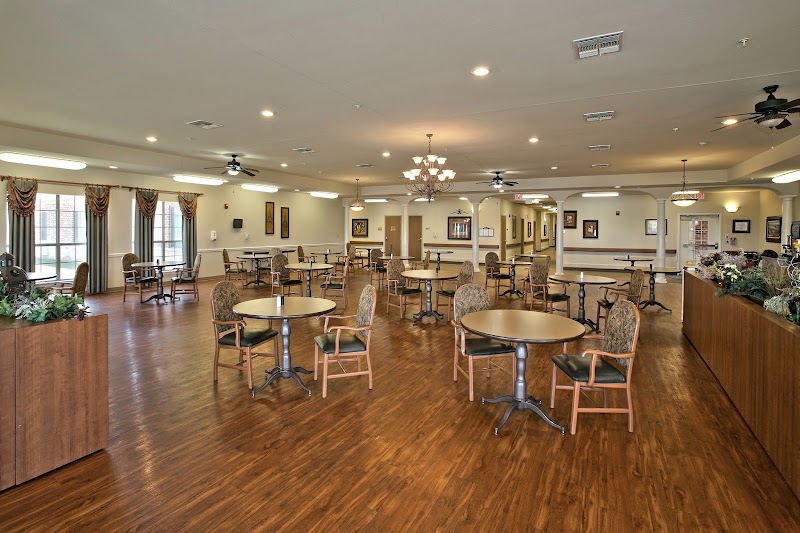
How is Senior Care Health & Rehabilitation Center - Wichi Staffed?

CMS rates SENIOR CARE HEALTH & REHABILITATION CENTER - WICHI's staffing level at 2 out of 5 stars, which is below average compared to other nursing homes. Staff turnover is 45%, compared to the Texas average of 46%. This relatively stable workforce can support continuity of care.

What Have Inspectors Found at Senior Care Health & Rehabilitation Center - Wichi?

State health inspectors documented 10 deficiencies at SENIOR CARE HEALTH & REHABILITATION CENTER - WICHI during 2022 to 2025. These included: 10 with potential for harm.
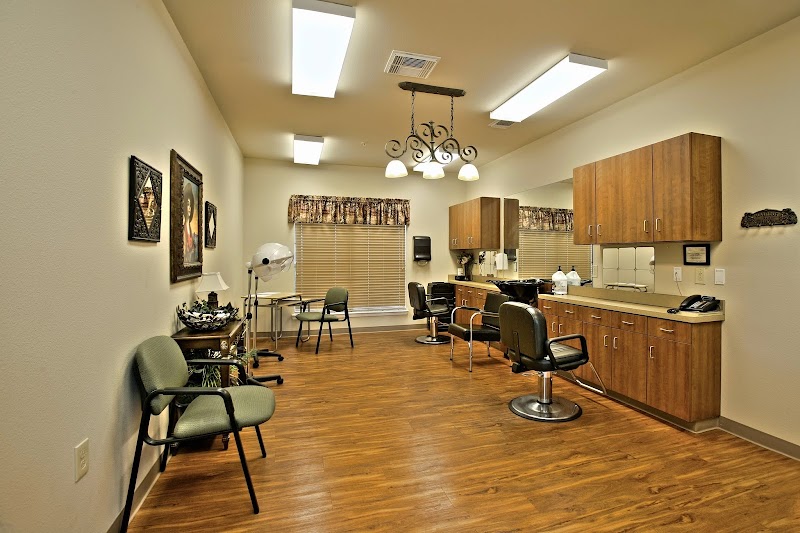
Who Owns and Operates Senior Care Health & Rehabilitation Center - Wichi?

SENIOR CARE HEALTH & REHABILITATION CENTER - WICHI is owned by a government entity. Government-operated facilities are typically run by state, county, or municipal agencies. The facility is operated by FOURSQUARE HEALTHCARE, a chain that manages multiple nursing homes. With 144 certified beds and approximately 124 residents (about 86% occupancy), it is a mid-sized facility located in WICHITA FALLS, Texas.
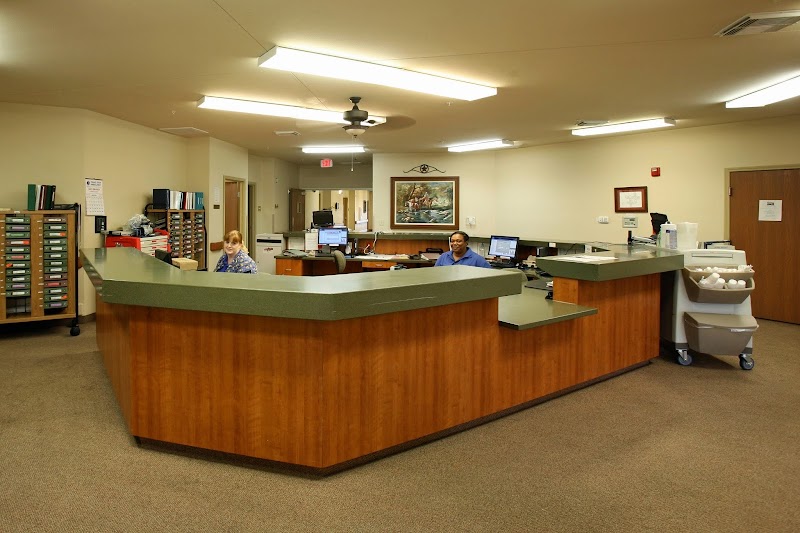
How Does Senior Care Health & Rehabilitation Center - Wichi Compare to Other Texas Nursing Homes?

Compared to the 100 nursing homes in Texas, SENIOR CARE HEALTH & REHABILITATION CENTER - WICHI's overall rating (5 stars) is above the state average of 2.8, staff turnover (45%) is near the state average of 46%, and health inspection rating (5 stars) is much above the national benchmark.

What Should Families Ask When Visiting Senior Care Health & Rehabilitation Center - Wichi?

Based on this facility's data, families visiting should ask: "Can you walk me through typical staffing levels on day, evening, and night shifts?" "Can I visit during a mealtime to observe dining assistance and food quality?" "How do you handle medical emergencies, and what is your hospital transfer rate?" "Can I speak with family members of current residents about their experience?" These questions are particularly relevant given the below-average staffing rating.

Is Senior Care Health & Rehabilitation Center - Wichi Safe?

Based on CMS inspection data, SENIOR CARE HEALTH & REHABILITATION CENTER - WICHI has a clean safety record: no substantiated abuse findings (meaning no confirmed cases of resident harm), no Immediate Jeopardy citations (the most serious violation level indicating risk of serious injury or death), and is not on the Special Focus Facility watch list (a federal program monitoring the lowest-performing 1% of nursing homes). The facility has a 5-star overall rating and ranks #1 of 100 nursing homes in Texas. While no facility is perfect, families should still ask about staff-to-resident ratios and recent inspection results during their visit.

Do Nurses at Senior Care Health & Rehabilitation Center - Wichi Stick Around?

SENIOR CARE HEALTH & REHABILITATION CENTER - WICHI has a staff turnover rate of 45%, which is about average for Texas nursing homes (state average: 46%). Moderate turnover is common in nursing homes, but families should still ask about staff tenure and how the facility maintains care continuity when employees leave.

Was Senior Care Health & Rehabilitation Center - Wichi Ever Fined?

SENIOR CARE HEALTH & REHABILITATION CENTER - WICHI has been fined $3,250 across 1 penalty action. This is below the Texas average of $33,111. While any fine indicates a compliance issue, fines under $50,000 are relatively common and typically reflect isolated problems that were subsequently corrected. Families should ask what specific issues led to these fines and confirm they've been resolved.

Is Senior Care Health & Rehabilitation Center - Wichi on Any Federal Watch List?

SENIOR CARE HEALTH & REHABILITATION CENTER - WICHI is not on any federal watch list. The most significant is the Special Focus Facility (SFF) program, which identifies the bottom 1% of nursing homes nationally based on persistent, serious quality problems. Not being on this list means the facility has avoided the pattern of deficiencies that triggers enhanced federal oversight. This is a positive indicator, though families should still review the facility's inspection history directly.