WILLIS NURSING AND REHABILITATION LP
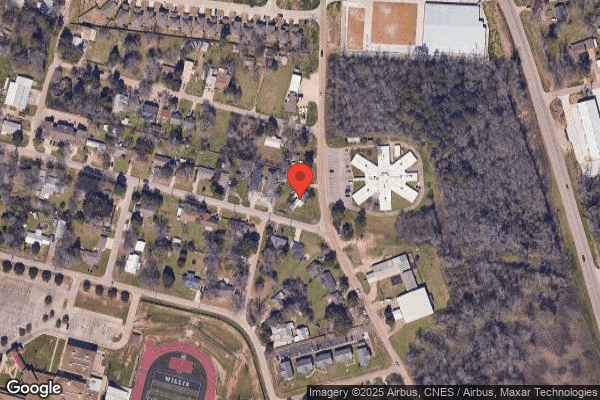
3000 N DANVILLE ST, WILLIS, TX 77378 (936) 856-4312
For profit - Limited Liability company 114 Beds SLP OPERATIONS Data: November 2025
Trust Grade
73/100
#376 of 1168 in TX
Last Inspection: August 2025

Inspected within the last 6 months. Data reflects current conditions.

Overview

Willis Nursing and Rehabilitation LP has a Trust Grade of B, indicating it is a good facility that is a solid choice for care. It ranks #376 out of 1168 nursing homes in Texas, placing it in the top half, and #4 out of 11 in Montgomery County, meaning only three local facilities rank higher. However, the facility's performance is worsening, with reported issues increasing from one in 2024 to two in 2025. While staffing is a weakness with a low rating of 1 out of 5 stars, the turnover rate of 41% is better than the state average, suggesting some staff members remain long-term. Recent inspections identified serious concerns, including a failure to provide adequate supervision during a resident’s transfer, resulting in a hospital visit for a leg injury, and issues with food safety practices that could lead to health risks for residents. Overall, while there are notable strengths, families should be aware of the facility's recent decline and specific incidents that raise concerns.

Trust Score
B
73/100
In Texas
#376/1168
Top 32%
Safety Record
Moderate
Needs review
Inspections
Getting Worse
1 → 2 violations
Staff Stability
○ Average
41% turnover. Near Texas's 48% average. Typical for the industry.
Penalties
✓ Good
$7,443 in fines. Lower than most Texas facilities. Relatively clean record.
Skilled Nurses
⚠ Watch
Each resident gets only 17 minutes of Registered Nurse (RN) attention daily — below average for Texas. Fewer RN minutes means fewer trained eyes watching for problems.
Violations
⚠ Watch
12 deficiencies on record. Higher than average. Multiple issues found across inspections.
★★★★☆
4.0
Overall Rating
★☆☆☆☆
1.0
Staff Levels
★★★★☆
4.0
Care Quality
★★★★★
5.0
Inspection Score
Stable
2024: 1 issues
2025: 2 issues

The Good

  • 4-Star Quality Measures · Strong clinical quality outcomes
  • Full Sprinkler Coverage · Fire safety systems throughout facility
  • No fines on record
  • Staff turnover below average (41%)

    7 points below Texas average of 48%

Facility shows strength in quality measures, fire safety.

The Bad

Staff Turnover: 41%

Near Texas avg (46%)

Typical for the industry

Federal Fines: $7,443

Below median ($33,413)

Minor penalties assessed

Chain: SLP OPERATIONS

Part of a multi-facility chain

Ask about local staffing decisions and management

The Ugly 12 deficiencies on record

1 actual harm
Aug 2025 2 deficiencies
CONCERN (D)

Potential for Harm - no one hurt, but risky conditions existed

Respiratory Care (Tag F0695)

Could have caused harm · This affected 1 resident

**NOTE- TERMS IN BRACKETS HAVE BEEN EDITED TO PROTECT CONFIDENTIALITY** Based on observation, interview, and record review the facility failed to ensure residents who needed respiratory care were prov...

Read full inspector narrative →
**NOTE- TERMS IN BRACKETS HAVE BEEN EDITED TO PROTECT CONFIDENTIALITY** Based on observation, interview, and record review the facility failed to ensure residents who needed respiratory care were provided such care, consistent with professional standards of practice, the comprehensive person-centered care plan or the residents' goals and preference for 1of 2 residents (Resident #34) reviewed for respiratory care.Resident #34 did not receive oxygen at the rate ordered by the physician.This failure could place residents who receive oxygen therapy at risk of receiving the incorrect rate of oxygen and a decline in health.Findings included:Record review of Resident #34's face sheet dated 08/21/25 revealed a [AGE] year-old admitted to the facility on [DATE] and originally admitted on [DATE]. Diagnoses included Metabolic encephalopathy (a change in how your brain works due to an underlying condition), altered mental status, COPD (chronic obstructive pulmonary disease, a lung condition caused by damage to the airway), CHF (Congestive heart failure is a condition where the heart is unable to pump enough blood to meet the body's needs), seasonal allergies and dementia.Record review of Resident #34's quarterly MDS dated [DATE] revealed a BIMS score of 8 out of 15 indicating moderate cognitive impairment. Resident #34 had shortness of breath when sitting at rest and when lying flat. Resident #34 received oxygen therapy while a resident.Record review of Resident #34's active MD orders revealed an order for nasal cannula, continuous O2 at 2L/min due to shortness of breath while lying flat due to COPD; every shift, start date 07/15/25. No further instructions were included in the order.Record review of Resident #34's MAR/TAR for 08/01/25 to 08/21/25 revealed oxygen at 2L/m was administered on 08/19/25, 08/20/25: on shift 6:00AM to 6:00PM and shift 6:00PM to 6:00AM and on 08/21/25 on shift 6:00AM to 6:00PM. Record review of Resident #34's O2 saturation log from 07/21/25 to 08/21/25 revealed O2 saturation rates: 97% on 08/19/25 at 7:24 AM and 98% at 8:08PM; 97% on 08/20/25 at 6:24 AM and 97% at 9:11 PM; 94% at 08/21/25 at 8:33AM.Observation and interview on 08/19/25 at 9:05AM, Resident #34 was lying on her back with the head of bed elevated and receiving humidified oxygen at 4L/min via nasal cannula. Resident #34 was able to open her eyes and stated she liked to sleep and did not know why she was getting oxygen.Observation on 08/20/25 at 12:00 PM, Resident #34 was sitting up in bed eating lunch. Oxygen was set at 4L/min and nasal cannula prongs were positioned in the nostrils.Observation on 08/21/25 at 10:25AM, Resident was asleep on her back, chest rising and falling, and the head of bed elevated slightly. Oxygen rate was set at 3.5L/min and nasal cannula prongs were positioned in the nostrils.Interview on 08/21/25 at 10:25AM LVN-B stated she was responsible to make sure Resident #34's oxygen rate was set as ordered and that all nurses were responsible for checking oxygen. She stated Resident #34 had always been on oxygen since she began working at the facility March 2025. LVN-B stated she did not know why she was receiving the oxygen and would have to look in her chart. LVN-B stated she checked the oxygen rate at 8:33AM (8/21/25). She stated the oxygen orders were for 2-3L/min. LVN-B stated she did not know why the settings were at 4L/min and that night shift was responsible for changing the tubing and cleaning the concentrator, so maybe the rate got moved then.Interview on 8/21/25 at 10:35AM, the DON stated Resident #34 was receiving oxygen d/t her O2 saturation rates would drop when she was non-compliant. When asked what the risks were to the resident if she did not receive oxygen as ordered, the DON stated the orders would have to be followed and that she would have to ask the MD. The DON stated she expected the nurses to check oxygen settings every shift at least once a day and follow physician orders.Interview on 8/21/25 at 10:40AM, LVN-A stated she was familiar with Resident #34. LVN-A stated Resident #34 had COPD and would get confused if not enough oxygen or too much oxygen was received. LVN-A stated all the nurses were responsible for checking accuracy of oxygen therapy. LVN-A stated during her first round of the day she would check oxygen settings and the level of water in the bottles.Record review of Resident #34's MAR/TAR revealed the oxygen concentrator filter was cleaned weekly on 08/17/25 between 6:00 PM and 6:00 AM. The oxygen humidification bottle was replaced or refilled as required every shift. (6:00AM-6:00PM, and 6:00PM - 6:00AM).Record review of the facility's policy for oxygen concentrator, date implemented was 07/2025 read in part: The purpose of this policy is to establish responsibilities for the care and use of oxygen concentrators.2. Oxygen is administered under orders of the attending physician, except in the case of an emergency.4. a. the nurse shall verify physician's orders for the rate of flow and route of administration of oxygen (mask, nasal cannula, etc.).
CONCERN (D)

Potential for Harm - no one hurt, but risky conditions existed

Deficiency F0925 (Tag F0925)

Could have caused harm · This affected 1 resident

**NOTE- TERMS IN BRACKETS HAVE BEEN EDITED TO PROTECT CONFIDENTIALITY** Number of residents sampled: Number of residents cited: Based on observations, interviews, and record reviews the facility faile...

Read full inspector narrative →
**NOTE- TERMS IN BRACKETS HAVE BEEN EDITED TO PROTECT CONFIDENTIALITY** Number of residents sampled: Number of residents cited: Based on observations, interviews, and record reviews the facility failed to maintain an effective pest control program so that it remains free of pests for one Resident's bathroom (Resident #19) out of 22 bathrooms and one hallway out of four hallways reviewed for pests.-The facility failed to ensure the building was free of cockroaches. A cockroach was found on the Surveyor's clothing while standing in a hallway during medication pass. A cockroach was observed in Resident #19's bathroom on two separate occasions.These failures could put residents at risk of, infection, allergies, skin irritation, unsanitary living conditions and decline in health and well-being.Findings include:Record review of Resident #19's face sheet dated 08/21/25 revealed a [AGE] year-old admitted to the facility on [DATE] and initially admitted on [DATE]. His diagnoses included a stroke, depression, fungal infection of the skin and nails, Hemiplegia (one sided paralysis or severe loss of strength on one side), contractures of the muscle and anxiety.Record review of Resident #19's quarterly MDS dated [DATE] revealed a BIMS score of 11 out of 15 indicating moderate cognitive impairment. Resident #19 was dependent on staff for almost all ADLs.Record review of Resident #6's face sheet dated 08/20/25 revealed a [AGE] year-old admitted to the facility on [DATE] and initially admitted on [DATE]. Her diagnoses included heart failure, COPD (chronic obstructive pulmonary disease) (a lung condition caused by damage to the airway), schizophrenia, muscle wasting, high blood pressure and depression. Resident #6 used a walker for mobility and independent with all ADLs.Record review of Resident #6s annual MDS dated [DATE] revealed a BIMS score of 12 out of 15 indicating moderate cognitive impairment.Observation and interview on 8/20/25 at 6:30AM, during med pass in the hallway, a small brown, long, thin, oval shaped cockroach was found on Surveyor's shirt. Initially itching began on the back of the neck, then pin prick sensation was felt on back of right shoulder. The cockroach crawled over the front of the chest and then onto the outside of shirt. Immediate itching and two small, raised bumps were on the skin on back of the shoulder. MA-C stated if she saw pests, including cockroaches she would write it in the workorder book at the nurse station and would also inform maintenance.Observation and interview on 08/20/25 at 11:58 AM a long, thin, brown crawling insect was found running out from behind the toilet in Resident #19's bathroom. The Regional Maintenance Consultant at the time of observation, when asked if he were aware of insects in the facility, he stated no, and that the pest control was here last week. When asked who checked for insects, he stated all the staff would report if they saw one. When asked how often the pest control company perform an inspection, he stated monthly and they were on-call. When asked how this affected the residents, he stated it would spread disease, be unsanitary, and there could be a possible infestation.In an interview on 08/20/25 at 3:00 PM, LVN-A was asked how would it affect residents if cockroaches were around, LVN-A stated it would not be clean or healthy and an infection control issue. LVN-A stated if she observed a cockroach, she would write a workorder for the maintenance to address. LVN-A stated we do live in Texas and there are roaches here.In an interview on 08/20/25 at 3:05 PM, The Regional Maintenance Consultant stated he did not see any cockroaches today, and only saw ants outdoors. The Regional Maintenance Consultant stated he heard about the Surveyor's report of the cockroach sighting, and he did some spraying. He stated that staff would document any sightings in the workorder book and let him know. The Regional Maintenance Consultant stated he called pest control today d/t the ants outside and that they would be at the facility 08/21/25.In an interview on 08/20/25 at 3:15 PM, the DON, when asked how cockroaches inside the building affect residents, she stated they were gross and scary. When asked if cockroaches carried disease, the DON stated yes. The DON stated maintenance scheduled monthly Pest Services and they spray for pests.Observation and interview on 08/21/2025 at 12:33 PM in Resident #19's bathroom a small brown cockroach with wings visible crawled in the gap between the toilet and the floor, when the door was opened and the light turned on. Resident #19 stated he had seen the large yard cockroaches come into the building during heavy rain but had not seen any cockroaches recently. Resident #19 stated he did not like them being around and if they don't crawl all over him, he was ok with them. Resident #19 stated he did not use the bathroom as he cannot get out of bed. In an interview on 08/20/25 at 3:25 PM, Resident #6 resided in Hall 5, stated she had not seen any cockroaches recently but when she was in a different hall about a year and a half ago there was an awful cockroach problem. Resident #6 stated her roommate at the time would soil her brief often and thought maybe that was attracting the cockroaches. Resident #6 stated they were icky, and one got onto her face back then, she wanted to scream.Record review of the facility pest control logbook revealed roaches were sighted on, and addressed by pest control technicians: 12/26/24, addressed on 01/09/25 03/13/25, 03/17/25 addressed on 3/17/25 04/10/25, 04/11/125 addressed on 04/11/25 05/12/25, addressed on 05/19/25 07/11/25, addressed on 07/15/25 08/11/25, addressed on 08/13/25.Record review of the facility's pest control invoices dated from 02/17/25, 03/16/25, 4/22/25, 5/19/25, 06/16/25, 07/17/25, and 08/13/25, revealed monthly service was rendered. No further details were included in the invoices.Record review of the facility policy and procedure for Pest Control, revised May 2008 read in part: Policy Statement - Our facility shall maintain an effective pest control program. Policy Interpretation and Implementation 1. This facility maintains an on-going pest control program to ensure that the building is kept free of insects and rodents. 2. Pest control services are provided by pest control company. 3. Windows are screened at all times 5. Garbage and trash are not permitted to accumulate and are removed from the facility daily. 6. Maintenance services assist, when appropriate and necessary, in providing pest control services.
Jun 2024 1 deficiency
CONCERN (E)

Potential for Harm - no one hurt, but risky conditions existed

Food Safety (Tag F0812)

Could have caused harm · This affected multiple residents

**NOTE- TERMS IN BRACKETS HAVE BEEN EDITED TO PROTECT CONFIDENTIALITY** Based on observation, interview, and record review, the facility failed to store, prepare, distribute, and serve food in accorda...

Read full inspector narrative →
**NOTE- TERMS IN BRACKETS HAVE BEEN EDITED TO PROTECT CONFIDENTIALITY** Based on observation, interview, and record review, the facility failed to store, prepare, distribute, and serve food in accordance with professional standards for food service safety in 1 of 1 unit refrigerators. 1. The facility failed to ensure foods were labeled in order to identify the contents and dated when opened. 2. The facility failed to ensure food was properly stored in designated areas at all times. These failures could place residents who ate food from the unit refrigerator at risk of food borne illness and disease. Findings Included: Observation of the unit refrigerator located in the medication room [ROOM NUMBER]/25/24 at 8:50 AM revealed the following: 1. A clear plastic container with a green top which contained a yellow substance that appeared to be pudding had no label and was did not have the date it was prepared. 2. A plastic bag of chips and dips had no label to identify the contents and did not have the date they were prepared. 3. A Whataburger cup with dark liquid that was stuck to bottom of refrigerator door and had no label to identify the contents and did not have the date it was placed in the refrigerator. 4. A plastic container with a frosted chocolate cupcake had that did not have the date it was stored. During an interview on 06/25/24 at 08:59 AM, LVN 1 said the substance in the clear plastic container was pudding that the medication aide uses to give Resident's medications. LVN1 said he was embarrassed because the refrigerator should not look like this, and he did not know who was responsible for cleaning it. When asked why refrigerated foods should be labeled with dates and names, LVN 1 replied that was to prevent cross-contamination or spoilage, and someone could get sick if they eat it. During an interview on 6/26/24 at 1:20pm the ADON stated the charge nurses are responsible for checking the unit refrigerator for labels and dates on the resident's food. The ADON further stated staff was not supposed to put personal items in that refrigerator and the staff had a refrigerator in the break room for their personal use. The ADON stated after the food was discovered without labels and dates, an in-service was done with the staff. During an interview on 6/27/24 at 1:25pm the Administrator stated whoever takes the food from the Resident was responsible for placing the name of resident and the date on the item. It was a shared responsibility between medication aides and nurses. They are the only ones with access to the room. They are also responsible for discarding out of date items. Record review of the facility's policy titled Resident Personal Food Policy dated 9/11/23 Procedure Section C (d) indicated that Foods requiring refrigeration will be received by the facility designee (activity department, food and nutrition department, charge nurse, etc.) to ensure proper and immediate storage including labeling and dating.
Oct 2023 2 deficiencies 1 Harm
SERIOUS (G) 📢 Someone Reported This

A family member, employee, or ombudsman was alarmed enough to file a formal complaint

Actual Harm - a resident was hurt due to facility failures

Accident Prevention (Tag F0689)

A resident was harmed · This affected 1 resident

**NOTE- TERMS IN BRACKETS HAVE BEEN EDITED TO PROTECT CONFIDENTIALITY** Based on observation, interview and record review, the facility failed to ensure each resident received adequate supervision for...

Read full inspector narrative →
**NOTE- TERMS IN BRACKETS HAVE BEEN EDITED TO PROTECT CONFIDENTIALITY** Based on observation, interview and record review, the facility failed to ensure each resident received adequate supervision for 1 of 2 residents (Resident #1) reviewed for accidents. -The facility failed to safely transfer Resident #1 and prevent injury during a mechanical lift transfer that resulted in Resident #1 sustaining a laceration to her left leg requiring her to be sent to the hospital This failure could place resident at risk for accidents, injuries, and hospitalization. The noncompliance was identified as PNC. The noncompliance began on [DATE] and ended on [DATE]. The facility had corrected the noncompliance before the survey began. Findings Include: Intake ID #433231 Record review of Resident #1's face sheet revealed she was an [AGE] year-old female admitted to the facility on [DATE]. Her admitting diagnoses included a fracture to the lower end of the thigh bone, anemia, malnutrition, and muscle loss. Record review of Resident # 1's quarterly MDS dated [DATE] revealed a BIMS score of 12 indicating moderate cognitive impairment. Section G: Functional Status revealed the resident required extensive assistance during transfers (resident involved activity, staff provide weight-bearing support) and two plus person physical assist. Record review of Resident #1's care plan dated [DATE] revised [DATE] revealed Resident #1 ADLs Functional Status/Rehabilitation Potential. Interventions are- Consult Physical Therapy, Occupational Therapy, Speech Therapy as needed and Resident care as per facility protocol. Record review of facility's investigation completed by the Administrator dated [DATE] revealed Resident #1 was transferred to hospital on [DATE] due to acquiring a laceration during a Hoyer lift transfer. After further investigation it was determined the resident sustained a mildly displaced and angulated, oblique fracture involving the distal left femoral(a fracture to the lower end of the left thigh bone). The Administrator provided a sign in sheet titled Hoyer Lift and Transfer dated [DATE] and received a document titled Transfer from Bed to chair with a Mechanical Lift- Training. Record review of the hospital records dated [DATE] of Report of Operative Procedure from Hospital #2 revealed, Resident #1 presented to the hospital after sustaining a laceration of the back of the calf and a fracture to the thigh bone at the skilled nursing facility. Further review of hospital records revealed during knee replacement surgery, the resident experience respiratory complications requiring chest compression. The resident was transferred to ICU and passed away. In an interview on [DATE] at 9:30AM with the Administrator, she stated during a use of a mechanical lift, two nurses (LVN A and LVN B) were transferring Resident #1 on back into bed and the resident bumped her leg which caused a laceration. She stated Resident #1 was sent out to the hospital because she had a laceration. The Administrator stated Hospital #1 transferred Resident #1 to Hospital #2 and stated the reason of the 2nd transfer was unknown. She stated the first hospital did not inform the facility that the resident had a fracture, she stated she was informed of the fracture by the 2nd hospital. The Administrator denied that the resident had a fall during the transfer. The Administrator also denied that the fracture was caused by the resident hitting her leg during the transfer. The Administrator reported she believed the fracture could have occurred during the residents transfer to the hospital. In an interview on [DATE] at 10:50AM with LVN B, he stated he had worked at the facility since [DATE] and he worked from 6am-6pm. He stated he and LVN A was assisting Resident #1 with getting back into bed via mechanical lift because the resident was a 2 person assist. He stated the resident scrapped the back of her leg while getting into the bed. LVN B stated he saw the scrape and it looked as if the resident could have required stitches, so she was sent out to the hospital. He stated the resident never fell during the transfer. She stated she was in-serviced on mechanical lift after the incident occurred. In an interview on [DATE] at 11:22AM with LVN A, she stated she had been employed at the facility for 22 years. She stated she worked the 6am-6pm shift. LVN A stated Resident #1 had been up and wanted to lay back down. She stated the CNAs were at lunch so she and LVN B helped Resident #1 get back in bed. She stated Resident #1 was in a sling for the mechanical lift, and when she and LVN B went to lay her down the resident's lower leg bumped into the bed, and the resident sustained a cut. She stated Resident #1 was sent out to the hospital because of the cut on her leg. She stated the DON and Administrator was immediately notified. LVN A denied that the resident ever had a fall during the transfer. LVN A stated she was in-serviced on lifts. Observation on [DATE] at 1:53PM of CNA A and CNA B during Resident #2's Hoyer lift transfer into bed. CNA A was observed connecting the slings to the Hoyer lift and CNA B ensured the wheelchair was locked in place. CNA B was observed standing near the residents' feet and CNA A was observed standing near the residents head. CNA A controlled the lift controller. Resident #2 was transferred into bed and there were no concerns. In an interview on [DATE] at 2:23PM with the DON, she stated she had been employed at the facility for a few weeks. She stated she was not familiar with the incident that occurred with Resident #1 because she was not employed at the facility. She stated the expectations for mechanical lift were that it takes at least 2 people to assist the resident. She stated one person should be controlling the machine and the other person should be positioning the patient. She stated the sling should be positioned under the back and bottom. She stated the staff were in-service on lifts annually and if there was an incident, the in service were repeated. Telephone call on [DATE] at 3:02 PM to NP-No answer, voicemail was full so unable to leave a message. Telephone call on [DATE] at 3:04PM to Physician- phone went to voicemail, voicemail was left. In an interview on [DATE] at 4:00PM with OT- She stated she did therapy with Resident #1 when she was at the facility for about 3 weeks until she went into the She stated the resident did need a lot of assistance due to being blind and she also required self-care skills with feeding. She stated Resident #1 had a spacer in her left knee which always kept her leg extended. She stated the resident had an elevated footrest to keep her foot to an extent. The resident had to be transferred towards her right leg and use the gait belt to keep it extended. The resident was non weight barring on that left leg. She stated the therapist used a gait belt to transfer the resident during therapy sessions and the staff members used a Mechanical Lift for transfers when the resident needed to be transferred. She stated the staff did not have to get any type of special training to transfer the resident since Mechanical lifts did not require the resident to have any weight on her legs during transfers. Telephone call on [DATE] at 10:02 AM to NP-No answer, voicemail was full so unable to leave a message. Record review of Resident #1's PT Evaluation and Plan of Treatment dated [DATE] revealed the residents weight bearing status was non weightbearing on her left lower extremity. Record review of Resident #2 face sheet revealed a [AGE] year-old male admitted to the facility on [DATE]. His diagnoses included Type 2 diabetes mellitus without complications, brain damage caused by lack of oxygen, muscle loss, contracture of muscle to the right lower leg, and contracture of muscle to the left lower leg. Record review of the Gait Belt Transfer Skills Checklist for LVN A dated on [DATE] read in part: .Comments: Education and training on 2-man Hoyer lift transfers as well . Record review of the Gait Belt Transfer Skills Checklist for LVN B dated on [DATE] read in part: .Comments: Education and training on 2-man Hoyer lift transfers as well . Record review of Hoyer Lift and Transfer training for all staff dated [DATE]. Record review of incident intake #433231 read in part: .Narrative of The Incident - Resident #1 was discharged to Hospital #1 on [DATE] after acquiring a laceration during a Hoyer transfer. On [DATE] the facility was contacted by the family of Resident #1 and informed that the resident expired on 6/25 due to a blood clot during a knee and femur surgery at Hospital #2 . Record review of the facilities Safe, Lifting and Movement of Residents policy dated [DATE] read in part: .In order to protect the safety and well-being of the staff and residents, and to promote quality care, this facility uses appropriate techniques and devices to lift and move residents. Policy Interpretation and Implementation: 1. Resident safety, dignity, comfort and medical condition will be incorporated into goals and decisions regarding the safe lifting and moving of residents . 3.Staff will document resident transferring and lifting needs in the care plan .4. Staff responsible for direct care will be trained in the use of manual .and mechanical lifting devices. 5. Mechanical lifting devices shall be used for heavy lifting, including lifting and moving residents when necessary. 6. Only staff with documented training on the safe use and care of the machines and equipment used in this facility will be allowed to lift or move residents .Safe lifting and movement of residents is part of an overall facility employee health and safety program, which: a. Involves employees in identifying problem areas and implementing workplace safety and injury prevention strategies; .d. Continually evaluates the effectiveness of workplace safety and injury-prevention strategies. It was determined these failures resulted in a deficient practice from [DATE] to [DATE]. facility took the following action to correct the non-compliance on [DATE]:
CONCERN (D) 📢 Someone Reported This

A family member, employee, or ombudsman was alarmed enough to file a formal complaint

Potential for Harm - no one hurt, but risky conditions existed

Deficiency F0761 (Tag F0761)

Could have caused harm · This affected 1 resident

Based on observation, interviews and record review the facility failed to ensure all drugs and biologicals were stored securely for one (Nurse Cart #6) of four medication carts reviewed for storage of...

Read full inspector narrative →
Based on observation, interviews and record review the facility failed to ensure all drugs and biologicals were stored securely for one (Nurse Cart #6) of four medication carts reviewed for storage of medications. Nurse Cart #6 had a punctured protective seal on the back of a narcotic medication blister pill card. This failure could place residents at risk of not receiving the therapeutic benefit of medications, adverse reactions to medications and drug diversion. Findings included: Observation on 09/24/2023 at 12:20 PM revealed the narcotic storage of Lorazepam 0.5 mg tablets # one tablet had a torn protective seal. The blister contained one and a half small white tablets. This was the last dose in the pill card that had 30 blisters. In an interview on 09/24/2023 at 12:20 PM with LVN A stated she was not sure why the tear on the back of the Lorazepam pill card was there. LVN A stated she counted with the night nurse in the AM and did not notice the tear. LVN A stated if the Lorazepam was due again, she would see the tear and would waste (destroy and render unusable) it. LVN A stated she would waste the medication with another nurse. LVN A stated it would not be OK to ever tape over the tear. LVN A stated sometimes during popping out of a tablet, our fingers may puncture the back of the blister package. In an interview on 09/28/2023 at 1:50 PM, the Clinical Resource Nurse stated torn blister cards should not be in the medication cart. She stated the nursing staff should be looking at the back of the cards to make sure there are no holes. She stated the risk to the resident would be an infection control risk. She stated if the tablet should fall out, it could be a case of drug diversion. She stated if the tablet falls to the floor, hopefully it would not be picked up and taken by a resident as it could cause adverse reactions. Record review of facility's policy titled Storage of Medications, revised November 2020 revealed in part .Policy heading: The facility stores all drugs and biologicals in a safe, secure and orderly manner. Policy Interpretation and Implementation: 1. Drugs and biologicals used in the facility are stored in locked compartments and under proper temperature .2. Drugs and biologicals are stored in the packaging, containers or other dispensing systems in which they are received . 3. The nursing staff is responsible for maintaining medication storage and preparation areas in a clean, safe and sanitary manner .6. Compartments (including, but not limited to, drawers, cabinets, rooms, refrigerators, carts and boxes containing drugs and biologicals re locked when not in use .
Oct 2023 4 deficiencies
CONCERN (D) 📢 Someone Reported This

A family member, employee, or ombudsman was alarmed enough to file a formal complaint

Potential for Harm - no one hurt, but risky conditions existed

Deficiency F0557 (Tag F0557)

Could have caused harm · This affected 1 resident

**NOTE- TERMS IN BRACKETS HAVE BEEN EDITED TO PROTECT CONFIDENTIALITY** Based on observation, interview, and record review, the facility failed to provide dignity and respect for 1 of 5 (Resident #5) ...

Read full inspector narrative →
**NOTE- TERMS IN BRACKETS HAVE BEEN EDITED TO PROTECT CONFIDENTIALITY** Based on observation, interview, and record review, the facility failed to provide dignity and respect for 1 of 5 (Resident #5) residents observed for privacy and dignity in that: -The facility failed to pull the privacy curtain in Resident #5's room during incontinent care. This failure could affect resident (s) that required assistance with care at risk for embarrassment and lower self-esteem. Findings included: Resident #5 Record review of Resident#5's face sheet revealed an [AGE] year-old female who was admitted to the NF on 11/03/2021 and readmitted on [DATE]. Her diagnoses included Parkinson's disease (a disorder of the brain that causes unintended or uncontrollable movements), pneumonia (in infection that inflames the air sacs of the lungs), unspecified Essential (primary) hypertension (high blood pressure), Anxiety disorder( feeling of fear, dread and uneasiness), Fever (high body temperature of over 100 degrees), anorexia (an eating disorder), acute embolism and thrombosis of unspecified deep veins of lower extremity (when arteries are blocked by a blood clot), constipation (difficulty passing stool), unspecified dementia (memory loss), insomnia (sleep disorder, having problems falling asleep), moderate protein-calorie malnutrition(inadequate intake of protein, and calories), pain, hypokalemia (low potassium in the blood), Vitamin D deficiency ( body does not adequate vitamin D), anemia (the body does not have enough healthy red blood cells), and Cardiac arrhythmia (irregular heart beat). Record review of Resident #5's quarterly MDS dated [DATE] revealed her cognitive skills for decision the resident was coded as severely impaired (never/rarely made decision). For activities of daily living Resident #5 was coded for bed mobility and toileting use as total dependence with one person assist and transfer as total dependence and two plus persons physical assist and for eating, she was coded as extensive assistance with one-person physical assist. For bowel and bladder Resident #5 was coded as incontinent of bowel and bladder. Observation on 10/18/2023 at 11:45 a.m. revealed CNA A providing incontinent care to Resident #5. The surveyor knocks, on the door and was told to come in. CNA A had Resident #5's adult diaper down and Resident #5 roommate was in her bed, and she did not pull the privacy curtain to provide privacy to Resident #5. The privacy curtain to the door was not drawn and the resident was visible from the hallway. The Surveyor exit the room and on exiting CNA A drew the curtain between the two beds. Further observation at 11:55 a.m. the Surveyor then knocks on the door and CNA A was trying to put Resident #1's pant up, the privacy curtain between Resident #5 and her roommate's bed was drawn but the one to the entrance door to the hallway was not drawn. At that point the Surveyor told her to pull the privacy curtain to the entrance door to the hallway. In an interview with CNA A on 10/18/2023 at 12:30 p.m. she said she usually does not pull the privacy curtain when she provides care to Resident #5 because her roommate was not usually in the room. She said she was taught to pull the privacy curtain when providing care to residents. She said Resident #5 roommate was in the room and she should have drawn the privacy curtain. She said she did not know what happened, because she usually pulls the privacy curtain when Resident #5 was in the room. She said she was in-service on providing privacy that means she should always pull the privacy curtain and closed the doors when providing care. She said she did not know why she did not do what she was trained to do. During an interview on 10/18/2023 at 12:55 pm., with the DON said that when staff were providing care to residents, they should always provide privacy, drawing the privacy curtains, closing the door, and talking to them to make them comfortable. She said they were in-serviced on privacy. She said she will just have to in-service them again. Record review of the facility's policy and procedure dated February 2021 title Dignity read in part . Policy Statement: Each resident shall be cared for in a matter that promotes and enhances his or her sense of well-being, level of satisfaction with life and feelings of self-worth and self-esteem. Employees should treat all residents with kindness, respect and dignity. Policy Interpretation and Implementation 11. Staff promotes, maintain, and protect resident privacy, including bodily privacy during assistance with personal care and during treatment procedures. Perineal Care Policy Statement: Perineal care is providing cleanliness and comfort to the resident, to prevent infection, skin irritation and to observe the resident skin condition. Steps in procedure: 1. Introduce self to resident and explain care that will be provided. Provide privacy i.e. pull curtain and close door.
CONCERN (D) 📢 Someone Reported This

A family member, employee, or ombudsman was alarmed enough to file a formal complaint

Potential for Harm - no one hurt, but risky conditions existed

ADL Care (Tag F0677)

Could have caused harm · This affected 1 resident

**NOTE- TERMS IN BRACKETS HAVE BEEN EDITED TO PROTECT CONFIDENTIALITY** Based on observation, interview, and record review, the facility failed to provide the necessary services to maintain personal h...

Read full inspector narrative →
**NOTE- TERMS IN BRACKETS HAVE BEEN EDITED TO PROTECT CONFIDENTIALITY** Based on observation, interview, and record review, the facility failed to provide the necessary services to maintain personal hygiene for 1 of 5 residents (Resident #1) reviewed for activities of daily living. -The NF failed to provide proper perineal/incontinent care for Resident #1. This failure placed resident at risk for UTI's (urinary tract infections), sepsis (presence of harmful bacteria in the blood), and unwanted hospitalization. Findings included: Resident #1 Record review of Resident #1's face sheet revealed a 62year old male admitted to the NF on 08/26/2023 with diagnoses that included the following: monoplegia (paralysis to one extremity or region of the body) upper limb following nontraumatic subarachnoid hemorrhage (bleeding on the brain) affecting left non-dominant side, dementia (impairment of memory and judgement) moderate, with other behavior disturbance, gastro-esophageal reflux disease (stomach acid or bile flows into the food pipe and irritates the lining) without esophagitis (inflammation that damages the tube running through the throat to the stomach), benign (growth that is not cancerous) prostatic hyperplasia (prostate enlargement that can cause urination difficulty) without lower urinary tract symptoms, dysphagia (difficulty swallowing), aphasia (loss of the ability to understand or express speech), and gastrostomy (surgical opening into the stomach from the abdominal wall). Record review of Resident #1's MDS dated [DATE] revealed that resident had a BIMS score of 3 indicating that resident cognition was severely impaired. Further review revealed that resident required assistance with activities of daily living due to total dependence with bed mobility, transfer, dressing, eating, toilet use, and personal hygiene. Further review revealed that resident was always incontinent of bowel and bladder. Record review of Resident #1's Care Plan dated 08/21/2023 revealed that resident was being care planned for incontinence of bowel and bladder with intervention that included to provide incontinent care after each in incontinent episode and to monitor skin and report any changes. Observation on 10/18/2023 at 12:55pm CNA B performing perineal care for Resident #1 with the assistance of LVN D. CNA B entered resident room and washed her hands with soap and water, placed on a set of gloves and began to remove resident brief that was stained with feces. CNA B positioned resident to his left side with the assistance of the LVN D and began to clean resident rectal area with disposable wipes one wipe at a time. CNA B placed soiled material inside of a plastic bag. When CNA B was done cleaning resident anus and buttocks, she then positioned resident on his back with the assistance of the LVN D and began to clean resident perineal area (skin between the scrotum and anus and bottom region of the pelvic). The CNA B did not change her gloves and wash her hands. The CNA B proceeded to clean resident groin that had feces on the disposable wipes. When CNA B was done cleaning the groin area, she then began to clean resident penis starting at the urethral meatus (opening from the inside to the outside) not cleaning downward and away from the urethral meatus instead, cleaned in a circular motion upward. When CNA B was done providing care, she then removed her gloves and washed her hands with soap and water. Interview on 10/18/2023 at 1:10pm CNA B said she should have cleaned resident first starting in the front and moving to the back. CNA B said she should have started at the tip of resident penis retracting the foreskin of the penis and cleaning the penis by moving downward in a circular motion away from the urethral meatus. CNA B said these steps should have been taken to avoid infections like UTI's. CNA B said she became nervous and started making mistakes. Interview on 10/18/2023 at 1:35pm the DON said when administering perineal/incontinent care for a male resident, the staff should be starting at the meatus cleaning down and away from the meatus to prevent introducing bacteria in the urinary tract that could cause UTI's. Record review of the NF Policy on Perineal Care revised 01/20/2023 revealed in part: .Perineal Care is providing cleanliness and comfort to the resident, to prevent infections, skin irritation, and to observe the residents skin condition .For male resident .clean perineal area starting with urethra and working outward .Retract foreskin of the uncircumcised male .Clean urethral area with a cleansing wipe using a circular motion .Continue to clean the perineal area including the penis, scrotum, inner thighs .Turn on his side .clean the anus, and buttocks .
CONCERN (D) 📢 Someone Reported This

A family member, employee, or ombudsman was alarmed enough to file a formal complaint

Potential for Harm - no one hurt, but risky conditions existed

Tube Feeding (Tag F0693)

Could have caused harm · This affected 1 resident

**NOTE- TERMS IN BRACKETS HAVE BEEN EDITED TO PROTECT CONFIDENTIALITY** Based on observation, interview, and record review, the facility failed to provide appropriate treatment and services to restore...

Read full inspector narrative →
**NOTE- TERMS IN BRACKETS HAVE BEEN EDITED TO PROTECT CONFIDENTIALITY** Based on observation, interview, and record review, the facility failed to provide appropriate treatment and services to restore, if possible, oral skills and to prevent complication of enteral feeding including but not limited to aspiration pneumonia, diarrhea, vomiting, dehydration, metabolic abnormalities and nasal pharyngeal ulcers for 1 of 5 residents (Resident #1) reviewed for quality of care. -CNA failed to inform the nurse to stop Resident #1's continuous gastrostomy feedings while providing incontinent care with resident head of bed flat. The failure placed resident at risk for aspiration, pneumonia, and unwanted hospitalization. Findings included: Record review of Resident #1's face sheet revealed a 62year old male admitted to the NF on 08/26/2023 with diagnoses that included the following: monoplegia (paralysis to one extremity or region of the body) upper limb following nontraumatic subarachnoid hemorrhage affecting left non-dominant side, dementia, moderate, with other behavior disturbance, gastro-esophageal reflux disease without esophagitis, benign prostatic hyperplasia without lower urinary tract symptoms, dysphagia, aphasia, and gastrostomy. Record review of Resident #1's MDS dated [DATE] revealed that resident had a BIMS score of 3 indicating that resident cognition was severely impaired. Record review of Resident #1's Care Plan dated 08/21/2023revealed that the NF was care planning resident for feeding tube an intervention that included to provide enteral (nutrition delivered using the stomach) feedings as ordered. Record review of Resident #1's Physician orders revealed the following orders dated 08/12/2023 enteral feeding (aspiration precaution) elevate HOB 30-45-degree, order dated 08/30/2023 for enteral free water give 200ml per tube q hrs., and an order dated 10/17/2023 revealed enteral formula Glucerna 1.5 to run at 55ml/hr. for 22 hours per day. Observation on 10/18/23 at 11:40am Resident #1 was resting on his left side in bed on an air mattress with head of bed flat. Resident was receiving continuous gastrostomy feedings Glucerna 1.5 (hung on 10/18/23 at 4:00am) infusing at 55ml/hr. Further observation was made of resident also receiving water flush 200ml every 4 hours. NA C was providing incontinent care for resident who had a bowel movement. Further observation was made of resident not appearing to be in any distress. Interview on 10/18/23 at 11:50am NA C said LVN D was aware that she was going to provide incontinent care for Resident #1. NA C said she had been working at the NF for 8 weeks and was not supposed to be working on the unit by herself. NA C said she was not a CNA because she was still in training. NA C said she did not know what she was supposed to do prior to providing incontinent care for a resident on continuous gastrostomy feedings. Interview on 10/18/23 at 11:55am LVN E said she was not the nurse taking care of Resident #1 and believed resident nurse may had been on break. When LVN E observed resident head of bed being flat with continuous feedings infusing, LVN E said resident head of bed should be elevated to 45 degrees to prevent resident from aspirating. LVN E elevated resident head of bed. Interview on 10/18/23 at 12:00pm LVN D said she had been working at the NF for a little over a year. LVN D said NA C never asked her to assist with incontinent care for Resident #1. LVN D said whenever incontinent care was being provided for a resident receiving continuous gastrostomy feedings, the feedings must be stopped to prevent resident from aspirating. LVN D said NA should have informed her what she was going to do so she could have placed the feeding on hold and disconnect tubing from resident. LVN D said she would have assisted NA C with incontinent care if she had asked. Further interview on 10/18/23 at 12:10pm NA C said she was in the TNA (Training Nurse Aide) Program and had completed her hours just needed to take her exam. NA C said she became frustrated when she said she was not supposed to be working at the NF by herself. NA C said Resident #1 had a new G-Tube (gastrostomy tube) because she had worked with Resident #1 in the past and he did not have one that she could remember. NA C said she had gone to LVN D for assistance and that LVN D did not respond to her when she had asked her what she was supposed to do because resident was receiving continuous gastrostomy feedings. NA C said LVN D did not answer because she was busy doing something else. NA C said she proceeded to care for Resident #1 because he was incontinent of stool and needed to be cleaned. Interview on 10/18/2023 at 12:22pm DON said she had been working at the NF for 1 month. The DON said the TNA (Training Nurse Aide) Program she believed the policy stated that another staff member must buddy up with the person in training until they became a CNA but would have to confirm with the Administrator. The DON said prior to a staff providing care for a resident (s) with a continuous feeding they should inform the nurse first so that the nurse could stop and disconnect the feedings. The DON said this was done to prevent the resident from aspirating. Further interview with the DON said the NF had 4 residents that were receiving continuous gastrostomy feedings. Interview on 10/18/23 at 1:25pm Administrator said the NF did not have a policy on their TNA Program but went by the state guidelines regarding training for nurse aide. The Administrator said there was nothing in the NATCEP (Nurse Aide Training and Competency Evaluation Program) that specified that NA C could not be alone when administering care for the residents. The Administrator said moving forward, she would ensure that NA C received more training in the areas of gastrostomy tubes. The Administrator said NA C had completed her competency skill check list regarding resident care. The Administrator said it was CNA B that checked NA C off in her competency skills. The Administrator said it was ultimately the DON that was responsible in ensuring that the nurse aides was able to perform each task on the competency check off list. The Administrator said the Corporate Regional Nurse also assisted with the nurse aide skills competency checkoff. The Administrator said the previous DON left the facility in July 2023 and after that, the NF had two interim DON in the month of August 2023. The Administrator said the NF new DON started working at the NF on 09/01/2023. Record review of Nurse Aide Skills Competency Checklist for NA C revealed that NA C had been checked off for nutrition and elimination regarding G-Tube (Gastrostomy Tube) on 08/02/2023. Record review of the NF Policy on Enteral Feedings-Safety Precautions revised May 2014 revealed in part: .Always elevate the head of bed at least 30-45 degree during tube feeding .
CONCERN (D) 📢 Someone Reported This

A family member, employee, or ombudsman was alarmed enough to file a formal complaint

Potential for Harm - no one hurt, but risky conditions existed

Infection Control (Tag F0880)

Could have caused harm · This affected 1 resident

**NOTE- TERMS IN BRACKETS HAVE BEEN EDITED TO PROTECT CONFIDENTIALITY** Based on observation, interview, and record review the facility failed to maintain an infection control program designed to prov...

Read full inspector narrative →
**NOTE- TERMS IN BRACKETS HAVE BEEN EDITED TO PROTECT CONFIDENTIALITY** Based on observation, interview, and record review the facility failed to maintain an infection control program designed to provide a safe, sanitary, and comfortable environment and to help prevent the development and transmission of disease and infection for 1 of 5 (Resident #1) reviewed for infection control. -NA C failed to place soiled linen in bag during incontinent care, instead of placing the soiled linen on floor. This failure placed residents at risk for cross contamination, spread of infections, and decrease in quality of life. Findings included: Record review of Resident #1's face sheet revealed a 62year old male who was admitted to the NF on 08/26/2023 with diagnoses that included the following: monoplegia (paralysis to one extremity or region of the body) upper limb following nontraumatic subarachnoid hemorrhage affecting left non-dominant side, dementia, moderate, with other behavior disturbance, gastro-esophageal reflux disease without esophagitis, benign prostatic hyperplasia without lower urinary tract symptoms, dysphagia, aphasia, and gastrostomy. Record review of Resident #1's MDS dated [DATE] revealed that resident has a BIMS score of 3 indicating that resident cognition was severely impaired. Further review revealed that resident required assistance with activities of daily living due to total dependence with bed mobility, transfer, dressing, eating, toilet use, and personal hygiene. Further review revealed that resident was always incontinent of bowel and bladder. Record review of Resident #1's Care Plan dated 08/21/2023 revealed that resident was being care planned for incontinence of bowel and bladder with intervention that included to provide incontinent care after each in incontinent episode and to monitor skin and report any changes. Observation on 10/18/23 at 11:40am Resident #1 was resting on his left side in bed on an air mattress. Resident was receiving gastrostomy feeding via (by way of) pump. Further observation was made of NA C providing incontinent care for resident who had a bowel movement. There was soiled linen directly on floor not inside a bag. Interview on 10/18/23 at 11:50am NA C said the reason she placed the soiled linen on the floor was because the soiled linen barrel was right outside resident's door. NA C said she did not have a bag to place the soiled linen inside of. Further interview with NA C she said she should have bagged the soiled linen and placed it inside of soiled linen barrel to prevent the spread of infections. NA C said she did not know why she did that because she had been trained on infection control. Interview on 10/18/23 at 12:00pm LVN D said she was the nurse for Resident #1 and that soiled linen should be placed inside of plastic bag and transferred to soiled utility room for infection control purposes. Interview on 10/18/2023 at 12:22pm the DON said she had been working at the NF for 1 month. The DON said when the nursing staff provide incontinent care for a resident, the soiled barrel should be outside the resident door so that the nursing staff could place the soiled linen inside of the barrel. The DON said if the barrel for soiled linen was not at the doorway, the staff had to bag the soiled linen and take to the soiled utility room. The DON said this was done to prevent the spread of infections. Record review of the NF Policy on Infection Prevention and Control Program revised October 2020 revealed in part: .An infection prevention and control program was established and maintained to provide a safe, sanitary comfortable environment and to help prevent the development and transmission of communicable disease and infections .
May 2023 3 deficiencies
CONCERN (D)

Potential for Harm - no one hurt, but risky conditions existed

Quality of Care (Tag F0684)

Could have caused harm · This affected 1 resident

**NOTE- TERMS IN BRACKETS HAVE BEEN EDITED TO PROTECT CONFIDENTIALITY** Based on observation, interview and record review, the facility failed to ensure residents received treatment and care in accord...

Read full inspector narrative →
**NOTE- TERMS IN BRACKETS HAVE BEEN EDITED TO PROTECT CONFIDENTIALITY** Based on observation, interview and record review, the facility failed to ensure residents received treatment and care in accordance to professional standards of practice and the resident's person-centered care plan for 1 of 12 residents (Resident #5), in that: - Resident #5's laceration on foot failed to be reported to the Wound Care Nurse and treated. This failure could place residents at risk of not receiving adequate care in a timely manner. Findings included: Record review of Resident #5's face sheet revealed a [AGE] year old male who was admitted into the facility on [DATE] and was diagnosed with contracture of right lower leg muscle and quadriplegia, paralysis affecting all extremities below the neck. Record review of Resident #5's care plan, dated 02/11/2020, stated: Problem: [Resident #5] has current skin concerns as evidenced by: -irritation to face -tinea pedis -tinea unguium 04/10/2020. dry itching bilateral feet. - Apply Nystatin/Kenalog cream and OTC antifungal cream as ordered PRN. - Keep MD and RP informed of residents progress. - Keep MD and RP informed of residents progress. - Skin assessments as scheduled and PRN. Record review of Resident #5's physician's orders, dated 05/11/2023, revealed the resident had an active order to: - Apply OTC antifungal cream to bilateral feet QD PRN dryness or itching since 4/10/2020 - Apply compound nystatin cream/kenalog apply to face BID prn irritation since 02/25/2015 Record review of Resident #5's MDS, dated [DATE], revealed the resident had a BIMS score of 12 indicating resident's cognition was slightly impaired. Observations and interview with CNA G on 05/09/23 at 09:47 AM, revealed Resident #5 was observed with an approximately 2 X 0.5 inch scratch on the top of the resident's right foot that was pink in color. Resident #5 was observed rubbing his feet and legs against each other to scratch himself. CNA G said Resident #5 was known to have very dry skin and scratch himself and she uses a warm towel and cream to help with the itching, but his skin just soaks all the moisture up. CNA G said it was the first time she had seen this scratch on his foot and that it looked fresh. In an interview with Resident #5 on 05/09/23 at 12:23 PM, he stated his main concern was that his skin on his inner thigh and top of his foot felt very itchy. In an interview with the Wound Care Nurse, on 05/11/2023 at 1:55PM, she stated she knew the resident has had complications with itchy skin and flare-ups for a while and had PRN creams to help with the itch but she was not recently notified about any new skin issues that Resident #5 had. She stated the nurse aides have to do skin assessment/shower sheet and report any new concern to her and the nurse aides have not been doing them or else it would have been reported to her. Record review of Resident #5's shower sheets revealed the last shower sheet documented was from 05/08/2023 with no noted skin issues on his feet. Observations and interview with LVN K on 05/11/2023 at 2:00PM, he stated he was not made aware of any new skin concerns for Resident #5 recently. Surveyor requested to observe Resident #5's skin while resident was dressed and lying in a Geri chair. Resident #5 was seen grimacing saying I don't want-- repeatedly as LVN pulled the resident's sock off. The resident's skin appeared bright reddish pink and LVN K saw his skin on left foot and stated, that's definitely open. Resident #5 was then observed being taken back to his room by LVN K and the Wound Care Nurse for a skin assessment. Record review of Resident #5's skin assessment dated [DATE] at 2:57PM revealed resident was assessed to have a skin tear/laceration and was ordered new wound treatment. In an interview with CNA F on 05/11/23 at 02:23 PM, CNA F reported Resident #5 was given a bed bath this morning after being soiled and she forgot to write it on a shower sheet that he had a sore on his right foot, it was not bleeding but it was very open. She stated she put his personal Vaseline over it and put his socks on. She stated that was the first time she had seen the wound and she would usually call a nurse to notify them then and there, but she did not notify the nurse because it slipped her mind. She stated the risk of not reporting and addressing open wounds is possible infection. In an interview with the DON on 05/11/2023 at 2:37PM she stated CNA F should have reported the skin change to the charge nurse who would have followed up by looking at the resident's skin or sending wound care to assess and coordinate appropriate treatment with the doctor to ensure treatment is appropriate. She stated the risks of not having resident's skin concerns reported is that the resident's skin would remain not intact and could potentially get worse.
CONCERN (E)

Potential for Harm - no one hurt, but risky conditions existed

Resident Rights (Tag F0550)

Could have caused harm · This affected multiple residents

**NOTE- TERMS IN BRACKETS HAVE BEEN EDITED TO PROTECT CONFIDENTIALITY** Based on interview, observation, and record review, the facility failed to honor the rights of the resident to self-determinatio...

Read full inspector narrative →
**NOTE- TERMS IN BRACKETS HAVE BEEN EDITED TO PROTECT CONFIDENTIALITY** Based on interview, observation, and record review, the facility failed to honor the rights of the resident to self-determination and to make decisions about their care for 1 of 6 residents (Resident #25) reviewed for resident rights. The facility failed to accommodate Resident #25's right to refuse her therapeutic diet. This failure could place residents at psychosocial and emotional risk by not having their rights upheld. Findings included: Record review of Resident #25's face sheet revealed a [AGE] year-old female admitted to the facility on [DATE]. Her relevant diagnoses included Parkinson's disease (a brain disorder that causes unintended or uncontrollable movements, such as shaking, stiffness, and difficulty with balance and coordination), contracture of muscles (permanent tightening of muscles). Record review of MDS revealed Resident #25 with BIMS of 14 reflecting that Resident #25 has sufficient judgement, planning, and organization to make her own decisions. Record review of Speech Language Therapy Evaluation and Plan of Care dated 4/26/23 revealed that Resident #25 was assessed for swallowing ability and was recommended a pureed diet (food blended to smooth, pudding-like consistency) with thin liquids due to with inability to fully clear mouth of leftover food after chewing and swallowing because of lingual weakness (weakness / difficulty moving the tongue). Record review of Resident #25's progress note dated 4/26/23 revealed that staff observed Resident #25 being fed onion rings and a hamburger by a relative. Per note, relative was told that Resident #25 would continue to receive a pureed diet until the diet order is changed by the physician. Record review of Resident #25's care plan nutritional status dated 5/1/23 revealed that Resident #25 was ordered a pureed diet and the goal was for resident to maintain weight. This section of the care also stated that the resident is noncompliant with MD prescribed diet (pureed) and that family and resident were educated of the risks of consuming otherwise (regular textures). No interventions, resolutions, or accommodations were identified in the care plan to address Resident #25's wishes for a non-pureed diet. Record review of DON progress note dated 5/1/23 revealed that the DON educated Resident #25 and RP concerning failed swallow study emphasizing that it is unsafe for Resident #25 to consume regular textures after RP had fast food delivered to Resident #25. Per note, the RP verbalized that she would take risk of resident having whatever she wants to eat. Per note, RP stated that she was willing to sign a form to state that she and Resident #25 assume the risk of the resident eating what she wants. Per note, the DON educated the RP that the facility does not have a form/waiver to address that concern. Record review of the NP Progress dated 5/2/23 revealed that Resident #25 reported to NP that she was being provided a pureed diet and did not want it. NP note stated that Resident #25 is non-compliant with recommended diet and is not willing to be. NP documented that she explained to Resident #25 that the risk of a regular diet overweighs the benefit. Resident #25 confirmed understanding but still wishes to be on a regular diet. Record review of Resident #25's meal ticket dated 5/11/23 revealed that resident has an active order for and continues to receive Pureed diet. Record review of Resident Rights Under Federal Law: Attachment F (revised 2/22/22) revealed the following: 1. The Resident has a right to a dignified existence, self-determination . 5. The Resident has the right to refuse treatment . 9. The Resident has a right to participate in planning of his or her care and treatment or changes in care and treatment unless adjudged incompetent or otherwise . Observation on 5/9/23 at 12:30pm revealed that there was no tray in the resident's room during lunch time, only a bottle of Vanilla Ensure Enlive . In an interview on 5/9/23 at 12:30pm, Resident #25 stated that she supplements her diet with Ensure because she will not eat the pureed foods that she is being provided by the facility. Resident #25 said that she had a swallow test about two weeks ago and was ordered a pureed diet which she refuses to eat unless it is a food that's soft in its normal form (i.e. mashed potatoes, pudding). She said that she has expressed to doctor (NP), the nurse manager (DON), and anyone who will listen that she refuses to eat the pureed diet and would even sign something to say that she assumes the risks. She stated that the facility has made no accommodation for her in the 2 weeks she has been admitted and her family brings food and sometimes has food delivered that she can eat. Resident #25 stated that the situation is upsetting and that she would rather starve than eat the pureed meals provided to her . In an interview on 5/10/23 at 9:50am, the Administrator and DON both agreed that the resident has the right to refuse the pureed diet. The DON stated that the facility is honoring Resident #25's rights by not interfering with food brought from outside the facility. She said the facility only offers resident pureed items. The DON said that corporate does not offer a waiver for Resident #25 to decline pureed diet and accept risks of having a diet upgrade. The DON stated that Resident #25 failed a swallow test and for that reason, they must follow the physician order for the pureed diet. The DON stated that failure to honor the resident's rights could negatively impact the resident emotionally . In an interview on 5/10/23 at 10:15am, LVN C stated that all residents have the right to accept or refuse care. In an interview on 5/10/23 at 11am, Resident #25's NP stated that she is aware of Resident #25's request for a diet upgrade despite failed swallow test. She stated that she would be comfortable upgrading resident's diet if there was a waiver and plan in place that would allow for the resident and her RP to sign off stating they understand and accept the risks of upgrading resident's diet. She said that the problem is that the facility has no such waiver available. In an interview on 5/10/23 at 11:05am, the Social Worker acknowledged that the resident has the right to refuse a therapeutic diet even if prescribed for safety. She stated that she does not have a definite answer as to how the resident's rights will be honored as this issue has never come up at the facility in the 11 years she has been there. The SW acknowledged that not upholding resident's rights can have negative emotional impact because the facility is their home where their choices should be respected.
CONCERN (E)

Potential for Harm - no one hurt, but risky conditions existed

Deficiency F0553 (Tag F0553)

Could have caused harm · This affected multiple residents

**NOTE- TERMS IN BRACKETS HAVE BEEN EDITED TO PROTECT CONFIDENTIALITY** Based on interview, observation, and record review the facility failed to honor the right of the resident to participate in the ...

Read full inspector narrative →
**NOTE- TERMS IN BRACKETS HAVE BEEN EDITED TO PROTECT CONFIDENTIALITY** Based on interview, observation, and record review the facility failed to honor the right of the resident to participate in the planning process and revision of the care plan to for 1 of 6 residents (Resident #25) reviewed for care plan. The facility failed to accommodate Resident #25's right to refuse her therapeutic diet and include accommodations in the resident's care plan. This failure could place residents at risk for not having their right to participate in the planning process of their individual person-centered plans of care. Findings included: Record review of Resident #25's face sheet revealed a [AGE] year-old female admitted to the facility on [DATE]. Her relevant diagnoses included Parkinson's disease (a brain disorder that causes unintended or uncontrollable movements, such as shaking, stiffness, and difficulty with balance and coordination), contracture of muscles (permanent tightening of muscles). Record review of MDS revealed Resident #25 with BIMS of 14 reflecting that Resident #25 had sufficient judgement, planning, organization to make her own decisions. Record review of Speech Language Therapy Evaluation and Plan of Care dated 4/26/23 revealed that Resident #25 was assessed for swallowing ability and was recommended a pureed diet (food blended to smooth, pudding-like consistency) with thin liquids due to with inability to fully clear mouth of leftover food after chewing and swallowing because of lingual weakness (weakness / difficulty moving the tongue). Record review of Resident #25's progress note dated 4/26/23 revealed that staff observed Resident #25 being fed onion rings and a hamburger by a relative. Per note, relative was told that Resident #25 would continue to receive a pureed diet until the diet order was changed by the physician. Record review of Resident #25's care plan nutritional status dated 5/1/23 revealed that Resident #25 was ordered a pureed diet and the goal was for resident to maintain weight. This section of the care also stated that the resident is noncompliant with MD prescribed diet (pureed) and that family and resident were educated of the risks of consuming otherwise (regular textures). Record review of DON progress note dated 5/1/23 revealed that the DON educated Resident #25 and RP concerning failed swallow study emphasizing that it was unsafe for Resident #25 to consume regular textures after RP had fast food delivered to Resident #25. Per note, the RP verbalized that she would take risk of resident having whatever she wanted to eat. Per note, RP stated that she was willing to sign a form to state that she and Resident #25 assumed risk of resident eating what she wanted. Per note, the DON educated RP that the facility did not have a form/waiver to address that concern. Record review of the NP Progress dated 5/2/23 revealed that Resident #25 reported to NP that she was being provided a pureed diet and did not want it. NP note stated that Resident #25 was non-compliant with recommended diet and was not willing to be. NP documented that she explained to Resident #25 that the risk of a regular diet overweighed the benefit. Resident #25 confirmed understanding but still wished to be on a regular diet. Record review of Resident #25's meal ticket dated 5-11-23 revealed that resident had an active order for and continued to receive Puree diet. Record review of Resident Rights Under Federal Law: Attachment F (revised 2/22/22) revealed the following: 1. The Resident has a right to a dignified existence, self-determination . 5. The Resident has the right to refuse treatment . 9. The Resident has a right to participate in planning of his or her care and treatment or changes in care and treatment unless adjudged incompetent or otherwise . Observed on 5-9-23 at 12:30pm that there was no tray in the resident's room during lunch time, only a bottle of Vanilla Ensure Enlive. In an interview on 5-9-23 at 12:30pm, Resident #25 said that she had a swallow test about two weeks ago and was ordered a pureed diet which she refused to eat unless it was a food that's soft in its normal form (i.e. mashed potatoes, pudding). She said that she had expressed to doctor (NP), the nurse manager (DON), and anyone who would listen that she refused to eat the pureed diet and would even sign something to say that she assumed the risks. She stated that the facility has made no accommodation for her in the 2 weeks she had been admitted and her family brought food and Ensure and sometimes had food delivered that she can eat. Resident #25 said that she drinks the Ensure to supplement her diet when she refused the facility food. Resident #25 stated that the situation was upsetting and that she would rather starve than eat the pureed meals provided to her. In an interview on 5-10-23 at 9:50am, the Administrator and DON both agreed that the resident had the right to refuse the pureed diet. The DON stated that the facility was honoring Resident #25's rights by not interfering with food brought from outside the facility. She said the facility only offered the resident pureed items. The DON said that corporate did not offer a waiver for Resident #25 to decline pureed diet and accept risks of having a diet upgrade. The DON stated that resident failed a swallow test and for that reason, they must follow the physician order. The DON stated that failure to honor the resident's rights could negatively impact the resident emotionally. In an interview on 5-10-23 at 11am, Resident #25's NP stated that she was aware of Resident #25's request for a diet upgrade despite failed swallow test. She stated that she would be comfortable upgrading resident's diet if there was a waiver and plan in place that would allow for the resident and her RP to sign off stating they understand and accepted the risks of upgrading resident's diet. She said that the problem was that the facility had no such waiver available. The NP said that she had not yet discussed with the physician but would have that conversation with him. The NP said that that the team (Admin, DON, SW, NP) had been discussing among themselves how to handle the situation, but there was no documentation of a formal meeting having taken place. In an interview on 5-10-23 at 11:05am, the social worker acknowledged that the resident has the right to refuse a therapeutic diet even if prescribed for safety. She stated that she did not have a definite answer as to how the resident's rights will be honored as this issue has never come up at the facility in the 11 years she had been there. The social worker said their next step would be to have a care plan meeting and include the resident, her daughter, and the ombudsman but, at that time, it had not been scheduled.
Understanding Severity Codes (click to expand)
Life-Threatening (Immediate Jeopardy)
J - Isolated K - Pattern L - Widespread
Actual Harm
G - Isolated H - Pattern I - Widespread
Potential for Harm
D - Isolated E - Pattern F - Widespread
No Harm (Minor)
A - Isolated B - Pattern C - Widespread

Questions to Ask on Your Visit

  • "Can I speak with families of current residents?"
  • "What's your RN coverage like on weekends and overnight?"

Our Honest Assessment

Strengths
  • • 41% turnover. Below Texas's 48% average. Good staff retention means consistent care.
Concerns
  • • 12 deficiencies on record, including 1 serious (caused harm) violation. Ask about corrective actions taken.
Bottom line: Mixed indicators with Trust Score of 73/100. Visit in person and ask pointed questions.

About This Facility

What is Willis Nursing And Rehabilitation Lp's CMS Rating?

CMS assigns WILLIS NURSING AND REHABILITATION LP an overall rating of 4 out of 5 stars, which is considered above average nationally. Within Texas, this rating places the facility higher than 99% of the state's 100 nursing homes. This rating reflects solid performance across the metrics CMS uses to evaluate nursing home quality.
How is Willis Nursing And Rehabilitation Lp Staffed?

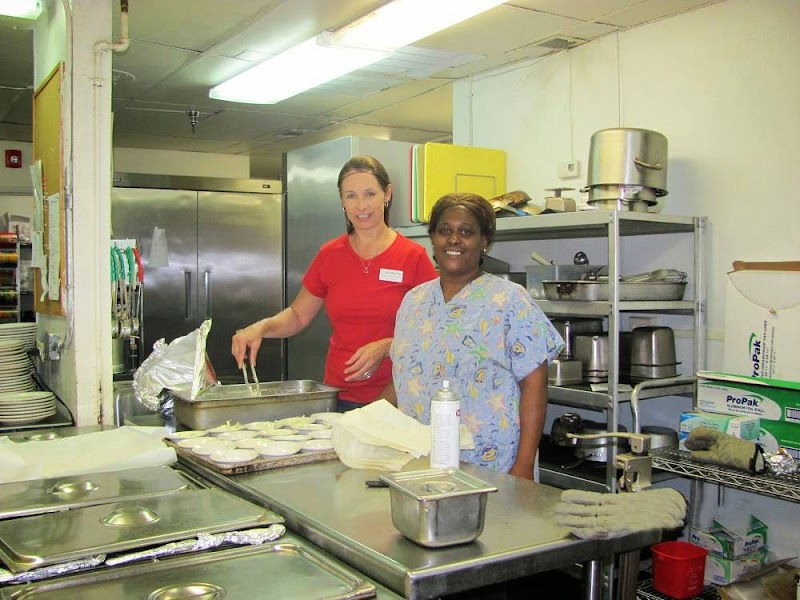
CMS rates WILLIS NURSING AND REHABILITATION LP's staffing level at 1 out of 5 stars, which is much below average compared to other nursing homes. Staff turnover is 41%, compared to the Texas average of 46%. This relatively stable workforce can support continuity of care.

What Have Inspectors Found at Willis Nursing And Rehabilitation Lp?

State health inspectors documented 12 deficiencies at WILLIS NURSING AND REHABILITATION LP during 2023 to 2025. These included: 1 that caused actual resident harm and 11 with potential for harm. Deficiencies causing actual harm indicate documented cases where residents experienced negative health consequences.
Who Owns and Operates Willis Nursing And Rehabilitation Lp?

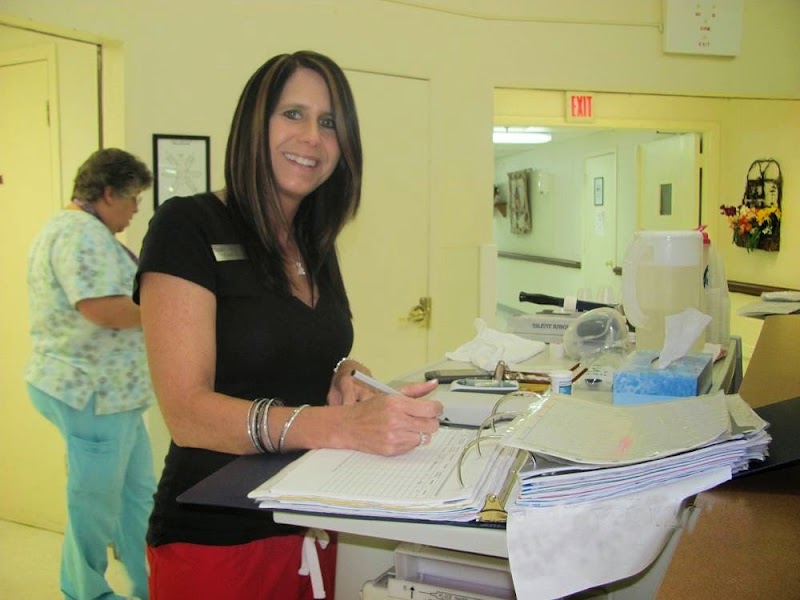
WILLIS NURSING AND REHABILITATION LP is owned by a for-profit company. For-profit facilities operate as businesses with obligations to shareholders or private owners. The facility is operated by SLP OPERATIONS, a chain that manages multiple nursing homes. With 114 certified beds and approximately 48 residents (about 42% occupancy), it is a mid-sized facility located in WILLIS, Texas.
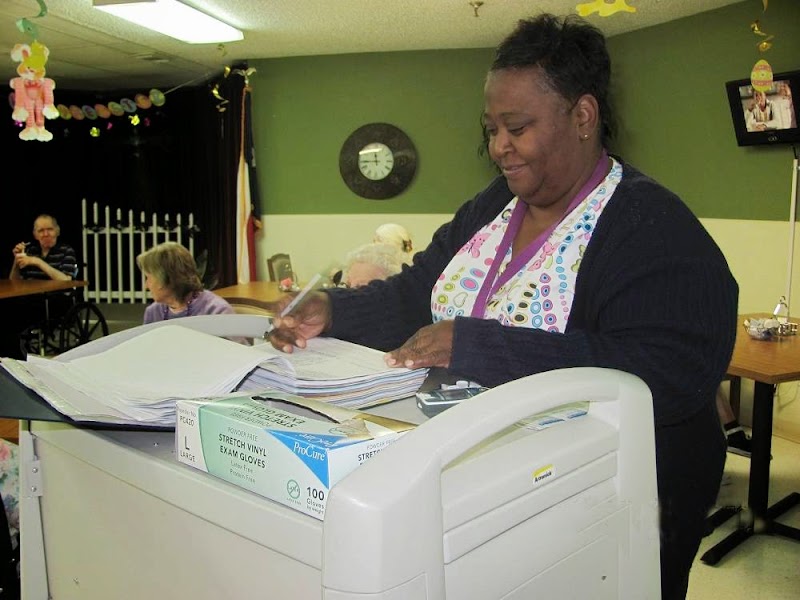
How Does Willis Nursing And Rehabilitation Lp Compare to Other Texas Nursing Homes?

Compared to the 100 nursing homes in Texas, WILLIS NURSING AND REHABILITATION LP's overall rating (4 stars) is above the state average of 2.8, staff turnover (41%) is near the state average of 46%, and health inspection rating (5 stars) is much above the national benchmark.

What Should Families Ask When Visiting Willis Nursing And Rehabilitation Lp?

Based on this facility's data, families visiting should ask: "Can you walk me through typical staffing levels on day, evening, and night shifts?" "Can I visit during a mealtime to observe dining assistance and food quality?" "How do you handle medical emergencies, and what is your hospital transfer rate?" "Can I speak with family members of current residents about their experience?" These questions are particularly relevant given the below-average staffing rating.

Is Willis Nursing And Rehabilitation Lp Safe?

Based on CMS inspection data, WILLIS NURSING AND REHABILITATION LP has a clean safety record: no substantiated abuse findings (meaning no confirmed cases of resident harm), no Immediate Jeopardy citations (the most serious violation level indicating risk of serious injury or death), and is not on the Special Focus Facility watch list (a federal program monitoring the lowest-performing 1% of nursing homes). The facility has a 4-star overall rating and ranks #1 of 100 nursing homes in Texas. While no facility is perfect, families should still ask about staff-to-resident ratios and recent inspection results during their visit.

Do Nurses at Willis Nursing And Rehabilitation Lp Stick Around?

WILLIS NURSING AND REHABILITATION LP has a staff turnover rate of 41%, which is about average for Texas nursing homes (state average: 46%). Moderate turnover is common in nursing homes, but families should still ask about staff tenure and how the facility maintains care continuity when employees leave.

Was Willis Nursing And Rehabilitation Lp Ever Fined?

WILLIS NURSING AND REHABILITATION LP has been fined $7,443 across 1 penalty action. This is below the Texas average of $33,153. While any fine indicates a compliance issue, fines under $50,000 are relatively common and typically reflect isolated problems that were subsequently corrected. Families should ask what specific issues led to these fines and confirm they've been resolved.

Is Willis Nursing And Rehabilitation Lp on Any Federal Watch List?

WILLIS NURSING AND REHABILITATION LP is not on any federal watch list. The most significant is the Special Focus Facility (SFF) program, which identifies the bottom 1% of nursing homes nationally based on persistent, serious quality problems. Not being on this list means the facility has avoided the pattern of deficiencies that triggers enhanced federal oversight. This is a positive indicator, though families should still review the facility's inspection history directly.